Oklahoma's Latest Farm
and Ranch News
Thursday, November 6, 2025
| | Strong Yields and Ideal Weather Mark a Standout Year for Oklahoma Cotton | | |
Oklahoma cotton producers are experiencing one of their best seasons in recent memory, according to Maxwell Smith, cotton extension specialist at Oklahoma State University, who spoke with associate farm reporter Carli Davenport. Smith said, “This year has been a really good change from the last few that we’ve experienced in Oklahoma cotton production.” Early rains and full irrigation capacity at Lake Altus gave farmers the strong start they needed. Smith noted that, “We got some timely rains, and as we got here to harvest time and got those leaves knocked off those plants, we really saw what we were able to achieve this year.” Many producers are reporting record yields, which he credits to both improved weather and better genetics in cotton varieties.
The recent freeze event in late October turned out to be beneficial rather than harmful. Smith explained, “Our freeze timing was actually pretty ideal for most of our cotton area in the state.” Because most fields had already matured and been sprayed, the freeze helped dry down plants and remove remaining leaves, making harvest easier. He emphasized that Oklahoma growers avoided the kind of early freeze that can seriously reduce yields, saying, “We avoided any freezes early in the fall that would have been detrimental to our yields.”
Smith also highlighted the value of OSU’s ongoing research and field trials. He described several key sites, including “the Southwest Research and Extension Center at Altus, the Caddo Research Center near Fort Cobb, and the Goodwell Research Center up in the panhandle.” His program is focusing on weed and insect control, with new technologies on the horizon.
| |
| John Pfeiffer: Record Demand and Strong Genetics Keep Certified Angus Beef at the Top | | |
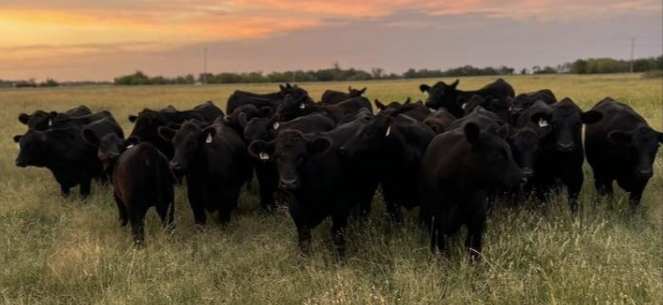
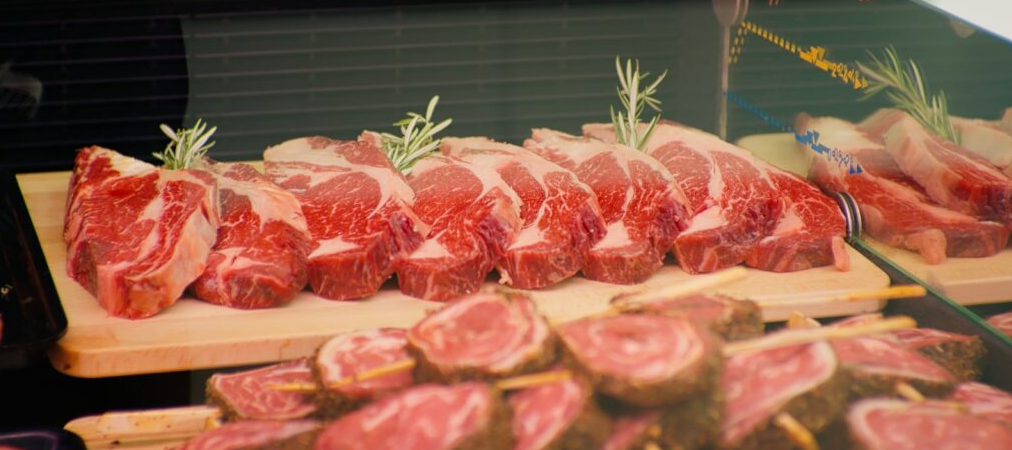
John Pfeiffer Jr., a past President of the American Angus Association and former chair of the Certified Angus Beef (CAB) committee, joined Ron Hays in our latest Beef Buzz to talk about how quality beef continues to drive value across the industry. Pfeiffer noted that Certified Angus Beef had “another record year,” producing “1.232 billion pounds, which makes it the largest single year ever.” He credited consumers for that growth, saying, “They just don’t want a protein product—they want a high-quality protein product,” and added that demand for CAB Prime has become so strong that “we actually are probably not making enough of it.”
Pfeiffer highlighted the extraordinary improvement in quality genetics over the past several decades. He explained, “You go back and look at 1978 —the acceptance rate would have been about 3%, meaning that out of every 100 you did, there would have been three that make it. We had acceptance rates this year at times over 40%, which is remarkable.” The acceptance rate Pfeiffer refers to is the number cattle that met all the requirements to be accepted into the CAB program. He credited both genetic progress and herd rebuilding after past droughts for that success, noting that “about 80% of the cow herd is black now,” a key factor in CAB eligibility.
When Hays asked about the program’s strict standards, Pfeiffer confirmed the team has never lowered them. “Yes, we have [held firm],” he said, emphasizing the value of consistency: “It’s the consistency of our quality that people expect. They know that when they buy it, they’re going to get a good eating experience.”
| |
| U.S.-China Soybean Deal Sparks Optimism, But Analyst Warns of “Vague” Terms and Lack of Detail | | |
A recent meeting between President Donald Trump and Chinese Premier Xi Jinping has resulted in an agreement for China to resume its purchases of U.S. soybeans, sparking a reversal in market prices. However, one agricultural economist is urging caution, calling the announcement “relatively vague” and noting it lacks the concrete details needed for long-term market stability.
The agreement outlines an expectation for China to purchase approximately 12 million metric tons of U.S. soybeans between now and the end of January. A broader expectation was also announced for China to purchase 25 million metric tons from 2026 through 2028, a figure noted as a “typical purchase level” from several years ago.
Joe Janzen, an agricultural economist at the University of Illinois, said the market is still trying to understand the news. “We’re still processing. This is sort of very new and a relatively vague announcement,” Janzen stated. He explained the optimism is based on “a few numbers in comments from the Treasury Secretary”.
| |
| Oklahoma Farm Bureau works to improve the lives of all Oklahomans by supporting our state’s agriculture community. As Oklahoma’s largest general farm organization led by Oklahoma farmers and ranchers, OKFB takes grassroots values and advocates for agriculture at the state Capitol and in Washington, D.C., to ensure our way of life continues for generations to come. Farm Bureau hosts leadership events, supports our state’s agricultural youth and connects consumers with agriculture in order to build a brighter future for our state. Become an OKFB member today online at okfarmbureau.org/join. Together, we are rural Oklahoma. | |  | |
Oklahoma AgCredit supports rural Oklahoma with reliable and consistent credit, today and tomorrow. We offer loans for land, livestock, equipment, operating costs and country homes (NMLSR #809962) to farmers, ranchers and rural businesses across 60 counties. As a cooperative, we are owned by the members we serve. Through our Patronage Program, we have returned more than $74 million to our members since 1997.
For more information on our services or to find a location near you, visit our website here.
| | | From Soy Candles to Tallow: Cottage Goods Finds Success in Natural Products Made in Oklahoma | | |
KC Sheperd, Farm Director, sits down with LeAnn Jenkins of Cottage Goods, an Oklahoma company that grew from a personal quest for a healthier home environment into a successful business known for its all-natural, farm-friendly products.
Jenkins’ journey began in 2000, shortly after building a new house. “I had a new house built, and found that paraffin candles were putting off soot in my new house, which was concerning,” Jenkins shared. This discovery spurred her research, leading her to soy candles. “I started on my journey to educate myself, and found soy candles, which are much cleaner. They burn cleaner. They don’t put off the soot. They last longer. And I’m all about value, so lasting longer was a great thing for me.”
The initial focus on soy led to the realization that the 100% food-grade soy wax could be used on the skin. This sparked the development of a lotion line, with Jenkins committed to keeping the ingredients natural and eliminating toxins. This dedication to natural ingredients quickly branched out.
| |
| |
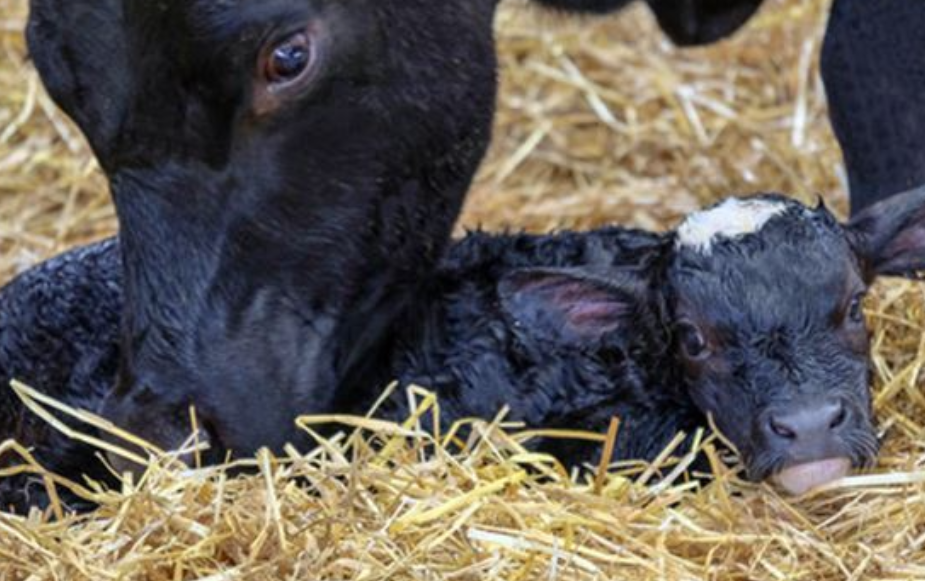
Dana Zook, livestock specialist from Oklahoma State University, says Processing and weaning plans are underway for spring calving herds. I don’t have to tell you that the value of these calves are very high. Producers would benefit from some plans to minimize stress and maintain health. Research has proven that low stress cattle handling and proper vaccination helps calves perform as stockers and in the feedyard. Read on for some insight on best management during weaning.
Vaccinations & Management:The Oklahoma Quality Beef Network (OQBN) provides a research proven guide for management and vaccination of newly weaned calves. The OQBN program requires that cattle are raised from the ranch of origin, weaned a minimum of 45 days, and are bunk trained. Bull calves must be castrated, and all calves must be dehorned. All calves should be healed from these procedures and appear in good health on sale day.
Calf Nutrition should not be an after-thought. Weaning nutrition is one of the most important times to pay attention to detail. Producers should be prepared to provide calves with familiar feeds that are palatable and provide a greater concentration of nutrition to compensate for low intake.
| |
| Shifting markets and quality as the hedge | | |
Last week’s federally inspected cattle harvest was 14,000 head smaller than the prior week at 559,000 head. However, the last three weeks have averaged 11,000 head more than the prior four-week period. Prices ranged from $230/cwt. to $235/cwt. with the average steer price at $231.18/cwt. This week, early indications hold promise for a steady to slightly stronger trend.
Early November cash fed cattle have trended either direction in the past few years. The complexity of current market conditions suggests that historical trends are of little importance. As basis has turned positive, fundamental supply and demand rule the day. Political rhetoric has, so far, proven to be just that, with no actionable changes to the demand-driven market. Downward pressure on futures this Wednesday is firm, however, and will challenge the cash market mentality.
Since headlines fell upon the beef complex October 16, fed and feeder cattle values have taken it on the chin. Feedyards watching the board for their opportunity to hedge their recent “unhedgable” feeder cattle purchases will be forced to wait it out as upper $240’s futures values vanished amidst a stout uptrend.
| |
| The National Wheat Yield Contest Celebrates 10th Anniversary and Announces 2025 National Winners | | |
The National Wheat Foundation (NWF) today announced the winners of the 2025 National Wheat Yield Contest during its annual fall meeting in Austin, TX. This year marks the 10th anniversary of the contest, which continues to highlight excellence and innovation in U.S. wheat production.
Since its inception in 2016, the contest has aimed to improve the productivity, quality, and marketability of the U.S. wheat crop while fostering education and collaboration across all segments of the industry. Through the contest, top wheat producers share the management practices and technologies that help them achieve exceptional yields, high quality, and stronger profitability.
This year’s contest attracted 465 entries, including 30 submissions in the pilot Digital Yield categories. Winners were recognized in four traditional 5-Acre categories and two digital yield categories, representing the diversity and innovation of America’s wheat farmers. Among the honorees, 17 are repeat winners, while 11 are first-time national champions.
| | John Deere Customers Use See & Spray™ Technology Across Five Million Acres in 2025 | | |
John Deere’s See & Spray technology was used across more than five million acres of farmland during the 2025 growing season – a land area larger than the state of New Jersey. In 2025, John Deere customers reduced non-residual herbicide use by an average of nearly 50%—saving nearly 31 million gallons of herbicide mix—demonstrating the power of targeted application, even in a season marked by elevated weed pressure and frequent rains.
“See & Spray continues to redefine what’s possible in crop protection,” said Joshua Ladd, Marketing Manager for Application at John Deere. “With See & Spray, farmers can save on input costs, improve weed control, boost yields, and increase their sustainability – all in one pass. Our customers’ results for 2025 show that these benefits are real.”
Launched in 2021, See & Spray uses boom-mounted cameras and onboard processors to scan over 2,500 square feet per second at up to 15 miles-per-hour, identifying weeds and triggering individual spray nozzles via Deere’s ExactApply™ system. The result? Herbicide is applied only where needed – saving money, reducing waste, protecting crops, and boosting yields.
| | |
According to Cassie Fish in her daily analysis, the Beef Read– just as we watched history in cattle prices soaring back in the late summer- the current plunge in cattle futures is historic as well: “CME cattle futures are in the midst of a serious and historic melt down. Since topping October 16, most active December LC and dropped 11.2% and November FC is down 14.9%. Last week and last month’s lows are history after today’s action and both feeders and fats are limit down. ”Because several of the live cattle or feeder cattle futures settled limit down on Wednesday, the market will have expanded limits TODAY. For the Live Cattle futures- those limits will be $10.75 per hundred and for the Feeder Cattle Futures- the expanded limits will be $13.75.
Choice boxed beef on Wednesday closed at $378.26/cwt, up $0.68 from Tuesday. Select was $360.25/cwt, down $1.00. The Choice/Select spread widened to $18.01. Load count totaled 117, down from 167 the previous day.
OKC West had a total run Tuesday and Wednesday of 4,611. Compared to last week: Feeder steers over 850lbs 5.00-10.00 higher, under 850lbs 12.00-20.00 lower. Feeder heifers 8.00-10.00 lower. Stocker type heifers 30.00 lower. Wednesday's feeder market was crazy to say the least. Two buyers had 9 weight steer orders that were very aggressive. On Tuesday, steer and heifer calves 20.00-30.00 higher
OKC West is our Market Links Sponsor- they sell cattle three days a week- Cows on Mondays, Stockers on Tuesday and Feeders on Wednesday- Call 405-262-8800 to learn more.
Click here for our Markets Page on OklahomaFarmReport.Com- there you will find many of the reports we have linked on the right hand column found on the previous format of our email.
| | |
© 2025 Oklahoma Farm Report - All rights reserved
|
| | | |