Oklahoma's Latest Farm
and Ranch News
Tuesday, November 11, 2025
| | Mullin: “We Have the Votes” to Reopen Government, But May see a Delay | | |
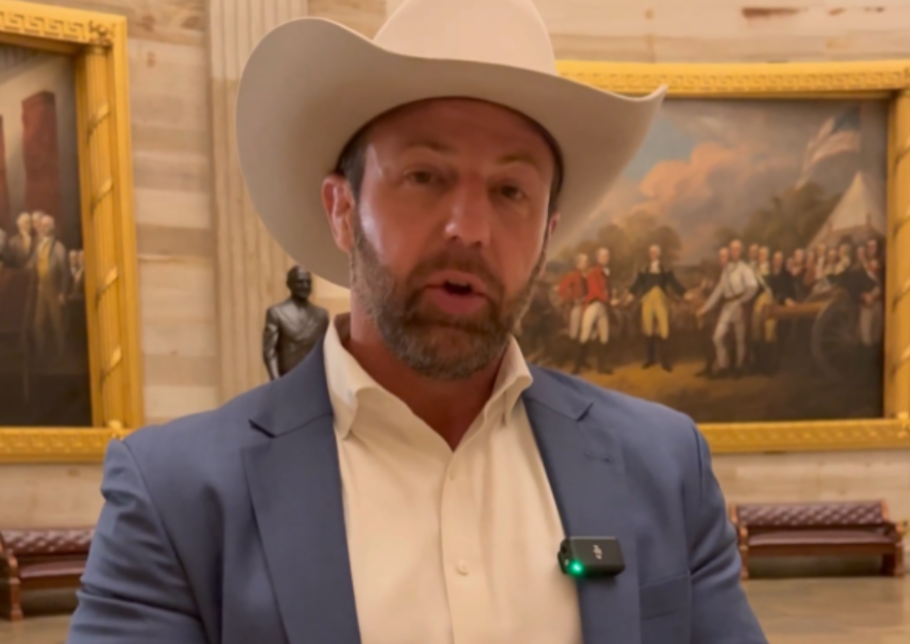
After 40 long days, the United States Senate advanced a key procedural step to reopen the federal government, marking the end of the longest shutdown in history. The Final vote was 60-40. Senator Markwayne Mullin (R-OK) announced in a video message Sunday evening that the Senate has secured the necessary votes to begin the process of reopening the government, but warned that the timeline depends entirely on whether Democrats choose to “drag this out.”
However, Mullin warned that the process includes procedural hurdles that could be exploited for political purposes, potentially leading to delays. He noted that both the “motion to proceed” and the subsequent “vote to amend” technically invoke 30 hours of debate each, for a potential total of 60 hours.
As of last night the Senate passed the bill to fund the government and now sends it to the House, which could vote as early as Wednesday to end the government shutdown.
| |
| Congressman Tom Cole Honors Rodd Moesel and Waits on Senate to Send Measure to House This Week | | |
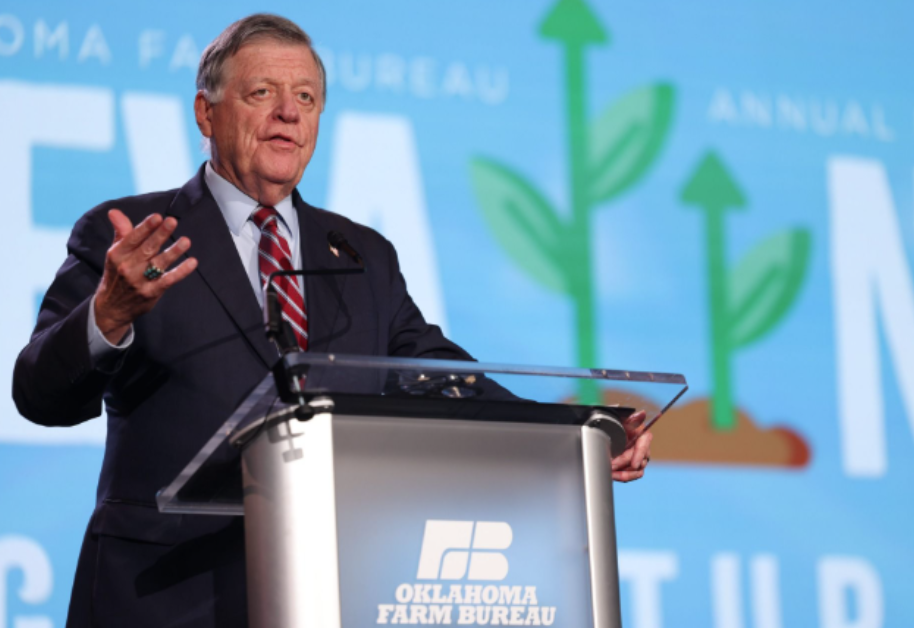
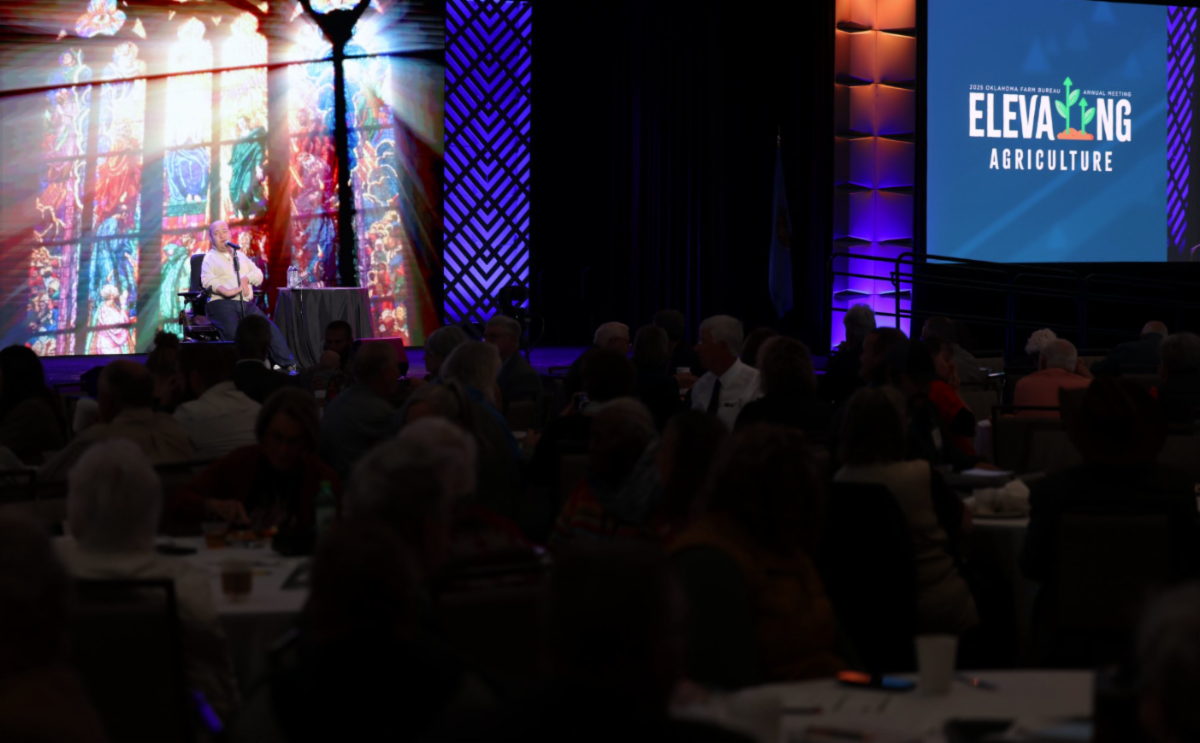
Congressman Tom Cole attended the Oklahoma Farm Bureau annual meeting this past weekend, where he spoke with senior farm and ranch broadcaster Ron Hays. Cole honored outgoing president Rod Moesel and his eight years of dedicated leadership.. “Rod and I literally go back 50-odd years in Republican politics,” Cole said. “He was my campaign treasurer when I ran for the state senate... There’s two people I rely on most for advice on Oklahoma agriculture — Congressman Frank Lucas and Rod Moesel. I pretty much do whatever they tell me to do.” Cole praised Moesel’s influence on Oklahoma agriculture and his steady presence in state politics.
Turning to national issues, Cole addressed the current government funding standoff in Washington, emphasizing that the House has already acted. “The House will come back when the Senate does its job,” he stated. “We sent over a clean bill that would have kept the government open so we could negotiate appropriations bills to the Senate.” According to Cole, 55 senators — a majority — supported that measure, showing broad bipartisan agreement to keep the government operating.
Cole stressed that the impasse is not about appropriations, but about the Affordable Care Act and ongoing disputes over subsidies. “It really doesn’t have much to do with appropriations or government funding. It’s mostly about Obamacare,” he explained, adding that “the Affordable Care Act is pretty unaffordable.”
| | Bice Details Farm Bill Timeline & A Three-Bill Package at Oklahoma Farm Bureau Meeting | | |
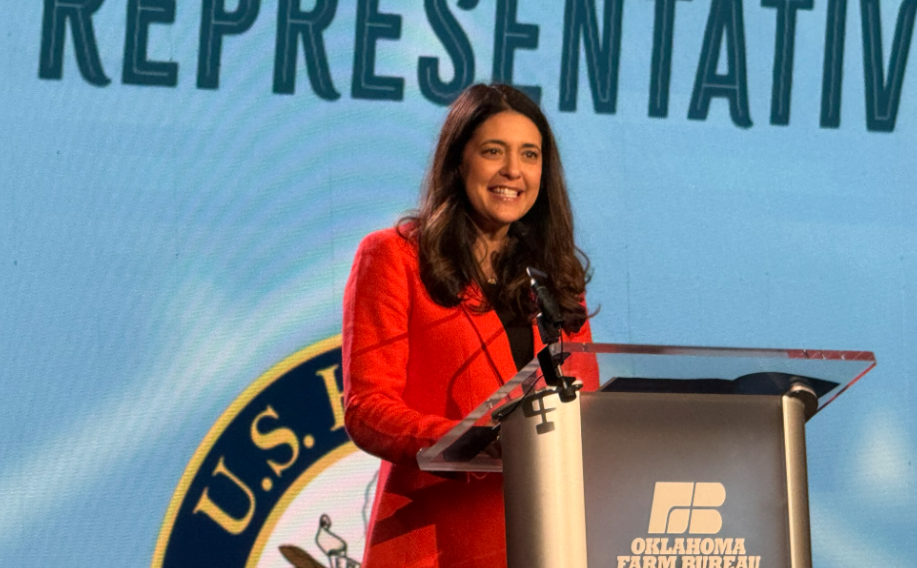
Addressing the Oklahoma Farm Bureau during a record-setting government shutdown, Congresswoman Stephanie Bice outlined a potential path forward to reopen the government and detailed the timeline for the upcoming Farm Bill at the Oklahoma Farm Bureau Meeting.
Speaking with Farm Director KC Sheperd, Bice called the situation untenable. “This is not good for the country,” she said. “We need to get over this hurdle, get the government back open and back to business.” The immediate priority is ending the shutdown, which is now the longest in U.S. history.
The proposed solution includes: A Three-Bill Package: Passing three specific appropriations bills: Agriculture: To fully fund the USDA, SNAP benefits, and other provisions. MilCon-VA: To fund military construction and Veterans Affairs. Legislative Branch: To pay Capitol staff and federal employees. A Continuing Resolution (CR): This would fund the remaining nine government-funding bills through a new January deadline, allowing negotiations to continue without a shutdown. “We can’t do any of that right now,” Bice stressed, emphasizing that passing this package is the only way to “open government back up” and allow Congress to resume normal policy negotiations.
| | |
Dating back to 1891, Stillwater Milling Company has been supplying ranchers with the highest quality feeds made from the highest quality ingredients. Their full line of A & M Feeds can be delivered direct to your farm, found at their Agri-Center stores in Stillwater, Davis, Claremore and Perry or at more than 125 dealers in Oklahoma, Arkansas, Kansas and Texas. We appreciate Stillwater Milling Company’s long time support of the Radio Oklahoma Ag Network and we encourage you to click here to learn more about their products and services.
| |  | |
National Livestock was founded in 1932 in Oklahoma City. National’s Marketing Division offers cattle for sale weekly at the Oklahoma National Stockyards in Oklahoma City. The Finance Division lends money to ranchers across several states for cattle production. The Grazing Division works with producers to place cattle for grazing on wheat or grass pastures.
National also owns and operates other livestock marketing subsidiaries including Southern Oklahoma Livestock Auction in Ada, Oklahoma, OKC West Livestock Market in El Reno, Oklahoma, and the nation’s premier livestock video sale, Superior Livestock Auction. National offers customers many services custom made for today’s producer. To learn more, click here for the website or call the Oklahoma City office at 1-800-310-0220.
| | | Danette Amstein: Understanding Today’s Beef Consumer Is Key to Industry Success | | |
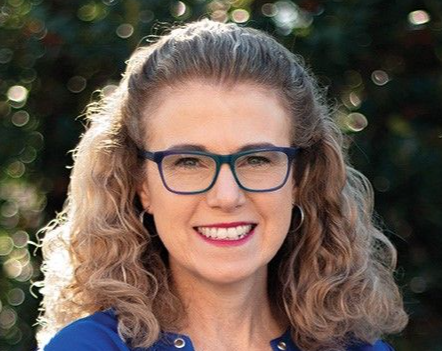
Senior farm and ranch broadcaster Ron Hays features comments with Danette Amstein, Managing Principal of the Midian Marketing Group. Midian Marketing, the only strategic marketing, research and creative agency that focuses solely on making a difference in the meat industry. Amstein is a sixth generation Kansas farmer /rancher. She is active in the management of her family’s commercial cow herd and row crop operation.
Amstein was the kickoff speaker at the 2025 King Ranch Institute for Ranch Management’s Symposium on Excellence in Ranch Management. She shared her insights on the modern beef consumer and how the cattle industry can better connect with them. She explained that while beef quality and prices have both risen, “our consumers are paying more for our product than they ever have,” and many think it’s “too expensive.” Despite this, demand remains strong, and she urged producers to balance their own profitability with consumer satisfaction: “I like getting that check when I’m selling my weaned calves, but I also want to make sure we’re handling what the consumer needs in a way that keeps them coming back.”
Amstein painted a vivid picture of who today’s beef consumer really is—often quite different from the people who raise cattle. “They live in high rises. They spend more on coffee in a month than you would in a year… but what they think matters a whole lot to what we do,” she said. She emphasized that while consumers may not understand the ranching lifestyle—“They don’t realize that we get up in the middle of the night and check on that calf and that mama so that they get to eat that steak”—their preferences and purchasing decisions are critical to the industry’s success.
| | |
Dr. Derrell Peel, Livestock Marketing Specialist says The latest edition in the torrent of recent political attentions directed at the cattle and beef industry includes allegations of market manipulation against the beef packing industry. Beef packers are the one segment that has been most negatively impacted in the current market, incurring huge losses due to poor margins and limited cattle supplies. Using logic that only works in the office of a politician, packers are supposedly wielding unacceptable market power while paying record high cattle prices and artificially raising beef prices…but not enough to avoid losing a couple hundred dollars on every animal they process – certainly many millions of dollars.
If beef packers had any significant ability to exercise market power, I am certain that we would not have record high cattle prices and packers would not be losing money.
Having identified high beef prices as a political issue, the federal administration is desperate to find a scapegoat since current cattle market conditions ensure that beef prices are inevitably and unavoidably elevated until such time as the cattle industry can rebuild – another 2-4 years at least.
Federal government attacks on beef packers are aided and supported by a vocal minority of the cattle industry (and a few sympathetic politicians) who view packers as a perennial villain and always worthy of attack anytime the opportunity is presented. These attitudes have been a factor in the beef industry for well over a century. Ward (2002) noted a quote by Senator John B. Kendrick of Wyoming in 1919 that said “This squall between packers and the producers of this country ought to have blown over forty years ago, but we still have it on our hands…”
| | Farm Bureau members, counties honored at OKFB’s 84th annual meeting | | |
Oklahoma Farm Bureau honored achievements and accomplishments of the organization’s members during the past year at OKFB’s annual awards banquet held Saturday, Nov. 8, at the Omni Hotel in Oklahoma City.
Awards were presented to county Farm Bureaus for outstanding achievement in advocating for agriculture and Oklahoma’s rural communities with Presidential Star Awards, the John I. Taylor Award, the Lewis H. Munn Award and more.
Awards were also given to young farmers and ranchers, members of Oklahoma’s agriculture community, and nine farm and ranch families who were recognized for upholding our state’s richest agricultural traditions. The Oklahoma Farm Bureau Annual Meeting is the organization’s largest gathering of farmers and ranchers every year. At the event, members vote on grassroots policy, elect leaders and award outstanding individuals. OKFB has a presence in all 77 Oklahoma counties and serves as the voice of agriculture and the rural way of life. See the full list below.
| | Understanding Interval-Based Enrollment Risk in PRF: How Interval Selection Strategies Can Impact Protection Across the South | | |
Pasture, Rangeland, and Forage (PRF) insurance continues to be one of the most widely used federal crop insurance plans nationwide, with the most insured acres of any crop insurance plan in the US. While the program’s design has remained the same, the rainfall patterns that determine its performance have not (Davis et al. 2025). A new analysis comparing baseline loss ratios with recent changes in rainfall inconsistency highlights areas where producers may need to reconsider their insured intervals, and why those adjustments matter.
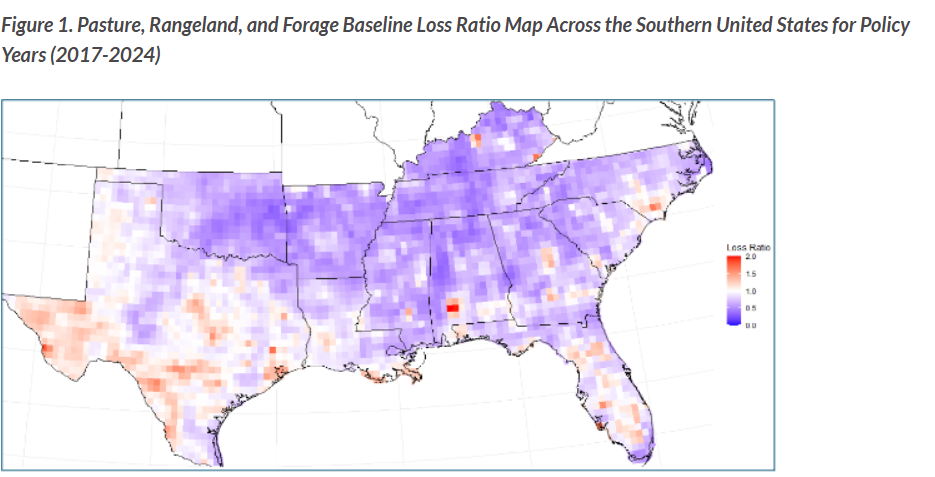
Figure 1 presents the baseline loss ratios of PRF from 2017 to 2024 across the south, demonstrating how the program would perform without interval choice affecting outcomes. This eliminates the human enrollment bias that happens when producers repeatedly select intervals that paid better in the past, do not follow a consistent enrollment strategy, or do not enroll consistently in general (Davis et al. 2025).
Results show a mean loss ratio of 0.79 and a standard deviation of 0.20, indicating that, after controlling for enrollment behavior, most grids in the South maintain a relatively stable loss ratio that is below the national standard of 1. Figure 1 demonstrates that baseline performance and protection received by producers varies by location.
| | Texas Tech Scientists Develop Novel Acceleration Technique for Crop Creation | | |
A team of plant biotechnologists led by Gunvant Patil at Texas Tech University has developed a groundbreaking method that could dramatically speed up the development of regeneration process and gene-edited crops.
The method would allow scientists to bypass one of the most time-consuming and technically challenging steps in plant biotechnology – tissue culture.
The study, published this week in Molecular Plant, introduces a synthetic regeneration system that enables plants to grow new shoots directly from wounded tissue, eliminating the need for traditional lab-based regeneration steps that often take months and limit which crops can be bioengineered. This work was primarily carried out by graduate student Arjun Ojha Kshetry in Texas Tech’s Institute of Genomics for Crop Abiotic Stress Tolerance (IGCAST).
| |
Checking the Markets...
Sharp, aggressive gains seen in all cattle futures led the market to limit higher moves by the end of the day. December live cattle closed $7.20 higher at $228.55, February live cattle closed $7.25 higher at $227, and April live cattle closed $7.25 higher at $226.975.
Monday's slaughter is estimated at 113,000 head, 4,000 head more than a week ago and 1,000 head more than a year ago. Boxed beef prices closed mixed: choice up $0.92 ($377.32) and select down $1.39 ($359.7) with a movement of 84.27 loads (48.97 loads of choice, 14.37 loads of select, 5.59 loads of trim and 15.34 loads of ground beef).
| | |
Click here for our Markets Page on OklahomaFarmReport.Com- there you will find our latest reports on cattle auctions, boxed beef, cash grains and market analysis.
OKC West is our Market Links Sponsor- they sell cattle three days a week- Cows on Mondays, Stockers on Tuesday and Feeders on Wednesday- Call 405-262-8800 to learn more.
| | |
© 2025 Oklahoma Farm Report - All rights reserved
|
| | | |