Oklahoma's Latest Farm
and Ranch News
Tuesday, November 18, 2025
| | Emergency Drought Aid Update: Trey Lam Warns Conditions Worse Than Monitor Shows | | |
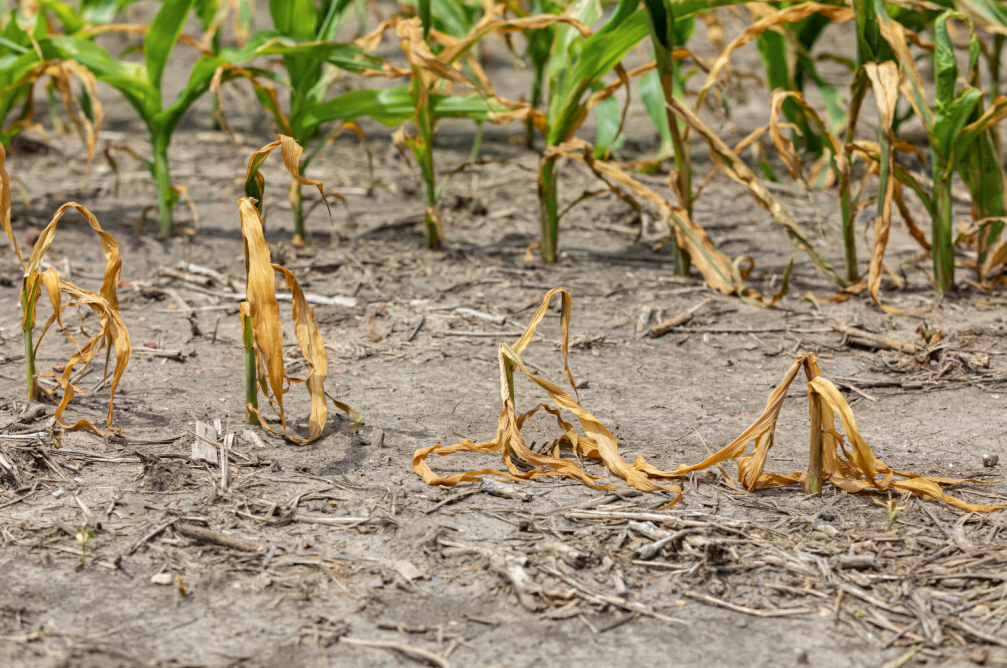
At an emergency drought committee meeting, Oklahoma Conservation Commission Executive Director Trey Lam shared an overview of the state’s worsening drought conditions with Associate Farm Reporter Carli Davenport. He said the panel heard from state climatologist Gary McManus, noting that “drought has been growing across the state, and actually maybe a little more severe even than the Drought Monitor would indicate.” Lam added that McManus has been pushing for updated classifications because “the drought is back on in Oklahoma after a fairly wet summer.” However, Lam said there is optimism, as “the chances of rain are much higher this week.”
Lam explained the structure and purpose of the state’s Emergency Drought Assistance Program, created by lawmakers to help producers manage water shortages. He said the legislature provided funding and that the drought committee—made up of key agency heads and two legislative appointees—chose to direct that support through conservation districts. According to Lam, the funding has enabled “practices that will help alleviate drought concerns,” including cleanouts of ponds and the drilling of new wells.
The program has been active for more than a year, and Lam said the committee met to review its progress. He noted the significant work already accomplished, including numerous completed projects across the state. The commission is still working through remaining commitments, including “about 212 water wells that haven’t been drilled,” which they are working to complete as the previous drought cycle is closed out.
| | EPA Rolls Out New Language on Waters of the US Under the Clean Water Act | | |
On November 17, 2025, the U.S. Environmental Protection Agency (EPA) and the Department of the Army announced proposed revisions to the 2023 definition of “waters of the United States,” which defines the scope of federal jurisdiction over Clean Water Act permitting. When finalized, this action would give landowners in rural America—including the agricultural community—clarity, predictability, and consistency under the Clean Water Act to understand where Federal jurisdiction applies and
where it does not.
It would continue to protect the nation’s navigable waters while reducing
bureaucratic barriers to agricultural production and growth, and helping farmers and ranchers feed our nation and manage their land. The proposed rule would provide a straightforward and commonsense approach to defining “waters of the United States,” consistent with the Supreme Court’s clear direction, and would preserve and protect the primary authority of States and Tribes over the land and water resources within their borders. Pre-proposal recommendations from the agricultural community
helped shape this proposed rule.
The definition of “waters of the United States” establishes the geographic scope of Federal jurisdiction and applies to the implementation of a variety of programs under the Clean Water Act. Many of these programs are managed by States, Tribes, or the U.S. Army Corps of Engineers with EPA oversight. First and foremost, WOTUS defines whether or not a waterbody is subject to Federal jurisdiction under the Clean Water Act.
| | Trump Administration Delivers Second Stage of Crop Disaster Assistance for Farmers | | |
Just Days after the government reopened and despite the radical left Democrat caused shutdown, President Donald J. Trump and U.S. Secretary of Agriculture Brooke L. Rollins continue to put Farmers First, including the unprecedented move to reopen over 2,000 county FSA offices in the middle of the government shutdown so farmers could continue to access U.S. Department of Agriculture (USDA) services during harvest. Today, the USDA will continue to support farmers and will release billions in disaster assistance for those recovering from natural disasters across the country.
“President Trump continues to put Farmers First and provide relief to American farmers reeling from the devastating natural disasters that struck across the United States in 2023 and 2024. The continued financial success of our farming and ranching operations is a national security priority,” said Secretary Brooke Rollins. “USDA is doing whatever it takes to make good on President Trump’s promise to expedite disaster recovery assistance to U.S. farmers and ranchers, ensuring viability, prosperity, and longevity for these men and women who dedicate their entire lives to our nation’s food, fiber and fuel production. The majority of payments from the first stage are already in the hands of producers helping them prepare for and invest in the next crop year.”
USDA’s Farm Service Agency (FSA) is delivering more than $16 billion in total Congressionally approved SDRP assistance. This is on top of over $9.3 billion in Emergency Commodity Assistance Program (ECAP) assistance to over 560,000 row crop farmers and over $705 million in Emergency Livestock Relief Program (ELRP) assistance to over 220,000 ranchers. Stage Two of SDRP covers eligible crop, tree, bush and vine losses that were not covered under Stage One program provisions, including non-indemnified (shallow loss), uncovered and quality losses.
| | |
Dating back to 1891, Stillwater Milling Company has been supplying ranchers with the highest quality feeds made from the highest quality ingredients. Their full line of A & M Feeds can be delivered direct to your farm, found at their Agri-Center stores in Stillwater, Davis, Claremore and Perry or at more than 125 dealers in Oklahoma, Arkansas, Kansas and Texas. We appreciate Stillwater Milling Company’s long time support of the Radio Oklahoma Ag Network and we encourage you to click here to learn more about their products and services.
| |  | |
National Livestock was founded in 1932 in Oklahoma City. National’s Marketing Division offers cattle for sale weekly at the Oklahoma National Stockyards in Oklahoma City. The Finance Division lends money to ranchers across several states for cattle production. The Grazing Division works with producers to place cattle for grazing on wheat or grass pastures.
National also owns and operates other livestock marketing subsidiaries including Southern Oklahoma Livestock Auction in Ada, Oklahoma, OKC West Livestock Market in El Reno, Oklahoma, and the nation’s premier livestock video sale, Superior Livestock Auction. National offers customers many services custom made for today’s producer. To learn more, click here for the website or call the Oklahoma City office at 1-800-310-0220.
| | | Jimmy Taylor: USMEF Delivers Big Returns for U.S. Cattle Producers | | |
Senior farm and ranch broadcaster Ron Hays features comments with USMEFs, Jimmy Taylor, a western Oklahoma cattle producer, former chairman of the Cattlemen’s Beef Promotion Board, and current ex officio member of the Oklahoma Beef Council. Taylor highlighted the strong value USMEF delivers for producers. He emphasized that the organization is “doing an exceptional job in representing the U.S. cattle producer,” especially when it comes to building export demand for American beef.
Taylor stressed that producers can clearly see the return on their Beef Checkoff investment through USMEF’s work. “For every dollar invested, it returns $13.41,” he said, noting that if you look specifically at the portion directed to USMEF, “it comes out to over $20.” Over the past few years alone, he said the economic impact “has added over $400 per fed head,” a lift that “really affects their bottom line.” Without USMEF’s efforts, Taylor added, “those fat cattle that sell would be worth $400 less.”
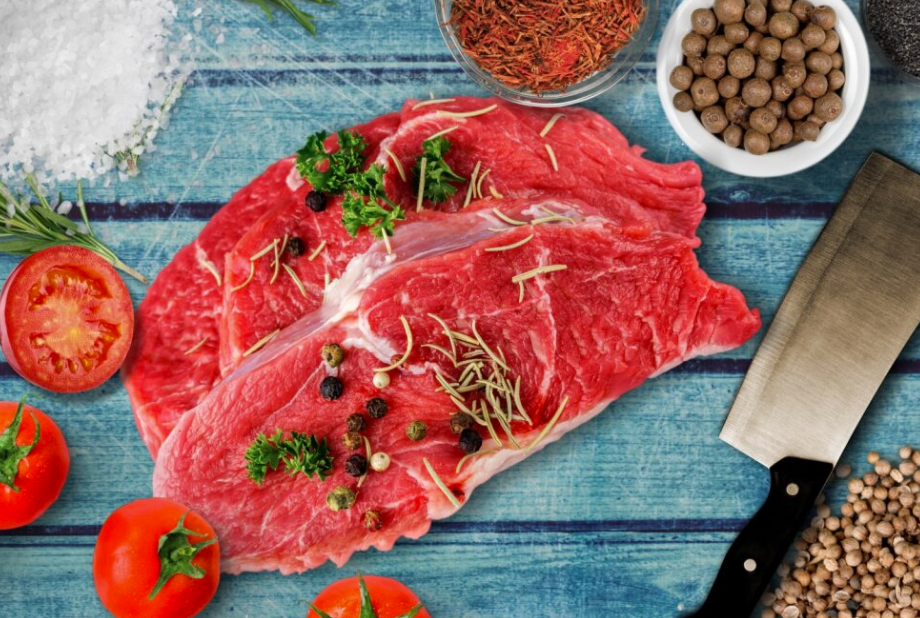
Drawing on his time as chairman of the Beef Promotion Board, Taylor recalled traveling with USMEF to Japan and Korea to see the programs in action. “You can see the impact that those checkoff dollars are making there,” he said. He described a memorable outreach event in Tokyo where “approximately 30 bloggers” learned to cook U.S. steaks, even preparing the meal for attendees. “They were very proud of their efforts,” Taylor said, noting that stories from the bloggers went online the same night—an example of how checkoff dollars support market development.
| | Potential Impacts of the Mexican Border Reopening | | |
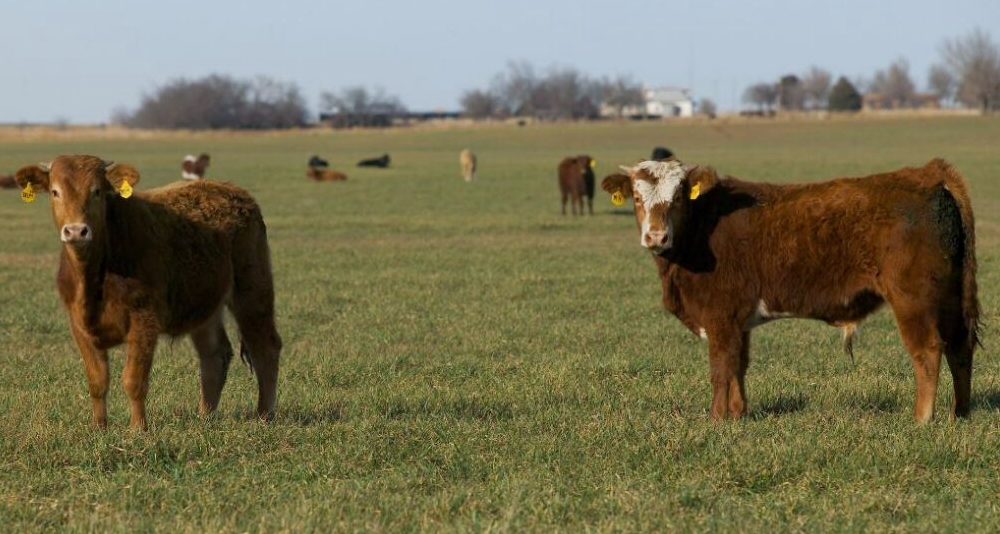
Dr Derrell Peel in a recent cow calf corner article says cattle markets have been nervously reacting to rumors and speculation that the Mexican border may reopen at any time to cattle imports into the U.S. Many questions are swirling about when the border might open, how many cattle are backlogged in Mexico and how fast cattle might cross into the U.S. Some background and recent events are helpful to sort out what to expect if the border reopens.
For twenty years from 2004 – 2023, U.S. imports of Mexican cattle have averaged 1.17 million head, ranging from 0.703 to 1.47 million head per year. On average, Mexican cattle imports are equal to 3.3 percent of the U.S. calf crop. Mexican cattle imports include steers and spayed heifers, with heifers accounting for an average of 15.6 percent of total cattle imports.
Severe drought in Mexico, especially in 2023 and 2024, significantly impacted exports of cattle to the U.S. In 2023, a total of 1.25 million head of Mexican cattle were imported, including 28.4 percent spayed heifers. In 2024, a total of 1.25 million head of Mexican cattle were imported prior to the border closure in late November. Given the typical seasonal pattern of imports, total Mexican cattle imports in 2024, were on pace to reach a record or near record level of 1.45 – 2.0 million head. Total imports prior to the border closure included 37.1 percent spayed heifers, a record level of heifers in the import total. Total steers in the import mix both years were below average levels.
| | Sheri Glazier: Grown- Bridging the Gap Between Agriculture and Dietetics | | |
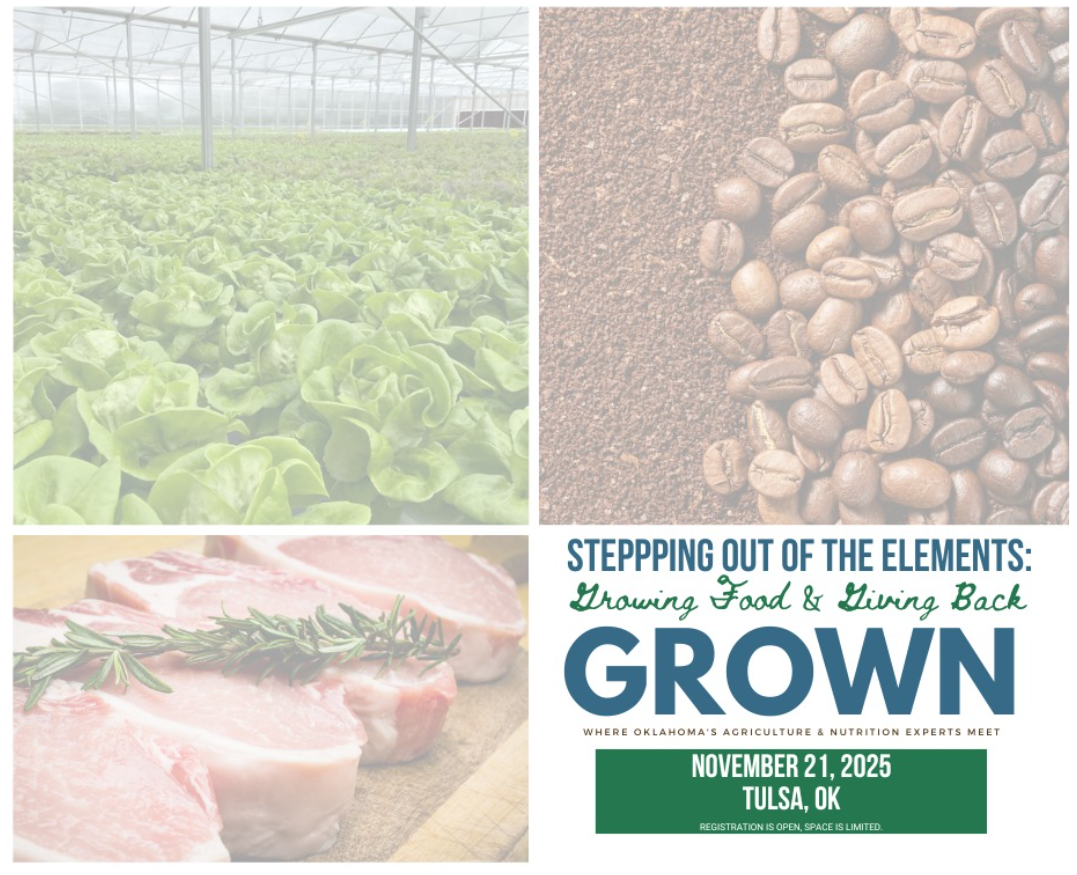
Associate farm reporter Carli Davenport spoke with Sheri Glazier , the dietitian at the Dirt Road, about the grown event coming up this November. She emphasized why the event matters for nutrition professionals, explaining that “there’s a significant learning gap in understanding basic ag practices and principles,” and that her goal is to “slowly close that gap and create immersive and memorable opportunities” for registered dietitians and students.
This year’s event will take place in Tulsa and is designed to keep attendees out of the weather while still connecting them deeply with agriculture and food systems. Glazier explained the vision: “We’re stepping out of the elements, growing food, and giving back.” She credited the Oklahoma Academy of Nutrition and Dietetics, Oklahoma Farm Bureau Foundation for Agriculture, and the Oklahoma Pork Council for making the event possible.
The day will begin at the Food Bank of Eastern Oklahoma, where attendees will learn “all things pork and pork nutrition” followed by a tour of Better Day Farms. There, participants will see a hydroponic lettuce and herb operation that supplies schools statewide. Returning to the food bank, Chef Jeremy Johnson will lead a hands-on culinary session featuring pork loin, flavor development, spice rubs, and vinaigrettes—an experience Glazier believes is impactful because “it’s also impactful when you’re able to get your hands dirty.”
| | Oklahoma Weather: 94°F ‘Summer’ Heat Shatters November Records | | |
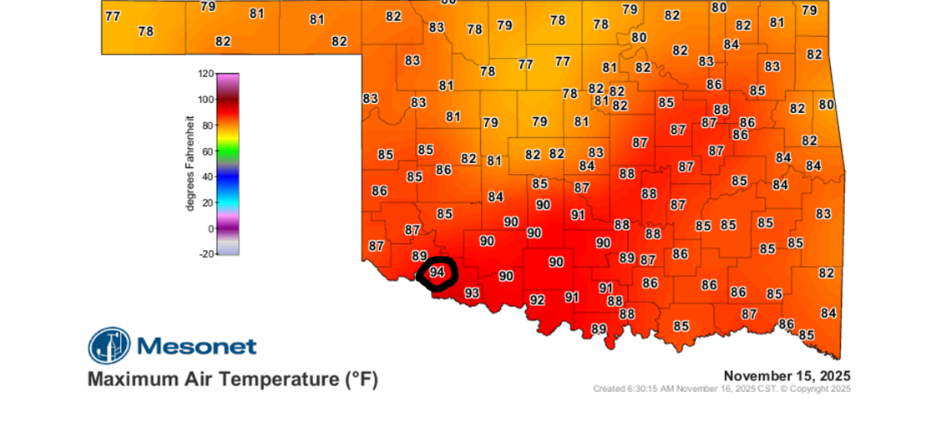
Oklahomans could be forgiven for checking their calendars this past weekend, as “summer” made an aggressive and record-shattering return in the middle of November. “Why are we having mid-90s in Oklahoma in mid-November?” asked a bewildered State Climatologist Gary McManus in his recent report, channeling the thoughts of many residents. This wasn’t just unseasonably warm; it was historic.
The heat, which peaked over the weekend and is forecast to linger through Tuesday, broke not just daily records but, in many cases, monthly records for entire stations. The most stunning reading came from Tipton, which recorded a high of 94°F.
According to McManus, that 94-degree temperature in Tipton is not only a local record but also ties for the second-highest temperature ever recorded in November in Oklahoma’s history. The all-time November record remains 95°F, set in Hollis on November 7, 2023, and in Coalgate on November 1, 1937. The warmth wasn’t just a daytime event. Record-high minimum temperatures were also set Monday morning, meaning Oklahomans woke up to temperatures warmer than the previous record highs for the date.
This “summer” weather has been less of a treat and more of a strain on the state, which is slipping back into drought. McManus noted the troubling lack of moisture, with parts of Oklahoma experiencing periods of 3 to 8 weeks without seeing at least a quarter-inch of rain in a single day. For some, it has been three weeks without even a tenth of an inch. The good news, as McManus reports, is that a significant pattern change is finally on the horizon. A “cut-off upper-level low pressure system”—which McManus calls “drought’s worst enemy”—is set to visit the state this week. This system is expected to end the record warmth and bring widespread chances for significant rainfall.
| | Ag Groups React to EPA New Language on Waters of the US Under the Clean Water Act | | |
American Farm Bureau Federation President Zippy Duvall commented, “Clean water is a top priority for farmers and ranchers – we depend on it. We are pleased that the new rule protects critical water sources while respecting the efforts of farmers to protect the natural resources they’ve been entrusted with. “The Supreme Court clearly ruled several years ago that the government overreached in its interpretation of what fell under federal guidelines. We are still reviewing the entire rule, but we are pleased that it finally addresses those concerns and takes steps to provide much-needed clarity. We look forward to providing comments to EPA to ensure farmers can continue to safeguard the environment while growing the food America’s families rely on.”
The National Cattlemen’s Beef Association (NCBA) “Waters of the U.S. has been a longstanding and frustrating issue for family farmers and ranchers. Every few years, the definition of a ‘water of the U.S.’ has changed. Often, this meant that small water features like prairie potholes or dry ditches suddenly fell under federal regulation,” said NCBA President and Nebraska cattleman Buck Wehrbein. “NCBA has spent years fighting to protect cattle producers from excessive red tape. We went to the EPA, advocated on Capitol Hill, and even took this issue all the way up to the Supreme Court to protect our members from federal overreach. We appreciate the EPA finally fixing previous WOTUS rules and supporting America’s family farmers and ranchers.” The revised WOTUS rule ensures that only large bodies of water and their main tributaries are subject to federal jurisdiction.
National Association of State Departments of Agriculture: “NASDA appreciates EPA listening to input from state departments of agriculture and other stakeholders regarding problems with prior WOTUS rulemakings. NASDA is pleased that our federal colleagues are now working cooperatively with state co-regulators to ensure the goals of the Clean Water Act are met while minimizing unjustified interference with agricultural and other activities that feed, clothe, and house Americans and drive our nations’ economy,” NASDA CEO Ted McKinney said.
| |
Checking the Markets...
The livestock complex was able to close higher as traders poured a tick more interest into the marketplace. New showlists appear to be mixed, with higher values in Texas, but lower values in Kansas and Nebraska/Colorado. December live cattle closed $2.12 higher at $221.27, February live cattle closed $2.25 higher at $221.77, and April live cattle closed $2.25 higher at $221.82.
The feeder cattle complex successfully traded higher throughout the day, as the market continues to follow the direction of the live cattle market closely. January feeders closed $5.72 higher at $326.27, March feeders closed $5.20 higher at $318.55, and April feeders closed $4.75 higher at $315.82. At Joplin Regional Stockyards in Carthage, Missouri, compared to last week and at their midsession point, feeder steers were selling $4.00 higher to $6.00 lower and feeder heifers were trading $5.00 higher to $5.00 lower. The CME feeder cattle index 11/14/2025: up $1.89, $341.89.
Boxed beef prices closed mixed: choice down $0.32 ($370.41) and select up $2.06 ($356.30) with a movement of 75 loads
| | |
Click here for our Markets Page on OklahomaFarmReport.Com- there you will find our latest reports on cattle auctions, boxed beef, cash grains and market analysis.
OKC West is our Market Links Sponsor- they sell cattle three days a week- Cows on Mondays, Stockers on Tuesday and Feeders on Wednesday- Call 405-262-8800 to learn more.
| | |
© 2025 Oklahoma Farm Report - All rights reserved
|
| | | |