Oklahoma's Latest Farm
and Ranch News
Wednesday, November 19, 2025
| | Back After the Shutdown- Crop Progress Shows Harvest of Spring Crops Nearly Complete | | |
National Wheat Statistics: Winter Wheat Planted reached 92 percent, down two points from the previous year and down three points from the five-year average. .
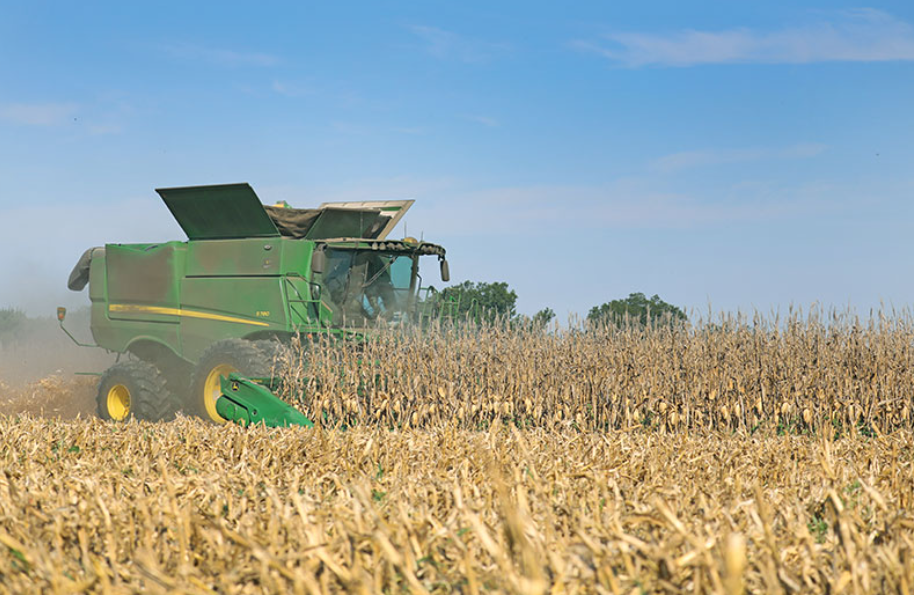
National Corn Statistics: Corn Harvested Reached 91 percent, down seven points from a year ago and down three points from the five-year average.
National Soybean Statistics: Soybean Harvested reached 95 percent, down three points from the previous year and down one point from the five-year average. National Cotton Statistics:
As for our Crops and Pastures in Oklahoma: Winter wheat planted reached 92%- up four points from the previous year and down 2 points from the five-year average. The Oklahoma wheat crop is 39% in good to excellent shape. Cotton harvest is at 72% harvested- up ten points from the five year average.
| | USDA Turkey Safety: Essential Thawing and Cooking Tips | | |
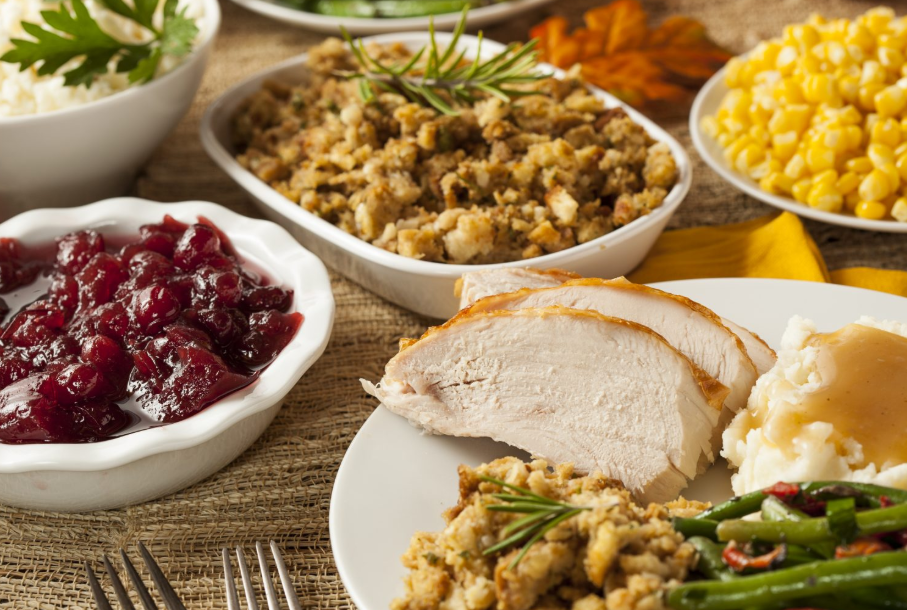
As Thanksgiving approaches, millions of Americans are preparing for the biggest meal of the year. According to Meredith Carothers, a food safety expert with the USDA, this week represents the “Food Safety Super Bowl” for the department.
In a recent conversation with the USDA’s Rod Bain, Carothers discussed the crucial role the USDA Meat and Poultry Hotline plays during the holidays, offering vital advice to ensure your centerpiece bird is safe to eat.
For the team at the USDA hotline, which has been fielding calls for nearly 40 years, Thanksgiving is the busiest season. Carothers notes that the stress of the holiday often leads to mistakes. “Tensions are high with timelines, with trying to impress loved ones, or the pressures of doing this for the first time,” Carothers explained. Unfortunately, this stress often leads cooks to take shortcuts that can compromise food safety. The solution? Advanced planning. Knowing exactly what you are making and how long it takes to prepare is the first step toward a safe dinner.
A critical safety warning involves the popular method of deep-frying turkeys. While you can cook a partially frozen turkey in a conventional oven, you must never put a frozen turkey in a deep fryer. “If you put frozen anything into hot oil, the ice crystals turn into steam immediately,” Carothers warned. This reaction causes the hot oil to bubble over rapidly, leading to the dangerous fires often seen in viral videos. If you plan to fry, the bird must be completely thawed and dry.
| | Glen Dolezal: Beef Carcass Weights Surging | | |
Senior farm and ranch broadcaster Ron Hays features comments made by one of the speakers at the recent King Ranch Institute for Ranch Management Symposium, Dr. Glen Dolezal, a recently retired meat scientist and executive from Cargill, centered on the dramatic and accelerating increase in beef carcass weights observed in 2025. Following his 16-year tenure at Oklahoma State University and 25 years with Cargill, Dolezal provided an expert perspective on how the industry is managing current production challenges.
He highlighted that while the long-term trend has seen carcass weights grow by about five pounds per year, the current surge is exceptional. Dolezal noted, based on his former employer’s data, that “year on year, steer carcass weights are up 40 pounds,” significantly “blowing that out of the water” and accelerating far beyond previous forecasts for 2025. This substantial increase in weight is primarily a strategic industry response to a low cattle headcount following drought conditions. Dolezal explained that although the industry is down 4-5% on head count, the focus on increasing red meat production has helped “weather this,” keeping the overall reduction in volume to “1% or less.”
However, the current pace of beef production remains at an “all time low” as evidenced by the depressed four-week rolling average and the fact that packers are running limited 32-hour work weeks. This makes the additional weight crucial for satisfying both retail and food service demands. CattleFax projects that average steer carcass weights for the year could “approach 950 pounds,” a figure Dolezal believes will be met or exceeded, especially given that Canada—where pay weight is streamlined—already sees averages of 1,000 pounds or heavier.
| | |
As Oklahoma’s largest John Deere dealer, P&K Equipment is proud to serve our communities & the surrounding areas through 18 Oklahoma locations & 2 Arkansas locations. The entire P&K team is ready to keeping your equipment up & running. So, when it comes time to buy John Deere parts, look no further than GetGreenParts.com. Shop 24/7 from the convenience of wherever you are & have the parts shipped directly to you! This spring and summer- P&K is committed to making it easier than ever to really own your John Deere equipment. And long after the sale- P&K will be here to support you at every step.
| |  | |
The Oklahoma Wheat Commission promotes greater use of wheat in domestic and international markets through research, market development and public education.
Our Commissioners develop policy and programs, direct the funding, represent producer interests and, of course, promote Oklahoma wheat!
Learn more about the Oklahoma Wheat Commission by clicking here for their website.
| | | Ben Hale: Cattle Market Finds Strength After Uncertainty | | |
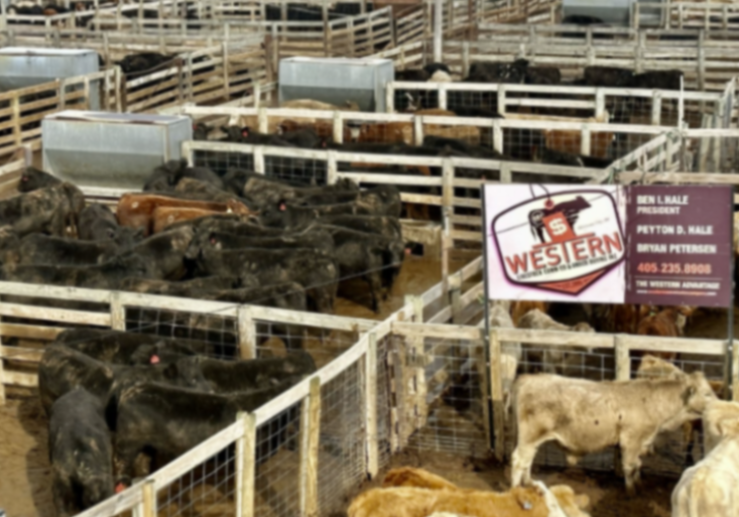
Hale notes that receipts were down slightly from the previous year—“I had 65 compared to about 7700 a year ago”—but he emphasizes that the market “was better for sure. very, very active.” Although trade began “a little bit sluggish,” he explains that buyer interest strengthened quickly, with “a lot of good cattle yesterday” and strong bidding throughout the sale.
Producers were uneasy heading into the week due to policy news and tariff concerns that surfaced after market close the previous Friday. Hale describes the mood, saying, “I think just the uncertainty… especially on a Friday evening, and then you don’t know what’s going to happen.” Many cattlemen were particularly worried about confusion over Brazilian beef tariffs, which Hale addressed by clarifying, “Whether it was misquoted or just run with it… that was mainly this weekend, fielding calls like that.” Fortunately, Monday’s stronger market came as “a pleasant surprise.”
Hale also comments on cattle condition and the impact of weather, noting that grazing cattle—especially weaned calves—are selling extremely well: “This thing is extremely good… if we get this rain, this week’s probably going to boost it again.” Moisture is now critical, as he states plainly, “Yes, we do need some moisture… a half inch to two inches right now would do a lot of good.”
| | Breeding Objectives and Selection Pressure | | |
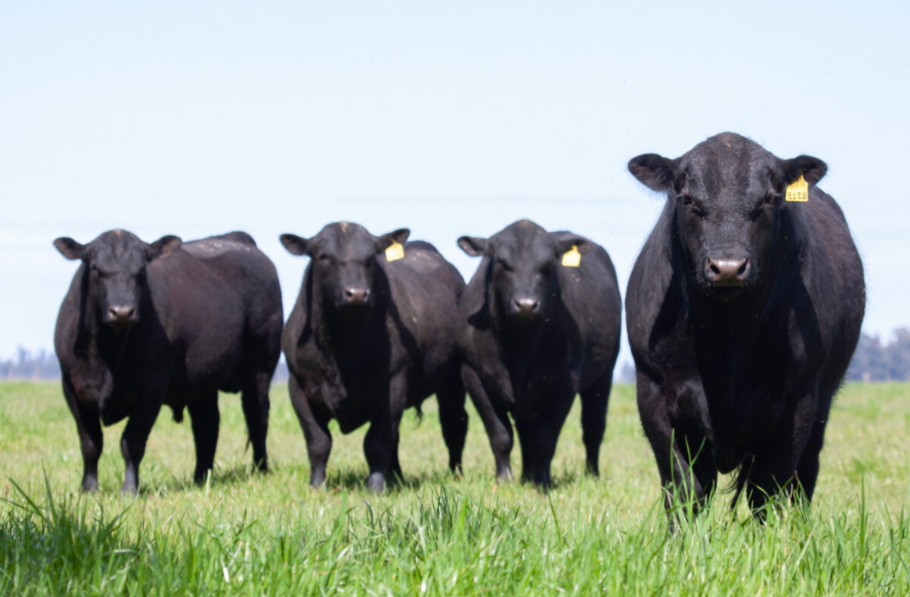
In a recent Cow Calf Article, Mark Johnson says a breeding objective is the general goal of a breeding program – the notion of what constitutes the best animal. Selection pressure is applied to specific traits in order to meet breeding objectives. Selection pressure is a precious commodity and should not be squandered. Especially in beef cattle breeding programs where the biological time lag from selection and mating decisions until replacement heifers become cows is lengthy, as compared to other meat animal species.
Determining the correct selection criterion and breeding objectives for your cow-calf operation is critically important (especially as it pertains to generating replacement heifers) as these have long-term impact on cowherd productivity and profit potential. For example, applying all selection pressure to weaning and yearling growth with no consideration of (strongly genetically correlated) mature cow size can leave a producer tethered to an excessively sized, higher maintenance input cowherd for at least a decade. Thereby, selection pressure applied to weaning and yearling growth relative to an acceptable upper limit of mature weight or mature height may lead to a more optimum outcome with regard to the value of calves sold annually and maintenance cost of the cowherd year-around.
Whether it is the purchase of herd bulls, picking AI sires, or which heifers will be kept from this calf crop to develop as herd replacements, over time, 80 – 90% of genetic change is the result of sire selection. Additive genetic change is cumulative and permanent.
| | Lucas Highlights Need for Targeted Deposit Insurance Reform | | |
he House Financial Services Committee held a hearing entitled, “The Future of Deposit Insurance: Exploring the Coverage, Costs, and Depositor Confidence”.
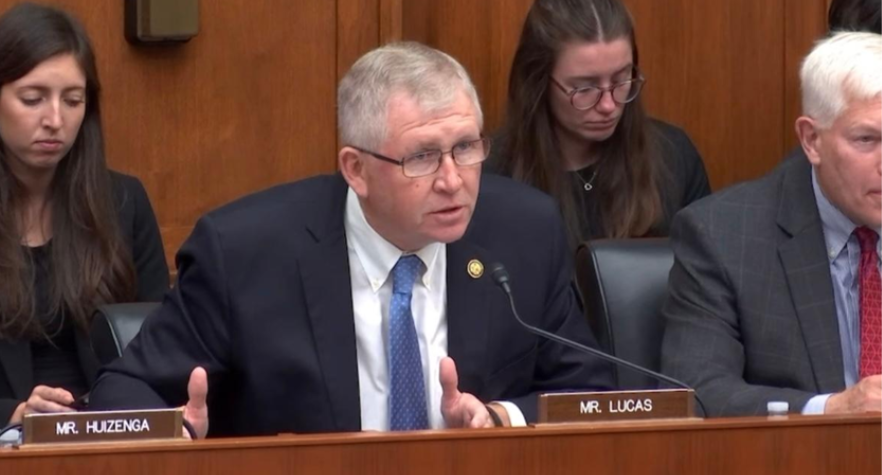
Congressman Frank D. Lucas opened by highlighting the need for targeted deposit insurance reform and the benefits of expanded coverage for certain accounts.
OPENING REMARKS AS PREPARED: Lucas: “Today, our banking system is healthy and well-capitalized. Our strength is in the diversity of our nation’s banks in size, business model, and specialization. But when it comes to deposit insurance and bank failures, there is a difference in how the government treats banks of different sizes.
We saw this most recently when the FDIC provided a backstop under the Systemic Risk Exception for the big banks that failed in the Spring of 2023. But when a small bank in Oklahoma failed last year, that exception wasn’t invoked, and depositors weren’t made whole. When people hear that their deposits may be safer in a larger institution because of that implicit guarantee by the government, our smaller banks are left at a competitive disadvantage.
I want to focus my questions today on Secretary Bessent’s support for expanding deposit insurance on non-interest-bearing transaction accounts as part of President Trump’s community banking and main street agenda. Importantly, Acting FDIC Chair Travis Hill has testified that based on the FDIC’s estimates, they would not need to raise assessments for this expanded coverage. Though not a silver bullet, this reform is a much-needed improvement and could be part of a broad array of changes that must be made to strengthen our banking system."
| | International Year of the Woman Farmer Information Hub Launched to Celebrate Women’s Impact on Agriculture Globally | | |
The National Association of State Departments of Agriculture along with 15 members of an International Year of the Woman Farmer working group launched an information hub dedicated to celebrating and advancing women in agriculture. The site debuted Oct. 15, the International Day of Rural Women, to highlight and connect efforts supporting women in agriculture worldwide.
Women contribute nearly half of the world’s food production, but they continue to face persistent barriers to accessing land, resources and leadership opportunities. The information hub serves as a central online platform to elevate women’s stories and drive action in support of women farmers globally, recognizing that supporting them helps advance the entire agriculture industry. A primary feature of the group’s collaboration is the National Women in Agriculture Study, a national effort led by the American Farm Bureau Federation, to better understand the women behind American agriculture.
According to a USDA report, in 2022 the U.S. had 1.2 million female producers, representing 36% of the nation’s agricultural producers. The National Women in Agriculture Study will explore women’s leadership and involvement across the agricultural industry, identify barriers and opportunities, and provide actionable insights to strengthen engagement and support systems. This study offers a unique opportunity to highlight the significant role women play in driving innovation, leadership and engagement in agriculture.
| | Advancing Biotechnology in Oklahoma | | |
In an OP-ED by Rodd Moesel- He Writes, "Biotechnology is no longer distant science fiction; it’s already a growing force in both national security and local economies. It affects everything from how much you pay at the pharmacy to whether the U.S. can outcompete China in the critical technologies that will shape our future. Biotech means using biology to solve real-world problems, and with the right leadership, it could be one of the biggest drivers of American strength and economic growth in the decades ahead.
That promise starts with what biotech actually does: using biology to make useful things across industries. And it’s not just happening in coastal tech hubs. It’s already taking root in places like Oklahoma, where innovation is helping power the local economy and train the next generation of workers. At its core, biotechnology is about engineering living systems to produce synthetic insulin, crops that can
survive droughts, or new materials that replace plastics or metal parts. It’s how we grow food, manufacture goods, secure our military edge, and prepare for the next public health crisis. It’s the reason insulin prices could drop, why a next-generation fertilizer could end world hunger, or how our military might one day treat battlefield injuries more effectively. Biotech is a foundation for future jobs, too, and not just on the coasts, but right here.
So when Congress gets serious about biotechnology, that’s not just good news for scientists. It’s good news for families, workers, and communities that want to build something lasting. For the first time in years, lawmakers from both parties are treating biotechnology the way they treated semiconductors a few years ago, with urgency and real investment."
| |
Checking the Markets...
It was another mixed day for the livestock complex as traders weren't comfortable pushing the contracts higher without seeing more fundamental support. December live cattle closed $1.25 lower at $220.02, February live cattle closed $0.92 lower at $220.85 and April live cattle closed $0.50 lower at $221.32. Tuesday's slaughter is estimated at 121,000 head, 5,000 head more than a week ago but 6,000 head less than a year ago.
Boxed beef prices closed mixed: choice up $1.54 ($371.95) and select down $1.35 ($354.95) with a movement of 163 loads
January feeders closed $0.22 lower at $326.05, March feeders closed $0.15 lower at $318.40, and April feeders closed $0.07 lower at $315.75. At Oklahoma Stockyards in Oklahoma City, all classes of feeder cattle traded unevenly steady compared to last week. The sale report did note that on Monday, when the board opened and stayed green, cautious optimism set in, and bidding leveled out at mostly steady money. Feeder cattle supply over 600 pounds was 52%. The CME feeder cattle index 11/17/2025: down $2.40, $339.49.
| | |
Click here for our Markets Page on OklahomaFarmReport.Com- there you will find our latest reports on cattle auctions, boxed beef, cash grains and market analysis.
OKC West is our Market Links Sponsor- they sell cattle three days a week- Cows on Mondays, Stockers on Tuesday and Feeders on Wednesday- Call 405-262-8800 to learn more.
| | |
© 2025 Oklahoma Farm Report - All rights reserved
|
| | | |