Oklahoma's Latest Farm
and Ranch News
Thursday, November 20, 2025
| | Joe Schuele: How Tariffs Are Impacting U.S. Meat Trade | | |
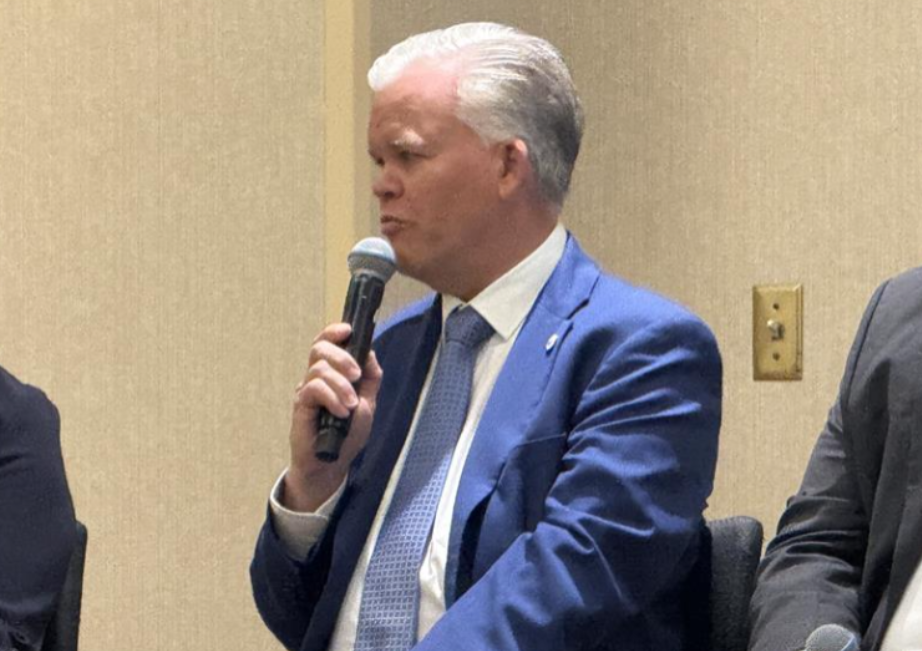
Farm Director KC Sheperd spoke with Joe Schuele of the U.S. Meat Export Federation, who began with a discussion about the Trump administration’s tariff strategy and whether the tariffs were “working.” Joe Schuele clarified that, from the U.S. Meat Export Federation’s perspective, the key issue is not whether tariffs work broadly, but whether U.S. red meat is suffering collateral effects. He explained that “for the most part, no,” because many trading partners “have not retaliated” and have instead chosen negotiation. He specifically praised Mexico, noting, “I actually give Mexican president Claudia Sheinbaum a lot of credit for that,” because Mexico was among the first hit with tariffs but opted for negotiation rather than retaliation.
Schuele contrasted Mexico’s approach with China’s, emphasizing that China “did go right to retaliation” and that its actions have significantly harmed U.S. meat exports. He explained that U.S. pork “still faces a 47% tariff entering China,” while beef faces 22%, but the larger challenge is China’s non-tariff retaliation, which has “made most of our plants ineligible.” While most global markets have maintained demand and avoided retaliation, China remains the main source of trade-related damage for the industry. As he put it, “We really need to get those obstacles addressed with China.”
The conversation then turned to producers’ frustration over how long they can wait for a resolution. Schuele emphasized strong domestic demand as an important buffer. He noted that about “85% of the beef we produce in the U.S. is consumed right here” and roughly “70% of the pork” as well. He stressed that this stability helps the industry weather trade disruptions, but he also underscored the importance of continued export access, saying, “we still need strong market access” and especially need progress with China.
| | Cost of Thanksgiving Dinner Declines | | |
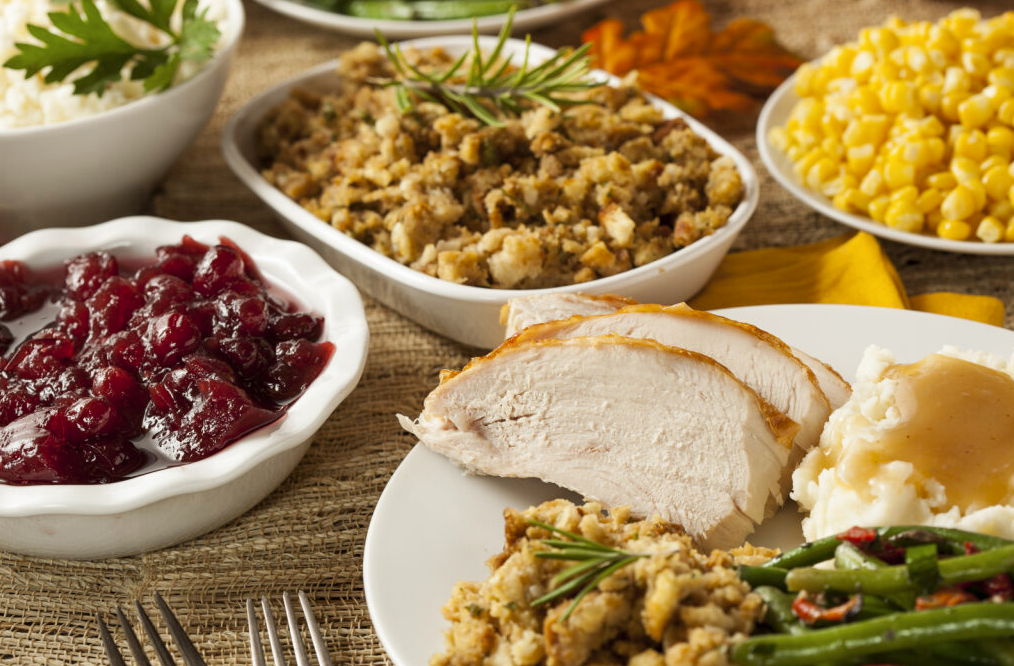
Cooking a Thanksgiving dinner for your friends and family will cost less than last year, marking the third straight year of price declines. The American Farm Bureau Federation’s 40th annual Thanksgiving dinner survey provides a snapshot of the average cost of Thanksgiving staples that make up a classic holiday feast for 10, which is $55.18 or about $5.52 per person. This is a 5% decrease from 2024. Three years of declines don’t fully erase dramatic increases that led to a record-high cost of $64.05 in 2022.
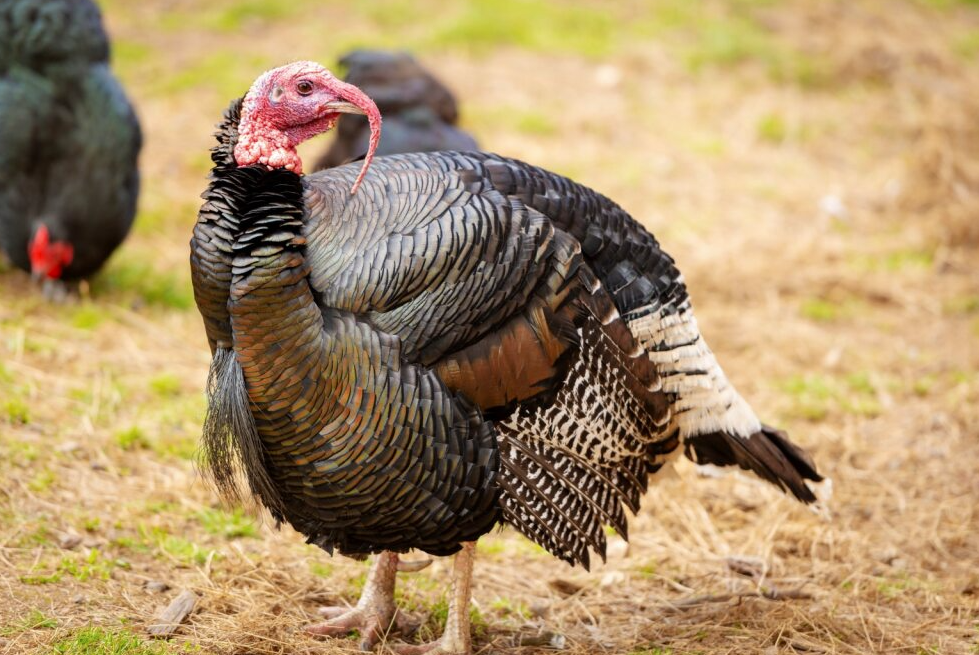
The centerpiece on most Thanksgiving tables – the turkey – dramatically decreased in price, which helped bring down the overall cost of dinner. The average price for a 16-pound frozen turkey is $21.50. That is $1.34 per pound, down more than 16% from last year. While the wholesale price for fresh turkey is up from 2024, grocery stores are featuring Thanksgiving deals and attempting to draw consumer demand back to turkey, leading to lower retail prices for a holiday bird.
Farm Bureau volunteer shoppers checked prices the first week of November. Grocery stores often feature whole turkeys at even lower prices in the days leading up to Thanksgiving. According to the most recent USDA Agricultural Marketing Service data, the average per-pound feature price for whole frozen turkeys declined further during the second week of November.
| | Glen Dolezal Believes Heavier Cattle Are Testing the System | | |
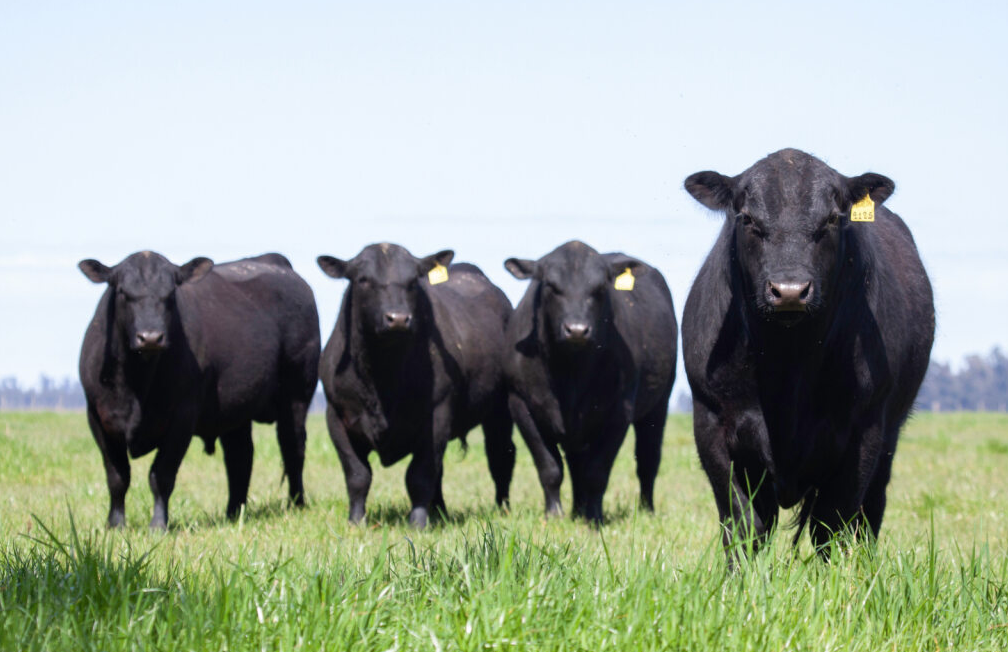
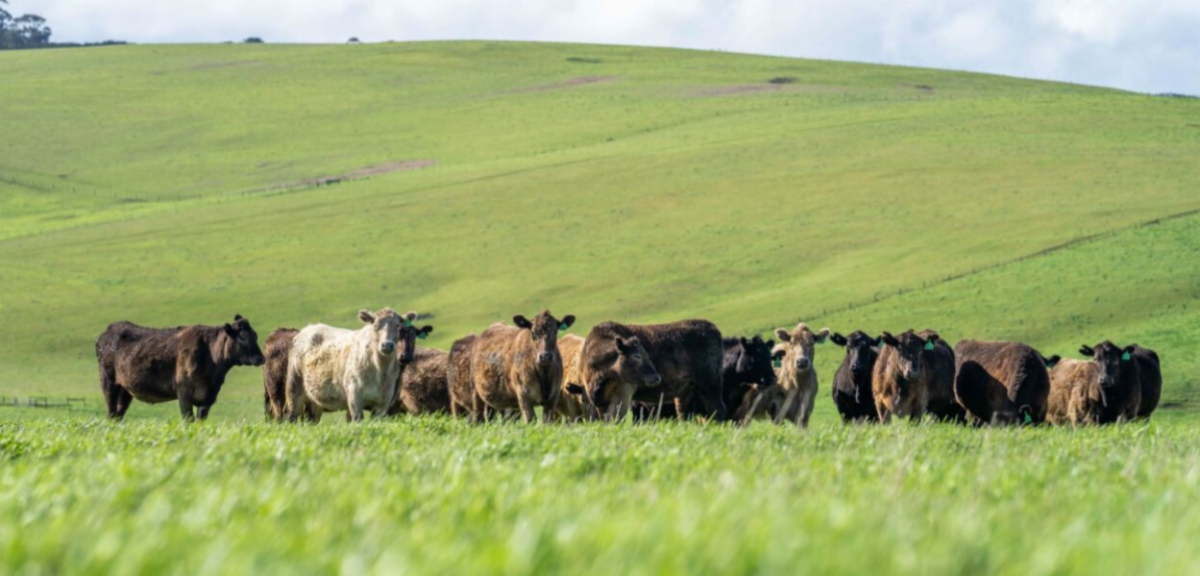
Senior farm and ranch broadcaster Ron Hays continues to feature comments made by one of the speakers at the recent King Ranch Institute for Ranch Management Symposium, Dr. Glen Dolezal, a recently retired meat scientist and executive, about the unavoidable rise in beef carcass weights. He emphasized that the industry is seeing “40 pounds larger carcass weights this year versus a year ago,” a shift he described as a factual and significant trend. With these heavier carcasses, Dolezal noted, “there are some things we need to be paying attention to and maybe worry just a little bit about.”
Dolezal outlined major animal-welfare concerns connected to increased carcass weights, citing his experience on the NCBA Beef Quality Assurance Committee. He reminded producers that “lameness is always a concern,” and that severely lame cattle “can’t be harvested anymore in a federally inspected plant.” He also referenced heat-stress issues, past incidents of congestive heart failure, and current worries about late-term deaths in feedyards. Additionally, he warned that infrastructure capacity is lagging: “transport trailer densities, pen sizes… and equipment at facilities has gotten too small.”
He further explained the physiological strain placed on heavier cattle. According to Dolezal, “when you add that much weight, you put a lot of pressure on pumping blood to all your muscles and your brain,” which raises risks to heart and lung function. He also discussed changes in carcass composition, noting that “we’re still plenty fat,” and described the growing challenge of chilling heavier carcasses. Older hot-box systems from the 1970s and 80s were designed for lighter weights, yet today’s beef requires longer chilling times: “We always like to get at least 30 hours of chill… preferably 36 to 48.”
| | Oklahoma Farm Bureau works to improve the lives of all Oklahomans by supporting our state’s agriculture community. As Oklahoma’s largest general farm organization led by Oklahoma farmers and ranchers, OKFB takes grassroots values and advocates for agriculture at the state Capitol and in Washington, D.C., to ensure our way of life continues for generations to come. Farm Bureau hosts leadership events, supports our state’s agricultural youth and connects consumers with agriculture in order to build a brighter future for our state. Become an OKFB member today online at okfarmbureau.org/join. Together, we are rural Oklahoma. | |  | |
Oklahoma AgCredit supports rural Oklahoma with reliable and consistent credit, today and tomorrow. We offer loans for land, livestock, equipment, operating costs and country homes (NMLSR #809962) to farmers, ranchers and rural businesses across 60 counties. As a cooperative, we are owned by the members we serve. Through our Patronage Program, we have returned more than $74 million to our members since 1997.
For more information on our services or to find a location near you, visit our website here.
| | | USDA Announces Major Expansion of Disaster Assistance for Farmers Starting November 24 | | |
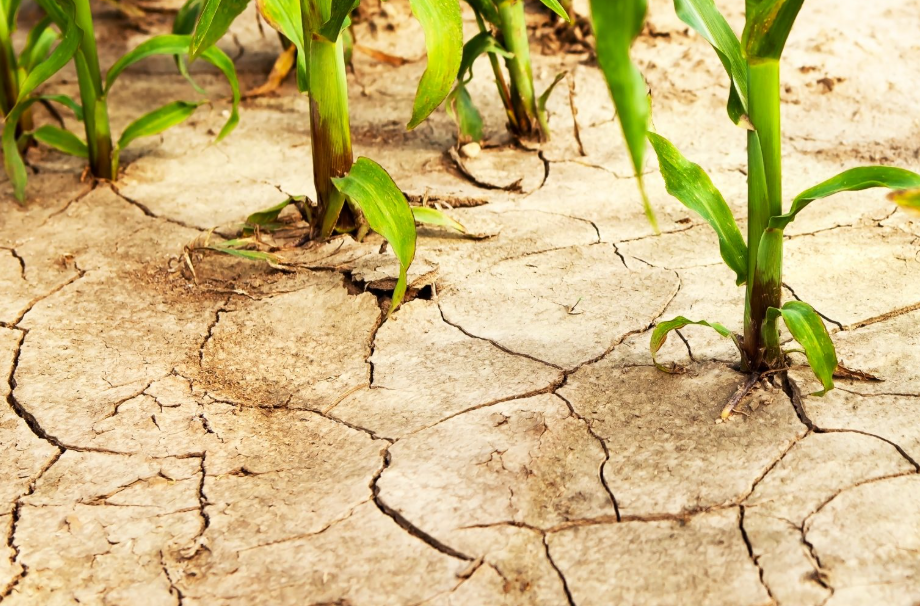
USDA Announces Major Expansion of Disaster Assistance for Farmers Starting November 24Th. This will be a significant expansion of federal aid to agricultural producers recovering from natural disasters in 2023 and 2024. In a virtual media call on Monday, USDA officials outlined the rollout of “Stage Two” of the Supplemental Disaster Relief Program (SDRP), alongside the launch of two additional targeted relief efforts: the Milk Loss Program and the On-Farm Stored Commodity Loss Program. Key Dates for Producers According to Farm Production and Conservation Under Secretary Richard Fordyce, the signup period for all three programs begins this coming Monday, November 24, 2025.
Deputy Agriculture Secretary Stephen Vaden emphasized that this new phase is designed to fill the gaps left by previous assistance. While Stage One provided initial relief, Stage Two specifically targets “shallow losses” and quality losses that were not previously covered. Coverage Years: Calendar years 2023 and 2024. Scope: This stage addresses revenue, quality, or production losses due to qualifying natural disasters (such as wildfires, hurricanes, floods, and excessive heat) that may not have met the threshold for standard crop insurance indemnities.
In addition to the broader SDRP, the USDA is launching two specific programs to address unique loss scenarios: Milk Loss Program: This provides compensation to dairy operations for milk that had to be dumped or removed from the commercial market without compensation due to qualifying weather events (e.g., power outages, impassable roads). On-Farm Stored Commodity Loss Program: This assists producers who lost harvested crops stored in on-farm structures that were damaged or destroyed by natural disasters.
| | Thanksgiving by the Numbers: Families Pay More While Farmers Earn Less | | |
National Farmers Union (NFU) released the annual Thanksgiving Edition of the “Farmer’s Share of the Food Dollar,” revealing stark inequities in America’s food system. Farmers continue to receive only pennies on the dollar for foods typically consumed for Thanksgiving dinner despite high grocery prices.
Farmers earn small returns on staple Thanksgiving foods according to this year’s Thanksgiving Farmer’s Share report. The agricultural economy is fragile and uncompetitive after decades of corporate consolidation. Monopolies now dominate everything from food processing and distribution to the markets for seeds and farm equipment, leaving family farmers at a steep disadvantage while consumers face fewer choices and higher prices.
“Even in a season of gratitude, we must acknowledge the continuous inequality in our food system and agriculture industry,” said NFU President Rob Larew. “Family farmers and ranchers work year-round for historically low profits across all sectors of the industry, while consumers are still paying unsustainably high prices at grocery stores. Fairness for farmers is also fairness for consumers – when rural America does well, we all benefit.”
| | Selection for Improved Performance Does Not Reduce Hardiness of Beef Cattle | | |
In a recent cow-calf article, Paul Beck says that genetic selection has improved growth, carcass weight, and milk production in beef cattle. In many livestock species, intensive selection for production traits has been shown to reduce disease resistance and weaken immune function, raising concerns that similar patterns may be emerging in the beef industry. Research across species demonstrates that when resources are biologically allocated toward production, animals may have fewer resources available to maintain a strong immune system. This is feared to potentially result in cattle that are less resilient to stress and disease.
At the same time, record-low national cattle inventories and strong beef demand continue to push the industry toward greater biological efficiency and longer days on feed during finishing steadily increasing finished body weights, and hot carcass weights. As the industry places greater emphasis on lean yield and meat quality, there is a growing need to better understand how genetics, nutrition, and management interact to shape animal performance and hardiness.
This study investigated whether sires selected for higher growth and milk expected progeny differences produce post-weaning calves with different immune competence, growth efficiency, and carcass outcomes.
| | Morocco to Mexico: A Conversation with USW’s Mitch Skalicky on 48 Years of Developing Global Wheat Markets | | |
For this edition of Wheat Letter by US Wheat Associations, they sat down with Mitch Skalicky, USW’s regional vice president for Mexico, Central America, the Caribbean, and Venezuela. With a career spanning decades and continents, he is a cornerstone of USW’s international market development work.
Skalicky opened the Mexico office in 1997 after arriving from Panama, where he was regional vice president from 1995 to 1997. He has represented USW in several international management and marketing positions, including assignments in Washington, DC, Guatemala, Mexico, Panama and Morocco, where he served as regional director for North Africa.
In Mexico, Skalicky has played a crucial role in shaping the strong relationships that have made Mexico consistently the largest buyer of U.S. wheat. This interview includes reflections on his career, insights on what it takes to build enduring customer trust and the future of the Mexican wheat market.
| | Deeper Dive into Last Weeks Funding Bill | | |
Congresswoman Stephanie Bice writes "After 43 days of a Democrat-driven shutdown, the government finally reopened last week. This legislation was identical to a package that Republican leadership offered in the Senate weeks ago, showing that this entire situation was political and avoidable. This legislation responsibly reopened the government and fully funded three appropriations bills: Agriculture, Legislative Branch, and Military Construction and Veterans Affairs. This means that SNAP, WIC, and the VA will be operating and fully funded through the end of the Fiscal Year in September of 2026.
In the Agriculture appropriations bill, under USDA Rural Development, I successfully secured funding for the Oklahoma University’s Health Science Center to develop the OK NeuroNet. As the state’s only comprehensive academic health system, this funding will help OU improve health outcomes, especially in rural parts of Oklahoma. The state’s rural geography, combined with a shortage of neurologists, creates barriers to accessing timely and quality neurological care.
To overcome these challenges, the OK NeuroNet aims to leverage telemedicine to increase rural Oklahomans’ access to academic neurologists, delivering high-quality care statewide. Also included in the agriculture portion of the package is a provision to help combat the New World Screwworm, something that threatens Oklahoma ranchers. The Trump Administration has been working to prevent an infestation in North American cattle, and we must continue to closely monitor this dangerous parasite. Additionally, the Agriculture bill includes full-year funding for SNAP and WIC, ensuring that those who truly need these programs are supported."
| |
Checking the Markets...
It was a disappointing day for the live cattle complex as the market received none of the fundamental support it hoped for -- boxed beef prices closed lower, and of the light cash cattle trade that developed, weaker prices were the theme of the market. December live cattle closed $3.72 lower at $216.30, February live cattle closed $3.60 lower at $217.25 and April live cattle closed $3.52 at $217.80.
Boxed beef prices closed lower: choice down $0.72 ($371.23) and select down $1.40 ($353.55) with a movement of 179 loads
The feeder cattle complex continued to follow the direction of the live cattle market and drifted lower through the day's close. January feeders closed $4.60 lower at $321.45, March feeders closed $5.00 lower at $313.40 and April feeders closed $5.02 lower at $310.72
| | |
Click here for our Markets Page on OklahomaFarmReport.Com- there you will find our latest reports on cattle auctions, boxed beef, cash grains and market analysis.
OKC West is our Market Links Sponsor- they sell cattle three days a week- Cows on Mondays, Stockers on Tuesday and Feeders on Wednesday- Call 405-262-8800 to learn more.
| | |
© 2025 Oklahoma Farm Report - All rights reserved
|
| | | |