Oklahoma's Latest Farm
and Ranch News
Tuesday, November 25, 2025
| | Crop Progress Shows Crop Harvest Weeks Away From Completion | | |
National Wheat Statistics: Winter Wheat Planted reached 97 percent, equal to the previous year and the five-year average. Winter Wheat Emerged reached 87 percent, down one point versus the previous year and down two points from the five-year average.
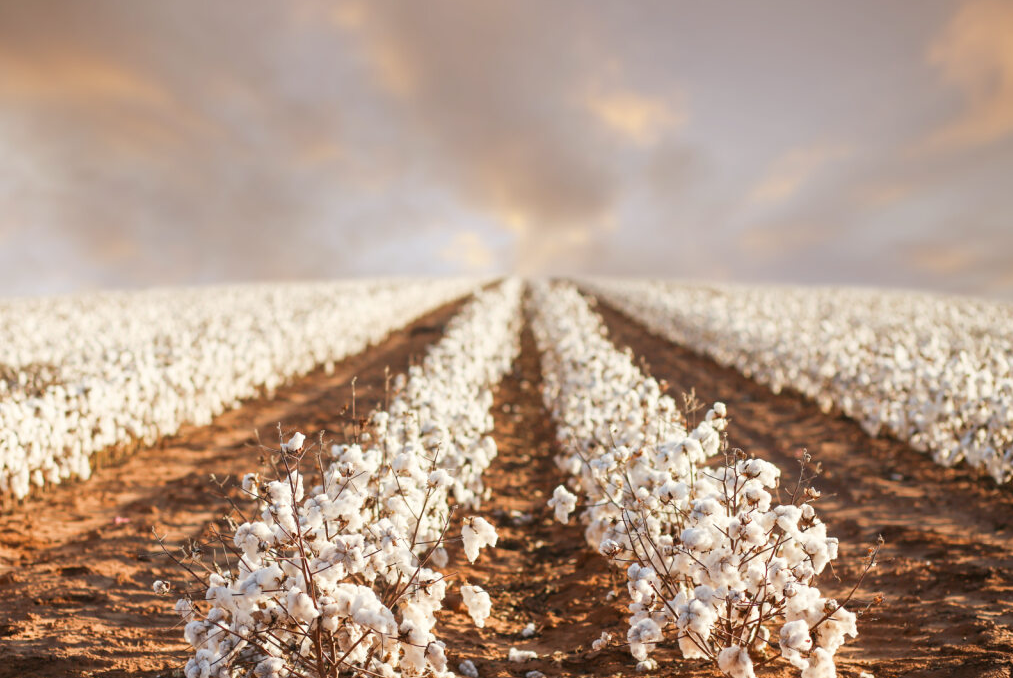
National Corn Statistics: Corn Harvested Reached 96 percent, down four points from a year ago and down one point from the five-year average. National Cotton Statistics: Cotton Harvested reached 79 percent, down four points from the previous year and down one point versus the five-year average. National Sorghum Statistics: Sorghum harvested reached 91 percent, down seven points from the previous year and down six points from the five-year average.
As for our Crops and Pastures in Oklahoma: Winter wheat planted reached 97%- up three points from the previous year and up one point from the five-year average.
Cotton harvest is at 86% harvested- up twenty-two points from the previous year and up twelve points from the 5-year average. Grain Sorghum is 88% harvested- down eight points from the previous year and down seven points from the five-year average.
| | Farm Economy Update: Low Prices, High Costs, and Trade Challenges | | |
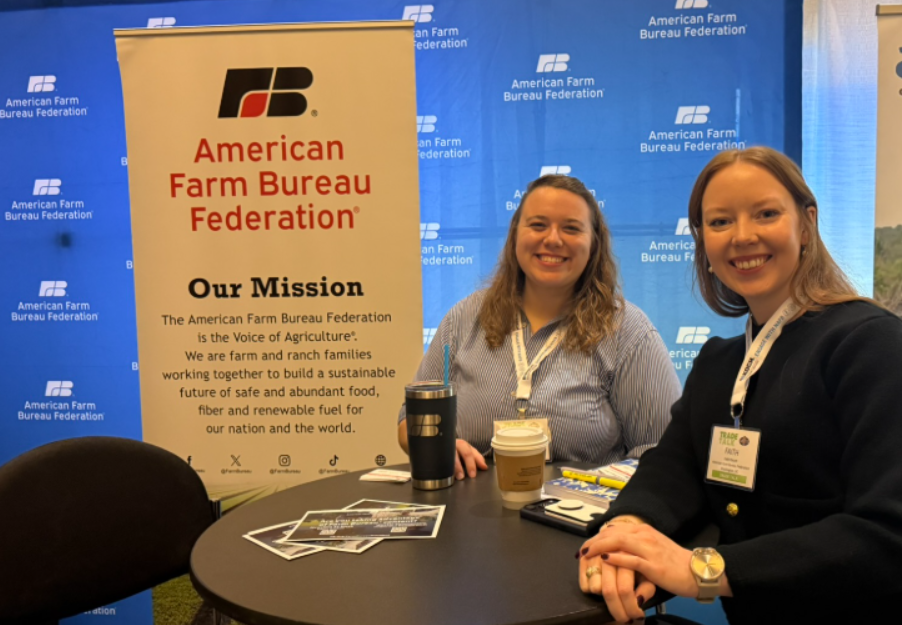
Farm Director KC Shepherd spoke with Faith Parham, an Economist at the American Farm Bureau Federation, about the ongoing struggles in the U.S. farm economy, the high cost of inputs, and the critical importance of trade deals and farm safety nets. Parham painted a clear picture of the difficulty facing farmers and ranchers, noting that the struggles have persisted for a few years. Low Prices: The sector is seeing historically low crop prices. High Costs: These low prices are accompanied by record production costs. “When you add those two numbers together, it’s not looking good for our farmers and ranchers,” Parham said, emphasizing the need to focus on building markets both domestically and abroad.
Producers are currently battling the dual challenge of low prices and soaring input costs. Parham highlighted a small win related to input costs. Fertilizer Tariffs: The Trump administration has removed tariffs on fertilizer, which is a good first step toward bringing those costs down. Looking forward, the focus will be on further investigating where high prices are originating and how they can be affected at a national level to make them more feasible for producers.
Regarding the latest legislation, the big beautiful bill, Parham noted its strengths and weaknesses: What It Covered: The bill reinvested in farm safety net programs. This included significant investments in crop insurance and Title 1 programs, which will benefit farmers in the future. However, these changes do not come into effect until next year.
| |
| Dr. Derrell Peel Breaks Down November’s Cattle on Feed Trends | | |
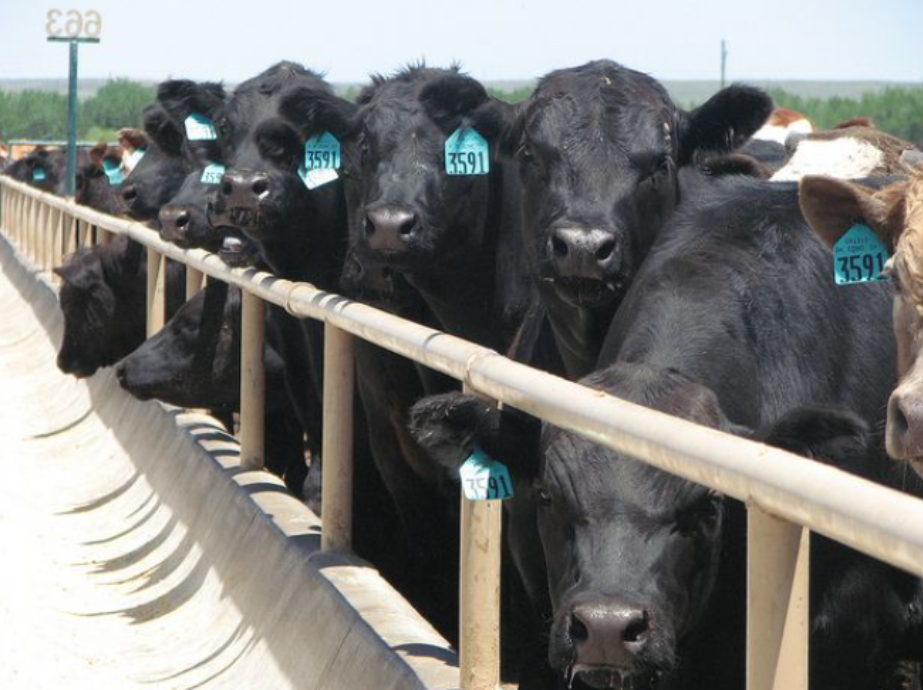
Senior farm and ranch broadcaster Ron Hays speaks with Extension livestock market economist Dr. Derrell Peel, who talked about the November Cattle on Feed Report. He noted that the report showed the cattle on feed inventory “down 2% on a year over year basis,” with October placements at “90% of last year” and marketings at “92% of last year.” Dr. Peel emphasized that the figures were close to expectations and contained “no real surprises in this report.”
Dr. Peel added that the report also filled in the previously missing October data. He explained that the numbers confirm a continued, gradual decline in feedlot inventories. As he put it, “this month of November represents the 12th consecutive month of year over year, decreases in that cattle on feed inventory.” Although the decline is modest—“only 2% down, so it’s been a very slow process”—he suggested that the reductions may compound in the coming months.
The updated breakdown of steers and heifers on feed showed little change in the gender composition. Dr. Peel pointed out that the heifer percentage was “38.1% which is exactly what it was in the July quarterly report.” While the total number of heifers on feed is “95% of a year ago,” their share of the total remains the same, reinforcing the stability of the ratio.
| | |
Dating back to 1891, Stillwater Milling Company has been supplying ranchers with the highest quality feeds made from the highest quality ingredients. Their full line of A & M Feeds can be delivered direct to your farm, found at their Agri-Center stores in Stillwater, Davis, Claremore and Perry or at more than 125 dealers in Oklahoma, Arkansas, Kansas and Texas. We appreciate Stillwater Milling Company’s long time support of the Radio Oklahoma Ag Network and we encourage you to click here to learn more about their products and services.
| |  | |
National Livestock was founded in 1932 in Oklahoma City. National’s Marketing Division offers cattle for sale weekly at the Oklahoma National Stockyards in Oklahoma City. The Finance Division lends money to ranchers across several states for cattle production. The Grazing Division works with producers to place cattle for grazing on wheat or grass pastures.
National also owns and operates other livestock marketing subsidiaries including Southern Oklahoma Livestock Auction in Ada, Oklahoma, OKC West Livestock Market in El Reno, Oklahoma, and the nation’s premier livestock video sale, Superior Livestock Auction. National offers customers many services custom made for today’s producer. To learn more, click here for the website or call the Oklahoma City office at 1-800-310-0220.
| | | OSU’s Dr. John Long: Drones Taking Agriculture to New Heights | | |
Dr. John Long, Associate Professor and Agricultural Engineer at Oklahoma State University, spoke with Associate Farm Reporter Carli Davenport about drones being used in agriculture. Dr. Long says drones are becoming an important tool for farmers and ranchers. “Drones are being used a lot of different ways in agriculture,” he explains, “from just being able to take imagery and do some scouting, looking for livestock, and then also some of the bigger drones are now being used for applying pesticides.” Their versatility, from crop monitoring to livestock management, is driving wider adoption across the industry.
When it comes to accuracy in pesticide application, Dr. Long says drone technology is keeping pace with traditional methods. “I would say they’re as accurate as most any other type of sprayer out there,” he notes. However, he adds that “there’s not a whole lot of research out there,” which is why “Oklahoma State is collecting some of that research and providing it to the public.” He emphasizes that much of a drone’s performance “really boils down to who’s operating it,” highlighting the importance of proper training and management.
Regulations also play a key role in how drones can be used in agriculture. Dr. Long explains that larger drones especially fall into that category, “all of those require you to have a remote pilot’s license, which is a license that’s issued by the FAA.” This certification process, he says, involves understanding “regulations and airspace rules.”
| |
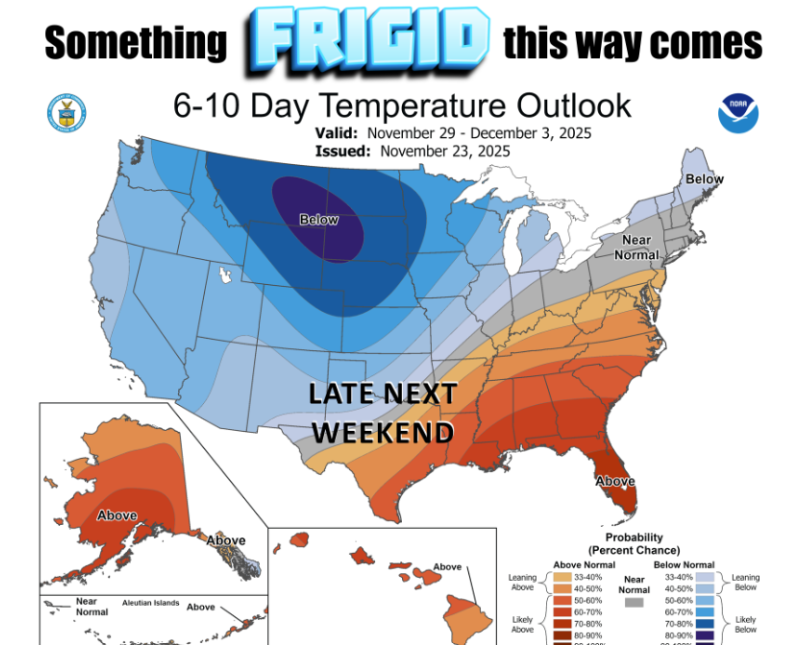
| Thanksgiving Calm Before the Arctic Storm: Gary McManus Warns of Imminent “Siberian Express” | | |
As Oklahoma prepares for a Thanksgiving break, State Climatologist Gary McManus delivered a crucial weather update, confirming the exit of recent rain and warning residents to brace for a dramatic shift in temperatures by the end of November 2025. McManus confirmed that the scattered rain that has been falling “off and on since mid-week last week” is set to exit the state later today. While the moisture was appreciated across the state, it was far from uniform.
The recent precipitation was insufficient to break the long-term deficits in some of the hardest-hit areas, with the climatologist noting it “barely dented those deficits in parts of SW OK.” Nonetheless, he conceded, “at least everybody got something.”
The immediate forecast for Thanksgiving week is relatively pleasant—at least compared to what’s coming. Temperatures are expected to moderate, providing a comfortable, if slightly crisp, holiday atmosphere. We’ll see temperatures moderate a bit through the week in time to give us a fairly seasonable—if not chilly—Thanksgiving Day and into the weekend,” McManus advised.
| | Oklahoma Conservation Conversations Highlight Legislative Clashes Over Land Use and Property Rights | | |
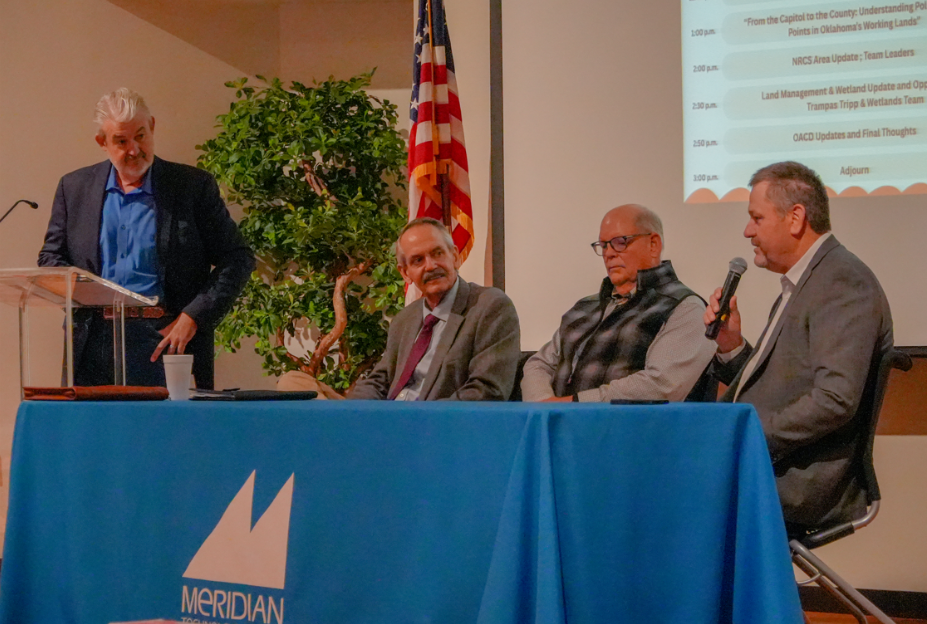
Throughout November, the Oklahoma Association of Conservation Districts (OACD) hit the road, hosting five Area Meetings across the state to address pressing issues impacting rural Oklahoma. Billed as the “Conservation Conversations” the annual event featured local Conservation District Directors and Staff collaborating with state legislators on key “hot topics” straight from the Capitol.
The discussions were moderated by Clay Pope and Jean Lam, with the central panel featuring OACD President Ed Casey (a rancher and wind energy contract holder) and Trey Lam, Executive Director of the Oklahoma Conservation Commission (OCC).
The core of the roadshow centered on legislative action concerning three rapidly developing areas of conflict in rural communities: Wind and Solar Energy Development: Discussions covered proposed legislation on setbacks for wind turbines, as well as complex issues surrounding solar projects. Biosolids Application: The sessions provided updates on potential biosolids moratoriums or phased-in application plans on agricultural land.
| |
| Secretary Rollins Announces $30 Million Food Purchase to Back U.S. Producers and Strengthen America’s Food Supply | | |
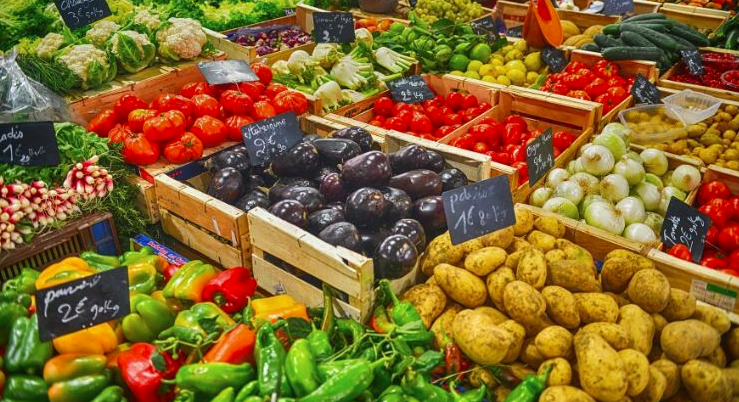
U.S. Secretary of Agriculture Brooke L. Rollins announced the U.S. Department of Agriculture’s (USDA) intent to purchase up to $30 million in fresh fruit from American farmers and producers to distribute to food banks and nutrition assistance programs across the country. These purchases are being made through USDA’s authority under Section 32 of the Agriculture Act of 1935 and will assist producers and communities in need. With this action, the Trump Administration is bolstering American prosperity by supporting American agriculture, rural communities, and those in need of nutrition assistance.
“President Trump is standing with America’s farmers, especially right now while the farm economy recovers from years of neglect under the last administration. Certain commodities are experiencing a surplus and USDA is ensuring these crops do not go to waste and instead go to Americans in need across the country,” said Secretary Brooke Rollins. “These fresh fruits will reach those in need, boosting healthier options for Americans at food banks across the country, all while benefitting American farmers facing unfair actions from foreign competitors.”
On an ongoing basis, AMS purchases a variety of domestically produced and processed agricultural products as authorized by Section 32 of the Agriculture Act of 1935.
| |
| Reduced Packing Capacity and Tariff Roulette Adds to Cattle Market Uncertainty | | |
In a recent cow calf article, Dr. Derrell Peel says Industry fears about the impact of packer losses and low cattle numbers were realized in late November with the announcement from Tyson that the Lexington, Nebraska, packing plant would close and the Amarillo, Texas, plant would decrease from two shifts to one shift in the coming months. This will reduce industry slaughter capacity by roughly 7,000 to 8,000 head per day. The exact impact will depend on forthcoming details, especially how Tyson will manage a one-shift plant. Depending on the details, the reduction represents roughly 7.5 – 9.0 percent of total industry slaughter capacity.
Monday – Friday daily fed slaughter thus far in 2025 has averaged 90,529 head per day, down 3.6 percent from the recent peak (93,931 head per day) in 2022. However, Saturday slaughter has averaged 4,878 head this year, just 13.1 percent of the 37,137 head per day average in 2022. For the first 45 weeks of the year, total weekly fed slaughter has averaged 457,524 head compared to 506,793 head per week in 2022, a decrease of 9.7 percent. The Tyson planned reduction in packing capacity may be nearly (but not quite) enough to balance the decrease in cattle slaughter since the peak in 2022. However, fed slaughter is expected to continue decreasing in 2026 and 2027. Excess packing capacity will continue to be an issue for beef packers for the foreseeable future.
In other news last week, the latest spins of the big tariff roulette wheel included lifting the 10 percent tariffs imposed in April on countries from which the U.S. imports beef. Major beef import sources are Brazil, Australia, New Zealand, Canada, Mexico and Uruguay, along with minor sources including Nicaragua and Argentina.
| |
|
Checking the Markets...
Plain and simple, it was an ugly, painstaking day for the live cattle complex as the market closed limit lower. Traders took Tyson's announcement of them closing their plant in Lexington, Nebraska, and reducing their plant in Amarillo, Texas, as a bearish sign for the marketplace and consequently pulled the contracts down substantially. December live cattle closed $7.25 lower at $207.20, February live cattle closed $7.25 lower at $207.52 and April live cattle closed $7.25 lower at $207.90.
Feeder Cattle also closed Limit Lower. January feeders closed $9.25 lower at $304.97, March feeders closed $9.25 lower at $297.80 and April feeders closed $9.25 lower at $296.10. At Joplin Regional Stockyards in Carthage, Missouri, compared to last week, feeder steers and heifers traded $5.00 to $20.00 lower. Feeder cattle supply over 600 pounds was 61%.
| | |
Click here for our Markets Page on OklahomaFarmReport.Com- there you will find our latest reports on cattle auctions, boxed beef, cash grains and market analysis.
OKC West is our Market Links Sponsor- they sell cattle three days a week- Cows on Mondays, Stockers on Tuesday and Feeders on Wednesday- Call 405-262-8800 to learn more.
| | |
© 2025 Oklahoma Farm Report - All rights reserved
|
| | | |