Oklahoma's Latest Farm
and Ranch News
Monday, December 29, 2025
| |
Reviewing 2025 with Oklahoma Secretary of Ag Blayne Arthur
| | |
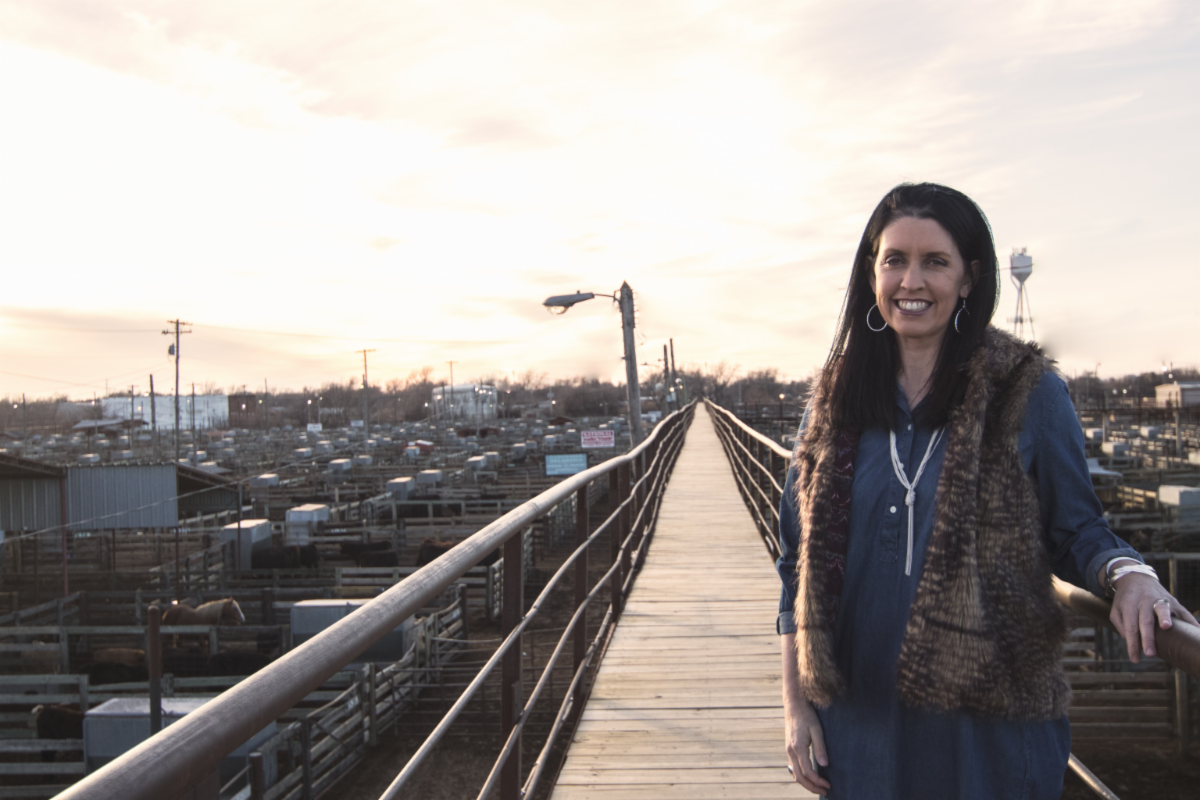
Blayne Arthur, Oklahoma’s first female Secretary of Agriculture, remains a pivotal figure in the state’s agricultural landscape since her appointment in December 2018. In a pre-Christmas interview with broadcaster Ron Hays, Arthur discussed her enduring tenure within the Stitt Administration and the resilience inherent in Oklahoma’s farming community. Her leadership is underpinned by a lifetime of experience, ranging from her upbringing on a diversified farm in Chickasha to her degree in agricultural economics from Oklahoma State University and previous leadership roles within the Department of Agriculture and the 4-H Foundation.
Her personal life heavily influences Arthur’s policy decisions as the wife of a full-time cattle producer near Stillwater. This dual role allows her to carry the realities of rural living—specifically the stress and unpredictability of the business—directly to the state Capitol. By bridging the divide between policymakers and producers, she offers a grounded perspective essential to advocating for farm families facing complex economic and environmental challenges.
The year 2025 presented a specific set of trials for the state, ranging from biological threats to economic strain. Producers navigated fears about the New World Screw Worm and outbreaks of Highly Pathogenic Avian Influenza, with proactive surveillance by state and federal officials. Simultaneously, the industry grappled with financial pressures from falling commodity prices, tariff tensions, and severe drought, which have caused billions in crop losses, underscoring the volatility and resilience required to survive in the current agricultural climate.
| | Drought Across Oklahoma Continues to Expand as the End of 2025 Nears | | |
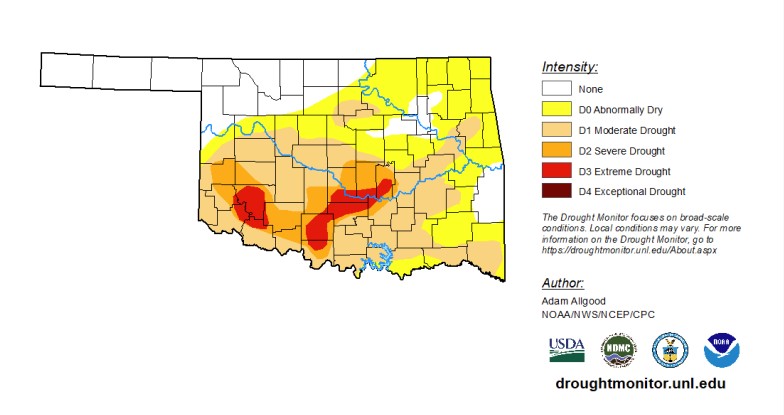
The latest Oklahoma Drought Monitor offers a concerning outlook: while the state remains free of "exceptional" drought, conditions are undeniably deteriorating. Nearly three-quarters of the state—73.7%—is now classified as abnormally dry or worse. The expanding yellow areas on the map signal a negative trend, indicating that these regions are sliding into drought rather than recovering from it.
The most significant degradation is evident across southern Oklahoma, where Moderate Drought (D1) has intensified. In just one week, this category jumped from roughly 33% to nearly 45% of the state. This rapid expansion highlights how quickly soil moisture is depleting in the south, raising concerns for agricultural interests as the dry spell intensifies.
Intensity levels are also creeping upward in other categories. Severe Drought (D2) has risen to over 13%, while Extreme Drought (D3) saw a nearly one percentage point increase from the previous week. Although the highest classification—Exceptional Drought—remains at zero percent for the calendar year, the data clearly shows that the state’s moisture profile is tightening as we head deeper into the season.
| | AFIA Warns of Feed Ingredient Supply Chain Risks | | |
Constance Cullman, CEO of the American Feed Industry Association, told Oklahoma Farm Report's Maci Carter that feed manufacturers are facing severe supply chain vulnerabilities due to a heavy reliance on Chinese imports. A new IFEEDER study indicates that with over 73% of vitamins and significant amino acid supplies coming from a single region, the industry currently lacks the resiliency needed to weather geopolitical shifts or trade disruptions.
Cullman notes that producers cannot easily adjust rations to compensate for shortages of these synthetic ingredients, putting overall production capacities at risk. In response, AFIA is working with federal leaders, including the National Security Council, to designate these inputs as critical infrastructure. They are actively pursuing policies that promote domestic production and "friendshoring" to secure the supply chain against future shocks.
On the global stage, Cullman highlights the rising sustainability pressures aimed at reducing consumption of animal-source foods. As chair of the International Feed Industry Federation, she is leading efforts to partner with the UN Food and Agriculture Organization on a systems mapping project. Their goal is to develop data-driven solutions that address environmental concerns without removing vital animal proteins from the global diet.
| | |
The Oklahoma Wheat Commission promotes greater use of wheat in domestic and international markets through research, market development and public education.
Our Commissioners develop policy and programs, direct the funding, represent producer interests and, of course, promote Oklahoma wheat!
Learn more about the Oklahoma Wheat Commission by clicking here for their website.
| |  | As Oklahoma’s largest John Deere dealer, P&K Equipment is proud to serve our communities & the surrounding areas through 18 Oklahoma locations & 2 Arkansas locations. The entire P&K team is ready to keeping your equipment up & running. So, when it comes time to buy John Deere parts, look no further than GetGreenParts.com. Shop 24/7 from the convenience of wherever you are & have the parts shipped directly to you! This spring and summer- P&K is committed to making it easier than ever to really own your John Deere equipment. And long after the sale- P&K will be here to support you at every step. | | | As 2026 Nears- Ethan Lane Looks Forward to New Voluntary Beef Labeling Plan USDA Will Administer | | |
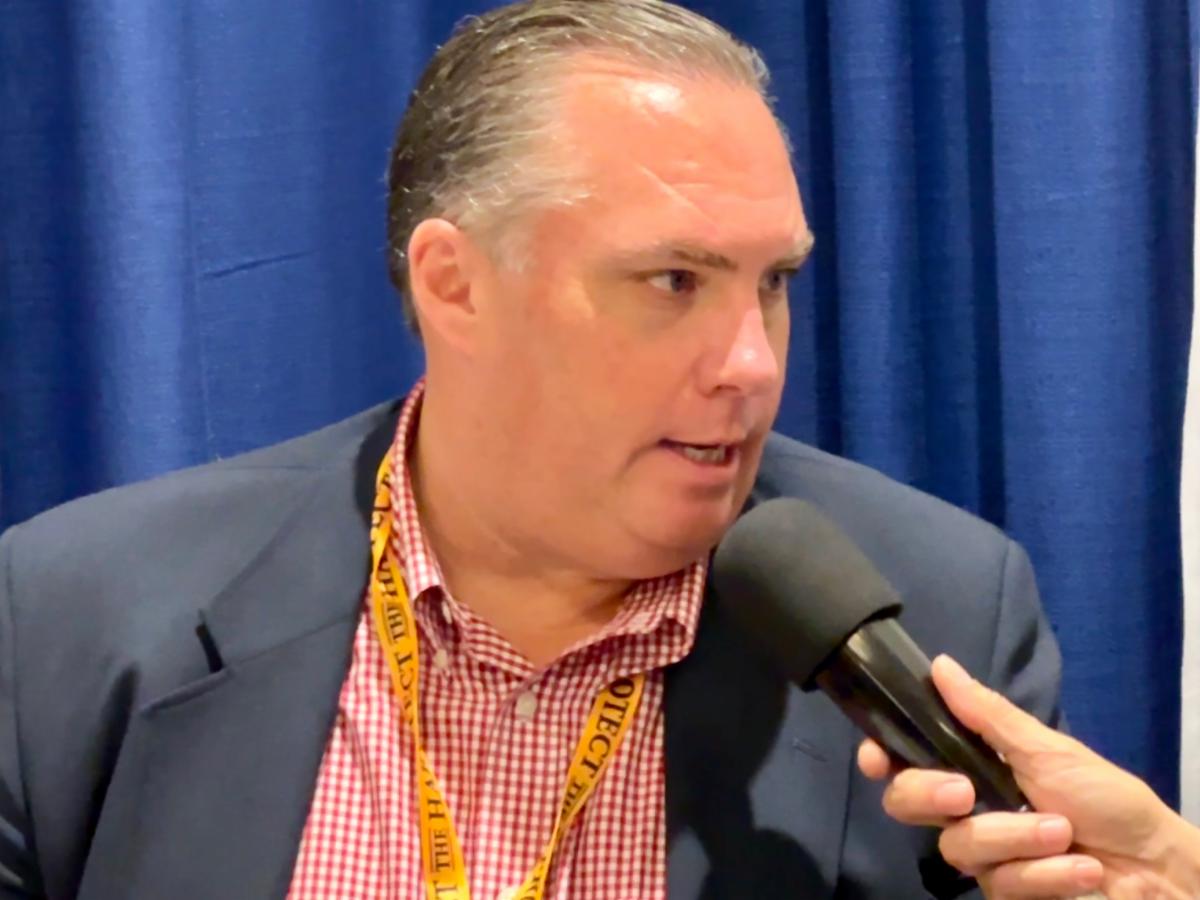
In a recent discussion with Ron Hays, the NCBA’s Ethan Lane addressed the ongoing debate regarding beef labeling, arguing against a return to mandatory Country of Origin Labeling (MCOOL). Lane emphasized that past data proves MCOOL failed to achieve its intended goals and cautioned the industry against relying on nostalgia for ineffective policies. Instead, he advocated for voluntary labeling systems, which he argues have shown measurable success in connecting consumers with local and value-added products.
Lane highlighted that broad national origin claims often benefit packers without delivering financial returns to the ranch level. He noted that generic mandates do "absolutely nothing" for the U.S. cattle producer, whereas voluntary labels allow ranchers to capture premiums based on specific product quality. He believes the industry’s focus should remain on leveraging the superior quality of U.S. beef to reward producers directly rather than relying on government mandates.
The conversation also covered the new "Product of the USA" rule taking effect January 1, which restricts the label to beef that is born, raised, and harvested in the United States. Lane explained that this change resolves decades of confusion where foreign beef could carry the label simply by passing through a USDA-inspected facility. Retailers and packers are now adjusting to the stricter standard, as imports from countries like Brazil and Argentina will no longer qualify for the designation.
| |
Top Five Food Safety and Quality New Year’s Resolutions for 2026
| | |
As we head into 2026, elevating kitchen safety starts with mastering a rigorous four-step cleaning method: pre-rinse, clean with detergent, rinse, and finally, apply sanitizer. It is crucial never to skip the initial cleaning steps, as applying sanitizer to a dirty surface renders it ineffective; food debris binds to active ingredients, preventing them from neutralizing pathogens. Always check EPA labels to ensure your sanitizer is specifically approved for food-contact surfaces.
Beyond standard countertops, prioritize high-touch areas that are often overlooked during the holiday rush. This includes cleaning the interiors of refrigerators and freezers, as well as light switches, stove knobs, and reusable shopping bags. Notably, cell phones harbor a surprising amount of bacteria; experts recommend keeping them out of the food prep area entirely or sanitizing them regularly to prevent transferring microorganisms to your meal.
Another best practice is to store thawed items in a refrigerator in a secondary container to prevent dripping onto other foods (Ahn et al., 2021). For example, raw meats should be thawed in a clean bin or plate to prevent drips from reaching ready-to-eat foods (e.g., lettuce intended for salad). Using a secondary container can also be a great way to separate items of different types if you cannot dedicate whole refrigerator shelves to similar food types.
| | Modernizing Farm Safety: Melissa Ploeckelman on Youth Guidelines and the “Stop-Think-Act” Strategy | | |
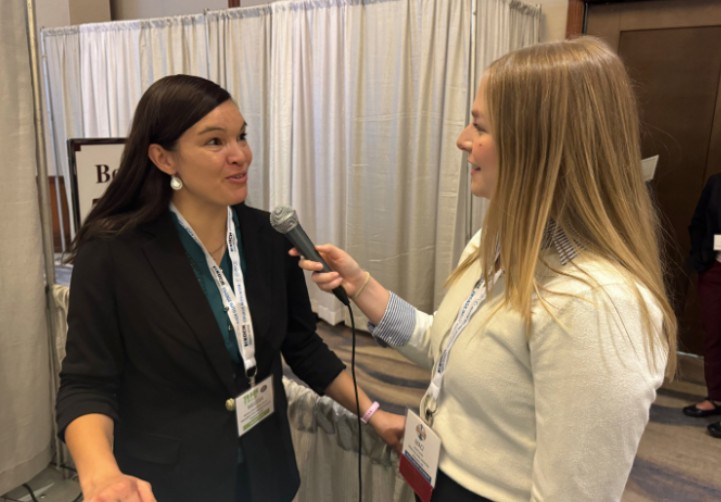
At the National Association of Farm Broadcasting (NAFB) convention, Oklahoma Farm Report's Maci Carter sat down with Melissa Ploeckelman Brown of the National Farm Medicine Center to discuss a critical evolution in agricultural safety. While the farm remains a place of tradition, the hazards facing the next generation are shifting, prompting a new National Action Plan designed to guide safety protocols for the next decade.
The Silent Threat in the Cab According to Ploeckelman Brown, tractors remain the leading cause of injury and death among youth on farms, but the nature of the danger has changed. Decades ago, the primary fear was children falling from fenders on open tractors. Today, with modern, enclosed cabs, families often feel safer taking children along for “buddy rides.”
However, Ploeckelman Brown warned of a less visible danger: vibration. “As youth are growing, their brains are still developing,” she explained. “That long-term vibration is actually causing damage on their brains and their hearing as their eardrums are still developing.”Additionally, the sheer size of modern machinery has created massive blind spots. Operators often cannot see children running out to greet them, leading to tragic run-over incidents. The National Farm Medicine Center’s message remains “keep kids off tractors,” but the reasoning has pivoted to address these physiological and visibility risks.
| | The Legacy of Joe Ertl: 50 Years of Crafting Farm Memories in Die-Cast Metal | | |
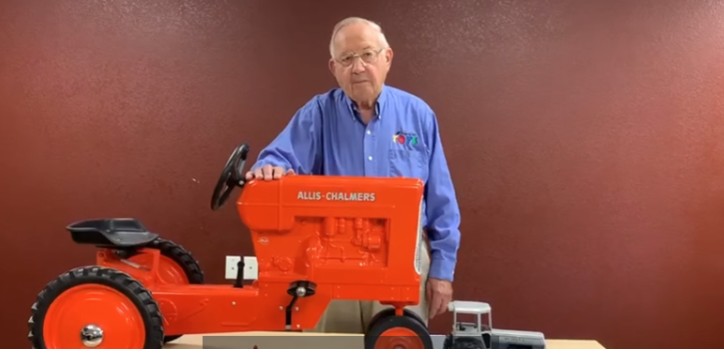
For generations of farm kids, the magic of Christmas wasn’t found in a sleigh, but in the heavy, cold feel of a die-cast tractor under the tree. While Santa Claus gets the credit, for many in the agricultural community, the real architect of those dreams was Joe Ertl of Dyersville, Iowa.
A recent feature by Todd Gleason for the University of Illinois highlights the profound impact Ertl has had on American agriculture, not through crop yields, but through the preservation of rural memories. To the uninitiated, a toy tractor is just a plaything. But for seasoned farm broadcasters like WGN’s Max Armstrong, these miniature machines are emotional time capsules.“Every kid loves a tractor,” Armstrong says. “But as we get a little bit older, some of us who grew up on those tractors think back to those days.”
For Armstrong, looking at a model Farmall Super M isn’t about the metal; it’s about remembering a chilly October harvest, watching the moon rise over the cornstalks, and the bond shared with his father in the Wabash bottoms. This deep-seated nostalgia drives a massive collector’s market. At a recent auction benefiting scholarships for future farm broadcasters, Armstrong paid $300 for a single one-eighth scale Farmall M Diesel—specifically because it was a 50th-anniversary model signed by Joe Ertl himself.
| | Which Wheat for What Product? | | |
From the rolling hills of the Palouse to the trading desk in Kansas City, the day-to-day work of the U.S. wheat industry is a whirlwind of activity. For farmers, staffers and traders, the focus is often on the immediate task at hand, but understanding how the needs of end-users like millers and bakers connect directly back to those daily decisions is critical to understanding why wheat quality is important from kernel to loaf and every step in between.
Learning more about flour milling and end-use functionality is the goal of the IGP-KSU Flour Milling for State Wheat Leaders and Staff Course, which took place December 8 to 10, 2025, at the IGP Institute on the north campus of Kansas State University. Led by Shawn Thiele, associate director of the IGP Institute, the course aims to provide training on the basic principles of flour milling and to help attendees gain a greater understanding of the relationship between wheat quality and flour performance.
This year’s attendees included new state wheat commissions from Oklahoma, Washington, Oregon and Idaho, staff members from the Idaho Wheat Commission, Kansas Wheat and U.S. Wheat Associates and three industry representatives. The course combined classroom lectures with hands-on milling and baking labs at K-State’s teaching facilities, including the Hal Ross Flour Mill and Shellenberger milling and baking laboratories.
| |
Checking the Markets...
Cash grain bids on all commodities quoted by USDA Market News and the Oklahoma Department of Ag were higher on the day after Christmas- December 26, 2025. Cash corn and sorghum bids were 2 1/2 cents higher, soybeans up 7 1/4 cents and hard red winter wheat bids were 5 1/2 cents higher compared to the last report before Christmas.
From Friday-to-Friday, livestock futures scored the following changes: December live cattle down $0.57, February live cattle down $1.15; January feeder cattle up $0.57, March feeder cattle up $1.03; February lean hogs up $0.03, April lean hogs up $0.35.
Boxed beef prices closed lower: choice down $3.41 ($351.21) and select down $1.95 ($343.80) with a movement of 70 loads.
| | |
Click here for our Markets Page on OklahomaFarmReport.Com- there you will find our latest reports on cattle auctions, boxed beef, cash grains and market analysis.
OKC West is our Market Links Sponsor- they sell cattle three days a week- Cows on Mondays, Stockers on Tuesday and Feeders on Wednesday- Call 405-262-8800 to learn more.
| | |
© 2025 Oklahoma Farm Report - All rights reserved
|
| | | |