Oklahoma's Latest Farm
and Ranch News
Tuesday, December 30, 2025
| | Dr. Derrell Peel: Cattle Prices: A Look Back…and a Look Ahead | | |
OSU's Dr. Derrell Peel offers an analysis of where the cattle has been in 2025- and where it may be going in the new year. "Cattle prices advanced for a third consecutive year in 2025. Prices for all classes of cattle moved higher, setting frequent records for most of the first three quarters of the year before experiencing a sharp correction in the fourth quarter. Cattle prices recovered in December to end the year and set the stage for markets in 2026.
"Oklahoma auction prices for 500-pound steer calves picked up from year-end highs in 2024 and increased even more sharply in 2025. Prices started the year at $353.45/cwt. and ended at $480.48/cwt., a 35.9 percent increase for the year. By the end of December, these calf prices had fully recovered from the fourth quarter correction, when prices that were at $479.89/cwt. by mid-October dropped to $413.71/cwt. at the end of November, a 13.7 percent drop, before recovering to a new high in December.
"Prices for 800-pound feeder steers at Oklahoma auctions began 2025 at $267.91/cwt. and ended with a December price of $349.89/cwt., a net increase of 30.6 percent for the year. Feeder prices peaked earlier in mid-October at $382.93/cwt., dropping to a late November low of $315.97/cwt. before partially recovering in December. The correction from October through November was 17.5 percent and the recovery in December left prices down 8.6 percent from the October high."
| | John Deere’s See & Spray Cuts Herbicide Use in Half | | |
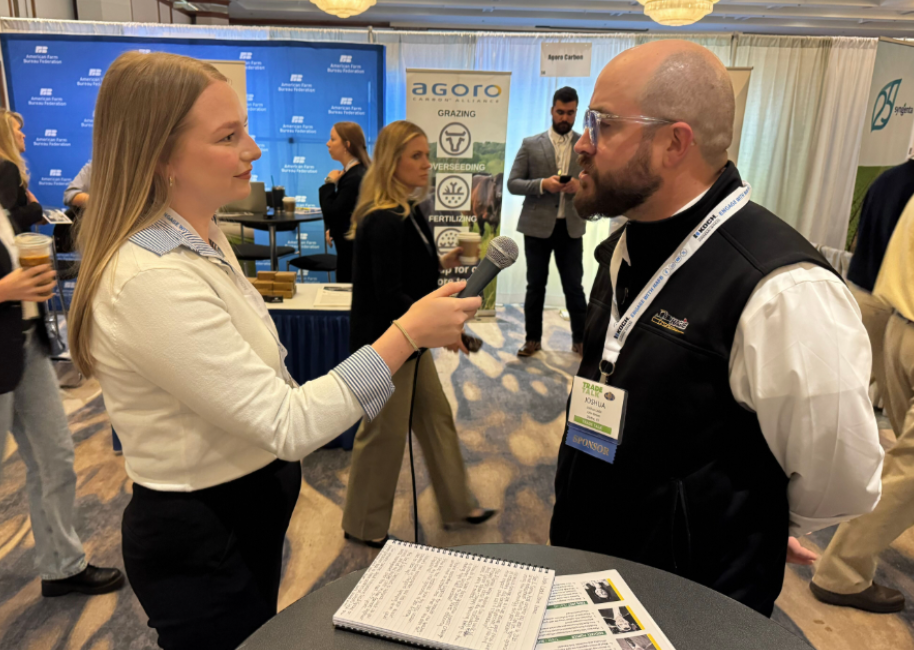
Farmers are rapidly adopting camera-based targeted spraying, and John Deere’s See & Spray technology saw another major year of growth in 2025. Josh Ladd explained to Oklahoma Farm Reports Maci Carter that the system expanded across North America with “over 1,000 See & Spray machines” in operation and more than “5 million acres covered,” which he noted is “larger than the state of New Jersey.”
Despite a wet spring that elevated weed pressure, Ladd said farmers still achieved “nearly 50%” herbicide savings—equal to “about 30 million gallons of herbicide mix that weren’t sprayed this year.” Ladd emphasized that the savings are only part of the value. He said many progressive growers use See & Spray’s reduced input costs to “reinvest that into the program to help with a better job of managing weed resistance or getting after our seed bank.”
Even more exciting, he said, is the technology’s emerging yield impact: “We consistently saw… an average bushel increase at harvest of two bushels an acre, all the way up to 4.8 bushels an acre on soybeans.” He explained that limiting unnecessary crop exposure to herbicides is now delivering tangible yield gains “in real time this year.”
| | Historic Cattle Prices Highlight Auction Markets | | |
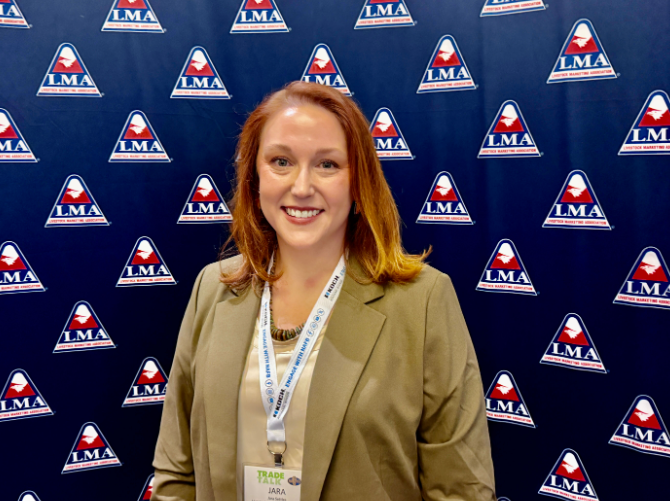
Senior farm and ranch broadcaster Ron Hays speaks with Jara Settles, general counsel and vice president of risk mitigation for the Livestock Marketing Association, who reflects on a historic year for cattle markets and the critical role auction barns continue to play in the industry. Settles says 2025 will be remembered for record-setting prices, calling them “unprecedented,” and notes that while recent volatility has been uncomfortable, the broader livestock sector remains strong.
Settles explains that auction markets have benefited from these high prices, even as producers and buyers hope for more stability. “It’s a good time to be selling livestock,” she said, adding that a calmer market would help everyone make “a little bit more solid plans.” Still, she emphasized that auction market owners are well positioned in the current environment, serving as a vital link between buyers and sellers during an unusual and fast-moving market cycle.
A major strength of auction barns, according to Settles, is their unmatched role in price discovery, especially when futures markets swing on sentiment. “The cash market, people still hauling livestock into a fixed facility auction… is still extremely strong,” she said. Settles stressed that competitive bidding provides “that access to liquidity, that access to cash, and the true ability to figure out what stuff is truly worth when we sit down and let people bid against each other.”
| | Oklahoma Farm Bureau works to improve the lives of all Oklahomans by supporting our state’s agriculture community. As Oklahoma’s largest general farm organization led by Oklahoma farmers and ranchers, OKFB takes grassroots values and advocates for agriculture at the state Capitol and in Washington, D.C., to ensure our way of life continues for generations to come. Farm Bureau hosts leadership events, supports our state’s agricultural youth and connects consumers with agriculture in order to build a brighter future for our state. Become an OKFB member today online at okfarmbureau.org/join. Together, we are rural Oklahoma. | |  | |
Oklahoma AgCredit supports rural Oklahoma with reliable and consistent credit, today and tomorrow. We offer loans for land, livestock, equipment, operating costs and country homes (NMLSR #809962) to farmers, ranchers and rural businesses across 60 counties. As a cooperative, we are owned by the members we serve. Through our Patronage Program, we have returned more than $74 million to our members since 1997.
For more information on our services or to find a location near you, visit our website here.
| | | Secretary Rollins & Congressional Ag Leaders to Speak at AFBF Convention | | |
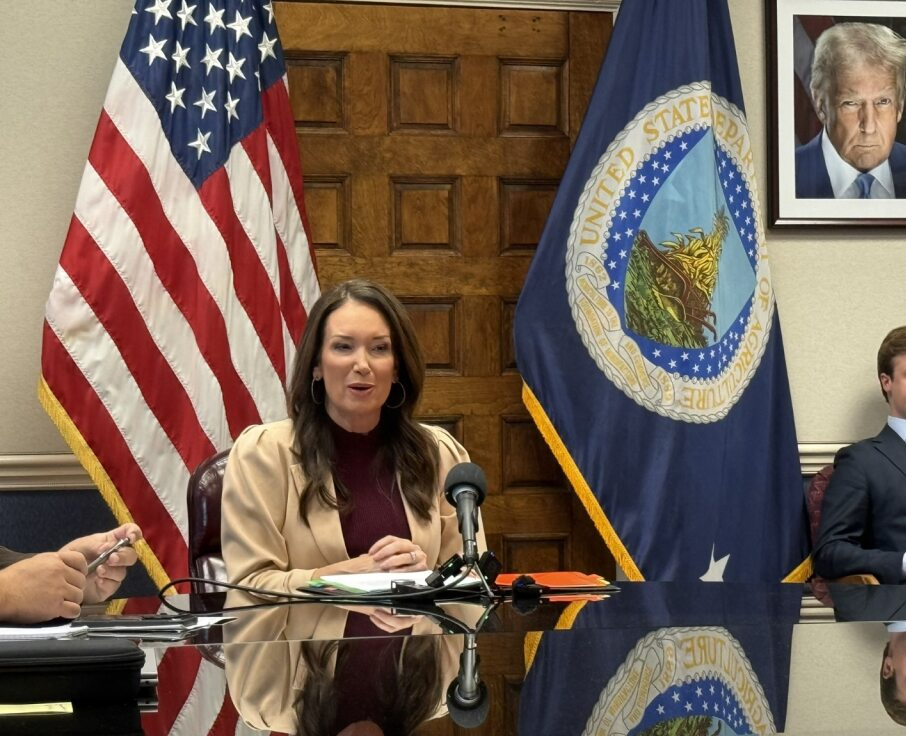
U.S. Secretary of Agriculture Brooke Rollins and the chairs and ranking members of the House and Senate Agriculture committees will all be featured speakers at the American Farm Bureau Convention, being held January 9-14 in Anaheim, Ca.
Secretary Rollins, who has led USDA through a pivotal first year of the Trump administration focused on the agriculture economy, trade and reducing costs for farmers, will speak about the challenges and opportunities ahead for American agriculture during the closing general session on Monday, Jan. 12. Tim Tebow was announced in June as a closing general session speaker – a two-time national champion, Heisman Trophy winner, College Football Hall of Fame inductee, and five-time New York Times best-selling author.
The chair of the U.S. Senate Committee on Agriculture, Nutrition, and Forestry, Sen. John Boozman (R-Ark.), and Ranking Member Sen. Amy Klobuchar (D-Minn.) will be joined by the chair of the U.S. House Committee on Agriculture, Rep. Glenn “GT” Thompson (R-Pa.), and Ranking Member Rep. Angie Craig (D-Minn.) on a panel to discuss their vision for the future of U.S. agriculture and their plans for 2026. The congressional panel will take place during the mid-general session on Sunday, Jan. 11.
| | Cody Hornaday: Key Agronomic Lessons from the 2025 Crop Season | | |
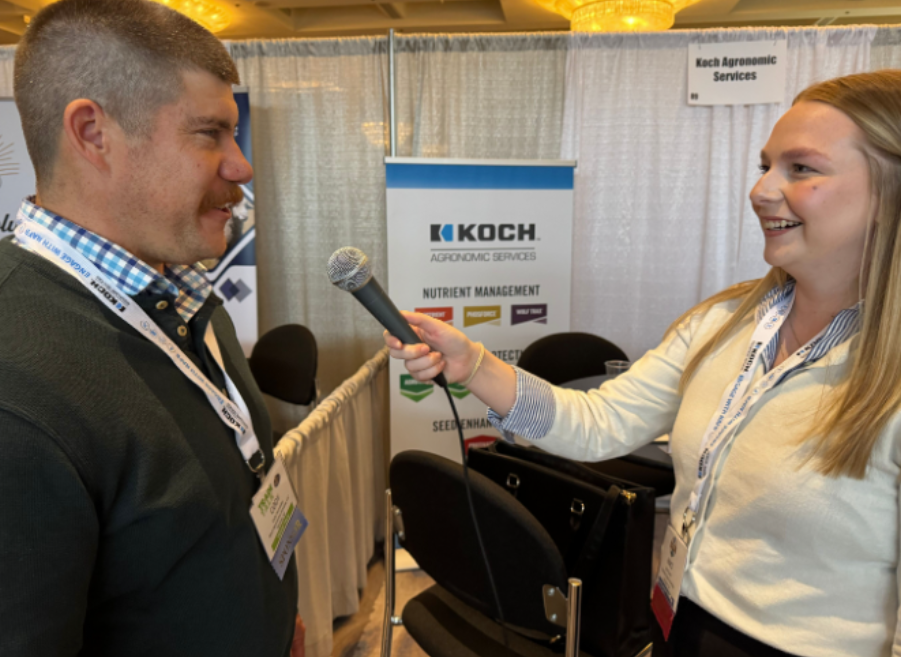
As the 2025 crop season wrapped up, Cody Hornaday of Koch Agronomic Services spoke with Maci Carter and said that weather-driven variability created major agronomic challenges, especially around nitrogen management. Looking back on the year, Hornaday emphasized that “Mother Nature was a key player as always,” noting that both above- and below-ground nitrogen losses were widespread.
He explained that “there were some serious opportunities for loss in the 2025 season,” including volatilization, leaching, and denitrification, making nitrogen management a central lesson from the year. Hornaday said those losses played out differently depending on regional conditions. In areas that received excessive rainfall, he pointed to below-ground issues, explaining that “lots of water…[made] that below ground loss being a real problem, whether…that’s leaching or denitrification.”
Meanwhile, drier regions faced increased risk of volatilization, particularly with surface-applied urea. According to Hornaday, “all of the above were problems, depending on where you were,” reinforcing the need for region-specific fertility strategies. In response, Hornaday noted strong adoption of nitrogen efficiency products in 2025, especially as growers began preparing for tighter margins in 2026. He said nitrogen stabilizers were key, but also urged producers not to overlook micronutrients when trimming costs.
| | Nationwide CSP, EQIP application deadline set for Jan. 15 | | |
Farmers and ranchers interested in signing up for the Conservation Stewardship Program (CSP) and Environmental Quality Incentives Program (EQIP) have until Jan. 15 to submit initial paperwork. Although the U.S. Department of Agriculture’s Natural Resources Conservation Service (NRCS) programs allow for continuous sign-up, the agency is implementing this national batching period to ensure producers have access to funding and support following the government shutdown.
Administered by NRCS, CSP and EQIP provide financial and technical assistance for producers implementing conservation practices while maintaining agricultural production.
“CSP and EQIP are voluntary programs designed to help producers meet their conservation goals while maintaining their bottom lines,” said Andrew Tonnies, policy associate with the Center for Rural Affairs. “The financial support provided through these programs is especially important given the tight profit margins producers are facing.”
| | Congressman Josh Brecheen’s 2025 Highlights | | |
As we reach the conclusion of Congressman Brecheen’s third year in office, here’s a recap of the top highlights from the year.
Top Bills Introduced: Healthy SNAP Act of 2025 — this legislation would exclude certain junk foods from being purchased with SNAP benefits. USA First Act — this legislation would transfer any unobligated funds previously appropriated to USAID to the Disaster Relief Fund under FEMA. DRIVE Act — this legislation would prohibit the Federal Motor Carrier Safety Administration (FMCSA) from mandating speed limiters on vehicles with a Gross Vehicle Weight Rating (GVWR) above 26,000 pounds. Energy Freedom Act — this legislation would repeal the more than 20 green energy tax subsidies created or expanded by the Biden Administration’s Inflation Reduction Act.
Top Oversight Activity: Congressman Brecheen led 134 Republican Members of Congress in a public commitment to monitoring the treatment of religious and ethnic minorities in Syria, ensuring that the sanction repeal conditions found in the NDAA are upheld. Fox News wrote an exclusive on the statement. A copy of the full statement is available here.
| | Britt Hicks: December Beef Cattle Research Update | | |
The average incidence of liver abscesses within beef cattle feedlots ranges from 12 to 32%; but can be as high as 95%.3 Liver abscesses in feedlot cattle are a cause of decreased performance and reduced carcass value which have been estimated to decrease returns by $20 to $80 per animal. Feeding greater levels of roughages in finishing diets can decrease the incidence of liver abscesses. However, daily gains and feed efficiency are also reduced.
Tylosin phosphate (Tylan, Elanco Animal Health) is an antibiotic that is commonly fed to feedlot cattle to decrease the incidence of liver abscesses. However, general concern that in-feed application of medically important antimicrobials increase antimicrobial resistant pathogen threats to human health remain. Hence, alternative strategies to control liver abscess that maintain or improve cattle performance, efficiency, health, and welfare are warranted. Studies looking at the timing of tylosin inclusion within the finishing period suggest that the greatest risk of liver abscess
development is in the early stages of finishing.
Canadian researchers hypothesized that greater inclusion of forage in the diet early in the finishing phase would decrease the incidences of liver abscesses and prevent performance losses without tylosin inclusion. Thus, a study evaluated different strategies of forage inclusion in finishing beef cattle diets and their effects on growth performance, carcass quality, and liver abscesses as compared with a typical finishing diet with or without tylosin.
| | |
Cash grain prices as reported by USDA and the Oklahoma Department of Ag at elevators across Oklahoma were all under pressure on Monday- hard red winter wheat bids were 6 1/4 cents lower, corn and sorghum bids were down 7 3/4 and soybeans were off 9 cents on Monday afternoon.
Boxed beef prices moved lower again on Monday, December 29, 2025, marking the fourth straight session of declines, with the Choice cutout down $1.88 to $349.33. Since last Monday, Choice values have dropped a total of $13.54, highlighting sustained late-December weakness. The Choice/Select spread narrowed sharply to $3.71, the tightest margin recorded in 2025, as Select rose $1.82 to $345.62. A total of 113 loads were reported.
Click here for our Markets Page on OklahomaFarmReport.Com- there you will find our latest reports on cattle auctions, boxed beef, cash grains and market analysis.
OKC West is our Market Links Sponsor- they sell cattle three days a week- Cows on Mondays, Stockers on Tuesday and Feeders on Wednesday- Call 405-262-8800 to learn more.
| | |
© 2025 Oklahoma Farm Report - All rights reserved
|
| | | |