Oklahoma's Latest Farm
and Ranch News
Wednesday, December 31, 2025
| | Looking Back at 2025- A Six Pack of Stories That Matter in Oklahoma | | |
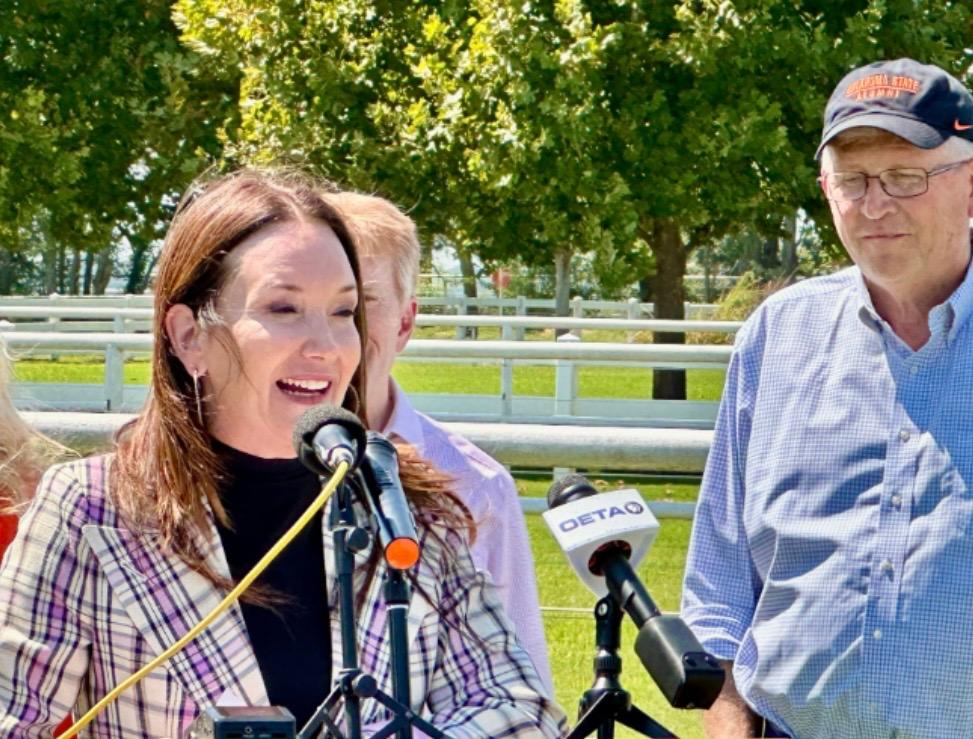
Lots of stories were important to our farm and ranch community during the course of 2025- but we have picked a half dozen that we have reported on during the course of the year. Top of our list was the story that we reported on multiple times- the New World Screwworm that broke through the isthmus of Panama a while back and was discovered in southern Mexico about a year ago- the picture above is of Secretary Brooke Rollins at Express Ranches with a New World Screwworm update late summer.
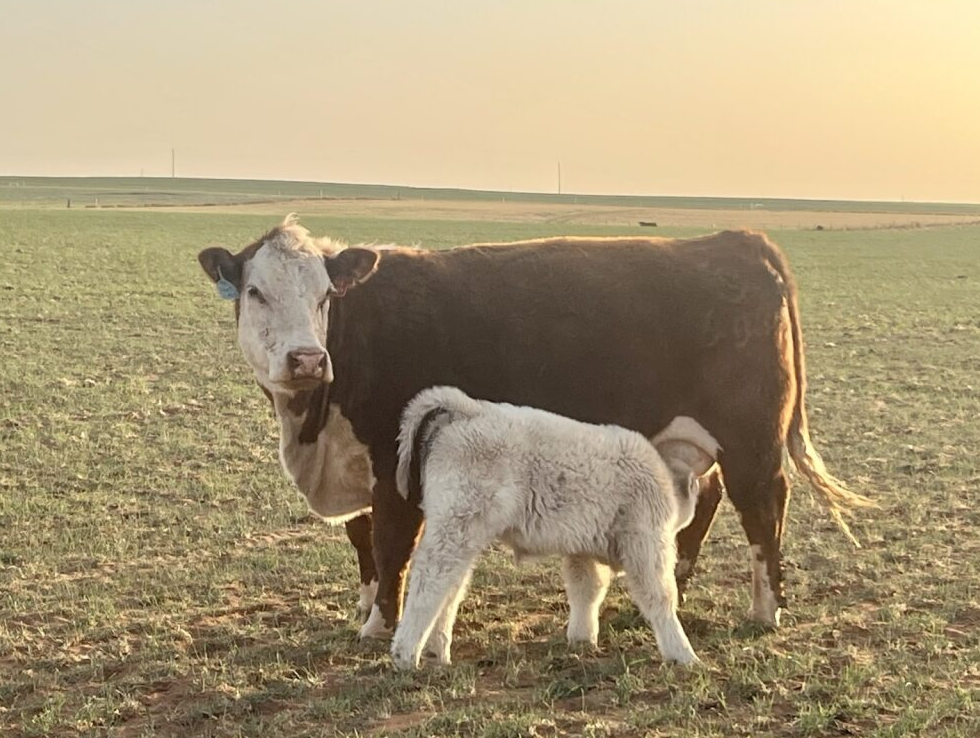
Another story that really stretched out over the entire year were the record cattle prices- because of the tight cattle supplies giving us the smallest cattle herd in the US in decades. We point you to several of our reports and interviews over the course of the year. The third national story that we highlight in our webstory you can check out below is the farm and ranch impacts coming out of the One Big Beautiful Bill. That includes lots of tax benefits as well as several of the Farm Bill Titles that were addressed in the reconciliation package.
At the state level- we point you to our coverage of the State Legislature providing a record appropriation of $250 million dollars to construct a new teaching hospital for the OSU Vet Medicine School. We also walk you thru the year long saga of the twenty year old Poultry Lawsuit which finally has a ruling from the Federal District Judge which may or may not be the end of that story. Finally- we remind you of the success of two incredible Oklahoma FFA members at the 2025 National FFA Convention- Ryder Klassen named American Star Farmer and Trey Myers becoming the 2025-26 National FFA President.
| | Precision Farming: Driving Efficiency and Sustainability at Case IH | | |
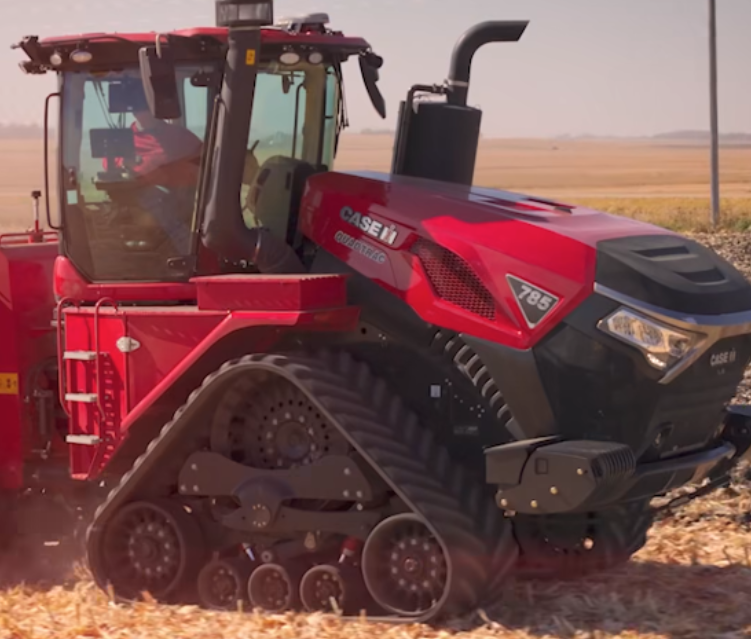
Lance Myer, Region Precision Manager for Case IH, recently spoke with Intern Karleigh Erramouspe about the growing importance of precision technology, highlighting how it helps producers manage resources, increase efficiency, and prepare for a sustainable future.
Myer emphasized that conversations around precision farming are now ubiquitous, driven by the need to maximize efficiency and minimize resource waste. “Precision’s a topic that every producer, you know, talks about every day,” Myer said. At the root of it, precision farming is about “making farmers more efficient, so saving them time, saving them money in areas, and then also, saving them… on the resources side as well.” This means ensuring that every dollar spent on inputs—like seed, chemical, and fertilizer—is utilized in the right place, leading to higher efficiency and better resource conservation.
Case IH’s comprehensive digital platform, FieldOps, is central to translating these precision goals into daily operations through remote support and data management.
Myer breaks down the platform’s role into two major areas: machine data and agronomic data. This constant flow of information is key for both the customer and the dealer network.
| | LMA- Trucking Rules Impact Livestock Markets | | |
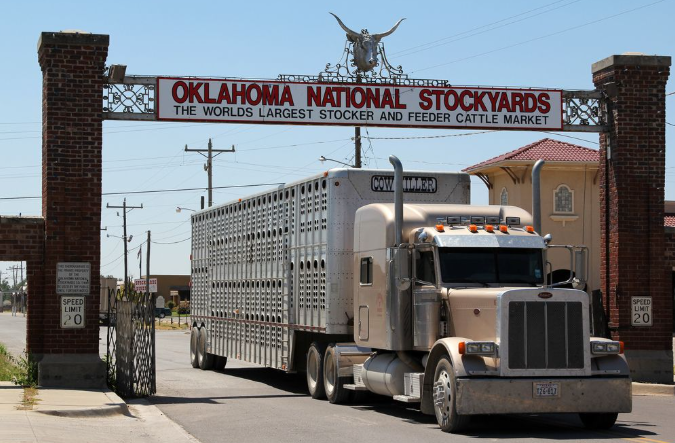
Senior farm and ranch broadcaster Ron Hays continued his conversation with Jara Settles, General Counsel of the Livestock Marketing Association, about key policy priorities impacting livestock markets and the producers they serve. LMA represents more than 80 percent of regularly selling livestock markets across the U.S., and Settles says transportation regulations remain one of the most pressing issues facing the industry.
Settles explains that livestock auction markets sit squarely in the middle of every transaction, meaning trucking rules have a direct impact on both markets and producers. “Onerous or overburdensome regulations in the trucking space are extremely impactful and very much felt by our markets and then also by the producers that they serve,” she said, noting that animals must be hauled to the market and then hauled away after the sale.
She emphasized that livestock haulers operate under unique conditions that warrant special consideration. “Livestock haulers are a special breed. They require special training, they require special equipment,” Settles said. Because they are hauling live animals, she added, “they have to go slower, they have to drive more carefully because of what they’re hauling,” and those realities should be reflected in hours-of-service and electronic logging device rules.
| | |
The vision of the Oklahoma Beef Council is to be a positive difference for Oklahoma's farming and ranching families and the greater beef community, and its mission is to enhance beef demand by strengthening consumer trust and exceeding consumer expectations.
To learn more, visit www.oklabeef.org. Also, don't forget to like its Facebook page at www.facebook.com/oklabeef for stories on Oklahoma's ranching families and great beef recipes.
And Check out this video below that helps you learn more about the Beef Checkoff- .
| |  | |
KIS FUTURES specializes in Futures and Options for Institutions, Commercials, Hedgers, and Individual Traders and executes trades for its clients in the following markets: Livestock, Grains, Energy, Metals, Softs, Financials, Currencies, and Stock Index Futures. For more information, please give them a call Toll Free at (800) 256-2555. Click here for their website to learn more.
And- their iPhone App, which provides all electronic futures quotes is available at the App Store- click here for the KIS Futures App for your iPhone.
| | | Your Next Generation of Cows | | |
In a recent cow calf article, Mark Johnson says the opportunity to make our next generation of cows a better fit to our production system and genetically capable of creating more profit potential is historically unprecedented. More tools are available to assist cattle breeders in this quest than ever before. The series of “Build Back Better” articles over the past two months have been written to target the cow-calf producers who are motivated by sustainable profit.
Regardless of the size of your operation, a deep dive into the unique characteristics of your own production system is important to inform selection and mating decisions. Identifying breeding goals as well as prudent selection and mating decisions can result in a cowherd that yields more beef per acre of pasture, reduces your maintenance cost and serves as the production factory of market topping calves.
Consider the current performance metrics of your cowherd. Quantifiable measurements should be used to assess the efficiency of your business. And, measuring current levels of cowherd productivity helps identify where genetic improvement is needed.
| | Lizzie French: New Soil Biology Report Gives Growers Deeper Insight | | |
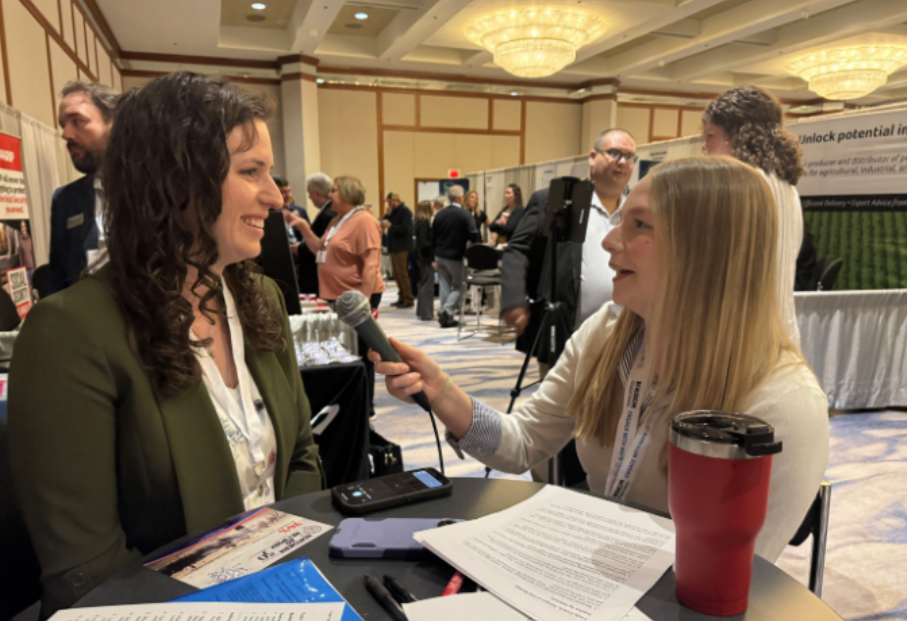
Soil biology is taking center stage in modern crop management, and a new tool from Waypoint Analytical is helping farmers understand the underground activity driving yield potential. Maci Carter with the Oklahoma Farm Report caught up with Lizzie French, Manager of Soil Biology with Waypoint Analytical, at the Nutrien Ag Solutions booth to discuss Waypoint’s newly launched Soil Biology Report.
French said the tool was born from “a huge increase in interest in soil health and sustainability” paired with new technology that now allows researchers to look directly at the microbes driving those processes. “We had this confluence of things coming together to be able to develop this report,” she explained.
French told Carter that traditional soil tests only show one piece of the picture. While they indicate nutrient levels, they don’t show how effectively nutrients are being cycled. “We typically think of the soil as a warehouse of nutrients,” she said, “but what’s missing from that is, do I have people working in that warehouse?” The biology report addresses that gap by identifying the microbial “workers” and the heavy-lifting processes that support fertility.
| | Eyes in the Sky: A new perspective on research from the air | | |
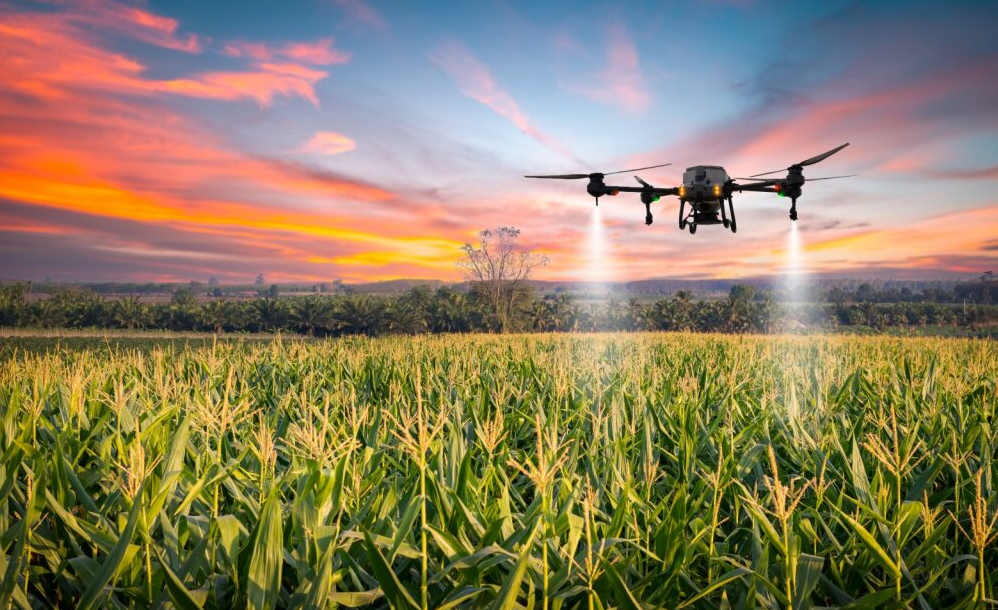
Drone technology research is helping to improve the lives of farmers and ranchers across Oklahoma by allowing them to pin-point possible issues and provide a faster response. Phil Alderman, agricultural systems modeling research assistant professor, leads the drone technology research for the Oklahoma State University wheat breeding program. Joining the program in 2022, Alderman’s research builds numerical models to examine how different crops grow in various conditions.
Brett Carver, OSU Regents Professor and wheat genetics chair, identified the need for the drones, so researchers would be able to systematically measure, analyze and characterize the observable traits of the crops for research purposes, Alderman said.
“My focus is on providing traits and things that are going to benefit breeders,” Alderman said. “We are aiming to do research that is directly relevant for the OSU wheat breeding program.” The drones help identify key traits in the wheat that are beneficial for the growth of the crop under a wide range of conditions, he said.
The key traits we focus on are plant height, disease ratings, early vigor, and senescence dynamics, said Sanju Shrestha, third-year crop science doctoral student working in the program with Alderman. “With the drone technology, we can rapidly go out and collect imagery over an area and convert it into a series of images throughout the season,” Alderman said. “It then shows us a set of traits that describe the growth of the crop that will allow breeders to be able to select among those and say, ‘This is a winning breeding line.’”
| | Oklahoma Forestry Services Launches Rural Library Backpack Program | | |
Oklahoma Forestry Services, in partnership with the Oklahoma Department of Libraries, has launched a new backpack program at 84 rural libraries across the state. The program, created and overseen by Oklahoma Forestry Services, is designed to encourage kids of all ages to get outside and learn about Oklahoma’s forests and the invasive species trying to move-in.
The backpacks feature a variety of educational tools including, age-appropriate information about invasive species for six different age groups, a book about invasive species and hands-on activities. “We are beyond excited to launch this first of its kind program across Oklahoma to help kids learn about invasive species in our forests,” said Tony Pascall, Oklahoma Forestry Services Education Coordinator. “We believe these hands-on learning activities will not only be fun for kids but will serve as a great way to introduce them to our critical forest ecosystems.”
The backpacks are available now at 84 rural libraries spanning 46 counties. Each participating library will receive one backpack. This program is open to all rural libraries, and those wanting to participate can apply to join the program by reaching out to OFS, here.
| | Beyond the Feed Bunk: OSU researchers redefine how producers understand cattle stress | | |
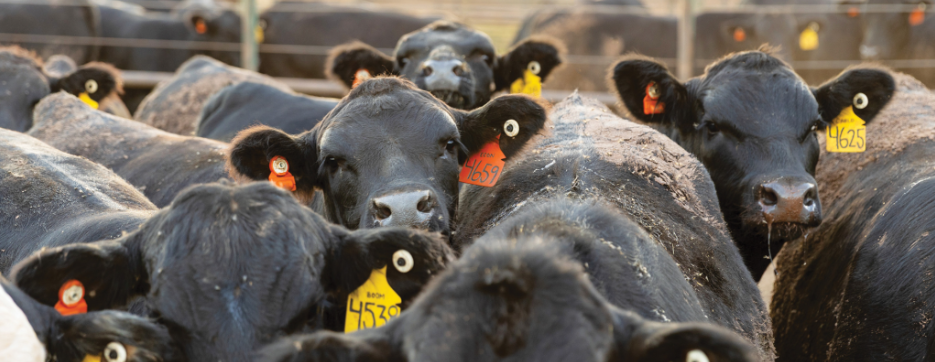
Cattle gather around the feed bunk, dust rising as feed hits the trough. It is a familiar sight for any producer, but what happens during that daily routine can carry the biggest impact. Hidden stressors, from transportation to temperature swings, can affect animal health, meat quality and a producer’s bottom line, he added. Understanding what causes stress and how to manage it is the focus of new research at OSU, Dr. David Lalman said.
A team of OSU researchers is tackling the issue head-on through a four-year, $1 million project funded by the USDA Agriculture and Food Research Initiative. The multidisciplinary research effort uses artificial intelligence, sensor technology and producer perspectives to better understand how cattle respond to stress and what can be done to manage it. The project brings together animal and meat scientists, sociologists, engineers and computer scientists. Their goal is to identify cattle at risk of stress and develop practical tools producers can use to reduce its impact, said Ranjith Ramanathan, animal and food sciences professor.
One of the major challenges producers often face is unexplained losses during the finishing phase of production, Lalman said. “The industry has seen a gradual increase in unexplained death loss in finishing cattle,” Lalman said. “Some believe this is related to how we have selected for faster and more efficient growth. This kind of growth requires so much energy that may come at the expense of immune function and overall resilience.”
| | |
The live cattle complex had a fruitful day where the contracts pressed onward and traded higher, but still, the live cattle contracts weren't confident enough to challenge the market's 100-day moving average. February live cattle closed $1.50 higher at $230.47, April live cattle closed $1.45 higher at $230.97 and June live cattle closed $1.62 higher at $225.80.
Boxed beef prices closed lower: choice down $1.13 ($348.20) and select down $2.46 ($342.16) with a movement of 209 loads.
The feeder cattle complex traded higher throughout the day as the market was encouraged to see the live cattle contracts trading higher as well. January feeders closed $2.55 higher at $349.55, March feeders closed $2.90 higher at $344.57 and April feeders closed $3 higher at $343.42.
Click here for our Markets Page on OklahomaFarmReport.Com- there you will find our latest reports on cattle auctions, boxed beef, cash grains and market analysis.
OKC West is our Market Links Sponsor- they sell cattle three days a week- Cows on Mondays, Stockers on Tuesday and Feeders on Wednesday- Call 405-262-8800 to learn more.
| | |
© 2025 Oklahoma Farm Report - All rights reserved
|
| | | |