


Agricultural News
Boehringer Ingelheim Vet Calls Vaccination Key to Infection and Disease Prevention in Cattle Herd
Mon, 23 Aug 2010 9:49:00 CDT
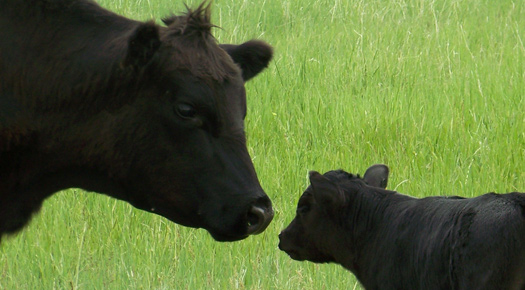
Vaccination is one of the most important methods of preventing infections and disease in a herd. Vaccinations reduce the occurrence of disease outbreaks and the severity of disease in a herd. Vaccination programs can be tailored to meet individual producers' needs, depending on herd location, overall herd health, history of the herd and a variety of other factors. While the type of vaccine administered is a central part of herd health, the proper timing of vaccinations is also significant.
Cows and heifers should be vaccinated between 30 and 60 days prior to breeding in order to develop the best immunity and protection against several reproductive diseases. Vaccinating cows and heifers at this time allows them time to develop an immune response prior to bull exposure.
Modified-live virus (MLV) vaccines containing IBR and BVD, administered 30--60 days pre-breeding, seem to be the most popular choice of veterinarians and cattle producers. "Killed vaccines are generally considered safer than MLV vaccines, but are less likely to have as robust of an immune response," says Dr. Jerry Woodruff, professional services veterinarian with Boehringer Ingelheim Vetmedica, Inc. "Cows and heifers vaccinated with MLV vaccine at least 30 days prior to breeding will have optimal protection against IBR abortions and BVD persistently infected calves."
Young calves do not always receive enough protective maternal antibodies from ingesting colostrum. Preventive measures, like vaccinations, are important to protect their weaker immune systems. Vaccination of the young calf primes its immune system for a quicker response should the calf come in contact with a field strain of virus and sets the calf up for successful response to future vaccinations. Vaccination ultimately improves response time when viral exposure does occur, helping the calf avoid becoming sick.
Research studies have demonstrated that calves as young as five or six weeks of age can be effectively immunized against BVD virus.1 This work supports the practice of incorporating calf vaccinations at spring turnout or branding time. Young calves react well to MLV vaccines, but they should not be used in calves or nursing or pregnant cows unless their dams were vaccinated with a similar product prior to breeding. Spring turnout or branding is a convenient time for vaccinations. Increased stress levels have been shown to compromise the immune system of cattle. "Producers should focus on giving vaccines during low-stress times to give the immune system the opportunity to work at optimum levels," says Woodruff. "Controlling internal parasites has also been shown to enhance the immune system response."
Woodruff also recommends that producers incorporate clostridial-blackleg and pinkeye vaccinations prior to turning cattle out onto pasture. Breeding-age females could also be protected from reproductive diseases such as vibriosis, leptospirosis and trichomoniasis prior to breeding season.
Cattle producers should always read the label before administering a vaccine to make sure that it is appropriate for the animals they've about to vaccinate. Vaccinations should be used in conjunction with good management practices. Woodruff says the first step to determining what is right for your herd is to consult your local veterinarian.
WebReadyTM Powered by WireReady® NSI
Top Agricultural News
More Headlines...