Thanksgiving turkey production brings the work of America’s turkey farmers and processors into the spotlight each year, with approximately 30 million turkeys expected to be consumed by Americans during the holiday. National Turkey Federation President Leslee Oden spoke with Associate Farm Reporter Carli Davenport about the industry’s busiest season, year-round production, animal health challenges, grocery store prices and the federation’s annual tradition of presenting turkeys to the president at the White House.
Thanksgiving Highlights the Work of Turkey Farmers
Oden said Thanksgiving is the biggest moment of the year for the turkey industry, providing an opportunity to recognize the farmers, processors and others throughout the supply chain who make the holiday possible. “Thanksgiving for our industry is the biggest moment of the year, but we are processing and celebrating turkey year-round,” Oden said. “Especially during this time, it's when turkey takes the center stage for millions of Americans and millions of folks globally.”
She said the holiday also serves as a reminder of the work involved in producing an affordable and nutritious protein for consumers. “We're really just reminded of the important role that turkey farmers and processors and everyone in the supply chain play for this iconic holiday that we have,” Oden said.
Although production increases to accommodate seasonal demand, turkey processing takes place throughout the year to provide consumers with a variety of products. “We are meeting the consumer demand, whether that's for your whole bird at Thanksgiving, or your bone-in turkey breast, or the ground turkey or deli meat that you're eating on an everyday basis,” Oden said.
The National Turkey Federation estimates Americans will consume approximately 30 million turkeys during Thanksgiving. Another 15 million are expected to be consumed as the Christmas and New Year's holidays approach. Throughout the year, America's turkey farmers and processors raise just over 198 million turkeys, according to Oden.
From the Farm to the Grocery Store
Getting a turkey from the farm to the grocery store requires coordination across multiple parts of the agricultural supply chain.
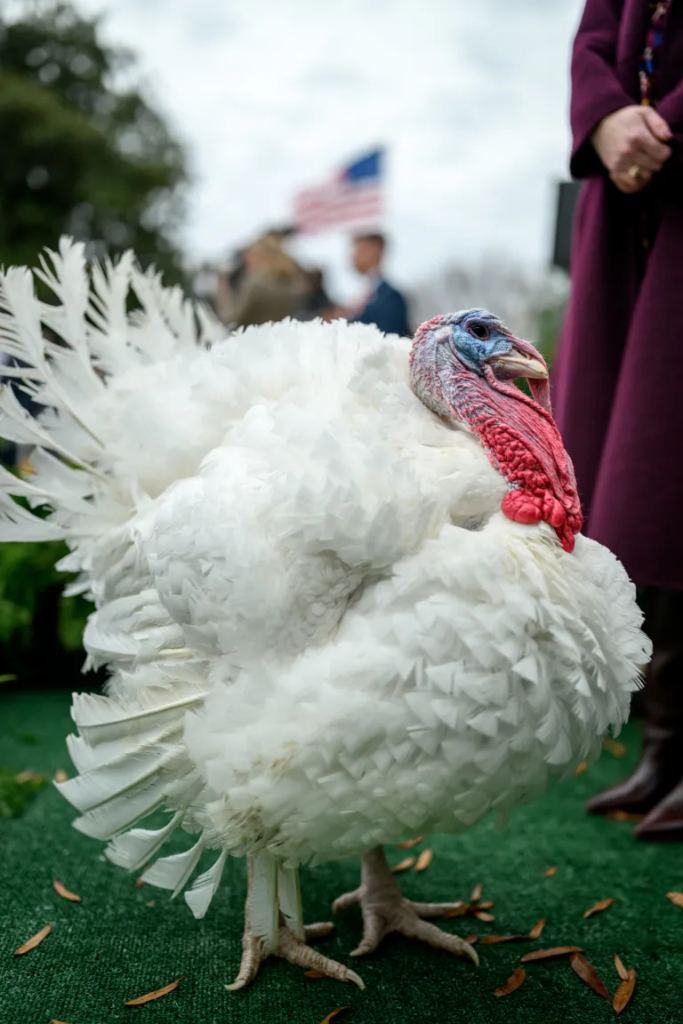
Oden said the process involves everyone from genetics specialists and veterinarians to nutritionists, farmers, and processing plant employees. “Whether we're talking about genetics, veterinary care, nutritionists, the hard work that goes into the labor on the farm, being in your barns daily, good food, and minerals to great water quality, they're all really important,” Oden said.
She emphasized that raising turkeys requires consistent attention and care from producers throughout the year. “It's 365 days, rain or shine, holiday or not,” Oden said.
Once the turkeys leave the farm, they move through processing facilities, where skilled employees prepare the products consumers eventually find in grocery stores.
Whether it is a whole turkey for Thanksgiving, ground turkey or deli meat for everyday meals, Oden said every part of the supply chain plays an important role. “It takes a lot of love and hard work across the supply chain to bring that to that consumer,” she said.
Animal Health Challenges Continue to Impact the Industry
While the turkey industry is preparing for another Thanksgiving season, producers have faced significant challenges over the past several years.
Oden pointed to animal health issues, particularly highly pathogenic avian influenza and avian metapneumovirus, as ongoing concerns for the industry. “Our industry has been significantly impacted over the last several years, and really, I would say over the last decade with some animal health challenges,” Oden said.
She said those challenges have affected the overall supply of turkeys, but producers and processors have demonstrated resilience while working through difficult circumstances. “Through those challenges, you've seen more resilience from our growers and our processors,” Oden said.
The National Turkey Federation is also working in Washington, D.C., to help provide producers with additional tools to address animal health challenges.
Despite the setbacks, Oden said the industry is beginning to rebound and hopes to return to previous production levels. “Our industry is on the rebound. We're hoping to get back to our previous levels, and I know that we're getting excited about the strong Thanksgiving that we're going to be able to deliver this year,” she said.
Consumers Can Expect Affordable Turkey Options
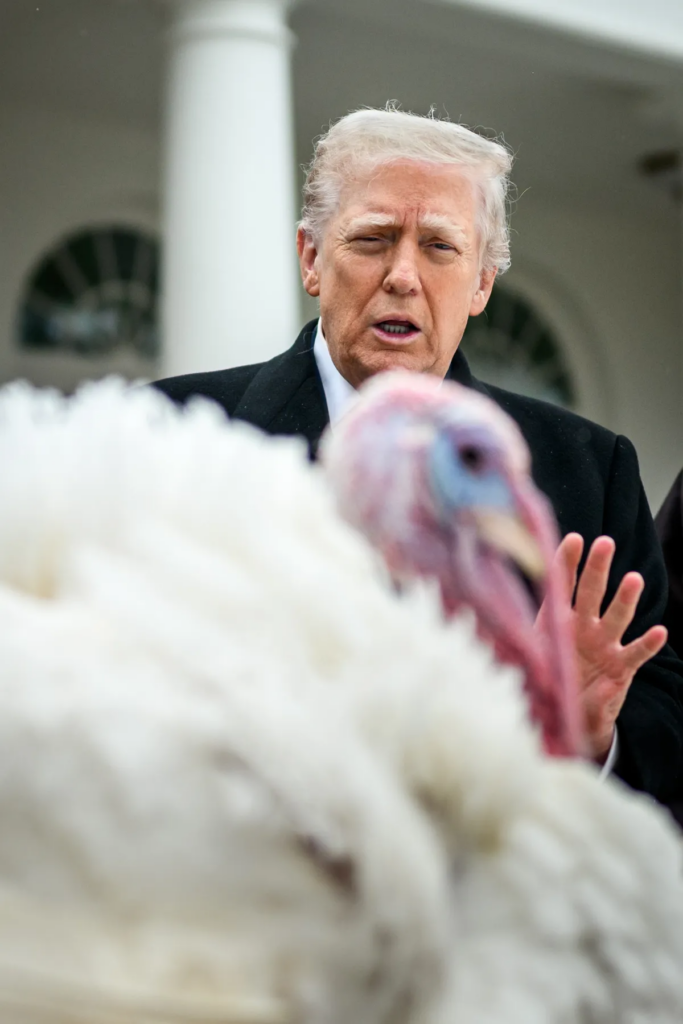
As families head to grocery stores to purchase their Thanksgiving meals, Oden said consumers should find plenty of affordable turkey options.
She explained that turkey is often considered a loss leader for retailers during Thanksgiving, meaning stores offer significant discounts to attract shoppers who will also purchase other items for their holiday meals. “For us, on average, turkey is what's considered the loss leader at Thanksgiving,” Oden said. “Retailers significantly discount turkey to get you into the store so that you can buy all of the wonderful goods to make your meal an iconic celebration with your family or whoever you're celebrating with.”
Oden said some turkey prices were averaging as low as 47 cents per pound, with many options available for less than $1 per pound.
She added that consumers should have access to a variety of sizes and products to accommodate different holiday gatherings. Whether shoppers need a 12- to 15-pound bird, a larger turkey for a family gathering or multiple birds for a larger celebration, Oden said there should be options available. For families planning smaller meals, she said retailers will also have products suited to their needs.
National Turkey Federation Continues White House Thanksgiving Tradition
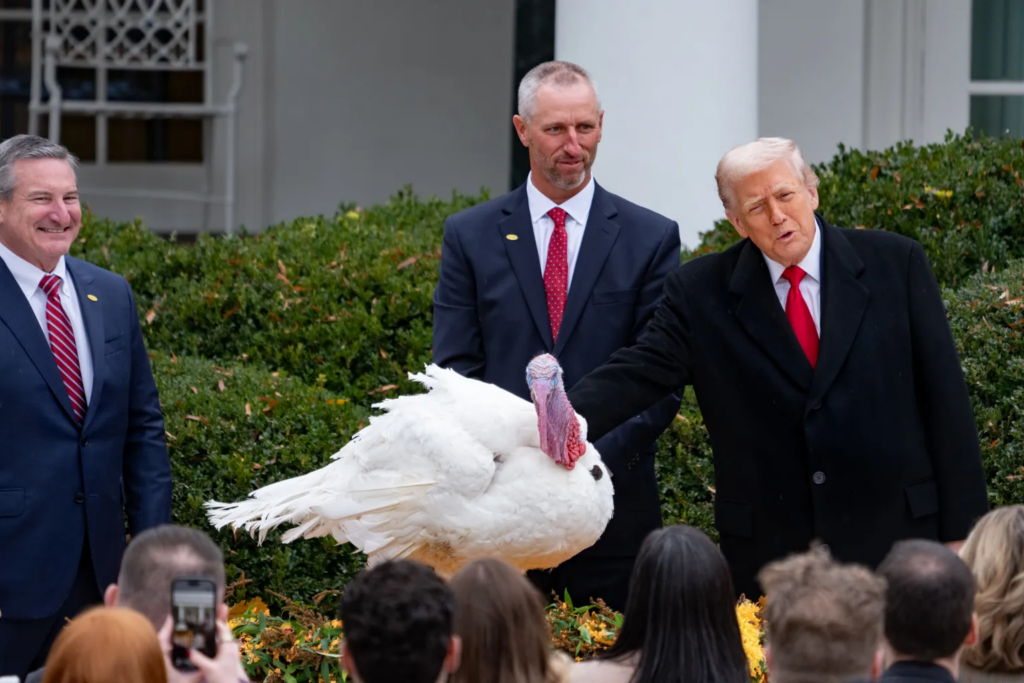
Beyond production and consumer demand, Thanksgiving is also an important time for the National Turkey Federation's annual White House turkey presentation. Oden said the federation has been part of the tradition since 1947, when President Harry S. Truman received the first national Thanksgiving turkey presentation.

Since then, the National Turkey Federation has presented two turkeys to the president each year. The event formally became known as the Turkey Pardon during the administration of President George H. W. Bush. “This year, we are really honored to have NTF's first-ever chairwoman, Christy Puffenbarger, with Aviagen Turkeys. She is going to be taking two turkeys from West Virginia that were raised by Becky and Scott Rightsell." Oden said.
Puffenbarger will take the two turkeys to Washington, D.C., from West Virginia. The birds were raised by Becky and Scott Rightsell of Brandywine, West Virginia. Oden said the Rightsells were selected to raise the presidential flock. The couple raises commercial turkeys, while Becky also works as a schoolteacher in their local community. For the White House tradition, they raised a special flock specifically for the occasion.
Oden said the event provides an opportunity to recognize turkey farmers and discuss the issues affecting the industry while celebrating American agriculture. “This is an iconic tradition here in Washington, and NTF has been so fortunate to be able to take part in it,” Oden said. This year will mark Oden's 16th time helping facilitate the annual turkey pardon.
Americans Help Name This Year's Presidential Turkeys Freedom And Feathers
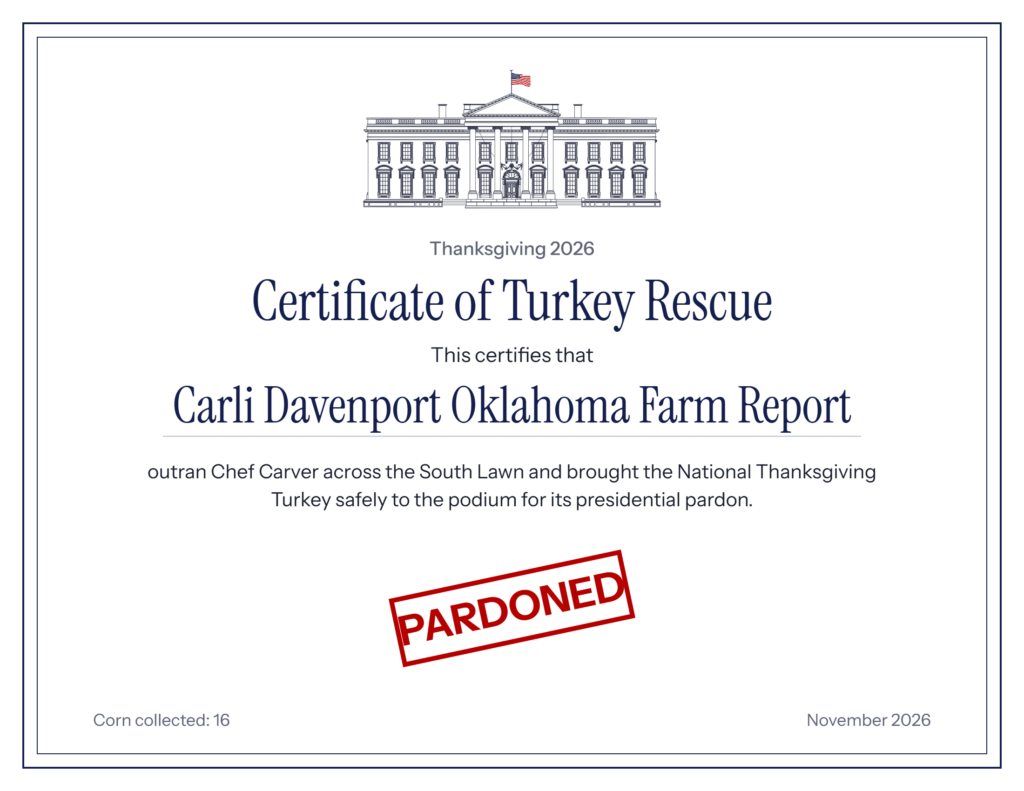
Americans were invited to participate in naming the two turkeys by casting a vote online. Oden said the White House had launched its Thanksgiving website, where people could vote on three sets of name combinations and play a game in which a turkey attempts to outrun a chef to make it to his pardon.
The options for the names included Commander in Chief, Freedom and Feathers, and Honey and Ham. The final names chosen were Freedom and Feathers!
As the industry heads into another Thanksgiving, Oden said the annual celebration is an opportunity to recognize the work of turkey farmers and everyone involved in getting the product from the farm to the table.
For America's turkey producers, that work continues well beyond the holiday season, with farmers raising flocks and processors supplying consumers throughout the year.