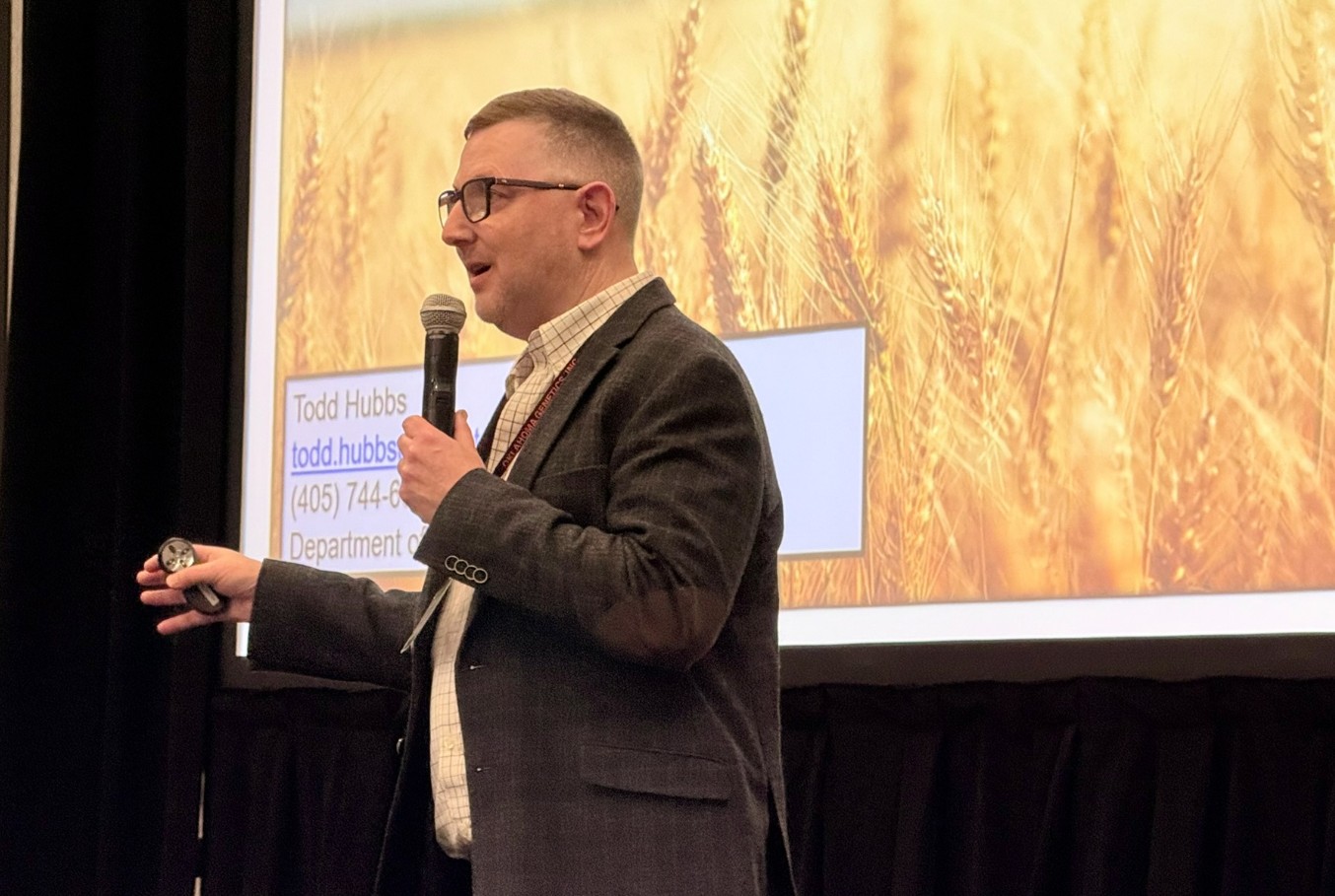
While Oklahoma’s winter wheat crop is showing promising early-stage condition thanks to favorable fall moisture, global supply pressures and slow holiday trading continue to weigh on grain markets. That was the key takeaway from a recent market update between Farm Director KC Sheperd and Oklahoma State University (OSU) Crop Marketing Specialist Dr. Todd Hubbs.
Wheat Markets Face Global Supply Pressure
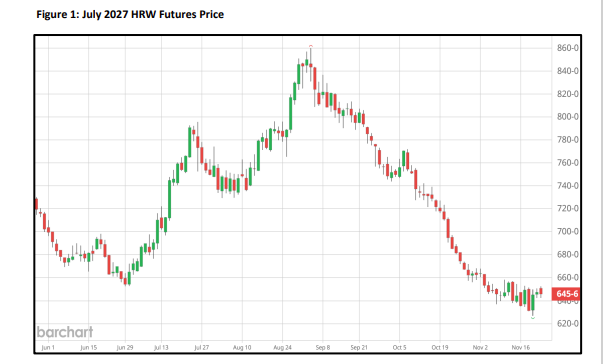
Entering the Thanksgiving holiday week, commodity markets have followed a familiar pattern: soybeans have seen slight gains, corn remains relatively flat, and wheat prices continue to drift lower.
"We're not seeing these huge drops, but we're losing a few cents every week, it seems like at this point," Hubbs said. "I'd like to think it's going to flatten out and stay there for a bit till we get through dormancy into the spring."
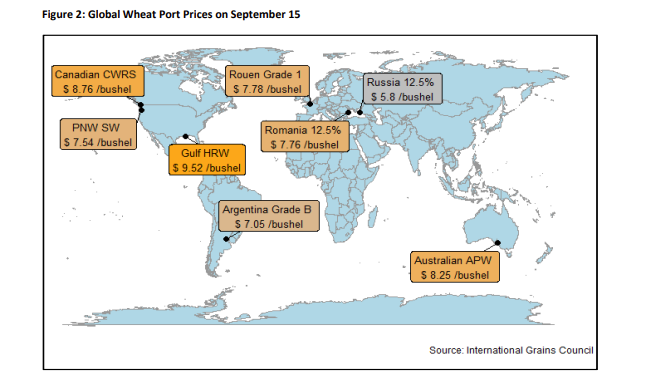
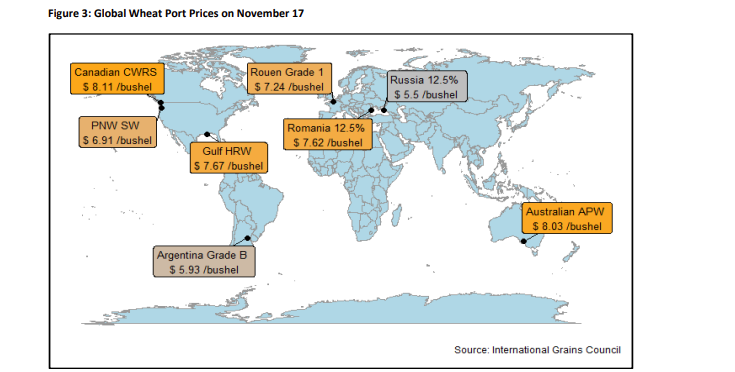
According to Hubbs, strong harvests in the Southern Hemisphere and ample global wheat supplies are making it difficult for U.S. markets to find momentum. Although export sales for hard red winter wheat have ticked up slightly in recent weeks, port prices have fallen substantially over the past two months. Looking ahead, market analysts are closely watching winter wheat development in the Northern Hemisphere, particularly across the European Union, Russia, and Ukraine, where planting delays and export backlogs could influence spring pricing.
El Niño Brings Promising Conditions for Oklahoma Wheat
Despite sluggish prices, weather conditions in the Southern Plains offer a bright spot for local producers. Following discussions with USDA Meteorologist Brad Rippey regarding the ongoing El Niño pattern, Sheperd asked how the weather shift might impact Oklahoma's crop.
Hubbs noted that a slightly wetter and warmer winter forecast could help prevent severe early freezes while providing much-needed soil moisture. Recent weekend showers across Oklahoma have already benefited emerging stands.
"When we look at the conditions of the winter wheat crop, we're off to a pretty decent start despite the slow planting pace," Hubbs explained. "From what I've seen, it looks really good right now, but we're a long way from putting that thing in the bin."
Holiday Trading Slows Ahead of Key January Reports
As the markets enter the holiday season, trading volumes typically thin out as traders step back ahead of long weekends. Hubbs expects grain prices to remain relatively sideways in the near term, though volatility could return in December as attention shifts to South American crop development.
For corn and soybeans, the next major market catalyst will likely be Brazil’s safrinha (second-crop) corn planting in February and March. Hubbs pointed out that El Niño often brings dryness to key Brazilian growing regions during the April-to-May window, which could tighten global supplies later in the year. Major market movement is also expected in January once the USDA releases its winter wheat seeding report and final production numbers.
Marketing Advice for Producers
For farmers still holding onto unpriced grain after missing the late-summer rally in August and early September, Hubbs advises patience rather than selling at a loss. With basis levels holding relatively steady and the July contract beginning to flatten out, seasonal price movements in April and May could offer better pricing opportunities.
"If you're a producer and you haven't sold, and you don't mind waiting a little longer, maybe think about sitting on it for a bit," Hubbs said. "See if you can get a rally, because these prices aren't great given our input costs right now. Selling into a negative margin doesn't seem like a good idea to me."
Thanksgiving Table Favorites
Wrapping up the conversation on a lighter note, Sheperd put Hubbs on the spot with the ultimate Thanksgiving food debate: mashed potatoes versus mac and cheese, and pumpkin pie versus pecan pie.
"I'm a potato and pumpkin pie person," Hubbs said with a laugh. "I don't understand mac and cheese at Thanksgiving at all. That doesn't even make any sense."
Hubbs added that stuffing remains a staple on his holiday plate—and joked that putting on a few extra pounds over the holiday week won't require any special effort.