Ag News Archives for 2022-08

Oklahoma Grain Elevator Cash Bids as of 2 p.m. August 31, 2022


Oklahoma Grain Elevator Cash Bids as of 2 p.m. August 31, 2022


The U.S. Department of Agriculture and the Oklahoma Department of Agriculture are now putting the Daily Cash Grain Report into a PDF format - we are saving that PDF and archiving them for today's specific report. To see today's update, click on the PDF report link at the bottom of this story.

In addition to the PDF of the daily report, you can also listen to the Cash Grain Report by calling 405-621-5533. Push 2 for the grain report.


Click here:


Oklahoma Grain Elevator Cash Bids as of 2 p.m. August 31, 2022


Oklahoma Grain Elevator Cash Bids as of 2 p.m. August 31, 2022


The U.S. Department of Agriculture and the Oklahoma Department of Agriculture are now putting the Daily Cash Grain Report into a PDF format - we are saving that PDF and archiving them for today's specific report. To see today's update, click on the PDF report link at the bottom of this story.

In addition to the PDF of the daily report, you can also listen to the Cash Grain Report by calling 405-621-5533. Push 2 for the grain report.


Click here:


Latest Hay Report Shows Hay is getting Tighter Across the State


Latest Hay Report Shows Hay is getting Tighter Across the State


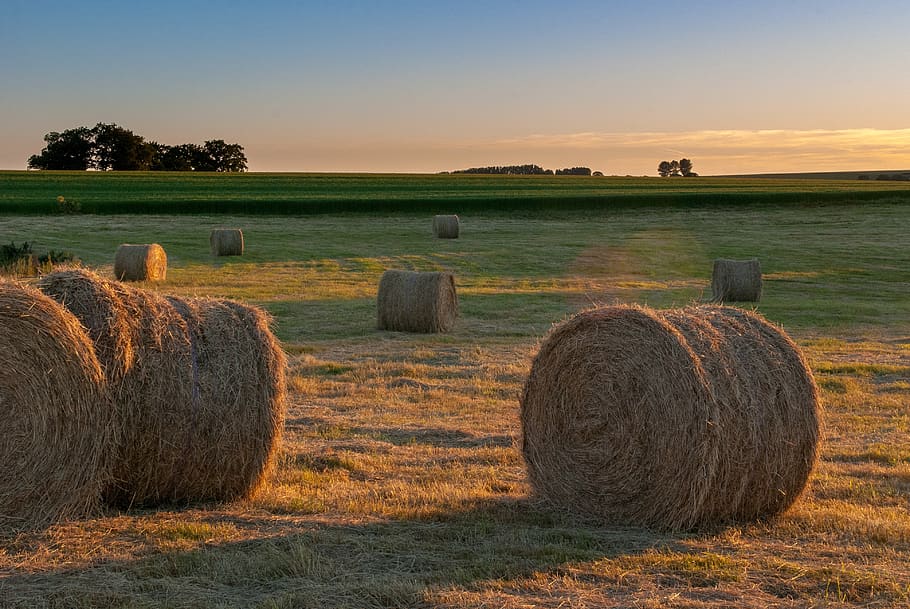
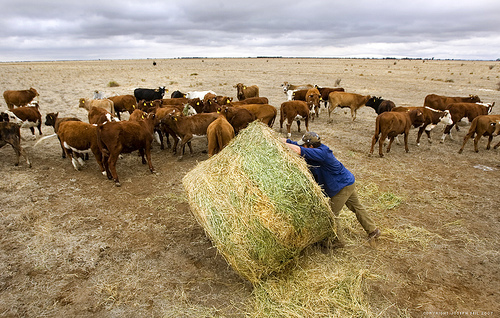
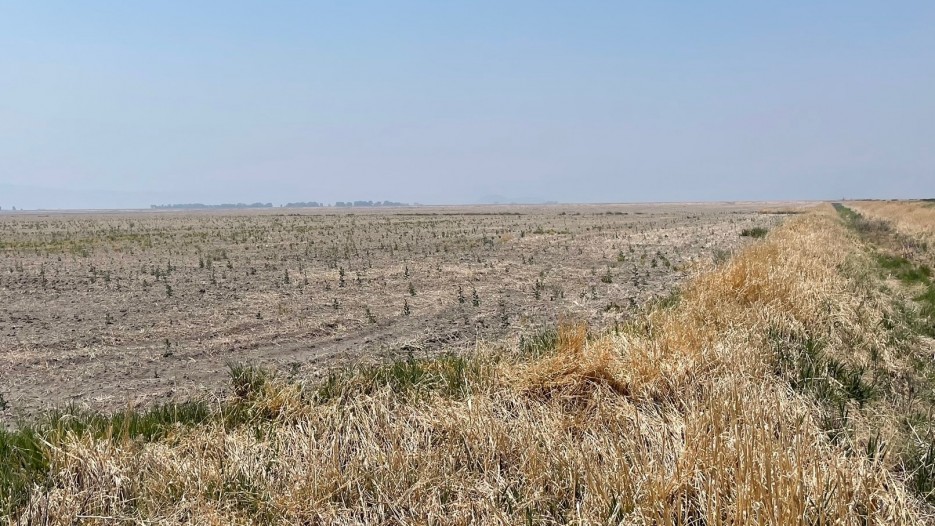
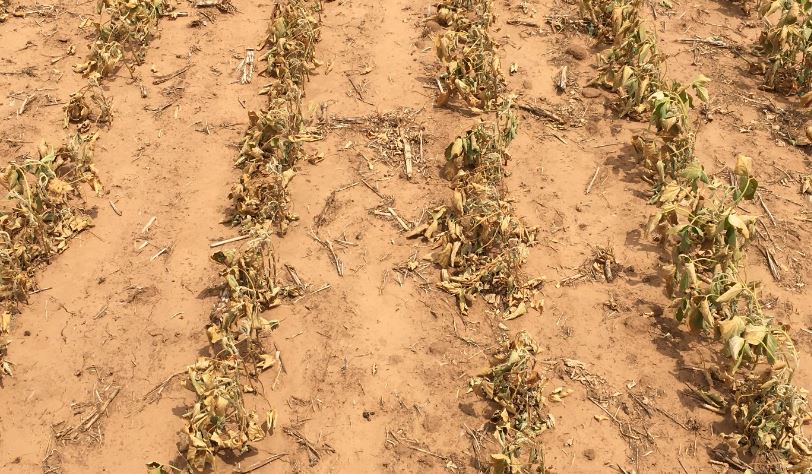
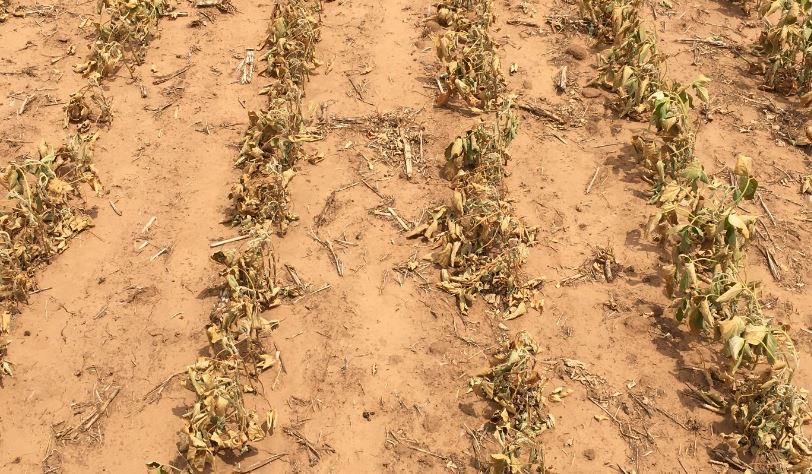
Hay is getting tighter. Farmers and hay producers are beginning to get creative with baling up their milo, soybeans, and corn stalks. The rain did come across the parts of the state which brought cooler temperatures and which we might possibly receive a second cutting. Through the Oklahoma Mesonet, we are in the forecast of receiving some rain.

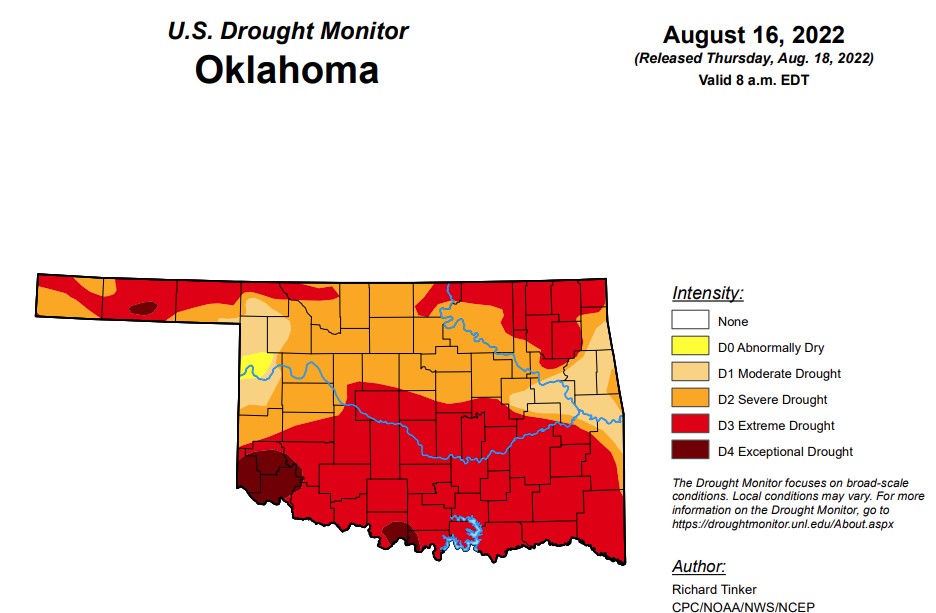
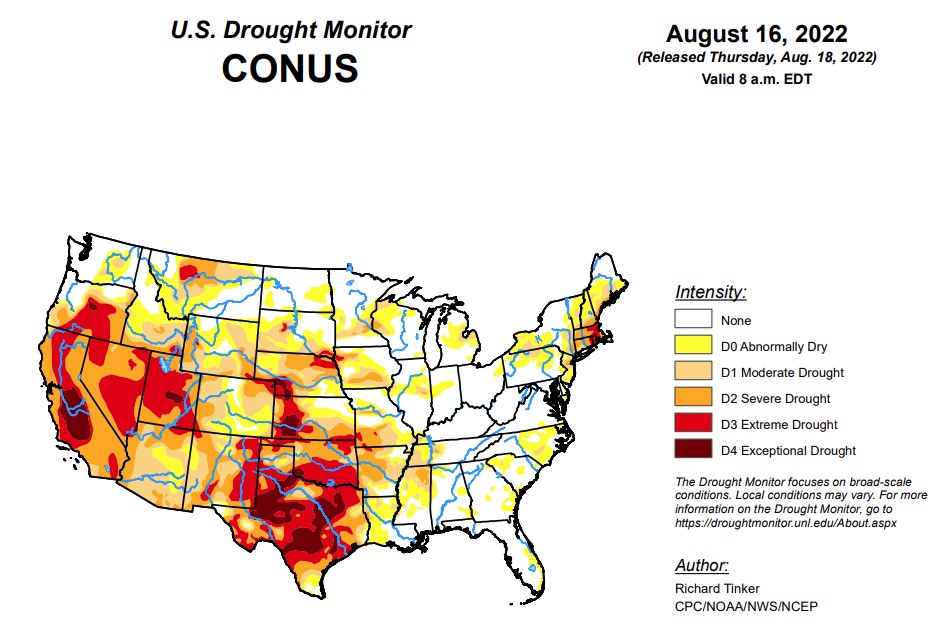
The Drought Monitor shows that 99.98% are in abnormally dry conditions, 98.64% are in moderate drought conditions, 89.68% are in severe drought conditions, 48.60% are in extreme drought conditions, and 2.19% exceptional drought conditions.

*** The next report release will be on September 9th ***

Central

Alfalfa: Supreme (Trade/Per Ton) Size Qty Price RangeWtd.Avg. Freight/Used
Large Square 170 275.00 275.00 Delivered

Alfalfa: Supreme (Ask/Per Ton)
Size Qty Price RangeWtd.Avg. Freight/Used
Large Round 245.00 F.O.B

Alfalfa: Supreme (Ask/Per Ton)
Size Qty Price RangeWtd.Avg. Freight/Used
Large Square 225.00 F.O.B

Corn Stalk: Good (Trade/Per Ton)
Size Qty Price RangeWtd.Avg. Freight/Used
Large Square 4400 100.00 100.00 Delivered

Soybean: Good (Trade/Per Ton)
Size Qty Price RangeWtd.Avg. Freight/Used
Large Round 68 200.00 200.00 Delivered

North Central

Bermuda Grass: Premium/Supreme (Trade/Per Bale)
Size Qty Price RangeWtd.Avg. Freight/Used
Large Round 68 110.00 110.00 Delivered

Bermuda Grass: Premium/Supreme (Trade/Per Bale)
Size Qty Price RangeWtd.Avg. Freight/Used
Large Round 92 90.00 90.00 F.O.B

Bermuda Grass: Premium/Supreme (Trade/Per Bale)
Size Qty Price RangeWtd.Avg. Freight/Used
Small Square 142 11.00 11.00 F.O.B

Northeastern

Alfalfa: Supreme (Trade/Per Ton)
Size Qty Price RangeWtd.Avg. Freight/Used
Large Round 136 280.00 280.00 Delivered

Alfalfa: Premium/Supreme (Trade/Per Ton)
Size Qty Price RangeWtd.Avg. Freight/Used
Large Round 170 270.00 270.00 Delivered

Mixed Grass: Premium/Supreme (Trade/Per Ton)
Size Qty Price RangeWtd.Avg. Freight/Used
Large Round 570 165.00 165.00 Delivered

Prairie/Meadow: Premium/Supreme (Trade/Per Bale)
Size Qty Price RangeWtd.Avg. Freight/Used
Medium Round 236 65.00 65.00 Delivered

Prairie/Meadow: Good/Premium (Trade/Per Bale)
Size Qty Price RangeWtd.Avg. Freight/Used
Medium Round 302 60.00 60.00 Delivered

Northwestern

Alfalfa: Supreme (Ask/Per Ton)
Size Qty Price RangeWtd.Avg. Freight/Used
Large Square 225.00 F.O.B

Milo: Good (Trade/Per Ton)
Size Qty Price RangeWtd.Avg. Freight/Used
Large Round 1100 120.00 120.00 F.O.B

Mixed Grass: Good/Premium (Trade/Per Ton)
Size Qty Price RangeWtd.Avg. Freight/Used
Large Round 102 150.00 150.00 F.O.B

West

Alfalfa: Premium/Supreme (Ask/Per Ton)
Size Qty Price RangeWtd.Avg. Freight/Used
Large Square 200.00 F.O.B

Mixed Grass: Good/Premium (Ask/Per Ton)
Size Qty Price RangeWtd.Avg. Freight/Used
Medium Round 75.00 F.O.B

To see the full report, click here:


Latest Hay Report Shows Hay is getting Tighter Across the State


Latest Hay Report Shows Hay is getting Tighter Across the State


Hay is getting tighter. Farmers and hay producers are beginning to get creative with baling up their milo, soybeans, and corn stalks. The rain did come across the parts of the state which brought cooler temperatures and which we might possibly receive a second cutting. Through the Oklahoma Mesonet, we are in the forecast of receiving some rain.

The Drought Monitor shows that 99.98% are in abnormally dry conditions, 98.64% are in moderate drought conditions, 89.68% are in severe drought conditions, 48.60% are in extreme drought conditions, and 2.19% exceptional drought conditions.

*** The next report release will be on September 9th ***

Central

Alfalfa: Supreme (Trade/Per Ton) Size Qty Price RangeWtd.Avg. Freight/Used
Large Square 170 275.00 275.00 Delivered

Alfalfa: Supreme (Ask/Per Ton)
Size Qty Price RangeWtd.Avg. Freight/Used
Large Round 245.00 F.O.B

Alfalfa: Supreme (Ask/Per Ton)
Size Qty Price RangeWtd.Avg. Freight/Used
Large Square 225.00 F.O.B

Corn Stalk: Good (Trade/Per Ton)
Size Qty Price RangeWtd.Avg. Freight/Used
Large Square 4400 100.00 100.00 Delivered

Soybean: Good (Trade/Per Ton)
Size Qty Price RangeWtd.Avg. Freight/Used
Large Round 68 200.00 200.00 Delivered

North Central

Bermuda Grass: Premium/Supreme (Trade/Per Bale)
Size Qty Price RangeWtd.Avg. Freight/Used
Large Round 68 110.00 110.00 Delivered

Bermuda Grass: Premium/Supreme (Trade/Per Bale)
Size Qty Price RangeWtd.Avg. Freight/Used
Large Round 92 90.00 90.00 F.O.B

Bermuda Grass: Premium/Supreme (Trade/Per Bale)
Size Qty Price RangeWtd.Avg. Freight/Used
Small Square 142 11.00 11.00 F.O.B

Northeastern

Alfalfa: Supreme (Trade/Per Ton)
Size Qty Price RangeWtd.Avg. Freight/Used
Large Round 136 280.00 280.00 Delivered

Alfalfa: Premium/Supreme (Trade/Per Ton)
Size Qty Price RangeWtd.Avg. Freight/Used
Large Round 170 270.00 270.00 Delivered

Mixed Grass: Premium/Supreme (Trade/Per Ton)
Size Qty Price RangeWtd.Avg. Freight/Used
Large Round 570 165.00 165.00 Delivered

Prairie/Meadow: Premium/Supreme (Trade/Per Bale)
Size Qty Price RangeWtd.Avg. Freight/Used
Medium Round 236 65.00 65.00 Delivered

Prairie/Meadow: Good/Premium (Trade/Per Bale)
Size Qty Price RangeWtd.Avg. Freight/Used
Medium Round 302 60.00 60.00 Delivered

Northwestern

Alfalfa: Supreme (Ask/Per Ton)
Size Qty Price RangeWtd.Avg. Freight/Used
Large Square 225.00 F.O.B

Milo: Good (Trade/Per Ton)
Size Qty Price RangeWtd.Avg. Freight/Used
Large Round 1100 120.00 120.00 F.O.B

Mixed Grass: Good/Premium (Trade/Per Ton)
Size Qty Price RangeWtd.Avg. Freight/Used
Large Round 102 150.00 150.00 F.O.B

West

Alfalfa: Premium/Supreme (Ask/Per Ton)
Size Qty Price RangeWtd.Avg. Freight/Used
Large Square 200.00 F.O.B

Mixed Grass: Good/Premium (Ask/Per Ton)
Size Qty Price RangeWtd.Avg. Freight/Used
Medium Round 75.00 F.O.B

To see the full report, click here:


USDA Designates Nine Oklahoma Counties as Primary Natural Disaster Areas


USDA Designates Nine Oklahoma Counties as Primary Natural Disaster Areas


This Secretarial natural disaster designation allows the United States Department of Agriculture (USDA) Farm Service Agency (FSA) to extend much-needed emergency credit to producers recovering from natural disasters through emergency loans. Emergency loans can be used to meet various recovery needs including the replacement of essential items such as equipment or livestock, reorganization of a farming operation or the refinance of certain debts. FSA will review the loans based on the extent of losses, security available and repayment ability.


According to the U.S. Drought Monitor, these counties suffered from a drought intensity value during the growing season of 1) D2 Drought-Severe for 8 or more consecutive weeks or 2) D3 Drought-Extreme or D4 Drought-Exceptional.


Impacted Area: Oklahoma


Triggering Disaster: Drought


Application Deadline: April 3, 2023


Primary Counties Eligible: Adair, Haskell, Muskogee, Cherokee, Latimer, Okfuskee, Delaware, McIntosh, Ottawa


Contiguous Counties Also Eligible: Oklahoma: Craig, Le Flore, Okmulgee, Pushmataha, Sequoyah, Creek, Lincoln, Pittsburg, Seminole, Wagoner, Hughes, Mayes, Pottawatomie


Arkansas: Benton, Crawford and Washington


Kansas: Cherokee


Missouri: McDonald and Newton


More Resources

On farmers.gov, the Disaster Assistance Discovery Tool, Disaster Assistance-at-a-Glance fact sheet, and Farm Loan Discovery Tool can help you determine program or loan options. To file a Notice of Loss or to ask questions about available programs, contact your local USDA Service Center.

USDA is an equal opportunity provider, employer and lender.


USDA Designates Nine Oklahoma Counties as Primary Natural Disaster Areas


USDA Designates Nine Oklahoma Counties as Primary Natural Disaster Areas


This Secretarial natural disaster designation allows the United States Department of Agriculture (USDA) Farm Service Agency (FSA) to extend much-needed emergency credit to producers recovering from natural disasters through emergency loans. Emergency loans can be used to meet various recovery needs including the replacement of essential items such as equipment or livestock, reorganization of a farming operation or the refinance of certain debts. FSA will review the loans based on the extent of losses, security available and repayment ability.


According to the U.S. Drought Monitor, these counties suffered from a drought intensity value during the growing season of 1) D2 Drought-Severe for 8 or more consecutive weeks or 2) D3 Drought-Extreme or D4 Drought-Exceptional.


Impacted Area: Oklahoma


Triggering Disaster: Drought


Application Deadline: April 3, 2023


Primary Counties Eligible: Adair, Haskell, Muskogee, Cherokee, Latimer, Okfuskee, Delaware, McIntosh, Ottawa


Contiguous Counties Also Eligible: Oklahoma: Craig, Le Flore, Okmulgee, Pushmataha, Sequoyah, Creek, Lincoln, Pittsburg, Seminole, Wagoner, Hughes, Mayes, Pottawatomie


Arkansas: Benton, Crawford and Washington


Kansas: Cherokee


Missouri: McDonald and Newton


More Resources

On farmers.gov, the Disaster Assistance Discovery Tool, Disaster Assistance-at-a-Glance fact sheet, and Farm Loan Discovery Tool can help you determine program or loan options. To file a Notice of Loss or to ask questions about available programs, contact your local USDA Service Center.

USDA is an equal opportunity provider, employer and lender.


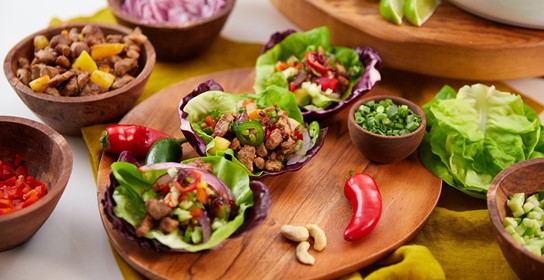
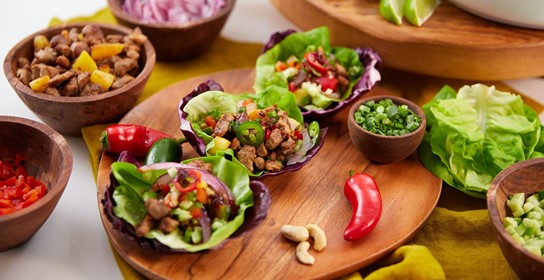
Elevating Pork - A Tasty, Nutritious Protein for Everyday Menus


Elevating Pork - A Tasty, Nutritious Protein for Everyday Menus


With food inflation, hunger and nutrition insecurity at all-time highs, low-income families are challenged to keep nutritious meals on home menus while staying within their budgets.


In August of 2021, the USDA announced a 21% increase in benefits under the Supplemental Nutrition Assistance Program (SNAP). The extra benefits are based on USDA's review of the Thrifty Food Plan, which estimates the cost of a healthy diet to feed a family of four.


This means more families will have better access to foods that satisfy their nutritional needs. NPB is working to ensure protein-packed pork is at the top of their grocery lists.


Pork has a huge role to play as a high-quality, affordable and nutrient-dense protein that satisfies many taste and cultural preferences.


NPB has assembled experts with roles in academia, government-adjacent organizations, and non-profits in the food policy sector to update dietitians and others in health professions on what this increase in benefits means for their patients and clients in a September webinar.


"Pork is a high-quality, affordable, and nutrient-dense protein that satisfies many taste and cultural preferences." says Kara Behlke-Ungerman, NPB Director of Nutrition and Dietetics.


Pork producers are invited to register and tune in as these experts share insights generated from menu modeling research funded by Pork Checkoff dollars. They'll talk about what it takes to put an optimized, affordable and nutrient-dense eating plan into practice.


Webinar: Insights from Food Modeling Research - Putting the Thrifty Food Plan into Practice


When: Sept. 22 at 11 a.m. CT


To register, Click Here.


Elevating Pork - A Tasty, Nutritious Protein for Everyday Menus


Elevating Pork - A Tasty, Nutritious Protein for Everyday Menus


With food inflation, hunger and nutrition insecurity at all-time highs, low-income families are challenged to keep nutritious meals on home menus while staying within their budgets.


In August of 2021, the USDA announced a 21% increase in benefits under the Supplemental Nutrition Assistance Program (SNAP). The extra benefits are based on USDA's review of the Thrifty Food Plan, which estimates the cost of a healthy diet to feed a family of four.


This means more families will have better access to foods that satisfy their nutritional needs. NPB is working to ensure protein-packed pork is at the top of their grocery lists.


Pork has a huge role to play as a high-quality, affordable and nutrient-dense protein that satisfies many taste and cultural preferences.


NPB has assembled experts with roles in academia, government-adjacent organizations, and non-profits in the food policy sector to update dietitians and others in health professions on what this increase in benefits means for their patients and clients in a September webinar.


"Pork is a high-quality, affordable, and nutrient-dense protein that satisfies many taste and cultural preferences." says Kara Behlke-Ungerman, NPB Director of Nutrition and Dietetics.


Pork producers are invited to register and tune in as these experts share insights generated from menu modeling research funded by Pork Checkoff dollars. They'll talk about what it takes to put an optimized, affordable and nutrient-dense eating plan into practice.


Webinar: Insights from Food Modeling Research - Putting the Thrifty Food Plan into Practice


When: Sept. 22 at 11 a.m. CT


To register, Click Here.


US Producers Report Lower Yields for Corn and Soybeans


US Producers Report Lower Yields for Corn and Soybeans


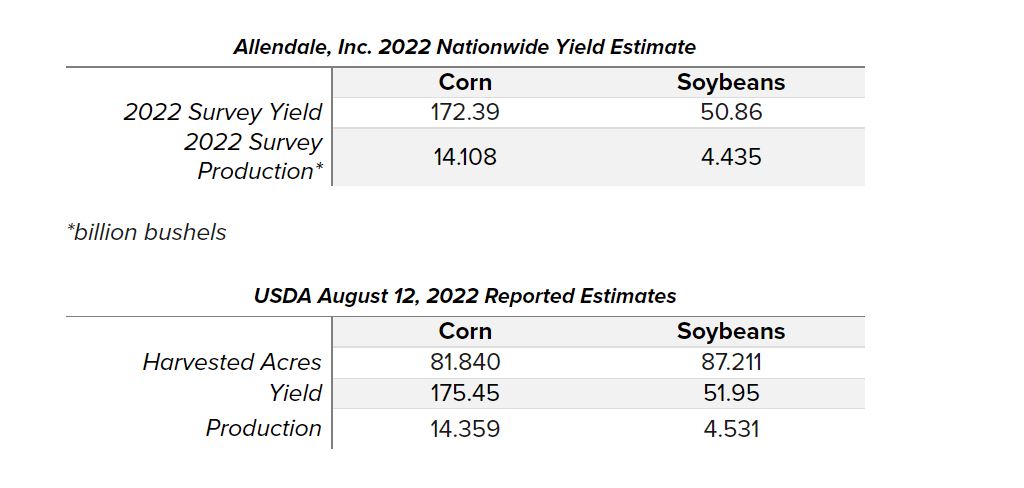
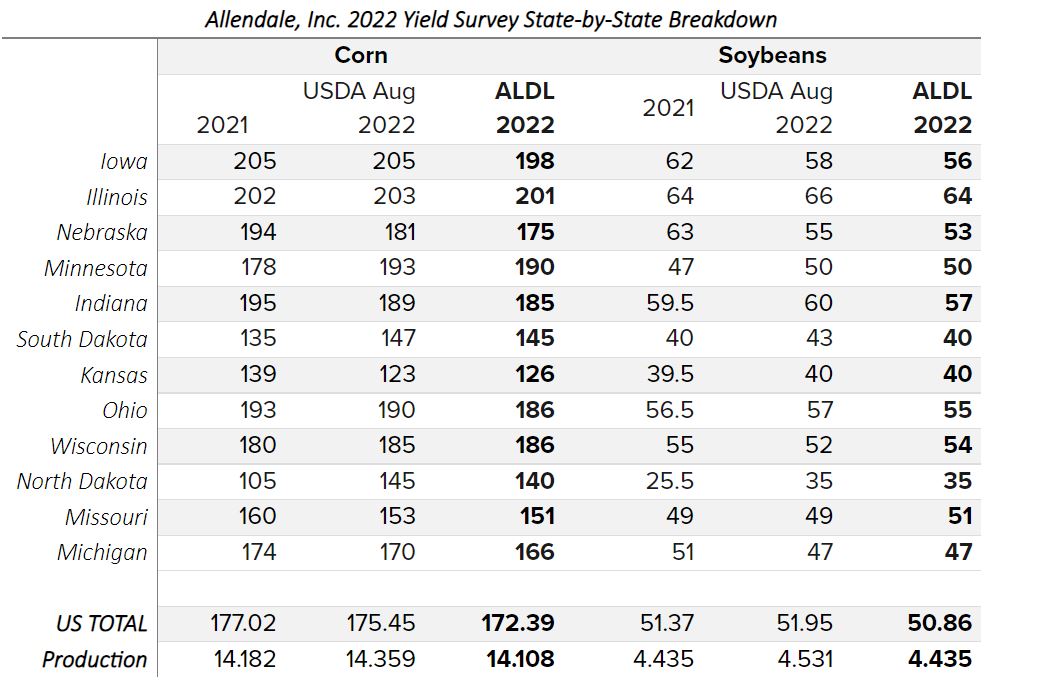
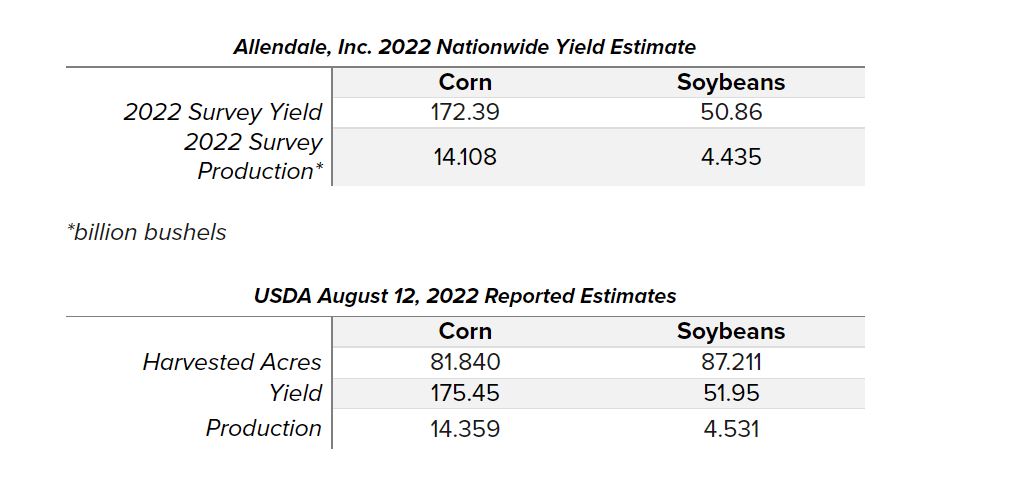
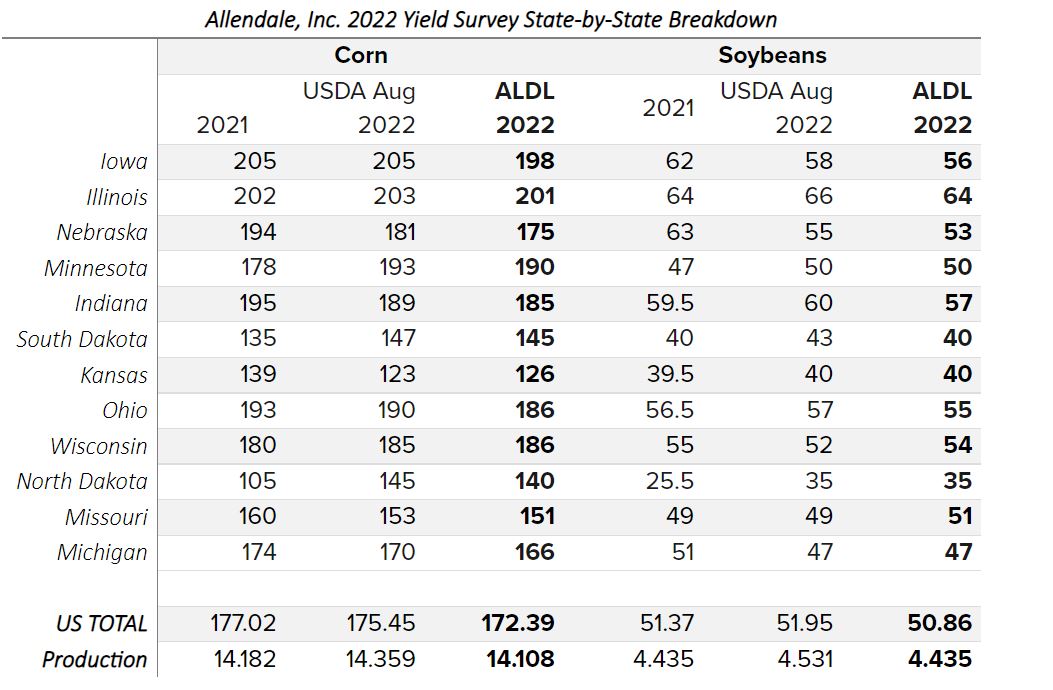
Allendale, Inc. a Chicago area agricultural commodity brokerage and analysis firm projected the US corn crop at 14.108 billion bushels and a soybean crop of 4.435 billion bushels.

The 33rd annual Nationwide Producer Yield Survey was conducted from August 15 – 28. The surveys were conducted direct by our brokers as well as via our website and social media platforms.

These estimates were based on producer calculated yields in 26 states. Ample surveys gave us the numbers needed to project yields in 12 states. This covers 86% of corn production and 83% of soybean production. For this survey, the smaller states were assumed using USDA's August 12 estimates. Harvested acres were assumed using USDA's August 12 estimates.

To see the full comments from Rich Nelson at Allendale, Click or tap below

Allendale 2022 Yield Survey Results from John Georgy on Vimeo.


To view more premium content from Allendale, click here:


US Producers Report Lower Yields for Corn and Soybeans
   

US Producers Report Lower Yields for Corn and Soybeans


US Producers Report Lower Yields for Corn and Soybeans


Allendale, Inc. a Chicago area agricultural commodity brokerage and analysis firm projected the US corn crop at 14.108 billion bushels and a soybean crop of 4.435 billion bushels.

The 33rd annual Nationwide Producer Yield Survey was conducted from August 15 – 28. The surveys were conducted direct by our brokers as well as via our website and social media platforms.

These estimates were based on producer calculated yields in 26 states. Ample surveys gave us the numbers needed to project yields in 12 states. This covers 86% of corn production and 83% of soybean production. For this survey, the smaller states were assumed using USDA's August 12 estimates. Harvested acres were assumed using USDA's August 12 estimates.

To see the full comments from Rich Nelson at Allendale, Click or tap below

Allendale 2022 Yield Survey Results from John Georgy on Vimeo.


To view more premium content from Allendale, click here:


US Producers Report Lower Yields for Corn and Soybeans
   

Ready to Roll for Harvest? NCYC Yield Results Open for Submission


Ready to Roll for Harvest? NCYC Yield Results Open for Submission


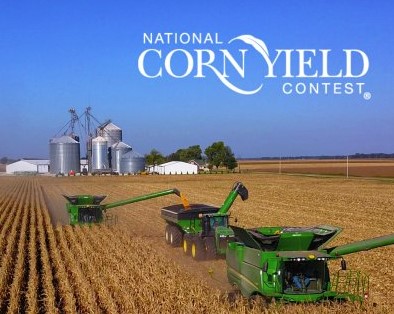
As farmers ready their combines to roll, the National Corn Growers Association (NCGA) reminds them of one important step – submitting yield results of your contest entries in the 2022 National Corn Yield Contest. While harvest may seem a ways off for some, we ask that harvest results be submitted no later than two weeks after harvest or by the contest deadline of November 30 to be included in the 2022 rankings.


The contest winners will be announced on December 14.


Enter your harvest results online, click here.


NCGA challenges you to take advantage of this opportunity to explore new ideas and production technologies while gleaning knowledge to enhance your future yield potential. Winners will receive national recognition in publications, such as the NCYC Corn Yield Guide, as well as other awards from participating sponsoring seed, chemical and crop protection companies. winners will be honored at Commodity Classic in Orlando, Florida in March of 2023.


Contact NCYC at 636-733-5512 or email ncyc@ncga.com with any questions.


Ready to Roll for Harvest? NCYC Yield Results Open for Submission


Ready to Roll for Harvest? NCYC Yield Results Open for Submission


As farmers ready their combines to roll, the National Corn Growers Association (NCGA) reminds them of one important step – submitting yield results of your contest entries in the 2022 National Corn Yield Contest. While harvest may seem a ways off for some, we ask that harvest results be submitted no later than two weeks after harvest or by the contest deadline of November 30 to be included in the 2022 rankings.


The contest winners will be announced on December 14.


Enter your harvest results online, click here.


NCGA challenges you to take advantage of this opportunity to explore new ideas and production technologies while gleaning knowledge to enhance your future yield potential. Winners will receive national recognition in publications, such as the NCYC Corn Yield Guide, as well as other awards from participating sponsoring seed, chemical and crop protection companies. winners will be honored at Commodity Classic in Orlando, Florida in March of 2023.


Contact NCYC at 636-733-5512 or email ncyc@ncga.com with any questions.


U.S. Wheat Associates Names Peter Laudeman Director of Trade Policy


U.S. Wheat Associates Names Peter Laudeman Director of Trade Policy


Peter Laudeman has joined U.S. Wheat Associates (USW) as Director of Trade Policy. He is a government affairs professional with more than four years of experience in trade association and corporate policy advocacy. He joined USW August 20, 2022.

"I am excited to welcome Peter Laudeman to the USW team. He brings a diverse set of experiences working for both growers and the crop protection industry which will serve him well in the trade policy role," said Dalton Henry, USW Vice President of Policy. "In addition to traditional trade policy, we look forward to Peter's leadership on Food Assistance and Development as well as the use and adoption of technology by U.S. wheat farmers."

Laudeman most recently served as Political Affairs Manager with Corteva Agriscience in Washington, D.C., where he led the biotechnology issues portfolio and the company's carbon and ecosystem services advocacy.

Before joining Corteva, Laudeman was a Legislative Assistant with the National Corn Growers Association (NCGA). There he supported NCGA's advocacy work on the 2018 Farm Bill and led policy research and economic analysis related to farm programs.

His first position in Washington, D.C., was as a Legislative Intern in the office of Illinois Congressman Darin LaHood.

Laudeman grew up in Sherman, Ill., and earned a bachelor of science degree in agricultural economics from the University of Illinois, Urbana-Champaign, in 2018.


U.S. Wheat Associates' (USW) mission is to "develop, maintain, and expand international markets to enhance wheat's profitability for U.S. wheat producers and its value for their customers." USW activities in more than 100 countries are made possible through producer checkoff dollars managed by 17 state wheat commissions and cost-share funding provided by USDA's Foreign Agricultural Service. USW maintains 15 offices strategically located around the world to help wheat buyers, millers, bakers, wheat food processors and government officials understand the quality, value and reliability of all six U.S. wheat classes. For more information, visit www.uswheat.org.


U.S. Wheat Associates Names Peter Laudeman Director of Trade Policy


U.S. Wheat Associates Names Peter Laudeman Director of Trade Policy


Peter Laudeman has joined U.S. Wheat Associates (USW) as Director of Trade Policy. He is a government affairs professional with more than four years of experience in trade association and corporate policy advocacy. He joined USW August 20, 2022.

"I am excited to welcome Peter Laudeman to the USW team. He brings a diverse set of experiences working for both growers and the crop protection industry which will serve him well in the trade policy role," said Dalton Henry, USW Vice President of Policy. "In addition to traditional trade policy, we look forward to Peter's leadership on Food Assistance and Development as well as the use and adoption of technology by U.S. wheat farmers."

Laudeman most recently served as Political Affairs Manager with Corteva Agriscience in Washington, D.C., where he led the biotechnology issues portfolio and the company's carbon and ecosystem services advocacy.

Before joining Corteva, Laudeman was a Legislative Assistant with the National Corn Growers Association (NCGA). There he supported NCGA's advocacy work on the 2018 Farm Bill and led policy research and economic analysis related to farm programs.

His first position in Washington, D.C., was as a Legislative Intern in the office of Illinois Congressman Darin LaHood.

Laudeman grew up in Sherman, Ill., and earned a bachelor of science degree in agricultural economics from the University of Illinois, Urbana-Champaign, in 2018.


U.S. Wheat Associates' (USW) mission is to "develop, maintain, and expand international markets to enhance wheat's profitability for U.S. wheat producers and its value for their customers." USW activities in more than 100 countries are made possible through producer checkoff dollars managed by 17 state wheat commissions and cost-share funding provided by USDA's Foreign Agricultural Service. USW maintains 15 offices strategically located around the world to help wheat buyers, millers, bakers, wheat food processors and government officials understand the quality, value and reliability of all six U.S. wheat classes. For more information, visit www.uswheat.org.


Capturing More of Your Calves' Value with Preconditioning


Capturing More of Your Calves' Value with Preconditioning


Weekly, Oklahoma State University Extension Beef Cattle Nutrition Specialist Paul Beck offers his expertise on the beef cattle industry. This is a part of the weekly series known as the "Cow-Calf Corner" published electronically by Beck. Today, he talks about the value of preconditioning.


Why should buyers at cattle auctions pay $10 to 15/cwt premiums for the best cattle that have received the best management, if they can get the same thing at commodity prices?


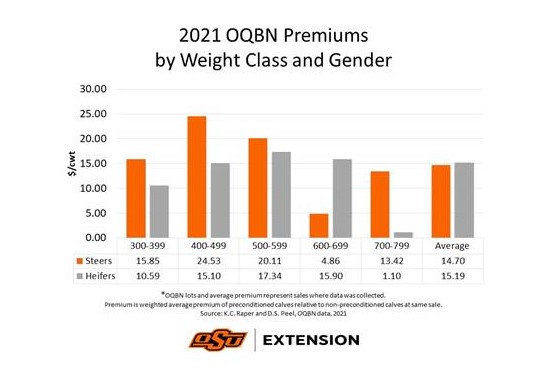
Kellie Raper and Derrell Peel have been comparing prices of preconditioned (uncertified), certified preconditioned, and un-preconditioned calves at Oklahoma livestock auctions for several years. The results from 2021 showed calves in the Oklahoma Quality Beef Network, a certified preconditioning program supported by the Oklahoma Cooperative Extension Service and Oklahoma Cattleman's Association, had average premiums of $14.70/cwt for steers and $15.19/cwt for heifers. Premiums were as high as $24.53/cwt for 4-weight steers, but even 7-weight steers received average premiums of $13.42/cwt. Often calves in these certified preconditioning programs bring substantial premiums ($5 to 15/cwt) over calves that are preconditioned without certification, this is because cattle announced to 'have all their shots' are an unknown commodity unless the seller's reputation is known by buyers.


Our customers (stocker operators and feedlots) want matched sets of calves that are weaned, castrated, dehorned, familiar with water and feed sources and able to resist disease challenges. Calves need to have a sound, balanced nutritional program and be free from internal parasites in order to have an immune system fit enough to withstand the marketing and transportation channels of our beef production system.


Preconditioning calves before marketing reduces shrink because the stress of separation from the dam has already occurred and calves are familiarized with handling and feed and water sources. Weaning is stressful and calves are often unfamiliar with water and feed locations, so may refuse to eat or drink even when feed and water are offered. Un-weaned bawling calves transported directly to the auction market will have massive weight losses through the marketing channels with shrinks often reaching 10 to 15%, opening increased risk to succumbing to disease. Preconditioned calves shrink much less when handled properly, we have commonly seen shrinkage of only 2 to 5% in preconditioned calves.


Buyers are seeing the benefits of preconditioning. Research comparing receiving performance and health of preconditioned calves versus commodity calves purchased from an auction market showed preconditioned calves gained more and were heavier than auction market calves at the end of the receiving period. Preconditioning decreased bovine respiratory disease by 90% and antibiotic costs of un-preconditioned auction market was increased 8-fold.


The Oklahoma Quality Beef Network (OQBN) Vac-45 program is one example. The OQBN Vac-45 program requires:

· The calves must be weaned for 45 days or longer.
· The calves must be ranch raised (not purchased and put together).
· Bull calves must be castrated and healed.
· Calves must be dehorned and healed.
· Calves must be identified with OQBN ear tag.
· Calves must have been vaccinated in accordance with preset protocols


Below, watch Paul Vining, the new coordinator of the OQBN program share details about upcoming special sale dates on SunUp TV.


For more details and to enroll in the OQBN program, click here.


Capturing More of Your Calves' Value with Preconditioning


Capturing More of Your Calves' Value with Preconditioning


Weekly, Oklahoma State University Extension Beef Cattle Nutrition Specialist Paul Beck offers his expertise on the beef cattle industry. This is a part of the weekly series known as the "Cow-Calf Corner" published electronically by Beck. Today, he talks about the value of preconditioning.


Why should buyers at cattle auctions pay $10 to 15/cwt premiums for the best cattle that have received the best management, if they can get the same thing at commodity prices?


Kellie Raper and Derrell Peel have been comparing prices of preconditioned (uncertified), certified preconditioned, and un-preconditioned calves at Oklahoma livestock auctions for several years. The results from 2021 showed calves in the Oklahoma Quality Beef Network, a certified preconditioning program supported by the Oklahoma Cooperative Extension Service and Oklahoma Cattleman's Association, had average premiums of $14.70/cwt for steers and $15.19/cwt for heifers. Premiums were as high as $24.53/cwt for 4-weight steers, but even 7-weight steers received average premiums of $13.42/cwt. Often calves in these certified preconditioning programs bring substantial premiums ($5 to 15/cwt) over calves that are preconditioned without certification, this is because cattle announced to 'have all their shots' are an unknown commodity unless the seller's reputation is known by buyers.


Our customers (stocker operators and feedlots) want matched sets of calves that are weaned, castrated, dehorned, familiar with water and feed sources and able to resist disease challenges. Calves need to have a sound, balanced nutritional program and be free from internal parasites in order to have an immune system fit enough to withstand the marketing and transportation channels of our beef production system.


Preconditioning calves before marketing reduces shrink because the stress of separation from the dam has already occurred and calves are familiarized with handling and feed and water sources. Weaning is stressful and calves are often unfamiliar with water and feed locations, so may refuse to eat or drink even when feed and water are offered. Un-weaned bawling calves transported directly to the auction market will have massive weight losses through the marketing channels with shrinks often reaching 10 to 15%, opening increased risk to succumbing to disease. Preconditioned calves shrink much less when handled properly, we have commonly seen shrinkage of only 2 to 5% in preconditioned calves.


Buyers are seeing the benefits of preconditioning. Research comparing receiving performance and health of preconditioned calves versus commodity calves purchased from an auction market showed preconditioned calves gained more and were heavier than auction market calves at the end of the receiving period. Preconditioning decreased bovine respiratory disease by 90% and antibiotic costs of un-preconditioned auction market was increased 8-fold.


The Oklahoma Quality Beef Network (OQBN) Vac-45 program is one example. The OQBN Vac-45 program requires:

· The calves must be weaned for 45 days or longer.
· The calves must be ranch raised (not purchased and put together).
· Bull calves must be castrated and healed.
· Calves must be dehorned and healed.
· Calves must be identified with OQBN ear tag.
· Calves must have been vaccinated in accordance with preset protocols


Below, watch Paul Vining, the new coordinator of the OQBN program share details about upcoming special sale dates on SunUp TV.


For more details and to enroll in the OQBN program, click here.


Latest Hay Report Shows Hay is getting Tigher Across the State


Latest Hay Report Shows Hay is getting Tigher Across the State


Hay is getting tighter. Farmers and hay producers are beginning to get creative with baling up their milo, soybeans, and corn stalks. The rain did come across the parts of the state which brought cooler temperatures and which we might possibly receive a second cutting. Through the Oklahoma Mesonet, we are in the forecast of receiving some rain.

The Drought Monitor shows that 99.98% are in abnormally dry conditions, 98.64% are in moderate drought conditions, 89.68% are in severe drought conditions, 48.60% are in extreme drought conditions, and 2.19% exceptional drought conditions.

*** The next report release will be on September 9th ***

Central

Alfalfa: Supreme (Trade/Per Ton) Size Qty Price RangeWtd.Avg. Freight/Used
Large Square 170 275.00 275.00 Delivered

Alfalfa: Supreme (Ask/Per Ton)
Size Qty Price RangeWtd.Avg. Freight/Used
Large Round 245.00 F.O.B

Alfalfa: Supreme (Ask/Per Ton)
Size Qty Price RangeWtd.Avg. Freight/Used
Large Square 225.00 F.O.B

Corn Stalk: Good (Trade/Per Ton)
Size Qty Price RangeWtd.Avg. Freight/Used
Large Square 4400 100.00 100.00 Delivered

Soybean: Good (Trade/Per Ton)
Size Qty Price RangeWtd.Avg. Freight/Used
Large Round 68 200.00 200.00 Delivered

North Central

Bermuda Grass: Premium/Supreme (Trade/Per Bale)
Size Qty Price RangeWtd.Avg. Freight/Used
Large Round 68 110.00 110.00 Delivered

Bermuda Grass: Premium/Supreme (Trade/Per Bale)
Size Qty Price RangeWtd.Avg. Freight/Used
Large Round 92 90.00 90.00 F.O.B

Bermuda Grass: Premium/Supreme (Trade/Per Bale)
Size Qty Price RangeWtd.Avg. Freight/Used
Small Square 142 11.00 11.00 F.O.B

Northeastern

Alfalfa: Supreme (Trade/Per Ton)
Size Qty Price RangeWtd.Avg. Freight/Used
Large Round 136 280.00 280.00 Delivered

Alfalfa: Premium/Supreme (Trade/Per Ton)
Size Qty Price RangeWtd.Avg. Freight/Used
Large Round 170 270.00 270.00 Delivered

Mixed Grass: Premium/Supreme (Trade/Per Ton)
Size Qty Price RangeWtd.Avg. Freight/Used
Large Round 570 165.00 165.00 Delivered

Prairie/Meadow: Premium/Supreme (Trade/Per Bale)
Size Qty Price RangeWtd.Avg. Freight/Used
Medium Round 236 65.00 65.00 Delivered

Prairie/Meadow: Good/Premium (Trade/Per Bale)
Size Qty Price RangeWtd.Avg. Freight/Used
Medium Round 302 60.00 60.00 Delivered

Northwestern

Alfalfa: Supreme (Ask/Per Ton)
Size Qty Price RangeWtd.Avg. Freight/Used
Large Square 225.00 F.O.B

Milo: Good (Trade/Per Ton)
Size Qty Price RangeWtd.Avg. Freight/Used
Large Round 1100 120.00 120.00 F.O.B

Mixed Grass: Good/Premium (Trade/Per Ton)
Size Qty Price RangeWtd.Avg. Freight/Used
Large Round 102 150.00 150.00 F.O.B

West

Alfalfa: Premium/Supreme (Ask/Per Ton)
Size Qty Price RangeWtd.Avg. Freight/Used
Large Square 200.00 F.O.B

Mixed Grass: Good/Premium (Ask/Per Ton)
Size Qty Price RangeWtd.Avg. Freight/Used
Medium Round 75.00 F.O.B

To see the full report, click here:


Latest Hay Report Shows Hay is getting Tigher Across the State


Latest Hay Report Shows Hay is getting Tigher Across the State


Hay is getting tighter. Farmers and hay producers are beginning to get creative with baling up their milo, soybeans, and corn stalks. The rain did come across the parts of the state which brought cooler temperatures and which we might possibly receive a second cutting. Through the Oklahoma Mesonet, we are in the forecast of receiving some rain.

The Drought Monitor shows that 99.98% are in abnormally dry conditions, 98.64% are in moderate drought conditions, 89.68% are in severe drought conditions, 48.60% are in extreme drought conditions, and 2.19% exceptional drought conditions.

*** The next report release will be on September 9th ***

Central

Alfalfa: Supreme (Trade/Per Ton) Size Qty Price RangeWtd.Avg. Freight/Used
Large Square 170 275.00 275.00 Delivered

Alfalfa: Supreme (Ask/Per Ton)
Size Qty Price RangeWtd.Avg. Freight/Used
Large Round 245.00 F.O.B

Alfalfa: Supreme (Ask/Per Ton)
Size Qty Price RangeWtd.Avg. Freight/Used
Large Square 225.00 F.O.B

Corn Stalk: Good (Trade/Per Ton)
Size Qty Price RangeWtd.Avg. Freight/Used
Large Square 4400 100.00 100.00 Delivered

Soybean: Good (Trade/Per Ton)
Size Qty Price RangeWtd.Avg. Freight/Used
Large Round 68 200.00 200.00 Delivered

North Central

Bermuda Grass: Premium/Supreme (Trade/Per Bale)
Size Qty Price RangeWtd.Avg. Freight/Used
Large Round 68 110.00 110.00 Delivered

Bermuda Grass: Premium/Supreme (Trade/Per Bale)
Size Qty Price RangeWtd.Avg. Freight/Used
Large Round 92 90.00 90.00 F.O.B

Bermuda Grass: Premium/Supreme (Trade/Per Bale)
Size Qty Price RangeWtd.Avg. Freight/Used
Small Square 142 11.00 11.00 F.O.B

Northeastern

Alfalfa: Supreme (Trade/Per Ton)
Size Qty Price RangeWtd.Avg. Freight/Used
Large Round 136 280.00 280.00 Delivered

Alfalfa: Premium/Supreme (Trade/Per Ton)
Size Qty Price RangeWtd.Avg. Freight/Used
Large Round 170 270.00 270.00 Delivered

Mixed Grass: Premium/Supreme (Trade/Per Ton)
Size Qty Price RangeWtd.Avg. Freight/Used
Large Round 570 165.00 165.00 Delivered

Prairie/Meadow: Premium/Supreme (Trade/Per Bale)
Size Qty Price RangeWtd.Avg. Freight/Used
Medium Round 236 65.00 65.00 Delivered

Prairie/Meadow: Good/Premium (Trade/Per Bale)
Size Qty Price RangeWtd.Avg. Freight/Used
Medium Round 302 60.00 60.00 Delivered

Northwestern

Alfalfa: Supreme (Ask/Per Ton)
Size Qty Price RangeWtd.Avg. Freight/Used
Large Square 225.00 F.O.B

Milo: Good (Trade/Per Ton)
Size Qty Price RangeWtd.Avg. Freight/Used
Large Round 1100 120.00 120.00 F.O.B

Mixed Grass: Good/Premium (Trade/Per Ton)
Size Qty Price RangeWtd.Avg. Freight/Used
Large Round 102 150.00 150.00 F.O.B

West

Alfalfa: Premium/Supreme (Ask/Per Ton)
Size Qty Price RangeWtd.Avg. Freight/Used
Large Square 200.00 F.O.B

Mixed Grass: Good/Premium (Ask/Per Ton)
Size Qty Price RangeWtd.Avg. Freight/Used
Medium Round 75.00 F.O.B

To see the full report, click here:


Beekeeping for Beginners with OSU's Courtney Bir

Beekeeping for Beginners with OSU's Courtney Bir

Click here to listen to audio


Farm Director, KC Sheperd, visited with OSU Extension Specialist, Courtney Bir, about how to start your own beekeeping operation.


"We have a really great fact sheet that is available online that goes through all of the items and the average costs," Bir said. "There are some really great kits that can help you get started that have everything that you need, but really it is a deep box that has the frames, some wax, a hive tool, a bee-keeping suit of course so you don't get stung, a smoker if you choose, the bees, some feeders and sugar water- there is a lot of different options."


There are a lot of items that are optional depending on your preference, Bir said, so taking a look at that fact sheet and finding out what works for you and your finances and how you want to raise bees is a great place to start.


It is also important to make sure that your Home Owner Association does not have any restrictions on bees, Bir said, and that you are a courteous neighbor and keep your beehive off of your neighbor's fence and let them know what you are doing.


"Promising them some future honey also really helps," Bir said. "Municipalities cannot stop you from having bees but that doesn't mean that neighborhoods cannot."
There are three different registration levels, Bir said.


"There is a free sensitivity one which means they are not going to come to spray if the city sprays," Bir said. "The typical registration you need is ten dollars and then that puts you on the sensitivity list and if you decide in the future to sell at a farmers' market, they may require that. If you are a farmer that has other livestock and other items and you are already working with the FSA, if you ever have to apply for ELAP, you have to have that hive registered, so with that 10-dollar registration, you give yourself a lot of flexibility."


Bees are counted as livestock, Bir said, and are not native to the United States. Although a lot of honeybee conservation practices also benefit other native pollinators, Bir said they are not native pollinators.


"It is our job as beekeepers to take care of our bees, make sure they are free of disease and that they are healthy, so we don't start impacting the other pollinators in the area," Bir said. "The USDA does keep numbers on the number of colonies, the health of the colonies and average honey production for certain states, so is just like cattle, except cattle won't decide to just leave you one day and bees have that option."


It is recommended to inspect the hives at least every two weeks, Bir said, and sometimes once a month to make sure everything looks good, make sure there is a queen, and the bees are healthy.


"Record keeping and finances and everything like that are just as important and we are here to help everyone with farm financial planning and anything like that," Bir said.


In the state of Oklahoma, beehive registration is currently on a voluntary basis. Beehives can be registered at kellysolutions.com/OK/beekeepers/newapplication/applynow.asp. There are three types of registration as outlined in the apiary act: migratory beekeeper ($100), voluntary beekeeper ($10) and sensitivity registration ($0).


The basic list of items required to start a hive is estimated to cost $400 to $500. While a basic package of bees ranges from $80 to $100, a nucleus, like what Bir purchased, costs between $150 and $250. As the hive grows, additional wooden frames and boxes, treatment for mites and other supplies can rise to $700.
"There are three main options," Bir said. "One is a package, they come with fewer resources they are a little bit slower to start but they are cheaper. You have a new core nucleus that is larger, and it does come with frames and some honey brewed for the bees, and baby bees are in there. Then of course there is a swarm. The swarm is free bees, other than your time and the fact that you don't know their temperament, their health status, etc."


A nucleus is what most people start out with, Bir said, and you work with a beekeeper near you because you cannot ship a nucleus. When you are buying a nucleus, you are typically buying local, Bir said, which is good for bees because they are used to your climate.


"Most swarms are very calm and so that is the one issue with catching swarms is you catch a swarm and they are very calm, and then maybe they go through the winter as they build up their population they start to show their true temperaments," Bir said. "So as a beekeeper sometimes you can be surprised because that nice calm swarm in the spring can turn out to be a little bit nasty, but there are ways to combat that like switching out the queen and getting some different genetics in there, but it is something you have to be mindful of if you are catching a swarm."


Just like in other types of livestock, Bir said genes are important no matter what.


"I think it is important to do your research, find a mentor, go to a workshop or join a beekeeping club," Bir said. "All of these different things, especially if you find a mentor and you can go out and see what an inspection looks like and make sure that you are okay with that and you are not scared of the bees and that you are not allergic to the bees."


There are some physical elements to beekeeping, Bir said, because the boxes are heavy and they do stack high, so making sure that you have the kind of setup that works with your physicality is also important.


"Information is available through OSU Extension," Bir said. "We have really great budgets that help you work through this. It is not the most expensive ag enterprise, but it is also some money."


Bir said it will cost around $1000 to buy all the necessary equipment for one hive.


"They suggest you start with two," Bir said. "It can get expensive right away and you typically do not get honey that the first year, so you are having a lot of expenses upfront, you are going a year without any income from the bees, and so it is something you need to think about and plan for and not take lightly."


Click the LISTEN BAR below to listen to KC Sheperd and Courtney Bir talk about how to start your own bee operation.


Beekeeping for Beginners with OSU's Courtney Bir

Beekeeping for Beginners with OSU's Courtney Bir

Click here to listen to audio


Farm Director, KC Sheperd, visited with OSU Extension Specialist, Courtney Bir, about how to start your own beekeeping operation.


"We have a really great fact sheet that is available online that goes through all of the items and the average costs," Bir said. "There are some really great kits that can help you get started that have everything that you need, but really it is a deep box that has the frames, some wax, a hive tool, a bee-keeping suit of course so you don't get stung, a smoker if you choose, the bees, some feeders and sugar water- there is a lot of different options."


There are a lot of items that are optional depending on your preference, Bir said, so taking a look at that fact sheet and finding out what works for you and your finances and how you want to raise bees is a great place to start.


It is also important to make sure that your Home Owner Association does not have any restrictions on bees, Bir said, and that you are a courteous neighbor and keep your beehive off of your neighbor's fence and let them know what you are doing.


"Promising them some future honey also really helps," Bir said. "Municipalities cannot stop you from having bees but that doesn't mean that neighborhoods cannot."
There are three different registration levels, Bir said.


"There is a free sensitivity one which means they are not going to come to spray if the city sprays," Bir said. "The typical registration you need is ten dollars and then that puts you on the sensitivity list and if you decide in the future to sell at a farmers' market, they may require that. If you are a farmer that has other livestock and other items and you are already working with the FSA, if you ever have to apply for ELAP, you have to have that hive registered, so with that 10-dollar registration, you give yourself a lot of flexibility."


Bees are counted as livestock, Bir said, and are not native to the United States. Although a lot of honeybee conservation practices also benefit other native pollinators, Bir said they are not native pollinators.


"It is our job as beekeepers to take care of our bees, make sure they are free of disease and that they are healthy, so we don't start impacting the other pollinators in the area," Bir said. "The USDA does keep numbers on the number of colonies, the health of the colonies and average honey production for certain states, so is just like cattle, except cattle won't decide to just leave you one day and bees have that option."


It is recommended to inspect the hives at least every two weeks, Bir said, and sometimes once a month to make sure everything looks good, make sure there is a queen, and the bees are healthy.


"Record keeping and finances and everything like that are just as important and we are here to help everyone with farm financial planning and anything like that," Bir said.


In the state of Oklahoma, beehive registration is currently on a voluntary basis. Beehives can be registered at kellysolutions.com/OK/beekeepers/newapplication/applynow.asp. There are three types of registration as outlined in the apiary act: migratory beekeeper ($100), voluntary beekeeper ($10) and sensitivity registration ($0).


The basic list of items required to start a hive is estimated to cost $400 to $500. While a basic package of bees ranges from $80 to $100, a nucleus, like what Bir purchased, costs between $150 and $250. As the hive grows, additional wooden frames and boxes, treatment for mites and other supplies can rise to $700.
"There are three main options," Bir said. "One is a package, they come with fewer resources they are a little bit slower to start but they are cheaper. You have a new core nucleus that is larger, and it does come with frames and some honey brewed for the bees, and baby bees are in there. Then of course there is a swarm. The swarm is free bees, other than your time and the fact that you don't know their temperament, their health status, etc."


A nucleus is what most people start out with, Bir said, and you work with a beekeeper near you because you cannot ship a nucleus. When you are buying a nucleus, you are typically buying local, Bir said, which is good for bees because they are used to your climate.


"Most swarms are very calm and so that is the one issue with catching swarms is you catch a swarm and they are very calm, and then maybe they go through the winter as they build up their population they start to show their true temperaments," Bir said. "So as a beekeeper sometimes you can be surprised because that nice calm swarm in the spring can turn out to be a little bit nasty, but there are ways to combat that like switching out the queen and getting some different genetics in there, but it is something you have to be mindful of if you are catching a swarm."


Just like in other types of livestock, Bir said genes are important no matter what.


"I think it is important to do your research, find a mentor, go to a workshop or join a beekeeping club," Bir said. "All of these different things, especially if you find a mentor and you can go out and see what an inspection looks like and make sure that you are okay with that and you are not scared of the bees and that you are not allergic to the bees."


There are some physical elements to beekeeping, Bir said, because the boxes are heavy and they do stack high, so making sure that you have the kind of setup that works with your physicality is also important.


"Information is available through OSU Extension," Bir said. "We have really great budgets that help you work through this. It is not the most expensive ag enterprise, but it is also some money."


Bir said it will cost around $1000 to buy all the necessary equipment for one hive.


"They suggest you start with two," Bir said. "It can get expensive right away and you typically do not get honey that the first year, so you are having a lot of expenses upfront, you are going a year without any income from the bees, and so it is something you need to think about and plan for and not take lightly."


Click the LISTEN BAR below to listen to KC Sheperd and Courtney Bir talk about how to start your own bee operation.


NCBA Supportive of Cattle Electronic ID System to Aid in Disease Traceability

NCBA Supportive of Cattle Electronic ID System to Aid in Disease Traceability

Click here to listen to audio


Senior Farm and Ranch Broadcaster, Ron Hays, visited with the National Cattlemen's Beef Association's Director of Animal Health and Food Safety Policy, Chase DeCoite, to talk about a possible mandatory electronic ID system for cattle in the future.

"A few years ago, during the Trump administration, USDA APHS, rolled out a policy change that would have moved mandatory identification to an electronic ID system," DeCoite said. "Rather than the current system that is underway, it would have mandated official ID tags that are necessary for interstate movements of animals over 18 months of age and those classes currently under mandatory ID transition to electronic ID."

The idea of an electronic ID system, DeCoite said, was met with some resistance in the form of lawsuits and such, so instead the agency rolled back that policy change and decided to approach it from a rulemaking process.

"So, we have been awaiting a proposed rule that would transition the mandatory disease traceability identification to an electronic ID," DeCoite said. "We have seen some movement in Washington on this. We are aware that this proposed rule is currently with the office of management and budget and that means its next step will be to become a proposed rule and announced in the federal register."

DeCoite said NCBA expects it to become a proposed rule sometime between now and the end of the year.

"NCBA, through our grassroots policy, is supportive of electronic ID and one of the reasons we are is to reduce the amount of time that it takes to do a disease traceback," DeCoite said. "That is vitally important because, in an event of a foreign animal disease or a disease that occurs every day within the cattle industry, the amount of time that it takes to do that traceback is critical. It means that we could return to commerce faster in the event of a foreign animal disease outbreak."

DeCoite said electronic ID also means the number of animals impacted by potential disease spread in the event of any disease impacting the cattle industry could be reduced.

"We are awaiting the next steps from USDA so we can put in our comments and be supportive so long as that proposed rule is as we expect it to be," DeCoite said.

Any tag that does not support electronic data transfer will not be in accordance with the new rule that will come out, DeCoite said, so there is some question as to the date the program will go into effect.

"We are also going to be advocating that USDA continues its tag program where they supply a number of tags to the states to increase adoption and to help our producers with that investment to come into compliance with the mandatory identification rules," DeCoite said. "We would hate to see USDA put out a new rule and a new mandate without having the support they have had for the program over the last several years."

DeCoite said it sounds like things will move to electronic ID for animals moving forward at an effective date, but NCBA is not certain of what that date will be.

"We will actively be watching that, and we will really be making that ask of USDA to support tag programs that make sure the states and our cattle producers have access to the tags that would allow them to comply with the program," DeCoite said.


Click the LISTEN BAR below to hear more from Ron Hays and Chase DeCoite on mandatory electronic ID for cattle.

The Beef Buzz is a regular feature heard on radio stations around the region on the Radio Oklahoma Network and is a regular audio feature found on this website as well. Click on the LISTEN BAR below for today's show and check out our archives for older Beef Buzz shows covering the gamut of the beef cattle industry today.


NCBA Supportive of Cattle Electronic ID System to Aid in Disease Traceability

NCBA Supportive of Cattle Electronic ID System to Aid in Disease Traceability

Click here to listen to audio


Senior Farm and Ranch Broadcaster, Ron Hays, visited with the National Cattlemen's Beef Association's Director of Animal Health and Food Safety Policy, Chase DeCoite, to talk about a possible mandatory electronic ID system for cattle in the future.

"A few years ago, during the Trump administration, USDA APHS, rolled out a policy change that would have moved mandatory identification to an electronic ID system," DeCoite said. "Rather than the current system that is underway, it would have mandated official ID tags that are necessary for interstate movements of animals over 18 months of age and those classes currently under mandatory ID transition to electronic ID."

The idea of an electronic ID system, DeCoite said, was met with some resistance in the form of lawsuits and such, so instead the agency rolled back that policy change and decided to approach it from a rulemaking process.

"So, we have been awaiting a proposed rule that would transition the mandatory disease traceability identification to an electronic ID," DeCoite said. "We have seen some movement in Washington on this. We are aware that this proposed rule is currently with the office of management and budget and that means its next step will be to become a proposed rule and announced in the federal register."

DeCoite said NCBA expects it to become a proposed rule sometime between now and the end of the year.

"NCBA, through our grassroots policy, is supportive of electronic ID and one of the reasons we are is to reduce the amount of time that it takes to do a disease traceback," DeCoite said. "That is vitally important because, in an event of a foreign animal disease or a disease that occurs every day within the cattle industry, the amount of time that it takes to do that traceback is critical. It means that we could return to commerce faster in the event of a foreign animal disease outbreak."

DeCoite said electronic ID also means the number of animals impacted by potential disease spread in the event of any disease impacting the cattle industry could be reduced.

"We are awaiting the next steps from USDA so we can put in our comments and be supportive so long as that proposed rule is as we expect it to be," DeCoite said.

Any tag that does not support electronic data transfer will not be in accordance with the new rule that will come out, DeCoite said, so there is some question as to the date the program will go into effect.

"We are also going to be advocating that USDA continues its tag program where they supply a number of tags to the states to increase adoption and to help our producers with that investment to come into compliance with the mandatory identification rules," DeCoite said. "We would hate to see USDA put out a new rule and a new mandate without having the support they have had for the program over the last several years."

DeCoite said it sounds like things will move to electronic ID for animals moving forward at an effective date, but NCBA is not certain of what that date will be.

"We will actively be watching that, and we will really be making that ask of USDA to support tag programs that make sure the states and our cattle producers have access to the tags that would allow them to comply with the program," DeCoite said.


Click the LISTEN BAR below to hear more from Ron Hays and Chase DeCoite on mandatory electronic ID for cattle.

The Beef Buzz is a regular feature heard on radio stations around the region on the Radio Oklahoma Network and is a regular audio feature found on this website as well. Click on the LISTEN BAR below for today's show and check out our archives for older Beef Buzz shows covering the gamut of the beef cattle industry today.


Open for Business: Cowboy Meats Opens Retail Store at FAPC


Open for Business: Cowboy Meats Opens Retail Store at FAPC


By Kirsten Hollansworth


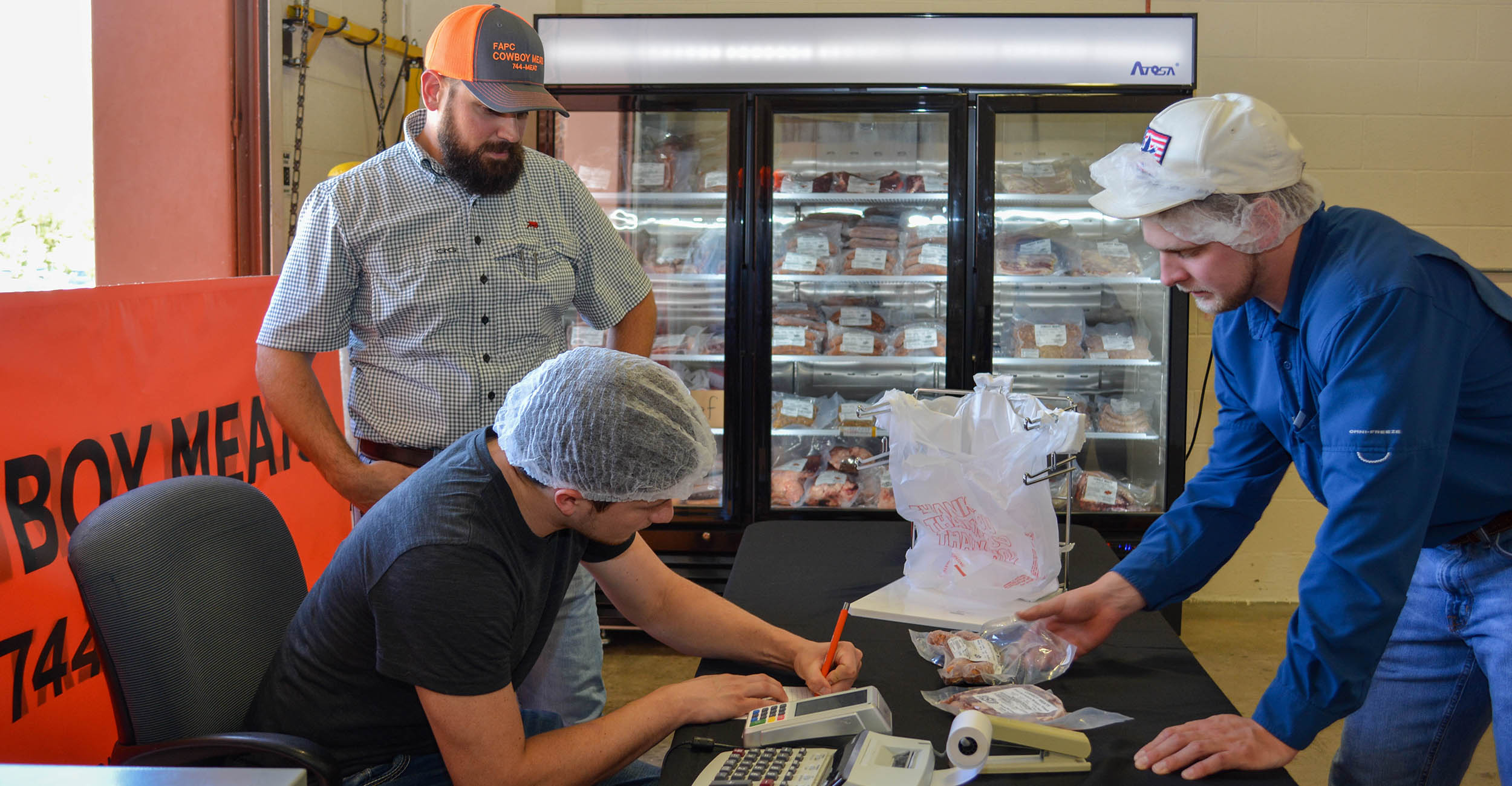
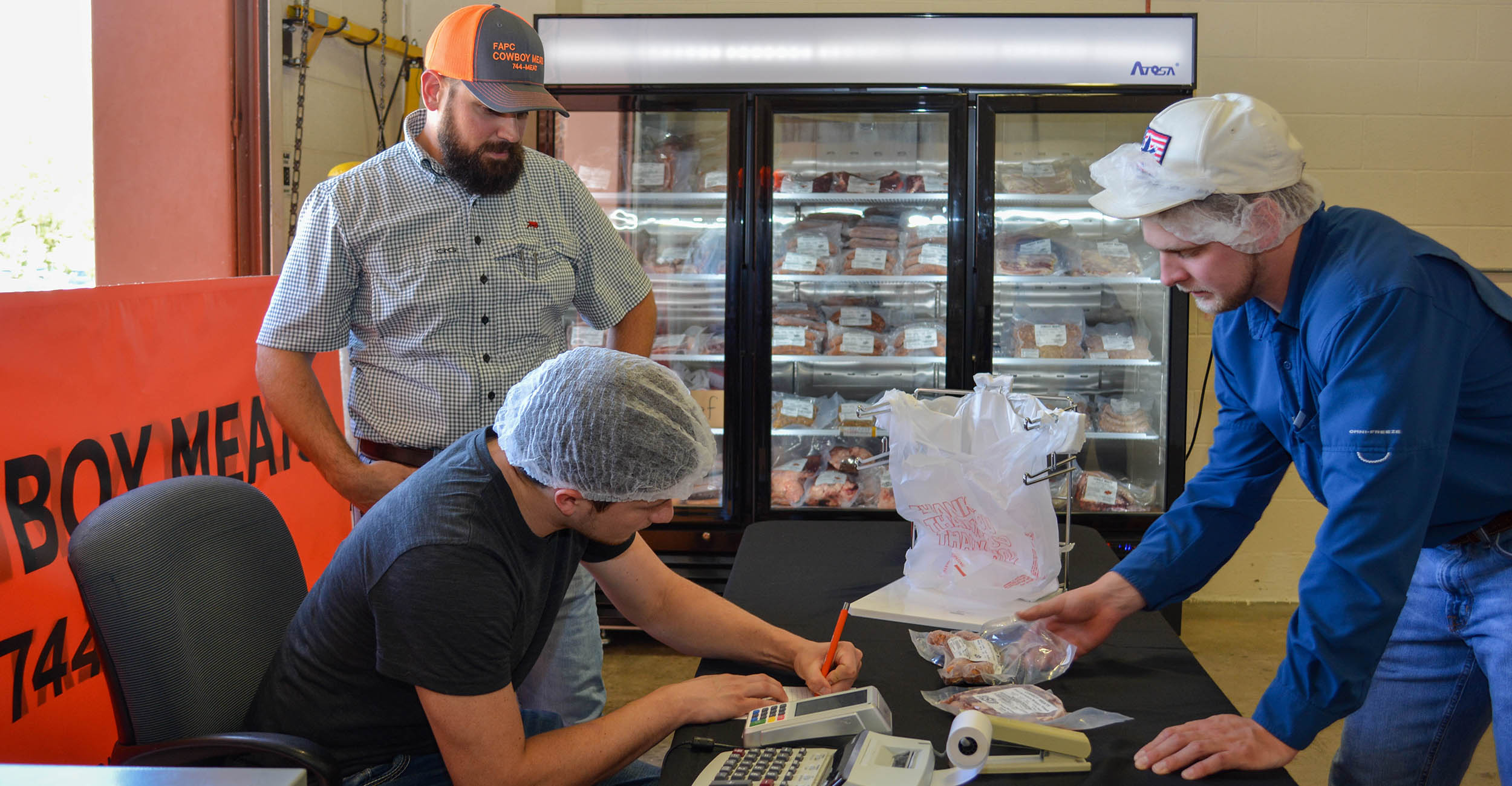
When Joel Jackson was hired as the meat pilot plant manager at the Robert M. Kerr Food and Agricultural Products Center, his goal was to open a Cowboy Meats Retail Store. Available to the public, the Cowboy Meats Retail Store is now open 1-5 p.m. every Friday at FAPC.


"We had a great opening day at the Cowboy Meats Retail Store," Jackson said. "I was excited to meet many of the new customers and hear about their connection to the university and FAPC. While being new to Stillwater, I've noticed the Oklahoma State University community, alumni and the city of Stillwater support the activities, programs and events at the university."


Special orders are welcomed by Cowboy Meats throughout the week, and Cowboy Meats is now taking orders for beef sides and quarters, in addition to whole and half lambs.


The retail store sells a variety of local meat including ribeye steaks, filets, ground beef and beef brisket. Three flavors of smoked sausage, including smoked pork, no sage and cheddar jalapeno, are among the featured local products available for purchase.


"The support of Cowboy Meats helps sustain livestock judging, meat judging, meat science and food science courses, in addition to the student labor at FAPC," Jackson said. "The students are an integral part of the operations at FAPC and that includes the new retail store."

Students assist with the harvest, fabrication, further processed products (such as the smoked sausages, bacon and boudin), packaging, labeling, marketing and sales.


"Without the students, the retail store would not be possible," Jackson said. "I hope the Cowboy Meats Retail Store becomes a go-to for high-quality, locally processed meats and meat products."


The Cowboy Meats Retail Store is located on the northwest corner of FAPC at Dock 4. Free temporary parking is available to all customers. The Cowboy Meats Retail Store only accepts checks and credit cards. For more information, call 405-744-MEAT.


FAPC, a part of OSU's Division of Agricultural Sciences and Natural Resources, helps to discover, develop and deliver technical and business information that will stimulate and support the growth of value-added food and agricultural products and processing in Oklahoma.


Open for Business: Cowboy Meats Opens Retail Store at FAPC


Open for Business: Cowboy Meats Opens Retail Store at FAPC


By Kirsten Hollansworth


When Joel Jackson was hired as the meat pilot plant manager at the Robert M. Kerr Food and Agricultural Products Center, his goal was to open a Cowboy Meats Retail Store. Available to the public, the Cowboy Meats Retail Store is now open 1-5 p.m. every Friday at FAPC.


"We had a great opening day at the Cowboy Meats Retail Store," Jackson said. "I was excited to meet many of the new customers and hear about their connection to the university and FAPC. While being new to Stillwater, I've noticed the Oklahoma State University community, alumni and the city of Stillwater support the activities, programs and events at the university."


Special orders are welcomed by Cowboy Meats throughout the week, and Cowboy Meats is now taking orders for beef sides and quarters, in addition to whole and half lambs.


The retail store sells a variety of local meat including ribeye steaks, filets, ground beef and beef brisket. Three flavors of smoked sausage, including smoked pork, no sage and cheddar jalapeno, are among the featured local products available for purchase.


"The support of Cowboy Meats helps sustain livestock judging, meat judging, meat science and food science courses, in addition to the student labor at FAPC," Jackson said. "The students are an integral part of the operations at FAPC and that includes the new retail store."

Students assist with the harvest, fabrication, further processed products (such as the smoked sausages, bacon and boudin), packaging, labeling, marketing and sales.


"Without the students, the retail store would not be possible," Jackson said. "I hope the Cowboy Meats Retail Store becomes a go-to for high-quality, locally processed meats and meat products."


The Cowboy Meats Retail Store is located on the northwest corner of FAPC at Dock 4. Free temporary parking is available to all customers. The Cowboy Meats Retail Store only accepts checks and credit cards. For more information, call 405-744-MEAT.


FAPC, a part of OSU's Division of Agricultural Sciences and Natural Resources, helps to discover, develop and deliver technical and business information that will stimulate and support the growth of value-added food and agricultural products and processing in Oklahoma.


USDA Announces $21.9 Million in Grants Awarded to Further Strengthen Meat and Poultry Supply Chains; Build New and Better Markets through Investments and Technical Assistance


USDA Announces $21.9 Million in Grants Awarded to Further Strengthen Meat and Poultry Supply Chains; Build New and Better Markets through Investments and Technical Assistance


The U.S. Department of Agriculture's (USDA) Agricultural Marketing Service (AMS) today announced an additional $21.9 million of funding is being awarded to 111 grant projects through the Meat and Poultry Inspection Readiness Grant Program (MPIRG), bringing total funding to $54.6 million. This year's awards will fund projects in 37 states. The funding will help strengthen and develop new market opportunities for meat and poultry processors throughout the United States. To further these efforts, AMS is also encouraging MPIRG awardees and eligible participants in USDA's Meat and Poultry Supply Chain initiatives to request assistance through the Meat and Poultry Processing Capacity Technical Assistance Program (MPPTA). Launched in March 2022, MPPTA connects participants to a nationwide network of resources and expertise.


"The Meat and Poultry Inspection Readiness Grants will help meat and poultry processors make necessary facility improvements, expand their businesses, and strengthen the nation's food supply chain," said Secretary of Agriculture Tom Vilsack. "These grants are one part of USDA's Meat and Poultry Supply Chain initiatives and will contribute to our efforts to transform our food system."


"USDA continues to build capacity and increase economic opportunity for small and midsized meat and poultry producers across the country," added Under Secretary for Marketing and Regulatory Programs Jenny Lester Moffitt.


Examples of projects funded this round include:

• Homegrown LG OK, a small processing plant in Locust Grove, Okla., will use MPIRG funding to modernize, expand, and comply with Food Safety and Inspection Service (FSIS) protocols. The funding will allow the plant to purchase new machines to increase weekly production in a rural and low access area.

• The Fork Food Lab, a shared-use kitchen incubator in Portland, Maine, will utilize MPIRG funding to expand into a 42,000-sq-ft facility that meets the requirements for a Federal Grant of Inspection (GOI). The project is helping Fork Food Lab procure specialized equipment, assist five processors obtain Federal GOIs for wholesale distribution, support startup operations, and provide ongoing training and technical assistance to processors positioned for wholesale.

• The Wall Meat Processing plant in Wall, S.D, has been awarded MPIRG funding to purchase equipment to improve humane handling and enhance food safety measures and efficiencies. The project will help the plant seamlessly deliver service operations in protein manufacturing to their producers and customers under the Cooperative Interstate Shipping program (CIS). Participating in the CIS program will open the plant to larger markets and add another resource to the food supply chain.


Facility improvements and expansions funded through MPIRG will help processors obtain a Federal Grant of Inspection or qualify for a state's Cooperative Interstate Shipment program. Achieving a Federal Grant of Inspection or operating under a Cooperative Interstate Shipment program allows meat and poultry processors to ship products across state lines, develop new markets, increase capacity, and better meet consumer and producer demand along the supply chain.


MPIRG recipients and other eligible participants, especially small and underserved stakeholders, in USDA's Meat and Poultry Supply Chain initiatives are encouraged to take advantage of the broad technical assistance offered through MPPTA. AMS has cooperative agreements with six organizations to form the MPPTA network, which has already provided valuable assistance to over 300 businesses and organizations across the U.S. and its territories since its launch earlier this year.


For more information about MPPTA and the organizations involved, and to initiate a request for assistance, visit AMS' MPPTA webpage. To view the list of this year's MPIRG awardees, visit the MPRIG award page. Additional information on MPIRG can be found on AMS' MPIRG webpage.


USDA touches the lives of all Americans each day in so many positive ways. In the Biden-Harris Administration, USDA is transforming America's food system with a greater focus on more resilient local and regional food production, lowering costs for American families, creating fairer markets for all producers, ensuring access to safe, healthy, and nutritious food in all communities, building new markets and streams of income for farmers and producers using climate smart food and forestry practices, making historic investments in infrastructure and clean energy capabilities in rural America, and committing to equity across the Department by removing systemic barriers and building a workforce more representative of America. To learn more, visit www.usda.gov.


USDA Announces $21.9 Million in Grants Awarded to Further Strengthen Meat and Poultry Supply Chains; Build New and Better Markets through Investments and Technical Assistance


USDA Announces $21.9 Million in Grants Awarded to Further Strengthen Meat and Poultry Supply Chains; Build New and Better Markets through Investments and Technical Assistance


The U.S. Department of Agriculture's (USDA) Agricultural Marketing Service (AMS) today announced an additional $21.9 million of funding is being awarded to 111 grant projects through the Meat and Poultry Inspection Readiness Grant Program (MPIRG), bringing total funding to $54.6 million. This year's awards will fund projects in 37 states. The funding will help strengthen and develop new market opportunities for meat and poultry processors throughout the United States. To further these efforts, AMS is also encouraging MPIRG awardees and eligible participants in USDA's Meat and Poultry Supply Chain initiatives to request assistance through the Meat and Poultry Processing Capacity Technical Assistance Program (MPPTA). Launched in March 2022, MPPTA connects participants to a nationwide network of resources and expertise.


"The Meat and Poultry Inspection Readiness Grants will help meat and poultry processors make necessary facility improvements, expand their businesses, and strengthen the nation's food supply chain," said Secretary of Agriculture Tom Vilsack. "These grants are one part of USDA's Meat and Poultry Supply Chain initiatives and will contribute to our efforts to transform our food system."


"USDA continues to build capacity and increase economic opportunity for small and midsized meat and poultry producers across the country," added Under Secretary for Marketing and Regulatory Programs Jenny Lester Moffitt.


Examples of projects funded this round include:

• Homegrown LG OK, a small processing plant in Locust Grove, Okla., will use MPIRG funding to modernize, expand, and comply with Food Safety and Inspection Service (FSIS) protocols. The funding will allow the plant to purchase new machines to increase weekly production in a rural and low access area.

• The Fork Food Lab, a shared-use kitchen incubator in Portland, Maine, will utilize MPIRG funding to expand into a 42,000-sq-ft facility that meets the requirements for a Federal Grant of Inspection (GOI). The project is helping Fork Food Lab procure specialized equipment, assist five processors obtain Federal GOIs for wholesale distribution, support startup operations, and provide ongoing training and technical assistance to processors positioned for wholesale.

• The Wall Meat Processing plant in Wall, S.D, has been awarded MPIRG funding to purchase equipment to improve humane handling and enhance food safety measures and efficiencies. The project will help the plant seamlessly deliver service operations in protein manufacturing to their producers and customers under the Cooperative Interstate Shipping program (CIS). Participating in the CIS program will open the plant to larger markets and add another resource to the food supply chain.


Facility improvements and expansions funded through MPIRG will help processors obtain a Federal Grant of Inspection or qualify for a state's Cooperative Interstate Shipment program. Achieving a Federal Grant of Inspection or operating under a Cooperative Interstate Shipment program allows meat and poultry processors to ship products across state lines, develop new markets, increase capacity, and better meet consumer and producer demand along the supply chain.


MPIRG recipients and other eligible participants, especially small and underserved stakeholders, in USDA's Meat and Poultry Supply Chain initiatives are encouraged to take advantage of the broad technical assistance offered through MPPTA. AMS has cooperative agreements with six organizations to form the MPPTA network, which has already provided valuable assistance to over 300 businesses and organizations across the U.S. and its territories since its launch earlier this year.


For more information about MPPTA and the organizations involved, and to initiate a request for assistance, visit AMS' MPPTA webpage. To view the list of this year's MPIRG awardees, visit the MPRIG award page. Additional information on MPIRG can be found on AMS' MPIRG webpage.


USDA touches the lives of all Americans each day in so many positive ways. In the Biden-Harris Administration, USDA is transforming America's food system with a greater focus on more resilient local and regional food production, lowering costs for American families, creating fairer markets for all producers, ensuring access to safe, healthy, and nutritious food in all communities, building new markets and streams of income for farmers and producers using climate smart food and forestry practices, making historic investments in infrastructure and clean energy capabilities in rural America, and committing to equity across the Department by removing systemic barriers and building a workforce more representative of America. To learn more, visit www.usda.gov.


Ralph Loos Joins U.S. Wheat Associates as Director of Communications


Ralph Loos Joins U.S. Wheat Associates as Director of Communications


U.S. Wheat Associates (USW), Arlington, Va., has hired Ralph Loos as Director of Communications. He comes to the organization with nearly 14 years of experience in agriculture communications, serving both the grain and livestock industries. He replaces Amanda Spoo who left USW for another position in July.

"Ralph's experience working with USDA Foreign Agricultural Service cooperator organizations and his enthusiasm for the marketing communications profession is a great fit for U.S. Wheat Associates," said USW Vice President of Communications Steve Mercer. "I think the wheat farmers we represent in overseas markets, our state wheat commission members and his colleagues are going to be very pleased with his work."

Raised on his family's farm in southern Illinois, Loos paid his way through college as a newspaper reporter and editor. He earned a bachelor's degree in journalism and mass communications from Southern Illinois University in 2008.

Loos began his ag career as Communications Specialist for the U.S. Soybean Export Council. He then worked as Editor and Communications Manager for the American Sheep Industry Association, where he produced a monthly magazine for sheep producers and helped launch the association's social media platforms.

In 2015, Loos joined the U.S. Meat Export Federation (USMEF) as its Communications Director. Along with creating written content, Ralph worked closely with USMEF staff around the world to produce video segments for the organization's internal and external audiences.

In August 2021, Loos took a year-long leave from ag communications to work as Communications Manager for a Denver-based healthcare startup that specializes in staffing public health departments and setting up emergency COVID testing and vaccination clinics.

"While I valued the healthcare communications experience, I am happy to return to my roots and look forward to doing what I can to help support the U.S. wheat industry," Loos said.

U.S. Wheat Associates' (USW) is to "develop, maintain, and expand international markets to enhance wheat's profitability for U.S. wheat producers and its value for their customers." USW activities in more than 100 countries are made possible through producer checkoff dollars managed by 17 state wheat commissions and cost-share funding provided by USDA's Foreign Agricultural Service. USW maintains 15 offices strategically located around the world to help wheat buyers, millers, bakers, wheat food processors and government officials understand the quality, value and reliability of all six U.S. wheat classes. For more information, visit www.uswheat.org.


Ralph Loos Joins U.S. Wheat Associates as Director of Communications


Ralph Loos Joins U.S. Wheat Associates as Director of Communications


U.S. Wheat Associates (USW), Arlington, Va., has hired Ralph Loos as Director of Communications. He comes to the organization with nearly 14 years of experience in agriculture communications, serving both the grain and livestock industries. He replaces Amanda Spoo who left USW for another position in July.

"Ralph's experience working with USDA Foreign Agricultural Service cooperator organizations and his enthusiasm for the marketing communications profession is a great fit for U.S. Wheat Associates," said USW Vice President of Communications Steve Mercer. "I think the wheat farmers we represent in overseas markets, our state wheat commission members and his colleagues are going to be very pleased with his work."

Raised on his family's farm in southern Illinois, Loos paid his way through college as a newspaper reporter and editor. He earned a bachelor's degree in journalism and mass communications from Southern Illinois University in 2008.

Loos began his ag career as Communications Specialist for the U.S. Soybean Export Council. He then worked as Editor and Communications Manager for the American Sheep Industry Association, where he produced a monthly magazine for sheep producers and helped launch the association's social media platforms.

In 2015, Loos joined the U.S. Meat Export Federation (USMEF) as its Communications Director. Along with creating written content, Ralph worked closely with USMEF staff around the world to produce video segments for the organization's internal and external audiences.

In August 2021, Loos took a year-long leave from ag communications to work as Communications Manager for a Denver-based healthcare startup that specializes in staffing public health departments and setting up emergency COVID testing and vaccination clinics.

"While I valued the healthcare communications experience, I am happy to return to my roots and look forward to doing what I can to help support the U.S. wheat industry," Loos said.

U.S. Wheat Associates' (USW) is to "develop, maintain, and expand international markets to enhance wheat's profitability for U.S. wheat producers and its value for their customers." USW activities in more than 100 countries are made possible through producer checkoff dollars managed by 17 state wheat commissions and cost-share funding provided by USDA's Foreign Agricultural Service. USW maintains 15 offices strategically located around the world to help wheat buyers, millers, bakers, wheat food processors and government officials understand the quality, value and reliability of all six U.S. wheat classes. For more information, visit www.uswheat.org.


OKFB Legal Foundation Praises Supreme Court in Recreational Marijuana Ruling


OKFB Legal Foundation Praises Supreme Court in Recreational Marijuana Ruling


The Oklahoma Supreme Court ruled today to uphold the state statutory procedures a state question must follow to advance to the ballot.


Last week, proponents of State Question 820 - a measure to legalize recreational marijuana - filed a petition to circumvent Oklahoma's state statute for initiative petitions. The Court heard oral arguments on Friday, August 26 from the supporters of SQ 820 and Attorney General John O'Connor, who represented the Oklahoma Secretary of State, the Oklahoma State Election Board and Governor Kevin Stitt, who opposed the petitioners' request to the court.


The Oklahoma Farm Bureau Legal Foundation joined forces with the State Chamber Research Foundation Legal Center and the Oklahoma Cattlemen's Association to submit a brief urging the Supreme Court to preserve the integrity of the state statute to ensure a fair and equal process for all state questions, both current and past.


The OKFB Legal Foundation and partners released the following statement after the court's ruling Tuesday:


The State Chamber Research Foundation Legal Center, the Oklahoma Farm Bureau Legal Foundation and the Oklahoma Cattlemen's Association are pleased with the Oklahoma Supreme Court's commonsense decision to uphold the state statute requiring a 10-day challenge period for all state question initiatives before advancing to the ballot. This ensures the vital right of Oklahomans to petition the government through an initiative and maintains the integrity of the rules and procedures that all Oklahomans must play by, regardless of the subject matter.


Our members understand the importance and impact of a state question. We are proud of the Oklahoma Supreme Court for applying the law consistently to all citizens.


OKFB Legal Foundation Praises Supreme Court in Recreational Marijuana Ruling


OKFB Legal Foundation Praises Supreme Court in Recreational Marijuana Ruling


The Oklahoma Supreme Court ruled today to uphold the state statutory procedures a state question must follow to advance to the ballot.


Last week, proponents of State Question 820 - a measure to legalize recreational marijuana - filed a petition to circumvent Oklahoma's state statute for initiative petitions. The Court heard oral arguments on Friday, August 26 from the supporters of SQ 820 and Attorney General John O'Connor, who represented the Oklahoma Secretary of State, the Oklahoma State Election Board and Governor Kevin Stitt, who opposed the petitioners' request to the court.


The Oklahoma Farm Bureau Legal Foundation joined forces with the State Chamber Research Foundation Legal Center and the Oklahoma Cattlemen's Association to submit a brief urging the Supreme Court to preserve the integrity of the state statute to ensure a fair and equal process for all state questions, both current and past.


The OKFB Legal Foundation and partners released the following statement after the court's ruling Tuesday:


The State Chamber Research Foundation Legal Center, the Oklahoma Farm Bureau Legal Foundation and the Oklahoma Cattlemen's Association are pleased with the Oklahoma Supreme Court's commonsense decision to uphold the state statute requiring a 10-day challenge period for all state question initiatives before advancing to the ballot. This ensures the vital right of Oklahomans to petition the government through an initiative and maintains the integrity of the rules and procedures that all Oklahomans must play by, regardless of the subject matter.


Our members understand the importance and impact of a state question. We are proud of the Oklahoma Supreme Court for applying the law consistently to all citizens.


Oklahoma Grain Elevator Cash Bids as of 2 p.m. August 30, 2022


Oklahoma Grain Elevator Cash Bids as of 2 p.m. August 30, 2022


The U.S. Department of Agriculture and the Oklahoma Department of Agriculture are now putting the Daily Cash Grain Report into a PDF format - we are saving that PDF and archiving them for today's specific report. To see today's update, click on the PDF report link at the bottom of this story.

In addition to the PDF of the daily report, you can also listen to the Cash Grain Report by calling 405-621-5533. Push 2 for the grain report.


Click here:


Oklahoma Grain Elevator Cash Bids as of 2 p.m. August 30, 2022


Oklahoma Grain Elevator Cash Bids as of 2 p.m. August 30, 2022


The U.S. Department of Agriculture and the Oklahoma Department of Agriculture are now putting the Daily Cash Grain Report into a PDF format - we are saving that PDF and archiving them for today's specific report. To see today's update, click on the PDF report link at the bottom of this story.

In addition to the PDF of the daily report, you can also listen to the Cash Grain Report by calling 405-621-5533. Push 2 for the grain report.


Click here:


Senator Lankford Working on Ways to Help Ag Producers in the State

Senator Lankford Working on Ways to Help Ag Producers in the State

Click here to listen to audio


Farm Director, KC Sheperd, had the chance to visit with Senator James Lankford talking about what is impacting businesses in the area and his work to protect the well-being of Oklahomans and those in agriculture.

"Some of the high points are obviously inflation, supply chain issues, and how we are going to continue to be able to deal with energy costs," Lankford said. "The price of gasoline and diesel is coming down, but it is still very much higher than what it was two years ago, and it is affecting everybody's budget."

Businesses in Oklahoma are doing better than many other states, Lankford said, and the Oklahoma unemployment rate is lower than it is in many other areas in the country.

"It still comes back down to manufacturing," Lankford said.

Many people cannot get supplies from China in a timely manner, Lankford said, and motor parts from Mexico are difficult to access right now too.

Lankford talked about protecting ag land from foreign purchases.

"This is a big issue to me," Lankford said. "We have restrictions- what are called CFIUS restrictions- if you wanted to buy a hospital or you want to buy a technology company, you would have to go through some approval process on that as well because you are a foreign entity in that purchasing. There is no USDA piece on this so if you are buying agricultural technology or you are buying agricultural land and you are a foreign entity, USDA does not have a seat at the table to say this is a threat to the local economy."

When marijuana was legalized in Oklahoma, Lankford said the next year there were more foreign sales of land in Oklahoma than any other state in America by actual acres, not just percentage. This tremendous rush into foreign ownership into Oklahoma has had an effect on the price of land, Lankford added.

"If this marijuana trend collapses at some point, we have 8,000 growers in the state," Lankford said. "If that collapses at any point it is also going to affect the prices on the other side so that instability does affect us. It is not just foreign ownership next to Tinker Airforce Base or next to Altus Airforce Base or next to Fort Sill. It is also the stability of our own prices and the predictability as well."

As for recreational marijuana, Lankford said there will be another vote on it and Oklahomans are going to have to make a decision.

"I don't think more marijuana usage helps our families, helps our workplace, or helps our streets be safer," Lankford said. "I know there are people who disagree with me on that. As a youth pastor for 20 years before I came into congress, I never met a family that I thought 'you know what would help this family? If only the mom and dad smoked more marijuana, this family would be so much better.' I don't get the trend of folks saying, 'let's do even more marijuana in our state because it is helping our state.'"

Lankford said because of marijuana in the state, transnational criminal organizations have moved into Oklahoma and there is now a large presence of Chinese underground organizations.

"We have human trafficking coming into our state and we have sex trafficking moving into some of these facilities," Lankford said. "There are real risks that are happening in our communities right now based on the rapid acceleration of marijuana growth."

Lankford has been taking part in helping ag producers in various ways such as working on a bill that would establish a universal application across federal agencies for people who need assistance from things such as floods, natural disasters, and other uncontrollable events.

"In multiple areas where we have got people applying for FEMA grants and USDA grants, they basically have to go through the same information over and over again, and there will be just a slight difference," Lankford said. "We have got to fix this with our agencies to try to simplify that process."

Lankford also talked about the transparency and honest energy relations act aimed at preventing the government from USDA flawed social cost.

"The social cost of carbon is this big piece that is out there where the federal government and the Biden administration is trying to say, 'we are going to guess what this worldwide effect of this carbon emission is going to be, whether that be from cow emissions or whether that be from raising any kind of crops or whether that be from running a tractor in the actual diesel usage there.'" Lankford said.

Lankford said the administration aims to get a social score onto a carbon usage score and then to have an increased cost based on that.

"This is a way to be able to sneak in a carbon tax on people without actually passing it into law," Lankford said. "That kind of tax has to come through in law and has to come through congress, that is the constitutional construct."


Click the LISTEN BAR below to listen to KC Sheperd and James Lankford talking about the latest issues affecting Oklahomans in agriculture.


Senator Lankford Working on Ways to Help Ag Producers in the State

Senator Lankford Working on Ways to Help Ag Producers in the State

Click here to listen to audio


Farm Director, KC Sheperd, had the chance to visit with Senator James Lankford talking about what is impacting businesses in the area and his work to protect the well-being of Oklahomans and those in agriculture.

"Some of the high points are obviously inflation, supply chain issues, and how we are going to continue to be able to deal with energy costs," Lankford said. "The price of gasoline and diesel is coming down, but it is still very much higher than what it was two years ago, and it is affecting everybody's budget."

Businesses in Oklahoma are doing better than many other states, Lankford said, and the Oklahoma unemployment rate is lower than it is in many other areas in the country.

"It still comes back down to manufacturing," Lankford said.

Many people cannot get supplies from China in a timely manner, Lankford said, and motor parts from Mexico are difficult to access right now too.

Lankford talked about protecting ag land from foreign purchases.

"This is a big issue to me," Lankford said. "We have restrictions- what are called CFIUS restrictions- if you wanted to buy a hospital or you want to buy a technology company, you would have to go through some approval process on that as well because you are a foreign entity in that purchasing. There is no USDA piece on this so if you are buying agricultural technology or you are buying agricultural land and you are a foreign entity, USDA does not have a seat at the table to say this is a threat to the local economy."

When marijuana was legalized in Oklahoma, Lankford said the next year there were more foreign sales of land in Oklahoma than any other state in America by actual acres, not just percentage. This tremendous rush into foreign ownership into Oklahoma has had an effect on the price of land, Lankford added.

"If this marijuana trend collapses at some point, we have 8,000 growers in the state," Lankford said. "If that collapses at any point it is also going to affect the prices on the other side so that instability does affect us. It is not just foreign ownership next to Tinker Airforce Base or next to Altus Airforce Base or next to Fort Sill. It is also the stability of our own prices and the predictability as well."

As for recreational marijuana, Lankford said there will be another vote on it and Oklahomans are going to have to make a decision.

"I don't think more marijuana usage helps our families, helps our workplace, or helps our streets be safer," Lankford said. "I know there are people who disagree with me on that. As a youth pastor for 20 years before I came into congress, I never met a family that I thought 'you know what would help this family? If only the mom and dad smoked more marijuana, this family would be so much better.' I don't get the trend of folks saying, 'let's do even more marijuana in our state because it is helping our state.'"

Lankford said because of marijuana in the state, transnational criminal organizations have moved into Oklahoma and there is now a large presence of Chinese underground organizations.

"We have human trafficking coming into our state and we have sex trafficking moving into some of these facilities," Lankford said. "There are real risks that are happening in our communities right now based on the rapid acceleration of marijuana growth."

Lankford has been taking part in helping ag producers in various ways such as working on a bill that would establish a universal application across federal agencies for people who need assistance from things such as floods, natural disasters, and other uncontrollable events.

"In multiple areas where we have got people applying for FEMA grants and USDA grants, they basically have to go through the same information over and over again, and there will be just a slight difference," Lankford said. "We have got to fix this with our agencies to try to simplify that process."

Lankford also talked about the transparency and honest energy relations act aimed at preventing the government from USDA flawed social cost.

"The social cost of carbon is this big piece that is out there where the federal government and the Biden administration is trying to say, 'we are going to guess what this worldwide effect of this carbon emission is going to be, whether that be from cow emissions or whether that be from raising any kind of crops or whether that be from running a tractor in the actual diesel usage there.'" Lankford said.

Lankford said the administration aims to get a social score onto a carbon usage score and then to have an increased cost based on that.

"This is a way to be able to sneak in a carbon tax on people without actually passing it into law," Lankford said. "That kind of tax has to come through in law and has to come through congress, that is the constitutional construct."


Click the LISTEN BAR below to listen to KC Sheperd and James Lankford talking about the latest issues affecting Oklahomans in agriculture.


BASF and Corteva Agriscience collaborate to deliver the future of weed control to Soybean Farmers


BASF and Corteva Agriscience collaborate to deliver the future of weed control to Soybean Farmers


Corteva Agriscience and BASF Agricultural Solutions announce their agreement to develop future herbicide-tolerant soybeans and complementing herbicides for farmers in North America and beyond. The collaboration aims to bring competitive alternatives to manage resistant and tough-to-control weeds through innovative trait stacks and durable, long-lasting modes of action. Farmers will benefit from broader weed management options and strong germplasm choices from both BASF and Corteva seed brands.

The strategic cross-licensing agreements include the development of new trait stacks, as well as optimized herbicide options for future weed control needs:

• BASF will license its proprietary PPO (protoporphyrinogen oxidase) gene for herbicide tolerance to Corteva to develop a new herbicide-tolerant trait stack. The stack will include tolerance to BASF's Liberty® (glufosinate ammonium), Corteva's Enlist® herbicides (2,4-D choline with Colex-D® technology) and various glyphosate herbicide solutions, as well as BASF's existing and pipeline PPO inhibiting herbicides, all demonstrating excellent crop safety. BASF PPO inhibiting herbicides include Kixor®, Tirexor® and a new PPO inhibiting herbicide under development by BASF.

• The stack of four herbicide tolerant traits is expected to be available in all Corteva seed brands. Corteva has licensed the stack for use in BASF seed brands.

• Corteva anticipates licensing the new trait stack to independent seed companies in North America.

• Both companies plan to offer exclusive and proprietary germplasm options with the stack, enabling farmers to work with their preferred seed supplier and route to market.

"The spirit of our cooperation is to drive innovations that make a difference for farmers," said Dr. Peter Eckes, President R&D and Regulatory of BASF Agricultural Solutions. "Our new PPO trait in combination with our leading herbicide products and exciting herbicides pipeline will give soybean farmers new options in managing challenging weeds. Collaborating also strengthens our branded soybean seed business."

"Expanding options for soybean farmers to manage weed challenges with the herbicides that work best for their operation is one of our priorities," said Dr. Sam Eathington, Executive Vice President, Chief Technology and Digital Officer, Corteva Agriscience. "Enlist E3® soybeans are proven in fields across the United States and Canada. We know farmers who prefer the Enlist® weed control system will need additional, new modes of action as they work to improve the sustainability of their weed-control practices."

The companies anticipate commercialization of these advancements in the early 2030s, pending regulatory reviews and completion of field testing, with the first launch in North America. Both companies expect launches over time in additional regions where biotechnology crops are cultivated.


While separate and distinct, these extended collaboration agreements complement the companies' recent announcement to develop Enlist E3® soybeans with the nematode resistant soybean (NRS) trait. The NRS trait provides soybean growers with a powerful tool for protection from nematode pests in combination with market-leading, innovative weed management tools.

Additional soybean trait stack being developed for entirely new herbicide

Longer-term agreements between BASF and Corteva are also in place to develop an additional soybean trait package that includes tolerance to BASF's Liberty and PPO herbicides, Corteva's Enlist herbicides, glyphosate and another, entirely new herbicide mode of action under development by BASF. BASF will develop a new trait stack for soybeans which provides tolerance to five herbicide groups, including Corteva's cross-licensed 2,4-D choline gene, offering growers unprecedented control of resistant weeds. This longer-term approach from both companies will provide competitive alternatives for soybean farmers well into the 2040s.

The transgenic soybean event in Enlist E3® soybeans is jointly developed and owned by Corteva Agriscience and M.S. Technologies, L.L.C. ™ ® ? Trademarks and service marks of Corteva Agriscience and its affiliated companies. Enlist Duo® and Enlist One® herbicides are not registered for sale or use in all states or counties. Contact your state pesticide regulatory agency to determine if a product is registered for sale or use in your area. Enlist Duo and Enlist One are the only 2,4-D products authorized for use with Enlist crops. Consult Enlist herbicide labels for weed species controlled. Always read and follow label directions.

About BASF's Agricultural Solutions division

Farming is fundamental to provide enough healthy and affordable food for a rapidly growing population while reducing environmental impacts. Working with partners and agricultural experts and by integrating sustainability criteria into all business decisions, we help farmers to create a positive impact on sustainable agriculture. That's why we invest in a strong R&D pipeline, connecting innovative thinking with practical action in the field. Our portfolio comprises seeds and specifically selected plant traits, chemical and biological crop protection, solutions for soil management, plant health, pest control and digital farming. With expert teams in the lab, field, office and in production, we strive to find the right balance for success – for farmers, agriculture and future generations. In 2021, our division generated sales of €8.2 billion. For more information, please visit www.agriculture.basf.com or any of our social media channels.

About Corteva Agriscience

Corteva, Inc. (NYSE: CTVA) is a publicly traded, global pure-play agriculture company that combines industry-leading innovation, high-touch customer engagement and operational execution to profitably deliver solutions for the world's most pressing agriculture challenges. Corteva generates advantaged market preference through its unique distribution strategy, together with its balanced and globally diverse mix of seed, crop protection, and digital products and services. With some of the most recognized brands in agriculture and a technology pipeline well positioned to drive growth, the company is committed to maximizing productivity for farmers, while working with stakeholders throughout the food system as it fulfills its promise to enrich the lives of those who produce and those who consume, ensuring progress for generations to come. More information can be found at www.corteva.com.
Follow Corteva on Facebook, Instagram, LinkedIn, Twitter, and YouTube.

BASF Forward-looking Statement

This communication contains forward-looking statements. These statements are based on current estimates and projections of BASF and currently available information. Forward-looking statements are not guarantees of the future developments and results outlined therein. These are dependent on a number of factors; they involve various risks and uncertainties; and they are based on assumptions that may not prove to be accurate. Such risk factors include those discussed in Opportunities and Risks in BASF's annual report 2021. We do not assume any obligation to update the forward-looking statements contained in this report above and beyond the legal requirements.

Corteva Agriscience Forward-looking Statement

This communication contains certain estimates and forward-looking statements within the meaning of Section 21E of the Securities Exchange Act of 1934, as amended, and Section 27A of the Securities Act of 1933, as amended, which are intended to be covered by the safe harbor provisions for forward-looking statements contained in the Private Securities Litigation Reform Act of 1995, and may be identified by their use of words like "plans," "expects," "will," "anticipates," "believes," "intends," "projects," "estimates" or other words of similar meaning. All statements that address expectations or projections about the future, including statements about Corteva's regulatory approvals, product development and performance are forward-looking statements. Corteva disclaims and does not undertake any obligation to update or revise any forward-looking statement or other estimate, except as required by applicable law. A detailed discussion of some of the significant risks and uncertainties which may cause results and events to differ materially from such forward-looking statements or other estimates is included in the "Risk Factors" section of Corteva's Annual Report on Form 10-K, as modified by subsequent reports on Form 10-Q and Current Reports on Form 8-K.


BASF and Corteva Agriscience collaborate to deliver the future of weed control to Soybean Farmers


BASF and Corteva Agriscience collaborate to deliver the future of weed control to Soybean Farmers


Corteva Agriscience and BASF Agricultural Solutions announce their agreement to develop future herbicide-tolerant soybeans and complementing herbicides for farmers in North America and beyond. The collaboration aims to bring competitive alternatives to manage resistant and tough-to-control weeds through innovative trait stacks and durable, long-lasting modes of action. Farmers will benefit from broader weed management options and strong germplasm choices from both BASF and Corteva seed brands.

The strategic cross-licensing agreements include the development of new trait stacks, as well as optimized herbicide options for future weed control needs:

• BASF will license its proprietary PPO (protoporphyrinogen oxidase) gene for herbicide tolerance to Corteva to develop a new herbicide-tolerant trait stack. The stack will include tolerance to BASF's Liberty® (glufosinate ammonium), Corteva's Enlist® herbicides (2,4-D choline with Colex-D® technology) and various glyphosate herbicide solutions, as well as BASF's existing and pipeline PPO inhibiting herbicides, all demonstrating excellent crop safety. BASF PPO inhibiting herbicides include Kixor®, Tirexor® and a new PPO inhibiting herbicide under development by BASF.

• The stack of four herbicide tolerant traits is expected to be available in all Corteva seed brands. Corteva has licensed the stack for use in BASF seed brands.

• Corteva anticipates licensing the new trait stack to independent seed companies in North America.

• Both companies plan to offer exclusive and proprietary germplasm options with the stack, enabling farmers to work with their preferred seed supplier and route to market.

"The spirit of our cooperation is to drive innovations that make a difference for farmers," said Dr. Peter Eckes, President R&D and Regulatory of BASF Agricultural Solutions. "Our new PPO trait in combination with our leading herbicide products and exciting herbicides pipeline will give soybean farmers new options in managing challenging weeds. Collaborating also strengthens our branded soybean seed business."

"Expanding options for soybean farmers to manage weed challenges with the herbicides that work best for their operation is one of our priorities," said Dr. Sam Eathington, Executive Vice President, Chief Technology and Digital Officer, Corteva Agriscience. "Enlist E3® soybeans are proven in fields across the United States and Canada. We know farmers who prefer the Enlist® weed control system will need additional, new modes of action as they work to improve the sustainability of their weed-control practices."

The companies anticipate commercialization of these advancements in the early 2030s, pending regulatory reviews and completion of field testing, with the first launch in North America. Both companies expect launches over time in additional regions where biotechnology crops are cultivated.


While separate and distinct, these extended collaboration agreements complement the companies' recent announcement to develop Enlist E3® soybeans with the nematode resistant soybean (NRS) trait. The NRS trait provides soybean growers with a powerful tool for protection from nematode pests in combination with market-leading, innovative weed management tools.

Additional soybean trait stack being developed for entirely new herbicide

Longer-term agreements between BASF and Corteva are also in place to develop an additional soybean trait package that includes tolerance to BASF's Liberty and PPO herbicides, Corteva's Enlist herbicides, glyphosate and another, entirely new herbicide mode of action under development by BASF. BASF will develop a new trait stack for soybeans which provides tolerance to five herbicide groups, including Corteva's cross-licensed 2,4-D choline gene, offering growers unprecedented control of resistant weeds. This longer-term approach from both companies will provide competitive alternatives for soybean farmers well into the 2040s.

The transgenic soybean event in Enlist E3® soybeans is jointly developed and owned by Corteva Agriscience and M.S. Technologies, L.L.C. ™ ® ? Trademarks and service marks of Corteva Agriscience and its affiliated companies. Enlist Duo® and Enlist One® herbicides are not registered for sale or use in all states or counties. Contact your state pesticide regulatory agency to determine if a product is registered for sale or use in your area. Enlist Duo and Enlist One are the only 2,4-D products authorized for use with Enlist crops. Consult Enlist herbicide labels for weed species controlled. Always read and follow label directions.

About BASF's Agricultural Solutions division

Farming is fundamental to provide enough healthy and affordable food for a rapidly growing population while reducing environmental impacts. Working with partners and agricultural experts and by integrating sustainability criteria into all business decisions, we help farmers to create a positive impact on sustainable agriculture. That's why we invest in a strong R&D pipeline, connecting innovative thinking with practical action in the field. Our portfolio comprises seeds and specifically selected plant traits, chemical and biological crop protection, solutions for soil management, plant health, pest control and digital farming. With expert teams in the lab, field, office and in production, we strive to find the right balance for success – for farmers, agriculture and future generations. In 2021, our division generated sales of €8.2 billion. For more information, please visit www.agriculture.basf.com or any of our social media channels.

About Corteva Agriscience

Corteva, Inc. (NYSE: CTVA) is a publicly traded, global pure-play agriculture company that combines industry-leading innovation, high-touch customer engagement and operational execution to profitably deliver solutions for the world's most pressing agriculture challenges. Corteva generates advantaged market preference through its unique distribution strategy, together with its balanced and globally diverse mix of seed, crop protection, and digital products and services. With some of the most recognized brands in agriculture and a technology pipeline well positioned to drive growth, the company is committed to maximizing productivity for farmers, while working with stakeholders throughout the food system as it fulfills its promise to enrich the lives of those who produce and those who consume, ensuring progress for generations to come. More information can be found at www.corteva.com.
Follow Corteva on Facebook, Instagram, LinkedIn, Twitter, and YouTube.

BASF Forward-looking Statement

This communication contains forward-looking statements. These statements are based on current estimates and projections of BASF and currently available information. Forward-looking statements are not guarantees of the future developments and results outlined therein. These are dependent on a number of factors; they involve various risks and uncertainties; and they are based on assumptions that may not prove to be accurate. Such risk factors include those discussed in Opportunities and Risks in BASF's annual report 2021. We do not assume any obligation to update the forward-looking statements contained in this report above and beyond the legal requirements.

Corteva Agriscience Forward-looking Statement

This communication contains certain estimates and forward-looking statements within the meaning of Section 21E of the Securities Exchange Act of 1934, as amended, and Section 27A of the Securities Act of 1933, as amended, which are intended to be covered by the safe harbor provisions for forward-looking statements contained in the Private Securities Litigation Reform Act of 1995, and may be identified by their use of words like "plans," "expects," "will," "anticipates," "believes," "intends," "projects," "estimates" or other words of similar meaning. All statements that address expectations or projections about the future, including statements about Corteva's regulatory approvals, product development and performance are forward-looking statements. Corteva disclaims and does not undertake any obligation to update or revise any forward-looking statement or other estimate, except as required by applicable law. A detailed discussion of some of the significant risks and uncertainties which may cause results and events to differ materially from such forward-looking statements or other estimates is included in the "Risk Factors" section of Corteva's Annual Report on Form 10-K, as modified by subsequent reports on Form 10-Q and Current Reports on Form 8-K.


Retained Ownership? - Part 3, Beef Quality Grades


Retained Ownership? - Part 3, Beef Quality Grades


Mark Johnson, Oklahoma State University Extension Beef Cattle Breeding Specialist, offers herd health advice as part of the weekly series known as the "Cow Calf Corner" published electronically by Dr. Peel, Mark Johnson, and Paul Beck. Today, Johnson is talking about beef quality grades and retained ownership.

United States Department of Agriculture (USDA) Beef Quality Grades assigned to beef carcasses indicate the tenderness, juiciness and flavor of cooked beef. Beef Quality Grades are based on: 1) the degree of marbling a USDA grader finds in the ribeye muscle of a ribbed carcass between the 12th and 13th ribs, and 2) the maturity of the carcass. The "A" Maturity designation means that a hanging beef carcass shows a degree of maturity between 9 - 30 months of age. Accordingly, if you send lighter calves or long yearlings to the feed yard, after the typical finishing phase of at least 150 days of a high energy, corn-based ration fed ad lib, they should yield an A maturity carcass. Because of this, marbling score is the primary factor determining Quality Grades in A maturity beef carcasses. In conventional beef production, cattle are fed for an amount of time to reach a compositional endpoint with the objective of tapping their full genetic potential to grow and develop marbling. Marbling is one type of fat we find in the carcass (external fat, seam fat and kidney heart and pelvic fat
(KPH) will be discussed next week when we cover Beef Yield Grades). Marbling is commonly referred to as intramuscular fat because of where it is found within the ribeye muscle. As such, marbling can't be seen in live animals. Therefore, the compositional endpoint to which cattle are fed is based on external finish. Because of its location in the beef carcass, marbling has more influence on tenderness, juiciness and flavor of cooked beef than the other types of fat. As a result, marbling and Beef Quality Grades are typically the biggest driver of beef carcass value. From highest to lowest, the four Quality grades that exist for A maturity beef carcasses are: Prime, Choice, Select and Standard.


The chart shows how marbling scores down the left hand column relate to Beef Quality Grades. Three marbling scores are shown beside the Prime and Choice Quality Grades permitting the Grades to be split into thirds. For example, Moderate and Modest Marbling scores are connected to the upper 2/3rds of the Choice Grade which is a specification threshold for carcasses to be certified for quality based premium branded programs like Certified Angus Beef (CAB). As well, when beef carcasses fall into the B, C, D, and E maturity groups, lower Quality Grades are assigned and there is no longer potential for the best Quality Grades.


Beyond marbling and maturity looked at in the carcass, the amount of time on feed and the genetic potential and breed type of beef cattle plays a big role in Quality Grades achieved. Marbling is one of the later maturing fat types to develop. A wide range of genetic propensity to grow and develop marbling relative to other types of fat exists within and between different beef breeds.


Retained Ownership? - Part 3, Beef Quality Grades


Retained Ownership? - Part 3, Beef Quality Grades


Mark Johnson, Oklahoma State University Extension Beef Cattle Breeding Specialist, offers herd health advice as part of the weekly series known as the "Cow Calf Corner" published electronically by Dr. Peel, Mark Johnson, and Paul Beck. Today, Johnson is talking about beef quality grades and retained ownership.

United States Department of Agriculture (USDA) Beef Quality Grades assigned to beef carcasses indicate the tenderness, juiciness and flavor of cooked beef. Beef Quality Grades are based on: 1) the degree of marbling a USDA grader finds in the ribeye muscle of a ribbed carcass between the 12th and 13th ribs, and 2) the maturity of the carcass. The "A" Maturity designation means that a hanging beef carcass shows a degree of maturity between 9 - 30 months of age. Accordingly, if you send lighter calves or long yearlings to the feed yard, after the typical finishing phase of at least 150 days of a high energy, corn-based ration fed ad lib, they should yield an A maturity carcass. Because of this, marbling score is the primary factor determining Quality Grades in A maturity beef carcasses. In conventional beef production, cattle are fed for an amount of time to reach a compositional endpoint with the objective of tapping their full genetic potential to grow and develop marbling. Marbling is one type of fat we find in the carcass (external fat, seam fat and kidney heart and pelvic fat
(KPH) will be discussed next week when we cover Beef Yield Grades). Marbling is commonly referred to as intramuscular fat because of where it is found within the ribeye muscle. As such, marbling can't be seen in live animals. Therefore, the compositional endpoint to which cattle are fed is based on external finish. Because of its location in the beef carcass, marbling has more influence on tenderness, juiciness and flavor of cooked beef than the other types of fat. As a result, marbling and Beef Quality Grades are typically the biggest driver of beef carcass value. From highest to lowest, the four Quality grades that exist for A maturity beef carcasses are: Prime, Choice, Select and Standard.


The chart shows how marbling scores down the left hand column relate to Beef Quality Grades. Three marbling scores are shown beside the Prime and Choice Quality Grades permitting the Grades to be split into thirds. For example, Moderate and Modest Marbling scores are connected to the upper 2/3rds of the Choice Grade which is a specification threshold for carcasses to be certified for quality based premium branded programs like Certified Angus Beef (CAB). As well, when beef carcasses fall into the B, C, D, and E maturity groups, lower Quality Grades are assigned and there is no longer potential for the best Quality Grades.


Beyond marbling and maturity looked at in the carcass, the amount of time on feed and the genetic potential and breed type of beef cattle plays a big role in Quality Grades achieved. Marbling is one of the later maturing fat types to develop. A wide range of genetic propensity to grow and develop marbling relative to other types of fat exists within and between different beef breeds.


OSU's Derrell Peel Sees Tighter Cattle Numbers Translating Into Falling Beef Production

OSU's Derrell Peel Sees Tighter Cattle Numbers Translating Into Falling Beef Production

Click here to listen to audio


Senior Farm and Ranch Broadcaster, Ron Hays, is featuring comments from Oklahoma State University Livestock Economist, Dr. Derrell Peel, talking on K-State's Agriculture Today about higher beef prices ahead.

"On a longer-term trend, one of the things that is pretty clearly built into the futures is the fact that we have got stronger prices ahead," Peel said. "The really big picture for the next several months to beyond, even, is numbers get tighter, supplies get tighter, the supply fundamentals really become supportive, and that is priced into both feeder and fed cattle or live cattle futures markets at this point as you look out to the different contracts."

Peel also talked about the stability of current wholesale boxed beef trade markets.

"Boxed beef is operated in a very narrow trading range really back to about April," Peel said. "I interpret that to be really kind of a sign that beef demand has been sort of capped, or muted if you will, at the consumer level."

Beef demand is still fundamentally strong, Peel said, but it has been capped a little because there has been some pressure on the consumers. The boxed beef market is operated in a very narrow trading range, Peel added, and we did not see some of the seasonal patterns that we normally expect coming into the summer grilling season.

"It has just been a very consistent, sideways, narrow trading range," Peel said.

Regarding the most recent cattle-on-feed report, Peel said as you step back from the numbers and overall trends from the last few reports, you can see fewer heavy-weight cattle being placed and more lightweight cattle, which changes some dynamics.

"Over the last three months, we have placed a lot of cattle that are going to come out in that November and beyond period into the first quarter of next year, but we don't have as many heavy-weight cattle," Peel said.

Part of what is helping support the fed cattle market right now, Peel said, is that there are no indications that feedlots are not current, and supplies are seen to be relatively tight through the rest of the third quarter. We will get lighter-weight numbers, later on, Peel added.

"I don't think it is necessarily a problem for the market, but I do think we have got a little bit of a gap here that is helping support the market," Peel said.

In regard to cattle inventory numbers, Peel said cattle inventories peaked on a January basis in 2019 and the calf crop peaked in 2018.

"So, we would have predicted that we would actually get into some lower feeder cattle supplies and feedlot production by 2020," Peel said. "Pandemic disrupted that and pushed some things off into 2021, so we were higher than expected last year."

The year started with the idea that slaughter would be down, and beef production would drop about 2.5 percent, Peel said, but that had to be revised several times because we are still above a year ago at this point.

"We may come in at the end of the year down perhaps about a half a percent or maybe even with last year," Peel said. "All of that sets up the idea that again, once we turn the corner, into these tighter numbers, then next year we are probably looking at three to four percent decrease in beef production minimally and it could be even higher than that."

Peel said there is little doubt that the drought is accelerating the herd liquidation. Starting last year, Peel said we were already in cyclical liquidation again from that peak in 2019, but the drought last year accelerated it and the drought this year has accelerated it even more, so it is taking us lower than we want to be or need to be.

"Mother nature is in control here right now and until things change, we won't be able to stop the liquidation, then we will stabilize, and we will try to turn around and try to rebuild this thing and that is all going to play out over the next one to three years," Peel said.


Click the LISTEN BAR below to listen to Dr. Derrell Peel give an outlook for the beef market going forward.

The Beef Buzz is a regular feature heard on radio stations around the region on the Radio Oklahoma Network and is a regular audio feature found on this website as well. Click on the LISTEN BAR below for today's show and check out our archives for older Beef Buzz shows covering the gamut of the beef cattle industry today.


OSU's Derrell Peel Sees Tighter Cattle Numbers Translating Into Falling Beef Production

OSU's Derrell Peel Sees Tighter Cattle Numbers Translating Into Falling Beef Production

Click here to listen to audio


Senior Farm and Ranch Broadcaster, Ron Hays, is featuring comments from Oklahoma State University Livestock Economist, Dr. Derrell Peel, talking on K-State's Agriculture Today about higher beef prices ahead.

"On a longer-term trend, one of the things that is pretty clearly built into the futures is the fact that we have got stronger prices ahead," Peel said. "The really big picture for the next several months to beyond, even, is numbers get tighter, supplies get tighter, the supply fundamentals really become supportive, and that is priced into both feeder and fed cattle or live cattle futures markets at this point as you look out to the different contracts."

Peel also talked about the stability of current wholesale boxed beef trade markets.

"Boxed beef is operated in a very narrow trading range really back to about April," Peel said. "I interpret that to be really kind of a sign that beef demand has been sort of capped, or muted if you will, at the consumer level."

Beef demand is still fundamentally strong, Peel said, but it has been capped a little because there has been some pressure on the consumers. The boxed beef market is operated in a very narrow trading range, Peel added, and we did not see some of the seasonal patterns that we normally expect coming into the summer grilling season.

"It has just been a very consistent, sideways, narrow trading range," Peel said.

Regarding the most recent cattle-on-feed report, Peel said as you step back from the numbers and overall trends from the last few reports, you can see fewer heavy-weight cattle being placed and more lightweight cattle, which changes some dynamics.

"Over the last three months, we have placed a lot of cattle that are going to come out in that November and beyond period into the first quarter of next year, but we don't have as many heavy-weight cattle," Peel said.

Part of what is helping support the fed cattle market right now, Peel said, is that there are no indications that feedlots are not current, and supplies are seen to be relatively tight through the rest of the third quarter. We will get lighter-weight numbers, later on, Peel added.

"I don't think it is necessarily a problem for the market, but I do think we have got a little bit of a gap here that is helping support the market," Peel said.

In regard to cattle inventory numbers, Peel said cattle inventories peaked on a January basis in 2019 and the calf crop peaked in 2018.

"So, we would have predicted that we would actually get into some lower feeder cattle supplies and feedlot production by 2020," Peel said. "Pandemic disrupted that and pushed some things off into 2021, so we were higher than expected last year."

The year started with the idea that slaughter would be down, and beef production would drop about 2.5 percent, Peel said, but that had to be revised several times because we are still above a year ago at this point.

"We may come in at the end of the year down perhaps about a half a percent or maybe even with last year," Peel said. "All of that sets up the idea that again, once we turn the corner, into these tighter numbers, then next year we are probably looking at three to four percent decrease in beef production minimally and it could be even higher than that."

Peel said there is little doubt that the drought is accelerating the herd liquidation. Starting last year, Peel said we were already in cyclical liquidation again from that peak in 2019, but the drought last year accelerated it and the drought this year has accelerated it even more, so it is taking us lower than we want to be or need to be.

"Mother nature is in control here right now and until things change, we won't be able to stop the liquidation, then we will stabilize, and we will try to turn around and try to rebuild this thing and that is all going to play out over the next one to three years," Peel said.


Click the LISTEN BAR below to listen to Dr. Derrell Peel give an outlook for the beef market going forward.

The Beef Buzz is a regular feature heard on radio stations around the region on the Radio Oklahoma Network and is a regular audio feature found on this website as well. Click on the LISTEN BAR below for today's show and check out our archives for older Beef Buzz shows covering the gamut of the beef cattle industry today.


OSU's Derrell Peel Sees Tighter Cattle Numbers Translating Into Falling Beef Production

OSU's Derrell Peel Sees Tighter Cattle Numbers Translating Into Falling Beef Production

Click here to listen to audio


Senior Farm and Ranch Broadcaster, Ron Hays, is featuring comments from Oklahoma State University Livestock Economist, Dr. Derrell Peel, talking on K-State's Agriculture Today about higher beef prices ahead.

"On a longer-term trend, one of the things that is pretty clearly built into the futures is the fact that we have got stronger prices ahead," Peel said. "The really big picture for the next several months to beyond, even, is numbers get tighter, supplies get tighter, the supply fundamentals really become supportive, and that is priced into both feeder and fed cattle or live cattle futures markets at this point as you look out to the different contracts."

Peel also talked about the stability of current wholesale boxed beef trade markets.

"Boxed beef is operated in a very narrow trading range really back to about April," Peel said. "I interpret that to be really kind of a sign that beef demand has been sort of capped, or muted if you will, at the consumer level."

Beef demand is still fundamentally strong, Peel said, but it has been capped a little because there has been some pressure on the consumers. The boxed beef market is operated in a very narrow trading range, Peel added, and we did not see some of the seasonal patterns that we normally expect coming into the summer grilling season.

"It has just been a very consistent, sideways, narrow trading range," Peel said.

Regarding the most recent cattle-on-feed report, Peel said as you step back from the numbers and overall trends from the last few reports, you can see fewer heavy-weight cattle being placed and more lightweight cattle, which changes some dynamics.

"Over the last three months, we have placed a lot of cattle that are going to come out in that November and beyond period into the first quarter of next year, but we don't have as many heavy-weight cattle," Peel said.

Part of what is helping support the fed cattle market right now, Peel said, is that there are no indications that feedlots are not current, and supplies are seen to be relatively tight through the rest of the third quarter. We will get lighter-weight numbers, later on, Peel added.

"I don't think it is necessarily a problem for the market, but I do think we have got a little bit of a gap here that is helping support the market," Peel said.

In regard to cattle inventory numbers, Peel said cattle inventories peaked on a January basis in 2019 and the calf crop peaked in 2018.

"So, we would have predicted that we would actually get into some lower feeder cattle supplies and feedlot production by 2020," Peel said. "Pandemic disrupted that and pushed some things off into 2021, so we were higher than expected last year."

The year started with the idea that slaughter would be down, and beef production would drop about 2.5 percent, Peel said, but that had to be revised several times because we are still above a year ago at this point.

"We may come in at the end of the year down perhaps about a half a percent or maybe even with last year," Peel said. "All of that sets up the idea that again, once we turn the corner, into these tighter numbers, then next year we are probably looking at three to four percent decrease in beef production minimally and it could be even higher than that."

Peel said there is little doubt that the drought is accelerating the herd liquidation. Starting last year, Peel said we were already in cyclical liquidation again from that peak in 2019, but the drought last year accelerated it and the drought this year has accelerated it even more, so it is taking us lower than we want to be or need to be.

"Mother nature is in control here right now and until things change, we won't be able to stop the liquidation, then we will stabilize, and we will try to turn around and try to rebuild this thing and that is all going to play out over the next one to three years," Peel said.


Click the LISTEN BAR below to listen to Dr. Derrell Peel give an outlook for the beef market going forward.

The Beef Buzz is a regular feature heard on radio stations around the region on the Radio Oklahoma Network and is a regular audio feature found on this website as well. Click on the LISTEN BAR below for today's show and check out our archives for older Beef Buzz shows covering the gamut of the beef cattle industry today.


Sustainable, Skilled Labor is the Answer to Long Term Solutions for the Meat Processing Industry


Sustainable, Skilled Labor is the Answer to Long Term Solutions for the Meat Processing Industry


Today, as we move into the post-pandemic era, an issue facing many industries is the U.S. labor shortage, and the meat processing industry is no different. Twenty-seven state agriculture departments operate state meat and poultry inspection programs enabling agriculture departments to be in a prime position to hear farmers', ranchers' and all types of meat processors' needs for improving meat processing capacity.


With fewer workers and an increase in demand, the National Association of State Departments of Agriculture is hearing from the ranch to the packing house that innovative solutions must be found to ensure long-term health for the industry.


In 2021 NASDA successfully worked with USDA to support meat processors throughout the pandemic's ever-changing challenges, but today NASDA is focused on finding a sustainable workforce for the industry.


Going beyond labor supply, ensuring workers have the training and tools needed to efficiently produce safe, high-quality meat is essential. NASDA advocated for funding USDA's Meat and Poultry Processing Workforce Development Program and Meat and Poultry Workforce Technical Assistance Program, which provide technical assistance and workforce training and development.


The Kansas Department of Agriculture recently hosted a meeting to bring together representatives from the beef packing industry, livestock transporters, national and state livestock industry associations, renderers, state and federal animal health agencies and academia from 11 states to discuss how the industry can better prepare for unexpected challenges.


Seeing the need for sustainable, skilled labor, state departments of agriculture have implemented innovative solutions.


During the pandemic, The Oklahoma Department of Agriculture, Food and Forestry and the Oklahoma CareerTech partnered to establish a meat processing training program in response to the ever-growing need for workforce development in the meat processing industry.


"Food processing in Oklahoma never stopped during the pandemic," said Oklahoma Secretary of Agriculture and NASDA Animal Agriculture Committee Chair Blayne Arthur. "Partnering with Oklahoma CareerTech to establish industry education protects the future of the food processing industry. The Meat Processing Workforce Education program, featuring a mobile meat laboratory and the accompanying online courses, provides an exceptional opportunity for our state's agriculture industry to add highly qualified individuals to the food processing workforce."


In addition, the Iowa legislature adopted the recommendations of the Artisanal Butchery Task Force, an initiative lead by Secretary of Agriculture Mike Naig. The task force was charged with exploring the feasibility of creating an artisanal butchery program at community colleges or Iowa State University to help address worker shortages and other barriers to opening or expanding a small meat processing facility. The idea for the task force followed the successful utilization of CARES Act funded Meat Processing Expansion and Development grants.


"The pandemic disrupted the supply chain, heightened interest in meat lockers and small-scale processors, and drove intense attention toward local foods. We immediately started looking for ways to help them tackle their capacity challenges head on," said Iowa Secretary of Agriculture Mike Naig. "To assist with the growth of existing meat processors and find ways to establish new businesses, our task force looked at issues from workforce training and educational programs to regulatory hurdles and opportunities to better market their products. There is a lot of optimism about the future here in Iowa."


As we overcome today's challenges and prepare for the future, NASDA supports recognizing state departments of agriculture as key voices for developing solutions. When federal, state and industry partners work together to support farmers, ranchers and processors, we can ensure the best solutions to protect supply chain continuity and feed everyone.   


NASDA is a nonpartisan, nonprofit association which represents the elected and appointed commissioners, secretaries and directors of the departments of agriculture in all 50 states and four U.S. territories. NASDA enhances American food and agricultural communities through policy, partnerships and public engagement. To learn more about NASDA, please visit www.nasda.org


Sustainable, Skilled Labor is the Answer to Long Term Solutions for the Meat Processing Industry


Sustainable, Skilled Labor is the Answer to Long Term Solutions for the Meat Processing Industry


Today, as we move into the post-pandemic era, an issue facing many industries is the U.S. labor shortage, and the meat processing industry is no different. Twenty-seven state agriculture departments operate state meat and poultry inspection programs enabling agriculture departments to be in a prime position to hear farmers', ranchers' and all types of meat processors' needs for improving meat processing capacity.


With fewer workers and an increase in demand, the National Association of State Departments of Agriculture is hearing from the ranch to the packing house that innovative solutions must be found to ensure long-term health for the industry.


In 2021 NASDA successfully worked with USDA to support meat processors throughout the pandemic's ever-changing challenges, but today NASDA is focused on finding a sustainable workforce for the industry.


Going beyond labor supply, ensuring workers have the training and tools needed to efficiently produce safe, high-quality meat is essential. NASDA advocated for funding USDA's Meat and Poultry Processing Workforce Development Program and Meat and Poultry Workforce Technical Assistance Program, which provide technical assistance and workforce training and development.


The Kansas Department of Agriculture recently hosted a meeting to bring together representatives from the beef packing industry, livestock transporters, national and state livestock industry associations, renderers, state and federal animal health agencies and academia from 11 states to discuss how the industry can better prepare for unexpected challenges.


Seeing the need for sustainable, skilled labor, state departments of agriculture have implemented innovative solutions.


During the pandemic, The Oklahoma Department of Agriculture, Food and Forestry and the Oklahoma CareerTech partnered to establish a meat processing training program in response to the ever-growing need for workforce development in the meat processing industry.


"Food processing in Oklahoma never stopped during the pandemic," said Oklahoma Secretary of Agriculture and NASDA Animal Agriculture Committee Chair Blayne Arthur. "Partnering with Oklahoma CareerTech to establish industry education protects the future of the food processing industry. The Meat Processing Workforce Education program, featuring a mobile meat laboratory and the accompanying online courses, provides an exceptional opportunity for our state's agriculture industry to add highly qualified individuals to the food processing workforce."


In addition, the Iowa legislature adopted the recommendations of the Artisanal Butchery Task Force, an initiative lead by Secretary of Agriculture Mike Naig. The task force was charged with exploring the feasibility of creating an artisanal butchery program at community colleges or Iowa State University to help address worker shortages and other barriers to opening or expanding a small meat processing facility. The idea for the task force followed the successful utilization of CARES Act funded Meat Processing Expansion and Development grants.


"The pandemic disrupted the supply chain, heightened interest in meat lockers and small-scale processors, and drove intense attention toward local foods. We immediately started looking for ways to help them tackle their capacity challenges head on," said Iowa Secretary of Agriculture Mike Naig. "To assist with the growth of existing meat processors and find ways to establish new businesses, our task force looked at issues from workforce training and educational programs to regulatory hurdles and opportunities to better market their products. There is a lot of optimism about the future here in Iowa."


As we overcome today's challenges and prepare for the future, NASDA supports recognizing state departments of agriculture as key voices for developing solutions. When federal, state and industry partners work together to support farmers, ranchers and processors, we can ensure the best solutions to protect supply chain continuity and feed everyone.   


NASDA is a nonpartisan, nonprofit association which represents the elected and appointed commissioners, secretaries and directors of the departments of agriculture in all 50 states and four U.S. territories. NASDA enhances American food and agricultural communities through policy, partnerships and public engagement. To learn more about NASDA, please visit www.nasda.org


Forrest Hett with Farm Strategy LLC Talks about New Innovative Traits in Wheat Industry and Working with OSU Wheat Team

Forrest Hett with Farm Strategy LLC Talks about New Innovative Traits in Wheat Industry and Working with OSU Wheat Team

Click here to listen to audio


Farm Director, KC Sheperd, had the chance to visit with Forrest Hett, Program Manager with Farm Strategy LLC, talking about meeting consumer's needs with innovative traits in wheat.

"We test a lot of grain that is out in the countryside, whether it is in a field or a bin or in some sort of elevation somewhere, and we deliver that as an ingredient to large bakeries or mills that are looking for it," Hett said.

Hett said Farm Strategy looks for the end-use signals of what mills and bakeries want and then tests for those qualities in the countryside to find what the mills and bakeries are looking for so they can move it to them.

"We partner with a lot of grain storage facilities and they do a lot of testing as the wheat comes in with the growers that want to be in that program and so as those grain facilities move that in, we get a good test on what that looks like for baking quality, not just what is done as the truck comes in, but the baking qualities for the end-use they are looking for," Hett said. "We partner with those guys, and it takes a lot of time to get through all those tests."

As for gluten extraction that takes place at the gluten plant, Hett said they are most interested in being able to exclude part of the vital wheat gluten used at bakeries to perform to their needs to eventually develop a supply chain of wheat that can exclude part of that to help save money and clean the label up a little.

"BX7 is a trait that Brett Carver and his team developed, and it has what we call stability," Hett said. "Instead of being in the 8, 9 and 10-minute range, we have even seen it up in the 70-plus minute range and what that means is you can mix the bread longer, and hopefully, in the end, we can exclude some of the vital wheat gluten that is included in that bread recipe, so it is a trait that carries a lot of value once it hits the dough and we want to hopefully be able to bring some of that value back to the growers who are growing it and the people who are helping keep that through the supply chain.

Hett said today's consumers want fewer steps and cleaner labels with fewer ingredients. BX7 is a trait that performs very well when baking, Hett said, so it can help get rid of some of the ingredients on the back label of bread.

"We have to keep the BX7 trait and the wheat that is grown that has it segregated off, so we have partnered with grain storage facilities here in Oklahoma and Kansas that if they are growing that, we will keep it segregated off and then we have end use capability to get that into mills and bakeries that see value in that," Hett said. "We want that network to go wider. It can't get out into the countryside because if we have the BX7 trait mixed into the 1 percent across all wheat, it doesn't do much for the industry, so we want to keep it valuable, and as itself, so it can go into those recipes and make a difference."


Click the LISTEN BAR below to hear more from KC Sheperd and Forrest Hett on wheat traits to improve quality for the consumer.


Forrest Hett with Farm Strategy LLC Talks about New Innovative Traits in Wheat Industry and Working with OSU Wheat Team

Forrest Hett with Farm Strategy LLC Talks about New Innovative Traits in Wheat Industry and Working with OSU Wheat Team

Click here to listen to audio


Farm Director, KC Sheperd, had the chance to visit with Forrest Hett, Program Manager with Farm Strategy LLC, talking about meeting consumer's needs with innovative traits in wheat.

"We test a lot of grain that is out in the countryside, whether it is in a field or a bin or in some sort of elevation somewhere, and we deliver that as an ingredient to large bakeries or mills that are looking for it," Hett said.

Hett said Farm Strategy looks for the end-use signals of what mills and bakeries want and then tests for those qualities in the countryside to find what the mills and bakeries are looking for so they can move it to them.

"We partner with a lot of grain storage facilities and they do a lot of testing as the wheat comes in with the growers that want to be in that program and so as those grain facilities move that in, we get a good test on what that looks like for baking quality, not just what is done as the truck comes in, but the baking qualities for the end-use they are looking for," Hett said. "We partner with those guys, and it takes a lot of time to get through all those tests."

As for gluten extraction that takes place at the gluten plant, Hett said they are most interested in being able to exclude part of the vital wheat gluten used at bakeries to perform to their needs to eventually develop a supply chain of wheat that can exclude part of that to help save money and clean the label up a little.

"BX7 is a trait that Brett Carver and his team developed, and it has what we call stability," Hett said. "Instead of being in the 8, 9 and 10-minute range, we have even seen it up in the 70-plus minute range and what that means is you can mix the bread longer, and hopefully, in the end, we can exclude some of the vital wheat gluten that is included in that bread recipe, so it is a trait that carries a lot of value once it hits the dough and we want to hopefully be able to bring some of that value back to the growers who are growing it and the people who are helping keep that through the supply chain.

Hett said today's consumers want fewer steps and cleaner labels with fewer ingredients. BX7 is a trait that performs very well when baking, Hett said, so it can help get rid of some of the ingredients on the back label of bread.

"We have to keep the BX7 trait and the wheat that is grown that has it segregated off, so we have partnered with grain storage facilities here in Oklahoma and Kansas that if they are growing that, we will keep it segregated off and then we have end use capability to get that into mills and bakeries that see value in that," Hett said. "We want that network to go wider. It can't get out into the countryside because if we have the BX7 trait mixed into the 1 percent across all wheat, it doesn't do much for the industry, so we want to keep it valuable, and as itself, so it can go into those recipes and make a difference."


Click the LISTEN BAR below to hear more from KC Sheperd and Forrest Hett on wheat traits to improve quality for the consumer.


According to the Ag Census the number of Female Ag Producers increased 27% from 2012 to 2017


According to the Ag Census the number of Female Ag Producers increased 27% from 2012 to 2017


In 2017, the United States had 1.2 million female producers, accounting for 36 percent of the country's 3.4 million producers. Female producers are slightly younger, more likely to be a beginning farmer, and more likely to live on the farm they operate than male producers. More than half of all farms (56 percent) had a female producer. These female-operated farms accounted for 38 percent of U.S. agriculture sales and 43 percent of U.S. farmland.

Number and Location

The 2017 Census of Agriculture revised the demographic data collected to better capture the contributions of all persons involved in agricultural production. In response to detailed questions about farm decision making, more farms reported multiple individuals involved in farm operations. As a result of the new approach to counting producers, the total number of U.S. producers increased 7 percent between 2012 and 2017. The number of female producers increased 27 percent. The number of farms with female producers increased 23 percent. In 2017, female-operated farms – the 1.1 million farms with one or more female producers responsible for making decisions about the farm's operation – were 56 percent of total farms. In comparison, 91 percent of farms had one or more male producers.

Producer Characteristics

Female producers are slightly younger on average than male producers (57.1 years versus 57.7 in 2017) and more likely to be a beginning farmer (30 percent of female and 25 percent of male producers had farmed 10 years or fewer). They were more likely to live on the farm they operated and less likely to report farming as their primary occupation. 36% of all US Producers are female.

Farm Characteristics

Female-operated farms sold $148 billion in agricultural products in 2017, with 49 percent ($73 billion) in crop sales and 51 percent ($75 billion) in sales of livestock and livestock products. These farms accounted for 38 percent of total U.S. agriculture sales. They received $4 billion in government payments.

Farm Decision Making

The 2017 Census collected first-ever data on the decisions producers make. The graph shows for each type of decision, the percent of female producers and percent of male producers who make those decisions.

To see the full census, click here:


According to the Ag Census the number of Female Ag Producers increased 27% from 2012 to 2017


According to the Ag Census the number of Female Ag Producers increased 27% from 2012 to 2017


In 2017, the United States had 1.2 million female producers, accounting for 36 percent of the country's 3.4 million producers. Female producers are slightly younger, more likely to be a beginning farmer, and more likely to live on the farm they operate than male producers. More than half of all farms (56 percent) had a female producer. These female-operated farms accounted for 38 percent of U.S. agriculture sales and 43 percent of U.S. farmland.

Number and Location

The 2017 Census of Agriculture revised the demographic data collected to better capture the contributions of all persons involved in agricultural production. In response to detailed questions about farm decision making, more farms reported multiple individuals involved in farm operations. As a result of the new approach to counting producers, the total number of U.S. producers increased 7 percent between 2012 and 2017. The number of female producers increased 27 percent. The number of farms with female producers increased 23 percent. In 2017, female-operated farms – the 1.1 million farms with one or more female producers responsible for making decisions about the farm's operation – were 56 percent of total farms. In comparison, 91 percent of farms had one or more male producers.

Producer Characteristics

Female producers are slightly younger on average than male producers (57.1 years versus 57.7 in 2017) and more likely to be a beginning farmer (30 percent of female and 25 percent of male producers had farmed 10 years or fewer). They were more likely to live on the farm they operated and less likely to report farming as their primary occupation. 36% of all US Producers are female.

Farm Characteristics

Female-operated farms sold $148 billion in agricultural products in 2017, with 49 percent ($73 billion) in crop sales and 51 percent ($75 billion) in sales of livestock and livestock products. These farms accounted for 38 percent of total U.S. agriculture sales. They received $4 billion in government payments.

Farm Decision Making

The 2017 Census collected first-ever data on the decisions producers make. The graph shows for each type of decision, the percent of female producers and percent of male producers who make those decisions.

To see the full census, click here:


Beef Up the Blood Supply Ahead of Labor Day Weekend


Beef Up the Blood Supply Ahead of Labor Day Weekend


Donors will receive choice of OSU or OU Bedlam t-shirt and an all-beef hotdog courtesy of the Oklahoma Beef Council - Thursday, September 1 and Friday September 2


Blood donors who save lives before Labor Day will enjoy a tailgate party at Oklahoma Blood Institute's donor centers statewide! This year's Pre-Labor Day blood drive is a two-day event.


On Thursday, September 1 and Friday, September 2, from 9 a.m. to 4 p.m., donors will receive their choice of an "OSU orange" or "OU crimson" Bedlam t-shirt. The Oklahoma Beef Council is providing all-beef hot dogs as it teams up with the Oklahoma Blood Institute to 'beef up' the blood supply for the Labor Day weekend.


Oklahoma Blood Institute has nine donor centers statewide including four in the Oklahoma City metro:

• Central OKC, 901 N. Lincoln Blvd.
• North OKC, 5105 N. Portland Ave.
• Edmond, 3409 S. Broadway, Suite 300
• Norman, 1004 24th Ave., N.W., Suite 101
• Ada, Ardmore, Enid, Lawton and Tulsa (addresses on obi.org)


"Oklahoma's beef farmers and ranchers care about Oklahomans and are excited to continue this 20-year partnership with the Oklahoma Blood Institute," said Heather Buckmaster, OBC Executive Director. "We hope everyone takes a moment before their Labor Day activities to help us Beef Up the Blood supply."


In general, fewer people make time to donate blood around holiday weekends. "Although we have fun with this event, saving the lives of our family, friends and neighbors is a serious matter," said Dr. John Armitage, President and CEO of Oklahoma Blood Institute. "We are grateful for Oklahoma Beef Council for helping us to encourage donors to take time before Labor Day Weekend to help us prepare for any emergency that may occur."


Anyone who is healthy and age 16 or older can give blood.* However, of those eligible to donate blood in the U.S., less than ten percent actually donate each year. Each blood donation can save the lives of up to 3 Oklahomans.


Oklahoma Blood Institute provides every drop of blood used by 160 hospitals and medical facilities statewide, as well as all air ambulances in Oklahoma. For more information or to schedule an appointment to give blood, visit obi.org or call 877-340-8777.


*16 year olds must weigh at least 125 pounds and provide signed parental permission; 17 year olds must weigh at least 125 pounds; 18+ year olds must weigh at least 110 pounds. Vouchers must be redeemed online at yourbloodinstitue.org


Beef Up the Blood Supply Ahead of Labor Day Weekend


Beef Up the Blood Supply Ahead of Labor Day Weekend


Donors will receive choice of OSU or OU Bedlam t-shirt and an all-beef hotdog courtesy of the Oklahoma Beef Council - Thursday, September 1 and Friday September 2


Blood donors who save lives before Labor Day will enjoy a tailgate party at Oklahoma Blood Institute's donor centers statewide! This year's Pre-Labor Day blood drive is a two-day event.


On Thursday, September 1 and Friday, September 2, from 9 a.m. to 4 p.m., donors will receive their choice of an "OSU orange" or "OU crimson" Bedlam t-shirt. The Oklahoma Beef Council is providing all-beef hot dogs as it teams up with the Oklahoma Blood Institute to 'beef up' the blood supply for the Labor Day weekend.


Oklahoma Blood Institute has nine donor centers statewide including four in the Oklahoma City metro:

• Central OKC, 901 N. Lincoln Blvd.
• North OKC, 5105 N. Portland Ave.
• Edmond, 3409 S. Broadway, Suite 300
• Norman, 1004 24th Ave., N.W., Suite 101
• Ada, Ardmore, Enid, Lawton and Tulsa (addresses on obi.org)


"Oklahoma's beef farmers and ranchers care about Oklahomans and are excited to continue this 20-year partnership with the Oklahoma Blood Institute," said Heather Buckmaster, OBC Executive Director. "We hope everyone takes a moment before their Labor Day activities to help us Beef Up the Blood supply."


In general, fewer people make time to donate blood around holiday weekends. "Although we have fun with this event, saving the lives of our family, friends and neighbors is a serious matter," said Dr. John Armitage, President and CEO of Oklahoma Blood Institute. "We are grateful for Oklahoma Beef Council for helping us to encourage donors to take time before Labor Day Weekend to help us prepare for any emergency that may occur."


Anyone who is healthy and age 16 or older can give blood.* However, of those eligible to donate blood in the U.S., less than ten percent actually donate each year. Each blood donation can save the lives of up to 3 Oklahomans.


Oklahoma Blood Institute provides every drop of blood used by 160 hospitals and medical facilities statewide, as well as all air ambulances in Oklahoma. For more information or to schedule an appointment to give blood, visit obi.org or call 877-340-8777.


*16 year olds must weigh at least 125 pounds and provide signed parental permission; 17 year olds must weigh at least 125 pounds; 18+ year olds must weigh at least 110 pounds. Vouchers must be redeemed online at yourbloodinstitue.org


Feeder Steers and Heifers Steady to Higher at Joplin Regional Stockyards on Monday


Feeder Steers and Heifers Steady to Higher at Joplin Regional Stockyards on Monday


Joplin Regional Stockyards
Mon Aug 29, 2022


AUCTION
This Week             5,092
Last Reported      4,310
Last Year               4,916

**CLOSE**
Compared to last week feeder steers under 525 lbs. traded 5.00-12.00 higher with heavier weights trading steady to 3.00 higher. Feeder heifers under 550 lbs. traded steady to 4.00 higher with heavier weights trading steady. Supply was moderate with good demand. Supply included: 100% Feeder Cattle (53% Steers, 43% Heifers, 4% Bulls). Feeder cattle supply over 600 lbs was 50%.

FEEDER CATTLE
STEERS - Medium and Large 1 (Per Cwt / Actual Wt)
Head       Wt Range       Avg Wt       Price Range       Avg Price
14                 286               286              240.00              240.00
19            301-333            321        230.00-247.50     234.63
41            350-393            378        227.00-240.00     231.77

69            400-446            421        215.00-227.50     221.67
47            457-481            469        215.00-228.00     223.63

185          500-549            521        200.00-218.00     210.25
140          555-599            577       199.00-211.00      205.93

178          602-645            625       190.00-209.00     198.36
163          655-699            686       192.50-204.00     196.13

171          701-748            722       184.00-196.00     191.20
60            752-765            759       185.00-188.00     186.80

131          800-843            831       172.50-180.00     173.49
90            852-861            855       174.00-176.00     175.42

14            924-926            925       163.00-168.00     165.50
28            977-989            986       162.00-163.00     162.25

For the complete Market Report from USDA Market News click on the PDF link below:

Click here:


Feeder Steers and Heifers Steady to Higher at Joplin Regional Stockyards on Monday


Feeder Steers and Heifers Steady to Higher at Joplin Regional Stockyards on Monday


Joplin Regional Stockyards
Mon Aug 29, 2022


AUCTION
This Week             5,092
Last Reported      4,310
Last Year               4,916

**CLOSE**
Compared to last week feeder steers under 525 lbs. traded 5.00-12.00 higher with heavier weights trading steady to 3.00 higher. Feeder heifers under 550 lbs. traded steady to 4.00 higher with heavier weights trading steady. Supply was moderate with good demand. Supply included: 100% Feeder Cattle (53% Steers, 43% Heifers, 4% Bulls). Feeder cattle supply over 600 lbs was 50%.

FEEDER CATTLE
STEERS - Medium and Large 1 (Per Cwt / Actual Wt)
Head       Wt Range       Avg Wt       Price Range       Avg Price
14                 286               286              240.00              240.00
19            301-333            321        230.00-247.50     234.63
41            350-393            378        227.00-240.00     231.77

69            400-446            421        215.00-227.50     221.67
47            457-481            469        215.00-228.00     223.63

185          500-549            521        200.00-218.00     210.25
140          555-599            577       199.00-211.00      205.93

178          602-645            625       190.00-209.00     198.36
163          655-699            686       192.50-204.00     196.13

171          701-748            722       184.00-196.00     191.20
60            752-765            759       185.00-188.00     186.80

131          800-843            831       172.50-180.00     173.49
90            852-861            855       174.00-176.00     175.42

14            924-926            925       163.00-168.00     165.50
28            977-989            986       162.00-163.00     162.25

For the complete Market Report from USDA Market News click on the PDF link below:

Click here:


Feeder Steers and and Steer Calves Unevenly Steady, Feeder Heifers and Heifer Calves Steady to Lower at Oklahoma National Stockyards on Monday


Feeder Steers and and Steer Calves Unevenly Steady, Feeder Heifers and Heifer Calves Steady to Lower at Oklahoma National Stockyards on Monday


Oklahoma National Stockyards
Mon Aug 29, 2022


AUCTION
This Week             8,100
Last Reported      7,596
Last Year               7,187

Special Note: *** The Oklahoma National Stockyards will be closed the week of 09/05-06/22 in observance of the Labor Day Holiday. ***
*** Close ***
Compared to last week: Feeder steers unevenly steady. Feeder heifers steady to 3.00 lower with a light test. Steer calves unevenly steady. Heifer calves steady to 4.00 lower. Demand moderate to good despite the sharp declines in the feeder cattle futures today. Corn futures closing 15-18 higher on Monday pushing feeder futures well over 2.00 lower. Early corn yields are speculated lighter than what is estimated. Quality mostly average. Supply included: 100% Feeder Cattle (62% Steers, 36% Heifers, 2% Bulls). Feeder cattle supply over 600 lbs was 53%.

FEEDER CATTLE
STEERS - Medium and Large 1 (Per Cwt / Actual Wt)
Head        Wt Range        Avg Wt        Price Range        Avg Price
88              276-290            288        216.00-229.00        217.56

43              330-345            338        219.00-230.00        223.90
104            362-388           367         215.00-231.00        227.97

53              404-446            425        212.00-228.00        221.54
161           461-498            481         200.00-218.00        206.22

112           508-547            525         196.00-215.00        202.86
28                  516                516              219.00              219.00 Value Added
105           554-598            583         184.00-199.00        193.88

162           603-649            629         155.00-195.00        187.80
27                 620                 620              201.00              201.00 Thin Fleshed
87             662-693             682        182.00-194.00        187.46

266           701-747            736         170.00-184.00        178.43
183           750-795            777         172.00-179.00        174.33

195           809-843            818         170.00-183.50        176.51
58             850-864            859         168.50-171.50         169.46

88             925-929            928         158.00-169.00         161.05
51             960-983            980         154.00-157.00         156.57

58          1012-1023         1020        150.00-155.00         151.37

For the complete market report from USDA Market News Click on the PDF link below:

Click here:


Oklahoma Good to Excellent Ratings in Corn Increase while Cotton Decreases


Oklahoma Good to Excellent Ratings in Corn Increase while Cotton Decreases


Corn conditions fell slightly since last week but have not changed very much in the past few weeks, while soybean conditions continue to hold steady, according to the weekly crop progress report released by the USDA on Monday, August 29. On the other hand, cotton conditions have increased a decent amount since last week with good to excellent ratings improving by 3 percentage points.

As rain continues to make its way across Oklahoma this week with more to come, crop ratings hold steady, and some increasing slightly, except for sorghum with good to excellent ratings decreasing 9 percentage points since last week.


Nationwide Corn:
Corn dough for the U.S. reached 86 percent, down 4 percentage points from the previous year and down 2 points from the average. Corn dented reached 46 percent, down 10 percentage points from last year and down 6 points from the average. Corn mature reached 8 percent, even with last year and 1 percentage point below the average.

Corn conditions for the 18 states reported is rated 54 percent good to excellent, 27 percent fair and 19 percent poor to very poor.


Nationwide Soybeans:

Soybeans setting pods for the U.S. reached 91 percent, down 1 percentage point from last year and the average. Soybeans dropping leaves reached 4 percent, down 4 percentage points from last year and down 3 points from the average.

Soybean conditions for the 18 states reported is rated 57 percent good to excellent, 30 percent fair and 13 percent poor to very poor.


Nationwide Cotton:
Cotton setting bolls for the U.S. reached 94 percent, up 9 percentage points from last year and up 3 points from the average. Cotton bolls opening reached 28 percent, up 8 percentage points from last year and up 4 points from the average.

Cotton conditions for the 15 states planted reached 34 percent good to excellent, 30 percent fair, and 36 percent poor to very poor.


To view the U.S. crop report, click here.


Oklahoma:

Corn dough reached 80 percent, up 2 points from the previous year but down 4 points from normal. Corn dented reached 55 percent, up 14 points from the previous year and up 2 points from normal. Corn mature reached 9 percent. Corn conditions rated 50 percent good to excellent, 22 percent fair and 28 percent poor to very poor. (Good to excellent conditions have increased by 7 percentage points since last week)

Cotton setting bolls reached 90 percent, up 14 points from the previous year and up 6 points from normal. Cotton bolls opening reached 5 percent, down 4 points from the previous year and down 6 points from normal. Cotton conditions rated 5 percent good to excellent, 40 percent fair and 55 percent poor to very poor. (Poor to very poor conditions have improved by 7 percentage points, but good to excellent ratings have decreased by 2 points.)

Soybeans blooming reached 80 percent, down 1 point from the previous year and down 2 points from normal. Soybeans setting pods reached 55 percent, down 1 point from the previous year and from normal. Soybeans rated 34 percent good to excellent, 35 percent fair and 31 percent poor to very poor.

Sorghum headed reached 85 percent, down 4 points from the previous year and down 3 points from normal. Sorghum coloring reached 55 percent, up 12 points from the previous year and up 11 points from normal. Sorghum mature reached 6 percent, up 1 point from the previous year but down 6 points from normal. Sorghum conditions rated 11 percent good to excellent, 38 percent fair and 51 percent poor to very poor. (Since last week, good to excellent ratings have decreased by 9 points.)

Peanuts pegging reached 95 percent, up 6 points from the previous year and up 3 points from normal. Peanuts mature reached 16 percent, up 3 points from the previous year and up 6 points from normal. Peanut conditions rated 76 percent good to excellent and 24 percent fair. (Since last week, good to excellent ratings have increased by 9 points.)

Hay:
The fourth cutting of alfalfa hay reached 35 percent, down 5 points from the previous year and down 9 points from normal. The second cutting of other hay reached 90 percent, up 16 points from the previous year and up 20 points from normal. The third cutting of other hay reached 35 percent, up 21 points from the previous year and up 22 points from normal.

Pasture, Range and Livestock:

Pasture and range conditions were rated 7 percent good to excellent, 27 percent fair, and 66 percent poor to very poor. Livestock conditions rated 32 percent good to excellent, 49 percent fair and 19 percent poor to very poor.

Pasture and range conditions have improved only slightly since last week, with good to excellent ratings increasing by one percent and poor to very poor conditions decreasing by three percentage points.

To see the Oklahoma Crop Progress Report, click here.


Kansas:

Corn silking reached 96 percent, 4 percentage points behind last year and the average. Dough reached 85 percent, 5 points behind last year and 6 points behind the average. Corn dented reached 61 percent, equal to last year and 3 points below the average. Corn conditions rated 22 percent good to excellent, 28 percent fair and 50 percent poor to very poor.

Cotton bolls opening reached 21 percent, 3 points ahead of last year and 10 points ahead of the average. Cotton conditions rated 26 percent good to excellent, 37 percent fair and 37 percent poor to very poor.

Soybeans blooming reached 94 percent, equal to last year and 1 percentage point below the average. Soybeans setting pods reached 78 percent, 2 points below last year and 4 points behind the average. Soybeans dropping leaves reached 3 percent, 2 percentage points behind last year and the average. Soybean conditions rated 27 percent good to excellent, 32 percent fair and 41 percent poor to very poor.

Sorghum headed reached 80 percent, 12 percentage points behind last year and 11 points behind the average. Sorghum coloring reached 25 percent, 20 points behind last year and 13 points behind the average. Sorghum conditions rated 19 percent good to excellent, 33 percent fair and 48 percent poor to very poor.

Pasture and Range:
Pasture and range conditions rated 11 percent good to excellent, 24 percent fair and 65 percent poor to very poor.

To see the Kansas crop progress report, click here.


Texas:

Corn dough reached 94 percent, equal to last year and down 1 point from the average. Corn dented reached 84 percent, equal to last year and down 1 percentage point from the average. Corn mature reached 72 percent, up 12 percentage points from last year and the average. Corn conditions rated 17 percent good to excellent, 31 percent fair and 52 percent poor to very poor.

Cotton setting bolls reached 92 percent, up 12 percentage points from last year and up 14 points from the average. Cotton bolls opening reached 35 percent, up 14 percentage points from last year and up 10 from the average. Cotton conditions rated 15 percent good to excellent, 32 percent fair and 52 percent poor to very poor. Cotton conditions have decreased by 2 points since last week.)

Soybeans setting pods reached 90 points, up 4 points from last year and up 5 from the average. Soybeans dropping leaves reached 61 percent, up 11 percentage points from last year and 17 points from the average. Soybean conditions rated 26 percent good to excellent, 31 percent fair and 43 percent poor to very poor.

Sorghum coloring reached 90 percent, up 6 percentage points from the previous year and up 7 points from the average. Sorghum mature reached 75 percent, up 1 percentage point from last year and up 2 points from the average. Sorghum conditions rated 17 percent good to excellent, 41 percent fair and 42 percent poor to very poor.

Peanuts pegging reached 93 percent, up 1 percent from the previous year and down 1 percent from the average. Peanut conditions rated 28 percent good to excellent, 60 percent fair and 12 percent poor to very poor.

Pasture and Range:
Pasture and range conditions rated 9 percent good to excellent, 22 percent fair and 69 percent poor to very poor.

To see the Texas crop progress report, click here.


Oklahoma Good to Excellent Ratings in Corn Increase while Cotton Decreases


Oklahoma Good to Excellent Ratings in Corn Increase while Cotton Decreases


Corn conditions fell slightly since last week but have not changed very much in the past few weeks, while soybean conditions continue to hold steady, according to the weekly crop progress report released by the USDA on Monday, August 29. On the other hand, cotton conditions have increased a decent amount since last week with good to excellent ratings improving by 3 percentage points.

As rain continues to make its way across Oklahoma this week with more to come, crop ratings hold steady, and some increasing slightly, except for sorghum with good to excellent ratings decreasing 9 percentage points since last week.


Nationwide Corn:
Corn dough for the U.S. reached 86 percent, down 4 percentage points from the previous year and down 2 points from the average. Corn dented reached 46 percent, down 10 percentage points from last year and down 6 points from the average. Corn mature reached 8 percent, even with last year and 1 percentage point below the average.

Corn conditions for the 18 states reported is rated 54 percent good to excellent, 27 percent fair and 19 percent poor to very poor.


Nationwide Soybeans:

Soybeans setting pods for the U.S. reached 91 percent, down 1 percentage point from last year and the average. Soybeans dropping leaves reached 4 percent, down 4 percentage points from last year and down 3 points from the average.

Soybean conditions for the 18 states reported is rated 57 percent good to excellent, 30 percent fair and 13 percent poor to very poor.


Nationwide Cotton:
Cotton setting bolls for the U.S. reached 94 percent, up 9 percentage points from last year and up 3 points from the average. Cotton bolls opening reached 28 percent, up 8 percentage points from last year and up 4 points from the average.

Cotton conditions for the 15 states planted reached 34 percent good to excellent, 30 percent fair, and 36 percent poor to very poor.


To view the U.S. crop report, click here.


Oklahoma:

Corn dough reached 80 percent, up 2 points from the previous year but down 4 points from normal. Corn dented reached 55 percent, up 14 points from the previous year and up 2 points from normal. Corn mature reached 9 percent. Corn conditions rated 50 percent good to excellent, 22 percent fair and 28 percent poor to very poor. (Good to excellent conditions have increased by 7 percentage points since last week)

Cotton setting bolls reached 90 percent, up 14 points from the previous year and up 6 points from normal. Cotton bolls opening reached 5 percent, down 4 points from the previous year and down 6 points from normal. Cotton conditions rated 5 percent good to excellent, 40 percent fair and 55 percent poor to very poor. (Poor to very poor conditions have improved by 7 percentage points, but good to excellent ratings have decreased by 2 points.)

Soybeans blooming reached 80 percent, down 1 point from the previous year and down 2 points from normal. Soybeans setting pods reached 55 percent, down 1 point from the previous year and from normal. Soybeans rated 34 percent good to excellent, 35 percent fair and 31 percent poor to very poor.

Sorghum headed reached 85 percent, down 4 points from the previous year and down 3 points from normal. Sorghum coloring reached 55 percent, up 12 points from the previous year and up 11 points from normal. Sorghum mature reached 6 percent, up 1 point from the previous year but down 6 points from normal. Sorghum conditions rated 11 percent good to excellent, 38 percent fair and 51 percent poor to very poor. (Since last week, good to excellent ratings have decreased by 9 points.)

Peanuts pegging reached 95 percent, up 6 points from the previous year and up 3 points from normal. Peanuts mature reached 16 percent, up 3 points from the previous year and up 6 points from normal. Peanut conditions rated 76 percent good to excellent and 24 percent fair. (Since last week, good to excellent ratings have increased by 9 points.)

Hay:
The fourth cutting of alfalfa hay reached 35 percent, down 5 points from the previous year and down 9 points from normal. The second cutting of other hay reached 90 percent, up 16 points from the previous year and up 20 points from normal. The third cutting of other hay reached 35 percent, up 21 points from the previous year and up 22 points from normal.

Pasture, Range and Livestock:

Pasture and range conditions were rated 7 percent good to excellent, 27 percent fair, and 66 percent poor to very poor. Livestock conditions rated 32 percent good to excellent, 49 percent fair and 19 percent poor to very poor.

Pasture and range conditions have improved only slightly since last week, with good to excellent ratings increasing by one percent and poor to very poor conditions decreasing by three percentage points.

To see the Oklahoma Crop Progress Report, click here.


Kansas:

Corn silking reached 96 percent, 4 percentage points behind last year and the average. Dough reached 85 percent, 5 points behind last year and 6 points behind the average. Corn dented reached 61 percent, equal to last year and 3 points below the average. Corn conditions rated 22 percent good to excellent, 28 percent fair and 50 percent poor to very poor.

Cotton bolls opening reached 21 percent, 3 points ahead of last year and 10 points ahead of the average. Cotton conditions rated 26 percent good to excellent, 37 percent fair and 37 percent poor to very poor.

Soybeans blooming reached 94 percent, equal to last year and 1 percentage point below the average. Soybeans setting pods reached 78 percent, 2 points below last year and 4 points behind the average. Soybeans dropping leaves reached 3 percent, 2 percentage points behind last year and the average. Soybean conditions rated 27 percent good to excellent, 32 percent fair and 41 percent poor to very poor.

Sorghum headed reached 80 percent, 12 percentage points behind last year and 11 points behind the average. Sorghum coloring reached 25 percent, 20 points behind last year and 13 points behind the average. Sorghum conditions rated 19 percent good to excellent, 33 percent fair and 48 percent poor to very poor.

Pasture and Range:
Pasture and range conditions rated 11 percent good to excellent, 24 percent fair and 65 percent poor to very poor.

To see the Kansas crop progress report, click here.


Texas:

Corn dough reached 94 percent, equal to last year and down 1 point from the average. Corn dented reached 84 percent, equal to last year and down 1 percentage point from the average. Corn mature reached 72 percent, up 12 percentage points from last year and the average. Corn conditions rated 17 percent good to excellent, 31 percent fair and 52 percent poor to very poor.

Cotton setting bolls reached 92 percent, up 12 percentage points from last year and up 14 points from the average. Cotton bolls opening reached 35 percent, up 14 percentage points from last year and up 10 from the average. Cotton conditions rated 15 percent good to excellent, 32 percent fair and 52 percent poor to very poor. Cotton conditions have decreased by 2 points since last week.)

Soybeans setting pods reached 90 points, up 4 points from last year and up 5 from the average. Soybeans dropping leaves reached 61 percent, up 11 percentage points from last year and 17 points from the average. Soybean conditions rated 26 percent good to excellent, 31 percent fair and 43 percent poor to very poor.

Sorghum coloring reached 90 percent, up 6 percentage points from the previous year and up 7 points from the average. Sorghum mature reached 75 percent, up 1 percentage point from last year and up 2 points from the average. Sorghum conditions rated 17 percent good to excellent, 41 percent fair and 42 percent poor to very poor.

Peanuts pegging reached 93 percent, up 1 percent from the previous year and down 1 percent from the average. Peanut conditions rated 28 percent good to excellent, 60 percent fair and 12 percent poor to very poor.

Pasture and Range:
Pasture and range conditions rated 9 percent good to excellent, 22 percent fair and 69 percent poor to very poor.

To see the Texas crop progress report, click here.


Oklahoma Grain Elevator Cash Bids as of 2 p.m. August 29, 2022


Oklahoma Grain Elevator Cash Bids as of 2 p.m. August 29, 2022


The U.S. Department of Agriculture and the Oklahoma Department of Agriculture are now putting the Daily Cash Grain Report into a PDF format - we are saving that PDF and archiving them for today's specific report. To see today's update, click on the PDF report link at the bottom of this story.

In addition to the PDF of the daily report, you can also listen to the Cash Grain Report by calling 405-621-5533. Push 2 for the grain report.


Click here:


Attend the 2023 AFBF Convention, January 6-11, 2023 in Puerto Rico


Attend the 2023 AFBF Convention, January 6-11, 2023 in Puerto Rico


All Oklahoma Farm Bureau members are invited to attend the 2023 American Farm Bureau Convention January 6-11 in San Juan, Puerto Rico.

The 104th convention will feature general sessions, grassroots policy development, educational workshops, a trade show and competitive events.

An extended trip option from AFBF is available for January 11-15. Members will have the opportunity to see agriculture in Puerto Rico including cattle research facilities, fruit farms and much more.

For more information and to register for AFBF Convention, contact OKFB Senior Executive Assistant and Event Coordinator Melisa Neal at (405) 523-2475.


Brad Reddick and Family Earn 2022 Kentucky Leopold Conservation Award


Brad Reddick and Family Earn 2022 Kentucky Leopold Conservation Award


Reddick Farms' rotational grazing program and other conservation practices that reduce soil erosion and improve water quality earned Brad Reddick and his family the 2022 Kentucky Leopold Conservation Award. The Reddicks raise crops and beef cattle on 1,800 acres in the southwestern part of the state.


The award, given in honor of renowned conservationist Aldo Leopold, recognizes ranchers, farmers and forestland owners who inspire others with their voluntary conservation efforts on private, working lands.


It Starts with Soil


After hearing farmer and soil scientist Ray Archuleta speak about regenerative agriculture at the National No-Till Conference in 2017, Brad Reddick and his son, Joel, decided to try some of the practices Archuleta was promoting, including eliminating tillage, growing diverse winter cover crops, planting corn and soybeans into cover crops, reducing synthetic input costs, and grazing livestock on row crop acres. They noticed a vast improvement in the way their soil cycles water, nutrients and carbon– and they remained profitable.


The backbone of this change was switching from vertical tillage to no-till, and replacing single, small species of cover crops with diverse, large cover crops.


Not tilling soil prior to planting crops each spring increases the soil's infiltration and conserves moisture, which buffers against drought.


Cover Crops


The Reddicks' unique cover crop system builds soil organic matter, reduces erosion and suppresses weeds. A blend of cover crop species is custom matched for each field's crop rotation. The covers are planted immediately after the fall harvest and grow until they are flattened by a roller-crimper the following spring.


Cover crops absorb nutrients and then release them back to feed corn plants as they mature. This win-win scenario reduces nutrient loss by storing it in the cover crop and later increasing corn fertility and yield. This natural uptake of nutrients reduces the need for commercial fertilizers.


Nutrients and Water Quality


Reddick Farms incorporates manure from its beef cattle herd and litter from its poultry broiler flock into its fields with low soil disturbance equipment to improve their soil's biological properties. Soil and tissue samples are tested to ensure that phosphorus and other fertilizers are not over-applied.


The Reddicks see erosion as a symptom of a larger problem rather than the problem itself. Erosion is the result of a broken water cycle when soil cannot infiltrate the water falling onto it. Soil tests have shown a reduction in the volume of nutrients leaving fields after just three years of cover crops and limited fertilizer use.


The Reddicks adopted cost-effective conservation practices to improve regional water quality and reduce greenhouse gas emissions with assistance from the Natural Resources Conservation Service. Wildlife habitat is provided in the farm's wooded areas that are enrolled in a conservation reserve program. Elsewhere, there are 40 acres of buffer strips along creeks and 20 acres of perennial waterways. Rock chutes of loose riprap-lined channels safely convey water to a lower elevation while protecting the soil surface.


Tile drainage is used to lower the water table of fields near creek bottoms. It prevents surface drainage and allows the soil to filter nutrients from water before its released into the creek.


The Reddicks' cattle are fenced away from waterways to prevent stream bank erosion. A benefit of their rotational grazing system leaves the height of grazed pastures tall enough to capture and soak in rainfall instead of letting it run off.


Leopold Conservation Award


Given in honor of renowned conservationist Aldo Leopold, Sand County Foundation and national sponsor American Farmland Trust present the Leopold Conservation Award to farmers, ranchers and forestland owners in 24 states for land, water and wildlife habitat management.


In Kentucky, the $10,000 award is presented annually by Sand County Foundation, national sponsor American Farmland Trust, and state partners Kentucky Agricultural Council and the Kentucky Association of Conservation Districts.


The Kentucky Leopold Conservation Award is made possible thanks to the generous support and partnership of American Farmland Trust and Kentucky Agricultural Council, Kentucky Association of Conservation Districts, Sand County Foundation, Kentucky Farm Bureau Federation, Kentucky Department of Agriculture, Kentucky Corn Growers Association, Kentucky Department of Fish and Wildlife Resources, University of Kentucky College of Agriculture, Food and Environment, Kentucky Woodland Owner's Association, Kentucky Tree Farm Committee, AgriBusiness Association of Kentucky, Kentucky Pork Producers, Kentucky Soybean Promotion Board, and the USDA's Natural Resources Conservation Service.


For more information on the award, visit www.leopoldconservationaward.org.


OQBN VAC-45 Cattle Sale Series Begins in November


OQBN VAC-45 Cattle Sale Series Begins in November


The Oklahoma Quality Beef Network VAC-45 program will continue to host a series of certified cattle sales around the state this fall, beginning in November.
OQBN is a partnership between Oklahoma State University Extension and the Oklahoma Cattlemen's Association. OQBN is a network of cattlemen, educators, veterinarians, industry professionals and livestock marketers committed to providing beef cattle producers with access to value-added marketing opportunities.
"Many cow/calf producers are preparing to wean spring born calves," said Paul Vining, OQBN coordinator. "Now is the time to order OQBN VAC-45 program ear tags."


OQBN strives to boost communication and marketing efforts within all segments of the beef industry with goals of maintaining and improving the quality and profitability of Oklahoma cattle. Cow/calf producers who participate in the OQBN VAC-45 program receive marketing and health management certification in Oklahoma and neighboring states. Benefits include:


• Potential market premiums for preconditioned calves
• Reduced calf stress
• Improved calf immune function
• Increased calf sale weight
• Increased market demand for preconditioned calves
• Brand neutral vaccine selection (Producer and local veterinarian may select the vaccine brand to be administered. Selected vaccines must fulfill program requirements.)
• Third-party verification


Calves enrolled in the VAC-45 program are eligible for a certified OQBN sale at any of the following sale barns on selected dates. The OQBN webpage lists a complete sale schedule and mandatory weaning date for each sale.


OQBN VAC-45 program sale locations:

• OKC West Livestock Market, El Reno
• McAlester Union Stockyards, McAlester
• Payne County Stockyards, Perkins
• Woodward Livestock Auction, Woodward
• Southern Plains Livestock Auction, Blackwell
• LeFlore County Livestock Auction, Wister


Cattlemen can purchase ear tags for enrollment in the program at the OQBN VAC-45 website. Participants are asked to review all program qualifications prior to purchasing ear tags and enrolling calves to ensure all requirements are met.


For more information about OQBN, the VAC-45 program and upcoming certified sales, contact Paul Vining, OQBN coordinator, at 405-744-4268 or paul.vining@okstate.edu.


OSU Extension uses research-based information to help all Oklahomans solve local issues and concerns, promote leadership and manage resources wisely throughout the state's 77 counties. Most information is available at little to no cost.


OSU's Brett Carver Excited for New Possible Wheat Variety Releases in 2023

OSU's Brett Carver Excited for New Possible Wheat Variety Releases in 2023

Click here to listen to audio


At the 2022 Oklahoma Wheat Growers Association annual meeting in Stillwater, Okla., Farm Director, KC Sheperd, had the chance to visit with Oklahoma State University Wheat Genetics Chair, Brett Carver, talking about the OSU wheat breeding program.

"As far as what really stands out and might be what I see on the horizon first is probably going to be an experimental line that we call 18510 right now," Carver said. "It is just a Ruby Lee Pioneer derivative that I think has a lot of potential for a lot of places in Oklahoma and that is what we like to see- something that can go far and wide in Oklahoma."

Carver also talked about the Doublestop Legacy launch where they will be combining a few varieties to yield some amazing results.

"We are just getting more out of Doublestop genetics," Carver said. "It is really our best yield, protein, quality, and all those stress tolerances that we talked about all wrapped into one genetics, but we have only been able to capitalize on that in our Clearfield line, so if it is not a herbicide-tolerant clear field, then you don't really get the benefit from Doublestop. That is changing- that is what is happening here."

Carver went on to talk about the herbicide-tolerant trait present in CoAxium.

"This is new game for us," Carver said. "We wanted to make sure to start out on the right genetic foot in this case, and I think we did that. I think we have something that is really adapted well to Oklahoma. What we don't know yet and hope to find out next crop year is how much tolerance we have to the herbicide because if the wheat plant can't survive the herbicide treatment, then we don't have any good there."

Carver said there might be a wheat variety release in 2023 if everything goes as planned

"I think if everything goes right and we get the seed production we should be getting this coming crop year, we can announce something by this time next year," Carver said. "I would like to announce something in February, actually, but we won't know as far as the seed production until June."

Carver said they won't have a CoAxium variety out at the same time because that will take two to three years and statewide testing to achieve.

"On other, non-CoAxium material we have- the Doublestop Legacy and the 18510, even a scab-resistant line- I think those are genetics we can talk about and possibly talk in terms of release," Carver said.

For 2023, Carver said they are hoping for good weather to get a crop in the ground.

"We didn't have a very good start last year, so if we can get the places we want to test and we can get that wheat germplasm out there I will be happy," Carver said. "But from there, we have a lot of options to pursue in terms of commercial genetics."

When talking about hard red winter wheat, Carver said it does a lot of things, but there is nothing special about something that does everything.

"The thing with hard red winter wheat that you have to compensate for is, it doesn't do excellent," Carver said. "It doesn't do excellence in a lot of places, so we make up for that by adding vital wheat gluten, or just gluten. You see that on the labels- gluten. And that is on there because hard red winter wheat is insufficient in meeting certain needs."

For example, Carver said, a hamburger bun will need a tough piece of dough which is accomplished with gluten. When you add the gluten, Carver said, you also must add other additives or conditioners that make up for some of the deficiencies that you get by adding gluten.

"So, what we would like to do is rely a little bit less on adding gluten," Carver said. "Let's make sure that what we have in the native state is sufficient to make those buns, to make that sandwich bread, to make that whole wheat bread- it has to go through a lot of stress to make."

In a new line of genetics called BX7, Carver said they have managed to combine the protein that is already present in wheat with other genetics to achieve a variety that requires less gluten added.

The ultimate goal, Carver said is already having the strength present in these varieties so that additional wheat gluten does not need to be added in to get more strength.

"In the long run, what that does is, it makes that label look a lot cleaner because we are not adding gluten and we are not adding the things we had to correct for with the gluten being added," Carver said.


Click the LISTEN BAR below to hear more from KC Sheperd and Brett Carver talking about OSU wheat research and varieties.


OSU's Brett Carver Excited for New Possible Wheat Variety Releases in 2023

OSU's Brett Carver Excited for New Possible Wheat Variety Releases in 2023

Click here to listen to audio


At the 2022 Oklahoma Wheat Growers Association annual meeting in Stillwater, Okla., Farm Director, KC Sheperd, had the chance to visit with Oklahoma State University Wheat Genetics Chair, Brett Carver, talking about the OSU wheat breeding program.

"As far as what really stands out and might be what I see on the horizon first is probably going to be an experimental line that we call 18510 right now," Carver said. "It is just a Ruby Lee Pioneer derivative that I think has a lot of potential for a lot of places in Oklahoma and that is what we like to see- something that can go far and wide in Oklahoma."

Carver also talked about the Doublestop Legacy launch where they will be combining a few varieties to yield some amazing results.

"We are just getting more out of Doublestop genetics," Carver said. "It is really our best yield, protein, quality, and all those stress tolerances that we talked about all wrapped into one genetics, but we have only been able to capitalize on that in our Clearfield line, so if it is not a herbicide-tolerant clear field, then you don't really get the benefit from Doublestop. That is changing- that is what is happening here."

Carver went on to talk about the herbicide-tolerant trait present in CoAxium.

"This is new game for us," Carver said. "We wanted to make sure to start out on the right genetic foot in this case, and I think we did that. I think we have something that is really adapted well to Oklahoma. What we don't know yet and hope to find out next crop year is how much tolerance we have to the herbicide because if the wheat plant can't survive the herbicide treatment, then we don't have any good there."

Carver said there might be a wheat variety release in 2023 if everything goes as planned

"I think if everything goes right and we get the seed production we should be getting this coming crop year, we can announce something by this time next year," Carver said. "I would like to announce something in February, actually, but we won't know as far as the seed production until June."

Carver said they won't have a CoAxium variety out at the same time because that will take two to three years and statewide testing to achieve.

"On other, non-CoAxium material we have- the Doublestop Legacy and the 18510, even a scab-resistant line- I think those are genetics we can talk about and possibly talk in terms of release," Carver said.

For 2023, Carver said they are hoping for good weather to get a crop in the ground.

"We didn't have a very good start last year, so if we can get the places we want to test and we can get that wheat germplasm out there I will be happy," Carver said. "But from there, we have a lot of options to pursue in terms of commercial genetics."

When talking about hard red winter wheat, Carver said it does a lot of things, but there is nothing special about something that does everything.

"The thing with hard red winter wheat that you have to compensate for is, it doesn't do excellent," Carver said. "It doesn't do excellence in a lot of places, so we make up for that by adding vital wheat gluten, or just gluten. You see that on the labels- gluten. And that is on there because hard red winter wheat is insufficient in meeting certain needs."

For example, Carver said, a hamburger bun will need a tough piece of dough which is accomplished with gluten. When you add the gluten, Carver said, you also must add other additives or conditioners that make up for some of the deficiencies that you get by adding gluten.

"So, what we would like to do is rely a little bit less on adding gluten," Carver said. "Let's make sure that what we have in the native state is sufficient to make those buns, to make that sandwich bread, to make that whole wheat bread- it has to go through a lot of stress to make."

In a new line of genetics called BX7, Carver said they have managed to combine the protein that is already present in wheat with other genetics to achieve a variety that requires less gluten added.

The ultimate goal, Carver said is already having the strength present in these varieties so that additional wheat gluten does not need to be added in to get more strength.

"In the long run, what that does is, it makes that label look a lot cleaner because we are not adding gluten and we are not adding the things we had to correct for with the gluten being added," Carver said.


Click the LISTEN BAR below to hear more from KC Sheperd and Brett Carver talking about OSU wheat research and varieties.


FSA Administrator, Zach Ducheneaux, Working to Continuously Improve Assistance Programs for Cattle Producers

FSA Administrator, Zach Ducheneaux, Working to Continuously Improve Assistance Programs for Cattle Producers

Click here to listen to audio


Senior Farm and Ranch Broadcaster, Ron Hays, is featuring comments from the administrator of the USDA's Farm Service Agency, Zach Ducheneaux, at the recent R-CALF USA annual meeting in Deadwood, South Dakota during his Q&A with the audience where he spoke about livestock provisions from the 2018 farm bill and what the FSA has been able to do regarding disaster assistance for livestock and cattle producers.

"The things that we have done in the livestock segment- the resources that we offer producers through the ELAP (Emergency Assistance for Livestock, Honey Bees and Farm raised Fish) program to haul feed and cows where feed or cows are needed, we were able to find that statutory authority within the existing farm bill and disaster programs," Ducheneaux said. "The change we made to LIP (Livestock Indemnity Program) recently in recognition to the investment that you all make in a baby calf hitting the ground, instead of paying you $150, we have more than doubled that payment because we had the latitude laid out and the flexibility offered to us in the farm bill and in disaster statures."

Ducheneaux said he is also proud of the fact that FSA now has the ability to pay some of the freight on hauling forage to producers' cow herds.

"Secretary Vilsack went out there and charged us with addressing some of these things, so when we made that change to ELAP, after talking with Senator Hoeven's office about how we could improve that for producers in North Dakota during the drought- well yeah, we can actually help pay some of the freight on getting the forage that isn't in this place to work where your cows are," Ducheneaux said.

Ducheneaux said his FSA team is working on ways to streamline applications for the Livestock Risk Protection Program.

"One of the things I envision us being able to do is work with cattlemen to get a better understanding annually of what your inventory is like," Ducheneaux said. "Not RFID- you come in, sign a piece of paper, and say these are my numbers. When you hit eight weeks plus one day of the D3 drought, we can do a payment to you like we did ELRP (Emergency Livestock Relief Program). You have an acreage report in, we know how many cows you got out there, you are enrolled just like a farmer would be with their acreage and their crop so that the payments can automatically happen."

The last thing producers need after an 8-week drought, Ducheneaux said, is a 6-month waiting period to receive the drought assistance they are entitled to.

"We are trying to find ways to streamline that for the betterment of producers," Ducheneaux said.

Another question the Ducheneaux was asked had to do with the CRP (Conservation Reserve Program), somehow being tied into the Joe Biden 30x30 plan. The questioner wanted to know how to avoid such entanglement. Ducheneaux communicated to the crowd that these programs are voluntary.

"An important thing to understand is 30x30 or America the Beautiful or CRP- these are all voluntary incentive-based programs and it's not about taking possession of the land- it is about enabling producers to have some access to conservation dollars on that land and help you all have an income stream for a rental payment for doing the conservation practices if you chose to, or access federal cost share dollars to help do the things that you can't afford to because you are getting 11 cents for every food dollar to the farm gate," Ducheneaux said.

While there is a lot of confusion about those programs and if they are voluntary, Ducheneaux said he is a big fan of the CRP program.

"I think we should do more of it and I think we should actually take a look at enhancing the working lands aspect of CRP which is what we do with our grassland CRP program where we have got a lot of acres enrolled to help producers do more thoughtful management of their grazing and receive some compensation for that as well," Ducheneaux said."


Click the LISTEN BAR below to hear more from Zach Ducheneaux on FSA assistance programs for cattle producers.

The Beef Buzz is a regular feature heard on radio stations around the region on the Radio Oklahoma Network and is a regular audio feature found on this website as well. Click on the LISTEN BAR below for today's show and check out our archives for older Beef Buzz shows covering the gamut of the beef cattle industry today.


FSA Administrator, Zach Ducheneaux, Working to Continuously Improve Assistance Programs for Cattle Producers

FSA Administrator, Zach Ducheneaux, Working to Continuously Improve Assistance Programs for Cattle Producers

Click here to listen to audio


Senior Farm and Ranch Broadcaster, Ron Hays, is featuring comments from the administrator of the USDA's Farm Service Agency, Zach Ducheneaux, at the recent R-CALF USA annual meeting in Deadwood, South Dakota during his Q&A with the audience where he spoke about livestock provisions from the 2018 farm bill and what the FSA has been able to do regarding disaster assistance for livestock and cattle producers.

"The things that we have done in the livestock segment- the resources that we offer producers through the ELAP (Emergency Assistance for Livestock, Honey Bees and Farm raised Fish) program to haul feed and cows where feed or cows are needed, we were able to find that statutory authority within the existing farm bill and disaster programs," Ducheneaux said. "The change we made to LIP (Livestock Indemnity Program) recently in recognition to the investment that you all make in a baby calf hitting the ground, instead of paying you $150, we have more than doubled that payment because we had the latitude laid out and the flexibility offered to us in the farm bill and in disaster statures."

Ducheneaux said he is also proud of the fact that FSA now has the ability to pay some of the freight on hauling forage to producers' cow herds.

"Secretary Vilsack went out there and charged us with addressing some of these things, so when we made that change to ELAP, after talking with Senator Hoeven's office about how we could improve that for producers in North Dakota during the drought- well yeah, we can actually help pay some of the freight on getting the forage that isn't in this place to work where your cows are," Ducheneaux said.

Ducheneaux said his FSA team is working on ways to streamline applications for the Livestock Risk Protection Program.

"One of the things I envision us being able to do is work with cattlemen to get a better understanding annually of what your inventory is like," Ducheneaux said. "Not RFID- you come in, sign a piece of paper, and say these are my numbers. When you hit eight weeks plus one day of the D3 drought, we can do a payment to you like we did ELRP (Emergency Livestock Relief Program). You have an acreage report in, we know how many cows you got out there, you are enrolled just like a farmer would be with their acreage and their crop so that the payments can automatically happen."

The last thing producers need after an 8-week drought, Ducheneaux said, is a 6-month waiting period to receive the drought assistance they are entitled to.

"We are trying to find ways to streamline that for the betterment of producers," Ducheneaux said.

Another question the Ducheneaux was asked had to do with the CRP (Conservation Reserve Program), somehow being tied into the Joe Biden 30x30 plan. The questioner wanted to know how to avoid such entanglement. Ducheneaux communicated to the crowd that these programs are voluntary.

"An important thing to understand is 30x30 or America the Beautiful or CRP- these are all voluntary incentive-based programs and it's not about taking possession of the land- it is about enabling producers to have some access to conservation dollars on that land and help you all have an income stream for a rental payment for doing the conservation practices if you chose to, or access federal cost share dollars to help do the things that you can't afford to because you are getting 11 cents for every food dollar to the farm gate," Ducheneaux said.

While there is a lot of confusion about those programs and if they are voluntary, Ducheneaux said he is a big fan of the CRP program.

"I think we should do more of it and I think we should actually take a look at enhancing the working lands aspect of CRP which is what we do with our grassland CRP program where we have got a lot of acres enrolled to help producers do more thoughtful management of their grazing and receive some compensation for that as well," Ducheneaux said."


Click the LISTEN BAR below to hear more from Zach Ducheneaux on FSA assistance programs for cattle producers.

The Beef Buzz is a regular feature heard on radio stations around the region on the Radio Oklahoma Network and is a regular audio feature found on this website as well. Click on the LISTEN BAR below for today's show and check out our archives for older Beef Buzz shows covering the gamut of the beef cattle industry today.


FSA Administrator, Zach Ducheneaux, Working to Continuously Improve Assistance Programs for Cattle Producers

FSA Administrator, Zach Ducheneaux, Working to Continuously Improve Assistance Programs for Cattle Producers

Click here to listen to audio


Senior Farm and Ranch Broadcaster, Ron Hays, is featuring comments from the administrator of the USDA's Farm Service Agency, Zach Ducheneaux, at the recent R-CALF USA annual meeting in Deadwood, South Dakota during his Q&A with the audience where he spoke about livestock provisions from the 2018 farm bill and what the FSA has been able to do regarding disaster assistance for livestock and cattle producers.

"The things that we have done in the livestock segment- the resources that we offer producers through the ELAP (Emergency Assistance for Livestock, Honey Bees and Farm raised Fish) program to haul feed and cows where feed or cows are needed, we were able to find that statutory authority within the existing farm bill and disaster programs," Ducheneaux said. "The change we made to LIP (Livestock Indemnity Program) recently in recognition to the investment that you all make in a baby calf hitting the ground, instead of paying you $150, we have more than doubled that payment because we had the latitude laid out and the flexibility offered to us in the farm bill and in disaster statures."

Ducheneaux said he is also proud of the fact that FSA now has the ability to pay some of the freight on hauling forage to producers' cow herds.

"Secretary Vilsack went out there and charged us with addressing some of these things, so when we made that change to ELAP, after talking with Senator Hoeven's office about how we could improve that for producers in North Dakota during the drought- well yeah, we can actually help pay some of the freight on getting the forage that isn't in this place to work where your cows are," Ducheneaux said.

Ducheneaux said his FSA team is working on ways to streamline applications for the Livestock Risk Protection Program.

"One of the things I envision us being able to do is work with cattlemen to get a better understanding annually of what your inventory is like," Ducheneaux said. "Not RFID- you come in, sign a piece of paper, and say these are my numbers. When you hit eight weeks plus one day of the D3 drought, we can do a payment to you like we did ELRP (Emergency Livestock Relief Program). You have an acreage report in, we know how many cows you got out there, you are enrolled just like a farmer would be with their acreage and their crop so that the payments can automatically happen."

The last thing producers need after an 8-week drought, Ducheneaux said, is a 6-month waiting period to receive the drought assistance they are entitled to.

"We are trying to find ways to streamline that for the betterment of producers," Ducheneaux said.

Another question the Ducheneaux was asked had to do with the CRP (Conservation Reserve Program), somehow being tied into the Joe Biden 30x30 plan. The questioner wanted to know how to avoid such entanglement. Ducheneaux communicated to the crowd that these programs are voluntary.

"An important thing to understand is 30x30 or America the Beautiful or CRP- these are all voluntary incentive-based programs and it's not about taking possession of the land- it is about enabling producers to have some access to conservation dollars on that land and help you all have an income stream for a rental payment for doing the conservation practices if you chose to, or access federal cost share dollars to help do the things that you can't afford to because you are getting 11 cents for every food dollar to the farm gate," Ducheneaux said.

While there is a lot of confusion about those programs and if they are voluntary, Ducheneaux said he is a big fan of the CRP program.

"I think we should do more of it and I think we should actually take a look at enhancing the working lands aspect of CRP which is what we do with our grassland CRP program where we have got a lot of acres enrolled to help producers do more thoughtful management of their grazing and receive some compensation for that as well," Ducheneaux said."


Click the LISTEN BAR below to hear more from Zach Ducheneaux on FSA assistance programs for cattle producers.

The Beef Buzz is a regular feature heard on radio stations around the region on the Radio Oklahoma Network and is a regular audio feature found on this website as well. Click on the LISTEN BAR below for today's show and check out our archives for older Beef Buzz shows covering the gamut of the beef cattle industry today.


Oklahoma Fall Forage Situation with Derrell Peel


Oklahoma Fall Forage Situation with Derrell Peel


Mondays, Dr. Derrell Peel, Oklahoma State University Extension Livestock Marketing Specialist, offers his economic analysis of the beef cattle industry. This analysis is a part of the weekly series known as the "Cow Calf Corner" published electronically by Dr. Peel and Mark Johnson. Today, Dr. Peel assesses the current forage situation in Oklahoma.

With Labor Day just around the corner, it is important to assess the current forage situation and evaluate the remaining potential of the growing season. The August 23 Drought Monitor shows that 98.64 percent of Oklahoma is in some stage of drought (D0-D4) with 48.60 percent in D3 (extreme) and D4 (exceptional) drought. The USDA-NASS Crop Progress report for that same week showed Oklahoma pasture and range conditions to be 33 percent Very Poor, 36 percent Poor, 25 percent Fair, 6 percent Good and 0 percent Excellent.


Hay supplies in Oklahoma are similarly limited. May 1 hay stocks were down 47.8 percent year over year and were down 43.5 percent from the ten-year average (2012-2021). Total hay production in 2022 is estimated to be down 10.1 percent year over year and down 17.1 percent from the ten-year average. Other (non-alfalfa) hay makes up over 86 percent of Oklahoma hay production on average and is the primary hay for beef cattle production. Other hay production is projected to be down 14.7 percent year over year and down 19.3 percent from the ten-year average. The total hay supply for the 2022-2023 hay crop year (May-April) is the sum of May 1 hay stocks and 2022 hay production. The total Oklahoma hay supply is projected to be down 17.2 percent from last year and down 21.7 percent from the 2012-2021 average. It will be the smallest total hay supply in the state since 2012.


Scattered rain has fallen in some parts of Oklahoma recently. This may provide a bit of additional pasture growth but is unlikely to produce much additional hay. Recent rain and any additional that might arrive soon may still be in time to help warm-season introduced and native grasses with some additional growth. Going forward, additional moisture will likely be most beneficial to cool-season forages.


The question of wheat pasture potential is always important in the southern plains this time of year. Wheat planted for forage only or dual-purpose grazing and grain is typically planted in September. A few places in the state may have sufficient topsoil moisture from recent rains to think about planting wheat soon but soil moisture does not extend very deep in the majority of the state. Prompt and timely rain will be needed for fall wheat forage production.


If wheat pasture does become available, it may be used somewhat differently than usual this fall and winter. Given the limited hay supply, proportionally more wheat pasture is likely to be used for cow herds than for stocker production. Even if there is wheat pasture, stocker demand may be somewhat lighter than usual this year. However, the fall run of calves may also be smaller than usual. In the past seven weeks, the Oklahoma combined auction total for feeder cattle has been up 13.6 percent year over year as feeder cattle have been marketed earlier than usual. Additionally, the auction volume of cull cows has been up 108.1 percent year over year in the same period as producers continue to adjust cow herds to match the limited forage supplies available for fall and winter.    


Below, listen to Dr. Derrell Peel discussing the effects of hay prices and pasture conditions on the beef market on SunUp TV from August 20, 2022.


Beef. It's What's For Dinner. 300 Returns to Daytona International Speedway


Beef. It's What's For Dinner. 300 Returns to Daytona International Speedway


For the third year in a row Daytona International Speedway announced its partnership with Beef. It's What's For Dinner to sponsor the 42nd season-opening race for the NASCAR Xfinity Series – The Beef. It's What's For Dinner.® 300. The race is scheduled to kick off the season on Saturday, February 18 at Daytona International Speedway, the day before the 65th annual DAYTONA 500.


Beef. It's What's For Dinner. is an iconic brand funded through national and state support of beef farmers and ranchers as part of the Beef Checkoff program and managed by the National Cattlemen's Beef Association (NCBA).


"The partnership we have with the Beef Checkoff and NCBA is unique to our sport and our fans love it," said Daytona International Speedway President, Frank Kelleher of the Beef. It's What's For Dinner.® 300. The race has given beef farmers and ranchers the perfect platform to reach consumers and tell the tasty story of beef. We have had two incredible Beef. It's What's For Dinner.® 300 events and again can't wait to smell beef on the grills of our campers in February."


The fan-favorite DAYTONA Speedweeks, presented by AdventHealth, kicks off with the Bluegreen Vacations Duel followed by the Beef. It's What's For Dinner.® 300 and the iconic DAYTONA 500. Fans of all ages from across the country will gather to tailgate and fire up their grills as the drivers start their engines. From the love for race day tailgating to a shared sense of legacy, NASCAR and beef have always gone hand in hand.


"We're honored to be back for a third year and once again sponsor the Beef. It's What's For Dinner.® 300 on behalf of beef farmers and ranchers," said Clark Price, Federation Division Vice Chair for the National Cattlemen's Beef Association. "What better way to celebrate beef as a race-day food favorite than at one of the most famous racetracks in the country." In addition to the race name, the Beef. It's What's For Dinner. brand and logo will appear throughout Daytona International Speedway as well as on the winner's trophy and in victory lane. For race fans and beef fans not attending the race, beef will be promoted on national radio ads and through additional promotional support provided through NCBA's Beef Checkoff-funded work.


During the 2022 Beef. It's What's For Dinner.® 300, Austin Hill took the checkered flag. Join us in February to see who takes home the trophy and the beef in 2023.
Fans can stay get all of the race day-related news and tailgating recipes at BeefItsWhatsForDinner.com or by following Daytona International Speedway.


OKFB Wraps up 2022 August Area Meetings, Grassroots Policy Development Process Moves Forward


OKFB Wraps up 2022 August Area Meetings, Grassroots Policy Development Process Moves Forward


Another year of August Area Meetings has come to a close. Farm Bureau members from every corner of the state gathered for a total of 11 districtwide meetings during the weeks of August 8 and August 15.

August Area Meetings serve as the beginning of Oklahoma Farm Bureau's grassroots policy development season where members bring forth top issues facing farmers and ranchers. Members who attended the 2022 meetings discussed a variety of topics, including medical marijuana, private property rights, agriculture labor, school vouchers, climate issues, the 2023 farm bill and more.

Members will now take what they discussed to their county resolutions meetings in the coming weeks to draft resolution language to be considered at the state resolutions meeting in mid-October. Resolutions from the state meeting will be heard and voted on at OKFB's annual meeting in November. These resolutions will guide the work of the organization in the upcoming year.

Resolutions committee assignments

A total of 25 counties (listed below) will serve on the Oklahoma Farm Bureau state resolutions committee, which reviews and approves county-submitted policy resolutions before the proposals are considered by the delegate body at the OKFB annual meeting.

The OKFB state resolutions committee meeting will be held Tuesday, Oct. 18 and Wednesday, Oct. 19 in Oklahoma City. For questions about the resolutions process or the state resolutions meeting, please contact the OKFB public policy department at (405) 523-2300.

Alfalfa

Caddo

Carter

Cherokee

Choctaw

Cleveland

Comanche

Custer

Ellis

Greer

Hughes

LeFlore

Lincoln

Logan

Marshall

Mayes

Noble

Nowata

Okmulgee

Osage

Pittsburg

Pontotoc

Texas

Tillman

Wagoner


OKFB Wraps up 2022 August Area Meetings, Grassroots Policy Development Process Moves Forward


OKFB Wraps up 2022 August Area Meetings, Grassroots Policy Development Process Moves Forward


Another year of August Area Meetings has come to a close. Farm Bureau members from every corner of the state gathered for a total of 11 districtwide meetings during the weeks of August 8 and August 15.

August Area Meetings serve as the beginning of Oklahoma Farm Bureau's grassroots policy development season where members bring forth top issues facing farmers and ranchers. Members who attended the 2022 meetings discussed a variety of topics, including medical marijuana, private property rights, agriculture labor, school vouchers, climate issues, the 2023 farm bill and more.

Members will now take what they discussed to their county resolutions meetings in the coming weeks to draft resolution language to be considered at the state resolutions meeting in mid-October. Resolutions from the state meeting will be heard and voted on at OKFB's annual meeting in November. These resolutions will guide the work of the organization in the upcoming year.

Resolutions committee assignments

A total of 25 counties (listed below) will serve on the Oklahoma Farm Bureau state resolutions committee, which reviews and approves county-submitted policy resolutions before the proposals are considered by the delegate body at the OKFB annual meeting.

The OKFB state resolutions committee meeting will be held Tuesday, Oct. 18 and Wednesday, Oct. 19 in Oklahoma City. For questions about the resolutions process or the state resolutions meeting, please contact the OKFB public policy department at (405) 523-2300.

Alfalfa

Caddo

Carter

Cherokee

Choctaw

Cleveland

Comanche

Custer

Ellis

Greer

Hughes

LeFlore

Lincoln

Logan

Marshall

Mayes

Noble

Nowata

Okmulgee

Osage

Pittsburg

Pontotoc

Texas

Tillman

Wagoner


Recreational Marijuana State Question Misses Deadline to Make November Ballot- Unless Supreme Court Makes Exception to State Law


Recreational Marijuana State Question Misses Deadline to Make November Ballot- Unless Supreme Court Makes Exception to State Law


The Oklahoma Supreme Court heard an oral presentation Friday, August 26 after a group associated with State Question 820, a potential measure that would legalize recreational marijuana, filed a petition to circumvent Oklahoma's state statute requiring the completion of a number of procedures before a state question can appear on a ballot.

In the state of Oklahoma, any race or measure appearing on the November 8 ballot must be cleared and given to the state election board by August 26. This allows the election board to create, revise and print ballots with ample time to send absentee ballots to voters by September 23.

Michelle Tilley Nichols and Michelle Jones petitioned the Oklahoma Supreme Court to assume original jurisdiction and overrule the statutory process to advance SQ 820 to the November 8 ballot. This would omit remaining procedural steps that would cause SQ 820 to miss the August 26 deadline.

The Oklahoma Farm Bureau Legal Foundation joined forces with the State Chamber Research Foundation Legal Center and the Oklahoma Cattlemen's Association to submit an amicus curiae – or "friend of the court" – brief in support of the state election board.

The group urged the Supreme Court to preserve the integrity of the state statute to ensure a fair and equal process for all state questions, both current and past.

According to the brief filed by the three groups- they urge the Supreme Court to deny the request to circumvent the initiative petition process "because this request is truly extraordinary when put in context of previous state questions. The vast majority of state questions from the last decade have taken more than the Petitioners "expected" or desired eight months to make it on the ballot. As such, truncating the process for one state question, but not others, unfairly disadvantages other state questions that gone through the required process." They add that the Supreme Court saying "yes" to the proponents of State Question 820 will up the gamesmanship of State Questions in the future and ensure that many more such requests will be asked for in the future.

The court did not issue a ruling before the election board's deadline, leaving SQ 820 off the November 8 ballot for the time being.

The OKFB Legal Foundation and partners released the following statement Friday:

The State Chamber Research Foundation Legal Center, the Oklahoma Farm Bureau Legal Foundation and the Oklahoma Cattlemen's Association engaged in Nichols v. Ziriax, et al, not based on the subject matter of the question but rather the vital right of Oklahomans to petition the government through an initiative, while maintaining the integrity of the rules all Oklahomans must play by.

We anxiously await a decision from the Oklahoma Supreme Court on this matter and are hopeful it will uphold our state's initiative petition process.

Click on the PDF link Brief below to see the "friend of the court" brief from the groups.


Click here:


Recreational Marijuana State Question Misses Deadline to Make November Ballot- Unless Supreme Court Makes Exception to State Law


Recreational Marijuana State Question Misses Deadline to Make November Ballot- Unless Supreme Court Makes Exception to State Law


The Oklahoma Supreme Court heard an oral presentation Friday, August 26 after a group associated with State Question 820, a potential measure that would legalize recreational marijuana, filed a petition to circumvent Oklahoma's state statute requiring the completion of a number of procedures before a state question can appear on a ballot.

In the state of Oklahoma, any race or measure appearing on the November 8 ballot must be cleared and given to the state election board by August 26. This allows the election board to create, revise and print ballots with ample time to send absentee ballots to voters by September 23.

Michelle Tilley Nichols and Michelle Jones petitioned the Oklahoma Supreme Court to assume original jurisdiction and overrule the statutory process to advance SQ 820 to the November 8 ballot. This would omit remaining procedural steps that would cause SQ 820 to miss the August 26 deadline.

The Oklahoma Farm Bureau Legal Foundation joined forces with the State Chamber Research Foundation Legal Center and the Oklahoma Cattlemen's Association to submit an amicus curiae – or "friend of the court" – brief in support of the state election board.

The group urged the Supreme Court to preserve the integrity of the state statute to ensure a fair and equal process for all state questions, both current and past.

According to the brief filed by the three groups- they urge the Supreme Court to deny the request to circumvent the initiative petition process "because this request is truly extraordinary when put in context of previous state questions. The vast majority of state questions from the last decade have taken more than the Petitioners "expected" or desired eight months to make it on the ballot. As such, truncating the process for one state question, but not others, unfairly disadvantages other state questions that gone through the required process." They add that the Supreme Court saying "yes" to the proponents of State Question 820 will up the gamesmanship of State Questions in the future and ensure that many more such requests will be asked for in the future.

The court did not issue a ruling before the election board's deadline, leaving SQ 820 off the November 8 ballot for the time being.

The OKFB Legal Foundation and partners released the following statement Friday:

The State Chamber Research Foundation Legal Center, the Oklahoma Farm Bureau Legal Foundation and the Oklahoma Cattlemen's Association engaged in Nichols v. Ziriax, et al, not based on the subject matter of the question but rather the vital right of Oklahomans to petition the government through an initiative, while maintaining the integrity of the rules all Oklahomans must play by.

We anxiously await a decision from the Oklahoma Supreme Court on this matter and are hopeful it will uphold our state's initiative petition process.

Click on the PDF link Brief below to see the "friend of the court" brief from the groups.


Click here:


NAWG Responds to Final Report and Recommendations by Senator Murray and Governor Inslee


NAWG Responds to Final Report and Recommendations by Senator Murray and Governor Inslee


Today, the National Association of Wheat Growers (NAWG) released the following statement in response to the final Lower Snake River Dams (LSRD) Benefit Replacement Report and recommendations recently announced by Senator Murray (D-WA) and Governor Inslee (D-WA).


"The dams play a vital role in providing a safe, efficient and affordable way for wheat farmers to get their product to market," said NAWG CEO Chandler Goule. "We are glad the recommendations released by Senator Murray and Governor Inslee recognize the role these dams play in agriculture and acknowledge dam breaching is not feasible at present. However, we remain concerned and opposed to breaching as it would be detrimental to wheat growers across the region. Last month, NAWG filed a public comment outlining our concerns, whereby other modes of transportation cannot simply replace barging. Wheat farmers move grain most efficiently by using the waterway instead of rail or truck while reducing greenhouse gas emissions. NAWG remains committed to working with our federal partners and stakeholders to meet the challenge of helping facilitate a healthy river ecosystem while supporting wheat growers."


Last month, NAWG filed public comments in response to the Draft Lower Snake River Dams (LSRD) Benefit Replacement Report published on June 9.


NAWG Responds to Final Report and Recommendations by Senator Murray and Governor Inslee


NAWG Responds to Final Report and Recommendations by Senator Murray and Governor Inslee


Today, the National Association of Wheat Growers (NAWG) released the following statement in response to the final Lower Snake River Dams (LSRD) Benefit Replacement Report and recommendations recently announced by Senator Murray (D-WA) and Governor Inslee (D-WA).


"The dams play a vital role in providing a safe, efficient and affordable way for wheat farmers to get their product to market," said NAWG CEO Chandler Goule. "We are glad the recommendations released by Senator Murray and Governor Inslee recognize the role these dams play in agriculture and acknowledge dam breaching is not feasible at present. However, we remain concerned and opposed to breaching as it would be detrimental to wheat growers across the region. Last month, NAWG filed a public comment outlining our concerns, whereby other modes of transportation cannot simply replace barging. Wheat farmers move grain most efficiently by using the waterway instead of rail or truck while reducing greenhouse gas emissions. NAWG remains committed to working with our federal partners and stakeholders to meet the challenge of helping facilitate a healthy river ecosystem while supporting wheat growers."


Last month, NAWG filed public comments in response to the Draft Lower Snake River Dams (LSRD) Benefit Replacement Report published on June 9.


Oklahoma Grain Elevator Cash Bids as of 2 p.m. August 26, 2022


Oklahoma Grain Elevator Cash Bids as of 2 p.m. August 26, 2022


The U.S. Department of Agriculture and the Oklahoma Department of Agriculture are now putting the Daily Cash Grain Report into a PDF format - we are saving that PDF and archiving them for today's specific report. To see today's update, click on the PDF report link at the bottom of this story.

In addition to the PDF of the daily report, you can also listen to the Cash Grain Report by calling 405-621-5533. Push 2 for the grain report.


Click here:


Oklahoma Grain Elevator Cash Bids as of 2 p.m. August 26, 2022


Oklahoma Grain Elevator Cash Bids as of 2 p.m. August 26, 2022


The U.S. Department of Agriculture and the Oklahoma Department of Agriculture are now putting the Daily Cash Grain Report into a PDF format - we are saving that PDF and archiving them for today's specific report. To see today's update, click on the PDF report link at the bottom of this story.

In addition to the PDF of the daily report, you can also listen to the Cash Grain Report by calling 405-621-5533. Push 2 for the grain report.


Click here:


Representative Pfeiffer talks High Points in Upcoming Legislative Session

Representative Pfeiffer talks High Points in Upcoming Legislative Session

Click here to listen to audio


At the 2022 Oklahoma Wheat Growers Association annual meeting in Stillwater, Okla., Farm Director, KC Sheperd, had the chance to visit with member of the Oklahoma House of Representatives, John Pfeiffer, talking about needs for wheat growers and what to expect when the legislative session opens back up.

"Most of my districts say we need rain," Pfeiffer said. "If we could legislate rain, life would be so much easier. Unfortunately, we can't, and it will come in its own good time. We have lived through these tough times before."

At the moment, Pfeiffer said he has been traveling and meeting constituents, catching up on work around the farm, and talking with producers back home.

"We have a federal relief aid coming out," Pfeiffer said. "Working very closely with Secretary Blaine Arthur to get those dollars funneled through the FSA offices and out to the people who really need them."

Pfeiffer urges producers to contact their local FSA office and sign up for the relief programs offered because the money is there waiting for someone to take advantage of it.

As for legislation going back into session soon, Pfeiffer said before the regular session, they will most likely go into another special session to finish out the ARPA (American Rescue Plan Act) money.

"The federal money that came in through the states- the committee is working through that, and I believe before too long we will see ourselves going back into special session," Pfeiffer said. "We have done the first round which went to water infrastructure- roads and bridges, things like that."

This last time, Pfeiffer said they will finish dividing out close to 1.8 billion dollars before prices continue to go up.

"Going into regular session, I think we are going to continue to work on medical marijuana issues," Pfeiffer said. "It is going to be interesting to see as Oklahoma Medical Marijuana Authority becomes its own state agency and out from under the umbrella of the health department, how much better that gets."

Pfeiffer said they will also continue to work on issues such as tax relief and working with county assessors on assessing property.

"For recreational marijuana, the secretary of the state certified the signatures," Pfeiffer said. "There are still some court processes that they have to go through, and we will see. It will be on a ballot sometime; it is just up to see if it will be on this November ballot or if it will be on the next general election ballot after that."

The marijuana issue is a difficult one for Oklahoma, Pfeiffer said, and has grown exponentially.

"There are more dispensaries now in the state than McDonald's," Pfeiffer said. "We have roughly 8300 licensed growth facilities in the state of Oklahoma, and we really only need between 200 to 250 to produce all of our domestic use needs. It is going to be interesting to see how those changes."

Pfeiffer said it is going to be interesting to see once it makes it out on the ballot what the turnout will look like.

"The last time this happened, we had 8500 people turn out to vote just on this issue that didn't even cast a vote in the gubernatorial election," Pfeiffer said. "We just want to make sure we are not moving backwards. We have gone through some really tough times in rural Oklahoma dealing with marijuana growth operations and we don't want to see any backsliding in those areas."


Click the LISTEN BAR below to listen to KC Sheperd and John Pfeiffer talking about legislation in Oklahoma.


Representative Pfeiffer talks High Points in Upcoming Legislative Session

Representative Pfeiffer talks High Points in Upcoming Legislative Session

Click here to listen to audio


At the 2022 Oklahoma Wheat Growers Association annual meeting in Stillwater, Okla., Farm Director, KC Sheperd, had the chance to visit with member of the Oklahoma House of Representatives, John Pfeiffer, talking about needs for wheat growers and what to expect when the legislative session opens back up.

"Most of my districts say we need rain," Pfeiffer said. "If we could legislate rain, life would be so much easier. Unfortunately, we can't, and it will come in its own good time. We have lived through these tough times before."

At the moment, Pfeiffer said he has been traveling and meeting constituents, catching up on work around the farm, and talking with producers back home.

"We have a federal relief aid coming out," Pfeiffer said. "Working very closely with Secretary Blaine Arthur to get those dollars funneled through the FSA offices and out to the people who really need them."

Pfeiffer urges producers to contact their local FSA office and sign up for the relief programs offered because the money is there waiting for someone to take advantage of it.

As for legislation going back into session soon, Pfeiffer said before the regular session, they will most likely go into another special session to finish out the ARPA (American Rescue Plan Act) money.

"The federal money that came in through the states- the committee is working through that, and I believe before too long we will see ourselves going back into special session," Pfeiffer said. "We have done the first round which went to water infrastructure- roads and bridges, things like that."

This last time, Pfeiffer said they will finish dividing out close to 1.8 billion dollars before prices continue to go up.

"Going into regular session, I think we are going to continue to work on medical marijuana issues," Pfeiffer said. "It is going to be interesting to see as Oklahoma Medical Marijuana Authority becomes its own state agency and out from under the umbrella of the health department, how much better that gets."

Pfeiffer said they will also continue to work on issues such as tax relief and working with county assessors on assessing property.

"For recreational marijuana, the secretary of the state certified the signatures," Pfeiffer said. "There are still some court processes that they have to go through, and we will see. It will be on a ballot sometime; it is just up to see if it will be on this November ballot or if it will be on the next general election ballot after that."

The marijuana issue is a difficult one for Oklahoma, Pfeiffer said, and has grown exponentially.

"There are more dispensaries now in the state than McDonald's," Pfeiffer said. "We have roughly 8300 licensed growth facilities in the state of Oklahoma, and we really only need between 200 to 250 to produce all of our domestic use needs. It is going to be interesting to see how those changes."

Pfeiffer said it is going to be interesting to see once it makes it out on the ballot what the turnout will look like.

"The last time this happened, we had 8500 people turn out to vote just on this issue that didn't even cast a vote in the gubernatorial election," Pfeiffer said. "We just want to make sure we are not moving backwards. We have gone through some really tough times in rural Oklahoma dealing with marijuana growth operations and we don't want to see any backsliding in those areas."


Click the LISTEN BAR below to listen to KC Sheperd and John Pfeiffer talking about legislation in Oklahoma.


USDA Designates Twenty Arkansas Counties as Primary Natural Disaster Areas


USDA Designates Twenty Arkansas Counties as Primary Natural Disaster Areas


This Secretarial natural disaster designation allows the United States Department of Agriculture (USDA) Farm Service Agency (FSA) to extend much-needed emergency credit to producers recovering from natural disasters through emergency loans. Emergency loans can be used to meet various recovery needs including the replacement of essential items such as equipment or livestock, reorganization of a farming operation or the refinance of certain debts. FSA will review the loans based on the extent of losses, security available and repayment ability.


According to the U.S. Drought Monitor, these counties suffered from a drought intensity value during the growing season of 1) D2 Drought-Severe for 8 or more consecutive weeks or 2) D3 Drought-Extreme or D4 Drought-Exceptional.


Impacted Area: Arkansas

Triggering Disaster: Drought


Application Deadline:
April 3, 2023


Primary Counties Eligible:

Benton                    Conway               Lawrence                                Pope

Boone                     Faulkner              Madison                                Searcy

Carroll                    Independence      Marion                                Stone

Clay                        Izard                    Newton                                Van Buren

Cleburne                 Johnson               Polk                                Washington


Contiguous Counties Also Eligible: Arkansas:


Baxter                     Greene                 Montgomery                                Scott

Craighead               Howard                Perry                                Sevier

Crawford                Jackson                Pike                                Sharp

Franklin                  Logan                  Pulaski                                White

Fulton                     Lonoke                Randolph                                Yell


Missouri: Barry, Butler, Dunklin, McDonald, Ozark, Ripley, Stone and Taney


Oklahoma: Adair, Delaware, Le Flore and McCurtain


More Resources On farmers.gov, the Disaster Assistance Discovery Tool, Disaster Assistance-at-a-Glance fact sheet, and Farm Loan Discovery Tool can help you determine program or loan options. To file a Notice of Loss or to ask questions about available programs, contact your local USDA Service Center.

USDA is an equal opportunity provider, employer and lender.


USDA Designates Twenty Arkansas Counties as Primary Natural Disaster Areas


USDA Designates Twenty Arkansas Counties as Primary Natural Disaster Areas


This Secretarial natural disaster designation allows the United States Department of Agriculture (USDA) Farm Service Agency (FSA) to extend much-needed emergency credit to producers recovering from natural disasters through emergency loans. Emergency loans can be used to meet various recovery needs including the replacement of essential items such as equipment or livestock, reorganization of a farming operation or the refinance of certain debts. FSA will review the loans based on the extent of losses, security available and repayment ability.


According to the U.S. Drought Monitor, these counties suffered from a drought intensity value during the growing season of 1) D2 Drought-Severe for 8 or more consecutive weeks or 2) D3 Drought-Extreme or D4 Drought-Exceptional.


Impacted Area: Arkansas

Triggering Disaster: Drought


Application Deadline:
April 3, 2023


Primary Counties Eligible:

Benton                    Conway               Lawrence                                Pope

Boone                     Faulkner              Madison                                Searcy

Carroll                    Independence      Marion                                Stone

Clay                        Izard                    Newton                                Van Buren

Cleburne                 Johnson               Polk                                Washington


Contiguous Counties Also Eligible: Arkansas:


Baxter                     Greene                 Montgomery                                Scott

Craighead               Howard                Perry                                Sevier

Crawford                Jackson                Pike                                Sharp

Franklin                  Logan                  Pulaski                                White

Fulton                     Lonoke                Randolph                                Yell


Missouri: Barry, Butler, Dunklin, McDonald, Ozark, Ripley, Stone and Taney


Oklahoma: Adair, Delaware, Le Flore and McCurtain


More Resources On farmers.gov, the Disaster Assistance Discovery Tool, Disaster Assistance-at-a-Glance fact sheet, and Farm Loan Discovery Tool can help you determine program or loan options. To file a Notice of Loss or to ask questions about available programs, contact your local USDA Service Center.

USDA is an equal opportunity provider, employer and lender.


Southern Plains Perspective: Get Your Farm in the Fight


Southern Plains Perspective: Get Your Farm in the Fight


There is a new blog post out on the Southern Plains Perspective by Clay Pope talking about taking action to continue to feed and clothe the world. Read below!


I love history.   I am one of those weirdos who would rather watch a documentary about the Mongol conquest of Asia than waist time on the latest reality show craze.   I give credit for this strange behavior to my elementary school Principal.   When I was in 5th grade, he made me write a report on a different President every week for a couple of months as punishment for getting into a playground fistfight. No recess, no lunch hours–just me setting in the library next to his office studying about the individuals who had led our country. Then, at the end of each week I had to turn in to him my report and make an oral presentation on what I had learned. Two weeks into this "punishment" I was hooked. I have loved history ever since.


When I say I love history, it's not just the big events and great individuals who have pranced across the stage that I'm enamored with. More and more I have become fascinated about how various choices made by individual citizens have led to turns of events that eventually shaped the word we live in. No one is an island. I truly believe that history teaches that every single one of us has a role to play in what is happening now and that our actions will help shape the future.


That's why I love this poster.


We've all seen these kinds of posters urging citizens on during various times of crisis before.... Rosie the Riveter flexing her arm and saying "We can do it!" .... Uncle Sam pointing his finger exclaiming "I want you!" ...and this poster with its message to the farmers and ranchers of the United States to practice natural resource conservation in an effort to ensure better yields and with them feed a hungry nation, it's allies and its sons and daughters overseas.


Heady stuff.


I say all this because I feel that circumstances today could very well be creating a crisis every bit as dangerous as those we have faced in the past.   First, consider the fact that we continue to have more mouths to feed. According to the United Nations (UN) Department of Economic and Social Affairs the world population is projected to reach 9.8 billion by 2050 and 11 billion by 2100. This means we will have to produce 60% more food than we do today to feed all these people.   Next, consider, as I have alluded to before, that we will have to do all this on a declining land base (for more on this future fun check out earlier posts on erosion and land use challenges) and finally take into consideration the potential yield loss that we could be facing due to our changing climate. All this adds up to a real problem...one that we all will be called on to help address.


We can't sit on the sidelines. If we are going to continue to feed and clothe the world (and make money doing it) we are going to have to get in the game.   We need to do all we can to protect our soil, water and other natural resources if we are going to meet this challenge; we need to consider what we can do to "harden" our farms and ranches to the extreme weather that our changing climate continues to throw our way; and we need to address the greenhouse gasses that are causing so much of this change.


Luckily, most of the same practices that help us address one of these challenges help address them all.   Doing things like minimizing tillage, keeping something green and growing on the land as much as possible, keeping residue on the soil, encouraging diversity, incorporating livestock grazing on cropland, better pasture management, planting grass on highly erodible land, limiting waste, utilizing tools like wildfire, and better nutrient management all are pieces to the puzzle. We need to seriously consider these and other climate smart ag practices if we are going to win the battle and feed the world. And if you think this challenge is to big, remember the Dust Bowl....as the old song from the 1940's said "We did it before, we can do it again."


When it comes to feeding the world and climate change, we need to get our farms in the fight.


To view this blog post on the Southern Plains Perspective website, click here.

To access more blog posts and podcast episodes on the Southern Plains Perspective, click here.


Southern Plains Perspective: Get Your Farm in the Fight


Southern Plains Perspective: Get Your Farm in the Fight


There is a new blog post out on the Southern Plains Perspective by Clay Pope talking about taking action to continue to feed and clothe the world. Read below!


I love history.   I am one of those weirdos who would rather watch a documentary about the Mongol conquest of Asia than waist time on the latest reality show craze.   I give credit for this strange behavior to my elementary school Principal.   When I was in 5th grade, he made me write a report on a different President every week for a couple of months as punishment for getting into a playground fistfight. No recess, no lunch hours–just me setting in the library next to his office studying about the individuals who had led our country. Then, at the end of each week I had to turn in to him my report and make an oral presentation on what I had learned. Two weeks into this "punishment" I was hooked. I have loved history ever since.


When I say I love history, it's not just the big events and great individuals who have pranced across the stage that I'm enamored with. More and more I have become fascinated about how various choices made by individual citizens have led to turns of events that eventually shaped the word we live in. No one is an island. I truly believe that history teaches that every single one of us has a role to play in what is happening now and that our actions will help shape the future.


That's why I love this poster.


We've all seen these kinds of posters urging citizens on during various times of crisis before.... Rosie the Riveter flexing her arm and saying "We can do it!" .... Uncle Sam pointing his finger exclaiming "I want you!" ...and this poster with its message to the farmers and ranchers of the United States to practice natural resource conservation in an effort to ensure better yields and with them feed a hungry nation, it's allies and its sons and daughters overseas.


Heady stuff.


I say all this because I feel that circumstances today could very well be creating a crisis every bit as dangerous as those we have faced in the past.   First, consider the fact that we continue to have more mouths to feed. According to the United Nations (UN) Department of Economic and Social Affairs the world population is projected to reach 9.8 billion by 2050 and 11 billion by 2100. This means we will have to produce 60% more food than we do today to feed all these people.   Next, consider, as I have alluded to before, that we will have to do all this on a declining land base (for more on this future fun check out earlier posts on erosion and land use challenges) and finally take into consideration the potential yield loss that we could be facing due to our changing climate. All this adds up to a real problem...one that we all will be called on to help address.


We can't sit on the sidelines. If we are going to continue to feed and clothe the world (and make money doing it) we are going to have to get in the game.   We need to do all we can to protect our soil, water and other natural resources if we are going to meet this challenge; we need to consider what we can do to "harden" our farms and ranches to the extreme weather that our changing climate continues to throw our way; and we need to address the greenhouse gasses that are causing so much of this change.


Luckily, most of the same practices that help us address one of these challenges help address them all.   Doing things like minimizing tillage, keeping something green and growing on the land as much as possible, keeping residue on the soil, encouraging diversity, incorporating livestock grazing on cropland, better pasture management, planting grass on highly erodible land, limiting waste, utilizing tools like wildfire, and better nutrient management all are pieces to the puzzle. We need to seriously consider these and other climate smart ag practices if we are going to win the battle and feed the world. And if you think this challenge is to big, remember the Dust Bowl....as the old song from the 1940's said "We did it before, we can do it again."


When it comes to feeding the world and climate change, we need to get our farms in the fight.


To view this blog post on the Southern Plains Perspective website, click here.

To access more blog posts and podcast episodes on the Southern Plains Perspective, click here.


Jaymelynn Farney Provides Insight on Good Forage Options for Cattle Producers in Fall 2022

Jaymelynn Farney Provides Insight on Good Forage Options for Cattle Producers in Fall 2022

Click here to listen to audio


Senior Farm and Ranch Broadcaster, Ron Hays, is back again today with Kansas State University associate professor and Beef Systems Specialist, Jaymelynn Farney talking about possible forage options for fall of 2022.

One option for some late season forage for those who get some rain, Farney said, is forage sorghum.

"I like the sorghum-sudan or forage sorghum the best for a cattle feed just because it does produce more biomass than pearl millet," Farney said. "Pearl millet is your much safer grazer. Pearl millet doesn't have prussic acid. If you want to turn out on that you are pretty good."

If grazing management is practiced correctly on sorghum-sudan, Farney said prussic acid should not be much of an issue. Some rules of thumb to follow when grazing sorghum-sudan, Farney said, are to not turn out until two feet tall, do not graze it below eight inches and not for more than ten days.

"Typically, if we have normal, good rains, in about 28 days you can rotate back onto that sorghum-sudan, so when I designed some grazing paddock sytems, I like to have at least four paddocks," Farney said. "In a perfect rain event, you graze each paddock for 10 days, then by the time you are back you are up to 30 days, hopefully you are up to a foot tall."

Allowing your forage to go below two feet, Farney said, is a recipe for disaster.

"Immediately after a drought breaking rain, you can have high prussic acid because those plants are going to grow as fast as they can, especially if they are in shorter," Farney said. "So, you do need to make sure that you implement those."

Farney said in her own experience grazing sorghum-sudan, which is quite frequently, she has had minimal issues.

"I know in Oklahoma there has been some big outbreaks and negatives," Farney said. "If you stick religiously to those rules of thumb, you are less likely to have an issue."

The thing Farney said she sees producers struggling with the most is having so many different forage options, but not all of them have scientific data supporting their success.

"I still remember a few years ago okra was the thing everybody said you had to plant- it was the best feed for cattle," Farney said. "I could not find a single publication anywhere that talked about cattle performance, cattle palatability, cattle preference or anything on okra."

Farney did a preference study where she planted various summer annuals such as sorghums, pearl millet, mung bean, safflower, and also okra.

"In my set of cattle that year, they refused to touch the okra plant," Farney said. "I've heard from other people that their cattle go out and that's the first thing they pick out, so we just don't know."

With so many options for cover crops, Farney said it can be daunting for producers to decide what to plant.

"I use a tool called the Midwest Cover Crop Council decision tool and that was because I was part of that," Farney said. "But you put in your operation's objectives and it helps narrow that list down to a list of plants that meet whatever your specific operational goals are."


To access the Midwest Cover Crop Council decision tool, click here.

Click the LISTEN BAR below to hear more from Ron Hays and Jaymelynn Farney talking about fall 2022 forage options and tips for managing them.


Jaymelynn Farney Provides Insight on Good Forage Options for Cattle Producers in Fall 2022

Jaymelynn Farney Provides Insight on Good Forage Options for Cattle Producers in Fall 2022

Click here to listen to audio


Senior Farm and Ranch Broadcaster, Ron Hays, is back again today with Kansas State University associate professor and Beef Systems Specialist, Jaymelynn Farney talking about possible forage options for fall of 2022.

One option for some late season forage for those who get some rain, Farney said, is forage sorghum.

"I like the sorghum-sudan or forage sorghum the best for a cattle feed just because it does produce more biomass than pearl millet," Farney said. "Pearl millet is your much safer grazer. Pearl millet doesn't have prussic acid. If you want to turn out on that you are pretty good."

If grazing management is practiced correctly on sorghum-sudan, Farney said prussic acid should not be much of an issue. Some rules of thumb to follow when grazing sorghum-sudan, Farney said, are to not turn out until two feet tall, do not graze it below eight inches and not for more than ten days.

"Typically, if we have normal, good rains, in about 28 days you can rotate back onto that sorghum-sudan, so when I designed some grazing paddock sytems, I like to have at least four paddocks," Farney said. "In a perfect rain event, you graze each paddock for 10 days, then by the time you are back you are up to 30 days, hopefully you are up to a foot tall."

Allowing your forage to go below two feet, Farney said, is a recipe for disaster.

"Immediately after a drought breaking rain, you can have high prussic acid because those plants are going to grow as fast as they can, especially if they are in shorter," Farney said. "So, you do need to make sure that you implement those."

Farney said in her own experience grazing sorghum-sudan, which is quite frequently, she has had minimal issues.

"I know in Oklahoma there has been some big outbreaks and negatives," Farney said. "If you stick religiously to those rules of thumb, you are less likely to have an issue."

The thing Farney said she sees producers struggling with the most is having so many different forage options, but not all of them have scientific data supporting their success.

"I still remember a few years ago okra was the thing everybody said you had to plant- it was the best feed for cattle," Farney said. "I could not find a single publication anywhere that talked about cattle performance, cattle palatability, cattle preference or anything on okra."

Farney did a preference study where she planted various summer annuals such as sorghums, pearl millet, mung bean, safflower, and also okra.

"In my set of cattle that year, they refused to touch the okra plant," Farney said. "I've heard from other people that their cattle go out and that's the first thing they pick out, so we just don't know."

With so many options for cover crops, Farney said it can be daunting for producers to decide what to plant.

"I use a tool called the Midwest Cover Crop Council decision tool and that was because I was part of that," Farney said. "But you put in your operation's objectives and it helps narrow that list down to a list of plants that meet whatever your specific operational goals are."


To access the Midwest Cover Crop Council decision tool, click here.

Click the LISTEN BAR below to hear more from Ron Hays and Jaymelynn Farney talking about fall 2022 forage options and tips for managing them.


Jaymelynn Farney Provides Insight on Good Forage Options for Cattle Producers in Fall 2022

Jaymelynn Farney Provides Insight on Good Forage Options for Cattle Producers in Fall 2022

Click here to listen to audio


Senior Farm and Ranch Broadcaster, Ron Hays, is back again today with Kansas State University associate professor and Beef Systems Specialist, Jaymelynn Farney talking about possible forage options for fall of 2022.

One option for some late season forage for those who get some rain, Farney said, is forage sorghum.

"I like the sorghum-sudan or forage sorghum the best for a cattle feed just because it does produce more biomass than pearl millet," Farney said. "Pearl millet is your much safer grazer. Pearl millet doesn't have prussic acid. If you want to turn out on that you are pretty good."

If grazing management is practiced correctly on sorghum-sudan, Farney said prussic acid should not be much of an issue. Some rules of thumb to follow when grazing sorghum-sudan, Farney said, are to not turn out until two feet tall, do not graze it below eight inches and not for more than ten days.

"Typically, if we have normal, good rains, in about 28 days you can rotate back onto that sorghum-sudan, so when I designed some grazing paddock sytems, I like to have at least four paddocks," Farney said. "In a perfect rain event, you graze each paddock for 10 days, then by the time you are back you are up to 30 days, hopefully you are up to a foot tall."

Allowing your forage to go below two feet, Farney said, is a recipe for disaster.

"Immediately after a drought breaking rain, you can have high prussic acid because those plants are going to grow as fast as they can, especially if they are in shorter," Farney said. "So, you do need to make sure that you implement those."

Farney said in her own experience grazing sorghum-sudan, which is quite frequently, she has had minimal issues.

"I know in Oklahoma there has been some big outbreaks and negatives," Farney said. "If you stick religiously to those rules of thumb, you are less likely to have an issue."

The thing Farney said she sees producers struggling with the most is having so many different forage options, but not all of them have scientific data supporting their success.

"I still remember a few years ago okra was the thing everybody said you had to plant- it was the best feed for cattle," Farney said. "I could not find a single publication anywhere that talked about cattle performance, cattle palatability, cattle preference or anything on okra."

Farney did a preference study where she planted various summer annuals such as sorghums, pearl millet, mung bean, safflower, and also okra.

"In my set of cattle that year, they refused to touch the okra plant," Farney said. "I've heard from other people that their cattle go out and that's the first thing they pick out, so we just don't know."

With so many options for cover crops, Farney said it can be daunting for producers to decide what to plant.

"I use a tool called the Midwest Cover Crop Council decision tool and that was because I was part of that," Farney said. "But you put in your operation's objectives and it helps narrow that list down to a list of plants that meet whatever your specific operational goals are."


To access the Midwest Cover Crop Council decision tool, click here.

Click the LISTEN BAR below to hear more from Ron Hays and Jaymelynn Farney talking about fall 2022 forage options and tips for managing them.


Oklahoma Leading the Nation in Flood Control Dam Rehabilitation

Oklahoma Leading the Nation in Flood Control Dam Rehabilitation

Click here to listen to audio


Following the Upper Elk Creek Dam 23D rededication ceremony, Associate Farm Editor, Reagan Calk, visited with the Executive Director of the Oklahoma Conservation Commission, Trey Lam. Lam talks about the highlights of water-related restoration in Roger Mills and Beckham County, and conservation efforts around the state.

"We just finished construction on Elk Creek 23D, which is one of about 35 dams, specifically four that sit just above the town of Elk City and protect Elk City," Lam said. "If those dams weren't there or they happened to fail, there would be up to nine feet of water in many businesses and homes in Elk City and kind of flowing down through a mobile home park to the McDonalds, and also it would affect the interstate."

The dam was a 4.3-million-dollar project, Lam said where they went in and raised the height of the dam so that it will protect people better.

"It is a federal, state and local partnership between the USDA, Natural Resource Conservation Service, our agency- the Conservation Commission, and the local conservation district, which is the north fork of the red river conservation district," Lam said. "Oklahoma has 2107 flood control dams and these not only protect homes and towns, but also farms and farmland, county roads and bridges."

Lam said Oklahoma has more flood control dams than any other state and leads the nation in rehabilitation of those dams.

"We use the federal program to bring more of those dams up to dam safety standards," Lam said. "We currently have a pilot project where we are repairing corrugated metal pipes which are rusting out and really threatening the integrity of the dams."

The Oklahoma Conservation Commission has man different projects going on, Lam said that are both local and state through appropriations and funded through federal dollars.

"It is really how things should work where you have local need- the local people let us know where they have a flooding or they have a flood dam that needs to be repaired, then we go to the state and federal government to provide the expertise in engineering, the finances for construction, and we develop and put those projects on the ground," Lam said. "We have a lot of these dams all over the state that need some work, but we have a great effort on the way to restore them."

Lam said for flood control, it is important that people are aware of the placement of dams when deciding where to build a home. Building a home below a dam, he added, raises the hazard level of that dam.

"We just need to understand where we develop homes, housing additions and also not to do anything if you have one of these dams on your property that will effect the integrity of it," Lam said.

Back in the 30s to the 70s, Lam said there would be a major flood along these creeks where we have these dams multiple times a year. In places where half the flood plains used to go underwater, Lam said, we rarely see that happen today.

"Yes, we do have flooding, but it is not nearly as intense as it was," Lam said. "So, you kind of have to remember that if we don't have this infrastructure, we are going to go back to where we were . At that time when we built these dams, they cost about 50 thousand dollars. Now, a new dam would cost 15 million dollars to build."

Lam also talked about the renaming of Sargent Major Creek Dam to Sargent Major Frank Lucas Dam.

"Congressman Lucas went to D.C. and represented western Oklahoma in the mid-90s," Lam said. "Agriculture and soil and water conservation were always a priority of his, so in 2000 he supported the funding for the first rehabilitation of a flood control structure and the first one rehabilitated was just outside of Cheyenne, Okla. on Sargent Major 2. To commemorate that fact, we invited him today to surprise him and we renamed Sargent Major 2, that first rehabilitation project, Sargent Major Frank Lucas Dam."

As you travel down the highway into Cheyenne, Lam said to look off into the east and you will see the sign and the dam honoring Congressman Lucas for his years of dedication to preserving not only the safety of our soil and water in Oklahoma.

"We have several soil health events around the state," Lam said. "If you will check out our conservation website here at the conservation commission you can see some of those. We are having a four-state meeting coming up at the end of this month and then in November we have five regional meetings for our conservation districts all around the state. We will be traveling quite a bit in the month of November to meet with our Conservation District Directors and really learn what we can do to better serve them because that is really the function of our state agency is to provide support and funding and employees to our conservation districts."


To visit the Oklahoma Conservation Commission website, click here.

Click the LISTEN BAR below to listen to Reagan Calk and Trey Lam talk about water-related restoration and conservation in Oklahoma.


Oklahoma Leading the Nation in Flood Control Dam Rehabilitation

Oklahoma Leading the Nation in Flood Control Dam Rehabilitation

Click here to listen to audio


Following the Upper Elk Creek Dam 23D rededication ceremony, Associate Farm Editor, Reagan Calk, visited with the Executive Director of the Oklahoma Conservation Commission, Trey Lam. Lam talks about the highlights of water-related restoration in Roger Mills and Beckham County, and conservation efforts around the state.

"We just finished construction on Elk Creek 23D, which is one of about 35 dams, specifically four that sit just above the town of Elk City and protect Elk City," Lam said. "If those dams weren't there or they happened to fail, there would be up to nine feet of water in many businesses and homes in Elk City and kind of flowing down through a mobile home park to the McDonalds, and also it would affect the interstate."

The dam was a 4.3-million-dollar project, Lam said where they went in and raised the height of the dam so that it will protect people better.

"It is a federal, state and local partnership between the USDA, Natural Resource Conservation Service, our agency- the Conservation Commission, and the local conservation district, which is the north fork of the red river conservation district," Lam said. "Oklahoma has 2107 flood control dams and these not only protect homes and towns, but also farms and farmland, county roads and bridges."

Lam said Oklahoma has more flood control dams than any other state and leads the nation in rehabilitation of those dams.

"We use the federal program to bring more of those dams up to dam safety standards," Lam said. "We currently have a pilot project where we are repairing corrugated metal pipes which are rusting out and really threatening the integrity of the dams."

The Oklahoma Conservation Commission has man different projects going on, Lam said that are both local and state through appropriations and funded through federal dollars.

"It is really how things should work where you have local need- the local people let us know where they have a flooding or they have a flood dam that needs to be repaired, then we go to the state and federal government to provide the expertise in engineering, the finances for construction, and we develop and put those projects on the ground," Lam said. "We have a lot of these dams all over the state that need some work, but we have a great effort on the way to restore them."

Lam said for flood control, it is important that people are aware of the placement of dams when deciding where to build a home. Building a home below a dam, he added, raises the hazard level of that dam.

"We just need to understand where we develop homes, housing additions and also not to do anything if you have one of these dams on your property that will effect the integrity of it," Lam said.

Back in the 30s to the 70s, Lam said there would be a major flood along these creeks where we have these dams multiple times a year. In places where half the flood plains used to go underwater, Lam said, we rarely see that happen today.

"Yes, we do have flooding, but it is not nearly as intense as it was," Lam said. "So, you kind of have to remember that if we don't have this infrastructure, we are going to go back to where we were . At that time when we built these dams, they cost about 50 thousand dollars. Now, a new dam would cost 15 million dollars to build."

Lam also talked about the renaming of Sargent Major Creek Dam to Sargent Major Frank Lucas Dam.

"Congressman Lucas went to D.C. and represented western Oklahoma in the mid-90s," Lam said. "Agriculture and soil and water conservation were always a priority of his, so in 2000 he supported the funding for the first rehabilitation of a flood control structure and the first one rehabilitated was just outside of Cheyenne, Okla. on Sargent Major 2. To commemorate that fact, we invited him today to surprise him and we renamed Sargent Major 2, that first rehabilitation project, Sargent Major Frank Lucas Dam."

As you travel down the highway into Cheyenne, Lam said to look off into the east and you will see the sign and the dam honoring Congressman Lucas for his years of dedication to preserving not only the safety of our soil and water in Oklahoma.

"We have several soil health events around the state," Lam said. "If you will check out our conservation website here at the conservation commission you can see some of those. We are having a four-state meeting coming up at the end of this month and then in November we have five regional meetings for our conservation districts all around the state. We will be traveling quite a bit in the month of November to meet with our Conservation District Directors and really learn what we can do to better serve them because that is really the function of our state agency is to provide support and funding and employees to our conservation districts."


To visit the Oklahoma Conservation Commission website, click here.

Click the LISTEN BAR below to listen to Reagan Calk and Trey Lam talk about water-related restoration and conservation in Oklahoma.


Key Estate Planning Documents


Key Estate Planning Documents


Estate planning is not a topic most people are excited to consider. However, having certain key documents in place can help ensure that one's wishes are followed and help ease the legal burden on family members left behind. Many states, like Texas, for example, offer statutory forms for certain documents such as powers of attorney and advanced directives, making it easy for residents to prepare and execute these documents.

There are five key documents for everyone to have in place:

1. Will

A will is simply a document providing how certain assets will be handled upon a person's death and often appoints an executor to act on behalf of the estate. The specific rules for executing a will differ by state and may require signatures before witnesses or a notary on the particular state law. It is highly recommended to have an attorney help draft a will, particularly if an estate includes minor children, adults with special needs, or significant assets such as a farm or ranch.

2. Advanced Directive

An Advanced Directive is a document instructing a physician of the patient's wishes regarding life-sustaining treatment in the event they are diagnosed as terminal or irreversible. This document clarifies how the patient wants to be treated in this scenario and is designed to avoid devastating family conflicts when wishes are unknown.

3. Medical Power of Attorney

A Medical Power of Attorney allows the person executing the document to appoint an agent to make medical decisions on they behalf in the event the signor is incapacitated. For example, if a patient is unconscious during a surgical procedure and a decision must be made, the medical power of attorney would allow the agent to make that decision legally.

4. HIPAA Release

The "Healthcare Insurance Portability and Accountability Act" protects a person's private healthcare information from disclosure. Generally, this is a positive, but it can be if a person is incapacitated, and family members are unable to obtain information about the care or condition of their loved one. A simple form can help alleviate this issue and ensure a selected representative can obtain medical information.

5. Durable Power of Attorney

A power of attorney allows the signor to appoint an agent to act on their behalf to handle financial affairs. The power of attorney may be general (meaning the POA becomes effective immediately upon signing) or springing (which means the POA is not effective until a future event or date–usually the signor being declared incapacitated by a doctor). This document allows an appointed agent to do things like pay bills, manage bank accounts, and deal with real estate issues.

Article courtesy of Lashmet, Tiffany. "Key Estate Planning Documents". Southern Ag Today 2(35.5). August 26, 2022. Permalink


The Economics of Food Production and the Role of Inflation


The Economics of Food Production and the Role of Inflation


Each time a consumer steps into the grocery store, they can't help but notice the increasing prices. There's no doubt we are experiencing massive inflation, and groceries are one of the areas where families are seeing it the most. Many people want to know why inflation is greatly impacting the cost of our groceries.

According to a USDA Report, in 2020, expenditures on food were estimated at an average of about 12% of an American's household budget. Since the report was released is it evident that the percentage has increased, consuming more and more of a family household budget.

The most obvious impacts that producers and consumers have faced are the lingering pandemic and the recent conflict between Ukraine and Russia. These may be the most talked about, but there is a much bigger picture to look at for the answers.

Inflation and Food


"Inflation is defined as a general rise in prices which causes a decline in purchasing power of consumers and producers over time, holding all other factors constant," according to the University of Kentucky.

On a domestic level, food is shipped and distributed across long distances. Fruits and vegetables that are grown in more temperate climates to provide out-of-season products must be distributed across states and/or countries. Livestock and poultry must be transported either directly from the farm or feed yard to a processor and then shipped out for retail sales.

A big part of the inflation we are seeing now is due to our highly globalized world, heavy reliance on trade, egregious regulations, and high cost of fuel. The combination of events coupled with worker shortages is another hindrance to the ability to move food from ports to plates.

When there are disruptions in the supply chain or changes in demand conditions – both of which there has been an abundance of in recent years – there will be a disturbance in the marketplace which leads to inflation.

Food Production is Specialized

Today's food economics are perhaps as complicated as they've ever been at any point in history. Food production is highly specialized and is made up of many niches within the wider agriculture industry. Each sector is upheld by its own intricate economics that is subject to specific disruptions, growth, and even natural events.

It All Starts at the Farm

Even though food production is specialized, it all starts on the same fundamental level: the farm. Each farm is made up of individual producers and families. According to the U.S. Department of Agriculture (USDA), around 97% of farms are privately owned and operated by families.

Despite their essential role in the food supply chain, commodities are certainly not immune to foundational challenges at the farm level. Crop failure, drought, and delays in planting or harvesting can all affect the supply chain. These products are also heavily involved in the export markets, furthering the strain on supply and demand.

Sky High Fuel Prices Equals Sky High Commodities Prices

With the rising cost of production of commodities due to the rise in the cost of fuel, energy, and fertilizer, many farmers are incentivized or forced to cut back on production in the short or long term.
We are now seeing a rise in prices which includes a 55.2% increase in the Food and Agriculture Organization's Food Price Index, and a 159.4% rise in edible oil prices. Most noticeable is the increased prices of commodities like sugar, dairy, and cereals.

Commodities including dairy, grains, and oilseeds are also key ingredients for many food products and consumer staples.

Animal Proteins

The ongoing drought across the western states has put an additional strain on the availability of hay, certain grains, and beef production. These issues are prompting many ranchers to cut back on their herd sizes.

There are some sectors of livestock production that have the ability to flex with the availability of commodities. When certain feed ingredients are unavailable, many producers will turn to the use of byproducts from other food production industries to meet the nutritional needs of their herds. This includes a wide range of products, from leftover brewers' grains to stale bakery goods, almond hulls, and even candy. Utilizing these ingredients helps decrease the high cost of feed and makes production more affordable while simultaneously making a more sustainable product.

However, even with these efforts, the farm-end of the farm-to-table chain has very little influence on the retail prices paid by consumers at the grocery stores. Livestock producers are essentially price takers, with their buyers being processors and distributors who will pay according to the current market rates. These rates are impacted by a variety of factors along the supply chain.

Specialty Crops

High-value, labor-intensive crops such as fresh produce, nuts, fruits, and berries are especially vulnerable to economic and political turbulence. These products rely heavily on manual labor, especially for their harvesting, processing, and packaging. During labor shortages or due to the implementation of new and complicated labor laws, a lack of help can increase prices or force farmers to cut back on production.

Some of these specialty foods are also reliant on specific fertilizers, proper storage facilities, and time-sensitive transportation. When the prices of those resources increase, it sharply increases the price seen on the retail end. Not only are such crops in high demand and usually perishable, but frequently they are some of the first to undergo abrupt price changes due to economic and political factors.

Along with increased prices, economists are also noting that consumers have adjusted their buying habits. Changes are being seen in the marketplace where consumers are substituting lower-priced items, tightening their grocery list, and reducing eating out at restaurants. All these behaviors add up to changes in the larger food economy.

Families who once had diverse in-home dining options may resort to eating the same thing multiple nights in a row. Those accustomed to eating more frequently out at sit-down-style restaurants may swiftly adjust to eating more at take-out or fast food chains.

The rise of COVID saw a boom in more people using order-in and take-out meal services which was a boon for certain food industries. This food service sector boom had a significant impact on ingredients and products intended for the wholesale market. However, the rising cost of food prices is leading more people to be judicious about their purchases.
Inflation is Hurting Low Income Families the Most
Increased prices have driven some lower-income families to redirect funds from other critical purchase decisions (i.e. health care related or insurance coverage) toward feeding the family. Elevated prices also directly correlate with food insecurity and the need for food assistance programs and food banks.

The Widespread Impact

According to the U.S. Bureau of Labor Statistics, our food inflation hit 10.9% in July 2022.This is the highest it has been since 1979. Unfortunately, the basic factors that cause inflation impact all food categories, whether high-end labels, generic brands, fast food, or fine dining.

This has increased food insecurity across the board, but more so in low-income households who dedicate a larger portion of their income to food. Dairy, eggs, and grain products that were once reliably affordable are now up across the board due to widespread economic factors.

Food production will always be dependent on the resources and finances available to farmers, both domestically and internationally. With a plethora of food choices open to consumers, their change in behavior to accommodate increased prices will also impact the demand and supply of various commodities.

Until many of the underlying socioeconomic issues are resolved at the root levels, the cycle of high retail prices coupled with difficult farm production and distribution are likely to continue.

What Can You Do?

All this can sound overwhelming and leave a person feeling hopeless, but there are things you can do right now to help. The first is to stay informed and to inform others in your community. The second is to get involved directly in the decisions that are being made in your city, county, and state that will affect our food supply. You can learn more about how to get involved by visiting our website. We cannot rely on others to fix these problems, it is up to each of us to do what we can to protect our food security.

Article by By Jaclyn Krymowski for Protect The Harvest


USSEC Highlights Sustainability, Reliability, Quality of U.S. Soy to Global Audience During Soy Connext


USSEC Highlights Sustainability, Reliability, Quality of U.S. Soy to Global Audience During Soy Connext


The U.S. Soy Sustainability Assurance Protocol (SSAP) has earned Silver Level Equivalence when benchmarked with the Sustainable Agriculture Initiative Platform (SAI Platform)'s Farm Sustainability Assessment (FSA) 3.0, a major takeaway from Soy Connext, the global soy summit hosted by the U.S. Soybean Export Council (USSEC), with support from the soy checkoff. After two days of expert speakers and connection building in San Diego, more than 600 buyers and sellers of U.S. Soy are leaving with a better understanding of the value and advantages delivered by the U.S. soybean industry.

"We're so glad to have had the opportunity to come together in person to strengthen relationships with U.S. Soy's international customers and industry partners," said Jim Sutter, USSEC chief executive officer. "During this year's forum we heard three recurring themes - we're in transformative and volatile times, supply chains continue to face challenges, and consumers are calling for reduced carbon footprints and increased transparency. Soy Connext provides an excellent forum to collaborate so companies can leverage U.S. Soy's superior quality, reliability, and sustainability in response to these challenges."

The U.S. Soybean Sustainability Assurance Protocol (SSAP)'s aggregate approach was recently benchmarked with the SAI Platform's FSA. The SSAP provides verified sustainable soybean production on a national scale for U.S. soybean farmers. The benchmark eases the process for food and beverage sector to assess, improve and validate on-farm sustainability in their supply chains with U.S. Soy.

"This designation is important for international customers of U.S. Soy and holds the potential to expand markets, especially in Europe where demand for FSA designated soybeans is greater," said Abby Rinne, sustainability director at USSEC. "The biodiversity, conservation practices, health and welfare, and continuous improvements that U.S. Soy farmers demonstrate every season are the foundations of the SSAP and what helped U.S. Soy achieve verification. Food companies are looking for more ways to demonstrate the sustainability of their supply chains and U.S. Soy is committed to help them meet their customer and consumer expectations."

The FSA Silver Level Equivalence designation is the latest third-party recognition of the sustainability of U.S. Soy. It joins the European Feed Manufacturers Organization (FEFAC), Global Seafood Alliance: Best Aquaculture Practices - Sustainable Feed, The Consumer Goods Forum, the Tokyo 2022 Olympics, and the UK Roundtable on Sustainable Soya, all of which have already positively benchmarked the SSAP.

"The benchmark of SSAP against the FSA recognizes the excellent sustainability efforts that the program is making with regards to U.S. Soy. The benchmark also offers the opportunity for U.S.-based farmers to better reach international markets as the FSA is a globally accepted definition and framework of what on-farm sustainability looks like," said Joe Iveson, FSA Manager. The U.S. Soy differentiation is being recognized with SSAP verified exports up 33% compared to the same time period one year ago, and as of July 28, 2022, they make up 58% of total exports (approx. 64 MMT) for the current marketing year1. Additionally, the Sustainable U.S. Soy label is featured on more than 850 product packs internationally.

Conference participants from 64 countries were in attendance for Soy Connext, learning of U.S. Soy's status of providing superior quality and having the lowest carbon footprint versus soy of other origins. Teams from 38 countries are expanding their U.S. Soy experience and education through industry tours focused on soybean farms and export operations across the United States.


Farm Bill Perspectives, Part 2: The (Food and) Farm Bill


Farm Bill Perspectives, Part 2: The (Food and) Farm Bill


While the farm bill is commonly thought of as a piece of agricultural legislation, the nutrition title of the bill is just as important and just as beneficial to farmers and ranchers. Micheal Clements shares more on why the nutrition title is vital to the legislation.

Clements says, Over the years, there's been some talk of splitting farm programs and nutrition programs in the farm bill to separate bills. However, Utah Farm Bureau member Tyson Roberts says the two programs need to be connected. Roberts is a produce grower that sells direct to consumers.

Roberts said, "I am the sixth generation on our family farm. Over the years we've done a lot of different things, cattle and a lot of grain crops, got more into vegetables as I was growing up. We switched more to vegetables and specifically direct marketed vegetables, so now, about 85 percent of our crops go directly to consumers at farmer's markets."

To hear the complete conversation click or tap below:


Feeder Steers and Heifers Steady to Higher, Steer Calves Steady to Higher, Heifer Calves Lower at Woodward Livestock


Feeder Steers and Heifers Steady to Higher, Steer Calves Steady to Higher, Heifer Calves Lower at Woodward Livestock


Woodward Livestock Auction
Thu Aug 25, 2022


AUCTION
This Week              3,153
Last Reported       2,988
Last Year                2,235

Compared to last week: Feeder steers steady to 2.00 higher. Feeder heifers 1.00 to 3.00 higher. Steer calves mostly steady to 5.00 higher.   Heifer calves 3.00 to 5.00 lower. Quality average. Demand moderate. Supply included: 100% Feeder Cattle (52% Steers, 41% Heifers, 7% Bulls). Feeder cattle supply over 600 lbs was 63%.

FEEDER CATTLE
STEERS - Medium and Large 1 (Per Cwt / Actual Wt)
Head        Wt Range        Avg Wt        Price Range        Avg Price
2                    337                 337               222.00               222.00 Unweaned
9                    381                 381               211.00               211.00
14             361-363             362        200.00-219.00        211.98 Unweaned

25             411-448             424        214.00-221.00        215.57
28             418-447             424        194.00-220.00        206.59 Unweaned
27             476-483             479        191.00-199.00        193.99
38             459-487             470        190.00-212.00        203.32 Unweaned

53             503-538             528        184.00-208.00        204.58
17             520-545             539        175.00-192.00        189.20 Unweaned
48             560-593             575        183.00-194.00        190.17 Unweaned

28             604-630             617        180.00-190.00        184.57
43             605-647             633        190.00-191.00        190.24 Unweaned
81             650-684             664        182.00-192.00        186.62
17             659-679             669        174.00-187.00        180.05 Unweaned

109           700-748             721        180.00-186.00        182.90
173           750-787             776        174.00-180.00        177.63
2                   765                  765               155.00               155.00 Unweaned

67             822-842             834        162.00-177.00        174.92
166           859-899             887        171.50-176.50        173.46

99             904-934             927        161.00-174.00        170.33

14                1010              1010              165.00                165.00

For the complete market report from USDA Market News click on the PDF link below:

Click here:


Oklahoma Wheat Growers Assocation Hands Out Awards to 3 Deserving Oklahomans


Oklahoma Wheat Growers Assocation Hands Out Awards to 3 Deserving Oklahomans


The Oklahoma Wheat Grower's association Held its annual Convention yesterday and was pleased to present awards to several individuals.

The Distinguished Service award went to United States Senator Jim Inhofe.
Sen. Inhofe is the ranking member on the armed services committee, a member of the environment & public works committee, and the small business committee. Sen. Inhofe is a committed supporter of our infrastructure as the committee's senior member on the environment and public works. Inhofe believes one of the inherent roles of government is to provide a safe and suitable infrastructure to allow our nation access to transportation and fully connect our national economy. Sen. Inhofe has a long history of public service, beginning with his service in the u.s. army. Before being elected to serve the people of Oklahoma in the u.s. senate in 1995, Sen. Inhofe served in the U.S. House of Representatives, the Oklahoma house and senate, and as mayor of Tulsa, Oklahoma.

This past year Sen. Inhofe secured $500,000 for USADA's ag research service in Stillwater. The genetics project received $125,000. This funding from Sen. Inhofe was vital to the research programs at USDA and is key to their survival.


Wheat Promoter of The Year went to Erich Wehrenberg.
Erich Wehrenberg is the senior station superintendent for the field & research services unit at Oklahoma state university. He is the former executive director of the Oklahoma wheat growers association. he does a tremendous job with our field and research station that are so vital to our wheat producers.

And the Mr. Wheat Award went to the Late Bob Howard.
Bob grew up on the farm, working with his dad and riding the ranch with his grandfather. Bob attended school at Friendship public school until it was destroyed by fire his junior year before becoming part of the first graduating class from Navajo public school, where he served as the 1964 class president. In 1986, Bob was elected as Jackson county commissioner for district 1, and again in 1994, the first Republican elected in Jackson county. Bob served on the Jackson county Farm Bureau board for more than 30 years, the Jackson county memorial hospital board of trustees for more than ten years, the Oklahoma cattlemen's board, a longtime state board member for the Oklahoma wheat growers association, and volunteering in about every position with the Altus first united methodist church.

Bob continued to farm and ranch in the Navajo community until he passed away on April first. He often stated his motto was "you should love life, raise good kids, and enjoy your family," which he did exceptionally well.


Oklahoma Grain Elevator Cash Bids as of 2 p.m. August 25, 2022


Oklahoma Grain Elevator Cash Bids as of 2 p.m. August 25, 2022


The U.S. Department of Agriculture and the Oklahoma Department of Agriculture are now putting the Daily Cash Grain Report into a PDF format - we are saving that PDF and archiving them for today's specific report. To see today's update, click on the PDF report link at the bottom of this story.

In addition to the PDF of the daily report, you can also listen to the Cash Grain Report by calling 405-621-5533. Push 2 for the grain report.


Click here:

   ]      
   

Oklahoma Wheat Growers Jeff Hickman Wants Safety Net Prioritized in 2023 Farm Bill

Oklahoma Wheat Growers Jeff Hickman Wants Safety Net Prioritized in 2023 Farm Bill

Click here to listen to audio


Farm Director, KC Sheperd, had the chance to visit with the Oklahoma Wheat Growers Association Executive Director, Jeff Hickman, about the 2023 Farm Bill from a wheat grower's perspective and how the upcoming election will impact the decisions made on behalf of producers.

"The runoff elections are over now so the ballots are all set for November with the exception of knowing whether the recreational marijuana vote is going to be on the November ballot or not, but as far as the candidates go, those are all set and so we know who the nominees will be and we are obviously talking to those nominees and have been for several months about agriculture," Hickman said. "Particularly the wheat growers have been talking about the policies related to those."

Hickman said the National Wheat Growers Association and the Oklahoma Wheat Growers Association work hand in hand.

An Oklahoma Wheat Grower member is automatically a member of the National Wheat Growers," Hickman said. "It is only 50 dollars to join, but you automatically get that membership in the National Wheat Growers."

The National Wheat Growers Association, Hickman said, worked with Congressman Lucas to get wheat added into the CFAP (Coronavirus Food Assistance Program) payments this past year. Wheat wasn't included in the first round, but Hickman said thanks to NAWG, OWGA and Congressman Lucas, it was in the second round.

"That is just a small example that for only a 50-dollar investment, that producers got thousands of dollars in payments through CFAP, so we will be talking to nominees at the state and federal level because that is just one example of policies where the rubber meets the road for wheat producers, farmers and ranches in Oklahoma on farm policy," Hickman said.

Hickman also talked about the 2023 Farm Bill and how Congressman Lucas will be playing a large role in writing it.

When Congressman Lucas left the Ag Committee to chair the Science and Technology Committee, Hickman said Lucas made a deal with leadership that when it came time to write the farm bill, he would return to the Ag Committee as the senior member.

"He has been involved with every farm bill since he got there in the mid-90s, so it is very important," Hickman said. "G.T. Thompson from Pennsylvania will be the new House Ag Chairman if Republicans have the majority, who learned under Frank Lucas as one of his best friends."

While there are terminals in Oklahoma, Hickman said at the federal level, seniority matters.

"Congressman Lucas will be one of the top 5 republicans in terms of the years he has been in Washington and in the top 20 of all members of the house, and that matters," Hickman said. "When I was in Washington and visiting with Representative Thompson from Pennsylvania, he talked about needing to change the narrative and not talk about rural America, but talk about essential America, because rural America is essential America."

Hickman said it is important to have representation from rural America because they understand agriculture and have roots in that area. From a wheat growers' perspective, Hickman added that a safety net is the importance of the farm bill.

"I think Congressman Lucas has a great strategy and I assume Chairman Thompson will have a similar one having learned under Congressman Lucas, to bring everybody together and talk about those big-ticket items that are more important probably to the urban areas than the real farm issues," Hickman said. "At the end of the day that is what the farm bill is all about. It is a safety net for producers when something they cannot control, which is both weather and prices- when something happens, that they are able to make sure they are in a position to continue to feed the world the following year."


Hickman also talked about the need for conversation about ways to move water around Oklahoma in the future to help impact agriculture and what we can grow across the state. Click the LISTEN BAR below to listen to KC's full conversation with Jeff Hickman on priorities for wheat growers.


Oklahoma Wheat Growers Jeff Hickman Wants Safety Net Prioritized in 2023 Farm Bill

Oklahoma Wheat Growers Jeff Hickman Wants Safety Net Prioritized in 2023 Farm Bill

Click here to listen to audio


Farm Director, KC Sheperd, had the chance to visit with the Oklahoma Wheat Growers Association Executive Director, Jeff Hickman, about the 2023 Farm Bill from a wheat grower's perspective and how the upcoming election will impact the decisions made on behalf of producers.

"The runoff elections are over now so the ballots are all set for November with the exception of knowing whether the recreational marijuana vote is going to be on the November ballot or not, but as far as the candidates go, those are all set and so we know who the nominees will be and we are obviously talking to those nominees and have been for several months about agriculture," Hickman said. "Particularly the wheat growers have been talking about the policies related to those."

Hickman said the National Wheat Growers Association and the Oklahoma Wheat Growers Association work hand in hand.

An Oklahoma Wheat Grower member is automatically a member of the National Wheat Growers," Hickman said. "It is only 50 dollars to join, but you automatically get that membership in the National Wheat Growers."

The National Wheat Growers Association, Hickman said, worked with Congressman Lucas to get wheat added into the CFAP (Coronavirus Food Assistance Program) payments this past year. Wheat wasn't included in the first round, but Hickman said thanks to NAWG, OWGA and Congressman Lucas, it was in the second round.

"That is just a small example that for only a 50-dollar investment, that producers got thousands of dollars in payments through CFAP, so we will be talking to nominees at the state and federal level because that is just one example of policies where the rubber meets the road for wheat producers, farmers and ranches in Oklahoma on farm policy," Hickman said.

Hickman also talked about the 2023 Farm Bill and how Congressman Lucas will be playing a large role in writing it.

When Congressman Lucas left the Ag Committee to chair the Science and Technology Committee, Hickman said Lucas made a deal with leadership that when it came time to write the farm bill, he would return to the Ag Committee as the senior member.

"He has been involved with every farm bill since he got there in the mid-90s, so it is very important," Hickman said. "G.T. Thompson from Pennsylvania will be the new House Ag Chairman if Republicans have the majority, who learned under Frank Lucas as one of his best friends."

While there are terminals in Oklahoma, Hickman said at the federal level, seniority matters.

"Congressman Lucas will be one of the top 5 republicans in terms of the years he has been in Washington and in the top 20 of all members of the house, and that matters," Hickman said. "When I was in Washington and visiting with Representative Thompson from Pennsylvania, he talked about needing to change the narrative and not talk about rural America, but talk about essential America, because rural America is essential America."

Hickman said it is important to have representation from rural America because they understand agriculture and have roots in that area. From a wheat growers' perspective, Hickman added that a safety net is the importance of the farm bill.

"I think Congressman Lucas has a great strategy and I assume Chairman Thompson will have a similar one having learned under Congressman Lucas, to bring everybody together and talk about those big-ticket items that are more important probably to the urban areas than the real farm issues," Hickman said. "At the end of the day that is what the farm bill is all about. It is a safety net for producers when something they cannot control, which is both weather and prices- when something happens, that they are able to make sure they are in a position to continue to feed the world the following year."


Hickman also talked about the need for conversation about ways to move water around Oklahoma in the future to help impact agriculture and what we can grow across the state. Click the LISTEN BAR below to listen to KC's full conversation with Jeff Hickman on priorities for wheat growers.


Kim Anderson Gives Recap of 2022 Wheat Crop and Outlook for 2023

Kim Anderson Gives Recap of 2022 Wheat Crop and Outlook for 2023

Click here to listen to audio


This week on SUNUP is Dr. Kim Anderson, Oklahoma State University Extension grain market economist. During this week's edition, Anderson talks about the 2022 wheat crop and conditions for the upcoming 2023 crop.

"The 2022 Oklahoma wheat crop is in the bin and about 60 percent of that wheat has been sold," Anderson said. "Farmers are now getting ready to plant to the 2023 wheat crop. In 2022, farmers planted 4.3 million acres of wheat, and because of the drought, they only harvested 2.7 million acres."

As for 2022 wheat crop prices, Anderson said when we came into harvest in early June, wheat prices in Oklahoma were around 11 dollars.

"As we progressed into the harvest and got into late June, it got down to around 8 dollars," Anderson said. "Since late June through today, they have been between $7.80 and $8.50."

On average, Anderson said Oklahoma harvests around 100 million bushels and the United States harvests around 1.8 billion bushels. The world, he added, harvests around 28 billion bushels and this year is projected to harvest 28.6.

"The United States produces about 6 percent of the world's wheat and exports about 11 percent of that wheat," Anderson said. "Russia and Ukraine are important in the world market. Russia produces about 11 percent of the world's wheat and Ukraine 3 percent, but together they export about 30 percent of world exports."

For 2023, Anderson said expectations for forward contract price for wheat is $8.10 and the average price is around $5.50. In the panhandle that price is at $8.30, Anderson added, and southern Oklahoma is around $7.70.

"You look at the cost of production, you have got 80 percent price increase for Nitrogen, 60 percent increase price for diesel, and 25 percent increase for your machinery," Anderson said. "So, we have got higher costs and higher prices on our receiving end, but our cost of production is about $7.75 an acre. You can compare that to about $5.75 a few years ago."

The higher prices, Anderson said, can be credited to Covid and the Russia and Ukraine war.

"We have got those increased exports and we have got improved transportation systems, so our prices have fallen back down to the 8-dollar level," Anderson said.

Going forward for 2023 plantings, Anderson said for all commodities in Oklahoma, the weather is going to need to cooperate for producers to make a profit.


This week on SUNUP:


• We take a look back at some of our favorite Cow-Calf Corner segments with OSU Extension beef cattle breeding specialist Mark Johnson.

• Wes Lee, OSU Extension Mesonet agricultural coordinator, discusses the that latest rainfall events in the state. State climatologist Gary McManus updates the drought monitor map.

• Kim Anderson, OSU Extension grain marketing specialist, breaks down the latest news in the crop markets.


Join us for SUNUP:
Saturday at 7:30 a.m. & Sunday at 6 a.m. on OETA-TV
YouTube.com/SUNUPtv
SUNUP.okstate.edu


Kim Anderson Gives Recap of 2022 Wheat Crop and Outlook for 2023

Kim Anderson Gives Recap of 2022 Wheat Crop and Outlook for 2023

Click here to listen to audio


This week on SUNUP is Dr. Kim Anderson, Oklahoma State University Extension grain market economist. During this week's edition, Anderson talks about the 2022 wheat crop and conditions for the upcoming 2023 crop.

"The 2022 Oklahoma wheat crop is in the bin and about 60 percent of that wheat has been sold," Anderson said. "Farmers are now getting ready to plant to the 2023 wheat crop. In 2022, farmers planted 4.3 million acres of wheat, and because of the drought, they only harvested 2.7 million acres."

As for 2022 wheat crop prices, Anderson said when we came into harvest in early June, wheat prices in Oklahoma were around 11 dollars.

"As we progressed into the harvest and got into late June, it got down to around 8 dollars," Anderson said. "Since late June through today, they have been between $7.80 and $8.50."

On average, Anderson said Oklahoma harvests around 100 million bushels and the United States harvests around 1.8 billion bushels. The world, he added, harvests around 28 billion bushels and this year is projected to harvest 28.6.

"The United States produces about 6 percent of the world's wheat and exports about 11 percent of that wheat," Anderson said. "Russia and Ukraine are important in the world market. Russia produces about 11 percent of the world's wheat and Ukraine 3 percent, but together they export about 30 percent of world exports."

For 2023, Anderson said expectations for forward contract price for wheat is $8.10 and the average price is around $5.50. In the panhandle that price is at $8.30, Anderson added, and southern Oklahoma is around $7.70.

"You look at the cost of production, you have got 80 percent price increase for Nitrogen, 60 percent increase price for diesel, and 25 percent increase for your machinery," Anderson said. "So, we have got higher costs and higher prices on our receiving end, but our cost of production is about $7.75 an acre. You can compare that to about $5.75 a few years ago."

The higher prices, Anderson said, can be credited to Covid and the Russia and Ukraine war.

"We have got those increased exports and we have got improved transportation systems, so our prices have fallen back down to the 8-dollar level," Anderson said.

Going forward for 2023 plantings, Anderson said for all commodities in Oklahoma, the weather is going to need to cooperate for producers to make a profit.


This week on SUNUP:


• We take a look back at some of our favorite Cow-Calf Corner segments with OSU Extension beef cattle breeding specialist Mark Johnson.

• Wes Lee, OSU Extension Mesonet agricultural coordinator, discusses the that latest rainfall events in the state. State climatologist Gary McManus updates the drought monitor map.

• Kim Anderson, OSU Extension grain marketing specialist, breaks down the latest news in the crop markets.


Join us for SUNUP:
Saturday at 7:30 a.m. & Sunday at 6 a.m. on OETA-TV
YouTube.com/SUNUPtv
SUNUP.okstate.edu


Cover Cropping a Valuable Strategy for Ranchers, says Jaymelynn Farney

Cover Cropping a Valuable Strategy for Ranchers, says Jaymelynn Farney

Click here to listen to audio


Senior Farm and Ranch Broadcaster, Ron Hays, had the chance to visit with Kansas State University associate professor and Beef Systems Specialist, Jaymelynn Farney talking about planting strategies to improve soil health and forage quality.

"The concept and what we really looked at with the integration of cattle in cropping systems is the ability to reduce the risk within your operation," Farney said. "By that, I mean strictly from an economic standpoint, it allows you to possibly raise two different crops."

By raising two different crops, Farney is referring to a cow crop and a grain crop.

"There are several really good benefits to integration," Farney said.

One of those benefits, she added, includes improved nutrient cycling.

"Typically, when your margins are really good in the cattle industry is when we have our lowest grain prices and vice versa," Farney said. "So, it allows you to be able to stay within our agricultural community longer. It also has soil health benefits. Manure is one of the quickest ways to add organic matter to your operation, so there are several benefits."

Planting an annual forage, Farney said, will help to reduce the amount of erosion and help hang on to benefited top soil.

In the southeast area of Kansas, Farney said they grow three crops in two years. The diversity in cropping systems, she added, benefits the soil by not planting the same crop two times in a row.

"We don't see huge benefits just strictly from the cover crop itself," Farney said. "We will see greater improvements in our soil properties with the manure. That is where we see a more readily usable form of soil nutrients and especially the organic matter."

For cattle owners wanting to take the plunge, Farney recommends starting out with something simple.

"It is very complex," Farney said. "We have got to figure out what your goals are and how to balance each of those components."

An example of a simple starting approach, Farney said, would be planting sorghum-sudan grass and adding in sunn hemp. This mixture, Farney added, is great for putting nitrogen back into the soil system.   

Farney said is also important to graze these forages properly.

"If you don't purposefully graze when it needs to be grazed, it can get woody and that does no good for the cattle," Farney said. "A lot of these, especially the summer annuals, need some rotational grazing, so you need to do some staggered planting dates to be able to keep your quality."

The bottom line, Farney said, for people wanting to start planting a cover crop is to start with something simple. That way it is not overwhelming, they can have a good experience, and they can learn and improve as time goes on.


Click the LISTEN BAR below to hear more from Ron Hays and Jaymelynn Farney on planting strategies to improve soil health and forage quality.

The Beef Buzz is a regular feature heard on radio stations around the region on the Radio Oklahoma Network and is a regular audio feature found on this website as well. Click on the LISTEN BAR below for today's show and check out our archives for older Beef Buzz shows covering the gamut of the beef cattle industry today.


Cover Cropping a Valuable Strategy for Ranchers, says Jaymelynn Farney

Cover Cropping a Valuable Strategy for Ranchers, says Jaymelynn Farney

Click here to listen to audio


Senior Farm and Ranch Broadcaster, Ron Hays, had the chance to visit with Kansas State University associate professor and Beef Systems Specialist, Jaymelynn Farney talking about planting strategies to improve soil health and forage quality.

"The concept and what we really looked at with the integration of cattle in cropping systems is the ability to reduce the risk within your operation," Farney said. "By that, I mean strictly from an economic standpoint, it allows you to possibly raise two different crops."

By raising two different crops, Farney is referring to a cow crop and a grain crop.

"There are several really good benefits to integration," Farney said.

One of those benefits, she added, includes improved nutrient cycling.

"Typically, when your margins are really good in the cattle industry is when we have our lowest grain prices and vice versa," Farney said. "So, it allows you to be able to stay within our agricultural community longer. It also has soil health benefits. Manure is one of the quickest ways to add organic matter to your operation, so there are several benefits."

Planting an annual forage, Farney said, will help to reduce the amount of erosion and help hang on to benefited top soil.

In the southeast area of Kansas, Farney said they grow three crops in two years. The diversity in cropping systems, she added, benefits the soil by not planting the same crop two times in a row.

"We don't see huge benefits just strictly from the cover crop itself," Farney said. "We will see greater improvements in our soil properties with the manure. That is where we see a more readily usable form of soil nutrients and especially the organic matter."

For cattle owners wanting to take the plunge, Farney recommends starting out with something simple.

"It is very complex," Farney said. "We have got to figure out what your goals are and how to balance each of those components."

An example of a simple starting approach, Farney said, would be planting sorghum-sudan grass and adding in sunn hemp. This mixture, Farney added, is great for putting nitrogen back into the soil system.   

Farney said is also important to graze these forages properly.

"If you don't purposefully graze when it needs to be grazed, it can get woody and that does no good for the cattle," Farney said. "A lot of these, especially the summer annuals, need some rotational grazing, so you need to do some staggered planting dates to be able to keep your quality."

The bottom line, Farney said, for people wanting to start planting a cover crop is to start with something simple. That way it is not overwhelming, they can have a good experience, and they can learn and improve as time goes on.


Click the LISTEN BAR below to hear more from Ron Hays and Jaymelynn Farney on planting strategies to improve soil health and forage quality.

The Beef Buzz is a regular feature heard on radio stations around the region on the Radio Oklahoma Network and is a regular audio feature found on this website as well. Click on the LISTEN BAR below for today's show and check out our archives for older Beef Buzz shows covering the gamut of the beef cattle industry today.


Congressman Frank Lucas Honored for His Continued Efforts to Support Oklahoma's Natural Resources

Congressman Frank Lucas Honored for His Continued Efforts to Support Oklahoma's Natural Resources

Click here to listen to audio


At the Upper Elk Creek Dam 23D Rededication Ceremony, Associate Farm Editor, Reagan Calk visited with Congressman Frank Lucas about his part in flood control and conservation in the state of Oklahoma as well as insights on what to expect in the 2023 Farm Bill.

The Sargent Major Creek Dam in Roger Mills County was renamed to the Sargent Major Frank Lucas Dam to commemorate the congressman's effort and support in protecting Oklahoma's natural resources.

"It was very kind of my neighbors and the conservation movement to rename the first flood control rehab project dam in my honor," Lucas said. "I was taken by total surprise. This is something I have worked on for my entire congressional career and this is something that activists both in Roger Mills County and across Oklahoma have worked on for generations."

Lucas said he was pleased to have the Chief of NRCS, Terry Cosby, with the group as he was given the chance to look at completed projects, projects that needed rehabilitation and more.

"Showing the kind of great work we have done in Oklahoma to national leadership enables us to help drive these kind of efforts not just to completion in Oklahoma, but across the country," Lucas said.

Turning the page to the 2023 Farm Bill, Lucas said he wrote the 2014 Farm Bill as Chairman at the time, served on the committee for the 2018 Farm Bill and will be part of the Farm Bill writing process in 2023.

"Today let's visit about the conservation title because that is the section that funds things like EQIP(Environmental Quality Incentives Program), the cost share programs that enable farmers and ranchers to use practices that preserve the water, to protect the air, and maintain soil in place on their farms," Lucas said. "Those programs will be reauthorized in the 2023 Farm Bill. I want to continue that cost share where the government pays a little and farmers put in money to do these practices."

Other programs such as the Small Watershed and Flood Dam Prevention Program are also important Lucas said, to achieve new construction of dams.

"The flooding in places like Kentucky and across the country reflect that it is not just Oklahoma," Lucas said. "These floods have to be addressed everywhere. It is also the bill that will reauthorize funding for the next five years for the rehabilitation program."

Because Oklahoma has the greatest number of original dams, Lucas said the state has been heavily involved in rehab. The program continues, he added, because after a dam hits 50 years of life, you must go back and make improvements to make it last another 100 years or else deactivate it.

"Farm bills are about making sure we have the ability to raise the food and fiber we need to meet our needs at home and the country and to sell our surplus in the world markets," Lucas said. "It is also the nutrition programs- think of SNAP (Supplemental Nutrition Assistance Program), things like school lunch and WIC where we make sure that our neighbors who don't have the ability to get the calories they need have access to that."

Because these programs have worked so well, Lucas said people take them for granted.

"With the Russian invasion of Ukraine, we have seen hiccups in food supply chains and we have seen hiccups in fertilizer prices," Lucas said. "It just makes it all the more important that we have a stable and consistent production agriculture. The safety net of the 2023 Farm Bill and previous farm bills will help move that forward."

As for Lucas and his efforts to advocate for rural Oklahoma in Washington D.C., he said it is a challenge at times because the majority of congress members live in urban America and no longer have a direct connection to rural America or production agriculture.

"Most members of congress want to do the right thing," Lucas said. "The challenge is, they don't know what the right things are."

Lucas said part of his job is being a member who cares about rural America and enlightening his colleagues in a positive way about why what happens in Oklahoma determines if there is food in the grocery store and more, even if you are living in somewhere like New York City.


Lucas also talked about the upcoming election and more. Click the LISTEN BAR below to hear Reagan's full conversation with Congressman Frank Lucas.


OSU's Magruder Wheat Plots- Established in 1892- Still Relevant Today

OSU's Magruder Wheat Plots- Established in 1892- Still Relevant Today

Click here to listen to audio


The annual wheat review and 2022 Oklahoma Wheat Growers Association Annual Meeting started at the historic Magruder Plots on Highway 51 as you drive into Stillwater from I-35. Farm and Ranch Director KC Sheperd covered the event- and talked about the history and significance of the Magruder Plots with Oklahoma State University Plant and Soil Science Professor and Precision Nutrient Management Extension specialist.


Arnall says Magruder, first established in 1892, is one of the most valuable long term agronomic plots associated with any Land Grant school in America. "Magruder is one of the oldest facility trials in North America- and the oldest wheat plot west of the Mississippi River."   The original plot were on campus- and were moved to their current location in the 1950s.


Some of the most interesting plots in Magruder are the wheat plots that have been planted to wheat on a continous basis since 1892 with no fertilizer of any kind used. Arnall says that those plots are still yielding 10 to 15 bushels per acre most years.


There are also plots that have been fertilized with manure only since the early 1900s- and these plots can be considered organic and have provided a lot of insights into using only manure over an extended period of time.


The research that is ongoing at Magruder is useful to compare to some of the other long term research found in our state- including plots at the research stations in Altus and Lahoma- both over fifty years old.


Magruder is also a destination for folks coming to Stillwater- as the Magruder Plots are listed on the National Hisstoric Registry.


You can listen to Sheperd and Dr. Arnall by clicking on the LISTEN BAR below. You can click here to jump over to the OSU web pages that are devoted to the Magruder plots.


Tips for Selling Your Beef Direct to Consumer with Rancher and Entrepreneur, Lettie McKinney

Tips for Selling Your Beef Direct to Consumer with Rancher and Entrepreneur, Lettie McKinney

Click here to listen to audio


Associate Farm Editor, Reagan Calk, had the chance to visit with fourth-generation rancher, farmer and entrepreneur, Lettie McKinney, talking about selling and marketing her beef directly to consumers.

McKinney graduated with an animal science degree at Oklahoma State University and attended Texas Christian University after. During her time in school, McKinney said she was able to see the disconnect between consumers and knowing where the beef they purchase comes from.

"I always wanted to offer some sort of direct-to-consumer beef product so I could help educate people about where their food is coming from and how they can access their food from their local rancher or local farmer," McKinney said.

On her family's ranch, McKinney took the initiative to take the first steps in marketing and selling their own beef directly to the consumer. McKinney said when marketing your own beef, everyone's market is different, so it is important to know your target audience.

"I always tell people to look at who you are because, really, that is your ideal client is exactly who you are," McKinney said.

The ideal target audience or market for an individual, McKinney said, is based on their values and sphere of influence.

"Just look at who you are and then everything else kind of evolves from that starting point," McKinney said.

In the agriculture industry, it is critical that we take the initiative to educate people. McKinney gave some insight on how a producer can start educating the public if they don't have any previous experience doing so. McKinney used the same resources she uses to market her beef to consumers to educate them as well.

"It can be very overwhelming at first because there are so many things that you can use," McKinney said. "You can use YouTube, or Tik Tok or Snapchat or Facebook or Instagram- the possibilities are really endless. I want to encourage everybody to just start where it feels good."

McKinney suggests starting an advertisement platform that feels comfortable and easy for you to use or learn in the beginning, then everything else can fall into place.

"Just start something that feels good to you, and it will evolve from there," McKinney said.

As for marketing the products, McKinney said it is important to stay true to who you are because your customers will value that authenticity and support you for it.

"We drive rusty old pickups, and that rust is part of my marketing scheme," McKinney said. "It is authentic to who I am, and it just shows you I started with who I am. I didn't go out and buy a bunch of new equipment, trailers, or a walk-in cooler right off. I just started where I was at and within that, my marketing scheme has kind of evolved over the years in just being branded down to the rust."

Being authentic, McKinney said, plays a large role in being able to share your story in a unique way.

"Your story is going to resonate with people from all over the world, wherever it might be, just based on who you are," McKinney said.

McKinney talked about her strategy for advertising on social media and said she uses a tactic she calls "content buckets".

"I use content buckets to rotate through sharing on social media, so big parts of our operation- we both farm and ranch, so part of my content buckets are farming," McKinney said. "Another one would be ranching, and then another one is entrepreneurship."

Aside from selling direct-to-consumer beef, McKinney also owns an Airbnb and a wedding venue. She uses her social media to advertise for all of her sources of income and has seen success through using the bucket method and being authentic.

"Motivation and encouragement would be some of my content buckets," McKinney said. "Really just finding things that you are comfortable talking about and you are confident doing. Finding the content buckets that you can rotate through that feel comfortable and feel easy to use is super important when sharing online."


To visit the MC Bar Meat Co. website, click here.
To learn more about the MC Bar Ranch, click here.
To visit Lettie McKinney's Instagram page, click here.
To listen to The Lettie Show podcast, click here.


Click the LISTEN BAR below to listen to Reagan Calk and Lettie McKinney talking about Lettie's strategy for selling direct-to-consumer beef.


International 1/4 Scale Tractor Student Design Competition


Thomson Industries, Inc., a leading manufacturer of linear motion control solutions, is among the industry sponsors of the 25th annual American Society of Agricultural and Biological Engineers (ASABE) ¼ Scale Tractor Student Design Competition (IQS).


This year, 24 universities from the U.S. and Canada fielded design teams. As a silver sponsor, Thomson contributed to the operation of the five-day event, which was held at the Expo Gardens Fairgrounds in Peoria, Illinois.


Through involvement in the competition, students gain practical experience in the design of drive train systems, tractor performance, manufacturing processes, analysis of tractive forces, weight transfer and strength of materials. In addition, they also develop skills in communication, leadership, teamwork, fundraising, and testing and development.


Each team starts out with a 31-hp Briggs & Stratton engine and a set of Titan tires. The rest is up to them. A panel of industry experts judges the design for innovation, manufacturability, serviceability, safety, sound level, ergonomics and a design report submitted in advance of the competition.


Over the five days of the competition, they must sell their design in a formal presentation to industry experts acting as a corporate management team. Ultimately, they must prove designs in three performance events: three tractor pulls, a maneuverability course, and a durability course.


"We look forward to this event every year," said Jeremy Gong, Area Sales Director at Thomson. "It's not only important for the students and the mobile off-highway industry, but also a lot of fun. Being able to see the innovative designs these young engineers have been working on further indicates that this industry has an even brighter future."


For more information on Thomson high-quality linear motion solutions, visit: https://www.thomsonlinear.com/en/products


For more information on the ASABE competition, visit: https://asabe.org/IQS


International 1/4 Scale Tractor Student Design Competition

International 1/4 Scale Tractor Student Design Competition

Thomson Industries, Inc., a leading manufacturer of linear motion control solutions, is among the industry sponsors of the 25th annual American Society of Agricultural and Biological Engineers (ASABE) ¼ Scale Tractor Student Design Competition (IQS). This year, 24 universities from the U.S. and Canada fielded design teams. As a silver sponsor, Thomson contributed to the operation of the five-day event, which was held at the Expo Gardens Fairgrounds in Peoria, Illinois. Through involvement in the competition, students gain practical experience in the design of drive train systems, tractor performance, manufacturing processes, analysis of tractive forces, weight transfer and strength of materials. In addition, they also develop skills in communication, leadership, teamwork, fundraising, and testing and development. Each team starts out with a 31-hp Briggs & Stratton engine and a set of Titan tires. The rest is up to them. A panel of industry experts judges the design for innovation, manufacturability, serviceability, safety, sound level, ergonomics and a design report submitted in advance of the competition. Over the five days of the competition, they must sell their design in a formal presentation to industry experts acting as a corporate management team. Ultimately, they must prove designs in three performance events: three tractor pulls, a maneuverability course, and a durability course. "We look forward to this event every year," said Jeremy Gong, Area Sales Director at Thomson. "It's not only important for the students and the mobile off-highway industry, but also a lot of fun. Being able to see the innovative designs these young engineers have been working on further indicates that this industry has an even brighter future." For more information on Thomson high-quality linear motion solutions, visit: https://www.thomsonlinear.com/en/products For more information on the ASABE competition, visit: https://asabe.org/IQS    
Hay Supplies are Short and Likely to Get Worse, Says Cattle Marketer Bob Rodenberger

Hay Supplies are Short and Likely to Get Worse, Says Cattle Marketer Bob Rodenberger

Click here to listen to audio


Senior Farm and Ranch Broadcaster, Ron Hays, had the chance to visit with Bob Rodenberger, a partner with Stockman Oklahoma Livestock Marketing. Rodenberger and Greg Griffith have a commission firm at the Oklahoma National Stockyards and operate the Apache Auction market.

Rodenberger says that right now, the problem across their trade territory is dry conditions which are shutting down options for forage, and especially for hay.

"Some of your producers have got grass and water, but no hay," Rodenberger said. "Our smaller operators depend on hay all the time and they will be probably overstocked when we've got good rainfall, but they always get through with buying extra hay and there is no hay available for them."

Rodenberger said they haven't seen too many young cows come to town yet and are mostly seeing older cows that should have been culled a few years ago come in to be sold.

"I have had very few just complete dispersals because of the drought, Rodenberger said. "Most of them are holding onto half their cow crop."


In Texas especially, Rodenberger said producers are out of water, grass, and hay.

"I am seeing some of those completely disperse out," Rodenberger said. "If you got on the phone, I don't know where you could find hay right now in the state of Oklahoma."

Even in the midst of drought, beef demand remains good, and cattle prices have been increasing because of that demand. Much of that can be credited to superior genetics compared to years past.

"We are in a premium-based market," Rodenberger said. "You have got the CAB (Certified Angus Beef) putting a $100 to $150 premium on a carcass, and there are proven cows in genetics right now where I think the industry is around 5 percent on prime total, and you have got cow herds coming in that are 40 to 50 percent prime- there is a huge premium in those."

Certified Angus Beef has helped drive much of the change in the beef industry.

"In the last five years, I have seen more change in the business then I have seen in the last 40 years I've been in it," Rodenberger said.

Rodenberger said the premium on black Angus-based steers is tremendous compared to other cattle regardless of other factors.


Click the LISTEN BAR below to hear more from Bob Rodenberger on today's cattle market.

The Beef Buzz is a regular feature heard on radio stations around the region on the Radio Oklahoma Network and is a regular audio feature found on this website as well. Click on the LISTEN BAR below for today's show and check out our archives for older Beef Buzz shows covering the gamut of the beef cattle industry today.


Hay Supplies are Short and Likely to Get Worse, Says Cattle Marketer Bob Rodenberger

Hay Supplies are Short and Likely to Get Worse, Says Cattle Marketer Bob Rodenberger

Click here to listen to audio


Senior Farm and Ranch Broadcaster, Ron Hays, had the chance to visit with Bob Rodenberger, a partner with Stockman Oklahoma Livestock Marketing. Rodenberger and Greg Griffith have a commission firm at the Oklahoma National Stockyards and operate the Apache Auction market.

Rodenberger says that right now, the problem across their trade territory is dry conditions which are shutting down options for forage, and especially for hay.

"Some of your producers have got grass and water, but no hay," Rodenberger said. "Our smaller operators depend on hay all the time and they will be probably overstocked when we've got good rainfall, but they always get through with buying extra hay and there is no hay available for them."

Rodenberger said they haven't seen too many young cows come to town yet and are mostly seeing older cows that should have been culled a few years ago come in to be sold.

"I have had very few just complete dispersals because of the drought, Rodenberger said. "Most of them are holding onto half their cow crop."


In Texas especially, Rodenberger said producers are out of water, grass, and hay.

"I am seeing some of those completely disperse out," Rodenberger said. "If you got on the phone, I don't know where you could find hay right now in the state of Oklahoma."

Even in the midst of drought, beef demand remains good, and cattle prices have been increasing because of that demand. Much of that can be credited to superior genetics compared to years past.

"We are in a premium-based market," Rodenberger said. "You have got the CAB (Certified Angus Beef) putting a $100 to $150 premium on a carcass, and there are proven cows in genetics right now where I think the industry is around 5 percent on prime total, and you have got cow herds coming in that are 40 to 50 percent prime- there is a huge premium in those."

Certified Angus Beef has helped drive much of the change in the beef industry.

"In the last five years, I have seen more change in the business then I have seen in the last 40 years I've been in it," Rodenberger said.

Rodenberger said the premium on black Angus-based steers is tremendous compared to other cattle regardless of other factors.


Click the LISTEN BAR below to hear more from Bob Rodenberger on today's cattle market.

The Beef Buzz is a regular feature heard on radio stations around the region on the Radio Oklahoma Network and is a regular audio feature found on this website as well. Click on the LISTEN BAR below for today's show and check out our archives for older Beef Buzz shows covering the gamut of the beef cattle industry today.


International 1/4 Scale Tractor Student Design Competition


Thomson Industries, Inc., a leading manufacturer of linear motion control solutions, is among the industry sponsors of the 25th annual American Society of Agricultural and Biological Engineers (ASABE) ¼ Scale Tractor Student Design Competition (IQS).

This year, 24 universities from the U.S. and Canada fielded design teams. As a silver sponsor, Thomson contributed to the operation of the five-day event, which was held at the Expo Gardens Fairgrounds in Peoria, Illinois.

Through involvement in the competition, students gain practical experience in the design of drive train systems, tractor performance, manufacturing processes, analysis of tractive forces, weight transfer and strength of materials. In addition, they also develop skills in communication, leadership, teamwork, fundraising, and testing and development.

Each team starts out with a 31-hp Briggs & Stratton engine and a set of Titan tires. The rest is up to them. A panel of industry experts judges the design for innovation, manufacturability, serviceability, safety, sound level, ergonomics and a design report submitted in advance of the competition.

Over the five days of the competition, they must sell their design in a formal presentation to industry experts acting as a corporate management team. Ultimately, they must prove designs in three performance events: three tractor pulls, a maneuverability course, and a durability course.

"We look forward to this event every year," said Jeremy Gong, Area Sales Director at Thomson. "It's not only important for the students and the mobile off-highway industry, but also a lot of fun. Being able to see the innovative designs these young engineers have been working on further indicates that this industry has an even brighter future."

For more information on Thomson high-quality linear motion solutions, visit: https://www.thomsonlinear.com/en/products

For more information on the ASABE competition, visit: https://asabe.org/IQS


Congressman Markwayne Mullin Cruises to GOP Nomination to Become Oklahoma's Newest US Senator


Congressman Markwayne Mullin Cruises to GOP Nomination to Become Oklahoma's Newest US Senator


Oklahoma Secdond District Congressman Markwayne Mullin easily won the August Primary Runoff to claim the GOP Nomination for the final two years of the Senator Jim Inhofe seat in Congress. Mullin defeated former House Speaker TW Shannon- almost doubling the vote total along the way with 65.29% of the vote.


Mullin, in his victory speech on Tuesday night- told his supporters in Tulsa that "Washington, DC has no business influencing us- we need to be influencing Washington, DC. Mullin received a call from TW Shannon- who declared in his concession speech that Markwayne Mullin will be a great Senator for Oklahoma.


Mullin will face former Congresswoman Kendra Horn in the November election for the final two years of the term that Jim Inhofe intends to vacate in early 2023.


In the other statewide races on Tuesday-


Todd Russ wins the GOP nod for State Treasurer- beating Clark Jolley by 30,000 votes.


Ryan Walters- strongly supported by Governor Kevin Stitt- wins the GOP Nomination for the State Superintenddent of Public Instruction- beating April Grace with 53.26% of the vote.


Former State Lawmaker Leslie Osborn wins the GOP nomination for Labor Commissioner- as she defeated Representative Sean Roberts by 15,000 votes


For the GOP Nomination to be a Corporation Commissioner- State Senator Kim David ran away from Todd Thomsen with almost 60% of the vote.


In the Second Congressional District- the race to replace Markwayne Mullin was close but former Senator Josh Brecheen wins with 52% of the vote over State Rep Avery Frix. There is no opponent in the November general election- so Brecheen will be the next Congressman from the the eastern Oklahoma district.


To review all the results from Tuesday evening- click here for the Oklahoma Election Board's August Runoff count.


Congressman Markwayne Mullin Cruises to GOP Nomination to Become Oklahoma's Newest US Senator


Congressman Markwayne Mullin Cruises to GOP Nomination to Become Oklahoma's Newest US Senator


Oklahoma Secdond District Congressman Markwayne Mullin easily won the August Primary Runoff to claim the GOP Nomination for the final two years of the Senator Jim Inhofe seat in Congress. Mullin defeated former House Speaker TW Shannon- almost doubling the vote total along the way with 65.29% of the vote.


Mullin, in his victory speech on Tuesday night- told his supporters in Tulsa that "Washington, DC has no business influencing us- we need to be influencing Washington, DC. Mullin received a call from TW Shannon- who declared in his concession speech that Markwayne Mullin will be a great Senator for Oklahoma.


Mullin will face former Congresswoman Kendra Horn in the November election for the final two years of the term that Jim Inhofe intends to vacate in early 2023.


In the other statewide races on Tuesday-


Todd Russ wins the GOP nod for State Treasurer- beating Clark Jolley by 30,000 votes.


Ryan Walters- strongly supported by Governor Kevin Stitt- wins the GOP Nomination for the State Superintenddent of Public Instruction- beating April Grace with 53.26% of the vote.


Former State Lawmaker Leslie Osborn wins the GOP nomination for Labor Commissioner- as she defeated Representative Sean Roberts by 15,000 votes


For the GOP Nomination to be a Corporation Commissioner- State Senator Kim David ran away from Todd Thomsen with almost 60% of the vote.


In the Second Congressional District- the race to replace Markwayne Mullin was close but former Senator Josh Brecheen wins with 52% of the vote over State Rep Avery Frix. There is no opponent in the November general election- so Brecheen will be the next Congressman from the the eastern Oklahoma district.


To review all the results from Tuesday evening- click here for the Oklahoma Election Board's August Runoff count.


Oklahoma Grain Elevator Cash Bids as of 2 p.m. August 23, 2022


Oklahoma Grain Elevator Cash Bids as of 2 p.m. August 23, 2022


The U.S. Department of Agriculture and the Oklahoma Department of Agriculture are now putting the Daily Cash Grain Report into a PDF format - we are saving that PDF and archiving them for today's specific report. To see today's update, click on the PDF report link at the bottom of this story.

In addition to the PDF of the daily report, you can also listen to the Cash Grain Report by calling 405-621-5533. Push 2 for the grain report.


Click here:


Oklahoma Grain Elevator Cash Bids as of 2 p.m. August 23, 2022


Oklahoma Grain Elevator Cash Bids as of 2 p.m. August 23, 2022


The U.S. Department of Agriculture and the Oklahoma Department of Agriculture are now putting the Daily Cash Grain Report into a PDF format - we are saving that PDF and archiving them for today's specific report. To see today's update, click on the PDF report link at the bottom of this story.

In addition to the PDF of the daily report, you can also listen to the Cash Grain Report by calling 405-621-5533. Push 2 for the grain report.


Click here:


American Society of Agricultural Consultants Annual Conference Coming up October 23-25 in OKC


American Society of Agricultural Consultants Annual Conference Coming up October 23-25 in OKC


The 2022 Annual Conference and Meeting of the American Society of Agricultural Consultants will be held Sunday, October 23 - Tuesday, October 25 in Oklahoma City at the Skirvin Hilton Hotel.

An engaging lineup of speakers is scheduled to present on a variety of topics pertinent to the challenging environment in which we live and operate our businesses. From sharpening our communication skills, discussing best practices for our consulting roles while adhering to the Society's Code of Ethics, understanding the environment of diversity and inclusion issues across all sectors of the economy and society, finance and economics from both a macroeconomic perspective and at the business, boots-on-the-ground level, to technology on the farm, Monday's sessions will keep you on point to continue to develop your knowledge base.

Monday's session will wrap up with a banquet featuring keynote speaker, Brittany Krehbiel-Hukill, a third-generation farmer from Hydro, Oklahoma, who is among the vanguard of an emerging generation of young leaders in the state, regional and national agriculture. Her story is truly inspirational. You won't want to miss her presentation.

Tuesday's sessions will include a presentation from the National Agricultural Law Center at the University of Arkansas, discussing many of the current regulatory issues confronting agriculture, tax law and estate planning, property rights, carbon credits, solar/wind issues, and many other issues that we are dealing with daily. Noble Research Institute will present a program on their initiative to transition the organization to a more research-focused business in promoting regenerative agriculture concepts.

Tuesday afternoon includes a tour of the USDA-ARS National Grazing Lands Research Station, located west of Oklahoma City. We plan to visit one of the large livestock commission yards on the route to the USDA station. These yards market thousands of head of cattle per week and are something to experience. October runs of cattle are expected to be large.

Come to Oklahoma City and "Imagine the Possibilities - The Sooner the Better"!
Register for the conference on the ASAC website:   www.agconsultants.org/2022_annual_conference.php About the American Society of Agricultural Consultants

The American Society of Agricultural Consultants (ASAC) was founded in 1963 to promote and deliver knowledge and advice to agricultural producers independent of product sales. Since its founding almost 60 years ago, ASAC has become recognized as a knowledge base and a source for unbiased advice and critical thinking. To learn more about how ASAC can help you grow your ag consulting business, go to: www.agconsultants.org


American Society of Agricultural Consultants Annual Conference Coming up October 23-25 in OKC


American Society of Agricultural Consultants Annual Conference Coming up October 23-25 in OKC


The 2022 Annual Conference and Meeting of the American Society of Agricultural Consultants will be held Sunday, October 23 - Tuesday, October 25 in Oklahoma City at the Skirvin Hilton Hotel.

An engaging lineup of speakers is scheduled to present on a variety of topics pertinent to the challenging environment in which we live and operate our businesses. From sharpening our communication skills, discussing best practices for our consulting roles while adhering to the Society's Code of Ethics, understanding the environment of diversity and inclusion issues across all sectors of the economy and society, finance and economics from both a macroeconomic perspective and at the business, boots-on-the-ground level, to technology on the farm, Monday's sessions will keep you on point to continue to develop your knowledge base.

Monday's session will wrap up with a banquet featuring keynote speaker, Brittany Krehbiel-Hukill, a third-generation farmer from Hydro, Oklahoma, who is among the vanguard of an emerging generation of young leaders in the state, regional and national agriculture. Her story is truly inspirational. You won't want to miss her presentation.

Tuesday's sessions will include a presentation from the National Agricultural Law Center at the University of Arkansas, discussing many of the current regulatory issues confronting agriculture, tax law and estate planning, property rights, carbon credits, solar/wind issues, and many other issues that we are dealing with daily. Noble Research Institute will present a program on their initiative to transition the organization to a more research-focused business in promoting regenerative agriculture concepts.

Tuesday afternoon includes a tour of the USDA-ARS National Grazing Lands Research Station, located west of Oklahoma City. We plan to visit one of the large livestock commission yards on the route to the USDA station. These yards market thousands of head of cattle per week and are something to experience. October runs of cattle are expected to be large.

Come to Oklahoma City and "Imagine the Possibilities - The Sooner the Better"!
Register for the conference on the ASAC website:   www.agconsultants.org/2022_annual_conference.php About the American Society of Agricultural Consultants

The American Society of Agricultural Consultants (ASAC) was founded in 1963 to promote and deliver knowledge and advice to agricultural producers independent of product sales. Since its founding almost 60 years ago, ASAC has become recognized as a knowledge base and a source for unbiased advice and critical thinking. To learn more about how ASAC can help you grow your ag consulting business, go to: www.agconsultants.org


Animal Agriculture Alliance Releases 2022 Stakeholders Summit Recordings


Animal Agriculture Alliance Releases 2022 Stakeholders Summit Recordings


Select session recordings from the Animal Agriculture Alliance's 2022 Stakeholders Summit, held May 11-12 in Kansas City, Mo., are now publicly available on the organization's YouTube channel. The first in person Summit since 2019, themed "Come Together for Animal Ag: Be Informed, Be Ready, Be Here," attracted a diverse audience of more than 260 attendees and included an additional 125 registered virtual attendees.

"Each sector of the food supply chain came together for animal ag at the Alliance's most recent Stakeholders Summit,' said Hannah Thompson-Weeman, Alliance president and CEO. "While nothing compares to attending the event live, there's a vast array of key insights and action items to glean from session recordings led by subject matter experts."

Highlights from the impressive lineup of speakers and sessions include:


• Jack Bobo, CEO of Futurity, who pondered if animal agriculture can come together to "save the planet."
• Three long-time agriculture advocates, Brandi Buzzard, Debbie Lyons-Blythe, and Carrie Mess discussed how their advocacy efforts have changed over time and how they have adapted to be more effective in their outreach and engagement.
• Danette Amstein of Midan Marketing and Maeve Webster of Menu Matters who shared current consumer trends and how to make the most of them.
• Aaron Putze, senior director of information and education at Iowa Soybean Association, who discussed how we can move forward with a "Mindset Relationship" and focus on the things that matter most.


All available session recordings from the 2022 Summit can be viewed at https://bit.ly/3AqAE5R. To read a condensed overview of insights shared at the event, check out the highlights report.


The 2023 Summit is set for May 4-5 at the Renaissance Arlington Capitol View Hotel in Arlington, Va. Check the Summit website for the most up-to-date information. You can also follow the hashtag #AAA23 for periodic updates on social media. For general questions about the Summit please email summit@animalagalliance.org or call (703) 562-5160.


Get involved:

Show your support for the Alliance's outreach efforts by becoming an official 2023 Summit sponsor! For more information on 2023 sponsorship opportunities, contact Casey Kinler at ckinler@animalagalliance.org.


Thank you again to our 2022 Summit sponsors: Watt Global Media, Farm Journal, Meatingplace, National Pork Producers Council, National Cattlemen's Beef Association, National Pork Board, American Feed Industry Association, United Egg Producers, Dairy MAX, Adisseo, Progressive Dairy, Kemin, American Farm Bureau Federation, Empirical, American Veal Association, National Chicken Council, Edge Dairy Farmer Cooperative, North Carolina Farm Bureau and Eggland's Best.


The Alliance also thanks the following members for their continued support of Summit and other Alliance programs: U.S. Poultry & Egg Association, Zoetis, Merck Animal Health, C.O.nxt, Diamond V, Genus PLC – PIC/ABS, Aviagen Group, Boehringer Ingelheim, Cargill, Dairy Farmers of America, Hendrix Genetics, Hy-Line North America, LLC, Iowa Soybean Association, Midwest Dairy, National Turkey Federation, Nutrien, Provimi North America, Inc., Seaboard Foods and Tyson Foods Inc.


Animal Agriculture Alliance Releases 2022 Stakeholders Summit Recordings


Animal Agriculture Alliance Releases 2022 Stakeholders Summit Recordings


Select session recordings from the Animal Agriculture Alliance's 2022 Stakeholders Summit, held May 11-12 in Kansas City, Mo., are now publicly available on the organization's YouTube channel. The first in person Summit since 2019, themed "Come Together for Animal Ag: Be Informed, Be Ready, Be Here," attracted a diverse audience of more than 260 attendees and included an additional 125 registered virtual attendees.

"Each sector of the food supply chain came together for animal ag at the Alliance's most recent Stakeholders Summit,' said Hannah Thompson-Weeman, Alliance president and CEO. "While nothing compares to attending the event live, there's a vast array of key insights and action items to glean from session recordings led by subject matter experts."

Highlights from the impressive lineup of speakers and sessions include:


• Jack Bobo, CEO of Futurity, who pondered if animal agriculture can come together to "save the planet."
• Three long-time agriculture advocates, Brandi Buzzard, Debbie Lyons-Blythe, and Carrie Mess discussed how their advocacy efforts have changed over time and how they have adapted to be more effective in their outreach and engagement.
• Danette Amstein of Midan Marketing and Maeve Webster of Menu Matters who shared current consumer trends and how to make the most of them.
• Aaron Putze, senior director of information and education at Iowa Soybean Association, who discussed how we can move forward with a "Mindset Relationship" and focus on the things that matter most.


All available session recordings from the 2022 Summit can be viewed at https://bit.ly/3AqAE5R. To read a condensed overview of insights shared at the event, check out the highlights report.


The 2023 Summit is set for May 4-5 at the Renaissance Arlington Capitol View Hotel in Arlington, Va. Check the Summit website for the most up-to-date information. You can also follow the hashtag #AAA23 for periodic updates on social media. For general questions about the Summit please email summit@animalagalliance.org or call (703) 562-5160.


Get involved:

Show your support for the Alliance's outreach efforts by becoming an official 2023 Summit sponsor! For more information on 2023 sponsorship opportunities, contact Casey Kinler at ckinler@animalagalliance.org.


Thank you again to our 2022 Summit sponsors: Watt Global Media, Farm Journal, Meatingplace, National Pork Producers Council, National Cattlemen's Beef Association, National Pork Board, American Feed Industry Association, United Egg Producers, Dairy MAX, Adisseo, Progressive Dairy, Kemin, American Farm Bureau Federation, Empirical, American Veal Association, National Chicken Council, Edge Dairy Farmer Cooperative, North Carolina Farm Bureau and Eggland's Best.


The Alliance also thanks the following members for their continued support of Summit and other Alliance programs: U.S. Poultry & Egg Association, Zoetis, Merck Animal Health, C.O.nxt, Diamond V, Genus PLC – PIC/ABS, Aviagen Group, Boehringer Ingelheim, Cargill, Dairy Farmers of America, Hendrix Genetics, Hy-Line North America, LLC, Iowa Soybean Association, Midwest Dairy, National Turkey Federation, Nutrien, Provimi North America, Inc., Seaboard Foods and Tyson Foods Inc.


Announcer Lynn Phillips talks Saturday Night at 38th Annual OCA Ranch Rodeo

Announcer Lynn Phillips talks Saturday Night at 38th Annual OCA Ranch Rodeo

Click here to listen to audio


Reagan Calk, Associate Farm Editor, sat down with announcer, Lynn Phillips at 38th Annual OCA Ranch Rodeo at the Lazy E Arena in Guthrie Okla. this weekend and talked about his time announcing for the rodeo, the teams, and the great cause it supports.

Phillips said he has announced for the OCA Ranch Rodeo for all 38 years.

"It is great, and it is so much fun because you have got 12 of Oklahoma's oldest, largest and historic ranches," Phillips said. "It is more about these guys being able to come to town, having some fun, and seeing some friends they may not have seen for a while."

The crowd, Phillips said, was up from last year and very enthusiastic as there is always much to cheer for.

"It is great again this year," Phillips said.

Phillips said during the Friday night performance, Whitmire Ranch and Sumner Cattle Company stood out and won almost every event.

"They are so far ahead that is almost a given- and we will see if this comes out to be true- they are probably going to win," Phillips said. "They have been outstanding."

Phillips was correct- the Whitmire Ranch and Sumner Cattle Company team was named the Champion ranch team at the 2022 OCA Ranch Rodeo.

The two major objectives of the OCA Ranch Rodeo, Phillips said have always been to promote the Oklahoma Cattlemen's Association and the ranching industry in the state, and the Children's Hospital Foundation.

All proceeds from the event, Phillips said, are donated to the Children's Hospital Foundation. During the "Pass the Boot" campaign at the rodeo where visitors are given the chance to donate to the Children's Hospital Foundation, more than $10,000 was collected to be added to the donation from the proceeds of the rodeo.

Click the LISTEN BAR below to listen to Reagan Calk and Lynn Phillips talking about the 38th Annual OCA Ranch Rodeo.


Announcer Lynn Phillips talks Saturday Night at 38th Annual OCA Ranch Rodeo

Announcer Lynn Phillips talks Saturday Night at 38th Annual OCA Ranch Rodeo

Click here to listen to audio


Reagan Calk, Associate Farm Editor, sat down with announcer, Lynn Phillips at 38th Annual OCA Ranch Rodeo at the Lazy E Arena in Guthrie Okla. this weekend and talked about his time announcing for the rodeo, the teams, and the great cause it supports.

Phillips said he has announced for the OCA Ranch Rodeo for all 38 years.

"It is great, and it is so much fun because you have got 12 of Oklahoma's oldest, largest and historic ranches," Phillips said. "It is more about these guys being able to come to town, having some fun, and seeing some friends they may not have seen for a while."

The crowd, Phillips said, was up from last year and very enthusiastic as there is always much to cheer for.

"It is great again this year," Phillips said.

Phillips said during the Friday night performance, Whitmire Ranch and Sumner Cattle Company stood out and won almost every event.

"They are so far ahead that is almost a given- and we will see if this comes out to be true- they are probably going to win," Phillips said. "They have been outstanding."

Phillips was correct- the Whitmire Ranch and Sumner Cattle Company team was named the Champion ranch team at the 2022 OCA Ranch Rodeo.

The two major objectives of the OCA Ranch Rodeo, Phillips said have always been to promote the Oklahoma Cattlemen's Association and the ranching industry in the state, and the Children's Hospital Foundation.

All proceeds from the event, Phillips said, are donated to the Children's Hospital Foundation. During the "Pass the Boot" campaign at the rodeo where visitors are given the chance to donate to the Children's Hospital Foundation, more than $10,000 was collected to be added to the donation from the proceeds of the rodeo.

Click the LISTEN BAR below to listen to Reagan Calk and Lynn Phillips talking about the 38th Annual OCA Ranch Rodeo.


Smaller Pecan Harvest Expected this Fall


Smaller Pecan Harvest Expected this Fall


Drought is likely to affect the state's pecan crop this year. Becky Carroll, Oklahoma State University Extension fruit and nut specialist, said some orchards appear to be on track while others are sparse with little to no pecans.


Dry conditions are causing a lot of issues for native pecan growers who don't have the ability to irrigate their orchards.


"During July and early August when the nuts are sizing, we like to get about 2 inches of rain or irrigation a week, and some places haven't had any rainfall since the beginning of June," Carroll said. "The pecans may be very small this year, and it may reduce overall production for the state due to the size of the nuts because they won't weigh as much."


A typical pecan harvest in Oklahoma yields about 13 million pounds of nuts, but the current drought could reduce that number to 11 million pounds.


"If the pecans are small during this sizing stage when the shells start to harden, then we want to have enough water to fill those nuts properly to get good kernel development, and that takes about 2 inches (of water) a week as well," Carroll said.


If small nuts receive a lot of rain or water during the next few weeks, they will fill properly, but large pecans that remain dry will harvest with lower quality.


On the other hand, Carroll said the current drought climate could prevent a major weevil infestation.


"If we don't have rainfall, we may not have a weevil problem this year, because they're in the ground and usually come out of the soil when we get a big rainfall," she said.


Below, Carroll discusses when to watch for weevils in the nut development phase and previews a Native Pecan Harvest Field Day on SUNUPTV, OSU Agriculture's television show.


Sign up now for the Oct. 13 field day in Claremore.


OSU Extension uses research-based information to help all Oklahomans solve local issues and concerns, promote leadership and manage resources wisely throughout the state's 77 counties. Most information is available at little to no cost.


Smaller Pecan Harvest Expected this Fall


Smaller Pecan Harvest Expected this Fall


Drought is likely to affect the state's pecan crop this year. Becky Carroll, Oklahoma State University Extension fruit and nut specialist, said some orchards appear to be on track while others are sparse with little to no pecans.


Dry conditions are causing a lot of issues for native pecan growers who don't have the ability to irrigate their orchards.


"During July and early August when the nuts are sizing, we like to get about 2 inches of rain or irrigation a week, and some places haven't had any rainfall since the beginning of June," Carroll said. "The pecans may be very small this year, and it may reduce overall production for the state due to the size of the nuts because they won't weigh as much."


A typical pecan harvest in Oklahoma yields about 13 million pounds of nuts, but the current drought could reduce that number to 11 million pounds.


"If the pecans are small during this sizing stage when the shells start to harden, then we want to have enough water to fill those nuts properly to get good kernel development, and that takes about 2 inches (of water) a week as well," Carroll said.


If small nuts receive a lot of rain or water during the next few weeks, they will fill properly, but large pecans that remain dry will harvest with lower quality.


On the other hand, Carroll said the current drought climate could prevent a major weevil infestation.


"If we don't have rainfall, we may not have a weevil problem this year, because they're in the ground and usually come out of the soil when we get a big rainfall," she said.


Below, Carroll discusses when to watch for weevils in the nut development phase and previews a Native Pecan Harvest Field Day on SUNUPTV, OSU Agriculture's television show.


Sign up now for the Oct. 13 field day in Claremore.


OSU Extension uses research-based information to help all Oklahomans solve local issues and concerns, promote leadership and manage resources wisely throughout the state's 77 counties. Most information is available at little to no cost.


Lisa Mussett with Oklahoma Department of Veterans Affairs Helps Women Find Resources and Benefits

Lisa Mussett with Oklahoma Department of Veterans Affairs Helps Women Find Resources and Benefits

Click here to listen to audio


During the Women in Agriculture Conference, Cheyenne Leach, Radio Oklahoma Network Intern, had the chance to visit with Lisa Mussett, the Coordinator for the ODVA (Oklahoma Department of Veterans Affairs) Women Veterans Program. A veteran herself, Mussett spoke on behalf of the program and the benefits it provides for female veterans in ensuring they have equitable access to federal and state veterans' benefits and services.


Veterans, Mussett said, have access to the federal Veterans Affairs system, healthcare, service, connected compensation and more. The Women Veterans Program, Mussett added, assists women in obtaining those benefits and resources.


"I guess you could say that is where my passion lies, is connecting those resources," Mussett said.


Being introduced to many opportunities in the agricultural world, Mussett said she developed an interest in finding what resources and benefits may be available to veterans in agriculture. Mussett said she found that there are many opportunities for veterans in agriculture.


"There are different programs and access points for us, so I just want to make sure that everyone can reach- to know that those opportunities and resources are withing their grasp," Mussett said.


Mussett also talked about the Women's Historical Project, also known as the "Oklahoma HerStory Project", which gives women veterans a chance to make connections with one another. Each woman veteran in attendance will also have her picture taken in front of the Capitol, free of charge. These headshots can be used for resumes, profile pictures, personal use and with the woman's permission, it is linked into the State Veteran Registry.


The State Veteran Registry, Mussett said, is not only a historical perspective, but also a validation of their service. For example, she added, in the state of Oklahoma you can go to the Department of Public Safety and have a flag placed on your driver's license. In years past, you would have to carry your military paperwork to prove that status, but now with the help of Governor Stitt, Mussett said they are moving into a more digital transformation with the agencies to make identification easier.


"I tell everyone to ask a kid what a veteran looks like," says Lisa. "Help them to know that women that look like me, or my buddies are veterans as well."


This year marks the 3rd annual Tribal Women Veterans Summit. Within the VA system, Mussett said there is a specific office to support tribal governments and veterans.


"Tribal women are a unique demographic group," Mussett said. "Some of our patriarchal tribes do not necessarily recognize the women veterans that have served with their male veterans who have served."


With the hope to bring awareness to tribal women veterans, along with the missing, murdered, and indigenous women focus, Mussett said the one-day summit was created as an event to honor tribal women's heritage and service. The next summit, Mussett said, will be November 3 in Tulsa, with the Muscogee Nation serving as the host.


"Don't rule out some of your veteran benefits that you can use in your agricultural lifestyle," Mussett said. "Farmer Veteran Coalition is a huge piece of what I do. I found them years ago."


The Farmer Veteran Coalition, Mussett said, is a national organization that offers free membership. On the Farmer Veteran Coalition website, there is a link to government resources in agriculture for military veterans.


When speaking of resources available to women veterans in agriculture, Mussett advises women to remember to look for what is available for veterans. An example, she added, is the USDA, which has a military and veterans' liaison.


Mussett said the Farmer Veteran Conference, hosted by the Farmer Veteran Coalition, is coming to Oklahoma this November 13-15 at the Reed Conference Center in Midwest City, Oklahoma. Registration can be found on the Farmer Veteran Collation website. The conference will include activities such as farm tours, focused on farmer veteran owned operations and the Oklahoma horseshoeing school.


"I hope you can tell I have an absolute passion for this," Mussett said. "I am a very proud Air Force veteran, and I am called to serve, and I love what I do. It is not a job, it's a passion."


Click the LISTEN BAR below to hear more from Cheyenne Leach and Lisa Mussett on the Women Veterans Program.


Lisa Mussett with Oklahoma Department of Veterans Affairs Helps Women Find Resources and Benefits

Lisa Mussett with Oklahoma Department of Veterans Affairs Helps Women Find Resources and Benefits

Click here to listen to audio


During the Women in Agriculture Conference, Cheyenne Leach, Radio Oklahoma Network Intern, had the chance to visit with Lisa Mussett, the Coordinator for the ODVA (Oklahoma Department of Veterans Affairs) Women Veterans Program. A veteran herself, Mussett spoke on behalf of the program and the benefits it provides for female veterans in ensuring they have equitable access to federal and state veterans' benefits and services.


Veterans, Mussett said, have access to the federal Veterans Affairs system, healthcare, service, connected compensation and more. The Women Veterans Program, Mussett added, assists women in obtaining those benefits and resources.


"I guess you could say that is where my passion lies, is connecting those resources," Mussett said.


Being introduced to many opportunities in the agricultural world, Mussett said she developed an interest in finding what resources and benefits may be available to veterans in agriculture. Mussett said she found that there are many opportunities for veterans in agriculture.


"There are different programs and access points for us, so I just want to make sure that everyone can reach- to know that those opportunities and resources are withing their grasp," Mussett said.


Mussett also talked about the Women's Historical Project, also known as the "Oklahoma HerStory Project", which gives women veterans a chance to make connections with one another. Each woman veteran in attendance will also have her picture taken in front of the Capitol, free of charge. These headshots can be used for resumes, profile pictures, personal use and with the woman's permission, it is linked into the State Veteran Registry.


The State Veteran Registry, Mussett said, is not only a historical perspective, but also a validation of their service. For example, she added, in the state of Oklahoma you can go to the Department of Public Safety and have a flag placed on your driver's license. In years past, you would have to carry your military paperwork to prove that status, but now with the help of Governor Stitt, Mussett said they are moving into a more digital transformation with the agencies to make identification easier.


"I tell everyone to ask a kid what a veteran looks like," says Lisa. "Help them to know that women that look like me, or my buddies are veterans as well."


This year marks the 3rd annual Tribal Women Veterans Summit. Within the VA system, Mussett said there is a specific office to support tribal governments and veterans.


"Tribal women are a unique demographic group," Mussett said. "Some of our patriarchal tribes do not necessarily recognize the women veterans that have served with their male veterans who have served."


With the hope to bring awareness to tribal women veterans, along with the missing, murdered, and indigenous women focus, Mussett said the one-day summit was created as an event to honor tribal women's heritage and service. The next summit, Mussett said, will be November 3 in Tulsa, with the Muscogee Nation serving as the host.


"Don't rule out some of your veteran benefits that you can use in your agricultural lifestyle," Mussett said. "Farmer Veteran Coalition is a huge piece of what I do. I found them years ago."


The Farmer Veteran Coalition, Mussett said, is a national organization that offers free membership. On the Farmer Veteran Coalition website, there is a link to government resources in agriculture for military veterans.


When speaking of resources available to women veterans in agriculture, Mussett advises women to remember to look for what is available for veterans. An example, she added, is the USDA, which has a military and veterans' liaison.


Mussett said the Farmer Veteran Conference, hosted by the Farmer Veteran Coalition, is coming to Oklahoma this November 13-15 at the Reed Conference Center in Midwest City, Oklahoma. Registration can be found on the Farmer Veteran Collation website. The conference will include activities such as farm tours, focused on farmer veteran owned operations and the Oklahoma horseshoeing school.


"I hope you can tell I have an absolute passion for this," Mussett said. "I am a very proud Air Force veteran, and I am called to serve, and I love what I do. It is not a job, it's a passion."


Click the LISTEN BAR below to hear more from Cheyenne Leach and Lisa Mussett on the Women Veterans Program.


USDA Begins Accepting Applications for $100 Million in Biofuel Infrastructure Grants


USDA Begins Accepting Applications for $100 Million in Biofuel Infrastructure Grants


U.S. Department of Agriculture (USDA) Secretary Tom Vilsack today announced that USDA is accepting applications for $100 million in grants to increase the sale and use of biofuels derived from U.S. agricultural products.


USDA is making the funding available through the Higher Blends Infrastructure Incentive Program (HBIIP). This program seeks to market higher blends of ethanol and biodiesel by sharing the costs to build and retrofit biofuel-related infrastructure such as pumps, dispensers and storage tanks.


"The Biden-Harris Administration recognizes that rural America is the key to reducing our reliance on fossil fuels and giving Americans cleaner, more affordable options at the pump," Vilsack said. "Biofuels are homegrown fuels. Expanding the availability of higher-blend fuels is a win for American farmers, the rural economy and hardworking Americans who pay the price here at home when we depend on volatile fuel sources overseas."


This additional funding follows an April investment of $5.6 million through HBIIP that is expected to increase the availability of biofuels by 59.5 million gallons per year in California, Delaware, Illinois, Maryland, New Jersey, New York and South Dakota.


In June, USDA also announced that it had provided $700 million in relief funding to more than 100 biofuel producers in 25 states who experienced market losses due to the pandemic.


These investments reflect the goals of President Biden's Inflation Reduction Act, which addresses immediate economic needs and includes the largest ever federal investment in clean energy for the future. The law includes another $500 million aimed at increasing the sale and use of agricultural commodity-based fuels. This funding will allow USDA to provide additional grants for infrastructure improvements related to blending, storing, supplying and distributing biofuels.


Gas prices continue to fall, at the fastest pace in over a decade. Biofuels are an important part of the Biden-Harris Administration's commitment to lowering gas prices for the American people.


Background

Under HBIIP, USDA provides grants to transportation fueling and distribution facilities. These grants lower the out-of-pocket costs for businesses to install and upgrade infrastructure and related equipment.


The $100 million available now will support a variety of fueling operations, including filling stations, convenience stores and larger retail stores that also sell fuel. The funds will also support fleet facilities including rail and marine, and fuel distribution facilities, such as fuel terminal operations, midstream operations, distribution facilities as well as home heating oil distribution centers.


The grants will cover up to 50% of total eligible project costs – but not more than $5 million – to help owners of transportation fueling and fuel distribution facilities convert to higher blends of ethanol and biodiesel. These higher-blend fuels must be greater than 10% for ethanol and greater than 5% for biodiesel.


Applications must be submitted by 4:30 p.m. ET Nov. 21, 2022. Visit the HBIIP webpage to learn more, sign up for webinars and apply.


Additional information also is available on Grants.gov or page 51641 of the Aug. 23, 2022, Federal Register.


USDA is offering priority points to projects that advance key priorities under the Biden-Harris Administration to help communities recover from the COVID-19 pandemic, advance equity and combat climate change. These extra points will increase the likelihood of funding for projects that will advance these key priorities for people living in rural America.


Under the Biden-Harris Administration, Rural Development provides loans and grants to help expand economic opportunities, create jobs and improve the quality of life for millions of Americans in rural areas. This assistance supports infrastructure improvements; business development; housing; community facilities such as schools, public safety and health care; and high-speed internet access in rural, tribal and high-poverty areas. For more information, visit www.rd.usda.gov.


USDA touches the lives of all Americans each day in so many positive ways. In the Biden-Harris Administration, USDA is transforming America's food system with a greater focus on more resilient local and regional food production, fairer markets for all producers, ensuring access to safe, healthy and nutritious food in all communities, building new markets and streams of income for farmers and producers using climate-smart food and forestry practices, making historic investments in infrastructure and clean energy capabilities in rural America, and committing to equity across the Department by removing systemic barriers and building a workforce more representative of America. To learn more, visit www.usda.gov.


If you'd like to subscribe to USDA Rural Development updates, visit our GovDelivery subscriber page.


USDA Begins Accepting Applications for $100 Million in Biofuel Infrastructure Grants


USDA Begins Accepting Applications for $100 Million in Biofuel Infrastructure Grants


U.S. Department of Agriculture (USDA) Secretary Tom Vilsack today announced that USDA is accepting applications for $100 million in grants to increase the sale and use of biofuels derived from U.S. agricultural products.


USDA is making the funding available through the Higher Blends Infrastructure Incentive Program (HBIIP). This program seeks to market higher blends of ethanol and biodiesel by sharing the costs to build and retrofit biofuel-related infrastructure such as pumps, dispensers and storage tanks.


"The Biden-Harris Administration recognizes that rural America is the key to reducing our reliance on fossil fuels and giving Americans cleaner, more affordable options at the pump," Vilsack said. "Biofuels are homegrown fuels. Expanding the availability of higher-blend fuels is a win for American farmers, the rural economy and hardworking Americans who pay the price here at home when we depend on volatile fuel sources overseas."


This additional funding follows an April investment of $5.6 million through HBIIP that is expected to increase the availability of biofuels by 59.5 million gallons per year in California, Delaware, Illinois, Maryland, New Jersey, New York and South Dakota.


In June, USDA also announced that it had provided $700 million in relief funding to more than 100 biofuel producers in 25 states who experienced market losses due to the pandemic.


These investments reflect the goals of President Biden's Inflation Reduction Act, which addresses immediate economic needs and includes the largest ever federal investment in clean energy for the future. The law includes another $500 million aimed at increasing the sale and use of agricultural commodity-based fuels. This funding will allow USDA to provide additional grants for infrastructure improvements related to blending, storing, supplying and distributing biofuels.


Gas prices continue to fall, at the fastest pace in over a decade. Biofuels are an important part of the Biden-Harris Administration's commitment to lowering gas prices for the American people.


Background

Under HBIIP, USDA provides grants to transportation fueling and distribution facilities. These grants lower the out-of-pocket costs for businesses to install and upgrade infrastructure and related equipment.


The $100 million available now will support a variety of fueling operations, including filling stations, convenience stores and larger retail stores that also sell fuel. The funds will also support fleet facilities including rail and marine, and fuel distribution facilities, such as fuel terminal operations, midstream operations, distribution facilities as well as home heating oil distribution centers.


The grants will cover up to 50% of total eligible project costs – but not more than $5 million – to help owners of transportation fueling and fuel distribution facilities convert to higher blends of ethanol and biodiesel. These higher-blend fuels must be greater than 10% for ethanol and greater than 5% for biodiesel.


Applications must be submitted by 4:30 p.m. ET Nov. 21, 2022. Visit the HBIIP webpage to learn more, sign up for webinars and apply.


Additional information also is available on Grants.gov or page 51641 of the Aug. 23, 2022, Federal Register.


USDA is offering priority points to projects that advance key priorities under the Biden-Harris Administration to help communities recover from the COVID-19 pandemic, advance equity and combat climate change. These extra points will increase the likelihood of funding for projects that will advance these key priorities for people living in rural America.


Under the Biden-Harris Administration, Rural Development provides loans and grants to help expand economic opportunities, create jobs and improve the quality of life for millions of Americans in rural areas. This assistance supports infrastructure improvements; business development; housing; community facilities such as schools, public safety and health care; and high-speed internet access in rural, tribal and high-poverty areas. For more information, visit www.rd.usda.gov.


USDA touches the lives of all Americans each day in so many positive ways. In the Biden-Harris Administration, USDA is transforming America's food system with a greater focus on more resilient local and regional food production, fairer markets for all producers, ensuring access to safe, healthy and nutritious food in all communities, building new markets and streams of income for farmers and producers using climate-smart food and forestry practices, making historic investments in infrastructure and clean energy capabilities in rural America, and committing to equity across the Department by removing systemic barriers and building a workforce more representative of America. To learn more, visit www.usda.gov.


If you'd like to subscribe to USDA Rural Development updates, visit our GovDelivery subscriber page.


W.D. Farr Scholarship Program Seeking Applications


W.D. Farr Scholarship Program Seeking Applications


Annual Scholarship Recognizes Graduate Students Committed to Beef Industry


The National Cattlemen's Foundation (NCF) is accepting applications for the annual W.D. Farr Scholarship program. Established in 2007, the scholarship recognizes outstanding graduate students pursuing careers in meat science and animal agriculture. Two $15,000 grants are awarded to graduate students who demonstrate superior achievement in academics and leadership and are committed to the advancement of the beef industry.


Graduate students must apply online by submitting a cover letter, curriculum vitae, description of applicant's goals and experience, a short essay, statement of belief in the industry, as well as a review of the applicant's graduate research and three letters of recommendation by Sept. 30, 2022. The 2022 scholarship recipients will be recognized at the 2023 Cattle Industry Convention and NCBA Trade Show in New Orleans, Feb. 1-3, 2023.


The scholarship honors the successful career of the late W.D. Farr, a third-generation Coloradan, pioneer rancher, statesman and banker who was known for his extraordinary vision. His dedication to improving agriculture, livestock and water development resulted in significant changes in farming methods that have influenced the practices of ranchers and farmers throughout the nation. Farr was the first president of the NCF and served as president of the American National Cattlemen's Association, which would later become the National Cattlemen's Beef Association (NCBA). Farr died at age 97 in August 2007.


The NCF advances the future of the beef industry by assisting in the education of the next generation of beef industry professionals. For more information and to apply for the scholarship, visit www.nationalcattlemensfoundation.org.


Significant Decline in Female Numbers Coming in 2023 says Derrell Peel

Significant Decline in Female Numbers Coming in 2023 says Derrell Peel

Click here to listen to audio


Ron Hays, Senior Farm and Ranch Broadcaster, is back talking with Derrell Peel, OSU Livestock Market Economist on insights for cattle numbers going into 2023.

Because the latest cattle on feed report was not a quarterly report, breakdown information between heifers and steers was not available. Many replacement heifers this year have not been retained back into beef herds, which is something Derrell Peel has been watching closely, as it will impact the eventual beef cow herd number in the start of 2023.

"In terms of what is in the feedlots right now, we don't get that data except quarterly, so it will be October 1 before we get that," Peel said. "But we do get weekly slaughter data and so when you update that for the most recent data, heifer slaughter so far this year is up 4.2 percent while steer slaughter is down 2.2 percent."

Peel said total yearling slaughter is just about unchanged from a year ago, but the increase is all in the heifer side.

"If you look at heifer slaughter plus cow slaughter this year, 51 percent of total cattle slaughter is due to female slaughter," Peel said. "We have not had female slaughter represent more than 50 percent of cattle slaughter since about 1986. So, it is just one more way to see that we really are cutting into our factory, if you will, in terms of the herd of breeding animals and potential breeding animals that we are going to have to work with in the coming months."

As Peel crunches the numbers throughout the year, he sees a significant decline in the replacement heifer numbers coming up.

"I think the net culling that we calculate, so when we take that beef cow slaughter divided by the herd size, we are going to set a new record on that," Peel said. "It is almost inevitably at this point going to be over 13 percent, where it typically averages 9.6 or 9.7 percent on a long-term basis, so we are going to be well above that in terms of the net culling that we have done to the herd this year."

As for beef cow inventory numbers on January 1, Peel said he sees a minimum of a 3 percent decline.

"It has the potential to approach 3.5 or even 4 percent on the upper end or at least 3.75 percent," Peel said.

In terms of the overall fed cattle market, Peel said there are clearly going to be some limitations on cattle coming out of feedlots and that will help lever that market up.

"At the same time, what we have got going on the other end, of course, is that these feeder prices as we already said are moving up, they are very strong and we continue to see, of course, very high cost of gain, so there are issues on both sides," Peel said. "I do think overtime that probably is a little bit better for the feedlots, but they are going to be in a little bit of a squeeze here because the other thing they have to do is try to maintain numbers in the feedlot."

In the short run, Peel said placing these lightweight cattle helps feedlots maintain numbers because they are going to stay on feed a long time even though the turnover rate is going down.

"But, eventually, again, it will catch up with them at some point and they just won't have as many animals to feed and that is going to add additional pressure," Peel said. "That probably doesn't hit now until maybe into early 2023."


Click the LISTEN BAR below to hear more from Ron Hays and Derrell Peel on insights for cattle numbers going into 2023.
The Beef Buzz is a regular feature heard on radio stations around the region on the Radio Oklahoma Network and is a regular audio feature found on this website as well. Click on the LISTEN BAR below for today's show and check out our archives for older Beef Buzz shows covering the gamut of the beef cattle industry today.


Significant Decline in Female Numbers Coming in 2023 says Derrell Peel

Significant Decline in Female Numbers Coming in 2023 says Derrell Peel

Click here to listen to audio


Ron Hays, Senior Farm and Ranch Broadcaster, is back talking with Derrell Peel, OSU Livestock Market Economist on insights for cattle numbers going into 2023.

Because the latest cattle on feed report was not a quarterly report, breakdown information between heifers and steers was not available. Many replacement heifers this year have not been retained back into beef herds, which is something Derrell Peel has been watching closely, as it will impact the eventual beef cow herd number in the start of 2023.

"In terms of what is in the feedlots right now, we don't get that data except quarterly, so it will be October 1 before we get that," Peel said. "But we do get weekly slaughter data and so when you update that for the most recent data, heifer slaughter so far this year is up 4.2 percent while steer slaughter is down 2.2 percent."

Peel said total yearling slaughter is just about unchanged from a year ago, but the increase is all in the heifer side.

"If you look at heifer slaughter plus cow slaughter this year, 51 percent of total cattle slaughter is due to female slaughter," Peel said. "We have not had female slaughter represent more than 50 percent of cattle slaughter since about 1986. So, it is just one more way to see that we really are cutting into our factory, if you will, in terms of the herd of breeding animals and potential breeding animals that we are going to have to work with in the coming months."

As Peel crunches the numbers throughout the year, he sees a significant decline in the replacement heifer numbers coming up.

"I think the net culling that we calculate, so when we take that beef cow slaughter divided by the herd size, we are going to set a new record on that," Peel said. "It is almost inevitably at this point going to be over 13 percent, where it typically averages 9.6 or 9.7 percent on a long-term basis, so we are going to be well above that in terms of the net culling that we have done to the herd this year."

As for beef cow inventory numbers on January 1, Peel said he sees a minimum of a 3 percent decline.

"It has the potential to approach 3.5 or even 4 percent on the upper end or at least 3.75 percent," Peel said.

In terms of the overall fed cattle market, Peel said there are clearly going to be some limitations on cattle coming out of feedlots and that will help lever that market up.

"At the same time, what we have got going on the other end, of course, is that these feeder prices as we already said are moving up, they are very strong and we continue to see, of course, very high cost of gain, so there are issues on both sides," Peel said. "I do think overtime that probably is a little bit better for the feedlots, but they are going to be in a little bit of a squeeze here because the other thing they have to do is try to maintain numbers in the feedlot."

In the short run, Peel said placing these lightweight cattle helps feedlots maintain numbers because they are going to stay on feed a long time even though the turnover rate is going down.

"But, eventually, again, it will catch up with them at some point and they just won't have as many animals to feed and that is going to add additional pressure," Peel said. "That probably doesn't hit now until maybe into early 2023."


Click the LISTEN BAR below to hear more from Ron Hays and Derrell Peel on insights for cattle numbers going into 2023.
The Beef Buzz is a regular feature heard on radio stations around the region on the Radio Oklahoma Network and is a regular audio feature found on this website as well. Click on the LISTEN BAR below for today's show and check out our archives for older Beef Buzz shows covering the gamut of the beef cattle industry today.


Significant Decline in Female Numbers Coming in 2023 says Derrell Peel

Significant Decline in Female Numbers Coming in 2023 says Derrell Peel

Click here to listen to audio


Ron Hays, Senior Farm and Ranch Broadcaster, is back talking with Derrell Peel, OSU Livestock Market Economist on insights for cattle numbers going into 2023.

Because the latest cattle on feed report was not a quarterly report, breakdown information between heifers and steers was not available. Many replacement heifers this year have not been retained back into beef herds, which is something Derrell Peel has been watching closely, as it will impact the eventual beef cow herd number in the start of 2023.

"In terms of what is in the feedlots right now, we don't get that data except quarterly, so it will be October 1 before we get that," Peel said. "But we do get weekly slaughter data and so when you update that for the most recent data, heifer slaughter so far this year is up 4.2 percent while steer slaughter is down 2.2 percent."

Peel said total yearling slaughter is just about unchanged from a year ago, but the increase is all in the heifer side.

"If you look at heifer slaughter plus cow slaughter this year, 51 percent of total cattle slaughter is due to female slaughter," Peel said. "We have not had female slaughter represent more than 50 percent of cattle slaughter since about 1986. So, it is just one more way to see that we really are cutting into our factory, if you will, in terms of the herd of breeding animals and potential breeding animals that we are going to have to work with in the coming months."

As Peel crunches the numbers throughout the year, he sees a significant decline in the replacement heifer numbers coming up.

"I think the net culling that we calculate, so when we take that beef cow slaughter divided by the herd size, we are going to set a new record on that," Peel said. "It is almost inevitably at this point going to be over 13 percent, where it typically averages 9.6 or 9.7 percent on a long-term basis, so we are going to be well above that in terms of the net culling that we have done to the herd this year."

As for beef cow inventory numbers on January 1, Peel said he sees a minimum of a 3 percent decline.

"It has the potential to approach 3.5 or even 4 percent on the upper end or at least 3.75 percent," Peel said.

In terms of the overall fed cattle market, Peel said there are clearly going to be some limitations on cattle coming out of feedlots and that will help lever that market up.

"At the same time, what we have got going on the other end, of course, is that these feeder prices as we already said are moving up, they are very strong and we continue to see, of course, very high cost of gain, so there are issues on both sides," Peel said. "I do think overtime that probably is a little bit better for the feedlots, but they are going to be in a little bit of a squeeze here because the other thing they have to do is try to maintain numbers in the feedlot."

In the short run, Peel said placing these lightweight cattle helps feedlots maintain numbers because they are going to stay on feed a long time even though the turnover rate is going down.

"But, eventually, again, it will catch up with them at some point and they just won't have as many animals to feed and that is going to add additional pressure," Peel said. "That probably doesn't hit now until maybe into early 2023."


Click the LISTEN BAR below to hear more from Ron Hays and Derrell Peel on insights for cattle numbers going into 2023.
The Beef Buzz is a regular feature heard on radio stations around the region on the Radio Oklahoma Network and is a regular audio feature found on this website as well. Click on the LISTEN BAR below for today's show and check out our archives for older Beef Buzz shows covering the gamut of the beef cattle industry today.


It's Election Day in Oklahoma!


It's Election Day in Oklahoma!


It's Election Day for all seventy-seven (77) counties across the state! Polls will be open from 7 a.m. to 7 p.m.


While many voters will have a runoff primary election, some voters may also have non-partisan elections on the ballot. The election list is available on the State Election Board website.


Voters are reminded that Oklahoma is a closed primary state. To vote in party's primary or runoff primary, you must be a registered voter of that party. However, all recognized parties have the option to open their primaries and runoff primaries to Independent voters. The Democratic Party has chosen to open its primaries and runoff primaries for the 2022-2023 election years. Independent voters may request a Democratic Party ballot at the polls. All voters, regardless of party affiliation, may vote in non-partisan elections.


Due to statutory redistricting, some precincts and polling places have changed. Before heading to the polls, be sure to verify your polling place using the OK Voter Portal. You can also contact your County Election Board for assistance.


Voters should be prepared to show proof of identity at the polls. Information about accepted forms of identity can be found on the State Election Board website. Voters who do not have an accepted form of identity may request a provisional ballot.


Election results will be available shortly after 7 p.m. on election night on the State Election Board website.


Voters with questions should contact their County Election Board or the State Election Board at (405) 521-2391.


Whitmire Ranch & Sumner Cattle Company Wins 38th Annual OCA Ranch Rodeo; Fans Give more than $10,000 to Children's Hospital Foundation


Whitmire Ranch & Sumner Cattle Company Wins 38th Annual OCA Ranch Rodeo; Fans Give more than $10,000 to Children's Hospital Foundation


When the dust settled and the scores were tallied, the Whitmire Ranch & Sumner Cattle Company ranch team was named the Champion ranch team at the 2022 Oklahoma Cattlemen's Association (OCA) Ranch Rodeo.


The Whitmire Ranch & Sumner Cattle Co. is located in Delaware, Okla. They joined forces to form a six-person team. The team members included: Kevin Lawson, TJ Davis, Kyle Rasberry, Keith Sumner, Heston Perkins, and Wilder Davis. These cowboys competed against 11 other Oklahoma ranch teams in two performances this past weekend at the Lazy E Arena in Guthrie, Okla.


The Whitmire Ranch & Sumner Cattle Co. team placed first in four of the five events and one team member, TJ Davis, was awarded for his skill and effort when he was recognized as the 2022 'Top Hand.' TJ also rode the 2022 'Top Horse' at this year's event.


A tie for the runner up team was Trentman Ranch and Stierwalt Ranch & Cattle Co. of Pawhuska & Shidler, Okla and Stuart Ranch of Waurika, Okla. The 2022 'Top Horse' was part of the Whitmire Ranch & Sumner Cattle Co. team, ridden by TJ Davis.


The third individual award given was the 'Tough Hand' award and it was presented to Josh Sellers representing Drummond Land and Cattle Co. of Pawhuska, Okla.


The other participating ranches include 4V Cattle & Cross V, Bristow; Daube Cattle Co. & 3C Cattle Co., Ardmore; Gray G Bar Ranch, Shidler; Quarter Circle 99 & Rafter D Ranch, Loco; Spur Ranch & Ford Drummond Ranch, Vinita and Pawhuska; Buford Ranches, LLC, Hominy; Lazy Rafter Slash Ranch, Lenapah; McPhail Land & Cattle, Mountain Park.


The results from all five events are listed below.


Saddle Bronc Riding:
1st – Whitmire Ranch & Sumner Cattle Co.
2nd – Buford Ranches, LLC
3rd – Spur Ranch & Ford Drummond Ranch


Stray Gathering:
1st – Whitmire Ranch & Sumner Cattle Co
2nd – Lazy Rafter Slash Ranch
3rd – Stuart Ranch


Team Penning:
1st – Stuart Ranch
2nd – Trentman Ranch and Stierwalt Ranch & Cattle Co.
3rd - Gray G Bar Ranch


Team Branding:
1st – Whitmire Ranch & Sumner Cattle Co.
2nd – Quarter Circle 99 & Rafter D Ranch
3rd – McPhail Land and Cattle Co.


Wild Cow Milking:
1st – Whitmire Ranch & Sumner Cattle Co.
2nd – Daube Cattle Co. & 3C Cattle Co.
3rd – Trentman Ranch and Stierwalt Ranch & Cattle Co.


"While the competition keeps you on the edge of your seat, the real reason we have this event is to raise support for the Children's Hospital Foundation," said Weston Givens, Chairman of the OCA Ranch Rodeo Committee.


The Children's Hospital Foundation has been the selected charity since 1997. In that time OCA has donated more than $585,00 to CHF to help fund children's medical research and treatment for children right here at home in Oklahoma.


"Just by purchasing a ticket, fans are supporting our mission, but our fans take it one step further by reaching deep into their pockets and providing additional cash donations to the charity during the event," Givens said.


Givens is referring to a time during the performance where cowboy boots are passed through the crowd so that fans can make additional contributions to the CHF.


"I am so happy to announce that more than $10,000.00 was collected from fans during 'Pass The Boot' campaign and will be added to donation from the proceeds of the rodeo once the financials are finalized from both Friday and Saturday night performances year," Givens said.


Givens, a former OCA Ranch Rodeo participant says, that the camaraderie among the ranch teams, paired with the mission . . . 'Cowboys Helping Kids' makes participating worthwhile and enjoyable.


"Ranchers have a built-in instinct to care for others. We care for our land and animals and produce safe and nutritious food that nourishes people around the world. So, raising funds for the Children's Hospital Foundation is not only natural for the cowboys, but it's heartfelt," Givens explained.


According to Givens, the Oklahoma Ford Dealers have supported the OCA Ranch Rodeo since the beginning as the presenting sponsor.


"Without the generous support of the Oklahoma Ford Dealers our donations to our charity of choice would not be near as sizable," Givens concluded.


The Oklahoma Cattlemen's Association is the trusted voice of the Oklahoma Cattle Industry. OCA is the only voice that speaks solely for the cattlemen of Oklahoma and represents beef producers in all 77 counties across the state. The OCA officers, board of directors and membership encourages you to join us in our advocacy efforts to ensure less government intervention, lower taxes and a better bottom line. For more information about OCA membership, the theft reward program or activities call 405-235-4391 or visit www.okcattlemen.org.


Whitmire Ranch & Sumner Cattle Company Wins 38th Annual OCA Ranch Rodeo; Fans Give more than $10,000 to Children's Hospital Foundation


Whitmire Ranch & Sumner Cattle Company Wins 38th Annual OCA Ranch Rodeo; Fans Give more than $10,000 to Children's Hospital Foundation


When the dust settled and the scores were tallied, the Whitmire Ranch & Sumner Cattle Company ranch team was named the Champion ranch team at the 2022 Oklahoma Cattlemen's Association (OCA) Ranch Rodeo.


The Whitmire Ranch & Sumner Cattle Co. is located in Delaware, Okla. They joined forces to form a six-person team. The team members included: Kevin Lawson, TJ Davis, Kyle Rasberry, Keith Sumner, Heston Perkins, and Wilder Davis. These cowboys competed against 11 other Oklahoma ranch teams in two performances this past weekend at the Lazy E Arena in Guthrie, Okla.


The Whitmire Ranch & Sumner Cattle Co. team placed first in four of the five events and one team member, TJ Davis, was awarded for his skill and effort when he was recognized as the 2022 'Top Hand.' TJ also rode the 2022 'Top Horse' at this year's event.


A tie for the runner up team was Trentman Ranch and Stierwalt Ranch & Cattle Co. of Pawhuska & Shidler, Okla and Stuart Ranch of Waurika, Okla. The 2022 'Top Horse' was part of the Whitmire Ranch & Sumner Cattle Co. team, ridden by TJ Davis.


The third individual award given was the 'Tough Hand' award and it was presented to Josh Sellers representing Drummond Land and Cattle Co. of Pawhuska, Okla.


The other participating ranches include 4V Cattle & Cross V, Bristow; Daube Cattle Co. & 3C Cattle Co., Ardmore; Gray G Bar Ranch, Shidler; Quarter Circle 99 & Rafter D Ranch, Loco; Spur Ranch & Ford Drummond Ranch, Vinita and Pawhuska; Buford Ranches, LLC, Hominy; Lazy Rafter Slash Ranch, Lenapah; McPhail Land & Cattle, Mountain Park.


The results from all five events are listed below.


Saddle Bronc Riding:
1st – Whitmire Ranch & Sumner Cattle Co.
2nd – Buford Ranches, LLC
3rd – Spur Ranch & Ford Drummond Ranch


Stray Gathering:
1st – Whitmire Ranch & Sumner Cattle Co
2nd – Lazy Rafter Slash Ranch
3rd – Stuart Ranch


Team Penning:
1st – Stuart Ranch
2nd – Trentman Ranch and Stierwalt Ranch & Cattle Co.
3rd - Gray G Bar Ranch


Team Branding:
1st – Whitmire Ranch & Sumner Cattle Co.
2nd – Quarter Circle 99 & Rafter D Ranch
3rd – McPhail Land and Cattle Co.


Wild Cow Milking:
1st – Whitmire Ranch & Sumner Cattle Co.
2nd – Daube Cattle Co. & 3C Cattle Co.
3rd – Trentman Ranch and Stierwalt Ranch & Cattle Co.


"While the competition keeps you on the edge of your seat, the real reason we have this event is to raise support for the Children's Hospital Foundation," said Weston Givens, Chairman of the OCA Ranch Rodeo Committee.


The Children's Hospital Foundation has been the selected charity since 1997. In that time OCA has donated more than $585,00 to CHF to help fund children's medical research and treatment for children right here at home in Oklahoma.


"Just by purchasing a ticket, fans are supporting our mission, but our fans take it one step further by reaching deep into their pockets and providing additional cash donations to the charity during the event," Givens said.


Givens is referring to a time during the performance where cowboy boots are passed through the crowd so that fans can make additional contributions to the CHF.


"I am so happy to announce that more than $10,000.00 was collected from fans during 'Pass The Boot' campaign and will be added to donation from the proceeds of the rodeo once the financials are finalized from both Friday and Saturday night performances year," Givens said.


Givens, a former OCA Ranch Rodeo participant says, that the camaraderie among the ranch teams, paired with the mission . . . 'Cowboys Helping Kids' makes participating worthwhile and enjoyable.


"Ranchers have a built-in instinct to care for others. We care for our land and animals and produce safe and nutritious food that nourishes people around the world. So, raising funds for the Children's Hospital Foundation is not only natural for the cowboys, but it's heartfelt," Givens explained.


According to Givens, the Oklahoma Ford Dealers have supported the OCA Ranch Rodeo since the beginning as the presenting sponsor.


"Without the generous support of the Oklahoma Ford Dealers our donations to our charity of choice would not be near as sizable," Givens concluded.


The Oklahoma Cattlemen's Association is the trusted voice of the Oklahoma Cattle Industry. OCA is the only voice that speaks solely for the cattlemen of Oklahoma and represents beef producers in all 77 counties across the state. The OCA officers, board of directors and membership encourages you to join us in our advocacy efforts to ensure less government intervention, lower taxes and a better bottom line. For more information about OCA membership, the theft reward program or activities call 405-235-4391 or visit www.okcattlemen.org.


U.S. Soybean Export Council Hosts SOY CONNEXT, the World's Largest Soy Summit


U.S. Soybean Export Council Hosts SOY CONNEXT, the World's Largest Soy Summit


Global soy consumption at 1.087 MMT has exceeded global soy production at 1.061 MMT for the past three years (2019-22) following a doubling in consumption and production over the past 20 years. Soybeans continue to be the United States' number one food and agricultural export, and U.S. Soy's customers are as diverse as the countless uses of a soybean itself.

The U.S. Soybean Export Council (USSEC) will host 600+ industry representatives at SOY CONNEXT - the global U.S. Soy Summit, including 400+ international customers of U.S. Soy from 50+ countries with 200+ U.S. Soy farmers and members of industry, from August 22-24 in San Diego.

"Soy Connext, the industry's premier global summit, will catalyze connections between international customers of U.S. Soy from the animal protein, aquaculture, animal nutrition, edible oil, soy foods, and commodity trading sectors, with U.S. Soy farmers and industry," said Jim Sutter, CEO, USSEC. "With the level of volatility in the world today, it takes vision, resilience, and partnerships to succeed in food and agriculture today. At Soy Connext, we will explore insights, trends, and strengthen our collaborations to advance global nutrition, climate-forward solutions, and progress for people and communities."

USSEC will launch the new 'Soybean Value Calculator' - an innovative tool for soybean crushers to calculate and compare the economic value of soybeans from various countries. Customers can enter company specific data along with soybean composition and physical factor data to analyze the potential economic benefit of choosing U.S. Soy relative to soy of other origins. It's that simple.

Sustainability and transparency are differentiators and a competitive advantage for U.S. Soy customers. As part of Soy Connext, customers from 38 countries will visit U.S. Soy farms across 14 soy-producing states to transparently engage with farmers, inspect the crop, and discuss challenges, needs and opportunities. Further, USSEC, on behalf of U.S. Soy, is the international sponsor of the Pro Farmer Crop Tour providing its customers with credible, third-party, and real-time analysis of U.S. Soy crop quality directly from soy production sites across the United States. Customers and exporter companies will also participate in USSEC's Trade Team Invitational.

"Climatic, economic, and geopolitical events are testing the resilience of the global food system. Uncertainty is the word of the day. We are honored that international companies are rewarding sustainable U.S. Soy's lowest carbon footprint, optimal nutritional bundle, high refining rate, low refining cost, and reliable production and exports by importing record volumes to advance food and nutrition security in the 82 countries we serve," said Doug Winter, USSEC Chairperson, Board Member of the United Soybean Board, and U.S. Soy farmer, Illinois.

Six facts related to U.S. Soy
• Global poultry, pork, and aquaculture consumption are forecast to grow 17.8%, 13.1%, and 23% respectively by 20301
• Global soy foods per capita consumption grew 24% to 2.67 kg in 2020 from 2.16 kg in 20102
• U.S. Soy's top 15 export markets: China, Mexico, EU, Egypt, Japan, Philippines, Indonesia, Colombia, Taiwan, Canada, Bangladesh, Thailand, S. Korea, Pakistan, Ecuador3
• U.S. Soy's top growth markets (21/22 v. 16/17): Egypt, Turkey, Ecuador, Venezuela, Canada, Guatemala, Colombia, Mexico, EU. Bangladesh growing. India potential evolving4
• Sustainable U.S. Soy has the lowest carbon footprint when compared with soy of other origins5
• U.S. Soy Sustainability Assurance Protocol (SSAP) verified exports are up 33% vs. year ago, and 58% (approx. 38 MMT) of U.S. Soy's total exports (approx. 64 MMT) in MY 21/22 (as of 7/28/22)

Soy Connext will cover the following topics among others:
• Macro dynamics - inflation, or commodity super-cycle
• Shifting vegetable oil market
• Sustainability in the global feed industry
• Plant-Based Proteins: Consumer Trends & Opportunities
• Sourcing specialty food grade & IP beans
• Live reports on 2022 #USSoy crop ahead of #Harvest22

Noteworthy global speakers at Soy Connext include:
• Matt Ammerman, Commodity Risk Manager and VP, E. Europe & Black Sea region, StoneX
• Erik Noland, Executive Director and Senior Economist, CME Group
• Emily French, Chief Executive Officer, Global Ag Protein
• Anja Manuel, co-founder, Rice, Hadley, Gates and Manuel, LLC
• Marty Ruikka, President, The Pro Exporter Network
• Tom Vierhile, Vice President - Strategic Insights (North America), Innova Market Insights

Other event participants include U.S. Soy farmers representing the American Soybean Association, United Soybean Board, State soy boards, related food and agriculture industry, commodity exporters, among others.

This press release was funded by U.S. Soy farmers, their checkoff and the soy value chain.


U.S. Soybean Export Council Hosts SOY CONNEXT, the World's Largest Soy Summit


U.S. Soybean Export Council Hosts SOY CONNEXT, the World's Largest Soy Summit


Global soy consumption at 1.087 MMT has exceeded global soy production at 1.061 MMT for the past three years (2019-22) following a doubling in consumption and production over the past 20 years. Soybeans continue to be the United States' number one food and agricultural export, and U.S. Soy's customers are as diverse as the countless uses of a soybean itself.

The U.S. Soybean Export Council (USSEC) will host 600+ industry representatives at SOY CONNEXT - the global U.S. Soy Summit, including 400+ international customers of U.S. Soy from 50+ countries with 200+ U.S. Soy farmers and members of industry, from August 22-24 in San Diego.

"Soy Connext, the industry's premier global summit, will catalyze connections between international customers of U.S. Soy from the animal protein, aquaculture, animal nutrition, edible oil, soy foods, and commodity trading sectors, with U.S. Soy farmers and industry," said Jim Sutter, CEO, USSEC. "With the level of volatility in the world today, it takes vision, resilience, and partnerships to succeed in food and agriculture today. At Soy Connext, we will explore insights, trends, and strengthen our collaborations to advance global nutrition, climate-forward solutions, and progress for people and communities."

USSEC will launch the new 'Soybean Value Calculator' - an innovative tool for soybean crushers to calculate and compare the economic value of soybeans from various countries. Customers can enter company specific data along with soybean composition and physical factor data to analyze the potential economic benefit of choosing U.S. Soy relative to soy of other origins. It's that simple.

Sustainability and transparency are differentiators and a competitive advantage for U.S. Soy customers. As part of Soy Connext, customers from 38 countries will visit U.S. Soy farms across 14 soy-producing states to transparently engage with farmers, inspect the crop, and discuss challenges, needs and opportunities. Further, USSEC, on behalf of U.S. Soy, is the international sponsor of the Pro Farmer Crop Tour providing its customers with credible, third-party, and real-time analysis of U.S. Soy crop quality directly from soy production sites across the United States. Customers and exporter companies will also participate in USSEC's Trade Team Invitational.

"Climatic, economic, and geopolitical events are testing the resilience of the global food system. Uncertainty is the word of the day. We are honored that international companies are rewarding sustainable U.S. Soy's lowest carbon footprint, optimal nutritional bundle, high refining rate, low refining cost, and reliable production and exports by importing record volumes to advance food and nutrition security in the 82 countries we serve," said Doug Winter, USSEC Chairperson, Board Member of the United Soybean Board, and U.S. Soy farmer, Illinois.

Six facts related to U.S. Soy
• Global poultry, pork, and aquaculture consumption are forecast to grow 17.8%, 13.1%, and 23% respectively by 20301
• Global soy foods per capita consumption grew 24% to 2.67 kg in 2020 from 2.16 kg in 20102
• U.S. Soy's top 15 export markets: China, Mexico, EU, Egypt, Japan, Philippines, Indonesia, Colombia, Taiwan, Canada, Bangladesh, Thailand, S. Korea, Pakistan, Ecuador3
• U.S. Soy's top growth markets (21/22 v. 16/17): Egypt, Turkey, Ecuador, Venezuela, Canada, Guatemala, Colombia, Mexico, EU. Bangladesh growing. India potential evolving4
• Sustainable U.S. Soy has the lowest carbon footprint when compared with soy of other origins5
• U.S. Soy Sustainability Assurance Protocol (SSAP) verified exports are up 33% vs. year ago, and 58% (approx. 38 MMT) of U.S. Soy's total exports (approx. 64 MMT) in MY 21/22 (as of 7/28/22)

Soy Connext will cover the following topics among others:
• Macro dynamics - inflation, or commodity super-cycle
• Shifting vegetable oil market
• Sustainability in the global feed industry
• Plant-Based Proteins: Consumer Trends & Opportunities
• Sourcing specialty food grade & IP beans
• Live reports on 2022 #USSoy crop ahead of #Harvest22

Noteworthy global speakers at Soy Connext include:
• Matt Ammerman, Commodity Risk Manager and VP, E. Europe & Black Sea region, StoneX
• Erik Noland, Executive Director and Senior Economist, CME Group
• Emily French, Chief Executive Officer, Global Ag Protein
• Anja Manuel, co-founder, Rice, Hadley, Gates and Manuel, LLC
• Marty Ruikka, President, The Pro Exporter Network
• Tom Vierhile, Vice President - Strategic Insights (North America), Innova Market Insights

Other event participants include U.S. Soy farmers representing the American Soybean Association, United Soybean Board, State soy boards, related food and agriculture industry, commodity exporters, among others.

This press release was funded by U.S. Soy farmers, their checkoff and the soy value chain.
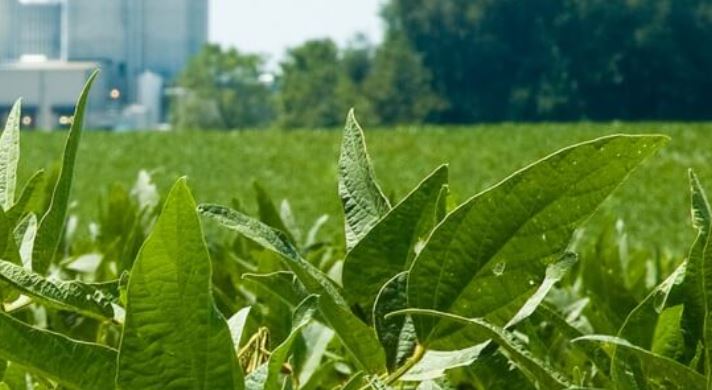


Growth Energy Welcomes $100 Million USDA Investment in Biofuel Infrastructure


Growth Energy Welcomes $100 Million USDA Investment in Biofuel Infrastructure


Growth Energy welcomed an announcement in today's Federal Register from the U.S. Department of Agriculture (USDA) of $100 million in new infrastructure grants to support sales of higher biofuel blends through the Higher Blends Infrastructure Incentive Program (HBIIP). The $100 million will be available in competitive grants for projects aimed at expansion of sales and use of renewable fuels.


"We applaud Secretary Vilsack for his ongoing efforts to expand access to lower-cost, lower-emissions biofuels," said Growth Energy CEO Emily Skor. "We have heard countless success stories from our retail partners about how HBIIP grants have helped them expand options at the pump and bring cleaner, more affordable options to drivers across the nation. Today's announcement reaffirms USDA's commitment to ensuring a new wave of growth for higher biofuel blends, and we look forward to working with members of the retail community to help them take full advantage of this growth opportunity."


Last week, Growth Energy hosted a webinar along with USDA and CSP for participants to learn more about USDA's fuel infrastructure grant program and the exciting opportunities in the E15 marketplace. Information and support for retailers interested in offering higher biofuels blends is available on Growth Energy's Retail Hub.


Background

USDA's HBIIP expands domestic ethanol and biodiesel availability by supporting infrastructure projects to facilitate increased sales of higher biofuel blends (E15/B20 or higher). This effort builds on biofuels infrastructure investments and experience gained through the original Biofuels Infrastructure Partnership (BIP), first launched in 2016.


Growth Energy's pioneering work with Prime the Pump supported the installation of E15 at retailers large and small in size and diverse in geographic location, including Casey's, Sheetz, Kwik Trip, Minnoco, Cumberland Farms, Family Express, Kum & Go, Murphy USA, NuVu Fuels, Protec Fuel, Pump & Pantry, Racetrac, Rutters, QuikTrip, and United Dairy Farmers. There are now more than 2,600 retail locations offering E15 nationwide.


Making Every Drop Count- Growing Sales and Building Trust through Research and Promotion


Making Every Drop Count- Growing Sales and Building Trust through Research and Promotion


Every single drop of milk begins at dawn and doesn't stop until well after dusk. Every drop represents a commitment, a tradition, a calling if you will, to work unbelievably hard to nourish this country.


A commitment to honor the past while looking to the future. Every drop of milk represents a dairy farm. A farm that's often been in the same family for generations.

That's why, at the dairy checkoff, we believe every drop of milk is essential. And it doesn't matter if that drop becomes a glass of milk, or cheese, or yogurt, or ice cream, or something completely new and innovative that the world hasn't seen yet; it's all still essential.

Making Every Drop Count is a federation-wide effort to raise awareness of the dairy checkoff, its programs, and results with farmers who invest in the checkoff. It's Dairy Management Inc. (DMI), National Dairy Council, state and regional promotion organizations like Dairy MAX, and the international marketing affiliate, the U.S. Dairy Export Council, working collaboratively to show the power of the full 15-cent impact of farmers' investment to dairy checkoff.

The national dairy checkoff began in 1983. The checkoff was created by dairy farmers to build trust and sales of dairy through product promotion, research, and education. And, just as dairy farming and the industry have evolved and grown over the past 40 years, so has the checkoff.

Checkoff work for dairy farmers can be divided into promotion, research, and education work areas. Through innovative dairy products, nutrition, food safety research and partnering with various retail and foodservice, work is done to increase the sale of dairy foods and ingredients. Checkoff delivers transparency and information to help build trustworthy relationships through educating influencers and consumers about dairy's role in a balanced diet. Resources from the checkoff also provide dairy farmers with the tools to continue to share their farm stories.

"We advocate with purpose - growing sales through innovative research and partnerships and building trust with consumers across the country on behalf of our dairy farmers," says Kaci McClatchy Creel, vice president of corporate communications. "We are proud to represent over 900 dairy farm families across 8 states. Every one of them is our reason why we work to make every drop count."

Making Every Drop Count details will appear in industry magazines, websites, and social media platforms. Dairy farmers will be front and center in telling this important story as they are the ones who invest in, lead and direct the checkoff priorities and strategies.

We're here to make sure dairy will always matter. With research, innovation and marketing programs, we work on behalf of dairy farmers to make dairy relevant in today's ever-changing environment. To help ensure the results of dairy farmers' hard work are valued today and for years to come.

It's a partnership with one goal in mind: Making Every Drop Count.


Feeder Steers and Heifers Lower, Steer and Heifers Calves Steady to Lower at Oklahoma National Stockyards on Monday


Feeder Steers and Heifers Lower, Steer and Heifers Calves Steady to Lower at Oklahoma National Stockyards on Monday


Oklahoma National Stockyards
Mon Aug 22, 2022


AUCTION
This Week               7,500
Last Reported        6,001
Last Year                 5,186

***Close***
Compared to last week: Feeder steers 4.00 - 8.00 lower, feeder heifers steady to 4.00 lower. Steer calves steady. Heifers calves steady to 4.00 lower. Demand good to moderate. Quality average. Supply included: 100% Feeder Cattle (58% Steers, 40% Heifers, 0% Cows, 2% Bulls, 0% Dairy Heifers). Feeder cattle supply over 600 lbs was 52%.

FEEDER CATTLE
STEERS - Medium and Large 1 (Per Cwt / Actual Wt)
Head        Wt Range        Avg Wt        Price Range        Avg Price
52              306-348            327         217.00-239.00       223.98
80              370-385            379         200.00-247.00       216.82

160           408-421             418         203.00-224.00       213.59
170           456-498             472         200.00-227.00       212.24

201           502-540             521         204.00-220.00       210.75
47              561-564            562         198.00-211.00       199.93
19                  556                 556               213.00              213.00 Thin Fleshed

353           601-640             629         180.00-192.00      185.49
245           655-697             670         175.00-188.00      182.91

307           705-743             724         169.00-184.50      181.14
239           750-798             778         165.00-180.00      175.21

317           802-844             810         167.00-178.50      174.44
147           854-877             863         168.00-172.00      170.41

37              917-948             927         154.25-164.00      160.77

For the complete market report from USDA Market News click on the PDF link below:

Click here:


Feeder Steer and Heifers Higher at Joplin Regional Stockyards on Monday


Feeder Steer and Heifers Higher at Joplin Regional Stockyards on Monday


Joplin Regional Stockyards
Mon Aug 22, 2022


AUCTION
This Week               4,310
Last Reported        4,348
Last Year                 4,617

**CLOSE**
Compared to last week feeder steers traded 4.00-7.00 higher. Feeder heifers traded 3.00-6.00 higher. Supply was light with very good demand. Supply included: 100% Feeder Cattle (42% Steers, 52% Heifers, 6% Bulls). Feeder cattle supply over 600 lbs was 41%.

FEEDER CATTLE
STEERS - Medium and Large 1 (Per Cwt / Actual Wt)
Head         Wt Range         Avg Wt         Price Range         Avg Price
19                310-341             325        221.00-230.00         224.27
26                358-387             372        221.00-232.50         225.82

57                402-438             421        207.50-226.00         214.85
67                455-495             476        205.00-217.50         207.17

51                501-548             521        196.00-211.00         203.48
100              555-598             581        196.00-210.00         202.88

108              602-638             617        190.00-206.00         198.79
78                660-687             675        189.00-200.00         194.91

150             702-747              723        183.00-196.00         187.15

65                802-838             827        173.00-178.00         176.07
95                850-873             865        172.00-178.00         174.03

5                      937                  937             160.00                  160.00

For the complete market report from USDA Market News click on the PDF link below:

Click here:


Timely Rains Hopefully Increase Next Week's Range and Pasture Conditions in USDA Crop Progress Report


Timely Rains Hopefully Increase Next Week's Range and Pasture Conditions in USDA Crop Progress Report


Corn and soybean good-to-excellent condition ratings both fell slightly again last week, USDA reported in its weekly Crop Progress report released Monday, Aug. 22.

Not any extreme changes in crop condition ratings in this week's USDA Crop Progress Report for corn, soybeans, and cotton. With scattered showers across Oklahoma and more chances of rain coming up soon, it may be too late for the cotton crop, but other commodities are in luck- pasture and range conditions should show promise for improvement soon as well.


Nationwide Corn:
Corn silking for the U.S. reached 97 percent this week, down 3 percentage points from last year and down 2 from the average. Dough reached 75 percent, down 8 points from last year and down 4 points from the average. Corn dented reached 31 percent, down 7 points from last year and down 4 points from the average.

Corn conditions for the 18 states reported is rated 55 percent good to excellent, 27 percent fair and 18 percent poor to very poor- not much different from last week.


Nationwide Soybeans:

Soybeans blooming for the U.S. reached 97 percent, even with last year and the average. Soybeans setting pods reached 84 percent, down 3 percentage points from last week and down 2 from the average.

Soybean conditions for the 18 states reported is rated 57 percent good to excellent, 30 percent fair and 13 percent poor to very poor.


Nationwide Cotton:
Cotton setting bolls reached 88 percent, up 10 percentage points from last year and up 3 points from the average. Cotton bolls opening reached 19 percent, up 6 points from last year and up 1 from the average.

Cotton conditions for the 15 states reported is rated 31 percent good to excellent, 29 percent fair and 40 percent poor to very poor.


To view the U.S. crop report, click here.


Oklahoma:

Corn dough reached 62 percent, down 1 point from the previous year and down 13 points from normal. Corn dented reached 37 percent, up 19 points from the previous year but unchanged from normal. Corn conditions rated 43 percent good to excellent, 25 percent fair and 32 percent poor to very poor- not much change from last week.

Cotton setting bolls reached 80 percent, up 11 points from the previous year and up 3 points from normal. Cotton conditions rated 7 percent good to excellent, 31 percent fair and 62 percent poor to very poor. (Since last week, poor to very poor conditions have increased by 7 percentage points.)

Soybeans blooming reached 74 percent, down 3 points from the previous year and down 3 points from normal. Soybeans setting pods reached 41 percent, down 3 points from the previous year and down 2 points from normal. Soybean conditions rated 35 percent good to excellent, 34 percent fair and 31 percent poor to very poor.

Sorghum headed reached 70 percent, down 12 points from the previous year and down 9 points from normal. Sorghum coloring reached 40 percent, up 9 points from the previous year and up 4 points from normal. Sorghum conditions rated 20 percent good to excellent, 36 percent fair and 54 percent poor to very poor. (Since last week, poor to very poor conditions have increased by 25 points.)

Peanuts pegging reached 90 percent, up 9 points from the previous year and up 5 points from normal. Peanuts mature reached 11 percent, up 6 points from the previous year and up 5 points from normal. Peanut conditions rated 67 percent good to excellent and 33 percent fair.

Hay:
In the Central district, reporters indicated hay yields were approximately 50 percent of average. The third cutting of alfalfa hay reached 95 percent, up 16 points from the previous year and up 7 points from normal. The fourth cutting of alfalfa hay reached 25 percent, down 2 points from the previous year and down 9 points from normal. The second cutting of other hay reached 85 percent, up 15 points from the previous year and up 20 points from normal. The third cutting of other hay reached 25 percent, up 16 points from the previous year and up 18 points from normal.

Pasture, Range and Livestock:
Pasture and range conditions were rated 6 percent good to excellent, 25 percent fair and 69 percent poor to very poor. Livestock conditions rated 34 percent good to excellent, 45 percent fair and 21 percent poor to very poor.
Good to excellent pasture and range conditions have dropped 12 points in the last two weeks and good to excellent livestock conditions have dropped 9 points since last week.

To see the Oklahoma Crop Progress Report, click here.


Kansas:

Corn silking reached 94 percent, 6 points behind last year and 5 percentage points lower than the average. Dough reached 74 percent, 10 points behind last year and the average. Corn conditions rated 26 percent good to excellent, 30 percent fair and 44 percent poor to very poor.

Cotton setting bolls reached 96 percent, 12 points ahead of last year and 29 points ahead of the average. Bolls opening reached 17 percent, 9 points ahead of last year and 12 points ahead of the average. Cotton conditions rated 21 percent good to excellent, 36 percent fair and 43 percent poor to very poor.

Soybeans blooming reached 91 percent, one percentage above last year and one point below the average. Soybeans setting pods reached 67 percent, 3 percentage points below last year and 9 points below the average. Soybean conditions rated 31 percent good to excellent, 34 percent fair and 35 percent poor to very poor.

Sorghum headed reached 68 percent, 16 percentage points behind last year and 14 points below the average. Sorghum coloring reached 16 percent, 12 points behind last year and 7 points behind the average. Sorghum conditions rated 26 percent good to excellent, 31 percent fair and 43 percent poor to very poor.

Pasture and Range:
Pasture and range conditions rated 12 percent good to excellent, 26 percent fair and 62 percent poor to very poor.

To see the Kansas crop progress report, click here.


Texas:

Corn dough reached 86 percent, down 3 percentage points from last year and 5 points from the average. Corn dented reached 76 percent, down 5 points from last year and the average. Corn mature reached 67 percent, up 10 points from last year and the average. Corn conditions rated 17 percent good to excellent, 34 percent fair and 49 percent poor to very poor.

Cotton setting bolls reached 85 percent, up 14 percentage points from last year and up 4 points from the average. Bolls opening reached 25 percent, up 10 points from last year and up 4 points from the average. Cotton conditions rated 11 percent good to excellent, 30 percent fair and 59 percent poor to very poor.

Peanuts pegging reached 87 percent, the same as last year and down 2 points from the average. Peanut conditions rated 24 percent good to excellent, 68 percent fair and 1 percent poor to very poor.

Sorghum headed reached 97 percent, up 3 percentage points from last year and 5 points from the average. Sorghum coloring reached 81 percent, up 2 points from last year and up one point from the average. Sorghum conditions rated 17 percent good to excellent, 41 percent fair and 42 percent poor to very poor.

Soybeans blooming reached 96 percent, up one percentage point from last year and equal to the average. Soybeans setting pods reached 84 percent, up 4 points from last year and up 3 from the average. Soybean conditions rated 17 percent good to excellent, 39 percent fair and 44 percent poor to very poor.

Pasture and Range:
Pasture and range conditions rated 2 percent good to excellent, 14 percent fair and 84 percent poor to very poor.

To see the Texas crop progress report, click here.


Timely Rains Hopefully Increase Next Week's Range and Pasture Conditions in USDA Crop Progress Report


Timely Rains Hopefully Increase Next Week's Range and Pasture Conditions in USDA Crop Progress Report


Corn and soybean good-to-excellent condition ratings both fell slightly again last week, USDA reported in its weekly Crop Progress report released Monday, Aug. 22.

Not any extreme changes in crop condition ratings in this week's USDA Crop Progress Report for corn, soybeans, and cotton. With scattered showers across Oklahoma and more chances of rain coming up soon, it may be too late for the cotton crop, but other commodities are in luck- pasture and range conditions should show promise for improvement soon as well.


Nationwide Corn:
Corn silking for the U.S. reached 97 percent this week, down 3 percentage points from last year and down 2 from the average. Dough reached 75 percent, down 8 points from last year and down 4 points from the average. Corn dented reached 31 percent, down 7 points from last year and down 4 points from the average.

Corn conditions for the 18 states reported is rated 55 percent good to excellent, 27 percent fair and 18 percent poor to very poor- not much different from last week.


Nationwide Soybeans:

Soybeans blooming for the U.S. reached 97 percent, even with last year and the average. Soybeans setting pods reached 84 percent, down 3 percentage points from last week and down 2 from the average.

Soybean conditions for the 18 states reported is rated 57 percent good to excellent, 30 percent fair and 13 percent poor to very poor.


Nationwide Cotton:
Cotton setting bolls reached 88 percent, up 10 percentage points from last year and up 3 points from the average. Cotton bolls opening reached 19 percent, up 6 points from last year and up 1 from the average.

Cotton conditions for the 15 states reported is rated 31 percent good to excellent, 29 percent fair and 40 percent poor to very poor.


To view the U.S. crop report, click here.


Oklahoma:

Corn dough reached 62 percent, down 1 point from the previous year and down 13 points from normal. Corn dented reached 37 percent, up 19 points from the previous year but unchanged from normal. Corn conditions rated 43 percent good to excellent, 25 percent fair and 32 percent poor to very poor- not much change from last week.

Cotton setting bolls reached 80 percent, up 11 points from the previous year and up 3 points from normal. Cotton conditions rated 7 percent good to excellent, 31 percent fair and 62 percent poor to very poor. (Since last week, poor to very poor conditions have increased by 7 percentage points.)

Soybeans blooming reached 74 percent, down 3 points from the previous year and down 3 points from normal. Soybeans setting pods reached 41 percent, down 3 points from the previous year and down 2 points from normal. Soybean conditions rated 35 percent good to excellent, 34 percent fair and 31 percent poor to very poor.

Sorghum headed reached 70 percent, down 12 points from the previous year and down 9 points from normal. Sorghum coloring reached 40 percent, up 9 points from the previous year and up 4 points from normal. Sorghum conditions rated 20 percent good to excellent, 36 percent fair and 54 percent poor to very poor. (Since last week, poor to very poor conditions have increased by 25 points.)

Peanuts pegging reached 90 percent, up 9 points from the previous year and up 5 points from normal. Peanuts mature reached 11 percent, up 6 points from the previous year and up 5 points from normal. Peanut conditions rated 67 percent good to excellent and 33 percent fair.

Hay:
In the Central district, reporters indicated hay yields were approximately 50 percent of average. The third cutting of alfalfa hay reached 95 percent, up 16 points from the previous year and up 7 points from normal. The fourth cutting of alfalfa hay reached 25 percent, down 2 points from the previous year and down 9 points from normal. The second cutting of other hay reached 85 percent, up 15 points from the previous year and up 20 points from normal. The third cutting of other hay reached 25 percent, up 16 points from the previous year and up 18 points from normal.

Pasture, Range and Livestock:
Pasture and range conditions were rated 6 percent good to excellent, 25 percent fair and 69 percent poor to very poor. Livestock conditions rated 34 percent good to excellent, 45 percent fair and 21 percent poor to very poor.
Good to excellent pasture and range conditions have dropped 12 points in the last two weeks and good to excellent livestock conditions have dropped 9 points since last week.

To see the Oklahoma Crop Progress Report, click here.


Kansas:

Corn silking reached 94 percent, 6 points behind last year and 5 percentage points lower than the average. Dough reached 74 percent, 10 points behind last year and the average. Corn conditions rated 26 percent good to excellent, 30 percent fair and 44 percent poor to very poor.

Cotton setting bolls reached 96 percent, 12 points ahead of last year and 29 points ahead of the average. Bolls opening reached 17 percent, 9 points ahead of last year and 12 points ahead of the average. Cotton conditions rated 21 percent good to excellent, 36 percent fair and 43 percent poor to very poor.

Soybeans blooming reached 91 percent, one percentage above last year and one point below the average. Soybeans setting pods reached 67 percent, 3 percentage points below last year and 9 points below the average. Soybean conditions rated 31 percent good to excellent, 34 percent fair and 35 percent poor to very poor.

Sorghum headed reached 68 percent, 16 percentage points behind last year and 14 points below the average. Sorghum coloring reached 16 percent, 12 points behind last year and 7 points behind the average. Sorghum conditions rated 26 percent good to excellent, 31 percent fair and 43 percent poor to very poor.

Pasture and Range:
Pasture and range conditions rated 12 percent good to excellent, 26 percent fair and 62 percent poor to very poor.

To see the Kansas crop progress report, click here.


Texas:

Corn dough reached 86 percent, down 3 percentage points from last year and 5 points from the average. Corn dented reached 76 percent, down 5 points from last year and the average. Corn mature reached 67 percent, up 10 points from last year and the average. Corn conditions rated 17 percent good to excellent, 34 percent fair and 49 percent poor to very poor.

Cotton setting bolls reached 85 percent, up 14 percentage points from last year and up 4 points from the average. Bolls opening reached 25 percent, up 10 points from last year and up 4 points from the average. Cotton conditions rated 11 percent good to excellent, 30 percent fair and 59 percent poor to very poor.

Peanuts pegging reached 87 percent, the same as last year and down 2 points from the average. Peanut conditions rated 24 percent good to excellent, 68 percent fair and 1 percent poor to very poor.

Sorghum headed reached 97 percent, up 3 percentage points from last year and 5 points from the average. Sorghum coloring reached 81 percent, up 2 points from last year and up one point from the average. Sorghum conditions rated 17 percent good to excellent, 41 percent fair and 42 percent poor to very poor.

Soybeans blooming reached 96 percent, up one percentage point from last year and equal to the average. Soybeans setting pods reached 84 percent, up 4 points from last year and up 3 from the average. Soybean conditions rated 17 percent good to excellent, 39 percent fair and 44 percent poor to very poor.

Pasture and Range:
Pasture and range conditions rated 2 percent good to excellent, 14 percent fair and 84 percent poor to very poor.

To see the Texas crop progress report, click here.


Oklahoma Grain Elevator Cash Bids as of 2 p.m. August 22, 2022


Oklahoma Grain Elevator Cash Bids as of 2 p.m. August 22, 2022


The U.S. Department of Agriculture and the Oklahoma Department of Agriculture are now putting the Daily Cash Grain Report into a PDF format - we are saving that PDF and archiving them for today's specific report. To see today's update, click on the PDF report link at the bottom of this story.

In addition to the PDF of the daily report, you can also listen to the Cash Grain Report by calling 405-621-5533. Push 2 for the grain report.


Click here:


Oklahoma Grain Elevator Cash Bids as of 2 p.m. August 22, 2022


Oklahoma Grain Elevator Cash Bids as of 2 p.m. August 22, 2022


The U.S. Department of Agriculture and the Oklahoma Department of Agriculture are now putting the Daily Cash Grain Report into a PDF format - we are saving that PDF and archiving them for today's specific report. To see today's update, click on the PDF report link at the bottom of this story.

In addition to the PDF of the daily report, you can also listen to the Cash Grain Report by calling 405-621-5533. Push 2 for the grain report.


Click here:


Corn Growers Encouraged to Complete USDA Surveys


Corn Growers Encouraged to Complete USDA Surveys


The USDA's National Agricultural Statistics Service (NASS) is in the process of surveying growers on key farm issues. The National Corn Growers Association (NCGA) encourages growers to complete the following upcoming surveys:


Now – through Early September... 5 NASS's Conservation Practice Adoption Motivations survey

No one knows the story of conservation in U.S. ag better than farmers and ranchers. Don't miss your chance to tell that story! Respond to USDA NASS's Conservation Practice Adoption Motivations Survey by Sept. 5. Survey data will guide the implementation of USDA's Natural Resources Conservation Service programs in the future. Respond online at www.agcounts.usda.gov.


In the mail... September Grain Stocks Report


Grain Stocks Report survey is in the mail. Survey data help the industry evaluate export potential and calculate supply of the crops available for the marketing year. You can respond securely online at www.agcounts.usda.gov. This survey collects information on stocks of whole grains and oilseeds stored off-farm as of Sept. 1.


Coming in November... The Census of Agriculture


Farmers are encouraged to take part in the Census of Agriculture in November. The Census of Agriculture is a complete count of U.S. farms, ranches and the people who operate them. It is the only source of uniform, comprehensive and impartial agriculture data for every county and state in the nation.


Follow NCGA on Twitter and Facebook to weigh in on these and other USDA announcements.


Corn Growers Encouraged to Complete USDA Surveys


Corn Growers Encouraged to Complete USDA Surveys


The USDA's National Agricultural Statistics Service (NASS) is in the process of surveying growers on key farm issues. The National Corn Growers Association (NCGA) encourages growers to complete the following upcoming surveys:


Now – through Early September... 5 NASS's Conservation Practice Adoption Motivations survey

No one knows the story of conservation in U.S. ag better than farmers and ranchers. Don't miss your chance to tell that story! Respond to USDA NASS's Conservation Practice Adoption Motivations Survey by Sept. 5. Survey data will guide the implementation of USDA's Natural Resources Conservation Service programs in the future. Respond online at www.agcounts.usda.gov.


In the mail... September Grain Stocks Report


Grain Stocks Report survey is in the mail. Survey data help the industry evaluate export potential and calculate supply of the crops available for the marketing year. You can respond securely online at www.agcounts.usda.gov. This survey collects information on stocks of whole grains and oilseeds stored off-farm as of Sept. 1.


Coming in November... The Census of Agriculture


Farmers are encouraged to take part in the Census of Agriculture in November. The Census of Agriculture is a complete count of U.S. farms, ranches and the people who operate them. It is the only source of uniform, comprehensive and impartial agriculture data for every county and state in the nation.


Follow NCGA on Twitter and Facebook to weigh in on these and other USDA announcements.


State Agriculture Organizations Support Special Legislative Session for Future Growth


State Agriculture Organizations Support Special Legislative Session for Future Growth


Today, Gov. Mike Parson called for a special legislative session to extend key agricultural tax credits. The following collaborative statement is provided on behalf of the Missouri Agribusiness Association, Missouri Cattlemen's Association, Missouri Corn Growers Association, Missouri Farm Bureau Federation, Missouri Forest Products Association, Missouri Pork Association, and Missouri Soybean Association.

"Following Gov. Parson's call for a special session, Missouri's commodity groups and agribusiness associations are committed to working with elected officials to fully extend agriculture and rural tax credits for a minimum of six years needed in business development.

"For over two decades, tax credit programs housed in the Missouri Department of Agriculture have helped local butchers and meat processors expand, grow the reach of farmer-owned cooperatives, and build the foundation for Missouri's renewable fuel industry. It is supporting local jobs by spurring investments in value-added processing facilities. This helps keep more of the benefits of Missouri agriculture in rural communities in nearly every corner of our state.

"It is easy to recite how agriculture is Missouri's top economic driver. However, words are nothing without action. We support Gov. Parson's call for a special session to continue making smart investments today that will pay dividends and build this state's economic base for decades to come."


State Agriculture Organizations Support Special Legislative Session for Future Growth


State Agriculture Organizations Support Special Legislative Session for Future Growth


Today, Gov. Mike Parson called for a special legislative session to extend key agricultural tax credits. The following collaborative statement is provided on behalf of the Missouri Agribusiness Association, Missouri Cattlemen's Association, Missouri Corn Growers Association, Missouri Farm Bureau Federation, Missouri Forest Products Association, Missouri Pork Association, and Missouri Soybean Association.

"Following Gov. Parson's call for a special session, Missouri's commodity groups and agribusiness associations are committed to working with elected officials to fully extend agriculture and rural tax credits for a minimum of six years needed in business development.

"For over two decades, tax credit programs housed in the Missouri Department of Agriculture have helped local butchers and meat processors expand, grow the reach of farmer-owned cooperatives, and build the foundation for Missouri's renewable fuel industry. It is supporting local jobs by spurring investments in value-added processing facilities. This helps keep more of the benefits of Missouri agriculture in rural communities in nearly every corner of our state.

"It is easy to recite how agriculture is Missouri's top economic driver. However, words are nothing without action. We support Gov. Parson's call for a special session to continue making smart investments today that will pay dividends and build this state's economic base for decades to come."


Scattered Showers across the State With More Rain Chances coming up Next Weekend


Scattered Showers across the State With More Rain Chances coming up Next Weekend


Thankfully some parts of the state saw some widespread rain events over the past few days. According to State Climatologist Gary McManus, the radar estimated rainfall shows a large area of 4-6 inches of rain down across southern Oklahoma, with some totals in very localized areas probably approaching 8+ inches. So a large amount of rain over a short time frame that obviously led to some pretty serious flooding concerns.

6.18 inches (and counting) of rain at Waurika is more than they had seen in the previous 87 days combined, dating back to May 25!

Another benefit of all the clouds and rainfall is the much milder (if not much more humid) weather, Mcmanus says is that we even saw some record low maximum temperatures yesterday across western Oklahoma where some sites failed to eclipse the 60s.

McManus says we will bust up into the 90s a couple of times this week across parts of Oklahoma, it does appear that we have transitioned from "hot most of the time but broken up by a day here or there with some cooler weather" to just the opposite. At least for the time being. He says we should see an extended period of seasonable-to-cooler than normal weather, with maybe a few hot days intermixed, at least for another week or two. The heat will be concentrated up in northern Oklahoma where the rain missed, but don't count out some high heat index values to the south. Friday is a good example of what to expect.

McManus says he believes we have switched for September. But, that long-term average high temperature graph starts a pretty sharp downward trend as we get into September. And notice the mostly steady above normal weather we've seen with that persistent heat dome over the area since June 11.

McManus says the 7 day rainfall forecast does show big rain chances coming next weekend, and that it does look like we are going to bookend our hot climatological summer with mild rainy periods both at the start of June and then to finish out this month.


Scattered Showers across the State With More Rain Chances coming up Next Weekend


Scattered Showers across the State With More Rain Chances coming up Next Weekend


Scattered Showers across the State With More Rain Chances coming up Next Weekend


Thankfully some parts of the state saw some widespread rain events over the past few days. According to State Climatologist Gary McManus, the radar estimated rainfall shows a large area of 4-6 inches of rain down across southern Oklahoma, with some totals in very localized areas probably approaching 8+ inches. So a large amount of rain over a short time frame that obviously led to some pretty serious flooding concerns.

6.18 inches (and counting) of rain at Waurika is more than they had seen in the previous 87 days combined, dating back to May 25!

Another benefit of all the clouds and rainfall is the much milder (if not much more humid) weather, Mcmanus says is that we even saw some record low maximum temperatures yesterday across western Oklahoma where some sites failed to eclipse the 60s.

McManus says we will bust up into the 90s a couple of times this week across parts of Oklahoma, it does appear that we have transitioned from "hot most of the time but broken up by a day here or there with some cooler weather" to just the opposite. At least for the time being. He says we should see an extended period of seasonable-to-cooler than normal weather, with maybe a few hot days intermixed, at least for another week or two. The heat will be concentrated up in northern Oklahoma where the rain missed, but don't count out some high heat index values to the south. Friday is a good example of what to expect.

McManus says he believes we have switched for September. But, that long-term average high temperature graph starts a pretty sharp downward trend as we get into September. And notice the mostly steady above normal weather we've seen with that persistent heat dome over the area since June 11.

McManus says the 7 day rainfall forecast does show big rain chances coming next weekend, and that it does look like we are going to bookend our hot climatological summer with mild rainy periods both at the start of June and then to finish out this month.


Scattered Showers across the State With More Rain Chances coming up Next Weekend


38th Annual OCA Ranch Rodeo One for the Books!

38th Annual OCA Ranch Rodeo One for the Books!

Click here to listen to audio


Associate Farm Editor, Reagan Calk sat down with the Executive Vice President of the Oklahoma Cattlemen's Association, Michael Kelsey, before the Saturday night performance of the OCA Ranch Rodeo at the Lazy E Arena in Guthrie Okla. this weekend and talked about what makes the OCA Ranch Rodeo a special event.

"This event just keeps growing and it is magnificent," Kelsey said. "I know your listeners can't see where we are right now but the first meeting that organized this event took place about 25 feet from where we are standing right now, 40 years ago."

The event, Kelsey said is based on heritage and celebrating the legacy of working ranches in Oklahoma. The teams competing each year, he added, consist of 12 working ranches from across the state.

"That is the way it has always been and the way it will always be," Kelsey said.

Around 20 years ago, Kelsey said the OCA started a partnership with the Children's Hospital Foundation.

"This year we are going to surpass 600,000 dollars in donations to the Children's Hospital Foundation," Kelsey said. "It is a great partnership and does two great things for us- highlights the legacy of ranching in Oklahoma and a great foundation that we are raising money for."

As for the 12 working ranch teams, Kelsey said they cycle in a few new ones each year, but there are many teams that have been part of the rodeo for quite a while.

"We have a lot of folks who want to participate in our event," Kelsey said. "It's kind of like the super bowl, if you will."

The event is great for families, Kelsey said and provides good entertainment for a good cause while also recognizing ranching heritage.

Kelsey also talked about the trade show at the ranch rodeo, which he said is getting better each year.

"You can buy a pair of boots, some spurs, a knife, a purse- whatever you need that's western, you can come here and get it," Kelsey said. "It is really a lot of fun to see a lot of folks walking through that and enjoying that before and after, and even during the event," Kelsey said.

The 2022 OCA 38th Annual Ranch Rodeo Champions are Whitmire Ranch & Sumner Cattle Company from Delaware, OK.


Click the LISTEN BAR below to hear more from Michael Kelsey on the 2022 OCA 38th Annual Ranch Rodeo.


38th Annual OCA Ranch Rodeo One for the Books!

38th Annual OCA Ranch Rodeo One for the Books!

Click here to listen to audio


Associate Farm Editor, Reagan Calk sat down with the Executive Vice President of the Oklahoma Cattlemen's Association, Michael Kelsey, before the Saturday night performance of the OCA Ranch Rodeo at the Lazy E Arena in Guthrie Okla. this weekend and talked about what makes the OCA Ranch Rodeo a special event.

"This event just keeps growing and it is magnificent," Kelsey said. "I know your listeners can't see where we are right now but the first meeting that organized this event took place about 25 feet from where we are standing right now, 40 years ago."

The event, Kelsey said is based on heritage and celebrating the legacy of working ranches in Oklahoma. The teams competing each year, he added, consist of 12 working ranches from across the state.

"That is the way it has always been and the way it will always be," Kelsey said.

Around 20 years ago, Kelsey said the OCA started a partnership with the Children's Hospital Foundation.

"This year we are going to surpass 600,000 dollars in donations to the Children's Hospital Foundation," Kelsey said. "It is a great partnership and does two great things for us- highlights the legacy of ranching in Oklahoma and a great foundation that we are raising money for."

As for the 12 working ranch teams, Kelsey said they cycle in a few new ones each year, but there are many teams that have been part of the rodeo for quite a while.

"We have a lot of folks who want to participate in our event," Kelsey said. "It's kind of like the super bowl, if you will."

The event is great for families, Kelsey said and provides good entertainment for a good cause while also recognizing ranching heritage.

Kelsey also talked about the trade show at the ranch rodeo, which he said is getting better each year.

"You can buy a pair of boots, some spurs, a knife, a purse- whatever you need that's western, you can come here and get it," Kelsey said. "It is really a lot of fun to see a lot of folks walking through that and enjoying that before and after, and even during the event," Kelsey said.

The 2022 OCA 38th Annual Ranch Rodeo Champions are Whitmire Ranch & Sumner Cattle Company from Delaware, OK.


Click the LISTEN BAR below to hear more from Michael Kelsey on the 2022 OCA 38th Annual Ranch Rodeo.


USDA to Invest up to $300 million in New Organic Transition Initiative


USDA to Invest up to $300 million in New Organic Transition Initiative


Agriculture Secretary Tom Vilsack announced details of the U.S. Department of Agriculture's (USDA) $300 million investment, including with American Rescue Plan funds, in a new Organic Transition Initiative that will help build new and better markets and streams of income for farmers and producers. Organic production allows producers to hold a unique position in the marketplace and thus take home a greater share of the food dollar.


According to the USDA National Agricultural Statistics Service, the number of non-certified organic farms actively transitioning to organic production dropped by nearly 71 percent since 2008. Through the comprehensive support provided by this initiative USDA hopes to reverse this trend, opening opportunities for new and beginning farmers and expanding direct consumer access to organic foods through increased production.


The initiative will deliver wrap-around technical assistance, including farmer-to-farmer mentoring; provide direct support through conservation financial assistance and additional crop insurance assistance, and support market development projects in targeted markets.


"Farmers face challenging technical, cultural, and market shifts while transitioning to organic production, and even during the first years after successful organic certification," said Vilsack. "Through this multi-phased, multi-agency initiative, we are expanding USDA's support of organic farmers to help them with every step of their transition as they work to become certified and secure markets for their products."


USDA's Agricultural Marketing Service (AMS), Risk Management Agency (RMA) and Natural Resources Conservation Service (NRCS) are the primary agencies supporting the Initiative, which will focus on three areas.


Transition to Organic Partnership Program

Through this initiative, USDA aims to ensure that farmers transitioning to organic have the support they need to navigate that transition, including a full supply chain to American consumers who demand organic choices in their supermarkets daily. AMS will build partnership networks in six regions across the United States with trusted local organizations serving direct farmer training, education, and outreach activities. The organizations will connect transitioning farmers with mentors, building paid mentoring networks to share practical insights and advice. Each regional team will also provide community building, including train-the-mentor support; as well as technical assistance, workshops, and field days covering topics including organic production practices, certification, conservation planning, business development (including navigating the supply chain), regulations, and marketing to help transitioning and recently transitioned producers overcome technical, cultural, and financial shifts during and immediately following certification. USDA will provide up to $100 million for this program.


Direct Farmer Assistance

NRCS will develop a new Organic Management conservation practice standard and offer financial and technical assistance to producers who implement the practice. Payments will be modeled on those already available to producers meeting the existing nutrient and pest management conservation practice standards. USDA will provide $75 million for this effort. This will include an increase in organic expertise throughout its regions, creating organic experts at each of its regional technology support centers. These experts will train staff who provide direct services to USDA customers. These services include hosting hands-on organic training for state and field NRCS staff and fielding organic-related staff questions.


USDA will provide $25 million to RMA for the new Transitional and Organic Grower Assistance Program (TOGA) which will support transitioning and certain certified organic producers' participation in crop insurance, including coverage of a portion of their insurance premium.


Organic Pinpointed Market Development Support

Stakeholders have shared that specific organic markets have market development risks due to inadequate organic processing capacity and infrastructure, a lack of certainty about market access, and insufficient supply of certain organic ingredients. This AMS initiative will focus on key organic markets where the need for domestic supply is high, or where additional processing and distribution capacity is needed for more robust organic supply chains. Examples of markets seeking support include organic grain and feed; legumes and other edible rotational crops; and livestock and dairy. USDA will invest up to $100 million to help improve organic supply chains in pinpointed markets. The Department will seek stakeholder input on these pinpointed initiatives beginning in September, resulting in an announcement of specific policy initiatives later this year.


Other USDA Organic Assistance

This USDA initiative complements existing assistance for organic producers, including FSA's Organic Certification Cost Share Program (OCCSP) and Organic and Transitional Education and Certification Program (OTECP). OCCSP helps producers obtain or renew their organic certification, and OTECP provides additional funding to certified and transitioning producers during the pandemic.


NRCS offers conservation programs, such as the Environmental Quality Incentives Program (EQIP) and the Conservation Stewardship Program (CSP), which can provide assistance to help with managing weeds and pests, and establishing high tunnels, improving soil health, and implementing other practices key to organic operations. RMA also administers federal crop insurance options available to organic producers, including Whole Farm Revenue Protection and Micro Farm.


The National Organic Program (NOP) is a federal regulatory program, administered by AMS, that develops and enforces consistent national standards for organically produced agricultural products sold in the United States.


USDA touches the lives of all Americans each day in so many positive ways. Under the Biden-Harris Administration, USDA is transforming America's food system with a greater focus on more resilient local and regional food production, fairer markets for all producers, ensuring access to safe, healthy, and nutritious food in all communities, building new markets and streams of income for farmers and producers using climate-smart food and forestry practices, making historic investments in infrastructure and clean energy capabilities in rural America, and committing to equity across the Department by removing systemic barriers and building a workforce more representative of America. To learn more, visit usda.gov.


USDA to Invest up to $300 million in New Organic Transition Initiative


USDA to Invest up to $300 million in New Organic Transition Initiative


Agriculture Secretary Tom Vilsack announced details of the U.S. Department of Agriculture's (USDA) $300 million investment, including with American Rescue Plan funds, in a new Organic Transition Initiative that will help build new and better markets and streams of income for farmers and producers. Organic production allows producers to hold a unique position in the marketplace and thus take home a greater share of the food dollar.


According to the USDA National Agricultural Statistics Service, the number of non-certified organic farms actively transitioning to organic production dropped by nearly 71 percent since 2008. Through the comprehensive support provided by this initiative USDA hopes to reverse this trend, opening opportunities for new and beginning farmers and expanding direct consumer access to organic foods through increased production.


The initiative will deliver wrap-around technical assistance, including farmer-to-farmer mentoring; provide direct support through conservation financial assistance and additional crop insurance assistance, and support market development projects in targeted markets.


"Farmers face challenging technical, cultural, and market shifts while transitioning to organic production, and even during the first years after successful organic certification," said Vilsack. "Through this multi-phased, multi-agency initiative, we are expanding USDA's support of organic farmers to help them with every step of their transition as they work to become certified and secure markets for their products."


USDA's Agricultural Marketing Service (AMS), Risk Management Agency (RMA) and Natural Resources Conservation Service (NRCS) are the primary agencies supporting the Initiative, which will focus on three areas.


Transition to Organic Partnership Program

Through this initiative, USDA aims to ensure that farmers transitioning to organic have the support they need to navigate that transition, including a full supply chain to American consumers who demand organic choices in their supermarkets daily. AMS will build partnership networks in six regions across the United States with trusted local organizations serving direct farmer training, education, and outreach activities. The organizations will connect transitioning farmers with mentors, building paid mentoring networks to share practical insights and advice. Each regional team will also provide community building, including train-the-mentor support; as well as technical assistance, workshops, and field days covering topics including organic production practices, certification, conservation planning, business development (including navigating the supply chain), regulations, and marketing to help transitioning and recently transitioned producers overcome technical, cultural, and financial shifts during and immediately following certification. USDA will provide up to $100 million for this program.


Direct Farmer Assistance

NRCS will develop a new Organic Management conservation practice standard and offer financial and technical assistance to producers who implement the practice. Payments will be modeled on those already available to producers meeting the existing nutrient and pest management conservation practice standards. USDA will provide $75 million for this effort. This will include an increase in organic expertise throughout its regions, creating organic experts at each of its regional technology support centers. These experts will train staff who provide direct services to USDA customers. These services include hosting hands-on organic training for state and field NRCS staff and fielding organic-related staff questions.


USDA will provide $25 million to RMA for the new Transitional and Organic Grower Assistance Program (TOGA) which will support transitioning and certain certified organic producers' participation in crop insurance, including coverage of a portion of their insurance premium.


Organic Pinpointed Market Development Support

Stakeholders have shared that specific organic markets have market development risks due to inadequate organic processing capacity and infrastructure, a lack of certainty about market access, and insufficient supply of certain organic ingredients. This AMS initiative will focus on key organic markets where the need for domestic supply is high, or where additional processing and distribution capacity is needed for more robust organic supply chains. Examples of markets seeking support include organic grain and feed; legumes and other edible rotational crops; and livestock and dairy. USDA will invest up to $100 million to help improve organic supply chains in pinpointed markets. The Department will seek stakeholder input on these pinpointed initiatives beginning in September, resulting in an announcement of specific policy initiatives later this year.


Other USDA Organic Assistance

This USDA initiative complements existing assistance for organic producers, including FSA's Organic Certification Cost Share Program (OCCSP) and Organic and Transitional Education and Certification Program (OTECP). OCCSP helps producers obtain or renew their organic certification, and OTECP provides additional funding to certified and transitioning producers during the pandemic.


NRCS offers conservation programs, such as the Environmental Quality Incentives Program (EQIP) and the Conservation Stewardship Program (CSP), which can provide assistance to help with managing weeds and pests, and establishing high tunnels, improving soil health, and implementing other practices key to organic operations. RMA also administers federal crop insurance options available to organic producers, including Whole Farm Revenue Protection and Micro Farm.


The National Organic Program (NOP) is a federal regulatory program, administered by AMS, that develops and enforces consistent national standards for organically produced agricultural products sold in the United States.


USDA touches the lives of all Americans each day in so many positive ways. Under the Biden-Harris Administration, USDA is transforming America's food system with a greater focus on more resilient local and regional food production, fairer markets for all producers, ensuring access to safe, healthy, and nutritious food in all communities, building new markets and streams of income for farmers and producers using climate-smart food and forestry practices, making historic investments in infrastructure and clean energy capabilities in rural America, and committing to equity across the Department by removing systemic barriers and building a workforce more representative of America. To learn more, visit usda.gov.


USDA August Cattle on Feed Report Run-Down with Derrell Peel

USDA August Cattle on Feed Report Run-Down with Derrell Peel

Click here to listen to audio


Senior Farm and Ranch Broadcaster, Ron Hays, is talking with Oklahoma State University Extension Livestock Market Economist, Derrell Peel, about the latest cattle on feed numbers in the USDA August Cattle on Feed Report released this past Friday.

The August Cattle on Feed Report, Peel said, showed that placements in the month of July were 101.8 percent of last year's level. Marketings, he added, were 96 percent of last year's level.

"That gives us an August 1 cattle on feed inventory at 101.4 percent," Peel said. "So, up one point for four percent year over year."

With placement numbers being higher than a year ago, Peel said the expectations were for about 3 percent less.

"The fact that we've got such drought conditions, and this is really drought driven I think because the drought is forcing us to do things we don't necessarily want to do, that is what we are seeing here is the drought forcing cattle to move into the market sooner than we planned," Peel said.

If you look at the weight break downs, Peel said, it is the exact same pattern we have had for the last two months.

"Placements of cattle under 700 lbs. were up 9.5 percent, and placements over 700 lbs. were down 2.5 percent," Peel said. "So, the net effect was that two percent increase in placements, and it is the exact same pattern we have been seeing with these lightweight cattle coming in and I think they just don't have an option but to go ahead and market these cattle."

By continuing the process of pulling cattle ahead and borrowing against the future, Peel said placing them sooner than later will imply that eventually low cattle numbers will result.

The report also reflects quality yearling cattle numbers are tight.

"We are seeing very strong prices for the heavier weight feeder cattle," Peel said. "They normally go up through the summer, but they have gone up even more than that. I think that reflects the general tightness of cattle supplies in general, but specifically that weight group."

Even the calves have gotten a little stronger, Peel said, kind of counter-seasonally in the last three weeks.

"We are also seeing on the other end of things, large numbers of cull cows still coming to town," Peel said. "Cow slaughter is running big, and those prices have stayed quite strong through all of this."

For about two weeks in the middle of July, Peel said it looked like we might overwhelm the markets. For a short-term basis, he added, the markets did become overwhelmed, but they bounced back.

"There have been some new buyers in the market snapping up these supplies, and so even though the volumes continue fairly strong, the prices bounce right back to really prior levels, and they have been remarkably strong for most of the year except for some of this volatility short term," Peel said.


To view the August Cattle on Feed Report from USDA, click here.


Click the LISTEN BAR below to listen to Ron Hays and Derrell Peel on the USDA August Cattle on Feed Report.

The Beef Buzz is a regular feature heard on radio stations around the region on the Radio Oklahoma Network and is a regular audio feature found on this website as well. Click on the LISTEN BAR below for today's show and check out our archives for older Beef Buzz shows covering the gamut of the beef cattle industry today.


USDA August Cattle on Feed Report Run-Down with Derrell Peel

USDA August Cattle on Feed Report Run-Down with Derrell Peel

Click here to listen to audio


Senior Farm and Ranch Broadcaster, Ron Hays, is talking with Oklahoma State University Extension Livestock Market Economist, Derrell Peel, about the latest cattle on feed numbers in the USDA August Cattle on Feed Report released this past Friday.

The August Cattle on Feed Report, Peel said, showed that placements in the month of July were 101.8 percent of last year's level. Marketings, he added, were 96 percent of last year's level.

"That gives us an August 1 cattle on feed inventory at 101.4 percent," Peel said. "So, up one point for four percent year over year."

With placement numbers being higher than a year ago, Peel said the expectations were for about 3 percent less.

"The fact that we've got such drought conditions, and this is really drought driven I think because the drought is forcing us to do things we don't necessarily want to do, that is what we are seeing here is the drought forcing cattle to move into the market sooner than we planned," Peel said.

If you look at the weight break downs, Peel said, it is the exact same pattern we have had for the last two months.

"Placements of cattle under 700 lbs. were up 9.5 percent, and placements over 700 lbs. were down 2.5 percent," Peel said. "So, the net effect was that two percent increase in placements, and it is the exact same pattern we have been seeing with these lightweight cattle coming in and I think they just don't have an option but to go ahead and market these cattle."

By continuing the process of pulling cattle ahead and borrowing against the future, Peel said placing them sooner than later will imply that eventually low cattle numbers will result.

The report also reflects quality yearling cattle numbers are tight.

"We are seeing very strong prices for the heavier weight feeder cattle," Peel said. "They normally go up through the summer, but they have gone up even more than that. I think that reflects the general tightness of cattle supplies in general, but specifically that weight group."

Even the calves have gotten a little stronger, Peel said, kind of counter-seasonally in the last three weeks.

"We are also seeing on the other end of things, large numbers of cull cows still coming to town," Peel said. "Cow slaughter is running big, and those prices have stayed quite strong through all of this."

For about two weeks in the middle of July, Peel said it looked like we might overwhelm the markets. For a short-term basis, he added, the markets did become overwhelmed, but they bounced back.

"There have been some new buyers in the market snapping up these supplies, and so even though the volumes continue fairly strong, the prices bounce right back to really prior levels, and they have been remarkably strong for most of the year except for some of this volatility short term," Peel said.


To view the August Cattle on Feed Report from USDA, click here.


Click the LISTEN BAR below to listen to Ron Hays and Derrell Peel on the USDA August Cattle on Feed Report.

The Beef Buzz is a regular feature heard on radio stations around the region on the Radio Oklahoma Network and is a regular audio feature found on this website as well. Click on the LISTEN BAR below for today's show and check out our archives for older Beef Buzz shows covering the gamut of the beef cattle industry today.


USDA August Cattle on Feed Report Run-Down with Derrell Peel

USDA August Cattle on Feed Report Run-Down with Derrell Peel

Click here to listen to audio


Senior Farm and Ranch Broadcaster, Ron Hays, is talking with Oklahoma State University Extension Livestock Market Economist, Derrell Peel, about the latest cattle on feed numbers in the USDA August Cattle on Feed Report released this past Friday.

The August Cattle on Feed Report, Peel said, showed that placements in the month of July were 101.8 percent of last year's level. Marketings, he added, were 96 percent of last year's level.

"That gives us an August 1 cattle on feed inventory at 101.4 percent," Peel said. "So, up one point for four percent year over year."

With placement numbers being higher than a year ago, Peel said the expectations were for about 3 percent less.

"The fact that we've got such drought conditions, and this is really drought driven I think because the drought is forcing us to do things we don't necessarily want to do, that is what we are seeing here is the drought forcing cattle to move into the market sooner than we planned," Peel said.

If you look at the weight break downs, Peel said, it is the exact same pattern we have had for the last two months.

"Placements of cattle under 700 lbs. were up 9.5 percent, and placements over 700 lbs. were down 2.5 percent," Peel said. "So, the net effect was that two percent increase in placements, and it is the exact same pattern we have been seeing with these lightweight cattle coming in and I think they just don't have an option but to go ahead and market these cattle."

By continuing the process of pulling cattle ahead and borrowing against the future, Peel said placing them sooner than later will imply that eventually low cattle numbers will result.

The report also reflects quality yearling cattle numbers are tight.

"We are seeing very strong prices for the heavier weight feeder cattle," Peel said. "They normally go up through the summer, but they have gone up even more than that. I think that reflects the general tightness of cattle supplies in general, but specifically that weight group."

Even the calves have gotten a little stronger, Peel said, kind of counter-seasonally in the last three weeks.

"We are also seeing on the other end of things, large numbers of cull cows still coming to town," Peel said. "Cow slaughter is running big, and those prices have stayed quite strong through all of this."

For about two weeks in the middle of July, Peel said it looked like we might overwhelm the markets. For a short-term basis, he added, the markets did become overwhelmed, but they bounced back.

"There have been some new buyers in the market snapping up these supplies, and so even though the volumes continue fairly strong, the prices bounce right back to really prior levels, and they have been remarkably strong for most of the year except for some of this volatility short term," Peel said.


To view the August Cattle on Feed Report from USDA, click here.


Click the LISTEN BAR below to listen to Ron Hays and Derrell Peel on the USDA August Cattle on Feed Report.

The Beef Buzz is a regular feature heard on radio stations around the region on the Radio Oklahoma Network and is a regular audio feature found on this website as well. Click on the LISTEN BAR below for today's show and check out our archives for older Beef Buzz shows covering the gamut of the beef cattle industry today.


USDA August Cattle on Feed Report Run-Down with Derrell Peel


USDA August Cattle on Feed Report Run-Down with Derrell Peel


Senior Farm and Ranch Broadcaster, Ron Hays, is talking with Oklahoma State University Extension Livestock Market Economist, Derrell Peel, about the latest cattle on feed numbers in the USDA August Cattle on Feed Report released this past Friday.

The August Cattle on Feed Report, Peel said, showed that placements in the month of July were 101.8 percent of last year's level. Marketings, he added, were 96 percent of last year's level.

"That gives us an August 1 cattle on feed inventory at 101.4 percent," Peel said. "So, up one point for four percent year over year."

With placement numbers being higher than a year ago, Peel said the expectations were for about 3 percent less.

"The fact that we've got such drought conditions, and this is really drought driven I think because the drought is forcing us to do things we don't necessarily want to do, that is what we are seeing here is the drought forcing cattle to move into the market sooner than we planned," Peel said.

If you look at the weight break downs, Peel said, it is the exact same pattern we have had for the last two months.

"Placements of cattle under 700 lbs. were up 9.5 percent, and placements over 700 lbs. were down 2.5 percent," Peel said. "So, the net effect was that two percent increase in placements, and it is the exact same pattern we have been seeing with these lightweight cattle coming in and I think they just don't have an option but to go ahead and market these cattle."

By continuing the process of pulling cattle ahead and borrowing against the future, Peel said placing them sooner than later will imply that eventually low cattle numbers will result.

The report also reflects quality yearling cattle numbers are tight.

"We are seeing very strong prices for the heavier weight feeder cattle," Peel said. "They normally go up through the summer, but they have gone up even more than that. I think that reflects the general tightness of cattle supplies in general, but specifically that weight group."

Even the calves have gotten a little stronger, Peel said, kind of counter-seasonally in the last three weeks.

"We are also seeing on the other end of things, large numbers of cull cows still coming to town," Peel said. "Cow slaughter is running big, and those prices have stayed quite strong through all of this."

For about two weeks in the middle of July, Peel said it looked like we might overwhelm the markets. For a short-term basis, he added, the markets did become overwhelmed, but they bounced back.

"There have been some new buyers in the market snapping up these supplies, and so even though the volumes continue fairly strong, the prices bounce right back to really prior levels, and they have been remarkably strong for most of the year except for some of this volatility short term," Peel said.


To view the August Cattle on Feed Report from USDA, click here.


Click the LISTEN BAR below to listen to Ron Hays and Derrell Peel on the USDA August Cattle on Feed Report.

The Beef Buzz is a regular feature heard on radio stations around the region on the Radio Oklahoma Network and is a regular audio feature found on this website as well. Click on the LISTEN BAR below for today's show and check out our archives for older Beef Buzz shows covering the gamut of the beef cattle industry today.


Feedlots Defy Gravity Again, says OSU's Derrell Peel


Feedlots Defy Gravity Again, says OSU's Derrell Peel


Aided and abetted by the drought, feedlots put together another month of large placements in July. July placements were 101.8 percent of last year, despite growing indications that feeder supplies are declining. July 1 estimated feeder supplies outside of feedlots were down 2.7 percent year over year. Drought continues to force cattle to market sooner than planned. Oklahoma auction volumes of feeder cattle for the past six weeks are up 10.9 percent, consistent with the unexpectedly large placements in July.


July feedlot placements included a 2.5 percent decrease in feeders weighing over 700 pounds, which was more than offset by a 9.5 percent increase in feeders weighting less than 700 pounds. Figure 1 shows that this is the third month in a row with increased placements of lightweight feeders and decreased placement of heavy feeders. Total feedlot placements in May - July were down 1.0 percent, with placements under 700 pounds up 6.0 percent and placements over 700 pounds down 4.7 percent. These lightweight placements will finish from November into the first quarter of 2023.


In fact, feedlot placements in the past six months, since February, have totaled 10.91 million head, up 0.8 percent year over year, and account for 97.2 percent of the 11.224 million head on-feed inventory on August 1. In those six months, placements weighing under 700 pounds are up 3.5 percent year over year, while placements over 700 pounds are down 0.7 percent. All of this suggests that feedlots are somewhat back-loaded with relatively tighter numbers finishing in the August - October period and recent lightweight placements finishing November and later.


The implications for feeder cattle markets may be even more important. Increased lightweight placements, especially since May, likely includes fall calves marketed right off the cow, early weaned spring calves and summer stockers marketed ahead of schedule. Pasture and range conditions are currently rated at 52 percent poor/very poor, the worst level for this time of year since 2012.   It appears that the supply of calves and feeder cattle available this fall will likely be significantly smaller because many cattle have already moved to market.   


Feeder cattle prices have been quite strong this summer with heavy feeder prices moving higher by more than seasonal amounts and calf prices moving counter-seasonally higher.   In Oklahoma auctions, 750-pound steers reached the highest prices of the year in mid-August and 500-pound steer calves reached the highest level since the seasonal peaks in March. The trend for higher feeder cattle prices may severely diminish or offset seasonal lows for calves this fall.   

Below, watch Dr. Derrell Peel discuss the long-reaching impact the drought will have on the cattle markets for years to come on the Livestock Marketing segment from SunUp TV from August 6, 2022.


Feedlots Defy Gravity Again, says OSU's Derrell Peel


Feedlots Defy Gravity Again, says OSU's Derrell Peel


Aided and abetted by the drought, feedlots put together another month of large placements in July. July placements were 101.8 percent of last year, despite growing indications that feeder supplies are declining. July 1 estimated feeder supplies outside of feedlots were down 2.7 percent year over year. Drought continues to force cattle to market sooner than planned. Oklahoma auction volumes of feeder cattle for the past six weeks are up 10.9 percent, consistent with the unexpectedly large placements in July.


July feedlot placements included a 2.5 percent decrease in feeders weighing over 700 pounds, which was more than offset by a 9.5 percent increase in feeders weighting less than 700 pounds. Figure 1 shows that this is the third month in a row with increased placements of lightweight feeders and decreased placement of heavy feeders. Total feedlot placements in May - July were down 1.0 percent, with placements under 700 pounds up 6.0 percent and placements over 700 pounds down 4.7 percent. These lightweight placements will finish from November into the first quarter of 2023.


In fact, feedlot placements in the past six months, since February, have totaled 10.91 million head, up 0.8 percent year over year, and account for 97.2 percent of the 11.224 million head on-feed inventory on August 1. In those six months, placements weighing under 700 pounds are up 3.5 percent year over year, while placements over 700 pounds are down 0.7 percent. All of this suggests that feedlots are somewhat back-loaded with relatively tighter numbers finishing in the August - October period and recent lightweight placements finishing November and later.


The implications for feeder cattle markets may be even more important. Increased lightweight placements, especially since May, likely includes fall calves marketed right off the cow, early weaned spring calves and summer stockers marketed ahead of schedule. Pasture and range conditions are currently rated at 52 percent poor/very poor, the worst level for this time of year since 2012.   It appears that the supply of calves and feeder cattle available this fall will likely be significantly smaller because many cattle have already moved to market.   


Feeder cattle prices have been quite strong this summer with heavy feeder prices moving higher by more than seasonal amounts and calf prices moving counter-seasonally higher.   In Oklahoma auctions, 750-pound steers reached the highest prices of the year in mid-August and 500-pound steer calves reached the highest level since the seasonal peaks in March. The trend for higher feeder cattle prices may severely diminish or offset seasonal lows for calves this fall.   

Below, watch Dr. Derrell Peel discuss the long-reaching impact the drought will have on the cattle markets for years to come on the Livestock Marketing segment from SunUp TV from August 6, 2022.


NCBA and USDA To Hold Symposium on Ticks and Associated Diseases Tomorrow!


NCBA and USDA To Hold Symposium on Ticks and Associated Diseases Tomorrow!


The National Cattlemen's Beef Association, in conjunction with the U.S. Department of Agriculture, will hold a virtual symposium with special focus on the Asian Longhorned Tick.


WHAT:               NCBA and USDA Tick Symposium "Ticks – What Are They? How They Can Affect Your
Livestock, and How to Effectively Manage Them"


WHEN:               Tuesday, August 23 and Wednesday, August 24 from 12:00 pm to 3:45 pm EST


WHERE:             Online (view agenda here)


SPEAKERS:         

• Dr. Kathy Simmons, Chief Veterinarian, NCBA
• Dr. Rosemary Sifford, Chief Veterinary Officer of the United States, USDA
• Dr. Mark Lyons, Assistant Director of the Cattle Health Center, USDA-APHIS
• Steve Hopkins, Cattle Producer, Virginia
• Dr. Matthew Playford, Managing Director, Dawbuts Pty. Ltd.
• Dr. Samantha Beaty, State Veterinarian, Tennessee
• Dr. Nancy Hinkle, Veterinary Entomologist, University of Georgia
• John Picanso, USDA-APHIS
• Dr. Kevin Lahmers, Clinical Associate Professor, Virginia Tech
• Dr. Michael Neault, State Veterinarian & Director of the Livestock Poultry Health Department, Clemson University
• Dr. Brent Credille, Associate Professor, University of Georgia
• Dr. Michael J. Yabsley, Professor of Natural Resources, University of Georgia
• Dr. Lindsay Fry, Research Veterinary Medical Officer, USDA-ARS
• Dr. Kimberly H. Lohmeyer, Research Entomologist, USDA-ARS
• Dr. Dustin Weaver, Deputy State Veterinarian, Georgia
• Denise Bonilla, National Cattle Fever Tick Eradication Program Coordinator, USDA-APHIS
• Dr. Carrie Bissett, Program Manager, Virginia Department of Agriculture and Consumer Services
• Dr. Avery Strait, National Cattle Health Epidemiologist, USDA-APHIS

                           
The Asian Longhorned Tick (ALT) is an invasive, exotic tick first identified in the United States in 2017. The ALT is established in many countries in eastern Asia and has been introduced into Australia, New Zealand, and the western Pacific islands. The tick prefers habitats with tall grasses and woods but is highly mobile, attaching to more than 25 known hosts in the U.S., including birds and humans.


This symposium will discuss tick identification and current research at USDA's Agricultural Research Service (ARS) as well as special attention to the emerging diseases carried by ticks and their treatment options. A panel of state animal health officials from states currently affected by the ALT will provide information on mitigation measures taking place in their states and answer questions.


NCBA and USDA To Hold Symposium on Ticks and Associated Diseases Tomorrow!


NCBA and USDA To Hold Symposium on Ticks and Associated Diseases Tomorrow!


The National Cattlemen's Beef Association, in conjunction with the U.S. Department of Agriculture, will hold a virtual symposium with special focus on the Asian Longhorned Tick.


WHAT:               NCBA and USDA Tick Symposium "Ticks – What Are They? How They Can Affect Your
Livestock, and How to Effectively Manage Them"


WHEN:               Tuesday, August 23 and Wednesday, August 24 from 12:00 pm to 3:45 pm EST


WHERE:             Online (view agenda here)


SPEAKERS:         

• Dr. Kathy Simmons, Chief Veterinarian, NCBA
• Dr. Rosemary Sifford, Chief Veterinary Officer of the United States, USDA
• Dr. Mark Lyons, Assistant Director of the Cattle Health Center, USDA-APHIS
• Steve Hopkins, Cattle Producer, Virginia
• Dr. Matthew Playford, Managing Director, Dawbuts Pty. Ltd.
• Dr. Samantha Beaty, State Veterinarian, Tennessee
• Dr. Nancy Hinkle, Veterinary Entomologist, University of Georgia
• John Picanso, USDA-APHIS
• Dr. Kevin Lahmers, Clinical Associate Professor, Virginia Tech
• Dr. Michael Neault, State Veterinarian & Director of the Livestock Poultry Health Department, Clemson University
• Dr. Brent Credille, Associate Professor, University of Georgia
• Dr. Michael J. Yabsley, Professor of Natural Resources, University of Georgia
• Dr. Lindsay Fry, Research Veterinary Medical Officer, USDA-ARS
• Dr. Kimberly H. Lohmeyer, Research Entomologist, USDA-ARS
• Dr. Dustin Weaver, Deputy State Veterinarian, Georgia
• Denise Bonilla, National Cattle Fever Tick Eradication Program Coordinator, USDA-APHIS
• Dr. Carrie Bissett, Program Manager, Virginia Department of Agriculture and Consumer Services
• Dr. Avery Strait, National Cattle Health Epidemiologist, USDA-APHIS

                           
The Asian Longhorned Tick (ALT) is an invasive, exotic tick first identified in the United States in 2017. The ALT is established in many countries in eastern Asia and has been introduced into Australia, New Zealand, and the western Pacific islands. The tick prefers habitats with tall grasses and woods but is highly mobile, attaching to more than 25 known hosts in the U.S., including birds and humans.


This symposium will discuss tick identification and current research at USDA's Agricultural Research Service (ARS) as well as special attention to the emerging diseases carried by ticks and their treatment options. A panel of state animal health officials from states currently affected by the ALT will provide information on mitigation measures taking place in their states and answer questions.


Vive Crop Protection Closes Funding Round, Accelerating Its Precision Chemistry Platform


Vive Crop Protection Closes Funding Round, Accelerating Its Precision Chemistry Platform


Vive Crop Protection announced today the close of its USD $26 million Series C investment round. The round was led by Emmertech with participation from the Cibus funds, and existing investors Business Development Bank of Canada (BDC), Export Development Canada (EDC), and Urbana Corporation. Vive has also secured debt financing from Silicon Valley Bank (SVB) to provide both working and growth capital in support of their continued expansion.


Vive will have a second close in the next quarter to accommodate top-tier investor groups still completing diligence - all strategically focused on next-generation agriculture technology.


Vive will leverage its newest funding to accelerate the commercial deployment of its next-generation product portfolio into new North American markets while advancing its research and development pipeline.


"The investment by Emmertech, the Cibus funds, and existing investors, and the debt financing provided by Silicon Valley Bank underscores our success in delivering innovative solutions to farmers," says Darren Anderson, Chief Executive Officer of Vive Crop Protection. "We're extremely excited about how these new relationships will propel our business to the next level, including into global markets."


Vive's proprietary Allosperse® technology is a nanoscale, polymer-based delivery system that improves the targeting and performance of both synthetic and biological active ingredients, enhancing farmers ROI and sustainability profile.


"Since 2018, our products are estimated to have saved farmers 34 million gallons of water, 189,000 gallons of fuel, and 15,000 hours of farm labor," says Anderson. "In addition, feedback from our annual customer satisfaction survey has been overwhelmingly positive with 97% of respondents indicating their desire to re-use Vive products."


Fast-Paced Growth

In the last 18 months, Vive has experienced rapid growth which is evident in new product registrations, and increases in customer base, employment roster, and revenue - which has more than doubled from sales of its seven EPA-registered products.


Following Vive's 2021 U.S. launch of AZterknot® fungicide, sales opportunities in new crop segments have been significant. Registered across a broad spectrum of crops, AZterknot demonstrates Vive's ability to more effectively deliver both biologicals and synthetic active ingredients in a single jug.


In its first full marketing season of 2022, AZterknot sales exceeded expectation with product use on more than 50,000 U.S. acres. "AZterknot showcases our ability to deliver biologicals with proven chemistry," says Anderson. "As the demand for biologicals increases, Allosperse will be an important technology for bringing more bio-based offerings to market."


Kyle Scott, Managing Director of Conexus Venture Capital & Emmertech, says, "We are thrilled to be backing Vive's outstanding team and the trust they've built among farmers with solutions that are efficient, sustainable, and profitable. We look forward to supporting Vive with their R&D infrastructure and entrance into global markets."


Vive is also pleased to announce the appointment of Kyle Scott to its Board of Directors.


Alastair Cooper, Head of Venture at the Cibus funds, says, "Our investment underlines our commitment to disruptive companies like Vive who place innovation at the core of their business model. As agriculture continues to embrace new technology, we believe Vive products will become increasingly important for maximizing on-farm efficiency and sustainability."


Graeme Millen, Managing Director and Climate Tech & Sustainability lead in Canada for Silicon Valley Bank, says, "Vive's unique technology exemplifies the power of next-generation solutions to create sustainable yet profitable outcomes for stakeholders. This approach aligns with SVB's role as an active partner for high impact Agtech companies and we're excited to support Vive's important mission."


Marketplace Achievements

• Seven commercially available products used on more than 2 million acres of U.S. farmland in 2022

• First to launch a three-way fungicide that combines Allosperse with biological and synthetic chemistries

• Intellectual property portfolio of more than 100 patents granted with others pending, plus R&D capabilities

• Recognized as one of Canada's Sustainability Changemakers for 2022 by the Sustainable Development Technology Canada (SDTC) organization

• Corporate recipient of numerous international awards for its innovative Allosperse technology

Vive recognizes Fort Capital Partners for their advisory role in this funding round.


About Vive Crop Protection

Vive creates Precision Chemistry to expand the horizons of Precision Ag. Utilizing the patented Allosperse® Delivery System, Vive improves the targeting and performance of chemical and biological active ingredients, helping growers achieve real results. Learn more at vivecrop.com.


Vive Crop Protection Closes Funding Round, Accelerating Its Precision Chemistry Platform


Vive Crop Protection Closes Funding Round, Accelerating Its Precision Chemistry Platform


Vive Crop Protection announced today the close of its USD $26 million Series C investment round. The round was led by Emmertech with participation from the Cibus funds, and existing investors Business Development Bank of Canada (BDC), Export Development Canada (EDC), and Urbana Corporation. Vive has also secured debt financing from Silicon Valley Bank (SVB) to provide both working and growth capital in support of their continued expansion.


Vive will have a second close in the next quarter to accommodate top-tier investor groups still completing diligence - all strategically focused on next-generation agriculture technology.


Vive will leverage its newest funding to accelerate the commercial deployment of its next-generation product portfolio into new North American markets while advancing its research and development pipeline.


"The investment by Emmertech, the Cibus funds, and existing investors, and the debt financing provided by Silicon Valley Bank underscores our success in delivering innovative solutions to farmers," says Darren Anderson, Chief Executive Officer of Vive Crop Protection. "We're extremely excited about how these new relationships will propel our business to the next level, including into global markets."


Vive's proprietary Allosperse® technology is a nanoscale, polymer-based delivery system that improves the targeting and performance of both synthetic and biological active ingredients, enhancing farmers ROI and sustainability profile.


"Since 2018, our products are estimated to have saved farmers 34 million gallons of water, 189,000 gallons of fuel, and 15,000 hours of farm labor," says Anderson. "In addition, feedback from our annual customer satisfaction survey has been overwhelmingly positive with 97% of respondents indicating their desire to re-use Vive products."


Fast-Paced Growth

In the last 18 months, Vive has experienced rapid growth which is evident in new product registrations, and increases in customer base, employment roster, and revenue - which has more than doubled from sales of its seven EPA-registered products.


Following Vive's 2021 U.S. launch of AZterknot® fungicide, sales opportunities in new crop segments have been significant. Registered across a broad spectrum of crops, AZterknot demonstrates Vive's ability to more effectively deliver both biologicals and synthetic active ingredients in a single jug.


In its first full marketing season of 2022, AZterknot sales exceeded expectation with product use on more than 50,000 U.S. acres. "AZterknot showcases our ability to deliver biologicals with proven chemistry," says Anderson. "As the demand for biologicals increases, Allosperse will be an important technology for bringing more bio-based offerings to market."


Kyle Scott, Managing Director of Conexus Venture Capital & Emmertech, says, "We are thrilled to be backing Vive's outstanding team and the trust they've built among farmers with solutions that are efficient, sustainable, and profitable. We look forward to supporting Vive with their R&D infrastructure and entrance into global markets."


Vive is also pleased to announce the appointment of Kyle Scott to its Board of Directors.


Alastair Cooper, Head of Venture at the Cibus funds, says, "Our investment underlines our commitment to disruptive companies like Vive who place innovation at the core of their business model. As agriculture continues to embrace new technology, we believe Vive products will become increasingly important for maximizing on-farm efficiency and sustainability."


Graeme Millen, Managing Director and Climate Tech & Sustainability lead in Canada for Silicon Valley Bank, says, "Vive's unique technology exemplifies the power of next-generation solutions to create sustainable yet profitable outcomes for stakeholders. This approach aligns with SVB's role as an active partner for high impact Agtech companies and we're excited to support Vive's important mission."


Marketplace Achievements

• Seven commercially available products used on more than 2 million acres of U.S. farmland in 2022

• First to launch a three-way fungicide that combines Allosperse with biological and synthetic chemistries

• Intellectual property portfolio of more than 100 patents granted with others pending, plus R&D capabilities

• Recognized as one of Canada's Sustainability Changemakers for 2022 by the Sustainable Development Technology Canada (SDTC) organization

• Corporate recipient of numerous international awards for its innovative Allosperse technology

Vive recognizes Fort Capital Partners for their advisory role in this funding round.


About Vive Crop Protection

Vive creates Precision Chemistry to expand the horizons of Precision Ag. Utilizing the patented Allosperse® Delivery System, Vive improves the targeting and performance of chemical and biological active ingredients, helping growers achieve real results. Learn more at vivecrop.com.


Freight Rail Legislation Would Improve Market Competition For U.S. Wheat


Freight Rail Legislation Would Improve Market Competition For U.S. Wheat


This month, members of Congress, including the Chair of the House Transportation Committee introduced the Freight Rail Shipping Fair Market Act (FRSFMA). If adopted, the legislation will reauthorize the Surface Transportation Board (STB) and "create a fair marketplace" for railroads and shippers. A detailed look at what's in the bill can be read here, while industry observations can be found here. The bill includes many updates that would provide fairer treatment for agricultural shippers, noted DTN.

Railroad users, wheat farmers, included, have been vocal about performance. Railroad executives and the shippers that depend on their service disagree on the reasons fueling the breakdown in reliability from the Class I railroads. The newly introduced legislation will go some way in creating a more even playing field for shippers, which will benefit farmers down the line.

Supporting Legislation

Most importantly, this bill would reauthorize the STB, a body that U.S. Wheat Associates (USW) supports and has worked with to put forward policies that benefit U.S. wheat farmers and their customers. The Agricultural Transportation Working Group (ATWG), of which USW is part, sent a letter to lawmakers encouraging the passage of FRSFMA. The letter was signed by 88 members of the ATWG, including the National Association of Wheat Growers (NAWG), with USW's support.

According to the American Farm Bureau Federation, between the second quarter of 2021 and the second quarter of 2022, unfilled orders for grain cars went from 62,000 to 204,000, a 231% increase. During the same period, nearly 70% of grain car orders were 11 days overdue. Based on such challenges, the U.S. House of Representatives held two hearings and the STB held a hearing on poor freight rail performance since the start of the year. FRSFMA goes a long way to remedy the problems uncovered in those hearings.

Critical Components

Progressive Farmer, a news publication, explained some of the critical components of the bill that:

*Strengthen the STB's authority to address freight rail service emergencies. It requires rail contracts to include service delivery standards and remedies while leaving details to be privately negotiated between parties.
*Provide the STB with a clear direction to resolve common carrier obligation complaints.
*Create financial incentives for both railroads and their customers to move railcars efficiently.
*Support freight railroad efforts to identify where freight is located on their systems while in transit.
*Adequately fund the STB to allow for quicker dispute resolution when petitioned.

Meaningful Freight Rail Reforms

The American Chemistry Council, a trade group, commended the legislation saying, "This important legislation contains many thoughtful solutions that complement the much-needed reforms being considered by the STB. We urge Congress and the STB to work together on meaningful reforms that will incentivize the railroads to provide reliable and competitive service and hold them accountable when they fail to deliver."

The CEO of the Association of American Railroads (AAR) pushed back on the legislation saying that it provides "unjustified government mandates" but failed to address the challenges that continued to plague the Class I railroads over the last year.

The Freight Rail Shipping Fair Market Act will significantly improve the issues piling up for the U.S. Class I railroads. FRSFMA also improves the farmers' standing when dealing with the railroads. USW and the Transportation Working Group (TWG) supports the passage of FRSFMA and will continue to promote the work of the STB. Wheat farmers and customers of U.S. wheat know the importance of reliable freight rail service; it would positively help set U.S. wheat apart from other suppliers. This bill goes further toward improving that service.

By USW Market Analyst Michael Anderson


Freight Rail Legislation Would Improve Market Competition For U.S. Wheat


Freight Rail Legislation Would Improve Market Competition For U.S. Wheat


This month, members of Congress, including the Chair of the House Transportation Committee introduced the Freight Rail Shipping Fair Market Act (FRSFMA). If adopted, the legislation will reauthorize the Surface Transportation Board (STB) and "create a fair marketplace" for railroads and shippers. A detailed look at what's in the bill can be read here, while industry observations can be found here. The bill includes many updates that would provide fairer treatment for agricultural shippers, noted DTN.

Railroad users, wheat farmers, included, have been vocal about performance. Railroad executives and the shippers that depend on their service disagree on the reasons fueling the breakdown in reliability from the Class I railroads. The newly introduced legislation will go some way in creating a more even playing field for shippers, which will benefit farmers down the line.

Supporting Legislation

Most importantly, this bill would reauthorize the STB, a body that U.S. Wheat Associates (USW) supports and has worked with to put forward policies that benefit U.S. wheat farmers and their customers. The Agricultural Transportation Working Group (ATWG), of which USW is part, sent a letter to lawmakers encouraging the passage of FRSFMA. The letter was signed by 88 members of the ATWG, including the National Association of Wheat Growers (NAWG), with USW's support.

According to the American Farm Bureau Federation, between the second quarter of 2021 and the second quarter of 2022, unfilled orders for grain cars went from 62,000 to 204,000, a 231% increase. During the same period, nearly 70% of grain car orders were 11 days overdue. Based on such challenges, the U.S. House of Representatives held two hearings and the STB held a hearing on poor freight rail performance since the start of the year. FRSFMA goes a long way to remedy the problems uncovered in those hearings.

Critical Components

Progressive Farmer, a news publication, explained some of the critical components of the bill that:

*Strengthen the STB's authority to address freight rail service emergencies. It requires rail contracts to include service delivery standards and remedies while leaving details to be privately negotiated between parties.
*Provide the STB with a clear direction to resolve common carrier obligation complaints.
*Create financial incentives for both railroads and their customers to move railcars efficiently.
*Support freight railroad efforts to identify where freight is located on their systems while in transit.
*Adequately fund the STB to allow for quicker dispute resolution when petitioned.

Meaningful Freight Rail Reforms

The American Chemistry Council, a trade group, commended the legislation saying, "This important legislation contains many thoughtful solutions that complement the much-needed reforms being considered by the STB. We urge Congress and the STB to work together on meaningful reforms that will incentivize the railroads to provide reliable and competitive service and hold them accountable when they fail to deliver."

The CEO of the Association of American Railroads (AAR) pushed back on the legislation saying that it provides "unjustified government mandates" but failed to address the challenges that continued to plague the Class I railroads over the last year.

The Freight Rail Shipping Fair Market Act will significantly improve the issues piling up for the U.S. Class I railroads. FRSFMA also improves the farmers' standing when dealing with the railroads. USW and the Transportation Working Group (TWG) supports the passage of FRSFMA and will continue to promote the work of the STB. Wheat farmers and customers of U.S. wheat know the importance of reliable freight rail service; it would positively help set U.S. wheat apart from other suppliers. This bill goes further toward improving that service.

By USW Market Analyst Michael Anderson


U.S Cotton Trust Protocol's Clint Abernathy Outlines 2022 Cotton Crop Conditions


U.S Cotton Trust Protocol's Clint Abernathy Outlines 2022 Cotton Crop Conditions


KC Sheperd, Farm Director, last week visited with Clint Abernathy of the U.S Cotton Trust Protocol. Owner and operator of Abernathy Farms in Altus, Okla., Abernathy talks about this year's cotton conditions on account of the lack of moisture.

"Of course, we are extremely dry, and we have been that way for quite a while, so the crop, for the most part, is poor," Abernathy said. "There are some pockets of good cotton here and there, but the crop, for the most part, what I see looks bad. I don't think most of it will even be harvested."

For his personal crop, Abernathy said there was not enough water in Lake Lugert-Altus to irrigate this year. He said the lake is low because they didn't catch any spring rains to replenish it.

"In places like Tillman County where they have water, some of that cotton looks pretty good and I think they have some places up North that have some areas with pretty good cotton, but right here in Jackson County, it is not good," Abernathy said. "The cotton is just so far behind."

With a chance of rain coming up, Abernathy said that moisture will finish out some of the cotton that has had irrigation and rain, but for the cotton that hasn't had any water, it is just too late.

"We would love to see rain just for our upcoming wheat crop and for the grass," Abernathy said. "It would be nice to have a change."

Abernathy said the last report from USDA lowered cotton production more than ever before, so luckily the price reacted to that.

"We just have to try to get next year for the most part," Abernathy said. "There is just not a whole lot we can do about this situation so, you know, crop insurance will help take care of us."

"There will be another year," Abernathy said. "This will change."

With 2011 as the baseline for one of the worst years in recent history for a crop, Abernathy said from a cotton production standpoint it is going to be even worse than that in Oklahoma and West Texas.

"It is a significant drought, and it is going to leave some scars, but I feel like most of the farmers will get through it fine and we will just have to hope this weather pattern changes," Abernathy said.


Click the LISTEN BAR below to hear KC Sheperd and Clint Abernathy talk about this year's cotton crop.


U.S Cotton Trust Protocol's Clint Abernathy Outlines 2022 Cotton Crop Conditions


U.S Cotton Trust Protocol's Clint Abernathy Outlines 2022 Cotton Crop Conditions


KC Sheperd, Farm Director, last week visited with Clint Abernathy of the U.S Cotton Trust Protocol. Owner and operator of Abernathy Farms in Altus, Okla., Abernathy talks about this year's cotton conditions on account of the lack of moisture.

"Of course, we are extremely dry, and we have been that way for quite a while, so the crop, for the most part, is poor," Abernathy said. "There are some pockets of good cotton here and there, but the crop, for the most part, what I see looks bad. I don't think most of it will even be harvested."

For his personal crop, Abernathy said there was not enough water in Lake Lugert-Altus to irrigate this year. He said the lake is low because they didn't catch any spring rains to replenish it.

"In places like Tillman County where they have water, some of that cotton looks pretty good and I think they have some places up North that have some areas with pretty good cotton, but right here in Jackson County, it is not good," Abernathy said. "The cotton is just so far behind."

With a chance of rain coming up, Abernathy said that moisture will finish out some of the cotton that has had irrigation and rain, but for the cotton that hasn't had any water, it is just too late.

"We would love to see rain just for our upcoming wheat crop and for the grass," Abernathy said. "It would be nice to have a change."

Abernathy said the last report from USDA lowered cotton production more than ever before, so luckily the price reacted to that.

"We just have to try to get next year for the most part," Abernathy said. "There is just not a whole lot we can do about this situation so, you know, crop insurance will help take care of us."

"There will be another year," Abernathy said. "This will change."

With 2011 as the baseline for one of the worst years in recent history for a crop, Abernathy said from a cotton production standpoint it is going to be even worse than that in Oklahoma and West Texas.

"It is a significant drought, and it is going to leave some scars, but I feel like most of the farmers will get through it fine and we will just have to hope this weather pattern changes," Abernathy said.


Click the LISTEN BAR below to hear KC Sheperd and Clint Abernathy talk about this year's cotton crop.


State Election Board Offers Tips, Reminders for Oklahoma Voters


State Election Board Offers Tips, Reminders for Oklahoma Voters


VVoters head to the polls Tuesday for the runoff primary and several nonpartisan elections. The State Election Board offers these tips and reminders to Oklahoma voters ahead of the August 23 Election.


ELECTION DAY VOTING

Polls are open from 7 a.m. to 7 p.m. on Election Day. Lines at the polls are typically longest before work, during the lunch hour, and after work. All eligible voters in line by 7 p.m. will be permitted to vote.


CLOSED PRIMARIES

Oklahoma has closed primaries. However, for the 2022-2023 election years, the Democratic Party has opened its primaries to registered Independents.


Independent voters wishing to vote a Democratic ballot should let the election worker know when they check in at their polling place. As a reminder, Independent and Libertarian voters are eligible to vote in any nonpartisan elections on the ballot.


VERIFY POLLING PLACE

Due to statutory redistricting, some precincts have changed. As a result, some polling places may have also changed. All voters should verify their polling place before heading to the polls. Voters can verify their polling place using the OK Voter Portal or by contacting their County Election Board or the State Election Board. The State Election Board reminds voters that you must vote at your assigned polling place.


BE PREPARED


Study the candidates and issues before going to the polls. View your sample ballot using the OK Voter Portal. You can also use the portal to find your polling place and track the status of your absentee ballot. The election list is available on the State Election Board website.


PROOF OF IDENTITY

Oklahoma law requires every voter who votes in person to show proof of identity before receiving a ballot.


There are three ways to show proof of identity under the law (only one proof of identity is required):

1. Show a valid photo ID issued by the federal, state, or tribal government; or
2. Show the free voter identification card issued to every voter by their County Election Board; or
3. Sign an affidavit and vote a provisional ballot. (If the information on the affidavit matches official voter registration records, the ballot will be counted after Election Day.)


ELECTION SECURITY AND ELECTION RESULTS

Information regarding Oklahoma's election security can be found on the State Election Board website, along with details regarding Oklahoma's voting devices.

Election results will be available on the State Election Board website after the polls close at 7 p.m. on election night.


BEWARE OR MISINFORMATION/DISINFORMATION

During election time, misinformation and disinformation can run rampant. Voters are asked to be wary of information that seeks to promote conspiracy theories or false claims of fraud, voter suppression and/or other problems.


If you experience an issue or believe an election or voting crime has been committed, your first action should be to notify your precinct officials and contact your County Election Board while the incident is in progress. County Election Board officials will take immediate action to resolve the issue and/or contact local law enforcement.


State and county election officials should always be your trusted sources for information.


URL Guide

Closed Primaries: https://oklahoma.gov/elections/voter-registration/political-party-info.html
OK Voter Portal: https://oklahoma.gov/elections/ovp.html
County Election Board: https://oklahoma.gov/elections/about-us/county-election-boards.html
State Election Board: https://oklahoma.gov/elections/about-us/contact-us.html
Election List: https://oklahoma.gov/elections/elections-results/next-election.html
Proof of Identity: https://oklahoma.gov/elections/elections-results/next-election.html
Election Security: https://oklahoma.gov/elections/security-integrity/election-security.html
Voting Devices: https://oklahoma.gov/elections/security-integrity/voting-devices.html
Election Results: https://oklahoma.gov/elections.html


State Election Board Offers Tips, Reminders for Oklahoma Voters


State Election Board Offers Tips, Reminders for Oklahoma Voters


VVoters head to the polls Tuesday for the runoff primary and several nonpartisan elections. The State Election Board offers these tips and reminders to Oklahoma voters ahead of the August 23 Election.


ELECTION DAY VOTING

Polls are open from 7 a.m. to 7 p.m. on Election Day. Lines at the polls are typically longest before work, during the lunch hour, and after work. All eligible voters in line by 7 p.m. will be permitted to vote.


CLOSED PRIMARIES

Oklahoma has closed primaries. However, for the 2022-2023 election years, the Democratic Party has opened its primaries to registered Independents.


Independent voters wishing to vote a Democratic ballot should let the election worker know when they check in at their polling place. As a reminder, Independent and Libertarian voters are eligible to vote in any nonpartisan elections on the ballot.


VERIFY POLLING PLACE

Due to statutory redistricting, some precincts have changed. As a result, some polling places may have also changed. All voters should verify their polling place before heading to the polls. Voters can verify their polling place using the OK Voter Portal or by contacting their County Election Board or the State Election Board. The State Election Board reminds voters that you must vote at your assigned polling place.


BE PREPARED


Study the candidates and issues before going to the polls. View your sample ballot using the OK Voter Portal. You can also use the portal to find your polling place and track the status of your absentee ballot. The election list is available on the State Election Board website.


PROOF OF IDENTITY

Oklahoma law requires every voter who votes in person to show proof of identity before receiving a ballot.


There are three ways to show proof of identity under the law (only one proof of identity is required):

1. Show a valid photo ID issued by the federal, state, or tribal government; or
2. Show the free voter identification card issued to every voter by their County Election Board; or
3. Sign an affidavit and vote a provisional ballot. (If the information on the affidavit matches official voter registration records, the ballot will be counted after Election Day.)


ELECTION SECURITY AND ELECTION RESULTS

Information regarding Oklahoma's election security can be found on the State Election Board website, along with details regarding Oklahoma's voting devices.

Election results will be available on the State Election Board website after the polls close at 7 p.m. on election night.


BEWARE OR MISINFORMATION/DISINFORMATION

During election time, misinformation and disinformation can run rampant. Voters are asked to be wary of information that seeks to promote conspiracy theories or false claims of fraud, voter suppression and/or other problems.


If you experience an issue or believe an election or voting crime has been committed, your first action should be to notify your precinct officials and contact your County Election Board while the incident is in progress. County Election Board officials will take immediate action to resolve the issue and/or contact local law enforcement.


State and county election officials should always be your trusted sources for information.


URL Guide

Closed Primaries: https://oklahoma.gov/elections/voter-registration/political-party-info.html
OK Voter Portal: https://oklahoma.gov/elections/ovp.html
County Election Board: https://oklahoma.gov/elections/about-us/county-election-boards.html
State Election Board: https://oklahoma.gov/elections/about-us/contact-us.html
Election List: https://oklahoma.gov/elections/elections-results/next-election.html
Proof of Identity: https://oklahoma.gov/elections/elections-results/next-election.html
Election Security: https://oklahoma.gov/elections/security-integrity/election-security.html
Voting Devices: https://oklahoma.gov/elections/security-integrity/voting-devices.html
Election Results: https://oklahoma.gov/elections.html


Oklahoma Grain Elevator Cash Bids as of 2 p.m. August 19, 2022


Oklahoma Grain Elevator Cash Bids as of 2 p.m. August 19, 2022


The U.S. Department of Agriculture and the Oklahoma Department of Agriculture are now putting the Daily Cash Grain Report into a PDF format - we are saving that PDF and archiving them for today's specific report. To see today's update, click on the PDF report link at the bottom of this story.

In addition to the PDF of the daily report, you can also listen to the Cash Grain Report by calling 405-621-5533. Push 2 for the grain report.


Click here:


Oklahoma Grain Elevator Cash Bids as of 2 p.m. August 19, 2022


Oklahoma Grain Elevator Cash Bids as of 2 p.m. August 19, 2022


The U.S. Department of Agriculture and the Oklahoma Department of Agriculture are now putting the Daily Cash Grain Report into a PDF format - we are saving that PDF and archiving them for today's specific report. To see today's update, click on the PDF report link at the bottom of this story.

In addition to the PDF of the daily report, you can also listen to the Cash Grain Report by calling 405-621-5533. Push 2 for the grain report.


Click here:


Bob Rodenberger with Stockman's Livestock Highlights Positives of Cattle Market

Bob Rodenberger with Stockman's Livestock Highlights Positives of Cattle Market

Click here to listen to audio


KC Sheperd, Farm Director, had the chance to visit with Bob Rodenberger, A partner with Stockman Oklahoma Livestock Marketing. Stockman has locations in Oklahoma City and Apache. Rodenberger talks about the current cattle market and highlights positives in the industry in the future.

"We operate in Oklahoma City on the stockyards under Stockman Oklahoma on Mondays and Tuesdays at the stockyards, and then we have got our auction market there at Apache, which is on Thursdays, and we sell everything on that day," Rodenberger said. "We also have our own video auction every Wednesday at 10 o'clock at Apache."

Rodenberger said their customers in the Apache area and all over are tackling the problem of having water and some grass but no hay.

"Our smaller operators depend on hay all the time, and they will probably be overstocked when we have got good rainfall, but they always get through with buying extra hay, and now there is no hay available for them," Rodenberger said. "Now, right there immediately, most of them have got water and are out of grass and no hay, so we are seeing a lot of cows come to town that we normally wouldn't see."

Rodenberger said they haven't seen too many young cows come to town yet and mostly see older cows that should have been culled a few years ago to be sold.

"I have had very few just complete dispersals because of the drought, Rodenberger said. "Most of them are holding onto half their cow crop."

In Texas especially, Rodenberger said producers are out of water, grass, and hay.

"I am seeing some of those completely disperse out," Rodenberger said.

Many full-time ranchers, Rodenberger said, are holding out to see what the upcoming chance of rain will do. In 2011 and 2012, when ranchers were liquidating their cow herds due to the drought, Rodenberger said the market did not turn around until the end of 2013 and 2014.

"We are seeing this market get higher in the middle of the drought," Rodenberger said. "Even though we are having to sell cows and calves, the market is in their favor, and they are blessed with that opportunity."

Rodenberger said the cow market three weeks ago took a tremendous beating, but we have put all that back on in three weeks.

"Timing was just bad luck on all of us three weeks ago, but we have got buyers coming to us from Minnesota buying cows to go back up there for grass, we have got people buying cows that they will put back on feed in Canada to kill in Canada," Rodenberger said. "I mean, we have gotten tremendous support from outside buyers now that we normally do not have."

Rodenberger talked more about the scarcity of hay in Oklahoma.

"In our immediate area, if you got on the phone, I don't know where you could find hay right now in Oklahoma," Rodenberger said.

With opportunities for rain coming up in the next few weeks, Rodenberger said it will be helpful to those who are entirely grazed down and don't have any hay.

"If we get moisture right and timing right, some of these people who still have their calves can kick their calves back out on wheat," Rodenberger said.

One positive in the market right now, Rodenberger said, is that even though many producers are having to sell calves a few months early, they are receiving a pretty hefty premium for those calves. Rodenberger added that cattle producers enjoy the benefits of a premium-based market, and there are plenty of positives in the industry now and in the future despite the drought.


Click the LISTEN BAR below to listen to KC Sheperd and Bob Rodenberger talking about ways he is encouraging producers to stay positive and more insights on today's cattle market.


Bob Rodenberger with Stockman's Livestock Highlights Positives of Cattle Market

Bob Rodenberger with Stockman's Livestock Highlights Positives of Cattle Market

Click here to listen to audio


KC Sheperd, Farm Director, had the chance to visit with Bob Rodenberger, A partner with Stockman Oklahoma Livestock Marketing. Stockman has locations in Oklahoma City and Apache. Rodenberger talks about the current cattle market and highlights positives in the industry in the future.

"We operate in Oklahoma City on the stockyards under Stockman Oklahoma on Mondays and Tuesdays at the stockyards, and then we have got our auction market there at Apache, which is on Thursdays, and we sell everything on that day," Rodenberger said. "We also have our own video auction every Wednesday at 10 o'clock at Apache."

Rodenberger said their customers in the Apache area and all over are tackling the problem of having water and some grass but no hay.

"Our smaller operators depend on hay all the time, and they will probably be overstocked when we have got good rainfall, but they always get through with buying extra hay, and now there is no hay available for them," Rodenberger said. "Now, right there immediately, most of them have got water and are out of grass and no hay, so we are seeing a lot of cows come to town that we normally wouldn't see."

Rodenberger said they haven't seen too many young cows come to town yet and mostly see older cows that should have been culled a few years ago to be sold.

"I have had very few just complete dispersals because of the drought, Rodenberger said. "Most of them are holding onto half their cow crop."

In Texas especially, Rodenberger said producers are out of water, grass, and hay.

"I am seeing some of those completely disperse out," Rodenberger said.

Many full-time ranchers, Rodenberger said, are holding out to see what the upcoming chance of rain will do. In 2011 and 2012, when ranchers were liquidating their cow herds due to the drought, Rodenberger said the market did not turn around until the end of 2013 and 2014.

"We are seeing this market get higher in the middle of the drought," Rodenberger said. "Even though we are having to sell cows and calves, the market is in their favor, and they are blessed with that opportunity."

Rodenberger said the cow market three weeks ago took a tremendous beating, but we have put all that back on in three weeks.

"Timing was just bad luck on all of us three weeks ago, but we have got buyers coming to us from Minnesota buying cows to go back up there for grass, we have got people buying cows that they will put back on feed in Canada to kill in Canada," Rodenberger said. "I mean, we have gotten tremendous support from outside buyers now that we normally do not have."

Rodenberger talked more about the scarcity of hay in Oklahoma.

"In our immediate area, if you got on the phone, I don't know where you could find hay right now in Oklahoma," Rodenberger said.

With opportunities for rain coming up in the next few weeks, Rodenberger said it will be helpful to those who are entirely grazed down and don't have any hay.

"If we get moisture right and timing right, some of these people who still have their calves can kick their calves back out on wheat," Rodenberger said.

One positive in the market right now, Rodenberger said, is that even though many producers are having to sell calves a few months early, they are receiving a pretty hefty premium for those calves. Rodenberger added that cattle producers enjoy the benefits of a premium-based market, and there are plenty of positives in the industry now and in the future despite the drought.


Click the LISTEN BAR below to listen to KC Sheperd and Bob Rodenberger talking about ways he is encouraging producers to stay positive and more insights on today's cattle market.


Bringing Home The Crop: The Work, Risk And Reward Of Wheat Harvest


Bringing Home The Crop: The Work, Risk And Reward Of Wheat Harvest


Every farmer marks the passage of the year by the work that must be done. U.S. Wheat Associates (USW) has described the care needed as the crop grows to protect its potential yield and quality in a sustainable way. Stunning fields of gold mark the culmination of a farmer's time raising wheat.

Wheat harvest is a season that brings joy but also demands a determination to do whatever it takes to bring home the crop at its peak. In the photo above, Colorado wheat farmer Brian Starkebaum pushes through the evening to harvest his 2022 winter wheat crop.

"Wheat harvest represents the fruition of everything that we have worked for the last several months," said Ohio farmer Jeremy Goyings. "You get to capitalize and collect those things that you hope you are doing right to make lots of high-quality, high yield product to sell."

"The work is just an emotional roller coaster day by day, honestly," said Montana wheat farmer Angie Hucke. "Farming is risky. Being able to manage that and control what you can to make the best of what you cannot control is something that farmers keep in their mind all the time. But this is what we decided to do, and we are going to dig our heels in and make the very best of it."

As a part of its film, "Wholesome: The Journey of U.S. Wheat," USW has shared individual chapters of the video since celebrating our 40th anniversary. "Harvest: Bringing Home the Crop" provides more information about the work, risk and rewards of each wheat harvest.


During the wheat harvest season, USW publishes a weekly harvest update. Subscribe here to receive this report directly to your inbox. On social media: follow hashtag #wheatharvest22 for updates throughout the season.


Bringing Home The Crop: The Work, Risk And Reward Of Wheat Harvest


Bringing Home The Crop: The Work, Risk And Reward Of Wheat Harvest


Every farmer marks the passage of the year by the work that must be done. U.S. Wheat Associates (USW) has described the care needed as the crop grows to protect its potential yield and quality in a sustainable way. Stunning fields of gold mark the culmination of a farmer's time raising wheat.

Wheat harvest is a season that brings joy but also demands a determination to do whatever it takes to bring home the crop at its peak. In the photo above, Colorado wheat farmer Brian Starkebaum pushes through the evening to harvest his 2022 winter wheat crop.

"Wheat harvest represents the fruition of everything that we have worked for the last several months," said Ohio farmer Jeremy Goyings. "You get to capitalize and collect those things that you hope you are doing right to make lots of high-quality, high yield product to sell."

"The work is just an emotional roller coaster day by day, honestly," said Montana wheat farmer Angie Hucke. "Farming is risky. Being able to manage that and control what you can to make the best of what you cannot control is something that farmers keep in their mind all the time. But this is what we decided to do, and we are going to dig our heels in and make the very best of it."

As a part of its film, "Wholesome: The Journey of U.S. Wheat," USW has shared individual chapters of the video since celebrating our 40th anniversary. "Harvest: Bringing Home the Crop" provides more information about the work, risk and rewards of each wheat harvest.


During the wheat harvest season, USW publishes a weekly harvest update. Subscribe here to receive this report directly to your inbox. On social media: follow hashtag #wheatharvest22 for updates throughout the season.


Adopt A Cow! A year-long FREE Experience in your Classroom


Adopt A Cow! A year-long FREE Experience in your Classroom


The Adopt a Cow program is a year-long FREE experience!

Forget the guinea pig. How about adopting a 100-pound dairy calf for your classroom mascot? Don't worry about finding a pen big enough to hold her. The photos and stories we'll send you about her life on the farm will make her "come alive" for your students! The best part? It is FREE!

After being paired with a calf from a dairy farm in the United States, you and your students will receive progress reports and photos, live chats from the farm, activity sheets for students, suggested lessons that follow Common CORE standards, and even opportunities to write letters to the farmer with questions and comments about the calf! ??
The free program is ideal if:

** You teach in a traditional classroom setting.
** You are homeschooling your kids/family members/friends.
** You run an after-school program.
** You facilitate a library program.
** You have an agriculture program at your museum or kids' center.
** You are one of the above and are teaching/leading from in or outside of the United States. (Yes, anyone can join the program, even from New Zealand!)

Register Here:


Adopt A Cow! A year-long FREE Experience in your Classroom


Adopt A Cow! A year-long FREE Experience in your Classroom


The Adopt a Cow program is a year-long FREE experience!

Forget the guinea pig. How about adopting a 100-pound dairy calf for your classroom mascot? Don't worry about finding a pen big enough to hold her. The photos and stories we'll send you about her life on the farm will make her "come alive" for your students! The best part? It is FREE!

After being paired with a calf from a dairy farm in the United States, you and your students will receive progress reports and photos, live chats from the farm, activity sheets for students, suggested lessons that follow Common CORE standards, and even opportunities to write letters to the farmer with questions and comments about the calf! ??
The free program is ideal if:

** You teach in a traditional classroom setting.
** You are homeschooling your kids/family members/friends.
** You run an after-school program.
** You facilitate a library program.
** You have an agriculture program at your museum or kids' center.
** You are one of the above and are teaching/leading from in or outside of the United States. (Yes, anyone can join the program, even from New Zealand!)

Register Here:


Share agriculture during Read an Accurate Ag Book Week Sept. 6-9


Share agriculture during Read an Accurate Ag Book Week Sept. 6-9


All Farm Bureau members are encouraged to share the world of agriculture during Read an Accurate Ag Book Week September 6-9.

A program of Oklahoma Ag in the Classroom, agriculture leaders across the state will have the opportunity to join together in telling the agriculture story and sharing the importance of agriculture.

Teachers, librarians, 4-H clubs and FFA chapters who participate can enter to win a basket of accurate agriculture books from Oklahoma AITC.

To participate:

Register to participate by completing the form here

Read an Accurate Ag Book to a classroom near you Sept. 6-9

Take pictures of you reading to the school/class (with permission from the school)

Post pictures on social media with the hashtags #okagclass and #readagbooks2022. Post pictures to Facebook

If you are not on social media, email pictures to emily.ague@ag.ok.gov

The OKFB Women's Leadership Committee donated the American Farm Bureau Foundation for Agriculture Book of the Year, How to Grow a Monster, to all 77 county Farm Bureaus. Contact your county office for more information on how to check out the book.

Find all of the AFBF foundation's accurate agriculture book recommendations on their website at agfoundation.org/recommended-pubs.


Share agriculture during Read an Accurate Ag Book Week Sept. 6-9


Share agriculture during Read an Accurate Ag Book Week Sept. 6-9


All Farm Bureau members are encouraged to share the world of agriculture during Read an Accurate Ag Book Week September 6-9.

A program of Oklahoma Ag in the Classroom, agriculture leaders across the state will have the opportunity to join together in telling the agriculture story and sharing the importance of agriculture.

Teachers, librarians, 4-H clubs and FFA chapters who participate can enter to win a basket of accurate agriculture books from Oklahoma AITC.

To participate:

Register to participate by completing the form here

Read an Accurate Ag Book to a classroom near you Sept. 6-9

Take pictures of you reading to the school/class (with permission from the school)

Post pictures on social media with the hashtags #okagclass and #readagbooks2022. Post pictures to Facebook

If you are not on social media, email pictures to emily.ague@ag.ok.gov

The OKFB Women's Leadership Committee donated the American Farm Bureau Foundation for Agriculture Book of the Year, How to Grow a Monster, to all 77 county Farm Bureaus. Contact your county office for more information on how to check out the book.

Find all of the AFBF foundation's accurate agriculture book recommendations on their website at agfoundation.org/recommended-pubs.


There's Still Time to Apply for ASA's Conservation Legacy Awards!


There's Still Time to Apply for ASA's Conservation Legacy Awards!


Share the story of how conservation is part of your farm operation and you could be recognized with a Conservation Legacy Award. The awards recognize farm management practices of U.S. soybean farmers that are both environmentally friendly and profitable.


Are you using a reduced tillage practice on your farm? Do you grow cover crops? Have you taken steps to improve energy efficiency or water quality? These are just a few conservation practices used on some farms today that can help produce sustainable U.S. soybeans. Different regions of the country have their own unique challenges and ways to approach conservation and sustainability. We want to hear your farm's conservation story!


All U.S. soybean farmers are eligible to enter to win a Conservation Legacy Award. Entries are judged on soil management, water management, input management, conservation, environmental management and sustainability.


The selection process for these awards is divided into four regions – Midwest, Upper Midwest, Northeast and South. One farmer from each of these regions will be recognized at the 2023 Commodity Classic in Orlando, FL, and one will be named the National Conservation Legacy Award recipient.


Award Winners Receive:

• An expense-paid trip for two to Commodity Classic March 9-11, 2023, in Orlando, FL.
• Recognition at the ASA Awards Banquet at Commodity Classic.
• A feature story and news segment on their farm in Farm Journal magazine and on the AgDay television show.
• Video on each award winner's farm and conservation practices.


The Conservation Legacy Awards are sponsored by the American Soybean Association, BASF, Bayer, Nutrien, the United Soybean Board/Soybean Checkoff and Valent U.S.A.


More information on past winners and how to submit an application is available in the "About" section under "Awards" on the ASA website.


All applications must be submitted by Sept. 1, 2022.


There's Still Time to Apply for ASA's Conservation Legacy Awards!


There's Still Time to Apply for ASA's Conservation Legacy Awards!


Share the story of how conservation is part of your farm operation and you could be recognized with a Conservation Legacy Award. The awards recognize farm management practices of U.S. soybean farmers that are both environmentally friendly and profitable.


Are you using a reduced tillage practice on your farm? Do you grow cover crops? Have you taken steps to improve energy efficiency or water quality? These are just a few conservation practices used on some farms today that can help produce sustainable U.S. soybeans. Different regions of the country have their own unique challenges and ways to approach conservation and sustainability. We want to hear your farm's conservation story!


All U.S. soybean farmers are eligible to enter to win a Conservation Legacy Award. Entries are judged on soil management, water management, input management, conservation, environmental management and sustainability.


The selection process for these awards is divided into four regions – Midwest, Upper Midwest, Northeast and South. One farmer from each of these regions will be recognized at the 2023 Commodity Classic in Orlando, FL, and one will be named the National Conservation Legacy Award recipient.


Award Winners Receive:

• An expense-paid trip for two to Commodity Classic March 9-11, 2023, in Orlando, FL.
• Recognition at the ASA Awards Banquet at Commodity Classic.
• A feature story and news segment on their farm in Farm Journal magazine and on the AgDay television show.
• Video on each award winner's farm and conservation practices.


The Conservation Legacy Awards are sponsored by the American Soybean Association, BASF, Bayer, Nutrien, the United Soybean Board/Soybean Checkoff and Valent U.S.A.


More information on past winners and how to submit an application is available in the "About" section under "Awards" on the ASA website.


All applications must be submitted by Sept. 1, 2022.


38th Annual OCA Ranch Rodeo Kicks off Tonight at the Lazy E Arena


38th Annual OCA Ranch Rodeo Kicks off Tonight at the Lazy E Arena


The 38th Annual OCA Ranch Rodeo kicks off tonight at the Lazy E Arena in Guthrie. Tickets are still available.

Farm Director, KC Sheperd, spoke with the chair of the Oklahoma Cattlemen's Association Ranch Rodeo, Weston Givens, to talk about the upcoming event and its support for the Children's Miracle Network.

"It's coming up quick," Givens said. "August 19th and 20th I believe with be our 38th annual. We are really looking forward to it. We are going to bring in 12 of the toughest ranch teams we can find in the state. These are going to be historic ranches that are scattered from all corners of the state that raise cattle for a living and ride horses for a living. They are going to be fun to watch do their thing."

Many of the cattle that will be at the rodeo, Givens said, are raised in country that you cannot get to on a four-wheeler or in a pickup.

"You have got to get there horseback and do your business with a rope, so these fellas know how to get that done," Givens said. "You are going to see them do things like doctor cattle, you are going to see them catch a cow that has a bad bag and milk her out, you are going to see them brand calves in a pen that doesn't have a chute, you are going to see them get in a big pen and sort out the cattle they need to move over to the neighbor's place, and you are going to see them do all the stuff they do at home on a daily basis."

Givens said the primary focus of the ranch rodeo is to raise funds for the Children's Miracle network.

"We have been involved with the Children's Hospital for years and years now," Givens said. "We are just so proud to work with them. We are proud of the work that they do and the research they do to help kids and find cures for diseases and help families with kids that need help."

Just like every rancher has been in a position where he needed a hand up, Givens said there are families with sick kids that need that as well.

"We feel like we can do this event and have fun doing it and bring some of those kids out to the arena, let them be around some cowboys, raise some money, give it to them, and go let those doctors do something good with it," Givens said. "All of us know somebody that has had a child that has had a difficult struggle. When we can give a check to an organization that is going to be financially responsible with that money and put it to good work and help someone's kid, we don't care whether that kid is a ranch kid or some kid off the street- we are just glad to help. It gives us a good feeling and makes us feel like we are doing something for them."

The OCA Ranch Rodeo will be at the Lazy E Arena in Guthrie.

"We partnered with Lazy E for years now and they are a great venue for us, with a big arena, lots of space, lots of parking and well lit," Givens said.

Givens said ticket info can be found on the Lazy E Website.

The event will have 12 tough competing teams, Givens said, and among those will be some new teams.

"There are ranch rodeos all over Oklahoma," Givens said. "You can find a ranch rodeo probably every weekend if you want to go to one. You cannot find a ranch rodeo in Oklahoma that has the historic teams that this rodeo has and is dedicated to raising money to help kids."

Last year the 2021 Donation was 32,000, and the total donated since 1997 is $585,500!! That deserves a big High five! To get your tickets to the event, click here:

To visit the Lazy E website, click here.
For more information about the upcoming 2022 OCA Ranch Rodeo, click here.


38th Annual OCA Ranch Rodeo Kicks off Tonight at the Lazy E Arena


38th Annual OCA Ranch Rodeo Kicks off Tonight at the Lazy E Arena


The 38th Annual OCA Ranch Rodeo kicks off tonight at the Lazy E Arena in Guthrie. Tickets are still available.

Farm Director, KC Sheperd, spoke with the chair of the Oklahoma Cattlemen's Association Ranch Rodeo, Weston Givens, to talk about the upcoming event and its support for the Children's Miracle Network.

"It's coming up quick," Givens said. "August 19th and 20th I believe with be our 38th annual. We are really looking forward to it. We are going to bring in 12 of the toughest ranch teams we can find in the state. These are going to be historic ranches that are scattered from all corners of the state that raise cattle for a living and ride horses for a living. They are going to be fun to watch do their thing."

Many of the cattle that will be at the rodeo, Givens said, are raised in country that you cannot get to on a four-wheeler or in a pickup.

"You have got to get there horseback and do your business with a rope, so these fellas know how to get that done," Givens said. "You are going to see them do things like doctor cattle, you are going to see them catch a cow that has a bad bag and milk her out, you are going to see them brand calves in a pen that doesn't have a chute, you are going to see them get in a big pen and sort out the cattle they need to move over to the neighbor's place, and you are going to see them do all the stuff they do at home on a daily basis."

Givens said the primary focus of the ranch rodeo is to raise funds for the Children's Miracle network.

"We have been involved with the Children's Hospital for years and years now," Givens said. "We are just so proud to work with them. We are proud of the work that they do and the research they do to help kids and find cures for diseases and help families with kids that need help."

Just like every rancher has been in a position where he needed a hand up, Givens said there are families with sick kids that need that as well.

"We feel like we can do this event and have fun doing it and bring some of those kids out to the arena, let them be around some cowboys, raise some money, give it to them, and go let those doctors do something good with it," Givens said. "All of us know somebody that has had a child that has had a difficult struggle. When we can give a check to an organization that is going to be financially responsible with that money and put it to good work and help someone's kid, we don't care whether that kid is a ranch kid or some kid off the street- we are just glad to help. It gives us a good feeling and makes us feel like we are doing something for them."

The OCA Ranch Rodeo will be at the Lazy E Arena in Guthrie.

"We partnered with Lazy E for years now and they are a great venue for us, with a big arena, lots of space, lots of parking and well lit," Givens said.

Givens said ticket info can be found on the Lazy E Website.

The event will have 12 tough competing teams, Givens said, and among those will be some new teams.

"There are ranch rodeos all over Oklahoma," Givens said. "You can find a ranch rodeo probably every weekend if you want to go to one. You cannot find a ranch rodeo in Oklahoma that has the historic teams that this rodeo has and is dedicated to raising money to help kids."

Last year the 2021 Donation was 32,000, and the total donated since 1997 is $585,500!! That deserves a big High five! To get your tickets to the event, click here:

To visit the Lazy E website, click here.
For more information about the upcoming 2022 OCA Ranch Rodeo, click here.


Upcoming Webinar to Educate Cattle Producers about the Newest Pest Threatening the Industry

Upcoming Webinar to Educate Cattle Producers about the Newest Pest Threatening the Industry

Click here to listen to audio


Senior Farm and Ranch Broadcaster, Ron Hays, visited with Chief Veterinary Officer of the National Cattlemen's Beef Association, Dr, Kathy Simmons about an upcoming webinar to provide cattle producers, state animal health officials, veterinarians and other industry stakeholders interested in learning how to identify the Asian longhorned tick and how to better manage its associated diseases and spread.

It is not every day that a commodity group is able to partner up with USDA on a scientific webinar. Simmons says this is a great opportunity to get the government working together with the cattle industry in order to slow down this invasive pest as much as they can.


This tick poses an exceptionally dangerous threat to those in the cattle industry, Simmons said, because it carries harmful diseases such as Theileria orientalis Ikeda genotype, which is a disease that is an infectious bovine anemia similar to Anaplasmosis in its clinical signs.

Oklahoma is on the western border to where the tick is found. It has been identified in Washington and Benton Counties in northwest Arkansas on the Oklahoma-Arkansas border.

"We are excited about his upcoming webinar," Simmons said. "It is taking place August 23 and 24, a half day each day in the afternoon. USDA APHIS and USDA ARS have partnered with NCBA, and we are going to talk about ticks in general including the cattle fever tick, but we are really going to focus on this new, exotic invasive tick, the Asian Longhorn Tick."

During the webinar, Simmons said tick experts will talk about how to identify these ticks, talk about environmental control, and what producers can do to normalize a response.

"We have got the chief veterinary officer, Dr. Rosemary Sifford, talking about normalizing a response, and then we have a very interesting panel of five state animal health authorities in the states that are currently infected with this tick," Simmons said. "We are going to talk about what they are doing to manage this tick in their state. I think it should be very informative and I encourage all producers to sign up for it, veterinarians to sign up, and anyone who is interested in these ticks- it is free."

Simmons said increasing awareness is the only way to help stop the spread of this invasive tick species.

"We want people to be aware of this tick so they can report it and take appropriate actions," Simmons said.

If the spread continues or worsens, Simmons said it could have implications for cattle movement domestically and possibly even overseas.

"It is one more challenge for us in pests and the diseases that they can carry, and we want to be fully armed with the knowledge to accept the challenge," Simmons said.


Details and registration for this 2-day webinar symposium for anyone interested in learning more about ticks and the cattle industry here in the U.S. can be found by clicking here.

More information about the Asian longhorned tick can be found by clicking here.


Click the LISTEN BAR below to listen to Ron Hays and Dr. Kathy Simmons talk about the upcoming webinar to educate on the Asian longhorned tick.

The Beef Buzz is a regular feature heard on radio stations around the region on the Radio Oklahoma Network and is a regular audio feature found on this website as well. Click on the LISTEN BAR below for today's show and check out our archives for older Beef Buzz shows covering the gamut of the beef cattle industry today.


Upcoming Webinar to Educate Cattle Producers about the Newest Pest Threatening the Industry

Upcoming Webinar to Educate Cattle Producers about the Newest Pest Threatening the Industry

Click here to listen to audio


Senior Farm and Ranch Broadcaster, Ron Hays, visited with Chief Veterinary Officer of the National Cattlemen's Beef Association, Dr, Kathy Simmons about an upcoming webinar to provide cattle producers, state animal health officials, veterinarians and other industry stakeholders interested in learning how to identify the Asian longhorned tick and how to better manage its associated diseases and spread.

It is not every day that a commodity group is able to partner up with USDA on a scientific webinar. Simmons says this is a great opportunity to get the government working together with the cattle industry in order to slow down this invasive pest as much as they can.


This tick poses an exceptionally dangerous threat to those in the cattle industry, Simmons said, because it carries harmful diseases such as Theileria orientalis Ikeda genotype, which is a disease that is an infectious bovine anemia similar to Anaplasmosis in its clinical signs.

Oklahoma is on the western border to where the tick is found. It has been identified in Washington and Benton Counties in northwest Arkansas on the Oklahoma-Arkansas border.

"We are excited about his upcoming webinar," Simmons said. "It is taking place August 23 and 24, a half day each day in the afternoon. USDA APHIS and USDA ARS have partnered with NCBA, and we are going to talk about ticks in general including the cattle fever tick, but we are really going to focus on this new, exotic invasive tick, the Asian Longhorn Tick."

During the webinar, Simmons said tick experts will talk about how to identify these ticks, talk about environmental control, and what producers can do to normalize a response.

"We have got the chief veterinary officer, Dr. Rosemary Sifford, talking about normalizing a response, and then we have a very interesting panel of five state animal health authorities in the states that are currently infected with this tick," Simmons said. "We are going to talk about what they are doing to manage this tick in their state. I think it should be very informative and I encourage all producers to sign up for it, veterinarians to sign up, and anyone who is interested in these ticks- it is free."

Simmons said increasing awareness is the only way to help stop the spread of this invasive tick species.

"We want people to be aware of this tick so they can report it and take appropriate actions," Simmons said.

If the spread continues or worsens, Simmons said it could have implications for cattle movement domestically and possibly even overseas.

"It is one more challenge for us in pests and the diseases that they can carry, and we want to be fully armed with the knowledge to accept the challenge," Simmons said.


Details and registration for this 2-day webinar symposium for anyone interested in learning more about ticks and the cattle industry here in the U.S. can be found by clicking here.

More information about the Asian longhorned tick can be found by clicking here.


Click the LISTEN BAR below to listen to Ron Hays and Dr. Kathy Simmons talk about the upcoming webinar to educate on the Asian longhorned tick.

The Beef Buzz is a regular feature heard on radio stations around the region on the Radio Oklahoma Network and is a regular audio feature found on this website as well. Click on the LISTEN BAR below for today's show and check out our archives for older Beef Buzz shows covering the gamut of the beef cattle industry today.


Upcoming Webinar to Educate Cattle Producers about the Newest Pest Threatening the Industry

Upcoming Webinar to Educate Cattle Producers about the Newest Pest Threatening the Industry

Click here to listen to audio


Senior Farm and Ranch Broadcaster, Ron Hays, visited with Chief Veterinary Officer of the National Cattlemen's Beef Association, Dr, Kathy Simmons about an upcoming webinar to provide cattle producers, state animal health officials, veterinarians and other industry stakeholders interested in learning how to identify the Asian longhorned tick and how to better manage its associated diseases and spread.

It is not every day that a commodity group is able to partner up with USDA on a scientific webinar. Simmons says this is a great opportunity to get the government working together with the cattle industry in order to slow down this invasive pest as much as they can.


This tick poses an exceptionally dangerous threat to those in the cattle industry, Simmons said, because it carries harmful diseases such as Theileria orientalis Ikeda genotype, which is a disease that is an infectious bovine anemia similar to Anaplasmosis in its clinical signs.

Oklahoma is on the western border to where the tick is found. It has been identified in Washington and Benton Counties in northwest Arkansas on the Oklahoma-Arkansas border.

"We are excited about his upcoming webinar," Simmons said. "It is taking place August 23 and 24, a half day each day in the afternoon. USDA APHIS and USDA ARS have partnered with NCBA, and we are going to talk about ticks in general including the cattle fever tick, but we are really going to focus on this new, exotic invasive tick, the Asian Longhorn Tick."

During the webinar, Simmons said tick experts will talk about how to identify these ticks, talk about environmental control, and what producers can do to normalize a response.

"We have got the chief veterinary officer, Dr. Rosemary Sifford, talking about normalizing a response, and then we have a very interesting panel of five state animal health authorities in the states that are currently infected with this tick," Simmons said. "We are going to talk about what they are doing to manage this tick in their state. I think it should be very informative and I encourage all producers to sign up for it, veterinarians to sign up, and anyone who is interested in these ticks- it is free."

Simmons said increasing awareness is the only way to help stop the spread of this invasive tick species.

"We want people to be aware of this tick so they can report it and take appropriate actions," Simmons said.

If the spread continues or worsens, Simmons said it could have implications for cattle movement domestically and possibly even overseas.

"It is one more challenge for us in pests and the diseases that they can carry, and we want to be fully armed with the knowledge to accept the challenge," Simmons said.


Details and registration for this 2-day webinar symposium for anyone interested in learning more about ticks and the cattle industry here in the U.S. can be found by clicking here.

More information about the Asian longhorned tick can be found by clicking here.


Click the LISTEN BAR below to listen to Ron Hays and Dr. Kathy Simmons talk about the upcoming webinar to educate on the Asian longhorned tick.

The Beef Buzz is a regular feature heard on radio stations around the region on the Radio Oklahoma Network and is a regular audio feature found on this website as well. Click on the LISTEN BAR below for today's show and check out our archives for older Beef Buzz shows covering the gamut of the beef cattle industry today.


Upcoming Webinar to Educate Cattle Producers about the Newest Pest Threatening the Industry

Upcoming Webinar to Educate Cattle Producers about the Newest Pest Threatening the Industry

Click here to listen to audio


Senior Farm and Ranch Broadcaster, Ron Hays, visited with Chief Veterinary Officer of the National Cattlemen's Beef Association, Dr, Kathy Simmons about an upcoming webinar to provide cattle producers, state animal health officials, veterinarians and other industry stakeholders interested in learning how to identify the Asian longhorned tick and how to better manage its associated diseases and spread.

It is not every day that a commodity group is able to partner up with USDA on a scientific webinar. Simmons says this is a great opportunity to get the government working together with the cattle industry in order to slow down this invasive pest as much as they can.


This tick poses an exceptionally dangerous threat to those in the cattle industry, Simmons said, because it carries harmful diseases such as Theileria orientalis Ikeda genotype, which is a disease that is an infectious bovine anemia similar to Anaplasmosis in its clinical signs.

Oklahoma is on the western border to where the tick is found. It has been identified in Washington and Benton Counties in northwest Arkansas on the Oklahoma-Arkansas border.

"We are excited about his upcoming webinar," Simmons said. "It is taking place August 23 and 24, a half day each day in the afternoon. USDA APHIS and USDA ARS have partnered with NCBA, and we are going to talk about ticks in general including the cattle fever tick, but we are really going to focus on this new, exotic invasive tick, the Asian Longhorn Tick."

During the webinar, Simmons said tick experts will talk about how to identify these ticks, talk about environmental control, and what producers can do to normalize a response.

"We have got the chief veterinary officer, Dr. Rosemary Sifford, talking about normalizing a response, and then we have a very interesting panel of five state animal health authorities in the states that are currently infected with this tick," Simmons said. "We are going to talk about what they are doing to manage this tick in their state. I think it should be very informative and I encourage all producers to sign up for it, veterinarians to sign up, and anyone who is interested in these ticks- it is free."

Simmons said increasing awareness is the only way to help stop the spread of this invasive tick species.

"We want people to be aware of this tick so they can report it and take appropriate actions," Simmons said.

If the spread continues or worsens, Simmons said it could have implications for cattle movement domestically and possibly even overseas.

"It is one more challenge for us in pests and the diseases that they can carry, and we want to be fully armed with the knowledge to accept the challenge," Simmons said.


Details for this 2-day webinar symposium for anyone interested in learning more about ticks and the cattle industry here in the U.S. can be found by clicking here.
More information about the Asian longhorned tick can be found by clicking here.


Click the LISTEN BAR below to listen to Ron Hays and Dr. Kathy Simmons talk about the upcoming webinar to educate on the Asian longhorned tick.

The Beef Buzz is a regular feature heard on radio stations around the region on the Radio Oklahoma Network and is a regular audio feature found on this website as well. Click on the LISTEN BAR below for today's show and check out our archives for older Beef Buzz shows covering the gamut of the beef cattle industry today.


Livestock Biosecurity a Diligent and Serious Task


Livestock Biosecurity a Diligent and Serious Task


From county jackpots to statewide shows, Oklahoma's youth livestock arena is competitive and fun, but animal health is a priority.


Not all 4-H and FFA exhibitors can bring home a grand champion ribbon, but they're still winners when sound biosecurity measures protect livestock from viruses and infectious disease. The public's awareness of illness and proper hygiene has grown during the past two years, and animal health is no different. Every time an animal encounters another animal, there is potential for transmission.


"It's very common for cattle to come home from a show and be under the weather," said Dana Zook, Oklahoma State University Extension livestock specialist for the west district. "It could just be a virus, but there's always a chance it could be more."


Rusty Gosz, OSU Extension youth livestock specialist, said event planners have taken serious logistical measures in addition to onsite health management. Those extra protocols include:


• Flipping the timing of breeding and market shows to ensure breeding animals are not exposed to market animals.
• Making market shows terminal.
• Adjusting livestock traffic flow to reduce potential exposures.
• Increasing sanitation practices and using disinfectant sprays on the show grounds, livestock equipment, traffic areas, panels, wash racks and pens.
• Increasing health inspections and the presence of veterinarians.
• Establishing quarantine and exit strategies in the case of a sick animal.


Before the show

Elimination and prevention of animal disease begins with a tidy environment in barns or pens where animals reside at home. Routine cleaning of floors, water and feed troughs, buckets and other equipment provides benefits beyond the spread of harmful agents.


"The value of a biosecurity plan requires a team commitment," said Rosslyn Biggs, beef cattle Extension specialist at the OSU College for Veterinary Medicine.


"Exhibitors should perform daily health assessments of their animals, keep close records of vaccines and ensure vaccines were administered in an appropriate manner. New animals at home should remain separated from the rest of the herd in isolation for two to three weeks, and animals should be monitored to prevent the exposure of wildlife and other species."


At the show

Biosecurity precautions also involve a thorough health inspection of animals with accompanying documentation, properly filled out by exhibitors and signed by a licensed veterinarian. Keep that paperwork in an easily accessible spot in a vehicle and have it ready for review upon arrival. This streamlines the check-in process and reduces the amount of time animals must stand in trailers, waiting for clearance to enter the show grounds.


Basic biosecurity measures include clean bedding in an animal's pen and tie-out area, keeping a well-stocked show box of animal health and safety items recommended by a veterinarian in case of an emergency, and being mindful of the potential for disease at the community wash racks.


"There's the risk of respiratory disease at the wash racks where multiple animals can stand and touch the same things," Biggs said. "It's important to police wash racks and common areas to keep them free of manure, and don't allow animals to drink from community water tubs."


Avoiding stacking buckets also can eliminate the spread of a virus or disease. When dirt from the bottom of a bucket touches the inside of another where feed is stored, biosecurity is at risk.


"Animals are affected by dirt and things just like we are," Zook said. "Preventing a biosecurity hazard involves common sense practices and good personal hygiene."


After the show

After a long week or weekend away, animals returning home from a show should be quarantined from the rest of the herd for two to three weeks. Avoid nose-to-nose contact with other animals and feed and water the isolated animals in separate buckets and troughs.


"Change up the feeding order to care for the rest of the herd first before isolated animals to prevent spreading something through the entire herd," Zook said. "Also, if a person has been around isolated animals and must go around other animals, they should take a shower beforehand, wash hands, or put on clean clothes, boots or shoes."


The key to cleaning

Zook and Biggs also stressed that the most important thing to remember when cleaning equipment at a show or after returning home is to use soap and water first to remove any organic debris, including hay, manure or bed shavings.


"Applying disinfectant directly on organic matter will only inactivate the disinfectant almost instantaneously," Biggs said. "Once equipment has been thoroughly cleaned, then apply disinfectant at the appropriate contact time."


With the help of parents, advisors, veterinarians and peers, youth livestock exhibitors can practice a few basic steps to prevent illness in not only their prize animals but also those of their fellow exhibitors across the state. Maintaining a tidy appearance and caring for animals in a clean and responsible way is part of the livestock exhibition experience. Gosz said that while animals are judged in the show ring, exhibitors need to take ownership of their appearance and behavior, which are viewed on a much broader scale. Don't cut corners with proper biosecurity and health measures; be vigilant and take the task seriously.


"Our livestock shows produce less than 2% of what we're putting into the food chain, but probably 85% to 90% of the general public views agriculture through livestock shows," he said. "We carry a huge responsibility of what people see, how clean we are, how we take care of our animals and how we feed our families."


OSU's Rancher's Thursday Lunchtime Series covers this topic in a collection of videos on show cattle fundamentals. Watch Biggs and Gosz discuss biosecurity at youth livestock shows.


OSU Extension uses research-based information to help all Oklahomans solve local issues and concerns, promote leadership and manage resources wisely throughout the state's 77 counties. Most information is available at little to no cost.


Livestock Biosecurity a Diligent and Serious Task


Livestock Biosecurity a Diligent and Serious Task


From county jackpots to statewide shows, Oklahoma's youth livestock arena is competitive and fun, but animal health is a priority.


Not all 4-H and FFA exhibitors can bring home a grand champion ribbon, but they're still winners when sound biosecurity measures protect livestock from viruses and infectious disease. The public's awareness of illness and proper hygiene has grown during the past two years, and animal health is no different. Every time an animal encounters another animal, there is potential for transmission.


"It's very common for cattle to come home from a show and be under the weather," said Dana Zook, Oklahoma State University Extension livestock specialist for the west district. "It could just be a virus, but there's always a chance it could be more."


Rusty Gosz, OSU Extension youth livestock specialist, said event planners have taken serious logistical measures in addition to onsite health management. Those extra protocols include:


• Flipping the timing of breeding and market shows to ensure breeding animals are not exposed to market animals.
• Making market shows terminal.
• Adjusting livestock traffic flow to reduce potential exposures.
• Increasing sanitation practices and using disinfectant sprays on the show grounds, livestock equipment, traffic areas, panels, wash racks and pens.
• Increasing health inspections and the presence of veterinarians.
• Establishing quarantine and exit strategies in the case of a sick animal.


Before the show

Elimination and prevention of animal disease begins with a tidy environment in barns or pens where animals reside at home. Routine cleaning of floors, water and feed troughs, buckets and other equipment provides benefits beyond the spread of harmful agents.


"The value of a biosecurity plan requires a team commitment," said Rosslyn Biggs, beef cattle Extension specialist at the OSU College for Veterinary Medicine.


"Exhibitors should perform daily health assessments of their animals, keep close records of vaccines and ensure vaccines were administered in an appropriate manner. New animals at home should remain separated from the rest of the herd in isolation for two to three weeks, and animals should be monitored to prevent the exposure of wildlife and other species."


At the show

Biosecurity precautions also involve a thorough health inspection of animals with accompanying documentation, properly filled out by exhibitors and signed by a licensed veterinarian. Keep that paperwork in an easily accessible spot in a vehicle and have it ready for review upon arrival. This streamlines the check-in process and reduces the amount of time animals must stand in trailers, waiting for clearance to enter the show grounds.


Basic biosecurity measures include clean bedding in an animal's pen and tie-out area, keeping a well-stocked show box of animal health and safety items recommended by a veterinarian in case of an emergency, and being mindful of the potential for disease at the community wash racks.


"There's the risk of respiratory disease at the wash racks where multiple animals can stand and touch the same things," Biggs said. "It's important to police wash racks and common areas to keep them free of manure, and don't allow animals to drink from community water tubs."


Avoiding stacking buckets also can eliminate the spread of a virus or disease. When dirt from the bottom of a bucket touches the inside of another where feed is stored, biosecurity is at risk.


"Animals are affected by dirt and things just like we are," Zook said. "Preventing a biosecurity hazard involves common sense practices and good personal hygiene."


After the show

After a long week or weekend away, animals returning home from a show should be quarantined from the rest of the herd for two to three weeks. Avoid nose-to-nose contact with other animals and feed and water the isolated animals in separate buckets and troughs.


"Change up the feeding order to care for the rest of the herd first before isolated animals to prevent spreading something through the entire herd," Zook said. "Also, if a person has been around isolated animals and must go around other animals, they should take a shower beforehand, wash hands, or put on clean clothes, boots or shoes."


The key to cleaning

Zook and Biggs also stressed that the most important thing to remember when cleaning equipment at a show or after returning home is to use soap and water first to remove any organic debris, including hay, manure or bed shavings.


"Applying disinfectant directly on organic matter will only inactivate the disinfectant almost instantaneously," Biggs said. "Once equipment has been thoroughly cleaned, then apply disinfectant at the appropriate contact time."


With the help of parents, advisors, veterinarians and peers, youth livestock exhibitors can practice a few basic steps to prevent illness in not only their prize animals but also those of their fellow exhibitors across the state. Maintaining a tidy appearance and caring for animals in a clean and responsible way is part of the livestock exhibition experience. Gosz said that while animals are judged in the show ring, exhibitors need to take ownership of their appearance and behavior, which are viewed on a much broader scale. Don't cut corners with proper biosecurity and health measures; be vigilant and take the task seriously.


"Our livestock shows produce less than 2% of what we're putting into the food chain, but probably 85% to 90% of the general public views agriculture through livestock shows," he said. "We carry a huge responsibility of what people see, how clean we are, how we take care of our animals and how we feed our families."


OSU's Rancher's Thursday Lunchtime Series covers this topic in a collection of videos on show cattle fundamentals. Watch Biggs and Gosz discuss biosecurity at youth livestock shows.


OSU Extension uses research-based information to help all Oklahomans solve local issues and concerns, promote leadership and manage resources wisely throughout the state's 77 counties. Most information is available at little to no cost.


Feeder Steers and Heifers Steady to Higher, Steer and Heifer Calves Higher at Woodward Livestock Auction


Feeder Steers and Heifers Steady to Higher, Steer and Heifer Calves Higher at Woodward Livestock Auction


Woodward Livestock Auction Feeder Cattle - Woodward, OK
Thu Aug 18, 2022


AUCTION
This Week             2,988
Last Reported      2,788
Last Year               3,433

Compared to last week: Feeder steers 3.00 to 5.00 higher. Feeder heifers mostly steady. Steer calves 8.00 to 10.00 higher. Heifer calves 5.00 to 10.00 higher. Demand was moderate. Quality average. Supply included: 100% Feeder Cattle (58% Steers, 39% Heifers, 3% Bulls). Feeder cattle supply over 600 lbs was 74%.

FEEDER CATTLE
STEERS - Medium and Large 1 (Per Cwt / Actual Wt)
Head         Wt Range        Avg Wt        Price Range          Avg Price
8                 325-347            344         215.00-217.00         215.24 Unweaned
8                 372-390            379         206.00-214.00         210.91 Unweaned

4                 437-447            442         205.00-209.00         206.98
24              410-446             430         191.00-216.00         206.70 Unweaned
6                    474                  474              192.00                  192.00
16              463-499             481         194.00-214.00         199.55 Unweaned

35              505-541             531         188.00-210.00         201.01
61              501-545             528         189.00-209.00         198.18 Unweaned
35              561-593             579         179.00-197.50         194.07
33              550-595             573         181.00-195.00         189.34 Unweaned

71              602-648             618         180.00-198.00         191.08
20              618-620             620         181.00-186.00         184.75 Unweaned
67              657-698             668         180.00-196.75         193.56
23              652-677             658         169.00-176.00         170.95 Unweaned

115            704-746             724         177.00-189.50         184.64
10              713-735             726         169.00-173.00         170.57 Unweaned
237            753-791            771          175.00-185.75         180.51
12                  778                 778               164.00                  164.00 Unweaned

148            806-845             825         170.00-185.25         176.75
120            863-895             882         173.00-180.50         176.26

53              923-939             936         171.00-175.50         171.92
23                  991                 991              170.50                   170.50

For the complete market report from USDA Market News click on the PDF link below:

Click here:


Feeder Steers and Heifers Steady to Higher, Steer and Heifer Calves Higher at Woodward Livestock Auction


Feeder Steers and Heifers Steady to Higher, Steer and Heifer Calves Higher at Woodward Livestock Auction


Woodward Livestock Auction Feeder Cattle - Woodward, OK
Thu Aug 18, 2022


AUCTION
This Week             2,988
Last Reported      2,788
Last Year               3,433

Compared to last week: Feeder steers 3.00 to 5.00 higher. Feeder heifers mostly steady. Steer calves 8.00 to 10.00 higher. Heifer calves 5.00 to 10.00 higher. Demand was moderate. Quality average. Supply included: 100% Feeder Cattle (58% Steers, 39% Heifers, 3% Bulls). Feeder cattle supply over 600 lbs was 74%.

FEEDER CATTLE
STEERS - Medium and Large 1 (Per Cwt / Actual Wt)
Head         Wt Range        Avg Wt        Price Range          Avg Price
8                 325-347            344         215.00-217.00         215.24 Unweaned
8                 372-390            379         206.00-214.00         210.91 Unweaned

4                 437-447            442         205.00-209.00         206.98
24              410-446             430         191.00-216.00         206.70 Unweaned
6                    474                  474              192.00                  192.00
16              463-499             481         194.00-214.00         199.55 Unweaned

35              505-541             531         188.00-210.00         201.01
61              501-545             528         189.00-209.00         198.18 Unweaned
35              561-593             579         179.00-197.50         194.07
33              550-595             573         181.00-195.00         189.34 Unweaned

71              602-648             618         180.00-198.00         191.08
20              618-620             620         181.00-186.00         184.75 Unweaned
67              657-698             668         180.00-196.75         193.56
23              652-677             658         169.00-176.00         170.95 Unweaned

115            704-746             724         177.00-189.50         184.64
10              713-735             726         169.00-173.00         170.57 Unweaned
237            753-791            771          175.00-185.75         180.51
12                  778                 778               164.00                  164.00 Unweaned

148            806-845             825         170.00-185.25         176.75
120            863-895             882         173.00-180.50         176.26

53              923-939             936         171.00-175.50         171.92
23                  991                 991              170.50                   170.50

For the complete market report from USDA Market News click on the PDF link below:

Click here:


USDA to Mail Additional Pre-Filled Applications to Producers Impacted by 2020, 2021 Disasters


USDA to Mail Additional Pre-Filled Applications to Producers Impacted by 2020, 2021 Disasters


The U.S. Department of Agriculture (USDA)?today announced another installment (phase) in assistance to commodity and specialty crop producers impacted by natural disaster events in 2020 and 2021. More than 18,000 producers will soon receive new or updated pre-filled disaster applications to offset eligible crop losses. Approximately $6.4 billion has already been distributed to 165,000 producers through USDA's Farm Service Agency's (FSA) Emergency Relief Program (ERP).


"We knew when we announced ERP in May that we would have additional applications to send toward the end of the summer as we received new information, and we came to know of producers who were inadvertently left out of the first data set we used," said USDA Under Secretary for Farm Production and Conservation Robert Bonnie. "I am proud of our team's continued effort to capture additional insurance records to enable over 18,000 producers to receive new or updated pre-filled disaster applications to provide much needed financial relief."


FSA will begin mailing pre-filled applications in late August to producers who have potentially eligible losses and:


- Received crop insurance indemnities for qualifying 2020 and 2021 disaster events after May 2, 2022.

- Received crop insurance indemnities associated with Nursery, Supplemental Coverage Option (SCO), Stacked Income Protection Plan (STAX), Enhanced Coverage   Option (ECO) and Margin Protection (MP) policies.

- New primary policyholders not included in the initial insured producer Phase 1 mailing from May 25, 2022, because their claim records had not been filled.

- Certain 2020 prevent plant losses related to qualifying 2020 disaster events that had only been recorded in crop insurance records as related to 2019 adverse weather events and, as such, were not previously provided in applications sent earlier this year.

- New Substantial Beneficial Interest (SBI) records, including SBIs where tax identification numbers were corrected.


Producers are expected to receive assistance direct deposited into their bank account within three business days after they sign and return the pre-filled application to the FSA county office and the county office enters the application into the system.?


Before applying any program payment factors or eligibility criteria, it is estimated that this next installment (phase) may generate about $756 million in assistance.


Emergency Relief Payments to Date

This emergency relief under ERP complements ERP assistance recently provided to more than 165,000 producers who had received crop insurance indemnities and Noninsured Crop Disaster Assistance Program (NAP) payments for qualifying losses. USDA has processed more than 255,000 applications for ERP, and to date, has made approximately $6.4 billion in payments to commodity and specialty crop producers to help offset eligible losses from qualifying 2020 and 2021 natural disasters. Also, earlier this year, staff processed more than 100,000 payments through the Emergency Livestock Relief Program (ELRP) and paid eligible producers more than $601.3 million for 2021 grazing losses within days of the program announcement.


Phase Two

The second phase of both ERP and ELRP will be aimed at filling gaps and provide assistance to producers who did not participate in or receive payments through the existing risk management programs that are being leveraged for phase one implementation. USDA will keep producers and stakeholders informed as program details are made available.????


More Information

In addition, on Aug. 18, 2022, USDA published a technical correction to the Notice of Funds Availability for ERP and ELRP to clarify how income from the sale of farm equipment and the provision of production inputs and services to farmers, ranchers, foresters, and farm operations are to be considered in the calculation of average adjusted gross farm income. Producers whose average adjusted gross farm income is at least 75% of the producer's the average Adjusted Gross Income can gain access to a higher payment limitation.


ERP and the previously announced ELRP are authorized by the?Extending Government Funding and Delivering Emergency Assistance Act, which President Biden signed into law in 2021. The law provided $10 billion to help agricultural producers impacted by wildfires, droughts, hurricanes, winter storms and other eligible disasters experienced during calendar years 2020 and 2021.


For more information on ERP and ELRP eligibility, program provisions for historically underserved producers as well as Frequently Asked Questions, producers can visit FSA's Emergency Relief webpage.?A new public-facing dashboard?on the ERP webpage has information on ERP payments that can be sorted by crop type – specialty or non-specialty– specific commodities and state. FSA will update the dashboard every Monday.


Additional USDA disaster assistance information can be found on?farmers.gov, including the?Disaster Assistance Discovery Tool,?Disaster-at-a-Glance fact sheet and?Farm Loan Discovery Tool. For FSA and Natural Resources Conservation Service programs, producers should contact their local?USDA Service Center. For assistance with a crop insurance claim, producers and landowners should contact their?crop insurance agent.?????

USDA touches the lives of all Americans each day in so many positive ways. Under the Biden-Harris administration, USDA is transforming America's food system with a greater focus on more resilient local and regional food production, fairer markets for all producers, ensuring access to safe, healthy and nutritious food in all communities, building new markets and streams of income for farmers and producers using climate smart food and forestry practices, making historic investments in infrastructure and clean energy capabilities in rural America, and committing to equity across the Department by removing systemic barriers and building a workforce more representative of America. To learn more, visit usda.gov.

USDA is an equal opportunity provider, employer and lender.


USDA to Mail Additional Pre-Filled Applications to Producers Impacted by 2020, 2021 Disasters


USDA to Mail Additional Pre-Filled Applications to Producers Impacted by 2020, 2021 Disasters


The U.S. Department of Agriculture (USDA)?today announced another installment (phase) in assistance to commodity and specialty crop producers impacted by natural disaster events in 2020 and 2021. More than 18,000 producers will soon receive new or updated pre-filled disaster applications to offset eligible crop losses. Approximately $6.4 billion has already been distributed to 165,000 producers through USDA's Farm Service Agency's (FSA) Emergency Relief Program (ERP).


"We knew when we announced ERP in May that we would have additional applications to send toward the end of the summer as we received new information, and we came to know of producers who were inadvertently left out of the first data set we used," said USDA Under Secretary for Farm Production and Conservation Robert Bonnie. "I am proud of our team's continued effort to capture additional insurance records to enable over 18,000 producers to receive new or updated pre-filled disaster applications to provide much needed financial relief."


FSA will begin mailing pre-filled applications in late August to producers who have potentially eligible losses and:


- Received crop insurance indemnities for qualifying 2020 and 2021 disaster events after May 2, 2022.

- Received crop insurance indemnities associated with Nursery, Supplemental Coverage Option (SCO), Stacked Income Protection Plan (STAX), Enhanced Coverage   Option (ECO) and Margin Protection (MP) policies.

- New primary policyholders not included in the initial insured producer Phase 1 mailing from May 25, 2022, because their claim records had not been filled.

- Certain 2020 prevent plant losses related to qualifying 2020 disaster events that had only been recorded in crop insurance records as related to 2019 adverse weather events and, as such, were not previously provided in applications sent earlier this year.

- New Substantial Beneficial Interest (SBI) records, including SBIs where tax identification numbers were corrected.


Producers are expected to receive assistance direct deposited into their bank account within three business days after they sign and return the pre-filled application to the FSA county office and the county office enters the application into the system.?


Before applying any program payment factors or eligibility criteria, it is estimated that this next installment (phase) may generate about $756 million in assistance.


Emergency Relief Payments to Date

This emergency relief under ERP complements ERP assistance recently provided to more than 165,000 producers who had received crop insurance indemnities and Noninsured Crop Disaster Assistance Program (NAP) payments for qualifying losses. USDA has processed more than 255,000 applications for ERP, and to date, has made approximately $6.4 billion in payments to commodity and specialty crop producers to help offset eligible losses from qualifying 2020 and 2021 natural disasters. Also, earlier this year, staff processed more than 100,000 payments through the Emergency Livestock Relief Program (ELRP) and paid eligible producers more than $601.3 million for 2021 grazing losses within days of the program announcement.


Phase Two

The second phase of both ERP and ELRP will be aimed at filling gaps and provide assistance to producers who did not participate in or receive payments through the existing risk management programs that are being leveraged for phase one implementation. USDA will keep producers and stakeholders informed as program details are made available.????


More Information

In addition, on Aug. 18, 2022, USDA published a technical correction to the Notice of Funds Availability for ERP and ELRP to clarify how income from the sale of farm equipment and the provision of production inputs and services to farmers, ranchers, foresters, and farm operations are to be considered in the calculation of average adjusted gross farm income. Producers whose average adjusted gross farm income is at least 75% of the producer's the average Adjusted Gross Income can gain access to a higher payment limitation.


ERP and the previously announced ELRP are authorized by the?Extending Government Funding and Delivering Emergency Assistance Act, which President Biden signed into law in 2021. The law provided $10 billion to help agricultural producers impacted by wildfires, droughts, hurricanes, winter storms and other eligible disasters experienced during calendar years 2020 and 2021.


For more information on ERP and ELRP eligibility, program provisions for historically underserved producers as well as Frequently Asked Questions, producers can visit FSA's Emergency Relief webpage.?A new public-facing dashboard?on the ERP webpage has information on ERP payments that can be sorted by crop type – specialty or non-specialty– specific commodities and state. FSA will update the dashboard every Monday.


Additional USDA disaster assistance information can be found on?farmers.gov, including the?Disaster Assistance Discovery Tool,?Disaster-at-a-Glance fact sheet and?Farm Loan Discovery Tool. For FSA and Natural Resources Conservation Service programs, producers should contact their local?USDA Service Center. For assistance with a crop insurance claim, producers and landowners should contact their?crop insurance agent.?????

USDA touches the lives of all Americans each day in so many positive ways. Under the Biden-Harris administration, USDA is transforming America's food system with a greater focus on more resilient local and regional food production, fairer markets for all producers, ensuring access to safe, healthy and nutritious food in all communities, building new markets and streams of income for farmers and producers using climate smart food and forestry practices, making historic investments in infrastructure and clean energy capabilities in rural America, and committing to equity across the Department by removing systemic barriers and building a workforce more representative of America. To learn more, visit usda.gov.

USDA is an equal opportunity provider, employer and lender.


Oklahoma Grain Elevator Cash Bids as of 2 p.m. August 18, 2022


Oklahoma Grain Elevator Cash Bids as of 2 p.m. August 18, 2022


The U.S. Department of Agriculture and the Oklahoma Department of Agriculture are now putting the Daily Cash Grain Report into a PDF format - we are saving that PDF and archiving them for today's specific report. To see today's update, click on the PDF report link at the bottom of this story.

In addition to the PDF of the daily report, you can also listen to the Cash Grain Report by calling 405-621-5533. Push 2 for the grain report.


Click here:


Oklahoma Grain Elevator Cash Bids as of 2 p.m. August 18, 2022


Oklahoma Grain Elevator Cash Bids as of 2 p.m. August 18, 2022


The U.S. Department of Agriculture and the Oklahoma Department of Agriculture are now putting the Daily Cash Grain Report into a PDF format - we are saving that PDF and archiving them for today's specific report. To see today's update, click on the PDF report link at the bottom of this story.

In addition to the PDF of the daily report, you can also listen to the Cash Grain Report by calling 405-621-5533. Push 2 for the grain report.


Click here:


Government Needs to Get Out of the Way; Allow Auction Owners to Drive Packing Capacity and Competition


Government Needs to Get Out of the Way; Allow Auction Owners to Drive Packing Capacity and Competition


The cattle industry and policy makers agree - we need to increase U.S. beef packing capacity, ideally by adding new competitors to the marketplace. Livestock Marketing Association (LMA) is leading the charge to change an outdated rule keeping livestock auction owners from investing in small and regional packing plants. LMA is pleased to have great congressional partners in this effort, as well as the support of the National Cattlemen's Beef Association (NCBA), United States Cattlemen's Association (USCA), American Sheep Industry Association (ASI), National Pork Producers Council (NPPC), and many state-based groups.


Livestock auction markets like mine are in the competition business. We take pride in working for our consignors. It is our job to get the top dollar possible for the livestock our customers trust us to sell on their behalf.


However, auctions can only serve the best interests of their consignors if there are multiple active bidders and buyers. Many auctions have fewer packer buyers than they once did due to consolidation. Some want to be part of the solution by investing in new or expanding packing facilities that can compete with other packers for livestock. In an auction, an additional buyer drives up competition and prices.


Unfortunately, an outdated regulation (9 CFR 201.67) prohibits livestock auction owners from owning or investing in meat packing businesses.


In today's environment, where the cattle industry is focused on wanting more packers to compete for livestock, we should be encouraging investment in packing businesses, not prohibiting it. In fact, the public nature and competitive environment of a livestock auction makes procurement of cattle through the auction an ideal scenario, although unlikely to be the main procurement method for a large fed cattle plant.


The Amplifying Processing of Livestock in the United States (A-PLUS) Act (H.R. 7438) would help address this issue by allowing livestock auction owners to also own or invest in small and regional packing plants. The Senate companion bill is the Expanding Local Meat Processing Act (S.4709).


To understand why the prohibition existed in the first place, you need to think about the industry structure at the time. The Packer & Stockyards (P&S) Act, which turned 100 last year, dates back to the terminal stockyards of the early 1900s and issues with a lack of separation between buying and selling agents in this environment. At that time, many producers sent livestock to terminal markets on railcars and were not present when they were sold. The market agency selling on commission in that context was an individual who represented livestock to the big packers, who all had slaughter facilities located alongside the terminal stockyards.


This predates the current, transparent method of selling livestock at an open auction to the highest bidder. Unlike the terminal stockyards of days gone by, sales at livestock auctions today occur in a sale ring with an auctioneer driving price up between competing bidders. Sellers and buyers both attend the auction and can raise concerns if they do not like the way the sale is conducted. In many cases, these auctions are also broadcast online for viewers and recorded.


In addition to the natural openness an auction environment brings, P&S Act regulations, such as 9 CFR 201.56, further require transparency. For example, P&S mandates livestock auctions sell consigned livestock openly, at the highest bid. The same regulation also requires disclosure to the seller when someone affiliated with the auction buys livestock out of the sale. These rules function well in other classes of livestock, such as calves or feeder cattle, where it is common for a buying business to have a common owner with the livestock auction and often the result is higher prices for the consignors.


Allowing livestock auction owners to invest in small and regional packers will create competition against large packing entities that already exist. Large packers will not be able to operate livestock auction markets as there is a threshold cutoff of 2,000 head of cattle/day or 700,000 head of cattle/year in the bills. This would keep the prohibition so livestock auctions could not invest in a packer greater than that size. At the same time, the current 10 largest beef packers would be prohibited from also owning or investing in an auction market. We've had LMA member auctions interested in owning local locker plants or being part of an investment group building a regional facility. In the case of a regional facility, we need to allow it to be a large enough scale to be successful. Balancing this with the desire to keep the largest packers from growing in market share is how the threshold cutoff was developed.


At the end of the day, perhaps the fundamental question is whether the government should control who is permitted to invest in packing capacity. Under current rules, USDA excludes a large group of knowledgeable and passionate livestock industry participants from creating more competition for slaughter livestock. I know many livestock auction owners who would rather not get involved in the packing industry, which is fine. The problem is they do not currently have a right to choose how to invest their funds and knowledge back into the industry.


It does not seem right that this prohibition exists and, at the same time, packers can currently buy and shut down livestock auctions and then use the facility as a buying station, which is a fixed facility drop off point for livestock in the country. These buying stations lack the benefit of a transparent auction setting to arrive at true price discovery. Producers are paid what that packer is willing to give that day, and that price becomes less competitive over time. Packers are also able to buy packing facilities from others and continue to operate them as packing plants, subject to DOJ review, whether or not these bills pass.


Regardless of how you feel about it, packers today can also legally own, finance, or align themselves with feed yards. However, a livestock auction owner or manager cannot own or invest in a packing facility regardless of size, scope, if the auction owner is active in packer business decision making, or if the livestock processed are procured at the auction business or not. In one situation, we had a LMA member auction that also had a local meat marketing business. They were having cattle custom harvested in an unrelated facility and selling the meat. USDA went after them, claiming the definition of packer is so broad that they were in violation of the rule having these two complementary businesses. In that case, the family had to separate the two businesses.


You can't tell me that doesn't feel like a double standard, with livestock auctions being subject to a different set of rules than other businesses in our industry.


This bill may not fix every issue the industry has with packing capacity and fed cattle marketing. It does not claim to. However, it is a big step in the right direction. In today's environment, where the cattle industry is focused on additional shackle space and wanting more packers to compete for livestock, the benefit of new packers entering the marketplace far outweigh the risks contemplated by the dated regulation currently on the books.


Anyone with questions or ideas about these bills is encouraged to reach out to Livestock Marketing Association Vice President of Government and Industry Affairs and Legal, Chelsea Good, at cgood@lmaweb.com or 816-305-9540.


Click Here to read the article on the LMA website.


Below, listen to a recording of a Q&A between LMA President Mark Barnett and LMA Communication and Strategic Media Coordinator Natalie Ayers. Discussion covers the APLUS Act and why the Livestock Marketing Association is supporting it.


Mark Barnett_APLUS Act Q&A from Livestock Marketing Association on Vimeo.


Kim Anderson says 2023 Wheat Prices Will Have to Be High to Combat Input Prices

Kim Anderson says 2023 Wheat Prices Will Have to Be High to Combat Input Prices

Click here to listen to audio


This week on SUNUP is Dr. Kim Anderson, Oklahoma State University Extension grain market economist. During this week's edition, Anderson talks about wheat prices and factors to consider when planting to make a profit this year.

"They've got to put a sharp pencil to figure out their costs and returns," Anderson said. "You look at the old cliché, if you can't make a profit with a pencil and pen at the desk, you're probably not going to make a profit with a tractor in a field."

With high input prices this year, Anderson said profits may be reduced if there is not a relatively good price for wheat.

"Going back to COVID 2019 and since then, nitrogen prices have increased about 80 percent," Anderson said. "They have come down a little bit over the last couple of weeks."

Phosphorus and potassium have increased by 26 percent, Anderson said, diesel is up 60 percent and machinery is up by 25 percent.

"We are going to have to have a higher price," Anderson said. "Looks like we are going to get it because of the stocks-to-use ratio."

Anderson said the stocks-to-use ratio for hard red winter wheat stocks has dropped from 61 percent in 2019 to now 39 percent.

"You look at all U.S. wheat, it has dropped from 50 percent to 31 percent," Anderson said. "World stocks-to-use ratio went from 39 percent to 34 percent. The world needs wheat. If there is no profit in producing wheat, there is not going to be any wheat. There will be a profit to produce wheat for most producers."

Anderson talked about what the market is offering now for 2023 harvested wheat.

In northern Oklahoma, Anderson said the Kansas City July '23 contract price is $8 to $8.10 minus 70 cents. In the panhandle, Anderson said it is $8.20 to $8.30 for July contract minus 50 cents.

"Southern Oklahoma is $7.70 and that contract minus a dollar, so relatively good prices looking into 2023," Anderson said. "You look at summer crops and crop conditions, corn and cotton are in the low '40s. The five-year average is in the mid- '60s."

Anderson also talked about summer crop conditions and prices. To listen to Anderson's audio, click the LISTEN BAR below.

This week on SUNUP:

• We welcome the new program coordinator for the Oklahoma Quality Beef Network, Paul Vining, and learn details about upcoming sale dates.
• Wes Lee, OSU Extension Mesonet agricultural coordinator, discusses the recent cool front that hit the state. State climatologist Gary McManus says the seasonal drought outlook could improve in the coming months.
• Derrell Peel, OSU Extension livestock marketing specialist, says beef prices remain strong even with all the challenges in the markets.
• Kim Anderson, OSU Extension grain marketing specialist, discusses how drought is impacting summer crop prices.
• Mark Johnson, OSU Extension beef cattle breeding specialist, has recommendations for which cows to cull from your herd during drought.
• SUNUP previews upcoming sorghum field tours and a soil training event.
• Rosslyn Biggs, OSU Extension beef cattle specialist, has information on practicing good biosecurity measures during county and state fair season.
• Finally, we attend a recent event honoring Professor Larry Sanders and his extensive work with military veterans.


Join us for SUNUP:
Saturday at 7:30 a.m. & Sunday at 6 a.m. on OETA-TV
YouTube.com/SUNUPtv
SUNUP.okstate.edu


Kim Anderson says 2023 Wheat Prices Will Have to Be High to Combat Input Prices

Kim Anderson says 2023 Wheat Prices Will Have to Be High to Combat Input Prices

Click here to listen to audio


This week on SUNUP is Dr. Kim Anderson, Oklahoma State University Extension grain market economist. During this week's edition, Anderson talks about wheat prices and factors to consider when planting to make a profit this year.

"They've got to put a sharp pencil to figure out their costs and returns," Anderson said. "You look at the old cliché, if you can't make a profit with a pencil and pen at the desk, you're probably not going to make a profit with a tractor in a field."

With high input prices this year, Anderson said profits may be reduced if there is not a relatively good price for wheat.

"Going back to COVID 2019 and since then, nitrogen prices have increased about 80 percent," Anderson said. "They have come down a little bit over the last couple of weeks."

Phosphorus and potassium have increased by 26 percent, Anderson said, diesel is up 60 percent and machinery is up by 25 percent.

"We are going to have to have a higher price," Anderson said. "Looks like we are going to get it because of the stocks-to-use ratio."

Anderson said the stocks-to-use ratio for hard red winter wheat stocks has dropped from 61 percent in 2019 to now 39 percent.

"You look at all U.S. wheat, it has dropped from 50 percent to 31 percent," Anderson said. "World stocks-to-use ratio went from 39 percent to 34 percent. The world needs wheat. If there is no profit in producing wheat, there is not going to be any wheat. There will be a profit to produce wheat for most producers."

Anderson talked about what the market is offering now for 2023 harvested wheat.

In northern Oklahoma, Anderson said the Kansas City July '23 contract price is $8 to $8.10 minus 70 cents. In the panhandle, Anderson said it is $8.20 to $8.30 for July contract minus 50 cents.

"Southern Oklahoma is $7.70 and that contract minus a dollar, so relatively good prices looking into 2023," Anderson said. "You look at summer crops and crop conditions, corn and cotton are in the low '40s. The five-year average is in the mid- '60s."

Anderson also talked about summer crop conditions and prices. To listen to Anderson's audio, click the LISTEN BAR below.

This week on SUNUP:

• We welcome the new program coordinator for the Oklahoma Quality Beef Network, Paul Vining, and learn details about upcoming sale dates.
• Wes Lee, OSU Extension Mesonet agricultural coordinator, discusses the recent cool front that hit the state. State climatologist Gary McManus says the seasonal drought outlook could improve in the coming months.
• Derrell Peel, OSU Extension livestock marketing specialist, says beef prices remain strong even with all the challenges in the markets.
• Kim Anderson, OSU Extension grain marketing specialist, discusses how drought is impacting summer crop prices.
• Mark Johnson, OSU Extension beef cattle breeding specialist, has recommendations for which cows to cull from your herd during drought.
• SUNUP previews upcoming sorghum field tours and a soil training event.
• Rosslyn Biggs, OSU Extension beef cattle specialist, has information on practicing good biosecurity measures during county and state fair season.
• Finally, we attend a recent event honoring Professor Larry Sanders and his extensive work with military veterans.


Join us for SUNUP:
Saturday at 7:30 a.m. & Sunday at 6 a.m. on OETA-TV
YouTube.com/SUNUPtv
SUNUP.okstate.edu


USDA Announces Livestock Producers in 64 Oklahoma Counties Are Eligible for Drought Recovery Assistance


USDA Announces Livestock Producers in 64 Oklahoma Counties Are Eligible for Drought Recovery Assistance


The U.S. Department of Agriculture's Farm Service Agency (FSA) is now accepting applications for the Livestock Forage Disaster Program (LFP) to provide financial assistance to eligible livestock producers for 2022 grazing losses due to a qualifying drought or wildfire. The deadline to apply for 2022 LFP assistance is Jan. 30, 2023.


To date, 64 Oklahoma counties have met the drought severity levels that trigger LFP eligibility for the 2022 program year. For LFP, qualifying drought triggers are determined using the?U.S. Drought Monitor. Visit the FSA?LFP webpage?for a list of eligible counties and grazing crops.


"Persistent and severe drought conditions across the state have significantly impacted our livestock producers," said Steve Kouplen, State Executive Director for the FSA in Oklahoma. "Eligible producers are encouraged to contact their local FSA office to schedule an appointment to apply for drought recovery assistance."


LFP provides payments to eligible livestock producers and contract growers who also produce forage crops for grazing and suffered losses due to a qualifying drought or fire during the normal grazing period for the county.? Eligible livestock include alpacas, beef cattle, buffalo/bison, beefalo, dairy cattle, deer, elk, emus, equine, goats, llamas, reindeer or sheep that have been or would have been grazing the eligible grazing land or pastureland during the normal grazing period.


To expedite the application process, producers are encouraged to gather and submit records documenting 2022 losses. Supporting documents include information related to grazing leases, contract grower agreements, and more.


Additional Drought Assistance

LFP is part of a broader suite of disaster assistance available through USDA.


The Emergency Assistance for Livestock, Honeybees, and Farm-Raised Fish Program (ELAP), which also has a Jan. 30, 2023, deadline, provides eligible producers with compensation for certain feed losses not covered by LFP. ELAP also covers above normal costs associated with hauling water to livestock and transporting feed to livestock or transporting livestock to forage or other grazing acres.


FSA also offers a variety of direct and guaranteed farm loans, including operating and emergency farm loans, to producers unable to secure commercial financing. Producers in counties with a primary or contiguous disaster designation may be eligible for low-interest emergency loans to help them recover from production and physical losses. Loans can help producers replace essential property, purchase inputs like livestock, equipment, feed and seed, cover family living expenses or refinance farm-related debts and other needs. Additionally, FSA has a variety of loan servicing options available for borrowers who are unable to make scheduled payments on their farm loan debt to FSA because of reasons beyond their control.


More Information

More disaster assistance information can be found on farmers.gov, including the Farmers.gov Drought Webpage, Disaster Assistance Discovery Tool, Disaster-at-a-Glance fact sheet, and Farm Loan Discovery Tool.


For FSA and Natural Resources Conservation Service programs, including LFP and ELAP, producers should contact their local USDA Service Center. Service Center staff continue to work with agricultural producers via phone, email, and other digital tools. For assistance with a crop insurance claim, producers and landowners should contact their crop insurance agent.


USDA touches the lives of all Americans each day in so many positive ways. Under the Biden-Harris Administration, USDA is transforming America's food system with a greater focus on more resilient local and regional food production, fairer markets for all producers, ensuring access to safe, healthy and nutritious food in all communities, building new markets and streams of income for farmers and producers using climate smart food and forestry practices, making historic investments in infrastructure and clean energy capabilities in rural America, and committing to equity across the Department by removing systemic barriers and building a workforce more representative of America. To learn more, visit?www.usda.gov.


USDA is an equal opportunity provider, employer and lender.


USDA Announces First Three Lenders for Heirs' Property Relending Program


USDA Announces First Three Lenders for Heirs' Property Relending Program


The U.S. Department of Agriculture (USDA) announced that Akiptan, Inc., the Cherokee Nation Economic Development Trust Authority (CNEDTA) and the Shared Capital Cooperative have been approved or conditionally approved as intermediary lenders through the Heirs' Property Relending Program (HPRP). Once HPRP loans with these lenders close, these lenders will help agricultural producers and landowners resolve heirs' land ownership and succession issues. Additionally, USDA encourages more intermediary lenders, including cooperatives, credit unions and nonprofit organizations to apply. Currently, more than $100 million of HPRP funding is available for these competitive loans.


Heirs' property is family land that has been passed down to descendants without a will or deed to prove ownership. Without proof of ownership, it may become difficult for heirs to obtain federal benefits for farms and could force partition sales by third parties. Heirs' property issues have long been a barrier for many producers and landowners to access USDA programs and services, and this relending program provides access to capital to help heirs find a resolution.


"Through this opportunity, heirs can formalize land ownership and succession issues, which have long prevented so many from accessing USDA programs and services," said Zach Ducheneaux, Administrator of USDA's Farm Service Agency (FSA). "USDA is committed to revising policies to be more equitable and this program is an instrumental part of the effort to provide opportunities to bring and keep agricultural land in agriculture and allow producers nationwide to create generational wealth."


Relending to Heirs

HPRP intermediary lenders will reloan funds to eligible heirs to resolve title issues by financing the purchase or consolidation of property interests and financing costs associated with a succession plan. This may also include costs and fees associated with buying out fractional interests of other heirs in jointly owned property to clear the title, as well as closing costs, appraisals, title searches, surveys, preparing documents, mediation, and legal services.


Who is Eligible?

Intermediary lenders may make loans to heirs who:


• Are individuals or legal entities with authority to incur the debt and to resolve ownership and succession of a farm owned by multiple owners;
• Are a family member or heir-at-law related by blood or marriage to the previous owner of the property;
• Agree to complete a succession plan.


These are loans (not grants) and will need to be paid back at interest rates set by the lenders.


Heirs may not use loans for any land improvement, development purpose, acquisition or repair of buildings, acquisition of personal property, payment of operating costs, payment of finders' fees, or similar costs.


Who Heirs Can Contact for Additional Information

Akiptan, Inc

• Service Area: Nationwide, targeting Indian Country.
• Contact: Skya Ducheneaux, (605) 964-8081


Cherokee Nation Economic Development Trust Authority (CNEDTA)

• Service Area: Producers in rural areas (as designated by USDA) of the 14 counties, in whole or in part, encompassing the Cherokee Nation Reservation. Borrower(s) must reside in the Service Area and land must be agricultural land located in the Service Area.
• Contacts: Stephen Highers, (918) 207-3955; and Brian Wagman, (918) 453-5531, sbac@cherokee.org


Shared Capital Cooperative, which has a partnership with Federation of Southern Cooperatives

• Service Area: Producers in the states of: Alabama, Florida, Georgia, Louisiana, Mississippi and South Carolina
• Contact: Christina Jennings, (612) 767-2114; and Dania Davy, (404) 765-0991 or info@federation.coop


Additionally, USDA will share information on farmers.gov/heirs/relending.


FSA may be able to provide additional assistance through the farm ownership and operating loan programs to assist heirs in financing other credit needs in conjunction with a HPRP loan provided by an intermediary.


Information for Lenders

USDA is also opening a second opportunity for eligible entities interested in becoming intermediary lenders under HPRP. Loans of up to $5 million at 1% interest are available. Once the new application period is opened, eligible lenders may apply using the HPRP application form (FSA-2637) (PDF, 450 KB) and provide the required application documentation, including a relending plan, copy of CDFI certification, financial statement for the past three years, current financial statement, documents of incorporation, and any supporting documents related to experience.


Submit these documents electronically at sm.fpac.fsa.wdc.hprp@usda.gov or by mail to Heirs' Property Relending Program, Office of the Deputy Administrator for Farm Loan Programs FSA, U.S. Department of Agriculture 1400 Independence Avenue SW, Stop 0522 Washington, DC 20250-0522. There is currently more than $100 million available for these loans. Approved intermediary lenders will determine the rates, terms and payment structure for loans to heirs subject to USDA's approval, with interest rates covering the cost of operating and sustaining the loan.


Intermediary lenders must:


• be certified as a community development financial institution, and
• have experience and capability in making and servicing agricultural and commercial loans that are similar in nature.


If applications exceed the amount of available funds, FSA will prioritize applicants that both:

• have at least 10 years or more of experience with socially disadvantaged farmers; and
• are located in states that have adopted a statute consisting of enactment or adoption of the Uniform Partition of Heirs Property Act (UPHPA) will receive first preference. A list of these states is available at farmers.gov/heirs/relending.


More Information

While owners of heirs' properties may lack proof of ownership or control of land, FSA provides alternative options that allow an heir to obtain a farm number. In states that have adopted the UPHPA, producers may provide specific documents to receive a farm number.


To learn more about heirs' property, HPRP, or UPHPA, visit farmers.gov/heirs or farmers.gov/heirs/relending.


USDA touches the lives of all Americans each day in so many positive ways. In the Biden-Harris Administration, USDA is transforming America's food system with a greater focus on more resilient local and regional food production, fairer markets for all producers, ensuring access to safe, healthy and nutritious food in all communities, building new markets and streams of income for farmers and producers using climate smart food and forestry practices, making historic investments in infrastructure and clean energy capabilities in rural America, and committing to equity across the Department by removing systemic barriers and building a workforce more representative of America. To learn more, visit usda.gov.


Secretary Ryan Walters says Rural Oklahoma is What Makes Oklahoma the Best State

Secretary Ryan Walters says Rural Oklahoma is What Makes Oklahoma the Best State

Click here to listen to audio


Farm Director, KC Sheperd, had the chance to visit with Oklahoma Secretary of Education Ryan Walters at the Lawton Rangers Rodeo this past weekend, talking about what he will bring to the table if elected as state superintendent.

"It is such an exciting time for parents and teachers with all the students coming back," Walters said. "We love it. My two oldest girls are in Deer Creek Public Schools, so they just went back to school."

At the end of the day, Walters said he believes in the value of parents and freedom.

"I believe that I want to give parents as much freedom on where their kids go to school as possible, and I want parents to be as involved in their kid's education as humanly possible," Walters said. "I am all about empowering parents to make choices for their kids. So that's where I am on school choice. I want to continue to push the ball forward on that to make sure that everybody has got those opportunities."

Walters talked about some of the controversy that erupted over the school voucher bills in Oklahoma.

Many parents, Walters said, would rather have their kids go to school in a rural area versus an urban area.

"The rural schools and rural administrators are so much more in tune with what is going on in their community," Walters said. "It is always awesome to come to events that have the school pride in the smaller towns in rural areas. They represent their communities very well."

In bigger areas with larger school districts, Walters said schools become disjointed because of the high growth rate and bureaucracy, and parents don't feel like they are being heard.

"I don't hear that in the rural areas as I do in some of our larger schools and some of the bigger cities, so that is where we see a lot of mobility occurring," Walters said. "In rural areas, and we have got some great schools, we have got some great administrators that are connecting with their communities, and we have got great teachers who are embedded in those communities."

Walters said the problems in the larger areas around Tulsa and Oklahoma City are very different from rural Oklahoma.

"I am a public-school teacher from a rural school, and that is where I want to do more to ensure we get money for the classroom. That is why the governor and I called for the audit of the state department of education," Walters said. "We wanted to make sure that money is getting to the classroom and getting the teacher pay. We want our teachers to make more money. So the governor and I made a plan to enable teachers to make up to six figures."

The plan put forth by Walters and the governor, Walters said, is more weighted to rural areas to give teachers more initiative to work in those areas.

"That is what we think is so important. When you find great teachers, you keep them, and we want to attract more great teachers, so we want to continue to make sure that more money is getting the teacher paid, more money is getting in the classroom, and we will be able to keep and retain our best teachers," Walters said.

With the election coming up, Walters wants to remind Oklahomans in rural communities that he believes rural Oklahoma is what makes Oklahoma the best state in the country.

"We have got great communities that wrap themselves around their kids and have schools that reflect the needs of parents," Walters said. "You see people that are very proud of their communities, the kids want to come back to their communities, that is exciting, and so I am proud to be Secretary of Education for the state of Oklahoma. I hope to be the next State Superintendent because what I want to see is for education outcomes to match the values of our state, and that is to be a leader in education. I know we can do it. We have the values; we are the best state in the country- our education scores should reflect that, and I think we can absolutely do that."

Click the LISTEN BAR below to listen to KC Sheperd and Ryan Walters on Education in Oklahoma.


Secretary Ryan Walters says Rural Oklahoma is What Makes Oklahoma the Best State

Secretary Ryan Walters says Rural Oklahoma is What Makes Oklahoma the Best State

Click here to listen to audio


Farm Director, KC Sheperd, had the chance to visit with Oklahoma Secretary of Education Ryan Walters at the Lawton Rangers Rodeo this past weekend, talking about what he will bring to the table if elected as state superintendent.

"It is such an exciting time for parents and teachers with all the students coming back," Walters said. "We love it. My two oldest girls are in Deer Creek Public Schools, so they just went back to school."

At the end of the day, Walters said he believes in the value of parents and freedom.

"I believe that I want to give parents as much freedom on where their kids go to school as possible, and I want parents to be as involved in their kid's education as humanly possible," Walters said. "I am all about empowering parents to make choices for their kids. So that's where I am on school choice. I want to continue to push the ball forward on that to make sure that everybody has got those opportunities."

Walters talked about some of the controversy that erupted over the school voucher bills in Oklahoma.

Many parents, Walters said, would rather have their kids go to school in a rural area versus an urban area.

"The rural schools and rural administrators are so much more in tune with what is going on in their community," Walters said. "It is always awesome to come to events that have the school pride in the smaller towns in rural areas. They represent their communities very well."

In bigger areas with larger school districts, Walters said schools become disjointed because of the high growth rate and bureaucracy, and parents don't feel like they are being heard.

"I don't hear that in the rural areas as I do in some of our larger schools and some of the bigger cities, so that is where we see a lot of mobility occurring," Walters said. "In rural areas, and we have got some great schools, we have got some great administrators that are connecting with their communities, and we have got great teachers who are embedded in those communities."

Walters said the problems in the larger areas around Tulsa and Oklahoma City are very different from rural Oklahoma.

"I am a public-school teacher from a rural school, and that is where I want to do more to ensure we get money for the classroom. That is why the governor and I called for the audit of the state department of education," Walters said. "We wanted to make sure that money is getting to the classroom and getting the teacher pay. We want our teachers to make more money. So the governor and I made a plan to enable teachers to make up to six figures."

The plan put forth by Walters and the governor, Walters said, is more weighted to rural areas to give teachers more initiative to work in those areas.

"That is what we think is so important. When you find great teachers, you keep them, and we want to attract more great teachers, so we want to continue to make sure that more money is getting the teacher paid, more money is getting in the classroom, and we will be able to keep and retain our best teachers," Walters said.

With the election coming up, Walters wants to remind Oklahomans in rural communities that he believes rural Oklahoma is what makes Oklahoma the best state in the country.

"We have got great communities that wrap themselves around their kids and have schools that reflect the needs of parents," Walters said. "You see people that are very proud of their communities, the kids want to come back to their communities, that is exciting, and so I am proud to be Secretary of Education for the state of Oklahoma. I hope to be the next State Superintendent because what I want to see is for education outcomes to match the values of our state, and that is to be a leader in education. I know we can do it. We have the values; we are the best state in the country- our education scores should reflect that, and I think we can absolutely do that."

Click the LISTEN BAR below to listen to KC Sheperd and Ryan Walters on Education in Oklahoma.


How Will Precision Agriculture Help Farmers Meet Food Demand Sustainably?


How Will Precision Agriculture Help Farmers Meet Food Demand Sustainably?


U.S. farmers work every day to make the United States a sustainable source of wheat for domestic and overseas use. They assume enormous levels of risk. And, as they are asked to do more with less by their customers and society, farmers lead the way in the use of innovations like precision agriculture technologies.

Precision agriculture uses information technology and "smart" equipment to ensure that crops and soil receive exactly what they need for optimum health and productivity. The goal is to ensure economic and environmental sustainability for the farmer and the public.

The U.S.-based Association of Equipment Manufacturers (AEM) has published a whitepaper that identifies trends that may influence the future of global food production, including several that touch on precision agriculture. An online publication called Precision Farming Dealer recently summarized those trends.

Producing More with Less Environmental Impact

In 2021, AEM and other organizations also published a study on the Environmental Benefits of Precision Agriculture. The study found farmers using precision technology saw a 4% increase in crop production, 7% increase in fertilizer placement efficiency, 9% reduction in herbicide and pesticide use, and 6% reduction in fossil fuel use. According to the U.S. Sustainability Alliance, U.S. wheat yields increased more than 25% since 1980 through breeding and improved agronomic practices including precision agriculture technologies.

Optimal Water Use

AEM noted that embracing precision irrigation will help ensure a stable food supply. The association's study found growers using precision irrigation reduced their water use by 4%. U.S. wheat is a very water efficient crop with a less than 10% of U.S. wheat grown under irrigation. This includes the uniformly excellent quality Desert Durum® grown in California and Arizona.

Improved Connectivity

"Connectivity is the lynchpin of agriculture's future," AEM report stated. Connectivity enables precision technologies, artificial intelligence and automation, and other components of the food chain of the future. And there is room to grow on the farm, and the U.S. federal government is helping by funding improved internet access in rural areas.

Farming With the "Internet of Things"

The AEM believes the agriculture industry is well-suited to maximize the influence of substantial amounts of "IoT" data. The report predicts artificial intelligence will begin to assume a prominent role throughout the entire crop production process over the next 10 years.

For example, precision agriculture equipment will work smarter and do more with continued application of machine learning and use of image recognition. Smart sprayers are already pairing image recognition with artificial intelligence for precise and only-as-needed crop protection applications.

Not Without Challenges

The rapidly advancing technology in agriculture holds exciting potential for positive innovations in wheat production and other crop systems. Yet there are always unexpected consequences. For example, equipment manufacturers' use of proprietary repair tools, software, and diagnostics can limit the farmer's ability to repair their own equipment. This means farmers have to pay dealer rates for repairs that they or third-party repair shop could do at a much lower cost. This is identified as the "right to repair" debate.

Still, as AEM stated, by adapting precision agriculture and other practices, farmers will always lead the way on sustainability.

"The world is changing," AEM said. "Over the next 10 years, the one constant at the center of it all will be the American farmer, blessed with the ingenuity and tenacity needed to continue ensuring a reliable food supply here at home and abroad."

Read more about innovation and sustainability at www.uswheat.org.


Farmers Face Uncertainty with Summer Crops


Farmers Face Uncertainty with Summer Crops


Harvest is approaching for Oklahoma summer crops, and fields are either looking really good or really bad with no middle ground, according to Oklahoma State University Extension crop specialists.


Overall yields for crops, such as corn, soybeans, milo and cotton, are projected to be lower statewide.


"Even the crops that look good probably don't look as good as they normally do," said Josh Lofton, OSU Extension specialist for cropping systems. "We always have this heat in July, but this has been a long period to be at over 100 degrees and expect crops to be able to come out of it positively on the back end."


Corn

For corn fields, Lofton said the biggest problem with the heat wave was pollination.


"Some of the corn in the state tasseled right before this big heat wave, and that corn is probably okay, but some corn tasseled during this heat wave, and that has left us with whole cobs of corn that have very few kernels on them," he said.


A lot of Oklahoma corn, especially dryland corn outside the Panhandle region, has been repurposed for animal feed.


"Hay and animal feed stocks are low, so it's good to have something, especially for folks who have cattle. It's just unfortunate we are having to sacrifice corn crops to get that," Lofton said. "I know more people not taking corn to yield than previous years. We might have a short harvest season due to the total number of acres being taken for grain being significantly down."


Milo and Soybeans

The story for milo and soybeans is much the same.


"Crops like soybeans are very indeterminate, so just as easily as it can look bad, we can get a good rainfall and some cooler temperatures, and it can still finish out," Lofton said.


He cautioned producers on haying out crops too soon but also with waiting too long.


"Don't pull the trigger on haying out a crop, especially soybeans, before you are sure that most of the bulk yield has been lost because soybeans can still surprise you," Lofton said. "But in saying that, the inherent risk is you don't know when it will freeze for the first time."


If producers wait too long to give their crops the opportunity to mature, they could lose the crops anyway in an early frost.


"We're behind on soybeans. We should be filling pods vigorously by now, and a majority of people I've heard from are saying the pods are set, but the seeds and pods are very small or don't seem to be growing. That's a concern," Lofton said. "Making hay out of soybeans may be more worth it to a grower than risking waiting to see if their soybeans will mature."


Alfalfa

Alex Rocateli, OSU Extension forage systems specialist, said this is the hottest and driest year he has experienced in his seven years in Oklahoma.


Right now, alfalfa crops are going into dormancy, meaning the plant is not growing anymore and is flowering.


"If you see your alfalfa has been stunted, flowered and has less than 6 inches of growth, do nothing. Just let it be," Rocateli said. "As soon as the rainfall returns, new growth is going to come from the bottom part of the plant."


When the new plant's growth reaches about 10% bloom, producers can consider harvesting.


"On the other hand, some producers started to experience drought when alfalfa was in advanced vegetative growth, meaning it had high plant stands and was close to flowering," he said. "In these circumstances, I would say let the plant get at least halfway bloomed, preferably 100% bloomed. That way, producers can count on a regrowth."


Rocateli said it does not make sense for producers to cut a high stand of 6 inches or above because the parts of the plant that will be left in the field are deteriorating, and new leaves are not growing.


"Make sure you have minimal trampling if you opt to graze a drought/dormant alfalfa stand as a last forage resort," he warned. "Do not graze lower than 6 inches to keep a minimum amount of leaves there for the alfalfa to continue doing minimal photosynthesis to resist the drought."


Rocateli said the alfalfa growing season is only halfway complete right now, so the drought does not mean producers won't get any more forage from the crops.


"We just need to hope for more rain and wait for four weeks after rain, and alfalfa could really catch up with growth. You could have at least two cuts this season," he said.


Learn about the cost of bailing summer crops at SUNUP TV.


Cotton

With lake water not being released to Lugert-Altus irrigation district producers in southwest Oklahoma this summer, yields are likely to be low or fail with typically irrigated and dryland cotton, according to Gary Strickland, Jackson County director and Southwest Research and Extension Center regional agronomist.


Strickland said some cotton on the eastern side of the southwestern region and some under center pivot and drip irrigation systems where water is supplied by a well are faring better and have the potential of making some yields. However, a lot of cotton acreage has burned up in the drought.


"There's no question that the amount of cotton we produce in this area will be down from previous years," Strickland said. "There have been pockets where producers have been able to irrigate that may have average harvests, but even with irrigation, temperatures have been so high during the day and evening hours, even irrigated fields have suffered."


Strickland advised that producers considering planting wheat in a field with a failed cotton crop should take soil samples. He said most of these fields will have nutrients available from the fertilizer applied to the cotton because of the crops' limited growth. This can help save significantly on the fall wheat crop budget.


"Of course, the other side to that thought is that we still need rain to start planting winter wheat," Strickland said.


Josh Bushong, northwest Extension agronomy specialist, said with many producers turning failed summer crops into hay, they need to test the hay's nitrate levels. Producers can work with their OSU Extension county offices to have hay samples tested through the Soil, Water and Forage Analytical Laboratory.


OSU Extension uses research-based information to help all Oklahomans solve local issues and concerns, promote leadership and manage resources wisely throughout the state's 77 counties. Most information is available at little to no cost.


Early Voting for the August 23 Runoff Primary Begins Today!


Early Voting for the August 23 Runoff Primary Begins Today!


Early voting for the August 23 Runoff Primary begins today for voters in all seventy-seven (77) counties.


Early voting is available Thursday, August 18 and Friday, August 19 from 8 a.m. to 6 p.m. Early voting will also be available Saturday, August 20, from 8 a.m. to 2 p.m. No excuse is needed to vote early.


Voters are reminded that Oklahoma is a closed primary state. In order to vote in a party's primary or runoff primary election, you must be a registered member of that party. However, state law allows all recognized parties to open its primaries and runoff primaries to Independent voters by notifying the Secretary of the State Election Board. For the 2022-2023 election years, only the Democratic Party has opened its primaries and runoff primaries to Independent voters. Independents may request a Democratic Party ballot at their voting location.


The Republican Party has chosen to keep its primaries and runoff primaries closed. No Libertarian primaries were held this year.


It is important to remember, that voters without a runoff primary election are still eligible to participate in all non-partisan elections on the ballot.


Sample ballots are available in the OK Voter Portal. The election list and list of early voting locations are available on the State Election Board website. Voters must vote in the county where they are registered to vote.


Voters with questions should contact their County Election Board or the State Election Board at (405) 521-2391. Information can also be found on the State Election Board website.


Advancing Regenerative Soil Health Systems: Walmart Foundation Supports the U.S. Regenerative Cotton Fund


Advancing Regenerative Soil Health Systems: Walmart Foundation Supports the U.S. Regenerative Cotton Fund


The Walmart Foundation announced it has provided a $2,000,000, three-year grant to the Soil Health Institute's (SHI) U.S. Regenerative Cotton Fund (USRCF) to scale activities of the project and expand the initiative to Alabama and South Carolina. The USRCF is a farmer-facing, science-based initiative designed to empower farmers and their advisors with the tools, resources, and networks they need to successfully adopt regenerative soil health systems, with the goal of eliminating one million metric tons of carbon dioxide equivalent (CO2e) from the atmosphere by 2026.


"Regenerative soil health systems can provide significant benefits for farmers, food supply chains, our climate, and nature," said Kathleen McLaughlin, Chief Sustainability Officer and Executive Vice President at Walmart Inc. and President of the Walmart Foundation. "However, adoption of soil health practices remains low. The USRCF's scientific approach empowers farmers and aligns with the Foundation's work on regenerative agriculture. We are excited to support this ambitious project to support farmers with the resources and tools they need to adopt more regenerative systems and accurately measure the outcomes of these practices for their land and livelihoods."


Through the USRCF, begun in 2021, SHI has initiated work in Texas, Arkansas, Georgia, and Mississippi, where it has established farmer-to-farmer education networks with more than 100 cotton farmers, delivered 12 education programs, sampled soils in over 200 locations to develop Soil Health and Soil Carbon Targets, interviewed farmers managing 11,000 acres to assess their economic experiences with regenerative systems, delivered initial economic results to growers managing 187,000 acres, and mentored five student interns from Historically Black Colleges and Universities to help prepare them for leadership positions in U.S. agriculture.


"The USRCF is making good progress," said Dr. Cristine Morgan, SHI's Chief Scientific Officer. "The drought conditions sweeping across the cotton-belt this year only underscore the importance of soil health systems to farmers' livelihoods because they can build drought resilience and increase profitability. We feel fortunate to have the Walmart Foundation's support that will allow us to expand the reach and impact of the USRCF to Alabama and South Carolina."


The U.S. Regenerative Cotton Fund was initiated in 2021 with a founding grant from the Ralph Lauren Corporate Foundation. The VF Foundation is a Sustaining Supporter, and Levi Strauss & Co. is a Contributing Supporter of the Fund. Participating partners currently include Cotton Incorporated, National Cotton Council, Field to Market, Arkansas Soil Health Alliance, DELTA F.A.R.M., and the University of Georgia.


In 2021, the USRCF was selected as an Agriculture Innovation Mission for Climate (AIM for Climate) Innovation Sprint Partner, a joint initiative by the United States and United Arab Emirates to accelerate investments in climate-smart agriculture.


Chances of Precipitation Next Week as Oklahoma Drought Conditions Persist


Chances of Precipitation Next Week as Oklahoma Drought Conditions Persist


Today's report does not reflect some of the rains the state has received this week- those will show up in next week's report.

According to the latest drought monitor report, in Oklahoma, exceptional drought is now at 3.5 percent, up from last week's .67 percent.

Extreme drought or worse has increased to 59 percent, up from last week's 48.8 percent.

Severe drought or worse has decreased about 2 percentage points from last week and is now at 90.6 percent. (Last week as at 92.4 percent)

Moderate drought or worse is the same as last week at 99.3 percent.

Abnormally dry or worse has held steady for a few weeks now at 100 percent.


The 6-10-day precipitation outlook map shows the majority of the state is leaning above a 40-50 percent chance of precipitation, with the eastern part of the state a little higher, leaning above a 50-60 percent chance.

Oklahoma is forecast to receive 3-5 inches of precipitation over the next week. For September, the Oklahoma Mesonet predicts increased odds of above-normal temperatures across western Oklahoma, but the rest of the state is variable.


To view the Oklahoma drought map, click here.


According to the latest U.S. Drought Monitor Report, precipitation again varied widely across the Lower 48 this week, which is not unusual during the summer. Across the interior West, monsoon rains were not as intense as last week, but remained heavier than normal. Several times the normal amount soaked most areas in the western half of the Four Corners Region, much of Nevada, southeastern California, reaching as far north as southeastern Oregon and Wyoming. Other areas receiving widespread heavy rains (and thus some improvement from recent dryness) included Deep South Texas and northwestern Nebraska. Parts of Deep South Texas recorded over 10 inches of rain, and 2 to 3 inches were common across northwestern Nebraska. Elsewhere, relatively narrow swaths of moderate to heavy rain dampened parts of the middle Mississippi Valley, Upper Midwest, and Great Lakes Region. Meanwhile, a broken pattern of moderate to heavy rain covered roughly the southeastern quarter of the contiguous 48 states. The higher amounts were in the 2 to 3 inch range though some small, highly-isolated areas recorded a bit more. In contrast, light precipitation at best fell on the Northeast, which teamed with abnormally high temperatures to induce significant and widespread intensification. Other areas observing light rain at best included part of the Upper Midwest, the north-central and south-central Plains. Conditions were seasonably dry along the West Coast.


In the Southern Plains, last week's precipitation - though variable - followed the same general pattern as the precious week. Heavy rains drenched much of the eastern reaches of the Region while lesser amounts and localized deterioration were noted farther west. On significant exception was Deep South Texas, where heavy to intense rainfall brought significant improvement to areas of abnormal dryness and drought. Amounts exceeding 2 inches were widespread south of a line from Webb and LaSalle Counties eastward through San Patricio County, and amounts of 5 to locally over 10 inches drenched areas north of the Mexican border counties. This prompted nearly universal 1-category improvements on the Drought Monitor, with small areas of 2-category improvement where rainfall was heaviest. Extreme drought (D2) or worse are now confined to areas north and west of Duvall County. Elsewhere, increasing rainfall brought additional improvement to the Lower Mississippi Valley and Tennessee, but amounts were generally below-normal from central Texas northward through Oklahoma. Enough rain fell on central and northern Texas to keep areas of deterioration small, but little rain fell from the Red River (South) into northern Oklahoma, where larger areas of intensification were observed. Broad areas of exceptional drought (D4) still cover much of a large area from the southern Texas Panhandle southeastward toward the Gulf Coast. Over the last half-year, rainfall deficits of 8 inches to locally over a foot have affected areas of central Texas near and south of Dallas/Fr. Worth to the Gulf Coast.


In the High Plains, light rainfall at best fell on Kansas and farther north across the Dakotas. In contrast, heavy precipitation augmented by intrusions of monsoonal moisture covered large areas from Colorado and Wyoming eastward into western Nebraska. Dryness and drought eased in these areas, with improvement most widespread across the southern half of Wyoming and in the Colorado High Plains. Precipitation in these areas generally exceeded an inch, with 2 to 4 inches falling on several areas from southeastern Wyoming into northwestern Nebraska. Outside of the band of heavy precipitation that brought some improvement to Nebraska and adjacent areas, little or no rain fell on central and southern Kansas, and across most of the Dakotas, with South Dakota recording less rainfall than areas to the north. As a result, dryness persisted or intensified in these areas. Most of the Dakotas and the eastern tier of the Region measured near or below half of normal for the last 3o days, with several patches across the central Dakotas and southeastern Kansas receiving 25 percent of normal or less. In sharp contrast, most areas from central Wyoming through eastern Colorado and western Nebraska reported 150 to locally over 300 percent of normal since mid-July.


In the West, ample rains from the North American Monsoon continued through mid-August. Seven-day totals of 1 to 3 inches - with isolated higher amounts - fell across southwestern New Mexico and Arizona northward through much of the central and eastern Great Basin, and the western half of Utah. As a result, several large areas of improvement were noted this week, with the heaviest rains and most widespread improvement covering Arizona. After an extended period of serious drought, the heavy rains have prompted broadscale improvement in monsoon-affected areas. Two-category improvements over the past 4 weeks have occurred in areas recording the heaviest rainfall. Meanwhile, drought and dryness have been changing in the opposite direction across the northern tier. Most notably, abnormal dryness and moderate drought have been expanding across central and western Montana due to deficient precipitation and well above normal temperatures, while intensification has been slower and covers smaller areas in Idaho and Washington. Most of the Pacific Coast states have been dry and periodically hot as well, but this is their dry season, so totals are not far removed from normal.


To view the contiguous U.S. drought map, click here.


Looking ahead, the next five days could see heavy rainfall and improvement across a large part of northern Texas and southern Oklahoma eastward along the Arkansas/Louisiana border. Amounts of 2 to 3 inches are expected to be widespread here, with small areas south of the Texas Panhandle and in southeastern Oklahoma expecting over 4 inches of rain. Farther west, the robust monsoon looks to continue unabated. Between 2 and 4 inches are expected over southern sections of the Four Corners Region. But monsoon moisture is not expected to bring tropical moisture and heavy rainfall north of the central Rockies. Farther east, the rest of the southern tier of states are expected to get near or above an inch of rain, with bands of heavier rainfall expected in the Carolinas, southeastern Georgia and the central Gulf Coast. Much of the Upper Midwest and northern Ohio Valley should get several tenths to nearly 2 inches of rain, although the highest totals should be highly isolated. In stark contrast, little or no rain is expected over the contiguous states to the north and west of Kansas.

To view the 6-10-day precipitation outlook map, click here.
To view the 6-10-day temperature outlook map, click here.
To view the monthly drought outlook map, click here.


Chances of Precipitation Next Week as Oklahoma Drought Conditions Persist
   

Dairy MAX Hosts National FARM Program Tour


Dairy MAX Hosts National FARM Program Tour


Collaboration is the key to success and dairy organizations have been collaborating for years to move the dairy industry forward. Dairy MAX recently hosted evaluators with the National Dairy Farmers Assuring Responsible Management (FARM) Program at AT&T Stadium for insight into Dairy MAX's nutrition partnership with the Dallas Cowboys and the school nutrition program, Fuel Up to Play 60.


With more consumers growing concerned about where their food comes from and its safety, the National Dairy FARM Program works to actively earn the trust of everyone who makes dairy a part of their diet. By setting high standards for animal care, workplace settings, and environmental and antibiotic stewardship, FARM helps ensure the entire industry's success by demonstrating that U.S. dairy farmers are committed to producing the highest quality milk. Created in 2009, the program focuses on five key areas - animal care, environmental stewardship, antibiotic stewardship, workforce development, and biosecurity. Through the Innovation Center for U.S. Dairy, the dairy community has aligned behind FARM as the industry-wide social responsibility program. Open to all farms, milk processors and cooperatives, program evaluators are trained and certified to conduct evaluations on behalf of FARM participants.

The annual FARM Evaluator Conference brings evaluators together for animal care and industry updates, consumer concerns, and more. Mary Dickson, RDN, LD, Dairy MAX school marketing territory manager, spoke to the group on the importance of reaching youth and educators with evidence-based nutrition science while increasing trust in dairy beyond the school building. One program area of work highlighted included the partnership between the Dallas Cowboys and Dairy MAX through Fuel up to Play 60.

Launched by the NFL, National Dairy Council and America's dairy farmers, Fuel up to Play 60 has been helping kids lead healthier lives for over a decade. The program focuses on empowering students to lead their schools in fueling up with nutrient-rich foods, including dairy, and actively playing at least 60 minutes every day. Dairy MAX is the official nutrition partner of the Dallas Cowboys. The partnership provides Dallas Cowboys star-power to get students excited about healthy living.

"The power of many is why collaboration is key to dairy's success," said Marty McKinzie, Dairy MAX chief growth officer. 'Dairy MAX is committed to bridging the gap by building understanding around dairy as a healthy, beneficial, everyday food choice; connecting the role of the dairy farmer and industry to American tables."

Through continued collaboration with partners like the National Dairy FARM Program, consumers can rest assured that dairy farmers across the nation are taking great care of their animals and the planet while producing their favorite dairy foods and beverages. These industry partnerships also raise awareness of programs, like Fuel Up to Play 60, that are giving school kids the tools they need to "fuel" their growing minds and bodies.

"While touring AT&T Stadium, I witnessed firsthand the invaluable relationship Dairy MAX has built with their partner organization, the Dallas Cowboys," said Ray Egan, Southeast Milk, INC. director of member services and sustainability. "This partnership with an internationally-recognized brand grants instant credibility with the children the Fuel Up to Play 60 program focuses on - a program stressing the importance of health and wellness and how milk and dairy foods help achieve those goals. I can't thank Dairy MAX and the FARM program team enough for providing this truly unique experience to our group and their continued support of our nation's dairy farm families."

For more information about Dairy MAX visit DairyMax.org.


Dairy MAX Hosts National FARM Program Tour


Dairy MAX Hosts National FARM Program Tour


Collaboration is the key to success and dairy organizations have been collaborating for years to move the dairy industry forward. Dairy MAX recently hosted evaluators with the National Dairy Farmers Assuring Responsible Management (FARM) Program at AT&T Stadium for insight into Dairy MAX's nutrition partnership with the Dallas Cowboys and the school nutrition program, Fuel Up to Play 60.


With more consumers growing concerned about where their food comes from and its safety, the National Dairy FARM Program works to actively earn the trust of everyone who makes dairy a part of their diet. By setting high standards for animal care, workplace settings, and environmental and antibiotic stewardship, FARM helps ensure the entire industry's success by demonstrating that U.S. dairy farmers are committed to producing the highest quality milk. Created in 2009, the program focuses on five key areas - animal care, environmental stewardship, antibiotic stewardship, workforce development, and biosecurity. Through the Innovation Center for U.S. Dairy, the dairy community has aligned behind FARM as the industry-wide social responsibility program. Open to all farms, milk processors and cooperatives, program evaluators are trained and certified to conduct evaluations on behalf of FARM participants.

The annual FARM Evaluator Conference brings evaluators together for animal care and industry updates, consumer concerns, and more. Mary Dickson, RDN, LD, Dairy MAX school marketing territory manager, spoke to the group on the importance of reaching youth and educators with evidence-based nutrition science while increasing trust in dairy beyond the school building. One program area of work highlighted included the partnership between the Dallas Cowboys and Dairy MAX through Fuel up to Play 60.

Launched by the NFL, National Dairy Council and America's dairy farmers, Fuel up to Play 60 has been helping kids lead healthier lives for over a decade. The program focuses on empowering students to lead their schools in fueling up with nutrient-rich foods, including dairy, and actively playing at least 60 minutes every day. Dairy MAX is the official nutrition partner of the Dallas Cowboys. The partnership provides Dallas Cowboys star-power to get students excited about healthy living.

"The power of many is why collaboration is key to dairy's success," said Marty McKinzie, Dairy MAX chief growth officer. 'Dairy MAX is committed to bridging the gap by building understanding around dairy as a healthy, beneficial, everyday food choice; connecting the role of the dairy farmer and industry to American tables."

Through continued collaboration with partners like the National Dairy FARM Program, consumers can rest assured that dairy farmers across the nation are taking great care of their animals and the planet while producing their favorite dairy foods and beverages. These industry partnerships also raise awareness of programs, like Fuel Up to Play 60, that are giving school kids the tools they need to "fuel" their growing minds and bodies.

"While touring AT&T Stadium, I witnessed firsthand the invaluable relationship Dairy MAX has built with their partner organization, the Dallas Cowboys," said Ray Egan, Southeast Milk, INC. director of member services and sustainability. "This partnership with an internationally-recognized brand grants instant credibility with the children the Fuel Up to Play 60 program focuses on - a program stressing the importance of health and wellness and how milk and dairy foods help achieve those goals. I can't thank Dairy MAX and the FARM program team enough for providing this truly unique experience to our group and their continued support of our nation's dairy farm families."

For more information about Dairy MAX visit DairyMax.org.


NCBA's Kent Bacus Says Beef Exports Looking Great in 2022- But There's Still Trade Challenges to Conquer

NCBA's Kent Bacus Says Beef Exports Looking Great in 2022- But There's Still Trade Challenges to Conquer

Click here to listen to audio


Senior Farm and Ranch Broadcaster, Ron Hays, visited with the National Cattlemen's Beef Association's Senior Director of International Trade and Market Access, Kent Bacus, giving an international trade update.

"I think for us, we are very excited about the growth we have had in 2022," Bacus said.

Bacus said we are seeing plenty of record export numbers.

"We have got a bit of a bidding war between China, Japan, and Korea over U.S. beef and that is driving a lot of this growth," Bacus said. "You've got tight global supplies. You also have a great image of U.S. beef."

Global consumers know they can trust the U.S. beef product, Bacus said, and they trust the people behind it.

"It's a high-quality product, it's a competitive product, and even with inflation and high prices, consumers are still making that choice and that preference for U.S. beef," Bacus said. "Overall, we feel pretty good about most of the importers with the exception of one, and most of our concerns with Brazil are based on their commitments to international standards

When you look at other trade policies, Bacus said the European Union driving a lot of issues that are a little more difficult to quantify such as climate and antibiotic restrictions.

"A lot of things are coming out of their Farm-to-Fork program," Bacus said. "These are all things we are paying very close attention to. The EU is trying to restrict imports even more, even though they have massive food shortages due to the ongoing security issues in Ukraine."

Instead of looking to trade more with trusted partners, Bacus said the European Union is tightening access and doubling down on the production of plant-based protein.

"We are looking ahead, we are looking for new trade agreements, new opportunities and we would like to see a bilateral agreement with the United Kingdom," Bacus said. "We think that trading with your trusted partners should be a priority. We need dependable trade partners, especially in this new world that we are in with supply chain disruptions and other geopolitical disturbances."

Bacus said the NCBA is focusing on educating their grassroots so they can direct on how to engage in these trade policy issues.

"European Union uses the size of its economy to its advantage," Bacus said. "The United States does that too, but we like to think that we are basing our trade standards off of objective science-based standards and really trying to have predictable rules of trade. We have a fundamental difference in how we view science and food production and technology and food production."

As land becomes scarcer and the climate more vulnerable, Bacus said efficiencies in food production become more important.

"You can't produce enough food to feed the world without advances in technology and without improvements in efficiency," Bacus said.

While the United States is embracing the direction of advancing science in food production, Bacus said the European Union is taking a different approach.

"They are using punitive measures on other countries who don't adopt the same approach," Bacus said.


Click the LISTEN BAR below to listen to Ron Hays and NCBA's Kent Bacus as he gives an international trade update.

The Beef Buzz is a regular feature heard on radio stations around the region on the Radio Oklahoma Network and is a regular audio feature found on this website as well. Click on the LISTEN BAR below for today's show and check out our archives for older Beef Buzz shows covering the gamut of the beef cattle industry today.


NCBA's Kent Bacus Says Beef Exports Looking Great in 2022- But There's Still Trade Challenges to Conquer

NCBA's Kent Bacus Says Beef Exports Looking Great in 2022- But There's Still Trade Challenges to Conquer

Click here to listen to audio


Senior Farm and Ranch Broadcaster, Ron Hays, visited with the National Cattlemen's Beef Association's Senior Director of International Trade and Market Access, Kent Bacus, giving an international trade update.

"I think for us, we are very excited about the growth we have had in 2022," Bacus said.

Bacus said we are seeing plenty of record export numbers.

"We have got a bit of a bidding war between China, Japan, and Korea over U.S. beef and that is driving a lot of this growth," Bacus said. "You've got tight global supplies. You also have a great image of U.S. beef."

Global consumers know they can trust the U.S. beef product, Bacus said, and they trust the people behind it.

"It's a high-quality product, it's a competitive product, and even with inflation and high prices, consumers are still making that choice and that preference for U.S. beef," Bacus said. "Overall, we feel pretty good about most of the importers with the exception of one, and most of our concerns with Brazil are based on their commitments to international standards

When you look at other trade policies, Bacus said the European Union driving a lot of issues that are a little more difficult to quantify such as climate and antibiotic restrictions.

"A lot of things are coming out of their Farm-to-Fork program," Bacus said. "These are all things we are paying very close attention to. The EU is trying to restrict imports even more, even though they have massive food shortages due to the ongoing security issues in Ukraine."

Instead of looking to trade more with trusted partners, Bacus said the European Union is tightening access and doubling down on the production of plant-based protein.

"We are looking ahead, we are looking for new trade agreements, new opportunities and we would like to see a bilateral agreement with the United Kingdom," Bacus said. "We think that trading with your trusted partners should be a priority. We need dependable trade partners, especially in this new world that we are in with supply chain disruptions and other geopolitical disturbances."

Bacus said the NCBA is focusing on educating their grassroots so they can direct on how to engage in these trade policy issues.

"European Union uses the size of its economy to its advantage," Bacus said. "The United States does that too, but we like to think that we are basing our trade standards off of objective science-based standards and really trying to have predictable rules of trade. We have a fundamental difference in how we view science and food production and technology and food production."

As land becomes scarcer and the climate more vulnerable, Bacus said efficiencies in food production become more important.

"You can't produce enough food to feed the world without advances in technology and without improvements in efficiency," Bacus said.

While the United States is embracing the direction of advancing science in food production, Bacus said the European Union is taking a different approach.

"They are using punitive measures on other countries who don't adopt the same approach," Bacus said.


Click the LISTEN BAR below to listen to Ron Hays and NCBA's Kent Bacus as he gives an international trade update.

The Beef Buzz is a regular feature heard on radio stations around the region on the Radio Oklahoma Network and is a regular audio feature found on this website as well. Click on the LISTEN BAR below for today's show and check out our archives for older Beef Buzz shows covering the gamut of the beef cattle industry today.


NCBA's Kent Bacus Says Beef Exports Looking Great in 2022- But There's Still Trade Challenges to Conquer

NCBA's Kent Bacus Says Beef Exports Looking Great in 2022- But There's Still Trade Challenges to Conquer

Click here to listen to audio


Senior Farm and Ranch Broadcaster, Ron Hays, visited with the National Cattlemen's Beef Association's Senior Director of International Trade and Market Access, Kent Bacus, giving an international trade update.

"I think for us, we are very excited about the growth we have had in 2022," Bacus said.

Bacus said we are seeing plenty of record export numbers.

"We have got a bit of a bidding war between China, Japan, and Korea over U.S. beef and that is driving a lot of this growth," Bacus said. "You've got tight global supplies. You also have a great image of U.S. beef."

Global consumers know they can trust the U.S. beef product, Bacus said, and they trust the people behind it.

"It's a high-quality product, it's a competitive product, and even with inflation and high prices, consumers are still making that choice and that preference for U.S. beef," Bacus said. "Overall, we feel pretty good about most of the importers with the exception of one, and most of our concerns with Brazil are based on their commitments to international standards

When you look at other trade policies, Bacus said the European Union driving a lot of issues that are a little more difficult to quantify such as climate and antibiotic restrictions.

"A lot of things are coming out of their Farm-to-Fork program," Bacus said. "These are all things we are paying very close attention to. The EU is trying to restrict imports even more, even though they have massive food shortages due to the ongoing security issues in Ukraine."

Instead of looking to trade more with trusted partners, Bacus said the European Union is tightening access and doubling down on the production of plant-based protein.

"We are looking ahead, we are looking for new trade agreements, new opportunities and we would like to see a bilateral agreement with the United Kingdom," Bacus said. "We think that trading with your trusted partners should be a priority. We need dependable trade partners, especially in this new world that we are in with supply chain disruptions and other geopolitical disturbances."

Bacus said the NCBA is focusing on educating their grassroots so they can direct on how to engage in these trade policy issues.

"European Union uses the size of its economy to its advantage," Bacus said. "The United States does that too, but we like to think that we are basing our trade standards off of objective science-based standards and really trying to have predictable rules of trade. We have a fundamental difference in how we view science and food production and technology and food production."

As land becomes scarcer and the climate more vulnerable, Bacus said efficiencies in food production become more important.

"You can't produce enough food to feed the world without advances in technology and without improvements in efficiency," Bacus said.

While the United States is embracing the direction of advancing science in food production, Bacus said the European Union is taking a different approach.

"They are using punitive measures on other countries who don't adopt the same approach," Bacus said.


Click the LISTEN BAR below to listen to Ron Hays and NCBA's Kent Bacus as he gives an international trade update.

The Beef Buzz is a regular feature heard on radio stations around the region on the Radio Oklahoma Network and is a regular audio feature found on this website as well. Click on the LISTEN BAR below for today's show and check out our archives for older Beef Buzz shows covering the gamut of the beef cattle industry today.


Congressman Markwayne Mullin: Protecting Our Agricultural Land


Congressman Markwayne Mullin: Protecting Our Agricultural Land


Oklahoma Second District Congressman Markwayne Mullin has written the following Op-Ed looking at protecting American farmland from foreign interests. The op-ed was posted on Thursday, August 18 in the McCarville Report.


Agriculture is a part of who we are in Oklahoma. Our farmers and ranchers provide everything from food to fuel and fabric for our communities and employ over 300,000 Oklahomans along the way. Generations of families have dedicated their livelihoods to our land, and we could not be more grateful for it. Recent reports of China acquiring U.S. farmland and agriculture companies is not only a threat to this industry but also to the security of our nation.


Just like our energy sector, America cannot give ownership of our food supply to those who do not share our national security interests. We must stand up to our adversaries like China who will undercut our standing in the industry or exploit the geopolitical weakness of the Biden Administration. Our country is experiencing the challenges of a fractured supply chain, and we have learned the danger of overdependence on our adversaries for goods and resources.


China owns over 352,140 acres of agricultural land in the United States. I have joined my Republican colleagues on the House Permanent Select Committee on Intelligence as a cosponsor of the Promoting Agricultural Safeguards and Security (PASS) Act. This legislation will prevent countries like China, Russia, and Iran from purchasing U.S. agriculture companies, and ensure the United States Department of Agriculture (USDA) is involved in reviewing any foreign purchase of American companies that may affect our agriculture sector.


A Chinese owned company recently purchased farmland near Grand Forks Air Force Base in North Dakota, home to some of America's most sensitive military drone technology. From my position on the Intel Committee, this is extremely unsettling.


Foreign investments in the U.S. are generally regulated by the Committee on Foreign Investment in the United States (CFIUS). This committee is comprised of officials from across the U.S. government, however the Committee does not include a member from the USDA. The PASS Act will expand the committee to include the Secretary of Agriculture as a standing member. Doing so will ensure that American agriculture has a seat at the table when the Committee is making decisions involving our national security.


Further, I have cosponsored the Agricultural Security Risk Review Act introduced by Congressman Frank Lucas from Oklahoma's Third Congressional District. Like the PASS Act, this legislation would formally place the Secretary of Agriculture as a member of the CFIUS.


In Oklahoma, we are blessed with the God-given resources to provide food security to our nation. We cannot allow our foremost military adversaries, like China, use our land and resources for their best interests.


Congressman Markwayne Mullin: Protecting Our Agricultural Land


Congressman Markwayne Mullin: Protecting Our Agricultural Land


Oklahoma Second District Congressman Markwayne Mullin has written the following Op-Ed looking at protecting American farmland from foreign interests. The op-ed was posted on Thursday, August 18 in the McCarville Report.


Agriculture is a part of who we are in Oklahoma. Our farmers and ranchers provide everything from food to fuel and fabric for our communities and employ over 300,000 Oklahomans along the way. Generations of families have dedicated their livelihoods to our land, and we could not be more grateful for it. Recent reports of China acquiring U.S. farmland and agriculture companies is not only a threat to this industry but also to the security of our nation.


Just like our energy sector, America cannot give ownership of our food supply to those who do not share our national security interests. We must stand up to our adversaries like China who will undercut our standing in the industry or exploit the geopolitical weakness of the Biden Administration. Our country is experiencing the challenges of a fractured supply chain, and we have learned the danger of overdependence on our adversaries for goods and resources.


China owns over 352,140 acres of agricultural land in the United States. I have joined my Republican colleagues on the House Permanent Select Committee on Intelligence as a cosponsor of the Promoting Agricultural Safeguards and Security (PASS) Act. This legislation will prevent countries like China, Russia, and Iran from purchasing U.S. agriculture companies, and ensure the United States Department of Agriculture (USDA) is involved in reviewing any foreign purchase of American companies that may affect our agriculture sector.


A Chinese owned company recently purchased farmland near Grand Forks Air Force Base in North Dakota, home to some of America's most sensitive military drone technology. From my position on the Intel Committee, this is extremely unsettling.


Foreign investments in the U.S. are generally regulated by the Committee on Foreign Investment in the United States (CFIUS). This committee is comprised of officials from across the U.S. government, however the Committee does not include a member from the USDA. The PASS Act will expand the committee to include the Secretary of Agriculture as a standing member. Doing so will ensure that American agriculture has a seat at the table when the Committee is making decisions involving our national security.


Further, I have cosponsored the Agricultural Security Risk Review Act introduced by Congressman Frank Lucas from Oklahoma's Third Congressional District. Like the PASS Act, this legislation would formally place the Secretary of Agriculture as a member of the CFIUS.


In Oklahoma, we are blessed with the God-given resources to provide food security to our nation. We cannot allow our foremost military adversaries, like China, use our land and resources for their best interests.


Farm Bureau Reports Drought in Western States Hitting Farmers and Ranchers Hard


Farm Bureau Reports Drought in Western States Hitting Farmers and Ranchers Hard


Persistent drought continues to hammer farmers and ranchers in Western, Central and Southern Plains states, with far-reaching implications for not only farmers' and ranchers' bottom lines, but also food availability and affordability. The third edition of AFBF's Assessing Western Drought Conditions survey illustrates many ground-level drought impacts, including expected reduction in yields, removing or destroying orchard trees or multi-year crops, and selling off portions of herds and flocks.

The survey- available here- includes responses from Texas but does not include Kansas or Oklahoma input in the 2021 report.


The survey, which was also conducted in June 2021 and October 2021, included more than 600 responses from county and state Farm Bureau leaders, staff and members in 15 states from Texas to North Dakota to California. Together, these states contribute nearly half of the U.S.'s agricultural production by value.


Nearly three out of four respondents rated a reduction in harvest yields as prevalent or higher, while two out of three respondents reported prevalence of selling off portions of herds or flocks.


"We have sold half our herd and may not be able to feed the remaining," said a Texas producer in the open-ended question portion of the survey. "The ones we sold only brought 60-70 percent of what we bought them for in 2021."


Across the surveyed region, respondents expected average crop yields to be down 38% this year because of drought conditions. One Arizona farmer commented, "Many of the fields near us are now fallow. Cropland is being converted to housing developments at an alarming rate. Over 10,000 new homes are expected within a 10-mile radius of my house—most within a 5-mile radius, all on cropland or former dairies. It is frustrating and alarming. Where will the food come from if we grow houses instead of food?"


AFBF President Zippy Duvall reacted, "The effects of this drought will be felt for years to come, not just by farmers and ranchers but also by consumers. Many farmers have had to make the devastating decision to sell off livestock they have spent years raising or destroy orchard trees that have grown for decades. Long-term solutions to drought mitigation must be discussed and implemented to ensure farmers in drought-prone regions can continue to provide safe, affordable and abundant food for their states and the rest of the country."


Farm Bureau Reports Drought in Western States Hitting Farmers and Ranchers Hard


Farm Bureau Reports Drought in Western States Hitting Farmers and Ranchers Hard


Persistent drought continues to hammer farmers and ranchers in Western, Central and Southern Plains states, with far-reaching implications for not only farmers' and ranchers' bottom lines, but also food availability and affordability. The third edition of AFBF's Assessing Western Drought Conditions survey illustrates many ground-level drought impacts, including expected reduction in yields, removing or destroying orchard trees or multi-year crops, and selling off portions of herds and flocks.

The survey- available here- includes responses from Texas but does not include Kansas or Oklahoma input in the 2021 report.


The survey, which was also conducted in June 2021 and October 2021, included more than 600 responses from county and state Farm Bureau leaders, staff and members in 15 states from Texas to North Dakota to California. Together, these states contribute nearly half of the U.S.'s agricultural production by value.


Nearly three out of four respondents rated a reduction in harvest yields as prevalent or higher, while two out of three respondents reported prevalence of selling off portions of herds or flocks.


"We have sold half our herd and may not be able to feed the remaining," said a Texas producer in the open-ended question portion of the survey. "The ones we sold only brought 60-70 percent of what we bought them for in 2021."


Across the surveyed region, respondents expected average crop yields to be down 38% this year because of drought conditions. One Arizona farmer commented, "Many of the fields near us are now fallow. Cropland is being converted to housing developments at an alarming rate. Over 10,000 new homes are expected within a 10-mile radius of my house—most within a 5-mile radius, all on cropland or former dairies. It is frustrating and alarming. Where will the food come from if we grow houses instead of food?"


AFBF President Zippy Duvall reacted, "The effects of this drought will be felt for years to come, not just by farmers and ranchers but also by consumers. Many farmers have had to make the devastating decision to sell off livestock they have spent years raising or destroy orchard trees that have grown for decades. Long-term solutions to drought mitigation must be discussed and implemented to ensure farmers in drought-prone regions can continue to provide safe, affordable and abundant food for their states and the rest of the country."


Feeder Steers and Heifers Higher, Steer and Heifer Calves Mostly Higher at OKC West - El Reno


 Feeder Steers and Heifers Higher, Steer and Heifer Calves Mostly Higher at OKC West - El Reno


OKC West - El Reno, OK
Wed Aug 17, 2022


AUCTION
This Week            8,419
Last Reported     9,686
Last Year              6,685

Compared to last week: Feeder steers 3.00-8.00 higher. Feeder heifers 3.00-5.00 higher. Demand extremely good for feeder cattle. Quality average, few attractive. Several thin fleshed cattle available. Cattle futures moved higher both Tuesday and Wednesday, helping to boost demand. Steer calves over 450 lbs steady to 5.00 higher; under 450 lbs and where tested, 10.00-20.00 higher. Heifer calves over 500 lbs steady; under 500 lbs 8.00-15.00 higher. Demand very good for steer calves and all light weigh calves; moderate to good for heifers. Weather hot and dry on Tuesday, but a cool front moved in over night and several chances of rain are in the forecast for late weekend and early next week. Supply included: 100% Feeder Cattle (51% Steers, 45% Heifers, 4% Bulls). Feeder cattle supply over 600 lbs was 74%.

FEEDER CATTLE
STEERS - Medium and Large 1 (Per Cwt / Actual Wt)
Head        Wt Range     Avg Wt        Price Range           Avg Price
2                    250              250                 225.00                225.00

38             340-349          347          230.00-238.00         236.12
18             373-398          384          215.00-255.00         237.40

60             403-447          426          212.00-244.00         228.53
9               403-406          405          200.00-202.50         201.67 Unweaned
28             450-496          484          200.00-220.00         203.34

88             509-549          522          192.00-205.00         196.24
10                 537              537                 190.00                190.00 Unweaned
153          552-593           565          187.00-206.00         199.20
19            560-593           569                182.00                 182.00 Unweaned

190          604-637           624          184.00-201.00         194.97
4              605-648            627          177.50-178.50         178.02 Unweaned
959          656-698           690          185.00-198.50         191.69
34                698                698                202.00                 202.00 Thin Fleshed
17                659                659                175.00                 175.00 Unweaned

128         706-746            721           180.00-190.00        185.74
353         751-797            779           178.00-187.00        184.74

544         800-823            813           176.50-184.75        181.60
133         865-880            873           167.00-185.00        176.13

30               936                 936                 172.50                172.50
98           959-999            970            165.00-169.00        166.35

For the complete market report from USDA Market News click on the PDF link below:

Click here:


Oklahoma Grain Elevator Cash Bids as of 2 p.m. August 17, 2022


Oklahoma Grain Elevator Cash Bids as of 2 p.m. August 17, 2022


The U.S. Department of Agriculture and the Oklahoma Department of Agriculture are now putting the Daily Cash Grain Report into a PDF format - we are saving that PDF and archiving them for today's specific report. To see today's update, click on the PDF report link at the bottom of this story.

In addition to the PDF of the daily report, you can also listen to the Cash Grain Report by calling 405-621-5533. Push 2 for the grain report.


Click here:


Oklahoma Grain Elevator Cash Bids as of 2 p.m. August 17, 2022


Oklahoma Grain Elevator Cash Bids as of 2 p.m. August 17, 2022


The U.S. Department of Agriculture and the Oklahoma Department of Agriculture are now putting the Daily Cash Grain Report into a PDF format - we are saving that PDF and archiving them for today's specific report. To see today's update, click on the PDF report link at the bottom of this story.

In addition to the PDF of the daily report, you can also listen to the Cash Grain Report by calling 405-621-5533. Push 2 for the grain report.


Click here:


Chairman David Scott Announces Staff Additions, Promotion


Chairman David Scott Announces Staff Additions, Promotion


House Agriculture Committee Chairman David Scott announced several staffing additions and a promotion for the Democratic staff of the House Agriculture Committee.


DeShawn Blanding will serve as Legislative Assistant. Most recently, DeShawn served as the Policy and Strategy Specialist for the Rural Coalition. He was previously a Staff Assistant on the Senate Committee on Agriculture, Nutrition, and Forestry and a national officer for the National FFA Organization. He obtained his Bachelor of Science in Agricultural and Environmental Systems from North Carolina A&T State University and is currently completing his M.A. in Public Policy at the George Washington University. He is originally from a rural community in Manning, South Carolina.


Victoria Maloch has been promoted to Communications Director. Maloch joined the Committee in 2021 as a Legislative Assistant and most recently served as the Deputy Communications Director. Prior to joining the Committee, she worked in the Federal Office of Rural Health Policy and served as a national officer for the National FFA Organization. She holds a Bachelor of Science in Agriculture from the University of Arkansas and master's degrees in policy from the Universities of Oxford and Cambridge. Maloch is originally from Emerson, Arkansas and grew up on her family's cattle farm.


Donovan Tate-Davis will serve as Press Assistant. Most recently, Tate-Davis served as an intern in the Office of Congresswoman Cheri Bustos, a Member of the House Agriculture Committee. Previously, he has held communications roles in social media management and brand strategy. Tate-Davis obtained his Bachelor of Arts in Communications from the College of Charleston. He is originally from Gaffney, South Carolina.


Elaine Zhang will serve as Staff Assistant. Prior to working on Capitol Hill, Elaine was in the 28th class of Bill Emerson National Hunger Fellows where she worked on American Indian agriculture and rural food systems. She received her Bachelor of Arts in Linguistics and Asian Languages and Cultures with minors in Food Studies and Environmental Systems and Society from the University of California - Los Angeles. Elaine is a native of Stockton, California.


Chairman David Scott Announces Staff Additions, Promotion


Chairman David Scott Announces Staff Additions, Promotion


House Agriculture Committee Chairman David Scott announced several staffing additions and a promotion for the Democratic staff of the House Agriculture Committee.


DeShawn Blanding will serve as Legislative Assistant. Most recently, DeShawn served as the Policy and Strategy Specialist for the Rural Coalition. He was previously a Staff Assistant on the Senate Committee on Agriculture, Nutrition, and Forestry and a national officer for the National FFA Organization. He obtained his Bachelor of Science in Agricultural and Environmental Systems from North Carolina A&T State University and is currently completing his M.A. in Public Policy at the George Washington University. He is originally from a rural community in Manning, South Carolina.


Victoria Maloch has been promoted to Communications Director. Maloch joined the Committee in 2021 as a Legislative Assistant and most recently served as the Deputy Communications Director. Prior to joining the Committee, she worked in the Federal Office of Rural Health Policy and served as a national officer for the National FFA Organization. She holds a Bachelor of Science in Agriculture from the University of Arkansas and master's degrees in policy from the Universities of Oxford and Cambridge. Maloch is originally from Emerson, Arkansas and grew up on her family's cattle farm.


Donovan Tate-Davis will serve as Press Assistant. Most recently, Tate-Davis served as an intern in the Office of Congresswoman Cheri Bustos, a Member of the House Agriculture Committee. Previously, he has held communications roles in social media management and brand strategy. Tate-Davis obtained his Bachelor of Arts in Communications from the College of Charleston. He is originally from Gaffney, South Carolina.


Elaine Zhang will serve as Staff Assistant. Prior to working on Capitol Hill, Elaine was in the 28th class of Bill Emerson National Hunger Fellows where she worked on American Indian agriculture and rural food systems. She received her Bachelor of Arts in Linguistics and Asian Languages and Cultures with minors in Food Studies and Environmental Systems and Society from the University of California - Los Angeles. Elaine is a native of Stockton, California.


Milk and Dairy Are Critical to Child Nutrition as Children Return to School


Milk and Dairy Are Critical to Child Nutrition as Children Return to School


As nearly 50 million children return to public school, a group of dairy and nutrition advocates is encouraging parents and policymakers to prioritize the health of students by making milk and dairy options more accessible in the coming school year.


A fact sheet released today by the group highlights that milk is the top source of calcium, potassium, phosphorus, and vitamin D in kids ages 2-18. However, according to the U.S. Departments of Agriculture and Health and Human Services, American children over four years old and adolescents are not consuming enough dairy to meet the recommendations in the federal Dietary Guidelines for Americans (DGA), thereby under consuming a variety of nutrients they need to grow.


The National Milk Producers Federation (NMPF), the International Dairy Foods Association (IDFA) and the School Nutrition Association (SNA) look forward to working with parents and school nutritionists to increase consumption of dairy in keeping with recommendations from the 2020-2025 DGA report and leading health organizations. Moreover, because of falling participation rates in school breakfast and lunch programs due to the COVID-19 pandemic and removal of universal free meals in the upcoming school year, there are growing concerns for nutrition security among students.


"Dairy farmers and the cooperatives they own have for generations taken pride in the fact that the milk they produce is critical in meeting the nutritional needs of schoolchildren," said Jim Mulhern, president and CEO of NMPF. "Milk makes school meals more healthful and offering many varieties of milk encourages children to consume these products vital for their own development. From low-fat flavored to lactose-free options, parents, educators, and policy leaders overwhelmingly agree that milk on the menu encourages healthy kids and ensures that everyone has equitable access to the 13 essential nutrients milk provides through school meals."


"The most recent DGA report is clear: children are not receiving enough essential nutrients for growth, development, healthy immune function, and overall wellness," said Michael Dykes, D.V.M., president and CEO of IDFA. "School meals offer the most important opportunity of the day for children to get the essential nutrients they need in an 8-ounce serving of milk. Now is the time of year when our parents, educators, school meals professionals, and policymakers need to work together to encourage school meal participation and nutritious milk consumption each day. Survey data shows the best way to do that is by offering many varieties of milk, including different fat varieties, flavors, and lactose-free options. There is nothing more important than the health of our children."


"Research?shows children eat their healthiest meals at schools, which provide balanced nutrition including milk, whole grains and a variety of fruits, vegetables and lean protein. School nutrition professionals are committed to ensuring access to and promoting consumption of healthy school meals to support student success," said SNA President Lori Adkins, MS, SNS, CHE.


An overall decline in school milk consumption has been identified in recent years, particularly after whole milk and low-fat flavored milk options were removed from school meals more than a decade ago. The fact sheet released by the group today underscores how all milk is a source for 13 essential nutrients, including calcium, vitamin D and potassium—nutrients of public health concern for children. In addition to being nutritious offerings for children, flavored milk has been shown to decrease food waste from school meals and increase overall meal participation.


View the fact sheet here.


Milk and Dairy Are Critical to Child Nutrition as Children Return to School


Milk and Dairy Are Critical to Child Nutrition as Children Return to School


As nearly 50 million children return to public school, a group of dairy and nutrition advocates is encouraging parents and policymakers to prioritize the health of students by making milk and dairy options more accessible in the coming school year.


A fact sheet released today by the group highlights that milk is the top source of calcium, potassium, phosphorus, and vitamin D in kids ages 2-18. However, according to the U.S. Departments of Agriculture and Health and Human Services, American children over four years old and adolescents are not consuming enough dairy to meet the recommendations in the federal Dietary Guidelines for Americans (DGA), thereby under consuming a variety of nutrients they need to grow.


The National Milk Producers Federation (NMPF), the International Dairy Foods Association (IDFA) and the School Nutrition Association (SNA) look forward to working with parents and school nutritionists to increase consumption of dairy in keeping with recommendations from the 2020-2025 DGA report and leading health organizations. Moreover, because of falling participation rates in school breakfast and lunch programs due to the COVID-19 pandemic and removal of universal free meals in the upcoming school year, there are growing concerns for nutrition security among students.


"Dairy farmers and the cooperatives they own have for generations taken pride in the fact that the milk they produce is critical in meeting the nutritional needs of schoolchildren," said Jim Mulhern, president and CEO of NMPF. "Milk makes school meals more healthful and offering many varieties of milk encourages children to consume these products vital for their own development. From low-fat flavored to lactose-free options, parents, educators, and policy leaders overwhelmingly agree that milk on the menu encourages healthy kids and ensures that everyone has equitable access to the 13 essential nutrients milk provides through school meals."


"The most recent DGA report is clear: children are not receiving enough essential nutrients for growth, development, healthy immune function, and overall wellness," said Michael Dykes, D.V.M., president and CEO of IDFA. "School meals offer the most important opportunity of the day for children to get the essential nutrients they need in an 8-ounce serving of milk. Now is the time of year when our parents, educators, school meals professionals, and policymakers need to work together to encourage school meal participation and nutritious milk consumption each day. Survey data shows the best way to do that is by offering many varieties of milk, including different fat varieties, flavors, and lactose-free options. There is nothing more important than the health of our children."


"Research?shows children eat their healthiest meals at schools, which provide balanced nutrition including milk, whole grains and a variety of fruits, vegetables and lean protein. School nutrition professionals are committed to ensuring access to and promoting consumption of healthy school meals to support student success," said SNA President Lori Adkins, MS, SNS, CHE.


An overall decline in school milk consumption has been identified in recent years, particularly after whole milk and low-fat flavored milk options were removed from school meals more than a decade ago. The fact sheet released by the group today underscores how all milk is a source for 13 essential nutrients, including calcium, vitamin D and potassium—nutrients of public health concern for children. In addition to being nutritious offerings for children, flavored milk has been shown to decrease food waste from school meals and increase overall meal participation.


View the fact sheet here.


Laramie Sparks, Blanchard Oklahoma 2023 Oklahoma Future Little Miss United States Agriculture


Laramie Sparks, Blanchard Oklahoma 2023 Oklahoma Future Little Miss United States Agriculture


The Arklahoma Miss United States Agriculture Pageant was held August 6th, 2022 in Broken Arrow, OK. There were 37 contestants and 18 young ladies received 2023 Miss United States Agriculture state titles in their respective age divisions. These Arkansas and Oklahoma ladies will represent their states at the National Miss United States Agriculture Pageant in July 2023. Throughout the next year, these young ladies will be traveling to various agricultural events, serving their communities and preparing for the National competition!

The contestants competed in Formalwear, On-Stage Question, Interview, and Introduction. Optional areas of competition included State Fun Fashion, Essay, and Photogenic.

The Miss United States Agriculture program was founded in 2014 by Ciera Ingram to encourage women in agriculture to teach and enhance the American Agriculture story.

This year, Oklahoma's own Laramie Sparks won the title of Oklahoma Future Little Miss United States Agriculture. Laramie is the 5 year old daughter of Landon and Cheyenne Sparks of Oklahoma. Laramie enjoys helping on her family ranch, mutton busting and baking delicious treats for her friends and family. When Laramie grows up, she wants to be an "Animal Protector" so she can help animals of all shapes and sizes. She was also the Grady County Future Little miss Agriculture, Future Little Miss United States and represented her county for the past year leading up the state pageant.

The Arklahoma Miss United States Agriculture Pageant is hosted by the 2019 National Miss, Kailey Guinn. "It is always an honor to gather to celebrate the agriculture industry. The Miss United States Agriculture Pageant is such a great organization that gives young women in agriculture a voice and a platform to teach, inspire and advocate", shared Guinn.

Registration is open for the 2023 Arklahoma Miss United States Agriculture pageant! We look forward to welcoming our next class of queens. County titles are available to all counties in Oklahoma and Arkansas, with age divisions for all. We hope to have a representative in each county in the upcoming year!


2023 Arkansas Miss United States Agriculture:

Tiny: Savannah Thorpe
Little: Paisley Swint
Teen: Savannah Spradling
Miss: Chloe Rowe
People's Choice: Savannah Spradling
Advocacy Ambassador: Spencer Warren

2023 Oklahoma Miss United States Agriculture:

Tiny: Alene Kuykendall
Future Little: Laramie Sparks
Little: Brynli Roberts
Junior: Ronnie Lee Secratt
Teen: Raylynn Kubik
Miss: Kynleigh Henson
Ms.: Harley Yowell
Mrs.: Mandy Treece
Elite Ms.: Sarah Green
People's Choice: Rae'kyn Rochell
Advocacy Ambassador: Victoria Anderson


Laramie Sparks, Blanchard Oklahoma 2023 Oklahoma Future Little Miss United States Agriculture


Laramie Sparks, Blanchard Oklahoma 2023 Oklahoma Future Little Miss United States Agriculture


The Arklahoma Miss United States Agriculture Pageant was held August 6th, 2022 in Broken Arrow, OK. There were 37 contestants and 18 young ladies received 2023 Miss United States Agriculture state titles in their respective age divisions. These Arkansas and Oklahoma ladies will represent their states at the National Miss United States Agriculture Pageant in July 2023. Throughout the next year, these young ladies will be traveling to various agricultural events, serving their communities and preparing for the National competition!

The contestants competed in Formalwear, On-Stage Question, Interview, and Introduction. Optional areas of competition included State Fun Fashion, Essay, and Photogenic.

The Miss United States Agriculture program was founded in 2014 by Ciera Ingram to encourage women in agriculture to teach and enhance the American Agriculture story.

This year, Oklahoma's own Laramie Sparks won the title of Oklahoma Future Little Miss United States Agriculture. Laramie is the 5 year old daughter of Landon and Cheyenne Sparks of Oklahoma. Laramie enjoys helping on her family ranch, mutton busting and baking delicious treats for her friends and family. When Laramie grows up, she wants to be an "Animal Protector" so she can help animals of all shapes and sizes. She was also the Grady County Future Little miss Agriculture, Future Little Miss United States and represented her county for the past year leading up the state pageant.

The Arklahoma Miss United States Agriculture Pageant is hosted by the 2019 National Miss, Kailey Guinn. "It is always an honor to gather to celebrate the agriculture industry. The Miss United States Agriculture Pageant is such a great organization that gives young women in agriculture a voice and a platform to teach, inspire and advocate", shared Guinn.

Registration is open for the 2023 Arklahoma Miss United States Agriculture pageant! We look forward to welcoming our next class of queens. County titles are available to all counties in Oklahoma and Arkansas, with age divisions for all. We hope to have a representative in each county in the upcoming year!


2023 Arkansas Miss United States Agriculture:

Tiny: Savannah Thorpe
Little: Paisley Swint
Teen: Savannah Spradling
Miss: Chloe Rowe
People's Choice: Savannah Spradling
Advocacy Ambassador: Spencer Warren

2023 Oklahoma Miss United States Agriculture:

Tiny: Alene Kuykendall
Future Little: Laramie Sparks
Little: Brynli Roberts
Junior: Ronnie Lee Secratt
Teen: Raylynn Kubik
Miss: Kynleigh Henson
Ms.: Harley Yowell
Mrs.: Mandy Treece
Elite Ms.: Sarah Green
People's Choice: Rae'kyn Rochell
Advocacy Ambassador: Victoria Anderson


Roller-Coaster Weather has not Helped this Year's Cotton Crop According to OSU's Seth Byrd

Roller-Coaster Weather has not Helped this Year's Cotton Crop According to OSU's Seth Byrd

Click here to listen to audio


Farm Director, KC Sheperd, caught up with Oklahoma State University's Seth Byrd talking about the latest on Oklahoma's cotton crop.

"Not a lot of great success stories out there," Byrd said. "I will say, there are pockets of good cotton. Obviously, in a year like this, it is going to be irrigated, but there is a lot of cotton that is obviously suffering because of the weather."

Relative to the year, Byrd said there will be some decent yields, but there will also be a fair number of fields that are not harvested. The fields that are harvested, Byrd said, will yield lower than the average.

"You look at the crop, even the good stuff that is irrigated, and it is probably going to be okay- it is also showing some effects of the weather," Byrd said. "We haven't seen the crop really grow off, so when we start blooming, you will still see some vegetative growth occur, and I think you can kind of tell this year that when the bloom period started, that really heightened the number of resources that were allocated to the fruiting portions of the plant, and it really slowed down the vegetative growth."

Due to the brutal heat in July, Byrd said some fruiting portions of the crop were lost and the fruiting window was shortened which pushed back maturity.

"Not worried about immaturity so much this year because the hot and dry weather is going to keep it from fruiting over a long period of time, but it certainly has pushed that window back," Byrd said.

Byrd said that most of the cotton crop that was planted did not get enough moisture.

"It was a crazy six-week period- late May through the end of June- most of our cotton in terms of insurance plant windows was planted by the 20th of June hopefully before coverage," Byrd said.

Looking back at farm trial data from over the years, Byrd said they are typically finished planning irrigated cotton by late May or early June. Dryland, he added, is usually planted by the first 10 days of June.

"This year we didn't start planting dryland until I think June 15th because of all the rain we got in late May and early June," Byrd said. "I think what was crazy to me is how wet we went. We were saturated, with standing water in fields and a lot of areas in early June, and by the time we were planting, which really wasn't a week later, we were kicking up dust, the fields were drying out, and we had poor stand establishment and skippy rows."

By June 20, Byrd said some farmers were not able to get planters in the ground because of how dry and hard the ground became.

"A lot of the cotton that was planted sort of in the middle of May, maybe some stuff that had just started to emerge," Byrd said. "I think a lot of those storms started moving in, particularly in the southwest around the 22nd of May, at least that week. I think a lot of cotton that was planted in the week prior to that had to be replanted or spot planted after the fact when it finally dried out."

If you look at the west-central part of the state, Byrd said, particularly around I-40 in the very western part, there were some huge rainfall totals that came within a few days, so it really caused some problems.

"Replanting might have been the most minor result," Byrd said. "A lot of folks had to recontour some fields because of all the rain and water. It was a pretty crazy start to the season going from one extreme to the other and it swung away back to being dry again."

With rain in the forecast, Byrd said it is probably too late for any of that moisture to make a difference.

"I always try to be optimistic because cotton lends itself to pessimism," Byrd said. "It is a challenging crop to grow for sure."

If you have some decent-looking dryland, Byrd said the rain is certainly going to help support some fruit load and it might prevent some shed.

"If you've got good-looking irrigated cotton and you get significant rain, maybe you can give your pivot a break," Byrd said. "I think by large, if you are just waiting on a boll count, this rain is not going to do anything to help something that is probably going to occur anyway."


Click the LISTEN BAR below to listen to KC Sheperd and Seth Byrd talk about the latest cotton condition and prices.


Roller-Coaster Weather has not Helped this Year's Cotton Crop According to OSU's Seth Byrd

Roller-Coaster Weather has not Helped this Year's Cotton Crop According to OSU's Seth Byrd

Click here to listen to audio


Farm Director, KC Sheperd, caught up with Oklahoma State University's Seth Byrd talking about the latest on Oklahoma's cotton crop.

"Not a lot of great success stories out there," Byrd said. "I will say, there are pockets of good cotton. Obviously, in a year like this, it is going to be irrigated, but there is a lot of cotton that is obviously suffering because of the weather."

Relative to the year, Byrd said there will be some decent yields, but there will also be a fair number of fields that are not harvested. The fields that are harvested, Byrd said, will yield lower than the average.

"You look at the crop, even the good stuff that is irrigated, and it is probably going to be okay- it is also showing some effects of the weather," Byrd said. "We haven't seen the crop really grow off, so when we start blooming, you will still see some vegetative growth occur, and I think you can kind of tell this year that when the bloom period started, that really heightened the number of resources that were allocated to the fruiting portions of the plant, and it really slowed down the vegetative growth."

Due to the brutal heat in July, Byrd said some fruiting portions of the crop were lost and the fruiting window was shortened which pushed back maturity.

"Not worried about immaturity so much this year because the hot and dry weather is going to keep it from fruiting over a long period of time, but it certainly has pushed that window back," Byrd said.

Byrd said that most of the cotton crop that was planted did not get enough moisture.

"It was a crazy six-week period- late May through the end of June- most of our cotton in terms of insurance plant windows was planted by the 20th of June hopefully before coverage," Byrd said.

Looking back at farm trial data from over the years, Byrd said they are typically finished planning irrigated cotton by late May or early June. Dryland, he added, is usually planted by the first 10 days of June.

"This year we didn't start planting dryland until I think June 15th because of all the rain we got in late May and early June," Byrd said. "I think what was crazy to me is how wet we went. We were saturated, with standing water in fields and a lot of areas in early June, and by the time we were planting, which really wasn't a week later, we were kicking up dust, the fields were drying out, and we had poor stand establishment and skippy rows."

By June 20, Byrd said some farmers were not able to get planters in the ground because of how dry and hard the ground became.

"A lot of the cotton that was planted sort of in the middle of May, maybe some stuff that had just started to emerge," Byrd said. "I think a lot of those storms started moving in, particularly in the southwest around the 22nd of May, at least that week. I think a lot of cotton that was planted in the week prior to that had to be replanted or spot planted after the fact when it finally dried out."

If you look at the west-central part of the state, Byrd said, particularly around I-40 in the very western part, there were some huge rainfall totals that came within a few days, so it really caused some problems.

"Replanting might have been the most minor result," Byrd said. "A lot of folks had to recontour some fields because of all the rain and water. It was a pretty crazy start to the season going from one extreme to the other and it swung away back to being dry again."

With rain in the forecast, Byrd said it is probably too late for any of that moisture to make a difference.

"I always try to be optimistic because cotton lends itself to pessimism," Byrd said. "It is a challenging crop to grow for sure."

If you have some decent-looking dryland, Byrd said the rain is certainly going to help support some fruit load and it might prevent some shed.

"If you've got good-looking irrigated cotton and you get significant rain, maybe you can give your pivot a break," Byrd said. "I think by large, if you are just waiting on a boll count, this rain is not going to do anything to help something that is probably going to occur anyway."


Click the LISTEN BAR below to listen to KC Sheperd and Seth Byrd talk about the latest cotton condition and prices.


Farm Bureau Survey Shows the Impact of Drought on U.S. Agriculture


Farm Bureau Survey Shows the Impact of Drought on U.S. Agriculture


An AFBF survey shows that drought is hitting U.S. agriculture hard. Chad Smith has more on the impacts felt on the ground.

The American Farm Bureau Federation distributed a third drought impact survey in June to its members in 15 states across the Western U.S. Danny Munch, an economist with Farm Bureau, said the survey was distributed to state staff, county and state leadership, and farmer and rancher members. Munch says he survey included several demographic questions to distinguish state affiliation and had sections on crop specific factors, livestock factors and general water access. By the end, we received over 650 responses from the 15 states and then got a whole bunch of data on operational level changes that farmers and ranchers were doing to cope with drought.

Click or tap below to hear the conversation about the drought survey:


Farm Bureau Survey Shows the Impact of Drought on U.S. Agriculture


Farm Bureau Survey Shows the Impact of Drought on U.S. Agriculture


An AFBF survey shows that drought is hitting U.S. agriculture hard. Chad Smith has more on the impacts felt on the ground.

The American Farm Bureau Federation distributed a third drought impact survey in June to its members in 15 states across the Western U.S. Danny Munch, an economist with Farm Bureau, said the survey was distributed to state staff, county and state leadership, and farmer and rancher members. Munch says he survey included several demographic questions to distinguish state affiliation and had sections on crop specific factors, livestock factors and general water access. By the end, we received over 650 responses from the 15 states and then got a whole bunch of data on operational level changes that farmers and ranchers were doing to cope with drought.

Click or tap below to hear the conversation about the drought survey:


NACD Announces $15 Million in 2022 Technical Assistance Grants


NACD Announces $15 Million in 2022 Technical Assistance Grants


Today, the National Association of Conservation Districts (NACD) announced the award of $15 million in new technical assistance grants as continued funding to nearly 500 conservation districts in 49 states and territories.
The Technical Assistance (TA) Grant Program is in its fifth year and is funded by the United States Department of Agriculture (USDA) Natural Resources Conservation Service (NRCS). This program allows NACD to accelerate on-the-ground conservation by increasing the capacity available to conduct outreach and deliver technical assistance to farmers, ranchers and forest stewards across the U.S.
Grant funding will support over 490 positions including technicians, conservation planners, program support specialists and technical specialists. All these employees will provide conservation technical assistance to help customers carry out their conservation plans.
"Conservation districts are dedicated to getting conservation on the ground, but their offices can be understaffed for the local needs," NACD CEO Jeremy Peters said. "State leaders directed funding to their highest priorities, helping ensure that every client who comes into the office receives the service they need and deserve."
Over the life of NACD's Technical Assistance Grant Program, grantees have delivered services in 50 states and three territories. Since the inception of this programs, districts have awarded over 30,000 Farm Bill conservation contracts and assisted with over 55,000 additional EQIP contracts. Their work has benefitted over 2.5 million acres. Outcomes include improved soil health, forest and woodland conditions, wildlife habitat, and water quality. This enables continued production of food and fiber in a manner that protects the environment while maintaining or improving the net returns to the producer.


NACD Announces $15 Million in 2022 Technical Assistance Grants


NACD Announces $15 Million in 2022 Technical Assistance Grants


Today, the National Association of Conservation Districts (NACD) announced the award of $15 million in new technical assistance grants as continued funding to nearly 500 conservation districts in 49 states and territories.
The Technical Assistance (TA) Grant Program is in its fifth year and is funded by the United States Department of Agriculture (USDA) Natural Resources Conservation Service (NRCS). This program allows NACD to accelerate on-the-ground conservation by increasing the capacity available to conduct outreach and deliver technical assistance to farmers, ranchers and forest stewards across the U.S.
Grant funding will support over 490 positions including technicians, conservation planners, program support specialists and technical specialists. All these employees will provide conservation technical assistance to help customers carry out their conservation plans.
"Conservation districts are dedicated to getting conservation on the ground, but their offices can be understaffed for the local needs," NACD CEO Jeremy Peters said. "State leaders directed funding to their highest priorities, helping ensure that every client who comes into the office receives the service they need and deserve."
Over the life of NACD's Technical Assistance Grant Program, grantees have delivered services in 50 states and three territories. Since the inception of this programs, districts have awarded over 30,000 Farm Bill conservation contracts and assisted with over 55,000 additional EQIP contracts. Their work has benefitted over 2.5 million acres. Outcomes include improved soil health, forest and woodland conditions, wildlife habitat, and water quality. This enables continued production of food and fiber in a manner that protects the environment while maintaining or improving the net returns to the producer.


Congressman Lucas Announces August Town Hall Meetings in Central Oklahoma


Congressman Lucas Announces August Town Hall Meetings in Central Oklahoma


Congressman Frank Lucas (OK-03) will hold town hall meetings in Creek, Osage, Kay, Pawnee, and Payne Counties on Monday, August 22nd and Tuesday, August 23rd. Residents around the locations are invited to attend and share their thoughts on current events in Washington, DC and across Oklahoma.


Lucas will be discussing recent work in Congress, taking questions about issues important to constituents of the Third Congressional District, and seeking input on legislation currently before Congress.


Monday, August 22nd, 2022


Creek County Town Hall Meeting
10:00- 11:00 a.m.
Mannford Community Center
100 Cimarron Drive
Mannford, OK 74044


Osage County Town Hall Meeting
1:30- 2:30 p.m.
Pawhuska Community Center
520 Lynn Avenue
Pawhuska, OK 74056


Tuesday, August 23rd, 2022


Kay County Town Hall Meeting
9:30- 10:30 a.m.
Standing Bear Museum
601 Standing Bear Parkway
Ponca City, OK 74601


Pawnee County Town Hall Meeting
1:00- 2:00 p.m.
Pawnee City Hall
510 Illinois Street
Pawnee, OK 74058


Payne County Town Hall Meeting
3:00- 4:00 p.m.
Central Rural Electric Cooperative
3305 S. Boomer Road
Stillwater, OK 74074


Syngenta Announces 2022 Accelerating a Generation Scholarship Program Recipients


Syngenta Announces 2022 Accelerating a Generation Scholarship Program Recipients


Six students recently received 2022 Accelerating a Generation Syngenta Scholarships. These students, who are acquiring degrees focused on agricultural pursuits, will each receive a $2,500 scholarship.

A talented group of students applied for the 2022 scholarship program, which is a partnership between Syngenta and the National FFA Organization (FFA).
"These students give us confidence that the agricultural industry will continue to enjoy strong leadership," says Pam Caraway, communications lead for Syngenta.


As part of their award packages, the scholars individually selected agriculture-related nonprofit organizations to receive $500 gifts on their behalf.
The selected winners and their designated charities are:


• Taylor Baggett from Jay, Florida, a sophomore at the University of Florida ? Farm Aid
• Regan Draeger from Lindsey, Ohio, a senior at The Ohio State University ? The Roper's 4-H Club
• Luke Heupel from Kalispell, Montana, a sophomore at Montana State University ? Field of Hope
• Johanna Hooten from Red Bud, Illinois, a senior at Murray State University ? The Arboretum at Murray State University
• Deziree Lee from Coffeyville, Kansas, a freshman at Kansas State University ? Montgomery County 4-H Fair
• Ashlyn Persyn from Hondo, Texas, a freshman at Texas A & M University ? Medina Valley FFA Boosters


Hooten, a first-generation college student majoring in horticulture, says agricultural scholarships like this are "a true blessing" because they are helping her remain debt-free while she pursues her degree.


"I continue to study agriculture because it truly is my passion," she says. "I have always been fascinated by specialty crops such as pumpkins and watermelons, so I decided to get a degree in horticulture. It brings me great joy to teach others about the agriculture industry, and I know that the only way to give others reliable information is to learn it first myself. That is why I felt it was important to continue my education in an agriculture-specific major after high school."


Likewise, Heupel sees agriculture as a way to help better the planet and its people.


"The world's population is increasing, and its amount of usable farmland is decreasing," he says. "Things need to be done to ensure that farmers will be able to feed the world. I believe that a degree in agriculture will allow me to do my part in helping to feed the world."


The recipients say they also appreciate the opportunity to give back to their community as well with the $500 gift that comes along with the scholarship. Hooten will give back to her university's arboretum, while Heupel will donate to Field of Hope, a charity that works with developing countries to increase their agricultural stability.


Draeger says she is happy to help the 4-H club that she has been a member of since age 11.


"This club provided me with opportunities to become involved in my community and develop essential life skills," Draeger says. "These 4-H members are invested in their community, and this donation will allow them to continue serving their community to the best of their ability. It will enable these members to continue developing as the future generation of agriculturalists."


Those interested in applying for the scholarship for 2023 can visit the FFA Scholarship portal. Applications open in November.


For more information about Syngenta, visit www.Syngenta.com. Join the conversation online ? connect with us at Syngenta-US.com/Social.


Membership in National FFA Organization Reaches All-Time High


Membership in National FFA Organization Reaches All-Time High


As the importance of agriculture continues to be a focus throughout the world, students around the country understand the vital role it plays in everyday life. No more is this more evident than in the growth of membership in the National FFA Organization.

Today, the National FFA Organization announced a record-high student membership number of 850,823, an increase of 15% from last year. In addition, chapter numbers increased by 178, resulting in 8,995 chapters in the United States, Puerto Rico and the U.S. Virgin Islands.

Interest in FFA and agricultural education continues to grow as membership and the number of chapters increase. The top five student membership states are Texas, California, Georgia, North Carolina and Tennessee. This year, the organization has more than 132,700 Latino members, more than 47,000 Black members and more than 13,000 American Indian and Alaska Native members. Forty-three percent of the membership is female, and 50% is male, with .5% reporting as nonbinary, 4.7% undisclosed, and 1.2% unreported.

"Our FFA members are the future generation of leaders who make a difference in their communities as well as agriculture and other industries," said National FFA CEO Scott Stump. "As we continue to grow, we see the enthusiasm for agricultural education and FFA reflected in our membership."

The National FFA Organization is a school-based national youth leadership development organization of more than 850,000 student members as part of 8,995 local FFA chapters in all 50 states, Puerto Rico and the U.S. Virgin Islands.


Scholarships Help Producers Attend Cattle Industry Convention


Scholarships Help Producers Attend Cattle Industry Convention


The 2023 Cattle Industry Convention & NCBA Trade Show is headed to the Big Easy, and funding is available to offset some costs for producers. The National Cattlemen's Beef Association (NCBA) is offering a variety of scholarships and grants to help producers attend CattleCon23, which will be held Feb. 1-3, 2023, in New Orleans.


"We want everyone to have the opportunity to attend the 2023 Convention," said NCBA President Don Schiefelbein. "These scholarships are perfect for youth, first-timers and others looking to expand their network at the largest event in the beef cattle business."


Scholarship recipients receive a complimentary Education Package registration and discounted housing accommodations for three nights, Feb. 1-3, 2023. Scholarships will be awarded to up to five beef cattle industry members, up to three young beef producers, and up to three students (currently enrolled in classes) in the industry. Applications for all scholarship categories are due by Sept. 23, 2022, and will be evaluated based on eligibility and answers to application questions.


In addition to the scholarship program, NCBA also offers the Rancher Resilience Grant, which is designed to support cattle producer attendance at impactful education events, such as Cattlemen's College held prior to convention. Administered by NCBA, the grant is made possible by a partnership between the National Cattlemen's Foundation and Cargill Protein. To apply for a grant to cover registration costs and two nights hotel, visit www.ncba.org/producers/rancher-resilience-grant. Cattlemen's College will be an event option once convention registration opens in October.


For more information on these programs and to apply, visit https://convention.ncba.org. Convention registration and housing open Oct. 3, 2022.


Country Music Singer and Songwriter, Lee Brice, Celebrates Farmers in his New Song

Country Music Singer and Songwriter, Lee Brice, Celebrates Farmers in his New Song

Click here to listen to audio


KC Sheperd, Farm Director, got the chance to visit with country music singer and songwriter and the newest brand ambassador for Case IH, Lee Brice. Sheperd and Brice talk about his new song, "Farmer" which recognizes those working in the agriculture industry to provide for the world.

With over 3 billion on-demand streams, and over 3.6 billion spins on Pandora, Brice continues to enjoy massive success at country radio, digital streaming services, and on the road. Lee is also a GRAMMY nominee, a CMA and ACM award winner, and he's taken nine radio singles to Number One: "A Woman Like You," "Hard to Love," "I Drive Your Truck," "I Don't Dance," "Drinking Class," "Rumor," "I Hope You're Happy Now," "One of Them Girls," and "Memory I Don't Mess With."

Growing up in South Carolina, Brice said he was raised with a family in agriculture and has always had a deep appreciation for the work farmers do. Because of his background, Brice said it was important to him that his children grew up the same way.

"I was able to get a small farm out here south of Nashville," Brice said.

Instead of his children asking for an iPad or another electronic, Brice said he wanted his kids to spend time outside learning how to work and figure things out.

"Learning on your own and being out and exploring- that is something that I don't think a lot of kids these days are getting, and I feel like it's a real-life lesson later down the road," Brice said.

The song "Farmer", Brice said, is written specifically to lift up the farmers who work hard so that people can go to the grocery store and find the things they need for their families- something many take for granted.

"People don't realize how hard folks work and how much they do," Brice said. "No farmer is running around being a millionaire. They are working, and we appreciate them."

The new song reinforces the mission of Case IH's Built by Farmers brand campaign, which highlights the deep ties between Case IH employees and their collective farming backgrounds. Case IH's employees and their families farm nearly 1 million acres of land across North America. It is this passion for the industry that drives the company to design, engineer, build and support equipment and system solutions that meet producers' needs.

Watch KC Sheperd's conversation with Lee Brice below!


For more information about the Case IH Built by Farmers campaign, click here.


To listen to Lee Brice's new song, "Farmer" on YouTube, click here.


Click the LISTEN BAR below to hear the audio of KC Sheperd's conversation with Lee Brice about his new song, "Farmer".


Country Music Singer and Songwriter, Lee Brice, Celebrates Farmers in his New Song

Country Music Singer and Songwriter, Lee Brice, Celebrates Farmers in his New Song

Click here to listen to audio


KC Sheperd, Farm Director, got the chance to visit with country music singer and songwriter and the newest brand ambassador for Case IH, Lee Brice. Sheperd and Brice talk about his new song, "Farmer" which recognizes those working in the agriculture industry to provide for the world.

With over 3 billion on-demand streams, and over 3.6 billion spins on Pandora, Brice continues to enjoy massive success at country radio, digital streaming services, and on the road. Lee is also a GRAMMY nominee, a CMA and ACM award winner, and he's taken nine radio singles to Number One: "A Woman Like You," "Hard to Love," "I Drive Your Truck," "I Don't Dance," "Drinking Class," "Rumor," "I Hope You're Happy Now," "One of Them Girls," and "Memory I Don't Mess With."

Growing up in South Carolina, Brice said he was raised with a family in agriculture and has always had a deep appreciation for the work farmers do. Because of his background, Brice said it was important to him that his children grew up the same way.

"I was able to get a small farm out here south of Nashville," Brice said.

Instead of his children asking for an iPad or another electronic, Brice said he wanted his kids to spend time outside learning how to work and figure things out.

"Learning on your own and being out and exploring- that is something that I don't think a lot of kids these days are getting, and I feel like it's a real-life lesson later down the road," Brice said.

The song "Farmer", Brice said, is written specifically to lift up the farmers who work hard so that people can go to the grocery store and find the things they need for their families- something many take for granted.

"People don't realize how hard folks work and how much they do," Brice said. "No farmer is running around being a millionaire. They are working, and we appreciate them."

The new song reinforces the mission of Case IH's Built by Farmers brand campaign, which highlights the deep ties between Case IH employees and their collective farming backgrounds. Case IH's employees and their families farm nearly 1 million acres of land across North America. It is this passion for the industry that drives the company to design, engineer, build and support equipment and system solutions that meet producers' needs.

Watch KC Sheperd's conversation with Lee Brice below!


For more information about the Case IH Built by Farmers campaign, click here.


To listen to Lee Brice's new song, "Farmer" on YouTube, click here.


Click the LISTEN BAR below to hear the audio of KC Sheperd's conversation with Lee Brice about his new song, "Farmer".


Dr. Glenn Tonsor Sees Red Ink Disappearing Soon in His Latest Feedlot Closeouts

Dr. Glenn Tonsor Sees Red Ink Disappearing Soon in His Latest Feedlot Closeouts

Click here to listen to audio


Senior Farm and Ranch Broadcaster, Ron Hays, is featuring comments from Kansas State University Extension Livestock Market Economist, Dr. Glynn Tonsor, talking about profitability and demand. Tonsor's latest feedlot closeout numbers he has posted are showing better times ahead for the feedlot industry.

"Negative returns or break-even returns, small losses, are projected for cattle leaving here in August as well as September, but then starting in October all the way through currently April of 2023, the furthest out month that my projections look at, are all positive returns and real narrowly, the months of November through January," Tonsor said. "So, cattle will be leaving feed yards- the returns are north of 100 dollars- that is the positive projected return I am talking about."

Tonsor said is worth noting how those notably improved margins are developing.

"One, is these projections show a lower cost of gain, so corn prices and the like coming back some and moreover output prices," Tonsor said. "So, the price you are going to get for your finished animal is projected to go up notably for animals leaving the yard."

Tonsor said to remember that these are only projections and there is still a long way to go until November to see if they are realized.

"The market world is signaling currently that things are going to improve for the cash operators at least in the feedlot space," Tonsor said.

One of the key factors for cash cattle prices to improve is the continued demand by the consumer. Tonsor said that is especially the case when you look at the retail beef demand.

"Retail- again, think grocery store demand, is actually up for every category I look at except for plant-based patties," Tonsor said. "So, ribeye steak, ground beef, pork chops, bacon, chicken breasts, and those categories we are always looking at."

The month of July had stronger grocery store demand than June, Tonsor said, but the story is flipped looking at food service. The willingness to pay to eat out, Tonsor said, was down compared to June with the exception of ribeye steak meals, which was only a two-cent difference.

"If you put a bow around that I think it is again ongoing evidence that consumers are tightening their belts," Tonsor said. "A little bit less food away from home demand."

Because over half the country is experiencing a net pay decline, Tonsor said adjustments have been made in household finances. Food demand and meat demand in general, Tonsor added, show this adjustment in spending.

"Nearly a third of respondents in our July survey say they are buying the same thing, but they are just buying less of it," Tonsor said. "So, buying the same cut, brand, package, whatever, and just getting a lower volume."

A separate 20 percent of consumers, Tonsor said, are saying they are buying different cuts, so for example, ham instead of bacon. A fourth of consumers, Tonsor added, is buying smaller packages.

"The vast majority of the U.S. public still has a strong interest in meat, but they are responding to the prices, and I just try to give us some flavor of how they are making those adjustments," Tonsor said.

Beef, in particular, continues to have a really good story, Tonsor said, and the U.S. has had multiple months with over a billion dollars in sales on individual months.

"The month of June marked the 15th consecutive month that we have had year over year export demand growth, so foreign demand for U.S. beef is growing year over year," Tonsor said.

There is a market for everything, Tonsor said, but sometimes that is a market in Japan, sometimes it is one in Mexico City, and sometimes it is one in Manhattan, Kansas. Even if it is in Manhattan, Kansas, Tonsor said it might be different in the restaurant versus the grocery store.

"Understanding product level mix is also really important here, but certainly on the beef side, there has been additional support from foreign buyers that is one of the reasons I believe you are having higher fed cattle prices," Tonsor said.


To access Dr. Glenn Tonsor's feedlot closeout predictions, click here.


Click the LISTEN BAR below to hear more from Dr. Glenn Tonsor on his latest feedlot closeout numbers and demand in the beef industry.

The Beef Buzz is a regular feature heard on radio stations around the region on the Radio Oklahoma Network and is a regular audio feature found on this website as well. Click on the LISTEN BAR below for today's show and check out our archives for older Beef Buzz shows covering the gamut of the beef cattle industry today.


Dr. Glenn Tonsor Sees Red Ink Disappearing Soon in His Latest Feedlot Closeouts

Dr. Glenn Tonsor Sees Red Ink Disappearing Soon in His Latest Feedlot Closeouts

Click here to listen to audio


Senior Farm and Ranch Broadcaster, Ron Hays, is featuring comments from Kansas State University Extension Livestock Market Economist, Dr. Glynn Tonsor, talking about profitability and demand. Tonsor's latest feedlot closeout numbers he has posted are showing better times ahead for the feedlot industry.

"Negative returns or break-even returns, small losses, are projected for cattle leaving here in August as well as September, but then starting in October all the way through currently April of 2023, the furthest out month that my projections look at, are all positive returns and real narrowly, the months of November through January," Tonsor said. "So, cattle will be leaving feed yards- the returns are north of 100 dollars- that is the positive projected return I am talking about."

Tonsor said is worth noting how those notably improved margins are developing.

"One, is these projections show a lower cost of gain, so corn prices and the like coming back some and moreover output prices," Tonsor said. "So, the price you are going to get for your finished animal is projected to go up notably for animals leaving the yard."

Tonsor said to remember that these are only projections and there is still a long way to go until November to see if they are realized.

"The market world is signaling currently that things are going to improve for the cash operators at least in the feedlot space," Tonsor said.

One of the key factors for cash cattle prices to improve is the continued demand by the consumer. Tonsor said that is especially the case when you look at the retail beef demand.

"Retail- again, think grocery store demand, is actually up for every category I look at except for plant-based patties," Tonsor said. "So, ribeye steak, ground beef, pork chops, bacon, chicken breasts, and those categories we are always looking at."

The month of July had stronger grocery store demand than June, Tonsor said, but the story is flipped looking at food service. The willingness to pay to eat out, Tonsor said, was down compared to June with the exception of ribeye steak meals, which was only a two-cent difference.

"If you put a bow around that I think it is again ongoing evidence that consumers are tightening their belts," Tonsor said. "A little bit less food away from home demand."

Because over half the country is experiencing a net pay decline, Tonsor said adjustments have been made in household finances. Food demand and meat demand in general, Tonsor added, show this adjustment in spending.

"Nearly a third of respondents in our July survey say they are buying the same thing, but they are just buying less of it," Tonsor said. "So, buying the same cut, brand, package, whatever, and just getting a lower volume."

A separate 20 percent of consumers, Tonsor said, are saying they are buying different cuts, so for example, ham instead of bacon. A fourth of consumers, Tonsor added, is buying smaller packages.

"The vast majority of the U.S. public still has a strong interest in meat, but they are responding to the prices, and I just try to give us some flavor of how they are making those adjustments," Tonsor said.

Beef, in particular, continues to have a really good story, Tonsor said, and the U.S. has had multiple months with over a billion dollars in sales on individual months.

"The month of June marked the 15th consecutive month that we have had year over year export demand growth, so foreign demand for U.S. beef is growing year over year," Tonsor said.

There is a market for everything, Tonsor said, but sometimes that is a market in Japan, sometimes it is one in Mexico City, and sometimes it is one in Manhattan, Kansas. Even if it is in Manhattan, Kansas, Tonsor said it might be different in the restaurant versus the grocery store.

"Understanding product level mix is also really important here, but certainly on the beef side, there has been additional support from foreign buyers that is one of the reasons I believe you are having higher fed cattle prices," Tonsor said.


To access Dr. Glenn Tonsor's feedlot closeout predictions, click here.


Click the LISTEN BAR below to hear more from Dr. Glenn Tonsor on his latest feedlot closeout numbers and demand in the beef industry.

The Beef Buzz is a regular feature heard on radio stations around the region on the Radio Oklahoma Network and is a regular audio feature found on this website as well. Click on the LISTEN BAR below for today's show and check out our archives for older Beef Buzz shows covering the gamut of the beef cattle industry today.


Dr. Glenn Tonsor Sees Red Ink Disappearing Soon in His Latest Feedlot Closeouts

Dr. Glenn Tonsor Sees Red Ink Disappearing Soon in His Latest Feedlot Closeouts

Click here to listen to audio


Senior Farm and Ranch Broadcaster, Ron Hays, is featuring comments from Kansas State University Extension Livestock Market Economist, Dr. Glynn Tonsor, talking about profitability and demand. Tonsor's latest feedlot closeout numbers he has posted are showing better times ahead for the feedlot industry.

"Negative returns or break-even returns, small losses, are projected for cattle leaving here in August as well as September, but then starting in October all the way through currently April of 2023, the furthest out month that my projections look at, are all positive returns and real narrowly, the months of November through January," Tonsor said. "So, cattle will be leaving feed yards- the returns are north of 100 dollars- that is the positive projected return I am talking about."

Tonsor said is worth noting how those notably improved margins are developing.

"One, is these projections show a lower cost of gain, so corn prices and the like coming back some and moreover output prices," Tonsor said. "So, the price you are going to get for your finished animal is projected to go up notably for animals leaving the yard."

Tonsor said to remember that these are only projections and there is still a long way to go until November to see if they are realized.

"The market world is signaling currently that things are going to improve for the cash operators at least in the feedlot space," Tonsor said.

One of the key factors for cash cattle prices to improve is the continued demand by the consumer. Tonsor said that is especially the case when you look at the retail beef demand.

"Retail- again, think grocery store demand, is actually up for every category I look at except for plant-based patties," Tonsor said. "So, ribeye steak, ground beef, pork chops, bacon, chicken breasts, and those categories we are always looking at."

The month of July had stronger grocery store demand than June, Tonsor said, but the story is flipped looking at food service. The willingness to pay to eat out, Tonsor said, was down compared to June with the exception of ribeye steak meals, which was only a two-cent difference.

"If you put a bow around that I think it is again ongoing evidence that consumers are tightening their belts," Tonsor said. "A little bit less food away from home demand."

Because over half the country is experiencing a net pay decline, Tonsor said adjustments have been made in household finances. Food demand and meat demand in general, Tonsor added, show this adjustment in spending.

"Nearly a third of respondents in our July survey say they are buying the same thing, but they are just buying less of it," Tonsor said. "So, buying the same cut, brand, package, whatever, and just getting a lower volume."

A separate 20 percent of consumers, Tonsor said, are saying they are buying different cuts, so for example, ham instead of bacon. A fourth of consumers, Tonsor added, is buying smaller packages.

"The vast majority of the U.S. public still has a strong interest in meat, but they are responding to the prices, and I just try to give us some flavor of how they are making those adjustments," Tonsor said.

Beef, in particular, continues to have a really good story, Tonsor said, and the U.S. has had multiple months with over a billion dollars in sales on individual months.

"The month of June marked the 15th consecutive month that we have had year over year export demand growth, so foreign demand for U.S. beef is growing year over year," Tonsor said.

There is a market for everything, Tonsor said, but sometimes that is a market in Japan, sometimes it is one in Mexico City, and sometimes it is one in Manhattan, Kansas. Even if it is in Manhattan, Kansas, Tonsor said it might be different in the restaurant versus the grocery store.

"Understanding product level mix is also really important here, but certainly on the beef side, there has been additional support from foreign buyers that is one of the reasons I believe you are having higher fed cattle prices," Tonsor said.


To access Dr. Glenn Tonsor's feedlot closeout predictions, click here.


Click the LISTEN BAR below to hear more from Dr. Glenn Tonsor on his latest feedlot closeout numbers and demand in the beef industry.

The Beef Buzz is a regular feature heard on radio stations around the region on the Radio Oklahoma Network and is a regular audio feature found on this website as well. Click on the LISTEN BAR below for today's show and check out our archives for older Beef Buzz shows covering the gamut of the beef cattle industry today.


Ag in the Classrooms Read an Accurate Book Week coming up September 6th-9th


Ag in the Classrooms Read an Accurate Book Week coming up September 6th-9th


Oklahoma Teachers!

Welcome to the 2022-2023 school year!

Oklahoma AITC would like to invite you to participate in our, "Read and Accurate Book Week?" September 6th through the 9th.

Do you already have your favorite read aloud book(s) planned? Are you new to AITC and need suggestions? We are here to help!

Our goal is to educate schools, teachers, faculty and students about the importance of accurate information of where our food comes from! We want to put accurate agriculture books in our libraries, classrooms, and homes. Are you ready to support our AG week of READING?

Don't know how to get started? Here are a few suggestions:

Teachers /Librarians/Early Childhood Centers etc. - register to read to your classroom, snap a picture, post on social media #okagclass & #readagbooks2022, or email a picture

Parents - ask to register the teacher of your child, kindly ask to be a guest reader, or ask a community member to read

Schools - read an accurate agriculture book week "school wide," bring in community members to read, SRO school resource officers, retired teachers, FFA members, High Schools groups, or request a guest reader

Classrooms - Register and join a ZOOM "reader" we will spotlight during the week.

We will have a drawing for bushels of books for those who complete the steps below!
(2 classrooms, 1 FFA Chapter, 1 4H, and 1 FCCLA)


1. Register @ https://forms.gle/3Q6ZHFhzB61DU7Qs5
2. Read an "Accurate Ag Book"
3. Post a picture on FB/Insta using
#okagclass & #readagbooks2022
OR email, emily.ague@ag.ok.gov

Register @:
https://forms.gle/3Q6ZHFhzB61DU7Qs5


Teachers Headed back to School don?t forget to request your Mobile Dairy Classroom Visit


Teachers Headed back to School don't forget to request your Mobile Dairy Classroom Visit


Educators, Did you know you can schedule a mobile Dairy Experince for your classroom?

Southwest Dairy Farmers is an alliance of dairy farmers from Texas, Kansas, Missouri, Oklahoma, Virginia, Kentucky and North Carolina. These producers have pooled their resources to provide consumer education in nutrition, promote dairy product use, and provide dairy product information.

INFORM

Spreading the truth of dairy and sharing the story of the farmers behind the process is vital. There are many misconceptions about milk, milk products and the farms that produce it. Consumers should be informed of the difference between the products that claim to be alternative replacements to dairy. We aim to relay the positive message that needs to be told and educate on the importance of milk and dairy in their diet.

PROMOTE

Producer funds are utilized to promote the usage of milk and other dairy products through advocacy and education, showcasing the benefits of milk and dairy: nutrition, health, and product goodness.

EDUCATE
Education means a more informed consumer; one who can make better choices. Our educational efforts span from schools, fairs, community and athletic events to anywhere the opportunity is offered to share the story of dairy. It is our priority to educate the public on the facts and benefits of dairy.

To learn more, or schedule a visit to your school, click here Remember it is Free to schools.


Everyone Has a Role in Beef Sustainability, says Debbie Lyons-Blythe

Everyone Has a Role in Beef Sustainability, says Debbie Lyons-Blythe

Click here to listen to audio


Senior Farm and Ranch Broadcaster, Ron Hays, got the chance to visit with Kansas rancher and chairlady of the U.S. Roundtable for Sustainable Beef, Debbie Lyons-Blythe, talking about individual's roles in beef sustainability regardless of their place in the beef value chain.
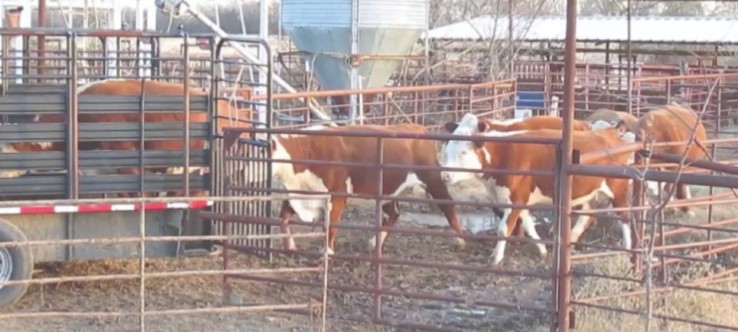
"I think sustainability has been a conversation going on for a very long time," Lyons-Blythe said. "It began as a very top-down from corporations pushing down regulations and expectations to cattle ranchers and I realized in some of the conversations that I have been a part of, that conversation wasn't going to stop whether we were a part of it or not. I realized early on that if we were a part of it, maybe we can direct some of the information."

In the U.S. Roundtable for Sustainable Beef, Lyons-Blythe said, producers make up more than half of the members and are involved in the entire decision-making process.

"I encourage everybody asking questions and trying to see for themselves to come to a meeting so they can see what we are up to," Lyons-Blythe said. "The U.S. Roundtable gets to make their own decisions. We defined what sustainability is, we decided how we are going to measure it, and we also decided that we are going to measure it all along the value chain."

The USRSB is not just taking about sustainability at the farm and ranch, Lyons-Blythe said, but also the part everyone along the value chain plays in making improvements that will impact beef sustainability.

"We have been working for a very long time deciding what we can measure," Lyons-Blythe said. "Figuring out how we can truly communicate sustainability and what that really means. In our spring meeting we finally were able to roll out our industry-wide sustainability goals for the entire beef industry- the first of their kind."

The sustainability goals for the entire beef industry, Lyons-Blythe said, have targets for every sector along the value chain including targets outside of the farm and ranch.

"A sustainable operation means that we take care of the land, we take care of the animals, we take care of the people, and we make money," Lyons-Blythe said. "It doesn't just mean legacy, it doesn't just mean passing it on to our kids, but that has to be part of it, right. It also means that we are a viable business, and we are doing the right thing by the animals and the land. That is what is important and that's what we aim to show."

Online, the USRSB offers a self-assessment tool that introduces what sustainability can mean for an individual's farm or ranch. This tool, Lyons-Blythe said, offers key factors to measure sustainability and provides self-assessments for different sectors outside of the farm and ranch such as a retail or food service.

"We don't gather any of that information, so nothing is saved," Lyons-Blythe said. "If you want to be able to compare it year to year, you have to be able to save that yourself, so we do not want to be the keeper of the data."

The USRSB's online self-assessment tool can be found at usrsb.org under the resources tab. To visit the self-assessment tool online, click here.


Click the LISTEN BAR below to hear more about beef sustainability from Ron Hays and Debbie Lyons-Blythe.

The Beef Buzz is a regular feature heard on radio stations around the region on the Radio Oklahoma Network and is a regular audio feature found on this website as well. Click on the LISTEN BAR below for today's show and check out our archives for older Beef Buzz shows covering the gamut of the beef cattle industry today.


Everyone Has a Role in Beef Sustainability, says Debbie Lyons-Blythe


Senior Farm and Ranch Broadcaster, Ron Hays, got the chance to visit with Kansas rancher and chairlady of the U.S. Roundtable for Sustainable Beef, Debbie Lyons-Blythe, talking about individual's roles in beef sustainability regardless of their place in the beef value chain.
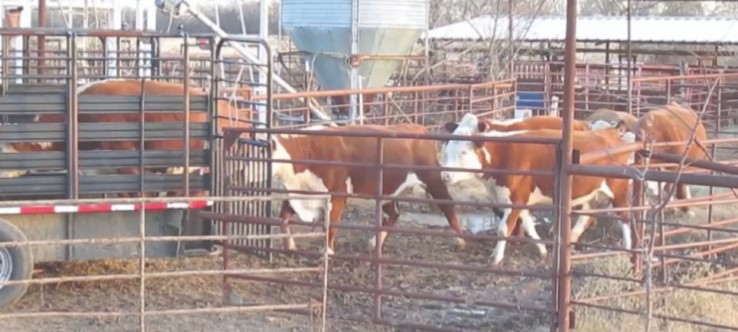
"I think sustainability has been a conversation going on for a very long time," Lyons-Blythe said. "It began as a very top-down from corporations pushing down regulations and expectations to cattle ranchers and I realized in some of the conversations that I have been a part of, that conversation wasn't going to stop whether we were a part of it or not. I realized early on that if we were a part of it, maybe we can direct some of the information."

In the U.S. Roundtable for Sustainable Beef, Lyons-Blythe said, producers make up more than half of the members and are involved in the entire decision-making process.

"I encourage everybody asking questions and trying to see for themselves to come to a meeting so they can see what we are up to," Lyons-Blythe said. "The U.S. Roundtable gets to make their own decisions. We defined what sustainability is, we decided how we are going to measure it, and we also decided that we are going to measure it all along the value chain."

The USRSB is not just taking about sustainability at the farm and ranch, Lyons-Blythe said, but also the part everyone along the value chain plays in making improvements that will impact beef sustainability.

"We have been working for a very long time deciding what we can measure," Lyons-Blythe said. "Figuring out how we can truly communicate sustainability and what that really means. In our spring meeting we finally were able to roll out our industry-wide sustainability goals for the entire beef industry- the first of their kind."

The sustainability goals for the entire beef industry, Lyons-Blythe said, have targets for every sector along the value chain including targets outside of the farm and ranch.

"A sustainable operation means that we take care of the land, we take care of the animals, we take care of the people, and we make money," Lyons-Blythe said. "It doesn't just mean legacy, it doesn't just mean passing it on to our kids, but that has to be part of it, right. It also means that we are a viable business, and we are doing the right thing by the animals and the land. That is what is important and that's what we aim to show."

Online, the USRSB offers a self-assessment tool that introduces what sustainability can mean for an individual's farm or ranch. This tool, Lyons-Blythe said, offers key factors to measure sustainability and provides self-assessments for different sectors outside of the farm and ranch such as a retail or food service.

"We don't gather any of that information, so nothing is saved," Lyons-Blythe said. "If you want to be able to compare it year to year, you have to be able to save that yourself, so we do not want to be the keeper of the data."

The USRSB's online self-assessment tool can be found at usrsb.org under the resources tab. To visit the self-assessment tool online, click here.


Click the LISTEN BAR below to hear more about beef sustainability from Ron Hays and Debbie Lyons-Blythe.

The Beef Buzz is a regular feature heard on radio stations around the region on the Radio Oklahoma Network and is a regular audio feature found on this website as well. Click on the LISTEN BAR below for today's show and check out our archives for older Beef Buzz shows covering the gamut of the beef cattle industry today.


Everyone Has a Role in Beef Sustainability, says Debbie Lyons-Blythe

Everyone Has a Role in Beef Sustainability, says Debbie Lyons-Blythe

Click here to listen to audio


Senior Farm and Ranch Broadcaster, Ron Hays, got the chance to visit with Kansas rancher and chairlady of the U.S. Roundtable for Sustainable Beef, Debbie Lyons-Blythe, talking about individual's roles in beef sustainability regardless of their place in the beef value chain.
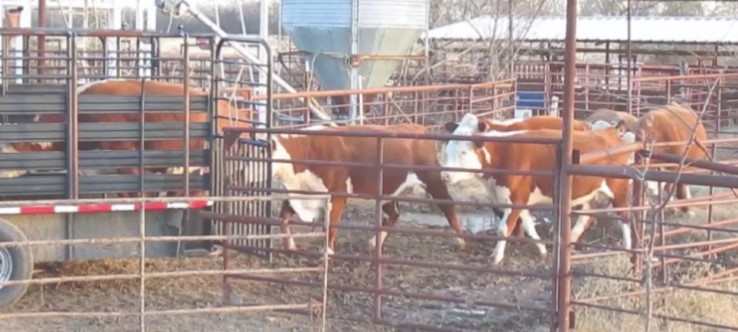
"I think sustainability has been a conversation going on for a very long time," Lyons-Blythe said. "It began as a very top-down from corporations pushing down regulations and expectations to cattle ranchers and I realized in some of the conversations that I have been a part of, that conversation wasn't going to stop whether we were a part of it or not. I realized early on that if we were a part of it, maybe we can direct some of the information."

In the U.S. Roundtable for Sustainable Beef, Lyons-Blythe said, producers make up more than half of the members and are involved in the entire decision-making process.

"I encourage everybody asking questions and trying to see for themselves to come to a meeting so they can see what we are up to," Lyons-Blythe said. "The U.S. Roundtable gets to make their own decisions. We defined what sustainability is, we decided how we are going to measure it, and we also decided that we are going to measure it all along the value chain."

The USRSB is not just taking about sustainability at the farm and ranch, Lyons-Blythe said, but also the part everyone along the value chain plays in making improvements that will impact beef sustainability.

"We have been working for a very long time deciding what we can measure," Lyons-Blythe said. "Figuring out how we can truly communicate sustainability and what that really means. In our spring meeting we finally were able to roll out our industry-wide sustainability goals for the entire beef industry- the first of their kind."

The sustainability goals for the entire beef industry, Lyons-Blythe said, have targets for every sector along the value chain including targets outside of the farm and ranch.

"A sustainable operation means that we take care of the land, we take care of the animals, we take care of the people, and we make money," Lyons-Blythe said. "It doesn't just mean legacy, it doesn't just mean passing it on to our kids, but that has to be part of it, right. It also means that we are a viable business, and we are doing the right thing by the animals and the land. That is what is important and that's what we aim to show."

Online, the USRSB offers a self-assessment tool that introduces what sustainability can mean for an individual's farm or ranch. This tool, Lyons-Blythe said, offers key factors to measure sustainability and provides self-assessments for different sectors outside of the farm and ranch such as a retail or food service.

"We don't gather any of that information, so nothing is saved," Lyons-Blythe said. "If you want to be able to compare it year to year, you have to be able to save that yourself, so we do not want to be the keeper of the data."

The USRSB's online self-assessment tool can be found at usrsb.org under the resources tab. To visit the self-assessment tool online, click here.


Click the LISTEN BAR below to hear more about beef sustainability from Ron Hays and Debbie Lyons-Blythe.

The Beef Buzz is a regular feature heard on radio stations around the region on the Radio Oklahoma Network and is a regular audio feature found on this website as well. Click on the LISTEN BAR below for today's show and check out our archives for older Beef Buzz shows covering the gamut of the beef cattle industry today.


Paul Beck Talks Early Weaning Calves Strategy and Benefits


Paul Beck Talks Early Weaning Calves Strategy and Benefits


Weekly, Oklahoma State University Extension Beef Cattle Nutrition Specialist Paul Beck offers his expertise on the beef cattle industry. This is a part of the weekly series known as the "Cow-Calf Corner" published electronically by Beck. Today, he talks about weaning calves early due to low forage inventory.


Pasture conditions are deteriorating and hay inventory is short, if you're out of grass and about to start feeding hay it's time to take drastic action to maintain your cowherd and prevent further injury to pastures. Many areas in the West and Southern Great Plains have seen high culling rates with cows going to town in droves. Once all the old, open, or non-productive cows are culled the next step for many producers is to wean calves early.


It is much harder to maintain or add condition on a cow that still has a calf on her side. A dry pregnant cow in the second trimester requires 37% less TDN and 13% less protein than when she is in late lactation with a calf. The dry pregnant cow not only requires less energy and protein, she also would eat 20% less than the lactating cow.


Research shows that calves can be weaned as early as 45-days of age, and these calves grown to similar or heavier weights by normal weaning time. Spring born calves in mid to late August are currently 3 to 5 months of age and likely weight 300 to 400 pounds. Even though they are much lighter than our normal calf weights at weaning, it is still relatively simple to feed these light weight calves grower diets in dry lot to maintain targeted sales weights by normal marketing time. Early weaned calves can be grown in dry lot very efficiently with feed-to-gain expected to be 4.5 to 5 pounds of feed per pound of gain. Because these calves are smaller and immature, they should be fed growing rations with targeted gains of 2 to 2.5 pounds per day, depending on frame size and growth potential. This size calf would be expected to eat about 3% of their bodyweight per day on a dry matter basis, but the lighter calves require 18% crude protein diets until they weigh over 400 pounds. Below is an example of a 18% crude protein that can fed to light weight growing calves, consult with your local Cooperative Extension Agent or feed company representative for locally available feedstuffs.

Dr Keith Lusby and Don Gill had the following observations and conclusions on early weaning of calves.

1. Early weaning is a predictable method of salvaging high reproduction rates during droughts and other emergencies
2. The early weaned calves are pretty tough and learn to eat palatable rations quickly.
3. Health problems when calves are weaned and kept on the ranch have been minimal.
4. Early weaned calves should be managed on the ranch or with only a short haul for a period after weaning.
5. Managing these calves in a commercial feedlot is risky and takes coordination among the owner, feedlot manager, consulting veterinarian, and consulting nutritionist. Mistakes here can have long term and often fatal consequences.


In the video below, watch Dr. Mark Johnson's discussion of the benefits of early weaning on SunUp TV's Cow-Calf Corner:


Click Here to read Dr. Mark Johnson describe the benefits of early weaning in a Cow-Calf Corner article from July 18, 2022.


Steve Swaffar Outlines Most Critical Soil Health Improvement Principles

Steve Swaffar Outlines Most Critical Soil Health Improvement Principles

Click here to listen to audio


Associate Farm Editor, Reagan Calk, sat down with Steve Swaffar from the Noble Research Institute as he talked about steps to take to build healthy and resilient soil.

"A healthy soil is one that typically has a very dark color to it, it smells earthy, it has lots of biological activity in it and it is porous," Swaffar said. "There is lots of air space between the soil particles. Those are the characteristics that also make it resilient, make it infiltrate water down through the soil profile through those air spaces between the soil particles, and that's also what helps it be resilient to drought because it is not holding more water."

Resilience comes from healthy soils, Swaffar said, and healthy soils build resilient soils, so it is a circular system.

"There are five soil health principles," Swaffar said. "They are cover your soil, minimize disturbance, keep a living plant or a living root growing in the soil as much as possible, integrate livestock and adding diversity in plants and animals to the landscape so that you are having more than just one type of plant or more than just one type of livestock out there."

The other piece of the five soil health principles is context, Swaffar said, which means understanding how those are going to apply on your own farm or ranch. There is not one recipe for the perfect soil health, Swaffar added, so it is important to understand how your soil is going to react when you implement the principles.

Swaffar said analyzing the health of your soil starts with looking down and determining what percent of the soil is bare and not covered with anything.

"You should strive to be 90 percent covered or more, or have less than 10 percent exposed soil," Swaffar said. "That is pretty difficult at times, particularly like now when we have a drought, we are not able to grow very much, but that is a big one is to keep that soil covered."

Typically, Swaffar said healthy soil is a dark brown color and will have an earthy-vegetable smell.

"It is not going to smell like metal or manure or some other sulfur- based compound," Swaffar said. "It is going to smell like the earth."

A valuable characteristic of healthy soil is organic matter, Swaffar said, which contains carbon.

"As we add carbon to the system, we build organic matter, and that organic matter is typically that top eight inches of soil," Swaffar said. "It can be as small as one, but that organic matter is what is putting carbon into the soil."

For each percentage of organic matter built into the soil, Swaffar said anywhere from 20 and 30 lbs. of nitrogen will be liberated.

"Essentially, the Carbon is giving us free Nitrogen," Swaffar said. "Free Nitrogen in this day in age is something that everybody wants."

Swaffar also went into more detail about the benefits running more than one species on a property can provide for pasture health.

"The various forage types really fit well with different types of grazing livestock," Swaffar said. "A cow is mostly going to focus on grasses, but a sheep for instance will focus on what a lot of people call weeds, but they are forbs, and they are a broader leaf type of pasture plant that we see."

Goats for example, Swaffar said, can be helpful in controlling woody plant species because they will feed on them. Goats will feed on woody plant species before they eat the grasses and the forbs, Swaffar added.

For those interested in more information to help improve their soil health, Swaffar said the Noble Research Institute is in the process of developing information and products at noble.org, but the NRCS, Oklahoma Conservation Commission and the Oklahoma Association of Conservation Districts are good places to visit as well.


Click the LISTEN BAR below to hear more from Steve Swaffar on improving the health of your soils.


50 Percent or More of Cotton in Texas and Oklahoma in Poor to Very Poor Conditions


50 Percent or More of Cotton in Texas and Oklahoma in Poor to Very Poor Conditions


More hot, dry weather in parts of the country last week continued to put pressure on corn and soybeans, resulting in 1-percentage-point drops in the national good-to-excellent ratings for both crops, USDA NASS reported in its weekly Crop Progress on Monday. Nationwide crop conditions of corn, soybeans and cotton have not changed drastically since last week, but in Oklahoma, Kansas and Texas many commodities are showing significant drought triggered declines in quality each week.

Nationwide Corn:
Corn silking for the U.S. reached 94 percent, down 4 percentage points from last year and down 3 points from the average. Corn dough reached 62 percent, down 9 points from last year and down 3 points from the average. Corn dented reached 16 percent, down 4 percentage points from last year and the average.
Corn conditions for the 18 states reported is rated 57 percent good to excellent, 27 percent fair and 16 percent poor to very poor.

Nationwide Soybeans:
Soybeans blooming for the U.S. reached 93 percent, down 1 percentage point from last year and even with the average. Soybeans setting pods reached 74 percent, down 6 percentage points from last year and down 3 points from the average.
Soybean conditions for the 18 states reported rated 58 percent good to excellent, 30 percent fair and 12 percent poor to very poor.

Nationwide Cotton:
Cotton setting bolls for the U.S. reached 80 percent, up 7 percentage points from last year and up 2 points from the average. Cotton bolls opening reached 15 percent, up 6 percentage points from last year and up 1 point from the average.
Cotton conditions for the 15 states reported is rated 34 percent good to excellent, 31 percent fair and 35 percent poor to very poor.

To see the United States crop progress report, click here.

Oklahoma:

Corn dough reached 54 percent, up 5 points from the previous year but down 7 points from normal. Corn dented reached 19 percent. Corn conditions rated 43 percent good to excellent, 26 percent fair and 31 percent poor to very poor. (Poor to very poor conditions have increased 10 points since last week.)

Soybeans blooming reached 65 percent, down 1 point from the previous year and from normal. Soybeans setting pods reached 32 percent, down 5 points from the previous year but up 1 point from normal. Soybean conditions rated 35 percent good to excellent, 38 percent fair and 27 percent poor to very poor. (Soybeans are showing some conditions improvements this week as last week's conditions rated 32 percent good to excellent, 35 percent fair and 33 percent poor to very poor.)

Cotton setting bolls reached 60 percent, down 2 points from the previous year and down 7 points from normal. Cotton conditions were rated 6 percent good to excellent, 39 percent fair and 55 percent poor to very poor. (Good to excellent has increased by one point since last week, but poor to very poor conditions have increased by 8 percentage points.)

Sorghum headed reached 60 percent, down 7 points from the previous year and down 6 points from normal. Sorghum coloring reached 30 percent, up 7 points from the previous year and up 2 points from normal. Sorghum conditions rated 26 percent good to excellent, 45 percent fair and 29 percent poor to very poor.

Peanuts pegging reached 80 percent, up 9 points from the previous year and up 3 points from normal. Peanut conditions rated 76 percent good to excellent, and 24 percent fair.

Hay:
In the Central district, reporters indicated that hay harvest is providing 50% of average yield at best. The third cutting of alfalfa hay reached 85 percent, up 11 points from the previous year and up 4 points from normal. The fourth cutting of alfalfa hay reached 15 percent, down 1 point from the previous year and down 6 points from normal. The second cutting of other hay reached 75 percent, up 11 points from the previous year and up 15 points from normal. The third cutting of other hay reached 15 percent.

Pasture, Range, and Livestock:
Pasture and range conditions rated 9 percent good to excellent, 27 percent fair and 64 percent poor to very poor. Livestock conditions rated 43 percent good to excellent, 49 percent fair and 19 percent poor to very poor.
Since last week, good to excellent range and pasture conditions have dropped 9 percentage points.

To see the Oklahoma crop progress report, click here.


Kansas:

Corn silking reached 90 percent, down 6 percentage points from last year and 7 points from the average. Corn dough reached 63 percent, down 9 percentage points from last year and 10 points from the average. Corn dented reached 25 percent, up 2 percentage points from last year and down 7 points from the average. Corn conditions rated 29 percent good to excellent, 27 percent fair and 44 percent poor to very poor. (Good to excellent conditions have decreased by 3 points since last week and poor to very poor conditions have increased by 6 points.)

Cotton setting bolls reached 92 percent, up 15 percentage points from last year and up 38 points from the average. Cotton bolls opening reached 12 percent, up 7 points from last year and up 10 points from the average. Cotton conditions rated 29 percent good to excellent, 44 percent fair and 27 percent poor to very poor. (Good to excellent conditions have decreased by 3 points since last week and poor to very poor has increased by 7 percentage points.)

Soybeans blooming reached 85 percent, up 1 point from last year and down 2 points from the average. Soybeans setting pods reached 57 percent, down 1 percentage point from last year and down 7 points from the average. Soybean conditions rated 36 percent good to excellent, 33 percent fair and 31 percent poor to very poor. (Good to excellent conditions have decreased by 5 percentage points and poor to very poor has increased by 7 points.)

Sorghum headed reached 52 percent, down 21 points from last year and down 17 points from the average. Sorghum coloring reached 9 percent, down 5 percentage points from last year and down 3 from the average. Sorghum conditions rated 27 percent good to excellent, 30 percent fair and 43 percent poor to very poor.

Pasture and range conditions:
Pasture and range conditions for Kansas rated 13 percent good to excellent, 26 percent fair and 61 percent poor to very poor.


To see the Kansas crop progress report, click here.


Texas:

Corn silking reached 99 percent, up 3 percentage points from the average and equal with the average. Corn dough reached 80 percent, down 6 points from last year and down 5 points from the average. Corn conditions rated 19 percent good to excellent, 35 percent fair and 46 percent poor to very poor. (Good to excellent conditions have decreased 11 percentage points since last week and poor to very poor has increased by 8 percentage points.)

Cotton setting bolls reached 76 percent, up 10 percentage points from last year and up 3 points from the average. Cotton bolls opening reached 21 percent, up 10 percentage points from last year and up 3 points from the average. Cotton conditions rated 14 percent good to excellent, 36 percent fair and 50 percent poor to very poor. (Good to excellent conditions have decreased by 18 percent since last week.)

Peanuts pegging reached 80 percent, up 1 percentage point from last year and down 2 points from the average. Peanut conditions rated 29 percent good to excellent, 59 percent fair and 13 percent poor to very poor.

Sorghum headed reached 94 percent, up 3 percentage points from last year and up 5 points from the average. Sorghum coloring reached 74 percent, up 3 percentage points from last year and up 1 point from the average. Sorghum conditions rated 22 percent good to excellent, 34 percent fair and 44 percent poor to very poor.

Pasture and range conditions:
Pasture and range conditions for Texas rated 3 percent good to excellent, 8 percent fair and 89 percent poor to very poor. (Good to excellent rating has improved by 2 percentage points since last week.)

To see the Texas crop progress report, click here.


OKFB YF&R to host state fair Livestock Judging contest Sept. 15


OKFB YF&R to host state fair Livestock Judging contest Sept. 15


The Oklahoma Farm Bureau Young Farmers and Ranchers committee is set to host the 2022 Oklahoma State Fair Livestock Judging Contest Thursday, September 15 at the state fairgrounds in Oklahoma City.

The annual competition offers 4-H and FFA members the opportunity to showcase their livestock judging skills in both market and breeding classes of beef, sheep and swine. While no oral reasons will be given in the competition, participants will be asked to answer at least one set of questions.

Students in third through seventh grades will compete as juniors, and eighth through 12th grade students will compete as seniors. Students can compete as both individuals and teams.

Jackets and banners will be awarded to each division's high individual and high team, and plaques will be given to second- and third-place individuals and teams. Ribbons will be given to the top-10 placings in each class.

Registration begins at 9 a.m. in Barn 3 on the day of the event with the competition kicking off at 10 a.m. Participants should come prepared with their social security numbers and a pencil.

FFA chapters and 4-H clubs can receive complimentary gate admission by filling out this survey before September 8. For more information, visit the 2022 Oklahoma State Fair Competition Guide.


OKFB YF&R to host state fair Livestock Judging contest Sept. 15


OKFB YF&R to host state fair Livestock Judging contest Sept. 15


The Oklahoma Farm Bureau Young Farmers and Ranchers committee is set to host the 2022 Oklahoma State Fair Livestock Judging Contest Thursday, September 15 at the state fairgrounds in Oklahoma City.

The annual competition offers 4-H and FFA members the opportunity to showcase their livestock judging skills in both market and breeding classes of beef, sheep and swine. While no oral reasons will be given in the competition, participants will be asked to answer at least one set of questions.

Students in third through seventh grades will compete as juniors, and eighth through 12th grade students will compete as seniors. Students can compete as both individuals and teams.

Jackets and banners will be awarded to each division's high individual and high team, and plaques will be given to second- and third-place individuals and teams. Ribbons will be given to the top-10 placings in each class.

Registration begins at 9 a.m. in Barn 3 on the day of the event with the competition kicking off at 10 a.m. Participants should come prepared with their social security numbers and a pencil.

FFA chapters and 4-H clubs can receive complimentary gate admission by filling out this survey before September 8. For more information, visit the 2022 Oklahoma State Fair Competition Guide.


Pork Producers Held to High Standard says CEO of National Pork Board, Bill Even

Pork Producers Held to High Standard says CEO of National Pork Board, Bill Even

Click here to listen to audio


At the 2022 Pork Congress, Senior Farm and Ranch Broadcaster, Ron Hays, visited with the CEO of the National Pork Board, Bill Even, on educating today's consumers about the pork industry.

Even represents the Pork Checkoff, which he said represents the nation's 60,000 pork producers. While research, education and promotion are important, Even said the board of directors at the Pork Checkoff is interested in understanding producers' perceptions of the pork industry before tackling promotion work.

Even said the Pork Checkoff conducted research in the past focused on asking consumers what the reason might be if they are considering purchasing less red meat and pork in particular. When talking to consumers, Even said their concerns are generally around how well the pigs, planet, and people in the industry are taken care of.

"These folks are just wanting to know how their food is raised," Even said. "Our work here under the Real Pork banner here at the Pork Checkoff is to help address those questions."

Even said that pork producers stand behind ethics, hold themselves to high standards, and audits are conducted frequently throughout the industry. It is important that the consumer knows this, he added.

"Another thing that we do is around sustainability," Even said. "We are doing on-farm sustainability reports on behalf of the Pork Checkoff from a lot of producers around the country. That way, there is real information that a real local producer can have at his fingertips or her fingertips to talk to people in their community."

As members of the community, Even said pork producers need to be engaged and involved in their communities in a positive way. Pork Checkoff prioritizes helping producers understand what their role in their community looks like.

For their research, Even said farmers across 17 states are represented that are sitting down and looking at how they are farming their land, raising their animals, and applying the nutrients back to the land to grow their crops.

"We are finding some really surprisingly good information," Even said. "The pork industry contributes less than one-half of one percent of greenhouse gas emissions in the United States, and we are finding a lot of pork producers are actually already carbon neutral. For the consuming public, that is important for them to know."

Even also talked about high input prices taking a toll on pork producers.

"Of course, anybody that is in the livestock production business is watching the price of corn and soybeans and soybean meal," Even said. "Consumers out there are seeing it in food price inflation themselves."

Pork producers are in that same situation, Even said, and they are watching the cost of their inputs and the cost of what they can get for their pigs when they sell them.

"We look at price data of course on a daily basis and pork has held up surprisingly well in demand studies across the U.S., so consumers really see the value equation with pork, and we are seeing sales domestically continue to remain very strong," Even said.

As for international pork sales, Even said the pork industry has been able to grow double the normal rate because they have been able to grow exports.

"Today we will export between 25 and 30 percent of our production," Even said.

With global supply chain problems and some of these geopolitical issues in Asia, Even said they are looking at a diverse set of markets locally.

Lastly, Even talked about how the Real Pork campaign has been able to provide consumers with authentic information about how their pork is raised.

"Real Pork is real farmers on real farms raising real pigs that produce real pork and our methodology is pretty straightforward," Even said. "We want to do what is right for people, pigs, and the planet."


Click the LISTEN BAR below to hear more from Ron Hays and Bill Even talking about proving an authentic message for pork consumers.


Pork Producers Held to High Standard says CEO of National Pork Board, Bill Even

Pork Producers Held to High Standard says CEO of National Pork Board, Bill Even

Click here to listen to audio


At the 2022 Pork Congress, Senior Farm and Ranch Broadcaster, Ron Hays, visited with the CEO of the National Pork Board, Bill Even, on educating today's consumers about the pork industry.

Even represents the Pork Checkoff, which he said represents the nation's 60,000 pork producers. While research, education and promotion are important, Even said the board of directors at the Pork Checkoff is interested in understanding producers' perceptions of the pork industry before tackling promotion work.

Even said the Pork Checkoff conducted research in the past focused on asking consumers what the reason might be if they are considering purchasing less red meat and pork in particular. When talking to consumers, Even said their concerns are generally around how well the pigs, planet, and people in the industry are taken care of.

"These folks are just wanting to know how their food is raised," Even said. "Our work here under the Real Pork banner here at the Pork Checkoff is to help address those questions."

Even said that pork producers stand behind ethics, hold themselves to high standards, and audits are conducted frequently throughout the industry. It is important that the consumer knows this, he added.

"Another thing that we do is around sustainability," Even said. "We are doing on-farm sustainability reports on behalf of the Pork Checkoff from a lot of producers around the country. That way, there is real information that a real local producer can have at his fingertips or her fingertips to talk to people in their community."

As members of the community, Even said pork producers need to be engaged and involved in their communities in a positive way. Pork Checkoff prioritizes helping producers understand what their role in their community looks like.

For their research, Even said farmers across 17 states are represented that are sitting down and looking at how they are farming their land, raising their animals, and applying the nutrients back to the land to grow their crops.

"We are finding some really surprisingly good information," Even said. "The pork industry contributes less than one-half of one percent of greenhouse gas emissions in the United States, and we are finding a lot of pork producers are actually already carbon neutral. For the consuming public, that is important for them to know."

Even also talked about high input prices taking a toll on pork producers.

"Of course, anybody that is in the livestock production business is watching the price of corn and soybeans and soybean meal," Even said. "Consumers out there are seeing it in food price inflation themselves."

Pork producers are in that same situation, Even said, and they are watching the cost of their inputs and the cost of what they can get for their pigs when they sell them.

"We look at price data of course on a daily basis and pork has held up surprisingly well in demand studies across the U.S., so consumers really see the value equation with pork, and we are seeing sales domestically continue to remain very strong," Even said.

As for international pork sales, Even said the pork industry has been able to grow double the normal rate because they have been able to grow exports.

"Today we will export between 25 and 30 percent of our production," Even said.

With global supply chain problems and some of these geopolitical issues in Asia, Even said they are looking at a diverse set of markets locally.

Lastly, Even talked about how the Real Pork campaign has been able to provide consumers with authentic information about how their pork is raised.

"Real Pork is real farmers on real farms raising real pigs that produce real pork and our methodology is pretty straightforward," Even said. "We want to do what is right for people, pigs, and the planet."


Click the LISTEN BAR below to hear more from Ron Hays and Bill Even talking about proving an authentic message for pork consumers.


Dr. Rod Hall Receives Oklahoma Pork Council Distinguished Service Award


Dr. Rod Hall Receives Oklahoma Pork Council Distinguished Service Award


The Oklahoma Pork Council honored Oklahoma Department of Agriculture, Food and Forestry (ODAFF) State Veterinarian Dr. Rod Hall with the organization's Distinguished Service Award during the 63rd annual Oklahoma Pork Congress at the Sheraton Hotel in downtown Oklahoma City.

The Distinguished Service Award is presented to an individual who has provided outstanding service to the Oklahoma Pork Council and Oklahoma's pork industry. Recipients of this award do not necessarily work in the pork industry. They can be supporters of the industry such as legislators, industry partners and volunteers.

"I am honored and humbled to accept the Distinguished Service Award from the Oklahoma Pork Council," Dr. Hall said. "I wouldn't be getting this award if I didn't have the support of the entire team at ODAFF, inspectors, Secretary Arthur and Secretary Reese before her."

Dr. Hall has served as the state veterinarian since 2011. His first role at ODAFF was the director of cattle programs from 2006-2011. Dr. Hall grew up on a small family farm in Stonewall, Oklahoma, where he first discovered his love for livestock. After he graduated from the Oklahoma State University College of Veterinary Medicine, he worked as an associate veterinarian at a clinic in Alva.

After a few years, he and his wife, Catherine, returned to southern Oklahoma where he operated the Tishomingo Animal Clinic for nearly 30 years before joining ODAFF.

As the state veterinarian, Dr. Hall is responsible for keeping all of Oklahoma's herds and flocks healthy. He is also in charge of disease tracing.

"Dr. Hall's collaboration with Oklahoma pork producers in keeping disease out of our state's swine herd is invaluable," said Kylee Deniz, Oklahoma Pork Council executive director. "He understands the severity of a disease outbreak and has been a huge asset to both our commercial and show pig producers."


Dr. Rod Hall Receives Oklahoma Pork Council Distinguished Service Award


Dr. Rod Hall Receives Oklahoma Pork Council Distinguished Service Award


The Oklahoma Pork Council honored Oklahoma Department of Agriculture, Food and Forestry (ODAFF) State Veterinarian Dr. Rod Hall with the organization's Distinguished Service Award during the 63rd annual Oklahoma Pork Congress at the Sheraton Hotel in downtown Oklahoma City.

The Distinguished Service Award is presented to an individual who has provided outstanding service to the Oklahoma Pork Council and Oklahoma's pork industry. Recipients of this award do not necessarily work in the pork industry. They can be supporters of the industry such as legislators, industry partners and volunteers.

"I am honored and humbled to accept the Distinguished Service Award from the Oklahoma Pork Council," Dr. Hall said. "I wouldn't be getting this award if I didn't have the support of the entire team at ODAFF, inspectors, Secretary Arthur and Secretary Reese before her."

Dr. Hall has served as the state veterinarian since 2011. His first role at ODAFF was the director of cattle programs from 2006-2011. Dr. Hall grew up on a small family farm in Stonewall, Oklahoma, where he first discovered his love for livestock. After he graduated from the Oklahoma State University College of Veterinary Medicine, he worked as an associate veterinarian at a clinic in Alva.

After a few years, he and his wife, Catherine, returned to southern Oklahoma where he operated the Tishomingo Animal Clinic for nearly 30 years before joining ODAFF.

As the state veterinarian, Dr. Hall is responsible for keeping all of Oklahoma's herds and flocks healthy. He is also in charge of disease tracing.

"Dr. Hall's collaboration with Oklahoma pork producers in keeping disease out of our state's swine herd is invaluable," said Kylee Deniz, Oklahoma Pork Council executive director. "He understands the severity of a disease outbreak and has been a huge asset to both our commercial and show pig producers."


Watch cattle closely as risk of Prussic acid Toxicity increases During drought, After rains


Watch cattle closely as risk of Prussic acid Toxicity increases During drought, After rains


Both summer and fall are important times for ranchers to keep an eye on cattle that graze where Johnsongrass is present, due to the risk of prussic acid toxicity.

Clark Roberts, manager of Noble Research Institute's Coffey Ranch at Marietta, Oklahoma, says that drought conditions put him on high alert for two reasons.

"Anything that physically stresses Johnsongrass, such as drought in summer or freezing in the fall, can increase the amount of prussic acid in this invasive forage plant," he says. "Secondly, with rain after drought, or warm temperatures after a frost, the fresh, green growth is one of the first things the cows will go after. That's the danger, because those young leaves are higher in prussic acid."

Prussic acid, known as hydrocyanic acid or cyanide, can form in plants in the Sorghum genus in different concentrations, depending on the species. Johnsongrass, grain sorghum and sorghum almum (Columbus grass) are all on the high end. As Roberts explained, the prussic acid, which can be fatal, is more concentrated in the leaves, especially younger leaves in the upper part of the plant, and more so during rapid regrowth after drought or frost injury.

Roberts manages cattle and sheep, focusing on applying the six soil health principles. He says there are steps one can take to try to prevent ruminants from ingesting too much Johnsongrass when it is in highly toxic stages. They include:

Grow and offer a diversity of forages.

Don't turn animals out to graze areas with Johnsongrass after mowing, haying, or grazing when the plants are regrowing after stress from drought or freezing until the plants are at least 18 to 24 inches tall.

Be sure animals are not hungry when first grazing a new field with the potential of prussic acid ingestion. Turn them out in late afternoon or feed some hay first.

Be aware that warm season cover crop mixes may contain sorghum, which also poses a prussic acid toxicity risk.

Keep cattle away from roadsides or bar ditches that have fresh, ungrazed Johnsongrass growing.

Watch your animals closely in each new grazing area. Symptoms of prussic acid poisoning can occur within 5 minutes of eating affected forage, and death can occur in 15 minutes. Clinical signs include muscle tremors, increased respiration rate, excess salivation, staggering, convulsions and collapse.

Remove all cattle and sheep to a new pasture as soon as any herd mate shows signs of prussic acid toxicity and contact a veterinarian
.
Having polyculture pastures divided up into paddocks with temporary fencing is helpful, Roberts says, because it offers options for moving livestock quickly to manage timing and location of grazing.

"It also helps to have diversity so the cattle can select other forages other than Johnsongrass to graze," he says. "Plus, I can observe my animals every day and that's going to be especially important this year."


Watch cattle closely as risk of Prussic acid Toxicity increases During drought, After rains


Watch cattle closely as risk of Prussic acid Toxicity increases During drought, After rains


Both summer and fall are important times for ranchers to keep an eye on cattle that graze where Johnsongrass is present, due to the risk of prussic acid toxicity.

Clark Roberts, manager of Noble Research Institute's Coffey Ranch at Marietta, Oklahoma, says that drought conditions put him on high alert for two reasons.

"Anything that physically stresses Johnsongrass, such as drought in summer or freezing in the fall, can increase the amount of prussic acid in this invasive forage plant," he says. "Secondly, with rain after drought, or warm temperatures after a frost, the fresh, green growth is one of the first things the cows will go after. That's the danger, because those young leaves are higher in prussic acid."

Prussic acid, known as hydrocyanic acid or cyanide, can form in plants in the Sorghum genus in different concentrations, depending on the species. Johnsongrass, grain sorghum and sorghum almum (Columbus grass) are all on the high end. As Roberts explained, the prussic acid, which can be fatal, is more concentrated in the leaves, especially younger leaves in the upper part of the plant, and more so during rapid regrowth after drought or frost injury.

Roberts manages cattle and sheep, focusing on applying the six soil health principles. He says there are steps one can take to try to prevent ruminants from ingesting too much Johnsongrass when it is in highly toxic stages. They include:

Grow and offer a diversity of forages.

Don't turn animals out to graze areas with Johnsongrass after mowing, haying, or grazing when the plants are regrowing after stress from drought or freezing until the plants are at least 18 to 24 inches tall.

Be sure animals are not hungry when first grazing a new field with the potential of prussic acid ingestion. Turn them out in late afternoon or feed some hay first.

Be aware that warm season cover crop mixes may contain sorghum, which also poses a prussic acid toxicity risk.

Keep cattle away from roadsides or bar ditches that have fresh, ungrazed Johnsongrass growing.

Watch your animals closely in each new grazing area. Symptoms of prussic acid poisoning can occur within 5 minutes of eating affected forage, and death can occur in 15 minutes. Clinical signs include muscle tremors, increased respiration rate, excess salivation, staggering, convulsions and collapse.

Remove all cattle and sheep to a new pasture as soon as any herd mate shows signs of prussic acid toxicity and contact a veterinarian
.
Having polyculture pastures divided up into paddocks with temporary fencing is helpful, Roberts says, because it offers options for moving livestock quickly to manage timing and location of grazing.

"It also helps to have diversity so the cattle can select other forages other than Johnsongrass to graze," he says. "Plus, I can observe my animals every day and that's going to be especially important this year."


OSU's Rosslyn Biggs talks Rural Vet Shortage Across the Country

OSU's Rosslyn Biggs talks Rural Vet Shortage Across the Country

Click here to listen to audio


Senior Farm and Ranch Broadcaster, Ron Hays, is featuring comments from Farm Director KC Sheperd's visit with Dr. Rosslyn Biggs of OSU talking about the veterinarian shortage in rural areas across the country.

When it comes to the reason for the veterinarian shortage, Biggs said there is not one simple answer to the question.

"We have recently had some statistics from the American Veterinary Medical Association," Biggs said. "This is across all practice types so companion animal, to large animal and everything in between. Something happened in the pandemic where we went from about 3.5 jobs available for every veterinarian looking to now 12.5 jobs for every veterinarian looking which is amplifying our need in the rural space."

The underserved areas, Biggs said are defined as areas with farmers and ranchers that need services, but the demand in the particular geographic region cannot support a stand-along veterinarian for just a handful of counties.

Biggs also talked about the new Integrated Beef Cattle Program that offers intervention strategies for rural sustainability by expanding veterinary skills and knowledge of herd health, food nutrition, forage management, reproductive management, and other common needs of beef producers.

"We were very fortunate to receive a USDA grant first of all to start this program and we have 20 beef cattle veterinarians in Oklahoma sitting alongside in the same classroom as 20 current veterinary students," Biggs said. "So, what they started out with was leadership, communication, education, curriculum, and building those relationships and building that network."

The Integrated Beef Cattle Program is supported by the USDA, Biggs said, as well as through our other sponsors such as the Oklahoma Cattlemen's Association and the Oklahoma Department of Agriculture.

Biggs recommends that current rural vets mentor relationships with vet students and invite them to shadow, for example, to encourage them to practice rural.

"Taking a little bit of time to help develop the next generation, inviting them into the practice, showing them what it's all about and getting them some experience is a great first step," Biggs said.

As community members, Biggs said to establish relationships with your rural vet sooner than later.

"That 2 a.m. calving call is not when you want to develop the relationship," Biggs said. "You want to support them, and you want to have those conversations because in my mind, I am a veterinarian and I am a member of your team because I want you to be in business for a very long time and I want you to be profitable and so supporting each other is really key."

Biggs said she is confident in the skills of the students enrolled in the OSU College of Veterinary Medicine.

"We have a tremendous advantage here in Oklahoma with our veterinary school and we turn out year after year practice ready veterinarians that I will put toe-to-toe with a graduate from any other veterinary school," Biggs said. "We certainly have our challenges at the school, but I am encouraged with the leadership from the university standpoint as well at the college standpoint that we are making strides in those areas and continuing to turn out great veterinarians."

With her space being in the large animal sector, Biggs said she likes to encourage students to take that path, but she would like to see successful veterinarians wherever they chose to land.


Click the LISTEN BAR below to hear more from Dr. Rosslyn Biggs on the rural vet shortage across the country.

The Beef Buzz is a regular feature heard on radio stations around the region on the Radio Oklahoma Network and is a regular audio feature found on this website as well. Click on the LISTEN BAR below for today's show and check out our archives for older Beef Buzz shows covering the gamut of the beef cattle industry today.


OSU's Rosslyn Biggs talks Rural Vet Shortage Across the Country

OSU's Rosslyn Biggs talks Rural Vet Shortage Across the Country

Click here to listen to audio


Senior Farm and Ranch Broadcaster, Ron Hays, is featuring comments from Farm Director KC Sheperd's visit with Dr. Rosslyn Biggs of OSU talking about the veterinarian shortage in rural areas across the country.

When it comes to the reason for the veterinarian shortage, Biggs said there is not one simple answer to the question.

"We have recently had some statistics from the American Veterinary Medical Association," Biggs said. "This is across all practice types so companion animal, to large animal and everything in between. Something happened in the pandemic where we went from about 3.5 jobs available for every veterinarian looking to now 12.5 jobs for every veterinarian looking which is amplifying our need in the rural space."

The underserved areas, Biggs said are defined as areas with farmers and ranchers that need services, but the demand in the particular geographic region cannot support a stand-along veterinarian for just a handful of counties.

Biggs also talked about the new Integrated Beef Cattle Program that offers intervention strategies for rural sustainability by expanding veterinary skills and knowledge of herd health, food nutrition, forage management, reproductive management, and other common needs of beef producers.

"We were very fortunate to receive a USDA grant first of all to start this program and we have 20 beef cattle veterinarians in Oklahoma sitting alongside in the same classroom as 20 current veterinary students," Biggs said. "So, what they started out with was leadership, communication, education, curriculum, and building those relationships and building that network."

The Integrated Beef Cattle Program is supported by the USDA, Biggs said, as well as through our other sponsors such as the Oklahoma Cattlemen's Association and the Oklahoma Department of Agriculture.

Biggs recommends that current rural vets mentor relationships with vet students and invite them to shadow, for example, to encourage them to practice rural.

"Taking a little bit of time to help develop the next generation, inviting them into the practice, showing them what it's all about and getting them some experience is a great first step," Biggs said.

As community members, Biggs said to establish relationships with your rural vet sooner than later.

"That 2 a.m. calving call is not when you want to develop the relationship," Biggs said. "You want to support them, and you want to have those conversations because in my mind, I am a veterinarian and I am a member of your team because I want you to be in business for a very long time and I want you to be profitable and so supporting each other is really key."

Biggs said she is confident in the skills of the students enrolled in the OSU College of Veterinary Medicine.

"We have a tremendous advantage here in Oklahoma with our veterinary school and we turn out year after year practice ready veterinarians that I will put toe-to-toe with a graduate from any other veterinary school," Biggs said. "We certainly have our challenges at the school, but I am encouraged with the leadership from the university standpoint as well at the college standpoint that we are making strides in those areas and continuing to turn out great veterinarians."

With her space being in the large animal sector, Biggs said she likes to encourage students to take that path, but she would like to see successful veterinarians wherever they chose to land.


Click the LISTEN BAR below to hear more from Dr. Rosslyn Biggs on the rural vet shortage across the country.

The Beef Buzz is a regular feature heard on radio stations around the region on the Radio Oklahoma Network and is a regular audio feature found on this website as well. Click on the LISTEN BAR below for today's show and check out our archives for older Beef Buzz shows covering the gamut of the beef cattle industry today.


OSU's Rosslyn Biggs talks Rural Vet Shortage Across the Country

OSU's Rosslyn Biggs talks Rural Vet Shortage Across the Country

Click here to listen to audio


Senior Farm and Ranch Broadcaster, Ron Hays, is featuring comments from Farm Director KC Sheperd's visit with Dr. Rosslyn Biggs of OSU talking about the veterinarian shortage in rural areas across the country.

When it comes to the reason for the veterinarian shortage, Biggs said there is not one simple answer to the question.

"We have recently had some statistics from the American Veterinary Medical Association," Biggs said. "This is across all practice types so companion animal, to large animal and everything in between. Something happened in the pandemic where we went from about 3.5 jobs available for every veterinarian looking to now 12.5 jobs for every veterinarian looking which is amplifying our need in the rural space."

The underserved areas, Biggs said are defined as areas with farmers and ranchers that need services, but the demand in the particular geographic region cannot support a stand-along veterinarian for just a handful of counties.

Biggs also talked about the new Integrated Beef Cattle Program that offers intervention strategies for rural sustainability by expanding veterinary skills and knowledge of herd health, food nutrition, forage management, reproductive management, and other common needs of beef producers.

"We were very fortunate to receive a USDA grant first of all to start this program and we have 20 beef cattle veterinarians in Oklahoma sitting alongside in the same classroom as 20 current veterinary students," Biggs said. "So, what they started out with was leadership, communication, education, curriculum, and building those relationships and building that network."

The Integrated Beef Cattle Program is supported by the USDA, Biggs said, as well as through our other sponsors such as the Oklahoma Cattlemen's Association and the Oklahoma Department of Agriculture.

Biggs recommends that current rural vets mentor relationships with vet students and invite them to shadow, for example, to encourage them to practice rural.

"Taking a little bit of time to help develop the next generation, inviting them into the practice, showing them what it's all about and getting them some experience is a great first step," Biggs said.

As community members, Biggs said to establish relationships with your rural vet sooner than later.

"That 2 a.m. calving call is not when you want to develop the relationship," Biggs said. "You want to support them, and you want to have those conversations because in my mind, I am a veterinarian and I am a member of your team because I want you to be in business for a very long time and I want you to be profitable and so supporting each other is really key."

Biggs said she is confident in the skills of the students enrolled in the OSU College of Veterinary Medicine.

"We have a tremendous advantage here in Oklahoma with our veterinary school and we turn out year after year practice ready veterinarians that I will put toe-to-toe with a graduate from any other veterinary school," Biggs said. "We certainly have our challenges at the school, but I am encouraged with the leadership from the university standpoint as well at the college standpoint that we are making strides in those areas and continuing to turn out great veterinarians."

With her space being in the large animal sector, Biggs said she likes to encourage students to take that path, but she would like to see successful veterinarians wherever they chose to land.


Click the LISTEN BAR below to hear more from Dr. Rosslyn Biggs on the rural vet shortage across the country.

The Beef Buzz is a regular feature heard on radio stations around the region on the Radio Oklahoma Network and is a regular audio feature found on this website as well. Click on the LISTEN BAR below for today's show and check out our archives for older Beef Buzz shows covering the gamut of the beef cattle industry today.


Governor Stitt Focusing on Inflation Relief and Income Tax when Legislation Opens Back Up

Governor Stitt Focusing on Inflation Relief and Income Tax when Legislation Opens Back Up

Click here to listen to audio


Farm Director, KC Sheperd, caught up with Governor Kevin Stitt at the 84th annual Lawton Rangers Rodeo, presented by the Hilliary Family this weekend and talked about challenges Oklahomans are facing and the upcoming election.

With drought still weighting heavy on ag producers' minds, Kansas and Texas have already declared emergency status for drought and Oklahoma may not be far behind.

"I have been talking to Blayne Arthur, our Secretary of Ag, and she is keeping me posted on whether we need to wave requirements for hay coming in our state," Stitt said. "If I need to file something, I certainly will do that without hesitation to get any kind of resources we need from the feds but we are just monitoring. I am letting Blayne take the lead in letting me know what we need."

Stitt said he welcomes the idea of a statewide day of prayer for rain.
"We have done it before," Stitt said. "I know Blayne put out on the Facebook page asking for prayer for rain, and ultimately, that is exactly what we need. There is not a magic button that you can push or a bill that you can pass to get rain, but we need the good Lord to give us rain in a timely manner."

With the legislative session in break right now, Stitt said his top priority when things start back up will be inflation relief.

"Right now, one of the things I've asked for is to get rid of the grocery tax," Stitt said. "We are one of only 13 states that taxes groceries. Ours is one of the highest and Oklahomans are hurting at the grocery store right now."

Inflation is at a 40 year high, Stitt said, so he hopes to get a moratorium at least for two years or eliminate it all together.

Reducing the income tax is also a top priority of Governor Stitt's.

"We have the largest savings account we have ever had in the state history and so I am really proud of our fiscal discipline in the last four years, but I want to give money back to the taxpayer and want to be the most business friendly state, so I'll keep working with the legislature," Stitt said. "Hopefully, we get something done before the end of the year."

If the grocery tax was eliminated, Stitt said they have calculated it will save the average family in Oklahoma about $455 per year.

With the election coming up, Stitt said he would like for Oklahomans to remember his fight to keep schools and the economy open during COVID shutdowns. Elected four years ago as Governor of Oklahoma, Stitt said he believes in freedoms and personal responsibility.

"I wasn't listening to President Biden to shut everything down and that is proving tremendous benefits for our state now," Stitt said. "We have the lowest unemployment ever and our wages our going up, so I am really excited about the momentum and I want to keep that drive going forward for years if Oklahomans will have me."


Click the LISTEN BAR below to hear KC's conversation with Governor Stitt at the Lawton Rangers Rodeo.


Governor Stitt Focusing on Inflation Relief and Income Tax when Legislation Opens Back Up

Governor Stitt Focusing on Inflation Relief and Income Tax when Legislation Opens Back Up

Click here to listen to audio


Farm Director, KC Sheperd, caught up with Governor Kevin Stitt at the 84th annual Lawton Rangers Rodeo, presented by the Hilliary Family this weekend and talked about challenges Oklahomans are facing and the upcoming election.
With drought still weighting heavy on ag producers' minds, Kansas and Texas have already declared emergency status for drought and Oklahoma may not be far behind.
"I have been talking to Blayne Arthur, our Secretary of Ag, and she is keeping me posted on whether we need to wave requirements for hay coming in our state," Stitt said. "If I need to file something, I certainly will do that without hesitation to get any kind of resources we need from the feds but we are just monitoring. I am letting Blayne take the lead in letting me know what we need."

Stitt said he welcomes the idea of a statewide day of prayer for rain.

"We have done it before," Stitt said. "I know Blayne put out on the Facebook page asking for prayer for rain, and ultimately, that is exactly what we need. There is not a magic button that you can push or a bill that you can pass to get rain, but we need the good Lord to give us rain in a timely manner."

With the legislative session in break right now, Stitt said his top priority when things start back up will be inflation relief.

"Right now, one of the things I've asked for is to get rid of the grocery tax," Stitt said. "We are one of only 13 states that taxes groceries. Ours is one of the highest and Oklahomans are hurting at the grocery store right now."

Inflation is at a 40 year high, Stitt said, so he hopes to get a moratorium at least for two years or eliminate it all together.

Reducing the income tax is also a top priority of Governor Stitt's.

"We have the largest savings account we have ever had in the state history and so I am really proud of our fiscal discipline in the last four years, but I want to give money back to the taxpayer and want to be the most business friendly state, so I'll keep working with the legislature," Stitt said. "Hopefully, we get something done before the end of the year."

If the grocery tax was eliminated, Stitt said they have calculated it will save the average family in Oklahoma about $455 per year.

With the election coming up, Stitt said he would like for Oklahomans to remember his fight to keep schools and the economy open during COVID shutdowns. Elected four years ago as Governor of Oklahoma, Stitt said he believes in freedoms and personal responsibility.

"I wasn't listening to President Biden to shut everything down and that is proving tremendous benefits for our state now," Stitt said. "We have the lowest unemployment ever and our wages our going up, so I am really excited about the momentum and I want to keep that drive going forward for years if Oklahomans will have me."


Click the LISTEN BAR below to hear KC's conversation with Governor Stitt at the Lawton Rangers Rodeo.


Governor Stitt Focusing on Inflation Relief and Income Tax when Legislation Opens Back Up

Governor Stitt Focusing on Inflation Relief and Income Tax when Legislation Opens Back Up

Click here to listen to audio


Farm Director, KC Sheperd, caught up with Governor Kevin Stitt at the 84th annual Lawton Rangers Rodeo, presented by the Hilliary Family this weekend and talked about challenges Oklahomans are facing and the upcoming election.

With drought still weighting heavy on ag producers' minds, Kansas and Texas have already declared emergency status for drought and Oklahoma may not be far behind.

"I have been talking to Blayne Arthur, our Secretary of Ag, and she is keeping me posted on whether we need to wave requirements for hay coming in our state," Stitt said. "If I need to file something, I certainly will do that without hesitation to get any kind of resources we need from the feds but we are just monitoring. I am letting Blayne take the lead in letting me know what we need."

Stitt said he welcomes the idea of a statewide day of prayer for rain.

"We have done it before," Stitt said. "I know Blayne put out on the Facebook page asking for prayer for rain, and ultimately, that is exactly what we need. There is not a magic button that you can push or a bill that you can pass to get rain, but we need the good Lord to give us rain in a timely manner."

With the legislative session in break right now, Stitt said his top priority when things start back up will be inflation relief.

"Right now, one of the things I've asked for is to get rid of the grocery tax," Stitt said. "We are one of only 13 states that taxes groceries. Ours is one of the highest and Oklahomans are hurting at the grocery store right now."

Inflation is at a 40 year high, Stitt said, so he hopes to get a moratorium at least for two years or eliminate it all together.

Reducing the income tax is also a top priority of Governor Stitt's.

"We have the largest savings account we have ever had in the state history and so I am really proud of our fiscal discipline in the last four years, but I want to give money back to the taxpayer and want to be the most business friendly state, so I'll keep working with the legislature," Stitt said. "Hopefully, we get something done before the end of the year."

If the grocery tax was eliminated, Stitt said they have calculated it will save the average family in Oklahoma about $455 per year.

With the election coming up, Stitt said he would like for Oklahomans to remember his fight to keep schools and the economy open during COVID shutdowns. Elected four years ago as Governor of Oklahoma, Stitt said he believes in freedoms and personal responsibility.

"I wasn't listening to President Biden to shut everything down and that is proving tremendous benefits for our state now," Stitt said. "We have the lowest unemployment ever and our wages our going up, so I am really excited about the momentum and I want to keep that drive going forward for years if Oklahomans will have me."


Click the LISTEN BAR below to hear KC's conversation with Governor Stitt at the Lawton Rangers Rodeo.


Hay Supplies Tight; Record Hay Prices


Hay Supplies Tight; Record Hay Prices


Mondays, Dr. Derrell Peel, Oklahoma State University Extension Livestock Marketing Specialist, offers his economic analysis of the beef cattle industry. This analysis is a part of the weekly series known as the "Cow Calf Corner" published electronically by Dr. Peel and Mark Johnson. Today, Dr. Peel talks about drought reduced hay production.
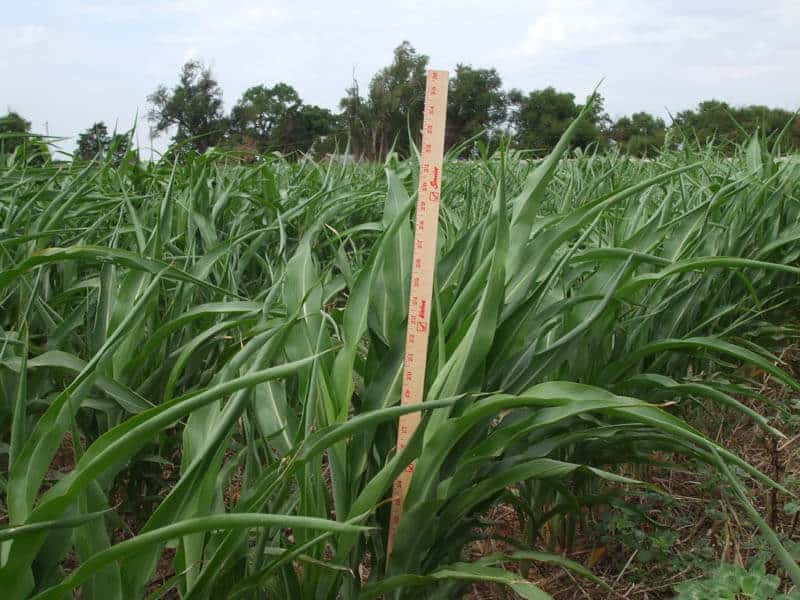
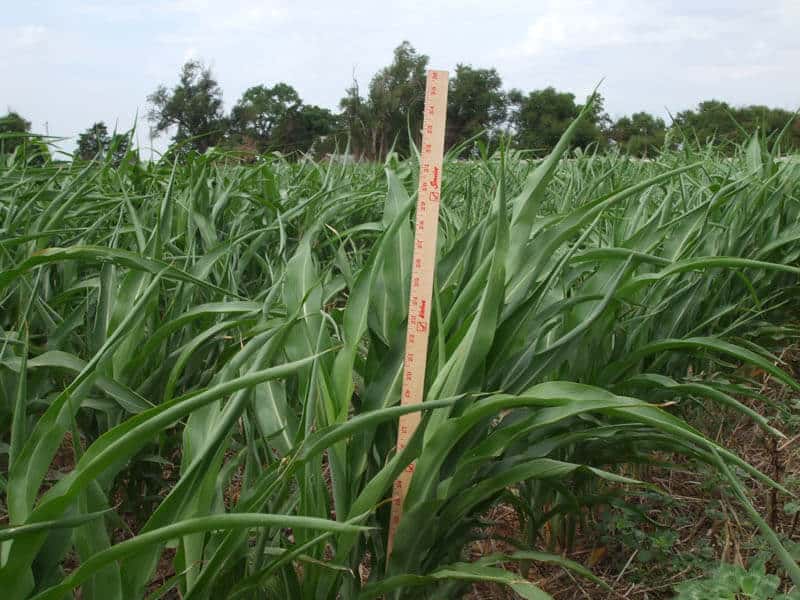

The August Crop Production report released recently by USDA-NASS included forecasts for hay production in selected states and the U.S. Total production of alfalfa hay in 2022 is forecast at 49.1 million tons, down 0.3 percent from 2021 levels and 13.6 percent below the ten-year average from 2011-2020. All other hay production for 2022 is forecast at 67.7 million tons, down 4.6 percent year over year and down 7.4 percent from the ten-year average. Total 2022 U.S. hay production is forecast at 116.8 million tons, down 2.9 percent from one year ago and down 10.1 percent from the 2011-2020 average. Alfalfa and other hay prices are forecast at record levels in 2022.


Drought reduced hay production in 2021 with continued impacts in 2022. May 1 hay stocks were down 6.9 percent year over year but were down 16.9 percent from the 2011-2020 average. The total hay supply for the 2022-2023 hay crop year (May-April) is the sum of May 1 (beginning) hay stocks and 2022 hay production. The total hay supply is projected to be down 3.4 percent year over year and is down 11.0 percent from the ten-year average (Table ).


Among six of the top ten hay states, either reduced May 1 stocks or reduced 2022 hay production or both are contributing to significant reductions in hay supplies (Table 1). Low May 1 stocks reflects carryover drought impacts from 2021. Reduced 2022 hay production is the result of drought and/or high input costs including fertilizer and fuel. The effects are cumulative.


For example, in Texas, which had relatively less drought 2021, May 1 stocks were up 33.3 percent year over year but a 28.7 percent decrease in hay production this year results in a 22.5 percent reduction in 2022 hay supply. Nebraska is in a similar situation. In contrast, South Dakota had severe drought in 2021 leading to a 50.5 percent decrease in May 1 2022 stocks. South Dakota is seeing a 65.5 percent year over year increase in hay production in 2022. However, because of drought last year, total 2022 hay supply is up just 17.4 percent year over year compared to the 32-year low in 2021. Montana, like South Dakota, is also seeing recovery in hay production in 2022 (from drought-reduced production last year), up 13.3 percent year over year. However, severely reduced carryover from last year means that total Montana hay supplies are down 0.9 percent from last year and are at the lowest level since 1989. Oklahoma had both reduced May 1 stocks and reduced hay production in 2022 leading to a 17.2 percent reduction in 2022 hay supplies and the lowest hay supply since 2012. In Missouri and Kentucky, where drought has not been a factor, reduced 2022 hay production is likely the result of high fertilizer prices and reduced input use.


Eight of the top ten hay states are also top ten beef cow states including Texas, Oklahoma, Missouri, Nebraska, South Dakota, Kansas, Montana and Kentucky. These eight states had 15.7 million beef cows on January 1, 2022. The other two, California and Idaho, are the number one and three dairy cow states, respectively. With the growing season winding down amid continuing drought, the 2022 hay supply data illustrate why so much herd liquidation has occurred this year. It also speaks to the continuing challenges that cattle producers will face to get through the winter before the 2023 growing season could provide the next opportunity for improved forage conditions.


**In Table- May 1 Hay Stocks, Hay Production and Total Hay Supply,
Top Ten States and U.S., 2022. (Forecast; USDA-NASS, Crop Production, August 2022)


Hay Supplies Tight; Record Hay Prices


Hay Supplies Tight; Record Hay Prices


Mondays, Dr. Derrell Peel, Oklahoma State University Extension Livestock Marketing Specialist, offers his economic analysis of the beef cattle industry. This analysis is a part of the weekly series known as the "Cow Calf Corner" published electronically by Dr. Peel and Mark Johnson. Today, Dr. Peel talks about drought reduced hay production.


The August Crop Production report released recently by USDA-NASS included forecasts for hay production in selected states and the U.S. Total production of alfalfa hay in 2022 is forecast at 49.1 million tons, down 0.3 percent from 2021 levels and 13.6 percent below the ten-year average from 2011-2020. All other hay production for 2022 is forecast at 67.7 million tons, down 4.6 percent year over year and down 7.4 percent from the ten-year average. Total 2022 U.S. hay production is forecast at 116.8 million tons, down 2.9 percent from one year ago and down 10.1 percent from the 2011-2020 average. Alfalfa and other hay prices are forecast at record levels in 2022.


Drought reduced hay production in 2021 with continued impacts in 2022. May 1 hay stocks were down 6.9 percent year over year but were down 16.9 percent from the 2011-2020 average. The total hay supply for the 2022-2023 hay crop year (May-April) is the sum of May 1 (beginning) hay stocks and 2022 hay production. The total hay supply is projected to be down 3.4 percent year over year and is down 11.0 percent from the ten-year average (Table ).


Among six of the top ten hay states, either reduced May 1 stocks or reduced 2022 hay production or both are contributing to significant reductions in hay supplies (Table 1). Low May 1 stocks reflects carryover drought impacts from 2021. Reduced 2022 hay production is the result of drought and/or high input costs including fertilizer and fuel. The effects are cumulative.


For example, in Texas, which had relatively less drought 2021, May 1 stocks were up 33.3 percent year over year but a 28.7 percent decrease in hay production this year results in a 22.5 percent reduction in 2022 hay supply. Nebraska is in a similar situation. In contrast, South Dakota had severe drought in 2021 leading to a 50.5 percent decrease in May 1 2022 stocks. South Dakota is seeing a 65.5 percent year over year increase in hay production in 2022. However, because of drought last year, total 2022 hay supply is up just 17.4 percent year over year compared to the 32-year low in 2021. Montana, like South Dakota, is also seeing recovery in hay production in 2022 (from drought-reduced production last year), up 13.3 percent year over year. However, severely reduced carryover from last year means that total Montana hay supplies are down 0.9 percent from last year and are at the lowest level since 1989. Oklahoma had both reduced May 1 stocks and reduced hay production in 2022 leading to a 17.2 percent reduction in 2022 hay supplies and the lowest hay supply since 2012. In Missouri and Kentucky, where drought has not been a factor, reduced 2022 hay production is likely the result of high fertilizer prices and reduced input use.


Eight of the top ten hay states are also top ten beef cow states including Texas, Oklahoma, Missouri, Nebraska, South Dakota, Kansas, Montana and Kentucky. These eight states had 15.7 million beef cows on January 1, 2022. The other two, California and Idaho, are the number one and three dairy cow states, respectively. With the growing season winding down amid continuing drought, the 2022 hay supply data illustrate why so much herd liquidation has occurred this year. It also speaks to the continuing challenges that cattle producers will face to get through the winter before the 2023 growing season could provide the next opportunity for improved forage conditions.


**In Table- May 1 Hay Stocks, Hay Production and Total Hay Supply,
Top Ten States and U.S., 2022. (Forecast; USDA-NASS, Crop Production, August 2022)


Three Finalists Selected for New Mexico Leopold Conservation Award


Three Finalists Selected for New Mexico Leopold Conservation Award


Three finalists have been selected for the 2022 New Mexico Leopold Conservation Award.


Given in honor of renowned conservationist Aldo Leopold, the prestigious award recognizes farmers, ranchers, forestland owners, and other landowners who inspire others with their dedication to land, water, and wildlife resources in their care.


Sand County Foundation and national sponsor American Farmland Trust present the Leopold Conservation Award to private landowners in 24 states for extraordinary achievement in voluntary conservation. In New Mexico, the award is presented with New Mexico Association of Conservation Districts, Quivira Coalition and New Mexico Coalition to Enhance Working Lands.


The New Mexico Leopold Conservation Award will be presented this fall. The award recipient will receive $10,000 and a crystal award.


The finalists are:


• Sid Goodloe of Capitan in Lincoln County: Six decades of ecosystem improvement at Sid Goodloe's Carrizo Valley Ranch have benefitted the water resources, livestock pastures, and wildlife habitat. Sid initiated a short duration grazing method after witnessing a similar system in Africa in the 1960s. Riparian areas are fenced off from cattle, but are home to abundant herds of elk, deer and antelope.     

• JX Ranch of Tucumcari in Quay County: Tom and Mimi Sidwell have adopted grazing practices that create a resilient landscape and mitigate drought. These efforts have increased ground cover, which means more forage for livestock and wildlife, and less sediment in the air and water. It also pulls carbon out of the atmosphere, and increases soil's ability to infiltrate and store water.

• Philmont Scout Ranch of Cimarron in Colfax County: Since its inception in 1938 the Philmont Scout Ranch has hosted 20,000 youth and championed wise use of water, timber, wildlife and fisheries. The ranch works to eliminate noxious weeds in pastureland and riparian zones. Since 2018 more than 1,000 acres of forest land have been hand-thinned and cleared to allow regrowth of native forbs and grasses.


"We at Quivira and New Mexico Coalition to Enhance Working Lands aim to celebrate the work of ranchers and farmers who really steward the land. In partnership with NMACD, American Farmland Trust, and Sand County Foundation, we are thrilled to highlight the work of producers across New Mexico who work hard to foster health for communities, watersheds, and ecosystems," said Sarah Wentzel-Fisher, Quivira Coalition Executive Director.


"The New Mexico Association of Conservation Districts (NMACD) is proud to work through our local Soil and Water Conservation Districts along with the Quivira Coalition to recognize the hard work that our New Mexico farmers and ranchers do every day to improve our natural resources," said Willard Hall, NMACD President.


"These award finalists are examples of how Aldo Leopold's land ethic is alive and well today. Their dedication to conservation shows how individuals can improve the health of the land while producing food and fiber," said Kevin McAleese, Sand County Foundation President and CEO.


"As the national sponsor for Sand County Foundation's Leopold Conservation Award, American Farmland Trust celebrates the hard work and dedication of the New Mexico award finalists," said John Piotti, AFT President and Chief Executive Officer. "At AFT we believe that conservation in agriculture requires a focus on the land, the practices and the people and this award recognizes the integral role of all three."


Earlier this year, New Mexico landowners were encouraged to apply (or be nominated) for the award. Applications were reviewed by an independent panel of agricultural and conservation leaders. The first recipient of the New Mexico Leopold Conservation Award was Ute Creek Cattle Company of Bueyeros in Harding County.


The New Mexico Leopold Conservation Award is made possible through the generous support of American Farmland Trust, Sand County Foundation, New Mexico Association of Conservation Districts, Quivira Coalition, New Mexico Coalition to Enhance Working Lands, Dixon Water Foundation, USDA Natural Resources Conservation Services of New Mexico, Tri-State Generation & Transmission Association, John Duncan and Anita Sarafa, Farm Credit of New Mexico, and Holistic Management International.


In his influential 1949 book, A Sand County Almanac, Leopold called for an ethical relationship between people and the land they own and manage, which he called "an evolutionary possibility and an ecological necessity."


Sand County Foundation presents the Leopold Conservation Award to private landowners in 24 states for extraordinary achievement in voluntary conservation. For more information, visit www.leopoldconservationaward.org.


Three Finalists Selected for New Mexico Leopold Conservation Award


Three Finalists Selected for New Mexico Leopold Conservation Award


Three finalists have been selected for the 2022 New Mexico Leopold Conservation Award.


Given in honor of renowned conservationist Aldo Leopold, the prestigious award recognizes farmers, ranchers, forestland owners, and other landowners who inspire others with their dedication to land, water, and wildlife resources in their care.


Sand County Foundation and national sponsor American Farmland Trust present the Leopold Conservation Award to private landowners in 24 states for extraordinary achievement in voluntary conservation. In New Mexico, the award is presented with New Mexico Association of Conservation Districts, Quivira Coalition and New Mexico Coalition to Enhance Working Lands.


The New Mexico Leopold Conservation Award will be presented this fall. The award recipient will receive $10,000 and a crystal award.


The finalists are:


• Sid Goodloe of Capitan in Lincoln County: Six decades of ecosystem improvement at Sid Goodloe's Carrizo Valley Ranch have benefitted the water resources, livestock pastures, and wildlife habitat. Sid initiated a short duration grazing method after witnessing a similar system in Africa in the 1960s. Riparian areas are fenced off from cattle, but are home to abundant herds of elk, deer and antelope.     

• JX Ranch of Tucumcari in Quay County: Tom and Mimi Sidwell have adopted grazing practices that create a resilient landscape and mitigate drought. These efforts have increased ground cover, which means more forage for livestock and wildlife, and less sediment in the air and water. It also pulls carbon out of the atmosphere, and increases soil's ability to infiltrate and store water.

• Philmont Scout Ranch of Cimarron in Colfax County: Since its inception in 1938 the Philmont Scout Ranch has hosted 20,000 youth and championed wise use of water, timber, wildlife and fisheries. The ranch works to eliminate noxious weeds in pastureland and riparian zones. Since 2018 more than 1,000 acres of forest land have been hand-thinned and cleared to allow regrowth of native forbs and grasses.


"We at Quivira and New Mexico Coalition to Enhance Working Lands aim to celebrate the work of ranchers and farmers who really steward the land. In partnership with NMACD, American Farmland Trust, and Sand County Foundation, we are thrilled to highlight the work of producers across New Mexico who work hard to foster health for communities, watersheds, and ecosystems," said Sarah Wentzel-Fisher, Quivira Coalition Executive Director.


"The New Mexico Association of Conservation Districts (NMACD) is proud to work through our local Soil and Water Conservation Districts along with the Quivira Coalition to recognize the hard work that our New Mexico farmers and ranchers do every day to improve our natural resources," said Willard Hall, NMACD President.


"These award finalists are examples of how Aldo Leopold's land ethic is alive and well today. Their dedication to conservation shows how individuals can improve the health of the land while producing food and fiber," said Kevin McAleese, Sand County Foundation President and CEO.


"As the national sponsor for Sand County Foundation's Leopold Conservation Award, American Farmland Trust celebrates the hard work and dedication of the New Mexico award finalists," said John Piotti, AFT President and Chief Executive Officer. "At AFT we believe that conservation in agriculture requires a focus on the land, the practices and the people and this award recognizes the integral role of all three."


Earlier this year, New Mexico landowners were encouraged to apply (or be nominated) for the award. Applications were reviewed by an independent panel of agricultural and conservation leaders. The first recipient of the New Mexico Leopold Conservation Award was Ute Creek Cattle Company of Bueyeros in Harding County.


The New Mexico Leopold Conservation Award is made possible through the generous support of American Farmland Trust, Sand County Foundation, New Mexico Association of Conservation Districts, Quivira Coalition, New Mexico Coalition to Enhance Working Lands, Dixon Water Foundation, USDA Natural Resources Conservation Services of New Mexico, Tri-State Generation & Transmission Association, John Duncan and Anita Sarafa, Farm Credit of New Mexico, and Holistic Management International.


In his influential 1949 book, A Sand County Almanac, Leopold called for an ethical relationship between people and the land they own and manage, which he called "an evolutionary possibility and an ecological necessity."


Sand County Foundation presents the Leopold Conservation Award to private landowners in 24 states for extraordinary achievement in voluntary conservation. For more information, visit www.leopoldconservationaward.org.


NCBA Condemns Flawed "Food Compass" Study


NCBA Condemns Flawed "Food Compass" Study


Study Ignores Scientific Research on Beef Nutrition and Beef's Role in a Healthy Diet


Today, the National Cattlemen's Beef Association (NCBA) condemned the flawed "Food Compass" study funded, in part, by fake meat promoter Bill Gates.


"The idea that M&M's, potato chips and cereal are somehow healthier than natural beef ignores scientific evidence and frankly doesn't measure up to logic. These snack foods are high in sugar, carbohydrates and fats, while beef is a nutrient-rich food that provides essential protein, iron, zinc and numerous B vitamins," said NCBA CEO Colin Woodall. "No one sits down to a plate of candy and chips expecting a healthy meal, but a lean cut of beef accompanied by vegetables or fruits and whole grains is a healthy choice every time. To suggest otherwise is irresponsible, and it confuses consumers at a time when we should be working to meet their nutritional needs, rather than confounding them with agenda-driven faux science."


NCBA continuously highlights beef's role in a healthy diet as an authentic source of high-quality protein and essential nutrients. Animal proteins, like beef, are among the most nutrient-dense, complete protein sources available and cattle farmers and ranchers are committed to producing high-quality protein in the most sustainable way possible.


NCBA is a tireless advocate for America's beef farmers and ranchers and will continue highlighting the nutritional, environmental and economic benefits of real beef.


NCBA Condemns Flawed "Food Compass" Study


NCBA Condemns Flawed "Food Compass" Study


Study Ignores Scientific Research on Beef Nutrition and Beef's Role in a Healthy Diet


Today, the National Cattlemen's Beef Association (NCBA) condemned the flawed "Food Compass" study funded, in part, by fake meat promoter Bill Gates.


"The idea that M&M's, potato chips and cereal are somehow healthier than natural beef ignores scientific evidence and frankly doesn't measure up to logic. These snack foods are high in sugar, carbohydrates and fats, while beef is a nutrient-rich food that provides essential protein, iron, zinc and numerous B vitamins," said NCBA CEO Colin Woodall. "No one sits down to a plate of candy and chips expecting a healthy meal, but a lean cut of beef accompanied by vegetables or fruits and whole grains is a healthy choice every time. To suggest otherwise is irresponsible, and it confuses consumers at a time when we should be working to meet their nutritional needs, rather than confounding them with agenda-driven faux science."


NCBA continuously highlights beef's role in a healthy diet as an authentic source of high-quality protein and essential nutrients. Animal proteins, like beef, are among the most nutrient-dense, complete protein sources available and cattle farmers and ranchers are committed to producing high-quality protein in the most sustainable way possible.


NCBA is a tireless advocate for America's beef farmers and ranchers and will continue highlighting the nutritional, environmental and economic benefits of real beef.


USDA Finally Satisfies on Cotton Numbers in August WASDE Report

USDA Finally Satisfies on Cotton Numbers in August WASDE Report

Click here to listen to audio


The August 12 monthly USDA report holds changes to crop demand, adjustments to new crop production, and new crop demand. This report is unique as it starts with a more intensive yield measurement estimate than May through July. The August report is derived from a nationwide farmer survey conducted July 25 – August 8 for general estimates as of August 1. This month's report included reports from 15,400 producers of all crops.

USDA released the World Agricultural Supply and Demand Estimates (WASDE) and Crop Production reports that lowered crop acreage, yield, and overall production for corn and soybeans.

Farm director KC Sheperd had the opportunity to visit with Rich Nelson at Allendale, who said that traders were looking to see how USDA handled the Corn, Soybean, and cotton yield discussions after so many problems in the Western Plains, "On corn, USDA did likely lower the yield numbers from 177. Last month and that was 175.4. So stocks dropping is now under 1.4 billion, and many traders still suggest a few more yield declines in the weeks ahead."

Nelson said the Star of the report this time was Cotton.

"USDA did recognize both problems of harvested acres as well as yields and certainly brought the stock numbers down to quite low levels here with limit up trade here posted for futures," Nelson said.

Nelson said there have been discussions about both lower acres and lower harvested acres as well as discussions of lower yields at the same time.

"USDA did give the bulls what they wanted to see right now," Nelson said. The USDA June Acreage report showed an increase of planted acres in 2022 versus 2021 of almost 1.3 million acres- but drought has wiped out the bigger planted numbers and is now showing a sharp reduction from 2021 to 2022 of more than 3 million harvested acres in this first report of the season- with the lions share of that reduction happening in Texas and Oklahoma upland cotton.

Nelson says they actually upped the yield per acre slightly here in 2022 vs 2021 to 846 pounds of lint, up 27 pounds year over year.

Nelson said Soybean numbers were a bit of a stickler, "USDA raised yields now over trend to 51.9 bushels an acre, on top of that their stocks numbers now 245 billion bushels. These would imply it's a little tough to hold this $14 plus price if the trade believed it." Nelson said many traders suggest a slight weakness in the soybean yield numbers in the weeks ahead.

For Wheat, there were some minor changes in production. Nelson said, "USDA to add a little bit to the spring wheat total, but brought the all wheat number only 2 million bushels higher than last month. The biggest price for us on the week was actually raising the increase in wheat export sales this morning. Despite the fact that we're still troubled enough to ctually hit their prior estimate here."

To view more reports and premium content from Allendale, click here:

You can also access the full reports here:

- Crop Production:

- World Agricultural Supply and Demand Estimates (WASDE):

WASDE WHEAT

USDA adjusted demand for several uses of wheat. Food demand was adjusted upward by 6 mb, while exports were increased 25 mb. The two changes accounted for most of the drop in ending stocks to 610 mb. The national average farm gate price dropped by $1.25 to $9.25 per bushel.

Globally, USDA's ending stocks only dropped by 0.2 mmt to 267.34 mmt, but there were a few changes in stocks and production estimates. Beginning stocks declined by 3.75 mmt, but production climbed by 8 mmt. USDA attributed the gain to higher production in Russia, Australia and China. USDA bumped Russian production to 88 mmt from its prior 81.5 mmt estimate.

WHEAT CROP PRODUCTION

All-wheat production was forecast at 1.78 bb, up less than 1% from July and up 8% from 2021. Wheat yield was pegged at 47.5 bushels per acre, up 0.2 bpa from July, and up 3.2 bushels from a year ago. Harvested acres are pegged at 37.5 million acres, down less than 1% from July's forecast.

Winter wheat production is forecast at 1.2 billion bushels, down less than 1% from July, but up 6% from 2021. The winter wheat yield is pegged at 47.9 bushels an acre, down 0.1 bpa from July and down 2.3 bpa from last year's yield. Harvested acres for grain or seed are pegged at 25 million acres, down 2% from last year.

Other spring wheat production for grain is forecast at 512 mb, up 55% from a year ago. Yield is pegged at 47.8 bpa, up 0.8 bpa from July, and up 16.1 bpa from a year ago. Acreage is pegged at 10.7 million acres, up 5% from 2021.

Hard red winter wheat is pegged at 576 mb; soft red winter is forecast at 381 mb; white winter is projected at 240 mb. Durum wheat is forecast at 73.6 mb, down 5% from July, but up 97% from 2021.

CORN

USDA on Friday shaved corn production 146 million bushels to 14.35 billion bushels, but increased soybean production 25 million bushels to 4.53 billion bushels, which went against the pre-report estimates on soybeans.

On yield, USDA lowered corn yields 1.6 bushels to 175.4 bushels per acre (bpa). For soybeans, yield was bumped up 0.4 bushel to 51.9 bpa.

Estimated harvest acreage came in at 81.8 million acres, down just 100,000 acres from earlier forecasts. USDA bumped down the yield estimates 1.6 bushels to 175.4 bushels an acre. That put production at 14.359 billion bushels (bb), down 146 million bushels (mb) from July's forecast.

In making up for lower production, USDA increases the old-crop carryover 20 mb as well with beginning stocks pegged at 1.53 bb.

On the demand side, USDA put 2022-23 Feed and Residual use at 5.325 bb, down 25 mb from July. Feed, Seed and Industrial use overall came in 5 mb higher at 6.825 bb. Ethanol usage held pat at 5.375 bb.

Total domestic usage came in at 12.15 bb, down 20 mb from July.

Exports are pegged at 2.375 bb, down 25 mb from July.

That put ending stocks at 1.388 bb, down 82 mb from July.

The average farmgate price held pat at $6.65 per bushel.

Globally, USDA lowered beginning stocks 0.44 million metric tons (mmt) to 311.84 mmt. Global production was lowered 6.29 mmt to 1,179.61 mmt. Global exports were bumped up 3.05 mmt. That put ending stocks at 306.68 mmt, down 6.26 mmt.

USDA increased Russian corn production 0.5 mmt while lowering the European Union's production 8 mmt to 60 mmt.

On Ukraine, USDA bumped up production 5 mmt to 30 mmt and increased export 3.5 mmt to 12 mmt.

USDA also held pat on its forecast for Brazil's 2021-22 production at 116 mmt. Argentina's production was held at 53 mmt as well.

SOYBEANS

USDA bumped up its forecast for soybean production to 51.9 bushels per acre while also lowering harvested acreage by 300,000. Production increased slightly as well, to 4.53 bb. The soybean yield is higher than pre-report expectations, while production is toward the top of the range of traders' estimates.

USDA increased its forecast for 2022-23 ending stocks to 245 mb, a 15 mb increase. On the demand side, USDA increased its export forecast by 20 mb to 2.155 bb. The national average farm gate price declined by a nickel to $14.35 per bushel.

On old-crop, 2021-22 stocks, USDA increased ending stocks by 10 mb to 225 mb due to lower exports.

Globally, USDA put ending stocks for 2022-23 at 101.4 mmt, above the range of trade expectations. It's up nearly 2 mmt from last month and reflects higher beginning stocks (old-crop stocks) and production in the U.S. and China. USDA raised China's production by just shy of 1 mmt and said it's based on provincial reports.

Ending stocks for 2021-22 declined to 89.73, in line with trade expectations.

LIVESTOCK

Cattle: The forecast for 2022 red meat and poultry production is slightly higher from last month, as stronger beef and broiler forecasts offset the lower trend in pork and turkey. Beef production grew by 68 million pounds from a month ago, pushing 2022's total production to an estimated 27,990 million pounds as slaughter speeds have continued to run aggressively. Beef production for 2023 grew substantially from last month's report, as an additional 325 million pounds were added, which puts the year's estimated production at 26,265 million pounds. Both the third and fourth quarters of 2022 saw increases from July's WASDE report as third-quarter steer prices are expected to average $140 (up $1) and fourth-quarter prices are expected to average $147 (up $2). The first quarter of 2023 saw a $1 increase, as steers are expected to average $151, but the second quarter held steady for 2023 steer prices at $152. 2022 beef imports were reduced by 56 million pounds, while beef exports grew by 65 million pounds. 2023 beef imports saw no changes from July's report, but 2023's estimated exports grew by 40 million pounds.

Hogs: 2022's pork production fell by 81 million pounds as pork production was lowered on the third quarter, as market-ready hogs are in extremely short supply. With market-ready hogs being in short supply, quarterly price projections for both the third and fourth quarters of 2022 were raised from July's report. Hog prices in the third quarter are expected to average $85 (up $9) and fourth-quarter prices are expected to average $69 (up $3). No changes were made to the price projections in 2023. Pork imports for 2022 fell slightly from July's report to 1,547 million pounds, which is 6 million pounds less than a month ago. Pork exports for 2022 were reduced slightly to 6,574 million pounds, down just 2 million pounds from a month ago. Both pork imports and exports for 2023 were unchanged from a month.


USDA Finally Satisfies on Cotton Numbers in August WASDE Report

USDA Finally Satisfies on Cotton Numbers in August WASDE Report

Click here to listen to audio


The August 12 monthly USDA report holds changes to crop demand, adjustments to new crop production, and new crop demand. This report is unique as it starts with a more intensive yield measurement estimate than May through July. The August report is derived from a nationwide farmer survey conducted July 25 – August 8 for general estimates as of August 1. This month's report included reports from 15,400 producers of all crops.

USDA released the World Agricultural Supply and Demand Estimates (WASDE) and Crop Production reports that lowered crop acreage, yield, and overall production for corn and soybeans.

Farm director KC Sheperd had the opportunity to visit with Rich Nelson at Allendale, who said that traders were looking to see how USDA handled the Corn, Soybean, and cotton yield discussions after so many problems in the Western Plains, "On corn, USDA did likely lower the yield numbers from 177. Last month and that was 175.4. So stocks dropping is now under 1.4 billion, and many traders still suggest a few more yield declines in the weeks ahead."

Nelson said the Star of the report this time was Cotton.

"USDA did recognize both problems of harvested acres as well as yields and certainly brought the stock numbers down to quite low levels here with limit up trade here posted for futures," Nelson said.

Nelson said there have been discussions about both lower acres and lower harvested acres as well as discussions of lower yields at the same time.

"USDA did give the bulls what they wanted to see right now," Nelson said. The USDA June Acreage report showed an increase of planted acres in 2022 versus 2021 of almost 1.3 million acres- but drought has wiped out the bigger planted numbers and is now showing a sharp reduction from 2021 to 2022 of more than 3 million harvested acres in this first report of the season- with the lions share of that reduction happening in Texas and Oklahoma upland cotton.

Nelson says they actually upped the yield per acre slightly here in 2022 vs 2021 to 846 pounds of lint, up 27 pounds year over year.

Nelson said Soybean numbers were a bit of a stickler, "USDA raised yields now over trend to 51.9 bushels an acre, on top of that their stocks numbers now 245 billion bushels. These would imply it's a little tough to hold this $14 plus price if the trade believed it." Nelson said many traders suggest a slight weakness in the soybean yield numbers in the weeks ahead.

For Wheat, there were some minor changes in production. Nelson said, "USDA to add a little bit to the spring wheat total, but brought the all wheat number only 2 million bushels higher than last month. The biggest price for us on the week was actually raising the increase in wheat export sales this morning. Despite the fact that we're still troubled enough to ctually hit their prior estimate here."

To view more reports and premium content from Allendale, click here:

You can also access the full reports here:

- Crop Production:

- World Agricultural Supply and Demand Estimates (WASDE):

WASDE WHEAT

USDA adjusted demand for several uses of wheat. Food demand was adjusted upward by 6 mb, while exports were increased 25 mb. The two changes accounted for most of the drop in ending stocks to 610 mb. The national average farm gate price dropped by $1.25 to $9.25 per bushel.

Globally, USDA's ending stocks only dropped by 0.2 mmt to 267.34 mmt, but there were a few changes in stocks and production estimates. Beginning stocks declined by 3.75 mmt, but production climbed by 8 mmt. USDA attributed the gain to higher production in Russia, Australia and China. USDA bumped Russian production to 88 mmt from its prior 81.5 mmt estimate.

WHEAT CROP PRODUCTION

All-wheat production was forecast at 1.78 bb, up less than 1% from July and up 8% from 2021. Wheat yield was pegged at 47.5 bushels per acre, up 0.2 bpa from July, and up 3.2 bushels from a year ago. Harvested acres are pegged at 37.5 million acres, down less than 1% from July's forecast.

Winter wheat production is forecast at 1.2 billion bushels, down less than 1% from July, but up 6% from 2021. The winter wheat yield is pegged at 47.9 bushels an acre, down 0.1 bpa from July and down 2.3 bpa from last year's yield. Harvested acres for grain or seed are pegged at 25 million acres, down 2% from last year.

Other spring wheat production for grain is forecast at 512 mb, up 55% from a year ago. Yield is pegged at 47.8 bpa, up 0.8 bpa from July, and up 16.1 bpa from a year ago. Acreage is pegged at 10.7 million acres, up 5% from 2021.

Hard red winter wheat is pegged at 576 mb; soft red winter is forecast at 381 mb; white winter is projected at 240 mb. Durum wheat is forecast at 73.6 mb, down 5% from July, but up 97% from 2021.

CORN

USDA on Friday shaved corn production 146 million bushels to 14.35 billion bushels, but increased soybean production 25 million bushels to 4.53 billion bushels, which went against the pre-report estimates on soybeans.

On yield, USDA lowered corn yields 1.6 bushels to 175.4 bushels per acre (bpa). For soybeans, yield was bumped up 0.4 bushel to 51.9 bpa.

Estimated harvest acreage came in at 81.8 million acres, down just 100,000 acres from earlier forecasts. USDA bumped down the yield estimates 1.6 bushels to 175.4 bushels an acre. That put production at 14.359 billion bushels (bb), down 146 million bushels (mb) from July's forecast.

In making up for lower production, USDA increases the old-crop carryover 20 mb as well with beginning stocks pegged at 1.53 bb.

On the demand side, USDA put 2022-23 Feed and Residual use at 5.325 bb, down 25 mb from July. Feed, Seed and Industrial use overall came in 5 mb higher at 6.825 bb. Ethanol usage held pat at 5.375 bb.

Total domestic usage came in at 12.15 bb, down 20 mb from July.

Exports are pegged at 2.375 bb, down 25 mb from July.

That put ending stocks at 1.388 bb, down 82 mb from July.

The average farmgate price held pat at $6.65 per bushel.

Globally, USDA lowered beginning stocks 0.44 million metric tons (mmt) to 311.84 mmt. Global production was lowered 6.29 mmt to 1,179.61 mmt. Global exports were bumped up 3.05 mmt. That put ending stocks at 306.68 mmt, down 6.26 mmt.

USDA increased Russian corn production 0.5 mmt while lowering the European Union's production 8 mmt to 60 mmt.

On Ukraine, USDA bumped up production 5 mmt to 30 mmt and increased export 3.5 mmt to 12 mmt.

USDA also held pat on its forecast for Brazil's 2021-22 production at 116 mmt. Argentina's production was held at 53 mmt as well.

SOYBEANS

USDA bumped up its forecast for soybean production to 51.9 bushels per acre while also lowering harvested acreage by 300,000. Production increased slightly as well, to 4.53 bb. The soybean yield is higher than pre-report expectations, while production is toward the top of the range of traders' estimates.

USDA increased its forecast for 2022-23 ending stocks to 245 mb, a 15 mb increase. On the demand side, USDA increased its export forecast by 20 mb to 2.155 bb. The national average farm gate price declined by a nickel to $14.35 per bushel.

On old-crop, 2021-22 stocks, USDA increased ending stocks by 10 mb to 225 mb due to lower exports.

Globally, USDA put ending stocks for 2022-23 at 101.4 mmt, above the range of trade expectations. It's up nearly 2 mmt from last month and reflects higher beginning stocks (old-crop stocks) and production in the U.S. and China. USDA raised China's production by just shy of 1 mmt and said it's based on provincial reports.

Ending stocks for 2021-22 declined to 89.73, in line with trade expectations.

LIVESTOCK

Cattle: The forecast for 2022 red meat and poultry production is slightly higher from last month, as stronger beef and broiler forecasts offset the lower trend in pork and turkey. Beef production grew by 68 million pounds from a month ago, pushing 2022's total production to an estimated 27,990 million pounds as slaughter speeds have continued to run aggressively. Beef production for 2023 grew substantially from last month's report, as an additional 325 million pounds were added, which puts the year's estimated production at 26,265 million pounds. Both the third and fourth quarters of 2022 saw increases from July's WASDE report as third-quarter steer prices are expected to average $140 (up $1) and fourth-quarter prices are expected to average $147 (up $2). The first quarter of 2023 saw a $1 increase, as steers are expected to average $151, but the second quarter held steady for 2023 steer prices at $152. 2022 beef imports were reduced by 56 million pounds, while beef exports grew by 65 million pounds. 2023 beef imports saw no changes from July's report, but 2023's estimated exports grew by 40 million pounds.

Hogs: 2022's pork production fell by 81 million pounds as pork production was lowered on the third quarter, as market-ready hogs are in extremely short supply. With market-ready hogs being in short supply, quarterly price projections for both the third and fourth quarters of 2022 were raised from July's report. Hog prices in the third quarter are expected to average $85 (up $9) and fourth-quarter prices are expected to average $69 (up $3). No changes were made to the price projections in 2023. Pork imports for 2022 fell slightly from July's report to 1,547 million pounds, which is 6 million pounds less than a month ago. Pork exports for 2022 were reduced slightly to 6,574 million pounds, down just 2 million pounds from a month ago. Both pork imports and exports for 2023 were unchanged from a month.


Center for Rural Affairs Applauds Inflation Reduction Act?s Investments in Conservation, Clean Energy


Center for Rural Affairs Applauds Inflation Reduction Act's Investments in Conservation, Clean Energy


The Center for Rural Affairs is cheering the passage in the U.S. House of Representatives of the Inflation Reduction Act of 2022 on Friday. Included in the package is funding for working lands conservation and investments in clean energy for rural communities.


"This package will positively impact rural people across the country," said Johnathan Hladik, policy director for the Center for Rural Affairs.
Included in the Inflation Reduction Act is $3.25 billion for the Conservation Stewardship Program and $8.45 billion for the Environmental Quality Incentives Program through fiscal year 2026. This funding will provide farmers interested in implementing conservation practices a better chance at receiving funding.
"We know these working lands conservation programs have been severely underfunded and oversubscribed," Hladik said. "This funding will address the backlog of farmers who have applied for financial assistance and not received a contract due to lack of program resources."


The Inflation Reduction Act also provides significant investments in the energy sector by allocating roughly $30 billion in grant and loan programs for state and electric utilities to accelerate the transition to clean electricity. The package contains a special focus on rural electric cooperatives.


"These investments in localized, renewable energy will result in energy cost savings for consumers and increased reliability of the electricity sector," Hladik said.


Congressman Frank Lucas Opposes Democrats' Irresponsible Reconciliation Bill


Congressman Frank Lucas Opposes Democrats' Irresponsible Reconciliation Bill


Congressman Frank Lucas (OK-03) released the following statement after the U.S. House of Representatives passed the Senate Amendment to H.R. 5376- the Inflation Reduction Act. Lucas opposed the legislation.

"For 18 months the irresponsible spending and regulatory policies of Washington Democrats have eroded the savings and sense of stability for millions of families across Oklahoma and the rest of the country. In March of last year, Washington Democrats took the same legislative approach as they are now- against warnings of independent experts and bipartisan economists- and launched the American economy into the worst inflation in 40 years. Unfortunately for the American people, Washington Democrats' solution to record-setting inflation is spending hundreds of billions more and increasing taxes on American businesses.

"As misguided as the bill is, the Inflation Reduction Act will not reduce inflation. In fact, according to economic analyses and the nonpartisan Congressional Budget Office, the bill will have little to no impact on inflation. The bill, however, will raise taxes and fees on Oklahoma oil and gas companies, increase energy prices for consumers, set an irresponsible precedent for farm bill programs, thwart medical innovation, and raise taxes on American companies who serve as generators of economic opportunity and growth.

"Oklahomans and the American people have been clear about their priorities. My fellow Oklahomans want solutions for inflation. I am absolutely opposed to this deeply misguided bill which will only further burden Oklahoma's families and our economy. Just as I said after Washington Democrats passed their first reconciliation bill, this is the wrong plan, at the wrong time, and for all the wrong reasons."

According to a Congressional Budget Office (CBO) report and University of Pennsylvania Wharton Budget Model analysis, the Inflation Reduction Act "would have a negligible effect on inflation" and "no impact on GDP by 2031".

The nonpartisan Joint Committee on Taxation estimates the Inflation Reduction Act will increase the average tax rate for nearly every single income category, including Americans making less than $100,000 per year.

An analysis by the nonpartisan Joint Committee on Taxation of the book minimum tax (the 15 percent minimum tax on corporations) in the Inflation Reduction Act would overwhelmingly impact U.S. manufacturers, exacerbating supply-chain disruptions and decreasing U.S. jobs and investment.

The CBO confirmed the Inflation Reduction Act will increase drug prices.

The Inflation Reduction Act imposes energy taxes, including the Methane Emissions Fee, which increases fees and taxes on companies that support oil and gas production, including transmission, processing, storage or gathering facilities.


Congressman Frank Lucas Opposes Democrats' Irresponsible Reconciliation Bill


Congressman Frank Lucas Opposes Democrats' Irresponsible Reconciliation Bill


Congressman Frank Lucas (OK-03) released the following statement after the U.S. House of Representatives passed the Senate Amendment to H.R. 5376- the Inflation Reduction Act. Lucas opposed the legislation.

"For 18 months the irresponsible spending and regulatory policies of Washington Democrats have eroded the savings and sense of stability for millions of families across Oklahoma and the rest of the country. In March of last year, Washington Democrats took the same legislative approach as they are now- against warnings of independent experts and bipartisan economists- and launched the American economy into the worst inflation in 40 years. Unfortunately for the American people, Washington Democrats' solution to record-setting inflation is spending hundreds of billions more and increasing taxes on American businesses.

"As misguided as the bill is, the Inflation Reduction Act will not reduce inflation. In fact, according to economic analyses and the nonpartisan Congressional Budget Office, the bill will have little to no impact on inflation. The bill, however, will raise taxes and fees on Oklahoma oil and gas companies, increase energy prices for consumers, set an irresponsible precedent for farm bill programs, thwart medical innovation, and raise taxes on American companies who serve as generators of economic opportunity and growth.

"Oklahomans and the American people have been clear about their priorities. My fellow Oklahomans want solutions for inflation. I am absolutely opposed to this deeply misguided bill which will only further burden Oklahoma's families and our economy. Just as I said after Washington Democrats passed their first reconciliation bill, this is the wrong plan, at the wrong time, and for all the wrong reasons."

According to a Congressional Budget Office (CBO) report and University of Pennsylvania Wharton Budget Model analysis, the Inflation Reduction Act "would have a negligible effect on inflation" and "no impact on GDP by 2031".

The nonpartisan Joint Committee on Taxation estimates the Inflation Reduction Act will increase the average tax rate for nearly every single income category, including Americans making less than $100,000 per year.

An analysis by the nonpartisan Joint Committee on Taxation of the book minimum tax (the 15 percent minimum tax on corporations) in the Inflation Reduction Act would overwhelmingly impact U.S. manufacturers, exacerbating supply-chain disruptions and decreasing U.S. jobs and investment.

The CBO confirmed the Inflation Reduction Act will increase drug prices.

The Inflation Reduction Act imposes energy taxes, including the Methane Emissions Fee, which increases fees and taxes on companies that support oil and gas production, including transmission, processing, storage or gathering facilities.


NFU President Rob Larew Says Inflation Reduction Act to Provide Optimism to Farmers and Ranchers Once Signed into Law


NFU President Rob Larew Says Inflation Reduction Act to Provide Optimism to Farmers and Ranchers Once Signed into Law


National Farmers Union (NFU) President Rob Larew issued the following statement in response to the U.S. House of Representatives passing the Inflation Reduction Act of 2022:


"The passage of the Inflation Reduction Act is cause for optimism for farmers and ranchers across the country, with historic investments in voluntary, incentive-based conservation programs that are critically underfunded. NFU is proud to see investment in biofuels infrastructure that will help farmers' bottom line and help consumers save at the pump. The inclusion of financial support for economically distressed farmers and ranchers is also a welcome addition that will help keep farmers on their land for years to come," said NFU President Rob Larew.


"NFU thanks Senate Agriculture Committee Chair Debbie Stabenow, House Agriculture Committee Chair David Scott, and other allies for their work on this historic legislation and the inclusion of multiple NFU priorities in the final bill. We thank President Biden for his leadership in delivering this important legislative achievement for family farmers and ranchers and rural communities and look forward to him signing the bill into law and working with USDA to implement the bill," Larew concluded.


As the Inflation Reduction Act was being considered, NFU distributed a letter of support to Congressional leadership urging for swift passage of the bill.


According to the NFU- Multiple NFU priorities are included in the Inflation Reduction Act of 2022, including:

    
Substantial investment in infrastructure for biofuels which will decrease our dependence on foreign oil and lower the cost for consumers at the pump.
    
Sorely needed investments in voluntary conservation programs that have been underfunded for years. These additional tools will allow farmers and ranchers to sequester greenhouse gases and give farmers more flexibility.
    
Expansion of public-private partnerships to support locally led conservation efforts.


NFU President Rob Larew Says Inflation Reduction Act to Provide Optimism to Farmers and Ranchers Once Signed into Law


NFU President Rob Larew Says Inflation Reduction Act to Provide Optimism to Farmers and Ranchers Once Signed into Law


National Farmers Union (NFU) President Rob Larew issued the following statement in response to the U.S. House of Representatives passing the Inflation Reduction Act of 2022:


"The passage of the Inflation Reduction Act is cause for optimism for farmers and ranchers across the country, with historic investments in voluntary, incentive-based conservation programs that are critically underfunded. NFU is proud to see investment in biofuels infrastructure that will help farmers' bottom line and help consumers save at the pump. The inclusion of financial support for economically distressed farmers and ranchers is also a welcome addition that will help keep farmers on their land for years to come," said NFU President Rob Larew.


"NFU thanks Senate Agriculture Committee Chair Debbie Stabenow, House Agriculture Committee Chair David Scott, and other allies for their work on this historic legislation and the inclusion of multiple NFU priorities in the final bill. We thank President Biden for his leadership in delivering this important legislative achievement for family farmers and ranchers and rural communities and look forward to him signing the bill into law and working with USDA to implement the bill," Larew concluded.


As the Inflation Reduction Act was being considered, NFU distributed a letter of support to Congressional leadership urging for swift passage of the bill.


According to the NFU- Multiple NFU priorities are included in the Inflation Reduction Act of 2022, including:

    
Substantial investment in infrastructure for biofuels which will decrease our dependence on foreign oil and lower the cost for consumers at the pump.
    
Sorely needed investments in voluntary conservation programs that have been underfunded for years. These additional tools will allow farmers and ranchers to sequester greenhouse gases and give farmers more flexibility.
    
Expansion of public-private partnerships to support locally led conservation efforts.


US Secretary of Ag Tom Vilsack Pleased that the Inflation Reduction Act Will Soon Be the Law of the Land


US Secretary of Ag Tom Vilsack Pleased that the Inflation Reduction Act Will Soon Be the Law of the Land


After the passage in the US House of the Inflation Reduction Act- US Secretary of Agriculture Tom Vilsack offered the following statement:


"I want to thank Speaker Pelosi for leading the House in quick passage of the historic Inflation Reduction Act, putting rural America over special interests, and delivering a historic bill to President Biden's desk.


"The Inflation Reduction Act will provide significant support for farmers, ranchers, and forest landowners as they care for our precious land, adapt and mitigate to climate change and ensure America remains a food secure nation. With historic investments in a clean energy economy, the Inflation Reduction Act will create good-paying jobs and more economic opportunity in rural communities across the country. Rural Americans will see lower utility bills and appreciate the fiscally responsible way the law lowers deficits. The Inflation Reduction Act will also lower costs for seniors, who make up a higher percentage of rural populations than more urban areas, by capping their annual out of pocket costs at the pharmacy and giving Medicare the power to negotiate drug prices.


"The Inflation Reduction Act builds on the Biden-Harris Administration's historic investments in rural America and furthers the commitment to rural communities demonstrated in the American Rescue Plan and Bipartisan Infrastructure Law. The law is a once-in-a-generation opportunity to build critical infrastructure, to protect communities from wildfire and extreme heat and to drive climate-smart agriculture and renewable energy initiatives nationwide.


"President Biden knows that when rural communities succeed, America succeeds. I look forward to the President signing the Inflation Reduction Act, implementing its historic provisions at USDA, and investing a better future for rural America and all of America."


US Secretary of Ag Tom Vilsack Pleased that the Inflation Reduction Act Will Soon Be the Law of the Land


US Secretary of Ag Tom Vilsack Pleased that the Inflation Reduction Act Will Soon Be the Law of the Land


After the passage in the US House of the Inflation Reduction Act- US Secretary of Agriculture Tom Vilsack offered the following statement:


"I want to thank Speaker Pelosi for leading the House in quick passage of the historic Inflation Reduction Act, putting rural America over special interests, and delivering a historic bill to President Biden's desk.


"The Inflation Reduction Act will provide significant support for farmers, ranchers, and forest landowners as they care for our precious land, adapt and mitigate to climate change and ensure America remains a food secure nation. With historic investments in a clean energy economy, the Inflation Reduction Act will create good-paying jobs and more economic opportunity in rural communities across the country. Rural Americans will see lower utility bills and appreciate the fiscally responsible way the law lowers deficits. The Inflation Reduction Act will also lower costs for seniors, who make up a higher percentage of rural populations than more urban areas, by capping their annual out of pocket costs at the pharmacy and giving Medicare the power to negotiate drug prices.


"The Inflation Reduction Act builds on the Biden-Harris Administration's historic investments in rural America and furthers the commitment to rural communities demonstrated in the American Rescue Plan and Bipartisan Infrastructure Law. The law is a once-in-a-generation opportunity to build critical infrastructure, to protect communities from wildfire and extreme heat and to drive climate-smart agriculture and renewable energy initiatives nationwide.


"President Biden knows that when rural communities succeed, America succeeds. I look forward to the President signing the Inflation Reduction Act, implementing its historic provisions at USDA, and investing a better future for rural America and all of America."


RFA Thanks House for Passing Reconciliation Bill with Biofuel Incentives


RFA Thanks House for Passing Reconciliation Bill with Biofuel Incentives


The Renewable Fuels Association today thanked House leadership for retaining important biofuel provisions in the Inflation Reduction Act as it was passed today, noting these elements of the legislation will stimulate growth and investment in the use of low-carbon renewable fuels like ethanol.


"We are pleased that both houses of Congress have now recognized the important role renewable fuels like ethanol can play in bolstering our nation's economy and accelerating decarbonization efforts," said RFA President and CEO Geoff Cooper. "When it comes to ethanol and other renewable fuels, this bill represents the most significant federal commitment to low-carbon biofuels since the Renewable Fuel Standard was expanded by Congress in 2007. We look forward to these provisions becoming law quickly so that American families have greater access to lower-cost, American-made renewable fuels that are good for the environment, the economy, and energy security."


Among the provisions of the bill supported by RFA are $500 million in grants for higher-blend biofuels infrastructure; extensions of several current biofuel tax credits; creation of new tax credits for clean fuel production and sustainable aviation fuel; and enhanced support for carbon capture, utilization and storage.


RFA Thanks House for Passing Reconciliation Bill with Biofuel Incentives


RFA Thanks House for Passing Reconciliation Bill with Biofuel Incentives


The Renewable Fuels Association today thanked House leadership for retaining important biofuel provisions in the Inflation Reduction Act as it was passed today, noting these elements of the legislation will stimulate growth and investment in the use of low-carbon renewable fuels like ethanol.


"We are pleased that both houses of Congress have now recognized the important role renewable fuels like ethanol can play in bolstering our nation's economy and accelerating decarbonization efforts," said RFA President and CEO Geoff Cooper. "When it comes to ethanol and other renewable fuels, this bill represents the most significant federal commitment to low-carbon biofuels since the Renewable Fuel Standard was expanded by Congress in 2007. We look forward to these provisions becoming law quickly so that American families have greater access to lower-cost, American-made renewable fuels that are good for the environment, the economy, and energy security."


Among the provisions of the bill supported by RFA are $500 million in grants for higher-blend biofuels infrastructure; extensions of several current biofuel tax credits; creation of new tax credits for clean fuel production and sustainable aviation fuel; and enhanced support for carbon capture, utilization and storage.


American Farmland Trust Likes Conservation Spending in Inflation Reduction Act


American Farmland Trust Likes Conservation Spending in Inflation Reduction Act


American Farmland Trust Statement on House Passage of the Inflation Reduction Act

This statement can be attributed to Tim Fink, American Farmland Trust's policy director

"Enactment of the Inflation Reduction Act comes at a pivotal time for our nation's farm and food system, and American Farmland Trust (AFT) applauds Congress for including in the bill an historic investment of nearly $20 billion in agricultural conservation. Farmers and ranchers are critical allies in the fight against climate change, but they need tools and resources to protect their land, increase resilience to extreme weather, sequester carbon in the soil, and reduce emissions.

"AFT has long advocated for much-needed increases in conservation funding. As this sweeping legislation heads to the President for his signature, we are eager to continue working with Congress and USDA to implement these investments quickly, equitably, and effectively."


American Farmland Trust Likes Conservation Spending in Inflation Reduction Act


American Farmland Trust Likes Conservation Spending in Inflation Reduction Act


American Farmland Trust Statement on House Passage of the Inflation Reduction Act

This statement can be attributed to Tim Fink, American Farmland Trust's policy director

"Enactment of the Inflation Reduction Act comes at a pivotal time for our nation's farm and food system, and American Farmland Trust (AFT) applauds Congress for including in the bill an historic investment of nearly $20 billion in agricultural conservation. Farmers and ranchers are critical allies in the fight against climate change, but they need tools and resources to protect their land, increase resilience to extreme weather, sequester carbon in the soil, and reduce emissions.

"AFT has long advocated for much-needed increases in conservation funding. As this sweeping legislation heads to the President for his signature, we are eager to continue working with Congress and USDA to implement these investments quickly, equitably, and effectively."


Oklahoma Grain Elevator Cash Bids as of 2 p.m. August 12, 2022


Oklahoma Grain Elevator Cash Bids as of 2 p.m. August 12, 2022


The U.S. Department of Agriculture and the Oklahoma Department of Agriculture are now putting the Daily Cash Grain Report into a PDF format - we are saving that PDF and archiving them for today's specific report. To see today's update, click on the PDF report link at the bottom of this story.

In addition to the PDF of the daily report, you can also listen to the Cash Grain Report by calling 405-621-5533. Push 2 for the grain report.


Click here:


USDA Crop Production Shows Drought Decimating Texas and Oklahoma Cotton Crop


USDA Crop Production Shows Drought Decimating Texas and Oklahoma Cotton Crop


COTTON: National Cotton Production Down 28 Percent from 2021
All cotton production is forecast at 12.6 million 480-pound bales, down 28 percent from 2021. Based on conditions as of August 1, yields are expected to average 846 pounds per harvested acre, up 27 pounds from 2021. Upland cotton production is forecast at 12.2 million 480-pound bales, down 29 percent from 2021. Pima cotton production is forecast at 407,000 bales, up 23 percent from 2021. All cotton area harvested is forecast at 7.13 million acres, down 31 percent from 2021.

Oklahoma cotton area harvested is forecast at 260,000 acres, down 41 percent from 2021's area harvested which was 440,000 acres. In 2021, yield per acre in Oklahoma was recorded at 756 lbs. per acre. As of August 1, the USDA's forecast for yield per acre in Oklahoma is 498 lbs. per acre, which is 34 percent less than last year. Lastly, Oklahoma cotton production is forecasted to be 270,000 bales, which is 61 percent less than last year's number of 693,000 bales.

In Texas, the USDA predicts cotton area harvested for 2022 to be 2.2 million acres, which is 60 percent less than the 2021 harvested acreage at 5.56 million acres. Yield per acre is predicted to be 634 lbs. per acre in 2021, which is 5 percent less than in 2021 which was 666 lbs. per acre. Texas cotton production in 2021 was recorded at 7.72 million bales. For 2022, the USDA predicts Texas will produce 62 percent less than 2021 with 2.93 million bales.

Over in Kansas, the 2022 cotton crop is predicted to harvest 17.6 more acres than 2021 at 120,000 acres. Yield per acre for 2022 has decreased though and is estimated at 23 percent less than 2021 at 680 lbs. per acre. In 2021, Kansas yielded 880 lbs. per acre. Kansas cotton production is predicted to be 170,000 bales, which is 9 percent less than 2021's number which was 187,000 bales.

WINTER WHEAT: USDA August Crop Production Report Estimates Oklahoma Wheat Production, Yield and Harvest Holding Steady Since June
The August Crop production report from USDA shows that winter wheat production is forecast at 1.20 billion bushels, down less than 1 percent from the July 1 forecast and down 6 percent from 2021. As of August 1, the United States yield is forecast at 47.9 bushels per acre, down 0.1 bushel from last month and down 2.3 bushels from last year's average yield of 50.2 bushels per acre. Area expected to be harvested for grain or seed totals 25.0 million acres, unchanged from the previous forecast, but down 2 percent from last year.

Oklahoma winter wheat production is forecast at 72.9 million bushels, unchanged from the July 1 forecast and down 37 percent from last year's 115 million bushels. As of August 1, Oklahoma winter wheat yield is forecast at 27 bushels per acre, the same as last two months but down from last year's 39 bushels per acre. Area expected to be harvested totals 2.7 million acres, unchanged from the previous forecast in July, but 8.5 percent lower than last year's harvested acreage.

Over in Texas, the USDA predicts winter wheat harvest at 1.3 million acres harvested, which is the same estimate as the June and July reports, but 35 percent less than 2021's harvested average. The yield is predicted to be 28 bushels per acre, up one bushel per acre since the July report, but down from last year's 37 bushels per acre. For winter wheat production, USDA sees Texas producing 36.4 million bushels, which is about 4 more than the July estimate and 53 percent fewer bushels than in 2021.

In Kansas, the USDA predicts 6.8 million acres harvested, which is slightly down from the July estimate of 6.85 and down 2 percent from last year. Yields are predicted to be 38 bushels per acre as of August 1, down from the July and June estimates of 39 bushels per acre and 13 bushels per acre less than in 2021. For 2022, USDA sees Kansas producing 28.5 percent fewer bushels than in 2021, also down from the July estimate by about 1.5 percent.


To view the USDA August Crop Production Report, click here.


USDA Finally Satisfies on Cotton Numbers in August WASDE Report

USDA Finally Satisfies on Cotton Numbers in August WASDE Report

Click here to listen to audio


The August 12 monthly USDA report holds changes to crop demand, adjustments to new crop production, and new crop demand. This report is unique as it starts with a more intensive yield measurement estimate than May through July. The August report is derived from a nationwide farmer survey conducted July 25 – August 8 for general estimates as of August 1. This month's report included reports from 15,400 producers of all crops.

USDA released the World Agricultural Supply and Demand Estimates (WASDE) and Crop Production reports that lowered crop acreage, yield, and overall production for corn and soybeans.

Farm director KC Sheperd had the opportunity to visit with Rich Nelson at Allendale, who said that traders were looking to see how USDA handled the Corn, Soybean, and cotton yield discussions after so many problems in the Western Plains, "On corn, USDA did likely lower the yield numbers from 177. Last month and that was 175.4. So stocks dropping is now under 1.4 billion, and many traders still suggest a few more yield declines in the weeks ahead."

Nelson said the Star of the report this time was Cotton, "USDA did recognize both problems of harvested acres as well as yields and certainly brought the stock numbers down to quite low levels here with limit up trade here posted for futures." Nelson said there have been discussions about both lower acres and lower harvested acres as well as discussions of lower yields at the same time, "USDA did give the bulls what they wantd to see right now. In fact, with this decline in harvested almost 1.4 million acres, they're sitting with 8% harvest, so they're going to plant 12.5 But only harvest 7.1. This is a discussion of a 57% harvested rate; very, very low. So USDA finally recognized the acreage argument in this report." Nelson says they also hit the yield side a little bit here, "Dropping in this case 846 million bushels, that's the lowest yield in two years. So USDA satisfied some of the bull arguments for Cotton today."

Nelson said Soybean numbers were a bit of a stickler, "USDA raised yields now over trend to 51.9 bushels an acre, on top of that their stocks numbers now 245 billion bushels. These would imply it's a little tough to hold this $14 plus price if the trade believed it." Nelson said many traders suggest a slight weakness in the soybean yield numbers in the weeks ahead.

For Wheat, there were some minor changes in production. Nelson said, "USDA to add a little bit to the spring wheat total, but brought the all wheat number only 2 million bushels higher than last month. The biggest price for us on the week was actually raising the increase in wheat export sales this morning. Despite the fact that we're still troubled enough to ctually hit their prior estimate here."

To view more reports and premium content from Allendale, click here:

You can also access the full reports here:

- Crop Production:

- World Agricultural Supply and Demand Estimates (WASDE):

WASDE WHEAT

USDA adjusted demand for several uses of wheat. Food demand was adjusted upward by 6 mb, while exports were increased 25 mb. The two changes accounted for most of the drop in ending stocks to 610 mb. The national average farm gate price dropped by $1.25 to $9.25 per bushel.

Globally, USDA's ending stocks only dropped by 0.2 mmt to 267.34 mmt, but there were a few changes in stocks and production estimates. Beginning stocks declined by 3.75 mmt, but production climbed by 8 mmt. USDA attributed the gain to higher production in Russia, Australia and China. USDA bumped Russian production to 88 mmt from its prior 81.5 mmt estimate.

WHEAT CROP PRODUCTION

All-wheat production was forecast at 1.78 bb, up less than 1% from July and up 8% from 2021. Wheat yield was pegged at 47.5 bushels per acre, up 0.2 bpa from July, and up 3.2 bushels from a year ago. Harvested acres are pegged at 37.5 million acres, down less than 1% from July's forecast.

Winter wheat production is forecast at 1.2 billion bushels, down less than 1% from July, but up 6% from 2021. The winter wheat yield is pegged at 47.9 bushels an acre, down 0.1 bpa from July and down 2.3 bpa from last year's yield. Harvested acres for grain or seed are pegged at 25 million acres, down 2% from last year.

Other spring wheat production for grain is forecast at 512 mb, up 55% from a year ago. Yield is pegged at 47.8 bpa, up 0.8 bpa from July, and up 16.1 bpa from a year ago. Acreage is pegged at 10.7 million acres, up 5% from 2021.

Hard red winter wheat is pegged at 576 mb; soft red winter is forecast at 381 mb; white winter is projected at 240 mb. Durum wheat is forecast at 73.6 mb, down 5% from July, but up 97% from 2021.

CORN

USDA on Friday shaved corn production 146 million bushels to 14.35 billion bushels, but increased soybean production 25 million bushels to 4.53 billion bushels, which went against the pre-report estimates on soybeans.

On yield, USDA lowered corn yields 1.6 bushels to 175.4 bushels per acre (bpa). For soybeans, yield was bumped up 0.4 bushel to 51.9 bpa.

Estimated harvest acreage came in at 81.8 million acres, down just 100,000 acres from earlier forecasts. USDA bumped down the yield estimates 1.6 bushels to 175.4 bushels an acre. That put production at 14.359 billion bushels (bb), down 146 million bushels (mb) from July's forecast.

In making up for lower production, USDA increases the old-crop carryover 20 mb as well with beginning stocks pegged at 1.53 bb.

On the demand side, USDA put 2022-23 Feed and Residual use at 5.325 bb, down 25 mb from July. Feed, Seed and Industrial use overall came in 5 mb higher at 6.825 bb. Ethanol usage held pat at 5.375 bb.

Total domestic usage came in at 12.15 bb, down 20 mb from July.

Exports are pegged at 2.375 bb, down 25 mb from July.

That put ending stocks at 1.388 bb, down 82 mb from July.

The average farmgate price held pat at $6.65 per bushel.

Globally, USDA lowered beginning stocks 0.44 million metric tons (mmt) to 311.84 mmt. Global production was lowered 6.29 mmt to 1,179.61 mmt. Global exports were bumped up 3.05 mmt. That put ending stocks at 306.68 mmt, down 6.26 mmt.

USDA increased Russian corn production 0.5 mmt while lowering the European Union's production 8 mmt to 60 mmt.

On Ukraine, USDA bumped up production 5 mmt to 30 mmt and increased export 3.5 mmt to 12 mmt.

USDA also held pat on its forecast for Brazil's 2021-22 production at 116 mmt. Argentina's production was held at 53 mmt as well.

SOYBEANS

USDA bumped up its forecast for soybean production to 51.9 bushels per acre while also lowering harvested acreage by 300,000. Production increased slightly as well, to 4.53 bb. The soybean yield is higher than pre-report expectations, while production is toward the top of the range of traders' estimates.

USDA increased its forecast for 2022-23 ending stocks to 245 mb, a 15 mb increase. On the demand side, USDA increased its export forecast by 20 mb to 2.155 bb. The national average farm gate price declined by a nickel to $14.35 per bushel.

On old-crop, 2021-22 stocks, USDA increased ending stocks by 10 mb to 225 mb due to lower exports.

Globally, USDA put ending stocks for 2022-23 at 101.4 mmt, above the range of trade expectations. It's up nearly 2 mmt from last month and reflects higher beginning stocks (old-crop stocks) and production in the U.S. and China. USDA raised China's production by just shy of 1 mmt and said it's based on provincial reports.

Ending stocks for 2021-22 declined to 89.73, in line with trade expectations.

LIVESTOCK

Cattle: The forecast for 2022 red meat and poultry production is slightly higher from last month, as stronger beef and broiler forecasts offset the lower trend in pork and turkey. Beef production grew by 68 million pounds from a month ago, pushing 2022's total production to an estimated 27,990 million pounds as slaughter speeds have continued to run aggressively. Beef production for 2023 grew substantially from last month's report, as an additional 325 million pounds were added, which puts the year's estimated production at 26,265 million pounds. Both the third and fourth quarters of 2022 saw increases from July's WASDE report as third-quarter steer prices are expected to average $140 (up $1) and fourth-quarter prices are expected to average $147 (up $2). The first quarter of 2023 saw a $1 increase, as steers are expected to average $151, but the second quarter held steady for 2023 steer prices at $152. 2022 beef imports were reduced by 56 million pounds, while beef exports grew by 65 million pounds. 2023 beef imports saw no changes from July's report, but 2023's estimated exports grew by 40 million pounds.

Hogs: 2022's pork production fell by 81 million pounds as pork production was lowered on the third quarter, as market-ready hogs are in extremely short supply. With market-ready hogs being in short supply, quarterly price projections for both the third and fourth quarters of 2022 were raised from July's report. Hog prices in the third quarter are expected to average $85 (up $9) and fourth-quarter prices are expected to average $69 (up $3). No changes were made to the price projections in 2023. Pork imports for 2022 fell slightly from July's report to 1,547 million pounds, which is 6 million pounds less than a month ago. Pork exports for 2022 were reduced slightly to 6,574 million pounds, down just 2 million pounds from a month ago. Both pork imports and exports for 2023 were unchanged from a month.


USDA Finally Satisfies on Cotton Numbers in August WASDE Report

USDA Finally Satisfies on Cotton Numbers in August WASDE Report

Click here to listen to audio


The August 12 monthly USDA report holds changes to crop demand, adjustments to new crop production, and new crop demand. This report is unique as it starts with a more intensive yield measurement estimate than May through July. The August report is derived from a nationwide farmer survey conducted July 25 – August 8 for general estimates as of August 1. This month's report included reports from 15,400 producers of all crops.

USDA released the World Agricultural Supply and Demand Estimates (WASDE) and Crop Production reports that lowered crop acreage, yield, and overall production for corn and soybeans.

Farm director KC Sheperd had the opportunity to visit with Rich Nelson at Allendale, who said that traders were looking to see how USDA handled the Corn, Soybean, and cotton yield discussions after so many problems in the Western Plains, "On corn, USDA did likely lower the yield numbers from 177. Last month and that was 175.4. So stocks dropping is now under 1.4 billion, and many traders still suggest a few more yield declines in the weeks ahead."

Nelson said the Star of the report this time was Cotton, "USDA did recognize both problems of harvested acres as well as yields and certainly brought the stock numbers down to quite low levels here with limit up trade here posted for futures." Nelson said there have been discussions about both lower acres and lower harvested acres as well as discussions of lower yields at the same time, "USDA did give the bulls what they wantd to see right now. In fact, with this decline in harvested almost 1.4 million acres, they're sitting with 8% harvest, so they're going to plant 12.5 But only harvest 7.1. This is a discussion of a 57% harvested rate; very, very low. So USDA finally recognized the acreage argument in this report." Nelson says they also hit the yield side a little bit here, "Dropping in this case 846 million bushels, that's the lowest yield in two years. So USDA satisfied some of the bull arguments for Cotton today."

Nelson said Soybean numbers were a bit of a stickler, "USDA raised yields now over trend to 51.9 bushels an acre, on top of that their stocks numbers now 245 billion bushels. These would imply it's a little tough to hold this $14 plus price if the trade believed it." Nelson said many traders suggest a slight weakness in the soybean yield numbers in the weeks ahead.

For Wheat, there were some minor changes in production. Nelson said, "USDA to add a little bit to the spring wheat total, but brought the all wheat number only 2 million bushels higher than last month. The biggest price for us on the week was actually raising the increase in wheat export sales this morning. Despite the fact that we're still troubled enough to ctually hit their prior estimate here."

To view more reports and premium content from Allendale, click here:

You can also access the full reports here:

- Crop Production:

- World Agricultural Supply and Demand Estimates (WASDE):

WASDE WHEAT

USDA adjusted demand for several uses of wheat. Food demand was adjusted upward by 6 mb, while exports were increased 25 mb. The two changes accounted for most of the drop in ending stocks to 610 mb. The national average farm gate price dropped by $1.25 to $9.25 per bushel.

Globally, USDA's ending stocks only dropped by 0.2 mmt to 267.34 mmt, but there were a few changes in stocks and production estimates. Beginning stocks declined by 3.75 mmt, but production climbed by 8 mmt. USDA attributed the gain to higher production in Russia, Australia and China. USDA bumped Russian production to 88 mmt from its prior 81.5 mmt estimate.

WHEAT CROP PRODUCTION

All-wheat production was forecast at 1.78 bb, up less than 1% from July and up 8% from 2021. Wheat yield was pegged at 47.5 bushels per acre, up 0.2 bpa from July, and up 3.2 bushels from a year ago. Harvested acres are pegged at 37.5 million acres, down less than 1% from July's forecast.

Winter wheat production is forecast at 1.2 billion bushels, down less than 1% from July, but up 6% from 2021. The winter wheat yield is pegged at 47.9 bushels an acre, down 0.1 bpa from July and down 2.3 bpa from last year's yield. Harvested acres for grain or seed are pegged at 25 million acres, down 2% from last year.

Other spring wheat production for grain is forecast at 512 mb, up 55% from a year ago. Yield is pegged at 47.8 bpa, up 0.8 bpa from July, and up 16.1 bpa from a year ago. Acreage is pegged at 10.7 million acres, up 5% from 2021.

Hard red winter wheat is pegged at 576 mb; soft red winter is forecast at 381 mb; white winter is projected at 240 mb. Durum wheat is forecast at 73.6 mb, down 5% from July, but up 97% from 2021.

CORN

USDA on Friday shaved corn production 146 million bushels to 14.35 billion bushels, but increased soybean production 25 million bushels to 4.53 billion bushels, which went against the pre-report estimates on soybeans.

On yield, USDA lowered corn yields 1.6 bushels to 175.4 bushels per acre (bpa). For soybeans, yield was bumped up 0.4 bushel to 51.9 bpa.

Estimated harvest acreage came in at 81.8 million acres, down just 100,000 acres from earlier forecasts. USDA bumped down the yield estimates 1.6 bushels to 175.4 bushels an acre. That put production at 14.359 billion bushels (bb), down 146 million bushels (mb) from July's forecast.

In making up for lower production, USDA increases the old-crop carryover 20 mb as well with beginning stocks pegged at 1.53 bb.

On the demand side, USDA put 2022-23 Feed and Residual use at 5.325 bb, down 25 mb from July. Feed, Seed and Industrial use overall came in 5 mb higher at 6.825 bb. Ethanol usage held pat at 5.375 bb.

Total domestic usage came in at 12.15 bb, down 20 mb from July.

Exports are pegged at 2.375 bb, down 25 mb from July.

That put ending stocks at 1.388 bb, down 82 mb from July.

The average farmgate price held pat at $6.65 per bushel.

Globally, USDA lowered beginning stocks 0.44 million metric tons (mmt) to 311.84 mmt. Global production was lowered 6.29 mmt to 1,179.61 mmt. Global exports were bumped up 3.05 mmt. That put ending stocks at 306.68 mmt, down 6.26 mmt.

USDA increased Russian corn production 0.5 mmt while lowering the European Union's production 8 mmt to 60 mmt.

On Ukraine, USDA bumped up production 5 mmt to 30 mmt and increased export 3.5 mmt to 12 mmt.

USDA also held pat on its forecast for Brazil's 2021-22 production at 116 mmt. Argentina's production was held at 53 mmt as well.

SOYBEANS

USDA bumped up its forecast for soybean production to 51.9 bushels per acre while also lowering harvested acreage by 300,000. Production increased slightly as well, to 4.53 bb. The soybean yield is higher than pre-report expectations, while production is toward the top of the range of traders' estimates.

USDA increased its forecast for 2022-23 ending stocks to 245 mb, a 15 mb increase. On the demand side, USDA increased its export forecast by 20 mb to 2.155 bb. The national average farm gate price declined by a nickel to $14.35 per bushel.

On old-crop, 2021-22 stocks, USDA increased ending stocks by 10 mb to 225 mb due to lower exports.

Globally, USDA put ending stocks for 2022-23 at 101.4 mmt, above the range of trade expectations. It's up nearly 2 mmt from last month and reflects higher beginning stocks (old-crop stocks) and production in the U.S. and China. USDA raised China's production by just shy of 1 mmt and said it's based on provincial reports.

Ending stocks for 2021-22 declined to 89.73, in line with trade expectations.

LIVESTOCK

Cattle: The forecast for 2022 red meat and poultry production is slightly higher from last month, as stronger beef and broiler forecasts offset the lower trend in pork and turkey. Beef production grew by 68 million pounds from a month ago, pushing 2022's total production to an estimated 27,990 million pounds as slaughter speeds have continued to run aggressively. Beef production for 2023 grew substantially from last month's report, as an additional 325 million pounds were added, which puts the year's estimated production at 26,265 million pounds. Both the third and fourth quarters of 2022 saw increases from July's WASDE report as third-quarter steer prices are expected to average $140 (up $1) and fourth-quarter prices are expected to average $147 (up $2). The first quarter of 2023 saw a $1 increase, as steers are expected to average $151, but the second quarter held steady for 2023 steer prices at $152. 2022 beef imports were reduced by 56 million pounds, while beef exports grew by 65 million pounds. 2023 beef imports saw no changes from July's report, but 2023's estimated exports grew by 40 million pounds.

Hogs: 2022's pork production fell by 81 million pounds as pork production was lowered on the third quarter, as market-ready hogs are in extremely short supply. With market-ready hogs being in short supply, quarterly price projections for both the third and fourth quarters of 2022 were raised from July's report. Hog prices in the third quarter are expected to average $85 (up $9) and fourth-quarter prices are expected to average $69 (up $3). No changes were made to the price projections in 2023. Pork imports for 2022 fell slightly from July's report to 1,547 million pounds, which is 6 million pounds less than a month ago. Pork exports for 2022 were reduced slightly to 6,574 million pounds, down just 2 million pounds from a month ago. Both pork imports and exports for 2023 were unchanged from a month.


Chairman David Scott Floor Statement Regarding the Inflation Reduction Act of 2022


Chairman David Scott Floor Statement Regarding the Inflation Reduction Act of 2022


Today, House Agriculture Committee Chairman David Scott submitted the following statement for the record on H.R. 5376, the Inflation Reduction Act of 2022.


"Mr. Speaker, the Inflation Reduction Act of 2022 before us today makes historic investments in climate change mitigation, our critical forestry and conservation programs, rural communities, and energy and biofuels infrastructure.


This package makes important investments in our oversubscribed farm bill conservation programs. By expanding participation in these programs and providing increased technical assistance funding, farmers will more readily be able to employ proven conservation practices on their land, reduce greenhouse gas emissions, and sequester carbon. I have always believed that agriculture should be the tip of the spear in addressing the harmful effects of climate change. This legislation helps make that a reality.


My colleagues may complain about the steps we had to take to ensure this additional funding for our farm bill conservation programs. I would note that our colleagues on the other side have similarly extended the authorization of farm bill authorizations, but in those cases, it was to cut funding from them. In this exercise, we are including additional funding, which will be beneficial as we look to writing the 2023 Farm Bill.


Major investments in forestry will also help to combat climate change, reduce risk of catastrophic wildfire, and ensure that our public and private lands have the tools they need to continue to serve as our largest carbon sinks. In addition to the carbon benefits, this bill helps restore forest ecosystems, improve watershed health, and enhance wildlife habitat by providing much needing funding. Additionally, the forestry provisions of the bill will help bring rural prosperity to many parts of our nation by ensuring that we are developing new, innovative, wood products, and by making sure that underserved communities can benefit from emerging climate mitigation markets. This bill makes sure that urban communities have access to forestry programs by providing needed funding for Urban and Community Forestry. Expanding the tree canopy in urban areas is one of the cheapest and most effective ways to address temperature impacts and air quality issues, and I'm sorry some of my colleagues don't recognize that.


The Inflation Reduction Act's investments in rural communities, energy, and biofuels will help lower energy bills, increase the efficiency of energy systems, and provide opportunities for farmers and small business owners to employ emission reducing technology in their operations. Increasing energy efficiency is good for their bottom lines and good for the climate. This legislation also provides significant support for rural electric cooperatives as they transition to renewable and zero emission energy systems, and it also increases access to clean biofuels across the nation.


This bill provides expedited relief to direct and guaranteed farm loan borrowers at risk of losing their farming operations. It also allows USDA to help farmers and ranchers who have suffered discrimination in Farm Service Agency farm loan programs. It requires USDA to use one or more non-governmental entities to help provide this assistance.


Lastly, it builds upon the American Rescue Plan efforts to increase access to capital and land for our beginning and underserved producers by expanding access to technical assistance, financial training, cooperative development, assistance to address heirs' property issues. And part of this effort includes bolstering the capacity at our 1890 and 1994 Land Grant, Insular Area, and other Minority-Serving Institutions in the areas of research, education and extension.


Thank you Mr. Speaker for the opportunity to rise in support of H.R. 5376. I want to thank the Members of the Agriculture Committee for their hard work on this legislation. And I also want to thank the Agriculture Committee staff who have dedicated many hours over the last year to helping see this legislation through to its passage today."


Soil Health Institute Announces Recommended Measurements for Evaluating Soil Health


Soil Health Institute Announces Recommended Measurements for Evaluating Soil Health


The Soil Health Institute (SHI) today announced its recommended measurements for assessing soil health. These recommendations answer the No. 1 question about soil health that farmers, ranchers, and their advisers have been asking since the soil health movement began.


With support from the Foundation for Food & Agriculture Research, The Samuel Roberts Noble Foundation, and General Mills, the Soil Health Institute led a 3-year, $6.5-million project to identify effective measurements for soil health across North America. SHI partnered with over 100 scientists at 124 long-term agricultural research sites in the U.S., Canada, and Mexico where conventional management systems were compared with soil health-improving systems.


"This allowed us to evaluate over 30 soil health measurements at each site where they had the appropriate experimental design to allow us to come to the appropriate statistical conclusion about the effectiveness of each measurement," said Dr. Wayne Honeycutt, President and CEO of the Soil Health Institute. "Evaluating each measurement across such a wide range of climates, soils, cropping systems, and management practices also provided the scientific rigor we needed to identify which measurements could be widely used."


The concept of soil health is basically about how well a soil is functioning. Such functions include cycling water, carbon, and nutrients. Whether a heavy rain infiltrates into the soil or runs off the soil reflects how well that soil is functioning. Soil health can be improved through management, but farmers need practical, effective measurements for assessing the current status of their soil and evaluating progress at improving its health.


The Soil Health Institute found that many measurements are effective for assessing soil health from a research perspective. "While this is good news for the science, we also wanted to identify a minimum suite of measurements that is practical and affordable for all land managers," said Dr. Cristine Morgan, Chief Scientific Officer of SHI, "so we also evaluated these measurements through the lens of cost, practicality, availability, redundancy, and other filters."


Based on these results, SHI recommends a minimal suite of three measurements to be widely applied across North America (and likely beyond). Those measurements include: 1) soil organic carbon concentration, 2) carbon mineralization potential, and 3) aggregate stability.


Soil organic carbon is a key component of a soil's organic matter that influences available water holding capacity, nutrients, biodiversity, structure, and other important soil properties. Carbon mineralization potential reflects the size and structure of microbial communities in soil, thereby influencing nutrient availability, soil aggregation, and resilience to changing climatic conditions. Aggregate stability describes how strongly soil particles group together. This influences whether a heavy rainfall will infiltrate into a soil or run off a landscape, taking with it valuable nutrients that become detrimental to water quality. Soil aggregates also influence erosion, aeration, root growth and, therefore, nutrient uptake by plants.


While these three metrics provide a minimum suite of widely applicable measurements for assessing soil health, additional measurements may be included depending on the landowner's or researcher's objectives. "We have found that adding soil texture to this list of measurements allows us to calculate a soil's available water holding capacity," said Dr. Dianna Bagnall, Research Soil Scientist with SHI. "We can then show a farmer how much more water they can store by increasing their organic carbon and improving soil health." Because management does not change soil texture (sand, silt, and clay), it only needs to be measured once.


"Providing a scientifically rigorous, yet practical approach for assessing soil health should increase adoption of regenerative soil health systems because farmers and their advisers can now measure the impact of their management choices with confidence," said Dr. LaKisha Odom, FFAR's Scientific Program Director for Soil Health. "This will in effect bring more on-farm and environmental benefits to scale for agriculture and society."


To facilitate use of these measurements, details on SHI's recommended protocols for sampling and analyzing soils are described on its website. Specific details on the underlying research and data analyses are described in several peer-reviewed publications and interpretive summaries. Additional manuscripts are currently in peer-review.


Oklahoma's Cattle Baron's Ball Celebrates 20 years of Saving Lives


Oklahoma's Cattle Baron's Ball Celebrates 20 years of Saving Lives


Oklahoma City's Cattle Baron's Ball celebrates 20 years of saving lives with a night of food, fun and fundraising - Friday September 23rd at the National Western Heritage Museum. This year's event is being led by dedicated volunteer, Mary Blankenship Pointer, Vice President at Frontier State Bank. Cattle Baron's Ball is the signature philanthropy gala of the American Cancer Society.   

This year's western-themed "party with a purpose" features A-List entertainer and OKC local, Ty England. As well as games, food and beverage, live and silent auctions. All proceeds benefit the American Cancer Society and the Chad Richison Hope Lodge Oklahoma. The Chad Richison Hope Lodge is a centrally located home-away-from-home for patients and their families opening this fall. It offers cancer patients and their caregivers free lodging while they travel to receive life-saving care from any of the area's premier medical centers.

The $16.5 million facility is named in recognition of ACS's capstone donor, Paycom Founder and CEO, Chad Richison. Mr. Richison is also this year's Cattle Baron's Ball honoree and will be recognized the night of the event.

Richison donated $5 million to fund Oklahoma's first Hope Lodge. "This is a personal cause for many, including myself, and helps ensure anyone traveling for treatment will have one less item to worry about," said Richison. Cancer is the second-leading cause of death in Oklahoma. Each day, 49 Oklahomans are diagnosed with cancer. The American Cancer Society is working every day to free the world from the pain and suffering of cancer through research, prevention, patient services, and advocacy.

To learn more or donate visit www.cattlebaronsballokc.org. For more information, please contact Rachel Stratton at 281-352-6471.

Engage with @ACSOklahoma and follow us on Facebook, Instagram, and Twitter.


Southern Plains Perspective: Climate Smart Agriculture- Hard to Define, but Easy to Recognize


Southern Plains Perspective: Climate Smart Agriculture- Hard to Define, but Easy to Recognize


There is a new blog post out on the Southern Plains Perspective by Clay Pope talking about climate smart agriculture. Read below!


If you want to start an interesting discussion on social media, just put out a press release or flyer about a seminar discussing the economic benefits of climate smart agriculture.


I know this from experience.


Just last month the USDA Southern Plains Climate Hub hosted the "Economics of Adaptation" seminar in Enid Oklahoma. This event was designed to provide information to agriculture producers about how strategies designed to help farmers and ranchers deal with extreme weather events likes droughts, floods and wildfires can also help them save money and increase profits. Our speakers ranged from professors at Oklahoma State and Kansas State University to soil health specialists from state conservation agencies. The subjects they talked about covered such "controversial" practices as no-till, grazing cover crops after winter wheat, patch burning and multi-species (think running goats with cows to control invasive plants) grazing.


Really seditious stuff......


Still, you would be surprised at some of the responses that came back to us from some individuals concerning what they thought we were talking about when we mentioned "climate smart agriculture." It seems that for many folks, preconceived notions can get in the way of understanding what people really mean when they bring up farming and ranching practices designed to help adapt to our changing climate...and in all honesty, I can kind of see why that is.


Climate smart agriculture can mean a lot of things to a lot of people.   When I'm asked to define climate smart agriculture, I often fall back on the famous line about pornography used by Supreme Court Justice Potter Stewart- "I can't define it, but I know it when I see it."


Here are some examples.... Is no-till farming considered climate smart ag? Yes. Is minimum-till also climate smart ag?   Yes.   Would managed grazing be considered a climate smart practice? I would say of course.   I also would say that simply having a grazing plan is also a climate smart practice. Would more extensive investments like a manure digester on a feedlot or dairy fall under the banner of climate smart ag? Sure.   So would feed additives that reduce methane production and improve feed efficiency in livestock, genetics that improve drought tolerance in crops, cover crop planting (and grazing), double cropping, crop rotation, shades and windbreaks for animals, cooling ponds for milk cows, solar powered water pumps, drought management plans, improved irrigation systems, prescribed fire on rangeland and pastures and on and on and on.


The bottom line is that more often than not everybody in farming and ranching can find something they agree with when you start talking about helping producers deal with climate change. We shouldn't let our preconceived notions or our personal biases get in the way of taking a long hard look at what we can do to help better prepare for extreme weather and whether or not we can increase profits when we do it....because at the end of the day the same practices that help us better withstand droughts and floods, control soil erosion, and reduce plant and animal stress are, more often than not, the same practices that can reduce fuel and fertilizer costs, maintain and improve yields AND reduce greenhouse emissions .

Climate smart agriculture is not some crazy plot. It's basic natural resource conservation and it can save you money. It makes good sense.


To view this blog post on the Southern Plains Perspective website, click here.


To access more blog posts and podcast episodes on the Southern Plains Perspective, click here.


Extreme Heat and Drought Impact Fall Garden Plans


Extreme Heat and Drought Impact Fall Garden Plans


By Trisha Gedon


With extreme heat and little rain still on the horizon for Oklahoma, gardeners may need to alter their fall garden plans.


"There's nothing better than fresh produce throughout most of the year, but the lack of rainfall coupled with excessive heat may put a damper on successful fall gardening," said David Hillock, Oklahoma State University Extension consumer horticulturist. "Typically, some of the best quality garden vegetables in Oklahoma are produced and harvested during the fall season when the warm days are followed by cool, humid nights."


In ideal conditions, Hillock said plant soil metabolism is low; therefore, more of the food manufactured by vegetable plants becomes high-quality produce. Unfortunately, the current climate across much of the state involves high soil temperature, high light intensity and rapid drying of soil.


"This can be a problem for gardeners because achieving a full stand of plants in these extreme weather conditions may require special treatment," he said.


"Gardeners may have to employ strategies such as shade row covers when seeding, along with supplemental watering to reduce soil temperature to aid in seed germination."


Vegetable seeds are also vulnerable to the hot soil surface exposed to the summer sun.


"In order for viable seeds to germinate or sprout, they must have the proper temperature, adequate moisture and sufficient oxygen," Hillock said.


Shade row covers can be made from burlap and a few stakes, said Laura Payne, horticulture specialist in the OSU Extension Payne County office.


"The burlap still allows light through but diffuses the heat on the tender plants," Payne said. "Gardeners can also use screen wire strips or boards to cover the rows, which will moderate both soil temperature and soil moisture. Remove the covers after the seedlings emerge."


Another option to help stave off the heat is creating deeper furrows in which to plant. This allows the seed to germinate in cooler soil. Even then, gardeners will need to supplement with extra irrigation to ensure the soil remains moist at seed depth.


Season extension methods, such as high tunnels or hoop houses, will help, especially if planting is delayed a few weeks to avoid excessive heat.


While daylight hours are still very warm this time of the year, nighttime temperatures are slightly cooling off, allowing plants to recover in the evening. Payne said the cooler evening temperatures will help with the establishment of a fall garden, but once seeds are sown, irrigate adequately. A garden's soil dries out quickly during the day.


Gardeners who use transplants should condition them by reducing the amount of water supplied and exposure to full sunlight. Hillock said this process can take three to five days.


"When you're ready to plant the transplants, do so in the late afternoon or early evening when it's cooler to help reduce transplant shock," he said. "Water the plants as they are set. A water-soluble fertilizer can be used if necessary."


Typical fall vegetables to plant include broccoli, leeks, onions, peas, radish, kale, cabbage, collards, kohlrabi and cauliflower.


Casey Hentges, host of Oklahoma Gardening, has more tips for planting a fall garden. Additional gardening information is available from OSU Extension.


OSU Extension uses research-based information to help all Oklahomans solve local issues and concerns, promote leadership and manage resources wisely throughout the state's 77 counties. Most information is available at little to no cost.


Oklahoma Producers and Retailers Experience Rewarding Benefits through Made in Oklahoma Program

Oklahoma Producers and Retailers Experience Rewarding Benefits through Made in Oklahoma Program

Click here to listen to audio


At the Women in Agriculture Conference, Radio Oklahoma Ag Network Intern, Cheyenne Leach sat down with the Made in Oklahoma Program Coordinator, Jenna Brinlee and talked about the MIO Program and upcoming events.


"We really focus on economic development for our Oklahoma small businesses," Brinlee said. "So, these could be startups, small businesses, and really those who grow, process or manufacture a product in our state. We just want to help promote them, help brand awareness, help generate income for them and just help our local economy by growing those small businesses."


Anyone who grows, processes, or manufactures a product in Oklahoma is welcome to join the Program, Brinlee said, but they cannot accept companies operating under the Food Freedom Act.


The Made in Oklahoma Program includes more than just food and drinks, Brinlee said. They have everything from candles, soaps, lawn and garden items and more, she added.


The Made in Oklahoma Program also aims to benefit Oklahoma retailers as well. Required to carry up to three different brands of Made in Oklahoma items, Brinlee said retailers can join the program free of charge. This allows for product spotlights as well as MIO store branding, made available for them to use.


"It is just an application on our website they can fill out, and then we want to help promote them, so we will highlight them on our social media," Brinlee said.


The store branding offered for retailers to use, Brinlee said, included items such as tabletop tins and window clings that say the products in the store are made in Oklahoma.


"We are part of several major events starting in the spring," Brinlee said. "We do the Tulsa Home and Garden Show and then several smaller events throughout the summer. In the fall, we are part of the Oklahoma State Fair, Tulsa State Fair and this year for 2022 we will be in the Oklahoma Christmas show. "


To become a member of the made in Oklahoma Program, visit the website, and access the online application by clicking here.


Too visit the Made in Oklahoma website, click here.


Click the LISTEN BAR below to hear more from Cheyenne Leach and Jenna Brinlee talking about the Made in Oklahoma Program.


Oklahoma Producers and Retailers Experience Rewarding Benefits through Made in Oklahoma Program

Oklahoma Producers and Retailers Experience Rewarding Benefits through Made in Oklahoma Program

Click here to listen to audio


At the Women in Agriculture Conference, Radio Oklahoma Ag Network Intern, Cheyenne Leach sat down with the Made in Oklahoma Program Coordinator, Jenna Brinlee and talked about the MIO Program and upcoming events.


"We really focus on economic development for our Oklahoma small businesses," Brinlee said. "So, these could be startups, small businesses, and really those who grow, process or manufacture a product in our state. We just want to help promote them, help brand awareness, help generate income for them and just help our local economy by growing those small businesses."


Anyone who grows, processes, or manufactures a product in Oklahoma is welcome to join the Program, Brinlee said, but they cannot accept companies operating under the Food Freedom Act.


The Made in Oklahoma Program includes more than just food and drinks, Brinlee said. They have everything from candles, soaps, lawn and garden items and more, she added.


The Made in Oklahoma Program also aims to benefit Oklahoma retailers as well. Required to carry up to three different brands of Made in Oklahoma items, Brinlee said retailers can join the program free of charge. This allows for product spotlights as well as MIO store branding, made available for them to use.


"It is just an application on our website they can fill out, and then we want to help promote them, so we will highlight them on our social media," Brinlee said.


The store branding offered for retailers to use, Brinlee said, included items such as tabletop tins and window clings that say the products in the store are made in Oklahoma.


"We are part of several major events starting in the spring," Brinlee said. "We do the Tulsa Home and Garden Show and then several smaller events throughout the summer. In the fall, we are part of the Oklahoma State Fair, Tulsa State Fair and this year for 2022 we will be in the Oklahoma Christmas show. "


To become a member of the made in Oklahoma Program, visit the website, and access the online application by clicking here.


Too visit the Made in Oklahoma website, click here.


Click the LISTEN BAR below to hear more from Cheyenne Leach and Jenna Brinlee talking about the Made in Oklahoma Program.


Producer Owned Beef Processing Plant to Break Ground in Early 2023 in Amarillo

Producer Owned Beef Processing Plant to Break Ground in Early 2023 in Amarillo

Click here to listen to audio


Senior Farm and Ranch Broadcaster, Ron Hays, is featuring comments from the new Executive Vice President of Producer Owned Beef, Cassie Fish, talking about the LLC and cooperative for a new beef processing facility in the Texas panhandle.

The 670-million-dollar plant is proposed to be built just east of Amarillo on a 1,000-acre plot. It will have a 3,000 head a day capacity and 1600 workers, all owned by 100 to 150 cattle producers.

On August 10, Governor Abbot announced that 12.232 million dollars from the Texas Enterprise Fund will be awarded to Producer Owned Beef.

"When you think about it, we haven't built a beef processing plant of this size that can harvest 3,000 head per day since 1992," Fish said. "So, we can bring the latest building techniques, energy efficiencies, top quality air handlers so we don't have any odor issues and a really advanced wastewater treatment facility that we are going to clean the water up beyond stream discharge."

The cattle producers who own the plant come from all over, Fish said, as far as Hawaii and Canada. Regardless of where the cattle producer is from, Fish said they will be required to have the cattle fed in eastern New Mexico, the Oklahoma Panhandle or in Texas.

"They can live anywhere, but the cattle need to be fed here a minimum of 100 days on feed," Fish said. "So, this is going to bring some cattle on feed in the state."

Fish said the majority of the producers live within a couple of hundred miles of where the plant will be.

"What our structure will allow is for the producer to capture that profit on the processing side and keep that money in the region and actually take that profit from the processing plant," Fish said. "Just being able to capture that additional 100 to 200 dollars per head profit from the packing side- the processing side- and being able to benefit from that plant's ownership."

As far as the timeline is concerned, they are hoping to break ground in the first quarter of 2023 and be online buying cattle and processing beef, in the final quarter of 2025.

That will be a challenging time as tight beef supplies will likely be a part of the landscape in 2025, but Fish says they are hopeful to be online selling beef and selling a branded product down the road

"That link between the producers of the product and the consumers is much closer," Fish said.


Once that regional brand is developed, Fish said they can gain the support of those in the region who enjoy supporting local products.


Thank you to James Hunt, the High Plains correspondent for the Texas Farm Bureau Radio Network for providing comments from Cassie Fish.

Click the LISTEN BAR below to hear more from Ron Hays and Cassie Fish on the Producer Owned Beef processing plant coming to Amarillo, Texas.

The Beef Buzz is a regular feature heard on radio stations around the region on the Radio Oklahoma Network and is a regular audio feature found on this website as well. Click on the LISTEN BAR below for today's show and check out our archives for older Beef Buzz shows covering the gamut of the beef cattle industry today.


Producer Owned Beef Processing Plant to Break Ground in Early 2023 in Amarillo


Senior Farm and Ranch Broadcaster, Ron Hays, is featuring comments from the new Executive Vice President of Producer Owned Beef, Cassie Fish, talking about the LLC and cooperative for a new beef processing facility in the Texas panhandle.

The 670-million-dollar plant is proposed to be built just east of Amarillo on a 1,000-acre plot. It will have a 3,000 head a day capacity and 1600 workers, all owned by 100 to 150 cattle producers.

On August 10, Governor Abbot announced that 12.232 million dollars from the Texas Enterprise Fund will be awarded to Producer Owned Beef.

"When you think about it, we haven't built a beef processing plant of this size that can harvest 3,000 head per day since 1992," Fish said. "So, we can bring the latest building techniques, energy efficiencies, top quality air handlers so we don't have any odor issues and a really advanced wastewater treatment facility that we are going to clean the water up beyond stream discharge."

The cattle producers who own the plant come from all over, Fish said, as far as Hawaii and Canada. Regardless of where the cattle producer is from, Fish said they will be required to have the cattle fed in eastern New Mexico, the Oklahoma Panhandle or in Texas.

"They can live anywhere, but the cattle need to be fed here a minimum of 100 days on feed," Fish said. "So, this is going to bring some cattle on feed in the state."

Fish said the majority of the producers live within a couple of hundred miles of where the plant will be.

"What our structure will allow is for the producer to capture that profit on the processing side and keep that money in the region and actually take that profit from the processing plant," Fish said. "Just being able to capture that additional 100 to 200 dollars per head profit from the packing side- the processing side- and being able to benefit from that plant's ownership."

As far as the timeline is concerned, they are hoping to break ground in the first quarter of 2023 and be online buying cattle and processing beef, in the final quarter of 2025.

That will be a challenging time as tight beef supplies will likely be a part of the landscape in 2025, but Fish says they are hopeful to be online selling beef and selling a branded product down the road

"That link between the producers of the product and the consumers is much closer," Fish said.


Once that regional brand is developed, Fish said they can gain the support of those in the region who enjoy supporting local products.


Thank you to James Hunt, the High Plains correspondent for the Texas Farm Bureau Radio Network for providing comments from Cassie Fish.

Click the LISTEN BAR below to hear more from Ron Hays and Cassie Fish on the Producer Owned Beef processing plant coming to Amarillo, Texas.

The Beef Buzz is a regular feature heard on radio stations around the region on the Radio Oklahoma Network and is a regular audio feature found on this website as well. Click on the LISTEN BAR below for today's show and check out our archives for older Beef Buzz shows covering the gamut of the beef cattle industry today.


State Departments of Agriculture Offer Educational Opportunities for Farmers to Proactively Adopt New Food Safety Measures on the Farm

State Departments of Agriculture Offer Educational Opportunities for Farmers to Proactively Adopt New Food Safety Measures on the Farm

Click here:


Recently, NASDA hosted a significant training session at one of Michigan State University's research farms. NASDA and its development team, made up of food safety and horticulture specialists from five land grant universities, instructed other state food safety, agricultural and extension specialists on not only how to spot food safety risks on the farm, but also how to communicate those risks to farmers.


Through the state produce safety programs that are cooperating with FDA to implement the Produce Safety Rule, farmers are offered a free, voluntary and confidential educational opportunity to invite a team of these state specialists to teach them how to meet the food safety standards required by the Food Safety Modernization Act's Produce Safety Rule. NASDA developed this program and calls these educational opportunities, "On Farm Readiness Reviews (OFFRs)."


Oftentimes, one of the food safety specialists conducting On Farm Readiness Reviews is a state food safety inspector while another team member is a university extension specialist. Upholding the value of "education before regulation" and serving as teachers, they equip farmers with new skills to protect their produce from viruses and bacteria that cause foodborne illnesses.


For example, educators at the national OFRR training this month learned how to track, from the field to the packing house, where bacteria and viruses that can infect food may be coming in contact with produce. They also trained on how to assess good handwashing practices, water sanitation and potential food safety risks associated with wildlife droppings.


Most importantly, after identifying risk, the assessors were instructed on how to communicate with the farmer how many situations can impact food safety, options on how to resolve potential for contamination and how to prioritize risk management.


NASDA Senior Director of Food Safety Programs Joe Reardon shared the importance of communicating the "why" behind provisions in the Produce Safety Rule, rather than solely pointing out potential areas of risk.


"When you walk on to an American farm and you're talking with the farmer, if you do that in a pure regulatory approach where you're simply sharing what the rule says, the farmer respects those rules. They're governed by many rules. But, if you're able to then communicate the food safety risk behind and help the farmer understand why that specific practice or process can have an elevated or lowered food safety risk, they can make the best decisions for their farm and determine how to best invest their resources," Reardon said.


Produce farms that grow, pack or hold fruits and vegetables that are "generally consumed raw" are regulated by the Produce Safety Rule as of January 26, 2016. NASDA saw the importance of "education before regulation" and introduced the On Farm Readiness Review in 2018. Since then, approximately 2,000 individual farms have benefited from the educational reviews.


"At the end of the day our goal, like it is for the American farmer, is to produce safe food," Reardon said.


If you or a farmer you know is interested in participating in a free and confidential On Farm Readiness Review, visit NASDA's website for more information.


USDA Investing $197 Million in Partner-Driven, Locally led Conservation


USDA Investing $197 Million in Partner-Driven, Locally led Conservation


The U.S. Department of Agriculture (USDA) today announced it is awarding $197 million for 41 locally led conservation projects through the Regional Conservation Partnership Program (RCPP). RCPP is a partner-driven program that leverages partner resources to advance innovative projects that address climate change, enhance water quality, and address other critical challenges on agricultural land.


"Our partners are experts in their fields and understand the challenges in their own backyards," Agriculture Secretary Tom Vilsack said. "Through RCPP we can tap into that knowledge, in partnership with producers and USDA, to come up with lasting solutions to the challenges that farmers, ranchers, and landowners face. We're looking forward to seeing the results of public-private partnership at its best, made possible through these RCPP investments."


The projects funded today are awarded under two different RCPP funding opportunities: RCPP Classic and RCPP Alternative Funding Arrangements (AFA). RCPP Classic projects are implemented using NRCS contracts and easements with producers, landowners and communities, in collaboration with project partners. Through RCPP AFA, partners have more flexibility in working directly with agricultural producers to support the development of new conservation structures and approaches that would not otherwise be available under RCPP Classic.


See the list of 2022 RCPP projects or view the interactive map.


As part of each project, partners offer value-added contributions to amplify the impact of RCPP funding in an amount equal to or greater than the NRCS investment.


Private landowners can apply to participate in an RCPP project in their region through awarded partners or at their local USDA service center.


More Information


First authorized in the 2014 Farm Bill, RCPP has leveraged partner contributions of more than $1 for every $1 invested by USDA, resulting in nearly $3 billion collectively invested in natural resource conservation on private lands. Since inception, RCPP has made 589 awards involving over 3,000 partner organizations. Currently there are 401 active projects, with at least one active project in every state and area. Successful RCPP projects provide innovative conservation solutions, leverage partner contributions and offer impactful and measurable outcomes.


For more information about RCPP, visit the NRCS website.


RCPP is part of NRCS' broader effort to engage partners. For example, NRCS recently announced it will invest $35 million this year through the Conservation Innovation Grants (CIG) program. Through CIG, grantees work to address our nation's water quality, water quantity, air quality, soil health and wildlife habitat challenges, all while supporting agricultural production.


USDA touches the lives of all Americans each day in so many positive ways. In the Biden-Harris administration, USDA is transforming America's food system with a greater focus on more resilient local and regional food production, fairer markets for all producers, ensuring access to safe, healthy and nutritious food in all communities, building new markets and streams of income for farmers and producers using climate smart food and forestry practices, making historic investments in infrastructure and clean energy capabilities in rural America, and committing to equity across the Department by removing systemic barriers and building a workforce more representative of America. To learn more, visit www.usda.gov.


Beat the Buzzer! Enter National Corn Yield Contest Today


Beat the Buzzer! Enter National Corn Yield Contest Today


The National Corn Yield Contest (NCYC) is nearing the August 17 entry deadline. The National Corn Growers Association (NCGA) challenges you to participate and be a part of its history.


"Our crops in Nebraska have been through a lot this year, but there are still some pretty good-looking fields. That's why we're encouraging you to challenge us in the National Corn Yield Contest," said Andy Jobman, a farmer who chairs NCGA's Stewardship Action Team. "I'm sure you've got some great fields on your own operations, and the deadline is quickly approaching. So, fill out the entry form and be a part of the contest in 2022."


Entry closes August 17, 2022. All harvest forms will be due by November 30. Contest winners will be announced on December 14.


Winners will receive national recognition in publications, such as the NCYC Corn Yield Guide, as well as other awards from participating sponsoring seed, chemical and crop protection companies. All winners will be honored at Commodity Classic in Orlando, Florida.


Accept our challenge – enter the 2022 National Corn Yield Contest online, ncga.com/ncyc.


Contact NCYC at 636-733-5512 or email ncyc@ncga.com with any questions.


OCA Ranch Rodeo Honors Oklahoma's Agricultural Education Instructors, OSU Extension Educators and 4-H Leaders


OCA Ranch Rodeo Honors Oklahoma's Agricultural Education Instructors, OSU Extension Educators and 4-H Leaders


Oklahoma's Agricultural Education Instructor and Oklahoma State University Extension Educators will be honored at the 38th Annual Oklahoma Cattlemen's Association (OCA) Ranch Rodeo. The event takes place August 19 and 20 at the Lazy E Arena in Guthrie, Okla. and consists of twelve ranch teams of 'real ranch' cowboys that compete in five different events mirroring many of the activities of daily ranch life.


"Teaching, instructing, and cultivating agricultural youth is vitally important to Oklahoma agriculture, the beef industry and our association. OSU Extension Educators work with our county cattlemen's groups and provide beef producers with resources and services that are valuable and appreciated," said Weston Givens, Chairman of the OCA Ranch Rodeo Committee. "We are working with the State FFA Office and the Oklahoma State University Extension state staff to ensure that each educator receives a free ticket voucher for an enjoyable evening of fun."


Agricultural Education instructors, OSU Extension Educators and 4-H Leaders will be given Ranch Rodeo ticket vouchers when they fill out the form on our website. To fill out the form they need to go to www.okcattlemen.org/oca-annual-ranch-rodeo


"Bring the family and cheer on your favorite ranch team," Givens said.


The 2022 participating ranches include: 4V Cattle & Cross V, Bristow; Buford Ranches, Hominy; Daube Cattle Co. & 3C Cattle Co., Ardmore; Drummond Land & Cattle Co., Pawhuska; Gray G Bar Ranch, Shidler; Lazy Rafter Slash, Lenapah; McPhail Land & Cattle, Mountain Park; Quarter Circle 99 & Rafter D Ranch, Loco; Spur Ranch, Vinita & Ford Drummond Ranch, Pawhuska; Stuart Ranch, Waurika; Trentman Ranch, Pawhuska and Stierwalt Ranch & Cattle Co., Shidler; Whitmore Ranch & Sumner Cattle Co., Delaware.


The competition is fierce, but the cowboys do not take home much more than bumps and bragging rights. They participate with one goal: to support the Children's Hospital Foundation (CHF).


"CHF has been the benefitting charity of the event since 1997 and in that time the OCA Ranch Rodeo has raised more than $585,500 for the Children's Hospital Foundation," said Givens. "When you purchase a ticket to the OCA Ranch Rodeo, you are supporting Oklahoma children and their families."


CHF funds children's medical research and treatment for children right here in Oklahoma. The funds raised for CHF in Oklahoma, stay in Oklahoma.
According to Givens, the Oklahoma Ford Dealers have supported the OCA Ranch Rodeo since the beginning as the presenting sponsor.


Doors open at 5 p.m. for shopping in the trade show and the performance begins nightly at 7 p.m. Learn more about the OCA Ranch Rodeo at www.okcattlemen.org/oca-annual-ranch-rodeo. Purchase your tickets at lazye.com.


The OCA is the trusted voice of the Oklahoma Cattle Industry and works to protect and empower Oklahoma cattlemen today, to serve tomorrow. OCA is the only voice that speaks solely for the cattlemen of Oklahoma and represents beef producers in all 77 counties across the state. The OCA officers, board of directors and membership encourages you to join us in our advocacy efforts to ensure less government intervention, lower taxes and a better bottom line. For more information about OCA membership, the theft reward program or activities call 405-235-4391 or visit www.okcattlemen.org.


Feeder Steers and Heifer Higher, Steer Calves Higher, Heifer Calves Mostly Steady at Woodward Livestock Auction


Feeder Steers and Heifer Higher, Steer Calves Higher, Heifer Calves Mostly Steady at Woodward Livestock Auction


Woodward Livestock Auction - Woodward, OK
Thu Aug 11, 2022


AUCTION
This Week            2,788
Last Reported     2,058
Last Year              2,945

Compared to last week: Feeder steers 2.00 to 5.00 higher. Feeder heifers 2.00 to 4.00 higher with instances of 10.00 higher. Steer calves 6.00 to 8.00 higher. Heifer calves mostly steady but a stronger undertone was noted especially on the long weaned calves. Demand was active. Quality was average. Supply included: 100% Feeder Cattle (51% Steers, 46% Heifers, 3% Bulls). Feeder cattle supply over 600 lbs was 65%.

FEEDER CATTLE
STEERS - Medium and Large 1 (Per Cwt / Actual Wt)
Head          Wt Range       Avg Wt       Price Range         Avg Price
6                      319                319               207.00               207.00 Unweaned
16                    397                397               205.00               205.00
16                383-392           387          194.00-213.00      204.16 Unweaned

15                402-423           413          198.00-206.00      202.80 Unweaned
23                451-487           471          192.00-197.00      194.89
154              478-495           485          187.00-205.00      202.75 Unweaned

27                503-543           530          191.00-195.00      193.28
36                509-542           528          185.00-198.00      193.33 Unweaned
60                563-596           575          181.00-196.00      189.49
24                550-561           556          192.00-196.00      193.98 Unweaned

87                605-636           612          180.00-189.00      187.43
2                      625                625                180.00              180.00 Unweaned
63                655-686           667          182.00-189.50      187.87
25                663-676           672          164.50-173.00      166.85 Unweaned

202             702-746            735          178.00-183.00      180.10
71               754-781            768          171.00-180.00      176.66

213             800-844            822          172.00-177.00      174.83
42                   860                860                 173.75              173.75

52               918-947            937           168.00-174.75     172.29
15               951-999            977           160.00-170.00     164.54

For the complete market report from USDA Market News click on the PDF link below:

Click here:


Grain Prices to Hold Steady According to Crop Marketing Specialist, Kim Anderson

Grain Prices to Hold Steady According to Crop Marketing Specialist, Kim Anderson

Click here to listen to audio


This week on SUNUP is Dr. Kim Anderson, Oklahoma State University Extension grain market economist. During this week's edition, Anderson provides his analysis of the grain markets after recent dramatic shifts and changes in prices.

"Let's start with what caused the price increase," Anderson said. "You go back to January of 2020; we had wheat prices down in the $4 range. We came through and here recently we had them up to $13.30."

The move from around $4 to $8 was because of COVID, Anderson said and was a demand-driven move. Production in 2019 was a record at 28 billion bushels, Anderson said, and wheat used was 27.4 bushels.

"We built stocks that year but when you got to '20, you had a 1.3 billion bushel increase in demand and wheat production only increased by 500 million bushels," Anderson said. "So, you had a shortage and we reduced stocks."

We have had a slight decline in production this year, Anderson said but we've had record use because of hoarding food stocks.

"The last move from $8 to $13 I think was the war," Anderson said. "Russia and Ukraine shutting the black sea- you took 30 percent of the wheat off the export market and that is going to have an impact. Then, there is inflation. Outside money moves into commodities when there is the fear of inflation and that is what we saw happen on that move up."

Since mid-May, we have seen a $5 decline in wheat prices. Since that adjustment, Anderson said it is hard to say where prices will go from here.

"You look at northern Oklahoma, we are about $8.25, slightly lower than a dime or two if you are looking at '23 prices," Anderson said. "Southern Oklahoma is $7.75."

When thinking about what prices are going to do, Anderson said to look at Russia.

"We have had Russia's exports on wheat and other commodities where they were before the war started and Ukraine started shipping commodities a couple of weeks ago," Anderson said. "I think a good thing to look at is the stocks to use ratio. The five-year average for the world is 39 percent. This year is 34 percent. So, you've got tighter stocks."

We can't build those stocks up until we get into the 2023 harvest, Anderson said, so he believes these prices will hold for a while and will range from 7 to 10 dollars.


This week on SUNUP:

• Becky Carroll, OSU Extension fruit and nut specialist, has a progress report on this year's pecan crop.
• Wes Lee, OSU Extension Mesonet agricultural coordinator, predicts a break in this heat wave. Gary McManus updates the drought monitor map.
• Paul Beck, OSU Extension beef cattle specialist, says now is the time to make cattle management plans for the upcoming winter.
• Kim Anderson, OSU Extension grain marketing specialist, explains why the wheat market has been so volatile and where prices may land next.
• Mark Johnson, OSU Extension beef cattle breeding specialist, discusses retained ownership.
• Finally, we take a look at the unique partnership among the USDA, OSU Water Resources Center and Extension to combat the cattle fever tick.


Join us for SUNUP:
Saturday at 7:30 a.m. & Sunday at 6 a.m. on OETA-TV
YouTube.com/SUNUPtv
SUNUP.okstate.edu


Oklahoma Grain Elevator Cash Bids as of 2 p.m. August 11, 2022


Oklahoma Grain Elevator Cash Bids as of 2 p.m. August 11, 2022


The U.S. Department of Agriculture and the Oklahoma Department of Agriculture are now putting the Daily Cash Grain Report into a PDF format - we are saving that PDF and archiving them for today's specific report. To see today's update, click on the PDF report link at the bottom of this story.

In addition to the PDF of the daily report, you can also listen to the Cash Grain Report by calling 405-621-5533. Push 2 for the grain report.


Click here:


Oklahoma Pork Council's Kylee Deniz Offers a State of the Pork Industry

Oklahoma Pork Council's Kylee Deniz Offers a State of the Pork Industry

Click here to listen to audio


At the 2022 Oklahoma Pork Congress, Senior Farm and Ranch Broadcaster, Ron Hays, had the chance to visit with the Executive Director of the Oklahoma Pork Council, Kylee Deniz. Hays and Deniz talked about the highlights of Pork Congress, state of the industry, and pork's place in agriculture.

Deniz explained the importance of the Real Pork Campaign and the goal to provide a story for the Oklahoma pork industry and working with communities to put a face on the pork industry.

Having worked at the National Pork Board on the Real Pork campaign, Deniz said it was a natural fit when she came to the Oklahoma Pork Council to take all of the research, and economic impact and put a real face to it.

"My great team at the Oklahoma Pork Council grabbed ahold of that campaign and ran with it," Deniz said. "It makes sense for a general consumer, it makes sense for an engaged citizen, it makes sense for a legislator to understand what our industry is, what we do, how we care about the community and the ways that we give back."

Deniz said there are big plans for the campaign in the future including storytelling through video.

"We are doing it in an authentic and real way which I am proud of," Deniz said.

Deniz said the council has four strategic intentions including the freedom to operate, storytelling, workforce, and foreign animal disease preparedness.

Ever since Seaboard became a major pork processor in the state of Oklahoma, over the years the commercial industry in Oklahoma has changed.

"We are known as the sow state," Deniz said. "I think we are fifth in the country for total number of sows- about 450,000 sows."

In Oklahoma, Deniz said there is not enough corn and beans to feed the pigs born in the state, so many of those are shipped to the upper Midwest where that feed is. From a disease perspective, she added, it makes sense to keep the genetic base healthy in the state of Oklahoma.

Deniz said sentiment in the pork industry is good and she applauded those in the agriculture industry for staying strong through the good and the bad times. The pork industry has an important role in agriculture, she added, and they are proud to provide a safe, consistent, and affordable product to U.S. consumers.

Deniz also talked about the 2022 Pork Congress.

"The first week of August, every year we call it 'Pork Week' here in Oklahoma and we are proud of that," Deniz said. "We do a fun golf tournament the day before and then we move into the educational Pork Congress, which is filled with networking, still some fun, but a good opportunity to learn."

Deniz said the 2022 Pork Congress started off with a speech from Governor Kevin Stitt.

"He is a great ally to agriculture and for him to make time to come to the Pork Congress and speak to about 200 pork producers and allied industry was really important and well received," Deniz said.

After Governor Stitt spoke, Deniz said there was a foreign animal disease preparedness panel moderated by the Oklahoma Secretary of Agriculture, Blayne Arthur.

"She has a national leadership role when it comes to things like African Swine Fever preparedness and response, so she moderated that panel and the panel included representatives and perspectives across the industry," Deniz said.

Other speakers in the panel included hog producers and individuals within the industry such as Joe Locke with Seaboard Foods, Dr. Stephen Clifton with the Tyson pork group and assistant state veterinarian, Dr. Alicia Gorczyca-Southerland.

Deniz said awards were handed out at the awards luncheon and after that Gian Paul Gonzalez gave a keynote speech about being "all in".

"There are so many folks who are against agriculture, against the way that animals are raised for food and Gian Paul brought a message with adjacent connections to how we do things in ag," Deniz said. "But really inspiring people to be all in, in what they do every day whether it is being a great family member, a great member of a community or a great pork producer."


Click the LISTEN BAR below to hear more from Ron Hays and Kylee Deniz on the 2022 Pork Congress and the latest in the pork industry.


Oklahoma Pork Council's Kylee Deniz Offers a State of the Pork Industry

Oklahoma Pork Council's Kylee Deniz Offers a State of the Pork Industry

Click here to listen to audio


At the 2022 Oklahoma Pork Congress, Senior Farm and Ranch Broadcaster, Ron Hays, had the chance to visit with the Executive Director of the Oklahoma Pork Council, Kylee Deniz. Hays and Deniz talked about the highlights of Pork Congress, state of the industry, and pork's place in agriculture.

Deniz explained the importance of the Real Pork Campaign and the goal to provide a story for the Oklahoma pork industry and working with communities to put a face on the pork industry.

Having worked at the National Pork Board on the Real Pork campaign, Deniz said it was a natural fit when she came to the Oklahoma Pork Council to take all of the research, and economic impact and put a real face to it.

"My great team at the Oklahoma Pork Council grabbed ahold of that campaign and ran with it," Deniz said. "It makes sense for a general consumer, it makes sense for an engaged citizen, it makes sense for a legislator to understand what our industry is, what we do, how we care about the community and the ways that we give back."

Deniz said there are big plans for the campaign in the future including storytelling through video.

"We are doing it in an authentic and real way which I am proud of," Deniz said.

Deniz said the council has four strategic intentions including the freedom to operate, storytelling, workforce, and foreign animal disease preparedness.

Ever since Seaboard became a major pork processor in the state of Oklahoma, over the years the commercial industry in Oklahoma has changed.

"We are known as the sow state," Deniz said. "I think we are fifth in the country for total number of sows- about 450,000 sows."

In Oklahoma, Deniz said there is not enough corn and beans to feed the pigs born in the state, so many of those are shipped to the upper Midwest where that feed is. From a disease perspective, she added, it makes sense to keep the genetic base healthy in the state of Oklahoma.

Deniz said sentiment in the pork industry is good and she applauded those in the agriculture industry for staying strong through the good and the bad times. The pork industry has an important role in agriculture, she added, and they are proud to provide a safe, consistent, and affordable product to U.S. consumers.

Deniz also talked about the 2022 Pork Congress.

"The first week of August, every year we call it 'Pork Week' here in Oklahoma and we are proud of that," Deniz said. "We do a fun golf tournament the day before and then we move into the educational Pork Congress, which is filled with networking, still some fun, but a good opportunity to learn."

Deniz said the 2022 Pork Congress started off with a speech from Governor Kevin Stitt.

"He is a great ally to agriculture and for him to make time to come to the Pork Congress and speak to about 200 pork producers and allied industry was really important and well received," Deniz said.

After Governor Stitt spoke, Deniz said there was a foreign animal disease preparedness panel moderated by the Oklahoma Secretary of Agriculture, Blayne Arthur.

"She has a national leadership role when it comes to things like African Swine Fever preparedness and response, so she moderated that panel and the panel included representatives and perspectives across the industry," Deniz said.

Other speakers in the panel included hog producers and individuals within the industry such as Joe Locke with Seaboard Foods, Dr. Stephen Clifton with the Tyson pork group and assistant state veterinarian, Dr. Alicia Gorczyca-Southerland.

Deniz said awards were handed out at the awards luncheon and after that Gian Paul Gonzalez gave a keynote speech about being "all in".

"There are so many folks who are against agriculture, against the way that animals are raised for food and Gian Paul brought a message with adjacent connections to how we do things in ag," Deniz said. "But really inspiring people to be all in, in what they do every day whether it is being a great family member, a great member of a community or a great pork producer."


Click the LISTEN BAR below to hear more from Ron Hays and Kylee Deniz on the 2022 Pork Congress and the latest in the pork industry.


Grains Council, U.S. Sorghum Delegation Showcase Benefits Of Sorghum To Key Purchasers In Vietnam


Grains Council, U.S. Sorghum Delegation Showcase Benefits Of Sorghum To Key Purchasers In Vietnam


The U.S. Grains Council's (USGC) Southeast Asia and Oceania (SEA&O) office recently led a delegation of U.S. sorghum industry representatives and growers to Vietnam to explore high-value uses of sorghum with regulators and leading buyers and feed mills. The mission produced new opportunities for industry stakeholders in that country to explore the use of sorghum as an alternative feed ingredient for high-value rations, particularly in pet food and aquaculture.

The U.S. sorghum team included growers and representatives from the United Sorghum Checkoff Program (USCP), National Sorghum Producers, Texas Department of Agriculture and the Texas Grain Sorghum Producers Association and Board. The trade mission marked the first official visit by the U.S. sorghum industry to Vietnam since U.S. sorghum gained market access in 2020.

The pathway for U.S. sorghum market access to Vietnam was finalized in May 2020 following the completion of a pest risk assessment and nearly three years of close collaboration between USGC, the U.S. sorghum industry, Vietnam's Ministry of Agriculture and Rural Development (MARD) and the U.S. Department of Agriculture's Foreign Agricultural Service (USDA's FAS) and Animal and Plant Health Inspection Service (APHIS).

"Achieving sorghum market access was a big win for the U.S. sorghum industry", said Tran Trong Nghia, USGC Vietnam country representative. "The Vietnamese government put in earnest effort to ensure U.S. supply can meet the demand of the Vietnamese people."

In Hanoi, the sorghum team met with a delegation from MARD, where they discussed methods to mitigate inflationary pressure for feed and food and the benefits of sorghum as an alternative ingredient. The Vietnamese delegation was led by Vice Minister of Agriculture Le Quoc Doanh and included officials from the Plant Protection Department (PPD) and International Cooperation Department (ICD), as well as representatives from two of Vietnam's largest grain buyers.

The trade team also visited Vietnam's first industrialized duck raising operation, owned by Mavin, one of Vietnam's leading agribusinesses that is currently producing 6.5 million ducklings per year. The delegation was briefed on the operating activities of the farm and current dynamics in the Vietnamese duck market and offered information on feed formulations utilizing sorghum.

In southern Vietnam, the mission visited Vin Hoan, the country's largest producer of pangasius, to discuss the company's procurement practices and explore potential uses of sorghum in Vietnam's higher-value aquaculture diets. USGC and USCP have been assessing and promoting the use of sorghum in Vietnamese pangasius diets since 2017, when feeding trials were conducted to test the viability of replacing cassava, a local energy source, with sorghum.

The group also visited Gyuomarch's Bình D??ng province factory, near Ho Chi Minh City. The sorghum delegation was able to view Gyuomarch's pet food production process and discuss the potential for sorghum in Vietnamese pet formulations.

"The global pet food market reached $97.47 billion in 2021 and is projected to increase to $136.82 billion by 2028," said Caleb Wurth, USGC SEA&O regional director. "Vietnam will certainly be part of this growth, and we intend to position our products to participate."

Vietnam is the largest animal feed market in Southeast Asia, producing over 30.1 million metric tons (MMT) in 2021 and forecasted to surpass 35 MMT of production within the next few years. The country alone produces around 75 percent of the world's pangasius, a key new-use target for U.S. sorghum and corn co-products.

Learn more about the Council's work in Vietnam


Farm Bill Perspectives, Part 1: Importance of the Safety Net


Farm Bill Perspectives, Part 1: Importance of the Safety Net


As lawmakers prepare to write the next farm bill, the American Farm Bureau Federation is sharing stories of its importance to agriculture. Micheal Clements shares more on how the safety net included in the farm bill keeps farmers farming.

The importance of the farm bill may be well known, but for Marieta Hauser, in years like this one, it's what keeps her farm in business. The Southwest Kansas farmer says the safety net within the farm bill is critically important.


Take a listen below to the farm bill conversation between Clements and Hauser:


Participate in OKFB Fire Department Matching Program


Participate in OKFB Fire Department Matching Program


Oklahoma Farm Bureau, the OKFB Foundation for Agriculture and OKFB Insurance are providing matching funds to county Farm Bureaus that make donations to assist fire departments in their area as Oklahoma battles drought.

All 77 counties in the state are facing varying levels of drought, increasing the chances for wildfires to spark and calling local fire departments into action.

The OKFB Fire Department Matching Program will match county Farm Bureaus' donations to one or multiple fire departments. OKFB, the foundation and insurance company will match total donations made by a county up to $450.

Counties interested in participating in the program must fill out the form on the OKFB website to receive matching funds. Counties will not obtain the matching funds until OKFB Foundation for Agriculture Director Holly Carroll receives the form.

The Fire Department Matching Program form must be submitted to Holly Carroll by September 30 for the chance to receive up to $450 in matching funds.

For more information, contact OKFB Director of Membership and OKFB Foundation for Agriculture Holly Carroll at (405) 523-2300.

Fill out the Matching Form:


Oklahoma Water Center Aims to Conserve Water through Cover Crops


Oklahoma Water Center Aims to Conserve Water through Cover Crops


The Oklahoma Water Resources Center at Oklahoma State University is teaming up with Texas A&M University for a $1.7 million project to study the benefits of regenerative agriculture in Oklahoma and Texas.


"The water center's involvement was sparked from discussions on how implementing soil health practices would help achieve Oklahoma's Water for 2060 goal of consuming no more fresh water in 2060 than was consumed in 2010," said Kevin Wagner, OWRC director. "There is evidence that practices to improve soil health will also help reach this goal, but there is a need for more research in the Southern Plains."


Project partners are conducting field research evaluating how the use of cover crops, no till farming and grazing of cover crops effect soil health, soil carbon, nutrient cycling, greenhouse gases emissions, and water quality and quantity. The field research findings will then be used to develop river basin scale models to evaluate the effects of regenerative agricultural practices at a regional scale. Output from these models will be integrated with economic models to show the potential economic impacts on individual producers and surrounding communities.


Although cover crops have been heavily researched in midwestern states, less research has been done in the drier environment of the Southern Plains, according to Wagner, who said part of the project will be studying using wheat as a cover crop for cotton in the Oklahoma panhandle and southwestern regions. Researchers want to understand how cover crops perform in a semi-arid environment with less rainfall and determine the barriers to adoption.


"The focus of this research is cotton as an essential cash crop for southwestern Oklahoma," Wagner said. "Although cotton provides certain advantages over corn, such as higher tolerance for salinity and lower need for moisture and irrigation, it also has disadvantages, such as leaving very little cover for the soil after harvest."


The field research kicked off in the spring of 2022 with the installation of 12 water flumes (water collecting devices) at the Southwest Research and Extension Center near Altus. The flumes collect runoff water samples during rain events to study the effects of soil health practices on nutrients, E. coli, and sediment in the runoff water. In preliminary results, researchers found during the first three runoff events that there was three times higher water runoff amounts from the sites without cover crop versus the sites that had an actively growing cover crop in place.


A new Extension Soil Stewardship Program is also being developed to educate producers on soil management and the research findings from the project.


"Producer concerns are always a top priority in our research. It is part of the land-grant mission to extend our research knowledge to the public to help improve the lives of Oklahomans," Wagner said. "We envision this research being delivered to agricultural producers to provide them with the information they need to assess how integration of regenerative ag practices may benefit their farm and operation."


OSU Ag Research is Oklahoma's premier research and technology development agency in agriculture, natural resources and the life sciences.


This work is supported by the Sustainable Agricultural Systems Program?grant no. 2021-68012-35897 from the USDA National Institute of Food and Agriculture. Any opinions, findings, conclusions, or recommendations expressed in this publication are those of the author(s) and do not necessarily reflect the view of the U.S. Department of Agriculture.


How Important is the Phillippines for U.S. Agricultural Trade?


How Important is the Phillippines for U.S. Agricultural Trade?


Last month (July 2022), the Foreign Agricultural Service of USDA led a trade mission to the Philippines that included representatives from nearly 30 agribusinesses and farm organizations and 10 state departments of agriculture. The primary purpose of the mission was to help expand agricultural trade, increase collaboration on key issues impacting agriculture in both countries, and strengthen Philippine food security. The trade mission highlights the importance of the Philippines for U.S. agriculture. In 2021, U.S. agricultural exports to the Philippines totaled $3.6 billion making it the 7th largest foreign destination for U.S. agriculture. Most of these exports were from the Western United States ($2.5 billion in 2021) primarily comprised of wheat, dairy, and soybean meal.

The Philippines is not as important for agricultural export sales in the U.S. South ($508 million in 2021) (See Table 1), ranking 31st among destination markets for the region. However, for certain agricultural commodities, the Philippines is very important (USDA, 2022). The major agricultural exports to the Philippines originating from southern states are reported in Figure 1. In 2021, poultry and related products were the leading agricultural export at more than $140 million. This was a significant increase above 2020 during the height of the pandemic. The next leading exports, soybean meal and pork, were valued at $132 million and $59 million, respectively. For all these products, the Philippines was the 7thlargest destination market for the U.S. South.

Although the Philippines is important for U.S. agricultural trade, there is no trade agreement between the two countries. While this trade mission was an important step in the right direction, MOUs and unofficial promises are not substitutes for official trade liberalization policy. The Philippines is a founding member of the Association of Southeast Asian Nations (ASEAN), which is a political and economic union of 10 member states in Southeast Asia that includes important U.S. trading partners like Vietnam, Indonesia, Singapore, and Thailand. Other than Singapore, the U.S. has no trade agreements with ASEAN countries. This is important because non-tariff barriers (NTM's) in ASEAN have progressed slowly.

NTMs on agri-food trade in ASEAN's priority sectors rose from 434 measures in 2000 to 1,192 measures in 2010 and to 2,181 measures in 2019, with sanitary and phytosanitary (SPS) measures making up the largest component of NTMs, accounting for about half of total measures (Suvannaphakdy and Kevin, 2021). Officially addressing these NTM's could increase U.S. and regional agricultural exports to ASEAN countries including the Philippines.

Click here to see the links and figures from Southern Ag Today:


NCBA Chief Veterinarian Kathy Simmons talks about a New Threat to Cattle Producers, the Asian Longhorned Tick

NCBA Chief Veterinarian Kathy Simmons talks about a New Threat to Cattle Producers, the Asian Longhorned Tick

Click here to listen to audio


Senior Farm and Ranch Broadcaster, Ron Hays, visits with the Chief Veterinary Officer of the National Cattlemen's Beef Association, Dr. Kathy Simmons as she talks about a new tick invading America that is causing problems for cattle producers and other livestock owners.

"The Asian longhorned tick was first identified in the United States in 2017," Simmons said. "It was found on a sheep in New Jersey."

While this tick is normally present in Eastern Asia, Simmons said it has become endemic in Australia, New Zealand, and a few other countries on the Pacific Rim. The Asian longhorned tick is different from other ticks in the United States because females can reproduce without a male, she added.

"It also has a very diverse host group of species," Simmons said. "We have identified over 25 hosts here in the United States for this tick including birds, giving it greater mobility than some of the other ticks to move around within the United States."

This tick poses an exceptionally dangerous threat to those in the cattle industry, Simmons said, because it carries harmful diseases such as Theileria orientalis Ikeda genotype, which is a disease that is an infectious bovine anemia similar to Anaplasmosis in its clinical signs.

Animals with an anemia, Simmons said, are weak, can have reproductive issues such as abortions and can even die.

"Theilerioses with this Ikeda genotype has no approved therapy in the United States and no vaccine, so it is very important to control this tick vector," Simmons said.

Oklahoma is on the western border to where the tick is found. It has been identified in Washington and Benton Counties in northwest Arkansas on the Oklahoma-Arkansas border.

"Currently, it is mostly in the Eastern areas and Southern areas of the United States in about 17 states," Simmons said. "USDA APHIS has a monthly stakeholder call of all the states where they will tell us what they are doing to try to identify ticks in their state."

With the surveillance going on, Simmons said 17 states have confirmed cases of the Asian longhorned tick.

A webinar is being put together by APHIS of the U.S. Department of Agriculture and Dr. Simmons and her team at the NCBA on August 23-24 from 12 p.m. to 3:45 p.m. to provide cattle producers, state animal health officials, veterinarians and other industry stakeholders interested in learning how to identify the Asian longhorned tick information about how to better manage its associated diseases and spread.


To register for the webinar, click here.
For more information about the Asian longhorned tick, click here.


Click the LISTEN BAR below to listen to Ron Hays and Dr. Kathy Simmons talk about the Asian longhorned tick.

The Beef Buzz is a regular feature heard on radio stations around the region on the Radio Oklahoma Network and is a regular audio feature found on this website as well. Click on the LISTEN BAR below for today's show and check out our archives for older Beef Buzz shows covering the gamut of the beef cattle industry today.


NCBA Chief Veterinarian Kathy Simmons talks about a New Threat to Cattle Producers, the Asian Longhorned Tick

NCBA Chief Veterinarian Kathy Simmons talks about a New Threat to Cattle Producers, the Asian Longhorned Tick

Click here to listen to audio


Senior Farm and Ranch Broadcaster, Ron Hays, visits with the Chief Veterinary Officer of the National Cattlemen's Beef Association, Dr. Kathy Simmons as she talks about a new tick invading America that is causing problems for cattle producers and other livestock owners.

"The Asian longhorned tick was first identified in the United States in 2017," Simmons said. "It was found on a sheep in New Jersey."

While this tick is normally present in Eastern Asia, Simmons said it has become endemic in Australia, New Zealand, and a few other countries on the Pacific Rim. The Asian longhorned tick is different from other ticks in the United States because females can reproduce without a male, she added.

"It also has a very diverse host group of species," Simmons said. "We have identified over 25 hosts here in the United States for this tick including birds, giving it greater mobility than some of the other ticks to move around within the United States."

This tick poses an exceptionally dangerous threat to those in the cattle industry, Simmons said, because it carries harmful diseases such as Theileria orientalis Ikeda genotype, which is a disease that is an infectious bovine anemia similar to Anaplasmosis in its clinical signs.

Animals with an anemia, Simmons said, are weak, can have reproductive issues such as abortions and can even die.

"Theilerioses with this Ikeda genotype has no approved therapy in the United States and no vaccine, so it is very important to control this tick vector," Simmons said.

Oklahoma is on the western border to where the tick is found. It has been identified in Washington and Benton Counties in northwest Arkansas on the Oklahoma-Arkansas border.

"Currently, it is mostly in the Eastern areas and Southern areas of the United States in about 17 states," Simmons said. "USDA APHIS has a monthly stakeholder call of all the states where they will tell us what they are doing to try to identify ticks in their state."

With the surveillance going on, Simmons said 17 states have confirmed cases of the Asian longhorned tick.

A webinar is being put together by APHIS of the U.S. Department of Agriculture and Dr. Simmons and her team at the NCBA on August 23-24 from 12 p.m. to 3:45 p.m. to provide cattle producers, state animal health officials, veterinarians and other industry stakeholders interested in learning how to identify the Asian longhorned tick information about how to better manage its associated diseases and spread.


To register for the webinar, click here.
For more information about the Asian longhorned tick, click here.


Click the LISTEN BAR below to listen to Ron Hays and Dr. Kathy Simmons talk about the Asian longhorned tick.

The Beef Buzz is a regular feature heard on radio stations around the region on the Radio Oklahoma Network and is a regular audio feature found on this website as well. Click on the LISTEN BAR below for today's show and check out our archives for older Beef Buzz shows covering the gamut of the beef cattle industry today.


CHS Foundation to Award $75,000 in Grants to Teachers for Agriculture Projects


CHS Foundation to Award $75,000 in Grants to Teachers for Agriculture Projects


For 75 years, the CHS Foundation has helped develop the next generation of ag leaders for lifelong success. In honor of this milestone, the foundation is awarding $75,000 in grants for K-12 teachers to implement a project at their school that will engage students in experiential agricultural education.

"Throughout the years, it's the people who have transformed our contributions into life-changing impact for young leaders in agriculture, and teachers have played a major role," says Nanci Lilja, president of the CHS Foundation. "We are proud of the teachers who put many of these contributions to work, and we're thrilled that these grants will continue to support their efforts."


Funds will be awarded for projects that have a strong tie to agriculture and clearly demonstrate how they will engage students in agricultural topics. Teachers are encouraged to dream big, but ideas include implementing a new ag class or pathway or purchasing agriculture equipment for hands-on learning.


Written and video submissions will be accepted until Oct. 1, 2022. First place will be awarded $20,000, second place will receive $15,000 and third place will receive $10,000. An additional 12 finalists will be selected and each receive $2,500. The top three teacher finalists will travel all expenses paid to the CHS Annual Meeting, held in Minneapolis from Dec. 1-2, 2022, to present their idea to a live audience. First, second and third place winners will be decided during live voting by the annual meeting's attendees.


Additional details:

• The initiative is open to any K-12 educators in a CHS trade territory (Idaho, Illinois, Indiana, Iowa, Kansas, Minnesota, Missouri, Montana, Nebraska, North Dakota, Oklahoma, Ohio, Oregon, South Dakota, Texas, Washington, Wisconsin, and Wyoming).

• Applications must be submitted by a teacher, and applicants must have school administration approval for the project.


"Over the span of 75 years, the CHS Foundation has contributed nearly $84 million to help build a strong agriculture talent pipeline for the future," says Lilja. "The last 75 years of giving would be nothing without strong educators and students involved in agriculture, and together the next 75 years will be just as bright."


For more information about the program, visit https://www.chsfoundation.org/teacher-grants. To apply for a grant, visit https://www.surveymonkey.com/r/TN6B7K6.


Bayer Showcases Breakthrough Innovations to Meet Global Challenges in Agriculture


Bayer Showcases Breakthrough Innovations to Meet Global Challenges in Agriculture


Bayer puts its industry-leading offerings in crop protection, seeds & traits, and digital farming tools on display today at its Fields of Opportunity Technology Showcase as the company continues to advance innovative products and services tailored toward the individual needs of growers around the globe. Following strong second quarter 2022 financial results, the event demonstrates Bayer's latest developments in a unique portfolio of solutions and technologies expected to power sustainable growth in the years ahead.


"Today we spotlight technologies designed to reduce agriculture's impact on the environment, increase food security and help farmers combat the continued pressure of climate change on our global ecosystems," said Rodrigo Santos, member of the Board of Management of Bayer AG, and President of the Crop Science Division. "Bayer remains committed to providing farmers with the tools they need to be productive and sustainable stewards of their land, especially now as they navigate through current disruptions to agriculture's supply chains."   


With an annual industry leading R&D investment of more than 2 billion euros in Crop Science alone, Bayer is advancing cutting-edge technologies and breakthrough innovations with a bold and ambitious strategy that will transform the future of farming and position growers for success in a rapidly evolving agriculture industry. The demonstrations and discussions in Jerseyville include:


• Further expansion of ThryvOn™ Technology trials. Building on Bayer's legacy of contributions to sustainable cotton production through the Deltapine® brand's genetic advancements and Bollgard® brand's trait technologies, ThryvOn Technology will be the industry's first biotechnology trait that will provide built-in protection to the whole plant against key tarnished plant bug and thrips species. 2022 will see farmer trials increase to nearly 60,000 acres, bringing this biotech cotton trait one step closer to helping farmers more effectively manage insect pressure.

• Plans for hundreds of on-farm pilot plots of Short Stature Corn hybrids in North America in 2023. These hybrids form the anchor of Bayer's Smart Corn System, farmers precise in-season management of their fertilizer and crop protection needs, thanks to the power of the Climate FieldView™ digital platform. These hybrids recently proved their ability to withstand severe weather conditions when extreme windstorms blew through the Midwest.

• Following the company's recently announced increased investment, Bayer will highlight CoverCress™, a renewable oilseed and animal feed crop with an annual winter growth cycle allowing its use in between corn and soybean rotations. CoverCress™ will help deliver on Bayer's sustainability commitments and may open additional revenue streams for growers.


In addition to products yet to be launched, the company notes key updates on recently launched next-generation technologies. Growth across programs and products advancing in the pipeline include:

• The launch of the next-generation technology Intacta 2 Xtend® offers a significant performance advantage for Brazilian soybean farmers delivering about 2.9 bushels more per acre compared to similar varieties on the market. Bayer leads the industry in protecting soybean yield against insect and weed pressure with the third-generation technology in Phase 3 and the fourth generation moving to Phase 1.

• The company also reaffirmed performance advantages of critical fungicides such as Fox® Supra for soybeans in Brazil, expected to launch later this year, and Delaro® Complete fungicide in the North America corn market.

• Additionally, Bayer is making progress in bringing the first new herbicide mode of action in the past 30 years for post-emergent control of weeds across all major row crops. Currently in Phase 3, the technology is showing excellent performance.

• The Bayer Carbon program continues to develop across 10 countries. Bayer PRO Carbono, the largest carbon program in Brazil, is seeing impressive enrollment and excellent results. Participating soybean growers register carbon emissions 70% lower than the national average in Brazil and 80% lower than the global average, per ton of soybeans produced.

• Increasing adoption of the number one brand in digital ag, Climate FieldView™, is now on more than 200 million acres in 23 countries around the world as Bayer continues to lead the digital transformation of agriculture. The next frontier of value creation is about more than bringing better individual inputs, but rather in digitally enhancing those solutions to optimize yields, create efficiencies and improve returns.


"Bayer's advancements in agriculture are incredibly powerful, scientific solutions designed for farmers of all scales in all geographies and are made possible through our continued progress in developing digital tools," said Bob Reiter, Head of R&D for the company's Crop Science Division. "We are putting insights by our plant breeders, data scientists, and agronomists on display here today. Through these tailored solutions, empowered by our digital platforms, we provide growers with the key to be as sustainable and successful in every part of their operation as they can."


About Bayer

Bayer is a global enterprise with core competencies in the life science fields of health care and nutrition. Its products and services are designed to help people and the planet thrive by supporting efforts to master the major challenges presented by a growing and aging global population. Bayer is committed to driving sustainable development and generating a positive impact with its businesses. At the same time, the Group aims to increase its earning power and create value through innovation and growth. The Bayer brand stands for trust, reliability and quality throughout the world. In fiscal 2021, the Group employed around 100,000 people and had sales of 44.1 billion euros. R&D expenses before special items amounted to 5.3 billion euros. For more information, go to www.bayer.com.


U.S. Harvesters and Heavy-Duty Tractors Gain in July, Smaller Units Continue Decline


U.S. Harvesters and Heavy-Duty Tractors Gain in July, Smaller Units Continue Decline


U.S. and Canadian ag tractor monthly unit sales in July 2022 fell, while harvester sales grew in the U.S., according to the latest data from the Association of Equipment Manufacturers (AEM).

U.S. total farm tractor sales fell 21 percent for the month of July compared to 2021, while U.S. self-propelled combine sales for the month grew 9.2 percent to 715 units sold. That's the second straight month of gains in combine harvesters so far this year. Heavy-duty ag tractors were positive, including the 100+ horsepower 2WD tractor segment (up 22.8 percent) and 4WD units (up 21.8 percent) indicating continued optimism among row-crop farmers. Mid-range tractors between 40 and 100 horsepower fell 16.3 percent, and the sub-40hp segment led segment losses, down 27.9 percent. Total farm tractor sales are down 14.8 percent year-to-date, while combine harvester unit sales are approaching even, now down only 2.2 percent on the year.

In Canada, overall unit sales in tractors were down 10.7 percent, losing in all 2WD sectors, though 4WD tractors were up 27.9 percent. Unit sales in 2WD segments fell 11.5 percent, led by 100+hp units fall of 21.3 percent. Combine harvester unit sales fell 32.3 percent to 247 units sold. Year-to-date farm tractor unit sales are down 8.3 percent in Canada, while harvesters are down 22.1 percent, reversing the previous month's improvement.

"Right now, the trends we're seeing in farm equipment unit sales tracks with trends we're seeing in the overall economy," said Curt Blades, senior vice president, industry sectors and product leadership at the Association of Equipment Manufacturers. "The segments that are still positive, harvesters and row-crop tractors, are high-dollar units. Farmers don't invest in this kind of equipment unless they feel certain enough future markets will allow them to pay for them."

The full reports can be found in the Market Data section of the AEM website under Ag Tractor and Combine Reports.

To read U.S. reports, click here.
To read Canada reports, click here.

AEM is the North America-based international trade group representing off-road equipment manufacturers and suppliers with more than 1,000 companies and more than 200 product lines in the agriculture and construction-related industry sectors worldwide. The equipment manufacturing industry in the United States supports 2.8 million jobs and contributes roughly $288 billion to the economy every year.


Shared Core Values Through the Lens of Sustainability


Shared Core Values Through the Lens of Sustainability


Last week, members of National Corn Grower Association's (NCGA) Corn Sustainability Advisory Group (CSAG) came together in Philadelphia. NCGA formed the CSAG in 2019 to proactively drive U.S. corn's sustainability story and to build consumer trust and to grow competitive market demand. Eighteen months after its formation, in June 2021, members of the group—largely corn farmers from across the U.S.— launched the U.S. Corn Sustainability Goals and the first U.S. Corn Sustainability Report. CSAG members were involved at every step of the process and made all decisions, including setting U.S. corn's 2030 environmental sustainability goals.


Since the launch of the report and goals, the advisory group has grown and now includes grower representatives from NCGA's Ethanol, Market Development, Member & Consumer Engagement, Sustainable Ag Research and Stewardship Action Teams; 2 state staff and the 5 national staff leads for each of the four Action Teams; plus, an ex-officio member from the NCGA Corn Board, bringing the group to a total of 17 members.


With the environmental goals solidified and launched, CSAG came together to begin formulating the next steps for impacting positive, authentic change in the arenas of economic and social sustainability. FMC Corporation graciously hosted the advisory group at their corporate headquarters; the opening, given by their own Global Sustainability Director Rachel Greengas, outlined the approach and goals of their company vision: Greater than Green. Next in the agenda lineup, social sustainability panelists, Roxi Beck from The Center for Food Integrity, and John Fowler, professor at Oregon State University and chair of Maize Genetics Cooperation, Inc. Committee on Outreach, Diversity, Inclusion and Education (CODIE), offered up concrete ideas and examples surrounding social trust and relationship-building. To round out the day, Shelby Meyers from the American Farm Bureau Federation gave a comprehensive overview of environmental and economic sustainability progress being documented through Farmers for a Sustainable Future. CSAG spent the second day in open discussions and brainstorming paths forward to appropriate and achievable benchmarking, milestones and goals. The group will reconvene in the fall of 2022 to continue progress.


To learn more about NCGA's commitment to environmental sustainability, visit Growing a More Sustainable Future.


Feeder Steers and Heifers Higher, Steer and Heifer Calves Higher at OKC West - El Reno


Feeder Steers and Heifers Higher, Steer and Heifer Calves Higher at OKC West - El Reno


OKC West - El Reno, OK
Wed Aug 10, 2022


AUCTION
This Week                9,686
Last Reported         7,032
Last Year                  6,573

Feeder steers sold 5.00-7.00 higher. Feeder heifers 2.00-4.00 higher. Demand good to very good for feeders, especially cattle over 900 lbs. Steer and heifer calves under 500 lbs sold 10.00-14.00 higher, over 500 lbs 2.00-4.00 higher. Demand very good for light weight weaned calves, good for heavier weights.

FEEDER CATTLE
STEERS - Medium and Large 1 (Per Cwt / Actual Wt)
Head       Wt Range       Avg Wt       Price Range       Avg Price
31             350-376           369        212.00-225.00      216.94

66             429-446           435        205.00-217.00      212.16
58             458-476           470        199.00-210.00      203.87

34                 520               520             196.00               196.00
115           559-586           576        185.00-193.00     188.65

65             624-646           629        182.00-192.00     189.47
47             623-638           633        183.00-184.00     183.66 Unweaned
316           650-697          678         179.00-188.00     182.64
55             653-656           654        171.00-175.00     172.49 Unweaned

605           706-747          727         177.00-185.50     183.39
9                    704              704               163.00             163.00 Unweaned
290           765-789          778         174.50-179.00     177.14

627           800-847          817         171.50-179.00     176.91
315           854-865          859         169.00-179.00     173.74

224           921-940          929         163.00-172.75     169.03
145           958-963          962         164.50-174.50     172.58

321        1014-1016       1016        159.50-160.00     159.56
52                1085            1085              165.00             165.00

For the complete market report from USDA Market News click on the PDF link below:

Click here:


Oklahoma Grain Elevator Cash Bids as of 2 p.m. August 10, 2022


Oklahoma Grain Elevator Cash Bids as of 2 p.m. August 10, 2022


The U.S. Department of Agriculture and the Oklahoma Department of Agriculture are now putting the Daily Cash Grain Report into a PDF format - we are saving that PDF and archiving them for today's specific report. To see today's update, click on the PDF report link at the bottom of this story.

In addition to the PDF of the daily report, you can also listen to the Cash Grain Report by calling 405-621-5533. Push 2 for the grain report.


Click here:


Sky is the Limit for Hereford Juniors at Faces of Leadership


Sky is the Limit for Hereford Juniors at Faces of Leadership


Ninety-two junior members from 22 different states and Canada all gathered in Billings, Mont., for the 2022 Faces of Leadership conference, hosted by the National Junior Hereford Association (NJHA) on August 3-6. The theme of the conference was "Sky's the Limit," hosting tours of Hereford operations in the big sky country, inspirational and educational keynote speakers, sessions hosted by the NJHA Board of Directors, tours of the iconic Public Auction Yards (PAY's) and fun adventures that included white water rafting on the Yellowstone River.

A highlight of the event was hearing from legendary owner/operator of PAY's, Joe Goggins. He fielded difficult questions posed by the Hereford juniors about the future of the industry and the best ways to continue to be progressive and forward thinking. "We have made cattle on the North American continent much better," said Goggins. "If you outwork your competition then the sky's the limit for this generation moving forward."

Insightful leadership lessons were also provided by the keynote speakers. Amanda Radke kicked off the first afternoon, with an emphasis on being leaders in the industry and sharing our ag story with the public. "More important than your passion is to find your purpose," said Radke. "Passions can change, but your purpose will not." This purpose driven life was emphasized in the tours of the Hereford operations.

The first evening was spent at Mohican West Polled Herefords, Laurel, Mont., where junior members had the opportunity to see MOHICAN BLUEPRINT 69B . The next day hosted tours of ORIgen, Billings, Mont., where juniors saw the different ways the company manages bulls and provides opportunities for seedstock and commercial producers. Following this the attendees traveled to L Bar W Cattle Company, in Absarokee, Mont. There they heard from McKenzie Johnston of Nebraska, before exploring the cattle on a hayride. This operation provided high quality viewing of Line 1 Hereford females as well as a strong line of F1 Hereford-Angus cross cattle.

The NJHA Board of Directors had been preparing for the event for the months leading up to the days in Montana, and hosted workshops throughout the week for the attendees. Workshops ranged from a personality test to assist with determining their different leadership strengths, as well as the different lessons that assist with change and learning your individual habits, rituals and patterns.
The closing keynote speaker, Cheryl Mitchell, joined the attendees during the entire event, participating in each tour and activity, as well as coaching the NJHA Board of Directors on the proper way to host their workshops. By attending all of the different aspects of the conference, she was able to bring highlights of the week into her keynote, using the white water rafting as an analogy, the tours as learning material and the speakers as inspiration.

"Your mind is the most powerful organ that you have," said Mitchell, as she emphasized the importance of being a good leader and taking care of your body, mind and spirit, in order to lead others. "It is where you win and lose every decision, every choice in your life. From the minute you get out of bed, you make 35,000 decisions each day all within your mind. So how are you using it and strengthening it?"

The Faces of Leadership conference is supported by the Hereford Youth Foundation of America (HYFA) and the Rick and Bonnie Coley-Malir Endowment. The 2023 conference will be hosted in Malir's hometown of Columbus, Ohio. Stay tuned for more information regarding next year's conference.


Megan Bradley, Leedey, Okla. Wins National Anthem Singing Contest


Megan Bradley, Leedey, Okla. Wins National Anthem Singing Contest


The votes are in and Megan Bradley is the winner of the Oklahoma Cattlemen's Association (OCA) Ranch Rodeo National Anthem Singing Contest. Bradley will sing the National Anthem at the Friday night performance of the OCA Ranch Rodeo on August 19, 2022, 7 p.m., at the Lazy E Arena near Guthrie, Okla.


Bradley, an incoming freshman at Southwestern Oklahoma State University majoring in pre-dentistry. She has had the opportunity to perform on the Oklahoma Rodeo Opry stage as a part of the "Rising Star" series. She has also had the privilege of singing our National Anthem for the OKC Redhawks, OKC Dodgers, different rodeos, and several other sporting events, and was honored last year to perform for Governor Kevin Stitt.


"We're excited to feature Megan singing the National Anthem at the very beginning of the Friday night performance. She's a talented young vocalist and we are honored to have her kick things off for us," said Weston Givens, OCA Ranch Rodeo Committee Chair.


With a love for music and being on stage performing, Bradley has been honored being a two-time Oklahoma One-Act All State Actress.


When Bradley isn't on a stage acting, or performing for a crowd, she enjoys fishing, hunting, and being with family & friends.


Bradley is the daughter of Tim and Dana Bradley. She has two younger sisters, Madison, and Morgan.


The OCA Ranch Rodeo consists of 12 ranch teams of 'real ranch' cowboys that compete in five different events reflecting daily activities from life on the ranch. The competition is fierce, but the cowboys do not take home much more than bumps and bragging rights. They participate with one goal: to support the Children's Hospital Foundation (CHF). The OCA Ranch Rodeo has raised more than $585,500 for CHF since 1997.


The OCA Ranch Rodeo is a two-day event scheduled for August 19 and 20. Performances begin nightly at 7 p.m. and doors open at 5 p.m with shopping inside the trade show. Make plans to join us at the Lazy E Arena. To learn more about the OCA Ranch Rodeo or purchase tickets, visit www.okcattlemen.org.


The OCA is the trusted voice of the Oklahoma Cattle Industry. OCA is the only voice that speaks solely for the cattlemen of Oklahoma and represents beef producers in all 77 counties across the state. The OCA officers, board of directors and membership encourages you to join us in our advocacy efforts to ensure less government intervention, lower taxes and a better bottom line. For more information about OCA membership, the theft reward program or activities call 405-235-4391 or visit www.okcattlemen.org.


Blaine County Producer Meeting Coming Up August 11


Blaine County Producer Meeting
Thursday, Aug. 11

Meal will be at 6:30 p.m. followed by the program at 7:15 p.m.


Topics Covered Will Include:

Wildfire Management

Land Management after fire

Conservation Practices

Emergency Conservation Programs

Other Assistance


**Meal provided by Oklahoma Cattlemen's Association


Specialist from FSA, and OSU Extension Stillwater will be presenting programs and be on hand to answer questions.


For More Information:

Blaine County OSU Extension: 580-623-5195
Blaine County FSA: 580-623-850

Oklahoma Ag Mediation Program Offered Free of Cost to Agriculture Community

Oklahoma Ag Mediation Program Offered Free of Cost to Agriculture Community

Click here to listen to audio


Associate Farm Editor, Reagan Calk, sat down with the Operations and Communications Manager for the Oklahoma Ag Mediation Program, Cheyenne Sparks, and talked about the services the program has to offer and who can utilize those services.


"Oklahoma Ag Mediation Program facilitates mediations across all 77 counties of Oklahoma," Sparks said. "Anybody that is in agriculture, whether you are a lender, you are a producer, you work contract, you have fence line disputes, or family farm transitions, if you are in agriculture in any kind of conflict, we are here to help."


Sparks said mediation is a voluntary, no-charge service offered to ensure the conversation keeps going.


"We want to make sure everybody gets to that agreement they are looking for," Sparks said. "If you aren't able to come to an agreement, at least you have more knowledge of the situation and you are able to continue on and make sure that you are not losing funding, you are not losing time, and you are not losing relationships in your agricultural practice."


For individuals interested in mediation, Sparks said they come to you.


"We want to make sure it is as no charge as possible, so we are going to go wherever you are," Sparks said. "Whether you are in Hollis or Miami, we are going to come to you."


Typically, Sparks said mediation takes place in an unbiased location.


"So that could be your local library or local courthouse," Sparks said. "We also are housed at the Oklahoma Department of Agriculture, so you could come to our offices and meditate there."


Due to COVID, Sparks said they began offering virtual mediation sessions, so for those who are unable to attend in person, that service is provided for anybody who is looking to do that from home.


"When you start mediation, we will contact you," Sparks said. "You call us to request mediation and we will contact you about scheduling and then we will get everything on the books and contact all parties involved so that they are able to come together to come to an agreement."


Being a voluntary service, Sparks said people are not obligated to participate in mediation.


"So, say you contacted us about a fence line dispute and your neighbor doesn't want to come to the mediation session, at least now you have documentation proving that you attempted mediation so if you have to go into appeals and litigation, which we hope you don't, but if you do, you will have the documentation showing that you did try to facilitate conversation."


For USDA mediations, Sparks said there is a 30-day time period, but all non-USDA discrepancies have no time frame.


"If you get a discrepancy letter from the USDA saying that you are denied into a program and you have a loan discrepancy that they are accelerating, you have 30 days from the time that they issued that letter to contact us," Sparks said. "Inside of those 30 days, you can call us, email us, or any way that is most comfortable for you to request mediation. That is only for USDA though, so if you have a fence line dispute, a contract dispute with a non-USDA agency, or a family farm transition, there is no time frame on those requests."


To visit the Oklahoma Ag Mediation Program website, click here.

To contact for more information, email mediation@ag.ok.gov or call 405-521-3934 .


Click the LISTEN BAR below to hear more from Cheyenne Sparks on the Oklahoma Ag Mediation Program.


Preventing Spread of ASF and More with Alicia Gorczyca-Southerland

Preventing Spread of ASF and More with Alicia Gorczyca-Southerland

Click here to listen to audio


Senior Farm and Ranch Broadcaster, Ron Hays, had the chance to talk with Assistant State Veterinarian for the Oklahoma Department of Agriculture and Forestry, Dr. Alicia Gorczyca-Southerland about preventing the spread of foreign animal diseases such as African Swine Fever.

Fear of African Swine Fever has increased in the pork industry recently as the dangers of the disease entering the United States have become ever-present.

"It is very serious for us," Gorczyca-Southerland said. "We are number nine in pork production in the United States. We have a very extensive show pig industry, so the introduction of ASF into the United States would be devastating to the pork industry whether you are a show pig or commercial swine company."

Gorczyca-Southerland said the state of Oklahoma is focusing on the ports because ASF could spread by way of international travelers coming into the United States.

'We are looking at illegal smuggling of pork products, because ASF actually survives the processing of pork products, so that can be introduced to swine here in the United States just through typical garbage feeding which Oklahoma outlawed several years back," Gorczyca-Southerland said.

Efforts in Oklahoma, Gorczyca-Southerland said, are focused on educating producers about biosecurity and steps they can take to prevent disease introduction onto their place.

"We have been working with the United States Department of Agriculture on a protocol that they are calling a mandatory stop movement, so that is going to be approximately 72 hours, and that means any swine products," Gorczyca-Southerland said. "Any live swine and semen would stop the movement for that 72-hour period."

This stop in movement for 72 hours, Gorczyca-Southerland said, allows the USDA along with state animal health officials to get a grasp on the scope of where the disease is and more importantly where it is not, so when they lift the order, continuity of business can be maintained for individuals who are not within a controlled area.

"What would be included in a 72-hour stand-still, unfortunately, would be shows, so if this was timed during OYE, it is heartbreaking for those kids and those families and those chapters, but we have to protect the industry as a whole and so that would be things that the state veterinarian would be considering is stopping those shows at that time because again, pigs are still moving and we don't want that to be happening," Gorczyca-Southerland said.

If there were hogs at a livestock show, Gorczyca-Southerland said, they would have to stay in place until that stand-still was lifted.

"They would just sit tight at those fairgrounds at that time until we lifted that order until we knew it was safe to move back home," Gorczyca-Southerland said. "The same goes for the commercial side of things."

Gorczyca-Southerland also talked about a program that certifies that hog producers are African Swine Fever and Classical Swine Fever free within their herds.

"SHIP stands for the United States Swine Health Improvement Program, and it was modeled after the National Poultry Improvement Program or NPIP," Gorczyca-Southerland said. "NPIP is a national program that allows particular flock owners certification purposes stating that their flocks are free or clean from specific diseases. That is what SHIP is modeled after and so what we are looking at is to certify that our producers are African Swine Fever as well as Classical Swine Fever free within their herds."

Gorczyca-Southerland said that all sectors of the livestock industry need to be very vigilant about maintaining biosecurity protocols not only for foreign animal disease prevention, but because most endemic diseases can be eliminated or lessened by implementing simple biosecurity practices.

Things all livestock producers can do across the board to practice biosecurity, Gorczyca-Southerland said, include things like controlling the traffic on and off of the farm.

"Maintaining what we call a line of separation, so it just means you put an imaginary line in the dirt," Gorczyca-Southerland said. "Anything that crosses that line needs to be considered clean, so you have clean shoes, clean clothing, clean hands as you go, and maintain your animals."

Before you go home and take care of your own animals, Gorczyca-Southerland said to change your clothing, change your shoes, and have dedicated equipment to work with your animals.

"Isolate new introductions to your farm whether that is the pasture down the road if you are fortunate enough, or it is simply a pen that is in the back part of your property just to make sure that animals you've brought on are not going to exhibit any diseases that potentially spread to the remainder of your herd and flock," Gorczyca-Southerland said.

If you see something unusual in your livestock herd or flock, Gorczyca-Southerland said to be sure to report it.

"If you don't feel comfortable reporting it to the state veterinarian's office, please contact your veterinarian that you work with," Gorczyca-Southerland said.

There are specific clinical signs that veterinarians are trained to recognize, Gorczyca-Southerland said, so if you see any issues in your own herd or flock, contact them, and arrange a visit so that they can take a look.

"If they see anything that is suspicious, then they will contact our office so we can start an investigation," Gorczyca-Southerland said.


Click the LISTEN BAR below to hear more from Ron Hays and Alicia Gorczyca-Southerland on preventing and handling animal disease outbreak.


Preventing Spread of ASF and More with Alicia Gorczyca-Southerland

Preventing Spread of ASF and More with Alicia Gorczyca-Southerland

Click here to listen to audio


Senior Farm and Ranch Broadcaster, Ron Hays, had the chance to talk with Assistant State Veterinarian for the Oklahoma Department of Agriculture and Forestry, Dr. Alicia Gorczyca-Southerland about preventing the spread of foreign animal diseases such as African Swine Fever.

Fear of African Swine Fever has increased in the pork industry recently as the dangers of the disease entering the United States has become ever-present
.
"It is very serious for us," Gorczyca-Southerland said. "We are number nine in pork production in the United States. We have a very extensive show pig industry, so the introduction of ASF into the United States would be devastating to the pork industry whether you are a show pig or commercial swine company."

Gorczyca-Southerland said the state of Oklahoma is focusing on the ports because ASF could spread by way of international travelers coming into the United States.

'We are looking at illegal smuggling of pork products, because ASF actually survives the processing of pork products, so that can be introduced to swine here in the United States just through typical garbage feeding which Oklahoma outlawed several years back," Gorczyca-Southerland said.

Efforts in Oklahoma, Gorczyca-Southerland said, are focused on educating producers about biosecurity and steps they can take to prevent disease introduction onto their place.

"We have been working with the United States Department of Agriculture on a protocol that they are calling a mandatory stop movement, so that is going to be approximately 72 hours, and that means any swine products," Gorczyca-Southerland said. "Any live swine and semen would stop the movement for that 72-hour period."

This stop in movement for 72 hours, Gorczyca-Southerland said, allows the USDA along with state animal health officials to get a grasp on the scope of where the disease is and more importantly where it is not, so when they lift the order, continuity of business can be maintained for individuals who are not within a controlled area.

"What would be included in a 72-hour stand-still, unfortunately, would be shows, so if this was timed during OYE, it is heartbreaking for those kids and those families and those chapters, but we have to protect the industry as a whole and so that would be things that the state veterinarian would be considering is stopping those shows at that time because again, pigs are still moving and we don't want that to be happening," Gorczyca-Southerland said.

If there were hogs at a livestock show, Gorczyca-Southerland said, they would have to stay in place until that stand-still was lifted.

"They would just sit tight at those fairgrounds at that time until we lifted that order until we knew it was safe to move back home," Gorczyca-Southerland said. "The same goes for the commercial side of things."

Gorczyca-Southerland also talked about a program that certifies that hog producers are African Swine Fever and Classical Seine Fever free within their herds.

"SHIP stands for the United States Swine Health Improvement Program, and it was modeled after the National Poultry Improvement Program or NPIP," Gorczyca-Southerland said. "NPIP is a national program that allows particular flock owners certification purposes stating that their flocks are free or clean from specific diseases. That is what SHIP is modeled after and so what we are looking at is to certify that our producers are African Swine Fever as well as Classical Swine Fever free within their herds."

Gorczyca-Southerland said that all sectors of the livestock industry need to be very vigilant about maintaining biosecurity protocols not only for foreign animal disease prevention, but because most endemic diseases can be eliminated or lessened by implementing simple biosecurity practices.

Things all livestock producers can do across the board to practice biosecurity, Gorczyca-Southerland said, include things like controlling the traffic on and off of the farm.

"Maintaining what we call a line of separation, so it just means you put an imaginary line in the dirt," Gorczyca-Southerland said. "Anything that crosses that line needs to be considered clean, so you have clean shoes, clean clothing, clean hands as you go, and maintain your animals."

Before you go home and take care of your own animals, Gorczyca-Southerland said to change your clothing, change your shoes, and have dedicated equipment to work with your animals.

"Isolate new introductions to your farm whether that is the pasture down the road if you are fortunate enough, or it is simply a pen that is in the back part of your property just to make sure that animals you've brought on are not going to exhibit any diseases that potentially spread to the remainder of your herd and flock," Gorczyca-Southerland said.

If you see something unusual in your livestock herd or flock, Gorczyca-Southerland said to be sure to report it.

"If you don't feel comfortable reporting it to the state veterinarian's office, please contact your veterinarian that you work with," Gorczyca-Southerland said.

There are specific clinical signs that veterinarians are trained to recognize, Gorczyca-Southerland said, so if you see any issues in your own herd or flock, contact them, and arrange a visit so that they can take a look.

"If they see anything that is suspicious, then they will contact our office so we can start an investigation," Gorczyca-Southerland said.


Click the LISTEN BAR below to hear more from Ron Hays and Alicia Gorczyca-Southerland on preventing and handling animal disease outbreak.


Factors to Consider When Planning for Drought with Dr. Laura Goodman

Factors to Consider When Planning for Drought with Dr. Laura Goodman

Click here to listen to audio


Senior Farm and Ranch Broadcaster, Ron Hays, is back talking with Oklahoma State University Extension Specialist for Rangeland and Ecology, Dr. Laura Goodman, about factors to consider when developing a plan for drought.

"If we can come up with our plans before we are in this state, that is ideal," Goodman said. "Figuring out who we are going to cull and who we are going to keep."

Having some variety in your herd, Goodman said, and not just running cattle is a good strategy for years when there is not adequate forage.

"Another option we are looking at is using multi-species grazing, so mixing goats in pastures with our cattle, and that kind of provides a two-fold benefit that we can use some of the woody plants that stay green during drought for much longer," Goodman said.

Goats are profitable, Goodman said, and the five-year average for 40 to 60-pound kids is $2.80 per pound. There are many producers who want to integrate goats into their operation but face many questions such as how to deal with parasites, predators, fencing, and more, Goodman added, so OSU Extension can help answer these questions.

"There were a lot of folks thinking about starting this before we ever started talking about it and I think they knew well before we ever started saying anything that this might be a profitable way to manage their land and instead of having to pay for that woody plant control, they are getting something from it and having kids to sell," Goodman said.

OSU extension research uses livestock guardian dogs such as the Akbash and Anatolian breeds to help protect their goats.

"They are an awesome investment," Goodman said. "It is an investment, but they pay for themselves. They have really done a great job of protecting those nannies, our mamas, our does, and our kidding on pasture."

For cattle producers trying to navigate the drought, Goodman said for those who have already sold quite a few animals, to start thinking about a restocking approach for when the drought is over.

"I think we can learn a lot from the 2011 and 2012 drought because it looks like things are going to be fairly similar and prices are going to be high again after we are out of this," Goodman said. "Also just long term- trying to think about strategies for stockpiling so that you don't have to destock to the same degree, and also just having flexibility in the number of animals that are on your pastures as much as possible."

Goodman talked about a new tool called the Rangeland Analysis Platform, which is a webpage producers can visit to outline their pastures and identify where they are at relative to how much forage they normally produce. The webpage is free, Goodman added, and it is a great tool for those trying to make culling or restocking decisions.


Click the LISTEN BAR below to listen to Ron Hays and Laura Goodman talk about drought strategy.

The Beef Buzz is a regular feature heard on radio stations around the region on the Radio Oklahoma Network and is a regular audio feature found on this website as well. Click on the LISTEN BAR below for today's show and check out our archives for older Beef Buzz shows covering the gamut of the beef cattle industry today.


Factors to Consider When Planning for Drought with Dr. Laura Goodman

Factors to Consider When Planning for Drought with Dr. Laura Goodman

Click here to listen to audio


Senior Farm and Ranch Broadcaster, Ron Hays, is back talking with Oklahoma State University Extension Specialist for Rangeland and Ecology, Dr. Laura Goodman, about factors to consider when developing a plan for drought.

"If we can come up with our plans before we are in this state, that is ideal," Goodman said. "Figuring out who we are going to cull and who we are going to keep."

Having some variety in your herd, Goodman said, and not just running cattle is a good strategy for years when there is not adequate forage.

"Another option we are looking at is using multi-species grazing, so mixing goats in pastures with our cattle, and that kind of provides a two-fold benefit that we can use some of the woody plants that stay green during drought for much longer," Goodman said.

Goats are profitable, Goodman said, and the five-year average for 40 to 60-pound kids is $2.80 per pound. There are many producers who want to integrate goats into their operation but face many questions such as how to deal with parasites, predators, fencing, and more, Goodman added, so OSU Extension can help answer these questions.

"There were a lot of folks thinking about starting this before we ever started talking about it and I think they knew well before we ever started saying anything that this might be a profitable way to manage their land and instead of having to pay for that woody plant control, they are getting something from it and having kids to sell," Goodman said.

OSU extension research uses livestock guardian dogs such as the Akbash and Anatolian breeds to help protect their goats.

"They are an awesome investment," Goodman said. "It is an investment, but they pay for themselves. They have really done a great job of protecting those nannies, our mamas, our does, and our kidding on pasture."

For cattle producers trying to navigate the drought, Goodman said for those who have already sold quite a few animals, to start thinking about a restocking approach for when the drought is over.

"I think we can learn a lot from the 2011 and 2012 drought because it looks like things are going to be fairly similar and prices are going to be high again after we are out of this," Goodman said. "Also just long term- trying to think about strategies for stockpiling so that you don't have to destock to the same degree, and also just having flexibility in the number of animals that are on your pastures as much as possible."

Goodman talked about a new tool called the Rangeland Analysis Platform, which is a webpage producers can visit to outline their pastures and identify where they are at relative to how much forage they normally produce. The webpage is free, Goodman added, and it is a great tool for those trying to make culling or restocking decisions.


Click the LISTEN BAR below to listen to Ron Hays and Laura Goodman talk about drought strategy.

The Beef Buzz is a regular feature heard on radio stations around the region on the Radio Oklahoma Network and is a regular audio feature found on this website as well. Click on the LISTEN BAR below for today's show and check out our archives for older Beef Buzz shows covering the gamut of the beef cattle industry today.


College Students Encouraged to Apply for Convention Internship


College Students Encouraged to Apply for Convention Internship


The National Cattlemen's Beef Association (NCBA) is offering college students a unique behind-the-scenes experience through its annual convention internship program. The 2023 Cattle Industry Convention and NCBA Trade Show, the largest annual meeting of the U.S. beef cattle industry, will take place Feb. 1-3, 2023, in New Orleans.


Up to 18 interns will be selected and will be responsible for setting up the demonstration arena, assisting at committee meetings and Cattlemen's College, participating in the NCBA booth, and posting on social media. NCBA will strive to provide students time to maximize industry networking.


Student interns must be able to work Jan. 29 - Feb. 4, 2023, provide their own transportation to New Orleans, and be at least a junior-level college student at an accredited university at the time of the event. Applicants must have a minimum 3.0 GPA, preferably have a background in, or working knowledge of, the cattle and/or beef industry, and have experience with social media.


This one-of-a-kind opportunity offers college students the ability to network with industry stakeholders throughout the beef industry and gain valuable experience. Interns also receive a one-year NCBA student membership.


Interested students must complete an online Student Internship Application and submit college transcripts, two letters of recommendation and a resume. The application deadline is Oct. 21, 2022. For more information, contact Grace Webb at gwebb@beef.org.


Propane Council Advises Preparation as Extreme Weather Could Impact Grain Drying


Propane Council Advises Preparation as Extreme Weather Could Impact Grain Drying


Delayed planting in many states may cause high moisture corn to be a common challenge this harvest, requiring longer periods of grain drying than average. Due to increased uncertainty, the Propane Education & Research Council (PERC) recommends participating in early tank fill programs before peak harvest demand.


PERC's Grain Drying Calculator tool helps plan ahead for propane supply needs. Available for free online, farmers can simply enter the number of acres, estimated bushels per acre, and optimal moisture percentages to determine gallons needed.


"Farmers will need ample supplies of propane to dry corn if they are faced with a short harvest season before winter," said Mike Newland, director of agriculture business development for PERC. "While much of the nation is experiencing drying conditions, it will be important for producers to monitor weekly crop moisture levels and plan their grain drying fuel supplies accordingly."


By filling tanks early, producers can beat the rush of higher propane demand at harvest time. Newland recommends looking into additional on-site fuel storage for immediate on-site access to propane throughout the entire harvest season.


Growers can contact their local propane supplier for current pricing and availability. For more information about propane's versatility and propane farm equipment, visit Propane.com/Agriculture.


Dani's Dream Art Project Brings Joy to Children


Dani's Dream Art Project Brings Joy to Children


By Trisha Gedon


When Dani McTague started taking art lessons at the age of 5, she didn't know how much her love of art would impact others. Wanting to share her passion, the Pontotoc County 4-H'er developed a service project called Dani's Dream – Sharing the Love of Art.


She puts together art bags to donate to children who may not otherwise have access to art supplies. The bags contain one big art project along with stickers, paints, colored pencils, card-making supplies, scissors and other items. No two bags are alike.


Becky Walker, Pontotoc County 4-H Youth Development educator with Oklahoma State University Extension, said she saw a similar project online and immediately thought of Dani.


"Dani loves arts and crafts, and this was a great fit for her," Walker said. "My job as a 4-H educator is to guide them in their project work. When I know they're passionate about something, it just goes from there. Community service is a big component of what we do in 4-H, and this project has been a great one for Dani."
Once Walker introduced the concept to Dani, she was hooked.


"I got really excited when Becky told me about this. I started gathering up my own art supplies to donate right away," Dani said. "I made three bags and then I ran out of supplies."


With the help of her mom, Jayme, Dani created a Facebook page and developed an Amazon wish list to advertise her project to hopefully get some donations to create more art bags. To date, people from 32 states have donated supplies or made monetary donations. Dani posts pictures of the items she purchases and of the bags she donates on her Facebook page to keep those donors aware of how the project is progressing. She also makes a thank you card to send to each donor.


Once she started receiving donations, it was time to get organized. Dani started the art bag project using zipper storage bags but has since moved on to reusable cloth totes she and her grandmother make together. JOANN Fabrics and Crafts stores generously donates fabric for the bags. In addition, Dani and Jayme scour stores for discounted art supplies, especially following a holiday when themed items are 90% off the regular price.


"I never thought my project would get this big," Dani said. "When I first started, my goal was to donate 100 bags. In just over two years, I've been able to donate 500 bags, thanks to everyone who has donated supplies or sent money for us to buy more things."


She now has her sights set on donating 1,000 art bags. The bags are distributed to places like the Ronald McDonald House, Unity Point Counseling and Resource Center and OK Kids Korral, which is part of the Toby Keith Foundation.


"She even had a teacher from Arkansas contact us and ask for bags for her entire class," Jayme said.


Tracy Whitacre, guest and volunteer coordinator with the Toby Keith Foundation, said the art bags Dani donated to children going through cancer treatments have been greatly appreciated.


"I see the kids using the art supplies and enjoy watching them have a good time," Whitacre said. "The bags are great for the children. The art supplies give them something to do and help take their mind off their treatment."


Dani has donated 25 bags to the foundation with plans to donate more during the holiday season.


Walker said not only is Dani doing a great job with her project, but she's also developing skills she'll use for the rest of her life.

"Dani made a display about her project, so she's working on her public speaking skills. She leads an art project at all of our 4-H club meetings, which helps in building her leadership skills. She also works with our Cloverbuds and helps 4-H'ers with their county fair projects," Walker said. "She's pretty humble, but she's a good role model by her actions. Her desire to help others says a lot about who she is."


Dani agrees that there's much more than art involved in this successful service project.


"This has helped me become less shy because I have to talk to people about my project. I think I'm more confident than I was two years ago when this started," Dani said. "It has also helped me become more creative, and I can't wait to donate more bags and bring joy to more people."


For more information about the 4-H Youth Development program, contact the local OSU Extension county office.


OSU Extension uses research-based information to help all Oklahomans solve local issues and concerns, promote leadership and manage resources wisely throughout the state's 77 counties. Most information is available at little to no cost.


Factors to Consider When Planning for Drought with Dr. Laura Goodman

Factors to Consider When Planning for Drought with Dr. Laura Goodman

Click here to listen to audio


Senior Farm and Ranch Broadcaster, Ron Hays, is back talking with Oklahoma State University Extension Specialist for Rangeland and Ecology, Dr. Laura Goodman, about factors to consider when developing a plan for drought.

"If we can come up with our plans before we are in this state, that is ideal," Goodman said. "Figuring out who we are going to cull and who we are going to keep."

Having some variety in your herd, Goodman said, and not just running cattle is a good strategy for years when there is not adequate forage.

"Another option we are looking at is using multi-species grazing, so mixing goats in pastures with our cattle, and that kind of provides a two-fold benefit that we can use some of the woody plants that stay green during drought for much longer," Goodman said.

Goats are profitable, Goodman said, and the five-year average for 40 to 60-pound kids is $2.80 per pound. There are many producers who want to integrate goats into their operation but face many questions such as how to deal with parasites, predators, fencing, and more, Goodman added, so OSU Extension can help answer these questions.

"There were a lot of folks thinking about starting this before we ever started talking about it and I think they knew well before we ever started saying anything that this might be a profitable way to manage their land and instead of having to pay for that woody plant control, they are getting something from it and having kids to sell," Goodman said.

OSU extension research uses livestock guardian dogs such as the Akbash and Anatolian breeds to help protect their goats.

"They are an awesome investment," Goodman said. "It is an investment, but they pay for themselves. They have really done a great job of protecting those nannies, our mamas, our does, and our kidding on pasture."

For cattle producers trying to navigate the drought, Goodman said for those who have already sold quite a few animals, to start thinking about a restocking approach for when the drought is over.

"I think we can learn a lot from the 2011 and 2012 drought because it looks like things are going to be fairly similar and prices are going to be high again after we are out of this," Goodman said. "Also just long term- trying to think about strategies for stockpiling so that you don't have to destock to the same degree, and also just having flexibility in the number of animals that are on your pastures as much as possible."

Goodman talked about a new tool called the Rangeland Analysis Platform, which is a webpage producers can visit to outline their pastures and identify where they are at relative to how much forage they normally produce. The webpage is free, Goodman added, and it is a great tool for those trying to make culling or restocking decisions.


Click the LISTEN BAR below to listen to Ron Hays and Laura Goodman talk about drought strategy.

The Beef Buzz is a regular feature heard on radio stations around the region on the Radio Oklahoma Network and is a regular audio feature found on this website as well. Click on the LISTEN BAR below for today's show and check out our archives for older Beef Buzz shows covering the gamut of the beef cattle industry today.


Factors to Consider When Planning for Drought with Dr. Laura Goodman

Factors to Consider When Planning for Drought with Dr. Laura Goodman

Click here to listen to audio


Senior Farm and Ranch Broadcaster, Ron Hays, is back talking with Oklahoma State University Extension Specialist for Rangeland and Ecology, Dr. Laura Goodman, about factors to consider when developing a plan for drought.

"If we can come up with our plans before we are in this state, that is ideal," Goodman said. "Figuring out who we are going to cull and who we are going to keep."

Having some variety in your herd, Goodman said, and not just running cattle is a good strategy for years when there is not adequate forage.

"Another option we are looking at is using multi-species grazing, so mixing goats in pastures with our cattle, and that kind of provides a two-fold benefit that we can use some of the woody plants that stay green during drought for much longer," Goodman said.

Goats are profitable, Goodman said, and the five-year average for 40 to 60-pound kids is $2.80 per pound. There are many producers who want to integrate goats into their operation but face many questions such as how to deal with parasites, predators, fencing, and more, Goodman added, so OSU Extension can help answer these questions.

"There were a lot of folks thinking about starting this before we ever started talking about it and I think they knew well before we ever started saying anything that this might be a profitable way to manage their land and instead of having to pay for that woody plant control, they are getting something from it and having kids to sell," Goodman said.

OSU extension research uses livestock guardian dogs such as the Akbash and Anatolian breeds to help protect their goats.

"They are an awesome investment," Goodman said. "It is an investment, but they pay for themselves. They have really done a great job of protecting those nannies, our mamas, our does, and our kidding on pasture."

For cattle producers trying to navigate the drought, Goodman said for those who have already sold quite a few animals, to start thinking about a restocking approach for when the drought is over.

"I think we can learn a lot from the 2011 and 2012 drought because it looks like things are going to be fairly similar and prices are going to be high again after we are out of this," Goodman said. "Also just long term- trying to think about strategies for stockpiling so that you don't have to destock to the same degree, and also just having flexibility in the number of animals that are on your pastures as much as possible."

Goodman talked about a new tool called the Rangeland Analysis Platform, which is a webpage producers can visit to outline their pastures and identify where they are at relative to how much forage they normally produce. The webpage is free, Goodman added, and it is a great tool for those trying to make culling or restocking decisions.


Click the LISTEN BAR below to listen to Ron Hays and Laura Goodman talk about drought strategy.

The Beef Buzz is a regular feature heard on radio stations around the region on the Radio Oklahoma Network and is a regular audio feature found on this website as well. Click on the LISTEN BAR below for today's show and check out our archives for older Beef Buzz shows covering the gamut of the beef cattle industry today.


Nitrate Poisoning in Cattle with OSU's Paul Beck


Nitrate Poisoning in Cattle with OSU's Paul Beck


Weekly, Oklahoma State University Extension Beef Cattle Nutrition Specialist Paul Beck offers his expertise on the beef cattle industry. This is a part of the weekly series known as the "Cow-Calf Corner" published electronically by Beck. Today, he talks about nitrate toxicity in livestock.

All plants can contain some nitrate, but buildup of nitrates to toxic levels in forage plants occur when they are under excessive stress. Certain plant species are more likely to accumulate nitrates. Certain weeds (such as pigweed), Johnsongrass, corn, sorghums, and Sudan grasses are the most common causes of nitrate poisoning, but any grass or weed with a high leaf-to-stem ratio can be a problem. Nitrates are usually highest in young plants and nitrates decrease as plant mature, unless growth stress is encountered. Stressors that cause abrupt decrease in plant growth such as lack of sunlight, drought and high temperatures, disease, or herbicide application can contribute to increased nitrates. Nitrate concentrations are usually greatest in the lower third of the plant stem, but can be found in leaves. Very little nitrate is found in flowers or stems.


Nitrate is not particularly toxic to cattle, at normal levels. When nitrate containing forages are consumed the nitrate is converted in the rumen into ammonia and used by ruminal microbes as a protein source. An intermediate product in this process is nitrite, when too much nitrite is produced it is absorbed into the blood. The nitrite binds to hemoglobin in the blood, forming methemoglobin - a substance that cannot take up oxygen in the lungs for delivery to body tissues. Lack of oxygen in the tissues can cause abortions of calves and death. Nitrates may cause death within 30 minutes to 4 hours after symptoms appear.


Forage testing laboratories report nitrate results in different ways. Guidelines for forage nitrate tests depend on the unit being presented. Results can be based on nitrate (NO3), nitrate-nitrogen (NO3-N), or potassium nitrate (KNO3). The toxicity levels are broken down in the table.


Producers need to be aware of the feedstuffs they are using. It is important to use caution in your feeding programs when known nitrate accumulators are undergoing stress before harvest or grazing. If you are unsure, you need to send in a random sampling of your forage or hay to a testing center. Many county Extension offices have quick tests available for testing the presence of nitrates or prussic acid, it is good to test multiple forages and any samples showing presence of nitrates can be sent off to the lab for analysis of the concentration. Preventative measures should be taken to help prevent loss in your herd.


Refer to the Oklahoma State University Extension Fact Sheet, PSS-2903 Nitrate Toxicity in Livestock available by clicking here.


Below, watch a recent SunUp TV episode from July 25, 2022, with Dr. David Lalman and Rick Clovis, Pawnee and Osage County Extension Educator, offering management and forage testing advise for forage nitrates.


Lankford Works to Protect Oklahoma Ag Land from Foreign Purchases


Lankford Works to Protect Oklahoma Ag Land from Foreign Purchases


Senator James Lankford (R-OK) today announced his plans to introduce the Security and Oversight of International Landholdings (SOIL) Act in order to provide oversight and transparency of purchases of US agricultural land that threaten national security. Lankford is continuing to respond to concerns from Oklahomans about the multiple recent purchases of Oklahoma agricultural land by foreign entities.


"The state's 'legal' marijuana trade has predictably attracted transnational criminal organizations to Oklahoma that are trafficking drugs and people. The transnational criminal organizations have partnered with Chinese-nationals to buy land and businesses throughout Oklahoma. This is a national security issue and a human rights issue. We need to know who is buying our land, how they are using it and if any criminal activity is occurring."


Following Lankford's most recent trip to the border, he was briefed by the Oklahoma Bureau of Narcotics on the rise of drug trafficking and drug overdoses in Oklahoma. OBN supports Lankford's SOIL Act.


"The Oklahoma Bureau of Narcotics is extremely grateful to Senator Lankford for his continued support of our agency's efforts to target and dismantle drug trafficking organizations operating inside Oklahoma's medical marijuana program. This legislation includes critical elements essential for identifying domestic and international criminals who are fraudulently obtaining Oklahoma licenses to appear legitimate on the surface while trafficking their marijuana to black markets throughout the United States. My agency is committed to working closely with Oklahoma's Congressional Delegation, as well as our federal law enforcement partners to combat these drug trafficking organizations that are attempting to gain a foothold in our state," OBN Director Donnie Anderson.


Background

The SOIL Act deters criminal investment in US agriculture by:
• Requiring Committee on Foreign Investment in the United States (CFIUS) review of agriculture real estate purchases by certain foreign entities
• Banning federal assistance for certain foreign-held real estate holdings
• Broadening disclosure requirements for land purchases made by foreign entities


Lankford introduced an amendment to Democrats' "Inflation Reduction Act" that would prevent foreign nationals from buying US farmland.


Lankford filed and spoke about an amendment during a Senate Homeland Security Committee hearing that would give Homeland Security Investigations with the Department of Homeland Security Title 21 authority to investigate drug crimes.


Poor Hay Crop Requires a Sustainable Winter Plan


Poor Hay Crop Requires a Sustainable Winter Plan


The drought has made it difficult for ranchers to stockpile hay for the winter season ahead.


Hay yields are much lower in 2022 than they were last year, and in areas of the state with the worst drought, hay season is non-existent.


"Producers don't have anything to bale up," said Gary Strickland, Jackson County Oklahoma State University Extension director and agriculture educator. "They may have gotten one cutting of alfalfa, and maybe a second if it was under irrigation."


In the dryland fields of the southwest region, summer forages, such as sudan grasses and pearl millets, have emerged with very little growth. Strickland took a tour of five regional counties a couple weeks ago and found field after field of burnt up grasses from the drought and extreme heat.


"The feeding toxicities associated with sudan grasses and sorghum in drought is also a concern," Strickland said. "We've had very little wheat straw hay baled up due to the high wheat acre abandonment, and irrigated Bermudagrass is not producing the tonnage it would normally produce."


Dryland Bermudagrass needs rain and cooler temperatures to recover before winter. The current environment of relentless heat into the evening hours has not allowed grasses to repair overnight from the heat of the day.


"A lot of producers say they don't have the hay to support their herds, and they have had to take cattle off pastures earlier than usual to prevent cattle from grazing perennial grasses too low," he said.


Southwestern Oklahoma is not the only area in crisis.


"Our producers are talking about feeding hay in the middle of August instead of starting in the middle of October," said Chad Webb, Noble County OSU Extension director and agriculture educator. "That's two months of feeding with less hay."


The strain of high input costs and low forage supplies is tough on ranchers. Less hay is available to purchase in drought years, and hay prices can contribute to steep input costs. Webb said some ranchers in his county are considering planting wheat for winter forage. Others are reducing their operation's stocking rates to levels that can be sustained through the rest of the summer and into fall.


Paul Beck, OSU Extension beef nutrition specialist, offered the following tips for developing a sustainable herd plan for winter:

• For producers who usually keep or purchase stocker calves, sell them early or market them to a grow yard or feedlot. When forage production is limited, these calves can reduce the culling of cows.

• Sell replacement heifers. These females will not provide a marketable calf for over a year.

• Cull the herd to a reasonable number by selling cows that are old, less productive or that require higher nutrient levels.

• Cross-fence the farm now before starting to feed hay. Subdividing the farm allows pastures to rest and recover through rotational grazing.

• Determine how much hay you have and how much can be fed daily for the expected feeding period. Feeding as little as 10 pounds daily per cow may require the purchase of additional hay or roughage.

• Test hay and other roughage sources to determine protein and energy amounts. OSU Extension specialist Brian Arnall discusses baling summer crops for an alternative forage on OSU Agriculture's television show, SUNUP.

• Consider planting warm season annuals as a grazing crop in the late summer to fill early fall forage gaps. Warm season annuals can produce 4 to 5 tons of dry matter per acre in 45 days when planted in late summer.

• Plant cool season annual grasses in pastures.

• Balance a supplement or feeding program that makes sense for the operation.

• Consider feeding monensin to beef cows. It has been shown to decrease forage intake 8% without impacting cow bodyweight or body condition.


Learn more about preparing cattle for extended periods of drought through the OSU Extension Rancher's Thursday Lunchtime Series webinars.

OSU Extension uses research-based information to help all Oklahomans solve local issues and concerns, promote leadership and manage resources wisely throughout the state's 77 counties. Most information is available at little to no cost.


Oklahoma CattleWomen Distributed Scholarships and Recognized Beef Advocacy Contest Winners


Oklahoma CattleWomen Distributed Scholarships and Recognized Beef Advocacy Contest Winners


Oklahoma CattleWomen, Inc. Distributes Annual Scholarships


The Oklahoma CattleWomen, Inc. distributed its 2022 scholarships at the Oklahoma Cattle Convention, July 22 and 23 in Norman, Okla. The inaugural Nancy Buckminster Memorial Scholarship was awarded to Riley Luginbill of Orlando, Okla. This $1,000 scholarship is awarded to a full-time college student who is an active and productive member of the Oklahoma Collegiate CattleWomen (OCCW). This scholarship was created in honor of Oklahoma CattleWomen member and friend, Nancy Buckminster and her dedication to the beef community and to OCW, who passed away in late 2021. Luginbill is studying agricultural education at Oklahoma State University (OSU), where she will also serve as treasurer this year for the OCCW. This organization is for young women at Oklahoma State University who share an interest in supporting and promoting the beef industry.


The J.B. and Betty Smith Scholarship is awarded annually to two high school seniors, one male and one female. The Smith family established this scholarship in memory of J.B. and Betty Smith who were Pawhuska-area ranchers. Betty served as an active OCW member and past president from 1957-1958. This year's award recipients were Landry Freeman of Marlow, Okla., and Sophie Varner from Bristow, Okla. Freeman will attend Southwestern Oklahoma State University to pursue biomedical science this fall. Varner plans to attend OSU this fall studying agricultural communications and agribusiness. Each student receives a $1,000 scholarship.


Finally, the Oklahoma CattleWomen Scholarship is given to a full-time college student who is seeking a degree in an agriculture or an agricultural-related field of study. This scholarship was awarded to Charlcie Gatewood of Welch, Okla. This is a $1,500 scholarship. Gatewood is currently attending OSU studying biochemistry and molecular biology.


Recipient's families were invited to celebrate with honorees during the OCW Awards Luncheon as part of the Oklahoma Cattlemen and Oklahoma CattleWomen Convention last month. The luncheon was sponsored by Oklahoma Farm Bureau and is an annual event. OCW Scholarships are due in May each year. More information on these scholarships can be found at www.okcattlewomen.org.


Oklahoma CattleWomen, Inc. Recognize Beef Advocacy Contest Winners   

The Oklahoma CattleWomen, Inc. recognized the winners of the 2022 Oklahoma Beef Advocacy Contest during the Oklahoma Cattle Convention, July 22 and 23 in Norman, Okla. The contest, that took place in April, is a statewide competition put on by the OCW and is open to Oklahoma youth grades 5th – 12th who compete in two age divisions.

The results of the 2022 Oklahoma Beef Advocate Contest, in the senior division are, first place, Morley Griffith of Shawnee; second place, Bridger Arrington of Mulhall, and third place, Blake Janssen of Amber. In the junior division, first place was Jade McPeak of Checotah; second place was Kade Henrichs of Okarche and third place was Kaitlin Adams of Amber.

Griffith and McPeak were invited to the OCW Award Luncheon as part of the Oklahoma Cattlemen's Association and Oklahoma CattleWomen, Inc. Convention to receive their jackets and be formally recognized.

The Oklahoma Beef Advocacy Contest is held each spring and open to all Oklahoma students grades 5th – 12th. There are two areas of competition, a mock interview and a peer conversation, judged by industry representatives. The competition strives to grow young agricultural advocates. It is funded by Oklahoma Beef Check-off dollars and contestants compete for cash prizes. This year, the competition saw record attendance. To find out more or learn about the 2023 contest, visit www.okcattlewomen.org.


Oklahoma Grain Elevator Cash Bids as of 2 p.m. August 9, 2022


Oklahoma Grain Elevator Cash Bids as of 2 p.m. August 9, 2022


The U.S. Department of Agriculture and the Oklahoma Department of Agriculture are now putting the Daily Cash Grain Report into a PDF format - we are saving that PDF and archiving them for today's specific report. To see today's update, click on the PDF report link at the bottom of this story.

In addition to the PDF of the daily report, you can also listen to the Cash Grain Report by calling 405-621-5533. Push 2 for the grain report.


Click here:


K-State Official Urges Drivers to be Alert in Rural Areas


K-State Official Urges Drivers to be Alert in Rural Areas


The leader of a program that promotes safety on the farm and in rural areas is encouraging drivers to remain alert in areas where farm equipment is likely to be on the roads.


Tawnie Larson, the state's coordinator of the Rollover Protection Structure (ROPS) program at Kansas State University, said accidents between vehicles and farm machinery is more likely to happen during planting and harvesting time because more equipment is likely to be on the roads.


"Most accidents are preventable," Larson said, noting that a 2016 study administered by the National Highway Transportation Safety Administration found that human error accounts for 94% to 96% of all auto accidents.


Collisions between farm equipment and passenger vehicles can result in pricey repairs to vehicles and equipment, but in a worst case, also result in loss of life. According to the Central States Center for Agricultural Safety and Health, there have been more than 10 fatalities and 30 serious injuries since 2012 on Kansas roadways involving passenger vehicles and farm equipment.


"Many accidents include passenger vehicles rear-ending machinery as it travels on the roadways or misjudging the width of equipment," Larson said. "Farmers do not like to drive machinery on the roads, but sometimes it is required to get equipment from one field to another.


To prevent accidents, CS-CASH's recommendations include:


Never pass farm equipment while in no-passing zones.
Slow down and be patient when encountering farm equipment on roadways.
Use turn signals so the equipment operator knows that you are passing.


Larson notes that rural roads are often narrow, hilly, steep and curvy with little to no shoulders. When driving on a two-lane road, she says:


Be alert and avoid distractions.
Watch ahead for large equipment and trucks entering and exiting the road.
Slow down as soon as you spot a piece of equipment on the road.
Be aware of the orange triangular slow-moving vehicle (SMV) signs.


Kansas Farm Bureau publishes additional safety tips for drivers of non-farm vehicles:


Give tractors and combines plenty of room to operate. Expect them to take wide turns and even travel into both lanes to properly turn.
Don't pull in front of farm equipment and suddenly slow down. The tractor may be towing heavy machinery, making quick stopping impossible.
Be aware of slow moving vehicles. Expect farm equipment and tractors to travel at a much slower rate – between 5-15 miles per hour.
Watch for hand signals and other ways a farmer or rancher may try to communicate with you.


Those who operate farm equipment should make sure lights and flashers are working properly; know the height of the vehicle they're driving; take care when traveling on public roads; and communicate with fellow motorists using whatever signals possible.


More safety topics and information on the Kansas Rollover Protection Structure program is available online.


Meet Corey Schultz, NCGA Research Ambassador


Meet Corey Schultz, NCGA Research Ambassador


University of Georgia Bioinformatics doctoral student, Corey Schultz has focused on finding way to improve yields by understanding how corn interacts with beneficial microbes. Though the National Corn Growers Association (NCGA) Research Ambassador program, Corey has recognized farmers' concerns and learned how to proactively communicate research results.


With a saturated market of beneficial-bacteria products, Corey began to realize that different corn lines reacted differently to the same microbes. This concerning realization led Corey to study both how microbes affect corn and how corn affects microbes.


"I used three different growth-promoting microbes on a variety of genetically-diverse corn lines in the greenhouse. I found variable growth promotion among the different types of corn, with some corn lines showing improved growth above ground, some below ground, and some not responding at all," shares Corey, concluding that the best way to tailor microbes depends on the corn variety.


To understand corn's influence on microbes, Corey designed a cocktail that increases potassium intake. The purpose of this solution was to identify the microbes corn inherited during stressing times. The data from this experiment helped Corey create a more beneficial environment for corn by first understanding microbial needs.


As a part of the Research Ambassador program, Corey was able to learn more about the impact his research will have on growers. The opportunities that came with being a part of the program has opened his eyes to the diversity of the corn industry.


"As someone with no prior agriculture background, learning about the life of farmers, economics, and politics of corn has been one of the most valuable experiences of my PhD. Understanding the impact of my work and the field outside of academia has been important," notes Corey. "And I just plain had fun meeting with vendors, producers, and the wonderful people at NCGA."


Corey began his studies at Clemson University where he earned his Bachelor of Science in Genetics and a minor in Biology. Throughout his schooling, Corey has developed a passion for scientific communication and diversity awareness. He serves as an officer to the Athens Science Café, which brings together his two passions.


The NCGA Research Ambassador program was developed by the Sustainable Ag Research Action Team and supported by Valent. The program is designed to create a network of young leaders passionate about the agriculture industry. Participants are given the opportunity to interact with corn growers, participate in Capitol Hill visits, attend NCGA meetings and connect their lab to the farm.


Joni Nash Urges Women in Rural Communities to Pursue their Passions

Joni Nash Urges Women in Rural Communities to Pursue their Passions

Click here to listen to audio


Farm Director, KC Sheperd, sat down and talked with Joni Nash after she spoke at the Women in Ag Conference in Oklahoma City last week. Nash talks to Sheperd about inspiring women to find their passion and influence their rural communities.


"We have things in our heart, and a lot of times we put it on the back burner because we are a caretaker, we are a wife, or we have kids," Nash said. "There is always something vying for our attention."


Nash said she encourages women to seek out those goals and dreams no matter the obstacles.


After serving the community of Pawhuska, Okla. for years, Nash is well acquainted with Ree Drummond and the imprint she has made on the community there. Nash said Ree is an excellent example of a woman who had a dream and went for it.


"That is what we watched Ree do," Nash said. "She loved photography, cooking for her family, and she did those things, she kept doing those things, she kept pursuing those things, and now look what she has done."


Because Ree took what was in her heart and used what She had in her hands, Nash said she was able to live out her dream.


"It is just the ripple effect that those people were able to live out their dreams and do good and see great things happen," Joni said.

Joni talked about Ree Drummond's husband, Ladd, and how his plan didn't go the way he intended it to in the beginning, but it was part of a bigger picture.


"What I shared today was, we know the success of the Mercantile, and we know just how awesome that is, but a lot of people don't know the backstory that Ladd Drummond, Ree's husband, went to college for hotel and restaurant management," Nash said. "Even went as far as doing a restaurant in Oklahoma City."


Nash said the restaurant was not a success, so Ladd returned to his family's ranch, and eventually, he and Ree were able to open The Pioneer Women Mercantile in Pawhuska.


"Now, he has a restaurant that I joke and say is like Disney World because any day you can be down there and meet people that have literally come across the ocean to eat and to come to Pawhuska," Nash said. "That is a tangible example of a dream that he probably thought was done and over, but it wasn't."


Another topic Nash talked about was our influence in our rural communities.


"It's a family you didn't get to pick," Nash said. "You are doing life with people, and you will see them daily, so you better get along."


Nash said she tries to encourage people in civic leadership, or any kind of public role or service type situation, that they have to care about the people they are serving and their community because that is where all the change starts.


"With that, you will have push back," Nash said. "You will have people that might complain or people that you just can't please."


Guarding yourself against the pushback you will receive from individuals in your community, Nash said, is critical to avoid becoming "burned out. Nash said there are individuals in communities who will always have something negative to say. She calls them "cave people."


Nash said once you identify these individuals, you can learn to listen to them but not let them steal your joy.


"Where we mess up is thinking that we can please everyone and just knowing that there is that demographic in every community is going to help you keep your focus, do the job, and keep going forward, love on the cave people, but don't let them steal the joy in what you are doing," Nash said.


Nash also referenced a term she calls STP, which means "same ten people."


"A lot of times, in any kind of organization, you feel like it is 80/20," Nash said. "The 20 percent of the people are doing 80 percent of the work. It is the same thing when you get into a rural community, and you have the same ten people doing everything."


It is hard as a leader to protect those individuals from burnout and keep them encouraged, Nash said, when they know they are the same ten people.


"You can't replace them, like a lot of times in a bigger community when you are doing volunteer management or any type of group work, you can give them a break and recruit someone else in their place, but we don't have that capability in rural Oklahoma," Nash said.


Nash said to show appreciation to those who continually show up instead of making them feel like they aren't enough by complaining about those who aren't there.


Another important thing in small communities, Nash said, is to take ownership of what needs to be done in a community and recognize that it is a team effort to move forward instead of waiting on everyone else to do it.


The bottom line, Nash said, is taking steps to pursue those dreams that have been sitting in the back of your mind to better yourself and maybe even your community.


"You can always sit on the sidelines and come up with excuse after excuse, and nothing happens until you recognize your passion," Joni said.


"You don't have to know the 'why.' All you have to do is be a good steward of it; that is where the magic happens."


Click the LISTEN BAR below to listen to KC talk with Joni Nash on encouraging women to find their passion and influence their rural communities.


Chile- A Rising Market for U.S. Pork


Chile- A Rising Market for U.S. Pork


The NPB international market development task force traveled to Chile last week on a market diversification trip.

The task force met with global industry leaders to promote U.S. pork in Central and South America. They also visited a U.S. pork processing facility, toured the Port of San Antonio (Chile) where imports come into the country and tasted U.S. pork at a Santiago restaurant.   

Chile was the 11th largest U.S. pork market in 2021 with exports valued at $111 million, which equates to about 70 million pounds of pork.

In-country visits like this are an opportunity to promote the high quality of U.S. pork to importers.

The results of this trip will inform a market diversification study being conducted by Gira, an independent market research firm.   

Click Here to learn more about U.S. pork exports to Chile.   


Oklahoma CattleWomen Distributed Scholarships and Recognized Beef Advocacy Contest Winners


Oklahoma CattleWomen Distributed Scholarships and Recognized Beef Advocacy Contest Winners


Oklahoma CattleWomen, Inc. Recognize Beef Advocacy Contest Winners


The Oklahoma CattleWomen, Inc. distributed its 2022 scholarships at the Oklahoma Cattle Convention, July 22 and 23 in Norman, Okla. The inaugural Nancy Buckminster Memorial Scholarship was awarded to Riley Luginbill of Orlando, Okla. This $1,000 scholarship is awarded to a full-time college student who is an active and productive member of the Oklahoma Collegiate CattleWomen (OCCW). This scholarship was created in honor of Oklahoma CattleWomen member and friend, Nancy Buckminster and her dedication to the beef community and to OCW, who passed away in late 2021. Luginbill is studying agricultural education at Oklahoma State University (OSU), where she will also serve as treasurer this year for the OCCW. This organization is for young women at Oklahoma State University who share an interest in supporting and promoting the beef industry.


The J.B. and Betty Smith Scholarship is awarded annually to two high school seniors, one male and one female. The Smith family established this scholarship in memory of J.B. and Betty Smith who were Pawhuska-area ranchers. Betty served as an active OCW member and past president from 1957-1958. This year's award recipients were Landry Freeman of Marlow, Okla., and Sophie Varner from Bristow, Okla. Freeman will attend Southwestern Oklahoma State University to pursue biomedical science this fall. Varner plans to attend OSU this fall studying agricultural communications and agribusiness. Each student receives a $1,000 scholarship.


Finally, the Oklahoma CattleWomen Scholarship is given to a full-time college student who is seeking a degree in an agriculture or an agricultural-related field of study. This scholarship was awarded to Charlcie Gatewood of Welch, Okla. This is a $1,500 scholarship. Gatewood is currently attending OSU studying biochemistry and molecular biology.


Recipient's families were invited to celebrate with honorees during the OCW Awards Luncheon as part of the Oklahoma Cattlemen and Oklahoma CattleWomen Convention last month. The luncheon was sponsored by Oklahoma Farm Bureau and is an annual event. OCW Scholarships are due in May each year. More information on these scholarships can be found at www.okcattlewomen.org.


Oklahoma CattleWomen, Inc. Recognize Beef Advocacy Contest Winners   

The Oklahoma CattleWomen, Inc. recognized the winners of the 2022 Oklahoma Beef Advocacy Contest during the Oklahoma Cattle Convention, July 22 and 23 in Norman, Okla. The contest, that took place in April, is a statewide competition put on by the OCW and is open to Oklahoma youth grades 5th – 12th who compete in two age divisions.

The results of the 2022 Oklahoma Beef Advocate Contest, in the senior division are, first place, Morley Griffith of Shawnee; second place, Bridger Arrington of Mulhall, and third place, Blake Janssen of Amber. In the junior division, first place was Jade McPeak of Checotah; second place was Kade Henrichs of Okarche and third place was Kaitlin Adams of Amber.

Griffith and McPeak were invited to the OCW Award Luncheon as part of the Oklahoma Cattlemen's Association and Oklahoma CattleWomen, Inc. Convention to receive their jackets and be formally recognized.

The Oklahoma Beef Advocacy Contest is held each spring and open to all Oklahoma students grades 5th – 12th. There are two areas of competition, a mock interview and a peer conversation, judged by industry representatives. The competition strives to grow young agricultural advocates. It is funded by Oklahoma Beef Check-off dollars and contestants compete for cash prizes. This year, the competition saw record attendance. To find out more or learn about the 2023 contest, visit www.okcattlewomen.org.


Keeff Felty Outlines 2023 Farm Bill Priorities from National Association of Wheat Growers

Keeff Felty Outlines 2023 Farm Bill Priorities from National Association of Wheat Growers

Click here to listen to audio


Senior Farm and Ranch Broadcaster, Ron Hays is talking with the Treasurer of the National Association of Wheat Growers, Keeff Felty of Southwestern Oklahoma. Felty talks with Hays about NAWG's part in the 2023 Farm Bill conversation.

"We finalized our policy at our annual meeting in the first part of March at the commodity classic and we subsequently followed up with a zoom summer meeting in June and prioritized the top ten things from each of our policy committees that we were going to pursue in this next farm bill," Felty said. "Most recently, we have sent a letter to the principal- they call it the four corners- the chairman, and the ranking member of the House in the Senate Ag committees expressing what our priorities are for the upcoming farm bill and getting started on the process because it is just a little over a year until this one expires and we are either going to get a new one or possibly an extension. That is yet to be determined."

In conjunction with that, Felty said NAWG will be having a fly on September 12-14 where member states will be invited to take part in preparatory work and to get started on the process.

The number one priority when talking to the House Ag committees, Felty said, is preserving crop insurance.

"We are looking at increasing the reference price for our ARC/PLC payments- PLC more in particular for wheat- and we realize that would require an increase in baseline and some other things, but we are trying to get it more in line with cost production and that is one of our other big components," Felty said.

A worry for producers as we go into this next farm bill, Felty said, is having adequate resources.

"That is always a concern going into a farm bill and these high prices may actually possibly work against us in that because in Washington if you didn't use it the year before, then they see it as not necessary," Felty said. "So, this past year, there is not going to be a lot of ARC/PLC payments in any regard due to the high commodity prices."

With input costs much higher than we have seen in recent memory, it makes it tougher to pencil things out.

"Fortunately, things are coming back into line, and you couple that with the drought that is ongoing in most of the country and the potential for your higher prices with limited production that a lot of us are seeing with the input cost coupled in there, you know, it is a challenge," Felty said.

Felty said it is important for the House and Senate ag leadership to know the importance of the farm safety net and how important agriculture is to the overall economy of the United States, especially in rural communities- many of which are the drivers in the base of our economy.

"Having that base foundation is critical," Felty said.


Click the LISTEN BAR below to hear more from Keeff Felty and Ron Hays on NAWG's priorities in the 2023 Farm Bill.


Keeff Felty Outlines 2023 Farm Bill Priorities from National Association of Wheat Growers

Keeff Felty Outlines 2023 Farm Bill Priorities from National Association of Wheat Growers

Click here to listen to audio


Senior Farm and Ranch Broadcaster, Ron Hays is talking with the Treasurer of the National Association of Wheat Growers, Keeff Felty of Southwestern Oklahoma. Felty talks with Hays about NAWG's part in the 2023 Farm Bill conversation.

"We finalized our policy at our annual meeting in the first part of March at the commodity classic and we subsequently followed up with a zoom summer meeting in June and prioritized the top ten things from each of our policy committees that we were going to pursue in this next farm bill," Felty said. "Most recently, we have sent a letter to the principal- they call it the four corners- the chairman, and the ranking member of the House in the Senate Ag committees expressing what our priorities are for the upcoming farm bill and getting started on the process because it is just a little over a year until this one expires and we are either going to get a new one or possibly an extension. That is yet to be determined."

In conjunction with that, Felty said NAWG will be having a fly on September 12-14 where member states will be invited to take part in preparatory work and to get started on the process.

The number one priority when talking to the House Ag committees, Felty said, is preserving crop insurance.

"We are looking at increasing the reference price for our ARC/PLC payments- PLC more in particular for wheat- and we realize that would require an increase in baseline and some other things, but we are trying to get it more in line with cost production and that is one of our other big components," Felty said.

A worry for producers as we go into this next farm bill, Felty said, is having adequate resources.

"That is always a concern going into a farm bill and these high prices may actually possibly work against us in that because in Washington if you didn't use it the year before, then they see it as not necessary," Felty said. "So, this past year, there is not going to be a lot of ARC/PLC payments in any regard due to the high commodity prices."

With input costs much higher than we have seen in recent memory, it makes it tougher to pencil things out.

"Fortunately, things are coming back into line, and you couple that with the drought that is ongoing in most of the country and the potential for your higher prices with limited production that a lot of us are seeing with the input cost coupled in there, you know, it is a challenge," Felty said.

Felty said it is important for the House and Senate ag leadership to know the importance of the farm safety net and how important agriculture is to the overall economy of the United States, especially in rural communities- many of which are the drivers in the base of our economy.

"Having that base foundation is critical," Felty said.


Click the LISTEN BAR below to hear more from Keeff Felty and Ron Hays on NAWG's priorities in the 2023 Farm Bill.


OSU's Dr. Laura Goodman Provides Strategy for Optimizing Forage Growth in Dry Conditions

OSU's Dr. Laura Goodman Provides Strategy for Optimizing Forage Growth in Dry Conditions

Click here to listen to audio


As dry conditions persist, many producers are struggling with sustaining their usual cow herd numbers. Senior Farm and Ranch Broadcaster, Ron Hays, visits with Oklahoma State University Extension Specialist for Rangeland and Ecology, Dr. Laura Goodman, about pasture and range management strategies to optimize forage growth for the cow herd.

"With the patch burning, we are just burning one portion of the pasture at a time," Goodman said. "We are allowing those animals to have access to the whole pasture immediately following the burn. Because of the regrowth that happens after the burn and the really high-quality forage that regrows, those animals are really attracted to that area."

Burning one area at a time, Goodman said the animals can then be moved around and will naturally select the recently burned area to graze. By grazing the recently burned areas, other parts of the pasture are left alone so that forage can be stockpiled for a couple of years if needed, and can be utilized during drought for grazing, she added.

With burning, Goodman said many people worry about what will happen if it doesn't rain. Goodman said it eventually will rain, and the grasses will be well adapted to burning and grazing.

"We know that the fire can help to stimulate some hormones in that plant that increases budding and tillering, so they grow more when they are burned versus when we only graze them," Goodman said. "The main thing that is limiting our forage production in Oklahoma is woody plants and trees taking over areas that weren't forests or woodlands previously. Historically, that is what happened across Oklahoma is that it burned really regularly. That was what killed our Eastern redcedar and kept it from growing in areas that were prairies."

Burning is not only extremely important for the productivity of rangelands for livestock producers and the livelihoods of rural communities, Goodman said, but it is also important for many species of wildlife.

"We know that our grassland birds are just plummeting and that is because of these trees taking over," Goodman said.

"Our ranchers that are keeping their pastures as grasslands are really doing us an amazing service," Goodman said. "There has been some really interesting research from Oklahoma State finding that the water availability in the soil and then the runoff to feed our streams and our stock ponds and stuff is dramatically increased by as much as four and a half times as much water available when you cut all of those cedars off of your pasture."

In many cases after a drought, Goodman said, we try to restock quickly by keeping a lot of our heifers and purchasing more bred cows or heifers. Research shows that building back the herd slowly and continuing to sell cows and heifers while prices are high immediately following the drought will make more money long-term, she added.

"If we are spending a lot of money when cows are expensive or keeping a lot of heifers when they are worth a lot, that can actually be detrimental to us over the long term versus trying to build our herds back more slowly and only keeping our normal number of heifers," Goodman said.


Click the LISTEN BAR below to hear more from Ron Hays and Laura Goodman on optimizing forage growth to prepare for dry conditions.

The Beef Buzz is a regular feature heard on radio stations around the region on the Radio Oklahoma Network and is a regular audio feature found on this website as well. Click on the LISTEN BAR below for today's show and check out our archives for older Beef Buzz shows covering the gamut of the beef cattle industry today.


OSU's Dr. Laura Goodman Provides Strategy for Optimizing Forage Growth in Dry Conditions

OSU's Dr. Laura Goodman Provides Strategy for Optimizing Forage Growth in Dry Conditions

Click here to listen to audio


As dry conditions persist, many producers are struggling with sustaining their usual cow herd numbers. Senior Farm and Ranch Broadcaster, Ron Hays, visits with Oklahoma State University Extension Specialist for Rangeland and Ecology, Dr. Laura Goodman, about pasture and range management strategies to optimize forage growth for the cow herd.

"With the patch burning, we are just burning one portion of the pasture at a time," Goodman said. "We are allowing those animals to have access to the whole pasture immediately following the burn. Because of the regrowth that happens after the burn and the really high-quality forage that regrows, those animals are really attracted to that area."

Burning one area at a time, Goodman said the animals can then be moved around and will naturally select the recently burned area to graze. By grazing the recently burned areas, other parts of the pasture are left alone so that forage can be stockpiled for a couple of years if needed, and can be utilized during drought for grazing, she added.

With burning, Goodman said many people worry about what will happen if it doesn't rain. Goodman said it eventually will rain, and the grasses will be well adapted to burning and grazing.

"We know that the fire can help to stimulate some hormones in that plant that increases budding and tillering, so they grow more when they are burned versus when we only graze them," Goodman said. "The main thing that is limiting our forage production in Oklahoma is woody plants and trees taking over areas that weren't forests or woodlands previously. Historically, that is what happened across Oklahoma is that it burned really regularly. That was what killed our Eastern redcedar and kept it from growing in areas that were prairies."

Burning is not only extremely important for the productivity of rangelands for livestock producers and the livelihoods of rural communities, Goodman said, but it is also important for many species of wildlife.

"We know that our grassland birds are just plummeting and that is because of these trees taking over," Goodman said.

"Our ranchers that are keeping their pastures as grasslands are really doing us an amazing service," Goodman said. "There has been some really interesting research from Oklahoma State finding that the water availability in the soil and then the runoff to feed our streams and our stock ponds and stuff is dramatically increased by as much as four and a half times as much water available when you cut all of those cedars off of your pasture."

In many cases after a drought, Goodman said, we try to restock quickly by keeping a lot of our heifers and purchasing more bred cows or heifers. Research shows that building back the herd slowly and continuing to sell cows and heifers while prices are high immediately following the drought will make more money long-term, she added.

"If we are spending a lot of money when cows are expensive or keeping a lot of heifers when they are worth a lot, that can actually be detrimental to us over the long term versus trying to build our herds back more slowly and only keeping our normal number of heifers," Goodman said.


Click the LISTEN BAR below to hear more from Ron Hays and Laura Goodman on optimizing forage growth to prepare for dry conditions.

The Beef Buzz is a regular feature heard on radio stations around the region on the Radio Oklahoma Network and is a regular audio feature found on this website as well. Click on the LISTEN BAR below for today's show and check out our archives for older Beef Buzz shows covering the gamut of the beef cattle industry today.


Retained Ownership? - Part 1 with OSU's Mark Johnson


Retained Ownership? - Part 1 with OSU's Mark Johnson


Mark Johnson, Oklahoma State University Extension Beef Cattle Breeding Specialist, offers herd health advice as part of the weekly series known as the "Cow Calf Corner" published electronically by Dr. Peel, Mark Johnson, and Paul Beck. Today, Johnson is talking about facors to reconsider when marketing your cattle during the drought.

The impacts of drought are leading some to re-consider marketing alternatives for calves. Lower beef cow inventories now indicate higher value of calves, yearlings and fed cattle in the future. If you have traditionally marketed weaned calves or yearlings and are considering retained ownership through finishing in order to be selling at a later endpoint (in a more favorable market), consider the following:


1. Most fed cattle (approximately 75%) are sold with price determined on a carcass value basis.   How does this work? Your pen of live finished cattle are harvested, carcasses are weighed, USDA Yield and Quality Grades are assigned. Optimum combinations of Quality and Yield Grades result in more $ value per pound of carcass weights sold. Price docks occur if carcasses are too light or too heavy.

2. Owning cattle through finishing comes with certain risks: death loss, health issues, market volatility and opportunity cost on the money you have invested until marketing.
3. The cost of gain through finishing will be higher than that of running calves on grass and turning them into yearlings. The same drought impacts causing cow liquidation are impacting feed grain prices. Accordingly, feedlot costs of gain are expected to be higher in the foreseeable future.

4. If you have historically sold weaned calves or yearlings, do you have any history on how your calves have fared long-term with respect to health, death loss, cost of gain, dressing percentage, finished weights, carcass Quality and Yield Grades?

5. When you buy bulls, what is your selection criteria? In general, post-weaning growth traits are moderate in heritability. Carcass traits are highly heritable. If you have been putting selection pressure on carcass traits and/or post-weaning growth traits over the past 5 - 10 years and retaining your own females as cows, then retained ownership may be a way to capture additional profit from your genetic investment. If you haven't, or you don't know the answers to question 4, I advise caution with deciding to retain ownership through finishing for the first time just because future market conditions look favorable.


Oklahoma CattleWomen Announce Annual Award Recipients


Oklahoma CattleWomen Announce Annual Award Recipients


The Oklahoma CattleWomen, Inc. (OCW) recognized its 2022 award recipients at the Oklahoma Cattle Convention, July 22 and 23 in Norman, Okla. The most prestigious award given by OCW is the Lifetime Achievement Award. While not given every year, this award recognizes an individual or couple who has demonstrated long-standing support and contributions to OCW for a number of years. The 2022 OCW Lifetime Achievement Award recipient is Glenna Fisher of Eufaula, Okla. Fisher has volunteered many hours, sponsored events and donated a number of handmade articles to benefit OCW fundraising projects. Even through on-going health issues, Fisher has been a faithful participant in activities and has made countless quilts, pillows and other handmade goods she has donated to OCW for fundraising.


The Oklahoma CattleWoman of the Year is the organization's highest honor for its most dedicated leader. It recognizes someone who has given their time and talents to OCW activities in the previous year or years that sets them apart. This year's 2022 Oklahoma CattleWoman of the Year was Robin Richards from Bartlesville, Okla. Richards has been a very active member of OCW and a district director several times, as well as a member of the Washington County CattleWomen, where she has held several leadership positions including president. She is a vibrant recruiter for both organizations and is an enthusiastic participant in many OCW initiatives.


The Oklahoma CattleWomen also recognizes an Honorary CattleWoman of the Year, when someone has exemplified outstanding and continuing service to the group. This honoree is not typically a member of the organization. This year's 2022 Honorary CattleWoman of the Year was Chuck Coffey of Springer, Okla. Coffey is not only the husband of past OCW president Ruth Coffey but also has worked alongside CattleWomen at events for more than a decade. The Coffeys have been long-time supporters of OCW events and activities.


Recipient's families were invited to celebrate with honorees during the 2022 OCW Awards Luncheon as part of the Oklahoma Cattlemen's Association and Oklahoma CattleWomen, Inc. Convention last month. The luncheon was sponsored by Oklahoma Farm Bureau and is an annual event. Honorees are selected by a committee of CattleWomen and can be nominated by members to receive these awards. To learn more, visit www.okcattlewomen.org.


Republican Leader Thompson Statement on Democrats' Partisan Spending Bill


Republican Leader Thompson Statement on Democrats' Partisan Spending Bill


Today, Republican Leader of the House Agriculture Committee, Rep. Glenn "GT" Thompson, issued the following statement ahead of this week's expected consideration of Democrats' partisan spending bill on the House floor:


"Once again, Democrats in Washington are jamming through more reckless, partisan legislation without a single hearing or markup and absent public input from stakeholders. Billions in misguided spending and tax increases are not solutions for skyrocketing inflation, high fuel and fertilizer prices, and the regulatory burdens facing for our nation's agriculture sector.


"Congressional Democrats' partisan power grab picks winners and losers and vastly expands funding for unvetted priorities. This creates unnecessary complication and even greater uncertainty for our entire agriculture community as we begin the 2023 Farm Bill reauthorization process."


Feeder Steers Unevenly Steady, Feeder Heifers Steady to Higher, Steer Calves Unevenly Steady at Oklahoma National Stockyards on Monday


Feeder Steers Unevenly Steady, Feeder Heifers Steady to Higher, Steer Calves Unevenly Steady at Oklahoma National Stockyards on Monday


Oklahoma National Stockyards     

Monday August 8, 2022

AUCTION

This Week           7,500
Last Reported    9,112
Last Year             8,231


*** Close ***

Compared to last week: Feeder steers unevenly steady. Feeder heifers steady to 3.00 higher. Steer calves unevenly steady. Heifer calves steady to 3.00 higher. Demand moderate to good. Quality average to attractive. Supply included several nice angus cattle offered that sold to good demand. Supply included: 100% Feeder Cattle (49% Steers, 0% Dairy Steers, 46% Heifers, 4% Bulls). Feeder cattle supply over 600 lbs was 50%.


FEEDER CATTLE

STEERS - Medium and Large 1 (Per Cwt / Actual Wt)
Head       Wt Range       Avg Wt       Price Range       Avg Price
29             322-324            324       204.00-227.00      208.99
42             350-399            384       200.00-215.00      208.48

117          405-425             417       203.00-214.00      206.83
58            461-492             480        203.00-209.00     207.12
8              450-487             464        209.00-213.00      211.43 Value Added

163          504-548             519       191.00-205.00      198.16
50                547                 547              208.50              208.50   Thin Fleshed
47            500-522             505              214.00              214.00 Value Added
159          554-591             578       190.00-203.00      198.05
9                   594                 594             206.00               206.00 Thin Fleshed
23            575-596              591      205.00-209.00       208.49 Value Added

194          601-648             623       183.00-195.00      187.75
135          600-641             615       197.00-205.00      199.31 Value Added
236          657-699             678       181.00-193.00      184.61

157          702-748             732       173.00-185.50      177.35
23            728-736             733        188.50-189.00      188.69 Value Added
176          756-792             781       170.00-181.00       174.88
68            752-755             753             187.50               187.50 Gaunt
9                  751                  751             183.00               183.00 Value Added

93            803-840             834        168.00-172.50      171.29
5                  810                  810             174.00               174.00 Value Added
72            876-896             884        159.00-169.50      163.52

20            900-937             928        164.00-165.00      164.76
31                991                 991             167.00               167.00

For the complete market report from USDA Market News click on the PDF link below:


Click here:


Feeder Steers Steady to Lower, Feeder Heifers Higher at Joplin Regional Stockyards on Monday


Feeder Steers Steady to Lower, Feeder Heifers Higher at Joplin Regional Stockyards on Monday


Joplin Regional Stockyards     

Monday August 8, 2022


AUCTION
This Week            4,013
Last Reported     7,386
Last Year              4,122


**CLOSE**
Compared to last week feeder steers traded steady to 4.00 lower. Feeder heifers traded 3.00-8.00 higher with the most gain on weights under 575 lbs. Supply was light with moderate demand. Supply included: 100% Feeder Cattle (47% Steers, 49% Heifers, 4% Bulls). Feeder cattle supply over 600 lbs was 38%.


FEEDER CATTLE

STEERS - Medium and Large 1 (Per Cwt / Actual Wt)
Head        Wt Range       Avg Wt       Price Range       Avg Price
17              320-348           336        215.00-232.00     225.34
11              357-390           375        220.00-225.00     222.84

27              407-436           422        197.50-215.00     200.63
5                    445                445              222.00             222.00 Fancy
75              451-487           473         195.00-209.00    201.13

99              501-546           531         192.00-206.00    200.98
56              550-587           564         192.00-205.00    194.74

89              604-649           636         184.00-191.00    187.22
69              658-678           668         183.00-185.00    183.83

80              703-742           736         175.00-183.00    180.88
13                  762               762              173.00              173.00

8                802-828           812         165.00-170.00     168.09

187           912-948            928        163.00-164.10     163.86

25                 1010             1010            159.00              159.00

For the complete market report from USDA Market News click on the PDF link below:


Click here:


NPPC Fights for Pork Producers Amid Proposition 12 and More

NPPC Fights for Pork Producers Amid Proposition 12 and More

Click here to listen to audio


Senior Farm and Ranch Broadcaster, Ron Hays got the chance to visit with the Chief Executive Officer of the National Pork Producers Council, Bryan Humphreys, talking about Proposition 12 in California and other pressing issues in the pork industry.

Humphreys said California Proposition 12, which prohibits sales of meat and egg products from animals confined in a noncomplying manner, has been a challenge for the pork industry. It is critical, Humphreys said, to help the public understand the challenges that Proposition 12 presents for the industry and the criteria needed to provide a legal and compliant product in the state of California.

"Several years ago, NPPC with our good friends and partners over at the Farm Bureau Federation filed suit, and very fortunately earlier this spring, the U.S. Supreme Court agreed to hear this case," Humphreys said. "We filed our briefs, and we were fortunate that in mid-June the United States Solicitor General even joined on in support of our case and our arguments against Prop 12. Oral arguments are coming up this fall and we are looking for a hopefully favorable ruling sometime a few months after that. But this is a real challenge for the industry, and I am glad that NPPC could stand up and fight for the American producer with our good friends at the American Farm Bureau."

One of the biggest key points that needs to be made for the pork industry, Humphreys said, is the Dormant Commerce Clause regarding the way it is written.

"The way the draft rules have come out is in overreach across state lines and that presents a real challenge to the sovereignty of the folks right here in Oklahoma to be able to raise their pigs and to be able to do what they believe is best for the animal and animal welfare," Humphreys said. "So, to have folks from California coming into the state of Oklahoma to tell them how to raise pigs presents real challenges for not only the folks here in Oklahoma but around the country."

Humphreys said the superior court in the state of California has put a stay on the Dormant Commerce Clause, so it cannot be implemented until final rules are submitted.

"It has allowed some breathing room for our industry to wait to hear what the Supreme Court is going to rule, hopefully, and then be able to determine our future as an industry there and how we are going to comply," Humphreys said. "As far as are we getting through to the folks there, I sure hope they recognize the challenges this puts on an industry that is just trying to provide a high-quality and affordable product to the American consumer."

The Dormant Commerce Clause, Humphreys said, presents real challenges for the pork industry in having the ability to operate while caring for their animals and employees.

Humphreys also talked about challenges in Massachusetts with Question 3, which also relates to the confinement of farm animals.

"Massachusetts Questions 3 actually passed prior to Proposition 12 and is actually supposed to be implemented on August 15th and that presents some similar challenges in animal housing and being able to supply product to the state of Massachusetts," Humphreys said.

Question 3 presents many challenges for pork producers concerning how producers will raise animals efficiently and provide for consumers while complying with the law.

"We are continuing to work through that and continue to have conversations and trying to get all that figured out on behalf of the American pork producer," Humphreys said. "But again, another real challenge there in the state of Massachusetts as our industry is just trying to provide a high-quality affordable bacon to the American consumer."

The American consumer, Humphreys said, is interested in how their food is raised just as the American farmer cares about raising that food the right way.

"It is our job as folks in agriculture to help tell that story and create that level of comfort," Humphreys said. "I grew up on a farm, my son is working on the farm today and we care for our animals, we care for our communities, we care for the environment that we are in and folks should be proud of that.

It is important that people who work in agriculture make sure we are telling that story and being proud of who we are and what we do on our farms, Humphreys said, which will help give that level of confidence to the American consumer that we are doing the right things every day.

Humphreys also touched on the threat of African Swine Fever on the pork industry.

"It is our job as an industry and representatives of that industry to do everything we can to help position us to be as prepared as possible but also work on the prevention methods," Humphreys said.

The NPPC's work with the USDA through APHIS and customs and borders ensures that the United States is doing everything possible to prevent the disease from coming into the country.

"That goes back to our work with congressman and senators to ensure that there is adequate funding within the Farm Bill to ensure that we have what we need as an industry in the Federal Government to protect our industry from this horrific disease that is just off the coast in the Dominican Republic," Humphreys said.

Disease prevention, Humphreys said, goes back to the Farm Bill.

"We really need to be focused on increased funding for research and for education as it relates to ensuring that we are at the forefront of technology challenges against the technology that we can have in our industry and all of agriculture to be better at what we do every day," Humphreys said.


Click the LISTEN BAR below to hear more from Ron Hays and Bryan Humphreys on NPPC's role in facing the latest issues in the pork industry.


NPPC Fights for Pork Producers Amid Proposition 12 and More

NPPC Fights for Pork Producers Amid Proposition 12 and More

Click here to listen to audio


Senior Farm and Ranch Broadcaster, Ron Hays got the chance to visit with the Chief Executive Officer of the National Pork Producers Council, Bryan Humphreys, talking about Proposition 12 in California and other pressing issues in the pork industry.

Humphreys said California Proposition 12, which prohibits sales of meat and egg products from animals confined in a noncomplying manner, has been a challenge for the pork industry. It is critical, Humphreys said, to help the public understand the challenges that Proposition 12 presents for the industry and the criteria needed to provide a legal and compliant product in the state of California.

"Several years ago, NPPC with our good friends and partners over at the Farm Bureau Federation filed suit, and very fortunately earlier this spring, the U.S. Supreme Court agreed to hear this case," Humphreys said. "We filed our briefs, and we were fortunate that in mid-June the United States Solicitor General even joined on in support of our case and our arguments against Prop 12. Oral arguments are coming up this fall and we are looking for a hopefully favorable ruling sometime a few months after that. But this is a real challenge for the industry, and I am glad that NPPC could stand up and fight for the American producer with our good friends at the American Farm Bureau."

One of the biggest key points that needs to be made for the pork industry, Humphreys said, is the Dormant Commerce Clause regarding the way it is written.

"The way the draft rules have come out is in overreach across state lines and that presents a real challenge to the sovereignty of the folks right here in Oklahoma to be able to raise their pigs and to be able to do what they believe is best for the animal and animal welfare," Humphreys said. "So, to have folks from California coming into the state of Oklahoma to tell them how to raise pigs presents real challenges for not only the folks here in Oklahoma but around the country."

Humphreys said the superior court in the state of California has put a stay on the Dormant Commerce Clause, so it cannot be implemented until final rules are submitted.

"It has allowed some breathing room for our industry to wait to hear what the Supreme Court is going to rule, hopefully, and then be able to determine our future as an industry there and how we are going to comply," Humphreys said. "As far as are we getting through to the folks there, I sure hope they recognize the challenges this puts on an industry that is just trying to provide a high-quality and affordable product to the American consumer."

The Dormant Commerce Clause, Humphreys said, presents real challenges for the pork industry in having the ability to operate while caring for their animals and employees.

Humphreys also talked about challenges in Massachusetts with Question 3, which also relates to the confinement of farm animals.

"Massachusetts Questions 3 actually passed prior to Proposition 12 and is actually supposed to be implemented on August 15th and that presents some similar challenges in animal housing and being able to supply product to the state of Massachusetts," Humphreys said.

Question 3 presents many challenges for pork producers concerning how producers will raise animals efficiently and provide for consumers while complying with the law.

"We are continuing to work through that and continue to have conversations and trying to get all that figured out on behalf of the American pork producer," Humphreys said. "But again, another real challenge there in the state of Massachusetts as our industry is just trying to provide a high-quality affordable bacon to the American consumer."

The American consumer, Humphreys said, is interested in how their food is raised just as the American farmer cares about raising that food the right way.

"It is our job as folks in agriculture to help tell that story and create that level of comfort," Humphreys said. "I grew up on a farm, my son is working on the farm today and we care for our animals, we care for our communities, we care for the environment that we are in and folks should be proud of that.

It is important that people who work in agriculture make sure we are telling that story and being proud of who we are and what we do on our farms, Humphreys said, which will help give that level of confidence to the American consumer that we are doing the right things every day.

Humphreys also touched on the threat of African Swine Fever on the pork industry.

"It is our job as an industry and representatives of that industry to do everything we can to help position us to be as prepared as possible but also work on the prevention methods," Humphreys said.

The NPPC's work with the USDA through APHIS and customs and borders ensures that the United States is doing everything possible to prevent the disease from coming into the country.

"That goes back to our work with congressman and senators to ensure that there is adequate funding within the Farm Bill to ensure that we have what we need as an industry in the Federal Government to protect our industry from this horrific disease that is just off the coast in the Dominican Republic," Humphreys said.

Disease prevention, Humphreys said, goes back to the Farm Bill.

"We really need to be focused on increased funding for research and for education as it relates to ensuring that we are at the forefront of technology challenges against the technology that we can have in our industry and all of agriculture to be better at what we do every day," Humphreys said.


Click the LISTEN BAR below to hear more from Ron Hays and Bryan Humphreys on NPPC's role in facing the latest issues in the pork industry.


Congressman Lucas Announces August Town Hall Meetings in Western & Central Oklahoma


Congressman Lucas Announces August Town Hall Meetings in Western & Central Oklahoma


Congressman Frank Lucas (OK-03) will hold town hall meetings in Canadian, Kingfisher, Blaine, Dewey, and Major Counties on Wednesday, August 17th and Thursday, August 18th. Residents around the locations are invited to attend and share their thoughts on current events in Washington, DC and across Oklahoma.


Lucas will be discussing recent work in Congress, taking questions about issues important to constituents of the Third Congressional District, and seeking input on legislation currently before Congress.


Wednesday, August 17th, 2022


Canadian County Town Hall Meeting
10:30- 11:30 a.m.
Redlands Community College
1300 South Country Club Road
El Reno, OK 73036


Kingfisher County Town Hall Meeting
1:00- 2:00 p.m.
Chisolm Trail Museum
605 Zellers Avenue
Kingfisher, OK 73750


Blaine County Town Hall Meeting
3:00- 4:00 p.m.
Watonga City Hall
410 West Main Street
Watonga, OK 73772


Thursday, August 18th, 2022


Dewey County Town Hall Meeting
11:00 a.m.- 12:00 p.m.
Great Plains National Bank
100 Broadway
Taloga, OK 73667


Major County Town Hall Meeting
2:00- 3:00 p.m.
Fairview Community Center
206 E. Broadway Street
Fairview, OK 73737


USDA Names Appointees to the Oklahoma Farm Service Agency State Committee


USDA Names Appointees to the Oklahoma Farm Service Agency State Committee


The USDA Farm Service Agency (FSA) today announced appointees who will serve on the Oklahoma USDA Farm Service Agency (FSA) state committee.


Members of the FSA state committee are appointed by Secretary of Agriculture Tom Vilsack and are responsible for the oversight of farm programs and county committee operations, resolving program delivery appeals from the agriculture community, maintaining cooperative relations with industry stakeholders, keeping producers informed about FSA programs and operating in a manner consistent with USDA equal opportunity and civil rights policies.


Each FSA state committee is comprised of three to five members including a designated chairperson. The individuals appointed to serve on this committee for Oklahoma are:


Committee Chair Jerry McPeak - Warner
Tom Abernathy - Altus
Leon Barrett – Holdenville
Carly Griffith Hotvedt – Tulsa (Muscogee (Creek) Nation Reservation)
Don Schieber – Ponca City


"The FSA state committee members play an integral role in the continuity of operations, equitable and inclusive program administration and ensure the overall integrity of services to the nation's agricultural producers," said Marcus Graham, FSA Deputy Administrator for Field Operations. "These individuals have proven themselves to be leaders, early adopters and key influencers in the agriculture industry in their respective states – qualities that will serve them well in these key Biden-Harris Administration leadership positions.


The Farm Service Agency serves farmers, ranchers, foresters, and agricultural partners through the effective, efficient, and equitable delivery of federal agricultural programs. The Agency offers producers a strong safety net through the administration of farm commodity and disaster programs. Additionally, through conservation programs, FSA continues to preserve and protect natural resources and provides credit to agricultural producers who are unable to receive private, commercial credit, including targeted loan funds for beginning, underserved, women and military veterans involved in production agriculture.


USDA touches the lives of all Americans each day in so many positive ways. Under the Biden-Harris Administration, USDA is transforming America's food system with a greater focus on more resilient local and regional food production, fairer markets for all producers, ensuring access to safe, healthy and nutritious food in all communities, building new markets and streams of income for farmers and producers using climate smart food and forestry practices, making historic investments in infrastructure and clean energy capabilities in rural America, and committing to equity across the Department by removing systemic barriers and building a workforce more representative of America. To learn more, visit usda.gov.


USDA is an equal opportunity provider, employer and lender.


Streamlined Delivery of Emergency Relief Programs Is Win-Win for USDA and Agricultural Producers


Streamlined Delivery of Emergency Relief Programs Is Win-Win for USDA and Agricultural Producers


The U.S. Department of Agriculture (USDA) has processed more than 255,000 applications for the new Emergency Relief Program (ERP). USDA has made approximately $6.1 billion, to date, in payments to commodity and specialty crop producers to help offset eligible losses from qualifying 2020 and 2021 natural disasters. By breaking-down agency barriers, using existing data across USDA and pre-filled applications, USDA's Farm Service Agency (FSA) in cooperation with the Risk Management Agency (RMA) has been able to expediently provide economic relief and save producers and staff over a million hours of time.


"The expedient manner in which these emergency relief programs have been developed and executed ensures swift delivery of program benefits to producers, responsible use of taxpayer dollars and equates to time savings for our customers and for USDA staff," said USDA Under Secretary for Farm Production and Conservation Robert Bonnie. "Reducing the time spent collecting information we already have elsewhere at USDA or through crop insurance means our team has more bandwidth to reach and support new customers. Our streamlined, successful ERP implementation is a testament to the USDA team's creativity, dedication, and willingness to break down traditional divisions between agencies and resolve complicated information technology challenges to further the shared goal of better serving farmers and ranchers."


The design of ERP Phase One allowed for an expedited process that saved time for staff and producers. FSA was able to begin disbursing payments to producers within days of rolling out the program when under the predecessor program lengthy applications and processing were required before making payments. FSA county offices can process almost nine ERP applications in the time it took to process one application for the Wildfire and Hurricane Indemnity Program — Plus (WHIP+), the predecessor program for ad hoc disaster assistance. This equates to 88% less time to process applications and a reduction of more than one million staff hours for implementation of ERP compared with WHIP+. While not specifically tracked, we expect the savings for producers to be at least as significant as they previously would have had a significant burden to collect records and often sit across from the local staff as the data is entered.


These process improvements also enhanced the customer experience for farmers by reducing the number of producer trips to FSA county offices and allowing producers to spend less time completing forms so they could focus more on their agricultural operations. In addition, the ERP program design greatly diminished the risk potential for errors and leveraged the existing RMA and Federal Crop Insurance loss adjustment and verification processes. With more applications approved, more dollars distributed, and more dollars paid per application in a shorter timeframe, the streamlined application process developed to deliver ERP has significantly outperformed the previous implementation of WHIP+. FSA also has paid more than $1 billion to historically underserved producers.


Emergency Relief Payments to Date


The efforts to streamline, improve responsiveness and work across traditional agency-borders goes beyond just the recent ERP process. FSA mailed pre-filled ERP applications to producers of commodities covered by federal crop insurance in late May and has since paid producers with eligible losses more than $6 billion. Pre-filled ERP applications were mailed to producers with Noninsured Crop Disaster Assistance Program (NAP) coverage last week, and so far, FSA has already issued $35.9 million in payments to producers with eligible losses. NAP-related ERP payments also were not factored and are being made, in full, from the start to speed and target assistance to the small and underserved producers that commonly rely on NAP coverage. Also, earlier this year, staff processed more than 100,000 payments through the Emergency Livestock Relief Program (ELRP) and paid eligible producers more than $601.3 million for 2021 grazing losses within days of the program announcement.


ERP Data Now Available Online


A new public-facing dashboard on the ERP webpage has information on ERP payments that can be sorted by crop type – specialty or non-specialty, specific commodities and state. FSA will update the dashboard on Monday each week.


More Information


ERP and the previously announced ELRP are funded by the Extending Government Funding and Delivering Emergency Assistance Act, which President Biden signed into law in 2021. The law provided $10 billion to help agricultural producers impacted by wildfires, droughts, hurricanes, winter storms and other eligible disaster events experienced during calendar years 2020 and 2021.


For more information on ERP and ELRP eligibility, program provisions for historically underserved producers as well as Frequently Asked Questions, producers can visit FSA's Emergency Relief webpage.


Additional USDA disaster assistance information can be found on farmers.gov, including the Disaster Assistance Discovery Tool ,Disaster-at-a-Glance fact sheet and Farm Loan Discovery Tool. For FSA and Natural Resources Conservation Service programs, producers should contact their local USDA Service Center. For assistance with a crop insurance claim, producers and landowners should contact their crop insurance agent.????


USDA touches the lives of all Americans each day in so many positive ways. Under the Biden-Harris administration, USDA is transforming America's food system with a greater focus on more resilient local and regional food production, fairer markets for all producers, ensuring access to safe, healthy and nutritious food in all communities, building new markets and streams of income for farmers and producers using climate smart food and forestry practices, making historic investments in infrastructure and clean energy capabilities in rural America, and committing to equity across the Department by removing systemic barriers and building a workforce more representative of America. To learn more, visit usda.gov.??


USDA is an equal opportunity provider, employer and lender.


Chairman David Scott Announces Farm Bill Listening Session in Ohio


Chairman David Scott Announces Farm Bill Listening Session in Ohio


Today, House Agriculture Committee Chairman David Scott announced the next in a series of listening sessions entitled "A 2022 Review of the Farm Bill: Perspectives from the Field." The House Agriculture Committee has conducted a number of hearings in Washington, DC focused on the 2018 Farm Bill and improvements that can be made in the 2023 Farm Bill. This series of listening sessions allows House Agriculture Committee Members to gather input from producers and consumers on the ground across the country.


The next session in this series will take place at 12:00 p.m. ET at Terra State Community College in Fremont, Ohio on Monday, August 22. It will be hosted by Congresswoman Marcy Kaptur of Ohio and chaired by House Agriculture Subcommittee Chair Cheri Bustos of Illinois. This event is open to the public.


Additional dates and locations will be announced in the coming weeks.

Live Broadcast: The hearing will be streamed live online via YouTube.


Inflation Reduction Act Passes U.S. Senate


Inflation Reduction Act Passes U.S. Senate


The Senate on Sunday, voting along party lines, passed the Inflation Reduction Act of 2022.


The bill, which includes domestic energy incentives and other provisions aimed at reducing carbon emissions, would provide significant investments for agriculture, including over $20 billion in funding to support farmers' implementation and expansion of voluntary on-farm conservation practices and $500 million to provide greater market access for higher blends of biofuels.


"We appreciate Chairwoman Debbie Stabenow and the other members of the Senate Agriculture Committee who worked to include provisions in the legislation that will support farmers as they provide solutions that address climate change," said Brooke S. Appleton, vice president of public policy at the National Corn Growers Association. "From cleaner, low-carbon fuels, like ethanol and sustainable aviation fuel, to on-farm practices that improve soil health, corn growers are on the front lines of the fight to cut carbon emissions and improve our energy security."


The $19.9 billion in funding for U.S Department of Agriculture conservation programs includes the following program allocations, along with $1 billion for additional conservation technical assistance:


$8.45 billion for the Environmental Quality Incentives Program
$6.75 billion for the Regional Conservation Partnership Program
$3.25 billion for the Conservation Stewardship Program
$1.4 billion for the Agricultural Conservation Easement Program


To advance biofuels, the legislation includes:

$500 million for infrastructure for greater market deployment of higher blends of biofuels

New tax credits based on carbon reduction to incentivize clean fuels such as biofuels like ethanol and new sustainable aviation fuel
NCGA worked closely with allies of farmers and rural communities to ensure the legislation did not change tax provisions that would directly affect family farms.


The House of Representatives is expected to vote on the legislation in the coming days.


Cole Announces August 15 Evening Telephone Town Hall


Cole Announces August 15 Evening Telephone Town Hall


Congressman Tom Cole (OK-04) announced that he will host an hourlong telephone town hall next week. During the event, Cole will discuss recent activity in Congress and national news items with Fourth District of Oklahoma constituents.


"Although members of Congress are back in their districts for the dedicated August district work period, we expect the House will be called back this week to Washington, D.C. so that Democrats can pass their Inflation Expansion Act," said Cole. "During next week's call, I plan to provide an update on this bad bill and answer questions on a variety of other topics from my constituents."


Details for participating in the call are below:


Date: Monday, August 15, 2022
Time: 6:00-7:00 p.m. CT
Dial In: (833) 305-1727


In addition, to sign up to be called directly or to listen to a live audio webcast of the event, constituents can visit cole.house.gov/telephone-town-halls.


For more information or questions, please call Cole's Norman office at (405) 329-6500.


Students Invited to Apply for U.S. Military Academy Nominations


Students Invited to Apply for U.S. Military Academy Nominations


The Office of Congressman Tom Cole (OK-04) is now accepting applications from students seeking nomination for potential appointment to the following U.S. military service academies: the United States Military Academy (West Point, NY), the United States Naval Academy (Annapolis, MD), the United States Air Force Academy (Colorado Springs, CO) and the United States Merchant Marine Academy (Kings Point, NY). The United States Coast Guard Academy (New London, CT) does not require congressional nomination. Applications to be nominated for fall 2023 appointment and entry will be accepted through Friday, October 7, 2022.


"Nominating outstanding high school seniors from the Fourth District for potential appointment to one of our nation's prestigious military academies is one of my greatest honors as a Member of Congress," said Cole. "I am always inspired by those who undergo the application process and demonstrate their selfless desire and willingness to serve our country with their talents and intellect. I look forward to nominating another great group of students in the coming months."


The nomination process is highly competitive. Applicants are evaluated for academic performance and standing, including class rank, SAT/ACT scores and school records. Other criteria considered by Cole and the recommendation panel includes athletics, physical fitness, extracurricular activities, recommendations and leadership potential. Upon congressional nomination, students become eligible for appointment consideration at the service academy (or academies) to which they have applied.


Interested students living in the Fourth District of Oklahoma can find more information, including frequently asked questions and academy nomination forms, by visiting Cole's website here.


For other questions, please contact Amber Savage at (580) 436-5375.


OCA&'s Michael Kelsey says 2023 Farm Bill was Focus of NCBA Summer Business Meeting in Reno

OCA&'s Michael Kelsey says 2023 Farm Bill was Focus of NCBA Summer Business Meeting in Reno

Click here to listen to audio


Senior Farm and Ranch Broadcaster, Ron Hays, talks about national policy issues pertaining to the cattle industry with the Oklahoma Cattlemen's Association's Executive Vice President, Michael Kelsey.

After attending the National Cattlemen's Beef Association's summer business meeting in Reno, Kelsey said all of the policy discussion was permeated with 2023 Farm Bill prospects.

"That was probably the biggest discussion in Reno, no matter the committee," Kelsey said. "There are seven policy committees that NCBA has, and it really doesn't matter which committee you are in; the Farm Bill was mentioned."

Because of the November election coming up, Kelsey said it is difficult to develop hard policy right now. Most pundits indicate that the House will flip from Democrat to Republican, he added, which will change the leadership and therefore the priorities of the House Ag Committee.

"We are so blessed to have Frank Lucas," Kelsey said. "He will be back on the Ag Committee and so we will be in excellent hands there. Now, he won't be the chairman, but he will certainly be sitting right by the chairman."

It is difficult to set core Farm Bill Policy at the moment without knowing who the majority in the Senate committees will have, Kelsey said, so at the meeting, they set priorities for policy.

"We looked at things like disaster assistance," Kelsey said, "We need to make sure that we have good quality conversations on the conservation programs like EQIP, CSP, CRP, all the alphabet soup acronyms."

It is critical, Kelsey said, that more producers know about these programs and use them. They are a safety net, he added, and need to be protected.

"The FMD bank, the vaccine bank, on the animal health side of the farm bill is very critical as well," Kelsey said.

While the various risk management programs are authorized separately from the farm bill, they are all interconnected.

"It is such a challenge to try to make sure those things fit, make sure they are paid for, and make sure producers know about them and how they work and how they can work with true disasters such as the fire and some of those types of things that we have seen, plus those programs that you can sign up for like crop insurance, etc., and how they can offset some of the disasters, like drought- that we may see and so forth," Kelsey said.

In Oklahoma, there are five state runoffs that Republicans will be participating in, Kelsey said, such as the U.S. Senate, Labor Commissioner, Treasurer, School Superintendent, and Corporation Commission.

"If you live in the second congressional district, you'll have that one as well, and that is regardless of your local state runoffs," Kelsey said. "Some senate districts or legislative districts and then I assume there is probably some county commissioners. I haven't looked that far down into potential ballots."

With the runoffs and elections coming up, Kelsey said it is important to show up and vote even if you think your vote won't make a difference because you never know.

"When we get to that November election, obviously we will have the governor," Kelsey said. "That will be the top of the ballot. Both Senate seats will be on the ballot. Both have Republicans and Democrats in those races."
"It is a big year," Kelsey said.


Click the LISTEN BAR below to listen to Ron Hays and Michael Kelsey talk upcoming runoffs, elections, and policy regarding the 2023 Farm Bill.

The Beef Buzz is a regular feature heard on radio stations around the region on the Radio Oklahoma Network and is a regular audio feature found on this website as well. Click on the LISTEN BAR below for today's show and check out our archives for older Beef Buzz shows covering the gamut of the beef cattle industry today.


Zoetis Receives Expanded Labels for Beef Implant Products


Zoetis announced today it has received expanded label approval from the Food and Drug Administration's Center for Veterinary Medicine (CVM) on three beef implant products. Synovex Choice® is the foundation of new reimplant labels that are now available to feedlot operations, which also include Synovex Plus® and Synovex® One Feedlot.


"This approval provides beef producers with enhanced flexibility to more broadly use these technologies to help them meet their production and profitability goals," said John Hallberg, DVM, PhD, U.S. director of regulatory affairs, Zoetis. "The performance benefits of Synovex Choice, Synovex Plus and Synovex One Feedlot have long been proven and this is the logical next step for the industry."


These three products are approved for reimplanting programs in both steers and heifers fed in confinement for slaughter. The three reimplantation labels include:


• Synovex Choice followed by Synovex Choice, 60 to 120 days later
• Synovex Choice followed by Synovex Plus, 60 to 120 days later
• Synovex Choice followed by Synovex One Feedlot, 60 to 120 days later


Effective immediately, existing packages of Synovex Choice, Synovex Plus and Synovex One Feedlot can be used in reimplanting programs at feedlots. Animal health product suppliers and cattle producers will begin seeing updated labels with the approved reimplantation language by the end of 2022.


"The Synovex brand has contributed more than 66 years of growth productivity and innovation to the U.S. beef cattle industry," said Paul Parker, senior marketing manager, Zoetis. "We recognized the need and committed our resources to seek approval for these reimplant labels. These new label indications provide cattle feeders with proven options to help optimize performance in a profitable and sustainable manner."


For more information on how the expanded labels will fit your operation, please visit with your Zoetis sales representative. You also can visit www.Synovex.com to learn more.


Refer to individual labels for complete directions for use, precautions, and warnings. Reimplant only if and as directed in labeling.


About Zoetis

As the world's leading animal health company, Zoetis is driven by a singular purpose: to nurture our world and humankind by advancing care for animals. After 70 years innovating ways to predict, prevent, detect and treat animal illness, Zoetis continues to stand by those raising and caring for animals worldwide, from livestock farmers to veterinarians and pet owners. The company's leading portfolio and pipeline of medicines, vaccines, diagnostics and technologies make a difference in over 100 countries. A Fortune 500 company, Zoetis generated revenue of $7.8 billion in 2021 with approximately 12,100 employees. For more, visit zoetis.com.


Ron salutes our daily email sponsors!

Upcoming Events

November

S M T W T F S
1 2 3 4 5 6 7
8 9 10 11 12 13 14
15 16 17 18 19 20 21
22 23 24 25 26 27 28
29 30          

Visitor Polls

Do you like the new website?
Add a Comment
(Fields are Optional)

Your email address is never published.