Ag News Archives for 2025-09

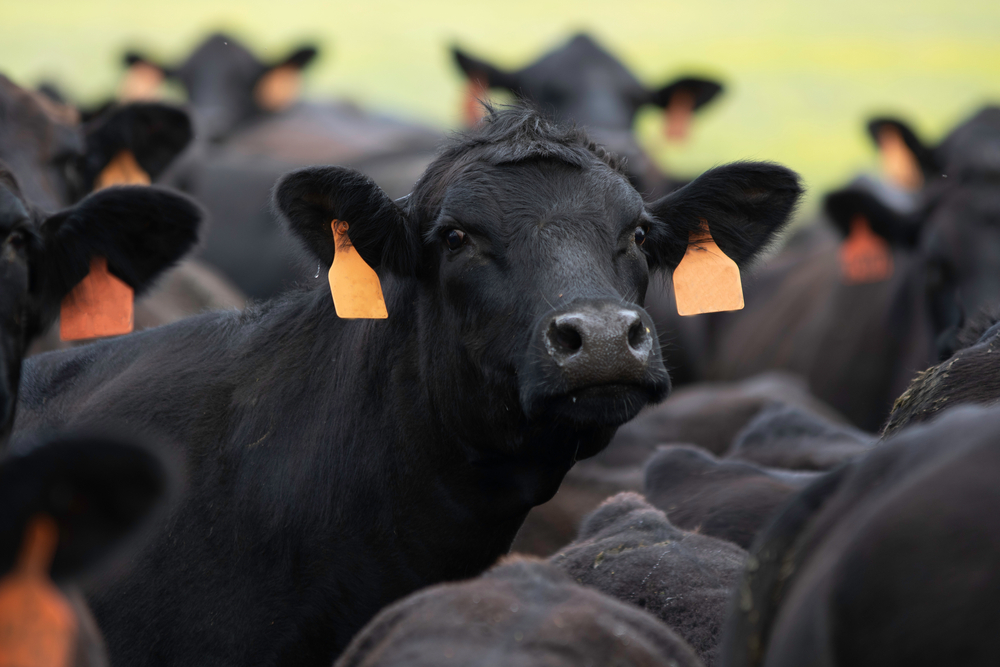
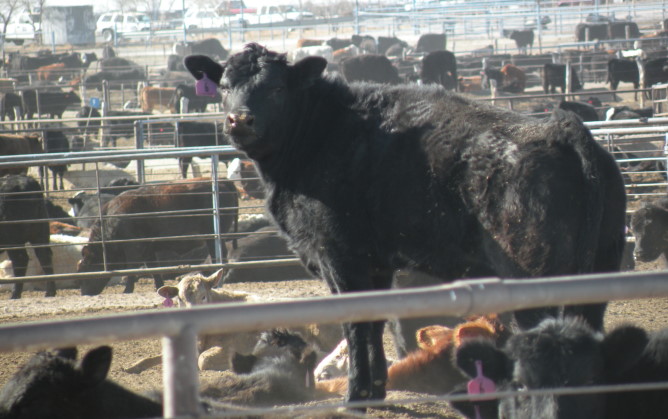
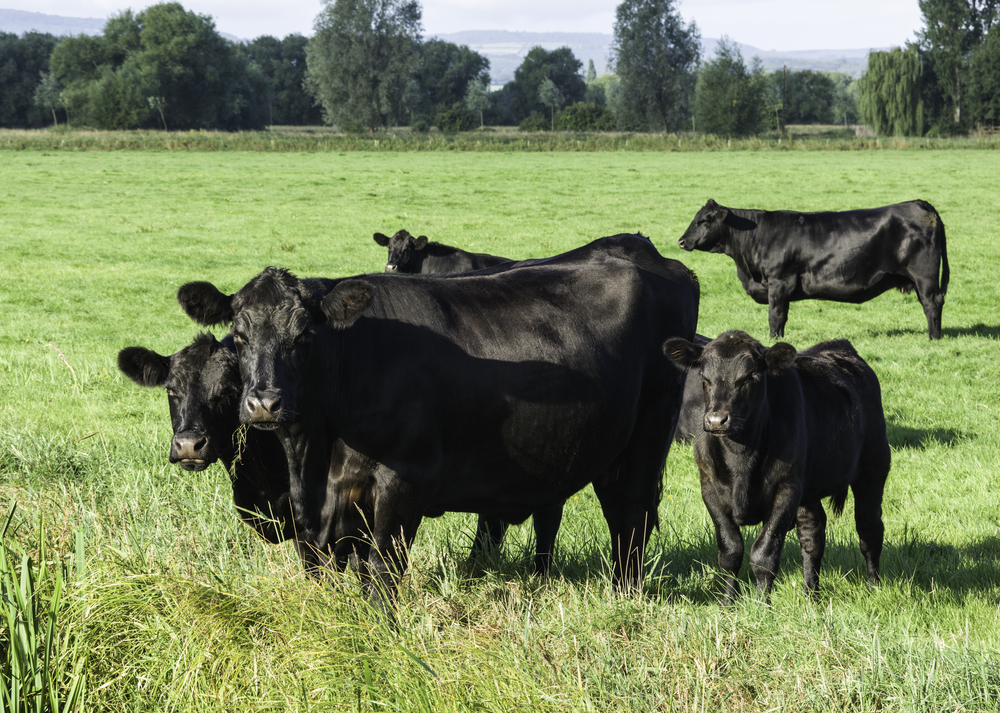
OKC West Calf Prices Tumble on Tuesday, September 30th

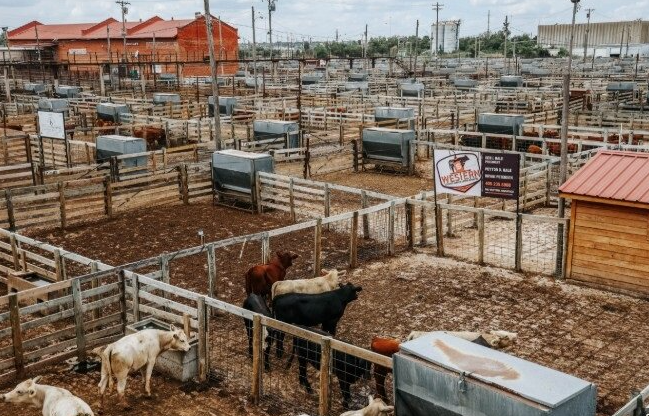
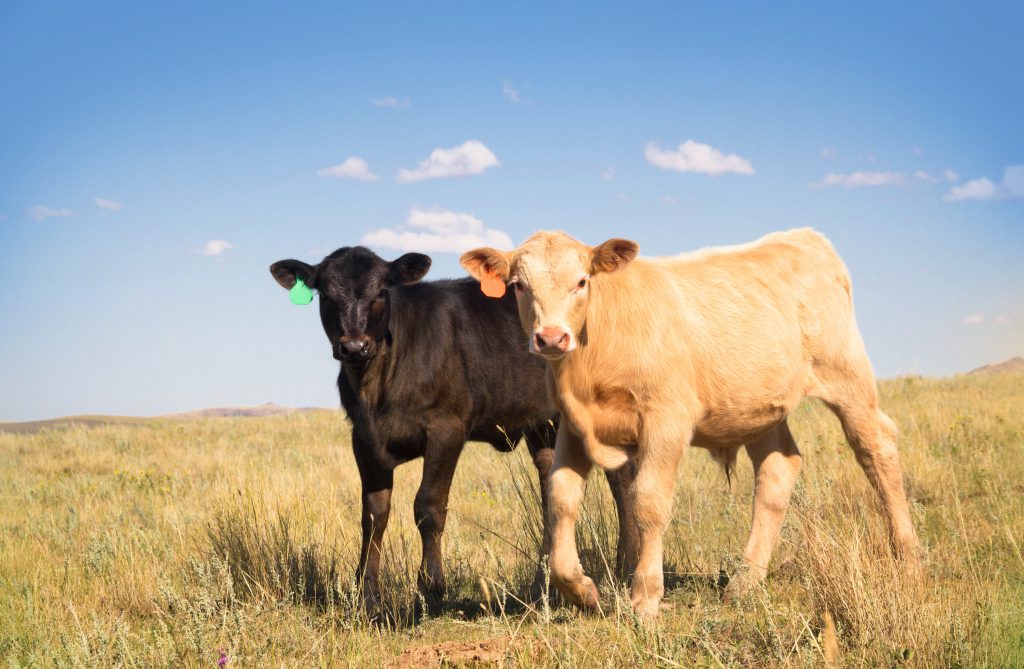
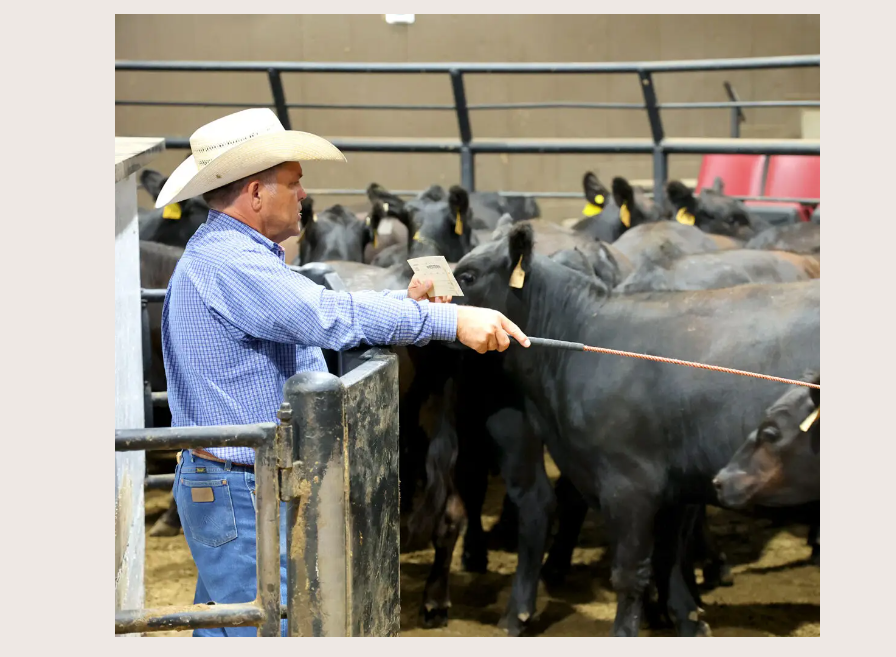
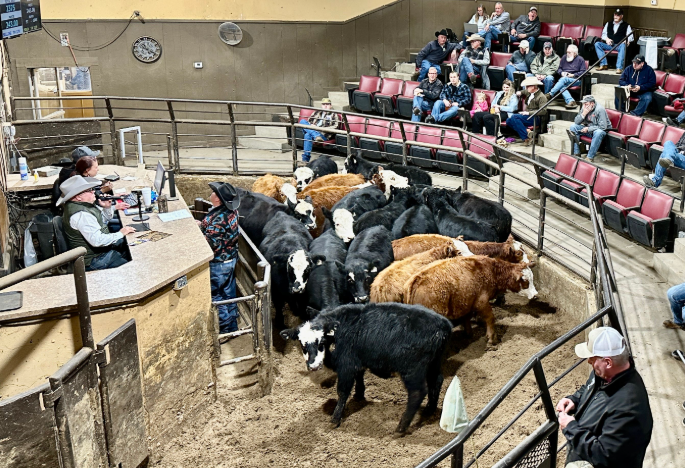
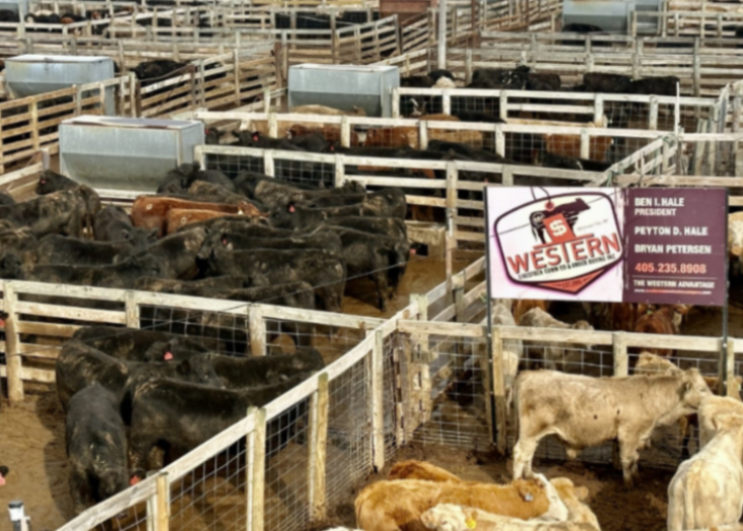
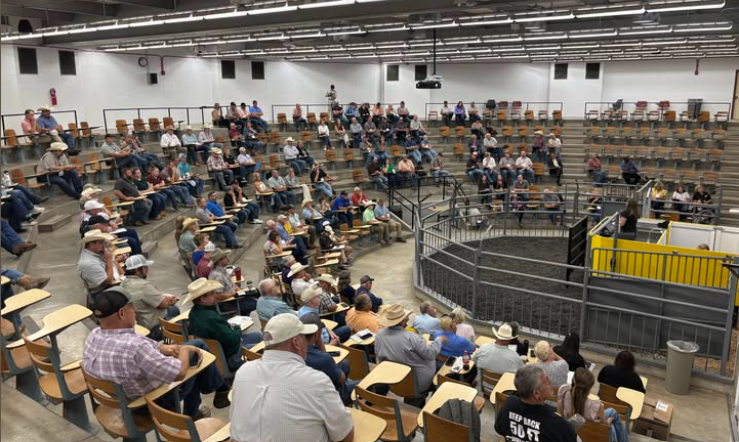
OKC West had 2,500 calves for their regular stocker and calf sale on Tuesday, September 30, 2025. Compared to last week: Steers 10.00-15.00 lower. Heifers 10.00-20.00 lower. Quality mostly plain. Calf demand has eased with the arrival of October, as concerns with overall health weigh on the market.
For Wednesday- they expect Expecting 4,500 yearlings- 1,700 Feeder Heifers @ 9:00 and 2,800 Feeder Steers @ 11:00.

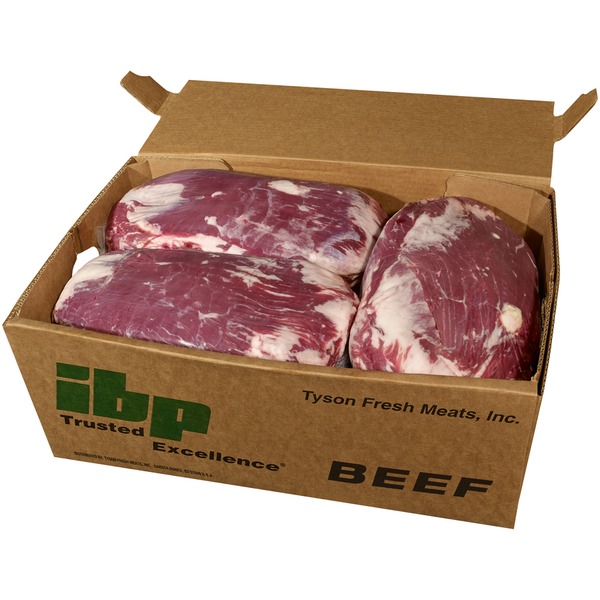
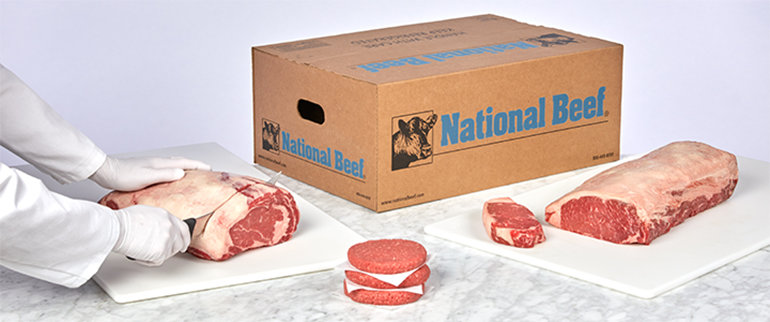
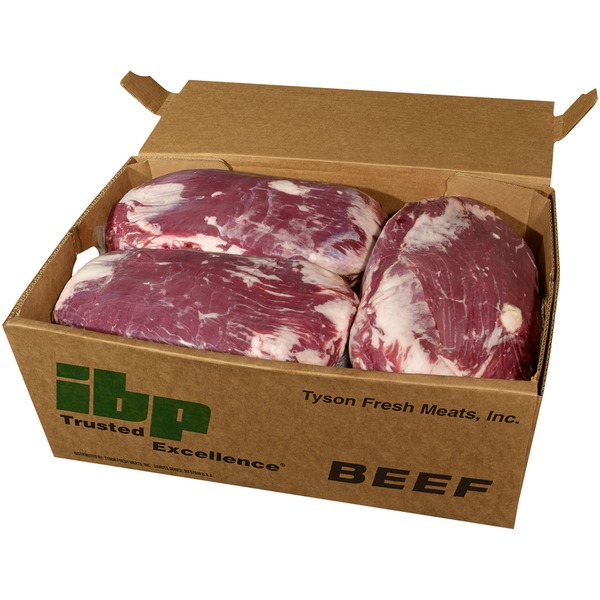
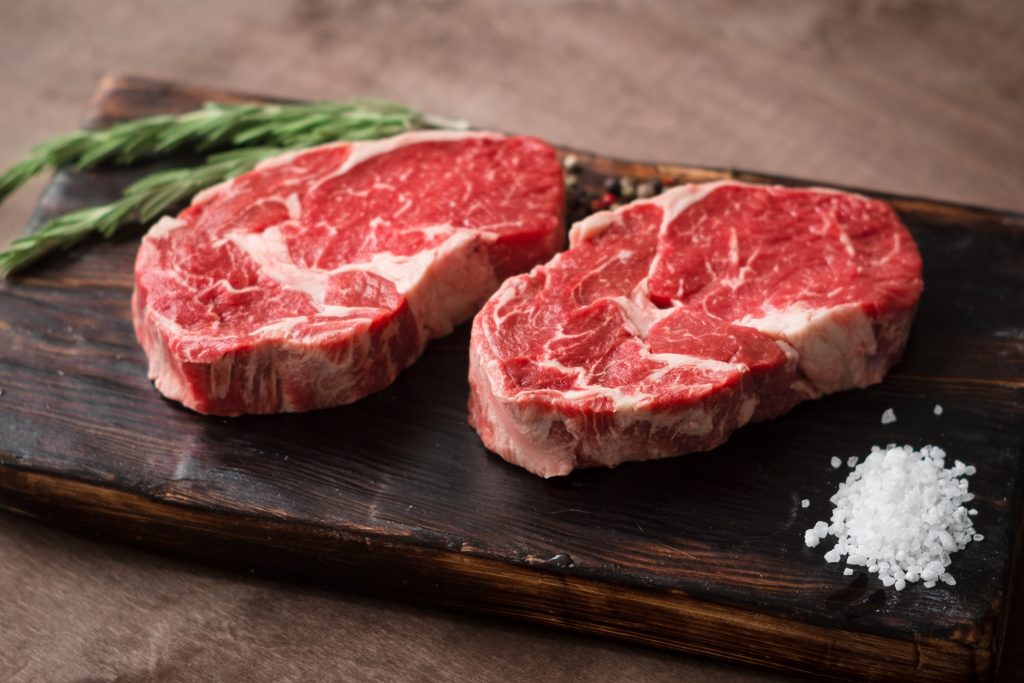
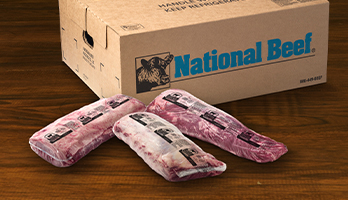
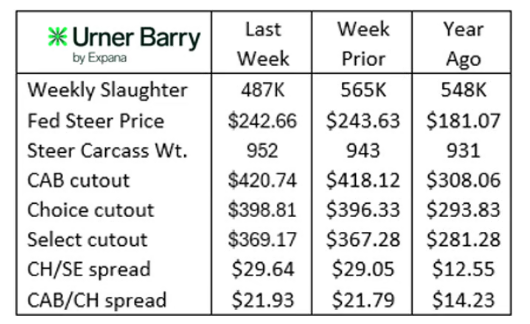
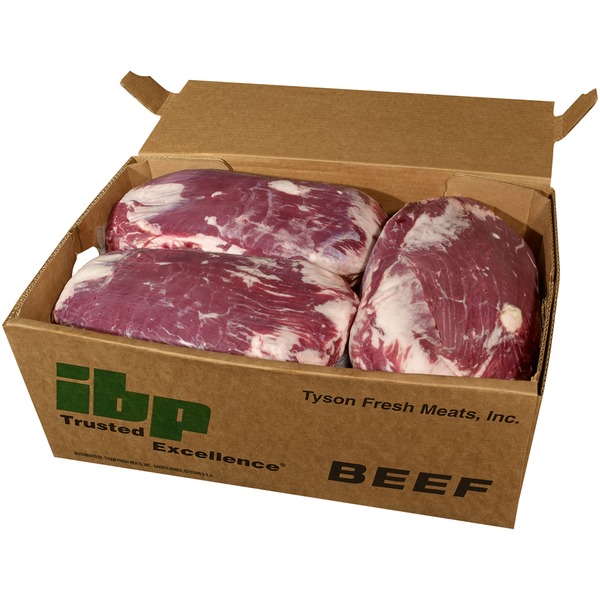
Choice Boxed Beef Finally Posts Slight Gain- Up 35 Cents to $371.03 on Finald Day of September

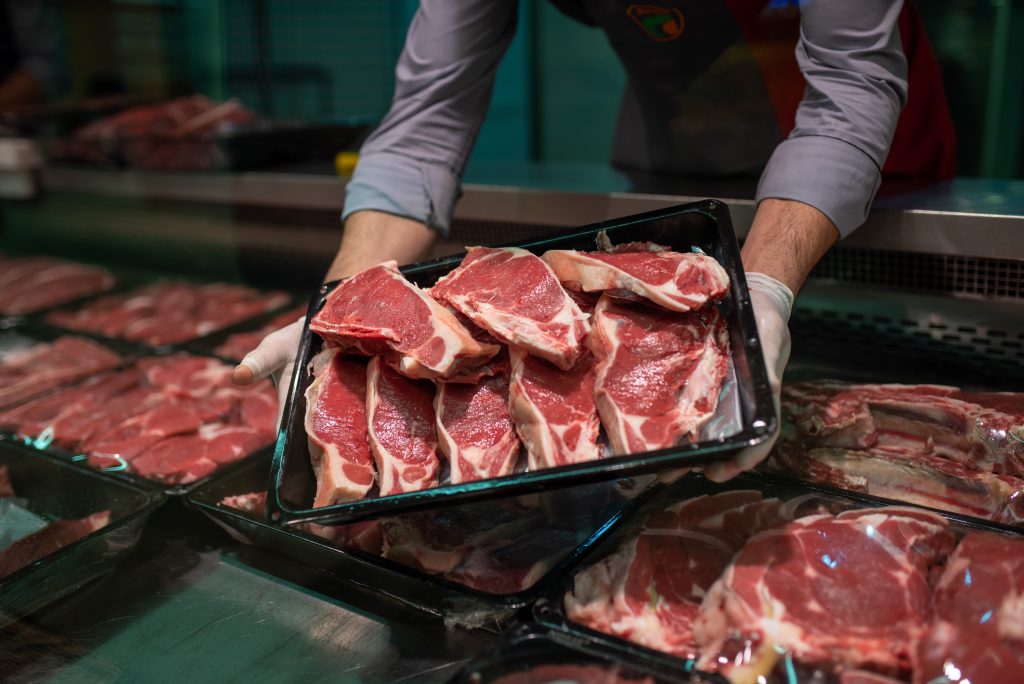
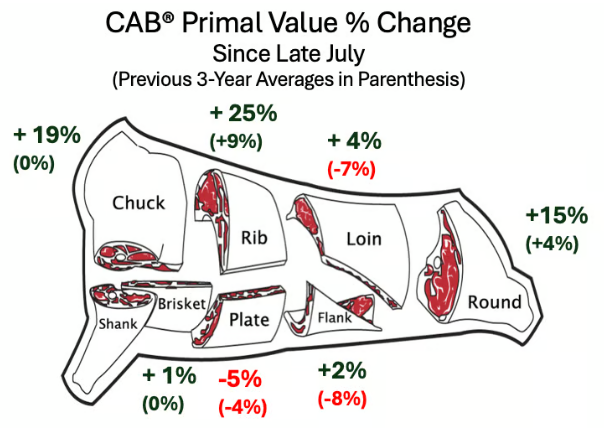
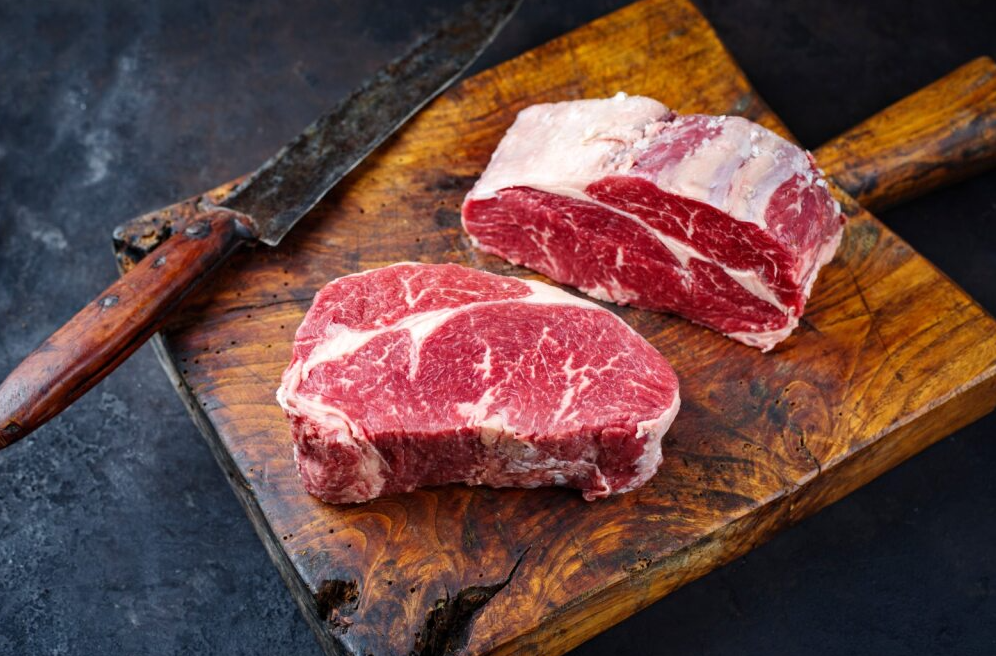
Boxed beef finally snapped its 18-session losing streak on Tuesday, with Choice cutout values edging up $0.35 to $371.03, while Select dropped $1.64 to $347.25, widening the spread to $23.78 on 122 loads. Compared to Monday, most primals showed only modest changes. Ribs eased slightly to $625.20 from $626.13, while Loins climbed to $463.52 from $460.17. Chucks were firmer at $305.67 compared to $303.93, and Briskets slipped to $308.14 from $312.00. Rounds came in just under at $322.76 versus $323.79, while Plates softened to $225.83 from $229.98. Flanks also edged lower to $219.16 from $220.90.

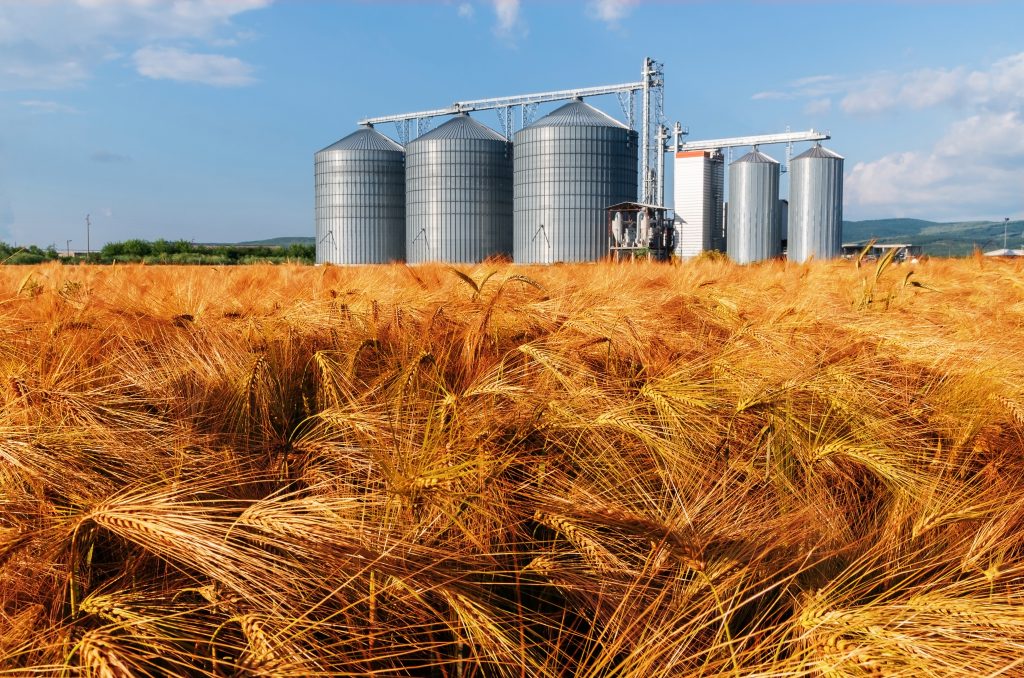
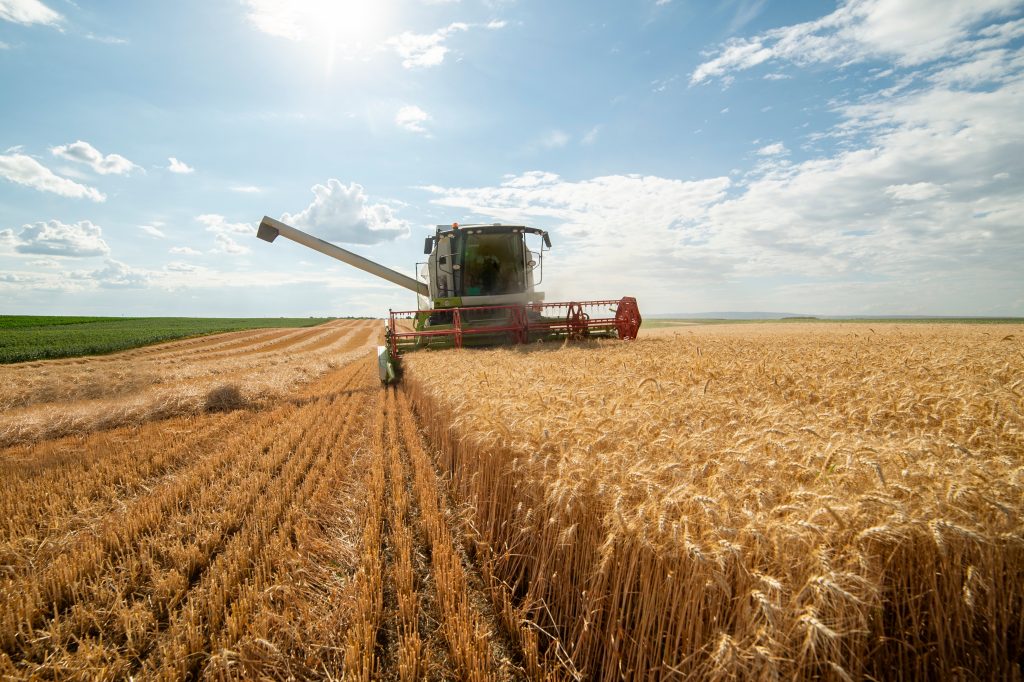
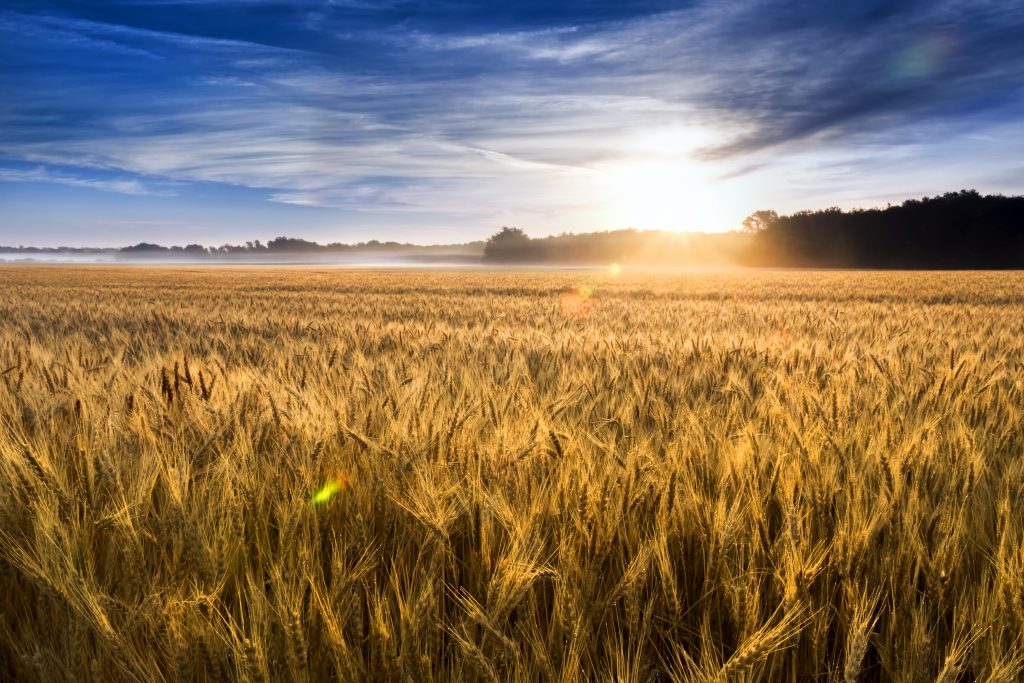
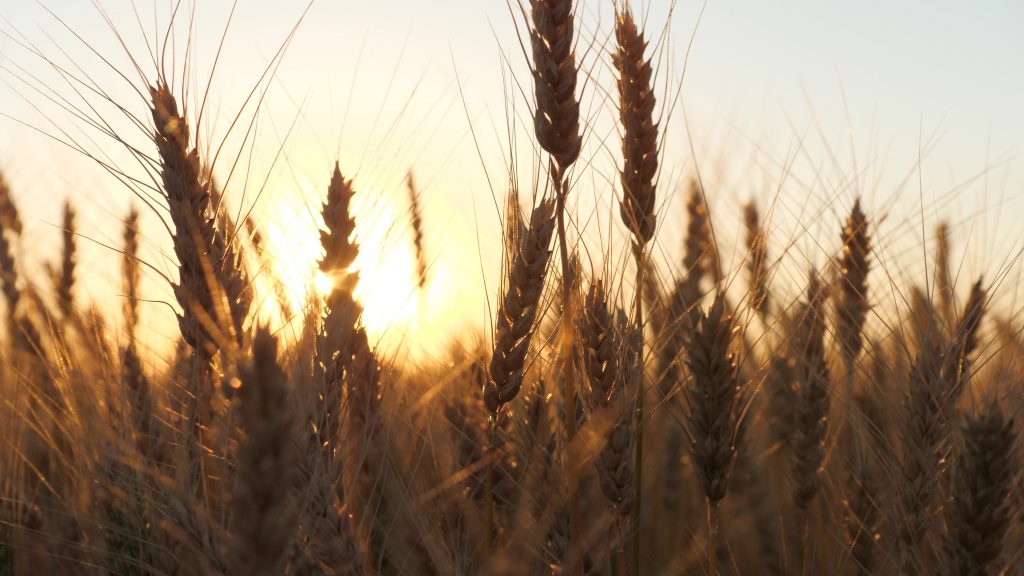
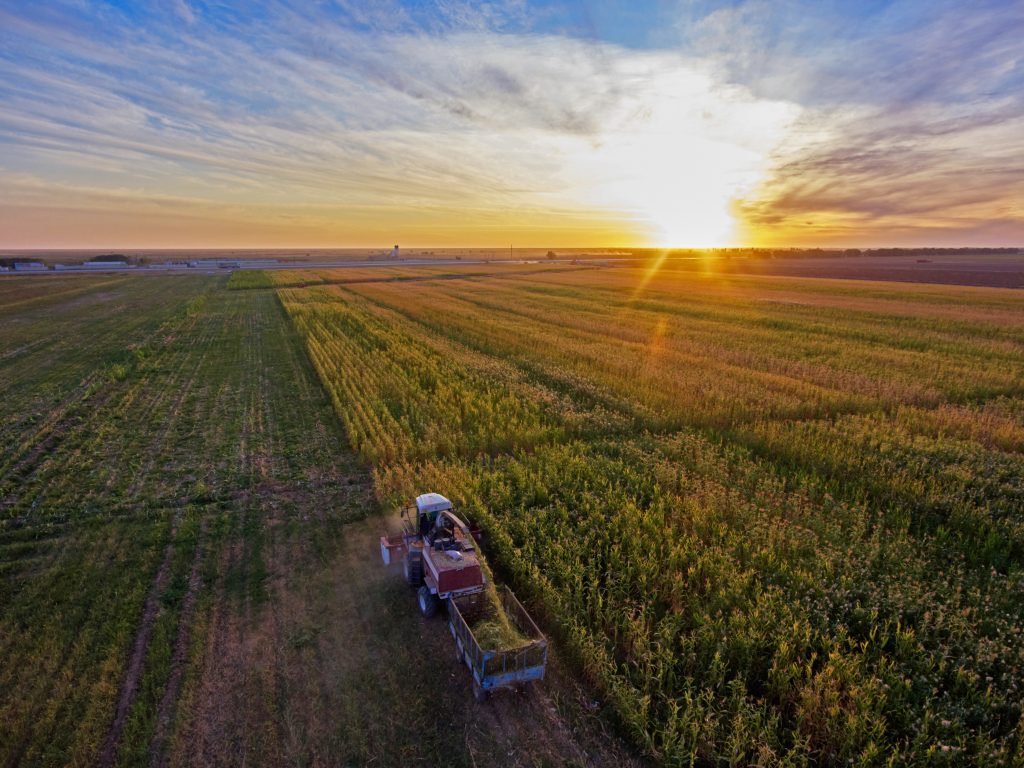
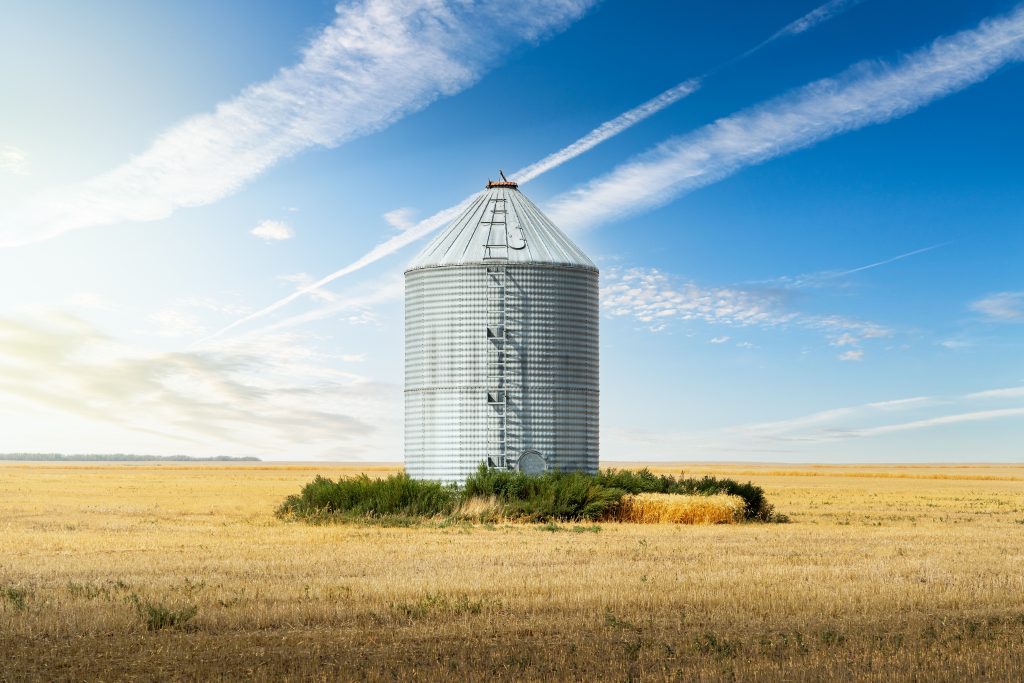
Wheat field with grain bins in background

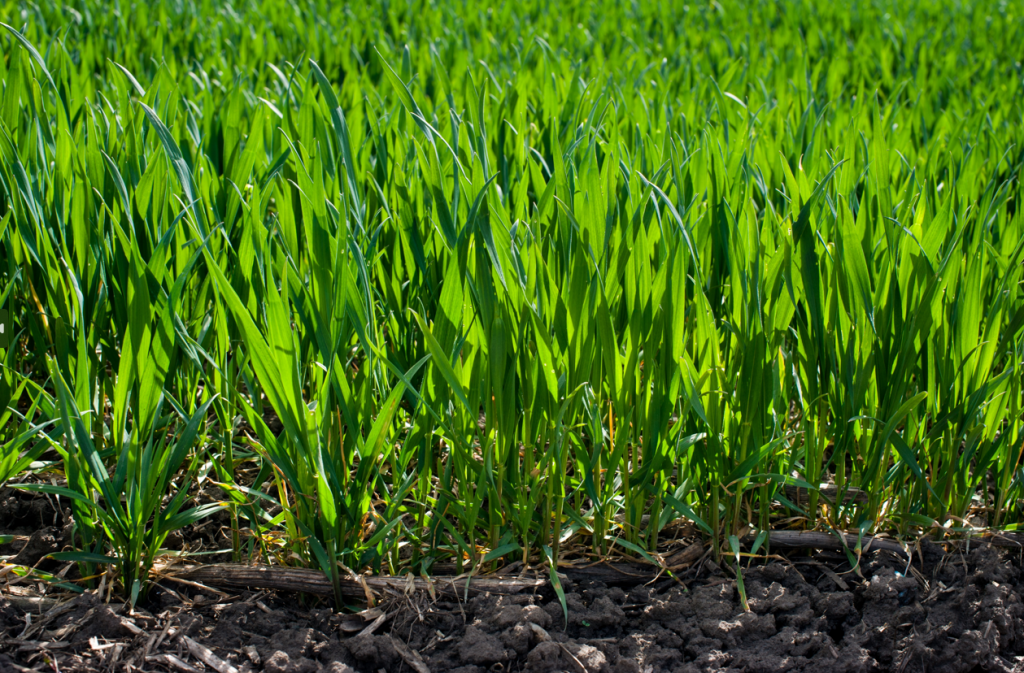
Wheat Production Sees Yield Gains Amidst Acreage Decline in Southern Plains

Farm Director KC Sheperd and USDA-NASS's Troy Marshall discussed the final figures for the small grains year following the latest quarterly reports from the USDA's National Agricultural Statistics Service (NASS). The data, which includes quarterly grain stocks and agricultural production reports, highlights significant yield boosts in Texas and Kansas, compensating for the overall lower harvested acreage, according to Marshall.

Final Wheat Production Numbers

Despite a slightly better weather year, many areas saw a decrease in harvested acres, largely due to rain delays during harvest and a lack of adequate rain during the earlier growing season.

Oklahoma

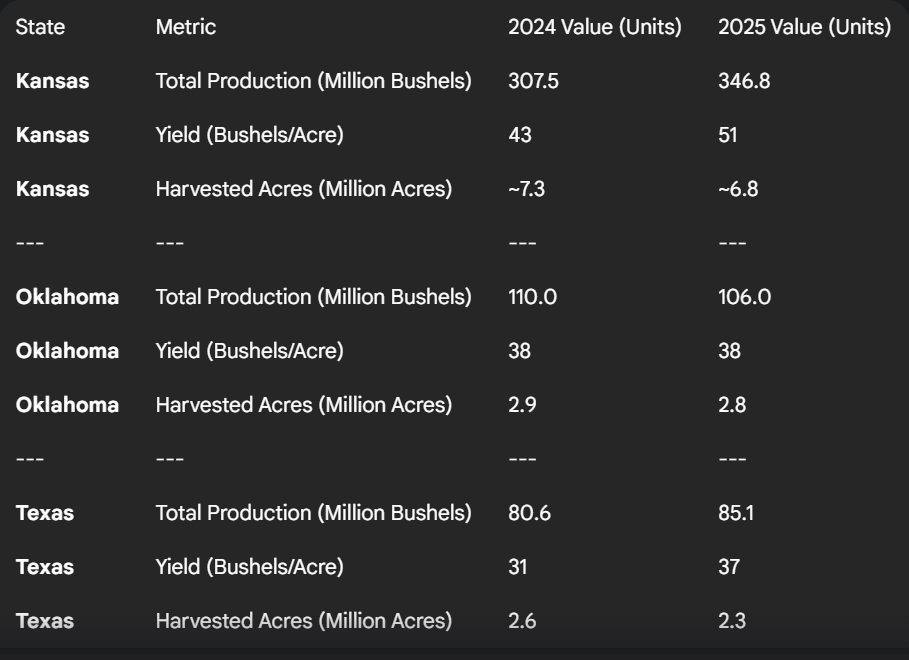
  • Yield: Remained steady at 38 bushels to the acre.
  • Production: Overall winter wheat production saw a small decline, dropping from 110 million bushels (2024) to 106 million bushels (2025).
  • Harvested Acres: The decrease in production was primarily due to a decline in harvested acres, which went from 2.9 million to 2.8 million acres.

Texas

  • Production: Overall wheat production increased by 5.6% year-over-year, moving from 80.6 million bushels to 85.1 million bushels.
  • Yield: A significant yield boost made up for reduced acreage. Yields jumped from 31 bushels per acre (2024) to 37 bushels per acre (2025).
  • Harvested Acres: Harvested acres saw an 11.5% reduction, dropping from 2.6 million to 2.3 million acres.

Kansas

  • Production: Wheat production rose by 12.8%, from 307.5 million bushels (2024) to 346.8 million bushels (2025).
  • Yield: Kansas saw a "significant increase in yield," jumping from 43 bushels per acre to 51 bushels per acre.
  • Harvested Acres: Harvested acres decreased by just under 5%.

Marshall noted that the latest report "puts that final stamp on what we saw here in Oklahoma, Texas, and Kansas," confirming trends observed over previous months.


Small Grains and Harvest Impacts

The report also finalized numbers for other small grains, which also showed acreage and weather effects:

  • Rye Production (Oklahoma): Saw a "pretty significant decrease" of just under 26% in production, mainly due to a 20% reduction in harvested acres. Yields decreased from 27 bushels to 25 bushels per acre.
  • Oat Production (Texas): Experienced an 18.7% decrease in production despite a slight increase in yield (46 to 53 bushels per acre), which was mainly due to decreased harvested acres.
  • Oat Production (Kansas): Production increased by 18.3%, attributed to a 34.6% increase in harvested acres (from 26,000 to 35,000 acres).

Marshall clarified the factor influencing these drops in harvested acreage, noting, "The weather impacts through the growing season, and then, of course, at the time of harvest as well," caused farmers to not harvest some planted grain.


Quarterly Grain Stocks Show Significant Increase

The September grain stocks report captures new crop wheat stocks, both on-farm and off-farm, as of September 1. This new data confirms a substantial increase in stored wheat compared to the previous year.

"We definitely see that we have a lot more wheat out there in September than we did the previous year," Marshall stated.

  • Oklahoma: Saw a 16% increase year-over-year, rising from 130 million to 151.2 million bushels stored.
  • Texas: Experienced a 25% increase year-over-year.
  • Kansas: Saw a 22% increase year-over-year.

Marshall explained that the September report typically represents the peak number of wheat stocks, which are then expected to decrease throughout the rest of the year as producers sell the grain. The December report will offer a new look, as it will also include the new crop from fall row crops, such as corn, beans, and sorghum.

NATIONWIDE SMALL GRAINS SUMMARY

All-wheat production totaled 1.98 bb in 2025, up from the 2024 total of 1.97 bb. All wheat yield came in at 53.3 bushels per acre, up from 51.2 bpa in 2024.

All-wheat harvested acres came in at 37.2 million acres this year, compared to 38.5 million in 2024, or down 4% from one year ago.

All-winter wheat production was 1.4 bb in 2025, a 3% increase from 1.349 bb in 2024.

Hard red winter wheat production came in at 804.4 mb in 2025, compared to 773.4 mb last year. Soft red winter wheat production was 352.9 million bushels this year, an increase from 344.5 million bushels the previous year.

White winter wheat production came in at 244.0 mb in 2025, an increase from 235.0 mb last year.

Spring wheat production was reported at 497.0 mb, compared to 544 mb in 2024.

Durum wheat production was 86.2 mb in 2025, compared to 80.1 mb last year.

You can also view the full reports -- Grain Stocks and Small Grains Summary: 

CORN STOCKS

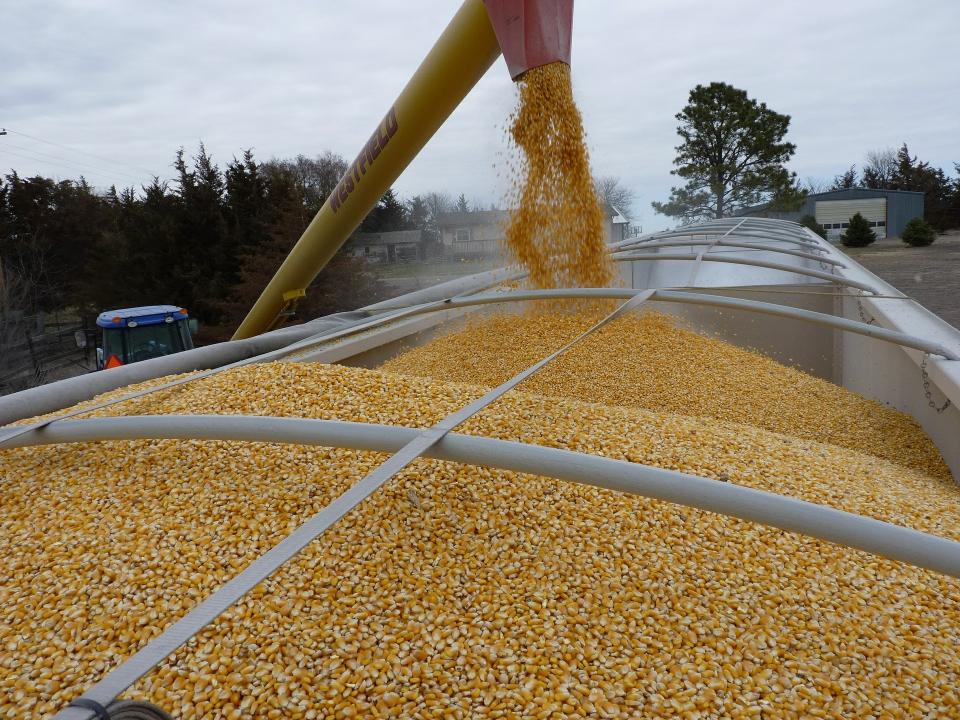
Old-crop corn stocks in all positions on Sept. 1, 2025, totaled 1.53 billion bushels (bb), down 13% from a year ago.

The stocks came in above the high end of pre-report estimates.

On-farm stocks were projected at 634 million bushels (mb), down 18% from a year ago. Off-farm stocks, at 888 mb, are down 10% from last year.

The June-August 2025 indicated usage, or disappearance, is 3.11 bb, compared with 3.23 bb from the same period in 2024.

Based on the end-of-year marketing estimates, increased NASS 2024-25 corn production by 25 mb. Acreage planted also is increased by 315,000 acres, and harvested acres for grain was increased to 83 million acres.

SOYBEAN STOCKS

Soybean stocks as of Sept. 1 totaled 316 mb, which is 8% less than last year. USDA says 91.5 mb are stored on farms, down 18% from last year, while 225 mb are in commercial storage. That's 3% less than in 2024. Usage, which USDA calls indicated disappearance, from June through August was 691 mb, which is 10% higher than the previous year.

USDA revised 2024 production based on its stocks estimates, usage data for exports and crush and farm program administrative data. Production was revised upward by 7.74 mb, with planted acres estimated at 87.3 million and harvested acreage at 86.2 million. Yield was unchanged at 50.7 bushels per acre.

WHEAT STOCKS

All wheat stored in all positions on Sept. 1, 2025, totaled 2.12 bb, up 6% from a year ago.

On-farm stocks are estimated at 692 mb, up 4% from last September. Off-farm stocks are pegged at 1.43 bb, up 7% from a year ago. The June-August 2025 indicated usage came in at 715 mb, up 5% from the same period last year.

Durum wheat stocks in all positions was pegged at 71.1 mb, up 6% from last year. On-farm stocks came in at 51.5 mb, up 9% from last year. Off-farm stocks of durum wheat was listed at 19.6 mb, down 3% from a year ago. The quarterly usage was listed at 43 mb, up 27% from last year.

EPA news release banner

EPA Partners with Rural Communities to Strengthen Outdoor Recreation Economy, Make America Beautiful Again

Today, in support of the Trump Administration's Make America Beautiful Commission goals, U.S. Environmental Protection Agency (EPA), U.S. Department of Agriculture Forest Service, the Appalachian Regional Commission, the Denali Commission, and the Northern Border Regional Commission are announcing the selection of 25 small and rural communities from across the country that will receive assistance to grow their outdoor recreation economies through the Recreation Economy for Rural Communities program. 

"Outdoor recreation is a unique opportunity to create jobs and grow economies in rural communities while Powering the Great American Comeback," said EPA Office of Land and Emergency Management Principal Deputy Assistant Administrator Steven Cook. "This program is further proof that we can drive economic growth while protecting and honoring America's beautiful natural resources." 

"Outdoor recreation is a powerful economic engine for gateway communities, one that starts on the trail but ends on Main Street," said acting Associate Chief of the Forest Service Chris French. "As members of the communities we serve, we see firsthand how important it is to put local leaders in the driver's seat to connect natural assets with economic opportunity." 

"Outdoor recreation represents a tremendous economic opportunity for rural communities. By strengthening the ties between local businesses and recreational assets, this collaboration will elevate the economies of rural places across the NBRC region," said Chris Saunders, Federal Co-Chair of the Northern Border Regional Commission.   

The Recreation Economy for Rural Communities (RERC) program – jointly administered through an interagency partnership – helps rural communities leverage outdoor recreation to revitalize their main streets, leading to economic growth, improved environmental protection and public health outcomes. Communities are encouraged to pursue activities that foster development and revitalization and support conservation efforts.  

The 25 small and rural communities are planning to undertake a variety of revitalization projects which include: 

  • Building new trail systems.
  • Connecting main streets with nearby outdoor recreation amenities.
  • Increasing access to outdoor activities for all residents and visitors.
  • Strengthening outdoor recreation businesses.
  • Building a resilient outdoor recreation economy to withstand disasters, ensuring stable economic vitality.
  • Cleaning up and repurposing vacant properties and buildings.
  • Creating new parks and recreation amenities. 

A federal team will partner with each community to guide planning and strengthen local capacity. Participants will work together to develop strategies and specific actions to meet their goals. 

"With our deep ties to the land, ocean, and traditional ways of life, revitalizing downtown and expanding outdoor recreation opportunities will improve the physical and mental health of our residents, support local businesses, and strengthen our connection to place," said Mayor Derek Haviland-Lie of the City of Kotzebue, Alaska. "We are proud to work alongside our tribal, regional, and federal partners to create a more vibrant, resilient future for all who call Kotzebue home."  

"This project is more than just revitalization—it's about creating a healthier, more vibrant Columbia where families, visitors, and future entrepreneurs can thrive," said Shelbi Rollins, Owner of the Bird's Nest and President of Caldwell Chamber of Business in Columbia, Louisiana. "By linking Main Street to the riverfront and new trails, we're not only encouraging outdoor activity and wellness, but we're also investing in the future of our community." 

"We're energized by the possibilities ahead and ready to leverage this opportunity to create a dynamic, inclusive, and sustainable experience for all," said Kelly Jones of the Mitchell County Tourism Development Authority in Spruce Pine, North Carolina. 

Communities were chosen following a comprehensive interagency review process from a pool of 200 applicants. View the list of the selected communities and projects. 

Background 

Outdoor activities are increasingly popular across the United States, and many communities are seeking to grow their outdoor recreation and tourism economy, while investing in their main streets and conserving forests and natural lands.  

  • According to the 2025 Outdoor Participation Trends Report, over 181 million Americans over the age of six participated in outdoor recreation in 2024. Sales figures across the industry continue to grow as Americans spent time on outdoor activities – such as hiking, fishing, bicycling, boating, swimming, and skiing, among many others. These activities can bring new investment and jobs to local economies, benefit health and wellness, raise awareness of the importance of conservation of forests and other natural resources, and improve the quality of life for residents and visitors. 
  • In 2023, outdoor recreation activities generated 5 million paying jobs across a variety of industries, accounting for 3.1% of all employment in the United States. The U.S. Bureau of Economic Analysis calculated the economic output of outdoor recreation in 2023 to be $1.2 trillion. 

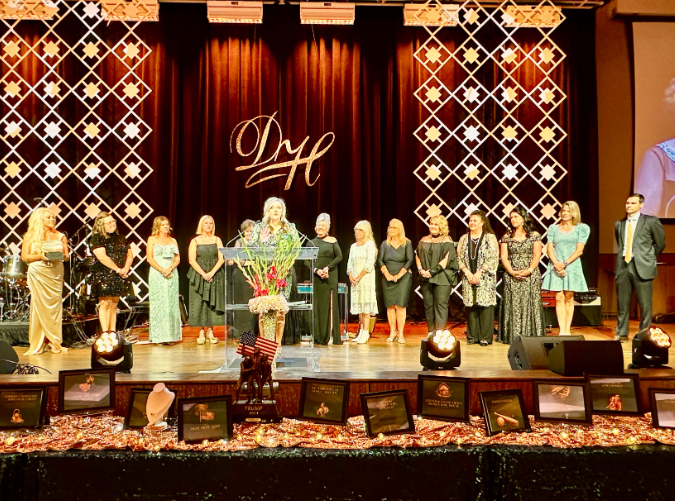
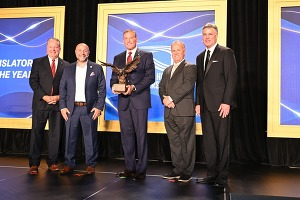
Oklahoma State Treasurer Todd Russ Receives Inaugural Heritage Foundation Courage Award

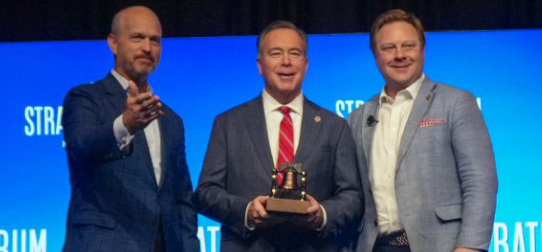
Oklahoma State Treasurer Todd Russ has been named the first recipient of The Heritage Foundation's Courage Award, recognizing his leadership in advancing corporate neutrality, protecting shareholder value and principled stewardship.

At the award presentation, Andrew Olivastro, Chief Advancement Officer at The Heritage Foundation, praised Treasurer Russ:

"Treasurer Russ's leadership has inspired us, inspired everyone in Oklahoma, and inspired state financial officers around the country. He is leading the charge, pushing back against non-fiduciary efforts and driving sound business judgment over politicized agendas."

Treasurer Russ said the honor affirms Oklahoma's steadfast commitment to protecting taxpayers, pensioners and all public funds:

"Receiving the inaugural Courage Award from The Heritage Foundation is a profound honor. This recognition underscores that Oklahoma is steadfast in its commitment to uphold the principles of liberty and justice, much like the enduring message of the Liberty Bell. Just as the bell's inscription calls to 'Proclaim Liberty Throughout All the Land unto All the Inhabitants thereof,' Oklahoma is dedicated to ensuring that investments serve the people, free from political agendas, and focused on long-term stewardship. This award reaffirms the resolve to protect the hard-earned dollars entrusted to me, and to lead with integrity and courage."

The Courage Award is a new recognition created by The Heritage Foundation to honor public officials who demonstrate conviction and principle in the face of institutional or political pressure. Treasurer Russ is the first to receive the award in its history.

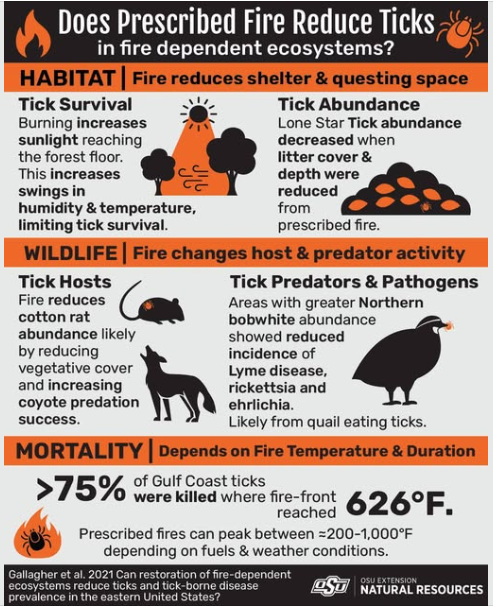
Does Prescribed Fire Reduce Ticks?

HABITAT | Fire reduces shelter & questing space

Tick Survival: Burning increases sunlight reaching the forest floor. This increases swings in humidity & temperature, limiting tick survival.

Tick Abundance: Lone Star Tick abundance decreased when litter cover & depth were reduced from prescribed fire.

WILDLIFE | Fire changes host & predator activity

Tick Hosts: Fire reduces cotton rat abundance likely by reducing vegetative cover and increasing coyote predation success.

Tick Predators & Pathogens: areas with greater Northern Bobwhite abundance showed reduced incidence of Lyme disease, rickettsia & ehrlichia. Likely from quail eating ticks.

MORTALITY | Depends on Fire Temperature & Duration

>75% of Gulf Coast ticks were killed where fire-front reached 626°F.

Prescribed fires can peak between 200 - 1,000°F depending on fuels & weather conditions.

Gallagher et al 2022 Can restoration of fire-dependent ecosystems reduce ticks and tick-borne disease prevalence in the eastern United States? https://doi.org/10.1002/eap.2637

Daily Email for September 30, 2025


Oklahoma's Latest Farm

and Ranch News

Tuesday, September 30, 2025


Howdy Neighbors!

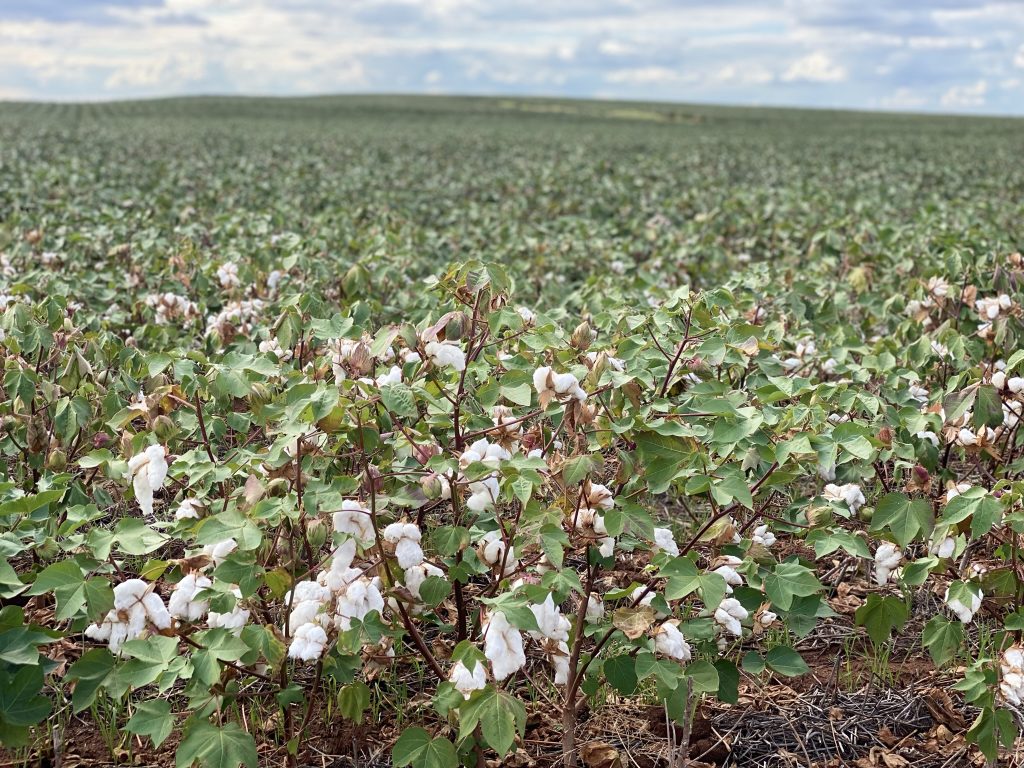
Corn Grain Harvested Reaches 56 Percent In Oklahoma In This Weeks Crop Progress

National Wheat Statistics: Winter Wheat Planted reached 34 percent, down three points from the previous year and down two points from the five-year average. Winter Wheat Emerged reached 13 percent, equal to the previous year and up one point from the five-year average.


National Corn Statistics: Corn dented reached 95 points, equal to the previous year and down one point from the five-year average. Corn mature reached 71 percent, down two points from the previous year and down three points from the five-year average. Corn Harvested Reached 18 percent, down two points from a year ago and down one point from the five-year average. Corn Conditions are rated 66 percent good to excellent, equal to the previous week.


As for our crops in oklahoma: Winter wheat planted reached 33% up twelve points from the previous year and up seven points from the five-year average. Corn crop conditions are now at 70% good to excellent versus 66% a week ago. Corn grain harvested reached 56% Soybean crop conditions are at 51% good to excellent versus 43% a week ago. Cotton conditions are rated 71% good to excellent, versus 69% last week. Grain Sorghum is at 72% good to excellent versus 72% a week ago. Grain Sorghum harvested reached 25%, down eight points from the previous year and up five points from the five-year average. Pasture and Range conditions are at 55% good to excellent this week, versus 58% a week ago.

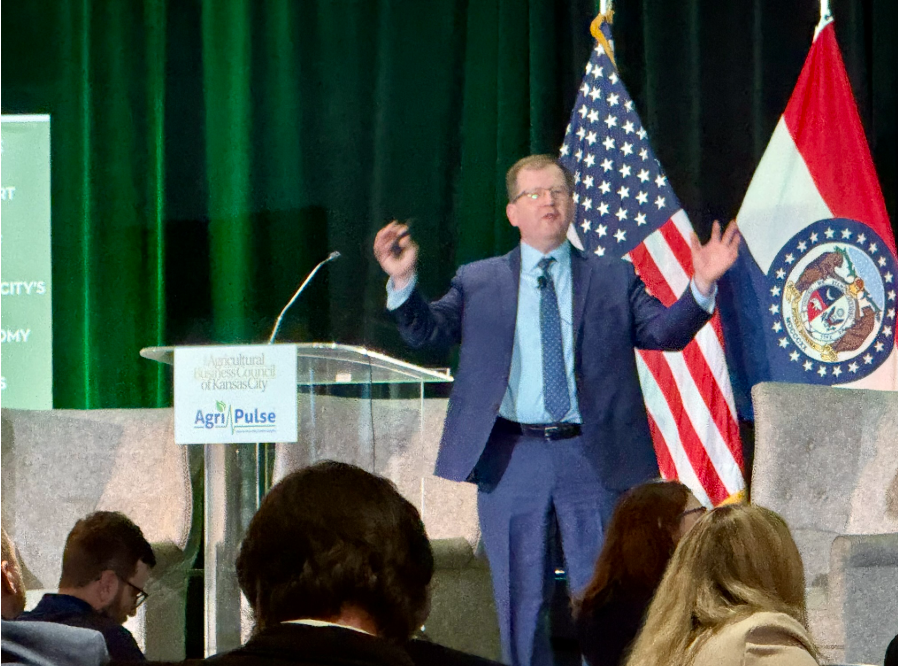
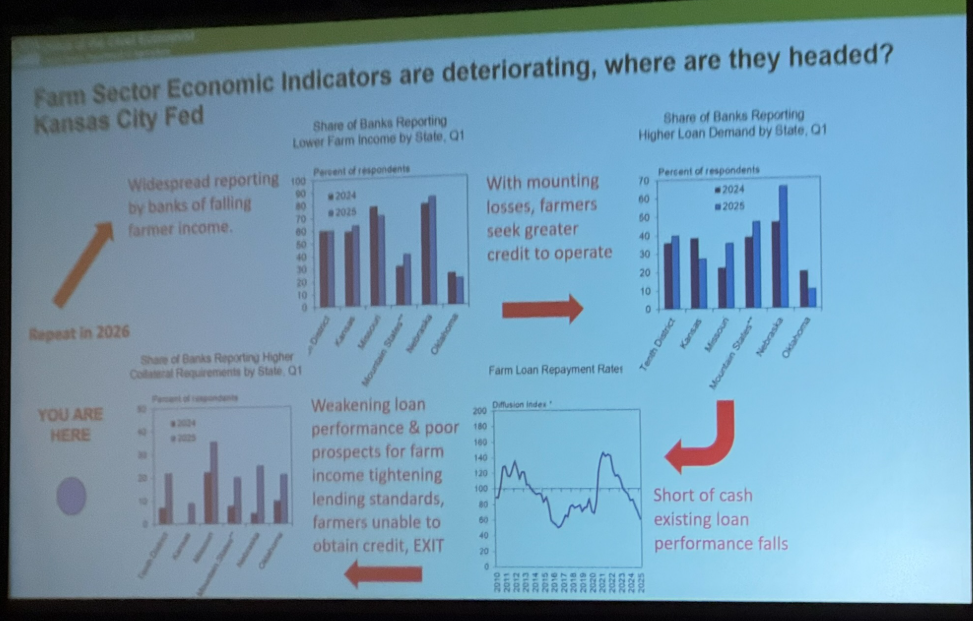
Farm Economy at a Crossroads: USDA's Seth Meyer talks Cash Flow Crisis and the Tale of Two Sectors

The U.S. agricultural sector is facing severe economic stress, masked by high aggregate numbers, with a profound disconnect emerging between the crop and livestock segments. Seth Meyer, USDA Chief Economist, emphasized this "tale of two sectors" at the Ag Outlook Forum, highlighting falling crop cash receipts, rising input costs, and a looming cash flow crisis that threatens farm solvency.


Meyer cautioned against the overall U.S. farm income forecast, which is expected to "rise sharply in 2025," because this number "gives the wrong impression" of the sector's health. When direct government payments (economic assistance for previous years) and cattle receipts are subtracted, farm income is actually "coming down, not up." Meyer stated that overall aggregate farm income is "not the number that tells you what's going on" because it fails to capture the distinct differences between the crop and livestock sectors.


The crop sector is under immense pressure, with crop cash receipts at their lowest level since 2007. Receipts are "consistently declining" across major commodities, including corn, soybeans, fruits and vegetables, and wheat, leading to "not great prospects on the crop side."This decline is happening because "almost across the board you see falling prices."

Prevention Is the Best Strategy: Steve Boren Outlines Threat of New World Screw Worm

Senior Farm and Ranch Broadcaster Ron Hays reports on a new world screwworm update given at the Ag Outlook Forum in Kansas City, Steve Boren of Boehringer Ingelheim shared his concerns about the New World screw worm and what it would mean if it entered the United States. "If we do allow new world screw worm into this country, cattle producers are going to be dealing with this thing around the clock," he said. Boren stressed the enormous labor involved: "Each and every calf that's born, and every animal that's run through the brush that has a contusion or abrasion on it will be required to be treated." He also reminded the audience that "the average rancher in the United States is 63 years old, and we don't have a lot of folks that are following in their footsteps. It is highly, highly labor intensive."


Drawing on his company's global experience, Boren explained the economic stakes. "We have a lot of experience with new world screw worms, both populations, the one that's in the continental part of South America, as well as in Central America," he noted. The financial burden would be massive. "The only thing that I've seen so far is $1.8 billion in the state of Texas. That's just the state of Texas. Now it is a major cattle producing state, but it has a major economic impact."


Boren also underscored the danger of wildlife spreading the parasite. "This is truly a major, major concern. All mammals can be inflicted by screw worms," he said. To illustrate, he gave a personal example: "You probably can't see I've got a small puncture wound on the side of my finger a tick bite or a puncture wound is enough for a screw worm fly to lay its eggs into." He warned that "all deer, pigs, any type of animal that's there can carry screw worms. It's not just domesticated livestock."

Dating back to 1891, Stillwater Milling Company has been supplying ranchers with the highest quality feeds made from the highest quality ingredients. Their full line of A & M Feeds can be delivered direct to your farm, found at their Agri-Center stores in Stillwater, Davis, Claremore and Perry or at more than 125 dealers in Oklahoma, Arkansas, Kansas and Texas. We appreciate Stillwater Milling Company's long time support of the Radio Oklahoma Ag Network and we encourage you to click here to learn more about their products and services.


National Livestock was founded in 1932 in Oklahoma City. National's Marketing Division offers cattle for sale weekly at the Oklahoma National Stockyards in Oklahoma City. The Finance Division lends money to ranchers across several states for cattle production. The Grazing Division works with producers to place cattle for grazing on wheat or grass pastures. 


National also owns and operates other livestock marketing subsidiaries including Southern Oklahoma Livestock Auction in Ada, Oklahoma, OKC West Livestock Market in El Reno, Oklahoma, and the nation's premier livestock video sale, Superior Livestock Auction. National offers customers many services custom made for today's producer. To learn more, click here for the website or call the Oklahoma City office at 1-800-310-0220.


Cattle Market Complexities: South Florida

In this week's Cow Calf Corner- OSU's Dr. Derrell Peel talks cattle markets. The U.S. cattle and beef industry is arguably one of the most complex set of markets in the world. One of many factors that adds to cattle industry complexity is the wide range of environments and the diverse production systems that are used to successfully produce cattle in those environments. Cattle production is the primary use of forages across the country with cattle necessarily produced in climates ranging from sub-alpine to sub-tropical. Cow-calf and stocker production take advantage of the climatic adaptability of mammals and the flexibility of ruminant biology to utilize a wide range of grazing resources in all parts of the country.


 At one extreme of production environments in the country is the cattle industry in south Florida. Last week I had the pleasure and honor to travel with a group of Extension professionals from the South Florida Beef and Forage Program as they traveled to Oklahoma and Texas to see and learn about the destination of Florida calves. Almost all Florida calves are shipped north and west to stocker operations and feedlots in Oklahoma, Kansas and Texas. These calves originate in a unique environment that not only impacts the production systems used for cow-calf production, but also how they are managed after shipping and ultimately how they are marketed for harvest. 


The cow-calf production environment in south Florida provides production opportunities and challenges. The sub-tropical environment provides ample precipitation and year-around frost-free forage production. Use of Bos indicus genetics in cows is advantageous. However, some production practices must be adapted in respect to the hot and humid climate. 

New Policy Levers and Tax Strategies: Navigating the "One Big Beautiful Bill"

A panel of agricultural experts at the Ag Outlook Forum—Hosted by Agripulse's Phil Brasher, Paul Neiffer (Farm CPA Report), Roger McEowen (Washburn University), and Harrison Pittman (National Agricultural Law Center)—discussed the significant, yet complex, provisions for agriculture contained in the recently passed "One Big Beautiful Bill" (OB3). The legislation introduces significant changes to commodity program payments, tax strategies, and farm financing, all while the industry faces ongoing financial pressure and trade uncertainty.


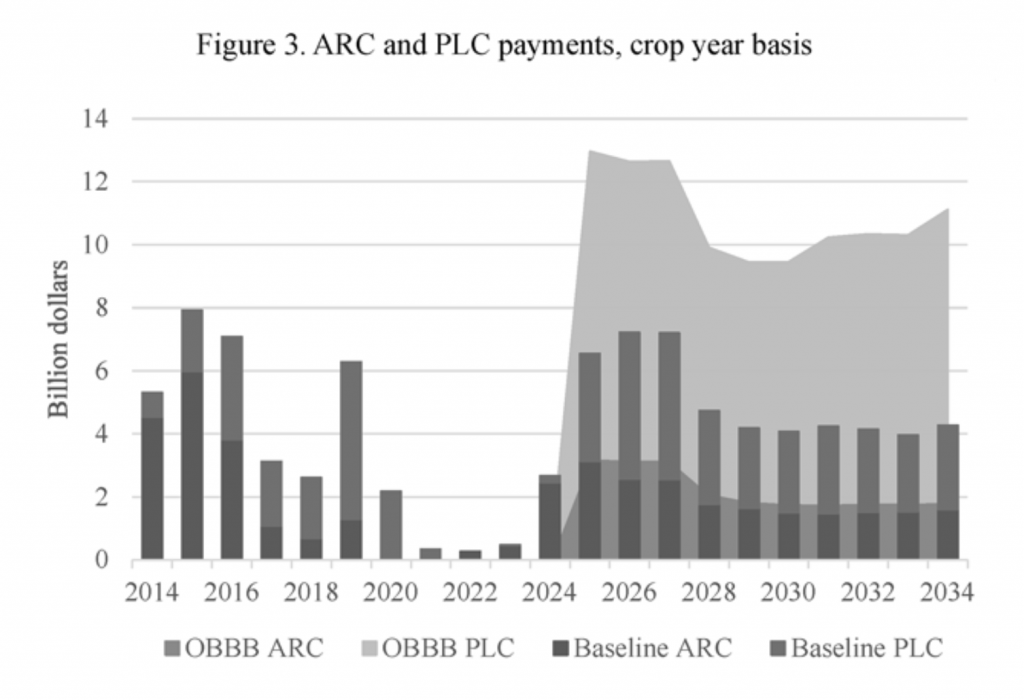
The OB3 introduced a new structure designed to simplify farm operations and increase payment flexibility for multi-owner entities. Qualified Pass-Through Entity: The legislation creates a "new type of structure called qualified pass through entity" for LLCs, S-corps, general partnerships, and qualified joint ventures. This allows payment limits to be based on the number of people in the entity, rather than the entity itself. Impact on Liability: This is a "very good provision" because it allows multi-sibling or multi-partner operations to convert from a general partnership (with unlimited liability) to an LLC while retaining the ability to receive multiple payments.


Simplification: Neiffer noted that for some operations, this could eliminate "six of those entities and bring it down to one," simplifying the structure and eliminating unnecessary tax returns. Definition of Farm Income: The bill expands the definition of gross farm income used for qualifying for extra payment limits. Beginning next year, equipment gains, agritourism, and direct marketing of commodities will be automatically considered farm income. This resolves a prior struggle where CPAs and attorneys had difficulty classifying primarily farming clients as farmers because their non-cash income sources weren't included.

House Speaker Kyle Hilbert Announces Updated Committee Assignments

House Speaker Kyle Hilbert announced the updated committee assignments for the second session of the 60th Oklahoma Legislature. These changes follow recent shifts in House membership and primarily detail the composition, chairs, and vice chairs of various committees and their subcommittees.


Key Committee Leadership The announcement focuses heavily on the Appropriations and Budget Committee (A&B), its numerous subcommittees, and other major committees. Appropriations and Budget Committee. Chair: Rep. Trey Caldwell (R-Faxon) Vice Chair: Rep. John Kane (R-Bartlesville) The committee includes a large membership of 24 Republicans and 6 Democrats.


Specifically for Ag- The Energy and Natural Resources Oversight Committee has Chair – Rep. Brad Boles, R-Marlow and Vice Chair – Rep. John Pfeiffer, R-Mulhall. Under that oversight Committee- there is the Ag Committee with Chairman Rep. Kenton Patzkowsky, R-Balko and Vice Chair – Rep. Rick West, R-Heavener.

A Message From the State FSA Executive Director, Eddie Fields

Hello, Oklahoma agriculturists! My name is Eddie Fields, and I am honored to serve as your Oklahoma Farm Service Agency State Executive Director. I come to you as a lifelong Osage County cow/calf producer and a former Oklahoma State Legislature, but more importantly, as someone who understands the challenges and rewards of working with the land.


I believe in a simple but powerful principle: Farmers First. Our farmers and ranchers form the backbone of this state. It is my mission to stand shoulder-to-shoulder with you as we navigate an industry that can be both volatile and uncertain.


Whether it is drought, shifting markets, or regulatory hurdles, I know how tough this work can be. That is why I am committed to making sure Oklahoma producers have the tools, resources, and support you need to thrive. Through federal programs and partnerships, I want to ensure our state's agriculture community has every opportunity to grow stronger for the next generation.

Federal Emergency Management Agency Designates 2 Counties in Oklahoma as Natural Disaster Areas

This Presidential disaster declaration allows the United States Department of Agriculture (USDA) Farm Service Agency (FSA) to extend much-needed emergency credit to producers recovering from natural disasters through emergency loans. Emergency loans can be used to meet various recovery needs including the replacement of essential items such as equipment or livestock, reorganization of a farming operation, or to refinance certain debts. FSA will review the loans based on the extent of losses, security available, and repayment ability.


Triggering Disaster: Severe Storms, Fires, and Winter Storms Application Deadline: Wednesday, January 21, 2026.


The Federal Emergency Management Agency Designated Osage and Washington counties as areas where natural disasters have affected the region. On farmers.gov, the Disaster Assistance Discovery Tool, Disaster Assistance-at-a-Glance fact sheet, and Loan Assistance Tool can help you determine program or loan options. To file a Notice of Loss or to ask questions about available programs, contact your local USDA Service Center.

Checking the Markets...

Choice Boxed Beef prices declined for the 18th consecutive session on Monday, falling a total of $45.33 during that stretch. The Choice cutout closed at $370.68, down $0.75 from Friday, while Select fell $3.55 to $348.89. The Choice/Select spread increased to $21.79, and total volume rose to 117 loads, up from 95 on Friday.


Oklahoma National Stockyards had 4,800 head on Monday- Compared to last week: Feeder steers and heifers steady to 3.00 lower in a very light test. Steer and heifer calves 5.00-10.00 lower on lesser quality.


Joplin had 9,306 head sell on Monday-- Compared to last week feeder steers sold from 10.00 lower to 5.00 higher. Feeder heifers sold unevenly across all weight ranges from 5.00 lower to 5.00 higher


OKC West is our Market Links Sponsor- they sell cattle three days a week- Cows on Mondays, Stockers on Tuesday and Feeders on Wednesday- Call 405-262-8800 to learn more.


Click here for our Markets Page on OklahomaFarmReport.Com- there you will find many of the reports we have linked on the right hand column found on the previous format of our email.

Our daily email is free because of our Sponsors!

OKAgCredit248x160.png
AMFeeds.png
TulsaFarmShowSquareGraphic240.jpg
okfb.png
GreatPlainsLogoFeb2025Update240.jpg
Oklahoma-Wheat-Commission_Logo_Vertical_Full-Color_Gray240b-e1736195614699.jpg
OklaBeefCouncil.png
NAT_Logo_BlackRed160.png
KIS-Logo240b.png
oca.png
Facebook

© 2025 Oklahoma Farm Report - All rights reserved


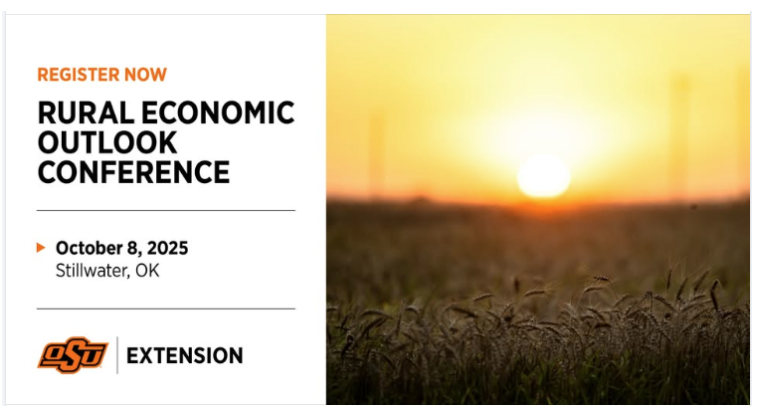
Rural Economic Outlook Conference 2025

OSU Rural Economic Outlook Conference to Focus on Hot Topics in Agriculture

Oklahoma State University (OSU) is hosting its annual Rural Economic Outlook Conference on October 8, with this year's theme focusing on artificial intelligence (AI) in agriculture. According to OSU's Brent Ladd, the conference is designed to provide valuable insights and information to producers, agricultural lenders, and policymakers.

AI and the Future of Agriculture

Brent Ladd
OSU's Brent Ladd

Ladd highlighted the event's keynote speaker, Heather Hampton-Knodle, a producer who also served on the FCC Precision Ag Task Force. She will speak on "transforming Food and Rural economics" with AI. In addition, the conference will feature an AI technology panel with OSU faculty and a co-op manager who will discuss practical applications like drones and wireless fencing. Ladd noted that AI is "coming" to agriculture, and the goal of the conference is to show attendees "what's available and how actual producers are using it" right now.

Economic Outlook and Key Speakers

The afternoon sessions will feature several experts on agricultural markets. Longtime crowd favorite Darryl Peel will be co-presenting with Dr. James Mitchell, an assistant professor from the University of Arkansas Extension who is an expert in livestock markets.

Attendees will also get to meet OSU Extension's new grain market specialist, Todd Hubbs, who is replacing the well-known Kim Anderson. Hubbs, who begins his new role on October 1, has "graciously agreed to present for us a grain market update" just one week later.


Registration and Details

The all-day conference will be held on October 8, with registration and breakfast starting at 8:00 a.m.. The conference will conclude around 3:30 p.m.. Early bird registration is $50 per person and ends on October 1; after that, the price increases to $75.

Ladd emphasized that it is essential to register early to save money and facilitate planning. The easiest way to register is to search for "OSU Ag Econ" and follow the link on the departmental website.

2025 Agenda

TimeEvent
8:00 a.m.AI in Agriculture: Transforming Food and Rural Economies
Heather Hampton Knodle, FCC Precision Ag Task Force Member, Chairman of the Accelerating Broadband Development Working Group (2020-21, 24), Chairman of the Connectivity Needs Working Group (2022-2023), and President of Knodle, Ltd. Farms
8:45 a.m.Welcome 
Cheryl DeVuyst, OSU Agricultural Economics Head and Professor
9:00 a.mAI/ Technology Panel (3 panelists)
Daniel Koeisch, General Manager, Farmers Cooperative Association, Tonkawa with Haven Trunzo, Agricultural Economics Master Student, Brian Arnall, OSU Plant and Soil Sciences Professor and Sitlington Chair in Agriculture Panelist 3, To Be Announced
10:00 a.m.Break
10:15 a.m.AI/ Technology Panel (3 panelists)
Daniel Koeisch, General Manager, Farmers Cooperative Association, Tonkawa, with Haven Trunzo, Agricultural Economics Master Student, Brian Arnall, OSU Plant and Soil Sciences Professor and Sitlington Chair in Agriculture Panelist 3, To Be Announced
11:15 a.m.Departmental Research Update
Dayton Lambert, OSU Agricultural Economics Professor and Willard R. Sparks Chair in Agricultural Sciences and Natural Resources
11:45 a.m.Undergraduate Update –Emerson Lauterjung, Aggie-X Representative
Graduate Update –Hence Duncan, GSA Representative
NoonCatered Lunch
1:00 p.m.Livestock Market Outlook, Livestock Economics
Derrell Peel, OSU Agricultural Economics Professor and Charles Breedlove Professorship James Mitchell, Assistant Professor, University of Arkansas
2:00 p.m.Break
2:15 p.m.Rapid Fire Outlook Panel:
Ag Finance Topics, Rodney Jones, OSU Agricultural Economics Professor and Oklahoma Farm Credit Chair
Grain Markets Update, Todd Hubbs, OSU Agricultural Economics Assistant Professor
3:15 p.m.Wrap-up/Evaluation
3:30 p.m.Adjorn

To get Registered, click here:

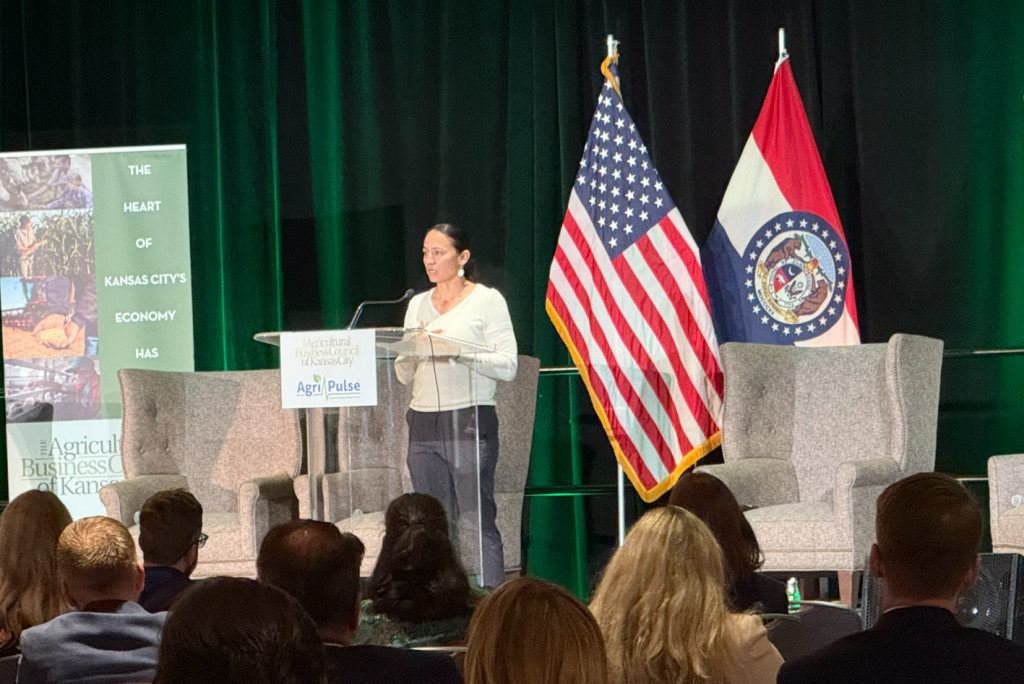
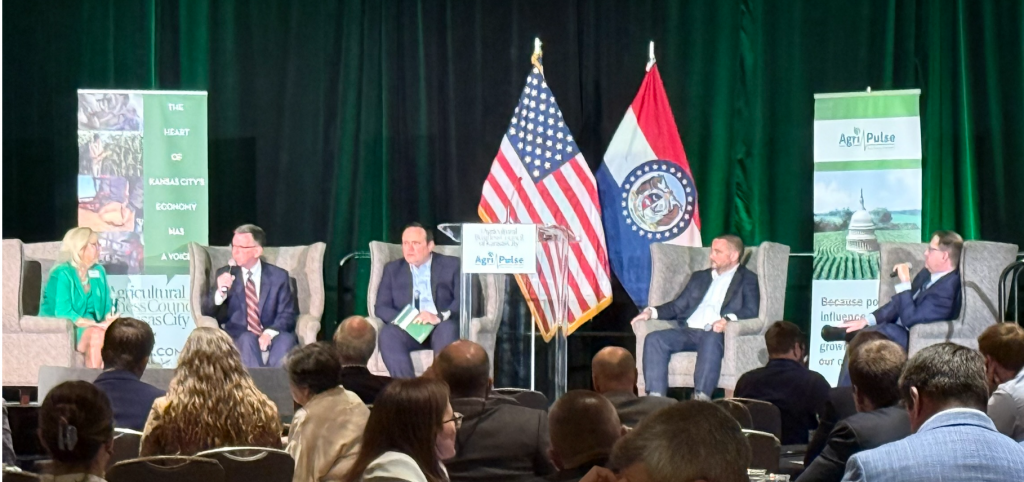
Representative Sharice Davids at Ag Outlook Forum

Representative Sharice Davids Emphasizes Bipartisanship, Ag Priorities, and Concerns Over Budget Cuts

While attending the Ag Outlook Forum in Kansas City, Farm Director KC Sheperd sat in on a talk from U.S. Representative Sharice Davids (D-KS-03), a member of the House Agriculture Committee. Davids has centered her legislative focus on core issues impacting Kansas's agricultural and rural communities, advocating for pragmatic, bipartisan solutions in a politically divided climate. Davids, a first-generation college graduate raised by a single mother who served in the Army for 20 years, connects her upbringing to a commitment to public service and the work ethic she observes in the ag community. She noted that her district has grown to include more rural and agriculturally driven communities, driving her desire "to just be the best representative that I could be" on the Agriculture Committee.


Key Agricultural and Economic Priorities

Davids outlined her main legislative priorities for the Farm Bill and the broader agricultural sector, emphasizing the need for stability and economic support.

  • Farm Bill and Bipartisanship: Davids stressed that bipartisan cooperation is "an essential and necessary piece of getting policy done" in agriculture. She stated, "I continue to believe that, particularly when it comes to agriculture, that this is one of those areas that we have... do continue to manage to get bipartisan work done." Her priorities for the Farm Bill include:
    • Protecting and improving crop insurance.
    • Strengthening supply chains to help "bring down some of the costs of groceries."
    • Investing in ag research.
    • Ensuring USDA programs "actually work for Kansans."
    • Protecting nutrition programs like SNAP, and ensuring food access.
  • Biofuels and Energy Security: Davids is a strong supporter of biofuels, seeing them as a way to enhance energy independence and support the ag economy. She has actively pushed for year-round E15 sales, noting that "not just because they lower gas prices... but it also has this like added benefit of supporting our ag economy in Kansas." She points to facilities like East Kansas Ag Energy as a "key example" of how the energy, ag, and rural sectors can be supported by year-round E15.
  • Trade and Tariffs: The representative expressed significant concern over the economic uncertainty caused by unstable trade policies. She specifically addressed the impact of tariffs, stating she considers the approach on tariffs to be "reckless and chaotic." Citing a Kansas soybean farmer, Davids highlighted the fear that "if they decide not to buy or only buy at below market prices, we could be in real trouble and we don't even have enough storage for all the beans." Davids noted that "when overseas markets close... there's billions at stake" and that "uncertainty really hurts" farmers who already face many unpredictable variables. She desires "a level of stability with our federal policy so that folks can at least plan."

Concerns Over Budget and Rural Impacts

Davids voiced strong opposition to recent budget decisions that she believes undermine the welfare of Kansans, particularly those in rural areas. She noted that the budget upended the "traditional Farm Bill coalition" by including what she called "some pretty deep and harmful cuts" to nutrition and health care programs.

  • Rural Hospitals: Davids expressed alarm over the risk of healthcare loss in rural Kansas. "There's about six rural hospitals right now that we are at risk of of of seeing closed in Kansas, across the state," she warned. She believes the recent budget has put these facilities "at further risk of closure."
  • Nutrition Program Cuts: The budget's decision to cut nearly $200 billion from the nutrition title was a major point of criticism, as it impacts critical food access programs.

Representative Davids concluded by reiterating her belief in the importance of cooperation, stressing that "as long as you're having the conversations, the opportunity exists to get stuff done. The opportunity exists to come together."

washington dc capitol building

Cattle Industry Worries About Government Shutdown

In today's beef buzz, Senior Farm And Ranch Director Ron Hays speaks with Ethan Lane, senior vice president of governmental affairs for the National Cattlemen's Beef Association, who warned that a potential government shutdown poses serious risks for cattle producers. "There's always a big risk when we have a shutdown like this," he said, noting that meat inspection, quality grading, APHIS staffing, and market news all depend on federal workers being deemed essential. He added that prolonged shutdowns could also shift consumer behavior: "If they start to get nervous, is that going to change their buying behavior, or whether they go out to restaurants?"

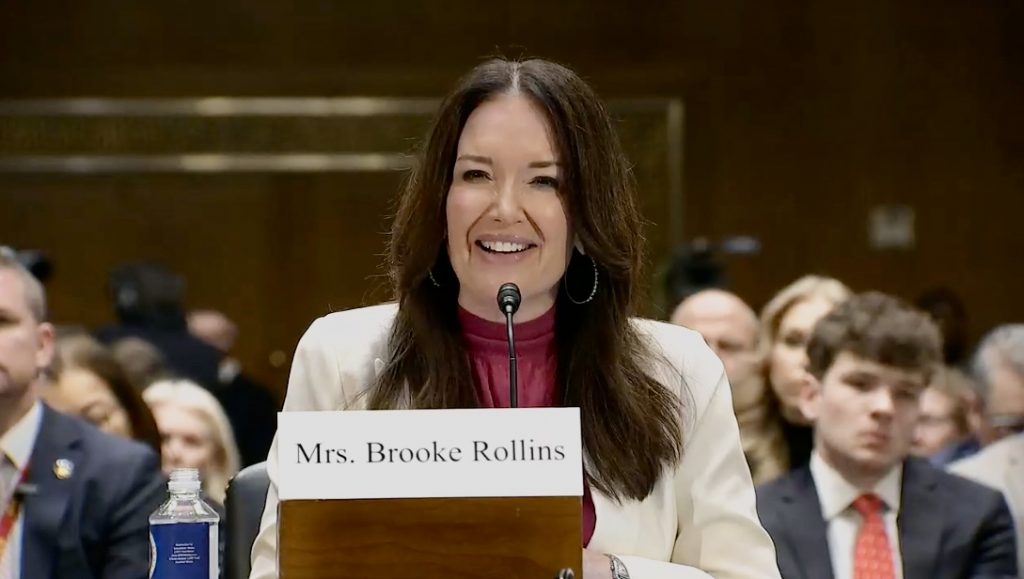
Turning to Agriculture Secretary Brooke Rollins' recent proposal to revitalize the beef industry, Lane acknowledged the excitement it generated but suggested producers see it differently. "I think most producers would feel like we're not necessarily need a revitalization, but certainly continuing to look for opportunities to make our supply chain more resilient," he explained. Lane stressed that current prices have allowed many producers to recover from pandemic hardships, while pointing out that younger farmers and ranchers need more access to opportunities.

Lane would welcome a focus on "Product of the USA" labeling. "We certainly would like to see some efforts to finish the Product of the USA labeling," he said, adding that NCBA is ready to assist the Secretary wherever possible. He emphasized that creating a stronger and fairer supply chain remains a top priority for the cattle industry.

When asked about the new memorandum of understanding between USDA and DOJ to scrutinize input costs, Lane agreed it's a critical area. "We spend a lot of time around here talking about input costs as part of that overall profitability matrix for producers," he said. Rising fuel prices, veterinary drug access, and other expenses, he noted, "certainly warrants the administration's attention."

Finally, Lane pointed to broader challenges outside of beef alone. He cited difficulties faced by row crop farmers with trade negotiations, potential threats like New World screwworm near the U.S. border, and ongoing fuel and fertilizer concerns. "There's plenty to work on there," he concluded, stressing that NCBA will continue to monitor these issues while working with federal partners.

The Beef Buzz is a regular feature heard on radio stations around the region on the Radio Oklahoma Ag Network and is a regular audio feature found on this website as well. Click on the LISTEN BAR for today's show and check out our archives for older Beef Buzz shows covering the gamut of the beef cattle industry today.

Cow Calf Corner Mark Johnson: Benefits of Early Culling Open Breeding Heifers

Mark Johnson, Oklahoma State University Extension Beef Cattle Breeding Specialist, offers herd health advice as part of the weekly series known as the "Cow Calf Corner," published electronically by Dr. Derrell Peel, Johnson, and Paul Beck. Today, Johnson discusses the Benefits of Early Culling Open Breeding Heifers.

Early culling of open breeding heifers has several benefits to your cow-calf operations bottom line. Pregnancy can be diagnosed by palpation at 60 days and by ultrasound as early as 30 days, so now is the now is the time to take action and cull the open heifers. In addition to reducing grazing pressure on pastures there are several other long-term benefits. Typically, we should expect well developed yearling heifers, at 65% of their mature weight, going into their first breeding season to conceive in a fairly short (45- 60 days) breeding season. The easiest time in a beef breeding females' life to get bred, should be as a well-developed yearling heifer.  Because of this, culling open heifers as soon as possible leads to:

-          Improving the long-term reproductive performance of your cowherd. Reproductive traits are low in heritability; nevertheless, culling open heifers will improve the genetic potential for reproductive performance in your cowherd by eliminating the sub-fertile heifers. From a business standpoint, reproductive success (percent calf crop weaned) is of critical economic importance in the cow-calf sector.

-          Culling open yearling heifers right now still gives them the potential to be marketed as yearlings. At this age they still have the potential to finish out while in the A maturity group and harvest as fed cattle reaching the most valuable Quality Grades (Choice and Prime).

It is good management practice to breed heifers to calve a little ahead of our mature cow herd. It permits us to concentrate our management efforts during the heifer's calving season and, as importantly, to give them a little extra time to breed back and calve on schedule the following year. With this in mind, hold your replacement heifers accountable. Cull opens as soon as practical to save on feed bills, capture their maximum value and improve the fertility of your cow herd.    

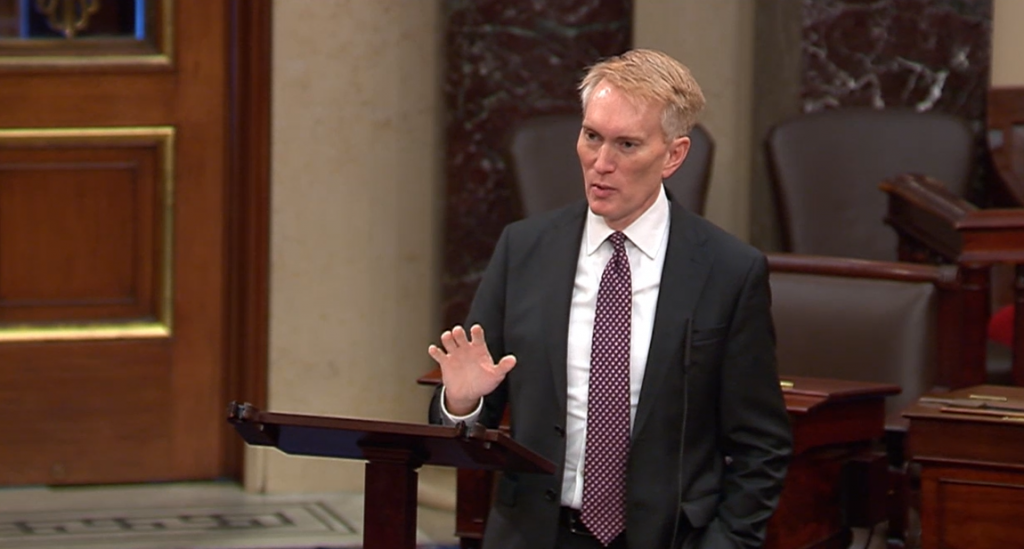
Senator Lankford Warns Government Shutdown

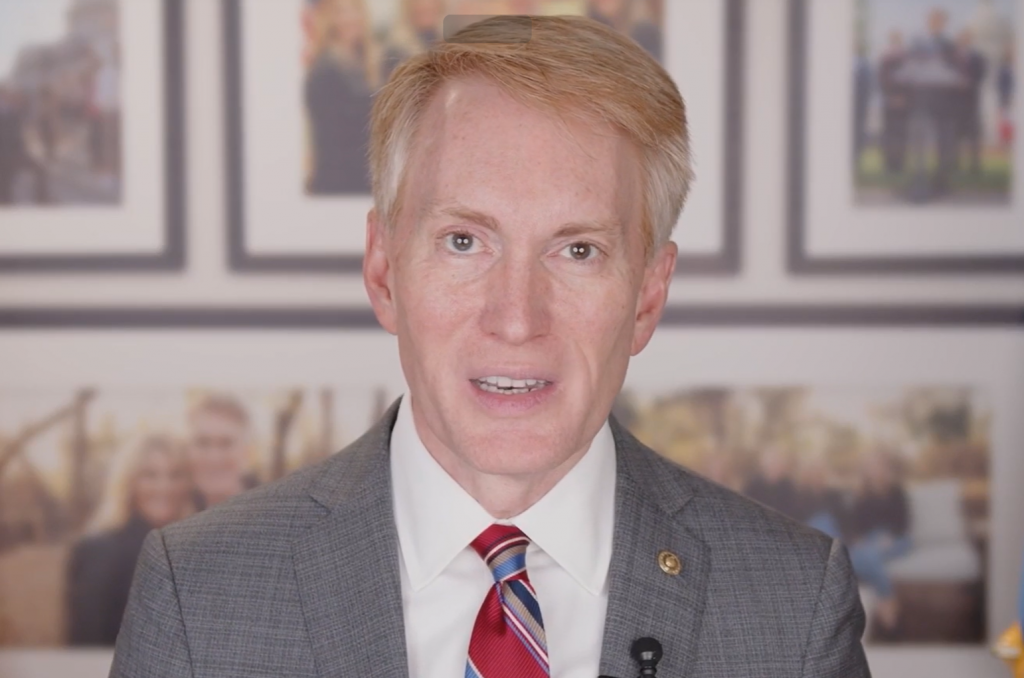
Senator James Lankford said the government is once again on the verge of a shutdown as funding is set to expire tonight. "We're right up against a government funding deadline," he explained, noting that the House has already passed a clean continuing resolution to keep the government open for seven more weeks while negotiations continue.

Lankford argued that Senate Democrats are blocking that approach. "They don't want to vote for just keeping the government open," he said. "They want a trillion dollars in new spending, including bringing back COVID bonus payments free health care for illegal immigrants and new climate programs."

According to Lankford, Republicans have pushed for a simpler plan. "Republicans have just said, Hey, let's just keep it open. Let's keep it going. Let's not shut the government down, and let's just keep negotiating all the different issues for the next several weeks."

He stressed that such stopgap measures are common. "This is the same thing. It's happened 13 times in the last few years for Republicans and Democrats," Lankford said. "When we got to this point, we just kept it open so we can keep negotiations."

Lankford warned that a shutdown would have widespread consequences. "It really does hurt the American people, both on the world stage, hurts federal employees, and it's really, really frustrating to people all across the country and across Oklahoma," he said.

Watch the full video here.

EU Delays Deforestation Rules, Giving U.S. More Time for Trade Relief

Listen To Erin Borror

The European Union is once again preparing to delay implementation of its deforestation regulations, creating an opportunity for regulatory relief for countries like the United States. erin Borror, Vice President of Economic Analysis with the U.S. Meat Export Federation, explained that "the delay gives more time for regulatory relief for countries like the US that have little to no deforestation risk."

Borror emphasized the importance of continued pressure within Europe to simplify the rules. "It's important that there is continued push back within the EU or maybe continued mentioning that simplification is needed, and specifically, for example, for a zero or negligible risk category that actually results in lesser requirements, less burden for those countries," he said. He noted that leadership from countries like Germany and Sweden is pushing for "true simplification."

For the United States, recent trade discussions have been critical. "We know in the US-EU joint statement that the EU recognizes the US as negligible risk and essentially committed to not have undue damage done to our trade because of EDR," Borror stated. He added that the U.S. Trade Representative "worked very diligently, and they have continued. The US government has continued to raise this issue, including in the WTO forums."

Borror also pointed out that the U.S. is not alone in its concerns. "There are many countries that continue to raise concerns about the EU DR," he said, stressing that the regulation was a specific point noted in the U.S.-EU agreement. He concluded that "the simplification that may get proposed going forward in a way could help meet what looks like was committed between the US and the EU."

For additional details, visit the U.S. Meat Export Federation at usmef.org.

Ben Hale Breaks Down Oklahoma Stockyards Auction: Softer Feeder Prices, Weaning Gaps, and Buyer Caution

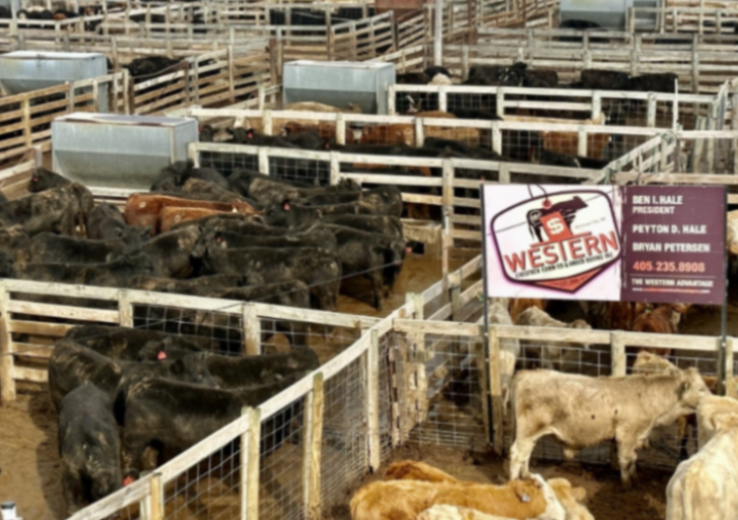
On Tuesdays, Senior Farm and Ranch Broadcaster Ron Hays visits with Ben Hale of Western Livestock Auctions as he talks about the latest in the markets and more. Established in 1995, Western has grown into a multi-generational family-owned and operated business and stands as a symbol of tradition, excellence, and a deep-rooted passion for the cattle industry. Western Livestock Auctions operates the Western Livestock Commission Firm, which sells cattle on Mondays and Tuesdays. They also operate the livestock auction markets in Woodward, Comanche, Waurika, and Knoxville, Iowa.

Hale reported that the final September auction at the Oklahoma National Stockyards saw about 4,800 head, compared to 5,800 a year ago. "They called it a little softer on the feeder steers and heifers, steady to three lower," Hale said, noting that one strong load of black steers sold well but overall softness was likely tied to weather and the October transition period.

He emphasized the importance of weaning and vaccinations at this time of year. "In the 575 weight steers, weaned and unweaned, there's about $40 to $50 a hundred difference," Hale explained. "On the heifer side of it, on them four weights, kind of a $30, $40 a hundred. So there is a spread in them." He added that despite the costs, "these guys are still dollar and outweigh more than they ever have."

Buyers remain cautious when cattle are unweaned or unworked. "We do get into this time of year and a lot of them are unweaned and still bulls," Hale said. "Some of them guys get kind of hesitant on bidding when they know it's going to be tough keeping them alive." He stressed that buyers "would love to have them worked" and that vaccinations "would sure help them."

Hale also gave a breakdown of this week's offering. "We had a pretty big push this week in the 675 weight range on the heifers we had, like 270 in there, and the rest of them pretty light," he said. "On the steer side it was lighter on the feeder steers this week too, but still having more steers than we got heifers."

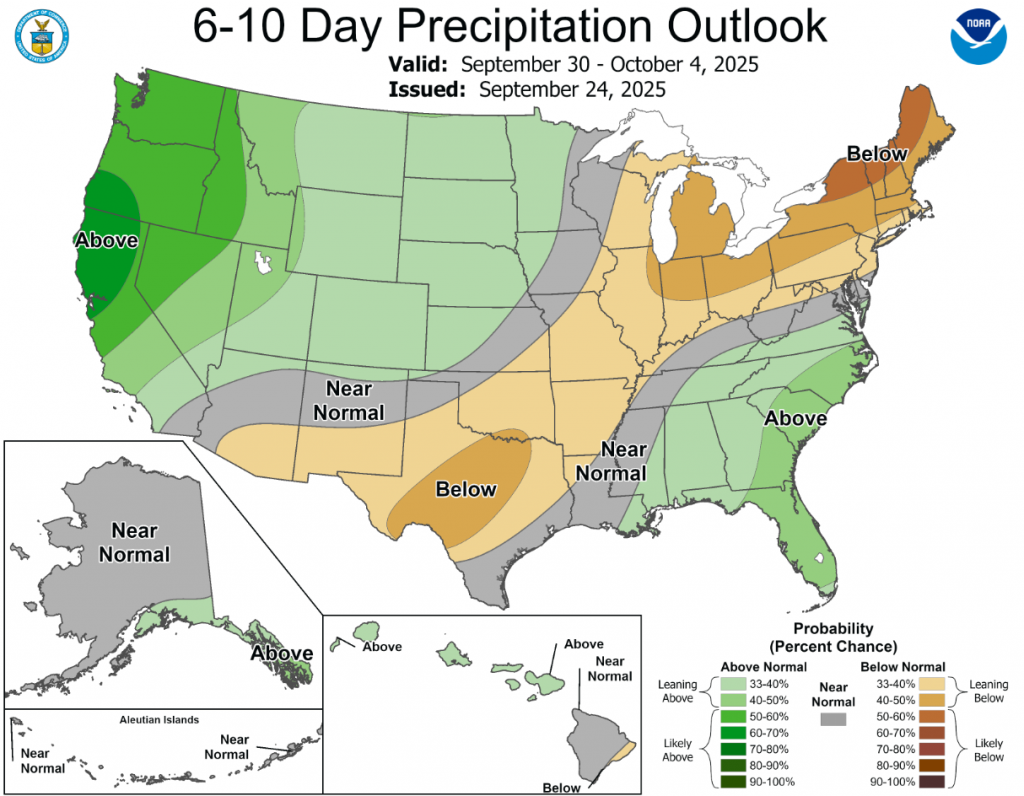
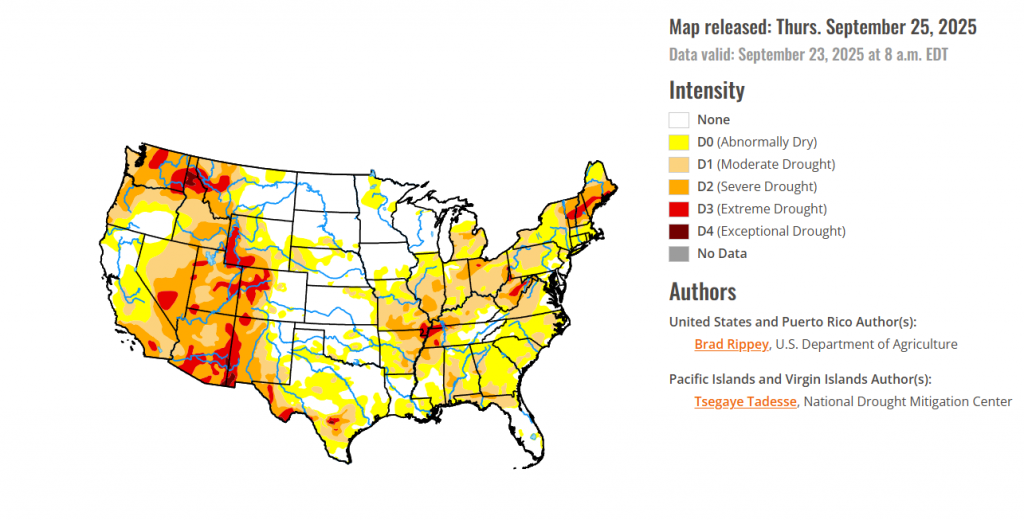
Looking ahead, Hale expects lighter runs until conditions change. "I think it's going to be kind of a little bit quiet maybe until we get a frost or something," he said. Wheat planting is underway, but he cautioned, "We're going to need another rain, so hopefully we can get one the first half of October and get a lot of wheat pasture out."

Hale can be contacted at 940-631-2333. Check out more about the marketing options that Western offers by clicking here.

The H-2B Visa Program and the Food Sector

Declining labor availability has been affecting the agricultural sector for many decades. Limited interest in physically demanding jobs by domestic workers, as well as a reduction in the supply of undocumented farmworkers, have been some of the major reasons behind this pattern (Gutierrez-Li, 2025). As a result, demand for foreign workers coming under H-2A visas to perform manual tasks in agriculture has risen steadily for more than a decade (Gutierrez-Li, 2021 and 2024), making the program very popular among growers of labor-intensive crops. A lesser-known non-immigrant visa program, the H-2B, has been a lifeline for many employers associated with food production in the United States.

The H-2B program originates from the Immigration and Nationality Act of 1952, when the H-2 visa category for manual labor foreign workers was created (Gutierrez-Li, 2024). In 1986, the Immigration Reform and Control Act divided the program into two subcategories: H-2A for agricultural workers and H-2B for non-agricultural work. Both allow workers from a list of countries to come for a season (of less than one year), but with the possibility of holding the same visa for up to three years in a row. The H-2B program covers a variety of industries, including resort and hospitality services, retail sales, landscaping, groundskeeping, food processing, and construction. Employers interested in hiring either type of worker need to convince the government that they cannot find enough American laborers able, willing, qualified, and available to do the temporary tasks they need. Furthermore, both programs require employers to cover transportation from and to the country of origin of workers, but only the H-2A program mandates employers to pay for housing costs.

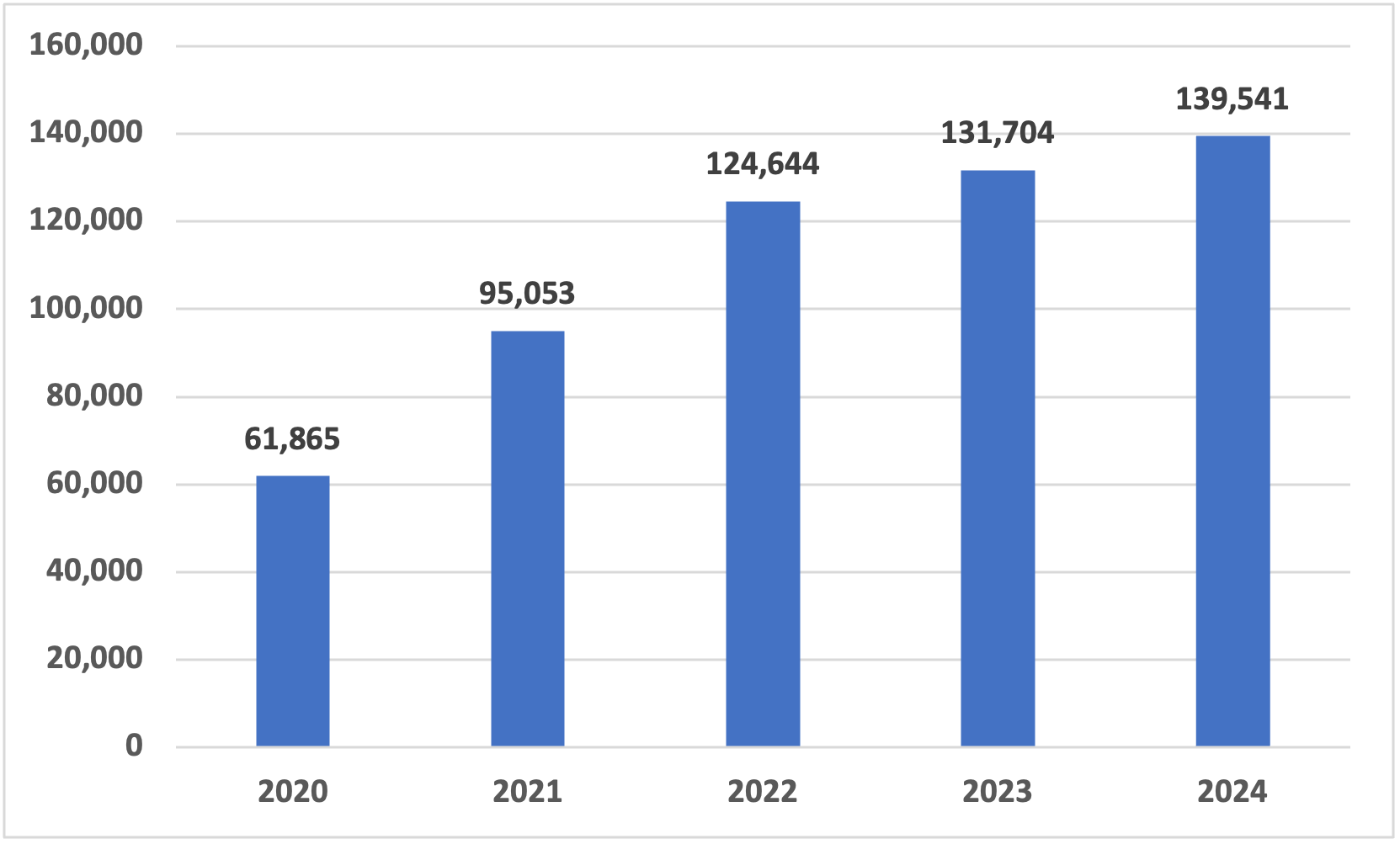
The determination of yearly wages is not the same for H-2A and H-2B workers. In the case of the former, employers generally pay the adverse effect wage rate. In the case of H-2B workers, they must be paid the prevailing wage rate, defined as "the average wage paid to similarly employed workers in a specific occupation in the area of intended employment" (Department of Labor, 2025). Another important difference between the H-2A and the H-2B programs is that the latter has an annual cap on the number of visas set by Congress, currently at 66,000. The cap is split into two halves. The first 33,000 visas are made available from October 1 to March 31. The second batch runs from April 1 to September 30. However, as shown in Figure 1, the number of H-2B visas issued by the government has increased substantially in the last five years, despite the existing annual cap. This increase is explained by two factors. First, fish roe processors or technicians, their supervisors, and workers in the Commonwealth of the Northern Mariana Islands or Guam are exempted from the cap until December 31, 2029. Second, the Executive branch, through the Department of Homeland Security, has the authority to issue more visas beyond the annual cap just for that year, both for returning and new workers.

Figure 1. H-2B Visas Issued in 2024

Source: United States Department of State

Among the top employers of H-2B workers in 2024 were companies related to tree services (like pruning) or nurseries, landscaping, construction work, and seafood production (Table 1). H-2B workers were found performing tasks directly related to the food sector, like cutting meat, poultry, and fish, working as waiters and waitresses in restaurants, and even as cooks. Individuals working in landscaping and groundskeeping tasks could indirectly be contributing to the agricultural sector if their employers produce fresh produce or other food-related commodities.

Table 1. Top 10 Employers of H-2B Workers in 2024

Employer Workers Approved
ABC PROFESSIONAL TREE SERVICES INC1,934
PHC CORPORATION1,772
PROGRESSIVE SOLUTIONS LLC1,703
ROTOLO CONSULTANTS INC1,382
BRIGHTVIEW LANDSCAPE SERVICES INC1,293
THE BRICKMAN GROUP LTD LLC1,207
CORE TECH CONSTRUCTION CORPORATION1,111
STRONGWOOD FORESTRY INC1,022
ALPHA SERVICES LLC951
WESTWARD SEAFOODS INC922

Source: United States Citizenship and Immigration Services

Agricultural operations are becoming more complex as rising production costs have led to an increase in the relative number of medium-to-large-sized operators and a reduction in the number of small farms. To stay afloat, larger producers have diversified their businesses to multiple crops and invested in value-added commodities. This trend has resulted in a growing number of companies hiring both H-2A workers (for tasks like harvesting) and H-2B workers for packing, expanding/constructing new facilities, and groundskeeping. Likewise, an increase in demand for housing and eating out has led to the need for more H-2B workers. As such, interest in the program is likely to continue growing. Streamlining the application process, as well as raising (or eliminating) the yearly cap on the number of workers allowed in might be necessary to ensure that the needs of producers are met. Otherwise, given that the H-2B program covers a variety of industries, real estate developers, restaurant owners, and farmers will continue to compete for a limited number of workers, potentially leading to inflationary pressures.


References

Gutierrez-Li, A. (2021). The H-2A visa program: Addressing Farm Labor Scarcity in North

Carolina. NC State Economist. North Carolina State University.

Gutiérrez-Li, A. 2024. Feeding America: How Immigrants Sustain US Agriculture. Baker

Institute for Public Policy at Rice University. Center for the U.S. and Mexico.

Gutiérrez-Li, A. 2025. The Unseen Workforce: How Immigration Enforcement Could Shake the U.S. Economy. Choices 40(3).

United States Department of Labor (2025). Prevailing Wage Information and Resources. Accessed online in September 2025 at https://www.dol.gov/agencies/eta/foreign-labor/wages

United States Department of State. (2025). Nonimmigrant Visa Statistics. Accessed online in September 2025 at https://travel.state.gov/content/travel/en/legal/visa-law0/visa-statistics/nonimmigrant-visa-statistics.html

United States Citizenship and Immigration Services. (2025). H-2B Employer Data Hub. Accessed online in September 2025 at https://www.uscis.gov/tools/reports-and-studies/h-2b-employer-data-hub


Gutierrez-Li, Alejandro. "The H-2B Visa Program and the Food Sector." Southern Ag Today 5(40.1). September 29, 2025. Permalink

OSU Agriculture Tailgate, October 11th

OSU Agriculture Tailgate

Mark your calendars and join us for an Agriculture Tailgate on Oct. 11, held on the Monroe Courtyard in front of Agricultural Hall. The tailgate will start at 9 a.m. before the OSU Cowboys take on the Houston Cougars.

In addition to the OSU Agriculture Tailgate, the Aggie-X Club will host the annual Department of Agricultural Economics Tailgate. Join fellow alumni and Aggie X students for a cornhole tournament, food and reconnecting with friends. The Aggie-X officers are excited to visit with and serve you.

RSVP to OSU Agriculture Tailgate

Corn Grain Harvested Reaches 56 Percent In Oklahoma In This Weeks Crop Progress

National Wheat Statistics: Winter Wheat Planted reached 34 percent, down three points from the previous year and down two points from the five-year average. Winter Wheat Emerged reached 13 percent, equal to the previous year and up one point from the five-year average.

National Corn Statistics: Corn dented reached 95 points, equal to the previous year and down one point from the five-year average. Corn mature reached 71 percent, down two points from the previous year and down three points from the five-year average. Corn Harvested Reached 18 percent, down two points from a year ago and down one point from the five-year average. Corn Conditions are rated 66 percent good to excellent, equal to the previous week.

National Soybean Statistics: Soybeans dropping leaves reached 79 percent, equal to the previous year and up two points from the five-year average. Soybean Harvested reached 19 percent, down five points from the previous year and down one point from the five-year average. Soybean Condition rated 62 percent good to excellent, up one point from the previous week.

National Cotton Statistics:  Cotton bolls opening reached 67 percent, down four points from a year ago and down two points from the five-year average. Cotton Conditions reached 47 percent good to excellent, equal to the previous week. Cotton Harvested reached 16 percent, down two points from the previous year and equal to the five-year average.

National Sorghum Statistics: Sorghum coloring reached 93 percent, down two points from a year ago and down two points from the five-year average. Sorghum mature reached 61 percent down seven points from the previous year and down four points from the five-year average. Sorghum conditions reached 64 percent good to excellent, equal to the previous week. Sorghum harvested reached 28 percent, down six points from the previous year and down four points from the five-year average.

As for our Crops and Pastures in Oklahoma:

Winter wheat planted reached 33% up twelve points from the previous year and up seven points from the five-year average.

Corn crop conditions are now at 70% good to excellent versus 66% a week ago. Corn grain harvested reached 56%

Soybean crop conditions are at 51% good to excellent versus 43% a week ago.

Cotton conditions in Oklahoma are rated 71% good to excellent, versus 69% last week.

Grain Sorghum is at 72% good to excellent versus 72% a week ago. Grain Sorghum harvested reached 25%, down eight points from the previous year and up five points from the five-year average.

Pasture and Range conditions are at 55% good to excellent this week, versus 58% a week ago.

Checking Crops and Pastures in Kansas:

Winter wheat planted reached 17%, down thirteen points from the previous year and the five-year average.

Corn crop conditions are rated 60% good to excellent this week, versus 61% a week ago.

Soybean conditions are rated 65% good to excellent this week, compared to 68% a week ago.

Cotton conditions in Kansas are rated 50% good to excellent this week, versus 58% a week ago.

Grain Sorghum crop ratings are at 63% good to excellent this week, versus 63% last week.

And Pasture and Range ratings are at 62% good to excellent vs 59% from a week ago.

Checking Crops and Pastures in Texas:

Winter wheat planted reached 39%, down two points from the previous year and down one point from the five-year average.

Corn crop conditions are rated 62% good to excellent this week, versus 62% from a week ago.

Cotton conditions in Texas are rated 41% good to excellent this week, versus 41% a week ago.

Grain Sorghum crop ratings are 63% good to excellent this week, versus 63% a week ago.

And Pasture and Range ratings are at 26% good to excellent this week, versus 32% from a week ago.

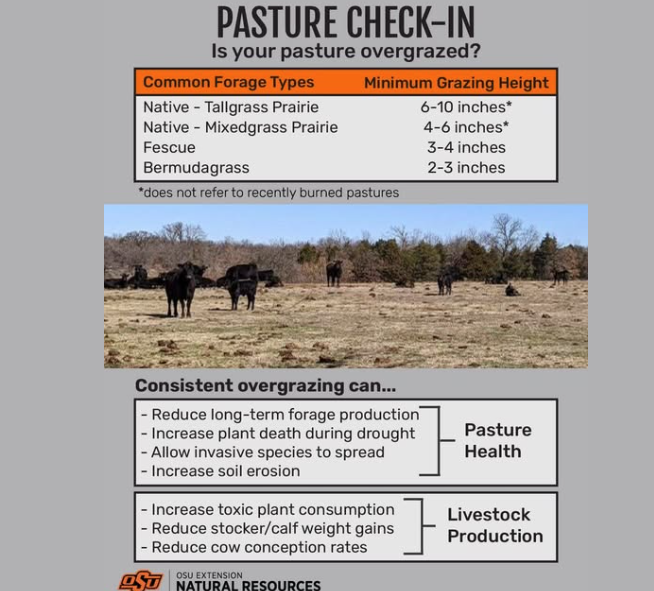
Pasture Check-In: Is your pasture overgrazed?

You can estimate forage production and calculate stocking rates in your native pastures using The Rangeland Analysis Platform tool https://rangelands.app/production-explorer/


Common forage types and minimum grazing height
Native-Tallgrass Prairie: 6-10 inches*
Native - Mixedgrass Prairie: 4-6 inches*
Fescue: 3-4 inches
Bermudagrass: 2-3 inches
*does not refer to recently burned pastures
Consistent overgrazing can effect.. Pasture Health by

  • Reducing long-term forage production
  • Increasing plant death during drought
  • Allowing invasive species to spread
  • Increasing soil erosion
    Livestock Production by
  • Increasing toxic plant consumption
  • Reducing stocker/calf weight gains
  • Reducing cow conception rates

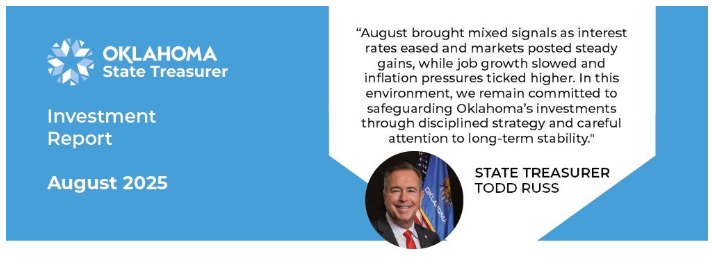
August 2025 Investment Report


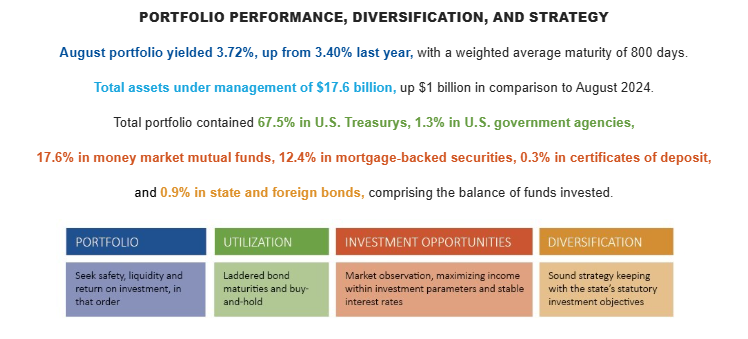
TOTAL FUNDS INVESTED

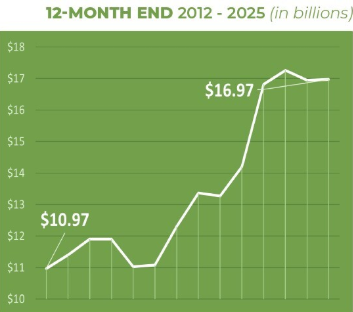
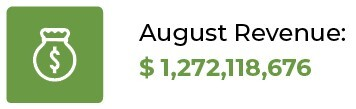
Funds available for investment at market value include the State Treasurer's investments at $12,267,490,678 and State Agency balances in OK Invest at $3,512,931,865, American Rescue Plan investments at $960,230,222, and the Oklahoma Capitol Improvement Authority Legacy Fund at $863,965,960 for a total of $17,604,618,725.

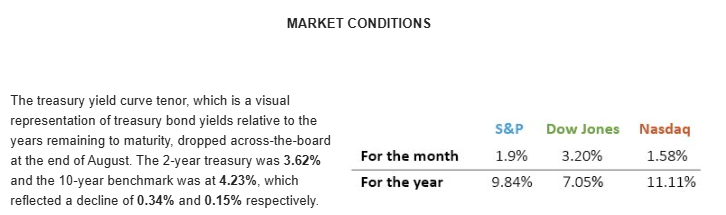
he year-to-date returns for the major stock indices were higher for August compared to July with the S&P 500, Dow Jones Industrial Average and Nasdaq coming in at 9.84%, 7.05% and 11.11% respectively. Wall Street sold off high-flying tech stocks contained in the S&P in the final session before the Labor Day holiday. On a monthly basis the S&P 500 gained 1.9%, the Dow was at 3.20% and the Nasdaq earned 1.58%.

The Federal Open Market Committee (FOMC) voted on September 17 to drop interest rates by 0.25% to the target range of 4.00%-4.25%. This was the first time in 9 months that a rate cut was considered. There was one dissenting vote by the new committee member Stephen Miran, who preferred to lower interest rates by 0.50%. The statement issued by the FOMC said "job gains have slowed, and the unemployment rate has edged up but remains low. Inflation has moved up and remains somewhat elevated." The Committee continues to seek maximum employment and inflation at the rate of 2% over the longer run and "risks to both sides of its dual mandate and judges that downside risks to employment have risen."

ECONOMIC DEVELOPMENTS

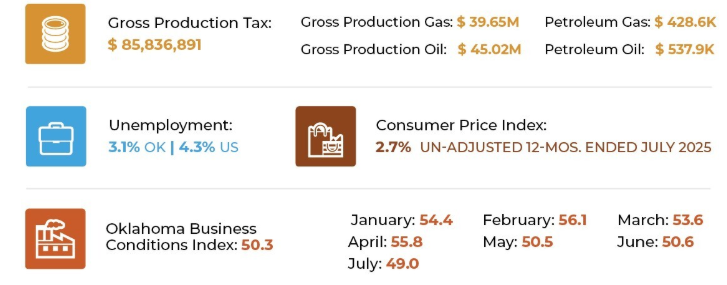
The job growth in the US dramatically fell in August along with the unemployment rate increasing to 4.3%. The unemployment rate was the highest since the fall of 2021. The Bureau of Labor Statics (BLS) reported that payrolls increased by a mere 22,000 and the July nonfarm payroll number was upwardly revised to 79,000. According to Reuters, sweeping import tariffs and an immigration crackdown reduced the labor pool and the hiring side was struggling. According to the Bureau of Labor Statistics, "A job gain in health care was partially offset by losses in federal government and in mining, quarrying, and oil and gas extraction."

The Consumer Price Index (CPI) for August rose to the highest in 7 months, at 0.4%. The rise in prices for shelter and food was attributed to the increase. The cost of shelter jumped 0.4% and prices at the supermarket increased 0.6%. On a year-over-year basis, CPI advanced 2.9% in comparison to 2.7% in July. Core CPI, which excludes food and energy components, rose 0.3%. Reuters writes the rise was broad with "tariff-exposed products like new motor vehicles, apparel and household furnishings and operations costing more." The Producer Price Index (PPI) unexpectedly decreased 0.1% in August on a seasonally adjusted basis compared to advancing 0.7% in July and 0.1% in June. The fall in the PPI was attributed to a 0.2% decline in services prices.

Retail sales came in better than expected in August, up 0.6% and July was upwardly revised to 0.6% from 0.5%. The Census Bureau reported that non-store retailers were up 10% from last year, while food service and drinking places were up 6.5% from August 2024. According to Reuters, there are concerns "momentum could ease amid labor market weakness and rising goods prices because of tariffs on imports."

The total existing home sales in July were at a seasonally adjusted annual rate of 4.01 million, up from 3.93 million the month before. The unsold home inventory was at a 4.6 months' supply, and the median existing home sales price was $422,400. According to the National Association of Realtors, current inventory is at its highest since May 2020, during the COVID lockdown.

The Bureau of Economic Analysis (BEA) reported that the second quarter real gross domestic product (GDP) increased to 3.3% on an annual basis. The first quarter GDP reflected a contraction of 0.5%. The BEA said the 0.3% increase from the last estimate was primarily due to upward revisions to investment and consumer spending that were partly offset by a downward revision to government spending and an upward revision to imports.

COLLATERALIZATION

All funds under the control of this office requiring collateralization were secured at rates ranging from 100% to 110%, depending on the type of investment.

Best regards,

signature

TODD RUSS
STATE TREASURER 

Speaker Hilbert banner

House Speaker Kyle Hilbert Announces Updated Committee Assignments

Today, House Speaker Kyle Hilbert announced the updated committee assignments for the second session of the 60th Legislature following changes in House membership:

Appropriations and Budget Committee: Chair – Rep. Trey Caldwell, R-Faxon; Vice Chair - Rep. John Kane, R-Bartlesville

Rep. Steve Bashore, R-Miami
Rep. Brad Boles, R-Marlow
Rep. Chad Caldwell, R-Enid
Rep. Josh Cantrell, R-Kingston
Rep. Scott Fetgatter, R-Okmulgee
Rep. Ross Ford, R-Broken Arrow
Rep. Jim Grego, R-Wilburton
Rep. Brian Hill, R-Mustang
Rep. Gerrid Kendrix, R-Altus
Rep. Dell Kerbs, R-Shawnee
Rep. Mark Lawson, R-Sapulpa
Rep. Ken Luttrell, R-Ponca City
Rep. Robert Manger, R-Oklahoma City
Rep. Nicole Miller, R-Edmond
Rep. Carl Newton, R-Cherokee
Rep. Mike Osburn, R-Edmond
Rep. Daniel Pae, R-Lawton
Rep. John Pfeiffer, R-Mulhall
Rep. Danny Sterling, R-Tecumseh
Rep. Preston Stinson, R-Edmond
Rep. Judd Strom, R-Copan
Rep. Josh West, R-Grove
Rep. Kevin West, R-Moore
Rep. Tammy West, R-Oklahoma City
Rep. Forrest Bennett, D-Oklahoma City
Rep. Meloyde Blancett, D-Tulsa
Rep. Andy Fugate, D-Oklahoma City
Rep. Cyndi Munson, D-Oklahoma City
Rep. Melissa Provenzano, D-Tulsa
Rep. Trish Ranson, D-Stillwater

A&B Education Subcommittee: Chair – Rep. Chad Caldwell, R-Enid; Vice Chair – Rep. Toni Hasenbeck, R-Elgin
Rep. Chris Banning, R-Bixby
Rep. Ronny Johns, R-Ada
Rep. Dick Lowe, R-Amber
Rep. Mike Osburn, R-Edmond
Rep. Mark Tedford, R-Tulsa
Rep. Gabe Woolley, R-Broken Arrow
Rep. Michelle McCane, D-Tulsa
Rep. John Waldron, D-Tulsa


A&B Finance Subcommittee: Chair – Scott Fetgatter, R-Okmulgee; Vice Chair – Rep. Ryan Eaves, R-Atoka
Rep. Gerrid Kendrix, R-Altus
Rep. Mike Lay, R-Jenks
Rep. Mark Lepak, R-Claremore
Rep. Cody Maynard, R-Durant
Rep. Kevin Norwood, R-Owasso
Rep. Ellyn Hefner, D-Oklahoma City
Rep. Suzanne Schreiber, D-Tulsa

A&B General Government Subcommittee: Chair – Rep. Judd Strom, R-Copan; Vice Chair – Rep. Eric Roberts, R- Oklahoma City
Rep. Chris Kannady, R-Oklahoma City
Rep. Tom Gann, R-Inola
Rep. Jay Steagall, R-Yukon
Rep. Max Wolfley, R-Oklahoma City
Rep. Mickey Dollens, D-Oklahoma City

A&B Health Subcommittee: Chair – Rep. Preston Stinson, R-Edmond; Vice Chair – Rep. TJ Marti, R-Tulsa
Rep. Mark Chapman, R-Broken Arrow
Rep. Cynthia Roe, R-Lindsay
Rep. Chris Sneed, R-Fort Gibson
Rep. Ajay Pittman, D-Oklahoma City

A&B Human Services Subcommittee: Chair – Rep. Daniel Pae, R-Lawton; Vice Chair – Rep. Emily Gise, R-Oklahoma City
Rep. Mike Dobrinski, R-Okeene
Rep. Marilyn Stark, R-Bethany
Rep. Danny Williams, R-Seminole
Rep. Ellen Pogemiller, D-Oklahoma City

A&B Judiciary Subcommittee: Chair – Rep. Danny Sterling, R-Tecumseh; Vice Chair – Rep. Erick W. Harris, R-Edmond
Rep. Bob Ed Culver, R-Tahlequah
Rep. Collin Duel, R-Guthrie
Rep. Justin JJ Humphrey, R-Lane
Rep. Molly Jenkins, R-Coyle
Rep. Rande Worthen, R-Lawton
Rep. Jared Deck, D-Norman
Rep. Aletia Timmons, D-Oklahoma City

A&B Natural Resources Subcommittee: Chair – Rep. Jim Grego, R-Wilburton; Vice Chair – Rep. Carl Newton, R-Cherokee
Rep. Rob Hall, R-Tulsa
Rep. Kenton Patzkowsky, R-Balko
Rep. Jim Shaw, R-Chandler
Rep. David Smith, R-McAlester
Rep. Tammy Townley, R-Ardmore
Rep. Jonathan Wilk, R-Goldsby
Rep. Arturo Alonso-Sandoval, D-Oklahoma City
Rep. Melissa Provenzano, D-Tulsa

A&B Public Safety Subcommittee: Chair – Rep. Ross Ford, R-Broken Arrow; Vice Chair – Rep. Tim Turner, R-Kinta
Rep. Stacy Jo Adams, R-Duncan
Rep. John George, R-Newalla
Rep. David Hardin, R-Stilwell
Rep. Mike Kelley, R-Yukon
Rep. Jim Olsen, R-Roland
Rep. Rick West, R-Heavener
Rep. Suzanne Schreiber, D-Tulsa
Rep. Ronald Stewart, D-Tulsa

A&B Select Agencies Subcommittee: Chair – Rep. Ken Luttrell, R-Ponca City; Vice Chair – Rep. Clay Staires, R-Skiatook
Rep. Rusty Cornwell, R-Vinita
Rep. Derrick Hildebrant, R-Catoosa
Rep. Amanda Clinton, D-Tulsa

A&B Transportation Subcommittee: Chair – Rep. Nicole Miller, R-Edmond; Vice Chair – Rep. Jason Blair, R-Moore
Rep. Nick Archer, R-Elk City
Rep. Josh Cantrell, R-Kingston
Rep. Denise Crosswhite Hader, R-Yukon
Rep. Eddy Dempsey, R-Valliant
Rep. Neil Hays, R-Checotah
Rep. Annie Menz, D-Norman
Rep. Jacob Rosecrants, D-Norman

Commerce and Economic Development Oversight: Chair – Rep. Brian Hill, R-Mustang; Vice Chair – Rep. Mark Tedford, R-Tulsa
Rep. Stacy Jo Adams, R-Duncan
Rep. Chris Banning, R-Bixby
Rep. Tom Gann, R-Inola
Rep. Rob Hall, R-Tulsa
Rep. Ronny Johns, R-Ada
Rep. Mike Lay, R-Jenks
Rep. Mark Lawson, R-Sapulpa
Rep. Cody Maynard, R-Durant
Rep. Nicole Miller, R-Edmond
Rep. Chris Sneed, R-Fort Gibson
Rep. Tammy Townley, R-Ardmore
Rep. Jonathan Wilk, R-Goldsby
Rep. Arturo Alonso-Sandoval, D-Oklahoma City
Rep. Meloyde Blancett, D-Tulsa
Rep. Annie Menz, D-Norman

Business Committee: Chair – Rep. Chris Banning, R-Bixby; Vice Chair – Rep. Mike Lay, R-Jenks
Rep. Brad Boles, R-Marlow
Rep. Ryan Eaves, R-Atoka
Rep. Scott Fetgatter, R-Okmulgee
Rep. Emily Gise, R-Oklahoma City
Rep. Nicole Miller, R-Edmond
Rep. Meloyde Blancett, D-Tulsa
Rep. Melissa Provenzano, D-Tulsa

Government Modernization and Technology Committee: Chair – Rep. Cody Maynard, R-Durant; Vice Chair – Rep. Rob Hall, R-Tulsa
Rep. Trey Caldwell, R-Faxon
Rep. Emily Gise, R-Oklahoma City
Rep. Jim Shaw, R-Chandler
Rep. David Smith, R-McAlester
Rep. Josh West, R-Grove
Rep. Arturo Alonzo-Sandoval, D-Oklahoma City
Rep. Ronald Stewart, D-Tulsa

Insurance Committee: Chair – Rep. Chris Sneed, R-Fort Gibson; Vice Chair – Rep. Stacy Jo Adams, R-Duncan
Rep. T.J. Marti, R-Tulsa
Rep. Kevin Norwood, R-Owasso
Rep. Mark Tedford, R-Tulsa
Rep. Josh West, R-Grove
Rep. Forrest Bennett, D-Oklahoma City
Rep. Ellyn Hefner, D-Oklahoma City

Tourism Committee: Chair – Rep. Tammy Townley, R-Ardmore; Vice Chair – Rep. Molly Jenkins, R- Coyle
Rep. Trey Caldwell, R-Faxon
Rep. Josh Cantrell, R-Kingston
Rep. Dell Kerbs, R-Shawnee
Rep. Ajay Pittman, D-Oklahoma City

Transportation Committee: Chair – Rep. Ronny Johns, R-Ada; Vice Chair – Rep. Jonathan Wilk, R-Goldsby
Rep. Josh Cantrell, R-Kingston
Rep. Denise Crosswhite Hader, R-Yukon
Rep. Eddy Dempsey, R-Valliant
Rep. Mike Dobrinski, R-Okeene
Rep. Jim Grego, R-Wilburton
Rep. Carl Newton, R-Cherokee
Rep. Kenton Patzkowsky, R-Balko
Rep. Clay Staires, R-Skiatook
Rep. Michelle McCane, D-Tulsa
Rep. Annie Menz, D-Norman

Education Oversight: Chair – Rep. Dell Kerbs, R-Shawnee; Vice Chair – Rep. Chad Caldwell, R-Enid
Rep. Toni Hasenbeck, R-Elgin
Rep. John Kane, R-Bartlesville
Rep. Dick Lowe, R-Amber
Rep. Tammy West, R-Oklahoma City
Rep. Max Wolfley, R-Oklahoma City
Rep. Melissa Provenzano, D-Tulsa
Rep. John Waldron, D-Tulsa

Common Education Committee: Chair – Rep. Dick Lowe, R-Amber; Vice Chair – Rep. Danny Sterling, R-Tecumseh
Rep. Chris Banning, R-Bixby
Rep. Chad Caldwell, R-Enid
Rep. Rob Hall, R-Tulsa
Rep. Cody Maynard, R-Durant
Rep. Molly Jenkins, R-Coyle
Rep. Ronny Johns, R-Ada
Rep. Mark Tedford, R-Tulsa
Rep. Ellen Pogemiller, D-Oklahoma City
Rep. Jacob Rosecrants, D-Norman

Postsecondary Education Committee: Chair – Rep. Toni Hasenbeck, R-Elgin; Vice Chair – Rep. Max Wolfley, R-Oklahoma City
Rep. Steve Bashore, R-Miami
Rep. Ronny Johns, R-Ada
Rep. Mike Osburn, R-Edmond
Rep. Tammy Townley, R-Ardmore
Rep. Michelle McCane, D-Tulsa
Rep. Trish Ranson, D-Stillwater

Government Oversight: Chair – Rep. Kevin West, R-Moore; Vice Chair – Rep. Neil Hays, R-Checotah
Rep. Denise Crosswhite Hader, R-Yukon
Rep. Eddy Dempsey, R-Valliant
Rep. Mike Kelley, R-Yukon
Rep. Mark Lepak, R-Claremore
Rep. Ken Luttrell, R-Ponca City
Rep. Stan May, R-Broken Arrow
Rep. Jim Olsen, R-Roland
Rep. Eric Roberts, R-Oklahoma City
Rep. Jim Shaw, R-Chandler
Rep. Jay Steagall, R-Yukon
Rep. Judd Strom, R-Copan
Rep. Gabe Woolley, R-Broken Arrow
Rep. Forrest Bennett, D-Oklahoma City
Rep. Andy Fugate, D-Oklahoma City
Rep. Cyndi Munson, D-Oklahoma City

County and Municipal Government Committee: Chair – Rep. Eddy Dempsey, R-Valliant; Vice Chair – Rep. Mike Kelley, R-Yukon
Rep. Jason Blair, R-Moore
Rep. Brad Boles, R-Marlow
Rep. Tim Turner, R-Kinta
Rep. Forrest Bennett, D-Oklahoma City

Elections and Ethics Committee: Chair – Rep. Jim Olsen, R-Roland; Vice Chair – Rep. Denise Crosswhite Hader, R-Yukon
Rep. Molly Jenkins, R-Coyle
Rep. Clay Staires, R-Skiatook
Rep. Danny Williams, R-Seminole
Rep. Mickey Dollens, D-Oklahoma City

General Government Committee: Chair – Rep. Eric Roberts, R-Oklahoma City; Vice Chair – Rep. Gabe Woolley, R-Broken Arrow
Rep. Stacy Jo Adams, R-Duncan
Rep. Derrick Hildebrant, R-Catoosa
Rep. Brian Hill, R-Mustang
Rep. Judd Strom, R-Copan
Rep. Cyndi Munson, D-Oklahoma City
Rep. Ellen Pogemiller, D-Oklahoma City

Banking, Financial Services and Pensions Committee: Chair – Rep. Mark Lepak, R-Claremore; Vice Chair – Rep. Stan May, R-Broken Arrow
Rep. Ryan Eaves, R-Atoka
Rep. Ross Ford, R-Broken Arrow
Rep. Neil Hays, R-Checotah
Rep. Dell Kerbs, R-Shawnee
Rep. Jared Deck, D-Norman
Rep. Suzanne Schreiber, D-Tulsa

State Powers Committee: Chair – Rep. Jay Steagall, R-Yukon; Vice Chair – Rep. Jim Shaw, R-Chandler
Rep. Tom Gann, R-Inola
Rep. Rick West, R-Heavener
Rep. Amanda Clinton, D-Tulsa

Health and Human Services Oversight Committee: Chair – Rep. Carl Newton, R-Cherokee; Vice Chair – Rep. Josh Cantrell, R-Kingston
Rep. Bob Ed Culver, R-Tahlequah
Rep. Derrick Hildebrant, R-Catoosa
Rep. T.J. Marti, R-Tulsa
Rep. Daniel Pae, R-Lawton
Rep. Cynthia Roe, R-Lindsay
Rep. David Smith, R-McAlester
Rep. Marilyn Stark, R-Bethany
Rep. Preston Stinson, R-Edmond
Rep. Danny Williams, R-Seminole
Rep. Ellyn Hefner, D-Oklahoma City
Rep. Cyndi Munson, D-Oklahoma City
Rep. Trish Ranson, D-Stillwater

Public Health Committee: Chair – Rep. Cynthia Roe, R-Lindsay; Vice Chair – Rep. Marilyn Stark, R-Bethany
Rep. Carl Newton, R-Cherokee
Rep. Danny Sterling, R-Tecumseh
Rep. Kevin West, R-Moore
Rep. Ellen Pogemiller, D-Oklahoma City

Alcohol, Tobacco and Controlled Substances Committee: Chair – Rep. TJ Marti, R-Tulsa; Vice Chair – Rep. Bob Ed Culver, R-Tahlequah
Rep. Rusty Cornwell, R-Vinita
Rep. Scott Fetgatter, R-Okmulgee
Rep. Tom Gann, R-Inola
Rep. Neil Hays, R-Checotah
Rep. Mickey Dollens, D-Oklahoma City
Rep. Jacob Rosecrants, D-Norman

Children, Youth and Family Services Committee: Chair – Rep. Danny Williams, R-Seminole; Vice Chair – Rep. Daniel Pae, R-Lawton
Rep. Emily Gise, R-Oklahoma City
Rep. Brian Hill, R-Mustang
Rep. Gabe Woolley, R-Broken Arrow
Rep. Meloyde Blancett, D-Tulsa

Veteran and Military Affairs Committee: Chair – Rep. David Smith, R-McAlester; Vice Chair - Derrick Hildebrant, R-Catoosa
Rep. Chris Banning, R-Bixby
Rep. Robert Manger, R, Oklahoma City
Rep. Jay Steagall, R-Yukon
Rep. Max Wolfley, R-Oklahoma City
Rep. Amanda Clinton, D-Tulsa
Rep. Andy Fugate, D-Oklahoma City

Energy and Natural Resources Oversight Committee: Chair – Rep. Brad Boles, R-Marlow; Vice Chair – Rep. John Pfeiffer, R-Mulhall
Rep. Nick Archer, R-Elk City
Rep. Trey Caldwell, R-Faxon
Rep. Mark Chapman, R-Broken Arrow
Rep. Rusty Cornwell, R-Vinita
Rep. Mike Dobrinski, R-Okeene
Rep. John George, R-Newalla
Rep. Jim Grego, R-Wilburton
Rep. Ken Luttrell, R-Ponca City
Rep. Kenton Patzkowsky, R-Balko
Rep. Rick West, R-Heavener
Rep. Mickey Dollens, D-Oklahoma City
Rep. Jared Deck, D-Norman
Rep. Ajay Pittman, D-Oklahoma City

Agriculture Committee: Chair – Rep. Kenton Patzkowsky, R-Balko; Vice Chair – Rep. Rick West, R-Heavener
Rep. David Hardin, R-Stilwell
Rep. Toni Hasenbeck, R-Elgin
Rep. Cynthia Roe, R-Lindsay
Rep. Ajay Pittman, D-Oklahoma City
Rep. Trish Ranson, D-Stillwater

Utilities Committee: Chair – Rep. Mike Dobrinski, R-Okeene; Vice Chair – Rep. Mark Chapman, R-Broken Arrow
Rep. Jason Blair, R-Moore
Rep. Gerrid Kendrix, R-Altus
Rep. Mike Lay, R-Jenks
Rep. John Pfeiffer, R-Mulhall
Rep. Tim Turner, R-Kinta
Rep. Arturo Alonso-Sandoval, D-Oklahoma City
Rep. Annie Menz, D-Norman

Wildlife Committee: Chair – Rep. John George, R-Newalla; Vice Chair – Rep. Rusty Cornwell, R-Vinita
Rep. Chris Kannady, R-Oklahoma City
Rep. John Kane, R-Bartlesville
Rep. Kevin Norwood, R-Owasso
Rep. Jonathan Wilk, R-Goldsby
Rep. Aletia Timmons, D-Oklahoma City

Energy Committee: Chair – Rep. Nick Archer, R-Elk City; Vice Chair – Rep. Ken Luttrell, R-Ponca City
Rep. Steve Bashore, R-Miami
Rep. Mark Lepak, R-Claremore
Rep. Dick Lowe, R-Amber
Rep. Stan May, R-Broken Arrow
Rep. Eric Roberts, R-Oklahoma City
Rep. Mark Tedford, R-Tulsa
Rep. Jared Deck, D-Norman
Rep. Ellyn Hefner, D-Oklahoma City
Rep. John Waldron, D-Tulsa

Judiciary and Public Safety Oversight Committee: Chair – Rep. Robert Manger, R-Oklahoma City; Vice Chair – Rep. Collin Duel, R-Guthrie
Rep. Bob Ed Culver, R-Tahlequah
Rep. Ross Ford, R-Broken Arrow
Rep. David Hardin, R-Stilwell
Rep. Erick W. Harris, R-Edmond
Rep. Justin JJ Humphrey, R-Lane
Rep. John Kane, R-Bartlesville
Rep. Chris Kannady, R-Oklahoma City
Rep. Danny Sterling, R-Tecumseh
Rep. Rande Worthen, R-Lawton
Rep. Jacob Rosecrants, D-Norman
Rep. Suzanne Schreiber, D-Tulsa
Rep. Ronald Stewart, D-Tulsa

Civil Judiciary Committee: Chair – Rep. Collin Duel, R-Guthrie; Vice Chair – Rep. Bob Ed Culver, R-Tahlequah
Rep. Chris Kannady, R-Oklahoma City
Rep. Mike Osburn, R-Edmond
Rep. Chris Sneed, R-Fort Gibson
Rep. Preston Stinson, R-Edmond
Rep. Tammy West, R-Oklahoma City
Rep. Jared Deck, D-Norman
Rep. Suzanne Schreiber, D-Tulsa

Criminal Judiciary Committee: Chair – Rep. Rande Worthen, R-Lawton; Vice Chair – Rep. Erick W. Harris, R-Edmond
Rep. David Hardin, R-Stilwell
Rep. Robert Manger, R-Oklahoma City
Rep. Jim Olsen, R-Roland
Rep. Amanda Clinton, D-Tulsa

Public Safety Committee: Chair – Rep. David Hardin, R-Stilwell; Vice Chair – Rep. Justin JJ Humphrey, R-Lane
Rep. Mike Kelley, R-Yukon
Rep. Stan May, R-Broken Arrow
Rep. Tim Turner, R-Kinta
Rep. Ronald Stewart, D-Tulsa
Rep. Aletia Timmons, D-Oklahoma City

Administrative Rules Committee: Chair – Rep. Gerrid Kendrix, R-Altus; Vice Chair – Rep. Kevin Norwood, R-Owasso
Rep. Jason Blair, R-Moore
Rep. Mark Chapman, R-Broken Arrow
Rep. Collin Duel, R-Guthrie
Rep. Ryan Eaves, R-Atoka
Rep. Cody Maynard, R-Durant
Rep. Clay Staires, R-Skiatook
Rep. Marilyn Stark, R-Bethany
Rep. Kevin West, R-Moore
Rep. Rande Worthen, R-Lawton
Rep. Michelle McCane, D-Tulsa
Rep. Aletia Timmons, D-Oklahoma City
Rep. John Waldron, D-Tulsa

Rules Committee: Chair – Rep. Mike Osburn, R-Edmond; Vice Chair – Rep. Steve Bashore, R-Miami
Rep. Nick Archer, R-Elk City
Rep. John George, R-Newalla
Rep. Erick W. Harris, R-Edmond
Rep. Mark Lawson, R-Sapulpa
Rep. John Pfeiffer, R-Mulhall
Rep. Tammy West, R-Oklahoma City
Rep. Ellyn Hefner, D-Oklahoma City
Rep. Andy Fugate, D-Oklahoma City

Joint Committees

LOFT: Co-Chair – Rep. Trey Caldwell, R-Faxon

Rep. Steve Bashore, R-Miami
Rep. Meloyde Blancett, D-Tulsa
Rep. John Kane, R-Bartlesville
Rep. Mike Osburn, R-Edmond
Rep. Melissa Provenzano, D-Tulsa
Rep. Mark Tedford, R-Tulsa

LEAD: Co-Chair – Speaker Kyle Hilbert, R-Bristow

Rep. Trey Caldwell, R-Faxon
Rep. John Kane, R-Bartlesville
Rep. Mike Osburn, R-Edmond
Rep. Suzanne Schreiber, D-Tulsa

State Tribal Relations: Chair – Rep. Scott Fetgatter, R-Okmulgee

Rep. Steve Bashore, R-Miami
Rep. Mike Osburn, R-Edmond
Rep. Ajay Pittman, D-Oklahoma City
Rep. Josh West, R-Grove
Daily Email for September 29, 2025


Oklahoma's Latest Farm

and Ranch News

Monday, September 29, 2025


Howdy Neighbors!

Agricultural Economy Under Pressure: Bart Fischer talks Cash Flow Crisis

The U.S. agricultural sector is grappling with a severe cash flow problem despite significant recent federal aid, according to Dr. Bart Fischer of the Texas A&M Agricultural & Food Policy Center. In a discussion with Farm Director KC Sheperd at the Ag Outlook Forum, Fischer detailed the reasons for the lingering distress and the policy implications for producers.


Fischer explained that even with the substantial American Relief Act and the "One Big Beautiful Bill" injecting funds into agriculture, the industry is still in a tough spot.


Magnitude of Loss: The assistance has been overwhelmed by the magnitude of the financial losses. Fischer noted that the "cost of production over the last four years just absolutely exploded" and has been "magnified" by drought and other weather pressures. The Cash Flow Problem: The core issue is timing. Many of the farm safety net improvements made in the "One Big Beautiful Bill" won't take effect until October of next year (2026). This leaves farmers in the fall of 2025 largely with a "cash flow problem," creating a situation similar to the previous year and highlighting a need for a "bridge right now to try to get to the new crop year."

Farm Finances Under Strain: Harrison Pittman talks CCC Funding, and the Looming Shutdown

In an interview with Farm Director KC Sheperd at the Ag Outlook Forum, Harrison Pittman, Director of the National Ag Law Center, discussed the financial uncertainty facing agricultural producers, focusing on federal payment systems, depleted funding, and key legal challenges.


A significant immediate concern is the funding for farm safety net and assistance programs, much of which is financed through the Commodity Credit Corporation (CCC).


ECAP Distribution Update: The remaining $2 billion of the Emergency Commodity Assistance Program (ECAP) funding Was released on Friday. This follows the initial payments that have already been sent out. The Commodity Credit Corporation (CCC): The CCC is a federally chartered corporation created during the Great Depression era. It serves as the primary funding source for major agricultural programs, including conservation and the farm safety net (like ARC and PLC).

Ag Secretary Rollins Delivers Strong Warning on Screwworm, Unveils Beef Industry Revitalization Plan at Kansas City Forum

Senior Farm and Ranch Broadcaster Ron Hays reports on the opening address offered by U.S. Ag Secretary Brooke Rollins at the Ag Outlook Forum, co-hosted by the Agribusiness Council of Kansas City and Agri-Pulse. Her wide ranging speech concluded with a focus on beef cattle industry issues- including the critical threat posed by the New World Screwworm (NWS) and the administration's ambitious plans to revitalize the struggling U.S. beef industry. Oklahoma Farm Report's Farm and Ranch Director KC Sheperd was on hand on Thursday for the Ag Outlook Forum, which covered a variety of policy issues impacting all of agriculture.


Rollins minced no words regarding the most recent NWS case announced this past Sunday, expressing profound dissatisfaction with the unfolding situation. Her strong remarks followed the discovery of a new NWS case just 70 miles south of Laredo, Texas, where USDA personnel 'didn't like what they found' upon initial assessment.


"This is unacceptable," Secretary Rollins declared, directly implicating Mexico in the resurgence. She stated that Mexico has failed to enforce proper cattle movement controls in infected regions and is not diligently tending to fly traps daily as promised, hindering real-time detection capabilities. "Mexico must fully implement the agreed-upon protocols, must expand surveillance immediately, and lock down cattle movement in infected zones. Anything less puts both of our nations' herds and our food supply at grave risk."

Great Plains Kubota is Oklahoma's family of full-line Kubota dealerships offering Kubota sales, service, and parts. As an Oklahoma Elite Kubota dealer, we have a large selection of Kubota Tractors, Kubota Mowers, Kubota Utility Vehicles, Kubota Construction Equipment and Kubota's line of Hay Tools. Give us a call today at 855-4KUBOTA or stop by any of our Kubota dealerships in Ada, Ardmore, Duncan, Edmond, Shawnee, Norman, Stillwater and our newest location serving western Oklahoma and beyond, Clinton. To schedule a DEMO with one of our Outside Salesmen, email gpsales@gpkubota.com Visit us and see why Great Plains Kubota is... rand that serves! 

Midwest Farm Shows is proud to produce the two best Farm Shows in the State of Oklahoma annually- the Tulsa Farm Show each December and the Oklahoma City Farm Show each April.


The Tulsa Farm Show is Oklahoma's premier agricultural and ranching event- and returns to the SageNet Center (Expo Square) December 11,12 & 13, 2025. 


Now is the ideal time to contact the Midwest Farm Show Office at 507-437-7969 and book space at the 2025 Tulsa Farm Show.  To learn more about the Tulsa Farm Show, click here. 


USDA Issues Second Economic Assistance Payment to Agricultural Producers

The U.S. Department of Agriculture (USDA) is issuing a second Emergency Commodity Assistance Program (ECAP) payment to eligible producers for the 2024 crop year. Of the authorized $10 billion in ECAP assistance, USDA's Farm Service Agency (FSA) has already provided over $8 billion in payments to eligible producers to mitigate the impacts of increased input costs and falling commodity prices. U.S. Secretary of Agriculture Brooke Rollins made the announcement yesterday at the Ag Outlook Forum in Kansas City. 


"Initial ECAP payments were factored by 85% to ensure that total program payments did not exceed $10 billion in available funding. Since additional funds remain, FSA is issuing a second payment," said Deputy Under Secretary for Farm Production and Conservation Brooke Appleton. "As producers continue to face market volatility, these payments along with the entire suite of supplemental disaster assistance programs, will help producers navigate market uncertainty, pay down debt for the 2024 crop year, and secure financing for the next crop year." 


Payments will automatically be made to eligible producers with approved ECAP applications who received an initial payment. Any application approved after Sept. 25, 2025, will receive one lump sum payment. Authorized by the American Relief Act, 2025, these economic relief payments are based on planted and prevented planted crop acres for eligible commodities for the 2024 crop year. 

The Space Plowboy Helping Make GPS More and More Valuable to Ag Producers

Though they are 12,000 miles apart, outer space and global agriculture are closely intertwined. 


Just like on Earth, space experiences destructive storms, putting vital GPS systems in jeopardy. Not only is farming impacted by downed GPS satellites, but construction, drilling and mining are also affected. Many high-tech heavy machineries rely heavily on GPS systems, and when they're affected, productivity takes a substantial hit. A Kansas State University professor is playing an important role in keeping satellites running and shaping our nation's preparedness against space weather events.


Terry Griffin, professor of agricultural economics and a precision agriculture economist, has been appointed to the second cohort of the Space Weather Advisory Group, a crucial advisory body for the White House Subcommittee on Space Weather Operations, Research and Mitigation.

NGFA Report Reveals Grain and Feed Industry's $400B+ Economic Impact

In a recent report titled "The Harvest Economy," the National Grain and Feed Association (NGFA) outlined the significant economic contributions of the grain and feed industry. According to NGFA President and CEO Mike Seyfert, the study quantifies the industry's essential role in the U.S. economy, showing it generates over $400 billion in economic output and supports more than 1.16 million jobs.


The report found that the industry's economic impact extends far beyond its direct workforce, creating "hundreds of thousands of additional jobs" in supporting industries, from "transportation to equipment professional services". All told, the industry contributes nearly $33 billion a year in taxes paid to federal, state, and local governments.


Seyfert emphasized that this economic benefit touches "every state and every congressional district". He cited Iowa as a state where the industry's impact tops $43 billion, but noted that even in smaller states, "1000s of jobs depend on Grain and Feed facilities".

USW Commends USDA for Food for Peace Awards, Highlighting Wheat's Role in Global Development 

U.S. Wheat Associates (USW) commends the Agriculture Secretary Brooke Rollins and the U.S. Department of Agriculture (USDA) for the announcement of 417,000 metric tons of commodity awards through the agency's Food for Progress and McGovern-Dole Food for Education programs.


The awards include 204,000 metric tons (7.5 million bushels) of U.S. wheat destined for the African continent.   "We are beyond pleased to see today's announcement from USDA," said Dalton Henry, USW vice president of policy and communications. "America's wheat farmers grow the most reliable supply of high-quality wheat in the world. Programs like Food for Progress offer an opportunity to introduce our product into markets, provide assistance to those in need and support USW's customers of tomorrow."  


Under the Food for Progress program, donations of wheat are monetized, which refers to the sale of in-kind donations of U.S. food commodities in recipient countries for local currency. Through monetization, the United States provides food commodities, like wheat, to a cooperating sponsor, a recipient government or a non-governmental organization. 

AFR Political Action Committee Endorses Travis for State House District 35

The American Farmers & Ranchers (AFR) Political Action Committee has endorsed Republican candidate Dillon Travis, Maramec, for State House District 35. The Republican primary for the vacant House seat will be held Dec. 9, 2025.


Travis is a sixth-generation Oklahoman, a lifelong farmer and a rural business owner. He currently serves farmers across Oklahoma through Southern Plains AG-CO, his regional agricultural supply company. Travis also owns a large cattle and hay operation.


Travis' campaign priorities align closely with the needs of House District 35, a predominantly rural district. His priorities include fixing rural roads, protecting rural schools, combating the rural drug epidemic, supporting Oklahoma agriculture, and protecting the rights of Oklahoma families.

Checking the Markets...

This past week- Southern live cattle traded at mostly $237, which is $3.00 lower than last week's weighted average. That $237 was reported by TCFA for feedlots in Texas, Oklahoma and New Mexico. October live cattle closed $0.25 lower at $231.80, December live cattle closed steady at $234.30 and February live cattle closed $0.45 higher at $23.50.


The downward trajectory in Choice Boxed Beef prices continued Friday, September 26th. Choice was down 54 cents to $371.43, the 17th straight closing session that was lower than the day before. Select beef was $1.01 lower at $352.44. The choice- select spread was $18.99 on a light volume of 95 loads.


Oklahoma National Stockyards had 4,303 head on the yards at 9 PM last night. The sale will start at 8:00 am. They are expecting to start with 4,300 to 4,800. 


OKC West is our Market Links Sponsor- they sell cattle three days a week- Cows on Mondays, Stockers on Tuesday and Feeders on Wednesday- Call 405-262-8800 to learn more.


Click here for our Markets Page on OklahomaFarmReport.Com- there you will find many of the reports we have linked on the right hand column found on the previous format of our email.

Our daily email is free because of our Sponsors!

OKAgCredit248x160.png
AMFeeds.png
TulsaFarmShowSquareGraphic240.jpg
okfb.png
GreatPlainsLogoFeb2025Update240.jpg
Oklahoma-Wheat-Commission_Logo_Vertical_Full-Color_Gray240b-e1736195614699.jpg
OklaBeefCouncil.png
NAT_Logo_BlackRed160.png
KIS-Logo240b.png
oca.png
Facebook

© 2025 Oklahoma Farm Report - All rights reserved


USDA Chief Economist Seth Meyer

Farm Economy at a Crossroads: USDA's Seth Meyer talks Cash Flow Crisis and the Tale of Two Sectors

The U.S. agricultural sector is facing severe economic stress, masked by high aggregate numbers, with a profound disconnect emerging between the crop and livestock segments. Seth Meyer, USDA Chief Economist, emphasized this "tale of two sectors" at the Ag Outlook Forum, highlighting falling crop cash receipts, rising input costs, and a looming cash flow crisis that threatens farm solvency.


A Misleading Rise in Farm Income

Meyer cautioned against the overall U.S. farm income forecast, which is expected to "rise sharply in 2025," because this number "gives the wrong impression" of the sector's health.

  • When direct government payments (economic assistance for previous years) and cattle receipts are subtracted, farm income is actually "coming down, not up."
  • Meyer stated that overall aggregate farm income is "not the number that tells you what's going on" because it fails to capture the distinct differences between the crop and livestock sectors.

Crop Sector: Lowest Receipts Since 2007

The crop sector is under immense pressure, with crop cash receipts at their lowest level since 2007.

  • Receipts are "consistently declining" across major commodities, including corn, soybeans, fruits and vegetables, and wheat, leading to "not great prospects on the crop side."
  • This decline is happening because "almost across the board you see falling prices."
  • Farmers have responded to potential difficulty in marketing soybeans by planting the "most corn planted since the 1930s," which, despite lower risk, creates a "storage issue" due to the sheer volume difference compared to beans.

Livestock Sector: Carrying the Farm

In contrast, the animal agriculture sector is experiencing a period of strong profitability.

  • Cattle prices are "very strong," with the price forecast for 2025 reaching unexpected highs.
  • This strength is "benefiting things like the hog market and broilers."
  • Meyer noted that "cattle are probably carrying the farm right now," suggesting that without diversification into livestock, there would be "a lot of losses" in the overall farm operation.

The Price-Cost Squeeze and Negative Margins

The current financial stress is exacerbated by input costs that are defying historical patterns, leading to a rapid entry into a period of negative margins.

  • Input Costs Rising: Input prices typically spike with commodity prices but then slowly decline as commodity prices fall. However, this is not the current pattern: "we're not seeing the same moderation in those input prices as commodity prices turn sharply lower."
  • Fertilizer Prices: Despite some moderation from the high prices seen after Russia invaded Ukraine in 2022, the five-year average for fertilizer prices is "still talking about those prices being higher."
  • Negative Margins: Meyer presented Central Illinois corn budgets showing that the largest negative margins in the last 25 years are forecast for 2025 and 2026. He warned that this situation, which includes ad hoc disaster assistance, means farmers are "still eating up liquidity" built in previous years.

The Cash Flow Crisis and Policy Programs

The structure and timing of federal safety net payments, while providing an offset, are failing to address the immediate cash flow needs of producers.

  • Delayed Payments: While commodity programs like ARC and PLC offer a "pretty good hedge" against falling prices, the payment for the current crop year doesn't arrive until October of '26. This means that while it is an "offset," it's an offset the farmer has to "make it to 2026" to receive.
  • Borrowing Increases: This gap is creating financial strain, with banks "increasing their collateral necessary" and the "need for borrowing increasing year over year," according to data from the Kansas City Federal Reserve.
  • Base Acres and Future Relief: The payments are based on base acres—not planted acres—meaning that "if you don't have base you don't get that payment." Furthermore, any rebalancing of base acres that would add more acres to the payment formula is not effective until the 2026 crop year, meaning the payment arrives in "October of '27."

Trade Turbulence and Shifting Market Signals

The trade environment is adding to market volatility and creating new logistical challenges.

  • Absence of China: China's current absence from the market is a "feature of why outstanding sales are lower," and Meyer noted that "the Chinese are not buying."
  • Bargain Hunting: The overall U.S. soybean price is at a discount, but it is "not running that discount" that was required to move large volumes during previous trade friction years like 2018.
  • Storage vs. Selling: Futures market signals are inconsistent across the country. Meyer noted that the Chicago market is signaling "sell the beans and store your corn," but this "is not what it's saying in other places in the country" due to localized basis differences and trade reorientation.
  • Biofuels and Demand: Policy levers like biofuels are crucial for short- and medium-term demand. Meyer pointed out that the new RFS (Renewable Fuel Standard) gives domestic feedstocks double the compliance credit of imported feedstocks, and that biofuel exports were "record high last year."

Meyer concluded that the current situation poses a critical question: is this a temporary cash flow issue that needs to be addressed immediately, or a multiple-year economic problem that requires a long-run injection and a strategy to deal with falling demand?

Prevention Is the Best Strategy: Steve Boren Outlines Threat of New World Screw Worm

On this edition of the Beef Buzz, Senior Farm and Ranch Broadcaster Ron Hays reports on a new world screwworm update given at the Ag Outlook Forum in Kansas City, Steve Boren of Boehringer Ingelheim shared his concerns about the New World screw worm and what it would mean if it entered the United States. "If we do allow new world screw worm into this country, cattle producers are going to be dealing with this thing around the clock," he said. Boren stressed the enormous labor involved: "Each and every calf that's born, and every animal that's run through the brush that has a contusion or abrasion on it will be required to be treated." He also reminded the audience that "the average rancher in the United States is 63 years old, and we don't have a lot of folks that are following in their footsteps. It is highly, highly labor intensive."

Drawing on his company's global experience, Boren explained the economic stakes. "We have a lot of experience with new world screw worms, both populations, the one that's in the continental part of South America, as well as in Central America," he noted. The financial burden would be massive. "The only thing that I've seen so far is $1.8 billion in the state of Texas. That's just the state of Texas. Now it is a major cattle producing state, but it has a major economic impact."

Boren also underscored the danger of wildlife spreading the parasite. "This is truly a major, major concern. All mammals can be inflicted by screw worms," he said. To illustrate, he gave a personal example: "You probably can't see I've got a small puncture wound on the side of my finger a tick bite or a puncture wound is enough for a screw worm fly to lay its eggs into." He warned that "all deer, pigs, any type of animal that's there can carry screw worms. It's not just domesticated livestock."

Prevention, Boren emphasized, is the most effective tool. "The first and best strategy that we have is to never allow the screw worm fly into the United States," he said. He praised government efforts, noting "there's been a significant investment of 750 some odd million dollars to produce more sterile flies." He added that other approaches include "tick riders, people that are looking for physical inspection of animals bait stations, where we can use attractants at border crossings and border stations."

As for treatments, Boren explained both existing and emerging options. "There are two methods...a topical type application that kills adult flies and parasiticides that are systemic in nature." He pointed out that ivermectin, widely known today, was "pioneered by our company" and has been used in livestock for decades. He also mentioned newer compounds used in pets, such as "afoxolaner, umipoxaline, or fluralaner," which show strong efficacy. Still, he circled back to prevention: "I would just reiterate that prevention in this case is by far the best option, as opposed to treatment, and we hope that we never do have to treat animals."

The Beef Buzz is a regular feature heard on radio stations around the region on the Radio Oklahoma Ag Network and is a regular audio feature found on this website as well. Click on the LISTEN BAR for today's show and check out our archives for older Beef Buzz shows covering the gamut of the beef cattle industry today.

Federal Emergency Management Agency Designates 2 Counties in Oklahoma as Natural Disaster Areas

This Presidential disaster declaration allows the United States Department of Agriculture (USDA) Farm Service Agency (FSA) to extend much-needed emergency credit to producers recovering from natural disasters through emergency loans. Emergency loans can be used to meet various recovery needs including the replacement of essential items such as equipment or livestock, reorganization of a farming operation, or to refinance certain debts. FSA will review the loans based on the extent of losses, security available, and repayment ability.

Impacted Area: Kansas

Triggering Disaster: Severe Storms, Fires, and Winter Storms

Application Deadline: Wednesday, January 21, 2026

Primary Counties Eligible: Barton, Chautauqua, Edwards, Elk, Ellis, Gove, Graham, Gray, Greeley, Hodgeman, Jewell, Lincoln, Logan, Ness, Norton, Osborne, Pawnee, Phillips, Rice, Rooks, Rush, Russell, Sheridan, Sherman, Smith, Stafford, Wallace, and Woodson Counties

Contiguous Counties Also Eligible:

Allen, Anderson, Butler, Cheyenne, Cloud, Coffey, Cowley, Decatur, Ellsworth, Finney, Ford, Greenwood, Hamilton, Haskell, Kiowa, Lane, McPherson, Meade, Mitchell, Montgomery, Neosho, Ottawa, Pratt, Rawlins, Reno, Republic, Saline, Scott, Thomas, Trego, Wichita, and Wilson.

Contiguous Counties Also Eligible:

State: Colorado
Counties: Cheyenne, Kiowa, Kit Carson, and Prowers

Additional State: Nebraska
Counties: Franklin, Furnas, Harlan, Nuckolls, and Webster

State: Oklahoma
Counties: Osage and Washington

More Resources

On farmers.gov, the Disaster Assistance Discovery Tool, Disaster Assistance-at-a-Glance fact sheet, and Loan Assistance Tool can help you determine program or loan options. To file a Notice of Loss or to ask questions about available programs, contact your local  USDA Service Center.

A Message From the State FSA Executive Director, Eddie Fields

Hello, Oklahoma agriculturists!

My name is Eddie Fields, and I am honored to serve as your Oklahoma Farm Service Agency State Executive Director. I come to you as a lifelong Osage County cow/calf producer and a former Oklahoma State Legislature, but more importantly, as someone who understands the challenges and rewards of working with the land.

I believe in a simple but powerful principle: Farmers First. Our farmers and ranchers form the backbone of this state. It is my mission to stand shoulder-to-shoulder with you as we navigate an industry that can be both volatile and uncertain.

Whether it is drought, shifting markets, or regulatory hurdles, I know how tough this work can be. That is why I am committed to making sure Oklahoma producers have the tools, resources, and support you need to thrive. Through federal programs and partnerships, I want to ensure our state's agriculture community has every opportunity to grow stronger for the next generation.

It is a privilege to serve the people who feed, clothe and fuel America. I look forward to the opportunities to keep Oklahoma agriculture moving forward.

Sincerely, Eddie Fields

Cow Calf Corner Dr. Derrell Peel: Cattle Market Complexities: South Florida

Dr. Derrell Peel, Oklahoma State University Extension Livestock Marketing Specialist, offers his economic analysis of the beef cattle industry as part of the weekly series known as the "Cow Calf Corner," published electronically by Dr. Peel, Mark Johnson, and Paul Beck. Today, Dr. Peel discusses Cattle Market Complexities.

The U.S. cattle and beef industry is arguably one of the most complex set of markets in the world.  One of many factors that adds to cattle industry complexity is the wide range of environments and the diverse production systems that are used to successfully produce cattle in those environments.  Cattle production is the primary use of forages across the country with cattle necessarily produced in climates ranging from sub-alpine to sub-tropical.  Cow-calf and stocker production take advantage of the climatic adaptability of mammals and the flexibility of ruminant biology to utilize a wide range of grazing resources in all parts of the country.

 At one extreme of production environments in the country is the cattle industry in south Florida.  Last week I had the pleasure and honor to travel with a group of Extension professionals from the South Florida Beef and Forage Program as they traveled to Oklahoma and Texas to see and learn about the destination of Florida calves.  Almost all Florida calves are shipped north and west to stocker operations and feedlots in Oklahoma, Kansas and Texas. These calves originate in a unique environment that not only impacts the production systems used for cow-calf production, but also how they are managed after shipping and ultimately how they are marketed for harvest. 

 The cow-calf production environment in south Florida provides production opportunities and challenges.  The sub-tropical environment provides ample precipitation and year-around frost-free forage production.  Use of Bos indicus genetics in cows is advantageous.  However, some production practices must be adapted in respect to the hot and humid climate. Many beef cows are fall-calving with calves weaned in July or August.  It is not a good environment to wean calves, so many calves are shipped west directly off the cow. This is a compromise to the common recommendation of preconditioning calves prior to shipping.  Florida calves typically receive a solid vaccination program as suckling calves to prepare them for shipping and receiving at a far-away destination. Florida calves typically require a longer receiving program after shipping but perform well after receiving. Forida producers and western feedlots develop a relationship, and everyone knows what to expect.

 Last week, the Florida extension group visited a cattle auction, several feedlots, a packing plant, research facilities, and finance and marketing companies in Texas and Oklahoma to better understand issues and challenges of Florida cattle in later stages of the supply chain.  Florida calves typically arrive at western stocker and feedlot operations in late summer or early fall. Generally, the earlier in the fall the better, as variable fall and cold winter weather causes lots of health problems for calves arriving with thin hides and little hair from subtropical conditions unless they have sufficient time to acclimate.   

 The first challenge of cow-calf production anywhere is to utilize cows adapted to whatever environment they are in.  This impacts the size, type and condition of resulting calves.  While few environments in the U.S. are as unique as south Florida, it is important for cow-calf producers everywhere to understand how their calves fit into the industry – who wants them, how they are used, and how they contribute to the broader role of beef production.  The beef cattle industry is remarkably complex and does an incredible job of utilizing cattle of all shapes and sizes produced all over the country.  

Crop growing behind market

New Policy Levers and Tax Strategies: Navigating the "One Big Beautiful Bill"

A panel of agricultural experts at the Ag Outlook Forum—Hosted by Agripulse's Phil Brasher, Paul Neiffer (Farm CPA Report), Roger McEowen (Washburn University), and Harrison Pittman (National Agricultural Law Center)—discussed the significant, yet complex, provisions for agriculture contained in the recently passed "One Big Beautiful Bill" (OB3). The legislation introduces significant changes to commodity program payments, tax strategies, and farm financing, all while the industry faces ongoing financial pressure and trade uncertainty.


Commodity Program Rule Changes: Simplifying Farm Structure

The OB3 introduced a new structure designed to simplify farm operations and increase payment flexibility for multi-owner entities.

  • Qualified Pass-Through Entity: The legislation creates a "new type of structure called qualified pass through entity" for LLCs, S-corps, general partnerships, and qualified joint ventures. This allows payment limits to be based on the number of people in the entity, rather than the entity itself.
    • Impact on Liability: This is a "very good provision" because it allows multi-sibling or multi-partner operations to convert from a general partnership (with unlimited liability) to an LLC while retaining the ability to receive multiple payments.
    • Simplification: Neiffer noted that for some operations, this could eliminate "six of those entities and bring it down to one," simplifying the structure and eliminating unnecessary tax returns.
  • Definition of Farm Income: The bill expands the definition of gross farm income used for qualifying for extra payment limits. Beginning next year, equipment gains, agritourism, and direct marketing of commodities will be automatically considered farm income. This resolves a prior struggle where CPAs and attorneys had difficulty classifying primarily farming clients as farmers because their non-cash income sources weren't included.

Tax Provisions: Incentives and Depreciation Recapture Risk

The OB3 made the expiring provisions of the Tax Cuts and Jobs Act permanent and introduced significant changes to depreciation and real estate rules.

  • Permanent Bonus Depreciation: Bonus depreciation is now permanent at 100%. This is a major incentive, as farmers are the only industry allowed to deduct 100% of every non-land asset purchase, including new buildings, in the first year.
  • Increased Section 179: The immediate deduction under Section 179 was doubled, increasing the phase-out threshold to $4 million of qualified purchases in a tax year.
  • The Recapture Risk: Roger McEowen warned that while accelerated depreciation offers a "big benefit on the front end," it creates a risk of recapture if the asset is sold. By using 100% bonus depreciation, a farmer may have zero basis in the asset. If they sell it, the gain is re-characterized as ordinary income (rather than capital gains) and taxed at ordinary income rates. McEowen noted the only way to eliminate this recapture problem is the ultimate tax advice: "You could tell him to die, and that eliminates the recapture problem.".
  • Tax Deferral on Real Estate (Section 1062): This new provision allows a farmer selling farmland to another farmer (for continued farming use) to defer the net tax liability on the sale by spreading it equally over four years. Unlike an installment sale, the seller gets "all the money up front," addressing a key cash flow issue.
    • Restriction: The use of this provision requires a restrictive covenant on the deed, restricting the buyer from non-farming use for 10 years.
  • New Tax Benefit for Lenders (Section 139L): Banks and insurance companies that make loans for farming purposes can exclude 25% of the interest income received on that loan. This provision is designed to "inject capital into the rural areas," though one banker noted the resulting interest rate drop for farmers would only be about "25 basis points.".

The Urgent Need for a "Bridge Payment"

The new commodity program benefits won't be felt until next year, creating an immediate need for financial assistance to bridge the gap caused by the three-year decline in crop cash receipts.

  • Payment Lag: The increased ARC and PLC payments are currently "scheduled to start going out October 1 of next year". This lag is why the administration is actively working on a bridge payment.
  • ARC/PLC "Put Option": Paul Neiffer highlighted that farmers currently have a very good "put option" under the new effective reference prices. Since prices are projected to be low, a large payment is expected to offset the decrease. For example, wheat farmers are looking at a $1.35 payment per bushel because the effective reference price is $6.35 and the average price is projected at $5.00. The total payment under ARC/PLC could be "probably a 14 to $17 billion payment" next October.
  • Funding the Bridge: Harrison Pittman noted that the Secretary of Agriculture has stated Congress will need to act to replenish the CCC (Commodity Credit Corporation) to fund any bridge payment. However, the President recently announced intentions to fund a bridge payment using Section 32 funding (tariff revenue).
    • Legal Hurdle: Pittman noted that the use of Section 32 is complicated by the fact that the Supreme Court will hear arguments in November on whether the tariffs implemented under the International Emergency Economic Powers Act were unlawful. A ruling against the administration could result in the money having to be refunded.

Advice for Farmers

The experts offered consistent advice for farmers dealing with the current financial and policy complexity:

  • Be Patient and Engage: Pittman advised farmers to "be patient" but "lean in into all of your organizations". He emphasized the need for farmers and lenders to "lock arms, and they have to push real hard" through agribusiness and commodity groups.
  • Plan with New Rules: Roger McEowen noted that the early passage of the tax bill allows farmers "to plan" and know "what the rules are going to be going forward".
  • Diversify: McEowen recommended that farmers try to "remain diversified," noting that "when grains are down, livestock usually is high." He cautioned that commodity programs tend to incentivize monoculture production, which farmers must battle.
  • Scrutinize Deductions: Paul Neiffer encouraged farmers to monitor their tax planning, especially for deductions like soil nutrient depletion, which lacks clear IRS guidance and is currently the "wild wild west" in ag tax.

TCFA Reports Cash Cattle Trade Three Dollars Lower in Southern Plains

DTN reports cash cattle trade was lower across cattle country for the week ending September 26th- " Northern dressed cattle traded at mostly $365, which is $6.00 lower than last week's weighted average. Southern live cattle traded at mostly $237, which is $3.00 lower than last week's weighted average. It was especially disappointing to note that some of the dressed cattle were booked for commitment on the weeks of October 6 and October 13, as packers are trying to build up more and more supply around them so that they can continue to push prices lower in the weeks ahead."

The Texas Cattle Feeders report both steers and heifers were three lower in their feedlot country that includes, texas, Oklahoma and New Mexico- both steers and heifers were priced at $237.00 per hundred.

R-CALF USA Raises Concerns Over Forest Service Grasslands Management Plan

R-CALF USA submitted formal comments opposing key portions of the U.S. Forest Service's proposed Cimarron and Comanche National Grasslands Land Management Plan Revision, which covers the Timpas and Carrizo units in southeast Colorado and the Cimarron National Grasslands in southwest Kansas.

In its comments, R-CALF USA cited the agency's reliance on inaccurate sources, lack of transparency with local stakeholders, and threats posed to ranching families and rural economies.

"USFS is working beyond the scope of its authority and effectively ignoring the constituents it is supposed to serve," said R-CALF USA Private Property Rights Chair Shad Sullivan. "The proposed changes undermine financial viability, stewardship planning and the future of local producers."

R-CALF USA also pointed to several specific concerns, including unverified species data, unfounded claims of overgrazing, misuse of inventories and inadequate stakeholder engagement. The group urged the Forest Service to work directly with ranchers, community leaders and local employees in revising the plan.

"The USFS is here to serve the people," Sullivan said. "Any changes must reflect the knowledge and experience of the families who live and work on the land."

prairie field

USDA Issues Second Economic Assistance Payment to Agricultural Producers

The U.S. Department of Agriculture (USDA) is issuing a second Emergency Commodity Assistance Program (ECAP) payment to eligible producers for the 2024 crop year. Of the authorized $10 billion in ECAP assistance, USDA's Farm Service Agency (FSA) has already provided over $8 billion in payments to eligible producers to mitigate the impacts of increased input costs and falling commodity prices. U.S. Secretary of Agriculture Brooke Rollins made the announcement yesterday at the Ag Outlook Forum in Kansas City. 

"Initial ECAP payments were factored by 85% to ensure that total program payments did not exceed $10 billion in available funding. Since additional funds remain, FSA is issuing a second payment," said Deputy Under Secretary for Farm Production and Conservation Brooke Appleton. "As producers continue to face market volatility, these payments along with the entire suite of supplemental disaster assistance programs, will help producers navigate market uncertainty, pay down debt for the 2024 crop year, and secure financing for the next crop year." 

Payments will automatically be made to eligible producers with approved ECAP applications who received an initial payment. Any application approved after Sept. 25, 2025, will receive one lump sum payment. Authorized by the American Relief Act, 2025, these economic relief payments are based on planted and prevented planted crop acres for eligible commodities for the 2024 crop year. 

ECAP Payments  

 FSA is issuing a second payment ECAP equal to 14% of the gross ECAP payment to eligible producers, making the final payment factor 99%. 

ECAP assistance is calculated using a flat payment rate for the eligible commodity multiplied by the eligible reported acres. Payments are based on acreage and not production. For acres reported as prevented planted, ECAP assistance is calculated at 50%. 

Additional USDA Supplemental Disaster Assistance 

In addition to the over $8 billion in ECAP payments, USDA has issued more than $1 billion in Emergency Livestock Relief Program (ELRP) assistance to livestock producers impacted by drought and federally managed lands wildfires in 2023 and 2024 with an additional $1 billion in expected payments for livestock producers impacted by floods and non-federally managed land wildfires in 2023 and 2024 (ELRP 2023/2023 FW). Livestock producers have until Oct. 31, 2025, to apply for (ELRP 2023/2023 FW) assistance. Producers have also received over $5.4 billion through Stage 1 of the Supplemental Disaster Relief Program for indemnified crop losses in 2023 and 2024. SDRP Stage 2 assistance for uncovered, quality, and shallow losses will be announced soon.  

USDA's disaster recovery programs complement recently announced state block grant agreements in Florida, North Carolina, and Virginia totaling $958 million in assistance to help agricultural producers with disaster recovery needs. USDA is working with 14 states on block grant agreements.  

More Information 

FSA helps America's farmers, ranchers and forest landowners invest in, improve, protect and expand their agricultural operations through the delivery of agricultural programs for all Americans. FSA implements agricultural policy, administers credit and loan programs, and manages conservation, commodity, disaster recovery and marketing programs through a national network of state and county offices and locally elected county committees. For more information, visit fsa.usda.gov.

The Space Plowboy Helping Make GPS More and More Valuable to Ag Producers

Though they are 12,000 miles apart, outer space and global agriculture are closely intertwined. 

Just like on Earth, space experiences destructive storms, putting vital GPS systems in jeopardy. Not only is farming impacted by downed GPS satellites, but construction, drilling and mining are also affected. Many high-tech heavy machineries rely heavily on GPS systems, and when they're affected, productivity takes a substantial hit.

A Kansas State University professor is playing an important role in keeping satellites running and shaping our nation's preparedness against space weather events.

Terry Griffin, professor of agricultural economics and a precision agriculture economist, has been appointed to the second cohort of the Space Weather Advisory Group, a crucial advisory body for the White House Subcommittee on Space Weather Operations, Research and Mitigation. Griffin is well known on X for his handle- @SpacePlowboy.

Griffin's impactful research on solar storm effects on precision agriculture includes his work on the Gannon Storm in May 2024, which occurred while many producers were planting corn. Midwestern farms were particularly susceptible to GPS signal degradation, which hindered the accuracy of precision agriculture technologies.

"Currently, about 70% of planted acres in the United States rely on equipment that uses GPS-automated guidance to make straight, parallel lines through the field," Griffin said. "We no longer exclusively use physical row markers, and the equipment is getting bigger to the point that we can no longer operate when the GPS is taken away. Not all farms were affected, but those that were lost on average about $17,000 per farm. It's not catastrophic, but they'll miss it."

Farmers juggle many factors throughout the season and are beginning to rely on GPS systems for increased efficiency. With limited time windows for planting and harvesting due to weather and temperature fluctuations, it's essential that machinery and gadgets are always in peak working condition. To ensure the highest yield and success rates, farmers cannot afford detrimental damage to GPS or other satellite navigation systems.

"Although GPS has been used for agricultural purposes since the mid-1990s, we are just now experiencing heightened amounts of solar activity during the GNSS era," Griffin said. "Automated guidance technology was commercialized during the tail end of Solar Cycle 23 then the next solar cycle was relatively calm in comparison. It is increasingly likely that the next two growing seasons will have adverse GNSS outages for the farming community."

Griffin and his colleagues at SWAG are preparing the agricultural community for the unpredictable. Storms – whether in space or on Earth — are not controllable, but the preventative research and measures we use can dampen destruction.

Written by Kate Ellwood for the Kansas State University Foundation

USW Commends USDA for Food for Peace Awards, Highlighting Wheat's Role in Global Development

U.S. Wheat Associates (USW) commends the Agriculture Secretary Brooke Rollins and the U.S. Department of Agriculture (USDA) for the announcement of 417,000 metric tons of commodity awards through the agency's Food for Progress and McGovern-Dole Food for Education programs. The awards include 204,000 metric tons (7.5 million bushels) of U.S. wheat destined for the African continent.   "We are beyond pleased to see today's announcement from USDA," said Dalton Henry, USW vice president of policy and communications. "America's wheat farmers grow the most reliable supply of high-quality wheat in the world. Programs like Food for Progress offer an opportunity to introduce our product into markets, provide assistance to those in need and support USW's customers of tomorrow."   Under the Food for Progress program, donations of wheat are monetized, which refers to the sale of in-kind donations of U.S. food commodities in recipient countries for local currency. Through monetization, the United States provides food commodities, like wheat, to a cooperating sponsor, a recipient government or a non-governmental organization. The recipient then can sell that commodity to local processors or traders and the proceeds can be used for developmental projects.   Wheat is often the largest commodity used in Food for Progress programs, leading to successful outcomes for U.S. farmers. This summer, commercial sales of U.S. wheat to Colombia following a successful monetization project were a clear demonstration of the effectiveness of the program in its dual aims of providing humanitarian assistance and expanding market access for U.S. producers.   https://uswheat.org/wheatletter/commercial-wheat-cargoes-land-in-colombia-following-successful-food-for-progress-monetization-project/   The awards are the direct result of the leadership of Secretary Rollins and Under Secretary for Trade and Foreign Agricultural Affairs Luke Lindberg. Today's announcement, however, has significance beyond the individual projects awarded, highlighting the effectiveness of the USDA's successful administration of food assistance programs.  "While the U.S. Department of State has yet to make a single wheat award under the food aid programs it took charge of eight months ago, USDA leadership and staff worked through regular order to announce program opportunities, solicit proposals, review applications and make awards before the end of the fiscal year," Henry said. "Meanwhile, the State Department will likely leave money in the bank, refugee camps on severely reduced rations and U.S. farmers with increasing stocks."   "This discrepancy is exactly why American farmers want the agency they trust to administer the full suite of in-kind international food assistance programs. With Secretary Rollins at the helm, we believe we would see even more U.S. commodities purchased in serving the diplomatic, humanitarian and market development goals of these programs."  

NFU Statement on USDA and DOJ Action to Support Family Farmers in the Marketplace

 National Farmers Union (NFU) President Rob Larew today released the following statement in response to the U.S. Department of Agriculture (USDA) and Department of Justice (DOJ) announcing a new initiative to scrutinize competitive conditions in the agricultural marketplace. "American agriculture is at a breaking point. Rising input costs are hitting family farmers and ranchers hard, and corporate consolidation is a major cause. When just a handful of companies control the markets for seed, fertilizer and other farm supplies, they can raise prices at will. This leaves farmers squeezed between skyrocketing costs and low prices for their products. That is unsustainable for farm families, rural communities and consumers."We commend the USDA and DOJ for hearing NFU's call to action and stepping up to confront these challenges. We look forward to working together to ease the economic burden in farm country and ensure fairness for our farmers." 

Daily Email for September 26, 2025


Oklahoma's Latest Farm

and Ranch News

Friday, September 26, 2025


Howdy Neighbors!

Its time for the friday farm funny with a special guest! farming and ranching can be stressful so enjoy a laugh!! (or just laugh at me)

Brooke Rollins Outlines Big Wins and New Priorities for U.S. Agriculture

While at the Ag Outlook Forum in Kansas City, Farm Director KC Sheperd heard comments from Ag Secretary Brooke Rollins, who laid out new plans to support America's farmers and warned that agriculture is facing some of its toughest challenges yet.


Rollins emphasized the urgency of her message: "We have a lot, a lot of challenges in agriculture right now," she said, underscoring that she came to lay out "what President Trump's vision is, the work that we're doing," and to deliver "a couple of fairly big announcements."


She reminded the audience of agriculture's historic role: "Although 250 years ago, at our founding, we had a nation where 90% of our people were farmers, today it's only 1.2%." Yet, she argued, "that small percentage today is constitutive of all the rest. You not only feed and fuel and clothe us, the American people, but truly the world."

Rollins warned, "Agriculture in our country today is under threat. You all know it because you live it more than anyone else in the country." Rising costs, falling commodity prices, and what she called "decades of poor policy and neglect" had left farmers struggling.

Drought Conditions Remain Mostly Unchanged In This Weeks Drought Monitor

According to the latest Oklahoma Drought Monitor report, exceptional drought remains at 0 percent, unchanged from the start of the calendar year.

Extreme drought or worse conditions remain at zero percent, unchanged since the week of October 29, 2024. Severe drought or worse conditions remain at zero percent, unchanged since the week of May 29, 2025. Moderate Drought remains mostly unchanged since last week, new conditions have emerged in Bryan County.


Abnormally dry or worse conditions have remained unchanged since last week.

According to the 6-to-10-day precipitation outlook map, the panhandle will have near-normal conditions while the rest of the state is leaning above 33-40% chance of precipitation.


In the southern plains, Rain arrived late in the drought-monitoring period across the northern tier of the region. Elsewhere, hot, mostly dry weather dominated. On September 21, prior to the rain's arrival, topsoil moisture—as reported by the U.S. Department of Agriculture—was rated 78% very short to short in Tennessee, along with 71% in Arkansas. By September 23, a core area of severe to extreme drought (D2 to D3) existed across the mid-South, including parts of Arkansas and Tennessee. Statewide, 40% of the pastures in Arkansas were rated very poor to poor on that date.

Celebrating 33 Years of the OCA Beef Tent

The Oklahoma Cattlemen's Association (OCA) will operate the OCA Beef Tent at the Tulsa State Fair in Tulsa, Okla. from Sept. 25 to Oct. 5. Now in its 33rd year, the Beef Tent offers high-quality beef products and serves as a platform to promote Oklahoma's beef industry.


Located on the south side of the Oklahoma Ford Dealers Barn, the OCA Beef Tent will be open all 11 days of the fair. Guests can enjoy a delicious menu featuring the popular ribeye steak sandwiches, beef sticks provided by Whiskey Creek Cattle Company, chips and refreshing beverages.


"We are proud to celebrate the 33 years of the OCA Beef Tent," said Michael Kelsey, OCA Executive Vice President. "It has become a true Oklahoma tradition. Serving delicious beef and spending time with fellow Oklahomans during the fair is something we look forward to every year."

The vision of the Oklahoma Beef Council is to be a positive difference for Oklahoma's farming and ranching families and the greater beef community, and its mission is to enhance beef demand by strengthening consumer trust and exceeding consumer expectations. 


To learn more, visit www.oklabeef.org. Also, don't forget to like its Facebook page at www.facebook.com/oklabeef for stories on Oklahoma's ranching families and great beef recipes. 


And Check out this video below that helps you learn more about the Beef Checkoff- .

Lucas Metal Works is a steel building manufacturer, located in NE Oklahoma, where their roots run deep and their commitment and service to customers remains strong.


Since 1968, Lucas Metal Works has manufactured "Built to Last" products.

Lucas is the innovator of the Lucas Ground Hog®, a nationally recognized arena tool utilized during major arena events around the US and Canada.


With leading expertise in the industry, Lucas manufactures custom, steel buildings comprising of red iron, 40 year warranted roofing and wall panels, in addition to trim and a full line of steel building components. A state-of-the-art facility ensures quality assurance throughout the manufacturing process. And, custom designs and quotes are always free!


"At Lucas, we're big enough to handle the large jobs, and small enough to call our customers, friends."


Give them a call at 918-535-2726 or visit www.lucasmetalworks.com


As the New World Screwworm Arrives Within 70 Miles of U.S. Border, USDA Steps Up Response

Senior Farm and Ranch Broadcaster Ron Hays offers an overview four days after the most recent, and closest yet detection of New World screwworm in Mexico, the parasite's threat to the U.S. border is growing. The Mexican government confirmed on Sunday that an infected heifer had been found in Sabinas Hidalgo, Nuevo Leon, just 70 miles south of Laredo, Texas. That's a dramatic jump from the previous margin of safety, which had been about 370 miles from the U.S. border. In response, Mexican officials activated emergency controls while the U.S. maintained the ban of imports of cattle, bison, and horses from Mexico.


By Monday evening, U.S. Secretary of Agriculture Brooke Rollins announced on social media that USDA teams were already "boots on the ground" in Nuevo Leon, inspecting traps and releasing sterile flies to combat the pest. Industry leaders have praised the quick action, though they remain concerned. Colin Woodall, CEO of the National Cattlemen's Beef Association (NCBA), acknowledged producers are worried but said he is hopeful: "Even though the fly is closer, we should not take our eye off the ball to make sure that the Mexican government is doing everything possible to be a good neighbor."


Woodall explained that NCBA views this as a multi-pronged challenge, closely tied to Secretary Rollins' five-point plan. He emphasized that while U.S. agencies work to mass-produce sterile flies, more pressure must be applied on Mexico to improve cattle movement controls. At the same time, NCBA is ramping up education for producers. "We know the life cycle is a very quick life cycle," Woodall said. "You can be out among your cattle on a Tuesday and on Wednesday you could potentially have larva." He stressed that vigilance and awareness are critical to limiting the pest's spread.

Thompson Responds to President Trump's Comments on Farm Relief

House Committee on Agriculture Chairman Glenn "GT" Thompson (PA-15) released the following statement after President Donald J. Trump stated he would use some of the money generated from tariffs to support America's hardworking producers:


"Years of Biden's broken promises, from failing to enforce the Phase 1 agreement to letting inflation run wild while foreign governments use our farmers as pawns, have devastated American agriculture.


President Trump is right to support them and step in to provide a bridge to the enhanced farm safety net policies in H.R. 1, which will kick in next year. I'm committed to working with the Trump Administration to support farmers and rural America during critical economic times."

ASA Responds to Argentina Soybean Actions

This week, Treasury Secretary Scott Bessent announced the U.S. government was in negotiations to extend a $20 billion swap line to the Argentine government and potentially purchase the country's foreign bonds. Almost immediately after, a reported 20 shiploads of Argentine soybeans were purchased by China after the Argentine government announced it would waive taxes on its soybean exports.


Upon this news, ASA President Caleb Ragland issued the following statement:

"U.S. soybean farmers have been clear for months: the administration needs to secure a trade deal with China. China is the world's largest soybean customer and typically our top export market. The U.S. has made zero sales to China in this new crop marketing year due to 20% retaliatory tariffs imposed by China in response to U.S. tariffs.


This has allowed other exporters, Brazil and now Argentina, to capture our market at the direct expense of U.S. farmers. The frustration is overwhelming. U.S. soybean prices are falling, harvest is underway, and farmers read headlines not about securing a trade agreement with China, but that the U.S. government is extending $20 billion in economic support to Argentina while that country drops its soybean export taxes to sell 20 shiploads of Argentine soybeans to China in just two days.

5 States Beef Conference Returns October 14–15, 2025

The 5 States Beef Conference will return this fall with two meetings bringing timely beef industry updates to area producers. The first session will be held Tuesday, October 14 at the Beaver County Fair Building in Beaver, OK. Registration begins at 2:00 p.m. with the program running from 2:30 to 7:30 p.m. The second session will follow on Wednesday, October 15 at Frank Phillips College Rahll Campus in Dalhart, TX, with registration at 9:30 a.m. and the program scheduled from 10:00 a.m. to 3:00 p.m.


 The conference will feature a strong lineup of speakers addressing issues relevant to cow-calf, stocker, and feedlot operators. Topics include grazing efficiency, updates from current research, the economics of dairy beef crosses, grazing management in western rangelands, beef genetic technologies, herd expansion economics, and life cycle analysis of beef production systems.


 Speakers this year represent several land-grant universities across the region, including Oklahoma State University, Texas A&M AgriLife Extension, West Texas A&M University, Kansas State University, and New Mexico State University. Presenters include Jason Smith, Emma Briggs, Paul Beck, Tim Steffens, Logan Thompson, Mozart Fonseca, Tommy Perkins, Merri Beth Day, and Jonathon Cammock.

Superintendent Ryan Walters Annouces Resignation to take New Job

According to Channel 9, State Superintendent Ryan Walters announced his resignation on Wednesday night on FOX News. 


He said he will now serve as CEO of Teacher Freedom Alliance.

Since Walters resigned, Gov. Kevin Stitt will have to find someone to finish off the rest of the term.  In March of 2025, Rep Ellen Pogemiller submitted a letter to the Attorney General requesting a formal opinion after she said Walters used state resources to promote TFA.


This happened last in Oklahoma in 2021, when Attorney General Mike Hunter resigned and John O'Conner was appointed to replace him.

Checking the Markets...

DTN reports that Southern live cattle were marked at $237, which is $3.00 lower than last week's weighted average. Northern dressed cattle traded at mostly $365, which is $6.00 lower than last week's weighted average. 


The drop in boxed beef prices accelerated on Thursday, with Choice Boxed Beef prices falling $5.42 to $371.97, the sixteenth straight session that choice prices have fallen, Select boxed beef was down $2.97 to $353.45, making it a $18.45 choice select spread on 158 loads, down from the 188 loads on Wednesday, which was the largest single day load total for 2025.


Woodward had 1,773 head on Thursday- Compared to last week: Feeder steers and heifers mostly steady. Steer calves 5.00 to 10.00 lower. Heifer calves steady. Demand was moderate. 


OKC West is our Market Links Sponsor- they sell cattle three days a week- Cows on Mondays, Stockers on Tuesday and Feeders on Wednesday- Call 405-262-8800 to learn more.


Click here for our Markets Page on OklahomaFarmReport.Com- there you will find many of the reports we have linked on the right hand column found on the previous format of our email.

Our daily email is free because of our Sponsors!

OKAgCredit248x160.png
AMFeeds.png
TulsaFarmShowSquareGraphic240.jpg
okfb.png
GreatPlainsLogoFeb2025Update240.jpg
Oklahoma-Wheat-Commission_Logo_Vertical_Full-Color_Gray240b-e1736195614699.jpg
OklaBeefCouncil.png
NAT_Logo_BlackRed160.png
KIS-Logo240b.png
oca.png
Facebook

© 2025 Oklahoma Farm Report - All rights reserved


Panel with Harrison Pittman

Farm Finances Under Strain: Harrison Pittman talks CCC Funding, and the Looming Shutdown

In an interview with Farm Director KC Sheperd at the Ag Outlook Forum, Harrison Pittman, Director of the National Ag Law Center, discussed the financial uncertainty facing agricultural producers, focusing on federal payment systems, depleted funding, and key legal challenges.


Emergency Payments and the CCC Funding Crisis

A significant immediate concern is the funding for farm safety net and assistance programs, much of which is financed through the Commodity Credit Corporation (CCC).

  • ECAP Distribution Update: The remaining $2 billion of the Emergency Commodity Assistance Program (ECAP) funding is expected to be distributed by the end of the week, according to the Secretary of Agriculture. This follows the initial payments that have already been sent out.
  • The Commodity Credit Corporation (CCC): The CCC is a federally chartered corporation created during the Great Depression era. It serves as the primary funding source for major agricultural programs, including conservation and the farm safety net (like ARC and PLC).
  • The Funding Gap: The CCC has $30 billion in borrowing authority. However, its current funding is insufficient to cover new programs, especially bridge payments for disaster assistance. Pittman noted the immense financial need in the sector, stating that "just a break even for soybean producers alone would be about $16 billion," underscoring the severity of the funding shortage.
  • The Congressional Mandate: The shortage requires Congress to "go back in and replenish the CCC," a question that is now part of the politically charged negotiations over a potential government shutdown. The timing of this decision is crucial, as farmers are already "pretty stretched with their lenders" and need a signal to "get to October 2026."

Trade Revenue and Section 32 Funds

The increase in tariffs has brought attention to another obscure funding source, Section 32 funds, which is a reserve that receives a portion of customs (tariff) revenue.

  • Section 32 Defined: Section 32 is a fund, created by statute many decades ago, that receives customs revenue (a different word for tariffs). By statute, a percentage of this money is divided for various uses, including commodity purchases and funding the specialty crop arena.
  • Tariffs and Funding: The recent increase in tariffs has led to a subsequent increase in the money available in this fund. Pittman suggests that the increasing scrutiny of this revenue source is "not a shocker" given the need to find money for ad-hoc assistance.
  • Supreme Court Review: The use of tariff revenue is currently "locked up to a degree with the Supreme Court," which is scheduled to hear arguments in November. The decision will address statutory authority and the latitude USDA has on how to use the funds.

Off-the-Radar Business Risks

Pittman also highlighted a less-discussed but potentially significant risk for producers: the possibility of insolvencies among the buyers of their crops.

  • Grain Dealer Insolvency: With upward ticks in basis signaling storage issues during harvest, Pittman warned producers to be aware of the potential for insolvencies at the grain dealer or elevator level.
  • Grain Indemnity Programs: This risk is relevant to the grain indemnity programs that exist in roughly a dozen states, primarily in the Mississippi River Basin. These programs are designed to provide compensation to farmers if an elevator becomes unable to make payments.
  • Producer Diligence: Pittman urged producers in these states to ensure they are familiar with the requirements to maintain eligibility for these programs. He noted that Arkansas is one of the only states on the Mississippi River that does not have a grain indemnity program.

Advice for Producers in a Challenging Environment

In response to a final question on advice for producers, Pittman stressed the importance of perseverance and collective action.

  • Mental Engagement: Acknowledging the difficulty of farming when "it's just one more thing that is absolutely not in your control that just scrapes the knee again," Pittman urged producers to "stay engaged" with their commodity and trade associations.
  • Full Court Press: He called for a "full court press from the ag community to keep their priority status in front of Congress," noting that the industry's key strength is its organization.
  • Lean into Strengths: Producers must "lean into your strengths," working through various groups—lenders, checkoff boards, and trade associations—to ensure their financial and policy issues remain a priority for Congress. He concluded that "to the extent that you can stay in the ball game mentally, I think it's important to show up and and you just got to push."

House Agriculture Committee Democrats Demand Answers on Hunger Survey Cancellation

House Agriculture Committee  Ranking Member Angie Craig (MN-02), Vice Ranking Member Shontel Brown (OH-11), Nutrition and Foreign Agriculture Subcommittee Ranking Member Jahana Hayes (CT-05), Rep. Jim McGovern (MA-02),and Rep. Alma Adams (NC-12) were joined by all Agriculture Committee Democrats in a letter to Agriculture Secretary Brooke Rollins demanding answerings over the abrupt cancellation of the Household Food Security Reports. The reports have provided critical data on hunger in America for decades, with roots that trace back to the presidency of Ronald Reagan.

"The 'One Big Beautiful Bill Act' (Public Law 119-21) made the largest cut in history to the Supplemental Nutrition Assistance Program (SNAP), which more than 42 million Americans depend on to put food on their tables each month... In the wake of its passage, it will be more important than ever to understand how many Americans are living with food insecurity," wrote the members. "The administration is choosing to eliminate the report instead of facing the consequences of its actions."

The letterwriters continued, "The reasons provided by the Department in its weekend announcement canceling this critical report were transparently insufficient and misleading and follow a pattern of reducing the value and quality of the data and analysis in USDA's typically gold-standard reports when the administration feels threatened by their own scientist's findings... Understanding who is hungry in America is not 'unnecessary to carry out the work of the Department.' It is vital. We urge you to quickly reinstate the ERS employees that have been placed on administrative leave and to continue issuing the Household Food Security Report and conducting the critical Current Population Survey Food Security Supplement annually."

Yes, We Have TRQs for Beef

Let's step back in time to the mid-'90s. We're going back about 30 years. This was when the U.S. abandoned "managed trade" and embarked upon the free trade experiment, also known as "rules-based trade."

Two momentous events occurred that solidified this paradigm shift. First, the U.S. entered NAFTA, the free trade agreement between the United States, Canada and Mexico. Second, the World Trade Organization was established pursuant to the 1994 Uruguay Round of the 1947 General Agreement on Tariffs and Trade. Thereafter, the WTO replaced GATT as the governing body for globalization.

The goal was to agree on a set of global trade rules that would essentially replace tariffs as the preferred means of managing trade–hence the reference to abandoning managed trade in favor of rules-based trade.

Though America took a deep dive into this new rules-based trade, there were skeptics–and fortunately so.

The skeptics hedged their bet that the U.S. cattle industry could survive the new, experimental paradigm, and they successfully negotiated with the WTO for a tariff-rate quota system for beef to prevent a wholesale tsunami of cheaper beef imports from around the world that could destroy America's beef and cattle supply chains.

What the skeptics did was look at the approximate volume of beef imports from various countries and then used those volumes to establish soft limits on beef imports from the major beef-exporting countries at the time.

What I mean by soft limits is that countries can exceed their tariff-rate quota (TRQ) by paying an over-quota tariff rate of 26.4%, so it is not a hard cap on imports; it is only a threshold above which imports are discouraged by the higher tariff rate.
In 1995, when the WTO-approved TRQs were established, the U.S. imported 2.1 billion pounds of beef and exported 1.8 billion pounds, leaving the U.S. with a beef trade deficit of about 2.8 million pounds.

Now, fast forward to 2024. The U.S. imported 4.6 billion pounds of beef and exported 3 billion pounds, leaving the U.S. with a beef trade deficit of 1.6 billion pounds.

Thus, the U.S. beef trade deficit is now nearly six times larger than it was when the U.S. began experimenting with rules-based trade three decades ago.

But the trade picture for the domestic cattle industry is actually much worse than what I just described because I did not include the beef we import in the form of live imported cattle. When the beef from imported cattle is included, the beef trade deficit increases significantly.
For example, in 2024 we imported 1.6 million more live cattle than we exported. Using the beef checkoff program's conversion formula, in which each head of cattle represents 592 pounds of beef, those 1.6 million imported cattle added almost an additional 1 billion pounds to the beef trade deficit.

But back to the tariff-rate quotas that were intended to discourage additional imports above the quota limit. Were they effective?

The total annual quota for all TRQ countries is about 1.5 billion pounds. But, as I mentioned earlier, in 2024 the U.S. imported 4.6 billion pounds. This suggests two things: First, the current TRQ limit is ineffective at limiting imports, and second, the 26.4% over-quota tariff rate is too low to discourage excessive imports.

In fact, one of the reasons the total TRQ limit is ineffective is because two of the top importing countries have no limits at all. Canada and Mexico can send unlimited volumes of beef and cattle into the U.S. This is significant, as together Canada and Mexico shipped 1.6 billion pounds of beef to the U.S., not including the nearly 1 billion pounds of beef derived from the importation of their live cattle.

What concerns us is that when the U.S. persistently buys more beef than it sells, it is depriving the U.S. of the opportunity to become self-reliant in beef production, to strengthen our domestic beef supply chain and to reinvigorate our rural economies.

So, what should we do to correct this destructive beef trade deficit? Here's what we recommend:

First, we should set a world-wide TRQ that includes all beef imports from all countries at a level that reduces the total volume of beef imports entering the United States by 1.5 billion pounds. This will give our industry the space it needs to begin rebuilding.

Then, we need to enact country of origin labeling for beef so domestic producers can compete against imports and establish tariffs on imports so when domestic producers compete against these lower-cost imports, they can do so on a level playing field.

This, we believe, will encourage the rebuilding of our U.S. beef supply chain.

In Kansas City, Secretary Rollins Speaks on State of Farm Economy, Announces Suite of Actions to Support American Farmers

in Kansas City at the Agriculture Outlook Forum, U.S. Secretary of Agriculture Brooke L. Rollins spoke on the current state of the farm economy in the United States and addressed the ways President Trump is supporting American agriculture. U.S. farm production inputs are significantly more costly than four years ago, putting pressure on farmers' bottom line. Between 2020 and now, seed expenses have increased 18%, fuel and oil expenses increased 32%, fertilizer expenses increased 37%, and interest expenses increased by a whopping 73%.

In order to understand why these critical inputs are persistently elevated, the U.S. Department of Agriculture (USDA) and the Department of Justice signed a Memorandum of Understanding that represents a joint commitment by both agencies to protect American farmers and ranchers from the burdens imposed by high and volatile input costs —such as feed, fertilizer, fuel, seed, equipment, and other essential goods—while ensuring competitive supply chains, lower consumer prices, and the resilience of U.S. agriculture and the food supply. The Antitrust Division of DOJ will work hand in hand with USDA — effective immediately — to take a hard look and scrutinize competitive conditions in the agricultural marketplace, including antitrust enforcement that promotes free market competition.

Additionally, labor costs increased 47% since 2020. This increase is driven largely by the high cost of utilizing the H-2A program to secure seasonal labor, specifically the artificially inflated Adverse Effect Wage Rates set by the Department of Labor using USDA data. The USDA Farm Labor Survey was never designed to be used for setting government-mandated wage rates and is duplicative of other DOL data sources. USDA has discontinued this survey. USDA is working daily with the Department of Labor and Department of Homeland Security to build out regulatory changes that can make the H-2A program more affordable and more accessible for American agriculture.

"President Trump has made it clear: America's farmers and ranchers will never be left behind. The success of our farmers is a national security priority, and at USDA we are looking at every option to ensure the future viability of American agriculture. The last Administration's policies drove up inflation and ignored the needs of farmers and ranchers while not opening new markets abroad. The cost of doing business for farmers and ranchers increased drastically, and commodity prices slumped. The Trump Administration is holding these companies accountable and will investigate why input prices have not come back down," said Secretary Brooke Rollins. "Relief is already reaching farms and ranches, but more help is still needed. ECAP payments, combined with our international food assistance purchases, help producers navigate market volatility, pay down debt for the 2024 crop year, and move American grown commodities to people in need in countries around the world. American farmers produce the most nutritious, safe, and high-value food in the world, and USDA is proud to stand with them at home and abroad."

Expanding Markets

The One Big Beautiful Bill provided an additional $285 million each year in agricultural trade promotion and facilitation to help American agriculture expand markets overseas. While this funding does not kick in until next year, USDA repurposing Biden-era funding to kickstart this program one year early, with $285 million on October 2nd of this year launching the America First Trade Promotion Program to expand market opportunities for American agricultural products.

Emergency Assistance for Farmers

After expediting emergency aid payments of more than $8 billion to over 560,000 farmers since March, Secretary Rollins today released the $2 billion in remaining funding for the Emergency Commodity Assistance Program (ECAP) and announced the purchase of more than 417,000 metric tons of American grown commodities to support international food assistance programs. Together, these actions represent billions in support of American producers, helping them weather economic uncertainty at home while expanding markets for U.S. agriculture abroad.

International Food Assistance Purchases

At the same time, USDA is investing $480 million to purchase commodities from American farmers for international food assistance programs, including McGovern-Dole International Food for Education and Child Nutrition and Food for Progress. These purchases will provide critical school meals and nutrition projects in countries such as Benin, Honduras, Mozambique, Pakistan, and Senegal, while also removing trade barriers and ensuring market access for U.S. agricultural exports in countries including Colombia, Ethiopia, Kenya, Vietnam, Nigeria, and Nepal.

USDA is providing $240 million to purchase U.S. commodities for six McGovern-Dole projects, which will utilize 56,170 metric tons of U.S.-grown food — a 50 percent increase from 2024. Food for Progress implementing partners will receive $240 million to sell 361,000 metric tons of U.S. commodities abroad, a 12 percent increase from 2024, with proceeds reinvested to build markets for American agriculture.
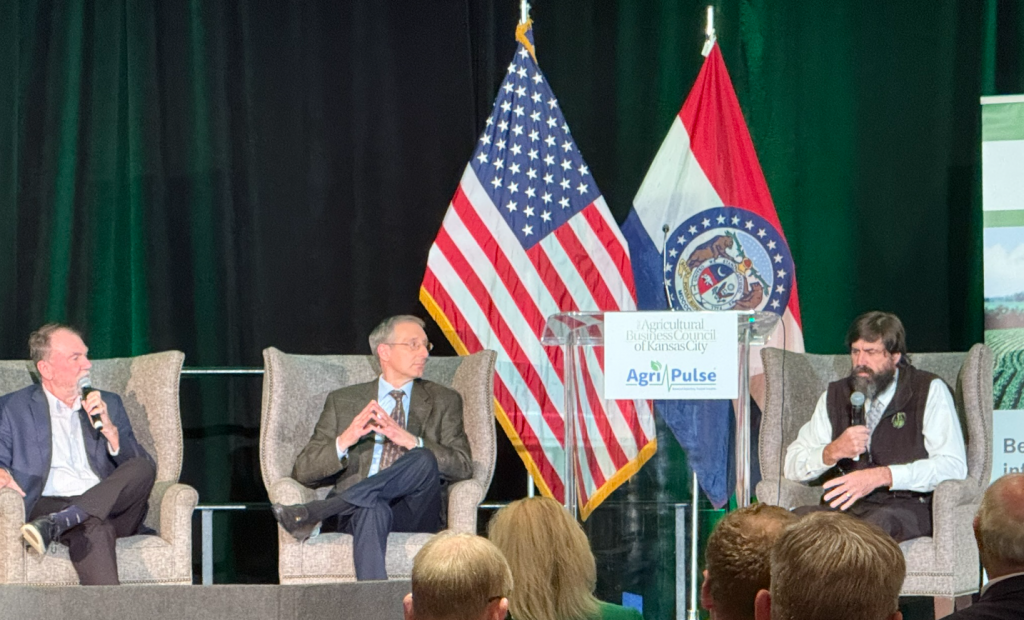
USDA's Foreign Agricultural Service will publish details of the fiscal year 2025 McGovern-Dole and Food for Progress funding allocations once all contracts are finalized.

ECAP Payments and Supplemental Disaster Assistance

Of the $10 billion authorized under ECAP, USDA's Farm Service Agency (FSA) has already delivered over $8 billion to eligible producers to offset higher input costs and falling commodity prices. Today, USDA is releasing the remaining ECAP funding that will be delivered to approved producers within the week, bringing the final payment factor to 99 percent. ECAP payments are based on planted and prevented planted crop acres for eligible commodities in the 2024 crop year and are issued automatically to producers with approved applications.

In addition to ECAP, USDA has provided more than $2 billion through two rounds of Emergency Livestock Relief Program (ELRP) assistance to livestock producers impacted by drought and wildfires, and floods. Producers have also received over $5.5 billion through Stage 1 of the Supplemental Disaster Relief Program, with Stage 2 assistance to be announced in October.

NIAA to Open Application Period for Leadership Program

The National Institute for Animal Agriculture (NIAA) began accepting nominations for the fifth Cohort of the Advanced Training for Animal Agriculture Leaders. NIAA will begin accepting applications and nominations on October 1 until January 15, 2026 at 11:59 p.m.

The 12-month leadership program blends in-person and virtual working sessions to focus on four areas of development: critical thinking, leadership development, connecting and relating skills, and operational excellence. Members of the program work together on applied-learning, small-group capstone projects, which will incorporate topics of interest in animal agriculture.

"The NIAA Leadership Program has been an invaluable opportunity to collaborate with industry leaders, gain insights into policy and regulatory frameworks, and further develop my leadership skills within the field of animal agriculture. I highly recommend this program to professionals looking to expand their networks, deepen their industry knowledge, and play an active role in shaping the future of sustainable and responsible animal agriculture," said Rahul Kumar, Tennessee Department of Agriculture and member of Cohort 3. 

Since its inception in 2021, the program has represented a wide range of agricultural sectors and provided opportunities to gain next-level leadership and professional development training specifically focused on animal agriculture. The program empowers professionals in the early to midpoint of their careers to build on previous leadership development experiences and collaborate with peers across the industry to advance animal agriculture's role in today's food system.

The Advanced Training for Animal Agriculture Leaders program receives financial support from Farm Credit with additional financial support provided by NIAA and its members and partners. With sponsor and participant investments, the leadership program provides an estimated $10,000 in training, resources,  and NIAA membership during the length of the program.

More information about how to nominate or apply for the leadership program is available at www.animalagriculture.org/leadership-program/. If you are interested in the applying for NIAA's leadership program or becoming a supporting program sponsor, please reach out to Jessie Wadle at Jessie.Wadle@animalagriculture.org.

Ag Secretary Rollins Delivers Strong Warning on Screwworm, Unveils Beef Industry Revitalization Plan at Kansas City Forum

Listen to Ron Hays Beef Buzz with USDA Secretary Brooke Rollins

On this edition of the Beef Buzz, Senior Farm and Ranch Broadcaster Ron Hays reports on the opening address offered by U.S. Ag Secretary Brooke Rollins at the Ag Outlook Forum, co-hosted by the Agribusiness Council of Kansas City and Agri-Pulse. Her wide ranging speech concluded with a focus on beef cattle industry issues- including the critical threat posed by the New World Screwworm (NWS) and the administration's ambitious plans to revitalize the struggling U.S. beef industry. Oklahoma Farm Report's Farm and Ranch Director KC Sheperd was on hand on Thursday for the Ag Outlook Forum, which covered a variety of policy issues impacting all of agriculture.

Rollins minced no words regarding the most recent NWS case announced this past Sunday, expressing profound dissatisfaction with the unfolding situation. Her strong remarks followed the discovery of a new NWS case just 70 miles south of Laredo, Texas, where USDA personnel 'didn't like what they found' upon initial assessment.

"This is unacceptable," Secretary Rollins declared, directly implicating Mexico in the resurgence. She stated that Mexico has failed to enforce proper cattle movement controls in infected regions and is not diligently tending to fly traps daily as promised, hindering real-time detection capabilities. "Mexico must fully implement the agreed-upon protocols, must expand surveillance immediately, and lock down cattle movement in infected zones. Anything less puts both of our nations' herds and our food supply at grave risk."

The Secretary made it clear that "100% compliance must be demonstrated by Mexico before a border reopening plan will even be considered." To bolster domestic defenses and international efforts, Rollins highlighted increased funding for animal disease prevention and response through the "One Big Beautiful bill." The USDA is deploying 200 personnel into Mexico to work in partnership with SENASICA, the Mexican agency responsible for the health and safety of agricultural products.

Rollins detailed immediate U.S. surveillance efforts, noting that approximately 13,000 fly samples from 8,000 USDA-set traps in Mexico have been reviewed, with the recent Laredo-area case being the only one found so far. "My commitment is, as we are getting hourly updates, we will immediately let the public know," she assured. She emphasized the importance of state partnerships in Texas, Arizona, and New Mexico, and a collaborative approach involving USDA, Homeland Security, and the Department of State. President Trump, she added, is "fully engaged and aware of the threat that this poses specifically to our cattle, but really to all of our livestock."

Secretary Rollins- Our Beef Industry Needs to be Rebuilt

Shifting focus to the domestic beef sector, Secretary Rollins painted a stark picture of the U.S. cattle industry's current state, with inventory at its lowest point in 75 years. This decline comes despite Americans consuming increasing amounts of beef. Rollins hinted at even greater demand, noting, "While I'm not here today to talk about the MAHA movement and the new dietary guidelines coming out very shortly, there will be even more demand and higher demand for great American beef and protein and whole milk as we move forward." She indicated that further significant announcements on this front are expected in the coming days, working directly with President Trump.

"We've got to rebuild," Rollins declared, acknowledging the low inventory as a threat to both the industry and the nation. Since 2017, the U.S. has lost over 17% of its cattle ranches, with a total decline of more than 150,000 operations over the last decade. This loss, she asserted, has been driven by offshoring, consolidation, and foreign-owned businesses. "Low inventory and high demand is not sustainable if we wish to be a country that can feed ourselves."

Recognizing that rebuilding the cattle inventory "cannot be rebuilt overnight," USDA is prioritizing both short- and long-term solutions. Rollins announced the development of a "robust plan to revitalize and diversify the U.S. beef industry" alongside industry partners, producers, processors, and consumers. More details are expected at a rollout in mid-October, alongside Secretary Doug Burgum.

Critically, Rollins addressed speculation regarding government intervention, stating unequivocally, "We have no current plans to offer any payment to beef producers." She cited concerns about government involvement distorting markets, adding, "currently there will be no plan, no plan is even under consideration to insert ourselves through payments into the beef cattle industry." Instead, the USDA's strategy will center on opening more working lands, expanding risk mitigation tools for the beef cattle industry, and "inspiring the next generation of farmers who hold the future of this great nation in their hands."

Secretary Rollins' address underscored the administration's dual focus on aggressively combating immediate animal health threats from abroad while simultaneously implementing a comprehensive strategy to secure the long-term viability and self-sufficiency of the domestic beef supply.

The Beef Buzz is a regular feature heard on radio stations around the region on the Radio Oklahoma Ag Network and is a regular audio feature found on this website as well. Click on the LISTEN BAR for today's show and check out our archives for older Beef Buzz shows covering the gamut of the beef cattle industry today.

Dr. Bart Fischer with Flag

Agricultural Economy Under Pressure: Bart Fischer talks Cash Flow Crisis

The U.S. agricultural sector is grappling with a severe cash flow problem despite significant recent federal aid, according to Dr. Bart Fischer of the Texas A&M Agricultural & Food Policy Center. In a discussion with Farm Director KC Sheperd at the Ag Outlook Forum, Fischer detailed the reasons for the lingering distress and the policy implications for producers.


The Lingering Cost Crisis

Fischer explained that even with the substantial American Relief Act and the "One Big Beautiful Bill" injecting funds into agriculture, the industry is still in a tough spot.

  • Magnitude of Loss: The assistance has been overwhelmed by the magnitude of the financial losses. Fischer noted that the "cost of production over the last four years just absolutely exploded" and has been "magnified" by drought and other weather pressures.
  • The Cash Flow Problem: The core issue is timing. Many of the farm safety net improvements made in the "One Big Beautiful Bill" won't take effect until October of next year (2026). This leaves farmers in the fall of 2025 largely with a "cash flow problem," creating a situation similar to the previous year and highlighting a need for a "bridge right now to try to get to the new crop year."

Key Wins and Misses in the New Legislation

Fischer categorized the "One Big Beautiful Bill" as being "mostly wins" for agriculture, but noted they were insufficient to keep pace with cost inflation.

  • Farm Policy Wins:
    • Reference Prices: Increases were made to the reference prices in commodity programs, ranging from "roughly 10 to 20%". However, Fischer pointed out this was a miss because the increases "weren't big enough" to match the 30% jump in input costs seen over the last four years.
    • Crop Insurance: Congress significantly improved crop insurance by increasing the premium support by "roughly five percentage points" and enhancing area-wide policies. The Supplemental Coverage Option (SCO) now has a "90% coverage level and an 80% premium subsidy," which could allow growers to achieve up to 95% coverage.
    • Base Acres: The bill also includes language to allocate a maximum of 30 million additional base acres to producers.
  • Tax Policy Wins:
    • Tax Rates: Permanently extended the lower tax rates.
    • Pass-Through Deductions: Included important pass-through deductions, particularly for those operating as an LLC.
    • Estate Tax: The exemption level was moved to $15 million ($30 million per couple), which will "largely protect, you know, most producers at death" from the 40% tax on net worth exceeding the exemption.

Options for a Cash Bridge

To address the immediate cash flow problem, Fischer identified two primary mechanisms that the administration and Congress are currently considering:

  1. A New Round of ECAP: The Emergency Commodity Assistance Program (ECAP) could be renewed for the 2025 crop year. However, ECAP previously only covered 26% of the loss for the 2024 crop. With losses potentially "up probably another 10 billion" over last year, the debate is over what payment factor to use to cover a necessary share of the even deeper hole.
  2. Trade Aid: President Trump has been "teasing trade aid" and has indicated he will use tariff revenue to support growers until trade negotiations stabilize. Fischer expects that this is where they will "end up."

The Trade War and Producer Dilemma

Fischer characterized the current trade environment as a messy but necessary "reset" of international trade relationships.

  • Accountability: While "no one likes tariffs in general," most growers understand that the President is using them as a "negotiating tactic" to hold other countries accountable for their own trade barriers. This reciprocal approach means, "We're going to do to you what you've been doing to us."
  • The Cost of the Fight: The challenge is that holding countries accountable is "really messy" and leads to retaliation, which means agriculture becomes a "political punching bag".
  • The Lesser of Two Evils: The situation presents a dilemma where "no farmer I know, wants another payment from the government," preferring to get a good price from the market. However, if the choice is between taking support or "continued financial hemorrhaging," most will opt for the support, which Fischer stated has "zero shame" because the U.S. is going through the process of holding other countries to account.
  • Long-Term View: Fischer noted that the U.S. is facing countries, like China, that think in "100 year terms," while the U.S. operates in four-year presidential cycles. This makes the trade confrontation "long past due" because "other countries have been taking and continue to take advantage of us today."

Fischer's ultimate advice to producers is to take advantage of the support while it's available, look closely at the now-enhanced crop insurance options before the end of the month, and acknowledge that they are in this difficult situation because "other countries take advantage of us."

It's Getting Ugly- Choice Boxed Beef Drops $5.42 on Thursday to $371.97

The drop in boxed beef prices accelerated on Thursday, with Choice Boxed Beef prices falling $5.42 to $371.97, the sixteenth straight session that choice prices have fallen, Select boxed beef was down $2.97 to $353.45, making it a $18.45 choice select spread on 158 loads, down from the 188 loads on Wednesday, which was the largest single day load total for 2025.

Image

Soaring demand for dairy foods fueled a US butterfat boom, but cheesemakers need milk protein levels to catch up

Consumer demand for products like cheese, butter and yogurt that rely on protein and butterfat content continues to drive dairy sales growth in the U.S. and abroad. Over the past decade, milk delivered to U.S. dairy processing plants has become more nutrient-dense with higher levels of the two key components to meet rising demand. However, the pace of growth in butterfat content has far exceeded protein, which creates challenges for U.S. cheddar and American-style cheesemakers that rely on a more balanced ratio of the two.

According to a new report from CoBank's Knowledge Exchange, excessive butterfat levels can impact cheese quality. In the EU and New Zealand, the two largest dairy exporters, the protein-to-fat ratio has remained far steadier, averting the issues U.S. cheese makers are facing.

"U.S. dairy producers did an exceptional job increasing butterfat levels in milk to meet demand," said Corey Geiger, lead dairy economist at CoBank. "For 10 years, the market couldn't supply enough of it, and now there's an oversupply – it's almost too much of a good thing. Cheesemakers strive for a protein-to-fat ratio near 0.80. Anything significantly lower than that can reduce cheese quality and compromise production yields."

In recent years, butterfat percentages in U.S. milk have been increasing at twice the pace of protein. From 2000 to 2017, the protein-to-fat ratio held rather constant at 0.82 to 0.84. In the ensuing years, the ratio gradually slipped to 0.77. That is increasingly a concern for cheesemakers as more than one-half of the U.S. milk supply is destined for cheese production.

The disproportionate growth of butterfat in relation to protein in U.S. milk when compared to the EU and New Zealand could put U.S. cheesemakers at a competitive disadvantage. The EU is the world's largest dairy exporter, followed by New Zealand. The U.S. is the third largest exporter of dairy products and ingredients. Unlike America's global competitors, domestic cheese processors face added costs for rebalancing their milk supplies, which reduces efficiency and could ultimately impact pricing at the farmgate.

Geiger said U.S. cheddar cheesemakers face a growing need to standardize milk either by adding a source of protein like milk protein concentrate or by pulling excess butterfat out. "If cheddar makers don't standardize inbound milk, fat levels may climb too high and cheese quality could decline as higher fat generally yields a softer cheese," said Geiger.

In the U.S., Multiple Component Pricing has incentivized butterfat and protein production. From 2000 to 2014, the protein price exceeded butterfat, resulting in rather equal growth between the two components. However, butterfat pay prices exceeded protein prices in eight of the past 10 years. That fueled the butterfat boom, which producers achieved through animal genetics and feeding strategies. Those practices could be shifted to achieve a greater balance between butterfat and protein if the proper price incentives are in place.

Cheese yield pricing could also give farmers incentives to produce milk with a higher protein-to-fat ratio. Geiger said looking to the future, farmgate milk needs to have a protein-to-fat ratio more in line with how milk is utilized to make the entire industry more efficient.

"Regardless of the current challenges associated with excess butterfat, most signals continue to point upward for milk component demand. That represents an opportunity for dairy farmers to produce more milk components so dairy processors can fulfill demand in both domestic and global markets. And advances in research and efficiency are among several reasons the U.S. dairy industry remains on a strong growth trajectory with $10 billion in dairy plant investment coming online through 2028."

Watch a video synopsis and read the report, While U.S. Leads Milk Component Growth, Butterfat May Be Growing Too Fast.

Thompson Responds to President Trump's Comments on Farm Relief

House Committee on Agriculture Chairman Glenn "GT" Thompson (PA-15) released the following statement after President Donald J. Trump stated he would use some of the money generated from tariffs to support America's hardworking producers:

"Years of Biden's broken promises, from failing to enforce the Phase 1 agreement to letting inflation run wild while foreign governments use our farmers as pawns, have devastated American agriculture. President Trump is right to support them and step in to provide a bridge to the enhanced farm safety net policies in H.R. 1, which will kick in next year. I'm committed to working with the Trump Administration to support farmers and rural America during critical economic times."

ASA Responds to Argentina Soybean Actions

This week, Treasury Secretary Scott Bessent announced the U.S. government was in negotiations to extend a $20 billion swap line to the Argentine government and potentially purchase the country's foreign bonds. Almost immediately after, a reported 20 shiploads of Argentine soybeans were purchased by China after the Argentine government announced it would waive taxes on its soybean exports.

Upon this news, ASA President Caleb Ragland issued the following statement:

"U.S. soybean farmers have been clear for months: the administration needs to secure a trade deal with China. China is the world's largest soybean customer and typically our top export market. The U.S. has made zero sales to China in this new crop marketing year due to 20% retaliatory tariffs imposed by China in response to U.S. tariffs. This has allowed other exporters, Brazil and now Argentina, to capture our market at the direct expense of U.S. farmers. The frustration is overwhelming. U.S. soybean prices are falling, harvest is underway, and farmers read headlines not about securing a trade agreement with China, but that the U.S. government is extending $20 billion in economic support to Argentina while that country drops its soybean export taxes to sell 20 shiploads of Argentine soybeans to China in just two days.

U.S. farmers cannot wait and hope any longer. ASA is calling on President Trump and his negotiating team to prioritize securing an immediate deal on soybeans with China. The farm economy is suffering while our competitors supplant the United States in the biggest soybean import market in the world."

Mullin Welcomes Oklahoma State Legislators to The White House, Secures Visit with VP Vance

On Tuesday, U.S. Senator Markwayne Mullin (R-OK) welcomed 83 members of the Oklahoma State Legislature to Washington, D.C. and spoke to them at the White House State Leadership Conference.

The Senator worked alongside President Trump and his White House team to orchestrate a day of meaningful meetings for the legislators, which culminated in a stop at Joint Base Andrews to meet Vice President JD Vance.

As Senator Mullin details in a social media video today, "I reached out to the White House about two months ago saying we're going to have our state legislative body up here, and you know, the President loves Oklahoma. He says it all the time, 'it's the only state where all 77 counties voted for me all three times.' And so, when he knew they were coming up here, [President Trump] said, 'let's put a leadership day together for them. Let's let the leaders, our cabinet members come visit with them, talk to them, and understand the vision' that the Trump team is driving for when he says Make America Great Again. Because, if Oklahoma is rowing in the same boat as Washington, D.C., we have a bright future as a country." 

In addition to hearing from Senator Mullin, legislators spoke with senior White House officials, including Cabinet Secretaries Kristi Noem (DHS), Brooke Rollins (USDA), Scott Turner (HUD), and Doug Collins (VA). Officials shared how President Trump is implementing the America First agenda and how our state legislators can partner with the Trump Administration to improve the lives of Oklahomans at the state and local level.

"Our state leaders are working in lock-step with the Trump Administration. There is not a state in the union as red as Oklahoma with all 77 counties voting for the Republican ticket," said Senator Mullin. "It was an honor to bring them to the White House and introduce them to my friends in the Cabinet who are fighting for our America-First, Oklahoma-First policies every day."

After a day of productive meetings at the White House, Senator Mullin made sure a group of Oklahoma legislators had the opportunity to speak with his friend, Vice President JD Vance the next morning before the VP departed for North Carolina.

"It was a great privilege to be welcomed at the White House, hear directly from Senator Mullin and numerous Trump cabinet officials, and visit with VP Vance to discuss the future of our great state. Oklahoma has strong partnerships in Washington, and I want to thank Markwayne for making this productive trip happen for us." - Kyle Hilbert, Speaker of the Oklahoma House of Representatives

"As Oklahoma legislators, it's critical that we remain in close contact with our federal representatives to best serve the Sooner State. After Oklahoma voters overwhelmingly re-elected President Trump, it was a blessing to meet with his team at the White House. I really want to thank Senator Mullin for giving Oklahoma this platform, and for making sure we got a chance to meet with the Vice President of the United States. It was a great trip." - Josh West, Oklahoma House of Representatives Majority Floor Leader

"Thank you, Senator Mullin for hosting us at the White House State Leadership Conference this week! It was an honor to hear from DHS Secretary Kristi Noem, and all the cabinet officials who took the time to speak with us and discuss Oklahoma's role in shaping America's future."  - Oklahoma State Senator Lonnie Paxton

Open Meeting, Open Records seminars return to Oklahoma communities this fall

Oklahoma Attorney General Gentner Drummond's office will again partner with the Oklahoma Press Association to host free seminars on the state's open meeting and open records laws, beginning Oct. 27.  

Drummond has made openness and transparency in government among his top priorities in office. 

"We must ensure that Oklahoma's public officials are acting openly with honesty and integrity," he said. "I am thankful for the hardworking individuals in my office who are also dedicated to these principles and I am pleased to offer this seminar series statewide for every type of public official."  

Deputy General Counsel Thomas R. Schneider will present the seminars. 

"Aside from the ballot box, these two invaluable acts serve as the most potent insurance for citizens to hold government accountable," Schneider said. "At the same time, this training provides an opportunity for public body members to develop a deeper understanding and appreciation of these acts and their important role in safeguarding democracy and preserving integrity in government at all levels." 

Schneider will answer questions concerning the state's open meeting and records laws and discuss elected or appointed officials' responsibility under the acts. He also will discuss requirements regarding access to public records and the conduct of public meetings. 

Seminars will be held from 1 to 4 p.m. at four locations: 

  • Oct. 27 at the Tulsa Technology Center Riverside Campus, 801 E 91 St.;
  • Nov. 3 at the Sam Noble Museum Auditorium, 2401 Chautauqua Ave. in Norman; 
  • Nov. 17 at the Meridian Technology Center Auditorium, 1312 S. Sangre Rd.
    in Stillwater; and 
  • Dec. 15 at the Oklahoma Judicial Center Auditorium, 2100 N. Lincoln Blvd. in Oklahoma City. 

The seminars are free and open to the public, but pre-registration is required due to overwhelming demand last year. 

Continuing education credits are available for attendance. Attorneys will receive three CLE credit hours. New school board members can get three credit hours from the Oklahoma State Department of Education, and new technology center board members can earn three credit hours from the State Department of Career and Technology Education. Law enforcement officials are eligible to receive three credit hours from the Council on Law Enforcement Education and Training. 

For more information and to register, visit www.okpress.com/seminars or call OPA at 1-888-815-2672.

Ranking Member Angie Craig Warns USDA Shutdown Firings Will Hurt Famers

 Today, House Agriculture Committee Ranking Member Angie Craig (MN-02) issued the following statement in response to Trump's White House budget office memo outlining a plan to continue the mass firing campaign of nonpartisan public servants, including at the U.S. Department of Agriculture.

"The Trump administration has already taken an axe to 15 percent of USDA's workforce this year due to the administration's shortsighted, ill-informed actions. To now threaten additional mass firings – in the middle of an economic crisis in farm country – is malicious and cruel and would only further the pain in farm country. I've had enough with how much this administration says it loves farmers. And enough of my Republican colleagues who continue to do whatever this administration wants – no matter the cost to rural communities and the ag economy."

Brooke Rollins Outlines Big Wins and New Priorities for U.S. Agriculture

While at the Ag Outlook Forum in Kansas City, Farm Director KC Sheperd heard comments from Ag Secretary Brooke Rollins, who laid out new plans to support America's farmers and warned that agriculture is facing some of its toughest challenges yet.

Rollins emphasized the urgency of her message: "We have a lot, a lot of challenges in agriculture right now," she said, underscoring that she came to lay out "what President Trump's vision is, the work that we're doing," and to deliver "a couple of fairly big announcements."

She reminded the audience of agriculture's historic role: "Although 250 years ago, at our founding, we had a nation where 90% of our people were farmers, today it's only 1.2%." Yet, she argued, "that small percentage today is constitutive of all the rest. You not only feed and fuel and clothe us, the American people, but truly the world."

Rollins warned, "Agriculture in our country today is under threat. You all know it because you live it more than anyone else in the country." Rising costs, falling commodity prices, and what she called "decades of poor policy and neglect" had left farmers struggling.

She denounced the prior administration for doing "virtually nothing to enforce the hard-fought deals that President Trump won and signed." As a result, she said, "When we walked out we had a surplus for our ag commodities around the world. When we came back, there was a $32 billion deficit last year we're going to be close to a $50 billion ag trade deficit."

Her first major point focused on relief: "Eight weeks into my tenure as Secretary, we rolled out the Emergency Commodity Assistance Program, the ECAP, which is helping farmers recover from the economic hardships of 2024." Alongside that, "$16 billion via the Supplemental Disaster Relief Program, the SDRP, is helping producers recover from severe weather events in 2023 and 2024."

"These programs have distributed $13.5 billion into the American countryside," she explained, noting that "more than $5.5 billion to over 344,000 farmers through the SDRP, and more than $8 billion to over 560,000 farmers through the ECAP." She also announced: "The remaining $2 billion of ECAP funding will be delivered within the week."

Rollins celebrated a legislative win: "Another massive source of relief for our farmers came this summer when President Trump signed the one big, beautiful bill into law." She emphasized that for the first time in over a decade, reference prices were increased, along with "crop insurance improvements, enhancing coverage and lowering premiums," and "making the death tax exempt for about 2 million of our family farms."

Her second key point was tackling input costs. She listed the challenges producers face: "Seed costs up 18%, fuel and oil up 32%, electricity costs up 36%, labor costs up 47%, vehicles and machinery up 45%, interest expenses up 73%, and fertilizer costs increased 37%." She declared, "Farmers have enough challenges to deal with—sky high input prices should not be one of them."

"To that end, USDA and the Department of Justice signed a memorandum of understanding this morning to protect American farmers and ranchers from the burdens imposed by high and volatile input costs," she said. This joint effort will "take a hard look and scrutinize competitive conditions in the agricultural marketplace, including antitrust enforcement that promotes free market competition."

On labor, she acknowledged, "US farm labor expenses this year will be over $54 billion," much of it driven by the costly H-2A program. Rollins announced, "USDA has discontinued [the Farm Labor Survey] and will no longer be used to justify what is an unreasonable increase in that average wage rate." She added that regulatory changes were already underway to "make the H-2A program more affordable and more accessible."

Turning to her third point, Rollins highlighted recent trade wins: "In the last six months alone, President Trump has made clear that America's farmers will no longer be treated as second class citizens." She pointed to seven new trade deals, including "the Philippines and South Korea opening their markets," the EU reducing barriers, and "Japan agreed to increase US rice imports by 75% and spend $8 billion in American agricultural products."

Her fourth priority was biofuels. "President Trump has made clear that this will be the most pro biofuels administration in our nation's history," she said. She announced "the highest RVO proposal in history," emergency E15 waivers, and the extension of the 45Z biofuel tax credits through 2029, emphasizing that these actions "send a market signal that there is a growing need for American grown commodities for fuel use."

Brooke Rollins at Podium

She expanded on this by announcing that "USDA will purchase 417,000 metric tons of commodities from American farmers immediately to support [international food aid] programs." She noted, "The amount we're purchasing is equivalent to over 16 million bushels of our row crops a big win for our farmers and producers here at home."

Rollins turned to farmland security, her fifth point. "Farm security is national security," she said bluntly. "For too long, the federal government has looked the other way as foreign entities and developers have purchased our prime farmland." She pledged that "USDA will no longer incentivize the development of farmland for green energy, nor will we use taxpayer funds to purchase these solar panels from our foreign adversaries."

Daily Email for September 25, 2025


Oklahoma's Latest Farm

and Ranch News

Thursday, September 25, 2025


Howdy Neighbors!

Oklahoma Ag Mediation: Free Resources for Farm Stress and Disputes

Oklahoma Agriculture Mediation Program Director Mike Mayberry spoke with Farm Director KC Sheperd about the history and vital role of the organization in September, which is Suicide Prevention Month. The Oklahoma Ag Mediation office is one of 44 similar programs nationwide, and it was established in 1988 in response to the farm crisis of the 1980s. According to Mayberry, this crisis led to a period where farmers and ranchers were "desperate and were committing suicide so they could collect on their life insurance policies and save the farm". The organization's founding was inspired by the work of Mona Lee Brock, a farm advocate who "would drive to them, take their calls 24 hours a day," and helped save Oklahoma farmers.


Mayberry noted that the financial and emotional challenges for farmers today are very similar to those in the 1980s. He stated that farm suicide rates are "two to five times greater than the national average" for non-farmers. He said his board of directors, many of whom remember the crisis of the 80s, believe that farmers today are feeling "pretty lonely". Farm Director KC Sheperd added that producers "battle this stuff day to day," as their problems don't stop just because they're waiting on the government or better weather.


To help people identify when someone may be struggling, Mayberry provided a list of warning signs and urged people to look for signs of distress in themselves or others, including "changes in routine or not taking care of the place or the animals, more illnesses for the people that are working the farm, more accidents on the farm, and the farm starts to go down in appearance, loss of activities and interest outside the farm". He noted that the mediation program has successfully helped hundreds of farmers and a few who were "considering harming themselves".

Dr. Derrell Peel: Tight Cattle Supplies Keep Markets Strong

Senior Farm and Ranch Broadcaster Ron Hays spoke with livestock market economist Dr Derrell Peel. Cattle markets remain exceptionally strong, fueled by supply shortages and shifting marketing decisions. As Dr. Derrell Peel explained, "this is all about tight cattle supplies." He noted that the fall run is underway with "a lot of unweaned calves coming to town," but demand is uneven as buyers remain focused on wheat planting. "Right now, everybody's busy planting wheat instead of buying stocker calves," Peel said.


Peel highlighted how producers moved calves earlier than normal to capture high prices. "Surprisingly, in Oklahoma, auction totals were up around 20% on a year-over-year basis," he pointed out. While Missouri also saw increases, "Kansas, not so much. So it's maybe more of a regional thing to some extent." He added that fall runs are still expected but lighter than last year, which "is likely to keep our support for these markets pretty good, with less seasonal pressure on these markets in general."


Preconditioning remains a crucial issue as more unweaned calves enter the market. Peel emphasized its value, saying, "we have data that shows that even in record high prices, preconditioning pays, still the premiums will be there." From a buyer's standpoint, "the health risks are tremendous, and the amount of dollars that you risk if that calf gets sick or dies is tremendous." Still, Peel acknowledged the producer's perspective, adding, "I can't really fault producers the total dollars per head here is something we've not ever seen before."

Fall armyworms are on the rise in Oklahoma, Here's what you should do

Kylie Johnson's lawn is moving. Not literally. But at a glance, each blade of grass appears to be shaking, not because of the wind, but instead because of a fall armyworm infestation on her land. Along with her husband, Aaron, Kylie runs Lone Rock Longhorns, a cattle business on roughly 2,500 acres in Payne County. Recently, the family has dealt with a heavy armyworm infestation heading into the fall months, causing some concern.


"I'd say it's defeating because now we're feeding hay like it's snowing outside," Kylie Johnson said. The Johnson family isn't alone. Fall armyworm activity has increased across the state of Oklahoma, with the potential to cause major economic damage.

The fall armyworm – earning its name for the way it "marches" from food source to food source – population fluctuates every year.


Cooler and wetter weather patterns early in the year factor into what activity will look like in the fall, explains Ashleigh Faris, Oklahoma State University Extension's cropping systems entomologist. "The rainfall we have had in Oklahoma has allowed for a lot of lush, green vegetation," Faris said. "Which is excellent and attractive habitats for the female moths to lay their eggs and fall armyworm larvae to feed."

Oklahoma Farm Bureau works to improve the lives of all Oklahomans by supporting our state's agriculture community. As Oklahoma's largest general farm organization led by Oklahoma farmers and ranchers, OKFB takes grassroots values and advocates for agriculture at the state Capitol and in Washington, D.C., to ensure our way of life continues for generations to come. Farm Bureau hosts leadership events, supports our state's agricultural youth and connects consumers with agriculture in order to build a brighter future for our state. Become an OKFB member today online at okfarmbureau.org/join. Together, we are rural Oklahoma.

Oklahoma AgCredit supports rural Oklahoma with reliable and consistent credit, today and tomorrow. We offer loans for land, livestock, equipment, operating costs and country homes (NMLSR #809962) to farmers, ranchers and rural businesses across 60 counties. As a cooperative, we are owned by the members we serve. Through our Patronage Program, we have returned more than $74 million to our members since 1997.


For more information on our services or to find a location near you, visit our website here.


Dr. Benjamin S. Carson, Sr., M.D., Sworn in as National Nutrition Advisor at U.S. Department of Agriculture

U.S. Secretary of Agriculture Brooke L. Rollins announced that Dr. Benjamin S. Carson, Sr., M.D., was sworn in as the National Advisor for Nutrition, Health, and Housing at the U.S. Department of Agriculture (USDA).


"There is no one more qualified than Dr. Carson to advise on policies that improve Americans' everyday quality of life, from nutrition to healthcare quality to ensuring families have access to safe and stable housing," said Secretary Rollins. "With six in ten Americans living with at least one chronic disease, and rural communities facing unique challenges with respect to adequate housing, Dr. Carson's insight and experience is critical. Dr. Carson will be crucial to implementing the rural health investment provisions of the One Big Beautiful Bill and advise on America First polices related to nutrition, health, and housing.


As the U.S. Secretary of Housing and Urban Development in the first Trump Administration, Dr. Carson worked to expand opportunity and strengthen communities, and we are honored to welcome him to the second Trump Administration to help lead our efforts here at USDA to Make America Healthy Again and ensure rural America continues to prosper." "Too many Americans are suffering from the effects of poor nutrition. Through common-sense policymaking, we have an opportunity to give our most vulnerable families the tools they need to flourish," said Dr. Ben Carson. "I am honored to work with Secretary Rollins on these important initiatives to help fulfill President Trump's vision for a healthier, stronger America."

Texas Ag Commissioner Sid Miller Calls for the Immediate Use of Pesticide Bait With New World Screwworm Discovered 70 miles From the US

On Tuesday, Texas Agriculture Commissioner Sid Miller made it clear that the Texas Department of Agriculture (TDA) is not waiting on the sidelines when it comes to protecting Texas livestock from the New World screwworm (NWS). The agency is taking immediate and aggressive action to use pesticide bait to prevent the pest from re-establishing itself in Texas. While TDA has already been proactive in guarding against NWS, Commissioner Miller is now intensifying those measures following confirmation by Mexico's SENASICA of a new case in Sabinas Hidalgo, Nuevo León—less than 70 miles from the U.S.–Mexico border.


"The screwworm is dangerously close," warned Commissioner Miller. "It nearly wiped out our cattle industry before; we need to act forcefully now. That's why I insist we start using pesticide bait immediately. It took 29 years to eradicate the screwworm with sterile flies alone, and we don't have that kind of time this time around. Time is of the essence."


Pesticide baits remain the most immediate line of defense. Historically, Dichlorvos was used to eradicate flies, killing up to 90% of flies on contact. When paired with monitoring systems such as TDA Swormlure, they buy ranchers and veterinarians valuable time to stop outbreaks before they spread.

Tracking Costs Tied to Calf Value

Northeast Area Extension Specialist Scott Clawson says The excitement surrounding the cattle markets is undeniable. The cow-calf producer is set to benefit greatly under these conditions. Yet, being curious by nature, I can't help but wonder how these record-breaking calves will work through the supply chain for the next 18 months from a business point of view. Cheap abundant feed could land calves in the feedyard this fall, but many will end up in the countryside until spring. These record level calf prices will impact two cost categories specifically as we budget wintering calves in 2025/26. Interest expense and the cost of death loss go hand in hand with the value of the cattle. 


First, interest expense will increase meaningfully. This is a function of the sizable rise in calf value and a rate environment that has changed in recent years. The value of a 450lb. steer has increased roughly 60% from last fall. This purchase price increase combined with a flat or slightly improved interest rate environment will hike our interest expense per head significantly. Even if these are your own ranch raised calves not purchased on a line of credit, the interest is important. This is the potential interest that could be earned by selling calves this fall and investing the proceeds elsewhere. 


No matter what side of the interest coin you fall on, the sheer dollar value of the cattle makes this significant. This example calculates interest expense at $89.30/head.

Death loss expense is also rising as a function of the increasing cattle value. While death loss percentages vary by year, having a solid understanding of the death loss percentage on your operation is important. In this example, 2% death loss is used. It is assumed to have occurred day one before feed and other inputs are invested in the calf for the sake of simplicity.  

Cattlemen's College Included in CattleCon 2026 Registration

CattleCon 2026, the largest cattle industry event of the year, is heading to the heart of downtown Nashville, Tennessee, Feb. 3-5. New for 2026: all registration options include access to Cattlemen's College education sessions and demonstrations.


For more than 30 years Cattlemen's College, sponsored by Zoetis, has provided cattle producers with valuable information to help improve their herds and businesses. This premier educational experience will be open to all CattleCon 2026 attendees. 


"We are bringing together industry leaders from across the country to share the latest advancements and provide vital information," said Buck Wehrbein, National Cattlemen's Beef Association president. "We are excited to make this educational experience available to all attendees and look forward to hearing how producers use valuable knowledge and insights to strengthen their businesses."

U.S. Department of Agriculture Reveals Three-Point Plan to Support U.S. Agricultural Farmers, Ranchers, Producers, and Exporters

Last week, Secretary of Agriculture, Brooke L. Rollins and Under Secretary for Trade and Foreign Agricultural Affairs, Luke J. Lindberg, announced an aggressive three-point plan that will support American agricultural producers and exporters. 


"President Trump is putting American agriculture first by negotiating fair, reciprocal deals that benefit U.S. producers, farmers, and ranchers," said Under Secretary for Trade and Foreign Agricultural Affairs Luke J. Lindberg. "Secretary Rollins is focused on expanding market access, enforcing trade commitments, and boosting rural prosperity. Market promotion support, rapid response to reciprocal trade agreements, and better financing programs will translate to progress in chipping away at the $50 billion agricultural deficit."


The three-point plan was announced during remarks at the annual meeting of the National Association of State Departments of Agriculture. The One Big Beautiful Bill Act authorized an additional $285 million per year for trade promotion programs beginning in fiscal year 2027. USDA will kickstart that program one year early with $285 million in FY26 and launch the American First Trade Promotion Program.

Checking the Markets...

On Wednesday, Choice boxed beef fell to $377.39, down $3.41, while Select dropped to $356.42, down $3.48. The Choice/Select spread held nearly steady at $20.97, with 188 loads reported, the largest single-day load count of the year. This marks the 15th consecutive decline, with Choice now down a total of $38.62 over that stretch.


OKC West had 4,738 head on Tuesday and Wednesday of this week- Compared to last week: Feeder steers 10.00-15.00 higher. Feeder heifers 15.00-30.00 higher. Quality average. Steer calves 5.00-15.00 higher. Heifer calves over 450lbs steady to 5.00 lower, under 450lbs 15.00-20.00 higher. Manager Bill Barnhart says about the mood of the overall market- "After last week's COF report the market made another big swing upward at the auction this week. Placement numbers came in at 90% of a year ago adding fuel to the fire of traders perception of a prolonged shortage of cattle. Total on feed numbers were just 1% below year ago numbers. Packers have done well managing inventories and throughput to keep finished prices in line. Nonetheless, after two weeks of uneasiness the market looks to challenge the all time highs made just a month ago."


OKC West is our Market Links Sponsor- they sell cattle three days a week- Cows on Mondays, Stockers on Tuesday and Feeders on Wednesday- Call 405-262-8800 to learn more.


Click here for our Markets Page on OklahomaFarmReport.Com- there you will find many of the reports we have linked on the right hand column found on the previous format of our email.

Our daily email is free because of our Sponsors!

OKAgCredit248x160.png
AMFeeds.png
TulsaFarmShowSquareGraphic240.jpg
okfb.png
GreatPlainsLogoFeb2025Update240.jpg
Oklahoma-Wheat-Commission_Logo_Vertical_Full-Color_Gray240b-e1736195614699.jpg
OklaBeefCouncil.png
NAT_Logo_BlackRed160.png
KIS-Logo240b.png
oca.png
Facebook

© 2025 Oklahoma Farm Report - All rights reserved


Celebrating 33 Years of the OCA Beef Tent

The Oklahoma Cattlemen's Association (OCA) will operate the OCA Beef Tent at the Tulsa State Fair in Tulsa, Okla. from Sept. 25 to Oct. 5. Now in its 33rd year, the Beef Tent offers high-quality beef products and serves as a platform to promote Oklahoma's beef industry.


Located on the south side of the Oklahoma Ford Dealers Barn, the OCA Beef Tent will be open all 11 days of the fair. Guests can enjoy a delicious menu featuring the popular ribeye steak sandwiches, beef sticks provided by Whiskey Creek Cattle Company, chips and refreshing beverages.


"We are proud to celebrate the 33 years of the OCA Beef Tent," said Michael Kelsey, OCA Executive Vice President. "It has become a true Oklahoma tradition. Serving delicious beef and spending time with fellow Oklahomans during the fair is something we look forward to every year."


The OCA Beef Tent will be staffed throughout the fair by OCA staff, members of the Oklahoma Cattlemen's Leadership Academy (CLA), Pittsburg County Cattlemen's, Oklahoma Cattle Women, Hughes County Cattlemen's, Okmulgee County Cattlemen's, Muskogee County Cattlemen's, Rogers County Cattlemen's, Pawnee County Cattlemen's, Pottawatomie County Cattlemen's, and the Oklahoma State University (OSU) Collegiate Cattlemen and Cattlewomen.


The OCA is the trusted voice of the Oklahoma Cattle Industry and works to protect and empower Oklahoma cattlemen today, to serve tomorrow. OCA is the only voice that speaks solely for the cattlemen of Oklahoma and represents beef producers in all 77 counties across the state. The OCA officers, board of directors and membership encourages you to join us in our advocacy efforts to ensure less government intervention, lower taxes and a better bottom line. For more information about OCA membership, the theft reward program or activities call 405-235-4391 or visit www.okcattlemen.org

Oklahoma Grain and Feed Impact Chart

NGFA Report Reveals Grain and Feed Industry's $400B+ Economic Impact

In a recent report titled "The Harvest Economy," the National Grain and Feed Association (NGFA) outlined the significant economic contributions of the grain and feed industry. According to NGFA President and CEO Mike Seyfert, the study quantifies the industry's essential role in the U.S. economy, showing it generates over $400 billion in economic output and supports more than 1.16 million jobs.

A Nationwide Economic Engine

The report found that the industry's economic impact extends far beyond its direct workforce, creating "hundreds of thousands of additional jobs" in supporting industries, from "transportation to equipment professional services". All told, the industry contributes nearly $33 billion a year in taxes paid to federal, state, and local governments.

Seyfert emphasized that this economic benefit touches "every state and every congressional district". He cited Iowa as a state where the industry's impact tops $43 billion, but noted that even in smaller states, "1000s of jobs depend on Grain and Feed facilities".

Data to Drive Policy

The study's detailed breakdown of economic output by state and congressional district is intended to serve as a valuable tool for policymakers. Seyfert stated that the data will help "members of Congress and local officials understand the importance of those Grain and Feed associations in their districts". He believes this information reinforces the need for elected officials to "continue pursuing policies that further strengthen the industry and the economic contributions".

In conjunction with the report's release, the NGFA launched a new website featuring an interactive platform where people can download fact sheets and explore the data at the state and congressional district levels. To access these resources, you can visit ngfa.org.

As the New World Screwworm Arrives Within 70 Miles of U.S. Border, USDA Steps Up Response

In today's Beef Buzz, Senior Farm and Ranch Broadcaster Ron Hays offers an overview four days after the most recent, and closest yet detection of New World screwworm in Mexico, the parasite's threat to the U.S. border is growing. The Mexican government confirmed on Sunday that an infected heifer had been found in Sabinas Hidalgo, Nuevo Leon, just 70 miles south of Laredo, Texas. That's a dramatic jump from the previous margin of safety, which had been about 370 miles from the U.S. border. In response, Mexican officials activated emergency controls while the U.S. maintained the ban of imports of cattle, bison, and horses from Mexico.

By Monday evening, U.S. Secretary of Agriculture Brooke Rollins announced on social media that USDA teams were already "boots on the ground" in Nuevo Leon, inspecting traps and releasing sterile flies to combat the pest. Industry leaders have praised the quick action, though they remain concerned. Colin Woodall, CEO of the National Cattlemen's Beef Association (NCBA), acknowledged producers are worried but said he is hopeful: "Even though the fly is closer, we should not take our eye off the ball to make sure that the Mexican government is doing everything possible to be a good neighbor."

Woodall explained that NCBA views this as a multi-pronged challenge, closely tied to Secretary Rollins' five-point plan. He emphasized that while U.S. agencies work to mass-produce sterile flies, more pressure must be applied on Mexico to improve cattle movement controls. At the same time, NCBA is ramping up education for producers. "We know the life cycle is a very quick life cycle," Woodall said. "You can be out among your cattle on a Tuesday and on Wednesday you could potentially have larva." He stressed that vigilance and awareness are critical to limiting the pest's spread.

One question that US cattle producers are raising- why did the Mexican government allow the movement of the 100 head of cattle from southern Mexico to Sabinas Hildalgo that included the infected heifer?  Secretary Rollins had signaled in one of her New World Screwworm updates in Austin that the Mexicans would be limiting movement of cattle from areas with New World Screwworms active to locations closer to the US border. 

On the front lines of preparation is Texas, where animal health leaders are monitoring the situation closely. Dr. Bud Dinges, executive director of the Texas Animal Health Commission, said, "We are not in a panic mode in this state, but we're in a preparation and awareness mode." Texas Agriculture Commissioner Sid Miller has been pushing for more aggressive measures, including new traps along the border using what he calls the "TDA Swormlure," a chemical blend designed to mimic rotting flesh and specifically attract screw worms with minimal impact on other insects or wildlife.

Currently, USDA and the Texas Animal Health Commission maintain more than 100 traps between Brownsville and Del Rio, while Mexico has set over 800 traps along its northern border states. The Executive Director of the Commission, Dr. Bud Dinges noted that so far, no screw worms have been detected in those northern Mexico traps, but he added, "We'll have conversations in the days to come with USDA entomologists as to whether we need to increase the number of traps." For now, Texas officials remain watchful, working closely with federal partners to keep the parasite from crossing into the U.S.

The Beef Buzz is a regular feature heard on radio stations around the region on the Radio Oklahoma Ag Network and is a regular audio feature found on this website as well. Click on the LISTEN BAR for today's show and check out our archives for older Beef Buzz shows covering the gamut of the beef cattle industry today.

Several green barrels in a field

AI-generated content may be incorrect.

When Is the Right Time to Harvest Corn?

Each fall, farmers determine when to begin harvesting corn to optimize yield and crop quality while managing drying costs.

"Picking the right moisture content to harvest is a bit of a balancing act, and one that depends on the season and the farm operation," says Kevin Gale, AgriGold agronomist. "But in many cases, harvesting grain a little wetter gives farmers more profit versus waiting for corn to dry down to 15% in the field." Find out why.  

Limit harvest loss
While bypassing the grain dryer may seem to save costs, Gale points out leaving a crop to dry in the field can also entail hidden costs.

"If you're harvesting grain at 15% or less, the ear will be more susceptible to damage at the corn head. As the ear hits the deck plate, kernels can dislodge from the ear and fall to the ground," Gale says. "Every two kernels per square foot lost behind the corn head costs farmers a bushel of corn per acre," he continues, citing research by Iowa State University Extension and Outreach.

A later harvest also ups the odds of stalk quality issues. Some years it's more of an issue than others, Gale says, adding this year could be a challenge given an uptick in disease pressure and large crop yield potential. Harvestability issues, costs associated with a combine slowdown and an inability to catch all the ears due to ear drop are also possibilities.

Farmers opting to leave grain in the field longer can protect against those threats by planting products with a reputation for strong root systems and stalks.

Crop health monitoring protects yield potential
Whatever your drying strategy, Gale says scouting is extremely important. "The period leading up to black layer is a great time for farmers to be out in their fields with their agronomist, prioritizing which fields are more at risk to standability issues and rapid dry down."  

He encourages farmers to push stalks to check stalk integrity, look at the ears and note how the husks open. "If the husk opens up toward the sky and conditions are wet, it could lead to ear rots and mycotoxins in corn," Gale says. "Plan on harvesting this corn earlier at higher moisture."

Picking crops earlier gives disease less time to take a toll on plant health, corn test weights or grain quality.

Perks of an earlier harvest extend beyond the current season
Another argument in favor of harvesting corn on the early side is to limit the amount of volunteer corn the following season. "Beyond showing evidence of lost bushels, volunteer corn also competes with the crop currently growing," Gale says. "It can harbor corn rootworm larvae, adding cost and possibly affecting future crops."

An earlier harvest also gives a farmer more time in the fall to prepare for the next season, whether that's managing residue, testing soil or making some fertility applications.

Finding the profitability sweet spot
In Gale's opinion, 20% to 22% is the sweet spot for many operations as gains in yield and quality will likely outweigh the added expense of drying. Of course, the sweet spot can vary depending upon the unique circumstances farmers face as well as variable costs.

Farmers can also mitigate risk by planting corn hybrids with different genetic backgrounds and maturities. Doing so means fields will pollinate and hit maturity at different times, spreading the harvest window and reducing exposure to adverse weather and other threats.

"Understanding how best to manage different hybrids and intentionally diversifying seed selection can help reduce risk and maximize corn yield potential across an operation," Gale observes. "Thanks to a great breeding program, we offer products to meet farmers' unique needs — whether it's disease tolerance, plant health to withstand pest infestations, standability or ease of harvest. Our portfolio helps farmers achieve progress on every acre."

Your local AgriGold agronomist can help you get started.

oklahoma drought map

Drought Conditions Remain Mostly Unchanged In This Weeks Drought Monitor

To view the latest Oklahoma drought map, CLICK HERE.

According to the latest Oklahoma Drought Monitor report, exceptional drought remains at 0 percent, unchanged from the start of the calendar year.

Extreme drought or worse conditions remain at zero percent, unchanged since the week of October 29, 2024.

Severe drought or worse conditions remain at zero percent, unchanged since the week of May 29, 2025.

Moderate Drought remains mostly unchanged since last week, new conditions have emerged in Bryan County.

Abnormally dry or worse conditions have remained unchanged since last week.

According to the 6-to-10-day precipitation outlook map, the panhandle will have near-normal conditions while the rest of the state is leaning above 33-40% chance of precipitation.

To view the United States Drought Map, CLICK HERE.

It was a challenging period for drought monitoring, with a broad mix of improvement and deterioration. Additionally, a significant rainfall event was underway in parts of the central, eastern, and southern U.S. when the drought-monitoring period ended early Tuesday. Any precipitation that fell after the Tuesday cutoff will be considered for next week's map. Broadly, precipitation fell across the Plains, Midwest, and mid-South, mostly from the central Rockies to the western slopes of the Appalachians. Locally significant showers also dotted the Southwest, providing limited drought relief but triggering flash flooding. In contrast, mostly dry weather prevailed in the Northwest, Intermountain West, Deep South, and along much of the Atlantic Coast.

In the southern plains, Rain arrived late in the drought-monitoring period across the northern tier of the region. Elsewhere, hot, mostly dry weather dominated. On September 21, prior to the rain's arrival, topsoil moisture—as reported by the U.S. Department of Agriculture—was rated 78% very short to short in Tennessee, along with 71% in Arkansas. By September 23, a core area of severe to extreme drought (D2 to D3) existed across the mid-South, including parts of Arkansas and Tennessee. Statewide, 40% of the pastures in Arkansas were rated very poor to poor on that date.

In the High Plains, Most of the region is free of drought or received drought-easing precipitation, including some high-elevation snow in the central Rockies. Although rain slowed fieldwork, including summer crop harvesting and winter wheat planting, moisture should benefit rangeland, pastures, and fall-sown crops.

In the West, Worsening drought in parts of the Northwest contrasted with locally heavy showers farther south. In the Southwest, those showers led to targeted drought improvement, but also resulted in spotty flash flooding in some of the nation's driest locations, including Death Valley, California. Farther north, the U.S. Department of Agriculture reported that statewide topsoil moisture (on September 21) was rated 92% very short to short in Washington, along with 80% in Oregon. Winter wheat planting has been advancing quickly in Washington and was 58% complete by September 21. Any fall-sown Northwestern crops will soon need moisture for proper autumn establishment. Currently, at least 45% of the rangeland and pastures in all Northwestern States were rated very poor to poor, led by Montana (61%).

Looking Ahead, Rainfall will continue to shift southward and eastward, resulting in a boost in soil moisture in many areas experiencing short-term drought. Five-day rainfall should reach 1 to 3 inches or more across much of the eastern U.S., as well as portions of the Gulf Coast States. Once rain ends across the Plains and Midwest, dry weather will prevail for the next several days. Dry weather should extend into the Northwest until late in the weekend, when showers will arrive along the northern Pacific Coast. Elsewhere, a late-season monsoon surge will result in unusually heavy showers for this time of year in parts of the Southwest, leading to another round of possible flash flooding. The NWS 6- to 10-day outlook for September 30 – October 4 calls for near- or above-normal temperatures nationwide, with the north-central U.S. having the greatest likelihood of experiencing warmer-than-normal weather. Meanwhile, near- or above-normal precipitation across most of the country should contrast with drier-than-normal weather in a band stretching from the southern Plains into the Great Lakes region and the Northeast.

To view the 6-10 Day Precipitation Outlook Map, click here.

To view the 6-10 Day Temperature Outlook Map, click here.

To view the Monthly Drought Outlook Map, click here.

5 States Beef Conference Returns October 14–15, 2025

The 5 States Beef Conference will return this fall with two meetings bringing timely beef industry updates to area producers. The first session will be held Tuesday, October 14 at the Beaver County Fair Building in Beaver, OK. Registration begins at 2:00 p.m. with the program running from 2:30 to 7:30 p.m. The second session will follow on Wednesday, October 15 at Frank Phillips College Rahll Campus in Dalhart, TX, with registration at 9:30 a.m. and the program scheduled from 10:00 a.m. to 3:00 p.m.

 The conference will feature a strong lineup of speakers addressing issues relevant to cow-calf, stocker, and feedlot operators. Topics include grazing efficiency, updates from current research, the economics of dairy beef crosses, grazing management in western rangelands, beef genetic technologies, herd expansion economics, and life cycle analysis of beef production systems.

 Speakers this year represent several land-grant universities across the region, including Oklahoma State University, Texas A&M AgriLife Extension, West Texas A&M University, Kansas State University, and New Mexico State University. Presenters include Jason Smith, Emma Briggs, Paul Beck, Tim Steffens, Logan Thompson, Mozart Fonseca, Tommy Perkins, Merri Beth Day, and Jonathon Cammock.

 A beef dinner and conference proceedings will be provided at both locations. The Oklahoma Cattlemen's Association will provide the meal in Beaver.

Please RSVP by October 7 for the Beaver meeting by calling Loren Sizelove, Beaver County Ag Educator, at 580-625-3464, or Britt Hicks, OSU Area Livestock Specialist, at 580-338-7300. For the Dalhart meeting, RSVP by October 9 by calling Laura Taylor, Dallam County Extension, at 806-244-4434.

The 5 States Beef Conference has long been a valuable opportunity for producers to gather practical information from experts and network with neighbors across Oklahoma, Texas, Kansas, Colorado, and New Mexico. Make plans now to attend and bring your questions for the speakers.

AFR Political Action Committee Endorses Travis for State House District 35

Pic Credit Of AFR Facebook Page

The American Farmers & Ranchers (AFR) Political Action Committee has endorsed Republican candidate Dillon Travis, Maramec, for State House District 35. The Republican primary for the vacant House seat will be held Dec. 9, 2025.

Travis is a sixth-generation Oklahoman, a lifelong farmer and a rural business owner. He currently serves farmers across Oklahoma through Southern Plains AG-CO, his regional agricultural supply company. Travis also owns a large cattle and hay operation.

Travis' campaign priorities align closely with the needs of House District 35, a predominantly rural district. His priorities include fixing rural roads, protecting rural schools, combating the rural drug epidemic, supporting Oklahoma agriculture, and protecting the rights of Oklahoma families.

Travis has been involved with AFR for many years and has proven his dedication to rural Oklahoma through his involvement in Oklahoma's agriculture industry and his advocacy efforts on behalf of farmers, ranchers and rural communities at the state and national level.

Travis lives on his family farm with his wife, Kaylee, and their young daughter, Raylee. To learn more about Travis, visit VoteDillonTravis.com.

cotton in field

China's Pivotal Role in the Global Cotton Market

As a leading importer of cotton, China plays a pivotal role in shaping the international cotton market (Figure 1). China's cotton imports are highly regulated by government policy, with centralized guidance through a tariff-rate quota (TRQ) system. The TRQ allows a specified amount of cotton (quota, currently at 894,000 tons) to be imported at a lower tariff rate (1%). Imports exceeding the quota are subject to a significantly higher tariff rate (currently at 40%). China adjusts these quotas annually in accordance with World Trade Organization (WTO) rules. Through this mechanism, the government can set cotton import policies in coordination with its reserve programs.

In 2017, just prior to the first round of the U.S.–China trade war, China produced 27 million bales of cotton. This made China the second-largest cotton producer after India, which produced 29 million bales. Despite this high level of domestic production, China still ranked as the world's third-largest importer in 2017, after Bangladesh and Vietnam. Since 2017, China's share of global cotton imports has ranged from 12% to 34%, largely due to its cotton reserve programs and the import quota system.

In 2023, the above-noted China policies prompted a high volume of cotton imports, which significantly influenced global cotton markets. This import surge was driven by favorable (low) cotton prices and anticipation of trade uncertainties in the 2024 marketing year following the U.S. election. As a result of the large imports in 2023, China's need for cotton imports in 2024 declined substantially, while domestic cotton production was boosted to a high level. A similar period of disruption occurred in 2012–2014, when China responded to the 2011 price spike by building up massive reserve stocks. For the next three years, those reserves were drawn down in place of imports, sharply reducing China's buying from the world market. This shift put heavy pressure on global demand, and U.S. cotton prices eventually slid from the 80–90 cent range per pound back down to more typical long-run levels. In the 2025 crop year, China is projected to produce 31.5 million bales of cotton, the highest among all producing countries. Nevertheless, it also imported 5.3 million bales, ranking just behind Bangladesh (8.1 million), Vietnam (8.0 million), and Pakistan (5.9 million). 

China's role in the global cotton market has important implications for U.S. growers. Even as the world's largest cotton producer, China continues to import significant volumes of cotton, and these purchases can swing sharply from year to year depending on government policies, reserve levels, and trade dynamics. These swings in demand can create added risk and unexpected price volatility, even during the fall season, when U.S. growers typically anticipate harvest-time pressures. For U.S. growers, keeping an eye on China's policy changes and trade relations is critical, as these factors directly affect global cotton prices and export opportunities. Ultimately, China's decisions will remain a key driver of market conditions that shape the fortunes of cotton producers worldwide.

Figure 1. Top Five Global Cotton Importers by Country and Year

Data from the U.S. Department of Agriculture, Foreign Agricultural Service, Production, Supply and Distribution Database. 

Article courtesy of: Liu, Yanguan, Gopinath Munisamy, and John Robinson. "China's Pivotal Role in the Global Cotton Market." Southern Ag Today 5(39.3). September 24, 2025. Permalink

Superintendent Ryan Walters Annouces Resignation to take New Job

According to Channel 9, State Superintendent Ryan Walters announced his resignation on Wednesday night on FOX News. 

He said he will now serve as CEO of Teacher Freedom Alliance.

Since Walters resigned, Gov. Kevin Stitt will have to find someone to finish off the rest of the term. 

In March of 2025, Rep Ellen Pogemiller submitted a letter to the Attorney General requesting a formal opinion after she said Walters used state resources to promote TFA.

This happened last in Oklahoma in 2021, when Attorney General Mike Hunter resigned and John O'Conner was appointed to replace him.

In a statement, Attorney General Drummond said:

"Ever since Gov. Stitt appointed Ryan Walters to serve as Secretary of Education, we have witnessed a stream of never-ending scandal and political drama. From the mishandling of pandemic relief funds that resulted in families buying Xboxes and refrigerators to the latest squabbling with board members over what was or wasn't showing on TV, the Stitt-Walters era has been an embarrassment to our state.
"Even worse, test scores and reading proficiency are at historic lows.
"It's time for a State Superintendent of Public Instruction who will actually focus on quality instruction in our public schools. Gov. Stitt used to say he would make us Top Ten, but after seven years we are ranked 50th in education. Our families, our students and our teachers deserve so much more.

Senate Democrats issued the following statements after Superintendent Ryan Waters announced he would resign from office in order to accept another job.

"It's no surprise Ryan Walters has chosen his own personal ambitions over serving our students and teachers, like he always has. Republicans failed to hold him accountable to do his job and they should be embarrassed he's left this office of his own accord. I am looking forward to working with the next state superintendent to return the focus to our students, teachers, and schools, where it should have been all along." – Senate Democratic Leader Julia Kirt, D-Oklahoma City.

"With State Superintendent Walters' resignation, Oklahoma has the chance to turn the page and come together around a shared vision for strong public schools. Our focus must be on investing in teachers, supporting families, and giving every child the tools they need to succeed."– Sen. Carri Hicks, D-Oklahoma City.

"The departure of Ryan Walters is great news for Oklahoma students, families, and teachers. Now, we can focus our efforts on serving students and raising our national rankings from dead last." – Sen. Mark Mann, D-Oklahoma City.

"Thank God." – Sen. Jo Anna Dossett, D-Tulsa.

Choice Boxed Beef Falls for 15th Straight Trading Day- Off $3.41 to 377.39

On Wednesday, Choice boxed beef fell to $377.39, down $3.41, while Select dropped to $356.42, down $3.48. The Choice/Select spread held nearly steady at $20.97, with 188 loads reported, the largest single-day load count of the year. This marks the 15th consecutive decline, with Choice now down a total of $38.62 over that stretch. By primals, the Rib eased to $625.14 from $627.89, the Chuck slipped to $319.45 from $329.48, and the Round edged down to $328.59 from $330.79. The Loin firmed to $464.57 compared with $459.74, while the Brisket moved lower to $306.22 from $307.76.

American Soybean Association

ASA Responds to Argentina Soybean Actions

This week, Treasury Secretary Scott Bessent announced the U.S. government was in negotiations to extend a $200 billion swap line to the Argentine government and potentially purchase the country's foreign bonds. Almost immediately after, a reported 20 shiploads of Argentine soybeans were purchased by China after the Argentine government announced it would waive taxes on its soybean exports.

Upon this news, ASA President Caleb Ragland issued the following statement:

"U.S. soybean farmers have been clear for months: the administration needs to secure a trade deal with China. China is the world's largest soybean customer and typically our top export market. The U.S. has made zero sales to China in this new crop marketing year due to 20% retaliatory tariffs imposed by China in response to U.S. tariffs. This has allowed other exporters, Brazil and now Argentina, to capture our market at the direct expense of U.S. farmers. The frustration is overwhelming. U.S. soybean prices are falling, harvest is underway, and farmers read headlines not about securing a trade agreement with China, but that the U.S. government is extending $200 billion in economic support to Argentina while that country drops its soybean export taxes to sell 20 shiploads of Argentine soybeans to China in just two days.

U.S. farmers cannot wait and hope any longer. ASA is calling on President Trump and his negotiating team to prioritize securing an immediate deal on soybeans with China. The farm economy is suffering while our competitors supplant the United States in the biggest soybean import market in the world."

Dr. Benjamin S. Carson, Sr., M.D., Sworn in as National Nutrition Advisor at U.S. Department of Agriculture

Today, U.S. Secretary of Agriculture Brooke L. Rollins announced that Dr. Benjamin S. Carson, Sr., M.D., was sworn in as the National Advisor for Nutrition, Health, and Housing at the U.S. Department of Agriculture (USDA).

"There is no one more qualified than Dr. Carson to advise on policies that improve Americans' everyday quality of life, from nutrition to healthcare quality to ensuring families have access to safe and stable housing," said Secretary Rollins. "With six in ten Americans living with at least one chronic disease, and rural communities facing unique challenges with respect to adequate housing, Dr. Carson's insight and experience is critical. Dr. Carson will be crucial to implementing the rural health investment provisions of the One Big Beautiful Bill and advise on America First polices related to nutrition, health, and housing. As the U.S. Secretary of Housing and Urban Development in the first Trump Administration, Dr. Carson worked to expand opportunity and strengthen communities, and we are honored to welcome him to the second Trump Administration to help lead our efforts here at USDA to Make America Healthy Again and ensure rural America continues to prosper."

"Today, too many Americans are suffering from the effects of poor nutrition. Through common-sense policymaking, we have an opportunity to give our most vulnerable families the tools they need to flourish," said Dr. Ben Carson. "I am honored to work with Secretary Rollins on these important initiatives to help fulfill President Trump's vision for a healthier, stronger America."

As National Advisor for Nutrition, Health, and Housing, Dr. Carson will advise both President Trump and Secretary Rollins on policies related to nutrition, rural healthcare quality, and housing accessibility. He will serve as the Department's chief voice on these matters, join Secretary Rollins for her work on the President's Make America Healthy Again Commission, and partner closely with leadership in USDA's Rural Development Mission Area.

Dr. Carson is the Founder and Chairman of the American Cornerstone Institute. He most recently served as the 17th Secretary of the U.S. Department of Housing and Urban Development.

For nearly 30 years, Dr. Carson served as Director of Pediatric Neurosurgery at the Johns Hopkins Children's Center, a position he assumed at just 33 years old, becoming the youngest major division director in the hospital's history. In 1987, he successfully performed the first separation of craniopagus twins conjoined at the back of the head. He also performed the first fully successful separation of type-2 vertical craniopagus twins in 1997 in South Africa.

Dr. Carson has received dozens of honors and awards in recognition of his achievements, including the Presidential Medal of Freedom, the nation's highest civilian honor.

Carcass Weights at it Again

Fed cattle prices have moved incrementally lower in the past two weeks as a handful of factors have accumulated to pressure the market lower. October Live Cattle futures made a significant correction from $235/cwt. down to $230/cwt. on September 9, which has taken days to recover. As well, lower boxed beef cutout values coupled with growing market-ready fed cattle supplies in the northern feeding region add to the downward momentum.

The increasing northern supply situation stands in contrast to Texas feedyard inventories remaining quite devoid of normal supplies in the absence of Mexican feeder cattle. This has inverted the months-long northern price premium, giving the TX/KS market roughly a $2/cwt. premium now compared to the NE/IA trade regions. This reshuffling of price across the regions is a historically expected pattern in the fall, but contrasting cattle inventory conditions across the regions suggest it's even more appropriate today.

Fed cattle harvest levels remain 8% lower compared to a year ago, an accelerated decline in the past several weeks that began to amplify as far back as July.

Cheapening carcass cutout values were a major theme last week, with the Comprehensive Cutout down $11.31/cwt., accumulating to a two-week decline of $16.14/cwt. This week began with further weakness in boxed beef values as the anticipated September market dip has finally set in despite very tight overall fed cattle harvest. Live Cattle futures have been erratic as of late, reacting to news already accounted for in the fundamentals of the market. Futures are providing no leadership to the cash market, suggesting that seasonal expectations may guide nearby price trends.

Carcass Weights at it Again
Heavier carcass weights are no headline in 2025, yet this week's official beginning of fall presents a great time to check in on weight trends. Year to date, average weekly fed cattle carcasses are 24 lb. heavier than a year ago and an astounding 46 lb. heavier than in 2023. These increases are a tremendous leap beyond the historic trend, tracking the annual increase in the range of 5.5 lb. heavier.

The 2020 fed cattle supply backlog, instigated by the pandemic, boosted carcass weights by 26 lb. This unprecedented event was logically expected to undergo a correction with weights returning nearer to the pre-pandemic trendline as fed cattle supplies normalized in 2021. Yet, the correction did not materialize, as annual average weights only declined 2 lb. in 2021 to average 878 lb., still 24 lb. heavier than the pre-pandemic level. A 3 lb. increase in 2022 set a new annual record before the following year's 5 lb. decline, which would be considered a bit of a normalization. However, winter weather in 2023 was devastating in the feeding sector, removing a month's worth of gain and dragging weights dramatically lower to start the year. The bottom line is, despite brief weather disruptions, target feedlot out-weights have only increased since the pandemic. The beef industry simply accepted a paradigm shift adding 26 lb. of carcass weight to the trend line in a single year. Little did we know in 2020 that we'd add another 40 lb. to the ledger by 2025.

Early September data shows latest weighted average steer/heifer carcasses just 3 lb. lighter than the single-week record heaviest weights (928 lb.) marked in January of this year. Interestingly, the month of January is never the month the annual heaviest weights are recorded. A strong Live Cattle futures decline last November slowed fed cattle sales as feedlot managers awaited a market recovery. In the five-year average, annual heaviest weights have come during the second week of November. The typical fall pattern tracks weekly weight gain from September 1 through mid-November with an average 15 lb. increase for the period.

If this fall were to follow the five-year average trend, the heaviest annual steer/heifer weight for the year would be 940 lb. in November, surpassing last January's record by 12 lb. This would also place steer carcasses (averaging 81 lb. heavier than heifers this year) at an annual high of 973 lb. in November.

It may be presumptuous to assume carcass weights will continue to climb at the magnitude of the recent five-year average—given that early September weights were already just short of the record following a strong 14 lb. run-up over four weeks. Packer processing appetite will continue to play a key role through the season, along with cattle basis and weather. Cost of gain remains aligned with some of the best feeding weather of the year to see weights increase to fall highs yet to be determined. Without rationalizing a slowdown in upticks in the fourth quarter, weights are on track to average 922 lb. for the year.

Department Of Ag Building

U.S. Department of Agriculture Reveals Three-Point Plan to Support U.S. Agricultural Farmers, Ranchers, Producers, and Exporters

Last week, Secretary of Agriculture, Brooke L. Rollins and Under Secretary for Trade and Foreign Agricultural Affairs, Luke J. Lindberg, announced an aggressive three-point plan that will support American agricultural producers and exporters. 

"President Trump is putting American agriculture first by negotiating fair, reciprocal deals that benefit U.S. producers, farmers, and ranchers," said Under Secretary for Trade and Foreign Agricultural Affairs Luke J. Lindberg. "Secretary Rollins is focused on expanding market access, enforcing trade commitments, and boosting rural prosperity. Market promotion support, rapid response to reciprocal trade agreements, and better financing programs will translate to progress in chipping away at the $50 billion agricultural deficit."

The three-point plan was announced during remarks at the annual meeting of the National Association of State Departments of Agriculture. 

America First Trade Promotion Program

The One Big Beautiful Bill Act authorized an additional $285 million per year for trade promotion programs beginning in fiscal year 2027. USDA will kickstart that program one year early with $285 million in FY26 and launch the American First Trade Promotion Program. 

T.R.U.M.P. Missions (Trade Reciprocity for U.S. Manufacturers and Producers).

USDA will launch a new model of trade missions — as a supplement the current model — targeting reciprocal trade deal countries and new market access opportunities. The focus of these will be determined country-by-country to maximize high-return, low-risk agricultural export prospects and connect buyers and sellers.  

Revitalize export finance opportunities 

The GSM-102 credit guarantee program is authorized to offset $5.5 billion in market risk for purchasers of American commodities. Currently, the program has only $2 billion in liabilities on its books. USDA will reinvigorate this program to ensure it is best aligned to facilitate American exports to new markets. The GSM-102 program provides credit guarantees to encourage financing of commercial exports of U.S. agricultural products. By reducing financial risk to lenders, credit guarantees encourage exports to buyers in countries that have sufficient financial strength to have foreign exchange available for scheduled payments.

"Advancing these programs, as supplements to our existing programs, ensures the health, prosperity, and security of rural America, our farmers, ranchers and producers," said Lindberg. "Restoring the United States to the Golden Age of the American farmer is an exciting journey and will once again culminate in our status as the breadbasket to the world."

Dr. Benjamin S. Carson, Sr., M.D., Sworn in as National Nutrition Advisor at U.S. Department of Agriculture

Today, U.S. Secretary of Agriculture Brooke L. Rollins announced that Dr. Benjamin S. Carson, Sr., M.D., was sworn in as the National Advisor for Nutrition, Health, and Housing at the U.S. Department of Agriculture (USDA).

"There is no one more qualified than Dr. Carson to advise on policies that improve Americans' everyday quality of life, from nutrition to healthcare quality to ensuring families have access to safe and stable housing," said Secretary Rollins. "With six in ten Americans living with at least one chronic disease, and rural communities facing unique challenges with respect to adequate housing, Dr. Carson's insight and experience is critical. Dr. Carson will be crucial to implementing the rural health investment provisions of the One Big Beautiful Bill and advise on America First polices related to nutrition, health, and housing. As the U.S. Secretary of Housing and Urban Development in the first Trump Administration, Dr. Carson worked to expand opportunity and strengthen communities, and we are honored to welcome him to the second Trump Administration to help lead our efforts here at USDA to Make America Healthy Again and ensure rural America continues to prosper."

"Today, too many Americans are suffering from the effects of poor nutrition. Through common-sense policymaking, we have an opportunity to give our most vulnerable families the tools they need to flourish," said Dr. Ben Carson. "I am honored to work with Secretary Rollins on these important initiatives to help fulfill President Trump's vision for a healthier, stronger America."

As National Advisor for Nutrition, Health, and Housing, Dr. Carson will advise both President Trump and Secretary Rollins on policies related to nutrition, rural healthcare quality, and housing accessibility. He will serve as the Department's chief voice on these matters, join Secretary Rollins for her work on the President's Make America Healthy Again Commission, and partner closely with leadership in USDA's Rural Development Mission Area.

Dr. Carson is the Founder and Chairman of the American Cornerstone Institute. He most recently served as the 17th Secretary of the U.S. Department of Housing and Urban Development.

For nearly 30 years, Dr. Carson served as Director of Pediatric Neurosurgery at the Johns Hopkins Children's Center, a position he assumed at just 33 years old, becoming the youngest major division director in the hospital's history. In 1987, he successfully performed the first separation of craniopagus twins conjoined at the back of the head. He also performed the first fully successful separation of type-2 vertical craniopagus twins in 1997 in South Africa.

Dr. Carson has received dozens of honors and awards in recognition of his achievements, including the Presidential Medal of Freedom, the nation's highest civilian honor.

Daily Email for September 24, 2025


Oklahoma's Latest Farm

and Ranch News

Wednesday, September 24, 2025


Howdy Neighbors!

Dr. Rod Hall: New World Screw Worm Case Near Border Raises Urgency for U.S. Livestock Producers

In this edition of Beef Buzz, Senior Farm and Ranch Broadcaster Ron Hays spoke with Oklahoma State Veterinarian Dr. Rod Hall after Mexican authorities reported another New World screw worm case about 70 miles south of Laredo, about the increasing urgency of the situation. Dr. Hall agreed that the discovery "ups the level of urgency to be ready, just in case," explaining that the proximity of the new case makes preparedness more important, even if the likelihood of the flies spreading into Oklahoma remains unlikely.


Secretary Brooke Rollins reported via X on Monday evening "USDA landed boots on the ground this morning in Nuevo Leon, physically inspecting traps and dispersing sterile flies after the detection of the single case yesterday." She adds "The southern border remains closed to livestock trade, and we are aggressively expanding trapping and surveillance. At the same time, we're expediting operations at our sterile fly dispersal facility at Moore Air Base in Texas."


Dr. Hall emphasized that the greatest near-term risk is human-assisted movement of livestock rather than the flies themselves. "This just emphasizes how movement of livestock, and in this case, cattle, can unnaturally move the infestation much more quickly than what Mother Nature will move it if, if left unchecked," he said. He added, "I really don't have a lot of concern about the screw worn flies moving into Texas, or certainly not into Oklahoma on their own," but stressed illegal or unchecked animal movements change the risk picture.

Tulsa State Fair's "Night of Champions" Celebrates Top Youth Exhibitors

The Tulsa State Fair is gearing up for its annual event, with fair officials reporting an increase in livestock show entries this year. According to Brandi Herndon, who visited with Farm Director KC Sheperd, the fair's entry numbers are "looking awesome," with "significant growth in both the meat goat and breeding doe shows, along with the gilts and even our market steer numbers". The highlight of the fair's livestock events is the "Night of Champions," a celebratory evening that brings together grand drive winners from every species.


The Night of Champions and premium sale is held in the Ford truck Arena to celebrate the hard work of the youth exhibitors. Herndon explained that the fair views the event as the "Super Bowl of livestock shows in the fall," and their goal is to make the participants "feel like rock stars". To create a special atmosphere for the students, they are celebrated by walking down a "red carpet" with donors, and the event includes "a little Pyro involved with that as well". The Night of Champions, which awards scholarship checks to the exhibitors, is scheduled for October 1st, with doors opening at 5:00 p.m. and the event starting at 6:00 p.m..


Herndon gave credit to the Tulsa State Fair Ringmasters, a 501(c)(3) group of volunteers who work year-round to raise money for the scholarships. Their annual golf and gala fundraising event this year saw the "most people that have ever attended, along with the most money that we've ever raised". The funds from the event helped launch a new initiative called the "Back the Banner" campaign. 

USW Highlights Commitment to Biotech Principles in HB4 Wheat Development

U.S. Wheat Associates (USW) welcomed the announcement of a strategic collaboration between Bioceres Crop Solutions Corp. and the Colorado Wheat Research Foundation (CWRF). This collaboration aims to jointly develop and prepare HB4® wheat for eventual commercialization in the United States. 


"We recognize the opportunities this advancement in breeding technology will bring to U.S. wheat production and look forward to seeing how this trait performs in U.S.-developed varieties," said Mike Spier, USW President and CEO. ""We are also listening closely to our U.S. wheat farmer leaders and our global customers, which is why we especially appreciate the commitment of Bioceres and CWRF to the Wheat Industry Principles for Biotechnology Commercialization, developed jointly by USW and the National Association of Wheat Growers." 


"The continued open conversations as HB4® wheat enters the wheat breeding pipeline ensure our customers know their concerns are being heard and that the U.S. wheat store will remain open to meet their desired preferences for wheat purchases." 

As Oklahoma's largest John Deere dealer, P&K Equipment is proud to serve our communities & the surrounding areas through 18 Oklahoma locations & 2 Arkansas locations. The entire P&K team is ready to keeping your equipment up & running. So, when it comes time to buy John Deere parts, look no further than GetGreenParts.com. Shop 24/7 from the convenience of wherever you are & have the parts shipped directly to you! This spring and summer- P&K is committed to making it easier than ever to really own your John Deere equipment. And long after the sale- P&K will be here to support you at every step.

The Oklahoma Wheat Commission promotes greater use of wheat in domestic and international markets through research, market development and public education.


Our Commissioners develop policy and programs, direct the funding, represent producer interests and, of course, promote Oklahoma wheat!


Learn more about the Oklahoma Wheat Commission by clicking here for their website.


Ben Hale: Tight Cattle Supplies Drive Strong Prices at Oklahoma National Stockyards

Ben Hale with Western Livestock said the Oklahoma National Stockyards started the week "a little lighter on numbers of cattle versus a year ago" with 4,800 head compared to 6,400, but prices were unexpectedly strong. "It was a stout, stout market on all classes yesterday," he explained. "USDA was calling up to $20 higher on the steer calves and heifer calves, $15 to $25." Feeder cattle also rallied, with steers up $5 and heifers up $2 to $6.


Hale credited stronger demand to tight supplies and market scares tied to the screw worm situation near the border. "It just seems like after we took several dollars off of these calf markets in recent weeks, folks are figuring out that numbers are pretty tight. Heifers are tighter than the steers." He noted that while some 60–90 day weaned cattle are available, "a true long yearling—there's not many of them out there."


On whether ranchers are holding back females, Hale said, "Some, but not a lot we've bought some heifers for some guys to breed." Still, he added, "every week we do have more feeder steers than we do heifers." Looking ahead, Hale said wheat pasture prospects are encouraging. "Southern Oklahoma and the far north Texas, they got pretty good rains, you still grow a lot of wheat between now and the next six weeks if we get rain." 

Preventing Anaplasmosis in Cattle

In this week's Cow Calf Corner- Dr. Mark Johnson writes "with cattle at record values it is more important than ever to eliminate risk and protect the health of our cattle inventory. Anaplasmosis is a common disease in cattle with worldwide distribution. The disease is regularly found in cattle in the state of Oklahoma. Accordingly, Anaplasmosis will occur every year in Oklahoma with some variation of intensity based on the strain of Anaplasma marginale.


"Anaplasma marginale is a bacteria that infects red blood cells and once an animal becomes infected they are infected for life. Anaplasmosis is transmitted through the bite of ticks and flies, as well as blood contaminated instruments like needles, tattoo tools, castration equipment and dehorning instruments. This bacteria does not harm the red blood cells directly but the cow's immune response recognizes it when it reaches certain levels which then causes anemia due to the immune system killing the red blood cells that are infected.


"This will limit the amount of oxygen that is transported throughout the animal's blood, which can then lead to aggressive behaviors exhibited by normally docile cows or bulls. Other clinical signs that animals are infected with the bacteria are extreme lethargy, yellowing of the mucous membranes, abortions, weight loss, and difficulty breathing. Most producers will not know they have an anaplasmosis problem until they see dead cows or bulls that are older than 2-years of age."

NCGA Launches Input Cost Task Force

Citing near-record production costs in a low-price environment, the National Corn Growers Association (NCGA) recently launched a task force to identify solutions to bring costs more in line with today's commodity prices. Corn growers nationwide are in the third consecutive year of net negative returns, with 2026 projected to be the fourth year of negative returns.


"Corn growers have been sounding the alarm for a while that on-farm economics are not working," said Kenneth Hartman Jr., Illinois farmer and NCGA president. "This is a time to look at all pieces of the farm profitability picture. Low prices of course contribute to one side of the equation, but we must also look at the extremely high prices growers are paying for essential inputs on the other side." 


Recent analysis from NCGA economists show that input prices remain at near-record highs despite the precipitous drop in per bushel corn prices in the last three years. Average production costs have dropped just three percent from their peak in 2022 to 2025 while corn prices have declined by over 50 percent over the same period. Even with higher yields, farmers are unlikely to be able to offset these high costs.  

Navigate pressures on animal protein

The Animal Agriculture Alliance announced the theme of its 2026 Stakeholders Summit: High Steaks: Navigating Pressure on Animal Protein. Speaking proposals that the fit the theme will be accepted through November 14, 2025 and can be submitted here. The 2026 event is scheduled for May 5-7 in Kansas City, Mo. Registration will open in January.


The annual Summit attracts a diverse audience of decisionmakers, including representatives from farms and ranches, allied industries, food processors, restaurants, grocery retailers, legislatures, universities, government agencies, and media. The 2025 Summit attracted more than 200 in-person attendees and discussed key issues including animal health and welfare, supply chain partnerships, animal rights extremism, and artificial intelligence.


With headlines, regulations, and expectations all bearing down, the stakes for animal agriculture and the food community have never been higher. But this is a rare opportunity. Only at the 2026 Summit will attendees find the most passionate minds sparking together. It's the one place where conversation is alight, and ideas sizzle. Animal agriculture knows what's on the line — and is fired up to face it. Time to dig in.

USDA Announces 2025 CRP Enrollment for Land Conservation

The U.S. Department of Agriculture's (USDA) flagship Conservation Reserve Program (CRP) is celebrating its 40th anniversary this year. Originally established in 1985 to control soil erosion and stabilize commodity prices, the program has evolved to provide numerous benefits for both conservation and the economy. Now, let's take a look at the 2025 CRP Enrollment for Land Conservation.


The Farm Service Agency (FSA) recently announced the successful enrollment for 2025, bringing the total number of acres accepted into the program. This includes offers through various sign-up options, such as general, continuous, grassland, and the Conservation Reserve Enhancement Program (CREP). With this latest sign-up, the total number of acres currently enrolled in CRP stands at 25.8 million.


FSA Administrator Bill Beam commented on the enrollment, stating, "What better way to celebrate CRP's 40th anniversary and mark four decades of voluntary private lands stewardship than to announce an extremely successful 2025 enrollment for CRP's many program options."

Checking the Markets...

Choice boxed beef closed at $380.80, down $0.59, while Select fell to $359.90, down $2.19. The Choice/Select spread widened slightly to $20.90, with 120 loads reported. This marks the 14th consecutive day of declines, with Choice now down a total of $35.21 over that period, though the day's drop of $0.59 was the smallest so far.


At OKC West in El Reno on Tuesday- there were 1,900 calves on hand. Compared to last week: Steers 5.00-15.00 higher. Heifers over 450lbs steady to 5.00 lower, under 450lbs 15.00-20.00 higher. OKC West expects 2,200 head of yearlings on Wednesday- 800 Feeder Heifers @ 9:00 and 1,400 Feeder Steers @ 10:30 AM.


Beaver County Stockyards had over 6,000 head on Tuesday- according to USDA Market News- Compared to last sale: Feeder steer unevenly steady, steer over 800 lbs. 15.00 higher conservatively. Feeder heifers 1.00-3.00 higher, 600 lb. weight class 15.00 lower. Steer calves 2.00-4.00 higher, with the 450lb. weight class 25.00 higher. Heifer calves, in a light comparison, steady to 3.00 higher. Heifer calves weighing 550-600 lbs. as much as 20 higher. After lower prices last week, they had many new faces in the barn today looking to stock up and send to wheat.


OKC West is our Market Links Sponsor- they sell cattle three days a week- Cows on Mondays, Stockers on Tuesday and Feeders on Wednesday- Call 405-262-8800 to learn more.


Click here for our Markets Page on OklahomaFarmReport.Com- there you will find many of the reports we have linked on the right hand column found on the previous format of our email.

Our daily email is free because of our Sponsors!

OKAgCredit248x160.png
AMFeeds.png
TulsaFarmShowSquareGraphic240.jpg
okfb.png
GreatPlainsLogoFeb2025Update240.jpg
Oklahoma-Wheat-Commission_Logo_Vertical_Full-Color_Gray240b-e1736195614699.jpg
OklaBeefCouncil.png
NAT_Logo_BlackRed160.png
KIS-Logo240b.png
oca.png
Facebook

© 2025 Oklahoma Farm Report - All rights reserved


USMEF Statement on 'America First Trade Promotion Plan'

USDA announced Tuesday its plans for an "America First Trade Promotion Plan" that will utilize international market development funding recently approved in the budget reconciliation bill. In a press release, USDA added that it will launch a new model of trade missions – supplementing the current model – targeting reciprocal trade deal countries.

U.S. Meat Export Federation (USMEF) President and CEO Dan Halstrom issued the following statement:

This additional investment in trade promotion programs will allow U.S. farmers and ranchers to continue to build value for U.S. beef, pork and lamb and grow diversity in global demand. Current trade deals with key partners like Japan, Korea, Mexico, Canada, Central America, the Dominican Republic, Colombia and more are paying dividends with real growth in U.S. red meat purchases. The reciprocal agreements are expected to provide new opportunities in the ASEAN region, the United Kingdom and the European Union, and USDA's positioning to help industry capture this additional potential is much appreciated.

Fall armyworms are on the rise in Oklahoma. Here's what you should do

Kylie Johnson's lawn is moving.

Not literally. But at a glance, each blade of grass appears to be shaking, not because of the wind, but instead because of a fall armyworm infestation on her land. Along with her husband, Aaron, Kylie runs Lone Rock Longhorns, a cattle business on roughly 2,500 acres in Payne County. Recently, the family has dealt with a heavy armyworm infestation heading into the fall months, causing some concern.

"I'd say it's defeating because now we're feeding hay like it's snowing outside," Kylie Johnson said.

The Johnson family isn't alone. Fall armyworm activity has increased across the state of Oklahoma, with the potential to cause major economic damage.

The fall armyworm – earning its name for the way it "marches" from food source to food source – population fluctuates every year. Cooler and wetter weather patterns early in the year factor into what activity will look like in the fall, explains Ashleigh Faris, Oklahoma State University Extension's cropping systems entomologist.

"The rainfall we have had in Oklahoma has allowed for a lot of lush, green vegetation," Faris said. "Which is excellent and attractive habitats for the female moths to lay their eggs and fall armyworm larvae to feed."

The fall armyworms attack more than 350 plant species from 76 plant families. Paired with its ability for far migrations and plentiful reproduction, there is potential for serious economic damage.

Increased activity, combined with planting times for winter wheat, makes for a "perfect storm" for producers this year, Faris said.

"These insects can cause stand loss, especially in the seedling stages," Faris said. "In severe cases of stand loss, producers may need to replant their winter wheat."

To avoid a large-scale outbreak, catching the infestation early is vital. Growers should implement scouting into their daily routines, checking fields and edges around for larvae or signs of frass, a yellow/brown mush left by the larvae on leaves.

Fully developed fall armyworms measure 1.5 inches long. The early instars measure approximately half the size and feed on leaves by scraping on the top layer, leaving transparent areas on the leaf. This process, called "windowpaning," is crucial for early detection.

When scouting in the morning and late evenings, look for the armyworms on the crops. During the day, examine the base of the plant and the top of the surrounding soil.

"The current economic threshold for fall armyworm in wheat is 3-4 larvae per foot of row," Faris said. "Producers should reach out to their local county Extension office for guidance on selecting an insecticide that is labelled specifically for fall armyworm."

The smaller the larvae, the easier to manage, Faris said. Ninety percent of damage occurs in the final two instars, and the larger larvae are less susceptible to insecticides.

The consequences of not dealing with a fall armyworm outbreak could be catastrophic. For summer crops currently being harvested, armyworm infestations can reduce yield. For winter wheat currently being planted, a complete loss could be suffered.

"When wheat stand is a complete loss and replanting is required, it can be economically devastating, Faris said. "It's a race against the clock to plant while conditions are still conducive."

Crops aren't the only impacted area. The larvae can feed on turfgrasses and lawns, too, impacting homeowners and businesses.

Nathan Walker, a turfgrass integrated pest management scientist and OSU Extension specialist for turf disease and pest diagnosis, said scouting is vital to determining next steps for treating any current or future outbreak.

For homeowners, a soap flush – a process of mixing one tablespoon of lemon-scented dish soap and 1-2 gallons of water and pouring it on several small areas of a lawn – is recommended. The soap irritates any hidden larvae, pulling them to the surface.

If 3-4 larvae are found per square foot, some homeowners or commercial turf and golf course managers may decide on an insecticide treatment to prevent additional damage.

Most turfgrasses, such as bermudagrass or zoysia lawns, should recover from fall armyworm damage without needing treatment.

Severe damage from fall armyworms can result in homeowners needing to overseed their fescue grass this fall, something that is often done regularly every few years, Walker said.

If a homeowner decides to use an insecticide, Walker stressed carefully reading the label and following all safety precautions, such as wearing shoes, long pants, gloves and protective eyewear.

"We want to avoid underdosing, because it encourages resistance," Walker said. "And overdosing, which is not necessary and expensive."

The fall armyworm does not overwinter in Oklahoma, meaning the first killing frost later this year will eradicate the problem. In the meantime, Faris and Walker stress remaining vigilant, scouting for the fall armyworms and taking proper measures.

Combine in wheat harvest

Harvest and Planting Periods Merge – A Cycle That Produces a Reliable Wheat Crop

The 2025 trade team season is winding down, and U.S. Wheat Associates (USW) is reflecting on the opportunities global buyers had this year to explore U.S. wheat country. The highlight, as always, was the opportunity to connect these customers with U.S. farmers.

"Each trade team season, we look for ways to help U.S. wheat customers learn more about wheat-producing states, the U.S. supply chain system and each of the six wheat classes," said USW Director of Programs Catherine Miller. "It all begins by collaborating with staff in our overseas offices and the state wheat commissions to identify opportunities and put together informative itineraries for the teams. The most important part is giving teams meaningful facetime with farmers – those conversations are where the real connections happen."

Farmers In Middle of 'Overlap' Season

For farmers, summer folding into fall is not a season of pause but one of overlap – they often are harvesting one crop while planting the next. This overlap

Maryland farmer Jason Scott (on the ground) and his father prepare to go to work during a past harvest season.

is more than a scheduling headache – it is a balancing act that requires fits of thinking and spurts of decision making.

Not to mention all the work.

Whether it is Kansas, Ohio, Idaho or any other state, combine cabs this time of year tend to serve as "chambers of thought." But many wheat growers would benefit if they could also squeeze into their cabs a secretary's desk, and maybe a seat for an accountant, too.

"Right now, my cell phone gets a call or text about every four minutes, and that will continue well into October," said Jason Scott, a sixth-generation farmer on Maryland's eastern shore, from his combine on Sept. 8 as he harvested corn. Scott was busy making plans to cut soybeans and put U.S. soft red winter (SRW) wheat into the ground over a thin one-month window of time.

"I've got my dad helping out, and I have some hired help," he offered. "But in the middle of all this hustle, there are a lot of questions and a lot of decisions for me to make, and a lot of calls and text messages to answer."

On the Other Side of the Country

Washington farmer Brian Cochrane fills his drill on a September afternoon as he prepares to plan soft white wheat on his dryland farm.
Washington farmer Brian Cochrane fills his drill on a September afternoon as he prepares to plant soft white wheat on his dryland farm.

On the same day, on the opposite side of the country, Brian Cochrane was following through on thoughts and plans from his own wheat harvest back in August. The fourth-generation Washington farmer was seeding soft white (SW) wheat into his low-moisture soil and talking about the challenges multi-tasking farmers in all wheat states face.

"It's the toughest time of the year," said Cochrane, a dryland farmer who hopes to have his next crop of wheat planted by Sept. 15. "There is all this work in a brief period of time, but you are also always thinking and planning about what needs done once you do get the wheat planted. You think about your farm's economic model, equipment repair and how to keep your help busy and paid. In our region, we also have the fallowing issue on our mind."

In Washington's semi-arid growing regions, maintaining a weed-free fallow period is critical for conserving soil moisture and nutrients. Aggressive weeds can deplete essential soil resources before the wheat is planted.

"As I was harvesting my wheat crop last month, my mind was actually on the fallow ground that we worked hard to keep free of weeds for a whole year – have we been able to keep the weeds out, do we have the land ready for planting? How quickly will the newly planted wheat emerge, which is particularly important in low-rainfall areas," Cochrane said. "And we, as farmers, do this with many other things to consider. Weather is always a factor, one we have no control over. The economics of what we do is always top of mind."

Indeed, the merging of harvest and planting is also a financial calculation. Input costs – seed, fertilizer, fuel – and farmers must commit resources to next year's crop before they have even finished selling the current one. Such efforts are part of the late summer and early fall cycle – a cycle that is relentless but reflects the endurance of farmers who manage two or more critical tasks at once, ensuring continuity from one wheat season to the next.

Wheat Crop Headed for Spotlight

Highlighting the quality of the wheat harvested by farmers this year is USW's next big project. The 2025 Crop Quality Report is in production, and USW staff are preparing to share information on the crop at Crop Quality Seminars around the world.

Crop quality teams made up of cereal scientists, market analysts, state commission staff, USW staff and producers visit each region of the world to help convey data from the annual Crop Quality Report.

"Customers around the world value these seminars and they appreciate hearing from wheat industry experts," said USW Vice President of Programs Erica Oakley, who manages the annual report and corresponding seminars. In addition to USW, state wheat commission members and partners also play an important role.

No matter the season – trade teams or crop quality seminars, planting or harvesting – USW remains focused on connecting the hard work of U.S. wheat farmers with the needs of their international customers. Just like producers, USW staff is constantly thinking ahead while trying to keep pace with the needs of the day – all to ensure the U.S. wheat crop continues to reach global markets.

Article courtesy of US Wheat Associates

MSU research 'critical' to Michigan soybean production

Roughly 12,000 farmers throughout Michigan produce soybeans, a versatile crop used in several products from food and animal feed to biodiesel.

According to the Michigan Soybean Committee (MSC) — a farmer-led organization that manages annual contributions from growers known as the soybean checkoff — Michigan's soybean farms encompass more than 2.2 million acres.

Mark Seamon, MSC research director, said Michigan State University research is one of the primary components of producing a successful crop each year.

"We look at research from Michigan State as critical to soybean production in Michigan," he said. "We think it has a significant effect on the yield of our soybean crop. Now that we're in a situation of being pretty close to the cost of production (with respect to revenue), we need to make sure we're economically sustainable, and MSU research takes that into consideration."

The future is something on the minds of all farmers, and Seamon said it's particularly significant to the group he works for with the MSC.

"Sustainability is one of the things our seven-member farmer board thinks is very important," he said. "That's because most of these farms are multigenerational and will be passed down to the children of the current operators. They want to make sure their farms are as productive or more by the time they're done with their careers. It's critical for them to help support projects that include sustainability. They want to know how we keep up productivity on farms and improve things like soil health as they look forward to the next generation."

MSU AgBioResearch has invested in scientists and research infrastructure to solve some of the major challenges facing the soybean industry, including devastating insects, diseases and weeds, proper nutrient management, and a soybean breeding program to develop varieties uniquely suited to Michigan's growing conditions.

Click here to read the full article.

Dr. Derrell Peel: Tight Cattle Supplies Keep Markets Strong

Listen To Ron Hays And Dr. Peel

In today's Beef Buzz, Senior Farm and Ranch Broadcaster Ron Hays speaks with livestock market economist dr Derrell Peel. Cattle markets remain exceptionally strong, fueled by supply shortages and shifting marketing decisions. As Dr. Derrell Peel explained, "this is all about tight cattle supplies." He noted that the fall run is underway with "a lot of unweaned calves coming to town," but demand is uneven as buyers remain focused on wheat planting. "Right now, everybody's busy planting wheat instead of buying stocker calves," Peel said.

Peel highlighted how producers moved calves earlier than normal to capture high prices. "Surprisingly, in Oklahoma, auction totals were up around 20% on a year-over-year basis," he pointed out. While Missouri also saw increases, "Kansas, not so much. So it's maybe more of a regional thing to some extent." He added that fall runs are still expected but lighter than last year, which "is likely to keep our support for these markets pretty good, with less seasonal pressure on these markets in general."

Preconditioning remains a crucial issue as more unweaned calves enter the market. Peel emphasized its value, saying, "we have data that shows that even in record high prices, preconditioning pays, still the premiums will be there." From a buyer's standpoint, "the health risks are tremendous, and the amount of dollars that you risk if that calf gets sick or dies is tremendous." Still, Peel acknowledged the producer's perspective, adding, "I can't really fault producers the total dollars per head here is something we've not ever seen before."

Peel underscored concerns about herd rebuilding. "We just don't see any indication of much heifer retention at this point," he warned. Without retaining replacements, "we're going to extend the timeline on this situation that we're in another year. We've already extended it, I would argue, at least a year from when we could have started some heifer retention and potential herd rebuilding." If it doesn't happen in the fourth quarter, "then we're going to put it off another year."

Finally, Peel reflected on the broader supply trends confirmed by the latest cattle on feed report. "This September report would be the ninth consecutive month that we have had a year over year decrease in feedlot inventories," he explained. While each decline has been modest, "pretty soon it's a compounding thing it won't be very long till it will start accelerating." He concluded that the trend "reflects the overall tighter feeder supplies that exist out in the country."

The Beef Buzz is a regular feature heard on radio stations around the region on the Radio Oklahoma Ag Network and is a regular audio feature found on this website as well. Click on the LISTEN BAR for today's show and check out our archives for older Beef Buzz shows covering the gamut of the beef cattle industry today.

Secretary Rollins Strengthens SNAP Retailer Stocking Requirements to Make America Healthy Again

Today, U.S. Secretary of Agriculture Brooke L. Rollins announced the U.S. Department of Agriculture (USDA) Food and Nutrition Service (FNS) is proposing changes to strengthen the stocking requirements for retailers participating in the Supplemental Nutrition Assistance Program (SNAP). These changes would protect the program, participants, and taxpayers by mitigating fraud, waste, and abuse and ensuring additional healthy food options for recipient families.

"Retailers participating in SNAP need to sell real food, plain and simple. Right now, the bar for stocking food as a SNAP retailer is far too low, allowing people to game the system and leaving vulnerable Americans without healthy food options. These common-sense changes are designed to minimize benefit trafficking and skimming, among other fraudulent activities, while making more nutritious foods available to families who rely on the program," said Secretary Brooke Rollins. "This is another step forward in President Trump's mission to Make America Healthy Again."

Currently, SNAP retailers are required to stock three varieties of food in each of four staple food categories – dairy, protein, grain, and fruits and vegetables – 12 foods total. The proposed rule:

  • Increases variety requirements to seven per staple food category, more than doubling the food choices available to SNAP participants.
  • Closes loopholes that allow certain snack foods to count as staple foods, emphasizing the importance of healthy, whole food.
  • Simplifies how foods are classified, making the standards easier for retailers to understand – and FNS to enforce.

This proposed rule is part of USDA's broader commitment to ensuring federal nutrition programs operate with integrity and respect to the American taxpayer. Low stocking requirements make SNAP more vulnerable to fraud and abuse, permitting retailers that aren't genuinely in the business of selling food to cash in on taxpayer-funded benefits. With nearly 266,000 retailers redeeming $96 billion in SNAP benefits per year, no amount of fraud will be tolerated.

The changes also support the Trump administration's promise to turn the tide on chronic disease and Make America Healthy Again. USDA is actively reorienting SNAP towards better nutrition and emphasizing whole, healthy food for program participants. This includes approving 12 states to exclude certain unhealthy foods from purchase with SNAP benefits.

USDA welcomes comments on the proposed rule from interested parties and the public. The full text of the rule is available on the FNS website. Comments may be submitted September 25 through November 24, 2025, by visiting regulations.gov.

Cow Calf Corner Scott Clawson: Tracking Costs Tied to Calf Value

The excitement surrounding the cattle markets is undeniable.  The cow-calf producer is set to benefit greatly under these conditions.  Yet, being curious by nature, I can't help but wonder how these record-breaking calves will work through the supply chain for the next 18 months from a business point of view.  Cheap abundant feed could land calves in the feedyard this fall, but many will end up in the countryside until spring.  These record level calf prices will impact two cost categories specifically as we budget wintering calves in 2025/26.  Interest expense and the cost of death loss go hand in hand with the value of the cattle. 

First, interest expense will increase meaningfully.  This is a function of the sizable rise in calf value and a rate environment that has changed in recent years.  The value of a 450lb. steer has increased roughly 60% from last fall.  This purchase price increase combined with a flat or slightly improved interest rate environment will hike our interest expense per head significantly.  Even if these are your own ranch raised calves not purchased on a line of credit, the interest is important.  This is the potential interest that could be earned by selling calves this fall and investing the proceeds elsewhere.  No matter what side of the interest coin you fall on, the sheer dollar value of the cattle makes this significant.  This example calculates interest expense at $89.30/head.

Death loss expense is also rising as a function of the increasing cattle value.  While death loss percentages vary by year, having a solid understanding of the death loss percentage on your operation is important.  In this example, 2% death loss is used.  It is assumed to have occurred day one before feed and other inputs are invested in the calf for the sake of simplicity.  At a minimum, the remaining 98% of calves will have to pay the tab for the 2% mortality.  Just recovering the lost funds from the purchase price of those calves pencils out to $44.10/head in this example, yours will vary. 

Even with the historic cattle prices, keep the pencil out and keep it sharp. A good plan is a great place to start our decision-making process. 

AFIA Committees Advocate for Animal Food Industry Issues on Capitol Hill

Five of the American Feed Industry Association's (AFIA) member committees arrived in Washington, D.C., last week to meet with congressional offices about key policy priorities impacting the animal food industry and conduct their annual fall meetings. Attending committees included the Equine Committee, Pet Food Committee, Equipment Manufacturers Committee, Aquaculture Committee and Global Affairs Committee.

On Wednesday morning, the committee members met with over 30 U.S. Senate and House offices, advocating for several legislative priorities on behalf of the total animal food industry, including the Innovative Feed Enhancement and Economic Development Act (H.R. 2203/S. 1906) to modernize the regulation of innovative feed additives; the Securing American Agriculture Act (H.R. 1995/S. 912) to strengthen supply chain reviews for critical inputs such as vitamins and amino acids, and sustained staffing investments at the Animal and Plant Health Inspection Service (APHIS) to support efficient trade and U.S. competitiveness. Members also voiced support for including language in the FY 2026 Agriculture Appropriations Act (H.R. 4121) related to the Pet Food Uniform Regulatory Reform (PURR) Act, which would streamline state-by-state label reviews for animal food products.

"Our member committees play a vital role in ensuring the animal food industry's voice is heard loud and clear on Capitol Hill," said AFIA President and CEO Constance Cullman. "From addressing supply chain vulnerabilities to advocating for regulatory modernization, their advocacy work helps secure a stronger future for our industry. We deeply value their dedication and commitment to being the voice of the animal food industry."

The AFIA thanks all 48 committee members for their commitment to supporting and advocating for the $267.1 billion animal food industry.

Cattlemen's College Included in CattleCon 2026 Registration

Pic Credit Of CattleCon Facebook Page

CattleCon 2026, the largest cattle industry event of the year, is heading to the heart of downtown Nashville, Tennessee, Feb. 3-5. New for 2026: all registration options include access to Cattlemen's College education sessions and demonstrations.

For more than 30 years Cattlemen's College, sponsored by Zoetis, has provided cattle producers with valuable information to help improve their herds and businesses. This premier educational experience will be open to all CattleCon 2026 attendees. 

"We are bringing together industry leaders from across the country to share the latest advancements and provide vital information," said Buck Wehrbein, National Cattlemen's Beef Association president. "We are excited to make this educational experience available to all attendees and look forward to hearing how producers use valuable knowledge and insights to strengthen their businesses."

More than a dozen educational sessions and live animal handling demonstrations will take place during CattleCon. Industry experts including Shannon Ferrell, Oklahoma State University; Troy Rowan, University of Tennessee; Jeff Goodwin, Texas A&M AgriLife Research and Extension; Kent Andersen, Zoetis; among others, will cover important topics such as business management, emerging trends, grazing, sustainability, nutrition, herd health, succession planning, genetics and reproduction. 

In addition, classroom sessions will be recorded and available for registered attendees to watch when they return home. Participants will also have the opportunity to attend an in-person Beef Quality Assurance (BQA) training and become certified.

New York Times bestselling author Jon Acuff will headline the Cattlemen's College general session on Wednesday, Feb. 4, and he is sure to inspire and spark innovation. Published in dozens of languages, his work is both critically acclaimed and adored by readers. When he's not writing, Acuff can be found on a stage, as one of INC's Top 100 Leadership Speakers. He's spoken to hundreds of thousands of people at conferences, colleges and companies around the world.

In addition to Cattlemen's College, there are numerous educational opportunities available on the NCBA Trade Show floor. Cattle Chats will feature 20-minute beef industry educational sessions. Attendees can also stop in the Learning Lounge to enjoy informal, face-to-face talks in an intimate setting. The new Marquee Stage will include a variety of speakers tackling topics such as reproductive technologies, vaccination programs, ag lending and crop protection.

Following CattleCon, the educational opportunities continue with a Grazing Management Workshop & Tour and Agricultural Tour on Friday, Feb. 6 available for an additional fee. These on-farm tours will provide hands-on experiences for participants. 

Cattle producers attending Cattlemen's College are eligible for the Rancher Resilience Grant, which provides reimbursement for registration and up to three nights of hotel. For more information and to apply, visit www.ncba.org/producers/rancher-resilience-grant. 

For more information about CattleCon 2026 and to register, visit convention.ncba.org.

Farmer stressed in field

Oklahoma Ag Mediation: Free Resources for Farm Stress and Disputes

Oklahoma Agriculture Mediation Program Director Mike Mayberry spoke with Farm Director KC Sheperd about the history and vital role of the organization in September, which is Suicide Prevention Month. The Oklahoma Ag Mediation office is one of 44 similar programs nationwide, and it was established in 1988 in response to the farm crisis of the 1980s. According to Mayberry, this crisis led to a period where farmers and ranchers were "desperate and were committing suicide so they could collect on their life insurance policies and save the farm".

The organization's founding was inspired by the work of Mona Lee Brock, a farm advocate who "would drive to them, take their calls 24 hours a day," and helped save Oklahoma farmers.

The Challenges of Farm Life and Suicide Prevention

Mayberry noted that the financial and emotional challenges for farmers today are very similar to those in the 1980s. He stated that farm suicide rates are "two to five times greater than the national average" for non-farmers. He said his board of directors, many of whom remember the crisis of the 80s, believe that farmers today are feeling "pretty lonely". Farm Director KC Sheperd added that producers "battle this stuff day to day," as their problems don't stop just because they're waiting on the government or better weather.

Recognizing Signs of Distress

To help people identify when someone may be struggling, Mayberry provided a list of warning signs and urged people to look for signs of distress in themselves or others, including "changes in routine or not taking care of the place or the animals, more illnesses for the people that are working the farm, more accidents on the farm, and the farm starts to go down in appearance, loss of activities and interest outside the farm". He noted that the mediation program has successfully helped hundreds of farmers and a few who were "considering harming themselves".

Resources for Help

  • The Farm Aid hotline (1-800-327-6243), which is specifically for farmers and ranchers needing emotional or mental assistance.
  • The 988 hotline, which can be called or texted, is a general suicide hotline.

Mayberry emphasized that there are several resources available for those in need. He highlighted the 988 hotline, a general suicide prevention line that can be reached by phone or text. For resources specifically tailored to farmers and ranchers, he recommended the Farm Aid hotline, 1-800-FARM AID (1-800-327-6243). The Oklahoma Ag Mediation Program itself has helped people who were "considering harming themselves," and Mayberry says he is glad to report that those have all been "successful outcomes".

The mediation program, which is free of charge in all 77 Oklahoma Counties, can also help farmers resolve disputes over finances, land, or USDA programs before the problems escalate to a crisis. You can contact the Oklahoma Agriculture Mediation Program by searching for "Oklahoma Agriculture Mediation Program" or by calling (405) 521-3934 or (800) 248-5465.

Get in Touch With Us!

Oklahoma Agriculture Mediation Program, Inc
2800 North Lincoln Blvd.
2nd Floor
Oklahoma City, OK 73105
Office: 405-521-3934  Fax: 405-521-3926
Toll Free: 1-800-248-5465
mediation@ag.ok.gov

Texas Ag Commissioner Sid Miller Calls for the Immediate Use of Pesticide Bait With New World Screwworm Discovered 70 miles From the Texas Border

On Tuesday, Texas Agriculture Commissioner Sid Miller made it clear that the Texas Department of Agriculture (TDA) is not waiting on the sidelines when it comes to protecting Texas livestock from the New World screwworm (NWS). The agency is taking immediate and aggressive action to use pesticide bait to prevent the pest from re-establishing itself in Texas. While TDA has already been proactive in guarding against NWS, Commissioner Miller is now intensifying those measures following confirmation by Mexico's SENASICA of a new case in Sabinas Hidalgo, Nuevo León—less than 70 miles from the U.S.–Mexico border.

"The screwworm is dangerously close," warned Commissioner Miller. "It nearly wiped out our cattle industry before; we need to act forcefully now. That's why I insist we start using pesticide bait immediately. It took 29 years to eradicate the screwworm with sterile flies alone, and we don't have that kind of time this time around. Time is of the essence."

Pesticide baits remain the most immediate line of defense. Historically, Dichlorvos was used to eradicate flies, killing up to 90% of flies on contact. When paired with monitoring systems such as TDA Swormlure, they buy ranchers and veterinarians valuable time to stop outbreaks before they spread.

"Using bait followed by sterile flies is the one-two punch we need to knock the New World screwworm out," added Miller. "Deploy the bait, stop this pest, and protect our cattle industry. It's that simple."

In response to the ongoing spread of the New World screwworm south of the Texas border, TDA has implemented the following measures:

TDA SWORMLURE: ADVANCED EARLY DETECTION

TDA Swormlure is a state-of-the-art attractant using a proprietary polymer and chemical blend. It mimics the smell of rotting flesh, which uniquely targets the New World Screwworm with little impact on other insects and wildlife. It can be rapidly deployed across Texas, providing ranchers and veterinarians with an early-warning system to detect and halt screwworms before they spread.

INOCULATION THROUGH VACCINE: BUILT-IN HERD PROTECTION

TDA is researching a platform vaccine that provides livestock with direct protection against screwworm. This non-mRNA technology modifies proteins in the animal's blood, preventing screwworm eggs from developing into larvae. Already successful in tick trials, the vaccine is expected to be ready in 5–8 months and will offer ranchers a powerful built-in shield to prevent infection before it occurs.

PESTICIDE BAITS: RAPID RESPONSE DEFENSE

When used alongside a potent attractant like TDA Swormlure, pesticide bait remains the fastest line of defense against screwworm. They give ranchers critical time to stop outbreaks in their tracks. Both the attractant and the bait, when utilized in a trap, will represent a key line of defense for Texas ranchers once tested and deployed at scale.

IVERMECTIN: PREVENTION AND TREATMENT ACROSS HERDS

Unlike past outbreaks, ivermectin is now available in both injection and pour-on forms, functioning as both a preventative and a treatment for screwworm myiasis. TDA is pursuing approval for the use of feed additives to cover herds broadly and is exploring options to protect wildlife, such as high-fence deer, to close potential pathways for the pest to spread.

IMPROVE PUBLIC TESTING ACCESS

TDA has secured specimen collection kits for ranchers and TDA field staff to use when suspected cases are reported. Samples will be collected on-site, either by the rancher, veterinarian, or by TDA personnel, and sent directly to USDA-APHIS for confirmation testing. By expanding access to these kits, TDA is empowering ranchers and its own teams to act quickly, ensuring faster sample submission and reducing response times in the fight against infestation.

"The recent case found only 70 miles south of our border should trigger serious concern," Miller emphasized. "Although it hasn't crossed into our territory yet, its proximity means we must get ready for its potential arrival. Innovation, science, and prompt action are crucial in defending against the screwworm threat and ensuring that Texas will not allow this pest to establish itself."

WHAT YOU CAN DO

NWS maggots can infest livestock, other warm-blooded animals, and humans. They most often enter an animal through an open wound and feed on the animal's living flesh. 

  • TDA urges residents on the southern Texas border to check their pets and livestock for signs of NWS.
  • Look for draining or enlarging wounds, as well as signs of discomfort. Also look for screwworm larvae (maggots) and eggs in or around body openings, such as the nose, ears, and genitalia, or the navel of newborn animals.

Although it is uncommon in people, if you notice a suspicious lesion on your body or suspect you have contracted screwworm, seek medical attention immediately.

If you suspect your animal is infected with screwworm, contact the TDA or a USDA area veterinarian immediately.

OKC West Calf Trade for September 23rd- Steers Up $5 to $15 and Lightweight Heifers $15 to $20

At the OKC West Market in El Reno on Tuesday- there were 1,900 calves on hand. Compared to last week: Steers 5.00-15.00 higher. Heifers over 450lbs steady to 5.00 lower, under 450lbs 15.00-20.00 higher. Demand good. Quality average. CME Feeder Cattle Futures traded dollars higher yesterday and today on news that the south boarder will not open anytime soon. Farmers who have finished planting wheat were active in the market today, aggressively bidding on lightweight calves, both weaned and unweaned.

OKC West expects 2,200 head of yearlings on Wednesday- 800 Feeder Heifers @ 9:00 and 1,400 Feeder Steers @ 10:30

For the 14th Straight Trading Day- Choice Beef Down- Off 59 Cents to $380.80

Choice boxed beef closed at $380.80, down $0.59, while Select fell to $359.90, down $2.19. The Choice/Select spread widened slightly to $20.90, with 120 loads reported. This marks the 14th consecutive day of declines, with Choice now down a total of $35.21 over that period, though the day's drop of $0.59 was the smallest so far.

By primals, the Rib eased to $627.89 from $630.01, the Chuck dipped to $329.48 from $331.24, and the Loin slipped to $459.74 from $462.89. In contrast, the Round firmed to $330.79 from $326.94, while the Brisket softened slightly to $307.76 from $309.66. The Plate edged up to $245.07 from $242.73, while the Flank moved lower to $221.58 from $224.16.

Don't Miss Out on NCBA's Next Webinar

Prepare your cattle operation for winter with grazing strategies that optimize forage use, reduce feed costs, and support herd health. This webinar offers practical tools and insights to help producers build resilient, efficient grazing plans for the cold season. Rachel Gray, Little Timber Farms, and Johnny Rodgers, Amazing Grazing, will share strategies that they have used to get through the cold months and maximize profitability of their operations.

Register today

Allergy Alert: "Very High" Ragweed Pollen Levels Reported for Tuesday, September 23rd

A "VERY HIGH" allergy alert has been issued for Tuesday, September 23rd, due to an "extreme exposure situation" from weed pollen, with ragweed levels being the primary concern. The weed pollen count is once again the "HIGHEST REPORTED in the US". The air quality index (AQI) forecast for today, however, is "good" across the region.

The high levels of ragweed pollen, combined with "HIGH MOLD LEVELS," are triggering allergies for many people. For those with severe allergies or allergic bronchial asthma, "severe symptoms may be expected," and it is advised that more seriously allergic individuals "stay indoors as much as possible".

September is also noted as "Asthma Peak Month," with more cases and attacks occurring than in any other month. Individuals with asthma are advised to "Check medications and take precautions" in response to the high pollen, weather, and environmental conditions. For more information, you can visit the provided website: oklahomaallergy.com/allergy-report.

Information courtesy ofthe Oklahoma Allergy and Asthma Clinic Facebook

NCGA Launches Input Cost Task Force

Citing near-record production costs in a low-price environment, the National Corn Growers Association (NCGA) recently launched a task force to identify solutions to bring costs more in line with today's commodity prices. Corn growers nationwide are in the third consecutive year of net negative returns, with 2026 projected to be the fourth year of negative returns.  

"Corn growers have been sounding the alarm for a while that on-farm economics are not working," said Kenneth Hartman Jr., Illinois farmer and NCGA president. "This is a time to look at all pieces of the farm profitability picture. Low prices of course contribute to one side of the equation, but we must also look at the extremely high prices growers are paying for essential inputs on the other side."  

Recent analysis from NCGA economists show that input prices remain at near-record highs despite the precipitous drop in per bushel corn prices in the last three years. Average production costs have dropped just three percent from their peak in 2022 to 2025 while corn prices have declined by over 50 percent over the same period.  Even with higher yields, farmers are unlikely to be able to offset these high costs.  

The input task force is led by Matt Frostic, a corn farmer from Michigan and incoming first vice president for NCGA, and comprised of corn farmers, NCGA and state corn organization staff.  

The creation of the task force is the latest in a series of actions taken by NCGA over the last several years to address input costs. Last month, NCGA, along with state corn grower associations, sent a letter to U.S. Department of Agriculture officials to draw attention to the ongoing financial challenges facing growers, in part due to high input costs. In recent years, the organization has also pushed back on tariffs on imported fertilizer that contributed to record-high fertilizer costs.   

Navigate pressures on animal protein

Today, the Animal Agriculture Alliance announced the theme of its 2026 Stakeholders Summit: High Steaks: Navigating Pressure on Animal Protein. Speaking proposals that the fit the theme will be accepted through November 14, 2025 and can be submitted here. The 2026 event is scheduled for May 5-7 in Kansas City, Mo. Registration will open in January.

The annual Summit attracts a diverse audience of decisionmakers, including representatives from farms and ranches, allied industries, food processors, restaurants, grocery retailers, legislatures, universities, government agencies, and media. The 2025 Summit attracted more than 200 in-person attendees and discussed key issues including animal health and welfare, supply chain partnerships, animal rights extremism, and artificial intelligence.

With headlines, regulations, and expectations all bearing down, the stakes for animal agriculture and the food community have never been higher. But this is a rare opportunity. Only at the 2026 Summit will attendees find the most passionate minds sparking together. It's the one place where conversation is alight, and ideas sizzle. Animal agriculture knows what's on the line — and is fired up to face it. Time to dig in.

"The stakes are high for the farm and food communities as we face a number of external pressures," said Hannah Thompson-Weeman, president and CEO, Animal Agriculture Alliance. "At the 2026 Summit, we're getting back to our roots with increased emphasis on how we can navigate damaging misinformation and tactics that threaten food security. We look forward to seeing proposals that fit this focus area and encourage everyone in the animal agriculture and food communities to mark their calendars for this unique event."

The Alliance welcomes speaking proposals that deliver practical insights, measurable results, and replicable approaches. Priority will be given to sessions that are timely, solutions-oriented, and bring cross-sector perspectives. Suggested topic areas include but are not limited to:

  • Interactive workshops (crisis management, media relations, farm security, etc.)
  • Activist tactics and strategies for response (legislative updates, case studies, "lessons learned," etc.)
  • Perspectives on key issues in animal agriculture from throughout the food chain
  • New research and innovations in animal welfare, sustainability
  • Preparing for changing consumer attitudes and preferences
  • Building relationships and taking opportunities to engage the media, influencers, or consumers
Old Farm House in Fall with wooden fence

USDA Announces 2025 CRP Enrollment for Land Conservation

The U.S. Department of Agriculture's (USDA) flagship Conservation Reserve Program (CRP) is celebrating its 40th anniversary this year. Originally established in 1985 to control soil erosion and stabilize commodity prices, the program has evolved to provide numerous benefits for both conservation and the economy. Now, let's take a look at the 2025 CRP Enrollment for Land Conservation.

2025 Enrollment Highlights

The Farm Service Agency (FSA) recently announced the successful enrollment for 2025, bringing the total number of acres accepted into the program. This includes offers through various sign-up options, such as general, continuous, grassland, and the Conservation Reserve Enhancement Program (CREP). With this latest sign-up, the total number of acres currently enrolled in CRP stands at 25.8 million.

FSA Administrator Bill Beam commented on the enrollment, stating, "What better way to celebrate CRP's 40th anniversary and mark four decades of voluntary private lands stewardship than to announce an extremely successful 2025 enrollment for CRP's many program options."

Program Competitiveness and Acreage

The enrollment process was highly competitive, as the program's total acreage is capped at 27 million acres for the fiscal year 2025. After accounting for expiring contracts and administrative reserves, only about 1.8 million acres were available for enrollment this year. The FSA received offers on more than 2.6 million acres in total.

  • Approximately 955,795 acres are set to expire on September 30, 2025.
  • Producers submitted offers to re-enroll just over 624,000 acres of expiring land.
  • New land enrollment offers totaled just under 2 million acres.

Kansas, South Dakota, and Colorado were the top three states for CRP acreage acceptance in 2025. The American Relief Act, 2025, extended provisions for CRP through September 30, 2025.

According to FSA, Oklahoma had 719,904 acres enrolled in CRP (all sign-ups) at the end of April 2025.

As of April 2025, Kansas has 2,039,000 enrolled, and Texas has 2,209,000 acres in CRP. To learn more about the 2025 CRP Enrollment for Land Conservation, visit USDA.GOV

Daily Email for September 23, 2025


Oklahoma's Latest Farm

and Ranch News

Tuesday, September 23, 2025


Howdy Neighbors!

National Winter Wheat Planted Reached 20% In This Weeks Crop Progress

National Wheat Statistics: Winter Wheat Planted reached 20 percent, down three points from the previous year and down three points from the five-year average. Winter Wheat Emerged reached 4 percent, equal to the previous year and the five-year average.


National Cotton Statistics: Cotton bolls opening reached 60 percent, down two points from a year ago and up one point from the five-year average. Cotton Conditions reached 47 percent good to excellent, down five points from the previous week. Cotton Harvested reached 12 percent, down one point from the previous year and equal to the five-year average.


In Oklahoma, Winter wheat planted reached 14%- down one point from the previous year and down two points from the five-year average. Corn crop conditions are now at 66% good to excellent versus 66% a week ago. Corn for grain harvested reached 29 percent.

The Oklahoma soybean crop conditions are at 43% good to excellent versus 37% a week ago. Cotton conditions in Oklahoma are rated 69% good to excellent, versus 67% last week. Grain Sorghum is at 70% good to excellent, equal to the previous week. Grain Sorghum harvested reached 7 percent, down ten points from the previous year and down one point from the five-year average. Pasture and Range conditions are at 58% good to excellent this week, versus 59% a week ago.

State Fair Bread Baking Winners Announced

Korben Gossen from Corn, OK in Washita County placed first in the White Bread Category of the Junior Division at the State "Best of Wheat" Bread Baking contest held on September 21st at the Oklahoma State Fair. His "Moist White Bread" loaf had perfect shape, texture and flavor which was baked flawlessly throughout. It topped the Junior Division also winning him the title of Grand Champion.


Renee English from Oklahoma City in Oklahoma County placed first in the Other Wheat Breads Category of the Senior Division at the State "Best of Wheat" Bread Baking contest. Her entry of "Fluffy Friday Challah" which was impeccably braided into the perfect loaf was also baked to perfection throughout and suitable for any picture-perfect display. Her consistent texture of the loaf throughout that had exquisite flavor ultimately allowed her loaf to be tapped in the final round of competition giving her the title of the Senior Division Grand Champion.


The contest is an annual event sponsored by the Oklahoma Wheat Commission and Oklahoma State Fair. "We had 104 entries from 43 counties this year, all champion or reserve champion winners in the county contests," said Raymond Parrish, Chairman of the Oklahoma Wheat Commission. "We had record breaking attendance and always enjoy the opportunity to award the top bread bakers in the state."

Ag Groups React To Latest Screwworm Development in Mexico

National Cattlemen's Beef Association (NCBA) CEO Colin Woodall responded to the announcement from the U.S. Department of Agriculture that a new case of New World screwworm has been detected in the Mexican state of Nuevo León, less than 70 miles from the U.S.-Mexico border: "It is extremely concerning for the American cattle industry that New World screwworm has moved so far north in Mexico and now is just 70 miles from the border. The speed that screwworm has moved through Mexico is a reminder that this pest poses a critical and urgent threat to America's cattle producers. "NCBA appreciates all the resources Secretary of Agriculture Brooke Rollins has invested in protecting American agriculture from the New World screwworm. Designating funds for a domestic sterile fly facility, exploring new technologies for sterilizing flies, enhancing fly surveillance, and coordinating with other departments across the U.S. government are all important steps for safeguarding the U.S. cattle industry.


Texas & Southwestern Cattle Raisers Association President Carl Ray Polk Jr. released the following statement after the U.S. Department of Agriculture (USDA) confirmed a New World screwworm (NWS) case less than 70 miles from the U.S.-Mexico border:"With the recent detection of New World screwworm just 70 miles south of Texas' border, TSCRA remains actively engaged with the USDA, Texas Animal Health Commission (TAHC) and Texas Parks and Wildlife Department (TPWD) to intensify surveillance, coordinate response efforts and prepare cattle raisers and landowners for any potential incursion.Since last year, TSCRA has supported timely, effective measures to protect the U.S. from a potential incursion of NWS, including increased production of sterile flies.


R-CALF USA CEO Bill Bullard issued the following statement in response to USDA's announcement of this recent detection of NWS in closer proximity to the U.S.-Mexico border.  "We commend Secretary Rollins' ongoing actions to prevent the introduction of NWS into the United States. Those actions include closing U.S. ports to imports of cattle, bison, and horses from Mexico; stopping the pest from spreading in Mexico; maximizing the United States' readiness through emergency management plans; expediting the production of sterile NWS flies to reduce the pest's population in Mexico and to push it south of Panama; and supporting innovative research to further enhance eradication efforts.

Dating back to 1891, Stillwater Milling Company has been supplying ranchers with the highest quality feeds made from the highest quality ingredients. Their full line of A & M Feeds can be delivered direct to your farm, found at their Agri-Center stores in Stillwater, Davis, Claremore and Perry or at more than 125 dealers in Oklahoma, Arkansas, Kansas and Texas. We appreciate Stillwater Milling Company's long time support of the Radio Oklahoma Ag Network and we encourage you to click here to learn more about their products and services.


National Livestock was founded in 1932 in Oklahoma City. National's Marketing Division offers cattle for sale weekly at the Oklahoma National Stockyards in Oklahoma City. The Finance Division lends money to ranchers across several states for cattle production. The Grazing Division works with producers to place cattle for grazing on wheat or grass pastures. 


National also owns and operates other livestock marketing subsidiaries including Southern Oklahoma Livestock Auction in Ada, Oklahoma, OKC West Livestock Market in El Reno, Oklahoma, and the nation's premier livestock video sale, Superior Livestock Auction. National offers customers many services custom made for today's producer. To learn more, click here for the website or call the Oklahoma City office at 1-800-310-0220.


Feedlot Production Continues to Decline

According to OSU Livestock Market Econopmist Dr. Derrell Peel, the September 1 feedlot total was 11.08 million head, down 1.1 percent year over year and the tenth consecutive monthly decrease compared to one year earlier. Feedlot inventories continue to decline slowly. Average inventories the past year are down just 3.1 percent from the peak in 2022, but the September 12-month moving average is at the lowest level since January 2019. With the September on-feed total up slightly from the previous month, the August total was likely the seasonal low for the year. The feedlot inventory on August 1 this year was the lowest monthly inventory since October 2017.


Total feedlot production is declining more rapidly than the slowly declining feedlot inventories would indicate. Feedlot placements in August were 90.1 percent of last year and the smallest August placement total since 2015. Figure 1 shows the relative comparison between 12-month moving averages of cattle on-feed and feedlot placements. Placements have declined more than the on-feed inventory up to this point aided by a slower turnover rate in feedlots. 


August marketings were down 13.6 percent compared to last year. Feedlot marketings for the first eight months of 2025 are down 5.4 percent year over year. Average feedlot marketings the past year are down 8.2 percent from peak average marketings in 2022. Smaller calf crops and limited feeder cattle supplies mean there is less cattle available for feedlot production. Feedlot production and beef production are expected to continue to decline into 2027. 

OKFB annual meeting set for Nov. 7-9 in Oklahoma City

Oklahoma Farm Bureau members are set to gather Nov. 7-9 for the 2025 OKFB Annual Meeting at the Omni Hotel in Oklahoma City.


This year's annual meeting theme, "Elevating Agriculture," showcases the spirit of grassroots members around the state who work tirelessly to represent family farmers and ranchers by elevating our state's agriculture industry in their local communities, at the state level and across the nation through their work at every level of Farm Bureau.


By representing Farm Bureau, family agriculture and our rural communities throughout the year, OKFB members elevate agriculture in the public eye by raising awareness of the positive impact agriculture has in the lives of all Oklahomans.

During convention, members will elevate agriculture by recognizing a year's worth of Farm Bureau achievements through awards, competitive events, giving opportunities and more.

Robert Wells Shares Ranch Management Programs at King Ranch Institute

Senior Farm And Ranch Director Ron Hays speaks with Dr. Robert Wells, who joined the King Ranch Institute for Ranch Management last November as an endowed chair, described his new role as "a great experience so far." He explained that the institute, created through an endowment from the King Ranch to Texas A&M–Kingsville, has a clear mission: "Our mission is to sustain the ranching heritage of our industry, and in order to do that, we have a two-pronged approach." One side focuses on the education of master's level students, while the other emphasizes outreach to working producers through continuing education.


Wells elaborated on the outreach: "We do a series of lectureships. We have about 11 different lectureships that we rotate, and we split those roughly five one year, six the next year." These lectureships are intentionally "very timely in their type and nature." He emphasized the credentials ranchers can earn: "If you go through four of those lectureships and two of our symposiums that we do annually in November, then we will bestow upon you a Certificate of Advanced Ranch Management."


The program, Wells said, is designed to be practical and useful: "We look at it as a continuing education program for producers and for ranch managers and ranch owners. They're high level, but at the same time, we've got them designed where we can bring somebody along very quickly, and then when they leave, they have some tools in their pocket that they can take home to use on the ranch immediately." Ranchers can pick and choose topics that meet their needs. "We've got everything from equine management to brush management, grazing management," he said.

Understanding the H-2A Labor Affordability Issue

Foreign workers hired under the H-2A Guest Farm Worker program are assured of being paid at least the Adverse Effect Wage Rates (AEWRs) determined through a federally designed mechanism.  The AEWR determination process serves a two-fold objective: (1) to look after foreign workers' welfare by assuring they are paid at just, fair wage levels and (2) to ensure that H-2A wages would not "adversely" affect U.S. farm labor market conditions, which could happen if such workers are paid at very low wages that could depress the domestic workers' market wage rates.


Except for AEWRs set monthly for range occupations (i.e. farms engaged in herding or livestock production operations performed on a range), the wages of the majority of H-2A hires are guided by a single annual rateprescribed for 18 farming territories – consisting of 3 states (California, Florida, and Hawaii) and 15 regions (Figure 1).  Under existing H-2A program guidelines, the AEWR for the current year is derived from the average wage data collected by the National Agricultural Statistics Service (NASS) in the preceding year's Farm Labor Survey (FLS).


A singular state/regional AEWR for non-range field and livestock workers (for such farm work positions as graders, sorters, equipment operators, crop/nursery/greenhouse workers, ranch/aquaculture farm workers, packers, and packagers) is derived as the average of the FLS wage data for six Standard Occupational Classification (SOC) codes and titles.

Court Rulings Unlikely to Change Wheat Export Situation

A few Weeks Ago, a top appeals court ruled against the Trump administration's imposition of so-called reciprocal tariffs under an economic emergency declaration. The ruling was simultaneously set aside as it was appealed to the U.S. Supreme Court. With the briefs process starting next week and oral arguments set for November, this timeline shows an understanding of the seriousness of the case and the court's intention to move it quickly.


This case, brought by importers of goods, has been heralded by proponents as likely to bring "certainty to international trade." While that may be true for importers, some products, or other commodities, an eventual Supreme Court ruling either for or against the Trump administration is unlikely to change much about U.S. wheat exports or customer relationships.


The primary reason for a lack of expected change is that wheat exports have seen relatively few negative repercussions from the administration's reciprocal tariffs. A wide diversity of customers blesses U.S. wheat farmers and have yet to see direct retaliation from customers who were previously purchasing U.S. wheat.The two places where the U.S. has seen threatened retaliation impact sales are Brazil and the European Union, neither of which is connected to reciprocal tariffs. In the case of the European Union, threatened retaliation is a response to the U.S.'s Section 232 tariffs on steel and aluminum imports.

Checking the Markets...

On Monday, Choice boxed beef closed at $381.39, down $0.66 from Friday's $382.05. Select was reported at $362.09, up $2.17 compared to $359.92 on Friday. The Choice/Select spread narrowed to $19.30, versus $22.13 on Friday, with 108 loads reported against 131 previously. Boxed beef has now been down for 13 consecutive days, losing $34.62 in that span, though Monday's $0.66 decline was the smallest drop over that period.


Oklahoma National Stockyards reported 4,800 head for Monday-  Compared to last week: Feeder steers steady to 5.00 higher than last week's lighter test of steers. Feeder heifers 2.00-6.00 higher. Steer calves 10.00-20.00 higher, spots sharply higher. Heifer calves 15.00-25.00 higher. Demand extremely good for all classes. 


Joplin had strong prices as well- Compared to last week feeder steers sold mostly 5.00-20.00 higher. Heavy seven weight steers sold 25.00 higher with over 700 head in the offering. Feeder heifers sold steady to 10.00 higher. Supply was heavy with very good demand. 


OKC West is our Market Links Sponsor- they sell cattle three days a week- Cows on Mondays, Stockers on Tuesday and Feeders on Wednesday- Call 405-262-8800 to learn more.


Click here for our Markets Page on OklahomaFarmReport.Com- there you will find many of the reports we have linked on the right hand column found on the previous format of our email.

Our daily email is free because of our Sponsors!

OKAgCredit248x160.png
AMFeeds.png
TulsaFarmShowSquareGraphic240.jpg
okfb.png
GreatPlainsLogoFeb2025Update240.jpg
Oklahoma-Wheat-Commission_Logo_Vertical_Full-Color_Gray240b-e1736195614699.jpg
OklaBeefCouncil.png
NAT_Logo_BlackRed160.png
KIS-Logo240b.png
oca.png
Facebook

© 2025 Oklahoma Farm Report - All rights reserved


Dr Rod Hall Speaking

Dr. Rod Hall: New World Screw Worm Case Near Border Raises Urgency for U.S. Livestock Producers

Listen To Ron Hays And Rod Hall

In today's Beef Buzz, Senior Farm and Ranch Broadcaster Ron Hays speaks with  Oklahoma State Veterinarian Dr. Rod Hall after Mexican authorities reported another New World screw worm case about 70 miles south of Laredo, about the increasing urgency of the situation. Dr. Hall agreed that the discovery "ups the level of urgency to be ready, just in case," explaining that the proximity of the new case makes preparedness more important, even if the likelihood of the flies spreading into Oklahoma remains unlikely.

Secretary Brooke Rollins reported via X on Monday evening "USDA landed boots on the ground this morning in Nuevo Leon, physically inspecting traps and dispersing sterile flies after the detection of the single case yesterday."  She adds "The southern border remains closed to livestock trade, and we are aggressively expanding trapping and surveillance. At the same time, we're expediting operations at our sterile fly dispersal facility at Moore Air Base in Texas."

Dr. Hall emphasized that the greatest near-term risk is human-assisted movement of livestock rather than the flies themselves. "This just emphasizes how movement of livestock, and in this case, cattle, can unnaturally move the infestation much more quickly than what Mother Nature will move it if, if left unchecked," he said. He added, "I really don't have a lot of concern about the screw worn flies moving into Texas, or certainly not into Oklahoma on their own," but stressed illegal or unchecked animal movements change the risk picture.

He warned about practical obstacles to imposing movement restrictions: "One of the big, big problems is simply not having enough inspectors to be able to handle all the movement. There's not enough large animal vets out there." Dr. Hall described how requiring certificates of veterinary inspection for many loads would create logistical strain, not unwillingness, and said the core issue is finding the personnel and systems to do the inspections.

Dr. Hall had a direct plea to producers: if you're bringing animals from the south "just take a really close look at them when you when you purchase them or when you unload them, and if you see any wounds or any larvae or anything, be aware that that's how we could get it here." He urged people to "report that to us and and let us go ahead and find out for sure," so authorities can confirm or rule out screw worm quickly.

The Beef Buzz is a regular feature heard on radio stations around the region on the Radio Oklahoma Ag Network and is a regular audio feature found on this website as well. Click on the LISTEN BAR for today's show and check out our archives for older Beef Buzz shows covering the gamut of the beef cattle industry today.

Alternate text

USW Highlights Commitment to Biotech Principles in HB4® Wheat Development

U.S. Wheat Associates (USW) welcomed the announcement of a strategic collaboration between Bioceres Crop Solutions Corp. and the Colorado Wheat Research Foundation (CWRF). This collaboration aims to jointly develop and prepare HB4® wheat for eventual commercialization in the United States. 

"We recognize the opportunities this advancement in breeding technology will bring to U.S. wheat production and look forward to seeing how this trait performs in U.S.-developed varieties," said Mike Spier, USW President and CEO. ""We are also listening closely to our U.S. wheat farmer leaders and our global customers, which is why we especially appreciate the commitment of Bioceres and CWRF to the Wheat Industry Principles for Biotechnology Commercialization, developed jointly by USW and the National Association of Wheat Growers." 

"The continued open conversations as HB4® wheat enters the wheat breeding pipeline ensure our customers know their concerns are being heard and that the U.S. wheat store will remain open to meet their desired preferences for wheat purchases." 

Submit a Nomination for the 46th Oklahoma Governor's Arts Awards

The deadline to submit nominations for the 46th Oklahoma Governor's Arts Awards is October 15. The Oklahoma Arts Council invites Oklahomans from across the state to help bring recognition to the people and organizations doing outstanding work in the arts in communities.

From faithful volunteers to seasoned leaders, long-time classroom teachers to determined advocates, there are champions for the arts in every corner of Oklahoma who deserve our gratitude for their dedicated efforts.

Since 1975, the Oklahoma Governor's Arts Awards has been the premier event for honoring those who have impacted the arts in our state. Presented every two years by the Governor of Oklahoma and the Oklahoma Arts Council during a special ceremony at the state Capitol, awards recognize honorees in several categories. Hundreds of Oklahomans have been awarded the Governor's Arts Awards gold medallion bearing the image of Allan Houser's Capitol sculpture As Long As the Waters Flow since they were introduced decades ago. Submit a nomination today for the chance to bring this meaningful recognition to a deserving person or organization in your community.

How to Submit a Nomination

There are two options for submitting a nomination:

Option 1: Complete an online nomination form
Option 2: Download a nomination form and follow instructions for submitting a two- to three-page typewritten narrative

Categories

Honorees are presented awards in the categories below. The Governor's Arts Awards selection committee will consider nominations in the categories of best fit.

The Governor's Award – recognizes longtime leadership and significant contributions to the arts
Arts in Education – recognizes an individual, organization, school, educator or group for their outstanding leadership and service benefiting arts education
Business in the Arts Award – recognizes businesses that exhibit outstanding support of the arts in Oklahoma
Community Service Award – recognizes significant contributions to the arts in specific Oklahoma communities in the areas of leadership and volunteerism
Media in the Arts Award – recognizes members of the media who have demonstrated professionalism and commitment to supporting public awareness of the arts
George Nigh Public Service in the Arts Award – recognizes an Oklahoma government official for outstanding support of the arts

Eligibility

Nominees must be current, full-time Oklahoma residents or organizations that work in and for the benefit of Oklahoma. Awards are not given posthumously.

Submit A Nomination

Drummond announces regional Officers of the Year for 2025

Attorney General Gentner Drummond today announced regional winners in this second year of the Attorney General's Outstanding Oklahoma Officer of the Year Award. From these seven stellar officers of the law, a statewide 20205 Officer of the Year will be named in November.

The award program recognizes exceptional service and dedication among Oklahoma's law enforcement officers. Following a comprehensive review process, a panel of judges – including city, county, tribal and state criminal justice professionals – evaluated nominations from across Oklahoma to select this year's regional honorees.

"Each of these regional winners exemplifies the highest standards of law enforcement service in Oklahoma," Drummond said. "Their dedication to protecting our communities and upholding justice makes them worthy representatives of the finest qualities we see in our state's officers every day."

The regional winners are:

Northwest Region


Investigator Darren Gordon, Oklahoma County District Attorney's Office

Darren GordonInvestigator Gordon spearheaded a complex multi-state investigation that dismantled a criminal enterprise involved in kidnapping, extortion, robbery and drug trafficking. Gordon entered the case in the wake of a brazen kidnapping in which a woman was forced into a vehicle, robbed at gunpoint and abandoned on a roadside. Beginning with only one identified suspect, he used his expertise in toll records, cell phone data, license-plate reader cameras and other investigative tools to uncover a larger conspiracy involving an out-of-state criminal network. He worked with the FBI and several local agencies in Texas to share and gather information, leading to search warrants executed on several homes of the top level of the criminal enterprise. His work helped lead to identifying six additional conspirators. But Gordon is not done. He continues sifting through mountains of evidence to uncover more criminal activity related to this single kidnapping.

Northeast Region


Officer Nicholas Winters, Coweta Police Department
Winters, NicholasA seven-year veteran of the Coweta Police Department, Officer Winters has distinguished himself through relentless dedication to community safety and exceptional investigative skills. His meticulous approach to traffic enforcement has yielded significant results, including intercepting two illegal contraband shipments bound for correctional facilities and making approximately 15 trafficking arrests. In December 2024, what began as a simple taillight violation led Winters to uncover a homicide. After arresting the driver for drug possession, Winters obtained a search warrant for the suspect's phone and discovered a photograph of a deceased victim taken just hours before the traffic stop. His investigation led to solving a missing person case from Tulsa and resulted in kidnapping and murder charges against the suspect.

Southwest Region


Deputy Kenton Blumenthal, Grady County Sheriff's Office
Blumenthal, KentonA third-generation law enforcement officer, Deputy Blumenthal has served Oklahoma communities since 2017. In December 2024, he demonstrated exceptional courage during a multi-agency, high-speed pursuit of a stolen vehicle that endangered citizens across multiple counties and cities for nearly an hour. The armed suspect, known for violence, had rammed through roadblocks, struck a police vehicle, and drove past Blumenthal's own residence at over 100 mph while the officer's child played in the front yard. When the pursuit ended at the suspect's residence, Blumenthal and another deputy pursued the suspect on foot through challenging terrain. The suspect concealed himself in tall grass in an apparent ambush attempt, then suddenly stood and drew two pistols, pointing them toward the deputies. Blumenthal made the split-second decision to use deadly force, neutralizing the threat and ending the dangerous situation.

Southeast Region
Detective Gary Colley, Stringtown Police Department


Sheriff Kody Simpson, Atoka County Sheriff's Office
Lt. Jimmy Taylor, Atoka Police Department
Officer Aaron Thomas, Stringtown Police Department
Colley, Simpson, Taylor, ThomasThese four officers demonstrated extraordinary heroism in May during a high-speed pursuit that ended in a life-threatening shootout. A theft suspect in a stolen vehicle had rammed police units and endangered residents during the chase in Atoka County. The pursuit ended near Stringtown when the suspect crashed into a truck carrying a family of five, trapping the parents and young children inside. The suspect, armed with an AR-15, fled to nearby trees and began shooting at officers. Detective Colley, Officer Thomas and Sheriff Simpson returned fire. When officers saw the family was caught in the crossfire, Detective Colley and Lt. Taylor placed themselves between the armed suspect and the trapped individuals, using their bodies to protect the family. The officers broke out the vehicle's windows to get the family out safely. None of the officers were wearing body armor sufficient to stop rifle rounds. The suspect eventually surrendered.

All nominees and the regional winners will be recognized at a reception Nov. 13 at the National Cowboy & Western Heritage Museum in Oklahoma City.

cattle at western livestock

Ben Hale: Tight Cattle Supplies Drive Strong Prices at Oklahoma National Stockyards

Litsen To Ron Hays And Ben Hale

On Tuesdays, Senior Farm and Ranch Broadcaster Ron Hays visits with Ben Hale of Western Livestock Auctions as he talks about the latest in the markets and more. Established in 1995, Western has grown into a multi-generational family-owned and operated business and stands as a symbol of tradition, excellence, and a deep-rooted passion for the cattle industry. Western Livestock Auctions operates the Western Livestock Commission Firm, which sells cattle on Mondays and Tuesdays. They also operate the livestock auction markets in Woodward, Comanche, Waurika, and Knoxville, Iowa.

Hale said the Oklahoma National Stockyards started the week "a little lighter on numbers of cattle versus a year ago" with 4,800 head compared to 6,400, but prices were unexpectedly strong. "It was a stout, stout market on all classes yesterday," he explained. "USDA was calling up to $20 higher on the steer calves and heifer calves, $15 to $25." Feeder cattle also rallied, with steers up $5 and heifers up $2 to $6.

Hale credited stronger demand to tight supplies and market scares tied to the screw worm situation near the border. "It just seems like after we took several dollars off of these calf markets in recent weeks, folks are figuring out that numbers are pretty tight. Heifers are tighter than the steers." He noted that while some 60–90 day weaned cattle are available, "a true long yearling—there's not many of them out there."

On whether ranchers are holding back females, Hale said, "Some, but not a lot we've bought some heifers for some guys to breed." Still, he added, "every week we do have more feeder steers than we do heifers."

Looking ahead, Hale said wheat pasture prospects are encouraging. "Southern Oklahoma and the far north Texas, they got pretty good rains, you still grow a lot of wheat between now and the next six weeks if we get rain." He also outlined upcoming sales: "About 1,500 to 1,600 in Waurika today, a pretty good run at Comanche Wednesday, and several feeders already in at Woodward for Thursday."

Despite strong prices, Hale said some producers are hesitant to sell. "This market's good, but they still got a lot of green grass too, so it wouldn't surprise me if it doesn't slow up here for a little bit till we get a freeze or something that shakes them loose."

Hale can be contacted at 940-631-2333. Check out more about the marketing options that Western offers by clicking here.

Nearly 2,000 students take part in OKFB's state fair livestock judging contest

Oklahoma Farm Bureau hosted nearly 2,000 4-H and FFA students comprising 230 chapters and clubs for the 2025 Oklahoma State Fair Livestock Judging Contest on Monday, Sept. 15, in Oklahoma City.

Students in third grade through 12th grade evaluated eight classes of cattle, sheep, goats and hogs. They also answered a set of questions about a class of cattle and a class of goats.

The top three individuals in the junior 4-H division were Wade Richey, Altus; Hake Herrel, Minco; and Garrett Griswold, Ripley. The top three teams were Lomega, Hartshorne, and Chickasha.

The top three individuals in the junior FFA division were Sage Baird, Waynoka; Reid Dorman, Lindsay; and Katie Dismukes, Checotah. The top three teams were Elgin, Lomega, and Lindsay.

The top three individuals in the senior 4-H division were Zoey Powell, Wilburton; Kayla Venable, Grady County; and Baler Lott, Hydro-Eakly. The top three teams were Hydro-Eakly, Fort Gibson, and Hartshorne.

The top three individuals in the senior FFA division were Aiden Rexwinkle, Wagoner; Kobi Scroggins, Tuttle; and Baylee Rogers, Vanoss. The top three teams were Wagoner, Checotah, and Hartshorne.

Click here to view the full contest results.

Tulsa night of champions winners on stage

Tulsa State Fair's "Night of Champions" Celebrates Top Youth Exhibitors

Brandi Herndon & KC Sheperd talk about the Night of Champions

The Tulsa State Fair is gearing up for its annual event, with fair officials reporting an increase in livestock show entries this year. According to Brandi Herndon, who visited with Farm Director KC Sheperd, the fair's entry numbers are "looking awesome," with "significant growth in both the meat goat and breeding doe shows, along with the gilts and even our market steer numbers". The highlight of the fair's livestock events is the "Night of Champions," a celebratory evening that brings together grand drive winners from every species.


Making Youth Exhibitors Feel Like 'Rock Stars'

The Night of Champions and premium sale is held in the Ford truck Arena to celebrate the hard work of the youth exhibitors. Herndon explained that the fair views the event as the "Super Bowl of livestock shows in the fall," and their goal is to make the participants "feel like rock stars". To create a special atmosphere for the students, they are celebrated by walking down a "red carpet" with donors, and the event includes "a little Pyro involved with that as well". The Night of Champions, which awards scholarship checks to the exhibitors, is scheduled for October 1st, with doors opening at 5:00 p.m. and the event starting at 6:00 p.m..

Winners on stage at the 
Tulsa state fair night of champions

Fundraising and "Back the Banner" Campaign

Herndon gave credit to the Tulsa State Fair Ringmasters, a 501(c)(3) group of volunteers who work year-round to raise money for the scholarships. Their annual golf and gala fundraising event this year saw the "most people that have ever attended, along with the most money that we've ever raised".

The funds from the event helped launch a new initiative called the

"Back the Banner" campaign. Herndon said the campaign was created "in support of the ladies of the Tulsa state fair". For the first time this year, all breed champions in the breeding animal shows—including heifers, gilts, does, and ewes—will receive scholarship money. She noted that the campaign has had an "overwhelming response" and she hopes to see it "grow it into the future".


How to Support Youth Exhibitors

For those interested in supporting the exhibitors, Herndon provided a few options. Donors can contact her directly for information on how to get involved. After the Night of Champions concludes, a complete sale listing will be posted on SC Online Sales for a week, allowing "any individual across the United States" to add money to the scholarship funds. More information about the fair and the Night of Champions event can be found at

Tulsastatefair.com.

Cow Calf Corner Mark Johnson: Preventing Anaplasmosis in Cattle

Mark Johnson, Oklahoma State University Extension Beef Cattle Breeding Specialist, offers herd health advice as part of the weekly series known as the "Cow Calf Corner," published electronically by Dr. Derrell Peel, Johnson, and Paul Beck. Today, Johnson discusses Preventing Anaplasmosis in Cattle. 

With cattle at record values it is more important than ever to eliminate risk and protect the health of our cattle inventory. Anaplasmosis is a common disease in cattle with worldwide distribution. The disease is regularly found in cattle in the state of Oklahoma. Accordingly, Anaplasmosis will occur every year in Oklahoma with some variation of intensity based on the strain of Anaplasma marginale. Anaplasma marginale is a bacteria that infects red blood cells and once an animal becomes infected they are infected for life. Anaplasmosis is transmitted through the bite of ticks and flies, as well as blood contaminated instruments like needles, tattoo tools, castration equipment and dehorning instruments. This bacteria does not harm the red blood cells directly but the cow's immune response recognizes it when it reaches certain levels which then causes anemia due to the immune system killing the red blood cells that are infected. This will limit the amount of oxygen that is transported throughout the animal's blood, which can then lead to aggressive behaviors exhibited by normally docile cows or bulls. Other clinical signs that animals are infected with the bacteria are extreme lethargy, yellowing of the mucous membranes, abortions, weight loss, and difficulty breathing. Most producers will not know they have an anaplasmosis problem until they see dead cows or bulls that are older than 2-years of age. This disease can be devastating with death losses in some herds approaching 50%. Fortunately, Anaplasmosis can be effectively controlled through several management practices outlined in this article.

Best Management Practices for Treatment and Prevention

First, consult with your veterinarian so that they can develop a comprehensive plan to limit the impact of anaplasmosis. This relationship is critically important because the most commonly utilized control plan is to administer tetracycline antibiotics through mineral supplements or feed and the only access to this preventative treatment is to obtain a Veterinary Feed Directive (VFD). Clinical signs of infections can be treated with injectable antibiotics via an intramuscular injection of oxytetracycline administered multiple days and should be given under a veterinarian's directions. Successful antibiotic therapy curing the clinical signs of infection results in a carrier animal. Carrier cattle will be immune to further disease from anaplasmosis but will remain a source from which needles, flies and ticks can spread the disease. A vaccine is available in some states and Oklahoma is approved for this vaccine. This vaccine does not prevent infection but anecdotal evidence demonstrates a reduction in clinical signs.

In Oklahoma it is not a matter of "if" but rather a matter of "when" anaplasmosis will impact your cattle herd. Additional best management practices to prevent and control the transmission of this disease include:

-       feeding tetracycline antibiotic during the fly and tick seasons (essential)

-       rotating pastures (when possible) to avoid pastures with a history of tick issues during tick season

-       burning pastures in the spring to control ticks

-       controlling fly and tick populations to the extent possible

-       Changing needles and disinfecting any instruments which may result in transmitting blood from animal to animal when working cattle.

Reference: Anaplasmosis: People, Ticks and Certain Flies. Justin Talley. Cow-Calf Corner Newsletter. June, 2021.

IBP Boxed Beef

Choice Boxed Beef Down Another 66 Cents as the Slide Continues

On Monday, Choice boxed beef closed at $381.39, down $0.66 from Friday's $382.05. Select was reported at $362.09, up $2.17 compared to $359.92 on Friday. The Choice/Select spread narrowed to $19.30, versus $22.13 on Friday, with 108 loads reported against 131 previously.  Boxed beef has now been down for 13 consecutive days, losing $34.62 in that span, though Monday's $0.66 decline was the smallest drop over that period.

By primal cuts, the Rib inched up to $630.01 from $629.54, while the Chuck eased to $331.24 from $332.19, and the Round slipped to $326.94 from $328.13. The Loin fell to $462.89 from $465.84, while the Brisket edged higher to $309.66 from $308.68. The Plate advanced to $242.73 from $237.05, and the Flank was nearly steady at $224.16 versus $223.87.

National Winter Wheat Planted Reached 20% In This Weeks Crop Progress

National Wheat Statistics: Winter Wheat Planted reached 20 percent, down three points from the previous year and down three points from the five-year average. Winter Wheat Emerged reached 4 percent, equal to the previous year and the five-year average.

National Corn Statistics: Corn mature reached 56 percent, down three points from the previous year and the five-year average. Corn dented reached 91 points, equal to the previous year and down two points from the five-year average. Corn Conditions are rated 66 percent good to excellent, down one point from the previous week. Corn Harvested Reached 11 percent, down two points from a year ago and equal to the five-year average.

National Soybean Statistics: Soybeans dropping leaves reached 61 percent, down one point from the previous year and up one point from the five-year average. Soybean Harvested reached 9 percent, down three points from the previous year and equal to the five-year average. Soybean Condition rated 61 percent good to excellent, down two points from the previous week.

National Cotton Statistics:  Cotton bolls opening reached 60 percent, down two points from a year ago and up one point from the five-year average. Cotton Conditions reached 47 percent good to excellent, down five points from the previous week. Cotton Harvested reached 12 percent, down one point from the previous year and equal to the five-year average.

National Sorghum Statistics: Sorghum coloring reached 89 percent, down two points from a year ago and down two points from the five-year average. Sorghum mature reached 52 percent down six points from the previous year and down two points from the five-year average. Sorghum conditions reached 64 percent good to excellent, down one point from the previous week. Sorghum harvested reached 25 percent, down three points from the previous year and down two points from the five-year average.

As for our Crops and Pastures in Oklahoma:

Winter wheat planted reached 14 down one point from the previous year and down two points from the five-year average.

Corn crop conditions are now at 66% good to excellent versus 66% a week ago. Corn for grain harvested reached 29 percent.

The Oklahoma soybean crop conditions are at 43% good to excellent versus 37% a week ago.

Cotton conditions in Oklahoma are rated 69% good to excellent, versus 67% last week.

Grain Sorghum is at 70% good to excellent, equal to the previous week. Grain Sorghum harvested reached 7 percent, down ten points from the previous year and down one point from the five-year average.

Pasture and Range conditions are at 58% good to excellent this week, versus 59% a week ago.

Checking Crops and Pastures in Kansas:

Winter wheat planted reached 9 percent, down six points from the previous year and down seven points from the five-year average.

Corn crop conditions are rated 61% good to excellent this week, versus 63% a week ago.

Soybean conditions are also rated 68% good to excellent this week, compared to 70% a week ago.

Cotton conditions in Kansas are rated 58% good to excellent this week, versus 64% a week ago.

Grain Sorghum crop ratings are at 63% good to excellent this week, versus 66% last week.

And Pasture and Range ratings are at 59% good to excellent vs 60% from a week ago.

Checking Crops and Pastures in Texas:

Winter wheat planted reached 25 percent, down two points from the previous year and down two points from the five-year average.

Corn crop conditions are rated 62% good to excellent this week, versus 62% from a week ago.

Cotton conditions in Texas are rated 41% good to excellent this week, versus 47% a week ago.

Grain Sorghum crop ratings are 63% good to excellent this week, versus 63% a week ago.

And Pasture and Range ratings are at 32% good to excellent this week, versus 34% from a week ago.

TSCRA responds to confirmed NWS case close to southern border

Texas & Southwestern Cattle Raisers Association President Carl Ray Polk Jr. today released the following statement after the U.S. Department of Agriculture (USDA) confirmed a New World screwworm (NWS) case less than 70 miles from the U.S.-Mexico border:"With the recent detection of New World screwworm just 70 miles south of Texas' border, TSCRA remains actively engaged with the USDA, Texas Animal Health Commission (TAHC) and Texas Parks and Wildlife Department (TPWD) to intensify surveillance, coordinate response efforts and prepare cattle raisers and landowners for any potential incursion.Since last year, TSCRA has supported timely, effective measures to protect the U.S. from a potential incursion of NWS, including increased production of sterile flies.

The pest's continued northward movement underscores the urgency of these efforts, and we thank all who have recognized the threat and contributed to U.S. preparedness. We continue to see unprecedented collaboration among our state and federal partners, and we have full confidence in their ability to implement measures that protect the health of U.S. livestock and wildlife while also ensuring the current speed of commerce.TSCRA is also supporting these efforts by equipping ranchers and landowners with the knowledge and tools to serve as the first line of defense inside our own borders. To date, we have hosted 12 educational programs teaching ranchers and landowners how to monitor their own herds, implement best management practices and report suspected cases of NWS. In addition, TSCRA has multiple representatives serving on the Texas New World Screwworm Response Team, established under the directive of Texas Governor Greg Abbott.

TSCRA is also a founding member of the Screwworm Coalition of Texas where we are working to coordinate response, share resources and ensure ranchers and landowners are prepared should NWS reach our state.Now is the time to accelerate these efforts. TSCRA will continue to do our part, but we also call on all partners to fully implement and expedite USDA's five-prong plan. Increasing domestic sterile fly production, limiting cattle movement from infested areas of Mexico and strengthening southern border surveillance must remain top priorities to protect the health of the U.S. livestock and wildlife." 

winners hold trohpies at oklahoma state fair

State Fair Bread Baking Winner Announced

Korben Gossen from Corn, OK in Washita County placed first in the White Bread Category of the Junior Division at the State "Best of Wheat" Bread Baking contest held on September 21st at the Oklahoma State Fair. His "Moist White Bread" loaf had perfect shape, texture and flavor which was baked flawlessly throughout. It topped the Junior Division also winning him the title of Grand Champion.

Renee English from Oklahoma City in Oklahoma County placed first in the Other Wheat Breads Category of the Senior Division at the State "Best of Wheat" Bread Baking contest. Her entry of "Fluffy Friday Challah" which was impeccably braided into the perfect loaf was also baked to perfection throughout and suitable for any picture-perfect display. Her consistent texture of the loaf throughout that had exquisite flavor ultimately allowed her loaf to be tapped in the final round of competition giving her the title of the Senior Division Grand Champion.

The contest is an annual event sponsored by the Oklahoma Wheat Commission and Oklahoma State Fair. "We had 104 entries from 43 counties this year, all champion or reserve champion winners in the county contests," said Raymond Parrish, Chairman of the Oklahoma

Wheat Commission. "We had record breaking attendance and always enjoy the opportunity to award the top bread bakers in the state."

The contest consists of 12 classes, 6 in the senior division and 6 in the junior division.

State Champions in the Junior division include: Korben Gossen, Washita County, white bread; Ridge Spray, Woodward County, dinner rolls; Delissa Evans, Kingfisher County, other wheat breads; Malley Baker, Custer County, sweet breads; Hazel Benson, Garfield County, specialty shape breads and Raylie Latta, Ellis County, bread machine.

State Champions in the Senior division include: Renee Howard, Jackson County, white bread; DeAnna Stanga, Mayes County, whole wheat breads; Coletta Greer, Beckham County, dinner rolls; Renee English, Oklahoma County, other wheat breads; Valerie Jones, Oklahoma County, sweet breads and Katherine Taggart, Caddo County, bread machine.

A cookbook with the top 5 recipes of every class from the Best of Wheat competition will be available on-line January 2025 at www.okwheat.org.

The Oklahoma Wheat Commission is funded by Oklahoma wheat producers and promotes greater utilization of wheat in both domestic and international markets through research, market development and public education. Five wheat producers representing designated districts across the state serve as the Oklahoma Wheat Commission's board of directors. Current officers are Raymond Parrish, Chairman, Hunter; Jerry Wiebe, Vice-Chairman, Hooker; Michael Peters, Secretary-Treasurer, Okarche; David Gammill, member, Chattanooga and Tom Cannon, member, Blackwell.

Understanding the H-2A Labor Affordability Issue

Foreign workers hired under the H-2A Guest Farm Worker program are assured of being paid at least the Adverse Effect Wage Rates (AEWRs) determined through a federally designed mechanism.  The AEWR determination process serves a two-fold objective: (1) to look after foreign workers' welfare by assuring they are paid at just, fair wage levels and (2) to ensure that H-2A wages would not "adversely" affect U.S. farm labor market conditions, which could happen if such workers are paid at very low wages that could depress the domestic workers' market wage rates.

Except for AEWRs set monthly for range occupations (i.e. farms engaged in herding or livestock production operations performed on a range), the wages of the majority of H-2A hires are guided by a single annual rateprescribed for 18 farming territories – consisting of 3 states (California, Florida, and Hawaii) and 15 regions (Figure 1).  Under existing H-2A program guidelines, the AEWR for the current year is derived from the average wage data collected by the National Agricultural Statistics Service (NASS) in the preceding year's Farm Labor Survey (FLS). A singular state/regional AEWR for non-range field and livestock workers (for such farm work positions as graders, sorters, equipment operators, crop/nursery/greenhouse workers, ranch/aquaculture farm workers, packers, and packagers) is derived as the average of the FLS wage data for six Standard Occupational Classification (SOC) codes and titles.

Despite its economic and market arguments, the AEWR-setting mechanism often drew criticisms. Some contend that state/regional-level AEWRs could be too high.  This especially applies to the last two years, when some farming territories experienced abrupt, radical spikes in their AEWRs.  This year, the prevailing national AEWR is $17.74 per hour, which is 18.01% over the 2022 rate and translates to an annual average nominal growth of 5.68% over the last three years.  This rate exceeds historical nominal AEWR growth trends estimated at only 3.52% between 1991 and 2022.  

In understanding the H-2A affordability issue, the following issues need to be clarified.  

  • First, AEWR hikes are market-determined and reflect the previous year's elevated market equilibrium rates.  It follows that higher AEWRs indicate an aggressive farm labor market, where domestic workers are paid higher wages for farm jobs.
  • Second, the H-2A affordability issue under rising AEWRs becomes more concerning when the program's mandated comprehensive compensation package is accounted for in the compensation equation.  Calvin, Martin, and Simnitt (2022) estimate a 5% wage premium added to the AEWR when calculating total H-2A compensation.  The suggested premium accounts for the mandated additional H2A fringe benefits (including housing, meals, transportation, and insurance) that could add $2.55 per hour in hourly wages but also considers offsetting employers' benefits realized from non-payment of SS & unemployment taxes.
  • Finally, there is the aggregation issue employed in the existing AEWR determination process.  Geographic aggregation (AEWRs for 18 geographic entities) raises questions on whether an AEWR set for several states in a region accurately captures local labor market conditions at the state level. 

In this article, we investigate another form of aggregation that sets one AEWR for all types of jobs and industry employers based on wage data collected from a selected core of 6 SOC-classified jobs.  Table 1 shows that the selected six SOC job titles comprise the bulk (96.46%) of all H-2A workers hired in 2024.  The resulting differentials between the national average AEWR for 2024 ($16.98 per hour) and the average hourly wage for each SOC job category are all negative, thus establishing a cheaper H-2A hiring option since AEWR is consistently lower than all six domestic farm wage rates.  When the H-2A mandated comprehensive remuneration package with fringe benefits is included in the equation ("adjusted AEWR" in Table 1), three negative wage differential results are registered (meaning H-2A labor is cheaper than domestic labor).  Notably these negative results apply to three SOC job positions that comprise 91.62% of all H-2A hires in 2024.  

All told, our analysis makes an important clarification on the affordability of H-2A workers.  Our results indicate that at the national level, most U.S. farm employers of H-2A workers in 2024 find that such employment decisions have not been generally more costly than the domestic farm employment option. However, we qualify our deduction by clarifying that our analysis here is confined only to the aggregation of job categories and farm industries.  Our further research in this area will attempt to validate if such trends in wage differentials and their implications on H-2A labor affordability persist at the state-level under more differentiated, localized farm labor market dynamics and conditions.

Figure 1.  State and Regional Adverse Effect Wage Rates, 2025

Sources:  American Farm Bureau Federation and USDA-National Agricultural Statistics Service

Table 1.  H-2A Employment, National Average Wages, and Wage Differentials Relative to AEWR under the Standard Occupational Classification (SOC) Codes Used in the AEWR Formula, 2024

SOC CodeJob TitleNumber of Certified H-2A WorkersPercent of All Certified H-2A Workers (%)National Average Hourly Wage (NAHW)Difference between AEWR and NAHW1Difference between Adjusted AEWR and NAHW2
$ per Hour
45-2041Graders and Sorters, Agricultural Products1.2460.3218.35(1.37)(0.52)
45-2091Agricultural Equipment Operators31,8378.2719.35(2.37)(1.52)
45-2092Farmworkers and Laborers, Crop, Nursery, and Greenhouse319,54583.0318.30(1.32)(0.47)
45-2093Farmworkers, Farm, Ranch, and Aquacultural Animals18,0424.6917.45(0.47)0.38
45-2099 Agricultural Workers, All Other550.0117.75(0.77)0.08
53-7064Packers and Packagers, Hand5080.1317.40(0.42)0.43

Notes:  1 The 2024 national AEWR is $16.98/hour.
2  The 2024 AEWR is adjusted by a 5% incremental factor to account for H-2A's mandated fringe benefits (housing, meals, transportation, and health insurance, among others)
Sources:  USDA National Agricultural Statistics Service and Department of Labor

Table 1.(Image Format) H-2A Employment, National Average Wages, and Wage Differentials Relative to AEWR under the Standard Occupational Classification (SOC) Codes Used in the AEWR Formula, 2024

References:

Calvin, L., P. Martin, and S. Simnitt. (2022). Adjusting to Higher Labor Costs in Selected U.S. Fresh Fruit and Vegetable Industries. EIB-235, Economic Research Service, U.S. Department of Agriculture, Washington, DC.


Article Courtesy of: Escalnate, Cesar L., Naimul Bhuiyan, and Joshua Emmanuel. "Understanding the H-2A Labor Affordability Issue." Southern Ag Today 5(39.1). September 22, 2025. Permalink

NCBA Responds to Latest Screwworm Development in Mexico

Today, National Cattlemen's Beef Association (NCBA) CEO Colin Woodall responded to the announcement from the U.S. Department of Agriculture that a new case of New World screwworm has been detected in the Mexican state of Nuevo León, less than 70 miles from the U.S.-Mexico border:

"It is extremely concerning for the American cattle industry that New World screwworm has moved so far north in Mexico and now is just 70 miles from the border. The speed that screwworm has moved through Mexico is a reminder that this pest poses a critical and urgent threat to America's cattle producers.

"NCBA appreciates all the resources Secretary of Agriculture Brooke Rollins has invested in protecting American agriculture from the New World screwworm. Designating funds for a domestic sterile fly facility, exploring new technologies for sterilizing flies, enhancing fly surveillance, and coordinating with other departments across the U.S. government are all important steps for safeguarding the U.S. cattle industry. We are also encouraged by the Food and Drug Administration's work to authorize emergency treatments for screwworm, and we look forward to additional product approvals.

"With the threat so close, we need more sterile fly dispersal to push this pest back from our border. Now is the time for USDA to expedite construction of the domestic sterile fly facility and eradicate this pest from our doorstep. We also ask USDA to continue holding Mexico accountable and urge them to reduce animal movements that could spread screwworm north. NCBA is also urging the Environmental Protection Agency to authorize new pesticide products to combat screwworm and provide another tool for American cattle producers.

"NCBA will continue working to protect the U.S. cattle industry from New World screwworm."

Daily Email for September 22, 2025


Oklahoma's Latest Farm

and Ranch News

Monday, September 22, 2025


Howdy Neighbors!

JanLee Rowlett Selected As Oklahoma Ag Woman Of the Year By The Diamond Hats

At the Diamond Hats annual gala in Oklahoma City, JanLee Rowlett, Deputy Commissioner of the Oklahoma Department of Agriculture, was named the 2025 Oklahoma Ag Woman of the Year. Reflecting on the honor, Rowlett said, "Oh, it's just a huge surprise, a huge honor, it's very humbling and very much appreciated, but a huge surprise, a very fun evening, and just a huge thank you to everybody that played a part from Tennessee to Oklahoma."


Rowlett credited Oklahoma State University and agricultural leadership programs with opening doors for her professionally and personally. "OSU was kind of the start of that, and the Diamond Hats are such a huge part of what has kept me here... I'm just one little piece of so many stories of people brought here by one thing, but kept here by so many other things and so many opportunities," she said.

As the first Oklahoma Agricultural Leadership Encounter graduate to receive the award, Rowlett called that recognition "exciting to learn as well, and kind of surprising... absolutely the best thing that I ever did as a student it helped me figure out what I wanted to do professionally and start to pave the way."Looking ahead, Rowlett emphasized her passion for mentoring youth in agriculture.

New World Screwworm Case Found Less Than 70 Miles from US- Mexican Border

On Sunday evening, Mexico's National Service of Agro-Alimentary Health, Safety, and Quality (SENASICA) confirmed a new case of New World screwworm (NWS) in Sabinas Hidalgo, located in the state of Nuevo León, less than 70 miles from the U.S.-Mexico border.


This is now the northernmost detection of NWS during this outbreak, and the one most threatening to the American cattle and livestock industry. Sabinas Hidalgo is located near the major highway from Monterrey, Nuevo Leon, to Laredo, Texas, which is one of the most heavily trafficked commercial thoroughfares in the world.


"Protecting the United States from NWS is non-negotiable and a top priority of the Trump Administration," said U.S. Secretary of Agriculture Brooke L. Rollins. "This is a national security priority. We have given Mexico every opportunity and every resource necessary to counter NWS since announcing the NWS Bold Plan in June 2025. Nevertheless, American ranchers and families should know that we will not rely on Mexico to defend our industry, our food supply, or our way of life. We are firmly executing our five-pronged plan and will take decisive action to protect our borders, even in the absence of cooperation. Furthermore, we will pursue aggressive measures against anyone who harms American livestock."


Dr. Derrell Peel: September Cattle on Feed Shows Ongoing Tightening of Feedlot Numbers

The U.S. Department of Agriculture (USDA) released its latest monthly Cattle on Feed report this past Friday afternoon, presenting figures that largely aligned with industry expectations. In this Beef Buzz, Oklahoma Farm Report's Ron Hays talks with Oklahoma State University Extension Livestock Market Economist Dr. Darrell Peel, who believes these seemingly stable numbers mask a more significant, ongoing tightening of cattle supplies within the system.


The report indicated that cattle on feed for September 1 stood at 99 percent of last year's total, a modest 1 percent decline. Delving deeper into the August activity, placements of cattle into feedlots were down by 10 percent, coming in at 90 percent of last year's figures. Marketings in August saw an even sharper decline, falling 14 percent to 86 percent of the previous year's level. "This report was pretty well anticipated, so no real surprises compared to expectations in terms of the on-feed total," Dr. Peel noted. "However, what we see is a very slow pull-down of the on-feed numbers, but the placements and marketings are down more sharply than that would imply."


This trend is also reflected in longer-term data. Over the past six months, placements have been down 5 percent compared to the same period last year, while marketings for the same timeframe were down 6 percent. This close margin explains why the overall feedlot inventory isn't falling dramatically despite a clear reduction in the total cattle entering the system.

The Oklahoma Cattlemen's Association is the trusted voice of the Oklahoma Cattle Industry. With headquarters in Oklahoma City, the OCA has a regular presence at the State Capitol to protect and defend the interests of cattlemen and cattlewomen.


Their Vision Statement explains the highest priority of the organization- "Leadership that serves, strengthens and advocates for the Oklahoma cattle industry."


To learn more about the OCA and how you can be a part of this forward-looking group of cattle producers, click here for their website. For more information- call 405-235-4391.


Midwest Farm Shows is proud to produce the two best Farm Shows in the State of Oklahoma annually- the Tulsa Farm Show each December and the Oklahoma City Farm Show each April.


The Tulsa Farm Show is Oklahoma's premier agricultural and ranching event- and returns to the SageNet Center (Expo Square) December 11,12 & 13, 2025. 


Now is the ideal time to contact the Midwest Farm Show Office at 507-437-7969 and book space at the 2025 Tulsa Farm Show.  To learn more about the Tulsa Farm Show, click here. 


Nobody Wins with a State Patchwork of Sow Housing Laws

Whether a large or small-scale pig farmer, all stand to lose when faced with a patchwork of differing—and ever-changing—state sow housing laws spurred by California Proposition 12. The issue goes well beyond animal welfare and safety—farmers' top priority—and rather to the root of the Constitution's interstate commerce regulations and how bending them can break a farmer.


In testimony before the House Agriculture Committee in July, Ohio pig farmer and National Pork Producers Council Vice President Pat Hord spoke to the need for patchwork prevention—even for those who, like him, have chosen to retrofit barns to be Prop. 12-compliant: "Pork producers throughout the country have already collectively spent hundreds of millions of dollars converting existing structures or building new barns to continue selling pork in California," he testified. 


That compliance does not future-proof farmers from more financial burdens if patchwork laws are not addressed. Hord explained, "Whatever I do today could need to be changed when a new state decides they want a different housing standard. These are expensive changes, and some farmers may exit the business amid this uncertainty, which increases consolidation."

Turkeys – A 2025 Holiday Outlook

A few weeks ago, the current state of beef and pork prices was addressed in Southern Ag Today. Poultry, namely chicken and turkey, make up the bulk of the remainder of the American animal protein diet. Chicken is at the top of the list, with over 100 pounds per capita annually consumed. Turkey, on the other hand, is last on the consumption list. 


However, Thanksgiving is Turkey's time to shine. This seasonal demand certainly affects price, but it is also part of the turkey production schedule. Late May or early June placements of young toms are targeted to be ready to hit the fresh market for Thanksgiving. August placements would target smaller young hens. So far in 2025, poult placement is down every month leading up to August compared to last year. Also, turkey egg set was lower in most months in 2025 compared to 2024.


However, July eggs set in hatcheries for August poult placement are up 1 percent over last year. Depending on the hatch, these eggs could bolster more fresh birds ready for the table in November. But overall, there have been fewer poults placed in 2025, likely meaning fewer fresh young toms and hens, which could lead to higher prices this holiday. The frozen market, while seasonally trending up, has less pounds of turkeys in cold storage compared to years past (Fig. 1), which also suggests a lower supply this holiday season. 

NCGA And ASA Applaud Confirmation of USDA Nominees


The U.S. Senate today approved the nominations of three presidential appointments to the Department of Agriculture. Those approved were Richard Fordyce, undersecretary of farm production and conservation; Dudley Hoskins, undersecretary for marketing and regulatory programs; and Scott Hutchins, undersecretary for research, education and economics. In response to this development, Illinois farmer and National Corn Growers Association President Kenneth Hartman Jr. released the following statement: 


"We applaud the Senate for approving the nominations of these leaders, all three of whom have extensive experience in agriculture and have shown a commitment to American farmers and rural America. We look forward to working with them to advance the interests of the nation's 500,000 corn farmers."  


The American Soybean Association congratulates Richard Fordyce on his confirmation as USDA Under Secretary for Farm Production and Conservation (FPAC), Dudley Hoskins as USDA Under Secretary for Marketing and Regulatory Programs (MRP), and Dr. Scott Hutchins as USDA Under Secretary for Research, Education, and Economics (REE). "Richard, Dudley and Scott are trusted leaders with deep agricultural experience and proven records of service," said ASA CEO Stephen Censky. "I had the privilege of working closely with all three during my time at USDA, and I know they are outstanding public servants. Richard's background as a farmer and former FSA Administrator uniquely positions him to guide FPAC programs that farmers rely on.

Much Needed Rain covers Portions of the State

In the world of Oklahoma's agriculture, a significant weather pattern is unfolding, bringing much-needed rain to the state after a prolonged dry spell. According to State Climatologist Gary McManus, September has been "a veritable dud" for moisture in most areas, making it one of the driest in at least the last 100 years. This extended period of dryness has led to a "yet another expansion of drought" across the state, particularly impacting southwest Oklahoma, which has been "pretty desperately" in need of rain.


A big storm system made its way across Western Oklahoma this weekend that gave Apache 2.52" of much-needed rain, Altus with 1.18", Weatherford with 1.85", Ft. Cobb came in with 2.55", and portions of Tulsa got 2.14". Western Oklahoma had previously missed the rain, so this was a nice drink of water.


McManus reports that rain chances started last week and are expected to "extend through the middle of this week". This rainfall is not only crucial for replenishing soil moisture but should also help "clear some of those allergens out of the air." McManus summed up the welcome forecast with relief, stating, "Now let's spread it across the state." The above Graphic is clickable, so you can view the rain in your area. Another chance of rain moves in tonight and continues through Wednesday.

State Agriculture Officials Conclude 2025 Annual Meeting with Several Announcements and Special Guests

The nation's commissioners, directors and secretaries of agriculture gathered in Rogers, Arkansas, for NASDA's 2025 Annual Meeting to collaborate on leading advancements, challenges and opportunities impacting the agricultural industry with a record-breaking 453 in-person and 116 virtual attendees.


"Guided by this year's theme, 'Securing Our Future Through Agriculture,' we hosted productive discussions focused on the vital role agriculture plays in safeguarding our nation's food supply, strengthening the economy and protecting national security," NASDA CEO Ted McKinney said.


Highlights from the meeting included: Remarks from Arkansas Governor Sarah Huckabee Sanders and U.S. Secretary of Agriculture Brooke Rollins. Rollins announced the establishment of the America First Trade Promotion Program, which will launch on Oct. 1, 2025. The PFAS and Agriculture Policy Workgroup released the nation's first comprehensive set of federal recommendations to address PFAS contamination of agricultural land. The workgroup led by American Farmland Trust and 16 farmer, commodity, conservation, research and health groups, as well as state departments of agriculture and NASDA, contributed to the recommendations. NASDA CEO Ted McKinney gave a statement on the group's announcement at NASDA's conference.

Checking the Markets...

No cash cattle trade had developed as of Friday afternoon in the southern plains- Texas Cattle Feeders reported no cash cattle trade out of their feedlots in the three states last week- compared to $240 a hundred the week before.


Boxed beef continued its slide on Friday, with Choice cutout at $382.05, down $3.76 from Thursday, while Select slipped to $359.92, down $1.39. The Choice/Select spread narrowed to $22.13, and total loads moved increased to 131, compared with 99 the prior day. Choice has now fallen for 12 straight sessions, dropping a total of $33.96 during that stretch.


At the Oklahoma National Stockyards- they had 3,918 head on the yards as of 9 PM Sunday night. The sale will start at 8:00 am. We are expecting to start with 4,000 to 4,500.


OKC West is our Market Links Sponsor- they sell cattle three days a week- Cows on Mondays, Stockers on Tuesday and Feeders on Wednesday- Call 405-262-8800 to learn more.


Click here for our Markets Page on OklahomaFarmReport.Com- there you will find many of the reports we have linked on the right hand column found on the previous format of our email.

Our daily email is free because of our Sponsors!

OKAgCredit248x160.png
AMFeeds.png
TulsaFarmShowSquareGraphic240.jpg
okfb.png
GreatPlainsLogoFeb2025Update240.jpg
Oklahoma-Wheat-Commission_Logo_Vertical_Full-Color_Gray240b-e1736195614699.jpg
OklaBeefCouncil.png
NAT_Logo_BlackRed160.png
KIS-Logo240b.png
oca.png
Facebook

© 2025 Oklahoma Farm Report - All rights reserved


Dairy Checkoff Unveils 'Smart Swaps' Initiative for Schools

The dairy checkoff has introduced "Smart Swaps," a dairy-focused initiative designed to help schools meet evolving nutrition standards and student expectations.

The farmer-founded National Dairy Council (NDC) created Smart Swaps for school nutrition professionals to include dairy on breakfast menus and adapt to evolving meal standards. The program offers training resources along with kid-approved breakfast recipes featuring dairy.

"We have reimagined what's possible with delicious, dairy-centric menu items," said Alyson Kirchner, senior vice president of youth and schools for Dairy Management Inc. "These menu options are aligned with the new added sugar and sodium guidelines while ensuring students receive the nutrient-rich foods they love and need."

School meal nutrition standards limit the amount of added sugar from foods such as cereal, yogurt and flavored milk. Additionally, there are upcoming nutrition requirements that will limit added sugars and sodium across all meals served weekly.

Student preferences were included in the development of Smart Swaps recipes with 2,500 students nationwide testing 10 menu offerings. The recipes include Strawberry Pancake Yogurt Parfait, Cherry Lime Smoothie Bowl and Broccoli, Egg, and Cheese Pizza, among others.

Nutritional analysis also was conducted to ensure the recipes align with USDA nutrition standards.

"With the changes coming to school meal standards, there is a real opportunity for dairy," said Katie Bambacht, vice president of nutrition affairs for NDC. "Schools will need to adjust their menus in coming years to meet the changing standards. Our Smart Swaps menus make it easy with compliant breakfast menu offerings, menu efficiency ideas and tips on milk storage."

State and regional checkoff teams are making Smart Swaps resources available to school foodservice professionals across the country.

For more information about how the dairy checkoff is driving sales and building trust, visit www.dairycheckoff.com.

Cow Calf Corner Dr Derrell Peel: Feedlot Production Continues to Decline


Dr. Derrell Peel, Oklahoma State University Extension Livestock Marketing Specialist, offers his economic analysis of the beef cattle industry as part of the weekly series known as the "Cow Calf Corner," published electronically by Dr. Peel, Mark Johnson, and Paul Beck. Today, Dr. Peel discusses Feedlot Production numbers.

The September 1 feedlot total was 11.08 million head, down 1.1 percent year over year and the tenth consecutive monthly decrease compared to one year earlier.  Feedlot inventories continue to decline slowly.  Average inventories the past year are down just 3.1 percent from the peak in 2022, but the September 12-month moving average is at the lowest level since January 2019.  With the September on-feed total up slightly from the previous month, the August total was likely the seasonal low for the year. The feedlot inventory on August 1 this year was the lowest monthly inventory since October 2017.

Total feedlot production is declining more rapidly than the slowly declining feedlot inventories would indicate. Feedlot placements in August were 90.1 percent of last year and the smallest August placement total since 2015.  Figure 1 shows the relative comparison between 12-month moving averages of cattle on-feed and feedlot placements.  Placements have declined more than the on-feed inventory up to this point aided by a slower turnover rate in feedlots. 

August marketings were down 13.6 percent compared to last year.  Feedlot marketings for the first eight months of 2025 are down 5.4 percent year over year.  Average feedlot marketings the past year are down 8.2 percent from peak average marketings in 2022.  Smaller calf crops and limited feeder cattle supplies mean there is less cattle available for feedlot production.  Feedlot production and beef production are expected to continue to decline into 2027. 

Wheat field with sun shining on it

Court Rulings Unlikely to Change Wheat Export Situation

By Dalton Henry, USW Vice President of Policy and Communications

A few Weeks Ago, a top appeals court ruled against the Trump administration's imposition of so-called reciprocal tariffs under an economic emergency declaration. The ruling was simultaneously set aside as it was appealed to the U.S. Supreme Court. With the briefs process starting next week and oral arguments set for November, this timeline shows an understanding of the seriousness of the case and the court's intention to move it quickly.

This case, brought by importers of goods, has been heralded by proponents as likely to bring "certainty to international trade." While that may be true for importers, some products, or other commodities, an eventual Supreme Court ruling either for or against the Trump administration is unlikely to change much about U.S. wheat exports or customer relationships.

Lack of Reciprocal Tariffs on U.S. Wheat Exports

The primary reason for a lack of expected change is that wheat exports have seen relatively few negative repercussions from the administration's reciprocal tariffs. A wide diversity of customers blesses U.S. wheat farmers and have yet to see direct retaliation from customers who were previously purchasing U.S. wheat.

The one wheat importing country that has added a retaliatory tariff on wheat is China, the last U.S. wheat shipped to China was loaded in September of 2024, long before President Trump was elected - let alone took office and instituted reciprocal tariffs.

The two places where the U.S. has seen threatened retaliation impact sales are Brazil and the European Union, neither of which is connected to reciprocal tariffs. In the case of the European Union, threatened retaliation is a response to the U.S.'s Section 232 tariffs on steel and aluminum imports. For Brazil, the threat to U.S. sales stems from Section 301 tariffs, which are separate from a standard reciprocal trade dispute. Neither of these situations is part of the review currently before the U.S. Supreme Court.

Trade Policy Looking Forward

On the flipside, if the tariffs were forced to be repealed, it is unlikely that the gains the wheat industry has made through the reciprocal tariff negotiations would vanish. The three most notable examples of improvements for wheat all seem likely to continue. Vietnam, Indonesia, and Bangladesh all run substantial and persistent trade deficits with the United States. Should the administration be forced to remove reciprocal tariffs, the focus on reducing those trade deficits will not disappear. Purchasing additional U.S. commodities is a straightforward way for these countries to reduce their deficits with the U.S. at a relatively small additional cost to their economies or businesses.

One last piece to keep in mind – regardless of the outcome of these court rulings, it is naïve to think that global trade policy will return to the point we were at 5, 10, or 20 years ago.

Tell a story, save a life during National Farm Safety and Health Week

Things can go bad in a hurry on a farm. When they do, it's a helpless feeling.

  • "I pushed the brakes, but kept sliding sideways. When the mower's tongue caught the rear tire, I just hung on."
  • "I'd heard stories in the military about landmine victims still feeling like they had limbs... so I resolved to feel my way down my leg to determine how badly I was hurt."
  • "At that exact second, the chute squeeze gate was released, causing his skull to become pinched between the chute frame and squeeze mechanism..."
  • "All it took was an ember from the fire to come in contact with the fumes..."
  • "The events of that day influenced her career path, and highlight the dangers of small children near lawn mowers."
  • "When the ATV tipped ... he heard his thigh bone snap."

How do these stories end? Find out at the Telling the Story Project website, where farmers, agricultural workers and families share their experiences and prevention messages. They hope others can learn from, and avoid, similar ordeals.

National Farm Safety and Health Week, Sept. 21-27, is the perfect time to share these stories. Farmers, media, teachers, Extension and safety professionals are especially encouraged to link to the stories and repurpose content. Check terms of use for republishing. 

To amplify the impact, we have created social media resources to make it easy for anyone to share these stories far and wide. These safety messages are important to share with the next generation of agricultural producers, including middle school, high school, and college students. You can use the provided text and graphics to post about the Telling the Story Project on your social media accounts. Resources are available at: www.tellingthestoryproject.org/social-media/

Telling the Story Project is a collaboration of three agricultural safety and health centers funded by the National Institute for Occupational Safety and Health (NIOSH): National Children's Center for Rural and Agricultural Health and Safety; Central States Center for Agricultural Safety and Health (Nebraska); and Upper Midwest Agricultural Safety and Health Center (Minnesota).

Applications Now Open for 2026 Neil Dierks Scholarship Honoring Former NPPC CEO

The National Pork Industry Foundation (NPIF), a nonprofit organization dedicated to advancing research and education in the pork industry, is now accepting applications for the 2026 Neil Dierks Scholarship.

This $5,000 scholarship honors Neil Dierks, the longtime CEO of the National Pork Producers Council (NPPC) and recognizes his remarkable leadership and dedication to the pork industry throughout his career. The scholarship is awarded annually to a graduate student enrolled at a land-grant university and pursuing studies that directly support the pork industry.

"Neil's leadership and vision left a lasting impact on producers and the broader agricultural community," said John Anderson, pork producer from Minnesota and NPPC representative on the NPIF board. "This scholarship reflects his commitment to fostering future leaders and ensures that graduate students with a passion for strengthening the pork industry have the opportunity to build on that legacy."

Applications for the Neil Dierks Scholarship, funded through contributions to NPIF, are due by December 31, 2025. The recipient will be announced during the National Pork Industry Forum, to be held March 4-6, 2026 in Kansas City, Missouri.

The Neil Dierks Scholarship complements the Lois Britt Memorial Pork Industry Scholarship, also sponsored by NPIF in partnership with CME Group. That program awards $2,500 each to ten undergraduate students pursuing careers in the pork industry, with recipients also recognized annually at the National Pork Industry Forum. Together, these programs demonstrate NPIF's ongoing commitment to supporting education and developing the next generation of industry leaders.

For full eligibility requirements and to apply, check out NPPC's online form. If you have any questions, please contact Lucy Russell, NPPC Director of Producer Engagement, at 515-864-7983 or russelll@nppc.org.

To learn more about the Neil Dierks Scholarship or to make a contribution to the National Pork Industry Foundation, please visit the NPIF webpage.

R-CALF USA Statement on Case of New World Screwworm 70 Miles from U.S. Border

Hours ago, the U.S. Department of Agriculture (USDA) issued a news release stating Mexico had confirmed a case of New World Screwworm (NWS) in Sabinas Hidalgo, located in the state of Nuevo León, less than 70 miles from the U.S.-Mexico border. Mexico previously confirmed an NWS case approximately 370 miles from the U.S.-Mexico border on July 9, indicating the devastating pest is moving northward in Mexico.

The USDA further stated that preliminary reports from Mexico indicate the affected animal–an 8-month-old cow– "had recently been moved to a certified feedlot in Nuevo León from a region in southern Mexico with known active NWS cases."

R-CALF USA CEO Bill Bullard issued the following statement in response to USDA's announcement of this recent detection of NWS in closer proximity to the U.S.-Mexico border.  

"We commend Secretary Rollins' ongoing actions to prevent the introduction of NWS into the United States. Those actions include closing U.S. ports to imports of cattle, bison, and horses from Mexico; stopping the pest from spreading in Mexico; maximizing the United States' readiness through emergency management plans; expediting the production of sterile NWS flies to reduce the pest's population in Mexico and to push it south of Panama; and supporting innovative research to further enhance eradication efforts.

"Given the initial report that this northernmost case was associated with cattle moved northward from areas in southern Mexico where known active NWS cases are ongoing, we urge the Secretary to take additional steps to persuade Mexico to halt all northward movement of livestock within Mexico, as well as to halt any unlawful trafficking of cattle from South America to Mexico, until Mexico has eradicated the NWS from within its borders.

"The NWS presents a serious threat to U.S. livestock, and both our nation's cattle and sheep herds have already declined to historically low levels, as have the numbers of U.S. cattle and sheep farms and ranches. We must, as the Secretary is doing, take every precaution to prevent this pest's introduction into the United States.   

"We are encouraged by Secretary Rollins' contemporaneous announcement that USDA will soon release a plan to help rebuild America's cattle supply, and we intend to assist in any way possible to help her achieve that important goal." 

EPA news release banner

EPA Releases Proposal to Increase Efficiency, Better Protect Health and the Environment in Chemical Reviews under TSCA

Today, U.S. Environmental Protection Agency (EPA) released a proposed rule to revise the process for conducting risk evaluations for chemicals already in commerce under the Toxic Substances Control Act (TSCA). The proposed amendments would ensure that EPA can more efficiently and effectively protect human health and the environment and follow the law while responding to public comments and concerns, including from other Federal agencies, on the current Framework Rule.  

"The American public and the businesses that drive our nation's great economy need to have confidence in the safety of chemicals reviewed by EPA. That's why today's proposal lays out a clear, predictable, commonsense approach that's grounded in the law and the science," said EPA Administrator Lee Zeldin. "This work is yet another example of how we can and will protect human health and the environment while allowing manufacturing and industrial sectors to thrive."  

On March 10, 2025, EPA announced its intent to reconsider this rule consistent with President Trump's Executive Order 14219 requiring the review of regulations to ensure consistency with Administration policy and agencies' statutory authority. The proposed amendments support Administrator Zeldin's "Powering the Great American Comeback" by ensuring chemicals that are already in the marketplace are reviewed in a way that adheres to Congress's intent for the law, uses the best available science and provides certainty for the regulated community.  

The proposed rule includes the following proposed amendments that address targeted changes to EPA's process for conducting TSCA risk evaluations made in the 2024 Biden-era regulation titled Procedures for Chemical Risk Evaluation under TSCA (2024 Risk Evaluation Framework Rule): 

  • A requirement for EPA to make a determination of unreasonable risk for each of the conditions of use within the scope of the chemical's risk evaluation as dictated by Congress in TSCA, as amended by the Lautenberg Chemical Safety for the 21st Century Act, instead of a single risk determination on the chemical substance as a whole. 
  • Clarifications as to how EPA will consider occupational exposure controls such as personal protective equipment and industrial controls when conducting risk evaluations and making risk determinations. 
  • Clarifications regarding EPA's discretionary authority to determine which conditions of use, exposure routes, and exposure pathways it will consider in a risk evaluation. 
  • Revisions to certain regulatory definitions to ensure consistency with Executive Order 14303 Restoring Gold Standard Science and to ensure transparency and accountability in conducting risk evaluations. 
  • Revisions to the procedures and requirements EPA would follow when revising or supplementing risk evaluation documents to better enable EPA to meet the statutory deadlines to assess and manage risk. 
  • Adjustments to the process and information collection obligations for manufacturers (including importers) for requesting an agency-conducted TSCA risk evaluation. 

Upon publication of the Federal Register notice, EPA will accept comments on the rule for 45 days in docket EPA-HQ-OPPT-2025-0260.  

Read a prepublication version of the rule here.

Dairy Defined Podcast: Want to Influence Nutrition? Just Do It, Twigge Says

Life as an influencer means entering free-wheeling debate with perspectives from all sides. But to advance better nutrition with ample servings of dairy, it's necessary to do, says social media personality Lauren Twigge. 

Twigge, a registered dietician and nutritionist with a degree in animal science, offers "Nutrition at Its Roots," an online and social media platform she uses to advance the message of dairy's benefits and high-quality nourishment. Her work has been featured in Prevention, Health, Shape, Good Housekeeping, and other media outlets helping to demystify nutrition and offer sound guidance for families and individuals navigating an often-confusing nutrition landscape.

Anyone seeking a bigger online presence should just get out there and engage, she said. "For farmers or health professionals like me that want to share facts, start putting the content out there. Your themes, your trends, your approach will come as you go, because you're going to start to get people asking you questions." And while sometimes the interactions aren't the most pleasant, in the end it's worthwhile, she said. 

"You've got so many great farmers online that are sharing their stories, showing days in their life, and I think that it really helps put a face to the industry, and that's what consumers need to see," she said. "My big piece of advice would be, start the content, post the content, share your story, talk about your family, talk about the industry, and talk about why you love it. Connect people with your passion. And that is content that people resonate with, and content that people resonate with is content that people remember and learn from."

You can find and subscribe to the Dairy Defined podcast on Apple Podcasts and Spotify under the podcast name "Dairy Defined."

Media outlets may use clips from the podcast on the condition of attribution to the National Milk Producers Federation.

click here to listen

New Species Maps Aim to Reduce Unnecessary Pesticide Limits

Corn growers will soon benefit from more accurate species data that helps guide EPA's new pesticide strategies. The National Corn Growers Association (NCGA) is working with experts to submit new "core maps" to the EPA that show where endangered species are actually found today, not everywhere they've ever been seen.

Why Maps Matter?

Under EPA's framework, Pesticide Use Limitation Areas (PULAs) restrict herbicide, insecticide and eventually fungicide applications near endangered species. Initially, old and outdated maps were used, which didn't account for migration or other population shifts. That meant large portions of farmland were needlessly restricted. By providing updated core maps, those limitations are narrowed to where species are truly present. That way farmers can balance farm productivity with environmental stewardship.

NCGA's First Map: Clubshell Clam

The Clubshell clam is the first of two species maps NCGA is helping refine. It was chosen because of how many states and corn acres are affected, making it a priority for national-level work. Using updated data from GIS and other experts, the new map greatly reduces the acres tied up in restrictions compared to EPA's outdated maps.

According to the EPA's website, across the first 12 species mapped from other organizations, restricted areas have shrunk by nearly 90%. For example, the Poweshiek Skipperling, a small butterfly native to the North Central U.S., was once mapped across 268,000 acres. Updated data revealed its actual range is just 778 acres, dramatically reducing the land under restriction. This gives farmers clearer, science-based guidance for crop protection decisions.

Role for State Associations

While NCGA is focusing nationally on species with broad impacts like the Clubshell clam, there are other endangered species that only affect individual states. Those are best suited for state corn associations to tackle. NCGA encourages affiliates to reach out for guidance and support in working with local agencies on state-specific mapping opportunities.

The Bottom line

Whether it's on the national or the state level, having updated core maps where endangered species are truly located means fewer blanket restrictions, clearer rules and confidence that pesticide limits are grounded in today's science, not outdated maps.

NCGA will release additional information and guidance as core maps are completed and publicly released. In the meantime, state affiliates can reach out to Becky Langer-Curry for a list of endangered species in their area and for additional guidance on current EPA restrictions and core map development.

James Lankford at a podium

Lankford Delivers Remarks on Equal Campus Access Act, See You At The Pole Events

Senator James Lankford recently delivered a speech on the Senate floor to introduce a bill aimed at protecting religious student organizations and to reflect on the 35th anniversary of a national student prayer movement. In his address, he read the entire text of a bill he filed, which he described as "literally just half a page" and intended to address a constitutional right of association and affiliation. The bill states that no federal funds may be provided to any public institution of higher education that denies a religious student organization "any right, benefit, or privilege" afforded to other student organizations due to its "religious beliefs, practices, speech, leadership standards, or standards of conduct".


Protecting Religious Freedom on Campus

Lankford argued that treating religious organizations the same as any other group on campus should be "pretty simple for all of us". He explained that this bill was necessary due to past issues under the Biden administration, where some colleges denied religious organizations access to campus facilities or even tried to dictate their leadership. He cited examples of a Jewish organization being told it had to pick non-Jewish leaders or a Christian organization being told it had to select non-Christian leaders. Lankford expressed disbelief at this, saying, "What in the world? What happened to the basic right of association and affiliation, that is a constitutionally protected right?".

The "See You at the Pole" Movement

The Senator connected the bill to a larger event, See You at the Pole, which marks its 35th anniversary this year. He recounted how the movement began in September 1990, when a small group of students gathered around a flagpole to pray for their school, a movement that "ended up being about 46,000 total students in four different states, including my state of Oklahoma". The next year, after students were arrested at one of the gatherings, a million students showed up to pray in nearly every state in the nation. The movement has since grown globally.

Lankford, who was a youth minister at the time and helped "fan the flame" of the student-led movement, noted that the students gathering today are the children of the first generation that started the movement 35 years ago. He believes the prayer movement is especially important in a time of national anger and frustration. He concluded by encouraging students to gather at their flagpoles on the coming Wednesday morning, September 24th, to pray for the nation. He said, "You can be assured I'm going to be parked across the street from a campus, watching a group of students pray for a nation that needs help, and I will join them".

OKFB annual meeting set for Nov. 7-9 in Oklahoma City

Oklahoma Farm Bureau members are set to gather Nov. 7-9 for the 2025 OKFB Annual Meeting at the Omni Hotel in Oklahoma City.

This year's annual meeting theme, "Elevating Agriculture," showcases the spirit of grassroots members around the state who work tirelessly to represent family farmers and ranchers by elevating our state's agriculture industry in their local communities, at the state level and across the nation through their work at every level of Farm Bureau.

By representing Farm Bureau, family agriculture and our rural communities throughout the year, OKFB members elevate agriculture in the public eye by raising awareness of the positive impact agriculture has in the lives of all Oklahomans.

During convention, members will elevate agriculture by recognizing a year's worth of Farm Bureau achievements through awards, competitive events, giving opportunities and more.

Below is a summary of convention highlights and opportunities for Farm Bureau members to learn and fellowship together.

Pitch the Plains
New for 2025 is the first-ever Pitch the Plains competition. The competition is a collaboration between OKFB and Launch Rural OK and is designed to celebrate bold ideas and spark entrepreneurship in both adults and youth across rural Oklahoma.

Youth and adults alike will have the opportunity to pitch a new or innovative idea in front of a set of judges for the chance to win cash prizes, and the winner in the adult category will pitch to the OKFB membership during the annual meeting's opening session on Friday, Nov. 7.

Elections
This year, OKFB members will elect a new president as Rodd Moesel wraps up his eight years of service as the head of the organization. Additionally, members from districts three, six and nine will convene to elect new grassroots leaders to represent their respective districts on the state board of directors.

The OKFB Women's Leadership Committee will meet to vote on representatives for districts three, six and nine. The OKFB Young Farmers and Ranchers committee will also elect leaders from districts three, six, and nine, as well as a committee chair, an at-large representative and a Collegiate Farm Bureau representative.

Grassroots business meetings
OKFB members will gather for two business meetings throughout the weekend to consider and vote upon grassroots policy proposals. The policy proposals presented at the annual meeting originate at the county level and make their way through the state resolutions committee throughout the fall. These policies serve to guide the organization in 2025 at the state Capitol and beyond.

YF&R competitive events
The OKFB YF&R committee will host their annual Collegiate Discussion Meet and YF&R Discussion Meet on Thursday, Nov. 6 and Friday, Nov. 7, respectively. Winners of each division, including the High School Discussion Meet held separately, will be recognized on stage during convention.

Entertainment
Farm Bureau members will have the opportunity to take a trip back to their childhood days with an evening of fun and fellowship during the OKFB carnival on Friday, Nov. 7. Carnival enthusiasts of all ages are welcome to try their hand at classic carnival games for the chance to win prizes and bragging rights at the first-of-its-kind event for the organization.

Schedule and updates
Stay tuned for the full convention schedule and speaker announcements in the coming weeks.

OKFB's YF&R Moesel Award now open through October 15

The 2025 Oklahoma Farm Bureau Moesel Award is now open through Wednesday, October 15.

The Moesel award recognizes the top Collegiate Farm Bureau chapter that works to improve their local committees while strengthening the Farm Bureau organization.

Each Collegiate Farm Bureau chapter is encouraged to participate by describing the chapter's activities and events throughout the year, no matter how large or small the scope.

Moesel Award applications must be submitted by October 15 through email to YF&R coordinator Burton Harmon.

The application can be found on the applications page on the OKFB website. For more questions or more information, contact Burton Harmon.

New World Screwworm Case Found Less Than 70 Miles from US- Mexican Border

Hours ago, Mexico's National Service of Agro-Alimentary Health, Safety, and Quality (SENASICA) confirmed a new case of New World screwworm (NWS) in Sabinas Hidalgo, located in the state of Nuevo León, less than 70 miles from the U.S.-Mexico border.

This is now the northernmost detection of NWS during this outbreak, and the one most threatening to the American cattle and livestock industry. Sabinas Hidalgo is located near the major highway from Monterrey, Nuevo Leon, to Laredo, Texas, which is one of the most heavily trafficked commercial thoroughfares in the world.

"Protecting the United States from NWS is non-negotiable and a top priority of the Trump Administration," said U.S. Secretary of Agriculture Brooke L. Rollins. "This is a national security priority. We have given Mexico every opportunity and every resource necessary to counter NWS since announcing the NWS Bold Plan in June 2025. Nevertheless, American ranchers and families should know that we will not rely on Mexico to defend our industry, our food supply, or our way of life. We are firmly executing our five-pronged plan and will take decisive action to protect our borders, even in the absence of cooperation. Furthermore, we will pursue aggressive measures against anyone who harms American livestock."

The previous northernmost detection was reported on July 9, 2025, in Veracruz, approximately 370 miles farther south. Preliminary reports from SENASICA indicate that the affected animal—an 8-month-old cow—had recently been moved to a certified feedlot in Nuevo León from a region in southern Mexico with known active NWS cases. The potential link to animal movement underscores the non-negotiable need for Mexico to fully implement and comply with the U.S.–Mexico Joint Action Plan for NWS in Mexico.

Currently, U.S. ports remain closed to imports of cattle, bison, and horses from Mexico.

Since July, USDA alongside Mexico, has been actively monitoring nearly 8,000 traps across Texas, Arizona, and New Mexico. To date, more than 13,000 screening samples have been submitted, with no NWS flies detected. USDA is analyzing all new information related to the recent case in Nuevo León and will pursue all options to release sterile flies in this region as necessary.

In addition, USDA will soon release a significant plan to help rebuild the American cattle supply, incentivizing our great ranchers, and driving a full-scale revitalization of the American beef industry. This is only the beginning with many more announcements coming this week as USDA restores American strength, protects food security, and supports America's ranchers and farmers.

USDA Leads An Aggressive National Response

Under the decisive leadership of Secretary Rollins, USDA has made substantial progress in implementing its sweeping, five-prong plan to protect the nation's livestock, wildlife, and public health from the growing threat of NWS. This effort reflects the Trump administration's unwavering commitment to safeguarding America's agricultural economy and food security through a unified, whole-of-government response.

USDA serves as the lead coordinating agency, deploying advanced surveillance systems; ramping up domestic preparedness; investing in innovative detection, control, and response tools and strategies; and supporting robust cross-border response efforts in Mexico and Central America to combat the pest and push it away from the United States. USDA's comprehensive strategy includes the following immediate actions:

  1. Innovating Our Way to Eradication
  • USDA is investing $100 million in breakthrough technologies through the NWS Grand Challenge, which will solicit ideas to enhance sterile fly production and develop new tools such as advanced traps, lures, and therapeutics.
  • USDA is also exploring and validating technologies like e-beam and x-ray sterilization, genetically engineered flies, and modular sterilization facilities through public listening sessions and ongoing evaluations.
  1. Protecting the U.S. Border
  • USDA has begun construction on a domestic sterile fly dispersal facility at Moore Air Force Base in Edinburg, Texas. This $8.5 million facility, expected to be substantially complete by the end of 2025, will be capable of dispersing up to 100 million sterile flies per week.
  • Planning is also underway with the U.S. Army Corps of Engineers for construction of a domestic sterile fly production facility in Southern Texas, with a projected capacity of 300 million sterile flies per week.
  1. Strengthening Surveillance and Detection
  • Since July, USDA alongside Mexico, has been actively monitoring nearly 8,000 traps across Texas, Arizona, and New Mexico. To date, more than 13,000 screening samples have been submitted, with no NWS flies detected.
  • USDA continues to disperse 100 million sterile flies per week in Mexico, sourced from the COPEG facility in Panama. USDA is providing support to Mexico to renovate a production facility in Metapa, which is expected to produce an additional 60–100 million sterile flies.
  1. Enhancing Public Awareness and Education
  • APHIS has published an updated national disease response strategy and is providing training and webinars for federal, state, Tribal, and veterinary partners.
  • Outreach materials, including pest ID cards and alerts, are being distributed along the U.S.–Mexico border. APHIS has held over 50 stakeholder meetings and continues to expand outreach efforts.
  1. Coordinating with Mexico and International Partners
  • Following detections in Oaxaca and Veracruz, USDA closed southern ports of entry to livestock trade after a case was reported 370 miles from the U.S. border.
  • USDA is conducting monthly audits of Mexico's NWS response and is helping Mexico develop a more risk-based trapping plan, especially in Veracruz and along the border. Mexico currently deploys traps in high-risk areas, with USDA support.
  • USDA is supporting hiring of over 200 surge staff for trapping and animal movement control in Mexico.
  • SENASICA has launched a dashboard that tracks NWS cases across Mexico. This tool significantly enhances USDA's ability to monitor the situation south of the border, better assess risk, and deliver more effective operational responses in coordination with Mexican authorities.

Unprecedented Interagency Collaboration

USDA is working in close partnership with the following federal agencies to ensure a unified national response.

  • Centers for Disease Control and Prevention (CDC) is leading human health surveillance and response, providing diagnostic support, educating healthcare providers, and coordinating One Health efforts across federal, state, and international partners.
  • Food and Drug Administration (FDA) is working to ensure veterinarians, farmers, and animal health officials have timely access to the tools they need to protect pets, livestock, and the nation's food supply by authorizing the emergency use of certain animal drugs to treat or prevent infestations caused by the New World Screwworm (NWS). In addition, on August 19, FDA issued a declaration that enables Emergency Use Authorizations (EUAs) for animal drugs to treat or prevent infestations caused by the New World Screwworm (NWS).
  • Department of the Interior (DOI) is ensuring wildlife surveillance and environmental compliance, particularly on federal lands.
  • Department of Energy (DoE) is exploring and validating new sterilization technologies to enhance our ability to combat NWS.
  • Department of Homeland Security (DHS) is supporting surveillance, intelligence sharing, and emergency planning, including training Customs and Border Protection and Immigrations and Customs Enforcement personnel to identify and respond to NWS cases.
  • Environmental Protection Agency (EPA) is expediting pesticide approvals and supporting emergency exemptions.
  • Department of State (DoS) is leading diplomatic engagement to combat NWS by coordinating with host governments and interagency partners to share information, align technical assistance, and deliver consistent messaging.
National Beef Boxed Beef

The Fall Continues- Choice Boxed Beef Falls $3.76 to $382.05 on Friday

Boxed beef continued its slide on Friday, with Choice cutout at $382.05, down $3.76 from Thursday, while Select slipped to $359.92, down $1.39. The Choice/Select spread narrowed to $22.13, and total loads moved increased to 131, compared with 99 the prior day. Choice has now fallen for 12 straight sessions, dropping a total of $33.96 during that stretch.

Among the primals, ribs eased to $629.54 versus $630.35 on Thursday, while chucks fell to $332.19 from $338.21. Rounds dropped to $328.13 from $333.26, and loins softened slightly to $465.84 versus $467.72. Briskets held nearly steady at $308.68 compared with $308.95 Thursday, while plates fell to $237.05 from $241.17, and flanks slipped to $223.87 from $224.96.

Feedlot Cattle Waiting for Lunch

Dr. Derrell Peel: September Cattle on Feed Shows Ongoing Tightening of Feedlot Numbers

Ron Hays talks latest Cattle on Feed Report with Dr. Derrell Peel

The U.S. Department of Agriculture (USDA) released its latest monthly Cattle on Feed report this past Friday afternoon, presenting figures that largely aligned with industry expectations. In this Beef Buzz, Oklahoma Farm Report's Ron Hays talks with Oklahoma State University Extension Livestock Market Economist Dr. Darrell Peel, who believes these seemingly stable numbers mask a more significant, ongoing tightening of cattle supplies within the system.

The report indicated that cattle on feed for September 1 stood at 99 percent of last year's total, a modest 1 percent decline. Delving deeper into the August activity, placements of cattle into feedlots were down by 10 percent, coming in at 90 percent of last year's figures. Marketings in August saw an even sharper decline, falling 14 percent to 86 percent of the previous year's level.

"This report was pretty well anticipated, so no real surprises compared to expectations in terms of the on-feed total," Dr. Peel noted. "However, what we see is a very slow pulldown of the on-feed numbers, but the placements and marketings are down more sharply than that would imply."

Dr. Peel explained that the overall on-feed inventory tends to obscure the underlying dynamics, indicating less cattle are actually flowing through the system than the headline numbers might suggest. He likened the feedlot inventory to a water tank: "You can keep the tank full even if there's less water coming in your input pipe if you also choke off the output pipe enough. And that's essentially what we've been doing for several months."

Feedlots have a strong incentive to maintain inventories to keep their operations, particularly feed mills, running efficiently. To achieve this in an environment of tighter supplies, they are employing several strategies:

  • Extended Days on Feed: Cattle are being fed for longer periods.
  • Feeding Heifers: More heifers are being kept in feedlots.
  • Placing Lighter Weight Cattle: Feedlots are acquiring and placing lighter-weight feeder cattle, which then require longer feeding periods.


This trend is also reflected in longer-term data. Over the past six months, placements have been down 5 percent compared to the same period last year, while marketings for the same timeframe were down 6 percent. This close margin explains why the overall feedlot inventory isn't falling dramatically despite a clear reduction in the total cattle entering the system.

A contributing factor to feedlots' ability to maintain inventory is the favorable cost of gain. "The fact that the cost of gain in feedlots with this record corn crop we've got happening gives them the ability to kind of chase cattle a little bit harder and go after those lighter weight feeder cattle and try to keep those feedlot inventories up," Dr. Peel stated. With consecutive large corn harvests, the cost of feed remains relatively reasonable, easing some financial pressure on operators.

However, this advantage is significantly offset by the overarching challenge of tight feeder cattle supplies and record-high feeder cattle prices. "Where they struggle, of course, is the fact that just overall feeder supplies are tight," Dr. Peel added. "And they're going to have trouble holding those inventories, but they've been doing everything they can to do that. And of course, the cost of feeder cattle coming in is a challenge for them. We've had record high prices and that's, in general, going to continue for feedlots."

Livestock Market Economist Dr. Darrell Peel's analysis underscores that while the latest USDA Cattle on Feed report offered few surprises on the surface, a deeper look reveals an industry actively striving to maintain operational capacity amidst fundamentally tightening cattle supplies and escalating input costs for feeder animals.

The Beef Buzz is a regular feature heard on radio stations around the region on the Radio Oklahoma Ag Network and is a regular audio feature found on this website as well. Click on the LISTEN BAR for today's show and check out our archives for older Beef Buzz shows covering the gamut of the beef cattle industry today.

The Weekly: Fertilizer Research Act, PFAS Report, Women's Conference

Sens. Chuck Grassley (R-Iowa), Tammy Baldwin (D-Wis.) and Joni Ernst (R-Iowa) are reintroducing bipartisan legislation to shine a light on market factors driving the high cost of fertilizer, which is a major expense for farmers. The Fertilizer Research Act would require the Department of Agriculture (USDA) to conduct a study on competition and trends in the fertilizer market and their subsequent impacts on price. Grassley is a lifelong family farmer and a member of the Senate Agriculture Committee.

"Fertilizer is one of the ag industry's biggest inputs, and family farmers across the nation are severely hurting right now due to its high cost. Yet, farmers have a limited window into market fluctuations and how fertilizer prices are determined. That needs to change. Our bipartisan bill will give farmers in Iowa and across the Heartland more transparency and certainty so they can better navigate production costs," Grassley said.

"Wisconsin's farmers are the backbone of our rural communities and right now, they are facing all sorts of headwinds that are eating into their bottom lines and threatening their ability to make ends meet," Baldwin said. "Fertilizer costs are often a huge expense for farmers and that's why I am proud to work with my Republican colleagues to increase transparency and lower their input costs so they can continue to feed America."

"Fertilizer is an essential tool our farmers rely on to maintain healthy soil and improve crop yields," Ernst said. "I'm working hard to drive down fertilizer costs and make life more affordable for both farmers and consumers. By gaining a better understanding of the fertilizer industry, this research will provide the foundational knowledge needed to give farmers much needed clarity and certainty as harvest approaches."

Sen. Raphael Warnock (D-Ga.) is also a cosponsor of the legislation.

The Fertilizer Research Act is endorsed by the National Corn Growers Association, the American Soybean Association, the American Farm Bureau Federation, the National Farmers Union, the Farm Action Fund, the Iowa Farmers Union, the Iowa Farm Bureau, the Iowa Corn Growers Association (ICGA) and the Iowa Soybean Association.

"Corn growers are facing prices for fertilizers and other inputs that are unsustainable," said National Corn Growers Association President and Illinois farmer Kenneth Hartman Jr. "In fact, USDA projects that fertilizer alone will account for 36% of a corn grower's operating cost for 2025. So, we are deeply appreciative of Sens. Grassley and Baldwin for prioritizing this issue and introducing this legislation."

"Farmers are getting squeezed on all sides by high input costs, corporate consolidation, and unfair markets. Fertilizer is a major part of that pressure. Studies like this increase transparency, providing a clearer picture of what's driving price and supply. We thank Senators Grassley and Baldwin for introducing this legislation and recognizing that accountability and competition in farm inputs are essential if family farmers and ranchers are going to have a fair shot in the marketplace," said Rob Larew, President of the National Farmers Union.

"The Iowa Corn Growers Association (ICGA) sincerely appreciates Senator Grassley once again honoring our request for a study to review the competition and transparency within the fertilizer industry," said Mark Mueller, ICGA President and farmer from Waverly, Iowa. "Fertilizer prices have continued to increase, putting pressure on Iowa corn farmers who are already faced with low corn prices and increased input costs, making profit margins slim or even nonexistent. We need to assess the fertilizer industry to better understand pricing practices, tariffs and the exertion of market power by companies within the industry. This request came directly from ICGA, and Senator Grassley's continued commitment to corn growers is evident with reintroduction of the Fertilizer Research Act."

"Fertilizer remains one of the highest and most unpredictable input costs for Iowa farmers, yet we lack the transparency to fully understand what drives those fluctuations. The Fertilizer Research Act is an important step toward greater accountability in the industry and will provide farmers with the clarity needed to better manage fertilizer cost," said Tom Adam, Iowa Soybean Association President and farmer from Harper, Iowa.

"The Fertilizer Research Act empowers farmers with tools they need to produce more bushels for less," said Mitch Eviston, Founder and CEO of Meristem Crop Performance, based in Powell, Ohio. "With the current high fertilizer prices, farmers need clear insights into market dynamics and pricing practices. We're especially encouraged by the bill's focus on emerging technologies like biologicals, which offer farmers additional tools to improve efficiency, take cost out, enhance soil health, and boost yields. This legislation supports agricultural innovation and competition — two key pillars of resilient American farms and a productive U.S. agricultural economy."

Within one year of the bill's passage, the Secretary of Agriculture, in consultation with the Economic Research Service, would be required to issue a report on USDA's website regarding the U.S. fertilizer industry.

Specifically, the report should include:

  • A description of impacts on the fertilizer market that influence price;
  • Market trends in the past 25 years;
  • A description of the imported fertilizer and market impacts;
  • Impacts of anti-dumping and countervailing duties;
  • A study of fertilizer industry concentration;
  • A study of emerging fertilizer technologies; and
  • A description of whether current public price reporting is sufficient for market transparency.

Text of the legislation can be found HERE.

NSP welcomes USDA leadership confirmations

National Sorghum Producers congratulates Richard Fordyce on his confirmation as USDA Under Secretary for Farm Production and Conservation (FPAC), Dudley Hoskins as USDA Under Secretary for Marketing and Regulatory Programs (MRP), and Dr. Scott Hutchins as USDA Under Secretary for Research, Education, and Economics (REE).

"These leaders bring deep experience and proven commitment to American agriculture," NSP Chairwoman Amy France, a farmer from Scott City, Kan., said. "We look forward to working with them to strengthen the tools and programs farmers need to thrive."

NSP looks forward to partnering with all three to support farm programs, enhance conservation efforts, expand market access and advance agricultural research.

Turkeys – A 2025 Holiday Outlook

A few weeks ago, the current state of beef and pork prices was addressed in Southern Ag Today. Poultry, namely chicken and turkey, make up the bulk of the remainder of the American animal protein diet. Chicken is at the top of the list, with over 100 pounds per capita annually consumed. Turkey, on the other hand, is last on the consumption list. 

However, Thanksgiving is Turkey's time to shine. This seasonal demand certainly affects price, but it is also part of the turkey production schedule. Late May or early June placements of young toms are targeted to be ready to hit the fresh market for Thanksgiving. August placements would target smaller young hens. So far in 2025, poult placement is down every month leading up to August compared to last year. Also, turkey egg set was lower in most months in 2025 compared to 2024. However, July eggs set in hatcheries for August poult placement are up 1 percent over last year. Depending on the hatch, these eggs could bolster more fresh birds ready for the table in November. But overall, there have been fewer poults placed in 2025, likely meaning fewer fresh young toms and hens, which could lead to higher prices this holiday. The frozen market, while seasonally trending up, has less pounds of turkeys in cold storage compared to years past (Fig. 1), which also suggests a lower supply this holiday season. 

With lower supply usually comes higher prices. In Fig. 2, we see that, for both large and small lot purchases, fresh turkey prices are higher in 2025 than in 2024. Although large quantity buyers were steady at $1.40/lb going into fall, those prices may increase over the next month as availability dwindles, and holiday inventory build begins. In fact, early September trading is trending in the $1.55/lb area. Many of these birds may be going into cold storage for Thanksgiving sales. 

While current turkey prices are looking positive for producers, turkey growers have had a difficult time these past few years dealing with the loss of over 18 million birds to Highly Pathogenic Avian Influenza (HPAI). Overall production has been below historical averages in the past two years (Fig. 3). This fall has seen several cases of HPAI hit turkey operations, causing bird losses totaling 195,200 from August through early September. As wildfowl migration ramps up, more cases will likely appear this fall. Depending on the timing and severity of such outbreaks, the fresh turkey market could get hit with additional supply shrinkage, which would translate into yet higher prices for the 2025 holiday season.

(Fig. 1) Frozen turkey in storage is lower this year than the previous three years but trending upward as is usual for the season. With overall placements being down, this decreased supply may linger and be a positive leverage for prices this year. 

Fig. 2: Smaller turkeys, typically young hens, are where most whole birds come from, both fresh and frozen. Large truckload lot prices have been steady for these birds, perhaps reflecting contracted long-term pricing from larger buyers. However, as can be seen in the small lot pricing, as holiday demand starts to build, prices are likely to increase in the next month. 

Fig. 3: Turkey production has been below historical average for the last two seasons, and looking at egg set and poult placement, this number is not expected to rebound soon.


Article courtesy of: Brothers, Dennis. "Turkeys – A 2025 Holiday Outlook." Southern Ag Today 5(38.2). September 16, 2025. Permalink

Daily Email for September 19, 2025


Oklahoma's Latest Farm

and Ranch News

Friday, September 19, 2025


Howdy Neighbors!

Its time for the friday farm funny! Farming and ranching can be stressful so enjoy a laugh!

Moderate Drought Emerges In Central Oklahoma In This Weeks Drought Monitor

According to the latest Oklahoma Drought Monitor report, exceptional drought remains at 0 percent, unchanged from the start of the calendar year.

Extreme drought or worse conditions remain at zero percent, unchanged since the week of October 29, 2024. Severe drought or worse conditions remain at zero percent, unchanged since the week of May 29, 2025. Moderate Drought has spread into jackson county, Pottawatomie county, Seminole county, Noble county and Cotton county. Abnormally dry or worse conditions have considerably spread in southwestern Oklahoma, Central northern Oklahoma and Eastern Oklahoma.


According to the 6-to-10-day precipitation outlook map, northwestern Oklahoma is leaning below 33-40% chance of rain, central Oklahoma has near normal conditions, and southeastern Oklahoma is leaning above 33-40% chance of rain through September 27.


In the southern plains, More widespread rainfall, some locally heavy, overspread western and northern Texas, western Oklahoma, and far southern Texas. Drier conditions and seasonably warm temperatures warranted some degradations across central, southern, and eastern Texas, as well as the eastern two thirds of Oklahoma.

This Week On Sunup: John Michael Riley Discusses The Latest WASDE Report

This week on SUNUP, OSU Agriculture Economist Dr. John Michael Riley discusses the latest WASDE report. On corn, Riley noted a national yield of "186.7 bushels per acre... the trade was looking for that to be a little bit lower, and I think there is still an expectation that that is going to drop." He reminded listeners that "a big jump in that yield for corn" appeared in August, but it "came down a little bit this month relative to August." For soybeans, USDA pegged yields at "53.5 bushels per acre, right in line with what trade was expecting," though Riley added, "there is still a thought that that is going to continue to decline."


Focusing on Oklahoma, Riley said USDA held the corn estimate steady at "130 bushels per acre," while soybeans rose to "29 bushels per acre four bushels per acre higher than that August report." He credited the increase to "condition ratings and some of the preliminary yield results coming in as harvest is slowly starting up."


One key surprise, Riley explained, was in corn acreage: "In August, a big adjustment on corn acreage relative to the June survey, and we saw more revision to corn in this September report." He pointed to Farm Service Agency data as the driver, calling it "a new way that USDA is bringing information into these numbers."

Meat Demand Monitor Shows Consumers Still Prioritize Taste and Freshness

Senior Farm And Ranch Director Ron Hays speaks with Dr. Glynn Tonsor, extension livestock market economist at Kansas State University, and lead author of the Meat Demand Monitor, who said the latest data shows beef demand remains resilient. "August is the most recent data that we have to speak to and I would say that was a really good demand update," he explained. Seven of the eight tracked protein categories, across both retail and food service, showed higher willingness-to-pay values compared to July.


Tonsor noted that food service demand has been a particular point of interest. "I've been emphasizing the away from home part of that, because there's been a lot of concern during 2025 about food service," he said. He suggested late-summer travel and vacations may have boosted restaurant demand, adding, "We'll see if that continues in the months ahead. I obviously hope it does."


The Meat Demand Monitor is built on monthly surveys of more than 3,000 U.S. residents, which Tonsor described as "a nationally representative effort." Respondents report their willingness to pay, along with the factors most important to their protein purchases. According to Tonsor, "Taste, freshness, price and safety regularly are the top four and then conversely, things like environmental impact, animal welfare, origin, traceability, use of hormones and antibiotics are the four that are most often in the bottom four bucket."

Lucas Metal Works is a steel building manufacturer, located in NE Oklahoma, where their roots run deep and their commitment and service to customers remains strong.


Since 1968, Lucas Metal Works has manufactured "Built to Last" products.

Lucas is the innovator of the Lucas Ground Hog®, a nationally recognized arena tool utilized during major arena events around the US and Canada.


With leading expertise in the industry, Lucas manufactures custom, steel buildings comprising of red iron, 40 year warranted roofing and wall panels, in addition to trim and a full line of steel building components. A state-of-the-art facility ensures quality assurance throughout the manufacturing process. And, custom designs and quotes are always free!


"At Lucas, we're big enough to handle the large jobs, and small enough to call our customers, friends."


Give them a call at 918-535-2726 or visit www.lucasmetalworks.com


The vision of the Oklahoma Beef Council is to be a positive difference for Oklahoma's farming and ranching families and the greater beef community, and its mission is to enhance beef demand by strengthening consumer trust and exceeding consumer expectations. 


To learn more, visit www.oklabeef.org. Also, don't forget to like its Facebook page at www.facebook.com/oklabeef for stories on Oklahoma's ranching families and great beef recipes. 


And Check out this video below that helps you learn more about the Beef Checkoff- .


Animal activists rake in $865M annually

The Animal Agriculture Alliance issued two updated reports this week on the current state of the vegan and animal activist movement in the U.S. The Major Animal Activist Groups Web highlights the strategic, interconnected nature of the animal activist movement. The Radical Vegan Activism report details trends in activism and illuminates the true intentions of key players in the movement. View the reports here.


"Animal activist group tactics are becoming more extreme in nature, putting farmers, ranchers, and food workers – not to mention food security – at risk," said Hannah Thompson-Weeman, president and CEO, Animal Agriculture Alliance. "While some groups may outwardly appear more moderate in goals and beliefs, they are all connected by one key mission: to eliminate animal agriculture and take a nutrient-dense food group off of the menu."


New findings in the updated Radical Vegan Activism report show that nearly one in four animal rights extremist attacks target farmers and food workers, including 189 actions taken against agriculture in 2024 and 62 against food services. Documented actions include: 59 incidences of vandalism, 43 cases of animal theft and/or release, 31 trespasses, 5 arson cases.

Texas Cattle Feeders' Association Convention to Focus on Education and Inspiration

The Texas Cattle Feeders' Association (TCFA) is holding its annual convention from October 12-14 in Fort Worth. According to Brady Miller of the TCFA, the event is designed with two key goals in mind: "education and informing our members," and to also include "a splash... of inspiration and just kind of help motivate our members". Miller anticipates a strong turnout, with about "500 attendees" expected to participate. He noted that while the event is in Texas, the association represents producers from Oklahoma and New Mexico, as well as participants "from all over the US".


The convention's agenda is set to cover a range of critical industry topics. The event will begin with a chairman's address from Robbie Kirkland, which is a highlight for members to hear about current issues and "how things may move forward". Following that, Buck Wehrbein, the president of the NCBA, will provide a national perspective on the beef industry from what Miller calls "a 30,000-foot level". Attendees can also expect to get together and discuss "cattle markets and any of those hot topics like screw worms".


The convention will also feature two speakers designed to provide motivation and inspiration. These include Chad Wright, a U.S. Navy SEAL, and a "Lone Rider" named Filipe Masetti Leite, whose story Miller described as "tremendous".

Quality, Logistics and Trust Keep Mexico as Top U.S. Wheat Buyer

From treats like churros to daily staples like bolillo bread, Mexican consumers love wheat-based foods. High-quality U.S. wheat is the critical ingredient for these staples, but strong partnerships between U.S. wheat farmers and their Mexican customers are what truly keep Mexico as the top U.S. wheat market. U.S. Wheat Associates (USW) leaders explored the important link between quality, logistics and relationships during a recent supervisory mission to Mexico.


"As I've traveled across the United States and met with wheat producers, I'll occasionally get asked whether wheat quality still matters to international flour millers," said Mike Spier, USW president and CEO. "After visiting Mexico, I can confidently say that quality remains essential."


Mexico is consistently the largest buyer of U.S. wheat, importing an average of 3.56 million metric tons (MMT) (130.8 million bushels) each year, based on the five-year average. As of August 28, 2025, sales this marketing year are up 24% from last year at this time at 2.12 MMT (77.9 million bushels).

Diamond Hats Raise a Record $353,505 to Support 4-H and FFA Youth at 2026 OYE

The 20th Annual 2025 Diamond Hats Gala brought together a lot of great supporters of 4-H and FFA youth in our state on Thursday evening- the fundraiser filled the Great Hall at the National Cowboy and Western Heritage Museum.


For 19 years, Diamond Hats has been impacting the lives of thousands of Oklahoma young people through scholarships, donations, leadership training and motivational events. The annual Gala is their biggest single fundraiser to make that all happen.


Oklahoma Farm Report's KC Sheperd and Ron Hays served as co- emcees- and at the end of the evening- were able to announce that a record $353,505 had been raised to help the Diamond Hats support their efforts at the 2026 Oklahoma Youth Expo- that's over $65,000 above the previous record of $287,000 raised in 2023. Congrats to Ruth McEndoo, President of the Diamond Hats and all of their members who care about the future of our state by investing their time and resources to encourage and support our rural youth.

.

Pollard Farms 28th Annual Female Production Sale Set for Saturday in Waukomis

The 28th Annual Pollard Farms Female Production Sale will be held on Saturday, September 20, 2025 at 12 noon at the ranch in Waukomis, Oklahoma. Dr. Barry and Roxanne Pollard will be offering 112 Registered Angus Lots- including Young Fall Pairs and Heavy Breds, Fall Yearling Open Heifers, Spring Open Heifer Show & Donor Prospects, Donor Dams, Spring Bred Cows with Calves and Spring Bred Heifers.


You can attend the sale in person at the ranch in Waukomis or participate on LiveAuctions.TV- available here. The sale book can be seen here- the videos of the sale lots can be seen here and the video of Lot 1 and Lot 1A can be seen here.


Sale manager for the Pollard Farms for this sale is Matt Sims- call Matt for more information at 405-641-6081.

Checking the Markets...

DTN reports the live cattle complex was able to round out the day higher on Thursday as the market continues to chop in its tight, sideways trading range. October live cattle closed $1.27 higher at $232.37 while December live cattle closed $1.47 higher at $234.15. A few deals have been marked in Nebraska at $370 to $376, which is anywhere from steady to $6.00 lower than last week's weighted average. Asking prices are firm in the South at $240 plus, but have still not been established in the North. It's possible that trade could be delayed until after Friday's Cattle on Feed report


Boxed beef continued its slide on Thursday, September 18, 2025, marking the 11th straight daily decline. Choice closed at $385.81, down $2.37 from Wednesday, and has now fallen $30.20 over that stretch. 


Woodward had 1,251 head on Thursday- Compared to last week: Feeder steers mostly steady. Feeder heifers 5.00 to 12.00 lower. Steer and heifer calves mostly steady with very few weaned calves in the offering.


OKC West is our Market Links Sponsor- they sell cattle three days a week- Cows on Mondays, Stockers on Tuesday and Feeders on Wednesday- Call 405-262-8800 to learn more.


Click here for our Markets Page on OklahomaFarmReport.Com

Our daily email is free because of our Sponsors!

OKAgCredit248x160.png
AMFeeds.png
TulsaFarmShowSquareGraphic240.jpg
okfb.png
GreatPlainsLogoFeb2025Update240.jpg
Oklahoma-Wheat-Commission_Logo_Vertical_Full-Color_Gray240b-e1736195614699.jpg
OklaBeefCouncil.png
NAT_Logo_BlackRed160.png
KIS-Logo240b.png
oca.png
Facebook

© 2025 Oklahoma Farm Report - All rights reserved


JanLee Rowlett Wins AG woman of the year

JanLee Rowlett Selected As Oklahoma Ag Woman Of the Year By The Diamond Hats

Listen To Ron Hays And JanLee Rowlett

At the Diamond Hats annual gala in Oklahoma City, JanLee Rowlett, Deputy Commissioner of the Oklahoma Department of Agriculture, was named the 2025 Oklahoma Ag Woman of the Year. Reflecting on the honor, Rowlett said, "Oh, it's just a huge surprise, a huge honor, it's very humbling and very much appreciated, but a huge surprise, a very fun evening, and just a huge thank you to everybody that played a part from Tennessee to Oklahoma."

Rowlett credited Oklahoma State University and agricultural leadership programs with opening doors for her professionally and personally. "OSU was kind of the start of that, and the Diamond Hats are such a huge part of what has kept me here... I'm just one little piece of so many stories of people brought here by one thing, but kept here by so many other things and so many opportunities," she said.

As the first Oklahoma Agricultural Leadership Encounter graduate to receive the award, Rowlett called that recognition "exciting to learn as well, and kind of surprising... absolutely the best thing that I ever did as a student it helped me figure out what I wanted to do professionally and start to pave the way."

Looking ahead, Rowlett emphasized her passion for mentoring youth in agriculture. "One of the more fulfilling parts of my job is visiting with young people that have an interest in agriculture and specifically in ag policy. We don't have enough young people with that firsthand ag experience that want to build a career in ag policy we certainly need more to help protect our industry going into the future."

As Governor Stitt's term nears its end, Rowlett acknowledged she's entering a time of transition: "We're all kind of looking to the future and trying to figure out what that might hold. It's exciting." She also expressed gratitude for her boss and mentor, Secretary Blayne Arthur: "She has been incredible to work for, a wonderful mentor as well. It's been rewarding and just exciting to watch that be shared across the country and open doors for her, and it certainly has created those for me in turn."

USDA Accepts Nearly 1.8 Million Acres Through 2025 Conservation Reserve Program Enrollment

today announced acceptance of 1.78 million acres into the Conservation Reserve Program (CRP) through 2025 General, Continuous, Grassland, and Conservation Reserve Enhancement Program enrollments.

According to USDA's Farm Service Agency (FSA), about 25.8 million acres are currently enrolled in CRP, the agency's flagship conservation program through which landowners, farmers and ranchers voluntarily convert marginal or unproductive cropland into vegetative cover that improves water quality, prevents erosion, restores wildlife habitat and in the case of Grassland CRP, enables participants to conserve grasslands while also continuing most grazing and haying practices.

"What better way to celebrate CRP's 40th anniversary and mark four decades of voluntary private lands stewardship than to announce an extremely successful 2025 enrollment for CRP's many program options," said FSA Administrator Bill Beam. "I think the numbers speak for themselves; America's agricultural producers recognize the value of preserving and protecting our most sensitive lands and are very committed to conserving our natural resources."

FSA received offers on more than 2.6 million acres. The program's total acreage is capped at 27 million acres for fiscal year 2025 of which 1.8 million was available for enrollment, after offsetting for expiring acres and an administrative reserve, making for a highly competitive process for those who submitted offers for CRP.

About 955,795 acres are expiring Sept. 30 this year. Producers submitted re-enrollment offers for just over 624,000 acres and offers for enrollment of new land totaled 2 million acres.

Kansas, South Dakota and Colorado hold the top three slots for accepted acres for all 2025 CRP enrollment opportunities.

The American Relief Act, 2025, extended provisions for CRP through Sept. 30, 2025.

Cattlemen Thank House for Passage of Continuing Resolution

Today, National Cattlemen's Beef Association (NCBA) Senior Vice President of Government Affairs Ethan Lane issued a statement thanking the House of Representatives for advancing a continuing resolution to avoid a government shutdown:
 
"We commend the House for passing the continuing resolution. America's hardworking farmers and ranchers need predictability and stability from government, and House leadership is leading the charge to do just that. We encourage the Senate to follow suit and ensure that this continuing resolution reaches the President's desk as soon as possible."

Rep. John W. Mannion Tours ARA Member Facility GROWMARK

U.S. Representative John W. Mannion (D-N.Y.) recently toured GROWMARK FS' facility in Sangerfield, New York, as part of the Agricultural Retailers Association's (ARA) coordination of congressional facility visits for ARA members during congressional recess periods.

"New York's farmers succeed when we support every part of the agricultural economy—from the inputs and supplies they rely on, to the workforce and policies that keep farms strong. At GROWMARK FS in Sangerfield, I saw firsthand how innovation and technology are helping to deliver the essentials that growers need across Central New York and the Mohawk Valley. I'll keep working on the Agriculture Committee to ensure that farmers and rural communities have the resources and opportunities they need to thrive," said Rep. John W. Mannion.

"Congressman Mannion is a lifelong resident of central New York and it was productive to share perspectives of the important role agriculture plays in his district and the state. The GROWMARK FS Sangerfield ag retail location provided a first-hand perspective of the work local professionals do with farmers in the area," said Chuck Spencer, Executive Director, Government Relations, for GROWMARK.

"Congressman Mannion's science teaching background showed when we were discussing agriculture's advancements in precision agriculture, seed selection, and soil testing. He related to the science behind the practices and how important continuous improvement is for agriculture profitability," said Kate Graves, GROWMARK FS Sangerfield Location Manager.

GROWMARK FS has two ag retail locations in Rep. Mannion's district. The Sangerfield, N.Y., location hosts custom fertilizer spreading, spraying to control pests in the field, custom fertilizer blending, and seed for all the crops grown in the region. The local professionals have the knowledge and expertise to help farmers leverage their production strengths to improve on profitability.

Rep. Mannion learned about the history of the cooperative and farmer involvement in shaping GROWMARK system, and learned about the type of seeds in demand in the region and their local impact.

He also saw a precision agriculture demonstration for the application of fertilizer and crop protection to learn the critical role precision ag technology plays in agricultural efficiency and profitability.

"ARA was privileged to help plan Congressman Mannion's recent visit to the GROWMARK FS location in Sangerfield. He saw firsthand the crossroads of science and technology that drive modern agriculture," said Hunter Carpenter, ARA's Senior Director of Public Policy. "As a member of the House Agriculture Committee, he is uniquely positioned to represent the needs of America's farmers. Unified voices across the political spectrum on agricultural issues are essential to ensuring that we can continue to feed and clothe a growing global population."

Learn more about GROWMARK here.

Public Lands Council Honors Awardees as Annual Meeting Closes

 During their 57th Annual Meeting, the Public Lands Council (PLC) honored two individuals who have made significant contributions to the federal lands ranching community. PLC Secretary and Colorado grazing permittee Robbie LeValley was selected for the 2025 President's award and Dr. Karen Launchbaugh, a professor at the University of Idaho, was selected as the 2025 Friend of PLC.

PLC President Tim Canterbury recognized PLC Treasurer Brenda Richards, who runs a cow-calf operation in Reynolds Creek, Idaho, for her outstanding leadership on the local, state, and national levels. As a fourth-generation rancher in the state, Richards has set the standard for Colorado ranching. When she's not working on the ranch, she volunteers her time with several different livestock industry organizations. She volunteers her time to the National Cattlemen's Beef Association, Idaho Cattle Association, Nevada Cattlemen's Association, and Boise's District Bureau of Land Management Resource Advisory Council.

"When I started to attend national industry meetings Brenda was already an established leader and had been effectively fighting for our industry for years. From testifying in Congress, leading PLC and working on ranching issues – grazing permittees are all better off because of her leadership," said PLC President Tim Canterbury. "Spending time away from the operation can be costly but her work to cut government red tape is essential to advancing this industry. There is no one more deserving of the President's award and I am proud to serve with her as a PLC Officer."

PLC Vice President Ron Cerri recognized Dr. Karen Launchbaugh as the 2025 Friend of PLC. Dr. Launchbaugh has worked as Professor of Rangeland Ecology at the University of Idaho, providing ranchers with the latest research on grazing and rangeland management as well as educating the next the generation on the benefits of grazing. Her immense research and teaching career has advanced rangeland education further than anyone and her work studying livestock behavior while grazing has been hugely beneficial for ranchers and students alike.

"The Friend of PLC award is for the rare individuals, that while they may not be ranchers, they advance the ranching industry to that next level. Dr. Karen Launchbaugh is not only a great friend to grazing permittees, but she is also a friend and mentor to students looking to work in the field of rangeland and ecological research," said PLC Vice President Ron Cerri. "Livestock producers owe so much to Dr. Launchbaugh for her work advocating for and advancing this industry – whenever a rancher says science-based, chances are it is because of her work that we get to definitively say that. Future generations of ranchers will learn from her extensive work on rangeland and grazing research, becoming better ranchers because of it and that is a true friend to the ranching industry."

Archer Elected Vice Chair of The Energy Council

Rep. Nick Archer, R-Elk City, was elected vice chair of The Energy Council, an international nonpartisan organization focused on energy policy.

Archer was elected vice chair during the Council's annual meeting in Anchorage, Alaska. He will step into the chairmanship in 2026-2027.

"I'm honored to serve as vice chair of The Energy Council," Archer said. "Oklahoma has long been a leader in powering our nation, and energy remains a top industry in our state. I look forward to working with colleagues from across the country and beyond to promote an energy infrastructure that strengthens our economy, ensures reliability and secures America's energy future."

He has served on the Council's Executive Committee since February and has been a member of the Council since 2021.

In the Oklahoma House, Archer chairs the House Energy Committee and is a member of the House Energy and Natural Resources Oversight Committee. He has represented House District 55 in western Oklahoma since 2022 and previously served as mayor of Elk City

Robert Wells Shares Ranch Management Programs at King Ranch Institute

Listen To Ron Hays And Robert Wells

In today's beef buzz, Senior Farm And Ranch Director Ron Hays speaks with Dr. Robert Wells, who joined the King Ranch Institute for Ranch Management last November as an endowed chair, described his new role as "a great experience so far." He explained that the institute, created through an endowment from the King Ranch to Texas A&M–Kingsville, has a clear mission: "Our mission is to sustain the ranching heritage of our industry, and in order to do that, we have a two-pronged approach." One side focuses on the education of master's level students, while the other emphasizes outreach to working producers through continuing education.

Wells elaborated on the outreach: "We do a series of lectureships. We have about 11 different lectureships that we rotate, and we split those roughly five one year, six the next year." These lectureships are intentionally "very timely in their type and nature." He emphasized the credentials ranchers can earn: "If you go through four of those lectureships and two of our symposiums that we do annually in November, then we will bestow upon you a Certificate of Advanced Ranch Management."

The program, Wells said, is designed to be practical and useful: "We look at it as a continuing education program for producers and for ranch managers and ranch owners. They're high level, but at the same time, we've got them designed where we can bring somebody along very quickly, and then when they leave, they have some tools in their pocket that they can take home to use on the ranch immediately." Ranchers can pick and choose topics that meet their needs. "We've got everything from equine management to brush management, grazing management," he said.

One of the most impactful areas, Wells pointed out, is finance. "We do a cow calf business lectureship, which really dives into the financial side of it, where most producers really need that boning up, so to speak. Because we just don't teach that in the animal science curriculum. We don't teach that in a wildlife or range curriculum when you go through. So we give them the tools to understand how to financially analyze their ranch that makes it easy and simple to do."

Looking to ahead, Wells previewed a new offering: "We've got a new one that's going to come up in January, which will be a ranch nutrition class lectureship. It'll be a day and a half, and we're going to touch on basically all things that are on the ranch, from a nutritional standpoint, cows to horses to wildlife as well."

Ultimately, he tied everything back to the institute's broader goal: "Our opportunity and our charge is to be able to help ranchers stay on the ranch and to become more successful."

The Beef Buzz is a regular feature heard on radio stations around the region on the Radio Oklahoma Ag Network and is a regular audio feature found on this website as well. Click on the LISTEN BAR for today's show and check out our archives for older Beef Buzz shows covering the gamut of the beef cattle industry today.

NACD Applauds Senate Confirmation of Richard Fordyce as USDA Under Secretary for Farm Production and Conservation

The National Association of Conservation Districts (NACD) applauds the U.S. Senate's confirmation of Richard Fordyce to serve as Under Secretary for the U.S. Department of Agriculture's (USDA) Farm Production and Conservation (FPAC) Mission Area. The FPAC Mission Area encompasses key USDA agencies, including the Farm Service Agency (FSA), Natural Resources Conservation Service (NRCS), and Risk Management Agency (RMA)—all essential to the delivery of conservation, farm loans, crop insurance, disaster assistance, and other key programs.

"NACD looks forward to collaborating with Mr. Fordyce to ensure that producers have the tools and resources needed to keep their operations productive and resilient, while helping them be good stewards of the land," said NACD President Gary Blair. "By strengthening program delivery and building field capacity, we can continue to advance voluntary, incentive-based conservation programs that work for producers and protects our natural resources."

A fourth-generation farmer from Missouri, Fordyce has devoted his career to advancing American agriculture. As Administrator of USDA's Farm Service Agency, Director of Missouri's Department of Agriculture, and Chair of the Missouri State Soil and Water Districts Commission, he has worked alongside conservation districts and other agricultural partners to ensure that programs are practical for farmers and safeguard soil, water, and working lands.

"In Missouri, Mr. Fordyce consistently demonstrated a deep understanding of locally led conservation," said NACD Second Vice President Ryan Britt. "There are no one-size-fits all solutions – each landscape is unique and those working the land are central to shaping effective solutions. That experience and perspective will serve USDA and producers across the country well."

In March, NACD led over 100 agricultural, conservation, and crop insurance organizations in a letter supporting Mr. Fordyce's nomination. The coalition emphasized the importance of experienced and steady leadership at FPAC to guide Farm Bill implementation, strengthen agricultural resilience, and respond to rising pressures on the agricultural economy.

NCGA Applauds Confirmation of USDA Nominees

The U.S. Senate today approved the nominations of three presidential appointments to the Department of Agriculture. Those approved were Richard Fordyce, undersecretary of farm production and conservation; Dudley Hoskins, undersecretary for marketing and regulatory programs; and Scott Hutchins, undersecretary for research, education and economics.
 
In response to this development, Illinois farmer and National Corn Growers Association President Kenneth Hartman Jr. released the following statement: 
 
"We applaud the Senate for approving the nominations of these leaders, all three of whom have extensive experience in agriculture and have shown a commitment to American farmers and rural America. We look forward to working with them to advance the interests of the nation's 500,000 corn farmers."  

Register for NCBA's Next Webinar

Prepare your cattle operation for winter with grazing strategies that optimize forage use, reduce feed costs, and support herd health. This webinar offers practical tools and insights to help producers build resilient, efficient grazing plans for the cold season. Rachel Gray, Little Timber Farms, and Johnny Rodgers, Amazing Grazing, will share strategies that they have used to get through the cold months and maximize profitability of their operations.

Click to Get Registered Today!

Nobody Wins with a State Patchwork of Sow Housing Laws

Whether a large or small-scale pig farmer, all stand to lose when faced with a patchwork of differing—and ever-changing—state sow housing laws spurred by California Proposition 12. The issue goes well beyond animal welfare and safety—farmers' top priority—and rather to the root of the Constitution's interstate commerce regulations and how bending them can break a farmer. 

In testimony before the House Agriculture Committee in July, Ohio pig farmer and National Pork Producers Council Vice President Pat Hord spoke to the need for patchwork prevention—even for those who, like him, have chosen to retrofit barns to be Prop. 12-compliant: "Pork producers throughout the country have already collectively spent hundreds of millions of dollars converting existing structures or building new barns to continue selling pork in California," he testified. 

That compliance does not future-proof farmers from more financial burdens if patchwork laws are not addressed. Hord explained, "Whatever I do today could need to be changed when a new state decides they want a different housing standard. These are expensive changes, and some farmers may exit the business amid this uncertainty, which increases consolidation."

NPPC recently submitted comments on the adverse effects of extraterritoriality—the legal concept that a state's laws can apply to people or actions outside its borders—to the U.S. Department of Justice Antitrust Division and the National Economic Council in response to a request from the DOJ's Office of Legal Policy. Extraterritoriality was specifically addressed by our country's founders in the U.S. Constitution: A state law that has the practical effect of regulating wholly out-of-state commerce is invalid, regardless of whether it also regulates in-state commerce.

California imposed housing restrictions on its few pig farmers well before it passed Prop. 12, meaning Prop. 12 wholly regulates out-of-state pork production. For perspective, 99.9% of America's sows are raised outside California, despite the state's large appetite for the power protein. In other words, the practical effect of Prop. 12 is that commercial pork activity outside of California must comply with that state's regulations, making the initiative an extraterritorial regulation of the $27 billion interstate pork market—and driving up costs for farmers and prices for consumers.

Prop. 12 has set a costly precedent for other states to pass similar but conflicting laws, imposing substantial burdens on our nation's pig farmers in their wake. They must either continue to comply with the various state laws or lose business in critical markets.

NPPC President Duane Stateler, a fellow pig farmer from Ohio, complied with the Ohio standard for pork housing and knows personally what having to then comply with another state, and potentially others, means. 

Stateler draws an analogy, explaining, "What if you built a brand-new house—one you and your family had saved for, waited for and are proud and excited about—and you followed all the regulations to ensure it was built to code. Then, six months later, a state outside your own says your electrical work is unacceptable and you need to fix it for your family to be able to stay in your home. And then, 10 months later, another state comes back and says you need to redo your driveway to adhere to their egress laws—and your HVAC is not, in their eyes, energy efficient enough? This is what pig farmers face every time a state passes an arbitrary law and we have to rebuild our barns or lose business into those states." 

NPPC represents these real pig farmers across the country and reminds our leaders that all farms—small, large, Prop. 12-compliant or not—lose when conflicting state regulations keep America's farmers jumping through regulatory hoops without cause. The Supreme Court was clear that the ball is in Congress' court, and we need their help in keeping these farms in business and pork prices reasonable for consumers. 

NASDA applauds confirmations of key USDA leadership positions

The National Association of State Departments of Agriculture celebrates the confirmation of Mr. Richard Fordyce as Under Secretary of Agriculture for Farm Production and Conservation, Mr. Dudley Hoskins as Under Secretary of Agriculture for Marketing and Regulatory Programs, and Dr. Scott Hutchins as Under Secretary of Agriculture for Research, Education, and Economics.

"NASDA members work collaboratively with our federal partners for shared goals such as food safety, animal and plant health, agricultural statistics and many other areas across the industry," NASDA CEO Ted McKinney said. "State departments of agriculture need the strong leadership of highly qualified individuals like Mr. Fordyce, Mr. Hoskins and Dr. Hutchins who understand the challenges and opportunities facing American agriculture. Their confirmation will strengthen the partnership between USDA and state departments of agriculture and help ensure we are prepared to meet the needs of farmers, ranchers and consumers across the nation."

NASDA enthusiastically supported the nominations of these individuals and remains committed to working closely with USDA leadership to advance the competitiveness of U.S. agriculture, protect plant and animal health, and ensure the stability of food and nutrition security at home and abroad.

ASA Welcomes Fordyce, Hoskins, and Hutchins to USDA Leadership Roles

The American Soybean Association congratulates Richard Fordyce on his confirmation as USDA Under Secretary for Farm Production and Conservation (FPAC), Dudley Hoskins as USDA Under Secretary for Marketing and Regulatory Programs (MRP), and Dr. Scott Hutchins as USDA Under Secretary for Research, Education, and Economics (REE).

"Richard, Dudley and Scott are trusted leaders with deep agricultural experience and proven records of service," said ASA CEO Stephen Censky. "I had the privilege of working closely with all three during my time at USDA, and I know they are outstanding public servants. Richard's background as a farmer and former FSA Administrator uniquely positions him to guide FPAC programs that farmers rely on. Dudley's policy expertise and understanding of MRP's role will benefit farmers and ranchers across the country. Scott's leadership in REE will ensure science-based research and innovation continue to drive agriculture forward."

ASA looks forward to working with all three to strengthen farm programs, conservation efforts, market access, and agricultural research.

NCBA and PLC Congratulate USDA, Interior, and Environmental Nominees on Confirmation

Today, the National Cattlemen's Beef Association (NCBA) and the Public Lands Council (PLC) congratulated a slate of nominees confirmed by the U.S. Senate who will take up positions at the U.S. Department of Agriculture (USDA), U.S. Department of the Interior, Environmental Protection Agency (EPA), and Council on Environmental Quality (CEQ).

"President Trump has been in office for eight months and there are still numerous vacant positions across the federal government. These vacancies delay the ability of federal agencies to craft policy and address issues facing America's cattle producers," said NCBA CEO Colin Woodall. "We thank Majority Leader John Thune and all the senators who voted to advance this slate of highly qualified nominees. With new confirmed officials, important teams under USDA, the Interior Department, EPA, and CEQ can be even more effective in serving America's farmers, ranchers, and rural communities."

U.S. Department of Agriculture

Dudley Hoskins, Under Secretary for Marketing and Regulatory Programs

NCBA Senior Vice President of Government Affairs Ethan Lane: "NCBA congratulates Dudley Hoskins on his confirmation as USDA Under Secretary for Marketing and Regulatory Programs. As a staff member for the U.S. Senate Agriculture Committee, Under Secretary Hoskins has supported America's cattle producers and advanced critical Farm Bill programs. With his previous experience at USDA and at the National Association of State Departments of Agriculture, Hoskins is a highly qualified nominee, and we look forward to him supporting the economic health and security of the U.S. cattle industry."

Dr. Scott Hutchins, Under Secretary for Research, Education, and Economics

NCBA Senior Vice President of Government Affairs Ethan Lane: "As a scientist and researcher, Dr. Scott Hutchins has dedicated his career to protecting American agriculture and advancing gold standard research. The innovation and information provided by the Research, Education, and Economics Mission Area of USDA is critical to the success of family cattle farmers and ranchers. NCBA congratulates Dr. Hutchins on his confirmation and looks forward to working with him."

Richard Fordyce, Under Secretary of Farm Production and Conservation

NCBA Senior Vice President of Government Affairs Ethan Lane: "America's cattle producers rely on the Farm Production and Conservation team at USDA to manage local Farm Service Agency offices, support risk management offerings, and manage voluntary conservation tools through the Natural Resources Conservation Service. NCBA is grateful to see a qualified nominee like Richard Fordyce receive confirmation as Under Secretary of Farm Production and Conservation to lead these efforts. NCBA looks forward to Under Secretary Fordyce supporting family farmers and ranchers in accessing disaster relief, risk management, and voluntary conservation tools that support healthy ranches and healthy rangeland."

Environmental Protection Agency

Jessica Kramer, Assistant Administrator of the Office of Water

NCBA Chief Counsel Mary-Thomas Hart: "For too long, the EPA has been a burden to cattle producers and created more red tape for family farms and ranches. Thankfully, the Senate has confirmed Jessica Kramer as Assistant Administrator of the Office of Water and we look forward to her charting a new course for this office that acknowledges the environmental benefits from raising cattle. NCBA congratulates Assistant Administrator Kramer on her confirmation, and we look forward to future collaboration."

U.S. Department of the Interior

Leslie Beyer, Assistant Secretary for Land and Minerals Management

PLC Executive Director and NCBA Executive Director of Natural Resources Kaitlynn Glover: "PLC and NCBA welcome the confirmation of Leslie Beyer as Assistant Secretary of the Interior for Land and Minerals Management. In her position, Assistant Secretary Beyer will oversee the Bureau of Land Management, an agency whose daily work impacts the 22,000 western ranchers holding federal grazing permits. We look forward to working with Assistant Secretary Beyer and building on the partnership that already exists between federal lands ranchers and federal lands managers throughout the West."

Andrea Travnicek, Assistant Secretary for Water and Science

PLC Executive Director and NCBA Executive Director of Natural Resources Kaitlynn Glover: "With the level of drought facing the West, there is no shortage of work to be done on managing our nation's water resources. NCBA and PLC are pleased to see the Senate confirm Andrea Travnicek to lead the Interior Department's critical work stewarding our water supply."

William L. Doffermyre, Solicitor

PLC Executive Director and NCBA Executive Director of Natural Resources Kaitlynn Glover: "NCBA and PLC congratulate William L. Doffermyre on his confirmation as Solicitor of the U.S. Department of the Interior, a role where he will be able to hold the department accountable for serving our Western rural communities. We look forward to working with Solicitor Doffermyre to eliminate complex, burdensome regulations that stand in the way of successful family ranchers and thriving rural communities." 

Council on Environmental Quality

Katherine Scarlett, Member of the Council on Environmental Quality

PLC Executive Director and NCBA Executive Director of Natural Resources Kaitlynn Glover: "NCBA congratulates Katherine Scarlett on her confirmation, and promotion, from staff at the Council on Environmental Quality to Senate-confirmed member. Under Scarlett's leadership, we look forward to the Council on Environmental Quality modernizing the National Environmental Policy Act process and unleashing business opportunities for rural America."

Much-Needed Rain Forecasted to Relieve Oklahoma Drought

In the world of Oklahoma's agriculture, a significant weather pattern is unfolding, bringing much-needed rain to the state after a prolonged dry spell. According to State Climatologist Gary McManus, September has been "a veritable dud" for moisture in most areas, making it one of the driest in at least the last 100 years. This extended period of dryness has led to a "yet another expansion of drought" across the state, particularly impacting southwest Oklahoma, which has been "pretty desperately" in need of rain.

The good news is that this dry spell is about to end. McManus reports that rain chances are picking up today and are expected to "extend through the middle of next week". This rainfall is not only crucial for replenishing soil moisture but should also help "clear some of those allergens out of the air." McManus summed up the welcome forecast with relief, stating, "Now let's spread it across the state."

This is clickable, so you can check your area

To read more from Gary McManus on his mesonet ticker, click here:

Soybean Growers Talk U.S. China Trade, Economic Pressure With Major Outlets

U.S. soybean farmers are facing a challenging season as high input costs, trade uncertainty, and absent Chinese purchases strain the industry. ASA leaders have highlighted the economic pressure on farmers and the urgent need for trade resolution across multiple major news outlets this week.

  • New York Times: ASA Chairman Josh Gackle (ND) and ASA Director Justin Sherlock (ND) highlighted North Dakota farmers facing an unprecedented zero purchases from China. Gackle said, "Input costs for fertilizer, chemicals, land, and equipment are rising, while commodity prices are falling." Sherlock added, "If we don't get a deal in the next few weeks, this could turn a one-year problem into a multiyear crisis." Farmers are scrambling for storage and bracing for financial losses.
  • BBC News: ASA President Caleb Ragland (KY) warned in a letter to the White House that soybean farmers are at a "trade and financial precipice," with Chinese orders far below expectations. Analysts note that tariffs and rising input costs are squeezing farmers' profitability.
  • USA Today/Des Moines Register: Coverage highlighted ASA's warning to President Trump that U.S. soybean farmers are under "extreme financial stress" and "cannot survive a prolonged trade dispute" with China. Both articles noted China has yet to book 2025 purchases, making U.S. soybeans about 20% more expensive than South American supplies, while farmers face rising costs and falling prices.
  • Tennessee Lookout/Yahoo News: ASA Director Alan Meadows (TN) and Tennessee Soy Executive Director Stefan Maupin described Tennessee farmers' "desperate situation" amid weather extremes, inflation, and tariffs. Maupin noted projected losses for Tennessee soybeans could reach $110 million this year.
  • NewsNation: Ragland spoke live, warning, "It's a five-alarm fire for our industry that 25% of our total sales is missing. We are not price competitive with Brazil due to the retaliatory tariffs in place."
  • RFD-TV: Last week, Ragland discussed the September USDA WASDE report, noting record corn acreage and slightly higher soybean production down 2% from last year. He described the situation in the soybean sector as "dire" due to trade uncertainty with China.

Global Times: The editorial board quoted ASA's letter to President Trump, noting Ragland's call to President Trump to resolve the trade impasse with China, emphasizing the urgent financial strain on U.S. soybean farmers. The editorial noted that unsold soybeans and falling prices reflect U.S. trade policy consequences, calling for swift action to protect farmers and stabilize supply chains.

Diamond Hats Raise a Record $353,739 to Support 4-H and FFA Youth at 2026 OYE

OYE President Tyler Norvell and Auctioneer Jake Parnell during Live Auction at Diamond Hats Gala

The 20th Annual 2025 Diamond Hats Gala brought together a lot of great supporters of 4-H and FFA youth in our state on Thursday evening- the fundraiser filled the Great Hall at the National Cowboy and Western Heritage Museum.

For 19 years, Diamond Hats has been impacting the lives of thousands of Oklahoma young people through scholarships, donations, leadership training and motivational events. The annual Gala is their biggest single fundraiser to make that all happen.

Oklahoma Farm Report's KC Sheperd and Ron Hays served as co- emcees- and at the end of the evening- were able to announce that a record $353,739 had been raised to help the Diamond Hats support their efforts at the 2026 Oklahoma Youth Expo- that's over $65,000 above the previous record of $287,000 raised in 2023. Congrats to Ruth McEndoo, President of the Diamond Hats and all of their members who care about the future of our state by investing their time and resources to encourage and support our rural youth.

The primary fundraising focus is to support the Oklahoma Youth Expo, known as "The World's Largest Junior Livestock Show." Each year, the Diamond Hats purchase exhibitors' premiums in the annual OYE Sale of Champions!

The Diamond Hats were formed in 2005 with 28 members and through fundraising efforts were able to raise $15,000. Since the inaugural year, the ladies have only continued to grow in membership and contributions made to Oklahoma's agricultural youth. 

This Week On Sunup: John Michael Riley Discusses The Latest WASDE Report

This week on SUNUP, OSU Agriculture Economist Dr. John Michael Riley discusses the latest WASDE report.

On corn, Riley noted a national yield of "186.7 bushels per acre... the trade was looking for that to be a little bit lower, and I think there is still an expectation that that is going to drop." He reminded listeners that "a big jump in that yield for corn" appeared in August, but it "came down a little bit this month relative to August." For soybeans, USDA pegged yields at "53.5 bushels per acre, right in line with what trade was expecting," though Riley added, "there is still... a thought that that is going to continue to decline."

Focusing on Oklahoma, Riley said USDA held the corn estimate steady at "130 bushels per acre," while soybeans rose to "29 bushels per acre... four bushels per acre higher than that August report." He credited the increase to "condition ratings and some of the preliminary yield results coming in as harvest is slowly starting up."

One key surprise, Riley explained, was in corn acreage: "In August, a big adjustment on corn acreage relative to the June survey, and we saw more revision to corn in this September report." He pointed to Farm Service Agency data as the driver, calling it "a new way that USDA is bringing information into these numbers."

On ending stocks, Riley reported USDA's projections of "2.11 billion bushels" for corn and "300 million bushels" for soybeans, both higher than expected due to yield assumptions and acreage adjustments.

Wrapping up, Riley observed that "harvest is slowly starting across most of the U.S... we'll continue to check that progress as we continue to visit."

This week on SUNUP:

  • In the Mesonet Weather Report, Emma White, OSU Extension agricultural meteorologist, discusses how conditions are looking for Oklahoma wheat planting and emergence. She also covers the temperature and precipitation outlook.
  • In Market Monitor, John Michael Riley, OSU agricultural economist, analyzes the September USDA World Agricultural Supply and Demand Estimates (WASDE) report.
  • In Cow-Calf Corner, Mark Johnson, OSU Extension beef cattle breeding specialist, outlines the factors to consider when estimating how much hay is needed to get livestock through the winter.
  • Finally, SUNUP Host Lyndall Stout catches up with Liberty Galvin, OSU Extension weed scientist, at Agtropolis at the Oklahoma State Fair for a wheat grinding demonstration and a general discussion about crops.

Choice Boxed Beef Slides Further- Drops $2.37 to $385.81 on Thursday

Boxed beef continued its slide on Thursday, September 18, 2025, marking the 11th straight daily decline. Choice closed at $385.81, down $2.37 from Wednesday, and has now fallen $30.20 over that stretch. Select finished at $361.31, off $5.06 from the prior day, widening the Choice/Select spread to $24.50.

Comparing Thursday to Wednesday's trade, total loads moved slipped to 99 from 142 the day before. Among the primals, ribs eased to $630.35 (down from $632.12), chucks finished at $338.21 (down from $340.88), and rounds edged lower to $333.26 (down from $335.25). Loins were nearly steady at $467.72 versus $467.22, while briskets softened to $308.95 (down from $310.20). Plates saw the sharpest drop to $241.17, down from $254.20, and flanks slipped to $224.96 versus $226.45.

NCBA and PLC Congratulate USDA, Interior, and Environmental Nominees on Confirmation

Today, the National Cattlemen's Beef Association (NCBA) and the Public Lands Council (PLC) congratulated a slate of nominees confirmed by the U.S. Senate who will take up positions at the U.S. Department of Agriculture (USDA), U.S. Department of the Interior, Environmental Protection Agency (EPA), and Council on Environmental Quality (CEQ).

"President Trump has been in office for eight months and there are still numerous vacant positions across the federal government. These vacancies delay the ability of federal agencies to craft policy and address issues facing America's cattle producers," said NCBA CEO Colin Woodall. "We thank Majority Leader John Thune and all the senators who voted to advance this slate of highly qualified nominees. With new confirmed officials, important teams under USDA, the Interior Department, EPA, and CEQ can be even more effective in serving America's farmers, ranchers, and rural communities."

U.S. Department of Agriculture

Dudley Hoskins, Under Secretary for Marketing and Regulatory Programs

NCBA Senior Vice President of Government Affairs Ethan Lane: "NCBA congratulates Dudley Hoskins on his confirmation as USDA Under Secretary for Marketing and Regulatory Programs. As a staff member for the U.S. Senate Agriculture Committee, Under Secretary Hoskins has supported America's cattle producers and advanced critical Farm Bill programs. With his previous experience at USDA and at the National Association of State Departments of Agriculture, Hoskins is a highly qualified nominee, and we look forward to him supporting the economic health and security of the U.S. cattle industry."

Dr. Scott Hutchins, Under Secretary for Research, Education, and Economics

NCBA Senior Vice President of Government Affairs Ethan Lane: "As a scientist and researcher, Dr. Scott Hutchins has dedicated his career to protecting American agriculture and advancing gold standard research. The innovation and information provided by the Research, Education, and Economics Mission Area of USDA is critical to the success of family cattle farmers and ranchers. NCBA congratulates Dr. Hutchins on his confirmation and looks forward to working with him."

Richard Fordyce, Under Secretary of Farm Production and Conservation

NCBA Senior Vice President of Government Affairs Ethan Lane: "America's cattle producers rely on the Farm Production and Conservation team at USDA to manage local Farm Service Agency offices, support risk management offerings, and manage voluntary conservation tools through the Natural Resources Conservation Service. NCBA is grateful to see a qualified nominee like Richard Fordyce receive confirmation as Under Secretary of Farm Production and Conservation to lead these efforts. NCBA looks forward to Under Secretary Fordyce supporting family farmers and ranchers in accessing disaster relief, risk management, and voluntary conservation tools that support healthy ranches and healthy rangeland."

Environmental Protection Agency

Jessica Kramer, Assistant Administrator of the Office of Water

NCBA Chief Counsel Mary-Thomas Hart: "For too long, the EPA has been a burden to cattle producers and created more red tape for family farms and ranches. Thankfully, the Senate has confirmed Jessica Kramer as Assistant Administrator of the Office of Water and we look forward to her charting a new course for this office that acknowledges the environmental benefits from raising cattle. NCBA congratulates Assistant Administrator Kramer on her confirmation, and we look forward to future collaboration."

U.S. Department of the Interior

Leslie Beyer, Assistant Secretary for Land and Minerals Management

PLC Executive Director and NCBA Executive Director of Natural Resources Kaitlynn Glover: "PLC and NCBA welcome the confirmation of Leslie Beyer as Assistant Secretary of the Interior for Land and Minerals Management. In her position, Assistant Secretary Beyer will oversee the Bureau of Land Management, an agency whose daily work impacts the 22,000 western ranchers holding federal grazing permits. We look forward to working with Assistant Secretary Beyer and building on the partnership that already exists between federal lands ranchers and federal lands managers throughout the West."

Andrea Travnicek, Assistant Secretary for Water and Science

PLC Executive Director and NCBA Executive Director of Natural Resources Kaitlynn Glover: "With the level of drought facing the West, there is no shortage of work to be done on managing our nation's water resources. NCBA and PLC are pleased to see the Senate confirm Andrea Travnicek to lead the Interior Department's critical work stewarding our water supply."

William L. Doffermyre, Solicitor

PLC Executive Director and NCBA Executive Director of Natural Resources Kaitlynn Glover: "NCBA and PLC congratulate William L. Doffermyre on his confirmation as Solicitor of the U.S. Department of the Interior, a role where he will be able to hold the department accountable for serving our Western rural communities. We look forward to working with Solicitor Doffermyre to eliminate complex, burdensome regulations that stand in the way of successful family ranchers and thriving rural communities." 

Council on Environmental Quality

Katherine Scarlett, Member of the Council on Environmental Quality

PLC Executive Director and NCBA Executive Director of Natural Resources Kaitlynn Glover: "NCBA congratulates Katherine Scarlett on her confirmation, and promotion, from staff at the Council on Environmental Quality to Senate-confirmed member. Under Scarlett's leadership, we look forward to the Council on Environmental Quality modernizing the National Environmental Policy Act process and unleashing business opportunities for rural America."

State Agriculture Officials Conclude 2025 Annual Meeting with Several Announcements and Special Guests

The nation's commissioners, directors and secretaries of agriculture gathered in Rogers, Arkansas, for NASDA's 2025 Annual Meeting to collaborate on leading advancements, challenges and opportunities impacting the agricultural industry with a record-breaking 453 in-person and 116 virtual attendees.
 
"Guided by this year's theme, 'Securing Our Future Through Agriculture,' we hosted productive discussions focused on the vital role agriculture plays in safeguarding our nation's food supply, strengthening the economy and protecting national security," NASDA CEO Ted McKinney said.
 
Highlights from the meeting included:
 
Remarks from Arkansas Governor Sarah Huckabee Sanders and U.S. Secretary of Agriculture Brooke Rollins. Rollins announced the establishment of the America First Trade Promotion Program, which will launch on Oct. 1, 2025.
 
The PFAS and Agriculture Policy Workgroup released the nation's first comprehensive set of federal recommendations to address PFAS contamination of agricultural land. The workgroup led by American Farmland Trust and 16 farmer, commodity, conservation, research and health groups, as well as state departments of agriculture and NASDA, contributed to the recommendations. NASDA CEO Ted McKinney gave a statement on the group's announcement at NASDA's conference.

"State departments of agriculture have been working directly with farmers and ranchers as Per- and poly-fluoroalkyl substances (PFAS) have steadily emerged across the United States. NASDA is proud to support these pragmatic recommendations as they offer much-needed solutions for protecting farmers, ranchers and their families and keeping farms and ranches safely open for business. NASDA encourages the Administration and Congress to find opportunities to adopt these nonpartisan policies to maintain the safety and abundance of the U.S. food supply," NASDA CEO Ted McKinney said. 
 
NASDA elected its 2025-2026 President, Commissioner Amanda Beal (Maine), and Board of Directors. NASDA President Beal also appointed NASDA's 2025-2026 policy committee leadership. NASDA's 2026 Board of Directors includes:
 

  • President: Commissioner Amanda Beal, Maine
  • Vice President: Director Derek Sandison, Washington
  • Second Vice President: Secretary Mike Naig, Iowa
  • Secretary-Treasurer: Commissioner Tyler Harper, Georgia
  • Past President: Secretary Wes Ward, Arkansas
  • At-Large: Director Jillien Streit, Montana

 
Massachusetts Commissioner Ashley Randle, Maryland Secretary Kevin Atticks, Wisconsin Secretary Randy Romanski and Arizona Director Paul Brierley will serve as the Northeastern, Southern, Midwestern and Western representatives respectively.
 
NASDA, NASDA Foundation and the National Agricultural Law Center signed a MOU to strengthen agricultural policy education and student opportunities. Through this agreement, the three institutions committed to strengthening their longstanding partnership by launching new student-focused programs and hosting joint conferences. The MOU also creates opportunities to further shared agricultural education and public engagement efforts.
 
NASDA announced its 2025 Honor Award recipients and NASDA staff awards.
NASDA recognized three exemplary employees of state departments of agriculture for their service, awarded SAS as the NASDA Public-Private Partnership Award winner and honored five NASDA & NASDA Foundation staff for their contributions to the organization.
 
Senior Director of Public Policy RJ Karney and Manager of Food Safety Programs Jennifer Roland were recognized for five years of service with NASDA. Associate Director of Grants and Finance Ellen Roth was awarded the Outstanding NASDA Staff Award for "continuing to go above and beyond her role as a staff member." Former NASDA Foundation Senior Policy and Science Advisor Bob Ehart and current NASDA NASS Program Director Charlie Ingram were honored for their 20+ years of service to NASDA and recent retirement announcements.
 
NASDA also welcomed 17 NASDA Next Generation students to the conference.
The students engaged with leaders in agricultural policy and industry, fostered professional connections and joined state and federal policy discussions.
 
Photos from the entire event can be found on NASDA's website. Previously registered attendees are able to re-watch sessions in the online event portal.

Federal Reserve Cuts Interest Rate to Balance Labor Market Risks

The Federal Reserve lowered its benchmark interest rate by 0.25%, marking the first cut in nine months. The move reflects a shift in priorities, as inflation risks have moderated while concerns about a slowing labor market have grown.

Inflation pressures continue even as tariffs and other cost drivers pass through to consumers more slowly and modestly than forecasted. As a result, the likelihood of a persistent inflation outbreak may have diminished. At the same time, the U.S. economy has shown signs of cooling, with slower GDP growth and a softer job market.

Federal Reserve Chair Jerome Powell described the decision as a "risk management cut," noting monetary policy had been tilted toward fighting inflation for some time. With the labor market showing signs of weakness, the Fed is moving closer to a neutral stance that balances both of its mandates: stable prices and maximum employment.

Impact for Oklahoma:

  • Families, businesses, and municipalities will benefit from lower borrowing costs.
  • The public sector can issue bonds at more favorable rates, helping save taxpayer dollars on long-term projects.
  • While mortgage markets had largely priced in the cut, giving limited immediate relief for homebuyers, the move signals stronger support for economic stability in the months ahead.

Oklahoma State Treasurer Todd Russ said, "The Federal Reserve's decision helps strike a better balance between controlling inflation and protecting jobs. For Oklahoma, this may mean lower costs for families and businesses, as well as taxpayer savings if the state issues bonds for infrastructure and other critical needs in the future."

Daily Email for September 18, 2025


Oklahoma's Latest Farm

and Ranch News

Thursday, September 18, 2025


Howdy Neighbors!

Sorghum Harvest Update: High Yields Amid Market and Trade Challenges

During the sorghum harvest, Farm Director KC Sheperd spoke with Craig Meeker, a past Chair for the National Sorghum Producers, who was working in his combine. Meeker shared a positive outlook on the current crop, while also detailing the significant market and political challenges facing producers.


Meeker reported being "very pleased with the results thus far" for his corn and early sorghum harvest. He attributed the high yields to an "incredible amount of moisture," noting that his area in south central Kansas has received "about 45 inches of rain since the first of May this year," far exceeding the typical 32 inches. This abundant moisture has also benefited producers in Oklahoma, as Meeker said a gentleman he spoke with near Enid was "very happy with the yields that they have had as well."


While the harvest is going well, Meeker noted that the constant moisture has also presented challenges, requiring him to fight pests like sugarcane aphids and deal with "moisture conditions" to get the harvest in "before a frost." He praised sorghum as an "incredibly diverse and incredibly tough crop," explaining that it "does with what it's given." In wet conditions, it "pushes the envelope and it really pushes the yield."

USDA Accepts Nearly 1.8 Million Acres Through 2025 Conservation Reserve Program Enrollment

The U.S. Department of Agriculture (USDA) announced acceptance of 1.78 million acres into the Conservation Reserve Program (CRP) through 2025 General, Continuous, Grassland, and Conservation Reserve Enhancement Program enrollments.


According to USDA's Farm Service Agency (FSA), about 25.8 million acres are currently enrolled in CRP, the agency's flagship conservation program through which landowners, farmers and ranchers voluntarily convert marginal or unproductive cropland into vegetative cover that improves water quality, prevents erosion, restores wildlife habitat and in the case of Grassland CRP, enables participants to conserve grasslands while also continuing most grazing and haying practices.


"What better way to celebrate CRP's 40th anniversary and mark four decades of voluntary private lands stewardship than to announce an extremely successful 2025 enrollment for CRP's many program options," said FSA Administrator Bill Beam. "I think the numbers speak for themselves; America's agricultural producers recognize the value of preserving and protecting our most sensitive lands and are very committed to conserving our natural resources."  

Weinheimer Praises Rollins' Leadership in Screw Worm Fight

Senior Farm and Ranch Broadcaster Ron Hays speaks with Ben Weinheimer, CEO of the Texas Cattle Feeders Association, who discusses the New World screw worm situation and the cattle industry's response. He emphasized his confidence in U.S. Secretary of Agriculture Brooke Rollins' leadership, saying, "Once again, here we are today with Secretary Rollins and, just could not continue to be any more impressed. She has a really dedicated focus on ensuring that she has a methodical, logical plan towards addressing this New World screw worm issue." Read our Monday beef buzz for more information from Brooke Rollins on screwworm.


Weinheimer described the challenge as "a multifaceted approach" but one that Rollins is handling effectively with "tremendous human resources and physical resources to it to really help us ensure that we have the right plans, procedures in place." He stressed the importance of having strong response plans in case the pest enters U.S. cattle operations, adding that Rollins has put those foundations in motion.


A key part of Rollins' strategy, Weinheimer noted, is her relationship with Mexican officials, which he sees as essential for progress. "She was very positive in her remarks today, they've really forged a strong relationship and trust and confidence that both of their teams have in working towards the various elements of this response effort, from fly trapping to surveillance programs, to reporting, just all things related to the transparency."

Oklahoma AgCredit supports rural Oklahoma with reliable and consistent credit, today and tomorrow. We offer loans for land, livestock, equipment, operating costs and country homes (NMLSR #809962) to farmers, ranchers and rural businesses across 60 counties. As a cooperative, we are owned by the members we serve. Through our Patronage Program, we have returned more than $74 million to our members since 1997.


For more information on our services or to find a location near you, visit our website here.


Oklahoma Farm Bureau works to improve the lives of all Oklahomans by supporting our state's agriculture community. As Oklahoma's largest general farm organization led by Oklahoma farmers and ranchers, OKFB takes grassroots values and advocates for agriculture at the state Capitol and in Washington, D.C., to ensure our way of life continues for generations to come. Farm Bureau hosts leadership events, supports our state's agricultural youth and connects consumers with agriculture in order to build a brighter future for our state. Become an OKFB member today online at okfarmbureau.org/join. Together, we are rural Oklahoma.


Secretary Rollins has "Productive meeting with UK leaders"

U.S. Agriculture Secretary Brooke Rollins and Under Secretary Luke Lindberg visited the United Kingdom in September 2025 to promote American ethanol exports, building on a recent U.S.-U.K. trade deal. The visit was part of a broader "T.R.U.M.P. Mission" to connect American agricultural producers with international buyers. 


United States Agriculture Secretary Brooke Rollins and Under Secretary Luke Lindberg visited the United Kingdom in September 2025 to promote U.S. ethanol exports. The visit was a key part of the administration's "T.R.U.M.P. Mission" to connect American agricultural producers with international markets.


During the trip, Secretary Rollins met with UK leaders, including her new counterpart Emma Reynolds, and shared her message on the social media platform X. She emphasized the U.S. and UK's status as "trusted partners" and highlighted the mutual benefits of the trade relationship. Rollins stated their goals were to increase the supply of "US ethanol to UK consumers," support the UK's move from E10 to E15 fuel, and unlock "new opportunities for sustainable fuels." She concluded by affirming the administration's "Farmers FIRST" agenda.

Nearly 2,000 students take part in OKFB's state fair livestock judging contest

Oklahoma Farm Bureau hosted nearly 2,000 4-H and FFA students comprising 230 chapters and clubs for the 2025 Oklahoma State Fair Livestock Judging Contest on Monday, Sept. 15, at the state fairgrounds in Oklahoma City.


Students in third grade through 12th grade evaluated eight classes of cattle, sheep, goats and hogs. They also answered a set of questions about a class of cattle and a class of goats. The top three individuals in the junior 4-H division were Wade Richey, Altus; Hake Herrel, Minco; and Garrett Griswold, Ripley. The top three teams were Lomega, Hartshorne, and Chickasha.


The top three individuals in the junior FFA division were Sage Baird, Waynoka; Reid Dorman, Lindsay; and Katie Dismukes, Checotah. The top three teams were Elgin, Lomega, and Lindsay. The top three individuals in the senior 4-H division were Zoey Powell, Wilburton; Kayla Venable, Grady County; and Baler Lott, Hydro-Eakly. The top three teams were Hydro-Eakly, Fort Gibson, and Hartshorne. The top three individuals in the senior FFA division were Aiden Rexwinkle, Wagoner; Kobi Scroggins, Tuttle; and Baylee Rogers, Vanoss. The top three FFA Senior teams were Wagoner, Checotah, and Hartshorne.

Taiwan Goodwill Mission Signs Letter of Intent to Purchase 132 Million Bushels of U.S. Wheat

Representatives from the Taiwan Flour Millers Association (TFMA) and U.S. Wheat Associates (USW) signed a Letter of Intent for the purchase of 3.6 MMT (132.3 million bushels) of U.S. wheat between 2026 and 2029. During a signing ceremony at the U.S. Capitol on September 17, 2025, the Taiwanese delegation signed the purchase commitment, which has an estimated value of $1.296 billion.


"Taiwan and the United States enjoy a close and long-standing partnership built on a shared dedication to wheat quality and reliability," said Jim Pellman, USW Chairman and wheat farmer from North Dakota. "U.S. ag exports, particularly U.S. wheat, enjoy an excellent reputation in Taiwan. In turn, we as American farmers place great value on the relationship with our customers in Taiwan." 


The United States is one of Taiwan's largest sources of agricultural products, supplying more than one-fifth of the country's ag imports. For wheat, Taiwan ranked as the fifth largest market in the 2024/2025 marketing year, importing nearly 949,000 MT (34.9 million bushels) of U.S. hard red winter (HRW), hard red spring (HRS) and soft white (SW) wheat. Since 1998, 14 Taiwan Agricultural Goodwill Missions have traveled to the United States, resulting in the import of 27.4 MMT (1.0 billion bushels) from the United States, worth an estimated $8.0 billion. 

New Study Shows High Costs of State Food Policy Changes

A new report commissioned by the Corn Refiners Association shows changes in state food labeling laws could cost consumers billions of dollars and hit budget-conscious consumers the hardest. According to the analysis, out-of-pocket expenses faced by consumers could increase by $2,200 per household in Texas and $900 per household in Louisiana.


Following the release of the report, Corn Refiners Association President and CEO John Bode encouraged the Department of Justice to extend a comment period on a Request for Information concerning state laws with significant adverse effects on the national economy."Everyone feels the impact of higher food prices, and any policy changes that will lead to higher grocery costs should be closely examined to avoid any unintended consequences," said Bode.


"Consumers face the prospect of a sharp increase in food prices due to policy changes authorized by state legislators. It is critical that the costs and benefits of food supply policy changes are purposefully assessed before increased costs are imposed on consumers.  "The Trump Administration has made addressing onerous policy provisions a major priority, and these bills are a prime example of why such work is necessary," Bode added. 

Diamond Hats annual Gala, September 18th

The Dazzling Diamond Hats will be hosting their Annual Gala coming up on September 18th at the Cowboy Hall of Fame. The Diamond proudly promotes the youth of Oklahoma as they pursue their agricultural endeavors. Women from all parts of the state are united in an effort to elevate young people in agriculture. Fundraising efforts result in scholarship opportunities, mentoring programs, and contributions to their projects.


The primary fundraising focus is to support the Oklahoma Youth Expo, known as "The World's Largest Junior Livestock Show." Each year, the Diamond Hats purchase exhibitors' premiums in the annual OYE Sale of Champions!

The Diamond Hats were formed in 2005 with 28 members and, through fundraising efforts, were able to raise $15,000. Since the inaugural year, the ladies have continued to grow in membership and make contributions to Oklahoma's agricultural youth. 


There will be live auction items, silent auction items, amazing entertainment with Country Star Tracy Byrd, and more! OKFR's own, KC Sheperd, along with Ron Hays, will be hosting the event!

Checking the Markets...

Superior Livestock will be offering 22,383 for their regular every other week Thursday sale- starting at 8 AM this morning. Superior Sunrise will air at 7:30 AM- check out the sale on the Superior YouTube Channel- available here.


On Wednesday, September 17th, Choice boxed beef slipped to $388.18, down $4.44 from Tuesday, while Select dropped to $366.37, off $6.80. The Choice/Select spread widened to $21.81 compared to $19.45 the previous day. Total loads moved were 142, down from 166 on Tuesday.


OKC West Manager Bill Barnhart writes about this week's market- "market had a softer tone compared to last week. Feeder steers traded steady to about $6 lower, while feeder heifers were generally $10–15 lower on a lighter test. The best demand on heifers was for those weighing 700–750 lbs, which held steady, but overall steer quality was stronger than heifer quality. Steer calves were $5–10 cheaper, heifer calves $10–15 cheaper, with calf quality described as mostly plain."


OKC West is our Market Links Sponsor- they sell cattle three days a week- Cows on Mondays, Stockers on Tuesday and Feeders on Wednesday- Call 405-262-8800 to learn more.


Click here for our Markets Page on OklahomaFarmReport.Com- there you will find many of the reports we have linked on the right hand column found on the previous format of our email.

Our daily email is free because of our Sponsors!

OKAgCredit248x160.png
AMFeeds.png
TulsaFarmShowSquareGraphic240.jpg
okfb.png
GreatPlainsLogoFeb2025Update240.jpg
Oklahoma-Wheat-Commission_Logo_Vertical_Full-Color_Gray240b-e1736195614699.jpg
OklaBeefCouncil.png
NAT_Logo_BlackRed160.png
KIS-Logo240b.png
oca.png
Facebook

© 2025 Oklahoma Farm Report - All rights reserved


Equine Committee Video Group Awarded the 2025 AFIA Member of the Year

The American Feed Industry Association (AFIA) proudly recognized members of the Equine Committee Video Group with the 2025 Member of the Year award on Tuesday evening at an AFIA member reception.

"The AFIA proudly recognizes the 2025 Member of the Year – the Equine Committee's video group. This dedicated team of members went above and beyond to produce a series of educational videos that highlight the safety, nutritional value and innovation of equine feeds," stated AFIA President and CEO Constance Cullman. "Their efforts have not only strengthened AFIA's outreach to horse owners and industry partners but also helped dispel common misconceptions about feed ingredients."

The AFIA Member of the Year award is generally presented to an AFIA member who exhibits outstanding support in achieving the organization's goals and objectives throughout the year. With the exception of the 83 members of the Food Safety Modernization Act Working Group who received the award in 2014, and the entire AFIA membership following the COVID-19 outbreak in 2021, only 50 individuals have been honored prior to this year.

The AFIA Equine Committee created a series of short, approachable social media videos to address misconceptions about wheat middlings, soy products and innovative ingredients in horse feeds. Featuring committee members speaking directly to horse owners, the videos highlight the safety, nutritional benefits and value of these ingredients while showcasing AFIA's role in supporting safe equine diets. The group also partnered with universities and industry organizations to share the videos widely, extending their reach into classrooms, professional networks and horse associations. Their dedication and creativity exemplify going the extra mile on behalf of the feed industry.

The following AFIA members are recognized for their contributions on the Equine Committee Video Group:

Deven Vespi
Angie Crawford
Morgan McQuerry
Robert Jacobs
Kristyn Sturken
Tim Karl
Meike Holder
And thank you to the member companies for their contributions:

Diamond V
Seminole Feed
Hallway Feeds
Zinpro
Purina Animal Nutrition
Kent Nutrition Group
Alltech
For a high-resolution photo, contact AFIA's Madison Wyman, policy and communications specialist.

American Angus Association® seeking 2026 summer interns

The American Angus Association® offers a hands-on, tailored learning experience for young cattle enthusiasts. Internships are offered in several departments and provide opportunities for growth in a student's chosen field during the 10-week summer program. Students will be immersed in a fast-paced, professional environment and work side-by-side with experts at the forefront of the cattle industry

"This internship has been so impactful to my career journey," reflected Cassidy Strommen, 2025 Angus Media Digital Marketing Intern. "I was able to sharpen a variety of practical marketing skills and help Angus producers promote their operations while learning from a supportive and encouraging team."

Interns will be based out of St. Joseph, Missouri; some positions offer opportunities to travel. Students who are interested in growth and networking opportunities, have a good attitude and are willing to jump into new and challenging situations for hands-on experience should apply at angus.org/careers by November 12, 2025, to be considered.

Angus MediaSM – Digital Marketing: This position will provide valuable experience in email marketing, graphic design, digital advertising, social media content creation and data analytics. The intern will work alongside an experienced team to develop skills and contribute to real cattle producers' marketing campaigns and success. Applicants should demonstrate an excitement and passion for Association work and the cattle industry. Previous management or oversight of business social media accounts is preferred.

Angus MediaSM – Publications: This writing-intensive opportunity offers the chance to join a multi-media effort, which includes the Angus Journal print publication and the AJ Daily electronic newsletter, as well as the Angus Journal's website and social media presence. The internship can be tailored to the intern's strengths, but many duties can be anticipated, including traveling to industry events. Experience in news and feature writing, editing and photography are strongly suggested.

Communications: From print writing to graphic design, photography, and video, the communications intern will gain multi-faceted agricultural communications experience to enhance their marketability as a young professional. The communications intern will help with the promotion and coverage of one of the Association's biggest events, the National Junior Angus Show, and will travel with the team to the event. Applicants should have strong writing and design skills and have completed coursework in news and feature writing, editing and design. Experience in photography, video and social media are preferred.

Events & Junior Activities: The intern will assist in planning and executing youth events hosted by the National Junior Angus Association (NJAA), including preparation, correspondence and coordination for shows and events. Applicants should be self-starters, detail-oriented and outgoing with the ability to work well with others. Livestock and event planning experience is preferred, but not required. Travel to the 2026 National Junior Angus Show (NJAS), Leaders Engaged in Angus Development (LEAD) Conference and other events is expected.


Angus Genetics Inc. (AGI®): Students pursuing their master's degree or Ph.D. in animal breeding and genetics are encouraged to apply for the AGI summer internship. The intern will have the opportunity to work with the world's largest single beef breed genomic databases, conducting research on economically relevant traits in beef cattle. The internship will focus on research that involves data analysis. Candidates should have experience in analyzing animal breeding data sets and genomic data.

If students prefer to spend their summer on the ranch, the Angus Foundation is accepting applications for the Angus/Talon Youth Educational Learning Program internship. The Talon internship program provides college-aged students the unique opportunity to spend their summer on an Angus operation. Interns gain extensive ranching knowledge while enhancing their skills as advocates for the beef industry. Students interested in participating in the program can learn more at https://www.angus.org/foundation/our-mission/youth/talon-youth. Deadline is also November 12 through angus.org/careers.

Texas cattle feeder speaker at convention

Texas Cattle Feeders' Association Convention to Focus on Education and Inspiration

The Texas Cattle Feeders' Association (TCFA) is holding its annual convention from October 12-14 in Fort Worth. According to Brady Miller of the TCFA, the event is designed with two key goals in mind: "education and informing our members," and to also include "a splash... of inspiration and just kind of help motivate our members". Miller anticipates a strong turnout, with about "500 attendees" expected to participate. He noted that while the event is in Texas, the association represents producers from Oklahoma and New Mexico, as well as participants "from all over the US".

TCFA convention Banner

Key Topics and Speakers

The convention's agenda is set to cover a range of critical industry topics. The event will begin with a chairman's address from Robbie Kirkland, which is a highlight for members to hear about current issues and "how things may move forward". Following that, Buck Wehrbein, the president of the NCBA, will provide a national perspective on the beef industry from what Miller calls "a 30,000-foot level". Attendees can also expect to get together and discuss "cattle markets and any of those hot topics like screw worms".

The convention will also feature two speakers designed to provide motivation and inspiration. These include Chad Wright, a U.S. Navy SEAL, and a "Lone Rider" named Filipe Masetti Leite, whose story Miller described as "tremendous".


Networking-Focused Format

Miller explained that the TCFA convention is "a little bit different than most other conventions" because it does not feature a trade show. Instead, the focus is on bringing people "together in one room" to facilitate networking and encourage conversation. This format allows members to shake hands and converse in the hallways, providing a common topic for discussion after the sessions conclude.

For those who wish to register for the event, Miller advises visiting tcfa.org and following the links. He also reminded potential participants that the hotel room block typically "closes about a month out," so registering promptly is recommended.

Meat Demand Monitor Shows Consumers Still Prioritize Taste and Freshness

Listen To Ron Hays And Glynn Tonsor

In today's beef buzz, Senior Farm And Ranch Director Ron Hays speaks with Dr. Glynn Tonsor, extension livestock market economist at Kansas State University, and lead author of the Meat Demand Monitor, who said the latest data shows beef demand remains resilient. "August is the most recent data that we have to speak to and I would say that was a really good demand update," he explained. Seven of the eight tracked protein categories, across both retail and food service, showed higher willingness-to-pay values compared to July.

Tonsor noted that food service demand has been a particular point of interest. "I've been emphasizing the away from home part of that, because there's been a lot of concern during 2025 about food service," he said. He suggested late-summer travel and vacations may have boosted restaurant demand, adding, "We'll see if that continues in the months ahead. I obviously hope it does."

The Meat Demand Monitor is built on monthly surveys of more than 3,000 U.S. residents, which Tonsor described as "a nationally representative effort." Respondents report their willingness to pay, along with the factors most important to their protein purchases. According to Tonsor, "Taste, freshness, price and safety regularly are the top four and then conversely, things like environmental impact, animal welfare, origin, traceability, use of hormones and antibiotics are the four that are most often in the bottom four bucket."

While those priorities remain consistent overall, Tonsor pointed out notable generational differences. "Taste and freshness are most important regardless of generation but the willingness to trade those things off, kind of how steep those trade-offs are differs a fair amount by generation," he said. Millennials, he explained, are "more willing to give up taste or price for some of those production practice claims," while Baby Boomers are "much less likely to give up taste, freshness, price."

Tonsor emphasized the implications for niche marketing and consumer outreach. "Not all U.S. residents are equal," he stressed. "We have a large, very diverse public and we need to keep all that in mind." For those interested in exploring the data further, Tonsor recommended visiting the AgManager.info website, where the monthly Meat Demand Monitor reports are available.

Dr. Tonsor expressed his appreciation to the Cattlemen's Beef Board and the Beef Checkoff for the continuing support for the Meat Demand Monitor. He says that the new authorizations by the Checkoff for Fiscal Year 2026 that begins October first includes a commitment to support the Monitor for the next three years.  The Beef Checkoff and Pork Checkoff underwrite the work that Dr. Tonsor leads in releasing the Meat Demand Monitor monthly. 

The Beef Buzz is a regular feature heard on radio stations around the region on the Radio Oklahoma Ag Network and is a regular audio feature found on this website as well. Click on the LISTEN BAR for today's show and check out our archives for older Beef Buzz shows covering the gamut of the beef cattle industry today.

NASDA Members Elect Maine Agriculture Commissioner Amanda Beal as 2025–2026 President

During the 2025 National Association of State Departments of Agriculture Annual Meeting, members elected their 2026 officers. Maine Department of Agriculture, Conservation and Forestry (DACF) Commissioner Amanda Beal will be NASDA's 2025–2026 President.

"I am honored to be elected NASDA president and grateful for the opportunity to serve my fellow members. Working alongside some of the most knowledgeable and dedicated leaders in American agriculture, including our commissioners, secretaries, directors, and their expert staff, is inspiring. Through NASDA, we will continue collaborating across states to advance meaningful policies and actions that create lasting, positive change for our farmers and others within our agricultural sector," Beal said.
 
As part of her presidency, Commissioner Beal will lead NASDA in hosting the 2026 Annual Meeting, Sept. 13 -16, in Portland, Maine. The gathering will bring agriculture leaders from across the nation to the state, highlighting Maine's farms, fisheries, and forests, and reinforcing NASDA's role in shaping resilient agricultural policy. The theme of the 2026 meeting, "Resilient Roots, Bountiful Future," captures the organization's shared commitment to strengthening the foundations of American agriculture while creating new opportunities for future generations.
 
NASDA's 2026 Board of Directors includes:President: Commissioner Amanda Beal, MaineVice President: Director Derek Sandison, WashingtonSecond Vice President: Secretary Mike Naig, IowaSecretary-Treasurer: Commissioner Tyler Harper, GeorgiaPast President: Secretary Wes Ward, ArkansasAt-Large: Director Jillien Streit, Montana Massachusetts Commissioner Ashley Randle, Maryland Secretary Kevin Atticks, Wisconsin Secretary Randy Romanski and Arizona Director Paul Brierley will serve as the Northeastern, Southern, Midwestern and Western representatives respectively.
 
Commissioner Beal also announced the leadership of NASDA's six policy committees:Animal Agriculture: Director Sherry Vinton (NE), Chair; Secretary Randy Romanski (WI), Vice ChairFood Systems and Nutrition Committee: Secretary Karen Ross (CA), Chair; Commissioner Ashley Randle (MA), Vice ChairMarketing and International Trade: Commissioner Richard Ball (NY), Chair; Secretary Mike Beam (KS), Vice ChairNatural Resources and Environment: Secretary Jeff Witte (NM), Chair; Secretary Kevin Atticks (MD), Vice ChairPlant Agriculture & Pesticide Regulation: Director Chris Chinn (MO), Chair; Director Chanel Tewalt (ID), Vice ChairRural Development and Financial Security: Secretary Anson Tebbetts (VT), Chair; Director Don Lamb (IN), Vice Chair Beal has served as Commissioner of DACF since 2019, guiding the department's work in agriculture, forestry, conservation, and public lands. Previously president and CEO of Maine Farmland Trust, she also serves on the Maine Climate Council and has held leadership roles in regional and national agricultural organizations. A Maine native who grew up on her family's dairy farm in Litchfield, Beal lives in Warren, Maine, where she and her husband own a diversified fruit farm.
 
NASDA is a nonpartisan, nonprofit association that represents the elected and appointed commissioners, secretaries, and directors of the departments of agriculture in all 50 states and four U.S. territories. NASDA enhances American food and agricultural communities through policy, partnerships, and public engagement. To learn more about NASDA, please visit www.nasda.org.
EPA news release banner

EPA Prioritizes Review of New Chemicals Used in Data Center Projects, Supporting American Manufacturing and Technological Advancement

Following a roundtable with AI and data center leaders at the White House on Monday, U.S. Environmental Protection Agency (EPA) Administrator Lee Zeldin announced that it will be prioritizing the review of new chemicals under the Toxic Substances Control Act (TSCA) that are intended for use in data center projects or for the manufacturing of covered components, as defined by Executive Order 14318, "Accelerating Federal Permitting of Data Center Infrastructure." This prioritization of reviews will start with submissions received on or after September 29, 2025.

"We inherited a massive backlog of new chemical reviews from the Biden Administration which is getting in the way of projects as it pertains to data center and artificial intelligence projects. The Trump EPA wants to get out of the way and help speed up progress on these critical developments, as opposed to gumming up the works. We are taking every step possible to make America the artificial intelligence capital of the world. The American people demand it. President Trump and his team are getting it done," said EPA Administrator Zeldin.

The expeditious review of new chemicals, especially those needed to support our nation's investment, advances innovation and helps to grow our nation's economy. This effort advances Administrator Zeldin's Powering the Great American Comeback initiative by streamlining the review of critically needed chemicals and ensuring data centers and related facilities can be powered and operated in a clean manner to make the U.S. the AI capital of the world.

Section 7 of the Executive Order directs the EPA to expedite permitting on Federal and non-Federal lands under laws including TSCA that impact the development of qualifying projects such as AI data centers and the infrastructure that powers them (i.e. high voltage transmission lines and other equipment). In line with this directive, EPA will prioritize review of certain new chemicals to reduce the regulatory burden to companies looking to invest in them.

EPA will prioritize the review of submissions for new chemicals that are intended for use in data center projects or in the manufacturing of covered components, in each case, which pertain to a data center project that is a qualifying project, as defined by the Executive Order. New chemical manufacturers may also seek to prioritize the review of a new chemical under the directives of this Executive Order if the chemical has such an intended use. While the agency is prioritizing the review of new chemicals related to this Executive Order, EPA is committed to reviewing all new chemical submissions in a timely manner and continues work to reduce the backlog of new chemicals under review.

To help companies determine if their chemical and intended use qualify for prioritized review, EPA has provided instructions for the best way for submitters to make their request and provide necessary information to support the request. Companies with new chemicals qualifying for prioritized review can identify their submission as a chemical intended for use in a data center project or for the manufacturing of covered components by submitting a cover letter through the Central Data Exchange (CDX) with their new chemical submission identifying the use and the data center where the new chemical or covered component will be used.

EPA will assess this method of identifying relevant submissions as time goes on to ensure the timely review of new chemicals to make the U.S. the AI capital of the world.

Background

President Trump's Executive Order 14179, "Removing Barriers to American Leadership in Artificial Intelligence (AI)," boldly calls for America to advance dominance in technological innovation through the creation of an AI Action Plan. "America's AI Action Plan," released in July 2025, is comprised of three pillars—innovation, infrastructure, and international diplomacy and security—that provide the foundational framework for victory in this hypercompetitive global race. Inspired by this vision, EPA is focused on strengthening America's energy foundation and ensuring our nation remains the global leader in AI and the infrastructure that powers it.

Making America the AI Capital of the World is a core pillar of Administrator Zeldin's Powering the Great American Comeback Initiative. In July, Administrator Zeldin attended the Pennsylvania Energy & Innovation Summit and participated in a roundtable alongside President Trump and National Energy Dominance Council (NEDC) partners where industry leaders announced over $90 billion in investments in the Keystone State, creating jobs and helping to unleash American energy to power the AI revolution.

In a Fox News op-ed published following the trip, Administrator Zeldin highlighted for the first time, EPA's proposals to streamline permitting and regulations to accelerate American data center development. EPA will continue to do its part to advance America's leadership in AI while maintaining its core mission of protecting human health and the environment.

Ranking Member Angie Craig Opening Statement at Rural Development Subcommittee Hearing

 Today, House Agriculture Committee Ranking Member Angie Craig (MN-02) delivered the following opening statement at a Commodity Markets, Digital Assets, and Rural Development Subcommittee hearing titled "USDA's Rural Development: Delivering Vital Programs and Services to Rural America." Watch the hearing here.

[As prepared for delivery.]

Thank you, Chairman Johnson and Ranking Member Davis, for holding today's hearing, and a thank you to our witnesses for being here today to discuss one of the most pressing issues facing this committee: uplifting and supporting rural America.

Rural America is frequently portrayed as a monolith, especially by those in DC. We too often fail to recognize its diversity, not just of people but of industry, opportunity and challenges.

Farmers, their families and their businesses are the engines of small towns across Minnesota – but those same places are also the home to teachers and nurses, manufacturers and small businesses. And right now, too many of them are hurting. 

If you're a farmer, you're dealing with high costs, low prices, and not enough markets.

If you're opening a business for the first time, you may have no access to high-speed internet and face severe workforce shortages.

And if you're raising a family there or taking care of an aging parent, the cost of groceries and health care are increasing and your ability to access a doctor close to home is getting more difficult by the day. 

Republicans' so-called One Big Beautiful Bill is a direct assault on rural health care. It slashed Medicaid by nearly 1 trillion dollars. The rural health care fund that Republicans are touting as a new investment does not come close to correcting the damage their bill will do rural America's health infrastructure. Just the latest attempt to put lipstick on this pig.

In my home state of Minnesota, rural clinics are already closing because of these "seismic Medicaid changes" – forcing people to travel miles further to receive medical care.

It doesn't end there. This week, House Republicans are pushing a government funding bill through the House that would increase health care premiums by as much as 90 percent in many rural areas by allowing ACA tax credits to expire, hitting many rural Americans and farmers right in the pocketbook. There is no reason we can't fix that problem right now.

These policies do not grow local economies, lower costs or improve access to the critical services rural communities need.

Rural America needs meaningful investments, not cuts to hospitals, which are often the largest employers in many rural counties.

It needs access to reliable, high-speed internet so that farmers and rural entrepreneurs can access the information and services they need to thrive.

It needs adequately qualified teachers, child care providers and affordable housing, so that rural families can grow.

It needs new economic opportunities so that our kids don't leave for college in the "big city" and never come back.

It needs vibrant main streets so that rural businesses and communities can grow together.

It needs trade policy that doesn't undermine American agriculture.

The seeds of those investments start here, in this subcommittee. They grow at USDA Rural Development. They bear fruit in small towns across the country.

I am glad we are finally taking a comprehensive look at what USDA Rural Development programs can do. While these programs are beneficial, they do not exist in a vacuum. Economic opportunities in rural America depend on the basics, like access to health care, a good education and jobs, and our discussion cannot lose sight of that. Because on those fronts, Republican policies are failing.

I look forward to hearing from today's panel on how USDA Rural Development programs can support rural communities during these difficult times.

Thank you again for being here today, and I yield back.

Moderate Drought Emerges In Central Oklahoma In This Weeks Drought Monitor

To view the latest Oklahoma drought map, CLICK HERE.

According to the latest Oklahoma Drought Monitor report, exceptional drought remains at 0 percent, unchanged from the start of the calendar year.

Extreme drought or worse conditions remain at zero percent, unchanged since the week of October 29, 2024.

Severe drought or worse conditions remain at zero percent, unchanged since the week of May 29, 2025.

Moderate Drought has spread into jackson county, Pottawatomie county, Seminole county, Noble county and Cotton county.

Abnormally dry or worse conditions have considerably spread in southwestern Oklahoma, Central northern Oklahoma and Eastern Oklahoma.

According to the 6-to-10-day precipitation outlook map, northwestern Oklahoma is leaning below 33-40% chance of rain, central Oklahoma has near normal conditions, and southeastern Oklahoma is leaning above 33-40% chance of rain through September 27.

To view the United States Drought Map, CLICK HERE.

Another week of scant rainfall led to widespread expansion of abnormal dryness (D0) and moderate (D1) to severe (D2) drought across the Midwest, Southeast, and Northeast regions. Extreme (D3) drought was introduced near the confluence of the Mississippi and Ohio Rivers, as well as eastern Ohio and portions of West Virginia. Some expansion of drought and abnormal dryness also occurred across portions of Texas, Oklahoma, and the eastern Plains, while moderate to heavy precipitation brought 1-category improvements to localized areas in western Texas, northward through western Nebraska. Along the Rockies, above-average precipitation yielded fairly widespread 1-category improvements. Above-normal rainfall for the time of year fell across northern California and the Intermountain West, resulting in modest 1-category improvements ahead of the new water year. Enhanced monsoonal moisture was focused across New Mexico and southeastern Arizona, sparking a 1-category reduction from exceptional (D4) drought conditions in the area. 7-day temperature anomalies were above-normal across the Northern Tier and Midwest, exacerbating the rapid onset of impacts, while below-normal temperatures across the east helped to slow the deterioration somewhat. Widespread drought conditions continued for Hawaii, with a 1-category deterioration to extreme (D3) drought on the southern Big Island. Alaska and Puerto Rico remain drought-free.

In the southern plains, Spotty convection late in the week brought localized rainfall to portions of Arkansas, northern Mississippi, and Louisiana, but accumulations were generally insufficient to change existing drought conditions. Where rain did not fall, expansion of abnormal dryness (D0) and moderate to severe drought (D1 to D2) occurred across the lower Mississippi Valley and the Tennessee Valley. More widespread rainfall, some locally heavy, overspread western and northern Texas, western Oklahoma, and far southern Texas. Most of this precipitation accumulated outside of existing areas of abnormal dryness or drought, though small 1-category improvements occurred across portions of western Texas, and the rainfall helped prevent further degradations. Drier conditions and seasonably warm temperatures warranted some degradations across central, southern, and eastern Texas, as well as the eastern two thirds of Oklahoma.

In the High Plains, Widespread rainfall overspread western Kansas, Nebraska, western South Dakota, and North Dakota during the past week, resulting in modest reductions of abnormal dryness (D0) and moderate drought (D1) across western Kansas and central Nebraska. The highest rainfall totals fell across the Dakotas in regions that are currently drought-free. Drier conditions and warm temperatures prevailed across portions of eastern Kansas and northeastern Nebraska, with declining SPI values warranting some expansion of abnormal dryness (D0). Across Colorado and Wyoming, widespread precipitation fell across the mountainous regions, prompting some drought relief across northwestern Wyoming and much of western Colorado, including reductions in coverage of extreme to severe (D3 to D2) drought conditions.

In the West, Fairly widespread early season precipitation prompted modest reductions to drought coverage across the Northwest, where widespread severe to extreme (D2 to D3) drought conditions remain entrenched. While much above normal for the time of year, accumulations were fairly modest compared to amounts that can occur during the core weeks of the wet season during the winter. Across the Southwest, robust monsoonal moisture warranted a small reduction in coverage of exceptional drought (D4) across southeastern Arizona and southwestern New Mexico. Further west, improving conditions due to early season precipitation across southern California warranted a reduction of abnormal dryness (D0) across Imperial County. Elsewhere, the drought depiction remained largely unchanged.

Looking Ahead, A frontal system is forecast to help generate widespread precipitation across the Plains states and portions of the Midwest along and west of the Mississippi River during the upcoming week. This rainfall has a potential to bring much needed relief to regions that have experienced rapidly worsening drought conditions. In contrast, lighter rainfall is forecast for the Ohio Valley and East, which, coupled with warmer temperatures, may further exacerbate conditions in areas that have been experiencing rapid drought onset. Another week of heavy rainfall is favored for southern Florida, with drier conditions favored across the Piedmont region of the Southeast. Wet conditions early in the week across the Southwest will give way to a drier pattern overall through the end of the week, though chances of rain will increase by the end of the week across the Northwest. The Climate Prediction Center's 6-10 day outlook valid for September 23 – 27 favors above-normal temperatures across the entire contiguous United States, with the highest probabilities extending across the north-central states. Above-normal precipitation is favored across the West Coast and Intermountain West, and across much of Texas and the lower Mississippi Valley and lower Ohio Valley. In contrast, below-normal precipitation is favored along the Rockies and eastward across much of the Great Plains, upper-Midwest, and the western Great Lakes region. Across Alaska, below-normal temperatures are favored for the western half of the state, with above-normal favored for the Panhandle. Near to below-normal precipitation is forecast. For Hawaii, both above-average temperatures and above-average precipitation are favored.

To view the 6-10 Day Precipitation Outlook Map, click here.

To view the 6-10 Day Temperature Outlook Map, click here.

To view the Monthly Drought Outlook Map, click here.

Wheat at sunset

Quality, Logistics and Trust Keep Mexico as Top U.S. Wheat Buyer

From treats like churros to daily staples like bolillo bread, Mexican consumers love wheat-based foods. High-quality U.S. wheat is the critical ingredient for these staples, but strong partnerships between U.S. wheat farmers and their Mexican customers are what truly keep Mexico as the top U.S. wheat market. U.S. Wheat Associates (USW) leaders explored the important link between quality, logistics and relationships during a recent supervisory mission to Mexico.

"As I've traveled across the United States and met with wheat producers, I'll occasionally get asked whether wheat quality still matters to international flour millers," said Mike Spier, USW president and CEO. "After visiting Mexico, I can confidently say that quality remains essential."

Mexico is consistently the largest buyer of U.S. wheat, importing an average of 3.56 million metric tons (MMT) (130.8 million bushels) each year, based on the five-year average. As of August 28, 2025, sales this marketing year are up 24% from last year at this time at 2.12 MMT (77.9 million bushels).

Group visits mill
At Grupo Trimex in Mexico, USW leaders saw firsthand how U.S. growers' dedication to quality drives demand. The team's visit reaffirmed that the U.S. wheat producers' commitment to producing high-quality wheat continues to resonate in this vital export market.

Quality Remains Essential for Mexican Millers

From sprawling Mexico City to dynamic Guadalajara, Spier, along with Gary Millershaski, USW vice chairman and farmer from Kansas, and Brian Liedl, USW vice president of overseas operations, visited mills, bakeries and transportation facilities in late August. Together, the trio met with owners and decision-makers from mills that represented more than 80% of Mexico's total milling capacity. At every stop, the team heard about the importance of U.S. wheat to their businesses.

"Every single person we met with emphasized how critical high-quality wheat is to their operations and to meeting the specifications and expectations of their baking customers," Spier said. "It's clear that U.S. wheat producers' commitment to growing quality wheat continues to resonate in Mexico and drive demand in this vital export market."

Spier emphasized Mexican customers know that the quality they need starts with the work of farmers like Millershaski, who echoed the positive sentiment for U.S. wheat like the U.S. hard red winter (HRW) wheat he grows on his farm, noting it was "repeated everywhere we went."

Exploring Top-Notch Mexican Mill Investments

The Mexican milling market is both sophisticated and large, as the USW leaders observed. Spier noted the mills are as state-of-the-art as those in other top U.S. wheat importing countries. Liedl emphasized investments in transportation efficiencies to keep U.S. wheat flowing to Mexico efficiently and cost-effectively. Even the local bakeries are focused on how to keep their products top-notch.

One of the bakeries the trio visited employs a highly skilled artisan baker that could individually produce as many as 7,000 bread units per day. Just down the street from a training center, bakery owners and staff contacted USW for advice on how to adjust production of their bolillo bread – a bread roll traditionally used for making sandwiches in Mexico. After working with the bakery and making some slight changes to their formulation and process, product quality and sales improved. It was hard for the trio to get a really good look at the loaves, as they were flying off the shelf from regular shoppers.

USW leadership visits Mexican bakery
After witnessing the dedication and art of Mexican bakers, USW Vice Chairman Gary Millershaski is encouraging fellow producers to go "a step above" the status quo. Visiting mills and bakeries in Mexico affirmed the importance of growing high-protein, high-quality wheat to secure international demand.

Relationships and Trust Matter in Mexico

The cornerstone of this partnership with Mexico is trust, built on years of dedicated collaboration between U.S. wheat farmers, USW staff and Mexican millers and bakers. At each meeting, the leaders observed that these strong relationships are not just transactional, but personal. While the Mexican market is sensitive about sharing information, USW has kept an open working relationship by providing transparent information on each year's crop and individualized technical support. As a result, USW is seen as a trusted collaborator.

"It was really impressive to see just how trusted our staff is in Mexico and the relationships they have," Millershaski said.

He took that faith and trust in U.S. wheat farmers like himself back to Lakin, Kansas. He encourages fellow producers to grow the high-quality wheat that meets the needs of export customers like those in Mexico, even when the low farm-gate price complicates planting decisions.

"Everybody needs to pay attention so that we can counter diseases like Wheat Streak Mosaic Virus (WSMV) and raise a crop that is going to be higher in protein and higher in milling quality," he said. "Instead of just doing the status quo, let's go a step above."

"With continued dedication to quality and close partnerships, we can make sure U.S. wheat remains the preferred choice in top markets like Mexico, a win-win for us as growers and our customers."

Article courtesy of US Wheat Associates

Boxed Beef National

Choice Boxed Beef Lower Again- Down $4.44 to $388.18 on Wednesday

On Wednesday, September 17th, Choice boxed beef slipped to $388.18, down $4.44 from Tuesday, while Select dropped to $366.37, off $6.80. The Choice/Select spread widened to $21.81 compared to $19.45 the previous day. Total loads moved were 142, down from 166 on Tuesday.

Most primals traded weaker than the day before. Ribs eased to $632.12 (down $2.96), chucks fell to $340.88 (down $4.82), and rounds dropped to $335.25 (down $7.34). Loins slipped to $467.22 (down $3.88), while briskets held close to steady at $310.20 (down $0.78). Plates edged slightly lower to $254.20 (down $0.25), and flanks saw the sharpest decline, falling to $226.45 (down $4.71).

Taiwan Goodwill Mission Signs Letter of Intent to Purchase 132 Million Bushels of U.S. Wheat

Representatives from the Taiwan Flour Millers Association (TFMA) and U.S. Wheat Associates (USW) signed a Letter of Intent for the purchase of 3.6 MMT (132.3 million bushels) of U.S. wheat between 2026 and 2029. During a signing ceremony at the U.S. Capitol on September 17, 2025, the Taiwanese delegation signed the purchase commitment, which has an estimated value of $1.296 billion.

"Taiwan and the United States enjoy a close and long-standing partnership built on a shared dedication to wheat quality and reliability," said Jim Pellman, USW Chairman and wheat farmer from North Dakota. "U.S. ag exports, particularly U.S. wheat, enjoy an excellent reputation in Taiwan. In turn, we as American farmers place great value on the relationship with our customers in Taiwan." 

The United States is one of Taiwan's largest sources of agricultural products, supplying more than one-fifth of the country's ag imports. For wheat, Taiwan ranked as the fifth largest market in the 2024/2025 marketing year, importing nearly 949,000 MT (34.9 million bushels) of U.S. hard red winter (HRW), hard red spring (HRS) and soft white (SW) wheat. Since 1998, 14 Taiwan Agricultural Goodwill Missions have traveled to the United States, resulting in the import of 27.4 MMT (1.0 billion bushels) from the United States, worth an estimated $8.0 billion. 

The Taiwan Goodwill Mission is part of Taiwan's efforts to foster greater mutual understanding and cooperation, as well as strengthen trade relations and friendship with the United States. Along with its intent to purchase U.S. wheat, the team also signed Letters of Intent with the U.S. Soybean Export Council and the U.S. Grains & Bioproducts Council to purchase U.S. soybeans and corn, respectively. 

After visiting Washington, D.C., flour millers on the Mission will travel to South Dakota, Montana and Idaho. There, they will gain a firsthand look at U.S. wheat production and meet the growers responsible for supplying high-quality wheat to Taiwan. TFMA representatives will also sign additional letters of intent, recognizing the importance of state wheat partners in providing a reliable supply of high-quality wheat to Taiwan flour millers. 

"The partnership between TFMA, USW, and U.S. wheat producers has been built on trust and collaboration for nearly six decades," Pellman said. "We thank the Taiwan Goodwill Mission for coming to the United States and our TFMA counterparts for their strong preference for U.S. wheat." 

a black and white photo of horses in a field

Nearly 2,000 students take part in OKFB's state fair livestock judging contest

Oklahoma Farm Bureau hosted nearly 2,000 4-H and FFA students comprising 230 chapters and clubs for the 2025 Oklahoma State Fair Livestock Judging Contest on Monday, Sept. 15, at the state fairgrounds in Oklahoma City.

Students in third grade through 12th grade evaluated eight classes of cattle, sheep, goats and hogs. They also answered a set of questions about a class of cattle and a class of goats.

The top three individuals in the junior 4-H division were Wade Richey, Altus; Hake Herrel, Minco; and Garrett Griswold, Ripley. The top three teams were Lomega, Hartshorne, and Chickasha.

The top three individuals in the junior FFA division were Sage Baird, Waynoka; Reid Dorman, Lindsay; and Katie Dismukes, Checotah. The top three teams were Elgin, Lomega, and Lindsay.

The top three individuals in the senior 4-H division were Zoey Powell, Wilburton; Kayla Venable, Grady County; and Baler Lott, Hydro-Eakly. The top three teams were Hydro-Eakly, Fort Gibson, and Hartshorne.

The top three individuals in the senior FFA division were Aiden Rexwinkle, Wagoner; Kobi Scroggins, Tuttle; and Baylee Rogers, Vanoss. The top three teams were Wagoner, Checotah, and Hartshorne.

AFIA Liquid Feed Symposium Showcases Research, Trade Insights and Future Challenges

The American Feed Industry Association (AFIA) hosted its annual Liquid Feed Symposium (LFS) last week, Sept. 9-11, in Fort Worth, Texas. Over 170 participants gathered to hear the latest ingredient, weather and market forecasts, plus discuss advancements and potential challenges for the industry.

"This year's Liquid Feed Symposium provided an invaluable platform for industry leaders to gain insights on advances in nutrition, global trade, sustainability and emerging challenges, while also offering a unique opportunity to celebrate the community that defines our sector. With a strong lineup of expert speakers and engaging discussions, the symposium reinforced our collective commitment to innovation and progress in the liquid feed industry." said Leah Wilkinson, AFIA's chief policy officer.

The symposium, planned by AFIA's Liquid Feed Committee, featured a diverse agenda of speakers and panels. Participants explored advances in feeding fat and fatty acids to dairy cattle, received a timely geopolitical and tariff update, and engaged in a forward-looking panel discussion on industry challenges over the next decade. Additional sessions included insights from the Institute for Feed Education and Research (IFEEDER) on sustainability initiatives, as well as a preview into the upcoming vitamin and amino acid research report. The symposium also hosted a special evening with actor Barry Corbin, where attendees listened to his stories, took photos with the star and got his autograph. Did you get your photo taken with Barry? Download your picture here.

"We've got to continue to find ways to make cattle more efficient and utilizing feed is the way to do that," said James Henderson, Bradley 3 Ranch's geneticist in Angus and Charolais.

Paul Davis, Ph.D. and T.J. Biggs

During the symposium, the Liquid Feed Committee presented the AFIA Liquid Feed Hall of Fame Award to animal nutritionist, Paul Davis, Ph.D., for his contributions to the industry, which include pioneering graduate research on liquid feed supplements and roles in the industry and at the AFIA, where he advanced liquid feed promotion and supported cattle producers. Additionally, the committee held a fundraiser auction for the Kenny Berg Liquid Feed Research and Education Fund, raising $15,245 to advance research and education efforts within the industry.

The AFIA thanks LFS gold sponsors: Anipro/Xtraformance Nutrition, Double S Liquid Feed Services, Elanco Animal Health, Huvepharma, Quality Liquid Feeds, Skinner Tank Company and Westway Feed Products; silver sponsors: Buffalo Molasses, Cerne Calcium, dsm-firmenich, Feed Strategy, Global Animal Products, MLC and Phibro Animal Health Corporation; and bronze sponsors: Active Minerals International, Adisseo, Advanced Pedestals (API), Central Life Sciences, ED&F Man Liquid Products, Global Agri-Tech, MGM Marketing, Midwest Agri-Commodities, Performix Nutrition, Nutrien, Tracer Minerals and Zinpro.

The 2026 LFS will be held Sept. 9-11 in Kansas City, Mo. To learn more about AFIA's educational and networking opportunities, visit afia.org/events.

Editorial Note: To obtain a high-resolution image for editorial purposes, contact Marisa Halbstein, AFIA's marketing and program development specialist.

USDA Accepts Nearly 1.8 Million Acres Through 2025 Conservation Reserve Program Enrollment

The U.S. Department of Agriculture (USDA) today announced acceptance of 1.78 million acres into the Conservation Reserve Program (CRP) through 2025 General, Continuous, Grassland, and Conservation Reserve Enhancement Program enrollments.

According to USDA's Farm Service Agency (FSA), about 25.8 million acres are currently enrolled in CRP, the agency's flagship conservation program through which landowners, farmers and ranchers voluntarily convert marginal or unproductive cropland into vegetative cover that improves water quality, prevents erosion, restores wildlife habitat and in the case of Grassland CRP, enables participants to conserve grasslands while also continuing most grazing and haying practices.

"What better way to celebrate CRP's 40th anniversary and mark four decades of voluntary private lands stewardship than to announce an extremely successful 2025 enrollment for CRP's many program options," said FSA Administrator Bill Beam. "I think the numbers speak for themselves; America's agricultural producers recognize the value of preserving and protecting our most sensitive lands and are very committed to conserving our natural resources."  

FSA received offers on more than 2.6 million acres. The program's total acreage is capped at 27 million acres for fiscal year 2025 of which 1.8 million was available for enrollment, after offsetting for expiring acres and an administrative reserve, making for a highly competitive process for those who submitted offers for CRP.  

About 955,795 acres are expiring Sept. 30 this year. Producers submitted re-enrollment offers for just over 624,000 acres and offers for enrollment of new land totaled 2 million acres.  

Kansas, South Dakota and Colorado hold the top three slots for accepted acres for all 2025 CRP enrollment opportunities.

The American Relief Act, 2025, extended provisions for CRP through Sept. 30, 2025.  

More Information    

Signed into law in 1985, CRP is one of the largest voluntary private-lands conservation programs in the United States. Originally intended to primarily control soil erosion and potentially stabilize commodity prices by taking marginal lands out of production, the program has evolved over the years, providing many conservation and economic benefits.

Weekly Address: Beef Prices Keep Climbing

For four decades, while the U.S. cattle industry continually underproduced for the U.S. market, Washington let a handful of multinational meatpackers monopolize America's cattle markets. Competition was replaced with corporate control.

At the same time, government opened the U.S. market to unlimited imports of cheaper foreign cattle and beef. These imports are undifferentiated, direct substitutes for American cattle and beef. Multinational meatpackers control both exports and imports in an industry that does not produce enough beef to meet domestic consumption. This has given the packers power to manage America's beef supply – to shrink the domestic cow herd, drive ranchers out of business and leave both ranchers and consumers at the mercy of a dysfunctional market.

Since 1980, American beef consumption grew by more than 21%. This should have triggered a bonanza for domestic ranchers. But instead, hundreds of thousands of U.S. cattle farms and ranches disappeared, and with them, millions of head of breeding cows. America lost more than half its cattle farms and ranches and nearly a quarter of its breeding cows in just over a generation.

Consequently, domestic beef production from U.S.-born and -raised cattle couldn't keep up with consumption and multinational packers made up the difference with increased, undifferentiated imports. Today, imports make up more than 22% of U.S. beef consumption – more than double what it was just over a generation ago. 

Conventional theory suggests that America's increased reliance on cheaper beef and cattle imports would lower consumer prices and provide more choices. But this theory fails in a market where imports and domestic products are undifferentiated as to origin. Here, undifferentiated imports are priced the same as domestic products, and beef is beef regardless of where, by whom or how it was produced.

Thus, multinational meatpackers in America's underproducing market are regulating the available beef supply by increasing or decreasing import and export volumes in proportions that maximize their profits while pricing beef at whatever the market will bear. And when, as it is now, demand is incredibly strong, beef prices can hit extremes never seen in a fair, competitive market.

For example, last year's production of beef from U.S. cattle was ~3.2 billion pounds below domestic consumption. Yet packers diverted ~3 billion pounds of beef into the export market and compensated for the domestic supply shortage by importing a record ~6.3 billion pounds of beef from foreign-born cattle. This import-export mix netted a record all-fresh beef price of $8.01 per pound while displacing opportunities for domestic ranchers to breed and raise an additional ~3.8 million head of cattle.   

Drought is not to blame for the cattle industry's crisis, though it accentuated the effects of the industry's chronic decline. The root cause is policy choices that handed control of our beef supply to corporate monopolies and foreign sources. The consequences are that national security is weakened as America loses self-reliance in beef production, ranchers are forced to exit the industry, consumers pay more than a competitive market would decide and rural America is hollowed out.   

The Solutions

Put American Consumers and American Producers First

·    Require mandatory country of origin labels on all beef sold in America.

Restore Competition

·    Enforce antitrust laws that protect competition.

·    Implement and enforce the Packers and Stockyards Act that protects both individuals and the market from abuse.

·    End packer procurement practices that limit price discovery.

Manage Imports

·    Set tariff-rate quotas to give U.S. ranchers room to rebuild.

·    Impose tariffs to counter subsidies, currency manipulation and weak foreign standards.

Free Ranchers to Compete

·    Reform the mandatory beef checkoff.

·    End the electronic identification (EID) eartag mandate.

Doing nothing, or relying on even more imports, will accelerate the collapse of America's cattle industry and leave the U.S. dangerously dependent on foreign beef and cattle.

Congress and the administration must act now to rebuild the domestic herd, restore competition and secure America's food supply.

Ethanol Industry Joint Statement on U.K. Trade Mission


U.S. ethanol industry leaders joined U.S. Department of Agriculture Secretary Brooke L. Rollins and Under Secretary Luke Lindberg in the United Kingdom this week, meeting with top U.K. officials to underscore the priorities of the U.S. ethanol industry while identifying opportunities to increase ethanol exports and open the U.K. fully to the U.S. market. 

Discussions with local stakeholders and government officials, supported by Secretary Rollins, Ambassador Warren Stephens, the Renewable Fuels Association, U.S. Grains & BioProducts Council (USGBC), Growth Energy, and leading ethanol exporters pointed to the immediate opportunity for ethanol as well as future growth potential toward E15 and beyond in the U.K.  

In acknowledgement of the efforts by the USDA, the top three U.S. ethanol industry associations—RFA, the USGBC and Growth Energy—said jointly: 

"The U.S. ethanol industry would like to thank USDA and Secretary Rollins for the opportunity to meet and discuss growth opportunities for U.S. ethanol in the U.K., as well as to acknowledge the importance the recent trade deal holds for American farmers. The industry looks forward to continued collaboration not only in the U.K. to meet a 1.4-billion-liter (370 million gallon) demand, but also to expand markets in Mexico, Asia and around the world to build increasing export potential for our homegrown fuel."

ICYMI: Administrator Zeldin in The Hill: EPA Has a Huge Role in American AI Dominance

 Today, U.S. Environmental Protection Agency (EPA) Administrator Lee Zeldin published an op-ed in The Hill highlighting the agency's role in helping the United States lead the artificial intelligence (AI) revolution. President Trump was the first American president to sign an AI Executive Order, and the Trump EPA wasted no time following his leadership by implementing the largest deregulatory agenda in American history to support the growth of AI and data centers. In February, Administrator Zeldin announced that making America the AI capital of the world would be a core pillar of his Powering the Great American Comeback initiative.  

Earlier this week, Administrator Zeldin led a roundtable with data center leaders at the White House to discuss productive steps the Trump administration is taking to advance AI innovation and cut red tape for AI infrastructure projects. The Trump EPA is committed to carrying out President Trump's AI action plan to lower the cost of energy and make life more affordable for Americans. 

Read what Administrator Zeldin had to say:

"America has led every technological revolution, from manufacturing during the Industrial Revolution to railroads, aviation and the space race. We have pioneered some of the most innovative technologies to date, leading the world into new eras of possibility. Artificial intelligence is the next great American Frontier. 

"President Trump recognized this immediately, signing the first ever AI Executive Order in January, Removing Barriers to American Leadership in Artificial Intelligence.

"A core pillar of my Powering the Great American Comeback Initiative is making America the AI capital of the world, and the Environmental Protection Agency will be critical in that mission.

"America's AI Action Plan, proposed by President Trump, centers on three objectives — accelerating AI innovation, building out AI infrastructure and sharing AI technology with our allies.

"The Trump EPA is implementing the largest deregulatory agenda in American history. In fact, we will accomplish more deregulation in one year than entire federal government has achieved across all agencies throughout entire presidencies. We choose to protect the environment and grow the economy simultaneously.

"This week, I met with data center developers and AI executives at the White House to advance these discussions.

"During President Trump's first term, EPA developed the National Reuse Water Action Plan to advance water reuse strategies with AI applications in mind.

"We're now expanding this effort by considering data center projects in the Fixing America's Surface Transportation Act (FAST-41) process, which would streamline approval timelines for critical infrastructure.

"Data centers range from 5,000 square feet to massive 100,000 square foot hyperscale facilities requiring robust water resources for cooling systems. Hyperscale data centers are expected to consume between 60 and 124 billion liters of water by 2028, equivalent to a mid-sized American city.

"To keep pace with this demand, we are considering a nationwide Clean Water Act Section 404 permit for data centers that would eliminate pre-construction notification requirements for development sites.

"On the greatest day of deregulation in U.S. history, this past Mar. 12, we announced modernized regulations for oil and gas wastewater discharges and in June, we announced our intent to update the 2024 Effluent Limitations Guidelines for Steam Electric Power Generating Units to lower energy costs while supporting sustainable water reuse, including for AI and data center cooling.

"At EPA, we are looking into using AI to train internal systems that review, categorize and summarize public comments on policy proposals. Tasks that previously required months can now take minutes, streamlining rulemaking, environmental reviews and monitoring while saving tax dollars.

"AI is transforming nearly every industry. U.S. data center demand is expected to grow from 25 gigawatts in 2024 to more than 80 GW of demand by 2030.

"This demand for more baseload electricity is expected to grow from 3 to 4 percent to nearly 10 percent of U.S. electricity supply in 10 years according to the Energy Information Administration.

"To pave the path for power plant and high-voltage equipment expansion, EPA is clarifying and streamlining the air permitting process. Our previous air quality permit guidance hadn't been updated since before modern technology emerged, when AI, semiconductor manufacturing and medical manufacturing were in their infancy.

"EPA has developed a new Office of State Air Partnerships within the Office of Air and Radiation to improve state implementation plans and resolve air permitting concerns more quickly, and we are refreshing the New Source Review rules.

"President Trump's July executive order promotes using remediated Brownfield and Superfund sites under EPA's purview for data center development.

"Brownfield sites are previously developed land that may hold pollutants from previous industrial or commercial use. Superfund law requires EPA to facilitate the removal of hazardous materials and treat contaminated soil and water before returning them to productive use.

"As of 2025, EPA has assisted in the cleanup of environmental contamination at nearly 45,000 properties. Our team is currently cleaning up 1,343 Superfund sites, 157 of which are on federal land and 1,186 on municipal or private land.

"Remediation typically takes three to five years for Brownfields, and longer for Superfund sites, but these programs help communities return contaminated lands to productive use.

"On non-federal property, the community decides what to do with the property, and data centers represent a beneficial long-term prospect.

"The three-year Brownfield assessment and remediation timeline aligns well with data center development needs. McKinsey analysis shows lead times to power new data centers in large markets like Northern Virginia can exceed three years, with electrical equipment lead times reaching two years or more.

"McKinsey projects that generative AI could create $2.6 trillion to $4.4 trillion in global economic value.

"President Trump's desire to convert Brownfields and Superfund sites into data centers promises transformation to largely low-income and disadvantaged communities seeking revitalization, job creation and long-term prosperity. 

"We are once again positioned to pioneer the next technological frontier. Through strategic deregulation, innovative partnerships, and environmental stewardship, EPA is helping ensure that America doesn't just participate in the AI revolution — we lead it. The same visionary spirit that built our railroads and launched us to the moon will power our journey to AI dominance." 

Image

Ethanol Industry Joint Statement on U.K. Trade Mission

U.S. ethanol industry leaders joined U.S. Department of Agriculture (USDA) Secretary Brooke L. Rollins and Under Secretary Luke Lindberg in the United Kingdom (U.K.) this week, meeting with top U.K. officials to underscore the priorities of the U.S. ethanol industry while identifying opportunities to increase ethanol exports and open the U.K. fully to the U.S. market. 

Discussions with local stakeholders and government officials, supported by Secretary Rollins, Ambassador Warren Stephens, the U.S. Grains & BioProducts Council (USGBC), Growth Energy, the Renewable Fuels Association (RFA), and leading ethanol exporters pointed to the immediate opportunity for ethanol as well as future growth potential toward E15 and beyond in the U.K.  

In acknowledgement of the efforts by the USDA, the top three U.S. ethanol industry associations – USGBC, Growth Energy, and RFA – said jointly: 

"The U.S. ethanol industry would like to thank USDA and Secretary Rollins for the opportunity to meet and discuss growth opportunities for U.S. ethanol in the U.K., as well as to acknowledge the importance the recent trade deal holds for American farmers. The industry looks forward to continued collaboration not only in the U.K. to meet a 1.4-billion-liter (370 million gallon) demand, but also to expand markets in Mexico, Asia and around the world to build increasing export potential for our homegrown fuel."

Livestock & Range Field Day, Coming up Oct 9th

Livestock & Range Field Day

Oct. 9, 2025 | 8:30 a.m. – 1:30 p.m.

Starts at Willard Sparks Beef Research Center (4224 W. McElroy), Stillwater

Register by Oct. 6!

Take a guided tour through OSU beef cattle research stations and hear the latest on:

• Beef production

• Cattle and forage management

• Parasite control

• Production economics

Learn from OSU experts while exploring practical tools to support herd health and profitability.

  • Effects of sire genetic capacity for growth and milk on progeny feedlot performance and robustness – Paul Beck & David Lalman, Professors & Extension Specialists, Beef Cattle Nutrition
  • Pulmonary arterial pressure in beef cattle: relationships with performance and bovine congestive heart failure risk – Kaylen Stearns, Graduate Research Assistant, Animal and Food Sciences
  • Autonomous feed truck – Isaac Manley, Herdsman, and Ryan Reuter, Professor, Range Beef Cattle Nutrition
  • Pasture drone spray demonstration and herbicide applications in pasture and range – Liberty Galvin, Professor & Extension Specialist, Weed Science
  • Controlling warm-season grassy weeds in pasture and hay – Brian Pugh, Extension Specialist, Forages
  • Integrated management for woody plants – Laura Goodman, Professor & Extension Specialist, Rangeland Ecology
  • Fly management for pastured and feedlot cattle – Jonathan Cammack, Professor & Extension Specialist, Livestock Entomology and Parasitology
  • Record cattle prices: Where to from here? – Derrell Peel, Professor & Extension Specialist, Livestock Economics

Register here:

Diamond Hats annual Gala, September 18th

The Dazzling Diamond Hats will be hosting their Annual Gala coming up on September 18th at the Cowboy Hall of Fame.

The Diamond proudly promotes the youth of Oklahoma as they pursue their agricultural endeavors. Women from all parts of the state are united in an effort to elevate young people in agriculture. Fundraising efforts result in scholarship opportunities, mentoring programs, and contributions to their projects.

The primary fundraising focus is to support the Oklahoma Youth Expo, known as "The World's Largest Junior Livestock Show." Each year, the Diamond Hats purchase exhibitors' premiums in the annual OYE Sale of Champions!

The Diamond Hats were formed in 2005 with 28 members and, through fundraising efforts, were able to raise $15,000. Since the inaugural year, the ladies have continued to grow in membership and make contributions to Oklahoma's agricultural youth. 

The Oklahoma Diamond Hats is a distinguished organization dedicated to promoting and supporting the future of agriculture and rural life in the state. The group's mission is to empower the next generation of leaders, foster educational opportunities, and preserve the rich traditions of Oklahoma's farming and ranching heritage.

Through various philanthropic efforts, the Diamond Hats provide crucial funding for scholarships, youth programs, and community initiatives. Their annual events, often centered around celebrating agricultural achievements, serve as a platform for networking, fundraising, and recognizing the hard work of young people involved in 4-H, FFA, and other youth agriculture programs. The organization's commitment to education and mentorship ensures that Oklahoma's agricultural legacy remains strong for years to come.

There will be live auction items, silent auction items, amazing entertainment with Country Star Tracy Byrd, and more!

OKFR's own, KC Sheperd, along with Ron Hays, will be hosting the event!

To get involved, get tickets, or find out more information, click here.

Daily Email for September 17, 2025


Oklahoma's Latest Farm

and Ranch News

Wednesday, September 17, 2025


Howdy Neighbors!

Frank Lucas: 'We'll Prevail' in Screw Worm Fight with Modern Science

At Express Ranches in Yukon, Oklahoma, Congressman Frank Lucas joined Secretary of Agriculture Brooke Rollins and Senator James Lankford for an update on the fight against the New World screw worm. Senior Farm and Ranch director Ron Hays had a chance to talk with Congressmen Lucas, who praised Secretary Rollins' leadership, noting both her background and her influence with the White House. "It helps being our neighbor from Texas, a similar focus, a similar kind of agriculture, and she also has the president's ear," Lucas said.


He emphasized the urgency of her efforts to secure resources, recalling her explanation of why it was necessary "to shut down all livestock coming across the border from Mexico" and to push for "$750 million for more facilities." Lucas highlighted that this funding supports not only sterile fly facilities but also additional research and development.


Reflecting on past battles against the pest, Lucas described the origins of sterile fly technology from the 1950s and 60s. "Instead of using chemicals, they use X-rays to sterilize them, and you produce an infertile fly that mates with wild flies," he explained, adding that improved detection and cost-effective tools are critical for the fight ahead. He stressed the reality that screw worms will always exist in parts of Central and South America, meaning "we've got to continue this fight."


NASDA, NASDA Foundation, and National Agricultural Law Center Enter MOU to Strengthen Agricultural Policy Education and Student Opportunities

The National Association of State Departments of Agriculture, the NASDA Foundation, and the National Agricultural Law Center signed a Memorandum of Understanding to expand collaboration on agricultural law, policy, research and student development initiatives today at the NASDA Annual Meeting.


"This MOU formalizes the long-term partnership between NASDA, the NASDA Foundation, and the National Agricultural Law Center, building on our shared history of collaboration and creating new opportunities to inform agricultural policy, education and public engagement," NASDA & NASDA Foundation President, Arkansas Secretary of Agriculture, Wes Ward said.


"NASDA has been a key partner for the National Ag Law Center for many years, and this strategic partnership will further enhance our ability to fulfill our national agricultural law research and information mission. We're looking forward to launching several new initiatives in the coming weeks and months that will help us better serve state agriculture departments and others through the nation's agricultural industry," Harrison Pittman, Center Director for the National Ag Law Center said.

Ben Hale: Strong Cattle Prices Hold After Labor Day Runs

Hale said the run after Labor Day was a bit lighter than usual: "We had about 500 less than a year ago. But we always have kind of a bigger push right after Labor Day, then we'll probably slow back down a little bit." He noted some producers are taking advantage of current conditions: "A lot of them are going to take advantage and sell these calves off the cow, although it was cheaper yesterday, still dollar now at a tremendous amount per head on these cattle."


On the calf market, Hale explained that differences in quality and condition affect spreads: "the weaned ones and unweaned ones, there's not a big spread on the top end, the lower end can be a bigger spread. But that's what you get into in these fall runs." He added, "Sometimes you'll see a set of unweaned calves that the quality is out of the park, and they may sell right pretty close with the weaned ones."


Weather swings have also been a challenge: "The weather's switching, we were in the 60s and 70s, and then we were back at 100. I know those cattle are getting sick, whether they're 60–90 days wean, or they're right off the cow, you know, it's hard on all of them." Despite some weekly pressure, prices remain strong. Hale said, "Even though there's still a lot of pressure on it we can kind of be from $4 to, in some cases, $15 down on these calves. But it's still a tremendous price, you know, these cattle bringing $1,700–$1,800 a head up to $2,000."

The Oklahoma Wheat Commission promotes greater use of wheat in domestic and international markets through research, market development and public education.


Our Commissioners develop policy and programs, direct the funding, represent producer interests and, of course, promote Oklahoma wheat!


Learn more about the Oklahoma Wheat Commission by clicking here for their website.


As Oklahoma's largest John Deere dealer, P&K Equipment is proud to serve our communities & the surrounding areas through 18 Oklahoma locations & 2 Arkansas locations. The entire P&K team is ready to keeping your equipment up & running. So, when it comes time to buy John Deere parts, look no further than GetGreenParts.com. Shop 24/7 from the convenience of wherever you are & have the parts shipped directly to you! This spring and summer- P&K is committed to making it easier than ever to really own your John Deere equipment. And long after the sale- P&K will be here to support you at every step.


A Collaborative Approach to Oklahoma Agriculture

Oklahoma's Secretary of Agriculture, Blayne Arthur, highlighted the importance of a unified effort between state and federal agencies to address the challenges faced by the agriculture industry. During her comments at Express Ranch during Ag Secretary Brooke Rollins' Visit, Arthur emphasized that challenges are an inevitable part of agriculture, and the key to overcoming them is collaboration.


"In agriculture, we're always going to have a challenge," Arthur stated. "I don't think that any of us would have thought that the new world screw worm would have been the challenge that we would be navigating through." The New World screwworm is an insect that can infest livestock and other animals, and its recent re-emergence has been a concern for agricultural producers. Arthur praised the "incredible responsiveness" of the Secretary and her team at the USDA, who have committed hundreds of millions of dollars to combat the threat through measures like building a new sterile fly production facility in Texas.


Arthur also expressed her pride in working for Governor Kevin Stitt, whom she described as "very attentive to the ag industry here in Oklahoma." She noted that the governor always takes her phone calls, a gesture she appreciates. Governor Stitt appointed Arthur as Oklahoma's first female Secretary of Agriculture in December 2018.

Estimating Winter Hay Needs

Some basic rules of thumb to follow when determining the hay supplies you will need to sustain your cow herd over the winter and into next spring.


  1. Determine your average mature cow size. This can be done by weighing your 4 – 7 year old cows and calculating the average weight. From mature cow size, we can approximate the amount of forage dry matter cows will need to consume per year or per day. For example: a 1,000 pound cow will consume about 26 pounds of forage dry matter per day. A 1,400 pound cow will consume about 36.4 pounds of forage dry matter per day.
  2. Determine your cow inventory
  3. Estimate the amount of time you expect to be feeding cows.


From this information you can calculate the total amount of hay needed. For example: 100 cows weighing 1,400 pounds will consume about 3640 pounds of hay per day. We should take into account that a certain amount of the hay fed will be wasted and there will be a certain amount of spoilage of each bale fed that won't be consumed. With this in mind we will add another 10% to the daily total to bump it up to about 4000 pounds (2 tons) per day. Remember the amount of hay wasted or spoiled could be higher. If we are feeding hay carried over from last year, expect a higher percentage spoiled in each bale.

U.S. Meat Producers See Growth and Opportunity in South Korea

A team of 21 producers representing the pork, beef, corn, and soybean industries recently traveled to South Korea to observe the U.S. Meat Export Federation's (USMEF) investments in this key market. South Korea is currently the leading market for U.S. beef exports and the third-largest market for U.S. pork muscle cuts.


Producers on the tour noted a significant shift in the Korean diet, moving away from starchy staples like rice and toward a greater consumption of protein. According to Cattlemen's Beef Board Chair Ryan Moorhouse, beef exports to Korea are "kind of straight up" over the past decade and he expects this demand to continue growing as the country's population consumes more and more protein. He further stated, "I think the growth is there. They like our product, they like American products in general".


Eloy pork producer Josh Maschhoff also observed this dietary shift firsthand, noting the abundance of restaurants advertising meat. He stated that Koreans are "choosing to eat less of a starchy staple and more protein". Maschhoff believes the average Korean consumer is currently eating more protein than the average U.S. domestic consumer, who eats about 60 pounds annually.

Corn Grower Leaders Call on Congressional Leadership to Pass Ethanol Legislation

Highlighting the downturn in the farm economy, the president of the National Corn Growers Association and leaders from 17 state corn grower groups sent an open letter to Democratic and Republican =Congressional leaders today, calling on them to pass legislation, yet this year, that would extend nationwide, consumer access to fuels with 15% ethanol blends as a way to begin to address the economic decline.


"The most durable way to help farmers through these troubling times is by creating more demand for corn and corn products," the letter said. "The most immediate path to begin to address this issue is by increasing consumer access to higher blends of corn ethanol." The letter, which was sent to Senate Majority Leader John Thune (R-S.D.), Minority Leader Charles Schumer (D-N.Y.), House Speaker Mike Johnson (R-La.) and House Minority Leader Hakeem Jeffries (D-N.Y.), comes as corn growers across the country have been dealt a very difficult hand with input costs near record highs as corn prices fall to unsustainable lows.


To make matters worse for growers, a recent report released by the Department of Agriculture suggests that farmers are on course to produce a massive corn yield that is expected to be the largest on record, an outgrowth of exceptionally efficient and continually improving management practices. But additional corn on the market will only drive prices even lower.  

Schantz Family Farm Field Day Features Latest Crop Research

The 2025 Schantz Family Farm Field Day, honoring Merlin Schantz, is scheduled for October 9, 2025. The event, located a few miles north and west of Hydro, Oklahoma, will bring together agricultural experts and producers to discuss the latest research and management strategies for cotton, peanuts, soybeans, and corn.


The day's agenda begins with sessions dedicated to cotton. Attendees will hear from OSU Cotton Specialist Dr. Jenny Dudak, along with representatives from Bayer and Corteva, on a Cotton Race Trial. Following this, Maxwell Smith will discuss weed management in cotton. The focus will then shift to peanuts, with Dr. Rebecca Bennett from the USDA-ARS presenting on a Peanut Variety Trial, and Dr. Maira Rodrigues Duffeck from OSU covering peanut disease and nematode management.


The event will continue at the Schantz Barn with presentations on soybean and corn. Maxwell Smith will return to discuss soybean weed management, while Dr. Ashleigh Marie Farris will cover soybean stink bug management and corn pests, including leafhoppers and corn stunt disease. The day will also include a corn market update from Kevin Huddleston, a presentation from AgriAero, sponsor introductions, a drawing for door prizes, and a lunch catered by Pecinas. Attendees can also earn


Checking the Markets...

Boxed beef fell again on Tuesday, extending its slide to nine straight sessions, down a combined $23.39 over that stretch. Choice cutout closed at $392.62, down $5.91 from Monday, while Select ended at $373.17, down $5.63. The Choice/Select spread narrowed slightly to $19.45 on 166 loads.


OKC West had 2,100 calves on Tuesday- Compared to last week: Steer calves 5.00-10.00 lower. Heifers calves 10.00-15.00 lower. The Wednesday yearling market is expected to sell 3,000 head at OKC West.


Beaver Livestock had 6,516 on Tuesday- Compared to last sale: Feeder steer 600-800 lbs. 7.00-10.00 higher on better quality cattle. Feeder steer over 800 lbs. 5.00-7.00 lower. Feeder heifers 3.00-8.00 higher, 850 lb. weight class 20.00 higher. Steer and heifer calves 10.00-20.00 lower on lesser quality. Calves weaned less than 45 days and those with 1 round or no shots were as much as 40.00 lower.


OKC West is our Market Links Sponsor- they sell cattle three days a week- Cows on Mondays, Stockers on Tuesday and Feeders on Wednesday- Call 405-262-8800 to learn more.


Click here for our Markets Page on OklahomaFarmReport.Com- there you will find many of the reports we have linked on the right hand column found on the previous format of our email.

Our daily email is free because of our Sponsors!

OKAgCredit248x160.png
AMFeeds.png
TulsaFarmShowSquareGraphic240.jpg
okfb.png
GreatPlainsLogoFeb2025Update240.jpg
Oklahoma-Wheat-Commission_Logo_Vertical_Full-Color_Gray240b-e1736195614699.jpg
OklaBeefCouncil.png
NAT_Logo_BlackRed160.png
KIS-Logo240b.png
oca.png
Facebook

© 2025 Oklahoma Farm Report - All rights reserved


Ag Secretary Brooke Rollins with UK officials

Secretary Rollins has "Productive meeting with UK leaders"

Pic courtesy of Ambassador Warren Stephens X Account

U.S. Agriculture Secretary Brooke Rollins and Under Secretary Luke Lindberg visited the United Kingdom in September 2025 to promote American ethanol exports, building on a recent U.S.-U.K. trade deal. The visit was part of a broader "T.R.U.M.P. Mission" to connect American agricultural producers with international buyers. 

United States Agriculture Secretary Brooke Rollins and Under Secretary Luke Lindberg visited the United Kingdom in September 2025 to promote U.S. ethanol exports. The visit was a key part of the administration's "T.R.U.M.P. Mission" to connect American agricultural producers with international markets.

During the trip, Secretary Rollins met with UK leaders, including her new counterpart Emma Reynolds, and shared her message on the social media platform X. She emphasized the U.S. and UK's status as "trusted partners" and highlighted the mutual benefits of the trade relationship. Rollins stated their goals were to increase the supply of "US ethanol to UK consumers," support the UK's move from E10 to E15 fuel, and unlock "new opportunities for sustainable fuels." She concluded by affirming the administration's "Farmers FIRST" agenda.

Secretary Rollins said on X "Productive meeting with UK leaders today at @10DowningStreet , and especially enjoyed connecting with my newly appointed counterpart, Emma Reynolds. The US and UK are trusted partners, and together we're working to support the UK's energy needs while opening new doors for America's farmers.

➡️ Supplying more US ethanol to UK consumers
➡️ Supporting the UK's move from E10 to E15
➡️ Unlocking new opportunities for sustainable fuels

It's a win-win: affordable energy for UK families and bigger markets for US farmers and producers. Farmers FIRST, always."

The visit focused on several key objectives:

  • Boosting Exports: The U.S. delegation met with UK government and industry leaders to increase the volume of U.S. ethanol sold in the UK. The team set ambitious goals of exporting an additional 677 million liters in 2025 and 1.4 billion liters in 2026.
  • Reducing Tariffs: The trip followed a trade agreement from May 2025 that secured duty-free access for a quota of U.S. ethanol, eliminating a previous 19% tariff.
  • Promoting E15 Fuel: The U.S. officials advocated for the UK to transition from its current E10 fuel to an E15 standard to further boost market demand for ethanol.
  • Supporting UK Energy Goals: U.S. officials framed the increased use of American ethanol as a way to help the UK meet its energy security and net-zero goals.

The delegation included representatives from major U.S. ethanol trade associations, such as the Renewable Fuels Association and Growth Energy. It held meetings with key figures from the UK's Department for Energy Security and Net Zero. The UK is an increasingly important market for U.S. ethanol, as the shutdown of its domestic bioethanol production facilities has made it more reliant on imports.

Ambassador Warren Stephens said on X "Thanks to @POTUS, U.S. ethanol exports are rising for U.S. farmers and bringing affordable American energy to the UK. Great to welcome @SecRollins back to the UK and join her in a meeting with U.S. industry leaders on the opportunities for U.S. ethanol, and the next steps to implement the historic U.S.–UK economic prosperity deal."

NEWS! Cotton Board 2026 Calendar Photo Contest is Underway

The Cotton Board wants to see your best, calendar-worthy cotton photos. One winning photo will be selected and featured in The Cotton Board's 2026 Industry Calendar. "We welcome submissions that capture cotton at any stage of production, from planting through harvest," said Stacey Gorman, Senior Director of Communications for The Cotton Board. "The cotton itself should be the focus of each photo, and people should not be included. I look forward to seeing images from across the Cotton Belt that reflect the unique landscapes where cotton is grown." Up to three entries per contestant will be considered. Photos should be taken in a horizontal orientation and be at least 300 dpi. Participants should email their high-res jpeg photos to sgorman@cottonboard.org The contest ends on Friday, October 3, at 5pm Central. Cotton Board staff will vote to determine the winning photo, and the winner will be announced on Wednesday, October 8, 2025.


The winner will have their photo, along with photo credit, featured in the 2026 calendar and will also
receive a cotton prize pack, including 25 copies of the calendar to share with friends and family.
See full contest rules here.

Form, Function, Balance on display in the 2026 Angus Foundation Heifer Package

The Angus Foundation is proud to announce WILKS Rita 4728 as the 2026 Foundation Heifer Package, generously donated by Wilks Ranch of Eastland, Texas. This female represents the kind of progressive, phenotypically correct genetics that define the Wilks program. Their offering showcases a breeding program built on form, function and balance and a commitment to the future of Angus.

As a long-time supporter of the Angus Foundation, Wilks Ranch recognizes the value of contributing to initiatives that promote education, youth and research within the breed. Their donation of the 2026 Foundation Heifer highlights a continued commitment to supporting programs that strengthen the Foundation's mission.

"It's quite an honor," said Kevin Reed, asset manager for Wilks Ranches. "What [the Angus Foundation] does for the youth to give them opportunities, tools and the finances to grow, to do what they love and build a foundation for their future. We're proud to contribute."

WILKS Rita 4728 is a standout female from a maternal line that has proven themselves. Her maternal sister, WILKS Rita 4067, commanded $100,000 as Lot 6 in the 2024 Wilks Ranch Sale. Her dam will headline the upcoming fall production sale, and a maternal brother is slated to be a highlight in the 2025 Wilks Ranch Bull Sale. The consistency of this cow family is a testament to the quality of female Wilks Ranch are offering as this year's Foundation female.

Rita 4728 ranks in the top 1% for both $Beef and $Combined indexes, offering a powerful growth spread, elite structural correctness and eye-catching phenotype. She's the kind of female that blends performance with presence; built and bred right and backed by a story of success.

"She's cowy. That's what her mom is – she's just a good female," said Aaron Kaiser, seedstock manager at Wilks Ranch. "I think this female's going to be the same way but does it in a really neat number package and a neat pedigree."

Rita 4728 is correct in her confirmation, and she's got the numbers to back it up. Kaiser believes she has the versatility to be a donor, a show heifer or a female to produce bulls for a commercial producer.

Kaiser joined the Wilks Ranch team 13 years ago, bringing with him an understanding of Angus genetics and a passion for youth. Raised in West Texas, he showed Angus steers as a kid and converted his family's commercial herd to Angus in junior high. Today, he's raising his own children in agriculture.

"Agriculture teaches you how to work hard and how to be responsible," Kaiser said. "Agriculture is the way of life. The neat thing about ag is - I love the way I was raised, and I wanted my kids to have the same experience as I did."

That commitment to youth is part of what makes the Foundation Heifer Package so meaningful to the Wilks team. They've hosted interns, mentored students and supported scholarships, all with the goal of shaping the next generation.

The 2026 Foundation Heifer Package will sell Friday, January 9, 2026, at the 87th National Angus Bull Sale during Cattlemen's Congress. The sale will start at 2 p.m. at the Oklahoma State Fairgrounds in Oklahoma City. Proceeds from the sale benefit the Angus Foundation and its vision to provide limitless opportunities to enhance excellence and innovation within the Angus breed.

The package supports the Angus Fund, which provides unrestricted funding for a variety of programs supported by the Angus Foundation including Beef Leaders Institute, the Leaders Engaged in Angus Development (LEAD) conference and Angus University.

For more information about the package, contact Boester at JBoester@Angus.org or visit the Angus Foundation website.


About the Angus Foundation
Established as a 501(c)(3) organization in 1980, the Angus Foundation remains focused on its mission to support Angus education, youth, and research. The organization has distributed more than $4.9 million in youth scholarships since 1998 and has also invested more than $1.4 million in beef cattle research in the past decade.

For more information, contact the Angus Foundation at 816-383-5100.

Animal activists rake in $865M annually

The Animal Agriculture Alliance issued two updated reports this week on the current state of the vegan and animal activist movement in the U.S. The Major Animal Activist Groups Web highlights the strategic, interconnected nature of the animal activist movement. The Radical Vegan Activism report details trends in activism and illuminates the true intentions of key players in the movement. View the reports here.

"Animal activist group tactics are becoming more extreme in nature, putting farmers, ranchers, and food workers – not to mention food security – at risk," said Hannah Thompson-Weeman, president and CEO, Animal Agriculture Alliance. "While some groups may outwardly appear more moderate in goals and beliefs, they are all connected by one key mission: to eliminate animal agriculture and take a nutrient-dense food group off of the menu."

New findings in the updated Radical Vegan Activism report show that nearly one in four animal rights extremist attacks target farmers and food workers, including 189 actions taken against agriculture in 2024 and 62 against food services. Documented actions include:

  • 59 incidences of vandalism
  • 43 cases of animal theft and/or release
  • 31 trespasses
  • 5 arson cases

The Radical Vegan Activism Report also highlights direct quotes and financial data for key players within the movement, including Humane World for Animals (formerly The Humane Society of the United States), People for the Ethical Treatment of Animals (PETA), and ASPCA.

The updated Major Animal Activist Groups Web includes a selection of the most active or extreme groups involved with or connected to the vegan and animal activist movement. Collectively, these organizations bring in more than $865 million in revenue annually to use for anti-animal agriculture campaigns according to publicly filed financial records. A key theme for new connections on the web includes increased legal collaboration between groups. For example, Animal Activist Legal Defense Project is working to appeal a 2023 felony conviction of Wayne Hsiung, founder of Direct Action Everywhere and Simple Heart Initiative. New additions to the web include: Animal Activist Legal Defense Project, The Brooks Institute, Legal Impact for Chickens, and Simple Heart Initiative.

For more information about the Alliance's work to monitor animal rights extremism, or to view the reports, visit animalagalliance.org/initiatives/monitoring-activism.

To learn more about proactive security measures to protect against potential threats, visit animalagalliance.org/initiatives/farm-security/. 

The 57th PLC Annual Meeting Begins in Flagstaff

Today, the Public Lands Council (PLC) begins their 57th Annual Meeting. This is where ranchers, policymakers, administration officials, and industry stakeholders from across the country meet to discuss the most urgent issues facing the federal lands ranching industry. For two days in Flagstaff, grazing permittees will have the opportunity to shape PLC's policy book for the next year. They will also hear from Trump administration officials including USDA's Animal and Plant Health Inspection Service Administrator Jessica Fantinato, U.S. Forest Service Tom Schultz, and U.S. Fish and Wildlife Service Director Brian Nesvik.

"Annual Meeting is the premiere event for federal lands ranchers to come together to discuss pressing issues and plan out our next year of advocacy work. The goal of this meeting is always forward-facing, on what we need to do to strengthen the ranching industry and ensure our way of life sustains for generations to come," said PLC President Tim Canterbury. "Every year there are always issues, new and old, that we need to tackle together as an industry. This is also where we meet with the rest of western grazing community to learn more about the advancements in ranching technology and improved production practices." 

This year's meeting takes place as grazing permittees are seeing progress on several issues they have faced over the past several years. The recent steps BLM has taken to rescind their Public Lands Rule, has brought much needed certainty to public lands ranching and there are several pieces of legislation that would increase grazing flexibility, delist recovered species, and utilize targeted grazing to prevent catastrophic wildfires. 

"The input PLC receives from ranchers this week, is the guiding force behind how PLC works with Congress, federal agencies, and the court system for the next year. Grazing permittees have faced years of drought, catastrophic wildfires, and increasing amounts of government red tape that have threatened their livelihoods, but each year we come together to share how everyone deals with these generational issues," said PLC Executive Director Kaitlynn Glover. "I am looking forward to strong policy debates this week and discussing the gains we have made this year on ensuring access to public lands and reforming outdated laws such as the Endangered Species Act and NEPA." 

US Grains Council

Ethanol Industry Joint Statement on U.K. Trade Mission

U.S. ethanol industry leaders joined U.S. Department of Agriculture (USDA) Secretary Brooke L. Rollins and Under Secretary Luke Lindberg in the United Kingdom (U.K.) this week, meeting with top U.K. officials to underscore the priorities of the U.S. ethanol industry while identifying opportunities to increase ethanol exports and open the U.K. fully to the U.S. market.

Discussions with local stakeholders and government officials, supported by Secretary Rollins, Ambassador Warren Stephens, the U.S. Grains & BioProducts Council (USGBC), Growth Energy, the Renewable Fuels Association (RFA), and leading ethanol exporters pointed to the immediate opportunity for ethanol as well as future growth potential toward E15 and beyond in the U.K.

In acknowledgement of the efforts by the USDA, the top three U.S. ethanol industry associations – USGBC, Growth Energy, and RFA – said jointly:

"The U.S. ethanol industry would like to thank USDA and Secretary Rollins for the opportunity to meet and discuss growth opportunities for U.S. ethanol in the U.K., as well as to acknowledge the importance the recent trade deal holds for American farmers. The industry looks forward to continued collaboration not only in the U.K. to meet a 1.4-billion-liter (370 million gallon) demand, but also to expand markets in Mexico, Asia and around the world to build increasing export potential for our homegrown fuel."

New Study Shows High Costs of State Food Policy Changes

A new report commissioned by the Corn Refiners Association shows changes in state food labeling laws could cost consumers billions of dollars and hit budget-conscious consumers the hardest. According to the analysis, out-of-pocket expenses faced by consumers could increase by $2,200 per household in Texas and $900 per household in Louisiana.Following the release of the report, Corn Refiners Association President and CEO John Bode encouraged the Department of Justice to extend a comment period on a Request for Information concerning state laws with significant adverse effects on the national economy."Everyone feels the impact of higher food prices, and any policy changes that will lead to higher grocery costs should be closely examined to avoid any unintended consequences," said Bode. "Consumers face the prospect of a sharp increase in food prices due to policy changes authorized by state legislators. It is critical that the costs and benefits of food supply policy changes are purposefully assessed before increased costs are imposed on consumers.  "The Trump Administration has made addressing onerous policy provisions a major priority, and these bills are a prime example of why such work is necessary," Bode added. "We agree with the broad Trump policy of not creating new requirements that impose consumer costs without significant evidence that the benefits outweigh the cost. We asked the Department of Justice to extend the comment period so there would be a greater opportunity for our organization and other concerned stakeholders to perform a more robust economic analysis of the impacts on consumers."The Department of Justice issued a Request for Information on Aug. 15 concerning state laws having significant effects on interstate commerce. The report, prepared by Policy Navigation Group at the request of the Corn Refiners Association, notes that the figures are a screening-level analysis conducted within the time constraints of a 30-day comment period offered by the Department of Justice.Further, the report noted incremental social costs – which include monetary differences for alternative products as well as the cost of needing to purchase less desirable alternatives – from the Texas legislation could total $64 billion, more than $7,200 per household; the social costs of the Louisiana bill could total $12 billion, about $1,300 per household.  Passed by state legislators and signed into law in 2025, bills in Texas and Louisiana would enact food labeling requirements for specific ingredients that are widely used in the food industry in the U.S. and around the world.About the Corn Refiners Association (CRA) The Corn Refiners Association (CRA) is the national trade association representing the corn refining industry of the United States. CRA and its predecessors have served this important segment of American agribusiness since 1913. Corn refiners manufacture sweeteners, starch, advanced bioproducts, corn oil and feed products from corn components such as starch, oil, protein, and fiber. 
group of people at express ranch in yukon oklahoma

Weinheimer Praises Rollins' Leadership in Screw Worm Fight

Laphe LaRoe, Chairman-Elect; Bill Roser, Board Member; Congressman Frank Lucas,  Tori Roser, Committee Member and Ben Weinheimer, President & CEO at USDA Review of New World Screwworm in Yukon

Listen To Ron Hays And Ben Weimheimer

In today's Beef Buzz, Senior Farm and Ranch Broadcaster Ron Hays speaks with Ben Weinheimer, CEO of the Texas Cattle Feeders Association, who discusses the New World screw worm situation and the cattle industry's response. He emphasized his confidence in U.S. Secretary of Agriculture Brooke Rollins' leadership, saying, "Once again, here we are today with Secretary Rollins and, just could not continue to be any more impressed. She has a really dedicated focus on ensuring that she has a methodical, logical plan towards addressing this New World screw worm issue." Read our Monday beef buzz for more information from Brooke Rollins on screwworm.

Weinheimer described the challenge as "a multifaceted approach" but one that Rollins is handling effectively with "tremendous human resources and physical resources to it to really help us ensure that we have the right plans, procedures in place." He stressed the importance of having strong response plans in case the pest enters U.S. cattle operations, adding that Rollins has put those foundations in motion.

A key part of Rollins' strategy, Weinheimer noted, is her relationship with Mexican officials, which he sees as essential for progress. "She was very positive in her remarks today, they've really forged a strong relationship and trust and confidence that both of their teams have in working towards the various elements of this response effort, from fly trapping to surveillance programs, to reporting, just all things related to the transparency."

Weinheimer also pointed to the joint efforts by both countries to expand sterile fly programs, mentioning "the repurposing of that sterile fruit fly plant [in Mexico] and then the construction of the new sterile fly plant down in Mission, Texas." He acknowledged that while solutions are still in progress, "there definitely is a plan and a strategy," which should eventually lead to the safe reopening of the border for Mexican feeder cattle.

Finally, Weinheimer underscored the importance of Mexican feeder cattle to the supply chain. "Those Mexican feeder cattle, they've been a long-time component of our supply chain... It helps keep these packing plants full and keep the retail meat case full." He said TCFA remains patient and supportive of Rollins' process, confident "she has a plan to get us there the right way."

The Beef Buzz is a regular feature heard on radio stations around the region on the Radio Oklahoma Ag Network and is a regular audio feature found on this website as well. Click on the LISTEN BAR for today's show and check out our archives for older Beef Buzz shows covering the gamut of the beef cattle industry today.

Eckrich® Returns for Eighth Consecutive Year as Proud Sponsor of College Football Playoff Foundation's Extra Yard for Teachers Initiative

Eckrich®, the official Smoked Sausage and Deli Meat Sponsor of the College Football Playoff (CFP), is thrilled to announce its continued partnership with the CFP Foundation and its Extra Yard for Teachers initiative for the 2025-26 season. Building on an eight-year partnership with the CFP Foundation, Eckrich is expanding this year's programming to support the Extra Yard Makeover.

Since 2018, Eckrich has proudly supported the CFP Foundation's Extra Yard for Teachers platform with generous donations of more than $3 million to support education across the country and spotlight educators' incredible work within their communities. Eckrich has supported the partnership with various programming including the fan-favorite Eckrich® $1 Million Challenge for Teachers, where educators attempt to throw through a target on the field at college football games across the country for a chance to win up to $1 million for education projects in their local communities.

New in 2025, Eckrich is supporting the Extra Yard Makeover program by providing $250,000 to five deserving schools across the country to transform and revitalize a central learning space of each school's choice, such as a cafeteria, library, or media center. Ribbon-cutting ceremonies will take place throughout October, with principals, teachers, students and community members unveiling the new spaces. Participating schools were selected on a merit and needs basis in the vicinity of a college football game that the brand is sponsoring as part of its annual college football fan mobile tour and communities of brand significance. The five selected schools are in Pittsburgh, Pennsylvania, Knoxville, Tennessee, and Lansing, Michigan, as well as Junction City, Kansas, where Eckrich product is made, and Fort Wayne, Indiana, where the brand was founded.

"Our partnership with the College Football Playoff Foundation is one that has always brought excitement to the Eckrich brand every fall," said Brendan Smith, chief marketing officer for Smithfield Foods. "This collaboration allows us to honor the incredible impact teachers make every day, while also celebrating the traditions of college football that bring communities together. From supporting classrooms nationwide to inspiring fans with game-day meals, we're excited to carry on this meaningful tradition and make a difference both on and off the field."

"Eckrich has been a longtime supporter of the College Football Playoff Foundation, and we're grateful for their continued commitment to uplifting teachers," said Britton Banowsky, executive director for the College Football Playoff Foundation. Year after year, they invest in more of our programs, always looking for ways to maximize their impact and ensure educators receive the recognition and resources they deserve."

In addition to the Extra Yard Makeover program, Eckrich will continue this season with signature elements of its CFP Foundation partnership:

●         Eckrich® $1 Million Challenge at Local College Football Games: At four major matchups this fall, local teachers will attempt the iconic throw for a chance to win up to $1 million in grants for education projects.

●         Eckrich® Teacher Appreciation Lunches: Celebrating teachers in local communities with lunches served from the Eckrich mobile truck.

●         Eckrich® National Teacher of the Year Contest: Honors one deserving teacher with a once-in-a-lifetime experience at the 2026 College Football Playoff National Championship, slated for Monday, January 19 in Miami. Fans can nominate their favorite teacher to become the winner of this year's contest by entering at www.Eckrich.com/extrayardforteacherscontest.

The season will culminate with ESPN personality Marty Smith returning to the field at the CFP national championship game to take the $1 Million Challenge on behalf of Eckrich. Last season, Smith successfullycompleted passes at the 2025 national championship game in Atlanta to total a $600,000 donation.

For more information on the Eckrich® $1 Million Challenge for Teachers and the Eckrich® National Teacher of the Year program, please visit www.Eckrich.com/teachers. For more information about Eckrich®, please visit www.Eckrich.com and follow Eckrich® on Facebook, Instagram and X.

About Eckrich

Founded by Peter Eckrich in 1894, Eckrich has a rich heritage starting from a small meat market in Fort Wayne, Indiana, to one of the most recognized regional premium deli and meat brands on the market today. Through it all, Eckrich meats have been recognized for their great taste and supreme quality, craftsmanship, care, and pride. For more information, visit www.Eckrich.com. and connect with us on Facebook, Instagram and X, formerly known as Twitter. Eckrich is a brand of Smithfield Foods.

About Smithfield Foods

Smithfield Foods, Inc. (Nasdaq: SFD) is an American food company with a leading position in packaged meats and fresh pork products. With a diverse brand portfolio and strong relationships with U.S. farmers and customers, we responsibly meet demand for quality protein around the world.

Cow Calf Corner Paul Beck: Beef-on-Dairy Crosses are a Practical Alternative for Stocker Programs

Weekly, Oklahoma State University Extension Beef Cattle Nutrition Specialist Paul Beck offers his expertise on the beef cattle industry. This is part of the weekly series known as the "Cow Calf Corner," published electronically by Dr. Derrell Peel, Mark Johnson, and Beck. Today, he talks about Matching Your Summer Stocker Supplementation Program to Production and Marketing Goals.

Calf supplies are expected to be tight this fall. The U.S. beef cow herd is the smallest since the early 1960s, and calf crops continue to shrink. Stocker operators will need to look for alternative sources of grazing cattle.

One option is beef-on-dairy crosses. Each year, U.S. dairies produce more than 4 million calves for beef production, and a growing share are dairy cows bred to beef sires. These crossbreds typically outperform straight dairy calves in growth, feed efficiency, and carcass value.

OSU Research Findings


Oklahoma State University has studied how beef-on-dairy crosses perform in both stocker and finishing systems.

  • In one trial, steers were finished either as lightweight calves (100 days old) or after 217 days of stocker grazing. Grazed calves gained 2.0 lbs./day while grazing and entered the feedlot at heavier weights and had improved carcass traits, but also consumed more feed than calves placed directly on feed (Grote et al., 2024).
  • A commercial-scale study in western Oklahoma compared beef-on-dairy calves to native beef calves. Dairy-beef crosses gained less during grazing than native beef calves on native range and entered the feedlot lighter but compensated during finishing to reach heavier slaughter weights (Grote et al., 2024).
  • In another wheat pasture study, 100-day old lightweight beef-on-dairy crosses struggled early, gaining only 0.75 pounds per day in the first month compared to 2.5 pounds for beef calves. Gains improved with time—gaining 3.3 lbs./day later in the grazing season (from day 84 to 140)—and over the 140-day grazing period they gained an average of 2 lbs./day compared to 2.75 for beef calves.

Management Keys


The slower start on pasture is often due to previous management and new environment. Unlike beef calves raised alongside their dams, dairy-beef calves don't learn grazing behavior early in life. When they leave the dairy, many are unfamiliar with hay, group housing, open pastures, or even water sources.

A 2–3 week receiving period is critical. This time allows calves to adjust to new feeds, learn to graze, and develop herd behavior before turnout. Once adapted, their grazing performance improves and becomes more competitive with beef calves.

Take-Home Message


With tight beef calf supplies, beef-on-dairy crosses are becoming an important option for stocker operators. They require careful management at receiving and early grazing, but they finish well in the feedlot and produce high-quality carcasses. These calves are likely to play a growing role in the U.S. beef supply.

Nutrien HUB Digital Platform Puts Performance and Payment in Farmers Hands

Nutrien Ag Solutions has expanded the capabilities of its Nutrien HUB, an online portal designed to bring retail services, agronomic recommendations, environmental insights, and financing together in one streamlined platform for US farmers. This innovative tool offers a faster, simpler, and more connected way for farmers to manage their operations.

The Nutrien HUB empowers growers to make smarter, quicker decisions by putting critical tools at their fingertips - whether it's enrolling in financing programs, applying for credit, or making secure online payments. With retail and financial services now tied together in a single digital platform, the Nutrien HUB enhances how growers plan, purchase, and manage their accounts throughout the season.

"Farmers need more than inputs - they need a partner who helps them manage complexity with clarity and speed," said Rob Clayton, Senior Vice President of North American Retail. "The Nutrien HUB is designed for farming, and it ensures growers have access to the right tools and offers, when and where they need them."

Key capabilities available today include:

· Credit Applications: Submit and receive results online within minutes, helping growers establish or expand credit faster.

· Online Payments: A secure, 24/7 option for managing balances and avoiding late fees.

· Paperless Statements: Easy-to-read digital statements that eliminate delays and simplify recordkeeping.

· Financing Offers: A streamlined way for growers to view and act on programs directly within the platform, with instant notifications sent to their Nutrien Ag Solutions crop consultant.

· Weather Insights: Quick access to daily videos providing agronomic analysis of weather conditions and field-level details.

· Crop Planning: Collaborate with your crop consultant to achieve your desired agronomic outcomes.

Looking ahead, Nutrien Ag Solutions is actively developing additional capabilities - including tools that will allow a grower to enroll in competitive financing offers - to further expand grower control and convenience.

"The Nutrien HUB represents a major milestone in how we support our customers every day, not just during the season," added Clayton. "By uniting our retail expertise with Nutrien Financial in one platform, we're making it easier for growers to focus on what matters most - running productive, profitable farms."

For more information on the Nutrien HUB, reach out to your local Nutrien Ag Solutions crop consultant, or go to One Tool | Nutrien Ag Solutions.

CropLife International

Agricultural value chain joins together in public show of support for World Trade Organization

11 global associations from across the agricultural and agri-food sector have come together in a public show of support for the World Trade Organization's multilateral trading system, co-signing an open letter published today.

As the WTO's annual Public Forum opened in Geneva, these associations, led by CropLife International, wrote to recognise the critical role that the Organization plays in upholding its trading system, a crucial tool in addressing the current fragility of food security.

From plant-science, seeds and grains to fertilizer, dairy, farmers and traders, the signatory bodies collectively represent over 10,000 private sector companies across the world both directly and through their networks of national associations.

Their co-signed letter states: "The multilateral trading system underpinning the WTO has proven itself essential for advancing global food security by ensuring access to markets and technologies, supporting millions of smallholder farmers, and safeguarding against fragmentation and protectionism.  Rooted in science- and rules-based principles, it fosters innovation, prevents arbitrary trade barriers, and offers developing countries a reliable framework that ensures agricultural trade remains inclusive, equitable, and predictable."

They go on to state their readiness to contribute to a robust and inclusive global trading system for the future of agriculture in supporting lives and livelihoods.

Said Emily Rees, President and CEO of CropLife International, presenting the open letter to WTO Director-General Dr Ngozi Okonjo-Iweala, "The multilateral trading system, open and rules-based, provides the very framework which keeps food flowing openly and transparently around the globe, supporting societies ad economies alike. Yet geopolitical fragmentation can undo years of stability.  We need global cooperation, we need innovation, and we need the multilateral trading system as the bedrock beneath us. 

This show of collaborative, collective support for DG Dr Ngozi and her mission is for today, tomorrow and into our shared future.  We stand ready to engage and align as we work towards the 14th Ministerial Conference in Cameroon next March and contributing to its successful outcomes."

The open letter can be found here, and is undersigned by:

CropLife International
GAFTA
Global Dairy Platform
Global Farmer Network
Global Pulse Confederation
Health for Animals
IGTC
International Agri-Food Network
International Fertilizer Association
International Seed Federation
Solutions from the Land

Release:FY26 National Defense Authorization Act

 Last week, the United States House of Representatives passed the FY26 National Defense Authorization Act (NDAA). This year's legislation focuses on peace through strength, restoring lethality for our warfighters, improving servicemembers' quality of life, and saving taxpayer dollars. Specifically, it includes a 3.8% pay raise for all servicemembers, requires merit-based promotions, and includes new funding to counter China.

Congresswoman Bice issued the following statement:

"This year's NDAA continues the recent trend of refocusing our military on its core mission: defending and safeguarding our nation. This legislation eliminates DEI programs and ensures that promotions are once again based on merit. When it comes to the border, there is nearly a billion dollars to fight drug traffickers, ensuring our communities are safe from fentanyl and other dangerous drugs. In an increasingly dangerous world, the United States military must be ready to face new challenges and counter near-peer adversaries."

Register now for the 2025 Western OLAC Workshop in Weatherford, OK!

oin us on Wednesday, October 8th in the Weatherford area to gain FREE* resources and agricultural education from local agencies and producers. Topics will include: conservation planning, grants & funding, soil health, producer success stories, and more!

*Note: $15 pre-payment required to cover the cost of lunch. Due to funding restrictions, we are unable to pay for lunch for this farm tour.

  • Meeting Location: Milam Stadium Parking Lot - 1001 N 7th St, Weatherford, OK 73096
  • Date & Time: Wednesday, October 8 - registration opens at 7:45am, bus leaves at 8:30am
  • Registration: Click here to pay for lunch. After you we receive confirmation of your payment, we will send a follow-up link to register for the event that includes our safety waiver. Note: $15 pre-payment required to cover the cost of lunch. Due to funding restrictions, we are unable to pay for lunch for this farm tour. 
  • Farm Tour Stops:
    • Crall Farms - Goat Farm and Value-Added Products
    • 1491 Greenhouse - Hydroponics
    • Lasley Family Farms - Heritage Peanut Farm
    • Acadian Family Farm - Certified Organic Farm
Sorghum being harvested

Sorghum Harvest Update: High Yields Amid Market and Trade Challenges

During the sorghum harvest, Farm Director KC Sheperd spoke with Craig Meeker, a past Chair for the National Sorghum Producers, who was working in his combine. Meeker shared a positive outlook on the current crop, while also detailing the significant market and political challenges facing producers.


Harvest and Yields: Bountiful Harvest from Abundant Rain

Meeker reported being "very pleased with the results thus far" for his corn and early sorghum harvest. He attributed the high yields to an "incredible amount of moisture," noting that his area in south central Kansas has received "about 45 inches of rain since the first of May this year," far exceeding the typical 32 inches. This abundant moisture has also benefited producers in Oklahoma, as Meeker said a gentleman he spoke with near Enid was "very happy with the yields that they have had as well."

While the harvest is going well, Meeker noted that the constant moisture has also presented challenges, requiring him to fight pests like sugarcane aphids and deal with "moisture conditions" to get the harvest in "before a frost." He praised sorghum as an "incredibly diverse and incredibly tough crop," explaining that it "does with what it's given." In wet conditions, it "pushes the envelope and it really pushes the yield."


Craig Meeker smiling in combine

Market Challenges and Domestic Opportunities

Despite the strong yields, Meeker highlighted a major problem for the sorghum market: a lack of an export market. "There's a good demand for it, but we just have a whole bunch of it that hasn't moved," he said. This has left a lot of sorghum "sitting around looking for a place to go." He noted that the National Sorghum Producers has been "working very hard and diligently to open new markets" in places like India and Vietnam. Still, he acknowledged that "without China, we have a lot of the sorghum that's looking for a home."

A bright spot for the industry has been the strong domestic demand for biofuels. Meeker expressed that they are "very thankful for having that domestic biofuels market here in the United States," which has had "a great demand for our product over the last six to eight months." He also mentioned new opportunities related to the "45Z tax credits that are coming out for biofuels."


Advocacy and the Ripple Effect on Rural Communities

Meeker emphasized that the National Sorghum Producers' top priority right now is trade. "It's all hands on deck with our trade association... of getting market access," he said. He confirmed the organization has a robust presence in Washington, D.C., with "boots on the ground... every single day," and feels they are "getting some traction" with both Congress and the administration.

He connected the importance of these efforts to the health of rural America. "Something that is always of concern to me as a farmer is my bottom line," he said, "but my bottom line contributes to my rural community." He explained that a "vibrant, thriving agricultural economy is a vibrant, thriving rural economy." Therefore, ensuring producers can be profitable is essential for the well-being of the entire community, from local stores to schools.

Two farmers in a wheat field shaking hands

National Farm Safety and Health Week Highlights Roadway Safety, Mental Health, and More

Pic courtesy of Nat Farm Medicine center's fb page

The third full week in September is designated as National Farm Safety and Health Week, an annual event that aims to bring safety to the forefront, particularly during the busy fall harvest season. The campaign, which has been running since 1944, is the longest-running education campaign by a U.S. Presidential Proclamation. This year's theme is "Safety First, Avoid the Worst," with the campaign running from September 21-27.


Harvest Time Roadway and Equipment Safety

As farm equipment and motorists increasingly share rural roads during harvest, safety on the roadways is a primary focus. Dan Neenan of the National Education Center for Agricultural Safety highlights a common danger, noting that many collisions occur when farm equipment is making "left turns on the farmsteads... about the same time that the motoring public is trying to pass". He urges the public to "obey the law" and "share the road" by only passing farm equipment in designated passing zones. Neenan also recommends that farmers keep a notebook in every vehicle with the local 911 signs from their properties, as this information can "tell the dispatcher, what Fire Department, what ambulance, what law enforcement agency to be able to respond" in an emergency.


Addressing Rural Mental Health

The campaign also addresses the significant issue of rural mental health. Terri Moore of the American Farm Bureau Federation notes that a key goal is to reduce the stigma associated with mental health. She states, "Our overarching goal is to break the stigma that has long existed around mental wellness," and that the Farm Bureau is working to build a program to ensure that "every single farmer and rancher out there knows that there's help available to them".

Given that rural suicide rates are higher than in urban areas, advocates continue to promote resources. Melissa Ploeckelman of the National Farm Medicine Center points to the national 988 hotline as a crucial resource, stating, "that's a hotline that will talk you through what's going on right now". The service can help "prevent a suicide in the moment, and then they can follow up by getting you some resources that are in your area, in your state".


A Comprehensive Approach to Farm Safety

National Farm Safety and Health Week covers a diverse range of topics through daily webinars. The topics include:

  • Monday: Equipment and rural roadway safety.
  • Tuesday: Health and wellness, including the mental and emotional side of things.
  • Wednesday: Generations of farming, focusing on all ages from children to grandparents.
  • Thursday: Confined spaces in agriculture, such as grain bins and manure pits.
  • Friday: Safety with UTVs and ATVs, which are widely used but have inherent safety hazards.

Register for Webinars here:

OKC West Calf Trade Was $5 to $15 Lower on Tuesday

Compared to last week: Steer calves 5.00-10.00 lower. Heifers calves 10.00-15.00 lower. Quality mostly plain. Today's offering consisted mostly of unweaned calves, and those that were weaned had full condition. Calves with the description Value-Added were unweaned and fancy. Unweaned heifer calves drew little demand today, selling at a sharp discount compared to other classes of cattle.


For the Wednesday yearling sale- OKC West is Expecting 3,000 head- 1,200 Feeder Heifers and 1,800 Feeder Steers

The Choice Boxed Beef Tumble Continues- Down $5.91 to $392.62 on Tuesday

Boxed beef fell again on Tuesday, extending its slide to nine straight sessions, down a combined $23.39 over that stretch. Choice cutout closed at $392.62, down $5.91 from Monday, while Select ended at $373.17, down $5.63. The Choice/Select spread narrowed slightly to $19.45 on 166 loads.

Compared to Monday, primals were mostly weaker. Ribs eased to $635.08 (−$1.11), Chucks dropped to $345.70 (−$11.72), and Rounds slipped to $342.59 (−$3.67). Loins fell to $471.10 (−$4.08) and Briskets dropped to $310.98 (−$4.98). Plates declined to $254.45 (−$8.47), while Flanks were nearly steady at $231.16 (−$0.15).

Renewable Fuel Proposal Would Benefit Drivers and Farmers

American Farm Bureau Federation President Zippy Duvall commented today on an EPA proposal to reallocate renewable fuel production that will be lost to small refinery exemptions. "Renewable fuels are an important tool in meeting America's domestic energy needs. EPA's proposal takes a positive step toward strengthening the Renewable Fuel Standard and reinforcing the role farmers play in growing crops for biofuels. By addressing small refinery exemptions through reallocation, the agency is pursuing policies that promote energy independence through American grown fuels. "Farm Bureau urges EPA to adopt a full, 100 percent reallocation approach, which will help lower fuel costs for drivers while expanding economic opportunities in rural America."

NASDA Member Tim Boring Advocates for Support for Specialty Crop Growers in the Farm Bill to the U.S. House Ag Committee

Michigan Agriculture Director Dr. Tim Boring, a member of the National Association of State Departments of Agriculture, testified before the U.S. House Committee on Agriculture today. As director of the Michigan Department of Agriculture and Rural Development, Boring plays a crucial role in providing opportunities for his state's food and agriculture businesses, lifting up rural communities, and preserving Michigan's natural resources.
 
Boring's testimony focused on challenges faced by farmers in growing and marketing specialty crops and offering solutions to the House Ag Committee on how to support farmers.
 
"I appreciate that the recent federal budget did extend portions of the Farm Bill through 2031, but we all know we're still barreling toward a September 30 expiration for remaining provisions that were not included in H.R. 1. We also know food security is national security, and the next Farm Bill will dictate how effectively we will be able to feed ourselves by ourselves in the future," Boring said.
 
During his testimony, Boring underscored the complexities specialty crop farmers, specifically, are facing.
 
"Whether it's due to trade pressures, market access challenges, rising input costs, climate variability, labor constraints, and threats of pests and disease—many specialty crops in this country are either harder to grow, more difficult to get to markets, or as challenging as ever to access for the consumer."
 
Boring continued by sharing several examples of programs that have helped champion specialty crops in previous farm bills via opening market opportunities through purchasing and food access programs, funding programs that foster trade and advancing studies on agronomy and plant pathology.
 
NASDA CEO Ted McKinney weighed in on Director Boring's remarks and the need for support for specialty crops in a future farm bill.
 
"NASDA is grateful the House Agriculture Committee invited Director Boring to testify on what farmers are experiencing, and how federal policy can help agriculture departments support farmers and rural communities in their states," McKinney said. "Our theme for NASDA's annual meeting also taking place this week is 'Securing our Future through Agriculture,' and we ask the House Agriculture Committee to consider how their support can impact specialty crop farmers and help ensure a secure and healthy future for all Americans."

Clean Fuels Welcomes EPA Proposal to Reallocate Exempted RFS Gallons

Today, Clean Fuels Alliance America welcomed EPA's Supplemental Notice on Renewable Fuel Standards for 2026 and 2027. Clean Fuels commended EPA for proposing to add a supplemental "SRE reallocation volume" to the 2026 and 2027 RFS volumes to account for the impact of small refinery exemptions granted on August 22 this year. Additionally, EPA is updating its estimate of 2026 and 2027 exempted volumes of gasoline and diesel, which will be included in calculating the RFS percentage obligations for those years.

Kurt Kovarik, Clean Fuels' Vice President of Federal Affairs, stated, "Clean Fuels commends EPA for proposing to ensure that the RFS volumes it finalizes for upcoming years are not eroded by small refinery exemptions. U.S. biodiesel and renewable diesel production supports ten percent of the value of every bushel of soybeans grown here. It is one bright spot in the agricultural economy this year. Clean Fuels and its members will work to ensure that the final RFS volumes for 2026 and 2027 fully support continued growth in biomass-based diesel production and provide real value for farmers."

Specifically, EPA is co-proposing a supplemental "SRE reallocation volume" of either 2.18 billion gallons (100% of the 2023-25 exemptions) or 1.09 billion gallons (50%). The agency is taking comment on other volumes. EPA is also proposing an estimated 5.95 billion gallons of exempted gasoline and diesel for both 2026 and 2027 to be included in the RVO calculation. In its June Proposed Renewable Fuel Standards for 2026 and 2027, EPA estimated a range between 0 and 18 billion gallons.

Kovarik continued, "Farmers, biodiesel and renewable diesel producers still need to fight to secure robust RFS volumes for next year. We look forward to working with EPA to finalize today's proposal before the start of the 2026 compliance year to ensure market certainty for farmers and producers."

Lucas Bill to Hold China Accountable Passes Out of Committee, Heads to House Floor

Today, Congressman Frank D. Lucas's (OK-03) Pressure Regulatory Organizations To End Chinese Threats to Taiwan Act, or the PROTECT Taiwan Act, passed out of the Financial Services Committee and heads to the House floor.

Currently, under the Taiwan Relations Act, the President is required to notify Congress if China poses an immediate threat to Taiwan's security. If this notification is triggered, The PROTECT Taiwan Act states that it is U.S. policy to exclude Chinese representatives from key international organizations – such as the G20, the Financial Stability Board, and the Basel Committee on Banking Supervision.

"The Chinese Communist Party poses an enormous economic, political, and national security threat to the United States," said Congressman Frank D. Lucas. "We must take the necessary steps to ensure Beijing would be subject to significant financial, diplomatic, and economic consequences should it threaten our allies in Taiwan. The PROTECT Taiwan Act will do exactly that."

"The escalating threats against Taiwan are unacceptable," said Congressman Vicente Gonzalez. "I'm proud to work alongside Congressman Lucas on the bipartisan PROTECT Taiwan Act, which makes clear to Beijing that the United States will cut off financial lifelines to China if it moves against Taiwan. America must remain steadfast in defending Taiwan's security and sovereignty."

The PROTECT Taiwan Act passed the House in the 118th Congress.

Congressman Lucas spoke in favor of his bill in the House Financial Service Committee today, which you can watch by clicking here.

NOPA Statement on EPA's Supplemental RFS Proposal

The National Oilseed Processors Association (NOPA) issued the following statement today in response the the release of the Environmental Protection Agency's (EPA) supplemental Renewable Fuel Standard (RFS) proposal:

"We appreciate EPA's thoughtful approach in addressing the Small Refinery Exemptions inherited from the previous Administration and urge the Agency to fully account for all waived gallons. NOPA applauds the EPA for maintaining the policy of prospectively accounting for future SREs, and encourages the Agency to swiftly finalize the 2026–2027 RVO proposal, inclusive of the import-RIN discount, to provide the certainty the market needs to invest and grow."

"Safety First – Avoid the Worst" Theme for National Farm Safety and Health Week September 21-27, 2025

– National Farm Safety and Health Week (NFSHW) is taking place this year from September 21-27, 2025. NFSHW is a time to increase awareness of the high risk of accidents and injuries in agriculture and to promote the adoption of life-saving health and safety practices. Despite a slight decrease in total fatal occupational injuries in 2023, the Census of Fatal Occupational Injury shows that from 2022 to 2023, there was a 5.38% increase in fatal work injuries amongst the farming, forestry, and fishing industries (U.S. Bureau of Labor Statistics, 2023). The 2025 NFSHW theme chosen by the National Education Center for Agricultural Safety (NECAS), "Safety First – Avoid the Worst," reminds us that taking time to follow safety practices can save a life.


AgriSafe is proud to host 10 free educational webinars for NFSHW from Monday the 22nd through Friday the 26th. Each weekday has a specific topic: Monday is Equipment and Rural Roadway Safety; Tuesday is Health and Wellness; Wednesday is Generations of Farming; Thursday is Confined Spaces; and Friday is ATV/UTV Safety. All webinars will take place in the AgriSafe Learning Lab (you just need a free account to access them!) from 11am-12pm CT and 1-2pm CT and will have live Spanish interpretation. Continuing education for a variety of professionals will be available for all webinars. Individuals who attend three or more webinars will be eligible for a 2025 National Farm Safety and Health Week Champion digital badge. For more information or to register for these free webinars please visit: https://learning.agrisafe.org/national-farm-safety-training-topics.


If you are interested in promoting National Farm Safety and Health Week, check out AgriSafe's marketing materials for the webinars on their website at: https://www.agrisafe.org/nfshw/#marketing. AgriSafe is grateful for the sponsors and partners that make National Farm Safety and Health Week successful: the National Corn Growers Association; Pork Checkoff; the Central States Center for Agricultural Health and Safety (CS-CASH); CHS; Agrellus; the UC Davis Western Center for Agricultural Health and Safety; GreenPoint Ag; the Agri-Services Agency (ASA); the Northeast Center
for Occupational Health and Safety; Farmers for Soil Health; Country Folks; Successful Farming; and the University of Cincinnati Education and Research Center. If you are interested in sponsoring this initiative, fill out AgriSafe's Sponsor Commitment Form.

How does Prairie Grass Respond to Fire?

How does prairie grass respond to fire?

1) Indiangrass (Sorghastrum nutans)

Root biomass, shoot biomass and flowering stalks ALL INCREASED with more fires.

Indiangrass Flowering Stalks (after 10 years)

0 burns = 346 stalks/sq ft

2 burns = 413 stalks/sq ft

3 burns = 870 stalks/sq ft

4 burns = 1,811 stalks/sq ft

Indiangrass Root Biomass (after 10 years)

0 burns = 7,000 lbs/ac

2 burns = 8,600 lbs/ac

3 burns = 8,700 lbs/ac

4 burns = 9,200 lbs/ac

Indiangrass Shoot Biomass (after 10 years)

0 burns = 4,200 lbs/ac

2 burns = 4,700 lbs/ac

3 burns = 5,600 lbs/ac

4 burns = 13,700 lbs/ac

Key Findings on Indiangrass Response to Fire

The research found that as the number of controlled burns over a 10-year period increased, so did key indicators of the grass's health and vitality.

  • Flowering Stalks: The number of flowering stalks increased significantly with more burns. The study showed a major jump from 413 stalks per square foot with two burns to 1,811 stalks with four burns.
  • Root Biomass: The root biomass, measured in pounds per acre, also saw a consistent increase. It grew from 7,000 pounds per acre with zero burns to 9,200 pounds per acre after four burns.
  • Shoot Biomass: Similarly, the shoot biomass, which is the above-ground portion of the plant, increased from 4,200 pounds per acre with zero burns to 13,700 pounds per acre after four burns.

The data presented is from a study by Elmer et al. from 1963, which examined the productivity of prairie grasses in relation to fire frequency. The conclusion of the study is that the root biomass, shoot biomass, and flowering stalks of Indiangrass all "increased with more fires."

Data from Elmer et al. 1963 Productivity of Two Prairie Grasses in Relation to Fire Frequency

2) Little Bluestem (Schizachyrium scoparium)

Burned little bluestem seedlings produced more biomass than unburned.

Aboveground Biomass (18-week-old seedlings)

Clipped 0 times

- unburned (control): 1.5 grams per plant

- burned: 2.2 g/plant

Clipped 1 time

- unburned: 0.3 g/plant

- burned: 1 g/plant

Clipped 2 times

- unburned: 0.3 g/plant

- burned: 1.2 g/plant

Belowground Biomass (18-week-old seedlings)

Clipped 0 times

- unburned (control): 5.5 grams per plant

- burned: 9.5 g/plant

Clipped 1 time

- unburned: 6 g/plant

- burned: 9.5 g/plant

Clipped 2 times

- unburned: 7 g/plant

- burned: 9.5 g/plant

Seedling Survival: More than 90%

At 18 weeks old, burned and clipped plants had no reduced survival compared to control or clipped-only plants.

Limb et al. 2011 https://doi.org/10.2111/REM-D-10-00022.1

3) Eastern Gamagrass (Tripsacum dactyloides)

- Large, rhizomatous grass

- Preferred forage

- Resprouts vigorously after fire

- Research from Mexico shows that eastern gamagrass burned in March grew more leaves per tiller than unburned plants.

Data: Moya-Raygoza 1995 Fire Effects on Insects Associated with the gamagrass Tripsacum dactyloides in Mexico https://doi.org/10.1093/aesa/88.4.434

Corn Grower Leaders Call on Congressional Leadership to Pass Ethanol Legislation

Highlighting the downturn in the farm economy, the president of the National Corn Growers Association and leaders from 17 state corn grower groups sent an open letter to Democratic and Republican =Congressional leaders today, calling on them to pass legislation, yet this year, that would extend nationwide, consumer access to fuels with 15% ethanol blends as a way to begin to address the economic decline.
 

"The most durable way to help farmers through these troubling times is by creating more demand for corn and corn products," the letter said. "The most immediate path to begin to address this issue is by increasing consumer access to higher blends of corn ethanol."

The letter, which was sent to Senate Majority Leader John Thune (R-S.D.), Minority Leader Charles Schumer (D-N.Y.), House Speaker Mike Johnson (R-La.) and House Minority Leader Hakeem Jeffries (D-N.Y.), comes as corn growers across the country have been dealt a very difficult hand with input costs near record highs as corn prices fall to unsustainable lows.

To make matters worse for growers, a recent report released by the Department of Agriculture suggests that farmers are on course to produce a massive corn yield that is expected to be the largest on record, an outgrowth of exceptionally efficient and continually improving management practices. But additional corn on the market will only drive prices even lower.  
 

Corn grower leaders have said one of the quickest ways to create demand for corn is by passing the Nationwide Consumer and Fuel Retailer Choice Act of 2025, which would remove an outdated regulation under the Clean Air Act that bans the sale of fuel with 15% ethanol blends during the summer months.

"Ethanol sales are the lifeblood of corn growers and play an important role in the lives of millions of Americans," the letter noted. "Higher blends of ethanol in gasoline can save consumers money at the gas pump reduce greenhouse gas emissions and prevent an over-dependence on foreign oil."
 

Growers have fought for years to eliminate the summer ban, coming close only to be thwarted as deals on legislation have been made. Language was included in the 2024 year-end continuing resolution, but was removed at the eleventh hour during intricate negotiations.
 

Corn growers are visiting Capitol Hill this week to convey to members of Congress the importance of this legislation and the need to act as soon as possible.

EPA Announces $3 Million in Funding to Reduce Lead in Tribal Drinking Water

Today, U.S. Environmental Protection Agency (EPA) announced grant funding totaling more than $3 million for three projects to reduce lead in drinking water in Tribal communities.

"Strengthening public health for Tribes and reducing toxic lead in drinking water are priorities as we work to ensure that all Americans have clean and safe water under the agency's Powering the Great American Comeback initiative," said EPA Acting Assistant Administrator for Water Peggy Browne. "With $3 million in EPA funding, Tribes will be able to remove legacy sources of lead in drinking water, including replacing lead-lined water mains and rehabilitating water storage tanks that have lead-based paint on their interior. These actions will support safe drinking water for current and future generations."

The three projects announced today are funded under the Safe Drinking Water Act's Reducing Lead in Drinking Water Tribal Grant Program. EPA will provide funding via interagency agreements with the Indian Health Service (IHS). The agency anticipates awarding federal grants to the following recipients after legal and administrative requirements are satisfied:

  • City of Anadarko (Oklahoma) Lead Water Main Replacements – $1 million to identify and inventory several water mains and replace those lined with lead, which will lower the risk of drinking water-related lead exposure and protect the community's health.
  • Mescalero Apache Tribe (New Mexico) Community Water Storage Tank Rehabilitation – Over $1 million to rehabilitate and operationalize the old water storage tank, by removing lead paint, addressing any deficiencies with steel and welds, repainting, and bringing back online.
  • White Mountain Apache Tribal Utility Authority (Arizona) Storage Tank Rehabilitations – $984,000 to rehabilitate three degrading steel water storage tanks by removing lead paint, which will improve the health of the community.

OSU Agriculture News: Register now for the Livestock & Range Field Day on Oct. 9

– Oklahoma State University Agriculture will host its annual Livestock & Range Field Day Oct. 9 for producers to learn about beef production, cattle and forage management, parasite control and production economics.

OSU Agriculture Field Days are educational events presented by OSU Ag Research and OSU Extension that share research-based information and resources with Oklahomans. Field days showcase current agricultural research and relevant best practices through presentations, tours, hands-on workshops and discussions. Research at OSU locations across the state is often designed for specific applications based on region.

Who: Oklahoma cattle producers

What: Livestock & Range Field Day

When: 8:30 a.m.-1:30 p.m. Oct. 9

Where: OSU area research stations in Stillwater, beginning at the Willard Sparks Beef Research Center (4224 W. McElroy) 

Schedule:

  • Effects of sire genetic capacity for growth and milk on progeny feedlot performance and robustness – Paul Beck and David Lalman, professors and Extension specialists, beef cattle nutrition
  • Pulmonary arterial pressure in beef cattle: relationships with performance and bovine congestive heart failure risk – Kaylen Stearns, graduate research assistant, animal and food sciences
  • Autonomous feed truck – Isaac Manley, herdsman, and Ryan Reuter, professor, range beef cattle nutrition
  • Pasture drone spray demonstration and herbicide applications in pasture and range – Liberty Galvin, assistant professor and Extension specialist, weed science
  • Controlling warm-season grassy weeds in pasture and hay – Brian Pugh, Extension specialist, forages
  • Integrated management for woody plants – Laura Goodman, associate professor and Extension specialist, rangeland ecology
  • Fly management for pastured and feedlot cattle – Jonathan Cammack, assistant professor and Extension specialist, livestock entomology and parasitology
  • Record cattle prices: Where to from here? – Derrell Peel, professor and Extension specialist, livestock economics

Check-in begins at 8 a.m. Early registration is $15 and is required by Oct. 1. Registration after Oct. 1 is $25. Lunch will be provided. ODAFF Pesticide (1a, 1b, 7a, 10 and Arial) and Certified Crop Advisor Continuing Education Units have been applied for. For more information or to register, visit the Field Days website. 

OSU Agriculture is dedicated to improving the quality of life of Oklahomans through science-based information and education. It is comprised of the Ferguson College of Agriculture and two state agencies: OSU Ag Research and OSU Extension.

Growth Energy Statement on EPA Reallocation Proposal

Growth Energy, the nation's largest biofuel trade association, issued the following statement after the U.S. Environmental Protection Agency (EPA) proposed a rule regarding how it will reallocate gallons lost due to small refinery exemptions (SREs) under the Renewable Fuel Standard (RFS). 

"With this proposal, EPA acknowledges how important biofuels like ethanol are to the rural economy," said Growth Energy CEO Emily Skor. "We commend the Trump EPA for being the first-ever EPA to propose a way to ensure past-year SRE gallons don't compromise renewable fuel demand. Full reallocation of exempt gallons is a surefire way to drive income to America's rural communities. We look forward to providing detailed comments on how EPA can align the final rulemaking with the President's energy dominance agenda while maintaining the integrity of the RFS and delivering the greatest possible benefit to American agriculture."

NASDA, NASDA Foundation, and National Agricultural Law Center Enter MOU to Strengthen Agricultural Policy Education and Student Opportunities

 The National Association of State Departments of Agriculture, the NASDA Foundation, and the National Agricultural Law Center signed a Memorandum of Understanding to expand collaboration on agricultural law, policy, research and student development initiatives today at the NASDA Annual Meeting.
 
"This MOU formalizes the long-term partnership between NASDA, the NASDA Foundation, and the National Agricultural Law Center, building on our shared history of collaboration and creating new opportunities to inform agricultural policy, education and public engagement," NASDA & NASDA Foundation President, Arkansas Secretary of Agriculture, Wes Ward said.
 
"NASDA has been a key partner for the National Ag Law Center for many years, and this strategic partnership will further enhance our ability to fulfill our national agricultural law research and information mission. We're looking forward to launching several new initiatives in the coming weeks and months that will help us better serve state agriculture departments and others through the nation's agricultural industry," Harrison Pittman, Center Director for the National Ag Law Center said.
 
Through this agreement, the three institutions commit to strengthening their longstanding partnership by launching new student-focused programs and hosting joint conferences. The MOU will also create opportunities to further shared agricultural education and public engagement efforts.
 
Key components of the MOU include:

  • Student Engagement: Expansion of NASDA's Next Generation (NNG) student program and the establishment of law-focused student fellowships, beginning with the Scott E. Fancher Agricultural Law NALC–NASDA Summer Fellowship.
     
  • Joint Events: Co-hosting conferences and events, including a new annual program in Washington, D.C., with its inaugural event anticipated in spring 2026.
     
  • Shared Publicity and Outreach: Collaborating on communications, cross-promotion and resource sharing to expand the reach of each organization.
OSU Schantz Field Day Flier

Schantz Family Farm Field Day Features Latest Crop Research

The 2025 Schantz Family Farm Field Day, honoring Merlin Schantz, is scheduled for October 9, 2025. The event, located a few miles north and west of Hydro, Oklahoma, will bring together agricultural experts and producers to discuss the latest research and management strategies for cotton, peanuts, soybeans, and corn.

The day's agenda begins with sessions dedicated to cotton. Attendees will hear from OSU Cotton Specialist Dr. Jenny Dudak, along with representatives from Bayer and Corteva, on a Cotton Race Trial. Following this, Maxwell Smith will discuss weed management in cotton. The focus will then shift to peanuts, with Dr. Rebecca Bennett from the USDA-ARS presenting on a

Peanut Variety Trial, and Dr. Maira Rodrigues Duffeck from OSU covering peanut disease and nematode management.

The event will continue at the Schantz Barn with presentations on soybean and corn. Maxwell Smith will return to discuss soybean weed management, while Dr. Ashleigh Marie Farris will cover soybean stink bug management and corn pests, including leafhoppers and corn stunt disease. The day will also include a corn market update from Kevin Huddleston, a presentation from AgriAero, sponsor introductions, a drawing for door prizes, and a lunch catered by Pecinas. Attendees can also earn

3 CEUs for participating in the day's events

BLM Announces 2025 Rangeland Stewardship and Innovations Award Winners

At the Public Lands Council (PLC) Annual Meeting this week, the Bureau of Land Management (BLM) announced winners of the 2025 Rangeland Stewardship and Rangeland Innovation awards to recognize exemplary management and outstanding accomplishments in restoring and maintaining the health of public rangelands.

The bureau will present the awards on Sept. 17, at a ceremony during PLC's 57th Annual Meeting, held this year in Flagstaff, Ariz., and via Zoom from 12-1:30 p.m. Mountain Time (please join here 5-10 minutes early).

The BLM and Public Lands Council continue a 20-year partnership to honor BLM livestock grazing permittees and lessees who demonstrate exceptional management, collaboration, and communication that restores, conserves, or enhances our public lands, and to recognize their accomplishments at a gathering of their peers.

"As federal lands ranchers, we all are partners with BLM in maintaining western landscapes and raising our livestock with the best available methods. Livestock grazing creates robust habitat, prevents catastrophic wildfires, and produces wholesome consumer products, the benefits are numerous, but it takes a tremendous amount of hard work," said PLC President and Colorado permittee Tim Canterbury. "This is not an easy job, and it only gets tougher every year – but these award recipients have proven their ranching and conservation prowess beyond any doubt. PLC congratulates these award winners, and I am personally honored to share this profession and our traditions with them."

"The BLM partners with 18,000 permitees to manage livestock grazing on about 21,000 allotments covering 155 million acres of public lands; supporting about 36,000 jobs and generating $2.87 billion in annual economic output," said Acting BLM Director Bill Groffy. "These awardees represent collaborative, locally-led efforts to apply new technologies and grazing practices that will provide more flexibility to producers and improve rangeland health and public lands ecosystems."

The Rangeland Stewardship Awards recognize the demonstrated use of beneficial management practices to restore, protect, or enhance rangeland resources while working with the BLM and other partners.

The 2025 Rangeland Stewardship Award – Permittee Category winner is the Molsbee family of Cottonwood Ranch in Wells, Nev., nominated by the Wells Field Office, BLM Nevada.

This sixth-generation beef and horse ranch includes 36,000 acres of federal grazing permits in northeast Nevada. It has been a cornerstone of the local community and economy for over 60 years and is currently home to four generations. Family patriarch Agee Smith has served in local, county, and state conservation district and commission leadership roles since the 1980s. His daughter and son in law, McKenzie and Jason Molsbee, are incorporating new technologies as they raise their sons to apply sustainable ranching operations.

In partnership with the University of Nevada Reno, BLM, and U.S. Fish and Wildlife Service, they have spent five years refining the virtual fencing technology and are now using their fifth-generation collar design. The ranch has significantly improved ecosystem health, restored riparian areas, expanded redband trout habitat, and boosted beaver and moose activity while more than doubling cattle stocking rates.

The Rangeland Innovations Awards recognize outstanding examples of demonstrated creativity, willingness to embrace change, and/or a modified perspective or approach to persistent rangeland stewardship challenges in addition to the accomplishments meriting the Rangeland Stewardship Award.

The 2025 Rangeland Innovations Award – Permittee Category winner is the Sanders and Davies families of Roaring Springs Ranch in Frenchglen, Ore., nominated by the Burns and Lakeview district offices, BLM Oregon/Washington.

Roaring Springs Ranch is a beef operation on over a million acres of deeded land and BLM grazing allotments between 4.5-8 thousand feet in elevation of high desert in southeast Oregon. The ranch has participated in the BLM's outcome-based grazing authorization initiative since 2016. Their approach blends long-standing land stewardship with modern science and technology, improving outcomes for both livestock and natural resources.

The ranch partners with agencies and universities including the Oregon Department of Fish and Wildlife, University of Nevada–Reno, Brigham Young University, and Oregon State University including their Northern Great Basin Agricultural Research Station. From tracking sage grouse and mule deer to studying cheatgrass management, their decisions are grounded in science that supports abundant wildlife, clean water, and open spaces.

The 2025 Rangeland Innovations Award – Collaborative Team Category winner is the Massey Ranch Precision Ranching and Virtual Fencing Project of Animas, N.M., nominated by the Las Cruces District Office, BLM New Mexico.

This project represents a significant advancement in sustainable agriculture and conservation practices, particularly focusing on the enhancement of rangeland stewardship, native plants, and wildlife habitat. It is a collaboration with the Massey family of Massey Ranch, New Mexico State University'sJornada Experimental Range, Dr. Santiago Utsumi with NMSU's Department of Animal and Range Science, Bat Conservation International, New Mexico Department of Game and Fish, Sierra Water and Soil Conservation District, and the BLM's Abandoned Mine Lands Program and Las Cruces District Office.

The project applies emerging technologies to manage grazing while minimizing environmental impact to public lands. Ranchers use virtual fencing to direct livestock movement more effectively and target grazing to promote pasture recovery and enhance native vegetation. The project uses a custom real-time overview dashboard with remote and local sensor systems to monitor livestock, water, and weather across 30,000 acres of arid rangeland in southwest New Mexico.

NCBA Leaders Join Speaker Johnson, House Leaders for Press Conference

NCBA Past-President and California rancher Kevin Kester spoke at a House Republican Conference press event today on the importance of the One Big Beautiful Bill for America's cattle farmers and ranchers. Kester thanked House Leadership and President Donald J. Trump for securing tax relief and Farm Bill provisions in the One Big Beautiful Bill.

VIDEO LINK: https://www.youtube.com/watch?v=Gg4vy-77W3A

Kester was joined at the press conference by Speaker of the House Mike Johnson, House Majority Leader Steve Scalise, House Majority Whip Tom Emmer, and Congressman Tony Wied. California ranchers and NCBA members Tony Toso and Mike Williams, along with Iowa cattle producer Eythan Blair attended the press conference as well.

Daily Email for September 16, 2025


Oklahoma's Latest Farm

and Ranch News

Tuesday, September 16, 2025


Howdy Neighbors!

Oklahoma Pasture And Range Conditions Drop In This Weeks Crop Progress

National Corn Statistics: Corn Mature reached 41 percent, down two points from the previous year and equal to the five-year average. Corn dented reached 85 points, up two points from the previous year and down one point from the five-year average. Corn Conditions are rated 67 percent good to excellent, down one point from the previous week. Corn Harvested Reached 7 percent, down one point from a year ago and equal to the five-year average.


National Cotton Statistics: Cotton bolls opening reached 50 percent, down three points from a year ago and up one point from the five-year average. Cotton Conditions reached 52 percent good to excellent, down two points from the previous week. Cotton Harvested reached 9 percent, down one point from the previous year and up one point from the five-year average.


As for our Summer Crops in Oklahoma: Corn crop conditions are now at 66% good to excellent versus 66% a week ago. Corn for grain harvested reached 7 percent. The Oklahoma soybean crop conditions are at 37% good to excellent versus 37% a week ago. Cotton conditions in Oklahoma are rated 67% good to excellent, versus 70% last week. Grain Sorghum is at 70% good to excellent, equal to the previous week. Grain Sorghum harvested reached 7 percent, down ten points from the previous year and down one point from the five-year average. Pasture and Range conditions are at 59% good to excellent this week, versus 65% a week ago.

Frank Lucas Talks Farm Bill Progress and Next Steps

Oklahoma Farm Reports' Senior Farm and Ranch Broadcaster Ron Hays caught up with Congressman Frank Lucas at Express Ranches during an event featuring Secretary of Agriculture Brooke Rollins. The discussion touched on the New World screw worm issue, but Hays and Lucas also talked about the 2025 Farm Bill, especially what has been done thus far in the "Big Beautiful Bill." Lucas tells Hays it was good to get a lot of the work done in that vehicle- but what some are calling Farm Bill 2.0 still needs to be done.


Progress So Far on the Farm Bill: Lucas explained that the major funding portion has been secured. "Probably 80% of the funding that's necessary to fund farm programs for the next six years was included in the Big Beautiful Bill at the tax relief package," he told Hays. That funding took care of the big-ticket items, but he stressed that, "now we've got to go back and do things like address language and funding for agricultural research, rural development, fleshing out the conservation rules, Farm Credit, those sort of things."


He added that farmers are facing serious international pressures: "Our producers, especially the row crop and field crop people, are under tremendous pressure because of the trade wars going on in this world." Lucas pointed back to Trump's negotiations with China, noting, "The President supported that in his first term, and even wound up with a $50 billion deal with the Chinese for U.S. agricultural goods. I can't tell you that the Biden people made the Chinese complete it, but his record is he understands why we are a part of the team, and he has to protect the whole team."

USDA's Brooke Rollins Offers Update on the Fight Against the New World Screwworm at Express Ranches in Yukon

In August, the Secretary of agriculture Brooke Rollins joined with Texas Governor Greg Abbott to meet with cattle and wildlife officials in Austin and announced updated details on the five point plan to aggressively push back on the New world screwworm. Secretary Rollins came to Yukon, Oklahoma this past week to provide an update to the plan unveiled in Austin just a few weeks earlier. Oklahoma Farm Report's KC Sheperd and Ron Hays were in attendance for that industry and media update. In today's Beef Buzz, Rollins emphasized that she believes the situation is improving. She noted that while detections once crept as close as 370 miles from the U.S.–Mexico border, "since then, we've had no detections, and everything seems to be moving back." Rollins credited aggressive efforts on both sides of the border for slowing the pest's advance.


A key part of the U.S. response involves expanding the sterile fly program. Rollins explained that Mexico is reworking an existing facility to produce sterile flies "in the next couple of months," while a larger U.S. facility in South Texas will take 12 to 18 months to complete. She stressed that producing the flies requires radiation, meaning safety considerations prevent quick fixes. "You can't just throw up a tent and start producing more flies," Rollins said, underscoring the complexity of the effort.


Rollins pointed to additional U.S. measures, including working with HHS and FDA to issue emergency authorizations for animal drugs like Ivermectin, ensuring tools are ready if needed. She also offered an update on the August announcement regarding sterile fly production: the U.S. will build its own sterile fly facility in Edinburg, Texas. Backed by $750 million in White House funding, the facility will produce "up to 300 million sterile fly per week," a move Rollins called a reflection of the administration's commitment to protecting American livestock.

National Livestock was founded in 1932 in Oklahoma City. National's Marketing Division offers cattle for sale weekly at the Oklahoma National Stockyards in Oklahoma City. The Finance Division lends money to ranchers across several states for cattle production. The Grazing Division works with producers to place cattle for grazing on wheat or grass pastures. 


National also owns and operates other livestock marketing subsidiaries including Southern Oklahoma Livestock Auction in Ada, Oklahoma, OKC West Livestock Market in El Reno, Oklahoma, and the nation's premier livestock video sale, Superior Livestock Auction. National offers customers many services custom made for today's producer. To learn more, click here for the website or call the Oklahoma City office at 1-800-310-0220.

Dating back to 1891, Stillwater Milling Company has been supplying ranchers with the highest quality feeds made from the highest quality ingredients. Their full line of A & M Feeds can be delivered direct to your farm, found at their Agri-Center stores in Stillwater, Davis, Claremore and Perry or at more than 125 dealers in Oklahoma, Arkansas, Kansas and Texas. We appreciate Stillwater Milling Company's long time support of the Radio Oklahoma Ag Network and we encourage you to click here to learn more about their products and services.


High Beef Prices Continue into Fall

In his regular weekly analysis, OSU's Dr. Derrell Peel says the USDA Choice boxed beef cutout was $404.77/cwt. last week, down from the year-to-date peak of $413.60/cwt. in the first week of September. The current boxed beef value is 31.7 percent higher than one year ago, with all primal values higher year over year. Rib primals are up 31.5 percent; loin primals, up 31.4 percent; round primals are 31.5 percent higher; and chuck primals are up 34.6 percent from last year. Brisket, short plate, and flank primals are also up 21 to 35 percent year over year. Across forty wholesale cuts reported by USDA, twenty products are up more than 20 percent year over year and the average increase across all forty is 32.8 percent over last year. 


The only product down from one year ago is short ribs, which are almost exclusively an export product and weak due to decreased beef exports. Prices for 90 percent lean trimmings were $434.05/cwt. last week, down slightly from the previous weekly high of $435.31/cwt. and up 17.1 percent year over year. Fifty percent lean trimmings are priced at $159.89/cwt., up 30.9 percent from last year. A 7:1 ratio of 90s to 50s makes an 85 percent lean mix with a price of $399.78/cwt. for wholesale ground beef value, up 17.7 percent from one year ago.  


USDA recently released the August retail meat prices showing that the all-fresh beef price was another record high at $9.18/lb., up from last month and up 12.6 percent year over year – over $1/lb. higher than one year ago. Retail pork prices dropped slightly from last month and are up 2.2 percent from last year, while retail broiler prices were fractionally higher this month and up 1.9 percent year over year.

Oklahoma Fall Activities: A Guide to Agritourism Fun

Associate farm reporter Carli Davenport spoke with Micaela Halverson, agritourism coordinator for the Oklahoma Department of Agriculture, Food and Forestry, who explained what agritourism is and why it matters. She noted, "Agritourism can be a new word for most people, and we like to say agritourism is anywhere you can experience agriculture." Across Oklahoma, "we have hundreds of farms... opening up their doors, their gates, and inviting the public out to experience agriculture in some sort of way," whether that's fruit-picking, horseback riding, or visiting a winery or brewery.


As fall approaches, Halverson highlighted the wide variety of seasonal activities. She said, "It feels like fall, which I feel like is not normal for our state, and it is the perfect time to be thinking about where you're going to go, what farm you're going to visit for this fall experience." The most popular options, she explained, are "pumpkin patches, mazes and petting farms." Visitors can "pick your own pumpkin, ride on the hay ride, and wander through the pasture, through corn mazes or hay mazes," as well as "get up close and personal" with animals.


Halverson emphasized that these aren't just for kids. "The pumpkin patches, mazes, petting farms do not have to be kid only experiences," she said. Instead, they can be "date night for adults to go out and experience them," offering fun for all ages.

Fall in Love With Beef

Fall is a time to Fall in Love with Beef! Seasons are changing and it's the perfect time to highlight beef, especially in hearty soups, stews and slow cooker fall favorites. Share your favorites from these recipe collections:


  • Treat yourself to an easy dinner tonight with these Slow Cooker Recipes. A few ingredients and a little patience are all you need for a delicious comforting meal.
  • Busy parents need to get meals on the table quickly. But something that makes it even better is if the quick meal is nutritious, simple and can be made using only one pot, pan or skillet.

Mississippi Pot Roastsi

1 beef Cross Rib Roast, Chuck Arm Roast or Chuck Shoulder Roast (about 2-1/2 pounds)

1 packet ranch dressing mix

1 packet dry onion soup mix

1 teaspoon freshly ground black pepper

2 teaspoon granulated garlic

4 to 6 pickled pepperoncinis

1 Cup Water


Cooking:

  1. Place beef Cross Rib Roast in a 4-1/2 to 5-1/2-quart slow cooker. Add ranch dressing mix, onion soup mix, black pepper, garlic, pepperoncinis and water. Cover and cook on HIGH 6 to 7 hours or on LOW 7 to 8 hours or until beef is fork-tender. (No stirring is necessary during cooking.)
  2. Turn off slow cooker and remove roast. Shred roast and return to slow cooker; combine. Serve warm over couscous, mashed potatoes or noodles.

USDA Announces Second Phase of Livestock Disaster Relief Program-Enrollment Starts Today

The U.S. Department of Agriculture (USDA) Farm Service Agency has announced the second phase of its Emergency Livestock Relief Program (ELRP), aimed at providing disaster assistance to livestock producers. The program is designed to assist individuals who have suffered losses due to recent disasters.


The first phase of the program, which provided relief to producers with grazing losses due to droughts and wildfires, has already paid out over a billion dollars in relief.

Now, a second part of the program is available to help offset increased supplemental feed costs due to a qualifying flood or wildfire event in calendar years 2023 and 2024. According to Farm Production and Conservation Deputy Undersecretary Brooke Appleton, "sign up begins today for the second part of what is known as ELRP, about $1 billion in disaster recovery assistance to help livestock growers offset increased supplemental feed cost due to a qualifying flood or wildfire event in calendar years 2023 and 2024."


Under President Trump's leadership, USDA is standing shoulder to shoulder with America's farmers and ranchers, delivering the resources they need to stay in business, feed their families, and keep our food supply strong," said Secretary Brooke Rollins. "This announcement builds on the Supplemental Disaster Relief Program (SDRP) and the historic levels of assistance we have rolled out over the last few months, once again proving that this administration is working as quickly as possible to get help out the door and into the hands of livestock and dairy producers. USDA will continue to put farmers first and ensure they have the relief they need to weather storms and build for the future."

To Cull Or Not To Cull?

One of the most important management tools available to cattle producers is culling. While the decision to remove an animal from the herd is not always easy, objective culling can improve herd productivity, profitability, and long-term sustainability. Strategic data-driven culling helps producers manage resources more efficiently and maintain herd health.


The foundation of any cow-calf operation is a productive, efficient cow herd. Cows that consistently fail to contribute to profitability should be candidates for culling.

Common reasons to remove cows include:


Disposition: Aggressive or unmanageable cows pose safety risks to handlers and other animals. Quiet, docile cows reduce labor stress and improve overall herd handling efficiency. Reproductive Performance: Open cows and late calvers reduce herd efficiency. Because reproduction drives profitability, open cows are typically culled first. Pregnancy checks provide valuable information to make objective culling decisions. Additionally, cows with histories of dystocia or lost calves should be high on the cull sheet. Age and Longevity: Advancing age often brings declining fertility, dental wear, and structural issues. Cows that can no longer maintain body condition or wean a competitive calf should be evaluated for removal.

Checking the Markets...

Choice boxed beef closed at $398.53, down $1.51 from Friday, while Select finished at $378.80, up $0.36. The Choice/Select spread narrowed to $19.73 on 101 loads. This marks the eighth consecutive day of declines in Choice, with values sliding a total of $17.48 over that stretch.


The Oklahoma National Stockyards saw 6,250 head come to town on Monday. Compared to last week: Feeder steers generally steady in a light test. Feeder heifers 2.00-6.00 lower. Demand moderate to good for feeder cattle as cattle futures have gained back and more from last Friday's losses. On the other hand, steer and heifer calves 10.00-20.00 lower with un-weaned calves sharply lower and some up to 40.00 lower, conservatively. Several un-weaned calves included in supply. Calves not finding friends today as many farmers are busy in the fields planting wheat.


Joplin had 7,339 head for their Monday sale- Compared to last week feeder steers under 750 lbs. sold 2.00-10.00 lower. Heavier weights sold from 3.00 lower to 8.00 higher. Feeder heifers sold from 2.00-15.00 lower with the most loss on weights under 700 lbs


OKC West is our Market Links Sponsor- they sell cattle three days a week- Cows on Mondays, Stockers on Tuesday and Feeders on Wednesday- Call 405-262-8800 to learn more.


Click here for our Markets Page on OklahomaFarmReport.Com- there you will find many of the reports we have linked on the right hand column found on the previous format of our email.

Our daily email is free because of our Sponsors!

OKAgCredit248x160.png
AMFeeds.png
TulsaFarmShowSquareGraphic240.jpg
okfb.png
GreatPlainsLogoFeb2025Update240.jpg
Oklahoma-Wheat-Commission_Logo_Vertical_Full-Color_Gray240b-e1736195614699.jpg
OklaBeefCouncil.png
NAT_Logo_BlackRed160.png
KIS-Logo240b.png
oca.png
Facebook

© 2025 Oklahoma Farm Report - All rights reserved


Cowboy working cattle

Ben Hale: Strong Cattle Prices Hold After Labor Day Runs

Listen To Ron Hays And Ben Hale

On Tuesdays, Senior Farm and Ranch Broadcaster Ron Hays visits with Ben Hale of Western Livestock Auctions as he talks about the latest in the markets and more. Established in 1995, Western has grown into a multi-generational family-owned and operated business and stands as a symbol of tradition, excellence, and a deep-rooted passion for the cattle industry. Western Livestock Auctions operates the Western Livestock Commission Firm, which sells cattle on Mondays and Tuesdays. They also operate the livestock auction markets in Woodward, Comanche, Waurika, and Knoxville, Iowa.

Hale said the run after Labor Day was a bit lighter than usual: "We had about 500 less than a year ago. But we always have kind of a bigger push right after Labor Day, then we'll probably slow back down a little bit." He noted some producers are taking advantage of current conditions: "A lot of them are going to take advantage and sell these calves off the cow, although it was cheaper yesterday, still dollar now at a tremendous amount per head on these cattle."

On the calf market, Hale explained that differences in quality and condition affect spreads: "the weaned ones and unweaned ones, there's not a big spread on the top end, the lower end can be a bigger spread. But that's what you get into in these fall runs." He added, "Sometimes you'll see a set of unweaned calves that the quality is out of the park, and they may sell right pretty close with the weaned ones."

Weather swings have also been a challenge: "The weather's switching, we were in the 60s and 70s, and then we were back at 100. I know those cattle are getting sick, whether they're 60–90 days wean, or they're right off the cow, you know, it's hard on all of them."

Despite some weekly pressure, prices remain strong. Hale said, "Even though there's still a lot of pressure on it we can kind of be from $4 to, in some cases, $15 down on these calves. But it's still a tremendous price, you know, these cattle bringing $1,700–$1,800 a head up to $2,000."

Looking ahead, Hale pointed to upcoming sales and the wheat pasture outlook: "We're going to have all about 1,800 at Waurika in a day, a decent run at Comanche tomorrow, and several yearlings for Woodward on Thursday. Still looking good." On wheat, he added, "There looks like there's going to be some wheat grazing, if we get the rain we're going to have to have some October rains, because our two-week forecast doesn't look too good."

Hale can be contacted at 940-631-2333. Check out more about the marketing options that Western offers by clicking here.

Ag Secretary Blayne Arthur at the podium with Senator James Lankford behind her

A Collaborative Approach to Oklahoma Agriculture

Oklahoma's Secretary of Agriculture, Blayne Arthur, highlighted the importance of a unified effort between state and federal agencies to address the challenges faced by the agriculture industry. During her comments at Express Ranch during Ag Secretary Brooke Rollins' Visit, Arthur emphasized that challenges are an inevitable part of agriculture, and the key to overcoming them is collaboration.

"In agriculture, we're always going to have a challenge," Arthur stated. "I don't think that any of us would have thought that the new world screw worm would have been the challenge that we would be navigating through." The New World screwworm is an insect that can infest livestock and other animals, and its recent re-emergence has been a concern for agricultural producers. Arthur praised the "incredible responsiveness" of the Secretary and her team at the USDA, who have committed hundreds of millions of dollars to combat the threat through measures like building a new sterile fly production facility in Texas.

A Partnership with Governor Stitt

Arthur also expressed her pride in working for Governor Kevin Stitt, whom she described as "very attentive to the ag industry here in Oklahoma." She noted that the governor always takes her phone calls, a gesture she appreciates. Governor Stitt appointed Arthur as Oklahoma's first female Secretary of Agriculture in December 2018.

Teamwork for the Future

Arthur believes that the best path forward for Oklahoma's agricultural sector is through cooperation. She said, "We've got good folks who are working together and will continue to work together to find solutions to whatever challenge we run into in agriculture." This sentiment extends to both state and federal levels.

She spoke with confidence about the ability of the U.S. to continue providing food and fiber for the world, thanks to its exceptional ag producers and natural resources. Arthur concluded her remarks by stressing the importance of continued collaboration to tackle future challenges. "I hope there's confidence that we will all work together, both at the state and federal level, to tackle those and make sure that the United States continues to provide the food and fiber for the world."

Frank Lucas: 'We'll Prevail' in Screw Worm Fight with Modern Science

Ron Hays Beef Buzzes with Congressman Frank Lucas on New World Screwworm

At Express Ranches in Yukon, Oklahoma, Congressman Frank Lucas joined Secretary of Agriculture Brooke Rollins and Senator James Lankford for an update on the fight against the New World screw worm. In today's beef buzz, Senior Farm and Ranch director Ron Hays had a chance to talk with Congressmen Lucas, who praised Secretary Rollins' leadership, noting both her background and her influence with the White House. "It helps being our neighbor from Texas, a similar focus, a similar kind of agriculture, and she also has the president's ear," Lucas said.

He emphasized the urgency of her efforts to secure resources, recalling her explanation of why it was necessary "to shut down all livestock coming across the border from Mexico" and to push for "$750 million for more facilities." Lucas highlighted that this funding supports not only sterile fly facilities but also additional research and development.

Reflecting on past battles against the pest, Lucas described the origins of sterile fly technology from the 1950s and 60s. "Instead of using chemicals, they use X-rays to sterilize them, and you produce an infertile fly that mates with wild flies," he explained, adding that improved detection and cost-effective tools are critical for the fight ahead. He stressed the reality that screw worms will always exist in parts of Central and South America, meaning "we've got to continue this fight."

Lucas also painted a vivid picture of the devastation screw worms once caused in U.S. livestock and wildlife. "Within a matter of two weeks, they'll consume a cow or a bull, any other warm-blooded animal," he said, recalling stories from his father and grandfather about treating every wound on animals to keep them alive. He noted the parasite even harmed wildlife populations and occasionally attacked humans.

Lucas underscored the gravity of the threat but also his confidence in the current response. "This is a critical battle. We'll prevail. It won't take the 30 years like the last time we fought this battle, but we'll prevail. We'll develop better technology through the wonders of agriculture research and modern science."

The Beef Buzz is a regular feature heard on radio stations around the region on the Radio Oklahoma Ag Network and is a regular audio feature found on this website as well. Click on the LISTEN BAR for today's show and check out our archives for older Beef Buzz shows covering the gamut of the beef cattle industry today.

Pieces of Meat with a carving knife on a board with seasoning

U.S. Meat Producers See Growth and Opportunity in South Korea

Listen to John Herath at USEMF

A team of 21 producers representing the pork, beef, corn, and soybean industries recently traveled to South Korea to observe the U.S. Meat Export Federation's (USMEF) investments in this key market. South Korea is currently the leading market for U.S. beef exports and the third-largest market for U.S. pork muscle cuts.


Demand for U.S. Protein is on the Rise

Producers on the tour noted a significant shift in the Korean diet, moving away from starchy staples like rice and toward a greater consumption of protein. According to Cattlemen's Beef Board Chair Ryan Moorhouse, beef exports to Korea are "kind of straight up" over the past decade and he expects this demand to continue growing as the country's population consumes more and more protein. He further stated, "I think the growth is there. They like our product, they like American products in general".

Eloy pork producer Josh Maschhoff also observed this dietary shift firsthand, noting the abundance of restaurants advertising meat. He stated that Koreans are "choosing to eat less of a starchy staple and more protein". Maschhoff believes the average Korean consumer is currently eating more protein than the average U.S. domestic consumer, who eats about 60 pounds annually.


Building Relationships and Meeting Consumer Tastes

Meeting directly with U.S. producers was a priority for Korean importers like Eddie Park of Highland Foods, a major importer of U.S. beef and pork. For Highland Foods, the U.S. is a "very important country" from which they wish to import all proteins. Park emphasized the importance of meeting U.S. producers to "source more effectively" by going "all the way to the farms" to better understand the products. He added that the U.S. origin is very important to them because "the flavor, the taste is very fond to the Koreans".

Park hopes to expand Highland Foods' "business and portfolio from the U.S.".


The Value of the Korean Market

Ryan Moorhouse highlighted the significant financial value of the Korean market, noting that "beef exports in particular are worth $411.00 per head on the finished carcass basis". He also stated that "the U.S. beef chilled products, they're moving through stores at a tremendous rate". According to Moorhouse, when they visited stores like E-Mart and Costco, the U.S. beef was "basically flying off the shelf".

The USMEF tour underscored the strong and growing relationship between U.S. producers and Korean consumers, with both sides benefiting from the increasing demand for high-quality American meat products.

For more information, visit the U.S. Meat Export Federation at usmef.org.

Chairman Thompson Opening Statement at Hearing on State of the Specialty Crop Industry

House Committee on Agriculture Chairman Glenn "GT" Thompson (PA-15) delivered the following opening statement at today's full committee hearing, "An Examination of the State of the Specialty Crop Industry."

Remarks as prepared: 

Good morning, and welcome to today's hearing. I want to begin by thanking Ranking Member Craig for her partnership in hosting this bipartisan hearing. I also want to thank our colleagues for their participation and continued commitment to work together on behalf of American agriculture. 

Most importantly, I want to extend my sincere thanks to our witnesses. We know that your time is valuable, and your decision to be here today to share your perspectives, experiences, and concerns is greatly appreciated. As we examine the current landscape of the specialty crop industry, your firsthand insights are essential to make sure our work is informed by those who live and breathe these challenges every day.

Specialty crops play a crucial, and often underappreciated, role in the success of U.S. agriculture. Fruits, vegetables, and tree nuts provide nutritious, high-quality food that supports the health of our population at home and abroad. Beyond the plate, nursery crops and floriculture industries contribute to our quality of life, beautifying our communities and supporting local economies. From the flower beds in our neighborhoods to the produce aisles in our grocery stores, specialty crops touch our lives in countless ways.

However, the very diversity that defines this industry can also present unique challenge in policy development. From ensuring adequate risk management tools, to supporting effective research, the specialty crop industry requires thoughtful solutions to nuanced challenges. Producers navigate a complex web of pest and disease threats, rising costs, regulatory constraints, and global competition, all while trying to meet evolving consumer expectations.

Over the years, this Committee has worked to create those thoughtful solutions through the creation of specific programs that support the sector, and by working across titles to improve program delivery for specialty crop producers.  We recognize that the challenges of a citrus producer in California look different than those of a wheat farmer in Kansas, and we believe that our agricultural policies should reflect those differences.

As we hear more on what it means to support the industry in a meaningful and effective way today, it is timely to highlight the substantial investments made via budget reconciliation  to support our specialty crop producers. A few examples include: 

  • A historic investment of an additional $95 million per year in the Specialty Crop Research Initiative, a competitive grant program that provides resources for research and extension projects that ensure the specialty industry is not being sidelined.
  • An additional $15 million increase for the Specialty Crop Block Grant Program, enabling state departments of agriculture to work with their producers to enhance their competitiveness.
  • Another $15 million in increased funding to the Plant Pest and Disease Management and Disaster Prevention Program, which is essential is safeguarding American agriculture from invasive pests and diseases that can be particularly devastating to specialty crop producers.
  • And funding was doubled for market development programs to help support export growth for agricultural commodities and to ultimately return to an agricultural trade surplus, which we know is particularly important for the horticulture industry. 

These investments represent a substantial step in rising to the occasion of assisting our specialty crop producers. But investment alone is not enough. We also need to ensure these programs are accessible, effective, and responsive to real-world conditions.

Today's hearing is an opportunity to take stock of where we are, hear directly from stakeholders, and identify where we can come together to find workable solutions that support this essential sector.

Thank you again to our witnesses for being here, and thank you to my colleagues for your attention and engagement. I look forward to a productive discussion and to working together to ensure a bright future for America's specialty crop producers.

Ranking Member Angie Craig Opening Statement at Specialty Crops Hearing

Today, House Agriculture Committee Ranking Member Angie Craig (MN-02) delivered the following opening statement at a  full committee hearing titled "An Examination of the State of the Specialty Crop Industry." Watch the hearing here.

[As prepared for delivery.]

I want to thank the Chairman for holding this hearing today.

I also want to recognize the subcommittee Ranking Member Salinas, who has been a stalwart champion for our specialty crop farmers. Oregon, as we all know, is home to many specialty crops — including wine grapes and grass seed. She comes to work every day to fight on their behalf. Thank you for your leadership.

While row crops are critical to our nation's energy and food security, specialty crops are just as important. Whether it's fruits, nuts or vegetables, the specialty crops are staples of the American diet. 

Like many of our row crop growers, specialty crop farmers are in a tough spot today. Labor costs are high. Production costs are being driven up by tariffs on inputs that simply cannot be sourced within the United States. Trump's trade wars are causing market turmoil and impacting the cost of machinery and equipment. All of this makes it harder for specialty crop farmers to keep farming and harder for the average American to enjoy reasonably priced produce.

The Republicans' Big Ugly Bill, which they are now trying to rebrand due to its unpopularity, was signed into law in July and made some investments in the farm safety net. However, many of the requests and needs of the specialty crop industry were left behind, like improvements to crop insurance.

I visited a berry farm in California earlier this year, where I spoke with farmers about the challenging economic headwinds they're facing. Specialty crop farmers often produce delicate crops that require fundamentally different farming techniques and equipment than the corn and soybean farmers that call my southwest Minnesota district home. 

The farmers I spoke with at the berry farm increasingly see the need for automation and mechanized labor to perform the specialized work necessary to tend to and harvest their crops. Their need to innovate new tools is underscored by the administration's current assault on the farm labor community and the chaos it has caused across the farm country.

I look forward to hearing from our witnesses today, who are sure to talk more about that. I want to thank you for being here and for sharing your expertise and experience with us.

Thank you, Mr. Chairman. I yield back.

Cow Calf Corner Mark Johnson: Estimating Winter Hay Needs

Mark Johnson, Oklahoma State University Extension Beef Cattle Breeding Specialist, offers herd health advice as part of the weekly series known as the "Cow Calf Corner," published electronically by Dr. Derrell Peel, Johnson, and Paul Beck. Today, Johnson discusses Estimating Winter Hay Needs

Some basic rules of thumb to follow when determining the hay supplies you will need to sustain your cow herd over the winter and into next spring.

  1. Determine your average mature cow size. This can be done by weighing your 4 – 7 year old cows and calculating the average weight. From mature cow size, we can approximate the amount of forage dry matter cows will need to consume per year or per day. For example: a 1,000 pound cow will consume about 26 pounds of forage dry matter per day. A 1,400 pound cow will consume about 36.4 pounds of forage dry matter per day.
  2. Determine your cow inventory
  3. Estimate the amount of time you expect to be feeding cows.

From this information you can calculate the total amount of hay needed. For example: 100 cows weighing 1,400 pounds will consume about 3640 pounds of hay per day. We should take into account that a certain amount of the hay fed will be wasted and there will be a certain amount of spoilage of each bale fed that won't be consumed. With this in mind we will add another 10% to the daily total to bump it up to about 4000 pounds (2 tons) per day.

Remember the amount of hay wasted or spoiled could be higher. If we are feeding hay carried over from last year, expect a higher percentage spoiled in each bale.

If we are expecting to feed hay from mid-October to mid-May, that is approximately 200 days of hay feeding. 4000 pounds of hay needed per day x 200 days equals a total of 800,000 pounds (400 ton) of forage dry matter that cows will consume over this time. If we are feeding or buying large rounds with an average weight of 1,250 pounds that equates to 640 (800,000 divided by 1,250) big bales needed to sustain the 100 cows.

If possible, purchase hay by the ton. It leads to less error in securing the amount of hay you will need to purchase or have on inventory. If buying hay by the bale is your only option, make sure to weigh enough of the bales to have an accurate representation of bale weight.  Also, take into account the amount of spoilage of each bale. One of the upsides of hay baled this summer is less spoilage. 

Other factors such as weather, stage of gestation or lactating versus dry cows will obviously impact nutritional requirements of cows from day to day. Many Oklahoma producers are fortunate to have more standing forage than normal as we evaluate pastures right now. This may reduce hay needs and move back the starting date of hay feeding this year.

NASDA Foundation Welcomes 2025 NASDA's Next Generation Cohort

The National Association of State Departments of Agriculture Foundation is excited to host the 2025 NASDA Next Generation program at the [http://about:blank]2025 NASDA Annual Meeting in Rogers, Arkansas, Sept. 14-18. This program is designed to engage college students with leaders in agricultural policy and industry, fostering professional connections and promoting exposure to state and federal policy discussions.

"As agriculture faces new challenges and opportunities, it's critical that we invest in the people who will lead its future," said NASDA Foundation Senior Director Chris Jones. "The Next Generation Program is more than a learning experience, it's a launching pad for students to find their voice, build meaningful relationships, and see how they can shape agricultural policy and innovation."

This year, the NNG Program will welcome students from diverse academic backgrounds and institutions to Rogers, Arkansas, where they will have the chance to engage with industry leaders, attend policy meetings and share their career motivations during introductory sessions with NASDA members.

The 2025 NASDA Next Generation participants:

· Mary Eichenberger – University of Arkansas School of Law

· Morgan Fisher – University of Alabama

· Drew Geiman – Oklahoma State University

· Taylor Hoover – Arkansas State University

· Chett Hudgens – University of Arkansas

· Wade Jones – Arkansas State University

· Cami Kenny – Oklahoma Panhandle State University

· Lindsey Lancaster – Arkansas State University

· Braden Letourneau – University of Minnesota

· Reese Mitchell – University of Arkansas

· Lydia Periconi – Pennsylvania State University

· Kennedy Seals – Oklahoma State University

· Brayden Selgeby – Missouri State University

· Dylan Smith – University of Arkansas School of Law

· Gracie Stephenson – University of Arkansas School of Law

· Macy Stauffer – Missouri State University

· Caroline Wingert – Kansas State University

Launched in 2015, NASDA's Next Generation Program provides an opportunity for college students to interact directly with leaders who represent state departments of agriculture from around the country. The initiative aims to educate students about NASDA's role as a convener and advocate for states while offering insights into the broader landscape of agricultural policy through hands-on participation in NASDA's annual meeting. Since its inception, more than 110 students from across the nation have participated.

NCGA Honors Three Winners Driving Innovation in Consider Corn Challenge V

At today's Bio Innovations Midwest Event in Omaha, the National Corn Growers Association (NCGA) announced the winners of the Consider Corn Challenge V and the $300,000 prize pool. Three winners were chosen, each with a unique way to improve a product or process using corn to produce biobased materials. 

"The Consider Corn Challenge fosters innovative collaborations between corn farmers and both the public and private sectors, which paves the way for new products, chemicals, and applications. This year's winners have continued to demonstrate corn's adaptability," said Director of Research & Market Development Sarah McKay. "Corn's versatile applications as an industrial feedstock can be witnessed in the diverse approaches and applications of each of the three winners. This contest continues to highlight the fact that U.S. corn is an extremely flexible feedstock suited for biobased products and crucial to advancing the biobased economy." 

The three winners for the Consider Corn Challenge V are Aerterra, Terragia, and Arizona State University.

Aerterra is redefining indoor air quality with the first bio-based, renewable air filters made from U.S.-grown corn. Engineered to replace petroleum-based filters, Aerterra delivers high-performance filtration with a fraction of the environmental impact. By turning a traditionally disposable product into a sustainable solution, Aerterra helps homes, businesses, and communities improve air quality while reducing their carbon footprint.

Aerterra's mission—Clean Air, Healthy Planet—guides every step. Aerterra is more than a product company; it is a bridge to the bioeconomy, proving how renewable feedstocks can replace fossil-based materials in everyday life. This innovation opens a new market for air filtration, aligning consumer health, climate action, and economic growth.

Through a subscription model built for "conscientious convenience," Aerterra ensures customers never compromise between performance, sustainability, and ease. Positioned at the intersection of climate innovation and consumer health, Aerterra demonstrates the power of corn-based materials to reduce waste and accelerate a circular economy—showcasing how the products we rely on every day can help build a healthier planet.

Terragia is developing technology to enable cost-effective biological conversion of cellulosic biomass to fuels and products – with great potential for value creation for corn farmers across the United States. The first application of this technology is fermentation of stillage from corn ethanol production. For ethanol producers, that means potential for a 10% increase in ethanol production, higher-protein DDGS, more corn oil, and $80 million in added annual revenue for a 105 MGY plant.

Building on groundbreaking research from the Thayer School of Engineering at Dartmouth College and with the support of the DOE's Center for Bioenergy Innovation (CBI), USDA, NSF, and private investors, Terragia uses distinctive biotechnological capability to engineer thermophilic anaerobic bacteria for one-step consolidated bioprocessing (CBP) of cellulosic biomass. Terragia's thermophilic anaerobes excel at breaking down biomass, unlocking the energy in feedstocks such as corn fiber and corn stover—without costly pretreatment or added enzymes.

Terragia's near-term business model is to partner with producers and the agricultural community to co-locate projects at existing facilities.

 Arizona State University's winning technology is a corrosion mitigation for crude oil pipelines that employs corn-derived inhibitors. About 25% of all crude oil pipeline accidents reported in the year 2024 were due to corrosion, according to the Pipeline and Hazardous Materials Safety Administration statistics. The United States has a quarter-million-mile-long crude oil pipeline network and produced 13.5 million barrels of crude oil per day in May of 2025. ASU's technology is a new corn-derived corrosion inhibitor suitable for use in crude oil pipelines to mitigate internal corrosion. Based on current results, the product adsorbs on the internal surface of the pipeline, forming a film that blocks access to corrosive substances in the pipeline. The product is non-toxic, environmentally friendly, and, like other commercial products, it should be added to the crude oil in low dosages at regular intervals to be effective. Building on the preliminary results and past experiences with developing corn-derived products, ASU will perform a range of electrochemical tests on the new Corn-derived inhibitor to quantify its performance and elucidate its working mechanism. This product has the potential to create a new market for corn-producing farmers and contribute positively to the U.S. pipeline infrastructure resilience.

"Finding new uses for corn and additional market demand is a key priority for NCGA," said Kansas farmer and Research and New Uses Action Team Chair Chad Epler. "The Consider Corn Challenge provides a unique opportunity to harness the potential of corn as a versatile, sustainable feedstock. It not only showcases the ingenuity of participants but also fosters vital collaborations between industry and corn producers, paving the way for innovative, market-driven solutions."

The total prize pool for the fourth iteration of the contest was U.S. $300,000. Each of the three winners received $100,000 to utilize to get their technologies and products closer to commercialization.  Learn more by visiting ncga.com/ConsiderCorn.

Nayional Boxed Beef

Choice Boxed Beef Slips Below $400- Off $1.51 to $398.53

Choice boxed beef closed at $398.53, down $1.51 from Friday, while Select finished at $378.80, up $0.36. The Choice/Select spread narrowed to $19.73 on 101 loads. This marks the eighth consecutive day of declines in Choice, with values sliding a total of $17.48 over that stretch.

Looking at the primals compared to Friday, movement was mixed: Ribs inched up to $634.19 (+$0.58), while Chucks dipped slightly to $357.42 (–$1.16). Rounds softened to $346.26 (–$2.51), and Loins slipped to $475.18 (–$1.95). Briskets lost ground at $315.96 (–$3.25), while Plates edged lower to $262.92 (–$0.92) and Flanks eased to $231.31 (–$0.91).

Oklahoma Pasture And Range Conditions Drop In This Weeks Crop Progress

National Corn Statistics: Corn Mature reached 41 percent, down two points from the previous year and equal to the five-year average. Corn dented reached 85 points, up two points from the previous year and down one point from the five-year average. Corn Conditions are rated 67 percent good to excellent, down one point from the previous week. Corn Harvested Reached 7 percent, down one point from a year ago and equal to the five-year average.

National Soybean Statistics: Soybeans dropping leaves reached 41 percent, equal to the previous year and up one point from the five-year average. Soybean Harvested reached 5 percent, down one point from the previous year and up two points from the five-year average. Soybean Condition rated 63 percent good to excellent, down one point from the previous week.

National Cotton Statistics:  Cotton bolls opening reached 50 percent, down three points from a year ago and up one point from the five-year average. Cotton Conditions reached 52 percent good to excellent, down two points from the previous week. Cotton Harvested reached 9 percent, down one point from the previous year and up one point from the five-year average.

National Sorghum Statistics: Sorghum coloring reached 81 percent, down two points from a year ago and down two points from the five-year average. Sorghum mature reached 44 percent down one point from the previous year and up two points from the five year average. Sorghum conditions reached 65 percent good to excellent, equal to the previous week. Sorghum harvested reached 22 percent, down two points from the previous year and down one point from the five-year average.

As for our Summer Crops in Oklahoma:

Corn crop conditions are now at 66% good to excellent versus 66% a week ago. Corn for grain harvested reached 7 percent.

The Oklahoma soybean crop conditions are at 37% good to excellent versus 37% a week ago.

Cotton conditions in Oklahoma are rated 67% good to excellent, versus 70% last week.

Grain Sorghum is at 70% good to excellent, equal to the previous week. Grain Sorghum harvested reached 7 percent, down ten points from the previous year and down one point from the five-year average.

Pasture and Range conditions are at 59% good to excellent this week, versus 65% a week ago.

Checking Summer Crops and Pastures in Kansas:

Corn crop conditions are rated 63% good to excellent this week, versus 63% a week ago.

Soybean conditions are also rated 70% good to excellent this week, compared to 69% a week ago.

Cotton conditions in Kansas are rated 64% good to excellent this week versus 69% a week ago.

Grain Sorghum crop ratings are at 66% good to excellent this week versus 65% last week.

And Pasture and Range ratings are at 60% good to excellent vs 59% from a week ago.

Checking Summer Crops and Pastures in Texas:

Corn crop conditions are rated 62% good to excellent this week, versus 62% from a week ago.

Cotton conditions in Texas are rated 47% good to excellent this week, versus 48% a week ago.

Grain Sorghum crop ratings are 63% good to excellent this week, versus 63% a week ago.

And Pasture and Range ratings are at 34% good to excellent this week, versus 39% from a week ago.

TSCRA partners with Prime Metal Buildings & Components to deliver new member savings

Texas & Southwestern Cattle Raisers Association (TSCRA) announced a new partnership with Prime Metal Buildings & Components, giving members exclusive savings with one of the nation's leading steel building companies.

Through the partnership, TSCRA members will receive a 5% discount on Prime Metal Buildings & Components' full range of metal building products including wall and roofing panels, trim, red iron, kit buildings, and accessories. The discount is available at all six of Prime's Texas retail branches, where teams provide design consultations and full-service construction support. Prime offers a 24-hour turnaround on custom formed sheets and trim, manufacturer direct pricing, and quality you can trust.

Prime Metal Buildings & Components is a Texas born, family owned and operated company that has become a national leader in commercial, residential, agricultural, aviation and equestrian building solutions. The company operates a structural steel fabrication shop, purlin shop, and a complete pre-engineered metal building design department, delivering custom solutions for projects of every scale. Retail locations include Dublin, Dumas, Bridgeport, Kerrville, Amarillo and Weatherford. 

Current TSCRA members in good standing can claim their 5% discount by presenting their TSCRA membership card or membership number for verification when working with Prime Metal Buildings & Components. The discount may not be combined with other offers.

For more information on TSCRA member benefits, visit membership.tscra.org.

AFIA, IFEEDER Welcome New Staff Members

The Institute for Feed Education and Research (IFEEDER) and American Feed Industry Association (AFIA) are excited to welcome two new staff members who will support both organizations in their respective roles. Yuan-Tai Hung, Ph.D., joins the IFEEDER team as the senior manager of research, and Marisa Halbstein joins the communications team as the marketing and program development specialist.

In the newly created position of senior manager of research, Hung will lead efforts to advance IFEEDER's mission through science-based research and education, collaborating with AFIA members and industry stakeholders. His experience spans both industry and academia, including roles with Leader Nutrition in Taiwan, the University of Minnesota's Integrated Animal Systems Biology team and Devenish Nutrition North America. Hung holds a doctorate in swine nutrition and digestive physiology from the University of Minnesota, a master's degree in poultry nutrition from National Chung Hsing University and a bachelor's degree in animal science from Tunghai University.

Yuan-Tai Hung, Ph.D.

"IFEEDER is thrilled to welcome Yuan-Tai Hung to the team. With his experience in swine, poultry and pet nutrition, Yuan-Tai brings a wealth of knowledge to this role," said Lara Moody, IFEEDER executive director. "His expertise in animal nutrition research, coupled with an ability to translate science into practical solutions, will strengthen IFEEDER's ability to deliver impactful insights across the agricultural value chain."

The AFIA also welcomes Marisa Halbstein as its marketing and program development specialist, replacing the position recently vacated by Taylor Lekin. In this role, she will lead marketing for AFIA's educational and networking events and work closely with the IFEEDER team to communicate the importance of investing in the future of the animal food industry. Halbstein previously completed communications internships with the AFIA and Animal Agriculture Alliance in 2023, supporting various projects for the communications team. Before rejoining the association, Halbstein served as a graduate assistant with the Wedgworth Leadership Institute for Agriculture and Natural Resources at the University of Florida, managing communications and seminar logistics. She earned both a master's degree and a bachelor's degree in agricultural education and communication, with a specialization in agricultural communications, from the University of Florida.

Marisa Halbstein

"We are excited to welcome Marisa back to the AFIA, this time as a full-time member of our fast-paced communications team," said Cornelia Poku, AFIA's director of communications. "Her time as an intern gave her a strong foundation in our communications work, and now she brings valuable experience and a fresh perspective. We look forward to seeing her talents shine as she supports our events, member engagement and IFEEDER's outreach efforts."

National Farmers Union Kicks Off Fall Legislative Fly-In

National Farmers Union (NFU) last week concluded its annual Legislative Fly-In, which brought more than 250 family farmers and ranchers to Washington to meet with members of Congress and demand quick, decisive action to reverse the crisis in farm country.

"Family farmers and ranchers can't wait. Farmers Union members from across the country have made it clear that they need Congress to provide support immediately to reverse the building crisis in farm country," said NFU President Rob Larew. "Many policymakers this week reiterated the importance of farmers' voices. Our members shared their stories. We now look forward to Congress acting on their behalf, for farmers' sake."

Throughout the week, NFU members met with members of Congress as well as officials from the U.S. Department of Agriculture (USDA), the U.S. Department of Justice (DOJ), the White House and the Office of the U.S. Trade Representative (USTR). Farmers shared firsthand accounts of the economic, trade and market challenges affecting their operations.

At USDA, senior leaders from the Farm Service Agency and the Natural Resources Conservation Service provided updates on programs and initiatives. NFU members called for increased staffing in local offices and stronger investments in farmer-focused programs.

DOJ's Antitrust Division hosted members for a listening session with Assistant Attorney General for Antitrust Gail Slater and senior staff. Discussions focused on antitrust enforcement and the need to strengthen competition laws to ensure fairness for farmers and protection from corporate monopolies in the marketplace.

Farmers also met with senior officials from the White House and USTR to emphasize the importance of stable trading relationships. They expressed concern that ongoing tariff uncertainty and market volatility are putting added strain on family farm operations.

New Study: Unrestricted Sales of E15 Would Fuel the Economy

A new economic study released today by the National Corn Growers Association (NCGA) and the Renewable Fuels Association (RFA) shows that expanding year-round, nationwide consumer access to fuels with a 15% ethanol blend would provide a boon to the American economy, benefiting farmers, communities and consumers alike.

The study comes as Congress considers the Nationwide Consumer and Fuel Retailer Choice Act of 2025, which would remove an outdated provision in the Clean Air Act that restricts the summertime sales of fuel with 15% ethanol blends, often referred to as E15.
 

"The study findings support what corn growers have been saying all along, and that is that higher sales of corn ethanol are good for the economy, and that is particularly true for rural America," said Illinois farmer and NCGA President Kenneth Hartman Jr. "Given the state of the farm economy and the focus on increasing jobs available to Americans, we would encourage Congress to act quickly and pass legislation that allows consumers to access E15 year-round."
 

The study shows that providing consistent access to E15 year-round would provide an additional $25.8 billion to U.S. gross domestic product, boost incomes by $10.3 billion and support 128,000 additional full-time jobs.
 

Of the $25.8 billion economic impact, $7.3 billion is associated with ethanol production, $13.8 billion comes from the corn needed to produce the ethanol, and the remaining amounts are derived from exports and construction.
 

 "Ethanol has a proven track record when it comes to boosting rural economics, creating good jobs and opening valuable new markets for farmers," said RFA President and CEO Geoff Cooper. "But outdated policies—like the summertime barrier on E15—are stifling further growth. This new report shows exactly what's at stake; thousands of jobs, billions of dollars in economic activity, and the health of the farm economy are all on the line. It's time for Congress to adopt legislation allowing year-round E15."
 

Agricultural groups, including NCGA, have been sounding the alarm on the state of the rural economy. Reports recently released by the Department of Agriculture are projecting that this year's corn crop will be the largest on record by far, with production 1.5 billion bushels above the record set in 2023 and a 13.1% increase over the 2024 harvest. With the marketplace struggling to absorb this surplus, corn prices, which are already at five-year lows, will struggle to rebound unless new sources of demand are opened.
 

The study shows that the demand for higher blends of ethanol could help create a home for increased corn production.

The study was conducted by the NCGA and RFA economists using the IMPLAN model with 2023 base year data for the United States and monetary figures reported in 2025 dollars. Economists arrived at the impact numbers by comparing the economic output of three outcome scenarios, not necessarily specific years: establishing a baseline of corn usage for ethanol and the economic impact of the ethanol industry, a scenario of interim E15 adoption as infrastructure and capacity builds up and full E15 adoption.

EPA Convenes AI Roundtable at White House, Administrator Zeldin Highlights Permitting Reform to Make U.S. the AI Capital of the World

U.S. Environmental Protection Agency (EPA) Administrator Lee Zeldin led an Artificial Intelligence (AI) roundtable at the White House today with AI and data center leaders. Administrator Zeldin touted actions the Trump Administration has taken to advance AI innovation and streamline data center construction. He also sought feedback from participants regarding permitting barriers and other technical input.

"It was great to meet with some of the brightest minds powering the artificial intelligence revolution. The American people gave President Trump a mandate to catapult our nation into a golden age of prosperity. A major part of doing so will require us to tap into pro-growth policies that will make the United States the AI capital of the world. At the EPA, we are proudly implementing President Trump's AI action plan to tremendously boost these efforts. We will cut red tape for projects powering AI infrastructure and data centers, expedite permits, and accelerate AI integration to meet the needs of AI development nationwide," said EPA Administrator Zeldin.

"The Trump Administration and today's roundtable with EPA Administrator Zeldin, is advancing efforts to ensure the United States maintains leadership in AI, including both technology development and critical digital infrastructure. As the digital infrastructure leader, QTS is focused on responsibly and sustainably building the future of our country and economy," said QTS Data Centers Co-CEO Tag Greason. "We continue to listen and engage with the communities we call home with a steadfast commitment to providing job opportunities, fostering economic growth, working with local suppliers, and operating as trusted neighbors. The Administration's historic investment will directly benefit communities where we are developing data centers for AI."

Roundtable participants included Senate Environment and Public Works Committee Chair Shelley Moore Capito (R-WV), Representative Gary Palmer (R-AL-06), White House Office of Science and Technology Policy Michael Kratsios, EPA Office of Air and Radiation Assistant Administrator Aaron Szabo, Office of Information and Regulatory Affairs Director Jeff Clark, (Oracle CEO Safra Catz, Equinix Executive Chairman Charles Meyers. Aligned Data Centers CEO Andrew Schaap, Clayco CEO Anthony Johnson, CyrusOne CEO Eric Schwartz, Cloud HQ Founder and CEO Hossein Fateh, QTS Co-CEO Tag Greason, Iron Mountain President and CEO William Meaney, Data Center Coalition President Josh Levi, Holder Construction President and CEO Beth Lowry, Vantage Data Centers North America President Dana Adams, International Union of Operating Engineers Local 15 President and Business Manager Tom Callahan, and Hitachi Americas President and CEO Charlie Takeuchi).

President Trump's Executive Order 14179, "Removing Barriers to American Leadership in Artificial Intelligence (AI)," boldly calls for America to advance dominance in technological innovation through the creation of an AI Action Plan. "America's AI Action Plan," released in July 2025, is comprised of three pillars—innovation, infrastructure, and international diplomacy and security—that provide the foundational framework for victory in this hypercompetitive global race. Inspired by this vision, EPA is focused on strengthening America's energy foundation and ensuring our nation remains the global leader in AI and the infrastructure that powers it.

Recent EPA Action on Permitting Reform

Specifically, EPA reissued the "no second guessing" memo under New Source Review (NSR) regarding the Actual-to-Project-Actual Applicability (APTA) test. This test is used to determine if a proposed project at an existing source triggers NSR preconstruction air permitting comparing pre-project baseline actual emissions with the project post-project actual emissions. This permitting reform action provides much needed certainty for preconstruction permit requirements for manufacturing and data center facilities. EPA will not "second-guess" pre-project emissions projections unless there is clear error or violation of recordkeeping requirements.

Also, in the NSR space, EPA issued a memo explaining that the agency will no longer apply its prior Reactivation Policy in its NSR permitting determinations and enforcement proceedings, or in its oversight of state, local, and Tribal air permitting programs nationally. The "Reactivation Policy" determines whether an NSR permit is required to resume the operation of a stationary source that had been idled. Under the Reactivation Policy, EPA presumed a major stationary source that was idle for two or more years was permanently shut down and thus subject to NSR permitting requirements applicable to a newly constructed source prior to restarting operations. This new policy allows for idled facilities like power plants which are desperately needed to provide electricity much faster.

EPA has acted on a backlogged determination concluding that certain next-generation power generators are not regulated as stationary or mobile internal combustion engines. In doing so, EPA is getting out of the way of new, innovative technology that will strengthen economic, national, and energy security. These generators have the ability to power data centers, the electric grid, and military installations. As these generators fall outside the scope of EPA's engine standards, they can be deployed without triggering additional permitting requirements.

Additionally, earlier this month, EPA issued NSR guidance on Begin Actual Construction, which redefines preconstruction, clarifying that companies need only obtain air permits when they break ground. This allows construction to begin on new projects without any unnecessary delays in air permitting from EPA. The agency intends to codify this in a future rulemaking with more substantive changes.

To Cull Or Not To Cull?

Rosslyn Biggs, DVM- One of the most important management tools available to cattle producers is culling. While the decision to remove an animal from the herd is not always easy, objective culling can improve herd productivity, profitability, and long-term sustainability. Strategic data-driven culling helps producers manage resources more efficiently and maintain herd health.

The foundation of any cow-calf operation is a productive, efficient cow herd. Cows that consistently fail to contribute to profitability should be candidates for culling.

Common reasons to remove cows include:

· Disposition: Aggressive or unmanageable cows pose safety risks to handlers and other animals. Quiet, docile cows reduce labor stress and improve overall herd handling efficiency.

· Reproductive Performance: Open cows and late calvers reduce herd efficiency. Because reproduction drives profitability, open cows are typically culled first. Pregnancy checks provide valuable information to make objective culling decisions. Additionally, cows with histories of dystocia or lost calves should be high on the cull sheet.

· Age and Longevity: Advancing age often brings declining fertility, dental wear, and structural issues. Cows that can no longer maintain body condition or wean a competitive calf should be evaluated for removal.

· Udder and Teat Structure: Poor udder conformation increases the risk of mastitis, reduces calf nursing ability, and may impact calf growth. Cows with pendulous udders or large, bottle-shaped teats are often good candidates for culling.

· Health and Structural Soundness: Chronic lameness, poor feet and leg structure, bad eyes, or other long-term health problems can significantly affect productivity. Cows that are found to be long-term carriers of infectious disease should be removed. Removing cows before conditions become chronic decreases input costs and potential welfare concerns.

· Calf Performance: Evaluation of a cow's calves given the heritability of carcass weight, conformation, and other production factors should be considered. Producers must analyze records to determine which cows make the most overall profit.

Although fewer in number, herd bulls are essential to herd performance especially reproductive metrics. One underperforming bull can affect an entire breeding season, making culling decisions critical. Considerations for bulls include:

· Fertility: Breeding soundness exams (BSEs) are essential to identify bulls that are subfertile or sterile. Bulls that fail a BSE or do not settle cows consistently should be removed. BSEs should be performed before each breeding season.

· Age and Longevity: Younger bulls typically have higher fertility and longevity, but older bulls may remain productive if structurally sound. Once age-related decline becomes apparent, timely replacement must be considered.

· Soundness and Structure: Bulls must be physically capable of breeding cows. Issues such as bad feet, leg weakness, or injury can render a bull ineffective.

· Disposition: Just as with cows, aggressive or dangerous bulls should be culled to protect handlers and other livestock.

The timing of culling can also affect profitability particularly given the current market. Cull cow and

bull prices fluctuate seasonally. Planning culling decisions around market conditions, feed availability, and forage supplies can improve returns.

Thoughtful culling is a proactive management strategy that strengthens herd performance over time. By evaluating cows and bulls on reproduction, soundness, disposition, and longevity, producers can ensure that resources are directed toward the most productive animals. In today's competitive cattle industry, strategic culling is not simply about removing animals—it is about building a stronger, more profitable herd for the future.

Frank Lucas Talks Farm Bill Progress and Next Steps

Listen To Ron Hays And Frank Lucas

Oklahoma Farm Reports' Senior Farm and Ranch Broadcaster Ron Hays caught up with Congressman Frank Lucas at Express Ranches during an event featuring Secretary of Agriculture Brooke Rollins. The discussion touched on the New World screw worm issue, but Hays and Lucas also talked about the 2025 Farm Bill, especially what has been done thus far in the "Big Beautiful Bill." Lucas tells Hays it was good to get a lot of the work done in that vehicle- but what some of what some are calling Farm Bill 2.0 still needs to be done.

Progress So Far on the Farm Bill

Lucas explained that the major funding portion has been secured. "Probably 80% of the funding that's necessary to fund farm programs for the next six years was included in the Big Beautiful Bill at the tax relief package," he told Hays. That funding took care of the big-ticket items, but he stressed that, "now we've got to go back and do things like address language and funding for agricultural research, rural development, fleshing out the conservation rules, Farm Credit, those sort of things."

He added that farmers are facing serious international pressures: "Our producers, especially the row crop and field crop people, are under tremendous pressure because of the trade wars going on in this world." Lucas pointed back to Trump's negotiations with China, noting, "The President supported that in his first term, and even wound up with a $50 billion deal with the Chinese for U.S. agricultural goods. I can't tell you that the Biden people made the Chinese complete it, but his record is he understands why we are a part of the team, and he has to protect the whole team."

Remaining Challenges

Lucas reminded Hays that while most of the money is there, the timing and legislative process will be tough. "We're in September. We need that other 20% as far as funding, but also a lot of titles still yet to be done. We have to kick the can a little bit further down the road," he said. Much of this depends on the appropriations process, which has been chronically delayed. "Congress should have passed or should pass all the appropriation bills by the last day of September, but that hasn't happened for decades," Lucas explained.

The Path Forward

Given those delays, Lucas said the remaining farm bill pieces will likely be folded into whatever final funding bill Congress agrees on. "In that final bill, whether it's omnibus or a minibus or a CR, that's where you have a section dealing with the rest of the farm bill and the funding that's necessary to address these emergencies," he said. That means the last pieces could be "slipped in, in a quick, very, very hurry—worked in, in an appropriate place, in the appropriate vehicle."

He also credited House Agriculture Committee Chairman Glenn "GT" Thompson for being ready to move fast. "I promise you, Chairman Thompson and the House Ag Committee has been working frantically to have all our ducks in a row. As the old saying goes, when the window opens, we're going to drive a freight train through it."

Reconciliation and Conservative Push

When asked if the final titles could be put into another reconciliation package, Lucas was clear: "You obviously can't put this last set of titles in a reconciliation package. Couldn't do that the first time." While acknowledging some conservative Republicans still want another reconciliation bill, Lucas dismissed the idea as impractical. "Some of my very conservative Republican House colleagues would like to have one, but I truly believe by the time we finish funding the government and doing these other issues, it will be New Year's Eve."

Daily Email for September 15, 2025


Oklahoma's Latest Farm

and Ranch News

Monday, September 15, 2025


Howdy Neighbors!

Ag Secretary Brooke Rollins Details Plan to Combat New World Screwworm and Secure U.S. Food Supply

During a visit to Express Ranch in Oklahoma, Ag Secretary Brooke Rollins delivered a comprehensive address on the USDA's efforts to defend American agriculture from what she called "threats." She opened her remarks by acknowledging that American ranchers are "among the most resourceful and resilient individuals in our nation". Her visit focused on the federal government's response to the New World screwworm, which she described as a "worrisome threat".


The parasitic fly larva, which can be deadly to livestock and other animals, has made a comeback in South and Central America. According to Rollins, a recent human case in Maryland involving an individual who had traveled from El Salvador served as "yet another flag" for why the USDA must take the threat seriously.


Beyond the screwworm, Rollins addressed the current state of the agricultural economy, calling it a "perfect storm" for producers. She highlighted the rising costs and a collapse in export markets, particularly as China has put in "zero purchase orders" for key commodities. She stated that the USDA team is working on options that "need to be ready to roll out very soon" to address the trade deficit.

September WASDE Report Shows Wheat Exports Tighten as USDA Lifts Russian Production Numbers

Allendale's Rich Nelson joined associate farm reporter Carli Davenport to break down the latest USDA report, which delivered a mixed bag for corn, soybeans, wheat, cotton, and livestock markets.


Wheat: Watching Russia Closely. The wheat market's focus has shifted overseas. Russia's crop has been consistently revised higher by private analysts, with estimates now around 87 million tons—well above USDA's August figure of 83.5. "USDA took a first step in addressing this issue," Nelson said, raising its estimate to 85.0 million tons. However, he cautioned that "we are going to have a little trouble on the export side, as Russia steps back into the export market."


Corn Market: Acres Surprise Again. Corn grabbed attention with another surprise increase in planted acres. "Over two months, they've added 3.5 million to the prior June 30 acreage survey," Nelson explained. While yields fell slightly, dropping 2.1 bushels per acre, that reduction was "more than offset by a net acreage increase." The result was little change in ending stocks, holding steady near 2.11 billion bushels. Nelson reminded listeners of last year's trend, where USDA "surprised the trade with light increases on the September yield number" despite dry weather, only to cut yields later in November and January.

Soybeans: Small Shifts, Stable Outlook

Dr. Nevil Speer- Beef Demand Surges as Consumers Keep Paying for Quality

Senior Farm and Ranch Broadcaster Ron Hays continues his conversation with Industry Consultant Dr. Nevil Speer, who emphasized that the strength of the cattle industry continues to rest on the consumer's willingness to pay for beef. "Not only has the consumer not deserted us, they keep rewarding us. It's just been an amazing story that we've seen." He noted that for over a decade, producers have been asking when the consumer would finally back away because of high prices, yet "they never have. Here they are rewarding us with record high prices." According to Speer, this reflects both unprecedented demand and the industry's ability to deliver "the very best product they've ever been able to purchase."


According to recent reports, USDA Prime accounts for 12.6% of carcasses today, with combined USDA Choice and Prime reaching 84%. While higher quality cattle flood the market, the Select supply continues to drop. Despite inflation, consumers continue to prioritize taste and freshness over price, reinforcing the value of high-quality beef, delivering record returns back to cattle producers. 


Speer underlined that profitability in the cattle business ultimately flows directly from the customer. "That's exactly right. Otherwise the cattle don't have any value. So consumers, my favorite phrase is, consumers are the business, and we have to continue to remind ourselves of that." For him, the "payday" only exists because the consumer chooses beef, and that choice sustains the entire industry.

KIS FUTURES specializes in Futures and Options for Institutions, Commercials, Hedgers, and Individual Traders and executes trades for its clients in the following markets: Livestock, Grains, Energy, Metals, Softs, Financials, Currencies, and Stock Index Futures. For more information, please give them a call Toll Free at (800) 256-2555. Click here for their website to learn more.

And- their iPhone App, which provides all electronic futures quotes is available at the App Store- click here for the KIS Futures App for your iPhone.  

Midwest Farm Shows is proud to produce the two best Farm Shows in the State of Oklahoma annually- the Tulsa Farm Show each December and the Oklahoma City Farm Show each April.


The Tulsa Farm Show is Oklahoma's premier agricultural and ranching event- and returns to the SageNet Center (Expo Square) December 11,12 & 13, 2025. 


Now is the ideal time to contact the Midwest Farm Show Office at 507-437-7969 and book space at the 2025 Tulsa Farm Show.  To learn more about the Tulsa Farm Show, click here. 


Farm Bill and CCC Funding: AFR Pushes for Immediate Aid for Farmers

AFR President Scott Blubaugh recently returned from the organization's annual fly-in to Washington, D.C., where he and 17 members delivered a unified message to Congress and the administration. Farm Director, KC Sheperd, caught up with Blubaugh after he got back to talk about his trip, "It is the ag economy, it is the ag economy, it is the ag economy," to address the agricultural economy crisis.


Blubaugh reported a stark contrast in economic conditions across different sectors of Oklahoma agriculture. He noted that "our cow calf guys are doing very, very well for a change," finally able to pay off old debts. However, for grain and cotton farmers, it's the opposite. They are "losing money hand over fist with rising production costs and at the very same time, a collapse in our export markets".


According to Blubaugh, the cash markets have been "devastated" because major buyers, like China, have backed away from purchases. This has left a significant amount of grain in storage from the past two years, with nowhere to put the fall harvest. As a result, farmers are "upside down in every one of these commodities by a long way" and need immediate assistance.


Oklahoma Spring Planted Crops All Hitting Higher Production Levels in 2025 Versus 24

The 2025 September USDA Crop Production report shows all of the spring planted crops in Oklahoma are looking at higher yields and bigger production versus 2024. They are led by the 2025 Oklahoma Cotton Crop– with 275,000 acres expected to be harvested this fall from the 390,000 acres planted this spring- with the September report estimating 820 pounds per acre of yield- that could bring in 470,000 bales, up from the 270,000 produced in 2024- that production is 74% bigger than the 2024 cotton crop in the state.


The spring crop that saw the most acres planted in 2025 across the state was corn with 540,000 acres planted. Farmers are now expected to harvest 460,000 acres for grain with a yield predicted by USDA of 130 bushels per acre netting 59.8 million bushels, 48% larger than the 2024 crop.


Soybeans saw the biggest drop in planted acres across the state in 2025- with farmers planting 27% fewer acres in Oklahoma in 2025 versus 2024- 370,000 acres were planted to soybeans this spring, with 320 thousand acres expected to be harvested this season. Despite a twenty one percent drop in harvested acres this year versus 2024- farmers raising 29 bushels per acre versus just 230 BPA last year is resulting in a 9.28 million bushel crop- slightly higher than the 8.1 million bushel crop of 2024.

Governor Stitt Announces Three Strategic Appointments Ahead of Final Year in Office

Governor Kevin Stitt announced three key strategic appointments to strengthen leadership, drive operational excellence, and reinforce governance across his administration as he concludes his final year and a half as Oklahoma's 28th governor.


"We successfully launched this administration by bringing a fresh set of eyes from Oklahoma's business community, and we will finish the same way. These three outstanding Oklahomans bring diverse strengths: Dustin's trusted leadership and negotiation prowess, David's operational acumen, and Donelle's strategic vision," said Gov. Kevin Stitt. "Together, they elevate the capacity of my administration as we push forward on our agenda, and I am confident we can continue to deliver lasting results for the people of Oklahoma."


Senior Advisor: Dustin Hilliary, co-owner of Hilliary Communications and a respected figure in Oklahoma's business and civic landscape, will serve as Senior Advisor to the Governor and chief negotiator with state legislators and elected officials, effective immediately. David Ostrowe returns to the Governor's office as Chief Operating Officer and Secretary, where he will drive cabinet coordination and support agency directors statewide, effective immediately. Donelle Harder will serve as Secretary of State effective Oct. 1.

USDA to Provide $1 Billion to Flood and Wildfire-Impacted Livestock Producers

U.S. Secretary of Agriculture Brooke L. Rollins announced eligible livestock producers will receive disaster recovery assistance through the Emergency Livestock Relief Program for 2023 and 2024 Flood and Wildfire (ELRP 2023 and 2024 FW) to help offset increased supplemental feed costs due to a qualifying flood or qualifying wildfire in calendar years 2023 and 2024. The program is expected to provide approximately $1 billion in recovery benefits. Sign-up begins on Monday, September 15. Livestock producers have until October 31, 2025, to apply for assistance.


"We are providing continued support for livestock producers whose livelihoods and way of life have been disrupted by catastrophic floods, wildfires, and poor forage conditions in 2023 and 2024. Under President Trump's leadership, USDA is standing shoulder to shoulder with America's farmers and ranchers, delivering the resources they need to stay in business, feed their families, and keep our food supply strong," said Secretary Brooke Rollins.


"This announcement builds on the Supplemental Disaster Relief Program (SDRP) and the historic levels of assistance we have rolled out over the last few months, once again proving that this administration is working as quickly as possible to get help out the door and into the hands of livestock and dairy producers. USDA will continue to put farmers first and ensure they have the relief they need to weather storms and build for the future."

NAFEC Concern over Staffing Cuts at USDA Threatens Farm Program Delivery

In recent weeks, USDA officials have publicly denied concerns posed by the Nationa Association of Farmer Elected Committees (NAFEC), that FSA offices are critically understaffed. However, at recent meetings with leaders from the Farm Service Agency, they have indicated staffing levels of county office employees are now under 6,000, as compared to several thousand more, just a few years ago.


"NAFEC has County Committee members in every county in the nation and the word we are consistently hearing is our county office staffs are critically understaffed, said Jim Zumbrink, President of NAFEC, a Grain and Turkey grower from Ohio. As such, our staff will find it very difficult to perform the complex work of the new Farm Bill, combined with Disaster programs and ongoing programs, with the speed agriculture producers in America, both expect and desperately need."


These same USDA officials recently cited the speed FSA offices issued disaster payments as the reason FSA offices are not understaffed. However, according to NAFEC, USDA failed to give an accurate picture of what it takes to get to the point of issuing payments. A full years' worth of work in FSA offices allowed the Administration to quickly send out checks, based upon all of the work already performed in 2024 and 2025. For the new programs, this work is yet to be performed, and FSA cannot just send out checks for new programs without having on file acreage reports, eligibility forms, farm record updates, leases, etc.

Checking the Markets...

On Friday- October live cattle closed $2.30 lower at $229.97, December live cattle closed $2.20 lower at $231.92 and February live cattle closed $2.02 lower at $233.22. It is important to note that the spot October contract did, unfortunately, close below the market's 40-day moving average, which could mean that this coming week the market could see continued downward pressure, as technically speaking, that's a negative signal. A few more cash cattle sales developed throughout the week, but prices held steady with the week's trend. Throughout the week, Southern live cattle traded at mostly $240, which is $2.00 lower than last week's weighted average and Northern dressed cattle traded at $375 to $378, which is $5.00 to $8.00 lower than last week's weighted average. The $240 paid for cattle in the southern plains was confirmed in the Texas Cattle Feeders weekly market report.


Boxed beef values slid again Friday, marking the seventh consecutive day of declines and the lowest level since August 15th. Over that stretch, the cutout has fallen $15.97. Choice cutouts dropped 75 cents to $400.05/cwt, while Select fell $1.61 to $378.44/cwt, with the choice/select spread now at $21.60. 


The Oklahoma National Stockyards had 5,163 head on the yards as of 9 pm Sunday evening. The sale will start at 8:00 am.


OKC West is our Market Links Sponsor- they sell cattle three days a week- Cows on Mondays, Stockers on Tuesday and Feeders on Wednesday- Call 405-262-8800 to learn more.


Click here for our Markets Page on OklahomaFarmReport.Com- there you will find many of the reports we have linked on the right hand column found on the previous format of our email.

Our daily email is free because of our Sponsors!

OKAgCredit248x160.png
AMFeeds.png
TulsaFarmShowSquareGraphic240.jpg
okfb.png
GreatPlainsLogoFeb2025Update240.jpg
Oklahoma-Wheat-Commission_Logo_Vertical_Full-Color_Gray240b-e1736195614699.jpg
OklaBeefCouncil.png
NAT_Logo_BlackRed160.png
KIS-Logo240b.png
oca.png
Facebook

© 2025 Oklahoma Farm Report - All rights reserved


T-Bone Steak sizzling on the grill wiht a pepper

Fall in Love With Beef

Fall is a time to Fall in Love with Beef! Seasons are changing and it's the perfect time to highlight beef, especially in hearty soups, stews and slow cooker fall favorites. Share your favorites from these recipe collections:

  • Treat yourself to an easy dinner tonight with these Slow Cooker Recipes. A few ingredients and a little patience are all you need for a delicious comforting meal.
  • Busy parents need to get meals on the table quickly. But something that makes it even better is if the quick meal is nutritious, simple and can be made using only one pot, pan or skillet. Share your favorite One Dish Meals.
  • These steaming hot Soup and Stew Recipes are perfect for those chilly evenings when you just need something cozy and comforting!

Let us know what you are sharing to help others create moments to savor this grilling season by sharing your posts in the MBA Facebook Group and tagging Beef. It's What's For Dinner. in your social media posts!  

Mississippi Pot Roast:

Ingredients:

  • 1 beef Cross Rib Roast, Chuck Arm Roast or Chuck Shoulder Roast (about 2-1/2 pounds)
  • 1 packet ranch dressing mix
  • 1 packet dry onion soup mix
  • 1 teaspoon freshly ground black pepper
  • 2 teaspoon granulated garlic
  • 4 to 6 pickled pepperoncinis
  • 1 cup water

Cooking:

  1. Place beef Cross Rib Roast in a 4-1/2 to 5-1/2-quart slow cooker. Add ranch dressing mix, onion soup mix, black pepper, garlic, pepperoncinis and water. Cover and cook on HIGH 6 to 7 hours or on LOW 7 to 8 hours or until beef is fork-tender. (No stirring is necessary during cooking.)
  2. Turn off slow cooker and remove roast. Shred roast and return to slow cooker; combine. Serve warm over couscous, mashed potatoes or noodles. 

Safe Handling Tips:

  • Wash hands with soap and water before cooking and always after touching raw meat.
  • Separate raw meat from other foods.
  • Wash all cutting boards, utensils, and dishes after touching raw meat.
  • Do not reuse marinades used on raw foods.
  • Wash all produce prior to use.
  • Cook steaks and roasts until temperature reaches 145°F for medium rare, as measured by a meat thermometer, allowing to rest for three minutes.
  • Cook Ground Beef to 160°F as measured by a meat thermometer.
  • Refrigerate leftovers promptly.

For more information on degree of doneness and other cooking tips visit: https://www.beefitswhatsfordinner.com/cooking/determining-doneness

For more information on safe food handling and beef safety, see: https://www.beefitswhatsfordinner.com/cooking/food-safety

Cow Calf Corner Dr. Derrell Peel: High Beef Prices Continue into Fall

Dr. Derrell Peel, Oklahoma State University Extension Livestock Marketing Specialist, offers his economic analysis of the beef cattle industry as part of the weekly series known as the "Cow Calf Corner," published electronically by Dr. Peel, Mark Johnson, and Paul Beck. Today, Dr. Peel discusses high beef prices.

The USDA Choice boxed beef cutout was $404.77/cwt. last week, down from the year-to-date peak of $413.60/cwt. in the first week of September.  The current boxed beef value is 31.7 percent higher than one year ago, with all primal values higher year over year.  Rib primals are up 31.5 percent; loin primals, up 31.4 percent; round primals are 31.5 percent higher; and chuck primals are up 34.6 percent from last year.  Brisket, short plate and flank primals are also up 21 to 35 percent year over year.  Across forty wholesale cuts reported by USDA, twenty products are up more than 20 percent year over year and the average increase across all forty is 32.8 percent over last year.  The only product down from one year ago is short ribs, which are almost exclusively an export product and weak due to decreased beef exports.

Prices for 90 percent lean trimmings were $434.05/cwt. last week, down slightly from the previous weekly high of $435.31/cwt. and up 17.1 percent year over year.  Fifty percent lean trimmings are priced at $159.89/cwt., up 30.9 percent from last year.  A 7:1 ratio of 90s to 50s makes an 85 percent lean mix with a price of $399.78/cwt. for wholesale ground beef value, up 17.7 percent from one year ago.  

USDA recently released the August retail meat prices showing that the all-fresh beef price was another record high at $9.18/lb., up from last month and up 12.6 percent year over year – over $1/lb. higher than one year ago (Figure 1).  Retail pork prices dropped slightly from last month and are up 2.2 percent from last year, while retail broiler prices were fractionally higher this month and up 1.9 percent year over year.

Retail beef prices continue to increase relative to broiler and pork prices.  Figure 2 shows the beef-to-broiler and beef-to-pork retail price ratios since January 2023. The ratios have continued to increase and are at record levels in August 2025, with a ratio of 3.69 for beef-to-broiler prices and 1.83 for beef-to-pork.  The beef-to-broiler ratio has increased 10.5 percent in the past year and is up 24.3 percent since January 2023.  The beef-to-pork ratio has increased 10.2 percent year over year and 22.0 percent since January 2023.

Beef prices remain strong and beef demand is robust despite the availability of favorably priced alternative proteins.  Moving into the fall, consumer demand shifts from a summer grilling focus to crock pot cooking and increased restaurant visits.  This may slightly change relative values among beef products, but beef product demand continues strong at all levels.

Cattle in green pasture looking at camera

USDA Announces Second Phase of Livestock Disaster Relief Program-Enrollment Starts Today

Listen to Rod Bain at USDA speak with Brook Appleton

The U.S. Department of Agriculture (USDA) Farm Service Agency has announced the second phase of its Emergency Livestock Relief Program (ELRP), aimed at providing disaster assistance to livestock producers. The program is designed to assist individuals who have suffered losses due to recent disasters.

The first phase of the program, which provided relief to producers with grazing losses due to droughts and wildfires, has already paid out over a billion dollars in relief.

Now, a second part of the program is available to help offset increased supplemental feed costs due to a qualifying flood or wildfire event in calendar years 2023 and 2024. According to Farm Production and Conservation Deputy Undersecretary Brooke Appleton, "sign up begins today for the second part of what is known as ELRP, about $1 billion in disaster recovery assistance to help livestock growers offset increased supplemental feed cost due to a qualifying flood or wildfire event in calendar years 2023 and 2024."

Under President Trump's leadership, USDA is standing shoulder to shoulder with America's farmers and ranchers, delivering the resources they need to stay in business, feed their families, and keep our food supply strong," said Secretary Brooke Rollins. "This announcement builds on the Supplemental Disaster Relief Program (SDRP) and the historic levels of assistance we have rolled out over the last few months, once again proving that this administration is working as quickly as possible to get help out the door and into the hands of livestock and dairy producers. USDA will continue to put farmers first and ensure they have the relief they need to weather storms and build for the future."

Qualifying Disaster Events 

To streamline program delivery, FSA has determined eligible counties with qualifying floods and qualifying wildfires in 2023 and 2024. For losses in these counties, livestock producers are not required to submit supporting documentation for floods or wildfires. A list of approved counties is available at fsa.usda.gov/elrp.  

For losses in counties not listed as eligible, livestock producers can apply for ELRP 2023 and 2024 FW but must provide supporting documentation to demonstrate that a qualifying flood or qualifying wildfire occurred in the county where the livestock were physically located or would have been physically located if not for the disaster event. FSA county committees will determine if the disaster event meets program requirements.  

Livestock and Producer Eligibility    

For ELRP 2023 and 2024 FW, FSA is using covered livestock criteria similar to the Livestock Forage Disaster Program (LFP) which includes weaned beef cattle, dairy cattle, beefalo, buffalo, bison, alpacas, deer, elk, emus, equine, goats, llamas, ostriches, reindeer, and sheep.  

Wildfire assistance is available on non-federally managed land to participants who did not receive assistance through LFP or the ELRP 2023 and 2024 for drought and wildfire program delivered to producers in July of this year. 

Payment Calculation    

Eligible producers can receive up to 60% of one month of calculated feed costs for a qualifying wildfire or three months for a qualifying flood using the same monthly feed cost calculation that is used for LFP.   

ELRP 2023 and 2024 for drought and wildfire and ELRP 2023 and 2024 FW have a combined payment limit of $125,000 for each program year. Producers who already received the maximum payment amount from ELRP 2023 and 2024 for drought and wildfire will not be eligible to receive an additional payment under ELRP 2023 and 2024 FW. Eligible producers may submit form FSA-510, Request for an Exception to the $125,000 Payment Limitation for Certain Programs, to be considered for an increased payment limit of $250,000.   

Supplemental Disaster Assistance Timeline 

USDA is fully committed to expediting remaining disaster assistance provided by the American Relief Act, 2025. On May 7, we launched our 2023/2024 Supplemental Disaster Assistance public landing page where the status of USDA disaster assistance and block grant rollout timeline can be tracked. The page is updated regularly and accessible through fsa.usda.gov. Contact your local FSA county office for more information. 

More Information To learn more about FSA programs, producers can contact their local USDA Service Center. Producers can also prepare maps for acreage reporting as well as manage farm loans and view other farm records data and customer information by logging into their farmers.gov account. If you don't have an account, sign up today

The enrollment period for this second phase is open from September 15, 2025, through October 31, 2025. Producers can sign up at their local FSA offices. More information about ELRP is also available online at the USDA's Farm Service Agency website.

USDA's Brooke Rollins Offers Update on the Fight Against the New World Screwworm at Express Ranches in Yukon

Listen To Ron Hays And Brooke Rollins

The Trump Administration has been dealing with the approach of the New World Screwworm since President Trump was sworn in as the 4th President of the United States. His choice to be Secretary of Ag, Texas native Brooke Rollins, has had the pest on her radar since being nominated and later confirmed in February.

In June, Secretary Rollins traveled to south Texas to announce USDA's five-pronged plan  to combat the northward spread of NWS from Mexico into the United States.

The reality of New World Screwworm as a major threat to the US Beef Cattle Industry came into sharper focus in July, when on the final day of the Summer Cattle Industry Business Meeting in San Diego, USDA announced the discovery of New World Screwworm in Veracruz, Mexico, just 370 miles south of the US- Mexico border.  Secretary Rollins, who had the previous month announced the re-opening of the US to Mexican Feeder Cattle, quickly closed trade down again.

In August, the Secretary joined with Texas Governor Abbott to meet with cattle and wildlife officials in Austin and announce updated details on the five point plan to aggressively push back on the pest. Secretary Rollins came to Yukon, Oklahoma this past week to provide an update to the plan unveiled in Austin just a few weeks earlier. Oklahoma Farm Report's KC Sheperd and Ron Hays were in attendance for that industry and media update.

In today's Beef Buzz, Rollins emphasized that she believes the situation is improving. She noted that while detections once crept as close as 370 miles from the U.S.–Mexico border, "since then, we've had no detections, and everything seems to be moving back." Rollins credited aggressive efforts on both sides of the border for slowing the pest's advance.

A key part of the U.S. response involves expanding the sterile fly program. Rollins explained that Mexico is reworking an existing facility to produce sterile flies "in the next couple of months," while a larger U.S. facility in South Texas will take 12 to 18 months to complete. She stressed that producing the flies requires radiation, meaning safety considerations prevent quick fixes. "You can't just throw up a tent and start producing more flies," Rollins said, underscoring the complexity of the effort.

Rollins also highlighted the progress in U.S.–Mexico cooperation. Early criticism suggested Mexico was not responding aggressively enough, but Rollins said the relationship is now strong: "Many have said that our partnership with Mexico right now is as strong and as transparent as it has been in decades." Mexico has waived customs duties on eradication equipment, allowed USDA aerial releases, and halted cattle movement in affected zones. Rollins said these measures are "a really big deal" in preventing further spread.

Rollins pointed to additional U.S. measures, including working with HHS and FDA to issue emergency authorizations for animal drugs like ivermectin, ensuring tools are ready if needed. She also offered an update on the August announcement regarding sterile fly production: the U.S. will build its own sterile fly facility in Edinburg, Texas. Backed by $750 million in White House funding, the facility will produce "up to 300 million sterile fly per week," a move Rollins called a reflection of the administration's commitment to protecting American livestock.

Beyond sterile fly production, Rollins emphasized the need for renewed research. The screwworm was eradicated from the U.S. in the 1960s, but complacency followed. "Now it's time to double down," she said, pointing to $100 million in USDA funding for research and development into new eradication technologies. An upcoming innovation summit in Washington will bring together top scientists to accelerate solutions.

Rollins framed the fight against the screwworm as both urgent and long-term. Immediate actions are containing the threat near the border, while new facilities and research investments aim to give the US and Mexico the ability to push the NWS back into Central America. "This will be a massive step forward," she said, stressing that protecting America's cattle industry requires both vigilance and innovation.

The Beef Buzz is a regular feature heard on radio stations around the region on the Radio Oklahoma Ag Network and is a regular audio feature found on this website as well. Click on the LISTEN BAR for today's show and check out our archives for older Beef Buzz shows covering the gamut of the beef cattle industry today.

National Agricultural Hall of Fame to Induct Kansan Michael Hinton

Three people responsible for making major contributions to the past, present,
and future of American agriculture – antique tractor preservationist Michael Hinton, former USDA Secretary Sonny
Perdue, and pork industry innovator Wendall Murphy – will be inducted into the National Agricultural Hall of Fame
on Oct. 23 at the National Agricultural Center in Bonner Springs, Kansas.
The Agricultural Hall of Fame was chartered by Congress in 1960 to honor individuals who have made outstanding national or international contributions to the establishment, development, advancement, or improvement of American agriculture. Hinton, Perdue, and Murphy, join a roster of notables, including Sen. Pat Roberts, Eli Whitney, George Washington Carver, and John Deere.


MICHAEL HINTON, Hutchinson, KS, is dedicated to preserving the legacy of American agriculture through vintage
tractors, which serve as a memorial to our forefathers who worked the soil, provided for their families, and fed the world.
Through visionary initiatives such as the launch of www.TalkingTractors.com in 2024, Hinton has created a vibrant
platform where the stories of rural life and agricultural ingenuity come alive. He founded Antique Tractor Preservation
Day with the objective to educate and create a tradition for recognizing our nation's deeply rooted and proud agricultural
heritage. His work to generate global awareness has resulted in being awarded multiple state Governor Proclamations in
2025, 2024, 2012, 2011 and 2010 for Antique Tractor Preservation Day, plus two United States Congressional Record
Statements and four USPS Pictorial Postmarks. Antique Tractor Preservation Day has been featured in national television interviews, podcasts, and industry publications. Hinton's leadership goes beyond preserving machines – it's about storytelling, stewardship and strengthening the bond between generations. He works to honor those who labored in the fields, advanced American farming, and embodied the values of hard work, innovation, and community.

SONNY PERDUE, Bonaire, GA, has been a life-long advocate for American farmers, ranchers, and rural communities.
In 2017 he assumed the position of U.S. Secretary of Agriculture and quickly began work to make American agriculture
an international powerhouse. He created the first-ever Under Secretary for Trade and Foreign Agricultural Affairs, ensuring American farmers would always have someone looking to establish and expand new markets abroad, bringing stabilization of prices to American farmers. He dealt with the unprecedented COVID-19 crisis and swiftly acted to expand the Food and Nutrition Service to meet the exponential growth of food insecurity and need. He also worked to expand rural broadband initiatives confronting a national disparity and increasing number of rural farmers to access modern agricultural tools and markets. In 2022 he became chancellor of the University System of Georgia, overseeing 27 public colleges, trade schools,
and universities of the state of Georgia. These colleges oversee a multitude of avenues of agricultural development, from
research initiatives to statewide extension services and youth agricultural education. He launched the UGA Grand Farm, a 250-acre research facility that aims to advance technology and prepare the next generation of ag leaders.
WENDELL MURPHY, Rose Hill, NC, is known for his contributions to agriculture in North Carolina and across the U.S.
in the swine industry and integrated production systems. His visionary approach to swine production became the standard for the pork industry, transforming protein production across the U.S. and around the world. Murphy Farms was established in 1962 and became one of the most well-known and successful sow operations in the nation. As his business progressed, contract feeding became standard practice. He embraced confinement technology when it was introduced and thereby pioneered the contract feeding of feeder pigs and genetics technology that produced leaner and more healthful animals. Innovations under his leadership include contract production, in-house commodity specialists, staff nutritionists, turnkey construction on custom confinement buildings, a transportation department, and fleet of company trucks for transporting feed and livestock.

People on Trailer watching cows and horses

Oklahoma Fall Activities: A Guide to Agritourism Fun

Pic Credit Of Oklahoma Agritourism Website

Listen to Carli Davenport And Micaela Halverson

Associate farm reporter Carli Davenport spoke with Micaela Halverson, agritourism coordinator for the Oklahoma Department of Agriculture, Food and Forestry, who explained what agritourism is and why it matters. She noted, "Agritourism can be a new word for most people, and we like to say agritourism is anywhere you can experience agriculture." Across Oklahoma, "we have hundreds of farms... opening up their doors, their gates, and inviting the public out to experience agriculture in some sort of way," whether that's fruit-picking, horseback riding, or visiting a winery or brewery.

As fall approaches, Halverson highlighted the wide variety of seasonal activities. She said, "It feels like fall, which I feel like is not normal for our state, and it is the perfect time to be thinking about where you're going to go, what farm you're going to visit for this fall experience." The most popular options, she explained, are "pumpkin patches, mazes and petting farms." Visitors can "pick your own pumpkin, ride on the hay ride, and wander through the pasture, through corn mazes or hay mazes," as well as "get up close and personal" with animals.

Halverson emphasized that these aren't just for kids. "The pumpkin patches, mazes, petting farms do not have to be kid only experiences," she said. Instead, they can be "date night for adults to go out and experience them," offering fun for all ages.

For adults looking for something unique, Halverson pointed to Oklahoma wineries and breweries. "This would be prime time to start visiting our Oklahoma wineries, getting to experience our Oklahoma made wine." She explained the state's updated program: "In the past couple of years, we've had a paper passport program but we've now gone digital, so the app has been relaunched, and you can find it at Oklahoma Wine Trails." With this digital passport, visitors can check in, earn prizes, and attend winery events that may include "live music, food trucks, different things like that." She added, "We can't talk about wineries without also mentioning our breweries and our Oklahoma craft beer trail."

Finally, Halverson encouraged people to stay connected to learn more. "We are sharing events and what's happening this fall for any of these activities at our Facebook, which is Oklahoma Agritourism, or on our Instagram, which is OK Agritourism. The other place you can find us is our website, which is OklahomaAgritourism.com."

Feedlots Report $2 Lower Prices on Fed Cattle in Latest Week- at $240 in Southern Plains

On Friday- October live cattle closed $2.30 lower at $229.97, December live cattle closed $2.20 lower at $231.92 and February live cattle closed $2.02 lower at $233.22. It is important to note that the spot October contract did, unfortunately, close below the market's 40-day moving average, which could mean that this coming week the market could see continued downward pressure, as technically speaking, that's a negative signal. A few more cash cattle sales developed throughout the week, but prices held steady with the week's trend. Throughout the week, Southern live cattle traded at mostly $240, which is $2.00 lower than last week's weighted average and Northern dressed cattle traded at $375 to $378, which is $5.00 to $8.00 lower than last week's weighted average.

The $240 paid for cattle in the southern plains was confirmed in the Texas Cattle Feeders weekly market report.

Cotton in the field blooming

Oklahoma Spring Planted Crops All Hitting Higher Production Levels in 2025 Versus 24

The 2025 September USDA Crop Production report shows all of the spring planted crops in Oklahoma are looking at higher yields and bigger production versus 2024.

They are led by the 2025 Oklahoma Cotton Crop- with 275,000 acres expected to be harvested this fall from the 390,000 acres planted this spring- with the September report estimating 820 pounds per acre of yield- that could bring in 470,000 bales, up from the 270,000 produced in 2024- that production is 74% bigger than the 2024 cotton crop in the state.

The spring crop that saw the most acres planted in 2025 across the state was corn with 540,000 acres planted. Farmers are now expected to harvest 460,000 acres for grain with a yield predicted by USDA of 130 bushels per acre netting 59.8 million bushels, 48% larger than the 2024 crop.

Soybeans saw the biggest drop in planted acres across the state in 2025- with farmers planting 27% fewer acres in Oklahoma in 2025 versus 2024- 370,000 acres were planted to soybeans this spring, with 320 thousand acres expected to be harvested this season. Despite a twenty one percent drop in harvested acres this year versus 2024- farmers raising 29 bushels per acre versus just 20 BPA last year is resulting in a 9.28 million bushel crop- slightly higher than the 8.1 million bushel crop of 2024.

Grain sorghum acres and yield are both up in 2025- the 370,000 acres USDA has predicted to be harvested for 2025- coupled with a 51 bushel per acre yield, will result in a 47% larger grain sorghum crop in Oklahoma in 2025- 18.87 million bushels expected versus 12.87 million bushels brought in in 2024.

Finally- the 2025 Peanut crop is predicted to be an 83.6 million pound crop- up from the 75.6 million pound crop of 2024- based on a 4,400 pound yield per acre on 19,000 acres.

Nationally, Corn production for grain is forecast at 16.8 billion bushels, up less than 1 percent from the previous forecast and up 13 percent from 2024. If realized, this would be the highest grain production on record for the United States. Based on conditions as of September 1, yields are expected to average a record high 186.7 bushels per acre, down 2.1 bushels from the previous forecast but up 7.4 bushels from last year. Total planted area, at 98.7 million acres, is up 2 percent from the previous estimate and up 9 percent from the previous year. Area harvested for grain is forecast at 90.0 million acres, up
2 percent from the previous forecast and up 9 percent from the previous year.

Soybean production for beans is forecast at 4.30 billion bushels, up less than 1 percent from the previous forecast but down 2 percent from 2024. Based on conditions as of September 1, yields are expected to average a record high 53.5 bushels per acre, down 0.1 bushel from the previous forecast but up 2.8 bushels from 2024. Total planted area, at 81.1 million acres, is up less than 1 percent from the previous estimate but down 7 percent from the previous year. Area harvested for beans in the United States is forecast at 80.3 million acres, up less than 1 percent from the previous forecast but down 7 percent from 2024.

All cotton production is forecast at 13.2 million 480-pound bales, up slightly from the previous forecast but down 8 percent from 2024. Based on conditions as of September 1, yields are expected to average 861 pounds per harvested acre, down 1 pound from the previous forecast and down 25 pounds from 2024. Upland cotton production is forecast at 12.9 million 480-pound bales, up 1 percent from the previous forecast but down 7 percent from 2024. Pima cotton production is forecast at 309,000 bales, down 15 percent from the previous forecast and down 34 percent from 2024. All cotton planted area totaled 9.30 million acres, up less than 1 percent from the previous forecast but down 17 percent from All cotton area harvested is forecast at 7.37 million acres, up less than 1 percent from the previous forecast but
down 6 percent from 2024.

National Boxed Beef

Choice Boxed Beef Ends Week 75 Cents Lower at $400.04

Boxed beef values slid again Friday, marking the seventh consecutive day of declines and the lowest level since August 15th. Over that stretch, the cutout has fallen $15.97. Choice cutouts dropped 75 cents to $400.05/cwt, while Select fell $1.61 to $378.44/cwt, with the choice/select spread now at $21.60. Total loads were lighter at 128, up from 112 Thursday.

NAFEC Concern over Staffing Cuts at USDA Threatens Farm Program Delivery

In recent weeks, USDA officials have publicly denied concerns posed by the Nationa Association of Farmer Elected Committees (NAFEC), that FSA offices are critically understaffed. However, at recent meetings with leaders from the Farm Service Agency, they have indicated staffing levels of county office employees are now under 6,000, as compared to several thousand more, just a few years ago. "NAFEC has County Committee members in every county in the nation and the word we are consistently hearing is our county office staffs are critically understaffed, said Jim Zumbrink, President of NAFEC, a Grain and Turkey grower from Ohio. As such, our staff will find it very difficult to perform the complex work of the new Farm Bill, combined with Disaster programs and ongoing programs, with the speed agriculture producers in America, both expect and desperately need."

These same USDA officials recently cited the speed FSA offices issued disaster payments as the reason FSA offices are not understaffed. However, according to NAFEC, USDA failed to give an accurate picture of what it takes to get to the point of issuing payments. A full years' worth of work in FSA offices allowed the Administration to quickly send out checks, based upon all of the work already performed in 2024 and 2025. For the new programs, this work is yet to be performed, and FSA cannot just send out checks for new programs without having on file acreage reports, eligibility forms, farm record updates, leases, etc.

Reports coming in to NAFEC from Texas (the state with the largest number of county office employees) indicate there are many offices in Texas without County Executive Directors and some with very little staff to get the programs administered. "The new Farm Bill is going to require millions of new base acres to be established which is going to take a lot of work. We also know that ongoing programs like the Livestock Forage Program (LFP), critical to our nation's livestock producers, is a program that takes a lot of staff time to administer." said Kevin Dale a retired CED from a large beef producing County in Oklahoma. For example, continued Dale "with my staff of myself, two permanent program assistants and a full-time temporary employee, it took us about six months to enroll, review leases and eligibility forms, obtain county committee approval, and issue payments to our 700+ Bryan County livestock producers. Currently this same Oklahoma office has only two employees. Issuing payments quickly under this program will be impossible, without additional staffing."

David Senter, Legislative Consultant for NAFEC and also the President of the American Agriculture Movement also weighed in; "We are facing a farm crisis unlike any we have seen since the late 1970's when farmers drove tractors to Washington DC. We need every resource possible to ensure our agriculture sector is protected. Having adequate staffing in every FSA office across the nation is a critical part of that protection", continued Mr. Senter.

"With the recent buyouts, not only are FSA offices depleted of warm bodies, but a tremendous amount of knowledge and experience also walked out the door of our offices. Replacing this experience will take a good amount of time", said Bob Braden, a NAFEC officer and Corn/Soybean grower from Iowa.

Jim Densberger, NAFEC Officer and corn grower from Nebraska, summed it up. "We want
to ensure the situation is addressed before the crisis, not after it. Our office staff are
working hard to do all they can with reduced staffing levels and more programs on the
horizon to administer. Without more employees to perform the work, our employees and
county elected committees will take the heat for being unable to deliver funds as quickly as normal. Now is the time for our agriculture organizations to sound the alarm."

EPA Releases Proposal to End the Burdensome, Costly Greenhouse Gas Reporting Program, Saving up to $2.4 Billion

Today, in accordance with President Trump's Day One executive orders, U.S. Environmental Protection Agency (EPA) Administrator Lee Zeldin announced a proposed rule to end the burdensome Greenhouse Gas Reporting Program (GHGRP), saving American businesses up to $2.4 billion in regulatory costs while maintaining the agency's statutory obligations under the Clean Air Act (CAA). Unlike other mandatory information collections under the CAA, the GHGRP is not directly related to a potential regulation and has no material impact on improving human health and the environment. If finalized, the proposal would remove reporting obligations for most large facilities, all fuel and industrial gas suppliers, and CO2 injection sites.

"Alongside President Trump, EPA continues to live up to the promise of unleashing energy dominance that powers the American Dream. The Greenhouse Gas Reporting Program is nothing more than bureaucratic red tape that does nothing to improve air quality," said EPA Administrator Zeldin. "Instead, it costs American businesses and manufacturing billions of dollars, driving up the cost of living, jeopardizing our nation's prosperity and hurting American communities. With this proposal, we show once again that fulfilling EPA's statutory obligations and Powering the Great American Comeback is not a binary choice."

By reducing the overall regulatory burden, current regulated parties will be able to focus compliance expenditures on actual, tangible environmental benefits. As the agency continues to Power the Great American Comeback, this proposal represents a significant step toward streamlining operations, cutting unnecessary red tape, unleashing American energy, and advancing EPA's core mission of protecting human health and the environment.

The GHGRP requires 47 source categories, covering over 8,000 facilities and suppliers in the U.S. to calculate and submit their greenhouse gas (GHG) emissions reporting annually. Following a careful review, EPA proposed that there is no requirement under CAA section 114(a) to collect GHG emission information from businesses nor is continuing the ongoing costly data collection useful to fulfill any of the agency's statutory obligations. Therefore, EPA is proposing to remove all GHG reporting requirements, except for those subject to the Waste Emissions Charge (WEC).

CAA section 136 only requires data collection for segments of subpart W (petroleum and natural gas systems) subject to the WEC. On July 4, 2025, President Trump signed the One Big Beautiful Bill Act, which amended CAA section 136(g), so that the WEC now applies to emissions reported for calendar year 2034 and for each year thereafter. In accordance with the law, EPA will not be collecting subpart W data until 2034.  

EPA will initiate a public comment period to solicit input. Further information on the public comment process and instructions for participation will be published in the Federal Register and on the EPA website.

For more information on the proposed rule and how to comment, please see EPA's fact sheet here.

Background 

On March 12, 2025, Administrator Zeldin announced that the agency was reconsidering the GHGRP. This was announced in conjunction with a number of historic actions to advance President Trump's Day One executive orders and Power the Great American Comeback. While accomplishing EPA's core mission of protecting human health and the environment, the agency is committed to fulfilling President Trump's promise to unleash American energy.

Congress authorized funding for the creation of the GHGRP in the Fiscal Year 2008 Consolidated Appropriations Act. The Obama EPA promulgated the program and began collecting data in 2010. The GHGRP currently requires reporting of GHG data from certain large GHG emission sources, fuel and industrial gas suppliers, and CO2 injection sites.   

November 18, 2024, the Biden EPA issued the final WEC rule to implement the 2022 Inflation Reduction Act's methane tax provisions. Congress amended the CAA by adding section 136, "Methane Emissions and Waste Reduction Incentive Program for Petroleum and Natural Gas Systems." Among other things, CAA section 136 (c)-(g) required EPA to impose and collect a waste emission charge on methane emissions that exceeded specified thresholds from applicable facilities that reported more than 25,000 metric tons of carbon dioxide equivalent (MTCO2e) of GHGs under the petroleum and natural gas systems subpart W source category.

On March 14, 2025, President Trump signed a joint resolution of disapproval under the Congressional Review Act, disapproving the November 2024 final WEC rule.

Ag Secretary Brooke Rollins with Christy Mullin, Blayne Arthur, Cindy Lankford, James Lankford, and Frank Lucas

Ag Secretary Brooke Rollins Details Plan to Combat New World Screwworm and Secure U.S. Food Supply

During a visit to Express Ranch in Oklahoma, Ag Secretary Brooke Rollins delivered a comprehensive address on the USDA's efforts to defend American agriculture from what she called "threats." She opened her remarks by acknowledging that American ranchers are "among the most resourceful and resilient individuals in our nation". Her visit focused on the federal government's response to the New World screwworm, which she described as a "worrisome threat".

The parasitic fly larva, which can be deadly to livestock and other animals, has made a comeback in South and Central America. According to Rollins, a recent human case in Maryland involving an individual who had traveled from El Salvador served as "yet another flag" for why the USDA must take the threat seriously.


A Five-Point Plan for Eradication

Rollins detailed a strategic, five-point plan to combat the pest and protect the U.S. border:

  1. Strengthening U.S.-Mexico Collaboration: The USDA has established a comprehensive inspection and treatment protocol at the southern border. Rollins noted that the partnership with Mexico is "as strong and as transparent as it has been in decades". She also credited the Mexican government for eliminating restrictions on aerial releases for suppression and waiving duties on eradication equipment.
  2. Bolstering Border Protection: In response to the northward spread of the pest, the USDA suspended all live imports of cattle, horses, and bison through southern U.S. ports in May. The USDA is expanding its use of "tick riders, who patrol the border on horseback," as well as "detector dogs" to find potential infestations. Mexico has also agreed to "halt all animal movement in affected zones" within its borders to prevent the pest from reaching the U.S..
  3. Ensuring Food Supply Safety: The USDA is prepared for the "difficult reality" of an animal infection within the U.S. if it occurs. In August, the FDA issued an emergency use authorization for animal drugs, including ivermectin, to be used in feed supplies if necessary. The USDA has also confirmed that any affected carcasses will "not be approved for human food".
  4. Building Domestic Production Facilities: A key to the long-term strategy is the sterile fly program, which renders screwworm larvae harmless. The USDA has invested $21 million to expand an existing facility in Mexico, and it has received approval to build a new domestic production facility in Edinburg, Texas. This facility, which will be built with up to $750 million in funding, will produce up to "300 million sterile flies per week". Rollins said the U.S. facility will take "anywhere from 12 to 18 months" to complete.
  5. Innovating for the Future: The USDA is dedicating up to $100 million to invest in new technologies to accelerate research and ensure long-term eradication. The agency will host an innovation summit at the White House to bring together researchers and experts to advance the work.

Brooke Rollins, James Lankford, Christy Mullin, Blayne Arthur, Frank Lucas

The Agricultural Economy and a Call for Unity

Beyond the screwworm, Rollins addressed the current state of the agricultural economy, calling it a "perfect storm" for producers. She highlighted the rising costs and a collapse in export markets, particularly as China has put in "zero purchase orders" for key commodities. She stated that the USDA team is working on options that "need to be ready to roll out very soon" to address the trade deficit.

Finally, Rollins spoke about a recent act of political violence, describing it as "a time of real darkness in our country". She shared a personal reflection on the death of Charlie Kirk and the need for "healthy discussions and discourses and disagreements" to prevent violence. She also noted that President Trump and his administration are "unequivocally dedicated and resolute" to putting America first and ensuring that "this sort of violence doesn't ever happen to anyone again".

Brooke Rollins with FFA and 4H
Ag Secretary Brooke Rollins, Senator James Lankford (and wife Cindy), Congressman Frank Lucas, and Oklahoma Ag Secretary Blayne Arthur with FFA & 4H'ers

Daily Email for September 12, 2025


Oklahoma's Latest Farm

and Ranch News

Friday, September 12, 2025


Howdy Neighbors!

It's time for the Friday Farm Funny! Farming and ranching can be stressful so enjoy a little laugh!

Tillman County Consumed By Moderate Drought In This Weeks Drought Monitor

According to the latest Oklahoma Drought Monitor report, exceptional drought remains at 0 percent, unchanged from the start of the calendar year.

Extreme drought or worse conditions remain at zero percent, unchanged since the week of October 29, 2024. Severe drought or worse conditions remain at zero percent, unchanged since the week of May 29, 2025. Moderate Drought or worse conditions have emerged in Tillman County, covering a majority of the county.


Abnormally dry or worse conditions have considerably spread in southeastern Oklahoma. According to the 6-to-10-day precipitation outlook map, northwest Oklahoma is leaning above 40-50% chance of rain, western Oklahoma is leaning above 33-40% chance of rain, eastern Oklahoma is looking at near normal conditions, and southeastern Oklahoma is leaning below 33-40% chance of rain.


In the southern plains, For the long-term drought areas designated in Texas, a round of heavy precipitation (more than 1.5 inches) this past week resulted in 1-category improvements. Based on the 120-day SPI and NASA SPoRT soil moisture, D0 was expanded across southwestern Oklahoma with the addition of a small moderate drought (D1) area. 30 to 60-day SPIs along with declining soil moisture supported an increasing coverage of D0 across the Texas Panhandle and Edwards Plateau.

Dr. Amy Hagerman Breaks Down Farm Impacts of the One Big Beautiful Bill

Associate Farm reporter Carli Davenport spoke with Dr. Amy Hagerman from Oklahoma State University, who explained how the new One Big, Beautiful Bill builds on the 2017 Tax Cuts and Jobs Act. "Some of those provisions have been drawing down over time. Some of them are still at that level, but would have expired in 2025. The One Big, Beautiful Bill tax components actually extended or made permanent a lot of those changes." She noted that while the bill may look like a overhaul, "some of those changes had already been in place for a couple of years."


For farmers, Hagerman emphasized the importance of working closely with tax professionals to make the most of these provisions. "Have a conversation with your tax preparer ahead of time about the timing of those because timing is really going to matter on some of these," she said. Decisions about large sales, improvements, or asset purchases could have very different outcomes depending on how they are handled under the new rules.


Passing farms down to the next generation is another area where the bill could provide relief. Hagerman explained that it builds on "stepped-up basis" rules that prevent heirs from being burdened with heavy taxes on inherited land. "We're going to have very few farms that won't fall under that level that is in the One Big, Beautiful Bill going forward," she said. She also pointed to expanded crop insurance subsidies for younger producers, calling it a meaningful step to help new farmers get established.

Nevil Speer: Herd Rebuilding Will Focus on Quality, Not Quantity

Senior Farm and Ranch Broadcaster Ron Hays speaks with Industry Consultant Dr. Nevil Speer, the focus turned to the question of herd rebuilding. Dr. Speer noted that while there are plenty of opinions on the subject, one of the most reliable indicators remains the cow slaughter rate. "What I watch is the cow slaughter rate. It's probably as good a litmus test or indicator that we have," he said. So far this year, he explained, producers are neither aggressively cutting numbers nor retaining large numbers of replacement heifers. As a result, herd size is expected to remain stable heading into January, though not positioned for major growth.


Speer pointed out that high cow prices are also influencing herd dynamics. With cows bringing around $1.80 at the sale barn, producers are more willing to cull older or problem animals. "It's every incentive to get rid of older cows, or any cow that's a problem... We're probably working towards a younger cow herd," he explained. This shift, he suggested, shows producers are deeply committed to their herds for the next five to ten years, setting the stage for stabilization and gradual growth after several years of contraction.


Genetics will play an important role in this rebuilding phase. Reflecting on the last cycle of herd rebuilding, Speer emphasized that producers are again focused on improving quality. "No question, and it's exactly what's happening," he said. Many cattlemen are intent on culling out cows at the end of their reproductive life while retaining or buying only the best replacement heifers. "We want to get better genetics... no question, we're going to make the cow herd better," he added, stressing that quality improvements will be a central feature of this rebuilding process.

The vision of the Oklahoma Beef Council is to be a positive difference for Oklahoma's farming and ranching families and the greater beef community, and its mission is to enhance beef demand by strengthening consumer trust and exceeding consumer expectations. 


To learn more, visit www.oklabeef.org. Also, don't forget to like its Facebook page at www.facebook.com/oklabeef for stories on Oklahoma's ranching families and great beef recipes. 


And Check out this video below that helps you learn more about the Beef Checkoff- .

Lucas Metal Works is a steel building manufacturer, located in NE Oklahoma, where their roots run deep and their commitment and service to customers remains strong.


Since 1968, Lucas Metal Works has manufactured "Built to Last" products.

Lucas is the innovator of the Lucas Ground Hog®, a nationally recognized arena tool utilized during major arena events around the US and Canada.


With leading expertise in the industry, Lucas manufactures custom, steel buildings comprising of red iron, 40 year warranted roofing and wall panels, in addition to trim and a full line of steel building components. A state-of-the-art facility ensures quality assurance throughout the manufacturing process. And, custom designs and quotes are always free!


"At Lucas, we're big enough to handle the large jobs, and small enough to call our customers, friends."


Give them a call at 918-535-2726 or visit www.lucasmetalworks.com


Pork Producers from 20 States Gather in Washington to Promote Fix to Prop. 12

More than 100 pork producers from 20 states traveled to Washington, D.C., this week to call on Congress to deliver an urgent legislative fix to California's Proposition 12, which is driving up costs for consumers, threatening small family farms, and disrupting interstate commerce.


During their time on Capitol Hill, producers met with Members of Congress and staff to share firsthand accounts of how Prop. 12's costly requirements are forcing sweeping changes across the pork supply chain. Producers emphasized that without federal action, family farms will be left behind, and pork prices could continue to rise.


As part of the fly-in, the National Pork Producers Council rolled out a food truck on Capitol Hill, serving breakfast to lawmakers, staff, and media. Branded with the message "Breakfast is Essential. So is Fixing Prop 12," the truck spotlighted how a patchwork of state laws, spurred by Prop. 12, threatens affordable access to everyday staples like bacon, ham and sausage.

Addressing Food Insecurity in Rural America: A Partnership for Change

Food insecurity affects communities nationwide, but its impact is disproportionately felt in rural areas. To combat this issue, the National Association of Farm Broadcasters (NAFB) is partnering with Feeding America to ensure that more Americans have access to healthy meals.


In a recent conversation, Linda Nageotte , President and CEO of Feeding America, and Dru Montri, Vice President of Agri-Food Engagement, discussed the critical issue of food insecurity. They highlighted a new partnership with the National Association of Farm Broadcasters to combat the disproportionate impact of hunger on rural communities.


The Alarming Reality of Hunger: Nageotte pointed out that hunger is a pervasive issue, with "over 47 million people in America who are experiencing food insecurity, including 13 million children." She stressed that food insecurity rates in rural areas are often much higher than in urban centers. "We know that in many rural communities, child food insecurity rates can be as high as nearly 50%," she stated.

To address this need, Feeding America is collaborating with its extensive network of "200-plus food banks [and] over 60,000 faith-based and community-based organizations that all work together to ensure that people facing hunger have access to the nutritious food that they need."

Farm Credit Leads Ag Group Support for Farm Bill 2.0 Passage

More than 260 agriculture organizations, representing constituencies in all fifty states and Puerto Rico, signed a letter urging Congress to further support America's farmers and ranchers through the passage of a Farm Bill 2.0.


The letter to leadership in both the House of Representatives and the Senate thanks them for their commitment to America's farmers, ranchers and rural communities, while signaling that the support provided through recent legislation is not a substitute for a full Farm Bill. The letter continues that there is more work to be done in the form of passing the full suite of programs provided by a complete Farm Bill.


"While Farm Credit is extremely grateful for the vital provisions included in the budget reconciliation bill that strengthen long-term stability and competitiveness, further legislation is needed to meet the evolving needs of U.S. agriculture," said Farm Credit Council President and CEO Christy Seyfert.

Tips for Overseeding Winter Annuals

Overseeding cool-season annual forage crops such as annual ryegrass and small grains (cereal rye, wheat, oats, and triticale) is a widely used establishment practice in the South for grazing or hay production.


These crops can produce high-quality forage in late fall, winter, and spring, depending on establishment method and fertilization. They can be established using tillage or by overseeding existing pastures. The biggest challenge for managing these cool-season annual forage crops when overseeding is to manage the growth of the warm-season grass component (i.e., bermudagrass or bahiagrass) so that it does not impede the annual ryegrass or small grain germination and establishment. The following tips can be used as guidelines to ensure a successful stand when overseeding perennial warm-season pastures:


Take a representative soil sample, and make sure the perennial warm-season pasture is grazed or clipped short (about 3 inches). Annual ryegrass can be drilled or broadcasted. Plant annual ryegrass seed at 20 pounds per acre if drilling or 30 pounds per acre if broadcasting the seed. For overseeding with small grains, prepare the seed bed by lightly disking to increase seed-soil contact. After seeding, use a chain harrow or roller to make sure that all seed reaches the ground and is not stuck in the warm-season stubble.

Lucas votes for NDAA; Secures legislative wins for Oklahoma

On Wednesday, September 10, the U.S. House of Representatives passed the FY 2026 National Defense Authorization Act (NDAA). Lucas voted in favor of the legislation and released the following statement.


"For the 65th consecutive year, Congress came together to fulfill the paramount duty of supporting America's warfighters, bolstering military installations, and improving America's military readiness," said Congressman Frank D. Lucas. "Not only does this legislation deliver on President Trump's promise to restore America's military standing, but it also includes critical funding for Oklahoma's Third District." 

Checking the Markets...

According to DTN- "October live cattle closed $1.12 higher at $232.27, December live cattle closed $1.45 higher at $234.12 and February live cattle closed $1.25 higher at $235.25. No new cash cattle trade developed throughout the day, but bids were offered all day in both Nebraska and Kansas. Asking prices for cattle left to trade remain firm in the South at $243 and in the North at $378 plus. So far this week, Northern dressed cattle have traded from $375 to $378, which is $5.00 to $8.00 lower than last week's weighted average and no Southern live cattle have traded."


Boxed beef values slid again Thursday, marking the sixth consecutive day of declines and the lowest level since August 15th. Over that stretch, the cutout has fallen $15.22. Choice cutouts dropped $4.85 to $400.79/cwt, while Select fell $3.73 to $379.95/cwt, narrowing the spread to $20.84. Total loads were lighter at 112, down from 136 yesterday


Woodward sold 1,243 on Thursday- Compared to last week: Feeder steers 5.00 to 6.00 higher. Feeder heifers 10.00 to 15.00 higher. Steer calves mostly steady. Heifer calves steady to 6.00 lower. 


OKC West is our Market Links Sponsor- they sell cattle three days a week- Cows on Mondays, Stockers on Tuesday and Feeders on Wednesday- Call 405-262-8800 to learn more.


Click here for our Markets Page on OklahomaFarmReport.Com- there you will find many of the reports we have linked on the right hand column found on the previous format of our email.

Our daily email is free because of our Sponsors!

OKAgCredit248x160.png
AMFeeds.png
TulsaFarmShowSquareGraphic240.jpg
okfb.png
GreatPlainsLogoFeb2025Update240.jpg
Oklahoma-Wheat-Commission_Logo_Vertical_Full-Color_Gray240b-e1736195614699.jpg
OklaBeefCouncil.png
NAT_Logo_BlackRed160.png
KIS-Logo240b.png
oca.png
Facebook

© 2025 Oklahoma Farm Report - All rights reserved


Grain bin in empty wheat field

September WASDE Report Shows Wheat Exports Tighten as USDA Lifts Russian Production Numbers

Listen To Carli Davenport And Rich Nelson

Allendale's Rich Nelson joined associate farm reporter Carli Davenport to break down the latest USDA report, which delivered a mixed bag for corn, soybeans, wheat, cotton, and livestock markets.

Wheat: Watching Russia Closely
The wheat market's focus has shifted overseas. Russia's crop has been consistently revised higher by private analysts, with estimates now around 87 million tons—well above USDA's August figure of 83.5. "USDA took a first step in addressing this issue," Nelson said, raising its estimate to 85.0 million tons. However, he cautioned that "we are going to have a little trouble on the export side, as Russia does step back into the export market."

Corn Market: Acres Surprise Again
Corn grabbed attention with another surprise increase in planted acres. "Over two months, they've added 3.5 million to the prior June 30 acreage survey," Nelson explained. While yields fell slightly, dropping 2.1 bushels per acre, that reduction was "more than offset by a net acreage increase." The result was little change in ending stocks, holding steady near 2.11 billion bushels. Nelson reminded listeners of last year's trend, where USDA "surprised the trade with light increases on the September yield number" despite dry weather, only to cut yields later in November and January.

Soybeans: Small Shifts, Stable Outlook
For soybeans, USDA nudged acres higher by 200,000, while yield estimates slipped just 0.1 bushels per acre. "That actually left us with a light net production increase," Nelson noted, pushing ending stocks from 290 to 300 million bushels. He pointed out that most of the western Corn Belt had adequate moisture in August, while the eastern Corn Belt and Missouri faced dryness. "Perhaps we might see a light decline in yield numbers... on this next report or two," he added, keeping the door open for modest revisions.

Cotton: Minimal Changes
Cotton saw only small adjustments. USDA added just 20,000 acres, leaving production and stocks largely unchanged at 3.6 million bales. Nelson described the situation as "still a crop a little tighter than last year, but not as tight as two years ago," suggesting no major supply shocks ahead.

Livestock: Tightening Beef, Softer Pork
On the livestock side, USDA trimmed its 2025 beef production estimate by 100 million pounds, reflecting lighter-than-expected cattle placements. "That does tighten up a little bit that Q4 supply period," Nelson said. Pork faced a sharper revision, with 200 million pounds cut from the 2025 forecast due to lower-than-expected slaughter. "Since mid-July, we've had hog slaughter below last year every week," Nelson emphasized.

Looking Ahead
Next month's USDA update may bring only minor changes to corn and soybean yields. "If they're not done by this report, they're probably not going to see major, major changes from here," Nelson explained. The bigger story for soybeans will likely be exports, while wheat markets await the September 30 Small Grains Summary. On the livestock side, USDA is expected to firm up fourth-quarter production numbers, with beef likely slipping again and pork possibly edging higher.

To See more from Rich Nelson at Allendale, click here:

You can also view the full reports here:

— Crop Production: https://www.nass.usda.gov/...

— World Agricultural Supply and Demand Estimates (WASDE): http://www.usda.gov/...

Dr. Nevil Speer- Beef Demand Surges as Consumers Keep Paying for Quality

Listen To Ron Hays And Nevil Speer

In today's Beef Buzz, Senior Farm and Ranch Broadcaster Ron Hays continues his conversation from yesterday with Industry Consultant Dr. Nevil Speer,  who emphasized that the strength of the cattle industry continues to rest on the consumer's willingness to pay for beef. "Not only has the consumer not deserted us, they keep rewarding us. It's just been an amazing story that we've seen." He noted that for over a decade, producers have been asking when the consumer would finally back away because of high prices, yet "they never have. Here they are rewarding us with record high prices." According to Speer, this reflects both unprecedented demand and the industry's ability to deliver "the very best product they've ever been able to purchase."

According to recent reports, USDA Prime accounts for 12.6% of carcasses today, with combined USDA Choice and Prime reaching 84%. While higher quality cattle flood the market, the Select supply continues to drop. Despite inflation, consumers continue to prioritize taste and freshness over price, reinforcing the value of high-quality beef, delivering record returns back to cattle producers. 

Speer underlined that profitability in the cattle business ultimately flows directly from the customer. "That's exactly right. Otherwise the cattle don't have any value. So consumers, my favorite phrase is, consumers are the business, and we have to continue to remind ourselves of that." For him, the "payday" only exists because the consumer chooses beef, and that choice sustains the entire industry.

The discussion turned toward quality improvements and carcass makeup. Speer highlighted how far the industry has advanced in genetics and quality grading. "We're generating the same number of cattle that grade prime as we do select. Way back when, 20 years ago, 40% of the slaughter mix was select. It's now down to 13, and we're bumping up against that in terms of prime." He also stressed that while much attention goes to the choice-select spread, "if you look at the prime-choice spread, it's twice as big. And really that's where we need to be focused, because that's where the dollars are."

According to Speer, consumers' willingness to pay for higher-end products keeps driving this momentum. "It's the quality and then the consistency of that product. And you know, when you spend a lot of money for a product, you want it to eat right. And that's what Prime delivers." He sees this premium demand as a reward for industry efforts to continually improve beef quality and consistency.

Looking ahead, Speer cautioned about the stress test that could come as supplies tighten with more heifers being held back. "That's when this market really takes off, right? We've seen a great market, but when we start really shrinking fed beef production, that's when cattle prices... go to the moon." He warned this will raise the key question of "who's going to eat the margin?" Some of that cost "is going to have to get transferred to consumer dollars," which could risk "some demand destruction." He concluded that pressure would first hit "the consumer at the margin that doesn't have extra cash flow," before testing how far the upper end of the market can go.

The Beef Buzz is a regular feature heard on radio stations around the region on the Radio Oklahoma Ag Network and is a regular audio feature found on this website as well. Click on the LISTEN BAR for today's show and check out our archives for older Beef Buzz shows covering the gamut of the beef cattle industry today.

USDA to Provide $1 Billion to Flood and Wildfire-Impacted Livestock Producers

U.S. Secretary of Agriculture Brooke L. Rollins today announced eligible livestock producers will receive disaster recovery assistance through the Emergency Livestock Relief Program for 2023 and 2024 Flood and Wildfire (ELRP 2023 and 2024 FW) to help offset increased supplemental feed costs due to a qualifying flood or qualifying wildfire in calendar years 2023 and 2024. The program is expected to provide approximately $1 billion in recovery benefits. Sign-up begins on Monday, September 15. Livestock producers have until October 31, 2025, to apply for assistance.

"We are providing continued support for livestock producers whose livelihoods and way of life have been disrupted by catastrophic floods, wildfires, and poor forage conditions in 2023 and 2024. Under President Trump's leadership, USDA is standing shoulder to shoulder with America's farmers and ranchers, delivering the resources they need to stay in business, feed their families, and keep our food supply strong," said Secretary Brooke Rollins. "This announcement builds on the Supplemental Disaster Relief Program (SDRP) and the historic levels of assistance we have rolled out over the last few months, once again proving that this administration is working as quickly as possible to get help out the door and into the hands of livestock and dairy producers. USDA will continue to put farmers first and ensure they have the relief they need to weather storms and build for the future."

Qualifying Disaster Events

To streamline program delivery, FSA has determined eligible counties with qualifying floods and qualifying wildfires in 2023 and 2024. For losses in these counties, livestock producers are not required to submit supporting documentation for floods or wildfires. A list of approved counties is available at fsa.usda.gov/elrp.

For losses in counties not listed as eligible, livestock producers can apply for ELRP 2023 and 2024 FW but must provide supporting documentation to demonstrate that a qualifying flood or qualifying wildfire occurred in the county where the livestock were physically located or would have been physically located if not for the disaster event. FSA county committees will determine if the disaster event meets program requirements.

Livestock and Producer Eligibility

For ELRP 2023 and 2024 FW, FSA is using covered livestock criteria similar to the Livestock Forage Disaster Program (LFP) which includes weaned beef cattle, dairy cattle, beefalo, buffalo, bison, alpacas, deer, elk, emus, equine, goats, llamas, ostriches, reindeer, and sheep.

Wildfire assistance is available on non-federally managed land to participants who did not receive assistance through LFP or the ELRP 2023 and 2024 for drought and wildfire program delivered to producers in July of this year.

Payment Calculation

Eligible producers can receive up to 60% of one month of calculated feed costs for a qualifying wildfire or three months for a qualifying flood using the same monthly feed cost calculation that is used for LFP.

ELRP 2023 and 2024 for drought and wildfire and ELRP 2023 and 2024 FW have a combined payment limit of $125,000 for each program year. Producers who already received the maximum payment amount from ELRP 2023 and 2024 for drought and wildfire will not be eligible to receive an additional payment under ELRP 2023 and 2024 FW. Eligible producers may submit form FSA-510, Request for an Exception to the $125,000 Payment Limitation for Certain Programs, to be considered for an increased payment limit of $250,000.

Supplemental Disaster Assistance Timeline

USDA is fully committed to expediting remaining disaster assistance provided by the American Relief Act, 2025. On May 7, we launched our 2023/2024 Supplemental Disaster Assistance public landing page where the status of USDA disaster assistance and block grant rollout timeline can be tracked. The page is updated regularly and accessible through fsa.usda.gov. Contact your local FSA county office for more information.

Pro Tem Paxton Applauds Governor Stitt's New Executive Staff Appointments

Senate Pro Tem Lonnie Paxton, R-Tuttle, today commented on Governor Kevin Stitt's appointment of Donelle Harder as Secretary of State and Dustin Hillary as Senior Advisor to the governor.

"Both Donelle and Dustin are outstanding hires to fill these roles," Pro Tem Paxton said. "They have proven track records in the private sector, strong knowledge of the legislative process and trusted relationships in both chambers of the Legislature.

"I commend Donelle, a former senior advisor to the governor, for returning to public service. She brings a talent and skillset that are unmatched in high-stakes political operations. Donelle knows how to build teams, consensus around issues and shape public policy.

"Dustin is a capitalist to his core with unparalleled expertise in business development and management. I know Dustin to be a master strategist who has found success in everything he has done. He is a leader who truly cares about the future of the state of Oklahoma.

"I look forward to working with both Donelle and Dustin as we continue making Oklahoma a better place to live, work, raise a family and grow a business."

AFR President Scott Blubaugh outside the White house

Farm Bill and CCC Funding: AFR Pushes for Immediate Aid for Farmers

AFR President Scott Blubaugh recently returned from the organization's annual fly-in to Washington, D.C., where he and 17 members delivered a unified message to Congress and the administration. Farm Director, KC Sheperd, caught up with Blubaugh after he got back to talk about his trip, "It is the ag economy, it is the ag economy, it is the ag economy," to address the agricultural economy crisis.


The Current State of the Agricultural Economy

Blubaugh reported a stark contrast in economic conditions across different sectors of Oklahoma agriculture. He noted that "our cow calf guys are doing very, very well for a change," finally able to pay off old debts. However, for grain and cotton farmers, it's the opposite. They are "losing money hand over fist with rising production costs and at the very same time, a collapse in our export markets".

According to Blubaugh, the cash markets have been "devastated" because major buyers, like China, have backed away from purchases. This has left a significant amount of grain in storage from the past two years, with nowhere to put the fall harvest. As a result, farmers are "upside down in every one of these commodities by a long way" and need immediate assistance.


Frank Lucas and AFR staff meeting in Washington DC

Proposed Solutions and Political Challenges

Blubaugh stated that both Congress and the White House "know we have a big problem, and they're willing to do something in order to try to fix it." To address the immediate crisis, AFR recommended that the President invoke the CCC (Commodity Credit Corporation) program to provide "bridge payments or market facilitation payments" to help make up for the deficit.

The challenge is a lack of available funds. The previous bill that provided funding was not enough, leaving farmers with only "about 32 cents on the dollar". While the CCC program is refilled annually in October, getting the government to pass a continuing resolution or funding bill is currently in question. Blubaugh said that most likely, "it'll be November, December, before that could be accomplished," because Congress is "so polarized" and "dysfunctional".


Short-Term Fix, Long-Term Dilemma

Outside of Senator James Lankford's office in Washington DC
James Lankford's Office

Blubaugh believes the will is there to get some relief for farmers, but he calls any immediate assistance a "one-year fix" and a "band-aid approach". He stressed that a long-term solution is still needed. "We've got to figure out what we're going to do with all this excess grain," he said. "We don't know how long the American farmers can be held hostage here."

Despite the political hurdles, Blubaugh is optimistic that the message was "well received" by all parties, who "acknowledge that we've got a problem". AFR is hopeful that a new Farm Bill will also be bundled into the larger funding package.

Dustin Hilliary smiling at camera

Governor Stitt Announces Three Strategic Appointments Ahead of Final Year in Office

Governor Kevin Stitt today announced three key strategic appointments to strengthen leadership, drive operational excellence, and reinforce governance across his administration as he concludes his final year and a half as Oklahoma's 28th governor.

"We successfully launched this administration by bringing a fresh set of eyes from Oklahoma's business community, and we will finish the same way. These three outstanding Oklahomans bring diverse strengths: Dustin's trusted leadership and negotiation prowess, David's operational acumen, and Donelle's strategic vision," said Gov. Kevin Stitt. "Together, they elevate the capacity of my administration as we push forward on our agenda, and I am confident we can continue to deliver lasting results for the people of Oklahoma."

Senior Advisor: Dustin Hilliary

Dustin Hilliary, co-owner of Hilliary Communications and a respected figure in Oklahoma's business and civic landscape, will serve as Senior Advisor to the Governor and chief negotiator with state legislators and elected officials, effective immediately. Hilliary is a third-generation entrepreneur who helped grow his family's broadband, media, and telecommunications enterprise, bringing critical infrastructure and trusted journalism to rural Oklahoma. In addition, his leadership on public and private sector governing boards underscores his capacity to bridge strategic vision with operational success.

"It is an honor to serve Oklahoma and to work alongside Governor Stitt in his final term to advance policies with the Legislature that put our state on a strong path today and for future generations," said Dustin Hilliary.

Chief Operating Officer: David Ostrowe

David Ostrowe looking at Camera

David Ostrowe returns to the Governor's office as Chief Operating Officer and Secretary, where he will drive cabinet coordination and support agency directors statewide, effective immediately. A results-driven executive and entrepreneur, Ostrowe currently serves as President & CEO of O&M Restaurant Group, where he has led the expansion of established brands and launched new concepts across multiple states.

He previously served as Oklahoma's first Secretary of Digital Transformation and Administration, overseeing 54 agencies, boards, and commissions. In that role, he modernized operations, streamlined services, and advanced transparency across state government. His record of public service also includes chairing the Oklahoma Lottery, where he doubled state revenue, and ongoing leadership roles with charitable, private, and public boards.

A Navy aviator and Airline Transport Pilot with thousands of flight hours, Ostrowe has also served as an adjunct professor at the University of Oklahoma's Price College of Business. He earned his BA from Louisiana State University.

"In Governor Stitt's first administration, we worked with passion to deliver digital transformation and make government more efficient and transparent. I am honored to return as COO to help finish that mission and continue advancing good government for all Oklahomans," said David Ostrowe.

Secretary of State: Donelle Harder

Donelle Harder looking at camera

Donelle Harder will serve as Secretary of State effective Oct. 1. She brings over 15 years of experience in leading large-scale public affairs and policy strategies in both the public and private sectors. She previously served as Senior Advisor and Deputy Secretary of State under Governor Stitt, where she directed multi-agency reforms and developed the Governor's first legislative agenda.

In the private sector, Harder has advised Fortune 500 companies, statewide elected officials, and institutional investors on growth, governance, and reputation management. After selling her regional PR and marketing firm to Pinkston in 2022, she became a Senior Vice President and one of the firm's top business development producers. A Baylor University graduate, Harder's track record of translating vision into execution makes her a trusted leader in navigating complex public dialogue and high-stakes initiatives.

"I'm honored to serve as Secretary of State and support Governor Stitt's administration again," said Donelle Harder. "I look forward to sharpening our strategic approach and ensuring this administration remains effective and focused on delivering good government for the people of Oklahoma."

Losses Mount for Choice Box Beef- Thursday Sees $4.85 Drop to $400.79

Boxed beef values slid again Thursday, marking the sixth consecutive day of declines and the lowest level since August 15th. Over that stretch, the cutout has fallen $15.22. Choice cutouts dropped $4.85 to $400.79/cwt, while Select fell $3.73 to $379.95/cwt, narrowing the spread to $20.84. Total loads were lighter at 112, down from 136 yesterday.

Primal values were mostly weaker compared to Wednesday. The Rib eased $1.10 to $637.54, while the Chuck dropped $7.79 to $359.03 and the Round slipped $4.14 to $349.76. The Loin gave up $7.26 to $479.86, while the Brisket dipped slightly to $318.89 (–$0.87). The Plate held steady at $254.91 (+$0.43), and the Flank edged higher to $232.84 (+$1.79), the lone primal with a meaningful gain.

Pork Producers from 20 States Gather in Washington to Promote Fix to Prop. 12

 More than 100 pork producers from 20 states traveled to Washington, D.C., this week to call on Congress to deliver an urgent legislative fix to California's Proposition 12, which is driving up costs for consumers, threatening small family farms, and disrupting interstate commerce.

During their time on Capitol Hill, producers met with Members of Congress and staff to share firsthand accounts of how Prop. 12's costly requirements are forcing sweeping changes across the pork supply chain. Producers emphasized that without federal action, family farms will be left behind, and pork prices could continue to rise.

As part of the fly-in, the National Pork Producers Council rolled out a food truck on Capitol Hill, serving breakfast to lawmakers, staff, and media. Branded with the message "Breakfast is Essential. So is Fixing Prop 12," the truck spotlighted how a patchwork of state laws, spurred by Prop. 12, threatens affordable access to everyday staples like bacon, ham and sausage.

"America's pork producers take pride in providing safe, nutritious, and affordable pork to families across the country," said NPPC President Duane Stateler, a pork producer from McComb, Ohio. "The patchwork of laws set in motion by California's Proposition 12 threatens our mission by raising prices for consumers, reducing choices, and putting thousands of family farms at risk. Congress must act now to ensure a patchwork of regulations does not further threaten this industry we have worked so hard to build."

NPPC also hosted its popular Baconfest reception, which brought together congressional leaders, staff, and industry stakeholders to celebrate America's pork producers and showcase the vital role pork plays on dinner plates across America.

NPPC producers urged lawmakers to include a fix to Prop. 12 in the upcoming Farm Bill 2.0 to restore certainty, protect consumers, and preserve the livelihoods of family farmers.

Farm Credit Leads Ag Group Support for Farm Bill 2.0 Passage

More than 260 agriculture organizations, representing constituencies in all fifty states and Puerto Rico, signed a letter urging Congress to further support America's farmers and ranchers through the passage of a Farm Bill 2.0.

The letter to leadership in both the House of Representatives and the Senate thanks them for their commitment to America's farmers, ranchers and rural communities, while signaling that the support provided through recent legislation is not a substitute for a full Farm Bill. The letter continues that there is more work to be done in the form of passing the full suite of programs provided by a complete Farm Bill.

"While Farm Credit is extremely grateful for the vital provisions included in the budget reconciliation bill that strengthen long-term stability and competitiveness, further legislation is needed to meet the evolving needs of U.S. agriculture," said Farm Credit Council President and CEO Christy Seyfert.

The widely endorsed letter adds that the agriculture industry stands ready to support Congress in their efforts.

Daily Email for September 11, 2025


Oklahoma's Latest Farm

and Ranch News

Thursday, September 11, 2025


Howdy Neighbors!

Recognize the Signs: A Farmer's Guide to Mental Health and Stress Management

In recognition of Suicide Prevention Month, farmer and rancher Brent Brewer spoke with Farm Director KC Sheperd about farmer mental health resources and the critical issues of mental health and stress management within the agriculture community. Brewer, who began his advocacy as a "sideline" with the Farmers Union, noted that his mission has since "gone national". He emphasized that his work is not limited to farmers alone, stating, "It's stress and life in general. No matter what walk of life you come from, it's always great to know how to relieve your stress".


Brewer explained that recognizing the signs of stress is as essential as knowing how to perform CPR. He identified a lack of sleep and waking up in the middle of the night as common indicators of personal stress. As simple remedies, he suggested sleeping with a television on at low volume to help the mind relax and rest, a practice he and his wife have adopted. He also stressed the importance of taking breaks. "I also suggest, you know, plan a play date with your spouse," he said, citing his own planned trip with his wife to watch "Mutton Busting" at the Kay County Fair to get a "little bit of break from our farm life".


Brewer acknowledged that farmers are often "really private" and that mental health can be a "taboo" subject. He underscored the unique challenges of the profession, particularly the financial and emotional burdens. He said that, unlike other business owners, when a bank forecloses on a farm, a producer risks losing their business, their job, and often their home. Brewer, who farmed through the 1980s, said he watched neighbors "put up their farms for sale" during that period.

Hands Off My Land: Oklahoma Group Takes on Property Rights

Senior Farm Broadcaster, Ron Hays, had the chance to visit with Destinee Weeks about Hands off My Land to talk about Oklahoma property rights. Weeks explained that "Hands Off My Land is an advocacy group formed basically for exactly what it sounds like—to protect our land and protect the rights of those landowners and rural citizens across the state." She emphasized the group's diversity, saying it includes people from "every nook and cranny of the state" who share the same principle of preserving rural lifestyles.


She noted the group was sparked by legislative debates: "During session, there was a lot of discussion about property rights, and where the general public's interest overlaps with property rights, specifically in the energy sector." Bills about wind and solar setbacks raised wider questions, which she called "a little bit alarming" for landowners who rely on generational farms.


Addressing groups with different views, Weeks said: " We have very different views on what private property rights and what it's going to take to save Oklahoma farms and ranches." She stressed her group's position: "We believe that we, as the landowners know what's best for our families, and that we know the best stewardship and the best practices to keep this family farm together."


NCBA's Sigrid Johannes Says MAHA Report Is a Win for Beef Industry

Senior Farm and Ranch Broadcaster Ron Hays speaks with National Cattlemen's Beef Association's Sigrid Johannes about the Make Our Children Healthy Again strategy released by the Make America Healthy Again Commission. Johannes opened by calling the report "an incredible culmination of many months of effort, not just at HHS, but at USDA as well." She emphasized the partnership the document reflects and highlighted a "continued emphasis on fresh, whole, unprocessed food" as "a fantastic win for the beef industry," since beef delivers "fresh, nutrient-dense protein that also happens to be the highest quality and most delicious beef in the world."


She acknowledged her earlier skepticism but said the report surpassed expectations. "I think this is, by far, their most scientifically grounded, their most fact driven, and frankly, their strongest argument for everyday Americans who want to get back to eating whole unprocessed foods." Johannes tied this to broader public health goals, noting beef's role as "a nutrient dense source of protein and 11 other essential vitamins and minerals."


Johannes also stressed the diversity of beef options, pointing out that "we have more than 30 cuts of retail beef at the grocery store that meet USDA definition for Lean." She said the commission's work has given the industry an opportunity "to showcase the really wide range of products that we offer in the beef industry no matter what your concern is, or no matter what your preference is."

Oklahoma Farm Bureau works to improve the lives of all Oklahomans by supporting our state's agriculture community. As Oklahoma's largest general farm organization led by Oklahoma farmers and ranchers, OKFB takes grassroots values and advocates for agriculture at the state Capitol and in Washington, D.C., to ensure our way of life continues for generations to come. Farm Bureau hosts leadership events, supports our state's agricultural youth and connects consumers with agriculture in order to build a brighter future for our state. Become an OKFB member today online at okfarmbureau.org/join. Together, we are rural Oklahoma.

Oklahoma AgCredit supports rural Oklahoma with reliable and consistent credit, today and tomorrow. We offer loans for land, livestock, equipment, operating costs and country homes (NMLSR #809962) to farmers, ranchers and rural businesses across 60 counties. As a cooperative, we are owned by the members we serve. Through our Patronage Program, we have returned more than $74 million to our members since 1997.


For more information on our services or to find a location near you, visit our website here.


OSU's Jenny Dudak: Cotton Crop Looks Good, Needs Heat to Finish Out Season

Despite a cooler-than-normal summer, the Oklahoma cotton crop outlook is shaping up to look Pretty Good. The Crop so far is in good shape as it heads into the final stages of the season. According to OSU Cotton Extension Specialist Jenny Dudak, everyone seems to be "pretty excited" about their crop this year.


The main concern is that the recent cool weather has put the state "a little bit behind" on growing degree day (GDD) accumulations compared to the past three years. To get the crop across the finish line, producers need more heat. While the weather has been "nice" for people, the cotton crop has been "lacking a little bit of that heat". Overall, this year's crop is in better condition than last year's, primarily due to having had more rain.


The good news for producers is that the crop is largely past the major pest windows. Dudak noted that the season is "pretty much out of the flea Hopper window" and getting close to being out of the "stink bug window" as well. No major pest issues have been reported. As producers begin to think about harvest, Dudak explained that applying harvest aids is considered "an art form, more than a hard science" due to the many factors involved. She recommends using a combination of two methods to determine if a crop is ready:

  1. Checking for boll maturity: The uppermost first-position boll that will make the basket should be four nodes above a cracked boll.
  2. Assessing open bolls: About 60% to 70% of harvestable bolls should be open.


CAB Insider: Shifting sands in weekly cash trade

The fed cattle market is showing signs of sands shifting underfoot as weekly cash trade showed signs of fatigue as cattle traded, on average, about $1/cwt. lower last week. This interrupts what has been a steadily firmer price trend building after a short-term pullback in late June. 


While cattle in the northern reporting regions of Nebraska and Iowa/Minnesota have long commanded a significant premium over Texas and Kansas cattle, this trend also ended last week. The northern market averaged roughly $2/cwt. lower while Texas and Kansas averages remained steady. 


Some indications point toward short-term cattle supplies in the north a bit more adequate at this time than they have in in recent weeks. With the passing of Labor Day beef demand, Live Cattle futures ended last week with a softer tone. This extended to much deeper cuts this Tuesday as the market sold off in a major way. Little news on the fundamental side could have pressured the market, but when it comes to the reaction from speculative traders, President Trump's recent comments about future lower beef prices can't be ignored. 

Fall Armyworms are a Threat to Newly Planted Wheat

Rains this summer have given a great opportunity for what pasture this fall. There have been many reports of large populations of fall army worms feeding on volunteer wheat and other cool-season annuals in crop fields. Tillage as we prepare seedbeds for planting can remove host vegetation and disrupt habitat but has varied effect on the life cycle of fall armyworms. As wheat planting progresses across Oklahoma, producers need to be vigilant—fall armyworms can quickly erode stand vigor and reduce grazing potential.


Identification: Adult moths span about 1½ inches. Males have dark gray, mottled wings with a pale diagonal stripe and a white tip spot; females are duller gray-brown. Eggs are laid in masses of 50–200 and covered with fuzzy scales. Mature larvae reach around 1½ inches long, with green, brown, or nearly black coloration, four small black spots per abdominal segment, and a distinctive pale, inverted "Y" on the head.


Life Cycle: These pests don't overwinter in Oklahoma. They migrate north each summer from the Gulf Coast, Texas, or Mexico, typically arriving by late June. Generations overlap into October or November, with each female laying approximately 1,000 eggs—leading to rapid population growth (Royer et al., EPP-20-25; OSU Wheat Update, Oct 2024).

Secretary Rollins Announces Reinvigorated Farm to School Grants Supporting American Farmers and Children

The U.S. Department of Agriculture (USDA) is delivering on its commitment to support child health and American agriculture by opening applications for the Fiscal Year (FY) 2026 Patrick Leahy Farm to School Grants. Through this grant opportunity, USDA will invest up to $18 million in farm to school projects that connect farmers to USDA's child nutrition programs through local food procurement, agricultural education, school gardens, and more.


New this year, USDA reimagined the Farm to School Grant program, implementing several improvements, including streamlining the application, removing barriers to innovation, and emphasizing partnerships to give small family farms the best chance at success.


"At the MAHA Report announcement, alongside Secretary Kennedy, we announced one of the key actions USDA has already taken to contribute to making our children healthy again – Farm to School Grants. These initiatives are one of the best ways we can deliver nutritious, high-quality meals to children, while also strengthening local agriculture," said Secretary Brooke Rollins. "These grants will open new doors for small family farms, expand access to healthy food in schools, and inspire the next generation of Great American Farmers. Under President Trump's leadership, USDA is proud to streamline this program, so it works better for families, farmers, and communities across our nation. Putting America's Farmers First starts with putting our children first."

Sorghum's Big Crop, Bigger Risks

The U.S. sorghum market enters 2025/26 with a bigger crop, weaker domestic demand, and uncertain access to China. The U.S. Department of Agriculture projects U.S. sorghum production at 9.94 million metric tons (MMT), up nearly 14% from last year. At home, demand is wilting, with domestic use set to fall by almost a quarter. The market hinges on foreign demand, especially from China. 


China's use is expected to jump nearly 50% in 2025/26 to over 11 MMT, and imports may approach 8 MMT (USDA-ERS, 2025). On a 2019-2023 quantity average, about 72% of China's sorghum imports came from the United States (FAO, 2025). Yet, the U.S. export rebound is far from assured. In early 2025, following the U.S.-China trade dispute, Beijing imposed duties on U.S. sorghum and suspended firms on quality grounds. Shipments to China fell more than 95% in the first half of the year.


Australia and Argentina moved quickly to fill part of the gap, sending sorghum—including some cleared for baijiu (a Chinese liquor made from fermented sorghum)—into South China ports. For farmers across Texas and the Southern Plains, the result has been a fragile Gulf basis, highly sensitive to whether Chinese demand resumes or alternative buyers step in. Mexico remains steady; Spain is emerging, and Vietnam is showing interest. But no one matches Beijing's scale. 

Checking the Markets...

Boxed beef was lower again on Wednesday, marking the fifth straight decline and down a combined $10.37 over that stretch. Choice cutout closed at $405.64, down $2.03 from Tuesday, while Select finished at $383.68, down $3.28. The Choice/Select spread sits at $21.96 on 136 loads.


OKC West had a total run of 7,130 on Tuesday and Wednesday- Compared to last week: Feeder steers 2.00-7.00 lower. Feeder heifers 2.00-7.00 lower except 600-700lbs 5.00 higher, online buyers were aggressive for 6 weight heifers. Feeder quality was plain to average. Steer and heifer calves 15.00-20.00 lower. The bulk of calf supply consisted of unweaned bulls with no shots, and they traded at a sharp discount. With the weather turning inconsistent and temperatures swinging up and down, calf health is beginning to slip.


OKC West is our Market Links Sponsor- they sell cattle three days a week- Cows on Mondays, Stockers on Tuesday and Feeders on Wednesday- Call 405-262-8800 to learn more.


Click here for our Markets Page on OklahomaFarmReport.Com- there you will find many of the reports we have linked on the right hand column found on the previous format of our email.

Our daily email is free because of our Sponsors!

OKAgCredit248x160.png
AMFeeds.png
TulsaFarmShowSquareGraphic240.jpg
okfb.png
GreatPlainsLogoFeb2025Update240.jpg
Oklahoma-Wheat-Commission_Logo_Vertical_Full-Color_Gray240b-e1736195614699.jpg
OklaBeefCouncil.png
NAT_Logo_BlackRed160.png
KIS-Logo240b.png
oca.png
Facebook

© 2025 Oklahoma Farm Report - All rights reserved


House Passes Stop Illegal Entry Act

Today, the United States House of Representatives voted to pass Rep. Bice's bill H.R. 3486, the Stop Illegal Entry Act, This legislation increases penalties for aliens who illegally enter or reenter the United States, seeking to discourage migrants from coming to the U.S. illegally and keeping criminal aliens who disregard federal immigration law out of American communities. Congresswoman Bice introduced the legislation with Congressman Brad Knott (NC-13) and Senator Ted Cruz (R-TX) has a companion bill in the United States Senate. The White House supports the legislation and issued a Statement of Administrative Policy stating that his advisors would recommend that he sign it into law. 

Congresswoman Bice issued the following statement:

"The Biden Administration let over 10 million illegal immigrants into the country and failed to prosecute those who defied U.S. immigration law.  These individuals included people from countries designated as state sponsors of terror, with 400 illegal aliens on the Terrorist Watch List being encountered at the border. We must deter future illegal immigration and give our law enforcement and border patrol officers the tools they need to hold dangerous criminals accountable. This is why I was proud to see my colleagues vote to pass the Stop Illegal Entry Act.  This legislation increases penalties for illegal aliens who re-enter the United States, as well as those in the United States who have committed felonies. President Trump has delivered on his promise to secure the border, but we have more work to do to safeguard and protect our communities. This is another step in the right direction."

Speaker Johnson's Statement on Passage of the Stop Illegal Entry Act:

"President Trump's bold actions to secure our border have demonstrated deterrence is an effective method of prevention, and the Stop Illegal Entry Act delivers the enforcement measures necessary to help strengthen law and order at our border. This legislation includes commonsense provisions that impose serious penalties on those who repeatedly and deliberately violate U.S. immigration law – especially violent criminal aliens. By targeting repeat offenders and imposing harsh penalties on violent felons who re-enter after deportation, this bill defends the rule of law and sends an unmistakable message: if you break our laws, there will be severe consequences. Criminal illegal aliens have no place in this country, and House Republicans are committed to uphold the integrity of our laws."

Congressman Knott issued the following statement:

"As a federal prosecutor, I encountered illegal alien criminals who repeatedly reentered the United States after deportation to continue committing crimes against Americans. This pervasive trend will continue, causing endless harm, unless we implement serious deterrents targeting this class of dangerous criminals. The Stop Illegal Entry Act closes that loophole by enabling efficient convictions with strong penalties whenever an illegal immigrant commits a felony or attempts to come back into the country after deportation. I am grateful for the support of my colleagues and urge the Senate to get this bill on President Trump's desk quickly." 

Bill Summary:

The Stop Illegal Entry Act amends the Immigration and Nationality Act accordingly:

  • Any illegal alien who is convicted of a felony (state OR federal) shall face a minimum sentence of 5 years in federal prison.
  • Any illegal re-entry warrants up to 10 years in prison regardless of criminal history.
  • Any illegal re-entry after a felony conviction and deportation faces 10 years to life in prison.
Dr Amy Hagerman Big Beautiful Bill

Dr. Amy Hagerman Breaks Down Farm Impacts of the One Big Beautiful Bill

Listen To Carli Davenport And Amy Hagerman

Associate Farm reporter Carli Davenport spoke with Dr. Amy Hagerman from Oklahoma State University, who explained how the new One Big, Beautiful Bill builds on the 2017 Tax Cuts and Jobs Act. "Some of those provisions have been drawing down over time. Some of them are still at that level, but would have expired in 2025. The One Big, Beautiful Bill tax components actually extended or made permanent a lot of those changes." She noted that while the bill may look like a overhaul, "some of those changes had already been in place for a couple of years."

For farmers, Hagerman emphasized the importance of working closely with tax professionals to make the most of these provisions. "Have a conversation with your tax preparer ahead of time about the timing of those because timing is really going to matter on some of these," she said. Decisions about large sales, improvements, or asset purchases could have very different outcomes depending on how they are handled under the new rules.

Passing farms down to the next generation is another area where the bill could provide relief. Hagerman explained that it builds on "stepped-up basis" rules that prevent heirs from being burdened with heavy taxes on inherited land. "We're going to have very few farms that won't fall under that level that is in the One Big, Beautiful Bill going forward," she said. She also pointed to expanded crop insurance subsidies for younger producers, calling it a meaningful step to help new farmers get established.

Hagerman highlighted changes to the Livestock Indemnity Program (LIP), which compensates cattle producers when they lose animals to disasters. In the past, payments didn't fully account for bred cows carrying calves. "Now under these new One Big, Beautiful Bill changes, producers will be able to get the payment for the cow and get 85% of the value of the calf that she's still carrying at that point," she said. With Oklahoma disasters often striking during spring calving season, she stressed, "that's really beneficial."

On the push from House Agriculture Chairman Glenn Thompson for a "skinny farm bill" by September 30, Hagerman was weary. "I think we don't have enough days left in September to make that happen," she said, pointing to competing priorities like appropriations. Instead, she suggested a more realistic timeline: "We start thinking about the potential for that skinny farm bill by December 31 and I think there's some different pathways that that could go."

Hagerman shared what she's been hearing directly from producers across the state. "There's an appreciation of the improved safety net from this," particularly the ability to add base acres where they were previously lacking. Producers also welcome the tax changes and greater flexibility in payment rules. But she said concerns remain about "where commodity prices are currently," as well as access to global markets and the competitiveness of U.S. goods abroad. In her words, "there's an appreciation for what's been done, but some awareness that we still have a lot of work to do."

NAFB Logo with smiling kid

Addressing Food Insecurity in Rural America: A Partnership for Change

Food insecurity affects communities nationwide, but its impact is disproportionately felt in rural areas. To combat this issue, the National Association of Farm Broadcasters (NAFB) is partnering with Feeding America to ensure that more Americans have access to healthy meals.

In a recent conversation, Linda Nageotte  , President and CEO of Feeding America, and Dru Montri, Vice President of Agri-Food Engagement, discussed the critical issue of food insecurity. They highlighted a new partnership with the National Association of Farm Broadcasters to combat the disproportionate impact of hunger on rural communities.

The Alarming Reality of Hunger
Nageotte  pointed out that hunger is a pervasive issue, with "over 47 million people in America who are experiencing food insecurity, including 13 million children." She stressed that food insecurity rates in rural areas are often much higher than in urban centers. "We know that in many rural communities, child food insecurity rates can be as high as nearly 50%," she stated.

To address this need, Feeding America is collaborating with its extensive network of "200-plus food banks [and] over 60,000 faith-based and community-based organizations that all work together to ensure that people facing hunger have access to the nutritious food that they need."

The Role of Farmers and Community
Montri explained that their network works with farmers "every day, across commodities and across scales." He emphasized that a key part of the solution is community involvement. "We're encouraging you to reach out to your local food banks to see how you can get involved," he said.

You can also find out how to help by listening to your local radio stations or by visiting NAFBhunger.com.


GRF collections exceed estimate for second month of FY 2026

General Revenue Fund (GRF) collections in August totaled $599.1 million, which is $20.7 million, or 3.6%, above the monthly estimate. This total is also $3.9 million, or 0.6%, below collections from August 2024.

GRF collections for the first two months of fiscal year 2026 stand at $1.2 billion. This is $47 million, or 4.1%, above the year-to-date estimate and $15.4 million, or 1.3%, below collections from the same period in FY 2025.

"Two months into the new fiscal year, revenue collections are generally tracking with estimates certified by the Board of Equalization," said State Chief Operating Officer and OMES Director Rick Rose. "Compared to this time last year, income tax and gross production tax collections are up, while the drop in sales tax reflects the grocery sales tax cut. Overall, it's a stable start to FY 2026."

August 2025 revenue tables are available on the OMES website. 

As state government's main operating fund, the GRF is the key indicator of state government's fiscal status and the predominant funding source for the annual appropriated state budget. GRF collections are revenues that remain for the appropriated state budget after rebates, refunds and other mandatory apportionments, and after sales and use taxes are remitted back to municipalities. In contrast, gross collections, reported by the state treasurer, are all revenues remitted to the Oklahoma Tax Commission.

Farm Bureau Applauds Proposed Rescission of Misguided Land Rule

 American Farm Bureau Federation President Zippy Duvall commented today on a Bureau of Land Management proposal to rescind the 2024 Conservation and Landscape Health Rule which threatened the future of ranching in the U.S. by destabilizing a decades-old tradition of grazing on federal lands.

"Farm Bureau applauds the administration and Secretary Burgum for recognizing that the 2024 Conservation and Landscape Health Rule would do the opposite of its stated goal by limiting ranchers' efforts in the stewardship of public lands. Farmers and ranchers care for the resources they've been entrusted with, and grazing on public lands helps clear brush that can fuel wildfires, controls invasive species and brings overall health benefits to the land.

"AFBF challenged the Biden administration in court because the rule exceeds the Bureau of Land Management's authority and would have unfairly impacted America's ranchers by limiting their ability to deliver safe and affordable protein to America's families. We appreciate the current administration for hearing our concerns, and we now urge them to move forward quickly to rescind this misguided rule."

Lucas votes for NDAA; Secures legislative wins for Oklahoma

Today (Wednesday, September 10), the U.S. House of Representatives passed the FY 2026 National Defense Authorization Act (NDAA). Lucas voted in favor of the legislation and released the following statement.  

"Today, for the 65th consecutive year, Congress came together to fulfill the paramount duty of supporting America's warfighters, bolstering military installations, and improving America's military readiness," said Congressman Frank D. Lucas. "Not only does this legislation deliver on President Trump's promise to restore America's military standing, but it also includes critical funding for Oklahoma's Third District." 

NOPA Urges FDA to Ground Infant Formula Standards in Strong Science and Global Best Practices

Earlier today, the National Oilseed Processors Association (NOPA) submitted comments to the Food and Drug Administration's Request for Information on infant formula nutrient requirements. This RFI is a part of the Make America Healthy Again (MAHA) Commission's Operation Stork Speed, which is undertaking the first comprehensive review of infant formula nutrition standards in more than two decades.  

NOPA's comments emphasize the importance of grounding any updated standards in rigorous, evidence-based science and highlight the essential role that seed oils play in infant development. Every infant formula sold in the United States contains omega-6 fatty acids from vegetable oils because they provide the most effective and bioavailable sources of essential fatty acids. These nutrients—particularly omega-3 and omega-6 fatty acids—are critical for brain, eye, immune, and overall healthy growth in infants.

"We welcome the administration's transparency and the opportunity for stakeholder engagement in this important process," said Devin Mogler, President and CEO of NOPA. "The science clearly demonstrates that vegetable oils provide the essential fatty acids infants need for healthy development. Our members are committed to ensuring that American families have access to safe, nutritious infant formula that reflects the strongest scientific evidence available." 

While supporting the administration's effort to revisit outdated standards, NOPA's comments also call for greater alignment between U.S. infant formula regulations and internationally recognized benchmarks, including the CODEX Alimentarius and European Food Safety Authority (EFSA). Such alignment would strengthen consumer confidence while ensuring continued use of domestically-sourced, safe, and nutritious vegetable oils in U.S. infant formula.

Oklahoma Revenues Ease in August but Long-Term Trends Hold Steady

State Treasurer Todd Russ today released the August 2025 State Tax Revenue Report, showing a seasonal dip in monthly revenue but continued steadiness in long-term revenues. Over the past 12 months, total collections reached $16.97 billion, up slightly by 0.1% from the previous year.

"As a seasonal slowdown occurs, manufacturing exports continue to trend higher showing signs Oklahoma's economic base remains steady," said Treasurer Russ. "As we move into the fall, our state appears to be well-positioned to navigate national headwinds with a balanced budget and resilient economy."

Key Takeaways from the August 2025 Tax Revenue Report

Income Tax: Fell 17.5% month-over-month but rose 5.1% compared to August 2024, showing underlying stability.
Sales & Use Tax: Edged up 0.3% from July, reaching $594.9 million, though down 1.8% from last year.
Gross Production Tax (oil & gas): Dropped 31.9% from July, reflecting energy market volatility, but grew 2.3% year-over-year.
Motor Vehicle Tax: Declined 9.3% month-over-month and 10.7% year-over-year, reflecting weaker auto sales activity.
Other Sources: Down 7.3% from July, reflecting softness across more than 70 smaller revenue streams.
Oklahoma's Business Conditions Index: Rose slightly to 50.3, signaling modest regional growth.
Manufacturing Exports: Up 4.5% year-to-date, reaching $3.5 billion in the first half of 2025 compared to $3.3 billion in 2024.
Ties to National Trends

Across the U.S., states are seeing mixed revenue performance as the economy adjusts to spotty but persistent inflation (2.7%) and elevated interest rates maintained by the Federal Reserve. Consumer spending has cooled in some sectors, and national employment growth is moderating. Finally, something the Feds have been waiting to see.

National unemployment held at 4.2%, while Oklahoma remains well below, at 3.1%, underscoring continued local job market strength.
Energy markets remain volatile, affecting producing states like Oklahoma, though longer-term demand continues to provide support.
Manufacturing activity nationwide has slowed, but Oklahoma exports continue to grow, reinforcing the state's sector diversity.
With inflation easing and economic activity slowing, analysts expect the Federal Reserve will consider an interest rate adjustment in the months ahead, a move that could influence both state revenues and household budgets.
"Every tax dollar reflects a real piece of economic activity—from paychecks to energy production," Russ added. "Even as monthly numbers fluctuate, Oklahoma families and businesses are continuing to fuel long-term stability for our state."

The complete August 2025 Tax Revenue Report is available at treasurer.ok.gov, including breakdowns by tax category, sector, and month.

For questions, interviews, or deeper data insights, contact lara.blubaugh@treasurer.ok.gov.

Nevil Speer: Herd Rebuilding Will Focus on Quality, Not Quantity

Listen to Ron Hays And Nevil Speer

In today's Beef Buzz, Senior Farm and Ranch Broadcaster Ron Hays speaks with Industry Consultant Dr. Nevil Speer, the focus turned to the question of herd rebuilding. Dr. Speer noted that while there are plenty of opinions on the subject, one of the most reliable indicators remains the cow slaughter rate. "What I watch is the cow slaughter rate. It's probably as good a litmus test or indicator that we have," he said. So far this year, he explained, producers are neither aggressively cutting numbers nor retaining large numbers of replacement heifers. As a result, herd size is expected to remain stable heading into January, though not positioned for major growth.

Speer pointed out that high cow prices are also influencing herd dynamics. With cows bringing around $1.80 at the sale barn, producers are more willing to cull older or problem animals. "It's every incentive to get rid of older cows, or any cow that's a problem... We're probably working towards a younger cow herd," he explained. This shift, he suggested, shows producers are deeply committed to their herds for the next five to ten years, setting the stage for stabilization and gradual growth after several years of contraction.

Genetics will play an important role in this rebuilding phase. Reflecting on the last cycle of herd rebuilding, Speer emphasized that producers are again focused on improving quality. "No question, and it's exactly what's happening," he said. Many cattlemen are intent on culling out cows at the end of their reproductive life while retaining or buying only the best replacement heifers. "We want to get better genetics... no question, we're going to make the cow herd better," he added, stressing that quality improvements will be a central feature of this rebuilding process.

When asked whether producer size influences attitudes toward rebuilding, Speer acknowledged differences but said commitment was strong across the board. "The larger producers, they're really committed to growing the cow herd in the next five years. They understand this is a long play," he explained. With the financial strength to weather ups and downs, larger operations see opportunities to boost efficiency and productivity, while smaller producers also show enthusiasm for long-term investment.

One area where quality improvements have already made a dramatic impact is the beef-on-dairy model. Speer noted, "It's just been dramatic what it's done for our business." While dairy cow numbers have stayed around nine and a half million, crossbreeding with beef genetics has improved productivity and carcass weights. He added that the beef-on-dairy supply chain provides valuable data feedback loops that have helped the industry steadily refine results—and these lessons could eventually be applied to native beef herds as well.

Technology and traceability are also advancing herd management. Speer highlighted how dairy producers, with tools such as sexed semen and detailed data tracking, are ahead of the beef sector. "They're traceable. We know right up front where they came from, and we can be able to track them and have data that flows with them," he explained. This transparency creates stronger financial incentives, with dairies being "rewarded extremely well for high-quality day-old calves." Some are even feeding out their own calves, recognizing the long-term value.

While not everyone embraces these changes, Speer believes the shift is inevitable. "Every business transitions and you just have to kind of go through that, because this is what's happening," he said. Ultimately, he sees these innovations as strengthening the industry and gradually filtering into the beef sector more broadly. His outlook suggests the cattle herd may not expand rapidly, but it will improve in quality, efficiency, and resilience moving forward.

The Beef Buzz is a regular feature heard on radio stations around the region on the Radio Oklahoma Ag Network and is a regular audio feature found on this website as well. Click on the LISTEN BAR for today's show and check out our archives for older Beef Buzz shows covering the gamut of the beef cattle industry today.

Tillman County Consumed By Moderate Drought In This Weeks Drought Monitor

To view the latest Oklahoma drought map, CLICK HERE.

According to the latest Oklahoma Drought Monitor report, exceptional drought remains at 0 percent, unchanged from the start of the calendar year.

Extreme drought or worse conditions remain at zero percent, unchanged since the week of October 29, 2024.

Severe drought or worse conditions remain at zero percent, unchanged since the week of May 29, 2025.

Moderate Drought or worse conditions have emerged in Tillman County, covering a majority of the county.

Abnormally dry or worse conditions have considerably spread in southeastern Oklahoma.

According to the 6-to-10-day precipitation outlook map, northwest Oklahoma is leaning above 40-50% chance of rain, western Oklahoma is leaning above 33-40% chance of rain, eastern Oklahoma is looking at near normal conditions, and southeastern Oklahoma is leaning below 33-40% chance of rain.

To view the United States Drought Map, CLICK HERE.

Abnormal dryness (D0) and short-term moderate (D1) to severe (D2) drought continued to expand across the Lower to Middle Mississippi Valley, Ohio Valley, Central Appalachians, Northeast, and Southeast. However, heavy precipitation (2 inches or more) resulted in a 1-category improvement to central and eastern portions of Kentucky and Tennessee. Enhanced moisture, associated with Hurricane Lorena in the East Pacific, led to locally heavy precipitation and drought improvements to parts of the Desert Southwest. Following a relatively wet week for this time of year, minor improvements were made to parts of Oregon. Elsewhere, little to no changes were warranted for the Pacific Northwest and California. A strong cold front for early September triggered heavy precipitation and drought improvements across New Mexico and the Rio Grande Valley of Texas. Much of the Central to Northern Great Plains and Upper Mississippi Valley remained drought-free. 7-day temperatures (September 2-8) averaged below-normal across most of the central and eastern U.S. with above-normal temperatures limited to the Pacific Northwest, Northern Intermountain West, Great Basin, and California. Widespread drought of varying intensity continued for Hawaii, while Alaska and Puerto Rico remained drought-free.

In the southern plains, Heavy precipitation (1.5 to 2 inches or more) supported a 1-category improvement to central and eastern Tennessee, while 30 to 60-day SPI along with soil moisture indicators resulted in the expansion of severe drought (D2) across western Tennessee, northern Mississippi, and northeastern Arkansas. Increasing 30 to 60-day precipitation deficits supported extending abnormal dryness (D0) south to the Mississippi Gulf Coast. For the long-term drought areas designated in Texas, a round of heavy precipitation (more than 1.5 inches) this past week resulted in 1-category improvements. Based on the 120-day SPI and NASA SPoRT soil moisture, D0 was expanded across southwestern Oklahoma with the addition of a small moderate drought (D1) area. 30 to 60-day SPIs along with declining soil moisture supported an increasing coverage of D0 across the Texas Panhandle and Edwards Plateau.

In the High Plains, Heavy precipitation (more than 2 inches) occurred in D-nada areas of central Kansas, but significant precipitation (1.5 to inches) led to a minor decrease in abnormal dryness (D0) in southwestern Kansas. Conversely, a slight increase in D0 and moderate drought (D1) was made to eastern Kansas. Significant precipitation (more than 0.5" and locally 2-3") supported improvements across southern Colorado, while worsening SPIs led to a slight expansion of severe (D2) to extreme (D3) drought for northern Colorado. A majority of the Dakotas, Nebraska, and eastern Wyoming remain drought-free.

In the West, Heavy precipitation (1 to 2.5 inches) supported a decrease in severe (D2) to extreme (D3) drought around the Albuquerque, Santa Fe, and Las Cruces areas of New Mexico. In addition, NDMC's long-term drought blend was used as guidance. Locally heavy precipitation led to improvements across portions of southeastern Nevada, southwestern Utah, and western to southern Arizona. Conversely, the continued drier-than-normal Monsoon (60-day precipitation averaged 50 percent below normal) supported an expansion of extreme drought (D3) for eastern Arizona. A favorable response to heavy precipitation (2 to 2.5 inches) two weeks ago led to the removal of extreme drought (D3) in southwestern Montana. Farther to the north, a 1-category degradation was made in northwestern Montana after a reassessment of longer term metrics including the NDMC blend. A small increase in extreme drought (D3) in eastern Washington was made to match up better with 6-month SPI. An unusually wet start to September resulted in small areas of improvement to Oregon. Elsewhere across the Pacific Northwest and California, no changes were needed.

Looking Ahead, The drier pattern is likely to persist across much of the eastern and central U.S. through September 15. Along with the continued dryness dating back to August, a transition to warmer-than-normal temperatures is underway throughout the central U.S. and summerlike heat is forecast to expand east across the Mississippi and Ohio Valleys. From September 13 to 15, maximum temperatures are expected to reach the upper 90s to near 100 degrees F from St Louis south to Memphis. Another week of heavy rainfall is forecast to affect the southern third of the Florida Peninsula and portions of New Mexico. Showers and thundershowers will shift eastward from Oregon and the Northern Intermountain West to the Northern Great Plains. The Climate Prediction Center's 6-10 day outlook (valid September 16-20, 2025) favors above-normal temperatures for the nearly the entire lower 48 states, southeastern Alaska, and Hawaii. The largest above-normal temperature probabilities (70-80 percent) are forecast across the Mississippi Valley. The outlook leans towards the drier side across most of the Northeast, Mid-Atlantic, Ohio and Tennessee Valleys, and Lower Mississippi Valley. Above-normal precipitation is more likely for the Upper Mississippi Valley, Northern to Central Great Plains, Rockies, and Southwest. The outlook also favors above-normal precipitation for most of Alaska and Hawaii.

To view the 6-10 Day Precipitation Outlook Map, click here.

To view the 6-10 Day Temperature Outlook Map, click here.

To view the Monthly Drought Outlook Map, click here.

Cow Calf Corner Mike Trammel: Tips for Overseeding Winter Annuals

Mike Trammel, Oklahoma State University Cooperative Extension Service SE District Agronomy Specialist. - Overseeding cool-season annual forage crops such as annual ryegrass and small grains (cereal rye, wheat, oats, and triticale) is a widely used establishment practice in the South for grazing or hay production. These crops can produce high-quality forage in late fall, winter, and spring, depending on establishment method and fertilization. They can be established using tillage or by overseeding existing pastures. The biggest challenge for managing these cool-season annual forage crops when overseeding is to manage the growth of the warm-season grass component (i.e., bermudagrass or bahiagrass) so that it does not impede the annual ryegrass or small grain germination and establishment. The following tips can be used as guidelines to ensure a successful stand when overseeding perennial warm-season pastures:

  1. Take a representative soil sample, and make sure the perennial warm-season pasture is grazed or clipped short (about 3 inches).
  2. Annual ryegrass can be drilled or broadcasted. Plant annual ryegrass seed at 20 pounds per acre if drilling or 30 pounds per acre if broadcasting the seed. For overseeding with small grains, prepare the seed bed by lightly disking to increase seed-soil contact. After seeding, use a chain harrow or roller to make sure that all seed reaches the ground and is not stuck in the warm-season stubble. Another preferred option—is to use a no-till drill, which also requires that the pasture be clipped less to about 3 inches. In some cases, chemical sod suppression can be applied such as a light dose of glyphosate (5–8 ounces of a 41 percent product per acre). Cool-season annual planting can occur 5–7 days after a glyphosate application. When using a no-till drill, make sure it is calibrated correctly to place the seed at the recommended depth. Small grains can be planted at seeding rates of 90–120 pounds per acre. Seeding rates need to be adjusted depending on whether cool-season annual forage crops are being established as a monoculture or mix.
  3. Apply phosphorus and potassium based on soil test recommendations. It is recommended to apply 50 pounds of nitrogen per acre at planting and another 50 pounds of nitrogen per acre in late winter before spring growth begins.
  4. Once the cool-season annual forage crop is established, it is best to keep animals off the pasture until the plants reach a grazing height of 8–10 inches. Graze down to about 3 inches of stubble height and remove or rotate the animals from the pasture to allow recovery.
  5. Keep in mind that it is important to graze down cool-season annual forage crops in late spring to avoid suppression of summer perennial warm-season pastures. It is best to increase your stocking rate in the spring, when annual ryegrass is at peak production. Annual ryegrass will use the available moisture and then shade the warm season grass crop as it is trying to break dormancy. The result is a severely weakened stand of warm season grass with a low yield potential.

Canadian Sales of Combines Soar in August 2025 as U.S. Sales Decline Continues

 According to recent data from the Association of Equipment Manufacturers (AEM), Canadian sales of combines jumped 52.2% in August 2025 compared to the year before. Sales were also up 2.3% year-to-date.  

U.S. sales of combines fell 34.6% while sales of agricultural tractors dropped 8.2% in August 2025 compared to the year before. 

"While the rise in Canadian combine sales is a bright spot, the continued declines in the U.S. underscore the cautious sentiment we're seeing across the ag equipment market," said Curt Blades, Senior Vice President at the Association of Equipment Manufacturers. "Farmers are clearly taking a measured approach to capital investments, weighing operational needs against persistent economic pressures like trade concerns, high interest rates and input costs. We remain hopeful that stability will return, especially as producers head into harvest."

The Ag Tractor and Combine reports can be found on the AEM Market Share Statistics page. The U.S. report can be downloaded from this page, while the Canadian report is available for download here.  

AFIA Advocates for GRAS Pathways in Light of New MAHA Report

The American Feed Industry Association (AFIA) is pleased that the Make America Healthy Again (MAHA) Commission has recognized that a campaign to improve the health of American children must start and continue with sound, scientifically based regulations. The latest commission report reaffirms the rigorous U.S. regulatory review processes and systems in place that, for decades, have proven the safety of America's food and animal food supply to domestic and international customers.

"The American Feed Industry Association welcomes the MAHA Commission's acknowledgement of the important role that American agricultural producers play in promoting nutritious diets. Safe, quality feed contributes to healthy animals, which in turn provide the nutritious protein and dairy foods that are part of a balanced diet," said AFIA President and CEO Constance Cullman. "As the Food and Drug Administration considers the recommendations outlined in the latest MAHA report, we caution against eliminating the safe and proven Generally Recognized as Safe ingredient review pathway because GRAS allows for the use of safe feed ingredients that promote proper animal nutrition and productivity."

The AFIA shares the MAHA Commission's goals of improving human health and urges the continued inclusion of farmers, ranchers and food producers in a collaborative stakeholder process throughout all of the commission's future work.

Ag Innovation Challenge Finalists Compete for $100K0

Four start-up companies offering agricultural innovations have advanced to compete for a top prize of $100,000 in the 2026 Farm Bureau Ag Innovation Challenge. The American Farm Bureau Federation, in partnership with Farm Credit, continues to elevate the importance of entrepreneurship in agriculture through the contest.

"It's an honor to spotlight the final four teams in the Ag Innovation Challenge," said AFBF President Zippy Duvall. "This competition empowers entrepreneurs to transform bold ideas into real-world solutions that strengthen the work of farmers and ranchers as they provide the food, fuel and fiber we all rely on."

This is the 12th year of the Ag Innovation Challenge, which was the first national business competition focused exclusively on rural entrepreneurs launching agriculture- and food-related businesses. Farm Bureau is offering $145,000 in start-up funds throughout the course of the competition.

Ten semi-finalist teams participated in a virtual pitch round earlier this week with three judges representing various sectors of the agricultural supply chain. The four finalist teams advancing to the final round each received an initial prize of $10,000 and are listed below.

CryoBio, New York

FarmSmarter.ai, Louisiana

KiposTech, Pennsylvania

Vivid Machines, Washington

The finalist teams will compete at the AFBF Convention on Sunday, Jan. 11, in front of a live audience of Farm Bureau members, investors and industry representatives, competing for top titles and prizes:

Farm Bureau Ag Innovation Challenge Winner, total of $100,000

Farm Bureau Ag Innovation Challenge Runner-up, total of $25,000

Farm Bureau recognizes and supports these rural businesses with generous funding provided by sponsors Farm Credit, Bayer Crop Science, John Deere, Farm Bureau Bank, Farm Bureau Financial Services and T-Mobile.

To learn more about the Challenge visit fb.org/challenge.

NCBA and PLC Deliver Repeal of the BLM Public Lands Rule

Today, the Bureau of Land Management (BLM) have started the process to rescind the illegal, Biden-era "Public Lands" rule. The National Cattlemen's Beef Association (NCBA) and Public Lands Council (PLC) challenged the rule in a 2024 lawsuit because it violated the multiple use mandate and would have paved the way for the federal government to remove family ranching operations and other uses from these working lands.

"NCBA fought back hard against this misguided rule, that was a dream for radical activists across the country looking to remove cattle from American rangeland, tear apart family ranches, and upend generations of legal precedent," said NCBA President and Nebraska cattleman Buck Wehrbein. "Cattle producers were blindsided with this rulemaking two years ago and were not asked to give any input until the rule was already drafted. This was not a rulemaking to improve daily life for Americans, it was a shot across the bow of an entire industry, and we responded in kind. Thank you to the Trump administration and new BLM leadership for listening to producers and rescinding this grossly misguided rule."

Multiple stakeholders voiced their concerns that this rule clearly violated the multiple use mandate under the Federal Land Policy and Management Act of 1976 (FLPMA) but the Biden administration continued to break the law by finalizing this rule almost a year ago.

"The last administration turned their back on ranchers and land conservation when they developed this rule and cut us out of the planning process for lands that we have managed for generations. It is well known that public lands grazing supports a healthy ecosystem and reduces the risk of catastrophic wildfires," said PLC President and Colorado grazing permittee Tim Canterbury. "As permittees, we saw the rule's clear intent: to remove us from our allotments and turn these lands into an unmanaged, unhealthy, unproductive liability. Ranchers across the West are thankful for the commonsense approach of the Trump administration to delete this rule from federal law and bring certainty back to ranchers and rural communities."

NCBA and PLC originally sued BLM over this rule in July of 2024 and were joined in this suit by the American Farm Bureau Federation, American Exploration and Mining Association, American Forest Resource Council, American Petroleum Institute, American Sheep Industry Association, National Mining Association, National Rural Electric Cooperative Association, Natrona County Farm and Ranch Bureau, Western Energy Alliance, and Wyoming Farm Bureau Federation.

Secretary Rollins Announces Reinvigorated Farm to School Grants Supporting American Farmers and Children

The U.S. Department of Agriculture (USDA) is delivering on its commitment to support child health and American agriculture by opening applications for the Fiscal Year (FY) 2026 Patrick Leahy Farm to School Grants. Through this grant opportunity, USDA will invest up to $18 million in farm to school projects that connect farmers to USDA's child nutrition programs through local food procurement, agricultural education, school gardens, and more.

New this year, USDA reimagined the Farm to School Grant program, implementing several improvements, including streamlining the application, removing barriers to innovation, and emphasizing partnerships to give small family farms the best chance at success.

"Yesterday at the MAHA Report announcement, alongside Secretary Kennedy, we announced one of the key actions USDA has already taken to contribute to making our children healthy again – Farm to School Grants. These initiatives are one of the best ways we can deliver nutritious, high-quality meals to children, while also strengthening local agriculture," said Secretary Brooke Rollins. "These grants will open new doors for small family farms, expand access to healthy food in schools, and inspire the next generation of Great American Farmers. Under President Trump's leadership, USDA is proud to streamline this program, so it works better for families, farmers, and communities across our nation. Putting America's Farmers First starts with putting our children first."

Since the Farm to School Grant program's inception in 2013, USDA has awarded a total of $100 million to more than 1,200 Farm to School Grant projects across the country. This year's grants represent the largest total amount USDA has offered in Farm to School Grants in a single year.

Farm to School Grants support projects that:

  • Incorporate more unprocessed, locally sourced foods into meals served at school, summer sites, and/or by child care providers;
  • Provide producers training on procurement requirements and food safety standards to protect child health;
  • Integrate agricultural education into career and technical programs to support the longevity of America's agricultural legacy;
  • Encourage increased consumption of fresh, whole fruits and vegetables; and more.

This grant opportunity is open to state and local agencies, Tribes, child nutrition program operators, small- to medium-sized agriculture producers, groups of agricultural producers, and nonprofits. Detailed information about eligibility and application requirements can be found in the request for applications. Applications close on December 5, 2025.

CAB Insider: Shifting sands in weekly cash trade

The fed cattle market is showing signs of sands shifting underfoot as weekly cash trade showed signs of fatigue as cattle traded, on average, about $1/cwt. lower last week. This interrupts what has been a steadily firmer price trend building after a short-term pullback in late June. 

While cattle in the northern reporting regions of Nebraska and Iowa/Minnesota have long commanded a significant premium over Texas and Kansas cattle, this trend also ended last week. The northern market averaged roughly $2/cwt. lower while Texas and Kansas averages remained steady. 

Some indications point toward short-term cattle supplies in the north a bit more adequate at this time than they have in in recent weeks. With the passing of Labor Day beef demand, Live Cattle futures ended last week with a softer tone. This extended to much deeper cuts this Tuesday as the market sold off in a major way. Little news on the fundamental side could have pressured the market, but when it comes to the reaction from speculative traders, President Trump's recent comments about future lower beef prices can't be ignored. 

Last week's carcass cutout values were higher, on average, and in the range of $2.30/cwt. The trends were close to even across the quality grades and CAB. Price spreads between each remained quite wide with a tremendous $51/cwt. spread between the Certified Angus Beef ® brand and USDA Select.

Early this week, however, cutout quotes began to trend a bit lower, possibly indicating the expected easing following Labor Day. Perspective is important to the discussion, as packers continued to ration supply last week even accounting for Monday's holiday. Tight supplies have boosted cutout values to roughly 35% higher than a year ago. As such, a step lower in wholesale beef prices is hardly an indication of weakness in beef demand. Assuming harvest volume remains near recent levels through September, the seasonally expected easing of wholesale cutout values will likely be muted.

Big Time Cutout Performance
In the second and third quarters this year, carcass cutout values have risen at an unprecedented pace. Meanwhile, fed cattle harvest levels fell from just a 0.5% deficit in the first quarter to averaging near 8% below last year beginning in March.

September carcass prices typically decline as Labor Day demand passes and the shift toward fall pulls prices a bit lower. Typical seasonal price weakness is most noted on the loin, the carcass's leading primal for total value.

In what's left of September, current market dynamics appear to be limiting downside risk for boxed beef prices. Tight fed cattle harvest volume has spurred beef retailers to begin securing their fourth-quarter middle meat roast needs a month earlier than normal. This has sent pricing for the two "darlings of December", ribeyes and tenderloins, to record-highs in the latest wholesale data. Prices for these two cuts typically pick up in September with stronger weekly gains in October/November. Yet proactive buying has CAB ribeyes already pricing 37% above late July values and tenderloins 25% higher for the period. These compare to 10% and 4% average increases from the July lows through August in the prior three years.

Carcass weights averaging 25 lb. heavier this year will do little to offset the deficit in ribeyes and tenderloins. Depending on cooking method, these cuts remain sensitive to steak thickness for desired doneness, leaving only fractional piece-count advantages with added cut weight.

Strip loin prices tend to peak in June and reach annual lows in September. Fourth quarter roast demand traditionally has little impact beyond a 10% lift into December. Yet last week's wholesale strip prices made a sharp 6% upward departure while an equally sharp decline into early September is historically the norm. No doubt, limited piece count is a factor with strip loins this season, accompanied by the substitution factor of this quality steak/roast cut selling several dollars below it's middle meat contemporaries. 

With middle meats a key seasonal transition at this time, we'd be remiss not to note the heaviest primal, the chuck, and it's exceptional pricing trajectory of late. The entire CAB chuck value has increased 19% since late July with the chuck roll up a whopping 70% in August. The round has benefitted greatly as well, following ground beef supply/demand factors, with a 15% uptick for the period. Odds are that round prices will relax with expected slowing ground beef demand. 

It remains to be seen if current price levels are just the beginning of a continued trend of increasing prices as retail meat buyers get ahead of a shortfall in fourth quarter spot market supplies. Alternatively, these factors are simply pricing into the market earlier and to sharper extremes than we'd typically expect, leaving smaller increases to follow into the fourth quarter

Daily Email for September 10, 2025


Oklahoma's Latest Farm

and Ranch News

Wednesday, September 10, 2025


Howdy Neighbors!

Trump Administration Unveils MAHA Report, Sparking Debate on Food, Vaccines, and Chemicals

The Make America Healthy Again Commission released the Make Our Children Healthy Again Strategy, a sweeping plan with more than 120 initiatives to reverse the failed policies that fueled America's childhood chronic disease epidemic. The strategy outlines targeted executive actions to advance gold-standard science, realign incentives, increase public awareness, and strengthen private-sector collaboration.


Chaired by U.S. Health and Human Services Secretary Robert F. Kennedy Jr., the Commission is tasked with investigating and addressing the root causes of America's escalating health crisis, with a focus on childhood chronic diseases.


"The Trump Administration is mobilizing every part of government to confront the childhood chronic disease epidemic," Secretary Kennedy said. "This strategy represents the most sweeping reform agenda in modern history—realigning our food and health systems, driving education, and unleashing science to protect America's children and families. We are ending the corporate capture of public health, restoring transparency, and putting gold-standard science—not special interests—at the center of every decision."

Ag Groups React To Make America Healthy Again Strategy

The Make America Healthy Again Commission, chaired by Secretary Robert F. Kennedy Jr., has unveiled the Make America Healthy Again Strategy, a plan with more than 120 initiatives to tackle America's growing childhood chronic disease crisis. Click here to read more.


American Farm Bureau Federation: MAHA Report Recognizes Solutions Within Agriculture. American Farm Bureau Federation President Zippy Duvall commented today on the Make America Healthy Again Commission's "Make Our Children Healthy Again Strategy." "Farmers and ranchers share the goal of improving health outcomes in America, and they are dedicated to growing safe, nutritious and affordable food for America's families. Healthy meals start with healthy farms, and we appreciate the report's recognition of the vital role farmers play in the food supply chain. "A renewed focus on American-grown fresh fruits, vegetables and meat, along with reintroducing whole milk into the school meal programs can help provide a foundation for a lifetime of smart choices. 


National Cattlemens Beef Association: American Beef is a Perfect Fit with the Second MAHA Report. The National Cattlemen's Beef Association welcomed the release of the Make America Healthy Again (MAHA) Commission's second report. In May, the MAHA Commission's first report highlighted the positive role beef plays in a healthy diet. "From every angle, it is tough to beat American beef. Our farmers and ranchers raise the best beef in the world, providing a healthy, fresh protein option to millions of families every day," said NCBA President and cattle producer Buck Wehrbein. "We responsibly steward millions of acres of land, water, and wildlife habitat, including some of America's most cherished landscapes and species.


House Committee on Agriculture Chairman Glenn "GT" Thompson

"We appreciate the efforts of the MAHA Commission to enhance engagement with agricultural producers and stakeholders in developing these updated recommendations. America's farmers are stewards of the land, producing our nation's food while protecting the environment. Their expertise is essential in shaping sound, science-based policies that maintain a safe and healthy food supply. We look forward to working with the administration to implement policies that advance these goals while addressing the challenges and realities encountered by farmers, ranchers, and producers."

Nevil Speer- High Cattle Prices Delivering Historic Profits to Producers

Senior Farm and Ranch Broadcaster Ron Hays speaks with Industry Consultant Dr. Nevil Speer who began by emphasizing the unprecedented nature of today's cattle prices. He explained, "Producers I talked to, they keep talking about how great it is. They're surprised. They never dreamed that they would see prices like this and in profits too, prices have way outrun any rise in cash costs that is required to run cows, and so it's just been amazing."


Looking at supply, Speer noted that the industry hasn't yet hit its tightest point. "The narrative out there is that we've been running tight numbers, we've kept up in terms of beef production. I can't imagine what's going to happen when we start keeping heifers at home and then things really get tight."


Speer also addressed management decisions during the current strong markets. "We're clamoring for cattle, and that's always what happens in strong markets. But... while feed is really cheap, every producer I work with, I am encouraging them to keep them, wean them and keep them at home, feed them and make that money. Why give that to somebody else? If you can do it at home, because the market is working in your favor."

As Oklahoma's largest John Deere dealer, P&K Equipment is proud to serve our communities & the surrounding areas through 18 Oklahoma locations & 2 Arkansas locations. The entire P&K team is ready to keeping your equipment up & running. So, when it comes time to buy John Deere parts, look no further than GetGreenParts.com. Shop 24/7 from the convenience of wherever you are & have the parts shipped directly to you! This spring and summer- P&K is committed to making it easier than ever to really own your John Deere equipment. And long after the sale- P&K will be here to support you at every step.


The Oklahoma Wheat Commission promotes greater use of wheat in domestic and international markets through research, market development and public education.


Our Commissioners develop policy and programs, direct the funding, represent producer interests and, of course, promote Oklahoma wheat!


Learn more about the Oklahoma Wheat Commission by clicking here for their website.


House Reauthorizes U.S. Grain Standards Act

House Committee on Agriculture Chairman Glenn "GT" Thompson (PA-15) issued the following statement after House passage of H.R. 4550, reauthorizing the U.S. Grain Standards Act through FY2023:


"I'm proud that the House has passed the U.S. Grain Standards Act with strong bipartisan support, a testament to our shared commitment to fair markets and reliable standards for American farmers. I urge the Senate to act quickly so we can get this important bill to the President's desk."


The United States Grain Standards Act, first enacted in 1916, is the statutory foundation for the nation's grain inspection and grading system. The Act authorizes USDA's Federal Grain Inspection Service (FGIS) to establish official marketing standards for grains and oilseeds and oversee official inspection and weighing services.

Ben Hale on Fall Calf Runs And Wheat Pasture Prospects

Hale noted a good-sized run of about 700 or 800 head, with signs that the fall run of calves has started. Hale said many producers are still bringing calves to market without weaning or vaccination protocols, which is reflected in the trade. "The soft calf trade was cheaper yesterday by about $4-5, and unweaned calves sold $8–$10 lower" in some cases compared to weaned calves. Still, he emphasized that prices remain strong overall, even with slight declines from recent highs.


Some producers are choosing to sell calves earlier than usual to capitalize on the strong market. Hale said checks are still bringing "lots of dollars per head."


The conversation turned to wheat pasture prospects. Hale noted recent rains have improved conditions across a wide area, setting up strong potential for wheat grazing this year—the best in four or five years. This would help disperse cattle on wheat rather than crowding them in grow yards.

Seven Percent Rule of Body Condition Scores

Dr. Mark Johnson of OSU writes in this week's Cow Calf Corner about the body condition scoring system (BCS)that is used to assess body energy reserves in beef cows. The BCS system used for beef cattle ranges from 1 to 9. A score of 1 indicates cows that are thin and emaciated, cows of BCS 9 are fat and obese. Pictures and definitions of the BCS system can be found in Chapter 20 of the 8th edition of the OSU Beef Cattle Manual.


When condition scoring cows, producers should look beyond age, frame size, depth, length pregnancy status and hair coat. The condition scoring system is intended to provide a consistent system to quantify relative fatness regardless of these other factors that create difference in cows' appearance.  There is a strong relationship between weight and BCS. For each unit change in BCS, cows should gain or lose approximately 7% of their BCS 5 weight. For example, a cow that weighs 1,200 lbs. at a BCS 5 should reach a BCS of 6 at 1,284 lbs. or drop to a BCS 4 at 1,116 lbs.


Best time to Evaluate BCS? Typically, late summer/early fall when cows are slicked off and in 2nd trimester of pregnancy is the most accurate and easiest time of the management cycle to evaluate BCS on cows. Weaning time or at time of fall pregnancy checks is realistically the most convenient time of the annual management cycle to capture a weight on cows. If cows need to be fed and managed to have adequate BCS by the start of calving season, managing for a target weight gain can be effective.

Lankford Renews Push to End Government Shutdowns

US Senator James Lankford (R-OK) and House Budget Chairman Jodey Arrington (R-TX-19) reintroduced the Prevent Government Shutdowns Act of 2025, which would take government shutdowns off the table and force Congress to stay in town until their work is done.


"We have to change the way Washington spends money. Our debt is now more than $37 trillion. Congress cannot keep avoiding the hard choices to fix it," said Lankford. "Shutting down the government does not fix the debt problem; it just makes it worse. The best way to finish negotiating the hard issue is to keep Congress in Washington until the budget is finished. That puts the pressure on lawmakers, not on families and important services."


"In the real world, if you fail to do your job, there are consequences. Yet, when Congress fails to pass appropriations on time, the burden falls squarely on hardworking Americans – taxpayers, seniors, and our men and women in uniform," said Arrington. "My Prevent Government Shutdowns Act is commonsense legislation that would shift the burden of a shutdown away from We the People and onto the politicians where it belongs – by forcing Members of Congress to stay in Washington until their work on appropriations is complete." 

Mullin Visits Altus Cotton Farmers, Discusses Water Resilience, and the Future of Economic Prosperity in SWOK

On Saturday, September 6th, 2025, U.S. Senator Markwayne Mullin (R-OK), a lifelong cow-calf rancher, traveled to Southwest Oklahoma for a meeting with rural agricultural producers in the Altus community. Senator Mullin spoke with Oklahomans at the Plains Cotton Cooperative Association (PCCA) regarding warehouse operations, drought and water planning, and the challenges of getting Oklahoma cotton to lucrative markets.


"During our meeting, the cotton farmers spoke about current federal regulatory issues, and the overall need to cut down on red tape—I heard them loud and clear," Mullin concluded. "I appreciate Altus leading the charge on water resilience with support from the Oklahoma Water Resources Board, the Bureau of Reclamation, the Oklahoma Rural Water Association, and the U.S. Department of War. I'll continue to be a strong partner on the federal level to promote Altus' long-term growth and success."


Senator Mullin and Chairman Smith began their cotton facility visit with a briefing from leaders from PCCA and the Altus community. PCCA leadership provided a warehouse development update and detailed an ongoing groundwater project aimed at limiting evaporation and bringing quality water to Altus airmen and its citizens by eliminating organic matter in the water supply.

Checking the Markets...

Boxed beef was lower again on Tuesday, marking the fourth straight decline and down a combined $8.34 over that stretch. Choice cutout closed at $407.67, down $2.02 from Monday, while Select finished at $386.96, up $1.62. The Choice/Select spread narrowed to $20.71, compared with $24.35 the previous day, on 156 loads.


OKC West had 3,000 calves on Tuesday- Compared to last week: Steer and heifer calves 15.00-20.00 lower. The bulk of supply consisted of unweaned bulls with no shots, and they traded at a sharp discount. With the weather turning inconsistent and temperatures swinging up and down, calf health is beginning to slip. Demand has softened for unweaned calves carrying no shots. Looking ahead to the Wednesday yearling market- they expect 4,500 head- with 1,700 Feeder Heifers and 2,800 Feeder Steers.


Beaver County ran 5,611 head on Tuesday- Compared to last week: Steer and heifer calves under 500 lbs. 3.00-8.00 higher. Steer calves 500-600 lbs. 4.00 lower. Heifer calves 500-600 lbs. 12.00 lower conservatively. Feeder steer 600-700 lbs. 18.00 lower in a light comparison, feeder steer over 700 lbs 5.00-10.00 higher. Feeder heifers 5.00-10.00 lower


OKC West is our Market Links Sponsor- they sell cattle three days a week- Cows on Mondays, Stockers on Tuesday and Feeders on Wednesday- Call 405-262-8800 to learn more.


Click here for our Markets Page on OklahomaFarmReport.Com- there you will find many of the reports we have linked on the right hand column found on the previous format of our email.

Our daily email is free because of our Sponsors!

OKAgCredit248x160.png
AMFeeds.png
TulsaFarmShowSquareGraphic240.jpg
okfb.png
GreatPlainsLogoFeb2025Update240.jpg
Oklahoma-Wheat-Commission_Logo_Vertical_Full-Color_Gray240b-e1736195614699.jpg
OklaBeefCouncil.png
NAT_Logo_BlackRed160.png
KIS-Logo240b.png
oca.png
Facebook

© 2025 Oklahoma Farm Report - All rights reserved


Texas Tech's Jacob Rodriguez, Coach Joey McGuire Star in Dairy MAX's Playful #NoMustache Campaign

What happens when Texas Tech head coach Joey McGuire's "no mustaches" policy collides with linebacker Jacob Rodriguez's love of milk? Dairy MAX answers that question in a new #NoMustache campaign, where every sip Rodriguez takes leads to an unexpected problem – a milk mustache.

Jacob Rodriguez/Dairy MAX Video

The campaign features a partnership between the preseason Big 12 Defensive Player of the Year and the dairy industry, putting a playful spin on milk's nutritional benefits. In the video, McGuire tries to enforce his rule, but Rodriguez's mustache keeps coming back until a twist ending suggests some rules – especially those tied to good nutrition – are meant to be broken.

"This partnership is exactly the kind of bold, unexpected storytelling we love at Dairy MAX," said Will Mallow, Dairy MAX Vice President of Impact & Innovation. "We're not here to play it safe – we're here to make milk stand out. By teaming up with Jacob and Coach McGuire, we're showing that milk belongs at the center of culture, sport and swagger – not just the breakfast table."

The campaign highlights milk's role in supporting athletic performance and overall health, demonstrating how dairy products provide the protein, calcium, and 13 essential nutrients that fuel athletic excellence. Texas's dairy industry, which ranks among the top five milk-producing states nationally and contributes billions to both the state's agricultural economy and the nation's dairy supply, continues to emphasize the connection between quality nutrition and performance at all levels.

Rodriguez, one of the nation's top defensive players, said he's proud to represent both Texas Tech and the dairy industry in showing how nutrition choices can make a big impact.

"I've always taken my nutrition seriously, and milk has been a big part of that since I was a kid," Rodriguez said. "Getting to team up with Coach McGuire and Dairy MAX for something fun like this makes it even better. If I have to break the no-mustache rule to show how important nutrition is, I'm all for it!"

The full video launched Wednesday across social media and will anchor Dairy Max's broader campaign promoting dairy nutrition for active lifestyles.

Lawton Mural of 988 for Mental Health

Recognize the Signs: A Farmer's Guide to Mental Health and Stress Management

KC and Brent Brewer discuss Suicide Prevention Month.

In recognition of Suicide Prevention Month, farmer and rancher Brent Brewer spoke with Farm Director KC Sheperd about farmer mental health resources and the critical issues of mental health and stress management within the agriculture community. Brewer, who began his advocacy as a "sideline" with the Farmers Union, noted that his mission has since "gone national". He emphasized that his work is not limited to farmers alone, stating, "It's stress and life in general. No matter what walk of life you come from, it's always great to know how to relieve your stress".


Identifying and Alleviating Stress

Brewer explained that recognizing the signs of stress is as essential as knowing how to perform CPR. He identified a lack of sleep and waking up in the middle of the night as common indicators of personal stress. As simple remedies, he suggested sleeping with a television on at low volume to help the mind relax and rest, a practice he and his wife have adopted.

He also stressed the importance of taking breaks. "I also suggest, you know, plan a play date with your spouse," he said, citing his own planned trip with his wife to watch "Mutton Busting" at the Kay County Fair to get a "little bit of break from our farm life".


Unique Pressures on the Farming Community

Brewer acknowledged that farmers are often "really private" and that mental health can be a "taboo" subject. He underscored the unique challenges of the profession, particularly the financial and emotional burdens. He said that, unlike other business owners, when a bank forecloses on a farm, a producer risks losing their business, their job, and often their home. Brewer, who farmed through the 1980s, said he watched neighbors "put up their farms for sale" during that period.


Accessing Support and Resources

Brewer shared how his advocacy led to the creation of a vital resource. Despite not being a doctor or psychiatrist, he was approached by mental health professionals who valued his input as a farmer. He recommended the creation of an "easy-to-remember number". This initiative, a collaboration with Arkansas, Texas, and Kansas, led to the establishment of 988, a national lifeline that can be reached by phone or text. Brewer is "so tickled to get that" because it provides a way to get people help "in a hurry". 988 is a direct, three-digit lifeline that connects you with trained behavioral health professionals who can get all Oklahomans the help they need.

For those who are struggling, Brewer urged them not to be "scared to go talk to your doctor". He emphasized the importance of getting a proper diagnosis and ensuring that brain chemicals are "balanced" so you can "operate at your top efficiency". He concluded with a final piece of advice for managing anxiety: "One of the good things you can do is just breathe and relax". He also shared a personal method, saying that petting his dog helps "bring my blood pressure down and relieve a little of the anxiety that I have."

He concluded with a final piece of advice for managing anxiety: "One of the good things you can do is just breathe and relax". He also shared a personal method, saying that petting his dog helps "bring my blood pressure down and relieve a little of the anxiety that I have. For other farmer mental health resources, you can visit 988 Oklahoma's Website.

Hands Off My Land: Oklahoma Group Takes on Property Rights

Listen To Ron Hays And Destinee Weeks

Senior Farm Broadcaster, Ron Hays, had the chance to visit with Destinee Weeks about Hands off My Land to talk about Oklahoma property rights. Weeks explained that "Hands Off My Land is an advocacy group formed basically for exactly what it sounds like—to protect our land and protect the rights of those landowners and rural citizens across the state." She emphasized the group's diversity, saying it includes people from "every nook and cranny of the state" who share the same principle of preserving rural lifestyles.

She noted the group was sparked by legislative debates: "During session, there was a lot of discussion about property rights, and where the general public's interest overlaps with property rights, specifically in the energy sector." Bills about wind and solar setbacks raised wider questions, which she called "a little bit alarming" for landowners who rely on generational farms.

Addressing groups with different views, Weeks said: " We have very different views on what private property rights and what it's going to take to save Oklahoma farms and ranches." She stressed her group's position: "We believe that we, as the landowners know what's best for our families, and that we know the best stewardship and the best practices to keep this family farm together."

Weeks explained their stance simply: "If you want an oil well, I think that you should be able to sign that agreement If you want a wind turbine, I think you should be able to sign a wind lease. If you want to run Black Angus cows, that could be your choice. And if you want to have chickens, that should be your choice." For her, it all ties back to "individual rights and knowing what's best for you and not asking the government to do for you or to make decisions for you or your neighbor."

She expressed deep concern about zoning when it comes to Oklahoma property rights: "that's probably my number one concern what that means is that there would be an entire permitting process for nearly every development on the land everything that you need to function as an individual farmer or rancher would be subject to permit approval." Oklahoma, she argued, has long trusted landowners: "We're almost the wild west and so I really am going to push against zoning."

Reflecting on broader policy, Weeks said, "We need to be very, very careful putting restrictions on energy development and rural areas and farming communities when I think that is one of the reasons Oklahoma has continued to thrive." She pointed out how wind and solar allow surface owners new opportunities: "Wind and solar provides surface owners the opportunity to lease their land and have that generational guaranteed income."

Finally, she reinforced her group's approach: "We welcome opinions. We welcome education. we're a very fact-based, data-driven group we welcome facts, welcome data to support every avenue of rural development and rural life and supporting farmers and ranchers across the state."

NCBA's Sigrid Johannes Says MAHA Report Is a Win for Beef Industry

Listen To Ron Hays And Sigrid Johannes

In today's Beef Buzz, Senior Farm and Ranch Broadcaster Ron Hays speaks with National Cattlemen's Beef Association's Sigrid Johannes about the Make Our Children Healthy Again strategy released by the Make America Healthy Again Commission. Johannes opened by calling the report "an incredible culmination of many months of effort, not just at HHS, but at USDA as well." She emphasized the partnership the document reflects and highlighted a "continued emphasis on fresh, whole, unprocessed food" as "a fantastic win for the beef industry," since beef delivers "fresh, nutrient-dense protein that also happens to be the highest quality and most delicious beef in the world."

She acknowledged her earlier skepticism but said the report surpassed expectations. "I think this is, by far, their most scientifically grounded, their most fact driven, and frankly, their strongest argument for everyday Americans who want to get back to eating whole unprocessed foods." Johannes tied this to broader public health goals, noting beef's role as "a nutrient dense source of protein and 11 other essential vitamins and minerals."

Johannes also stressed the diversity of beef options, pointing out that "we have more than 30 cuts of retail beef at the grocery store that meet USDA definition for Lean." She said the commission's work has given the industry an opportunity "to showcase the really wide range of products that we offer in the beef industry no matter what your concern is, or no matter what your preference is."

When asked about the 2025 Dietary Guidelines for Americans- Johannes says the report released this week did not include the highly anticipated Guidelines. However, she noted the report "certainly teases some educational campaigns to again, prioritize that whole unprocessed food, those healthy proteins, that healthy red meat, those fruits and vegetables." Final guidelines are expected "sometime, either just before or in early December."

Johannes expressed optimism: "I have to be honest again, I was as skeptical as anybody else, but the incredibly productive dialog that we've had with the Trump administration on nutrition issues" has built her confidence. She explained that when the beef industry presents "the science, when we show the facts and we show our work, they're listening and they're responding to that."

The Beef Buzz is a regular feature heard on radio stations around the region on the Radio Oklahoma Ag Network and is a regular audio feature found on this website as well. Click on the LISTEN BAR for today's show and check out our archives for older Beef Buzz shows covering the gamut of the beef cattle industry today.

LaMalfa Opening Statement at Hearing on Forest Health and Improved Active Management

House Committee on Agriculture Subcommittee on Forestry and Horticulture Chairman Doug LaMalfa (CA-01) delivered the following opening statement at today's subcommittee hearing, "Promoting Forest Health and Resiliency Through Improved Active Management."

Remarks as prepared: 

Good morning, everyone. Welcome to today's Forestry and Horticulture Subcommittee hearing titled "Promoting Forest Health and Resiliency Through Improved Active Management."

Today we will be hearing from a panel of witnesses to discuss the national forest system, state and private forests, and the many issues before the U.S Forest Service and communities located in forested areas.

Today's hearing is also an opportunity to receive feedback on these important issues and recommendations on what Congress can do to encourage more active management of our forests to restore them, improve forest health, encourage the use of more forest products, and reduce the threat of catastrophic wildfire in areas that are at highest risk of these ever-present disasters.

That last part is especially important. In the West, we continue to witness devastating wildfires year after year as millions of acres of forestland are burned annually. The loss of forests, homes and property, and unfortunately lives continues to be a challenge we constantly face in the West.

The increased severity and impacts of wildfires is the result of inadequate management, and in some cases, outright mismanagement of our forest lands over decades.

In this year alone, more than 47,000 wildfires in the U.S. have burned more than 4 million acres of land. As of yesterday, we have some 66 large fires currently burning in 12 states; including Idaho, California, Montana, Washington, Oregon, and several others.

Earlier in the year, we saw the unprecedented urban fires in southern California, which was an unfortunate example of what can happen if we aren't prepared for these threats. What was once a fire season, is now more of a fire year.

Even now fires rage across the northern and eastern parts of my district, burning thousands of acres of land in devastating wildfires that ultimately are preventable.

This is a crisis and more needs to be done to increase the pace and scale of forest management and reduce the levels of hazardous fuels across our forests.

We need every tool in the toolbox; and we need to be thinking about partnerships and management on a much larger scale than we have in the past.

I appreciate many of the actions that the Trump administration has taken this year to do just that. Specifically, the identification of new acreage in need of treatment and plans to ramp up the use of emergency authorities are good starts.

Another promising initiative is the effort to increase timber harvest levels above the current targets. For decades, harvesting in the national forest system has remained far below previous levels, and below the amount authorized in current plans.

Increasing those goals will help support forest products, rural communities, and the overall management of the national forest system.

With that all in mind, Congress still has much more to do to support the agency, the States, counties, Tribes, and other partners to accelerate forest management.

Last year's House farm bill - the Farm, Food and National Security Act – provided a variety of new tools and authorities intended to expand partnerships, continue cross-boundary management, improve environmental processes, and help grow new markets for forest products.

These are positive reforms that will help land managers restore our forests and protect communities by reducing the threat of wildfire.

I support these reforms and am hopeful this Committee and Congress will soon pass a new farm bill and see these many improvements signed into law.

Thank you to all of our witnesses for being here today. Your experience and testimony are invaluable as this Committee and Congress consider ways to better manage our forests and truly improve wildfire conditions.

I'd also like to specifically acknowledge Dr. Carrie Monohan with the Mooretown Rancheria for traveling all the way from California to be here today.

Welcome to all of our witnesses, and we look forward to your testimony and perspectives.

With that, I will yield to Ranking Member Salinas for any opening remarks she would like to provide. 

Webinar - Emerging Cattle Health Issues

The Center for Beef Advocacy, funded by the Beef Checkoff, invites you to the next installment of the Building Better Webinar Series on September 23 from 1:00–1:45 p.m. MST.

Cattle health issues are making headlines. With growing concerns around biosecurity and animal care, it's more important than ever to be informed and proactive. Join Dr. Julia Herman, NCBA Beef Cattle Specialist Veterinarian, and Megan Farley, NCBA Director of Issues & Reputation Management, for a timely conversation on emerging health issues in the beef cattle industry. Learn how to strengthen your biosecurity plans, and how to confidently engage in consumer conversations about animal care. Don't miss this opportunity to stay ahead of the curve and be a trusted voice in the industry.

As an MBA graduate and beef advocate, this Beef Checkoff-funded webinar is designed just for you. Register today!

Small Business Optimism Improves Again

The NFIB Small Business Optimism Index rose 0.5 points in August to 100.8, nearly 3 points above the 52-year average of 98. Of the 10 Optimism Index components, four increased, four decreased, and two were unchanged. The increase in those expecting real sales to be higher contributed the most to the rise in the Optimism Index. The Uncertainty Index fell by 4 points to 93 but remained well above the historical average. The decline was due to a decrease in uncertainty about financing expectations and planned capital expenditures.

"Optimism increased slightly in August with more owners reporting stronger sales expectations and improved earnings," said NFIB Chief Economist Bill Dunkelberg. "While owners have cited an improvement in overall business health, labor quality remained the top issue on Main Street."

"These numbers reflect what our members are feeling here in Oklahoma," NFIB State Director Jerrod Shouse said. "Stronger sales and earnings are boosting Main Street's confidence, despite some ongoing labor challenges."

Key findings include:

·       In August, there was a notable improvement in overall business health. When asked to rate the overall health of their business, 14% reported excellent (up 1 point), and 54% reported it as good (up 2 points). Twenty-seven percent reported the health of their business as fair (down 4 points), and 4% reported poor (unchanged).

·       The percent of small business owners reporting labor quality as the single most important problem for their business remained at 21%, continuing to rank as the top problem.

·       In August, 32% (seasonally adjusted) of all owners reported job openings they could not fill in the current period, down 1 point from July. The last time unfilled job openings fell below 32% was in July 2020.

·       The net percent of owners expecting higher real sales volumes rose 6 points from July to a net 12% (seasonally adjusted). This component contributed the most to the Optimism Index's increase.

·       A net 0% (seasonally adjusted) of owners viewed current inventory stocks as "too low" in August, up 3 points from July.

·       The net percent of owners raising average selling prices fell 3 points from July to a net 21% (seasonally adjusted), the lowest reading of this year.  

·       The frequency of reports of positive profit trends improved 3 points to a net negative 19% (seasonally adjusted). August's reading was the best since March 2023.

·       In August, the average rate paid on short maturity loans was 8.1%, down 0.6 points from July and the lowest reading since May 2023.

·       Twenty-three percent of all owners reported borrowing on a regular basis, down 2 points from July. The last time the percent of business owners borrowing on a regular basis was below 23% was in November 2021.

As reported in NFIB's monthly jobs report, a seasonally adjusted 32% of all small business owners reported job openings they could not fill in August, down 1 point from July. The last time unfilled job openings fell below 32% was in July 2020. Twenty-eight percent had openings for skilled workers (down 1 point), and 13% had openings for unskilled labor (up 1 point).

The difficulty in filling open positions is particularly acute in the construction, manufacturing, and transportation industries. Nearly half (49%) of small businesses in the construction industry had a job opening they could not fill, down 6 points from July and 11 points below last year's level. This suggests a softening in the job market. Openings were the lowest in the wholesale and finance industries.  

A seasonally adjusted net 15% of owners plan to create new jobs in the next three months, up 1 point from July and the third consecutive monthly increase, a positive trend but historically low.

Of the 53% of owners hiring or trying to hire in August, 81% reported few or no qualified applicants for the positions they were trying to fill. Twenty-six percent of owners reported few qualified applicants for their open positions (down 3 points), and 17% reported none (down 2 points).

In August, 21% of small business owners cited labor quality as their single most important problem, unchanged from July and remaining the top single most important problem. Labor costs reported as the single most important problem for business owners fell 1 point from July to 8%.

Seasonally adjusted, a net 29% reported raising compensation, up 2 points from July. A seasonally adjusted net 20% plan to raise compensation in the next three months, up three points from July.

Fifty-six percent of small business owners reported capital outlays in the last six months, up 1 point from July, but remaining historically low.

Of those making expenditures, 37% reported spending on new equipment, 22% acquired vehicles, and 17% improved or expanded facilities. Thirteen percent spent money on new fixtures and furniture and 5% acquired new buildings or land for expansion.

A net negative 9% of all owners (seasonally adjusted) reported higher nominal sales in the past three months, unchanged from July.

The net percent of owners reporting inventory gains rose 2 points to a net negative 6%, seasonally adjusted. Not seasonally adjusted, 10% reported increases in stocks, and 14% reported reductions. A net 0% (seasonally adjusted) of owners viewed current inventory stocks as "too low" in August, up 3 points from July. A net 1% (seasonally adjusted) of owners plan inventory investment in the coming months, unchanged from July.

Over half (54%) of small business owners reported that supply chain disruptions were affecting their business to some degree, down 10 points from July. Three percent reported a significant impact (down 1 point), 15% reported a moderate impact (down 2 points), 36% reported a mild impact (down 7 points), and 44% reported no impact (up 8 points).

Looking forward to the next three months, seasonally adjusted, a net 26% plan to increase prices, down 2 points from July. The net percent of owners raising average selling prices fell 3 points from July to a net 21%, seasonally adjusted, the lowest reading of this year. Unadjusted, 33% of owners reported higher average prices and 13% reported lower average selling prices. Eleven percent of owners reported that inflation was their single most important problem in operating their business (higher input costs), unchanged for the third consecutive month.

The frequency of reports of positive profit trends improved 3 points from July to a net negative 19% (seasonally adjusted) in August. Among owners reporting lower profits, 37% blamed weaker sales, 18% cited the rise in the cost of materials, 10% cited price change for their product(s) or service(s) and 9% cited labor costs. Among owners reporting higher profits, 65% credited sales volumes, 18% cited usual seasonal change, and 5% cited higher selling prices.

Four percent of owners reported that financing and interest rates were their top business problem in August, unchanged from July. Twenty-three percent of all owners reported borrowing on a regular basis, down 2 points from July. The last time the percent of business owners borrowing on a regular basis was below 23% was in November 2021. A net 3% reported their last loan was harder to get than in previous attempts, down 1 point from July. A net 6% reported paying a higher rate on their most recent loan, up 1 point from July. In August, the average rate paid on short maturity loans was 8.1%, down 0.6 points from July and the lowest reading since May 2023.

The net percent of owners expecting better business conditions fell 2 points from July to a net 34% (seasonally adjusted). In August, 14% (seasonally adjusted) reported that it is a good time to expand their business, down 2 points from July.

Seventeen percent of small business owners reported taxes as their single most important problem, unchanged from July and ranking as the second top problem. The percent of small business owners reporting government regulations and red tape as their single most important problem rose 1 point to 9%. Five percent reported competition from large businesses as their single most important problem, down 1 point from July.

The NFIB Research Center has collected Small Business Economic Trends data with quarterly surveys since the fourth quarter of 1973 and monthly surveys since 1986. Survey respondents are randomly drawn from NFIB's membership. The report is released on the second Tuesday of each month. This survey was conducted in August 2025.

Fall Armyworms are a Threat to Newly Planted Wheat

Weekly, Oklahoma State University Extension Beef Cattle Nutrition Specialist Paul Beck offers his expertise on the beef cattle industry. This is part of the weekly series known as the "Cow Calf Corner," published electronically by Dr. Derrell Peel, Mark Johnson, and Beck. Today, Beck talks about Fall Armyworms being a Threat to Newly Planted Wheat.

Rains this summer have given a great opportunity for what pasture this fall. There have been many reports of large populations of fall army worms feeding on volunteer wheat and other cool-season annuals in crop fields. Tillage as we prepare seedbeds for planting can remove host vegetation and disrupt habitat but has varied effect on the life cycle of fall armyworms. As wheat planting progresses across Oklahoma, producers need to be vigilant—fall armyworms can quickly erode stand vigor and reduce grazing potential.

Identification

Adult moths span about 1½ inches. Males have dark gray, mottled wings with a pale diagonal stripe and a white tip spot; females are duller gray-brown. Eggs are laid in masses of 50–200 and covered with fuzzy scales. Mature larvae reach around 1½ inches long, with green, brown, or nearly black coloration, four small black spots per abdominal segment, and a distinctive pale, inverted "Y" on the head.

Life Cycle

These pests don't overwinter in Oklahoma. They migrate north each summer from the Gulf Coast, Texas, or Mexico, typically arriving by late June. Generations overlap into October or November, with each female laying approximately 1,000 eggs—leading to rapid population growth (Royer et al., EPP-20-25; OSU Wheat Update, Oct 2024).

Damage

Seedling wheat is highly vulnerable to fall armyworm damage. Feeding by small armyworms creates a "windowpane" effect—scraped-off leaf tissue leaving a translucent membrane. Heavier feeding by larger armyworms can strip plants bare, weakening stands and delaying tillering (OSU Wheat Update, Oct 2024).

Scouting & Thresholds

Scout fields closely from emergence onwards. Check lodged or dense areas first. Use a square-foot sampling tool or count per linear foot of row:

  • Common threshold: 2–3 larvae per linear foot of wheat row.
  • Smaller caterpillars (<½ inch) are much easier to manage—act early.

Management

  • Timing: Target early morning or late evening applications of pesticides.
  • Products:
    • Pyrethroids—economical but short-lived and easily washed off.
    • IGRs (e.g., Intrepid) work on small larvae but require ingestion and lack rainfastness.
    • Chlorantraniliprole-based products (e.g., Vantacor)—provide longer, rainfast control across larval sizes.
  • Labels matter: Always follow label instructions, especially grazing restrictions.

Additional Considerations

Warm weather accelerates both armyworm development and treatment effectiveness. Natural enemies—parasitic wasps, flies, viruses—help but aren't sufficient to prevent outbreaks. If fungicide is already planned, a tank mix with an insecticide may be efficient.

Key Takeaways

Fall armyworms are an annual threat to Oklahoma wheat—particularly for fields planted for dual-purpose grazing. Prevent forage loss through prompt scouting and early action. For current recommendations and support, contact your local OSU county Extension office.

"We will not get relief from fall armyworms until we get a killing frost, so keep vigilant!" Amanda Silva, OSU Cooperative Extension Small Grazing Specialist

References

  • Royer TA and Seuhs K. 2021. Fall armyworms may become a problem in turf and grass pastures. EPP-20-25. Oklahoma Cooperative Extension Service, Stillwater, OK. Available: OSU Turfgrass Science site.
  • Faris A. 2025. Armyworms in Wheat. EPP-25-18. OSU Extension e-Pest Alert, May 2025.
  • Silva A. 2024. Wheat update – planting and fall armyworm, OSU Wheat blog, Oct 11, 2024. https://osuwheat.com/2024/10/11/wheat-update-planting-and-fall-armyworm/

Sorghum's Big Crop, Bigger Risks

The U.S. sorghum market enters 2025/26 with a bigger crop, weaker domestic demand, and uncertain access to China. The U.S. Department of Agriculture projects U.S. sorghum production at 9.94 million metric tons (MMT), up nearly 14% from last year. At home, demand is wilting, with domestic use set to fall by almost a quarter. The market hinges on foreign demand, especially from China.  

China's use is expected to jump nearly 50% in 2025/26 to over 11 MMT, and imports may approach 8 MMT (USDA-ERS, 2025). On a 2019-2023 quantity average, about 72% of China's sorghum imports came from the United States (FAO, 2025). Yet, the U.S. export rebound is far from assured. In early 2025, following the U.S.-China trade dispute, Beijing imposed duties on U.S. sorghum and suspended firms on quality grounds. Shipments to China fell more than 95% in the first half of the year (Table 1). 

Australia and Argentina moved quickly to fill part of the gap, sending sorghum—including some cleared for baijiu (a Chinese liquor made from fermented sorghum)—into South China ports. For farmers across Texas and the Southern Plains, the result has been a fragile Gulf basis, highly sensitive to whether Chinese demand resumes or alternative buyers step in. Mexico remains steady; Spain is emerging (Table 1); and Vietnam is showing interest. But no one matches Beijing's scale. 

The season-average farm price is forecasted to be near $3.70/bu., with sorghum trading at a discount to corn. A strong Chinese pull narrows the corn-sorghum spread; policy frictions widen it. In the near term, the U.S. has grain but not guaranteed access. 

Producers can hedge sorghum against corn futures, closely monitor export flows, and scale sales when rallies appear due to demand from China or Mexico. For now, USDA is projecting U.S. sorghum exports to China to more than double to 5.72 MMT in 2025/26 (Figure 1). Ultimately, sorghum's fate rests less in fields than in the outcomes of geopolitics.

Figure 1 – U.S. Sorghum Supply, Use, and Ending Stocks. 

Obs.: This figure compares USDA ERS/WASDE 2024/25 estimates with 2025/26 August projections. All values are in million metric tons.
 Source: USDA-ERS (2025). 

Table 1 – U.S. Sorghum Export Shipments by Destination (metric tons

Country20242025
Qtr1Qtr2Qtr3Qtr1Qtr2Qtr3
China1,944,8221,156,2801,018,67083,2913,117 
Colombia  53
Eritrea32,55133,00033,000   
Haiti  239
Japan809,061406036,2039,471
Mexico493 23,724202,791117,619
Spain   51,932110,34233,967
Taiwan  2,000
United Kingdom   22  
Total1,977,9461,198,3411,051,710159,268354,453161,110

Obs.: Quarterly exports correspond to the sum of USDA FAS "Weekly Exports" for the weeks in that quarter. "Weekly Exports" are actual shipments that left the United States during the reporting week (Friday–Thursday), as reported by exporters under the Export Sales Reporting program. Quarters are calendar quarters (Q1=Jan–Mar, etc.); totals may differ from WASDE marketing-year exports (Sep 1–Aug 31) due to different time windows, sources, and rounding.
Source: USDA-FAS (2025). 


References

FAO (2025). FAOSTAT: Detailed trade matrix (TM) [Data set]. Retrieved September 8, 2025, from https://www.fao.org/faostat/en/#data/TM

USDA-ERS (2025) Commodity Outlook – WASDE projections at a glance. Retrieved September 2, 2025, from https://www.ers.usda.gov/topics/farm-economy/commodity-outlook/wasde-projections-at-a-glance

USDA-FAS (2025). Export sales query system. Retrieved September 2, 2025, from https://apps.fas.usda.gov/esrquery/esrq.aspx


Article Courtesy of Southern Ag Today: Calil, Yuri, and Pancho Abello. "Sorghum's Big Crop, Bigger Risks." Southern Ag Today 5(37.3). September 10, 2025. Permalink

Vive Crop Protection Welcomes Will McAndrew to Board of Directors

 Vive Crop Protection is pleased to announce that Will McAndrew, a highly accomplished global finance leader with more than 25 years of experience in agriculture, has joined Vive's Board of Directors.  McAndrew brings extensive expertise in strategy, financial planning, mergers and acquisitions, investor relations, and team leadership. Over the course of his career, he consistently delivered results by aligning financial support with long-term business growth, building high-performance teams, and driving operational excellence across complex organizations.  Most recently, McAndrew served as Vice President of Strategic Financial Planning and R&D Finance for Bayer Crop Science, where he oversaw the finance function for Strategy and Sustainability for the €22B division and provided financial leadership for the over €2.0B in annual R&D investments. He played a pivotal role in strategic planning, portfolio prioritization, licensing, pipeline valuation, and deal support. 
Mature Cotton at daybreak

OSU's Jenny Dudak: Cotton Crop Looks Good, Needs Heat to Finish Out Season

KC and Jenny Dudak

Despite a cooler-than-normal summer, the Oklahoma cotton crop outlook is shaping up to look Pretty Good. The Crop so far is in good shape as it heads into the final stages of the season. According to OSU Cotton Extension Specialist Jenny Dudak, everyone seems to be "pretty excited" about their crop this year.

The main concern is that the recent cool weather has put the state "a little bit behind" on growing degree day (GDD) accumulations compared to the past three years. To get the crop across the finish line, producers need more heat. While the weather has been "nice" for people, the cotton crop has been "lacking a little bit of that heat". Overall, this year's crop is in better condition than last year's, primarily due to having had more rain.


Pest Management and Harvest Aids

The good news for producers is that the crop is largely past the major pest windows. Dudak noted that the season is "pretty much out of the flea Hopper window" and getting close to being out of the "stink bug window" as well. No major pest issues have been reported.

As producers begin to think about harvest, Dudak explained that applying harvest aids is considered "an art form, more than a hard science" due to the many factors involved. She recommends using a combination of two methods to determine if a crop is ready:

  1. Checking for boll maturity: The uppermost first-position boll that will make the basket should be four nodes above a cracked boll.
  2. Assessing open bolls: About 60% to 70% of harvestable bolls should be open.

For application, good coverage is important. She recommends using 10 to 15 gallons per acre (GPA) with a medium to fine droplet size, and slowing down the sprayer to penetrate the plant canopy better. It is also crucial to watch the weather forecast, as temperatures above 80 degrees may require reducing application rates to prevent leaf sticking. A comprehensive harvest aid guide is available online from OSU that provides details on different products and application rates.


Upcoming Field Days and Research Opportunity

Dudak encourages producers to attend several upcoming field days and tours:

  • September 17: A producer field tour in Harmon County focusing on Dicamba-only varieties.
  • September 18: A cotton and peanut field day at Fort Cobb.
  • September 25: A cotton field day at the Altus Research Station, where a mixed technology strip trial of different seed companies will be showcased.
  • October 9: The Schantz Family Field Day.

Producers can learn about variety evaluations, disease management, insect management, and weed management at these events. Additionally, Dudak mentioned a free nematode survey with Dr. Duffek, who will test soil samples to check for nematodes and provide soil analysis information.

To get signed up for the field days, or check the schedule, you can click HERE:

OKC West Calf Trade $15 to $20 Lower- Unweaned Calves Trade at a Sharp Discount

Compared to last week: Steer and heifer calves 15.00-20.00 lower. The bulk of supply consisted of unweaned bulls with no shots, and they traded at a sharp discount. With the weather turning inconsistent and temperatures swinging up and down, calf health is beginning to slip. Demand has softened for unweaned calves carrying no shots.

Looking ahead to the Wednesday yearling market- they expect 4,500 head- with 1,700 Feeder Heifers and 2,800 Feeder Steers.

Choice Boxed Beef Falls Again- Off $2.02 to $407.67

Boxed beef was lower again on Tuesday, marking the fourth straight decline and down a combined $8.34 over that stretch. Choice cutout closed at $407.67, down $2.02 from Monday, while Select finished at $386.96, up $1.62. The Choice/Select spread narrowed to $20.71, compared with $24.35 the previous day, on 156 loads.

Among primals, Ribs dropped to $636.29 (−$8.05), Chucks eased to $369.11 (−$0.97), and Rounds were slightly lower at $355.44 (−$1.20). Loins slipped to $488.23 (−$4.32) and Briskets edged down to $324.34 (−$1.93). In contrast, Plates firmed to $265.27 (+$6.45) and Flanks held steady at $232.38 (+$0.23).

Ag Groups React To Make America Healthy Again Strategy

The Make America Healthy Again Commission, chaired by Secretary Robert F. Kennedy Jr., has unveiled the Make America Healthy Again Strategy, a plan with more than 120 initiatives to tackle America's growing childhood chronic disease crisis. Click here to read more.

American Farm Bureau Federation: MAHA Report Recognizes Solutions Within Agriculture

American Farm Bureau Federation President Zippy Duvall commented today on the Make America Healthy Again Commission's "Make Our Children Healthy Again Strategy." "Farmers and ranchers share the goal of improving health outcomes in America, and they are dedicated to growing safe, nutritious and affordable food for America's families. Healthy meals start with healthy farms, and we appreciate the report's recognition of the vital role farmers play in the food supply chain. "A renewed focus on American-grown fresh fruits, vegetables and meat, along with reintroducing whole milk into the school meal programs can help provide a foundation for a lifetime of smart choices. Reducing or streamlining regulations in smart ways can allow farms operating on very thin margins to innovate, diversify and respond to consumer demand. Prioritizing voluntary conservation efforts for farmers and ranchers and optimizing EPA's already robust pesticide regulatory process to accelerate innovation are welcome recommendations. "We appreciate the commission's willingness to meet with farmers across the country, hear our concerns and develop smart solutions. Those of us involved in the food system look forward to being fully engaged with the commission, and policymakers at all levels, to ensure a full understanding of the scope and intention of the recommendations and impact on our food supply chain. "Our food system has evolved and innovated over time to provide healthy and nutritious food to meet the diverse needs and preferences of American families; and we look forward to further innovations to improve health outcomes in America while ensuring farmers and ranchers can stock America's pantries." 

National Cattlemens Beef Association: American Beef is a Perfect Fit with the Second MAHA Report

Today, the National Cattlemen's Beef Association welcomed the release of the Make America Healthy Again (MAHA) Commission's second report. In May, the MAHA Commission's first report highlighted the positive role beef plays in a healthy diet. Today, the second report expanded on the benefits of high-quality protein like beef and the critical role cattle producers play in helping make America healthy again. "From every angle, it is tough to beat American beef. Our farmers and ranchers raise the best beef in the world, providing a healthy, fresh protein option to millions of families every day," said NCBA President and cattle producer Buck Wehrbein. "We responsibly steward millions of acres of land, water, and wildlife habitat, including some of America's most cherished landscapes and species. We pump lifeblood into the local economies of tens of thousands of communities across the rural American heartland. No matter how you look at it, American beef is the perfect fit for the MAHA Commission's goals." The second MAHA report takes a holistic approach to the health, safety, and security of our food supply chain. Highlights from the report include: Stressing the need for a diet high in whole, unprocessed foods like fresh beef, fruits, and vegetables to support Americans' health at every age and stage of life. Encouraging innovation that helps American agriculture stay at the leading edge of safe, healthy, nutritious food production. Jumpstarting gold-standard scientific research to answer targeted questions on the connection between diet, other lifestyle choices, and health outcomes. Exploring ways to boost consumption of fresh, healthy, locally produced foods. "This report confirms the science-based recommendation that making America healthy again has to start with safe, nutritious, fresh, whole-ingredient and American beef hits the target on all of the above," said NCBA Senior Vice President of Government Affairs Ethan Lane. "As this administration has pointed out before, beef is the crown jewel of American agriculture. Millions of American families build a healthy plate around our product every week. We will continue working with President Trump's administration to keep the supply chain moving and keep the safest, highest quality beef in the world on grocery store shelves." Years of peer-reviewed research, including clinical trials—the gold-standard for research—have proven that beef plays a key role in a healthy, balanced diet for Americans of all ages. A single 3-ounce serving of lean beef provides half of Americans' daily protein needs with 10 essential nutrients, in fewer than 170 calories. To receive the same amount of protein from most plant sources, you would have to eat at least twice as many calories. The nutrients in beef, including protein, iron, zinc, and B vitamins, are critical for strengthening muscle, fueling a healthy metabolism, supporting cognitive development, and ensuring healthy living. As a source of nourishment and satisfaction in balanced diets, beef can help build and sustain healthy eating habits from childhood through adulthood.

Meat Institute: MAHA Strategy Elevates Role of Food & Nutrition for Healthy Children

The Meat Institute today said the "Make Our Children Healthy Again Strategy" offers sweeping reforms establishing the importance of food and nutrition in the health of the nation's children and is a good first step toward recognizing the nutritional value of meat and poultry after years of misguided policies attacking meat consumption. "Science has shown what American parents have known all along: nutrient dense meat and poultry products are essential to a well-balanced diet," said Meat Institute President and CEO Julie Anna Potts. "For years, previous administrations have tried to discourage consumption of meat, primarily for reasons unrelated to nutrition, and as a result our most vulnerable populations – children, adolescent girls, nursing mothers and seniors – no longer consume enough protein and critical nutrients like iron and zinc." "The bold leadership of Secretary Kennedy and Secretary Rollins will finally give Americans not only permission, but the encouragement to eat meat because it is a good, accessible source of nutrition for their families." The Meat Institute, which includes meat packer and processor members of all sizes, large and small, were especially pleased to see the Strategy seeks to support adoption of Hazard Analysis and Critical Control Points (HACCP) food safety protocols. "It is great to see the coordination between Health and Human Services and the U.S. Department of Agriculture (USDA) on food safety," said Potts. "The support for HACCP in the Strategy is in addition to the significant food safety investment made by USDA Secretary Brooke Rollins in July. We are so glad the Trump Administration continues to encourage greater adoption of this successful science-based program to enable the industry to better protect consumers ." The Strategy includes: Dietary Guidelines for Americans (DGAs): USDA and HHS will launch an education campaign based on the updated DGAs. The campaign will expand upon a DGA that prioritizes whole foods including protein foods, fruits, and vegetables, minimizes highly processed foods, and added sugar, and brings awareness to strategies to improve health. "Healthy Foods and Healthy Families": Empower families with practical knowledge, including food preparation methods, to make healthy choices regardless of budget or location. Food for Health: HHS, VA, and USDA will study the impact of programs that implement food and lifestyle interventions to improve health outcomes and decrease costs. The NIH Office of Nutrition will coordinate research initiatives to improve rigorous studies and maximize impact, including through large-scale randomized control trials. Nutrition: NIH will partner with FDA, USDA, and AHA to conduct high-quality nutrition research and ingredient assessments. NIH and HHS will take steps to fully utilize the newly created FDA and NIH Joint Nutrition Regulatory Science Program. USDA will prioritize precision nutrition research, which identifies how dietary exposures impact individuals, leading to more targeted nutritional recommendations. HHS will add questions to the National Survey of Children's Health that focus on nutrition.
"Food for Health": Emphasize how proper nutrition prevents and can help reverse chronic diseases and maintain general health.

National Pork Producers Council: MAHA Strategy Report Takes Heed of Pork Producers' Concerns, More Education Still Needed

The MAHA Commission has released its "Make Our Children Healthy Again" strategy, which aims to address childhood chronic disease but also has potentially heavy impacts on farmers, sound science, and healthy food. These impacts remain a concern, but the strategy shows signs of progress from the initial "Make America Healthy Again" report released in May.  "While agriculture's voice was widely unheard in the initial MAHA report, we thank the administration for listening to our concerns before releasing the 'Make Our Children Healthy Again' strategy. We all want to help our children be healthy, yet there is still more work and understanding for this goal to best be accomplished," said NPPC President Duane Stateler, a pork producer from McComb, Ohio.   "America's pork producers need the administration's continued partnership and receptiveness to agriculture and food industry education," Stateler explained.  The strategy incorporates a range of initiatives that risk stigmatizing modern farming while deviating from President Trump's directives related to food security, safety, and affordability. And, the regulatory expansion outlined in the report could lead to increased litigation against American businesses, including food and agriculture.  NPPC's recommendations to the MAHA Commission leading up to the strategy's release included:

  • A fair and workable definition for "ultra-processed food" 
  • Protection of the use of food additives that enhance food safety, shelf life, and nutritional availability 
  • Exclusion of animal feed from reforms to the "generally recognized as safe" standard, to protect animal health  
  • Adoption of a risk-based approach – versus hazard-based – for determining the safety of technologies used in food production  

When the initial MAHA Commission report was released in May, NPPC warned against the dangerous language used to describe the work of farmers feeding our nation, and NPPC has offered to partner in transparent, risk-based research to further public health.

American Soybean Association Statement on Release of 'Make Our Children Healthy Again Strategy'

The American Soybean Association today expressed cautious optimism following the Make America Healthy Again Commission's release of the Make Our Children Healthy Again Strategy and thanked the administration for increasing engagement with agricultural stakeholders since the May report. The strategy acknowledges the Environmental Protection Agency's robust, science-based pesticide approval process, a welcome shift from earlier critiques, and highlights the benefits of precision agriculture while proposing policies to expand access to these tools. "Soybean farmers are thankful the MAHA Commission recognized EPA's approval process as the global gold standard," said ASA President Caleb Ragland. "Between the May report and today's strategy, the Commission was accessible and open to learning more about modern farming practices. We truly felt like we had a seat at the table, and for that, we are incredibly appreciative." However, ASA remains concerned about the misinformed rhetoric from some Commission members around edible soybean oil. Not only is soybean oil backed by decades of science confirming its safety and nutritional value for consumers, but it is also a vital domestic market. We urge careful consideration of any upcoming rulemakings that could negatively impact U.S. farmers and the public.

National Corn Growers Association Responds to MAHA Recommendations

Today the Make America Healthy Again Commission released its policy recommendations geared toward addressing chronic childhood disease.   The report reflected NCGA's recommendation of reinforcing the Environmental Protection Agency's robust, globally respected pesticide review process.  In response to this development, Illinois farmer and NCGA President Kenneth Hartman Jr., released the following statement: "The policy recommendations related to crop production, released today by the MAHA Commission, appear to be a reasonable and science-based approach for achieving its objectives. We are encouraged that when the commission engaged with agricultural stakeholders and followed the science, it reaffirmed what we already know: EPA is the appropriate agency for regulating crop inputs. We are also delighted to see precision agriculture, soil health and land stewardship prioritized, as these are areas in which corn farmers have led the way for many years. We look forward to working with the administration and Congress as they turn to the implementation of the report."

National Sorghum Producers welcomes recognition of farmers and sound science in second MAHA report

The Trump Administration today released its long-awaited "Make America Healthy Again" strategy. National Sorghum Producers (NSP) commends the Administration for engaging agricultural stakeholders in the development of the report and for recognizing the central role U.S. farmers play in advancing a healthier America. The strategy affirms the Environmental Protection Agency's role as the global gold standard in regulating crop protection tools, and it reflects respect for sound science in guiding federal decision-making. The report also highlights farmers' leadership in innovation, from conservation and soil health to the adoption of precision agriculture technologies that improve sustainability and reduce inputs. "As a farmer and a mother, I am proud to see the Administration acknowledge the importance of agriculture in building healthier futures," said NSP Chair Amy France, a farmer from Scott City, Kan. "Sorghum farmers are innovating every day and we stand ready to partner in making America healthier." NSP appreciates the Commission's decision to consult extensively with producers and urges the Administration to continue ensuring farmers have a strong voice as the MAHA agenda moves forward.

National Milk Producers Federation Statement on the 'Make Our Children Healthy Again Strategy'

From NMPF President and CEO Gregg Doud: "The MAHA Commission's Make Our Children Healthy Again Strategy recognizes what the latest science indicates and what we've long been saying: that getting whole milk back into schools and boosting dairy in diets helps meet America's nutritional needs, and that it is critical to improving the health of our nation's children.   "We appreciate the commission's attention to our nation's public-health needs, and we are excited that scientific evidence showing the benefits of dairy at all fat levels is finally gaining appropriate recognition. We are hopeful that the upcoming Dietary Guidelines will also reflect the overwhelming evidence that NMPF has shared for years: dairy, including whole and reduced-fat, is an excellent source of nutrients in American diets. And we look forward to working with the administration on furthering the health of American children.  "To further assist in dairy's positive contributions to a healthier nation, we also urge Congress to pass the Whole Milk for Healthy Kids Act, which would provide schools the opportunity to serve the nutritious whole and 2% milk that school kids love and codify into law the endorsement given in the administration's report."  

CropLife America Responds to MAHA Commission's Strategy

CropLife America (CLA), the leading organization representing the U.S. pesticide industry, today released the following statement on the Make America Healthy Again (MAHA) Commission's strategy focused on children's health, emphasizing the critical role of pesticides in ensuring a safe, affordable, and abundant food supply for American families.   Alexandra Dunn, president and CEO of CLA, said: "CropLife America (CLA) appreciates this Administration and the MAHA Commission for inviting feedback and listening to America's farmers and agriculture industry — and recognizing that pesticides are important tools that help farmers grow healthy, affordable, and abundant food for American families. "The Commission's Strategy importantly acknowledges how EPA's transparent, science and risk-based regulatory system is key to a safe and sustainable food supply. The United States regulatory system for pesticides is recognized as the gold standard around the world, and it is critical that American farmers and consumers can continue to trust the rigorous process and oversight. "American agriculture fuels a thriving economy — feeding people at home and abroad — while serving as a pillar of resilience, innovation, and global competitiveness. By controlling weeds, pests, and disease, pesticides help maintain crop yields and quality to safeguard U.S. food security. "CLA members are proud to be part of the innovation pipeline that keeps American agriculture strong. We look forward to continuing to work with this Administration and the wide range of stakeholders, including scientists, farmers, and policymakers, to support American agriculture innovation, maintain trust in America's food supply, and improve public health for generations to come."

National Association Of Wheat Growers Responds to Second Draft of MAHA Report

The National Association of Wheat Growers (NAWG) today issued a response to the second draft of the MAHA Commission report, emphasizing the essential role of crop protection tools in sustainable wheat production and reaffirming the nutritional value of enriched and refined grain products in the American diet. "American wheat farmers rely on safe and effective crop protection tools to ensure a stable and abundant supply of wheat, a cornerstone of our nation's food security. These tools are essential for managing pests, diseases, and weeds, which directly impact yield and quality. Without them, our farmers would face significant challenges in meeting the demand for wheat, ultimately affecting consumers through higher prices and reduced availability," said Pat Clements NAWG President. "We urge the MAHA Commission to recognize the critical balance between agricultural productivity and environmental stewardship, and to support policies that enable farmers to continue producing the food, fuel, and fiber our country needs. Farmers are stewards of the land, and we need the flexibility to use the best tools available to meet growing demand while preserving natural resources." NAWG also addressed concerns raised in the Commission's framing of enriched and refined grains as "ultra-processed," cautioning against broad generalizations that misrepresent their value in a healthy diet. "Enriched and refined grains—like bread, pasta, and cereals—are important sources of fiber, iron, folic acid, and other essential nutrients for millions of Americans," said Clements. "These foods are often fortified to help fill key nutrient gaps, especially in underserved populations. The evidence simply does not support the idea that these grain products, when consumed as part of a balanced diet, are harmful to health." NAWG remains commitment to supporting policies grounded in science, transparency, and nutritional equity.

National Oilseed Producers Association Statement on Release of 'Make Our Children Healthy Again Strategy'

The National Oilseed Processors Association (NOPA) issued the following statement today in response to the release of a policy report by the Make America Healthy Again (MAHA) Commission:  "NOPA thanks the MAHA Commission for releasing a policy report consistent with the broad scientific consensus that our food system remains safe and secure. We appreciate the transparency shown by the administration during this process and value their ongoing engagement with NOPA and other agricultural stakeholders. While this report represents a step in the right direction, NOPA will remain vigilant in addressing policies and public statements that stoke fear based on misinformation rather than sound science." – Devin Mogler, President and CEO, NOPA

Thompson, Boozman Statement on MAHA Report

House Committee on Agriculture Chairman Glenn "GT" Thompson (PA-15) and Senate Committee on Agriculture, Nutrition, and Forestry Chairman John Boozman (R-AR), released the following statement on the MAHA Commission's report: "We appreciate the efforts of the MAHA Commission to enhance engagement with agricultural producers and stakeholders in developing these updated recommendations. America's farmers are stewards of the land, producing our nation's food while protecting the environment. Their expertise is essential in shaping sound, science-based policies that maintain a safe and healthy food supply. We must continue to prioritize innovation and ensure access to practical tools that enable our hardworking producers to meet growing production demands while maintaining a strong commitment to environmental stewardship. We look forward to working with the administration to implement policies that advance these goals while addressing the challenges and realities encountered by farmers, ranchers, and producers."

The U.S. cotton industry applauds the release of the Make America
Healthy Again (MAHA) Commission's new report, which calls for multi-agency research into the potential human health risks and exposure of microplastics and synthetics, including those from textiles. The National Cotton Council also appreciates the Trump administration's outreach and collaboration with agricultural industry stakeholders as the report was being developed. "With growing awareness of microplastics' potential human health impacts, we thank President Trump and the MAHA Commission for their forward-thinking decision to investigate microplastics," said NCC Chairman Patrick Johnson. "As this topic is researched further, we are optimistic about the potential to further underscore the inherent benefits of
natural fibers in the items in our daily lives, such as clothing and bedsheets." "We also welcome news of the Environmental Protection Agency's partnership with food and agricultural stakeholders to foster confidence in the EPA's robust review procedures for crop protection products," continued Johnson. "We stand ready to collaborate with the White House and all federal agencies as they work to implement the Commission's report."

National Council of Farmer Cooperatives Statement of President Duane Simpson on Release of Final MAHA Report

"The National Council of Farmer Cooperatives welcomes the release of the final Make America Healthy Again Commission report and recognizes the progress made since the previous report was issued in May. "We appreciate that the Trump Administration—working closely with Agriculture Secretary Rollins—listened to the concerns of farmers, ranchers, and cooperatives and addressed several of the issues raised in the earlier version. In particular, the final report avoids unfounded allegations about pesticides and instead supports the science-based findings of agencies such as the Environmental Protection Agency (EPA) and U.S. Department of Agriculture (USDA), which have consistently affirmed the safety and efficacy of modern agricultural practices. "The report continues to highlight the vital role that farmers, ranchers, cooperatives, and agribusinesses play in ensuring a safe, nutritious, and affordable food supply for American families. We especially value the emphasis placed on the importance of fruits, vegetables, and dairy products in promoting better health outcomes. We also note with appreciation the recognition that multiple forms of fruits and vegetables—fresh, frozen, dried, and canned—provide significant nutritional benefits. "On behalf of America's farmer cooperatives, we thank President Trump and Secretary Rollins for their commitment to a more balanced final report with regard to production agriculture. Their efforts to engage with the agriculture community throughout this process underscore the importance of collaboration in crafting policies that support both public health and the continued vitality of American agriculture."

USA Pulses Commends MAHA Strategy's Focus on Nutritious Foods to Combat the Chronic Disease Epidemic

USA Pulses, the leading voice for American-grown dry peas, lentils, chickpeas, and dry beans, welcomed the Make America Healthy Again (MAHA) Strategy's focus on increasing access to nutritious, whole foods that can help solve today's most pressing health challenges. "We are encouraged by the Make America Healthy Again Strategy and its focus on increasing access to nutritious, whole foods like pulses, which have the power to improve public health," said Tim McGreevy, CEO of USA Pulses. "Pulses — dry peas, lentils, chickpeas, and dry beans — are a prime example of the kind of healthy, American-grown, whole foods that can support lifelong wellness, from childhood through adulthood. People love them because they're affordable, versatile, and delicious. You can toss them in a salad, mix them into a soup, or enjoy them as a hearty main dish, and they're packed with protein and fiber that can boost gut health and prevent diabetes, obesity, and heart disease. "Getting more pulses on more plates is an easy, delicious way to make America healthier. The upcoming dietary guidelines give us a perfect opportunity to help Americans enjoy more foods that improve the gut microbiome and curb chronic disease. USA Pulses looks forward to working with the administration to ensure more Americans have access to pulses, helping to build a healthier, stronger nation." Pulses are the nutritious dried seeds of legumes commonly known as dry peas, lentils, chickpeas, and dry beans. By growing and eating more American-grown pulses, the U.S. can transform public health, boost rural economies, and secure a more resilient future with affordable, wholesome foods that have nourished generations. In support of that vision, USA Pulses announced a new unified identity and ambitious goal to double U.S. pulse consumption and production by 2030. Pulses are an excellent source of fiber and folate, and provide meaningful amounts of protein, potassium, and iron. Fewer than 10% of Americans consume adequate dietary fiber, which is critical for maintaining a healthy gut microbiome. A growing body of evidence links pulse consumption to reduced risk of heart disease, diabetes, obesity, and certain cancers. Despite their high nutritional value and exceptional health benefits, pulses are recommended at the lowest level of all other types of vegetables in the dietary guidelines. To address this, USA Pulses issued a white paper finding that an increase in the weekly recommendation for dry beans, dry peas, lentils, and chickpeas in the 2025-2030 Dietary Guidelines for Americans would align dietary guidance with the latest scientific evidence to help improve public health.

Mullin Visits Altus Cotton Farmers, Discusses Water Resilience, and the Future of Economic Prosperity in SWOK

On Saturday, September 6th, 2025, U.S. Senator Markwayne Mullin (R-OK), a lifelong cow-calf rancher, traveled to Southwest Oklahoma for a meeting with rural agricultural producers in the Altus community. Senator Mullin spoke with Oklahomans at the Plains Cotton Cooperative Association (PCCA) regarding warehouse operations, drought and water planning, and the challenges of getting Oklahoma cotton to lucrative markets.

U.S. Congressman Jason Smith (R-MO), a 4th generation farm operator and the Chairman of the powerful House Ways and Means Committee, was also in attendance.

"Altus Air Force Base, our cotton farmers, and the entire Altus agricultural community are closely linked by the availability of resilient, high-quality water," said Senator Mullin. "We spoke about the need to maintain and grow supplies of water for the local economy to thrive. It's always a source of pride that a relatively small town like Altus, OK has the power to support a critical military base that's equipping the next generation of airmen. It's key that we support the military and ag partnership in Altus to help to secure the future of Southwest Oklahoma for all who call it home."

"During our meeting, the cotton farmers spoke about current federal regulatory issues, and the overall need to cut down on red tape—I heard them loud and clear," Mullin concluded. "I appreciate Altus leading the charge on water resilience with support from the Oklahoma Water Resources Board, the Bureau of Reclamation, the Oklahoma Rural Water Association, and the U.S. Department of War. I'll continue to be a strong partner on the federal level to promote Altus' long-term growth and success."

Senator Mullin and Chairman Smith began their cotton facility visit with a briefing from leaders from PCCA and the Altus community. PCCA leadership provided a warehouse development update and detailed an ongoing groundwater project aimed at limiting evaporation and bringing quality water to Altus airmen and its citizens by eliminating organic matter in the water supply.

In attendance at the meeting with Senator Mullin: Jackson County cotton farmers Carson Vinyard, Charlsey Vinyard, and Ben Schulz; Mitch Worrell, Chairman of the Altus Lugert Irrigation District; Steve Allison of Western Equipment; Keeff Felty of the National Association of Wheat Growers; Jeremy Gifford and Tracy Springs of the Plains Cotton Cooperative Association; Will Archer, Manager of the Mountain Park Master Conservancy District; Chuck Butchee, President of the Jackson County Water Board; and Tom Buchanan, Manager of the Lugert-Altus Irrigation District.

Also present at the meeting were Sean Bates and Barry Mock, two members of the Altus-Lugert Irrigation Board; Mike Schulz, Manager of the OSU Irrigation Station; Mike Wallace, Jackson County Commissioner; and Glen Winters of the Jackson County Farm Bureau.

While in Altus, Senator Mullin had the opportunity to review two massive pieces of farming equipment—a John Deere CS770 Cotton Stripper and a John Deere CP770 Cotton Picker. The Senator also had the chance to test drive the impressive machinery while on-site. 

The Senator later remarked, "I often say, if Washington, D.C. looked more like rural Oklahoma, our country would be in much better shape. While we've accomplished a lot for Oklahoma working alongside President Donald J. Trump this year, it's tough to be away from the people and the state I call home. My best days are back in Oklahoma, and I'm grateful to the cotton farmers who took time over the weekend to visit with me about their priorities. I'll never stop fighting for the Sooner State."

Before departing the cotton facility, Senator Markwayne Mullin and Chairman Jason Smith recorded a quick social media video for Oklahomans detailing some of the most critical wins for America's farmers in the recently passed 'One Big, Beautiful Bill.'

Lunchbox with healthy food

Trump Administration Unveils MAHA Report, Sparking Debate on Food, Vaccines, and Chemicals

The Make America Healthy Again Commission today released the Make Our Children Healthy Again Strategy, a sweeping plan with more than 120 initiatives to reverse the failed policies that fueled America's childhood chronic disease epidemic. The strategy outlines targeted executive actions to advance gold-standard science, realign incentives, increase public awareness, and strengthen private-sector collaboration.

Chaired by U.S. Health and Human Services Secretary Robert F. Kennedy Jr., the Commission is tasked with investigating and addressing the root causes of America's escalating health crisis, with a focus on childhood chronic diseases.

"The Trump Administration is mobilizing every part of government to confront the childhood chronic disease epidemic," Secretary Kennedy said. "This strategy represents the most sweeping reform agenda in modern history—realigning our food and health systems, driving education, and unleashing science to protect America's children and families. We are ending the corporate capture of public health, restoring transparency, and putting gold-standard science—not special interests—at the center of every decision."

"Today's MAHA Commission report is another historic milestone for our country and a testament to President Trump's leadership and commitment to Make America Healthy Again," said U.S. Secretary of Agriculture Brooke L. Rollins. "America's farmers and ranchers are at the heart of the solution — alongside doctors, parents, and communities - to fight chronic disease and protect future generations. Under this Administration, we are not just talking about healthy outcomes; we are delivering them by securing voluntary commitments to remove artificial food dye from major brands, providing technical assistance to States interested in restricting junk food and soda from SNAP, and providing growers with new tools to maintain and improve soil health, including the introduction of a regenerative farming practice pilot program. Together with our partners at HHS and EPA, we are charting a new course, strengthening the health of our families, and ensuring the United States leads the world with the safest, strongest, and most abundant food supply."

Key Focus Areas of the Strategy:

Restoring Science & Research: Expanding NIH and agency research into chronic disease prevention, nutrition and metabolic health, food quality, environmental exposures, autism, gut microbiome, precision agriculture, rural and tribal health, vaccine injury, and mental health.

Historic Executive Actions: Reforming dietary guidelines; defining ultra-processed foods; improving food labeling; closing the GRAS loophole; raising infant formula standards; removing harmful chemicals from the food supply; increasing oversight and enforcement of direct-to-consumer prescription drug advertising laws; improving food served in schools, hospitals, and to veterans; and reforming Medicaid quality metrics to measure health outcomes.

Process Reform & Deregulation: Streamlining organic certification; easing barriers to farm-to-school programs and direct-to-consumer sales; restoring whole milk in schools; supporting mobile grocery and processing units; modernizing FDA drug and device approval; and accelerating EPA approvals for innovative agricultural products.

Public Awareness & Education: Launching school-based nutrition and fitness campaigns, Surgeon General initiatives on screen time, prioritizing pediatric mental health, and expanding access to reliable nutrition and health information for parents.

Private Sector Collaboration: Promoting awareness of healthier meals at restaurants, soil health and land stewardship, and community-led initiatives, and scaling innovative solutions to address root causes of chronic disease.

With this strategy, the MAHA Commission leads the most ambitious national effort ever to confront childhood chronic disease and Make America Healthy Again.

"Protecting human health and the environment while powering America's comeback isn't just about serving Americans today; it's about ensuring future generations inherit clean air, land, water, and the foundation for healthy lives," EPA Administrator Zeldin said. "The Make America Healthy Again strategy outlines the keys to success from pro-growth policies that advance research and drive innovation to private sector collaboration and increased public awareness. I look forward to continuing to work collaboratively across the federal family to ensure our kids and our environment are protected."

"For too long health care has used a reactive approach to chronic diseases," FDA Commissioner Dr. Marty Makary said. "I am pleased to support the findings of the MAHA commission and to promote a more proactive approach, tackling root causes undermining the health and happiness of American children."

"The MAHA Report provides a blueprint for the entire government to focus on solving the chronic disease crisis facing American children," NIH Director Dr. Jay Bhattacharya said. "We must make America healthy again so our children live longer and healthier lives than we will."

Today's MAHA Commission press event included: HHS Secretary Robert F. Kennedy, Jr., DPC Director Vince Haley, USDA Secretary Brooke Rollins, EPA Administrator Lee Zeldin, NIH Director Dr. Jay Bhattacharya, FDA Commissioner Dr. Marty Makary, HHS Deputy Secretary Jim O'Neill, NEC Director Kevin Hassett, CEA Vice Chair Pierre Yared, and OSTP Director Michael Kratsios.

To read the full report click here:

cattle in a sale ring being auctioned

Nevil Speer- High Cattle Prices Delivering Historic Profits to Producers

Listen To Ron Hays And Nevil Speer

In today's Beef Buzz, Senior Farm and Ranch Broadcaster Ron Hays speaks with Industry Consultant Dr. Nevil Speer who began by emphasizing the unprecedented nature of today's cattle prices. He explained, "Producers I talked to, they keep talking about how great it is. They're surprised. They never dreamed that they would see prices like this and in profits too, prices have way outrun any rise in cash costs that is required to run cows, and so it's just been amazing."

Looking at supply, Speer noted that the industry hasn't yet hit its tightest point. "The narrative out there is that we've been running tight numbers, we've kept up in terms of beef production. I can't imagine what's going to happen when we start keeping heifers at home and then things really get tight."

Speer also addressed management decisions during the current strong markets. "We're clamoring for cattle, and that's always what happens in strong markets. But... while feed is really cheap, every producer I work with, I am encouraging them to keep them, wean them and keep them at home, feed them and make that money. Why give that to somebody else? If you can do it at home, because the market is working in your favor."

He stressed that producers must never lose sight of the consumer. "Your customer is what's generating profits for you, and that's the consumer out there, and we need to be mindful of that all the time. You ultimately work in a consumer business."

On managing new profits, Speer cautioned, "With these prices and ultimately operating profits that producers are generating, it's like no other time before. So let's be very careful in how we invest those dollars. Probably the best strategy is to reinvest them towards something that's going to increase your productivity and efficiency on the farm and the ranch for the years going forward."

He also warned against complacency. "Let's think about doing some risk management, there is more equity at risk in this business than ever. One of my other favorite sayings is things that never happen happen all the time, and if you don't protect yourself, you're ultimately going to kick yourself and really regret that."

The Beef Buzz is a regular feature heard on radio stations around the region on the Radio Oklahoma Ag Network and is a regular audio feature found on this website as well. Click on the LISTEN BAR for today's show and check out our archives for older Beef Buzz shows covering the gamut of the beef cattle industry today.

Daily Email for September 9, 2025


Oklahoma's Latest Farm

and Ranch News

Tuesday, September 9, 2025


Howdy Neighbors!

Oklahoma Corn Harvested Reaches 7% In This Weeks Crop Progress

National Corn Statistics: Corn Dough reached 95 percent, up one point from a year ago and equal to the five-year average. Corn dented reached 74 points, down two points from the previous year and down one point from the five-year average. Corn Conditions are rated 68 percent good to excellent, down three points from the previous week. Corn Harvested Reached 4 percent, down one point from a year ago and up one point from the five-year average.


National Cotton Statistics: Cotton Setting Bolls reached 97 percent, down one point from a year ago and equal to the five-year average. Cotton bolls opening reached 40 percent, down four points from a year ago and down up one point from the five-year average. Cotton Conditions reached 54 percent good to excellent, down one point from the previous week. Cotton Harvested reached 8 percent, up one point from the previous year and up two points from the five-year average.


As for our Summer crops in Oklahoma: Corn crop conditions are now at 66% good to excellent versus 55% a week ago. Corn for grain harvested reached 7 percent.

The Oklahoma soybean crop is at 37% good to excellent versus 33% a week ago.

Cotton in Oklahoma is at 70% good to excellent, versus 65% last week.

Grain Sorghum is at 70% good to excellent, up sixteen points from a week ago at 54%. Grain Sorghum harvested reached 3 percent, down six points from the previous year and equal to the five-year average. Pasture and Range conditions are at 65% good to excellent this week, versus 60% a week ago.

Simmental Association Hosts Educational "Fall Focus" Event, Highlighting Key Industry Issues

The American Simmental Association (ASA) recently held its annual "Fall Focus" event, a traveling symposium for Simmental breeders and industry members. The event, which relocates to a different venue each year, is designed to serve as an educational forum for producers.


Dr. Alison Meyer of the University of Missouri and Dr. Jamie Porter discussed the implications of cow size and the use of genetic tools to improve cow efficiency. Another session with Dr. Randy Culbertson centered on the critical topic of heifer development. The article notes that Simmental genetics can be particularly helpful in this area, as the cattle tend to be leaner than some British breeds, making it easier for producers to manage their weight and ensure future productivity. A roundtable discussion also explored the future of beef production and its economics.


With Fall Focus complete, the ASA is now preparing for its winter "show season." This busy period includes shows and events across the country, starting at the American Royal in Kansas City, Missouri, and continuing to the North American in Louisville, Kentucky. The association will also be in Oklahoma City for the Cattlemen's Congress, an event they have supported since its inception.During these shows, the association will also hold board meetings and sales. Luke Bowman emphasized the importance of these events for members and the broader industry. The full board of directors, including newly installed trustees, will be in attendance at Cattlemen's Congress to discuss policy and better serve their members.

Kent Bacus: Brazil Needs to Verify Safety of Beef Imported Into US

Senior Farm and Ranch Broadcaster Ron Hays continues his conversation from last week with Kent Bacus, who pointed out the scale of Brazilian imports to the United States, saying, "Within the first two weeks, Brazil had already filled the volume-based quota for the entire year. They can easily absorb a lot of the lower-level tariffs. But increasing this and having this 76% tariff for the rest of the year is probably going to curtail some of that."


He emphasized the need to look beyond Brazil alone. "We also have to look outside Brazil. Brazil is not the only market that we import lean trimmings from. We need to make sure that we're prioritizing trade with our allies and with people that are not going to jeopardize the health and safety of our consumers and our cattle."


Protecting beef's reputation remains a top concern. "The fact that you have any beef that could come in here that could potentially tarnish the image, the trusted nature that beef has in this market, that's a concern for all of us, and that's why we think it's so important to engage with our government. We're very happy that President Trump is taking these corrective actions to get their attention."

Dating back to 1891, Stillwater Milling Company has been supplying ranchers with the highest quality feeds made from the highest quality ingredients. Their full line of A & M Feeds can be delivered direct to your farm, found at their Agri-Center stores in Stillwater, Davis, Claremore and Perry or at more than 125 dealers in Oklahoma, Arkansas, Kansas and Texas. We appreciate Stillwater Milling Company's long time support of the Radio Oklahoma Ag Network and we encourage you to click here to learn more about their products and services.


National Livestock was founded in 1932 in Oklahoma City. National's Marketing Division offers cattle for sale weekly at the Oklahoma National Stockyards in Oklahoma City. The Finance Division lends money to ranchers across several states for cattle production. The Grazing Division works with producers to place cattle for grazing on wheat or grass pastures. 


National also owns and operates other livestock marketing subsidiaries including Southern Oklahoma Livestock Auction in Ada, Oklahoma, OKC West Livestock Market in El Reno, Oklahoma, and the nation's premier livestock video sale, Superior Livestock Auction. National offers customers many services custom made for today's producer. To learn more, click here for the website or call the Oklahoma City office at 1-800-310-0220.


Derrell Peel: Cattle and Beef Market Margins

Extension Livestock Market Economist Dr. Derrell Peel writes in the latest Cow Calf Corner that cattle and beef markets started a strong run up about three years ago in late 2022. Price increases at various levels of cattle and beef markets have had differing impacts on the complex set of market levels in the industry.


The time dynamics between cattle and beef market sectors are complex. Not all margins adjust by the same amount and at the same time. Up to this point, packers have faced most of the losses due to lousy buy-sell margins. Feedlots have avoided much of the margin challenges thus far, largely due to the strongly up trending market combined with the time lag between placements and marketings (extended by more days on feed in most cases) and a sharp decrease in feed costs.


 Feedlot cost of gain is down over 28 percent since the peak in early 2023. Stocker producers are being squeezed hard from both directions as high calf prices increase stocker purchase cost and feedlots are competing more for limited feeder supplies (including lighter weight feeders) due relatively low cost of gain. Retailers have faced relatively less of the margin challenge up to this point due to strong consumer beef demand and ample beef supplies. Beef production is declining faster now, and retailers will face more challenges as beef production continues to decline in the coming months.

Oklahoma's Brief Taste of Fall Ends as Warm Weather Returns

After two weeks of "lovely fall'ish weather," Oklahomans are in for a change as temperatures are expected to return to more normal, and even above-normal, levels for the next couple of weeks. The recent cool front, which brought a respite from the summer heat, is fading away, but residents won't have to worry about a return to triple-digit temperatures. Instead, the forecast calls for temperatures to threaten the 90-degree mark more often than not.


The return of warmer weather also means an end to the recent rainfall. According to State Climatologist Gary McManus, there isn't much rain expected to show up in the next week. However, northwest Oklahoma could see some severe storms later today.


Despite the warmer temperatures, the state is transitioning to a more fall-like severe weather pattern. As the jet stream dips farther south, it increases wind shear, making the tornado threat "more non-zero" and raising the threat for large hail. Residents are advised to stay weather-aware as the season changes.

Safeguarding the future of agriculture: National Action Plan

There are benefits to growing up on farms and ranches, among them a strengthened immune system, good work ethic and respect for the land. We also know that youth working in agriculture are seven times more likely to die on the job than their non-agriculture counterparts. The best available data suggest that about 33 children are seriously injured daily and one child dies about every three days in U.S. agriculture. Nearly two-thirds of agricultural injuries are young, non-working children who are bystanders in a dangerous worksite.


Safeguarding Children in Agriculture: An Updated National Action Plan offers a framework of goals and strategies for protecting the health and safety of hundreds of thousands of children living, working and visiting on the nation's 1.9 million agricultural operations, while keeping them involved in agriculture.


"The ultimate goal is to ensure safe participation of youth in agriculture," said Andrea Swenson, Ph.D., director of the National Children's Center for Rural and Agricultural Health and Safety, which published the document. "The plan emphasizes local input and strong partnerships in addressing the complexities of childhood agricultural injuries. This approach can help ensure that solutions are comprehensive, evidence-based and tailored to the diverse needs of the nation's ag communities."

National Farmers Union Kicks Off Fall Legislative Fly-In

National Farmers Union on Monday announced the start of its annual Legislative Fly-In, bringing more than 250 family farmers and ranchers into Washington to urge Congress to act, for farmers' sake.  "Farm country is facing a crisis, and America's family farmers and ranchers need their elected representatives to listen to the challenges they're facing and take action," said NFU President Rob Larew. "Farmers are earning less than ever, consumers are paying more and corporate profits are soaring. Our members are here to remind Congress not to leave farmers and ranchers behind."


Farmers Union members will begin meeting with top officials at the U.S. Department of Agriculture (USDA) and U.S. Department of Justice (DOJ) on Monday morning to share the current, real-world challenges they face on their farms. These conversations will highlight the need for more robust support at farmer-facing USDA agencies such as the Farm Service Agency and Natural Resources Conservation Service, as well as greater DOJ enforcement of antitrust laws to curb corporate monopolies that squeeze farmers' profits and drive up the cost of production. 


"Farmers and rural communities are at a breaking point," said NFU Vice President Jeff Kippley. "Farmers Union members have come to Washington to demand action before we lose even more family farms. They're here not only to advocate for themselves, but for every family who deserves fair prices at the grocery store and every community whose future depends on the vitality and sustainability of American agriculture." 

FAPRI: PLC Payments Jump Under OBBBA, But Benefits Uneven Across Crops, States

Chris Clayton of DTN is talking about the Farm Safety Net. He writes: The improvements in the farm safety net will offer more support for farmers, though producers of some crops stand to benefit more than others.


That's the breakdown from a new report released by the Food & Agricultural Research Policy Institute (FAPRI) at the University of Missouri. The report analyzes changes in the One Big Beautiful Bill Act (OBBBA) to the programs for commodity crops — the Agricultural Risk Coverage and Price Loss Coverage (ARC and PLC) programs for crops. The report shows a better safety net for commodity producers, but payments won't begin until fall 2026.


FAPRI released the report at the request of Senate Agriculture Committee Ranking Member Amy Klobuchar, D-Minn. As DTN has reported, farm groups and producers in some states are raising concerns about the low-price environment, rising interest on operating loans, and multiple years of financial losses. There are more calls for a support payment to help producers until those new safety net provisions kick in.

Checking the Markets...

Choice boxed beef closed Monday at $409.69, down $1.07 from the prior session and marking its third straight decline, falling $6.32 over the past three days. Select ended at $385.34, up a modest $0.15, narrowing the Choice/Select spread to $24.35 compared with $25.57 on Friday. Total loads were 118, slightly under Friday's 120.


Oklahoma National Stockyards had a run of 9,400 on Monday- Compared to the last test 2 weeks ago: Feeder steers and heifers steady to 4.00 lower. Demand moderate to good following multiple days of the cattle futures trading in the red. On Monday- the cattle futures closed on the plus side. Steer calves steady. Heifer calves 2.00-6.00 lower. Un-weaned steer and heifer calves up to 20.00 lower.


Joplin had a sale total of 11,852. Compared to the sale 2 weeks ago feeder steers under 450 lbs. sold 10.00-15.00 lower. Heavier weights sold steady to 10.00 higher. Feeder heifers sold unevenly from 8.00 lower to 10.00 higher.


OKC West is our Market Links Sponsor- they sell cattle three days a week- Cows on Mondays, Stockers on Tuesday and Feeders on Wednesday- Call 405-262-8800 to learn more.


Click here for our Markets Page on OklahomaFarmReport.Com- there you will find many of the reports we have linked on the right hand column found on the previous format of our email.

Our daily email is free because of our Sponsors!

OKAgCredit248x160.png
AMFeeds.png
TulsaFarmShowSquareGraphic240.jpg
okfb.png
GreatPlainsLogoFeb2025Update240.jpg
Oklahoma-Wheat-Commission_Logo_Vertical_Full-Color_Gray240b-e1736195614699.jpg
OklaBeefCouncil.png
NAT_Logo_BlackRed160.png
KIS-Logo240b.png
oca.png
Facebook

© 2025 Oklahoma Farm Report - All rights reserved


Finstad Opening Statement at State Options in SNAP Hearing

House Committee on Agriculture Subcommittee on Nutrition and Foreign Agriculture Chairman Brad Finstad (MN-01) delivered the following opening statement at today's subcommittee hearing, "Exploring State Options in SNAP."

Remarks as prepared: 

Good morning, and welcome to this morning's hearing on examining state options in the Supplemental Nutrition Assistance Program, known as SNAP. 

Thank you to our witnesses for being here today and for sharing their expertise on this important topic.

Before getting into the main focus of today's hearing, I want to set the record straight on the reforms to SNAP included in the Working Family Tax Cuts Bill, or H.R.1, and dispel  some of the false narratives I know we will hear in this room today. 

  • First and foremost, H.R. 1 protects and strengthens SNAP's ability to serve our most vulnerable neighbors in need.
  • We are stopping federal and state executive overreach that has eroded once bipartisan work requirements for able bodied adults without young children. 
  • We are finally creating real accountability incentives for states with high payment error rates, which I will remind everybody, hurt the participant first and foremost.
  • And we are protecting the hardworking American taxpayer who has been footing a $100 billion dollar annual SNAP bill that increased by close to 70 percent in five years. 

No one in this room should be defending 10 billion dollars a year in Federal SNAP benefits going out the door incorrectly. 

Nor should they defend 40 percent of able-bodied adults without children on SNAP living under state waivers of work requirements without the economic conditions to warrant them.

But this was the status quo before H.R. 1. 

The facts are that this program was on an unsustainable trajectory, and H.R. 1 is putting it on a better path. 

SNAP must be based on the goal of reaching nutrition independence, financial independence, and the American dream.

I also need to address the ongoing fearmongering by some leaders in Minnesota about how the Working Families Tax Cuts bill will impact our counties. 

Minnesota, along with nine other states, has chosen to administer SNAP at the county level. In fact, this is one of several state options that Congress allows. 

I want to be very clear and set the record straight. 

States are not required to push SNAP costs, neither administrative nor potential benefit costs, to the counties. 

In fact, in six of the ten county-administered states, the state government shares the SNAP administrative expenses with the counties. 

In one state, the state covers the entire cost of the SNAP administrative expenses.  

So, despite what local officials may be hearing from their governors, the states have a shared responsibility to prioritize and invest in this critical nutrition program, and there is a precedent for it. 

This morning, I sent a letter to Governor Walz urging him to re-examine his budget priorities, reduce the state's error rate, and take accountability by restoring program integrity. Congress can no longer turn a blind eye to states that mismanage federal funds at the expense of vulnerable families.

I would ask for unanimous consent to submit this letter for the record. 

I hope Governor Walz will work with me and other local officials to ensure Minnesota meets the intent of H.R. 1's historic reforms.

But the primary topic before us today is much larger and far reaching.  

While SNAP is a federal program, there are numerous state options, allowing states some flexibility in operating their programs. 

As states implement the program changes included in H.R. 1, they will need to adapt and reexamine the SNAP options they have adopted to date. 

It is also important for us as legislators to regularly review the SNAP options currently allowable under Federal law to know if changes or new flexibility are warranted. 

I know some of our witnesses will speak specifically to that today. 

State options in SNAP are large in scope- impacting eligibility criteria, benefit levels, and even in what counties federal work requirements are in effect. 

It may come as a surprise to people that the SNAP gross income and asset limits set in Federal law are not actually the law in 44 states. This is something we need to address in this body. 

Now more than ever, states will need to carefully examine each state option, knowing how it will impact staffing, program costs, and most importantly, error rates. 

I look forward to learning more from each of our witnesses today about how states and counties are utilizing these program flexibilities, the impact they have on administration and participation, and what things we should be thinking about as we look towards the future of SNAP.  

Ms. Green, Mrs. Bivens, and Ms. Schmidt, thank you again for being here today. I understand Ms. Green and Ms. Schmidt have never testified to Congress before. We look forward to hearing from you. 

Ranking Member Jahana Hayes Opening Statement at Nutrition Subcommittee Hearing

Today, House Agriculture Subcommittee on Nutrition and Foreign Agriculture Ranking Member Jahana Hayes (CT-05) delivered the following opening statement at a subcommittee hearing titled "Exploring State Options in SNAP." Watch the full hearing here.

[As prepared for delivery.]

I want to welcome our witnesses to the first hearing of the Subcommittee on Nutrition and Foreign Agriculture in the 119th Congress.

Nine months into the year, 21 weeks into this session of Congress, and 9 weeks after the largest cut to food assistance in the history of our nation, here we are finally ready to explore state options in SNAP.  

Unfortunately, the problems our country faced 9 months ago have only been exacerbated by the reconciliation bill Republicans passed in July.

Americans are feeling the high food costs, higher rents, more expensive healthcare, childcare, and energy costs.

Republicans said that they were looking to address waste, fraud, and abuse but their reconciliation bill does nothing to address the actual fraud that is happening right now to SNAP recipients.

Criminals are stealing EBT card information and taking food assistance away from those it was intended for.

It did not address the need to transition EBT cards to more secure chip cards to avoid this type of theft.

And it did not address other critical issues within SNAP, like the need for college students to have access to the program.

Instead, 4 million people, including families with children, seniors, veterans, and individuals with disabilities, will see the food assistance they need to afford groceries cut substantially or taken away entirely, thanks to their reconciliation bill.  

I do not know if Republicans really understood that SNAP is county-administered in 10 States and that most of those counties pay for some or all the SNAP administrative costs for their states.

Which means that counties in states from Wisconsin to North Carolina will be stuck with a massive bill starting next year that will have to get passed on to their taxpayers.

The issues that this bill is going to create and worsen cannot be overstated.

I hope we can try and find real solutions to mess made by the Republican reconciliation bill and support states in their capacity to getting food to hungry Americans.

State options are a critical way for States to tailor SNAP to their unique needs and the needs of those they serve.

I am concerned about SNAP eligibility and accessibility now that States carry an enormous burden of the administrative and benefit cost shifts will create for them.

Broad Based Categorical Eligibility, for example, is a state option that 45 states and territories – red and blue states alike – use to ease the SNAP benefit cliff.

It allows SNAP participants who get a slight raise or pick up an extra shift to continue to receive food assistance instead of getting kicked off the program entirely and left with less money than before.

And it allows SNAP households to save more than $3,000 – the standard asset limit for SNAP – which is not even enough to cover first and last month's rent for most families.

But, because of the Republican reconciliation bill, states might be forced to "opt out" – kicking the working families helped by this critical State option off SNAP to pay for the costs pushed onto them.

I look forward to hearing from our witnesses today about which state options are most useful to them and the communities they represent, how those options may be impacted by the immense financial strain the Republican White House and Congress have put states and counties under, and how they believe these issues should be addressed.

Thank you, and I yield back.

Growth Energy Kicks Off 16th Annual Biofuels Summit

Growth Energy, the nation's largest biofuel trade association, kicked off its annual Growth Energy Biofuels Summit (GEBS) in Washington, D.C. today, hosting more than 100 association members for panel discussions, and meetings with top lawmakers to remind them of all the ways homegrown American bioethanol holds down gas prices, strengthens domestic energy production, brings jobs and prosperity to rural America, and delivers enormous environmental benefits. 

Now in its 16th year, GEBS has served as the biofuel sector's premier advocacy event, and this year's iteration promises to live up to that title with a program full of conversations between industry leaders, policymakers like Deputy Secretary of the U.S. Department of Agriculture Stephen Vaden, and elected officials like Rep. Sharice Davids (D-Kan.), Sen. Deb Fischer (R-Neb.), Sen. Pete Ricketts (R-Neb.), Rep. Elissa Slotkin (D-Mich.), and Rep. Adrian Smith (R-Neb.). 

"We are thrilled to be hosting our advocacy conference at a critically important time for our industry. The timing couldn't be better as we await decisions and actions on our top federal priorities that will shape our markets for years to come," said Growth Energy CEO Emily Skor in her keynote address. "Driving American innovation, winning at trade, lowering fuel costs, and rebuilding the farm economy—these have been the terms of our engagement. Nine months in, look where we are: E15, the RFS, the 45Z credit, global trade. We have already driven major progress on all of these fronts." 

Skor continued, urging attendees to remember that the work of supporting the industry's priorities—year-round E15, an enhanced 45Z tax credit, a strong Renewable Fuel Standard, and fairer global trade—isn't done yet. 

"We've had big successes... we're thrilled with some key outcomes, [but] there are still real risks and uncertainties. There is still more to do," Skor added. "We have policymakers' attention and some good momentum. Let's keep pushing ahead." 

Follow along with the Growth Energy Biofuels Summit on social media using the hashtag #BiofuelsSummit. 

Angus Calves looking at the camera

Cow Calf Corner Mark Johnson: Seven Percent Rule of Body Condition Scores

Mark Johnson, Oklahoma State University Extension Beef Cattle Breeding Specialist, offers herd health advice as part of the weekly series known as the "Cow Calf Corner," published electronically by Dr. Derrell Peel, Johnson, and Paul Beck. Today, Johnson discusses the Seven Percent Rule of Body Condition Scores.

The body condition scoring system (BCS) is used to assess body energy reserves in beef cows.  The BCS system used for beef cattle ranges from 1 to 9. A score of 1 indicates cows that are thin and emaciated, cows of BCS 9 are fat and obese. Pictures and definitions of the BCS system can be found in Chapter 20 of the 8th edition of the OSU Beef Cattle Manual.

When condition scoring cows, producers should look beyond age, frame size, depth, length pregnancy status and hair coat. The condition scoring system is intended to provide a consistent system to quantify relative fatness regardless of these other factors that create difference in cows' appearance.  There is a strong relationship between weight and BCS. For each unit change in BCS, cows should gain or lose approximately 7% of their BCS 5 weight. For example, a cow that weighs 1,200 lbs. at a BCS 5 should reach a BCS of 6 at 1,284 lbs. or drop to a BCS 4 at 1,116 lbs.

Best time to Evaluate BCS?

Typically, late summer/early fall when cows are slicked off and in 2nd trimester of pregnancy is the most accurate and easiest time of the management cycle to evaluate BCS on cows. Weaning time or at time of fall pregnancy checks is realistically the most convenient time of the annual management cycle to capture a weight on cows. If cows need to be fed and managed to have adequate BCS by the start of calving season, managing for a target weight gain can be effective.

Why is BCS Important?

One of the major constraints in the improvement of reproductive efficiency in cows is the length of post-partum anestrous. If cows are to maintain a calving interval of one year, they must bred back within 80 – 85 days after calving. In both old and young cows, it is well established that BCS at calving time determines the rebreeding performance of beef cows in the subsequent breeding season. Cows maintaining body weight, therefore having ample energy reserves before parturition, exhibit estrus sooner than cows losing weight. Body weight change during pregnancy is confounded with fetus and placenta growth. Therefore, the estimation of body fat by use of BCS is more useful in quantifying the energy reserves of beef cows. The process of fetal development, delivering a calf, milk production and repair of the reproductive tract are all physiological stresses. These stresses require the availability and utilization of large quantities of energy to enable cows to rebreed in the required 85 days. Cold and/or wet weather is often faced by spring calving cows and adds additional environmental stress resulting in energy intake that is below body maintenance needs. The cow compensates by mobilizing stored energy or adipose tissue which is why adequate BCS at calving is so critical to reproductive performance.

The Goal

Producers should manage their calving season, genetics, grazing system, supplementation program and herd health to achieve an average BCS of 5 to 6 (target 5.5) in the mature cow herd at calving time. The goal for first calf heifers is to have a BCS of 6 at calving. Typically the greatest reproductive challenge in beef cattle is the breed back of two-year old females raising their first calf, lactating for the first time and still growing themselves, accordingly the higher BCS of 6 is recommended.

Reference: Beef Cattle Manual. Eight Edition. E-913. Oklahoma Cooperative Extension. Chapter 20.

Data-Driven Progress and Partnerships

Paul Dykstra walks through market insights, highlighting the position producers are in to capture Prime premiums.

Carcass quality, consumer demand and the power of producer-packer partnerships—an opportunity for Prime success in today's cattle feeding market.

Certified Angus Beef's (CAB) Paul Dykstra was joined by Dallas Knobloch, 4K Cattle LLC, and Travis Thomas, Upper Iowa Beef, for a panel discussion at the 2025 Feeding Quality Forum in Rochester, Minn. in August.

Dykstra shared market insights, starting with signals that 2025 will hit a new record-high of Prime-grade carcasses driven by genetics, management and market conditions.

USDA Prime accounts for 12.6% of carcasses today, with combined USDA Choice and Prime reaching 84%. While higher quality cattle flood the market, the Select supply continues to drop.

As Prime rates rise, so do yield grade 4s and 5s, prompting discussions on balancing quality with efficiency.

"Carcass weight has gone up significantly this year, yet data shows us that it is not required for a Prime carcass to be heavier," Dykstra said. "In 2024, Prime carcasses only weighed two pounds heavier on average versus their premium Choice counterparts." (CAB Consist Study)

The same study shows backfat measurements are up, with Prime averaging 0.71 inches and premium Choice, 0.64 inches in 2024.

Quality grid premiums reached higher in the last year, too. Late 2024, USDA Prime premium averages reached $289.54 per head, CAB averaged $135.24, and Choice followed at $90.80.

Northern states like Nebraska, Iowa and Minnesota lead in Prime carcass percentages in 2025 with Texas carcasses showing notable year-over-year improvement. Quality premiums are reflected regionally, with Iowa/Minnesota sharing $7.31 and Nebraska $6.75, respectively, August 2024 to August 2025, according to USDA data.

Market Reward

Industry-wide progress starts at the ranch and relies heavily on the balance of management and genetics. It helps when there are market targets that reward everyone.

"Certified Angus Beef has helped us add value and gotten us this far," Knobloch said. "But it takes discipline to stay true to making a product the consumer wants and not just keep feeding that steer."

While cattlemen continue to see the reward for their commitment to quality, consumers are demanding more. Despite inflation, consumers continue to prioritize taste and freshness over price, reinforcing the value of high-quality beef.

"The consumer is voting for quality with their dollar," Dykstra noted. USDA and Terrain data show Prime beef demand remains strong amidst historically high prices at retail.

The index shows USDA Prime demand has risen 20 percent year-over-year, while Choice demand stays just under the same threshold.

The data-driven approach to carcass grading and marketing is helping producers reduce variability and capture more premiums. Thomas emphasized transparency and feedback loops with cattle producers as essential tools for improving quality.

"I can't ask you to make the cattle better if I don't give you the information on the backside to help you do that," Thomas said.

Knobloch echoed the value of feedback, highlighting the role of disciplined feeding and genetic selection in achieving high Prime rates without excessive backfat.

"It's not just about price. It's about getting everything else right first, at least the variables we can control," said Knobloch. He uses carcass data and shares it back with his cow-calf producers to help guide bull selection and herd health.

He noted that ranchers he's worked with have been able to diagnose heart-health issues and remove those bulls from their programs. "That wouldn't have happened if they were just hauling those cattle to the sale barn."

Relationships across the entire supply chain matter. Especially for a Prime target.

Thomas and Knobloch agreed that there have been key drivers when aiming higher than Choice.

First, use carcass data from packers to help guide genetic and feeding strategies. Second, address herd health protocols and stress management early to set the stage for success on the rail. Third, managing by group and environment leads to a more uniform set of cattle to market.

Dykstra added using genomic tools like AngusLinkSM will accelerate progress in the feedyard, and on the ranch.

Knobloch wants to have more retained ownership in his yard because this gives ranchers a "literal stake in where their product goes," shaping how their feedyard rewards quality improvements.

Discussions at Feeding Quality Forum reaffirmed the industry's commitment to quality, transparency and innovation. With record Prime rates and strong consumer demand, producers who invest in genetics, health and relationships are positioned to drive progress and capture premiums.

The 2025 Feeding Quality Forum was sponsored by Alltech, AngusLink, NCBA Cattlemen's Education Series sponsored by National Corn Growers Association, Diamond V, Drovers, FeedLot, Rabo AgriFinance, Select Sires, Selko, and Upper Iowa Beef. Find more event coverage at FeedingQualityForum.com.

Sowing Innovation: The Future of Kansas Wheat-In Latest Red Dirt Agronomy Podcast

This week on the Red Dirt Agronomy Podcast, we bring you a wheat-packed episode from High Plains Journal Live in Wichita with Aaron Harries of Kansas Wheat. 
Aaron takes us on an incredible journey through the world of wheat in Kansas, including how railroads and immigrant farmers have shaped today's production, and how cutting-edge research is transforming breeding programs. 
He explains how tools like double haploids and gene editing are speeding up wheat variety development—and why the next decade may be the "golden age" of wheat research.

We also dive into Kansas Wheat's education and outreach programs. From the targeted insights of Wheat Rx to the economic arguments behind "Beyond the Value of the Grain," Aaron outlines a comprehensive strategy to support producers and inform decision-makers. 
Add in the pressing threat of wheat streak mosaic virus and how "Fight the Mite" is helping growers combat it, and you've got an episode that's as informative as it is essential for wheat growers across the Southern Plains.

R-Calf: We Cannot Relax Our Screwworm Defenses

A media report suggests there's been a call by the beef industry to reopen the Mexican border to live cattle imports. That report was made about the same time as the Aug. 27 report by Reuters that Mexico had a 53% increase in New World screwworm cases since July. The Reuters report stated there were 5,086 cases of the pest in Mexico, including 649 active cases.

Also around the same time, The Western Producerpublished another Reuters article titled, "Cattle Smuggling worsens outbreak in Mexico." That article states that estimates by Mexican authorities and others since 2022 indicate there have been at least 800,000 illegal cattle crossings into Mexico each year from Guatemala, Honduras, Nicaragua and perhaps other countries.

The article implicated organized crime groups as being involved in the illegal cattle trafficking and indicated the cattle enter Mexico with falsified papers and black-market ear tags. Reuters reported that local veterinarians and others in Mexico believe the illegal cattle trafficking was a major factor in the New World screwworm outbreak.

If it weren't for Reuters' investigative reporting, who knows when – or even if – we would have learned about the human screwworm case in Maryland, the recent surge in screwworm cases in Mexico, or the likely role that illegal cattle trafficking had on the initial outbreak in Mexico and the continuation of that outbreak.

So let's take a look at the information provided by our government so we can piece together a clearer picture of the causes of this outbreak and the likelihood that Mexico will contain the pest before it can make its way to the United States.

According to the website for COPEG, the Panama–United States Commission for the Eradication and Prevention of Screwworm Infestation in Livestock, Panama began using the sterile fly technique to maintain a biological screwworm barrier between Panama and Colombia in 2006, and until 2023, the barrier worked.

But the barrier failed in mid-2023, and screwworm outbreaks began occurring in all Central American countries and Mexico, most of which had been free of the screwworm for 20 years. COPEG states that as a result of the pest's breach of the barrier in Panamanian territory, that barrier was abandoned and moved farther north into Mexico to act as a biological barrier between Mexico and the United States.

A situational map located on the USDA's website for the period through Aug. 23 reveals that Mexico has now reported 5,542 screwworm cases, 777 of them considered active. So, this USDA information represents increases from what Reuters recently reported–an increase of 456 total cases and 128 active cases within only a matter of days.

From this latest information, we can formulate a rather solid inference about the screwworm situation in Mexico, and that is that the outbreak is still escalating at a rapid pace in Mexico.

But let's move on. The USDA maintains archived reports from the screwworm infestation in the southeastern and southern states from the late 1950s until the late 1960s. In those archives is a 1958 letter from the USDA to the then secretary-general manager of the Texas and Southwestern Cattle Raisers Association. The letter states that, "Complete elimination of the screw-worm fly in Texas is not possible as long as it exists in Mexico."  

Another document, a 1958 USDA news release, stated: "The flies migrate northward, with the advance of warm weather each year, from southern United States sometimes as far as Virginia in the east and Nebraska in the west. Livestock shipped out of infested areas also spread the pest."  

The archives also contain a 1968 progress report by the Texas Agricultural Extension Service, which included a report from the chair of the Southwest Animal Health Research Foundation, who reportedly stated that until eradication is achieved in Mexico, the barrier zone along the U.S.-Mexico border and the eradicated areas of the Southwestern states will continue to be in danger of screwworm reinfestation.

The USDA archives also state that by "1963, researchers discovered that screwworm flies could fly distances of up to 180 miles. This meant that none of the Southwestern states could be free of screwworms until the pests were eradicated in Mexico."

Recall on July 9, Agriculture Secretary Brooke Rollins closed the Mexican border for the third time because the screwworm was detected within 370 miles of the U.S. border. Well, that's only about twice as far as the archived reports said a screwworm fly can travel.

A common theme in the archives is that the New World screwworm fly poses a danger to the U.S. until it is eradicated from Mexico. Both the new and historical evidence support maintaining every possible defense – including keeping the border closed – until that is accomplished.

ASA Statement on the House Vote to Reauthorize the U.S. Grain Standards Act

The American Soybean Association applauds today's vote in the U.S. House of Representatives to reauthorize the U.S. Grain Standards Act (USGSA) ahead of the September 30, 2025, expiration of key provisions.

ASA has been actively engaged in advancing the USGSA, including testifying before both the House and Senate Agriculture Committees on the importance of federal grain inspection standards. U.S. soybeans are the nation's top agricultural export, and strong, government-backed grain standards are a critical advantage for U.S. farmers, especially during times of trade upheaval.

"U.S. soybean farmers are grateful for the leadership of Chairman Thompson and Ranking Member Craig in advancing this important reauthorization bill," ASA President and Kentucky farmer Caleb Ragland said. "Reauthorizing the U.S. Grain Standards Act is vital to the continued success of U.S. soy in global markets. Even as our exports face renewed tariff pressures, the integrity of our grain inspection system helps keep U.S. soy competitive worldwide."

ASA urges the Senate to swiftly advance its version of the USGSA before the September 30 expiration.

The American Soybean Association (ASA) represents U.S. soybean farmers on domestic and international policy issues important to the soybean industry. ASA has 26 affiliated state associations representing 30 soybean-producing states and nearly 500,000 soybean farmers.

Western livestock cattle pens

Ben Hale on Fall Calf Runs And Wheat Pasture Prospects

Listen To Ron Hays And Ben Hale

On Tuesdays, Senior Farm and Ranch Broadcaster Ron Hays visits with Ben Hale of Western Livestock Auctions as he talks about the latest in the markets and more. Established in 1995, Western has grown into a multi-generational family-owned and operated business and stands as a symbol of tradition, excellence, and a deep-rooted passion for the cattle industry. Western Livestock Auctions operates the Western Livestock Commission Firm, which sells cattle on Mondays and Tuesdays. They also operate the livestock auction markets in Woodward, Comanche, Waurika, and Knoxville, Iowa.

Hale noted a good-sized run of about 700 or 800 head, with signs that the fall run of calves has started. Hale said many producers are still bringing calves to market without weaning or vaccination protocols, which is reflected in the trade. "The soft calf trade was cheaper yesterday by about $4-5, and unweaned calves sold $8–$10 lower" in some cases compared to weaned calves. Still, he emphasized that prices remain strong overall, even with slight declines from recent highs.

Some producers are choosing to sell calves earlier than usual to capitalize on the strong market. Hale said checks are still bringing "lots of dollars per head."

The conversation turned to wheat pasture prospects. Hale noted recent rains have improved conditions across a wide area, setting up strong potential for wheat grazing this year—the best in four or five years. This would help disperse cattle on wheat rather than crowding them in grow yards.

Looking at statewide markets, Hale said Comanche, Woodward, and other auction sites are expecting solid runs this week. Woodward had slowed recently due to record rains, but conditions are improving.

Hale can be contacted at 940-631-2333. Check out more about the marketing options that Western offers by clicking here.

Senator Lankford sitting in his DC Office with pics behind him.

Lankford Renews Push to End Government Shutdowns

US Senator James Lankford (R-OK) and House Budget Chairman Jodey Arrington (R-TX-19) reintroduced the Prevent Government Shutdowns Act of 2025, which would take government shutdowns off the table and force Congress to stay in town until their work is done.

"We have to change the way Washington spends money. Our debt is now more than $37 trillion. Congress cannot keep avoiding the hard choices to fix it," said Lankford. "Shutting down the government does not fix the debt problem; it just makes it worse. The best way to finish negotiating the hard issue is to keep Congress in Washington until the budget is finished. That puts the pressure on lawmakers, not on families and important services."

"In the real world, if you fail to do your job, there are consequences. Yet, when Congress fails to pass appropriations on time, the burden falls squarely on hardworking Americans - taxpayers, seniors, and our men and women in uniform," said Arrington. "My Prevent Government Shutdowns Act is commonsense legislation that would shift the burden of a shutdown away from We the People and onto the politicians where it belongs - by forcing Members of Congress to stay in Washington until their work on appropriations is complete." 

Lankford is joined by Senators John Barrasso (R-WY), Steve Daines (R-MT), John Cornyn (R-TX), Ted Budd (R-NC), Bill Cassidy (R-LA), Marsha Blackburn (R-TN), Tommy Tuberville (R-AL), and Katie Britt (R-AL).

Background

Introduced initially in February 2019, the Prevent Government Shutdowns Act requires that if appropriations work is not done on time, all Members of Congress must stay in Washington, DC, and work until the spending bills are completed. This will prevent a government-wide shutdown, continue critical services and operations for Americans, and hold federal workers harmless while Congress completes appropriations. 

Upon a lapse in government funding, the bill would implement an automatic continuing resolution (CR), on rolling 14-day periods, based on the most current spending levels enacted in the previous fiscal year. This would prevent a shutdown and continue critical services and operations.

During the covered period of an automatic CR, the following restrictions are put in place:

  • No taxpayer-funded travel allowances for official business (except one flight to return to Washington, DC) for the following: 
    • White House OMB staff and leadership
    • Members of the House and Senate
    • Committee and personal staff of the House and Senate
  • No official funds may be used for CODEL or STAFFDEL travel
  • No use of campaign funds by congressional offices to supplement official duties or travel expenses
  • No motions to recess or adjourn in the House/Senate for a period of more than 23 hours

In addition, under the bill, no other votes would be in order in the House and Senate unless they pertain to passage of the appropriations bills or mandatory quorum calls in the Senate. However, after 30 days under the automatic CR, certain expiring authorization bills and executive calendar nominations would be eligible for consideration on the Senate floor, including a nomination for a Justice of the Supreme Court or a Cabinet Secretary, and narrow reauthorization legislation for programs operating under an authorization that has already expired or will expire within the next 30 days. These restrictions can be waived by a two-thirds vote in either chamber, but not for longer than seven days. 

You can view the full text of the bill HERE. You can read an Exclusive in Fox Digital HERE, and watch his interview on Fox Business HERE.

The Senate, meanwhile, is in the thick of another debate about effectively changing the chamber's rules governing floor consideration of nominations. Republicans left for the August recess with a backlog of pending confirmations and no appetite on the part of the Democratic minority to allow batches of nominees to be confirmed by unanimous consent.

Senator John Thune is expected to get the procedural gears turning this week for setting new precedents and effectively changing the rules. It wasn't immediately clear whether there could be Democratic countermeasures or retaliation that could affect the timeline for passing the NDAA or other key legislative business.

House Reauthorizes U.S. Grain Standards Act

House Committee on Agriculture Chairman Glenn "GT" Thompson (PA-15) issued the following statement after House passage of H.R. 4550, reauthorizing the U.S. Grain Standards Act through FY2023:

"I'm proud that the House has passed the U.S. Grain Standards Act with strong bipartisan support, a testament to our shared commitment to fair markets and reliable standards for American farmers. I urge the Senate to act quickly so we can get this important bill to the President's desk."

Background:

The United States Grain Standards Act, first enacted in 1916, is the statutory foundation for the nation's grain inspection and grading system. The Act authorizes USDA's Federal Grain Inspection Service (FGIS) to establish official marketing standards for grains and oilseeds and oversee official inspection and weighing services.

Key Functions:

  • Uniform Standards: Establishes consistent grading standards for corn, wheat, soybeans, sorghum, barley, oats, canola, and other grains.
  • Quality Assurance: Defines measurable quality attributes (test weight, damage, foreign material) used to assign official grades.
  • Trust & Transparency: Provides official certificates of grade and weight through licensed personnel to ensure market integrity.
     

The system operates on user fees for inspection services, with congressional appropriations supporting regulatory activities like standards development and compliance enforcement.

Boxed Beef IBP

Choice Boxed Beef Down $1.09 to $409.69 on Monday September 8th

Choice boxed beef closed Monday at $409.69, down $1.07 from the prior session and marking its third straight decline, falling $6.32 over the past three days. Select ended at $385.34, up a modest $0.15, narrowing the Choice/Select spread to $24.35 compared with $25.57 on Friday. Total loads were 118, slightly under Friday's 120.

On the primals, most items softened from Friday. Ribs slipped to $644.34 (−$1.56), Rounds eased to $356.64 (−$1.48), and Loins fell to $492.55 (−$2.20). Briskets were lower at $326.27 (−$2.92). The Chuck was nearly steady at $370.08 (−$0.72), while Plates firmed slightly to $258.82 (+$2.92). Flanks also edged higher to $232.15 (+$1.72).

Oklahoma Corn Harvested Reaches 7% In This Weeks Crop Progress

National Corn Statistics: Corn Dough reached 95 percent, up one point from a year ago and equal to the five-year average. Corn dented reached 74 points, down two points from the previous year and down one point from the five-year average. Corn Conditions are rated 68 percent good to excellent, down three points from the previous week. Corn Harvested Reached 4 percent, down one point from a year ago and up one point from the five-year average.

National Soybean Statistics: Soybeans dropping leaves reached 21 percent, down two points from the previous year and down one point from the five-year average. Soybean Setting Pods reached 97 percent, equal to the previous year and equal to the five-year average. Soybean Condition rated 64 percent good to excellent, down four points from the previous week.

National Cotton Statistics: Cotton Setting Bolls reached 97 percent, down one point from a year ago and equal to the five-year average. Cotton bolls opening reached 40 percent, down four points from a year ago and down up one point from the five-year average. Cotton Conditions reached 54 percent good to excellent, down one point from the previous week. Cotton Harvested reached 8 percent, up one point from the previous year and up two points from the five-year average.

National Sorghum Statistics: Sorghum headed reached 97 percent, down one point from the previous year and equal to the five-year average. Sorghum coloring reached 71 percent, down two points from a year ago and down one point from the five-year average. Sorghum conditions reached 65 percent good to excellent, up two points from the previous week. Sorghum harvested reached 20 percent, down one point from the previous year and the five-year average.

As for our Summer crops in Oklahoma:

Corn crop conditions are now at 66% good to excellent versus 55% a week ago. Corn for grain harvested reached 7 percent.

The Oklahoma soybean crop is at 37% good to excellent versus 33% a week ago.

Cotton in Oklahoma is at 70% good to excellent, versus 65% last week.

Grain Sorghum is at 70% good to excellent, up sixteen points from a week ago at 54%. Grain Sorghum harvested reached 3 percent, down six points from the previous year and equal to the five-year average.

Pasture and Range conditions are at 65% good to excellent this week, versus 60% a week ago.

Checking Summer crops and Pastures in Kansas:

Corn crop conditions are rated 63% good to excellent this week versus 60% a week ago.

Soybean conditions are also rated 69% good to excellent this week, compared to 68% a week ago.

Cotton conditions in Kansas are rated 69% good to excellent this week versus 53% a week ago.

Grain Sorghum crop ratings are at 65% good to excellent this week versus 60% last week.

And Pasture and Range ratings are at 59% good to excellent vs 60% from a week ago.

Checking Summer Crops and Pastures in Texas:

Corn crop conditions are rated 62% good to excellent this week, versus 66% from a week ago.

Cotton conditions in Texas are rated 48% good to excellent this week, versus 49% a week ago.

Grain Sorghum crop ratings are 63% good to excellent this week, versus 63% a week ago.

And Pasture and Range ratings are at 39% good to excellent this week, versus 42% from a week ago.

Cow Calf Corner Dr. Derrell Peel: Cattle and Beef Market Margins

Dr. Derrell Peel, Oklahoma State University Extension Livestock Marketing Specialist, offers his economic analysis of the beef cattle industry as part of the weekly series known as the "Cow Calf Corner," published electronically by Dr. Peel, Mark Johnson, and Paul Beck. Today, Dr. Peel discusses Cattle and Beef Market Margins

Cattle and beef markets started a strong run up about three years ago in late 2022.  Price increases at various levels of cattle and beef markets have had differing impacts on the complex set of market levels in the industry.

Calf and Feeder Prices

Combined Oklahoma auction prices for 500-pound steers (M/L, No.1) pushed higher for the eleventh consecutive week last week, averaging $471.51/cwt, and a value of $2,358/head.  The current price is up 55.4 percent year over year and up 135.6 percent since the same period in 2022.  Prices for 800-pound steers (M/L, No. 1) averaged $369.71/cwt. last week, or $2,958/head, up 52.1 percent for the same week last year and up 107.4 percent since 2022.

Fed Prices

The 5-Area fed price averaged $242.90/cwt. last week, with an average weight of 1500 pounds and a value of $3.644/head.  The price was up 34.1 percent year over year and up 70.0 percent for the same week in 2022.

Boxed Beef Prices

Choice boxed beef price averaged $413.60/cwt last week, up 33.1 percent from one year ago and up 59.2 percent since 2022.   The monthly retail all-fresh beef price in July was $8.90/lb., up 9.2 percent year over year and up 21.3 percent since July 2022. 

Margin Squeeze

The price changes reported above illustrate what happens when tight supplies drive cattle and beef markets.  Higher calf prices do eventually get passed on to consumers, but only partially.  All the margin levels in between also share in the margin squeeze.  Since 2022, calf prices have increased by 135.6 percent; feeder cattle prices are up by 107.4 percent; fed prices have increased 70.0 percent; boxed beef prices are up 59.2 percent; and retail prices have increased by 21.3 percent.  For all the margin sectors; stockers, feedlot, packers, and retailers, the cost of inputs has increased more and faster than the value of outputs.

The time dynamics between cattle and beef market sectors are complex.  Not all margins adjust by the same amount and at the same time.  Up to this point, packers have faced most of the losses due to lousy buy-sell margins.  Feedlots have avoided much of the margin challenges thus far, largely due to the strongly up trending market combined with the time lag between placements and marketings (extended by more days on feed in most cases) and a sharp decrease in feed costs.  Feedlot cost of gain is down over 28 percent since the peak in early 2023. Stocker producers are being squeezed hard from both directions as high calf prices increase stocker purchase cost and feedlots are competing more for limited feeder supplies (including lighter weight feeders) due relatively low cost of gain.  Retailers have faced relatively less of the margin challenge up to this point due to strong consumer beef demand and ample beef supplies. Beef production is declining faster now, and retailers will face more challenges as beef production continues to decline in the coming months.

Margins for the various cattle and beef sectors will continue to adjust with the general squeeze expected to persist as prices continue to move higher until several months after heifer retention begins (no sign of that yet!).  Cow-calf producers will continue to enjoy strong returns and the higher calf prices that encourage herd rebuilding.  Those higher calf prices will continue to work their way through the industry up to consumers in a complex set of market dynamics affecting the various sectors in a variety of ways.

Daily Email for September 8, 2025


Oklahoma's Latest Farm

and Ranch News

Monday, September 8, 2025


Howdy Neighbors!

Scott Munz Previews The 2025 Oklahoma State Fair

Farm Director KC Sheperd spoke with Scott Munz about the upcoming Oklahoma state fair and munz says the State Fair's theme this year is built around the simple joys of attending: "We've centered it around our theme, which is eat, ride, and repeat, two of the biggest things that people like to do at the fair, eat and carnival ride. So why not play off of the catch phrase eat, ride, repeat." He explained that with so many activities and events planned, visitors are encouraged to come more than once to take it all in.


Munz says new food ideas often come from concessionaires experimenting for fun: "What happens is, on rainy days at the fair, the concessionaires are standing around... and they start looking around and thinking, what can I deep fry? What can I put on a stick?" That process, he says, is how items like fried butter and fried Coke were born. This year, he's excited about more than 40 new foods, including "a really good slice of pecan pie that is battered and deep fried" and the unusual "bacon cheesecake burger."


Music is another major draw, and Munz outlined a wide range of concerts on the Chickasaw Country Entertainment Stage: "We try to spread that out with different genres. I'm excited about Joe Nichols on opening day... Sister Sledge on Friday... Kentucky Headhunters and Blackstone Cherry Saturday." The lineup continues with tribute bands, contemporary Christian music, country acts, and rock legends, ensuring "something for everybody."

Strong July for Pork Exports; Another Slow Month for Beef

July exports of U.S. pork were slightly below last year but accounted for a larger share of production, according to data released by USDA and compiled by the U.S. Meat Export Federation (USMEF). Market access obstacles continued to weigh heavily on exports of U.S. beef, with the vast majority of plants still ineligible to ship to China.


July was a robust month for beef exports to the leading market, South Korea, with shipments climbing 13% from a year ago to 19,907 mt. Export value increased 10% to $186.4 million. Through July, exports to Korea were 9% above last year's pace in both volume (146,084 mt) and value ($1.39 billion). President Trump announced a trade deal with Korea at the end of July, but no details on agricultural trade have yet been released.


Strong demand in Korea could not offset the sharp decline in July beef exports to China, which plunged 92% from a year ago to just 1,110 mt. Export value dropped 94% to less than $8 million. Despite a fairly strong first quarter, January-July exports to China were down 46% to 55,632 mt, while value fell 47% to $481.4 million. In 2024, China was the third largest value market for U.S. beef exports and the fourth largest volume market,

NCBA's Kent Bacus Testifies in 301 Investigation Over Brazilian Trade Practices

Senior Farm and Ranch Broadcaster Ron Hays speaks with Kent Bacus, Executive Director of Government Affairs for the National Cattlemen's Beef Association (NCBA), who raised strong concerns about Brazilian beef imports during testimony before the U.S. International Trade Commission. "When it comes to Brazil, we've got a long-standing list of concerns. This 301 investigation was really an opportunity to discuss a lot of Brazil's unfair trade practices."


Bacus pointed to the significant trade imbalance between the two countries. "Over the last five years, Brazil has sold upwards of four and a half billion dollars worth of beef to the U.S. market. And even this year, in the first six months, it's well over a billion dollars into the U.S. market. And the sad thing is, for us, we've only been able to sell about $21 million into their market over the last five years." He added that this was not from lack of demand but from "rigorous requirements completely unjustified just to try to access that market."


Beyond trade barriers, Bacus highlighted food safety concerns. "If you look at the food safety concerns, the fact that the USDA had to suspend them for over a year back in 2017, if you look at the multiple atypical BSE cases that Brazil failed to report for weeks, months and years at a time, that's completely out of bounds and completely inconsistent with their international trade requirements." He stressed that NCBA has long called for the suspension of Brazilian imports when safety issues arise.

Great Plains Kubota is Oklahoma's family of full-line Kubota dealerships offering Kubota sales, service, and parts. As an Oklahoma Elite Kubota dealer, we have a large selection of Kubota Tractors, Kubota Mowers, Kubota Utility Vehicles, Kubota Construction Equipment and Kubota's line of Hay Tools. Give us a call today at 855-4KUBOTA or stop by any of our Kubota dealerships in Ada, Ardmore, Duncan, Edmond, Shawnee, Norman, Stillwater and our newest location serving western Oklahoma and beyond, Clinton. To schedule a DEMO with one of our Outside Salesmen, email gpsales@gpkubota.com Visit us and see why Great Plains Kubota is... rand that serves! 

Midwest Farm Shows is proud to produce the two best Farm Shows in the State of Oklahoma annually- the Tulsa Farm Show each December and the Oklahoma City Farm Show each April.


The Tulsa Farm Show is Oklahoma's premier agricultural and ranching event- and returns to the SageNet Center (Expo Square) December 11,12 & 13, 2025. 


Now is the ideal time to contact the Midwest Farm Show Office at 507-437-7969 and book space at the 2025 Tulsa Farm Show.  To learn more about the Tulsa Farm Show, click here. 


Dirt Under the Nails: Ag Careers Shifting Towards Hands-On Opportunities for New Grads

As a new wave of graduates looks to plant their roots in the agriculture industry, a notable shift is occurring in the job market. While certain segments, particularly in corporate agriculture, have seen recent layoffs, the demand for hands-on, service-oriented roles remains robust. Tammy Jensen of AgriCareers, Inc., a leading voice in agricultural recruitment, offers crucial advice for job seekers and sheds light on where the greatest opportunities lie.


"Within the ag industry, the last 12 to 18 months, I have actually seen unemployment probably be higher in ag industry than it typically has been," Jensen observed. This trend, she notes, has been most pronounced in areas like "the seed and, chemical companies, equipment manufacturers," where "quite a few riffs" have occurred.


However, this doesn't paint the full picture of the agricultural job landscape. Jensen emphasizes that a strong demand persists on the service side. "There is still demand in the service side of it," she stated, highlighting roles in "maintenance or equipment agronomy, hands on farm positions where you know it's physical labor caring for the animals or planting the crops, those jobs are still plentiful, I think."

Will Buyers Pay Preconditioning Premiums for Already Expensive Calves?

Heard at the coffee shop: "Calf prices are so high right now that I don't see why I would bother vaccinating or weaning before I take them to town. It's extra work and buyers aren't going to pay premiums with prices this high anyway."


Will preconditioning pay in the face of historic cattle prices that continue to rise? Econ 101 says that a profitable decision requires that the revenue added by preconditioning must outweigh the cost added by preconditioning. (That equation also holds true for any subset of management practices.) Looking at recent history provides insight into the revenue side of that equation.


The graph shown overlays the average preconditioning premiums ($/cwt) for steers received by Oklahoma Quality Beef Network (OQBN) cattle from 2012 through 2024 with the average 4th Quarter price (Oct-Dec) for 500-600 pounds steers in those same years. Average price is represented by the bars with the price scale on the left. The corresponding premiums are represented by the orange line and the price scale on the right. The pattern is clear – premium levels tend to move with price levels.

Oklahoma Fall Pumpkin Patch Guide

As autumn weather arrives in Oklahoma, local pumpkin patches are now open for the season. These agricultural sites offer a variety of fall-themed attractions for families and individuals. Visitors can choose pumpkins for carving and decoration, and many locations also feature corn mazes, hayrides, and other outdoor activities. The opening of these patches provides a popular seasonal activity for communities across the state.


Sept. 20-Nov. 2

Parkhurst Pumpkin Patch

720 Henney Rd, Arcadia

Features pony rides, mazes, hayrides, a petting zoo, games, live music, campfire cook-outs and more. $13; kids (2 and under), free. Wednesday-Friday, 1 p.m. – dark; Saturday, 10 a.m.- dark; Sunday, noon-dark.


Sept. 26-Oct. 31

Stillwater Pumpkin Patch

524 N Stallard St, Stillwater

Features pumpkins and fall decor, plus live music, children's carnival, a bake sale, pancake breakfast, carriage rides and a pumpkin catapult. Free to attend, participation prices vary. Monday-Friday, 1-7 p.m.; Saturday, 9 a.m.-7 p.m.; Sunday, 11 a.m.-7 p.m.

Growth Energy: Japan Trade Deal Will Help Rural America

Growth Energy, the nation's largest biofuel trade association, welcomed the Trump administration's release of additional implementation details this week about the U.S.-Japan trade agreement, which was first announced in July. 


"Rural America needs reliable markets for their crops and that's exactly what President Trump is delivering through this agreement with Japan," said Growth Energy CEO Emily Skor. "As the effects of this agreement ripple out, it will drive new business between U.S. ethanol producers and Japanese buyers, which in turn will translate into more corn purchases and more income for American farmers. We commend the administration for keeping its promises on trade and look forward to watching these agreements bear fruit for American farmers and rural communities." 


The U.S. exported 129 million gallons of ethanol to Japan in 2024 primarily as ethyl tert-butyl ether (ETBE). Through July 2025 the U.S. had exported 82 million gallons of ethanol to Japan, putting the industry on track to exceed last year's total. 

More than 100 high school students head to state Capitol for fourth-annual OKFB Capitol Camp

Capitol Camp is an immersive two-day experience for high school juniors and seniors to learn about Oklahoma's legislative process and the process of how bills become law through a mock legislative experience. This year, students had the opportunity to present bills on the floor of both the Oklahoma House of Representatives and the Oklahoma Senate.


The event began with attendees electing fellow students to serve as speaker of the house and house floor leader, along with a senate president pro tempore and senate floor leader. Throughout the event, students had the opportunity to present a piece of legislation they wrote about an issue important to them and then helped guide it through the legislative process. Bills were first heard in committees, and bills that passed their assigned committee were heard and voted up on the House and Senate floor.


Students had a special visit from Gov. Kevin Stitt, who addressed the group.

Students also heard from several legislators and industry leaders during the two-day event, including OKFB President Rodd Moesel and legislators Rep. Scott Fetgatter, Rep. John Pfeiffer, Rep. Judd Strom, Rep. Steve Bashore, Sen. Brenda Stanley and Rep. David Hardin.

Checking the Markets...

This past week- according to DTN- "the cash cattle market struggled to really establish a consistent trend for the week as Southern live cattle traded for $242 to $243, which is steady to $1.00 higher than last week's weighted average." TCFA reports Steers at $242- steady- while cash heifers sold in the Texas, Oklahoma and New Mexico area that TCFA serves from $242 to a few at $242.50.


For the second straight day, choice boxed beef prices fell on Friday, September 5th. Choice Boxed Beef dropped $3.45 to $$410.75, while Select Beef closed $2.58 lower at $385.19. The choice/select spread narrowed to $25.57 0n a volume of 120 loads.


After being closed for Labor Day last Monday- the Oklahoma National Stockyards had 8,145 head on the yards as of 9 PM last night. The sale will start at 6:30 am. Two weeks ago- Compared to the previous week: Feeder steers and heifers 4.00-10.00 higher. Steer calves 10.00-20.00 higher, spots sharply higher. Heifer calves under 500 lbs unevenly steady; over 500 lbs 8.00-12.00 higher. Demand continues very good for all classes.


OKC West is our Market Links Sponsor- they sell cattle three days a week- Cows on Mondays, Stockers on Tuesday and Feeders on Wednesday- Call 405-262-8800 to learn more.


Click here for our Markets Page on OklahomaFarmReport.Com- there you will find many of the reports we have linked on the right hand column found on the previous format of our email.

Our daily email is free because of our Sponsors!

OKAgCredit248x160.png
StewartMartinKubota-240.jpg
TulsaFarmShowSquareGraphic240.jpg
okfb.png
AMFeeds.png
Oklahoma-Wheat-Commission_Logo_Vertical_Full-Color_Gray240b-e1736195614699.jpg
GreatPlainsLogoFeb2025Update240.jpg
NAT_Logo_BlackRed160.png
OklaBeefCouncil.png
KIS-Logo240b.png
oca.png
Facebook

© 2025 Oklahoma Farm Report - All rights reserved


FAPRI: PLC Payments Jump Under OBBBA, But Benefits Uneven Across Crops, States

Chris Clayton of DTN is talking about the Farm Safety Net. He writes: The improvements in the farm safety net will offer more support for farmers, though producers of some crops stand to benefit more than others.

That's the breakdown from a new report released by the Food & Agricultural Research Policy Institute (FAPRI) at the University of Missouri. The report analyzes changes in the One Big Beautiful Bill Act (OBBBA) to the programs for commodity crops -- the Agricultural Risk Coverage and Price Loss Coverage (ARC and PLC) programs for crops.

The report shows a better safety net for commodity producers, but payments won't begin until fall 2026.

FAPRI released the report at the request of Senate Agriculture Committee Ranking Member Amy Klobuchar, D-Minn.

As DTN has reported, farm groups and producers in some states are raising concerns about the low-price environment, rising interest on operating loans, and multiple years of financial losses. There are more calls for a support payment to help producers until those new safety net provisions kick in.

Overall, the legislation signed by President Trump in July will add $47.4 billion to commodity programs over 10 years, FAPRI modeled. FAPRI's calculation actually comes in a little lower than the $54 billion scored by the Congressional Budget Office.

The OBBBA shifts more federal money into commodity safety net -- especially for rice, cotton and peanuts -- while moderately boosting support for corn, soybeans and wheat farmers.

FAPRI also noted the legislation will lead to higher land rents and property values. By 2034, the commodity and crop insurance provisions will add about 4.7% to rental rates and increase real-estate values by 3.8% higher than they would be otherwise.

PLC LOOKS BETTER UNDER OBBBA CHANGES

When combined with the farm bill baseline, ARC and PLC payments will average nearly $10.9 billion annually. In comparison, ARC/PLC payments combined, going back to 2020, have averaged about $3.2 billion a year.

"That is our long-term average going forward, which is a lot different than what we've seen recently," said Pat Westhoff, director of FAPRI. "It's going to be a dramatic jump over the long term, obviously."

The program changes to ARC and PLC skew heavily toward higher PLC payments over the next decade as well. On average, ARC payments would increase 17.8% from 2026 to 2035, while PLC payments would increase 175.8% over the same time.

"We expect to see some shifting towards PLC pretty much across the board, across all of the major commodities," said Westhoff.

But the payments will also be distributed differently depending on commodity and region. Southern crops -- seed cotton, long grain rice and peanuts -- see significantly higher per-acre payments under PLC.

Over 10 years, per-acre payments for corn are expected to increase 62% through the 2034-35 crop year, while payments for soybeans would increase nearly 72%. Payments for sorghum would increase by 65%.

Per-acre payments for other crops increase more than 100%: wheat (129%); seed cotton (177%); peanuts (205%); and rice (222%).

CORN, SOYBEANS AND WHEAT

For crops such as corn and soybeans, the projected difference in payments for ARC and PLC is smaller, but still reflects a shift to higher PLC enrollment.

Under FAPRI's analysis, corn and soybean effective reference prices rise starting with the 2025-26 crop year (this year's harvest). Corn will see a $4.42 per bushel effective reference price, while soybeans will go to $10.71 per bushel.

Keep in mind, one of the provisions of the OBBBA also provides commodity producers with the higher payment -- ARC or PLC -- for the 2025-26 crop, regardless of which program they enrolled in. Those payments, though, won't be finalized until October 2026.

For corn farmers, the projected average PLC payments for the 2026-27 crop -- next year's planted crop -- are slightly higher than ARC, about $11 an acre higher for PLC but increase to $19 per acre by the 2034-35 crop year. In later years, the impact of the OBBBA increased corn PLC payments by twice as much as projected ARC payments, and roughly 66% of corn base acres would enroll in PLC as a result. On average, ARC/PLC corn payments will increase by about $15 per acre.

With so many corn base acres, essentially a 10-cent change in the annual market price for corn will swing payments by $1 billion in a given year, Westhoff said.

For soybeans, no PLC payment has ever been generated because of the low reference price set in the 2018 farm bill. Nearly all soybean base acres are enrolled in ARC. Because of the higher reference prices, FAPRI projects roughly 40% of soybean base acres, or more, would shift to PLC in the coming years. Soybean payments will increase on average by $11 an acre.

"The increase in the reference price is enough that PLC becomes more attractive, and the PLC payments actually exceed ARC payments on a per-acre basis, which has not been the case," Westhoff said.

Wheat farmers will see their effective reference price increase 79 cents a bushel to $6.35 for the 2025-26 crop. Those prices are expected to steadily increase through the 2034-35 crop year.

As shown below, farmers in Southern states will see significantly higher payments than the national average. At the same time, Midwest and Plains states will see higher overall payments based on large volumes of base acres.

PAYMENTS PER BASE ACRE

The analysis shows the absolute change and percentage change in payments per base acre by state. In some states, payments per acre more than double.

This listing shows the new average payments per acre and the percentage change for the top 10 states:

-- Georgia, $120.95/176%

-- Florida, $115.67/144%

-- Arizona, $114.61/134%

-- Alabama, $84.12/148%

-- Louisiana, $82.30/153%

-- Arkansas, $79.50/164%

-- Mississippi, $73.47/139%

-- California, $63.79/92%

-- South Carolina, $55.28/128%

-- North Carolina, $50.55/116%

-- Nationally, $29.93/92%

AVERAGE TOTAL ARC/PLC PAYMENTS

FAPRI breaks down the average total payments per year over the next decade for states based on the 11 largest crops. The top 10 states for ARC/PLC payments through 2034-35:

-- Iowa, $905 million

-- Texas, $884.1 million

-- Illinois, $865.5 million

-- Kansas, $710.2 million

-- North Dakota, $675.3 million

-- Nebraska, $670.3 million

-- Minnesota, $610.2 million

-- Arkansas, $528.6 million

-- South Dakota, $442.6 million

-- Indiana, $422.7 million

STATES AND BASE ACRES

The OBBBA also directs USDA to enroll 30 million more base acres. So far, USDA has not yet explained how the Farm Service Agency will implement that provision. It's understood the base-acre update would still leave some planted commodity acres without access to ARC or PLC programs.

Corn is projected to add about 10.4 million base acres, while soybeans would add nearly 7.7 million acres and wheat farmers would add 6.9 million new acres. Sorghum is also projected to add 1.5 million acres. Combined, those four crops would take up roughly 26.5 million new base acres.

FAPRI breaks down how the 30 million acres would likely be distributed by state. Under the analysis, the top 10 states would add 17.8 million base acres, or nearly 60% of the total.

-- Kansas, 2.77 million

-- South Dakota, 2.43 million

-- Texas, 2.42 million

-- North Dakota, 2.32 million

-- Nebraska, 2.05 million

-- Wisconsin, 1.48 million

-- Missouri, 1.38 million

-- Minnesota, 1.25 million

-- Iowa, 1 million

-- Colorado, 750,000

The full FAPRI report will be published Monday on the institute's website: 

2026 Lois Britt Memorial Pork Industry Scholarship Applications Open

The National Pork Producers Council is accepting applications for the 2026 Lois Britt Memorial Pork Industry Scholarship. Each year, ten $2,500 scholarships are awarded to college students preparing for careers in the pork industry and aspiring to become future industry leaders. The program is made possible through support from CME Group and the National Pork Industry Foundation.

"The future of our industry depends on the passion and commitment of the next generation," said Duane Stateler, NPPC president and pork producer from McComb, Ohio. "This scholarship is about more than financial support. It is about encouraging young people to pursue their goals and providing opportunities for them to grow into the leaders our industry and communities will need in the years ahead."

Undergraduate students enrolled in a two-year swine program or a four-year college of agriculture are eligible to apply. Applicants will be evaluated on an essay addressing current or future issues facing the pork industry and offering potential solutions. Scholarship recipients will be announced in late January and recognized at the National Pork Industry Forum in Kansas City, Missouri, March 4-6, 2026.

Established in 1990 by CME Group and NPPC, the scholarship honors Lois Britt, a former director on the NPPC board and lifelong champion of agriculture. Britt dedicated 34 years to the North Carolina Cooperative Extension and later spent 15 years with Smithfield Hog Production in public and government relations. Her contributions earned her induction into both the NPPC Pork Industry Hall of Fame and the North Carolina Pork Council Hall of Fame, as well as the North Carolina 4-H Lifetime Achievement Award.

The application deadline for this year is December 12. Full eligibility and application requirements can be found here. For questions about the scholarship, please contact Jacob Sterle, NPPC Director of Industry Resource Development, at 515-278-8012 or invest@nppc.org.

Kent Bacus: Brazil Needs to Verify Safety of Beef Imported Into US

In today's Beef Buzz, Senior Farm and Ranch Broadcaster Ron Hays continues his conversation from last week with  Kent Bacus, who pointed out the scale of Brazilian imports to the United States, saying, "Within the first two weeks, Brazil had already filled the volume-based quota for the entire year. They can easily absorb a lot of the lower-level tariffs. But increasing this and having this 76% tariff for the rest of the year is probably going to curtail some of that."

He emphasized the need to look beyond Brazil alone. "We also have to look outside Brazil. Brazil is not the only market that we import lean trimmings from. We need to make sure that we're prioritizing trade with our allies and with people that are not going to jeopardize the health and safety of our consumers and our cattle."

Protecting beef's reputation remains a top concern. "The fact that you have any beef that could come in here that could potentially tarnish the image, the trusted nature that beef has in this market, that's a concern for all of us, and that's why we think it's so important to engage with our government. We're very happy that President Trump is taking these corrective actions to get their attention."

Bacus also underlined the global stakes. "The Brazilians rely on that USDA stamp of approval, on that US acceptance of their standards, and they take that and market it all around the world. Because if they're good enough for the US market, they're good enough for any market. This is why we have to drive home that message—that we have concerns about what they're sending here."

Bacus laid out what needs to happen next. "First and foremost, big thumbs up on the tariff increase. We think that got their attention. But now we need to see behavioral changes, and the only way we're going to see that is to fully suspend their beef imports for the foreseeable future. We really need to get our inspectors, our auditors, on the ground in Brazil, not just paper audits. When it comes to food safety and animal health, there can be no exceptions."

The Beef Buzz is a regular feature heard on radio stations around the region on the Radio Oklahoma Ag Network and is a regular audio feature found on this website as well. Click on the LISTEN BAR for today's show and check out our archives for older Beef Buzz shows covering the gamut of the beef cattle industry today.

Oklahoma's Brief Taste of Fall Ends as Warm Weather Returns

After two weeks of "lovely fall'ish weather," Oklahomans are in for a change as temperatures are expected to return to more normal, and even above-normal, levels for the next couple of weeks. The recent cool front, which brought a respite from the summer heat, is fading away, but residents won't have to worry about a return to triple-digit temperatures. Instead, the forecast calls for temperatures to threaten the 90-degree mark more often than not.

The return of warmer weather also means an end to the recent rainfall. According to State Climatologist Gary McManus, there isn't much rain expected to show up in the next week. However, northwest Oklahoma could see some severe storms later today.

Despite the warmer temperatures, the state is transitioning to a more fall-like severe weather pattern. As the jet stream dips farther south, it increases wind shear, making the tornado threat "more non-zero" and raising the threat for large hail. Residents are advised to stay weather-aware as the season changes.

To read more from Gary McManus on his mesonet ticker, click here:

Safeguarding the future of agriculture: National Action Plan

There are benefits to growing up on farms and ranches, among them a strengthened immune system, good work ethic and respect for the land. We also know that youth working in agriculture are seven times more likely to die on the job than their non-agriculture counterparts. The best available data suggest that about 33 children are seriously injured daily and one child dies about every three days in U.S. agriculture. Nearly two-thirds of agricultural injuries are young, non-working children who are bystanders in a dangerous worksite.

Safeguarding Children in Agriculture: An Updated National Action Plan offers a framework of goals and strategies for protecting the health and safety of hundreds of thousands of children living, working and visiting on the nation's 1.9 million agricultural operations, while keeping them involved in agriculture.

"The ultimate goal is to ensure safe participation of youth in agriculture," said Andrea Swenson, Ph.D., director of the National Children's Center for Rural and Agricultural Health and Safety, which published the document. "The plan emphasizes local input and strong partnerships in addressing the complexities of childhood agricultural injuries. This approach can help ensure that solutions are comprehensive, evidence-based and tailored to the diverse needs of the nation's ag communities."

Swenson, who grew up on a dairy farm, said that farm organizations, safety practitioners, researchers, policy makers, funding agencies, corporate sponsors and other safety advocates are encouraged to set their own priorities consistent with the goals and strategies proposed in the plan.

The 2025 National Action Plan is an update of plans published by the National Children's Center in 1996, 2001 and 2012.

"Agriculture continues to change and evolve, so we incorporated several new topics such as automated production practices, new technologies, environmental exposures, extreme weather and changing workforce of farm owners and workers, along with organizational and public policies," Swenson said.

While many changes have occurred since release of the last National Action Plan, several problems persist. One of the most serious issues is that tractors remain the most common source of youth deaths on farms. In addition, the number of trauma cases involving skid steers, all-terrain vehicles and utility task vehicles is increasing.

The plan was updated by a core project team that included Swenson; Bryan Weichelt, Ph.D., research scientist, National Farm Medicine Center; Amy K. Liebman, M.A., M.P.A., director of Environmental and Occupational Health Programs, Migrant Clinicians Network; Dennis Murphy, Ph.D., distinguished professor emeritus, Penn State University; and Barbara Lee, Ph.D., emeritus researcher, Marshfield Clinic Research Institute, and long-time director of the National Children's Center. They worked with 20 reviewers and contributors, employing a consensus-building approach featuring a series of in-person and virtual "think tank" and "listening" sessions with child safety advocates, youth serving organization representatives, migrant farmworkers, researchers, educators and representatives of other farm or youth-related organizations. Participants identified successes, gaps and questions related to the following seven theme areas:

Leadership: Strengthen and support national-level initiatives to improve the health and safety of children and young workers in agricultural environments.

Injury, Disease, And Exposure Data: Develop and implement state, regional, and nationally valid systems to collect, analyze, and disseminate fatal and nonfatal injury and disease data on youth in agricultural settings to guide research, policy, and interventions.

Public Policy: Identify and promote public policy strategies that provide safeguards for all children and young workers in agricultural environments.

Organizational Policy: Facilitate and promote agribusiness and farm/ranch organization strategies that safeguard all children and young workers in agricultural environments.

Research: Guide optimal childhood agricultural health and safety initiatives at local, state, regional, and national levels.

Dissemination and Implementation: Increase adoption of evidence-informed childhood agricultural health and safety strategies at local, state, regional, and national levels through effective communication, dissemination, and implementation.

Emerging Threats: Monitor, identify, and address new and emerging threats to the well-being of youth living, working, and visiting in agricultural environments

The National Children's Center has been funded since 1997 by the National Institute for Occupational Safety and Health (NIOSH) to lead childhood agricultural injury prevention efforts in this country. The center is part of the National Farm Medicine Center and Marshfield Clinic Research Institute, Marshfield, Wis.

National Farmers Union Kicks Off Fall Legislative Fly-In

National Farmers Union on Monday announced the start of its annual Legislative Fly-In, bringing more than 250 family farmers and ranchers into Washington to urge Congress to act, for farmers' sake. 

"Farm country is facing a crisis, and America's family farmers and ranchers need their elected representatives to listen to the challenges they're facing and take action," said NFU President Rob Larew. "Farmers are earning less than ever, consumers are paying more and corporate profits are soaring. Our members are here to remind Congress not to leave farmers and ranchers behind."

Farmers Union members will begin meeting with top officials at the U.S. Department of Agriculture (USDA) and U.S. Department of Justice (DOJ) on Monday morning to share the current, real-world challenges they face on their farms. These conversations will highlight the need for more robust support at farmer-facing USDA agencies such as the Farm Service Agency and Natural Resources Conservation Service, as well as greater DOJ enforcement of antitrust laws to curb corporate monopolies that squeeze farmers' profits and drive up the cost of production. 

"Farmers and rural communities are at a breaking point," said NFU Vice President Jeff Kippley. "Farmers Union members have come to Washington to demand action before we lose even more family farms. They're here not only to advocate for themselves, but for every family who deserves fair prices at the grocery store and every community whose future depends on the vitality and sustainability of American agriculture." 

Farmers Union members will then spend the next two days on Capitol Hill to meet with their federal representatives and members of the U.S. House and Senate agriculture committees. Members will advocate for finishing the five-year farm bill, in addition to immediate assistance for farmers facing financial uncertainty and other provisions that will benefit family farmers, ranchers and rural communities across the country. 

NCBA Accepting Applications for Spring 2026 Internships

 The National Cattlemen's Beef Association (NCBA) has opened applications for spring 2026 semester internships in the association's Colorado headquarters and Washington, D.C. office. Internships are available for public policy, producer education and sustainability, and meetings and events.

"Since 1898, NCBA has been the trusted leader and definitive voice of the U.S. cattle and beef industry," said NCBA President-Elect and Virginia cattleman Gene Copenhaver. "NCBA interns directly support the critical work of this association and make sure that our farming and ranching legacy continues in the future. I strongly encourage you to apply and start your career with NCBA."

Public Policy Internship (Washington, D.C.): NCBA, in conjunction with the Public Lands Council, has an opportunity for students interested in government and public policy to serve as public policy interns. This internship supports NCBA's Government Affairs team and will allow students to learn more about lobbying, government relations, and advocacy on behalf of the cattle and sheep industries. This internship is full-time and based in NCBA's Center for Public Policy in Washington, D.C.

Producer Education and Sustainability Internship (Centennial, CO): NCBA is hiring for a producer education and sustainability intern to assist in developing educational materials for cattle producers. The intern will support outreach related to the Beef Checkoff-funded Beef Quality Assurance program and help advance the cattle industry's sustainability initiatives through research and communications support. This internship is full-time and based in NCBA's headquarters in Centennial, CO.

Meetings and Events Internship (Centennial, CO): NCBA is hiring for a meetings and events intern to support the operations of large and small events, including the 2026 CattleCon. Interns will learn how to manage large scale conventions and tradeshows, in addition to the logistics behind smaller meetings and conferences. This internship is full-time and based in NCBA's headquarters in Centennial, CO.

All internships run from January to May 2026 and are paid positions. Applications are due by October 6, 2025. For more information and to apply, please visit ncba.org and click on the careers tab.

Simmental Association Hosts Educational "Fall Focus" Event, Highlighting Key Industry Issues

Listen to KC And Simmental's Luke Bowman

The American Simmental Association (ASA) recently held its annual "Fall Focus" event, a traveling symposium for Simmental breeders and industry members. The event, which relocates to a different venue each year, is designed to serve as an educational forum for producers.

In a recent conversation with Farm Director KC Sheperd, Luke Bowman, the Director of Operations for the American Simmental Association (ASA), discussed the success of their annual "Fall Focus" event. The symposium, held in a different location each year, brought together Simmental breeders and other industry professionals in Columbia, Missouri, to discuss important topics and learn from experts.


Pics courtesy of the ASA FB Page

Highlights from the Fall Focus

The symposium featured several high-profile speakers and tours. Attendees had the opportunity to:

  • Tour the University of Missouri's agricultural department and the Cattle Visions bull stud.
  • Learn about heifer-rearing projects with extension experts.
  • Enjoy a social evening at Warm Springs Ranch, home of the Budweiser Clydesdales.

Guest speakers included the governor of Missouri, the president of the University of Missouri, and the director of the Missouri State Department of Agriculture. The event's key sessions focused on topics directly impacting producers, including a discussion on the "paradox" of increasing cow size to meet consumer demand and its effect on profitability.

Dr. Alison Meyer of the University of Missouri and Dr. Jamie Porter discussed the implications of cow size and the use of genetic tools to improve cow efficiency. Another session with Dr. Randy Culbertson centered on the critical topic of heifer development. The article notes that Simmental genetics can be particularly helpful in this area, as the cattle tend to be leaner than some British breeds, making it easier for producers to manage their weight and ensure future productivity. A roundtable discussion also explored the future of beef production and its economics.


Looking Ahead for the Simmental Association

With Fall Focus complete, the ASA is now preparing for its winter "show season." This busy period includes shows and events across the country, starting at the American Royal in Kansas City, Missouri, and continuing to the North American in Louisville, Kentucky. The association will also be in Oklahoma City for the Cattlemen's Congress, an event they have supported since its inception.

During these shows, the association will also hold board meetings and sales. Luke Bowman emphasized the importance of these events for members and the broader industry. The full board of directors, including newly installed trustees, will be in attendance at Cattlemen's Congress to discuss policy and better serve their members.


The All-Around Package: The Value of Simmental Genetics

The conversation also highlighted the unique value of Simmental genetics. As a composite breed, Simmental cattle are known for providing an all-around package of desirable traits. They are praised for:

  • Extra growth and muscle
  • High milk production
  • Good calving ease
  • Superior beef quality

Simmental genetics are a great complement to other breeds that may struggle with specific traits, such as those that get too fat or lack sufficient muscle. The breed's ability to offer a complete package of genetics makes them a valuable asset to both purebred and crossbreeding operations.

For More information and all upcoming events, you can visit ASA's website.

Texas Cattle Feeders Report Cash Cattle Steady to 50 Cents Higher Than a Week Ago

According to the Texas Cattle Feeders Association, cash cattle sold steady to fifty cents higher over this past week- Steers at $242- steady- while cash heifers sold in the Texas, Oklahoma and New Mexico area that TCFA serves from $242 to a few at $242.50.

You can review all the market information from the southern plains by clicking on the TCFA market report below:

Strong July for Pork Exports; Another Slow Month for Beef

July exports of U.S. pork were slightly below last year but accounted for a larger share of production, according to data released by USDA and compiled by the U.S. Meat Export Federation (USMEF). Market access obstacles continued to weigh heavily on exports of U.S. beef, with the vast majority of plants still ineligible to ship to China.

Pork exports totaled 238,922 metric tons (mt), down just 1% from a year ago, while value fell 4% to $680.9 million, largely reflecting the 10% decline in pork variety meat prices due to China's tariffs. Through the first seven months of 2025, pork exports were 4% below last year's record pace in both volume (1.69 million mt) and value ($4.8 billion).

"While July exports to Mexico didn't match the monster totals from a year ago, demand for U.S. pork remains very robust in our top market," said USMEF President and CEO Dan Halstrom. "July also saw great results in Central and South America, while volumes to the key Asian markets were largely steady with last year and pork variety meat volumes achieved broad-based growth."

With shipments to China nearly halted due to a lack of eligible plants, July beef exports totaled 89,579 mt, down 19% from a year ago and the lowest in five years. Export value declined 17% to $752.5 million, the lowest since January 2023. From January through July, exports were 8% below last year in volume (691,800 mt) and down 7.5% in value ($5.67 billion).

The decline was largely due to China's failure to renew registrations for the vast majority of U.S. beef plants and cold storage facilities, most of which expired in March. China has also suspended 11 U.S. beef facilities since June.

"The plant registration impasse with China unfortunately drags on, and it has left U.S. beef essentially shut out of the market after exporters worked through their eligible inventories," Halstrom explained. "Demand elsewhere has remained fairly resilient, even in the face of higher pricing, but restoring access to China is clearly the urgent priority. Export value and share of production exported declined in July, reflecting the loss of competing bids from Chinese buyers."

Momentum continues for U.S. pork in Western Hemisphere markets

July was another strong month for pork exports to leading destination Mexico, even though shipments were below the massive year-ago totals. Exports totaled 92,524 mt, down 8% year-over-year, while value reached $228.4 million – down 7% from a year ago but still the second highest this year (after the near-record in June) and the sixth highest on record. Mexico accounted for 10.9% of U.S. pork muscle cut production in July and from January through July, up from 10.6% in the same period last year.

Through July, exports to Mexico were 2% above last year's record pace at 678,815 mt, while value increased 6% to $1.53 billion.

Fueled by surging demand in Honduras, Guatemala, Costa Rica, Nicaragua, El Salvador and Panama, pork exports to Central America are also on a record pace in 2025. July shipments to the region climbed 35% from a year ago to 14,563 mt, while value increased 36% to $47.4 million. July shipments were the third highest on record to both Costa Rica and El Salvador.  Through July, exports to Central America jumped 22% in volume (103,823 mt) and 24% in value ($329.4 million).

Demand for U.S. pork continues to expand in Colombia, where July exports reached 9,839 mt – up 15% from a year ago – while value increased 8% to $26.9 million. January-July shipments to Colombia were 16% above last year's record pace at 76,289 mt, with value climbing 19% to $217.4 million.

Other January-July results for U.S. pork exports include:

  • Despite a total tariff rate of 57%, U.S. pork shipments to China – which are mostly variety meat – were steady with last year at 36,461 mt. The heightened tariff rate (which was 37% at this time last year) weighed on export value, which was down 13% to $77.6 million. For January through July, exports to China were 16% below last year in volume (218,005 mt) and 17% lower in value ($513.3 million), but this was mainly due a sharp drop in exports in April and May, when U.S. pork was subject to prohibitively high tariff rates.
  • July pork exports to Japan were slightly above last year at 26,629 mt, though export value slipped 3% to $105.9 million, as the U.S. supplies more frozen and less chilled pork to Japan. January-July shipments to Japan were 9% below last year in volume (188.944 mt) and 11% lower in value ($752.2 million).
  • Led by year-over-year growth in the Dominican Republic and Cuba, July pork exports to the Caribbean increased 8% to 9,963 mt, while value was up 3% to $30.3 million. Through July, exports to the region were steady with last year's record pace at 73,268 mt, as growth to other markets offset a 7% decrease to the Dominican Republic, while value climbed 5% to $223 million.
  • Larger shipments to the Philippines and Vietnam drove July pork exports to the ASEAN region to just under 10,000 mt, up 8% from a year ago, while value increased 13% to $20 million. July exports to the Philippines topped 7,300 mt, the highest in more than two years, while the monthly total of nearly 2,000 mt to Vietnam was the highest since 2020. July volume included more than 4,100 mt of pork variety meat to the Philippines and more than 700 mt to Vietnam for the second consecutive month. January-July exports to the ASEAN totaled 42,971 mt, down 9% from a year ago, while value was down just 1% to $101.2 million. The Philippines is this year's third largest export destination for U.S. pork variety meat and Vietnam is 11th largest.
  • Pork exports to Canada have trended lower in 2025, with January-July shipments down 17% in volume (98,192 mt) and 15% in value ($404.2 million). But U.S.-Canada trade received a potential boost earlier this week when Canada confirmed removal of a 25% retaliatory tariff on U.S. sausages. The tariff, in place since early March, had a significant negative impact on sausage exports.
  • In addition to China, July exports of pork variety meat also trended higher year-over-year to Mexico, the ASEAN, Central America, Colombia and Japan. July exports were up 9% to 50,609 mt, the second largest volume this year. For January through July, pork variety meat exports were still down 10% in volume (312,623 mt) and 11% in value ($677.3 million).
  • Pork export value equated to $66.31 per head slaughtered, down only slightly from last July's strong average. Through July, per-head value equated to $65.25, down 2% from the same period last year. Exports accounted for 30.7% of total July pork production, up one full percentage point from a year ago, and 26.1% of muscle cuts (up from 25.9%). For January through July, exports accounted for 29.8% of total production and 26.2% of muscle cuts (down from 30.4% and 26.1%, respectively).   

Bright spots for July beef exports include Korea, Caribbean, Central America

July was a robust month for beef exports to leading market South Korea, with shipments climbing 13% from a year ago to 19,907 mt. Export value increased 10% to $186.4 million. Through July, exports to Korea were 9% above last year's pace in both volume (146,084 mt) and value ($1.39 billion).

President Trump announced a trade deal with Korea at the end of July, but no details on agricultural trade have yet been released.

Korea still maintains a ban on U.S. beef from cattle more than 30 months of age, and restricts certain products derived from cattle less than 30 months of age. Korea also continues to require Canadian cattle be fed for at least 100 days in the United States. All are BSE-related restrictions that are out of line with international standards. Removing these barriers would expand opportunities for U.S. exporters, to the tune of $140 million annually.

Strong demand in Korea could not offset the sharp decline in July beef exports to China, which plunged 92% from a year ago to just 1,110 mt. Export value dropped 94% to less than $8 million. Despite a fairly strong first quarter, January-July exports to China were down 46% to 55,632 mt, while value fell 47% to $481.4 million. In 2024, China was the third largest value market for U.S. beef exports and the fourth largest volume market,

U.S.-China trade negotiations are ongoing, with China's total tariff rate on U.S. beef currently standing at 32%. While this is a significant disadvantage, the most stifling trade barrier is the lack of beef plants eligible to export to China. Until Chinese regulators renew U.S. plant registrations, relist suspended facilities and return to other commitments outlined in the U.S.-China Phase One Agreement, shipments will continue to be minimal.

Other January-July results for U.S. beef exports include:

  • Led by growth in the Dominican Republic, the Bahamas, Jamaica, Cayman Islands and Leeward-Windward Islands, July beef exports to the Caribbean totaled 2,458 mt, up 7% from a year ago, while value climbed 20% to $24.3 million. Through July, export value to the region increased 13% to $184.5 million, despite a 6% decline in volume (18,645 mt).
  • Although July beef exports to Central America were modestly lower than a year ago (1,353 mt, down 4%), value still increased 36% to $14 million, and exports to top market Guatemala were up 9% to 756 mt. Through July, exports to the region were 7% above last year's record pace in volume (13,008 mt), while value soared 32% to $117.2 million.
  • Fueled by strong demand in Chile, July beef exports to South America totaled 1,756 mt, up 24% from a year ago, while value increased 57% to $13 million. July beef variety meat exports to Peru were the largest of the year at 520 mt. January-July shipments to the region increased 6% to 11,344 mt, while value climbed an impressive 41% to $83.6 million.
  • Beef exports to Africa, which are mainly variety meat, have trended higher in 2025, driven by strong shipments to Cote d'Ivoire, Morocco and Gabon. July exports were up 14% from a year ago to 934 mt, while value increased 60% to just under $2 million. Through July, shipments to Africa increased 20% to 8,099 mt, while value climbed 40% to $13.3 million.
  • Driven in part by larger variety meat shipments, July beef exports to the Philippines increased 51% from a year ago to 1,921 mt, valued at $12.5 million (up 9%). Through July, exports to the Philippines increased 11% to 10,019 mt, while value was up 4% to $79.1 million. This included a sharp increase in variety meat exports, which were up 73% in volume (838 mt) and 72% in value ($2.1 million).
  • July beef exports to Japan were down 4% from a year ago to 21,048 mt, while value fell 10% to $156.7 million. Through July, exports to Japan were down 3% in volume (145,053 mt) and 7% in value ($1.08 billion).
  • Mexico's demand for U.S. beef softened in July, with exports totaling 15,973 mt, down 24% from a year ago, and value falling 10% to $110.8 million. Through July, exports to Mexico were down 9% in volume (122,061 mt) and 3% in value ($758.1 mt). For muscle cut volume, Brazil is now the largest supplier of beef to Mexico.
  • Beef exports to Taiwan continued to trend lower in July, falling 24% from a year ago to 4,655 mt, while value declined 26% to $51.2 million. January-July exports were down 12% to 32,521 mt, while value fell 8% to $372.5 million.
  • Though not affecting the July export results, halal-related trade barriers were recently minimized for U.S. beef in two key markets. U.S. beef entering the United Arab Emirates is no longer limited to the Port of Dubai and no longer restricted to the foodservice sector. The Indonesian government has also taken steps to reopen the market to U.S. beef, ending an impasse that had halted most U.S. shipments.
  • July beef exports equated to $368.09 per head of fed slaughter, down 12% from a year ago. Through July, the per-head average was down 4% to $403.89. Exports accounted for 11.9% of total July beef production and 10% for muscle cuts, down significantly from the respective July 2024 ratios of 14% and 11.6%. For January through July, exports accounted for 13.3% of total production and 11.1% of muscle cuts, down from 14.1% and 11.8%, respectively, during the same period last year.

July lamb exports trend higher

Larger shipments to Mexico, Canada, the Bahamas and Costa Rica pushed July exports of U.S. lamb muscle cuts to 239 mt, up 56% from a year ago, while value increased 35% to $1.34 million. For January through July, exports increased 45% to 1,829 mt, valued at $9.6 million (up 26%).

In leading volume market Mexico, USMEF positions U.S. lamb as a premium product with the versatility for use in a variety of dishes featuring cuts such as shoulder and flap meat. These attributes were recently highlighted at mobile grill events in Puebla and Villahermosa, with more details available here. January-July exports to Mexico increased 68% from a year ago to 834 mt, while value jumped 81% to $2.94 million – already surpassing the full-year volume and value totals from 2024.

Complete January-July export results for U.S. pork, beef and lamb are available from USMEF's statistics web page. 

For questions, please contact Joe Schuele or call 303-547-0030.

NOTES:

  • Export statistics refer to both muscle cuts and variety meat, unless otherwise noted.
  • One metric ton (mt) = 2,204.622 pounds.
  • U.S. pork and beef currently face retaliatory duties in China. In February 2020, China announced a duty exclusion process that allows importers to apply for relief from duties imposed in response to U.S. Section 301 duties. When an application is successful, the rate for U.S. beef can decline to the MFN rate of 12% and the rate for U.S. pork can decline to 37% (the MFN rate plus the 25% Section 232 retaliatory duty, which remains in place). But China imposed an additional 10% retaliatory duty on U.S. pork and beef on March 10, 2025, and additional retaliatory duties were announced in April 2025. China's new retaliatory duties were first announced at 34% but were later increased to 84% and further increased to 125%. The additional tariffs pushed China's effective duty rate on U.S. pork and pork variety meat to 172% and the rate for beef and beef variety meat increased to 147%. These rates were temporarily lowered to 57% for pork and 32% for beef on May 14, 2025, when the U.S. and China agreed to a temporary de-escalation to allow for further negotiations. Product that shipped prior to April 10 was allowed to clear without the additional 125%, provided it arrived by May 13.
  • Beginning March 4, 2025, U.S. sausages entering Canada were subject to a 25% retaliatory duty. This duty was removed effective Sept. 1, 2025.

Oklahoma State Tax Revenue Report - August 2025

- Revenue total of $16.97B for the last 12 months, an increase of $16.96M, or 0.1%, over the last year.
- Year over year monthly comparisons show an overall decrease of $2.7M or 0.2%.
- Decrease in revenue of 9.8% over last month.

- One tax source increased over the last month: 
    - Total Sales and Use Tax of $594.9M up 0.3%,
    - Total Income Tax of $3861.1M down 17.5%,
    - Gross Production Tax of $85.8M down 31.9%,
    - Motor Vehicle Tax of $71.4M down 9.3% and
    - Other Tax Sources of $133.8M down 7.3%.

The state's Business Conditions Index for August rose to 50.3 from 49.0 in July. Components of the overall July index were: new orders at 49.4; production or sales at 52.9; delivery lead time at 55.6; inventories at 49.5; and employment at 44.1. According to ITA data, the Oklahoma manufacturing sector exported $3.5 billion in goods for the first five months of 2025, compared to $3.3 billion for the same period in 2024, for a 4.5% gain.

Formally known as the Gross Receipts Report, this report is a timely, broad view of the state's economy and releases in conjunction with the General Revenue Fund report. Providing information to state agencies for budgetary planning purposes, the General Revenue Fund acts as the state's main operating account and receives a portion of the state's gross receipts as well as state, city and county funds.

12-Month Period End Comparison

Tax Revenue total of $16.97 billion, up $16.96 million or 0.1 percent.

· Combined individual income tax and corporate income tax $6.5 billion, up $378.4 million or 6.1 percent.

o Individual tax of $5.6 billion, up $379.9 million or 7.2 percent.

o Corporate tax of $909.0 million, down $1.6 million or 0.2 percent.

· Combined sales tax and use tax–including city and county remittances–of $6.9 billion, down $267.7 million or 3.8 percent.

o Sales tax of $5.6 billion, down $307.7 million or 5.2 percent.

o Use tax, received on out-of-state and Internet purchases, of $1.2 billion, up $40.0 million or 3.4 percent.

·       Oil and gas gross production tax of $1.06 million, down $33.6 million or 3.1 percent.

·       Motor vehicle tax of $877.9 million, down $30.1 million or 3.3 percent.

·       Other sources, including 70 different revenues, of $1.61 billion, down $30.1 million or 1.8 percent.

Monthly Comparison

Tax Revenue total of $1.27 billion, down $2.7 million or 0.2 percent for August 2025 vs. 2024.

· Income tax of $386.1 billion, up $18.8 million or 5.1 percent.

o Individual tax of $359.3 million, up $9.8 million or 2.8 percent.

o Corporate tax of $26.8 million, up $8.9 million or 50.1 percent.

· Sales and use tax of $594.9 million, down $11.0 million or 1.8 percent.

o Sales tax of $490.6 million, down $11.8 million or 2.3 percent.

o Use tax of $104.3 million, up $0.8 million or 0.8 percent.

·       Gross production taxes of $85.8 million, up $1.9 million or 2.3 percent.

·       Motor vehicle taxes of $71.4 million, down $8.5 million or 10.7 percent.

·       Other sources of $133.8 million, down $3.9 million or 2.8 percent.

Month-Over-Month Comparison

Tax revenue total of $1.27 billion, down $138.1 million or 9.8 percent from last month.

· Decrease in income tax of $81.7 million or 17.5 percent.

· Increase in sales and use tax of $1.7 million or 0.3 percent.

· Decrease in gross production taxes of $40.2 million or 31.9 percent.

· Decrease in motor vehicle taxes of $7.3 million or 9.3 percent.

· Decrease in other sources of $10.5 million or 7.3 percent.

More than 100 high school students head to state Capitol for fourth-annual OKFB Capitol Camp

More than 100 4-H and FFA students from around the state gathered at the Oklahoma state Capitol September 3-4 for Oklahoma Farm Bureau's fourth-annual Capitol Camp.

Capitol Camp is an immersive two-day experience for high school juniors and seniors to learn about Oklahoma's legislative process and the process of how bills become law through a mock legislative experience. This year, students had the opportunity to present bills on the floor of both the Oklahoma House of Representatives and the Oklahoma Senate.

The event began with attendees electing fellow students to serve as speaker of the house and house floor leader along with a senate president pro rempore and senate floor leader.

Throughout the event, students had the opportunity to present a piece of legislation they wrote about an issue important to them and then helped guide it through the legislative process. Bills were first heard in committees, and bills that passed their assigned committee were heard and voted up on the House and Senate floor.

During day two of Capitol Camp, students had the opportunity to experience first-hand how the Oklahoma state legislature operates, as bills that passed in the Senate and House swapped chambers and were heard and voted upon by the opposite mock legislative body. Bills that passed through both chambers were either signed into law by the governor or vetoed and sent back for a veto override.

Students had a special visit from Gov. Kevin Stitt, who addressed the group.

Students also heard from several legislators and industry leaders during the two-day event, including OKFB President Rodd Moesel and legislators Rep. Scott Fetgatter, Rep. John Pfeiffer, Rep. Judd Strom, Rep. Steve Bashore, Sen. Brenda Stanley and Rep. David Hardin.

In addition to the mock legislative activities, Capitol Camp attendees took time at the end of the event's first day to complete a community service project at the Regional Food Bank of Oklahoma, enjoy dinner and fellowship at the Dust Bowl bowling alley and wrapped up the day with a night tour of the Oklahoma City National Memorial from OKFB President Rodd Moesel.

Growth Energy: Japan Trade Deal Will Help Rural America

Growth Energy, the nation's largest biofuel trade association, welcomed the Trump administration's release of additional implementation details this week about the U.S.-Japan trade agreement, which was first announced in July. 

"Rural America needs reliable markets for their crops and that's exactly what President Trump is delivering through this agreement with Japan," said Growth Energy CEO Emily Skor. "As the effects of this agreement ripple out, it will drive new business between U.S. ethanol producers and Japanese buyers, which in turn will translate into more corn purchases and more income for American farmers. We commend the administration for keeping its promises on trade and look forward to watching these agreements bear fruit for American farmers and rural communities." 

The U.S. exported 129 million gallons of ethanol to Japan in 2024 primarily as ethyl tert-butyl ether (ETBE). Through July 2025 the U.S. had exported 82 million gallons of ethanol to Japan, putting the industry on track to exceed last year's total. 

For more information on U.S. exports and other ethanol industry statistics, visit Growth Energy's Data Hub here.  

EPA Launches "Feed It Onward" Initiative

U.S. Environmental Protection Agency (EPA) Administrator Lee Zeldin today announced the launch of Feed It Onward, a new national initiative designed to reduce food waste and strengthen food security across America. At Scott Air Force Base in Illinois, Administrator Zeldin was joined by representatives from Frey Farms, who delivered a truckload of fresh produce, that otherwise would've been sent to a landfill, to feed and support military families on base.

"I want to thank Frey Farms and Scott Air Force Base for being our first partners of EPA's new Feed It Onward initiative to reduce food waste in the United States," said Administrator Lee Zeldin. "Feed It Onward highlights how Americans of all walks of life, from our farmers, service members, business owners, and government can join hands and help our fellow Americans. We hope this initiative will help amplify the Americans working each day to help their fellow citizens."

"At Frey Farms, we believe that good food should never go to waste. Partnering with the EPA gives us the opportunity to live out that value in a meaningful way - reducing waste, nourishing families, and honoring the men and women who serve our country," said Frey Farms CEO Sarah Frey. "I'm especially grateful for Administrator Zeldin's leadership and vision. Together, I'm confident we can advance solutions that not only protect our environment, but also provide real support for our nation's military families."

In the United States, more than one-third of all food goes uneaten and gets thrown away. This creates an impact on both our environment and American families' wallets. Food waste has become the largest component of materials reaching our landfills, more than any other type of trash. At the same time, millions of families across the country don't have enough food to eat.

Data from EPA's 2025 report, Estimating the Cost of Food Waste to Consumers, shows that individual consumers lose $728 annually to food waste—equivalent to $14 thrown away every single week. A family of four wastes nearly $3,000 worth of food each year, representing approximately 11 percent of their total household spend on food. Programs like Feed It Onward can help the environment and help American families save money by making sure good food doesn't go to waste.

Feed It Onward connects food donors with communities in need while reducing the environmental impact of food waste in landfills. Feed It Onward will continue to partner with private and public entities to highlight food waste and recovery initiatives and connect food providers with opportunities to reduce our nation's food waste.

NFIB Jobs Report: Unfilled Job Openings Continue to Decline

NFIB's August jobs report found that 32% (seasonally adjusted) of small business owners reported job openings they could not fill in August, down 1 point from July. The last time unfilled job openings fell below 32% was in July 2020. Twenty-eight percent have openings for skilled workers (down 1 point), and 13% have openings for unskilled labor (up 1 point).

"While the economy appears to be doing well, small businesses are scaling back on job openings," said Chief Economist Bill Dunkelberg. "Small business owners with job openings are still looking for qualified applicants, many citing labor quality as their single most important problem."

"Small business owners want to hire," NFIB State Director Jerrod Shouse said. "But the right applicants are not walking through the front door, which makes filling open positions a real challenge."

In August, 21% of small business owners cited labor quality as their single most important problem, unchanged from July. Labor costs reported as the single most important problem for business owners fell 1 point from July to 8%.

Overall, 53% of small business owners reported hiring or trying to hire in August, down 4 points from July. Forty-three percent (81% of those hiring or trying to hire) of owners reported few or no qualified applicants for the positions they were trying to fill, down 5 points. Twenty-six percent of owners reported few qualified applicants for their open positions and 17% reported none.

Twenty-eight percent have openings for skilled workers (down 1 point) and 13% have openings for unskilled labor (up 1 point).

Job openings were the highest in the construction, manufacturing, and transportation industries, and the lowest in the wholesale and finance industries.

A seasonally adjusted net 15% of owners plan to create new jobs in the next three months, up 1 point from July and the third consecutive monthly increase.

Seasonally adjusted, a net 29% of small business owners reported raising compensation in August, up 2 points from July. A net 20% (seasonally adjusted) plan to raise compensation in the next three months, up 3 points from July. Labor costs reported as the single most important problem for business owners decreased 1 point from July to 8%.

Click here to view the entire NFIB Jobs Report.

Daily Email for September 5, 2025


Oklahoma's Latest Farm

and Ranch News

Friday, September 5, 2025


Howdy Neighbors!

It's Time for the Friday Farm Funny! Farming is stressful, so enjoy a little laugh.. Maybe.. because the jokes are always bad!

Abnormally Dry Conditions Spread In Southwestern Oklahoma In This Weeks Drought Monitor

According to the latest Oklahoma Drought Monitor report, exceptional drought remains at 0 percent, unchanged from the start of the calendar year.

Extreme drought or worse conditions remain at zero percent, unchanged since the week of October 29, 2024.Severe drought or worse conditions remain at zero percent, unchanged since the week of May 29, 2025. Moderate Drought or worse conditions have remained in Noble County and Pottawatomie County.


Abnormally dry or worse conditions have spread in southeastern Oklahoma.

According to the 6-to-10-day precipitation outlook map, Northwestern Oklahoma is leaning above 33-40% chance of precipitation, southeastern Oklahoma is leaning below 33-40% chance of rain, while central Oklahoma has near normal conditions.


In the southern plains, On this week's map, improvements were made in eastern Texas, northern Louisiana, northern Arkansas, and central Oklahoma in response to locally heavy rainfall (ranging from 2 to 6+ inches) observed during the past week. Elsewhere, short-term dryness led to introduction of areas of Abnormally Dry (D0) in areas of Texas including the Panhandle and Edwards Plateau.

Kelli Retallick- Riley: Genomics May Enhance Future Red Meat Yield Calculations

Senior Farm and Ranch Broadcaster Ron Hays continues a look at the changes the industry is working on in modernizing red meat yield grading. Texas Tech's Dr. Dale Woerner was featured as he explained the efforts to use something similar to a CT scan to more accurately calculate red meat in a carcass. Today, Hays speaks with Kelli Retallick-Riley, president of Angus Genetics on how genomics can follow once we improve the yield grade.


She says incorporating genomics into beef grading is both a challenge and a necessity. "Anytime that you have a new trait, it's hard to balance that with all the other individual expected progeny differences [EPDs] in that Angus national cattle evaluation, it's definitely a task." She explained that selection indexes will be critical to simplify choices, adding, "Maybe we'll land at a point where, when we have a red meat yield calculation, maybe things like ribeye area become less important but it's way too early to tell."


She stressed that red meat yield is a terminal trait and that the process of building it into cattle genetics is still in the early stages. "until we get to that metric and then figure out, how do we actually collect it at scale? How do we collect it, potentially, on live animals? Because we know that if we can collect it on live animals, we can usually better understand the management around those animals to get to a true genetic component."

From Weedbots to Planters: Greenfield Robotics Develops Multi-Purpose Farming Robots

In a bold move to revolutionize agriculture, Greenfield Robotics is using autonomous technology to reduce the reliance on chemicals and improve farming efficiency. In a conversation with Farm Director KC Sheperd, Clint Brauer, founder and head of innovation at the company, discussed the development and benefits of their robotic solutions.


Clint Brauer founded Greenfield Robotics with a singular mission: to get chemicals out of agriculture. The company's primary innovation is the "Weedbot," an autonomous robot designed to work between crop rows. "It goes between the rows and cuts weeds," Brauer explained, noting that the robots also have the ability to foliar spray plants. This technology is particularly beneficial for combating difficult-to-control weeds, like pigweeds, especially in regions that experience frequent wet weather that prevents traditional spray rigs from entering the field.


The robots, which run on a set-and-forget system, have been in development for four years and are now working in paid fields. They can be deployed in a variety of crops, including soybeans, cotton, sunflowers, and Milo, and are even being used in pumpkins and sweet corn.

The vision of the Oklahoma Beef Council is to be a positive difference for Oklahoma's farming and ranching families and the greater beef community, and its mission is to enhance beef demand by strengthening consumer trust and exceeding consumer expectations. 


To learn more, visit www.oklabeef.org. Also, don't forget to like its Facebook page at www.facebook.com/oklabeef for stories on Oklahoma's ranching families and great beef recipes. 


And Check out this video below that helps you learn more about the Beef Checkoff- .

Lucas Metal Works is a steel building manufacturer, located in NE Oklahoma, where their roots run deep and their commitment and service to customers remains strong.


Since 1968, Lucas Metal Works has manufactured "Built to Last" products.

Lucas is the innovator of the Lucas Ground Hog®, a nationally recognized arena tool utilized during major arena events around the US and Canada.


With leading expertise in the industry, Lucas manufactures custom, steel buildings comprising of red iron, 40 year warranted roofing and wall panels, in addition to trim and a full line of steel building components. A state-of-the-art facility ensures quality assurance throughout the manufacturing process. And, custom designs and quotes are always free!


"At Lucas, we're big enough to handle the large jobs, and small enough to call our customers, friends."


Give them a call at 918-535-2726 or visit www.lucasmetalworks.com


Oklahoma Bids Farewell to Summer with a Strong September Cold Front

Well, roll out the Pumpkin Spice, as it appears that the changing weather in Oklahoma's summer temperatures is almost gone for good. According to State Climatologist Gary McManus, a strong cold front is set to move into the state, bringing another taste of fall. The recent trend of highs in the 70s and 80s has replaced the punishing temperatures of earlier in the month, except for a few 90s and triple-digits in southwest Oklahoma.


This weekend promises more lovely fall weather, with lots of gray skies and scattered showers. Temperatures are expected to be in the 60s and 70s for most of the state, with some 80s lingering in a few areas. The cold front is so significant that lows could drop into the 40s on Saturday morning, which would be the first time since Eva saw a low of 43°F back on June 4. While 40s often suggest 30s are not far behind, McManus reminds us that we are still about a month away from the earliest fall freeze probabilities for the state.


One major difference with this new front is the lack of moisture. Unlike the fronts that ended August's summer heat with plenty of rain, this one is not expected to bring a lot of precipitation. This is of particular concern for southwest Oklahoma, which has largely missed out on the recent heavy rains. As a result, the U.S. Drought Monitor has introduced "D0," or abnormally dry conditions, in the region, a precursor to potential drought if rain doesn't arrive soon.

Better Cattle Bring Opportunity

Cattle keep getting better, but that doesn't mean producers should slow down progress. That's what attendees took home from the 2025 Feeding Quality Forum, Aug. 14 and 15 in Rochester, Minn. It's call to action for the entire beef industry. Better cattle, yet new and old challenges for each segment.


"I would say congratulations to those of you responsible for the genetic selections behind this [improvement]," said Paul Dykstra, Certified Angus Beef (CAB) director of supply management and analysis. "The rest of you added the management to it, and together, the choices that we've all made bring the consumer back to a very elite-priced protein item in the meat case."


Cattlemen who focus on carcass traits are paid on grid performance, which is one of their biggest opportunities to capture more dollars. Quality tracks seasonal trends—primarily based on the cattle cycle and when those calves are born—which leads to periods of high premiums and months with just okay premiums, Dykstra said.

President Trump Signs Executive Order Detailing the US-Japan Agreement

The White House has released the Executive Order that details the US-Japan Agreement It includes "purchases of United States agricultural goods, including corn, soybeans, fertilizer, bioethanol (including for sustainable aviation fuel), as well as other United States products, in amounts totaling $8 billion per year." This deal, which aims to reduce the trade deficit and strengthen the U.S. industrial and defense base, also includes a commitment from Japan to invest $550 billion in the United States, creating jobs and boosting domestic manufacturing.


Section 1. Background. On July 22, 2025, I announced a framework agreement between the United States and Japan (Agreement), which lays the foundation for a new era of United States-Japan trade relations grounded in principles of reciprocity and our shared national interests. The Agreement establishes a tariff framework that levels the playing field for American producers and accounts for American national security needs. 


"This news comes at a critical time as U.S. soybean farmers begin harvest," said ASA President and Kentucky farmer Caleb Ragland. "We appreciate President Trump prioritizing agriculture in trade negotiations with key partners like Japan and urge the Administration to finalize additional trade deals in the weeks ahead.

Lankford Renews Push to End Government Shutdowns, Hold Congress Accountable

US Senator James Lankford (R-OK) and House Budget Chairman Jodey Arrington (R-TX-19) reintroduced the Prevent Government Shutdowns Act of 2025, which would take government shutdowns off the table and force Congress to stay in town until their work is done.


"We have to change the way Washington spends money. Our debt is now more than $37 trillion. Congress cannot keep avoiding the hard choices to fix it," said Lankford. "Shutting down the government does not fix the debt problem, it just makes it worse. The best way to finish negotiating the hard issue is to keep Congress in Washington until the budget is finished. That puts the pressure on lawmakers, not on families and important services."


"In the real world, if you fail to do your job, there are consequences. Yet, when Congress fails to pass appropriations on time, the burden falls squarely on hardworking Americans – taxpayers, seniors, and our men and women in uniform," said Arrington. "My Prevent Government Shutdowns Act is commonsense legislation that would shift the burden of a shutdown away from We the People and onto the politicians where it belongs – by forcing Members of Congress to stay in Washington until their work on appropriations is complete." 

Union Representing Poultry Plant Workers Oppose Bill to Allow Increase in Poultry and Pork Line Speeds

Congressman Brad Finstad (MN-01), recently introduced the American Protein Processing Modernization Act, which would provide a permanent framework to increase poultry and pork line speeds, a clear danger to workers and America's food supply. Stuart Appelbaum, President of the Retail, Wholesale and Department Store Union (RWDSU), which represents over 15,000 poultry workers at facilities across the southern United States, as well as meatpacking and processing workers in other parts of the country issued the following statement:


"Once again, we are seeing a push by industry groups to prioritize profit and production over the health and safety of workers on the frontlines of America's food supply chain. The 'American Protein Processing Modernization Act' is nothing more than a green-light for poultry and meat processing companies to run even faster line speeds, ignoring years of evidence that increased speeds endanger workers and compromise food safety. If companies want to move faster, they should move faster to protect their workers, not to squeeze more profit out of them.


"Workers in poultry and meat processing plants already face some of the most dangerous conditions in the country, with high injury rates, repetitive stress disorders, and exposure to hazardous conditions. Faster line speeds mean fewer precious seconds to work safely, meaning greater risk of cuts, slips, and other serious injuries, and not to mention less time to ensure food safety.

Checking the Markets...

After hitting a new high for calendar year 2025 on Wednesday, Choice Boxed Beef retreated $1.80 and finished Thursday at $414.21. Select Beef slipped just 4 cents to $387.77. The Choice-Select spread narrowed to $26.44, with volume a substantial 142 loads, up from 103 loads on Wednesday.


Woodward was still dealing with wet conditions for this week's market- and the Market news reports there were not enough cattle last week for an accurate trend this week. However, a strong market was noted. Demand was moderate- Receipts totaled 1,438


OKC West is our Market Links Sponsor- they sell cattle three days a week- Cows on Mondays, Stockers on Tuesday and Feeders on Wednesday- Call 405-262-8800 to learn more.


Click here for our Markets Page on OklahomaFarmReport.Com- there you will find many of the reports we have linked on the right hand column found on the previous format of our email.

Our daily email is free because of our Sponsors!

OKAgCredit248x160.png
StewartMartinKubota-240.jpg
TulsaFarmShowSquareGraphic240.jpg
okfb.png
AMFeeds.png
Oklahoma-Wheat-Commission_Logo_Vertical_Full-Color_Gray240b-e1736195614699.jpg
GreatPlainsLogoFeb2025Update240.jpg
NAT_Logo_BlackRed160.png
OklaBeefCouncil.png
KIS-Logo240b.png
oca.png
Facebook

© 2025 Oklahoma Farm Report - All rights reserved


Funding Opportunity—FY25 Rural Cooperative Development Grants

The Rural Cooperative Development Grants (RCDG) program aims to enable nonprofit institutions to establish and operate centers for rural cooperative development.

Its primary objective is to improve the economic condition of rural areas by helping nonprofit organizations, who in turn provide technical assistance to start, expand, or improve cooperatives and mutually owned businesses in rural areas.

Individual Award Maximum
$1 million

Deadline
September 15, 2025

Eligibility
Applications will only be accepted from nonprofit institutions. View the Request for Applications for more information.

Read The RFA here

Scott Munz Previews The 2025 Oklahoma State Fair

Pic Credit Of Oklahoma State Fair Facebook

Listen To KC Sheperd And Scott Munz

Farm Director KC Sheperd spoke with Scott Munz about the upcoming Oklahoma state fair and munz says the State Fair's theme this year is built around the simple joys of attending: "We've centered it around our theme, which is eat, ride, and repeat, two of the biggest things that people like to do at the fair, eat and carnival ride. So why not play off of the catch phrase eat, ride, repeat." He explained that with so many activities and events planned, visitors are encouraged to come more than once to take it all in.

Having worked at the fairgrounds since 1988, Munz reflects on his long history: "I think it's my 37th year, but only my 36th fair. Because of COVID, we didn't have one in 2020, I've been here a while." His role has often included sampling and talking about the most creative — and sometimes outrageous — fair foods.

Munz says new food ideas often come from concessionaires experimenting for fun: "What happens is, on rainy days at the fair, the concessionaires are standing around... and they start looking around and thinking, what can I deep fry? What can I put on a stick?" That process, he says, is how items like fried butter and fried Coke were born. This year, he's excited about more than 40 new foods, including "a really good slice of pecan pie that is battered and deep fried" and the unusual "bacon cheesecake burger."

Another food creation Munz has his eye on combines two favorites: "The one that I'm looking forward to... it's a pizza grilled cheese. It combines what I call two of my favorite food groups, pizza and grilled cheese. And what better way to ingest it than both at the same time, right?" Alongside the indulgent foods, he pointed to the Made in Oklahoma General Store, which offers local products inside the Bennett Event Center.

For families, Munz says the fair delivers an overwhelming sensory experience: "One of my favorite things is to sit at the gate and watch families come in, and the kids are grabbing the parents' hand. And there's what I refer to as sensory overload — the sights, the sounds, the smells when you come in the gates." He adds, "I always say we have something for everybody from eight to 80, and everybody's got something to pique their interest."

Music is another major draw, and Munz outlined a wide range of concerts on the Chickasaw Country Entertainment Stage: "We try to spread that out with different genres. I'm excited about Joe Nichols on opening day... Sister Sledge on Friday... Kentucky Headhunters and Blackstone Cherry Saturday." The lineup continues with tribute bands, contemporary Christian music, country acts, and rock legends, ensuring "something for everybody."

Entertainment Lineup

This year's fair will feature a diverse lineup of performers on the free Chickasaw Country Entertainment Stage. The schedule includes:

  • Joe Nichols on opening day.
  • Sister Sledge on Friday.
  • The Kentucky Headhunters and Blackstone Cherry on Saturday, noting a family connection between the two Kentucky bands.
  • Herman's Hermits featuring Peter Noone.
  • Drew Baldridge and tribute bands for Elvis and arena acts like KISS and Motley Crue.

The fair will also host performances in the new OG&E Coliseum. The venue, which opened in mid-June for equine events, will host its first-ever entertainment shows, including nine performances of Disney On Ice. The first concert in the new coliseum will feature Trace Adkins and Casey Donahew. Additionally, the new coliseum will host the Wildcatters PBR Teams Challenge, featuring all 10 teams from the league.

Getting to the Fair and Discount Days

Munz advised attendees to plan their route and "come early" due to construction on the bridge for Interstate 44 and 10th Street. With construction around the property, his best advice is simple: "Come early, plan early." He also mentioned several discount days to help people save money on admission:

  • Thursday, September 11: Celebrate OK! Day, with half-price gate admission.
  • Military Monday: Free admission for military personnel and their spouses.
  • Taste of the Fair Tuesday: Gate admission is $4.
  • Senior Day Wednesday: Free admission for seniors 55 and older.
  • Tinker Federal Credit Union Thrifty Thursday: Gate admission is $8.

To take advantage of discounts, Munz encourages people to visit the fair's website for deals.

NCBA's Kent Bacus Testifies in 301 Investigation Over Brazilian Trade Practices

Listen To Ron Hays And Kent Bacus

In today's Beef Buzz, Senior Farm and Ranch Broadcaster Ron Hays speaks with Kent Bacus, Executive Director of Government Affairs for the National Cattlemen's Beef Association (NCBA), who raised strong concerns about Brazilian beef imports during testimony before the U.S. International Trade Commission. "When it comes to Brazil, we've got a long-standing list of concerns. This 301 investigation was really an opportunity to discuss a lot of Brazil's unfair trade practices."

Bacus pointed to the significant trade imbalance between the two countries. "Over the last five years, Brazil has sold upwards of four and a half billion dollars worth of beef to the U.S. market. And even this year, in the first six months, it's well over a billion dollars into the U.S. market. And the sad thing is, for us, we've only been able to sell about $21 million into their market over the last five years." He added that this was not from lack of demand but from "rigorous requirements completely unjustified just to try to access that market."

Beyond trade barriers, Bacus highlighted food safety concerns. "If you look at the food safety concerns, the fact that the USDA had to suspend them for over a year back in 2017, if you look at the multiple atypical BSE cases that Brazil failed to report for weeks, months and years at a time, that's completely out of bounds and completely inconsistent with their international trade requirements." He stressed that NCBA has long called for the suspension of Brazilian imports when safety issues arise.

The organization's message at the hearing was direct. "Unfortunately, what they tell us and their actions are not aligned, and I think that's why we need to suspend their imports into the U.S. market until we can really account for those safeguards." Bacus emphasized that Brazil remains "the one country with the most inconsistencies," and that U.S. producers and consumers deserve better protections.

While recent tariff increases that top 76% on Brazilian beef have been a step forward, Bacus said they are not enough. "We think that's the beginning. We think that's a good start. What ultimately is going to need to happen is we're going to need to see their access suspended. We think that's the only way that it's really going to deliver the message that they need to clean up their act, they need to be more transparent, they need to be more accountable, and that it is a privilege, not a right, to do business here in the United States."

The Beef Buzz is a regular feature heard on radio stations around the region on the Radio Oklahoma Ag Network and is a regular audio feature found on this website as well. Click on the LISTEN BAR for today's show and check out our archives for older Beef Buzz shows covering the gamut of the beef cattle industry today.

Dirt Under the Nails: Ag Careers Shifting Towards Hands-On Opportunities for New Grads

Listen to KC Feature comments from Tammy Jenson of Agricareers

As a new wave of graduates looks to plant their roots in the agriculture industry, a notable shift is occurring in the job market. While certain segments, particularly in corporate agriculture, have seen recent layoffs, the demand for hands-on, service-oriented roles remains robust. Tammy Jensen of AgriCareers, Inc., a leading voice in agricultural recruitment, offers crucial advice for job seekers and sheds light on where the greatest opportunities lie.

"Within the ag industry, the last 12 to 18 months, I have actually seen unemployment probably be higher in ag industry than it typically has been," Jensen observed. This trend, she notes, has been most pronounced in areas like "the seed and, chemical companies, equipment manufacturers," where "quite a few riffs" have occurred.

However, this doesn't paint the full picture of the agricultural job landscape. Jensen emphasizes that a strong demand persists on the service side. "There is still demand in the service side of it," she stated, highlighting roles in "maintenance or equipment agronomy, hands on farm positions where you know it's physical labor caring for the animals or planting the crops, those jobs are still plentiful, I think."

The perceived "unglamorous" nature of these essential roles is often cited as a reason for labor shortages. "They think it's an unglamorous job. Possibly they want to be more involved in a sales role or management," Jensen explained. Yet, she believes the service sector is where the real opportunities are. "Like anywhere else, I think the place to be in employment right now, our service," she asserted, listing positions like "retail agronomy" or starting out "as a technician and implement dealership." Jensen also points to general trades like "electricians" as having consistent demand for "service repair work where we're always going to need them."

For those entering the workforce, especially without prior experience, the willingness to embrace these hands-on roles is key. Jensen advises new graduates to "be willing to get your hands dirty." She recounted a success story of a college graduate she placed as a custom applicator at a retail agronomy facility. "Within six months, he had moved up to a branch manager role," she shared, emphasizing the potential for rapid advancement for those who prove their capabilities. While such rapid progression might not be typical for a high school graduate, Jensen noted that they "probably would be able to take on additional responsibilities," and employers might even "help with schooling" for relevant classes.

Regarding compensation, Jensen confirmed that agricultural salaries have seen a significant increase over the past decade. "They're definitely paying more than they were 10 years ago, salaries, I mean, have gone up a lot for agriculture," she stated. While they "probably still lag behind some other industries," the pay is "definitely better." For new hires with limited experience, she suggests a strategic approach to salary negotiations. "Oftentimes, especially if they have no experience, it may require them to prove themselves first," she advised. "From an employee perspective, you know, if they make you an offer, maybe counter with, you know, once I've proven myself, whether it be in six months, can we do a salary review? Can you lay out what I need to accomplish in order to earn more those types of things."

Jensen's overarching message for new graduates is clear: "Work hard, put in the extra effort. Ask what you can do to help." This applies "across the board, whether it's working on a farm or on a retail agronomy or whatever industry your branch of agriculture you're working in."

Finally, Jensen stressed the importance of leveraging all available resources in the job search. This includes "a recruiting agency or just going to career fairs or using connections of friends and family," underscoring that a proactive and well-rounded approach is crucial for success in today's evolving agricultural job market.

Implementing the United States-Japan Agreement

Today, President Donald Trump announced a new framework agreement with Japan to address trade imbalances and national security concerns. The agreement establishes a reciprocal tariff system, placing a 15 percent tariff on most Japanese imports to the United States while securing significant market access for American products in Japan. This deal, which aims to reduce the trade deficit and strengthen the U.S. industrial and defense base, also includes a commitment from Japan to invest $550 billion in the United States, creating jobs and boosting domestic manufacturing.

According to Reuters, Two-way trade between the two countries reached nearly $230 billion in 2024, with Japan running a trade surplus of nearly $70 billion.

The United States in July agreed to lower tariffs on imports of Japanese automobiles, but the timing remains unclear as Trump had yet to sign an executive order.

Japan has said the trade deal ensures the U.S.'s fifth-largest trading partner will always receive the lowest tariff rate on chips and pharmaceuticals of all the pacts negotiated by Washington. It also includes no tariffs on commercial airplanes and parts.

The executive order is also expected to include provisions that the 15% levy agreed in July would not be stacked on Japanese imports that are subject to higher tariffs, while items previously subject to less than 15% tariffs would be adjusted to 15%, the source said.

The investment package, which will come in the form of equity, loans, and guarantees from Japan's government-owned banks, was agreed as part of the July trade deal.

The European Union secured a 15% baseline tariff as part of a framework trade deal with the U.S. in July, averting looming new tariffs on chips and pharmaceuticals.

Last week, the European Commission proposed removing duties on imported U.S. industrial goods in return for reduced U.S. tariffs on European cars, a key part of the trade agreement between the EU and the United States. One automaker official told Reuters that, as of Thursday, European car imports to the United States are still subject to 27.5% tariffs.

See all the Details from the President Below:

By the authority vested in me as President by the Constitution and the laws of the United States of America, including the International Emergency Economic Powers Act (50 U.S.C. 1701 et seq.) (IEEPA), the National Emergencies Act (50 U.S.C. 1601 et seq.), section 232 of the Trade Expansion Act of 1962, as amended (19 U.S.C. 1862) (section 232), section 604 of the Trade Act of 1974, as amended (19 U.S.C. 2483), and section 301 of title 3, United States Code, I hereby determine and order:

Section 1.  Background.  On July 22, 2025, I announced a framework agreement between the United States and Japan (Agreement), which lays the foundation for a new era of United States-Japan trade relations grounded in principles of reciprocity and our shared national interests.  The Agreement establishes a tariff framework that levels the playing field for American producers and accounts for American national security needs.  In my judgment, the Agreement is necessary and appropriate to address the national emergency declared in Executive Order 14257 of April 2, 2025 (Regulating Imports With a Reciprocal Tariff To Rectify Trade Practices That Contribute to Large and Persistent Annual United States Goods Trade Deficits), as amended, and to reduce or eliminate the threats to national security found in Proclamation 9704 of March 8, 2018 (Adjusting Imports of Aluminum Into the United States), as amended; Proclamation 9705 of March 8, 2018 (Adjusting Imports of Steel Into the United States), as amended; Proclamation 9888 of May 17, 2019 (Adjusting Imports of Automobiles and Automobile Parts Into the United States), as amended; and Proclamation 10962 of July 30, 2025 (Adjusting Imports of Copper Into the United States).  The Agreement will reduce the United States trade deficit, boost the economy of the United States, and address the consequences of the United States trade deficit, including by strengthening the manufacturing and defense industrial base of the United States.

Under the Agreement, the United States will apply a baseline 15 percent tariff on nearly all Japanese imports entering the United States, alongside separate sector-specific treatment for automobiles and automobile parts; aerospace products; generic pharmaceuticals; and natural resources that are not naturally available or produced in the United States.  This new tariff framework, combined with expanded United States exports and investment-driven production, will help reduce the trade deficit with Japan and restore greater balance to the overall United States trade position.

Japan, meanwhile, will provide American manufacturing, aerospace, agriculture, food, energy, automobile, and industrial goods producers with breakthrough openings in market access across key sectors.  Specifically, the Government of Japan is working toward an expedited implementation of a 75 percent increase of United States rice procurements within the Minimum Access rice scheme and purchases of United States agricultural goods, including corn, soybeans, fertilizer, bioethanol (including for sustainable aviation fuel), as well as other United States products, in amounts totaling $8 billion per year.  The Government of Japan is also working to accept for sale in Japan United States-manufactured and United States-safety-certified passenger vehicles without additional testing.  Separately, Japan will purchase United States-made commercial aircraft, as well as United States defense equipment.

Critically, unlike any other agreement in American history, the Government of Japan has agreed to invest $550 billion in the United States.  These investments — which will be selected by the United States Government — will generate hundreds of thousands of United States jobs, expand domestic manufacturing, and secure American prosperity for generations.

In my judgment, I determine that the following actions are consistent with the national interest of the United States and are necessary and appropriate to address the national emergency declared in Executive Order 14257, as amended, and to reduce or eliminate the threats to national security found in Proclamation 9704, as amended; Proclamation 9705, as amended; Proclamation 9888, as amended; and Proclamation 10962.

Sec. 2.  General Tariffs.  (a)  The additional ad valorem rate of duty applicable to products of Japan shall be determined by a product's current ad valorem (or ad valorem equivalent) rate of duty under column 1 of the Harmonized Tariff Schedule of the United States (HTSUS) ("Column 1 Duty Rate").  For a product of Japan with a Column 1 Duty Rate in the HTSUS that is less than 15 percent, the sum of its Column 1 Duty Rate and the additional ad valorem rate of duty pursuant to this order shall be 15 percent.  For a product of Japan with a Column 1 Duty Rate that is at least 15 percent, the additional rate of duty pursuant to this order shall be zero percent.  Treatment of specific or compound duty rates shall be identical to the treatment provided to products of the European Union as outlined in Executive Order 14326 of July 31, 2025 (Further Modifying the Reciprocal Tariff Rates).  The duties described in this subsection shall apply in lieu of the additional ad valorem duties previously imposed on products of Japan under Executive Order 14257, as amended.

(b)  Except as provided in subsection (a) of this section, the terms of Executive Order 14257, as amended, shall continue to apply to products of Japan.

(c)  The Secretary of Commerce (Secretary), in consultation with the United States Trade Representative; the Secretary of Homeland Security, acting through the Commissioner of U.S. Customs and Border Protection (CBP); and the Chair of the United States International Trade Commission (ITC), shall determine whether modifications to the HTSUS are necessary or appropriate to effectuate this order and may make such modifications through notice in the Federal Register.

(d)  The tariffs set forth in subsection (a) of this section shall apply retroactively to products of Japan entered for consumption or withdrawn from warehouse for consumption on or after 12:01 a.m. eastern daylight time on August 7, 2025.  Any refunds shall be processed pursuant to applicable laws and CBP's standard procedures for such refunds.

(e)  The Secretary may issue rules, regulations, guidance, and procedures to carry out the provisions of this section, including rules for determining what are "products of Japan" for purposes of this section.

Sec. 3.  Aerospace.  (a)  With respect to products of Japan that fall under the World Trade Organization Agreement on Trade in Civil Aircraft, except for unmanned aircraft, the tariffs imposed through the following Presidential actions and subsequent amendments to those actions shall no longer apply, as of the date of publication of the Federal Register notice described in subsection (b) of this section:

(i)    Executive Order 14257, as amended;

(ii)   Proclamation 9704, as amended;

(iii)  Proclamation 9705, as amended; and

(iv)   Proclamation 10962.

(b)  Within 7 days of the date of publication of this order in the Federal Register, the Secretary, in consultation with the Chair of the ITC and the Commissioner of CBP, shall publish a notice in the Federal Register modifying the HTSUS consistent with this section.

(c)  The Secretary may issue rules, regulations, guidance, and procedures to carry out the provisions of this section, including rules for determining what are "products of Japan" for purposes of this section.

Sec. 4.  Automobiles and Automobile Parts.  (a)  As of the date of publication of the Federal Register notice described in subsection (b) of this section, in lieu of the additional section 232 ad valorem duties imposed on products of Japan in Proclamation 10908 of March 26, 2025 (Adjusting Imports of Automobiles and Automobile Parts Into the United States), as amended, the additional ad valorem rate of duty applicable to an automobile or automobile part that is a product of Japan and subject to duties under Proclamation 10908, as amended, shall be determined by the product's Column 1 Duty Rate.  For a product of Japan with a Column 1 Duty Rate that is less than 15 percent, the sum of its Column 1 Duty Rate and the additional automobile or automobile part section 232 ad valorem rate of duty pursuant to this order shall be 15 percent.  For a product of Japan with a Column 1 Duty Rate that is at least 15 percent, the additional automobile or automobile part section 232 ad valorem rate of duty imposed shall be zero percent.

(b)  Within 7 days of the date of publication of this order in the Federal Register, the Secretary, in consultation with the Chair of the ITC and the Commissioner of CBP, shall publish a notice in the Federal Register modifying the HTSUS consistent with this section.

(c)  The Secretary may issue rules, regulations, guidance, and procedures to carry out the provisions of this section, including rules for determining whether automobiles and automobile parts are "products of Japan" for purposes of this section.

Sec. 5.  Products Not Subject to Reciprocal Tariffs.  (a)  To implement the terms of the Agreement, the Secretary is authorized to modify the reciprocal tariff rate imposed under Executive Order 14257, as amended, to zero percent for products of Japan that are natural resources unavailable (or unavailable at sufficient scale to satisfy domestic demand) in the United States, generic pharmaceuticals, generic pharmaceutical ingredients, and generic pharmaceutical chemical precursors.

(b)  In determining when and for which products to modify the reciprocal tariff rate to zero percent, the Secretary shall act in a manner consistent with the national interests of the United States; the purposes of this order; the need to deal with the national emergency declared in Executive Order 14257, as amended; and the need to reduce or eliminate the threats to national security that I found pursuant to section 232.  The Secretary shall also consider factors he deems appropriate, including the scope and nature of the commitments of the Government of Japan under the Agreement; the scope and nature of the commitments of the United States under the Agreement; the actions taken by the Government of Japan to implement its commitments under the Agreement; and the actions taken by the United States to implement its commitments under the Agreement.

Sec. 6.  Monitoring and Modifications.  (a)  The Secretary shall monitor the progress of Japan's implementation of its commitments under the Agreement and shall, from time to time, update me on the status of Japan's implementation.

(b)  Should Japan fail to implement its commitments under the Agreement, I may modify this order as necessary to deal with the emergency declared in Executive Order 14257, as amended, and to reduce or eliminate the threats to national security found in Proclamation 9704, as amended; Proclamation 9705, as amended; Proclamation 9888, as amended; and Proclamation 10962.

Sec. 7.  Delegation.  (a)  Consistent with applicable law, the Secretary and the Secretary of Homeland Security are directed and authorized to take all necessary actions to implement and effectuate this order — including through temporary suspension or amendment of regulations or through notices in the Federal Register and by adopting rules, regulations, or guidance — and to employ all powers granted to the President, including those granted by IEEPA and section 232, as may be necessary to implement and effectuate this order.

(b)  The Secretary of Homeland Security, in consultation with the Chair of the ITC, shall determine whether additional modifications to the HTSUS are necessary to effectuate this order and may make such modifications through notice in the Federal Register.  The Secretary of Homeland Security shall consult with any senior officials she deems appropriate.

(c)  Consistent with applicable law, the Secretary and the Secretary of Homeland Security may, consistent with applicable law, redelegate any of these functions within their respective department or agency.

(d)  All executive departments and agencies shall take all appropriate measures within their authority to implement this order.

Sec. 8.  Interaction With Other Presidential Actions.  Any provision of previous proclamations and Executive Orders that is inconsistent with the actions directed in this order is superseded to the extent of such inconsistency.   

Sec. 9.  General Provisions.  (a)  Nothing in this order shall be construed to impair or otherwise affect:

(i)   the authority granted by law to an executive department or agency, or the head thereof; or

(ii)  the functions of the Director of the Office of Management and Budget relating to budgetary, administrative, or legislative proposals.

(b)  This order shall be implemented consistent with applicable law and subject to the availability of appropriations.

(c)  This order is not intended to, and does not, create any right or benefit, substantive or procedural, enforceable at law or in equity by any party against the United States, its departments, agencies, or entities, its officers, employees, or agents, or any other person.

(d)  The costs for publication of this order shall be borne by the Department of Commerce.

                             DONALD J. TRUMP

THE WHITE HOUSE,

    September 4, 2025.

ASA Welcomes Implementation of U.S.–Japan Trade Agreement

Today, President Trump signed an Executive Order implementing the U.S.–Japan Trade Agreement. Included in the agreement are provisions for Japan to make $8 billion in annual purchases from the United States, including food and agricultural products. While U.S. soy already enjoys strong market access in Japan, this agreement helps further secure a top ten market for our crop. In Marketing Year 2023/2024, Japan imported $1.31 billion of U.S. soy products, making the country U.S. soy's sixth largest trading partner by volume, according to USDA's Foreign Agricultural Service.

 "This news comes at a critical time as U.S. soybean farmers begin harvest," said ASA President and Kentucky farmer Caleb Ragland. "We appreciate President Trump prioritizing agriculture in trade negotiations with key partners like Japan and urge the Administration to finalize additional trade deals in the weeks ahead.

Reliable agreements like this not only strengthen markets for U.S. soy and keep America's farm families a priority, but also help our farmers remain competitive in the global marketplace."  

The American Soybean Association (ASA) represents U.S. soybean farmers on domestic and international policy issues important to the soybean industry. ASA has 26 affiliated state associations representing 30 soybean-producing states and nearly 500,000 soybean farmers.

Reps. Bashore and Fetgatter Named ORA Legislators of the Year

 Reps. Steve Bashore, R-Miami, and Scott Fetgatter, R-Okmulgee, received Legislator of the Year awards recently from the Oklahoma Restaurant Association (ORA). The two were recognized during an Oklahoma Hospitality Leaders Dinner held at the Oklahoma City Convention Center. The dinner was part of the ORA's annual expo.

"It's wonderful to be recognized for legislation I've authored and supported that is pro-business, pro-economy and lower taxes for individuals and businesses," Bashore said. "During my time as a legislator I've focused on legislation that will allow everyday Oklahomans to keep more of their hard-earned income or that would help businesses come out from under onerous regulations so they can operate more freely, which always improves the overall economy."

Fetgatter said, "I've worked hard as a legislator to make sure food service and other entertainment and hospitality industries thrive in Oklahoma. These business owners contribute not just to our job market and our economy, but they enhance our overall quality of life. I'm proud to have been awarded for my efforts."

Bashore currently serves as Majority Deputy Floor Leader in the House. Before being elected to state office in 2020, he was general manager of a casino and resort where he led hundreds of employees and oversaw numerous high-profile sporting events and concerts, resulting in tens of millions of dollars positively impacting the state economy. He's also is credited with reviving a struggling Oklahoma Boxing Commission as its executive director.

Fetgatter currently serves as Tribal and External Affairs Leader in the House. He was elected as a representative in 2016. Prior to that, he owned a construction company, worked in sales and marketing for a web-based technology company as well as in the grocery business. In the Legislature, he's worked to promote business-friendly policies and create economic development opportunities. 

The Oklahoma Restaurant Association also manages the Oklahoma Hotel & Lodging Association and the Oklahoma Travel Industry Association. They note that Oklahoma's hospitality sector – including foodservice, lodging and tourism – is the third-largest industry in the state. The jobs created lead to continued growth in disposable personal income. The association reports that within Oklahoma, every dollar spent in these establishments generates an additional $1.60-1.79 of sales for the state economy.

US Cattlemen's Association Calls for Tough Action at USTR Section 301 Hearing: Demands Enforceable Standards on Brazil's Beef Trade

The United States Cattlemen's Association (USCA), represented by Trade Counsel Sheridan McKinney, delivered irrefutable testimony this week before the United States Trade Representative (USTR) in Washington, D.C., calling for immediate and enforceable reforms to address illegal deforestation, corruption, and forced labor in Brazil's beef supply chains.

The public hearing, part of USTR's Section 301 Investigation into certain acts, policies, and practices by Brazil, highlighted urgent threats to fair competition and market integrity for American cattle producers.

"Promises to comply with the law when we 'get around to it' in 2032 or whenever are simply not good enough—we'd like you to make it clear that the United States means business now," testified McKinney. "Somewhere between 80 and 90% of land cleared in the Amazon gets converted to use for cattle production. This isn't just an environmental crisis—it's an economic and market crisis for America's independent ranchers."

USCA's formal comments detail the sector's widespread issues: "systematic corruption in the Brazilian beef industry, including bribery of inspectors, falsification of records, and chronic evasion of export restrictions." Such practices, the association warned, allow non-compliant or illegally-sourced beef to undercut the quality and reputation of U.S. producers on the global stage.

Brazil's cattle sector has created a tangled web in which illegally cleared land and forced labor are woven into the beef supply chain, making it nearly impossible to distinguish lawful, ethical beef from that produced through exploitation and environmental destruction.

Citing the deliberate "laundering" of cattle through multiple operations to obscure their origins, USCA called for concrete actions:

•    Independent, third-party audits of Brazil's entire beef supply chain
•    Immediate suspension of market access for beef linked to illegal deforestation or forced labor
•    Public disclosure of any conflicts of interest between beef processors, regulators, and authorities
•    Written, enforceable commitments from Brazilian officials to cooperate with U.S. enforcement efforts

"Illegal deforestation in Brazil's cattle supply chain presents a direct threat to both global environmental goals and the competitive landscape for U.S. beef producers," the organization stated in its written testimony. "USCA urges USTR to ensure the highest standards of anti-corruption, supply chain traceability, environmental stewardship, and labor rights."

This advocacy continues USCA's longstanding leadership on the issue. USCA founder Leo McDonnell's 2023 Senate testimony notably spotlighted Brazil's unfair practices, rampant deforestation, and labor abuses—bringing national attention to the need for rigorous enforcement and reform.

USCA stands ready to provide further documentation and maintains its commitment to championing transparent, fair, and ethical international trade for the benefit of American ranchers and consumers.

Affordability Sets Oklahoma City Apart in National Rankings

Oklahoma City continues to stand out as one of the most affordable places to live in the country. The Council for Community and Economic Research's (C2ER) Q2 2025 Cost of Living Index, published Aug. 22, 2025, ranks Oklahoma City sixth lowest among 245 participating urban areas nationwide.

When factoring in population size, Oklahoma City is the most affordable large city in the United States, offering residents the lowest cost of living of any metro area with more than 500,000 people. By comparison, San Francisco's cost of living index of 160.1 is nearly double Oklahoma City's score of 81.5, highlighting the significant advantage OKC offers residents and employers.

With an overall index of 81.5 — about 18 percent below the national average — Oklahoma City residents pay significantly less for housing, utilities and everyday expenses. This lower cost of living gives families more flexibility in how they allocate their budgets, whether saving for a home, investing in education or supporting local businesses.

"This recognition highlights one of Oklahoma City's greatest strengths. Our residents can enjoy a high quality of life while paying far less than their peers in other major metros. Affordability is also a powerful advantage as we continue to attract new businesses, grow our workforce, and strengthen our community," said Christy Gillenwater, president and CEO of the Greater Oklahoma City Chamber.

Chamber research economist Eric Long added that the numbers reflect what many families and employers already experience day to day. "Oklahoma City's low cost of living means families can stretch their dollars further and employers can better attract and retain talent," Long said.

The Cost of Living Index, published quarterly by C2ER, measures regional differences in the cost of consumer goods and services for professional and managerial households. Covering 61 different items, prices are collected quarterly by chambers of commerce, economic development organizations and universities across more than 245 urban areas. The index provides a useful measure of how far a paycheck stretches in different parts of the country and is widely used by businesses, researchers and policymakers.

As part of this national effort, the Greater Oklahoma City Chamber participates in quarterly data collection by providing local prices for a set list of goods and services, ensuring Oklahoma City's costs are accurately represented in the national comparison.

The full report is available at www.coli.org.

ARA and TFI Praise Trump Administration's Recognition of Potash as Critical, Push Same for Phosphate

The Agricultural Retailers Association (ARA) and the Fertilizer Institute (TFI) today praised the Trump Administration for the forward-thinking and decisive action of including potash on the official draft Critical Minerals list.

"Over half of all global phosphate production occurs in China and Russia," said ARA President and CEO Daren Coppock. "China is no stranger to restricting its exports of phosphate, implementing a near-complete export pause in 2022 with significant export reductions still in effect. Designating phosphate as a critical mineral will only help our farmers grow the food that fills our dinner tables."    

"This action by the Trump Administration to rightfully recognize potash as a critical mineral will support American farmers across the country, whom are under constant pressure to do more with less, by helping ensure high crop yields and stocked grocery store shelves,"said TFI president and CEO Corey Rosenbusch. 

While potash was included on the draft list of Critical Minerals, ARA and TFI called on DOI Secretary Doug Burgum to also include phosphate, a similarly essential plant nutrient that is also subject to persistent supply chain challenges, on the final critical minerals list. Both organizations will continue to stress the importance of phosphate to Administration officials and lawmakers in Congress now that the August recess has ended. 

"TFI and ARA are submitting comments in support of adding phosphate to the critical minerals list,"Rosenbusch continued. "We also will continue to emphasize with Secretary Burgum and Acting USGS Secretary Sarah Ryker about the essential nature of phosphate. There is no substitute for phosphate in the farmer's toolbox and adding it to the critical minerals list will help strengthen domestic supply." 

The push to include phosphate on the list of critical minerals recently also came from Congress, with a bipartisan, bicameral letter in April led by Senators Joni Ernst (R-IA) and Elissa Slotkin (D-MI) and Representatives Kat Cammack (R-FL) and Jimmy Panetta (D-CA) urging Department of the Interior Secretary Burgum to take action by listing both phosphate and potash as critical minerals. The letter made the case that phosphate and potash clearly meet the criteria to be defined as a critical mineral and noted that, "...their significance for U.S. national security, food security, and American farmers is especially critical..."

"We thank the Administration, Congress, Department of Agriculture Secretary Brooke Rollins, and Secretary Burgum for working together and uniting a bipartisan voice to rightfully recognize the essential nature of potash,"concluded Rosenbusch. "Our two organizations look forward to continuing our efforts to have phosphate included, as well. Without these two minerals, modern agricultural systems would crumble and the ability to feed our growing population would be nearly impossible."

Learn more about ARA here.

Farmer Fears Over Economic Conditions

 In an Article for DTN Chris Clayton Writes: Hundreds of farmers in northeast Arkansas met Tuesday with federal officials to talk about their current financial challenges and fears they could be forced to walk away from farming.

The gathering, with a crowd estimated between 400 and 500 people, underscored that even as USDA projects overall net farm income to rise this year, income for crop farmers is actually projected to fall -- again. Nationally, cash receipts for crops are projected to fall for the third straight year, USDA reported Wednesday.

Arkansas farm groups have been sounding the alarm for weeks about the financial situation facing producers. The Agricultural Council of Arkansas has said one in three farms in the state could cease operations by next spring if there is not some type of supplemental aid to producers.

Paul McAnally, market president for Southern Bancorp out of Trumann, Arkansas, began raising concerns over the finances of farmers in early August. He began posting some 2025 crop budgets in the state in which, essentially, nothing pencils out.

"I was just basically putting the information out there as far as the numbers and where they are at," McAnally told DTN in an interview. "I've said 2025 marks the first year in 25 years of crop financing where no workable budget exists for row crops."

He also noted 2025 marks the third straight year that revenue for crop farmers has declined while inputs keep rising.

"The inputs have outweighed what our producers can yield at the commodity prices they've received for the last three years," he said.

McAnally added, "A lot of people utilized all of the equity they had to stay in business. Others still have a little equity, but there's not enough equity out there for all of the farmers that are in business today to right the ship."

Still, McAnally said he was as stunned as anyone at the number of producers who attended the 90-minute meeting. Some farmers drove from more than three hours away to attend.

"I know the field reps were shocked at the number of people because these are folks who are harvesting right now and they took the time to drive here and show up," he said.

Arkansas Ag Extension projects the state-average net returns per acre for some principal crops in the state as follows: minus $85.02 for soybeans; minus $258.84 for long-grain rice; minus $273.71 for corn; and minus $352.75 for cotton.

"Some people will do better, and some people will do worse, obviously, so that is a very generalized look, but there is really just not much here in row-crop country that is expected to pencil out," said Brandy Carroll, director of commodity activities and market information for the Arkansas Farm Bureau, in an interview with DTN.

KATV out of Little Rock interviewed a farmer who pointed out rice prices are down 40% from a year ago.

"So, after a horrible year last year where most farmers in the Arkansas Delta lost money, this year is going to be worse," Arkansas farmer Derek Haigwood told KATV. He added, "We have to have ad-hoc payments right now to make it through this year."

In the meeting, KATV highlighted comments from a sixth-generation farmer who said her family won't plant next spring, suggesting her son may not get a chance to farm. An equipment dealer also expressed concerns about customers committing suicide.

The Agricultural Council of Arkansas wrote a letter Aug. 18 to President Trump raising the "great sense of urgency" about economic conditions facing farmers and asking for "immediate assistance in delivering much-needed and meaningful support to help farmers with the pressures they face due to high input costs and depressed commodity prices."

The council cited that Arkansas farmers are projected to see a $1.145 billion shortfall for 2025, with crop expenses exceeding crop receipts.

"Without additional assistance, we fear that many family farm operations in Arkansas will be forced to shutter their operations as credit windows close."

Farmers have received some aid for prior year losses. More than 12,000 Arkansas farmers have collected payments under the Emergency Commodity Assistance Program (ECAP). Arkansas producers have received another $62.5 million under the Supplemental Disaster Relief Program (SDRP).

Jay Robbins, director of national affairs for the Arkansas Farm Bureau, attended Tuesday's meeting, calling it "very powerful." Robbins said it would have been preferable had the event been held a few weeks ago during the congressional recess. Arkansas Farm Bureau leaders last week also met with Agriculture Secretary Brooke Rollins when she was in Mississippi.

"I think the message has been heard loud and clear," Robbins said.

Beyond sending data to congressional offices, McAnally also reached out to Gov. Sarah Huckabee hoping she would also reach out directly to President Trump as well.

"They still have a great relationship, and she has his cellphone number. He answers when she calls and I think she could be an asset here along with our senators and congressmen," McAnally said.

Agriculture Secretary Rollins, in an interview on Fox News early Thursday, said the president is working on long-term wins for producers and a "new world economic alignment." Rollins said trade deals will turn around farmer sentiment.

"The golden age for our American farmers is just around the corner."

Deputy Agriculture Secretary Stephen Vaden last week at the Farm Progress Show in Illinois suggested the Trump administration was looking at some form of "bridge" program to help producers get through the 2025-26 crop year until higher farm safety-net programs kick in next year from the budget reconciliation bill passed by Congress in early July.

Sens. John Boozman and Tom Cotton, along with Rep. Rick Crawford of Arkansas, issued a joint statement recognizing the challenges but also highlighting more than $80 billion in assistance for farmers that Congress has passed in the past year. Boozman is chairman of the U.S. Senate Agriculture Committee, while Crawford is a senior member of the House Agriculture Committee.

In a statement to DTN, Boozman noted the challenging conditions that led so many farmers to attend such an event during harvest.

"Seeing hundreds of Arkansas farmers who took time away from their farms during this time of year is a powerful image that demonstrates their concerns with the crisis facing our agriculture community," Boozman said.

Despite record yields and incredible productivity, Boozman pointed out farmers are struggling, and it's putting the future of family farms in jeopardy.

"Farmers are asking what can be done to get them through this difficult time. I'm very much in favor of looking to see how we can best help our producers and provide them with the tools to help them continue farming. USDA's swift implementation of key provisions included in the One Big Beautiful Bill Act to modernize the farm safety net will be an important first step," Boozman said.

He added, "This firsthand information is so important so we can help the administration and colleagues in Congress understand how dire the situation is for farmers. We're encouraging the administration to look at the tools it has available right now to help address these challenges in rural America. As far as I'm concerned, everything is on the table."

What Farm Equipment Manufacturers Are Saying About 50% Steel and Aluminum Tariffs

(Pic courtesy of iStock, Lori Hays)

In a Farm Journal Story Matthew Grassi writes: Farm equipment manufacturers have spent the past nine months dealing with tariff fallout and implications. It's an effort borne out of sheer necessity — that's because the various tariff levels and targets have changed faster than a Kansas prairie headwind during spring planting.

It's why we talked with executives from a handful of farm equipment manufacturers to learn more about how they are managing the situation. John Deere, for example, recently went as far as attaching a hard number to the tariff pain: a projected $600 million in balance sheet impact for 2025 is the figure shared by John Beal, director of investor relations, during Deere's 2025 Q3 earnings call.

On Aug. 18, a 50% tariff on all foreign steel and aluminum imports into the U.S. went into effect. That alone has had a huge impact on the companies building farm machines here in the U.S. and abroad, and it's even restricting the movement of used farm equipment across the border.

Almost All American Made

Case IH's Kurt Coffey, who serves as the companies' vice president of its North America division, says the executive team he is on meets daily to unpack global trade developments. Case IH is in a good position overall, he says, with 80% to 90% of its machines produced in one of four U.S. production facilities, and 95% of its machinery base material (i.e. steel) sourced domestically.

What we're trying to do is scale across our business to where there are impacts in the short term, in the transitory period, and make sure that we continue to flow product so we're a reliable partner for our customers," Coffey says. "But it is anybody's guess where this is going. So, we're maintaining focus on the customer and our supply flows."

That supply flow is worth the extra effort in Racine, according to Coffey, due to this fact: Anywhere from 60% to 90% of Case IH machinery is presold, so a new tariff today means a big, unexpected extra cost tacked on the back end.

"We're executing on product that was sold three, five or even eight months ago," he adds. "So, no comment on [financial] impacts, but we've continued to focus on how we make sure our customers have what they need as they're going to harvest."

Coffey doesn't come right out and say it, but reading between the lines, it seems clear that Case IH has had to flex its creative muscles and figure out how to manage, for example, a new 50% tariff bill on a brand-new AF-11 combine that was sold six months ago. That extra 50% wasn't part of the equation when the deal was signed, so who pays for it?

More EU Than U.S.

While Case IH has a large manufacturing base in the U.S., German-based manufacturer Claas is a different story. While the company builds its Lexion combines and self-propelled corn detassler machine at a 250,000-sq.-ft. facility in Omaha, Neb., four-fifths (80%) of its row crop machinery portfolio is built over in Europe and shipped to dealer lots in the U.S.

In a Trump Tariff world, that means significantly higher production costs for Claas, and potentially, the farmers that buy their tractors and combines. That's because tariffs are taxes, and most companies will pass that extra cost down the line to consumers in the form of higher retail prices.

Eric Raby, senior vice president of the Americas region, Claas, says his outfit is actually taking on some of those extra costs.

From an EU [European Union] perspective, and in Canada and some other major countries, we're pretty even keel right now on where the tariffs are, and I think the industry as a whole has pretty much absorbed [a lot of] those," he says. "We've absorbed a lot, as well. We're not passing all of it to the customer."

The new-ish 50% tariff on steel and aluminum is a different story, however.

"We're still working [on that] right now and trying to figure out the implications, because that really is going to affect our industry much more broadly than just the tariffs on a country of origin for a specific machine," Raby says. "We're always looking for local [material] suppliers as well, because our time to market gets shortened considerably. So, it's much more efficient for us as well."

One way to manage those costs is to onshore more of its material sourcing network here into the U.S. We visited Claas' Omaha factory this summer, and efforts were already underway to find more suppliers in Nebraska and the Midwest.

"We're always looking at broadening our supplier base," Raby says. "If we go back to COVID, I think the whole industry suffered from a lack of versatility within the supply chain. So we're always looking for different suppliers. And then obviously, with the tariffs now, we're looking even more intently on sourcing locally."

Nearly 50/50

New Holland is largely viewed as a Euro-brand in farm equipment circles, but it's closer to an even split. The company manufactures about 50% of it's row-crop machinery in the EU and 40% in North America, with the remaining 10% built in the Asia-Pacific region.

Ryan Schaefer.JPG
JEAN-MARC GIUBOUX PHOTOGRAPHY

New Holland's vice president of North America, Ryan Schaefer, has been in the leadership role for the brand's domestic operations for about a year now. He says CNH Industrial has eight manufacturing plants in the U.S. as well as a significant presence in western Canada, but managing the tariff situation has been anything but easy, he says.

"We produce tractors and combines all over the world, as well, so we truly have a global footprint," he says. "So really, I wouldn't go so far as to call the situation difficult, but the challenges are something that many in our industry have never had to deal with firsthand. It's been a learning experience for all manufacturers, I would say, throughout North America and the globe."

Union Representing Poultry Plant Workers Oppose Bill to Allow Increase in Poultry and Pork Line Speeds

Congressman Brad Finstad (MN-01), recently introduced the American Protein Processing Modernization Act, which would provide a permanent framework to increase poultry and pork line speeds, a clear danger to workers and America's food supply. Stuart Appelbaum, President of the Retail, Wholesale and Department Store Union (RWDSU), which represents over 15,000 poultry workers at facilities across the southern United States, as well as meatpacking and processing workers in other parts of the country issued the following statement:

"Once again, we are seeing a push by industry groups to prioritize profit and production over the health and safety of workers on the frontlines of America's food supply chain. The 'American Protein Processing Modernization Act' is nothing more than a green-light for poultry and meat processing companies to run even faster line speeds, ignoring years of evidence that increased speeds endanger workers and compromise food safety. If companies want to move faster, they should move faster to protect their workers, not to squeeze more profit out of them.

"Workers in poultry and meat processing plants already face some of the most dangerous conditions in the country, with high injury rates, repetitive stress disorders, and exposure to hazardous conditions. Faster line speeds mean fewer precious seconds to work safely, meaning greater risk of cuts, slips, and other serious injuries, and not to mention less time to ensure food safety.

"We cannot allow corporations and politicians to roll back protections under the guise of 'competitiveness.' True modernization should mean investing in worker safety, stronger enforcement of labor standards, and ensuring our food system is both safe and sustainable.

"The RWDSU will continue to fight alongside workers to oppose this legislation and to demand a food system that values people over profits."

Daily Email for September 4, 2025


Oklahoma's Latest Farm

and Ranch News

Thursday, September 4, 2025


Howdy Neighbors!

Farmer Sentiment Weakens as Producer Confidence in Future Wanes

Farmer sentiment dipped again in August as the Purdue University-CME Group Ag Economy Barometer Index fell 10 points to 125. Producers were markedly less optimistic about the future in August as the Index of Future Expectations dropped 16 points to 123. This was the lowest reading for the future index since last September. Producers' perspective on current conditions changed little this month, with a Current Conditions Index reading of 129 versus 127 in July.


Sentiment differed widely among producers depending on whether their farm is primarily a crop operation or a livestock operation. Responses from crop producers this month were much less optimistic than those from livestock producers, which indicates the disparity in profitability between crop and livestock enterprises. Beef cattle operations in particular are experiencing record profitability as the smallest cattle inventory since 1951 has pushed cattle prices to record levels. This stands in sharp contrast to returns for crop production which have weakened in 2025. The August barometer survey took place from August 11-15, 2025.


Farmers again reported that they expect weak financial performance for their farms in the year ahead. The Farm Financial Performance Index remained below 100 for the second month in a row with a reading of 91, virtually unchanged from July's index value. Crop prices that are below many farms' total cost of production help explain why more farmers expect weaker incomes in the upcoming year than expect incomes to rise. The U.S. Department of Agriculture (USDA) released its August Crop Production and World Agricultural Supply and Demand Estimates during the week the August survey was conducted. 

Dr Dale Woerner Helping Lead Efforts to More Accurately Measure Red Meat Yield

Senior Farm and Ranch Broadcaster Ron Hays speaks with Dr. Dale Woerner of Texas Tech University, who says the beef industry needs better ways to measure red meat yield, because weight alone no longer tells the full story. As he explained, "Red meat yield is important for our industry, because ultimately we're trying to produce beef. Today, in the cattle population, weight of the animal is just simply not a good enough scale of producing beef. There's so much variation It relates to efficiency, it relates to profitability, it relates to all of the things that are on top of the mind of the consumer, like greenhouse gasses and carbon."


He pointed out that new tools, while not brand-new to science, are just now being applied to the beef business. "We're looking, generically speaking, at X-ray technologies. We've looked at a variety of those, where we've landed is CT scanning. That's just a millimeter-by-millimeter or a slice-by-slice look at muscle, fat, and bone within that carcass. And then with computing technology, and artificial intelligence, there's a lot of additional opportunity with that technology to do a lot of really cool things."


Momentum is already building. According to Woerner, "National Cattlemen's Beef Association is gathering leaders within the industry, pulling together the thought leaders. We're looking at research projects to really further evaluate CT, take a look at the cattle population in a three to five year time frame, I think we can make some really serious headway."

The Twelves: Agritourism with Morgan Satterwhite

Associate Farm Reporter Carli Davenport spoke with Morgan Satterwhite, co-founder of The Twelves, who shared the story behind the year-round agritourism destination. "The Twelves is a byproduct of college friendship and the need to stay in ag," she explained. The venue, located near Oklahoma State University, features a pumpkin patch, seasonal events like ladies' nights and mom's day gatherings, and also hosts weddings, showers, and college functions.


Satterwhite said the idea started when she and her husband purchased a farm with a two-story barn. She called her college best friend, Megan, to help bring the space to life. "She said, 'Sure, what are we doing with the barn?' I said, 'I don't know, show up and we'll figure it out.'" Drawing on Megan's background in New York agritourism, the idea quickly grew into something much larger than originally imagined. "It was wholeheartedly supposed to be a pumpkin patch and it has exploded in a life of its own," Satterwhite said.


Reflecting on her roots, Satterwhite described how her upbringing in FFA, 4-H, and cattlemen's associations shaped her path. "It gives you a sense of wanting to give back," she said. She credited mentors who encouraged her to get involved in everything from paging at the Capitol to speaking on radio and TV about agriculture. For her, giving kids exposure to farming and ranching remains vital. "You don't have to be born into it to want to see it succeed," she emphasized.

Oklahoma Farm Bureau works to improve the lives of all Oklahomans by supporting our state's agriculture community. As Oklahoma's largest general farm organization led by Oklahoma farmers and ranchers, OKFB takes grassroots values and advocates for agriculture at the state Capitol and in Washington, D.C., to ensure our way of life continues for generations to come. Farm Bureau hosts leadership events, supports our state's agricultural youth and connects consumers with agriculture in order to build a brighter future for our state. Become an OKFB member today online at okfarmbureau.org/join. Together, we are rural Oklahoma.

Oklahoma AgCredit supports rural Oklahoma with reliable and consistent credit, today and tomorrow. We offer loans for land, livestock, equipment, operating costs and country homes (NMLSR #809962) to farmers, ranchers and rural businesses across 60 counties. As a cooperative, we are owned by the members we serve. Through our Patronage Program, we have returned more than $74 million to our members since 1997.


For more information on our services or to find a location near you, visit our website here.

New Report Details Animal Food Industry's Challenges and Opportunities in Today's Political Climate

The American Feed Industry Association (AFIA) has released "Our Industry, Our Promise," its 2024-25 State of the U.S. Animal Food Industry Report, spotlighting the industry's economic footprint, policy priorities, safety, sustainability efforts and international trade initiatives.


Through highlights in global engagement, ingredient sustainability and workplace improvements, the interactive annual report reflects the industry's commitment to safe, nutritious and sustainable animal food while navigating a rapidly evolving business and political environment.


"This report is a testament to the dedication, innovation and resilience of our members," said Leigh Ann Sayen, 2024-25 AFIA board chair and chief executive officer of The Peterson Company. "From advancing safety and sustainability to expanding global market opportunities, the U.S. animal food industry is not just feeding animals, we're fueling economies, supporting communities and shaping a stronger, more sustainable future."

Cost Effective Supplementation for Growing Calves

From a moisture standpoint, the summer of 2025 has been good for many Oklahoma cattle producers. As a result, many of us have ample standing forage. This week we address the Oklahoma Gold and Oklahoma SuperGold supplementation programs as a means of adding profit potential. Both programs were designed to cost effectively improve the growth of calves and stocker cattle grazing pastures in late summer and fall. Both are based on limit feeding high protein supplements.


Crude Protein (CP) content and digestibility of warm season grasses declines during mid-summer and fall. No doubt many Oklahoma producers watched green pastures turn brown during August when there was little rain coupled with several weeks of intense heat. This weather pattern corresponds with declining quality of standing forage. In late spring and early summer calves can gain 2 – 3 lbs./day on the same pastures that now may be limiting gains to less than half that amount, even with ample standing forage.


Why? Because cattle's growth performance is based on the most limiting nutrient in their diet. The same grasses that would have contained over 10% CP in late spring and early summer are now likely well below that level. Regardless of our warm season forage type, (native grasses, Bermuda, sorghum Sudan or millet), the same maturity pattern holds true. A 500 lb. calf gaining 1.5 lbs./day requires a diet containing a minimum of 10% CP. Bottomline: at this point, CP has become the growth limiting factor in a calf's diet.

Corn Grower Leader Applauds Investigation of Brazil's Trade Practices

One of the nation's top farmers, testifying today before members of a trade panel established by the Office of the United States Trade Representative, praised the Trump administration for investigating Brazil's trade practices and encouraged quick action to address any wrongdoing.


"Unfortunately, Brazil does not value a level playing field and unfairly penalizes U.S. corn growers," Illinois farmer and National Corn Growers Association President Kenneth Hartman Jr. told the panel. "Over the past decade, Brazil has taken targeted trade actions aimed at evaporating current and future demand for U.S. farmers."


The testimony comes after USTR initiated a probe, under Section 301 of the 1974 Trade Act, to determine whether Brazil engaged in unfair trade practices. U.S. corn growers and ethanol producers once enjoyed a level playing field with Brazil. But in 2017, without provocation, Brazil imposed a 20% tariff on U.S. ethanol. The tariff was suspended but was later reinstated at 16%. Then, in early 2024, Brazil increased the tariff to 18%.

From Home Kitchens to Commercial Processors: FAPC Fall Trainings Strengthen Oklahoma's Food Industry

Whether baking bread in a home kitchen or managing a commercial food plant, the Robert M. Kerr Food and Agricultural Products Center at Oklahoma State University is offering fall workshops to help Oklahoma's food businesses grow, innovate and succeed.


The fall schedule includes certifications, regulatory training, food safety courses and hands-on product development experiences. Programs are tailored for food processors, entrepreneurs, growers and industry professionals looking to expand their skills and remain competitive.


"FAPC serves as a resource for Oklahoma's food companies, from startups to long-established processors," said Rodney Holcomb, Food and Agricultural Products Center assistant director. "These workshops are just a few that provide access to nationally recognized certifications and practical training that directly impact business success. Our goal is to ensure Oklahoma's food industry continues to grow, innovate and thrive."

Producers Report Strong Corn and Soybean Yields

Allendale, Inc. a Chicago area agricultural commodity brokerage and analysis firm projected the US corn crop at 16.631 billion bushels and a soybean crop of 4.268 billion bushels. The 36th annual Nationwide Producer Yield Survey was conducted from August 18 – 29.


The surveys were conducted directly by our brokers, the Allendale website, and social media platforms. These estimates were based on producer-calculated yields in 25 states. Ample surveys gave us the numbers needed to project yields in 12 states. This covers 87% of corn production and 84% of soybean production. For this survey, the smaller states were assumed using the USDA's August 12 estimates. All harvested acreage was assumed using USDA's August 12 estimates.

Checking the Markets...

Superior Livestock is holding the final of their special summertime sales today- their 2025 Labor Day sale- featuring 43,650 head starting at 8 AM Central. For more info- click here for more info on the offering.


Boxed beef prices moved higher Wednesday, with the Choice cutout up $2.59 to $416.01/cwt, the highest level of 2025 and the highest ever for September.


OKC West in El Reno had another historic market this week- their manager, Bill Barnhart, offers these comments "7,500 sold this week at OKC West. Even with the board sharply lower most of the day the feeder market keeps rocking along, steady to 5.00 higher today. Lots of unweaned and unworked calves are coming to town taking advantage of the market. National Beef Wire reports on the week that OKC West has had- "The market was carrying its record-setting momentum into September with 26 new barn records set this week, following a historic August. The barn posted new all-time highs for 4-, 5-, and 8-weight steers, with seven of the top ten highest five-weight prices ever recorded now belonging to this week" 


OKC West is our Market Links Sponsor- they sell cattle three days a week- Cows on Mondays, Stockers on Tuesday and Feeders on Wednesday- Call 405-262-8800 to learn more.


Click here for our Markets Page on OklahomaFarmReport.Com- there you will find many of the reports we have linked on the right hand column found on the previous format of our email.

Our daily email is free because of our Sponsors!

OKAgCredit248x160.png
StewartMartinKubota-240.jpg
TulsaFarmShowSquareGraphic240.jpg
okfb.png
AMFeeds.png
Oklahoma-Wheat-Commission_Logo_Vertical_Full-Color_Gray240b-e1736195614699.jpg
GreatPlainsLogoFeb2025Update240.jpg
NAT_Logo_BlackRed160.png
OklaBeefCouncil.png
KIS-Logo240b.png
oca.png
Facebook

© 2025 Oklahoma Farm Report - All rights reserved


Lankford Renews Push to End Government Shutdowns, Hold Congress Accountable

US Senator James Lankford (R-OK) and House Budget Chairman Jodey Arrington (R-TX-19) reintroduced the Prevent Government Shutdowns Act of 2025, which would take government shutdowns off the table and force Congress to stay in town until their work is done.

"We have to change the way Washington spends money. Our debt is now more than $37 trillion. Congress cannot keep avoiding the hard choices to fix it," said Lankford. "Shutting down the government does not fix the debt problem, it just makes it worse. The best way to finish negotiating the hard issue is to keep Congress in Washington until the budget is finished. That puts the pressure on lawmakers, not on families and important services."

"In the real world, if you fail to do your job, there are consequences. Yet, when Congress fails to pass appropriations on time, the burden falls squarely on hardworking Americans - taxpayers, seniors, and our men and women in uniform," said Arrington. "My Prevent Government Shutdowns Act is commonsense legislation that would shift the burden of a shutdown away from We the People and onto the politicians where it belongs - by forcing Members of Congress to stay in Washington until their work on appropriations is complete." 

Lankford is joined by Senators John Barrasso (R-WY), Steve Daines (R-MT), John Cornyn (R-TX), Ted Budd (R-NC), Bill Cassidy (R-LA), Marsha Blackburn (R-TN), Tommy Tuberville (R-AL), and Katie Britt (R-AL).

Background

Introduced initially in February 2019, the Prevent Government Shutdowns Act requires that if appropriations work is not done on time, all Members of Congress must stay in Washington, DC, and work until the spending bills are completed. This will prevent a government-wide shutdown, continue critical services and operations for Americans, and hold federal workers harmless while Congress completes appropriations. 

Upon a lapse in government funding, the bill would implement an automatic continuing resolution (CR), on rolling 14-day periods, based on the most current spending levels enacted in the previous fiscal year. This would prevent a shutdown and continue critical services and operations.

During the covered period of an automatic CR, the following restrictions are put in place:

  • No taxpayer-funded travel allowances for official business (except one flight to return to Washington, DC) for the following:
    • White House OMB staff and leadership
    • Members of the House and Senate
    • Committee and personal staff of the House and Senate
  • No official funds may be used for CODEL or STAFFDEL travel
  • No use of campaign funds by congressional offices to supplement official duties or travel expenses
  • No motions to recess or adjourn in the House/Senate for a period of more than 23 hours

In addition, under the bill, no other votes would be in order in the House and Senate unless they pertain to passage of the appropriations bills or mandatory quorum calls in the Senate. However, after 30 days under the automatic CR, certain expiring authorization bills and executive calendar nominations would be eligible for consideration on the Senate floor, including a nomination for a Justice of the Supreme Court or a Cabinet Secretary, and narrow reauthorization legislation for programs operating under an authorization that has already expired or will expire within the next 30 days. These restrictions can be waived by a two-thirds vote in either chamber, but not for longer than seven days. 

You can view the full text of the bill HERE. You can read an Exclusive in Fox Digital HERE, and watch his interview on Fox Business HERE.

Oklahoma Bids Farewell to Summer with a Strong September Cold Front

Well, roll out the Pumpkin Spice, as it appears that the changing weather in Oklahoma's summer temperatures is almost gone for good. According to State Climatologist Gary McManus, a strong cold front is set to move into the state, bringing another taste of fall. The recent trend of highs in the 70s and 80s has replaced the punishing temperatures of earlier in the month, except for a few 90s and triple-digits in southwest Oklahoma.

This weekend promises more lovely fall weather, with lots of gray skies and scattered showers. Temperatures are expected to be in the 60s and 70s for most of the state, with some 80s lingering in a few areas. The cold front is so significant that lows could drop into the 40s on Saturday morning, which would be the first time since Eva saw a low of 43°F back on June 4. While 40s often suggest 30s are not far behind, McManus reminds us that we are still about a month away from the earliest fall freeze probabilities for the state.

One major difference with this new front is the lack of moisture. Unlike the fronts that ended August's summer heat with plenty of rain, this one is not expected to bring a lot of precipitation. This is of particular concern for southwest Oklahoma, which has largely missed out on the recent heavy rains. As a result, the U.S. Drought Monitor has introduced "D0," or abnormally dry conditions, in the region, a precursor to potential drought if rain doesn't arrive soon.

While a few marginally severe storms are possible with the frontal passage, a major severe weather event is not likely

To Read more from Gary McManus on his Mesonet ticker, click here:

Submit Your Route 66 Centennial Arts Events to TravelOK

The Oklahoma Tourism and Recreation Department (OTRD) is inviting Oklahomans to submit events celebrating the 2026 centennial of Route 66 to TravelOK.com. The Mother Road turns 100 next year, and special events are being planned across Oklahoma and other Route 66 states.

Thousands of travelers are expected to visit sites along the famous highway during its centennial year. Arts organizations and others planning arts-related events are encouraged to list their events on OTRD's popular website to help drive more tourism to their community in 2026.

Submit your event HERE:

Better Cattle Bring Opportunity

Cattle keep getting better, but that doesn't mean producers should slow down progress. That's what attendees took home from the 2025 Feeding Quality Forum, Aug. 14 and 15 in Rochester, Minn.

It's call to action for the entire beef industry. Better cattle, yet new and old challenges for each segment.

"I would say congratulations to those of you responsible for the genetic selections behind this [improvement]," said Paul Dykstra, Certified Angus Beef (CAB) director of supply management and analysis. "The rest of you added the management to it, and together, the choices that we've all made bring the consumer back to a very elite-priced protein item in the meat case."

Cattlemen who focus on carcass traits are paid on grid performance, which is one of their biggest opportunities to capture more dollars. Quality tracks seasonal trends—primarily based on the cattle cycle and when those calves are born—which leads to periods of high premiums and months with just okay premiums, Dykstra said.

Fed cattle are averaging 70% Choice, with yield grades 2, 3 and 4. The market encourages more days on feed to add weight to these cattle. The result? Increased hot carcass weight, backfat and higher yield grades.

While yield and composition have been a priority since before the first National Beef Quality Audit in 1991, greater attention has been given to improving quality grades. Until now.  

John Stika, CAB president, shared perspective as a member of the NCBA Red Meat Yield Working Group, which is evaluating whether the industry is using the right tool to determine cutability and effectively communicate relevant value difference back to producers. The current yield grade equation hasn't been updated since it was developed in 1960, and cattle and management practices influencing composition have changed dramatically since then.

"It's not a matter of choosing quality or yield, it's a matter of choosing how we're going to move both of them forward, jointly and together," Stika said. 

No ceiling on quality

Cattle prices have reached a new pricing plateau, said Dan Basse, AgResource Company president. Each week, cash cattle prices are up, and "the packer keeps bidding higher and higher."

He estimates beef will bring in $113 billion of revenue this year, while the total corn crop may bring $57 billion.

More good news for cattlemen: he said the younger generation likes protein and vegetables.

"If you would've told me last year that the retail price of beef could be somewhere in the vicinity of $9.50 per pound, and we had no demand rationing, no shifting to chicken or pork, I would have told you you're crazy," he said.

Quality and a consistent, repeatable eating experience are behind it, said David O'Diam. With all beef expensive, the most detrimental thing for consumers would be a bad eating experience.

The increase in Prime carcasses since 2020 has resulted in a more consistent supply of Prime beef in the meat case, thus creating stronger demand for high-quality beef in grocery stores. With 12% of the fed cattle grading USDA Prime, there is enough supply to fill consistent orders.

"There's more demand for this product than what we have," he said. "It's item specific and there are a lot of caveats to it, but the reality is we are demanding more Prime today than ever before and selling it specifically at retail."

Continuing the progress 

Changing cattle takes time. Genetics is part of the equation, but management is just as important.

Dallas Knobloch, 4K Cattle LLC, manages a cow-calf herd and buys feeder calves to fill his Minnesota feedyard. As he works with ranchers, he encourages them to work on the 90% of things they can control. Price will follow. 

"It's about getting everything else right first," Knobloch said. "Whether it's health, genetics, shipping or trucking. The timing for when we do a lot of these things makes a huge difference at the end of the day on a carcass and consistency across a pen." 

Cattle feeders like predictability. The value of a set of feeder calves varies, and many feeders have been burned before by black-hided cattle with unknown genetic composition, said Tim Schiefelbein, partner at Schiefelbein Farms and contract manager for American Foods Group.

Cattle feeders want to know what they're getting and have a marketing plan in mind when they put a group of calves on feed.

"When you know what someone's supplying you and you get comfortable, that's when feeding gets fun," Schiefelbein said. "Nobody wants a surprise."

Marketing tools like AngusLinkSM verify what's under the hide and let cattle buyers know exactly what they're getting. 

Genetic differences are easily masked by management and environment, said Brian McCulloh, Woodhill Angus founder.

"Data-driven selection speeds up what nature does slowly," McCulloh said. 

The tools are here, from genomically enhanced expected progeny differences (EPDs) and dollar indexes to genetic testing. Knowing heritability also helps to further a balanced-trait approach, because there may be unintended consequences of thinking narrowly.

"Establish your breeding objectives, and stay focused on them. Don't get lost in the mania of choices," McCulloh encouraged cow-calf attendees.

Management includes the resources at your ranch. Identifying outliers in your cow herd, alongside increasing productivity of your land, will help keep beef on the plate, said Jason Rowntree, Michigan State University professor.

"Managed grazing is having cattle at a place for a given period of time to accomplish a purpose with a given behavior," Rowntree said. "And that purpose can be to improve animal productivity; it can be to improve landscapes." 

Ducks Unlimited (DU) works with cattlemen to provide conservation dollars to keep grasslands in top shape, not just for wildlife, but for grazing cattle.

"You don't keep the American grasslands for habitat and wildlife unless you keep the cattle and the cowboy on the land as well," said Ryan Taylor, North Dakota rancher and director of public policy for DU.

"This is more about building a cow sanctuary, and then the ducks and the pheasants and everything else will show up," said Troy Hadrick, South Dakota rancher.

In recent years, Hadrick has worked with DU to find ways to increase grass utilization. The better they manage their grass, the more cows they can have on the ranch. Input costs are high, so accessing support for fencing supplies or pipe for new water sources can be the deciding factor on what projects get done. 

From the ranch to the feeder, numerous factors are at play that affect cattle making it to the packer. 

As cattle get bigger and better, different problems are identified. One question the industry faces: Are cattle getting too big for their hearts to handle?

Kelli Retallick-Riley, Angus Genetics Inc. president, shared the most recent research on bovine congestive heart failure (BCHF). What was thought to be a problem in steers and heifers on their way to the packer is causing more deaths at 110 days of age, according to the data.

While there may be a genetic component, there are likely also management strategies to minimize BCHF deaths. 

"The challenge to all of us is that very few issues have been solved with genetics alone," Retallick-Riley said.

That's promising for an industry of forward-thinking producers with more tools at hand than ever before.

Kelli Retallick- Riley: Genomics May Enhance Future Red Meat Yield Calculations

Listen To Ron Hays And Kelli Retallick-Riley

In today's Beef Buzz, Senior Farm and Ranch Broadcaster Ron Hays continues a look at the changes the industry is working on in modernizing red meat yield grading. Texas Tech's Dr. Dale Woerner was featured yesterday as he explained the efforts to use something similar to a CT scan to more accurately calculate red meat in a carcass.  Today, Hays speaks with Kelli Retallick-Riley, president of Angus Genetics on how genomics can follow once we improve the yield grade.

She says incorporating genomics into beef grading is both a challenge and a necessity. "Anytime that you have a new trait, it's hard to balance that with all the other individual expected progeny differences [EPDs] in that Angus national cattle evaluation, it's definitely a task." She explained that selection indexes will be critical to simplify choices, adding, "Maybe we'll land at a point where, when we have a red meat yield calculation, maybe things like ribeye area become less important but it's way too early to tell."

She stressed that red meat yield is a terminal trait and that the process of building it into cattle genetics is still in the early stages. "until we get to that metric and then figure out, how do we actually collect it at scale? How do we collect it, potentially, on live animals? Because we know that if we can collect it on live animals, we can usually better understand the management around those animals to get to a true genetic component."

Updating beef grading is a major undertaking, Riley noted, since it means replacing standards that have been in place for decades. "It's not a small task. The technology you're talking about is that yield grade equation, And trying to update that piece, really trying to figure out, is there a better way for us and a better signal to send to the industry." She added that much of this work will rely on "our meat scientists and the folks that are sending the economic signals—the packers—down into the industry" to establish a more accurate and useful measurement.

She encouraged producers to use genomic tools in ways that match their own operations. "If I'm in a situation where I'm going to retain ownership all the way through the supply chain, focusing on something like beef value, that's going to be really good" She reminded producers that success starts with understanding their own goals. "We got to have a breeding goal first. We got to know where we're going, and then it makes the selection process a whole lot easier."

Having a clear breeding goal, she said, makes all the difference. "Sometimes we overlook just the simple basic principles of animal breeding or genetic selection. We got to know where we're going, and then it makes the selection process a whole lot easier."

While the complexity of genomics can be daunting, Riley says it ultimately helps producers make more accurate decisions. "It makes it more realistic to make genetic selection. We can be more accurate at the parents that we're keeping back for the next generation but without a breeding goal or knowing where you're going, it can be quite overwhelming to get into those 29 EPDs and say, where do I start? So we got to start with a base level by asking the question Where am I going? And a lot of times that's exactly tied to how I'm making my money on my ranch."

The Beef Buzz is a regular feature heard on radio stations around the region on the Radio Oklahoma Ag Network and is a regular audio feature found on this website as well. Click on the LISTEN BAR for today's show and check out our archives for older Beef Buzz shows covering the gamut of the beef cattle industry today.

Cow Calf Corner Kellie Curry Raper:Will Buyers Pay Preconditioning Premiums for Already Expensive Calves?

Heard at the coffee shop: "Calf prices are so high right now that I don't see why I would bother vaccinating or weaning before I take them to town. It's extra work and buyers aren't going to pay premiums with prices this high anyway."

Will preconditioning pay in the face of historic cattle prices that continue to rise? Econ 101 says that a profitable decision requires that the revenue added by preconditioning must outweigh the cost added by preconditioning. (That equation also holds true for any subset of management practices.)  Looking at recent history provides insight into the revenue side of that equation.

Figure 1 overlays the average preconditioning premiums ($/cwt) for steers received by Oklahoma Quality Beef Network (OQBN) cattle from 2012 through 2024 with the average 4th Quarter price (Oct-Dec) for 500-600 pounds steers in those same years. Average price is represented by the bars with the price scale on the left. The corresponding premiums are represented by the orange line and the price scale on the right. The pattern is clear – premium levels tend to move with price levels.

Recall that the Southern Plains suffered through a severe drought from 2012-2015, forcing herd liquidation by many cattlemen. As price levels rose drastically in 2014, many asked then whether the market would still reward preconditioned calves with premiums. Figure 1 indicates that the answer was a resounding "yes".

Figure 1. OQBN Preconditioning Premiums Relative to 4th Quarter Average Price for 500-600 lb. Steers, Southern Plains. Source: Livestock Marketing Information Center and Oklahoma Quality Beef Network Historical Data (Raper and Peel).

Why would cattle buyers not only pay premiums, but pay relatively HIGHER premiums for those already very expensive cattle?  The answer is RISK. The whole point of preconditioning calf health programs is to prepare calves for better performance as they move through the system. That improved performance is measured in lower death loss, fewer health issues, and better gain – that is, lower risk. For example, a survey of Texas Cattle Feeders Association feedlot managers indicated death loss rates of 4.3% for nonpreconditioned cattle and death loss of only 1.5% for preconditioned cattle. As prices move upward, the cost of death loss as well as the opportunity cost of lost performance also increases. Buyers who pay premiums for preconditioned cattle are paying to lessen that risk. And as prices move higher, the premiums that they are willing to pay for that decrease in risk will generally rise in response to the rising economic risk.

So, what's the answer to our question "Will preconditioning pay in the face of historic cattle prices that continue to rise?" History says "Yes". While marketing calves off the cow may yield positive returns, particularly in the current environment of rapidly rising prices, the case for preconditioning prior to marketing is still strong.

Wildlife Food Plot Meeting-Okfuskee County Fairgrounds

🌱 Wildlife Food Plot Meeting 🌱

Join us Tuesday, September 30, 2025, at 6:00 p.m. at the Okfuskee County Fairgrounds (1201 E Columbia Street, Okemah, OK 74859).

Come learn tips and techniques to maximize your food plots from OSU Extension specialists covering:
✅ Soil sampling & preparation
✅ Planting times & mixtures
✅ Food plot management strategies

📌 Registration is FREE but required
👉 Call the Okfuskee County OSU Extension Service at 918-623-0641
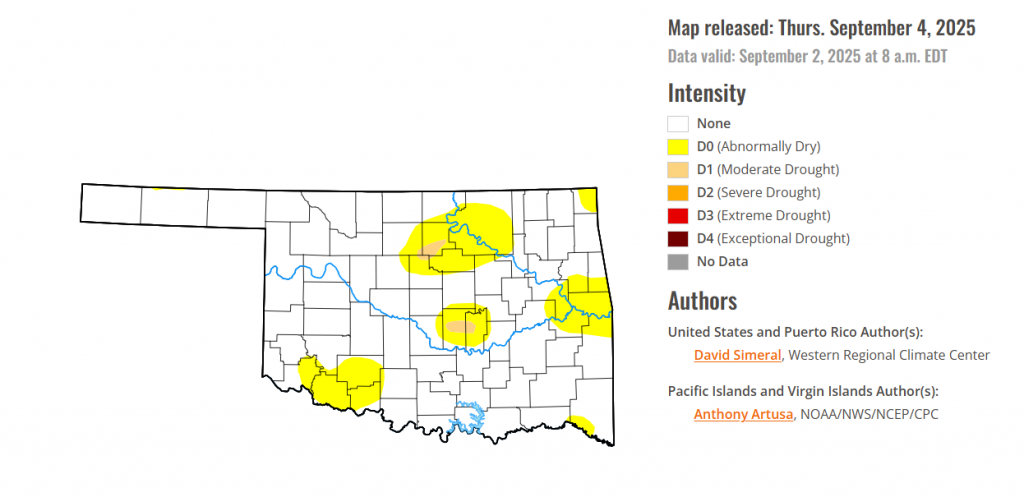
👉 Or email brice.callahan@okstate.edu

Rancher Testifies on Mexican Wolf Delisting in House Hearing

Today, the House Natural Resources Subcommittee on Water, Wildlife and Fisheries held a hearing on the Enhancing Safety for Animals Act of 2025 that would delist the Mexican wolf under the Endangered Species Act (ESA). The National Cattlemen's Beef Association (NCBA), Arizona Cattle Growers' Association (ACGA), New Mexico Cattle Growers' Association (NMCGA), and Public Lands Council (PLC) all support passage of this critical bill. NMCGA President-Elect Tom Paterson testified in support of this bill and described how burdensome the federal management restrictions for the Mexican wolf have become.

"Rural communities are currently facing the grave consequences from an apex predator that should be delisted. Due to past management focused principally on population numbers, we no longer just have a livestock crisis with Mexican wolves. Mexican wolves now stalk local kids and the elderly, snatch and kill cats and dogs off front porches in town and even kill our kids' horses. Wolves are a constant presence around our homes and school yards. Our residents are reluctant to walk in the woods because of wolves," said NMCGA President-Elect Tom Paterson. "Mexican wolves have also killed my cattle, causing severe economic stress to our operation and to other producers. Thank you to the Subcommittee members for considering this critical legislation and to Congressman Paul Gosar for introducing it."

The Mexican wolf is listed under the Endangered Species Act as a 10(J) experimental population. The federal protections that come with that listing have made it incredibly hard to manage this abundant apex predator. Mexican wolf populations have skyrocketed in New Mexico and Arizona, while established science also shows that this species is recovered and should be managed with more complete tools to protect the future of the wolf in the ecosystem as well as surrounding communities. 

"Millions of taxpayer dollars have been spent to recover a species that is wreaking havoc on communities that already have to deal with intense weather conditions and other natural resource challenges. The problem is worsening. There were more confirmed depredations in Arizona and New Mexico during the first six months of 2025 than there were in all of 2024. We need to pass H.R.4255 to give local law enforcement and ranchers the tools they need to properly manage around overpopulated wolf packs, without endless government red tape," said NCBA Executive Director of Natural Resources and PLC Executive Director Kaitlynn Glover. "The U.S. government has better uses for tax dollars than feeding recovered wolves from food caches and then shooing them away. Ranchers across the West commend this Subcommittee and Rep. Gosar for standing with them and working to bring relief to these impacted communities."

Watch the hearing.

Abnormally Dry Conditions Spread In Southwestern Oklahoma In This Weeks Drought Monitor

To view the latest Oklahoma drought map, CLICK HERE.

According to the latest Oklahoma Drought Monitor report, exceptional drought remains at 0 percent, unchanged from the start of the calendar year.

Extreme drought or worse conditions remain at zero percent, unchanged since the week of October 29, 2024.

Severe drought or worse conditions remain at zero percent, unchanged since the week of May 29, 2025.

Moderate Drought or worse conditions have remained in Noble County and Pottawatomie County.

Abnormally dry or worse conditions have spread in southeastern Oklahoma.

According to the 6-to-10-day precipitation outlook map, Northwestern Oklahoma is leaning above 33-40% chance of precipitation, southeastern Oklahoma is leaning below 33-40% chance of rain, while central Oklahoma has near normal conditions.

To view the United States Drought Map, CLICK HERE.

This U.S. Drought Monitor (USDM) week saw widespread degradation in drought-related conditions across areas of the Midwest, Mid-Atlantic, and Northeast where precipitation during the past 30-day period has been below normal. In these areas, rainfall deficits ranged from 3 to 5 inches with the largest deficits observed across areas of New England and Lower Midwest. Elsewhere, short-term dryness and drought impact reports from the agricultural sector led to degradations in isolated areas of the Southeast and South. For the week, most of the eastern half of the conterminous U.S. experienced unseasonably cooler temperatures, while temperatures out West were above normal, especially across the Pacific Northwest and Desert Southwest. In the West, conditions were generally dry, however, some isolated monsoon thunderstorm activity was observed in the Southwest, Sierra Nevada Range of California, Great Basin, and in the Rocky Mountains. In the Pacific Northwest, continued dryness as well as declining streamflow and soil moisture levels led to expansion of areas of exceptional drought in the Idaho Panhandle. In terms of reservoir storage in the West, California's reservoirs continue to be at or above historical averages for the date (September 2), with the state's two largest reservoirs, Lake Shasta and Lake Oroville, at 104% and 112% of average, respectively. In the Southwest, the U.S. Bureau of Reclamation is reporting (September 1) Lake Powell at 29% full (44% of average for the date), Lake Mead at 31% full (52%), and the total Colorado system (September 1) at 38% of capacity (compared to 44% of capacity the same time last year).

In the southern plains, On this week's map, improvements were made in eastern Texas, northern Louisiana, northern Arkansas, and central Oklahoma in response to locally heavy rainfall (ranging from 2 to 6+ inches) observed during the past week. Elsewhere, short-term dryness led to introduction of areas of Abnormally Dry (D0) in areas of Texas including the Panhandle and Edwards Plateau. In Tennessee, degradations were made on the map in central and western portions in response to precipitation shortfalls (1 to 4 inches) during the past 30-day period. In terms of hydrologic conditions in Texas, the state's reservoirs (cumulatively) were 77% full with many in the eastern part of the state in good condition (over 90% full), while numerous others in the western portion of the state continue to experience below-normal levels, according to Water Data for Texas (September 3). For the week, average temperatures were below normal (2 to 8 degrees F) across most of the region with the exception of southern and western portions of Texas where temperatures were 1 to 5 degrees above normal.

In the High Plains, On this week's map, improvements were made in the region, namely in northern Kansas, and southern Nebraska, where some isolated shower activity (1 to 5+ inches) during the past week continued to help chip away at the longer-term precipitation deficits. For the past 60-day period, the Lincoln AP observed its 6th wettest on record with 10.24 inches (+3.69 departure from normal), according to the SERCC. Conversely, conditions deteriorated on the map in the southwestern extent of South Dakota where a combination of short and long-term precipitation deficits have persisted leading to expansion of areas of Moderate Drought (D1). For the week, above-normal temperatures (ranging from 2 to 10 degrees F) were logged across northern North Dakota, while much of the remainder of the region experienced below normal temperatures (ranging from 1 to 10 degrees F), especially in the southern extent of the entire region.

In the West, Out West, some isolated monsoon shower activity was observed across areas of the Desert Southwest, Sierra Nevada, and Great Basin as well as areas of the central and northern Rockies. Improvements were made on the map in Colorado, western Montana, southern Idaho, northern Utah, and southeastern California, while some degradations were made in north-central Arizona where monsoon-season precipitation has been below normal. According to the National Weather Service in Tucson, 2025 monsoon rainfall has been below normal across much of the state including Flagstaff, Phoenix, and Tucson. Conversely, a more active monsoon season has affected areas of New Mexico including southern and eastern portions of the state. For the week, average temperatures were below normal across areas of eastern California, central Great Basin, and areas of the Intermountain West including Utah, Colorado, and southern Wyoming where temperatures were 5 to 10 degrees below normal. In the Pacific Northwest, temperatures were above normal with anomalies ranging from 2 to 15 degrees F and the greatest departures observed in eastern Washington, Idaho Panhandle, and northwestern Montana.

Looking Ahead, The NWS Weather Prediction Center (WPC) 7-Day Quantitative Precipitation Forecast (QPF) calls for moderate to heavy precipitation accumulations across areas of the Desert Southwest (southeastern Arizona) in association with remnant moisture from Hurricane Lorena. Additionally, heavy rainfall is expected in southern Florida, while light-to-moderate accumulations are expected across areas of the Pacific Northwest, Rockies, Texas, Lower Midwest, and Northeast. The Climate Prediction Center (CPC) 6-10-day outlooks call for a moderate-to-high probability of above-normal temperatures across most of the West, Central and Northern Plains, and Gulf Coast region. Conversely, below-normal temperatures are forecasted for the Midwest, Mid-Atlantic, Northeast, and areas of eastern California and western Great Basin. In terms of precipitation, there is a low-to-moderate probability of above-normal precipitation across most of the conterminous U.S. with exception of areas of the Southwest, Upper Midwest, and New England in proximity to the Great Lakes and Canadian border where below-normal precipitation is expected.

o view the 6-10 Day Precipitation Outlook Map, click here.

To view the 6-10 Day Temperature Outlook Map, click here.

To view the Monthly Drought Outlook Map, click here.

From Weedbots to Planters: Greenfield Robotics Develops Multi-Purpose Farming Robots

In a bold move to revolutionize agriculture, Greenfield Robotics is using autonomous technology to reduce the reliance on chemicals and improve farming efficiency. In a conversation with Farm Director KC Sheperd, Clint Brauer, founder and head of innovation at the company, discussed the development and benefits of their robotic solutions.


Weeding with Robots

Clint Brauer

Brauer founded Greenfield Robotics with a singular mission: to get chemicals out of agriculture. The company's primary innovation is the "Weedbot," an autonomous robot designed to work between crop rows. "It goes between the rows and cuts weeds," Brauer explained, noting that the robots also have the ability to foliar spray plants. This technology is particularly beneficial for combating difficult-to-control weeds, like pigweeds, especially in regions that experience frequent wet weather that prevents traditional spray rigs from entering the field.

The robots, which run on a set-and-forget system, have been in development for four years and are now working in paid fields. They can be deployed in a variety of crops, including soybeans, cotton, sunflowers, and Milo, and are even being used in pumpkins and sweet corn.


Technology and Scalability

The Weedbots are designed to be both efficient and user-friendly. They operate autonomously, with farmers responsible for tasks like swapping batteries and basic maintenance. The robots are about 400 pounds and are equipped with advanced precision technology that far surpasses that of a simple robotic lawn mower.

Brauer emphasized the scalability of the system, which allows multiple machines to run in a single field. The company is transitioning from a "robotics as a service" model, where they managed the robots for a per-acre fee, to a new approach where farmers can either purchase or lease the bots. This change reflects the technology's maturity and the company's confidence in its performance.

A key design principle is easy maintenance, with most parts designed to be swapped out by a single person in under 15 minutes. This, combined with the technology's ability to drive down the cost per acre, makes it a viable long-term solution.


The Future of Farming: Beyond Weeding

Brauer's vision for Greenfield Robotics extends beyond just weeding. The company is actively developing multi-purpose functions for the robots, including foliar feeding and spreading cover crop seeds. A new system is also in development that will handle pre-plant and planting operations, with the ambitious goal of eventually removing the tractor from the planting process entirely.

Brauer anticipates that this technology will change traditional farming practices, including planting schedules. Instead of cramming planting into a few weeks, smaller, more agile robots will be able to get into fields earlier, providing greater flexibility and optimizing planting times.

For those interested in learning more, Brauer encourages visiting greenfieldrobotics.com, where they can find more information about the technology and get in touch with the company, you can also check out their facebook page here:

National Boxed Beef

Choice Boxed Beef Back in Record Territory- Up $2.59 to $416.01, the Highest Level of 2025 and Highest Ever in September

Boxed beef prices moved higher Wednesday, with the Choice cutout up $2.59 to $416.01/cwt, the highest level of 2025 and the highest ever for September. Select rose $1.56 to $387.73, widening the spread to $28.28. The Rib primal climbed $11.09 to $644.25, the highest so far this year. Loin and Round also posted gains, while Chuck and Plate eased slightly. Total loads were 103, down from 122 the previous day.

USDA Secures New Long-Term Fire-Retardant Contract, Saving Taxpayers Hundreds of Millions

U.S. Secretary of Agriculture Brooke L. Rollins today signed a new five-year contract for American made fire retardant with Perimeter Solutions, supporting the U.S. Forest Service and Department of the Interior's aerial wildland fire suppression programs. The agreement secures significant savings, putting the American taxpayer first, while strengthening our manufacturing base by keeping fire-retardant production made in America.

"At USDA we are negotiating contracts that respect the American taxpayer and align with President Trump's common sense business mindset that ensures we are not being taken advantage of anymore. This contract is a tremendous win for America's taxpayers, our rural communities, and the brave men and women who fight wildfires every day," said Secretary Brooke Rollins. "By locking in historic cost savings and bringing every step of the fire-retardant supply chain back to American soil, we are protecting lives, saving communities from destruction, and keeping America safe, strong, and resilient. This agreement proves that when we put America first, we get the best results for our people and our land."

Through this contract, USDA secured total savings of $153 million over the next five years, including a negotiated direct price reduction and additional cost savings transitioning to full-service bases and powder retardant by 2030.

The agreement also ensures that 100% of Perimeter's fire-retardant manufacturing will take place in the United States, advancing USDA's commitment to America First and American Manufacturing. USDA additionally secures the lowest price available in the global market, ensuring U.S. taxpayers receive the best possible value.

Background

Federal, State, and Tribal wildfire organizations utilize aerially delivered long-term fire retardants, primarily derived from ammonium phosphate, to slow wildfire spread and reduce intensity.
Fire retardant is a critical tool to ensure ground crews can safely establish containment lines and protect lives and property.
In 2024, federal agencies dropped 48.6 million gallons of fire retardant to fight wildfires.
All fire retardants used by the agencies fall into the Environmental Protection Agency's "practically non-toxic" category for mammals, including humans, and aquatic species.

NCBA Testifies at Trade Hearing Investigation on Brazil

Today, National Cattlemen's Beef Association (NCBA) Executive Director of Government Affairs Kent Bacus testified at a Section 301 investigation hearing regarding Brazil's trade practices. The hearing, convened by the Office of the U.S. Trade Representative and held at the U.S. International Trade Commission, examined the Brazilian government's trade policies and actions for unreasonable, discriminatory harm to U.S. commerce. NCBA focused attention on Brazil's restrictions on U.S. beef and our long-standing concerns with the Brazilian government's track record of food safety and animal health.

"NCBA is extremely supportive of President Trump holding Brazil accountable by levying upwards of 76% tariffs on Brazilian goods headed to the U.S. market. This is a good first step, but the administration must continue to hold Brazil accountable for its trade barriers on U.S. beef and its lack of transparency and accountability," said Bacus. "NCBA urges the Trump administration to suspend beef imports from Brazil until a thorough audit and inspection process proves that Brazil can meet an equivalent level of food safety and animal health."
 
In the past five years, Brazil has sold $4.45 billion of beef to American consumers but has failed to reciprocate meaningful access for U.S. beef by implementing burdensome technical barriers. Meanwhile, Brazil's failure to report serious animal health cases in a timely manner has raised questions about their food safety and animal health standards. Brazil has repeatedly waited weeks, months, or even years to report cases of atypical bovine spongiform encephalopathy (BSE) while using the delay to sell more product.

"NCBA was the first to raise alarms over the Brazilian government's food safety issues in 2017 and its delays in reporting atypical BSE cases in 2021 and 2023. The United States holds all trading partners to the highest science-based standards, and Brazil should not be the exception," Bacus added.

Background

A Section 301 investigation refers to an investigation launched by the U.S. Trade Representative under Section 301 of the Trade Act of 1974. The Trade Act is intended to address unfair foreign trade policies that harm U.S. commerce. A Section 301 investigation explores whether a foreign country's actions or policies pose an unfair barrier to U.S. trade. NCBA has spent years raising concerns with Brazil's trade practices and appreciates the opportunity to testify at today's Section 301 investigation hearing. 

New Report Details Animal Food Industry's Challenges and Opportunities in Today's Political Climate

The American Feed Industry Association (AFIA) has released "Our Industry, Our Promise," its 2024-25 State of the U.S. Animal Food Industry Report, spotlighting the industry's economic footprint, policy priorities, safety, sustainability efforts and international trade initiatives.

Through highlights in global engagement, ingredient sustainability and workplace improvements, the interactive annual report reflects the industry's commitment to safe, nutritious and sustainable animal food while navigating a rapidly evolving business and political environment.

"This report is a testament to the dedication, innovation and resilience of our members," said Leigh Ann Sayen, 2024-25 AFIA board chair and chief executive officer of The Peterson Company. "From advancing safety and sustainability to expanding global market opportunities, the U.S. animal food industry is not just feeding animals, we're fueling economies, supporting communities and shaping a stronger, more sustainable future."

"Our Industry, Our Promise," focuses on work completed during AFIA's fiscal year from May 1, 2024, through April 30, 2025, with sections on the:

  • $267.1 billion economic footprint – Animal food generated $98.4 billion in value-added impacts and paid $18.5 billion in taxes, supporting over 80,000 jobs.
  • Exceptional safety record – This year, the industry achieved 1,000+ facilities certified under the Safe Feed/Safe Food certification program.
  • Sustainability leadership – With 50% of pet food and 37% of livestock feed made from circular or upcycled ingredients, the animal food industry sets the bar for reducing waste and improving resource efficiency.
  • Policy wins and advocacy – The AFIA championed the Innovative FEED Act, addressed supply chain challenges and advanced science-based regulations at state and federal levels.

Global trade growth – The industry reached $11.6 billion in animal food exports in 2024 and also expanded market access in Brazil, Vietnam, Morocco and other key regions.

The report emphasizes AFIA's role in uniting the industry's voice, promoting science-based regulation and fostering education for a skilled workforce. Filled with industry achievements, engaging facts and forward-thinking analysis, "Our Industry, Our Promise" serves as a celebration of the industry's resilience amid shifting regulations, market disruptions and international trade dynamics.

The full 2024-25 State of the U.S. Animal Food Industry Report is available at afia.org/promisesreport.

From Home Kitchens to Commercial Processors: FAPC Fall Trainings Strengthen Oklahoma's Food Industry

Whether baking bread in a home kitchen or managing a commercial food plant, the Robert M. Kerr Food and Agricultural Products Center at Oklahoma State University is offering fall workshops to help Oklahoma's food businesses grow, innovate and succeed.

The fall schedule includes certifications, regulatory training, food safety courses and hands-on product development experiences. Programs are tailored for food processors, entrepreneurs, growers and industry professionals looking to expand their skills and remain competitive.

"FAPC serves as a resource for Oklahoma's food companies, from startups to long-established processors," said Rodney Holcomb, Food and Agricultural Products Center assistant director. "These workshops are just a few that provide access to nationally recognized certifications and practical training that directly impact business success. Our goal is to ensure Oklahoma's food industry continues to grow, innovate and thrive."

Fall 2025 Workshops

Preventive Controls for Human Food: Qualified Individual Training (PCQI V2.0) (Certification/Compliance) - Sept. 30–Oct. 2
Three-day certification required under the Food Safety Modernization Act (FSMA) to ensure companies have a Preventive Controls Qualified Individual on staff.

The Homemade Food Freedom Act Workshop (Consumer/Startup) – Oct. 8
One-day workshop helping cottage food producers – such as home bakers, specialty food crafters, farmers market vendors and small-scale entrepreneurs – understand compliance under Oklahoma's Homemade Food Freedom Act.

Food Microbiology Workshop (Professional/Technical) - Oct. 23–24
Training focused on microorganisms in food and their impact on safety and quality.

Playing in the Dough (Consumer/Startup) – Nov. 12
Hands-on baking workshop exploring dough functionality and bread-making techniques with a focus on sourdough.

Produce Safety Alliance Workshop (Certification/Compliance) - Nov. 18
Food safety training designed to meet the requirements of the FSMA Produce Safety Rule for growers. Pending funding, this workshop will take place in Oklahoma City.

Basic Training for Food Entrepreneurs (Entrepreneur/Management) - Nov. 20
Comprehensive one-day workshop covering product development, marketing strategies and regulations.

Early registration is encouraged to secure a seat and ensure courses are offered. Space is limited, and workshops require a minimum number of participants.

To learn more about FAPC workshops, services and resources, visit food.okstate.edu.

Corn Grower Leader Applauds Investigation of Brazil's Trade Practices

One of the nation's top farmers, testifying today before members of a trade panel established by the Office of the United States Trade Representative, praised the Trump administrations for investigating Brazil's trade practices and encouraged quick action to address any wrongdoing.

"Unfortunately, Brazil does not value a level playing field and unfairly penalizes U.S. corn growers," Illinois farmer and National Corn Growers Association President Kenneth Hartman Jr. told the panel. "Over the past decade, Brazil has taken targeted trade actions aimed at evaporating current and future demand for U.S. farmers."


The testimony comes after USTR initiated a probe, under Section 301 of the 1974 Trade Act, to determine whether Brazil engaged in unfair trade practices.

U.S. corn growers and ethanol producers once enjoyed a level playing field with Brazil. But in 2017, without provocation, Brazil imposed a 20% tariff on U.S. ethanol. The tariff was suspended but was later reinstated at 16%. Then, in early 2024, Brazil increased the tariff to 18%.

"Brazil was the top market for U.S. ethanol exports by far," Hartman told the panel. "But as soon as the tariff was reimposed, the market was in freefall decline. And while Brazil was imposing tariffs that resulted in a decline of American exports, Brazilian sugarcane ethanol was being imported into the United States at an increasing rate."


NCGA has been on the forefront of this issue, and Hartman said that the United States should take reciprocal measures if negotiations do not result in Brazil's elimination of the tariff. Hartman further said that advocacy will continue as USTR takes its next steps.
 

"We have thoroughly documented our views supported by evidence and stand ready to work with the Trump administration to fix years of economic harm and fight for what we deserve," Hartman said.

Daily Email for September 3, 2025


Oklahoma's Latest Farm

and Ranch News

Wednesday, September 3, 2025


Howdy Neighbors!

Summer Crop Ratings Continue To Improve In This Weeks Crop Progress

National Corn Statistics: Corn mature reached 15 percent, down three points from the previous year and up one point from the five-year average. Corn Dough reached 90 percent, up one point from a year ago and down one point from the five-year average. Corn dented reached 58 points, equal to the previous year and down two points from the five-year average. Corn Conditions are rated 69 percent good to excellent, down two points from the previous week.


National Cotton Statistics: Cotton Setting Bolls reached 90 percent, down four points from a year ago and down three points from the five-year average. Cotton bolls opening reached 28 percent, down seven points from a year ago and down two points from the five-year average. Cotton Conditions reached 51 percent good to excellent, down three points from the previous week.


As for our Summer crops in Oklahoma: Corn crop conditions are now at 65% good to excellent versus 66% a week ago. The Oklahoma soybean crop is at 35% good to excellent versus 33% a week ago. Cotton in Oklahoma is at 67% good to excellent, versus 65% last week. Grain Sorghum is at 77% good to excellent, up five points from a week ago at 72%. Pasture and Range conditions are at 63% good to excellent this week, versus 55% a week ago.

Micaela Halverson Highlights Career Exploration at AGHerculture Event

Associate Farm Reporter Carli Davenport spoke to Micaela Halverson who explained that the annual AGHerCulture event is designed to inspire high school girls interested in agriculture. "This is an event that we have been doing for the last five years here in Oklahoma, but it is a gathering of high school agricultural girls and students that want to learn a little bit more about themselves and possible career opportunities," she said. This year, more than 150 students participated, engaging with mentors and exploring different paths within the agricultural industry.


The day began with a personality test designed to help the girls better understand their strengths and tendencies. Halverson shared, "This morning, all of the students got to take an in-person, live personality test and learn a little bit more. Are they fun, energetic analytical people's people or very structured and organized rule followers?" After that activity, students moved into career-fair style sessions with mentors representing fields such as animal agriculture. "We've got 13 different mentors here today, and those students are getting to go through 10 of those groups and dive a little bit deeper, exploring what options they might have," she added.


Choosing the right mentors was no easy task. "Deciding on mentors was really tough, because we know a lot of really amazing women in ag," Halverson explained. The team worked to include professionals across a wide variety of fields, narrowing it down to those "that were excelling and successful and who also interacted with students, and wouldn't mind being here today and being able to share and easily talk about what they do."

After a Decade of Success- Andy Holloway Looks Forward to the 2026 Hemphill County Beef Conference

Senior Farm and Ranch Broadcaster Ron Hays speaks with Andy Holloway, a longtime Extension Educator from Canadian, Texas, who joined the conversation to highlight the success and growth of the Hemphill County Beef Conference. He noted that the event just celebrated its 10th anniversary this past spring. "We should have been at 11, but because of COVID, we lost a year," he explained. Looking ahead, the 2026 conference will mark its 11th in a row, and Holloway said he's already excited about what's coming.


When asked how he keeps improving the event each year, Holloway said the key isn't in the planning alone. "Our conference is just a God thing, and it's the inspiration that He gives me to go out and get those speakers and put it all together." For 2026, three central themes are guiding the program: regenerative pasture management, cattle markets, and legacy. He emphasized that after the 2024 wildfires, regeneration of the land is especially critical, and the booming cattle markets are creating "generational wealth" for producers.


Attendance continues to be a standout feature of the conference. Holloway shared proudly, "We had almost 1,000 people this year, from 24 states across the whole country." For the first time, the event also drew international participants from Australia, Canada, Ireland, and South Africa. Nearly half of Texas's 254 counties were represented as well, underscoring the wide reach of the program. He added that the trade show has grown alongside the event, with many OCA sponsors also supporting Hemphill County.

As Oklahoma's largest John Deere dealer, P&K Equipment is proud to serve our communities & the surrounding areas through 18 Oklahoma locations & 2 Arkansas locations. The entire P&K team is ready to keeping your equipment up & running. So, when it comes time to buy John Deere parts, look no further than GetGreenParts.com. Shop 24/7 from the convenience of wherever you are & have the parts shipped directly to you! This spring and summer- P&K is committed to making it easier than ever to really own your John Deere equipment. And long after the sale- P&K will be here to support you at every step.

The Oklahoma Wheat Commission promotes greater use of wheat in domestic and international markets through research, market development and public education.


Our Commissioners develop policy and programs, direct the funding, represent producer interests and, of course, promote Oklahoma wheat!


Learn more about the Oklahoma Wheat Commission by clicking here for their website.


Winter Wheat Grazing and Stocker Prospects

Unseasonably cool and wet weather in late August has resulted in the best prospects for early planted wheat in several years. Ample rain across much of Oklahoma, especially in major wheat production areas, is providing the moisture and cool soil temperatures necessary for wheat germination. Early wheat establishment and growth could lead to earlier and more grazing potential this fall. Producers will be looking ahead to the best ways to utilize additional wheat forage this fall and winter.


The current cattle market situation provides quite different opportunities and challenges for cow-calf and stocker producers. In late 2022, cattle prices began the sharp trend up leading to current levels. Table 1 shows how 2025 cattle market conditions compare to the last week of August in 2022.


The value of calves has increased by nearly 135 percent in the three-year period, increasing from less than $1,000/head to almost $2,300/head. The value of yearlings has increased over 110 percent in the same period. The stocker margin between the two levels has increased just over 50 percent since 2022, with a current value of gain of $1.99/lb. In other words, while a 475-pound steer currently sells for over $4.81/lb., the value of adding an additional 300 pounds of weight to the steer is just about $2.00/lb. All costs of production beyond the animal cost, plus any profit potential, must be covered by the value of gain. 

Fall Arrives Early: August 2025 Breaks Records with Unseasonal Chill and Rain

According to State Climatologist Gary McManus, August 2025 delivered a surprise to Oklahomans, wrapping up the summer with an unseasonably cool and wet finale. Instead of the usual late-summer heat, two strong cold fronts moved through the state, bringing fall-like conditions that broke multiple weather records. The final week of the month saw a notable chill and steady rainfall, marking the end of summer much earlier than expected.


A significant amount of rain accompanied the unseasonal cold. The statewide average rainfall from August 25–31 was 2.58 inches, making it the second-wettest such period on record, falling just short of the 2003 record. For the entire month, August ranked as the 21st-wettest on record with a statewide average of 4.32 inches. Northwest Oklahoma saw the heaviest downpours, with some areas receiving 4 to 6 inches above normal rainfall. The May Ranch Mesonet site led the state with an impressive 11.01 inches.


This late-month rainfall was a welcome sight, providing relief from a developing drought. While drought had returned to a small portion of the state earlier in the month, the late August rains helped ease conditions, with further improvements expected in September.

A Centennial of Excellence: The Oklahoma 4-H Foundation Celebrates Youth Success

The Oklahoma 4-H Foundation is celebrating a year of significant milestones and looking ahead to new opportunities to support the state's youth. In a recent interview, Farm Director KC Sheperd spoke with Milford Jenkins, President of the Oklahoma 4-H Foundation, about the organization's recent successes and upcoming events.


A Milestone Roundup and Generous Scholarships This past July, Oklahoma State University's campus hosted the 104th Oklahoma 4-H Roundup, an event that serves as an exciting culmination for 4-H members from across the state. "Many, many youngsters... that might be their first introduction to Oklahoma State University is through 4-H Roundup," Jenkins said. The foundation, thanks to the generosity of donors and sponsors, awarded over $200,000 in scholarships to deserving 4-H youth, underscoring the organization's commitment to investing in the next generation.


The Oklahoma 4-H Foundation is also gearing up for its 28th annual 4-H Clover Classic Golf Tournament on November 3rd at the Oak Tree Country Club in Edmond. The event, which will be expanded to both the east and west courses this year, is a key fundraiser for the foundation. The tournament is a four-person best-ball scramble, a format that makes it enjoyable for golfers of all skill levels. As Jenkins explained, "You don't have to be a good golfer... It's all about having fun and supporting our 4-Hers."

Clay McKinney named executive director of law enforcement, brand & inspection services at TSCRA

Texas & Southwestern Cattle Raisers Association announced the appointment of Clay McKinney as executive director of law enforcement, brand and inspection services. McKinney has been serving in this role on an interim basis since earlier this year and assumes the permanent position effective immediately.


In his role, McKinney will oversee daily operations for the association's Special Rangers and brand inspectors across Texas and Oklahoma. Texas & Southwestern Cattle Raisers Association Special Rangers are law enforcement officers commissioned through the Texas Department of Public Safety (DPS) or the Oklahoma State Bureau of Investigation (OSBI) and specialize in investigating livestock theft and agricultural crimes. The department also manages market inspectors who document brands and other identifying marks on millions of cattle sold annually at nearly 100 Texas livestock markets.


"Law enforcement services are core to the mission of our association, and Clay is the right person to carry that forward," said Texas & Southwestern Cattle Raisers Association Executive Vice President and Chief Executive Officer Jason Skaggs. "He has provided great leadership during his interim tenure, and we respect the experience, integrity, and commitment he brings to this role." 

Representative Ty Burns Resigns from Office

Rep. Ty Burns has resigned from the Oklahoma House of Representatives following his guilty plea earlier this week to domestic abuse and assault charges. Among his committee assignments- Burns was a member of the House Ag Committee.


House Speaker Kyle Hilbert said he agreed with Burns' decision to step aside.

"Domestic violence of any kind cannot and will not be tolerated by the House of Representatives," Hilbert said in a statement Friday. "I share his belief that it is best for him and his family to focus on his treatment and rehabilitation at this time. Alexis and I will be praying for Ty and his family as they navigate this challenging time."


Burns pleaded guilty Thursday in Pawnee County District Court to one misdemeanor count of domestic abuse and two misdemeanor counts of assault. He received a one-year suspended sentence and will complete a Batterers Intervention Program.

Checking the Markets...

Boxed beef prices declined on Tuesday compared to Friday, with both Choice and Select cutouts posting losses. The Choice cutout dropped $1.99 to $413.42, while Select fell $3.83 to $386.17, widening the Choice/Select spread to $27.25, up from $25.41. 


OKC West sold 2,500 calves on Tuesday after Labor Day- Compared to last week: Steer calves unevenly steady. Heifer calves over 500lbs unevenly steady, under 500lbs 3.00-5.00 higher.  They expect to sell 4,500 yearlings today.


Beaver County Livestock had 3,799 go through the ring on Tuesday- Compared to last sale: Conservatively, feeder steer 2.00-5.00 higher. Feeder heifers 2.00-4.00 lower on lesser quality. Steer calves 7.00-10.00 higher with 350 lb calves being 20.00 higher. Heifer calves 5.00-9.00 higher, with instances of 25.00-28.00 higher on heifer calves weighing 450-550 lbs


OKC West is our Market Links Sponsor- they sell cattle three days a week- Cows on Mondays, Stockers on Tuesday and Feeders on Wednesday- Call 405-262-8800 to learn more.


Click here for our Markets Page on OklahomaFarmReport.Com- there you will find many of the reports we have linked on the right hand column found on the previous format of our email.

Our daily email is free because of our Sponsors!

OKAgCredit248x160.png
StewartMartinKubota-240.jpg
TulsaFarmShowSquareGraphic240.jpg
okfb.png
AMFeeds.png
Oklahoma-Wheat-Commission_Logo_Vertical_Full-Color_Gray240b-e1736195614699.jpg
GreatPlainsLogoFeb2025Update240.jpg
NAT_Logo_BlackRed160.png
OklaBeefCouncil.png
KIS-Logo240b.png
oca.png
Facebook

© 2025 Oklahoma Farm Report - All rights reserved


Charles L. Roff Award application now open through October 15

The Oklahoma Farm Bureau Young Farmers and Ranchers Charles L. Roff Award application is now open through Wednesday, Oct. 15.

The Charles L. Roff Award recognizes the top county YF&R committee who works to improve their local committees while strengthening the Farm Bureau organization. Each county YF&R committee is encouraged to participate by describing the activities hosted or sponsored throughout the year, no matter how large or small the scope.

The electronic application form can be found in the application center page on the OKFB website.

For more information on OKFB's YF&R Charles L. Roff Award, contact Burton Harmon at
(405) 523-2300.

Oklahoma Fall Pumpkin Patch Guide

As autumn weather arrives in Oklahoma, local pumpkin patches are now open for the season. These agricultural sites offer a variety of fall-themed attractions for families and individuals. Visitors can choose pumpkins for carving and decoration, and many locations also feature corn mazes, hayrides, and other outdoor activities. The opening of these patches provides a popular seasonal activity for communities across the state.

OKC PUMPKIN PATCH GUIDE 🎃

🍂Sept. 5-Oct. 31

The Pumpkin Stand

3301 SW 149th Street, OKC

1427 S Broadway, Edmond

4600 Moose Circle, Guthrie

Features a variety of pumpkins and gourds for sale. Monday-Friday, 10 a.m.-5 p.m.; Saturday-Sunday, 10 a.m.-7 p.m.

🍂Sept. 19-Nov. 2

Sunshine Shelly's Pumpkin Patch

7110 N Harrison, Shawnee

Features u-pick-em pumpkins and ornamental gourds for sale, a corn maze, hayrides, kiddie train, corn cannon, petting zoo, yard games, picnic areas and more. Admission is $7; kids (1 & under), free. Some activities require an additional fee. No admission required to pick pumpkins. See website for hours.

🍂Sept. 20-Nov. 2

Parkhurst Pumpkin Patch

720 Henney Rd, Arcadia

Features pony rides, mazes, hayrides, a petting zoo, games, live music, campfire cook-outs and more. $13; kids (2 and under), free. Wednesday-Friday, 1 p.m. – dark; Saturday, 10 a.m.- dark; Sunday, noon-dark.

🍂 Bigfoot Ranch Pumpkin Patch

Bigfoot Ranch Pumpkin Patch is a new and exciting farm life experience. It includes farm animals, hayride, bounce pad, cornhole, volleyball, haystack with tunnel and slide, round bale maze, corn maze, plethora of gorgeous decorative pumpkins, actual pumpkins growing on the vine, Bigfoot and so much more!

Highway 281, south of Apache, OK to Caddo/Comanche county line. 1 1/2 mile west, turn south.

🍂 Oct. 3-19 (weekends only)

WINGS Fall Festival

13700 N Eastern, Edmond

Features a petting zoo, yard games, hayrides, inflatables, photo-ops and pumpkins of all shapes and sizes, plus other fall decor. $8; family 4-pack, $25; kids (2 & under), free. Friday & Saturday, 10 a.m.-6 p.m.; Sunday, 1-6 p.m.

🍂Sept. 26-Oct. 31

Stillwater Pumpkin Patch

524 N Stallard St, Stillwater

Features pumpkins and fall decor, plus live music, children's carnival, a bake sale, pancake breakfast, carriage rides and a pumpkin catapult. Free to attend, participation prices vary. Monday-Friday, 1-7 p.m.; Saturday, 9 a.m.-7 p.m.; Sunday, 11 a.m.-7 p.m.

🍂Boo's Pumpkin Patch

From Guymon, OK at the intersection or Hwy. 54 and 12th street. Go 7.2 miles N. towards Optima. Turn left at the Hugoton sign. Go 3 mi. to the first house on the right. Look for the red and white barn.

Boo's Pumpkin Patch has a large selection (over 36 varieties!) of traditional pumpkins, specialty pumpkins, and gourds. Our guests will enjoy numerous kid-friendly games and multiple photo opportunities. We also host events like "Spook the Patch" for Halloween and birthdays at Boo's where children get to pick and paint their own pumpkins.

Orr Family Farm - Fall Festival

14400 S Western, OKC

Features hayrides, a pumpkin patch, corn maze and fun fall activities. Some activities may require additional fees. $18.95 & up. Kids age 2 and under are free. See website for hours of operation.

🍂Sept. 25-Nov. 2

Pumpkin Patch at Chester's Party Barn & Farm

5201 Cimarron Rd, Piedmont

Features a petting zoo (zoo food sold separately), giant slides & playground area, pony rides (75lb weight limit), hayrides, a mystery maze, barnyard games, pumpkin chunkin' and more, plus live entertainment and face painting (sold separately) on the weekends. Admission includes one pumpkin pie pumpkin per paid guest while supplies last. Annual memberships are available. Ticket prices are Ages 2-10, $13 + tax; ages 11 – 64, $7 + tax. 1 & under and seniors ages 65 & older are free. Tuesday-Saturday, 9 a.m. – 6 p.m.; Sunday, 1-6 p.m.

🍂Cross Timbers Christmas Tree Farm and Pumpkin Patch

2161 Harrison Avenue, Harrah, Ok 73045

Pumpkin Patch begins the last Saturday of September. Choose your pumpkins from the displays up front or head to the field to pick your own. The farm is a one-stop-shop for your fall decorations: Corn stalks, broom corn, straw bales and scarecrows. The Patch is open Saturdays, 10:00 - 6:00 and Sundays, 1:00 - 6:00. We'll also be open Thursday and Friday of fall break, 10:00 - 6:00. Take photos at our various venues, ride the barrel train through the tree field, visit the animals at the petting stable, romp in the corn pit, slide down the grain truck slide and more!

🍂St. Matthew United Methodist Church Annual Pumpkin Patch

300 N Air Depot, Midwest City

Features pumpkins of all sizes and picture opportunities. Proceeds benefit local missions and non-profits. Monday-Saturday, 10 a.m. – 8 p.m.; Sunday, noon – 8 p.m.

🍂Pumpkin Patch at Southern Hills United Methodist Church

8200 S Penn Ave, OKC

Features pumpkins for purchase. Proceeds benefit the youth program. 10 a.m.-7 p.m. Prices vary.

🍂Cross Timbers Christmas Tree Farm and Pumpkin Patch

2161 Harrison Ave, Harrah

Features pumpkins, fall decor, photo opportunities, haystack slide, petting zoo, corn pit, a barrel train and more. $2 for ages 2 & up. Saturday, 10 a.m.-6 p.m.; Sunday. 1-6 p.m.

🍂Country Bumpkin Pumpkin Patch

Country Bumpkin Pumpkin Patch is a place where families can come together to enjoy Fall festivities and relax in the beauty of God's creation. Open weekends end-of-September through October. Call to schedule private parties and weekday fieldtrips.

From Hwy 60/75, go 6 mi. E. on Hwy 60 to Road 4030. Go N. 1.5mi. Road dead ends in patch.

🍂Oh My Gourd Pumpkin Patch.

9212 E Glencoe Rd, Glencoe

Oh My Gourd Pumpkin Patch is a pick your own pumpkin field, that includes: Hay Rides, Pumpkins, Gourds, Walking trails, farm animals, 40 foot slide, Duck pond with feeding options, plastic Duck Races, swings, slides sand pit, Corn Box, Pumpkin' Chunkin, Paintball Target shooting and more! Prices vary. Friday, 2 p.m.-dusk; Saturday, 10 a.m.-dusk; Sunday, 1 p.m. to dusk.

🍂Pumpkinville at Myriad Botanical Gardens

301 W Reno Ave, OKC

Features pumpkins, gourds, haystacks, cornstalks and mums with imaginative displays, hand-crafted games, themed activities, local vendors, unlimited rides on Mo's Carousel and more. $9; members & kids (2 & under), free. Sunday-Thursday, 10 a.m. – 5 p.m.; Friday & Saturday, 10 a.m.-6:30 p.m.; Monday, closed.

🍂Brown Ranch Hay Maze

Hwy 77, Ardmore

Features a hay maze, campfires for roasting, kiddie cow train, hayrides, hay castle and a kid's corral with pedal cars, scooters, diggers, playhouses and more. $15. Fridays, 5-9 p.m.; Saturday & Sunday, 2-9 p.m. Open special hours during fall break, Oct. 18-20. 580-465-5281

🍂Pumpkin Patch at Walnut Woods

5217 W Simmons Rd, Edmond

Features pumpkins for purchase, a maze, yard games, hayrides, a petting zoo, giant slides, horse rides (additional charge), mini golf, and more. $8; seniors (65 & up) & kids (under 2), free. Saturday & Sunday, 10 a.m.-5 p.m.

🍂Lakeview Market's Fall Celebration

9025 N Overholser Dr, Yukon

Features pumpkins, gourds and other fresh produce, plus pop-up vendors, inflatables, petting zoo, yard games, kids barrel train rides (weekends only) and more. $10 wristband for kids. 10:30 a.m.-7 p.m.

For more fun fall activities visit the Oklahoma Agritourism Site here!

Cattlemen's Column: The fight over produced water rights

On June 27, the Texas Supreme Court issued the long-awaited decision in Cactus Water Services LLC v. COG Operating LLC. The state's landowners and ranchers hoped the court would recognize that groundwater, regardless of whether it's clean drinking water or produced water as a result of oil and gas production, belongs to the surface owner. 

     Regrettably, the court got it wrong, once again ruling that groundwater brought up through the oil and gas production process is considered oil and gas waste and, therefore, belongs to the operator.

     The court's decision to relinquish control of produced water to the oil and gas operator through a standard, pre-established lease is deeply disappointing. The ruling ignores property rights, undermines established Texas water law and sets a dangerous precedent for future groundwater rights.

     The groundwater beneath our feet is not waste, it is an asset. And landowners must be compensated fairly when that asset is used by others.

     This belief guided Texas & Southwestern Cattle Raisers Association in its consistent engagement throughout this case. Since 2020, our association has monitored the courts, submitting amicus briefs supporting landowners' rights to uphold the long-held Texas legal and constitutional principle that the surface owner owns all groundwater. This ruling is not a minor technicality, but instead a fundamental misstep.

     Groundwater is not part of the mineral estate. It belongs to the landowner unless it has been expressly severed by contract. With this ruling, any typical oil and gas lease, even one that does not mention water, automatically gives the operator control over the produced water that surfaces with the oil and gas.

     We recognize that disposing of produced water carries costs, regulatory burdens and environmental responsibilities, which result from the oil extraction process. However, the court has somehow confused responsibility with ownership.

     While oil and gas operators have the responsibility to address the potential environmental impacts disposal of produced water may present, these issues do not change the ultimate ownership of produced water. As groundwater, it belongs to the surface owner.

     The ramifications of this decision raise red flags. When companies go beyond disposal and utilize produced water by moving it to new well sites, treating it for resale or selling it for desalination, landowners are not compensated. Few contracts grant that right, resulting in the water being taken.

     The Texas Supreme Court ruling opens the door for oil and gas operators to do just that — under the guise of implied rights. Unless explicitly reserved, landowners now risk losing control of an asset they may not even realize they are giving up in standard lease language.

     This case sets a precedent with far-reaching consequences. Today it's produced water. Tomorrow it could be brackish water, surface water or even other underground resources that competing industries find profitable. If courts are going to expand implied rights in this way, what's left of the landowner's estate?

     Rights given away are rarely regained. In a time when ranchers and landowners are fighting for every dollar to stay afloat, we cannot afford to let potential revenue streams be quietly taken without consent. 

     Let this case be a strict exception, not the beginning of a new rule. Landowners must stay vigilant when negotiating oil and gas leases.

     Precise, protective language must be used to ensure water rights are not mistakenly conveyed. We urge landowners to seek legal counsel before signing away rights that could prove critical down the line. 

     As an association, we will continue to stand firm in our mission on this issue: to protect the rights of Texas landowners and defend the plain language and intent of the Texas Constitution.

     The battle over produced water may seem like a niche legal fight, but its implications run deep. Texas must not allow private property rights to be chipped away in the courts or the legislature under industry pressure. If we do, we risk opening the floodgates to further erosion of landowner rights.

     We will not stand by and let that happen.

Register Now- Beef Stocker Field Day - September 25, 2025

Register now for the 26th Annual K-State Beef Stocker Field Day to be hosted at the Beef Stocker Unit (4330 Marlatt Ave., Manhattan, KS 66503.) We have a great program lined up featuring practical information and management tips to help you achieve greater flexibility and optimize your stocker operation in the evolving beef industry.

The day includes a barbeque brisket lunch and will conclude with a good old-fashioned prairie oyster fry and Call Hall ice cream.

Registration is $25 per person if paid by September 11 and $35 after that date or at the door.  For more information or to register visit [asi.ksu.edu/stockerfieldday]asi.ksu.edu/stockerfieldday.

Growth Energy Calls Out Brazil in USTR Testimony

Growth Energy, the nation's largest biofuel trade association, called for officials to take action against Brazil's unfair trade practices in testimony delivered before the U.S. Trade Representative (USTR) today. The oral testimony accompanies more extensive comments Growth Energy submitted earlier this month in response to USTR's announcement of a  Section 301 investigation into Brazil for its unfair trade practices. 

"We want three things," said Growth Energy Senior Vice President Chris Bliley during his testimony. "Fairness in our bilateral trade with Brazil, fair deals that support the United States as the supplier of choice around the world, and equal treatment and accuracy in how international modeling treats U.S. ethanol." 

"Brazil has not treated U.S. ethanol and U.S. agriculture fairly. The country's actions have led to the imposition of unfair and misguided requirements on U.S. agriculture by other nations," he added. 

In particular, Bliley called out Brazil for structuring its RenovaBio fuel program specifically to prevent inclusion of American ethanol. "The U.S. ethanol industry has worked very closely with Brazilian regulators on RenovaBio—a program designed specifically to meet the needs of Brazilian industry, structured very differently than similar programs in the U.S. We appreciate the work done by USTR and the U.S. Department of Agriculture to address the many structural issues associated with foreign feedstocks and default values under this program," he said. "We have patiently waited and worked for years to resolve this, but Brazil has acquiesced to their domestic industry's demands to functionally keep U.S. ethanol from effectively, fairly, and widely participating in their program. Conversely, Brazil can participate unabated within U.S. programs. This conflicts with Brazil's commitments under the WTO and USTR should take further action to address it." 

Read the full testimony as prepared for delivery here.

ICYMI: Administrator Zeldin in Breitbart: EPA is Protecting America's Workers and the Environment

On Labor Day, U.S. Environmental Protection Agency (EPA) Administrator Lee Zeldin published an op-ed in Breitbart News highlighting the thousands of EPA employees working hard each day to protect human health and the environment and Power the Great American Comeback. The talent and dedication of EPA's workers have allowed the agency to provide clean air, land and water to all Americans while also ensuring economic prosperity.

In just over 200 days of the Trump administration, EPA has signed an agreement to end the decades-long Tijuana River sewage crisis, completed the largest wildfire cleanup effort in agency history in less than 30 days responding to the catastrophic Los Angeles wildfires, initiated efforts to reduce lead contamination in children and schools, cleaned up contamination at Superfund sites across the country, provided funding and job training through EPA's Brownfields Job Training Program, and so much more.

Read what Administrator Zeldin had to say: 

"Labor Day is a time to reflect on the progress of Americans across the country, moms and dads, inside and outside of the home, working to support their families, build our communities, and our economy.

"It's a moment to recognize President Trump's vision to propel America beyond our 250 years and the work of thousands of EPA employees, including our first responders and on-scene coordinators across the 10 U.S. regions, who labor in the most challenging conditions to ensure all Americans have clean air, land and water.

"In our first 200 days, EPA has taken more than 200 actions and counting to improve the environment and human health.

"EPA recently delivered an international agreement that will resolve a decades-long environmental crisis to permanently end the flow of Mexican raw sewage contaminating "American waterways. Residents who have suffered noxious odors and dangerous levels of pollution since the turn of the century will finally breathe freely.

"In the largest wildfire cleanup effort in agency history, dedicated EPA staffers were dispatched from regions across the country after the Los Angeles wildfires. EPA completed its Phase 1 mission of hazardous material clean-up in a record 28 days, clearing 13,612 residential properties, 305 commercial properties, and removing 1,038 electric vehicles and Bulk Energy Storage Systems.

"EPA is protecting our air, land and water, and the safety of American workers while supporting a thriving economy. Our resolve is reflected in success stories that ripple across industries nationwide.

"Recently, we led a Federal Insecticide, Fungicide, and Rodenticide Act (FIFRA) Week-In-Residence Enforcement Training event for newly hired state inspectors to equip new inspectors with the knowledge necessary to uphold consistent inspection standards.

"EPA facilitates a Lead Abatement Program to provide a framework for lead mitigation, risk assessment and inspections. 175,000 people are currently certified to use lead-safe work practices when renovating housing and childcare facilities that were built before 1978.

"EPA is putting America and American jobs first.

"Cleaning up hazardous waste and remediating Superfund sites, including those on sacred tribal lands, is among our statutory authorities.

"In just six months, we have cleared all or a portion of four sites from the Superfund National Priorities List and supported redevelopment at 21 sites across 13 states.

"Our team completed contaminated site cleanup in Hillsborough, New Hampshire, and Stratford, Connecticut. And we helped the U.S. Navy remove 20,000 cubic yards of contaminated soil at the Naval Education Training Center Superfund Site in Newport, Rhode Island.

"During the Trump administration's first 200 days, we completed a Superfund Job Training Initiative project in Navajo Nation which opened up positions on EPA's remediation team at the Lukachukai Mountains Mining District Superfund site.

"EPA's Superfund Job Training Initiative program combines extensive classroom instruction with hands-on technical training to manage environmental remediation and cleanup. The training provides professional development to advance problem solving, money management, interviewing, and interpersonal skills.

"We've also created jobs through EPA's Brownfields Job Training Program and recently announced about $14 million in funding for Brownfields job training program grants.

"The U.S. has about 450,000 Brownfields, properties that contain hazardous substances, pollutants or contaminants. Our training program educates individuals on assessment, cleanup, or preparation of contaminated sites for reuse. Graduates end up with essential skills to secure full-time, long-term careers within the environmental sector.

"We can protect the environment and grow the economy, and these two programs—Superfund Job Training Initiative and Brownfields Job Training Program—illustrate this.

"President Trump promised to deliver for the American worker through policies that reshore U.S. manufacturing from high polluting countries, renegotiate unfair trade deals to the benefit of our labor force, make America the AI capital of the world and unleash American energy dominance.

"Our path is defined by those promises. We will continue to remove regulatory roadblocks, slash bureaucratic red tape, streamline permitting, and protect the environment and the health of the American people."

Dr Dale Woerner Helping Lead Efforts to More Accurately Measure Red Meat Yield

Listen To Ron Hays And Dale Woerner

In today's Beef Buzz, Senior Farm and Ranch Broadcaster Ron Hays speaks with Dr. Dale Woerner of Texas Tech University, who says the beef industry needs better ways to measure red meat yield, because weight alone no longer tells the full story. As he explained, "Red meat yield is important for our industry, because ultimately we're trying to produce beef. Today, in the cattle population, weight of the animal is just simply not a good enough scale of producing beef. There's so much variation It relates to efficiency, it relates to profitability, it relates to all of the things that are on top of the mind of the consumer, like greenhouse gasses and carbon."

He pointed out that new tools, while not brand-new to science, are just now being applied to the beef business. "We're looking, generically speaking, at X-ray technologies. We've looked at a variety of those, where we've landed is CT scanning. That's just a millimeter-by-millimeter or a slice-by-slice look at muscle, fat, and bone within that carcass. And then with computing technology, and artificial intelligence, there's a lot of additional opportunity with that technology to do a lot of really cool things."

Momentum is already building. According to Woerner, "National Cattlemen's Beef Association is gathering leaders within the industry, pulling together the thought leaders. We're looking at research projects to really further evaluate CT, take a look at the cattle population... in a three to five year time frame, I think we can make some really serious headway."

One weakness of the current yield system, he stressed, is that it ignores nearly half the carcass. "The yield grade equation is based on data that was collected from 1958 to 1960, but didn't take into consideration nearly half of the carcass weight, which goes into hamburger or ground beef. Not only is it 45% of the weight of the carcass, but it's that much of the value of the carcass to go with it. If we don't look at that component then we're just missing half the boat in this discussion."

He also addressed the pressure to produce bigger cattle at a time of low inventories. "We're just increasing the size and weight of those cattle to make sure that we're pushing pounds through the feedlot Problem is that's not serving us well on the proportion or the percentage of that carcass that's actually saleable as an edible cut. What we're working on is correcting that by at least creating a tool... to appropriately incentivize a different animal type, first of all, genetically speaking, with more muscle, but then also sending a clear signal back to cattle feeders to say, hey, we don't have to feed them this long to get to the desirable levels of marbling or eating quality."

Dr Woerner also emphasized that genetics, feedlots, and packers all need better data to make better decisions. "We have to give the genetic side of our equation the data before they can make those breeding decisions This is a mechanism that should greatly improve defining and evaluating the appropriate or the right sized animal for our industry." While red meat yield is the focus, he cautioned that balance is key: "We can't just go off on a tangent and seek red meat yield. We have to keep that in context of the other things in the industry that are really, really important, like live cattle traits and marbling."

To learn more about what the cattle industry is doing in the quest to improve red meat yield- click here

The Beef Buzz is a regular feature heard on radio stations around the region on the Radio Oklahoma Ag Network and is a regular audio feature found on this website as well. Click on the LISTEN BAR for today's show and check out our archives for older Beef Buzz shows covering the gamut of the beef cattle industry today.

Cow Calf Corner Mark Johnson: Cost Effective Supplementation for Growing Calves

Mark Johnson, Oklahoma State University Extension Beef Cattle Breeding Specialist, offers herd health advice as part of the weekly series known as the "Cow Calf Corner," published electronically by Dr. Derrell Peel, Johnson, and Paul Beck. Today, Johnson discusses Cost Effective Supplementation for Growing Calves

From a moisture standpoint, the summer of 2025 has been good for many Oklahoma cattle producers. As a result, many of us have ample standing forage. This week we address the Oklahoma Gold and Oklahoma SuperGold supplementation programs as a means of adding profit potential. Both programs were designed to cost effectively improve the growth of calves and stocker cattle grazing pastures in late summer and fall. Both are based on limit feeding high protein supplements.

Crude Protein (CP) content and digestibility of warm season grasses declines during mid-summer and fall. No doubt many Oklahoma producers watched green pastures turn brown during August when there was little rain coupled with several weeks of intense heat. This weather pattern corresponds with declining quality of standing forage. In late spring and early summer calves can gain 2 – 3 lbs./day on the same pastures that now may be limiting gains to less than half that amount, even with ample standing forage. Why? Because cattle's growth performance is based on the most limiting nutrient in their diet. The same grasses that would have contained over 10% CP in late spring and early summer are now likely well below that level. Regardless of our warm season forage type, (native grasses,  Bermuda, sorghum Sudan or millet), the same maturity pattern holds true. A 500 lb. calf gaining 1.5 lbs./day requires a diet containing a minimum of 10% CP. Bottomline: at this point, CP has become the growth limiting factor in a calf's diet.

The Cost Effective Solution

If you have standing forage to be used before wheat pasture comes on, or just wanting to cost effectively add weight to growing calves, the key to improving growth rates is protein supplementation. As opposed to high energy creep feeds, Gold and SuperGold programs are designed to improve growth rate through high protein supplementation when ample standing forage is available. The Oklahoma Gold program includes a 38% CP supplement at a rate of 1 lb./day and includes an ionophore additive along with vitamins and minerals. The Oklahoma SuperGold program is similar as it includes supplementing a 25% CP at a rate of 2.5 lbs./day. The Oklahoma Gold program is one of the most cost effective and industry proven supplementation programs ever developed. From early June to October, several trials conducted at OSU, indicate feeding 1 lb./day of Gold can increase gains of stockers grazing summer pastures by up to 0.6 lb./day. Furthermore, the Gold program is based on a low volume of feed and offers the flexibility of feeding every-other-day. In some situations the SuperGold feeding program may offer advantages.  Remember, both of these feeding strategies work based on ample standing forage. More details for both feeding strategies can be found at http://osufacts.okstate.edu in the fact sheets referenced below. 

References:

Oklahoma Cooperative Extension Fact Sheet ANSI-3032. Oklahoma Gold Q&A.

Oklahoma Cooperative Extension Fact Sheet ANSI-3033. Oklahoma SuperGold Q&A.

Mark Johnson, OSU Extension beef cattle breeding specialist, sat down with Robert Hodgen, King Ranch CEO and OSU alumnus, to explore cattle industry insights and the role of information asymmetry in ranching. Discover how access to better data impacts beef cattle producers, market decisions, and the future of ranching economics. Whether you're a cow-calf operator, cattle breeder, or industry leader, this conversation offers valuable takeaways for smarter ranch management on SunUpTV form September 1, 2025. https://www.youtube.com/watch?v=NEjTuLLN_s4

Producers Report Strong Corn and Soybean Yields.

Allendale, Inc. a Chicago area agricultural commodity brokerage and analysis firm projected the US corn crop at 16.631 billion bushels and a soybean crop of 4.268 billion bushels.


The 36th annual Nationwide Producer Yield Survey was conducted from August 18 – 29. The surveys
were conducted directly by our brokers, the Allendale website, and social media platforms.
These estimates were based on producer-calculated yields in 25 states. Ample surveys gave us the
numbers needed to project yields in 12 states. This covers 87% of corn production and 84% of soybean
production. For this survey, the smaller states were assumed using the USDA's August 12 estimates. All
harvested acreage was assumed using USDA's August 12 estimates.

R-CALF It's Time to Make America Healthy Again

How did we get to the point where we need a Make America Healthy Again campaign? Here's one career dairyman's perspective.

In the late 1980s, skim milk powder began to be mass-marketed on the global stage. Known on USDA market reports as nonfat dry milk (NFDM), this powder is the dehydrated waste product of butter, cheese and cream production. As a waste product, dairy farmers are not paid when NFDM is sold.

Historically, China has been the world's largest user of NFDM, feeding it to hogs. Here in the United States, the same product was used for field applications and livestock feed. But fast-forward 20 years, and suddenly this byproduct was being promoted as a nutritional staple for American families. That's when Dairy Management Inc. (DMI), the federally mandated dairy checkoff program funded by dairy farmers, began pushing low-fat and no-fat milk as healthier alternatives to whole milk. In reality, they were marketing a liquid form of NFDM. This so-called "nutritionally superior" milk, because it lacked animal fat, transformed from a waste product into a cash cow for processors.

At the same time, the U.S. began seeing a troubling rise in Alzheimer's disease and mental health issues among children. The human brain is fueled by animal fat. Coincidence? I don't think so.

By 2010, the secretary of agriculture at the time removed whole and 2% milk from school lunches. After leaving the USDA, he took a job at the U.S. Dairy Export Council. You can draw your own conclusions.

Meanwhile, back on the farm, butterfat has been the primary driver of milk prices for decades. But how much of the dairy checkoff budget goes toward promoting butter, an actual full-fat dairy product? Less than one-tenth of 1%. When I asked DMI representatives about research on full-fat dairy, they said studies had been done but would not share any results.

So, who benefits from the checkoff funds every hardworking dairy farmer is forced to pay? The processors, not the farmers – certainly not the consumers.

Why do we need a Make America Healthy Again campaign? What's fueling it? We have an epidemic of brain disorders caused by poor nutrition, and products that were once considered waste are now consumed daily by mainstream America – all while farmers foot the bill through hijacked checkoff dollars.

How did we get here? It started when milk-buying cooperatives began block voting. That means individual farmers had no say in how checkoff funds were used. Only cooperative board members voted, and each board cast a single, unified vote. Sound democratic? It's not. But it makes it easier for DMI to get what they want.

It's time for accountability, and it's time for the checkoffs to face the music for decades of misspent efforts and dollars. It's time for one producer, one vote. The Opportunities for Fairness in Farming Act (OFF Act, S.1848/H.R.3516) must be passed to bring transparency and fairness to how farmers' hard-earned dollars are spent, and to ensure that the tax dollars collected from producers are used only for the intended purposes of the program.

Make America – and its food system – healthy again.

Thad Montgomery is the Region XIII Director of R-CALF USA, the nation's largest nonprofit trade association exclusively representing cattle farmers and ranchers.

Land O'Lakes, Inc. and Local Ag Retailers Announce Participation in AgRogue Growth Partners to Find, Fund and Scale New Ag Technologies

Today, Land O'Lakes, Inc. unveiled its participation in AgRogue Growth Partners, a bold initiative aimed at harnessing the strength of the cooperative model to fast-track the discovery, investment and adoption of breakthrough technologies to support farmers, their businesses, and their communities.

In recent years, agriculture has seen cutting edge innovation and technology meet resistance at the farmgate, then fail to reach its potential. As the Land O'Lakes cooperative system has a long history of driving adoption of the latest ag technologies, Land O'Lakes and a coalition of its retailer-owners will invest up to $7 million in each of 10 to 15 companies focused on improving crop inputs, ag data, supply chain processes, business models and more.

"We believe the key to jumpstarting the adoption of modern ag technologies lives in the partnership and trust between retailers and growers. This platform represents a focused strategy that builds on the strength of Land O'Lakes' co-op model and our retail owners to assist Radicle Growth in finding, funding and scaling new innovation to help ensure our system remains at the leading edge of ag tech, and U.S. agriculture remains competitive on a global stage," said Jason Trusley, senior vice president and chief strategy officer at Land O'Lakes, Inc.

Through AgRogue Growth Partners, the coalition will:

Invest in and scale innovative technologies, business models and systems that drive on-farm impact.
Pool resources — including capital, talent and market insights — to access proprietary ag innovations beyond traditional channels.
Accelerate early adoption by leveraging the trusted, local relationships between participating retailers and farmers.

This launch comes at a pivotal moment for U.S. agriculture. Net farm income for U.S. row crop producers remains persistently low, while public funding for agricultural research has declined to 1970s levels. At the same time, global competitors like China have dramatically increased their investments.

"Right now, we're seeing a wave of necessary innovation stall before it reaches the farm gate — often lacking the local trust and infrastructure needed to succeed," said Brett Bruggeman, chief operating officer and executive vice president of ag business at Land O'Lakes, Inc. "As one of the largest farmer-and retailer-owned cooperatives in the U.S., we know our retail-owners are uniquely positioned to bridge that gap and get proven innovation into farmers' hands faster."

Retail partners include Keystone Cooperative (Indiana), Central Valley Ag (Nebraska), Farmers Cooperative – Dorchester (Nebraska), Farmward Cooperative (Minnesota), Alabama Farmers Cooperative (Alabama), and GreenPoint Ag (Alabama). The AgRogue Growth Partners will be managed by Radicle Growth, a leading ag tech investment firm, which will help identify and vet cutting-edge startups from around the world.

"AgRogue Growth Partners represents an exciting new chapter in agricultural innovation, driven by a commitment to farmer success," said Kevin Still, President & CEO of Keystone Cooperative. "By uniting our strengths, we'll focus on creating new opportunities for farmers to thrive - providing them with new tools and resources they need to overcome industry challenges and grow a more reliable, abundant food supply."

NCC 2025 Farm Bill Informational Meetings Coming up September 15th

📢 Attention Oklahoma Cotton Producers!

The National Cotton Council is hosting 2025 Farm Bill Information Meetings right here in Oklahoma. These sessions will provide important updates and insights on the new farm bill and what it means for your operation.

🗓 Monday, September 15
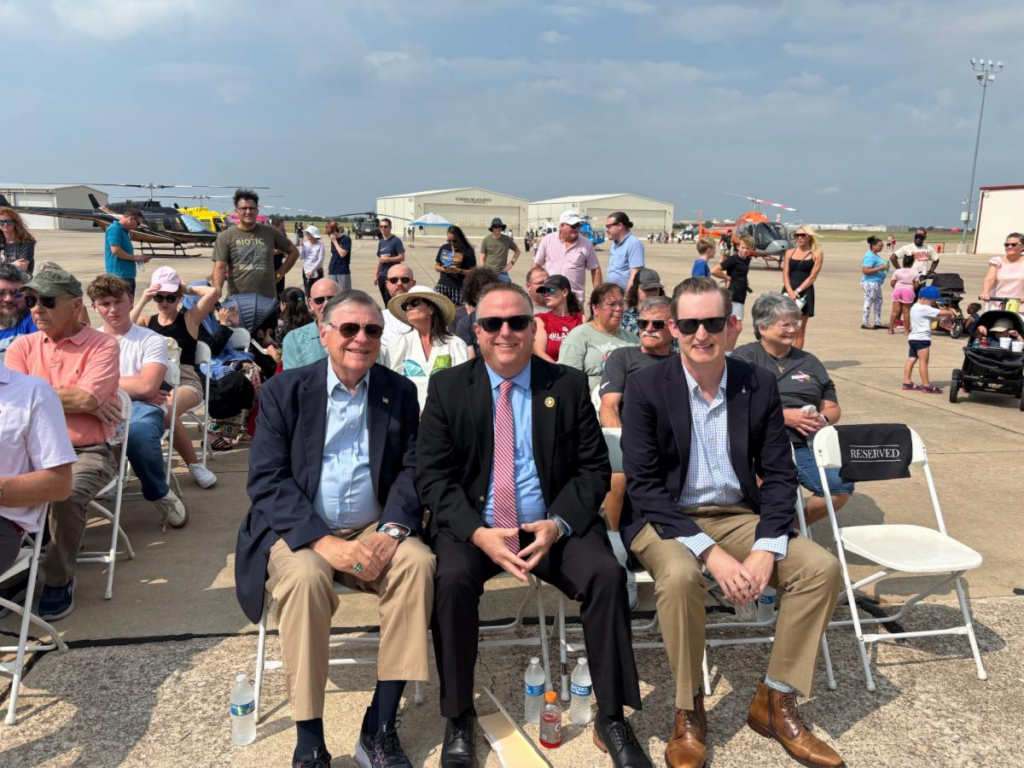
Hobart – 9:30 a.m. | Western Technology Center, 1000 S. Bailey St.

Altus – 2:00 p.m. | Plains Cotton Cooperative Warehouse, 1728 E. County Rd. 165

These meetings are your chance to stay informed, ask questions, and make sure you're prepared for the upcoming changes. Don't miss it!

Farmer Sentiment Weakens as Producer Confidence in Future Wanes

Farmer sentiment dipped again in August as the Purdue University-CME Group Ag Economy Barometer Index fell 10 points to 125. Producers were markedly less optimistic about the future in August as the Index of Future Expectations dropped 16 points to 123. This was the lowest reading for the future index since last September. Producers' perspective on current conditions changed little this month, with a Current Conditions Index reading of 129 versus 127 in July. Sentiment differed widely among producers depending on whether their farm is primarily a crop operation or a livestock operation. Responses from crop producers this month were much less optimistic than those from livestock producers, which indicates the disparity in profitability between crop and livestock enterprises. Beef cattle operations in particular are experiencing record profitability as the smallest cattle inventory since 1951 has pushed cattle prices to record levels. This stands in sharp contrast to returns for crop production which have weakened in 2025. The August barometer survey took place from August 11-15, 2025.

Figure 1. Purdue/CME Group Ag Economy Barometer, October 2015-August 2025.
Figure 2. Indices of Current Conditions and Future Expectations, October 2015- August 2025.
Figure 2. Indices of Current Conditions and Future Expectations, October 2015-August 2025.

Farmers again reported that they expect weak financial performance for their farms in the year ahead. The Farm Financial Performance Index remained below 100 for the second month in a row with a reading of 91, virtually unchanged from July's index value. Crop prices that are below many farms' total cost of production help explain why more farmers expect weaker incomes in the upcoming year than expect incomes to rise. The U.S. Department of Agriculture (USDA) released its August Crop Production and World Agricultural Supply and Demand Estimates during the week the August survey was conducted. The USDA forecasted a 2025/2026 season average corn price of $3.90 per bushel and a soybean price of $10.10 per bushel, both well below estimated breakeven levels for U.S. farmers. Despite the weak income outlook, the Farm Capital Investment Index improved to 61, 8 points higher than in July. Livestock producers this month had a notably more optimistic investment outlook than crop producers, which helped push the index higher.  

Figure 3. Farm Capital Investment Index, October 2015- August 2025.
Figure 3. Farm Capital Investment Index, October 2015-August 2025.
Figure 4. Farm Financial Performance Index, January 2021- August 2025.
Figure 4. Farm Financial Performance Index, January 2021-August 2025.

Farmers' outlook for farmland values drifted lower in August compared to July. The Short-Term Farmland Value Expectations Index reading of 112 was 3 points lower than in July. August marked the third month in a row that the index declined. Despite the recent weakness in the farmland index, the index still stands above 100. This indicates that more farmers still look for values to rise in the upcoming year than think a decline in farmland values is likely. Helping to confirm that perspective is the three-fourths of crop producers in this month's survey who said they expect farmland cash rental rates in 2026 to remain unchanged from 2025. Only 12% of respondents said they expect rates to head lower in 2026.

Figure 5. Short-Term Farmland Value Expectations Index, January 2019 - August 2025.
Figure 5. Short-Term Farmland Value Expectations Index, January 2019 – August 2025.

Every January, the Ag Economy Barometer survey includes questions about farmers' expectations regarding the size of their farm's operating loan for the upcoming year and the reasons for the change in operating loan size. The two questions provide insight into the level of financial stress among farms. Given concerns about weak farm income in 2025, the two questions about operating loans were added to the August barometer survey. Twenty-two percent of this month's respondents said they expect their 2026 operating loan to be larger than in 2025. This was up somewhat from January, when 18% of respondents said they expected their 2025 loan size to increase compared to 2024. In a follow-up question, farmers who said they expected their operating loan size to increase were asked for the reason behind the larger operating loan. Twenty-three percent of farmers in the August survey said it was because they expected to carry over unpaid operating debt from 2025 into 2026. The combination of more farms expecting their loan size to increase, with 23% of those farms expecting to carry over operating debt, suggests that financial stress among farms increased from January to August. Perhaps more importantly, financial stress appears to be noticeably higher than it was in January 2023, when just 5% of farms with larger operating loans attributed that to the need to carry over unpaid operating debt, or January 2024 when 17% of farms with large operating loans said it was because of the same reason.

Figure 6. Farmer's Operating Loan Expectations, 2020-2025.
Figure 6. Farmer's Operating Loan Expectations, 2020-2025.
Figure 7. Reasons for Increasing Farm Operating Loan Size, 2020-2025.
Figure 7. Reasons for Increasing Farm Operating Loan Size, 2020-2025.

Wrapping Up

A weaker perspective about the future helped push farmer sentiment down in August as the Ag Economy Barometer Index declined 10 points to 125. Crop producers were markedly less optimistic about both current conditions and expectations for the future than livestock producers. On average, U.S. farmers expect their farms' financial performance for the upcoming year to be lower than a year earlier. Although the Short-Term Farmland Value Expectations Index weakened again in August, more farmers continue to expect values to rise than expect farmland values to weaken. Helping to support the outlook for farmland values is the 75% of crop producers who look for farmland cash rental rates to stay about the same in 2026 as in 2025. Finally, 23% of farmers who expect to increase their operating debt in 2026 cite the need to carry over unpaid operating debt from one year to the next as the reason for the increase. This could be an early signal of an increase in the incidence of farm financial stress in production agriculture.

To listen to all the details, click below

The Twelves: Agritourism with Morgan Satterwhite

Listen To Carli Davenport And Morgan Satterwhite

Associate Farm Reporter Carli Davenport spoke with Morgan Satterwhite, co-founder of The Twelves, who shared the story behind the year-round agritourism destination. "The Twelves is a byproduct of college friendship and the need to stay in ag," she explained. The venue, located near Oklahoma State University, features a pumpkin patch, seasonal events like ladies' nights and mom's day gatherings, and also hosts weddings, showers, and college functions.

Satterwhite said the idea started when she and her husband purchased a farm with a two-story barn. She called her college best friend, Megan, to help bring the space to life. "She said, 'Sure, what are we doing with the barn?' I said, 'I don't know, show up and we'll figure it out.'" Drawing on Megan's background in New York agritourism, the idea quickly grew into something much larger than originally imagined. "It was wholeheartedly supposed to be a pumpkin patch and it has exploded in a life of its own," Satterwhite said.

Reflecting on her roots, Satterwhite described how her upbringing in FFA, 4-H, and cattlemen's associations shaped her path. "It gives you a sense of wanting to give back," she said. She credited mentors who encouraged her to get involved in everything from paging at the Capitol to speaking on radio and TV about agriculture. For her, giving kids exposure to farming and ranching remains vital. "You don't have to be born into it to want to see it succeed," she emphasized.

When asked about valuable skills for young people, Satterwhite highlighted confidence and risk-taking. "Don't be afraid to stand up and speak Don't be afraid to take a risk." She encouraged youth not to rely too heavily on backup plans, but instead to pursue their agricultural passions wholeheartedly. "Don't have a backup plan if you want to do it," she said.

Satterwhite also pointed to her own entrepreneurial journey as an example. Alongside The Twelves, she and her husband built a service company at age 25, which provided the foundation to buy land and raise cattle. Through it all, she said, agriculture remains central. "Everything we do, though, has brought us back to agriculture. It's good people. They're good hearted. They also have a lot of common sense, which is worth a lot in this world."

OKC West Tuesday Calf Trade Saw Best Quality Calves Sell Well

At OKC West on Tuesday for their Calf run- they had 2,500 head. Compared to last week: Steer calves unevenly steady. Heifer calves over 500lbs unevenly steady, under 500lbs 3.00-5.00 higher. Quality was
the primary factor driving the unevenness in today's market. Calves with the description Value-Added are unweaned and fancy from reputation ranches and sold very well. Unweaned calves carrying good flesh condition sold steady to slightly higher, while those with less desirable flesh condition traded noticeably lower.

As for the Wednesday yearling trade at OKC West- they are expecting 4,500 head- 1,800 heifers and then 2,700 feeder steers

Boxed Beef National

Choice Boxed Beef Starts September on a Lower Note- Down $1.99 to $413.42

Boxed beef prices declined on Tuesday compared to Friday, with both Choice and Select cutouts posting losses. The Choice cutout dropped $1.99 to $413.42, while Select fell $3.83 to $386.17, widening the Choice/Select spread to $27.25, up from $25.41. Load volume rose to 122 loads, up from 109.

Among the primal cuts, Rib values slipped to $633.16, down $4.39, and Chuck eased to $378.50, off $1.73. Round dropped $4.13 to $360.79, while Loin saw a modest gain of $0.76, reaching $493.98. Brisket was nearly steady, ticking up just $0.45 to $337.54. However, Plate softened by $3.98 to $267.57, and Flank rose slightly to $235.06, up $1.29.

EPA Releases Statement Following Favorable D.C. Circuit Court of Appeals Ruling

 Today, U.S. Environmental Protection Agency (EPA) released a statement following the U.S. Court of Appeals for the District of Columbia Circuit favorable decision in support of EPA's termination of Greenhouse Gas Reduction Fund (GGRF) grants. 

"It's fantastic to see reason prevail in the court system. EPA has a duty to be an exceptional steward of taxpayer dollars. Administrator Zeldin cancelled these grants due to well documented concerns about self-dealing and conflicts of interest, unqualified recipients, and intentionally reduced agency oversight. The gold bar recipients were wrong about jurisdiction all along and wrong to act so entitled to these precious public funds that belong to hardworking American taxpayers."  

As the opinion states,  

  • "The month before President Trump's inauguration, EPA modified the grant agreements—with no apparent consideration from the grantees—to make it more difficult for the government to terminate the grants." 
  • "Nothing in the Inflation Reduction Act prevented EPA from taking care that the grant programs be faithfully executed This preliminary injunction barred EPA from carrying out basic executive functions to ensure the prudent and effective management of substantial public funds." 
  • "The district court also ignored the government's evidence of mismanagement of the grant funds, such as the damning 'gold bars' video, which further supports EPA's good faith in deciding to terminate the grants and recommit the funds with proper supervision and accountability." 
  • "Our jurisdiction, however, rests on law, not on the severity of the alleged wrongdoing claimed by the grantees and reported by The Washington Post, The New York Times, and Politico." 

Background: 

In March, EPA Administrator Lee Zeldin notified National Clean Investment Fund and Clean Communities Investment Accelerator recipients of the termination of their grant agreements under the Biden-Harris Administration's $20 billion "gold bar" approach to implementing GGRF. This termination was based on substantial concerns regarding the GGRF program integrity, the award process, wasteful spending, and misalignment with the agency's priorities, which collectively undermine the fundamental goals and statutory objectives of the award. Following a comprehensive review and consistent with multiple ongoing independent federal investigations into the program, EPA identified material deficiencies which pose an unacceptable risk to the lawful execution of these grants. The Biden EPA parked $20 billion dollars at an outside financial institution in a manner that deliberately reduced the ability of EPA to conduct proper oversight. The termination of these grants reflects EPA's duty to protect public funds and maintain the integrity of its grant programs. The agency is committed to administering taxpayer funding in a transparent and accountable manner with the highest standards of fiscal responsibility. 

Summer Crop Ratings Continue To Improve In This Weeks Crop Progress

National Corn Statistics: Corn mature reached 15 percent, down three points from the previous year and up one point from the five-year average. Corn Dough reached 90 percent, up one point from a year ago and down one point from the five-year average. Corn dented reached 58 points, equal to the previous year and down two points from the five-year average. Corn Conditions are rated 69 percent good to excellent, down two points from the previous week.

National Soybean Statistics: Soybean dropping leaves reached 11 percent, down one point from the previous year and up one point from the five-year average. Soybean Setting Pods reached 94 percent, up one point from the previous year and equal to the five-year average. Soybean Condition rated 65 percent good to excellent, down four points from the previous week.

National Cotton Statistics: Cotton Setting Bolls reached 90 percent, down four points from a year ago and down three points from the five-year average. Cotton bolls opening reached 28 percent, down seven points from a year ago and down two points from the five-year average. Cotton Conditions reached 51 percent good to excellent, down three points from the previous week.

National Sorghum Statistics: Sorghum headed reached 94 percent, equal to the previous year and equal to the five-year average. Sorghum coloring reached 58 percent, down two points from the previous year and down one point from the five-year average. Sorghum conditions reached 64 percent good to excellent, equal to the previous week.

As for our Summer crops in Oklahoma:

Corn crop conditions are now at 65% good to excellent versus 66% a week ago.

The Oklahoma soybean crop is at 35% good to excellent versus 33% a week ago.

Cotton in Oklahoma is at 67% good to excellent, versus 65% last week.

Grain Sorghum is at 77% good to excellent, up five points from a week ago at 72%.

Pasture and Range conditions are at 63% good to excellent this week, versus 55% a week ago.

Checking Summer Crops and Pastures in Kansas:

Corn crop conditions are rated 59% good to excellent this week, equal to last week.

Soybean conditions are also rated 68% good to excellent this week, versus 69% a week ago.

Cotton conditions in Kansas are rated 63% good to excellent this week, versus 63% a week ago.

Grain Sorghum crop ratings are at 60% good to excellent this week, versus 58% last week.

And Pasture and Range ratings are at 62% good to excellent vs 61% from a week ago.

Checking Summer Crops and Pastures in Texas:

Corn crop conditions are rated 62% good to excellent this week, versus 62% from a week ago.

Cotton conditions in Texas are rated 44% good to excellent this week, versus 45% a week ago.

Grain Sorghum crop ratings are 63% good to excellent this week, versus 63% a week ago.

And Pasture and Range ratings are at 39% good to excellent this week, versus 38% from a week ago.

NSP Welcomes Elissa Gilliam as Legislative Director

National Sorghum Producers (NSP) is proud to announce the hiring of Elissa Gilliam as its new Legislative Director.

Gilliam grew up on a farm in Tennessee and "got to Texas as quickly as she could" after college. She earned her master's degree in agricultural communications from Texas Tech University before moving to Washington, D.C., where she spent the last decade building experience in agriculture, food, and public policy.

Her career includes working in the U.S. House of Representatives for over four years, where she served as the agriculture liaison for members of both agriculture and appropriations committees, and contributed to the 2018 Farm Bill. She also worked in policy communications for a national food retail association, and most recently, Gilliam served at the American Frozen Food Institute, where she led efforts to promote the value of frozen foods among policymakers.

"Elissa brings a strong background in policy that will strengthen NSP's advocacy on behalf of sorghum growers," NSP CEO Tim Lust said. "Her background in both Capitol Hill and agriculture will be a tremendous asset to our members."

"I am thrilled to return to West Texas and to agriculture policy at a time when growers' voices matter more than ever," Gilliam said. "Sorghum producers are resilient, innovative, and vital to America's food, feed, and fuel needs. I look forward to working alongside the NSP team to ensure those voices are heard in Washington."

Americans to Gain New Access to Real-Time Prescription Drug Price Information

Today, leaders at the U.S. Department of Health and Human Services (HHS) are celebrating a regulatory breakthrough that will give doctors and their patients unprecedented real-time access to prescription drug information. The reform will help them identify the most appropriate, cost-effective treatments while preventing health insurers from blocking physician-approved care. Thanks to this rule change taking effect October 1, millions of Americans for the first time will be able to compare drug prices, view out-of-pocket costs, and access prior authorization requirements.

HHS' final rule ensures that health care providers using certified health IT systems are able to submit prior authorizations electronically, select drugs consistent with a patient's insurance coverage, and exchange electronic prescription information with pharmacies and insurance plans. It complements important policies advanced by the Centers for Medicare & Medicaid Services (CMS) in recent years and expands interoperability for patients, health care providers, and payers to ease administrative burdens. The rule was finalized through the HHS Assistant Secretary for Technology Policy/Office of the National Coordinator for Health Information Technology (ASTP/ONC).

This victory for the American people follows a June 2025 roundtable meeting between Secretary of Health and Human Services Robert F. Kennedy, Jr., CMS Administrator Dr. Mehmet Oz, Director of Medicare Chris Klomp, and major health insurers covering nearly eight in 10 Americans. Health insurers pledged six key reforms to cut red tape, accelerate care decisions, and enhance transparency for patients and providers participating in Medicare Advantage, Medicaid Managed Care, Medicare Part D, Health Insurance Marketplace® and commercial plans.

"I commend CMS and ASTP/ONC for moving decisively to overhaul our nation's broken prior authorization system," said Secretary Kennedy. "By improving patient outcomes, cutting provider burden, and ensuring full transparency at the point of care, we are delivering on our promise to Make America Healthy Again."

"This is another step toward delivering on a promise to patients and providers: less red tape, faster answers, and more time focused on care," said CMS Administrator Dr. Mehmet Oz. "Prior authorization should never stand in the way of timely treatment, and by working with ASTP/ONC and health insurers, CMS is building a system where decisions are transparent, predictable, and centered on patient needs. This is about making care simpler, fairer, and more affordable."

"Our HTI-4 final rule is a demonstration of ASTP/ONC working collaboratively with our partners at CMS and represents yet another important step in our commitment to ease burdens on providers and speed patients' access to care," said Tom Keane, MD, Assistant Secretary for Technology Policy and National Coordinator for Health IT. "ASTP/ONC remains committed to advancing interoperability nationwide and delivering on a vision where data flows seamlessly between providers and payers to lower costs and improve care for all Americans." 

ASTP/ONC, the principal federal entity charged with coordination of nationwide efforts to implement and use the most advanced health information technology and the electronic exchange of health information, is working to ensure that providers and payers adopt common, open-industry standards to advance interoperability and industry innovation. Its work serves as a foundation to support CMS payment policies.

The recent, complementary policies from CMS and ASTP/ONC will:

  • Accelerate electronic prior authorization through building on CMS requirements for certain payers; health care providers will be able to electronically submit prior authorizations using ASTP/ONC certified health IT, resulting in faster care authorization decisions and more transparency for patients and providers about decisions.
  • Improve drug cost transparency because health IT tools certified by ASTP/ONC will enable prescribers to compare drug prices in real time during care encounters and identify lower cost alternatives available under a patient's insurance coverage, particularly patients covered under Medicare Part D.
  • Reduce burden thanks to improvements in workflow automation and more timely, transparent decision-making that have the potential to save millions of hours of clinician time and billions of dollars in labor cost, ensuring clinicians spend more time with patients and less time on paperwork.

August Recap

Fellow Oklahoman,

August in Congress means that both the House of Representatives and the Senate are out of session and the annual district work period has begun. In other words, this is a time when members of Congress are able to spend the month back in their districts with their constituents and local communities.

This time in August is something I consider very valuable, as it helps me to ensure I am remaining in touch with those who elected me.

This year, I had the opportunity to converse with small business owners and employees, local community leaders, Chambers of Commerce, leadership from local military bases, and many other constituents throughout Oklahoma's Fourth District, where they expressed to me firsthand the issues important to them and what I can do to help.

These critical conversations are what I take back with me to Washington, DC, as I know that my duty as a member of Congress is to the People and the August district work period is critical to ensuring I am accurately representing them. 

For a recap of what I was up to this district work period, continue reading below:

I visited the new Noble Fire Department, where I had the opportunity to tour the space and talk with Fire Chief Matt Creed. It was a great visit, and I thank these first responders for all they do for our community!

This August, I had the opportunity to meet with the Oklahoma Bureau of Narcotics Director, Donnie Anderson, and Texoma High Intensity Drug Trafficking Area Director, Keith Brown, as well as some of their staffers. The work these leaders do couldn't be more important and I look forward to continuing to work with them to fight against drug trafficking in Oklahoma.

I spoke with my constituents at the Heart of Oklahoma Chamber Coffee a few weeks ago. I want to give a special thank you to Chamber Director, Elisabeth Baker, Sheriff Landy Offolter, Undersheriff James Goin, Purcell Police Chief Bobby Elmore, and many other police officers, as well as Sonny's Cafe Owner, Tona Fogle Price, for making this event happen!

This August, I met with Keili McEwen from the Tinker Federal Credit Union to discuss the structural reform of the Consumer Financial Protection Bureau.

I stopped by the Noble Police Department, where I took a look around the building and visited with Police Chief Casey Cottrell. They have a great new facility there in Noble!

I had the privilege of speaking to the Midwest City Rotary Club this August. What a great group of veterans, business owners, and community members!

It was a great time attending World Helicopter Day in Norman, where we celebrated Semper Fly's partnership to become a certified training unit with Bell Aviation.

As your representative, I take the duty of advocating for Oklahoma's small businesses very seriously. This August, one of the many small businesses I stopped by was Ten Arrows Roofing and Contracting in Newcastle. It was great visiting with them!

It was a pleasure to stop by and meet with Jeremy Hodge, the owner of Toyota in Ardmore. We had a great conversation, where we discussed the new tax incentives for Made in America vehicles and much more.

It was great to visit the Davis Library with Southern Oklahoma Library System Director, Gail Oehler, and her team. During the visit, I learned about their innovative makerspace, which allows students to create digital art, use virtual reality, and have access to a 3D printer. I really enjoyed this visit, and they even made me a 3D model of both Washington, D.C. and Oklahoma City!

While in Goldsby, I had lunch with the owners and staff of B&H Construction, as well as a few State Representatives. B&H Construction is a fantastic, purpose-led small business that provides work for formerly incarcerated individuals. They also provide them with financial advice and access to a daily Bible study. What a great company!

It was wonderful to meet Rusty Grissom and his family while I visited the Grissom Landscape Nursery. Before Rusty's ownership the past forty years, the business was owned by three previous owners, making it the oldest plant nursery in the state!

While at ECU, I visited with the Oklahoma Indian Legal Clinic and celebrated their fifth anniversary!

This August, I met with the board of the Norman Chamber. It is always helpful to hear from them about the issues they care about!

It was truly an honor to meet with the Chief of Staff of the Army, General Randy George, as well as engage with 4-3 ADA, after their 15 month deployment. These men are true heroes!

I made a stop at the Noble Public Library to check out the great things they provide to the community. The library now has a makers lab that has a 3D printer and a laser printing machine. Libraries are truly so important to our communities - whether big or small!

While working in my Norman office, I attended a meeting with a group of ALS advocates. We discussed their experiences with ALS, its community impact, and legislative issues of great importance to the ALS community.

Sincerely,

Member of Congress

Daily Email for September 2, 2025


Oklahoma's Latest Farm

and Ranch News

Tuesday, September 2, 2025


Howdy Neighbors!

Bart Fischer and Joe Outlaw Address Concern in Farm Country

In an article by Bart Fisher and Joe Outlaw at Texas A&M, they write: A common question we've been fielding since passage of the One Big Beautiful Bill: "With all this money coming from the Federal government, why do farmers keep complaining?"  It's generally followed by: "you just can't make some people happy."


There's no question that the Federal government has provided a robust level of assistance. For example, the American Rescue Plan Act in March 2021 provided $ 1.9 trillion in relief—$ 1.5 trillion for economic assistance and $ 0.4 trillion for natural disaster assistance. The recently passed One Big Beautiful Bill provided approximately $62 billion (10-year total) in improvements to the farm safety net. While these sound like big numbers—because they are—it's important to put them in context.


First, for the $10 billion in economic relief from the American Relief Act—implemented by USDA as the Emergency Commodity Assistance Program (ECAP)—Congress required USDA to calculate losses from the 2024 crop year and then limited the amount of assistance to 26% of the loss. In other words, for losses incurred by producers last year, they were required to shoulder 74% of that loss on their own. 

Alyssa Walsh Inspires College Women to Take Risks and Start Building Their Dreams

Alyssa Walsh reflected on her role as keynote speaker at the Agherculture college event held at the governor's mansion in Oklahoma City. "We just had an incredible night here with women across Oklahoma, around 100–150 young women chose to spend their first Friday night back on campus here with us to grow, not only in professional development, but grow in community, grow in connection," she said. Walsh shared her own journey of starting a business in college, shifting from building a portfolio for an employer to running her own company full-time. "It was so fun to get to share some of those insights that mentors have shared with me, some of the things I've done wrong, a few of the things I've done right, and get to kind of walk through my journey."


A strong advocate for entrepreneurship, Walsh emphasized that college is the perfect time to take small risks. "College is an area where you're never going to be surrounded with so many opportunities to fail and have people forget about it," she explained. For her, those risks included teaching herself graphic design and videography. "No one's ever gonna remember that crappy t-shirt design that you had. I had several," she joked. What started as small, low-risk opportunities eventually led her to filming her first wedding video on a cell phone—an experience that launched her videography business.


ABS's Dr. Matthew Cleveland: Genetics Driving Cattle Sustainability


Senior Farm and Ranch Broadcaster Ron Hays caught up with Dr. Cleveland this summer at the 2025 Beef Improvement Federation annual meeting- click here for his presentation from Amarillo. Dr. Matthew Cleveland, Global Senior Director of Bovine Sustainability at ABS, explains that sustainability is both simple and complex. "We can think about sustainability as really doing more with less, and ensuring that we can continue to do that over time and over generations. But I think it also is a fairly complex topic, because there are different components to it." He highlighted that sustainability includes the environment, animal health and welfare, communities, and profitability, but perspectives within the industry often shape how people define it.


Cleveland highlighted genetic progress as one of the most powerful tools for enhancing sustainability. "When you look at the data, you can go back as long as you want, but let's say you go back 50 or 60 or 70 years, we've seen massive improvements in productivity and that productivity leads to more sustainability." He added, however, that the challenge has been quantifying how those productivity gains translate into measurable sustainability metrics, something the supply chain increasingly demands.


For cattle producers, Cleveland emphasized the importance of setting clear goals. "It really starts with understanding what their target is. What is their target for genetic improvement? What are they aiming for, both in the short term and in the long term, and then really building that plan." He stressed the importance of not only making those improvements but also being able to communicate them effectively: "Here is the evidence. Here is the story that you can tell to make you feel good."

Dating back to 1891, Stillwater Milling Company has been supplying ranchers with the highest quality feeds made from the highest quality ingredients. Their full line of A & M Feeds can be delivered direct to your farm, found at their Agri-Center stores in Stillwater, Davis, Claremore and Perry or at more than 125 dealers in Oklahoma, Arkansas, Kansas and Texas. We appreciate Stillwater Milling Company's long time support of the Radio Oklahoma Ag Network and we encourage you to click here to learn more about their products and services.

National Livestock was founded in 1932 in Oklahoma City. National's Marketing Division offers cattle for sale weekly at the Oklahoma National Stockyards in Oklahoma City. The Finance Division lends money to ranchers across several states for cattle production. The Grazing Division works with producers to place cattle for grazing on wheat or grass pastures. 


National also owns and operates other livestock marketing subsidiaries including Southern Oklahoma Livestock Auction in Ada, Oklahoma, OKC West Livestock Market in El Reno, Oklahoma, and the nation's premier livestock video sale, Superior Livestock Auction. National offers customers many services custom made for today's producer. To learn more, click here for the website or call the Oklahoma City office at 1-800-310-0220.

Alex Cox Details The Oklahoma Farm To School Program

Associate farm reporter Carli Davenport spoke with Alex Cox, Farm to School Coordinator for the Oklahoma Department of Food and Forestry, who shared exciting news about new state support for schools. "We are really excited to have this state funding that has come down for our local schools," Cox said, noting that $3.2 million has been allocated for the Food for Schools Program. She explained that the funding must be spent on local food products—ranging from fresh produce to proteins like chicken or beef—and incorporated into school cafeterias for "snacks, breakfast, lunch, any type of meal that they serve to their students."


In addition to funding for meals, Cox highlighted efforts to encourage hands-on food learning through the annual school garden contest. She explained that the program is a partnership between Farm to School and the Farm Bureau Women's Leadership Committee. "Schools are encouraged to participate in this, and we have several different categories," Cox said. Winners this year included Middleburg Elementary for Best Startup School Garden ($1,000), Little Sprouts Learning Garden in Muskogee for Best Harvest Garden ($500), Tuttle High School for Best Pollinator Garden ($500), and Kingston Public Schools for Best Education Garden ($500).


Another highlight of the year is the celebration of National Farm-to-School Month each October. Cox explained, "Farm to School Month is just a big celebration of local foods and our producers, and getting the students to learn where their food comes from." A key part of that celebration in Oklahoma is the Lunch Crunch, which she described as "a time to celebrate in your cafeteria with purchasing and serving whatever kind of local food you want your students to crunch into."

Dairy heifer inventories to shrink further before rebounding in 2027

The U.S. dairy industry is facing a potential shortage of its most important resource – milk cows. The number of replacement heifers available to enter the dairy herd as milk producing cows has already fallen to a 20-year low. Based on new CoBank research, replacements could fall even further over the next two years before a recovery begins in 2027. These declining heifer inventories could limit growth in the milk supply, a looming concern for dairy processors with expansion plans underway. The U.S. is currently experiencing an historic $10 billion investment in new dairy processing facilities expected to come online through 2027.


The decline in dairy heifers over the last several years is closely tied to beef and dairy market dynamics. Tight cattle supplies and record high prices for beef calves prompted many dairy farmers to produce more calves destined for beef feedlots and fewer to milk barns. At the onset of this trend, raising dairy heifers to enter the milk cow herd was a money-losing proposition due to extremely low heifer values and high rearing costs. While the economics have shifted and the shortage of replacement dairy heifers has sent values soaring, replenishing the pipeline of heifers available to enter the milking herd is a three-plus year proposition.


"The U.S. dairy industry stands at a unique inflection point," said Corey Geiger, lead dairy economist with CoBank. "Beef sales are contributing a larger share of dairy farm profitability with each passing year and the market for beef-on-dairy calves shows no signs of slowing down. In order to maintain sufficient dairy cow numbers and milk production in the near term, dairy farmers will need to put the brakes on dairy cow culling. And that could be difficult given how much they've already pulled back over the past two years."


USDA Announces Improvements to Federal Crop Insurance

The U.S. Department of Agriculture (USDA) has announced a series of significant enhancements to the federal crop insurance system, designed to provide better support for farmers and ranchers. These improvements, which took effect on July 1, 2025, aim to strengthen the agricultural safety net and encourage more producers to manage their risk effectively.


Enhanced Support for Beginning Farmers

One of the most notable changes is the expanded support for beginning farmers and ranchers. Previously, these producers were defined as those in their first five years of farming and received a 10% premium subsidy. The new improvements dramatically extend these benefits:

  • Expanded Eligibility: The period of eligibility has been extended from five years to ten years.
  • Increased Support: For the first four years, beginning farmers will receive an even higher premium subsidy than before.


New and Improved Coverage Options

The USDA also announced several key improvements to existing crop insurance products:

  • Premium Support: All policies with underlying revenue protection will now receive an additional 3% to 5% premium subsidy.
  • Whole-Farm Coverage: The maximum coverage level for the Whole-Farm Revenue Protection plan has been increased from 85% to 90%.

Ferguson College students complete internships in Washington, D.C.

A group of students in Oklahoma State University's Ferguson College of Agriculture recently spent their summer gaining hands-on experience and insights into government, policy and agricultural advocacy in Washington, D.C. 


Trell Amoss, Riley Gilreath, Amara Jackson, and Kennedy Seals recently completed prestigious legislative internships on Capitol Hill, supported by financial assistance from the Ferguson College to help cover associated expenses.


Amoss said his interest in policy was sparked by seeing its direct impact on his family's operation. While attending the 2024 Agriculture Future of America Leaders Conference, he learned about this internship opportunity, he added. "Working with the National Pork Producers Council and experiencing the energy of Capitol Hill confirmed my passion for agricultural policy and law," he said. "It's given me direction as I return to the Ferguson College to focus on building the skills and knowledge to make a meaningful impact in those areas." 

Congresswoman Stephanie Bice Welcomes NIH Director to Oklahoma City

Congresswoman Stephanie Bice hosted National Institutes of Health (NIH) Director Jay Bhattacharya in Oklahoma City for a series of visits highlighting medical research and innovation breakthroughs.


The visit included tours of the Oklahoma Medical Research Foundation (OMRF), Stephenson Cancer Center, OU Health Sciences Center, and Dean McGee Eye Institute — all of which showcase advancements in medicine and research taking place in Oklahoma.


"It was an honor to welcome Director Bhattacharya to Oklahoma," said Congresswoman Bice. "Our state is driving change in the medical and biotech fields, with researchers and institutions making meaningful progress every day. With 322 active projects and $150 million in NIH funding across Oklahoma, we're committed to building on this momentum and delivering real results for patients and families."


Checking the Markets...

According to DTN- "Southern live cattle have traded at mostly $242 ($2.00 higher than the previous week's weighted average) and Northern dressed cattle have traded at mostly $385 ($1.00 lower than the previous week's weighted average). That $242 was reported by the Texas Cattle Feeders, who represent feedlots in Texas, Oklahoma and New Mexico.


The live cattle futures pushed further into uncharted territory in the final trading day of August- October live cattle closed $2.72 higher at $239.65, December live cattle closed $2.17 higher at $240.77 and February live cattle closed $2.30 higher at $242.25.


Last Friday- Choice Boxed Beef ended August with another record high price for 2025 at $415.41, up $1.00. For the month, boxed beef posted a record $54.09 August gain, rising in 18 of 22 sessions, the strongest August rally on record.


Monday feeder cattle auctions were off this week- due to the Labor Day Holiday.


OKC West is our Market Links Sponsor- they sell cattle three days a week- Cows on Mondays, Stockers on Tuesday and Feeders on Wednesday- Call 405-262-8800 to learn more.


Click here for our Markets Page on OklahomaFarmReport.Com- there you will find many of the reports we have linked on the right hand column found on the previous format of our email.

Our daily email is free because of our Sponsors!

OKAgCredit248x160.png
StewartMartinKubota-240.jpg
TulsaFarmShowSquareGraphic240.jpg
okfb.png
AMFeeds.png
Oklahoma-Wheat-Commission_Logo_Vertical_Full-Color_Gray240b-e1736195614699.jpg
GreatPlainsLogoFeb2025Update240.jpg
NAT_Logo_BlackRed160.png
OklaBeefCouncil.png
KIS-Logo240b.png
oca.png
Facebook

© 2025 Oklahoma Farm Report - All rights reserved


A Centennial of Excellence: The Oklahoma 4-H Foundation Celebrates Youth Success

The Oklahoma 4-H Foundation is celebrating a year of significant milestones and looking ahead to new opportunities to support the state's youth. In a recent interview, Farm Director KC Sheperd spoke with Milford Jenkins, President of the Oklahoma 4-H Foundation, about the organization's recent successes and upcoming events.

A Milestone Roundup and Generous Scholarships

This past July, Oklahoma State University's campus hosted the 104th Oklahoma 4-H Roundup, an event that serves as an exciting culmination for 4-H members from across the state. "Many, many youngsters... that might be their first introduction to Oklahoma State University is through 4-H Roundup," Jenkins said. The foundation, thanks to the generosity of donors and sponsors, awarded over $200,000 in scholarships to deserving 4-H youth, underscoring the organization's commitment to investing in the next generation.


The 4-H Clover Classic Golf Tournament

The Oklahoma 4-H Foundation is also gearing up for its 28th annual 4-H Clover Classic Golf Tournament on November 3rd at the Oak Tree Country Club in Edmond. The event, which will be expanded to both the east and west courses this year, is a key fundraiser for the foundation. The tournament is a four-person best-ball scramble, a format that makes it enjoyable for golfers of all skill levels. As Jenkins explained, "You don't have to be a good golfer... It's all about having fun and supporting our 4-Hers."

For those interested in supporting the event, a variety of sponsorship opportunities are available, ranging from a $250 flag sponsorship to a new premium sponsorship of $5,000. All proceeds go directly to supporting Oklahoma 4-H Youth Development programs. More information and registration forms can be found on the Oklahoma 4-H Foundation website.


Investing in Volunteers and the Future

Looking ahead, the Oklahoma Cooperative Extension Service plans a comprehensive conference on volunteerism for 2026. The goal is to host between 500 and 750 volunteers to provide training and resources for all aspects of volunteer work within the extension system. Sponsorship opportunities are also available for this conference for those who wish to support the vital role of volunteers in youth development.

Both Sheperd and Jenkins reflected on the critical role that programs like 4-H and FFA play in shaping young people. Jenkins, a product of both organizations himself, stated, "You just can't put a price on the value that youth receive by being members of 4-H and FFA." He credited his career success to the skills he learned as a youth in areas like public speaking, communication, and time management, reaffirming that these programs are preparing the leaders of tomorrow.

Pic courtesy of OK 4H Fb page

To sign up as a player, or a sponsor, or just to get invlolved, check out all the 4H information here:

Applications are now open for the 2026 TSCRA spring internship program

Texas & Southwestern Cattle Raisers Association is accepting applications for its Spring 2026 Gilly Riojas Memorial Internship Program. 

The competitive, paid internships offer students a unique opportunity to build professional skills, expand their industry network and work alongside Texas & Southwestern Cattle Raisers Association staff and leadership. 

Spring opportunities include: 

  • Fort Worth Internship – A semester-long internship based at the association's headquarters in Fort Worth, offering experience across departments including administration, communications, education, events and membership. Interns will take part in a wide range of projects supporting the association's daily operations and gain a behind-the-scenes look at hosting the 2026 Cattle Raisers Convention & Expo, the largest agricultural event in the Southwest. 
  • Austin Internship – A semester-long internship in Austin at the Texas & Southwestern Cattle Raisers Association government relations office, focusing on state and federal policy issues affecting cattle producers. Interns will assist with research and advocacy efforts related to private property rights, animal health, natural resources and more. 

Applications for the spring 2026 internship opportunities are due Oct. 1. Learn more at tscra.org/who-we-are/employment.

John Deere Launches the New V452M Round Baler, Built for Productivity

John Deere (NYSE: DE) today announced the introduction of the V452M round baler to the North American lineup, providing enhanced productivity and precision to larger-scale hay and forage operations. The V452M headlines the newly updated lineup of VR and CR round baler models, introducing a new naming convention and advanced features purpose-built for heavy crop and silage conditions, while the current 1 Series round balers remain and continue to serve customers with their baling needs.

"The V452M and the broader VR and CR model updates are designed for more density, more productivity and more actionable data," said Kaylene Ballesteros, John Deere marketing manager. "This update enhances our variable chamber and combination balers with features that support high-volume silage and heavy crop conditions, while complementing the proven performance of our 1 Series models. It's about giving our farmers and ranchers the right tool for their operation, whether they're baling 500 or 5,000 bales a year."

The Right Baler for Every Need

Expanding the versatility of John Deere's round baler lineup, the VM, VR and CR lineup updates include variable-chamber and variable-wrapping combination models. The new V452M offers bale sizes up to 5.5 feet in diameter, giving producers more flexibility and control over their forage output; and a solution for those looking for increased density capabilities, particularly in silage or high-moisture crop settings. Key features of the V452M include:

·       Advanced Bale Chamber Technology: Three starting rolls and two belt drive rolls ensure consistent bale rotation, regardless of crop moisture.

·       Larger Bale Chamber: 4-by-5½ feet chamber width to maximize bale weight.

·       High-Density Silage Capability: Produces silage bales up to 11.7 pounds per cubic foot for optimal storage and feed quality.

The VM, VR and CR Model Lineup Delivers

The full model lineup introduces cutting-edge features designed to boost productivity and simplify decision-making (capabilities vary by model):

·       Industry-Leading Gate Cycle Time: As fast as three seconds for more bales per hour.

·       Moisture Sensors and Bale Scales: Seamlessly connect to the free John Deere Operations Center™ for near real-time bale documentation and yield insights.

·       G5 or G5e Monitor for in-cab adjustments and data-driven decisions.

·       High-Capacity Feeding System: A 7.2-foot-wide five-bar pickup handles heavy windrows with ease.

·       Baler Automation With New Unplug Assist automatically stop the tractor when the target bale size is reached and manage the gate cycle, reducing operator fatigue and increasing daily bale counts. When needed, Unplug Assist automatically stops the tractor and disengages the PTO when a plug is detected.

With the addition of the V452M model, John Deere continues to raise the bar for forage equipment, delivering smarter technology, stronger performance and the peace of mind that comes from knowing every bale is backed by nearly two centuries of agricultural innovation.

The VM, VR and CR balers will begin shipping in November 2025. For more information, contact your local John Deere dealer or visit deere.com.

Fall Arrives Early: August 2025 Breaks Records with Unseasonal Chill and Rain

According to State Climatologist Gary McManus, August 2025 delivered a surprise to Oklahomans, wrapping up the summer with an unseasonably cool and wet finale. Instead of the usual late-summer heat, two strong cold fronts moved through the state, bringing fall-like conditions that broke multiple weather records. The final week of the month saw a notable chill and steady rainfall, marking the end of summer much earlier than expected.

A Record-Breaking Plunge into Fall

The last seven days of August were the coolest on record for that period in Oklahoma history. With a statewide average temperature of just 71.4 degrees, this stretch surpassed the previous record of 72.5 degrees set back in 1946. This cool-down resulted in numerous records for daily low maximum temperatures. Several long-term weather sites even saw their lowest maximum temperature ever recorded for the month of August, including:

  • Bartlesville: 70 degrees on August 27 (records dating back to 1920)
  • Norman: 68 degrees on August 27 (records dating back to 1894)
  • Waynoka: 64 degrees on August 26 (records dating back to 1938)

Highs in the 60s were recorded on four of the final seven days of the month, with Cheyenne, Eva, and Hooker all hitting a low of 63 degrees on August 26.

Impressive Rainfall Totals

A significant amount of rain accompanied the unseasonal cold. The statewide average rainfall from August 25–31 was 2.58 inches, making it the second-wettest such period on record, falling just short of the 2003 record. For the entire month, August ranked as the 21st-wettest on record with a statewide average of 4.32 inches. Northwest Oklahoma saw the heaviest downpours, with some areas receiving 4 to 6 inches above normal rainfall. The May Ranch Mesonet site led the state with an impressive 11.01 inches.

This late-month rainfall was a welcome sight, providing relief from a developing drought. While drought had returned to a small portion of the state earlier in the month, the late August rains helped ease conditions, with further improvements expected in September.

Looking Ahead

McManus said Oklahomans can expect a slow warm-up through the current week, but another "bigtime cold front" is forecasted for the upcoming weekend, along with more rain. The Climate Prediction Center's outlook for September suggests a likely chance of above-normal precipitation for the northwestern two-thirds of the state, which should continue to help improve drought conditions.

To read more from Gary McManus on his mesonet ticker, click here:

Clay McKinney named executive director of law enforcement, brand & inspection services at TSCRA

Texas & Southwestern Cattle Raisers Association today announced the appointment of Clay McKinney as executive director of law enforcement, brand and inspection services. McKinney has been serving in this role on an interim basis since earlier this year and assumes the permanent position effective immediately.

In his role, McKinney will oversee daily operations for the association's Special Rangers and brand inspectors across Texas and Oklahoma. Texas & Southwestern Cattle Raisers Association Special Rangers are law enforcement officers commissioned through the Texas Department of Public Safety (DPS) or the Oklahoma State Bureau of Investigation (OSBI) and specialize in investigating livestock theft and agricultural crimes. The department also manages market inspectors who document brands and other identifying marks on millions of cattle sold annually at nearly 100 Texas livestock markets.

"Law enforcement services are core to the mission of our association, and Clay is the right person to carry that forward," said Texas & Southwestern Cattle Raisers Association Executive Vice President and Chief Executive Officer Jason Skaggs. "He has provided great leadership during his interim tenure, and we respect the experience, integrity, and commitment he brings to this role." 

McKinney has served Texas & Southwestern Cattle Raisers Association as a Special Ranger for District 18 since 2018, covering the Trans-Pecos region of Texas. Before joining the association, he served as an investigator for the 143rd District Attorney's Office, a narcotics investigator for the Reeves County Sheriff's Office, and spent more than 20 years as chief of police for the Pecos Police Department.

EPA Decision Avoids Facility Closures and Unnecessary Economic Impacts, Affirms Poultry Industry's Wastewater Treatment Efficiency

The Environmental Protection Agency (EPA) last week determined that more restrictive federal wastewater regulations and new cost burdens would be harmful for U.S. meat and poultry processing operations. The agency also concluded that the current system of federal, state and local requirements already in place under the Clean Water Act is working effectively.

EPA on August 30 issued a decision affirming the current performance of the industry, highlighting that the additional requirements the EPA has been considering would result in significant and unjustified costs and closures of facilities, particularly in rural communities.

The Meat and Poultry Products sector already complies with nationwide effluent standards that limit the pollutants that can be discharged from a poultry or meat processor's wastewater treatment system.

"NCC appreciates EPA's common-sense approach in regulating water quality and for recognizing that industry is already regulated under the 2004 ELGs, as well as state agencies," noted Ashley Peterson, Ph.D., NCC senior vice president of scientific and regulatory affairs. "EPA, under the Biden administration, did not provide adequate time to allow for meaningful public comment on the proposed rule which, if it was finalized, would have resulted in numerous facility closures, major job losses nationwide, and higher production costs – all of which are contrary to the goals of the Trump administration. We're grateful that the agency is taking no further action on the ELG rule and remain committed to doing our part to keep our nation's water supply safe."

Comprehensive Review Indicated Extensive Job Losses and Closures Nationwide

EPA has engaged in a comprehensive, multi-year review to determine whether the existing federal effluent limitations for the meat, poultry and rendering industries are sufficiently protective or if additional regulations are necessary. The agency has considered several options with costs for both large and small operations as high as $20 billion in the coming years and facility closures ranging from 74 to 340 across the nation, along with direct job losses ranging from 31,000 to 93,000, based on the industry's engineering and economic analysis.

Industry stakeholders representing the meat, poultry and rendering community have expressed concern, including the leading trade associations for animal agriculture – the U.S. Poultry & Egg Association (USPOULTRY), Meat Institute, National Pork Producers Council, North American Renderers Association, National Turkey Federation, National Chicken Council, United Egg Producers and the American Farm Bureau Federation.

The industry has worked through several administrations to familiarize EPA officials with both the industry's wastewater treatment technologies and efficiencies, as well as the unique relationship between processing operations and the local municipal treatment plants that receive and further treat their discharge.

Industry and Local Treatment Authorities Aligned on Keeping Effective Rules in Place

The National Association of Clean Water Agencies (NACWA), representing the nation's publicly owned treatment works (POTWs), has been strongly aligned with the industry's position that the pretreatment standards currently in place are effective in protecting human health and the environment.

In comments to the EPA last year, NACWA noted that "pretreatment programs have reached a state of maturity that allows them to understand their own treatment operations and effectively regulate industrial users in their communities through local limits, best management practices or other means – especially in the case of conventional pollutants that POTWs are designed to treat."

After a Decade of Success- Andy Holloway Looks Forward to the 2026 Hemphill County Beef Conference

Listen To Ron Hays And Andy Holloway

In today's Beef Buzz, Senior Farm and Ranch Broadcaster Ron Hays speaks with Andy Holloway, a longtime Extension Educator from Canadian, Texas, who joined the conversation to highlight the success and growth of the Hemphill County Beef Conference. He noted that the event just celebrated its 10th anniversary this past spring. "We should have been at 11, but because of COVID, we lost a year," he explained. Looking ahead, the 2026 conference will mark its 11th in a row, and Holloway said he's already excited about what's coming.

When asked how he keeps improving the event each year, Holloway said the key isn't in the planning alone. "Our conference is just a God thing, and it's the inspiration that He gives me to go out and get those speakers and put it all together." For 2026, three central themes are guiding the program: regenerative pasture management, cattle markets, and legacy. He emphasized that after the 2024 wildfires, regeneration of the land is especially critical, and the booming cattle markets are creating "generational wealth" for producers.

Attendance continues to be a standout feature of the conference. Holloway shared proudly, "We had almost 1,000 people this year, from 24 states across the whole country." For the first time, the event also drew international participants from Australia, Canada, Ireland, and South Africa. Nearly half of Texas' 254 counties were represented as well, underscoring the wide reach of the program. He added that the trade show has grown alongside the event, with many OCA sponsors also supporting Hemphill County.

Holloway was also open about the faith-driven foundation of the conference. He pointed to his guiding principle from scripture: "Ask, and it will be given; seek, and you shall find; knock, and the door shall open. So ask, seek, knock—that's the formula." He explained that while some doors have closed over the years, many others have opened, and he credits this approach for the growth and success of the conference.

As he reflected on his role and future, Holloway spoke personally about legacy. "I just turned 66 and I've still got a window of years left. I hope to do well, but I can see that window closing, Ron, and I want to do all that I can to leave a legacy for those that follow." With his passion for the cattle business, his faith, and his dedication to people, Holloway remains focused on building a conference that educates, inspires, and carries forward the values of ranching for the next generation.

The Beef Buzz is a regular feature heard on radio stations around the region on the Radio Oklahoma Ag Network and is a regular audio feature found on this website as well. Click on the LISTEN BAR for today's show and check out our archives for older Beef Buzz shows covering the gamut of the beef cattle industry today.

Corn Growers Fuel Ethanol Innovation in Ag Equipment

Corn growers' checkoff dollars are driving new research that could open major markets for ethanol in the equipment farmers use every day. Support from National Corn Growers Association (NCGA) and its state corn grower associations has allowed Clemson University and John Deere to move forward on a cutting-edge Department of Energy (DOE) project, despite federal funding delays.

Project Overview

The three-year effort, titled Development and Demonstration of a Low GHG Emissions Hybrid Power Module for Off-Road Vehicles, will develop and test hybrid ag vehicles powered by ethanol and ethanol-gasoline blends like E85 and E98. The work will culminate in the demonstration of a hybrid sprayer designed to reduce total cost of ownership by more than 10% while increasing functionality and lowering greenhouse gas emissions compared to today's diesel machines.

Progress on the Ground

Even as DOE funding remains on hold under administrative review, Deere and Clemson are already advancing. Deere has shipped a 6.8L engine—identical to those used in tractors and sprayers—to Clemson, where it has been installed on a dynamometer. Researchers have baselined the engine on diesel combustion and are preparing for first fired operation on ethanol in the next few months. Additionally, modeling ethanol combustion through advanced computer simulations is ongoing in parallel.

Thanks to corn grower contributions, Clemson was able to build out the vital subsystems—oil, coolant, fuel, intake, and exhaust—that make this Deere engine a dedicated ethanol research platform.

What It Means for Farmers

This project signals a future where ethanol isn't just blended into fuel but powers the very machines that plant, spray and harvest crops. By proving ethanol's value in off-road applications, corn growers are helping create:

  • New demand for corn through expanded ethanol markets.
  • Lower operating costs for farmers via hybrid technology.
  • Cleaner, U.S.-grown fuel powering equipment in the field

Research is slated to begin this Fall. NCGA will continue to provide updates as it progresses.

Fighting Fire with Fire-Hands on Demonstrations

Join us on September 17 at 9:30am to learn how to use prescribed fire to reduce wildfire risk and improve the land.

Please RSVP by September 10th at 12pm to ellisccd@conservation.ok.gov or call (580) 885-7306

Muskogee County Conservation District Locally Led Meeting | Muskogee Sept. 3 (10am) | 3001 Azalea Park Dr. Suite 1 Lake of the Arbuckles Watershed Association Annual Meeting | Sulphur Sept. 23 (5:30pm) | Murray Co. Expo Center RSVP to tatkinson@ecok.edu Learn More Fighting Fire with Fire | Freedom Sept. 24 | Hatch-Vincent American Legion, Freedom, OK RSVP by Sept. 17 to 405-953-1103 Learn More
Ottawa County Conservation District Locally Led Meeting | Afton Sept. 25 (6pm) | Northeast Tech RSVP to 918-542-4576 Ext. 3350 ONPN Fall Native Plant Festival | Edmond Sept. 27 | Mitch Park Learn More Woods County Conservation District at Woods County Fair | Alva Sept. 4-6 | Woods County Fairgrounds

Cow Calf Corner Dr. Derrell Peel: Winter Wheat Grazing and Stocker Prospects

Dr. Derrell Peel, Oklahoma State University Extension Livestock Marketing Specialist, offers his economic analysis of the beef cattle industry as part of the weekly series known as the "Cow Calf Corner," published electronically by Dr. Peel, Mark Johnson, and Paul Beck. Today, Dr. Peel discusses Winter Wheat Grazing and Stocker Prospects.

Unseasonably cool and wet weather in late August has resulted in the best prospects for early planted wheat in several years.  Ample rain across much of Oklahoma, especially in major wheat production areas, is providing the moisture and cool soil temperatures necessary for wheat germination.  Early wheat establishment and growth could lead to earlier and more grazing potential this fall.  Producers will be looking ahead to the best ways to utilize additional wheat forage this fall and winter.

The current cattle market situation provides quite different opportunities and challenges for cow-calf and stocker producers. In late 2022, cattle prices began the sharp trend up leading to current levels.  Table 1 shows how 2025 cattle market conditions compare to the last week of August in 2022.

The value of calves has increased by nearly 135 percent in the three-year period, increasing from less than $1,000/head to almost $2,300/head.  The value of yearlings has increased over 110 percent in the same period.  The stocker margin between the two levels has increased just over 50 percent since 2022, with a current value of gain of $1.99/lb.  In other words, while a 475-pound steer currently sells for over $4.81/lb., the value of adding an additional 300 pounds of weight to the steer is just about $2.00/lb.  All costs of production beyond the animal cost, plus any profit potential, must be covered by the value of gain. 

The value of gain reported here is based on current beginning and ending animal values.  The value of winter wheat stockers next March is unknown but Feeder futures provides an indication.  Deferred Feeder futures are priced at a discount to current market values, limiting any potential to lock in stocker margins for the winter grazing period.  

The 2025 stocker situation shown in Table 1 shows that stocker producers must carefully evaluate stocker enterprises this year.  The combination of market focus on calves and calf prices, along with relatively cheap feedlot cost of gain. means that the potential for stocker production is squeezed at this time.  Stocker cattle numbers are limited, and significant numbers of calves have been sold early this year.  At the same time, feedlots have a strong economic claim on the limited feeder supplies and will likely purchase and place lighter weight feeders in feedlots. In general, stocker opportunities are limited to starting with very lightweight animals and selling rather quickly at lighter feeder weights.

The potential for substantial winter wheat forage begs the question of what the most valuable use of that forage will be.  Traditional stockers have limited potential but may be feasible under carefully considered circumstances.  Wheat forage may also be used for cow-calf production or perhaps to "stocker" replacement heifers in development for breeding. 

Dr Derrell Peel discusses how beef prices are already high — but could they climb even further? Derrell Peel, OSU Extension livestock marketing specialist, shares market outlook and economic forces that may continue driving beef prices upward on SunUpTV from September 1, 2025. https://www.youtube.com/watch?v=VvxKMh1e8UA

Brian Hill Announces Candidacy for Lieutenant Governor of Oklahoma

State Representative Brian Hill, a proven conservative leader, businessman, and Chairman of the House Commerce and Economic Development Committee, officially announced his candidacy for Lieutenant Governor of Oklahoma.  

Brian Hill is a husband, father, Christian, conservative, and businessman fighting to unleash Oklahoma's best as Lieutenant Governor.

For two decades, Brian led 14 successful businesses and created hundreds of high-paying jobs. He went on to leverage his success in the private sector to help other entrepreneurs and small business owners get their start. After experiencing firsthand how government overreach and red tape can choke small businesses, Brian took action and ran for the Oklahoma House of Representatives.

Since 2018, Hill has represented House District 47––serving Mustang, Tuttle, and parts of Oklahoma City––delivering conservative wins for Oklahoma's economic development, workforce growth, and values.

As Chairman of the House Commerce and Economic Development Committee, Brian launched multiple economic development hubs to bring high-wage jobs to every region of the state. He defended religious liberty during the COVID pandemic when radicals tried to shut down places of worship. Through his leadership on the Restorative Workforce Initiatives, Brian helped lower Oklahoma's recidivism rate to an all-time low by championing workforce reintegration.

Now, Brian is running for Lieutenant Governor to bring the same grit, work ethic, and conservative values that have defined his life. He's fighting to unleash Oklahoma's best—making it the best state in the nation to live, work, raise a family, and build a business for generations to come.

"These achievements are only the beginning of what I believe for Oklahoma," Hill said. "Together we will invest in our people, unleash Oklahoma's best, and move our state forward."

Watch Launch Video

National Dairy Board Announces College Scholarship Recipients

The dairy checkoff has awarded 12 academic scholarships to students pursuing degrees with a focus on dairy and demonstrating strong potential as future industry leaders.

The National Dairy Promotion and Research Board (NDB), through Dairy Management Inc. – which manages the national dairy checkoff – annually awards $2,500 scholarships to 11 students. In addition, the NDB awards a $3,500 James H. Loper Jr. Memorial Scholarship to one outstanding scholarship recipient.

Eligible majors include journalism, communications/public relations, marketing, business, economics, nutrition, food science and agricultural education. Criteria include academic achievement, career interest in a dairy-related discipline and demonstrated leadership, initiative and integrity.

Rachel Visser, a student at the University of Minnesota double majoring in Agricultural and Food Business Management and Agricultural Communications and Marketing, has been named the 2025–2026 James H. Loper Jr. Memorial Scholarship recipient.

Students earning $2,500 scholarships are: Cassie Bohnert (Iowa State University), Shelby Butler (University of Kentucky), Sara Kennedy (Pennsylvania State University), Katie Ketchum (University of Wisconsin-River Falls), Clancey Krahn (Oklahoma State University), Sienna Mahaffy (Oklahoma State University), Ava Mitchell (Michigan State University), Emma Parrigon (Ozarks Technical Community College), Chloe Rogers (California Polytechnic State University, San Luis Obispo), Iris Schilderink (Texas Tech University) and Jessemy Sharp (South Dakota State University).

For information about how the dairy checkoff is driving sales and building trust, visit www.dairycheckoff.com.

OKFB to host high school discussion meet Oct. 8 in El Reno

Oklahoma Farm Bureau invites Oklahoma high school students to hone their discussion skills by competing in the 2025 OKFB High School Discussion Meet Wednesday, Oct. 8, at Redlands Community College in El Reno.

The competitive event provides an opportunity for students to discuss agricultural ideas and policies through a round-table discussion where competitors work cooperatively to share their experiences and ideas to discover solutions and opportunities for agriculture.

The event will begin on October 8 with an orientation at 4:30 p.m., and competition will begin at 5 p.m.

All contestants will participate in two open rounds of discussion that will decide the top four competitors who will then compete in the final four round at the end of the evening. Each of the two open discussion meet rounds will include three to five students per room.

A question will be posed to the students to discuss at the beginning of each round, and the list of potential questions are listed below.

Competitors will be judged on their ability to participate in the discussion, share agriculture knowledge and facts, and their ability to work together toward a solution or positive outcome.

The winners will be announced at the conclusion of the discussion meet, and cash prizes will be presented to the top four competitors on-stage at the OKFB annual meeting in Oklahoma City Friday, Nov. 7. The prize amounts are $750 for first place, $500 for second place, $300 for third place and $150 for fourth place.

Registration for the event is open through Wednesday, Oct. 1, on the OKFB website by using the form below.

For questions about the high school discussion meet, contact Holly Carroll.

2025 high school discussion meet questions

  1. Young farmers and ranchers are finding they need to diversify their farm portfolio. What are some ways that young farmers and ranchers can utilize diversification to explore new revenue sources? How can Farm Bureau support these members?
  2. Increases in the price of agricultural land make access and ownership of land one of the biggest hurdles for young farmers and ranchers looking to start or expand farms and ranches. How can young farmers and ranchers position themselves to react to competition for agricultural land?
  3. The landscape of American agriculture and the picture of the "typical" American farm continues to change. Meanwhile, Farm Bureau will need to continue to recruit and retain members in order to be a vibrant and effective organization into the future. How can Farm Bureau continue to provide value and opportunity to welcome members from across the broad diversity of modern agriculture and American farmers and ranchers?
  4. Farmers and ranchers are reliant on multiple energy sources to run equipment, heat livestock barns and power storage and maintenance facilities. How can Farm Bureau work with energy companies, local governments and rural communities to increase domestic energy production, minimize loss of agricultural land and protect private property rights?

Register here

Micaela Halverson Highlights Career Exploration at AGHerculture Event

Listen To Carli Davenport And Micaela Halverson

Associate Farm Reporter Carli Davenport spoke to Micaela Halverson who explained that the annual AGHerCulture event is designed to inspire high school girls interested in agriculture. "This is an event that we have been doing for the last five years here in Oklahoma, but it is a gathering of high school agricultural girls and students that want to learn a little bit more about themselves and possible career opportunities," she said. This year, more than 150 students participated, engaging with mentors and exploring different paths within the agricultural industry.

The day began with a personality test designed to help the girls better understand their strengths and tendencies. Halverson shared, "This morning, all of the students got to take an in-person, live personality test and learn a little bit more. Are they fun, energetic, analytical people or very structured and organized rule followers?" After that activity, students moved into career-fair style sessions with mentors representing fields such as animal agriculture. "We've got 13 different mentors here today, and those students are getting to go through 10 of those groups and dive a little bit deeper, exploring what options they might have," she added.

Choosing the right mentors was no easy task. "Deciding on mentors was really tough, because we know a lot of really amazing women in ag," Halverson explained. The team worked to include professionals across a wide variety of fields, narrowing it down to those "that were excelling and successful and who also interacted with students, and wouldn't mind being here today and being able to share and easily talk about what they do."

Halverson also reflected on how this event differs from other opportunities for students. "When we thought about what we wanted to bring to this event, and what would have helped us as we looked at our younger selves in high school, we didn't know what we wanted to be when we grow up," she said. Instead of focusing only on future job titles, the event encourages girls to ask, "What motivates you, what do you excel in, what do you enjoy doing?" By exposing students to a broad range of careers, Halverson hopes to open doors beyond what they might already know through family or school connections.

Looking ahead, Halverson said the event has grown and shifted with time. "This event in the past was a lot of leadership, inner reflection... but we really changed it this year with more of that career focus," she explained. She sees this year as "just the tip of the iceberg" and hopes to continue expanding. "As we're learning through what worked and what doesn't work for this first year, I'm sure there'll be changes... but I'm hoping that this new exploring careers will be on the table for next year and something that we're able to provide for these girls."

Representative Ty Burns Resigns from Office

Rep. Ty Burns has resigned from the Oklahoma House of Representatives following his guilty plea earlier this week to domestic abuse and assault charges.

House Speaker Kyle Hilbert said he agreed with Burns' decision to step aside.

"Domestic violence of any kind cannot and will not be tolerated by the House of Representatives," Hilbert said in a statement Friday. "I share his belief that it is best for him and his family to focus on his treatment and rehabilitation at this time. Alexis and I will be praying for Ty and his family as they navigate this challenging time."

Burns pleaded guilty Thursday in Pawnee County District Court to one misdemeanor count of domestic abuse and two misdemeanor counts of assault. He received a one-year suspended sentence and will complete a Batterers Intervention Program.

"It is in the best interest of the people I serve in House District 35 and, most importantly, my family, to step down from my position," Burns wrote in his resignation letter. "I take full responsibility for my actions and am getting counseling with my family. Although not an excuse for my actions, I am receiving intensive treatment for issues from my military service that I have long ignored as a problem. I am confident this will make me a better husband and father."

"Over the next month, I will finish taking care of the remainder of my constituents' issues and will ensure my interim study on PTSD proceeds, where I am personally participating in a brain mapping study of veterans with a traumatic brain injury."

He had served in the House since 2018 and was also a Member of the House Ag Committee.

EPA Administrator Zeldin Tours Midwest, Announces Action to Support Lower Food Prices for Americans

U.S. Environmental Protection Agency (EPA) Administrator Lee Zeldin concluded a Midwest swing this week, visiting with state, local and federal partners, farmers and other stakeholders in Nebraska, South Dakota and Minnesota, and announcing significant regulatory relief for meat and poultry processors that will help keep food prices affordable for American families while maintaining environmental protections.  On Thursday, August 28, 2025, Administrator Zeldin met with Nebraska Governor Jim Pillen, Lieutenant Governor Joe Kelly, and Directors of the Nebraska Department of Agriculture and Department of Water, Energy, and Environment to discuss ways EPA and Nebraska can work together to protect Nebraska agriculture and unleash American energy dominance.   

The following morning, on Friday, August 29, Administrator Zeldin participated in Senator Pete Ricketts' (R-NE) Second Annual Federal Issues Forum at the Nebraska State Fair and spoke about the Trump EPA's priorities, including permitting reform to boost American energy and the economy while protecting the environment. He answered questions about the administration's commitment to supporting agriculture and rural communities. The Administrator then answered questions from local media and walked around the Nebraska State Fair with Representative Adrian Smith (R-NE-03) and Nebraska Farm Bureau President Mark McHargue.
 
Following the State Fair, Administrator Zeldin toured Sunderman Feedlot, in Norfolk, Nebraska, to discuss water quality regulations and animal disease issues, such as the New World Screwworm.  
 
Administrator Zeldin traveled to Brookings, South Dakota, on Saturday, August 30, to tour the Raven Precision Agriculture Center at South Dakota State University (SDSU). He was joined by EPA Region 8 Administrator Cyrus Western and Representative Dusty Johnson (R-SD-At Large). The innovative facility integrates agronomy, engineering, and computer science to create a first-of-its-kind program that trains farmers in precision agriculture technologies.  
Later that day, Administrator Zeldin toured Christensen Farms facilities in Sleepy Eye, Minnesota. Through this action, EPA is saving billions of dollars in costs the American people would otherwise see in the prices of the meat and poultry they buy at the grocery store while ensuring the protection of human health and the environment. On the tour, Administrator Zeldin was joined by EPA Region 5 Administrator Anne Vogel and Representatives Brad Finstad (R-MN-01) and Michelle Fischbach (R-MN-07).   Administrator Zeldin also announced a final action imposing no additional wastewater discharge regulations on meat and poultry processing facilities. Through this action, EPA is saving billions of dollars in costs the American people would otherwise see in the prices of the meat and poultry they buy at the grocery store while ensuring the protection of human health and the environment. 

Administrator Zeldin then met with Delta Airlines leadership in their hangar at Minneapolis-Saint Paul International Airport to discuss important policy priorities of the airline. 
 
On Sunday, August 31, Administrator Zeldin concluded the swing by joining House Majority Whip Tom Emmer (R-MN-06) at the Minnesota State Fair.


Cattlemen Aren't Slowing Down

FOOD FOR THOUGHT:
Certified Angus Beef's mission is to increase demand for registered Angus genetics. The brand is owned by the American Angus Association, but we don't take funding from membership or registration fees. Our structure is unique, given we don't actually own any beef. Only our trademarks and logo. We're often asked: So, how does CAB generate revenue?  

Certified Angus Beef is funded by licensed packers and processors, who pay an average commission of 2 cents per pound of branded product sold. When an animal is certified, a packer can then choose to market it as Certified Angus Beef ® (most of the time they do). They can sell it for more money, because the distributors know they can sell it for more money, because the restaurants and retailers know a consistent eating experience has inherently more value to their customers. That pull-through demand has funded the brand for more than four decades. And it pays cattlemen nearly $100 per head above market average for CAB carcasses.
WHAT'S SIZZLIN' AT CERTIFIED ANGUS BEEF You Keep Raising the Bar, But There's More Work Ahead   Cattle genetics and management keep getting better, but there's still plenty of room to grow. That's our takeaway message from our recent Feeding Quality Forum.   Good News: Cattlemen were commended for the rise in high-quality beef, with more Prime carcasses and strong consumer demand. In short, beef is booming. Specifically, Prime beef in grocery stores presents opportunities because there is demand for even more.   "I can't tell you what price will satiate the Gen Zs or the millennials. I just can't. I don't know what that price is," said Dan Basse, the event's annual opening speaker.   Challenges: Red meat yield determination is getting attention by leaders across the cow-calf, feedyard and packing sectors. All signs say to feed cattle longer, resulting in heavier carcasses, increased backfat and poorer yield grades. Another concern: Are cattle getting too big for their hearts? Bovine congestive heart failure is complicated, but as Kelli Retallick-Riley said, "very few issues have been solved with genetics alone." Management will be key.  
Application: Other speakers emphasized a similar message: Manage what you can control, like health, genetics and your resources. Partnerships with Ducks Unlimited are helping ranchers improve land productivity and keep cattle on grass. Cattle feeders want to know the kind of cattle they're getting so they can market them for the most value. For those using genetic tools, progress happens faster.   "Establish your breeding objectives, stay focused on them. Don't get lost in the mania of choices," Brian McCulloh encouraged cow-calf attendees.  
Optimism filled the room. Progress in genetics, management and technology will continue to equip cattlemen and women to meet evolving challenges and maintain beef's premium status.

Find more here:

Sorghum Legislative & Policy Updates

China's Retreat Reshapes Sorghum Trade

USDA's August trade outlook highlights the steep decline in U.S. farm exports to China, and sorghum is very much part of that story. Sorghum exports to China today are down 97% year-over-year. This underscores the importance of China and new trade agreements. 
 

USDA Weighs "Bridge" Payments for Farmers

Deputy Agriculture Secretary Stephen Vaden said this week at the Farm Progress Show that USDA is considering "bridge" assistance to help farmers make it into 2026. He noted that many of the most significant provisions of the One Big Beautiful Bill, including improvements to PLC and ARC, do not take effect until October 2026, leaving growers without additional support in the near term.

Vaden pointed to USDA's Commodity Credit Corporation authority, which typically refreshes in November, as a possible avenue for short-term aid. He emphasized that commodity prices remain under pressure and that the department is looking both at ways to sustain farmers in the short run and to expand markets for U.S. commodities longer term. He also highlighted new trade enforcement actions against Brazil, arguing that subsidized production tied to deforestation is undercutting U.S. farmers in China. For sorghum producers, the conversation reflects both the immediate need for financial certainty and the longer-term importance of fair market access abroad.

70 Years Together, Growing America's Sorghum

This year, in December, marks National Sorghum Producers' 70th anniversary — seven decades of standing shoulder to shoulder with America's sorghum farmers. From our earliest policy wins to today's trade negotiations, our history is rich with stories of resilience, innovation, and hard-fought victories.

Over the coming months, we'll be sharing some of those stories, highlighting the people who shaped our industry, and looking ahead to what the next 70 years will bring.

We'd also love to hear from you. What has NSP meant to you, your operation, or your community? Share your stories, memories, and reflections by reaching out to ericw@sorghumgrowers.com. Stay tuned. The celebration is just getting started.

Congresswoman Stephanie Bice Welcomes NIH Director to Oklahoma City

Congresswoman Stephanie Bice hosted National Institutes of Health (NIH) Director Jay Bhattacharya in Oklahoma City for a series of visits highlighting medical research and innovation breakthroughs.

The visit included tours of the Oklahoma Medical Research Foundation (OMRF), Stephenson Cancer Center, OU Health Sciences Center, and Dean McGee Eye Institute — all of which showcase advancements in medicine and research taking place in Oklahoma.

"It was an honor to welcome Director Bhattacharya to Oklahoma," said Congresswoman Bice. "Our state is driving change in the medical and biotech fields, with researchers and institutions making meaningful progress every day. With 322 active projects and $150 million in NIH funding across Oklahoma, we're committed to building on this momentum and delivering real results for patients and families."

At OMRF, Director Bhattacharya and Congresswoman Bice learned about labs focused on autoimmune disease, aging, and genetics research. OMRF currently manages 65 active NIH-funded projects valued at over $40 million. Last year OMRF received $49 million in NIH funding.

"When people think about medical research, they often don't realize that OMRF is one of the world's leaders in studying conditions like aging and autoimmune diseases. Or they may not know that our work has led to life-changing drugs and tests for conditions like sickle-cell disease, lupus, and rheumatoid arthritis," said OMRF President Dr. Andrew Weyrich.

"Thanks to the NIH, the U.S. stands at the center of the world's biomedical research stage. With leaders like Dr. Bhattacharya and congressional champions like Representative Bice, we are poised to continue making groundbreaking discoveries that improve people's lives."

The Stephenson Cancer Center is the only National Cancer Institute-Designated Cancer Center in Oklahoma. During the visit, the delegation discussed advancements in clinical trials, cancer care innovations, and community health outreach. Stephenson is ranked in the top 2% of U.S. cancer centers and currently leads the nation in patient enrollment for clinical trials.

"We are thrilled to welcome Director Bhattacharya to the University of Oklahoma and showcase the incredible momentum we've built as the state's leading academic health system," said Gary Raskob, Senior Vice President and Provost, OU Health Sciences. "Partnership is essential to create lasting change for Oklahoma, and today's visit demonstrates our shared commitment with the NIH to advance discoveries, expand access, and improve lives across our state for generations to come."

To conclude the visit the group also toured the Dean McGee Eye Institute (DMEI), where they discussed NIH-funded research in vision science and toured clinical and training programs. DMEI benefits from NIH funding and is nationally recognized for excellence in ophthalmology and vision research.

"It is an honor to have the Director of the NIH visit the Dean McGee Eye Institute to see first-hand the value of federal grant dollars at work.  We appreciate the support of Dr. Bhattacharya and Representative Stephanie Bice and their efforts to improve the quality of life for our state and our nation." said R. Michael Siatkowski, MD, MBA CEO of the Dean McGee Eye Institute.

"I am honored to have visited state of the art research facilities with Representative Bice" said NIH Director Jay Bhattacharya. "New innovations stemming from research here in the fields of aging biology and cancer will aid in the effort to Make America Healthy Again. I am proud of the investment in the NIH IDeA program that supports institutions such as OU and OMRF. These institutions show that great science is happening all around the nation!" 

EPA Announces Action to Support Lower Food Prices for Americans and Reduce Burden on American Farmers by Addressing Meat and Poultry Discharge Regulations

At Christensen Farms in Minnesota, U.S. Environmental Protection Agency (EPA) Administrator Lee Zeldin announced a final action imposing no additional wastewater discharge regulations on meat and poultry processing facilities. This action advances the Trump Administration's successful efforts to support a lower cost of living for American families and American farmers while protecting human health and the environment. Administrator Zeldin was joined by Christensen Farms CEO Greg Howard and U.S. Representatives Brad Finstad (R-MN-01) and Michelle Fischbach (R-MN-07) for a tour of the mill and farm following the announcement. The family-owned and operated facility oversees 145,000 sows across 44 farms creating more than 1,000 local jobs.  

"The Powering the Great American Comeback initiative is about supporting Americans by reducing the cost of living and advancing economic growth while protecting our nation's air, land, and water," said EPA Administrator Lee Zeldin. "For the past four years, people in this country experienced the worst inflation in nearly five decades. EPA is saving billions of dollars in costs the American people would otherwise see in the prices of the meat and poultry they buy at the grocery store while ensuring the protection of human health and the environment." 

"Today's decision reflects a commonsense approach that protects America's meat and poultry processors and the farmers and ranchers they serve  from unnecessary red tape. By rejecting this costly and burdensome rule proposal by the previous administration, the Trump Administration is ensuring that small and mid-sized meat and poultry facilities can keep their doors open, continue feeding our communities, and support good-paying jobs across rural America. This action strengthens our food supply chain while respecting the hard work of producers who are the backbone of agriculture," said U.S. Secretary of Agriculture Brooke Rollins.

"Farmers and ranchers rely on processers to help get meat and poultry to America's dinner tables in a way that protects our natural resources. Heavy-handed regulations that would have created serious obstacles in processing would ultimately hurt the farmers raising the meat and poultry we enjoy. Farm Bureau appreciates EPA's reasoned approach to guidelines for meat and poultry processing facilities that protects our natural resources and our stable food supply," said American Farm Bureau Federation President Zippy Duvall.

"This important decision by Administrator Zeldin ends a regulatory disaster that would have forced meat processing facilities to close, causing food prices to go up and hardship for livestock and poultry producers," said Meat Institute President and CEO Julie Anna Potts. "We are grateful for the swift action of the Trump Administration to put the consumer first and eliminate burdensome regulations that destroy jobs."

"The National Pork Producers Council applauds the Trump administration and EPA Administrator Zeldin for taking a commonsense approach on the Meat & Poultry Processing Rule. As proposed by the previous administration, this rule—which provides no environmental benefits—would have been devastating to small- and medium-sized meat processors across the country and the livestock farmers who rely on them as markets for their animals. EPA's action today will save not only the nearly 100 local meat processors that EPA previously identified would have to close down but also the thousands of family farmers who rely on them to stay in livestock production, and it will help ensure affordable, nutritious American-grown pork can continue to be served on dinner tables across the country," said National Pork Producers Council President Duane Stateler.

"The COVID-19 pandemic made clear the need for additional livestock processing capacity across the country. NCBA appreciates continued efforts by the administration, including EPA, to support small and regional meat processors. Costly and resource-intensive regulatory standards limit the ability of small meat processors to remain in business. We appreciate EPA's decision to maintain existing Clean Water Act standards," said National Cattlemen's Beef Association President Buck Wehrbein. 

"NCC appreciates EPA's commonsense approach in regulating water quality and for recognizing that industry is already regulated under the 2004 ELGs, as well as state agencies. EPA, under the Biden administration, did not provide adequate time to allow for meaningful public comment on the proposed rule which, if it was finalized, would have resulted in numerous facility closures and major job losses nationwide. This would have led to higher production costs that would have been passed on to the American consumer – all of which are contrary to the goals of the Trump administration. We're grateful that the agency is taking no further action on the ELG rule and remain committed to doing our part to keep our nation's water supply safe," said National Chicken Council Senior Vice President of Scientific and Regulatory Affairs Ashley Peterson, Ph.D.    

"We appreciate EPA's acknowledgement of our industry's dedication to treat wastewater coming from our plants to a very high standard. EPA's final decision signals the agency's commitment to transparently and properly evaluate regulations for the processing community," said U.S. Poultry & Egg Association Nath Morris.

"EPA's determination on the effluent guidelines rule shows that current regulatory arrangements that have been built for years under the Clean Water Act are working for turkey processors, the environment, for the local communities we've invested in and for American consumers. Avoiding this unjustified weight allows us to continue to work with our local municipal utilities and do the right things to meet our environmental demands and ultimately ensure we keep our nation's food supply robust and healthy," said National Turkey Federation President & CEO Leslee Oden. 

Informed by concerns expressed in public comments received on the proposed rule and a comprehensive review of the 2024 proposal, the agency has decided not to move forward with additional, burdensome Effluent Limitation Guidelines (ELGs) or pretreatment standards for this industry. 

NPPC & Other Stakeholders Work With EPA to Stifle Burdensome Wastewater Decision

The U.S. Environmental Protection Agency's longstanding Meat and Poultry (MPP) Effluent Guidelines and Standards will stand, as EPA Administrator Lee Zeldin announced that proposed changes to the regulation are unnecessary. In reaching its decision, EPA determined existing federal wastewater regulations under the Clean Water Act are effective and the burdens that proposed changes would inflict on meat and poultry processors are unwarranted.


Duane Stateler, National Pork Producers Council President and pork producer from McComb, Ohio, said "The National Pork Producers Council applauds the Trump administration and EPA Administrator Zeldin for taking a commonsense approach on the Meat & Poultry Processing Rule. As proposed by the previous administration, this rule—which provides no environmental benefits—would have been devastating to small- and medium-sized meat processors across the country and the livestock farmers who rely on them as markets for their animals. EPA's action will save not only the nearly 100 local meat processors that EPA itself identified would have to close down but also the thousands of family farmers who rely on them to stay in livestock production, and it will help ensure affordable, nutritious American-grown pork can continue to be served on dinner tables across the country."


The decision closes the book on a nearly two-year comment and consideration process in which the National Pork Producers Council and other stakeholders have worked with EPA to better inform the agency's decision and preempt unnecessary harm. The more-stringent permitting guidelines under CWA would have packed a significant punch for meat processors, requiring them to upgrade facilities and install costly new wastewater treatment technologies, impacting meat and poultry packing and processing plants nationwide. EPA's own internal analysis showed that dozens of facilities, likely small and medium-sized, would be unable to afford these changes and shut down. Overall, the industry would have realized additional costs estimated at greater than $1 billion a year.


EPA first enacted the Meat and Poultry Products Effluent Guidelines and Standards in 1974 and amended the regulation, which covers wastewater directly discharged by processing facilities, in 2004. The proposed amendment would have established more stringent technological requirements for controlling discharges from processors and significantly increased the scope of plants that were covered by the rules. 
While the agricultural industry and the meat and poultry processing sectors support clean water efforts, EPA found these expansions were unnecessary. NPPC appreciates EPA taking no action on the proposal, which would have disrupted packing capacity and livestock markets, in turn inflicting additional financial harm on producers and leading to further industry concentration and the loss of independent farmers.


Ron salutes our daily email sponsors!

Upcoming Events

November

S M T W T F S
1 2 3 4 5 6 7
8 9 10 11 12 13 14
15 16 17 18 19 20 21
22 23 24 25 26 27 28

29 30          

Visitor Polls

Do you like the new website?
Add a Comment
(Fields are Optional)

Your email address is never published.