The U.S. Department of Agriculture (USDA) Food and Nutrition Administration (FNA) announced two major investments to strengthen the impact of school meals: more than $27 million in additional Patrick Leahy Farm to School Grants and the availability of an additional $50 million in National School Lunch Program (NSLP) Equipment Assistance Grants. Together, these investments will help schools procure more local foods, strengthen partnerships with farmers and producers, connect school children to nutrition and agricultural education, and modernize cafeteria infrastructure.
This announcement builds on USDA's Harvest to Hallways initiative — the newest phase of the Trump Administration's common-sense actions to improve school meals by expanding connections between American agriculture and America's school children. In addition to funding, the initiative provides support and resources intended to help schools implement options to support USDA's Pledge for Healthier School Meals.
"Every child deserves real, nutritious food grown by American farmers and ranchers on their lunch tray, and that is exactly what Harvest to Hallways delivers," said Secretary of Agriculture Brooke L. Rollins. "Under President Trump's leadership, we are making the largest investment in farm to school in history and equipping school cafeterias to serve healthy, wholesome meals every day. This is how we Make America Healthy Again: by putting our farmers first, putting our children first, and bringing the best of American agriculture into every school in the country."
"Making America Healthy Again starts with what we put on our children's plates," said Secretary of Health and Human Services Robert F. Kennedy, Jr. "Under President Trump's leadership, Secretary Rollins is connecting schools with American farmers and equipping cafeterias to prepare fresh, nutritious meals. These investments put real food at the center of school meals, support the farmers who feed our country, and help children build healthy habits for life."
The Farm to School funding brings total support in 2026 to more than $47 million across 149 projects nationwide, representing the largest annual investment in the program's history. USDA announced a host of farm to school awards earlier this year in both April and July. Project descriptions for all this year's grantees can be found on the Farm to School website.
Building on awards announced in August, the additional NSLP Equipment Assistance Grants will provide state agencies with non-competitive funding to support cafeteria upgrades, including cold storage, stoves, and other modern equipment that help schools prepare and serve fresh, locally sourced foods.
Based on estimates from the U.S. Department of Agriculture, more than 500 U.S. counties across 46 states experienced a large-animal veterinary care shortage in 2025.1 This is one of the largest shortages ever recorded. Through the Born of the Bond Series, Season 3, Zoetis has now turned the attention to how veterinarians and livestock producers across the country are facing this care shortage.
"Across the country, livestock producers are feeling the strain of a growing shortage of veterinary care," said Mike Lormore, DVM, MS, MBA, Director of Cattle and Pork Technical Services, Zoetis. "When producers don't have reliable access to veterinary care, it's not just the health of their animals at stake; it's their ability to run a viable operation and keep a safe, quality food supply flowing to consumers."
The first episode of Season 3 features Stillwater Veterinary Clinic, Absarokee, Montana. The episode shows how the clinic evolved its care model and recruited a new associate veterinarian to help address the demand across a growing geography.
A live premiere event Oct. 29 in Livingston, Montana, featured veterinarian speakers from Stillwater Veterinary Clinic, as well as Rosslyn Biggs, DVM, Director of the Center for Rural Veterinary Medicine, Oklahoma State University, and Todd Gunderson, DVM, MS, ACVPM, Clinical Assistant Professor and Coordinator of the Food Animal Veterinary Certificate Program, Kansas State University.
The speakers addressed two topics during the panels following the movie premiere:
· Recruiting veterinary students with an interest in serving in rural care areas and focusing on production livestock
· Recruiting and retaining new veterinary associates to serve in rural care areas
Dr. Biggs joined Jesse Olsen, DVM, MS, Stillwater Veterinary Clinic, to address the issue of recruiting more students with the intention of serving in a large-animal or mixed-practice clinic.
"Rural veterinarians are often the most influential recruiter for their profession through job shadowing, mentoring and internships," Dr. Biggs said. "It's important to be honest about the rewards and challenges of being in rural practice so students know the reality of what they are working toward."
Dr. Olsen, owner and partner in Stillwater Veterinary Clinic, shared that loan repayment programs are important when it comes to recruiting students into production animal veterinary studies.
"None of us enter this profession without significant debt, but loan repayment programs tied to working in an underserved area can help with that debt and help a rural area have veterinary services," Dr. Olsen said. "It's also helpful when recruiting new associates into a clinic."
The discussion shifted from recruiting large-animal veterinary students to retaining veterinarians in practice. Dr. Gunderson shared insights from several industry surveys that looked at what kept veterinarians in the profession and what drove them to leave practice.
"Veterinarian surveys and anecdotal evidence indicate that managing on-call burden, or providing emergency services, is at the center of rural veterinarian retention," Dr. Gunderson said. "The burden of needing to be available for emergencies 24/7 is often the most-cited reason for veterinarians leaving large-animal or rural practices. At the same time, in a recent survey of cow/calf producers, the vast majority indicated that having a veterinarian available for emergencies is the thing they value most about their veterinarian-client relationship. This presents a very real dilemma and highlights the need for veterinarians and producers to work together to address the issue of veterinarian retention."
Dr. Gunderson also talked about how important rural training programs are early in a veterinary student's career. He shared that the Veterinary Training Program for Rural Kansas has seen success in retaining students who have completed the program. Out of 108 students admitted to the program, 95% of graduates are fulfilling or have fulfilled their commitment to practice in a rural county, 86% of those who completed their four-year obligation are still practicing in a qualifying county, and 92% are still working in Kansas.
Lacey Fahrmeier, DVM, owner and partner in Stillwater Veterinary Clinic, joined Dr. Gunderson on the panel and said the value of adding another associate veterinarian has paid dividends in reducing the number of on-call hours across the team and allowing a better work/life balance. "Just the addition of one more veterinarian in the practice made a big difference for the entire team," Dr. Fahrmeier said.
"When we hire younger associates, we need to make sure we mentor them and help them become better veterinarians," Dr. Fahrmeier added. "It takes effort to recruit them, and it is important to help them thrive in this career with some extra guidance."
As the evening program wrapped up, Mitch Blanding, DVM, MS, Director of Beef Technical Services, Zoetis, shared some of the ways Zoetis, farmers, ranchers and communities can support production-animal veterinarians to be able to provide the much-needed care in so many rural communities.
"Whether it is direct service and support in the field, or providing continuing education opportunities, Zoetis is dedicated to the success of our veterinary customers," Dr. Blanding said.
Support from Zoetis doesn't end with current veterinary customers. It extends to those pursuing a veterinary education.
"Each year, Zoetis awards 16 scholarships to students entering the bovine veterinary practice through our American Association of Bovine Practitioners grant, adding up to $1.5 million in scholarships since 2009," Dr. Blanding said. "Zoetis also supports the National FFA Organization, with $1 million donated since 2023. And finally, Zoetis continues to support Folds of Honor. Since 2022, we have donated more than $2 million to Folds of Honor, helping to fund more than 460 scholarships for students, many of whom are pursuing careers in agriculture and veterinary medicine.
"As we've seen through the conversations at this event, building the rural veterinary workforce requires collaboration among many groups. It won't be solved in one single approach but through many solutions."
Born of the Bond, Season 3 – Answering the Call, premiered today on the Zoetis Livestock YouTube channel. All episodes are also available to view at BornOfTheBond.com.
The National Association of State Departments of Agriculture Foundation received a Veterinary Services Grant Program award from USDA's National Institute of Food and Agriculture to expand veterinary students' exposure to careers in state and regulatory veterinary medicine. The three-year project, "Strengthening the Regulatory Veterinary Workforce," will support nine veterinary students through paid, 10- to 12-week summer internships in State Animal Health Official offices. Through hands-on experience and mentoring, students will learn how state veterinary teams protect animal health, support agriculture and help safeguard the food supply.
"Many veterinary students have limited opportunities to explore the range of careers available in state and regulatory veterinary medicine," NASDA Foundation Senior Director Chris Jones said. "This program will give students firsthand experience working alongside state animal health professionals and help them see how their veterinary training can contribute to public service. We are grateful to USDA for supporting this investment in the future veterinary workforce."
Participating state animal health offices will host and mentor students, providing exposure to responsibilities such as disease surveillance, emergency preparedness and response, animal health programs, regulatory activities and stakeholder engagement. The NASDA Foundation will coordinate student recruitment, placement and program support, with three students participating each year. Students will also participate in professional development and networking opportunities, including the NASDA Next Generation program. These experiences will complement their internships by connecting them with state agriculture leaders, peers and agricultural professionals.
By increasing awareness of state and regulatory veterinary careers, the project aims to strengthen the workforce pipeline supporting animal disease prevention, preparedness and response. This effort will help students understand different career pathways and the essential role state veterinary teams play in serving producers and protecting agricultural communities.
NASDA members expressed their strong support for the program, sharing their perspectives on the impact of hands-on experiences.
"The agriculture industry relies on veterinarians as the first line of defense in identifying and treating animal disease," Nevada Agriculture Director J.J. Goicoechea, DVM, said. "Here in Nevada, where we are experiencing a veterinarian shortage, it's critical that we strengthen the veterinary workforce so that we can support animal wellbeing and the agriculture industry. As a veterinarian myself, I know firsthand that these experiences have the potential to shape career trajectories, build essential competencies and strengthen the type of workforce development that states like Nevada rely on."
"The people working behind the scenes to protect animal health are an important part of our nation's agricultural security," Louisiana Agriculture Commissioner Mike Strain, DVM, said. "We need well-trained professionals who understand the responsibility that comes with this work and are ready to meet the challenges of tomorrow. Giving veterinary students the opportunity to explore these careers helps ensure we have the knowledge and expertise needed to protect our agricultural industries for generations to come."
"Regulatory veterinary medicine is on the frontline of defense against animal disease threats that can devastate herds, disrupt markets and harm rural communities," Nebraska Agriculture Director Sherry Vinton said. "By supporting paid internships that give vet students real-world experience in state animal health offices, we are building a stronger pipeline of professionals who understand the science of animal health, government regulation and the practical needs of producers. By investing in these opportunities, we ensure the next generation of future veterinarians are ready to serve in the critical roles that safeguard our herds and keep agriculture strong."
U.S. Department of Agriculture Rural Development Oklahoma State Director Zachary Swartz announced today that the Trump Administration provided $33.5 million to the Foss Reservoir Master Conservancy District. State Director Swartz was joined by Congressman Frank Lucas (OK-03).
The Administration's investment will provide the water district with funds to restore the pre-treatment water plant in Custer County. This plant provides wholesale water to four rural communities in western Oklahoma serving: Bessie, Clinton, Hobart, and New Cordell.
"The Trump Administration understands that the restoration of aging water infrastructure is vital to the long-term sustainment of agricultural needs in western Oklahoma," said Swartz. "This would not be possible with the support of our Oklahoma Congressional District, like Congressman Lucas, who is one of the most effective voices in supporting our Oklahoma farmers and ranchers."
"I am grateful for USDA's investment into rural development in Custer County, which provides critical water to communities in western Oklahoma," said Congressman Lucas. "Farmers and ranchers are the backbone of this county, and it's great to see the Trump Administration invest in their livelihoods not only in public health but also enable them to maximize their economic prosperity. I was honored to join Director Swartz to celebrate this occasion."
The funding is provided through USDA Rural Development's Water and Environmental Programs. Through USDA's Rural Utilities Service, the Water and Environmental Programs help rural communities obtain the technical assistance and financing necessary to develop drinking water and waste disposal systems. Safe drinking water and sanitary waste disposal systems are vital not only to public health, but also to the economic vitality of rural America. Rural Development is a leader in helping rural America improve the quality of life and increase the economic opportunities for rural people.
Learn more online at www.rd.usda.gov, subscribe for updates, and follow us on X at RD_Oklahoma.
Interior Secretary Doug Burgum signed an order this week aimed at expanding livestock grazing opportunities on federally managed lands and reducing regulatory burdens on American ranchers.
The order, titled "Supporting America's Ranchers Through Resilient Rangelands," builds on recent efforts by the Trump administration to improve grazing access and streamline permitting.
In March, Burgum and Agriculture Secretary Brooke Rollins signed a memorandum of understanding to improve coordination between the Bureau of Land Management and the U.S. Forest Service, streamline permitting and reopen vacant grazing allotments. USDA followed in June with a directive instructing Forest Service employees to prioritize livestock grazing and restore grazing capacity on national forest lands.
The latest order extends those efforts across Interior Department bureaus, directing agencies to identify additional grazing opportunities, consider reinstating suspended allotments and address permitting backlogs. It calls for full 10-year grazing permit renewals, greater use of technology to reduce processing delays and a publicly accessible map of available grazing lands. Interior agencies have 30 days to identify additional lands with grazing potential, while the Bureau of Land Management must submit a plan to eliminate its permit renewal backlog within 60 days.
The order also recognizes properly managed livestock grazing as a tool for improving rangeland health, reducing wildfire risks and controlling invasive grasses. It further directs agencies to review policies that unnecessarily restrict ranchers' ability to protect their livestock from predators.
"We welcome this new development. For too many years ranchers and their cattle and sheep have been removed from federally managed lands, contributing to the alarming contraction of both our domestic cattle and sheep industries," said R-CALF USA CEO Bill Bullard. "Reprioritizing grazing on these lands is an important step in restoring national food security for Americans by rebuilding our domestic beef and lamb supply chains."
Fourteen farm and ranch women leaders graduated from the fall session of the American Farm Bureau Federation's Women's Communications Boot Camp. The participants completed an intensive four-day course featuring hands-on training in public speaking, media engagement and message development. Graduates will use their skills to advocate for farmers and ranchers, support issues important to rural communities and help tell agriculture's story.
"Women are influential leaders in agriculture, driving progress through their commitment and engagement," said Isabella Chism, an Indiana row crop farmer and chair of the AFB Women's Leadership Committee. "As Boot Camp graduates strengthen their communications skills, they will be even better equipped to serve their communities and advance Farm Bureau's mission at the local, state and national levels."
Graduates are Elizabeth Spruell, Alabama; Toni Gaines, Taylor Outlaw and Bristol Peterson, Georgia; Joy Tracey, Indiana; Katie Saterbak, Minnesota; Janille Baker, Nevada; Kelsey Grapperhaus, Ashley Parker and Pamela Walker, North Carolina; Jacey Fye and Cyndi Mackey, Oklahoma; Sheila Newman, Virginia; and Kelly Wilfert, Wisconsin.
"Boot Camp graduates demonstrate a deep commitment to agriculture and their communities," said AFBF President Zippy Duvall. "These Farm Bureau women have challenged themselves to grow as leaders and communicators, and the skills they have developed will help them strengthen Farm Bureau and agriculture for generations to come."
This marks the 25th Women's Communications Boot Camp hosted by AFBF. Since its inception, 367 women have graduated from the program, which is open to all women involved in Farm Bureau.
"Boot Camp has helped me polish my media skills and ability to communicate with consumers," said Kelsey Grapperhaus of North Carolina, a wholesale seed supplier serving the Southeast. "It's been a great opportunity to learn how to effectively share my perspective with people who may not have a direct connection to farming."
The American Farm Bureau Women's Leadership Committee, in partnership with AFBF staff, hosts and provides training for Women's Communications Boot Camp twice each year. Applications open Dec. 10 for the spring 2027 Boot Camp session.
Photos from this event are available for download here.
During an extensive tour across the state, EPA Deputy Administrator David Fotouhi sat down with farm director KC Sheperd to detail the agency's targeted shift toward cooperative oversight, regulatory transparency, and tangible economic relief for Oklahoma agriculture. Highlighting a practical philosophy aimed at removing bureaucratic roadblocks for producers, Fotouhi explained that federal regulators must listen directly to rural communities rather than handing down rigid dictates from Washington, D.C.
A Homecoming Focused on Cooperation and Clarity
Fotouhi, an Oklahoma native, used his multi-day visit to meet with a broad spectrum of state leaders, including roundtables with the Oklahoma Farm Bureau and the Petroleum Alliance of Oklahoma, alongside on-the-ground stops at multi-generational operations such as Jensen Farms in El Reno.
"It's really important for us to get out of Washington, D.C. and meet with folks directly in the agricultural community and the energy community to really get a sense of how the regulations that we promulgate in Washington are affecting real folks and real communities on the ground," Fotouhi said. "And it just so happens that I grew up in Oklahoma, so it's been a great opportunity for me to come back home and really get to travel around the state and meet with folks and hear directly from them."
While walking through Jensen Farms' cattle operation, Fotouhi pointed out that agricultural families have long led the nation in conservation and land management.
"They're proving that our farmers and ranchers are the best stewards of the environment and are the original conservationists in many ways," Fotouhi said. "The approach we're taking at EPA under the Trump administration is to partner with farmers and partner with ranchers as opposed to bringing down the heavy hand of Washington. Really, we can get so much more done in partnership."
Fotouhi emphasized that the agency's primary obligation to rural America is eliminating regulatory ambiguity so producers can direct their energy toward daily operations.
"It's really that message of partnership, of cooperation, of providing technical support, providing that clarity in regulatory requirements so that folks aren't left guessing about what requirements they need to meet," Fotouhi explained. "These are folks who are working hard every day. They don't want to have to spend their time trying to guess at what Washington is going at when it comes to complying with environmental regulations. So that's our job: to be clear, to be transparent, and to communicate, and that's what we've prioritized."
OKFB
Targeted Relief: Eliminating Engine Derates and Protecting Biofuels
Addressing the financial squeeze farmers face from rising input costs, fuel expenses, and supply chain delays, Fotouhi noted that the agency is moving aggressively on several fronts to deliver immediate operational flexibility. A key priority has been resolving widespread disruptions caused by diesel exhaust fluid (DEF) systems and forced engine shutdowns.
"We know folks are frustrated because we've heard stories of tractors leaving farmers stranded in the middle of their fields during harvest season. We've heard from truckers who were stranded on the side of the road due to these mandatory derates," Fotouhi said. "So we've issued guidance, we've issued directives, and we've taken even stronger action in a recent proposal that would eliminate derates once and for all. We're reviewing the public comments on that proposal... and we're going to take final action on that really soon."
Fotouhi also pointed to concrete measures taken under the Renewable Fuel Standard (RFS) to reinforce domestic biofuel production and maintain market certainty.
"One last step I'll just mention is setting the highest Renewable Fuel Standard volumes in the program's history—an action that we took earlier this year—and then a recent action, which is to propose to reallocate into the program 100% of those excess waived volumes from the small refinery exemptions that were issued in order to ensure that that program maintains the integrity of the volumes that were set earlier this year," Fotouhi said.
$45 Billion Regulatory Reform to Lower Energy Costs
Recognizing the vital intersection between Oklahoma's agricultural and energy economies, Fotouhi broke down a newly announced proposal projected to save $45 billion in regulatory compliance costs. By revising burdensome rules inherited from the prior administration, the EPA aims to keep marginal wells online, directly bolstering domestic supplies to ease utility bills and fuel prices.
"What we're projecting is a number of the marginal wells that would have had to close if the Biden rules were to remain in place—because those would be the wells that are least able to meet the additional requirements that that Biden-era rule would have imposed—that will result in additional supply hitting the market," Fotouhi explained. "We are calculating that once we take final action on that rule, about 210 million additional barrels of oil will be unleashed because of that action, and 1.4 trillion cubic feet of natural gas that would otherwise be locked up because it wouldn't be economical will now be accessible and will now hit the market."
Fotouhi underlined that supporting domestic oil and natural gas production is both an economic necessity and an environmental benefit.
"The last administration tried to pick winners and losers, and tried to declare war on liquid fuel of all types, tried to declare war on coal, tried to declare war on natural gas," Fotouhi stated. "We've stopped that at the Trump EPA... We're really focused on trying to increase domestic production because we know we do it better here—more sustainably, more environmentally friendly than anywhere else in the world. And it makes no sense to push that production offshore only then to import that energy that was generated and extracted using less environmentally friendly methods than what we have here at home."
Pic courtesy of OKFB facebook page
$70 Million Investment Marks 60 Years at Ada Research Lab
During his travel, Fotouhi also traveled to Ada to celebrate the 60th anniversary of the EPA Robert S. Kerr Environmental Research Center alongside Congressman Tom Cole, regional university representatives, and tribal leaders. He pointed out that the facility plays an indispensable role in safeguarding national water resources.
"This is the lab that EPA has in Ada, Oklahoma, that does groundbreaking, cutting-edge research on groundwater, how pollutants move in groundwater, and how to treat contaminated sites across the country that have groundwater issues or soil contamination," Fotouhi noted. "EPA, over the last couple of years and into next year, is investing $70 million to improve that Ada laboratory, and we're also bringing up employees who are currently located at a lab in Houston and we're moving them to Ada to newer, more modern lab space so they can do cutting-edge work that the whole country relies upon."
Jensen farms in El Reno
Delivering Certainty and Long-Term Optimism
Reflecting on the conversations held across his tour, Fotouhi noted that the most encouraging feedback he heard from Oklahomans was the relief that comes with regulatory certainty, allowing family operations to budget and expand without fear of abrupt administrative penalties.
"It's just the positive reception of how, when the Trump EPA and when the administration overall provides that clarity and certainty for what the regulatory landscape looks like, it gives folks that ability to plan, ability to make investment decisions," Fotouhi shared. "I had one person say, 'Under a prior administration, I was sort of worried that the EPA was going to try to shut me down, try to shut down my farm operation. And now I don't have to worry about that because I know you all are looking out for us and will be there to work with us if issues come up.' And that's the mentality and that's the approach that we're really trying to advance."
Looking ahead, Fotouhi reiterated that under the leadership of Administrator Lee Zeldin, the agency intends to serve as a reliable partner for agricultural producers and energy operators alike.
"They're the backbone of our nation's economy. We're looking out for them, and we want to make sure that we're doing everything we can from the federal government's perspective to either provide support or get out of the way so that they can go out, make investment decisions, and grow their business and grow the economy along with it as they provide for their families," Fotouhi said. "Administrator Lee Zeldin and I are doing everything we can within our authority to make sure that EPA is a partner along the way in that journey."
Western swing, heritage, and community fellowship take center stage next week as Stockyards City Main Street hosts the first-ever "Big Ball in Cowtown" on Friday, November 6, at FOP Lodge 123 (1624 S Agnew Ave) in Oklahoma City. The event begins at 6:00 p.m. and serves as a major fundraiser to preserve and celebrate the historic district.
Headlining the evening's live music is Oklahoma State Representative Jay Steagall (R-Yukon) and his band, The Part-Timers, delivering a lineup of western swing classics and dance tunes, including Bob Wills favorites and the event's namesake track.
Farm Director KC Sheperd recently sat down with Steagall to discuss the event, his musical roots, and the connection between agriculture and public service.
For Steagall, Western music runs in the blood. He is the nephew of legendary Western entertainer, poet, and broadcaster Red Steagall, whose nationally syndicated radio program, Cowboy Corner, has been a Sunday morning staple for farm and ranch families across the region for decades. Steagall's father is the fifth of six siblings, with Red being the oldest.
While many know Steagall from the Oklahoma State Capitol representing House District 43, his path into politics followed years of service in both music and the military. Shortly after filing to run for office while still serving in the military, Steagall deployed overseas, flying combat missions thousands of miles away while his wife knocked on doors and connected constituents with him via FaceTime. Steagall noted with a laugh that moving legislation requires its own kind of performance, but returning to the stage remains a core passion.
Steagall stressed that supporting Stockyards City goes straight to the heart of Oklahoma's agricultural footprint.
"Our family, in particular my Uncle Russell—or Red, as everybody knows him—has spent a lifetime's career promoting and protecting our Western heritage and way of life," Steagall said. "Our main mission here is to protect our means of feeding ourselves through our own agriculture, and I can't think of a better way to celebrate that way of life and that freedom than joining in this event."
Steagall and The Part-Timers are assembling a seasoned group of musicians from Oklahoma and Texas for the dance floor:
John Berch on fiddle (Hempstead/Houston area)
Darren Brown on lead guitar (Plainview, Texas; inductee into multiple regional Western Swing Society Halls of Fame)
Steve Story on fiddle and steel guitar (Lawton, Oklahoma; longtime player with Red Steagall)
Rob Crow on drums (Lawton, Oklahoma)
Kord Brown on bass (Fort Worth, Texas)
The evening, emceed by KC Sheperd, will feature food stations from the Taste of the Stockyards, an open dance floor, and high-stakes bidding opportunities. Attendees will have the chance to vie for items during a premier live auction, while an extensive silent auction will also take place to raise critical funding for Stockyards City Main Street.
Supporters who cannot make it to the venue in person can still participate in the fundraising efforts. An online silent auction opens Sunday, November 1, allowing bidders anywhere to compete for auction packages and back historic Stockyards City Main Street remotely.
Organizers and event partners, including Shorty's Caboy Hattery, urge attendees to grab tickets promptly as seating is limited. Individual tickets are $125, and reserved tables are available for groups.
In today's Beef Buzz, senior farm and ranch broadcaster Ron Hays speaks with Michael Kelsey, executive vice president of the Oklahoma Cattlemen's Association, about the association's fall gatherings and the issues cattle producers are bringing to the table. From the upcoming elections and federal policy decisions to rebuilding the cow herd, Kelsey shares what he is hearing from producers across Oklahoma.
OCA Executive Vice President Michael Kelsey said the upcoming midterm elections and recent federal policy decisions have been among the biggest topics of discussion.
Elections and Property Tax Questions Among Top Concerns
Kelsey said producers have been asking questions about both the federal and state elections, particularly two state questions on the Oklahoma ballot. State Question 847, which deals with ad valorem property taxes, has generated considerable discussion among cattle producers.
At the federal level, Kelsey said producers are concerned about recent administrative decisions affecting the cattle and agriculture industries. "Lots of questions and discussion around Washington, D.C., and specifically the administrative decisions that have been lately not very positive for the cattle business and perhaps even agriculture in general," Kelsey said.
He pointed specifically to the administration's comments about beef prices and proposed efforts to address affordability. "The president is talking about beef's too expensive, which we don't agree with that at all," Kelsey said. "And then trying to institute some, in his terms, fixes, but they're really at best short term. And what we're finding out is they're not even that. And so they've been somewhat detrimental."
Producers Weigh Decisions on Rebuilding the Cow Herd
Beyond politics and policy, Kelsey said producers are spending time evaluating their operations and making plans for the coming year.
With cattle prices, weather and input costs all factoring into those decisions, many producers are considering whether now is the right time to begin rebuilding their cow herds. "How many heifers can I keep? How many cows can I keep? Am I in a position to maybe acquire some new females and so forth?" Kelsey said.
Forage availability and weather conditions are also playing a major role in those conversations. Kelsey said recent rainfall has been a blessing, but producers are still watching conditions closely as they determine how many females their operations can support.
He added that uncertainty surrounding government decisions and their effects on the cattle market is also weighing on producer confidence. "When government makes decisions that impact the market and do damage, if you will, then that impacts confidence," Kelsey said. "And so we're hearing that."
Farm Bill and Oklahoma's Next Governor Ahead
Looking beyond the November 3 midterm elections, Kelsey said the results will help shape conversations about federal agricultural policy and the direction of Congress.
He expressed doubt that lawmakers will have enough time to pass a new farm bill, given the limited legislative window. "I just don't think we're going to see a farm bill, no matter what," Kelsey said. "The legislative window is just too small for it to happen. But it's not, you never say never."
In Oklahoma, the state will also have a new governor taking office, creating another opportunity for OCA to work with state leadership.
Kelsey said the association has established relationships with both candidates and plans to provide input as the next administration begins building its transition team, selecting cabinet positions and developing legislative priorities. "It's going to be an interesting time, very busy time," Kelsey said.
Kelsey said OCA will continue its fall gatherings into November, giving the association more opportunities to hear directly from cattle producers about the issues and decisions affecting their operations.
The Beef Buzz is a regular feature heard on radio stations around the region on the Radio Oklahoma Ag Network and is a regular audio feature found on this website as well. Click on the LISTEN BAR above for today's show and check out our archivesfor older Beef Buzz shows covering the gamut of the beef cattle industry today.
Today, United Food and Commercial Workers (UFCW) Local 2 announced the ratification of a five-year collective bargaining agreement at the National Beef plant in Kansas, which will bring significant wage increases, bonuses, and additional time off to more than 2,600 workers through 2031.
UFCW Local 2 President Martin Rosas said:
"Our union is incredibly proud to have negotiated this collective bargaining agreement, which members made possible by trusting and supporting each other. We are fully committed to securing fair wages, strong benefits, and safe working conditions for all workers in the meatpacking industry. That can only be achieved through solidarity.
"This new contract is a bright spot for our members and their families after the chaos that ICE brought to our area just last month. It reflects the value they bring to not just National Beef, but to the beef industry as a whole. Without their essential work, many households would struggle to put food on the table. The achievements in this new agreement belong to them."
The National Chicken Council (NCC) has installed the officers that will guide the organization through 2027. The installation took place today at NCC's 71st Annual Conference in Washington, D.C. Kevin McDaniel, President and Chief Executive Officer of Wayne-Sanderson Farms, will serve as 2026-2027 Chairman.
Kevin served as Senior Vice President and General Manager of the Fresh Business Unit, and held the role of Chief Operating Officer for Wayne Farms prior to the acquisition. With over 35 years of industry experience, he brings a wealth of leadership expertise, most recently as President of Aviagen North America, as well as previous senior roles with OK Foods and Pilgrim's. Kevin earned a bachelor's degree in agricultural economics from Stephen F. Austin State University. He currently sits on the board at other associations, including the U.S. Poultry & Egg Association. Kevin resides in Suwanee, Georgia with his wife Melissa. They have two grown daughters, Jordan and Loren. To download a picture of Kevin McDaniel, click here.
Kevin McAdams, Chief Executive Officer and President of Perdue Farms, will serve as Vice-Chairman. Kevin joined Perdue Farms in July 2022 as President of Perdue Foods and Chief Operating Officer of Perdue Farms, and was appointed CEO in July 2023—becoming only the fifth CEO in the company's 100+ year history. Before joining Perdue, he guided growth and transformation for leading names in both food and beverage—among them Jack Link's Protein Snacks, Schwan's Consumer Brands, and Pabst Brewing Company—building on earlier career experience with Red Bull GmbH, The Coca-Cola Company, and Frito-Lay (PepsiCo). A graduate of Iowa State University with a B.A. in Political Science, Kevin was honored with the Outstanding Alumni Award in 2024 for his business leadership and community impact. To download a picture of Kevin McAdams, click here.
New to the officer corps, Brad Respess, President and Chief Executive Officer of Tip Top Poultry, was installed as Secretary-Treasurer. He has served in his role at Tip Top as a member of the third generation of the family-owned and operated poultry and food processing business headquartered in Marietta, Georgia. With over 25 years of experience in the industry and almost a decade as CEO, Brad now leads the day-to-day business as the third generation of ownership. After graduating from Georgia Tech with a degree in computer engineering, Brad joined the high-tech firm Nortel Networks, working on the team that developed high-speed internet connections for new entrant telecommunications companies. Upon leaving the high-tech industry, Brad joined Tip Top in a sales support and inventory planning position and went on to hold various roles en route to becoming CEO. Brad and his wife Meghan have four children: Jack (24), Harry (22), Teddy (20) and Weezie (16). To download a picture of Brad Respess, click here.
In addition to the three new officers, Harrison Kircher will serve his third term as NCC President. To download a picture of Harrison Kircher, click here.
"I want to commend and thank David Jackson for his tremendous leadership and support over this past year," said Kircher. "Kevin McDaniel, Kevin McAdams and Brad Respess are proven leaders who bring decades of hands-on experience to our organization. I look forward to working alongside them as we advocate for policies that keep chicken affordable, safe and abundant, and as we advance an industry that produces America's #1 protein and supports communities across the country."
The Oklahoma Farm Bureau Ag Fund political action committee has announced its final list of endorsed candidates ahead of the Nov. 3 general election.
Based on the recommendations of Farm Bureau members from across the state, the Ag Fund supports candidates who uphold the beliefs and values of rural Oklahoma. The full list of endorsed candidates is included below.
Pork producers will set diets this winter for the pigs they'll market next summer, and commercial research shows that higher levels of soybean meal in those diets can help address a costly seasonal challenge: the summer dip in carcass weights. When temperatures rise, pigs eat less and grow more slowly as they approach market weight. Heat stress is estimated to cost the U.S. swine industry hundreds of millions of dollars each year, much of it in the grow-finish barn where the summer dip occurs.
"Having worked closely with pork producers, I know firsthand that the success of the pork and soybean industries is deeply connected," said Courtney Knupp, United Soybean Board CEO. "When we invest in research that demonstrates the value of soybean meal in supporting swine health and performance, we're doing more than advancing animal agriculture. We're strengthening pork producers, creating greater demand for U.S. soybeans and delivering meaningful returns to the farmers who invest in the Soy Checkoff. That's the power of partnership, and that's checkoff dollars working for farmers."
"The pigs we'll sell next summer go into the barn this winter, and that's when the diets get set," said Tim Bardole, a Soy Checkoff farmer-leader from Rippey, Iowa, who grows soybeans and raises pigs. "If you wait until the heat shows up to think about carcass weights, the formulation decisions that matter have already been made."
As part of the Soy Effect research publication series, nutritionists at a large commercial pork system conducted a trial using higher levels of soybean meal to maximize feed intake and growth in pigs headed for summer markets. The program increased carcass weights by an average of 5.5 pounds per pig over the summer compared with the system's previous high-energy feeding program, while also lowering feed costs per pig. A second Soy Checkoff-supported commercial trial in Iowa in 2024 pointed in the same direction. A cooler-than-usual summer reduced the seasonal dip, but daily gain and other performance measures still trended favorably.
Many producers are already putting this to work. In a 2026 Soy Checkoff survey of swine nutritionists who together represent about 3.6 million sows, 60% of respondents said they had increased soybean meal in late-finishing diets to help offset the summer dip.
The Soy Checkoff recently launched Feed4Profit, a publicly available online tool that helps producers and nutritionists analyze ingredient costs and make feeding decisions that maximize profit per pig. Users can build and compare feeding programs, model performance and forecast income and feed costs over 12 months. The tool is part of a broader shift in the Soy Checkoff's animal nutrition work, which now relies on species advisory teams for swine, poultry, beef and dairy to move research into commercial diets.
Soybean meal is the leading protein source in U.S. pig diets, and Soy Checkoff research shows it delivers more energy than traditional book values reflect. Demand from swine diets matters more as U.S. soybean processing expands. The source you mention isn't in the document. Practical domestic processing capacity rose 14% from early 2023 to early 2025, reaching about 2.55 billion bushels per year, and could top 2.78 billion by 2030 if all announced expansions are completed
Pork producers and nutritionists can explore the research and feeding resources at the U.S. Soy Center for Animal Nutrition and Health at can.ussoy.org and try Feed4Profit at feed4profit.net.
In a 2025 Southern Ag Today article, Britwum and Thomas (2025) highlighted that agritourism creates new economic opportunities for rural communities by connecting consumers with agriculture. According to the Global Agritourism Network, "Agritourism is an agricultural diversification activity that results from the synergistic intersection of agriculture and tourism. Agritourism offers authentic experiences related to agricultural production that showcase the tangible and intangible resources of the region or locality."
Agritourism presents unique experiences and business models with its blending of agriculture, a more production focused industry with tourism, an experience-based industry. Agritourism is also a broad concept that can incorporate value added products, outdoor recreation, education, and entertainment. With this blending of industries and continued high public interest in understanding the origin of the food they consume, agritourism presents an opportunity for producers to increase farm revenue, potentially put into production marginal land, create employment opportunities, and build appreciation for agriculture.
However, it is not as easy as 1, 2, 3. Adding another component to an existing farm operation requires a lot of insights and business development knowledge and concepts. Therefore, though agritourism sounds like a lot of fun, and it can be, the industry is complex, and at times challenging for producers. To be successful in agritourism producers must determine how to create authentic experiences that fit their operations, meet visitor demand, abide by regulations, maintain safety, and generate a profitable revenue stream. This article highlights some of the challenges associated with agritourism and strategies for success.
Agritourism operators face a combination of financial, labor, marketing, liability, and infrastructure challenges, although the relative importance of these barriers varies by region. Hollas et al. (2022) found that Southern operators were 1.3 times more likely than Northeastern operators to report liability challenges and 1.6 times more likely to report e-connectivity challenges. Southern operators were less likely than Northeastern operators to report state and local regulatory challenges. These findings suggest that policy responses should reflect regional differences, with improved rural broadband access and affordable liability insurance among the priorities for the South (Hollas et al., 2022).
Findings from the national study by Whitehouse et al. (2026) reinforce the importance of labor and financial constraints. Labor, time management, and having adequate time for marketing were among the challenges most frequently rated at least somewhat challenging, while insurance costs and availability, labor, and the monetary cost of marketing were among those most frequently rated very challenging. Respondents also identified grants and other financial resources, social media marketing and management, and legal and liability information as important forms of support (Whitehouse et al., 2026). These findings are consistent with Connolly et al. (2024), whose study of agritourism and direct-marketing farms in the Northeast documented labor shortages and the operational adjustments farmers made in response.
The 2024 National Agritourism Producer Survey, published by the Northeast Regional Center for Rural Development, identified financial resources and regulatory compliance as important challenges for agritourism operators. Among regulatory issues, civil liability was the most challenging: 53.1% of respondents rated it a moderate or greater challenge. Designation of agritourism operations as retail sites ranked second (45.7%), followed by food safety requirements (39.4%) and building codes (38.9%). Retail-site designation may create additional costs by requiring investments in facilities and infrastructure. These findings highlight the need for accessible liability guidance, affordable insurance, clear regulatory information, and financial and technical assistance to help operators meet safety and infrastructure requirements (Schmidt et al., 2025).
Taken together, these studies point to several policy and extension priorities: expanding reliable rural broadband, improving access to affordable liability insurance and clear legal guidance, developing grant programs for agritourism businesses and visitor infrastructure, and providing practical training in marketing, business planning, financial management, food safety, and regulatory compliance. Multiple states in the southern region have been working to address some of these challenges to reduce the risks associated with agritourism such as regulations to address liability and education programs to address financial risks through workshops on financial management, food safety, and marketing. Cooperative Extension, agricultural agencies, and tourism organizations are well positioned to coordinate these forms of technical assistance.
Today, Vice President J.D. Vance announced an investment through the United States Department of Agriculture's (USDA) Business and Industry Guaranteed Loan Program (B&I Program) to support construction of a locally owned, USDA‑inspected beef processing facility in Dimmitt, Texas. The facility, backed by a $24.6 million commercial loan, will process approximately 400 head of cattle per day and is expected to create 220 new jobs.
"President Trump and Vice President Vance have been steadfast in their support of ranchers and small businesses who are working to rebuild our Great American Cattle Herd. That's why we are so pleased to have Vice President Vance announce USDA's newest investment in a locally owned beef processing facility right here in West Texas," said Secretary of Agriculture Brooke L. Rollins. "This new facility will process 400 head of cattle a day, and create 220 new jobs in the great Texas community of Dimmitt."
The project was initiated by 36 local investors who are involved in raising cattle throughout the Texas Panhandle. Their goal is to develop an alternative to major national meat‑processing companies and support more competitive beef prices. The new facility will provide jobs with an average wage of $30 per hour, strengthening the regional economy and supporting producers.
USDA's B&I Guaranteed Loan Program provides loan guarantees to support business development, job creation and retention, and economic growth in rural areas. Funding is available to eligible rural businesses, cooperatives, and lenders nationwide.
For more information on how USDA Rural Development is supporting Americans in rural communities, please go to the Rural Data Gateway.
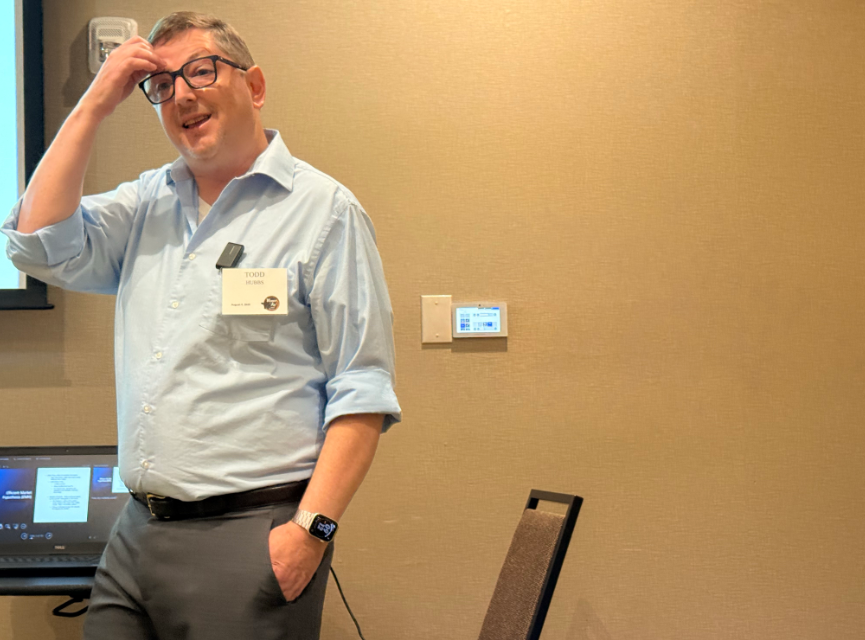
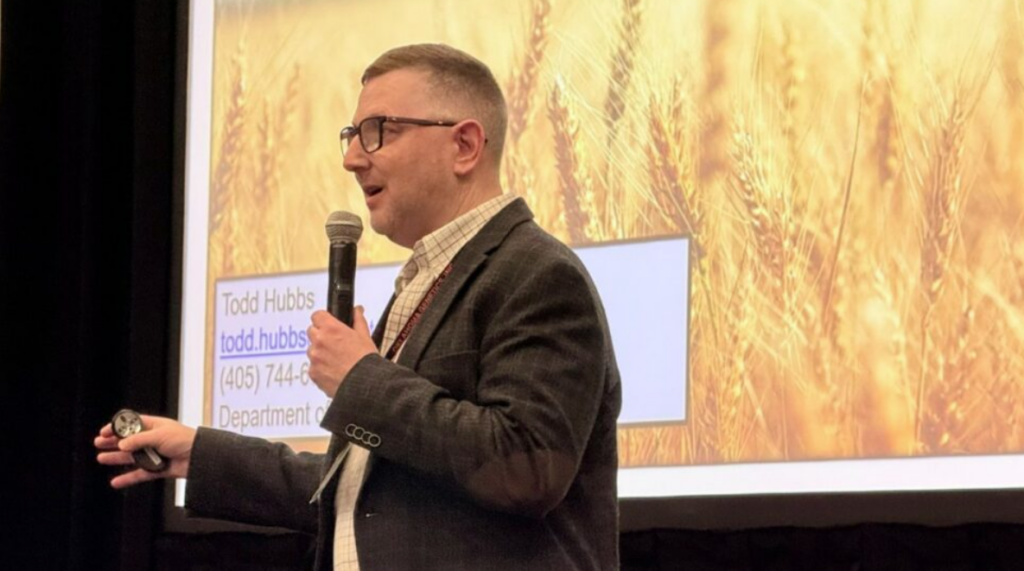
In this week's crop marketing update, Radio Oklahoma Ag Network Farm Director KC Sheperd sat down with Oklahoma State University crop marketing specialist Dr. Todd Hubbs to break down the heavy downward pressure across the commodity board, markets, the state of Oklahoma's winter wheat crop, and the demand drivers to monitor heading into the winter.
"They're bad. We're getting some real downward pressure," Hubbs said when asked about the week's commodity trade. "A lot of money's leaving our commodity markets, particularly in wheat. We've seen the July '27 price drive down below $6.60."
Wheat: Black Sea Flow and Southern Plains Soil Moisture
Hubbs pointed out that despite smaller Hard Red Winter (HRW) wheat production domestically and a reduced crop across the European Union, global pricing continues to feel heavy seasonal and speculative fund pressure.
"We keep getting noise out of the Black Sea that Russia is moving wheat and grain," Hubbs explained. "It was just a constriction, not a contraction—the stuff was all still there and waiting to move, and it seems like it is. We've seen purchases of Russian wheat out of the Baltic to numerous locations, particularly North Africa, parts of Southern Africa, and the Middle East. Shipping costs are so high it's hard for us to compete in those markets right now where the price is."
On the domestic side, fall planting and replanting across Oklahoma are heavily dictated by upcoming moisture prospects.
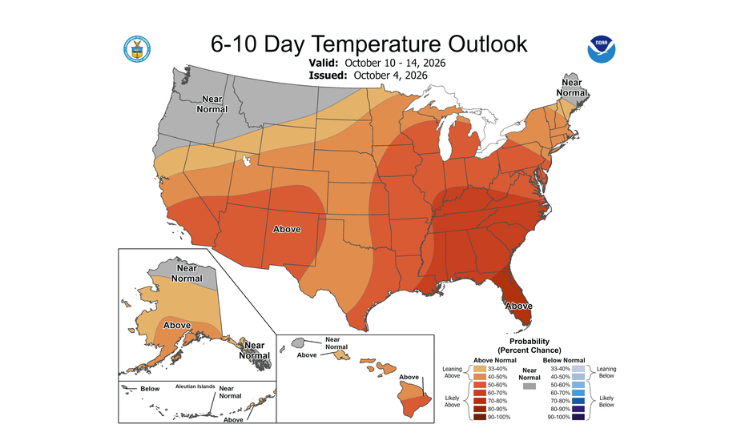
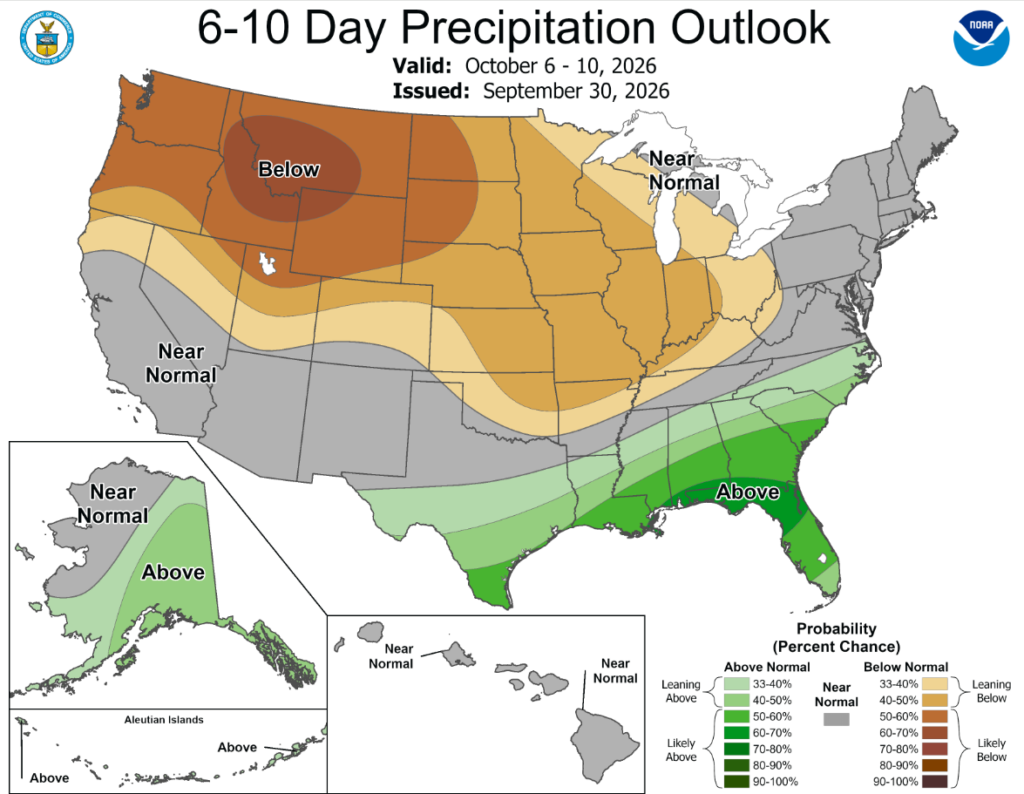
"We're expecting a bunch of rain coming through the weekend, hopefully it shows up," Hubbs noted. "With the climate forecasts, we're supposed to get a decent amount of rain and it may be a little bit warmer here in the Southern Plains, so maybe we can get some good stands established and have a good crop going when we get into next spring."
For producers weighing sales triggers, Hubbs advised patience rather than chasing market lows:
Cash Sales: Hubbs recommends a "wait-and-see" approach rather than selling at the bottom, noting that futures are approaching levels that should begin flattening out.
Basis Levels: Local basis has remained steady around the minus 50-cent range across Oklahoma, constrained primarily by elevated transportation costs and sluggish port movement.
Crop Insurance Anchor: Producers with coverage are reminded that the projected price safety net is locked in at $8.11, providing crucial marketing support.
Row Crops: Stable Basis and South American Weather Watch
Turning to corn and soybeans as harvest wraps up, Hubbs anticipates relatively range-bound basis levels in the near term.
"I think you're just going to see some stabilization in basis because I think demand is going to be good at these levels," Hubbs said. "We're not moving the [corn] exports like a lot of people think, but we are moving soybeans at a pretty healthy clip."
Key row-crop dynamics Hubbs is monitoring include:
Ethanol & Milo Spread: Corn prices across Oklahoma are hovering between $4.50 and $4.55. While strong ethanol margins support grind demand, China has bought very little grain sorghum, maintaining a wide spread between corn and milo in the Southern Plains.
Soybean Crush: Domestic crush margins remain robust, buoyed by biofuel demand for soybean oil, even as export demand for soybean meal starts off moderately light in the young marketing year.
South American El Niño Risk: On the global balance sheet, Hubbs is closely tracking rainfall in northern Brazil. An active El Niño pattern typically creates drier-than-normal conditions for Brazil's primary soybean and second-crop safrinha corn production windows. Any production cutbacks out of South America next year could provide critical support to domestic balance sheets.
When asked how many months it might take before he can discuss grain markets without a heavy sigh, Hubbs concluded with a laugh: "It could be a while."
Attorney General Gentner Drummond today issued a formal opinion on the U.S. Senate seat vacated by former Sen. Markwayne Mullin. The opinion concludes that the candidate elected to the seat on Nov. 3 will also fill the rest of the term. That candidate will be eligible to take office once the State Election Board certifies the results.
The opinion answers separate requests from Gov. Kevin Stitt and Senate President Pro Tempore Lonnie Paxton. It also concludes that the appointment of U.S. Sen. Alan Armstrong ends when the newly elected senator takes the oath of office, rather than on Jan. 3, 2027, when the current Senate term ends.
"Oklahoma law and the U.S. Constitution point to the same answer: the voters fill this seat," Drummond said. "Oklahomans will choose their next senator at the polls on Nov. 3, and that person will be eligible to take office once the election is certified. This opinion gives the Governor and the Legislature clear guidance on how to proceed."
Because the seat was already on this year's ballot for a full six-year term, state law does not call for a separate special election. Instead, the winner is considered elected to both the remainder of the current term and the new term. Once the results are certified, the opinion finds the Governor must certify the winner's election for both terms to the U.S. Senate without delay. The U.S. Senate, which judges the elections and qualifications of its own members, administers the oath.
The vacancy began when Sen. Mullin resigned in March to become U.S. Secretary of Homeland Security. Gov. Stitt appointed Sen. Armstrong the next day. As state law requires, Sen. Armstrong pledged before his appointment that he would not run for the seat.
In today's Beef Buzz, senior farm and ranch broadcaster Ron Hays continues his conversation with Hunter Ihrman of the National Cattlemen's Beef Association (NCBA) about the upcoming midterm elections, spending by animal rights activist groups, and how NCBA plans to build relationships with new members of Congress. Ihrman also discussed the importance of face-to-face conversations with lawmakers and forming partnerships with organizations outside of agriculture. Part one of this conversation can be found here.
Anti-Animal Agriculture Groups Spending Millions in Elections
Ihrman said NCBA is watching the growing involvement of anti-animal agriculture groups in elections across the country, including spending tied to livestock policy debates. "Yes, new this year we are really seeing a lot of animal rights activist money being deployed in the election process," Ihrman said.
He pointed to the American Meat Producers Association, which he said claims to be connected to family farming but is run by a former Humane Society executive. Ihrman cited $30 million spent in June in Kansas against Sen. Marshall and his legislation addressing Proposition 12, along with a $1.7 million spending announcement in October targeting Iowa Congresswoman Ashley Hinson. "This is a new thing that we need to contend with," Ihrman said. "But I would also say, if this organization claims to represent family farmers and ranchers, where are those millions of dollars coming from? Because I certainly don't know anybody who we represent who's able to cut checks like that."
With Sen. Marshall facing a difficult election, Ihrman said the amount of money being spent in Kansas presents a challenge. "But you know grassroots activity is really our best cure against some of that money," Ihrman said. "You know, if we have good folks willing to speak up who are authentic, that will always be a better message than any kind of slick million-dollar ad campaign."
NCBA Preparing to Work With a New Congress
Regardless of which party controls the House and Senate after the Nov. 3 midterm elections, Ihrman said NCBA is preparing to introduce its priorities to incoming lawmakers. "Every time there's a new Congress, it's kind of like back to school for us," Ihrman said.
He explained that the NCBA team plans to travel to Capitol Hill, meet with members of Congress and begin building relationships as soon as the new Congress takes office. "D.C. is still very much an in-person town, even in this age of Zoom meetings and virtual events," Ihrman said. "You still get the most done by sitting across the table and looking someone in the eye and having a conversation."
NCBA also plans to hold educational events to help lawmakers understand the cattle industry's supply chain and the potential effects of federal policy decisions on producers.
Ihrman noted that some incoming lawmakers may not have previous experience in agriculture, but he said NCBA wants to work with those who are willing to learn. "We're going to make sure we're providing all that information to them so they can start making good decisions for the cattle business from day one," he said.
Face-to-Face Outreach Helps Tell Agriculture's Story
Ihrman said establishing relationships early in a new congressional session can open the door to additional educational opportunities, including farm and feedlot tours. "Helps build that relationship, sets us off on the right foot with some of these new members of Congress, and it opens the door for us to be able to do some joint events with our partners, to work with our state cattlemen's associations, to organize farm tours and feedlot tours, and all those types of educational events that help these members of Congress see how their votes translate to real-world impact on all of all facets of the cattle industry," Ihrman said.
He also discussed the role social media plays in shaping conversations around agricultural policy. Ihrman said animal rights activist groups are using social media to promote their positions and, in some cases, exploit differences of opinion within the cattle industry. "You know, animal rights activists know that there might be some difference of opinion in the cattle industry on some hot topics, and you know they're trying to exploit those divisions to divide us and make us less unified when we're going in and talking to the administration," Ihrman said.
He added that social media discussions may not always accurately reflect the industry's priorities, making direct communication with producers especially important. "That's why it's critical that we continue to bring real producers to D.C. so they can go and have a face-to-face conversation and talk about what's really going on, and we go beyond what's just going on on Twitter," Ihrman said.
NCBA Building Partnerships Beyond Agriculture
Ihrman also discussed his work developing strategic partnerships with organizations outside the traditional agriculture sector. He said these relationships can help expand agriculture's influence in Washington, D.C. "And ultimately, you know, we continue to say agriculture is just 2% of the population," Ihrman said. "But that 2%, we need to have a much bigger voice than just 2% of the voice if we're going to be advocating for our industry effectively."
He said NCBA has worked with groups involved in hunting, fishing and outdoor recreation because they share interests in maintaining productive rangeland and protecting wildlife habitat.
NCBA is also exploring partnerships with small-business coalitions, which share interests in issues such as lower taxes. "Those groups care about low taxes. So do our members, who are also small businesses," Ihrman said.
Ihrman said building these relationships can help cattle producers connect with other groups that share similar policy priorities. "And part of the excitement is getting to find ways that agriculture connects to all these other interests in D.C. and building coalitions so that we have a stronger voice when we go to Capitol Hill, and that makes it easier for us to get our policy priorities achieved," Ihrman said.
The Beef Buzz is a regular feature heard on radio stations around the region on the Radio Oklahoma Ag Network and is a regular audio feature found on this website as well. Click on the LISTEN BAR above for today's show and check out our archivesfor older Beef Buzz shows covering the gamut of the beef cattle industry today.
Oklahoma State University President Dr. Jim Hess sat down with Farm Director KC Sheperd to detail major strategic milestones, highlighting OSU's Land-Grant mission, student career readiness, and significant infrastructure investments taking shape across the Stillwater campus. From historic agricultural facilities to high-impact health sciences and athletics, Hess outlined how Oklahoma State continues to expand its reach and service across all 77 counties in Oklahoma.
Workforce Readiness and Preparing Future Leaders
A primary focus for OSU leadership is aligning academic programs with direct workforce entry. Highlighting a visit of 150 prospective students touring campus for Family and Consumer Sciences, Hess noted that OSU is home to the only program of its kind in the state. With approximately 28,000 members in Oklahoma's Family, Career and Community Leaders of America (FCCLA) organization, the pipeline remains essential for providing servant leaders and educators throughout the state.
To bridge classroom achievement with practical employment, OSU is ensuring incoming students are paired with dedicated career readiness coaches and alumni mentors working within their fields of study. Hess emphasized that modern college students require structured guidance to transition away from screen time and build the professional, interpersonal soft skills necessary to thrive in competitive career environments. Mentorship connections actively assist students with landing internships, which frequently convert into permanent employment upon graduation.
Watch the full video on youtube above.
Extension Serves as the University's Front Door
Hess reiterated the critical role of OSU Extension, describing county extension educators and local specialists as the university's frontline connection to Oklahoma's agricultural producers and rural communities. With extension representation across every county, OSU provides direct on-the-ground support to help farmers and ranchers troubleshoot everyday production hurdles, connecting local questions with researchers and faculty experts in Stillwater.
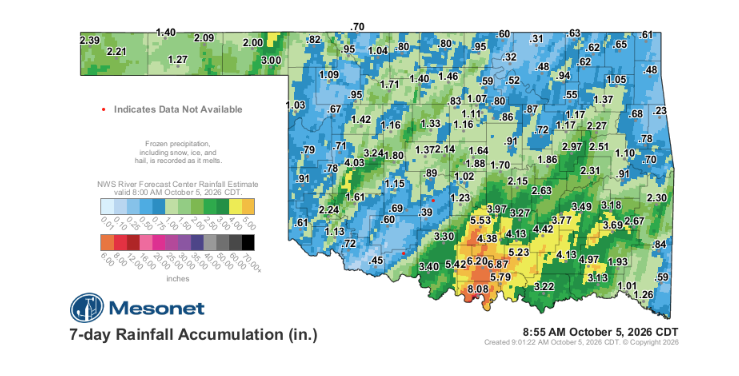
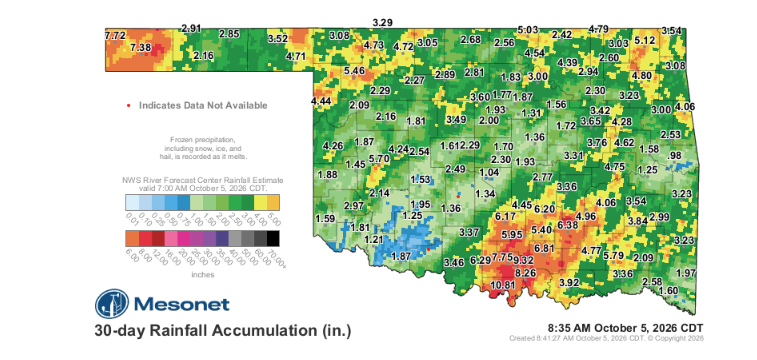
Following welcoming rainfall across western Oklahoma, Hess pointed to the statewide significance of the agricultural economy ahead of the upcoming Rural Economic Outlook Conference. The conference will assemble industry leaders and students to examine the vital economic drivers that sustain rural communities and ripple through the broader state economy.
FFA Excellence and Student-Led Research Breakthroughs
Oklahoma students have repeatedly made national headlines, most recently with major sweeps and honors at the National FFA Convention. Hess credited their work ethic, values, and community support systems for producing standout servant leaders, many of whom transition into OSU's undergraduate, veterinary, and medical tracks. Through programs connecting blue jackets to white coats, a significant portion of medical students begin their journey through agricultural education before serving rural healthcare facilities as general practitioners.
OSU's emphasis on hands-on discovery allows undergraduate and graduate students to participate directly in life-saving research. Faculty and researchers in the College of Veterinary Medicine recently developed an innovative treatment protocol targeting neuroblastoma, a deadly cancer affecting young children. Such projects demonstrate OSU's commitment to advancing health outcomes both nationally and locally, bolstered by OSU College of Osteopathic Medicine's national ranking as the premier producer of rural family physicians in the country.
Physical development continues along Highway 51 and 6th Street as OSU prepares for a major campus transformation. The university plans to raze older agronomy facilities and existing greenhouses to construct a modern $55 million Agronomy Research Discovery Center. The project has secured approximately $12 million in private funding alongside legislative support, with an additional $6 million in private contributions currently being raised to bring the vision to fruition.
Pic courtesy of Jayson Lusk
Adjacent to the Agronomy Discovery Center, the university will develop a $329 million Veterinary Medicine Teaching Hospital fully funded by the State of Oklahoma. Together, the facilities will flank University Avenue, establishing a prominent, modern gateway on the west side of campus dedicated to agricultural research and clinical excellence.
The new agronomy complex will provide advanced facilities for OSU's wheat breeding program led by Dr. Brett Carver. Having developed 41 distinct wheat varieties with a 42nd underway, the research team's contributions have driven substantial yield gains and resilient production across the state's agricultural acreage. With the location of the new Agronomy Discovery Center announced, the "coming soon" sign is officially up, marking a milestone for this once-in-a-generation opportunity. The collection of facilities will be situated just north of the existing agronomy farm, off Western and Virginia roads in Stillwater. The center will include new greenhouses to support our wheat, turfgrass and horticultural breeding programs, along with field research infrastructure for soil fertility, weed science and crop production across Oklahoma's major commodities.
Pic courtesy of OSU Facebook Page
Transforming the Campus Gateway: Agronomy and Veterinary Medicine Facilities
Cowboy Athletics Momentum
Beyond classroom and campus advancements, Dr. Hess expressed immense pride in the surging momentum behind OSU athletics, reaffirming his confidence in Cowboy Football's postseason trajectory. Riding the high of a hard-fought Homecoming victory over Colorado in prime time, Hess pointed to the Cowboys' resilience as a dominant second-half squad and their strong positioning tied for second place in the Big 12 race.
Pic courtesy of OSU facebook page
Addressing the widespread postseason excitement across the Cowboy faithful, Hess assured fans that reaching a bowl game remains a certainty, emphasizing that securing an invite and going bowling is a top priority for the program.
Pic Courtesy of OSU Facebook page
The enthusiasm carries straight into winter sports as well, with Cowgirl Basketball entering the year ranked No. 1 in the Big 12 preseason poll under Coach Hoyt, Cowboy Basketball geared up under Coach Lutz, and Cowboy Wrestling poised for a title run under Coach Taylor, highlighting an athletic department firing on all cylinders
The U.S. Department of Agriculture (USDA) today announced its intent to purchase up to $472.5 million in American-grown and American-raised agricultural commodities to distribute to the charitable food network and other nutrition assistance programs.
"America's farmers, ranchers, and fishermen grow and harvest the safest, highest-quality food in the world, and President Trump is making sure their hard work is being rewarded," said Secretary of Agriculture Brooke L. Rollins. "Today's $472.5 million investment moves American milk, cheese, lentils, almonds, rice, catfish, and more, straight from our farms to those in need, rather than being wasted. We are committed to putting farmers first in the Trump Administration and through actions like this we can Make America Healthy Again."
Section 32 purchases are one of USDA's most direct tools for supporting producers when market conditions are tight. This action:
Helps stabilize agricultural markets. Through Section 32 authority, USDA can direct funding to support commodity markets during periods of imbalance, helping to steady prices and assist producers when they face economic hardship or sudden disruptions. This mechanism provides timely relief and contributes to maintaining a more stable and resilient agricultural economy.
Reaches producers in every region. From pulse growers on the Northern Plains and in the Pacific Northwest, to tree nut, raisin, and citrus growers, to catfish farmers in the South, rice growers, pork and poultry producers, and the West Coast's Pacific whiting fleet, these dollars flow to farm country nationwide.
Supports rural jobs. Every purchase supports the processors, packers, haulers, and workers who move food from the farm to the table, keeping dollars circulating in rural economies.
Agricultural Marketing Service Section 32 Purchases
USDA's Agricultural Marketing Service (AMS) continuously purchases a variety of domestically produced and processed agricultural products. These "USDA Foods" are provided to USDA's Food and Nutrition Administration nutrition assistance programs and are a vital component of the nation's nutrition safety net.
USDA AMS will purchase $472.5 million of the following commodities:
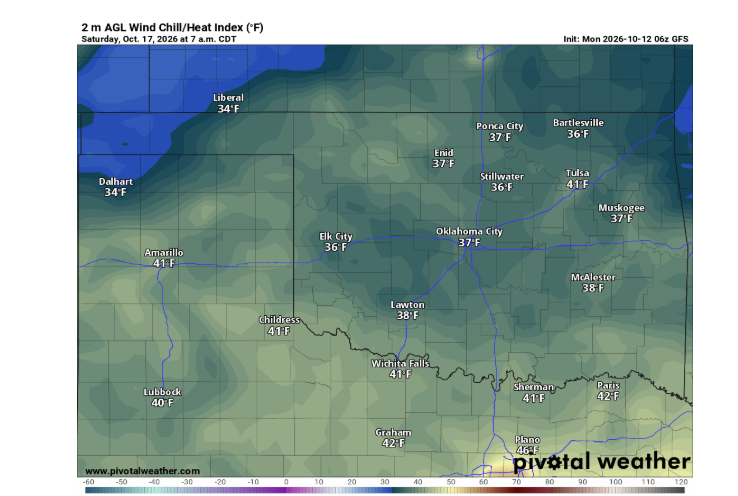
While long-range climate models hint at potential polar vortex disruptions and sudden stratospheric warming far to the north, Oklahoma State Climatologist Gary McManus notes that 2026 is leaving no doubt about where it stands in the state's historical climate record books. According to McManus, Oklahoma is not simply contending for the all-time warmest year on record—it is on pace to completely dismantle the previous benchmark set in 2012.
The climatological data reveals an astonishing run of persistent heat. From January through September, Oklahoma's statewide average temperature reached 68.6°F, running 5 degrees above normal and a full 1.5 degrees warmer than the previous record pace established during 2012. McManus points out that October has only accelerated the trend, running roughly 6.1 degrees above average. That trajectory places the statewide January-through-October average around 68.4°F, easily overtaking 2012's mark of 66.3°F.
Overcoming this persistent heat pattern would require an unprecedented turnaround. McManus explains that unless a drastic shift occurs over November and December—such as a sustained kink in the polar jet stream driving Arctic air south—2026 is firmly positioned to secure the top spot. Even a late-year cooldown may not be enough to prevent a new record, considering the state currently tracks more than 2 degrees warmer than 2012's final statewide average of 63.2°F, having experienced only one significant Arctic blast and brief below-normal stretches throughout the entire 16-month period.
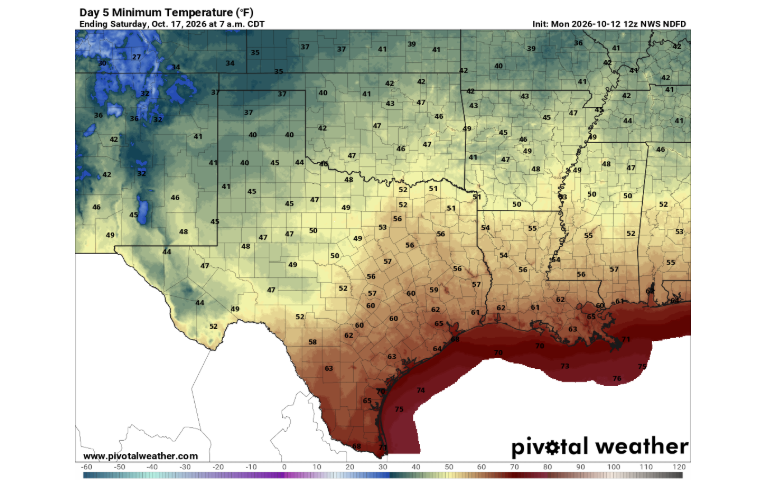
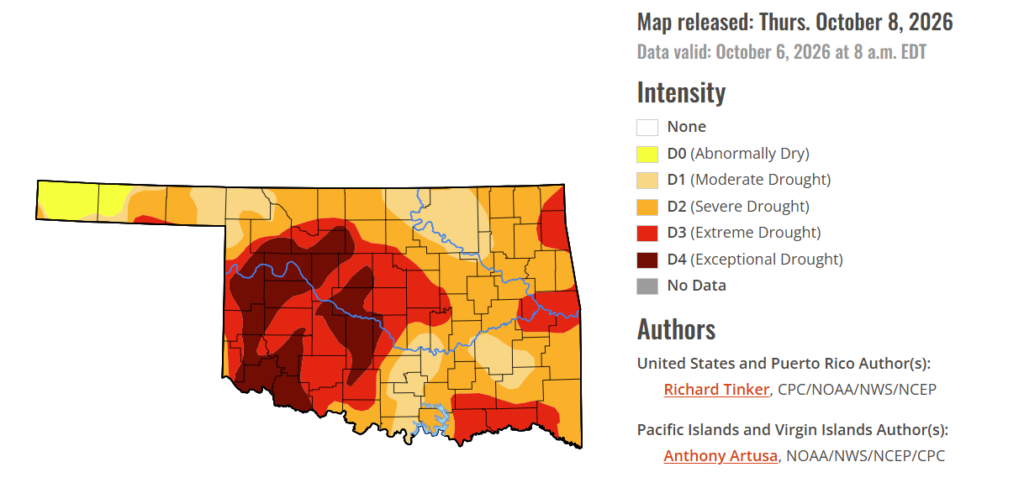
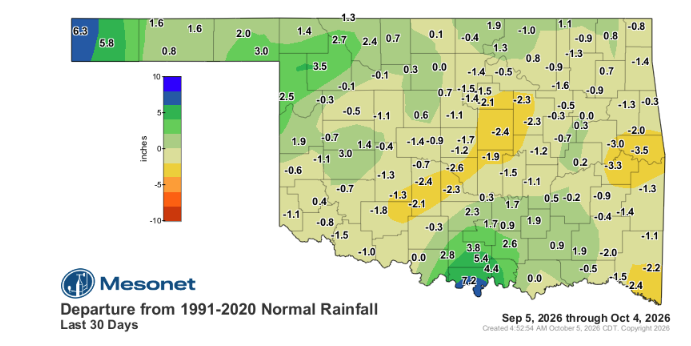
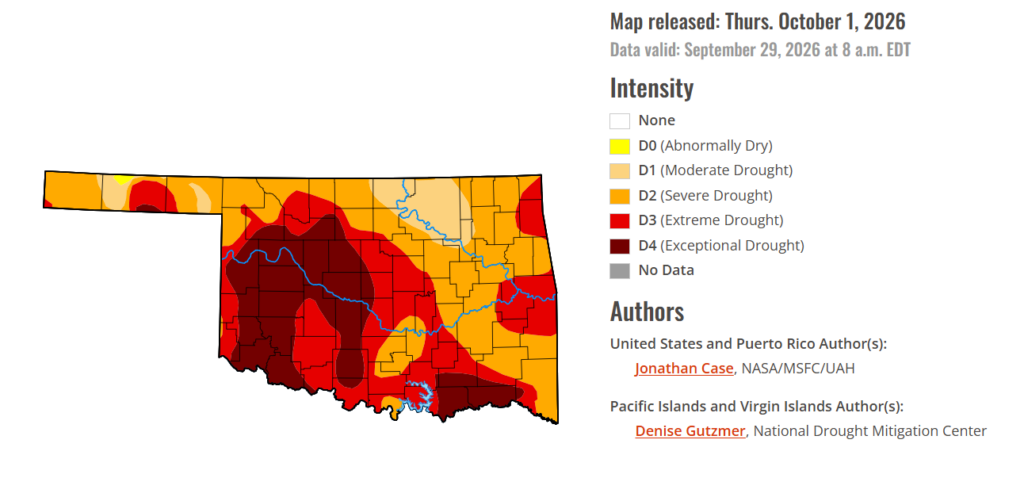
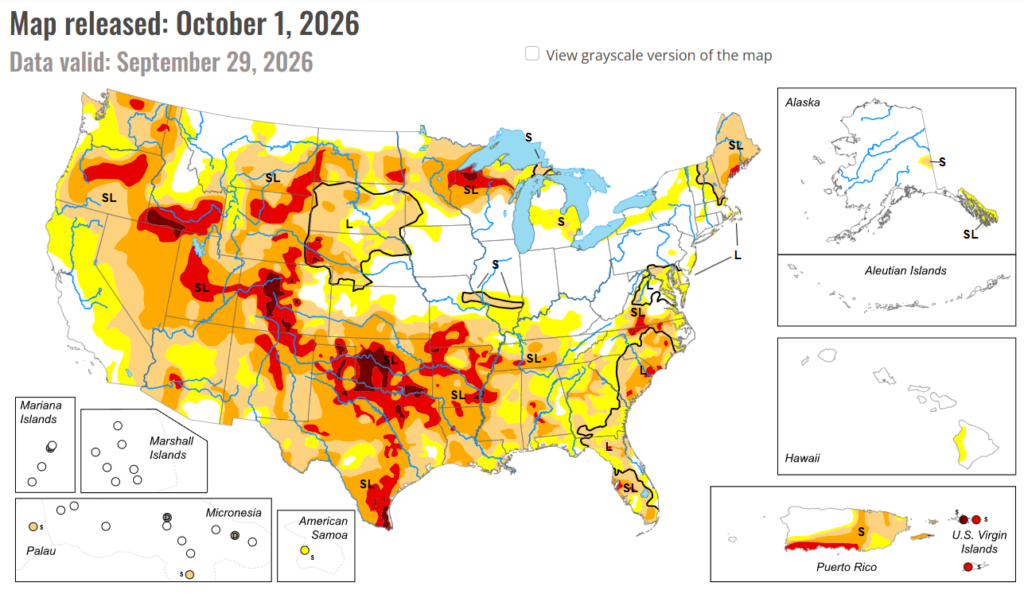
In the short term, rainfall chances across the state offer much-needed moisture to help chip away at lingering drought conditions and improve the U.S. Drought Monitor map. However, significant autumn chill remains absent from the immediate forecast, with McManus pointing out that Saturday will serve as the "coolest" day of the next five, still seeing highs settle comfortably in the 70s.
To read more from State Climatologist Gary McManus on his mesonet ticker click here:
Following an official natural disaster designation by the Secretary of Agriculture, the USDA's Farm Service Agency (FSA) is stepping in to offer emergency loans to help folks steady their ground. This isn't a run-of-the-mill bank program; it is designed specifically for producers who have weathered the worst of this dry spell and need to rebuild.
These funds can be used directly to replace lost livestock or essential equipment, restructure an operation so it can survive another hard year, or refinance burdensome farm debt. Every application will be weighed with an eye toward the actual losses suffered on the ground, the security available, and a realistic path to repayment.
The primary relief is targeted directly at producers in Oklahoma's Atoka, Coal, Johnston, Le Flore, Marshall, Osage, Sequoyah, and Washington counties. But drought doesn't stop at county borders, and neither does the assistance. Neighboring producers across adjacent border counties are also eligible to apply:
In Arkansas, aid extends to Crawford, Polk, Scott, and Sebastian counties.
Across the northern line into Kansas, help is open to Chautauqua, Cowley, and Montgomery counties.
Over the Red River in Texas, producers in Grayson County can apply.
And across the rest of Oklahoma, neighboring counties are covered—including Adair, Bryan, Carter, Cherokee, Choctaw, Haskell, Hughes, Kay, Latimer, Love, McCurtain, Murray, Muskogee, Noble, Nowata, Pawnee, Pittsburg, Pontotoc, Pushmataha, Rogers, and Tulsa.
Producers have time to put their recovery plans together—the application window is open through June 21, 2027.
If you are wondering what step to take next, you don't have to figure it out alone. You can head over to farmers.gov to explore self-guided options using the Disaster Assistance Discovery Tool or the Loan Assistance Tool. For a direct conversation, reach out to your local USDA Service Center to file a Notice of Loss and sit down with someone who can help you put these resources to work on your land.
Cameron University's Department of Agriculture, Biology and Health Sciences is hosting its 38th Annual Beef Cattle Improvement Conference on Thursday, November 12, 2026, at the Lawton campus. Cameron University sponsored its first Beef Cattle Improvement Conference in 1987. Each year since, the university has brought industry experts to its Lawton campus to present information of interest to farmers and ranchers who are engaged in the beef cattle production. Since this industry is one of the largest in southwest Oklahoma and of vital interest to the area economy, the conference also supports Cameron University's strategic plan to strengthen the economic, cultural and civic life of its service area.
This year's conference centers on emerging biological threats and safeguarding Oklahoma's cattle herds, titled "Understanding New World Screwworms: Risks, Recognition, and Response."
Event Details
Date: Thursday, November 12, 2026
Time: Dinner begins at 6:00 p.m., followed by the keynote presentation
Location: McCasland Family Ballroom, McMahon Centennial Complex (2nd floor), 501 SW University Dr., Lawton, OK
Today, U.S. Secretary of Agriculture Brooke L. Rollins recognized the 31 states that have taken early action to complement President Donald J. Trump's emergency dyed diesel relief initiative and encouraged remaining governors to take corresponding action to provide relief to American farmers, ranchers, and transportation operators.
On October 5, 2026, President Trump, with the strong support of Vice President J.D. Vance, signed Executive Order 14435, Emergency Tax Relief on Diesel Fuel, directing the U.S. Department of the Treasury and Internal Revenue Service (IRS) to provide temporary federal penalty relief for highway use of off-road dyed diesel and suspend enforcement of applicable federal excise taxes, thereby lowering costs for Americans.
"I want to personally thank President Trump and Vice President Vance for their leadership in advancing this important relief for American agriculture. I also want to commend the governors who have taken action to provide relief to our hardworking farmers, ranchers, and transportation operators during this critical harvest season," said Secretary of Agriculture Brooke L. Rollins. "Their leadership is an important part of ensuring this relief reaches the producers who need it most. For the remaining states, I respectfully encourage their governors to join us in taking corresponding action on dyed diesel alongside the Trump Administration. Together, we have an opportunity to provide our mutual constituents with real relief for the remainder of this harvest season and beyond."
With the federal diesel excise tax totaling 24.4 cents per gallon, USDA estimates that this broader initiative could deliver more than $640 million in combined federal and state savings across approximately 224.6 million harvested acres.
In accordance with President Trump's Executive Order, the IRS published guidance (IR-2026-122) on October 14, 2026, clarifying that, for the duration of the relief period, it will suspend enforcement and collection of the federal dyed diesel excise tax and waive the penalty for on-road use of dyed diesel. Additional guidance (IR-2026-125), issued October 21, 2026, provided further relief from federal tax-related reporting and recordkeeping requirements for covered dyed diesel transactions during the relief period.
To date, 31 states have taken or announced dyed-diesel-related action, including suspending certain penalties, modifying enforcement practices, or taking other measures intended to reduce unnecessary burdens on agricultural producers and transportation operators.
Secretary Rollins is encouraging governors who have not yet acted to give full and fair consideration to implementing corresponding relief alongside the Trump Administration. USDA will continue working with state leaders to support implementation and ensure that farmers, ranchers, and transportation operators have access to the relief available under federal and state law.
Background:
October 5, 2026: President Trump signed Executive Order 14435, Emergency Tax Relief on Diesel Fuel, with the strong support of Vice President Vance.
October 14, 2026: The IRS issued guidance (IR-2026-122) providing temporary federal dyed diesel excise tax enforcement and penalty relief.
October 21, 2026: The IRS issued additional guidance (IR-2026-125) addressing federal reporting and recordkeeping requirements.
Projected Savings: USDA estimates more than $640 million in potential combined federal and state savings across approximately 224.6 million harvested acres.
State Action: 31 states have taken or announced dyed-diesel-related measures, including highway-use relief and modifications to enforcement practices.
Farmers, ranchers, fuel distributors, state officials, and other stakeholders with questions regarding dyed diesel relief, eligibility, or implementation are encouraged to contact USDA at DyedDiesel@usda.gov, or refer to the official IRS's Dyed Diesel Frequently Asked Questions.
If you bought beef recently, you probably experienced sticker shock over high prices; yet farmers are experiencing the opposite shock, as the price they're paid for their cattle falls. How can that be? It's the result of a complex food supply chain, and beef isn't alone. It's a scenario playing out across a variety of agricultural products: big disparities between retail prices and farm gate prices. Before we delve into shoppers' perceptions about it, let's compare.
According to the Bureau of Labor Statistics, the national average retail ground beef price was 7.4% higher in August 2026 than in August 2025, but farmers were paid 10% less for their cattle. Farm prices for fresh vegetables were 7.3% lower in August than a year earlier, while the prices consumers paid at grocery stores rose 3.2%. Dairy farmers saw milk prices fall 3.5%, but retail dairy prices slipped just 0.3%.
Farmers are Price-Takers, Not Price-Makers
Some of this gap is timing. Farm prices swing far more than grocery prices, and store prices typically trail and are often not very related to price changes at the farm. The costs of getting food from field to shelf, such as diesel, labor and packaging, haven't gone away and continue to get costlier.
But the pattern points to something farmers know well. When prices for their crops and livestock fall, they feel it right away. Yet, when their production costs rise, they can't pass along the increase when they sell their products. Farmers have to sell at whatever price the market sets because they are price-takers, not price-makers.
This point is illustrated well in the USDA's breakdown of the farmer share of the industry food dollar, analyzed in a Farm Bureau Intel earlier this year. In 2024, that share was only 5.8 cents of every dollar spent on domestically produced food. The remaining 94.2 cents of the food dollar went toward costs associated with food processing, transportation, retail and other costs. There are different ways USDA analyzes the food dollar, including what's referred to as the marketing food dollar, but any way you slice it, the farmer's share is less than 7 cents.
That's why the farm economy can be in trouble — like it is now — even when grocery prices are normal or elevated. The turbulent winds swirling around farmers have left many underwater ... again. For some, it's their fifth year in the red. Bottom line: farmers have many obstacles to overcome.
On the brighter side, public perception that they are big beneficiaries of high grocery prices is not among them. I've literally had dozens of conversations with farmers worried about this perception. The comment I hear goes something like this: "The public is going to think high food prices mean we're lining our pockets and we need them to know that's just not the case."
Giving Consumers Credit
Shoppers are frustrated too. Nearly two-thirds of consumers across demographics in a recent national survey cited high grocery prices as a top financial pressure. The June survey by Global Strategy Group also revealed that two thirds of respondents consider food prices unfair. So, who do they point the finger at as responsible for the higher prices?
Most consumers blame tariffs (48%) or big corporations raising retail food prices (46%). Notice who's missing from the list of perceived culprits: farmers. That's a welcome surprise to many farmers. It seems consumers understand that the U.S. has a complex food supply chain even if they don't fully comprehend its complexities.
Of course, sometimes public perceptions are way off, and surveys that reveal big gaps in consumer understanding get a lot of attention. They often shape farmers' assumptions, but concluding that all consumers are ignorant about food and agriculture is neither accurate nor helpful.
Why do farmers care so much about what consumers think? Because farmers take such pride in raising healthy food that families can afford. They don't take for granted the extraordinarily high level of trust that consumers place in them, which has remained above 80% in our polling for nearly a decade (as noted in a previous Farm Bureau Intel).
The Work Ahead
Addressing the knowledge gaps when it comes to the public's understanding of agriculture is important to maintaining trust.
A big one is the false notion that most farms are no longer owned by families. An analysis of USDA data indicates 97% of U.S. farms are family-owned. More than 86% are not only family-owned but classified by USDA as small farms. We have large family farms, too, in the U.S. and they play a critical role in providing a secure food supply. At Farm Bureau, we work to ensure Americans know where their food comes from and who grows it - on farms of all sizes.
It's important work, but equally important is the work needed to solve the structural issues creating generational headwinds in agriculture.
Many conversations are underway about solutions for the farm economy. From creating new demand for agricultural products here at home through the Buy America effort and increased biofuel production, to expanding current export opportunities and developing new ones. This year's unforeseen spike in farm operational costs created a series of shocks that knocked down farmers' profits and sent many even further into the red. Ideas to lower input costs – or at least make them more predictable – range from producing more fertilizer and other farm supplies domestically to protecting shipping routes and advancing research into new tools that protect against insects, weeds and plant diseases.
I'll note one more key to stabilizing agriculture (although there are undoubtedly many more). Farmers are still operating under the 2018 farm bill, which Congress has extended three times. I don't have to tell you that the world has changed dramatically since 2018 and a modernized farm bill is an obvious need. The stakes extend far beyond the farm. Keeping farms economically viable is essential to ensuring families can continue to count on a secure food supply.
Everyone has a Role
There is no silver bullet that sets up U.S. agriculture for a vibrant future, but each of us has an opportunity to contribute.
Shoppers should remember that food prices on the shelf tell you little about what farm families earn, and it's important to seek out accurate information about agriculture.
As some of the most trusted people in America, every farmer and rancher can help supply that information, whether in conversations, presentations or interviews.
Congress and the administration can modernize policies and programs that support agriculture to lay the foundation for future farm success, which is a fundamental part of our country's success.
Together, farm and ranch families, consumers, policymakers and our food supply chain partners can ensure we have a vibrant, secure and safe food supply for generations to come.
Sen. Casey Murdock, R-Felt, today hosted a Senate committee meeting to explore the economic benefits and community concerns surrounding data center developments.Murdock invited economists and a national security expert to the Senate Agriculture and Wildlife Committee to present on the wide-ranging impacts of the data center boom.
Murdock said it is critical for Oklahoma to get the data center issue right, noting that policymakers must have all the facts before advancing policies with lasting consequences. Hearing all sides of the debate is key to developing balanced policies, he said.
"Data centers can bring significant economic benefits, but the process must be transparent," Murdock said. "Intentional guardrails and strong transparency measures could be key to attracting data centers while still protecting Oklahoma communities."As an example, Dr. Rick Evans, senior economist at the Abundance Institute, noted that a 300-megawatt data center with an estimated value of $2.5 billion could produce $12.5 million to $25 million in additional property tax revenue each year.
Murdock said a tax windfall of that magnitude could be significant for any one of the 10 counties he serves."In the Panhandle and northwest Oklahoma, we're losing businesses faster than we're gaining them, so I'm always looking for ways to attract new industries and high-paying jobs to the region," Murdock said.
"Data centers present a unique opportunity to bring significant investment to my rural localities and generate millions of dollars in new tax revenue for schools, roads and basic services."Oklahoma State University economists provided information on how data centers can increase local tax revenue and community investment through property, utility and franchise taxes and payments directed toward community priorities and infrastructure improvements.Dr. Mckenzie Boyce, an assistant professor in OSU's Department of Agricultural Economics, and Dr. Brian Whitacre, a professor in the same department, discussed the construction and long-term jobs data centers create, their potential effects on property values, differences in impacts between rural and urban communities and concerns related to water use and electricity costs.
Boyce concluded that while data centers can generate economic benefits, the scale of those benefits varies considerably based on the project, the community and the terms agreed to by a developer and a municipality.Alexander Gray, chief executive officer of American Global Strategies, said America's national security and economic future are tied to its ability to lead in artificial intelligence and super intelligence. He noted that China plans to double its data center capacity by 2030 and said Chinese AI models, such as DeepSeek, distort the truth and reinforce the narratives of their authoritarian government.
"This discussion isn't really about data centers," Murdock said. "It's about AI and America's destiny. We are in a race with China for AI dominance, and we need to do everything we can to win. The country that controls the flow of information has the power to reshape our history and decide our future. Oklahoma has a role to play in making sure our nation remains a step ahead."
Dr. Evan Whitley, Choctaw Nation executive director of agriculture and natural resources, has been named to the United States Department of Agriculture (USDA) Tribal Advisory Committee.
Whitley is one of four new appointees to the committee, joining Mark Fox (chairman of Mandan, Hidatsa, Arikara Nation), Enjady Godfrey (general manager of Mescalero Apache Telecom, Inc.) and Dr. Bradford Hall (president of Blackfeet Community College.) Whitley, Fox and Godfrey were all nominated by Agriculture Secretary Brooke L. Rollins, while Hall was appointed by Representative Angie Craig.
The Tribal Advisory Committee advises the secretary of agriculture on tribal affairs, including identifying issues, policies and procedures that could affect tribes and working toward solutions.
"It's an honor to serve on the USDA Tribal Advisory Committee where I'll have an opportunity to advocate not only for Choctaw Nation citizens, but for tribal citizens across the country," said Whitley. "Tribal nations play an important role in our country's agricultural landscape, and I'm excited to be in a position to share our unique perspective with USDA leaders."
Whitley has been with the Choctaw Nation since 2020 where he oversees 65,000 acres of ranch land, cattle, pecans, forestry, tribal conservation district and land management programs. He is also responsible for the Choctaw Ranches Beef production and product development. Whitley has spearheaded Choctaw Ranches' use of technology and tracking systems to create streamlined processes and higher-quality cattle and beef, which will be featured on RFD-TV on Wednesday, Oct. 28 at 6:30 p.m. Choctaw Ranches will also be highlighted in an upcoming episode of The American Rancher on RFD-TV in December.
"We're excited to see Dr. Whitley receive such a well-deserved position on the USDA Tribal Advisory Committee," said Jody Standifer, executive officer of small business and ag administration. "Having a representative with such a knowledgeable, experienced voice advising the USDA on agricultural tribal affairs is paramount, and they couldn't have found someone better suited to the job."
About The Choctaw Nation The Choctaw Nation is the third-largest Indian Nation in the United States with more than 230,000 tribal members and 13,000-plus associates. This ancient people has an oral tradition dating back over 14,000 years. The first tribe over the Trail of Tears, its historic reservation boundaries are in the southeast corner of Oklahoma, covering 10,923 square miles. The Choctaw Nation's vision, "Living out the Chahta Spirit of faith, family and culture," is evident as it continues to focus on providing opportunities for growth and prosperity. For more information about the Choctaw Nation, its culture, heritage and traditions, please go to www.choctawnation.com.
About Choctaw Ranches
Choctaw Ranches, owned and operated by the Choctaw Nation of Oklahoma, manages over 2,500 head of Black Angus cattle on 65,000 acres of diverse land across eight ranches in Southeast Oklahoma. Through rigorous selection, care and tracking, Choctaw Ranches has created a superior herd that's bred for environmental adaptability and meets the Beef Quality Assurance (BQA) standards. As stewards of the land, Choctaw Ranches also ensure sustainability through grazing management plans and pasture overseeding efforts.
To view the latest Oklahoma drought map, CLICK HERE.
Oklahoma's drought conditions continue to show signs of improvement in some areas, as recent rainfall has helped ease dry conditions across parts of the state. With much of Oklahoma still experiencing drought, the latest Drought Monitor highlights the ongoing need for moisture as the state looks ahead to another chance for rain.
According to the Drought Monitor, exceptional drought has decreased this week, now covering 7.10% of the state.
Moderate to extreme drought conditions in the current period affect 87.31% of the state. At this point, 12.58% of Oklahoma has only abnormally dry conditions, the lowest tier on the drought monitor.
Most of the eastern half of the 48 Contiguous States received little or no rain last week. The only exceptions were across the eastern tier of the Florida Peninsula (over 2 inches in some areas), the Upper Mississippi Valley and northern Great Lakes Region (a few tenths to nearly an inch), and parts of coastal southeastern Texas (a few tenths to a little over an inch). Seasonably cool weather accompanied the fair weather across the northern half of the region, limiting drought intensification there. Warmer weather farther south led to broader areas of deterioration from the southern half of the Mississippi Valley eastward through the lower Mid-Atlantic. Farther west, moderate to heavy precipitation fell from the northern Great Plains to the southern High Plains and westward to the Pacific Coast. Some lower elevation locations, parts of the lower Colorado Valley, and parts of the northern Rockies recorded only light amounts to a few tenths of an inch, but amounts of at least 0.5 inch were observed elsewhere. The largest amounts (over 2 inches) fell on central and southeastern sections of the Four Corners Region, the higher elevations of southern California, the Pacific Northwest from the Cascades westward to the coast, and scattered locations across the higher elevations from western Montana southward through portions of Idaho, northern Utah, and far western Wyoming. Between 4 and 8 inches were observed in some areas near the Colorado/New Mexico border. This continued a pattern of heavy precipitation across much of the Four Corners Region, and significant further improvements were introduced in a large part of this area, with some 2-category improvements introduced across the wettest parts of southern Colorado.
In the South: Over the past 2 to 4 weeks, different parts of the South Region have trended in markedly different directions. Heavy precipitation has been observed at times across western parts of the South Region, more specifically the central and western sections of Texas and Oklahoma. Areas of additional rainfall during this past week led to further improvements in conditions, some areas near the West Region free of dryness and drought. In contrast, rainfall has been much more sparse farther east, and another week of abnormally dry and warm weather led to broadscale deterioration across the Lower Mississippi Valley, Tennessee, and some of the eastern fringes of Oklahoma and Texas. D3 to D4 conditions now dominate a large part of this region across central and western Tennessee, Arkansas, Louisiana, and some adjacent areas, including northern and west-central Mississippi. Over the past 4 months, most locations across Arkansas, Louisiana, Mississippi, and southwestern Tennessee have recorded 8 to 16 inches less precipitation than normal, or generally less than half of normal.
In the High Plains: Excessive precipitation and areas of flooding were reported across much of central and southern Colorado last week, with at least moderate amounts (over 0.5 inch) common from the western half of Kansas northward through most of Nebraska and South Dakota. Moderate amounts also fell on western Wyoming in association with a pulse of tropical moisture that impacted much of the West. One-category improvements were widespread across the southern half as well as northeastern Colorado, along with central through northeastern Nebraska and southeastern South Dakota. In portions of south-central and southwestern Colorado where several inches of precipitation were observed, there were a few fairly broad areas where 2-category improvements were introduced. Elsewhere, dryness and drought did not change significantly enough to support improvements.
In the West: Light to moderate precipitation was widespread across almost the entire West Region last week, with locally excessive amounts (2 to locally 5 inches) reported in much of northern and eastern New Mexico, central Arizona, southeastern California, the Pacific Northwest from the Cascades to the coast, and southwestern California. Moisture surged northward out of the Four Corners Region at times, bringing widespread moderate to locally heavy precipitation for much of Utah, Idaho, and western Montana. The driest areas last week were in Washington and Oregon east of the Cascades, southeastern Montana, and the Desert Southwest, where up to a few tenths of an inch fell. The continued pattern of robust precipitation through most of the West Region led to continued improvement to dryness and drought. The most widespread improvement was noted across New Mexico (where localized flooding was reported), central and northern Arizona, and a large part of Nevada due to the wet pattern observed the past few weeks. Improvements were also noted in parts of the lower Colorado Valley, southern Utah, southern Idaho, and portions of central and western Montana. Long-term moisture deficits continue to impact a large part of the region despite the recent uptick in precipitation, so there was not much complete drought removal.
To view the 6-10 Day Precipitation Outlook Map, click here.
To view the 6-10 Day Temperature Outlook Map, click here.
To view the Monthly Drought Outlook Map, click here.
Each year, during the National FFA Convention & Expo, six student members are elected by delegates to represent the organization as national officers. Delegates elect a president, secretary and vice presidents representing the country’s central, southern, eastern and western regions.
National FFA President Trey Myers and his officer ended their year of service to the National FFA Organization at the 99th National Convention. Before arriving in Indianapolis, the officers interacted with business and industry leaders, thousands of FFA members and teachers, corporate partners, government and education officials, state FFA leaders, the general public, and more. The team led personal growth and leadership training conferences for FFA members nationwide.
One of the traditions at the national conventions of the FFA organization is for each of the National Officers to give a retiring address at the end of the year of service they have given the FFA. Trey Myers, from the Perkins-Tryon Chapter from Oklahoma, gave his retiring address on Saturday afternoon just minutes before he hung up his National Officer jacket for the last time. Courtesy of the FFA and RFD-TV, here is his retiring address:
Myers began his journey in the FFA in eighth grade, initially joining to escape class and try showing livestock. Over time, he recognized the profound impact of the organization on his life and career.
Elected on November 1, 2025, Myers is notable for being Oklahoma’s ninth national president and the 24th national officer from the state, highlighting Oklahoma’s strong representation in FFA leadership. His term has involved extensive travel across the country, where he has engaged with local chapters and reported thriving conditions within the organization.
Myers’ background reflects resilience and community support, emphasizing the importance of connection in his leadership approach. His experiences have shaped his vision for FFA, focusing on fostering relationships and enhancing the organization’s impact at the grassroots level
Listen to Senior Farm and Ranch Broadcaster Ron Hays talk with Myers at the start of the 99th National FFA Convention in Indianapolis- click on the listen bar below.
Our coverage of the 2026 99th National FFA Convention is powered by Hilliary Communications. Hilliary is a Medicine Park-based company with operations across Oklahoma, Texas, and Iowa including telecommunications, the Lawton Constitution, and a portfolio of radio and media holdings. The company has been a long-standing employer in southwest Oklahoma and is committed to investing in the region’s workforce and an equal opportunity employer.
A day of competitive bid-calling in California's Central Valley produced 10 qualifiers for the World Livestock Auctioneer Championship. Led by Seth Schneider, Hershey, Neb., the group advances to the semifinals at Cattlemen's Livestock Market in Galt, Calif., in June.
For the champion, a childhood fascination with auctioneering has grown into a career — and now his first World Livestock Auctioneer Championship qualifier victory.
Schneider's interest began early. His great-grandfather and great-uncle were auctioneers, and trips with his grandparents to the sale barn in Ogallala, Neb., introduced him to livestock auctions. There, he watched 1980 world champion Dean Schow work the auction block. Later, videos of past champions helped turn that fascination into a goal.
"I guess it's always kind of been my dream to do that ever since I was a kid," he said. "And now that I'm lucky enough to be in that position, it's an honor for me to get to compete at these LMA events."
Encouragement from his high school agriculture teacher helped Schneider take the next step and attend auctioneer school. Today, he sells every Tuesday at North Platte Stockyards in Nebraska and works full time for the same ownership in Ogallala, serving as field representative and sorting cattle.
As he looks toward the championship this summer, Schneider said the opportunity to improve comes with another benefit: camaraderie with fellow contestants.
"Everybody kind of roots for each other, which makes it really neat to me," he said. "And then just making new connections in the industry and seeing some friends and making new ones."
Among the other 26 contestants, Travis Moniz, Princeton, Calif., was named reserve champion, and Trey Narramore, Portales, N.M., was runner-up. Colby Hales, Riverton, Wyo., earned a spot in the top 10 and was the high score rookie.
Rounding out the top 10, in no order, were:
· Ryan Konynenbelt, Fort Macleod, Alberta
· Austin Henderson, Dickinson, N.D.
· A.J. Austin, Paragould, Ark.
· Michael Imbrogno, Turlock, Calif.
· John Kisner, Hays, Kan.
· Jerran Miller, Chouteau, Okla.
Facilitated by Livestock Marketing Association, the final qualifying event of the season was hosted by Farmers Livestock Market, Oakdale, Calif. World Livestock Auctioneer Championship Committee Chair Kyle Shobe, Lewistown, Mont., said the qualifying event reflected the dedication of everyone involved.
"A successful contest takes a lot of work, and our hosts gave these contestants every opportunity to shine," he said. "These auctioneers have put countless hours into their craft, and it showed. We'll have a tremendous group heading to Galt for the one and only World Livestock Auctioneer Championship."
As the 2010 world champion, Shobe has seen firsthand how participating can help an auctioneer grow professionally.
"You come into this hoping to win, but there's so much to take home beyond the prizes," he said. "You leave with friendships, fresh ideas and a little more confidence in what you can do. Those things stay with you long after the scores are announced."
Each year, during the National FFA Convention & Expo, six student members are elected by delegates to represent the organization as national officers. Delegates elect a president, secretary and vice presidents representing the country's central, southern, eastern and western regions.
National FFA President Trey Myers and his officer ended their year of service to the National FFA Organization at the 99th National Convention. Before arriving in Indianapolis, the officers interacted with business and industry leaders, thousands of FFA members and teachers, corporate partners, government and education officials, state FFA leaders, the general public, and more. The team led personal growth and leadership training conferences for FFA members nationwide.
One of the traditions at the national conventions of the FFA organization is for each of the National Officers to give a retiring address at the end of the year of service they have given the FFA. Trey Myers, from the Perkins-Tryon Chapter from Oklahoma, gave his retiring address on Saturday afternoon just minutes before he hung up his National Officer jacket for the last time. Courtesy of the FFA and RFD-TV, here is his retiring address:
Myers began his journey in the FFA in eighth grade, initially joining to escape class and try showing livestock. Over time, he recognized the profound impact of the organization on his life and career.
Elected on November 1, 2025, Myers is notable for being Oklahoma's ninth national president and the 24th national officer from the state, highlighting Oklahoma's strong representation in FFA leadership. His term has involved extensive travel across the country, where he has engaged with local chapters and reported thriving conditions within the organization.
Myers' background reflects resilience and community support, emphasizing the importance of connection in his leadership approach. His experiences have shaped his vision for FFA, focusing on fostering relationships and enhancing the organization's impact at the grassroots level
Listen to Senior Farm and Ranch Broadcaster Ron Hays talk with Myers at the start of the 99th National FFA Convention in Indianapolis- click on the listen bar below.
Our coverage of the 2026 99th National FFA Convention is powered by Hilliary Communications. Hilliary is a Medicine Park-based company with operations across Oklahoma, Texas, and Iowa including telecommunications, the Lawton Constitution, and a portfolio of radio and media holdings. The company has been a long-standing employer in southwest Oklahoma and is committed to investing in the region's workforce and an equal opportunity employer.
Oklahoma State University Agriculture will host the Livestock & Range Field Day on Nov. 5 for producers to explore practical tools to support herd health and profitability. Topics will include virtual fencing, cattle efficiency, selection, forage management, New World screwworm and more.
OSU Agriculture Field Days are educational events presented by OSU Ag Research and OSU Extension that share research-based information and resources with Oklahomans. Field days showcase current agricultural research and relevant best practices through presentations, tours, hands-on workshops and discussions. Research at OSU locations across the state is often designed for specific applications based on the region.
Who: Livestock producers across the Southern High Plains
What: Livestock & Range Field Day
When: 9 a.m.-2 p.m. on Nov. 5
Where: OSU Range Cow Research Center- North Range (2927 N. Perry Road) in Orlando, Highway 86, 3 miles north of Highway 51
Schedule:
Tracking free-choice liquid supplement – Caitlyn Kleffner, graduate research assistant
Stop pitching your profits: reducing hay waste – Dr.David Lalman, professor and Harrington Endowed Chair, Extension specialist for beef cattle nutrition; Madilyn Brummer, graduate research assistant
Hay storage revisited – Marty New, area livestock Extension specialist
Pasture Mealybugs – Dr.Ashleigh Faris, IPM Coordinator and assistant professor and Extension specialist for cropping systems entomology
Stockpiling Bermudagrass: 30 years of research and observations – Brian Pugh, assistant Extension specialist for forages
Moove it or lose it: Strategies to manage grazing patterns across your pasture – Dr.Laura Goodman, associate professor and Extension specialist for rangeland ecology
New World Screwworm updates – Dr.Jonathan Cammack, assistant professor and Extension Specialist for livestock entomology and parasitology
Controlling cost or capturing value: The road to define cow efficiency – Dr.David Lalman; Madilyn Brummer; Kaylen Stearns, graduate research assistant
Impact of summer cover crop grazing on subsequent winter wheat production – Dr.Paul Beck, professor and Extension specialist for beef cattle nutrition; Cody Gruber, graduate research assistant
Oklahoma Farm Bureau members from across the state will gather in downtown Oklahoma City at the Omni Hotel on Nov. 6–8 for the organization's 85th Annual Meeting. As the largest yearly assembly of OKFB members, the convention brings together agricultural leaders for two full business sessions to debate member-crafted policies, elect organization leadership, hear from industry experts, and celebrate achievements from the past year.
Farm Director KC Sheperd recently sat down with Oklahoma Farm Bureau's Dustin Mielke to preview what attendees can expect from this year's agenda, which kicks off just days after the general election.
"First and foremost at Farm Bureau, we're all about our policy development," Mielke said. "We'll be having our business meetings where our members will bring those grassroots policies they've been working on for several months at the county level and up to the state resolutions committee level, and deciding what Farm Bureau issues are going to be for the coming year."
Mielke noted that with the national and state elections wrapping up immediately ahead of the convention, hallway discussions will be especially active as members consider the newly elected leaders they will collaborate with on key agricultural matters. Among the primary policy concerns expected to surface are private property rights—including recent debates regarding data centers, solar installations, and industrial developments—alongside the New World screwworm, mandatory versus voluntary country-of-origin labeling (COOL) in the cattle industry, and fair taxation.
These member-approved policies will serve as the advocacy roadmap for Oklahoma Farm Bureau during the 2027 legislative session at the state Capitol and on national issues. In addition to policy deliberation, delegates will conduct leadership elections. Districts 1, 4, and 7 will caucus to elect district board directors, while the Women's Leadership Committee (WLC) and Young Farmers & Ranchers (YF&R) will hold caucuses to select their leadership teams.
Youth development and competitive events remain a cornerstone of the annual convention. This year marks the debut of the SAE CEO Challenge, a joint initiative between OKFB's rural economic department and Oklahoma FFA designed for students running entrepreneurship Supervised Agricultural Experiences. After completing course modules on business planning, financial statements, and pitch preparation, student finalists will pitch their enterprises on Friday, Nov. 6, for cash prizes to reinvest into their operations.
Discussion Meets also feature prominently in the schedule. The OKFB YF&R Discussion Meet kicks off Thursday evening, Nov. 5, followed by the Collegiate Discussion Meet on Friday.
General sessions and breakout rooms will feature a wide lineup of perspectives. Motivational speaker Larry Weaver will serve as the keynote speaker during Friday's Opening General Session, addressing resilience, navigating change, and managing stress. Friday general session programming also includes USDA Farm Service Agency State Executive Director Eddie Fields, with Oklahoma Secretary of Agriculture Blayne Arthur also slated to take part in convention events. Saturday morning sessions will bring presentations from Zac Swartz of USDA Rural Development and Reagan Bradford with ROCO. The weekend concludes Sunday morning with a worship service and group breakfast featuring U.S. Senator James Lankford and musical guests Jeff & Sheri Easter.
Educational breakout sessions scheduled for Friday afternoon will cover topics critical to rural producers:
Dr. Derrell Peel, Oklahoma State University Extension Livestock Marketing Specialist, will provide his widely anticipated beef market update.
Alexis Main, Oklahoma animal care advocate, will share practical strategies for effectively communicating the story of modern agriculture to consumers.
OKFB will introduce its new Promotion and Education Committee, designed to give members outside traditional demographic committees a direct pathway to advocate for agriculture and engage local communities.
The convention will also host the OKFB Expo trade show, opening Friday at 9 a.m. and Saturday at 8 a.m., alongside county board and staff development trainings and the annual silent auction. Friday night's entertainment shifts into fellowship with OKFB Game Night and Bingo, featuring live music from country artists Tyse Buck & the Okies, following their third-place national talent finish at the National FFA Convention.
Saturday evening caps off the major recognitions during the annual Dinner & Awards Program, celebrating grassroots members, county Farm Bureaus, state lawmakers, and the nine district Farm and Ranch Family Recognition honorees.
Members interested in attending should contact their county Farm Bureau office to check registration and seating availability. Full convention details and ongoing schedule updates are available online at okfarmbureau.org.
Drought conditions across much of Oklahoma have reduced pasture production and hay supplies going into winter. Many producers have already started feeding hay, raising concerns about having enough forage to carry cowherds through the winter.
In a past Cow-Calf Corner article, we discussed using failed cotton as a grazing resource when droughts limit forage production and hay stocks are short. Grazing crop residues following grain harvest is an underutilized way to economically extend grazing and conserve hay supplies in Oklahoma.
Corn and grain sorghum residues are a valuable grazing resources for beef cows, particularly during mid-gestation when nutrient requirements are relatively low. Cattle selectively graze the most nutritious plant components first, consuming any remaining grain, followed by leaves and husks. Stalks and cobs are selected last and are considerably lower in digestibility and should not be considered the primary source of nutrients for the cow.
The University of Nebraska indicates that corn residue from each acre of a field yielding 100 bushels can support a 1,200-pound cow for 30 days. A field yielding 150 bushels could provide approximately 45 cow-grazing days per acre. These estimates assume cattle consume approximately 50% of the leaves and husks, representing only about 15% of the total residue.
Grain sorghum produces 8 to 12 pounds of grazable residue per bushel of grain harvested, so an 80-bushel/acre grain sorghum crop could provide 640 to 960 pounds of grazable forage per acre. For all crop residues nutritional value declines as grazing progresses because cattle selectively consume the higher-quality portions first. Protein supplementation may be necessary as residue quality declines, particularly for lactating cows and growing replacement heifers.
Producers should exercise caution when grazing drought-stressed sorghum or corn residues because of potential nitrate accumulation. Grain sorghum regrowth, particularly following frost, can also present a prussic acid risk. Herbicide grazing restrictions should be checked before turning cattle into harvested fields.
Grazing crop residues can delay hay feeding, reduce winter feed costs, and provide additional value from harvested cropland. However, stocking rates should reflect the amount of palatable residue available, and cattle should be moved before the remaining forage becomes too low in quality to meet their nutritional requirements.
Mary Drewnoski, University of Nebraska, presented Feeding Corn Stalks, Milo Stalks, and Soybean Hay on November 17, 2022 as part of the Thursday Rancher's Series. https://www.youtube.com/watch?v=aVjwJrmSAPo&t=11s
The Potential of Grazing Grain Sorghum Residue Following Harvest. https://extension.okstate.edu/fact-sheets/the-potential-of-grazing-grain-sorghum-residue-following-harvest
NAREEE is the advisory board charged with providing advice to the Secretary of Agriculture and land-grant colleges and universities on top priorities and policies for food and agricultural research, education, extension and economics. Individuals from across the agricultural sector—including scientists, educators, producers, interest group advocates, and other industry experts, are welcome to self-nominate and apply for a vacant position on the Board.
The Board is statutorily required to have 15 appointed members from four categories: Three (3) members from National Farm or Producer Organizations, two (2) members from Academic or Research Societies, five (5) members from Agricultural Research, Extension, and Education, and five (5) members from Industry, Consumer, or Rural Interests.
"The strength of American agriculture comes from the broad expertise and commitment of those who drive research, education, and innovation. By inviting nominations from across the agricultural sector, USDA ensures that our programs are informed by the best domestic knowledge and experience needed to advance a productive, resilient, and forward-looking food and agriculture system," said Katherine Sixt, Executive Director, Office of the Chief Scientist.
The NAREEE Advisory Board's main objective is to contribute to effective federal agricultural research, education and economics programs through broad stakeholder feedback and sound science in its ongoing role as advisor to the Secretary of Agriculture. The Advisory Board also, by mandate, provides reports and recommendations to the appropriate agricultural committees of the U.S. Congress.
Appointments to the NAREEE Advisory Board and its committees and subcommittees will be made by the Secretary of Agriculture. The selection is based on how well the applicants meet the required qualifications and the current needs of the Board and its committees/subcommittees. It is anticipated that the members will start serving on the Advisory Board and/or the subcommittee in Fiscal Year 2027.
The Citrus Disease Subcommittee (CDS) was established in the 2014 Farm Bill to advance research and extension capabilities related to citrus diseases. The 2014 Farm Bill charged CDS with providing an annual consultation with USDA's National Institute of Food and Agriculture (NIFA) to provide recommendations on the agenda, budget and priorities of NIFA's Emergency Citrus Disease Research and Extension Program (ECDRE).
USDA is seeking nominations to the CDS that represent stakeholders and have knowledge of citrus industry opportunities and barriers, especially citrus diseases. The CDS is comprised of 11 members: Five (5) members representing Arizona or California, five (5) members representing Florida, and one (1) member representing Texas. USDA will consider Committee Membership appointments, to the extent practicable and consistent with applicable laws, to ensure the needs of all Americans are served.
If you wish to be considered for NAREEE Advisory Board or the Citrus Disease Subcommittee, please submit an electronic application by close of business on November 30, 2026. Applications submitted through the mail should be postmarked no later than November 30, 2026.
To apply, submit the following: a resume/ curriculum vitae (CV) (required); a completed and signed form AD-755 (required), a cover letter (optional); and letters of support or recommendation (optional). Resumes /CVs should be no longer than five (5) pages and should include the following information: the position for which you are applying; current and past organization affiliations; areas of expertise; education; career positions held; and any other notable, relevant positions held. Previous applicants/members who wish to be considered must reapply. The National Security Presidential Memorandum-33 categorizes Federal advisory board members as covered individuals that are required to provide transparent disclosure information. Indications of non-transparency, conflicts of commitment, or interest arising from undue foreign influence can be used as the basis to deny applications.
All nomination packages must be submitted via one of the following methods: (1) Email to NAREEE@usda.gov; or (2) By mail delivery service to Attention, Richard Derksen, NAREEE Advisory Board, U.S. Department of Agriculture, 1400 Independence Avenue S.W., Room 6020, South Building, Washington, DC 20250-2255.
Equal opportunity practices in accordance with USDA's policies will be followed in all appointments to the Committee. USDA is an equal opportunity provider, employer, and lender.
In today's Beef Buzz, senior farm and ranch broadcaster Ron Hays spoke with Hunter Ihrman of the National Cattlemen's Beef Association about the upcoming midterm elections, the outlook for passing a farm bill and the impact of government comments on cattle markets.
Midterm Elections Could Shift Congressional Priorities
With control of Congress in play, Ihrman said the midterm elections could have a significant impact on the final two years of President Donald Trump's term. "The Cook Political Report is saying that Democrats are expected to pick up anywhere between two and six seats in the U.S. Senate, anywhere between three and 15 or so seats in the U.S. House of Representatives," Ihrman said.
He said control of both chambers is up for grabs, creating uncertainty about what Congress will accomplish before the next presidential election.
If Democrats gain control of one or both chambers, Ihrman said the focus could shift toward oversight and investigations of the Trump administration. "Democrats have stated that they have a really strong intention to focus on oversight and investigations on the Trump administration if they take power," he said.
That shift could leave less time for lawmakers to debate and pass legislation important to the cattle industry. "So for us at NCBA, we need to think about some opportunities to attach cattle industry priorities to what we call must-pass pieces of legislation," Ihrman said.
He pointed to annual government funding bills and the National Defense Authorization Act as opportunities to advance cattle industry priorities through legislation that Congress must pass. "Those bills are so important that pretty much every year they have to get passed," he said. "Which means we need to find a way to connect our priorities as an amendment to that legislation, so it can ride along and ultimately become law and benefit our producers."
Farm Bill Outlook Remains Challenging
Hays also asked about the possibility of passing a farm bill during the lame-duck session following the elections. Ihrman said the outlook remains difficult, particularly because of disagreements over provisions in the Senate's version of the legislation. "Now, from our perspective, we have some serious concerns about the Senate's version of the farm bill," he said.
One concern is the inclusion of mandatory country-of-origin labeling, which Ihrman said the cattle industry has opposed in previous efforts. "The cattle industry, we're also displeased that the Senate Farm Bill does not include a fix to California's Proposition 12," he said.
NCBA wants federal legislation to address concerns about states imposing restrictions on agricultural practices in other states. "We want to make sure that states aren't trying to levy new restrictions on the agricultural practices of producers in other states," Ihrman said.
Instead, he said NCBA would prefer the House version of the farm bill, passed by House Agriculture Committee Chairman G.T. Thompson. "That is full of cattle industry policy priorities with no downside policies for the cattle industry, rather than what we're seeing in the Senate right now," Ihrman said.
Government Comments Could Add Pressure to Cattle Markets
The conversation also turned to beef prices and the administration's attention to the cattle industry as consumers face higher costs.
Ihrman said government efforts to address beef prices by discussing herd rebuilding or intervening in the market are not addressing the underlying issue. "Ultimately, we're hoping the administration understands that this focus on the beef industry is not doing what they're intending by talking about it more, by talking about herd rebuilding, by having the federal government interfere in the market," he said.
He pointed to low cattle supplies as the primary reason for high beef prices and said the industry would benefit from allowing market fundamentals to guide prices. "That's not actually helping address the root causes of high prices, which is low cattle supply right now," Ihrman said. "So we're hoping to see the government pull back from their focus on some of that. Ultimately, the market will work itself out."
He acknowledged that stepping back may be difficult for government officials who want to show they are taking action on consumer concerns. "But I know it's a tough thing for anybody in government to hear that the easiest thing they can do to solve a problem is stop whatever they're doing now," he said.
NCBA Opposes Mandatory MCOOL and Wants a Proposition 12 Fix
Ihrman said NCBA has concerns about mandatory country-of-origin labeling (MCOOL), noting that similar efforts have failed in the past.
He also said the Senate farm bill does not include a fix to California's Proposition 12, which NCBA opposes because it can allow states to impose restrictions on agricultural practices in other states. "We want to make sure that states aren't trying to levy new restrictions on the agricultural practices of producers in other states," Ihrman said.
He said NCBA would prefer the House farm bill, which includes cattle industry priorities without policies the organization views as harmful to producers.
Cattle Producers Need Market Stability
Ihrman said comments from government officials can have real economic consequences for cattle producers, particularly when those comments influence market expectations and trading decisions. "We're hearing from folk that comments by government officials have a real economic impact on the livelihood of cattle producers, and that's something that can be difficult to understand if you don't work in agriculture every day," he said.
He said cattle markets respond to signals from government officials, making consistent messaging important for producers and the broader industry. "So for stability, it's really important. We stop talking about the markets in general and let them function based on the fundamentals," Ihrman said.
The Beef Buzz is a regular feature heard on radio stations around the region on the Radio Oklahoma Ag Network and is a regular audio feature found on this website as well. Click on the LISTEN BAR above for today's show and check out our archivesfor older Beef Buzz shows covering the gamut of the beef cattle industry today.
Reports that the U.S. Department of Justice will send monitors to three Oklahoma counties, Oklahoma, Tulsa, and Muscogee, for the Nov. 3 General Election have raised concerns. In response to questions from citizens, Senate Democratic Leader Julia Kirt, D-Oklahoma City, and Sen. Mary Boren, D-Norman, are working to inform voters about what the monitors can and cannot do.
"People should feel safe to vote," Kirt said. "We want to make sure Oklahomans have the information they need to vote their conscience without fear of intimidation."
Kirt and Boren discussed the situation with Oklahoma Election Board Sec. Paul Ziriax to confirm Oklahoma's law and election rules related to Department of Justice (DOJ) monitors. Oklahoma voters should know that the following laws, which govern all people at polling sites, govern monitors as well:
· Monitors are not allowed inside polling sites.
· Monitors have to be at least 300 feet away from the polling location to interview voters, and any interview is entirely voluntary. Voters can choose whether or not to participate.
· Monitors cannot be armed.
In addition, election workers have been trained on these laws and procedures and what to do if they are being broken. Poll workers who see any legal violations by the monitors or other people have been directed to call the county election board or the sheriff if warranted. Kirt said it was her understanding that the DOJ will not disclose exactly which sites the monitors will go to or at what times. Further, the monitors will not have uniforms or visible badges because they likely will be part of the Department of Justice Civil Division, which are not criminal investigators.
Though the circumstances of this election and this use of DOJ monitoring has caused concerns among Oklahoma voters, it is important to note that this type of oversight from the DOJ has been exercised in previous elections to monitor the implementation of federal laws governing elections, such as the Americans with Disabilities Act and laws governing the casting of provisional ballots.
"Oklahomans know how to protect the elections in our state," Boren said. "People need to know what to do if concerns are raised."
If voters have concerns while they are at their polling site, they should ask for the precinct inspector, who is the lead poll worker at each polling site. The precinct inspector can call the county election board and elevate the voter's concerns. If voters are far from any poll workers, any voter can call their local county election board directly.
The ACLU is also providing a voter protection hotline during early voting and on election day at (405) 849-5220. Callers can get help from attorneys if they have questions about monitors at their polling site or any other concerns about the conduct of the election.
Today, in Lubbock, Texas, President Trump and U.S. Environmental Protection Agency (EPA) Administrator Lee Zeldin announced EPA's latest proposal to revise the Biden EPA's oil and natural gas regulations under the Clean Air Act (CAA), commonly known as OOOOb/c. The proposal is expected to save $45 billion in costs to consumers and businesses, including families and small businesses operating marginal wells, and to unleash an estimated 210 million additional barrels of oil and 1.41 trillion cubic feet of natural gas.
"Behind every barrel of oil and every cubic foot of natural gas produced in the U.S. are millions of workers, businesses, and the heartbeat of this nation's economy. The Biden EPA destructively targeted all this. President Trump promised to end the war on oil and natural gas, and I vowed to do my part, while protecting our environment,"said EPA Administrator Lee Zeldin. "We have listened to Americans' concerns and are taking our biggest step yet to fix it.When owners and operators can produce, America benefits with lower prices. That is common sense, and it's what we're delivering with this proposal."
"The Biden administration's short-sighted plan to kill domestic energy production hurt hard-working families, crushed our businesses, and threatened the communities that power our nation," said U.S. Secretary of the Interior Doug Burgum. "Today's revision rolls back reckless Biden-era red tape to unlock an estimated 210 million barrels of American oil and deliver an estimated $45 billion in taxpayer savings. Since day one, President Trump has been putting real money back into the hands of American people by putting American energy back in the hands of the American workers, businesses, and communities."
"The Biden administration pursued an energy subtraction agenda and imposed costly regulations on American oil and natural gas producers, driving up costs and threatening the affordable, reliable, and secure energy Americans depend on," said U.S. Secretary of Energy Chris Wright. "The EPA's proposal represents another commonsense effort by the Trump Administration to unleash American energy dominance, remove unnecessary regulatory burdens, and allow American producers to deliver more energy at lower costs."
"The Trump Administration continues to roll back the burdensome, Biden-era red tape that stifled American energy production and drove up energy costs for every day Americans," said National Energy Dominance Council Executive Director Jarrod Agen. These commonsense revisions will unleash oil and natural gas and save families and businesses $45 billion in regulatory costs. Thanks to President Trump, the left's war on reliable, affordable, secure energy is over, and American energy dominance has been restored."
In 2024, the Biden EPA finalized one-size-fits-all, burdensome regulations that were estimated at the time to cost $18 billion. However, the Biden EPA underestimated the costs and refused to acknowledge their regulations would force many wells to close and stop new wells from opening. Overall, the 2024 Rule threatened domestic production and drove up the cost of living for Americans—from heating bills to prices at the grocery store and the pump.
Trump EPA's Proposal Would Reduce Costs for All Americans:
Americans rely on oil and gas every day—from fueling their cars and heating their homes to powering the tractors that grow our food and the trucks that deliver virtually everything we buy. By reducing regulatory costs by $45 billion and supporting domestic production, EPA's proposal would lower energy costs, ease pressure on food prices, and support good-paying energy jobs.
The proposal also emphasizes reforms for marginal wells, which account for roughly four out of every five producing wells in the nation. Many are family-owned wells that play a critical role in family economics by powering homes and fueling farm equipment; ultimately offsetting other daily expenses. Families also often use the money from these wells for their retirement savings. Reducing regulatory burdens will provide financial security for thousands of American families.
5 Key Proposed Regulatory Changes:
Certain Well Sites: EPA is co-proposing two options to create separate categories and standards for well sites to make sure the regulations are workable for different types of wells. The first option would categorize well sites by production level, marginal or non-marginal. The second option would categorize them by resource type, conventional or unconventional.
Super Emitter Program: EPA is proposing to rescind the program that certified third-party monitors for so-called "super emitter" leak events and required states to do the same, citing legal concerns, questioning the necessity of the program, and highlighting other practices already giving operators timely, actionable information to find and fix significant emission events that meet CAA requirements.
Covers and Closed Vent Systems: EPA is proposing to split the "No Identifiable Emissions" aspect of covers and closed vent systems into design requirements and operational requirements. The operational requirements would allow for repairs.
Associated Gas: EPA is proposing to restore 95% efficient flaring or other control devices as the best system of emission reduction, rather than requiring all associated natural gas coming from oil wells to reach a sales line, which is not possible in all producing areas and raises serious legal and practical concerns.
Control Devices: EPA is proposing technical changes to give flexibility for flame monitoring data deviations, control device alerts, and visible emissions test conditions where appropriate.
Protecting Human Health and the Environment:
In the CAA, Congress required emission standards to be achievable for regulated sources, both new and existing. The Biden EPA's 2024 standards, however, would have forced many existing sources to close, particularly marginal wells. Additionally, the Biden EPA overestimated the emission reduction by touting "zero emissions requirements" despite the fact that existing regulations already required 95% reductions for associated gas, for example, and that the 2024 regulations would never have achieved 100% emission reductions. The Biden EPA had to build in exemptions and exceptions to justify these requirements, raising additional questions on the 2024 Rule's ability to reduce emissions.
The Trump EPA is committed to following the law and fulfilling its core mission of protecting human health and the environment. Some states already have regulations for wells that reduce emissions while still providing important flexibilities for producers. In addition, the types, economics, and emissions characteristics of different wells varies broadly, and location is important to take into account. The Trump EPA wants to hear from what the states and operators have learned as the agency continues this rulemaking process, including how best to match the regulations to reality rather than assumptions.
EPA will hold at least a 45-day public comment period, including a public hearing, after publication in the Federal Register. More details can be found here.
Background
Administrator Zeldin first announced a comprehensive reconsideration of the 2024 Final Rule on March 12, 2025. Since then, the agency has taken the following actions:
On July 31, 2025, issuing an Interim Final Rule (IFR) to extend several compliance deadlines in the 2024 Final Rule to provide more realistic timelines for owners and operators to comply.
On November 26, 2025, reaffirming the extensions in the IFR and providing an additional 180-day extension to the compliance dates related to net heating value monitoring of flares and enclosed combustion devices, as well as a 360-day extension for owners and operators to submit initial annual reports.
On April 6, 2026, finalizing revisions to certain aspects of the 2024 Final Rule related to net heating value and time limits and justifying circumstances for temporary flaring of associated gas.
On May 1, 2026, clarifying that current federal regulations already allow oil and natural gas producers to flare associated gas at new oil wells in limited circumstances after the May 7, 2026, phase out deadline.
The U.S. Department of Agriculture's (USDA) Agricultural Research Service (ARS) today announced the opening of the Southwest Watershed Research Center (SWRC) in Tucson, Arizona. This state-of-the-art facility will provide innovative solutions for water, plants, and soil agricultural challenges in the American Southwest.
"America's farmers and ranchers need practical solutions that help them produce more and make the most of every drop of water," said Secretary of Agriculture Brooke L. Rollins. "This new facility gives USDA scientists the tools to tackle the challenges facing producers across the Southwest and turn research into results on the farm and ranch. Investing in agricultural research strengthens American agriculture and helps keep our producers the most productive in the world."
The new 15,650-square-foot research complex features laboratories, collaborative workspaces, and research infrastructure designed for ARS and University of Arizona researchers. Their work will advance understanding of weather patterns, water movement, and soil erosion in semi-arid regions, helping to develop tools producers can use to manage their land and water resources.
"With the opening of the Southwest Watershed Research Center, we are strengthening our commitment to farmers, ranchers, and communities across the American Southwest," said Dr. Scott Hutchins, USDA Under Secretary for Research, Education, and Economics and Chief Scientist. "This new facility will help translate scientific discovery into actionable tools that increase farm profitability in the Southwest."
Research at this facility will support field-level studies at the Walnut Gulch Experimental Watershed and Santa Rita Experimental Range research sites. Notably, scientists have created rainfall simulators, drought studies, and remote sensing technologies, including drones, to measure runoff and erosion, evaluate how plants respond to limited water, and better understand how water moves through the landscape.
"ARS is committed to delivering practical, science-based solutions that help America's farmers, ranchers, and producers meet today's challenges and prepare for tomorrow's opportunities," said ARS Administrator Joon Park. "Here in Tucson, our dedicated scientists and staff carry out that mission through research that helps producers across the Southwest conserve water, protect soils, and sustain productive working lands. This new research complex represents an investment in our people and the important work they do, providing the tools and collaborative spaces to build on that legacy and help American agriculture remain productive and competitive for generations to come."
The Southwest Watershed Research Center traces its origins to 1951, when the Southwest Watershed Studies Group was established to address soil erosion and natural resource concerns. In 1953, researchers selected Walnut Gulch as an outdoor laboratory to study water and erosion in the Southwest. Today, the Walnut Gulch Experimental Watershed, remains the most densely instrumented long‑term, semiarid experimental watershed in the world.
USDA’s October 2026 WASDE further confirmed that the 2026 U.S. rice crop will be one of the smallest in decades. All-rice production is projected at 157.7 million cwt, down 24 percent from last year. Total rice harvested acres fell to roughly 2 million, down 25 percent from 2.74 million in the 2025/26 marketing year (Figure 1). Arkansas saw the largest decline, falling from 1.25 million acres to 886,000 (down 29% YoY). Yields partially offset the acreage loss, though, as the national average is currently forecast at 7,668 pounds per acre, up from 7,544 a year ago but down ~22 pounds from last month due to late-season conditions in the Mississippi Delta region.
Figure 1. United States Rice Production and Acres Harvested (2019 – 2026)
Source: USDA-NASS
With lower overall supply and use, 2026/27 ending stocks are projected at 40.0 million cwt. The stocks-to-use ratio has tightened, which could provide some upside potential for prices. The all-rice season-average price is projected at $15.20/cwt, up from $12.40 last year. USDA raised its long-grain rice forecast $0.50 this month to $14.00/cwt, on stronger cash and futures values since harvest began.
At the same time, USDA NASS estimates the long-grain price received at just $10.70 per cwt in August 2026. The October WASDE forecast assumes prices will firm up for the rest of the marketing year as the smaller crop comes online. For Mid-South producers, a historically smaller crop, driven by fewer acres, is moving through a tighter balance sheet and pulling long-grain prices up off the multi-year lows seen earlier this year.
International Rice Update
Several factors are providing upside price support globally, among which the ongoing Super El Niño event and the conflict in the Middle East, particularly the situation in the Strait of Hormuz, are arguably the most relevant.
The ongoing Super El Niño event is providing market support because of its potential impact on rice production. For example, in India, the largest rice producer and exporter globally, the southwest monsoon season ended on September 30 with a 12.6% rainfall deficit for June-September, making it the weakest monsoon since 2015 and threatening the productivity and quality of the main Kharif crop (Government of India, 2026). As of October, the USDA projects 2026 rice production to be 4.6% lower than in 2025 (but still 4% higher than the 2021-25 average). The drier-than-usual Summer and Fall in Southeast Asia is also a concern, threatening Vietnam’s Winter-Spring rice crop (which accounts for roughly 45% of the annual production) and Thailand’s secondary crop (which accounts for roughly 20% of the annual production), and creating concerns about the yield and quality of Thailand’s main crop currently under development. The USDA projects a 1.9% and 0.4% decrease in rice production in Thailand and Vietnam, respectively, in 2026. Finally, El Niño is affecting planting progress in Mercosur due to wetter-than-normal conditions. For example, CONAB (Brazil’s National Supply Company) estimates 2026 production would be 3% lower than in 2025, while Argentina and Uruguay face potentially larger losses.
While the situation in the Strait of Hormuz affects the entire economy mainly through crude oil prices, it affects rice trade with Iraq, Kuwait, the UAE, and Qatar, which together account for around 6% of total rice imports in 2023-25. Iraq is particularly important for US long-grain rice—the third-largest export market overall and the second largest for milled rice after Haiti in the last three marketing years.
Based on the discussion above, we can infer that international market prices should remain firm in the current marketing year. The FAO indica index, which tracks export prices for long-grain rice from top exporters, grew 15% from March to September, driven by increases in the export price of high-quality long grain from India (10%), Thailand (23%), Vietnam (19%), Uruguay (17%), and the U.S. (12%) (Figure 2). Projections from the Arkansas Global Rice Economics Project (AGREP) point in the same direction, with a projected export (FOB) price for Thai long-grain rice of $453/metric ton (mt) in marketing year 2026, up from $395/mt in 2025. We project the U.S. long-grain export price (US #2/4, FOB Houston) to average $675/mt relative to $569/mt in 2025, and farm prices to reach $14.05/hundredweight in 2026.
The increase in long-grain rice prices in the domestic market is constrained by the ongoing growth in rice imports (mainly aromatic rice). According to the latest WASDE report, rice imports this year are projected to reach 43 million hundredweight (1.95 million mt), amounting to 36.7% of the domestic long-grain market. Imports have grown 134% since 2010, and the trend is not slowing, with projections that the U.S. will become a net importer of long-grain rice (including aromatic rice) by 2035.
In conclusion, current global market conditions support firm prices in the 2026 marketing year, with a high probability of spillover into 2027 if the El Niño event lingers a bit longer. There is always the potential for policy or other interventions to change the price conditions (e.g., will India react to a lower production by banning exports as they did in 2023, leading to further upward support?).
Today, Interior Secretary Burgum signed a Secretarial Order (SO) directing the Department of the Interior (DOI) and the Bureau of Land Management (BLM) to increase grazing access, promote healthy rangelands, and help reduce catastrophic wildfires on public lands. The National Cattlemen's Beef Association (NCBA) and the Public Lands Council (PLC) support streamlining grazing access to improve range and pastureland health and fully utilize vacant land that will also help strengthen rancher efforts to rebuild the U.S. cattle herd. Today's announcement is in line with PLC and NCBA's support for the October 2025 Grazing Action Plan and DOI-U.S. Department of Agriculture Memorandum of Understanding signed earlier this year that improves coordination between the two departments to more effectively operate the federal lands grazing programs.
"Ranchers work every day to improve rangeland health and manage the fuel loads that lead to devastating wildfire but there has always been an enormous amount of red tape preventing ranchers from utilizing important forage on vacant grazing allotments," said NCBA President-elect and Idaho grazing permittee Kim Brackett. "This Secretarial Order streamlines permitting to get ranchers back on these long-neglected areas and carry out important voluntary conservation work. Ranchers across the West, appreciate the DOI Secretary Burgum and BLM Director Pearce for standing with American ranchers."
"PLC has long led industry efforts to improve grazing flexibility to empower livestock producers to quickly make decisions that fully incorporate the needs of the land, livestock production, and multiple-use requirements. Today's Secretarial Order makes clear that Secretary Burgum views ranchers as partners in important land management decisions," said PLC President Ron Cerri. "We look forward to seeing the components of the SO come to life in regulatory improvements, like the much-anticipated revision of BLM grazing regulations."
On Tuesdays, Senior Farm and Ranch Broadcaster Ron Hays visits with Ben Hale of Western Livestock Auctions as he talks about the latest in the markets and more. Established in 1995, Western has grown into a multi-generational family-owned and operated business and stands as a symbol of tradition, excellence, and a deep-rooted passion for the cattle industry. Western Livestock Auctions operates the Western Livestock Commission Firm, which sells cattle on Mondays and Tuesdays. They also operate the livestock auction markets in Woodward, Comanche, Waurika, and Knoxville, Iowa.
Hale said the Oklahoma National Stockyards saw about 5,800 cattle compared to roughly 3,500 a year ago. Feeder cattle prices continued to climb, with feeder steers selling $5 to $10 higher and six- to seven-weight steers quoted more than $20 higher. Calves also sold higher, and demand remained strong across nearly all classes of cattle. Hale said, "It was just very, very active," with little discount on bulls or unweaned calves.
Hale said the latest cattle-on-feed report is another sign that cattle supplies are tightening. He noted it was the third consecutive month showing that trend, which could be contributing to the strength in the market. However, he said increased imports of Mexican cattle remain an unknown factor, along with efforts to increase cattle weights.
While sellers are pleased with the higher prices, buyers are trying to adjust to the rapid increases. Hale said wheat pasture could help support demand for calves as producers look for grazing opportunities. "There's wheat up, and there's some of that stuff up in Kansas that they irrigated that they've turned in on a little bit," Hale said. He added that additional rainfall could improve grazing conditions, with reports of rain already reaching parts of West Texas. Hale also said some producers have held onto weaned calves while watching the market and may be ready to sell as prices improve.
Hale reported a busy week across Oklahoma's country markets, with Waurika expecting close to 3,000 cattle and about 450 cows. Woodward had around 600 cows, while Comanche was preparing for a strong sale. After seeing about 2,700 cattle the previous week, Woodward was expecting another sizable run. Overall, Hale said activity has remained strong as producers respond to higher prices and improving wheat pasture opportunities.
Hale can be contacted at 940-631-2333. Check out more about the marketing options that Western offers by clicking here.
The American Farm Bureau Federation, with support from Farm Credit, recognized James "Jim" Hartman, a former U.S. Army major from North Carolina, with the Veteran Farmer Award of Excellence during the Farmer Veteran Stakeholders Conference. The award honors veterans and service members who demonstrate excellence in agriculture while making a positive impact in their communities.
Hartman is the third recipient of the award and has dedicated his post-military career to helping veterans, beginning farmers and rural communities thrive.
Hartman served for 10 years as a paratrooper and bomb disposal technician, including two deployments to Iraq. He later spent 14 years as a defense contractor training soldiers to identify and avoid improvised explosive devices, helping save lives and enhance mission readiness.
After turning to beekeeping as a way to manage post-traumatic stress disorder, Hartman transformed a hobby into a thriving business. Founded in 2020, Secret Garden Bees has grown into a successful business with honey products distributed in 27 states at more than 180 stores. The farm also offers agritourism experiences, welcoming RV travelers who want to learn more about beekeeping and honey production.
Today, Secret Garden Bees employs three full-time staff members, including two disabled veterans enrolled in Department of Veterans Affairs-certified apprenticeship programs. The farm partners with local, state and federal agencies to introduce veterans to careers in agriculture and provide hands-on training opportunities.
"We're proud to recognize this distinguished veteran for his service to our nation and his continued commitment to agriculture and his community," said AFBF President Zippy Duvall. "Veterans and active-duty service members embody the values of dedication, leadership and sacrifice. We're honored to celebrate Mr. Hartman's contributions and the important role that military families play in strengthening American agriculture."
Hartman's farm is federally certified as a Service-Disabled Veteran-Owned Small Business, allowing access to programs that provide government surplus equipment for agricultural use. He regularly shares his knowledge with fellow veterans to help them take advantage of similar opportunities.
"I speak and lead webinars at every opportunity to show other veterans how to use little-known resources to help them with their agricultural business," Hartman said. "I am convinced there is enough success to go around if we all work together and share knowledge."
Beyond his own operation, Hartman has become a leader in agricultural education and workforce development. Secret Garden Bees serves as a training site for Cumberland County's Boots to Agriculture program, which connects veterans with opportunities in North Carolina agriculture, and hosts both The Veteran's Farm of North Carolina training program and the state's Upward Bound high school agricultural training initiative.
Hartman was also among the first farmers to partner with the North Carolina Department of Commerce to develop agricultural work-based learning programs. His leadership has helped dozens of participants gain valuable training and employment experience in the agricultural sector.
Throughout his career, Hartman has advocated for policies that create new opportunities for farmers, beekeepers and veterans. Those efforts helped secure recognition of honey production in state agricultural programs, expand agricultural-use property tax eligibility for commercial apiaries and improve farmers' access to workforce training resources that offset hiring and training costs.
Hartman's contributions to agriculture and rural communities have earned statewide and national recognition. In 2024, he was named AFBF's Ag Innovation Challenge People's Choice Award winner and North Carolina Small Farmer of the Year.
Through his service, mentorship and entrepreneurial leadership, Hartman continues to create opportunities for fellow veterans and strengthen agriculture in North Carolina and beyond.
The Livestock Publications Council (LPC) will host its Regional Workshop on November 6–7, 2026, on the campus of Oklahoma State University in Stillwater, Oklahoma.
Highlighting the event is a Saturday, November 7 Newsmaker Panel focused on "Understanding and Mitigating Risks," designed to provide agricultural writers, communicators, and media professionals with fresh story ideas and critical industry updates.
The panel brings together three leading agricultural experts from Oklahoma State University to break down the primary challenges facing livestock producers:
Dr. Rosslyn Biggs, Extension beef cattle specialist with the OSU College of Veterinary Medicine, addressing critical animal health and biosecurity concerns.
Dr. Amy Hagerman, OSU associate professor and Extension specialist in agriculture and food policy, discussing farm policy updates, risk management programs, and regulatory developments.
Dr. Derrell Peel, OSU Extension livestock marketing specialist, delivering timely insights on cattle inventory, market trends, and economic outlooks.
Attendees are encouraged to bring questions and engage directly with the panelists to uncover key angles impacting cattle producers, livestock enterprises, and rural economies across the region.
The regional workshop is open to communication professionals, freelance journalists, and students across the agricultural sector. Hotel accommodations for the workshop are available at a group rate of $129 per night, with the reservation deadline set for Monday, November 2. Registration details, hotel links, and the full workshop agenda can be accessed through the Livestock Publications Council.
Lomega FFA Ag Issues National Champion Team at 2026 National FFA Convention
For the 8th time in history, two Oklahoma FFA Chapters brought a National Team Championship from the 99th National FFA Convention. Lomega FFA (pictured above), led by advisor Megan Mueggenborg included Hadley Ott, Claire Myers, Grace Myers, Olivia Landreth and Brayli Walker. This was third time that Oklahoma had claimed top prize in Ag Issues- Kingfisher won it twice in 2015 and again in 2018.
Stillwater FFA became the second team from Oklahoma that won the Conduct of Meeting National Title- Kingfisher won it in 2017, the first year the contest officially was held at the National Convention. Stillwater's team included Kylee Eck, Audrey Arnall, Abigail Hicks, Keeley Gross, Hadley Tubbs, Mattie Horton and Colin Richards. Advisors at Stillwater include Robby Branscum, Bailey Kliewer and Tanner Nipper.
Three other teams from the state were national runner-ups in their respective contests- in the Parliamentary Procedure Contest- Madill FFA Chapter was named the 2nd Place Gold Emblem Team (National Runner-Up!) Members included Jackson Harper, Bria Tyner, Tyner Roberts, Kaylee Wilson, Mylee Coleman, and Vincent Murphy. Bria Tyner, Madill, was also recognized as outstanding chairperson in the Parliamentary Procedure semifinals. Top Chair in the Nation! Advisors: Jaycie Bowman, Cody Dean, Mason Jones, Alyssa McQuiston
In the Marketing Plan contest, Edmond FFA Chapter was the 2nd Place Gold Emblem Team (National Runner-Up!) Members included Avery Cook, Kortney Webb and Renna Laughlin. Advisors were Jaycie Bowman, Cody Dean, Mason Jones, Alyssa McQuiston
In Veterinary Science- Stillwater FFA Chapter was the 2nd Place Gold Emblem Team (National Runner-Up!) Members: Paetyn Gilliam, Marie Richards, Maguire Biggs, Gracie Essary. Advisors: Robby Branscum, Bailey Kliewer, Tanner Nipper
Two more of the Oklahoma teams competing took third place nationally in their contests:
Food Science and Technology El Reno FFA Chapter was the 3rd Place Gold Emblem Team Members: Jake Vulgamore — 4th Place Gold; Brantlie Charmasson — Gold; Tyler Norton — Gold; Casimir Baeriswyl — Silver.
Livestock Evaluation- Wagoner FFA Chapter was the 3rd Place Gold Emblem Team Members: Aiden Rexwinkle — 10th Place Gold; Hadleigh Davis — Gold; Hayden Hubbard — Gold; Caleb Kennedy — Gold.
Our coverage of the 2026 99th National FFA Convention is powered by Hilliary Communications. Hilliary is a Medicine Park-based company with operations across Oklahoma, Texas, and Iowa including telecommunications, the Lawton Constitution, and a portfolio of radio and media holdings. The company has been a long-standing employer in southwest Oklahoma and is committed to investing in the region's workforce and an equal opportunity employer.
Yesterday, House Agriculture Committee Ranking Member Angie Craig (MN-02), alongside the House Sustainable Energy and Environment Coalition (SEEC) Climate and Agriculture Task Force Co-Chairs Reps. Chellie Pingree (ME-01) and Kim Schrier (WA-08), led a total of 45 House Democrats urging the U.S. Department of Agriculture (USDA) Secretary Brooke Rollins to revise the Rural Energy for America Program (REAP) rule implemented on October 16 that requires REAP applicants to have projects fully installed and operational for at least 12 months prior to application.
"We write to you in response to proposed changes to the Rural Energy for America Program (REAP). Over the last year, energy costs have risen by more than four times the rate of inflation. This has acutely hit America's farmers and rural small businesses, whose bottom lines have been impacted by a trifecta of rising energy bills, skyrocketing input costs, and erratic trade policy. The new REAP rule that bars eligibility for farmers looking for much-needed financial relief through this cost-saving program is irresponsible and the exact opposite of what USDA should be doing to help our rural communities address record-breaking diesel and energy prices," wrote the members.
"We request that USDA revise this rule to remove the burdensome requirement that applicants must have fully installed projects for one year before receiving funding commitments from the agency. Farmers cannot afford to invest in these cost- and energy-saving measures without upfront government assistance. This is a time when we should be doubling down on affordable forms of energy — not closing off energy options — to safeguard our farmers, businesses, and food supply chain from external price shocks. We must maintain access to critical USDA rural programs that lower energy and input costs for America's farms and small businesses."
In today's Beef Buzz, senior farm and ranch broadcaster Ron Hays continues his conversation with Oklahoma State University Extension livestock market economist Dr. Derrell Peel about USDA's new five-state negotiated cash cattle price reporting system and what it could mean for cattle market transparency. Peel also discussed President Donald Trump's plan to increase lean beef imports, explaining why actual market demand may limit how much imported beef enters the country. Part one of this conversation can be found here.
USDA's Five-State Cash Cattle Reporting System Offers a Short-Term Solution
Peel said USDA's new five-state reporting system addresses a growing challenge in cattle price discovery as negotiated cash trade has declined and alternative marketing arrangements have become more common. "Our price reporting system is based on negotiated cash trade, but there's lots of industry incentives to trade cattle in some sort of a formula arrangement or whatever, often based on that cash trade," Peel said.
As these alternative arrangements have grown, the volume of negotiated cash transactions has declined, making it more difficult for USDA to publish reliable prices while protecting the confidentiality of individual market participants.
Peel explained that USDA had been unable to report cash cattle prices in Colorado for an extended period. More recently, Kansas, Texas and Oklahoma also experienced insufficient trade volumes for reporting. "We really haven't had any cash prices for fed cattle since about July in the Southern Plains," Peel said.
By combining the regions into a five-state reporting area, USDA can capture enough trade volume to provide more consistent price information. "So it's a help in the short run because the market's been operating without that information," Peel said. "It's a different information, so we'll have to figure out exactly how to interpret it in some cases."
The expanded reporting area should help provide more consistent price information, but Peel said it does not fix the larger problem. "The reality is, it's probably a short-term solution," he said. "I suspect the underlying issue is going to continue to develop over time. So we'll probably have to revisit this again at some point in the future."
Industry Participation Remains Key to Cash Price Discovery
Peel said the cattle industry faces a challenge because market participants benefit from having transparent cash prices, even as individual feedlots and packers have incentives to use other marketing arrangements. "Cash trading is something we like to have that, but there's reasons not to do it from the standpoint of both feedlots and packers," Peel said. "It's a bit more of a hassle. There's some additional transactions cost associated with it."
He described the situation as a public-good problem, in which the industry wants reliable price information but may prefer that other participants generate the negotiated cash transactions needed to produce it. "At the end of the day, I think the industry is going to have to face some reality here," Peel said. "That if you want to have cash prices reported in this market, somebody's going to have to trade cash cattle."
Peel said industry participants may need to make arrangements to ensure that at least a minimum level of negotiated cash trade continues.
Although some lawmakers, including Sen. Chuck Grassley, have discussed mandating cash trade, Peel cautioned against relying on broad government requirements. "You got to be really careful when you do that because the cattle industry is very diverse in lots of ways," Peel said. "One size fits all, top down solutions is typically not a favorable thing."
He emphasized that cattle price discovery remains an ongoing issue that requires continued attention and careful consideration.
Market Demand Could Limit Lean Beef Imports
Hays also asked Peel about President Donald Trump's plan involving 300,000 metric tons of lean beef imports and whether the market would respond as expected.
Peel said the United States was already importing beef to meet specific market needs before the plan was introduced. Removing tariffs could make those imports less expensive, potentially encouraging some additional purchases, but he does not expect imports to reach the full amount allocated. "The reality is the market was already getting about as much imported beef as it wanted," Peel said. "We used that imported beef in specific ways, and we were getting it. Now we can get it without a tariff."
Peel pointed to preliminary September data suggesting imports had fallen short of that month's allocation. "The preliminary data for September would suggest that we didn't import anywhere near the allocation for that month," he said.
He expects overall imports to remain below the plan's total amount because domestic buyers were already sourcing imported beef according to their needs. "I don't think we're going to import anywhere near that total amount of beef because again, the market was already getting what it needed," Peel said.
As a result, Peel does not expect the plan to significantly change the beef market or deliver the level of price impact some may anticipate. "So, it won't change things a great deal, I don't think, and it probably won't have the kind of market impacts and price impacts that maybe we're hopeful," Peel said.
The Beef Buzz is a regular feature heard on radio stations around the region on the Radio Oklahoma Ag Network and is a regular audio feature found on this website as well. Click on the LISTEN BAR above for today's show and check out our archivesfor older Beef Buzz shows covering the gamut of the beef cattle industry today.
Cows and calfs on wheat pasture.Cow Calf on Dry Lot near OSU feed mill. Late calf on wheat.
In 2026, drought-stressed pastures and intense heat could easily result in cows that are thinner than normal at weaning this fall. Beef cows follow a normal (and predictable) fluctuation of Body Condition Scores (BCS) across the annual production cycle. As a result of lactation, cows typically drop to their lowest BCS at weaning, then regain weight (and BCS) during the dry period from mid to late gestation, when nutritional requirements are lower. The target BCS at calving is 5 – 6. This prepares cows for the spike in energy requirements at the onset of lactation, and adequate fat stores ensure a timely return to heat and staying on track for a 365-day calving interval.
The Body Condition Scoring System The BCS system used for beef cattle ranges from 1 to 9. A score of 1 indicates cows that are thin and emaciated, cows of BCS 9 are fat and obese. Pictures and definitions of the BCS system can be found in Chapter 20 of the 8th edition of the OSU Beef Cattle Manual. Typically, late summer/early fall (when cows are slicked off and in the 2nd trimester of pregnancy) is the most accurate and best time of the management cycle to evaluate BCS. Weaning time or at fall pregnancy checks is realistically the most convenient time of the annual management cycle to capture a weight on cows. If cows need to be fed and managed to have adequate BCS by the start of calving season, managing for a target weight gain can be effective.
When condition scoring cows, producers should look beyond age, frame size, depth, length pregnancy status and hair coat. The condition scoring system is intended to provide a consistent system to quantify relative fatness regardless of these other factors that create differences in cow appearance. There is a strong relationship between weight and BCS. For each unit of change in BCS, cows should gain or lose approximately 7% of their BCS 5 weight. For example, a cow that weighs 1,200 lbs. at a BCS 5 should reach a BCS of 6 at 1,284 lbs. or drop to a BCS 4 at 1,116 lbs.
If you find your cowherd in need of recapturing some flesh prior to the anticipated start of spring calving a few months down the road, take action now to reach optimum BCS by the start of your calving season. Short breeding seasons, short calving seasons and uniform calf crops in the future are the result of intentional nutritional management of the cowherd during this time-frame of production.
Vice President J.D. Vance and U.S. Agriculture Secretary Brooke L. Rollins announced that ranchers in 40 states are expected to receive $57 million to expand their capacity and create new and better markets through the Meat and Poultry Processing Expansion Program (MPPEP).
"President Trump is focused on putting American ranchers first, and we are committed to achieving this vision at USDA. Today's announcement to provide investments in small and medium sized meat processors builds on President Trump's Executive Order "Promoting Fair Competition in Livestock Markets and Expanding Market Access for American Meat Producers," said Secretary of Agriculture Brooke L. Rollins. "We are focused on rebuilding the Great American Cattle Herd, and providing more local processing opportunities will continue to give confidence to our ranchers to help us fulfill this goal."
MPPEP is managed by USDA Rural Development's Rural Business-Cooperative Services and pending Congressional allotment, will be investing a total of $57,424,130 in 147 tentative awards across 40 states.
USDA's MPPEP provides grants to help eligible independent processors expand their capacity. USDA Rural Development designed the program to encourage competition and sustainable growth in the United States meat processing sector and improve supply chain resiliency.
Eligible applicants include for‐profit and nonprofit entities, producer-owned cooperatives and corporations, certified benefit corporations, Tribes and Tribal entities, state or local government entities, and other business types (regardless of legal structure). Private entities must be independently owned and operated, and all entities must be domestically owned.
USDA has awarded more than $200 million to independent businesses under the MPPEP program. These projects have created thousands of jobs across the country. Learn more about USDA's investments to strengthen the meat and poultry supply chain at usda.gov/meat.
U.S. Secretary of Agriculture Brooke Rollins announced an investment of over $325 million in 42 projects to help farmers, ranchers, and forest landowners boost their operations and conserve natural resources across the nation through the Regional Conservation Partnership Program (RCPP).
"The Trump USDA is committed to ensuring our farmers have the necessary tools to grow our food, and today's announcement ensures a longer and more prosperous future for our American farmlands," said Secretary of Agriculture Brooke L. Rollins. "The Regional Conservation Partnership Program (RCPP) pairs private investment with federal funds to deliver better results. Recently, we've taken steps to improve RCPP to reduce red tape and increase flexibility to better empower local partners to conserve natural resources while helping American farmers prosper."
"Iowa's popular Cattle and Conservation Working Lands Program demonstrates that we can improve water quality, rebuild the U.S. cattle herd and make the most of every acre of our valuable farmland," said Iowa Secretary of Agriculture Mike Naig. "The Iowa Working Lands Program started out as a pilot project in Taylor County in 2016, and has since grown into a very successful conservation program in Iowa, while creating a model for other states. This RCPP gives us the flexibility to support infrastructure improvements and expand the program to serve livestock producers in more Iowa counties."
Through RCPP, the U.S. Department of Agriculture (USDA) works with partners to fund solutions to natural resource challenges on agricultural land. For example, today in Iowa, Secretary Rollins met with the Iowa Department of Agriculture and Land Stewardship to announce a project across western and central Iowa that integrates cover crops, forage and biomass plantings, watering systems, and other practices to support producers and working lands health. This partnership project will result in planting over 300,000 acres of cover crops and delivering reductions of roughly 3.3 million pounds of nitrogen, 336,000 pounds of phosphorus, and 1 million tons of soil loss, while strengthening grazing systems and producer profitability.
"At NRCS, we are committed to putting America's farmers, ranchers, and private landowners first by investing in practical, producer-focused conservation solutions that strengthen agricultural operations and protect our natural resources," said Colton L. Buckley, Chief of USDA's Natural Resources Conservation Service. "Through RCPP, we are leveraging the power of public-private partnerships to deliver meaningful results for farmers, ranchers, and rural communities. These investments will help producers address local resource challenges, improve the resilience of their operations, and keep working lands productive for generations to come."
The Working Families Tax Cuts Act delivers the largest long-term investment in NRCS conservation programs in decades, including support for RCPP through fiscal year 2031.
In addition to the RCPP project in Iowa, a few other examples of projects include:
Southwest Georgia's Longleaf Landscape project, led by Tall Timbers Research, Inc., which will work to protect at least 6,000 acres of rural working forest lands through voluntary conservation easements across 16 counties in southwest Georgia. By supporting landowners with technical expertise and conservation management plans, the project will restore fire-dependent longleaf pine forests, enhance habitats for at-risk wildlife, and safeguard water quality. This initiative addresses threats from land-use conversion, development, and changing timber markets, ensuring that working forests remain productive and ecologically healthy. With a strong partnership and over $10 million in matching contributions, the project will deliver lasting environmental, economic, and social benefits: preserving Georgia's natural heritage and supporting local communities.
The Texas Coastal Prairie Working Lands Partnership, led by Texas Agricultural Land Trust, will work to advance NRCS's commitment to keeping working lands in working hands by permanently conserving the Texas Gulf Coast's remaining coastal tallgrass prairie through voluntary, producer-driven agricultural conservation easements. Development pressure, habitat fragmentation, and rising land values threaten the long-term viability of these working lands and the natural resources they sustain. By conserving productive agricultural lands, the partnership will help ensure these landscapes continue to support food and fiber production, wildlife habitat, healthy watersheds, and resilient rural communities while providing lasting public benefits for all Texans.
The Nooksack Watershed Restoration Phase 2 project, led by Lummi Nation and the Nooksack Indian Tribe, will work to revitalize critical salmon habitats in Washington's Nooksack River watershed. Building on previous successes, this initiative will restore natural river processes by installing engineered logjams, enhancing floodplain and wetland habitats, and planting riparian trees across 256 acres. These actions are designed to improve water quality, increase wildlife habitat productivity, and provide thermal refuges for endangered salmon species, supporting both environmental recovery and resilience. The project addresses urgent conservation needs identified in regional recovery plans and leverages strong tribal partnerships, scientific monitoring, and collaborative landowner engagement to ensure lasting benefits for fish, wildlife, and local communities.
In the past year, NRCS has improved RCPP, through streamlining partnership agreement processes and increasing flexibilities to ensure the program works more effectively for conservation partners and America's farmers and ranchers. Seventy-five percent of the RCPP's $325 million in funding this year will directly to the American farmer or is used to cover the cost of conservation practice implementation.
NRCS ranked proposals based on how they addressed the following priorities:
Addressing soil health, water quality, or wildlife habitat with an aim to improve land health, enhance resource management, and promote sustainable agriculture and long-term protection of agricultural, grassland, and forestland viability.
Soil health projects using practices that focus on minimizing soil disturbance, maximizing soil cover, increasing natural vitality, and maintaining living roots throughout the year.
Leveraging precision agriculture technologies to target conservation efforts based on specific field conditions, potentially reducing costs and improving resource efficiency.
Focusing on Farmers First projects, especially those that provide technical and financial assistance via contributions for planning and practice designs to support producer contracts.
Supporting projects led by Indian Tribes. This funding opportunity included a $30 million set aside for projects with Indian Tribes.
For more than 90 years, NRCS has helped farmers, ranchers and forestland owners make investments in their operations and local communities to improve the quality of our air, water, soil, and wildlife habitat. NRCS uses the latest science and technology to help keep working lands working, boost agricultural economies, and increase the competitiveness of American agriculture. NRCS provides one-on-one, technical advice and financial assistance and works with producers to help them reach their goals through voluntary, incentive-based conservation programs. For more information, visit nrcs.usda.gov.
Josh Maples writes in Southern Ag Today: USDA announced last week that AMS will start publishing a new negotiated cash cattle report on October 26 that combines Texas, Oklahoma, New Mexico, Kansas, and Colorado. The report uses data packers already submit under Livestock Mandatory Reporting. This doesn't change how cattle are bought and sold, but it does change how much of the Southern Plains fed cattle cash trade gets publicly reported, and lately that has not been much.
AMS can't publish a report if it doesn't meet the 3/70/20 confidentiality rule, which states a mandatory price report is only published if at least three companies regularly contribute data, no one company accounts for more than 70 percent of the volume, and no one company is the only reporter more than 20 percent of the time. Colorado has been in that situation for years, and this year it became a problem for other states. The Texas/Oklahoma/New Mexico weekly negotiated price has been withheld every week since early July, and Kansas has been withheld every week since late August. Kansas had not missed a week since at least 2019. Texas/Oklahoma/New Mexico's last gap was seven weeks last winter, from early December through mid-January.
The part that may surprise some is what this does to the 5-Area fed cattle average price that is widely used. The 5-Area average fed cattle price is not calculated from all five regions, regardless of what gets published. It is calculated from the regions that pass the confidentiality test. Since the August 24th report, the 5-Area head count has been only Nebraska plus Iowa/Minnesota. For two months now, Southern Plains cattle have had no direct weight on the benchmark 5-Area cattle price that anchors many formula trades and settles LRP fed cattle coverage.
In 2026, while the Texas/Oklahoma/New Mexico price was still being published, it averaged 9 cents per cwt above Nebraska and 23 cents above Iowa-Minnesota. But individual weeks ran $3 to $4 apart in either direction. In 5 of 19 weeks the gap was more than $2. Most weeks the gap was small, but some weeks it was not.
There are a few things to watch once the new report starts. The first is if the new five-state average price (Texas, New Mexico, Oklahoma, Kansas, and Colorado) will regularly clear confidentiality every week. Second, will this change allow for trades in these states to be added into the 5-Area price. And third, will AMS be able to backfill and publish some history for the new price series, allowing some comparison of the new series with the 5 market average price.
Figure 1. Average weekly 5-Area negotiated cash head count by month: Nebraska and Iowa-Minnesota vs. Kansas and Texas-Oklahoma-New Mexico, January 2025 through October 19, 2026Figure 2. Weekly difference between the Texas-Oklahoma-New Mexico and Nebraska Over 80% Choice live steer prices, 2026
With harvest progressing rapidly across the Midwest, growers are weighing critical decisions around fall fertilizer applications, particularly the timing and economics of applying nitrogen. A joint panel discussion hosted by University of Illinois Extension and the Illinois Fertilizer and Chemical Association (IFCA) addressed the logistical hurdles, environmental risks, and agronomic management strategies farmers face when planning fall nutrient programs.
A primary focus for growers applying fall anhydrous ammonia is waiting for soil temperatures at the four-inch level to drop to 50 degrees Fahrenheit and trend downward. John Jones, Extension Soil Fertility Specialist at the University of Illinois, emphasized that tracking soil temperature thresholds remains an evolving target.
Dan Schaefer, Director of Nutrient Stewardship for the Illinois Fertilizer and Chemical Association, noted that warmer autumns over the past decade have pushed ideal application windows later into the year. Research funded through the Illinois Nutrient Research and Education Council (NREC) shows that when fall temperatures linger above thresholds into December, early-applied nitrogen converts rapidly to nitrate.
"In the last 10 years, we've seen a change in the dynamics of when we put on fall nitrogen; it seems to be moving a little bit later," Schaefer explained. "The guidelines tell us to wait until we have a 50-degree soil temperature at the 4-inch level and trending downward... Some of the October-applied nitrogen was almost completely nitrate probably by the time we hit that March 1st timeframe. When that happens in our tile-drained fields, we have a loss of nitrate through the tiles."
Schaefer highlighted that NREC research at Douglas County trial sites has shown fall application can be a leakier system even when using nitrification inhibitors. While retailers and farmers rely on fall applications to alleviate severe spring transportation and application bottlenecks, Schaefer noted that splitting nitrogen or moving more application volume to the spring improves overall nitrogen use efficiency.
For producers in the field, waiting for cooler temperatures requires disciplined management, especially when dry fall conditions allow harvest to finish early. Eric Miller, a farmer in Piatt County, Illinois, noted that harvest pace and late-season weather forecasts dictate how growers approach their application windows.
"When we're having these dry falls, harvest goes smoothly, and then it becomes a question of how much discipline do I have to wait for 50 and going down," Miller said. "If you don't have a fallback for how you're going to get your nitrogen applied and it's fall anhydrous, that's where the challenge is. If you're comfortable with spring anhydrous applications, if you have the ability to put some on at planting time, certainly side-dress—those are your plans B, C, and D to consider."
From a risk-management perspective, Nick Paulson, Agricultural Economist at the University of Illinois and member of the farmdoc team, highlighted the balancing act producers must maintain. Paulson noted that managing nitrogen timing mirrors calling audibles in the field, weighing the operational risk of delaying applications against potential spring weather delays and workload compression.
Jones shared findings from upcoming NREC-funded research comparing fall and spring anhydrous applications. The data indicates that applying anhydrous ammonia in the spring typically results in an optimal nitrogen rate that is 16 to 20 pounds per acre lower than fall applications, without creating a significant difference in yield.
When setting nitrogen application targets, Jones urged producers to consult data-driven tools like the corn nitrogen rate calculator and focus on the Maximum Return to Nitrogen (MRTN) rather than chasing top-end yields.
Across more than 800 research trials conducted statewide, Jones pointed out that aiming for maximum bushels yielded only about 1.3 bushels per acre more than applying at the profit-maximizing rate. However, reaching that marginal yield required an additional 10 to 24 pounds of nitrogen per acre. Highly productive soils often require lower optimal nitrogen rates because of their natural fertility. Jones reminded growers that rate recommendations reflect total nitrogen from all sources, meaning farmers must budget any nitrogen applied through herbicide carriers or phosphorus fertilizers when calculating their overall fertility plan.
While these findings reflect Midwestern corn acres, the principles of soil temperature thresholds and nitrogen efficiency directly hit home for Oklahoma producers establishing winter crops and grazing systems. Across Oklahoma, lingering autumn heat routinely keeps four-inch soil temperatures elevated well through October, significantly accelerating microbial activity that converts applied ammonium into leachable nitrate before root systems can utilize it. For regional wheat growers and cattle producers balancing fall forage production against input costs, dumping the entire season's nitrogen upfront into warm ground carries substantial financial risk. Emphasizing split applications—supplying just enough starter fertility to support early tiller development and canopy cover, then utilizing tools like Oklahoma Mesonet soil temperature maps and late-winter topdressing to deliver the remaining balance—allows Southern Plains producers to protect their nutrient investments and adapt to unpredictable seasonal rainfall.
Following prolonged severe dry conditions across the region, agricultural producers in parts of Arkansas and eastern Oklahoma are now eligible to apply for emergency financial assistance through the United States Department of Agriculture.
The USDA Farm Service Agency has officially opened emergency loan applications following a Secretarial natural disaster designation triggered by persistent drought. According to the U.S. Drought Monitor, the qualifying areas experienced severe drought conditions (D2) for at least eight consecutive weeks, or reached extreme (D3) to exceptional (D4) drought levels during the growing season.
These low-interest emergency loans are designed to give producers immediate breathing room to rebuild and stabilize their operations. Funds can be put toward replacing vital equipment or lost livestock, reorganizing day-to-day farm operations, or refinancing eligible debts. Each application submitted to the FSA will be evaluated based on the borrower's repayment ability, available loan security, and the documented extent of drought-related losses.
Producers have until May 27, 2027, to complete and submit their applications.
Eligible Counties
Primary Arkansas Counties: Crawford, Franklin, and Sebastian
Contiguous Arkansas Counties: Johnson, Logan, Madison, Scott, and Washington
Contiguous Oklahoma Counties: Adair, Le Flore, and Sequoyah
Producers interested in exploring emergency credit and other relief opportunities can find helpful self-service resources at farmers.gov, including the Disaster Assistance Discovery Tool, the Disaster Assistance-at-a-Glance fact sheet, and the Loan Assistance Tool. To begin an application, file a Notice of Loss, or get one-on-one guidance, contact your local USDA Service Center.
The latest Cattle on Feed report pegged the feedlot inventory at 11.372 million head, fractionally below one year ago. September marketings were down 6.6 percent year over year. Feedlot placements in September were record low for the month and down 12.1 percent year over year. Marketing were about as expected but the placements were lower than pre-report estimates.
Feedlot placements have been generally decreasing since 2018 but have dropped dramatically since Jan 2025 from an annual average of 1.856 million head per month to the current average of 1.656 million head per month for the past 12 months (Figure 1). This decrease of 10.8 percent means that, on average, 200,000 head less cattle per month are being placed in feedlots. In other words, total placements were down 2.392 million head in the most recent twelve months, compared to the period from February 2024-January 2025.
Despite the sharp drop in feedlot placements, the average monthly on-feed inventory has declined just 1.26 percent between January 2025 and October 2026. This is possible because of a similar decrease in the feedlot marketings rate. From January 2025 to September 2026, the average marketings rate has decreased from 15.5 percent to a record low 14.0 percent (Figure 2). Feedlot placements are down; but once in the feedlot, cattle are staying more days and being marketed very slowly.
The slower marketings rate (monthly marketings as a percent of the monthly on-feed inventory) is the reason that carcass weights have increased so dramatically, beginning in 2024. Average steer carcass weights are up 76 pounds since 2023, with heifer carcasses up 66 pounds. Carcass weights appear to be topping out. The most recent weekly data shows an average steer carcass weight up 7 pounds compared to last year, the smallest year over year increase since February 2024.
The Angus Foundation invites Angus breeders, industry supporters and cattle enthusiasts to join us in Louisville, Kentucky, for the 2026 Angus Convention, Nov. 13-16.
A highlight of the weekend will be the Angus Foundation Reception at Churchill Downs on Friday, Nov. 13, at 6 p.m. in Matt Winn's. Attendees are invited to gather at one of horse racing's most iconic venues for an evening celebrating the Angus breed's legacy while investing in its future.
Angus Foundation Reception at Churchill Downs
Join fellow breeders, donors and industry leaders as we come together to recognize the impact of Angus programs and raise support for the Angus Foundation's mission of investing in education, youth and research to advance the future of the Angus breed.
The reception provides a unique opportunity to connect with members of the Angus family while supporting initiatives that create meaningful opportunities for Angus youth, strengthen industry leadership and advance beef cattle research. Contributions to the Angus Foundation help ensure programs such as the Beef Leaders Institute, Leaders Engaged in Angus Development (LEAD) Conference, youth scholarships and research projects continue to make a lasting impact across the industry.
The evening will feature a live auction showcasing 13 exclusive items and experiences available only through the Angus Foundation reception. Featured offerings include:
Ultimate Herd Visit at Ballindalloch Castle in Scotland
The Four Bulls One-of-a-Kind Ballindalloch Whisky Bottle
My Old Kentucky Home Curated Bourbon & Thoroughbred Experience
Vision of Value Limited Edition 3/50 Angus Bull Sculpture
Form, Function & Balance Framed Canvas Photograph of Wilks Ranch
Retro Reg Number AAA #16,000,000 & Original Name Design
Antique Porcelain Angus Bull & Cow Figurines
American Buffalo Leather Duffel Bag by Colonel Littleton
Premium Leather & Genuine Cowhide Tote by Meanwhile Back at the Farm
Choice of three luxurious Minky Blankets by The Handmade Heifer
Choice of three handcrafted jewelry pieces by Audrey Curtin, Mound Jewelry
Choice of three heirloom-quality boot jacks by Chuck's WoodBarn
In addition to the live auction, attendees will have the opportunity to participate in a special whisky pull featuring unique bottles and prizes. Proceeds from both activities directly support the Angus Foundation's mission.
Those unable to attend in person are invited to participate in the live auction through CCI.live. The auction will be broadcast live beginning at 6 p.m. CST, allowing Angus enthusiasts across the country to bid on select items and support the Foundation from anywhere.
Set against the backdrop of historic Churchill Downs, the evening will celebrate the people, programs and partnerships that are shaping the future of Angus cattle.
Everyone is invited to be part of this memorable event and help make a lasting impact. This is a ticketed event and space is limited. Tickets may be purchased during Convention registration and are expected to sell out quickly. Shuttle transportation will be available to and from Churchill Downs for attendees.
Whether you are a longtime supporter of the Angus Foundation or attending for the first time, your participation helps ensure the Foundation can continue investing in the next generation of Angus leaders and supporting advancements that benefit the entire breed.
About the Angus Foundation Established as a 501(c)(3) organization in 1980, the Angus Foundation remains focused on its mission to support Angus education, youth, and research. The organization has distributed more than $4.9 million in youth scholarships since 1998 and has also invested more than $1.4 million in beef cattle research in the past decade.
For more information, contact the Angus Foundation at 816-383-5100.
Nearly 50 Oklahoma Farm Bureau members gathered in Oklahoma City Oct. 20-21 for the state resolutions committee meeting.
The meeting served as a major step in the organization's policymaking process where committee members considered nearly 300 grassroots policy proposals submitted from county Farm Bureaus from across the state of Oklahoma.
The committee considered resolutions spanning an array of top agriculture topics, including conservation, data centers, New World screwworm, the Asian longhorned tick and more.
The state resolutions committee is comprised of Farm Bureau members from the 28 counties selected to serve on the resolutions committee as well as representatives from the Women's Leadership Committee, Young Farmers and Ranchers and the state board. Committee members were divided into five sub-committees for initial consideration and discussion, and the resolutions that passed sub-committee were then considered by the full group.
The nearly 80 policy proposals that advanced through the state resolutions committee will now be up for consideration by the full delegate body when they are heard on the floor at the OKFB Annual Meeting Nov. 6-8 in Oklahoma City. Resolutions that pass at the annual meeting will be added to the OKFB Policy Book, which guides the organization at the state Capitol and beyond.
R-CALF USA has established two new committees to address challenges facing ranchers operating on federal lands and encourage the next generation of independent cattle and sheep producers to become more involved in the organization and industry.
R-CALF USA Vice President Eric Gropper said the Federal Lands Committee was created in recognition of the increasing complexity of federal land management issues and the need for dedicated attention to ranchers who graze livestock on lands administered by the Bureau of Land Management and U.S. Forest Service.
Lorene Bonds of Colorado will chair the committee, with Marie Lawson of Nevada and R-CALF USA Region XI Director Brent Espil of Nevada, Region I Director George Wishon of Washington and Region IV Director Cash Carruth of New Mexico providing oversight.
The committee will focus on federal grazing policies, agency overreach, land access, predator management and other land-use issues. It will work alongside R-CALF USA's existing Private Property Rights Committee, expanding the organization's ability to address the unique challenges facing federal lands ranchers.
"Ranchers who depend on federal lands face challenges that are different from those faced by producers operating strictly on private property, and those issues deserve dedicated attention," said Gropper. "Whether it's grazing policies, federal agency overreach or legal battles that threaten a rancher's livelihood, we need to make sure these producers have a strong voice and that their concerns are being addressed. This committee gives us a way to focus on those issues and work toward meaningful solutions."
The Emerging Livestock Leaders Committee will bring together R-CALF USA members aged 30 and younger to build a community where young cattle and sheep producers can connect with their peers, learn from experienced ranchers and become more involved in the organization and broader livestock industry. Through mentorship, educational opportunities, producer discussions and outreach activities, members will be encouraged to ask questions, share their perspectives, participate in grassroots advocacy and develop the experience and confidence to take on leadership roles.
R-CALF USA Region VII Director David Mock of Illinois will chair the committee, joined by Lawson, Emma Hamlin of Texas and Ellie Foxhoven of Nebraska. All four were recipients of the 2026 Kimmi Lewis Memorial Convention Scholarship.
"If we want R-CALF USA to be here 20 or 30 years from now, we need young producers involved today," said R-CALF USA President Dave Hyde. "We need to help them understand the issues affecting independent cattle producers, give them the information and tools to sort through everything they hear and provide opportunities for them to bring their own ideas to the table."
R-CALF USA members interested in participating in either committee may contact r-calfusa@r-calfusa.com.
The U.S. Department of Agriculture (USDA) is investing $65 million in 34 Conservation Innovation Grants (CIG) projects, which support the development of new tools, approaches, practices, and technologies to further natural resource conservation on private lands.
"Conservation Innovation Grants help turn innovative ideas into practical conservation solutions for America's farmers and ranchers," said NRCS Chief Colton L. Buckley. "By investing in these new technologies, NRCS is leveraging partners to develop new tools, technologies and strategies that support next generation conservation efforts to keep working lands in working hands for generations to come. These grants will lay the foundation to help producers improve their operations, conserve natural resources, and strengthen the future of American agriculture."
The Oklahoma Conservation Commission will receive a Conservation Innovation Grant to develop further and deploy the Agnostic Geo-Spatial Mapping-Software System created by Grass-Ag. This innovative mapping software captures and calibrates reflectance data across multiple spectral bands. The collected information can identify invasive vegetation, evaluate plant health, detect crop nutrient and water stress, classify land cover, measure the density of invasive infestations, and monitor vegetation changes over time, with a focus on woody encroachment in Oklahoma.
"This investment by USDA will greatly improve our understanding of the spread and threat of woody encroachment in Oklahoma. We are excited to work with Grass-Ag to gain new insights and use new technologies to strengthen our fight against invasive woody species," said Trey Lam, Executive Director, Oklahoma Conservation Commission.
Li, Yanshu writes in Southern Ag Today: Lumber prices have been on a roller coaster since the pandemic. They skyrocketed to a record high in May 2021, about quadruple the pre-pandemic five-year average prices, retreated swiftly over the summer, and started to surge again since mid-September. Lumber prices have made headlines and even been addressed by the Federal Reserve Chair. The South is often considered the wood basket of the country because of its significant role in wood supply. People would naturally think that southern timber prices increase dramatically as lumber prices soar because sawmills use timber as raw material to produce lumber. Timber prices and lumber prices are even used interchangeably by some news reporters. However, lumber and timber products are governed by different demand and supply factors.
Despite the marked rise in lumber prices, timber prices in the South have barely increased in the past two years until recently. According to TimberMart-South (TMS), the average southern sawtimber price (nominal) hovered around $23-25/ton from 2010 to 2020, compared with $37/ton in 2007. The southern timber market was among the hardest hit by the 2008-2009 economic recession. Roundwood harvest in the South dropped more than 30% compared to the peak in 2007 and timber prices declined more than 40%. Most mills curtailed their production. Some less efficient mills closed permanently. Trees continue to grow vigorously no matter what is going on in the economy. As a result, a significant volume of sawtimber has been accumulated on the stump over the past decade. Although demand for timber products has gradually improved with improvement in the housing market, the amply supply of standing timber has put constant downward pressure on timber prices in the region.
Fortunately, landowners have started to see a gradual increase in timber prices in 2021. Timber prices across the South averaged at $26.24/ton in the third quarter, a 15% increase year-over-year. In some parts of the region (e.g., South Georgia, Florida, and East Alabama), the prices could be more than $45/ton due to strong demand from local sawmills. Record high lumber prices and continued improvement in the housing market support investment in sawmills. Softwood lumber production capacity in the South has increased 2.9 billion board feet (bbf) from 2017 to 2020, an increase of 16%. Newly announced greenfield construction and existing mill expansion suggest that the capacity could increase by another 3.0 bbf by 2023 (TMS). Canadian firms account for most of the increase mainly due to the high timber costs in Western Canada. This is good news for private forest landowners in the South since the increased demand is likely to translate into higher timber prices.
Whether the recent rise in timber prices can be sustained largely depends on factors from the demand side. Positive signs include a stable growth in single-family housing starts, continued increase in home improvement and repair expenditures, sawmill capacity expansion, and recovery in log exports. Additionally, the U.S. Department of Commerce recently announced that it will double the tariffs on Canadian softwood lumber to 17.9%. This may push U.S. domestic lumber prices even higher but may also accelerate the pace of Canadian firms' investment in southern lumber mills. Overall, standing timber prices are expected to hold their recent strength in the near term. However, supply chain disruptions and labor shortage in the logging, transportation, and sawmilling sectors add uncertainties to the market.
U.S. Department of Agriculture Rural Development Oklahoma State Director Zachary Swartz announced today that the Trump Administration provided $97,000 in funding to purchase equipment and a vehicle for Wewoka and New Lima Public Schools. State Director Swartz was joined by Congresswoman Stephanie Bice (OK-5) for the announcement.
The administration's investment will provide Wewoka Public Schools with an accessible van to assist transportation needs of disabled students. The investment for New Lima Public schools will support the school's efforts with new agriculture equipment for their newly established Future Farmers of America (FFA) Chapter, which was founded in the fall of 2025.
"This administration has made it a priority for USDA to look for opportunities where we can assist rural schools like Wewoka and New Lima succeed with investments that support their long-term needs and immediate concerns for academic success," said Swartz. "Additionally, Oklahomans have no better advocates for rural Oklahoma needs than our congressional delegation, so it is a tremendous honor to have Congresswoman Bice stand with USDA and help us announce this investment in Seminole County."
"I appreciate the Trump Administration's and USDA's focus on prioritizing rural schools in Oklahoma's Fifth Congressional District," said Congresswoman Bice. "These incredible investments will help Wewoka Public Schools better serve students with disabilities while giving New Lima students more opportunities to explore agriculture through their FFA program."
The funding is provided through USDA Rural Development's Community Facility Programs. This program provides affordable funding to develop essential community facilities in rural Oklahoma. Rural Development is a leader in helping rural America improve the quality of life and increase the economic opportunities for rural people.
Learn more online at www.rd.usda.gov, subscribe for updates, and follow us on X at RD_Oklahoma.
The Kids Corral at the Oklahoma City National Stockyards during the Stockyard Stampede is helping children learn more about agriculture, food production, and the importance of the industry through hands-on activities. Emily Ague with Ag in the Classroom spoke with associate farm reporter Carli Davenport about the educational opportunities available to families and why introducing children to agriculture is important.
The Kids Corral brings together several educational activities designed to introduce children to different aspects of agriculture. Ague said the event provides an opportunity to reach families who may not have much direct experience with the industry. "This is a great time during the Stockyard Stampede down here at the Stockyards," Ague said. "The Kids Corral is a great way to bring a crowd in that may not know a whole lot about agriculture."
The event also benefits from the activity surrounding the Stockyards. After watching the Longhorns travel down Main Street, visitors can explore the booths and participate in activities focused on agriculture. "So right now we have a huge crowd and a lot of interaction with the booths down here, and a lot of these are about agriculture," Ague said.
Children can participate in a variety of educational and interactive experiences throughout the Kids Corral. The History Center offers a game that challenges students to identify different agricultural products, while Ag in the Classroom provides a Plinko board featuring agricultural trivia questions.
Other activities include a petting zoo and pony rides. Ague also highlighted activities offered by Southwest Dairy Farm Bureau. "So there's just a ton of great stuff, and there's a lot more people than what I just mentioned," Ague said.
Connecting Urban Children With Agriculture
For children growing up in urban areas, opportunities to see agricultural activities firsthand may be limited. Ague said helping students understand where their food and other agricultural products originate is an important part of agricultural education. "We want all students to understand where their food comes from, where their fiber comes from," Ague said.
She explained that children may not encounter agriculture in their everyday lives, making events like the Kids Corral valuable opportunities to see and experience parts of the industry they might otherwise miss.
"They may not see all these things in their regular life on a daily basis because they do live in an urban area," Ague said. "But it's important for them to be able to see and experience some of this, so that way they have a little bit of knowledge moving forward."
Through interactive games and activities, the event gives children a chance to connect agricultural products with the people and processes behind them.
Sharing What They Learn Beyond the Stockyards
Ague hopes children leave the Kids Corral with new information they can carry into their daily lives. Even learning a few new facts about agriculture can help students better understand the industry and share that knowledge with others. "Hopefully, a few things they didn't know before coming here," Ague said. "So you just hope for them to gain a little bit of knowledge, so that way they can maybe share with their family or share with their friends at school."
Ultimately, Ague said the goal is for every child to leave the Kids Corral with something new they learned about agriculture. "So hopefully they're just walking away with something new they learned," Ague said.
U.S. Secretary of Agriculture Brooke L. Rollins and National Aeronautics and Space Administration (NASA) Administrator Jared Isaacman signed a Memorandum of Understanding (MOU) between the U.S. Department of Agriculture (USDA) and NASA that will strengthen USDA's data quality and help ensure that American farmers and ranchers benefit from and have access to cutting-edge technologies.
Effective immediately, both Departments will work together to guide cooperation on integrating Earth observation, geospatial analytics, and statistical methodologies in support of agricultural statistics and aligned with USDA's ongoing data and technology modernization efforts.
"American farmers are the best in the world and deserve any solution we can leverage, even when it is out of this world. I am proud to announce that USDA will now work with Administrator Isaacman and NASA to utilize the full power of technology, research, and development to fortify U.S. agriculture," said Secretary of Agriculture Brooke L. Rollins. "With this unprecedented partnership the Trump Administration is committing to a bright future of research and tech opportunities that will enhance USDA acreage and yield estimation and drive profitability for American agriculture."
The partnership between the two Departments is long-standing, but new opportunities to improve crop performance for Earth and space-based goals were initiated in December 2025, when President Trump issued Executive Order 14369, "Ensuring American Space Superiority." At that time, NASA and USDA began to explore creative new ways to improve American and global agriculture, observe the environment, and contribute to better human health.
"NASA develops some of the most advanced sensing, computing, and analytical capabilities in the world, and we should put those tools to work wherever they can deliver meaningful outcomes for the American people," said NASA Administrator Jared Isaacman. "By combining NASA's Earth observation data and technical expertise with USDA's knowledge of American agriculture, we can improve the information available to farmers and ranchers, strengthen our understanding of crop conditions and natural hazards, and pursue new high-risk, high-reward ideas that advance both science and American competitiveness."
The scope of cooperation under this MOU may include, but is not limited to, agricultural statistics, remote sensing science, modeling, geospatial data engineering, and super intelligence/machine learning (SI/ML) supported by the participants. As priorities evolve, additional areas of cooperation may be identified.
Areas of cooperation include:
Mission/Data Alignment: Regular technical exchanges to align USDA statistical requirements with NASA Earth science missions and data products (e.g., satellite observations, model outputs, and derived geophysical variables).
Data Access & Infrastructure: Discussions on scalable access patterns to NASA archives, cloud‑native geospatial formats, application programming interfaces (APIs), and workflow orchestration that enable USDA production operations.
Methodology & Validation: Joint technical reviews of algorithms for crop condition indicators, yield models, planted/harvested area estimation, and disaster impact assessment, including approaches to bias correction, uncertainty quantification, and validation using statistically sound frames and ground data.
This list is not intended to be exhaustive, and the participants intend to work together to investigate opportunities for collaboration under this MOU.
This effort supports the USDA Data Modernization Plan (PDF, 5.3 MB) launched by Secretary Rollins last month to put Farmers First, reduce unnecessary burdens on producers, and improve the timeliness, accuracy, and usefulness of the agricultural data that inform decisions across American agriculture.
In today's Beef Buzz, senior farm and ranch broadcaster Ron Hays speaks with livestock market economist Dr. Derrell Peel about the latest Cattle on Feed report, which showed placements down 12% from a year ago. With feeder cattle supplies tightening and feedlot inventories expected to decline, Peel said the industry is moving closer to a period when reduced cattle numbers will become more apparent.
Cattle on Feed Placements Fall 12%
Peel said October placements came in below market expectations, reinforcing the trend of fewer cattle entering feedlots. "The October cattle on feed report had placements down 12 percent from last year. Marketings were down 7 percent, and the on-feed total in this report was unchanged," Peel said.
He noted that the report was somewhat more bullish than expected, with trade estimates calling for placements to decline by 8% to 9%. "This is the third month in a row of very sharply down placement numbers," Peel said. "Placements are smaller than marketings, which means that on-feed inventory compared to a year ago is coming down."
Peel expects feedlot inventories to move below year-ago levels in the coming months.
Tight Feeder Cattle Supplies Becoming More Apparent
Although feedlot inventories have shown relatively little decline over the past several years, Peel said that number does not tell the whole story. The flow of cattle moving through feedlots is shrinking as fewer feeder cattle are available. "The reality of where we are with feeder cattle numbers is really coming home to roost," Peel said. "There's less feeder cattle out there, and now I think it's going to be harder and harder to sort of mask that going forward."
Feedlots have maintained inventories by slowing cattle turnover and adding days on feed. However, Peel said that strategy can only delay the effects of tighter supplies. "Once you get everything slowed down, you're kind of back where you were before, and the lack of numbers becomes much more apparent," he said.
He expects feedlots to deal more directly with limited cattle supplies in the months ahead.
Heifer Retention Remains Limited
The quarterly report also showed the percentage of heifers in feedlots increased from approximately 37% in July to 38% in October. Peel said the figure suggests producers are not aggressively retaining heifers for herd expansion.
Heifer slaughter has declined by more than 11% so far this year, providing a different signal about the direction of heifer supplies. "We're getting a little bit of mixed signals here," Peel said. "But if we are in fact retaining any heifers, it's at a very minimal level at this point in time."
Peel said continued drought concerns have limited producers' ability to rebuild their herds. Recent rainfall across the Southern Plains could help improve the outlook, particularly for wheat pasture and next year's grazing conditions. "It's one of the things that we need to have," Peel said of improved moisture. "It may not be the only thing, but it's certainly a first step and kind of a necessary step before you can really do much beyond that."
Beef Prices Expected to Remain High
With beef production declining and tight supplies expected to continue, Peel said consumers should not expect significant price relief in the near future. "Beef production is down this year. We think it's going to be down the next year and probably two years going forward," Peel said. "So we're going to continue to see tight supplies."
Despite higher prices, Peel said beef demand remains strong, with no significant indication that consumers are abandoning beef. "In total, beef demand remains extremely strong, and higher prices are there," he said.
Peel expects tight supplies to remain a defining factor in the market for several years. "I would say at this point we're looking at close to the end of the decade before anything could change," Peel said.
The Beef Buzz is a regular feature heard on radio stations around the region on the Radio Oklahoma Ag Network and is a regular audio feature found on this website as well. Click on the LISTEN BAR above for today's show and check out our archivesfor older Beef Buzz shows covering the gamut of the beef cattle industry today.
Dal Bentley of Laverne FFA Wins National Championship at 99th National FFA Convention
Oklahoma finished with five national championships in the Proficiency Awards handed out at the 99th National FFA Convention in Indianapolis- making our state third best in these individual honors handed out over five of the Convention General Sessions. California was the top state in national titles in the 45 Proficiency Awards announced in 2026- they had a total of nine with Georgia grabbing six and Missouri tying Oklahoma with Five Championships.
Agricultural proficiency awards honor FFA members who, through Supervised Agricultural Experiences (SAEs), have developed specialized skills that they can apply toward their future careers. Students compete in areas ranging from agricultural communications to wildlife management. Proficiency awards are also recognized at local and state levels and provide recognition to members exploring and becoming established in agricultural career pathways. It is expected that National FFA will greatly expand the Proficiency Awards in 2027, separating Entrepreneurship and Placement in all categories- and adding more categories as well.
Here are the five Oklahomans who earned National TItles in 2026:
Diversified Horticulture – Entrepreneurship/Placement Zachary Allen of the Guthrie FFA Chapter in Oklahoma operated A-Z Lawncare, a diversified horticultural enterprise offering landscape installation, sod work, flowerbed design, seasonal plant sales, shrub and tree care, mulch installation, and plant-based property improvements. Allen grew the business from a one-person operation to a team of seven employees, and he plans to continue advancing the enterprise as a career.
Allen is supported by his parents, John Allen and Karen Allen, and FFA advisors Clay Drake, Savahanna Rennick and Dusty Oldenburg.
Ron Hays talked with Zach as he came off stage from winning his national title- click on the listen bar below to hear their conversation:
Poultry Production – Entrepreneurship/Placement Dal Bentley of the Laverne FFA Chapter in Oklahoma operated Bent D Farms, a poultry production enterprise focused on egg production and the sale of replacement birds. Bentley managed up to 228 purebred hens and sold eggs to two local grocery outlets and off the farm. Between 2023 and 2025, he expanded his operation from two poultry breeds to six. Bentley is supported by his parents, Ty Bentley and Cynthia Bentley, and FFA advisors Sandi Kolbe, Nathan Lang and Gary Nagle.
Ron Hays talked with Dal as he came off stage from winning his national title- click on the listen bar below to hear their conversation:
Agriscience Research – Integrated Systems Madilyn Bishop of the Stillwater FFA Chapter in Oklahoma conducted multi-year research focused on improving egg freshness, hatchability, and fertility detection using non-invasive methods. Over five projects, each built on the previous one, she demonstrated increasing independence, technical skill, and the ability to apply agricultural science to real-world poultry production challenges. Bishop is supported by her parents, Alex Bishop and Brandi Bishop, and FFA advisors Carl Nipper, Robby Branscum, and Bailey Kliewer.
Ron Hays talked with Bishop after she had been awarded her AgriScience Championship- click on the Listen Bar below to hear their conversation.
Equine Science – Entrepreneurship Kynseth Zubrod of the Guthrie FFA Chapter in Oklahoma became co-owner and operator of a Percheron breeding and competitive hitch operation, where she managed up to 40 horses annually. Responsibilities included feeding, grooming, exercising, training, health management, breeding preparation, foaling management, and show preparation. Zubrod is supported by her parents, Chad Zubrod and Melissa Zubrod.
Ron Hays talked with Zubrod after she had been awarded the Equine Science Championship- click on the Listen Bar below to hear their conversation.
Agricultural Services– Entrepreneurship/Placement Wyatt Parker of the Cherokee FFA Chapter in Oklahoma partnered with his brother to establish a custom baling business, baling for up to 17 farmers across their county. As business grew, investments were made in equipment, including a tractor, a baler and a trailer. He acquired essential skills, such as networking, finance, and equipment maintenance, to further his plans for a career in production agriculture. Parker is supported by his parents, Shane Parker and Chris Parker, and by FFA advisor Christy Snider.
National Agriscience Fair- Oklahoma Leads the Nation with Nine Titles
Aubrey Turner and Mathias May of Stillwater Honored Friday evening
Oklahoma FFA grabbed the most National Championships of any state in the 2026 National FFA Agriscience Fair, with Stillwater FFA the leading Chapter in the nation again with six titles and Oologah FFA tied with Stephenville FFA of Texas as the second most honored chapter in America, each with three Championships.
The National FFA Agriscience Fair recognizes students who gain real-world, hands-on experiences in agricultural enterprises. Students use scientific principles and emerging technologies to solve complex problems related to agriculture, food and natural resources. The agriscience fair is for middle and high school students. Students compete in one of six categories in the agriscience fair and under one of the six divisions — either individually or in a team.
Here are the nine National Championships won by Oklahoma FFA during the 99th National FFA Convention.
Social Science: Division 1 Lyssa Wilmoth of the Stillwater FFA Chapter in Oklahoma
Animal Systems: Division 4
Zane Dyches and Blayklee Stelzer of the Oologah FFA Chapter in Oklahoma
Animal Systems: Division 6
Paetyn Gilliam and Eliana Timmons of the Stillwater FFA Chapter in Oklahoma
Environmental Services and Natural Resources Systems: Division 1
Audrey Arnall of the Stillwater FFA Chapter in Oklahoma
Environmental Services and Natural Resources Systems: Division 2:
Kylie Carter and Ellie Moore of the Stillwater FFA Chapter in Oklahoma
Plant Systems: Division 4
Hadley Tubbs and Jaxon Pickens of the Stillwater FFA Chapter in Oklahoma
Power, Structural and Technical Systems: Division 1
Blane Miller of the Oologah FFA Chapter in Oklahoma
Power, Structural and Technical Systems: Division 2 Aubrey Turner and Mathias May of the Stillwater FFA Chapter in Oklahoma
Power, Structural and Technical Systems: Division 3 Sofie Jensen of the Oologah FFA Chapter in Oklahoma
Our coverage of the 2026 99th National FFA Convention is powered by Hilliary Communications. Hilliary is a Medicine Park-based company with operations across Oklahoma, Texas, and Iowa including telecommunications, the Lawton Constitution, and a portfolio of radio and media holdings. The company has been a long-standing employer in southwest Oklahoma and is committed to investing in the region's workforce and an equal opportunity employer.
After a quiet period of almost no New World Screwworm positive cases in August and September- the second half of October has suddenly seen 12 active cases of New World Screwworm- all livestock cases reported this past week. Most of those cases have been found in New Mexico.
Two cases were reported on Friday in Hudspeth County, Texas. The stretches from the Rio Grande, bordering Mexico to the south and the Texas- New Mexico border to it's north. The county in New Mexico that they share the state line with is Otero County- which currently has one bovine(cattle case) active- plus that was the county where the elk was reported by a hunter last week- that case is now called inactive.
The first cases of New World Screwworm were reported back on June third- with these latest cases- we now have 65 livestock, 1 wildlife and 1 trapped fly cases that have been reported in Texas and New Mexico. Fourteen of those cases have been reported here in the month of October.
Click here for the latest confirmed case data from USDA's NWS website.
Ron Hays talks with the 2026 American Star Farmer Cooper Kline
Under the bright lights of the 99th National FFA Convention, as the convention reached its Friday night crescendo, an announcement echoed through the arena that etched another milestone into Oklahoma agricultural history.
For the second consecutive year, an Oklahoma FFA member took center stage to claim the blue-and-gold jacket's award that stretches back to the earliest years of the organization: American Star Farmer.
When the name of Cooper Kline, from the North Rock Creek FFA chapter, was read as the 2026 winner, the moment was about far more than records, spreadsheets, and ribbons. It marked a historic milestone for an entire sector of youth livestock production.
"As soon as I heard my name called—holy smokes, not another feeling like it," Kline told Ron Hays of the Oklahoma Farm Report. "I don't really know how to put it into words, truthfully. Still trying to wrap my head around it... Just so blessed and so thankful for the people that are in my corner, the people that have pushed me and helped me get to this point."
Kline becomes the 12th Oklahoman in history to achieve the prestigious distinction—and possibly the first of any Star Farmer across the US to do so anchored primarily by an elite show pig enterprise. Kline follows Ryder Klaassen, Hydro-Eakly FFA who won the American Star Farmer Award in 2025.
From Sifted Gilts to a Nationwide Siphon of Sires
Kline's journey into the swine barn began years before he ever donned the official FFA corduroy.
"This started long before I ever got an FFA jacket," Kline recalled. "I remember being an eight-year-old boy in September down in Tecumseh, Oklahoma, where I walked to a farrowing house for the first time with my brother at Tim Underwood's house. From the word go, I fell in love with the swine industry."
When it came time to launch his own Supervised Agricultural Experience (SAE), Kline carved his path on grit, sharp eyes for livestock, and careful genetic selection. With modest resources, he purchased a couple of $250 gilts that had sifted at the Oklahoma Youth Expo (OYE).
Where others saw market discards, Kline identified structural soundness and brood sow potential.
Through generations of disciplined breeding decisions, that pair of foundation females expanded into an enterprise housing 28 sows farrowing eight months out of the year, marketing progeny from coast to coast. To ease operational costs and supply high-caliber genetics to other breeders, he launched Kline Swine Sires, an artificial insemination stud marketing boars nationwide.
Selling an Opportunity, Not Just an Animal
While modern competitive stock shows can command eye-popping figures for prospect livestock, Kline deliberately oriented his business model around accessibility and mentorship.
"I am not near the biggest show pig producer, the most successful, or the highest in terms of income," Kline explained. "Something that I liked to focus on, and I think was taken in very well by the judges, was the youth outlook. I want to provide projects at a decent rate to allow students to be competitive, giving them a great experience. This animal is a vessel for them to grow."
For Kline, profitability matters, but purpose matters more.
"I know that I'm selling an opportunity, not just a show pig," he said. "With the high-dollar industry that it can be, oftentimes we can forget the scope of why the industry exists in the first place."
As an agricultural education major at Oklahoma State University, Kline pairs every prospect he sells with hands-on coaching. He guides 4-H and FFA exhibitors through nutrition protocols, feed adjustments, and day-to-day animal husbandry.
"Ultimately, the pay-it-forward aspect of what we can do in the industry can be very beneficial in the long run," Kline said. "Serving as a mentor to those younger students is such an incredible opportunity... building a great relationship with those students in the process."
A Legacy of Service
Kline's resume already reads like a generational chapter in Oklahoma FFA history. Having led the state association as State President leading Oklahoma FFA at its 100th Convention this past May, his commitment to service remains the guiding thread of his ag career.
Reflecting on his journey, Kline credited the mentors, ag instructors, and community that backed him every step of the way.
"I really do not know who I am as an individual without FFA and especially Oklahoma FFA," Kline said. "Just how lucky are we to be from a state that promotes agricultural education and leadership development at such a high level?"
As he finishes his collegiate career at OSU and looks down the road, one thing remains certain: the farrowing house lights will stay on.
"I want to remain involved in the show pig industry and especially the production aspect of it until I simply cannot anymore," Kline concluded. "An industry that I fell in love with at a very young age—the day I die is whenever you won't see me involved."
Our coverage of the 2026 99th National FFA Convention is powered by Hilliary Communications. Hilliary is a Medicine Park-based company with operations across Oklahoma, Texas, and Iowa including telecommunications, the Lawton Constitution, and a portfolio of radio and media holdings. The company has been a long-standing employer in southwest Oklahoma and is committed to investing in the region's workforce and an equal opportunity employer.
The U.S. Department of Agriculture (USDA) today announced the appointment of four members to the USDA Tribal Advisory Committee and a call for nominations to serve on the Committee.
U.S. Secretary of Agriculture Brooke L. Rollins appointed three members, each for three-year terms.
Appointments by U.S. Secretary of Agriculture Brooke L. Rollins
Mark Fox, Chairman, Mandan, Hidatsa, Arikara Nation - Great Plains Region
Enjady Godfrey, General Manager, Mescalero Apache Telecom, Inc. - Southwest Region
Evan Whitley, Director of Agriculture, Choctaw Nation - Eastern Oklahoma Region
"Under President Trump's leadership, USDA is putting America's farmers and ranchers first, including agricultural producers across Indian Country," said U.S. Secretary of Agriculture Brooke L. Rollins. "Tribal Nations have a proud agricultural heritage and play an important role in strengthening American agriculture and rural economies. These appointments reinforce our commitment to respecting Tribal sovereignty, expanding economic opportunities, and ensuring Tribal perspectives help inform USDA's work. We look forward to working with congressional leaders as they make the remaining appointments to the Committee."
Representative Angie Craig, Ranking Member of the House Committee on Agriculture, appointed Dr. Bradford Hall, President of Blackfeet Community College, to serve the remainder of a vacant term ending in December 2026.
In addition to the four appointments, USDA is soliciting nominations for eight upcoming appointments to be made by the Chair and Ranking member of the House Committee on Agriculture; the Senate Committee on Indian Affairs; and the Senate Committee on Agriculture, Nutrition, and Forestry. Appointments made under this new solicitation will be for three-year terms. USDA encourages nominations from federally recognized Tribes, Alaska Native Corporations, Tribal organizations, or national or regional organizations with expertise in Tribal food, forestry, and agriculture issues.
Nominations must be submitted in accordance with the procedures contained in the Federal Register notice.
The nomination period will remain open through December 8, 2026. Specific information and nomination instructions are available in the Federal Register.
About the USDA Tribal Advisory Committee
Authorized pursuant to the Agriculture Improvement Act of 2018, the USDA Tribal Advisory Committee provides advice and guidance to the Secretary of Agriculture on matters relating to Tribal and Indian affairs. The Committee identifies evolving issues affecting Indian Tribes, develops recommendations and proposed solutions, discusses USDA policies and procedures affecting Tribes, and provides advice concerning Tribal consultation. By law, the Committee facilitates, but does not supplant, government-to-government consultation between USDA and Indian Tribes.
The Committee is required to meet in person at least twice each year. USDA's Office of Tribal Relations administers the Committee. At least one Office of Tribal Relations representative and the Assistant Secretary for Indian Affairs at the U.S. Department of the Interior, or a designee, participate at Committee meetings as nonvoting representatives.
In May 2025, Secretary Rollins issued Secretarial Memorandum 1078-010 (PDF, 756 KB), reaffirming USDA's relationship with federally recognized Tribes and clarifying that USDA activities, services, and programs are distinct from DEI, gender ideology, or non-merit-based programming.
Today, President Donald J. Trump announced the launch of the America First Seafood Strategy (PDF, 8.5 MB) and several actions the Trump Administration is taking to support the American seafood industry. Among these actions is the announcement that the U.S. Department of Agriculture (USDA) is making at least $5 billion available in loans through the Strengthening Processing for U.S. Ranchers (SPUR) Guaranteed Loan Program to expand, improve, and diversify the processing capacity of American meat, poultry, and seafood.
"From our crabbers in Alaska, to the lobstermen in Maine, to the great shrimpers in the Gulf of America, our nation is blessed with incredible men and women who work to bring this bounty to our plates. The Trump Administration has recognized their incredible efforts and is working to provide all the necessary tools for them to succeed with our America First Seafood Strategy," said Secretary of Agriculture Brooke L. Rollins. "Today's announcement expanding funding opportunities for seafood processing from USDA highlights our commitment to building out the resources needed for American seafood products to be readily available for consumers. We look forward to continuing to serve American fishermen through the USDA Office of Seafood we created earlier this year, building on President Trump's America First vision."
Earlier this year, President Trump signed Executive Order 14424, Promoting Fair Competition in Livestock Markets and Expanding Market Access for American Meat Producers, to support American ranchers by reducing barriers to processing their product for sale to consumers. As directed in the Executive Order, USDA is taking actions to establish the SPUR Guaranteed Loan Program for small and regional beef processors to help continue operations, expand their footprint, and increase diversity of animal proteins being processed.
Additionally, President Trump signed Executive Order 14276, Restoring American Seafood Competitiveness, that directed the Secretary of Commerce, in consultation with the Secretary of Agriculture, to develop and implement an America First Seafood Strategy to promote production, marketing, sale, and export of American seafood and strengthen domestic processing capacity.
In addition to supporting implementation of these two Executive Orders, the launch of the SPUR Guaranteed Loan Program is another step USDA is taking to support small, independent, and regional meat and poultry processing plants and advance the Rancher First Initiative announced last month that puts American ranchers back at the center of our nation's food supply.
Further, the inclusion of seafood processing in the SPUR Guaranteed Loan Program is an important step towards integrating the seafood industry into USDA programs following the creation of the USDA Office of Seafood earlier this year.
The SPUR Guaranteed Loan Program will provide a 90 percent loan guarantee to commercial lenders, enabling them to offer financing to eligible borrowers to expand, improve, and diversify their processing capacity for American meat, poultry, and seafood. The maximum amount that a borrower may receive is $175 million and loans under this program may allow for a two-year deferral of principal and interest payments.
This program will be available to federal and state-chartered banks, savings and loan associations, farm credit banks with direct lending authority, and credit unions. The organizations eligible to apply to these lenders for a guaranteed loan are businesses, nonprofits, cooperatives, Indian tribes, and state and local government organizations.
A corporation does not have to buy your ranch to take away your independence. It only has to gain enough control over who can buy your cattle—and on what terms.
That is the danger behind Walmart's expanding reach into the cattle and beef industries.
Walmart is building a system that reaches from cattle genetics to the meat case. Its partner Prime Pursuits sets Angus genetics and production requirements. Walmart's original supply chain included Mc6 Cattle Feeders for feeding and Creekstone Farms for slaughter.
Walmart later took a minority interest, with board representation, in Sustainable Beef, the Nebraska slaughter and processing company.
In 2025, it opened its own beef cutting and packaging facility in Kansas, supplied by Sustainable Beef.
Walmart itself described this expansion as strengthening supply chain "resiliency and control."
Control deserves our attention.
Sustainable Beef remains majority producer-owned. Its founders want better returns for ranchers, and new slaughter capacity can create valuable competition. Those are real opportunities.
But breaking the packers' grip requires more independent competition at every step.
The long-term test is whether producers retain competing buyers, bargaining power, and the freedom to walk away.
R-CALF USA has warned for years that vertical integration can advance through contracts as well as ownership. A corporation can influence production and marketing decisions without buying the land or assuming all the producer's costs.
Consider three dangers.
First, access to the market.
As a powerful retailer channels more purchases through its own network, independent processors and the cattle producers supplying them can lose opportunities to compete for that business.
If that pattern spreads, producers could face a market divided into corporate supply chains, each deciding who qualifies to participate.
An attractive outlet today can become a source of dependence tomorrow. Even a producer-owned packing plant can lose bargaining power if it becomes heavily dependent on one customer.
Second, the price of your cattle.
Our industry needs buyers competing openly for cattle. Negotiated sales help establish prices used throughout the market, including as benchmarks in many formula contracts.
When cattle are committed in advance without negotiating a firm base price, those cattle can leave the price-setting market while still depending on the prices established there.
USDA has warned that thin cash markets raise concerns about unreliable benchmarks and vulnerability to manipulation.
If Walmart's model and similar arrangements displace independent bidding, that problem can deepen.
The consequences reach back to the cow-calf producer. What a feeder expects to receive for finished cattle influences what that feeder can pay for calves.
You can be outside Walmart's program and still be affected by a market with fewer competing bids.
Third, control over the ranch itself.
Walmart's Sustainable Beef announcement reaches into grain sourcing, grazing management, animal care, and antibiotic reporting.
Quality standards can earn premiums. The danger grows when a producer has so few alternatives that a buyer's preferences become conditions the producer cannot afford to refuse.
Poultry and hogs show how far that dependence can go.
Poultry growers supply buildings, equipment, and labor, often with substantial debt. Integrators supply the birds and feed and pay growers to raise them.
Hog production has followed a similar path. Under production contracts, farmers raise company-owned pigs, while contractors typically supply feed, make many management decisions, and decide when and where the hogs are sold.
The farmer can still own the farm while depending on a company for the animals and the next paycheck.
Cattle producers should recognize that warning before dependence becomes permanent.
Consumers also have a stake. Efficiency can reduce costs, but lasting competition helps ensure those savings reach families buying beef and producers raising cattle.
We need independent processors with access to customers, vigorous negotiated cattle markets, and producers free to choose among buyers.
Federal antitrust agencies and USDA should examine Walmart's ownership interests, purchasing arrangements, and supplier contracts together. They should scrutinize restrictions that exclude competitors or weaken producers' ability to negotiate and enforce the laws that protect competition.
America's ranching families have invested generations in building their businesses.
Their future must include the freedom to set their own course and bargain for the value they produce.
We're fighting to keep buyers competing for our cattle and keep independent ranchers in control of their future.
KISSIMMEE, Fla. – The National Dairy Promotion and Research Board (NDB) honored Arkansas dairy farmer Ryan Anglin and longtime dairy promotion executive Tom Jenkinson as the 2026 recipients of the Richard E. Lyng Award for their contributions and distinguished service to dairy promotion.
The award is named for former U.S. Department of Agriculture Secretary Richard E. Lyng, who played a critical role in implementing policies that led to the establishment of NDB in 1983. It honors leaders who have made significant contributions to dairy promotion that benefit the entire industry.
Anglin and Jenkinson were recognized during the Joint NDB/National Milk Producers Federation/United Dairy Industry Association Annual Meeting, held Oct. 19-21 in Kissimmee, Fla.
"Ryan and Tom have devoted much of their lives to strengthening dairy promotion and helping our industry move forward," said Lolly Lesher, a Pennsylvania dairy farmer who serves as chair of NDB. "They brought different perspectives to the checkoff, but both understood the importance of working together to grow demand for dairy. Their leadership, commitment and willingness to serve have made a lasting difference for dairy farmers across the country."
Ryan Anglin
Anglin's commitment to dairy promotion began at the local level, where he provided ice cream and cheese samples at the Benton County Fair long before becoming involved in formal dairy promotion organizations.
He began serving on the Midland Dairy Association board in 1982 and continued his involvement as the organization transitioned to Midwest Dairy Association in the 1990s.
He held many leadership positions on Midwest Dairy's division and corporate boards and remained active on the Midwest Dairy Ozarks Division board through 2022.
Anglin served two terms on NDB (2006-12 and 2014-20), including a term as chair from 2011 to 2012. He also served as first vice chair of United Dairy Industry Association (UDIA) in 2013 and continued as a UDIA board member through 2021.
During his checkoff service, Anglin – given his farm's proximity to Walmart's headquarters – hosted employees for tours to help them better understand dairy production and the farmers behind the products sold in their stores. Although retired from farming, Anglin continues to promote dairy through a coffee shop that opened on his family's farm in 2023.
Tom Jenkinson
Jenkinson dedicated more than four decades to promotion, helping develop programs and strengthen relationships among state, regional and national dairy organizations.
His career began in 1967 with Samco, where he worked with dairy promotion organizations in the Pacific Northwest before moving to Texas to support promotion efforts for Associated Milk Producers Inc.
In 1971, Jenkinson joined the California Milk Advisory Board, where he helped develop early marketing efforts, including work on California's Real Seal program. He later became the organization's director of merchandising.
Jenkinson went on to lead the Western Dairy Farmers Promotion Association to advance local and national promotion programs. From 1994 to 1996, he chaired a management group that helped develop a national plan for greater coordination with NDB and Dairy Management Inc. (DMI).
Jenkinson concluded his career as executive senior vice president of dairy image and relations at DMI, serving as a liaison with the California Milk Advisory Board and Dairy Farmers of America to collaborate with the national checkoff. He retired in 2015.
As part of the Richard E. Lyng Award, NDB will contribute $2,500 in each recipient's name to an organization of their choice.
To learn more about your national dairy checkoff, visit DairyCheckoff.com or to reach us directly, send an email.
Leaders of Dairy Management Inc. (DMI), the National Dairy Promotion and Research Board (NDB) and the United Dairy Industry Association (UDIA) announced election results to guide national dairy checkoff strategies and programs that protect and grow sales.
Dairy checkoff leaders elected their officers at the 2026 Joint Annual Meeting of the NDB, UDIA and National Milk Producers Federation in Kissimmee, Fla., Oct. 20-21.
"I'm honored and excited to continue working alongside dairy farmers nationwide to strengthen demand and build new opportunities for our industry," said Marilyn Hershey, a farmer from Cochranville, Pa., who was re-elected chair of DMI. "Our boards play a critical role in guiding investments and ensuring the checkoff delivers meaningful value for farmers and importers."
DMI, which manages the national checkoff program, is co-funded by NDB and UDIA. In addition to Hershey, other DMI officers elected are:
· Vice Chair – Mary Kraft, Fort Morgan, Colo.
· Secretary – Roger Fluegel, Visalia, Calif.
· Treasurer – Becky Nyman, Hilmar, Calif.
The NDB elected the following officers:
· Chair – Lolly Lesher, Bernville, Pa.
· Vice Chair – Gail Klinkner, Viroqua, Wis.
· Secretary – Arlene VanderEyk, Tulare, Calif.
· Treasurer – Mark Fellwock, Monett, Mo.
The 37-member NDB, formed in May 1984 under the authority of the Dairy Production Stabilization Act of 1983, carries out coordinated promotion and research programs to help build demand and expand domestic and international markets for dairy products.
UDIA is a federation of state and regional dairy farmer-funded promotion organizations that provide marketing programs developed and implemented in coordination with their members. UDIA is overseen by a board comprised of 38 dairy farmers elected by the respective local and regional boards of UDIA member organizations.
National Dairy Council (NDC) officers elected are:
· Chair – Audrey Donahoe, Clayville, N.Y.
· Vice Chair – Perry Tjaarda, Shafter, Calif.
· Secretary – Sutton Rucks, Okeechobee, Fla.
· Treasurer – Jill Houin, Plymouth, Ind.
NDC is a nonprofit research and education organization founded by dairy farmers in 1915. NDC provides science-based nutrition and food systems information and collaborates with stakeholders committed to supporting a healthier nation, including health and wellness professionals, educators, school nutrition experts, academia, industry, consumers and media. Through education and collaboration, NDC helps translate science into practical guidance on the role of dairy foods in healthy eating patterns.
Attorney General Gentner Drummond today asked a Rogers County judge to let the State begin gathering evidence now from Century Aluminum Company and Aluminum Oklahoma, the companies behind the proposed Inola aluminum smelter, rather than wait until after the court rules on their motion to dismiss. Under state law, a defendant's 30-day deadline to respond to written discovery does not begin to run until the defendant files a formal answer to the lawsuit. The companies do not have to answer until 20 days after the court rules on their pending motion to dismiss, and there is no set date for that ruling. Today's filing asks the court to start the 30-day clock now. The companies have told shareholders they expect to begin construction once engineering and a power supply agreement are complete, and, as recently as this year, said that could happen by the end of 2026. The Town of Inola has a moratorium on heavy industrial construction in place through April 7, 2027, when voters will decide on a proposed ban on aluminum smelting within the town. The motion notes that Aluminum Oklahoma, which does business as Oklahoma Primary Aluminum, has threatened to sue the town over the moratorium. "These companies told a federal judge that our case rests on speculation, yet they are the only ones holding the data that would show what this smelter will release into the air and onto the land around Inola," Drummond said. "Oklahomans deserve those answers before the bulldozers arrive, not after." Drummond sued in June to stop the smelter from being built, seeking to protect the health of area residents, livestock and natural resources. The companies removed the case to federal court, where they argued that the fluoride emissions in their own permit application are only a "theoretical maximum." The federal court sent the case back to Rogers County in September. If the motion is granted, the companies will have 30 days to produce the data behind their emission estimates, along with information on the project's engineering, ownership and financing and the companies' compliance record at their other smelters. The companies oppose the motion. Read the motion.
Certified Angus Beef (CAB) closed its 48th year with more than 1.224 billion pounds sold globally. The result came despite the tightest supply since 2018, elevated beef prices and greater pressure on household budgets.
This year's performance points to a marketplace that continued to make room for quality, even as higher prices weighed on end-users. Consumers are becoming more intentional about where, when and how they purchase quality beef, seeking confidence that every meal will be worth their investment.
"Certified Angus Beef has never been the work of one business or one part of the industry. It represents thousands of people who pull up a chair to the same table with a shared commitment to quality," says John Stika, president of CAB. "In a year marked by limited supply, record cattle values and greater pressure on consumers, our partners continued creating value and delivering the consistent eating experience people trust. Their collective commitment allowed us to celebrate another strong year while positioning the brand to meet the opportunities ahead."
The brand opened the fiscal year at a record-setting sales pace from October through February, the strongest start in its history. Year-end sales finished 0.9% below the prior year, but Certified Angus Beef ® Prime and value-added products hit record-setting performance.
CAB Supply Affected by Cowherd Decline
As national cowherd numbers decreased, number of carcasses qualifying for the brand also declined. Total Certified Angus Beef ® supply was down 6.1% with 5.42 million head achieving CAB qualification.
With a focus on the right genetics and management decisions, Angus ranchers continued to target the brand, impacting CAB supply and yielding grid premiums. The brand acceptance rate was up slightly to 37.8%, with Prime production also on the rise. Up approximately 7% this fiscal year, 845,000 carcasses qualified for Certified Angus Beef ® Prime. And Certified Angus Beef ® Prime sales responded, rising 12.3% to a record 63.3 million pounds.
Partners capitalized on opportunities beyond middle meats, expanding premium offerings through grinds, deli products, fully cooked items and other underutilized cuts. The result was more consumer choice and a stronger premium beef proposition across the marketplace.
"Every part of the supply chain plays a role in delivering excellence," says Bruce Cobb, executive vice president of production for CAB. "Farmers and ranchers remain engaged in strengthening the brand, responding to consumer signals and making the decisions necessary to produce high-quality beef."
Quality Wins in Any Market
In a year defined by tight supply and market volatility, the result remained clear: quality wins in any market.
Foodservice was a leading source of strength for the brand, resulting in a 1.7% increase in sales. Even as high beef prices raised menu costs, distributors and restaurant operators continued to protect quality and give diners a reason to return. The increase in sales was supported by demand for Certified Angus Beef ® Prime and operators looking to deliver a constant experience, knowing every dining occasion carried greater expectations.
Retail volume faced pressure as higher beef prices limited aggressive front-page promotions, down 1.2% in sales, with more than 528 million pounds of product sold. Rather than pull back from the beef category, the brand's partners supported premium beef offerings through ground beef, value-added products and underutilized cuts, creating new ways for consumers to enjoy the beef's quality, while delivering greater value across the carcass.
International business navigated uneven market conditions, including pressure in several of the brand's largest markets, down 8.3% in total sales. Teams remained present with core partners while directing additional attention to countries where trade dynamics, exchange rates and consumer demand created stronger opportunities. The top three volume markets included Canada, South Korea and Mexico. Egypt experienced a record year, while Hong Kong, Taiwan, Colombia and Kuwait increased sales. Value-added product sales reached an all-time high, with growth across foodservice, retail and international markets, an increase of 8.6% in sales and more than 52 million pounds. The category addressed two persistent marketplace needs: dependable quality and greater efficiency.
While the fully cooked smoked Certified Angus Beef ® brisket led foodservice growth, the brand's shaved steak and hot pot items contributed to growth at retail and internationally. Certified Angus Beef® Prime deli meats and prepared-food applications also extended the brand into new parts of the store.
While sunny skies and crisp conditions may feel pleasant across much of Oklahoma, agricultural producers and water managers know that the best weather right now comes in shades of gray. Soil moisture deficits, low stock ponds, and diminished lake levels across the state continue to make widespread, soaking rainfall the top priority heading into late fall.
According to Oklahoma State Climatologist Gary McManus with the Oklahoma Mesonet and Oklahoma Climate Survey, relief is on the way, starting in the western third of the state.
The Oklahoma Panhandle and western Oklahoma are slated to receive soaking rains beginning immediately, with precipitation chances persisting through early next week. For growers trying to establish winter wheat and ranchers looking for runoff to fill pasture ponds, the incoming system brings welcome moisture to areas that have faced persistent dry stretches.
The rest of the state will have to wait a little longer. Forecasters note that it will take several days for the weather pattern to shift eastward and deliver beneficial rains to central and eastern Oklahoma.
Looking into the 6-to-7 day outlook, long-range model depictions point to a growing probability of significant rainfall spreading across the eastern two-thirds of the state. While specific localized amounts will adjust as the system develops, the broader synoptic setup indicates that rain chances could linger through next weekend and potentially stretch into the following days.
For communities and producers keeping an eye on autumn field work, pasture conditions, and upcoming outdoor events, the transition to an active, wetter pattern offers a timely boost for subsoil moisture reserves across Oklahoma.
To see more from State Climatologist Gary McManus on his Mesonet Ticker, Click here:
State Election Board Secretary Paul Ziriax announced today that in-person absentee voting (also known as "early voting") for the November 3 General Election begins Wednesday across the state. Early voting locations will be open Wednesday, October 28 throughFriday, October 30 (8 a.m. to 6 p.m.) and Saturday, October 31 (8 a.m. – 2 p.m.)
Secretary Ziriax encourages voters to make a plan to vote. "With four days of early voting and Election Day on Tuesday, there are plenty of opportunities for voters to cast their ballot. Remember, no excuse is needed to vote early. However, you will need to complete an in-person absentee ballot application when you check in at your early voting location."
Voters are reminded that this is a general election, which means that voters may vote for any candidate of their choice regardless of their party affiliation or non-affiliation. In addition to state and federal candidate elections, two state questions will also appear on the November 3 ballot – State Question 845 and State Question 847 – as well as judicial retention questions. Additionally, some voters may have county questions, local propositions, or local candidate elections on the ballot.
The election list is available on the State Election Board website. Sample ballots can be viewed and downloaded by logging into the OK Voter Portal.
Voters are reminded that early voting locations are different from polling places. Each county has at least one early voting location, although some larger counties may have more than one location. A list of early voting locations is available on the State Election Board website. Voters must vote in the county where they are registered.
In today's Beef Buzz, senior farm and ranch broadcaster Ron Hays spoke with Cassandra Fish of The Beef Read about improving cattle market sentiment, resilient beef demand, tighter fed cattle supplies ahead and a new USDA daily negotiated cattle report designed to provide a more representative five-area average.
Cattle Market Shows Strength
Fish said the cattle market has worked through larger supplies that were widely anticipated in September and October, while boxed beef prices have remained relatively stable and beef demand at the retail level has continued to perform well. "We've done a really good job getting through these numbers," Fish said. "We had bigger numbers. Was well advertised in September and October. Fed cattle supplies in the north, and we've had a stable box beef market between mostly between 370 and 380 most of the time here for several weeks."
She also pointed to packer losses over the past several weeks and strong retail beef performance as positive signs for the industry. "So I don't everything I just listed. I don't I don't find anything negative, and so the market's kind of done what it needed to do to get through these numbers," Fish said.
Fish said the market established a major low around Labor Day and has been trending upward for approximately seven weeks.
Tighter Fed Cattle Supplies Ahead
Looking ahead, Fish said the industry is approaching a period of tighter supplies in December. She also pointed to an upcoming cattle on feed report that could show one of the smallest placement numbers in modern history. "We're heading into tighter supplies," Fish said. "And we're going to have a cattle and feed report that is going to likely have the third smallest placement number in modern history."
Fish said the anticipated placement numbers point toward another period of tighter fed cattle supplies, adding that supply fundamentals are only part of the market outlook. "To me, though, the most important piece of all this is that beef demand continues to be stronger than expected," Fish said. "Beef demand continues to perform very well and be very resilient, and that's the key."
Beef Demand Remains Resilient
Fish said strong beef demand continues to support the market, even as the industry navigates changing consumer trends and other factors affecting protein consumption.
She pointed to recent research involving GLP-1 medications and their potential influence on poultry, meat and overall protein demand. "It does continue. It does appear to be a factor, a positive factor, and kind of providing some underpinning to protein demand, and so that's that would appear to be here to stay," Fish said.
According to the study Fish referenced, one in six U.S. adults between the ages of 18 and 75 are taking a GLP-1 medication.
Fish said the current cattle market reflects a combination of factors the industry has not experienced together in previous generations. "It's not your, it's not even not your granddad's cattle business. It's not even the our generation," Fish said. "We've never really seen all of these the confluence of all of these factors."
New USDA Cattle Report Could Improve Market Transparency
Hays also asked Fish about a USDA reporting change announced by Agriculture Secretary Brooke Rollins. Beginning Monday, the new daily negotiated cattle report is expected to combine information from five major cattle-feeding states into a more representative five-area average.
Fish said the change could be helpful because many industry participants rely on the five-area average rather than the national average when evaluating negotiated cattle prices and packer costs.
Currently, reporting limitations related to confidentiality rules have kept Texas, Oklahoma and Kansas, along with Colorado, from being fully represented in the negotiated cattle report. "It will be very helpful because most of us in the industry rely on the five area average rather than the national average," Fish said.
She explained that the existing five-area average has largely reflected Nebraska and Iowa in recent weeks, limiting its usefulness as a picture of the broader market. "The last few weeks the five area average is really just a Nebraska and Iowa average and that is not as we all know representative of really the costs," Fish said.
Fish said the updated report could provide a clearer picture of negotiated cattle prices across the major feeding regions and help the industry better evaluate packer costs. "So yeah, I think it's really a very positive development," Fish said.
The Beef Buzz is a regular feature heard on radio stations around the region on the Radio Oklahoma Ag Network and is a regular audio feature found on this website as well. Click on the LISTEN BAR above for today's show and check out our archivesfor older Beef Buzz shows covering the gamut of the beef cattle industry today.
Oklahoma FFA members are once again proving that the future of agriculture is running strong in the Sooner State, turning heads and bringing home serious hardware from the 99th National FFA Convention in Indianapolis. From historic team finishes and national proficiency titles to elite agriscience championships and premier chapter honors, students from across Oklahoma showcased months of relentless preparation, technical skill, and leadership on FFA's biggest stage. Here's a sample of what the Oklahoma FFA Association, local chapters and individuals are saying on social media.
Meet the Stillwater FFA National Conduct of Chapter Team!
This team has worked so hard over the past year and becomes Stillwater FFA's first national champion CDE/LDE team since 1971. (Pic above is Team with National President Trey Myers on the Lucas Oil Stadium stage) Team members are: President - Kylee Eck Vice President - Audrey Arnall Secretary - Abigail Hicks Treasurer - Keeley Gross Reporter - Hadley Tubbs Sentinel - Mattie Horton Student Advisor - Colin Richards
Tyse Buck and the Okies, (pictured below) Consisting of Tyse Buck of the Depew FFA Chapter, Jolie Marshall of the Harrah FFA Chapter, & Mcalster FFA's Liam McMahan. They Didn't win the title, but put on a great performance.
Congratulations Bria Tyner of the Madill FFA! Named outstanding Chairperson in the National FFA Parliamentary Procedure LDE Semifinals.
First Place in Diversified Horticulture Entrepreneurship/Placement: Zachary Allen of the Guthrie FFA Chapter.
First Place in Plant Systems Division 4: Hadley Tubbs and Jaxon Pickens from the Stillwater FFA Chapter.
Congratulations to the Alva FFA Chapter for becoming a silver emblem team in the National FFA Agronomy Contest! Individually, Katelee Martin was awarded Gold Emblem, Kaylee Springer was awarded Silver Emblem, and Kayla Leeper and Harper Bays were awarded Bronze Emblem!
National Model of Excellence: Newkirk FFA is one of just 10 high school chapters nationwide selected to compete for FFA's highest chapter honor! Lindsay Vap, Kinley Brown, and Jessica Hobaugh.
Newkirks FFA's Trenton Morton competed for the National Proficeincy Winner and placed as a top 4 Finalist in Fiber/Oil Crop Production Proficiency.
Piedmont Senior, Autumn Geiger, was selected as a National Soloist for the second year in a row!! When you consider that FFA has over one million members, and less than 8 students are chosen for a solo in Lucas Oil Stadium
First Place in Agriculture Services Entrepreneurship/Placement: Wyatt Parker from the Cherokee FFA Chapter
First Place in Agriscience Research Integrated Systems: Madilyn Bishop from the Stillwater FFA Chapter.
First Place in Social Science Division 1: Lyssa Wilmoth from the Stillwater FFA Chapter
Second Place in FFA Creed Speaking: Jalyn Landry from the Haworth FFA Chapter
NATIONAL CHAMPION - Agriscience Fair Animal Systems Division 6 - Eliana Timmons and Paetyn Gilliam
NATIONAL RUNNER UP - Agriscience Fair Animal Systems Division 1 - Mattie Horton
NATIONAL RUNNER UP - Agriscience Fair Food Systems Division 2 - Tucker Owen and Davis Edwards
National Top 4 Finalist - Proficiency Animal Systems Research - Maguire Biggs
National 5th Place - Agriscience Fair Food Systems Division 3 - Keeley Gross
National 7th Place - Agriscience Fair Food Systems Division 4 - Levi Smith and Trey Long
Congratulations to the Madill FFA Parliamentary Procedure team on advancing to the semifinals at the National FFA Convention! All the studying and hard work paid off
Congrautlations to The Stillwater FFA Veterinary Science Team on placing second in the national veterinary science CDE contest. This week, they competed against state winning schools from 45 state and ended up placing the highest that any Oklahoma school has ever placed in this event. We are so proud of Paetyn Gilliam, Maguire Biggs, Gracie Essary, and Marie Richards on a great FFA vet science career!
First Place in Equine Science Entrepreneurship: Kynseth Zubrod from the Guthrie FFA Chapter.
First Place in Animal Systems Division 4: Zane Dyches & Blayklee Stelzer from the Oologah FFA Chapter.
National Top 4 Finalist - Service Learning Proficiency Award - Emma Goodner
National 5th Place - Agriscience Fair Social Systems Division 5 - Kylee Eck. Kylee was busy serving as the President in the National semis of conduct of chapter contest during this time
National 6th Place - Agriscience Fair Social Systems Division 4 - Parker Moody and Ava Gill
National 9th Place - Agriscience Fair Social Systems Division 2 - Molly McLain and Jaswika Ramisetti
El Reno FFA was 3rd Place Team in the Nation for Food Science, and Jake Vulgamore Placed 4th Place as Individual!
First Place in Poultry Production Entrepreneurship/Placement: Dal Bentley from the Laverne FFA Chapter.
First Place in Environmental Services and Natural Resources Systems Division 1: Audrey Arnall from the Stillwater FFA Chapter (Audrey was competing in the National conduct of chapter finals during this time)
First Place in Environmental Services and Natural Resources Systems Division 2: Kylie Carter and Ellie Moore from the Stillwater FFA Chapter
Recipients of the Honorary American FFA Degree:
Marshall Baker
Brandon Bunker
Bradley Coleman
Jarrod Johnson
Seth Kline
Tammy Kline
Trevor Lucas
Kelly Myers
Steve Myers
Jacob Nelson
Scott Nemecek
Stephen Tillinghast
Taylor Tillinghast
Kaleb Wood
Thanks to all the folks posting on Social media so we could follow along with the wins!
The National Cotton Council (NCC) applauds the U.S. Department of Agriculture's (USDA) announcement of investments through the Fertilizer Investment & Expansion for Long-Term Domestic Supply (FIELDS) Program.
"We thank Secretary Rollins, USDA, and the Trump Administration for recognizing the importance of a strong, affordable, and reliable domestic fertilizer supply," said NCC Chairman Nathan Reed. "Cotton producers depend on access to economical and reliable crop inputs to remain competitive. Investments that support capacity and improve the resiliency of agricultural supply chains are important to the long-term success of our producers."
Sen. David Bullard, R-Durant, today held an interim study looking into how to secure a historic highway designation for U.S. Highway 70, a prominent east-west connector in southern Oklahoma.
Officially designated on December 7, 1926, U.S. Route 70 stretches across the southern part of the state for 289 miles, from the Texas state line near Davidson, Oklahoma, to the Arkansas state line near Broken Bow. The road also stretches far beyond Oklahoma's borders. It spans 2,381 miles from Globe, Arizona, to Atlantic, North Carolina.
Presenters detailed the history of the road that was once referred to as the Broadway of America and the Treasure Trail, which passes through eight Oklahoma counties. They also addressed how an official highway designation could boost tourism and economic growth along the highway's path.
Colby Bryant, a member of the Hugo Area Chamber of Commerce; Amy Blackburn, executive director of the Oklahoma Tourism and Recreation Department; Billy Hamilton, senior director of economic development for the Choctaw Nation as well as Greg Maggard, cultural resources program manager for the Oklahoma Department of Transportation, presented at the study held before the Senate Aeronautics and Transportation Committee.
Bullard noted that, beyond the highway's rich history, several beautiful state parks along the route already draw many visitors. A historic designation, he said, would increase traffic on the highway and boost visitation to these parks.
"Today, we heard about the many benefits of designating Highway 70 as a historic road," Bullard said. "There's no better example of how a historic highway can spur tourism and economic prosperity than the way Route 66 has revitalized communities along the Mother Road. Every city and town on Highway 70 has its own unique history and character worth celebrating. Designating U.S. Route 70 as a historic highway will go a long way toward encouraging travelers to stop and discover what each of these localities has to offer."
Bullard added that the next step toward securing a historic highway designation would involve establishing a U.S. Route 70 Commission to lay the groundwork for the transformation.
John Park and Diane Friend write in Southern Ag Today: Election to your local cooperative's board of directors can feel somewhat overwhelming. The duties of a director seem extensive. The board provides oversight of operations and performance. They guide management on a strategic path that helps the cooperative thrive and fulfill its mission. They establish policies, monitor and evaluate the cooperative, and determine the responsible distribution of net benefits. This requires a board of directors that understands internal operations of the firm as well as the nuances of their industry.
Yet knowledge or skills in these tasks does not differentiate the most effective directors from the rest. Instead, it is their capacity to influence others. As author Ken Blanchard notes, "the key to successful leadership today is influence, not authority."
You can think of influence as your ability to affect or change someone or something in an indirect, but usually important way. It empowers you to develop the talents of others. Building this capacity within each of us leads to improved working environments, meaning board members will have improved relationships and greater happiness in their roles. It is through properly applied influence that companies and leaders earn the loyalty of those they work with and those they serve. Our research has identified three levels of influence within cooperative boards.
Level 1: Conscious Conduct
Level 1 influence suggests that directors first earn influence through their actions and character. It combines self-awareness, learning, and reflection with purposeful integrity, discipline, ethics, and accountability. Directors who exhibit level 1 influence are informed. They are willing to participate in continual training and education to stay current on cooperative operations and industry trends. They come on time and prepare for board meetings. They are open to change and show great respect when conflicts arise. They are open-minded and honest. Most of all they lead by example. These directors have learned that credibility comes before influence.
Level 2: Connected Interaction
Level 2 influence suggests that directors can build influence by strengthening relationships. It combines empathy, inclusion, and a sense of belonging with meaningful communication, active listening, and conflict management. Directors who exhibit level 2 influence create unity. They seek understanding of the positions of others and make them feel heard. They ask a lot of questions and encourage others to do the same. They are good listeners and will mentor future leaders on the board and among cooperative members. They care about others. They have learned that relationships create influence.
Level 3: Represented Cooperation
Level 3 influence suggests that true influence is not about the individual leader. It is realized through the advancement of the cooperative's purpose. It combines convictions of stewardship, advocacy, and standing for others with collaboration and envisioning of aligned interests. Directors who exhibit level 3 influence seek value for cooperative members. They readily consider the needs of individual members without neglecting what is best for the cooperative. They support management as the ultimate authority for operations and help separate the individual roles of management and board. They can move directors from a focus on individual interests to cooperative interests. Importantly, a level 3 board speaks with one voice. They have learned that leadership is stewardship.
If you are seeking to develop your capacity for influence in your board service, start by asking three simple questions: Level 1 – Can I be trusted? Level 2 – Can I build productive relationships? Level 3 – Can I help the cooperative succeed collectively?
Following recent widespread rainfall across the Southern Plains, Oklahoma State University crop marketing specialist Dr. Todd Hubbs joined Farm Director KC Sheperd to deliver a detailed Todd Hubbs crop market update covering planting progress, harvest projections, and shifting commodity prices.
While the moisture brought much-needed relief to parched fields, the intensity of the deluge created uneven planting conditions across the region.
"I think there's going to be some replant, for sure, in Oklahoma," Hubbs said. "That was a heavy rain after nothing for what felt like forever. I think folks are going to plant what they planned on planting. We really won't know or have a good idea until the winter wheat seedings report in January, but I think the planters are rolling. There has been some replant, which stinks—I hate that for people that have to do it—but we needed the rain. I'd like to see some more rain, not in deluge form, you know, an inch or two a week for a couple of months would be nice, but from what I've seen and talking to a few people around the state, I think it's going in."
Despite the challenging start to the season, Hubbs noted he does not anticipate major shifts in overall winter wheat acreage across the Southern Plains.
"I haven't moved them; I think it's going to be relatively stable," Hubbs explained. "A lot of my thinking about it is linked to policy, and you've got to plant stuff to get the policy money coming through. And there's just a tendency—farmers want to plant, they want to grow a crop, and they do it year over year. So, I'm not expecting a big loss of acreage in the Southern Plains despite the horrible conditions we've had. You might see a little bit more milo acres in northern Texas in places, maybe a little bit more cotton down in southwest Oklahoma and some of those areas, but I don't expect to see huge moves in winter wheat acres."
Turning to the price outlook, Hubbs described current grain markets as under significant pressure, driven in part by international developments.
"Awful," Hubbs remarked when asked about the week's market tone. "A lot of the Black Sea news has been pretty negative for hard red winter wheat prices. A lot of that premium has been coming out of the market. We're seeing cash prices touching six, and in some places in Oklahoma below six, depending on where you're selling."
He added that the downtrend could carry contracts lower in the near term.
"The July contract for next year is down to $6.90. I think it could very easily get down to $6.75 the way things are trending," Hubbs stated. "It's touching on its seasonals. On the harvest contract for July '27, we got our peak a little bit later in the year—thankfully it was during the crop insurance period—and we've been basically running down ever since, trying to get our export price a little bit closer to the world price. Our Gulf HRW price has dropped around a dollar over the last month as our prices have run down, and our exports have been somewhat weak."
Hubbs cautioned that any breakthrough in trade corridors overseas could bring additional downside.
"If they do get some kind of resolution in the Black Sea, look out; it's going to be ugly for a bit, and it'll come down to what we do for the winter wheat crop in the Northern Hemisphere next year," Hubbs said. "That weakness is here. I think a lot of speculators are coming out of our ag markets, particularly wheat."
In managing market risk, Hubbs highlighted that current levels make traditional put options less enticing and emphasized the baseline protection provided by crop insurance.
"If you're playing futures and options, work with a broker unless you're just really, really confident in doing it," Hubbs advised. "Options are particularly expensive because of the volatility. If we're talking about wheat, new-crop hard red winter, you've got that crop insurance price at $8.11 already locked in. That's well above where we're seeing right now, given the hard rundown we've been in. So think about your marketing strategies in terms of that crop insurance number. If you did supplemental coverage, if you boosted it, if you're 85 or 90% covered, even if you're 75% covered, you should think about at what price would I want to sell what's not really covered."
Hubbs noted that entering fresh downside protection right now presents drawbacks.
"I don't think there's any reason, particularly in my opinion, to hedge with a put at this point since we've run down so far," Hubbs said. "You could start looking at something like spreads, but right now I'm sort of just sitting here. We had that chance if you wanted to do it in late August and early September when we got above $8.00. I doubt we get back there unless there's some kind of really major crop problem in the Black Sea next year."
Looking at the row crop complex, Hubbs noted producers should monitor weather and planting progress in South America, particularly in Brazil.
"Monitoring how that crop in northern Brazil in particular looks as we move into December and January is going to be important to pay attention to," Hubbs said. "We've got strong domestic demand for crush. China is a little over halfway to what they said they'd do—their 25 million metric tons. That's traditionally what they do, and I think they'll probably come through on that. It's a huge crop—over 180 million metric tons. If they don't come through, you could see our exports tick up and that balance sheet tighten, but that's probably four or five months away before we get some kind of resolution on that."
Hubbs also noted sluggish export activity for sorghum and corn, leaving cash markets in a waiting pattern.
"On milo, we're still seeing a massive spread with corn on cash," Hubbs observed. "We're not moving it yet through export channels. Corn is going to sit there; I think we're sort of flattening out down where we're at right now, waiting to see what the USDA says the final crop number is. We're sort of in a cash-holding place. If you want to play the carry, there's ways to play the carry to get you out into the July contract or the March contract on stuff like corn—you can roll it forward—but those kinds of strategies are something you'd work with a marketing adviser on."
Three Oklahoma FFA members earned National Championships in their Proficiency areas on Thursday at the 99th National FFA Convention in Indianapolis. Oklahoma also grabbed Three National Titles from the National Agriscience Fair results celebrated during the Thursday sessions.
Before the Thursday evening session- the Oklahoma Trio of Jolie Marshall, Liam McMahan and Tyse Buck advanced to the finals of the National FFA Talent Contest to be held Friday afternoon at 5:30 pm on the Lucas Oil Stadium Stage.
For the first time in recent memory, all three Oklahoma national speech contestants qualified for the Final Four in their respective contests. AND- all three ended up second nationally. Jalyn Lundry of Haworth in Creed, Cierra Collins of Frederick in Prepared Public Speaking and Annie Schneider of Seiling in Extemp were each Reserve Grand Champions in their contests.
Proficiency Champions
Agriscience Research – Integrated Systems Madilyn Bishop of the Stillwater FFA Chapter in Oklahoma conducted multi-year research focused on improving egg freshness, hatchability, and fertility detection using non-invasive methods. Over five projects, each built on the previous one, she demonstrated increasing independence, technical skill, and the ability to apply agricultural science to real-world poultry production challenges. Bishop is supported by her parents, Alex Bishop and Brandi Bishop, and FFA advisors Carl Nipper, Robby Branscum, and Bailey Kliewer.
Ron Hays talked with Bishop after she had been awarded her AgriScience Championship- click on the Listen Bar below to hear their conversation.
Equine Science – Entrepreneurship Kynseth Zubrod of the Guthrie FFA Chapter in Oklahoma became co-owner and operator of a Percheron breeding and competitive hitch operation, where she managed up to 40 horses annually. Responsibilities included feeding, grooming, exercising, training, health management, breeding preparation, foaling management, and show preparation. Zubrod is supported by her parents, Chad Zubrod and Melissa Zubrod.
Ron Hays talked with Zubrod after she had been awarded the Equine Science Championship- click on the Listen Bar below to hear their conversation.
Agricultural Services– Entrepreneurship/Placement Wyatt Parker of the Cherokee FFA Chapter in Oklahoma partnered with his brother to establish a custom baling business, baling for up to 17 farmers across their county. As business grew, investments were made in equipment, including a tractor, a baler and a trailer. He acquired essential skills, such as networking, finance, and equipment maintenance, to further his plans for a career in production agriculture. Parker is supported by his parents, Shane Parker and Chris Parker, and by FFA advisor Christy Snider.
Agriscience Fair Championships
The National FFA Agriscience Fair recognizes students who gain real-world, hands-on experiences in agricultural enterprises. Students use scientific principles and emerging technologies to solve complex problems related to agriculture, food and natural resources. The agriscience fair is for middle and high school students. Students compete in one of six categories in the agriscience fair and under one of the six divisions — either individually or in a team. Oklahoma champions include:
Social Science: Division 1 Lyssa Wilmoth of the Stillwater FFA Chapter in Oklahoma
Animal Systems: Division 4
Zane Dyches and Blayklee Stelzer of the Oologah FFA Chapter in Oklahoma
Animal Systems: Division 6
Paetyn Gilliam and Eliana Timmons of the Stillwater FFA Chapter in Oklahoma
Our coverage of the 2026 99th National FFA Convention is powered by Hilliary Communications. Hilliary is a Medicine Park-based company with operations across Oklahoma, Texas, and Iowa including telecommunications, the Lawton Constitution, and a portfolio of radio and media holdings. The company has been a long-standing employer in southwest Oklahoma and is committed to investing in the region's workforce and an equal opportunity employer.
In today's Beef Buzz, senior farm and ranch broadcaster Ron Hays speaks with Don Close of Terrain about the cattle market, recent disruptions affecting feedlots, and the outlook for rebuilding the U.S. beef cow herd. Despite ongoing uncertainty, Close says tight cattle supplies and strong consumer demand continue to support a positive market outlook.
Cattle Industry Sees Young Producers Entering the Business
Reflecting on his years of involvement with the cattle industry and TCFA, Close said one encouraging development is the number of young people entering the business. "We always want to say that we don't have any or enough young people coming into the industry," Close said. "You get to looking around from when I was around before, there's a lot of young guys in here. So I think there's some real optimism on that front that we do have a future."
However, the industry continues to face challenges, including disruptions that have made it more difficult for feedlot operators to plan and move cattle.
Market Disruptions Add Challenges for Feedlots
Hays and Close discussed recent Immigration and Customs Enforcement (ICE) activity in southwestern Kansas and the resulting disruptions to cattle movement and scheduling.
"It was a big market disruption," Close said. "It set back some scheduling of some cattle, not a huge problem, but just with all the challenges we have right now, it's just one more we didn't need."
Hays described one situation in which a producer hauled a load of cattle to Liberal, Kansas, only to have the cattle sit on the truck throughout the day before being sent back home. "Yeah, and you know, what a waste. What a waste." Close said.
Close said disruptions like these contribute to market uncertainty, making it more difficult for feedlot operators to feel confident about moving forward.
Strong Cattle Market Fundamentals Remain in Place
Despite the interruptions, Close said the underlying fundamentals of the cattle market remain favorable. "If we look at the core fundamentals, we've still got the tight supply of cattle we've been talking about for years," Close said. "We're still seeing incredibly solid demand on the consumer side, but we've just got so many interruptions, unnecessary interruptions, and noise."
Close said he hopes some of the market uncertainty will ease in the coming weeks, allowing producers to focus more on the fundamentals driving the industry. "The structure of the market is still so incredibly positive," Close said. "If we just manage to stay out of our own way."
Cattle on Feed Report Could Clarify Herd Expansion
With the U.S. cattle herd needing to rebuild, Hays asked Close whether the industry is making progress toward expansion.
Close said recent weekly slaughter data has shown a reduction in heifer slaughter, potentially indicating that producers are beginning to retain more heifers for breeding. However, the trend has not been as clear in weekly auction market data. "We are seeing with the weekly slaughter data and that reduction in heifers, it's going on long enough that we got to think, okay, we're seeing some moderate level of expansion going on," Close said.
He added that the October Cattle on Feed report should provide additional insight into the situation, particularly through its steer and heifer breakdown. "We need that cattle on feed data to kind of clarify that topic," Close said.
The report is expected to offer a better look at the cattle available in feedyards and help determine whether the decline in heifer slaughter is translating into meaningful herd expansion.
Older Cow Herd Could Increase Heifer Retention Needs
Hays also asked whether weaker cull cow prices resulting from market uncertainty might encourage producers to keep older cows in their herds for another calf.
Close said some producers may choose to hold onto cows longer, but he cautioned that years of herd liquidation have left the industry with an aging cow herd.
Close said the age of the cow herd and increasing losses of older cows could make rebuilding more challenging. "As we have, the fallout from that with the average age of the cow herd is old, and the increase in attrition from those cows only intensifies the additional number of heifers that are needed to actually grow the business," Close said.
The Beef Buzz is a regular feature heard on radio stations around the region on the Radio Oklahoma Ag Network and is a regular audio feature found on this website as well. Click on the LISTEN BAR above for today's show and check out our archivesfor older Beef Buzz shows covering the gamut of the beef cattle industry today.
National FFA CEO Scott Stump says the organization's mission of preparing young people for careers in agriculture remains as important as ever as FFA celebrates its 99th National Convention in Indianapolis. With membership reaching more than 1 million students, Stump says the organization is focused on expanding opportunities across the agriculture industry while preparing for its 100th anniversary in 2027.
In a conversation with Senior Farm and Ranch Broadcaster Ron Hays, Stump reflected on FFA's growth, its evolving membership and the importance of connecting students with agricultural careers, whether they come from a farm or ranch background or are discovering the industry for the first time.
FFA's Mission Remains Rooted in Agriculture
Hays noted how much FFA has changed since its beginnings in the 1920s, with the organization preparing to celebrate its 100th anniversary next year.
"Our purpose remains the same, and that purpose is to get young people interested in and engaged in, and ultimately working in the industry of agriculture." Stump said.
Stump said that mission includes a wide range of career opportunities, from production agriculture to animal health, food products and processing. "While agriculture has continued to grow and we've grown with it, our purpose still remains the same, and that we are core to the industry of agriculture," Stump said.
He also highlighted the growth from FFA's early membership to its current total of 1.053 million students, crediting the agricultural educators, state leaders and others who helped build the organization. "What a testament to those that came before us that have led all of those agriculture FFA advisors, all of those state leaders that have gotten us to this point of serving as the pipeline for the industry of ag," Stump said.
Connecting Students to Every Part of Agriculture
As the agriculture industry has expanded, FFA has worked to introduce students to careers beyond traditional farming and ranching.
Stump pointed to the organization's broader reach, including environmental science and natural resource management, as examples of how students can contribute to agriculture in different ways.
He described a tribute at the convention's welcome kickoff luncheon to an FFA chapter in Alaska that works on bay cleanup and environmental science. "At its core, agriculture has always been the number one steward of the resources of the land, and we've got to continue that operation in a wide variety of opportunities for young people," Stump said.
For Stump, expanding the definition of agricultural careers is part of helping students understand the full scope of the industry, from production to the food products consumers ultimately purchase. "Our scope is the industry of agriculture," Stump said. "And so we follow the competencies and standards for the ag food and natural resources systems that cover that whole space of everybody from the farm gate to the consumer's plate."
FFA Focuses on Giving Every Member an Experience
With membership exceeding one million students, Stump said the organization's next challenge is ensuring students have meaningful opportunities to participate. "It means that I've got to double down, and our organization needs to double down on figuring out how to get each of those young people engaged," Stump said.
He emphasized that membership numbers alone do not measure the organization's impact. Students need opportunities to apply what they learn and receive feedback along the way. "It's great to have a million members, but unless they are getting FFA experiences, you know, our motto is learning by doing, and they've got to do something," Stump said.
He said FFA is working alongside local agricultural education advisers to make their responsibilities more manageable while finding new ways to connect students with the industry.
Stump acknowledged that agricultural educators play an important role in creating those opportunities and supporting students as they explore potential careers.
Reaching Students Without Farm or Ranch Backgrounds
Stump said the backgrounds of FFA members have changed significantly over the decades. While many students once came directly from farms and ranches, he estimated that fewer than half of today's members have that background, although the organization does not have an exact figure.
That shift makes it increasingly important to give students firsthand exposure to agricultural businesses and operations. "How do we give those young people that didn't grow up with that experience a chance to see the authentic industry of agriculture?" Stump asked.
He said partnerships offer one way to help bridge that gap.
Stump pointed to opportunities to work with the American Farm Bureau Federation, which can help open farms, ranches and facilities to students. He also highlighted corporate partnerships, including Culver's, which has offered a virtual field trip.
Through that experience, FFA members can follow the process from a dairy farm through milk processing and the production of the frozen custard served at Culver's restaurants. "Lots of different ways we've got to approach it because one alone is not going to solve the problem," Stump said.
By combining hands-on experiences, partnerships and classroom learning, FFA aims to help students understand the many career paths available throughout agriculture.
FFA Prepares for Its 100th National Convention
Looking ahead to next year's 100th anniversary, Stump said the organization is preparing to celebrate its history while continuing to build for the future.
One anticipated feature is a special version of the iconic blue corduroy FFA jacket. "Will be our jackets. You know, the emblematic, iconic blue corduroy. We'll have a special patch inside that will mark that being a jacket of the 100th anniversary year," Stump said.
He added that FFA is also looking ahead to attendance and the number of chapters that may want to participate in the milestone celebration.
For Stump, the anniversary is about more than recognizing how far the organization has come. It is also an opportunity to consider how FFA can continue serving students and the agriculture industry in the decades ahead. "The key is we are absolutely celebrating the incredible, rich traditions of our organization and what brought us to this point, while also looking to the future and saying, how do we ensure that we keep preparing young people to lead in the industry of agriculture?" Stump said.
When Hays asked about the next century of FFA, Stump said preparing for the future is a major focus. "Absolutely, that next century is what keeps me up at night," Stump said. "Of how are we going to position and continue to meet this generation, not just where they are, but bring them into a love of this industry."
FFA Explores New Opportunities in Agricultural Business
Stump also discussed FFA's efforts to support innovation and entrepreneurship within agriculture, including a venture capital fund the organization launched two years ago to support new businesses forming in the industry.
He said the fund was initially intended to focus on high-tech developments in plant and animal systems. Stump noted that the organization is working with an animal health company and a plant protection company.
He said supporting new businesses could help address one of the challenges facing young people interested in production agriculture: making the economics of starting a farm or ranch work.
"Getting a young person to start a farm or ranch starts with economics, and if we can be a partner in figuring out how to make that work and make that play, that's a space that we need to be in as well," Stump said.
As FFA approaches its centennial, Stump said the organization will continue working to connect students with opportunities across agriculture while maintaining its core mission of developing young people for leadership, personal growth and career success through agricultural education.
Our coverage of the 2026 99th National FFA Convention is powered by Hilliary Communications. Hilliary is a Medicine Park-based company with operations across Oklahoma, Texas, and Iowa including telecommunications, the Lawton Constitution, and a portfolio of radio and media holdings. The company has been a long-standing employer in southwest Oklahoma and is committed to investing in the region's workforce and an equal opportunity employer.
The Fertilizer Institute (TFI) today expressed strong support for the Bipartisan American Affordability and Jobs Act of 2026 (BAAJA), legislation that will make long-sought reforms to our nation's permitting laws and regulations and help unlock investment in new and expanded domestic fertilizer production.
"Permitting reform is essential to strengthening America's fertilizer supply chain and increasing domestic production for American growers," said TFI president and CEO Corey Rosenbusch. "Unfortunately, the system today is too often defined by years-long delays and significant uncertainty. What we need is a system that allows manufacturers to make long-term investments, including in new and expanded fertilizer production, with confidence."
According to TFI, BAAJA is an important step towards modernizing federal permitting processes, improving regulatory certainty, and supporting the infrastructure needed to maintain a competitive and resilient fertilizer supply chain. "Reforms around environmental review, project permitting, and energy infrastructure are especially impactful in strengthening domestic manufacturing and supporting American agricultural productivity," Rosenbusch continued.
Fertilizer producers routinely face permitting delays for new and expanded fertilizer production operations that stretch into decades and cost tens of millions of dollars. These delays not only impact farmers who rely on a stable and abundant supply of fertilizer, and ultimately consumers at the grocery store, but can discourage investment and postpone bringing additional domestic production online.
"Clearer and more predictable timelines will help reduce project delays, improved coordination among federal agencies will create greater efficiency and transparency, reducing prolonged litigation and judicial review will provide greater predictability, and support for natural gas pipeline development will provide nitrogen producers with increased access to energy supplies," Rosenbusch concluded. "We appreciate the Senate's efforts to strengthen supply chain reliability, support domestic production, and improve farmers' access to the crop nutrients needed to grow abundant and affordable food."
TFI thanked the Senators involved in the bipartisan effort in an organization letter sent on October 7 and coordinated a larger industry letter shared on October 16. Both letters urged the Senate to advance the legislation as soon as possible in November.
Today, Vice President J.D. Vance and Secretary of Agriculture Brooke Rollins, announced the selection of eight fertilizer manufacturing projects to receive funding through the U.S. Department of Agriculture's (USDA) Fertilizer Investment & Expansion for Long-Term Domestic Supply (FIELDS) Program.
The eight selected projects represent more than $1.34 billion in total proposed investment, including approximately $573 million in proposed USDA funding, to strengthen domestic fertilizer manufacturing, reduce America's dependence on foreign suppliers, and increase long-term fertilizer availability for American farmers.
Under President Donald J. Trump's leadership, USDA launched the $500 million FIELDS Program to expand domestic fertilizer manufacturing and address one of the most significant supply chain vulnerabilities facing American agriculture. The Administration is also making additional funding available recovered from failed projects under the Biden Administration's Fertilizer Production Expansion Program (FPEP), redirecting taxpayer resources toward projects with stronger financial viability, private-sector investment, and measurable manufacturing outcomes.
"I was proud to be in Nebraska today to announce 1.3 billion dollars of investment in domestic fertilizer manufacturing right here in the United States," said Vice President J.D. Vance. "1.87 million farmers who are farming over 8.74 million acres all across the United States of America are going to have fertilizer at lower costs that is made by Americans."
"Farm security is national security. America cannot afford to depend on foreign nations for the fertilizer needed to grow our food and feed our families," said Secretary Brooke L. Rollins. "Under President Trump's leadership, we are taking decisive action to rebuild America's fertilizer manufacturing base and bring critical production back to American soil. By redirecting funding from failed Biden-era projects toward financially viable, shovel-ready investments, we are putting taxpayer dollars to work for American farmers, strengthening our national security, and ensuring that the next generation of producers has access to a reliable domestic fertilizer supply."
America's fertilizer industry has become increasingly consolidated, leaving farmers with fewer suppliers and less competition. Four companies control approximately 77% of North American nitrogen fertilizer production capacity, two companies account for more than 90% of phosphate production capacity, and two companies produce approximately 90% of North America's potash. The Trump Administration is working to reverse decades of consolidation by supporting new domestic manufacturing capacity and expanding competition for American farmers.
The selected FIELDS projects are expected to help reverse this trend by increasing domestic fertilizer production and strengthening competition. USDA economic analysis estimates that the additional production could reduce nitrogen fertilizer prices by 4.4% and potash prices by 5.3%, while increasing domestic nitrogen production by 3.7% and potash production by nearly 40% once the projects are operational.
The projects will support new and expanded manufacturing capacity for nitrogen, phosphorus, potassium, and sulfur fertilizers across the United States. These investments are expected to support approximately 1.08 million tons of annual domestic fertilizer production and capacity across the selected projects.
The eight projects selected to move forward in the FIELDS funding process include:
TalusAg – Iowa, Kentucky, Minnesota, Tennessee, Nebraska, Illinois, and South Dakota: Selected for approximately $99.8 million in proposed USDA funding toward a $270.2 million project to deploy 20 modular ammonia manufacturing units across 11 locations in seven states. Using American energy, air, and water, the systems are expected to produce approximately 130,000 tons of anhydrous ammonia annually, bringing domestic fertilizer manufacturing closer to the farmers who depend on it.
Peace Valley – Florida: Selected for approximately $19.9 million in proposed USDA funding toward a $50.6 million project to expand fertilizer manufacturing in Bartow, Florida. The project is expected to produce approximately 250,000 tons annually of nitrogen, phosphorus-, potassium-, and sulfur-containing fertilizer products.
PCI Nitrogen – Texas and Oregon: Selected for approximately $100 million in proposed USDA funding toward a $200 million project to modernize fertilizer manufacturing facilities in Pasadena, Texas, and St. Helens, Oregon. The improvements are expected to support approximately 148,280 tons of annual fertilizer production, including ammonium sulfate and urea.
Intrepid Potash – New Mexico: Selected for approximately $139 million in proposed USDA funding toward a $265 million project to construct a sulfate of potash manufacturing facility near Carlsbad, New Mexico. The proposed facility would produce approximately 220,000 tons annually and establish an additional domestic source of this important specialty fertilizer.
AdvanSix – Virginia: Selected for approximately $47.4 million in proposed USDA funding toward a $98.1 million project to modernize and expand an existing ammonia manufacturing facility in Hopewell, Virginia. The project is expected to produce approximately 84,000 tons of anhydrous ammonia annually.
SUL4R-PLUS Illinois – Illinois: Selected for approximately $34.9 million in proposed USDA funding toward a $69.7 million project to expand an existing sulfur fertilizer manufacturing facility in Marissa, Illinois. The project will add a manufacturing line and improve storage and transportation infrastructure to support approximately 100,000 tons of annual sulfur fertilizer production.
True Organic Products – California, Oregon, and Arizona: Selected for approximately $15.3 million in proposed USDA funding toward a $30.6 million project to expand fertilizer manufacturing at facilities in Helm, California; Boardman, Oregon; and Arlington, Arizona. The project is expected to support approximately 142,805 tons of annual fertilizer production using agricultural byproducts.
Agriculture Project Holdco – Kansas and Indiana: Selected for approximately $116.9 million in proposed USDA funding toward a $360 million project to develop two fertilizer manufacturing facilities in Lewis, Kansas, and Fair Oaks, Indiana. The facilities would convert dairy manure into approximately 4,100 tons of liquid ammonium nitrate fertilizer annually, creating additional domestic fertilizer production capacity.
These selections represent an important step in the Trump Administration's strategy to restore American fertilizer manufacturing, encourage private-sector investment, strengthen competition, and reduce the nation's reliance on foreign suppliers of critical agricultural inputs.
Unlike previous federal fertilizer investments that struggled to reach construction and operation, FIELDS emphasizes financially viable, implementation-ready projects with committed private investment, demonstrated market demand, and measurable production outcomes.
The FIELDS Program is administered by USDA Rural Development's Rural Business-Cooperative Service using Commodity Credit Corporation authorities.
Additional information is available through USDA Rural Development at www.rd.usda.gov.
Op-Ed By USDA Rural Development Rural Business-Cooperative Services Administrator Gimmie Jo Jansonius
I love October. The air is crisp and invigorating, apples and pumpkins are everywhere, and our country is as beautiful as ever.
October isn't just a pretty month. It's also National Co-op Month and as the U.S. Department of Agriculture Rural Development Rural Business-Cooperative Services Administrator, I'm proud to shine a light on the good work cooperatives do across this great nation. In fact, I just visited some incredible co-ops in Wisconsin and Iowa.
In the small town of Westby, Wisconsin, the Westby Cooperative Creamery has been operating for over 120 years. I toured the creamery with Wisconsin State Director Andrew Iverson to see how the co-op is using a nearly $15.5 million loan provided through our Business and Industry (B&I) Guaranteed Loan program along with Security Financial Bank to expand and modernize its manufacturing facility. This modernization is key to assisting the long-standing cooperative with meeting the demands of the growing cottage cheese industry. From a dairy farm to a grocer's shelf, this investment will reinforce rural prosperity in Wisconsin and beyond.
I traveled to Story County in central Iowa next, along with USDA Rural Development Iowa State Director Mike Sexton, to learn more about Mid-States Material Handling & Fabrication. This manufacturing company in Nevada, Iowa, received an $824,682 pass-through loan through USDA Rural Development from Central Iowa Power Cooperative to help the company purchase a welding machine. This equipment is increasing production capacity at the manufacturing facility and is expected to create eight new jobs.
Agriculture Secretary Brooke Rollins proclaimed the 62nd anniversary of Cooperative month. The theme this year is "Built for this Moment," as chosen by the National Cooperative Business Association. This theme acknowledges the electric co-ops delivering essential infrastructure to rural America, the food co-ops that support local farmers and agricultural producers, the housing co-ops creating lasting affordability and the worker co-ops preserving local businesses. It also highlights co-ops as resilient networks, working hard every day to care for communities.
Cooperatives are powerful engines of economic growth for our whole nation. Across the U.S., more than 30,000 cooperatives—including food, grocery, worker, retail, purchasing, utility, housing, and financial cooperatives—support over 2.5 million jobs and generate roughly $650 billion in annual revenue.
Given this far-reaching impact, it is no surprise that co-ops are central to President Trump's America First agenda to strengthen our economy and empower communities. Since the start of the Trump-Vance administration and under the leadership of Secretary Rollins, USDA has invested more than $18.1 billion in loans and grants to support 242 cooperatives. These investments are spurring economic development, supporting critical electric and broadband infrastructure, and paving the way for unprecedented prosperity through rural cooperatives supported by USDA Rural Development's programs.
Supporting cooperatives strengthens farmer profitability, expands market access and creates jobs in rural communities. It also encourages innovation and reinforces America's leadership role in agriculture, food production and farm security. At USDA Rural Development, we will be celebrating the co-ops we support throughout the month of October, because they work so hard on behalf of people in rural communities across the U.S. We invite you to join our celebration on social media at @usdaRD.
USDA Rural Development offers a variety of financial assistance and services to assist rural businesses, including cooperatives and agricultural producers. For more information on cooperatives, visit USDA Rural Development Cooperative Services.
The U.S. Department of Agriculture's (USDA) Animal and Plant Health Inspection Service (APHIS) has confirmed the first detection of New World screwworm (NWS) in wildlife in the United States, identified in an elk in Pecos County, Texas. The elk was located on a game ranch and was officially reported after being harvested by a hunter.
In response to the confirmed case, the Texas Animal Health Commission (TAHC) will modify a previously established infested zone, while the USDA and the Texas Parks and Wildlife Department (TPWD) conduct enhanced wildlife surveillance throughout the area.
This detection highlights the critical role hunters, landowners, outdoor enthusiasts, and wildlife professionals play in helping detect and stop the spread of NWS. Early reporting serves as one of the most vital defense tools available to protect American wildlife, livestock herds, and domestic pets from widespread infestation.
The New World screwworm (Cochliomyia hominivorax) is an aggressive parasitic fly whose larvae feed directly on the living tissue of warm-blooded animals. If left untreated, larval feeding can cause extensive tissue destruction, secondary systemic infections, and death.
The detection in West Texas comes amid elevated pressure and active infestations tracked directly across the border in Northern Mexico. Surveillance tracking records along the international boundary reflect multiple recent active cases:
October 20, 2026: An active canine case in Chihuahua, located approximately 1 mile from the U.S. border.
October 19, 2026: An active bovine case (15 days old) in Sonora, 77 miles from the border, with active USDA sterile insect dispersal via aerial release.
October 19, 2026: An active canine case (6 years old) in Nuevo León, 92 miles from the border.
October 18, 2026: An active equine case (2 years old) in Chihuahua, 61 miles from the border.
October 18, 2026: Two active bovine cases (12 years old and 5 years old) in Chihuahua, both located 86 miles from the border.
October 18, 2026: An active canine case (2 years old) in Sonora, 87 miles from the border, receiving aerial dispersal of sterile insects.
October 18, 2026: Two active canine cases (8 years old and 14 years old) in Nuevo León, both located 92 miles from the border.
October 16, 2026: An active bovine case (5 days old) in Tamaulipas, 90 miles from the border.
With active cases persisting across livestock and domestic pets within 100 miles of the border—and immediately adjacent to the frontier in Chihuahua—officials emphasize that rapid detection and isolation remain paramount. Anyone observing suspicious wounds or maggots on livestock, working animals, or harvested game should contact their state veterinarian or local USDA APHIS office immediately.
State and federal animal health officials urge anyone in the field to inspect animals and harvested game carefully. Key symptoms and physical indicators of screwworm myiasis include:
Open, draining, or rapidly enlarging wounds
Visible fly larvae or maggots feeding deep within live flesh
Foul-smelling drainage or decaying odors originating from wounds
Live animals displaying pronounced weakness, lethargy, or distress
The Great Plains sky is hosting one of nature's most extraordinary seasonal spectacles as millions of monarch butterflies travel southward. Navigating a journey of up to 2,000 miles from the northern United States and southern Canada down to the high-altitude fir forests of central Mexico, these winged travelers depend heavily on Oklahoma's working lands, rangelands, and native pastures as vital pit stops to rest and refuel.
For agricultural producers and rural land stewards across Oklahoma, the autumn arrival of the monarch serves as a visual indicator of habitat health across the Southern Plains.
The Highway Through Oklahoma
Oklahoma sits directly along the central funnel of the eastern monarch butterfly migration corridor. Cold fronts moving across the Plains provide the tailwinds needed for these insects to glide efficiently southward, covering up to 70 to 100 miles in a single day.
Citizen-science tracking through programs likeJourney Northshows migratory roosts gathering across the state. During late afternoons, clusters of monarchs can be seen hanging together in the shelter of native hackberry, elm, pecan, and cottonwood trees, using the tree line windbreaks on agricultural lands to conserve energy before resuming their flight.
A Welcome Turnaround for Population Numbers
The 2026 migration brings a welcome measure of optimism for wildlife biologists and agricultural conservationists alike. Reports measuring the eastern monarch population at their overwintering sanctuaries in Mexico show a second consecutive year of growth and recovery, climbing 64% over recent low points. Favorable late-spring weather, balanced moisture across central breeding zones, and increased availability of late-season nectar plants helped strengthen the final generation before they took flight.
While populations remain below historic long-term averages, two straight seasons of steady recovery highlight the positive impact of habitat stewardship across the migration corridor.
Working Lands Fueling the Journey
Unlike earlier generations that live for only a few weeks, the "super generation" passing through Oklahoma right now does not reproduce on the way south. Instead, their sole mission is survival. To make the remaining flight into northern and central Mexico, monarchs must fuel up on late-season nectar sources.
This makes Oklahoma's pastures, native prairie, and roadside conservation tracts critical components of the migration network. Native fall-blooming wildflowers—such as goldenrod, snow-on-the-mountain, asters, and ironweed—provide the necessary sugar and carbohydrates for monarchs to build up energy reserves.
Programs such as the Oklahoma Monarch Conservation Action Plan, led by the Oklahoma Monarch Society along with dozens of state and agricultural partners, continue working with landowners to support native plant biodiversity along pastures, fence lines, and field borders.
What to Watch For on the Ranch and Lawn
Ranchers, landowners, and homeowners across Oklahoma can participate in tracking the migration over the coming weeks:
Roost Spotting: Look to sheltered groves of trees during the early evening hours. Monarchs often gather in dense clusters on lower branches to stay out of the wind.
Nectar Heavy Hours: Watch native pastures and garden beds on warm, sunny afternoons, where butterflies feed heavily before cold fronts push them further south.
Habitat Preservation: Leaving fall-blooming native vegetation standing in pastures, rights-of-way, and garden beds through late autumn ensures monarchs have the necessary fuel to complete their journey.
The fed cattle trade showed increasing signs of bullishness last week. Values in the northern region, although quite variable, saw the top of the range in western Nebraska touch $227/cwt. Similarly, the Iowa/Minnesota report showed a range from $220 to $225/cwt., with the 5-area weekly average at $224/cwt. live and $352/cwt. dressed.
Carcass weights are creeping higher as the expected fall pattern continues to develop. USDA's latest confirmed weights from two weeks ago peg average steer weights at 983 lb., just 6 lb. lighter than last March's record-high. Given this early October data, it's clear that new highs are ripe to be made in November. The stronger cash trend is even more compelling given that weights continue to rise, undoubtedly led by the North, where prices were simultaneously led higher last week.
Carcass cutout values were held to a lower trading range last week. A robust 553,000-head federally inspected harvest count filled packer supplies with heavier average weights. Steady rib and chuck values held cutout values to small declines while the loin primal faces weaker price trends across tenderloins and strip loins. Buying emphasis should be placed on top sirloins as they remain at their lowest prices seen in the past 12 months.
Recent carcass quality price spreads have been quite wide, with at least $20/cwt. separating CAB, Choice and Select. The Prime premium over Choice last week was $39/cwt., while the Prime grade share has improved from the summer low of 12.8% to the latest 14.8% of fed cattle carcasses.
Strong Sales Amid Fewer Carcasses
Increasingly smaller annual fed cattle supplies have been a constraint since peak harvest levels for the current cycle topped harvest volume in 2022. Subsequent years have meant historic profitability to the cattle sector, yet growth in Certified Angus Beef ® sales have largely been achieved through the diligent work of downstream brand partners. The brand closed the fiscal year in September with strong demand outshining tighter supplies.
In a trend very near that of the total fed steer/heifer supply, CAB-licensed packers harvested 6.5% fewer Angus-type, brand-eligible carcasses in the past 12 months, a total of 14.3 million head. The combination of heavier carcasses (+28 lb.) plus greater sales utilization of each certified carcass (+5.6%) pulled annual sales volume to within 1 percentage point of the prior year's total. This marked the brand's 11th consecutive year to sell more than 1 billion pounds, ending the fiscal year at more than 1.224 billion pounds sold.
Heavier carcass weights have cut the 7.5% decline in fed cattle numbers by nearly half this calendar year. This benefitted average pounds boxed per head for CAB carcasses as well. However, excessive weight, ribeye size and backfat thickness hindered the share of eligible carcasses qualifying for the brand's 10 specifications, as upper limits for each of these traits increasingly disqualified carcasses. This was most obvious last March when record-large steer/heifer weights were documented at 955 lb. Although record-high premium quality grades followed closely on the heels of peak weights last spring, CAB carcass acceptance rates fell several points below implied marbling trendline expectations due to growing disqualifications. Against these odds, the annual CAB acceptance rate came in two-tenths of a point higher than the prior year at 37.8% as the richer marbling trend overcame size and fat constraints.
On the sales side of the ledger, domestic restaurant sales grew 1.7% while retail sales were 1.2% smaller as grocery store ad features were less prevalent for the year. Unsurprisingly, exports sales were held lower by 6.4% as the international tariff environment and increased U.S. beef prices proved to be headwinds overseas. As well, domestic consumption and demand for CAB product proved stout enough to keep an increased share of product within the U.S. consumer market.
A highlight spanning both the supply and sales discussions came in the form of a 10.1% increase in Certified Angus Beef ® Prime product sales volume. This speaks to both the brimming supply of qualifed Prime carcasses, as well as greater sales penetration in the retail sector for the brand's Prime products. As well, a notable 4.2% increase in value-added products sales serves as an indicator of consumer demand for convenient, high-quality beef with a highlight on strength in the brand's Prime deli meats.'
The new fiscal year begins with seasonally larger 4th-quarter fed cattle harvest totals, but those are unlikely to average higher than a year ago for the October-December period. Carcass weights are already within 6 lb. of last spring's record-heaviest, promising to top last fall's seasonal highs in November, if not sooner. Lower supply pressure consequently continues as a threat to growth in sales in the coming months. Yet further increases in marbling performance, currently outpacing that of a year ago, may underpin supplies to a degree again in the upcoming year. Discovering new sales opportunities and strengthening existing partner relationships will be the focus for the team to continue to keep the Certified Angus Beef ® brand in a leadership position for the coming year.
National Sorghum Producers (NSP) today thanked U.S. Secretary of Agriculture Brooke Rollins for USDA's fiscal year 2027 international food assistance forecast, which includes 144,230 metric tons of U.S. sorghum, equivalent to approximately 5.7 million bushels, through Food for Peace.
"We thank Secretary Rollins and her team for recognizing the important role sorghum farmers play in feeding people around the world," said NSP Chair Garrett Love, a sorghum farmer from Montezuma, Kansas. "NSP has worked to protect Food for Peace, support its move to USDA and ensure American-grown sorghum remains a vital part of its mission. Today's announcement reflects progress on those priorities and represents meaningful demand for our farmers while providing food to families facing hunger."
Strengthening Food for Peace and preserving its use of U.S.-grown commodities have been longstanding NSP priorities. The organization has worked with Congress, USDA and agricultural partners to support the program and strengthen the connection between American farmers and international food assistance.
USDA's forecast includes approximately 5.7 million bushels of U.S. sorghum to help feed families in East and West Africa. Final purchase volumes remain subject to funding, market availability and project adjustments.
Visitors attending the Stockyards Stampede in Oklahoma City's historic Stockyards City had an opportunity to learn more about dairy production and where their milk comes from, thanks to an educational exhibit from Southwest Dairy Farmers.
Oklahoma Farm Report intern Haden Snelson spoke with Suzie Reece, Oklahoma mobile dairy classroom instructor for Southwest Dairy Farmers, about the organization's traveling dairy classroom, the current state of Oklahoma's dairy industry and the importance of connecting consumers with agriculture.
Reece travels to schools, fairs and community events with a mobile dairy classroom designed to demonstrate the milking process and educate the public about dairy farming.
"I travel with the cow truck and trailer to schools. It has a built-in milking parlor, a TV that mounts on the side, and then a speaker system," Reece said.
The self-contained exhibit operates using a generator, allowing Reece to bring the educational experience directly to audiences across the state. Through the program, visitors learn about milk production, the nutritional benefits of dairy products and the work dairy farmers perform.
While the exhibit focuses on education, Reece also discussed the challenges facing Oklahoma's dairy industry.
According to Reece, the state has experienced a significant decline in the number of dairy operations, with approximately 75 dairy farms remaining.
"The thing is, those dairy farmers are still producing a lot of milk," Reece said.
Despite the declining number of operations, she explained that Oklahoma dairy farmers continue supplying milk to processors that prepare dairy products for grocery stores, schools and consumers across the state.
Reece emphasized that agricultural education is increasingly important as more consumers become disconnected from farming and food production.
"I feel like so many people are far removed from the farm," Reece said.
She hopes educational exhibits like the mobile dairy classroom provide visitors with a better understanding of the dairy industry, from seeing a cow in person to learning how milk reaches store shelves.
"I see people every day that have no concept of where milk comes from," Reece said.
By bringing live animals and educational demonstrations to public events, Southwest Dairy Farmers aims to help bridge the gap between agricultural producers and consumers while highlighting the importance of dairy farming in Oklahoma.
For Reece, events like the Stockyards Stampede provide an opportunity to introduce people of all ages to an industry that continues to play an important role in supplying food for Oklahoma families.
Produce imports from Mexico are a major source of economic activity throughout the United States, but are particularly important to Arizona, California, New Mexico, and Texas. Imports of produce from Mexico to the United States during 2025, including fresh, frozen, and processed fruits, vegetables, and nuts, totaled $18.1 billion. Looking at the five-year average prior to 2025, imports averaged $1.48 billion per month, with January (Figure 1) having the highest monthly value at $1.78 billion and the lowest being August at $952 million. In 2025, imports started much higher, totaling $2.27 billion in January and continuing to stay above average through February, but falling below the remaining months with the exception of July, where $21 million more was imported in 2025 than the 2020-2024 monthly average. Overall, 2025 fresh produce import numbers were $478 million below the 2020-2024 average, which is an average monthly decrease of $39.9 million. In 2026, imports for January started at the lowest point since 2020 at $1.67 billion but grew, totaling over $2 billion for both March and April. Similar to past years, imports decreased in June and have fallen through August, with import values in July and August averaging $885 million, lower than any year since 2020. Overall, through August 2026 numbers are $470 million lower than 2025 and $335 million lower than the 2020-24 average.
Just over 98 percent of produce imports entered the United States by land ports between Mexico and Texas, New Mexico, Arizona, and California. When considering only fresh fruits and vegetables, which is 90.5 percent of the total, imports totaled $16.1 billion. These imports were shipped in 595,836 forty-thousand-pound truckloads. About 57 percent of U.S. fresh fruit and vegetable imports from Mexico entered through Texas land ports, arriving in 341,869 truckloads and worth $11.8 billion. The most active single port for fresh produce imports from Mexico in 2025 was Pharr, Texas, with 221,554 truckloads followed by Nogales, Arizona, with 142,578 truckloads. Laredo, Texas (74,319 truckloads) and Otay Mesa, California (71,857 truckloads) rounded out the top four. Monthly imports from 2020-2024 averaged 947 thousand metric tons (TMT) with the largest total being 1.19 million metric tons (MMT) in March and the lowest reaching 655 TMT in September. During 2025, this decreased to 939 TMT of average monthly imports (Figure 2). The only months where imports exceeded the average in 2025 were January and July-September. Meanwhile in 2026, import volume has also dipped below previous year's average despite seeing March and April total some of the highest monthly imports since 2020.
Any delays, disruptions, or related barriers to entry of fresh produce has the potential to cause ripple effects in the form of economic and employment losses across a wide spectrum of regional economies. For example, trade policy changes may have been a factor related to the lower import value in the latter part of 2025. Similarly, this downward trend in value is also evident in volume as the total import volume of fresh produce through August is 7.87 MMT in 2026, while in 2025 it was 7.97 MMT and from 2020-2024 it was 8 MMT.
To view the latest Oklahoma drought map, CLICK HERE.
Oklahoma is seeing some improvement in drought conditions following recent rainfall, offering relief after months of hot, dry weather across much of the state. Exceptional drought has shrunk by 9.39% this week, reflecting the impact of heavy rain across parts of Oklahoma. However, drought remains widespread, and additional rainfall will be important as the state continues to recover from drought.
According to the Drought Monitor, exceptional drought has decreased by 9.39% this week, now covering 7.16% of the state.
Moderate to extreme drought conditions in the current period affect 89.19% of the state. At this point, 10.81% of Oklahoma has only abnormally dry conditions, the lowest tier on the drought monitor.
According to the 6-to-10-day precipitation outlook map, eastern Oklahoma is leaning above a 40-50% chance of rain, while western Oklahoma is leaning above a 50-60% chance through October 31st.
Drought conditions improved across large areas of the U.S. this week, while deterioration extended from the Lower Mississippi Valley into the western Ohio River Valley. Temperatures averaged 2 to 6 degrees above normal across much of the northern Plains, Midwest, Northeast and West, with localized departures of 6 to 9 degrees. Near- to below-normal temperatures prevailed across portions of the southern Plains, Southwest and Southeast. Precipitation varied considerably, with much of the Pacific Coast, northern Plains and Southeast receiving less than 25% of normal rainfall, while portions of the central and southern Plains, Rockies and Upper Midwest received more than 200% of normal, locally exceeding 400%. A powerful storm system brought heavy to excessive rainfall across portions of Texas and Oklahoma Oct. 13-15, with totals of 3 to 5 inches in the southeastern Texas Panhandle and localized amounts of 6 to 8 inches in western and central Oklahoma. The storm caused localized flooding and a record crest along the Middle Wichita River in northwestern Texas. Rainfall departures locally exceeded 6 inches above normal, providing substantial relief from prolonged dryness and supporting widespread drought improvements across Texas and Oklahoma. Additional improvements occurred across portions of Kansas, Nebraska, Colorado, Wyoming, Utah, Arizona and New Mexico, where recent rain and mountain snow helped replenish soil moisture and ease short-term deficits. Localized improvements also occurred in Washington. In contrast, drought intensified from the Lower Mississippi Valley into the western Ohio River Valley, particularly across Arkansas, Louisiana, Mississippi, Tennessee and southern Missouri, with localized degradations extending into Alabama, northern Georgia and the southern Midwest. Persistent 30- to 90-day precipitation deficits, depleted soil moisture and exceptionally low streamflows supported these changes. Keetch-Byram Drought Index (KBDI) values, which measure dryness in the upper soil and vegetation layers, reached 700 to 800 in portions of Arkansas, Louisiana and Mississippi, indicating severe dryness and elevated wildfire potential. Elsewhere, rainfall from the preceding week supported drought improvements across portions of Virginia, the Carolinas and Georgia. Localized improvements also occurred in the Northeast, although drought worsened slightly in northern Maine. Outside the Lower 48, drought improved in western and eastern Puerto Rico, while longer-term dryness persisted along the southern coast. Substantial rainfall eliminated the remaining abnormal dryness (D0) in Southeast Alaska, while drought persisted in the upper Tanana Valley. Conditions remained unchanged across Hawaii.
In the South: Drought conditions varied considerably across the South this week, with substantial improvements across portions of Texas and Oklahoma contrasting with continued deterioration across the Lower Mississippi Valley and Tennessee. A powerful storm system brought heavy to excessive rainfall to the southern Plains Oct. 13-15, providing significant relief following prolonged hot and dry conditions during August and September. Rainfall totals of 3 to 5 inches were reported across portions of the southeastern Texas Panhandle and northern Rolling Plains, while localized totals reached 6 to 8 inches west of Oklahoma City (NWS Lubbock; NWS Weather Prediction Center). Oklahoma City recorded 4.99 inches by late afternoon Oct. 14 (NWS Norman), while Lubbock, Texas, received 2.04 inches during the storm period (NWS Lubbock). The heavy rainfall caused localized flooding and substantial rises in streams and rivers, including a record crest of 18.91 feet on the Middle Wichita River near Guthrie, Texas (NWS Lubbock). Improving precipitation indicators, soil moisture and streamflows supported widespread one-category improvements across western and northern Texas, the Texas Panhandle and much of Oklahoma, including reductions in exceptional drought (D4). However, accumulated moisture deficits limited more widespread drought removal. In contrast, drought intensified across other portions of Texas, Arkansas, Louisiana, Mississippi and Tennessee, where rainfall remained insufficient to offset prolonged deficits. Keetch-Byram Drought Index (KBDI) values reached approximately 700 to 800 in parts of Arkansas, Louisiana and Mississippi, indicating severe dryness. Extreme drought (D3) expanded across northern Arkansas, while exceptional drought (D4) developed or expanded across southern Arkansas and northern Louisiana. Worsening 30-, 60- and 90-day precipitation indicators, severely depleted soil moisture and exceptionally low streamflows supported these changes. Agricultural impact reports also documented worsening conditions across Arkansas. Additional drought expansion and intensification occurred across Mississippi and Tennessee, where persistent moisture shortages continued to affect agricultural and hydrologic conditions.
In the High Plains: Drought conditions generally improved across portions of the central and southern High Plains this week, while no changes occurred across the northern Plains. Temperatures averaged 2 to 6 degrees above normal across much of the Dakotas and eastern Wyoming, with locally higher departures. Farther south, temperatures ranged from near to slightly above normal across portions of Nebraska, eastern Colorado and northern Kansas to 2 to 4 degrees below normal across southern Kansas. Precipitation varied considerably, with much of North Dakota and northern South Dakota receiving less than 25% of normal rainfall. In contrast, portions of eastern Colorado, Nebraska and Kansas received more than 200% of normal precipitation, locally exceeding 400%[EC1.1]. Rainfall totals of 1 to 2 inches were common across portions of the central High Plains, including 1 to 1.5 inches in central Nebraska and more than an inch in parts of the northern Nebraska Panhandle. Portions of eastern Wyoming received approximately 0.75 to 1.25 inches. One-category improvements occurred across portions of eastern Wyoming, eastern Colorado, Nebraska and Kansas, where recent precipitation helped reduce short-term moisture deficits and improve soil moisture conditions. In Nebraska, improvements were concentrated across central, south-central and northeastern portions of the state, while additional improvements occurred across southern Kansas. The only degradation in the region occurred in northeastern Colorado, where persistent moisture deficits supported a localized increase in drought severity. Longer-term deficits also continued to limit recovery across portions of eastern Wyoming, western Nebraska and western South Dakota. No changes occurred across North Dakota and South Dakota, where precipitation during the current week was limited. However, moisture received during preceding weeks helped maintain existing drought conditions despite continued precipitation deficits and above-normal temperatures.
In the West: Drought conditions improved across portions of the West this week, with no deterioration reported. Temperatures averaged 2 to 6 degrees above normal across much of the Pacific Northwest, California, the Great Basin and the northern Rockies, with isolated areas reaching 6 to 8 degrees above normal. Farther south, temperatures were generally near to slightly below normal across portions of Arizona and New Mexico. Precipitation was limited across much of Washington, Oregon, California, Nevada, Idaho and Montana, where many areas received less than 25% of normal precipitation, including some areas receiving less than 5% of normal. In contrast, portions of Utah, western Colorado and Wyoming received more than 200% of normal precipitation, with localized amounts exceeding 400% of normal. A storm system brought rain and high-elevation snow to portions of the Rockies on Oct. 14-15, with reported snowfall totals of 4.3 inches at Silver Lake Brighton, Utah, and 3 inches near Evanston, Wyoming, on Oct. 14 (NOAA snowfall). Localized one-category improvements occurred in Washington, while no changes occurred across Oregon, California, Nevada, Idaho and Montana. Persistent streamflow shortages continued to affect portions of Idaho, while low surface water levels and long-term moisture deficits limited recovery in southeastern Montana. Farther south, one-category improvements occurred across portions of western and central Wyoming, the Colorado Rockies, Utah, Arizona and New Mexico. In Wyoming and Colorado, recent rain and mountain snow helped ease short-term moisture deficits. In Utah, improvements extended across portions of the Wasatch Front, central mountains and southeastern Utah, supported by recent precipitation and improving short-term drought indicators. In Arizona, improvements were concentrated across portions of the central mountains and eastern Arizona, while repeated rainfall in recent weeks supported additional improvements across central and southern New Mexico. Despite these changes, long-term hydrologic drought persisted across portions of the Colorado River and Rio Grande basins. On Oct. 20, Lake Powell held approximately 5.3 million acre-feet of water, or about 22% of capacity, while reservoir storage along the Rio Grande remained exceptionally low (Bureau of Reclamation).
To view the 6-10 Day Precipitation Outlook Map, click here.
To view the 6-10 Day Temperature Outlook Map, click here.
To view the Monthly Drought Outlook Map, click here.
Wednesday was a full day of speeches and teams competing on the national level at the 99th National FFA Convention. That included Jalyn Lundry of Haworth FFA in southeastern Oklahoma. She is shown above on the Finals Stage in the Indiana Convention Center as she gave the Creed as the final speaker in the Final Four Wednesday evening. We will learn her final placing in this national championship on Thursday afternoon during the Second Convention Session.
Listen to Jalyn present the Creed and answer questions in the Final Four- click on the listen bar below:
Oklahoma's other speakers also moved forward during the day- as Annie Schneider of Seiling FFA advamced to the Semi Finals of the Extemporaneous Speech Contest- and Cierra Collins advanced and spoke in the Semi Finals of the Prepared Public Speech Contest on Wednesday as well. Both of those contests will have a morning announcement of who will be in the Final Four. with the National Championship to be decided midday Thursday.
At least two teams representing Oklahoma advanced on Wednesday into the national semi finals- Stillwater FFA advancing in the Conduct of Meetings Contest and Lomega moved into the second round of the Ag Issues Contest.
Thursday afternoon- we will be looking forward to seeing the first of the National Championships announced in the Proficiency Awards and the National Agriscience Fair- Oklahoma has the second most finalists of any state in the US in these two areas of competition.
The National FFA Talent Contest will have 11 acts performing ahead of the evening General Session on Thursday in what is considered the National Semis- and the trio of Tyse Buck, Jolie Marshall and Liam McMahan are performing on the Lucas Oil Stadium stage at that time. The top three acts on Thursday will be in the finals on Friday evening. Ron Hays talked with Jolie and Tyse and you can hear their conversation by clicking here.
Our coverage of the 2026 99th National FFA Convention is powered by Hilliary Communications. Hilliary is a Medicine Park-based company with operations across Oklahoma, Texas, and Iowa including telecommunications, the Lawton Constitution, and a portfolio of radio and media holdings. The company has been a long-standing employer in southwest Oklahoma and is committed to investing in the region's workforce and an equal opportunity employer.
Oklahoma FFA members Jolie Marshall of Harrah FFA, Tyse Buck of Depew FFA and Liam McMahan with Mcalester FFA have advanced to the top 11 in the National FFA talent competition at the 2026 National FFA Convention in Indianapolis, Indiana. The musicians are performing as a trio and will compete again Thursday evening on the stage of Lucas Oil Stadium for a chance to finish among the top three.
Senior Farm and Ranch Broadcaster Ron Hays spoke with Marshall and Buck at the Indiana Convention Center, where the Oklahoma musicians were preparing for another performance.
The trio, known as Tyse Buck and the Okies, brings together members from three different FFA chapters who share a love of music.
Buck explained how the group came together through separate introductions and musical opportunities. "I met Liam at state convention this past year, and I've just been playing around with him ever since," Buck said.
He said he met Marshall while performing at a gig in Jet, Oklahoma. "It was like 110 degrees that day, and yeah, it was hot as can be," Buck said. "They were playing right after me. And she came over and introduced herself, and I had called her up afterwards. And it's been going ever since."
Oklahoma FFA Trio Blends Red Dirt, Rock and Roll and Country
When Hays asked about the group's musical style, Buck said the trio performs a variety of music, with an emphasis on genres familiar to Oklahoma audiences. "We play kind of a little bit everything, but mainly kind of centered more towards that rock and roll, a little bit old country, a little bit of rock," Marshall said. "But again, more centered around that red dirt music we both love."
The musicians have already had opportunities to perform at several locations around Indianapolis during convention week, including the Arts Garden in downtown Indianapolis and the Indiana Convention Center.
National FFA Talent Competition Brings Excitement for Oklahoma Musicians
Advancing to the top 11 in the national competition marks a significant milestone for the group, particularly for Buck, who said he has previously performed at the National FFA Convention. "This is my second time having the opportunity to come and play at nationals, and my first time being in the top 10," Buck said.
He said he was excited to return to the stage and share the experience with his fellow musicians. "I'm really, really excited to get out here, and I'm just so proud of this crew," Buck said. "These are truly some of the best musicians I've ever had the opportunity to play with, and I'm just so happy for them to get to be able to experience this."
The trio's next major opportunity comes Thursday evening, when the finalists perform on the stage of Lucas Oil Stadium ahead of a general session. The group will compete against the other finalists for a place among the top three.
Music Has Been Part of Marshall's Life Since Childhood
Marshall also shared with Hays why music has remained such an important part of her life. "I love playing music because it's just something I grew up on," Marshall said.
She explained that her parents met while following bands and attending concerts, giving her an early connection to live music. "I honestly kind of was born with that love for that," Marshall said.
That passion continued when she was four years old and her parents handed her a fiddle. "My parents handed me a fiddle and were like, 'You're gonna be our personal jukebox,'" Marshall said.
She added that music has remained close to her heart ever since. "It's always kind of been in my blood. It's always kind of had a place in my heart," she said.
As Marshall, Buck and McMahan prepare for Thursday evening's national competition, the trio represents three Oklahoma FFA chapters coming together through their shared passion for music. Their advancement to the top 11 gives them another opportunity to showcase their talent on one of the National FFA Convention's biggest stages.
Our coverage of the 2026 99th National FFA Convention is powered by Hilliary Communications. Hilliary is a Medicine Park-based company with operations across Oklahoma, Texas, and Iowa including telecommunications, the Lawton Constitution, and a portfolio of radio and media holdings. The company has been a long-standing employer in southwest Oklahoma and is committed to investing in the region's workforce and an equal opportunity employer.
Yesterday, Secretary of Agriculture, Brooke Rollins announced important updates to the U.S. Department of Agriculture's (USDA) Agricultural Marketing Service's (AMS) Livestock Mandatory Reporting (LMR) cash cattle reports. These updates serve as an important step in supporting the U.S. cattle industry and addressing ongoing confidentiality challenges in negotiated cattle trade reporting. The National Cattlemen's Beef Association appreciates the efforts of Secretary Rollins and USDA to increase the amount of data that is publicly reported while maintaining confidentiality requirements. This announcement helps improve transparency and provide more market information to cattle producers.
Cooper Kline, a member of the North Rock Creek FFA chapter and former Oklahoma FFA Association state president, is pursuing the American Star Farmer Award at the 2026 National FFA Convention in Indianapolis while also seeking to become a national FFA officer. Kline's show pig operation, marketing strategies and commitment to helping young livestock exhibitors succeed have helped distinguish his agricultural project among the national finalists.
Kline recently participated in the judging process for the Star Farmer Award, which included a virtual interview with judges from across the country. Speaking with Senior Farm and Ranch Broadcaster Ron Hays, Kline described the experience as an opportunity to share his Oklahoma-based operation on a national stage. "It was a really cool opportunity getting to showcase my project in the state of Oklahoma on the national level," Kline said.
Show Pig Operation Sets Kline Apart
Kline said his agricultural projects are divided into three primary areas, beginning with Kline Swine, a show pig operation that includes approximately 28 sows. "My emphasis is on the Oklahoma show trends for Oklahoma Youth Expo and the Tulsa State Fair," Kline said.
The operation primarily features Chester White females, along with Berkshires, Yorkshires and crossbred females. As his sow herd has grown, Kline has expanded his customer base beyond Oklahoma, selling show pigs to buyers across the country throughout the year. "I farrow sows eight months out of the year, so it's always busy in some way, form or fashion around the house in order to fill my customer base and their needs," he said.
To complement his sow herd, Kline established a boar stud called Klein Swine Sires. He typically houses three to five boars, predominantly Chester Whites, to support his breeding operation. Kline said the addition has helped his business financially while improving his ability to settle females in his herd.
During high school and his involvement in 4-H and FFA, he also maintained five to six show pigs on feed to meet Oklahoma show industry trends.
When it came to the Star Farmer competition, Kline's emphasis on show pigs made his project different from many of the other finalists. "There was another candidate with some swine as well on a commercial setting," Kline said. "But in terms of show stock, there was me and another producer that are still finalists. But the show pigs was definitely a different deal in comparison to the other people involved."
Marketing Helps Expand the Business Nationwide
Expanding beyond Oklahoma required Kline to develop a strong marketing strategy and build connections throughout the show pig industry. "Being a small-level producer compared to the mecca of show pig producers we have in the state of Oklahoma, marketing has to be a very big aspect of what I do," he said.
Kline uses social media platforms, including Instagram, Facebook and Snapchat, to promote his pigs and connect with potential customers. Industry networking has also played an important role in helping him grow his business.
He credited the Oklahoma Pork Council, including Kylee Deniz and the organization's team, with helping introduce him to industry professionals and show pig breeders.
Those connections have opened opportunities for Kline to participate in online and live sales, allowing him to reach customers outside Oklahoma.
He said his sales strategy includes three primary avenues: private treaty sales, online sales and live sales. "I love it whenever people get to come out to the farm, they get to experience it. They get to see the animal."
That need led him to online sales, primarily through Showpig.com and CCI, along with live sales such as the Perfect Timing pig sale and other events. Those opportunities have helped Kline establish a national customer base rather than limiting his business to Oklahoma.
Financial Management and Affordability Are Priorities
During his Star Farmer interview, Kline said judges were particularly interested in how he manages his finances and how his business model could benefit young livestock exhibitors. "One thing that they were very interested in is how I, number one, maintain finances, and number two, how those finances can work with youth today," he said.
Kline explained that he monitors feed costs on a litter-by-litter basis, allowing him to calculate averages and determine how to maintain profitability.
However, he said financial success is not his only consideration. He also wants to make quality show pig projects accessible to more young people. "Ultimately, the show industry can be a very high dollar and very lucrative at times, but I want to be able to establish a project that your average 4-H or FFA member is going to be able to take hold of and still find success," Kline said.
He acknowledged that keeping projects affordable can sometimes mean accepting lower returns. "I firmly believe that livestock show projects are the ultimate vessel to success for young people, and so getting it in their hands has to be a priority, even if that means eating some dollar at times," he said.
Kline said his goal is to balance the costs of producing high-quality animals with opportunities for young exhibitors to participate and learn.
Mentoring Young Livestock Exhibitors
Beyond raising and selling show pigs, Kline said one of the most rewarding parts of his operation is helping young people succeed after they purchase an animal.
He has been involved in several leadership roles throughout his FFA career and said mentoring other exhibitors has become one of his favorite responsibilities.
Kline checks in with customers to help ensure their projects are progressing in the right direction, offering advice on nutrition, feeding, skin and hair care, and other aspects of preparing animals for competition.
He also visits customers' projects when he is in their area to see how the animals are developing and identify areas where exhibitors may need additional help. "Getting to work with those organizations and 4-H and FFA, and getting to be there for those students once that project is in their hands, one of my favorite things and something I hope to continue for a very long time," Kline said.
For Kline, the experience extends beyond selling an animal. He wants young exhibitors to have the guidance and support they need to learn from their projects and find success in the show ring.
A Positive Experience With the Star Farmer Judges
Reflecting on his virtual interview, Kline said he left the experience excited about the opportunity to share his work with people who understood agriculture and youth development. "Honestly, pure joy," Kline said when asked how he felt about the interview. "I think there's not many people you're going to sit down for 30 minutes and talk about Chester White pigs with and get as giddy as I do."
Kline said the judges were enjoyable to work with and that he felt a connection with the panel as he explained the operation he has spent years developing. "Being able to share my project and what I've been working so hard on the last few years and hope to continue was truly such a blessing," he said. "And I had an absolutely incredible experience doing so."
The panel included agricultural educators from states such as Virginia, Pennsylvania and Idaho, along with state FFA staff members from several southeastern states. Kline said their backgrounds provided a valuable perspective on the show industry and working with young people.
Kline is scheduled to learn the results of the American Star Farmer competition on October 23. As he prepares for the announcement in Indianapolis, he is balancing two major goals: earning one of FFA's highest honors for agricultural entrepreneurship and potentially advancing to national leadership within the organization.
Our coverage of the 2026 99th National FFA Convention is powered by Hilliary Communications. Hilliary is a Medicine Park-based company with operations across Oklahoma, Texas, and Iowa including telecommunications, the Lawton Constitution, and a portfolio of radio and media holdings. The company has been a long-standing employer in southwest Oklahoma and is committed to investing in the region's workforce and an equal opportunity employer.
The National Dairy Farmers Assuring Responsible Management (FARM) Program announced today the 2026 Excellence Awards winners, whose dedication and everyday pursuit of excellence strengthen the U.S. dairy industry as a whole.
The 2026 FARM Excellence Award recipients are:
Animal Care & Antibiotic Stewardship — Ideal Dairy Farms (Dairy Farmers of America)
Environmental Stewardship – Paloma Dairy (United Dairymen of Arizona)
Evaluator of the Year— Dr. Kandice Runyon(United Dairymen of Arizona)
"The awards honor dairy farmers and evaluators who turn a commitment to continuous improvement into meaningful action, setting a high standard for responsible care and stewardship across our industry," said Chief Veterinary Officer Dr. Meggan Hain. "Congratulations to the winners and their efforts. The Program's success rests on their achievements and the continued hard work of many dairy farmers like them."
Winners were announced at the 2026 Joint Annual Meeting of the National Dairy Promotion and Research Board (NDB), National Milk Producers Federation (NMPF) and United Dairy Industry Association (UDIA) in Kissimmee, FL.
The FARM Excellence Awards were created in 2021 to celebrate farms dedicated to continuous improvement in each of the FARM Program pillars, and to recognize a FARM Program evaluator for their exceptional care and attention to the farms they evaluate.
The awards are judged by FARM Farmer Advisory Council and FARM Task Force members, along with other subject matter experts. Farms and evaluators may be nominated by fellow dairy farmers and evaluators, members of their communities, extension, cooperative or processor staff, veterinarians, or other industry professionals.
Ideal Dairy Farms is located in Hudson Falls, NY as a Dairy Farmers of America member-farm. The farm earned the 2026 Excellence Award in Animal Care & Antibiotic Stewardship for its commitment to animal welfare through preventative herd health protocols and on-farm continuing education opportunities.
Paloma Dairy is based in Tempe, AZ as a long-time member of the United Dairymen of Arizona. The farm was awarded the 2026 Excellence Award in Environmental Stewardship for its use of the FARM Environmental Stewardship evaluation tool to support operational enhancements, capital planning and future investment decisions related to environmental performance metrics.
Silverstreak Dairies LLP is located in Sauk Centre, MN and is a Land O'Lakes member-farm. Silverstreak Dairies was honored with the 2026 Excellence Award in Workforce Development for its dedication to fostering a positive work culture by focusing on employee training, advancement and safety, building a strong on-farm work culture.
Kandice Runyon, DVM is based in Tempe, AZ and serves as the Director of Animal Wellbeing for United Dairymen of Arizona. Dr. Runyon was awarded the 2026 Excellence Award in the Evaluator of the Year category for her ability to garner trust and effectively communicate the mission of the FARM Program to UDA's member-farms.
A developing winter weather pattern across the Southern Plains will deliver a sharp contrast in seasonal moisture, cold air, and frozen precipitation for Oklahoma agricultural producers. Farm Director KC Sheperd recently sat down with AccuWeather meteorologist Chad Merrill to examine the full winter outlook, breaking down projected temperatures, snowfall expectations, ice storm probabilities, and the suite of forecasting tools available to help farmers and ranchers plan operations through a shifting El Niño season.
While recent storms brought drought-breaking downpours across the Southern Plains, Merrill emphasized that the atmosphere is locking into a robust El Niño regime that will dominate late fall and winter. That pattern shift brings a steady transition from unseasonable warmth into much cooler, seasonal conditions.
Winter Temperature Outlook
Merrill noted that while producers should expect considerably cooler weather through the late fall and into midwinter, the Southern Plains will largely escape true Arctic outbreaks.
"We really don't see any Arctic intrusions that are going to come farther south," Merrill explained. "A lot of the temperature departures are actually from the clouds and precipitation. There's just enough cold air on the northwestern part of these storm systems to produce a little bit of snow. Daytime highs are going to be kept down because of the clouds and precipitation, but the nighttime lows aren't going to break any records or get extremely cold for an extended period".
Extended periods of lingering, deep freezes are not expected to take hold across the region. Instead, daytime heating will remain muted under persistent cloud decks and storm tracks, while subfreezing air behind individual storm systems will generally move out within one to two days rather than settling in for long stretches.
Snowfall Distribution Across the Southern Plains
The primary winter storm track is projected to emerge from the Southwest, tracking across the Southern Plains and cutting northeast toward St. Louis and the mid-Mississippi Valley. This orientation will create a distinct divide in snowfall across the region:
North and West of Oklahoma City: Areas situated on the colder, northwestern flank of the storm track—including the Oklahoma Panhandle, northwest Oklahoma, and across Kansas—are forecast to receive above-average snowfall this winter.
Central and Southern Oklahoma: For Oklahoma City and central portions of the state, seasonal snowfall is projected to finish slightly below average, with total accumulations expected between 3 to 5 inches, compared to the normal seasonal average of about 6.5 inches.
South and East into Texas: Farther south and east across Texas and the Gulf Coast corridor, near-average snowfall to predominantly cold rain will prevail as secondary southern storm tracks stay loaded with Pacific moisture.
Merrill noted that the frequency of these winter storm systems will be fairly abundant, particularly from late December into January. Several distinct systems during that window could produce multiple events dropping a tenth of an inch up to two inches of snow at a time across the region.
Ice Threats and Historical Analogs
When assessing travel hazards and livestock stress from freezing rain and sleet, Merrill pointed back to the strong El Niño winter of 1997–1998 as one of AccuWeather's leading analog seasons.
During that baseline year, the Southern Plains saw severe thunderstorms early in December, followed by a dramatic "weather whiplash" to snow and ice late in December and into the start of January.
Merrill cautioned that a similar setup is possible this season, with potential for at least one notable ice storm to impact the Southern Plains during the late December to early January window. However, because sustained Arctic air will be absent, any travel disruptions and glaze ice issues from such an event should remain short-lived, with temperatures recovering within 24 to 48 hours behind the departing system.
Jet Stream Dynamics and Broader Weather Whiplash
The broader atmospheric engine driving these winter setups will be an energized subtropical jet stream fueled by warm waters from El Niño and a marine heatwave off the Pacific Coast. Fluctuations in the Pacific Decadal Oscillation will interact with that jet stream, funneling upper-level energy through the Southwest and into Oklahoma, Texas, and Kansas.
While that active pipeline brings welcome moisture following severe drought, Merrill advised agricultural producers to prepare for volatile, variable weather patterns through January and February—balancing frequent snow and rain chances, occasional severe storms, and localized flash flooding against brief cold snaps.
AccuWeather Planning Tools for Agricultural Producers
To help producers plan fieldwork, harvest schedules, and livestock management around these shifting conditions, Merrill detailed several specific tools and resources provided by AccuWeather:
Two-Week Precipitation Departure Maps:Broadcast on the AccuWeather Network early in the morning—typically between 4:00 a.m. and 10:00 a.m. on Tuesdays and Fridays—these maps project expected rainfall and precipitation departures from average two weeks in advance. Farmers can track upcoming dry windows to plan when they can safely take combines into the field for harvest or anticipate periods of adequate moisture during the growing season.
Seasonal Client Outlooks: Tailored reports distributed to agricultural clients ahead of the spring and summer months to evaluate long-range risk factors.
Drought Forecasts: Predictive seasonal mapping identifying where regional drought conditions are expected to develop or expand, as well as where existing drought footprints are projected to be erased.
Harvest Forecasts: Operational seasonal outlooks analyzing whether upcoming fall or summer harvest periods will face poor weather delays or benefit from open harvest windows.
Public Agricultural Webinars: Interactive webinars where farmers and ranchers can register to learn what weather trends to anticipate across specific segments of the agricultural belt, including detailed timelines on seasonal rainfall distributions so producers can proactively plan ahead.
The Oklahoma hay market demand remains high across the state as agricultural producers secure forage supplies in preparation for the upcoming fall and winter feeding seasons. According to the latest Oklahoma Hay Market Report released by the USDA on October 16, 2026, receipts totaled 4,018 bales, down from 7,200 reported in the previous period but up significantly from 920 bales recorded a year ago. Recent rainfall slowed physical hay movement across several regions, yet overall movement continues steadily as producers build inventories.
Severe environmental pressures continue to drive forage needs across the state. The latest Oklahoma Mesonet Drought Monitor indicates that 100 percent of Oklahoma is experiencing abnormally dry conditions or worse, with 95.16 percent in moderate drought, 79.62 percent in severe drought, 43.84 percent in extreme drought, and 16.55 percent in exceptional drought. Zero percent of the state is currently free from drought conditions.
Regional market breakdowns and reported trade values across Oklahoma include:
Central Oklahoma
Alfalfa (Good): Large squares traded at $225.00 per ton (F.O.B.).
Alfalfa (Fair/Good): Large squares asking $180.00 per ton (F.O.B.).
Mixed Grass (Fair): Large rounds traded at $30.00 per bale (F.O.B.).
Soybean Hay (Good): Large rounds and large squares asking $150.00 per ton (F.O.B.).
North Central Oklahoma
Bermuda Grass (Premium): Large rounds asking $90.00 per bale; small squares asking $11.00 per bale (F.O.B.).
Bermuda Grass (Good/Premium): Large rounds traded at $80.00 per bale (F.O.B.).
Bermuda Grass (Good): Large rounds traded at $70.00 per bale (F.O.B.).
Bermuda Grass (Fair/Good): Large rounds traded at $60.00 per bale (F.O.B.).
Northeastern Oklahoma
Bermuda Grass (Good): Medium rounds traded at $50.00 per bale (F.O.B.).
Bluestem Grass (Good): Medium rounds traded at $55.00 per bale (F.O.B.).
Grass (Premium): Large rounds traded at $70.00 per bale (F.O.B.).
Prairie/Meadow Grass (Premium): Medium rounds traded at $65.00 per bale (F.O.B.).
Northwestern Oklahoma
Alfalfa (Premium/Supreme): Large rounds traded at $240.00 per ton (F.O.B.).
Alfalfa (Premium): Large squares asking $210.00 per ton (F.O.B.).
Alfalfa (Good/Premium): Large squares asking $170.00 per ton; ground alfalfa asking $90.00 per ton (F.O.B.).
Bermuda Grass (Supreme): Large rounds asking $110.00 per bale (F.O.B.).
Mixed Grass (Good/Premium): Large rounds traded at $60.00 per bale (F.O.B.).
Prairie/Meadow Grass (Good): Large rounds traded at $50.00 per bale (F.O.B.).
The next official Oklahoma Hay Market Report release is scheduled for October 30, 2026.
The Talon internship program gives college-aged students a rare opportunity to spend the summer immersed in a working Angus operation, gaining hands-on experience while building real-world skills. Participants develop practical ranching knowledge and strengthen their ability to serve as advocates for the beef industry.
Applications are currently open for the Angus/Talon Youth Educational Learning Program. Host ranch applications are due Oct. 31, while student intern applications must be submitted by Nov. 18.
"We are thankful for the vision of Cam Cooper in preparing the next generation of leaders for Angus and the cattle industry," said Jaclyn Boester, executive director of the Angus Foundation.
The program was established through the Angus/Talon Youth Educational Learning Program Endowment Fund, created in 2009 by the late Camron "Cam" Cooper of Talon Ranch in Twin Bridges, Montana. His goal was to provide students with a truly unique educational and leadership experience.
"It's exciting to watch our interns grow and flourish each year through the hands-on experiences and mentorship provided by their host ranches," Boester said.
Eligible applicants include college sophomores, juniors, seniors and graduate students under the age of 25 who are pursuing an agriculture-related field of study.
One former participant, Bryan Farkas, completed his internship at Audley Farm in Berryville, Virginia. Entering the program with limited cattle experience, Farkas embraced the challenge and, under the mentorship of Matthew Deacon and Turner Kobayashi, gained valuable experience in cattle management and a deeper appreciation for the beef industry.
"I go into big things like this kind of nervous, kind of anxious, a little bit scared," Farkas said. "Just try and shake off the nervousness and just be optimistic, know you're going to leave that place with a lot more than you came with."
Farkas says the internship helped him build lasting friendships, increase his confidence and gain practical knowledge that simply can't be replicated in a classroom environment.
"Tell me and I forget; teach me and I may remember; involve me and I learn," Kobayashi said, quoting Chinese philosopher Xun Kuang. "That's exactly what the Talon program is all about, providing experience to these young people."
Funding for Talon intern compensation is provided by the Angus Foundation through the Angus/Talon Youth Educational Learning Program Endowment Fund. Angus breeders and students interested in participating in the program can learn more and apply at https://www.angus.org/foundation/our-mission/youth/talon-youth, or contact Boester at JBoester@Angus.org.
About the Angus Foundation Established as a 501(c)(3) organization in 1980, the Angus Foundation remains focused on its mission to support Angus education, youth, and research. The organization has distributed more than $4.9 million in youth scholarships since 1998 and has also invested more than $1.4 million in beef cattle research in the past decade.
For more information, contact the Angus Foundation at 816-383-5100.
In today's Beef Buzz, senior farm and ranch broadcaster Ron Hays speaks with Oklahoma State University livestock market economist Dr. Derrell Peel ahead of his presentation at the TCFA Annual Convention in downtown OKC about cattle market volatility, political uncertainty, herd rebuilding, and expectations for the upcoming Cattle on Feed report. Despite a difficult summer and fall for the cattle industry, Peel says the underlying market fundamentals have not changed.
Cattle Markets Continue to Face Volatility
Peel said the cattle market has experienced significant volatility, much of it driven by outside influences. While prices have faced an extended correction, he said the underlying fundamentals remain in place.
"This market has just had a tremendous amount of volatility injected into it, most of it from the outside," Peel said. "We've had an extended correction, and I'm still calling it a correction. But it was a tough summer and fall for the cattle markets. Kind of hard to get their legs back under them. But you know, despite all that, the fundamentals have not changed."
Political Uncertainty Adds to Herd Rebuilding Challenges
Herd rebuilding remains a significant challenge for cattle producers, and Peel said uncertainty surrounding political decisions has become another factor complicating the process. "We had a fairly lengthy list of reasons why this was a slow process to sort of get a start on stabilizing this herd and looking at some herd rebuilding, but the uncertainty itself is a significant factor on that list now," Peel said.
While recent political discussions have included efforts to influence beef prices ahead of the midterm elections, Peel said the opportunity for some of those actions may have passed. "In terms of some of the things that they've talked about and tried to do relative to trying to impact markets ahead of the midterm elections, it's a little bit past that opportunity now," Peel said. "So maybe things will settle down a little bit."
Lower Retail Beef Prices May Not Signal a Major Shift
Recent data showed a slight decline in retail beef prices, but Peel cautioned against interpreting that movement as evidence of a major market trend change. "I'm not sure what to make of that," Peel said. "I don't think it really reflects a major trend shift at this point. Some of it's probably seasonal in nature."
Cattle on Feed Report Expected to Show Light Placements
Looking ahead to Friday's Cattle on Feed report, Peel said the general expectation is for another month of light placements as tighter cattle supplies become increasingly apparent. "I think the reality of these cattle numbers is really coming home to roost in a way that cattle feeders will not be able to resist going forward," Peel said.
Peel noted that Oklahoma auction volumes have remained below year-ago levels since mid-July, even as the fall calf run gets underway. "We're into the fall run of calves, but it's not a very big fall run at this point," Peel said. "Now there may be some more coming. There was probably some delayed marketings because of the hot and dry weather earlier, but at this point in time, it doesn't look like we're going to see big numbers this fall."
Recent Rainfall Offers Some Encouragement for Oklahoma Cattle Producers
Recent rainfall across parts of Oklahoma has provided some relief and helped support calf prices, but Peel emphasized that additional moisture will be needed to improve conditions for herd rebuilding. "There's nothing like a rain in September or October to put some dollars on the calf market, and it certainly has done that to some extent," Peel said.
However, he cautioned that the recent precipitation is only a starting point. "We're still behind moisture-wise. We're going to have to have follow-through moisture to make this thing work," Peel said. "It's at least possible now, but that's really all it is: is a possibility and a start at this point."
The Beef Buzz is a regular feature heard on radio stations around the region on the Radio Oklahoma Ag Network and is a regular audio feature found on this website as well. Click on the LISTEN BAR above for today's show and check out our archivesfor older Beef Buzz shows covering the gamut of the beef cattle industry today.
Today, U.S. Secretary of Agriculture Brooke L. Rollins announced an update to the U.S. Department of Agriculture's (USDA) Agricultural Marketing Service's (AMS) Livestock Mandatory Reporting (LMR) cash cattle reports as part of the Department's broader effort to implement two of President Trump's Executive Orders on "Supporting American Ranchers" and "Promoting Fair Competition in Livestock Markets and Expanding Market Access for American Meat Producers" to bring greater transparency to cattle market cash reporting.
"President Trump tasked our agency with bringing clarity and consistency to cattle markets and protecting rancher viability, and today's action is one of several steps we are taking to deliver on that promise," said Secretary of Agriculture Brooke L. Rollins. "Maintaining reliable and transparent price information is critical to a well-functioning cattle market. We are making these changes to address those challenges and make the best use possible of the market information that AMS gathers."
Negotiated cash cattle trade has declined significantly as cattle industry procurement practices have shifted toward formula-based purchasing methods. Cash purchases accounted for more than 50 percent of transactions in 2005 but fell to less than 18 percent in 2025. Because cash purchases serve as the basis for many formula transactions, the decline in negotiated trade has reduced the number of reportable transactions and created confidentiality challenges that can limit the usefulness of existing price reports. This update supports USDA's cattle and beef-market transparency objectives by providing producers, livestock sellers, packers, and other market participants with more meaningful information about negotiated cash cattle prices.
Beginning with the afternoon reports published on Monday, October 26, 2026, AMS will use data already collected through the LMR system to create an additional cash cattle regional report aggregating data from Colorado, Texas, New Mexico, Oklahoma, and Kansas. This does not require any additional reporting from covered packers.
For additional information about market information published by AMS, visit https://www.ams.usda.gov/market-news/livestock-poultry-grain#Cattle or download the USDA Market News app. There are both iOS and Android versions available to download through the Apple and Google Play stores.
As we discussed last week, only about 60% of cull beef cows are marketed in the Utility grades (Boning or Breaking Utility) with 20 to 25% in the USDA Cutter and 5 to 15% in the Canner grade. Feeding thin cows to higher BCS before marketing can make a large difference in their value. Beef cutout research (Apple and others 1999 https://doi.org/10.2527/1999.77102610x) indicated that cows in BCS 3 were 33% Boning or Breaking Utility grade while cows in BCS 6 and 7 were 73 and 100% Boning or Breaking Utility. So, body condition of cows at market has a large impact on their value. I calculated the value of cull cows using current cull cow prices, expected weight changes between BCS, and expected changes in cull cow grades. Feeding to add weight and condition of a thin cow from a BCS 3 to 7 can increase her value by over $450.
Research at Texas Tech University (DeClerck et al., 2020) showed that thin cull cows (BCS of 2) can be fed mixed diets in feedlot pens to gain weight and body condition. At the end of the 45-day feeding period cows in a high roughage diet (25% cotton burrs) consumed 32 pounds (DM basis) and gained 5.8 pounds/day requiring 5.5 pounds of feed DM per pound of gain. Cows in the low roughage diet (10% cotton burrs) consumed 30 pounds per day, gained 6.4 pounds per day and required 4.5 pounds of feed per pound of gain. These thin cows gained 3 body-condition scores over the 45 days but consumed large amounts of feed to do it.
Cows do not have to be fed in dry lot to gain weight and body condition, supplementation programs can be fed to cull cows as well. Recent research shows that grazing cull cows supplemented with 0.5% of body weight (4.7 lbs of supplement/day) on pasture gained 126 pounds over 84 days (1.5 pounds/day) while feeding 1% of body weight (9.5 lbs of supplement/day) increased gains to 193 pounds (2.3 pounds per day).
Adding value to thin cull cows can be profitable, but increased sale value is not the same as increased profit. Feed expenses, available forage, cow health, labor, interest, and market risk must all be considered before retaining cows for feeding.
Here are some scenarios for adding condition and weight to cull cows over 60-days starting at a BCS 4:
Daily feeding a total mixed diet can be very efficient and cost effective, but requires excellent management, dedicated feeding equipment and facilities that many producers do not have available. Feeding hay and a supplement is easier to manage but does not add as much gain as other feeding programs and may not be cost effective, especially when hay stocks are limited during droughts. Recent rains have boosted the growth of wheat pasture and high prices of calves has made a cow grazing program economically competitive with our normal stocker grazing programs on wheat pasture. Cows can gain rapidly on wheat pasture but require higher stocking rates that growing calves to provide adequate pasture.
Adding value to thin cull cows can be profitable, but increased sale value is not the same as increased profit. Feed expense, available forage, cow health, labor, interest, and market risk must all be considered before retaining cows for feeding.
Grant Gardner writes in Southern Ag Today: In the October WASDE (USDA-WAOB, 2026), USDA raised soybean yield expectations by 0.3 bushels to a record 53.1 bushels per acre, which lifts production by 27 million bushels to a record 4.56 billion. A bigger crop did not lower USDA's season-average price projection. USDA also cut beginning stocks by 10 million bushels and raised exports by 10 million, so carryout rose only 5 million bushels to 315 million and the projection held at $12.00 per bushel. Prices have slipped since the report. November soybean futures closed up 4.5 cents at $12.92 on report day, then lower five days in a row, to $12.61 on October 16 (Barchart, 2026).
Figure 1 shows what USDA has usually projected for price at each carryout since 2010 (USDA-WAOB, 2026; BLS, 2026). At 315 million bushels, that is $11.21. This time USDA is projecting $12.00, which is $0.79 higher.
Part of the reason is biofuels. EPA's final rule in March raised the 2026 and 2027 biomass-based diesel requirements to 67 and 70 percent above 2025 levels (Hubbs, 2026), and USDA now has 17.8 billion pounds of soybean oil going to biofuel, up from 14.8 billion last year. Crush is projected at a record 2.78 billion bushels, up 134 million (USDA-WAOB, 2026).
The other part is exports. USDA projects 1.695 billion bushels, up 180 million from last year, and sales back it up. Total sales, shipped and not yet shipped, were 23.4 million metric tons as of October 8, up 74 percent from a year ago (USDA-FAS, 2026). China holds 11.3 million metric tons of that, nearly half, after buying nothing at this point last year. The trade deal calls for China to buy at least 25 million metric tons a year in 2026, 2027, and 2028 (White House, 2025). Sales are at 51 percent of USDA's export projection, a normal pace for this time of year (43 to 54 percent of final exports in 2022/23 through 2024/25).
Figure 1 also shows that price reacts more when carryout shrinks than when it grows. Going from 53 to 52 bushels per acre cuts carryout by 86 million bushels and adds $1.25 to the price. Going from 53 to 54 grows it by the same amount and takes off only $0.70. Demand works the same way, since 86 million bushels is about 5 percent of USDA's export projection.
A gap this size is not proof that USDA is wrong. The shaded band is the range history has covered about 90 percent of the time, $9.25 to $13.20 at 53.1 bushels, and $12.00 is inside it. The chart also holds demand fixed, so real price swings would be smaller than shown.
The $12.00 projection depends on demand staying strong, and prices have already started to slip as the harvest hits full swing in northern states (USDA-NASS, 2026). Producers with unpriced beans may want to spread sales out and watch the weekly export sales reports for any sign that demand is weakening. The November 10th WASDE is the other date to watch. History suggests a smaller yield would add more to price than a bigger one would take off.
Figure 1. Implied 2026/27 season-average soybean price across a range of possible yields, holding the rest of the October WASDE fixed. ES is ending stocks, or carryout, in million bushels. The red point is USDA's October projection; the shaded band is a 90 percent prediction interval.
Visitors to Oklahoma City's historic Stockyards City got an up-close look at one of the most recognizable symbols of the American West during the annual Stockyards Stampede, where Texas Longhorn cattle were among the featured attractions.
Oklahoma Farm Report intern Haden Snelson spoke with Wes Sander of Woodward, Oklahoma, who, along with his son Cody, brought the Longhorns to the event. Sander discussed the careful selection process behind the cattle, their distinctive characteristics and the importance of introducing the animals to new generations.
Sander explained that the Longhorns are carefully selected over several generations to ensure they have the right temperament for traveling and interacting with large crowds.
"They're handpicked through the years," Sander said. "This is probably the fifth generation of Longhorn steers that we've done this with."
According to Sander, not every animal is suited for public appearances. The cattle must be gentle, visually appealing and comfortable around people. They must also be able to handle transportation and the demands of traveling to events across the country.
"We only bring the very best and the gentlest," Sander said.
Sander said selecting the right animals requires closely monitoring their behavior and removing those that do not meet the expectations of the traveling herd.
Beyond temperament, Sander said the distinctive appearance of Texas Longhorns is another important consideration. Their impressive horns and wide variety of colors make them particularly appealing to spectators.
"The color, and you know, they're all beautiful in their own way," Sander said.
While the Longhorns attract attention from visitors of all ages, Sander said some of his favorite moments come from watching children experience the cattle for the first time.
"One of the things I really like is watching the children," Sander said.
He explained that many children have never encountered Longhorn cattle in person. Although they may have seen Longhorns in Western movies, witnessing them firsthand offers a different experience.
For Sander, bringing the Longhorns to events like the Stockyards Stampede is an opportunity to share the animals with the public and give visitors a firsthand look at a breed closely associated with the history and traditions of the American West.
The Texas cattle feeding industry is navigating challenges ranging from Mexican cattle imports and New World screwworm concerns to labor disruptions and the need for long-term herd rebuilding. Laphe Laroe, outgoing chairman of the Texas Cattle Feeders Association (TCFA) and director of operations at Smith Cattle Company, discussed these issues with senior farm and ranch broadcaster Ron Hays following the opening general session of the association's convention in downtown Oklahoma City.
Texas Feedlots Feel the Impact of Mexican Border Closure
Laroe said his year as TCFA chairman brought several challenges, including volatile cattle markets, tariff issues and the extended closure of the Mexican border to live cattle imports. Although a phased reopening has begun, he said the effects of the closure will take time to overcome. "We've had some whirlwind markets, and some of the issues we've had are tariff issues, and we've had our Mexican border closed," Laroe told Hays. "We've finally got a staged reopening going there, so that's been good."
Laroe serves as director of operations for Smith Cattle Company, which operates five feedyards in the Texas Panhandle, all within about an hour of Amarillo. The operation has a combined one-time capacity of approximately 300,000 head.
His responsibilities include overseeing general operations, coordinating incoming and outgoing cattle and assisting individual feedyard managers with projects and other needs.
Discussing the border closure, Laroe said some Texas feedyards were particularly vulnerable because of their reliance on cattle from Mexico. "In our Texas area, there were some individual yards that were 60, 70% cattle from Mexico," Laroe said. "Some of the individual yards, it was sure enough hurtful for those guys."
He said the industry hopes to restore cattle trade to more normal levels, although the extended closure may have lasting effects on import numbers. "We stayed closed long enough that I'm not sure we'll ever get back to the last numbers we used to have," Laroe said. "But I think if we continue to work at it, we'll be able to get back to some useful numbers."
New World Screwworm Response Shows Progress
Laroe also praised the response to New World screwworm concerns, pointing to the use of the sterile fly technique as an important part of the effort to prevent the pest from spreading.
The technique involves releasing sterile flies to reduce reproduction. Laroe said the approach remains central to the current response, with potential technological improvements also being explored. "Sterile insect technique, that was the chosen way of eradicating it the first outbreak," Laroe said. "We're using that same technology today."
He credited the U.S. Department of Agriculture, the Animal and Plant Health Inspection Service (APHIS) and state animal health commissions for developing response plans. "I do have to give a shout-out to the USDA and APHIS and our animal health commissions for putting the playbooks together," Laroe said.
He added that the response has been encouraging compared with the concerns that emerged earlier in the summer. "Thank goodness that everything seems to have worked very well, and I think we're on the winning side of this one," Laroe said.
Cattle Herd Rebuilding Depends on Weather and Prices
With recent rainfall offering some relief in parts of the region, Hays asked Laroe whether improved moisture conditions could help cattle producers begin rebuilding the beef cow herd and eventually increase the number of cattle available to feedyards.
Laroe said there is potential for rebuilding, but favorable cattle prices create competing incentives for producers deciding whether to retain heifers or market animals. "That is really such a mixed bag of opinions on that," Laroe said. "With these good prices that these cattle are bringing, some people, they may not retain due to prices."
He emphasized that weather conditions will remain a major factor in producers' decisions. "Mother Nature's always first in line," Laroe said. "I think there's a chance that we could start seeing a little bit of rebuilding as long as Mother Nature stays the course."
For feedyards, a larger cattle supply would eventually help support more consistent operations, but the pace of recovery depends on producers' willingness and ability to expand their herds.
Labor Disruptions Create Additional Challenges for the Industry
Laroe also discussed concerns surrounding immigration enforcement activity in southwestern Kansas and its effects on workers and the broader livestock processing industry.
He said the situation created uncertainty among workers and disrupted operations at a time when the industry was already dealing with limited cattle harvesting capacity. "What it did was it created a lot of uncertainty for some of those workers," Laroe said.
Laroe stressed that the industry supports removing criminals and maintaining a legal workforce, but he said the manner and timing of the enforcement activity created additional difficulties. "We're all fine with removing criminals, and we support having legal working staff," Laroe said. "But it just kind of came as a surprise, hit them all at once."
He said the issue was not simply about enforcement itself, but also about communication with the industry and the suddenness of the disruption. "I think there could have been some communication a little bit left and right," Laroe said. "It wasn't simply the fact that we didn't want it to be a surprise to the industry all at one time."
Laroe said the timing was especially challenging because the industry already faced shrinking capacity for harvesting cattle. "The timing was detrimental," Laroe said, adding that the abrupt changes created another challenge for an industry working to keep cattle moving through the supply chain.
Artificial Intelligence Raises Questions About the Next Generation
During the convention's opening general session, Laroe heard a presentation on artificial intelligence. One demonstration, in which two AI systems communicated with one another using what was described as gibberish, stood out to him. "The one part of it that actually gave me chills was when the two AIs started speaking to each other in what they were calling gibberish," Laroe said.
Although he acknowledged the potential usefulness of artificial intelligence, Laroe said the technology raises questions about how it should be used and how the next generation will learn. "There's going to be some utility to it one of these days, and it is being worked on today," he said.
Laroe said he has some apprehension about relying too heavily on AI, particularly when it comes to developing practical knowledge and judgment among future agricultural leaders. "I have a little apprehension about most of it, just from a standpoint of wisdom and trying to train the next generation," Laroe said. "And maybe it doesn't all have to be done through AI."
TCFA Focuses on Advocacy and the Future of Cattle Feeding
As Laroe concludes his term as chairman, he said the association's focus will remain on supporting cattle feeders, preparing future industry leaders and ensuring producers can operate without unnecessary government interference.
He expressed confidence in incoming chairman Ben Fort and described the cattle feeding industry as resilient despite the challenges it continues to face. "I think this is an absolutely resilient bunch here," Laroe said. "Incoming chairman Ben Fort will do an amazing job."
Laroe said TCFA will continue emphasizing education, advocacy, property rights and responsible stewardship throughout the Southern Great Plains. "Our motto is to train the next generation and to just make sure that we get to advocate for our feeders and not have too much government overreach," he said.
He added that protecting land and property while maintaining responsible agricultural practices will remain central to the association's work. "Fight for our property, fight for our land, and just be good stewards," Laroe said.
Ultimately, Laroe said the cattle feeding industry must continue supplying consumers with a dependable source of protein while maintaining confidence in beef. "Our goal is to keep protein in the center of the plate and move forward and keep our consumers confident in our product," Laroe said.
Trey Myers, a member of the Perkins-Tryon FFA chapter in Oklahoma, is wrapping up a year of national service as the ninth national FFA president from Oklahoma. In a conversation with Senior Farm and Ranch Broadcaster Ron Hays ahead of the 99th National FFA Convention in Indianapolis, Myers reflected on his journey through FFA, the mentors who shaped his leadership and the agricultural experiences that continue to influence his perspective.
Oklahoma has produced 24 national FFA officers during the organization's 99-year history, including nine national presidents. For Myers, reaching the highest level of student leadership was something he never imagined when he first joined the organization in eighth grade. "It's been an absolute dream come true," Myers said. "It's been a lot of weight, as you mentioned, but there's no way I would have been here without the help of so many people, like pouring into me."
Myers said his FFA journey began with a relatively simple motivation. After watching his older brother show livestock, he decided to get involved himself. "My FFA journey simply started because I saw my older brother showed livestock, and he showed hogs, and I knew that if I showed goats, I could go to livestock shows, but more importantly, I could miss a little bit of biology and chemistry," Myers said. "So I literally started FFA to get out of school."
What began as a way to participate in livestock shows eventually became an experience that shaped his education, leadership and outlook on life.
Livestock Projects Taught Myers to Overcome Failure
Myers recalled that his early livestock-show experiences were not always smooth. At one of his first shows, the halter on his goat broke while he was in the show ring. "One of those clips broke while I was in the show ring, and my goat almost got away," Myers said. "I caught it. Put my hand under that doe's neck and kind of caught her and walked her around the ring."
Although the experience was challenging, Myers said livestock projects helped him learn how to respond when things do not go according to plan.
He connected those lessons to advice he received from a corporate executive earlier in the year, who told him young people need to fail quickly, recover and keep moving forward. "If I can send out a message that I learned from livestock, just to something that our world needs to hear, and what 16-year-old Trey needed to hear, was, don't fear failure," Myers said. "Get out there, fall on your face, learn really fast, and keep moving because that's what our world needs right now."
For Myers, agricultural education provides opportunities for students to develop resilience through real-world experiences, whether they are working with livestock, participating in competitions or taking on leadership responsibilities.
FFA Mentors Helped Shape His Leadership Journey
While livestock played an important role in his early involvement, Myers said a leadership experience helped him discover a deeper connection to FFA.
His agricultural education teacher, Caleb Wood, introduced him to Alumni Leadership Camp, where Myers became involved in a small group that left a lasting impression on him. "My ag teacher, Caleb Wood, another unsung hero that I would not be standing with you today if it was not for him, brought me to a place called Alumni Leadership Camp and just absolutely changed my life," Myers said.
He said the relationships and experiences he developed through the camp influenced his mission as a national officer. "My mission was to bring small group 19 to FFA members and people across the country," Myers said.
His path to national leadership was not immediate. After a difficult freshman year, Myers said he needed time away from state-level leadership before considering another role within the organization.
An invitation to return to the state convention eventually opened the door to conversations about national office. Even after becoming Oklahoma's candidate, he questioned whether he should continue through the selection process.
A conversation at Aspen Coffee Shop in Stillwater helped him reconsider the opportunity. "That culminated with, consider the opportunity to share your story with FFA members across the country," Myers said.
From that point forward, Myers said, the opportunity to connect with students nationwide became a meaningful part of his experience.
Agricultural Innovation Connects FFA Chapters Across the Country
During his travels as a national officer, Myers said he has seen how FFA chapters with different resources and backgrounds find ways to serve their communities.
He recalled visiting a chapter in North Carolina during FFA Week that had developed an aquaponics system in its agricultural shop. Using stock tanks and PVC pipes, students were raising tilapia and selling the fish to their community. "They just use some ragtag old stock tanks, and they built it with PVC pipes, and they grow tilapia in there, and then sell it to their community," Myers said.
He said the project demonstrated how students can apply agricultural knowledge and creativity to meet local needs. "It's just cool to see the innovation that chapters come up with, because they ultimately know their mission is to serve their members, yes, but also serve their communities," Myers said.
For Myers, seeing chapters develop their own solutions reinforced the variety of opportunities available through agricultural education, regardless of where a chapter is located or what resources it has.
Japanese Farmer Shares a Lesson About Agriculture
One of Myers' favorite memories from his year as a national officer came during a trip to Japan, where the officers visited students involved in FFJ, a sister organization to FFA.
During the trip, the group visited an island where a particular type of radish grows because of the area's volcanic conditions. Myers said the radishes can weigh around 35 pounds, far larger than the radishes commonly seen in the United States.
The group met a farmer who had worked on the island since he was about 15 or 16 years old. At 91, the farmer had spent approximately 75 years growing radishes.
As the farmer demonstrated how to harvest the crop, he pulled a radish from the ground and fell over, alarming the visiting officers. He quickly stood back up and revealed the moment was a prank. "He stands up, looks at us, points his fingers, and says, 'Gotcha,'" Myers said. "So we got pranked by a farmer, 91-year-old radish farmer in Japan."
Beyond the humor of the encounter, Myers said the experience highlighted the common ground shared by agricultural communities around the world.
"Across the entire world, in a different country, the roots of agriculture still run deep," Myers said. "And those same lessons that that 91-year-old was learning on his farm is the same things that our FFA members have the chance to learn every single day in this organization."
The visit gave Myers another example of how agriculture connects people across generations and cultures, even when their farming practices and environments differ.
Myers Considers His Next Steps After National FFA Presidency
As his year in the blue jacket comes to an end, Myers said he plans to return to Stillwater to finish his degree in exercise science at Oklahoma State University.
He is considering graduate school and a possible career in physical therapy, particularly in rural health care. He has also thought about pursuing ministry. "I don't have a phenomenal answer for you, taking it one day at a time," Myers said.
For now, his focus remains on the National FFA Convention and the selection of the next six national officers who will lead the organization.
Reflecting on the year, Myers described the experience as one he would not trade for anything.
From his first livestock show with a broken goat halter to representing FFA members across the country and meeting agricultural producers overseas, Myers said the people who supported him made his journey possible.
His story highlights how agricultural education can develop leadership, encourage students to learn from failure and build connections that extend well beyond the farm and the classroom.
Our coverage of the 2026 99th National FFA Convention is powered by Hilliary Communications. Hilliary is a Medicine Park-based company with operations across Oklahoma, Texas, and Iowa including telecommunications, the Lawton Constitution, and a portfolio of radio and media holdings. The company has been a long-standing employer in southwest Oklahoma and is committed to investing in the region's workforce and an equal opportunity employer.
Information is increasingly important in marketing cattle of all types. Historically, selling ag commodities has involved moving raw farm products such as grains, livestock and dairy from production to consumption with ag producers acting as price takers. Because ag commodities have been largely interchangeable, individual farmers and ranchers have had little control over market prices.
In regard to the cattle business, documented information about genetic potential, vaccination protocols and backgrounding management have and are proving to be increasingly important to cattle producers interested in moving beyond the status of price takers. Actual marketing of cattle requires a willingness to invest the time and effort to differentiate your cattle and substantiate their distinct value to the next owner. This can be done whether your product marketed is weaned calves, bred commercial heifers, yearlings, registered seedstock, etc. The core goal is to escape commodity style competition by creating unique customer value. It permits your cattle business to influence prices based on the value of the product delivered and you to act as a price maker as opposed to surrendering pricing control to the broader market.
Some examples:
Oklahoma Quality Beef Network sales (documenting vaccination and backgrounding status of weaned calves) saw an average premium of $65 per head on 500 pounds calves from 2011 – 2022, as compared to commodity price.
At the time of this writing, there have been 1,000,000 head of feeder cattle sold through the AngusLink marketing program. Last year, those cattle sold at a $20.92 premium per cwt as compared to commodity price. This program is a simple enrollment process available to cow-calf operations using registered Angus bulls allowing producers to communicate the genetic value of their calves at marketing. Genetic Merit Scorecard, a component of AngusLink, documents the genetic potential for postweaning gain and carcass merit for the calf crop, relative to the industry average, allowing buyers to make a more informed decision. More details on AngusLink can be found at angus.org.
The recent dispersal of the Express Ranches Angus female herd saw approximately 2,400 head of registered Angus females selling at an average value of over $13,000 per head. The volume of information provided included pedigrees, age, pregnancy status, service sires, individual performance information for multiple traits and documentation of genetic potential for over 30 reproductive, growth and carcass traits.
Sales of commercial bred heifers across the country indicate a strong buyer preference and premiums paid for heifers documented to be AI bred, with known expected calving dates. Documentation of genetic potential of these bred heifers adds additional value.
The National Pork Board (NPB) recently formed six producer-led advisory committees tied to its strategic plan. The Domestic Marketing Advisory Committee helps strategize market growth across channel partners in foodservice, retail, packers and processors. In addition, the Taste What Pork Can Do® campaign strengthens demand for U.S. pork with younger consumers and various multicultural audiences. The committee's perspectives connect checkoff-funded marketing efforts with broader U.S. pork industry priorities and challenges.
"We often remind each other that 'more people eating more pork more often' is our focus, and it aligns with goal No. 1 in our strategic plan to drive and increase the long-term value of pork," said Jesse Heimer, NPB board member and Missouri producer. "This committee aims to promote pork in the marketplace and give consumers more reasons to choose pork."
Committee members include:
NPB Board Member Co-Chairs
Terry Wolters, Pipestone System, Wholestone Farms, South Dakota
Jesse Heimer, Heimer Hampshires, Missouri
Producers
Jason Christensen, Eichelberger Farms, Inc., Iowa
Corey Miller, Linn Valley Pigs, Iowa
Dwight Mogler, NPB Board Member, Mogler Farms/Pig Hill, Iowa
Allied Industry
Jason Propst, Walk & Sons, FS Total Livestock Service, Illinois
Joel Sparks, Audubon Manning Veterinary Clinic, Indiana
Galen Williams H-E-B Grocery, Texas
Jeffrey Wolff, Wolff Family Genetics, South Dakota
Packers, Processors and Integrators
Will Brunt, Villari Food Group, North Carolina
Kelly Haman, Webster City Custom Meats, Iowa
Brad Hamilton, Clemens Food Group, Pennsylvania
Brian Kelly, Porky Products, New Jersey
Brian Lillis, Hormel Foods Corp, Minnesota
Joe Locke, Tyson Foods, Oklahoma
Zach Sanders, JBS USA, Colorado
Brendan Smith, Smithfield Foods, Virginia
Ozlem Worpel, Seaboard Foods, Kansas
State Pork Association Staff
Bailey Borst, Minnesota Pork Board
Mikayla Schaefer, Illinois Pork Producers Association
By uniting behind pork's flavor, balanced nutrition and everyday appeal, this committee advises on partnerships across the supply chain that grow the entire pork category. Through domestic market growth, the industry inspires consumers to see pork in new ways, whether it's ground pork driving value and volume, pork in plant-forward diets or recipes that make pork easier and more accessible to prepare.
Fresh off NPB's Retail Advisory Committee Meeting, industry leaders convened to discuss challenges of supply and demand for competing proteins in the meatcase, GLP-1s and consumer shopping preferences and how protein consumption and eating habits continually evolve.
NPB aims to improve global pork demand, so the decline in pork consumption among domestic millennials and Gen Z is top of mind. Instead of meat being at the "center of the plate," it's now an ingredient in a dish for younger consumers. A versatile protein that adapts to every cuisine and mealtime resonates with younger consumers and with multicultural communities. The Taste What Pork Can Do® campaign creates a space for pork's flavors to make everyday indulgence easier, and more affordable.
The Domestic Marketing Advisory Committee is charged with identifying opportunities to make pork relatable, relevant and magnify its ability to fit consumers' lifestyles and life stages. As for the committee members selected, National Pork Board's leadership carefully considered geographic diversity, producer representation and variety of operational practices.
American Farm Bureau Federation President Zippy Duvall commented today on President Trump's announcement to provide $8 billion in relief for farmers facing higher diesel prices this fall. "Farmers and ranchers welcome the administration's announcement of $8 billion in relief through the Harvest Fuel Relief program to help farmers struggling with high diesel prices. We appreciate President Trump and Secretary Rollins recognizing that higher diesel prices have squeezed farmers' bottom lines. By building on the Farmer Bridge Assistance program, USDA will be able to quickly deliver this relief to farm country. "We look forward to working with the president and USDA to ensure specialty crop growers, livestock producers, fishermen and others get the support they need so they can continue growing the food America's families rely on. We also value the president's continued support for Congress passing a modernized farm bill, allowing year-round E15 and addressing agriculture's labor needs."
National Sorghum Producers welcomes President Donald Trump's announcement of $8 billion in assistance through USDA's Harvest Fuel Relief program to help farmers manage higher fuel and input costs. NSP thanks President Trump, U.S. Secretary of Agriculture Brooke Rollins and U.S. Sen. Roger Marshall for their leadership in advancing this support during harvest. "Sorghum farmers are facing tight margins, and higher diesel costs put even more pressure on our ability to bring a crop to market," said NSP Chairman Garrett Love, a sorghum farmer from Montezuma, Kansas. "We thank President Trump and Secretary Rollins for responding to those challenges, and Sen. Marshall for championing relief and keeping farmers' needs front and center. This assistance will provide welcome support as growers finish harvest and prepare for the next growing season." Administered by USDA's Farm Service Agency, the program will provide one-time payments to help cover a portion of modeled losses for the 2026 crop year. USDA plans to announce commodity-specific payment rates for Title I crops in November. NSP looks forward to working with USDA on timely implementation and will share payment rates and application information with sorghum growers as details become available.
The National Cotton Council (NCC) appreciates the Trump Administration and the U.S. Department of Agriculture's (USDA) announcement to provide additional assistance to agricultural producers through the Harvest Fuel Relief program. "The NCC commends Secretary Rollins and the USDA for taking steps to provide timely assistance to producers as they navigate ongoing economic challenges," said NCC Chairman Nathan Reed. "This assistance will provide important support to farm families as they complete the 2026 harvest and make plans for the coming crop year. While this assistance will help address near-term challenges, the NCC urges Congress to follow through with the earlier commitment of additional economic support. In addition, the cotton industry remains committed to pursuing the bipartisan Buying American Cotton Act, with over 100 cosponsors, that will strengthen the long-term competitiveness and profitability of the U.S. cotton industry.
National Farmers Union (NFU) released the following statement from President Rob Larew in response to USDA's announcement of an $8 billion Harvest Fuel Relief program: "This is the second round of emergency aid this year to address losses that were largely foreseeable. While this assistance will be helpful for some farmers as they manage a costly harvest, trade disruptions and rising fuel costs tied to conflict abroad have put family farmers in a difficult position, and one-time payments can't provide the stability they need to plan for the future. "We also have questions about how this program will serve specialty crop growers, who have been asked to submit their own cost data with no clarity yet on whether or how they'll be covered. "The need for repeated emergency aid is a clear sign that the farm safety net is failing family farmers. We need to provide long-term certainty and investment in diversifying our fuel sources with renewable options, not a cycle of ad hoc relief. That's why Congress must commit to passing a strong farm bill that gives family farmers the stable footing they need."
Today, House Agriculture Committee Ranking Member Angie Craig(MN-02) released the following statement regarding the U.S. Department of Agriculture's plan to tap the Credit Commodity Corporation to address rising costs caused by President Trump's war with Iran and global tariff regime. "The fastest way for the president to provide farmers with meaningful and durable relief is to end his war with Iran and stop picking fights with our closest trading partners. Continuing these failed policies will lead right back to where we are next year. This latest bailout is another band-aid on a gaping wound, ignoring the root causes of the cost-of-living crisis that is straining the household budgets of farmers and millions of other hardworking Americans."
President Donald Trump announced on Monday night that the U.S. Department of Agriculture will create the Harvest Fuel Relief program. The $8 billion program will be designed to provide farmers with assistance to help mitigate the high cost of inputs, including diesel fuel. In response to the announcement, National Corn Growers Association President Matt Frostic released the following statement. "We appreciate the administration recognizing how the high cost of inputs, especially diesel fuel prices during harvest time, is adding to the economic pain of America's farmers. Corn growers are eager to learn more details about the Harvest Fuel Relief program design and implementation for the 2026 crop year. "As we work to tackle the many economic challenges facing growers and rural communities, we urge Washington to focus on durable, bipartisan, long-term solutions that will result in lasting improvements to the farm and national economy. Such solutions include passing legislation that will allow for the year-round sale of E15, renewing the U.S.-Mexico-Canada Agreement, taking actions to improve access to new markets for U.S. farmers, like maritime and sustainable aviation fuel, and passing a robust farm bill. We will continue to work with Congress and the administration to get these priorities over the finish line this year." The Harvest Fuel Relief program will be administered by the Farm Service Agency. USDA has indicated that commodity specific payment rates will be released in November and pre-filled applications will be available in January 2027.
The National Association of Wheat Growers (NAWG) welcomes the Trump Administration's announcement of $8 billion in assistance for American farmers through the Harvest Fuel Relief Program. "NAWG thanks President Trump and Secretary Rollins for recognizing the financial pressures facing wheat growers and providing assistance to help offset rising fuel costs," said NAWG CEO Sam Kieffer. "While this relief is welcome, high fuel prices and other input costs continue to squeeze farm margins and threaten the viability of family farms. NAWG remains ready to roll up our sleeves and work with the Administration and Congress to address the farm input cost crisis and advance long-term solutions that help keep American wheat growers competitive."
In today's Beef Buzz, senior farm and ranch broadcaster Ron Hays continues his conversation with Dr. Shalene McNeill, a registered dietitian working with the Beef Checkoff, about the new dietary guidelines, the growing focus on protein and the role beef can play in healthy diets. McNeill says the guidelines have created new opportunities to communicate beef's nutritional value, but she emphasizes that continued research will be important as nutrition recommendations and consumer interests evolve. Part one of this conversation can be found here.
Protein Remains a Major Nutrition Focus
McNeill says protein has remained a major topic in nutrition for years, and she believes consumers' experiences with high-protein foods have helped sustain that interest. "Someone said to me a long time ago, you know, that nutrition is evolutionary, not revolutionary," McNeill said. "What I've seen over the course of my career is that if a topic gets really, really hot, sometimes then it starts to become tempered, or the pendulum swings back over time."
She said protein is one of the hottest nutrients in nutrition today, but researchers are beginning to ask whether the focus has gone too far. "The scientific community wants to make sure that we're always providing caution to the nutrition recommendations that we provide," McNeill said. "I think we're beginning to see them start to question: Are we giving too much attention? Have we gone overboard with all of this chaos around protein and trying to put protein in every food?"
McNeill said the Beef Checkoff has a role in answering those questions through research that demonstrates the value of beef as a high-quality protein source. "The protein trend is not going away, but it is evolving," she said.
Pairing Protein With Fiber
As consumers and health professionals pay more attention to fiber, McNeill said the beef industry has an opportunity to show how beef can fit into a balanced diet alongside fruits, vegetables and other fiber-rich foods. "We're hearing more about fiber than we've ever heard before," McNeill said. "There's many folks that are saying fiber is going to be the new protein."
She said that shift does not mean protein will become less important. Instead, nutrition conversations may increasingly focus on combining protein with other nutrients. "We can pair protein foods with fiber and still keep protein very relevant as part of the conversation," McNeill said.
McNeill said the Beef Checkoff is funding a research study that combines high-quality beef protein with fruits, vegetables, fiber sources and exercise to examine the broader picture of nutrition and health. She said that research could help the beef industry remain part of the conversation as dietary priorities change.
Beef's Nutritional Value Creates Opportunities With Health Professionals
McNeill said the beef industry has made progress in communicating with physicians, dietitians and other health professionals about beef's role in a healthy diet. She added that many consumers already recognize beef's nutritional value. "More than 70% of consumers agree with us that beef is nutritious," McNeill said.
She said protein's increased prominence in dietary discussions has made beef more relevant when health professionals consider how to help people meet their nutritional needs. "It's not only high-quality protein, but it's also iron and zinc and B vitamins and things that you need that complement that protein to benefit your health," McNeill said.
McNeill said those nutrients provide opportunities for more meaningful conversations about the role beef can play in supporting overall health.
Heart Health Remains an Area of Focus
Despite the positive momentum surrounding protein, McNeill said the beef industry still faces questions about beef and heart health. "One of the things that we've recently learned with some research that we did with dietitians and with consumers is that heart health is still our Achilles tendon," she said.
McNeill said concerns about LDL cholesterol and whether beef raises cholesterol remain among the issues the industry needs to address. She said the Beef Checkoff will continue communicating research to health professionals as the scientific discussion evolves. "We have continued work to do because as protein stays a hot topic and as heart health and fiber and those kinds of nutrients stay hot topics, we still need to make sure that beef can be that protein of choice in healthy diets," McNeill said.
She identified heart health as an area of emphasis for the coming year, noting that the industry has been working on the issue throughout her career.
Beef Could Play a Role as GLP-1 Medications Become More Common
McNeill also pointed to the growing use of GLP-1 weight-loss medications as another area where beef's protein content could remain relevant.
As these medications become more mainstream, she said, conversations about protein, fiber and balanced nutrition will continue to develop.
For the Beef Checkoff, McNeill said the goal is to keep advancing research and communicating beef's nutritional benefits as those conversations change.
The Beef Buzz is a regular feature heard on radio stations around the region on the Radio Oklahoma Ag Network and is a regular audio feature found on this website as well. Click on the LISTEN BAR above for today's show and check out our archivesfor older Beef Buzz shows covering the gamut of the beef cattle industry today.
In OSU Crop Marketing specialist Todd Hubbs weekly newsletter he says Grain prices continued to fall last week as the bearish fundamental picture put in place by USDA's recent series of reports settled into the market. Geopolitical events remain key market drivers as Black Sea and Iran conflicts continue to rumble on. Price weakness over the near term appears probable.
Wheat Market Outlook: December HRW future prices moved another four cents lower on Monday to close at $6.99 per bushel. As shown in Figure 1, nearby futures dropped to levels not seen since mid-July and broke through the previous range set in late July and early August. Since October 6, nearby futures have lost over 55 cents and appear to be falling into the range last seen in early summer. Through the major price drop basis in Oklahoma remained stable. At ranges between -55 to -70 across the state on cash delivery, the small crop has helped to stabilize basis. Prices stopping the fall are contingent on exports and competitor markets.
HRW exports sales picked up over the last two weeks to meet the pace necessary for USDA's recently lowered forecast of 175 million bushels for the 2026-27 marketing year. Total commitments sit at 83 million bushels, down from 222 million bushels at this time last year. New sales need to equal 2.8 million bushels. Over the last month, HRW net sales averaged 2.5 million bushels per week. U.S. Gulf HRW export prices fell 0.63 cents per bushel over the last month to come in at $8.64 on October 16. Despite the drop in price, Gulf HRW prices remain well above competitors' port prices. However, the difference decreased by approximately 65 cents with major Southern Hemisphere competitors over the last month, but HRW Gulf prices remain on average 50 cents above those origination points. HRW exports maintain buying from Mexico, South Korea, Taiwan, and Japan. Barring another geopolitical shock, expect exports to stay tame at these price levels.
Next year's crop remains behind planting pace for this point in the year. USDA placed winter wheat planting at 63 percent for the week ending October 18. Oklahoma and Kansas sit below the five-year average. At 37 percent planted, Oklahoma trails the average by 22 percent. Despite delayed planting, July HRW prices continue to fall. As shown in Figure 2, the peak for the harvest price contract occurred in late August and early September, which coincided with the projected crop insurance price of $8.11. Seasonal patterns for a 13-month window, which begin in the May of the year prior to contract expirations, tend to see peaks for a harvest contract early in the May-June period of the previous year. Due to the conflict in the Black Sea region and a particularly poor HRW crop, the peak occurred later in the year. The prospect of El Nino climate conditions promises plentiful rain this winter across HRW growing regions along with positive crop prospects in the Southern Hemisphere put potential rallies as limited possibilities at present. Lows could approach $6.75 per bushel as prices follow seasonal patterns without an outside shock.
Soybean Market Outlook: The November soybean future price closed on Monday at $12.53 per bushel, dropping a little over seven cents from the open. The harvest price is approaching levels not seen since late August. USDA's yield projection of 53.1 bushels along with consternation about crush and Chinese buying hang over the market. Cash prices in Oklahoma varied between $11.69 - $12.09.
Soybean harvest caught up on the five-year average pace over the last week. Presently, harvested acres sit at 64 percent, one percent behind the average. Kansas, Nebraska, and Iowa remain the laggards among major producing states. The excess moisture in those areas that led to delayed harvest make USDA's next crop production report particularly interesting since reports of mold and sprout issues have been reported. Currently, any expectation of USDA lowering the yield should be treated with caution.
Soybean crush in September appears lower than expected this year. NOPA reported crush for the month at 196.1 million bushels. NOPA's level implies a USDA crush level near 200 million bushels, down approximately 5 million bushels from last September. Lower crush looks related to slow harvest in the western Corn Belt. Despite the disappointing number, an expectation of strong crush remains in place for this marketing year to satisfy soybean oil and meal demand.
In the NOPA report, soybean oil stocks were placed at 1.506 billion pounds, the lowest level for NOPA since November of 2014. The low oil stocks imply continued strong usage for biofuels in September. Barring a change in policy, an expectation of strong fats and oils usage for biofuels stays in place for the remainder of this year and into 2027. If soybean oil prices stay in the mid-sixty cent per pound range, soybean oil usage will stay robust.
In conjunction with strong soybean oil demand, expectations of strong soybean meal demand at levels put forth by USDA in old and new crop balance sheets stay in place. Early in the soybean meal marketing year, which started on October 1, export sales data indicate total commitments at 27 percent of the projected forecast from USDA. While six percent below the five-year average, U.S. meal remains competitive on world markets and with expanded crush should witness strong exports during the 2026-27 marketing year.
Soybean exports continue to focus on Chinese buying. As seen in Figure 4, the 2025-26 marketing year closed out with exports at 1.515 billion bushels of exports. Chinese exports encompassed 454 million bushels of the total. Export sales data places total commitments through October 8 at 855 million bushels with China on the book for 414 million bushels. Total commitments sit at 51 percent of the projected total, seven percent above the five-year average. China is halfway to the 925-million-bushel (25 million metric tons) level agreed to by Trump and Xi during previous trade discussions. As seen in Figure 4, 925 million bushels is nothing out of the ordinary for China buying. One should not expect buying from China above the agreed upon level given the geopolitical circumstances and Brazilian crop expectations.
President Donald J. Trump, alongside U.S. Secretary of Agriculture Brooke L. Rollins, announced the U.S. Department of Agriculture (USDA) will make $8 billion available for one-time payments to American farmers this harvest season to provide relief during temporary market disruptions and increased input costs.
"President Trump is the most pro-farmer president of my lifetime and he is continuing to put Farmers First every day," said Secretary of Agriculture Brooke L. Rollins. "Today, I am proud to announce alongside President Trump more targeted relief is coming to our farmers through the Harvest Fuel Relief program. This $8 billion dollar investment will help bring certainty to our farmers during this harvest so they can continue to feed our nation."
For Oklahoma producers, this relief package comes at a critical window as winter wheat planting wraps up and fall cattle turn-out and forage harvesting get underway across the state. With elevated off-road diesel prices significantly increasing field operating costs per acre for machinery, combines, and transport rigs throughout 2026, targeted direct payments under the Harvest Fuel Relief program offer direct capital relief to ease operating margin pressures across Oklahoma's winter wheat, cotton, row crop, and livestock operations.
Targeted Support and Program Structure
Similar to the Farmer Bridge Assistance (FBA) program, the Harvest Fuel Relief (HFR) program will provide simple, proportional support to producers using a uniform formula to cover a portion of modeled losses during the 2026 crop year. This national loss average will be based on FSA reported planted acres, Economic Research Service cost of production estimates, and World Agricultural Supply and Demand Estimates yields and prices.
The $8 billion in payments provided through the Harvest Fuel Relief program are authorized under the Commodity Credit Corporation (CCC) Charter Act and will be administered by the Farm Service Agency (FSA).
Commodity-specific payment rates for Title I commodities will be released in November. Payment methodology for other eligible commodities will be announced at a later date. Crop insurance linkage will not be required for participation in the Harvest Fuel Relief program; however, USDA strongly urges producers to take advantage of the enhanced risk management tools included in the Working Families Tax Cuts Act to best protect against price risk and volatility in the future.
Producers of non-Title I commodities, including specialty crop growers and fishermen, are encouraged to provide data related to increased fuel costs to HarvestFuel@usda.gov for USDA's consideration when determining payment rates.
Application Guidance for Producers
Eligible producers are encouraged to create a Login.gov account in advance of the application period announcement. Pre-filled applications will be available online to producers with a Login.gov account linked to USDA.
Building on Agricultural Relief Efforts
The Harvest Fuel Relief program builds upon the Trump administration's unprecedented support for America's farmers. Earlier this year, the Farmer Bridge Assistance program delivered $12 billion in one-time bridge payments over 560,000 farmers across the country. Just two weeks ago, nearly $14 billion in gross payments were provided to producers through the Agriculture Risk Coverage (ARC) and Price Loss Coverage (PLC) programs through The Working Families Tax Cuts Act – an approximate $8 billion increase over what farmers would have received without the historic bill.
Josh Maples and David Anderson write in Southern Ag Today: Last Tuesday, Southern Ag Today examined Choice beef cutout and primal cut values, which led to an examination of wholesale boneless beef prices. Boneless beef, in various lean-fat ratios, makes up ground beef supplies. A significant portion of a carcass becomes ground beef, as well as more than half of beef imports are lean beef trimmings to mix with domestic ground beef supplies. The markets for 50 percent lean beef (which is produced domestically from fed cattle), and 90 percent lean beef (which is both produced domestically and imported) are important to analyze to understand the mix driving ground beef supplies.
The price of 50 percent lean beef has declined sharply since mid-year, from about $185 per cwt during May and June to $89 per cwt in mid-October. The price of this beef is 36 percent lower than the same time last year. Heavier dressed weights and more yield grade 4 and 5 cattle have boosted supplies of 50 percent lean beef, offsetting reduced cattle slaughter. Fed steer slaughter in recent weeks has been above a year ago, which may be further increasing supplies.
Some of the 50 percent lean price decline is seasonal and normal for this time of year. However, the magnitude of the decline is larger than normal. It is natural to think that larger imports could be a driver, but the connection with imports is different for the 50 percent lean beef market. Beef imports, which are most similar to domestic 90 percent lean production, normally provide some support for 50 percent lean prices since they allow for more 50 percent lean to be blended for ground beef. However, the 50 percent lean market has declined despite the additional imports under the "affordable beef" TRQ executive order. Available supplies of ground beef relative to current demand could be a factor. While the amount of boneless beef in cold storage is a small amount relative to consumption, the amount of boneless beef in cold storage is up 6 percent compared to last year, while the amount of beef cuts is down 3 percent.
90 percent lean boneless beef wholesale prices have also declined since mid-year, with most of the decline, from $449 to $392 per cwt, happening in the last 6 weeks since the TRQ executive order was announced. Lean beef prices normally decline this time of the year as cow culling picks up and we move into Fall consumer spending patterns. Beef cow culling began to increase, as usual, but then it has declined over the last 2 weeks. If the Fall run of cull beef cows is limited this year, some tighter supplies of lean beef may be felt.
U.S. Department of Agriculture Rural Development Oklahoma State Director Zachary Swartz announced today that the Trump Administration provided $100,000 to the City of Atoka.
The Administration's investment will provide the city with a new police cruiser to support law enforcement activities and a brush fire truck to help combat wildfires in the surrounding community.
"President Trump continues to follow through on his promise to Make America Safe Again by supporting a first responder community," said Swartz. "With this investment by the Administration, we are further strengthening our front-line response to combat crime and help reduce wildfire threats in southeast Oklahoma."
The funding is provided through USDA Rural Development's Community Facility Programs. This program provides affordable funding to develop essential community facilities in rural Oklahoma. Rural Development is a leader in helping rural America improve the quality of life and increase the economic opportunities for rural people.
Learn more online at www.rd.usda.gov, subscribe for updates, and follow us on X at RD_Oklahoma.
On Tuesdays, Senior Farm and Ranch Broadcaster Ron Hays visits with Ben Hale of Western Livestock Auctions as he talks about the latest in the markets and more. Established in 1995, Western has grown into a multi-generational family-owned and operated business and stands as a symbol of tradition, excellence, and a deep-rooted passion for the cattle industry. Western Livestock Auctions operates the Western Livestock Commission Firm, which sells cattle on Mondays and Tuesdays. They also operate the livestock auction markets in Woodward, Comanche, Waurika, and Knoxville, Iowa.
Hale said the Oklahoma National Stockyards saw a strong market despite cattle numbers running below year-ago levels. Recent rainfall across Oklahoma may have slowed cattle deliveries, with some producers dealing with muddy conditions. Hale described the market as "pretty snappy," particularly for feeder cattle, noting that some of the best-quality feeder steers and heifers brought stronger prices.
Hale said demand for feeder cattle remains strong as feedlots look to fill their pens. "They must be getting a little short because they're wanting some cattle," Hale said. He added that buyers are actively competing for available cattle in Oklahoma City, with "just about everybody" having a place for them. While fewer lightweight calves have been coming to market, Hale said there is still plenty of interest when those cattle arrive.
Looking ahead, Western Livestock expected around 2,000 additional cattle at Oklahoma City, along with approximately 700 cows each at Woodward and Comanche. Hale said rain had forced some cattle to be held back from the previous Woodward sale, setting the stage for a stronger run later in the week. He expects cattle numbers to gradually increase as the weather changes, adding that "whatever run we have, we'll have when that first frost is" will likely be a sizable one.
Hale also discussed the importance of establishing wheat pasture to help spread calves out rather than concentrating them in grow yards and feedlots. Some producers are still waiting to see whether they will need to replant, but Hale said there is encouraging progress across the state. "There's quite a bit of it up, and there's lots and lots of wheat deals going to be running," he said. With more time and favorable weather, Hale hopes producers can get enough wheat grazing established to help accommodate calves this fall and winter.
Hale can be contacted at 940-631-2333. Check out more about the marketing options that Western offers by clicking here.
In the latest Crop Progress report from USDA, the U.S. Corn Crop is rated 56% Good to Excellent this week, equal to 56% a week ago. Corn harvested stands at 44%. Soybeans harvested stands at 64%.
The U.S. Cotton Crop is rated 35% good to excellent this week versus 34% a week ago. Cotton harvested stands at 41%. For the U.S. Grain Sorghum crop, the latest good to excellent ratings are 26%, equal to last week's 26%. Sorghum harvested stands at 46%.
Winter Wheat planting now stands at 63%, compared to 51% one week ago. In Oklahoma, wheat planting now stands at 37% compared to 28% a week ago. Texas wheat planting is now at 64% compared to 54% one week ago. Kansas is now at 60% planted compared to 44% one week ago.
Pasture and Range
In the southern plains, Oklahoma pasture and range conditions are now ranked 13% good to excellent, versus 9% last week. Poor to very poor ratings are now at 56%, versus 66% a week ago.
Kansas good to excellent conditions are ranked at 35% compared to 33% last week. Poor to very poor conditions are ranked 30% this week compared to 32% last week.
Texas good to excellent conditions are ranked 18% this week compared to 16% last week. Poor to very poor conditions are ranked 48% this week compared to 52% a week ago.
The 48-state national pasture and range conditions are now at 23% good to excellent versus 22% last week. Poor to very poor ratings nationally are at 45% this week versus 48% last week.
Corn Statistics:
Oklahoma corn matured is at 96%. Corn harvested is at 88%.
Kansas corn matured is at 99%. Corn harvested is at 70%. Corn conditions rank as follows: 40% good to excellent, 26% fair, and 34% poor to very poor.
Texas corn matured is at 100%. Corn harvested is at 92%. Corn conditions rank as follows: 35% good to excellent, 30% fair, and 35% poor to very poor.
Soybean statistics:
Oklahoma soybeans dropping leaves are at 46%. Soybeans harvested stand at 25%. Oklahoma soybean conditions rank as follows: 18% good to excellent, 26% fair, and 56% poor to very poor.
Kansas soybeans dropping leaves are at 94%. Kansas soybeans harvested are at 41%. Conditions rank as follows: 33% good to excellent, 33% fair, and 34% poor to very poor.
Texas soybeans dropping leaves are at 94%. Soybeans harvested are at 74%. Texas soybean conditions rank as follows: 33% good to excellent, 55% fair, and 12% poor to very poor.
Cotton statistics:
Oklahoma cotton bolls opening are at 76%. Area harvested is at 9%. Oklahoma cotton conditions rank as follows: 9% good to excellent, 32% fair, and 59% poor to very poor.
Kansas cotton bolls opening are at 93%. Area harvested is at 12%. Kansas cotton conditions rank as follows: 24% good to excellent, 37% fair, and 39% poor to very poor.
Texas cotton bolls opening are at 78%. Area harvested is at 46%. Texas cotton conditions rank as follows: 18% good to excellent, 30% fair, and 52% poor to very poor.
Sorghum statistics:
Oklahoma sorghum matured is at 94%. Sorghum harvested is at 61%. Sorghum conditions rank as follows: 25% good to excellent, 44% fair, and 31% poor to very poor.
Kansas sorghum matured is at 80%. Sorghum harvested is at 30%. Sorghum conditions rank as follows: 24% good to excellent, 39% fair, and 37% poor to very poor.
Texas sorghum matured is at 100%. Sorghum harvested is at 90%. Sorghum conditions rank as follows: 24% good to excellent, 47% fair, and 29% poor to very poor.
Persimmons: A Little Fall Sweetness (When You Know They're Ripe!)
Ever bitten into an unripe persimmon? That mouth-puckering surprise is one you won't forget!
The American persimmon (Diospyros virginiana) is well suited to Oklahoma and offers more than just sweet fall fruit. Its glossy leaves and bright orange fruit add beauty to the landscape, while providing food for birds and other wildlife.
Thinking about planting a persimmon tree? Keep these tips in mind:
- Choose a sunny spot with well-drained soil and plenty of room to grow.
- Water young trees regularly while their roots establish, and mulch to conserve moisture.
- Some varieties need a nearby pollen source to produce fruit, so check with your nursery before buying.
- Asian persimmons generally produce larger fruit but are less cold-hardy than American varieties.
The secret to enjoying persimmons? Patience! American persimmons need to become fully soft before eating. Their orange color alone doesn't mean they're ripe, and contrary to popular belief, they don't need a frost to become sweet. As the fruit ripens naturally, the tannins responsible for that puckering sensation decrease.
With a little planning, persimmons can add a unique and delicious fall tradition to your Oklahoma landscape for years to come!
A ripe persimmon is one of fall's sweetest rewards, but anyone who has bitten into an unripe one knows the memorable mouth-puckering surprise. The American Persimmon, Diospyros virginiana, grows naturally in many areas of Oklahoma and is well adapted to our conditions. Its glossy leaves and orange fruit make it an attractive landscape tree, while the fall crop provides food for birds and other wildlife.
Established trees tolerate drought, although young trees need regular watering as their roots develop. Asian Persimmons, Diospyros kaki, also called Japanese or Oriental persimmons, generally produce larger fruit but are less cold hardy than American types and may suffer winter injury in northern Oklahoma.
Pollination is another detail to consider before planting. American persimmons usually have male and female flowers on separate trees, so a fruiting female generally needs a nearby male tree to provide pollen. Requirements can vary among selected cultivars, so ask the nursery whether your choice needs a pollen source. Choose a sunny location with well-drained soil and enough room for the tree's mature size. Avoid low spots where water collects. Spring is a good time for planting persimmons.
Plant at approximately the same depth the tree grew in the nursery, water thoroughly, and mulch around the tree to conserve moisture and reduce competition from grass and weeds. Keep mulch away from the trunk and provide supplemental water during dry periods, especially during the first few years. At harvest time, knowing which type you have makes all the difference.
American persimmons must become fully soft before eating. Orange color alone does not mean the fruit is ready. Despite a familiar gardening tale, persimmons do not need a frost to become sweet. Ripening naturally reduces the tannins responsible for that puckering sensation. Depending on the variety, ripe American fruit may look almost overripe, with soft flesh and slightly wrinkled skin.
Wildlife enjoy persimmons too, so watch trees closely as harvest approaches. Persimmons offer Oklahoma gardeners an opportunity to grow something a little different. Before buying, do a little research before selecting a tree. A little planning now can lead to a sweet fall tradition for years to come.
You can contact Laura Payne, OSU Horticulture Educator for Payne County via email at laura.payne@okstate.edu, phone at 405-747-8320, or in person at the Payne County Extension office, located at 315 W. 6th in Stillwater.
Thousands of attendees filled historic Stockyards City this past Saturday, October 17, for the annual Stockyards Stampede, a daylong celebration showcasing Oklahoma's rich Western heritage and vibrant agricultural community. The festivities kicked off at 10:00 a.m. with the Slash O' Ranch Longhorns parading down Exchange Avenue from the iconic Oklahoma National Stockyards archway. Visitors enjoyed a full lineup of family-friendly attractions, including pony rides, face painting, and hands-on agricultural education in the Kids Corral with Ag in the Classroom and the Oklahoma Department of Agriculture, authentic chuck wagon cooking demonstrations with tastings south of Ol' Glory Hat Company, a Made in Oklahoma Market next to Little Joe's Boots, and live music alongside the Little Miss and Mr. Stockyards City pageant at Rodeo Cinema. A focal point of the day was Oklahoma's Best Beef Competition, where beef producers from across the state put their top cuts to the test, allowing attendees to purchase wristbands, sample delicious local beef, and vote for the winners, with proceeds directly benefiting the Oklahoma CattleWomen before the afternoon awards ceremony.
Pic Courtesy of Connie Tabor
Oklahoma beef producers showcased their products at Oklahoma's Best Beef Competition in Oklahoma City's historic Stockyards City, where Whiskey Creek Cattle and Processing claimed first place, Anderson Family Ranch finished second, and Piguet's Prime Time earned third place along with the People's Choice Award.
Oklahoma Farm Report intern Haden Snelson caught up with the first place and People's Choice winners to discuss their operations, what sets their beef apart and the importance of showcasing Oklahoma-raised beef.
Chance Combs of Whiskey Creek Cattle and Processing, located just west of Madill, Oklahoma, took home the competition's top honor. Their operation raises cattle; processes beef and provides processing services for other producers who market their own products.
Chance Combs said the competition offered an opportunity to showcase their beef alongside other Oklahoma producers.
"We had a blast out here. There was a lot of good steaks cooked today, a lot of good products out there," Combs said. "God's good. He takes care of us and everything we do."
When asked what helped Whiskey Creek earn the top spot, Combs credited a combination of seasoning and beef tallow produced at their processing facility.
Pic courtesy of Connie Tabor
"We've got some great seasoning that we carry in our retail. We put on that steak and then we topped it off with a little beef tallow that we render down at the plant," Combs said.
Combs explained that their cattle operation utilizes grass and a feeding period of approximately 120 days. He also emphasized the importance of working with other producers, noting that the business processes beef for multiple operations.
"It's a community effort for sure," Combs said.
For Combs, the competition demonstrated the quality of beef produced across Oklahoma.
"This is Oklahoma and its beef country. It's the best beef you're going to get," he said.
Anderson Family Ranch secured second place, while Piguet's Prime Time of Vinita, Oklahoma, finished third and captured the People's Choice Award, earning recognition from attendees who sampled the competing beef.
Carolyn Piguet & Dallas GreenwoodAnderson Family Ranch
Carolyn Piguet and Dallas Greenwood represented Piguet's Prime Time, an operation focused on producing high-quality beef through specialized genetics and careful cattle management.
Piguet said earning the People's Choice Award was particularly meaningful because the recognition came directly from consumers who appreciated their product.
Greenwood attributed their beef's quality to its genetics, explaining that the operation crosses Wagyu bulls with black baldy cows to produce beef with desirable marbling characteristics.
"It propels the marbling in it, and we don't have to feed them as long as you would a full blood wagyu," Greenwood said.
Piguet explained that the operation utilizes Hereford-Angus cross cows and has incorporated Wagyu genetics to improve meat quality. After initially using black Wagyu genetics, the operation transitioned to red Wagyu.
The cattle are born and raised on the farm, beginning on grass before transitioning to a corn-based finishing ration.
"I'm widowed. I'm taking care of my cows on my own," Piguet said, explaining that Greenwood helps with feeding, hay and working the calves.
Pic courtesy of Connie Tabor
Greenwood, who has 29 years of experience as a meat cutter, also handles the cutting of the operation's finished beef products.
Beyond producing award-winning beef, Piguet emphasized the importance of educating consumers about cattle production and animal welfare.
"Our cattle are well cared for, well taken care for," Piguet said, adding that proper management contributes to the quality of beef reaching consumers.
The competition provided Oklahoma cattle producers an opportunity to highlight their operations, connect directly with consumers and demonstrate the quality and diversity of beef raised across the state.
In today's Beef Buzz, senior farm and ranch broadcaster Ron Hays speaks with Dr. Shalene McNeill, executive director of Nutrition Science, Health and Wellness for the National Cattlemen's Beef Association, which works with the Beef Checkoff. McNeill has been examining the 2025 Dietary Guidelines for Americans and what their increased emphasis on protein could mean for beef producers and consumers.
Dietary Guidelines Mark a Historic Shift for Protein
The 2025 Dietary Guidelines brought significant changes to protein recommendations, putting the nutrient at the center of the conversation about healthy eating. McNeill said the updated guidance represents a historic shift in how much protein Americans are encouraged to consume. "Those changes that we saw in the 2025 dietary guidelines were historic changes for recommendations for protein," McNeill said.
She explained that traditional recommendations have generally called for 0.8 grams of protein per kilogram of body weight, while the new guidelines increased that recommendation to 1.2 grams per kilogram. "So really, effectively, what that means for beef is almost doubling the beef servings as well that could be recommended," McNeill said.
The updated recommendations have sparked debate within the nutrition science community about whether the increased emphasis on protein is appropriate and how it fits into the broader picture of a healthy diet.
Through its nutrition research program, the Beef Checkoff has been working to bring researchers together to examine the evidence behind higher-protein diets.
McNeill said the organization recently gathered 100 of the world's leading protein researchers at Texas A&M University for three days of discussions focused on the potential health benefits of higher-protein diets. "I think the goal of that is, and what we're seeing is, is that there's a lot of agreement that the dietary guidelines recommendations are probably reflective of what the current science says," McNeill said.
She added that continued research is important to ensure future dietary guidelines reflect the available evidence and recognize the potential benefits of increasing protein intake.
Protein Trend Creates Opportunities for Beef
As protein becomes one of the biggest trends in nutrition, McNeill said food companies are finding new ways to incorporate it into products, including foods that traditionally have not been considered major sources of nutrition. "Protein is the hottest nutrition trend right now," McNeill said.
She noted that protein is increasingly being added to processed foods, including chips and Pop-Tarts, as manufacturers look to appeal to consumers seeking more protein in their diets.
With protein appearing in a growing number of products, McNeill believes consumers and researchers will need to look beyond the amount of protein listed on a label and consider the overall nutritional value of the food. "I think it's starting to change the way the protein trend is starting to change the nutrition conversation," McNeill said.
She said the Beef Checkoff is paying attention to whether adding protein to a wide variety of products provides the same value as choosing naturally nutrient-rich foods. "I believe that's going to create more opportunities for us as we begin to question whether or not just adding more protein to all of these other foods is really valuable, or do we really need to focus back on natural whole food, real quality sources of protein like beef," McNeill said.
Beef Offers More Than Protein Alone
McNeill emphasized that beef provides high-quality, complete protein containing the essential amino acids the body needs. However, she said its nutritional benefits extend beyond protein itself. "Beef is a fantastic source of protein. It's a natural source of high-quality protein," McNeill said.
Beef also provides important nutrients, including iron, zinc and B vitamins, making it a nutrient-dense food source.
McNeill said researchers are increasingly examining how the combination of nutrients in whole foods contributes to health benefits, rather than looking at protein in isolation.
"It's not just the pure protein that we're getting out of beef, but it's the package or what we're calling the food matrix, all of the other nutrients that work together with protein to help give you the benefits," McNeill said. Those benefits include supporting muscle protein synthesis and metabolic health, she explained.
The Beef Buzz is a regular feature heard on radio stations around the region on the Radio Oklahoma Ag Network and is a regular audio feature found on this website as well. Click on the LISTEN BAR above for today's show and check out our archivesfor older Beef Buzz shows covering the gamut of the beef cattle industry today.
Agricultural producers across the region are tracking a massive climate driver dominating the southern tier: a powerful, historic El Niño pattern sitting across the equatorial Pacific. According to State Climatologist Gary McManus, the unusually warm ocean waters extend hundreds of feet below the surface, supplying sustained energy that will influence Southern Plains weather straight through next spring.
For agricultural producers, the near-term setup brings pleasant conditions following significant precipitation events. A massive rainfall event recently dropped heavy moisture across west-central and central areas, providing critical relief to soil moisture levels without requiring extra moisture support from Tropical Storm Simon, which dissipated over the Pacific.
Sunny conditions with normal to above-normal temperatures will clear out the region before a mild cool front brings the next potential chance for rainfall over the weekend.
The long-term outlook offers promising news for pasture recovery and moisture reserves. The Climate Prediction Center notes that weakened trade winds and shifted tropical thunderstorm activity are strengthening and extending the Pacific jet stream farther south and east. This positioning creates a prime storm track across the southern United States, delivering frequent opportunities for widespread precipitation.
The active jet stream supports an optimistic wet forecast for December and January, opening up strong possibilities for continued drought mitigation across regional agricultural lands.
While precipitation chances remain well above average, winter temperature forecasts present a far more variable picture. Forecasters have assigned equal chances for below-normal, near-normal, or above-normal temperatures across the Southern Plains, as past strong El Niño cycles show a wide array of thermal outcomes.
Because temperature profiles remain dynamic, winter weather threats will depend entirely on the atmospheric layering during individual systems:
Warm air over sub-freezing surface layers will produce sleet or freezing rain.
A fully cold atmospheric column will deliver snowfall.
Slower Arctic air boundary movement will result in heavy, cold rains.
Producers and ranchers are advised to track weekly temperature trends as storm systems develop, ensuring winter feeding and livestock management plans account for sudden shifts between rain, ice, and snow opportunities through the upcoming season.
To see more from Gary McManus on his mesonet ticker, click here:
Ben Smith, a fifth-generation dairy farmer from Bealeton, VA, shows that dairy advocacy often begins with an honest conversation and the courage to speak from experience.
"I believe everybody's got something to teach and offer," he said. "I've been so grateful to be around other people in this industry that have inspired me. I hope I can do the same."
Smith uses an approach that makes him a compelling voice for both dairy farmers and consumers alike, and NMPF named Smith its 2026 Farmer Communicator of the Year in its annual communications contest for his advocacy through agricultural media, industry events and educational programs.
"It's part of this career choice and this business that we promote," he said. "We get out there, we get active, and we support each other and try to do the best job we can."
Smith's family farm, Cool Lawn Farm, has been a proud member of Maola Local Dairies for more than 50 years. The farm today milks approximately 1,000 cows in a 50-stall rotary parlor and farms more than 2,500 acres.
Read the rest of Smith's story and other Farmer Focus stories on NMPF's Sharing Our Story page.
Oklahoma FFA state officer Annie Schneider is preparing to represent Oklahoma at the 2026 National FFA Convention in Indianapolis, Indiana, where she will serve as a delegate and compete in the national extemporaneous public speaking contest. Schneider, a member of the Seiling FFA chapter, spoke with Senior Farm and Ranch Broadcaster Ron Hays about her responsibilities as a state officer, her experience in public speaking and the role FFA plays in developing agricultural leaders.
Schneider is serving as the Oklahoma FFA Northwest Area Vice President and will travel to the national convention with other members of the state officer team. "I'm currently serving as Oklahoma FFA Northwest Area Vice President, so I get to go up there with the association, with some of my teammates, be a delegate," Schneider said. "And when I'm not a delegate, I'm going to be competing in the national extemp contest."
Understanding the National Extemporaneous Speaking Contest
The national extemporaneous speaking contest challenges FFA members to develop and deliver a speech with limited preparation time. Schneider explained that contestants receive three topics to choose from and have 30 minutes to prepare before delivering their speech. "Essentially, you're given 30 minutes to prep. You get to pick three topics. You choose your favorite topic. You prep for those 30 minutes, and then you go in and give a four- to six-minute speech, and you've got five minutes of questions," Schneider said.
Schneider said she enjoys the contest because it gives competitors room to develop their own approach to a subject and connect their experiences to the topic. "Extemp can be kind of scary to some people because you can choose from a variety of different topics, but honestly, that's what I really love about it," she said. "There's a lot of room there to kind of take it where you want, to get personal with it, and to make it what you really want it to be."
When choosing a topic, Schneider looks for something that connects with her interests, knowledge or personal experiences. "Honestly, there's no perfect formula for it," she said. "I just kind of go in there and I find one that really touches me, or I can pick out some keywords that I know something about."
Schneider added that connecting a speech to a personal story can help her find success in the contest. "I love it when I can tie it back to a personal story," she said. "If it ties back to something I'm passionate about or something that's personal to me, I find more success in those. And like I mentioned, I just have more fun with it. I have more confidence going in there."
Building on Previous Public Speaking Experience
Schneider previously represented Oklahoma at the national level after winning the state prepared public speaking contest. While prepared and extemporaneous speaking have different requirements, she said the skills involved are similar. "In prepared, you do already have your speech," Schneider explained. "It's a six- to eight-minute speech, so you go in there, you have a speech ready, you give that speech, you still answer the questions, but you're just worried about one topic."
Extemporaneous speaking requires competitors to think quickly and organize their ideas within a short period. However, Schneider said the flexibility of the contest is one of the reasons she enjoys it.
Her experience in both contests has given her opportunities to continue developing her communication skills while representing Oklahoma FFA.
Serving Oklahoma FFA Members as a State Officer
Beyond competition, Schneider said serving as a state officer gives her the opportunity to work directly with FFA members and help them grow.
She explained that mentoring students and building relationships are central to her responsibilities, including opportunities at alumni camp, state convention and other FFA activities. "It's just a really great opportunity to work one-on-one with those members, to kind of serve as a little bit of a role model, but to really just help them and mentor them," Schneider said. "And it really is about those relationships that you build with the members."
Schneider said seeing the positive effects of those relationships has been one of the most rewarding parts of her experience. "Honestly, I've seen a lot of members who have been impacted by me or my teammates as well, and it just really makes your day a lot better and it makes you feel a lot better," she said.
At the National FFA Convention, Schneider will also participate in the organization's business sessions. She said she is scheduled to serve on the Member and Stakeholder Input Committee alongside Oklahoma FFA President Coy Davidson, while other members of the state officer team will serve on different committees. "I'm excited to get up there, have some good conversations with people, and kind of see where Oklahoma takes it," Schneider said.
Service Remains at the Heart of FFA
When Hays asked what FFA means to her, Schneider emphasized personal growth, leadership and making a difference in the lives of others. "FFA to me is a really great opportunity to grow and to develop yourself, but it's also just a really great opportunity to, as I kind of mentioned before, create that positive difference in the lives of others," she said.
Schneider added that service has been a consistent part of her FFA experience, whether participating in public speaking contests, showing livestock or serving in a leadership role. "Even before I was a state FFA officer, going to speech contests or showing pigs or whatever I was doing, it was always about making that positive difference," Schneider said. "And I think FFA really emphasizes that, and that's really key in our agriculture education system."
As Schneider heads to Indianapolis for the 2026 National FFA Convention, she will balance her responsibilities as an Oklahoma FFA state officer with the challenge of competing against other FFA members in extemporaneous speaking. Her experience reflects the emphasis FFA places on communication, leadership, mentorship and service within agricultural education.
Our coverage of the 2026 99th National FFA Convention is powered by Hilliary Communications. Hilliary is a Medicine Park-based company with operations across Oklahoma, Texas, and Iowa including telecommunications, the Lawton Constitution, and a portfolio of radio and media holdings. The company has been a long-standing employer in southwest Oklahoma and is committed to investing in the region's workforce and an equal opportunity employer.
The most recent USDA Livestock and Poultry: World Markets and Trade report shows that beef production among major world producers for 2027 is projected at 60.031 million metric tons, down fractionally from 2026 and down 3.7 percent from the peak in 2025. Among major beef producing countries, production is down in Brazil, the U.S., China, the European Union, Australia, Russia and South Africa. Beef production is projected to increase in 2027 in India, Argentina, Mexico and Canada.
Total global beef exports have been mostly steady since 2025 with 2027 projected to be fractionally lower than 2026 at 13.885 million metric tons (Figure 1). This follows a relatively steady increase in the previous decade prior to 2025.
Figure 2 shows projected 2027 beef exports for major exporting countries. Brazil is the largest beef exporter, accounting for 29.5 percent of total with Australia at number two with 16.1 percent and India in third place with a 14.0 percent share of total beef exports. Exports from India includes meat from water buffalo, known as carabeef. The U.S. is fourth with 7.6 percent followed by Argentina at 5.8 percent of total beef exports. Of the top ten beef exporters, the remaining six countries all account for less than five percent of total beef exports and include New Zealand, Canada, the E.U., Uruguay, Mexico and Paraguay.
Projected 2027 beef imports are heavily concentrated into China/Hong Kong, with 30.4 percent of the global total and the U.S. with 22.5 percent of total beef imports (Figure 3). Next is Japan with a 5.7 percent share and South Korea accounting for 5.0 percent of total beef imports. Smaller beef importing countries include the E.U., the United Kingdom, Chile, Canada, Russia, and Egypt. The top ten beef importers account for 80.0 percent of total global beef imports.
Beef trade continues to grow and is increasingly important in global beef markets. In 2026, beef exports were 23.2 percent of total global beef production, up from 16.0 percent a decade ago in 2017.
Kenny Burdine writes in Southern Ag Today: For most cow-calf operations, winter feed is the single largest cost and one of the biggest drivers of overall profitability. As we move through fall, hay feeding is becoming a major focus: some operations are preparing, some have just started, and some have been feeding hay for quite some time. The cost of winter feeding primarily depends on three things: the cost of producing or purchasing hay, the number of days hay is fed, and how efficiently that hay is stored and fed.
At this point in the year, most hay has already been produced or purchased. If an operator does feel they need to purchase additional hay, it likely makes sense to source that hay soon. Hay prices tend to climb through the winter in years when supplies are short. It is also wise to have a little extra hay on hand since no one can predict how hard the winter will be or how early cattle can get back on spring pastures.
The number of days hay is fed depends largely on pasture conditions, and those conditions are poor in many areas. Much of the country has been dealing with drought for several months, and pastures across the US are generally in unfavorable shape. Farmers who are fortunate enough to still have grazable forage should use it as efficiently as possible. Culling open cows and poor producers can also stretch available pasture a little further. However, with calf prices at historically strong levels, most producers will likely want to keep bred cows, and cows with calves, through the winter.
How efficiently hay is stored and fed also has a major impact on winter feed costs, even though those losses can be hard to see and measure. A ton of hay costs the same whether it is consumed or wasted. Practical steps to cut waste often include storing bales off the ground and under cover, using hay rings or feeders, and feeding hay in quantities that cattle will consume relatively quickly. The right mix depends on the operation, but even modest changes can reduce waste.
To show the value of reducing waste, the table at the end of this article estimates daily hay cost on a per cow basis. The estimates assume a 1,300-lb cow consumes 2.25% of her body weight each day, or a little over 29 pounds. It is the waste rate that determines how much hay must be fed for the cow to reach that level of intake. The table shows daily costs at hay values of $80, $100, and $120 per ton and at waste rates of 15%, 25%, and 35%. To estimate a cow's total hay cost for the winter, multiply the daily cost by the number of days you expect to feed hay. For example, at $1.95 per day, total winter feed costs over 120 days would be $234 per cow.
While one can use the table below to examine the potential cost savings related to the cost of purchasing or producing hay, the savings related to storage and feeding losses are likely more relevant at this point in the year. With hay valued at $100 per ton, cutting the waste rate from 35% to 25% saves an estimated $0.30 per cow per day, and cutting it from 25% to 15% saves about $0.23 per cow per day. These numbers can add up quickly. As an illustration, a 50-cow herd feeding hay for 120 days per year would save about $1,800 over the winter by reducing waste from 35% to 25%.
What makes sense for one operation won't necessarily make sense for another. Some large operations may be able to justify a significant investment in hay storage and feeding systems to drive waste rates down sharply. Smaller operations may need to focus on cheaper ways to achieve smaller reductions in losses. Regardless of size, every operation should know what it costs to carry its cowherd through the winter and look for ways to lower that cost by limiting storage and feeding losses.
The National Cotton Council (NCC) appreciates the Trump Administration's announcement allowing the stacking of endorsements for area-wide coverage, a policy change that will provide cotton producers with additional flexibility and risk management options as they navigate ongoing economic and production challenges.
"Effective risk management tools are essential for cotton producers as they make decisions for their operations," said NCC Chairman Nathan Reed. "We appreciate the administration's recognition of the challenges facing agriculture and its commitment to providing producers with policies that strengthen the farm safety net. The ability to combine area-wide products with equal coverage levels as it relates to revenue, yield, hurricanes, and tropical storms will help ensure growers have access to the tools they need to manage risk."
NCC looks forward to continuing to work with the Administration, USDA, and Congress to advance policies that support U.S. cotton producers, rural communities, and the broader cotton supply chain.
Today, U.S. Secretary of Agriculture Brooke L. Rollins visited Giesenschlag Farms in Caldwell, Texas, where she announced two new actions under the Great American Cotton Plan to strengthen support for American cotton producers.
"Under the last administration, the United States lost our title as the world's top cotton exporter. Our cotton growers have been squeezed by foreign competitors for too long, which is why we launched the Great American Cotton Plan in May," said Secretary Brooke L. Rollins. "Today we are advancing that plan to give our producers more protection to manage their risks and improve opportunities for trade. We are not going to stop until we restore America's cotton industry."
The Great American Cotton Plan, launched in May 2026, is built on four key pillars:
Promoting Domestic Cotton Consumption
Providing Affordable Cotton by Increasing Domestic Demand and Production
Improving Cotton Trade
Protecting Cotton Growers from Adverse Risk
Today's actions advance the plan as follows:
Expanded Crop Insurance Flexibility for Producers
USDA's Risk Management Agency (RMA) will allow producers, including cotton growers, to purchase multiple endorsements on a crop insurance policy for the 2027 crop year. This action builds upon the Great American Cotton Plan by further protecting cotton growers, as well as other eligible crops, from adverse risk.
The Working Families Tax Cuts Act, signed into law by President Trump on July 4, 2025, expanded and increased the affordability of many crop insurance products, removing unnecessary restrictions and providing producers with as many options as possible to protect their crops.
RMA will release final details to Approved Insurance Providers (AIPs) and crop insurance agents by November 30, 2026.
USDA Foreign Agricultural Service to Assume Responsibility for Cotton TRQ Process
USDA's Foreign Agricultural Service (FAS) is designing a mechanism that will incentivize purchases of American cotton that will launch in 2027. This action delivers on the promises made in the Great American Cotton Plan by continuing to develop new opportunities for cotton trade.
Tariff-rate quotas establish the terms under which specified quantities of imported products may enter at designated rates. FAS will play a key role in verifying purchases of U.S. cotton by select countries, specifically Bangladesh, Indonesia, Cambodia, and Malaysia, in exchange for preferential tariff treatment on imports of apparel produced using U.S. cotton and textile inputs. This action aligns responsibility for this function with USDA's broader agricultural trade mission.
To learn more, please view the Great American Cotton Plan (PDF, 2.7 MB).
The U.S. Department of Agriculture's (USDA) Farm Service Agency (FSA) is delivering approximately $ 307 million farm safety net and conservation program payments to Oklahoma farmers, ranchers and landowners. USDA recently announced nationwide historic safety net assistance totaling $13.8 billion in gross payments through the Agriculture Risk Coverage (ARC) and Price Loss Coverage (PLC) programs for the 2025 crop year and an additional $1.8 billion in Conservation Reserve Program (CRP) annual payments for 2026.
"These dollars help producers and landowners in our state cover operating expenses, purchase supplies and equipment, and do business with local companies, creating a positive economic ripple effect throughout our rural communities," said Eddie Fields, State Executive Director in Oklahoma. "It's a tremendous investment in Oklahoma agriculture and, collectively, in American agriculture."
ARC and PLC Working Families Tax Cuts Act Improvements
The Working Families Tax Cuts Act (WFTCA) strengthens ARC and PLC beginning with the 2025 crop year, including higher statutory reference prices and improvements to the effective reference price calculation. Additionally, for the 2025 crop year only, producers automatically receive the higher payment rate of either ARC or PLC, regardless of their program election. The WFTCA also increases the ARC and PLC payment limit from $125,000 to $155,000, starting with the 2025 crop year with annual adjustments based on inflation. The payment limit for the 2025 crop year is $160,000.
The following 13 crops in Oklahoma triggered a PLC payment for the 2025 crop year: barley, canola, corn, grain sorghum, oats, peanuts, peas, safflower, seed cotton, sesame, soybeans, sunflowers, and wheat.
Producers receiving ARC and PLC payments are reminded that this does not account for payment limitation reductions and the 5.7% sequestration rate required by statute that will be applied to all ARC and PLC payments. ARC-County (ARC-CO) payments are based on county-level revenue and therefore trigger at the county level. FSA will issue payments to eligible producers as calculations are completed.
Also, the ARC and PLC election and enrollment period for the 2026 crop year opened Sept. 16 and runs through Dec. 11, 2026, and for the 2027 crop year from Nov. 2, 2026, through March 15, 2027. The WFTCA added an additional 30 million new base acres to farms nationwide. Because eligible acres exceeded the nationwide 30-million-acre cap, FSA applied an across-the- board, prorated reduction of 3.69% to all newly allocated base acres. In Oklahoma, 279,000 additional base acres were added. These additional base acres impact ARC and PLC starting with the 2026 and future crop years, further improving the farm safety net.
Through annual election and enrollment on covered commodities, ARC and PLC protect producers from substantial declines in crop prices or revenues. PLC provides income support when the effective price for a covered commodity falls below its effective reference price. ARC provides income support when actual crop revenue falls below a guaranteed level. Depending on the coverage elected, ARC protection is based on either county-level revenue or the revenue of an individual farm.
Producers with questions about ARC or PLC enrollment or 2025 crop year payments should contact their local FSA county office.
Nevada rancher Michael Bardsley testified before the U.S. International Trade Commission on behalf of R-CALF USA, describing how competition from imported lamb has contributed to lost buyers, devastating price swings and the disappearance of family sheep operations.
Bardsley, representing John Espil Sheep Company and serving on R-CALF USA's Sheep Committee, testified at the injury hearing in the Commission's lamb meat investigation, No. TA-201-80. His testimony reinforced R-CALF USA's October 8 prehearing brief, which argues that increased lamb imports are a substantial cause of serious injury to the domestic industry.
"Our family desperately wants to continue producing American lamb and contributing to our community," Bardsley said.
His family raises sheep and cattle in Nevada and northern California, continuing a sheep-ranching tradition that began in 1903. Bardsley described how that longstanding operation lost dependable marketing opportunities during the dramatic reversal in lamb prices in 2022.
In 2020, the operation received a feeder-lamb offer of $1.20 per pound. In 2021, shipping disruptions tightened supplies and the offer increased to $2.60 per pound for a similar lamb crop. The following year, Bardsley said, feeders who had purchased lambs at near-record prices faced heavy import pressure and devastating losses. One longtime buyer stopped buying lambs entirely. Others could no longer offer to purchase the family's lambs.
An established relationship with a family-run feeder allowed the operation to sell half its lamb crop that fall.
"For the lambs we did sell, we received less than half the price per pound we received the previous year," Bardsley said.
That experience illustrates a central argument in R-CALF USA's brief: competition from imported meat reaches ranchers through the loss of domestic meat sales and the resulting reduction in livestock purchases. When packers lose sales, their demand for slaughter-ready lambs can decline, reducing feeders' purchases of the next crop from ranchers.
The brief cites an August 2026 grower and feeder survey in which 53 of 111 respondents reported that buyers referenced imported lamb or import prices when reducing bids, prices or purchase volumes. Responding feeders and combined feeder-growers reported a 45.4% decline in annual lamb marketings between 2021 and 2025. The survey describes participating operations and is not a statistically representative national sample.
According to USDA data cited in the brief, lamb imports measured in carcass-weight equivalents increased 14.3% between 2021 and 2025 and rose another 5% in January–July 2026 compared with the same months a year earlier. Meanwhile, the U.S. breeding-sheep inventory declined from 3.66 million head in January 2025 to 3.61 million in January 2026.
Bardsley described witnessing the loss of breeding operations firsthand. In 2024, his family traveled to Montana to purchase young ewes from a century-old ranch in Garfield County. The young couple operating the ranch told him that an inconsistent, declining lamb market had driven them to sell their remaining sheep, despite diversifying into cattle and hay.
The consequences extend to rural workers and businesses. Three generations of Bardsley's family work alongside approximately 15 sheepherders. The operation's annual sheep expenses exceed $1 million, supporting grocery stores, veterinarians, equipment dealers, trucking companies, shearing crews and other businesses.
R-CALF USA's brief acknowledges recent improvements in lamb prices, selected retail sales and processor profitability. It argues that those gains coexist with a smaller breeding flock and weakened marketing relationships, and urges the Commission to consider the growers and feeders whose animals sustain domestic lamb production.
R-CALF USA requests an affirmative determination of present serious injury, or alternatively threatened serious injury, allowing consideration of relief and measures to help domestic producers rebuild.
"Based on our experience and R-CALF USA's prehearing brief, I respectfully ask the Commission to save America's family ranches," Bardsley said.
The Commission's injury determination is due by November 13, 2026, according to its investigation schedule.
The Logan County Horse Club in Guthrie is giving young people an opportunity to learn about horses, participate in educational activities and explore 4-H horse competitions, regardless of whether they own a horse. Lizzie Chapa, a Logan County OSU Extension educator, said the club is being restarted to give local youth more opportunities to learn about the equine industry and develop their skills.
Bringing Back the Logan County Horse Club
Chapa said Logan County previously had a horse club, but the program eventually faded away. Since starting her position two years ago, she has wanted to bring the club back to the community. "Logan County had a horse club a long time ago, and it kind of just fizzled out," Chapa said. "And ever since I started two years ago, I wanted to get it back going."
The club will focus on helping young people learn about horses while preparing interested members for opportunities through Oklahoma 4-H. "What we're hoping to get out of this is to take some kids to the district and state horse show that 4-H has to offer, but also have judging teams and quiz bowl teams," Chapa said.
These activities will give members opportunities to build their knowledge, work as a team and potentially compete in 4-H events.
No Previous Horse Experience Required
One of the goals of the Logan County Horse Club is to make horse education accessible to young people, including those who are new to the subject.
Chapa said members will participate in educational classes covering basic horse knowledge, along with activities designed to help them become more familiar with horses. "We're going to have some educational classes just talking about basic horse knowledge, and then we'll go into quiz bowl questions and work on that," she said.
Members will also have opportunities for hands-on learning. "We'll do some hands-on stuff, learning the anatomy of a horse on a physical horse, and just a bunch of stuff like that," Chapa said.
The club does not require members to have previous horse experience, making it an opportunity for beginners to learn alongside other youth interested in the subject.
Youth Can Join Without Owning a Horse
Families interested in the club do not need to own a horse for their children to participate. Chapa said members can take part in educational activities, horse judging and quiz bowl even if they do not have an animal to show. "Absolutely. You don't need to have a horse to participate in this," Chapa said. Some horseback activities will be on the schedule.
She emphasized that the club's educational and competitive opportunities are open to youth who may not have access to their own horses. "But if you don't necessarily have a horse to show, no big deal. Still come out and join us," she said.
The club hopes to introduce more young people to horses and give them a way to explore their interests through 4-H.
Membership Open to Children Ages 5 to 18
The Logan County Horse Club is open to a range of ages, including younger children who participate as Cloverbuds and older youth involved in traditional 4-H programs.
Chapa said the club can reach Cloverbud-age children, generally ages 5 to 7, as well as regular 4-H members ages 8 to 18. For families considering joining, Chapa said the initial commitment is simple. "All you need to do is bring yourself," she said.
Families can get their children signed up for 4-H after attending the first meeting if they decide the club is a good fit. The annual 4-H membership fee is $20, although additional fees may apply for certain contests and activities.
First Meeting Scheduled for October 20
The Logan County Horse Club's first meeting is scheduled for October 20 in Guthrie. Chapa said the initial gathering will give organizers an opportunity to meet families, introduce some basic horse information and learn what participants hope to gain from the club. "The first meeting, we're kind of just getting a feel for everybody," she said.
Organizers also plan to talk with parents and children about meeting schedules and how frequently the group should gather. "Really, just kind of talk with the parents and the kids, see what they want to get out of this," Chapa said. "This is really just kind of a feeler meeting."
Families who cannot attend the October 20 meeting can still express interest and learn more about joining. "And if you can't make it, no big deal," Chapa said. "Give me a phone call at the office, send me an email. I will gladly talk with you."
Over 500 cattle producers are gathering in downtown Oklahoma City through Tuesday for the 2026 Texas Cattle Feeders Association Annual Convention. Among those who will be speaking to the cattlemen are Laphe Laroe, TCFA Chairman, Hunter Ihrman, NCBA's Executive Director for Strategic Engagement and Dr. Derrell Peel, Oklahoma State Extension Specialist for Livestock Marketing.
Oklahoma Farm Report's Ron Hays caught up with Scott Anderson from Guymon, who currently serves as the Vice Chairman of the Policy Division for the National Cattlemen's Beef Association. Anderson, a past Chairman of TCFA, emphasized that TCFA's footprint extends well past the Texas Panhandle, offering critical operational resources across western Oklahoma and eastern New Mexico. (Listen to Hays and Anderson by clicking on the Listen Bar above)
"Here in the High Plains, there's a big concentration of feed yards... and one of TCFA's values is the fact that they not only concentrate on the Texas Panhandle and other production areas, but also reach over into Oklahoma and New Mexico as well." While legislative and regulatory advocacy remain central to the association's mission, Anderson noted that the day-to-day technical assistance delivers immediate value to individual yards.
"They provide services that our individual feed yards would have a hard time providing on their own to the level of quality that TCFA's trained staff can provide us," Anderson explained. "Not only the things that they do to help us from a policy standpoint, but environmental services and safety training for our employees—all those things add up to helping us on each step of what we try to do every day."
Mexican Feeder Cattle Relieve Inventory Strain
A pivotal development for regional feeding operations is the renewed flow of feeder cattle across the southern border. Following nearly two years of disruptions, cattle shipments across the Rio Grande into New Mexico, Texas, Kansas, and Oklahoma feedlots are finally resuming.
"It's long due time," Anderson said of the crossing progress. "It's been almost a two-year deal, and we're finally getting some crossing on a routine basis in two of the ports now, and things are going smoothly. We have a very, very good pre-shipment protocol to make sure that those cattle are coming across without any issues with the New World Screwworm flies, and [we are] excited to finally have the wheels turning."
With domestic cattle inventories at historic lows, the arrival of Mexican feeders provides much-needed volume to High Plains bunks. Anderson added that genetic investments on both sides of the border continue to pay dividends in feedlot performance.
"At the levels that we're at today, we need the support," Anderson stated. "The quality of those animals coming across improves every year. We trade a lot of genetics across both borders... the quality of the product coming across will help us here on this side."
Front-Line Biosecurity Collaboration
Maintaining border flows safely requires stringent biosecurity, especially amidst ongoing surveillance for New World screwworm. Anderson credited TCFA's proactive coordination with state and federal agencies—including the USDA and the Texas Animal Health Commission—for safeguarding herd health while keeping trade corridors open.
"They and some other associations have been in the forefront of all of this, trying to make it go," Anderson said. "They have phenomenal relationships with all these other organizations, USDA included. They have been most helpful in all of this."
All classes sold steady to higher than the last test at Superior Livestock Auction's Oct. 15 video auction, where producers offered 27,947 head into a market with stronger overall demand than two weeks ago.
Cattle were consigned from 26 states and drew 78 successful buyers. Cattle sold on contract to deliver immediately through April 2027.
Southern feeders led the advance, selling steady to $20 per hundredweight higher than the last offering. A set of 840-pound feeder steers out of Oklahoma brought $337 per hundredweight, or approximately $2,831 a head. Weaned program calves drew strong demand, with a set of 500-pound weaned steers out of Oregon bringing $500 per hundredweight, or approximately $2,500 a head. Beef-dairy cross cattle sold steady with the last offering.
USDA reported demand good and October feeder cattle futures closing $3 higher than at Superior's Oct. 1 auction.
"Moisture across a majority of the wheat pasture country and California pasture land fueled a much stronger demand for grazing weight cattle in all regions," said Ralph Wade, auctioneer for Superior Livestock Auction. Recent rainfall improved conditions across the Southern Plains, producers are beginning to see wheat come up and grass pastures are greening again. The futures board, fall moisture and the supply of cattle still to come will guide the market over the next 30 days.
Superior's next offering is the Thursday, Nov. 5 Video Auction, with a consignment deadline of Monday, Oct. 26. Producers marketing through Superior can sell cattle for immediate and future delivery. Find a rep, register to bid or view the online catalog at superiorlivestock.com.
Top Lots
Riddle Ranch, Inc. & Larry & Dan Otley, Princeton, OR. 96 Weaned Str Calves @ 500#. VAC 45, Superior Verified, CharAdvantage, NHTC, Verified Natural Beef, Veg. Fed Approved, Owner Certified Natural Plus, Superior Progressive Genetics, BQA Certified, Non-GMO Certified, Out of Charolais Red Angus cross cows by DeBruycker Charolais (Ledger, Trademark, Zeus, Magnum, Rushmore, Rimrock & Equity bloodlines) & Small Livestock Charolais bulls. DeBruycker bulls purchased top 50% WW, 45% YW, 30% CW, 40% REA & 45% TSI of Charolais breed. $500.00, Nov 10-30 Del.
Riddle Ranch, Inc. & Larry & Dan Otley, Princeton, OR. 97 Weaned Str Calves @ 600#. VAC 45, Angus Access, NHTC, Verified Natural Beef, Veg. Fed Approved, Owner Certified Natural Plus, Superior Progressive Genetics, BQA Certified, Non-GMO Certified, Out of Charolais Red Angus cross cows by Lorenzen, 9 Mile, Ludvigson & Feddes (Bieber Fully Stocked, PIE Quarterback, Bieber Stockmarket & Feddes Merlin) Red Angus bulls. ***Pasture Raised & Product of USA***. $446.00, Nov 1-15 Del.
Stick Creek Grazing, LLC, Ramona, OK. 245 Feeder Steers @ 840#. VAC PRECON, English & English cross with 10% carrying up to 1/4 ear. Approx. 75% Black hided & 25% Red hided. $337.00, Oct 25-30 Del.
Henderson Cattle Co., Redfield, KS. 118 Feeder Steers @ 935#. VAC PRECON, Superior Progressive Genetics, Other, English & English cross. Out of 42 hd Wiseman Ranch Angus cows by Valley Oaks bulls, 41 hd Bedle Ranch cows by Gardiner bulls, 24 hd Darnell Ranch cows by Seed Stock bulls, balance John Fox Seed Stock bulls. 100% Black & BWF. Buyers option on 1 Red hided. $337.00, Nov 5-14 Del.
Gretzinger Ranch LLC, Clinton, MO. 65 Feeder Heifers @ 750#. VAC 45, Owner Certified Natural, Superior Progressive Genetics, Out of Angus cows with Nebr. bloodlines by performance tested reg. Angus Connelly & McCurry bulls. $347.00, Oct 19-26 Del.
Busy B Cattle, Jewett, TX. 140 Feeder Heifers @ 725#. VAC 60, Owner Certified Natural Plus, Out of F1 Braford cows by outstanding Angus bulls. 100% Black hided. $365.00, Nov 1-15 Del.
Oklahoma FFA member Cierra Collins is preparing to represent the state at the 2026 National FFA Convention in Indianapolis, Indiana, with a speech exploring how agriculture can help address environmental challenges through fungi and soil health. Collins, a senior at Frederick High School and member of the Frederick FFA chapter, won her category at the state level in May to earn the opportunity to compete nationally. All three Oklahoma FFA members representing the state in their respective categories begin competition Wednesday in Indianapolis.
Collins' speech focuses on the ability of mushrooms to break down plastic, oil and other pollutants, along with the role fungi play in carbon sequestration in agricultural soils. "My speech is about how mushrooms are able to decompose plastic, oil, and different pollutants," Collins said. "The second main part of my speech is how fungi is essential in sequestering carbon in our agricultural soil."
She also discusses the importance of maintaining a balance of microorganisms in the soil, explaining how that balance contributes to efficient crop production and agriculture as a whole.
Discovering How Mushrooms Can Help Solve Environmental Problems
Collins said her interest in the subject began several years ago when she and her mother were reading The Drover magazine and came across information about fungi that can sequester carbon in the soil. "And I thought, well, what else can they do?" Collins said.
That question led her to research the ability of certain fungi to decompose plastic, a discovery that changed how she viewed agriculture's role in addressing environmental concerns. "I discovered the plastic decomposition, and I was completely blown away," she said. "And I thought to myself, this is an example of how agriculture can solve a problem that we see every day in our society."
Collins said plastic waste is often viewed as a problem separate from agriculture, even though agricultural research and innovation may offer potential solutions.
She pointed to the plastic pollution frequently discussed in connection with oceans and landfills, noting that the problem can seem impossible to overcome. "You always hear about the waste issue, you know, the floating plastic mounds in the ocean, and it's often something we think of as a hopeless subject," Collins said. "We think, how can we possibly solve this problem? We use plastic all the time. Landfills are prevalent. How are we going to solve this?"
Her research into fungi showed her that there may be promising approaches worth exploring. "And then mushrooms came along, and it showed that it's really a viable solution," she said. "And I was very grateful that I had the opportunity to look into it more."
Research and Industry Experiences Helped Shape Her Speech
Collins said her path to the national competition began with an unexpected decision. After spending much of the speech season preparing two other speeches, she decided the day before the regional contest to give the speech on fungi. "I'd had it and I thought, well, it's a cool topic. Why not give it?" Collins said.
Although her agriculture teacher and parents thought the last-minute decision was unusual, Collins said she was glad she took the opportunity.
Since winning at the state level in May, she has continued researching the topic and revising her presentation with help from her agriculture teacher, Braden Coon and other professionals across Oklahoma.
Collins also visited J&M Mushroom Farms in Miami, Oklahoma, in July, where she learned more about commercial mushroom production. "It was an incredible experience," Collins said. "The people there are very friendly. We got a tour of the whole process."
During the visit, she learned how compost is prepared to support fungal growth and how mushrooms are grown and marketed. She also spoke with department leaders to better understand the different stages of production.
The experience gave her a closer look at the science and processes behind mushroom production and helped expand her understanding of the subject beyond her initial research.
Collins also spoke with Timothy Robb, the owner of a small-scale farm who shares her interest in soil health.
She said those conversations helped reinforce one of the central messages she hopes to communicate to her audience: Agriculture has an important role to play in addressing some of society's most difficult challenges.
Soil Health and Agriculture's Future
Beyond plastic decomposition, Collins wants her speech to emphasize the importance of protecting agricultural soils and understanding the biological systems that support crop production.
She believes soil health deserves greater attention because of its role in building a productive agricultural foundation. "I think the main point that I want the audience to take away is that no matter how big or how unsolvable a problem may seem in our society, agriculture has a solution," Collins said.
She also hopes listeners recognize how important agriculture is to the future of society. "Without agriculture, there is no future for our world or for any of us at all," she said.
For Collins, the relationship between fungi, soil microorganisms and crop production demonstrates how agricultural research can have implications that reach well beyond the farm.
Her speech aims to encourage audiences to look at agriculture not only as a source of food and other products, but also as a field that can contribute to solutions for environmental problems.
Collins Plans to Pursue Agricultural Law at Oklahoma State University
Following her senior year at Frederick High School, Collins plans to attend Oklahoma State University in Stillwater, where she hopes to study agribusiness through a pre-law option.
She said OSU stands out because of its strong agricultural education programs and the connections she has already developed with people at the university. "OSU has always been there. OSU is like my home, even though it's three hours away," Collins said. "I know so many people there. I know the teachers there are great. The education is phenomenal. I know I'm going to get a lot out of that."
While at OSU, Collins hopes to explore different career paths within agricultural law before attending law school. "I just want to be able to advocate for agriculture and its practices and help youth programs along the way and any other agricultural organizations," she said.
Her interest in agricultural law reflects a desire to support the industry and the people involved in it, including agricultural organizations and youth programs.
FFA Helped Build Confidence, Perseverance and a Passion for Agriculture
Collins said public speaking has been part of her life since childhood. She gave her first sales talk at the Junior National Hereford Expo when she was just seven years old, an experience encouraged by her parents.
Joining FFA helped her develop those skills further while introducing her to new opportunities and challenges. "I've always been a competitor. I've always been competitive, and I discovered that it is so much more than that," Collins said.
She said the organization has helped her build relationships, learn more about agriculture and discover strengths she might not otherwise have recognized. "The people you meet, the things you learn, the things you discover about yourself — you really develop a lot of grit," Collins said.
Preparing her speech for the national competition required perseverance, particularly as she continued refining her research and presentation after the state contest. "Writing a speech took a lot of perseverance, a lot of grit, and without FFA, I wouldn't be able to have that," she said.
Collins added that FFA has helped deepen her interest in agriculture beyond competition, strengthening her desire to pursue a career that allows her to advocate for the industry.
As she heads to Indianapolis for the 2026 National FFA Convention, Collins will bring her research on fungi, environmental challenges and soil health to a national audience, with a message centered on agriculture's potential to help solve problems facing society.
Our coverage of the 2026 99th National FFA Convention is powered by Hilliary Communications. Hilliary is a Medicine Park-based company with operations across Oklahoma, Texas, and Iowa including telecommunications, the Lawton Constitution, and a portfolio of radio and media holdings. The company has been a long-standing employer in southwest Oklahoma and is committed to investing in the region's workforce and an equal opportunity employer.
Heavy widespread rains across Oklahoma brought much-needed moisture to dry soil, but Southern Plains crop markets face pressure from bearish federal production reports and shifting export dynamics. Farm Director KC Sheperd recently sat down with Oklahoma State University Extension Crop Marketing Specialist Dr. Todd Hubbs to examine how regional planting delays, local basis trends, and long-term biofuel policies are impacting producers.
Rain Delays Planters as Wheat Sinks Under Bearish USDA Numbers
Recent rainfall events delivered more than five inches across parts of the Southern Plains, slowing down hard red winter (HRW) wheat planting pace while bringing relief to parched seedbeds.
"It's going to take a while to get it up and moving," Dr. Todd Hubbs noted. "If we had just had a little bit, folks could have gotten out there, but we're talking five-plus inches. It's going to be muddy, and I think it will delay planting a little bit. But in the end, they'll get it in there. It's just a matter of what kind of stand they get and how it looks through the winter."
The moisture arrives alongside a tough stretch in the grain markets. Recent USDA reports delivered a bearish outlook across the grain and oilseed complex, dragged down by heavy corn supply projections and reduced HRW wheat export expectations. Dr. Hubbs highlighted that current July HRW new crop prices have settled around $7.30 per bushel, but projected crop insurance price floors still provide a substantial safety net for growers taking wheat to grain:
"If you're planting wheat and we locked in a projected harvest crop insurance price of $8.11, and we're over 80 cents below that now, there's a lot of support there if you're going to take it all the way to grain."
Local Cash Basis Holds Stable Despite High Transport Costs
While futures markets continue to bounce against lower export figures, local cash basis across Oklahoma elevators has remained remarkably steady.
High diesel prices and elevated transportation costs continue to define shipping margins to the Gulf, where HRW export prices dropped more than 60 cents per bushel over the past month to better align with cheaper world wheat prices.
Market Factor
Current Southern Plains Impact
Dr. Hubbs' Near-Term Outlook
HRW Wheat Basis
Stable over the past two months despite Gulf price drops.
Expected to remain steady on old crop HRW through the winter due to limited regional crop size.
Feed Grain Spreads
Wide spread between sorghum (milo) and corn.
Sorghum will remain at a sharp discount until major international buyers, especially China, step in.
Row Crop Harvest
Southwest Oklahoma cotton harvest paused by rain; yield reports mixed.
Producers await whether USDA revises abandonment rates and yields upward or downward in future reports.
Biofuels and Feedstock Demand: The 2027 Horizon
Looking beyond seasonal field operations, the long-term balance sheet for oilseeds hinges tightly on federal renewable fuel policy and refinery compliance deadlines.
With obligated refiners currently relying on banked Renewable Identification Numbers (RINs) to satisfy mandates through 2026, Dr. Hubbs anticipates a tightening market dynamic by 2027.
"They're behind pace to hit their obligations in 2026, using up their RINs banked from over-capacity the year before. When they get into 2027, you should see really strong demand for feedstock—this includes tallow, soybean oil, stuff coming out of Oklahoma here, and canola oil. It's going to be a knife fight in a phone booth between refiners and crushers."
Production Action Items for Southern Plains Producers
Verify Stand Establishment Timing: Monitor fields receiving over 5 inches of precipitation for crusting or poor seedling emergence as soil dries out before resuming drill operations.
Review Revenue Protection Coverage: Evaluate farm-level coverage against the $8.11 crop insurance base price to calculate downside margin exposure at current cash levels near $7.30.
Price Milo Discounts Carefully: Avoid unpriced local sorghum deliveries where local elevators maintain wide basis discounts to corn until export demand develops.
Oklahoma FFA member Jalyn Lundry of the Haworth FFA Chapter is preparing to represent the state in the Creed Speech Contest at the 99th National FFA Convention in Indianapolis, Indiana. The National Creed contest will be held on Wednesday, October 21st in Indianapolis, with the Final Four in the competition happening that evening after two rounds to narrow the field down to those four best speakers earlier in the day.
With a longtime appreciation for the FFA Creed and a growing passion for agricultural advocacy, Lundry hopes to use the words written nearly a century ago by E.M. Tiffany to inspire the next generation of agricultural leaders.
Lundry said her connection to the creed began in childhood, growing up with a father who was an agricultural education teacher. "I've always loved the creed," Lundry said. "Growing up, my dad was an agricultural education teacher, and I always can remember myself sitting there as a little child, looking forward to my opportunity to get to finally memorize the creed."
That opportunity came during her freshman year of high school, when she memorized the creed and began developing a deeper appreciation for its message. "Now I enjoy saying it almost every day," she said.
FFA Creed Continues to Inspire Young Agricultural Leaders
For Lundry, one of the most impressive aspects of the FFA Creed is its longevity and continued relevance to agriculture today. "First off, what impresses me is that it has withstood for almost 100 years," Lundry said. "The creed has almost been around for 100 years, so that is first off a very cool accomplishment for E.M. Tiffany."
She added that the creed's message continues to resonate with FFA members as they explore their place in agriculture and consider their future careers. "His words still apply to today in agriculture, and to me as an FFA member, I get to read and enjoy those words and understand the joys and discomforts and certain phrases of the creed that really stick out to me," Lundry said. "I know that I will get to apply to my FFA experience."
Lundry believes the creed was written to encourage young people to become involved in agriculture and recognize the opportunities available to them. "The reason the creed was written was to basically impress FFA members like us and to get us encouraged to get involved in agriculture," she said.
She pointed to the creed's closing message about making a difference in one's home and community as particularly important for young people considering their futures. "The last line of the creed talks about leaving an influence on your community and how we will take part in this inspiring task," Lundry said. "The creed was written to get FFA members excited and want to pursue agriculture as their career option."
Oklahoma FFA Member Advocates for Agriculture on TikTok
Beyond the competition stage, Lundry has found another way to share her passion for agriculture and encourage conversations about the industry.
After attending the National FFA Convention last year, she was inspired by remarks from Secretary Brooke Rollins about empowering young people to use their voices. "I went home with a little bit of a want to start something," Lundry said.
That inspiration led her to create a TikTok platform called The Final Bid, where she advocates for agriculture by asking an agriculture-related question each day and engaging with her followers about current industry topics. "I ask an ag-related question every day, and I'm able to communicate with my followers about recent ag topics," she said.
The platform also gives Lundry an opportunity to promote another passion: auctioneering. As a first-generation female auctioneer, she said she enjoys bringing both interests together through her online advocacy. "I'm able to tie two things I'm passionate about and advocate for them on a daily level, and it just brings me so much excitement and joy knowing that I'm doing it for the good," Lundry said.
Her recent discussions have included questions about the FFA Creed and why people believe in the future of agriculture. She has also explored the farm bill and its potential effects on agricultural producers in today's economy.
By asking questions and encouraging discussion, Lundry is working to help others better understand agriculture and the issues affecting those who work in the industry.
Creed Speech Contest Helps Build Confidence and Leadership Skills
As she prepares to compete at the national level, Lundry said the experience is helping her grow both personally and professionally.
Delivering the creed before an audience challenges her to step outside her comfort zone while also giving her time to reflect on the principles she hopes to carry into her future. "First off, getting to give the creed in front of so many people is helping me step out of my comfort zone," Lundry said.
She added that the competition has encouraged her to think more deeply about how the creed's message can guide her future. "I'm taking into context what the creed is truly saying, and I'm learning how I will be able to apply that to my future career as well as my future agriculturist career," she said.
For Lundry, the creed is more than a speech to memorize. It represents the responsibilities agricultural leaders have to their communities and the importance of ensuring agriculture has a strong future.
As she represents Oklahoma at the National FFA Convention, Lundry will carry that message with her — both through the words she delivers on stage and through the agricultural conversations she continues to encourage online.
Our coverage of the 2026 99th National FFA Convention is powered by Hilliary Communications. Hilliary is a Medicine Park-based company with operations across Oklahoma, Texas, and Iowa including telecommunications, the Lawton Constitution, and a portfolio of radio and media holdings. The company has been a long-standing employer in southwest Oklahoma and is committed to investing in the region's workforce and an equal opportunity employer.
In today's Beef Buzz, senior farm and ranch broadcaster Ron Hays speaks with Dan Halstrom, president and CEO of the U.S. Meat Export Federation, about the future of U.S. beef exports. As the organization celebrates its 50th anniversary, Halstrom discusses the importance of adapting to changing international markets, finding new opportunities for a wider range of beef products and working to restore more reliable access to China.
U.S. Beef Exports Must Adapt to Changing Markets
Halstrom said the industry cannot assume the strategies that worked in the past will continue to deliver the same results in the future. "I think the key there is we can't assume what's worked the last 50 years is going to work the next 50, and for that matter, you can't assume what worked last year is going to work next year," Halstrom said.
He said U.S. beef has a strong international reputation for safety, quality and eating experience, providing a foundation for continued export growth. However, exporters must also offer international buyers more options as they manage high beef prices and changing purchasing decisions. "They still want U.S. beef, but maybe they're going to use more of a variety of the carcass," Halstrom said.
He explained that some buyers may shift away from traditional cuts and explore other options, including rounds, inside and outside skirts, and variety meats.
Halstrom pointed to Guatemala as an example of a market purchasing products ranging from Prime U.S. beef to variety meats. He also identified Colombia and the Philippines as markets where exporters can pursue additional opportunities by helping buyers find uses for a broader range of products.
China Remains a Major Opportunity for U.S. Beef
Halstrom said recent discussions between U.S. and Chinese leaders have acknowledged the need for both countries to work together to address trade challenges. One priority is getting suspended U.S. beef processing plants relisted, along with establishing greater clarity around residue testing and compliance requirements. "The groups acknowledge that there's work to be done, so there's reason for some optimism," Halstrom said.
However, he cautioned that the progress has not yet translated into a major increase in business. While U.S. beef exports to China are modestly higher than a year ago, uncertainty continues to make some companies hesitant to ship product. "For the most part, the industry is on the sidelines until we give a little more clarity, a little more comfort in the fact that we're all going to follow the same set of rules," Halstrom said.
The high value of beef shipments adds to the risk. Halstrom noted that a container of mixed products that was worth approximately $200,000 three or four years ago could now be worth $400,000, making the possibility of a shipment being rejected much more costly.
Diversifying Export Markets While Working Toward China
Despite the challenges, Halstrom said China remains one of the largest potential opportunities for adding value to U.S. beef exports if trade issues can be resolved. "Make no mistake, the number one opportunity to add value, at least theoretically, if we get everyone on the same page, is China," Halstrom said.
He added that the industry cannot simply wait for China to reopen fully. Exporters must continue building relationships and developing new markets to create additional demand for U.S. beef products. "And if the China thing works out, great," Halstrom said.
China Previously Generated More Than $1.2 Billion in U.S. Beef Exports
Halstrom recalled that U.S. beef exports to China reached a value of more than $1.2 billion in 2022, including both muscle cuts and variety meats.
He said there remains demand for U.S. beef among Chinese retailers, including Sam's Club, Costco and high-end domestic retailers. The primary challenge, he explained, is not a lack of interest in the product but establishing consistent trade rules and confidence that shipments will be accepted. "The reality is that there is no replacement for U.S. beef in China," Halstrom said.
The Beef Buzz is a regular feature heard on radio stations around the region on the Radio Oklahoma Ag Network and is a regular audio feature found on this website as well. Click on the LISTEN BAR above for today's show and check out our archivesfor older Beef Buzz shows covering the gamut of the beef cattle industry today.
More than 400 international buyers and end-users of coarse grains and their co-products from more than 50 countries are arriving in Seattle, Wash., this week for Export Exchange 2026, ready to meet with nearly 300 U.S. suppliers and service providers across the value chain.
Co-sponsored by the U.S. Grains & BioProducts Council (USGBC), Growth Energy and the Renewable Fuels Association (RFA), Export Exchange 2026 offers attendees an unparalleled opportunity to meet and build relationships with domestic suppliers of corn, distiller's dried grains with solubles (DDGS), sorghum, barley and other commodities.
"U.S. farmers and agricultural producers depend on export markets to maintain strong demand for their products, making each iteration of Export Exchange a crucially important event for the industry at-large," said Jay Reiners, USGBC chairman.
"The Council strives to be a reliable partner for producers and customers by offering trade teams for buyer groups and by providing technical education to help potential buyers better understand how to procure and use U.S. grains to meet the needs of their country's consumers."
In addition to the networking opportunities for international and domestic attendees to build their business connections, the event boasts six general sessions with impactful industry leaders sharing their perspectives on U.S. feed grain quality and global market factors.
Reiners will also sign a memorandum of understanding (MOU) with BioPower Energy, a joint venture of Quazar Investment and Petron Scientech that plans to build, own and operate a fully integrated biorefinery in the United Arab Emirates (UAE) on Friday. The MOU will signify BioPower Energy's intention to procure 50 to 100 percent of its feedstock needs from U.S. suppliers.
The Council organized 20 trade teams to show international buyers and end-users aspects of the U.S. value chain to strengthen their understanding of U.S. crop quality and logistical safety protocols. Thirteen trade teams arrived in the U.S. before Export Exchange and visited corn-growing states during harvest, explored DDGS production at ethanol plants and viewed port facilities. After the event, the remaining seven trade teams will leave for post-conference tours.
The conference runs through Saturday at the Hyatt Regency Seattle. More information, including registration details, is available at reg.eventmobi.com/export-exchange-2026 or on social media using the hashtag #ExEx26.
Authors Mariah Beverly, Kimberly L. Morgan, and Elizabeth Canales write in Southern Ag Today: As artificial intelligence (AI) technology becomes cheaper and more prevalent in everyday life, it is only a matter of time before the banking industry implements some type of AI to streamline workflows, if they have not already. AI technology is hailed as being faster, more efficient, and more accurate than your average human worker, and there are certainly cases where AI is welcomed and necessary. However, the implications of using AI for automatic underwriting and credit scoring should be carefully considered before being fully implemented.
The problem with using AI in underwriting is rooted in the fact that AI models are trained on historical data to predict an operation's repayment capacity. Because the quality and representativeness of the data used could influence lending decisions, this can create significant problems for portions of the farming population, particularly when operational context is lacking from the data used or when little historical data are available.
Beginning farmers and ranchers, for example, can have little to no historic data for their own operations. Similarly, specialty crop producers, urban producers, or agritourism-reliant farms might have historical data for their operation, but AI models can lack sufficient training on the context of these types of operations due to little publicly available data for these segments of the agriculture industry to make comparisons. This matters, because typical financial metrics can vary greatly across size, scale, and scope of farm operations.
This lack of homogeneous data availability is of particular concern in southern states, which have a significant number of scale-dependent specialty crop operations as well as diverse grower demographics. Because these producers may be underrepresented in traditional credit data, important nuances could be lacking from the underwriting process, potentially reducing access to credit for producers in the region, particularly where inequalities in credit access have existed historically. For example, data from the FINBIN database shows that over the last 20 years, Minnesota dairy farms consistently held the least working capital as a percentage of gross revenue compared to other farm types. This can be expected due to dairy farms receiving monthly milk checks and the fact that most assets held by dairy farms are intermediate or long-term assets. But unless an AI underwriting model is trained using this type of historic data and provided context about the industries, it could unfairly penalize a dairy farm for having lower working capital as a percentage of gross revenue when comparing to other farm types or all farm types averaged together.
AI underwriting models can also unfairly penalize farms when they lack personal context. Consider a farm that had to temporarily scale back the operation because the main operator needed major health treatments, or crop farmers facing their third or fourth consecutive year of losses because of low commodity prices. The farms' historic data could reflect poorer performance than usual and cutting off capital access for the farms in these temporary downturns could be disastrous. While AI can help identify patterns, it takes a relationship with a lender to understand the full story, not only of the operation but also of the local market conditions surrounding it and evaluate how these conditions realistically impact a credit decision.
Agricultural lending has always been an art as much as it is a science. Numbers gathered from tax returns and income statements only tell part of the story. The introduction of AI in underwriting can make telling that story easier and more efficient for loan underwriters. However, AI cannot replace the relational aspect of lending that can provide context and insight where numbers cannot do justice in giving the whole picture of the farm and its financial situation. It is important that policymakers take these considerations into account and recognize that AI may be most valuable as a decision support tool that assist human judgment rather than as an autonomous decision maker in credit underwriting in the agricultural sector. In conclusion, AI tools can be helpful, but the lending officer should be the one to fill in the context AI lacks to make the final decision on loan approval.
With calf prices remaining strong, cattle producers have an important decision to make this fall: sell calves at weaning or retain ownership and add more weight. OSU extension specialist Scott Clawson says producers need to look beyond the current price of calves and carefully evaluate the potential value of additional weight, the cost of putting that weight on and the risks involved.
Calf Market Follows a Seasonal Pattern
Clawson says the calf market traditionally follows a seasonal pattern, with prices generally strongest in the spring before retreating through the summer and reaching a seasonal low in the fall. "Seasonality is not about high prices or low prices; it's the variation in price through the year," Clawson said.
That pattern is largely tied to the fact that most U.S. calves are born in the spring, creating a large supply of calves that are weaned and marketed in the fall. Weather, forage availability and the stress associated with weaning can also make the fall marketing decision more difficult.
Strong Fundamentals Support the Calf Market
While seasonal trends provide useful historical information, Clawson says producers cannot rely on seasonality alone to determine where prices are headed. "Seasonality looks backwards and it doesn't take into account some of the current things that are happening," he said.
Clawson said tight cow numbers and a limited beef calf crop remain supportive of calf prices. Low cattle placements and resilient beef demand are also providing support, although changes in feeder cattle supplies and other market news could put pressure on prices.
What Is Another Pound Worth?
For producers considering retaining calves, one of the most important calculations is the value of gain.
In Clawson's example, a 520-pound steer was valued at just over $2,100, while a 670-pound steer was valued at just under $2,500. That created a potential margin of about $373, or approximately $2.49 for each additional pound of gain.
But Clawson cautions producers against assuming that every pound added to a calf is worth the same as the calf's current price. "One of the things that I get really frustrated with is that we automatically assume that if this calf is worth $4 a pound, then every pound that we add is worth $4, and that's simply not the case," Clawson said.
He said the value of each additional pound changes as cattle move through different weight classes, making it important to evaluate the relationship between the starting and ending values.
Cost of Gain Completes the Equation
The other side of the decision is determining what it will cost to add those pounds. Using a dry-lot example that included feed, hay, veterinary expenses, miscellaneous costs and an allowance for death loss, Clawson calculated a total cost of about $245.75 per head to add 150 pounds. That resulted in an estimated cost of gain of approximately $1.64 per pound.
"Generally speaking, if we have a positive relationship there, right, our value of gain is higher than our cost of gain, then we're making money by feeding and adding weight to those cattle," he said.
The example produced an estimated additional profit of roughly $77 per head. However, Clawson stressed that individual producers will have different costs depending on their available forage, feed prices, hay supplies and management practices.
Producers Need to Know Their Own Numbers
Clawson says the most important part of the decision is determining what it will actually cost to add weight on a producer's own operation. "We have to go back to the kitchen table and figure out what is it going to cost for you to add that pound on your place," Clawson said.
Available grass could lower the cost of gain compared with a completely dry-lot situation, while higher feed, hay or veterinary costs could quickly reduce the potential margin. Producers also need to remember that a current market price does not guarantee what cattle will be worth when they are eventually sold.
Market and Production Risk Matter
Clawson recommends producers evaluate whether the retained-ownership decision still makes sense if the market remains flat rather than assuming prices will increase. "I like to calculate things at a flat market, right? Assuming that nothing is going to be big and disruptive at this point, either positive or negative," he said.
Production risk also needs to be considered. If cattle fail to reach the expected average daily gain or experience higher-than-expected death loss, the break-even price can increase substantially. In Clawson's example, an expected average daily gain of 1.66 pounds per day was used. If gains fell to 1.3 pounds per day, the break-even price would increase to about $3.69 per pound.
Price Protection and Tax Considerations
Producers who retain calves also have options for managing price risk. Clawson said Livestock Risk Protection, or LRP, can provide a price floor, although the cost of the insurance needs to be included in the overall calculation.
Tax implications can also play a role. Moving calf sales from the end of one year into the beginning of the next could reduce current-year revenue, but producers need to consider how that could affect the following year's tax situation.
"If your normal business is to sell calves every fall in October and November, just beware that if you were to push this year till after the first of the year, that puts you in a position next year where you're likely to have a lot of revenue to deal with and only one year of expenses," Clawson said.
Sell or Retain? Know the Break-Even
Ultimately, Clawson says there is no single answer for every operation. Producers need to determine whether the potential value of additional gain exceeds the cost of producing that gain while also accounting for market, production, management and tax risks. "When we move past that, we become a margin business, and so we're looking at price spreads, not necessarily overall value," Clawson said.
For producers considering retaining calves, the key is to establish the starting value, expected ending value, cost of gain and break-even point before making the decision. Clawson also encouraged producers to seek help from local Extension personnel, who can connect them with nutritionists, agronomists and economists to evaluate the decision based on the specific resources and costs of their operation.
To follow along and view all of the graphs, watch the full video below
Every day that livestock harvest their own forage means another day producers rely less on hay. For many grazing operations, extending the grazing season is one of the most effective ways to reduce winter feeding costs while keeping cattle on pasture longer.
That's one reason Jim Johnson, ranching advisor with Noble Research Institute, regularly hears questions about fall-planted cover crops. Producers want to know how they fit into a grazing plan, whether they'll pencil out economically and what it takes to make them successful. Johnson believes cover crops can answer those questions, but only when producers think beyond the seed mix itself.
"People often use the term 'cover crop' as a catch-all for anything we plant in addition to our perennial forage," Johnson says. "I don't want people to necessarily look at them just as a grazing crop."
Instead, Johnson encourages producers to think of cover crops as another forage crop within the grazing system. While they can provide valuable grazing during late winter and early spring, they also improve soil health, increase plant diversity and create habitat for pollinators and beneficial insects. Those benefits continue long after livestock leave the pasture.
Start with the goal
Before deciding what to plant, Johnson recommends deciding why to plant it. Every ranch has different forage resources, management priorities and production goals, so the right cover crop for one operation may not be the right fit for another.
"It always depends on their goal for the cover crop," Johnson says. "Some producers are primarily looking for additional forage that extends grazing into late winter and early spring. Others want to increase plant diversity, reduce compaction, build soil health or create habitat for pollinators and beneficial insects."
Johnson advises producers to think about how a cover crop fits into the larger grazing system rather than treating it as a separate practice. He recommends asking if that field fills a seasonal forage gap and whether grazing it will reduce hay feeding while allowing perennial pastures additional recovery.
"How does that grazing field fit into the rest of your grazing plan? Does it match a time when you have a forage need and allow you to reduce hay feeding?"
Looking at cover crops through that lens also makes species selection more straightforward. A producer focused on increasing plant diversity and forage may choose a mix of grasses and legumes. Someone hoping to alleviate compaction or attract pollinators may prioritize plants with deeper root systems or flowering species.
Johnson also encourages producers to think about cover crops differently.
"Maybe instead of a cover crop, think of it as a second forage crop. I think it can still provide a lot of the same benefits to the ecosystem if we manage it properly when you graze a cover crop."
Management determines success
Planting a cover crop is only the beginning. Johnson says management decisions ultimately determine how much value producers receive from the investment.
Timing is one of the biggest considerations. In much of the southern Great Plains, producers establish cool-season cover crops after warm-season grasses go dormant, allowing them to grow through the winter before grazing them in late winter or early spring. That timing helps fill a seasonal forage gap while giving perennial pastures time to recover before spring growth begins.
Noble's Red River Ranch has adopted that approach. Ranch manager Kevin Pierce plants cool-season cover crops and grazes them in February and March while warm-season pastures are dormant. Pierce initially incorporated the practice for its soil health benefits, but Johnson says extending the grazing season creates economic value as well.
"The economics would be a lot better, for one, because you're not paying to cut, rake, bale and haul hay off, then haul it back and feed it. You don't have the shrink from it decomposing in a field or the capital expenditure if it's in a barn for storage."
Johnson says producers in southern Oklahoma can often expect about 30 additional grazing days from a cool-season cover crop, while favorable growing conditions may extend that window to as many as 60 days. Geography, rainfall and weather all influence those results.
Even then, Johnson reminds producers that weather still has the final say.
"You might do everything right, and if it doesn't rain, you still end up feeding hay."
He also emphasizes that cover crops do not replace sound grazing management. Like perennial forage, they need adequate time to grow before livestock are turned out, and perennial pastures still require sufficient recovery following grazing.
"You can't just graze all the time. Your cover crop needs time to grow, and your perennial forage needs time to recover," he says.
Establishing the crop also requires planning. Johnson prefers planting with a no-till drill because it provides the most dependable establishment, although he recognizes that equipment isn't available on every operation.
"You can broadcast or tread in with cattle, but it's not as dependable and predictable as a no-till drill. Though, if you can get some good rain right after planting, you might get closer."
Think beyond the grazing season
Additional grazing days are often what capture producers' attention first, but Johnson says many of the greatest returns develop over time.
"In the first year, you may see an increase in insects and beneficial animals. But it may take a few years for a noticeable increase in earthworms and water retention or infiltration rates."
That long-term perspective is important.
"They're an investment. I wouldn't expect just one cover crop to magically fix my soil, but they are a tool that over time improves soil health, water infiltration, water-holding capacity and organic matter while providing additional forage."
For producers trying cover crops for the first time, Johnson recommends keeping the learning process simple.
"Find somebody locally that's done it," Johnson says.
Neighbors working under similar soils, rainfall patterns and growing conditions can offer valuable insight into species selection and management.
Starting with a small acreage allows producers to evaluate what works under their own conditions before expanding the practice. With clear goals and thoughtful management, fall-planted cover crops become more than a way to add grazing days. They become another tool for building healthier soils, stronger pastures and a more resilient grazing system over time.
This article was first published in the August 2026 issue of Progressive Forage.
Sounds of wind and wildlife break the prevailing silence at 2 Bar C Ranch.
"It's so peaceful," guests say.
The word comes up when visitors arrive here, just east of Luling, Texas. Clyde Sommerlatte knows why, because he spent two decades creating the environment.
That's how a commercial cattle ranch evolved into a registered Angus seedstock program built on practical genetics, disciplined selection and a commitment to making cattle that commercial producers can use to deliver a better eating experience.
Clyde now works alongside daughter Kimberly, son-in-law Jason Booth, grandson Riley Somerlatte and a dedicated team of 11 employees who help run the ranch.
About five miles away, he also owns Hometown Meat Market, a USDA-inspected processing facility that employs 26 full-time team members from the surrounding community. Through the Certified Angus Beef (CAB) brand's Ranch to Table™ program, the family connects consumers with the beef they raise.
That dedication to producing cattle with purpose, while helping others understand the work behind it, earned 2 Bar C Ranch the 2026 Certified Angus Beef Ambassador Award.
Caption: (L to R)Jason Booth, Kimberley Booth, Karen Sommerlatte, Clyde Sommerlatte, Emma Booth, Riley Sommerlatte.
Building Something Worth Showing Clyde believes good genetics should create value long after sale day.
Breeding decisions keep the entire beef chain in mind, producing functional, productive cattle while never losing sight of the ultimate beef target.
Feed efficiency remains a priority, both for the ranch and the commercial cattlemen who buy their genetics. Clyde uses tools like GrowSafe® and Targeting the Brand™ to refine breeding decisions, balancing efficiency and maternal function with the carcass merit needed to meet CAB acceptance requirements and earn Prime premiums.
"We do everything from conception to consumption," Kimberly says. "We have a hand in every aspect of what happens to our cattle."
Owning Hometown Meat Market has given the family something few seedstock producers experience: the opportunity to see how those genetics carry through to the finished product.
"The idea was to make the most of the vertical chain from start to finish," Clyde says. "Some of these cattle stay in our seedstock program, and the rest we carry all the way through, so we understand exactly what ends up on someone's plate."
Caption: 2 Bar C Ranch uses genetic tools and performance data to make breeding decisions focused on productivity, efficiency and carcass merit.
Each December, those breeding decisions shine during the ranch's production sale. Buyers travel from across Texas and neighboring states to evaluate cattle, but many return because of the people.
On evenings before the sale, the family prepares and serves dinner inside their commercial kitchen, welcoming longtime customers, neighbors and first-time visitors around the same table.
"He loves to share this facility with others," Kimberly says. "We want people to come in and just feel like they are welcome."
Caption: "We have a lot of folks who have no intention of buying at Bar C Ranch," Jason Booth says. "We're happy to have them here because we love sharing not only the facility, but the ranch with others."
Opening the Gates But the invitation to see the ranch doesn't end when the sale ring goes quiet.
Year-round, the 2 Bar C welcomes industry partners, chefs, foodservice distributors and consumers – including families who first met Jason at a farmers' market in nearby Austin. For many, it's their first time on a working cattle ranch.
The questions are often the same, Jason says.
"What are they eating? How are these animals being treated? People are becoming more sophisticated in what they're consuming," he says. "They want a brand that can provide that level of quality."
Caption: Clyde Sommerlatte holds a Denver steak at Hometown Meat Market.
Instead of simply explaining how cattle are raised, he invites them to see it firsthand. The ranch team takes pride in their cattle, and equally committed to helping others understand cattle care.
During a recent CAB ranch day aligned with Sysco's Raised with Respect™ campaign, the food distributor's employees toured the ranch before walking through Hometown Meat Market to better understand the path from genetics to finished product.
"It gave them a better understanding of the product they're selling," Jason says. "They could see where it came from."
Caption: "The Certified Angus Beef ® brand is beef that is a consistent, high-quality product," Clyde Sommerlatte says. "It will always be a protein product that the consumer can count on."
Confidence Earned The quiet visitors notice isn't by chance.
It comes from cattle care, low-stress handling and management built around respect for animals and land.
"We take care of them because they take care of us," Clyde says.
For many cattlemen and women, those practices are familiar. Visitors seeing their first working ranch learn a story no explanation can replace.
"To see many folks experience that, in a way I was seeing the ranch through their eyes," Jason says. "The calm, quiet, serene environment."
Conversations often go deeper from there, moving from cattle care to genetics, breeding decisions and the work required to consistently produce high-quality beef.
"Transparency is proof of integrity," Jason says.
The Ambassador Award recognizes cattlemen and women who strengthen trust throughout the beef chain. At 2 Bar C Ranch, confidence is built the same way trust always has been—through sound cattle, good stewardship and a willingness to let others see the hard work behind the cattle they raise.
And for visitors who step through the gates, that quiet is often where confidence begins.
In today's Beef Buzz, senior farm and ranch broadcaster Ron Hays speaks with Dr. James Mitchell, Extension Livestock Market Economist at the University of Arkansas, about the Trump administration's plan to import 300,000 metric tons of lean beef over three months in an effort to lower ground beef prices for consumers. With the first month of the September-November import program complete, Mitchell explains how much of the available quota was used and why consumers have yet to see a noticeable price decline.
September Beef Import Quota Falls Short of Available Amount
The administration's plan allows 300,000 metric tons of beef to enter the country over September, October and November without out-of-quota tariffs. The program is divided into three monthly allotments of 100,000 metric tons.
Mitchell said data from the U.S. Commodity Status Report showed that imports fell well short of the first month's allowance. "Of those 100,000 metric tons, there was basically only 37,000 metric tons that were actually filled," Mitchell said. "So well below the allowable quantity for the first month of September."
That left a substantial portion of the September allotment unused. Mitchell said the available data suggest the unused amount does not carry over into the following month.
In the report released for the first week of October, Mitchell noted that the quota, identified as the "affordable beef quota," reset to zero percent filled for the new month, with the maximum allowable quantity again listed at 100,000 metric tons. "I take that as implying that the quantity that was unused in September is not carried over into October," Mitchell said. "But from what I can tell, based off of this report, it resets in October, so it's not one of those you can carry it over." However, Mitchell cautioned that this interpretation is based on the information currently available.
Brazil Leads Countries Eligible Under the Program
Brazil, Nicaragua and Paraguay are the three primary countries supplying beef that qualifies under the new import arrangement, according to Mitchell. Brazil is the largest of the three in this category.
With the proclamation announced at the end of August, Mitchell said the timing may have affected how quickly companies could arrange additional imports. "Maybe some of this was timing in terms of companies making arrangements to actually import this beef," Mitchell said. "And so October, November will be more telling."
The next two months of data should provide a clearer picture of whether importers use more of the available quota as the program continues.
No Noticeable Decline in Ground Beef Prices Yet
One of the administration's stated goals was to ease ground beef prices for consumers. So far, Mitchell said available data have not shown a noticeable impact. "None so far," Mitchell said when asked whether there was evidence of lower consumer prices.
He explained that researchers tracking prices at individual grocery stores have reported no change. Data from the Bureau of Labor Statistics also have not shown a noticeable decline in beef prices attributable to the program.
Mitchell said an important factor is that the imported beef is not necessarily ready to be sold directly to consumers as ground beef. "We're not importing ground beef that is ready for consumption," Mitchell said. "This beef still has to be processed further and turned into ground beef, so there's further processing that has to go on with this."
That additional processing brings costs that must be considered when evaluating whether increased imports will translate into lower retail prices. "There's costs associated with doing that, and so we just haven't seen any noticeable impact in terms of lower consumer prices for beef," Mitchell said.
As the program moves through October and November, additional import data and consumer price trends will help determine whether the expanded access to imported lean beef has the intended effect on the ground beef market.
The Beef Buzz is a regular feature heard on radio stations around the region on the Radio Oklahoma Ag Network and is a regular audio feature found on this website as well. Click on the LISTEN BAR above for today's show and check out our archivesfor older Beef Buzz shows covering the gamut of the beef cattle industry today.
Global crude oil markets pushed higher at the start of the week, driven primarily by ongoing conflict between Russia and Ukraine. Despite the upward movement in crude, retail fuel prices across the country continue to show a mixed trend.
Patrick DeHaan, senior petroleum analyst for GasBuddy.com, noted significant divergence across state lines, with approximately 30 states seeing pump prices drop while 20 states recorded increases. Nationally, diesel averages offered slight relief for commercial haulers and ag producers, dipping roughly six cents over the past week.
Across the Southern Plains and Midwest, local diesel prices remain significantly below the nation-leading highs seen on the West Coast, where California sits at $8.36, Washington at $7.33, and Hawaii at $7.22 per gallon. Across the regional ag belt, state diesel and regular fuel averages reflect a tighter spread:
Oklahoma: Diesel averages $5.90 per gallon, with regular unleaded at $4.00 per gallon.
Texas: Diesel averages $5.80 per gallon, with regular unleaded at $3.83 per gallon.
Kansas: Diesel averages $6.01 per gallon, with regular unleaded at $4.00 per gallon.
Missouri: Diesel averages $5.99 per gallon, with regular unleaded at $3.97 per gallon.
California: $8.36 per gallon
Washington: $7.33 per gallon
Hawaii: $7.22 per gallon
To address national diesel tightness, President Donald Trump announced a plan for Russia to ship more than 300,000 metric tons of diesel—roughly 2.25 million barrels—to the United States.
However, market analysts emphasize that key details surrounding the logistics and mechanics of the arrangement remain unanswered by the administration. DeHaan pointed out that with the U.S. currently exporting about 1.3 million barrels of diesel per day, questions remain regarding where imported barrels would flow or whether the federal government would handle purchases directly.
While the announcement exerted some minor psychological pressure on market trading, DeHaan emphasized widespread skepticism among traders regarding whether Russia can fulfill the supply commitment given ongoing geopolitical and logistics hurdles.
No Refunds after December 1, 2025. Substitutions are allowed.
The CCA Exam Prep course is being offered on Monday December 14 from 12-5pm. Course cost is included in the registration fee for the conference. If only attending the CCA Exam course the cost is $50. A box lunch is included.
CCA CEU's Offered: 14
ODAFF CEU's Offered: 4
Keynote Session : Fertilizer Market, It's a International Game Speakers: Josh Linville with StoneX and Alex Dye, Head of Agri Inputs Trading ETG Other Sessions include speakers from Texas A&M and Mississippi State. Session Topics: Advancements in Soil Fertility, Area Agronomist Corner, Pest Management in Crops and Forage, Crop Management from Cotton to Wheat, Soil Water Conservation, Managing Oklahoma's Resources.
Register online now by clicking here. Or go to orangehub.okstate.edu, Ag Conferences, Winter Crop Schools. Everyone must register through the online marketplace via credit card. For questions about registration please call Ag Conferences 405-744-6489.
Full agenda will be emailed out as soon as it is complete. We will also send updates via PSS Extension News List-serve. To be added to this list please email b.arnall@okstate.edu
Registration will begin on Tuesday, December 15th at 9:00 am, Session 1 begins at 10:00 am.
Registration includes:
Tuesday lunch and breaks, Thursday lunch & breaks, Parking Pass, and notebook
Hotel Block:
Group Room Block:
Atherton Hotel - 405-744-6835 Group Rate: $119.95 for Standard $129.95 for Queen gardens
Parking:
Parking passes will be given out on Tuesday, we will email with location you can pick up. Most paved lots will be available to park in, however lots closest to the building fills up fast.
OSU faculty and staff will need to use your own permits and park in appropriate lots per OSU parking policy. OSU Parking Map https://parking.okstate.edu/parking-map
Virtual School:
There is an option on the registration to attend virtually. A link will be emailed to you prior to the class.
If you have any registration questions please contact:
Stacy (Payne) Cole, Ag Conferences
405-744-6489
If you have any program questions or comments, please feel free to contact Brian Arnall
At Oklahoma Farm Bureau's Grassroots Demo Day, entrepreneurs Callie Beech and Tyler Hadley showcased technology designed to help livestock owners improve animal care, increase efficiency and simplify daily management. Beech developed MedX, a dart that treats cattle while marking them for identification, while Hadley created EqTek, a digital management system that helps livestock owners organize animal records, feeding schedules and water monitoring.
MedX Combines Cattle Treatment With Visual Identification
MedX is designed to help cattle producers treat animals while keeping track of which animals have already received treatment. The two-in-one dart delivers medication while leaving a visible paint mark on the animal, helping producers monitor herd health without having to repeatedly identify or handle the same calf. "MedX is a two-in-one dart," Beech said. "You're able to doctor the animal while also leaving a paint spot on it so that you can keep track on it as it goes throughout the field."
A Practical Solution to a Common Cattle-Handling Problem
Beech said the idea came from her own experience treating cattle. After repeatedly dealing with foot rot in calves, she encountered a problem familiar to many livestock producers: remembering which animals had already been treated. "I had been doctoring, and it had been one of those times where we had foot rot nonstop," Beech said. "And after about the fifth time, I ran into the exact same problem, which was I couldn't figure out which calf I doctored."
That experience led her to consider a simple way to identify treated animals from a distance. "I sat there for a second and thought, 'it would be so much easier if I could just mark something, be able to see it,' and that's really how it began," Beech said.
A Visible Mark Helps Producers Work More Safely
The paint marker is integrated into the dart, leaving a visible splatter when it hits the calf. Producers can customize the paint color to fit their needs, making it easier to distinguish treated animals while they remain in the field.
Beech said the system can also improve safety by allowing producers to treat animals from a distance. "I believe that it is safer just because you can do it from a distance," she said. "You can do it in the comfort of your own vehicle. It really does help herd health overall."
Producers interested in learning more about MedX can visit medxlivestock.com or contact Beech at 580-515-2525.
EqTek Brings Livestock Management Into One Digital Platform
EqTek
EqTek is designed to simplify animal care by bringing livestock records, feeding instructions and other important information into a single digital platform. Hadley described the system as a digital whiteboard for the barn, giving owners and caregivers a shared place to manage animal information.
"EqTek is what we call the digital whiteboard for the horse barn," Hadley said. "You're able to add all of your horses or all of your livestock into an app, track all their feedings, their locations, any injuries, documents like Coggins, all from that app."
The platform also includes connected hardware in the form of battery-powered informational screens mounted at stall fronts. These screens display details such as an animal's name, turnout instructions and feeding ingredients. "The cool thing too is we have connected hardware," Hadley said. "So no matter who's feeding in the barn, it makes it really easy to make sure the right horse is in the right spot, getting the right ingredients."
An App Developed to Solve Everyday Barn Challenges
Hadley said the idea for EqTek grew out of his family's experience managing horses and keeping track of animal care instructions. His wife previously operated a horse nonprofit and had extensive documentation to maintain, while multiple people helped feed their own horses. "We also have horses of our own, and we have several people that feed our horses, and we just like to know that we're not feeding twice," Hadley said.
The app was developed to make it easier to share consistent instructions when someone else is caring for the animals. "Whenever we're going farm sitting or barn sitting somewhere, they can leave all the instructions in there," Hadley said. "It's not just a big knowledge dump in a text message."
Although the system was initially developed to address the family's own needs, Hadley hopes other livestock owners will find it useful.
Records, Feeding Schedules and Health Reminders
EqTek allows users to add horses, cattle, chickens or other animals, with the ability to store as much or as little information as needed. Records can include ownership details, registration information and Coggins test documents, along with reminders when a Coggins test is approaching expiration.
The app also allows users to document injuries, maintain care logs and track medications. Hadley said medication schedules can be set to roll off the feeding schedule after a specified number of doses or days.
He added that the system is designed to be easy to install and set up through a guided process within the app, making it accessible to both small personal barns and larger boarding facilities.
Water Monitoring Helps Protect Livestock Access
Another feature of EqTek is its water-monitoring capability, which alerts users when water levels are low, when water is overflowing or when water is no longer available.
Hadley said the idea came from firsthand experience with the challenges of caring for animals and managing water systems. Overflowing troughs can waste water, while malfunctioning automatic waterers can leave livestock without an adequate supply.
He described a nearby ranch where cattle sometimes knock automatic waterers loose, causing the troughs to run out of water. "Our water monitors are a detective practice where it will tell you if there's no water there or when you're running low, or if you're overflowing," Hadley said.
Ultimately, he said the goal is to help livestock owners keep animals supplied with water while making routine barn management easier. "Because we want to make sure horses and all animals have great accessibility to water," Hadley said.
To view the latest Oklahoma drought map, CLICK HERE.
Oklahoma's drought continues to put pressure on much of the state, even as recent rainfall this week has offered some relief in parts of the region. The latest outlook offers some hope for more rain across the state in the coming days, though drought remains a concern for producers heading further into fall. Recent rainfall from Tuesday and Wednesday may not yet be fully reflected in this week's Drought Monitor report, as the data may not capture the latest precipitation received across Oklahoma.
According to the Drought Monitor, exceptional drought has grown by .46% this week, now covering 16.55% of the state.
Moderate to extreme drought conditions in the current period affect 95.16% of the state. At this point, 4.84% of Oklahoma has only abnormally dry conditions, the lowest tier on the drought monitor, in the panhandle and southern Oklahoma.
According to the 6-to-10-day precipitation outlook map, eastern Oklahoma is leaning above a 40-50% chance of rain, while western Oklahoma is leaning above a 50-60% chance through October 24th.
Drought conditions changed considerably across the U.S. this week. Heavy rain and early-season snow brought relief to parts of the West and Southeast, while unusually warm and dry weather continued to worsen drought across portions of the Midwest and South. In the West, a strong storm system combined with moisture from the remains of Hurricane Rachel, bringing rain and mountain snow to parts of the region. Snowfall totals reached 11 inches near Philipsburg, Montana, and nearly 10 inches at Great Falls, Montana, while rain and snow also affected portions of Idaho, Wyoming and Utah. Additional precipitation across the Southwest helped improve drought conditions in parts of Arizona, New Mexico and the Rockies. Despite these improvements, significant drought persisted across portions of the Great Basin and Southwest. Farther east, temperatures averaged 8 to 16 degrees above normal across portions of the Plains and Midwest. Combined with limited rainfall, the unusual warmth contributed to worsening drought across Wisconsin and the Upper Peninsula of Michigan. A broader area of drought deterioration extended from southern Illinois and Indiana through Missouri and Kentucky into the lower Mississippi Valley and Tennessee. Some of the most significant deteriorations occurred across southwestern Missouri, southern Arkansas and northern Louisiana, where persistent warmth and rainfall deficits continued to intensify drought conditions. In contrast, recent rainfall supported localized improvements across western and northern Texas, including portions of the Texas Panhandle. The Southeast experienced some of the week's most widespread improvements as Hurricane Isaias brought heavy rainfall to the region, with totals exceeding 12 inches in parts of the Florida Panhandle and southern Alabama. Although the rainfall caused localized flooding, it also helped ease drought from Virginia through the Carolinas, Georgia, Alabama and Florida, with some locations improving by more than one drought category. In the Northeast, drought changes were mixed and largely depended on where precipitation fell. Areas receiving beneficial rainfall experienced localized improvements, while drought persisted or worsened in locations that missed the heavier precipitation.
In the South: Drought conditions were mixed across the South, with localized improvements in portions of Texas, Mississippi and Tennessee contrasting with widespread deterioration across the lower Mississippi Valley. Rainfall from Hurricane Isaias largely missed the region, with its precipitation only brushing portions of the Alabama-Mississippi border and leaving much of the drought-affected area without meaningful rainfall. Persistent precipitation deficits, unusually warm temperatures and elevated evaporative demand contributed to further drying across the region. These conditions followed record-breaking September warmth, when Texas, Oklahoma, Arkansas and Louisiana experienced their warmest September in 132 years of records, while Tennessee and Mississippi recorded their second- and third-warmest Septembers, respectively (NCEI). Drought deterioration was concentrated along and near the Mississippi River Valley, extending from eastern Texas and southern Louisiana northward through central Mississippi, Arkansas and west-central Tennessee. Continued precipitation deficits and depleted soil moisture contributed to the expansion and intensification of drought, particularly across Arkansas and northern Louisiana, where exceptional drought (D4) expanded. In contrast, localized improvements occurred across western Texas, including portions of the Texas Panhandle near the New Mexico and Oklahoma borders, where lingering benefits from precipitation during preceding weeks supported reductions in drought severity. Additional improvements occurred across north-central Texas near the Oklahoma border. Farther east, localized improvements in Mississippi and Tennessee were associated with rainfall from Hurricane Isaias, although precipitation was insufficient to provide widespread relief across the lower Mississippi Valley.
In the High Plains: Drought conditions remained largely unchanged across the High Plains, with localized improvements across portions of North Dakota, Wyoming and Colorado and limited deterioration in Kansas. Temperatures averaged 8 to 16 degrees above normal, with locally greater departures. The unusually warm conditions increased evaporative demand and contributed to continued moisture losses, particularly where precipitation was limited. Most of the Dakotas, Nebraska and Kansas received little precipitation during the week, with widespread areas recording less than 25 percent of normal. Localized precipitation occurred across portions of Wyoming and Colorado, but amounts were generally insufficient to produce widespread drought relief. Localized improvements in North Dakota were supported by precipitation received during the current and preceding weeks, which helped ease short- and mid-term moisture deficits. Elsewhere, drought conditions remained largely unchanged across South Dakota, Nebraska, Kansas and much of the eastern plains of Wyoming and Colorado, where a lack of meaningful precipitation and lingering longer-term deficits supported existing classifications. In Kansas, localized degradations occurred across eastern border with Missouri, where continued dryness and above-normal temperatures contributed to worsening short-term conditions. Despite these changes, significant drought persisted across portions of the western High Plains, particularly in Wyoming and Colorado, where longer-term precipitation deficits and soil moisture shortages continued to limit recovery.
In the West: Drought conditions improved across portions of the West, with the most widespread improvements occurring across the Southwest and Intermountain West. A strong upper-level storm system interacting with moisture from the remnants of Hurricane Rachel brought beneficial precipitation to portions of the region Oct. 10–12. According to the National Hurricane Center, Rachel dissolved over the southwestern U.S. on Oct. 11, although its remnants continued to produce heavy rainfall and gusty winds across the Southwest. The storm system also brought early-season snow to portions of the northern Rockies, including Montana and higher elevations of Idaho, Wyoming and Utah. Temperatures were unusually warm ahead of the storm across portions of the northern Rockies before falling sharply as colder air moved into the region. In Great Falls, Montana, temperatures reached the lower 80s ahead of the storm before dropping into the upper 30s during its passage (NWS Great Falls, Montana). Farther south, Idaho Falls, Idaho, recorded a high of 47 degrees on Oct. 13, approximately 14 degrees below normal (NWS Pocatello, Idaho). Significant snowfall occurred across portions of Montana Oct. 10–12, with reported totals including 11 inches at Black Pine SNOTEL near Philipsburg, Montana, 9.7 inches at Great Falls Airport in Montana, 9 inches near Bearmouth and 8 inches near Anaconda and Livingston, Montana. Higher-elevation observations included 1.50 inches of snow-water equivalent at Black Pine SNOTEL and 0.80 inches at Barker Lakes SNOTEL (NWS Missoula, Montana). In eastern Idaho, Idaho Falls recorded 1.30 inches of precipitation from Oct. 10–13, including 0.87 inches on Oct. 11 (NWS Pocatello, Idaho). Rain and higher-elevation snow also affected portions of Wyoming and Utah, while precipitation reached parts of Colorado and the Southwest. In contrast, much of the Pacific Northwest and portions of California remained relatively dry. Drought improvements were concentrated across portions of Arizona, New Mexico, Utah and the Rocky Mountains of Colorado and Wyoming, where recent precipitation and improving short- and mid-term moisture conditions supported localized reductions in drought severity. In northern New Mexico, extreme drought (D3) was reduced, while portions of Utah experienced reductions in severe drought (D2) and extreme drought (D3). Additional improvements occurred across western and north-central Montana and portions of Idaho, where rain and mountain snow helped ease existing moisture deficits. In Arizona, localized improvements continued following substantial drought relief during the preceding week, although longer-term deficits persisted. Elsewhere, drought conditions remained largely unchanged across Washington, Oregon, California and much of Nevada. Despite these improvements, significant drought persisted across portions of the Great Basin, Southwest and northern Rockies.
To view the 6-10 Day Precipitation Outlook Map, click here.
To view the 6-10 Day Temperature Outlook Map, click here.
To view the Monthly Drought Outlook Map, click here.
The United States Department of Agriculture (USDA) recently announced the election and enrollment deadlines for the Price Loss Coverage (PLC) and Agriculture Risk Coverage (ARC) programs for the 2026 and 2027 crop years. For the 2026 crop year, elections and enrollment are open now through December 11, 2026, while the 2027 decision period runs from November 2, 2026, through March 15, 2027 (see USDA 2026). As producers prepare to make these decisions, it is important to recognize that program election can have significant financial implications.
PLC is designed to stabilize income from low prices, while ARC covers revenue shortfalls from a combination of low prices and/or low yields. However, decisions are often cited as difficult for producers and can also be related to prior experiences (Fischer, et al. 2022 and Taylor, et al. 2017). Furthermore, when the enrolled program triggers a lower payment than the alternative, the payment received provides less income support than is optimal.
For the 2025 crop year, producers made decisions under the 2018 Farm Bill parameters prior to April 15, 2025. However, with the passage of the One Big Beautiful Bill Act (OB3) in July 2025, the ARC/PLC program payments for the 2025 crop year were changed to be based on (1) new reference prices, (2) an adjusted ARC formula, and (3) the higher payment rate of ARC or PLC. To illustrate the challenges producers face in making optimal election decisions, this article analyzes the PLC and ARC-County programs for the 2025 crop year. We focus on the outcomes for the five major southern crops: corn, peanuts, soybeans, wheat, and seed cotton for the 13 southern states under the 2018 Farm Bill and under the changes introduced by OB3. For crops within a county that had both irrigated and non-irrigated ARC rates, the overall ARC rate was calculated as the weighted sum of the irrigated and non-irrigated ARC rates, using the respective percentages of irrigated and non-irrigated acreage. For counties and crops designated as "all," the ARC rate was set equal to the corresponding ARC rate for "all." There is no consideration of payment limits because our analysis focuses strictly on county-level payment rates.
2018 Farm Bill Elections
The first part of this analysis illustrates the percent of enrolled acres in each program in the southern states that would have received the higher payment rate had the 2018 Farm Bill still been in place for the 2025 crop year payments. As shown in Table 1, the total base acres across the South that were enrolled in ARC was 20,632,981, of which 74.4% are in counties where ARC would have received the higher payment rate under the 2018 Farm Bill. There are, however, vast differences across commodities. Nearly all of the soybean acres that enrolled in ARC would have received the higher payment, but it is vastly less for corn and wheat where only about 2/3 of the ARC enrolled acres would have received the higher payment. Only about 1/3 of ARC enrolled seed cotton and peanut base acres would have had the same outcome. Meanwhile, the outcome for those that enrolled in PLC was less favorable, with only 51.1% of those base acres across the south receiving the higher payment rate. In other words, using 2018 Farm Bill parameters alone (without the OB3 improvements), 48.9% of the base acres enrolled in PLC would have been better off had it been enrolled in ARC for the 2025 crop year. Fortunately for these producers, OB3 created the situation for the 2025 crop year where they will receive the higher of the ARC or PLC payment rate, regardless of their election.
Payments under the One Big Beautiful Bill Act
The second part of this analysis focuses on the higher of the ARC or PLC payment rate under the OB3 changes. In this case, the actual enrollment decision does not matter. Figure 1 shows county maps for the selected commodities with shading in green when PLC payment rate is higher and red when the ARC payment rate is higher. For corn and soybeans, the majority of the counties where base acres exist are receiving a higher payment rate under the ARC program; however, there are large areas in Texas, North Carolina, and Virginia where PLC triggered the higher payment rate for corn. Meanwhile, peanuts, seed cotton, and wheat are predominantly being paid under PLC, although areas of Kentucky, Tennessee, and Alabama have many counties where ARC triggered the higher payment rate for wheat. This illustrates the potential under all crops for producers in a given county to benefit more from one program compared to the other. It is also important to note that the analysis in this article is at the county level. While ARC payments for a covered commodity are the same for all producers in a county, PLC varies based on an individual producer's PLC yield. Figure 1. County Map Illustrating the Higher of the ARC or PLC Payment Rate by Covered Commodity under the One Big Beautiful Bill Act.
Payment Differences between ARC and PLC
Enrolling in a program that does not generate the maximum payment rate results in a smaller safety net. To quantify the additional payment rate that would result from receiving the higher of ARC or PLC, we calculate the payment difference between the higher payment and the alternative. Figure 2 reports these differences using payment rates calculated under the OB3 provisions. Payment differences vary considerably, with additional payment rates over $350 per base acre for a crop in one county. Smaller additional payment rates were more common. A total of 59.2% of the differences were less than $44.30 per base acre, although only 9.5% were under $5 per base acre. This means that if producers had to make a choice in 2025 under the new OB3 provisions AND they made a choice that did not maximize payments, the payment difference would have been over $44 per base acre over 40% of the time.
Conclusion
This analysis indicates the potential payment inefficiencies producers may face when needing to choose between ARC and PLC. The additional payments can have significant financial implications in covering farm income during times of financial struggles due to low prices or revenue shortfalls. Without changes in legislation, it is important for producers to take the time to make an informed decision regarding their ARC and PLC elections. Several decision guides are available to assist in making decisions, such as the Texas A&M Agricultural and Food Policy Center (AFPC) Decision Tool (Fischer et al., 2026). Even though no decision tool can guarantee the maximum payment, these resources can provide useful information for evaluating the relative advantages of both programs.
Producers should also understand the fundamental differences between ARC and PLC. PLC provides price support and triggers payments when the marketing year average price (MYA) falls below the effective reference price. Conversely, ARC provides revenue support and triggers when revenue falls below a guaranteed revenue level, with revenue determined by county yield (and not individual yield for ARC-County) and MYA prices. Consequently, if producers expect prices to decline while yield remains stable, PLC might be the optimal choice if prices are expected to be low enough to trigger a payment. If a decline in county yields is expected, particularly when accompanied by lower prices, ARC may provide a higher payment. In addition to using a decision guide, producers should consider both their price and yield expectations and the information that is available to them for the crop year when evaluating which programs may provide a greater farm safety net.
(this map is clickable so you can find the rain totals near you)
A relentless wave of heavy rainfall continues to pound western and central Oklahoma, delivering historic moisture to parched ground while creating localized flooding headaches as storms persist through Wednesday morning.
Oklahoma State Climatologist Gary McManus highlighted the sheer scale of the event, pointing out that several communities have seen unprecedented short-term totals.
"Sometimes, Ladies and Gentlemen, the fun is in overdoing it, right?" McManus said. "Take for instance, west-central Oklahoma. Places like Bessie, Elk City (there are no elks there...let's be real!), and Hinton, who have received more rain in the last 12 hours than they've had since June! Heck, it's raining right now for crying out loud!"
Sentinel OK, (pic courtesy of the Sentinel Leader)
According to the Oklahoma Mesonet 3-day rainfall accumulation map from Wednesday morning, a heavy corridor of moisture extends across southwest, west-central, and central Oklahoma. Gauges in the southwestern section of the state recorded staggering totals exceeding eight inches, with the Mesonet logging a peak of 8.32 inches alongside surrounding measurements of 7.75, 6.54, 5.52, 5.33, and 4.91 inches.
Flooding in Kingfisher (pic courtesy of the all about Kingfisher facebook page)
Further east into west-central and central Oklahoma, amounts between 2.44 and 3.96 inches were widely recorded, while parts of northern and northeastern Oklahoma collected between 0.75 and 1.56 inches. Conversely, the far western Panhandle and southeastern Oklahoma largely missed out, recording mere fractions of an inch or remaining dry.
However, the rapid deluge has brought severe runoff and water management challenges alongside much-needed drought relief.
Over 8" reported in Weatherford Oklahoma (Pic courtesy of Weatherford Daily News)
"All this rain in such a short time, as expected, has created widespread flooding problems across western Oklahoma, spreading east," McManus warned. "That map ain't pretty, and neither are these."
McManus emphasized that the atmospheric pattern remains active and unpredictable throughout the day.
"It's kind of a complicated setup today, dealing with stalled fronts and return warm fronts and outflow boundaries, so the best advice I can give on this one is to curl up in the fetal position and give up. NO NO NO, just stay weather aware and you'll be fine. Stay in tune with your local authorities, Emergency Managers, NWS offices, and favorite media source. What's past is prologue, folks."
Flooding in Western Oklahoma, Area East of Foss (Pic courtesy of Storm Chaser Clint Hendricks Fb page)
Here is the localized flooding and weather advisory details ready to integrate into your story:
National Weather Service Flash Flood Warnings & Watches: The National Weather Service in Norman issued multiple Flash Flood Warnings and Flood Watches spanning western, central, and south-central Oklahoma through Wednesday afternoon. Warnings targeted corridors including northwestern Oklahoma County (Oklahoma City, Bethany, Warr Acres, and southwest Edmond) as well as Canadian, Grady, Caddo, and McClain counties where rainfall rates reached 1 to 2 inches per hour over saturated ground.
Highway and Road Closures: Rapid runoff forced highway travel disruptions Wednesday morning, including high-water road closures along sections of I-40 west of the Oklahoma City metro near the Grady and Kingfisher county lines, along with localized creek and tributary overflow across low-water crossings.
Stream and Tributary Overflow: Flood advisories and warnings flagged rapid rises on small creeks, low-lying rural bottoms, and pasture drainages stretching east toward Seminole, Ada, and Holdenville, inundating low-lying agricultural ground.
Flooding in Western Oklahoma, Area East of Foss (Pic courtesy of Storm Chaser Clint Hendricks Fb page)
While the moisture provides long-term subsoil replenishment, the sheer velocity and volume of the runoff pose serious threats to crop producers actively in the middle of fall field work. With winter wheat planting advancing rapidly across western and central Oklahoma over recent weeks, torrential downpours can wash out freshly drilled seed, erode seedbeds, and leave standing water that drowns tender, emerging stands. Even where water drains relatively quickly, heavy pounding rainfall on exposed, cultivated ground frequently leads to severe soil crusting as the top layer dries. That hard crust creates an impenetrable barrier that prevents young coleoptiles from emerging, forcing producers to assess whether to run a rotary hoe to break the crust or incur the steep expense of replanting washed-out acres entirely. Furthermore, unharvested summer crops such as cotton and soybeans face immediate harvest halts, potential lodging, and seed quality deterioration from lingering field saturation.
With rain continuing to fall across active storm corridors, final precipitation totals will be updated once the system fully exits the state.
Today, U.S. Secretary of Agriculture Brooke L. Rollins announced a historic $3.3 billion loan to Oglethorpe Power Corporation to help finance its Smarr Combined-Cycle electric generating facility in Monroe County, Georgia, during a visit to the construction site. This new facility will deliver dependable, affordable power for generations while helping meet America's growing energy needs.
This loan is the largest ever delivered in the history of USDA Rural Development's Rural Utilities Service and comes at a critical time for investing in American energy. As stated by President Trump, the United States is experiencing a surge in electricity demand from rapid technological advancements. This project strengthens the nation's electrical grid, and lower-cost financing will help keep electricity affordable for Georgia families.
"Historic times call for historic actions, and this tremendous investment in America's electric power grid is evidence of President Trump's focus on powering our nation forward," said Secretary Brooke L. Rollins. "Great things are happening with our rural electric cooperatives nationwide, and Oglethorpe Power is one example in Georgia through this project, which will generate reliable electricity, create jobs, and bring significant investment to rural America."
"We are proud to partner with Oglethorpe on this significant investment in America's rural energy infrastructure," said USDA Under Secretary for Rural Development Glen Smith. "As we celebrate National Cooperative Month, this announcement highlights the vital role rural electric cooperatives play in powering our communities, supporting local economies, and strengthening American energy independence. President Trump and Secretary Rollins are doubling down on investments in our power grid to ensure rural America remains a driving force behind our nation's economic prosperity."
"This historic loan will allow us to build the reliable generation Georgia families, farms and businesses need at a lower cost, helping our member cooperatives keep electricity affordable for the communities they serve," said Annalisa Bloodworth, President and CEO of Oglethorpe Power. "We are grateful to USDA and RUS for their longstanding partnership and for providing the lower-cost financing that helps electric cooperatives make critical investments in reliable, affordable power."
Oglethorpe Power is a generation cooperative owned by 38 electric distribution cooperatives that serve nearly 5 million people across Georgia. It supplies wholesale power through a diverse energy portfolio that includes natural gas, coal, nuclear, and hydroelectric resources, helping its member cooperatives provide reliable, affordable electricity to the Georgians they serve.
For more information on USDA Rural Development investments in rural America, visit the Rural Data Gateway. The Rural Data Gateway is an online tool that strengthens USDA Rural Development partnerships with rural people, entrepreneurs, government officials and Congress by making agency investment data accessible to the public.
If you'd like to subscribe to USDA Rural Development updates, visit our subscriber page.
Capping months of hard work and extensive coordination with state and local leaders, Sen. Kristen Thompson, R‑Edmond, and Rep. Denise Crosswhite Hader, R‑Piedmont, presented a $4.7 million check to the City of Piedmont on Tuesday to move forward key transportation improvements along Edmond Road and Piedmont Road.
The funding was awarded through the state's PREP program. Working in complement with the Oklahoma Department of Transportation's investment on State Highway 4, this grant will address significant public safety concerns on two Piedmont's most heavily traveled roads.
Thompson, who represents Senate District 22, said the investment reflects the importance of working with local communities that are already positioned to address infrastructure needs.
"Strong communities need infrastructure that can keep up with their growth. Piedmont has identified important safety needs, and city leaders are ready to move forward with improvements that will make a difference for residents," Thompson said. "I'm proud to bring these dollars home to one of the fastest growing communities in Oklahoma."
Crosswhite Hader, who represents House District 41, said that securing funding for her hometown of Piedmont was especially meaningful.
"It's a privilege to represent the community I call home and help return tax dollars to support local infrastructure," Crosswhite Hader said. "Piedmont has gone from 1,500 residents to almost 10,000 and we're expecting to double that in the next 10 years. This is already a need, and it will be an extreme need in a short amount of time."
Piedmont Mayor Kurt Mayabb expressed his appreciation for the funding and the lawmakers' efforts to help smaller communities address costly infrastructure needs.
Piedmont City Manager Josh Williams said the funding will elevate safety for residents and address the congestion challenges first responders and law enforcement experience operating from a facility situated directly off the road.
City officials are assessing several roadway options including a full four‑lane buildout to three‑lane and super two‑lane alternatives and said they will move forward with the design that offers the greatest long‑term safety and efficiency once the final numbers are available. Mayor Mayabb said once the numbers are in, construction is expected to begin by the end of the 2027 school year.
Limited cattle supplies continue to anchor historic market prices across the livestock sector, leaving producers to evaluate when herd expansion will begin in earnest. While recent widespread rainfall across the Plains has improved regional outlooks with additional moisture on the horizon, industry analysts caution that a meaningful rebuild remains a multi-year endeavor.
Tim Struck, a hedging strategist with AgMarket.Net, pointed out that current market dynamics are creating unusual herd-management choices. In recent weeks, cull cow prices have dropped significantly, altering standard culling decisions.
"It's not as attractive to cull cows, so believe it or not, you wouldn't normally be quick to associate falling or lower cull cow prices with expansion," Struck explained. "When there's not as much financial incentive to cull those cows, and calves are still worth a lot, it's like, 'Well, we'll keep that old cow around another year and get another calf out of her.' So you can actually see that reduction in cull cow prices increase herd size, herd expansion."
Despite producers retaining mature cows for extra calving cycles, Struck projects it will take at least two years before the domestic beef herd sees meaningful, structural expansion.
In Oklahoma, moisture conditions remain a primary catalyst in determining when producers can expand rather than maintain existing numbers. Recent Mesonet observations show isolated to widespread relief across parts of the state, though lingering deficits have created varied pasture conditions. Across southern and central corridors, rainfall events delivering between 1 and 3 inches have provided short-term relief to stock ponds and emerged winter wheat, while northwestern regions continue to battle drier subsoil profiles.
Oklahoma State University Extension Livestock Marketing Specialist Dr. Derrell Peel also noted that while price signals strongly incentivize herd rebuilding, operational reality is moving much slower. Peel highlighted that prolonged nationwide drought caused deeper liquidation over multiple seasons, meaning the baseline herd starts from historic multi-decade lows.
According to Peel, heifer retention numbers have not shown aggressive expansion signals because pasture and forage recovery take time to heal from cumulative drought stress. With stocker demand running high and prices for lightweight calves remaining elevated, many producers are taking advantage of strong cash flow rather than holding back significant numbers of replacement heifers, aligning with Struck's projection that a wider national herd expansion remains delayed.
The cattle industry is constantly changing and the future rewards those who prepare. Stay ahead of market and industry shifts by attending CattleCon 2027, in downtown Nashville, Tennessee, Feb. 2-4, with business meetings beginning Feb. 1. Education remains a cornerstone of the largest cattle industry event of the year, and CattleCon 2027 has a lot to offer.
"Invest in your future by attending CattleCon 2027," said Gene Copenhaver, National Cattlemen's Beef Association president. "Industry experts offer valuable insights that you can apply to your business, and the variety of education sessions provides you with practical information you can use to get ahead of what's next."
For more than 30 years Cattlemen's College, sponsored by Zoetis, has provided cattle producers with valuable information to help improve their herds and businesses. This premier educational experience is open to all CattleCon 2027 attendees.
Cattlemen's College educational sessions and live animal handling demonstrations cover a variety of important topics including business management, emerging trends, grazing, nutrition, herd health, succession planning, genetics and reproduction. Leading experts including Don Close, Terrain; Derrell Peel, Oklahoma State University; Shannon Ferrell, Oklahoma State University; Troy Rowan, University of Tennessee; Kim Stackhouse-Lawson, CSU AgNext; and George Perry, Texas A&M University, among others, will share information that producers can use to make management decisions.
Carey Lohrenz, the first female F-14 Tomcat Fighter Pilot in the U.S. Navy, will headline the Cattlemen's College general session on Wednesday, Feb. 3. The aviator and author will share her fascinating experiences operating in one of the world's most challenging environments – an aircraft carrier.
Cattlemen's College classroom sessions will be recorded and available for registered attendees to watch when they return home. Participants also have the opportunity to attend an in-person Beef Quality Assurance (BQA) training and become certified. A new addition to the Demonstration Arena is a trailer where attendees can watch loading and transportation BQA principles in action.
In addition to Cattlemen's College, there are numerous educational opportunities available on the NCBA Trade Show floor. Cattle Chats features 20-minute beef industry educational sessions. Attendees can also stop in the Learning Lounge to enjoy informal, face-to-face talks. A new trade show feature, Corral Conversations, takes learning to the next level during in-depth discussions with industry experts. The Marquee Stage also returns featuring a variety of speakers tackling topics such as reproductive technologies, vaccination programs, ag lending and crop protection.
Following CattleCon, the educational opportunities continue with a Grazing Management Workshop & Tour and Agricultural Tour on Friday, Feb. 5 available for an additional fee. These on-farm tours provide unique hands-on experiences for participants.
Cattle producers attending Cattlemen's College are eligible for the Rancher Resilience Grant, which provides reimbursement for one full registration. For more information and to apply, visit www.ncba.org/producers/rancher-resilience-grant.
In today's Beef Buzz, senior farm and ranch broadcaster Ron Hays speaks with Dan Halstrom, president and CEO of the U.S. Meat Export Federation (USMEF), about August beef export results, strong demand in key Asian markets and the importance of variety meats in maximizing the value of every animal.
U.S. beef exports posted a 4% increase in volume and a 13% increase in value in August compared to a year ago, providing encouraging news for the industry amid tight supplies, higher prices and market volatility. "Despite all the volatility in the marketplace, the deep demand not only is resilient but strong in a lot of places," Halstrom said. "So we're very upbeat about that."
Taiwan Sets the Pace for U.S. Beef Export Growth
Taiwan was a standout market in August, continuing a positive trend that Halstrom said has lasted three or four consecutive months. U.S. beef exports to Taiwan reached more than $85 million in value for the month, marking the second-highest month ever for the market.
Halstrom highlighted Taiwan's strong preference for chilled U.S. beef and the significant market share American producers have established in the country's imported chilled beef market. "We have a huge share of the retail market in Taiwan," Halstrom said. "Over 70% of the imported market share is chilled U.S. beef."
He described Taiwan's performance as a major success story for U.S. beef exporters as they work to maintain demand and expand opportunities in international markets.
South Korea Poised to Lead Beef Export Value
South Korea also delivered strong results in August, with export value increasing nearly 20% compared to the same month last year.
Halstrom said the rebound was expected as Australia's beef export quota into South Korea was filled in mid-July, creating a duty advantage for U.S. beef beginning in August. "We knew August onward we have an advantage on duty," Halstrom said. "We're going to see a big rebound not only in August, but I anticipate Korea is going to grow for the rest of the year."
South Korea and Japan remain two of the most important destinations for U.S. beef, although the product mix differs between the markets. Halstrom explained that South Korea's stronger emphasis on chilled beef contributes to a higher-value product mix, while Japan imports a larger share of frozen beef for products such as short plates. "I think Korea is going to definitely end up a year again, like last year, is the number one value market for beef," Halstrom said.
Japan Remains a Reliable Market Despite Higher Prices
Japan continues to be a major destination for U.S. beef, with demand for specific cuts helping sustain the market despite economic pressures and unfavorable currency exchange rates.
Halstrom pointed to short plates and popular yakiniku items, including outside skirts and hanging tender, as important products in Japan.
He noted that the strong U.S. dollar against the Japanese yen has put pressure on Japanese consumers' purchasing power, but he remains optimistic about the market's long-term importance. "I think Japan still is a very reliable market," Halstrom said.
He added that Japan is expected to remain a market worth more than $2 billion for U.S. beef this year. "So very, very important still for U.S. beef," Halstrom said.
Variety Meats Help Maximize the Value of Every Animal
Beyond traditional beef cuts, Halstrom emphasized the role variety meats play in supporting U.S. beef exports. During a September visit to Japan, USMEF brought 24 beef, pork, corn and soybean producers to see firsthand how international consumers use American agricultural products.
One stop took the group to Sendai in northern Japan, a city known for its beef tongue. The delegation visited a processing plant handling U.S. beef tongues before attending a meal featuring five courses prepared with beef tongue in different culinary applications.
Halstrom said the experience gave producers a better understanding of how international markets value products that may be less prominent in the American diet. "I really enjoy going back," Halstrom said. "It reminds me of just how different the culture is."
He said the meal helped demonstrate the importance of understanding consumer preferences and finding markets for more than just traditional muscle cuts.
Global Markets Create Demand for Livers, Tripe and Other Products
Japan is a major market for beef tongue, but USMEF also works to develop demand for variety meats across Latin America, Southeast Asia and Africa.
Halstrom identified Egypt as an important destination for beef livers, while Mexico, Central America and Peru have established demand for tripe. Colombia, the Philippines and Vietnam also provide opportunities for U.S. exporters, along with African markets where beef livers, kidneys and intestines are consumed.
For Halstrom, the goal is to match each product with the markets where consumers value it most. "Really, it's about marketing that whole carcass," Halstrom said.
He explained that products considered secondary in the United States can be central to meals in other countries. "What's center of the plate for us a lot of times is not center of the plate for some of these countries," Halstrom said.
He pointed to beef tongue in Japan and beef livers in countries such as Egypt and Angola as examples of how international demand helps create value across more of the animal.
The Beef Buzz is a regular feature heard on radio stations around the region on the Radio Oklahoma Ag Network and is a regular audio feature found on this website as well. Click on the LISTEN BAR above for today's show and check out our archivesfor older Beef Buzz shows covering the gamut of the beef cattle industry today.
Today, EPA Administrator Lee Zeldin announced release of the Reallocation of Additional 2025 Small Refinery Exemptions proposed rule. EPA is proposing to add supplemental volumes to the current Renewable Fuel Standards to ensure that the historic standards finalized on April 1 this year are not eroded by the small refinery exemptions granted on August 31.
EPA is proposing and taking comment on two approaches for reallocating 100% of the 770 million RIN difference between estimated and granted 2025 exemptions – split the supplemental volume between 2026 and 2027 obligations or add the full supplemental volume to 2027 obligations.
Kurt Kovarik, Clean Fuels' Vice President of Federal Affairs, stated, "Clean Fuels appreciates Administrator Lee Zeldin's effort to keep the Renewable Fuel Standard volumes on track and to release this proposal earlier than originally promised. As a result of this year's historic RFS proposal, the U.S. biodiesel, renewable diesel, and SAF industry has invested billions of dollars in rural America, created new job opportunities, and massively increased domestic production of fuel to secure America's energy dominance.
"The clean fuels industry is delivering on the goals for the RFS and providing a critical supply of lower-cost diesel fuels right now. That contribution is important to control diesel prices and associated consumer costs. We urge EPA to finalize the proposal to add supplemental volumes to both 2026 and 2027 to ensure that the market signal from the robust RFS volumes is clear and immediate."
In a significant move for domestic renewable fuel markets, the U.S. Environmental Protection Agency has released a proposed rule to fully reallocate 100 percent of the renewable fuel volumes waived through recent 2025 Small Refinery Exemptions (SREs).
The draft rule directly addresses the agency's August 31 decisions, which granted hardship exemptions to 29 small refineries under the Renewable Fuel Standard (RFS). Those waivers exceeded initial agency projections, exempting an additional 770 million Renewable Identification Numbers (RINs) worth of renewable fuels from compliance obligations. Under the newly released proposal, the EPA is moving to ensure that every gallon of that exempted volume is restored to future blending obligations rather than lost from the marketplace.
The EPA is soliciting public feedback on two specific reallocation pathways:
Two-Year Phase-In: Dividing the 770 million RINs equally between the 2026 and 2027 compliance years, adding approximately 385 million RINs to each year's Renewable Volume Obligation (RVO).
Single-Year Roll-In: Reallocating the entire 770 million RIN obligation directly into the 2027 compliance year.
The reallocation plan has drawn strong support across the agricultural sector, including the American Farm Bureau Federation, the Renewable Fuels Association, and Growth Energy. Farm leaders emphasized that recovering these waived volumes protects demand for grain and oilseed feedstocks—specifically corn and soybean oil—which directly supports commodity prices, livestock feed co-products like distillers grains, and the broader farm economy.
Agricultural economists noted that when refinery exemptions go unaddressed, they effectively erode the statutory baseline for domestic biofuels. Restoring the full 770 million gallons back into future blending pools signals certainty to commercial processors and provides a vital demand floor for Midwestern and Southern row-crop producers facing tighter margins.
The public comment period for the EPA's proposed reallocation framework will remain open through December 4.
The American Soybean Association welcomes the Environmental Protection Agency's proposal to fully reallocate renewable fuel volumes lost to 2025 small refinery exemptions under the Renewable Fuel Standard. Maintaining the historic renewable fuel volumes established in the 2026-2027 Renewable Volume Obligation rule is a priority for ASA as soybean farmers work to protect domestic biofuel demand amid continued economic pressures.
"ASA applauds Administrator Zeldin and the Trump Administration for keeping their commitment to farmers and proposing to restore 100% of biofuel volume impacted by 2025 small refinery exemption actions," said ASA Vice President Dave Walton, an Iowa soybean farmer. "Soybean farmers are navigating a tough farm economy, and the administration's strong domestic biofuel policies will continue to drive much-needed market demand in the U.S. We are encouraged by today's proposal and urge EPA to get it across the finish line quickly."
ASA urges EPA to finalize this supplemental rulemaking to reallocate biofuel volumes as quickly as possible.
The Environmental Protection Agency (EPA) announced today that it is proposing to reallocate 100% of the difference between projected and actual exempted gallons lost to small refinery exemptions in the 2025 renewable volume obligations under the Renewable Fuel Standard. In response to this development, Matt Frostic, Michigan corn farmer and NCGA president, released the following statement:
"We are pleased to see that the administration has kept its pledge to protect farmers and biofuel producers while administering this critical program, and we appreciate that biofuel producers will be kept whole with the reallocation of all waived volumes.
"Biofuels provide essential energy supplies for our nation, and corn farmers are proud to contribute to our nation's energy security. We hope that the Renewable Fuel Standard and the small refinery exemption program are managed with certainty in the years to come."
NCGA will submit comments to EPA ahead of the December 4 deadline.
General Revenue Fund collections in September totaled $924.2 million, which is $170.3 million, or 22.6%, above the monthly estimate. This total is also $154.7 million, or 20.1%, above collections from September 2025.
GRF collections for the first three months of fiscal year 2027 stand at $2 billion. This is $154.7 million, or 8.2%, above the year-to-date estimate and $67.2 million, or 3.4%, above collections from the same period in FY 2026.
"September's results reflect some of the timing factors we anticipated earlier in the fiscal year, with collections coming in well above the monthly estimate and the same month last year," said OMES Director Mark Wood. "The first quarter of FY 2027 also finished ahead of both the year-to-date estimate and Q1 of the prior fiscal year. Looking at a longer period helps smooth out monthly fluctuations and gives us a clearer picture of underlying revenue performance as we move into the second quarter."
As state government's main operating fund, the GRF is the key indicator of state government's fiscal status and the predominant funding source for the annual appropriated state budget. GRF collections are revenues that remain for the appropriated state budget after rebates, refunds and other mandatory apportionments, and after sales and use taxes are remitted back to municipalities. In contrast, gross collections, reported by the state treasurer, are all revenues remitted to the Oklahoma Tax Commission.
Cotton benchmarks increased slightly over the past month. Most prices rose in the second half of August and then gave back some of those gains in the first two weeks of September.
Prices for the December NY/ICE futures contract increased from 84 to 88 cents/lb over the past month. Values climbed as high as 93 cents/lb on August 31 before retreating in early September. Current levels are near 86 cents/lb.
Prices for other 2026/27 NY/ICE contracts (March, May, and July) are higher than December. Values for May are currently the highest, near 91 cents/lb.
More distant NY/ICE futures, for the 2027/28 crop year, are lower than 2026/27 prices. The December 2027 contract is near 80 cents/lb.
The A Index briefly climbed above 100 cents/lb around the start of September. More recently, values retreated to 96 cents/lb, which is close to where the index was one month ago.
The CC (China Cotton) Index 3128B rose from 121 to 124 cents/lb between the middle and end of August. In September, prices have been near 123 cents/lb. In terms of RMB/ton, values rose from 18,000 to 18,400 but later eased to 18,200 RMB/ton. The RMB strengthened from 6.75 to 6.71 RMB/USD.
Indian prices rose from 91 to 94 cents/lb before easing back to 92 cents/lb. In terms of INR/candy, prices ranged between 68,400 and 70,200, with current values near 68,900 INR/candy. The INR held near 95 INR/USD.
Pakistani cotton prices increased from 80 to 85 cents/lb or from 18,300 to 19,300 PKR/maund. The PKR held near 277 PKR/USD.
SUPPLY, DEMAND, & TRADE
The latest USDA report included a small decrease in the global production forecast for 2026/27 (-317,000 bales to 117.3 million) and essentially no change to the forecast for global mill-use (-1,000 bales to 122.9 million). Revisions for previous crop years lifted 2026/27 beginning stocks by 502,000 bales (to 75.3 million). The net effect of these updates on the projection for 2026/27 ending stocks was a 172,000 bale increase to 69.9 million. If realized, this would be the lowest level since 2011/12.
The largest changes to production figures included those for Brazil (+250,000 bales to 18.5 million), Kazakhstan (+125,000 to 0.5 million), Pakistan (-100,000 to 5.0 million), Turkey (-300,000 to 2.4 million), and the U.S. (-407,000 to 13.2 million).
The largest changes for mill-use were for Indonesia (+100,000 bales to 2.1 million) and the U.S. (-100,000 bales to 1.5 million).
The global trade forecast increased 436,000 bales to 44.2 million. For imports, the largest changes were for Indonesia (+100,000 bales to 2.1 million), Pakistan (+100,000 to 5.1 million), and Turkey (+200,000 to 5.0 million). For exports, the only significant change was for Brazil (+200,000 to 15.5 million).
PRICE OUTLOOK
The USDA's mill-use estimates for 2025/26-2026/27 suggest back-to-back crop years with consumption over 120 million bales for the first time since 2006/07-2007/08. However, for 2026/27, it remains to be seen the extent to which demand might follow prices higher.
Combined with a smaller global harvest, current mill-use numbers indicate a production deficit of 5.6 million bales. This would be the largest shortfall since 2020/21. An implication is that ending stocks are expected to decline by a similar amount, and the USDA is predicting 2026/27 will have lowest level of global ending stocks since 2011/12. Tighter stocks can support higher prices, but it is early in 2026/27, and there is time for the outlook to evolve.
There are limited high-frequency indicators the market can track for timely information on demand. One potential source is the ongoing round of reserve sales in China. Since the current auction process began in late July, entire daily allotments have routinely sold out, despite the increases in auction prices that have occurred over the past few months. With China's quota system and the separation it can create with prices in other markets, there can be factors other than spinning demand that can influence purchasing at reserve auctions. Nonetheless, the strength of sales at the auctions can be considered a reflection of appetite for cotton. In addition, if the Chinese reserve system eventually looks to the rest of the world to replenish the supplies sold at auction, that additional import demand could pull exporter stocks tighter and support prices.
Another indicator of demand is weekly U.S. export sales data. Early in a new crop year, sales tend to be slow as the U.S. harvest begins to be collected, classed, and prepared for shipment. However, over the past couple weeks, following the latest upward move in prices, sales have been particularly weak. In each of the last two weeks of available data, net new sales have been below 100,000 bales, and no individual country added more than 20,000 bales in either week. Total U.S. export commitment for delivery in the current crop year remains about 20% higher than it was one year ago, but mills appear to be taking a cautious approach to adding to obligations with prices near their current levels.
If there are sufficient downstream orders at sufficient prices, spinners can be expected to buy more fiber. In the current environment, it is not clear how robust downstream demand might be.
In previous periods when prices were able to maintain levels above 100 cents/lb (2010//11 and 2021/22), downstream demand was reacting to whipsawing macroeconomic conditions. The strong prices in 2010/11 occurred in the recovery after the financial crisis. During that time, the release of what was then-unprecedented stimulus swung the downstream situation from one of caution around order placement to one of concern about insufficient inventory. Similarly, in 2021/22, there was a swing from concern about a collapse in retail demand with the onset of the pandemic to a scramble to secure inventory after the release of record amount of global stimulus flipped the consumer outlook. In both of these instances, volatility in macroeconomic conditions created urgency downstream that bid up prices.
It remains to be seen how robust the downstream order environment is. There is some evidence of tightness in downstream inventory, primarily from the U.S., where there has been a widening divergence in consumer apparel spending and import volumes. It is less clear where downstream inventories stand elsewhere. Other key differences relative to other periods of higher prices may be that the world is not experiencing a sharp swing in macro conditions that can create urgency around downstream orders and that the current business environment does not feature massive stimulus. Instead of the near-zero interest rates that were present in 2010/11 and 2021/22, there is caution around inflation and discussion about increasing rates.
Bruno Pinto writes in Southern Ag Today: It is not news that Brazil is a powerhouse in agricultural production, especially in soybeans and corn. What may be news for some is that these two crops are strongly linked in Brazil through double cropping. About 80% of Brazil's corn production happens as a second season corn crop, known as safrinha, immediately after the first crop (usually soybeans) is harvested. However, corn being planted as a second crop is more exposed to weather risk in the most sensitive growth stages of the plant (flowering and grain filling), so it is crucial that it is planted within the low-risk window, and that the first crop is harvested on time. With a record El Niño forming, the question for 2027 is whether the safrinha will be planted on time.
In Mato Grosso (Brazil's largest corn-producing state), soybeans are planted mostly from mid-September through October and harvested mostly in January and February. However, the low-risk window to plant safrinha, defined by Brazil's official agricultural climate risk zoning (ZARC), ends between early February and mid-March, depending on the region and the soil.
According to the National Oceanic and Atmospheric Administration (NOAA), there is a 75% chance that the current El Niño will be the strongest recorded since 1950 for the October through December period, which coincides with Brazil's soybean planting. If the consistency of rainfall is affected by this phenomenon, it can delay soybean planting, especially because most of the soybean area in Brazil is rainfed. If soybean planting is delayed, it may push safrinha corn planting to later dates, which could be after the low-risk window closes. Figure 1 shows the share of safrinha area planted after the low-risk window and the yields compared with the trend for each season in Mato Grosso.
In a typical season, about 3 in 10 hectares of safrinha in Mato Grosso are planted after the low-risk window (Figure 1). In the 2015/16 season, the last very strong El Niño, almost half of the safrinha area was planted after the window. Planting was also heavily delayed in 2020/21, a La Niña year: almost 55% of the area was planted after the low-risk window. In both years, we had a significant decrease in yields compared with the trend: a 29% reduction in 2015/16, and almost 13% in 2020/21. In the other nine seasons, yields stayed near the trend. In 2015/16, El Niño also affected the growing season, which may have compounded the effect of delayed planting: rains that usually last until late May stopped in April, when most of the corn in Mato Grosso was flowering and filling grain (Agrolink, 2016a, 2016b).
However, El Niño does not always delay the safrinha. In 2018/19 and 2023/24, weaker El Niño seasons, only 18% and 23% of the area, respectively, were planted after the window, and yields were at or above the trend. What matters is whether the rains start late, which El Niño makes more likely, but does not guarantee.
Figure 1. Share of Safrinha Corn Area Planted after the Low-Risk Window (Upper Panel) and Yield Deviation from the 2005/06–2024/25 Linear Trend (Lower Panel), Mato Grosso, 2015/16–2025/26
Sources: Imea (Mato Grosso's Agricultural Economics Institute); IBGE-PAM; Conab. Notes: Low-risk window: Brazil's official agricultural climate risk zoning (ZARC) for early-maturing corn on soils of average water-holding capacity, 20% risk of loss, set for each Imea region. ENSO phase: Based on NOAA's October–December Relative Oceanic Niño Index (RONI). El Niño and La Niña refer to conditions during October–December, not necessarily the entire crop season. "Other" includes La Niña and neutral conditions. 2025/26 yield is a Conab estimate.
If the 2026/27 El Niño affects the soybean planting and harvesting time, pushing safrinha to be planted after the low-risk window, Brazil may have lower yields again. This can impact global prices and quantities as most of Brazil's corn exports come from the safrinha, which competes directly with U.S. corn in the second half of the year. If the El Niño effects last for more than just the soybean season, reaching the safrinha growing season, the effect may be even larger. It is still too early to say what the effects of this El Niño will be, but three numbers are worth watching: soybean planting in Mato Grosso by October 31 (in 2015/16 and 2020/21, it was below 60%), the soybean harvest by February 20, and rainfall in April, when the safrinha is flowering.
ANCW Beef Ambassador Haley Bryand is using her background in the beef cattle industry to educate consumers, advocate for producers and help shape the future of agriculture. A senior at Texas A&M University, Bryand grew up on her family's cow-calf operation in East Texas and is spending the next year representing the beef industry through the American National CattleWomen's Beef Ambassador program.
Bryand spoke with Associate Farm Reporter Carli Davenport about her agricultural roots, her experience advocating for cattle producers in Washington, D.C., and her goals for connecting consumers with the beef industry.
Growing Up in the Beef Cattle Industry
Bryand is from Overton, Texas, where she developed her passion for agriculture through her family's cattle operation. "I'm from a very small town in East Texas called Overton, Texas. That's where my passion for the beef cattle industry started," Bryand said. "My parents and I, we have a cow-calf operation there. We raise registered Simbrah heifers as well as some of the commercial side as well."
Growing up around cattle has helped shape Bryand's interests and her plans for the future. She is currently in her senior year at Texas A&M University, where she is studying animal science with a minor in legal foundations through political science. "I really just want to be able to make an impact on the people around me and be able to be immersed in agriculture," Bryand said. She explained that those goals helped lead her to pursue her studies in both animal science and political science.
Her academic background also complements her work as a beef ambassador, giving her opportunities to engage with both the production side of agriculture and the policies that affect the industry.
Three Main Goals for the Beef Ambassador Program
Bryand's term as a national beef ambassador began in September and will continue for a full year. During that time, she and the other ambassadors will focus on advocacy, education and legislative engagement. "The Beef Ambassador program has already been such a rewarding experience for me," Bryand said.
She explained that one of the program's primary goals is to advocate for the beef industry while educating people in their local communities, at school and across the country. "Ultimately, that's one of our huge goals." Bryand said.
The ambassadors are also working to make an impact through legislation, including meeting with policymakers to discuss issues affecting cattle producers. "Consumer education is essential," Bryand said. She added that the program wants to ensure the next generation of students and beef advocates understand the issues facing the industry.
Bringing Cattle Producers' Perspectives to Washington, D.C.
One of Bryand's early experiences as an ambassador was traveling to Washington, D.C., alongside members of the American National CattleWomen. During the trip, the group met with congressional offices, House representatives and senators to discuss issues affecting cattle producers in their respective regions and throughout the United States. "What we did is really take the time to meet with our local offices, House representatives, senators, and just take the time to share with them the specific beef cattle issues facing our areas and the United States as a whole," Bryand said.
The group also met with agencies, including the U.S. Department of Agriculture and the U.S. Fish and Wildlife Service, to discuss issues relevant to the beef cattle industry. "We're constantly facing so many issues, and so really making sure they're aware of those is important," Bryand said. "And just bringing in that producer perspective."
The meetings gave Bryand an opportunity to connect the experiences of farmers and ranchers at home with the policymakers making decisions in the nation's capital. She said one of the most interesting parts of the trip was realizing that some representatives were not fully aware of the challenges facing producers in her region. "I was most surprised by how some of our representatives didn't fully know what was going on in our areas," Bryand said.
That realization opened the door for her to share more about her own family's operation and the challenges facing other producers in her community. "It really opened up an opportunity for me to talk about my personal operation and also those around me, and just kind of some of the specific issues, and also thank them for the work that they've done for us so far," Bryand said.
She said being able to share that information and help policymakers better understand agriculture was a particularly meaningful part of the experience.
Bryand Says Agriculture Has a Place for Everyone
While Bryand has spent much of her life around cattle, she recognizes that many consumers may not have the same connection to agriculture. She believes helping people understand the industry starts with highlighting the community and traditions that support cattle production. "For me, agriculture and specifically the beef cattle industry all starts with my roots and just the traditions that come with raising our beef cattle and just being involved with my family operation," Bryand said.
When asked what message she would share with someone unfamiliar with agriculture, Bryand pointed to the strength of the cattle industry's community. "If I was going to share one message, it would be community, and that is the thing that I think really holds our producers together in our industry," she said.
Bryand encouraged consumers to learn more about cattle production and find ways to participate in agriculture, even if they do not work directly on a farm or ranch. "I would encourage everyone to get involved and learn more because I think that there's something that everybody can do to impact the industry," Bryand said.
She also emphasized the importance of continuing to learn about the industry and using reliable resources to find ways to contribute. "Continue to learn more, we offer resources, and so whatever you might be interested in, whatever you hope to do, the beef cattle industry and ultimately agriculture as a whole has a place for everyone," Bryand said.
She added that agriculture is connected to everyday life, making consumer understanding important whether someone has a direct connection to farming and ranching or not.
Regional Meetings and National Events Ahead
Bryand and the other ambassadors have several opportunities to continue their outreach throughout the remainder of their terms. Bryand said her regional meeting is scheduled for October and will include participants from Texas, Oklahoma and Arkansas. The other ambassadors will also attend regional meetings in their respective areas.
The group is expected to reunite in February for the National Cattlemen's Beef Association business meeting in Nashville, Tennessee.
Bryand said the meeting will provide an opportunity to connect with other collegiate agriculture groups, including other cattlewomen groups. "That'll be a really unique opportunity for us to connect with other collegiates and ultimately other producers in the industry as well."
Through those events, Bryand hopes to continue building relationships, educating consumers and representing the cattle producers who make the beef industry possible.
The U.S. Department of Agriculture (USDA) today announced it is awarding $86.6 million in grant funding to support the specialty crop industry through the Specialty Crop Block Grant Program (SCBGP). The program funds innovative projects designed to enhance the competitiveness of specialty crops.
"Today I am proud to announce USDA will be investing more than $86 million across 56 states and territories through the Specialty Crop Block Grant Program. These 609 state projects represent the Trump Administration's commitment to innovation, marketing, and research—ensuring specialty crop businesses are at the forefront of markets all around the world," said Secretary Brooke L. Rollins. "Putting farmers first will continue to drive economic growth and strengthen the fabric of rural communities across America."
States and territories are providing subawards to projects that address the needs of U.S. producers of fruits, vegetables, tree nuts, dried fruits, horticulture, and nursery crops. The funded projects help businesses throughout the specialty crops distribution chain by enhancing food safety, supporting research, developing new and improved seed varieties and specialty crops, fighting pests and diseases, educating communities about healthy eating, and making it easier and more affordable to get specialty crops to market.
USDA's Agricultural Marketing Service (AMS) is investing $86.6 million in approximately 609 state projects across 56 states and territories.
Projects include:
Michigan will use over $2.64 million through subawards to enhance the competitiveness of specialty crops including apples, asparagus, beans, blueberries, Christmas trees, herbs, mushroom, and grapes throughout the state.
Georgia will use over $1.7 million across 2 research projects, 9 education and outreach projects, and 2 marketing projects in support of the state's pecan, blueberry, pepper, strawberry, peach, apple, Vidalia onion, and citrus growers.
Ohio will use over $800,000 for projects to enhance competitiveness of apples, leafy greens, brassicas, herbs, maple syrup, honey, and nuts throughout the state.
Pennsylvania will use over $1.1 million on research, education and outreach, and marketing of mushrooms, potatoes and apples.
Texas will use over $2 million for projects to enhance competitiveness of grapes, watermelons, pecans, onions, and spinach.
Florida will use over $4.3 million on research, education and outreach, and marketing of mangoes, blueberries, sweet corn, and muscadine grapes.
North Carolina will use over $1.5 million to enhance competitiveness of sweet potatoes, fir trees, tomatoes, blueberries, apples, canary melons, and centipede grass seed.
For more information and to view a complete list of funded projects, visit the AMS SCBGP webpage.
AMS supports U.S. food and agricultural product market opportunities, while increasing consumer access to fresh, healthy foods through applied research, technical services, and congressionally funded grants.
To learn more about AMS's investments in enhancing and strengthening agricultural systems, visit www.ams.usda.gov/grants.
In the latest Crop Progress report from USDA, the U.S. Corn Crop is rated 56% Good to Excellent this week, up 2 points from 54% a week ago. Corn harvested stands at 33%. Soybean crop conditions are rated 57% good to excellent this week, equal to last week. Soybeans harvested stands at 46%.
The U.S. Cotton Crop is rated 34% good to excellent this week versus 33% a week ago. Cotton harvested stands at 31%. For the U.S. Grain Sorghum crop, the latest good to excellent ratings are 26%, equal to last week's 26%. Sorghum harvested stands at 40%.
Winter Wheat planting now stands at 51%, compared to 36% one week ago. In Oklahoma, wheat planting now stands at 28% compared to 14% a week ago. Texas wheat planting is now at 54% compared to 35% one week ago. Kansas is now at 44% planted compared to 24% one week ago.
Pasture and Range
In the southern plains, Oklahoma pasture and range conditions are now ranked 9% good to excellent, versus 11% last week. Poor to very poor ratings are now at 66%, versus 61% a week ago.
Kansas good to excellent conditions are ranked at 33% compared to 33% last week. Poor to very poor conditions are ranked 32% this week compared to 35% last week.
Texas good to excellent conditions are ranked 16% this week compared to 16% last week. Poor to very poor conditions are ranked 52% this week compared to 57% a week ago.
The 48-state national pasture and range conditions are now at 22% good to excellent versus 23% last week. Poor to very poor ratings nationally are at 48% this week versus 49% last week.
Corn Statistics:
Oklahoma corn matured is at 96%. Corn harvested is at 72%.
Kansas corn matured is at 99%. Corn harvested is at 63%. Corn conditions rank as follows: 40% good to excellent, 26% fair, and 34% poor to very poor.
Texas corn matured is at 98%. Corn harvested is at 89%. Corn conditions rank as follows: 35% good to excellent, 30% fair, and 35% poor to very poor.
Soybean statistics:
Oklahoma soybeans dropping leaves are at 38%. Soybeans harvested stand at 18%. Oklahoma soybean conditions rank as follows: 17% good to excellent, 29% fair, and 54% poor to very poor.
Kansas soybeans dropping leaves are at 88%. Kansas soybeans harvested are at 27%. Conditions rank as follows: 34% good to excellent, 34% fair, and 32% poor to very poor.
Texas soybeans dropping leaves are at 92%. Soybeans harvested are at 67%. Texas soybean conditions rank as follows: 33% good to excellent, 55% fair, and 12% poor to very poor.
Cotton statistics:
Oklahoma cotton bolls opening are at 75%. Area harvested is at 1%. Oklahoma cotton conditions rank as follows: 9% good to excellent, 24% fair, and 67% poor to very poor.
Kansas cotton bolls opening are at 84%. Area harvested is at 9%. Kansas cotton conditions rank as follows: 29% good to excellent, 40% fair, and 31% poor to very poor.
Texas cotton bolls opening are at 75%. Area harvested is at 38%. Texas cotton conditions rank as follows: 19% good to excellent, 29% fair, and 52% poor to very poor.
Sorghum statistics:
Oklahoma sorghum matured is at 89%. Sorghum harvested is at 56%. Sorghum conditions rank as follows: 25% good to excellent, 40% fair, and 35% poor to very poor.
Kansas sorghum matured is at 71%. Sorghum harvested is at 23%. Sorghum conditions rank as follows: 24% good to excellent, 36% fair, and 40% poor to very poor.
Texas sorghum matured is at 97%. Sorghum harvested is at 88%. Sorghum conditions rank as follows: 24% good to excellent, 47% fair, and 29% poor to very poor.
Beef packing plants have closed. Regional cattle buyers have disappeared. Workers have lost jobs, and cattle producers are dealing with the loss of nearby markets. The damage is well underway. Washington should be acting right now.
Tyson's Lexington, Nebraska, plant closed earlier this year. Its Joslin, Illinois, plant has closed. JBS ended cattle slaughter at Souderton, Pennsylvania, while keeping downstream processing operations. Tyson also reduced Amarillo to one shift and announced plans to sell Pasco, Washington.
These are real withdrawals from cattle country. They demand an immediate investigation by the Agriculture and Justice Departments, followed by enforcement wherever the evidence establishes violations.
A packer may say it can maintain national production by moving slaughter to other plants. But that does not restore the buyer a producer just lost. National output tells us very little about whether a rancher or feeder still has competing bids and an affordable route to market.
Cattle cannot wait indefinitely. Every delayed delivery means more feed, more financing, and more care. Longer hauls mean freight expense and shrink. Fewer buyers mean fewer opportunities to reject a bad bid. Producers are carrying those costs right now while the packers quietly reorganize their businesses.
And the damage does not stop at the feedlot. When feeders lose outlets, they cut purchases from ranchers and backgrounders. Feeding activity will likely move toward surviving plants. Independent operations farther away face greater pressure to shrink or exit.
We need to know who is buying, who is bidding, and who controls those decisions. Three plants owned by one company do not provide three independent buyers. Nor does idle equipment provide usable slaughter access when a company cuts shifts, cancels operating days, or restricts delivery slots.
USDA and DOJ should obtain the records now: original slaughter schedules, revisions, purchasing instructions, company communications, operating costs, and the alternatives considered before closure. Evidence must be preserved before equipment disappears and reopening becomes harder.
The packers' efficiency claims must also be tested. While better utilization may reduce processing costs, reduced competition may also let a packer pay less for cattle. Investigators must distinguish those effects and measure the expenses and risks transferred to producers.
Investigators must look at both conduct within individual companies and possible agreements among competitors. Producer plaintiffs have alleged coordinated restrictions on cattle purchases and slaughter in antitrust litigation. Those allegations require proof but they also provide a concrete reason to examine communications and purchasing decisions, rather than accept corporate explanations without testing them.
The Packers and Stockyards Act addresses unfair practices, unreasonable disadvantages, price manipulation, and prohibited agreements. Antitrust laws provide additional tools. Though a closure alone does not establish unlawful conduct, regulators must investigate promptly and enforce the law when its requirements are met.
Herd rebuilding also depends on market access. Producers need confidence that competing buyers will be there when additional cattle become ready. An investigation should determine whether closures create a destructive cycle: tight supplies justify withdrawing capacity, then less capacity discourages the investment needed to rebuild supplies.
Investigators should trace the replacement beef. If a company keeps selling meat after ending local slaughter, it should be determined whether it comes from other domestic plants or imports. Cattle-related trading around closure decisions should be reviewed, distinguishing legitimate hedging from evidence of unlawful conduct.
We have already seen the danger of processing bottlenecks. During the pandemic, cattle backed up while wholesale beef prices rose. The hog industry's consolidation offers another warning: production can continue while independent ownership and open-market selling opportunities disappear.
Cattle producers should contact their congressional delegations and demand urgent USDA and DOJ action. Producers should document lost buyers, added freight, delivery delays, and rejected bids and they should insist that officials measure results through restored competition and practical market access. Independent cattle producers need action now, before today's lost outlets become tomorrow's permanent loss of ranches, feedlots, and rural opportunities.
The National Council of Farmer Cooperatives (NCFC) announced today that Dr. Keri Jacobs will join the organization effective January 1, 2027, as the vice president of education and the executive director of the NCFC Education Foundation.
Jacobs currently serves as the executive director of the Graduate Institute of Cooperative Leadership (GICL) and as the Partridge Chair in Cooperative Leadership at the University of Missouri.
"Keri is the most respected authority on cooperative leadership development in the country today, and bringing her to NCFC will help us deliver on the mission our members laid out in our strategic plan," said Duane Simpson, president and CEO of NCFC. "Co-ops have told us that developing strong directors, executives, and the next generation of leaders is one of the most valuable things we can do for them. Keri has spent her career working alongside farmer co-op boards and management teams on those questions. Here she will build a national, year-round home for that work, so every NCFC member has access to the education and support that leadership excellence demands."
"As the daughter and granddaughter of farmers, I have seen firsthand the difference a strong cooperative can make for farm families and the rural communities they call home," Jacobs said. "I am grateful for the opportunity to join NCFC and honored to be entrusted with helping build the programs, partnerships, and leadership pathways that will strengthen the cooperative system that America's farmers and ranchers rely on today and for future generations."
In this new role at NCFC, Jacobs will be responsible for building and leading NCFC's national platform for cooperative board, executive, and emerging-leader development, and for serving as the Association's principal thought leader on cooperative governance, strategy, and leadership issues. The role also serves as Executive Director of the NCFC Education Foundation, providing strategic and fundraising leadership for the Foundation's education mission.
"A farmer co-op is only as strong as the people who lead it, from the boardroom and executive suite to the front-line managers and leaders," said Kevin Brinkley, chairman of NCFC and president & CEO of Plains Cotton Cooperative Association. "Keri's experience in cooperative governance and leadership is unparalleled and having her on the NCFC team gives our members a resource they won't find anywhere else. The programs she builds will help our members' directors and management sharpen their skills, think ahead, and keep their co-ops strong for the farmer-owners they serve."
On Tuesdays, Senior Farm and Ranch Broadcaster Ron Hays visits with Ben Hale of Western Livestock Auctions as he talks about the latest in the markets and more. Established in 1995, Western has grown into a multi-generational family-owned and operated business and stands as a symbol of tradition, excellence, and a deep-rooted passion for the cattle industry. Western Livestock Auctions operates the Western Livestock Commission Firm, which sells cattle on Mondays and Tuesdays. They also operate the livestock auction markets in Woodward, Comanche, Waurika, and Knoxville, Iowa.
The Oklahoma National Stockyards saw a strong market Monday, with prices up across nearly all classes of cattle. Hale said the market was "really from $4 to $20 higher across the whole board," with active bidding on both calves and feeder cattle. "Just a strong market, you know, from the get go all the way through where there were unweaned calves, weaned or long yearlings," Hale said. The stockyards also saw nearly 5,900 head move through the market, roughly 600 to 700 more than the comparable week a year ago.
Hale said the stronger market may be encouraging producers to move cattle ahead of anticipated rainfall and cooler weather. He noted that some cows coming through southern markets have been extremely thin after producers held onto them through difficult conditions. With wheat pasture potentially improving, he said, "I think those guys just took advantage of it, probably in front of this rain a little bit." Producers across Oklahoma and North Texas are hoping upcoming moisture will support fall grazing as wheat fields continue to be planted.
Despite stronger cattle prices, Hale said profitability remains a concern for both producers and cattle feeders. "We're still getting a lot of money for these cattle, but what they give for them and what they're getting for them and what the gain costs, there's not much left there. In some places they'll lose money," he said. Higher calf prices and recent gains in the feeder cattle board have helped improve the outlook, but break-even calculations still leave little room for expenses such as planting wheat. Hale hopes deferred feeder cattle prices will improve enough to give producers opportunities to protect their investment and make a profit.
Looking ahead, Hale said it will be a busy week at several Oklahoma markets, with large runs of calves, yearlings and cows expected. He anticipated about 3,800 head at Waurika, including approximately 700 cows, while Comanche was expected to see 1,200 to 1,300 head. Woodward was expecting around 600 cows Tuesday, followed by a calf and yearling special Thursday that could draw more than 2,000 head. With strong cattle prices and the possibility of widespread rain, Hale said producers are watching for conditions to improve heading into fall grazing season.
Hale can be contacted at 940-631-2333. Check out more about the marketing options that Western offers by clicking here.
Kansas wheat has a remarkable history, and 100 episodes of Wheat's On Your Mind reveal how farmers, researchers, and industry leaders continue to shape its future.
Host Aaron Harries and producer Dave Deken celebrate the podcast's 100th episode by revisiting memorable conversations from four seasons of Kansas wheat storytelling. From the arrival of Turkey Red wheat and breakthroughs in wheat genetics to farm families rebuilding after devastating storms, this episode highlights the history, science, and resilience behind Kansas agriculture. Listeners will also hear how wheat producers are creating new markets for their grain and why international trade remains essential to the state's agricultural economy.
Click below to to hear the complete podcast.
Key takeaways:
Discover how Mennonite settlers, Turkey Red wheat, and changing milling technology influenced Kansas wheat production.
Learn why researchers are working to increase wheat protein without sacrificing grain yield.
Hear how a Kansas farm family survived a devastating tornado and experienced the strength of rural community support.
Explore new opportunities for wheat through value-added products, including spirits produced from farm-grown grain.
Understand why export markets, agricultural policy, and preserving wheat history matter to Kansas producers.
Oklahoma City's historic Stockyards City will host the annual Stockyards Stampede on Saturday, October 17, 2026, offering an immersive celebration of Oklahoma ranching, Western heritage, family entertainment, and local agriculture. In a comprehensive preview with Farm Director KC Sheperd, Stockyards City Main Street's Kelli Payne outlined a packed schedule engineered to bring consumers face-to-face with the men and women who produce their food.
Now spanning nearly three decades as an annual fixture, the event serves as an open invitation for families across the metro and state to experience the history and commercial vitality of one of the world's most storied livestock trading districts.
Schedule of Events & Longhorn Processions
9:30 AM Arrival Recommended: With free parking available across the entire Stockyards City district, visitors are strongly urged to arrive by 9:30 AM to find parking and claim sidewalk viewing spots along Exchange Avenue before traffic is cleared for the cattle.
10:00 AM Opening Longhorn Procession: The day's events begin as the herd of longhorns from Slash O Ranch makes its grand entrance. The herd departs under the landmark Oklahoma National Stockyards arch, parading straight down Exchange Avenue before turning south onto Youngs.
Day-Long Cattle Display: Following the morning procession, the longhorns will be staged on public display catty-corner from National Saddlery outside the Appaloosa Horse Club. Families can get up close, take photos, and view the iconic animals throughout the day.
Afternoon Return Procession: Later in the afternoon, the herd will assemble once more to parade back down the street, providing attendees a second opportunity to watch the drive.
Oklahoma's Best Beef Competition & State Wineries
Conducted in partnership with the Oklahoma CattleWomen and backed by the Oklahoma Beef Council, the 5th annual Oklahoma's Best Beef Competition provides a direct link between urban shoppers and Oklahoma cattle operations.
The Consumer Experience: For a $25 entry wristband, attendees can taste sirloin cuts prepared fresh on outdoor grills by top cattle producers representing ranches across Oklahoma. Rather than receiving just one cut, ticket holders are able to sample offerings across all competing teams.
Producer Interaction: The event creates an open forum for consumers to ask questions about beef production methods, genetics, feeding regimes (such as grass-finished versus grain-finished beef), and how to source whole, half, or retail beef directly from Oklahoma ranches.
Official Judging & People's Choice: At 12:00 PM, ranch teams begin cycling through a formal panel of judges to present their steaks for evaluation. Concurrently, every ticket holder can cast a vote for the coveted People's Choice Award.
Awards Presentation: Official judging and People's Choice awards are scheduled to be announced between 2:30 PM and 3:00 PM, or as long as steak supplies last.
Oklahoma Wine Tastings: Positioned immediately adjacent to the grilling competition, local Oklahoma wineries will feature booths providing wine samples and pairings to accompany the beef.
Chuck Wagon Camps & Living History
A dedicated chuck wagon camp anchors the living history element of the festival:
Restored Wagons: Crews operate meticulously restored, historic chuck wagons and cook over open campfires.
Authentic Living History: The wagon crews dress in full period-accurate attire, offering historical demonstrations of 19th-century trail camp life.
Traditional Tastings: Attendees can interact with the cooks and sample authentic trail foods prepared on-site, including cobblers, stews, and camp coffee.
Kids Corral & Agricultural Education
The Kids Corral provides an interactive carnival atmosphere packed with activities for youth:
Hands-On Entertainment: Attractions include face painting, custom balloon artists crafting oversized hats and swords, pony rides, and a petting zoo.
"Stroked Longhorn" Photo Op: A trained, gentle longhorn steer will be available for children and families to safely pet and take souvenir photos.
Ag in the Classroom: The Oklahoma Department of Agriculture and the Oklahoma Farm Bureau will host interactive educational booths, giving children hands-on lessons about crop and livestock origins, farm life, and food production.
District Growth, Shopping & Streetscapes
Between events, attendees are encouraged to visit local businesses and browse open-air vendor markets:
Made in Oklahoma Market: Located along Exchange Avenue just east of Little Joe's Boots, this market gathers cottage-industry food purveyors, regional artisans, and local businesses under the Made in Oklahoma Coalition.
District Upgrades: Visitors will notice recent city infrastructure improvements throughout Stockyards City, including revamped sidewalks, enhanced accessibility, and upgraded streetscapes.
New & Landmark Businesses: In addition to long-standing district retail mainstays, attendees can check out new additions including Old Glory Hat Company, Bunny's Onion Burgers, the Appaloosa Horse Club, and the national Wagyu headquarters.
The festival wraps up around 3:00 PM on October 17, leaving plenty of time for attendees to shop, explore district dining, or take in an evening of football.
To visit the Stockyards facebook page, click here:
Weight loss in horses can be a difficult struggle for owners. Obesity is a welfare concern as excess adipose tissue can result in generalized inflammation, be a risk factor for equine metabolic syndrome and insulin dysregulation, osteoarthritis and reduced performance. However, simple caloric restriction may not result in whole body changes in adiposity.
The use of body condition score is a common tool to assess the degree of adiposity of the horse and reflects the palpation of specific locations on the horse's body. Best practices include providing a score to each "part" of the horse and then compiling an average. However, specific locations of adipose tissue are more correlated to disease risk. Adipose tissue over the tailhead and nuchal crest have higher expression of pro-inflammatory adipokines and cytokines than do regions with more subcutaneous fat. Therefore, just as in humans, all fat is not equivalent. Further, weight loss studies of feed restriction or feed restriction plus exercise have either found the two methods are equivalent or that the inclusion of exercise is more effective in achieving weight loss. However, these studies have looked at changes in BCS in its entirety or weight loss in general. Therefore, it is unknown if diet alone, or diet plus exercise would result in greater changes in adipose tissue at specific locations in the horse that may yield better overall health outcomes.
Thirty-two horses with a BCS of at least 7 were enrolled in a weight loss of regimen of either a restriction to 85% of their energy requirements, 85% caloric restriction with an additional work load to utilize 15% of their caloric intake, and no restriction of calories but a similar degree of exercise. A control group was also included but should be noted that the horses went from free choice intake, to restriction of 100% of intake needed to maintain weight. Exercise was performed on a longe line at a trot for a total of 20 minutes 5 days per week. Horses were weighed, an average body condition score was taken, as well as scores for 8 individual locations (neck, shoulder, inner front legs, withers, ribs, crease down back, crease down haunches and tailhead).
All groups decreased weight in the first 5 weeks (even controls fed at 100% of energy requirements), but horses in the exercised group continued to lose weight until week 10. While all groups reduced overall BCS, only addition of exercise was effective in reducing cresty neck and tail head scores. It should be noted that the control horses were transitioned from free choice hay intake to only 2% of their body weight, which is certainly a reduction in caloric intake, as many horses will willingly consume more than 2% of their body weight. Addition of exercise did not change the effects of simple feed restriction on body weight or overall BCS. However, feed restriction alone was unable to create reductions in adiposity in the neck and tailhead, which indicate an addition of exercise (if tolerated) is necessary or potentially a greater restriction in caloric intake. Therefore weight loss programs that can create reductions in cresty necks and tailheads may be more physiologically relevant.
Cull beef cows make up about 10% of the U.S. beef supply and provide 15 to 20% of the gross revenue of typical cow-calf operations. Effective marketing of cull cows can have a large impact on the profitability of cow-calf operations. Cull Cow pricing is determined by live animal grading and cull cows are priced based on their body condition, dressing percentage, and expected lean meat yield. Cull Cows are sorted into 4 primary carcass grades: Breaking Utility are 75 to 80% lean and generally are BCS 7 or greater and have the greatest dressing yield 52 to 55%; Boning Utility are intermediate fleshed with BCS of 5.5 to 6.6 and commonly have dressing percentage of 50%; Lean are thinner cows with 85 to 90% lean with BCS of 4.5 to 5 and 48 to 49% dressing percentage; Lights/Canners are the leanest with BCS <4.5 and 48% dressing percentage. Breakers are the most valuable with a $3 to 5/cwt premium over Boning Utility cows and over $10/cwt premium over Lean and Light cows. The current slaughter cow prices are available from the USDA AMS at https://www.ams.usda.gov/mnreports/ams_1823.pdf.
Beef cutout research (Apple and others 1999 https://doi.org/10.2527/1999.77102610x) indicated that cows in BCS 4 were 64% in the Boning or Breaking Utility grade while cows in BCS 6 and 7 were 73 and 100% Boning or Breaking Utility. So, condition of cows at market has a large impact on returns for cull cows. The following Table shows the value of cull cows using current cull cow prices, expected weight changes between BCS, and the expected cull cow grades. I used cull cow BW at 1225 at a BCS 5 and adjusted live weight by 75 pounds for each BCS change. Prices for Boning and Breaking Utility were $133 and for Lean/Cutting were $124/cwt.
Increasing BCS 4 to BCS 8 at marketing increased cull cow value by over $450, while increasing BCS from extremely thin BCS of 2 to BCS 8 increases cow value by nearly $700. This increase in value comes from both added body weight and increasing market price through increased quality.
About 60% of cull beef cows are marketed in the Utility grade with 20 to 25% in the USDA Cutter and 5 to 15% in the Canner grade. Feeding thin cows to higher BCS before marketing can make a large difference in their value. When we consider that the prices of cull cows typically hit their lowest point in the fall, substantial gains can be made by feeding cows to heavier weights and marketing in a higher market. Next week's article we will explore the ideal market endpoints of cull cows and feeding programs to get there.
David Anderson writes in Southern Ag Today: While cattle prices have declined sharply in a break that began in July, there has been little action in the boxed beef cutout. The cutout value represents the value of the seven primal beef cuts in the proper proportion of the carcass. It is often thought of as a good, representative wholesale value of the beef carcass.
The Choice cutout declined from $397 per cwt the week before the July 4th holiday to $363 per cwt by the first week of August. Declining cutout values in the weeks following Independence Day are the normal seasonal price pattern. Cutout values tend to increase leading up to Labor Day, and they did this year, climbing back to a weekly average of $388 by late August. The Choice cutout has since remained in a range between $374 and $379. While the cutout remains at historically high levels, it has been below last year's Labor Day surge. So, comparing to last year's price levels is a bit misleading in that last September's $413 per cwt price peak was a record high, except for two weeks in May 2020 when COVID shut packing plants.
Among the primal cut values that make up the cutout, the primal rib is the only one climbing in value and hitting new highs for the year. The Choice primal rib value hit $667 for the week of October 2nd. The rib normally increases seasonally up to the Thanksgiving and Christmas holidays. Most of the rest of the primal cuts, round, brisket, plate, and flank, have been declining in value as they often do seasonally. The decline in the primal flank value has been especially striking, down 27 percent compared to a year ago and 36 percent lower than its peak in June.
Where to From Here?
The Choice beef cutout tends to decline slightly in the Fall. Beef production normally increases and changing consumer purchases often result in lower prices. This Fall, continued tight beef supplies should keep the overall cutout value historically high even if we do see some seasonal declines. Given the normal seasonal pattern, it is difficult to see sharply higher cutout values boosting cattle prices.
The main Lotspeich Ranch is 10,000 acres of native grass, forbs and shrubs in northern Harper County. An additional 3,950 acres of farm ground, of which 750 acres are irrigated, are in Beaver County.
Landowner Troy Lotspeich's great-grandfather came to Oklahoma in the 1890s, bought a quarter-section of land, and then bought the current ranch in 1903.
In a 1965 article in Oklahoma Wildlife magazine, Kenny Lotspeich (Troy's grandfather) said, "Not many years ago, there were 'no hunting' signs on the ranch north of Laverne. ... The 'no hunting' signs were removed. ... I finally found out those signs were keeping my real friends away, and the blamed poachers were getting my birds."
The Lotspeiches run 600 cattle in a cow/calf operation, which are rotated through 25 paddocks on 10,000 acres during the growing season and then moved to the crop ground in the winter to graze wheat pasture supplemented by alfalfa hay or grain from the irrigated ground. Water lines totaling 35 miles fill 20 stock tanks that provide at least one water location for each paddock, allowing high-intensity, low-duration grazing to maximize wildlife habitat while following "take half, leave half" grass management.
High-intensity, short-duration grazing improves the soil and organic matter, which allows for better infiltration and storage of rainwater. It's important to catch as much moisture as possible, since the average annual precipitation is only about 22 inches in the area. This gives native grasses and forbs a longer recovery time and provides food for wildlife. Troy monitors usage with grazing exclosures (seen at left).
Wildfires have helped shape the current vegetation composition. Prairie plants are fire-tolerant and grow even with minimal rainfall, and fire helps to manage an ecosystem that historically evolved with fire.
The success of Lotspeich's program is evident in the rich prairie wildlife community. Species present include northern bobwhite, white-tailed deer, mule deer, elk, dove, prairie dogs, burrowing owls, ring-necked pheasants, and wild turkeys. Ducks, geese and sandhill cranes also use the ponds and the river on the ranch.
Top photo shows part of the ranch that was cleared by a wildfire in spring 2026. In bottom photo, grasses and forbs are growing strong in the same area in summer 2026. (Photos by Troy Lotspeich and Brett Cooper/ODWC)
Outside of family and friends, some guided hunts occur for northern bobwhite and white-tailed deer. Youth hunts also occur on the ranch. The family raises and trains their own bird dogs.
In today's Beef Buzz, senior farm and ranch broadcaster Ron Hays features comments from Jamelyn Farney, a beef systems specialist at Kansas State University's Parsons Research Facility in southeastern Kansas, about the growing use of virtual fencing in the cattle industry. With more companies offering virtual fencing technology to U.S. producers, Farney explains how the systems work and what cattle producers should consider before investing in the technology.
Virtual Fencing Has Come a Long Way
Farney has spent several years researching virtual fencing and how the technology has developed. She points to early research at New Mexico State University as an example of just how far virtual fencing has come.
The first-generation technology looked very different from the collars available today. "It was a PVC pipe deal that went all the way around over the top of the cow's head, around their neck," Farney explains. "It had a solar panel on them that was like a 13 by 11 inch deal. It's just this huge contraption on the cattle."
Despite its size, the system proved effective during research at the New Mexico facilities. "Worked wonders. It worked very well," Farney says. "Had them on cows for four years there in the New Mexico research facilities and held together well." Today's systems are much more compact, with collars designed to deliver signals that help cattle recognize virtual boundaries.
How Do Today's Virtual Fencing Collars Work?
Current virtual fencing products generally use collars that communicate a boundary to cattle through audio cues, vibration or electrical stimuli.
Other systems place their equipment on top of the cow's neck, where the devices can incorporate solar panels and deliver the signals used to guide cattle away from virtual boundaries. These systems are designed to alert cattle as they approach a containment boundary, helping producers manage grazing areas without relying entirely on traditional physical fencing.
More Companies Give Producers More Options
The virtual fencing market has expanded significantly over the past several years. Farney says that six or seven years ago, only one company was widely available to U.S. producers. Today, she estimates there are about five companies offering products.
Each system has different features, giving producers more opportunities to find technology that fits their operation. "Every one of these products that are out on the market offer a lot of really cool tools, and each one is different," Farney says. "And because no cattle operation in the United States is the same. I say no two are even the same in most places."
She says producers should evaluate their goals and management needs before choosing a system rather than assuming one product is the best fit for every operation.
Farney identifies three important factors producers should consider when comparing virtual fencing systems.
1. Connectivity and Infrastructure
The first consideration is how the collars communicate with the system.
Some virtual fencing products require permanent infrastructure, such as towers. The collars communicate with a tower, which then relays information through a satellite connection to a producer's phone or computer.
Other systems offer solar-powered or satellite-connected options that may reduce the need for permanent infrastructure. Farney recommends making connectivity one of the first things producers investigate when comparing products.
The best option will depend on the operation's location, available infrastructure and management objectives.
2. Battery Life and Maintenance
The second consideration is the power source and how much maintenance the system requires.
Farney says battery life may initially seem like a minor detail, particularly if a manufacturer advertises a battery that lasts six months. But the amount of labor required to maintain hundreds of collars can quickly become a significant consideration. "You wouldn't think that would be that big of a deal until you're like, 'Oh yeah, this battery's supposed to last six months. I preg or work my cows every six months. No biggie,'" she says.
"It actually gets to be a biggie when you're trying to take them off and change out a battery," Farney adds. "If you've got more than 200 head, that is a big workday."
Some producers have developed efficient systems for changing batteries and are comfortable with that maintenance requirement. Others prefer solar-powered options to avoid regularly replacing batteries.
Farney emphasizes that the right choice depends on how producers manage their cattle and how much time they want to dedicate to maintaining the equipment.
3. Virtual Fence Boundaries and Pasture Size
The third factor is the size of the grazing areas a system can accommodate.
Farney says pasture size can make a major difference depending on whether a producer practices intensive rotational grazing or manages cattle across large expanses of rangeland. "If you are looking to do very intensive mob grazing, where you have want to contain your cattle on one or two acres at a time, some of those companies can't go that small of a paddock size," she explains.
On the other hand, producers in large-range states such as the Dakotas, Montana and New Mexico may need technology capable of managing much larger grazing areas.
Farney notes that some operations may rotate cattle through pastures of 400 or 500 acres, depending on the operation and its management approach.
Those differences mean producers need to understand the minimum and maximum boundary sizes supported by a system before making an investment.
These three considerations — connectivity, battery maintenance and boundary size — can help producers avoid choosing a product that does not meet their needs.
Finding the Right Fit for Each Cattle Operation
Although the available technologies differ, Farney says virtual fencing systems can work well when producers properly maintain them and keep the equipment on the animals. "All the technologies work very well when they are maintained and kept on the animal," she says.
Rather than promoting one company over another, Farney encourages producers to compare the features of each system against their own grazing and management objectives.
With more options now available, virtual fencing offers cattle producers another tool for managing pasture boundaries and grazing rotations. Taking the time to evaluate infrastructure, maintenance requirements and pasture-size capabilities can help producers determine whether a particular system is a good fit for their operation.
The Beef Buzz is a regular feature heard on radio stations around the region on the Radio Oklahoma Ag Network and is a regular audio feature found on this website as well. Click on the LISTEN BAR above for today's show and check out our archivesfor older Beef Buzz shows covering the gamut of the beef cattle industry today.
Today, U.S. Secretary of Agriculture Brooke L. Rollins urged state partners to review their wolf management policies, strengthen engagement with livestock producers, and work with the U.S. Department of Agriculture (USDA) to address wolf predation. This outreach follows President Trump's Executive Order 14425, titled "Supporting America's Ranchers," and builds on the Trump Administration's commitment to give producers the tools they need to protect their herds and livelihoods.
"For too long, America's ranchers have dealt with wolves threatening and killing their livestock, their livelihoods, and the family operations they have spent generations building," said Secretary Brooke L. Rollins, "As ranchers await federal clarity on this issue, I am urging states to listen to their producers, review state-specific wolf protections, and work with USDA wherever possible to protect livestock, including through lethal removal when requested by the appropriate authorities and authorized by law. The most pro-rancher Administration in history will continue standing with our ranchers and working to rebuild the Great American Cattle Herd.
"American ranchers have been forced to deal with apex predators devastating livestock for far too long despite these protected species exceeding recovery goals long ago," said Representative Hageman. "Those who work around the clock to keep our shelves stocked and neighbors fed deserve to be fairly compensated for losses from D.C.-protected predators like the grey and Mexican wolf. I am pleased to see President Trump and Secretary Rollins taking steps to relieve our ranchers of unnecessary predators on their lands and deliver due compensation when losses happen."
USDA is encouraging states to engage directly with ranchers and raise awareness of how to report suspected predation to the appropriate state agencies or the U.S. Fish and Wildlife Service (USFWS). USDA's Animal and Plant Health Inspection Service (APHIS) Wildlife Services provides wolf damage management assistance at the request of the appropriate state agencies or the U.S. Fish and Wildlife Service (USFWS). Requests for lethal removal must come from those authorities and be supported by the requisite agreements, environmental analyses, and compliance with state and federal law. APHIS currently supports state and federal partners through more than 40 agreements.
Wolf predation can increase producers' costs through livestock losses, management expenses, and reduced livestock weights. Under the Working Families Tax Cuts Act, USDA's Farm Service Agency increased Livestock Indemnity Program (LIP) payment rates for qualifying predation losses to 100% of the determined market value. Eligible producers who lose livestock to qualifying wolf attacks should contact their local Farm Service Agency office for eligibility and application information.
Extreme late-season heat and sustained drought have accelerated the Oklahoma cotton crop toward an earlier harvest, leaving producers navigating defoliation decisions, tough yield realities, and future seed selection, according to Oklahoma State University Extension Cotton Specialist Jenny Dudak (now Jenny Ebers).
While scattered recent rainfall brought welcome moisture across parts of the state, it arrived far too late to build cotton yields. Instead, it has introduced potential late-season management hurdles as growers finalize harvest-aid applications.
"Just because we got some of that rain, sometimes that can spur some regrowth situations depending on what products you use," Ebers explained. "Make sure we're keeping an eye on that and trying to keep our cotton clean before we harvest."
Heat Fast-Tracks Maturity and Harvest Pace
Unlike past drought years, the defining characteristic of this growing season was intense heat unit accumulation extending through late summer and early fall.
"We've faced drought conditions before, but I think what was different this year is just the sheer amount of heat units that we accumulated between July and August, and then into September as well," Ebers said. "It really pushed our cotton along quickly, which led to earlier harvesting times in some of our areas."
While the rapid heat accumulation may have aided northern Panhandle acreage in filling out a top crop in a typically short season, it drastically curtailed overall state condition ratings. Current USDA estimates place Oklahoma's good-to-excellent cotton condition near just 9%.
Harvest equipment is already rolling well ahead of last year's calendar pace, with pickers and strippers active and round modules appearing field-side. Still, many producers are actively calculating whether low prospective yields justify field operations against current market prices and harvesting costs.
Harvest Aids on Drought-Stressed Crop
For fields heading to harvest, product efficacy remains a key consideration. Defoliating drought-stressed leaves requires careful chemical selection to ensure clean bolls and avoid leaf stick.
"With our drought-stressed cotton, there's different options, such as our PPOs, that work a little bit better," Ebers noted, adding that most producers are managing harvest-aid timing proactively despite tricky leaf conditions.
Looking Forward: 2027 Variety Selection
With harvest underway, post-harvest field management will follow standard protocols, but Ebers encourages growers to turn their attention early toward variety and herbicide trait planning for next season. Because widespread trial failures hit OSU's test plots due to extreme heat and drought, published university variety data will be limited this winter.
"Unfortunately, this year, just because of the heat and the drought, OSU is not going to have a whole lot of variety data that comes out to be published, because a lot of our trials failed out," Ebers noted. "Talking to your seed companies and sales representatives about variety selection on your farm would be some place that I would be starting right now."
Note: Congratulations to Jenny Dudak on her recent marriage, now stepping into the field as Jenny Ebers!
Generations of maternal excellence, functional cattle and proven longevity come together in Boyd Abigail 6093, the featured female of the 2027 Angus Foundation Heifer Package.
Donated by Boyd Beef Cattle of Mays Lick, Kentucky, the March 2026-born female will sell as the lead-off lot in the National Angus Bull Sale on Friday, Jan. 8, 2027, during Cattlemen's Congress in Oklahoma City, Oklahoma. Proceeds from the sale benefit the Angus Foundation's mission of supporting education, youth and research initiatives that strengthen the future of the Angus breed.
Backed by five generations of proven maternal genetics, Boyd Abigail 6093 represents the breeding philosophy that has guided the Boyd family for decades.
"If they stay, they pay," said Charlie Boyd. "Through all the fads and trends in the purebred livestock business, if you stay grounded and breed good cattle that are fundamentally sound from the ground up, you'll always have a market."
Owned and operated by Charlie and Paula Boyd and their sons, Blake and Logan, Boyd Beef Cattle traces its roots to 1893. Now in its fourth generation, the operation has become recognized for producing balanced Angus genetics that combine phenotype, performance and maternal function.
The 2027 Angus Foundation Heifer Package donor showcases those priorities.
Her pedigree traces to one of the operation's most influential cow families, the Abigails. Through her dam, Boyd Abigail 3022, she carries forward generations of maternal consistency anchored by Boyd Abigail 0001, a female that remains in production at 16 years of age and has recorded more than 100 progeny.
"There is really no guesswork," Charlie said. "She comes from a proven cow family that has done exactly what we ask cattle to do generation after generation."
Charlie describes the donation female as a complete package, blending maternal strength, structural correctness and phenotype with the performance and carcass traits demanded throughout today's beef industry.
"I think she's a rock-solid foundation for the buyer," he said. "She'll move the needle for the next program."
For Blake Boyd, the female represents both the future of the Boyd breeding program and the values they've built the program around.
"This female really paints the picture of the program here," Blake said.
He points to the Abigail cow family as one of the operations' most reliable sources of long-term profitability and maternal excellence.
"She represents the freshest genetics we have while blending the proven side of that cow family," Blake said. "We think she has a really bright future."
The Boyd family believes the female's versatility creates opportunities for a variety of breeding programs. Whether producing herd sires, replacement females or establishing the foundation for a new cow family, her predictable pedigree and balanced genetic profile offer significant potential for future generations.
While Abigail 6093 showcases decades of meticulous genetic selection, the opportunity to support the Angus Foundation made the Boyd's decision to donate the 2027 Heifer Package an easy one.
The family's connection to the Foundation is personal. As a former National Junior Angus Association member, Blake experienced the impact of Angus Foundation programs and financial support first-hand.
"We've benefited greatly from the Foundation as an operation and as individuals," Blake said. "I was lucky enough to receive numerous scholarships from the Foundation, and that helped a lot."
In addition to supporting youth development and educational programs, the Boyd family recognizes the importance of Foundation-funded research initiatives that help drive the Angus breed forward.
"The Foundation does so many amazing things," Charlie said. "If you care and support the Foundation, you're showing your support for the future of the Angus breed."
Blake agrees, "Having the funding to do those kinds of research projects is paramount. "You always have to be doing that or you're falling behind."
The opportunity to own Boyd Abigail 6093 will come Friday, Jan. 8, 2027, when she sells during the National Angus Bull Sale at Cattlemen's Congress. The sale begins at 2 p.m. in Oklahoma City, Oklahoma.
"The Angus Foundation is honored to have the Boyd family donate the 2027 Angus Foundation Heifer Package female," said Jaclyn Boester, Angus Foundation executive director. "Their family's reputation for producing functional, maternally focused cattle and their long-standing commitment to the Angus breed reflects the very values the Foundation seeks to promote. This donation represents more than an elite female; it is a meaningful investment in the future of Angus education, youth and research. Through their generosity, the Boyd family is helping create opportunities that will strengthen the breed for generations to come."
For more information about the 2027 Angus Foundation Heifer Package or to support the Angus Foundation, visit www.angus.org/foundation.
Most Americans enjoy dairy foods, but few have ever stepped onto a dairy farm. When they search for images of modern dairy farming, what they find doesn't reflect the people doing the work—people running businesses, using data and technology, caring for animals and natural resources, managing teams, solving problems and planning for the next generation. There is much more behind the title "dairy farmer" than most people ever get to see.
That's exactly why Margaret Johnson opened up Trailside Holsteins to be featured in Portraits of Modern Dairy- a national Dairy Management Inc. Checkoff initiative created to change that picture, literally. Before 6 a.m., Johnson is already making the kinds of decisions that shape the food on American tables. Every decision requires balancing many factors, all while caring for animals and resources. Each morning, Johnson and the Trailside Holsteins team use their knowledge to make decisions that keep the operation running smoothly.
On National Farmer's Day, October 12, during the UN's International Year of the Woman Farmer, Portraits of Modern Dairy launches to change exactly that. The initiative features seven women across six U.S. dairy farms, including Johnson. Through photography, film, and storytelling, her portrait reveals Johnson as a whole person: business leader and problem-solver, innovator and animal caretaker—and the relationships, decisions, and everyday moments that define her work.
"When people see the images of our family and farm, I hope two things come clearly," says Margaret. "I want them to see commitment and family. Raising my kids on our farm means everything to me," Margaret says. "It's having a different level of responsibility that they wouldn't otherwise have. I think one of the things I wish people understood more is that dairy farmers have educations, and many of us had other options and opportunities," Margaret says. "We chose to be dairy farmers."
The complete stories, photography, and video are available on USDairy.com/Portraits. A curated selection of images is available free through Unsplash to help authentic representations of U.S. dairy farmers reach journalists, educators and content creators.
It's time for the fall run of calves but Oklahoma auction volumes suggest that feeder cattle supplies are limited. Figure 1 shows that weekly auction volumes have been below year ago levels with only one week in the last twelve higher year over year. The total auction volume since July 1 is down 23.2 percent year over year, a decrease of about 78,000 head. The summer market drop and high temperatures might explain reduced volumes in July, August and September but that would imply that delayed marketings should be pushed into fall. Thus far in October, auction volumes have not indicated a strong fall run. This is perhaps more surprising given poor forage conditions due to continuing drought. The most recent pasture and range conditions for Oklahoma show 51 percent in poor to very poor condition. Perhaps larger auction runs are coming yet this fall...or maybe the cattle just aren't there.
Feeder cattle prices generally reached a low in early September and have mounted a slow and somewhat ragged recovery since then (Figure 2). Feeder prices are up roughly 5.5-6.0 percent since Labor Day. Lightweight calf prices, which typically decrease seasonally into October, are up this year. The price of 450-pound steers (M/L #1) in Oklahoma (preferred for wheat grazing) is up 6.3 percent in the last five weeks. Demand for wheat pasture calves sometimes causes stocker prices to increase counter-seasonally but stocker demand has been limited thus far. Wheat planting is well behind the normal pace because of dry conditions, but some recent moisture and expectations for more rain may spur both wheat planting and wheat stocker demand. Stocker and feeder prices may continue to recover in the fourth quarter with limited supplies and strong demand supporting prices.
Derrell Peel, OSU Extension livestock marketing specialist, discusses fall marketing prospects on SunUpTV from October 10, 2026. https://www.youtube.com/watch?v=It0TAsj_RtY
The National Cattlemen's Beef Association (NCBA) is accepting nominations for the 2027 Environmental Stewardship Awards. Established in 1991, the Environmental Stewardship Award Program (ESAP) annually recognizes outstanding stewardship practices and conservation achievements of cattle producers across the country.
"Cattle producers across the country work tirelessly to steward the land for the next generation," said NCBA President Gene Copenhaver. "This program celebrates their conservation efforts and shares their success stories."
Any individual, group or organization is eligible to nominate one individual or business raising or feeding cattle. While individuals and families may not nominate themselves, they should be involved in the preparation of the application. Past nominees are encouraged to resubmit applications; however, previous winners may not reapply.
Along with a typed application, one nomination letter and three letters of recommendation highlighting the nominee's leadership in conservation are required. The application deadline is Feb. 15, 2027. Nominees do not have to be members of NCBA but should support the objectives of their state and national organization.
Award winners are selected by a committee of representatives from universities, cattle production, conservation organizations as well as federal and state agencies. Judges consider the management of water, wildlife, vegetation, air, and soil along with leadership abilities and the viability of the business. Regional winners will be recognized in summer 2027, and the national winner will be announced during CattleCon 2028 in New Orleans, Louisiana, in February 2028.
The Environmental Stewardship Award Program is an initiative of the National Cattlemen's Beef Association and the National Cattlemen's Foundation and is made possible with generous support from Corteva Agriscience and the U.S. Fish and Wildlife Service. For more information and to download the nomination packet, visit www.environmentalstewardship.org.
The U.S. Department of Agriculture today released the October 2026 World Agricultural Supply and Demand Estimates report, which raised anticipated 2026 corn yields by 2.7 bushels per acre. Corn prices immediately dropped after the report was released. In response, National Corn Growers Association (NCGA) President Matt Frostic released the following statement:
"Once again, we are reiterating our call for Congress to act on legislative priorities that will increase corn demand and provide certainty to farm programs to alleviate some of the economic pain our growers are experiencing.
"We're paying record prices for diesel fuel at a time of the year when we need it most and persistently high prices for certain inputs, like fertilizer, continue to put pressure on farm budgets. The drop in corn prices we've seen today adds stress to an already challenging year and complicates the outlook for next year.
"We are working hard to make ends meet, and it is time Congress did its job. It is critical that the House and Senate make final passage of year-round E15 and the farm bill a priority upon their return to Washington in November.
"Beyond year-round E15, NCGA is actively working on longer-term demand growth priorities, like maritime and sustainable aviation fuel. We stand ready to work with the Trump administration to position U.S. corn and ethanol competitively in global markets, and we welcome partnerships with elected officials and industry stakeholders to advance corn demand goals.
Many Americans regularly enjoy dairy foods, but few have the opportunity to step onto a farm and see firsthand the people, technology and care behind the milk they purchase.
A new dairy checkoff initiative aims to help close that gap.
Dairy Management Inc. (DMI) has launched Portraits of Modern Dairy, a storytelling initiative designed to reach consumers through national media, digital and social channels and an extensive collection of photography that will be available for public use.
Portraits of Modern Dairy kicked off with a Good Morning America segment on Oct. 12 in conjunction with National Farmers Day and the United Nations' International Year of the Woman Farmer. The segment introduced the initiative, which highlights the experiences of seven women on six dairy farms to give consumers a closer look at dairy farming today.
"Consumers want to know more about where their food comes from, but most will never have the opportunity to spend time on a dairy farm," said Caroline Krajewski, senior vice president of communications for DMI. "Portraits of Modern Dairy gives us a powerful way to bring the farm to them. These farmers have remarkable stories, and we're showing the care, expertise and decision-making that happen every day in a way that is authentic and relatable."
The checkoff produced photography, video and personal stories from the farmers to reflect different aspects of modern dairy farming, including technology and innovation, conservation, animal care, business management and connections with consumers and local communities. The farmers are:
Lolly and Jaylene Lesher | Way-Har Farms, Pennsylvania
Lolly spent decades connecting people directly to the farm through the family market that sells dairy and other goods directly to consumers, while Jaylene helps guide the herd's genetics and breeding – two generations shaping the same family business in different ways.
Alice Crothers | Long Green Farms, Maryland
Alice brought a background in healthcare administration to the farm, applying business strategy to decisions ranging from finances to a methane digester and other long-term investments.
Kyndra Brown | Moo-View Dairy, Texas
A fourth-generation farmer, Kyndra knows technology can provide more information but knowing what to notice comes from experience. She combines digital herd-management tools with what she's learned from a lifetime working around dairy cows.
Emily Schaapman | Schaapman Holsteins, Georgia
Emily returned to the farm with a perspective shaped by entrepreneurship, storytelling and Dairy Girl Fitness, an online fitness, nutrition and wellness platform she created for women in agriculture.
Margaret Johnson | Trailside Holsteins, Minnesota
With a master's degree in agronomy, Margaret brings her knowledge of soil, crops and water to a multigenerational farm where three generations work side by side.
Meagan Hempfling | Hemsteads Holsteins, Ohio
A sixth-generation farmer, Meagan is helping carry forward an operation her family has farmed since 1862, using robotic milking and data-driven herd management to care for cows and shape its future.
The strategy is intentionally visual, allowing consumers to see modern dairy farming and then learn about the people and decisions behind the images.
"Farmers know how much dairy farming has changed and how much thought goes into the decisions we make every day, but consumers don't always have a chance to see
that," said Marilyn Hershey, a Pennsylvania dairy farmer and DMI chair. "This initiative allows us to open our doors in a different way and show people what dairy farming really looks like today. These women and their families represent the pride, innovation, leadership and commitment that exists on dairy farms across the country."
The checkoff created a dedicated experience on USDairy.com featuring farmer profiles, photography and a 90-second video showcasing all seven farmers. The site will serve as the long-term home for Portraits of Modern Dairy, allowing consumers to continue exploring the farmers' stories after the initial launch.
Another key piece is making authentic images of dairy farming more widely available. A collection of Portraits photography will be housed on Unsplash, a platform used by media, businesses, content creators and the public to find downloadable images. Making the photos available for free provides an opportunity for accurate, contemporary images of dairy farming to appear beyond checkoff communications.
Additional national media outreach, social media and paid amplification will extend the effort. A sponsored editorial feature with The Wall Street Journal will explore broader themes behind the initiative and the women helping shape modern dairy farming.
State and regional dairy organizations will extend Portraits into local markets, including opportunities to connect local farmers with media coverage generated by the national launch. The participating farmers also will receive photography, video and other materials captured on their farms for their own future storytelling.
While National Farmers Day provides the launch moment, Portraits of Modern Dairy is designed to have a longer life. The checkoff plans continued media outreach and amplification through the remainder of 2026, with the photography, farmer profiles and other content serving as evergreen resources for future dairy storytelling.
To learn more about your national dairy checkoff, visit DairyCheckoff.com or to reach us directly, send an email.
The Payne County Cattle Producers Annual Banquet is set for October 22, bringing cattle producers and others involved in the beef industry together for an evening of networking, education and recognition in Payne County. OSU Extension Educator Jennifer Patterson spoke with Associate Farm Reporter Carli Davenport about this year's event, which will feature cattle contests, a trade show, a ribeye steak dinner and a silent auction supporting local youth and educational programs. "It's our annual ribeye steak dinner and trade show," Patterson said. "It's an opportunity for our fellow producers and those involved in the cattle industry to come together and network and celebrate the successes of the individuals here in the county."
The evening will begin with cattle contests at 3 p.m., followed by the opening of the trade show to the public at 5 p.m. in the expo hall. Dinner is scheduled to begin at 6:30 p.m.
Cattle Contests Highlight Producer Management and Selection
The banquet will feature two cattle contests open to members of the Payne County Cattle Producers organization. The first is the performance cattle contest, beginning at 3 p.m. Patterson said the contests provide an opportunity to recognize the work producers put into their cattle operations. "These contests just highlight the cattle and the producers' work in breeding, selection, and their management," Patterson said.
Now in its 29th year, the Haskell Cudd Stocker Calf and Replacement Heifer Contest recognizes local producers for the quality of cattle raised right here in Payne County. Held alongside the Payne County Cattle Producers Association's annual banquet and trade show, cattle are evaluated on their market potential. The contest honors Haskell Cudd's contributions to Stillwater's agricultural economy and his role in building a strong cattle industry in Payne County.
She encouraged attendees to visit the barn before the trade show and dinner to see the cattle and talk with the exhibitors. "We encourage folks to come out, take a walk through the barn, check out the cattle there, and visit with them before the trade show and the dinner starts," Patterson said.
Silent Auction Supports Youth and Educational Programs
The banquet's silent auction will feature items donated by community partners and area businesses. Proceeds help fund several initiatives supported by the Payne County Cattle Producers organization, including youth scholarships, the annual pasture tour and the Hoof to Hook Steer Carcass Contest.
Patterson said the organization remains involved in community efforts, particularly programs benefiting young people. "Our Payne County Cattle Producers Group is heavily involved in community efforts, especially on the youth side," Patterson said.
She added that the auction is one way the organization raises money to continue supporting cattle producers and educational opportunities throughout the county. "There's a lot of different things that our cattlemen support here, right here in Payne County," Patterson said.
Annual Pasture Tour Provides Hands-On Learning
Another program supported by the organization is the Payne County pasture tour, an educational event that has been held annually for approximately 20 years.
Patterson said organizers select different locations each year, allowing participants to learn directly from area producers and, at times, OSU research stations. The tour is designed to address the issues and concerns cattle producers are facing in a given year, with topics that can include livestock herd health and pasture management. "The idea for that is we try to address the current issues or concerns that our cattle producers are facing that year," Patterson said.
In recent years, organizers have also incorporated continuing education opportunities for pesticide applicators. "But it's an all-day program, and it's something that we encourage folks to get involved with as well," Patterson said.
The pasture tour is one example of how the organization extends its educational efforts beyond the annual banquet, helping producers learn about management practices and current challenges affecting their operations.
Registration Deadline Is October 15
Producers and other interested attendees can register for the October 22 banquet by contacting the Payne County OSU Extension office, which can provide current event information by email. Dinner tickets are $35 per person, and organizers are asking attendees to register by October 15.
Those interested in exhibiting at the trade show can reserve a vendor booth for $200. The vendor fee includes booth space and two ribeye steak dinners.
With cattle contests, educational outreach and opportunities to connect with other industry members, Patterson said the annual banquet brings together several aspects of the local cattle community.
Cotton producers are beginning to receive Price Loss Coverage (PLC) payments for the 2025 crop year, providing much-needed financial assistance as challenging economic conditions continue across the cotton industry.
Final payment rates have been established, and the Farm Service Agency (FSA) is processing payments to eligible producers. The accompanying chart provides a county-by-county breakdown of net PLC payments per seed cotton base acre for 163 Texas counties.
For the 2025 crop year only, producers will automatically receive the higher of the Agriculture Risk Coverage-County (ARC-CO) or PLC payment rates, regardless of their program election. This one-time provision provides additional financial protection for producers navigating continued economic uncertainty.
Another significant change is an increase in the combined ARC/PLC payment limitation. Beginning with the 2025 crop year, the base limitation increased from $125,000 to $155,000 per person or legal entity. With the required inflation adjustment, the payment limitation for the 2025 crop year is $160,000. The limit will continue to be adjusted annually for inflation.
With depressed cotton prices and elevated production costs continuing to strain farm profitability, these payments come at a critical time for producers. While the chart reflects final PLC payment rates, individual payments will vary based on each operation's base acres, payment yields and applicable program provisions.
Producers with questions regarding their payments are encouraged to contact their local FSA office for additional information.
Oklahoma FFA's Cooper Kline is pursuing a place on the National FFA Officer Team, carrying his passion for agriculture, leadership and youth development into the organization's national officer selection process. The immediate past Oklahoma FFA president said the decision required careful consideration of his family, education and show pig business, but ultimately, his desire to positively influence young people led him to take the next step.
"It wasn't an easy decision," Kline told Oklahoma Farm Report's Ron Hays. "I think I really wanted to focus on my term that I was given in the state of Oklahoma, and it was such a blessing to be able to serve Oklahoma FFA the last couple of years."
As his state presidency came to a close, Kline began weighing what a potential year of national service would mean for his responsibilities at home and in agriculture. "My parents have made so many sacrifices for me the last couple years, and so, you know, I wanted to think about what does that look like for them if I eventually took a year off. What does it look like for my schooling?" he said.
With the application deadline approaching, Kline said he felt called to continue serving the organization. "I ultimately felt that I had a little more gas in the tank, and ultimately my mission of helping young people and helping young people influence them in a positive direction wasn't quite done yet," he said. "I knew the journey ahead was long. There was going to be a lot of things that went into it, but at the end of the day, regardless of my journey, my mission stays the same."
Balancing National Leadership With His Show Pig Business
Kline's potential national role would mean stepping away from some of the responsibilities that have shaped his life in agriculture, including his show pig operation and time with his family.
As he considered the commitment, he reflected on the uncertainty he felt while wrapping up his state presidency at Oklahoma FFA's 100th State Convention in 2026.
Looking back at memories from his time as state president helped him reconnect with the purpose behind his leadership journey. "Once I got past convention and got past my year, there was a couple times I just kind of went back through my camera roll of seeing what did that look like, how did I feel in those moments, and understanding what my true mission was at the beginning, ultimately leading me right back here to the business I'm in now," he said.
Kline said he is fortunate to have family members and agriculture industry professionals who can help keep his operation running if he is selected for national office.
He also sees an opportunity to create opportunities for other FFA members through his business. "Probably some downsizing could potentially happen depending on the results this fall in October, which I think could be a neat opportunity to hopefully get some FFA members some projects to start a supervised agricultural experience," Kline said.
"That's hopefully my outlook in the event it does happen. Is that is a positive thing that I could place in the hand of another FFA member, giving them that opportunity for that same experience that I was very fortunate to have."
Supervised agricultural experiences allow FFA members to gain practical experience in agriculture while developing skills that can carry into future careers. For Kline, potentially helping another student begin that journey would be one way to continue supporting agricultural education, even while stepping back from his own operation.
Authenticity Will Guide His National Officer Candidacy
As the national officer selection process approaches this weekend, Kline said mentors from Oklahoma and across the country have encouraged him to trust himself and remain authentic. "Ultimately, trusting myself and who I am as an individual," he said. "Very blessed to have some great people in my corner that were both, you know, from Oklahoma and even on the national level."
Rather than trying to fit a particular image of a national officer, Kline plans to emphasize his strengths, experiences and commitment to FFA. "Ultimately, authenticity is going to be the driving factor," he said. "Really leaning into my strengths as an individual and what really makes me tick in a positive direction, and just displaying it to the highest ability that I can."
Regardless of the outcome, Kline said youth development will remain central to his future. He is considering a career as an agriculture teacher in two years, reinforcing his long-term commitment to helping young people grow through agricultural education. "Like I mentioned before, my mission stays the same, whether it be through national office or whether it be through becoming an ag teacher in two years," Kline said. "Youth development is the priority, and it's the standard I'm going to chase for a long time."
Kline and other National Officer candidates start the process this weekend- with half of the group advancing to the final selection on Monday evening in Indianapolis. The 2026-27 National officer team will be announced at the final session of the 99th National Convention on Saturday, October 24th.
Making a Difference One FFA Member at a Time
If selected as a national officer, Kline said his goal would not be measured by the size of an audience or the number of high-profile moments he experiences. Instead, he wants to build meaningful relationships with the students he meets. "If I can leave an impact on just one or two members at every event I go to, if I can make that authentic connection and really truly invest in them, know their story, know their purpose and their why, I will definitely feel like I've done my job," he said.
Kline recognizes that leadership can sometimes become focused on big moments and public recognition, but he believes some of the most meaningful influence happens away from the spotlight. "There's a lot of big flashy moments in leadership today, but the most influential ones may not come in that spotlight," he said.
As he prepares for multiple rounds of interviews during the national officer selection process, Kline said he wants to become a better storyteller and use his personal experiences to communicate his commitment to the organization.
He also acknowledged the challenge of holding himself to high standards without allowing self-criticism to get in the way. "I don't want to say perfection is the word because ultimately perfection isn't attainable in this world at all. But it's definitely something to chase," Kline said.
"I think there is a lot of times where I may find myself kind of being a self-critic at times, and I can't let that be the thing that stops me from being my best version of myself."
Kline said his ability to share his experiences, explain how he feels about FFA and communicate how he would serve its members will be important as he moves through the selection process.
The FFA Jacket Is Only the Beginning
For Kline, one of the most important messages he hopes to share with young people is that earning an FFA jacket is not the end goal. Instead, it is the beginning of opportunities that can shape their education, careers and relationships.
He pointed to a message he has heard from Oklahoma FFA State Advisor Scott Nemecek: "The jacket is not your endpoint."
Kline said students can gain far more from FFA when they take advantage of the people and opportunities the organization offers.
"Simply put, there are so many opportunities that are gained through the organization, through the people that are involved in the organization, and if they truly choose to just latch on to take on a mentor, a role model, or be that mentor or role model for someone else, the opportunities are going to be endless," he said.
Those opportunities can extend into college, careers and other areas of life, Kline said, with FFA helping members discover where they fit and how they can contribute.
"Whether that's in the career, whether that's going into school, whatever that may be, there is something for you in the organization, and we're going to help you find it," he said.
As Kline approaches the final stages of the national officer selection process, his message remains rooted in the same purpose that led him to pursue the opportunity: helping young people find their potential through agriculture, education and leadership.
Our coverage of the 2026 99th National FFA Convention is powered by Hilliary Communications. Hilliary is a Medicine Park-based company with operations across Oklahoma, Texas, and Iowa including telecommunications, the Lawton Constitution, and a portfolio of radio and media holdings. The company has been a long-standing employer in southwest Oklahoma and is committed to investing in the region's workforce and an equal opportunity employer.
Adam Rabinowitz writes in Southern Ag Today: When planning for the crop year, farmers create budgets and form expectations of costs that will occur during the growing season. With row crop harvesting in full swing, one critical cost is piling up faster than expected with every pass of the field. Diesel fuel is the most significant consumable input during row crop harvesting. It powers the combine, tractor, cotton picker, and peanut diggers. It is also a critical input to transporting grain to the elevator, cotton to the gin, and peanuts to the buying point. Last year, farmers set budget expectations for this growing season that included fall harvest, but diesel prices across the South have since risen about 75%.
The United States Department of Agriculture Agricultural Marketing Service publishes regular estimates of #2 diesel fuel for farm use in Alabama and Oklahoma. The U.S. Energy Information Administration also publishes estimates of the retail price of #2 diesel fuel at the Gulf Coast. Figure 1 shows the price in Oklahoma at the beginning of September was $4.72 per gallon, while in Alabama it was $4.86 per gallon. Meanwhile, the retail price at the Gulf Coast was $5.75 per gallon. This was up from the average January-February 2026 price of $2.68 per gallon in Oklahoma, $2.73 per gallon in Alabama, and $3.33 per gallon at the Gulf Coast. Those early 2026 prices were the lowest observed prices in several years, concluding a relatively stable period from the fall of 2024 through February 2026. That changed in March because of the conflict with Iran and continued war between Russia and Ukraine. Prices have continued to rise since.
Focusing on the four major row crops grown throughout the South, Table 1 shows the number of acres that are expected to be harvested this fall. Roughly 32 million acres of corn, cotton, peanuts, and soybeans are expected to be harvested across the 13 southern states. We also calculated estimated diesel use during harvest, in gallons per acre, for each of these crops. Not all southern states included in the acreage numbers publish estimates of diesel use for harvest equipment. To account for this, along with variations in machinery efficiency and farms within a state, we compute an Olympic average of the diesel use from the available estimates to apply across the South.
The estimated diesel price increased by approximately $2.20 per gallon, based on the average of the Alabama, Oklahoma, and Gulf Coast prices and the change from January/February ($2.91/gal) to September ($5.11/gal). This represents roughly a 75% increase relative to the diesel prices producers observed during the budgeting period. As shown in the last two columns of Table 1, the harvest cost increase from the rise in diesel prices is estimated at $214 million for the four row crops discussed. This is a harvest-acreage-weighted average increase of $6.67 per acre across the South, ranging from $5.56 per acre for corn to $18.83 per acre for peanuts. The main reason peanut diesel use and cost per acre are much higher than for other crops is that peanuts require two passes for harvest. The first pass is for digging and inverting the peanuts so they may dry, while the second pass is for picking.
The estimates presented here should be viewed as conservative because they exclude diesel used for transporting harvested commodities, which depends upon the distance to the delivery point. Several states (Alabama, Arkansas, Georgia, Louisiana, North Carolina, Oklahoma, Kentucky, and Texas) have issued directives to temporarily halt enforcement of penalties for using tax-exempt off-road diesel on public roads. This can reduce the price for transporting commodities by the amount of the federal and state taxes. Meanwhile, Georgia has also suspended the state excise tax on regular gasoline and on-road diesel. At the federal level, President Trump issued an executive order on October 5 that temporarily allows the use of off-road diesel on U.S. highways in addition to deferring the federal excise tax of 24.4 cents a gallon. There is still further federal action necessary to provide forgiveness of deferred taxes.
Some might counter that the price for these crops has also increased since planting expectations were formed. While this is true, the reality is that the increase was from an extremely low price point that for many was already below cost of production. Thus, one should not see market price increases as an offset to unexpectedly high diesel prices, but instead as continued pressure on already tight margins. Margins that get squeezed even more when one considers the increases in diesel costs for post-harvest transportation necessary for marketing. For more insight on marketing of row crops, check out the Wednesday Southern Ag Today articles.
Figure 1. Number 2 Diesel Prices: Alabama, Oklahoma, and Gulf Coast: February 2022-September 2026
Oklahoma is bracing for a stark seasonal pattern shift this week, moving from unseasonable midsummer heat and lingering dry conditions directly into a turbulent autumn transition. According to Oklahoma State Climatologist Gary McManus in the latest Oklahoma Mesonet Ticker, the state is finally lined up for genuine relief after enduring overnight low temperatures that have hovered near normal afternoon highs, alongside daytime maximums typical of the heat of summer.
While major seasonal shifts often begin in September, McManus noted that this week marks the first definitive foray into true autumn weather. For agricultural producers and communities facing another expanding dry spell layered on top of long-term drought, incoming precipitation remains the most critical component of the forecast. With moisture feeding into the Southern Plains with assistance from the Pacific, moisture potential continues to trend upward across forecast models.
The shift will not arrive without atmospheric turbulence. The system looks to bring a brief taste of spring-like storm dynamics alongside the broader cool-down, creating an active setup across the state.
Behind the moisture, winter-like air will make its earliest appearance of the season in the High Plains. McManus highlighted that forecast guidance points toward the potential for the season's first frost and freeze across the Oklahoma Panhandle by Saturday, accompanied by sharp, biting wind chills. While slightly early on the climatological calendar, the plunge signals that winter conditions are rapidly approaching.
As McManus summarized, transitional weather patterns across the state can prove either awesome or dreadful depending on what unfolds, but Oklahoma's shift is arriving this week in full force.
To see more from State Climatologist Gary McManus click here.
In today's Beef Buzz, senior farm and ranch broadcaster Ron Hays spoke with Kent Bacus of the National Cattlemen's Beef Association about tax rules that could affect cattle producers, particularly smaller operations that experience multiple years of losses. Bacus explains why keeping accurate records and understanding IRS guidelines are important for protecting family ranches, while also discussing new tax provisions designed to support the next generation of cattle producers.
When Is a Ranch Considered a Business or a Hobby?
Bacus says NCBA's tax and credit leadership has been examining the IRS hobby loss rules and what they could mean for cattle producers, especially those operating smaller herds. "We have so many of our producers have herds of less than 50 head," Bacus said.
Under existing IRS guidelines, a cattle operation that reports a loss in three out of five consecutive tax years could face additional scrutiny over whether the activity is a business or a hobby. Horse operations have a different threshold, with a profit in two out of seven years generally used as a presumption of business activity.
Bacus emphasized that the rules are not new, but changes to tax deductions and other provisions have made it important for producers to understand how the IRS evaluates their operations. "This is about having the right documentation and having all of your affairs in order, so that you and your family and your business are not vulnerable for further issues with the IRS," Bacus said.
Documentation Could Help Protect Family Ranches
Bacus said the IRS considers nine criteria when evaluating whether an operation is run as a business or a hobby. Those considerations include a producer's business plan, financial records, expertise and the amount of work invested in the operation. "Honestly, they're looking at the whole picture, and it's important that you understand all of those criteria that they are considering," Bacus said.
He added that some recent court decisions have involved significant penalties, affecting both smaller and larger operations.
NCBA plans to work with state affiliates over the next year to share information and help producers understand the rules. Bacus said the goal is to make sure cattle producers have the knowledge they need to protect their operations and avoid unnecessary tax complications.
The association also encourages producers to discuss their business plans and tax situations with their tax preparers and families to determine the best approach for their individual operations.
New Tax Provisions Offer Opportunities for Cattle Producers
Beyond the hobby loss rules, Bacus said the Working Families Tax Cuts Act, also known as the One Big Beautiful Bill, provides greater clarity on several tax issues important to agriculture.
He pointed to provisions involving estate taxes, bonus depreciation and Section 199A, which affects qualified business income deductions for eligible pass-through businesses and certain cooperatives.
Bacus said greater certainty surrounding estate taxes is particularly important for families planning to transfer their operations to the next generation. "The issue of succession is the pressing issue for so many families that's out there," Bacus said. "And now that we have more stability, we have more clarity of what the estate tax looks like, what the death tax looks like."
He said these tax provisions can help families plan for the future, encourage younger generations to return to agriculture and strengthen rural economies.
Building Long-Term Stability in Rural America
Bacus said tax policy is one piece of the larger effort to keep family-owned cattle operations viable for generations. He emphasized that lasting success depends on building sustainable businesses and creating economic opportunities in rural communities. "At the end of the day, you need a strong rural economy. You need strong economic incentives, and government can't subsidize that or hand out enough money to get people to do that," Bacus said.
He added that NCBA will continue working to defend the tax provisions as Congress changes in future years.
"We're excited about this. We've worked very hard to help secure these tax benefits," Bacus said. "But really, we just encourage producers to take advantage of this, take advantage of the opportunities ahead of you, and build a business plan that's good for you and your family."
The Beef Buzz is a regular feature heard on radio stations around the region on the Radio Oklahoma Ag Network and is a regular audio feature found on this website as well. Click on the LISTEN BAR above for today's show and check out our archivesfor older Beef Buzz shows covering the gamut of the beef cattle industry today.
The Oklahoma Farm Bureau's rural and agricultural business accelerator program is helping startup companies across rural Oklahoma work toward profitability, connect with investors and find new customers. At Grassroots Demo Day in Oklahoma City, graduates of the program showcased their progress and introduced their businesses to the community.
Amarie Bartel, vice president of economic development at the Oklahoma Farm Bureau, spoke with Associate Farm Reporter Carli Davenport about the event and how the accelerator supports entrepreneurs working to grow rural and agricultural businesses.
Grassroots Demo Day Showcases Oklahoma Startups
Bartel said Grassroots Demo Day serves as both a graduation celebration and a public demonstration for participants in the Oklahoma Grassroots Rural and Ag Business Accelerators program. "This is the graduation and public demonstration event for graduates of Oklahoma Grassroots Rural and Ag Business Accelerators, which is a program for startup companies from or supporting rural Oklahoma to debut their progress to the community," Bartel said.
The event gives entrepreneurs an opportunity to share their work with people who may help them take the next step in building their businesses.
Bartel said the Oklahoma Farm Bureau hopes to connect participants with the resources and people they need to move forward, whether they are seeking financial support or trying to reach new customers. "Well, we hope honestly a variety of things, Carli," Bartel said. "Some founders are raising funds, and we hope we connect them with investors. Others are looking for their first customers, and we try to get those folks in the room too."
Rather than taking the same approach with every business, Bartel said the event is designed around the individual goals of each company. "We look at the goal of each company and try to curate an experience to help them chase their dreams," Bartel said.
Six-Month Program Helps Businesses Work Toward Profitability
The accelerator program offers participants a six-month hybrid experience focused on helping startup companies develop their businesses and reach their goals more efficiently.
Bartel said the program combines several learning opportunities to help entrepreneurs navigate the challenges of starting and growing a business. "So it is a six-month hybrid experience where we are helping folks to reach profitability more efficiently," Bartel said. "We do classes, mentorship, homework, and experiential learning, all to help those businesses reach their goals."
Through these activities, participants receive opportunities to build their knowledge, learn from mentors and apply what they learn to their own businesses.
The program focuses on companies that operate in rural Oklahoma or provide support to rural communities, creating opportunities for entrepreneurs whose businesses are connected to rural and agricultural industries.
How to Get Involved With the Oklahoma Farm Bureau Accelerator
Entrepreneurs interested in the accelerator program, as well as people who want to learn more about the businesses participating in it, can find additional information through the Oklahoma Farm Bureau.
Bartel encouraged interested individuals to visit okfarmbureau.org/accelerators to learn more about the program and opportunities to get involved.
Through the accelerator and events such as Grassroots Demo Day, the Oklahoma Farm Bureau is working to give rural and agricultural entrepreneurs opportunities to develop their businesses, build connections and pursue long-term growth.
The U.S. Department of Agriculture (USDA) reminds communities, farmers and ranchers, families and small businesses in the path of Hurricane Isaias that USDA has programs that provide assistance in the wake of disasters. USDA staff in regional, state, and county offices stand ready to assist as conditions develop and to support recovery.
USDA's Disaster Resource Center and Disaster Assistance Discovery Tool offer easy access to information on programs that support recovery from natural disasters. USDA also encourages residents and producers to contact their local USDA Service Center to determine which programs may meet their needs.
Food safety guidance:
Heavy winds, flooding, and power outages can jeopardize stored food. USDA recommends the following steps to keep food safe:
A refrigerator will keep food below 40°F for up to 4 hours during an outage. A full freezer stays cold for about 48 hours (24 hours if half full). Keep doors closed as much as possible.
Keep an appliance thermometer in both the refrigerator and freezer to check temperatures if power is lost.
Freeze containers of water ahead of the storm or make ice in containers to help keep food cold in the refrigerator and freezer.
Freeze refrigerated items you may not need immediately—such as leftovers, milk, and fresh meat or poultry—to extend their safe storage time.
Consider purchasing 50 pounds of dry or block ice if a long outage is expected; this can keep an 18-cubic-foot freezer cold for two days.
Group foods together in the freezer to help them stay cold longer.
Keep several days' worth of ready-to-eat foods that do not require cooking or cooling.
For food safety questions, call the Meat and Poultry Hotline at 1-888-674-6854 (Monday–Friday, 10 a.m.–6 p.m. ET), or email MPHotline@usda.gov. Meat and poultry businesses may contact the FSIS Small Plant Help Desk online 24/7, call 1-877-FSIS-HELP (1-877-374-7435) or email InfoSource@usda.gov.
Protecting pets and livestock:
The Animal and Plant Health Inspection Service (APHIS) urges everyone in the potential path of the hurricane to prepare now:
Plan for evacuation—know how you will evacuate and where you will go. If it is not feasible to evacuate livestock, provide strong shelter and adequate food and water.
If moving livestock across state lines, contact the receiving state's State Veterinarian's Office. APHIS Veterinary Services state offices can also assist.
Follow instructions from emergency officials and evacuate if asked to do so.
Risk management and disaster assistance for agricultural operations:
USDA offers several programs to help producers recover from hurricane impacts. Producers with Federal Crop Insurance or Noninsured Crop Disaster Assistance Program (NAP) coverage should report losses to their crop insurance agent or local Farm Service Agency (FSA) office within 72 hours of discovering damage and follow up in writing within 15 days.
FSA also offers financial support to farmers and ranchers impacted by natural disasters, including:
Direct and guaranteed farm loans, including operating and emergency farm loans, to producers unable to secure commercial financing.
Low interest emergency loans for producers in designated disaster areas to help recover from production and physical losses.
Loan servicing options for borrowers unable to make scheduled payments due to circumstances beyond their control.
Loans help producers replace property, livestock, equipment, feed and seed, cover living expenses, refinance farm-related debts and more.
Producers can also use tools on farmers.gov, including the Disaster Assistance Discovery Tool and Disaster Assistance-at-a-Glance fact sheet, to identify applicable recovery programs. For crop insurance claims, contact your insurance agent. For FSA or NRCS programs, reach out to your local USDA Service Center.
USDA's Food and Nutrition Administration (FNA) also works closely with the Federal Emergency Management Agency (FEMA) and stands by to support requests from state and local authorities for emergency nutrition assistance. In disaster situations, FNA helps communities meet immediate nutrition needs when it matters the most.
R-CALF USA yesterday filed a prehearing brief with the U.S. International Trade Commission arguing that increased lamb-meat imports are a substantial cause of serious injury to America's domestic sheep and lamb industry.
Submitted on behalf of its member sheep producers, the brief asks the Commission for an affirmative serious-injury determination in its Section 201 safeguard investigation. Such a finding would allow the proceeding to advance to consideration of relief. R-CALF USA alternatively requests a finding that increased imports threaten serious injury.
The filing combines government statistics, producer accounts, industry research and an August 2026 grower and feeder survey to describe how competition from imported meat reaches American ranches. R-CALF USA argues that lost domestic meat sales reduce packers' purchases of slaughter-ready lambs, which in turn reduce feeders' purchases from ranchers.
According to USDA data cited in the brief, lamb imports measured in carcass-weight equivalents increased 14.3 percent between 2021 and 2025. Although that series declined in 2025, imports resumed growth in January–July 2026, rising 5 percent over the same months a year earlier. Australia and New Zealand supplied 99.3 percent of imports in that USDA lamb-category series in 2025.
The brief contrasts those increases with a shrinking domestic production base. U.S. breeding-sheep inventory fell from 3.66 million head in January 2025 to 3.61 million in January 2026. Farms with at least 100 sheep and lambs declined approximately 63 percent between 1982 and 2022.
Producer accounts describe lost buyers, reduced feeding activity and higher transportation costs as marketing outlets disappeared. One feeding operation reported cutting purchases to approximately 15 percent of normal capacity after losing dependable marketing agreements. Another reported buying no feeder lambs in fall 2022 because meat from its previous crop remained unsold.
The survey supplied additional evidence from participating operations. Fifty-three of 111 respondents reported that buyers referenced imported lamb or import prices when reducing bids, prices or purchase volumes. Responding feeders and combined feeder-growers reported a 45.4 percent decline in annual lamb marketings between 2021 and 2025. Sixty-seven of 102 respondents reported postponed or cancelled sheep-enterprise investments totaling approximately $9.77 million.
The brief explains that the survey describes participating businesses and is not a statistically representative national sample.
R-CALF USA also acknowledges recent improvements in lamb prices, selected retail sales and processor profitability. It argues, however, that those gains coexist with a smaller breeding flock, diminished production capacity and weakened marketing relationships.
R-CALF USA CEO Bill Bullard drew a parallel between the sheep and cattle industries, noting that stronger cattle prices coexist with a smaller cow herd, fewer ranchers and diminished production capacity. "The sheep industry is the canary in the coal mine for America's cattle producers," Bullard said. "Higher prices alone don't reverse the loss of ranchers and breeding herds. The cattle industry is following the same path, and we need to recognize the warning."
The organization's central argument is that the Commission must evaluate injury throughout the domestic production chain, including the growers and feeders whose animals supply American lamb processors.
The Commission's injury hearing is scheduled for October 16 in Washington, D.C.
Corn growers are expected to receive $5 billion in payments nationwide this month from the U.S. Department of Agriculture's Agriculture Risk Coverage and Price Loss Coverage Programs for the 2025 crop year. The two commodity safety net programs are designed to help farmers experiencing sharp crop or revenue declines.
The payments to corn growers are part of the $13.8 billion in gross payments to eligible agricultural producers that were announced this week by Secretary Brooke Rollins.
NCGA quickly weighed in on these developments.
"Corn growers appreciate USDA's work to implement changes to important farm safety net programs," said Michigan farmer and NCGA President Matt Frostic. "These announcements reflect the challenges growers have faced in the farm economy throughout the 2025 crop growing and marketing year. NCGA continues to work to build demand and strengthen markets for corn."
Corn growers have been working on multiple fronts to increase corn demand, Frostic noted. This includes work to pass legislation that would eliminate a dated regulation that prevents the summertime sale of fuels with 15% ethanol blends, often referred to as E15. The U.S. House has passed a standalone bill in May addressing the issue and the U.S. Senate Committee on Agriculture, Nutrition, and Forestry passed a farm bill this September containing similar language.
NCGA is also working to secure additional markets for ethanol beyond on-road use, including maritime fuel, sustainable aviation fuel and biobased products.
On the commodity program front, USDA reminded farmers that the national and commodity specific numbers do not account for payment limitation reductions and the 5.7% sequestration rate required by statute that will be applied to all ARC and PLC payments.
Corn growers are encouraged to enroll and make elections between the programs for the 2026 crop year before December 11, 2026, and for the 2027 crop year between November 2, 2026, through March 15, 2027.
USDA previously announced that 30 million additional new base acres will be added to farms eligibility nationwide starting with the 2026 crop year. According to USDA, growers will receive eligibility for ARC and PLC on over 11.9 million new corn base acres.
These recent announcements by USDA stem from federal investments provided through last year's H.R. 1, One Big Beautiful Bill Act, also known as the Working Families Tax Cuts Act.
Ten auctioneers, led by Kellan Bussell, Idabell, Okla., punched their tickets to the World Livestock Auctioneer Championship after battling it out on the block against competitors from across North America Oct. 5 in Saluda, S.C. They will compete next in the semifinals at Cattlemen's Livestock Market, Galt, Calif., in June.
Bussell may be young, but he's already made a name for himself as a competitive livestock auctioneer. In only his second year vying for the world championship, the barely 25-year-old has qualified for the second time.
He said this win was a big honor — and another opportunity to learn from some of the industry's best.
"When I first started, I just wanted to be as good as I could possibly be," Bussell said. "Being able to go to these competitions and being around all these guys who are more experienced and know a lot more than I do, that's going to help me reach that goal."
The bid-caller, who regularly sells at Southeastern Oklahoma Regional Stockyards, Waurika Livestock Commission Co. and Comanche Livestock Auction, says the World Livestock Auctioneer Championship's value extends well beyond the results. He said the willingness of experienced auctioneers, including past world champions, to share their knowledge has made a difference as he builds his career.
"That's one thing that's so neat about our industry is that there's always somebody there with a helping hand," he said.
As he prepares for the championship, Bussell looks forward to reconnecting with fellow contestants and seeing how another livestock market operates.
"I just love the camaraderie and being around everybody in that atmosphere," he said. "I love cattle and being able to go to a new place and get to see how those people run their business. That's what it's all about to me."
Among the other 24 competitors in South Carolina, Tucker Kail, Puryear, Tenn., was named reserve champion and Philip Gilstrap, Pendleton, S.C., was named runner-up. Austin Roberts, Collinsville, Okla., was the high scoring rookie.
Rounding out the top 10, in no order, were:
• Andy Baumeister, Goldthwaite, Texas
• Brandon Frey, Afton, Iowa
• Chris Pinard, Swainsboro, Ga.
• Marcus Kent, Dunnellon, Fla.
• Ross Parks, New Concord, Ohio
• Austin Schaben, Dunlap, Iowa
• Takoda Kiser, Leon, W.Va.
The contest, facilitated by Livestock Marketing Association, was hosted by Saluda Livestock Exchange.
World Livestock Auctioneer Championship Committee Chair Kyle Shobe, Lewistown, Mont., said the second qualifying event highlighted both the talent of the contestants and the strength of the industry behind them.
"Our hosts did an outstanding job creating a setting where these auctioneers could showcase their skills," he said. "Every qualifier gives us another look at just how deep the talent runs in this profession. It's shaping up to be an exciting event in Galt."
The 2010 world champion, Shobe, understands the opportunities that come with competing for the industry's highest honor.
"Only one auctioneer earns that title each year, but the experience offers something valuable to everyone who competes," he said. "The people you meet, the things you learn and the doors it can open can make a lasting difference in your career."
One chance remains to qualify for the semifinals: Oct. 24 at Farmers Livestock Market, Oakdale, Calif.
This award recognizes the impact and public value of his OSU Extension programming: Precision Nutrient Management to Advance Producer Profitability and Environmental Stewardship. Throughout his career, he has advanced science-based nutrient management by helping producers improve profitability while enhancing nutrient use efficiency and environmental stewardship through precision agriculture.
"From day one, my objective has been to help the Oklahoma producer, from rancher to row cropper, be sustainable, both economically and environmentally," Arnall said. "I try to be very reactive in that I can respond to the immediate questions, at the same time being a bit proactive. The most important thing is to listen to the county educators and their producers and try to provide assistance to all."
Arnall has served as the OSU Extension specialist for precision nutrient management since 2006, and he is also a professor in the OSU Department of Plant and Soil Sciences.
These awards are given annually and recognize Cooperative Extension individuals and teams demonstrating outstanding community leadership, innovative programming, and measurable impact.
"We are incredibly proud of Dr. Arnall and this well-deserved national recognition," said Dr. Jayson Lusk, vice president and dean of OSU Agriculture. "For nearly two decades, Brian has worked alongside Oklahoma producers, helping them make more informed decisions that strengthen their operations and protect the resources they depend on. His commitment to serving farmers and ranchers through innovative, impactful Extension programming has made a difference not only across our state but also throughout the agricultural community."
The release of the October USDA WASDE report has left agricultural markets digesting major production shifts, but for wheat producers, global export disadvantages keep wheat seasonal lows out of reach as international freight realities and aggressive global competition continue to overpower domestic balance sheet fundamentals. Farm Director KC Sheperd visited with Rich Nelson of Allendale to dissect the 10-minute balance sheet breakdown, examining why wheat remains under pressure despite holding support, how soybeans carry significant post-report downside exposure, why corn numbers shocked the trade, and where livestock and cotton stand as fall harvest accelerates.
In the wheat complex, Nelson noted that domestic production and ending stocks held minimal surprises, confirming figures already telegraphed at the end of September. However, domestic cash and futures prices remain largely disconnected from the U.S. balance sheet itself. While the standalone domestic supply-and-demand picture would typically support roughly $6.00 Chicago wheat and $6.50 to $6.60 Kansas City wheat, the market remains capped by the lack of an export risk premium and fierce competition from the Black Sea region.
"The question for U.S. wheat is not about the U.S. balance sheet; it's really about how much of a needed extra premium from all these other non-U.S. problems," Nelson explained. "I would still suggest there's probably a little more pressure still ahead for wheat prices, and I would not suggest we've reached the seasonal lows just yet here."
When evaluating whether the world balance sheet is tighter than top-line numbers indicate, Nelson pointed out that while the USDA recognized roughly 3 million tons of export-related issues for Russia, non-U.S. competitors are capturing the bulk of those business flows rather than American terminals. Russia is even targeting new export routes into the Baltic Sea to maintain shipping volumes. At the same time, traditional alternate suppliers like Canada, Australia, and Argentina continue to chip away at American market share due to a widening freight penalty.
"Compared with most competitors, we do have a shipping disadvantage," Nelson stated. "It costs more to ship from U.S. locations to specific world buyers on the wheat side. With our shipping costs, we've added another $5 to $9 per metric ton for shipping costs, so that disadvantage has actually widened a little bit more. I do think that they'll still continue to further their share as long as this energy price problem still remains."
While wheat faces an export ceiling, Nelson identified soybeans as the commodity carrying the most direct risk of a post-report sell-off. The USDA's adjustments to the domestic soybean balance sheet were relatively modest, raising national average yields from 52.8 to 53.1 bushels per acre and nudging ending stocks from 310 million to 315 million bushels. However, Nelson emphasized that the balance sheet continues to point toward lower price levels ahead, particularly given emerging geopolitical demand headwinds with China.
"The soybean and wheat story was not a surprise, but China played with us at that most recent meeting where they did not lower the import tariff," Nelson said. "Now we have some questions. Will China slow-walk some of their future soybean purchases from the U.S. in front of the end-of-the-year meeting? In other words, I question perhaps these weekly export sales numbers from China. Maybe they'll slow it down, and we might have a bit of an exaggerated open downside discussion as far as soybean prices."
For producers weighing cash marketing decisions off the combine, Nelson's clear priority is to liquidate harvested soybeans into the cash market rather than hold them.
"If they've got the soybeans and they can get them harvested, the story will be selling the soybeans," Nelson advised. "In our view, prices are currently a little higher than where they need to be on the futures side, plus basis is still holding up relatively well."
Conversely, the corn balance sheet provided the biggest shock of the report, defying the trade's expectations for a light decrease. Instead, the USDA sharply boosted the national average corn yield from 178.5 to 181.2 bushels per acre, driving ending stocks from 1.567 billion to 1.849 billion bushels. Nelson cautioned producers not to take those figures at face value, emphasizing that the USDA's data cutoff was October 1 and primarily reflected early cutting in southern harvest zones such as Kentucky, Tennessee, and Kansas.
"At that time, we only had 15 percent of Nebraska corn harvested," Nelson pointed out. "Iowa, the state which had three weeks of 16-inch rains, they were only 7 percent harvested on this report. Illinois and Indiana were 36 and 21 percent harvested. So keep in mind, this report was really a southern harvest-based number. We're not going to get the true, accurate corn yield story until this harvest in the Midwest, and especially in those heavy rain areas, resumes in the coming days. The next two to three weeks of U.S. harvest will certainly give us some changes on next month's November report."
Nelson added that corn's larger long-term obstacle lies on the demand side of the ledger. The USDA raised its full-year corn export sales target, requiring remaining export commitments to pace 47 to 48 percent above the five-year average, despite the past two weeks running roughly 40 percent below average. Because export sales remain soft, Nelson warned that weak demand will likely absorb and offset any production cuts that the USDA may institute in November or December.
Looking internationally at South American corn and soybean production, the USDA made no revisions to its Argentine or Brazilian new-crop balance sheets. Nelson noted that early planting remains underway and crop yields will not be finalized for early crops until December or January, while the second-crop safrinha corn is still months away from entering the ground. While bullish headlines surrounding El Niño weather patterns and an 8 to 15 percent drop in Brazilian fertilizer application will eventually matter, the market will not price in those reproductive-stage disruptions until January or February. Furthermore, while macroeconomic factors such as Federal Reserve interest rate hikes remain on the radar, trade expectations have shifted toward a more measured pace rather than aggressive spikes.
In cotton, the domestic balance sheet saw yields revised slightly higher, nudging ending stocks up from 3.6 million to 3.8 million bales. Despite that mild domestic bump, Nelson noted that U.S. ending stocks remain lower than the previous two marketing years. On the global cotton side, ending stocks were raised by nearly 1 million tons, yet world carryout remains approximately 4 million tons below last year, preserving a fundamentally tight global balance sheet.
Turning to the livestock sector, the report delivered mixed adjustments for beef and pork. The USDA lowered 2026 beef production by 75 million pounds, but completely erased that reduction by expanding beef import forecasts by 86 million pounds, keeping total available supplies largely unchanged. On the pork balance sheet, production was trimmed by 150 million pounds in alignment with the September Hogs and Pigs report. However, cash wholesale pork cutouts have dropped $2 per hundredweight each day for three consecutive sessions, indicating that disappointing fall retail demand continues to control pork price discovery despite the arrival of National Pork Month.
Producers seeking detailed market analysis can visit allendalehub.com or reach the Allendale team directly at 1-800-2-MARKET.
U.S. PRODUCTION (Million Bushels) 2026-27
Oct
Avg
High
Low
Sep
2025-26
Corn
15,716
16,115
15,344
15,800
17,021
Soybeans
4,541
4,648
4,415
4,535
4,262
U.S. AVERAGE YIELD (Bushels Per Acre) 2026-27 (WASDE)
The U.S. Department of Agriculture's National Agricultural Statistics Service (NASS) released its October Crop Production report, updating forecasts for major U.S. crops following a review of acreage and conditions as of October 1. September was warmer than normal for most of the Nation. Parts of the Great Plains, lower Missouri Valley, Delta recorded temperatures 6°F or more above normal for the month. While much of the Great Basin, Southern Plains, and Southeast remained drier than normal, parts of Northwest, Southwest, and Northern Plains recorded at least twice the normal amount of precipitation. Mainly due to storms connected to El Niño, parts of the Southwest and western Corn Belt recorded 6 inches or more of rain. Some locations in Iowa received 9 inches or more of rain for the month.
Corn: The 2026 area harvested for grain is forecast at 88.5 million acres, unchanged from the previous estimate but down 3 percent from last year. Production for grain is forecast at 16.0 billion bushels, up 1 percent from the previous forecast but down 5 percent from last year. If realized, this would be the second highest production for grain on record for the United States. Based on conditions as of October 1, the yield is forecast at 181.2 bushels per acre, up 2.7 bushels from the previous forecast but down 5.3 bushels from last year's record high 186.5 bushels per acre. Record high yields are forecast in Arkansas, Iowa, Kentucky, Mississippi, Ohio, and Tennessee. Ninety-six percent of the corn crop was at the dough stage by September 6, two percentage points ahead of both last year and the 5-year average. Ninety-six percent of the corn crop had reached the dented stage by September 27, two percentage points ahead of last year and 1 percentage point ahead of the 5-year average. Eighty-three percent of the Nation's corn crop was mature by October 4, equal to the 5-year average. Twenty-three percent of the 2026 corn acreage had been harvested by October 4, four percentage points behind the 5-year average. On October 4, fifty-four percent of the Nation's corn crop was rated in good to excellent condition.
Oklahoma corn stats:
Production: 49.0 million bushels
Down 17.0% from 59.17 million bushels in 2025
Yield: 100 bushels/acre
Down 18.0% from 122 bushels/acre last year
Harvested Area: 490,000 acres
Up 1.0% from 485,000 acres in 2025
Kansas corn stats:
Production: 818.75 million bushels
Down 12.5% from 935.25 million bushels in 2025
Yield: 125 bushels/acre
Down 13.8% from 145 bushels/acre last year
Harvested Area: 6.55 million acres
Up 1.6% from 6.45 million acres in 2025
Texas corn stats:
Production: 258.64 million bushels
Down 10.5% from 288.9 million bushels in 2025
Yield: 122 bushels/acre
Down 9.6% from 135 bushels/acre last year
Harvested Area: 2.12 million acres
Down 0.9% from 2.14 million acres in 2025
Cotton: All cotton production is forecast at 13.4 million 480-pound bales, up 2 percent from the previous forecast but down 3 percent from 2025. Based on conditions as of October 1, yields are expected to average 790 pounds per harvested acre, up 14 pounds from the previous forecast but down 62 pounds from 2025. Upland cotton production is forecast at 13.1 million 480-pound bales, up 2 percent from the previous forecast but down 3 percent from 2025. Pima cotton production is forecast at 383,000 bales, down 2 percent from the previous month and down 5 percent from 2025. On October 4, seventy-four percent of the Nation's cotton acreage had bolls opening, 2 percentage points behind the 5-year average. By October 4, twenty-three percent of the 2026 cotton acreage had been harvested, 2 percentage points ahead of the 5-year average. At that time, thirty-three percent of the crop was rated in good to excellent condition, 2 percentage points lower than the previous week. Ginnings totaled 917,150 running bales prior to October 1.
Oklahoma cotton stats:
Production: 190,000 bales
Down 71.4% from 665,000 bales in 2025
Yield: 285 pounds/acre
Down 68.8% from 912 pounds/acre last year
Harvested Area: 320,000 acres
Down 8.6% from 350,000 acres in 2025
Kansas cotton stats:
Production: 90,000 bales
Down 41.9% from 155,000 bales in 2025
Yield: 561 pounds/acre
Down 41.6% from 966 pounds/acre last year
Harvested Area: 77,000 acres
Unchanged from 77,000 acres in 2025
Texas cotton stats:
Production: 4.395 million bales
Down 16.0% from 5.23 million bales in 2025
Yield: 537 pounds/acre
Down 14.9% from 628 pounds/acre last year
Harvested Area: 3.925 million acres
Down 2.3% from 4.019 million acres in 2025
Soybeans: Production is forecast at a record 4.56 billion bushels, up 1 percent from the previous estimate and up 7 percent from last year. The forecasted yield, at a record 53.1 bushels per acre, is up 0.1 bushel from last year's final estimate of 53.0 bushels per acre. Acreage harvested for beans is forecast at 85.9 million acres, unchanged from the previous forecast but up 7 percent from last year. The October objective yield data for the 11 major soybean-producing States (Arkansas, Illinois, Indiana, Iowa, Kansas, Minnesota, Missouri, Nebraska, North Dakota, Ohio, and South Dakota) indicate a lower pod count compared with the previous year. Compared with final counts for 2025, pod counts are down in 7 of the 11 published States. South Dakota showed the greatest decrease, down 414 pods per 18 square feet from the previous year. As of October 4, eighty-five percent of the United States soybean acreage was at or beyond the leaf dropping stage, 2 percentage points behind the 5-year average. Soybean harvest was 25 percent complete as of October 4, eight percentage points behind the 5-year average. As of October 4, fifty-seven percent of the Nation's soybean acreage was rated in good to excellent condition. If realized, the forecasted yield will be a record high in Arkansas, Illinois, Indiana, Michigan, Mississippi, North Carolina, Ohio, and Tennessee.
Oklahoma soybean stats:
Production: 11.5 million bushels
Up 12.9% from 10.15 million bushels in 2025
Yield: 23 bushels/acre
Down 20.7% from 29 bushels/acre last year
Harvested Area: 500,000 acres
Up 42.9% from 350,000 acres in 2025
Kansas soybean stats:
Production: 154.77 million bushels
Down 5.2% from 163.425 million bushels in 2025
Yield: 33 bushels/acre
Down 17.5% from 40 bushels/acre last year
Harvested Area: 4.69 million acres
Up 15.7% from 4.05 million acres in 2025
Texas soybean stats:
Production: 3.04 million bushels
Up 13.4% from 2.68 million bushels in 2025
Yield: 32 bushels/acre
Down 23.8% from 42 bushels/acre last year
Harvested Area: 95,000 acres
Up 5.6% from 90,000 acres in 2025
Sorghum: Production is forecast at 291 million bushels, up 3 percent from the previous forecast but down 33 percent from last year. Based on October 1 conditions, yield is forecast at 55.7 bushels per acre, 1.3 bushels above the previous forecast but 16.9 bushels below the 2025 yield of 72.6 bushels per acre. By October 4, seventy-two percent of the Nation's sorghum acreage was mature, 3 percentage points behind the 5-year average. Thirty-two percent of the crop had been harvested, 6 percentage points behind the 5-year average. Twentysix percent of the Nation's sorghum acreage was rated in good to excellent condition on October 4, even with the previous week.
On August 25, 2026, the U.S. District Court for the Eastern District of California issued a ruling in United Farm Workers v. United States Department of Labor, 1:25-cv-01614-KES-EGC, holding that the 2025 Adverse Effect Wage Rate (AEWR) Interim Final Rule (IFR) was unlawful under the Administrative Procedures Act (APA).
Background
On October 2, 2025, the U.S. Department of Labor (DOL) published an IFR altering the methodology used to calculate the AEWR for the H-2A Program. There were four key components of the new rule:
DOL will utilize the Occupational Employment and Wage Statistics (OEWS) survey, instead of the discontinued USDA Farm Labor Survey (FLS) as its data source for wages.
DOL selected five Standard Occupational Classification (SOC) codes that most H-2A jobs are performed under. The job duties that the worker spends most of their time performing will be used to determine which classification code and AEWR they are paid.
DOL created a tiered system, dividing H-2A workers into skill level I and skill level II. Each skill level will get a separate AEWR.
The new AEWR methodology will include an adjustment on the worker's hourly wage for the cost of hosting provided by the employer.
Typically, under the APA, final rules must go through a notice and comment period, where the public can submit comments and the agency must consider the comments when promulgating the final rule. For the AEWR IFR, DOL utilized the "good cause" exception under the APA to bypass notice and comment rulemaking.
On November 21, 2025, the plaintiffs filed suit alleging that the IFR violated the APA because it was "arbitrary and capricious," and DOL "failed to demonstrate good cause to bypass notice-and-comment rulemaking."
Arbitrary and Capricious Challenge
The plaintiffs alleged that all four components of the IFR are "arbitrary and capricious" under the APA. Under the APA, an agency action is arbitrary and capricious if "the agency has relied on factors which Congress has not intended it to consider, entirely failed to consider an important aspect of the problem, offered an explanation for its decision that runs counter to evidence before the agency, or is so implausible that it could not be ascribed to a difference in view or the product of agency expertise."[i] The court evaluated each component separately under the arbitrary and capricious standard.
Tiered System
Historically, the DOL set the AEWR at the mean wage for all workers in a specific state or region. Within the IFR, DOL stated that "setting AEWRs at the mean would tend to overstate wages for similarly employed American agricultural workers with less experience and understate wages for similarly employed American agricultural workers with more experience."[ii] To remedy this, under the new tier system, DOL will set a wage for each of the five SOC codes under two tiers. The wage for a skill level I worker will be set at the 17th wage percentile for all workers and the wage for a skill level II will be set at the 50th wage percentile. DOL claims that over 90% of H-2A workers will fall under skill level I. The plaintiffs alleged that setting most H-2A wages at the 17th percentile would decrease wages below the market-based wage rate and negatively impact U.S. workers who perform the same duties, violating the statutes under the H-2A program. The court agreed with the plaintiffs, holding that while using a tier system is not necessarily unreasonable, the wage rates that DOL used under the tier system it chose are unreasonable, and arbitrary and capricious. The court held that wages under the H-2A program must not adversely affect domestic employees and the "IFR failed to reasonably consider whether its methodology could fulfill DOL's statutory duty."[iii]
Housing Adjustment
Under the H-2A Program requirements, employers are required to provide free housing to their H-2A workers and any domestic workers who cannot return to their home within the same day. DOL claims that the housing requirement creates a disparity between H-2A and domestic workers. The IFR will calculate AEWRs with an adjustment in the hourly rate to account for the costs of housing provided to H-2A workers, but will not change its requirements to provide free housing to all H-2A workers and some domestic workers. The housing adjustment will be based on a forty-hour work week and the average fair market rent of a four-bedroom unit within the state. The plaintiffs claim that the housing adjustment is contrary to H-2A program requirements and violates the APA for three reasons. First, the plaintiffs argued that H-2A workers end up being less expensive for employers because of the housing adjustment, which violates the statutory requirement that utilizing H-2A workers cannot negatively impact domestic workers. Second, the plaintiffs argued that the wages set under the IFR charge workers for housing that is supposed to be provided to workers at no cost under H-2A program regulations. Third, the plaintiffs argued that a per hour adjustment for housing charges H-2A workers more than the value of the housing because most H-2A workers work more than forty hours per week. The court also agreed with the plaintiffs on this component, holding that DOL failed to show that the housing adjustment would not create wages for H-2A workers, and therefore adversely affect domestic workers.
OEWS Survey Data Source
Prior to the IFR, DOL utilized the USDA FLS as the data set to set the AEWR because it includes farm establishments in its data set. In August 2025, USDA discontinued the FLS. DOL replaced the FLS with the OEWS because the OEWS provides state or regional level data for agricultural jobs. However, the OEWS only includes data from farm contractors, not farm establishments. The plaintiffs claimed that OEWS is improper for two reasons. First, farm labor contractors only employ a minority of H-2A workers. Second, utilizing data that only includes farm labor contractors would lead to lower AEWRs because "those employed by farm labor contractors are less educated, less likely to be U.S. citizens than employees of farm establishments, and typically have substantially lower wages."[iv] The plaintiffs provided several alternative data sources or calculations that DOL could have used instead of the OEWR. The court held that DOL failed to consider what problems utilizing the OEWR would cause and reasonable alternatives in its rulemaking, which constitutes an arbitrary and capricious decision.
Greater than 50% Rule
Under the IFR, the worker receives the hourly AEWR for the job that they spend greater than 50% of their time doing. Under prior regulations, the worker received the hourly rate for the highest job classification they worked in no matter how much time they spent doing that job. The plaintiffs claimed that the greater than 50% rule would encourage employers to utilize many H-2A workers to perform higher wage work, instead of having employees whose primary responsibility is the higher paid work, decreasing the average wages, which would adversely affect U.S. workers performing similar work. The plaintiffs identified alternatives to the greater than 50% rule that DOL could have considered. The court agreed with the plaintiffs, holding that "failure to consider such an alternative – and failure to consider whether the greater than 50% rule is consistent with its statutory duty to protect U.S. farmworkers' wages from the adverse effects of hiring H-2A workers – renders its decision arbitrary and capricious."[v]
Good Cause Challenge
The plaintiffs further allege that DOL improperly utilized the good cause exception to bypass APA notice and comment rulemaking requirements. Under the APA, notice and comment rulemaking can be bypassed if "the agency for good cause finds that notice and public procedure thereon are impracticable, unnecessary, or contrary to the public interest."[vi] DOL claimed that it was facing a December 31, 2025 deadline to identify a new data source and lower wages were necessary to solve an agricultural labor shortage. The court concluded that the good cause exception was properly invoked for utilizing a new data source because the prior data source, the FLS, had been discontinued and DOL was required to publish new AEWR by December 31, 2025. The court also concluded that DOL improperly invoked the good cause exception for the housing adjustment, greater than 50% rule, and tiered wage system because these three components were not tied to a December 31, 2025, deadline. Finally, the court held that DOL failed to explain why lowering wages would solve the agricultural labor shortage when H-2A visas are not statutorily capped.
Next Steps
The court held the IFR unlawful but did not vacate the rule. Instead, the court remanded the case requiring DOL to "promptly produce a new methodology for calculating AEWRs for H-2A workers that is consistent with this Order, and to promptly publish new AEWRs under that methodology."[vii] The court is also requiring DOL to notify all state workforce agencies, employers, and the public, within seven days of the order that employers may be required to backpay their H-2A workers. The plaintiffs asked the court to require employers to backpay H-2A workers for wages paid between the date of notice and the date a new methodology is issued. Lastly, the court is requiring both parties to brief the backpay issue once the new methodology is published. Until a new methodology is published, DOL may continue to utilize the methodology imposed under the IFR, but backpay may be awarded by the court when a new methodology that complies with the court's order is issued.
In today's Beef Buzz, senior farm and ranch broadcaster Ron Hays speaks with beef industry consultant Dr. Nevil Speer about the challenges facing cattle producers as they consider rebuilding the nation's beef cow herd. From drought and interest rates to elevated replacement heifer costs and an uncertain business environment, Speer explains why producers may be hesitant to expand, even as cattle prices remain strong. Part one can be found here.
Drought and Financial Risk Slow Herd Expansion
Speer said rebuilding the cow herd will take more than favorable cattle prices. Producers also need confidence in their pastures, finances and the broader economic outlook before committing to long-term investments. "By the way, I would say how about we make it rain and let's make it rain for a couple of years so we have some confidence in the moisture that we're getting, right?" Speer said.
After years of challenging moisture conditions, one good year may not be enough to convince producers that drought concerns are behind them. Speer also pointed to interest rate risk, volatile feed costs and uncertainty throughout the cattle business as factors weighing on expansion decisions. "Given what a heifer calf is worth, and if we're going to invest in making her a bred heifer, boy, I need a little bit more certainty around the business than I have right now," Speer said.
However, he noted that beef cow slaughter has declined relative to previous levels, suggesting producers are showing some willingness to hold onto their cows rather than liquidate their herds.
Producers Face Different Risk at Different Ages
The decision to rebuild also depends on a producer's age, financial position and willingness to take on additional work and risk. Speer said some cattle producers have enjoyed several profitable years and may be reluctant to give up that cash flow for the uncertainty of expanding their operations. "Risk is different for every operation, and there's any number of factors that contribute to that," Speer said. "But you know, you evaluate risk very differently when you're 60 than you do when you're 30, because you just don't have a lot of time to recover."
With replacement cattle carrying elevated prices, producers must weigh the potential returns of rebuilding against the possibility that conditions could change before those investments pay off.
Speer Encourages Producers to Focus on Beef Demand
Despite the uncertainty surrounding the industry, Speer encouraged producers to keep the long-term outlook for beef demand in mind.
He recalled a conversation with Hays the previous October, when Hays asked what Speer would tell the president if he had the opportunity to speak directly with him. Speer said the discussion centered on beef demand and the work that helped bring the industry to its current position. "I tell them stay the course, stay the course. This is what matters. This is why it matters, and all of these things eventually are going to kind of settle out," Speer said.
He reminded producers that cattle ownership requires a long-term commitment, making it important to look beyond short-term market and policy concerns.
"Because ultimately, if we're going to own cows, it's a 20, 30, 40-year investment, right?" Speer said. "And what's the long-term sort of things saying? We've turned this business around in terms of beef demand, and that doesn't just erode and go away tomorrow."
Speer encouraged producers to protect the profits they are earning while looking for ways to improve their businesses over time. "Let's press on. Let's not get complacent here. Let's be really careful with the profits we're making, and let's figure out a way we can make it even better going forward," he said.
Social Media Can Add to Industry Frustration
Speer also cautioned producers against allowing social media discussions to distract them from the fundamentals of their businesses. He said conversations about packers, country-of-origin labeling, beef imports, the Beef Checkoff and price discovery often become intertwined, creating confusion and emotional reactions. "Social media is essentially the coffee shop, and nobody ever feels better or really learns anything after leaving the coffee shop or social media," Speer said.
While those issues continue to generate discussion across the beef industry, Speer said producers should be careful about getting caught up in online arguments and losing sight of the factors that have helped strengthen beef demand. "I just tell them, just stay off of social media. None of that matters. Let's just keep doing what we're doing, and how let's remind ourselves why we got here and press on," Speer said.
The Beef Buzz is a regular feature heard on radio stations around the region on the Radio Oklahoma Ag Network and is a regular audio feature found on this website as well. Click on the LISTEN BAR above for today's show and check out our archivesfor older Beef Buzz shows covering the gamut of the beef cattle industry today.
Today, U.S. Secretary of Agriculture Brooke L. Rollins sent a letter to all livestock ranchers holding grazing permits on U.S. Forest Service allotments, outlining the Department's June 12, 2026 Grazing Directive and inviting producers to put it to work on their allotments.
The letter builds on the October 20, 2025 USDA Plan to Fortify the American Beef Industry and the March 31, 2026 Advancing Grazing on Forest Service and BLM Lands Memorandum of Understanding signed by Secretary Rollins and Secretary of the Interior Doug Burgum. Together with the Grazing Directive issued by Secretary Rollins and Under Secretary for Natural Resources and Environment Michael Boren, the three documents describe Administration policy to streamline and expand livestock grazing on federal lands, elevate grazing as a priority, and strengthen support for America's ranchers within the framework of existing law and regulations.
"You embody the ethos of our nation's founding 250 years ago," saidSecretary of Agriculture Brooke L. Rollins. "For the past 19 months, USDA has worked tirelessly to defend and promote our nation's ranchers and give you the tools to help rebuild our Great American Cattle Herd. I encourage you to familiarize yourself with the Grazing Directive as we work together to accomplish shared goals on your respective allotments."
For more information, see the full letter (PDF, 312 KB).
Background:
The U.S. Forest Service and the Bureau of Land Management administer approximately 240 million acres of rangelands across 28 states, supporting more than 23,000 permittees and lessees. Secretary Rollins noted that restoring the nation's beef and sheep herds will, by necessity, include both Forest Service and BLM lands.
The June Grazing Directive directs the Forest Service, consistent with applicable law and regulation, to:
Take appropriate measures to restore at least 500,000 head months across National Forest System lands within two years;
Implement a policy of no net loss of Animal Unit Months within allotments;
Make vacant and closed allotments available for grazing;
Improve wildfire planning, coordination, and recovery, including the use of virtual fencing;
Improve National Environmental Policy Act efficiencies; and
Improve coordination and build positive relationships with ranchers.
The letter also points to the new USDA Ranchers First webpage at www.usda.gov/ranchers-first, which details actions taken under the Trump Administration to support grazing, processing, and the long-term strength of the American cattle herd.
Producers who believe they have been subjected to agricultural lawfare may submit information through the Farmer and Rancher Freedom Framework at www.usda.gov/lawfare. Grazing-specific concerns may be sent to grazing@usda.gov.
The U.S. Department of Agriculture (USDA) announced today it is issuing approximately $1.8 billion in Conservation Reserve Program (CRP) payments to agricultural producers and landowners for their participation in key conservation programs for 2026. These payments include Grassland CRP payments that play an important role in the Trump Administration's Ranchers First Initiative announced by USDA Secretary Brooke L. Rollins that includes sweeping actions focused on rebuilding the Great American Cattle Herd and putting America's ranchers back at the center of our nation's food supply.
This year, USDA's Farm Service Agency (FSA) accepted offers on nearly 1 million new acres of Grassland CRP, providing ranchers with rental payments and cost share assistance to maintain rangeland and pastureland as grazing areas. After 2026 enrollment, Grassland CRP acreage is anticipated to account for more than 40% of all CRP enrolled acres.
"Under the Trump Administration we have committed to putting American farmers and ranchers first. As we continue to work to rebuild the American cattle herd, today's announcement will help continue this effort by protecting nearly one million acres of grazing land for our ranchers," said Secretary of Agriculture Brooke L. Rollins. "This change will encourage greater growth of our cattle industry, while preserving our nation's natural resources."
"These conservation payments play a key role in helping landowners preserve and protect natural resources, while also promoting working lands conservation," said Under Secretary for Farm Production and Conservation Richard Fordyce. "Enrollment in our conservation programs has been a highly competitive process. These payments support landowners with an interest in voluntary land stewardship, helping them drive conservation efforts on their land to keep their operations moving forward while protecting our nation's natural resources and supporting rural communities across the country."
Conservation Payments
The $1.8 billion in annual rental payments are being made to agricultural producers and private landowners through the Conservation Reserve Program (CRP) and Grassland CRP. These annual rental payments are made to eligible farmers and ranchers who establish long-term, resource-conserving vegetative covers. Additionally, annual rental payments provide a steady income stream for participants, helping to stabilize farm income.
CRP helps reduce soil erosion, improve water quality, and increase wildlife habitat, contributing to the overall health of ecosystems. Grassland CRP is a working lands conservation program that enables participants to conserve grasslands while also continuing most grazing and haying practices.
For fiscal year 2027, a total of 26.8 million acres will be enrolled in CRP after FSA accepts offers on 2.2 million acres through Grassland, General and Continuous CRP signups for 2026.
The following states rank in the top five for CRP payments for 2026: Iowa, Illinois, Minnesota, South Dakota, and Missouri.
More Information
For more information on conservation programs, producers and landowners can visit fsa.usda.gov/crp or contact their local FSA county office.
At its informational meeting today, the Farm Credit Administration (FCA) board received updates on the future of the Office of Examination Workgroup (PDF) and FCALabs (PDF).
Enhancing FCA's examination program
The Office of Examination (OE) provided an update on initiatives of the future of OE Workgroup, which was charged with evaluating changes to the office's organizational structure and examination process. The workgroup reported on identifying ways to refine the agency's examination processes, improve examiners' access to information, facilitate examiner development, and strengthen its information technology examination capabilities. It is also evaluating super intelligence (SI) and other emerging technologies to support OE's examination work.
These efforts are intended to enhance examination quality and consistency and better align resources with the risk and complexity of System institutions. Together, the initiatives will strengthen risk-based supervision as the Farm Credit System continues to evolve.
Advancing innovation through FCALabs
FCALabs develops and facilitates ideas for tools to improve general productivity, examination tools, and agency operations. By turning promising concepts into practical solutions, FCALabs helps advance the agency's mission and enhance the effectiveness of FCA's work.
Through collaboration across the agency, FCALabs has made progress on several initiatives, including developing SI tools to improve data accessibility. In 2027, FCALabs plans to launch additional innovation projects and continue working across the agency to improve efficiency and effectiveness.
Notational votes
Since Sept. 10, the FCA board has taken one notational vote. Notational votes are actions the FCA board takes between meetings.
On Sept. 17, the board approved the Office of Examination's Fiscal Year 2027 Oversight and Examination Plan.
Former OkFB Board Member James Fuser Presiding at State Convention in 2021
Both the Oklahoma Farm Bureau and the Oklahoma Horse Racing Commission are deeply saddened to announce the passing of its Chairman, James Fuser, who passed away Thursday after a lifetime of service to rural Oklahoma.
Fuser served as a member of the Board of Directors for the Oklahoma Farm Bureau for nine years before being termed out. He served while Rodd Moesel was President of the farm group, who said that Fuser served passionately both Oklahoma and American agriculture during his time on the board. "When he spoke, it was significant, offering great insights." Moesel and Fuser both were members of Class V of the Oklahoma Ag Leadership Program. Fuser and his wife, Candy, farmed in the Afton area of northeast Oklahoma.
After stepping away from the OkFB Board- Governor Kevin Stitt appointed Fuser to the Oklahoma Horse Racing Commission. Chairman Fuser began his service with the Commission as a Commissioner before assuming the leadership role of Chairman. Throughout his tenure, he provided steady guidance, thoughtful leadership, and an unwavering commitment to the integrity and advancement of horse racing in Oklahoma.
"Chairman Fuser was more than a chairman; he was a respected leader, a trusted colleague, and a passionate advocate for the horse racing industry," said Amanda English, Executive Director of the Oklahoma Horse Racing Commission. "His dedication, wisdom, and vision helped shape the Commission and strengthen the future of horse racing in our state. His presence will be deeply missed by all who had the privilege of working alongside him."
During his years of service, Chairman Fuser earned the admiration of fellow commissioners, industry stakeholders, and racing participants through his professionalism, fairness, and commitment to serving the people of Oklahoma. His leadership helped guide the Commission through important opportunities and challenges while maintaining a focus on the long-term success of the industry.
Beyond his official duties, Chairman Fuser was known for his integrity, kindness, and genuine concern for the people involved in horse racing. His contributions leave a lasting impact that will be remembered for years to come.
The Oklahoma Horse Racing Commission extends its heartfelt condolences to Chairman Fuser's family, friends, and loved ones during this difficult time. The Commission is grateful for his distinguished service and honors the legacy he leaves behind.
Additional information regarding memorial services will be shared as it becomes available.
Oklahoma grain markets face harvest pressure and steady cash basis levels as producers look toward todays USDA crop production and WASDE updates. Oklahoma State University Extension Grain Market Specialist Todd Hubbs joined KC Sheperd to break down what local cash bids, export bottlenecks, and regional weather mean for producers making marketing and storage decisions this fall.
Key Market Takeaways
Wheat Basis Flat: Hard Red Winter wheat cash bids across Oklahoma remain steady at -$0.55 to -$0.70 under futures. With December futures hovering in the $7.40s and Oklahoma cash export demand muted by higher domestic port prices relative to world values, basis is unlikely to strengthen in the near term.
New Crop Contract Warning: July 2027 wheat contracts remain well below the established crop insurance baseline level of $8.11, making deferred marketing commitments challenging for growers weighing storage versus early sales.
Sorghum Basis Discount Persists: While cash prices for corn and sorghum are up over $1.00 compared to this time last year, the wide sorghum-to-corn basis spread remains locked in place. Total export sales sit below 2 million bushels, and high Gulf freight rates driven by diesel costs continue to stall shipments to China.
Watch WASDE Production & Quality: Hubbs expects national sorghum yields could dip below the current USDA figure of 54 bushels per acre due to Southern Plains conditions. Beyond yield, producers should monitor potential grade discounts, as heavy late-season rains across eastern Kansas, Nebraska, and western Oklahoma have spurred mold, sprouting, and quality degradation in beans and corn.
Market Comparison: Oklahoma Wheat, Sorghum & Corn
Commodity
Current Market Behavior
Basis / Pricing Range
Key Demand & Supply Drivers
HRW Wheat
Technical sell-off stabilizing; sluggish export movement
-55¢ to -70¢ basis; Dec futures in $7.40s
Short domestic crop keeps export prices elevated vs. world competitors; slow Russian winter planting offers distant support.
Grain Sorghum
Prices up >$1/bu y-o-y; wide basis discount to corn persists
Basis remains discounted relative to corn
Negligible export movement (<2M bu); expensive Gulf shipping; waiting on Chinese buying interest.
Corn & Soybeans
Sideways trade following higher-than-expected carry-in
Flat ahead of production report
Yield adjustments in tomorrow's report dictate short-term direction; widespread field sprouting/mold could hurt commercial grading.
Immediate Producer Action Checklist
Calculate On-Farm Storage vs. Carry Costs: Given that basis is expected to remain range-bound (-55¢ to -70¢) with little immediate push from the export pipeline, evaluate commercial storage fees against deferred futures carrying charges before rolling old crop into 2027.
Review Spring Price Guarantees Against Current Bids: Note that current deferred July contracts trade significantly below the $8.11 insurance price mark set between mid-August and mid-September.
Inspect Harvested Grain for Damage: Before binning or delivering corn and soybeans harvested after recent regional rainfall, test loads for mold, high moisture, and sprouted kernels to avoid unexpected dockage at local elevators.
Attorney General Gentner Drummond has asked the Oklahoma Department of Environmental Quality (DEQ) to ensure that a proposed air quality rule cannot be used to permit the aluminum smelter planned for Inola if the project fails to meet federal ozone limits on its own.
The proposal would allow a major new source that cannot show it will keep ozone within federal limits to obtain a permit by purchasing emission credits from another facility. In a letter to the agency today, Drummond asked DEQ to revise its proposed rules and to bar the use of the proposed new offset option for any permit application filed before the rules take effect. The air permit application for the proposed Inola smelter was filed in February and amended in September. According to that application, a preliminary estimate places the project's ozone impact within four percent of the federal significance threshold.
Drummond noted several concerns about the proposed rules, including that they count credits by the ton without requiring proof that they protect air quality where the project's impact occurs. He added that the rules fail to account for geographic and seasonal factors and that several of the provisions contradict one another.
"An offset program is consistent with the Prevention of Significant Deterioration program only if it holds each applicant to the showing that federal law and DEQ's own rules already require, which is that the air where people live will be no worse for the project," Drummond said in the letter.
Drummond initially filed a petition in June to stop development of Oklahoma Primary Aluminum, a massive proposed smelter near Inola. His lawsuit seeks to protect the health of area residents, livestock and natural resources from the threatened public nuisance posed by the project. Drummond also has a pending motion for preliminary injunction seeking to block construction of the proposed smelter while the lawsuit is decided.
The National Milk Producers Federation today named Dairy Farmers of America (DFA) the Cooperative Communicator of the Year in its annual communications contest. Ben Smith, a Maola Local Dairies farmer-member, was named NMPF's Farmer Communicator of the Year.
DFA won eight categories and a 'Best of Show' award in the Writing category. The cooperative also earned four second place and two third place finishes.
The co-op's winning Best of Show entry, "A Quick Guide to Milk Options That Fit Today's Lifestyle," focuses on building consumer confidence in dairy products. This piece explores the growing variety of dairy milk options available today, helping consumers make an informed choice on what product best fits their needs and lifestyle.
"This article is truly informative. I can see why it has performed so well with search engine optimization," the category judge wrote. "It uses just the right amount of words to be informative without being wordy. I can't see how this could be improved to achieve its end goal — to inform consumers."
NMPF recognized Smith for his advocacy work across agricultural media, industry events and educational opportunities to help consumers, policymakers and farmers understand modern dairy production. Smith recently took over daily operations of his family's dairy, Cool Lawn Farm in Bealeton, VA, where they milk approximately 1,000 cows in a 50-stall rotary parlor and farm more than 2,500 acres.
In the past year, Smith has been featured in local news, Farm Credit of the Virginias and served as a panel speaker at the 2026 Dairy Sustainability Alliance spring meeting. His communications build trust in dairy farmers, educate audiences and demonstrate producers' commitment to continuous improvement.
NMPF's annual communications contest fosters knowledge sharing within the dairy cooperative community, highlighting approaches to conveying information about dairy farming practices, industry developments and cooperative initiatives through various channels. Best of Show winners are chosen from first-place entries in four areas. DFA won for Writing; Land O'Lakes for Publications; United Dairymen of Arizona for Graphics; and Prairie Farms Dairy, Inc. for Special Projects. The contest drew 108 entries from 10 member cooperatives.
NMPF will also recognize winners Tuesday, Oct. 20 at an awards luncheon during NMPF's annual meeting in Kissimmee, FL. A full list of contest winners is available here.
When commercial cattleman, Charles Schriber, enrolled calves in AngusLink® nearly five years ago, he believed documented genetic information would become increasingly important in the feeder cattle marketplace.
"I felt it's going to be the future of marketing your cattle," Schriber said. "You've got to be able to prove it."
Today, producers from across the country have helped AngusLink reach a significant milestone. More than one million head have now been enrolled through AngusVerified, marking years of commitment from commercial cattleman and seedstock producers who have invested in registered Angus genetics, recordkeeping and documenting value for buyers.
For Schriber, participating in AngusLink helps communicate the value behind his cattle.
"When you sell them at the sale barn or sell them privately, if you can prove what your cattle have genetically and how they're going to perform in the feedlot, that's why they bring good money," he said.
The milestone represents more than a number— it's a shift in how the industry is rewards cattlemen. Since the inception of the program, those AngusLink-enrolled cattle have received a more than $118.6 million in premiums since the inception of the program.
"Each year, more producers choose to document the genetics of their calves and enroll in value-added programs like AngusLink," said Sarah Dreyer, Commercial Programs Manager. "Producer participation has consistently increased, showcasing the value AngusLink provides to both commercial cattlemen and cattle buyers."
As participation has grown, so has recognition of AngusLink throughout the beef industry.
"I have seen AngusLink benefit commercial producers by helping differentiate their calves in the marketplace, whether selling on a video sale, at a local sale barn or direct into the country," Dreyer said. "The producers who keep records and take time to enroll their calves in the AngusLink program see premiums and added benefits in the documented information presented to buyers at the time of sale."
The one million head milestone also highlights the role seedstock producers play in helping commercial customers build value beyond sale day through genetic improvement and better information.
Art Butler, chairman of the American Angus Association Commercial Programs Committee, said the growth of AngusLink reflects the industry's commitment to creating confidence throughout the supply chain.
"Buyers need confidence that cattle are going to perform like we say they will," Butler said. "AngusVerified gives buyers confidence that those calves are sired by registered Angus bulls, and the program helps document the value producers have worked to build.
The one million head milestone represents thousands of enrollment decisions made one producer, one calf crop and one sale season at a time. It is the result of commercial cattlemen investing in registered Angus genetics, seedstock producers supporting their customers and buyers recognizing the value of cattle with registered genetics.
"Reaching one million head enrolled in the program is only possible because of the producers who chose to participate in AngusLink," Dreyer said. "Thank you for your commitment to registered Angus genetics, good record keeping and taking the steps to enroll. It's your commitment to showing value in the marketplace that made this milestone a reality."
As the industry continues to reward documented investments in genetics and management, AngusLink remains focused on helping producers capture value they've worked to create and continue driving progress across the beef industry.
As Oklahomans move into the fall, respiratory virus season will soon be in full swing. Although most viral infections don't have a specific treatment, there are reliable ways to stay healthy.
"Quality sleep and a balanced diet are two key elements that support a healthy immune system," she said. "While vaccines and antiviral medications are important tools, a natural approach to good health can pay big dividends."
About one-third of adults don't get enough sleep, which can weaken the immune system and increase inflammation. A busy family schedule, juggling homework help, shift work or helping care for elderly parents can make sleep challenging. It's important to try to get at least seven hours each night.
It's no secret that a nutrient-rich, balanced diet is part of a healthy lifestyle. Meals consisting of fruits, vegetables, whole grains, lean proteins, and healthy oils positively impact the immune system. Unfortunately, many adults consume less than half of the recommended 25 grams of fiber per day, which varies by age and gender. OSU Extension offers more information on fiber in the Dietary Fiber fact sheet. Fiber also nourishes good gut bacteria, which can help reduce inflammation.
"Something else to consider is indoor humidity. Our winter air is often dry, but a humidifier can help with indoor air quality," Pradhananga said. "Higher humidity can help loosen mucus, making it easier to clear. Higher humidity levels also support stronger immune responses compared to dry air and reduce how easily viruses spread in the air. Be sure to clean the humidifier regularly to keep it free of mold or bacteria."
There is a lot of information available touting the efficiency of supplements. Current research indicates there's no clear benefit that vitamin D helps prevent respiratory infections. While zinc may shorten the duration of a respiratory infection, it won't prevent it.
Pradhananga said many people believe consuming extra vitamin C can be helpful; it doesn't prevent or cure colds, either.
"Be careful taking high doses of vitamin C because that carries risks such as kidney stones," she said.
One non-supplement remedy that can help during cold and virus season is nasal saline. It's easy, affordable, and can help ease congestion and shorten symptom duration. Be sure to use distilled or purified water.
"There's no magic cure for a cold, but washing your hands, getting enough rest, a well-balanced diet, healthy indoor air and evidence-based care are your best options," Pradhananga said.
OSU Extension uses research-based information to help all Oklahomans solve local issues and concerns, promote leadership and manage resources wisely throughout the state's 77 counties. Most information is available at little to no cost.
West Texas A&M University has received a $9.75 million grant from the U.S. Department of Agriculture—the largest federal award in University history—to fund what promises to be the most advanced cattle feedlot research facility in the world.
The USDA's National Institute for Food and Agriculture awarded the grant for a center for beef cattle research and innovation through its Research Facilities Act Program. A required dollar-for-dollar match—with $4.875 million from The Texas A&M University System and another $4.875 million from other sources—brings the project total to $19.5 million.
"We are grateful to USDA for recognizing the value of this work and to the partners helping WT bring it forward," said Robert Albritton, chairman of the Board of Regents of The Texas A&M University System. "The A&M System is investing $4.875 million because research that strengthens Texas agriculture also serves the state and the nation."
The facility will bridge the gap in national research infrastructure by pairing 90 small research pens for scientific studies with 45 commercial-scale pens. Undergraduate, graduate and veterinary students will be able to train and research at the facility with leading faculty in the field, producing the next generation of feedlot employees, managers and owners.
"The magnitude of the USDA grant, funding from the A&M System, and significant donor support underscore the critical role the Texas Panhandle plays in the beef cattle industry," said Dr. Neil Terry, interim president. "As the university serving the Texas Panhandle, WT takes great pride in its ability to support the industry's future through an educational center and a research feedlot that will be the best in the world."
Plans call for the research feedlot to include a precision beef cattle handling facility, a veterinary care and research hospital, an advanced technology feed and production center, and a metabolism and physiology center. New feeding, health and handling techniques can be evaluated with traditional and artificial intelligence-powered approaches that are designed to increase beef production efficiency and advance feedlot management practices.
Ground was broken in November 2025 adjacent to WT's Nance Ranch. Paired with the research feedlot is the Paul F. and Virginia J. Engler Foundation Feedlot Education Facility, which is under construction in part through federal community project funding secured by U.S. Rep. Ronny Jackson, which included $2.1 million in fiscal year 2024 and $1 million in fiscal year 2026.
"Beef production is vital to the Panhandle, to Texas and to the country. This facility will help WT address practical questions facing cattle producers while expanding the research and training the industry needs," said Glenn Hegar, chancellor of The Texas A&M University System. "I appreciate Congressman Jackson's work to support WT and the region through the separate funding for the education facility."
Rep. Jackson said both the research and the educational missions of the combined facilities will help increase domestic beef production.
"This funding is an investment in the future of the Texas Panhandle and in the people who keep our agricultural economy moving," Rep. Jackson said. "WT has the expertise, the location and the industry partnerships to put this investment to work. I look forward to seeing the research and opportunities this center will create for generations of producers and agricultural professionals."
Texas Cattle Feeders Association, its members, University donors and other sources will match the A&M System's $4.875 million investment in the facility. The facility's design was developed over the past three years with multiple virtual and in-person planning sessions with industry leaders, said Dr. Kevin Pond, dean of the Paul Engler College of Agriculture and Natural Sciences.
"I am grateful that our community partners have worked so hard to make this vision a reality," Pond said. "WT is now positioned to become a world leader in beef cattle feeding research and education, and that would not be possible without support from Congressman Jackson, the USDA, the A&M System, TCFA and many others." Investing in WT's research feedlot will help the facility have state- and nationwide impact, said Ben Weinheimer, TCFA president and CEO.
"Cattle feeding plays a significant role in the economy and communities across Texas, Oklahoma and New Mexico. Training the next generation of feedyard employees and conducting research to advance the industry is critically important for enhancing cattle feeding production practices and increasing beef production in our region," Weinheimer said. "The funding provided by USDA helps us continue the mission of expanding training and research initiatives at the WT research feedlot."
Planning for the new facility has been ongoing for several years, culminating in a 2024 land legacy gift of 42.84 acres adjacent to WT's Nance Ranch by brothers and Canyon ranchers Mike and Gary Kuhlman, as well as the congressional funding for the education center.
The Engler Foundation gave $2 million to the project, and Champion Feeders gave an additional $1 million to the effort.
Other major individual and corporate donors making lead gifts include Merck Animal Health, GKB Cattle / Gary and Kathy Buchholz, Cobalt Cattle Co., Kuhlman & Sons / Mike and Gary Kuhlman, Dean Cluck Feedyard, Scott and Jacque Anderson, Plains Land Bank, Capital Farm Credit, Ag Texas Farm Credit Services, Farm Credit Bank of Texas, CoBank, the V.H. Harmon Jr. estate, Bar K Cattle Co. / Karen and Scott Keeling, Karen and Warren White, Mc6 Cattle Feeders, BJM Sales & Services, Kemin Animal Nutrition and Health, and an anonymous donor.
The Nance Ranch, located about seven miles east of Canyon, consists of 2,393 acres including the headquarters. Given to WT in 1971, it is used as a working laboratory for WT's animal science program as well as the Semi-Arid Agricultural Systems Institute and the plant and soil science program, providing numerous research and teaching opportunities for faculty and students.
Since 2021, agricultural research funding at WT has increased by 618 percent, and research funding requests have surged by 1,266 percent and counting, said Dr. Angela Spaulding, vice president for research and compliance and dean of the Graduate School.
The planned feedlot is part of a concerted effort to enhance educational opportunities in agriculture at WT through the Center for Advancing Food Animal Production in the Panhandle and through the Feedlot Research Group, which offers opportunities for applied research in animal health and epidemiology; environmental science; meat science; and ruminant nutrition and management.
About West Texas A&M University West Texas A&M University is a Regional Research University in Canyon, Texas, on a 342-acre residential campus, as well as the Harrington Academic Hall WTAMU Amarillo Center in downtown Amarillo. Established in 1910, the University has been part of The Texas A&M University System since 1990. WT boasts an enrollment of about 9,000 and offers multiple options for students to graduate and succeed: 65 undergraduate degree programs, including eight associate degrees; and 41 graduate degrees, including an integrated bachelor's and master's degree, a specialist degree and three doctoral degrees. WT recently earned a Carnegie Foundation classification as a Research College and University. The Buffaloes are a member of the NCAA Division II Lone Star Conference; WT offers 16 men's and women's athletics programs.
The United Sorghum Checkoff Program has selected Clint White as its next executive director, effective Oct. 1. White succeeds Norma Ritz Johnson, who will remain with the organization through Jan. 12, 2027, to support the transition before retiring.
White has served as the checkoff's director of communications since 2021, working closely with Johnson, the board and staff to advance the organization's priorities. He has led consumer marketing and producer communications, built industry partnerships and helped connect sorghum research with opportunities to grow demand.
"Clint understands our organization and the responsibility that comes with investing farmers' checkoff dollars," said Kim Baldwin, Sorghum Checkoff board chair and a sorghum farmer from McPherson, Kansas. "He brings fresh ideas, strong relationships and the drive to turn opportunities into results. We look forward to his leadership as we work to improve the crop and expand markets for sorghum."
White's work at the checkoff has earned more than 15 awards for excellence in design, marketing and communications, including the Agricultural Communicators Network's Master of Communications Award. He serves on the network's board, Farm Journal's Trust In Food advisory board and the Lubbock ISD Agri-STEM advisory board. He also completed the National Association of Farm Broadcasting's leadership program and Leadership Lubbock.
White brings more than 20 years of experience in communications, marketing and creative leadership. Before joining the checkoff, he led creative services for Chuck E. Cheese's and held roles with The Thomas Agency and Fossil.
As executive director, White will work with the producer-led board, CEO Tim Lust and staff to guide investments in crop improvement, market development and education.
"I appreciate the trust our board and Tim have placed in me to serve U.S. sorghum farmers," White said. "Our growers face real challenges, and our work must help them compete. I look forward to working with this team to improve yields, grow demand and create more opportunities for the farmers who invest in us."
Lust said White's experience within the organization and work alongside Johnson will support the transition.
"Clint has strengthened our partnerships and helped connect the checkoff's work with the people we serve," Lust said. "He understands our team and knows how to turn strategy into action. I look forward to working with him to advance crop improvement, grow demand and deliver value to sorghum farmers."
Johnson has led the checkoff since January 2021. She and White will work together over the next three months to transfer responsibilities and maintain progress across the organization's programs.
"Norma has given this organization strong leadership and a clear commitment to sorghum farmers," White said. "I have learned a great deal working alongside her, and I look forward to building on the progress she and our team have made."
FEMA announced that federal disaster assistance is available to the state of Oklahoma to supplement recovery efforts in the areas affected by the severe storms and straight-line winds on July 4, 2026.
Public Assistance federal funding is available to the state, tribal and eligible local governments and certain private nonprofit organizations on a cost-sharing basis for emergency work and the repair or replacement of facilities damaged by the severe storms and straight-line winds in Cleveland, Nowata, Osage and Washington counties.
Maona N. Ngwira has been named as the Federal Coordinating Officer for federal recovery operations in the affected areas. Additional designations may be made at a later date if requested by the state and warranted by the results of further assessments.
The U.S. Department of Agriculture (USDA) today announced that dairy producers starting next Monday can enroll for 2027 Dairy Margin Coverage (DMC), a voluntary risk management program that was recently strengthened by the Working Families Tax Cuts Act with greater risk protection for dairy producers. DMC enrollment for 2027 starts Oct. 5 and runs through Dec. 18, 2026.
"Putting farmers first means making sure dairy producers have practical tools to protect their operations when markets fluctuate," said FSA Administrator Bill Beam. "Dairy Margin Coverage provides an affordable layer of protection when margins tighten, helping producers manage risk and keep their operations on solid ground."
DMC provides financial protection when the difference between the national all-milk price and average feed cost falls below a producer-selected coverage level.
The Working Families Tax Cut Act reauthorized DMC through 2031 and strengthened the program to provide dairy producers with greater risk protection. These improvements took effect beginning with the 2026 program year and expanded the amount of production eligible for Tier 1 protection from five to six million pounds, updated production histories to better reflect current dairy operations, and provided producers with an opportunity to secure coverage through 2031 at a 25% reduced premium cost.
By protecting against periods of tighter margins, DMC provides an additional measure of financial stability and helps producers manage cash flow when milk prices, feed costs or a combination of the two put pressure on their operations. DMC payments trigger when the national dairy margin falls below a participating operation's selected coverage level.
2027 Enrollment
Producers can select DMC coverage levels ranging from $4.00 to $9.50 per hundredweight. DMC includes a catastrophic level of coverage available at no premium cost, although an annual $100 administrative fee generally applies. Producers may also purchase higher levels of coverage to provide additional protection against declining margins.
Dairy producers should evaluate their operation's risk management needs when selecting a coverage level. USDA provides an online dairy decision tool. Producers should contact their local FSA county office to enroll in DMC for the 2027 program year.
Producers who previously elected the multi-year DMC option for 2026 through 2031 are reminded that they must still certify to commercially market milk, sign a DMC contract, and pay the $100 administrative fee for each program year to maintain coverage. These producers will continue at the coverage level and percentage selected under their multi-year election and receive the 25% premium discount.
More Information
For more information about DMC, including current program information and DMC margins, dairy producers can visit fsa.usda.gov/dmc or contact their local FSA county office.
The U.S. Department of Agriculture's Rural Development recently announced nearly $25 billion in rural community investments nationwide in fiscal year 2026. These projects strengthen essential infrastructure, expand housing and business opportunities, and ensure rural families and farmers have the tools they need to succeed.
In Oklahoma, Rural Development invested more than $530 million in loans and grants in fiscal year 2026 to support these efforts.
"President Trump and his leadership team within USDA has helped deliver historic support for Oklahoma farm and ranch communities, that will be a key driver in supporting Oklahoma agriculture growth for years to come," said Zachary Swartz, USDA Rural Development State Director for Oklahoma. "These historic levels of support for rural infrastructure across the nation wouldn't be possible without our Oklahoma Congressional Delegation, who have worked daily with the Administration to deliver on President Trump's promise to support and grow America's agriculture sector."
These nationwide investments are supporting local priorities in Oklahoma and delivering real results for rural residents, farmers, businesses, and communities, including:
· Rural Development has invested $20,827,000 in McCurtain County to support Idabel Public Works Authority to build a new water treatment plant
· Rural Development has invested $465,000 in Osage County to aid the City of Hominy in making emergency water line repairs after a severe storm caused damage to a major water transmission line
· Rural Development has invested $685,580 with Forest Grove School District to assist in providing distance learning opportunities for 1,445 students in Adair, Choctaw, Le Flore, McCurtain and Pushmataha Counties
· Rural Development has invested $61,759,754 in supporting small rural businesses and oil and gas enterprises delivering expanded job opportunities and improving sales tax revenue for rural Oklahoma communities
· Rural Development has invested $235,496,957 in affordable housing and housing repairs for rural Oklahomans
The investments mark only the beginning of USDA's commitment to deliver resources that communities can rely on to improve their quality of life. Focusing on the needs of rural America helps build more resilient communities across the nation.
Looking ahead, USDA Rural Development will continue to deliver targeted investments that strengthen our communities by responding to rural needs across Oklahoma.
For more information on USDA Rural Development investments in rural America, visit the Rural Data Gateway. The Rural Data Gateway is an online tool that strengthens USDA Rural Development partnerships with rural people, entrepreneurs, government officials and Congress by making agency investment data accessible to the public. If you'd like to subscribe to USDA Rural Development updates, visit our subscriber page
U.S. Secretary of Agriculture Brooke L. Rollins announced that the Farm Service Agency's Agriculture Risk Coverage (ARC) and Price Loss Coverage (PLC) will generate approximately $13.8 billion in gross payments to eligible agricultural producers for the 2025 crop year; the largest annual payout by far since these key safety net programs were established in the 2014 Farm Bill.
"President Trump has been the biggest champion for American farmers, and today's announcement delivers nearly $14 billion in funding for rural America," said Secretary of Agriculture Brooke L. Rollins. "Last July 4th President Trump signed the Working Families Tax Cuts Act into law and today we are acting on it, this will strengthen reference prices to better reflect today's farm economy. This historic economic support provides producers critical liquidity to cover operating costs, prepare for the next crop year and invest in their operations. Thank you to all the Republicans who unanimously voted for this law and put food security and rural America first."
The 2025 crop year stands alone in the history of ARC and PLC since Congress created the programs as key components of the commodity safety net in the Agricultural Act of 2014. Since 2015, no previous crop year has generated payments approaching this level. While ARC and PLC payments total $13.8 billion, producers are reminded that this does not account for payment limitation reductions and the 5.7% sequestration rate required by statute that will be applied to all ARC and PLC payments.
Working Families Tax Cuts Act Improvements
The Working Families Tax Cuts Act (WFTCA) strengthens ARC and PLC beginning with the 2025 crop year, including higher statutory reference prices and improvements to the effective reference price calculation. Additionally, for the 2025 crop year only, producers will automatically receive the higher payment rate of either ARC or PLC, regardless of their program election. The WFTCA also increases the ARC and PLC payment limit from $125,000 to $155,000, starting with the 2025 crop year with annual adjustments based on inflation. The payment limit for the 2025 crop year is $160,000.
The following 16 crops triggered a PLC payment for the 2025 crop year: Chickpeas (small and large), canola, corn, dry peas, flaxseed, grain sorghum, lentils, peanuts, rice (long grain, medium grain, japonica), safflower, seed cotton, soybeans, and wheat. ARC-County (ARC-CO) payments are based on county-level revenue and therefore trigger at the county level. FSA will issue payments to eligible producers as calculations are completed.
The WFTCA added an additional 30 million new base acres to farms nationwide. Because eligible acres exceeded the nationwide 30-million-acre cap, FSA applied an across-the-board, prorated reduction of 3.69% to all newly allocated base acres. These additional base acres impact ARC and PLC starting with the 2026 and future crop years, further improving the farm safety net.
Producers should make an appointment with their FSA county office to complete their 2026 ARC and PLC election and enrollment.
ARC and PLC Safety Net
ARC and PLC protect producers from substantial declines in crop prices or revenues. Producers annually elect and enroll for ARC or PLC coverage for eligible commodities.
PLC provides income support when the effective price for a covered commodity falls below its effective reference price. ARC provides income support when actual crop revenue falls below a guaranteed level. Depending on the coverage elected, ARC protection is based on either county-level revenue or the revenue of an individual farm.
Producers with questions about their ARC-CO or PLC enrollment or payments should contact their local FSA county office. Producers who selected ARC‑Individual (ARC‑IC) and want to know which crops on the farm triggered a payment, should contact their local FSA county office. ARC‑IC protects the entire farm's revenue rather than individual crops.
More Information
For more information about ARC and PLC, including eligibility and payment calculations, producers can visit fsa.usda.gov/arc-plc or contact their local FSA county office.
Kelton Arthur reached the pinnacle of the Tulsa State Fair Night of Champions by capturing the title of Grand Champion Market Steer. Speaking ringside with intern Haden Snelson following the banner win, Arthur reflected on the dedication required to secure the top spot after finishing as Reserve Grand Champion two years prior.
"I thought I had a pretty nice calf a couple years ago and just came up, obviously, a tad short," Arthur said. "And so I've been grinding away trying to finally claim the title, and so it does for sure make this one a little extra sweeter."
Grand Champion Kelton Arthur
Arthur recognized the potential in his steer early on when he first saw him at his homestead. With standout features and eye-catching color, the steer immediately set himself apart.
"First time I saw him at the house dad brought him home, and then it was just kind of one of those things that with the cool color and the feature, I knew I had to have him," Arthur explained. "And so I kind of said he was off-limits to anyone else. Obviously, we showed him a little, and he's always just had that persona around him that he knew he was going to be good one day."
Livestock exhibiting is a family effort for Arthur, and while the victory carries deep meaning for everyone involved, he credited his mother as the emotional foundation of the team. "I get pretty emotional from time to time, but I'd probably say my mom will get the most emotional of all of us," Arthur said. "Me and my dad share a lot of memories, and mom supports us through that with all our random activities. She holds us together."
When asked what advice he would pass along to younger exhibitors watching from the stands who aspire to reach the champion drive, Arthur stressed that resilience in the show ring is everything.
"Persistency. In showing cattle especially, you're going to fall short more times than you are going to hit your goal. And so just know that every time you come short, you're that one step closer to finally hitting that benchmark," Arthur said. "Look at me, I've shown here numerous times and it took me till my very last try to finally conquer the gauntlet. So just keep at it. Persistency's key, for sure."
The Tulsa State Fair's annual Night of Champions brought the state's top 4-H and FFA livestock exhibitors together Wednesday night at the Ford Truck Arena in Tulsa. The event serves as the culmination of the fair's junior livestock competition, celebrating the hard work of Oklahoma's young agricultural exhibitors while awarding Grand and Reserve Grand Champion honors across several livestock divisions. This year's event recognized 150 Oklahoma 4-H and FFA youth and highlighted the dedication of exhibitors, families, agricultural educators and mentors who helped bring these projects to the show ring.
Market Steer
Grand Champion Steer- Kelton Arthur from the Ripley FFA, winning $25,000
Grand Champion Reserve- Raimey Yocham Sapulpa FFA, winning $20,000
Bronze- Raimey Yocham from the Sapulpa FFA, winning $6,000
4th place- Quinn Cowley from the Morrison FFA, winning $6,000
5th place- Stran Stacy from the Rogers County 4-H, winning $6,000
Market Barrow
Grand Champion market hog- Mason Morris of the Yukon FFA, winning $10,000
Reserve Grand Champion- Channing Goodson from the Tecumseh FFA, winning $7,500
3rd place- Aadlyn Brumley from the Chickasha FFA, winning $3500
4th Place- Holden Winters from the Altus FFA, winning $3500
5th Place -Alivia Brumley from the Chickasha FFA, winning $3500
Grand Champion Mason Morris
Market Lamb
Grand Champion lamb- Luke Thomas from the Elk City FFA, winning $10,000
Reserve Grand Champion lamb- Wade Richey from the Jackson County 4-H, winning $7,500
Bronze-Kobi Scroggins from the Tuttle FFA, winning $3000
4th place- Layne Allen from the Canute FFA, winning $3000
5th place- Jacey Allen from the Canute FFA, winning $3000
Grand Champion Luke Thomas
Meat Goat
Grand Champion- Aubree Hughes from the Cherokee FFA, winning $7500
Reserve Grand Champion- Josie Chandler from the Elgin FFA, winning $5000
Bronze- Madison Haney from the Arnet FFA, winning $3000
4th place- Kolton Kohler from the Amber-Pocasset FFA, winning $3000
5th place- Kobi Scroggins from the Tuttle FFA, winning $3000
Grand Champion Aubree Hughes
Grand Champion Broiler- Luke Haken from the Morrison FFA, winning $1500
Reserve Grand Champion- Eli Wehrenberg from the Marlow FFA, winning $1000
Bronze- Koy Harmon from the Noble County 4-H, winning $500
4th place- Lillie Lewer from the Garber FFA, winning $250
5th place- Annabelle McCarley from the Chandler FFA, winning $250
Since spring 2025, Texas ranchers, landowners and hay producers have watched isolated patches of dying forage spread across pasture and hay fields, leading to widespread forage loss and, in severe cases, the destruction of entire fields.
Early reports presumed these observations were caused by the Rhodesgrass mealybug, a pest already known in Texas. Subsequent investigations confirmed the damage was instead caused by the pasture mealybug.
The pasture mealybug is an introduced pest and a newly recorded species in the U.S. Although it was only recently identified in North America, researchers suspect it may have been present before 2022. The insect was first documented in Australia in 1928. Its first confirmed detection in the Western Hemisphere occurred in the Caribbean between 2019 and 2020.
Adult female pasture mealybugs are tiny, measuring just 2 to 5 millimeters long. The white, oval-shaped insects are covered in a waxy coating that gives them a fuzzy appearance. They can thrive on nearly all warm season grass species.
At time of press, the pasture mealybug has been confirmed in 79 Texas counties, affecting grasslands from the upper Rio Grande Valley east to the Louisiana- Texas border.
Until recently, no pesticides were labeled to effectively control pasture mealybugs; therefore, planning for and investing in protections for pasture and rangelands is overdue.
Texas AgriLife researchers estimate pasture mealybug threatens more than 20 million acres. If the pest is established in the 56 counties currently considered at imminent risk, that figure could climb to nearly 36 million acres. Funding for the research and containment efforts to eradicate this devastating pest is critical. Otherwise, ranchers and landowners are at risk of pasture loss — and resulting economic hardship.
Texas AgriLife Extension submitted an emergency insecticide use exemption with the EPA for pesticides demonstrating effectiveness in test trials. The Sefina insecticide has shown some ability to suppress low populations in pastures, according to researchers.
On Aug. 11, Centric 40WG received EPA approval through a Federal Insecticide, Fungicide and Rodenticide Act Section 18 Crisis Emergency Exemption. While this exemption isn't permanent, there is presently a labeled option that research shows will work if applied correctly. Efficacy of Centric is limited though, with control periods estimated to be 21-28 days, allowing populations to rebuild and requiring more than one insecticide application.
Ranchers and landowners are encouraged to regularly inspect fields and look for grass that is yellowing, slightly reddening and growing poorly, especially after rainfall. Symptoms are often mistaken for nutrient deficiency. Pasture mealybugs thrive in tall, dense forage, so reducing biomass through cutting, shredding or heavy grazing will reduce mealybug populations.
Efforts by state and federal agencies are crucial as solutions are identified for a pest that poses an imminent threat to U.S. pastures and forage.
As land and natural resource managers, we must be diligent in protecting the health and longevity of the grasslands in our care. This means reacting appropriately to threats — and being proactive toward reporting and mitigation.
Andrew Muhammad writes in Southern Ag Today: In September 2026, the United States and China established the U.S.-China Board of Trade, creating a framework through which government officials can discuss trade issues and oversee trade initiatives between the two countries. Announced during the recent state visit by President Xi Jinping, the Board is intended to provide a regular forum for addressing trade concerns and exploring areas of mutual commercial interest (The White House, 2026). Unlike traditional trade agreements, which typically involve comprehensive negotiations and formal legislative approval, the Board functions as an executive-level arrangement through which officials can meet, exchange proposals, and consider targeted trade initiatives.
The Board's first major initiative is the 30-for-30 Framework, announced on September 27, 2026. Under this arrangement, officials from both countries identified reciprocal lists of products representing approximately $30 billion in annual bilateral trade value on each side, with a view toward providing more favorable tariff and regulatory treatment. In simple terms, the framework seeks to expand trade in selected products rather than negotiate a broad trade agreement covering entire sectors of the economy. Whether the initiative ultimately leads to substantial increases in bilateral trade remains uncertain, but it establishes a process through which products may be considered for reduced trade barriers (Office of the U.S. Trade Representative, 2026).
How will agriculture fare under the 30-for-30 Framework? China has historically been one of the most important foreign markets for U.S. agricultural products, yet trade was significantly disrupted by the tariffs and trade tensions that emerged in recent years. U.S. agricultural exports to China approached $40 billion in 2022 but declined to approximately $8 billion by 2025 (U.S. Department of Agriculture, 2026). Given this decline, the inclusion of agricultural commodities among the products identified for possible tariff relief has attracted considerable attention.
At this stage, any assessment of the framework's implications for agriculture is necessarily speculative. The arrangement remains a work in progress, and future tariff reductions, product coverage, and implementation details will continue to be shaped by ongoing discussions between the two countries. As a result, it is too early to determine how the framework may ultimately affect agricultural trade. Nevertheless, the product list proposed by the Chinese government may provide some initial insight into the sectors viewed as potential areas for expanded trade.
Table 1 provides a broad overview of the products included in China's proposed import list under the 30-for-30 Framework. Based on the more than 1,600 tariff lines identified in the translated schedule (Office of the U.S. Trade Representative, 2026), the list appears to be heavily concentrated in food and agricultural products, which account for an estimated 83% of all tariff lines. Forestry products represent approximately 10%, while medical equipment, fibers, and other industrial products comprise relatively small shares. Among individual chapters, live animals, processed fruits and vegetables, wood products, oilseeds and seeds, vegetables, fish and seafood, fruits and nuts, and meats account for the largest number of tariff lines. These estimates should be interpreted with caution because the final product coverage may change. Even so, the composition of the proposed list suggests that agriculture and related sectors are likely to play a central role in any future expansion of U.S.-China trade under the framework.
Note: Food and Agriculture is defined according to the World Trade Organization. HS is the Harmonized System Chapters. Estimates are based on the translated product list provided by the Office of the U.S. Trade Representative. Source: Office of the U.S. Trade Representative, 2026
In today's Beef Buzz, senior farm and ranch broadcaster Ron Hays spoke with beef industry consultant and analyst Dr. Nevil Speer about the latest numbers on tariff-free lean beef trimmings imports, the impact on hamburger prices and the possibility of bringing back mandatory country-of-origin labeling.
Lean Beef Imports Falling Short of Expectations
The Trump administration's plan called for 300,000 metric tons of lean beef trimmings to enter the United States tariff-free over a three-month period, with 100,000 metric tons allocated for September, October and November. Speer says the first month came in well below that target. "Looks like from initial data, September only about 30,000 metric tons made it. So only a third of the third initial tranche ultimately ended up here."
Speer says the numbers show the U.S. has not been flooded with imported beef, which was a concern when the tariff-free plan was announced. "Clearly, we haven't flooded the market, which was the concern with beef imports," Speer said. "And by the way, at the end of the day, really those are all lean trimmings, to create hamburger."
Little Impact on Hamburger Prices
The administration also said the additional imports could help lower beef prices for consumers, but Speer says grocery prices do not move that quickly. "We just know that grocery store prices don't move that quickly one way or the other, and you just can't have that kind of an impact," Speer said. "And trying to change the beef supply chain and move it is like turning the Titanic. It just doesn't happen that way."
Speer says consumers have not seen much change in hamburger prices and suggests other costs are getting more attention. "I don't think consumers have seen one bit of difference, and then I would also say separately, they're not focused right now on the price of hamburger," Speer said. "They're looking at the prices of gasoline and diesel every single day."
Brazil Benefits From the Trade Deal
Speer says Brazil appears to be one of the primary beneficiaries of the tariff-free beef arrangement, particularly because of its trade situation with China. "That's really about it. That's exactly right because you're trying to come up with an additional 300,000 metric tons all of a sudden," Speer said. "All of the data sort of leads us to conclude that Brazil was up against the barrier in China. They have some extra lean trimmings, and they need to move those."
He says that helped create an opportunity to move some of that product into the United States, although the imports have not arrived in the volumes some expected.
Speer Calls the Import Plan a "Nothing Burger"
Speer says the overall impact of the 300,000-metric-ton plan has been relatively small compared with the size of the U.S. beef industry. "It really is a nothing burger, and I get it. Producers get really emotional about it, and I agree with them 100%," Speer said. "It's not the imports; it's the interference."
Speer says producers have legitimate concerns, but he believes the actual volume of beef involved needs to be kept in perspective. "Let's all take a breath a little bit and understand this is a huge business," Speer said. "At the end of the day, 300,000 metric tons isn't that much."
He says the initial expectations that all 300,000 metric tons would enter the country appear unlikely to materialize. "I wrote about it that it's unlikely all of it would come, and that's kind of how it looks like it's playing out," Speer said. "And so, yes, it was a nothing burger or just kind of a big talking point for them to flash around on social media and say, look what we're doing for consumers."
Country-of-Origin Labeling Back in the Conversation
Another part of the administration's recent actions directed USDA and the U.S. Trade Representative's Office to study the feasibility of bringing back mandatory country-of-origin labeling, or MCOOL.
Speer questions why another study is needed when country-of-origin labeling is already being addressed through the farm bill. "Why do that when it's already into the farm bill?" Speer said. "And actually, why don't you just ask the Senate to do it themselves, right?"
He says the issue has already been debated extensively and believes the executive order does little to move MCOOL forward. "Most of those questions we've already addressed and asked, and we've beaten this thing up so many times," Speer said. "It was kind of a big fat nothing of an executive order. It doesn't advance MCOOL anywhere."
MCOOL Could Become More Difficult in Washington
Speer says the political environment in Washington could make the MCOOL debate even more complicated, particularly with the president becoming involved in the issue. "Having the president kind of jump into the middle of it probably put it more at risk than trying to get MCOOL across as it was," Speer said.
With the farm bill still facing significant challenges in Congress, Speer says it remains uncertain how the issue will ultimately play out. "But you know, none of the Democrats want to play nice with the president," Speer said. "So that's where we are."
The Beef Buzz is a regular feature heard on radio stations around the region on the Radio Oklahoma Ag Network and is a regular audio feature found on this website as well. Click on the LISTEN BAR above for today's show and check out our archivesfor older Beef Buzz shows covering the gamut of the beef cattle industry today.
One of the most useful numbers to know on a cow-calf operation is a cow's Contribution Margin (CM). It is a number that most producers have a feel for but may not always formally calculate. While attending the King Ranch Institute for Ranch Management's Managing the Cow-Calf Business program in March, this concept was discussed illustrating how it can help make practical decisions on the ranch. Decisions such as how much can I invest to keep a cow through drought? Or, what is the impact of increasing my numbers by a certain number of head?
The calculation is simple, but an understanding of different cost types is necessary. Calculating CM focuses only on direct variable costs. Costs that would immediately stop if a cow was removed (culled, sold, dies). Specifically, we would think about feed, hay, and vet expenses. Also, things that may be slightly more difficult to quantify like the depreciation of the cow, etc. There is a long list of other costs associated with running the ranch like machinery, equipment, fuel, and land, but those items won't change much, if at all, in the production year based on the addition or subtraction of a cow in the operation. A revenue history or projection completes the other side of the equation.
The numbers used below won't reflect your specific operation. Yet for discussion's sake, let's assume that we typically have an 89% weaning rate, 500-pound weaning weight, and expect our average calf price to be $3.49 per pound next year. The ranch records show that we have had direct variable costs of $500 per cow.
What will a single cow contribute to the fixed costs of the operation? $1,053
What extra could we pay to keep a cow in times such as drought? $1,053
What does adding a cow to the herd contribute? $1,053
This number may seem alarming right now. The cause of alarm is likely because of historic calf prices. Refiguring this calculation with a calf price average of $1.85 changes the CM to $323 per cow. In times of drought where hay supplies tighten and the market price of hay increases, $323 does not go very far. Sustained high calf prices can- and have- altered what the math says about our decision making. High calf prices usually encourage expansion, but it also provides incentive to keep the existing herd intact.
Forage conditions in OK have suffered and could lead to tough decisions. From a 10,000 ft view on a spring calving herd, we need to have the working capital (or access to it) to support the investment until the next calf crop is ready to be sold. We might want to consider a form of price protection as well, like LRP. Go to work on your numbers and figure out what your contribution margin is on your operation and evaluate the ranch's capacity to fund this through 2027.
Texas Cattle Feeders Association's Statement Regarding USDA-NIFA's Grant to Help Fund a New Research Feedlot at West Texas A&M University:
"The $9.75 million USDA grant to West Texas A&M University to fund a new research feedlot is foundational to the advancement of the fed cattle industry. Cattle feeding plays a significant role in the economy and communities across Texas, Oklahoma and New Mexico," said Ben Weinheimer, TCFA President & CEO. "Training the next generation of feedyard employees and conducting research to advance the industry is critically important for enhancing cattle feeding production practices and increasing beef production in our region. TCFA greatly appreciates Secretary Rollins and USDA-NIFA's recognition of the value the West Texas A&M University Research Feedlot brings to the cattle industry."
To view the latest Oklahoma drought map, CLICK HERE.
The rain that moved across Oklahoma last week is giving drought-stricken areas some much-needed relief after months of hot and dry conditions. While drought remains widespread across the state, the recent moisture has already made a noticeable difference and helped improve conditions in several areas.
According to the Drought Monitor, exceptional drought has shrunk by 8.30% this week, now covering 16.09% of the state.
Moderate to extreme drought conditions in the current period affect 96.70% of the state. At this point, 3.3% of Oklahoma has only abnormally dry conditions, the lowest tier on the drought monitor, in the panhandle.
According to the 6-to-10-day precipitation outlook map, southwestern Oklahoma is leaning above a 50-60% chance of rain, while northeastern Oklahoma is leaning above a 40-50% chance through October 17th.
Heavy to excessive rainfall impacted significant parts of the Contiguous States this past week. Amounts of 4 to locally over 8 inches of rain were common across south-central and southeastern Georgia, northeastern Florida, the Florida Panhandle, portions of the immediate Gulf Coast, and a swath from central Texas through the middle Red River (South) Valley. This brought an abrupt end to a protracted spell of hot and dry weather across the southern Great Plains that dated back through most of the summer. Dallas, TX recorded 4 inches of rain from September 30 through the first week of October, including a daily total of 3.47 inches on October 1. Prior to that, Dallas recorded only 0.01 inch of rainfall July 16 through September 29 (76 days), and a total of 2.27 inches going back to June 8. Elsewhere, a few broad areas recorded at least 2 inches for the week, including most of the Gulf Coast, southern Alabama, central and southern Georgia, the northern half of Florida, a large stripe through central and adjacent eastern Texas, central through southeastern Oklahoma, and in numerous patches from southeastern Colorado and much of Kansas through southeastern Nebraska, portions of Iowa, northern Missouri, northern Illinois, and the central to southern Great Lakes Region. In some of the wetter locations across the central Plains and adjacent Front Range, impacts improved substantially enough to justify 2-cagegory improvements on the Drought Monitor. Meanwhile, several patches across northern Arkansas, southeastern Missouri, and the adjacent Lower Ohio Valley also received 2 or more inches of rain. Moderate totals exceeding 0.5 inch, with localized totals topping 2 inches, affected areas from the central High Plains and southern half of the Great Plains eastward and northeastward through much of the Mississippi and Lower Ohio Valleys, the central and southern Great Lakes, the Southeast, the Mid-Atlantic Region, and the St. Lawrence Valley. Meanwhile, light precipitation at best was observed through most of the Northeast, the Upper Ohio Valley, the far Upper Mississippi Valley, the northern Great Plains, and most areas from the High Plains to the Pacific Coast outside Kansas, Colorado, and northern New Mexico. Many existing areas of drought that were impacted by the heavy precipitation experienced marked relief, but despite expansive areas receiving little or no measurable precipitation, drought intensification was limited in extent, largely due to the lower temperatures and the typical autumnal decline in human and environmental water demand.
In the South: A variable precipitation pattern was observed across Tennessee and the Lower Mississippi Valley last week, resulting in some areas of nominal improvement (scattered across eastern Tennessee, southeastern Louisiana, southern Mississippi, and northern and northwestern Arkansas) and other areas of somewhat increased moisture deficits and deterioration (scattered across central and western Tennessee, southern and eastern Arkansas, northern Mississippi, and central through southwestern Louisiana). Farther west, across Texas and Oklahoma, broad areas recorded heavy to excessive precipitation, resulting in several sizeable areas of widespread improvement. Multiple inches of rain – for the second consecutive week in some areas – induced improvements across most of southeastern and Deep South Texas, and in a swath from central Texas through much of the Red River (South) Valley into central Oklahoma. Farther west, across the Big Bend and the Texas and Oklahoma Panhandles, light to moderate precipitation following the excessive amounts recorded last week led to widespread one-category improvements. Enough precipitation was observed to support 2-category improvements at a few locations in Deep South Texas, south-central Oklahoma, and the western Oklahoma Panhandle. There were a few patches in southwestern Texas and the northern interior missing the heavy precipitation that hit most locations over the past couple of weeks, resulting in scattered spots of deterioration. Improvement was far more common across Texas and Oklahoma, however, as opposed to the mixed bag of changes noted farther east.
In the High Plains: Widespread heavy precipitation abetted robust improvement across eastern Colorado, central and western Kansas, and parts of southern Nebraska. Numerous locations reported 3 to locally over 6 inches of rain, which was sufficient to support 2-category improvements in portions of southeastern Colorado and the western half of Kansas. Precipitation amounts declined abruptly north of a line from central Colorado through northeastern Nebraska, and only a few tenths of an inch at best was observed beyond this delineation. Still, improvements were introduced in parts of the central and northern Dakotas where earlier precipitation may have been more beneficial than initially assessed. The only areas of deterioration noted were in northeastern Colorado and part of north-central Wyoming, which consistently have been north and/or west of the heaviest precipitation. Elsewhere, dryness and drought intensities did not markedly change from last week.
In the West: Moderate to heavy precipitation (0.5 to locally approaching 2.0 inches) fell early in the period across north-central and northeastern New Mexico, but conditions were quiet across the rest of the West Region. There were scattered small areas reporting a few tenths of an inch of precipitation last week, primarily in Montana and the lower Four Corners States, while most sites observed no measurable amounts. But despite the predominantly dry week, fairly substantial areas of improvement were noted as the environmental response to earlier above-normal to heavy precipitation continued. Improvement was most common this week across New Mexico, Arizona, and Montana, with a few areas also noted in southeastern Idaho and Utah. Across almost all of Nevada, Idaho, and the three West Coast States, dryness and drought were essentially unchanged from the prior week.
To view the 6-10 Day Precipitation Outlook Map, click here.
To view the 6-10 Day Temperature Outlook Map, click here.
To view the Monthly Drought Outlook Map, click here.
Fueled by a near-record performance in Taiwan and a rebound in South Korea, August exports of U.S. beef increased year-over-year, according to data released by USDA and compiled by the U.S. Meat Export Federation (USMEF). August pork exports were lower than a year ago, primarily due to a sharp decline in shipments to Mexico compared to the large totals posted in August 2025.
Beef exports reached 86,362 metric tons (mt) in August, up 4% from a year ago, while export value climbed 13% to $785.9 million. In addition to year-over-year growth in Taiwan and Korea, August exports also trended higher to the Middle East, the ASEAN region, Colombia and Cote d'Ivoire, while volumes were steady to Mexico and Central America. Export value increased to Japan and the Caribbean in August, despite lower volumes. Beef exports to China were above last year's minimal total, but still reflected ongoing technical trade barriers.
"USMEF expected to see stronger beef exports to Korea in the second half of the year, as reflected in the August data," said USMEF President and CEO Dan Halstrom. "And I cannot say enough about the outstanding demand in Taiwan, which has truly been a star performer for U.S. beef in 2026. As for China, the August increase is just a fraction of what would be possible in that market, especially since Australian beef has faced a 55% safeguard tariff since June 20. But China still needs to relist suspended facilities and the U.S. industry needs further clarity on technical requirements before beef exports to China will significantly rebound."
For January through August, beef exports were down 7% year-over-year in volume (721,150 mt) and were just 1% lower in value ($6.32 billion). This decline is largely attributable to lower exports to China compared to the early months of 2025, before market access obstacles began to heavily impact U.S. exports. When excluding China from the January-August results, beef exports were 1% below last year in volume but 6% higher in value.
U.S. pork exports totaled 222,243 mt in August, down 6% from a year ago, while value fell 12% to $606.3 million. Most of this decline was due to lower shipments to Mexico, where domestic pork production has rebounded and demand for hams has softened in recent months. August pork exports trended higher than a year ago to Central America, Colombia and the Caribbean – growth markets where exports are on a record pace in 2026. But these results were offset by lower shipments to Mexico, Japan, Korea, China, Oceania and the ASEAN region.
"U.S. pork has had a remarkable run in Mexico, though pork variety meat exports suffered a setback during the pseudorabies-related restrictions that heavily restricted shipments from May through July, and we have seen softer demand for pork muscle cuts in recent weeks," Halstrom explained. "These trends really underscore the importance of market diversification and illustrate why the U.S. industry is constantly working to identify and develop additional destinations for U.S. pork. These efforts are paying tremendous dividends in markets like Colombia, Central America and the Dominican Republic, and it is critical that we continue to strive for similar success in more regions throughout the world."
For January through August, pork exports remained 1% higher than a year ago at 1.95 million mt, while value was steady at $5.47 billion. Compared to the record pace of 2024, exports were down 2% in volume and were 4% lower in value.
Taiwan, Korea, Middle East drive strong August beef export value
August beef exports to Taiwan reached the second highest value on record at $85.5 million, up 35% from a year ago and just short of the April 2022 record ($86.1 million). Export volume was 6,753 mt, up 37% year-over-year and the sixth largest on record. Through the first eight months of the year, exports to Taiwan were 15% above last year's pace at 42,900 mt, while value climbed 18% to $514.7 million.
With U.S. beef largely absent from China, Taiwan is mounting a strong challenge to Canada's position ($520.1 million) as the fourth highest value destination for U.S. beef in 2026. The United States is Taiwan's dominant supplier of chilled beef, capturing 68% of Taiwan's chilled import market.
Exports to Korea, the leading value destination for U.S. beef, reached 19,195 mt in August, up 14% from a year ago and above year-ago levels for the first time since January. Export value climbed 20% to $201 million, the second highest this year. As USMEF previously noted, Korea's beef import market had been skewed to some degree this year due to importers' stockpiling of frozen Australian beef in anticipation of imports triggering Korea's higher safeguard tariff rate (24% versus the normal 5%). Korea's imports from Australia surpassed the safeguard threshold in late July, expanding opportunities for U.S. beef. For January through August, beef exports to Korea were down 8% from a year ago in volume (149,092 mt) and were 3% lower in value ($1.51 billion).
August beef exports to the Middle East increased 4% from a year ago to 3,841 mt, while value soared 73% as the region took a higher ratio of muscle cuts. August shipments to the United Arab Emirates were the largest in four years, while exports to Kuwait were the largest since 2024 and exports to Qatar were the largest in 11 months. Exports to Saudi Arabia also trended higher year-over-year. An Export Verification Program for Saudi Arabia was removed in April, greatly expanding the eligible share of U.S. beef production. This has helped export value to Saudi Arabia climb 62% through August, reaching nearly $9 million. January-August exports to the Middle East were 2% higher in value at $157 million, despite an 11% decline in volume (29,539 mt).
Other January-August export results for U.S. beef include:
August beef exports to Japan achieved a 2% increase in value ($140 million) despite a 13% decline in volume. The January-August trend was similar, with exports holding steady with last year in value ($1.21 billion) despite dropping 8% in volume (151,479 mt). Even with this decline, Japan maintained its position as the leading volume destination for U.S. beef and beef variety meats, just ahead of Korea.
A rebound in Indonesia and robust growth in Vietnam have driven beef exports to the ASEAN region higher in 2026. August exports to the ASEAN increased slightly in volume (2,694 mt) and climbed 22% in value ($23.5 million). These results pushed January-August exports to 22,897 mt, up 20% from a year ago, valued at $207.1 million (up 38%). While the U.S. industry welcomes this year's increase (versus minimal 2025 levels) in exports to Indonesia, the country still maintains numerous non-tariff barriers that U.S. trade officials are working to eliminate through a reciprocal trade agreement.
While August beef exports to the Caribbean were slightly below last year in volume (2,494 mt), export value still increased 19% to $31.2 million. Fueled by strong growth in the Dominican Republic, the Bahamas, the Netherlands Antilles, Leeward-Windward Islands, Trinidad and Tobago and Barbados, January-August exports to the region increased 7% to 22,747 mt, while value soared 25% to $262.8 million.
Thriving demand for variety meat in Peru and for muscle cuts in Colombia have driven beef exports to South America higher in 2026. Through August, exports to the region were 8% above last year in volume (13,827 mt) and 25% higher in value ($118.6 million).
As noted above, August beef exports to China increased from minimal year-ago levels, reaching 2,781 mt valued at $25.6 million. The increase reflects renewed eligibility for some U.S. plants, after China agreed in May to renew U.S. establishment registrations that Chinese regulators had allowed to expire. But many U.S. plants remain suspended, and most others remain reluctant to ship to China until clarity is achieved regarding residue testing.
Beef export value equated to $436.11 per head of fed slaughter in August, up 17% from a year ago. The January-August average was $430.97 per head, up 8%. Exports accounted for 12.7% of total August beef production, up from 12.1% a year ago. The January-August ratio was 12.9% of total production, down from 13.1% during the same period last year.
With decline in Mexico, August pork exports were lower year-over-year
After racing to a strong start in 2026, pork exports to Mexico softened with the pseudorabies-related restrictions that began in May and this trend accelerated in August, with exports falling 12% from a year ago in volume (90,560 mt). August export value declined 22% from the large year-ago total, reaching $197.1 million. August shipments of pork variety meats slowed from the large year-ago volume, as many exporters were still pivoting from China back to Mexico.
For muscle cuts, August exports also slowed, in part reflecting increasing availability of domestic pork within Mexico. These results pushed January-August exports to Mexico 3% below last year's record pace in volume (756,466 mt) and 4% lower in value ($1.72 billion).
Pork exports to other Western Hemisphere markets fared much better in August. Led by robust growth in Honduras, Guatemala, Costa Rica and Nicaragua, August shipments to Central America increased 18% from a year ago in volume (17,095 mt) and value ($56.3 million). Exports to the region are on a record pace through August, climbing 11% to 130,987 mt, while value increased 15% to $432.3 million.
After a slow first quarter, pork exports to Colombia have also rebounded to record levels in 2026. August exports to Colombia jumped 34% in volume (12,649 mt) and 35% in value ($37.7 million) from a year ago. This was the highest volume since the near-record total in May and otherwise the highest since March 2025. These results pushed January-August shipments to Colombia 5% above last year at 89,812 mt, while value increased 6% to $260.7 million.
Other January-August export results for U.S. pork include:
August pork exports to the Dominican Republic increased 9% from a year ago to 7,212 mt, while value was 8% higher at $21.5 million. January-August exports to the DR climbed 23% in volume (72,423 mt) and 22% in value ($212.3 million) compared to the same period last year.
Pork exports to Japan have trended higher in 2026 but took a step back in August, with shipments falling 6% in volume (22,841 mt) and 12% in value ($86.2 million) from a year ago. Through August, shipments to Japan were still 13% above last year at 241,787 mt, while value increased 8% to $918.3 million.
Korea's demand for U.S. pork has softened this year, due in part to a spike in imports of Spanish pork, which is currently ineligible for Japan, Taiwan and Malaysia due to African swine fever (ASF) cases in Spain. For January through August, U.S. exports to Korea were 8% below last year in volume (134,996 mt) and 7% lower in value ($441.9 million).
Pork exports to China, which are primarily variety meats, trended lower in August at 29,528 mt (down 6%), while value fell 13% to $59.2 million. January-August shipments to China were 9% above last year in volume (271,354 mt) but value declined 4% to $560.6 million, reflecting the 47% tariff on U.S. pork and pork variety meat, as well as large Chinese pork production, against sluggish demand.
Taiwan was an Asian bright spot for U.S. pork in August, with exports nearly tripling from low year-ago totals to 854 mt (up 189%), while value climbed 48% to $1.5 million. January-August exports to Taiwan increased 28% from a year ago to 7,263 mt, while value increased 13% to $15.9 million.
Pork export value equated to $61.12 per head slaughtered in August, down nearly 10% from the very strong average posted in August 2025. January-August export value equated to $65.47 per head, down slightly from a year ago. Exports accounted for 29.4% of total August pork production and 25.3% of muscle cuts, down from the respective year-ago ratios of 31% and 26.3%. For January through August, exports accounted for 30% of total production and 26.3% of muscle cuts, each up slightly from the same period last year.
August lamb exports lowest of the year
Despite larger shipments to Mexico and the Netherlands Antilles, August exports of U.S. lamb muscle cuts totaled 129 mt, down 41% from a year ago and the lowest of 2026, as volumes slowed to other top markets including the Bahamas and Leeward-Windward Islands. August export value fell 29% to just over $900,000.
For January through August, lamb muscle cut exports totaled 1,827 mt, down 11% from a year ago, but remained 1% higher in value at just under $11 million.
Complete January-August export results for U.S. pork, beef and lamb are available from USMEF's statistics web page.
For questions, please contact Joe Schuele or call 303-547-0030.
NOTES:
Export statistics refer to both muscle cuts and variety meat, unless otherwise noted.
One metric ton (mt) = 2,204.622 pounds.
U.S. pork and beef currently face retaliatory duties in China. In February 2020, China announced a duty exclusion process that allows importers to apply for relief from duties imposed in response to U.S. Section 301 duties. When an application is successful, the rate for U.S. beef can decline to the MFN rate of 12% and the rate for U.S. pork can decline to 37% (the MFN rate plus the 25% Section 232 retaliatory duty, which remains in place). But China imposed an additional 10% retaliatory duty on U.S. pork and beef on March 10, 2025, and additional retaliatory duties were announced in April 2025. China's new retaliatory duties were first announced at 34% but were later increased to 84% and further increased to 125%. The additional tariffs pushed China's effective duty rate on U.S. pork and pork variety meat to 172% and the rate for beef and beef variety meat increased to 147%. These rates were temporarily lowered to 57% for pork and 32% for beef on May 14, 2025, when the U.S. and China agreed to a temporary de-escalation to allow for further negotiations. The rates were further lowered to 47% for pork and 22% for beef on Nov. 10, 2025.
Beginning March 4, 2025, U.S. sausages entering Canada were subject to a 25% retaliatory duty. This duty was removed effective Sept. 1, 2025.
The fed cattle market slipped narrowly last week as larger market-ready supplies in the North pressured the most actively traded cash region of Nebraska, Iowa, and South Dakota. Values in that region resulted in the $219 to $220/cwt. range while much shorter supplies down south held the Texas market to $226/cwt.
As a result of packing disruptions in Kansas two weeks ago, there was a dramatic reduction in throughput. This was followed by last week's recovery of 548,000 head. The weekly average across the two-week period of 516,000 head was 47,000 head per week below a year ago.
Weekly carcass cutout values are holding their own and in summary, were slightly higher last week across grades. Reportedly, some boxed beef orders were unfulfilled, in part because of the Kansas plant disruptions . Fed cattle throughput in the past four weeks has been small enough to hold cutout values within their current range. Widening price spreads, based on quality grade and branded supply availability, have been a key market component in the recent weeks.
The rib primal is trading at new record-highs as smaller ribeye piece counts are only partically supported by larger individual cut weights. Both chuck and round primals were also pricing higher in last week's reports, while the loin primal averaged out to a sideways trend. Short loin prices are slightly lower than a year ago at this time. But once again in the fourth quarter, it's anticipated that end-users will soon turn to loins as an alternative to the record-high ribeyes.
Steer carcass weights continued their upward march with a 2 lb. increase in the latest report. Expectations remain intact for the fall carcass weight highs to surpass those of a year ago with recent weights 10 lb. heavier than last year. Last week's heavy rain totals across much of the nation's feeding belt could lend to less rapid feedlot gains and a slowing of resulting carcass weight increases toward the annual high.
Price Spreads Widen, Robust Quality
The boxed beef market posted massive year-over-year increases beginning in April 2025. The remainder of the 2025 market featured an average 19.9% increase in the USDA Comprehensive Cutout (all grades, all delivery periods). The pattern largely remained intact as the first five months of 2026 recorded a 14.8% annual price jump for the period.
Continued increases of this magnitude were logically unsustainable as the market featured a cooling price pattern over the summer. Since June the Comprehensive Cutout recorded lower prices than a year ago in 10 out of 18 weeks. Yet the average for the period was just 0.4% lower than the 2025 values for the period. Keeping this in context, the June-September average prices represent a 21.3% two-year increase.
Despite the end of this inflationary run, signs of seasonal normality have emerged in the boxed beef market. This reference is specific to widening carcass quality price spreads, posting an impressive recovery from uncharacteristically narrow spreads during the first half of the year. USDA Prime carcasses were trending to a spring record-high 17% of steer/heifer carcasses and USDA Select was at a record-low 7.7%. This pushed price relationships into uncharted narrow territory for the period.
The quality-rich product mix seasonally subsided into August with the Prime grade dipping into 12% territory, building back to 14.8% of the total in the latest report. Driven primarily by Prime share increases, combined Choice and Prime grades are three percentage points higher than a year ago, a theme that summarizes the entire grade landscape year to date.
With fed cattle harvest running more than 7% below a year ago, total product supply is an important consideration. Calculated raw Prime carcass tonnage has been 25% higher than a year ago, (head count up 17%) while Choice tonnage has been 4% lower. Added carcass weights have meanwhile cut the deficit nearly in half.
Against this backdrop, the Prime cutout premium to Choice has increased from the summer low of $8.54/cwt. to it's most recent $38.34/cwt. Still $19/cwt. smaller than a year ago, it's an impressive rally on a historically burgeoning Prime supply. While USDA Select customers are getting increasingly harder to find, the Choice-Select spread has improved from last spring's "near zero" values to it's most recent $21.96/cwt. on USDA's report, $2.74/cwt. higher than a year ago at this time. (Expana's simple average is $27.44/cwt.)
Traditional Certified Angus Beef ® brand carcasses were $22.77/cwt. premium to Choice in last week's market. This is the largest premium since January, roughly $5/cwt. larger than the year-to-date average. Brand carcass supplies (combined Premium Choice and Prime) in the past six weeks are down 9% on a year ago, a direct result of smaller weekly harvest head counts. Supply growth is noted in the brand's Prime brand extension, similar to the overall USDA Prime carcass complex, while traditional CAB carcasses are currently reduced.
Quality price spreads, while not record-wide, are behaving in a seasonally appropriate manner at levels, incentivizing the supply chain to pursue the course. This is evident in the larger grid-marketing by feedlots last week and should further encourage such sales in the near term. That is quite the opposite view rendered by last spring's year-over-year surge in cutout values coupled with a shockingly rich quality-grade mix.
The rapid expansion of data centers across rural America is presenting agricultural producers with unprecedented opportunities alongside difficult long-term questions regarding land use, infrastructure, and resource allocation. In an interview with Farm Director KC Sheperd, American Farm Bureau Federation (AFBF) economist Bernt Nelson explained that this development push comes during a stretch of sustained financial hardship for agricultural operations, making developers' lucrative purchase offers difficult to ignore.
"Many farms are facing a lot of losses," Nelson said. "We see losses over several years, but you also see multiple crops ranging from cotton in the South to corn, wheat, and soybeans in the Midwest. These families are facing these decisions, and these decisions could impact the communities around them. When a farmer is offered several times the value of agricultural land, it's understandable why they might consider having a conversation about that when we think about this economy."
While data center development offers significant economic windfalls for individual landowners, Nelson pointed out that high-tech facilities and agricultural operations compete directly for the exact same foundational resources.
"Data centers are one of the fastest growing industries in America, and their expansion is happening at a really important and pivotal time for ag and for our rural communities," Nelson noted. "Ag and data centers use a lot of the same resources—they need the same things. We're talking about water, we're talking about electricity, fiber optics for broadband for technology access, and land."
Taking prime acreage out of agricultural production carries lasting consequences for rural communities and regional food security, particularly because conversions of this nature are rarely reversed.
"If we think about and look at what happened to land over the course of the years, since 1982, we've lost about 56 million acres of productive farmland," Nelson stated. "That's about the size of Kansas. This matters because productive farmland, once it's taken out of production, it's pretty permanent; it rarely goes back in. So it's really important that we think about this in terms of food security and the well-being of our communities."
Despite the competition for vital acreage and natural resources, modern agriculture itself relies heavily on digital processing and cloud infrastructure. Nelson emphasized that data centers have evolved into critical infrastructure underpinning everyday life and high-tech farming.
"Data centers have become critical infrastructure," Nelson explained. "Ag needs data too. A planter going across the field is using stored data to plant a seed, put fertilizer down in the exact ounces it's needed, exactly where it needs to be. This leads to more production and more efficiency, and this needs data storage."
As digital demands surge across the country, Nelson concluded that agricultural producers, local leaders, and rural communities must balance short-term economic development incentives with the long-term protection of production land and essential resources.
The Securing Agriculture's Workforce Act provides a vital legislative path to resolve decades-long labor shortages confronting American farms and ranches, according to commentary highlighted by Matt Teagarden, CEO of the Kansas Livestock Association and Chair of the American Business Immigration Coalition's Ag Council. Addressing the measure introduced by House Agriculture Committee Chairman G.T. Thompson, Teagarden outlined how workforce availability directly impacts both national food security and domestic supply chain resilience.
"What I would call the biggest problem in agriculture today, and that is the workforce needs and the inability to secure the workforce that we need in agriculture," Teagarden said. "And so it really is a food security, national security issue. It really addresses the key issues head-on for agriculture."
A central element of the legislation is modernizing the federal H-2A guest worker program to meet the needs of livestock producers who require year-round labor rather than seasonal coverage.
"When we talk about the H-2A program, that's a seasonal guest worker program that meets the needs of many parts of agriculture in the U.S., but not livestock production," Teagarden said. "Our work in feedyards, and dairies, and ranches—it is not seasonal. It's every day, year-round. And so the legislation includes the opportunity to include year-round work in the H-2A program. And that's something that we've been asking for for years, a key component of the reform that we need in our immigration, labor, and workforce system."
The proposed measure also creates a framework to vet and grant legal work authorization to long-term agricultural laborers currently working on domestic operations.
"The other piece that is equally important is the opportunity that our existing workforce can be vetted and determined that they've been productive members, good members of our communities, have been working hard, paying taxes, doing the work that, frankly, many folks aren't willing to do," Teagarden said. "We have an opportunity to add those individuals to the H-2A program and get them full, legal work authorization. These are folks that have been part of these operations for years and years and years, and been in these communities for years, and we really need to address this issue and provide them an opportunity to get legal."
Support for Chairman Thompson's bill remains strong across diverse agricultural sectors, despite pushback from political opponents advocating for mass deportations.
"Multiple ag segments across the country have been very supportive—nearly unanimous support for this bill and the approach that Chairman Thompson has taken here," Teagarden noted. "The other side, though, would be that when the bill was introduced, we saw the typical attacks from some folks in D.C. and maybe particularly online, who oppose any kind of approach that doesn't result in every immigrant being deported. I think they're just detached from reality, in part, of circumstances across the country in rural America that think that we could sustain our ability to feed ourselves that we have here if we deported all of these immigrants."
Without statutory workforce reform, the economic fallout is expected to reach grocery store shelves quickly through reduced domestic production and higher consumer prices.
"If we are unable to produce the food and have the staff that we need on these operations, we're going to see food prices increase, and a greater reliance on imported food," Teagarden warned. "Not that we're saying we shouldn't import any food, but you have that balance that we need to strike from a food security, national security standpoint. But then also disrupting families and communities and businesses that this mass deportation approach would create."
Recent enforcement activities in southwest Kansas demonstrated how labor disruptions ripple through agricultural supply chains, where heightened scrutiny caused workers to stay home out of fear. The resulting labor shortage led to lost wages, operational downtime, and beef processing delays that keep retail food costs high for consumers.
American Farmland Trust (AFT) submitted public comments in response to draft guidance from EPA regarding biosolids and the risk of PFAS. The comments express support for the EPA's goal of providing farmers, ranchers, and the general public with the information they need to make well-considered decisions related to PFAS and biosolids, which is especially imperative in the absence of additional regulation. However, AFT strongly urges the Agency to significantly expand and strengthen its proposed guidance to better protect farmers, farm families, and farmland, as well as the broader environment and the general public, from PFAS.
"PFAS is a serious threat to the health and well-being of farmers, their families, and their livelihoods. We appreciate EPA's work to address this issue and raise its visibility," said Emily Liss, AFT's Farm Viability Policy Manager. "However, PFAS cannot be fully addressed by the actions of private citizens alone. Addressing PFAS will require additional federal leadership to better understand the risks it poses, avoid additional contamination, and provide the resources necessary to address existing contamination."
AFT is at the forefront of this issue. In 2024, AFT convened the 16-organization PFAS and Agriculture Policy Workgroup, which released a set of federal consensus recommendations in September 2025. These recommendations for Congress and the executive branch include: Provide support and relief to impacted farmers; protect farmers from liability under CERCLA (or Superfund); reduce additional contamination of agricultural land; advance research; and promote federal coordination and communication with farmers and the public.
In July, EPA released draft guidance that includes concise, voluntary recommendations for farmers and ranchers, the general public, and wastewater treatment plants on ways to reduce risk from PFAS present in biosolids. AFT's comments lay out ways to make the final guidance more detailed and actionable, urging EPA to:
Provide greater focus on farmers and ranchers in recognition that they face both increased health risks from consistent exposure, as well as unique economic impacts to farm businesses
Prioritize actions that will prevent additional PFAS contamination of agricultural land, rather than focusing on limiting contamination to farms growing crops with lower risk to consumers
Include farmer-specific guidance, such as more information about low-uptake crops, developed in partnership with USDA
Inform farmers about the lack of support for PFAS-contaminated operations as well as the potential impacts of contamination to their land's future value and production options
Expand the guidance to include other forms of PFAS (beyond PFOA and PFOS) that are associated with health risks
In addition, AFT's comments urge EPA to take two key actions to address PFAS, including finalizing the 2025 Draft Biosolids Risk Assessment using feedback provided during the previous public comment period, and conducting a national survey to document the occurrence of PFAS in biosolids. Updating and finalizing this document would provide the information necessary to better understand the risks of PFAS and help direct potential actions such as setting upper thresholds for PFAS in land-applied biosolids.
Background:
PFAS, or "forever chemicals," are a large class of synthetic chemicals used in many industrial and consumer products. Since they do not break down naturally, PFAS accumulate over time in soil and water, and eventually make their way into crops, animals, and humans. Certain PFAS have been linked to negative health impacts – including various forms of cancer. Farms and ranches have been contaminated through runoff, mostly from military facilities, and the unintentional use of contaminated biosolids as fertilizer. Biosolids are the semi-solid end product of the wastewater treatment system, and frequently contain some level of PFAS.
PFAS came to prominence as an agricultural issue in 2016 after being detected on a dairy farm in Maine. Since then, contamination has been discovered on additional farms and ranches across the nation, including in Maine, Michigan, New Mexico, Texas, and more. Little is known about the scope of contamination since soil testing is not widespread. Although PFAS contamination has led to the closure of some farms, Maine has found that with appropriate financial and technical support, the vast majority can safely remain in production.
Cotton benchmarks increased slightly over the past month. Most prices rose in the second half of August and then gave back some of those gains in the first two weeks of September.
Prices for the December NY/ICE futures contract increased from 84 to 88 cents/lb over the past month. Values climbed as high as 93 cents/lb on August 31 before retreating in early September. Current levels are near 86 cents/lb.
Prices for other 2026/27 NY/ICE contracts (March, May, and July) are higher than December. Values for May are currently the highest, near 91 cents/lb.
More distant NY/ICE futures, for the 2027/28 crop year, are lower than 2026/27 prices. The December 2027 contract is near 80 cents/lb.
The A Index briefly climbed above 100 cents/lb around the start of September. More recently, values retreated to 96 cents/lb, which is close to where the index was one month ago.
The CC (China Cotton) Index 3128B rose from 121 to 124 cents/lb between the middle and end of August. In September, prices have been near 123 cents/lb. In terms of RMB/ton, values rose from 18,000 to 18,400 but later eased to 18,200 RMB/ton. The RMB strengthened from 6.75 to 6.71 RMB/USD.
Indian prices rose from 91 to 94 cents/lb before easing back to 92 cents/lb. In terms of INR/candy, prices ranged between 68,400 and 70,200, with current values near 68,900 INR/candy. The INR held near 95 INR/USD.
Pakistani cotton prices increased from 80 to 85 cents/lb or from 18,300 to 19,300 PKR/maund. The PKR held near 277 PKR/USD.
SUPPLY, DEMAND, & TRADE
The latest USDA report included a small decrease in the global production forecast for 2026/27 (-317,000 bales to 117.3 million) and essentially no change to the forecast for global mill-use (-1,000 bales to 122.9 million). Revisions for previous crop years lifted 2026/27 beginning stocks by 502,000 bales (to 75.3 million). The net effect of these updates on the projection for 2026/27 ending stocks was a 172,000 bale increase to 69.9 million. If realized, this would be the lowest level since 2011/12.
The largest changes to production figures included those for Brazil (+250,000 bales to 18.5 million), Kazakhstan (+125,000 to 0.5 million), Pakistan (-100,000 to 5.0 million), Turkey (-300,000 to 2.4 million), and the U.S. (-407,000 to 13.2 million).
The largest changes for mill-use were for Indonesia (+100,000 bales to 2.1 million) and the U.S. (-100,000 bales to 1.5 million).
The global trade forecast increased 436,000 bales to 44.2 million. For imports, the largest changes were for Indonesia (+100,000 bales to 2.1 million), Pakistan (+100,000 to 5.1 million), and Turkey (+200,000 to 5.0 million). For exports, the only significant change was for Brazil (+200,000 to 15.5 million).
PRICE OUTLOOK
The USDA's mill-use estimates for 2025/26-2026/27 suggest back-to-back crop years with consumption over 120 million bales for the first time since 2006/07-2007/08. However, for 2026/27, it remains to be seen the extent to which demand might follow prices higher.
Combined with a smaller global harvest, current mill-use numbers indicate a production deficit of 5.6 million bales. This would be the largest shortfall since 2020/21. An implication is that ending stocks are expected to decline by a similar amount, and the USDA is predicting 2026/27 will have lowest level of global ending stocks since 2011/12. Tighter stocks can support higher prices, but it is early in 2026/27, and there is time for the outlook to evolve.
There are limited high-frequency indicators the market can track for timely information on demand. One potential source is the ongoing round of reserve sales in China. Since the current auction process began in late July, entire daily allotments have routinely sold out, despite the increases in auction prices that have occurred over the past few months. With China's quota system and the separation it can create with prices in other markets, there can be factors other than spinning demand that can influence purchasing at reserve auctions. Nonetheless, the strength of sales at the auctions can be considered a reflection of appetite for cotton. In addition, if the Chinese reserve system eventually looks to the rest of the world to replenish the supplies sold at auction, that additional import demand could pull exporter stocks tighter and support prices.
Another indicator of demand is weekly U.S. export sales data. Early in a new crop year, sales tend to be slow as the U.S. harvest begins to be collected, classed, and prepared for shipment. However, over the past couple weeks, following the latest upward move in prices, sales have been particularly weak. In each of the last two weeks of available data, net new sales have been below 100,000 bales, and no individual country added more than 20,000 bales in either week. Total U.S. export commitment for delivery in the current crop year remains about 20% higher than it was one year ago, but mills appear to be taking a cautious approach to adding to obligations with prices near their current levels.
If there are sufficient downstream orders at sufficient prices, spinners can be expected to buy more fiber. In the current environment, it is not clear how robust downstream demand might be.
In previous periods when prices were able to maintain levels above 100 cents/lb (2010//11 and 2021/22), downstream demand was reacting to whipsawing macroeconomic conditions. The strong prices in 2010/11 occurred in the recovery after the financial crisis. During that time, the release of what was then-unprecedented stimulus swung the downstream situation from one of caution around order placement to one of concern about insufficient inventory. Similarly, in 2021/22, there was a swing from concern about a collapse in retail demand with the onset of the pandemic to a scramble to secure inventory after the release of record amount of global stimulus flipped the consumer outlook. In both of these instances, volatility in macroeconomic conditions created urgency downstream that bid up prices.
It remains to be seen how robust the downstream order environment is. There is some evidence of tightness in downstream inventory, primarily from the U.S., where there has been a widening divergence in consumer apparel spending and import volumes. It is less clear where downstream inventories stand elsewhere. Other key differences relative to other periods of higher prices may be that the world is not experiencing a sharp swing in macro conditions that can create urgency around downstream orders and that the current business environment does not feature massive stimulus. Instead of the near-zero interest rates that were present in 2010/11 and 2021/22, there is caution around inflation and discussion about increasing rates.
Findings from the first national survey designed specifically to examine childcare experiences and needs among U.S. farm families show that childcare challenges are closely linked to child safety, farm business decisions, household finances and family well-being. A project of the National Children's Center for Rural and Agricultural Health and Safety (NCCRAHS) has produced five new research briefs that were recently published by the Pennsylvania State University.
The National Farm Families Childcare Survey collected responses from 860 farm households with children under age 18 across 47 states during the winter of 2023. The survey offers a national snapshot of how farm families navigate childcare while managing farm businesses and raising children.
Among the findings, nearly two-thirds (62%) of respondents reported concerns about a child being injured on the farm at least sometimes, underscoring the close connection between childcare, supervision and farm safety. Additionally, more than three-quarters (77%) reported making changes to balance childcare and work responsibilities, including reducing work hours or leaving off-farm or on-farm employment, highlighting the connections between childcare, farm business decisions and household finances.
Each of the five research briefs focuses on a specific topic: childcare and schooling arrangements; childcare decisions and family well-being; children and farm safety; children and farm household finances and business decisions; and farm parents' perspectives on solutions that could help them navigate personal and professional responsibilities.
"These briefs show that childcare is not just a family issue. It is connected to farm safety, business viability, household finances and family well-being," said Florence Becot, Ph.D., project director and the Nationwide Insurance Early Career Professor in Agricultural Safety and Health at the Pennsylvania State University. "By better understanding the realities farm families face, we can identify opportunities to support both their families and their farm businesses."
The project began in 2020 as part of NCCRAHS. The work has been funded by NCCRAHS through a grant from the Centers for Disease Control and Prevention/National Institute for Occupational Safety and Health, and it has also received financial support from the U.S. Department of Agriculture, the Nationwide Insurance Endowment in the Penn State College of Agricultural Sciences, and the Miller Endowment at the Marshfield Clinic Research Institute.
The findings reveal both the diversity and common experiences of farm families. Respondents described a wide range of goals, values and priorities related to raising children and involving them in farm life. At the same time, concerns about child safety and access to childcare emerged as common challenges across farm households.
One of the briefs explores solutions that farm parents believe would help them navigate personal and professional responsibilities:
· Affordable health insurance and more predictable farm income would support health and economic well-being.
· Solutions to keep children safe on the farm include safety kits and financial support to install safe play areas.
· Supporting access to childcare results in solutions such as childcare tax credit and affordable quality childcare and pre-K options.
The findings come at a time when policymakers at federal, state and community levels increasingly recognize childcare as an issue that affects workforce participation, recruitment, and retention.
Angus breeders have been investing in the future of the breed through the Angus Foundation's Fund the Future campaign over the past four years. In fiscal year 2026, that commitment reached new heights as 28 Angus operations helped generate support for education, youth and research, the three pillars of the Angus Foundation's mission.
Through annual production sales, consignment lots, bull sales and private treaty offerings, breeders across the country are raising unrestricted dollars for the Angus Fund. These contributions help support scholarships, leadership development opportunities, educational programming and research initiatives that strengthen the Angus breed and the beef industry.
What began with 11 participating operations in 2023 has grown to 28 operations in 2026, representing a 155% increase in participation over the last four years. These 28 donors generated $93,005 in support invested in the future. The continued growth reflects a shared commitment among Angus breeders to invest in future generations and ensure continued progress for the breed.
"The growth of this campaign speaks volumes about the commitment Angus breeders have to the future," said Jimmy Stickley, Angus Foundation donor coordinator "Every lot represents a breeder choosing to invest in opportunities that will benefit young people, strengthen educational programming and advance research. We are incredibly grateful for their partnership."
The unrestricted support generated through Fund the Future helps underwrite programs and initiatives across the Angus Foundation's mission, including leadership development opportunities such as LEAD, educational programming through Angus University and Beef Leaders Institute, scholarships and research projects.
Among those supporting the campaign is Greg Bennett of Katie Colin Farm in Georgia. As a first-generation Angus breeder, Bennett understands the value of creating opportunities for those who follow in his footsteps.
After witnessing the Angus Foundation Heifer Package sell at the National Western Stock Show, Bennett was inspired to become more involved in supporting the Foundation's mission through Fund the Future donation lots offered in his production sales.
"I thought, 'This is a great way to give back to a breed that's so good to me,'" Bennett said.
For Bennett, participating in Fund the Future is about more than supporting programs today. It is about helping secure opportunities for future generations of cattle producers.
"The Angus Foundation is a great way to give back because the youth is what got me into this business," Bennett said. "We just need something that will allow and encourage young people to continue the operations they've grown up on."
The Angus Foundation proudly recognizes the following operations for their support of the Fund the Future campaign during fiscal year 2026:
3/O Cattle Company
Adams Angus Farm
April Valley Farms
Bear Mountain Angus
Brinkley Angus Ranch
Bullington Cattle Company
CC Auctions
D & W Angus LLC
Dal Porto Livestock
Dalebanks Angus
Deer Valley Farm
Deppe Angus
Dyar Angus
Frank/Hazelrigg Cattle Co.
Gilbert Cattle Company
Gutwein Angus
Heritage Farm
Katie Colin Farm
Lastovica Cattle Company
Marda Angus Farms
Mogck & Sons Angus
Smithland Angus
Stone Creek Angus
Sydenstricker Genetics
Two Rivers Cattle Company
Valley Oaks Farms
Worthington Angus
Thanks to the growing support of Angus breeders across the country, Fund the Future continues to strengthen educational opportunities, develop future leaders and advance research that benefits the entire beef industry. Together, these investments are helping ensure a strong future for the Angus breed for generations to come.
The Oklahoma State University Agricultural Economics Department will host the 2026 Rural Economic Outlook Conference on Wednesday, November 4, 2026, at the ConocoPhillips Alumni Center on the OSU campus in Stillwater.
Designed to provide producers, agricultural lenders, and agribusiness leaders with timely market intelligence and management strategies, this year's conference features an in-depth lineup addressing current challenges and opportunities across the agricultural landscape. Topics include livestock market uncertainty, farm transitions, grain market trends, the expansion of data centers in Oklahoma, ag finance, ag policy, and updates from the Robert M. Kerr Food and Agricultural Products Center.
SunUp TV Show Host and Executive Producer Lyndall Stout will moderate the morning sessions, while Oklahoma Farm Report Farm Director and Director of Farm & Ranch Programming KC Sheperd will serve as the afternoon moderator.
The complete agenda for the 2026 Rural Economic Outlook Conference:
8:00 a.m. – Breakfast and Registration
8:45 a.m. – Welcome: Cheryl DeVuyst, OSU Agricultural Economics Department Head and Professor
9:00 a.m. – Uncertainty in Livestock Panel (15-minute outlook followed by a 45-minute panel discussion): Derrell Peel, OSU Agricultural Economics Professor and Charles Breedlove Professorship; Don Close, Terrain Ag; Ford Drummond, Producer
10:00 a.m. – Break
10:15 a.m. – Farm Transitions: Shannon Ferrell, OSU Agricultural Economics Professor; JC Hobbs, OSU Agricultural Economics Farm Tax Specialist
11:15 a.m. – Data Centers in Oklahoma: Mckenzie Boyce, OSU Agricultural Economics Assistant Professor; Brian Whitacre, OSU Agricultural Economics Professor and Neustadt Chair in Agricultural Economics
11:45 a.m. – Student Updates: Aggie-X Representative (Undergraduate Update) and Graduate Student Association Representative (Graduate Update)
12:00 p.m. – Catered Lunch
1:00 p.m. – Grain Markets Update: Todd Hubbs, OSU Agricultural Economics Assistant Professor
1:30 p.m. – FAPC Update: Rodney Holcomb, OSU Agricultural Economics Professor and McLaughlin Family Endowed Chair
2:00 p.m. – Break
2:15 p.m. – Rapid Fire Outlook Panel:
Ag Finance Topics: Rodney Jones, OSU Agricultural Economics Professor and Oklahoma Farm Credit Chair
Ag Policy Update: Amy Hagerman, OSU Agricultural Economics Associate Professor
Registration: $50, breakfast and lunch included. Registration fee increases to $75 after Oct. 28. Registration is available online and will be accepted until the day of the conference.
The Agricultural Retailers Association (ARA) has announced the final selection of eighteen Rising Stars as part of the 2026 Rising Stars Award Program, sponsored by Atticus . The overall winner will win a trip to the Top Producer Summit from Feb. 15-17, 2027, in Nashville, Tennessee. As part of the program, Atticus has also launched the Fan Favorite Video Contest to help highlight this year's honorees. The Rising Stars Program provides ARA member companies with a valuable opportunity to recognize employees for their contributions to the industry. The Rising Stars will be honored in front of hundreds of agricultural professionals at the annual ARA Conference & Expo, while also gaining opportunities to develop their leadership skills.
The 2026 Rising Stars are:
Wes Baddeley — Asmus Farm Supply, Inc Dillon Foes — River Valley Cooperative Nick Frese — GROWMARK, Inc. Sadie Frey — Agtegra Cooperative Nick Halbur — Bushel Zane Harman — Land View, Inc. Ty Jackson — Land View, Inc. / Two Rivers Terminal, LLC Nathan Joraanstad — Bushel Zane Kendrick — Southern States Cooperative Hunter Kerns — Southern States Cooperative Courtney Lorsbach — GROWMARK, Inc. Tilly Marlatt — Taranis Matt O'Leary — Insight FS Raymond Seal — Marion Ag. Service, Inc. Katie Staton — Taranis Hunter Walls — MFA Incorporated Michael Whipple — Grow West Karlene Wolfe — Taranis
Starting today, the Rising Stars will participate in the Fan Favorite Video Contest for a chance to win a YETI Roadie Hard Cooler and Atticus swag. The public can vote on their favorite video here until November 6. The Fan Favorite Video Contest winner and overall winner of the Rising Stars Program will be announced at the 2026 ARA Conference & Expo, taking place from December 1 - 3 in Austin, Texas.
Early bird registration is currently open for all interested conference attendees. Learn more about and register for the 2026 ARA Conference & Expo here.
The Agricultural Retailers Association (ARA) President & CEO Daren Coppock released the following statement in response to President Donald Trump's Executive Order providing emergency tax relief on diesel fuel:
"Yesterday's Executive Order provides welcome and immediate relief for farmers and agricultural retailers facing high diesel costs during one of the most fuel-intensive periods of the year. While temporary flexibility can help reduce costs at the pump, America cannot waive its way to long-term energy affordability. Lasting solutions require expanding refining capacity, reforming permitting processes, eliminating the Jones Act, increasing domestic energy production, unimpeded global trade, and supporting renewable fuel growth, including biodiesel and renewable diesel. ARA urges federal and state policymakers to build on this action with comprehensive measures that strengthen fuel supply, improve transportation reliability, and enhance America's energy security."
ARA also encourages states to provide additional relief through temporary fuel tax reductions and other policies that help lower diesel and other fuel costs throughout the agricultural supply chain.
The Council for Agricultural Science and Technology (CAST) today named Dr. Joseph W. Glauber, research fellow emeritus at the International Food Policy Research Institute (IFPRI) and former chief economist of the U.S. Department of Agriculture, as the recipient of the 2026 CAST Lifetime Achievement Award (CLAA).
The CLAA recognizes individuals whose sustained, career-long contributions have advanced agricultural science, science communication, or science-based leadership in food, agriculture and the environment.
Dr. Glauber began his career in 1984 at USDA's Economic Research Service, working on how food reserves affect commodity prices and on crop insurance policy. He went on to serve on the President's Council of Economic Advisers, as USDA deputy chief economist from 1992 to 2007 and as USDA chief economist from 2008 to 2014 — a post he assumed in the middle of the financial crisis. As chief economist he oversaw the department's agricultural forecasts and chaired the Federal Crop Insurance Corporation Board of Directors. He was an economic adviser during the negotiations that led to the conclusion of the Uruguay Round and later served as the chief U.S. agricultural negotiator in the WTO Doha Round.
As the U.S. sherpa to the 2011 G20 agriculture ministerial, Dr. Glauber helped lead the creation of the Agricultural Market Information System (AMIS), established after the global food price spikes of 2007–2010 to improve market transparency and coordinate policy responses. He later chaired AMIS and served as its interim secretary until January 2024.
Since joining IFPRI in 2014, he has analyzed the food-security effects of the COVID-19 pandemic, the Russia-Ukraine war, U.S. tariff changes and the 2026 disruptions to shipping through the Strait of Hormuz. He co-edits IFPRI's blog series on shocks to the global food system, has authored more than 200 publications and has been cited in more than 13,000 media mentions since 2021.
"For more than four decades, Joe Glauber has shown what it looks like to put credible science at the center of the decisions that shape agriculture," said Chris Boomsma, CAST CEO. "Whether he was advising a secretary of agriculture, negotiating trade rules or explaining a crisis as it unfolded, he gave policymakers, farmers and the public the evidence they needed, in language they could use. That is exactly the kind of career the CAST Lifetime Achievement Award was created to recognize."
"Joe Glauber not only understands agricultural markets better than most of us, but also has an incredible talent for helping to understand them and to explain how policies and external events are affecting them," said Dr. Johan Swinnen, director general of IFPRI, who nominated Dr. Glauber for the award. "His outstanding analysis and clear communication has helped inform US agricultural policies and global deliberations on agrifood topics alike. Recently he has become THE source to go to for the latest insights on how global food and ag input markets are affected by all the shocks affecting the world today."
In a letter supporting the nomination, former U.S. Secretary of Agriculture Dan Glickman wrote, "When lawmakers needed a straight answer on agricultural economics, Joe was who they called."
"I always keep telling myself that we're not in the business of being the headline," Dr. Glauber said. "We really want to be behind the headline, trying to help people understand an issue." Of the award, he said: "To be [recognized] with a lifetime achievement award by peers is very, very humbling."
Dr. Glauber is also a nonresident senior fellow at the American Enterprise Institute and a senior adviser at the Center for Strategic and International Studies. His honors include the Agricultural & Applied Economics Association's 2023 Quality of Communication Award, election as an AAEA Fellow and the Chevalier de l'Ordre du Mérite Agricole from the French government, both in 2012, and the Presidential Meritorious Rank Award in 2004. He holds a Ph.D. in agricultural economics from the University of Wisconsin.
Award Ceremony
The award will be presented Wednesday, Dec. 10, 2026, at 6 p.m. ET at the Library of Congress in Washington, D.C., alongside the Borlaug CAST Communication Award and the CAST Science Communication Scholarship. The date marks the anniversary of Dr. Norman Borlaug's acceptance of the Nobel Peace Prize in 1970.
In today's Beef Buzz, senior farm and ranch broadcaster Ron Hays speaks with Ben Weinheimer, president and CEO of the Texas Cattle Feeders Association, about the cattle industry's response to the reintroduction of New World screwworm and renewed discussions surrounding mandatory country-of-origin labeling.
Industry Response to Screwworm Has Been Impressive
Weinheimer says the cattle industry, state officials and USDA have worked together to respond to the threat of New World screwworm, which was first detected in Texas in June. "That's right, and as we've heard from our members, I think overall you'd classify it as impressed in terms of where we're at currently," Weinheimer said.
He said much of the groundwork for the response was put in place well before the parasite was detected in the United States. "The good really comes in the form of all of the planning and preparedness that went into this effort over the past 18 months to two years now," Weinheimer said.
Weinheimer credited USDA and state veterinarians along the southern border for developing plans and procedures to address a potential reintroduction of screwworm. "They've really worked on plans, protocols, and procedures to really tackle this head on," he said.
He said the response has included sterile fly dispersal, livestock and wildlife inspections, treatment protocols, record keeping and animal movement traceability. "They're just a multifaceted approach that was strategically implemented," Weinheimer said.
No Recent Cases in Cattle
Hays noted that no new screwworm cases had been identified in cattle for more than a month. Weinheimer said the lack of recent cases reflects a collective effort involving both government agencies and people working directly with livestock and wildlife. "So, really looking at a couple of months of no cases being identified in cattle, and again, I think speaks to the collective effort," Weinheimer said.
While he recognized the work of USDA and state officials, Weinheimer emphasized the important role of people working on the ground. "This really hits home on the ground at the base level where cattle are handled, where wildlife are inspected, just the different elements of people on the ground who have eyes on livestock and pets and wildlife," he said.
He added that the private sector has also played an important role in keeping screwworm at bay. "The private sector's role here in helping to keep this at bay has also been a very key element," Weinheimer said.
Weinheimer Opposes Bringing Back MCOOL
The conversation then turned to renewed discussions in Washington about mandatory country-of-origin labeling, or MCOOL, for beef.
Weinheimer said he hopes policymakers look closely at the history of the previous MCOOL program before considering bringing it back. "Well, one would hope that if everyone in this conversation kind of just paused for a minute and just looked back at the history of implementation of the previous effort of MCOOL from 2009 to 2015, that you factually speak for themselves," Weinheimer said.
He said the previous program did not deliver the premium for cattle that producers had hoped for and instead added costs to the industry. "So here you had a program intended to help producers gain a premium for their cattle, and it did nothing to deliver that in terms of results, so there was no added premium at the end of the supply chain," Weinheimer said.
"There were only additional costs," he added. Weinheimer said the costs associated with a potential return of MCOOL could be substantial in today's dollars. "If you look at that and kind of update those figures to a potential reimplementation of MCOOL in today's dollars, you know that's north of $700 million in cost with a five-year implementation cost estimated to be over $3 billion," he said.
Let Voluntary Programs Work
Rather than returning to mandatory labeling requirements, Weinheimer said he believes cattle producers should have the opportunity to voluntarily differentiate their cattle and capture premiums in the marketplace. "To us, I think those facts really need to be taken into consideration for what was a failed policy, a failed effort by the government to dictate marketing of animals," Weinheimer said.
He said voluntary programs allow producers to make their own decisions about how they market their cattle. "Let the voluntary effort really be the priority of where producers spend their time and energy," Weinheimer said.
He pointed to value-added calf programs as an example of producers voluntarily differentiating their cattle in an effort to capture additional value. "Let the voluntary system work that USDA already has a lot of emphasis around," he said.
Product of USA Program Should Run Its Course
Weinheimer also discussed USDA's voluntary Product of USA labeling program, saying more time is needed to determine how successful it will be. "If you look at USDA's really intensive focus on the voluntary Product of the USA label, that's really just a handful of months of experience up to this point in time," Weinheimer said.
He said the program should be given time to develop measurable results before policymakers consider replacing it with a mandatory labeling system. "In this situation, probably best to let it continue to run its course and get good metrics around the success or failure of the voluntary program before just setting it aside and reverting back to some type of mandatory country-of-origin labeling program," Weinheimer said.
Ultimately, Weinheimer believes producers should have more control over how they differentiate their cattle. "I think without question, those who are willing to really think through it and evaluate it for themselves are going to definitely place a higher priority on the voluntary program, where they can make their own decisions, differentiate their cattle on attributes that they think are important, and not be dictated to by the government as far as mandatory labeling," Weinheimer said.
The Beef Buzz is a regular feature heard on radio stations around the region on the Radio Oklahoma Ag Network and is a regular audio feature found on this website as well. Click on the LISTEN BAR above for today's show and check out our archivesfor older Beef Buzz shows covering the gamut of the beef cattle industry today.
Record diesel prices reaching $6.03 per gallon in the state are squeezing Oklahoma farmers and ranchers during fall harvest, driving local and state leaders to push for urgent cost relief alongside a major international move by the world's wealthiest nations to release 100 million barrels of emergency fuel. The reserve release follows warnings from President Donald Trump regarding possible restrictions on U.S. fuel exports, while at home, Oklahoma Governor Kevin Stitt is stepping in to shield producers from state enforcement on lower-cost agricultural diesel.
At the state level, Governor Stitt recently directed state agencies—including the Oklahoma Tax Commission and the Department of Public Safety—to implement a 120-day pause on the enforcement of state taxes, regulations, and fines tied to agricultural producers using red-dyed diesel on public highways. Typically restricted to off-road equipment, red-dyed diesel carries tax exemptions that offer significant savings over clear highway diesel. Stitt also instructed the Oklahoma Tax Commission to formally petition the Internal Revenue Service (IRS) for penalty relief, seeking federal cooperation so producers can transport livestock and harvest crops on public roads without facing federal excise penalties during the crunch.
On the international front, G7 nations agreed to open emergency reserves over the next four months after President Trump pressured European allies, particularly Germany and France, to tap their own stockpiles to stabilize fuel supplies rather than relying on American exports. While the White House initially weighed a ban on domestic diesel exports, Trump voiced second thoughts to reporters, noting that an export restriction could impact domestic automobile gasoline supplies while confirming internal discussions around fuel controls are ongoing.
The Washington Post reported that the G7 agreement prioritizes diesel first, followed by gasoline and crude oil. Market analysts, however, continue to question whether the agreement provides new volume or simply absorbs previously planned reserve draws.
Broader supply disruptions have fueled inflation across the board, with AAA noting gasoline prices have climbed over 40 percent in the past year amid ongoing conflict involving Iran and Ukraine. The diesel price spike has prompted calls for intervention from longtime free-market proponents, including Iowa Senator Chuck Grassley, who cited Richard Nixon's 55-year-old soybean export embargo as precedent for executive consumer protection. Grassley argued that major oil companies should lower prices on domestic diesel, reinforcing calls from farm groups for state and federal relief to keep producers operating during a pivotal harvest season.
U.S. Secretary of Agriculture Brooke Rollins issued a statement on President Trump's new executive order to provide relief for our farmers and ranchers by lifting taxes on dyed-diesel. Today's action expected to represent approximately $640 million in combined federal and state savings across about 224.6 million harvested acres.
"President Trump is the most pro ranching and farming president in our lifetime. Energy dominance is at the core of putting farmers and ranchers first. This administration has unleashed American energy dominance, and we are now the largest energy producer in the world as a result. While the Administration has structurally changed the energy sector to secure the long-term future of agriculture, we are now taking steps to deal with short term pressures impacting our American farmers. Thank you, President Trump for signing today's Executive Order enacting enforcement discretion on on-road use of dyed diesel, which will better enable our farmers to deliver America's harvest during this critical time. And I want to thank Vice President Vance for his help shepherding it to the end."
Farmers already receive a federal tax exemption on dyed diesel used off-road. The new order expands that relief by temporarily allowing dyed diesel to be used on highways without the usual federal tax enforcement and penalties.
American Farm Bureau Federation President Zippy Duvall tonight applauded the executive order signed by President Trump to ease limits on the use of tax-exempt dyed diesel fuel to give farmers a break.
"We thank President Trump for recognizing that what happens at the fuel pump directly affects what happens on the farm and therefore at dinner tables across America. Allowing dyed diesel fuel to be used over-the-road will bring welcome relief for farmers because every cent per gallon matters when you're running a fleet of grain trucks or hauling cattle hundreds of miles.
"As we detailed in a letter to the president last week, this effort will bring much needed price relief for farmers as they work to complete harvest across the U.S. The federal highway diesel tax is currently more than 24-cents per gallon, so it's a big deal to farmers to be able to use tax exempt diesel more broadly to get their harvest to market. We appreciate that the president listened to farmers and responded."
The National Cotton Council (NCC) greatly appreciates President Trump's Executive Order providing temporary diesel tax relief by deferring the federal excise tax on dyed diesel used on-road through the end of the year and taking steps to help ensure farmers have access to dyed diesel fuel during periods of high demand.
"Cotton producers rely on diesel fuel throughout the growing season and especially during harvest," said NCC Chairman Nathan Reed. "Since January, the price of farm diesel has doubled, adding almost $40 of new costs for each acre of cotton. Actions that help lower fuel costs and maintain reliable access to fuel can provide meaningful relief for growers facing continued economic challenges and rising input costs. We appreciate the Trump Administration's recognition of the important role these inputs play in keeping U.S. agriculture moving."
Local CBP and U.S. Department of Agriculture officials tentatively identified the tiny pests as a type of giant scale in February. The USDA later confirmed on Aug. 7 that the insects belonged to the Aspidoproctus species. Records indicate this was the first time the species had been encountered at a U.S. port of entry.
U.S. Customs and Border Protection agriculture specialists at Detroit Metropolitan Airport intercepted a first-in-nation batch of potentially destructive giant scale insects earlier this year.
The approximately 5-mm-long insects—dark in color and covered by waxy, light-colored protrusions—were found feeding on the surface of fresh pine bark brought in for medicinal purposes during a routine baggage examination of a passenger in transit from Cameroon to Illinois. Local CBP and U.S. Department of Agriculture officials tentatively identified the tiny pests as a type of giant scale in February. The USDA later confirmed on Aug. 7 that the insects belonged to the Aspidoproctus species. Records indicate this was the first time the species had been encountered at a U.S. port of entry.
The scales and bark were seized for further analysis, and the traveler—a citizen of Cameroon—was advised of applicable regulations and released without incident.
"This encounter provided us with an opportunity to educate the traveling public of the dangers exotic plant matter poses to U.S. agriculture interests and showcases the diligence of our agriculture specialists in protecting the homeland," said Director of Field Operations Marty C. Raybon. "There is no such thing as a small threat."
This African genus of scale includes some of the world's largest, with some species growing nearly 1.5 inches long. Other sap-sucking pests of this kind feed on a variety of shrubs and trees and can cause costly damage. Female scales can lay more than 5,000 eggs, and their tiny nymphs can spread easily by wind. A heavy infestation can harm plant health and damage trees, shrubs and other vegetation.
"Our agriculture specialists are on the frontline of protecting Michigan's vital lumber industry," said Port Director Fadia Pastilong. "This first-in-nation interception is significant because pests like this can threaten America's natural resources and wreak havoc among our most important economic sectors."
Travelers can help safeguard American agriculture and our natural resources by declaring all agriculture items. Log on to CBP.gov/travel to learn more.
Today, U.S. Secretary of Agriculture Brooke L. Rollins announced a $180 million investment to launch the U.S. Department of Agriculture's (USDA) Seed Sovereignty Initiative, a major effort to both strengthen U.S. agricultural security by protecting the plant genetic resources that underpin American agriculture and enable breakthroughs in U.S. agricultural innovation.
This initiative will provide much-needed investments in USDA's Agricultural Research Service (ARS) National Plant Germplasm System (NPGS), which houses more than 600,000 accessions representing over 16,000 species. Using this funding, USDA will sequence collections of major crops to unlock the tremendous potential of the plant genetic resources the United States holds and identify critical gaps.
"Since President Trump returned to office, he has made it clear that we are putting American farmers first. For too long, the future of our crops and our seeds has not been a priority. That changes today, because we cannot afford to depend on foreign adversaries for next year's crop," said Secretary of Agriculture Brooke L. Rollins. "Today's announcement is another example of this administration focusing on the inputs our agriculture industry depends on and ensuring a future where our farmers are the most productive in the world."
Foreign competitors are actively acquiring and sequencing plant genetic resources from around the world. Meanwhile, the United States has not yet capitalized on the genetic information within U.S. collections, which is not fully sequenced. The Seed Sovereignty Initiative will help close that knowledge gap and reduce the risk of future foreign dependence.
"America's agricultural resources are a strategic national asset," said Deputy Secretary Stephen Vaden. "We need to survey our domestic resources, understand where we are vulnerable, and ensure the United States never has to rely on foreign competitors for critical agricultural resources."
Over two years, USDA will characterize and sequence numerous NPGS collections and use advanced technologies, including artificial intelligence, to identify valuable traits. This work will help USDA and American researchers respond more quickly to emerging pests and diseases and support the development of new crop varieties to benefit U.S. farmers and consumers.
"The National Plant Germplasm System contains tremendous untapped potential for American agriculture," said Dr. Scott Hutchins, USDA Under Secretary for Research, Education, and Economics and Chief Scientist. "Modern sequencing will allow us to unlock that potential and put it to work for American farmers, providing them a strong advantage."
The Seed Sovereignty Initiative will move USDA from preserving America's agricultural genetic resources to fully understanding and strategically using the resources to strengthen American agriculture.
USDA is also expanding its existing Memorandum of Understanding with the U.S. Department of Justice to strengthen competition in agricultural input markets, with a continued robust emphasis on seeds. The expanded partnership will help ensure American farmers have greater transparency, stronger competition, and more choices in the seed marketplace.
Farmer sentiment declined, with the Purdue University-CME Group Ag Economy Barometer (AEB) Index decreasing from 135 points in August to 123 points in September (see Figure 1). Both subindices declined, with the Index of Current Conditions dropping by 18 points and the Index of Future Expectations dropping by 9 points (see Figure 2). Marking a reversal from last month, a lower proportion of respondents expect their operation to be better off financially (22%) than worse off (35%) a year from now. Higher input costs, chosen by a record 52% of respondents, remained the biggest concern. Moreover, 54% of respondents indicated that high input costs were the main factor limiting improvement in their farm's financial situation. On a positive note, the Long-Term Farmland Value ExpectationsIndex reached a new high of 168. The September barometer survey was conducted among 400 farmers across the country from September 14 to 18, 2026.
Figure 1. Purdue/CME Group Ag Economy Barometer, October 2015-September 2026.
Figure 2. Indices of Current Conditions and Future Expectations, October 2015-September 2026.
The Farm Financial Performance Index decreased from 103 in August to 90 in September, reflecting greater pessimism among respondents about their financial prospects over the next 12 months. Consistent with this decline, the Farm Capital Investment Index also dropped 6 points to 39 (see Figure 3).
Figure 3. Farm Capital Investment Index, October 2015-September 2026.
This month's survey included three sets of questions specifically for corn and soybean producers. About 22% of respondents expected cash rents to increase in 2027. Among those expecting an increase, 47% are expecting cash rents to increase by up to 0 to 5%. A large majority of respondents (73%) expected cash rents to remain about the same next year (see Figure 4).
Figure 4. Expectations for Cash Rents in 2027 for Corn and Soybean Producers, September 2026.
Approximately 46% of corn and soybean producers currently plant cover crops, with another 22% having planted cover crops in the past (see Figure 5). Around one-third of the respondents have planted cover crops for more than 10 years, and 15% plant cover crops on a majority of their acreage. Approximately 37% of corn and soybean producers expect soybean exports to increase in the next five years, compared with only 10% who think soybean exports will decline. Only 19.9% of respondents indicated that they were not concerned about the competitiveness of U.S. soybean production when making comparisons with Brazil (see Figure 6).
Figure 5. Cover Crop Adoption for Corn and Soybean Producers, September 2026.
Figure 6. Concern About Competitiveness of U.S. Soybean Production, September 2026.
The Short-Term Farmland Value Expectations Index declined by 1 point to 126 in September, while the Long-Term Farmland Value Expectations Index reached a new high of 168 (see Figure 7). Alternative investments, inflation, and interest rates were cited as the three factors having the greatest influence on farmland values.
Figure 7. Long-Term Farmland Value Expectations Index, January 2019–September 2026.
Figure 8. Are Things in the U.S. Today Headed in the Right Direction or on the Wrong Track?
Wrapping Up
Farmer sentiment decreased in September, with the largest deterioration coming from perspectives related to current conditions. The Index of Current Conditions decreased by 18 points, while the Index of Future Expectations decreased by 9 points. Respondents were less optimistic about their financial prospects in the upcoming year, and higher input costs were cited as the biggest concern by over 50% of respondents.
The percentage of respondents who thought that crop producers would have widespread good times in the next five years increased from 29% in August to 40% in September. In contrast, the percentage who thought that livestock producers would have widespread good times decreased from 64% in August to 55% in September.
Despite weaker overall sentiment, long-term expectations for farmland values remained strong, with the Long-Term Farmland Value Expectations Index reaching a new high. At the same time, fewer than half of respondents said the U.S. was headed in the "right direction" for the first time since the question was introduced in July 2025.
Senators Bill Coleman, R-Ponca City, and Warren Hamilton, R-McCurtain, on Monday held an interim study to discuss solutions to water infrastructure and water quality challenges plaguing rural communities across the state.
Coleman and Hamilton invited constituents and state and local water experts to the Senate Agriculture and Wildlife Committee to describe statewide water problems that have led to increased boil orders and concerns about the safety of local water supplies.
Senator Coleman requested the study to discuss prolonged water quality issues in Osage County Rural Water District 21 that have led to extended boil orders for residents. Osage County Rural Water District 21 Principal Engineer Matthew Coe testified that the district, which serves about 450 customers in the Pawhuska and Newkirk areas, has faced serious problems since replacing its water treatment plant because it failed to properly account for high levels of iron and manganese in the water.
Coe said the district has developed a multi‑phased plan to meet drinking water standards through a new partnership with the Osage Nation and the city of Pawhuska, but the initiative could cost more than $20 million.
"Getting to the root of the problem is the only way to find a local solution that can be replicated elsewhere to make sure no other Oklahoma community goes through this again," Coleman said. "Osage County isn't alone. Aging water infrastructure has become a costly problem for rural communities across the state, with rural water districts facing their own unique challenges. I'm committed to working with my Senate colleagues to find long-term infrastructure solutions that ensure all Oklahomans have clean drinking water."
Oklahoma Water Resources Board officials said statewide water infrastructure needs exceed $24 billion.
Oklahoma has 1,265 public water supply systems, the majority of which serve 3,300 or fewer residents. Of those systems, only 43% report that their rates are sufficient to cover their infrastructure costs. Meanwhile, a growing number of water lines have exceeded their useful life, leading to greater water loss.
Senator Hamilton said he's committed to making sure that fixing rural water infrastructure remains a top legislative priority.
"Rural water infrastructure affects everything, from quality of life and public safety to our ability to attract new businesses and grow communities," Hamilton said. "If we're serious about bringing new people and additional jobs to Oklahoma, we have to start with clean water. Taxpayer dollars should go toward what truly matters, and nothing is more important than ensuring that all Oklahomans have high-quality drinking water at home and at work. The Legislature has supported plenty of programs to incentivize economic development, but water infrastructure must come first. We need cost-effective solutions to fix our aging systems before we do anything else."
Senator Hamilton also thanked Rep. Tim Turner, R-Kinta, for participating in the study.
"I look forward to working with Representative Turner in the next legislative session to address the water infrastructure needs of our rural communities," Hamilton stated.
Presenters included Department of Environmental Quality Drinking Water Administrator Mark Stasyszen; Oklahoma Rural Water Association COO Brandon Bowman; Vivian Moody of the Pittsburg County Water Management Company; Haskell County Water Company Chair Curtis McGuire; Communities United Oklahoma State Coordinator Lucas Guinn and Oklahoma Water Resources Board Executive Director Julie Cunningham and Chief of the Financial Assistance Division Lori Johnson.
The American Soybean Association expressed appreciation following the signing of an Executive Order on Emergency Tax Relief on Diesel Fuel. The Order will allow the temporary use of dyed diesel for on-road transportation with the federal fuel tax deferred at this time. ASA is urging the administration to ultimately waive these deferred taxes for farmers.
"As U.S. soybean farmers move the 2026 harvest to market, ASA thanks President Trump for his Executive Order that seeks to address high fuel costs impacting our bottom lines," said ASA Vice President Dave Walton, a soybean farmer from Wilton, Iowa. "This policy will align with actions taken by many soybean-producing states already, and ASA is encouraged by the administration's continued focus on agricultural affordability."
ASA supports today's Executive Order and urges the administration to ensure farmers do not have to pay future deferred taxes for fuel use and are held harmless for residual dyed diesel that may remain in fuel tanks following the expiration of this Order on December 31, 2026. Farmers should maintain records of their dyed diesel use during this period in the event the deferred taxes ultimately become due. Further, ASA continues to support policies that preserve the integrity and solvency of the Highway Trust Fund and ensure the continued ability to make timely repairs and improvements to our nation's roads and bridges.
The culmination of months of dedication, early mornings, and tireless barn work across Oklahoma will take the spotlight Wednesday evening at the Tulsa State Fair during the highly anticipated annual Night of Champions. The Event takes place October 7, at 6pm in the Ford Truck Arena on the Tulsa Fairgrounds. The Tulsa State Fair and the Tulsa State Fair Ringmasters are excited to present The Night of Champions ! A fun, exciting evening celebrating and honoring 150 of Oklahoma's 4-H and FFA youth who "MAKE THE STAGE" as well as select the prestigious Grand and Reserve Grand Champions. The Tulsa State Fair is committed to providing today's youth an opportunity to seek a future in agriculture and promote continued education by presenting over $400,000 in monetary awards.
Serving as the pinnacle event of the junior livestock competition, the Night of Champions brings together the finest 4-H and FFA exhibitors from every corner of the state. Inside the Ford Truck Arena, the spotlight will shine on the state's elite youth showmen as they compete for and celebrate Grand and Reserve Grand Championship honors across market steers, barrows, lambs, goats, and broilers.
Beyond the banners and the backdrop photos, Wednesday's event serves as a celebration of family commitment and agricultural education. Behind every junior exhibitor standing on the arena shavings is a network of parents, ag teachers, extension educators, and mentors who invest alongside these young producers year-round.
A vital piece of the evening is the Junior Livestock Auction and Premium Sale, where business leaders, agricultural advocates, and community supporters gather to bid on champion projects. The financial investments made on Wednesday night directly support exhibitors' college funds, vocational training, and ongoing agricultural enterprises, providing critical momentum as they prepare for future leadership in the industry.
For Donations, results, and questions, you can click here:
On Tuesdays, Senior Farm and Ranch Broadcaster Ron Hays visits with Ben Hale of Western Livestock Auctions as he talks about the latest in the markets and more. Established in 1995, Western has grown into a multi-generational family-owned and operated business and stands as a symbol of tradition, excellence, and a deep-rooted passion for the cattle industry. Western Livestock Auctions operates the Western Livestock Commission Firm, which sells cattle on Mondays and Tuesdays. They also operate the livestock auction markets in Woodward, Comanche, Waurika, and Knoxville, Iowa.
The Oklahoma National Stockyards saw a lighter run this week, with about 4,700 head selling, roughly 600 fewer cattle than the same week last year. Hale says the market was mixed, with buyers showing some selectivity. "It was just kind of a sluggish market yesterday," Hale said. "Some of the feeder cattle probably weren't quite as good as what we'd had been, and some of them were pretty fleshy, which would reflect in some of that price."
Hale says despite the slower pace, cattle continued to sell fairly well across the market. "We could get some cattle sold, but it just wasn't a runaway market by any stretch," he said. "The way they looked like called it, kind of mixed, you know, up and down and steady, and that's kind of what the way I would have called it yesterday." Hale says buyers and sellers are also watching moisture closely as producers look to get wheat planted and established.
"A lot of areas got real good rain last week," Hale said. "Some places we thought was going to get quite a bit just got like a half inch to an inch which we're not complaining but we were sure hoping it'd be two or three inches." He says the recent moisture should be enough to get wheat started in some areas, while additional rain in the coming weeks could have a major impact on cattle movement and buying decisions.
Hale expects cattle runs to remain steady to slow for a while, with larger numbers potentially coming after the first hard freeze. However, he does not expect the kind of fall runs seen in years past. "We don't have the traditional runs in the fall, like we used to," Hale said. "There's just not as many out there." He expects some decent runs in November and December, but says producers will likely see "decent runs" rather than huge numbers as cattlemen look for opportunities to buy calves for wheat pasture.
Across the country, Hale says cattle movement is continuing at several Oklahoma markets this week. "Going to have about 1,700 at Waurika today," he said, adding that there would also be about 400 cows at Woodward and a good run at Comanche. Woodward will also host a special calf and yearling sale next week. Hale expects cattle runs to remain "steady to slow for a little bit" until the first hard freeze brings more cattle to market.
Hale can be contacted at 940-631-2333. Check out more about the marketing options that Western offers by clicking here.
James Mitchell writes in Southern Ag Today: Last month, President Trump announced a plan to allow 300,000 metric tons of beef to enter the United States over a 90-day period without being subject to out-of-quota tariffs. The plan was part of a broader effort to lower beef prices for consumers. We are now more than a month into the 90-day window and have enough data to examine how much beef has actually been imported under the plan.
The import plan is divided into three monthly tranches, with a new 100,000 metric ton tariff-rate quota (TRQ) available each month. Importantly, this new quota does not apply to beef coming from countries that already have their own treatment under the existing U.S. beef import system. Canada and Mexico are not subject to the beef TRQ, while Argentina, Australia, New Zealand, and Uruguay have country-specific quotas.
U.S. Customs and Border Protection reports weekly imports entered under the "Affordable Beef" quota. As of September 8, 15,370 metric tons had entered under the first 100,000 metric ton tranche. That total increased to 22,156 metric tons by September 14, 31,129 metric tons by September 21, and 37,486 metric tons by September 28. Thus, 37.5% of the first tranche had been filled by the end of September, leaving approximately 62,514 metric tons of the initial 100,000 metric ton allocation unused.
Beyond the obvious observation that the first tranche was well below its allocated quantity, the more important question is how much of the beef imported under the new quota represents beef that would not have otherwise entered the United States. In other words, how much of it is actually "new beef"? As we discussed when the plan was first announced, some beef entering under the Affordable Beef quota may have already been expected to enter the U.S. market but can now do so under the expanded quota rather than being subject to the out-of-quota tariff. Separating those imports from truly additional imports is important for understanding how much the policy has actually increased U.S. beef supplies.
The first graph in this article shows annual U.S. beef and veal imports, along with USDA's 2026 forecasts from the July WASDE, before the plan was announced, and the September WASDE, after the plan was announced. Between July and September, USDA increased its 2026 beef import forecast by 64,455 metric tons on a product-weight basis. That increase is equivalent to about 21% of the 300,000 metric tons included in the Affordable Beef plan. If we apply that same 21% to the 37,486 metric tons imported under the Affordable Beef quota through September 28, approximately 8,054 metric tons would represent beef that was not already expected to enter the United States this year.
Another way to estimate the amount of new beef is to compare September imports with what the countries eligible to use the Affordable Beef quota have historically shipped to the United States. The second graph shows monthly beef imports from Brazil, Nicaragua, and a group we refer to as "Other Countries." From 2022 through 2025, September imports from these countries averaged 15,550 metric tons. Through September 28 of this year, 37,486 metric tons had entered under the Affordable Beef quota, or 21,936 metric tons more than the previous four-year September average. This means the amount of "new beef" was considerably larger than the estimate based on the change in USDA's annual import forecast, but still well below the 100,000 metric tons available under the first tranche of the policy.
There is not a great way to determine exactly how much additional beef this plan from the Trump administration will bring into the United States. The two approaches we used estimate that between 8,054 and 21,936 metric tons were imported in September that would not have otherwise been imported. Of course, both estimates rely on a set of assumptions and use data from the Commodity Status Report, which is subject to change before USDA-ERS publishes its monthly beef trade data.
The main point is that 100,000 metric tons of new beef imports did not materialize in September, and there was no noticeable change in retail beef prices. Even imported beef still has to undergo further processing and move through the marketing system before it is sold to consumers. Increasing the amount of beef that can enter the United States does not mean that the full amount will be imported, nor does it mean that any increase in imports will immediately translate into lower retail beef prices.
In today's Beef Buzz, senior farm and ranch broadcaster Ron Hays speaks with Texas Cattle Feeders Association President and CEO Ben Weinheimer about the reopening of Mexican border ports and what feedlot operators are seeing from the cattle coming into the U.S.
Mexican Border Reopening Progress
Weinheimer says cattle feeders have been pleased with the progress made through the staged reopening of the border, with Douglas, Arizona, and Santa Teresa, New Mexico, now accepting cattle. "Overall, we've been very pleased with the progress that's been made thus far to work through the staged reopening of the border ports," Weinheimer said.
He says the ports will need time to find a rhythm as personnel work through the logistics of moving cattle while following animal health inspection and treatment protocols designed to prevent New World Screwworm from entering the United States. "It's going to take still both of those ports a few weeks to kind of find a rhythm and work through logistics of bringing those animal up like they have historically," Weinheimer said.
He noted that USDA APHIS personnel, Mexican animal health officials and other port staff are all involved in making sure cattle meet the requirements for trade to resume. "These are USDA APHIS employees and the veterinarians and animal health technicians that really are hands-on throughout that entire process to make sure that all of the due diligence is being done relative to cattle inspections, treatments, documentation, animal identification that are stipulated as part of this resumption of trade with Mexico."
Santa Teresa Handles Significant Volume
Weinheimer says Santa Teresa is an especially important port because it has historically handled a large share of Mexican cattle entering the United States. "On average prior to any of the screwworm interruptions in port operations it would cross on the order of around 43% of the cattle annually," Weinheimer said.
He says the infrastructure at Santa Teresa is substantial, with significant facilities and personnel needed to process cattle properly and efficiently.
Larger Mexican Feeder Cattle Coming North
Early reports from feedlot operators indicate the cattle currently crossing the border are somewhat heavier than those traditionally coming into the U.S. "Our members are reporting the same. You know, they're seeing some larger yearlings being crossed currently," Weinheimer said.
He says exporters in the northern Mexican states of Sonora and Chihuahua are moving some of their larger backgrounded feeder cattle first, which could eventually create room for lighter-weight cattle. "They kind of expect these larger cattle to continue to come to us here during the month of October, and then as they get into November, December, hopefully start to see some lighter weight cattle," Weinheimer said.
Those lighter cattle are particularly useful for feedlots in the region because they can be placed on winter wheat and help manage costs. "Those lightweight cattle service well. They're generally pretty resilient on the health side. They work well for, you know, backing up the cost of gain on some winter wheat."
Feedlots Pleased With Border Progress
Looking ahead, Weinheimer says TCFA members are pleased to see the reopening process moving forward and are hopeful more ports will open as conditions allow. "They seem to be pleased with the operations to date. Glad to see that at least two of the ports are open," Weinheimer said.
He says the industry is now watching for increased cattle throughput, additional port reopenings and a transition toward lighter-weight feeder cattle later in the year. "The outlook forward is that they'll increase the throughput of those ports, open up additional ports, work through some of these larger feeder cattle, and then get into some of the lighter-weight cattle that we have historically crossed from Mexico."
The Beef Buzz is a regular feature heard on radio stations around the region on the Radio Oklahoma Ag Network and is a regular audio feature found on this website as well. Click on the LISTEN BAR above for today's show and check out our archivesfor older Beef Buzz shows covering the gamut of the beef cattle industry today.
Some basic rules of thumb to follow when determining the hay supplies you will need to sustain your cow herd over the next few months.
Determine your average mature cow size. This can be done by weighing your 4 – 7 year old cows and calculating the average weight. From mature cow size, we can approximate the amount of forage dry matter cows will need to consume per year or per day. For example: a 1,000 pound cow will consume about 26 pounds of forage dry matter per day. A 1,400 pound cow will consume about 36.4 pounds of forage dry matter per day.
Determine your cow inventory
Estimate the amount of time you expect to be feeding cows.
From this information you can calculate the total amount of hay needed. For example: 100 cows weighing 1,400 pounds will consume about 3640 pounds of hay per day. We should take into account that a certain amount of the hay fed will be wasted and there will be a certain amount of spoilage of each bale fed that won't be consumed. With this in mind we will add another 10% to the daily total to bump it up to about 4000 pounds (2 tons) per day. Remember the amount of hay wasted or spoiled could be higher. If we are feeding hay from last year expect a higher percentage spoiled in each bale.
If we are expecting to feed hay from mid-October to mid-May, that is approximately 200 days of hay feeding. 4000 pounds of hay needed per day x 200 days equals a total of 800,000 pounds (400 ton) of forage dry matter that cows will consume over this time. If we are feeding or buying large rounds with an average weight of 1,250 pounds that equates to 640 (800,000 divided by 1,250) big bales needed to sustain the 100 cows.
If possible, purchase hay by the ton. It leads to less error in securing the amount of hay you will need to purchase or have on inventory. If buying hay by the bale is your only option, make sure to weigh enough of the bales to have an accurate representation of bale weight. Also, take into account the amount of spoilage of each bale. One of the upsides of hay baled this summer (and the drought over the past few months) is less spoilage.
Other factors such as weather, stage of gestation or lactating versus dry cows will obviously impact nutritional requirements of cows from day to day. Provide hay and other nutritional supplementation accordingly.
Today, U.S. Secretary of Agriculture Brooke Rollins issued a statement on President Trump's new executive order to provide relief for our farmers and ranchers by lifting taxes on dyed-diesel. Today's action expected to represent approximately $640 million in combined federal and state savings across about 224.6 million harvested acres.
"President Trump is the most pro ranching and farming president in our lifetime. Energy dominance is at the core of putting farmers and ranchers first. This administration has unleashed American energy dominance, and we are now the largest energy producer in the world as a result. While the Administration has structurally changed the energy sector to secure the long-term future of agriculture, we are now taking steps to deal with short term pressures impacting our American farmers. Thank you, President Trump for signing today's Executive Order enacting enforcement discretion on on-road use of dyed diesel, which will better enable our farmers to deliver America's harvest during this critical time. And I want to thank Vice President Vance for his help shepherding it to the end."
The U.S. Department of Agriculture is looking at ways to expand access to inspected slaughter facilities and increase processing capacity for meat producers as part of efforts tied to recent presidential executive orders aimed at strengthening the nation's beef supply.
Rod Bain reports Agriculture Undersecretary for Food Safety Mindy Brashears says one executive order focuses on strengthening competition among meatpackers and expanding market access for meat producers, while USDA works to address inspection barriers.
Expanding Access to Inspected Facilities
Brashears emphasized that increasing access to processing does not mean reducing food-safety standards. "Both the secretary and the president said we're here to provide access, but we are not compromising food safety, and we're certainly not getting rid of inspection," Brashears said.
She says some producers face significant challenges getting their animals into inspected slaughter facilities, particularly in remote areas of the country. "Some of the barriers that we face are really related to inspection and having access to inspected slaughter facilities," Brashears said. "In some areas of the country, we've been told that it can take up to year to get their animals in a small plant in some of the more remote areas, or they have to drive five hours to take their animal in to get harvested."
Modernizing Inspection Regulations
Brashears says USDA is also examining outdated regulations and looking at how technology could be used to make inspection processes more efficient. "There's a lot of outdated regulations that we are looking to modify to really move toward new technology," she said. "And this could be anything from record keeping all the way down to how people wash their hands and what we expect of that."
The goal, she says, is to modernize requirements while continuing to maintain food-safety protections.
More Opportunities Through State Inspection Programs
Another area USDA is examining is how federal and state inspection programs can work together to give producers and processors greater access to customers.
Brashears says USDA is looking at opportunities for products currently processed under custom-exempt programs to potentially enter state inspection programs, while state-inspected facilities could potentially move toward a federal inspection system. "And then also really giving access through not only our custom-exempt programs perhaps moving to a state program inspection, or even state programs moving to SIS, so the product can cross state lines and have further access to more customers," Brashears said.
She says USDA has several components in place to help facilitate those changes and expand opportunities for meat producers.
The comments from Brashears were included in a report from USDA's Rod Bain, reporting from Washington, D.C.
In the latest Crop Progress report from USDA, the U.S. Corn Crop is rated 54% Good to Excellent this week, down 3 points from 57% a week ago. Corn harvested stands at 23%. Soybean crop conditions are rated 57% good to excellent this week, down 1 point from 58% last week. Soybeans harvested stands at 25%.
The U.S. Cotton Crop is rated 33% good to excellent this week versus 35% a week ago. Cotton harvested stands at 23%. For the U.S. Grain Sorghum crop, the latest good to excellent ratings are 26%, equal to last week's 26%. Sorghum harvested stands at 32%.
Winter Wheat planting now stands at 36%, compared to 27% one week ago. In Oklahoma, wheat planting now stands at 14% compared to 7% a week ago. Texas wheat planting is now at 35% compared to 30% one week ago. Kansas is now at 24% planted compared to 18% one week ago.
Pasture and Range
In the southern plains, Oklahoma pasture and range conditions are now ranked 11% good to excellent, versus 7% last week. Poor to very poor ratings are now at 61%, versus 65% a week.
Kansas good to excellent conditions are ranked at 33% compared to 24% last week. Poor to very poor conditions are ranked 35% this week compared to 37% last week.
Texas good to excellent conditions are ranked 16% this week compared to 11% last week. Poor to very poor conditions are ranked 57% this week compared to 59% a week ago.
The 48-state national pasture and range conditions are now at 23% good to excellent versus 19% last week. Poor to very poor ratings nationally are at 49% this week versus 51% last week.
Corn Statistics:
Oklahoma corn matured is at 91% Corn harvested is at 67%.
Kansas corn matured is at 97%. Corn harvested is at 54%. Corn conditions rank as follows: 40% good to excellent, 26% fair, and 34% poor to very poor.
Texas corn matured is at 93%. Corn harvested is at 82%. Corn conditions rank as follows: 35% good to excellent, 30% fair, and 35% poor to very poor.
Soybean statistics:
Oklahoma soybeans dropping leaves are at 36%. Soybeans harvested stand at 12%. Oklahoma soybean conditions rank as follows: 14% good to excellent, 35% fair, and 51% poor to very poor.
Kansas soybeans dropping leaves are at 82%. Kansas soybeans harvested are at 16%. Conditions rank as follows: 35% good to excellent, 32% fair, and 33% poor to very poor.
Texas soybeans dropping leaves are at 75%. Soybeans harvested are at 48%. Texas soybean conditions rank as follows: 46% good to excellent, 48% fair, and 6% poor to very poor.
Cotton statistics:
Oklahoma cotton bolls opening are at 72%. Oklahoma cotton conditions rank as follows: 9% good to excellent, 28% fair, and 63% poor to very poor.
Kansas cotton bolls opening are at 81%. Area harvested is at 6%. Kansas cotton conditions rank as follows: 22% good to excellent, 35% fair, and 43% poor to very poor.
Texas cotton bolls opening are at 63%. Area harvested is at 35%. Texas cotton conditions rank as follows: 15% good to excellent, 31% fair, and 54% poor to very poor.
Sorghum statistics:
Oklahoma sorghum coloring is at 91%. Sorghum harvested is at 51%. Sorghum conditions rank as follows: 23% good to excellent, 39% fair, and 38% poor to very poor.
Kansas sorghum coloring is at 95%. Sorghum harvested is at 15%. Sorghum conditions rank as follows: 24% good to excellent, 37% fair, and 39% poor to very poor.
Texas sorghum coloring is at 100%. Sorghum harvested is at 81%. Sorghum conditions rank as follows: 24% good to excellent, 47% fair, and 29% poor to very poor.
Terry Stuart Forst of Waurika, Oklahoma, has been selected as the recipient of the National Golden Spur Award for her contributions to the ranching and livestock industries. Forst will be celebrated during the annual National Golden Spur Award Honors on Saturday, Oct. 10, 2026, in Lubbock, Texas.
"Truly, I am humbled and honored to receive this award," Forst said. "On behalf of my family and the Almighty God, who has blessed us exceedingly and allowed us to sustain, build and grow the legacy left to us by our forefathers, I thank you."
Presentation of the National Golden Spur Award is a joint annual recognition given by six of the leading state and national ranching and livestock organizations: the American Quarter Horse Association, National Cattlemen's Foundation, Ranching Heritage Association, Texas Cattle Feeders Association, Texas Farm Bureau and the Texas and Southwestern Cattle Raisers Association.
Forst manages Stuart Ranch, Oklahoma's oldest ranch under continuous family ownership. Since its founding in 1868, the ranch has grown into one of the nation's leading cattle and horse operations. A fifth-generation Oklahoman, Forst has strengthened the ranch through decades of growth and change while maintaining the traditions that have defined the ranch for generations. Today the Stuart Ranch includes Bar S Corriente Cattle, an American Quarter Horse program and a hunting operation.
Forst was the first woman elected president of the Oklahoma Cattlemen's Association and the first woman named Oklahoma Cattleman of the Year. She is also an inductee of the Oklahoma Hall of Fame, Oklahoma Agriculture Hall of Fame and the National Cowgirl Hall of Fame.
"Terry represents everything the Golden Spur Award stands for," Pam Minick, rancher, television host and longtime advocate of the ranching industry, who nominated Forst for the award, said. "She has honored her family's legacy, strengthened one of America's historic ranches and dedicated her life to serving the cattle and horse industries."
"Few people have had a greater impact on the cattle industry, and I can't think of anyone more deserving than Terry," Minick said.
The National Golden Spur Award was established in 1978 to honor individuals who have demonstrated exceptional accomplishments in ranching and have earned the respect and admiration of their peers through their service to the industry.
For event information, including table and individual ticket sales, visit goldenspurhonors.com.
U.S. Senate Committee on Agriculture, Nutrition, and Forestry Chairman John Boozman (R-AR) and Ranking Member Amy Klobuchar (D-MN), co-chairs of the Senate 4-H Caucus, applaud Senate passage of a resolution designating October 4-10, 2026 as National 4-H Week.
"4-H has made a lasting impact on countless Arkansans, including my three daughters, who benefited from their participation in this program. I'm proud to support 4-H as it continues developing future generations of leaders and equips young people with the skills and values they need to succeed," Boozman said.
"Minnesota 4-H is preparing over 50,000 young Minnesotans to lead in their communities," said Klobuchar. "I'm glad to partner with Senator Boozman to recognize the work of 4-H by celebrating this week as National 4-H Week. As co-chair of the 4-H Caucus, I'll continue working with my colleagues to support exciting opportunities for youth engaged in agriculture."
As the country's largest youth development organization, 4-H operates as part of the Cooperative Extension System across land-grant universities. It reaches nearly six million young individuals through hands-on experiences in agriculture, science, health and civic engagement annually including 130,000 in Arkansas and 50,000 in Minnesota.
Matt Frostic, of Applegate, Mich., began his term today as president of the National Corn Growers Association, a farmer-led trade association with offices in St. Louis and Washington.
Frostic, who farms 1,000 acres of corn, soybeans, edible beans and sugar beets, spent his first day in the role outlining his priorities as president. These include securing passage of legislation that allows for the year-round sale of fuels with 15% ethanol blends, passing the farm bill and diversifying demand for corn.
"These goals may seem ambitious, but we are going to do everything possible to make them a reality," Frostic said. "Farmers work day and night, at times through difficult conditions, to produce a crop that feeds and fuels America and the world. We deliver, and we expect our representatives in Washington to work hard and deliver as well."
Frostic brings extensive advocacy experience to his new role. He has spent the last year chairing NCGA's Input Cost Task Force. In that role, he has worked to identify solutions to bring costs more in line with today's commodity prices. He has also spent the last year serving as NCGA's vice president and as chair of the organization's resolutions committee, and as a member of the finance committee. Frostic is a former president and chair of the Michigan Corn Growers Association.
The NCGA board chooses a member from the governing body to serve as president each year. The term begins on October 1, the start of NCGA's fiscal year.
Oklahoma fertilizer prices showed modest adjustments in the latest state report, though underlying market dynamics indicate potential volatility ahead for Oklahoma agricultural producers. While quiet conditions currently offer stable ground for fall planning, regional indicators point toward impending pricing shifts across key nitrogen and phosphorus inputs.
According to the October 2, 2026, USDA AMS Oklahoma Production Cost Report released via OSUNPK, primary product categories recorded narrow price movements compared to late September:
Urea (46-0-0): Averaged $643.28 per ton, slipping $3.00 (-0.5%) from the previous report, with asking prices ranging from $565 to $890. Over a four-week span, urea remains up $33.08 (+5.4%).
Anhydrous Ammonia (NH₃, 82-0-0): Averaged $866.33 per ton, edging up $3.33 (+0.4%) with a range of $780 to $950. Over the past four weeks, anhydrous reflects a gain of $42.33 (+5.1%).
UAN Solutions: UAN 28% ticked up $4.44 (+1.0%) to average $427.33 per ton ($355–$540 range), while UAN 32% held flat at $501.67 per ton ($410–$650 range).
Phosphorus & Potash: DAP (18-46-0) gained $3.75 (+0.4%) to average $959.55 per ton ($820–$1,104 range). MAP (11-52-0) remained unchanged at $942.25 per ton ($850–$975 range), and Potash (0-0-60) rose $2.05 (+0.4%) to $495.50 per ton.
Sulfur Products: Ammonium Sulfate (AMS) held steady at $553.00 per ton, while Ammonium Thiosulfate (ATS) remained unchanged at $415.00 per ton.
The complete pricing breakdown and regional distributor reference data are available through OSUNPK. An updated local supplier report will follow next Monday to track retailer-level adjustments.
Oklahoma agricultural producers navigating early fall planting and forage management face a stark divide in soil moisture following recent localized storm systems, as rainfall totals leave sharp regional disparities across the state. While portions of south-central Oklahoma and segments of the Panhandle received heavy precipitation, broad stretches of central and western Oklahoma remain critically dry, leaving newly planted winter wheat and parched pastures vulnerable to rapid moisture loss under anticipated above-normal temperatures.
According to Oklahoma State Climatologist Gary McManus in his latest Mesonet Ticker update, recent precipitation provided substantial drought relief to isolated areas but missed significant portions of the state. McManus pointed out that Norman, for instance, recorded just 1.02 inches over the past week and a meager 1.04 inches across the trailing 30-day window—amounting to roughly 29 percent of normal rainfall for that timeframe.
The immediate concern for Oklahoma ranchers and farmers is the lack of reinforcing moisture needed to protect against quick evaporation. McManus emphasized that while recent storms "knocked the crap out of" drought conditions in areas like south-central Oklahoma and parts of the Panhandle, warm, above-normal temperatures are set to persist without accompanying rainfall.
With seven- to ten-day weather outlooks projecting largely dry conditions statewide, any topsoil moisture gained in lighter-hit corridors faces rapid depletion. For wheat producers who dusted in seed or producers relying on standing forage heading into winter, cold fronts lacking accompanying storm tracks will offer little relief against ongoing moisture deficits. As McManus noted regarding the outlook, Oklahoma needs genuine rain-producing fronts rather than dry wind shifts to sustain recent gains and prevent drought conditions from rebounding.
To read more from Gary McManus on his mesonet ticker click here:
The horse's digestive system is designed for nearly continuous forage intake, making feeding management one of the most important factors in maintaining digestive health. Colic and other digestive disorders remain common problems in horses, but many can be prevented with sound feeding practices.
A good feeding program starts with high-quality forage. Horses typically consume about 2% of their body weight in dry matter each day, and adequate forage helps support both digestive function and mental well-being. Because horses naturally spend 16 to 18 hours grazing, maximizing eating time through frequent forage access, slow feeders, or multiple feeding locations can reduce the risk of ulcers and stereotypic behaviors.
Consistency is also important. Sudden diet changes can disrupt the microbial population in the hindgut and increase the risk of digestive upset, colic, and laminitis. Whether introducing new hay, grain, or spring pasture, make all feed changes gradually.
When additional calories are needed, concentrate meals should be limited to no more than five pounds per feeding. Highly digestible fiber sources such as beet pulp and citrus pulp, along with fat sources like rice bran, can provide additional energy while reducing digestive risk.
Finally, do not overlook water. Most horses consume at least 10 gallons of water daily, and adequate water intake is essential for normal digestive function. During winter, ensure water remains available and unfrozen to help reduce the risk of impaction colic.
Key Take-Home Messages
Provide adequate amounts of high-quality forage.
Aim for approximately 2% of body weight in dry matter intake daily.
Maximize the amount of time horses spend eating.
Make all feed changes gradually.
Limit concentrate meals to no more than 5 pounds at one feeding.
Consider highly digestible fiber and fat sources when additional calories are needed.
Ensure horses have access to clean, fresh water at all times.
This simple approach to feeding can go a long way toward supporting digestive health and overall well-being in horses.
All of Oklahoma has received some rain in the past two weeks, with some spots receiving just about one inch of moisture and a couple of spots receiving six to ten inches of rain. Though the rain is very helpful, most of the state remains below normal for the year, with a large region of central and western Oklahoma still eight to thirteen inches down for the year (Figure 1).
Improved current conditions may provide for limited forage growth despite being so late in the growing season. The rain is especially timely for wheat planting, which accelerated sharply last week. Though a bit later than usual, decent wheat pasture prospects are possible depending on weather conditions in the next few weeks.
Figure 1.
The possibility of wheat pasture raises the question of winter stocker prospects in the current cattle market situation. Cattle prices dropped sharply from July through early September, as a result of a futures-led correction initially and subsequent pummeling from external headlines and industry news. Feeder cattle prices are down significantly from the record highs earlier this year and are currently lower than one year ago (Figure 2).
In general, the high cattle price environment is not favorable for stocker margins, or indeed, all margin sectors downstream from cow-calf production. However, the recent price decreases, more severe for calf prices relative to heavy feeder cattle, have improved stocker margins temporarily compared to record prices in the spring. Table 1 shows the current value of gain for a stocker program that starts with a 475-pound steer and adds 300 pounds of gain for a final weight of 775 pounds. In this example, the value of gain in today's market is $1.87/pound. This compares to a value of 300 pounds of gain in April of this year of $1.23/pound. I expect recovery in calf prices in the coming months with corresponding deterioration of stocker margins, similar to the April market. However, the current lower market may be a relative buying opportunity.
Even the current improvement in value of gain may not offer profitable stocker production possibilities. It depends on costs of production, including animal gains, grazing cost, animal health, interest costs, etc. The market incentives for stocker production remain relatively low. Consider the stocker gain relative to initial cattle cost in Table 1. The total margin per head currently is 26.3 percent of the first cost of cattle ($559.72/$2,126.19). In April, this percentage was just 14.2 percent ($369.93/$2,607.85). By contrast, in October 2021, when the price of 475-pound steers was $172.41/cwt., the 300-pound stocker margin was 47.1 percent of the initial cattle cost. Stocker production may be economically feasible, but it will require careful budgeting.
Oklahoma producers facing ongoing dry conditions have a renewed opportunity for financial relief as the Oklahoma Conservation Commission's Emergency Drought Assistance Program reopened sign-ups today, October 5, at 8:30 a.m. The program extension provides critical cost-share funding to help agricultural operations implement essential water resources and drought-resilience practices.
Applications are accepted on a strict first-come, first-served basis through Friday, October 30, 2026, at 4:00 p.m. Producers can submit applications directly to their local conservation district in person, via email, or by mail.
The program reimburses 80% of actual eligible project costs up to a maximum cap of $7,500 per producer or entity.
Program Details and Key Deadlines
Application Window: Opens Monday, October 5, 2026, at 8:30 a.m. and closes Friday, October 30, 2026, at 4:00 p.m.
Eligible Practices: Pasture taps, watering facilities, pumping plants, pipelines, pond cleanouts, and water wells.
Retroactive Practice Eligibility: Eligible practices started or completed between July 15, 2026, and October 5, 2026, can qualify for cost-share assistance.
Pond Cleanout Completion Deadline: All pond cleanout projects must be finished and final paperwork/invoices turned in by December 31, 2026.
All Other Practices Completion Deadline: Work for water wells, pumping plants, pipelines, watering facilities, and pasture taps must be completed with final invoices submitted by July 1, 2027.
Because funding allocations are limited and processed in the order received, producers needing emergency water relief are urged to reach out to their local conservation district office promptly. Application forms and complete program guidelines are available at conservation.ok.gov/emergency-drought-assistance-program.
It was enough to bring Joel "Henderson" Jett to a rugged Panhanndle that would test the family for a century.
Near Laverne, four generations built a herd defined less by the odds against it than standards never lowered.
That small distinction explains why Jett Ranch continually adapted genetics and management. Why Alan Jett spent decades pursuing quality. And why an outfit that once struggled to achieve Prime now expects more than 70% there.
It's the story of a quest that keeps moving, and earned Jett Ranch the 2026 Certified Angus Beef (CAB) Commercial Commitment to Excellence award.
Finding the Right Fit Alan's grandfather Henderson started the herd, riding across the country to buy handfuls of cattle from farmers.
"He would take off and head west," Alan says. A few days, a few calves at a time, then back home to gather up what he'd bought and fed there. By 1910 the family was feeding and shipping fat cattle by train.
His father Calvin took the reins young, stepping into a managerial role around 16 as his father's health declined.
Following that path, Alan never seriously considered other options and bought his first land at 14.
"I don't ever remember not figuring I would be living here," he says.
Alan grew up showing Hereford heifers, spending hours on pedigrees. Later, the family began raising Salers, then added Angus genetics for hybrid vigor. Today, Jett Ranch operates as a commercial operation, predominantly with Angus genetics aimed to score premiums at the packinghouse.
This move toward CAB and Prime-qualifying genetics reshaped the herd for good, built on a long friendship with the Gardiner family's Angus program at Ashland, Kansas.
The new direction brought challenges. Some cattle had the muscle and size but missed CAB by a specification or two. He mentioned the problem to Mark Gardiner.
"Mark said, 'Just make them all Prime and you don't have to worry about it,'" Alan recalls.
That made everything click. The herd moved from 15% to 18% Prime, then 30%, eventually past 60% to reaching more than 70% last year, with 80% expected this year or next. Along the way, the herd has also built a 65% CAB acceptance rate.
But those numbers don't tell enough, says Ryan Koons, general manager of Shaw Feed Yard near Ashland, Kansas, which feeds the Jett cattle. Carcass data shows the economic value of combining high quality with lower yield grades.
"We're used to seeing so many Yield Grade 4 carcasses just to reach Prime, and Alan's cattle are proving we don't have to do that," he says. "There's a clear correlation in total dollars producing Prime Yield Grade 2 and 3, and the frequency of it on Alan's cattle is probably the highest we have here."
That consistency is apparent long before the carcass data.
"We do all of our sorting visually and my compliment to Alan is that sometimes those cattle are pretty hard to sort, just based off the naked eye, because they're so uniform," Koons says. "They feed well together, they don't grow apart near as much, and they do it really efficiently."
Everything has a learning curve. Alan once believed improved carcass quality meant worse functionality for the Oklahoma Panhandle. "I was convinced, like a lot of the others, that you couldn't hit 100% Choice and have functional cows," he says. "I was wrong."
The more he learned, the more he moved toward a simple approach.
"I select my females for feminine qualities," he says. "I select my bulls for everything else."
That lets Jett Ranch push carcass quality from cows that live and work in their environment.
More From Every Cow For Alan, there is also a practical reason to keep pushing for expansion beyond head count. The ranch can only support so many cows, so the answer is getting more from the cows already there.
It means measuring what can be measured and using every tool available to improve the next generation. Quality beef, his wife Alyson says, changed the operation.
"You're getting more money, you're getting a better product and you're getting what people want to eat," she says.
She came to Oklahoma for a college degree in music merchandising, with no cattle experience. Marrying Alan in 1983, Alyson quickly learned a rancher's wife is a partner and over the years has moved and sorted cattle, driven tractors and stepped up wherever needed.
Their approach to ranching is like Alan's to genetics—when Plan A doesn't work, figure out Plan B.
"Things aren't always going to be easy," she says. "You might go to bed at night and think, 'What's going on here?' But God's mercies renew every morning and you get up and you strive to be the best cattle people that you can."
Better Than They Found It Family perseverance matters in the state's hottest and coldest region by season. With drought never far away, water, grass and cattle demand constant attention.
Those lessons have carried the Jett Ranch through more than a century, and guide Alan and Alyson's search for ways to improve cattle function and management.
"Alan is curious, never satisfied, and a student of what he's doing," Koons says. "That's why he continues to see improvement every year."
The Prime pursuit will continue, in step with production genetics that work in this demanding environment, the ultimate measure of progress.
"I love telling the story of beef," Alan says. "We're producing a better product than ever, and I mean substantially better."
Four generations after that promise of free land, the Jett family goals are bigger than simply making a living from it.
While making the most of their land, they seek to leave it better than they found it while producing beef they're proud to put on anyone's table.
The U.S. Department of Agriculture is taking steps to advance the Trump Administration's commitment to unleashing American energy and economic prosperity and is streamlining program delivery for the Rural Energy for America Program (REAP). Rural Development through the Rural Business Cooperative Service (RBCS) is issuing a final rule with comment period that will simplify the application process, reduce risk to the agency, and protect taxpayer dollars.
"The final rule from USDA will restore integrity and stability to the Rural Energy for America Program. For too long many applicants have prioritized unreliable energy sources and have not fully delivered on their stated goals, as of today that ends," said Secretary of Agriculture Brooke L. Rollins. "President Trump is committed to an energy dominant future for America and it starts with our rural communities, USDA stands ready to deliver on this goal."
"This rule cuts the red tape so that farmers and rural small businesses can spend less time and money navigating paperwork and more time investing in their operations," said Under Secretary for Rural Development Glen R. Smith. "At the same time, we're protecting productive American farmland from oversized solar developments and ensuring taxpayer-supported energy investments don't put components from foreign adversaries on American farms. REAP should work for rural America, not foreign supply chains or projects that take good farmland out of production."
Important changes to program requirements include:
Implementation of the Agriculture Secretary Brooke Rollins' direction to disincentivize solar photovoltaic and wind energy systems on cropland.
Requiring projects to be fully built, operational, and demonstrating performance before applying. This ensures that the applicant can demonstrate the project's actual documented output, energy savings, costs, and system performance.
Multilocation projects and specific application of certain technologies are now ineligible.
Implementation of a single streamlined national competition process to simplify program administration and prioritize projects delivering verifiable results.
A planned online application portal will significantly decrease burden for applicants by shortening application length and review times across the program.
Applications with a Form 1940-1 "Request for Obligation of Funds" signed by the Applicant and the Agency prior to the effective date of this regulation will continue to be processed, provided that their project remains in line with applicable terms and conditions. Each person or entity is subject to maximum amount of grant assistance per Federal fiscal year. Entities that share common management or ownership, regardless of percent owned, either directly or indirectly through another entity or person, are considered one entity for which aggregate funding cannot exceed the applicable dollar limit.
Stay tuned for the publication of the annual program notices which will announce application window open and close dates.
Sun, Falin writes in Southern Ag Today: Irrigation plays very different roles across the Southern region. According to the 2022 Census of Agriculture, Arkansas, Texas, and Mississippi account for the largest shares of irrigated farmland, while Virginia, Kentucky, and Alabama irrigate comparatively little. These differences reflect the region's diverse production systems and water resources, making irrigation an important farm-management issue across the South.
Figure 1 compares irrigated farms and irrigated acreage across Southern states. States with the largest irrigated acreage do not necessarily have the greatest number of irrigated farms. For example, Mississippi's irrigated land is concentrated on relatively few, larger farms, whereas Georgia has irrigation distributed across many more operations. This contrast illustrates how farm size, crop mix, and production systems influence irrigation adoption beyond acreage alone.
Figure 2 highlights where irrigated acreage changed between 1997 and 2022. Declines in West Texas and parts of Oklahoma are consistent with long-term pressure on the Ogallala Aquifer and declining groundwater availability (Hornbeck and Keskin, 2014). In the Rio Grande Valley, unreliable surface-water supplies, increasing municipal water demand, and urban expansion have reduced irrigation opportunities, while improvements in irrigation efficiency do not necessarily reduce total agricultural water use (Ward and Pulido-Velazquez, 2008). Florida experienced substantial declines following the widespread impacts of citrus greening, which has significantly reduced citrus production since the mid-2000s (Bové, 2006). In contrast, counties across the Mississippi Delta and South Georgia recorded notable increases in irrigated acreage, reflecting the availability of relatively shallow groundwater and growing use of irrigation to reduce production risks associated with variable rainfall and periodic drought (USDA ERS, 2022).
These regional areas of transition highlight the difficult farm-management and risk-management decisions of shifting to, or away from, irrigated production. The contrasting trends shown in Figure 2 suggest that producers adapt irrigation decisions to local water availability, production systems, and economic conditions. In water-constrained areas, improving irrigation efficiency and adjusting crop choices may provide greater benefits than expanding irrigated acreage. In regions where irrigation continues to grow, producers should carefully evaluate whether additional investments will remain profitable under changing rainfall patterns, rising pumping costs, and future water availability. Extension programs can further support these decisions by providing region-specific recommendations on irrigation scheduling, technology adoption, and long-term water management.
Figure 1. Irrigated farms and irrigated acreage in Southern states, 2022.
Source: USDA National Agricultural Statistics Service, 2022 Census of Agriculture.
Figure 2. Change in irrigated agricultural land by county, 1997-2022.
Source: USDA Economic Research Service using USDA National Agricultural Statistics Service, 1997 and 2022 Census of Agriculture data.
Managing market volatility and navigating dry field conditions remain front and center as Oklahoma ranchers and agricultural producers head into a pivotal second week of October. With key supply data on the horizon and planting deadlines quickly approaching across the Southern Plains, operators are closely tracking five primary market drivers.
1. Friday's October WASDE and Crop Production Benchmark
The main event for grain and feed markets arrives on Friday, October 9, with the release of the USDA World Agricultural Supply and Demand Estimates (WASDE) and Crop Production report. Following higher-than-expected domestic corn carryout in the September Grain Stocks report, the trade will focus heavily on whether national corn and soybean yield projections are adjusted lower to account for late-season dryness. For cattle producers evaluating winter feed budgets, any shift in coarse grain production will provide immediate direction for feedyard ration costs.
2. Southern Plains Wheat Drilling: Heavy Rains Meet Lingering Dry Pockets Winter wheat planting is accelerating, but field conditions across the state are telling two very different stories. Several regions across southern, central, and eastern Oklahoma caught heavy, drought-breaking rains late last week, recharging dry seedbeds and kicking early germination into high gear for dual-purpose pasture. However, coverage was far from uniform. Significant tracts of western Oklahoma and the Panhandle missed the heaviest totals, leaving many growers still dusting in seed or holding drills out of the field while waiting for secondary moisture to ensure uniform stand emergence before frost.
3. Feeder Calf Runs and Technical Consolidation
Oklahoma auction barns are absorbing seasonal spikes in calf receipts as fall weaning gains momentum. Feeder and live cattle futures have pulled back modestly from technical contract resistance, prompting buyers to monitor boxed beef cutout stability and packing plant slaughter schedules. While structural supplies remain historically tight to support the broader market, cow-calf producers moving unweaned calves or light stockers should expect sharper discounts if auction volume surges before wheat pasture demand steps in.
4. Diesel Regulations and Harvest Transportation
With grain harvest and livestock hauling in full swing across the region, fuel management remains critical. Producers moving grain or livestock by truck are watching distribution logistics and monitoring diesel tax exemptions—including state-level emergency dyed-diesel enforcement guidelines—to ensure equipment compliance and control overhead during peak hauling weeks.
5. Corn Belt Harvest Pressure and Export Demands
Across the wider Midwest, a clear weather window is accelerating combine progress, increasing the volume of commercial grain entering the river system and testing elevator capacity. At the same time, export pacing for soybeans and sorghum into Asian markets will signal whether overseas buyers are willing to step up at current price levels or hold out for peak South American supplies later in the season.
AI-driven camera grading technology is giving beef producers new opportunities to collect data on carcass quality and use that information to make breeding and management decisions. In todays beef buzz, senior farm and ranch broadcaster Ron Hays features comments from Dr. Logan Johnson, assistant professor of food science at Oklahoma State University, who spoke with Associate Farm Reporter Carli Davenport during the American Wagyu Association's annual conference about how the technology is changing the way carcass quality is evaluated.
Johnson said the technology is advancing rapidly and can quickly collect detailed information from beef carcasses. "These systems can take the images and really gather a lot of data about that carcass really rapidly and quickly assign quality grades and value to those carcass systems."
He said the technology is also changing how the industry thinks about assigning value to beef products. "A lot of the technologies that are being used are really reshaping kind of how we think about assigning value and maybe ways that we can classify value."
Collecting More Data for Breeding Decisions
For cattle producers, Johnson said one of the biggest opportunities created by camera grading is the ability to collect high-quality phenotype data. "In the world of big data, it's really important in collecting high quality phenotype data."
He explained that images and other carcass traits can give producers and researchers information that may not have been available or considered important in the past. "Getting these images and other traits allows us to have new ways of gathering data and collecting new phenotypes about these animals and selecting for some of these traits that maybe haven't been selected for or recognized as maybe relevant."
Johnson said combining that information with genetic data could provide additional opportunities for cattle selection. "I think the more that we're collecting this high-quality data and kind of integrating that with these genetic traits, I think will allow for a lot of further selection and refinement of opportunities for producers."
Faster Feedback on Cattle Performance
Another potential benefit for producers is gaining more information about how cattle perform after they leave the ranch and arrive at the processing facility.
Johnson said camera systems can rapidly detect marbling and other carcass traits, providing producers with feedback from the rail. "These systems, like I said, can really rapidly detect marbling content and a couple other traits as well."
He said there are still limitations to the information the systems can provide, but the technology continues to create new possibilities for sorting and classifying beef products. "It can get them pretty instant feedback. There's still some nuances in maybe the type of data that it can generate, but it's opening up, like I said, new doors of classifying and sorting products."
As the technology develops, Johnson expects producers will have access to even more information. "As these technologies advance more and more, there'll be more data and more things that are unlocked for those producers than are currently maybe available today."
USDA and Processor Use
Johnson said camera grading systems are being used by both local processors and larger packing plants. Before the technology can be used to assist with USDA grading, the systems go through testing and performance requirements. "A lot of these systems are used by either local processors or maybe large packing plants, and a lot of these cameras that are implemented, they've gone through some rigorous testing and kind of performance criteria with USDA ahead of time."
The cameras are not replacing USDA graders. Instead, Johnson said the technology provides additional information to assist the grading process. "These images are captured and assigned the USDA quality grade. So they're really supplementing what these USDA graders can do."
Expanding Access for Smaller Producers
Johnson said the technology is also becoming more accessible to smaller producers through remote grading programs offered by USDA. "A lot of these smaller plants are using this, and through some remote grading programs that USDA has as well."
Those programs can allow producers to submit images or video of ribeye areas to USDA for grading, giving them access to information that historically may have been more readily available to larger processors. "It's allowing some smaller producers more access to these types of grading systems that they haven't had before."
Johnson said producers can use images or videos of the ribeye area to help obtain value from the grading system. "They're able to take images or videos of these ribeye areas or ribeyes and send that to USDA, so they can actually gain value out of that system that they haven't maybe had access to before."
While larger processors have used camera technology more routinely, Johnson said expanding access could give smaller producers more information about their cattle and carcass performance. "A lot of these larger processors have used cameras and much more routinely graded. But a lot of the smaller producers are now having more access to that type of data and information."
The Beef Buzz is a regular feature heard on radio stations around the region on the Radio Oklahoma Ag Network and is a regular audio feature found on this website as well. Click on the LISTEN BAR above for today's show and check out our archivesfor older Beef Buzz shows covering the gamut of the beef cattle industry today.
USDA is increasing funding for its regenerative agriculture pilot program to $1 billion for fiscal year 2027, following strong producer interest during the program's first year.
USDA Undersecretary for Farm Production and Conservation Richard Fordyce spoke with Associate Farm Reporter Carli Davenport about the increased investment, what USDA learned during the pilot's first year and what producers can expect moving forward. Fordyce also discussed the upcoming 2027 Dairy Margin Coverage enrollment period, which begins Oct. 5.
Strong Producer Interest Drives Regenerative Program Increase
The regenerative pilot program was announced in late 2025, with USDA beginning implementation during 2026.Fordyce said it took some time for producers and USDA staff to fully understand the program, but interest eventually surpassed the available funding. "Once that happened we really had a lot of interest, and ultimately by the time we ended the 2026 fiscal year, the program was oversubscribed,"Fordyce said.
That demand led USDA to increase funding from $700 million in fiscal year 2026 to $1 billion for fiscal year 2027.
Fordyce said the program centers around two primary goals: improving soil health and encouraging whole-farm conservation planning. "Both of those things really resonate with folks, and so we knew we needed to earmark some additional dollars over and above what we did in 2026 for the fiscal year 2027," Fordyce said.
USDA Learning From the First Year
Fordyce said the first year of the program also provided USDA with an opportunity to learn more about how regenerative practices fit different farming and ranching operations.
He said healthier soils can help improve the resiliency of agricultural operations, particularly during periods of unfavorable weather. "We know that healthier soils grow healthier plants," Fordyce said. "That could be a row crop, that could be a specialty crop, an orchard, forage, really across the board when it comes to agriculture production."
Fordyce said improving soil health can also help farms and ranches become more resilient during dry conditions. "If those soils are more resilient, those soils are more healthy, they're going to carry that crop a little bit longer," he said.
He added that the potential benefits can extend to the bottom line over time as producers improve soil health and potentially reduce the amount of inputs needed to produce crops or forage. "It will ultimately require less inputs, which means, you know, better returns and looks better on the bottom line if we're putting less—if we're spending less money to grow that crop or to grow that forage because we're improving the soil health," Fordyce said.
More Local Input Coming in 2027
For 2026, USDA administered the regenerative pilot through the Environmental Quality Incentives Program and the Conservation Stewardship Program.
Fordyce said USDA plans to continue using those programs in 2027 while allowing more input from individual states when determining priority practices. "What we've decided to do this time is to have, you know, a little bit more local input".
He said recommendations can come from farmers and ranchers through a grassroots process and help states tailor the program to their own agricultural needs. That could mean different priorities in different parts of the country.
Fordyce pointed to practices such as cover crops and nutrient management as examples, but said the practices that make the most sense can vary depending on the region and production system. "It will vary what practices and how we approach that improvement to soil health," Fordyce said.
He added that research from land-grant universities and agricultural commodity checkoff programs is also helping USDA better understand soil health across different geographies and cropping systems. "The more we learn, the more we understand how we can contribute to the improvement of soil health," Fordyce said.
Producers Encouraged to Start With Local NRCS Office
For farmers and ranchers who are unfamiliar with the regenerative pilot program, Fordyce said the best place to start is with their local Natural Resources Conservation Service office. "I would encourage folks to contact their local NRCS office, and you know they'll be able to have that conversation with you," Fordyce said.
He emphasized that the program is designed to be voluntary and tailored to individual operations. "I think it really does start with a conversation: What are you trying to accomplish? What do you want to see improved on your farm?" Fordyce said.
He said producers can work with local NRCS staff to identify their conservation goals and determine which practices may fit their operation. "It's voluntary, and you ultimately make the decision about what you want to do," Fordyce said. "What direction you want to go. What are your goals? Where do you want to be five years from now?"
Fordyce said enrollment in the regenerative pilot is generally targeted around a five-year period, allowing producers to begin at a comfortable level and build additional conservation practices over time.
Fordyce also discussed the 2027 Dairy Margin Coverage program, with enrollment scheduled to begin Oct. 5. He said recent changes allow dairy producers to make use of an increased Tier I production history limit, which moved from 5 million pounds to 6 million pounds.
The program also gives eligible dairy operations an opportunity to update their production history to better reflect current production.
Fordyce said that can be particularly important as dairy operations continue to improve production efficiency. "We're certainly seeing that in dairy operations as well," Fordyce said. "It seems like every sector of agriculture is just getting better at doing what they do."
What Dairy Producers Need to Know About DMC
Fordyce said producers who selected the multi-year Dairy Margin Coverage election in 2026 still need to complete the annual enrollment process. He said nearly a record number of dairy operations enrolled in DMC in 2026, with many choosing the multi-year option through 2031.
Those producers received a 25% discount on premiums by making the multi-year election, but Fordyce said they still need to go to their local Farm Service Agency office each year and confirm they have an active dairy operation and sign the necessary application.
The Dairy Margin Coverage program is designed to provide protection when the margin between the price of milk and certain feed costs falls to a covered level.
Fordyce said the feed component used in the calculation includes corn, soybean meal and high-quality alfalfa. "It's specifically for that margin between, again, the price of milk and the price in the feed component," Fordyce said.
Dairy producers can select different margin and production coverage levels, with Fordyce emphasizing that those decisions ultimately depend on each operation's individual risk-management needs. "Those decisions are based, you know, on what that farm is comfortable with, and what kind of risk management based on that margin that they're comfortable with, and they feel like they need to support their operation," Fordyce said.
Susan G. Komen®, the world's leading breast cancer organization, today announced it will host the 2026 Komen OKC MORE THAN PINK Walk bringing together survivors, those living with metastatic breast cancer, families and supporters for a day of purpose and action. The event, taking place on Saturday, October 31, 2026, will raise critical funds to accelerate lifesaving research, expand patient support services, support critical public policy efforts and help ensure every person facing breast cancer has access to the high-quality care they need.
Breast cancer continues to impact communities across the country. About every two minutes, someone in the U.S. hears the words, "You have breast cancer," and nearly every 12 minutes, someone in the U.S. loses their life to the disease. Diagnoses among women under 50 are also increasing, underscoring the urgent need for continued action. While tremendous progress has been made in improving breast cancer outcomes, too many people still face delayed diagnoses, unequal access to high-quality care, and barriers that can impact their ability to receive timely, lifesaving treatment. For some, today's treatments won't be enough, making continued research essential to discover the next lifesaving breakthrough. In 2026, an estimated 3,550 people in Oklahoma will be diagnosed with breast cancer, and 580 will lose their lives to the disease.
This year, Komen aims to raise $250,000 at the 2026 Komen Oklahoma City MORE THAN PINK Walk. Funds raised through Oklahoma City MORE THAN PINK Walk help address both the immediate and long-term needs of the breast cancer community by supporting patient care, groundbreaking research, essential education and advocacy efforts that improve outcomes and expand access to high-quality care.
In FY 2026, more than 5 million people turned to Komen's breast health and breast cancer information to make informed decisions about their health care. During the same period, Komen's Patient Care Center provided 181 patient navigation services to 133 individuals across Oklahoma, helping patients overcome financial, logistical, and systemic barriers that can delay or disrupt access to care. Through Komen's Financial Assistance Program, 74 people in Oklahoma undergoing breast cancer treatment or living with metastatic breast cancer received $36,600 in direct financial support to help address critical needs.
Beyond direct assistance, Komen's patient navigators helped thousands of patients access vital resources — responding to more than 9,000 financial assistance inquiries last year and securing nearly $3 million from 230 external sources to support transportation, housing, food, medical expenses, and other essential needs.
As part of Komen's commitment to empowering people with the knowledge and resources they need to take action, Komen is also encouraging Breast Honesty™— promoting open conversations about breast health, helping people understand their personal risk, prioritizing screening and getting accurate, evidenced-based information to help make informed health care decisions.
"Every person diagnosed with breast cancer deserves the opportunity to receive the care, support and resources they need, regardless of where they live or the barriers they face," said Alisa Pope, Development Director. "The Komen Oklahoma City MORE THAN PINK Walk shows the power of community. Together, we are funding lifesaving research, advocating for an equitable health care system, supporting people living with breast cancer and driving progress toward a future where no one dies from breast cancer. We couldn't do this work without the commitment of our community."
The 2026 Komen Oklahoma City MORE THAN PINK Walk is made possible, in part, through the generosity of our local sponsors: MidFirst Bank, SSM Health, Gaming Capital Group, Integris Health, Premier Breast Health Institute, Red Carpet Car Wash, and Thunderbird Casino.
Every registration, donation and act of support helps fund innovative research, provide vital patient services and advocate for systems and policies that improve outcomes for the breast cancer community.
Bank of America is the national presenting sponsor, Natera is the national premier sponsor and Daiichi Sankyo,Guardant Health, Lilly and Novartis are national series sponsors for the MORE THAN PINK Walk and Race for the Cure events.
In our last segment, we discussed the dangerously thin cash cattle market. Today, we'll explain how unpriced formula contracts helped drive that market to such a low level, and how to restore competition.
The negotiated cash market is where producers and packers bargain directly over price. Those transactions also establish benchmarks used to price cattle sold through other arrangements.
Under an unpriced formula contract, a producer commits cattle to a packer before knowing the base price. Payment depends on a cash price established later, perhaps a regional or packer purchase average. A premium above that future price still leaves the dollar base unresolved.
As more cattle are committed in advance, fewer remain available for independent cash bidding. Packers can draw on contracted supplies before buying cash cattle. That reduces their need to compete in the market that establishes their contract prices.
These arrangements also discourage aggressive bidding. A higher cash bid can raise payments on cattle already secured under contract. A lower benchmark reduces those payments. The packer gains an additional financial incentive to keep cash prices down.
Consider the average of roughly ninety thousand fed cattle slaughtered per weekday reported by Oklahoma State University in November 2025. Assuming fourteen-hundred-pound cattle, a one-dollar-per-hundredweight price reduction across that volume would reduce the value of a day's cattle slaughter by over one and a quarter million dollars.
That illustrates how even a small price reduction can translate into substantial producer losses.
Packers have used formula purchases to shift large volumes of cattle out of the negotiated cash market. USDA data show formula purchases increasing from 33.2 percent in 2005 to 63.3 percent in 2025. Over the same period, negotiated cash purchases fell from 52.1 percent to 17.8 percent.
Investigators must identify which formula purchases commit cattle before establishing a base price and tie payment to future cash transactions.
The consequences reach beyond the feedlot. Weaker bids and delayed sales can increase feeding and financing costs. Contract sellers also receive the affected benchmark. Lower returns on finished cattle can reduce what feeders pay for feeder cattle, transmitting harm to stocker operators and cow-calf producers.
A premium may benefit an individual seller while the pricing arrangement weakens the market for producers collectively.
R-CALF USA's position is clear: contracts that bind producers before establishing a base price, then tie that price to future negotiated cash transactions, should be prohibited.
Packers and feeders can retain the benefits of a contractual relationship with a known base price. They can agree on delivery schedules, cattle specifications, and quality incentives when they agree on that price. Requiring a firm base price preserves those benefits while protecting the producer's opportunity to compare competing offers before committing cattle.
USDA and the Justice Department should use the Packers and Stockyards Act to investigate these arrangements, Obtain contracts, bids, delivery schedules, payment records, and internal communications. And then establish the effects on competition, prices, and producers' selling opportunities.
We recommend five reforms to restore competition.
First, require a firm base price when cattle are committed. Preserve verifiable quality premiums and discounts agreed upon in advance. Cover side agreements and transactions called negotiated grids.
Second, require open competition for advance contracts. Give multiple independent buyers an opportunity to bid, with workable access for small and midsize producers. We recommend limiting binding commitments to six months, followed by a fresh opportunity for competitive bidding.
Third, require written agreements for every cattle transaction. Producers should receive complete terms covering price, delivery, payment, adjustments, and financial obligations. Protect producers who seek competing bids, reject prohibited terms, or cooperate with investigators.
Fourth, prevent packers from replacing prohibited contracts with cattle they own, feed, or effectively control. We recommend a narrow logistical exception of no more than seven calendar days before slaughter. Cover affiliates and imported cattle destined for American plants, including control established before importation.
Fifth, prohibit preferential delivery, volume, and loyalty payments unrelated to cattle value. Preserve verifiable quality premiums and legitimate service payments under objective, nondiscriminatory standards.
Financing and profit-sharing arrangements also need safeguards. Credit terms and accumulated losses should not trap producers into supplying additional cattle. Otherwise lawful financial benefits that create undue preferences should be discontinued or made available on equivalent, fair terms.
Congress should put these protections into law, close avenues for evasion, and provide effective enforcement and producer remedies. USDA and the Justice Department should pursue the actions available under existing law while supporting those changes.
So, establish the base price while producers can still seek another buyer. Preserve contractual benefits and restore bargaining power throughout America's cattle industry, and that's how we begin restoring competition to America's cattle markets.
Wildfire mitigation and soil water retention remain high priorities across the state, prompting the Oklahoma Conservation Commission to expand programs targeting invasive species and infrastructure resilience. Farm Director KC Sheperd recently sat down with Trey Lam, executive director of the Oklahoma Conservation Commission, to discuss the ongoing efforts to manage invasive red cedars, mitigate wildfire hazards, prepare soils for incoming moisture, and maintain crucial flood control dams across Oklahoma.
Following an intense wildfire season, Lam pointed out that eastern red cedars serve as significant fuel loads that intensify burns and disperse embers far ahead of active fire lines. To combat this hazard, the Commission is deploying multiple management strategies. Prescribed fire serves as the primary tool. Landowners receive professionally written prescribed burn plans and assemble the required personnel, equipment, and optimal weather conditions to consume built-up fuel before an uncontrolled blaze occurs. Lam noted that a previous burn conducted on the south side of Karsten Creek Golf Club successfully stopped advancing flames during fires around Stillwater.
Another major initiative focuses on establishing brush-free zones around communities. In many rural and suburban towns, neighborhoods back directly up to dense cedar thickets. During wildfires—such as the blaze in Caddo County—burning cedars generate heavy black smoke and shoot embers up to a quarter of a mile away. By collaborating with adjacent landowners, the Commission creates 100- to 300-foot buffer zones that allow emergency vehicles access and create space to stop advancing fires before they reach residential structures.
Beyond fire risks, red cedars place a heavy burden on Oklahoma water resources during periods of drought. As part of the Terry Peach North Canadian Watershed program, the Commission operates a 5,000-acre research project in Woodward County. By using soil moisture probes to compare cleared areas against uncleared plots and native rangeland, researchers discovered that removing cedars returns approximately 50,000 gallons of water back into the soil. With roughly 15 million acres of cedar across the state and an estimated 7% annual expansion rate reported by Oklahoma State University, widespread eradication could significantly enhance water flow into local springs, streams, and reservoirs like Canton Lake.
Landowners seeking to remove cedars can access financial and technical assistance through state cost-share programs administered by local conservation districts. The programs rotate through targeted geographic areas each year, assisting landowners with the costs of mulching, cutting with chainsaws, or pulling trees from the ground.
Lam also addressed preparations for shifting weather patterns, particularly anticipated rains from an incoming El Niño cycle following extended dry conditions. When heavy rain falls on hard, bare dirt, the surface quickly seals over, resulting in rapid runoff rather than absorption. Maintaining ground cover—such as crop residues or growing summer vegetation—helps deflect rainfall impact, slows water movement, and directs moisture down into root channels.
When surface runoff does occur, Oklahoma relies on a network of 2,107 upstream flood control dams. While these structures currently have capacity due to drought, many are around 50 years old and require routine upkeep to address wind and wave erosion, deteriorating pipes, and aging risers. Lam noted that the Oklahoma Legislature provided $3 million in funding over the past year to repair front slopes and prevent catastrophic breaches that could threaten downstream properties and lives.
Looking ahead to seasonal activities, Lam emphasized several key conservation initiatives available to the public. In addition to cedar control efforts under the Terry Peach program, the Commission matched a $100,000 state investment with wildlife funding to assemble roughly $3 million for wetland restoration. These wetland projects aid aquifer recharge and support local wildlife habitats. Producers are also encouraged to participate in the Soil Health Improvement Program (SHIP). Landowners interested in cedar management, wetland restoration, or soil health practices should reach out to their local conservation district office for application details.
Glen Klippenstein receiving the Checkoff Visionary Award from CBB Chair Dr Cheryl DeVuyst
In today's Beef Buzz, senior farm and ranch broadcaster Ron Hays speaks with Missouri cattle producer and Hereford breeder Glen Klippenstein, one of the cattlemen involved in the early development of the Beef Checkoff.
Klippenstein was recently recognized with the Beef Checkoff Visionary Award for his work helping establish the program in the 1980s. Looking back, he says getting the checkoff approved was anything but easy. Part one of this story can be found here.
The Checkoff Faced an Uphill Battle
Klippenstein says the effort to establish the checkoff encountered setbacks before cattle producers eventually succeeded in getting the program in place. "It might have failed twice, and it was kind of an internal deal that made it fail," Klippenstein said. "That's the lesson. I'm not going to spill any names or anything, but yes, it was."
Eventually, the effort was reorganized and brought directly to cattle producers. "And finally, finally, we liquidated that and got it on our own," he said.
Klippenstein says the value of the checkoff becomes easier to appreciate when considering how much the cattle industry and individual animal values have changed since the program began.
What the Checkoff Has Done for the Cattle Industry
When the checkoff started, Klippenstein says cattle producers were paying just $1 per head. Today, that same $1 investment remains relatively small compared with the value of the cattle being marketed. "It's amazing what we're doing with a little bit of money that we have," he said.
Klippenstein points to the dramatic increase in cattle values over the decades as one way to put the checkoff investment into perspective. "Our cattle have gone from—I don't know what they were then. They weren't that much—but you know, to a $2,500 weaned calf today, compared to maybe a $500 one then," he said. "You know, just think what would have happened, and that's scary to think about it."
He says the checkoff has also had implications beyond the individual cattle producer. "What we wouldn't have done, what would have happened to our industry, if we, the people that are involved in industry, whose communities thrive from the beef cattle business, if we wouldn't have had the checkoff," Klippenstein said.
More Research Could Tell Beef's Sustainability Story
Looking ahead, Klippenstein says research should be a major priority for the beef industry, particularly research that can help consumers better understand beef production and sustainability. "We need to invest more in research. Absolutely, we do," he said. "The pitiful amount that we're putting into our research that feeds this nation—almost a third of our land mass in this country—is owned and managed by cattlemen."
Klippenstein says the industry needs research that can help connect beef consumption with the broader environmental and economic role cattle producers play. "And the least that we can do is to do the research that, eventually, I hope, will allow everybody that takes a mouthful of beef to think, 'Hey, I not only enjoy this and it's good for me, but it's also good for the planet, and it's sure good for the sustainability of our rural communities and our individual ranchers,'" he said.
Don't Take the Industry's Success for Granted
Klippenstein also says the cattle industry should use the current period of strong demand and cattle values as an opportunity to invest in promotion and build consumer confidence. "When we were Glenkirk Farms at one time, we got to really going good," he said. "And I told our guys, 'Hey, we're going to spend more on promotion and advertising, and we're going to make sure that we can confirm and verify that what we are saying is what these cattle will do.'"
"That's what we need to do," Klippenstein said. "Give people confidence. Make them our partners. Make them sing our song with us."
Stay Ahead of What Comes Next
Klippenstein says the tools available to cattle producers and the demand for beef today are far different from what existed when the checkoff was first created. "I mean, we're a success story, but let's not rest on our laurels," he said.
He says the next generation of cattle industry leaders needs to stay engaged and be prepared for changes rather than simply reacting to them.
"I tell you, I don't want to start over again," Klippenstein said. "Of course, I'm way past that point. But these young leaders, and we've got some great young people that are kind of into it. But make sure, stay with the program because things change, and let's not be reactive. Let's be pro."
Klippenstein summed up his philosophy with a lesson from sports. "I never won a ball game when I didn't have the ball," he said.
The Beef Buzz is a regular feature heard on radio stations around the region on the Radio Oklahoma Ag Network and is a regular audio feature found on this website as well. Click on the LISTEN BAR above for today's show and check out our archivesfor older Beef Buzz shows covering the gamut of the beef cattle industry today.
Last year, the Ninth Circuit Court of Appeals ruled in Natural Grocers v. Rollins that portions of the National Bioengineered Food Disclosure Standard (Standard) be set aside and sent back to a lower court. After being directed by the National Bioengineered Food Disclosure Law, USDA established the Standard in a 2018 Final Rule for the purpose of regulating the disclosure and labeling of Bioengineered (BE) foods. Specifically, the Standard required that food manufacturers, importers, retailers, and other food labeling entities disclose if a product included a BE food or ingredient. In 2020, a group of food and agricultural organizations challenged three aspects of the Standard – 1) the exclusion of highly refined foods from the BE foods definition, 2) the requirement to use the term BE, and 3) the allowance of QR codes or text-messaging to accomplish the required disclosures (electronic disclosures).
In a 2022 ruling, the District Court for the Northern District of California agreed with plaintiff's claims on electronic disclosure regulations but rejected the other two. Though the electronic disclosure regulations were invalided by the lower court, they were remanded without vacatur to USDA for further consideration. This means that the regulations, though found unlawful, could still be enforced while the agency made the changes mandated by the court. However, in the fall of 2025 the plaintiffs appealed the ruling to the Ninth Circuit.
In an October 2025 decision, the Ninth Circuit agreed with the challengers that claims 1 and 3 should be set aside. However, the Ninth Circuit did not reject claim 2 and found that the use of term "BE" was appropriate for disclosure. Regarding claim 1, the court rejected the Standard's position on highly refined food by finding that highly refined foods which have modified genetic material "as a component or constituent part" are considered BE even if the genetically modified material is not detectible. Thus, the court determined that those foods would be required to comply with disclosure rules. With this conclusion, the Ninth Circuit determined that USDA's interpretation was incorrect and that the agency should reconsider the regulations.
As for claim 3, the Ninth Circuit looked to the Standard's electronic disclosure regulations. Specifically, the court considered whether the lower court's decision to send the regulations back to the agency without vacatur was improper. Here, the Ninth Circuit found that the lower court's decision was improper and remanded the regulations back to the district court. It instructed the lower court to gather input from the parties to help the agency overturn portions of the regulations as needed.
At the District Court 2026
After instructing both parties to file briefs in response to the Ninth Circuit's decision, on August 3, 2026, the U.S. District Court for the Northern District of California published an order establishing January 1, 2028 as the effective vacatur date for those regulations. This means that there is now a deadline for when the current regulations will expire. Thus, food manufactures may comply with the current BE disclosure rules until January 1, 2028. However, they should be on the lookout for related agency rulemaking. In its 2026 Unified Agenda of Federal Regulatory and Deregulatory Actions, USDA indicated its intentions to propose rules that would revise the Standard "based on the Ninth Circuit [ . . .] decision."
For more information on the Ninth Circuit decision, click here for NALC article "Ninth Circuit addresses 'Natural Grocers v. Rollins."
Following the release of the USDA Small Grains Summary and Quarterly Grain Stocks report, Oklahoma wheat marketing decisions are top of mind for producers navigating tight margins and heavy global export competition. Farm Director KC Sheperd recently sat down with Oklahoma State University Extension crop marketing specialist Todd Hubbs to examine the numbers and discuss risk management strategies for regional growers.
Looking at the wheat balance sheet, Hubbs indicated that final production numbers aligned closely with industry projections, though domestic usage came in slightly stronger than anticipated.
"In wheat, not really," Hubbs said regarding major surprises. "It was pretty close to where everybody thought and the trade thought, both on production. A little bit stronger first-quarter usage in wheat than I think some expected, but it's not a huge number."
The larger market disruption stemmed from corn inventory adjustments.
"I guess the biggest surprise for most people was the corn stocks number," Hubbs explained. "It was higher than expected, which is going to push up ending stocks into the out year, and we saw that reflected in the market. They basically lowered last year's acreage slightly, and it implies feed and residual use, in particular residual, was much smaller in the fourth quarter."
Global Pressures on Oklahoma Wheat Marketing
Despite a tighter hard red winter (HRW) wheat crop domestically, cash bids continue to struggle because U.S. export values remain uncompetitive on the world stage. Hubbs noted that aggressive export flows from Russia and Ukraine have kept international tender values well below U.S. Gulf offers.
"Well, we had a small crop in HRW, and we're not really moving it," Hubbs said. "Our price is still well above the world price and our major competitors. I think you've seen some of that premium put in from the Black Sea getting taken out of the wheat market a bit as Russia has been moving more of their wheat than maybe some people expected in September. We've seen their trade flows be a little bit higher than a lot of the trade was expecting. They're moving it through the Azov and the Baltic, and Ukraine is moving theirs as well."
Hubbs pointed out that international purchases of HRW wheat have largely been limited to Mexico and Japan. While white wheat exports have performed well, HRW sales continue to lag.
For producers planting wheat solely for grain production, input expenses present a challenging breakeven calculation. Hubbs emphasized that growers should keep their crop insurance guarantee top of mind.
"I think folks need to remember that the projected crop insurance price for HRW in Oklahoma came in at $8.11, which is well above where we're currently at both cash and in the futures," Hubbs said. "When you're thinking about marketing, your breakeven, if you took crop insurance—which I think most people do—be thinking about that as part of your risk management plan."
With diesel fuel fluctuating and fertilizer holding steady, overall profit margins remain compressed. Hubbs advised producers holding old-crop grain to evaluate their carry costs carefully rather than speculating on extended rallies.
"If you're sitting on some old-crop grain, this weakness we've seen recently, I don't know if we're going to come back barring some kind of issue," Hubbs said. "That issue would probably be early into next year because we've seen Black Sea, particularly Russian wheat planting, be really slow thus far for next year's crop. But that's a long time to wait and speculate on something like that. If you're still hanging onto it and you're not planning to carry any, you might want to think about getting rid of that."
Given favorable cattle prices, grazing out wheat pasture may offer a more dependable return than holding grain for a speculative spring run.
"I'm not expecting a huge rally in the spring, but sometimes these things occur," Hubbs noted. "It's all about the weather and these geopolitical issues, and those are very uncertain. You need to sort of plan out and think, 'Where would I need to be cash on grain relative to grazing it off?' And it's sort of leaning toward grazing off if you're in that situation, the way I see the market playing out."
When looking at overarching wildcards over the next 90 days, Hubbs concluded that geopolitical developments and their direct impact on input and energy costs remain paramount. Effective Oklahoma wheat marketing will require staying nimble as trade corridors and global energy prices evolve.
"I think it's just the geopolitical issues, both in the Gulf and in the Black Sea," Hubbs said. "If there's any kind of resolution to this Iran conflict and we could see energy prices come down, maybe get diesel prices even a dollar lower, that would be tremendous. We could see some things start to move around for us based on our margins and just our shipping and our ability to export."
American Farmland Trust has named Ben Kurtzman as Director of the National Agricultural Land Network and Senior Advisor, where he will lead network development and programming to ensure that the NALN meets its goal of building capacity among agricultural land protection and planning professionals. Kurtzman previously served as AFT's Director of Land Protection Projects.
"I'm excited to move into the NALN Director role and build on AFT's long history of providing support to the agricultural land protection community," said Kurtzman. "The future of agriculture in America depends on our ability to work together to keep agricultural land in production. The NALN empowers agricultural land practitioners to share knowledge, collaborate on new strategies and tools, and respond to the urgent threats facing farm and ranchland."
Launched in 2020 to elevate the cause of agricultural land protection across America, the NALN works to strengthen the collective capacity of public agencies, planning entities, land trusts, and farm and conservation organizations working to retain and protect agricultural land, and was designed to grow the capacity and momentum needed to elevate the cause of saving agricultural land across America.
Kurtzman hopes to expand the network's programming to provide additional support to professional groups including attorneys, appraisers, realtors, and land managers working in agricultural land protection and retention. In April 2027, the NALN will host AFT's national Saving America's Working Lands Conference in Dallas, which convenes the nation's leading farmland protection practitioners to explore scalable strategies to save America's irreplaceable working lands and expand opportunities for the farmers, ranchers, and rural communities. "The National Agricultural Land Network is an important piece of AFT's work to save the land that sustains us," said AFT Vice President of Farmland Protection and Strategic Priorities Jenny Lester Moffitt. "By connecting public agencies, land trusts, planners and other practitioners concerned about agricultural land loss, and providing them with new tools as well as forums for increased peer learning and collaboration, we can ensure that America's farm and ranch land remains productive for generations to come."
Kurtzman succeeds NALN founding Director Cris Coffin, who will continue her role as AFT Senior Policy Advisor, helping to shape and guide AFT's federal and state policy development and advocacy, primarily around working lands protection, land access, and farm transfer and succession. Coffin will also continue to be involved in planning AFT's Saving America's Working Lands National Conference scheduled for April 7-9, 2027 in Dallas, TX. The conference will showcase and explore strategies to save America's irreplaceable working lands and expand opportunities for the farmers, ranchers, and rural communities that steward them.
"I've enjoyed the chance to establish and grow a network designed to support practitioners seeking tools and strategies to keep working lands working," said Coffin. "We launched the NALN in 2020 with a 37-state webinar series that helped thousands of practitioners and advocates understand how they could use AFT's Farms Under Threat: The State of the States findings in their state to support and increase agricultural land retention and protection. The interest that series generated made us realize how valuable the network could be in fostering connections, both within states and across the U.S., among those seeking to stem the loss of working lands." Coffin notes how the network's programing has built important connections and peer learning-- from virtual roundtables focused on single states or topics, to a virtual community networking platform, to multi-year projects like Soil Health Stewards and Land Transfer Navigators, which have trained hundreds of land conservation practitioners to support farmers and ranchers seeking to improve soil health or transfer their farm to the next generation.
"Our members are eager to share and learn from each other, and thirsty for new tools and strategies to keep working lands in production. Ben will do a terrific job in continuing to grow the NALN to meet this demand."
"Looking to the future, we will continue to provide high-level professional networking content to our membership of more than 1,600 organizations and individuals that reflects the current issues and conditions impacting farmland protection practitioners around the country. I'm looking forward to bringing the experience I've developed as a land protection practitioner to the Network's programming," Kurtzman said.
Kurtzman joined AFT in 2005 and has served in a variety of farmland protection roles. As Director of Land Protection Projects, he oversaw AFT's in-house land trust function, including the completion of 43 individual farmland protection projects totaling nearly 17,000 acres. In this role he developed and implemented new Easement Acquisition and BPS programs while overseeing all aspects of easement stewardship and fee land management activities, including AFT's response to easement assignments, amendments and violations. Before joining Land Protection Projects, Kurtzman spent 10 years with AFT's Farmland Information Center, where he managed law and policy research and authored numerous research reports, fact sheets, and technical memoranda on farmland protection. He also coordinated AFT's annual surveys of State and Local PACE programs and tracked key state and federal legislation related to farmland protection. Kurtzman is a producer of "The Barber Farm," an award-winning film documenting his in-laws' efforts to protect their farm in Vermont.
U.S. Senate Committee on Agriculture, Nutrition, and Forestry Chairman John Boozman (R-AR) and House Committee on Agriculture Chairman Glenn "GT" Thompson (R-PA-15) championed vital investments of $13.8 billion in the farm safety net improvements through the Working Families Tax Cuts that are now being administered by the Farm Service Agency. They issued the following statement as farm families are experiencing the benefits delivered with improvements to the Agriculture Risk Coverage (ARC) and Price Loss Coverage (PLC) including increased reference prices, modernized payment limitations, and the allocation of 30 million new base acres.
"Farming is an inherently risky business. America's producers need adequate risk management tools that deliver certainty and predictability to continue growing our food and fiber. After years of operating under an outdated farm safety net, congressional Republicans delivered enhanced policies to protect and manage against market volatility and diminished yields. The ARC and PLC payments farmers are receiving this month are critical to supporting our hardworking farm families, strengthening the stability of the industry and planning for a future in farming."
These updates are the first meaningful investments to the farm safety net since 2002. Republicans' Working Families Tax Cuts will provide $13.8 billion in ARC/PLC support, more than double what farmers were expected to receive before these changes.
Implementation for improvements to ARC and PLC follows the U.S. Department of Agriculture's implementation of other Working Families Tax Cuts provisions, including expanded access to and eligibility for standing disaster programs including the Emergency Assistance for Livestock, Honeybees, and Farm-Raised Fish Program (ELAP) and Livestock Forage Program (LFP), in addition to making crop insurance more affordable.
House Committee on Agriculture Chairman Glenn "GT" Thompson (PA-15) and Senate Committee on Agriculture, Nutrition, and Forestry Chairman John Boozman (R-AR) championed vital investments of $13.8 billion in the farm safety net improvements through the Working Families Tax Cuts that are now being administered by the Farm Service Agency. They issued the following statement as farm families are experiencing the benefits delivered with improvements to the Agriculture Risk Coverage (ARC) and Price Loss Coverage (PLC) including increased reference prices, modernized payment limitations, and the allocation of 30 million new base acres.
"Farming is an inherently risky business. America's producers need adequate risk management tools that deliver certainty and predictability to continue growing our food and fiber. After years of operating under an outdated farm safety net, congressional Republicans delivered enhanced policies to protect and manage against market volatility and diminished yields. The ARC and PLC payments farmers are receiving this month are critical to supporting our hardworking farm families, strengthening the stability of the industry and planning for a future in farming."
These updates are the first meaningful investments to the farm safety net since 2002. Republicans' Working Families Tax Cuts will provide $13.8 billion in ARC/PLC support, more than double what farmers were expected to receive before these changes.
Implementation for improvements to ARC and PLC follows the U.S. Department of Agriculture's implementation of other Working Families Tax Cuts provisions, including expanded access to and eligibility for standing disaster programs including the Emergency Assistance for Livestock, Honeybees, and Farm-Raised Fish Program (ELAP) and Livestock Forage Program (LFP), in addition to making crop insurance more affordable.
President Donald Trump made a campaign stop in Durant Thursday. Farm director KC Sheperd was at the event with the at capacity crowd with Trump telling a large crowd that he made the trip to Oklahoma because of his support for the state and its Republican candidates. Trump said the weather had forced him to travel by car from Texas rather than by plane or helicopter, but he said he was determined to make the trip.
"I really came here to pay my respect to a place, really to a place that I love and I appreciate," Trump said. He also pointed to his previous election results in Oklahoma, saying he won all 77 counties in each of his three presidential campaigns.
Trump Urges Oklahoma Voters to Turn Out
Trump used much of his opening remarks to encourage Oklahoma voters to participate in the November 3 election. He endorsed several Republican candidates, including U.S. Senate candidate Kevin Hern, gubernatorial candidate Mike Mazzei and lieutenant governor candidate T.W. Shannon.
"You got to get out and vote," Trump said, urging voters not to assume Republican candidates will win simply because of the party's strength in Oklahoma. He also encouraged supporters in Oklahoma to help Republican candidates in other states where he described races as being more competitive.
Economy and Manufacturing
Trump spent a significant portion of his remarks highlighting economic gains under his administration. He pointed to investment in new factories, manufacturing jobs, tariffs, and household incomes, saying his administration has attracted record levels of investment into the United States.
"We have the greatest numbers, economic numbers, $21 trillion being invested," Trump said. He also pointed to a planned aluminum manufacturing facility in Oklahoma, saying the project could become one of the largest plants of its kind in the country and create jobs in the state.
Energy Remains a Major Focus
Trump also emphasized domestic energy production and criticized policies he said have restricted oil and gas development. He pointed to his "drill, baby, drill" approach and said Oklahoma's energy industry remains an important part of his economic agenda.
Trump contrasted oil and gas development with wind energy, criticizing wind turbines and arguing that his administration's policies would support more traditional energy production. He said the goal is to increase domestic energy production while strengthening the broader U.S. economy.
Trump Highlights Family Farms and Estate Tax
Agriculture was a specific focus of Trump's remarks in Durant as he discussed the estate tax and the challenge of passing family farms from one generation to the next. Trump said farmers can have significant wealth tied up in land without having enough cash available to cover a large tax bill when the farm is inherited.
"We save millions of family farms from the unfair estate tax or death tax," Trump said. He described situations where farmers leave their operations to their children, but the next generation may have to borrow large amounts of money to pay the estate tax. "They'd go out and borrow money, and they couldn't pay it," Trump said. "And they would lose the farm. They'd lose the farm that they loved."
Trump said the policies he was highlighting would allow families to keep their farms rather than being forced to sell them to cover tax obligations. "You can now keep your family farms in the family," he said, adding that farmers should be able to pass their land and operations on to their children.
Trump also tied the issue to his broader message to Oklahoma's agricultural community, saying his administration wants to support farmers and ranchers and keep family operations in the hands of the next generation. He later described congressional candidate Kevin Hern as a "loyal vote for Oklahoma farmers, ranchers, and energy voters" as he urged Oklahoma voters to support the Republican candidates he endorsed.
Border Security and Immigration
Border security and immigration were another major focus of Trump's remarks. He credited his administration with strengthening the southern border and removing criminals who entered the country illegally.
"We inherited the worst border in American history. We turned it into the strongest and most secure border," Trump said. He also argued that the outcome of the midterm elections will determine whether his administration can continue its current immigration policies.
Taxes and the Proposed Trump Dividend
Trump also promoted the tax provisions included in the great big beautiful bill, including no federal tax on tips, overtime and Social Security for seniors. He said Republicans winning control of both chambers of Congress would allow him to pursue additional tax and economic policies.
Trump also proposed what he called a "Trump dividend," saying that with a Republican House and Senate, he would seek to provide $5,000 checks to adult citizens. "With your support for a Republican House and a Republican Senate on November 3, I will issue a Trump dividend," Trump said.
National Security and Foreign Policy
Trump highlighted his administration's military and foreign-policy actions, including operations involving Iran and Venezuela. He said the United States has strengthened its military and argued that his administration has taken a more aggressive approach toward threats to U.S. national security.
He also said his administration is working to prevent Iran from obtaining a nuclear weapon. "I'm also ensuring that Iran will never have a nuclear weapon," Trump said, describing U.S. military action against Iran as part of that effort.
Trump Closes With Call for Republican Support
Trump closed his remarks by again urging Oklahoma voters to support Republican candidates and emphasizing what he described as a choice between continuing his administration's policies or returning to Democratic leadership.
"You have to get out and vote," Trump said. "You can't assume they're going to win." He told the crowd that the outcome of dozens of competitive races around the country could determine whether Republicans maintain control of Congress and allow his administration to continue pursuing its agenda.
"We're going to work together. We're going to make America powerful again. We're going to make America wealthy again. We're going to make America healthy again," Trump said before closing with his familiar campaign slogan: "Most importantly, because it covers everything, we will make America great again."
Oklahomans gathered in Durant Thursday evening as President Trump made a campaign stop in southeastern Oklahoma. The event brought together several Oklahoma Republican candidates and officials ahead of Trump's appearance, including Secretary of Homeland Security Markwayne Mullin, gubernatorial candidate Mike Mazzei, Congressman Josh Brecheen, U.S. Senate candidate Kevin Hern, lieutenant governor candidate T.W. Shannon and congressional candidate Mark Tedford. Farm Director KC Sheperd was in Durant covering the event and gathering remarks from those who spoke before the president.
Markwayne Mullin
Markwayne Mullin returned to Oklahoma and spoke about his experience serving in President Donald Trump's administration, saying he believes Trump remains focused on strengthening the country and continuing to fight for what he believes is best for America. Mullin also reflected on his Oklahoma roots and the significance of returning home to speak to the crowd.
Much of Mullin's remarks centered on border security and immigration. He credited the Trump administration with strengthening border enforcement and argued that securing the country is an important part of protecting American communities. He also pointed to reductions in crime that he attributed to the administration's policies and said the Department of Homeland Security's role is to protect the country.
Mullin also spoke about what he described as a broader political fight over the country's values and foundation. He criticized the Democratic Party over its positions on socialism, immigration, policing and cultural issues, while describing Republicans as a party focused on common sense. He said he believes protecting the Constitution, the Bill of Rights and the country's traditions should remain central to the Republican Party.
Mullin closed by calling for Republicans to remain united heading into elections, regardless of which candidate they supported during the primary. He urged Republicans across the country to support their party's nominees and said the effort to defend the country requires continued involvement from voters.
Mike Mazzei
Mike Mazzei opened his remarks by thanking law enforcement, the Choctaw Nation and the crowd in Durant, saying he was optimistic about working on issues including jobs, schools, roads and healthcare. He also spoke about his faith, his family and his experience building a financial planning business with his wife, Noel, who he noted grew up on a farm.
Mazzei said his experience as a businessman shaped his belief that economic prosperity comes from hard work, lower taxes, less government and greater individual freedom. He said President Donald Trump inspired him to run for governor and described his campaign as an effort to take a conservative plan directly to Oklahoma voters.
As part of that plan, Mazzei said he wants to eliminate Oklahoma's state income tax and abolish property taxes for seniors and veterans. He also outlined plans to change K-12 education, pointing to an approach he said helped Mississippi improve its education rankings. Mazzei emphasized faith, family, community and service as central values he would bring to the governor's office.
Mazzei also praised Trump's record on manufacturing, taxes, border security, law enforcement and support for the military and veterans. He repeatedly emphasized Trump's endorsement of his campaign and said he intends to be a governor who will fight for Oklahoma and work to make life better for its residents.
Josh Brecheen
Josh Brecheen used a story from his experience raising cattle to make a broader argument about government and individual freedom. Brecheen recalled owning a small herd of Brahman-cross cattle and gradually training the cows to enter a pen for feed. Over the course of more than a year, he slowly moved the gate closer closed while continuing to leave an opening for the cattle to escape, eventually conditioning them to enter the pen without fear.
Brecheen said the cattle story illustrates what he views as the dangers of becoming dependent on government assistance. He argued that, just as the cattle became focused on the free feed and eventually allowed the gate to be closed, people can become willing to give up some of their freedom when they become dependent on government handouts. He used the example of cattle being confined for practices including castration, vaccinations, weaning and shipping to market to reinforce his point.
From there, Brecheen focused on his opposition to socialism, arguing that the principles of socialism conflict with the nation's founding principles of individual liberty and personal responsibility. He said the role of government should be to protect individual rights rather than become the primary provider, and argued that government dependency can lead to greater control over people's lives.
Brecheen also criticized what he described as progressive positions on government, education and gender issues. He argued that policies involving government control and social issues represent a broader threat to individual and parental authority, closing his remarks with a call for Americans to recognize what he sees as the risks of allowing government dependence to grow.
Kevin Hern
Kevin Hern, GOP candidate for the U.S. Senate, focused his remarks on the America First agenda, saying the priorities of the Trump administration are tied to taxes, family finances, national security and the country's future. He highlighted the One Big Beautiful Bill, pointing to provisions involving taxes, overtime, tips and Social Security, and said Republicans also need to address federal spending and the national debt.
Hern also emphasized border security and immigration, crediting President Trump with closing the southern border and enforcing existing immigration laws. He said the administration is also working to make the country more energy dominant and highlighted Oklahoma's role in energy production and its importance to the state's economy.
Another major focus was election security. Hern promoted the Save America Act, which he said would establish additional requirements to ensure voters are citizens and that their identities are verified when voting. He said he has voted for the legislation four times in the House and urged its passage in the Senate.
Hern closed by urging Oklahoma voters to support Republican candidates and maintain Republican majorities in Congress. He framed the upcoming election as important to preserving what he called the "America First" agenda and said voters should turn out not only for themselves, but for their children and grandchildren.
T.W. Shannon
TW Shannon focused his remarks on what he described as the "America First" agenda and its connection to Oklahoma. He praised President Donald Trump for cutting taxes, bringing manufacturing back to the country and securing the southern border, while emphasizing that an America First approach should begin with putting Oklahoma first.
Shannon also reflected on his Oklahoma roots, describing himself as a sixth-generation Oklahoman who grew up in Lawton. He spoke about his parents, his upbringing in a small Black Baptist church and the Christian values he said shaped his life and career, including his time working for members of Congress, serving as Speaker of the Oklahoma House and leading a bank.
He said he has spent the year traveling throughout Oklahoma, from Guymon to Broken Bow and Altus to Miami, talking with residents about what they want from their next lieutenant governor. According to Shannon, those conversations consistently centered on three priorities: fixing Oklahoma's roads, improving schools and giving Oklahomans more freedom from government interference.
Mark Tedford
Mark Tedford focused his remarks on his campaign for Congress in Oklahoma's 1st District and his support for President Donald Trump and the "America First" agenda. He pointed to Trump's actions on border security and taxes, including provisions involving tips, overtime and Social Security, and cited a reported decline in violent crime as examples of the administration's priorities.
Tedford also drew on his more than 30 years of experience building a family business in Oklahoma. He said his experience taught him the importance of hard work, perseverance and the opportunity to build a successful life, arguing that Americans should have the freedom to start businesses, raise families and pursue their own goals without excessive government involvement.
Much of his speech centered on what he described as a contrast between opportunity and government dependence. Tedford criticized what he characterized as growing support for socialism and greater government control, saying the country should instead preserve free enterprise, individual rights and what he called the American dream.
Tedford said he is running for Congress to support Trump's priorities on border security, government spending, taxes and American workers. He closed by encouraging voters to bring others into the political process and said he wants to help keep what he described as the "door" to the American dream open for future generations.
The Durant event comes as Oklahoma's 2026 gubernatorial race moves toward the November general election. Several of the speakers at Thursday's event are seeking statewide office, including the Republican nominations for governor and lieutenant governor. Oklahoma voters will decide those races, along with other state and federal offices, in the November 3 general election.
As farmers and ranchers face record-high diesel costs, American Farm Bureau Federation President Zippy Duvall today called on the president to take several steps to lower prices at the pump, including a temporary suspension of the federal highway diesel tax.
"Higher diesel expenses are hitting farmers at one of the most fuel-intensive times of the year – harvest," wrote Mr. Duvall in a letter to President Trump. "Diesel is essential for the American economy and for farmers. Everything on the farm, from running tractors, combines and irrigation equipment to transporting crops, livestock and inputs requires diesel. Farmers and ranchers cannot postpone harvest or simply stop using diesel when prices rise."
The national average on-highway diesel price has reached $6.38 per gallon, while farm diesel in the heart of the Corn Belt climbed to nearly $6 per gallon. The federal highway diesel tax is currently more than 24 cents per gallon. Farm Bureau also urged the administration to waive federal penalties for emergency use of dyed diesel on highways. At least 10 states have taken similar actions to combat fuel prices.
U.S. Department of Agriculture Secretary Brooke L. Rollins today issued a USDA proclamation (PDF, 575 KB) to recognize October 2026 as the Department's 62nd anniversary of National Cooperative Month.
"Cooperatives are a powerful engine of economic growth for our nation and central to President Trump's America First agenda to strengthen our economy and empower communities," said Secretary Rollins. "Today we celebrate our partnerships with these cooperative organizations and reaffirm our commitment to advancing the vital work they do to create jobs, build local prosperity, support critical infrastructure, and expand opportunity for rural America."
Since the start of the Trump Administration and under the leadership of Secretary Rollins, USDA has invested more than $18.1 billion in loans and grants to support 242 cooperatives to spur economic development, invest in critical electric and broadband infrastructure, and build prosperity through rural cooperatives supported by USDA Rural Development's programs.
During Cooperative Month, USDA will highlight ways the Department is investing in cooperatives and creating stronger and more resilient communities. Supporting cooperatives strengthens farmer profitability, expands market access, encourages innovation, creates jobs in rural communities, and reinforces the America's role of leadership in agriculture, food production, and farm security.
This year's theme for the month-long celebration is "Built for this Moment," as selected by the National Cooperative Business Association. This theme acknowledges the electric co-ops delivering essential infrastructure to rural America, the food co-ops that support local farmers and agricultural producers, the housing co-ops creating lasting affordability and the worker co-ops preserving local businesses.
USDA Rural Development offers a variety of financial assistance and services to assist rural businesses, including cooperatives and agricultural producers. For more information on cooperatives, visit USDA Rural Development Cooperative Services.
Farm Director KC Sheperd recently caught up with Andy James from Oklahoma Forestry Services to discuss ongoing Oklahoma wildfire challenges and evaluate how emergency responders and land managers are navigating fire suppression across the state. While recent rainfall provided a welcome reprieve across parched pastures and timber, James stressed that moisture offers only a temporary pause rather than an off switch for heightened fire danger. As winds pick up and warmer conditions dry out vegetation, the underlying wildfire risks quickly resurface for rural communities and agricultural producers.
Pic courtesy of Western OK Fire Coverage Facebook page
Despite enduring grueling fireline assignments, crews have successfully contained numerous starts across the state thanks to the dedication of volunteer departments, career fire personnel, and state forestry staff. James explained that firefighting is a true calling, frequently requiring personnel to endure record-setting heat, little to no sleep, and some of the toughest operating environments seen in a decade or more. Recent activity has tested responders on multiple fronts, ranging from western blazes like the Graymont fire to fast-moving incidents in eastern Oklahoma.
Putting the historic scope of this fire season into perspective, James pointed out that emergency personnel have already responded to 1,526 fires across Oklahoma year-to-date, consuming more than 350,800 acres. Late summer alone saw an alarming surge in activity; between August 1 and mid-September, crews battled 445 fires across more than 22,300 acres—double the normal number of starts and triple the average acreage burned for that stretch of the season.
A consistent weather pattern over the past couple of years has kept the state locked in a vulnerable cycle where precipitation can be a double-edged sword. James noted that while rain greens up pasture and range, that growth translates into heavy fuel loading once vegetation goes dormant. This extensive build-up of fine fuels is a primary reason fire danger can rebound rapidly following a rain event, laying the groundwork for historically active winter and early spring fire seasons.
Staffing and operational capacity continue to serve as the most pressing hurdles for emergency agencies across Oklahoma. James underscored the necessity of keeping personnel well-rested so they can think clearly and work safely under extreme pressure. With cumulative fatigue showing subtle signs among responders, protecting the physical safety and mental well-being of frontline crews remains top priority. These demands are compounded when blazes become difficult to control in complex fuel types, demanding extended operational shifts, additional personnel, and substantial amounts of water that can be tough to haul to remote acreage.
James also highlighted the persistent threat of reburn, a common hazard in specific timber types such as the southern pines of eastern Oklahoma. After an initial ground fire moves through an area, radiant heat dries the pine canopy, causing needles to turn brown and drop within days or weeks. This process creates a fresh carpet of receptive fine fuels over the forest floor. If lingering heat stays buried deep in a stump hole or an interior timber pocket, it can ignite the newly fallen needle cast and rekindle the blaze across established containment lines.
Even with recent moisture dampening surfaces, James urged Oklahoma ranchers, farmers, and rural landowners to remain prepared and vigilant. Because humidity and sunshine can dry out fine fuels in a matter of hours, fire activity can resume swiftly.
To keep new fires from starting, James urged everyone to delay outdoor activities that generate sparks, review county burn ban resolutions on the Oklahoma Forestry Services website, and ensure trailer safety chains and wiring do not drag along roadways. Suspected wildfires can also be reported directly on the Forestry website. For community members eager to assist local crews, James recommended contacting area volunteer fire departments directly to donate bottled water or offer financial contributions to help offset mounting fuel and maintenance expenses.
To safeguard Oklahoma's wildlife and prevent unregulated commercial release of white-tailed deer into the wild, the Oklahoma Department of Wildlife Conservation (ODWC) has proposed rules for the Chronic Wasting Disease (CWD) Genetic Improvement Act.
Hunting white-tailed deer in Oklahoma is a deeply cherished tradition, backed by an avid hunting base. Thanks to years of intentional herd management by ODWC and increasingly selective hunters, Oklahoma's wild deer population is thriving with a notable rise in mature, older-age-class bucks.
Oklahoma's first state game warden was appointed in 1907, and ODWC has been intensely monitoring and managing the state's deer herd since then. What started as fewer than 500 deer has grown to upward of 1 million animals.
Oklahoma: A top-tier destination for hunters
The 2025-26 season marked the second-most successful deer harvest in state history, with hunters taking 133,791 deer. Oklahoma's Cy Curtis records stand at 194 for typical white-tailed deer and 248 6/8 for nontypical white-tailed deer.
Hunting is an economic powerhouse and sustains conservation
More than 200,000 hunters participate in Oklahoma's deer season each year. ODWC receives no state general tax dollars and operates as a self-sustaining user-funded agency primarily through hunting license sales and federal grants tied directly to hunters. Maintaining high-quality hunting opportunities is critical to funding state conservation initiatives.
Beyond funding wildlife stewardship, hunting is a vital economic engine for Oklahoma. Wildlife-related recreation in the state supports a broader industry that generates more than $4.1 billion annually in retail sales, including over $906 million spent on trip-related expenses.
ODWC's authority protects herd health
Oklahoma's deer hunting reputation faces a serious risk, however. Following the 2024 Chronic Wasting Disease (CWD) Genetic Improvement Act — which created a pilot framework for releasing captive-raised deer with specific genetic markers into native populations — questions surrounding biological safety and regulatory authority have come to the forefront.
As the constitutional entity charged with managing wild species, ODWC emphasizes that firm agency oversight over captive-raised deer releases is critical to protecting wild deer herds and hunting tradition. Releasing captive-raised deer is not a viable strategy to manage CWD.
Instead, ODWC believes liberal deer harvest, voluntary testing and limiting human movement of deer could be effective strategies.
Selectively bred deer (including those with 96SS genetics) remain susceptible to CWD. Existing genetic research on captive-bred deer has occurred exclusively in penned environments; no peer-reviewed studies support releasing captive deer into wild populations.
To safeguard Oklahoma's wildlife and prevent unregulated release of white-tailed deer into the wild, ODWC is proposing to make permanent the emergency rules already in place for the Chronic Wasting Disease (CWD) Genetic Improvement Act.
Following the public comment period Oct. 1 through Nov. 6, proposed rules will be presented to the Oklahoma Wildlife Conservation Commission for a vote. If approved, rules will then go to the Oklahoma Legislature in February 2027 for endorsement before heading to the governor for final approval.
In today's Beef Buzz, senior farm and ranch broadcaster Ron Hays spoke with Missouri cattle producer Glen Klippenstein, recipient of the Beef Checkoff Visionary Award, about his early days in the cattle business, his decision to raise Herefords and his involvement in establishing the Beef Checkoff.
Why Klippenstein Chose Hereford Cattle
Klippenstein said Herefords were the cattle his family had raised, and he quickly developed an appreciation for the breed. "Well, at that time, Herefords were the king of the hill, and my parents had had Herefords, and I liked their disposition. I just liked the Hereford cattle."
Klippenstein said he also became interested in carcass value and eventually experimented with breeding Herefords to Holstein cattle. "I'm kind of always been kind of a carcass freak, and I found out one time I had dairy cattle as well, and I mated my Herefords with my Holsteins, and I fed those cattle out and I sold them to people with freezers."
He said that experience showed him the potential of the cross. "I found out then that I got more retail yield edible product from that mating than I did out of the straight Herefords or the straight Angus."
Klippenstein said his appreciation for Herefords went beyond the cattle themselves. "I just love those Hereford cattle. I always have."
He also praised the people involved in the Hereford industry. "The people in the Hereford business—they are amazing, amazing people."
Making a Living With Beef on Dairy
Klippenstein's early experience with beef-on-dairy also provided a practical way to make a living while working with limited resources. "Well, I didn't know it was cool. I knew I had to make a living and I didn't have much money to do it with. So that was a good transitional step."
Bringing Seedstock Producers Into the Beef Checkoff Effort
As the Beef Checkoff was being developed, Klippenstein recognized that seedstock producers represented an important part of the cattle industry that needed to be involved.
Klippenstein was serving as chairman of the National Cattlemen's Association membership committee when he said he realized there was an opportunity to bring more seedstock producers into the organization. "Hey, we're missing a big segment of our industry, and some of the best leadership in our industry are seed stock producers, and we've not paid any attention to them."
He said he made an effort to recruit those producers into the National Cattlemen's Association. "So I went after them, and of course, you know so many of them knew me, and I don't know how many, several 1000 breeders I'm sure came into the National Cattlemen's Association, and it helped propel things."
Klippenstein said the effort also helped create more balance among different segments of the cattle industry. "It helped even things up from a cow-calf producer standpoint compared to probably the feedlot industry, the background industry had mostly control at that time, but now it's kind of evened out."
Taking the Bull by the Horns
Looking back at the 1980s, Klippenstein said cattle producers were facing a difficult period and recognized the industry needed a stronger way to communicate with consumers. "Those of us that had been in the cattle business knew that wasn't easy, and it was really getting more difficult. Our industry, believe it or not, it was going down like a rock."
He said producers believed they had a good story to tell but lacked the resources and organization to effectively communicate that story. "We had as good a good a story to tell as anybody could tell, and we kept telling each other that. But we didn't have any money. We didn't have any organization."
Klippenstein said the industry also needed to develop a stronger message about beef's safety and its connection to the environment. "Hey, our product is safe. We eat it too with our families."
He said cattle producers also needed to explain the role cattle can play in the land and environment. "That cow, that cow that we love so much in our ranches, she rejuvenates the soil, the earth. She allows all the flora, everything else to have more and more life."
Klippenstein said that message was important because it countered what consumers were hearing at the time. "Every mouthful of beef that you guys eat is is a help for the environment, and that was exactly the message that they needed to hear because it was the opposite of what they were hearing."
He said the cattle industry ultimately realized producers had to take responsibility for telling that story themselves. "And so we took the bull by the horns and said, 'Man, nobody's going to take care of us unless we do.'"
The Beef Buzz is a regular feature heard on radio stations around the region on the Radio Oklahoma Ag Network and is a regular audio feature found on this website as well. Click on the LISTEN BAR above for today's show and check out our archivesfor older Beef Buzz shows covering the gamut of the beef cattle industry today.
Oklahoma agricultural producers and rural employers are watching Washington closely following the late-night Senate confirmation of Keith Sonderling as the 31st U.S. Secretary of Labor. The vote, finalized Wednesday evening, officially places the former Equal Employment Opportunity Commission commissioner at the helm of the federal agency after serving in an acting capacity.
For agricultural operations across Oklahoma, the Department of Labor plays an instrumental role in shaping the daily realities of production. From workforce availability and the administration of the H-2A guest worker visa program to wage mandates and federal workplace safety regulations, federal labor policy carries immediate weight on farm and ranch balance sheets.
Agricultural organizations across the nation have actively pressed the administration for streamlined regulatory relief, more predictable agricultural wage rate calculations under the Adverse Effect Wage Rate system, and faster processing for seasonal ag labor.
With Sonderling now confirmed to the cabinet-level post, rural advocates will be watching his administrative priorities to ensure federal labor enforcement accounts for the distinct operational challenges faced by production agriculture and agribusiness across the Southern Plains.
This week, former Nebraska Agriculture Director Greg Ibach was nominated to serve as the U.S. Department of Agriculture's (USDA's) next under secretary for trade and foreign agricultural affairs. U.S. Grains & BioProducts Council (USGBC) President and CEO Ryan LeGrand issued the following statement in support of Ibach's nomination:
"Greg has vast experience at the state and national levels in advocating for U.S. farmers in the international marketplace and will do a great job in this role," LeGrand said.
"The Council looks forward to continuing its strong relationship and track record of earning major wins for U.S. agricultural exporters in tandem with its partners at USDA."
The Missouri Corn Growers Association appreciates Gov. Mike Kehoe's action to help Missouri farmers manage rising fuel and transportation costs during harvest.
Gov. Kehoe signed Executive Order 26-19 today, declaring a State of Emergency and temporarily allowing farmers and haulers in commercial vehicles licensed for farm use to use red-dyed diesel for agricultural purposes on Missouri state highways. The order also adjusts commercial vehicle weight limitations for agricultural transportation, increasing the allowable weight from 88,000 to 90,000 pounds.
"Missouri farmers are working hard to get this year's crop out of the field, but higher fuel costs are making an already tough year even tougher," said Missouri Corn CEO Bradley Schad. "We appreciate Gov. Kehoe recognizing the challenges farmers are facing and taking steps to provide additional flexibility during harvest."
Red-dyed diesel is commonly used for off-road agricultural purposes. Under the executive order, the temporary relief is effective today and expires Oct. 30, 2026, unless extended in whole or in part. Allowing farmers and haulers in commercial vehicles licensed for farm use to use dyed diesel for agricultural purposes on state highways gives producers another option to manage fuel costs and availability during harvest.
Missouri Corn has been working with state officials to find solutions as farmers face rising costs across the board. The increased weight allowance will also help move more grain with fewer trips. Eligible harvest loads will be allowed to reach 90,000 pounds, subject to the requirements of the order, applicable routes and bridge restrictions.
"Missouri farmers are doing everything they can to make this harvest work," Schad said. "We appreciate the governor's continued partnership in looking at all options to help keep the combines rolling."
The executive order addresses Missouri enforcement and does not waive federal restrictions on dyed diesel or authorize its use on interstates or U.S. highways where prohibited by federal law. Farmers should review the executive order for effective dates, eligibility requirements, and restrictions before using dyed diesel in highway vehicles.
Members of the Food and Agriculture Climate Alliance (FACA) welcomed the U.S. Department of Agriculture's (USDA) announcement that it will continue and expand the Regenerative Agriculture Pilot Program in fiscal year 2027.
This investment will utilize $650 million through the Environmental Quality Incentives Program (EQIP) and $350 million through the Conservation Stewardship Program to provide additional opportunities for producers to adopt voluntary, incentive-based conservation practices to strengthen their operations. FACA is also encouraged by the Department's initiative to expand locally led input in selecting additional eligible conservation practices and expanding technical assistance options for producers to utilize.
FACA brings together organizations representing farmers, ranchers, forest owners, agribusinesses, and environmental leaders committed to advancing voluntary, inventive-based, and producer-led solutions that strengthen U.S. agriculture and forestry while supporting economic growth and environmental stewardship.
Seunghyun Lee writes in Southern Ag Today: Hurricanes and tropical storms can damage crops through strong winds and excessive rainfall. Yield Protection and Revenue Protection may pay indemnities when covered causes of loss reduce yield or revenue below the policy guarantee, but producers retain a deductible based on their selected coverage level. Hurricane Insurance Protection–Wind Index (HIP-WI) is an optional endorsement covering part of that deductible for an additional premium. For example, producers with a 75% underlying coverage level and no other coverage for the deductible can insure up to 20% of expected crop value—the difference between 75% and 95%. The dollar amount of HIP-WI coverage is called the Hurricane Protection Amount. The 2025 One Big Beautiful Bill Act increased HIP-WI's premium subsidy from 65% to 80%, reducing the standard producer-paid share of the premium from 35% to 20%.
This additional protection works differently from the underlying policy: HIP-WI payments depend on county-level weather conditions rather than farm-level losses. For hurricane coverage, USDA's Risk Management Agency (RMA) uses official wind data to determine whether the insured county or an adjacent county intersects a named hurricane's designated wind area, defined by sustained winds of at least 64 knots (74 mph). Producers with eligible HIP-WI coverage can receive a payment if this occurs during the coverage period. This means that producers may receive payments with little farm damage or suffer losses without a HIP-WI payment. This potential mismatch is called basis risk.
Producers can add the Tropical Storm Option to HIP-WI for an additional premium. The option pays half the Hurricane Protection Amount when RMA identifies a qualifying tropical-storm event in the insured county or an adjacent county. To qualify, that county must meet the 34-knot (39 mph) sustained-wind criterion and receive at least 5.9 inches of county-average rainfall during the specified storm window, as determined by RMA using official National Oceanic and Atmospheric Administration (NOAA) data. Combined hurricane and tropical-storm payments cannot exceed the applicable Hurricane Protection Amount.
Participation has grown, but indemnity payments have fluctuated. RMA's Summary of Business shows that the number of policies earning premium roughly doubled from 2020 to 2025, while total premium more than quadrupled from about $107 million to $451 million (Figure 1). The national loss ratio—indemnities divided by total premium—varied across years: it was 1.77 in 2020 and 1.98 in 2024 and remained below 1.0 in the other four years.
These six crop years provide only a short history. RMA's historical workbooks offer a longer perspective by applying its trigger methodology to archived weather data. Figure 2 shows the number of years in which each county would have met the trigger criteria during 1991–2024. Hurricane triggers were most frequent near the Gulf and Atlantic coasts, while tropical-storm triggers extended farther into the lower Mississippi Valley and Southeast. Producers can compare the historical records for their county with storms that caused losses on their farms. Considering this history alongside HIP-WI's premium and protection amount can help producers assess whether the coverage fits their insurance needs.
Figure 1. HIP-WI premiums and indemnities, crop years 2020–2025Figure 2. Retrospective county trigger indications in Southern Ag Today states, 1991–2024
President Trump has nominated Greg Ibach to serve as USDA under secretary for trade and foreign agricultural affairs. Ibach is a former director of the Nebraska Department of Agriculture and was USDA under secretary for marketing and regulatory programs during the first Trump administration.
U.S. Meat Export Federation (USMEF) President and CEO Dan Halstrom issued this statement:
USMEF has been honored to work closely with Greg Ibach for many years, when he was a true champion for agricultural trade at both the state and federal levels. He has seen firsthand the returns that exports deliver for the U.S. ag economy and understands the importance of expanding global demand for U.S. products. To the extent possible, USMEF encourages the Senate Committee on Agriculture, Nutrition and Forestry to expedite the scheduling of Ibach's confirmation hearing and to advance his nomination to the full Senate. He is tremendously well-qualified for this appointment and we expect his nomination to receive strong bipartisan support.
Ibach was the 2018 recipient of USMEF's most prestigious honor, the Michael J. Mansfield Award. More details on his nomination are in this USDA press release.
Diesel prices are on the rise as harvest begins across the country, adding another cost for farmers during one of the most fuel-intensive times of the year. On Sept. 14, the national average on-highway diesel price reached $6.285 per gallon, up from $5.97 the week before and up more than $2.50 per gallon from the same week last year, an increase of nearly 70% year over year.
Diesel used for farming purposes is generally exempt from the 24.4-cent-per-gallon federal highway fuel tax, with state tax treatment varying by state. Even with that exemption, farm diesel prices have climbed sharply. The average farm diesel price reached $5.45 per gallon on Sept. 4, up from $3.02 a year earlier, an increase of about 80%.
This increase, along with rising fertilizer prices, is due to several disruptions in the global energy markets. First, the closure of the Strait of Hormuz has limited a major shipping route for global oil markets. Additionally, attacks on infrastructure by Houthi rebels in the Bab al-Mandab Strait in the Red Sea, paired with limited refining capacity in Russia due to the ongoing war, continue to reduce global supplies. These major disruptions continue to push crude prices and diesel higher.
Farmers need diesel, especially during harvest season. Tractors, combines and irrigation equipment are all fueled by diesel, and once crops leave the field, it's critical to transportation throughout the agricultural supply chain. Higher diesel prices drive costs higher for farmers and throughout the supply chain as transportation gets more expensive.
This shock comes at a time when margins are already thin, and farmers are facing record-high production costs. USDA forecasts farm fuel and oil expenses at approximately $22 billion in 2026, up nearly 29%, or almost $5 billion, from 2025. Despite increased grain prices, farmers are expected to operate below breakeven once again. This could potentially carry over into the 2027 crop year as the disruptions continue.
Crude Oil Moves Above $100 a Barrel
Crude oil prices continue to rise, reaching over $100 a barrel in September. October West Texas Intermediate crude oil futures closed at $102.56 per barrel on Sept. 16, down from $105.83 the previous day. October WTI futures were $90.22 per barrel on Sept. 1, an increase of roughly 14% in just over two weeks. The increase follows prices near $70 per barrel earlier this summer.
Crude prices, however, are not solely responsible for rising diesel prices. Diesel prices also reflect refinery capacity, inventories and demand for the finished product. When supplies of refined fuel are tight, diesel prices can increase faster than crude oil and can remain elevated even when crude prices temporarily retreat.
U.S. Distillate Inventories Remain Tight
U.S. inventories provide relatively little cushion against those market disruptions. Distillate fuel inventories, which include diesel and heating oil, fell from approximately 127.2 million barrels in January to 109.4 million barrels in June, a decline of nearly 18 million barrels, or about 14%.
When stocks are high, the market has more flexibility to respond to refinery outages, transportation disruptions or stronger demand. When inventories are already tight, those same disruptions can translate into larger and faster price movements.
Current stocks are also low compared with levels during much of the past decade. U.S. distillate inventories regularly exceeded 140 million barrels during portions of the 2010s and climbed well above that level in 2020. Since then, inventories have generally remained much tighter.
U.S. Fuel Supplies Serve a Global Market
At the same time, U.S. refiners are supplying a significant amount of distillate fuel to international markets. The United States exported approximately 456 million barrels of distillate fuel in 2025, compared with about 473 million barrels in 2024. Imports totaled only about 58 million barrels in 2025. Mexico remained the largest market for U.S. distillate exports in 2025, accounting for about 17% of total exports. Other major destinations included Chile, Brazil, the Netherlands and the United Kingdom.
That trade reflects the structure of the U.S. refining system, particularly along the Gulf Coast where refineries are closely connected to international markets. Exports themselves are not new, but they become more important to watch when global fuel supplies tighten. Higher international prices can increase demand for U.S.-produced fuel at the same time domestic inventories are already limited.
Bottom Line
The timing of the diesel price increase is particularly challenging for agriculture. Harvest requires long hours of equipment use, and crops must then be transported from fields to elevators, processors and ports. Those fuel costs can accumulate quickly across an operation.
Farmers have also entered this period with limited room to absorb another increase in expenses. Commodity prices have struggled to keep pace with elevated production costs, making increases in diesel another hit to already tight margins. Until crude prices ease, global fuel supplies improve or U.S. inventories rebuild, diesel is likely to remain a significant source of cost uncertainty for farmers heading through harvest and into the 2027 production year.
To view the latest Oklahoma drought map, CLICK HERE.
Oklahoma's drought has continued to expand as the state heads into October, with weeks of persistent heat and limited rainfall taking a growing toll across the state. While some areas of the central and western U.S. received significant moisture this week, Oklahoma remained among the areas seeing drought conditions intensify.
According to the Drought Monitor, exceptional drought has expanded by 3.6% this week, now covering 24.39% of the state.
Moderate to extreme drought conditions in the current period affect 100% of the state. At this point, 0% of Oklahoma has drought-free conditions, and the closest area with drought-free conditions is northern Kansas.
According to the 6-to-10-day precipitation outlook map, western Oklahoma is leaning below a 33-50% chance of rain, while parts of southwestern Oklahoma are expecting near-normal conditions through October 10th
Editor's Note: The drought conditions and statistics in this report are based on the latest U.S. Drought Monitor data collected before rainfall moved across parts of Oklahoma this week. The recent rain is not reflected in these numbers and will be considered in future Drought Monitor updates.
This week featured a dynamic and changeable drought environment across the country, partially thanks to the rapidly intensifying El Niño resulting in much above-average temperatures in the eastern Pacific waters. These warm ocean temperatures have been fueling numerous hurricanes in the East Pacific; three of which indirectly impacted the Unites States. Hurricane Nolo affected parts of the Hawaiian Islands with heavy rains, although mainly impinged on the east-facing slopes that are not in any drought or unusually dry conditions. Meanwhile, moisture from Hurricanes Odalys and Polo both contributed to a near-record moist environment over the normally dry Desert Southwest. Very heavy rains fell on much of New Mexico, and parts of Arizona, Utah, and Colorado both early in the period and again on Monday and Tuesday when Hurricane Polo curved northeast into the Baja of California and tracked into southern New Mexico. Weekly rainfall totals were very impressive across the Southwest, with totals reaching 5-10 inches, accounting for a large portion of the annual rainfall in some places. The heaviest rains fell across eastern New Mexico into northwestern Texas, helping to alleviate drought conditions. Beneficial rains also extended into southern and eastern Colorado into western Kansas and Nebraska, leading to drought relaxation. Coastal New England and the Mid-Atlantic states experienced a substantial Nor'easter that produced heavy rain, gusty winds, and storm-surge flooding from Delaware and New Jersey up to New York's Long Island and southeastern Massachusetts. The south-central and southeast states were not so fortunate this past week, however. Continued unseasonably hot dry conditions prevailed across the rest of Texas and Oklahoma eastward into the Tennessee River Valley, leading to worsening drought conditions in many states. The combination of persistently hot weather with virtually no rainfall during much of August and September has led to rapid onset drought in much of Texas and Oklahoma, resulting in widespread severe, extreme, and exceptional drought coverage, which again intensified this past week. Intensifying dryness and drought also prevailed across Arkansas, Louisiana, Mississippi, Alabama, Tennessee, and Georgia. And for those residing up north, the upper peninsula of Michigan and northern Wisconsin continues to suffer with worsening drought as precipitation was again meager there this past week. Outside of the Southwestern states, the remainder of the western U.S. had fairly steady-state drought conditions this past week, with only a few improvements occurring in the northern Rockies and in Oregon.
In the South: The southern states have taken the brunt of recent drought intensification since August, which continued this past week across most of Oklahoma and Texas. Worsening drought also occurred across most of Arkansas, Louisiana, Mississippi, and Tennessee. Virtually no rain fell this past week in this region except for far western Texas, the Oklahoma Panhandle, and eastern Tennessee. Combined with temperatures of 6-12 degrees above average, the lack of rainfall contributed to the rapid intensifying drought. Most of central and eastern Texas, Oklahoma, and Arkansas are under severe, extreme, or exceptional drought classifications. Louisiana, Mississippi, and Tennessee are quickly degrading as well into severe to extreme drought conditions due to the September heat wave and continued lack of rainfall. Much of Texas and Oklahoma need to receive 20 to 25 inches of rainfall over a 3-month span to break out of the present drought. The lone exceptions to the drought worsening were in far western Texas and the western Oklahoma Panhandle, where several inches of rain fell as eastern Pacific tropical moisture associated with Hurricanes Odalys and Polo moved across the region. Far eastern Tennessee experienced temperatures around 3 degrees below normal along with the plentiful rainfall resulting in no drought conditions.
In the High Plains: The High Plains states experienced almost exclusively drought improvements this week, as many areas experienced beneficial rainfall, with Colorado, Kansas, and Nebraska being beneficiaries of the east-Pacific "El Niño" tropical connection. Despite temperatures being up to 6 or more degrees above average, the plentiful rainfall has contributed to drought improvement in many areas this week. Northern and eastern North Dakota also experienced substantial reduction in drought coverage and intensity as heavy rain fell near the Canadian border.
In the West: Outside of Arizona, New Mexico, and Colorado, which experienced deep and substantial drought-busting rainfall this past week, the western states generally had unchanging drought conditions. The Pacific Northwestern states of Washington and Oregon began experiencing the first of its fall rainy systems, helping to ease drought pressure across western Oregon, where drought was downgraded in a couple spots. Drought and dryness also improved in southwest Montana and northwest Wyoming this past week.
To view the 6-10 Day Precipitation Outlook Map, click here.
To view the 6-10 Day Temperature Outlook Map, click here.
To view the Monthly Drought Outlook Map, click here.
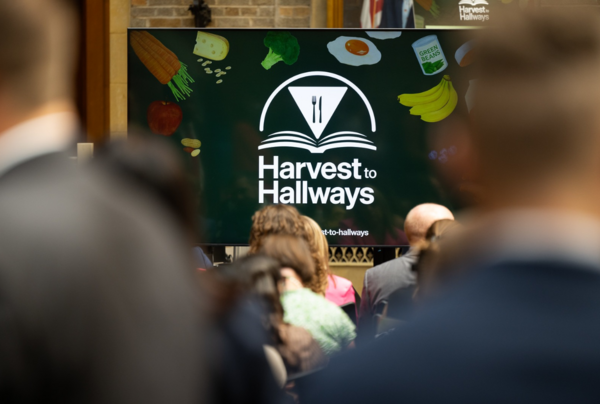

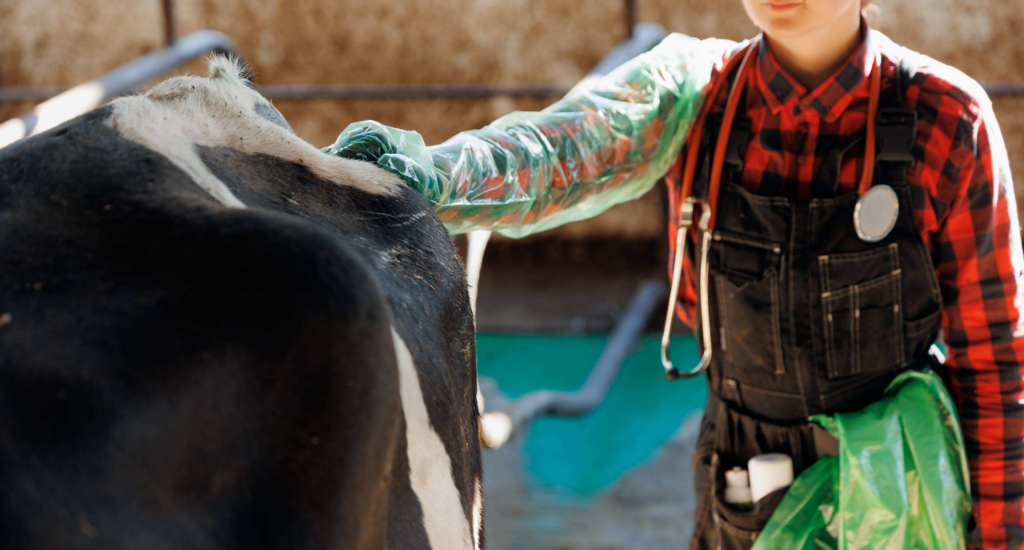
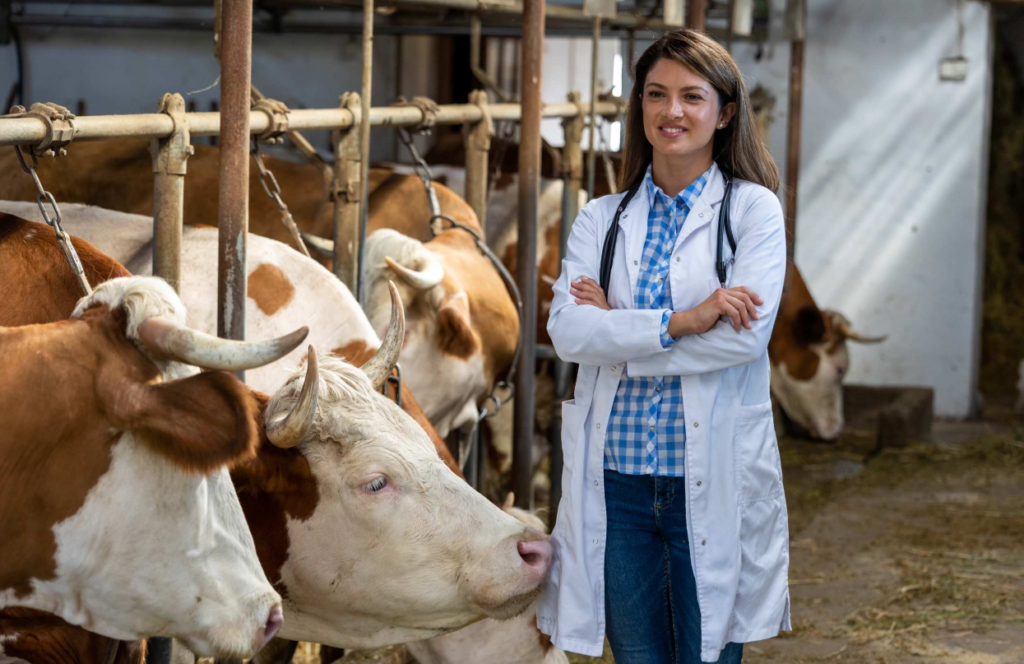
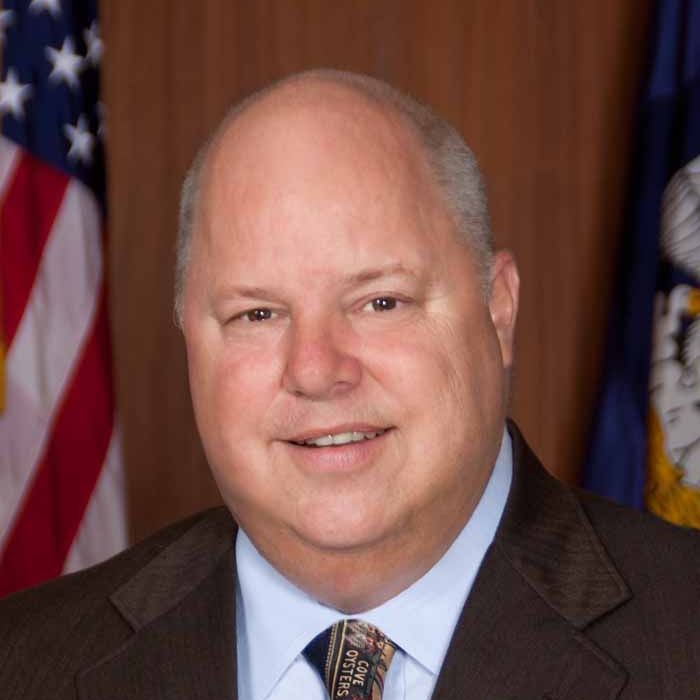

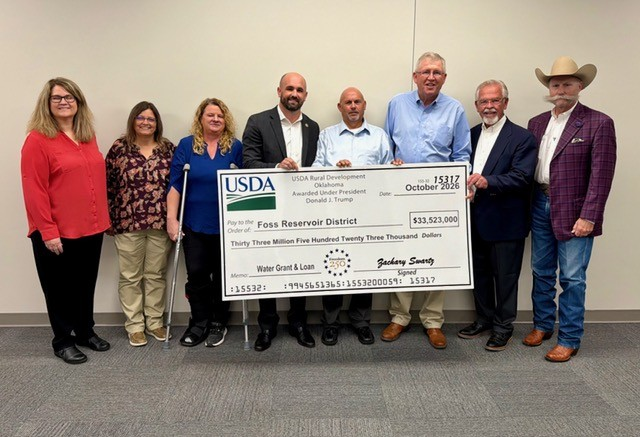
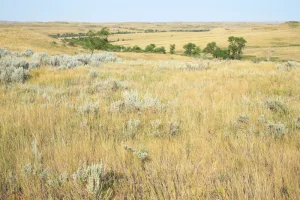
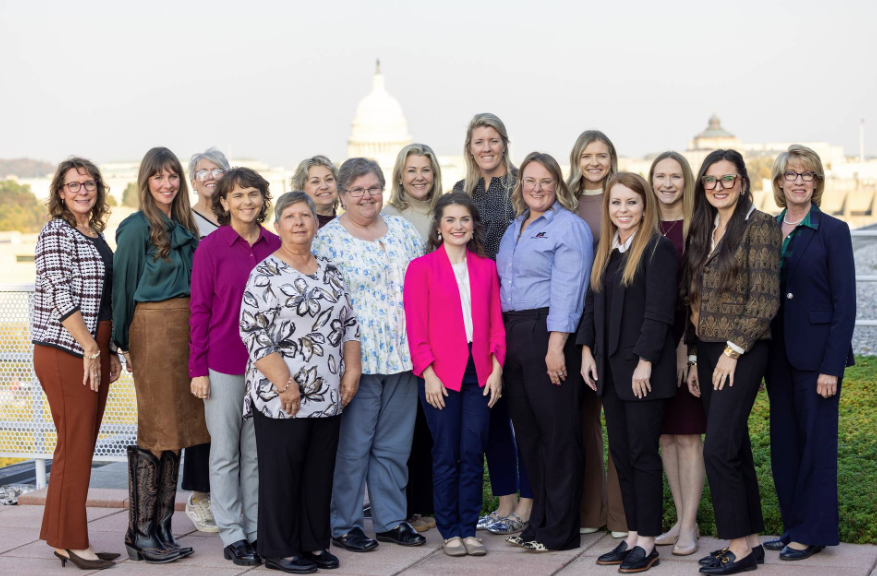
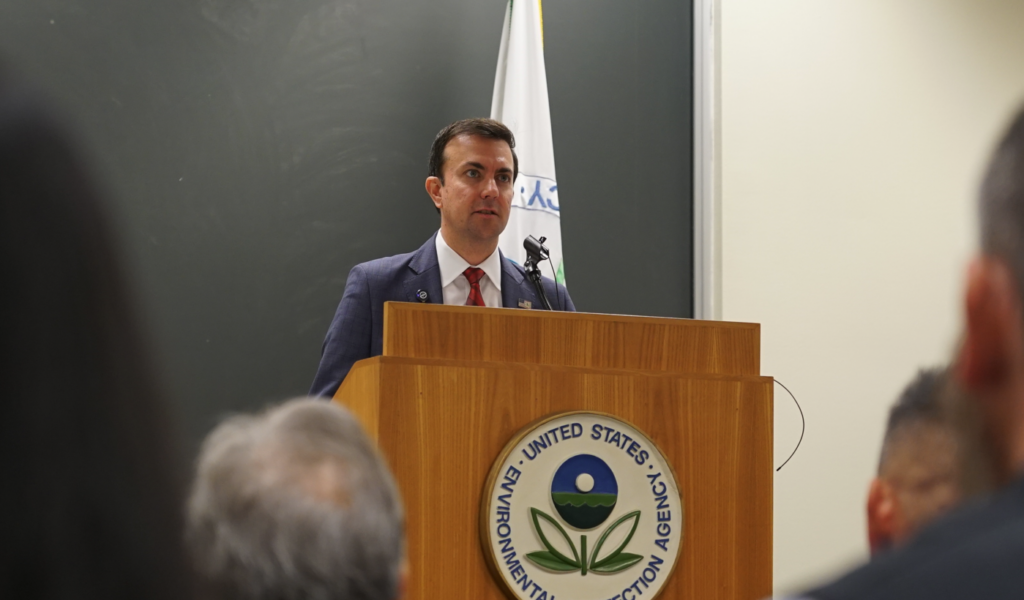
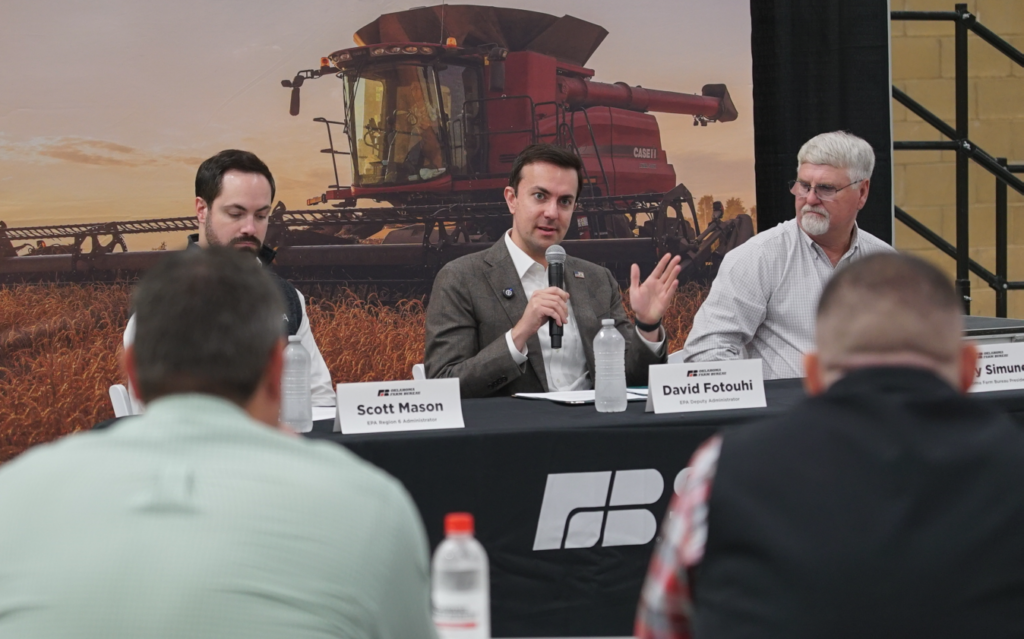
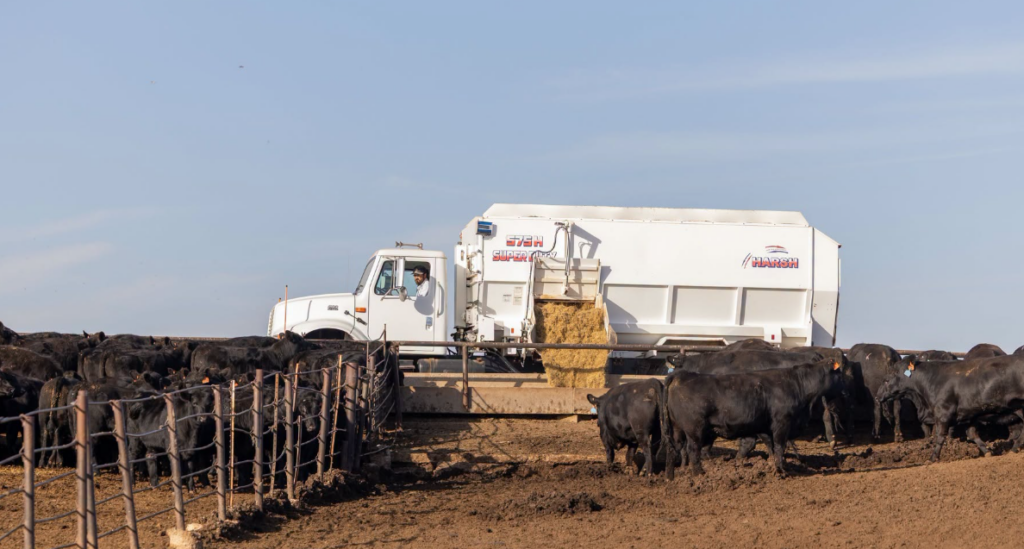
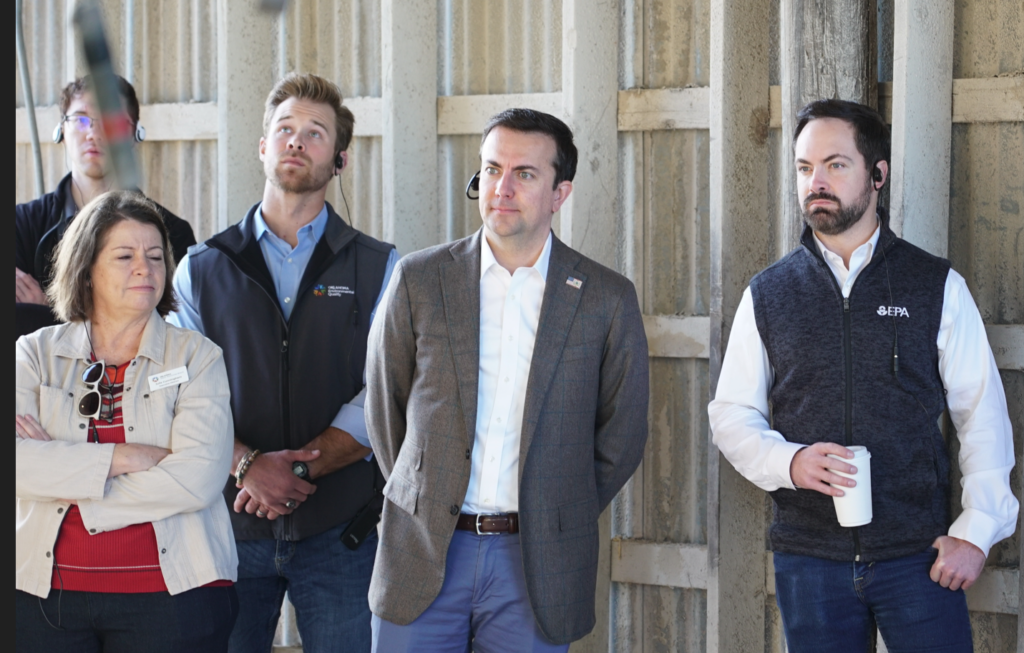
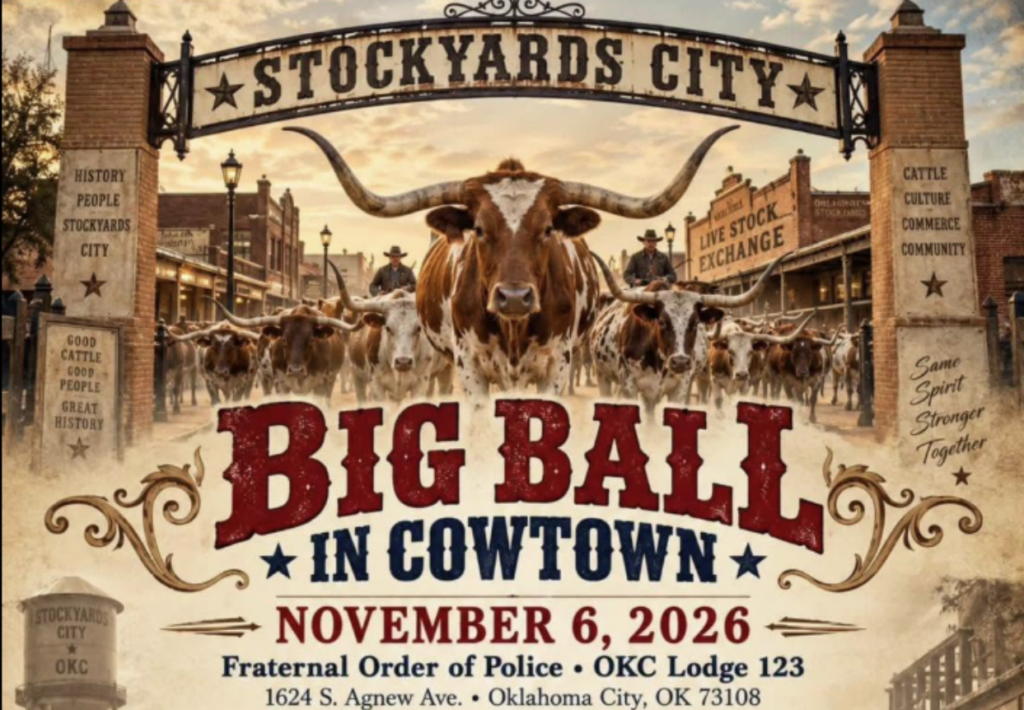
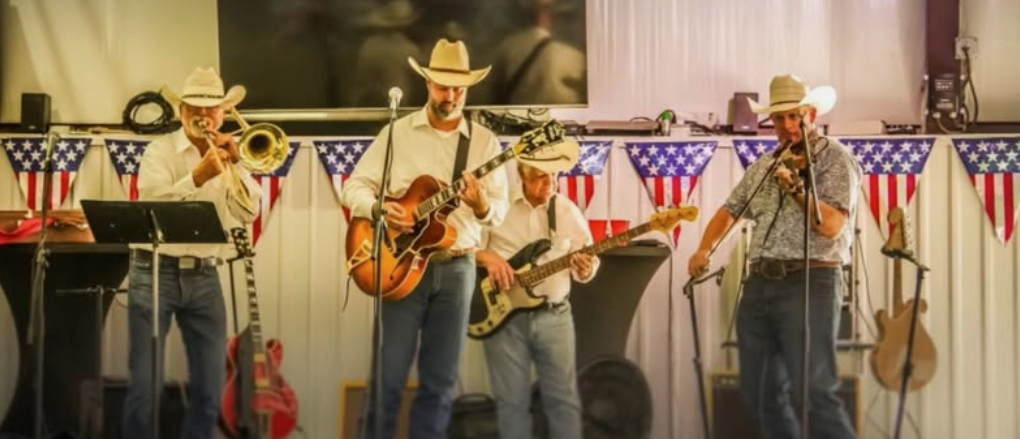
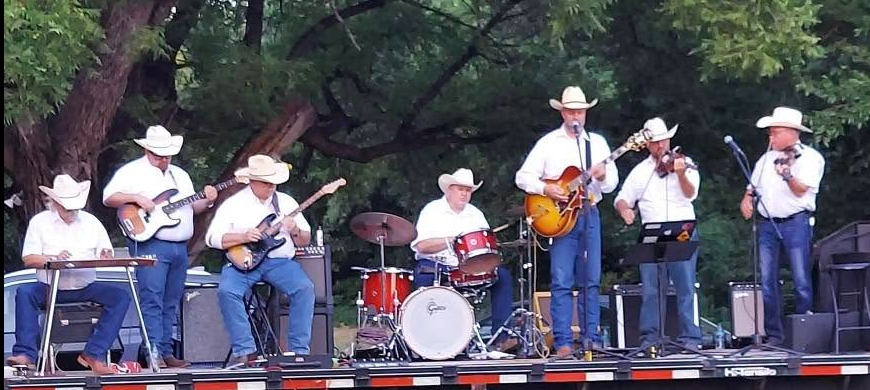
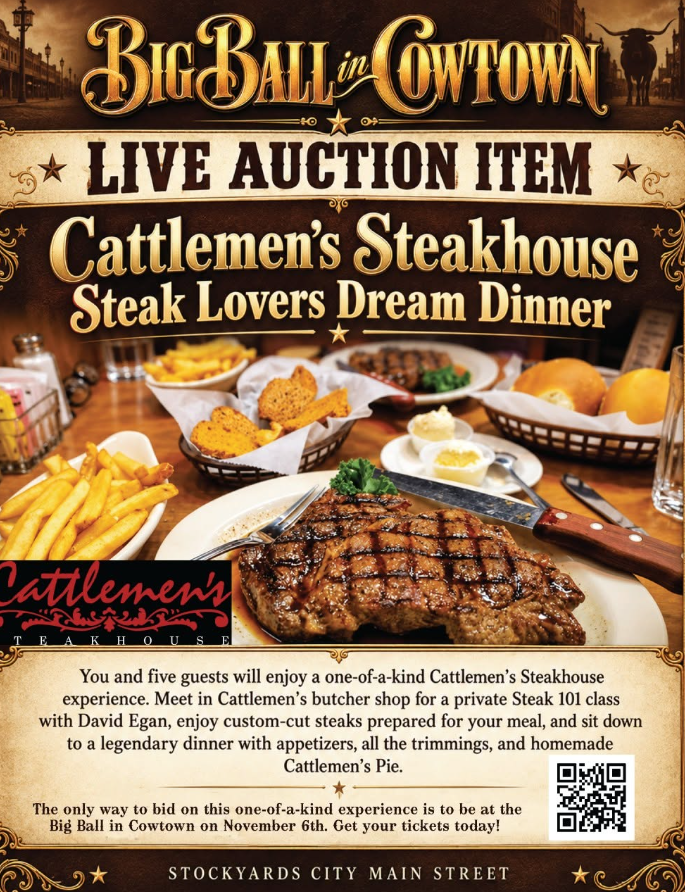
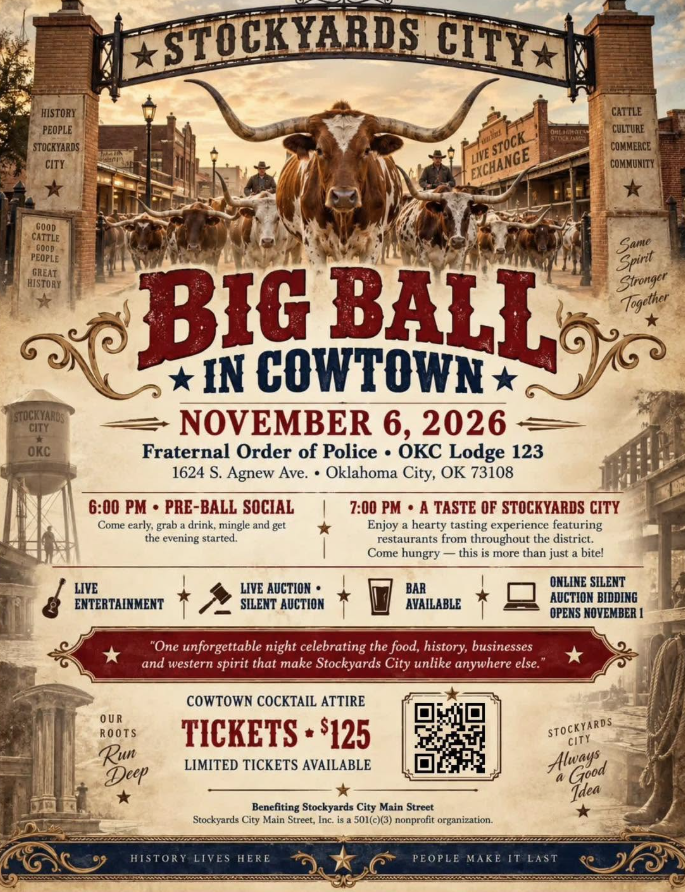
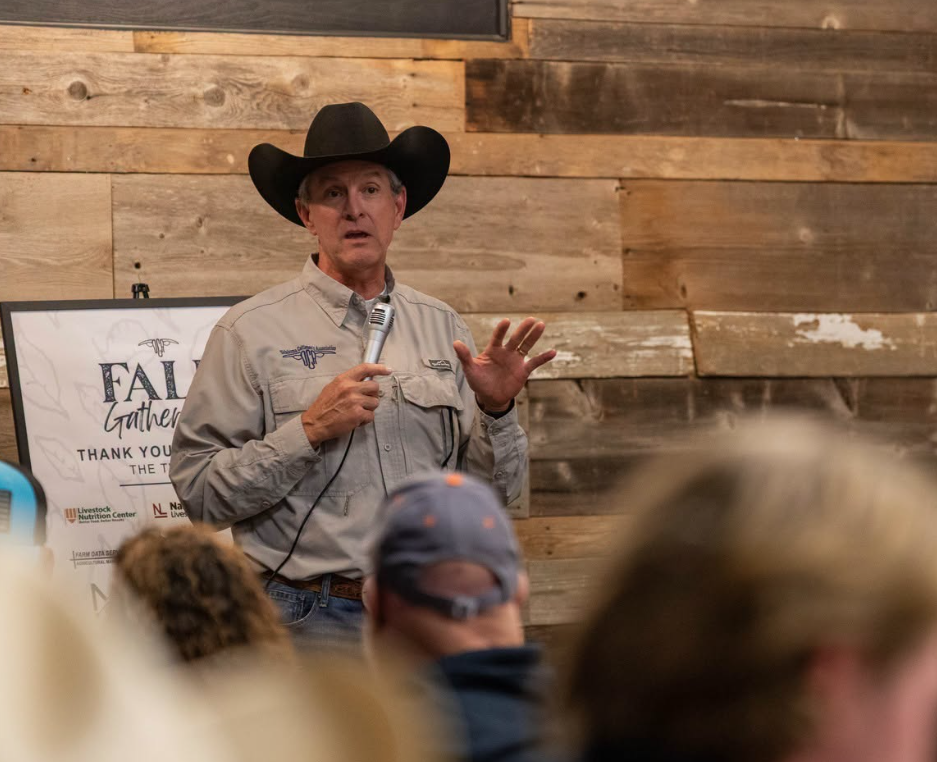
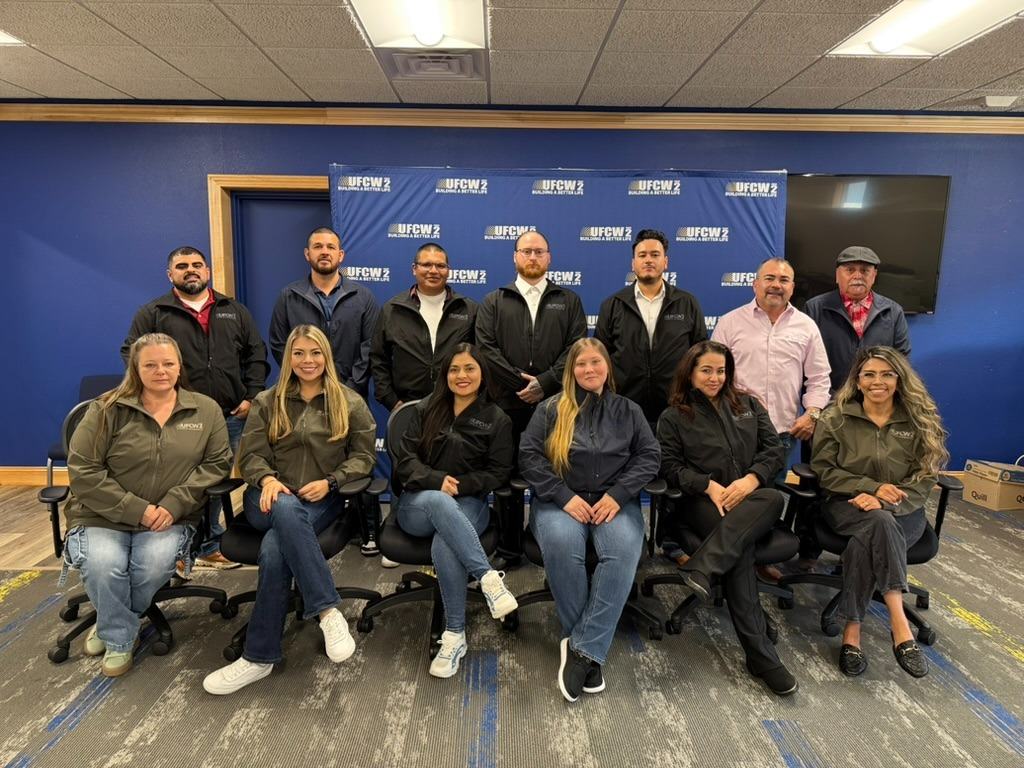
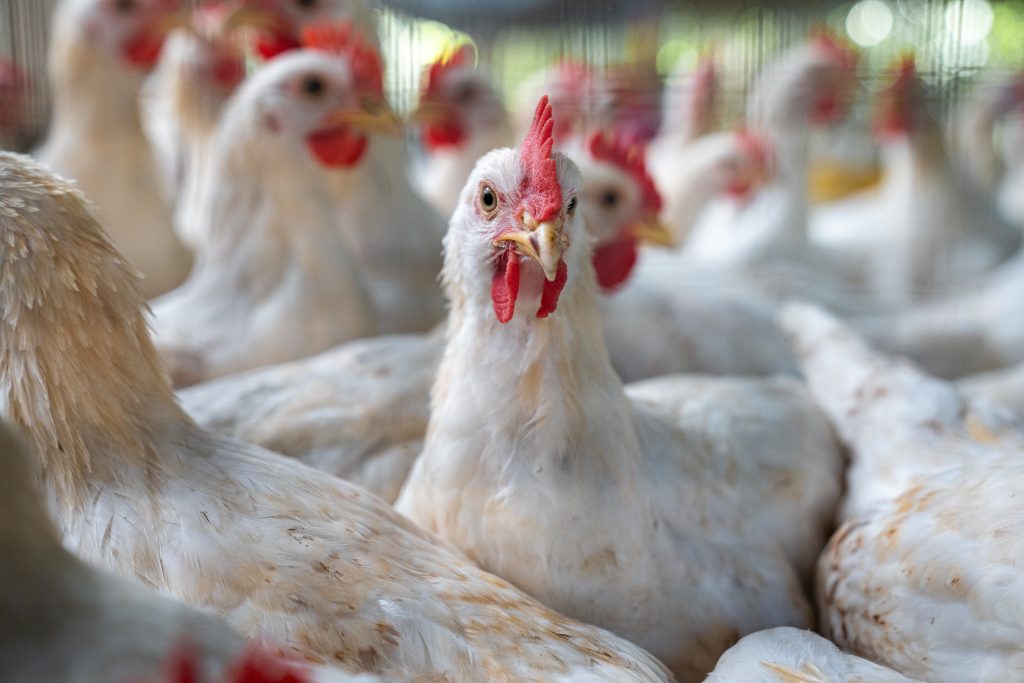

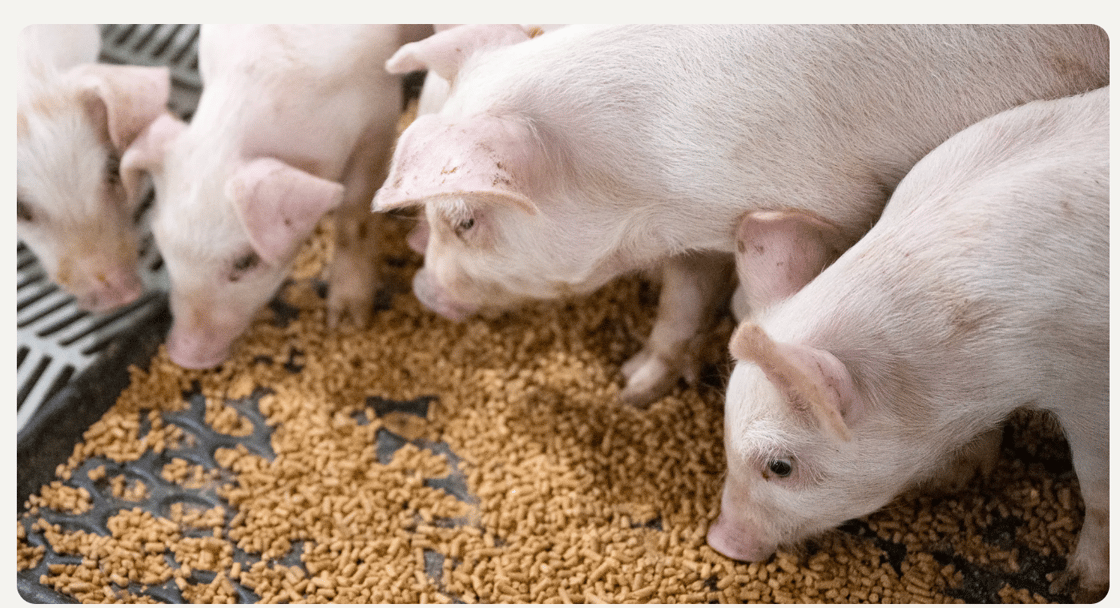

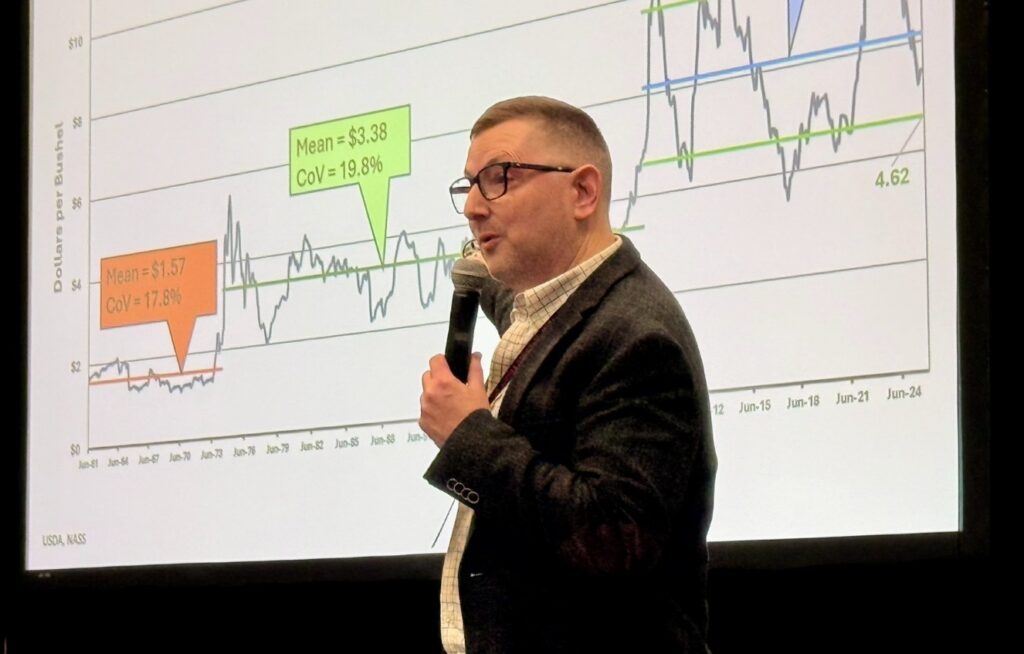


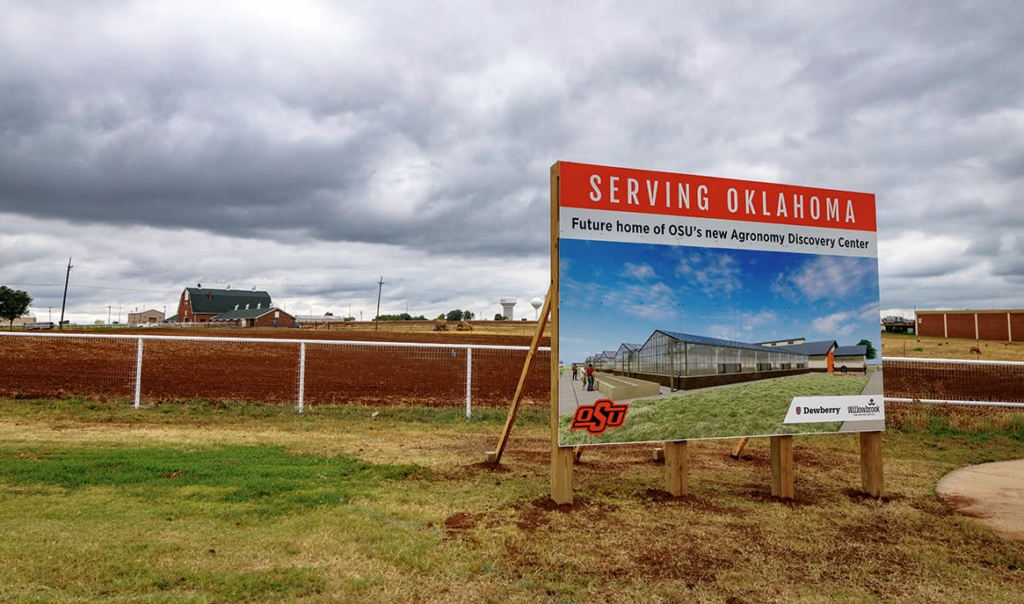



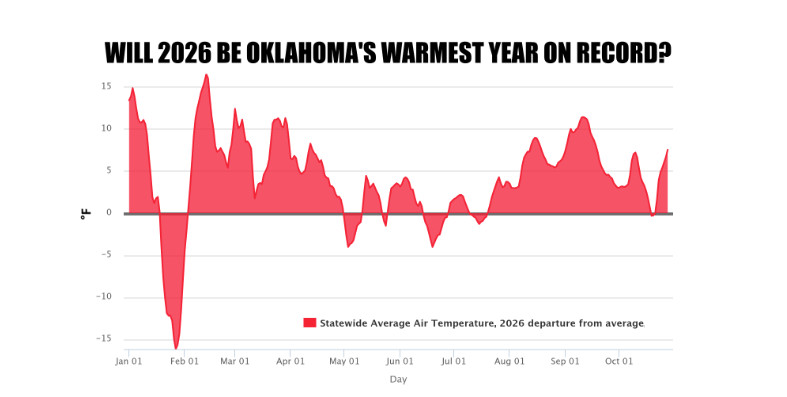
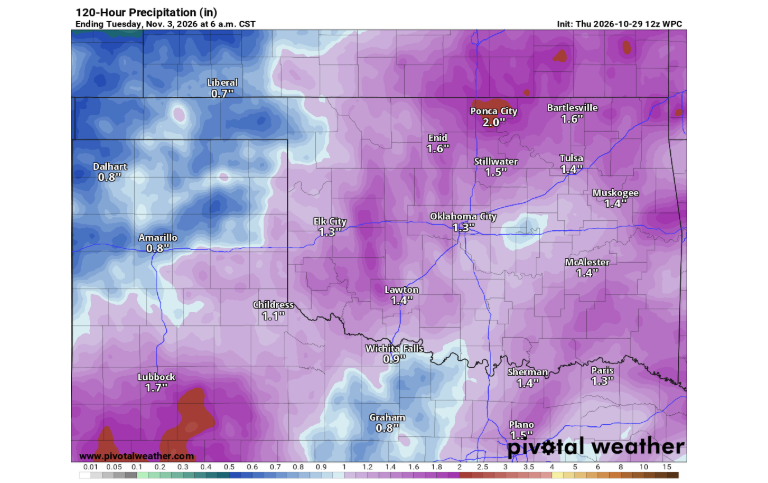
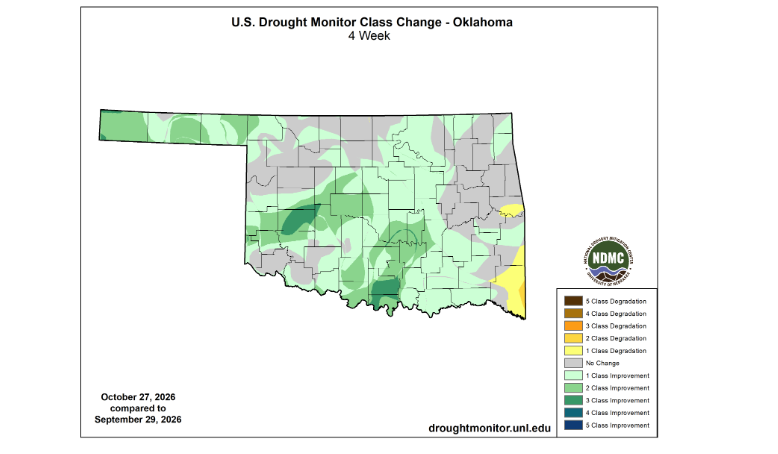
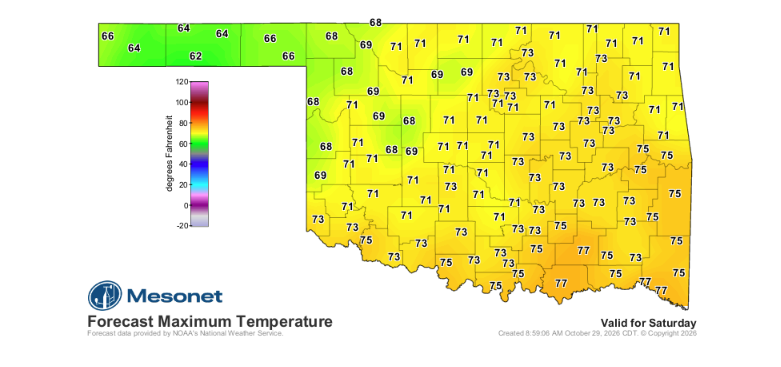
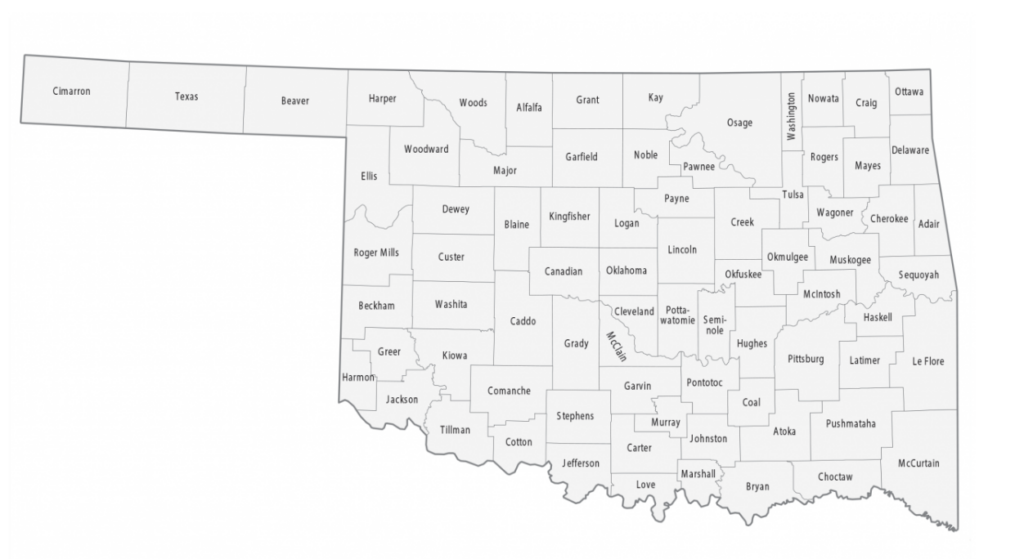

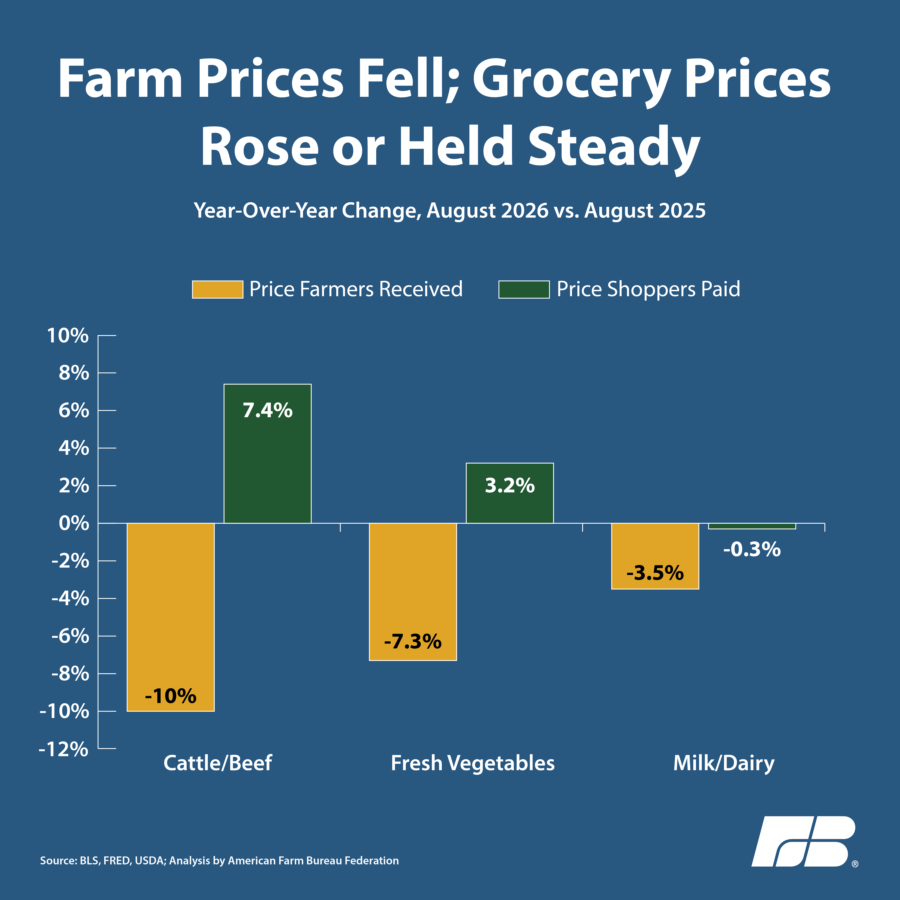
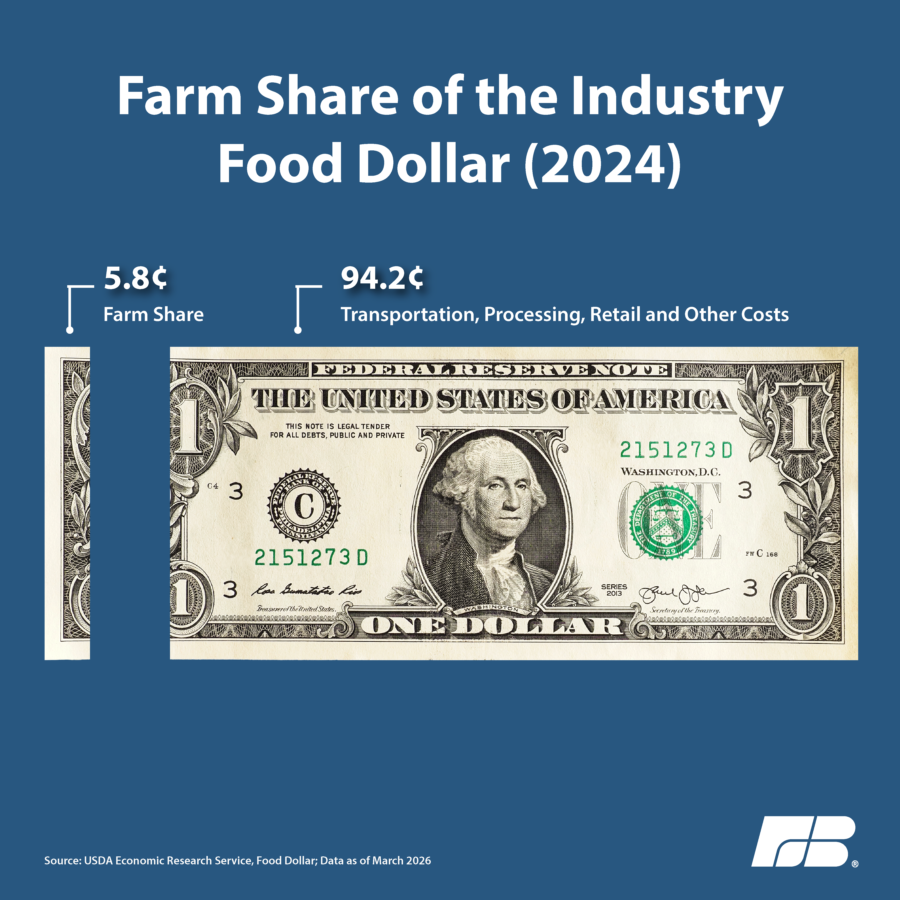

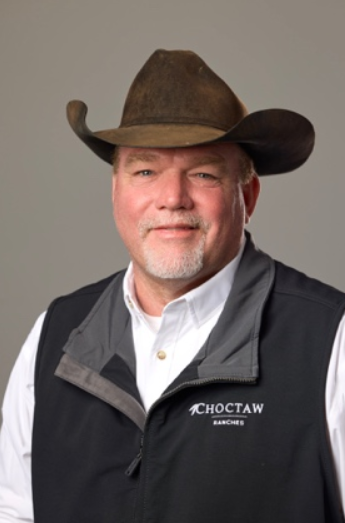
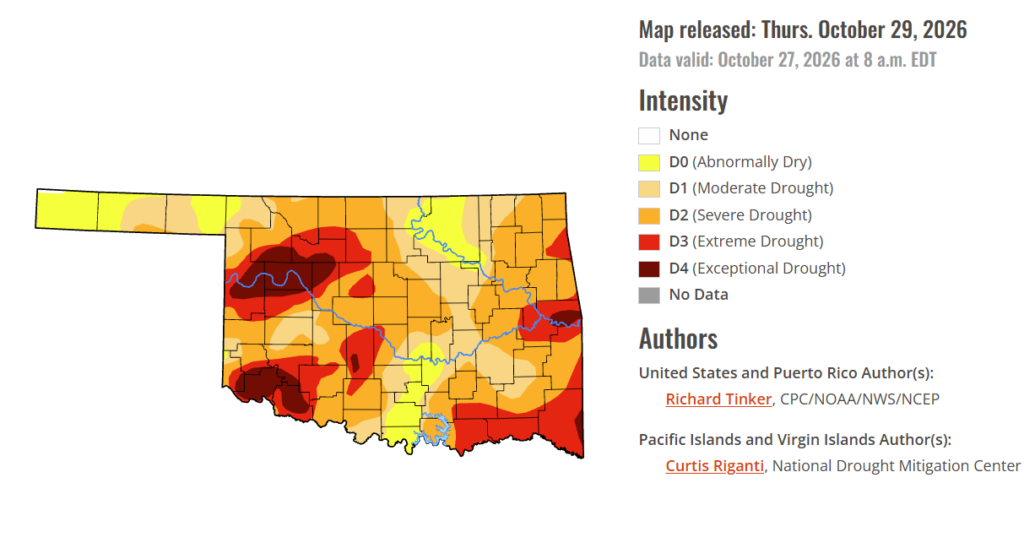
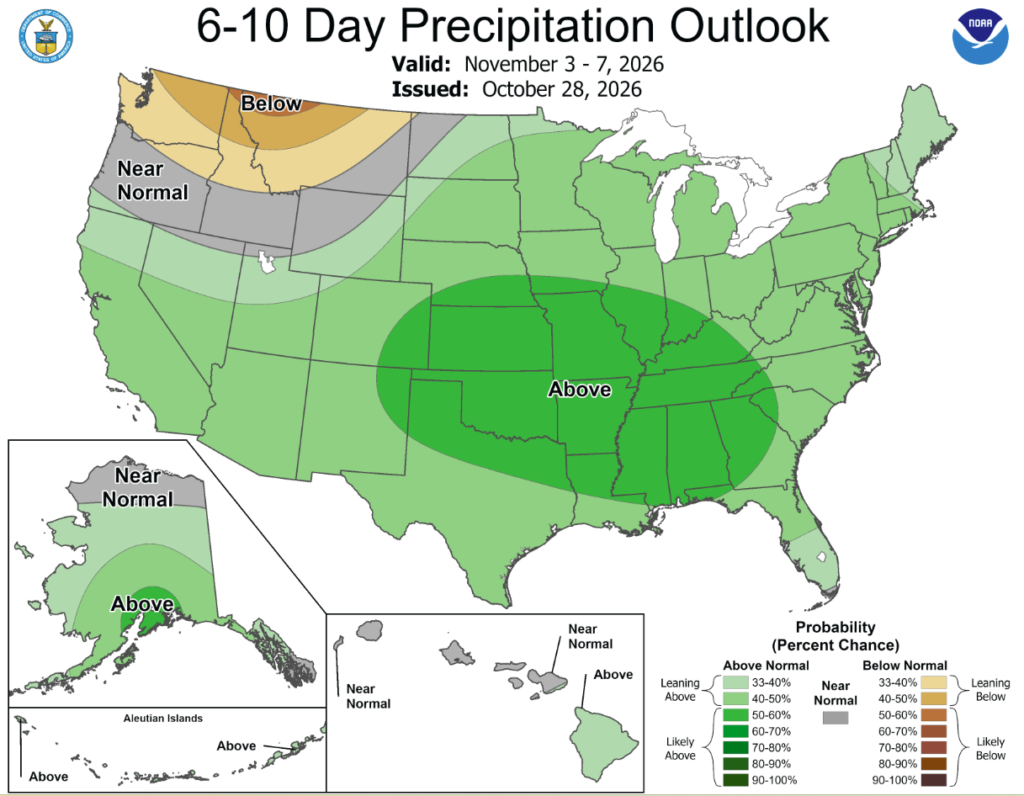
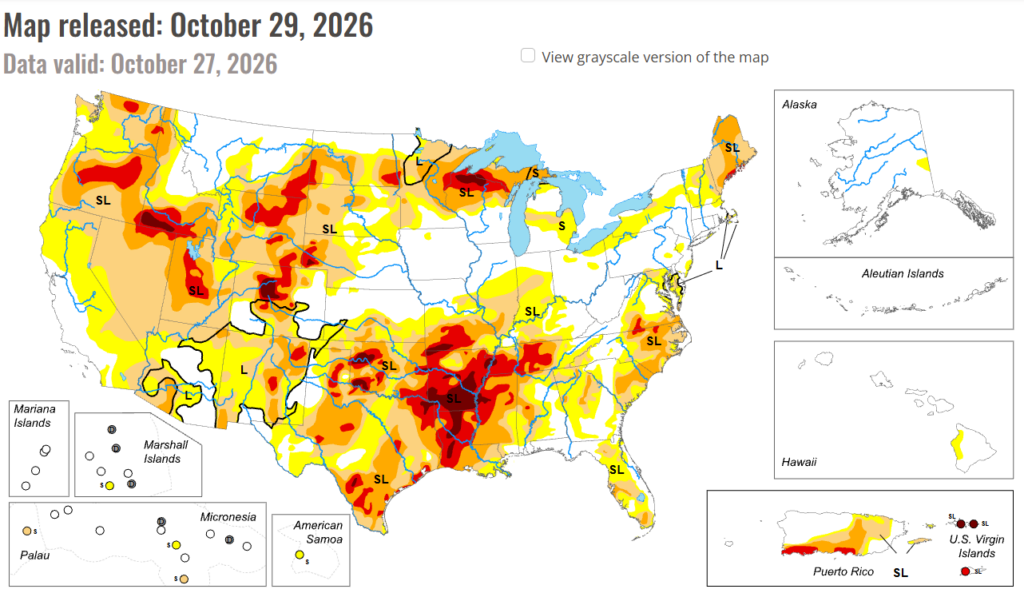
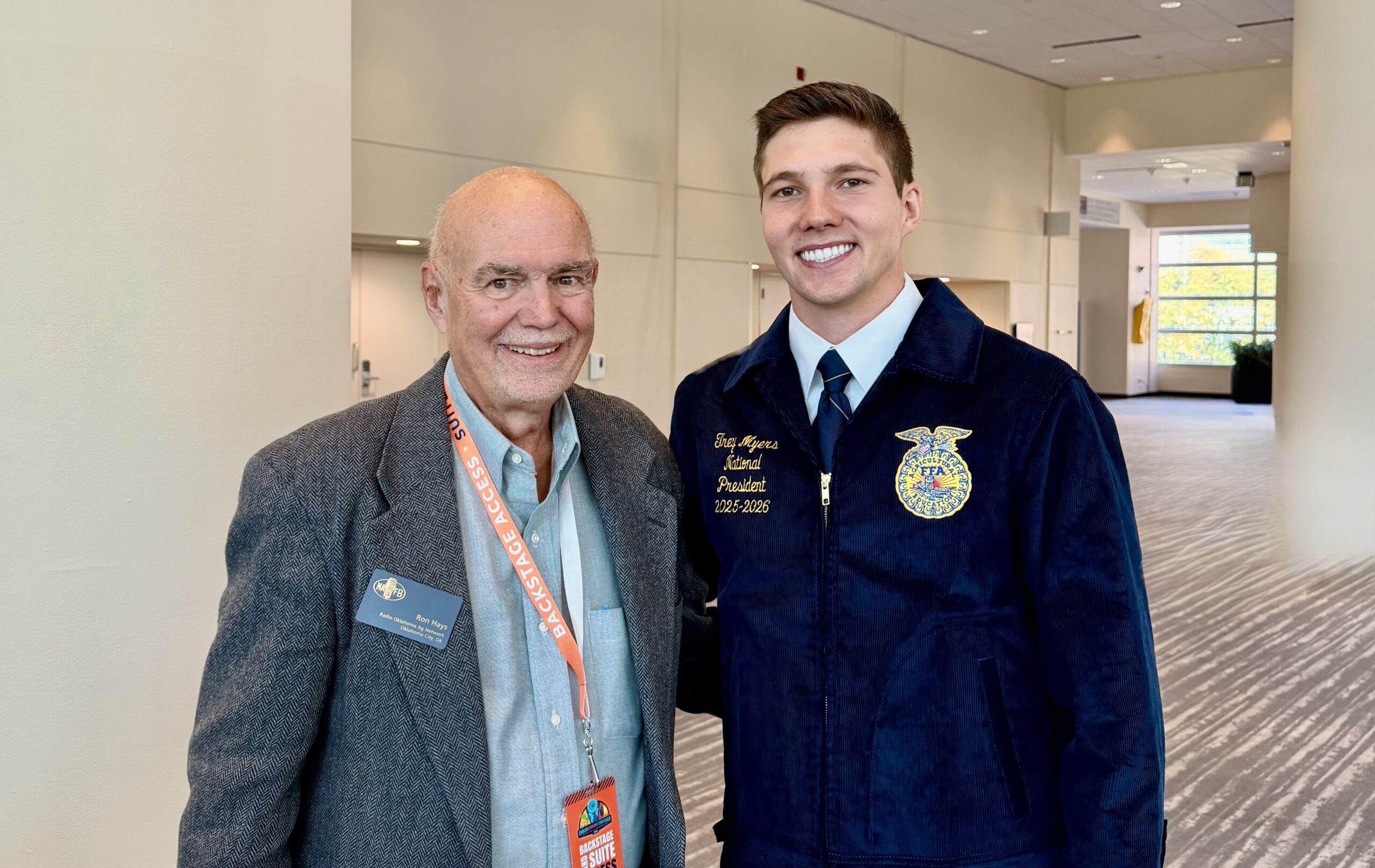
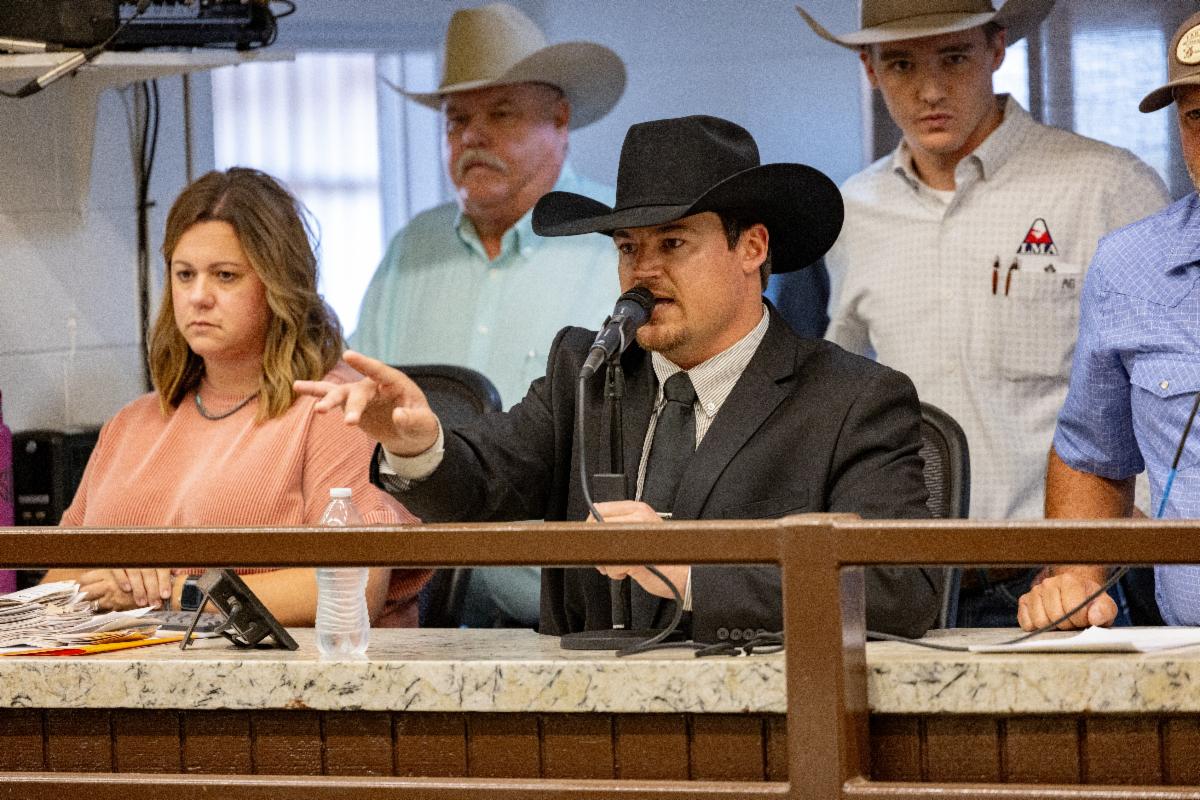
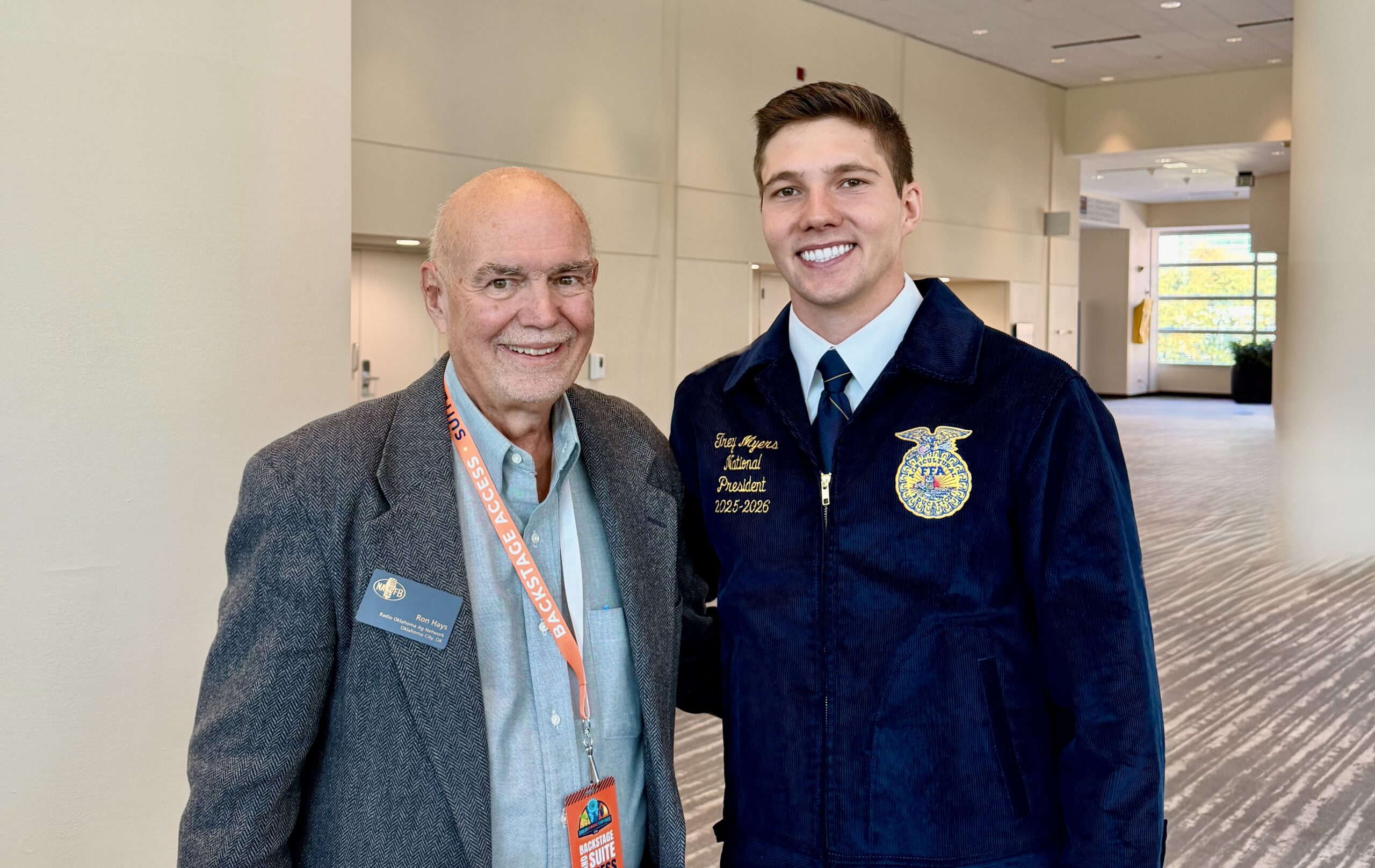
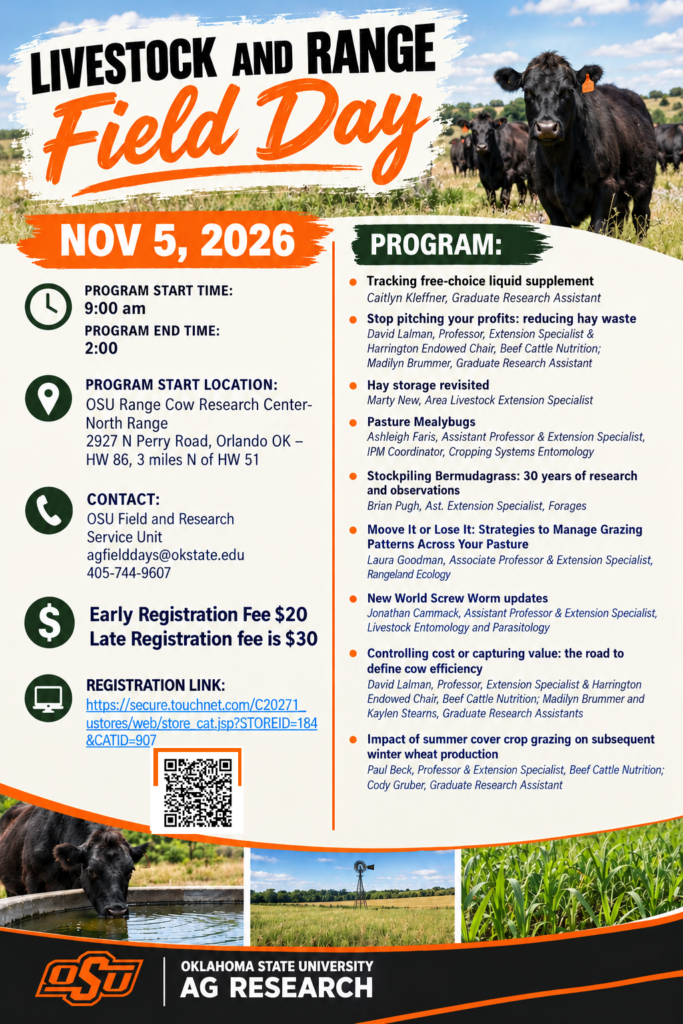
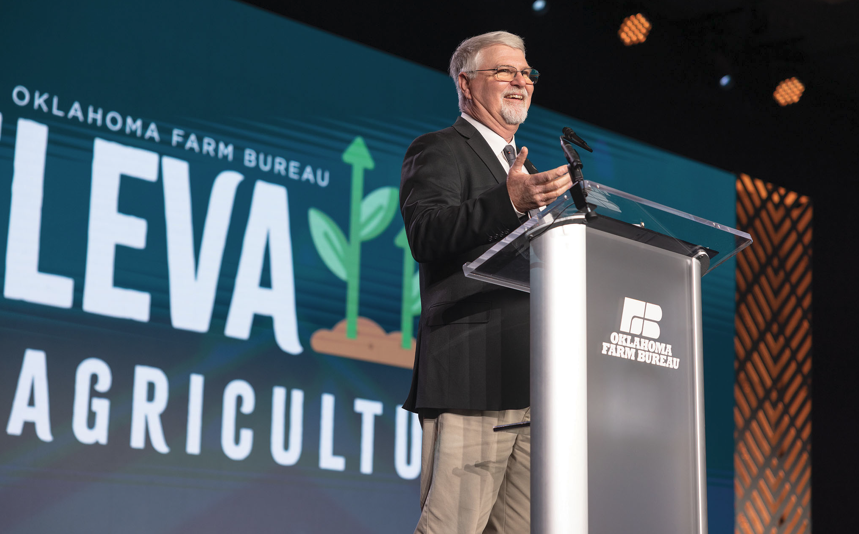
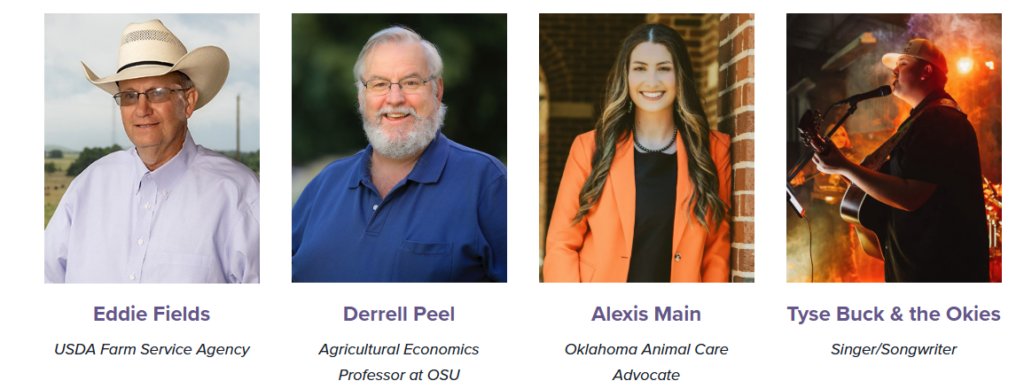
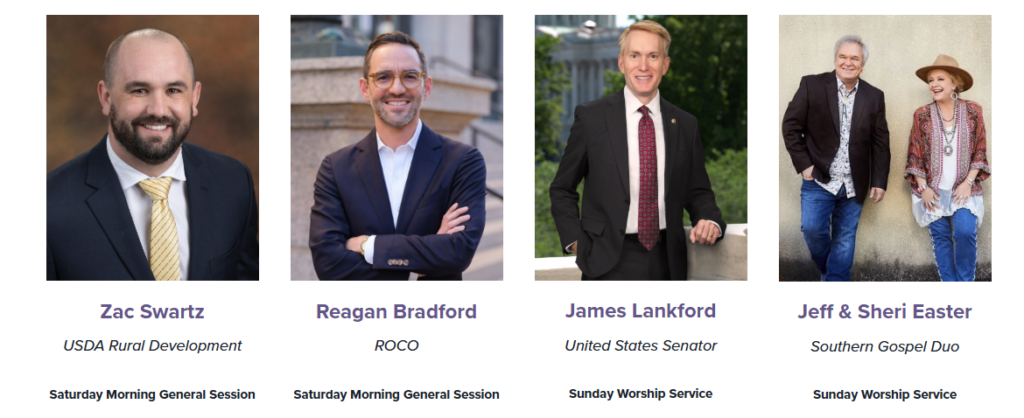
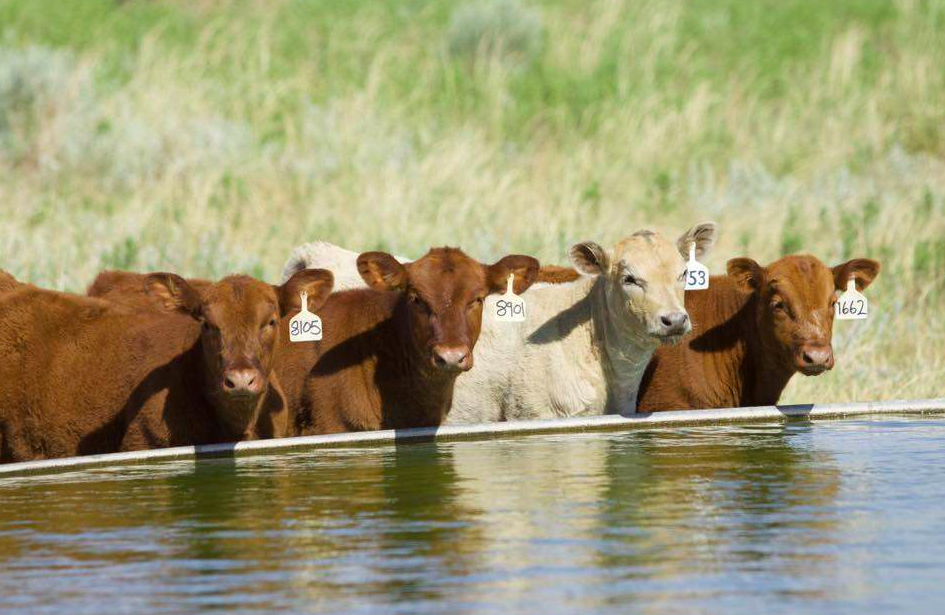

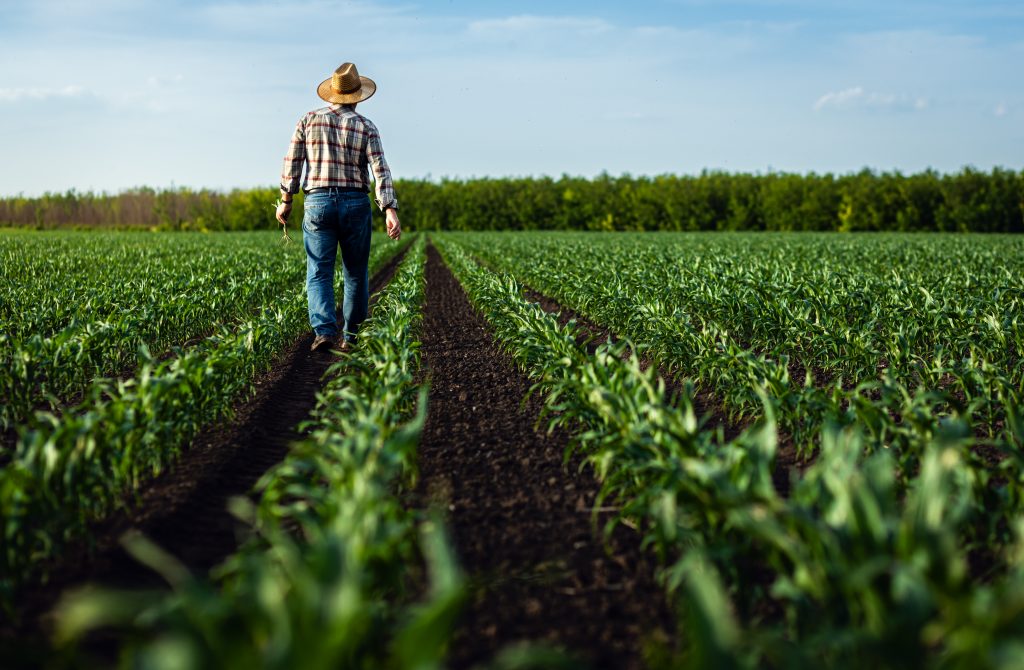
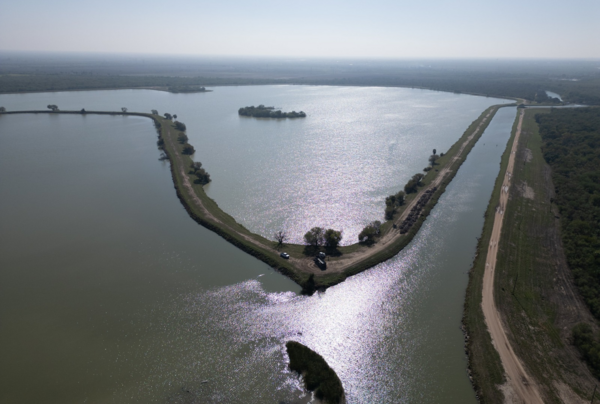
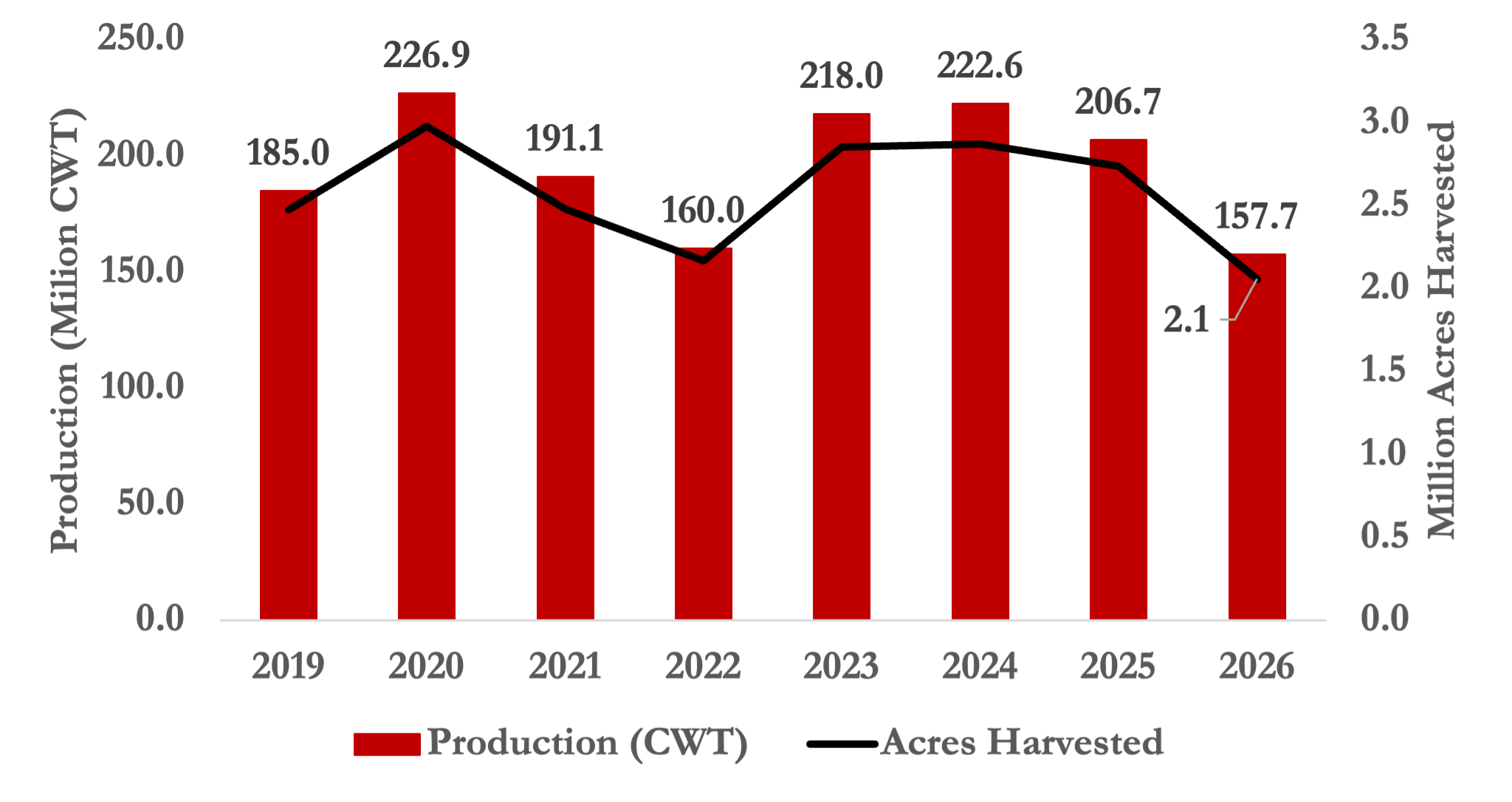
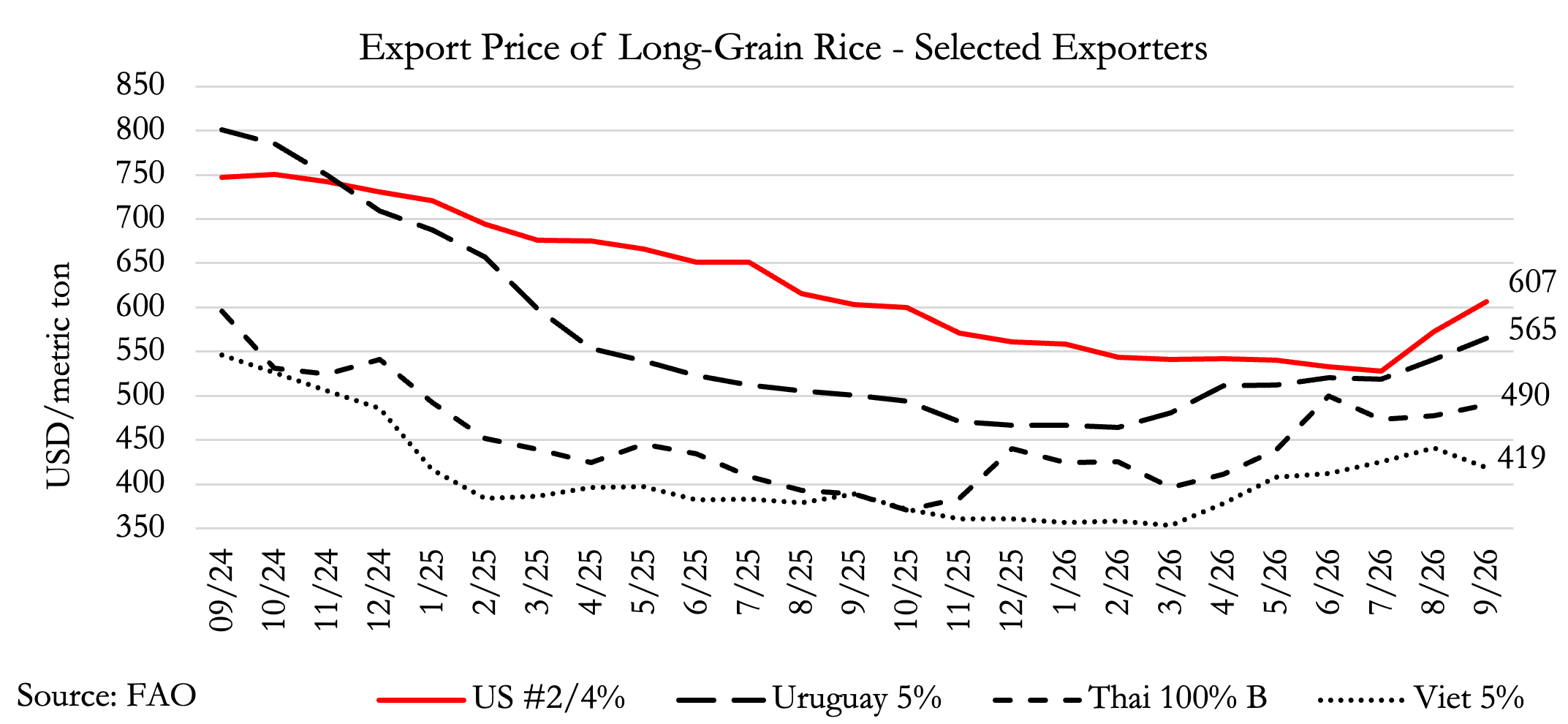
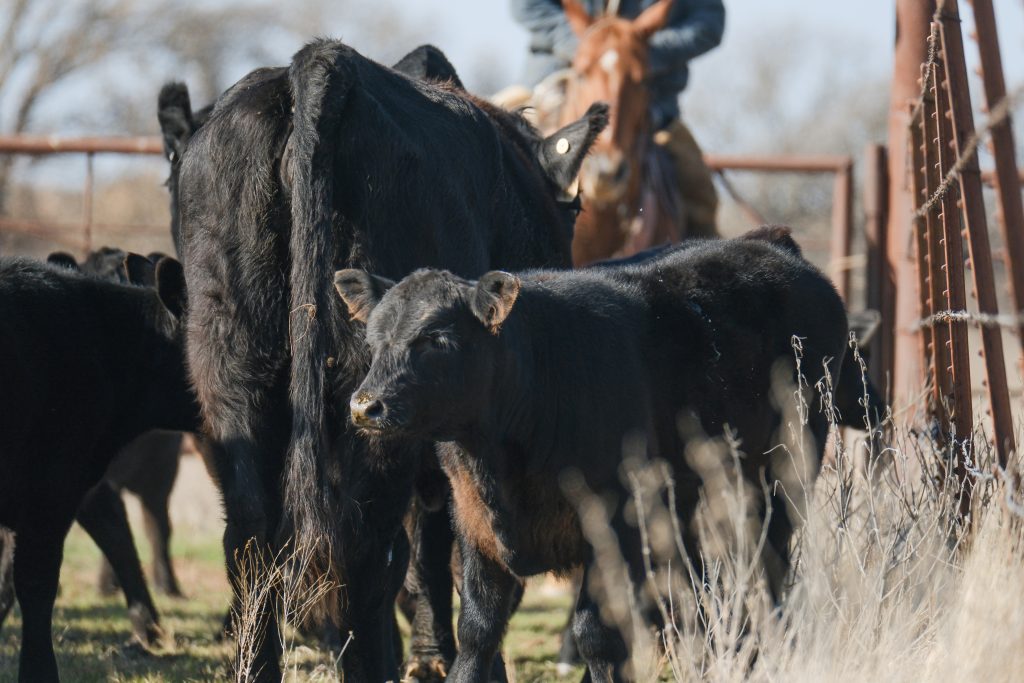
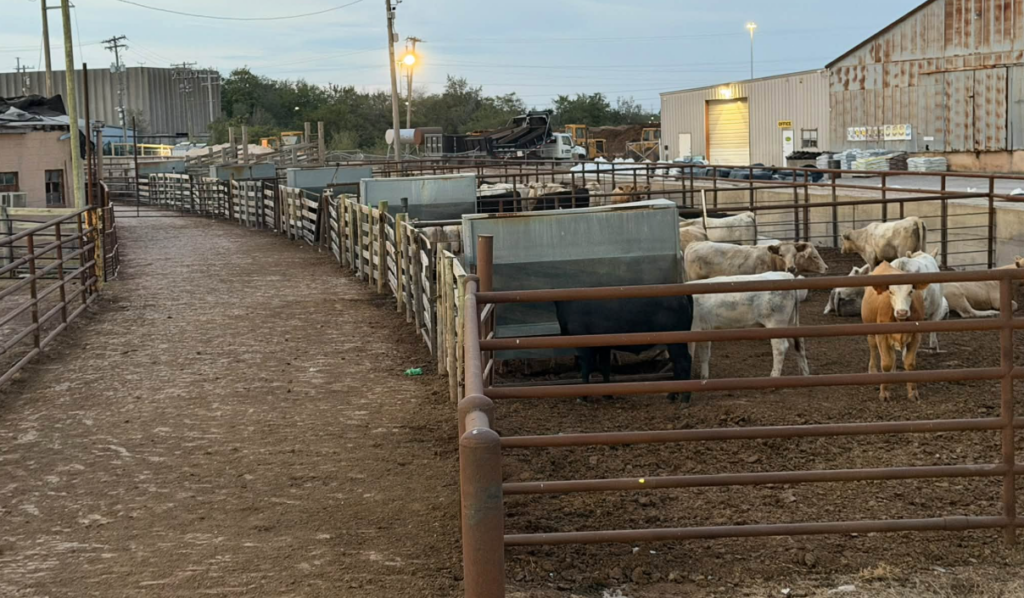
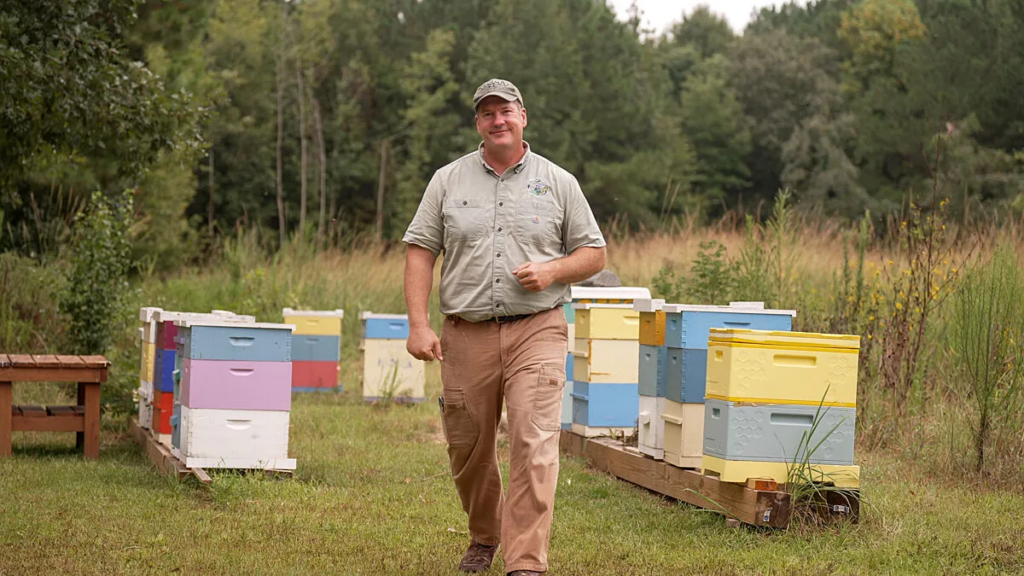
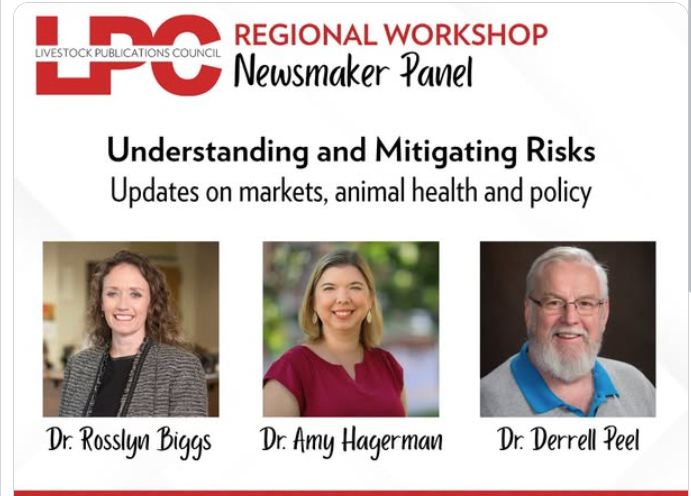
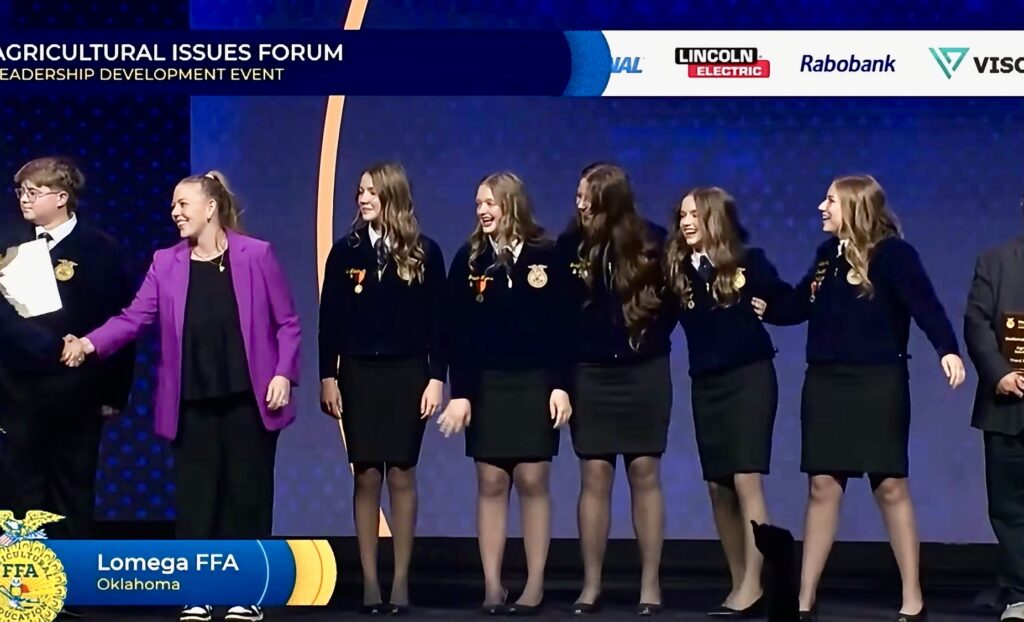
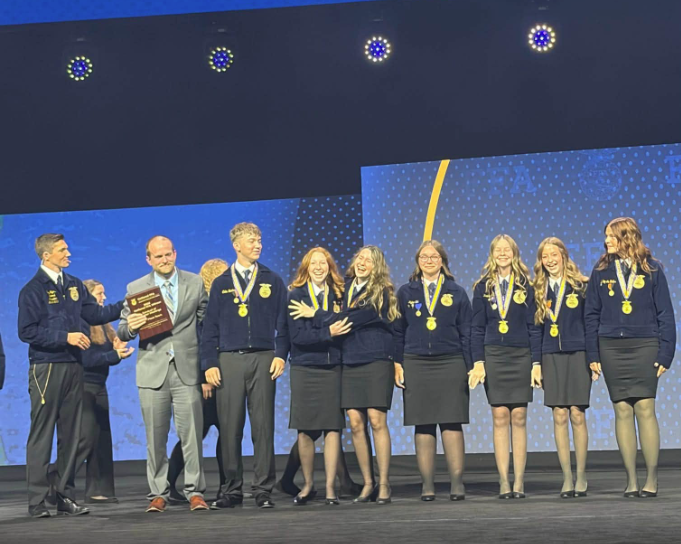
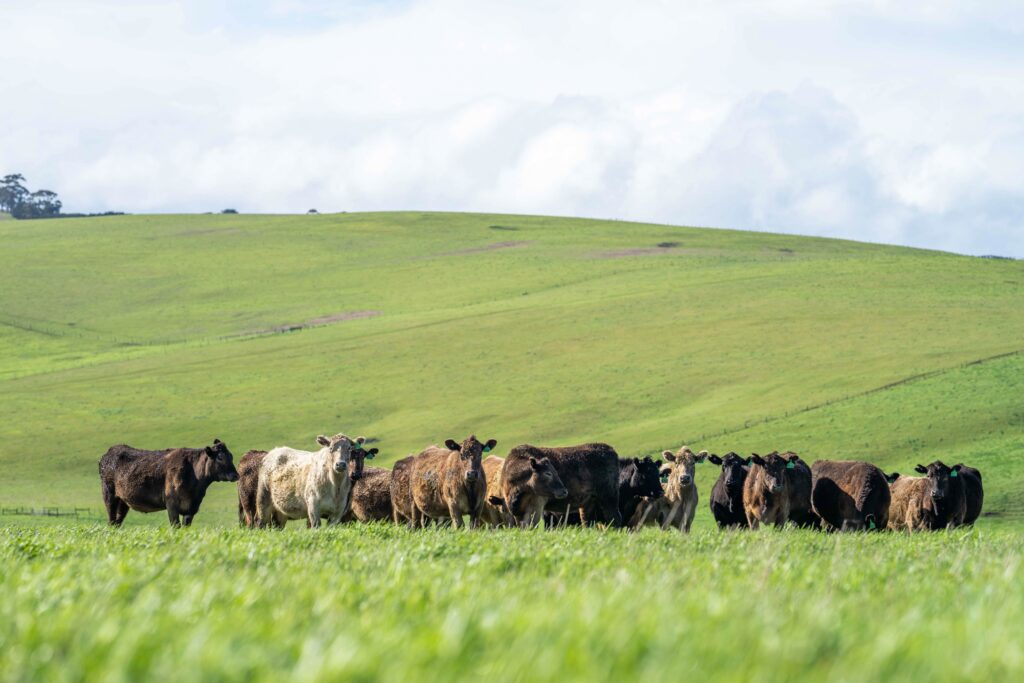
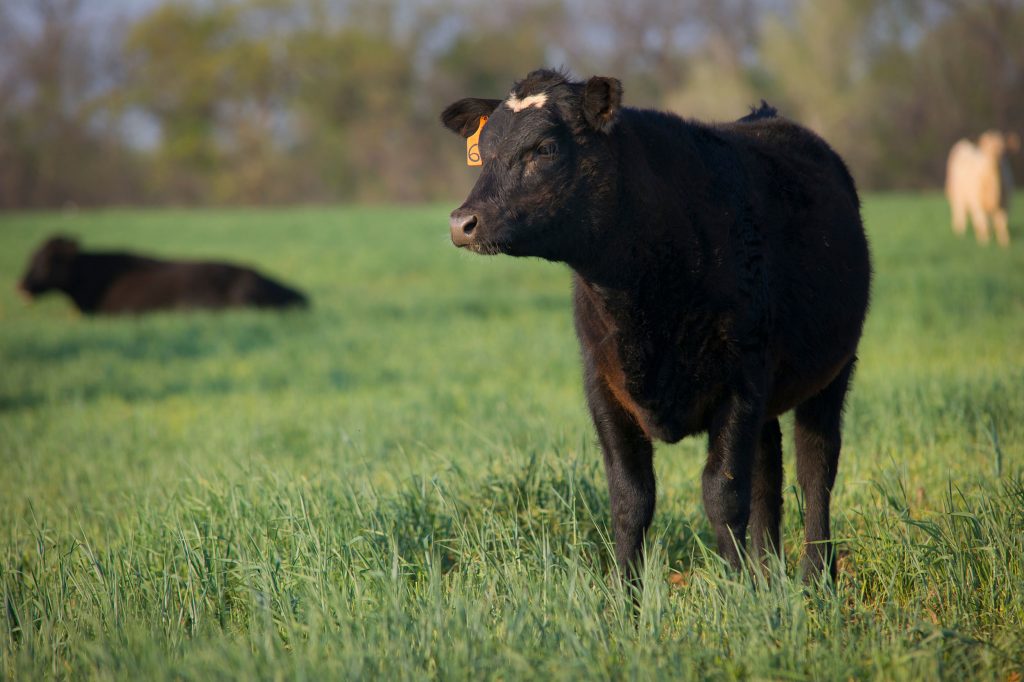
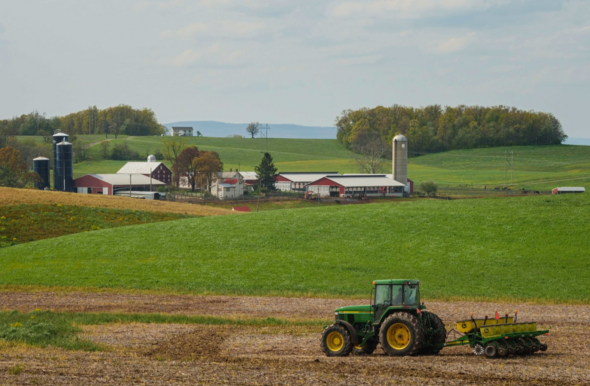
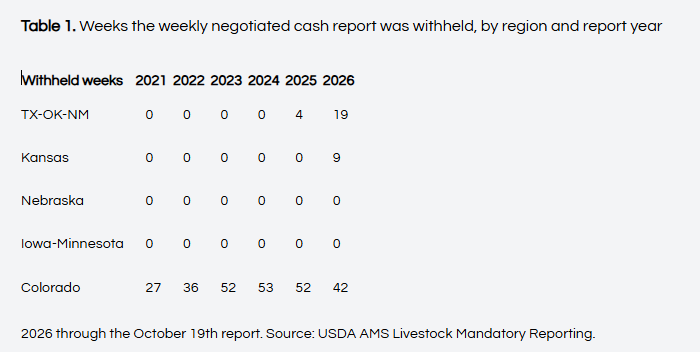
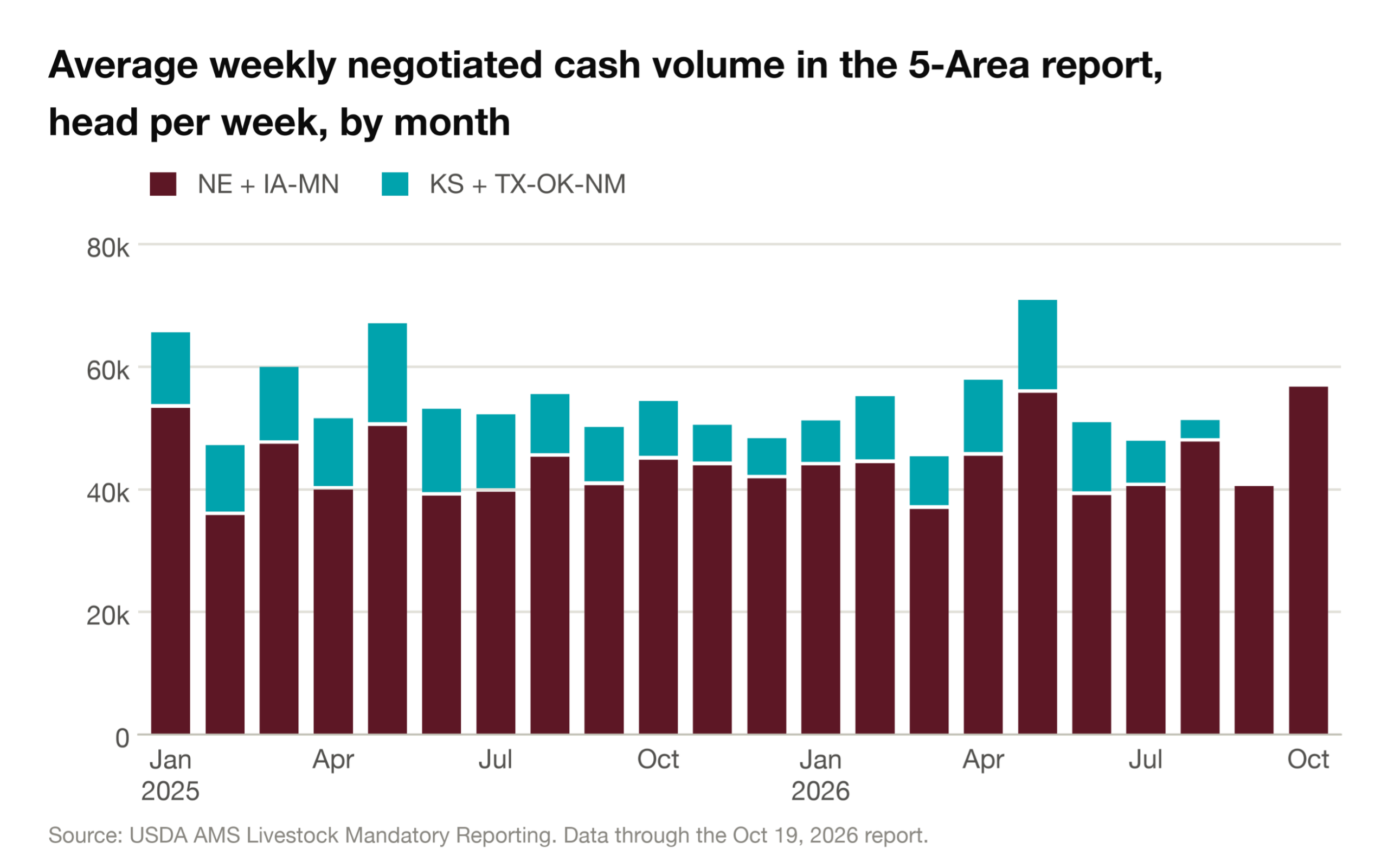
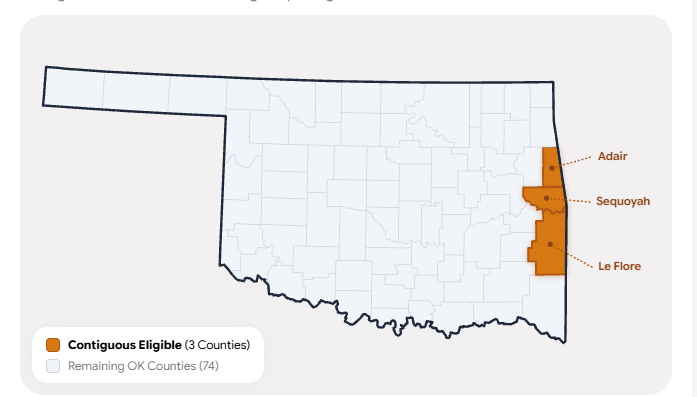
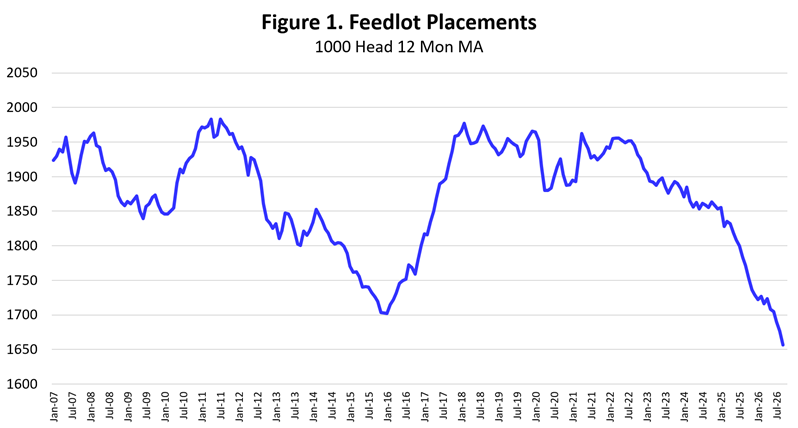

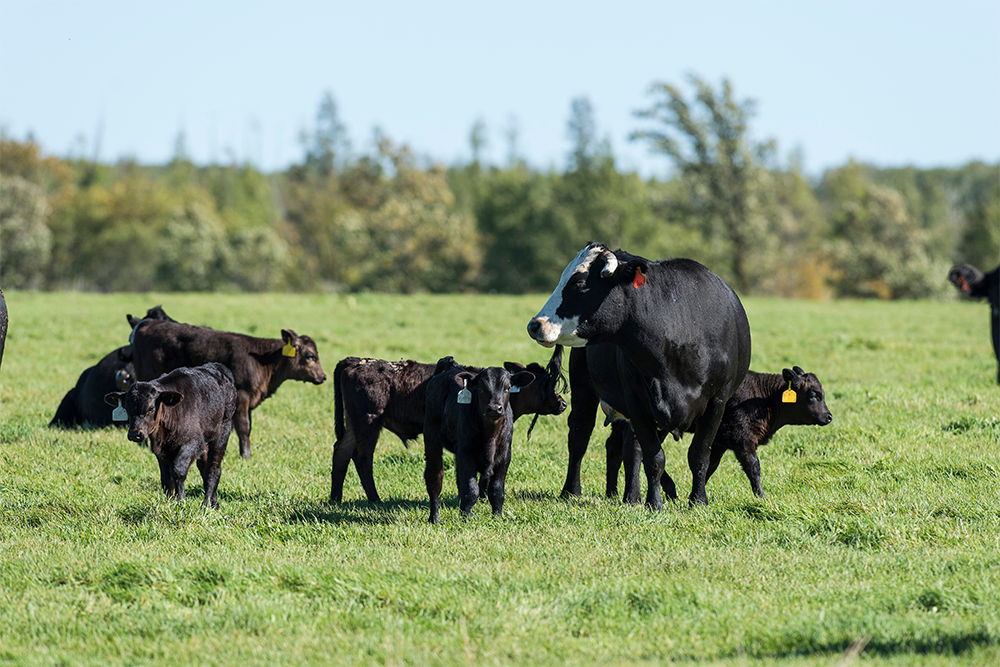
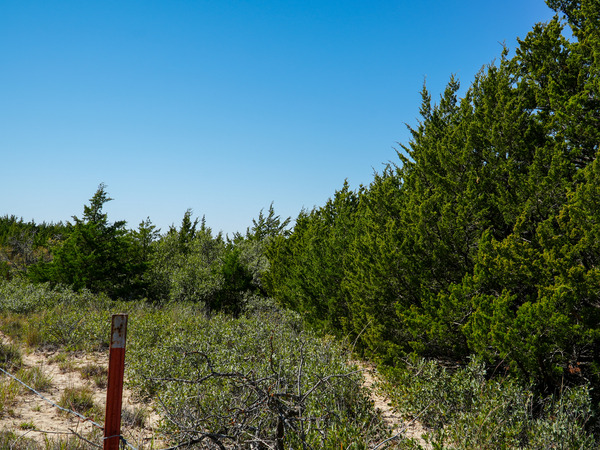
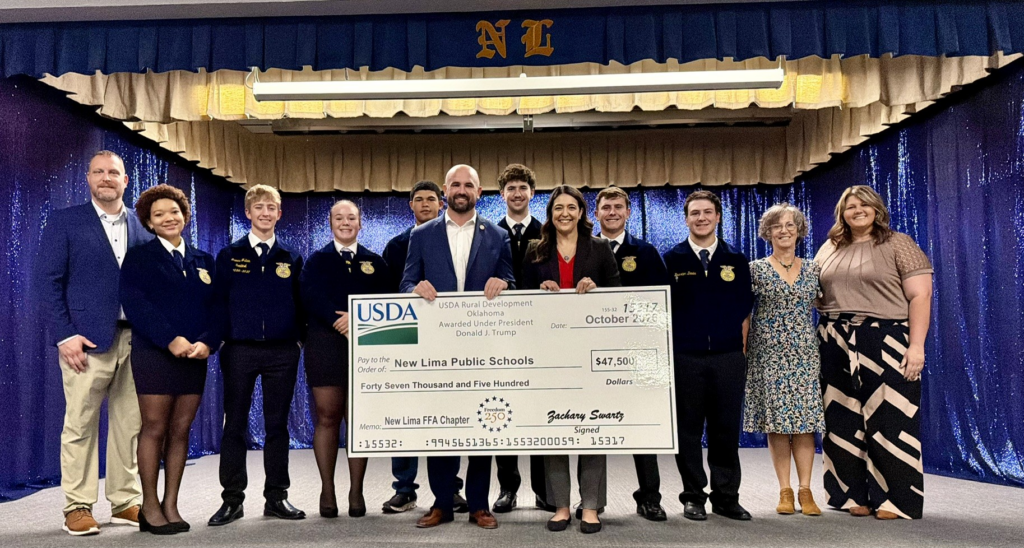
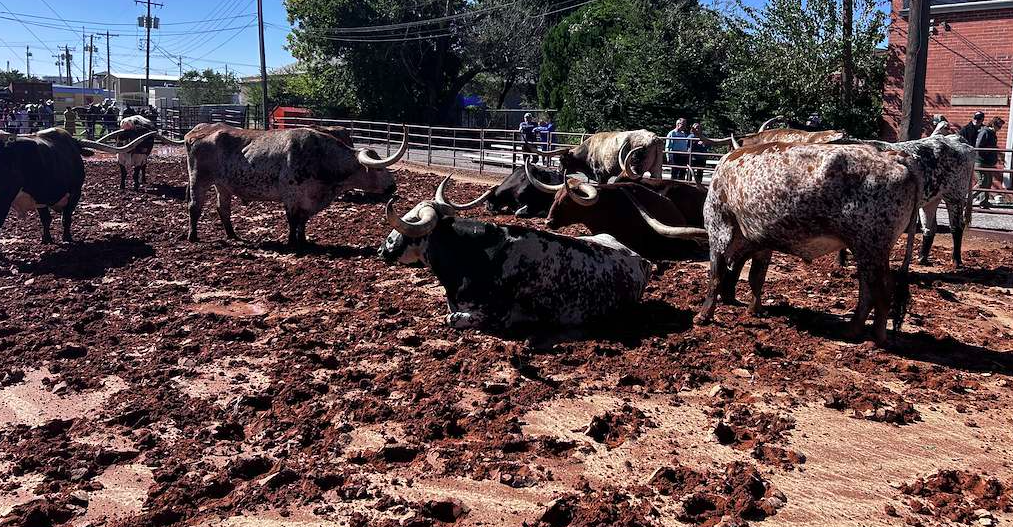
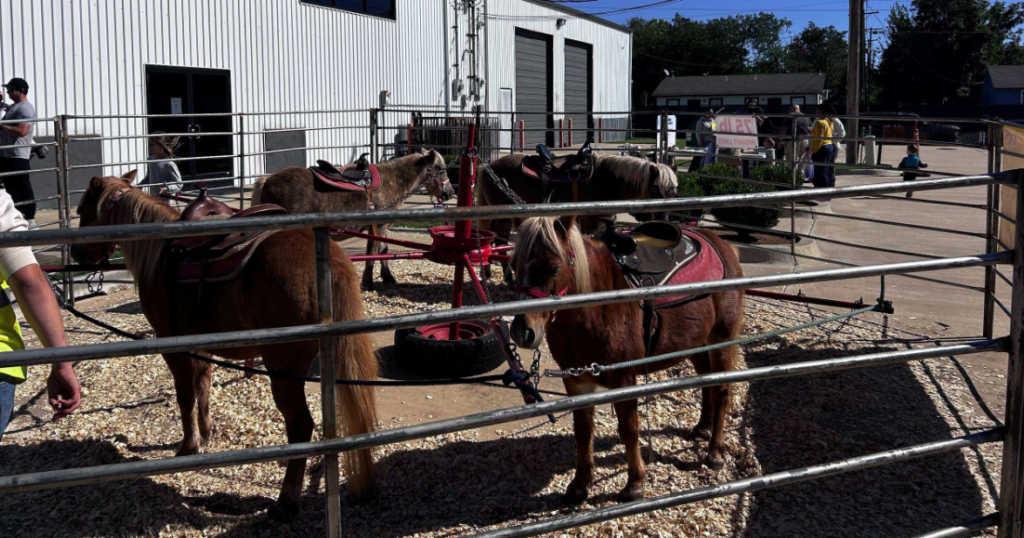
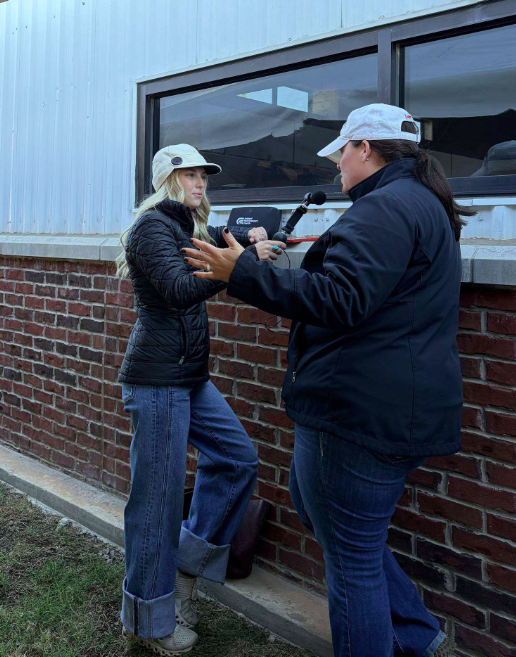

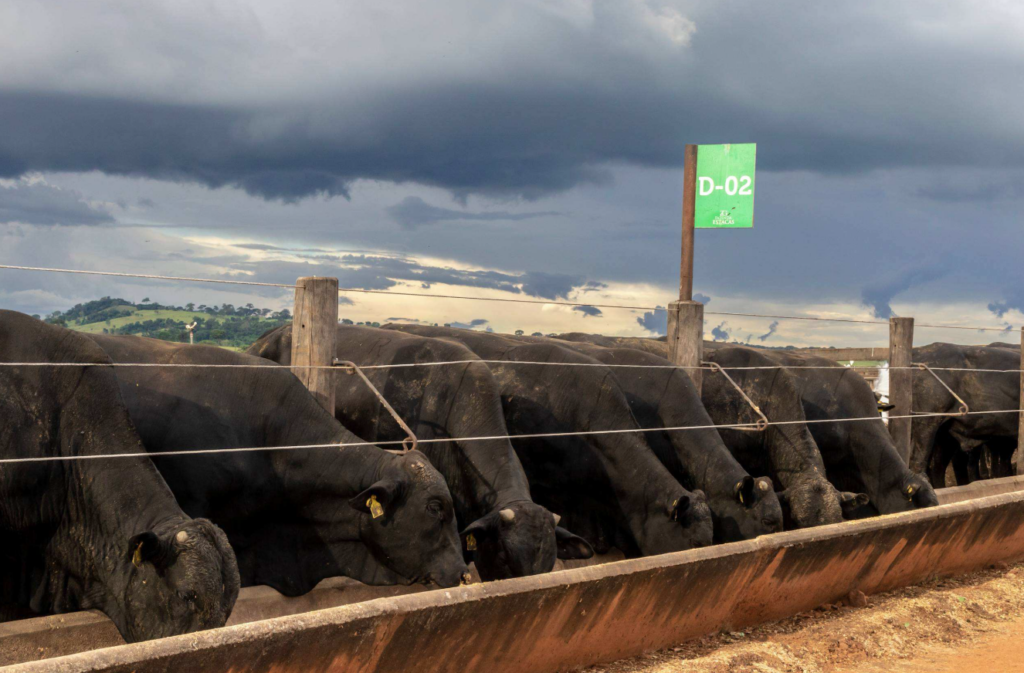
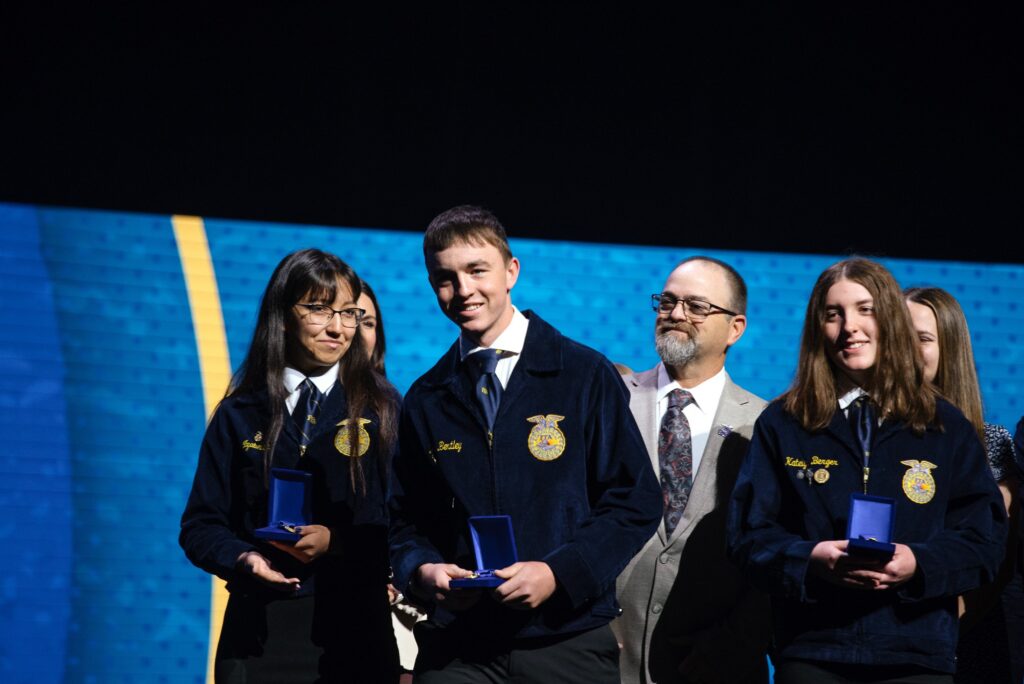
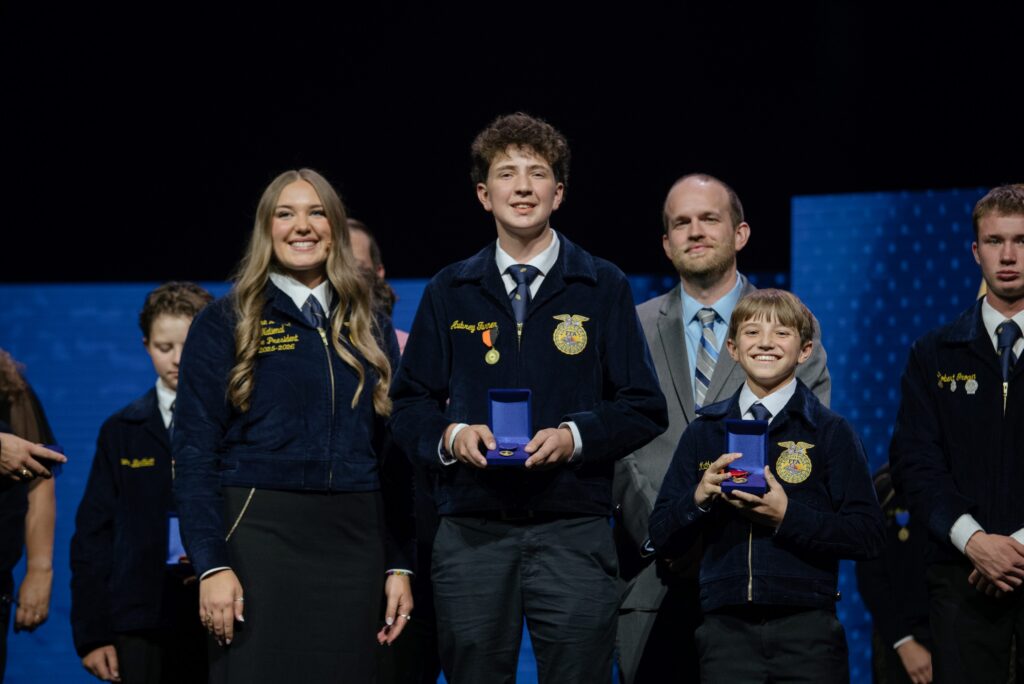

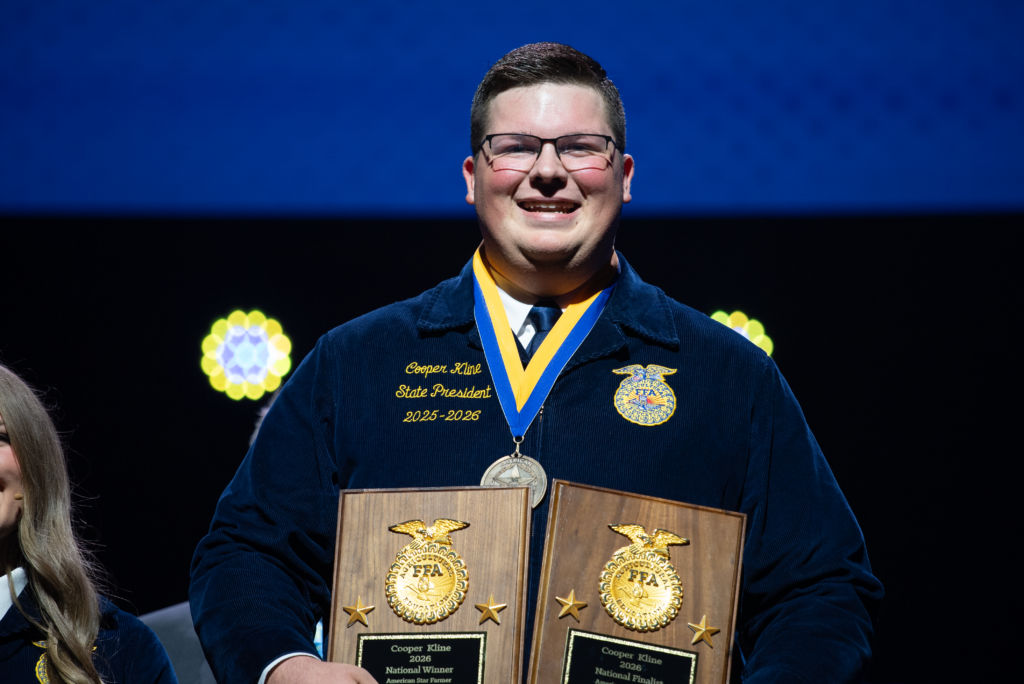



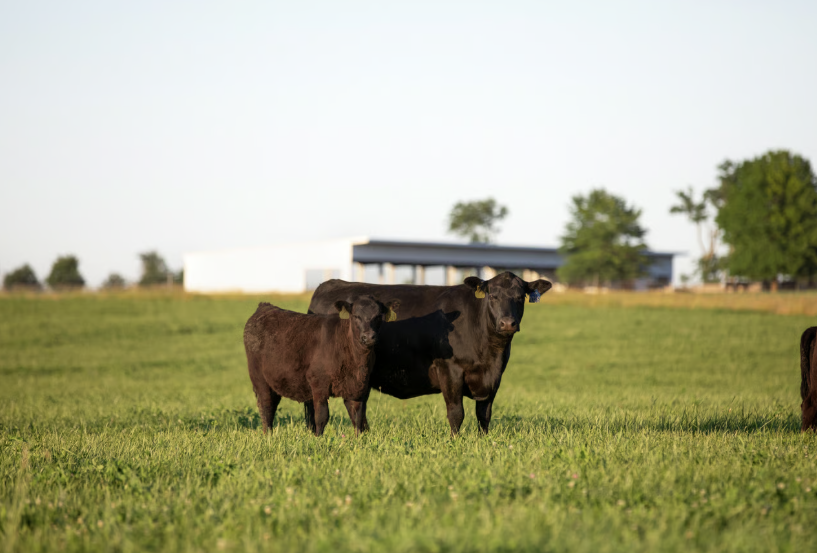
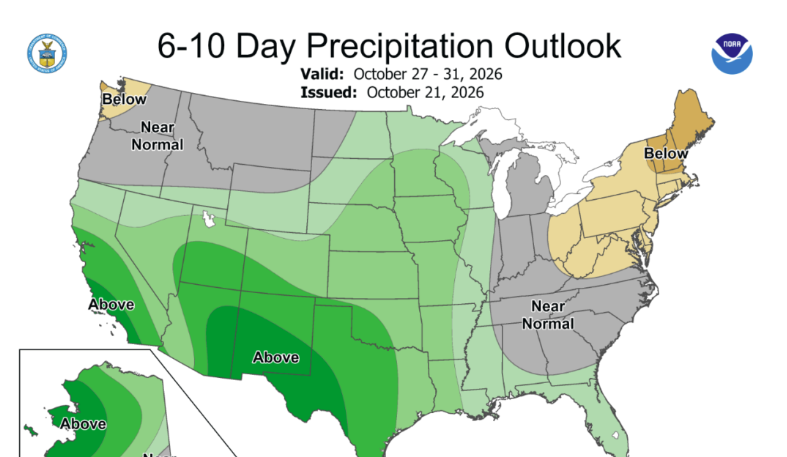
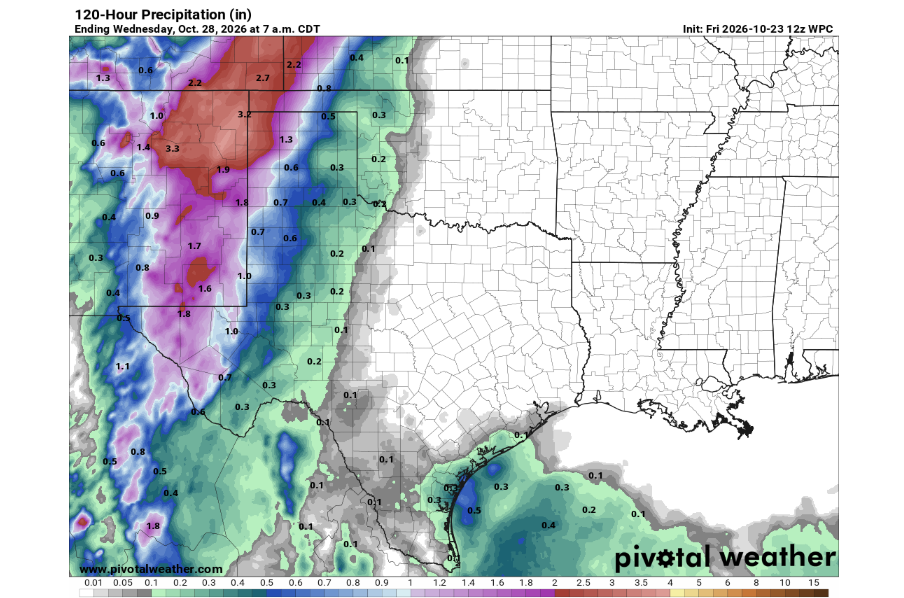
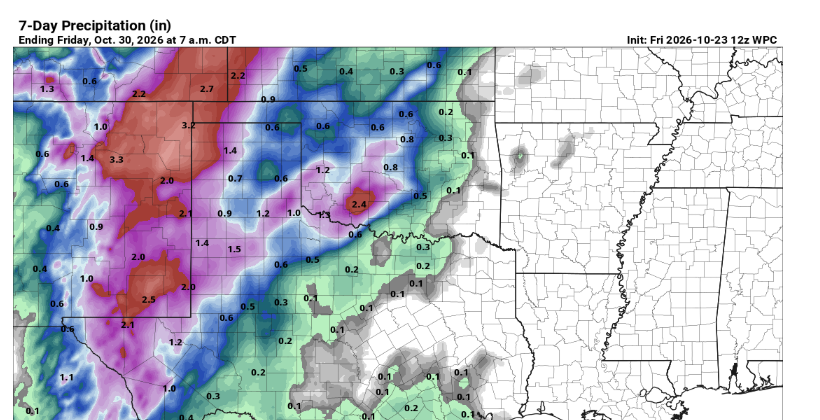
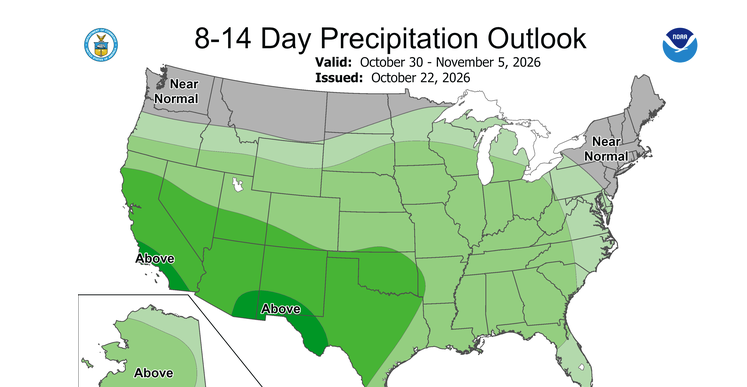
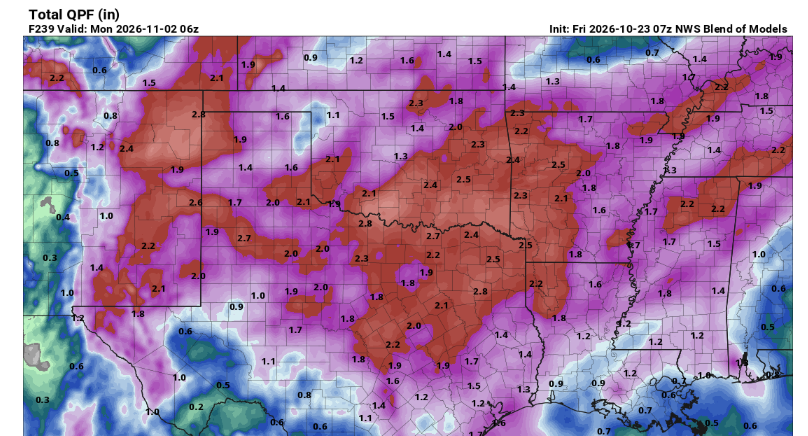


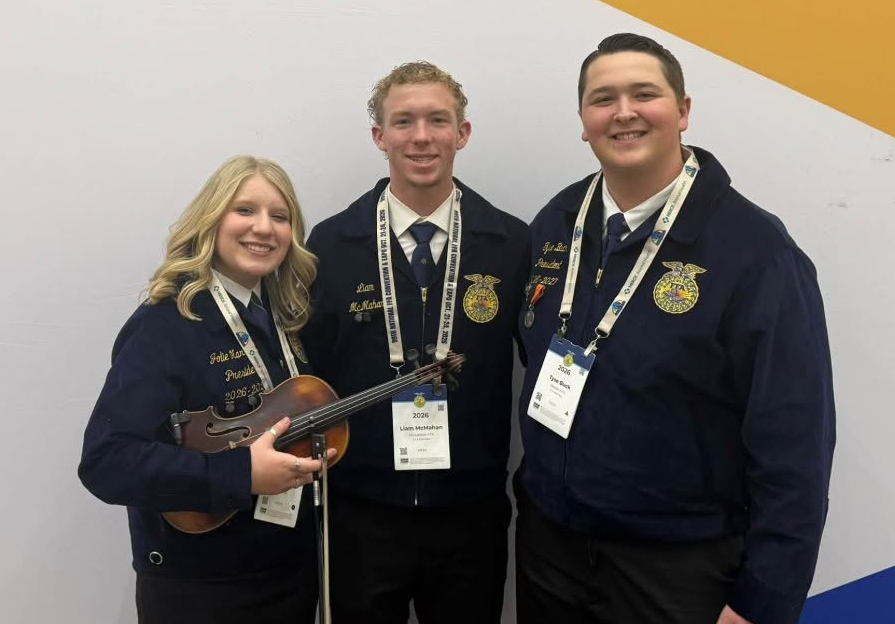
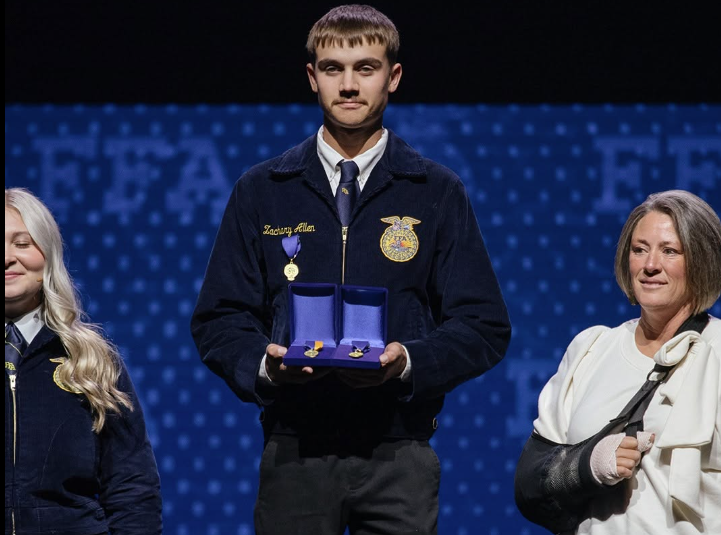
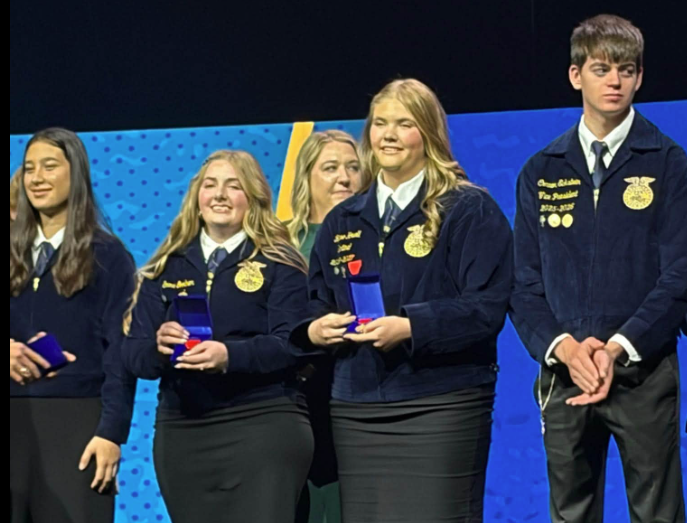
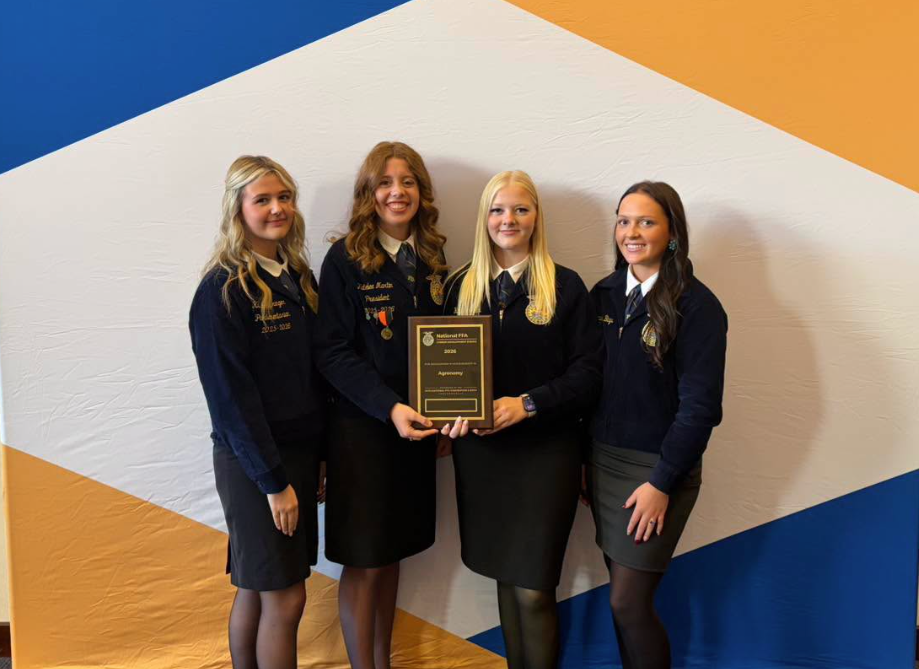
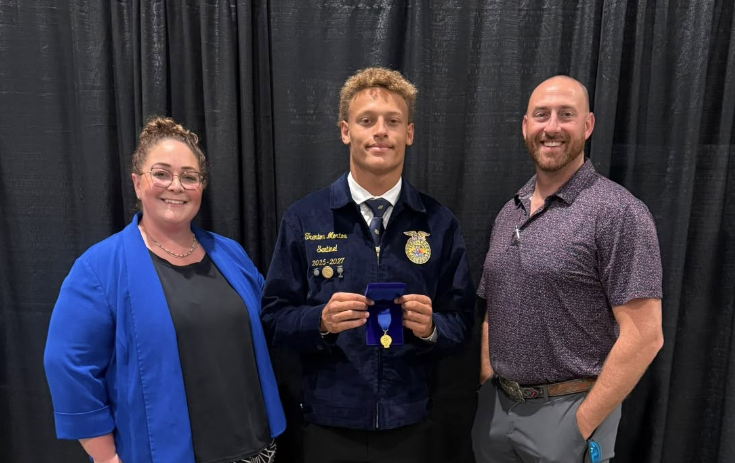

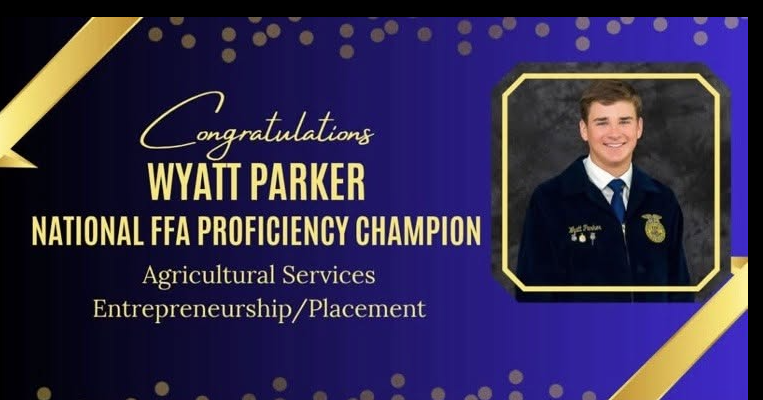

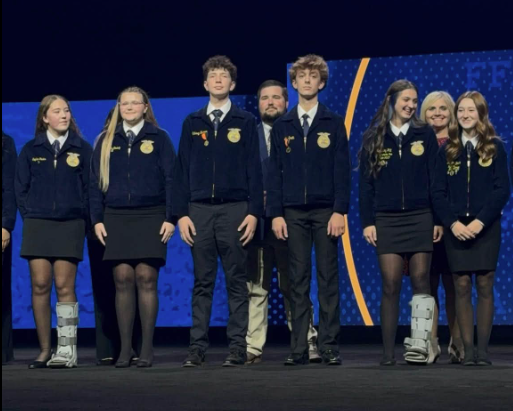
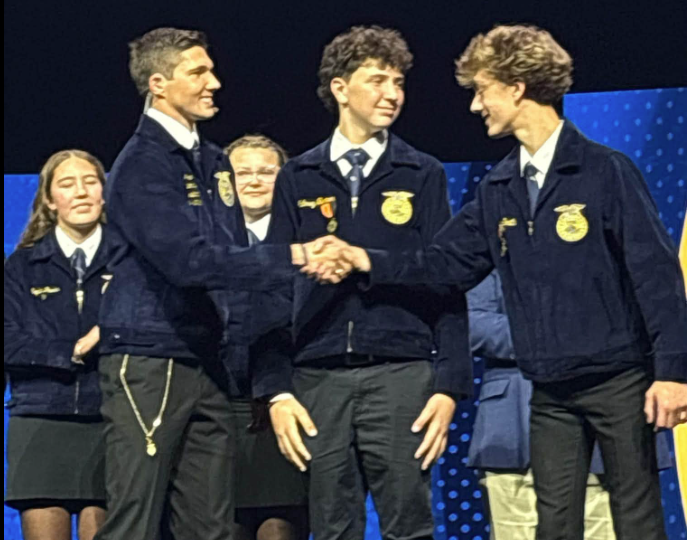
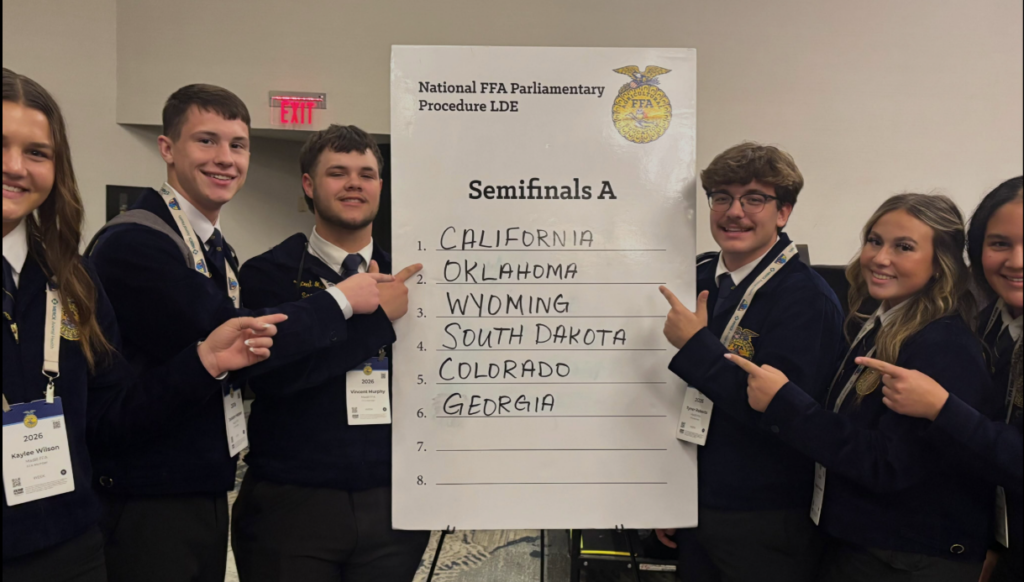
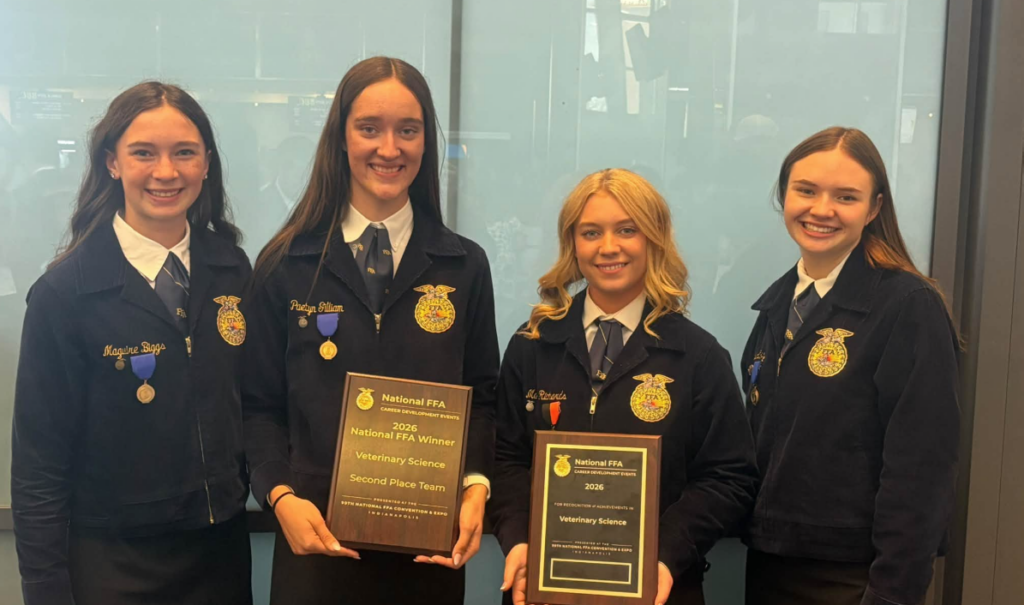
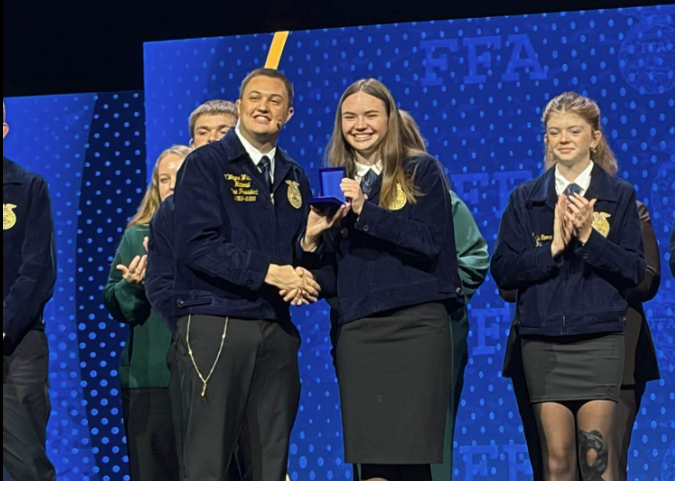

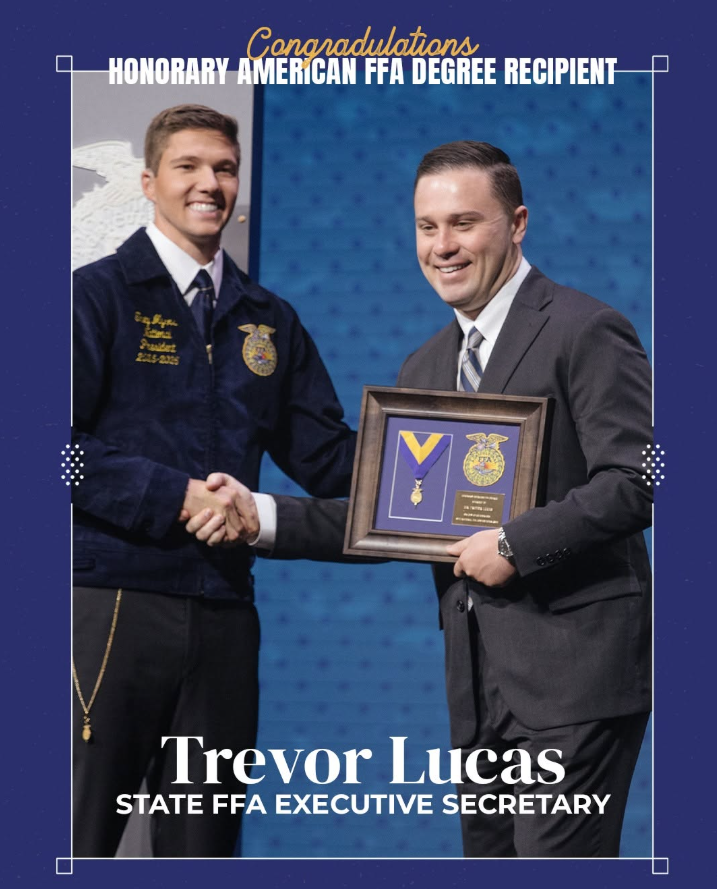
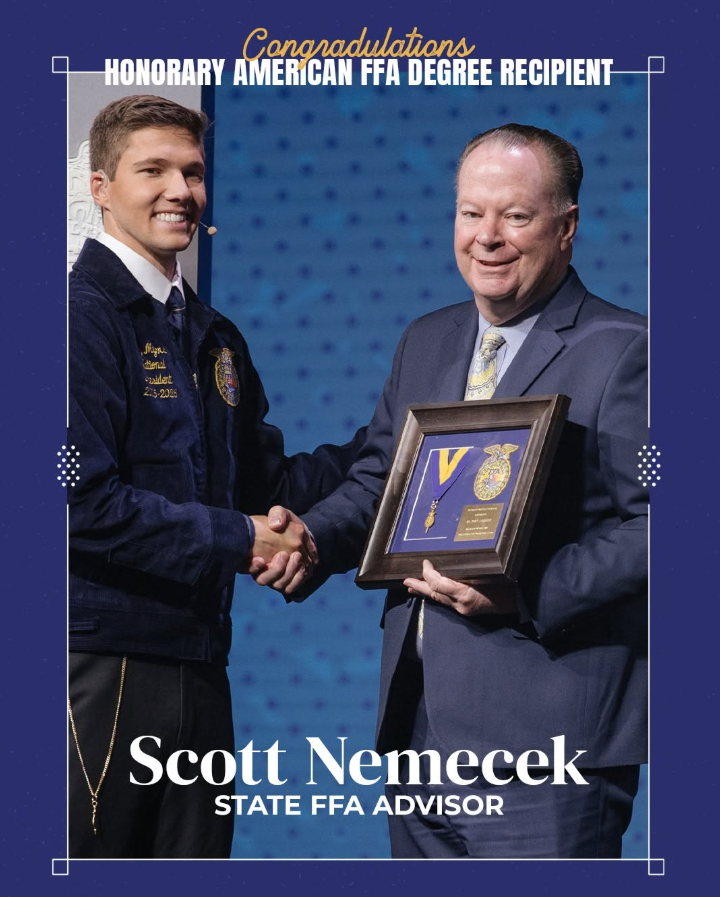
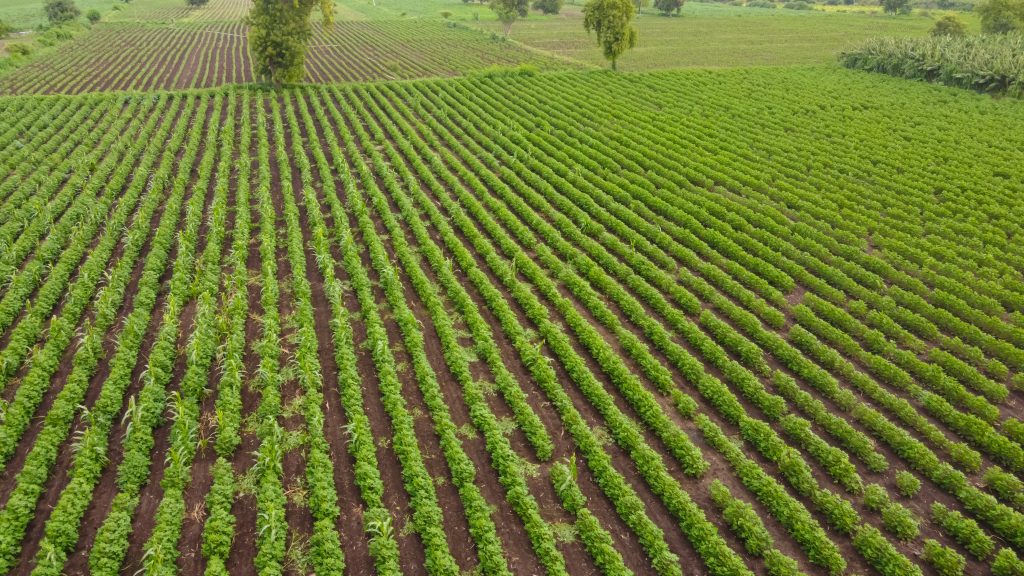

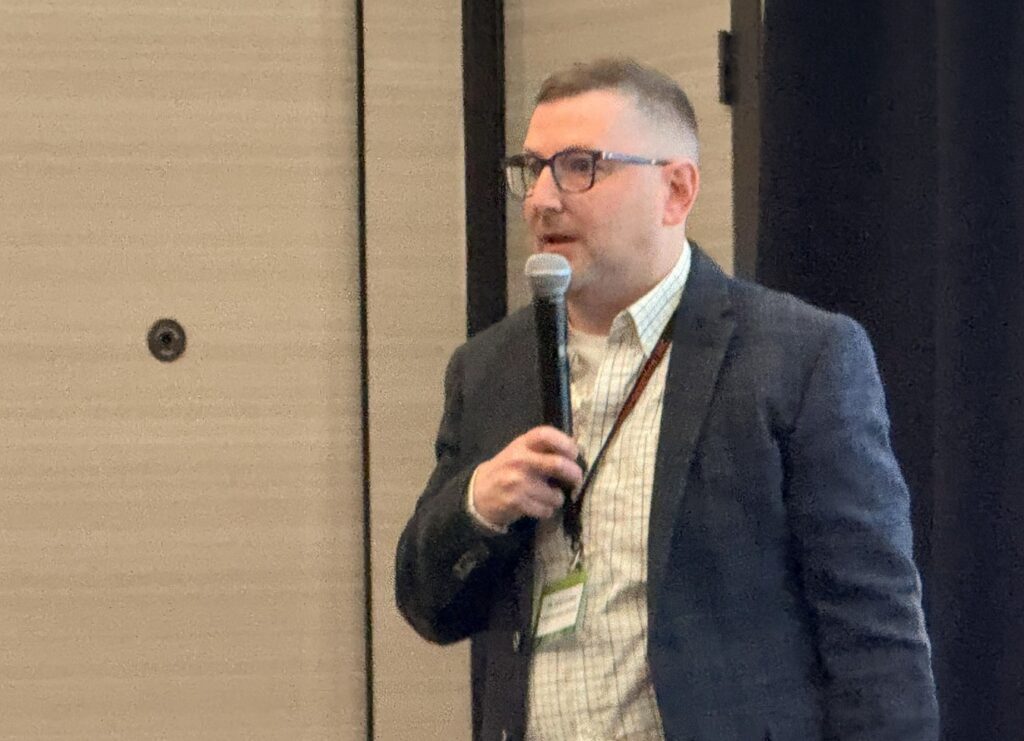

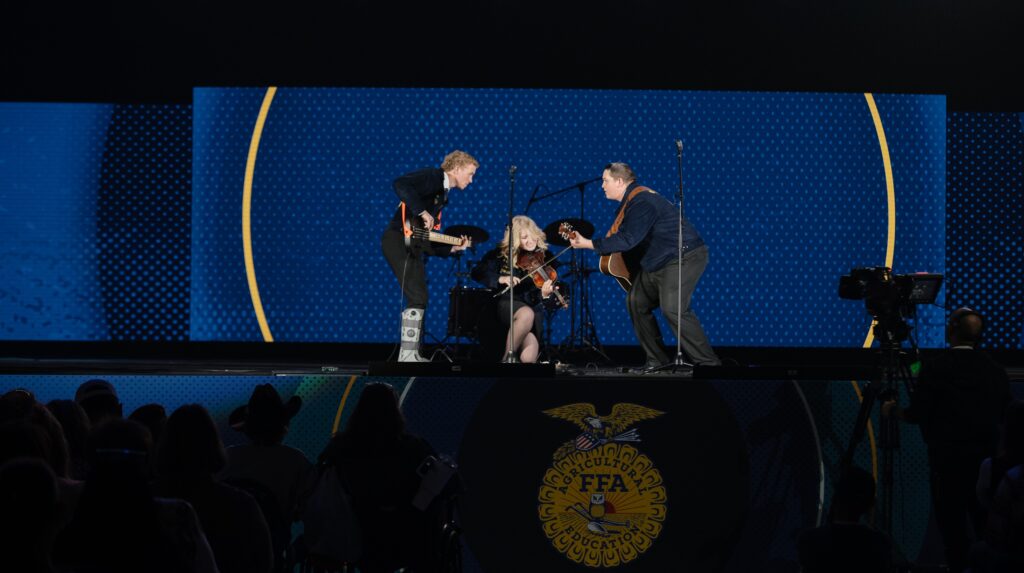
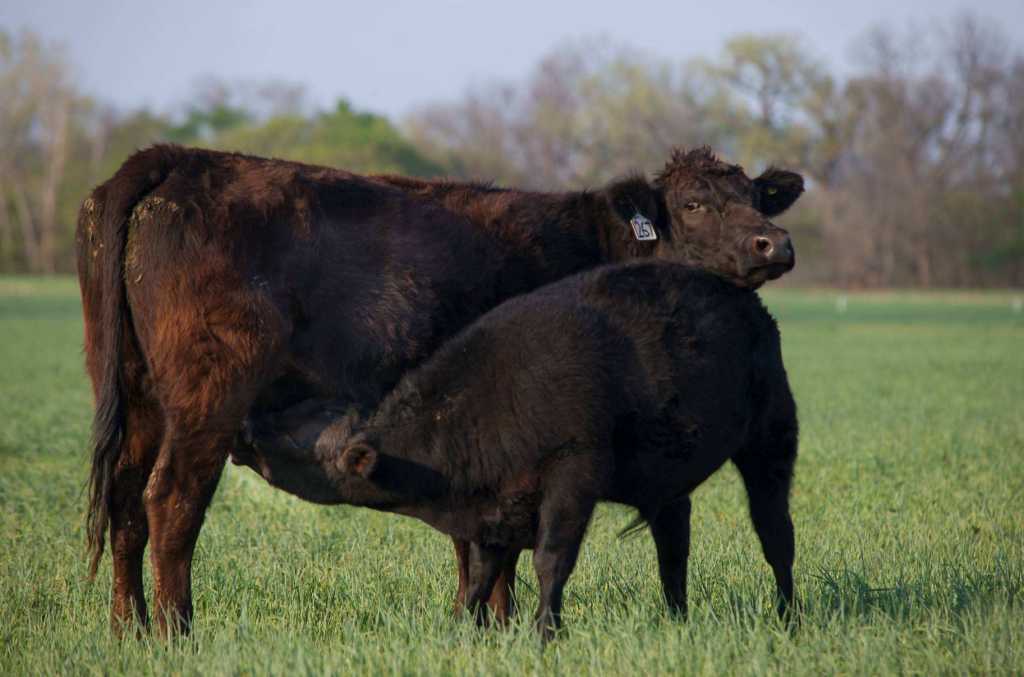

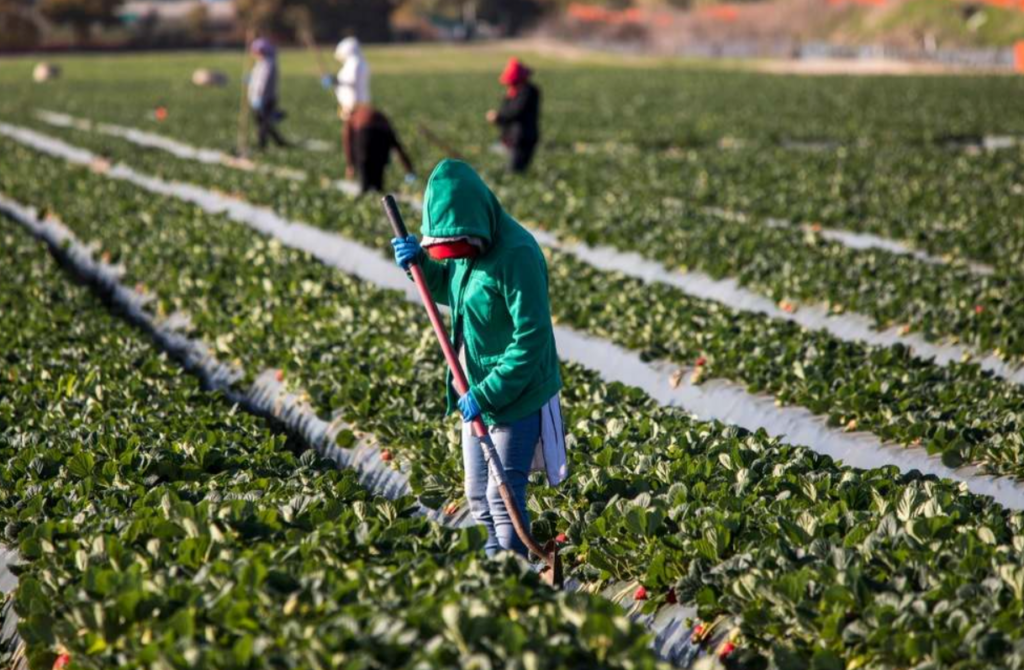
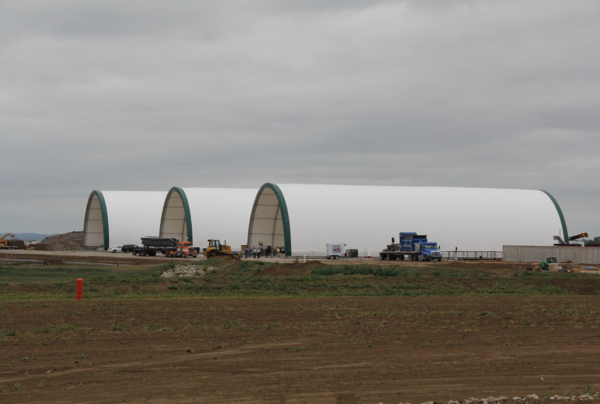
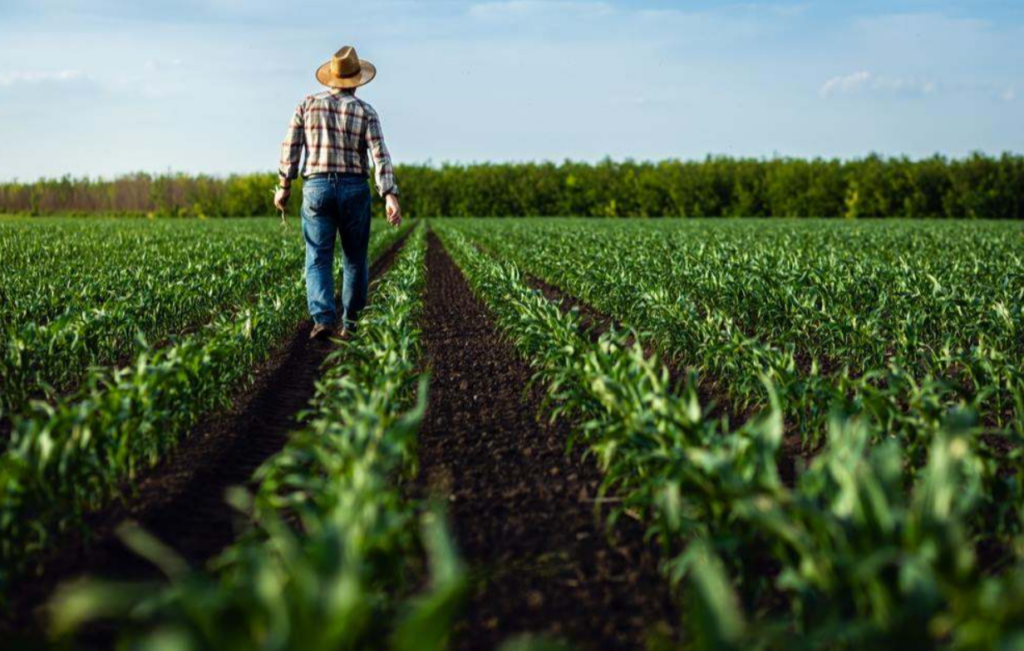
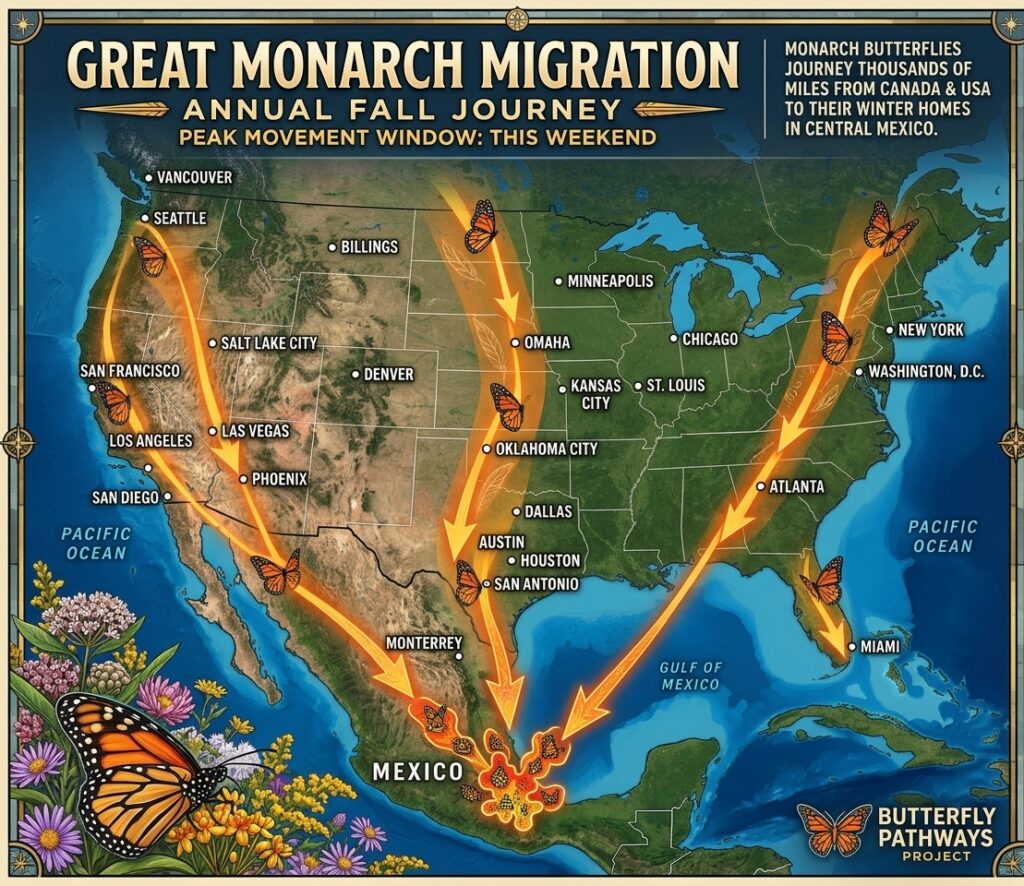
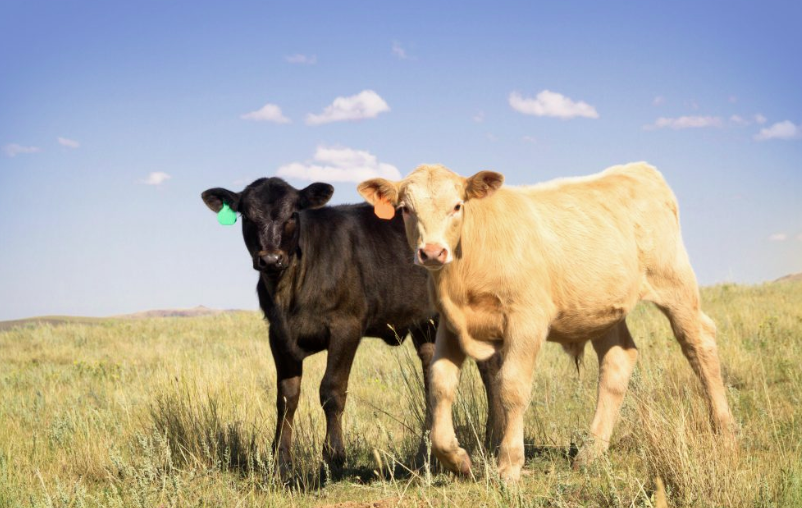
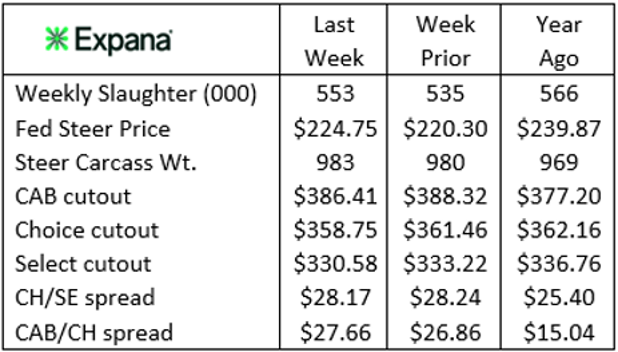
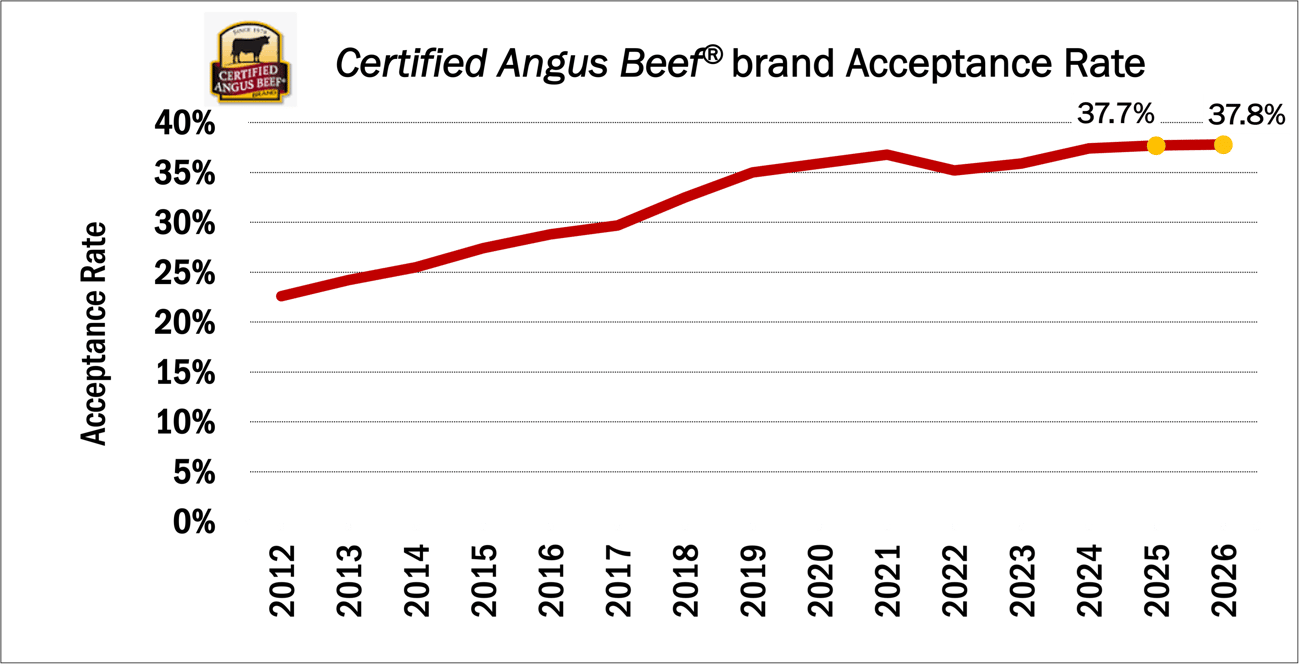

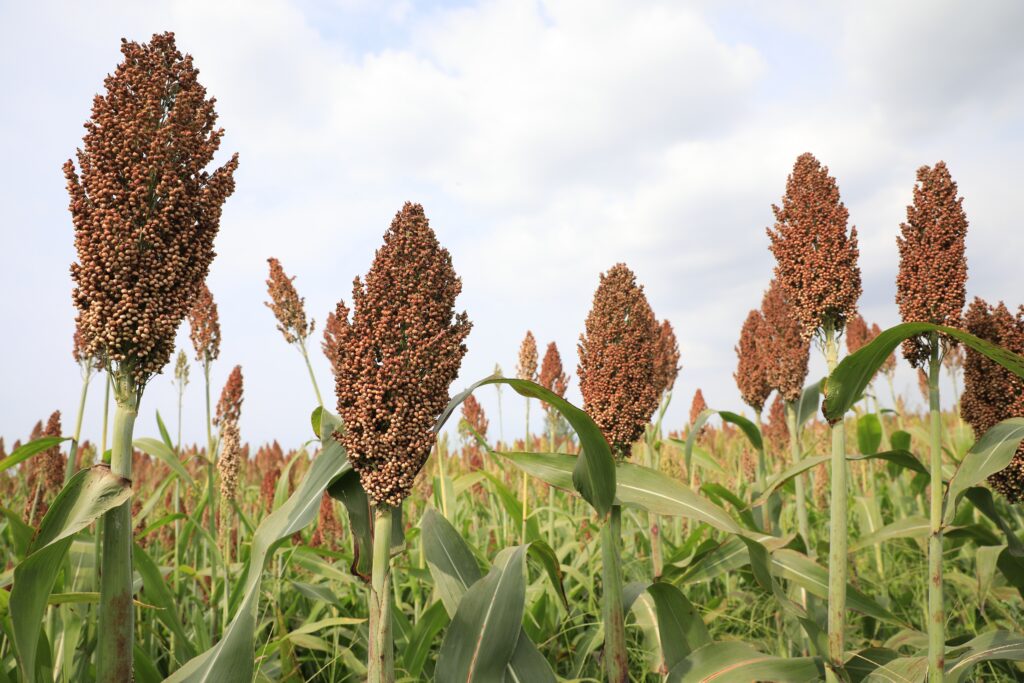
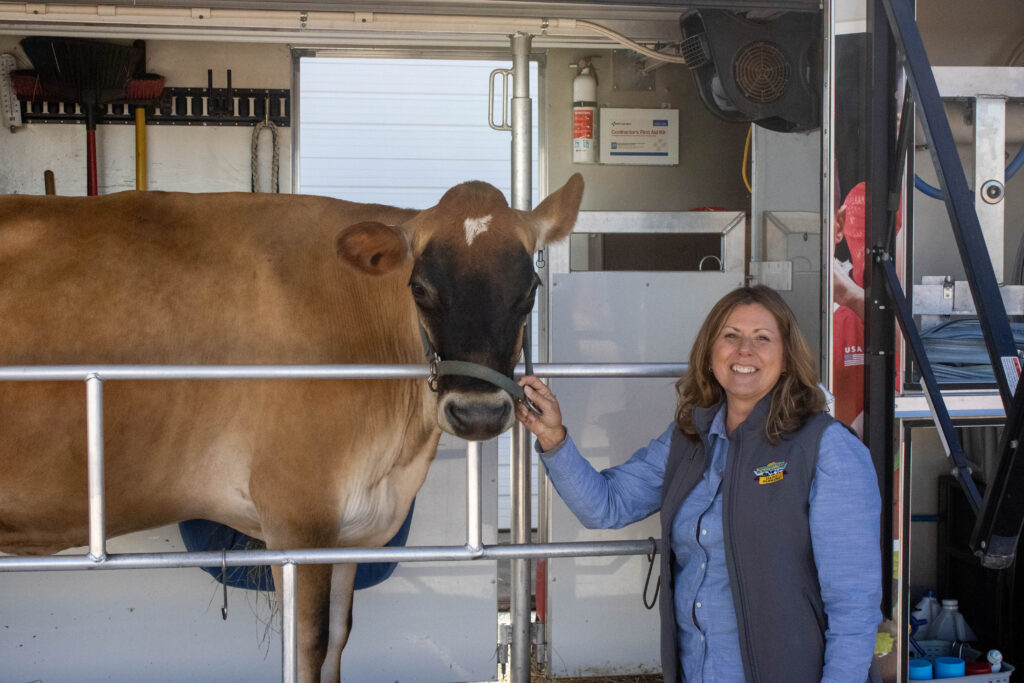
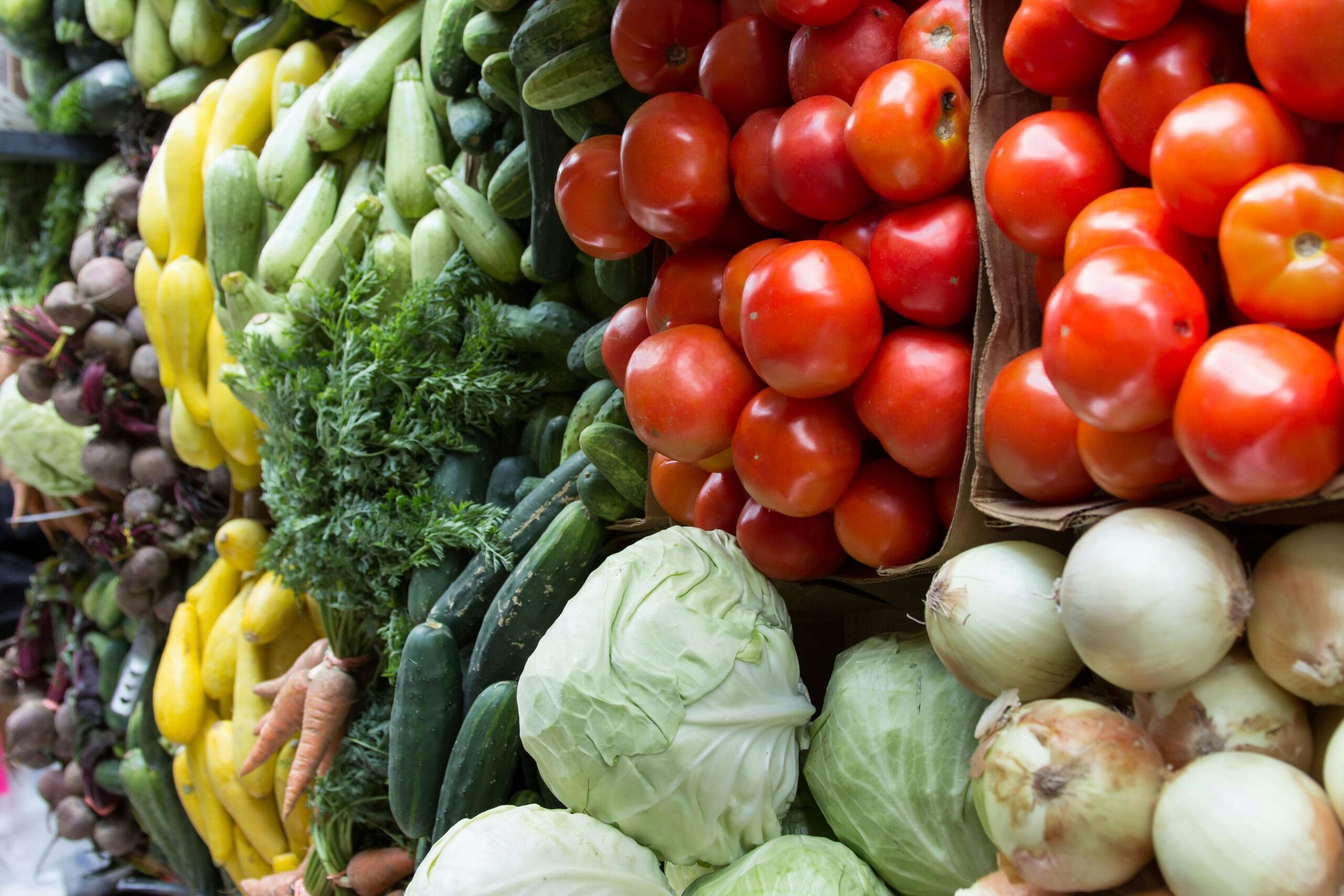
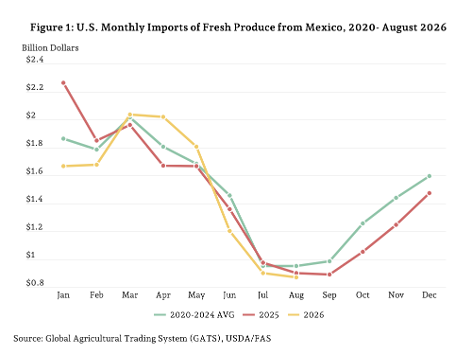
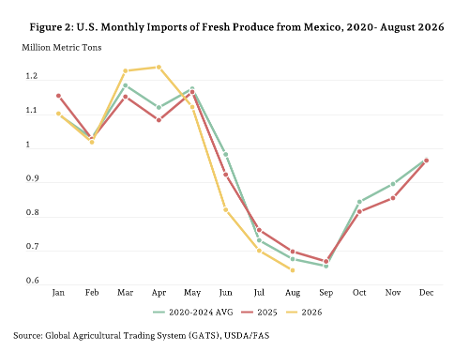
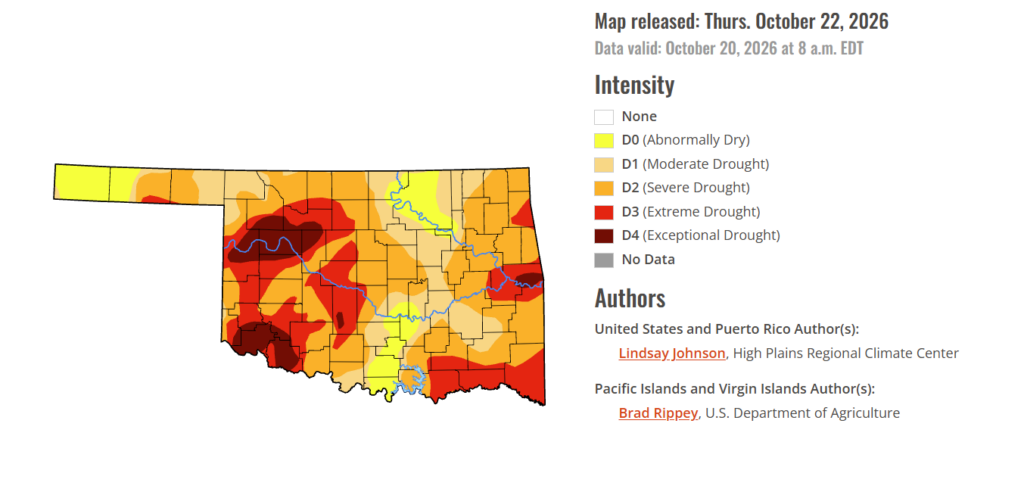
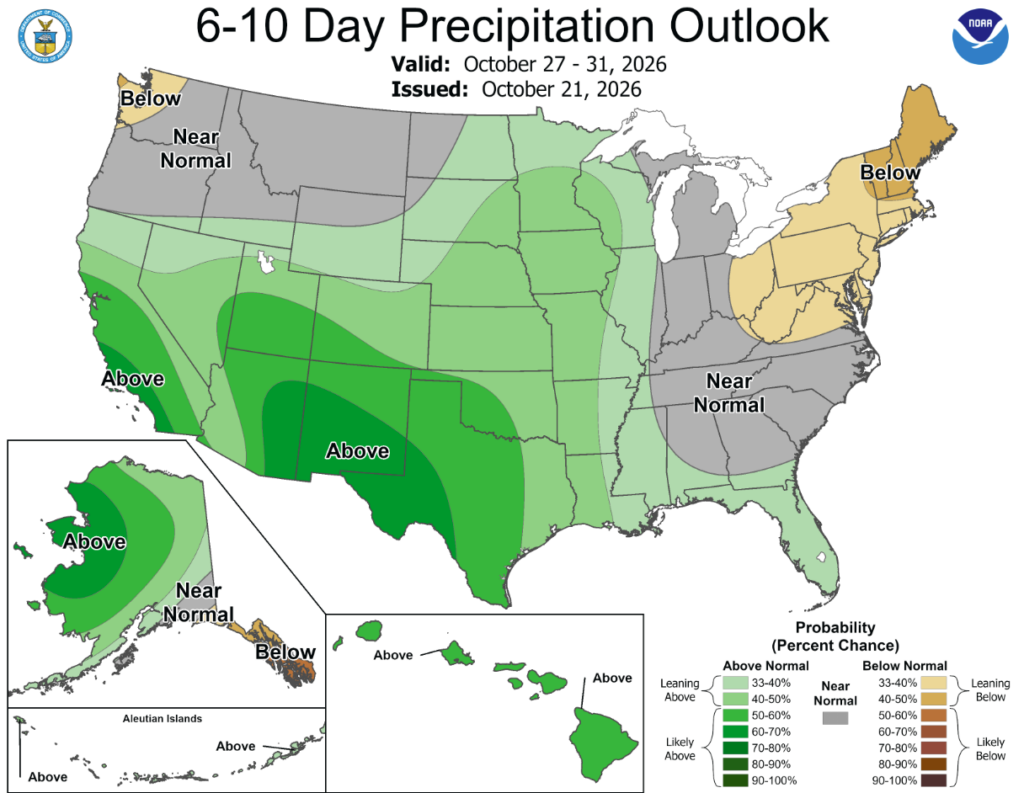
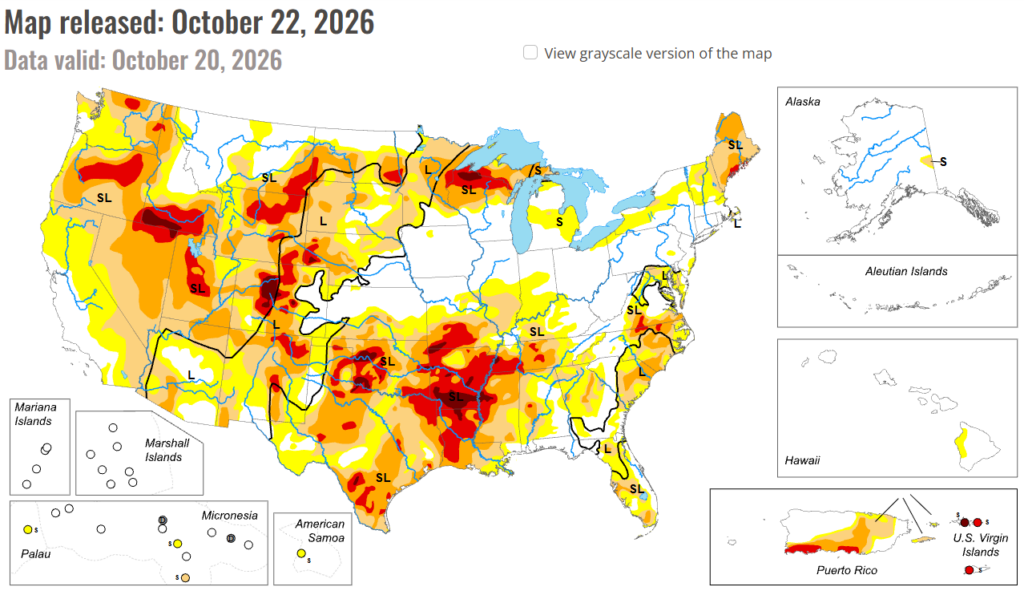
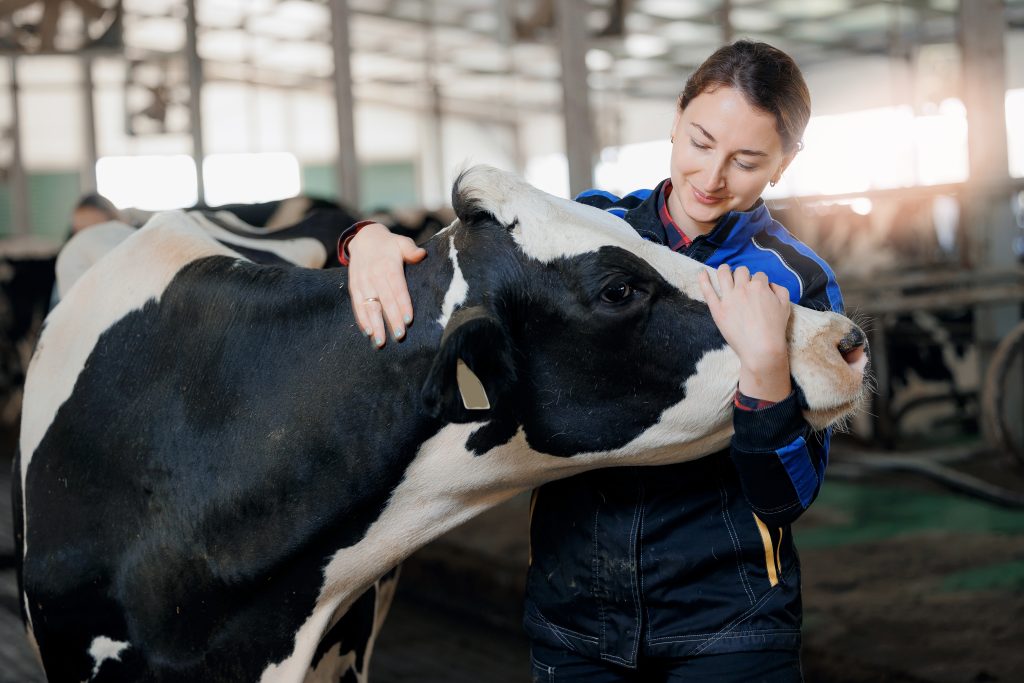
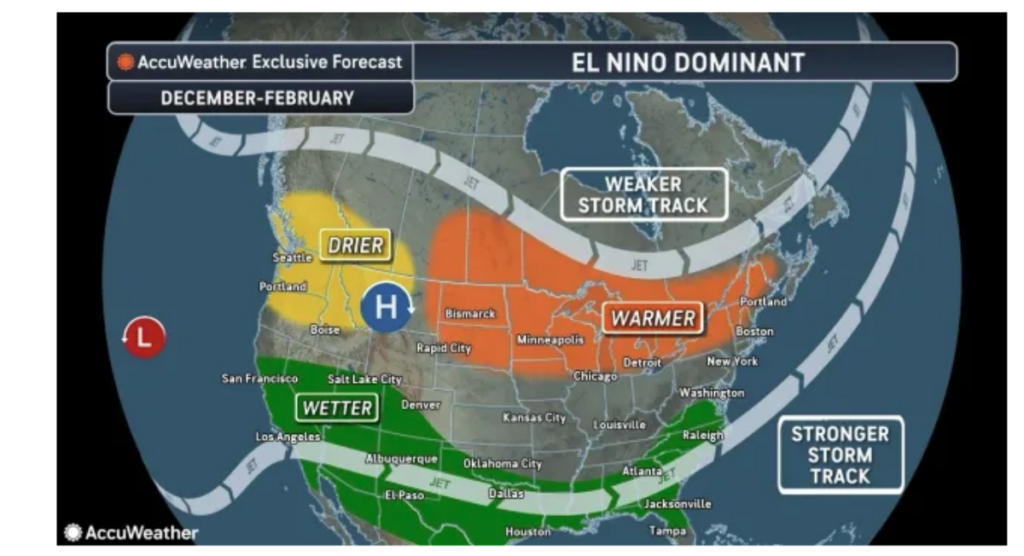
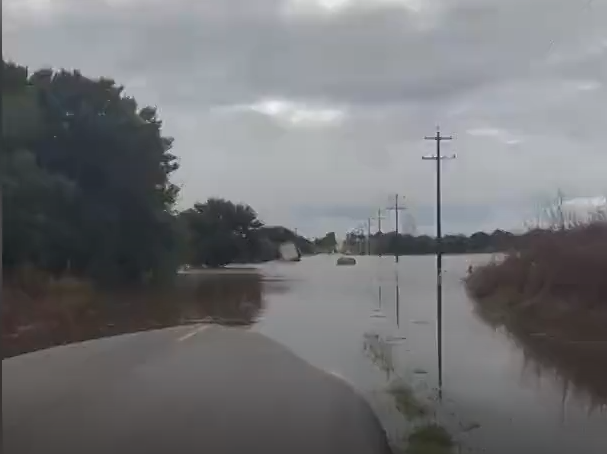
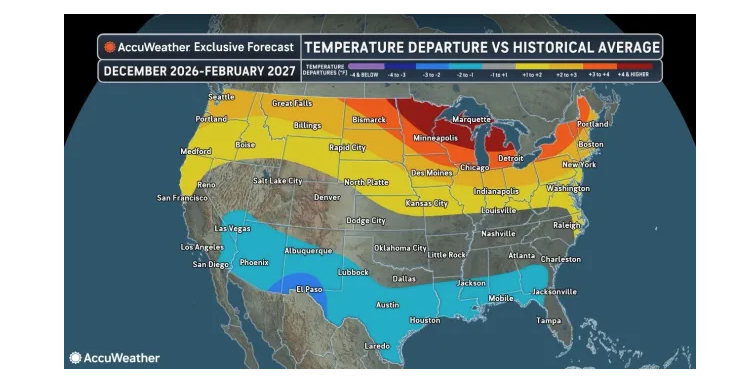
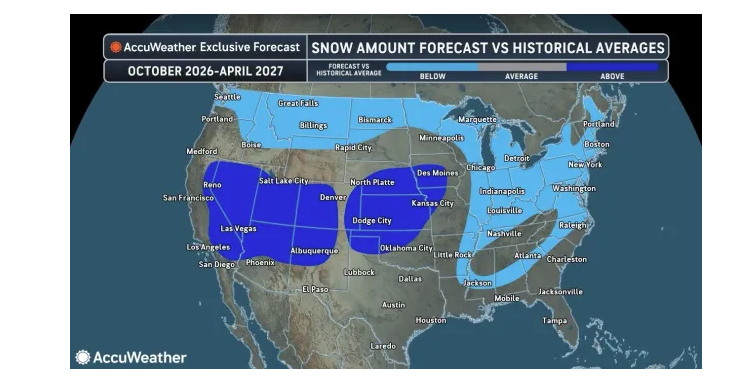
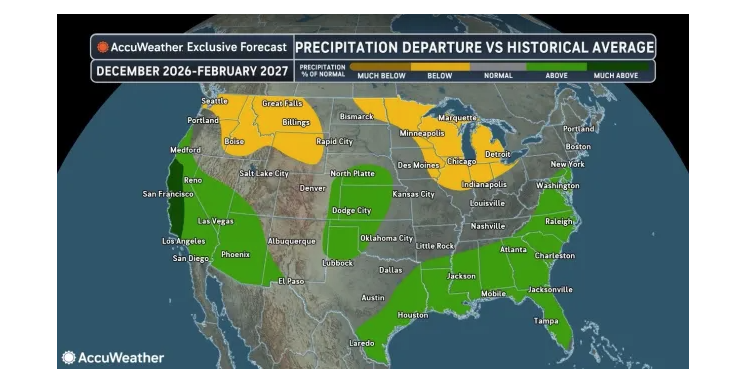
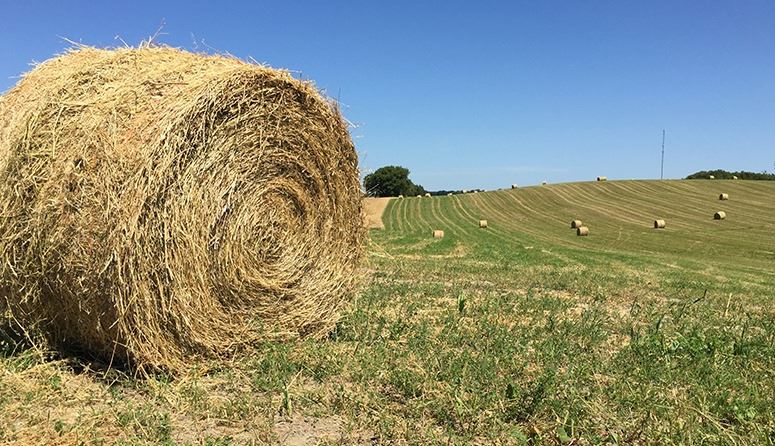
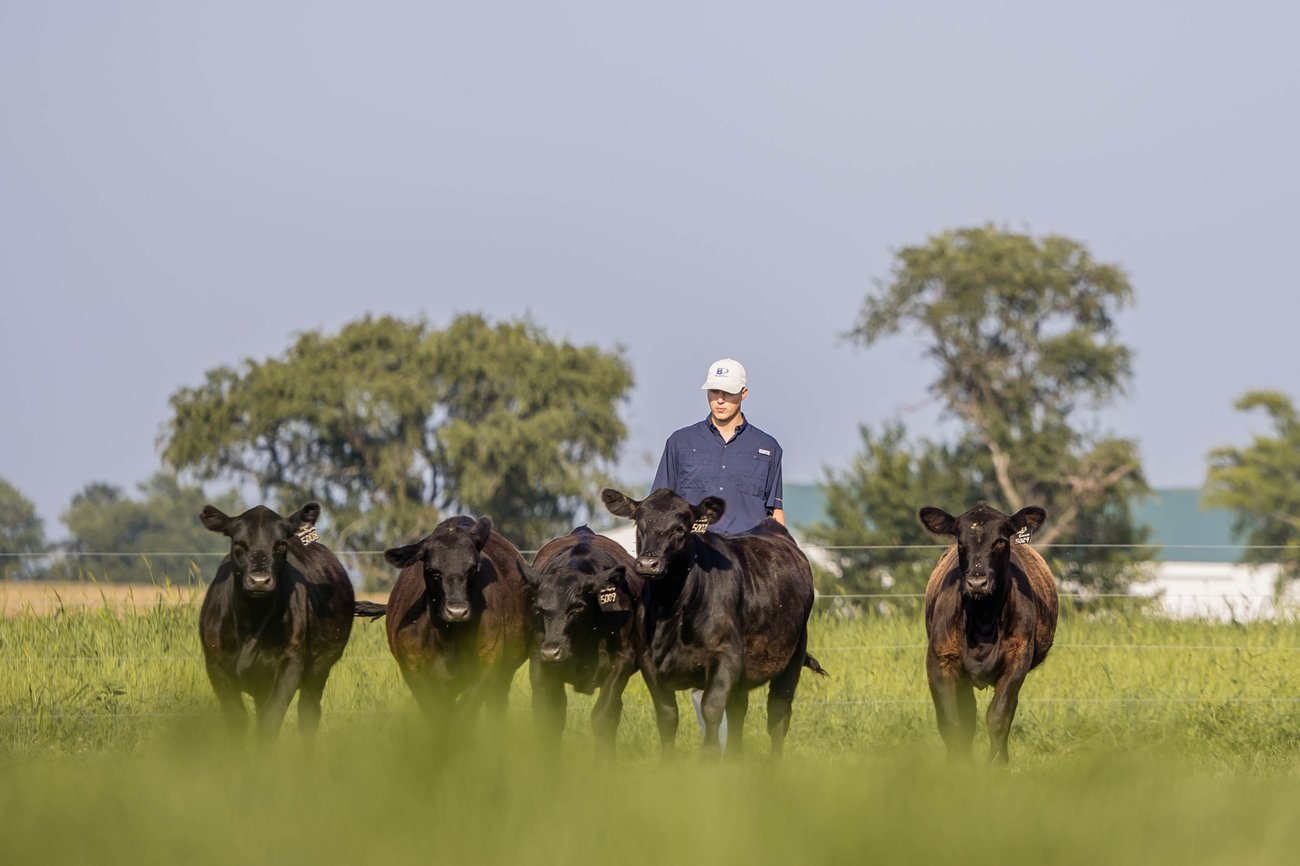
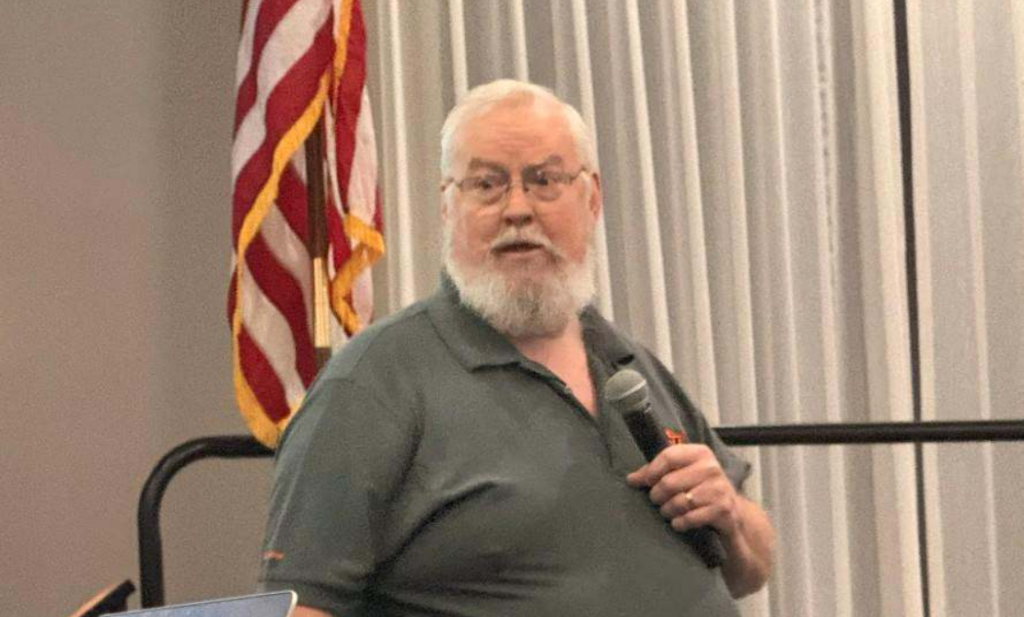
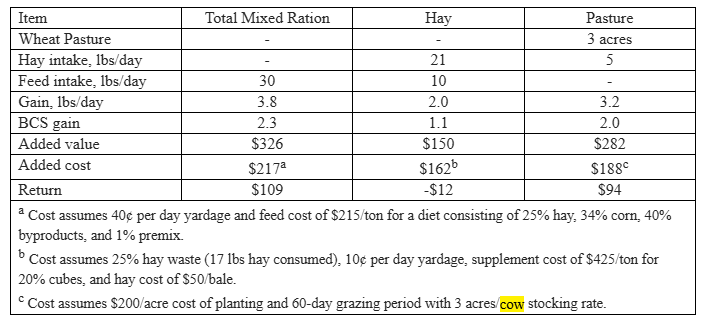
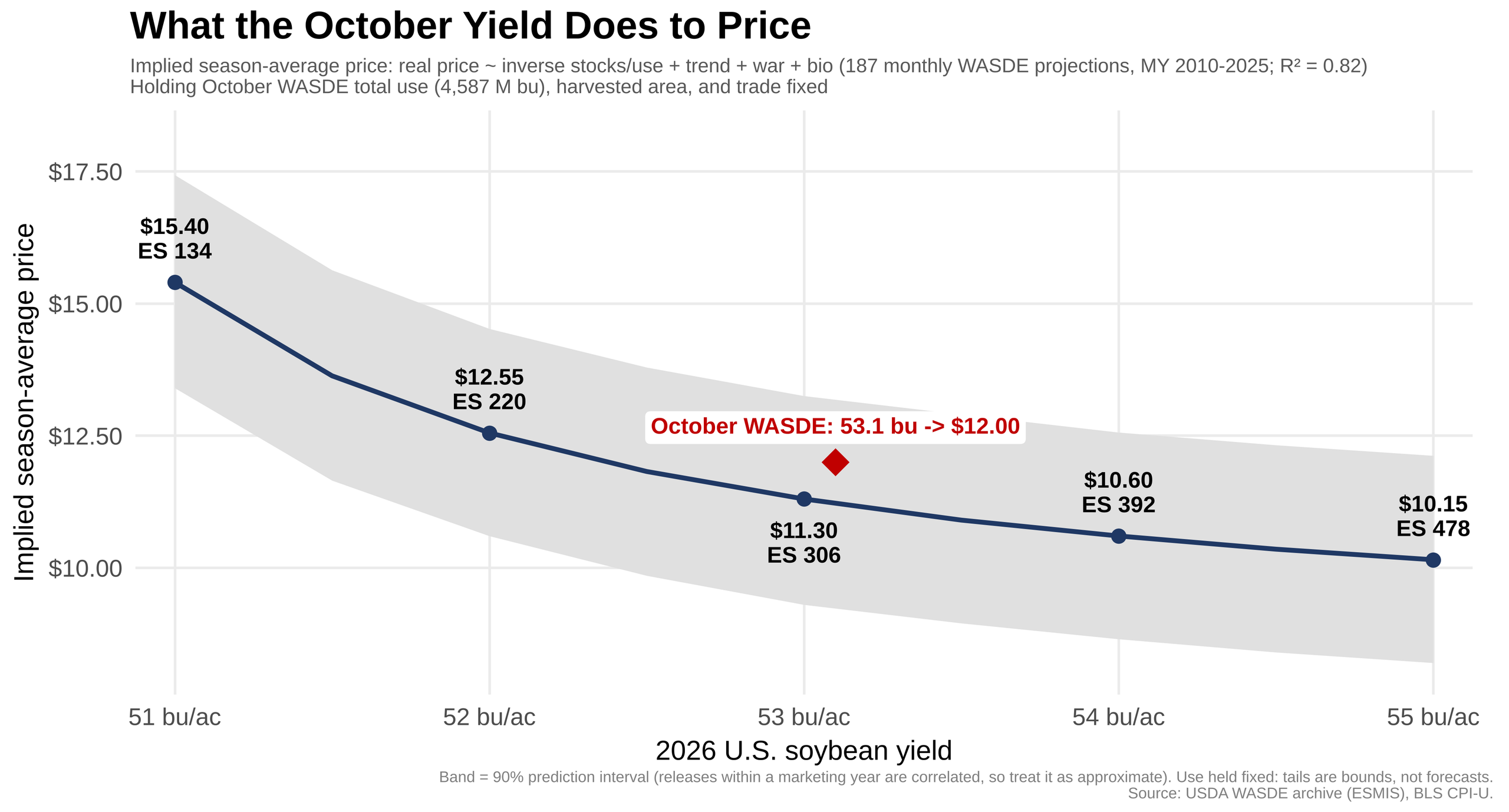
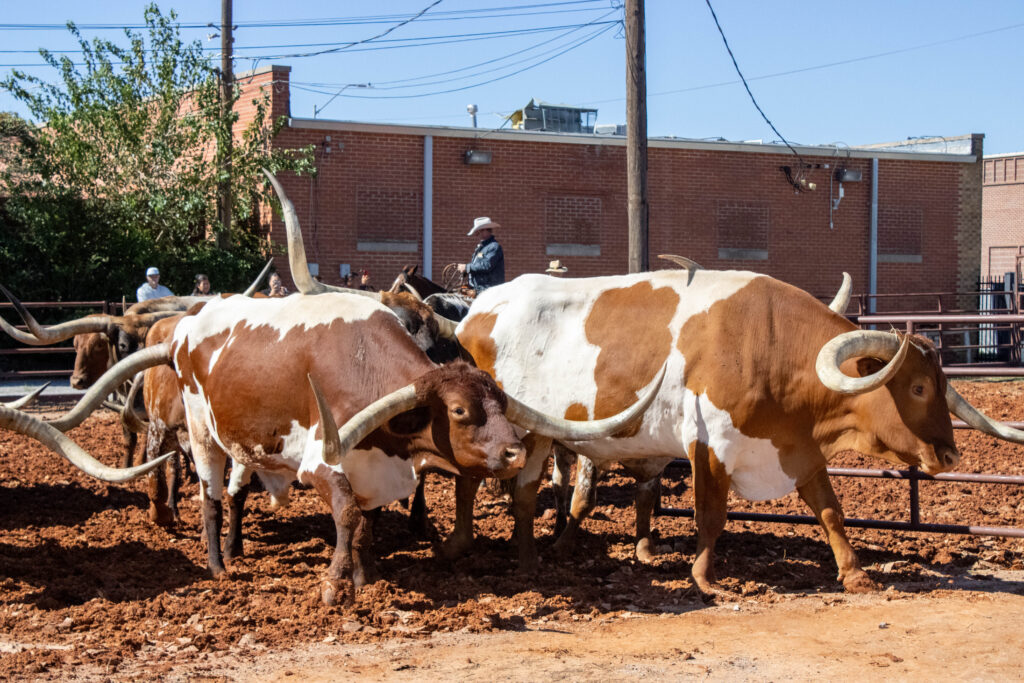
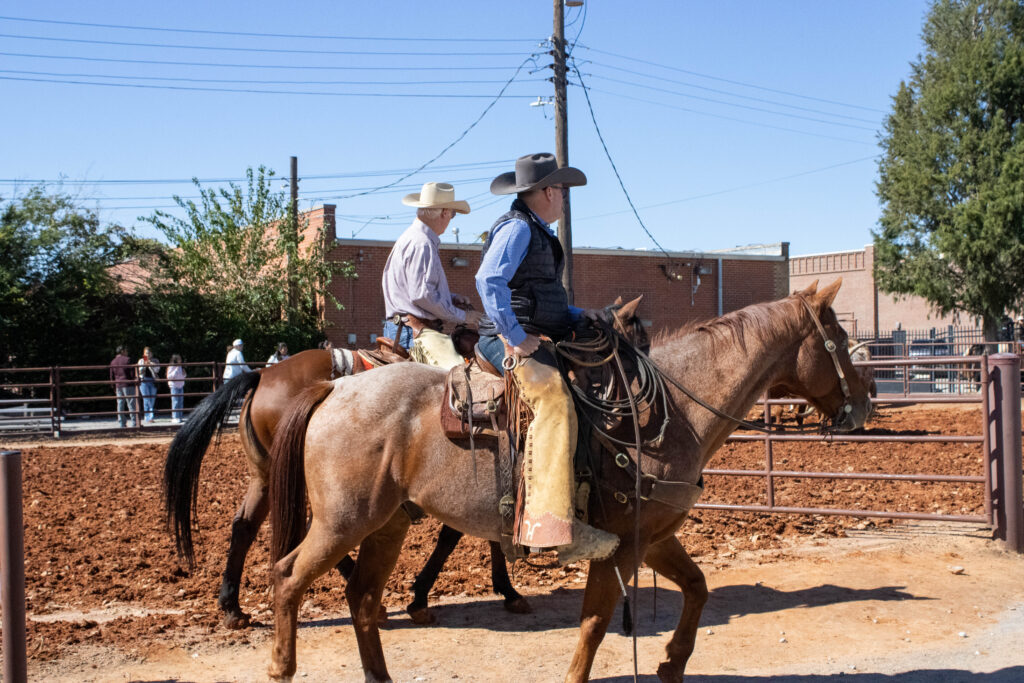
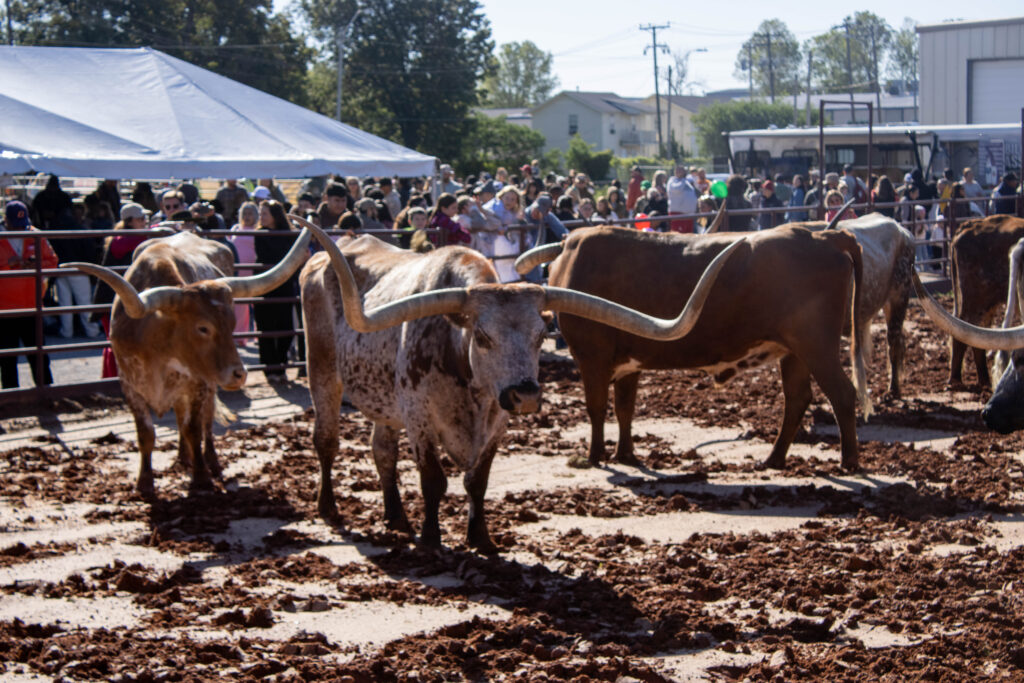
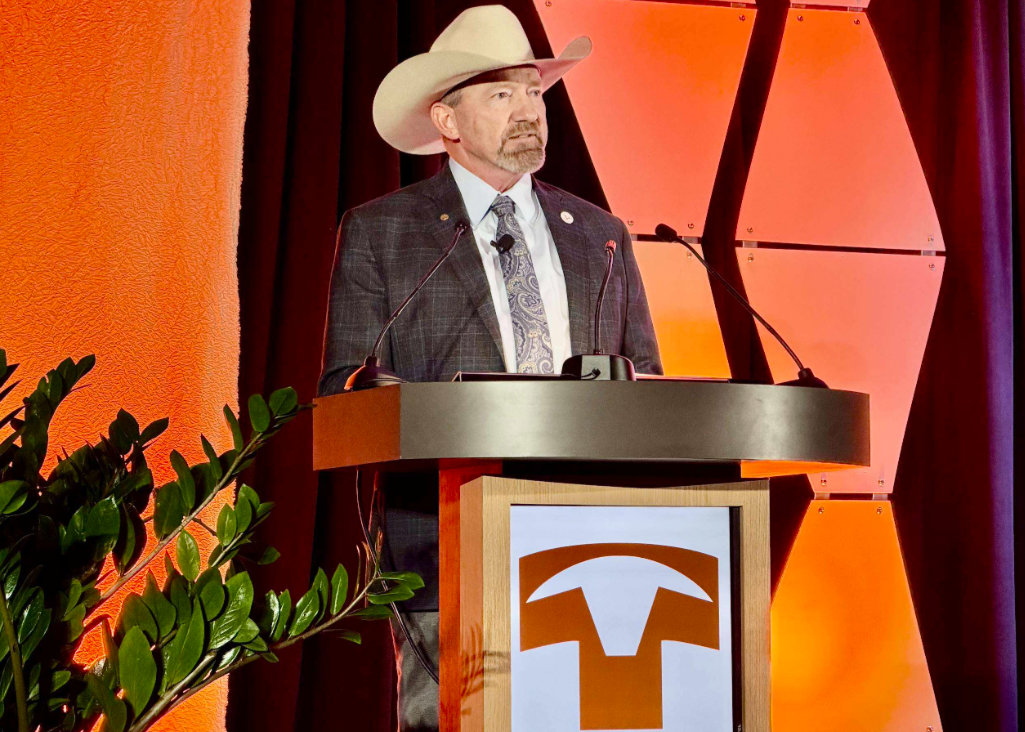

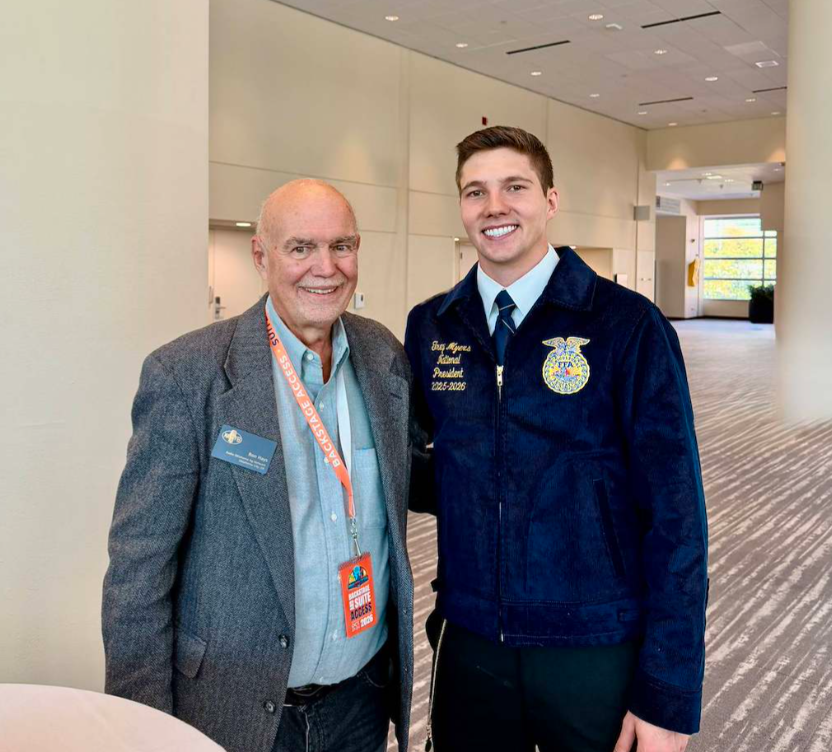
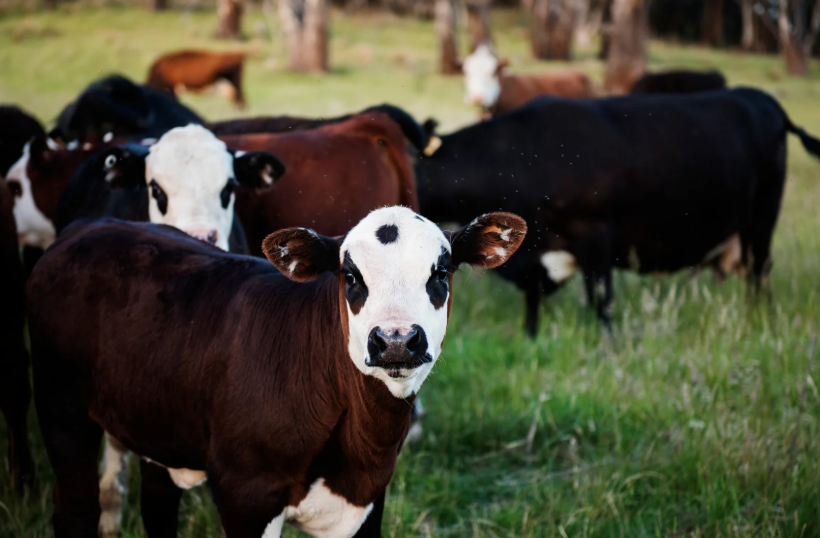
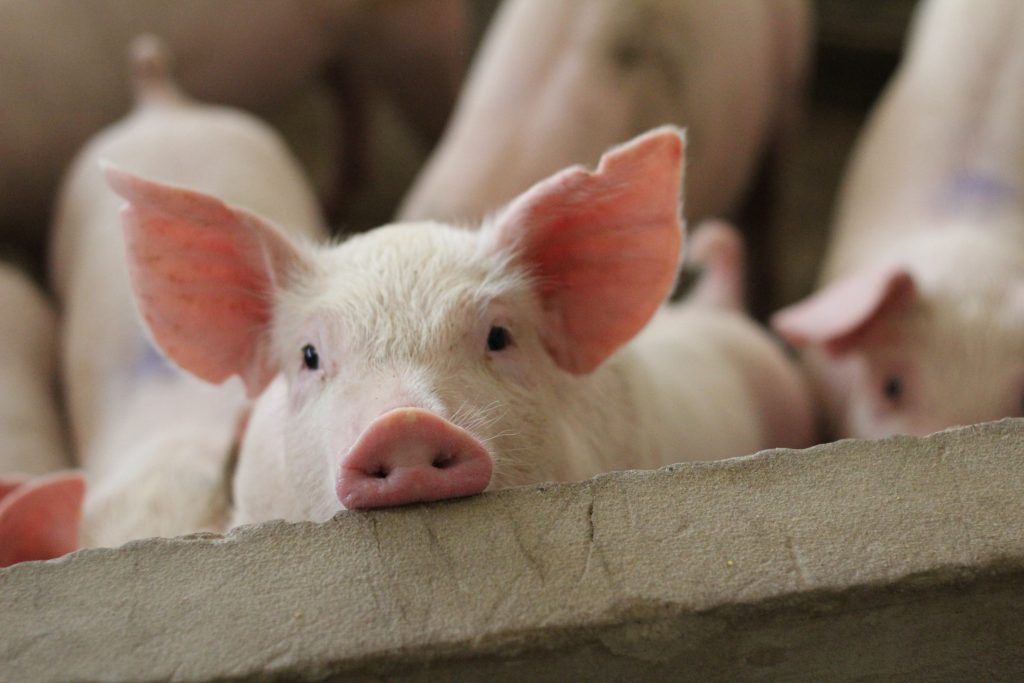
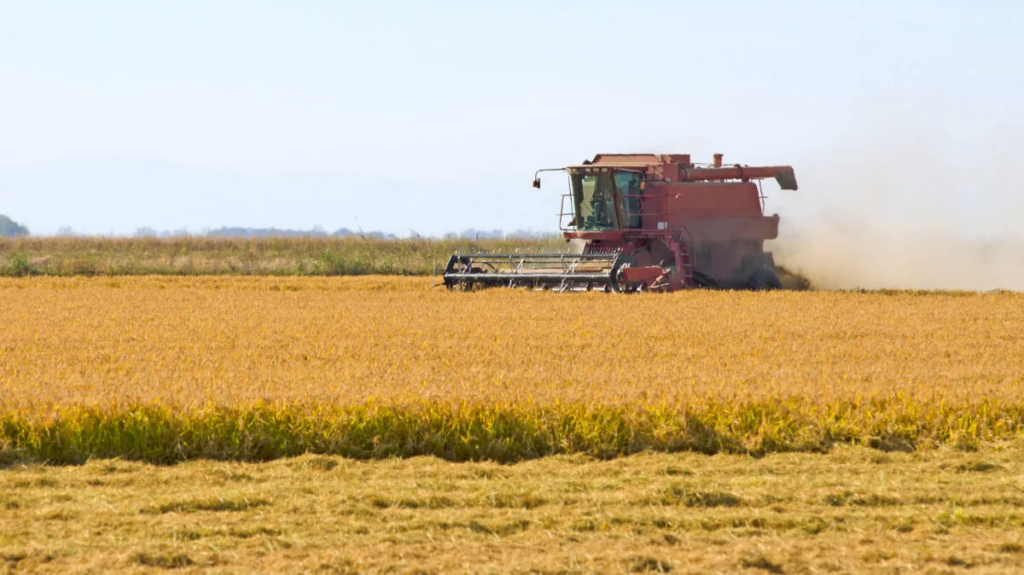
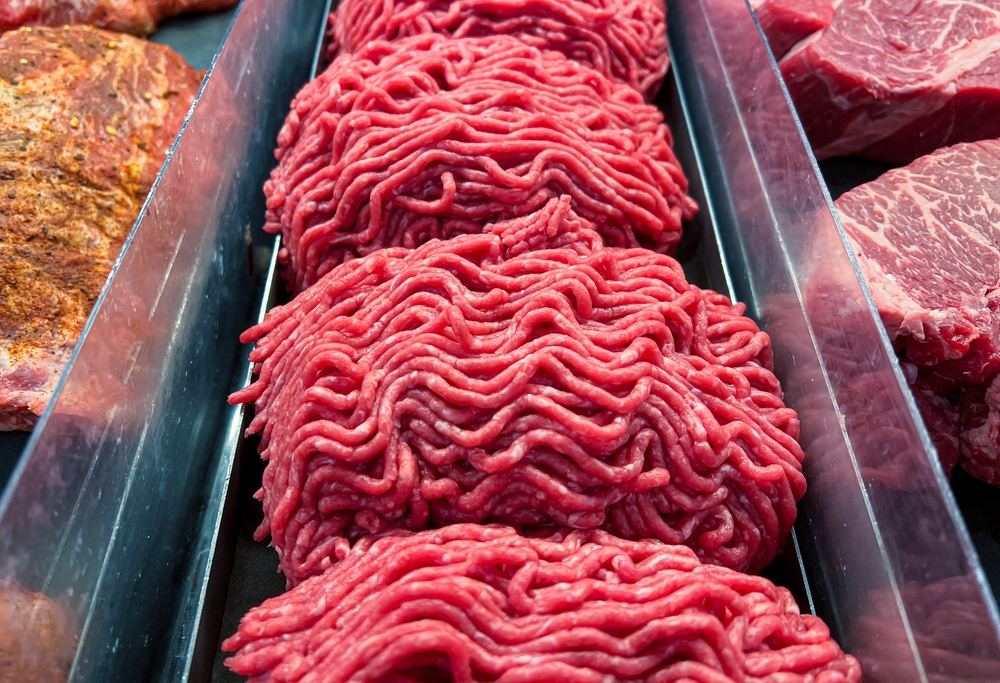
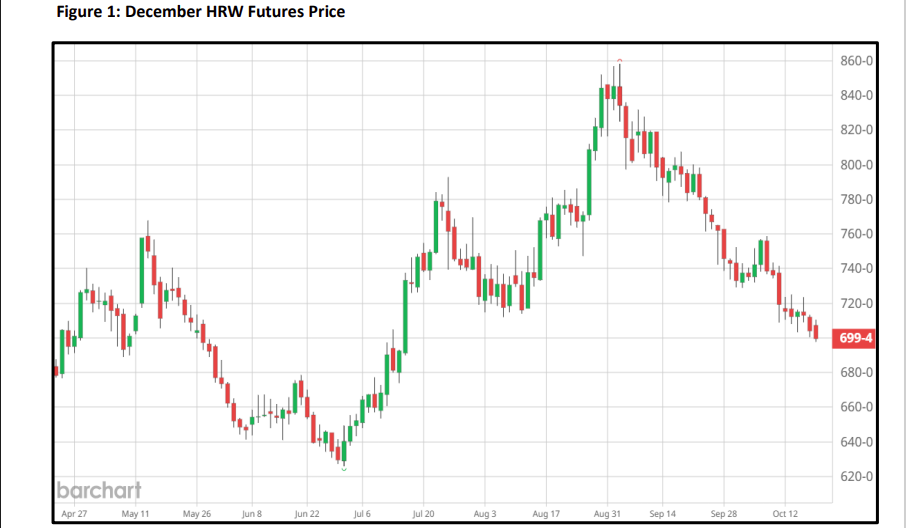
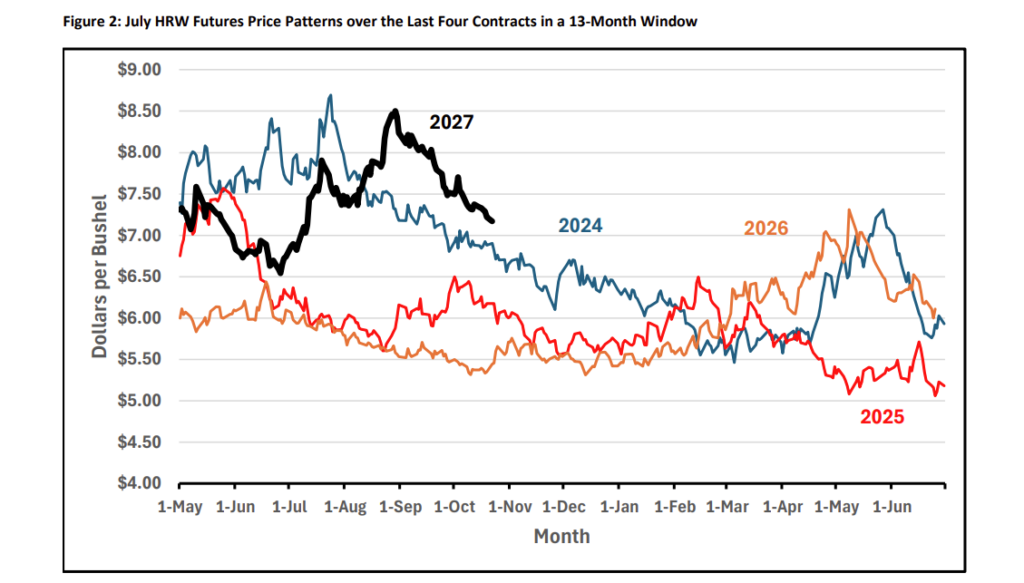
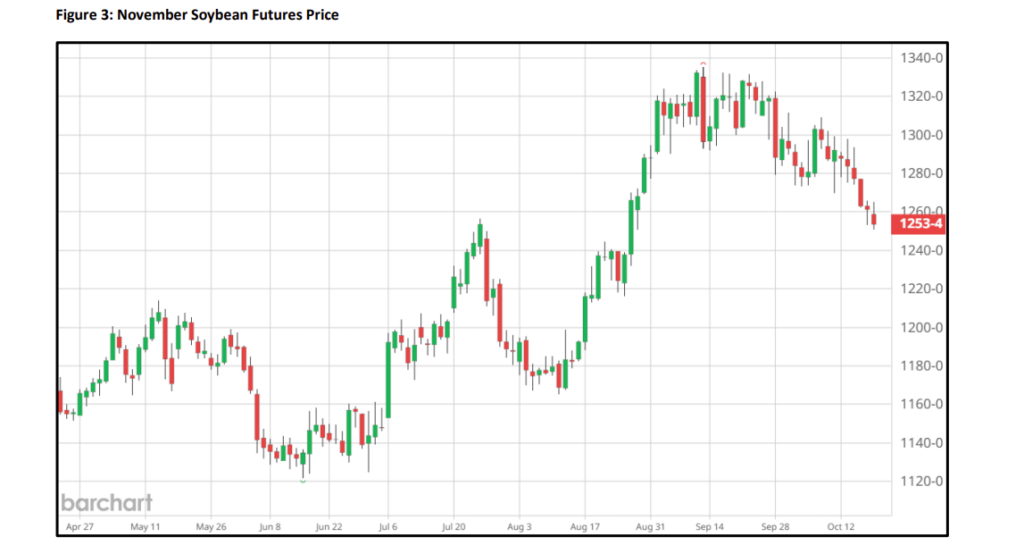
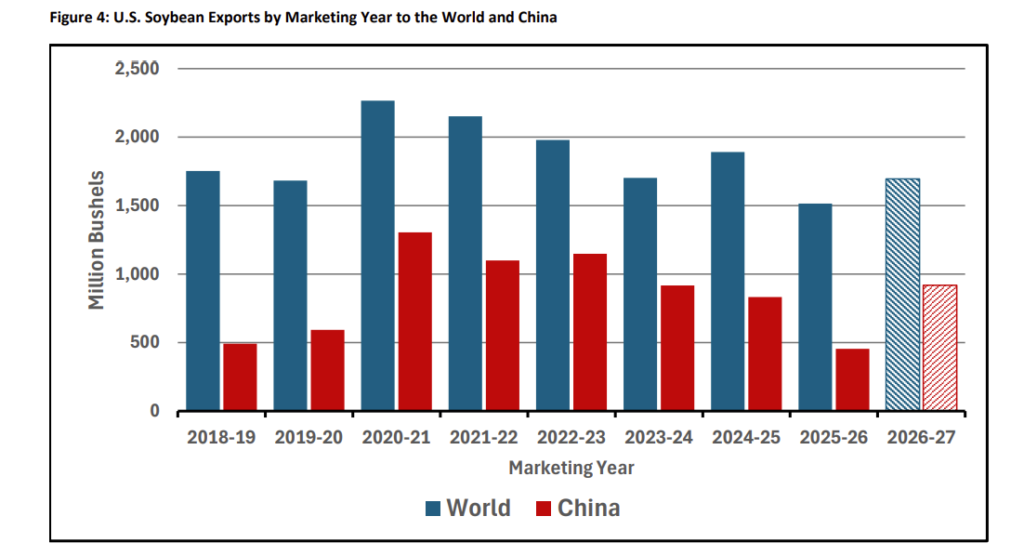

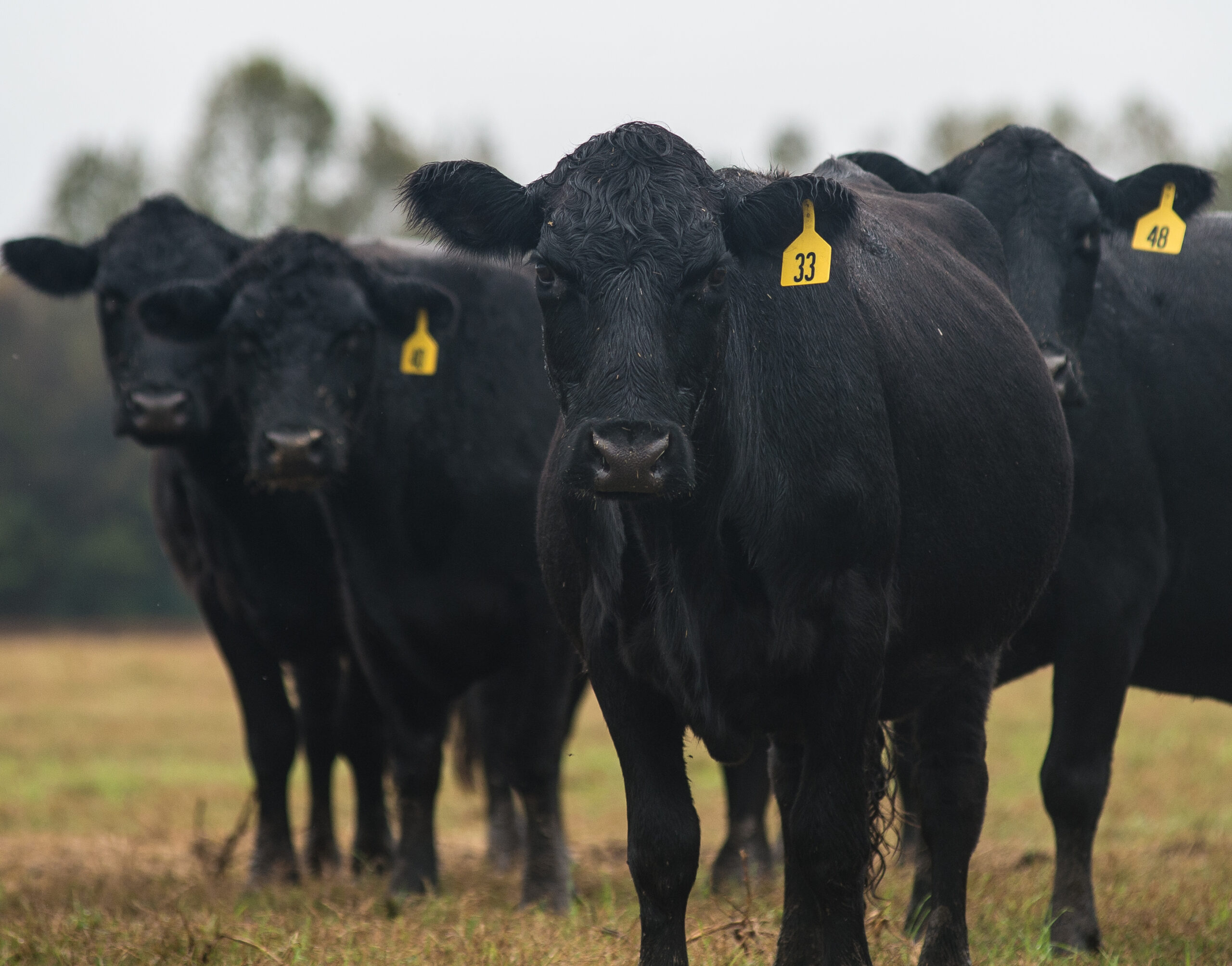
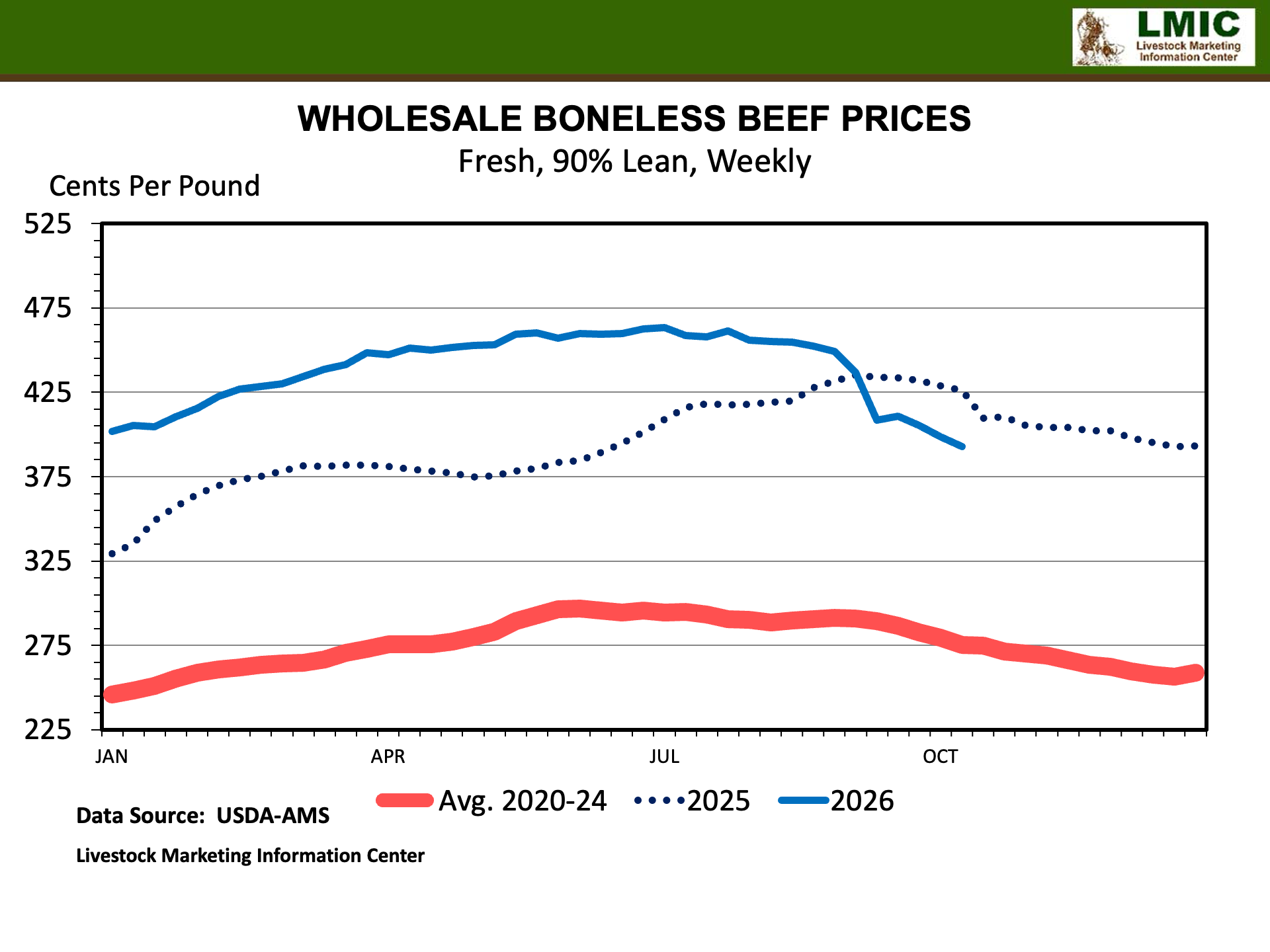
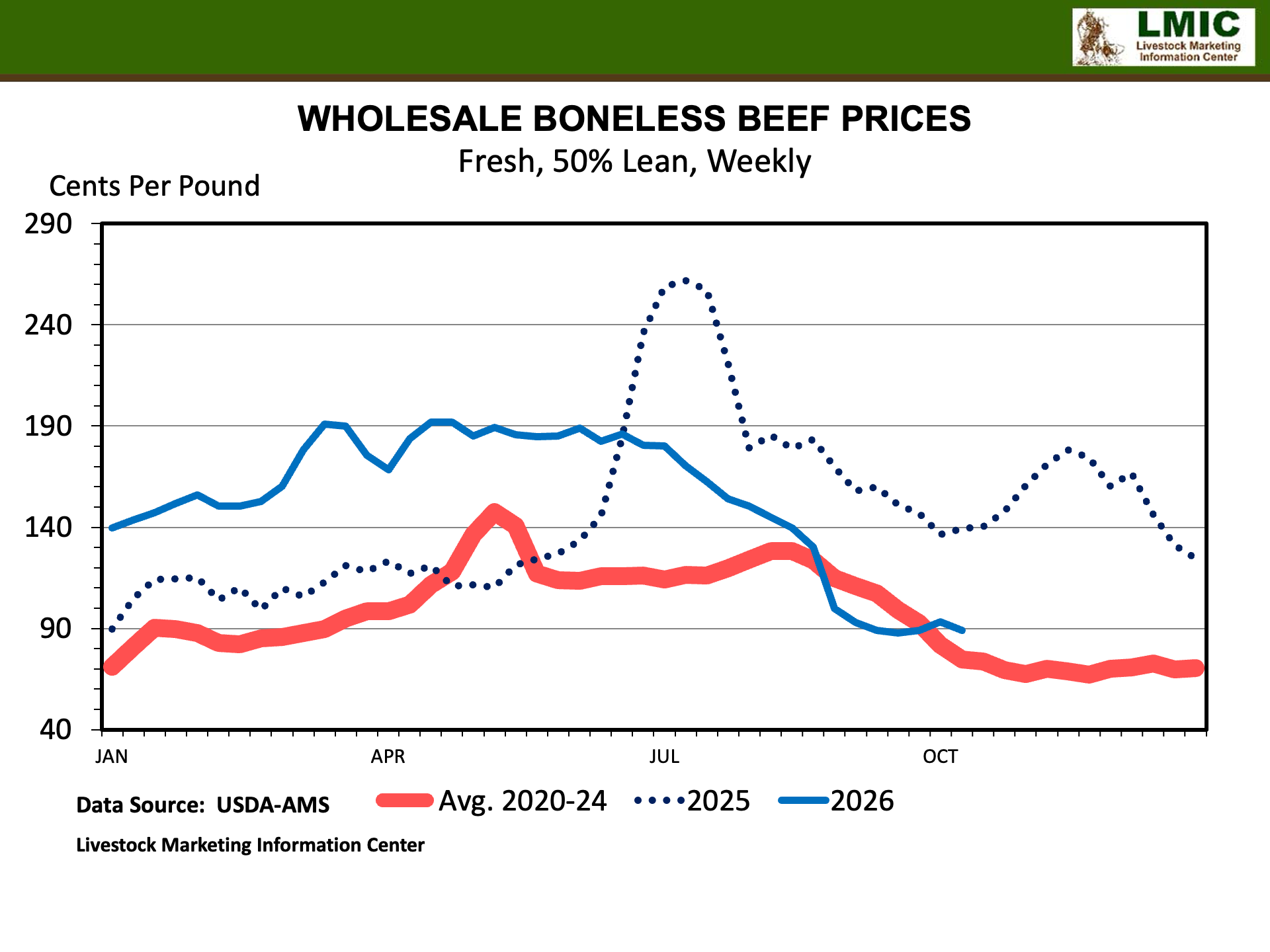
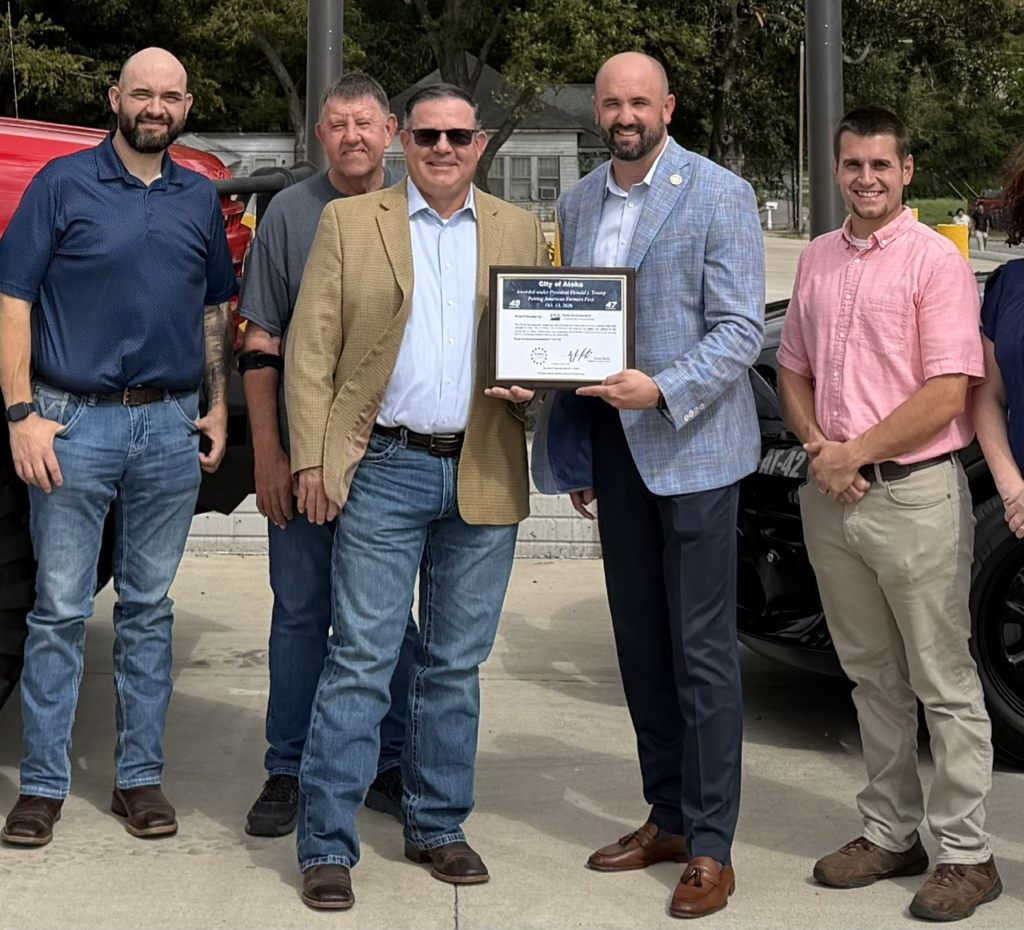
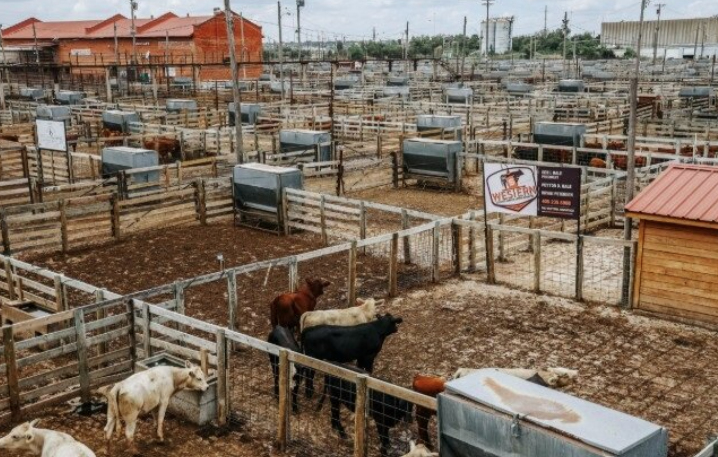

 Persimmons: A Little Fall Sweetness (When You Know They're Ripe!)

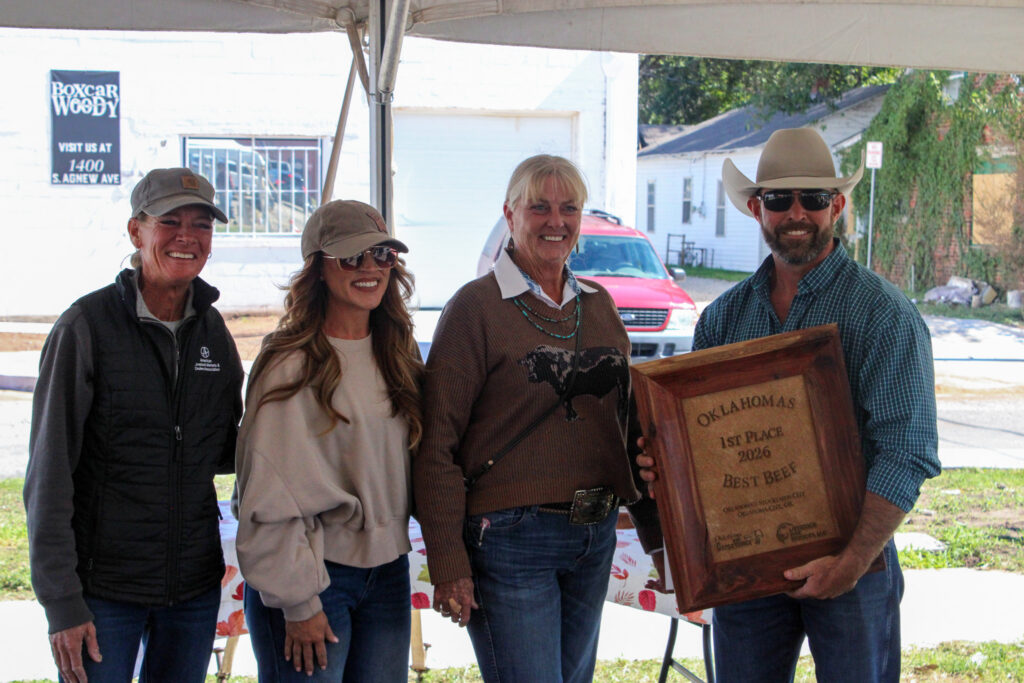
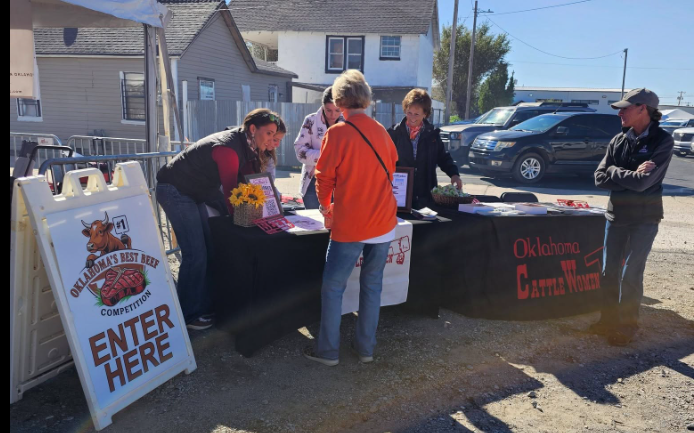
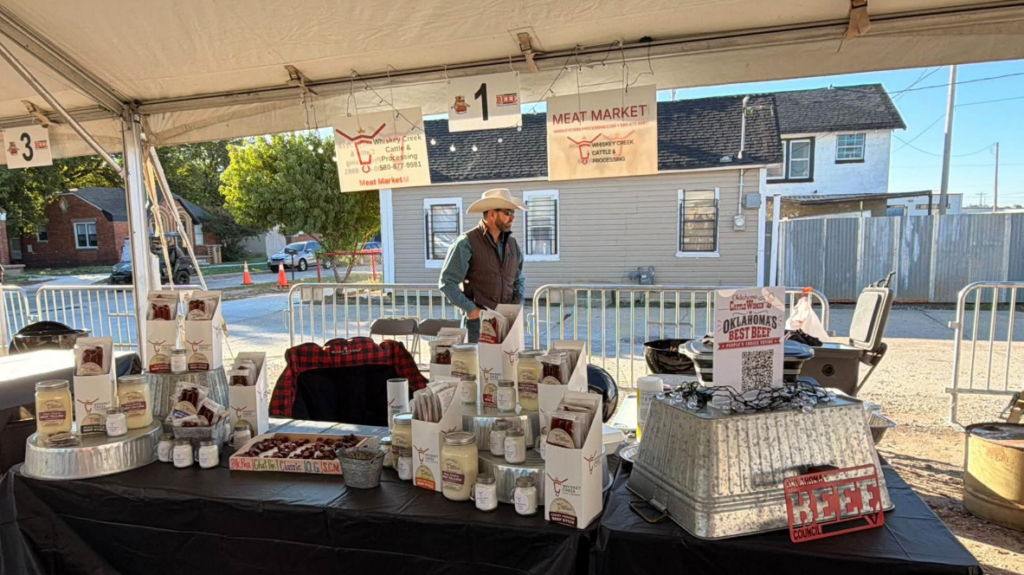
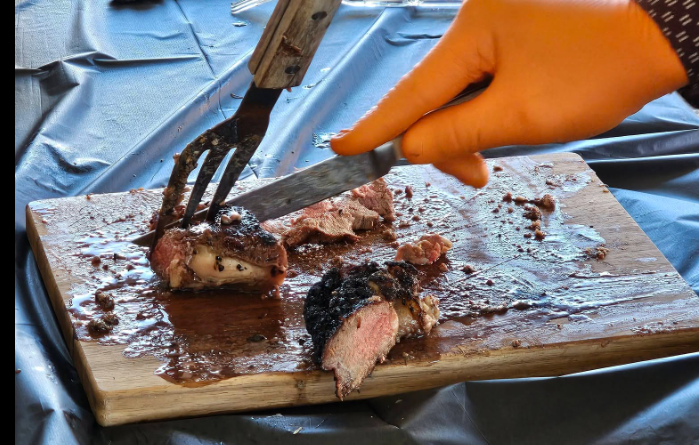
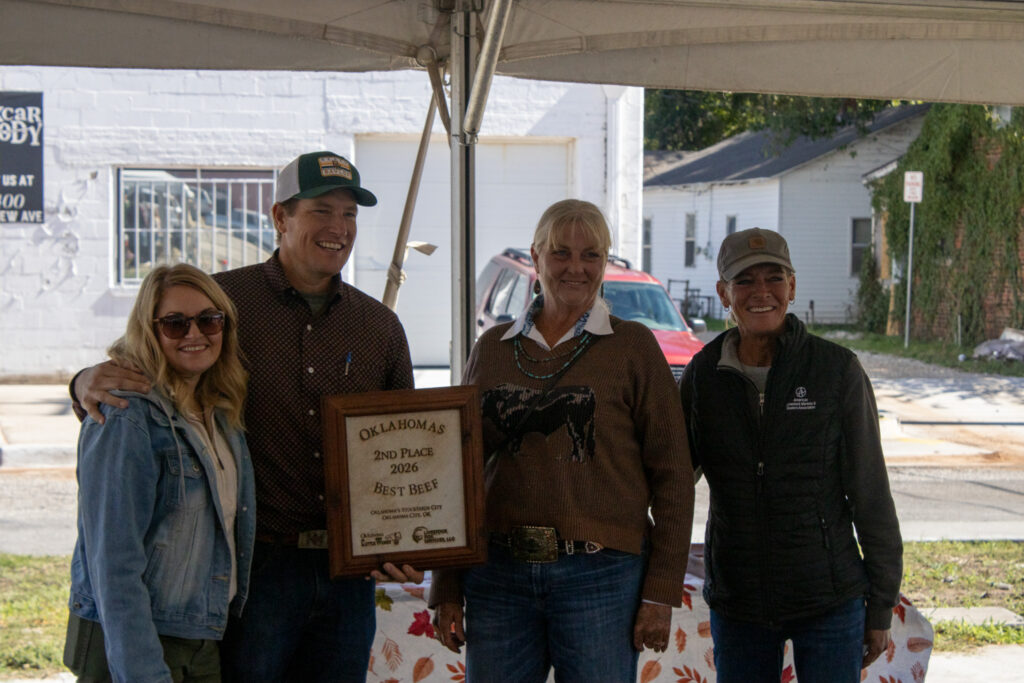
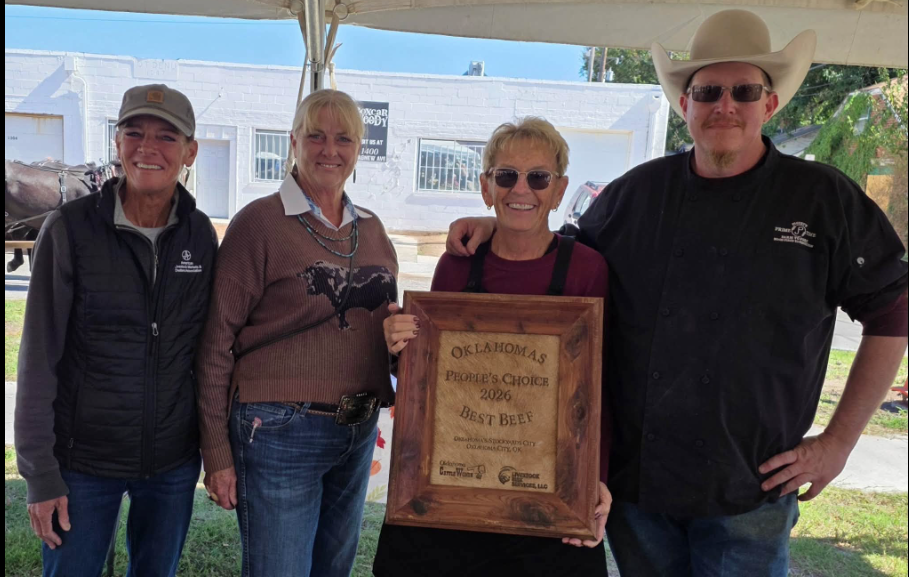
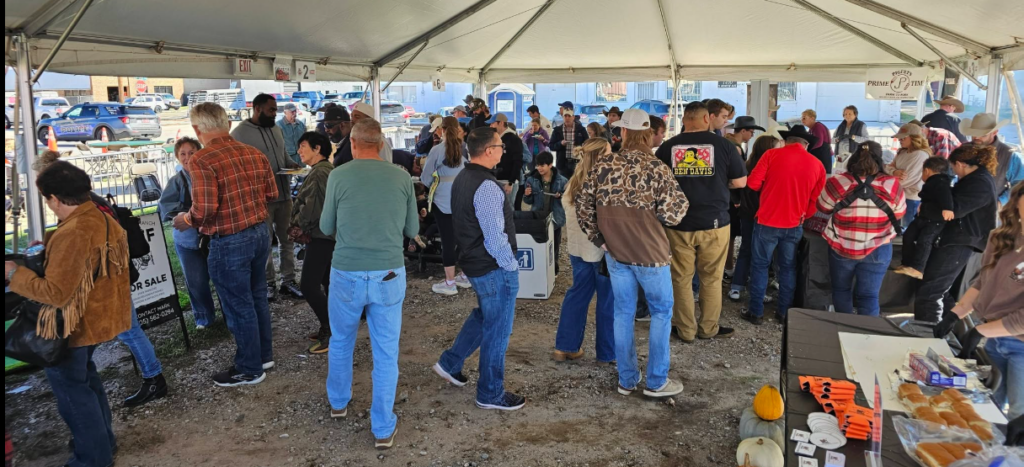
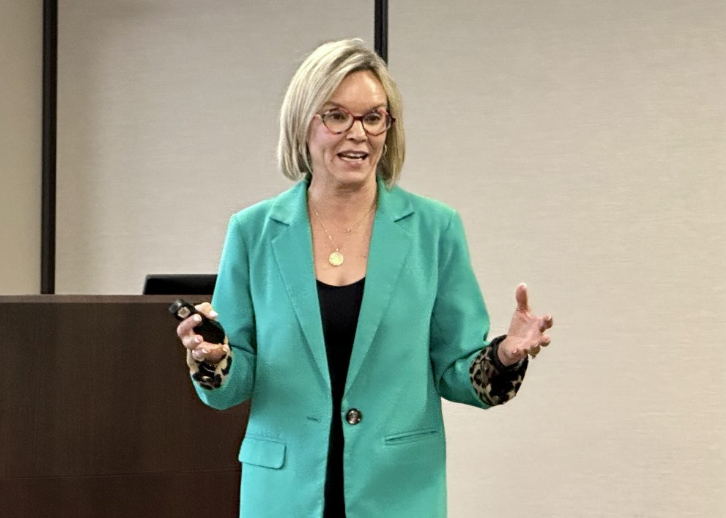
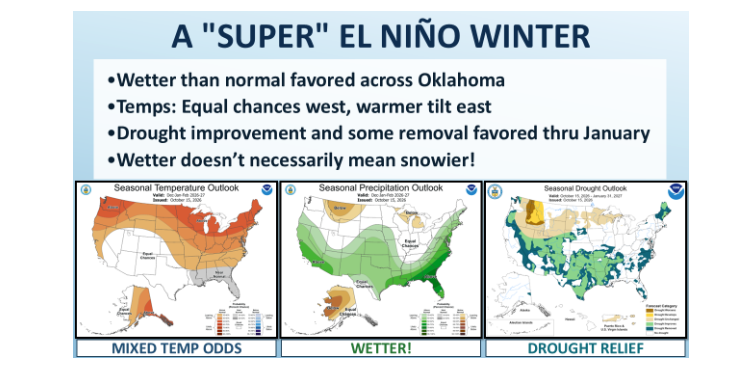
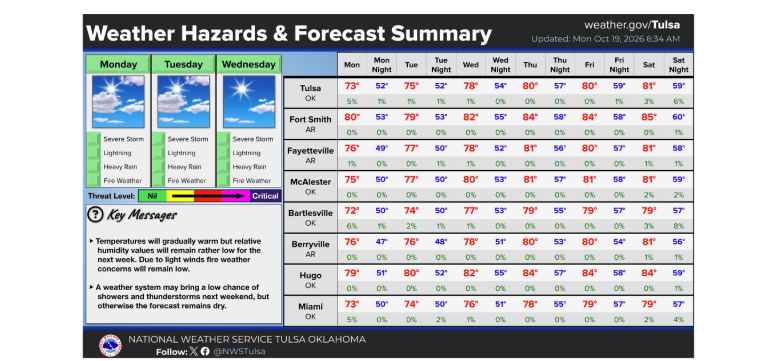
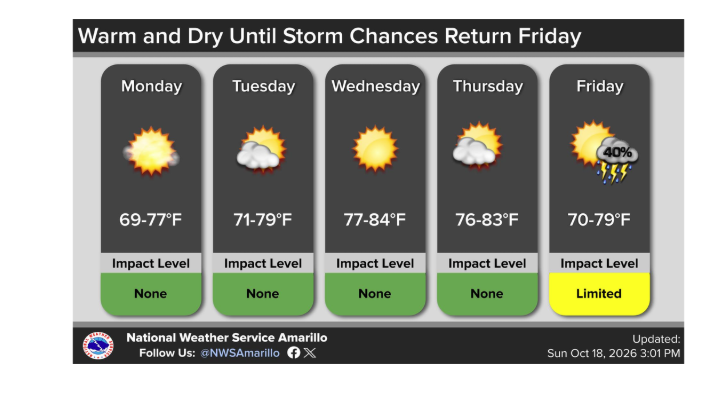
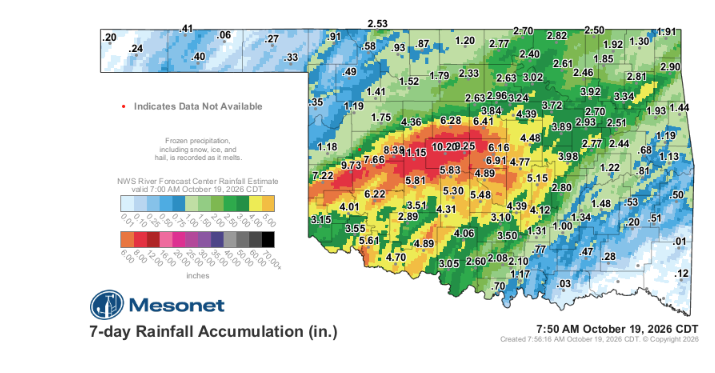
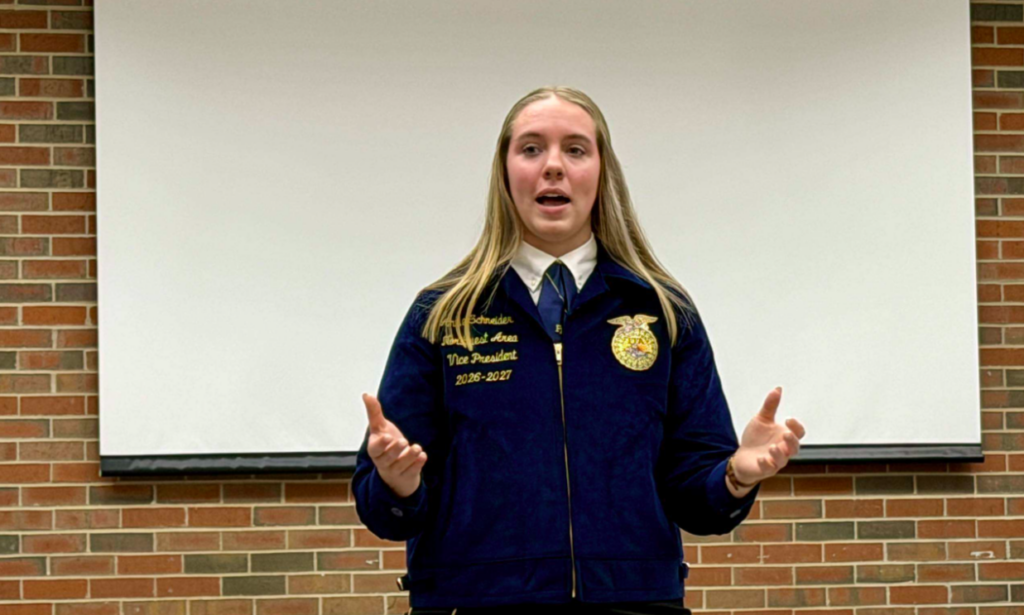
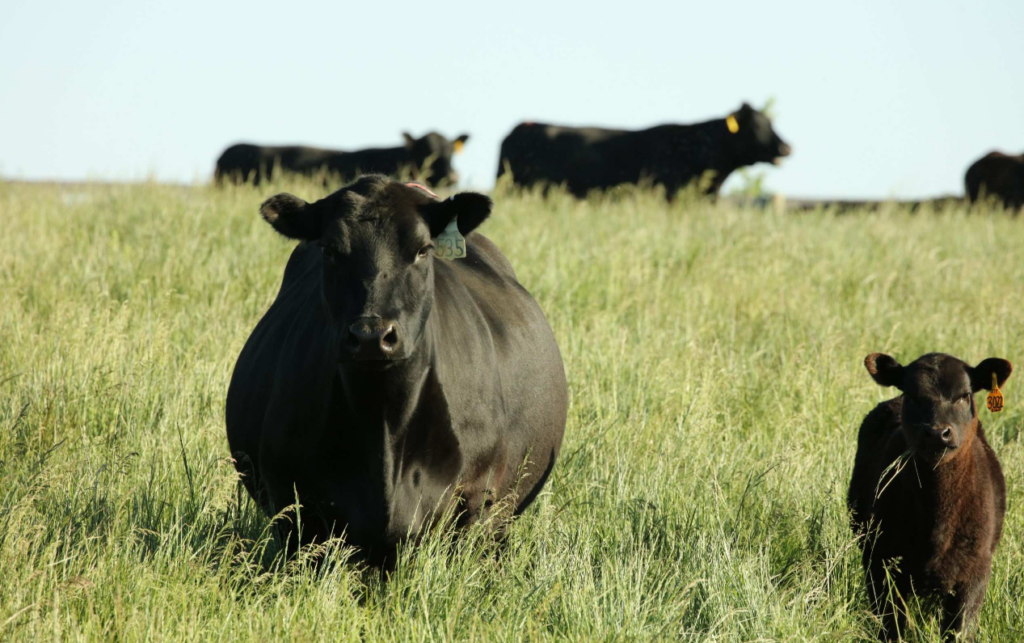
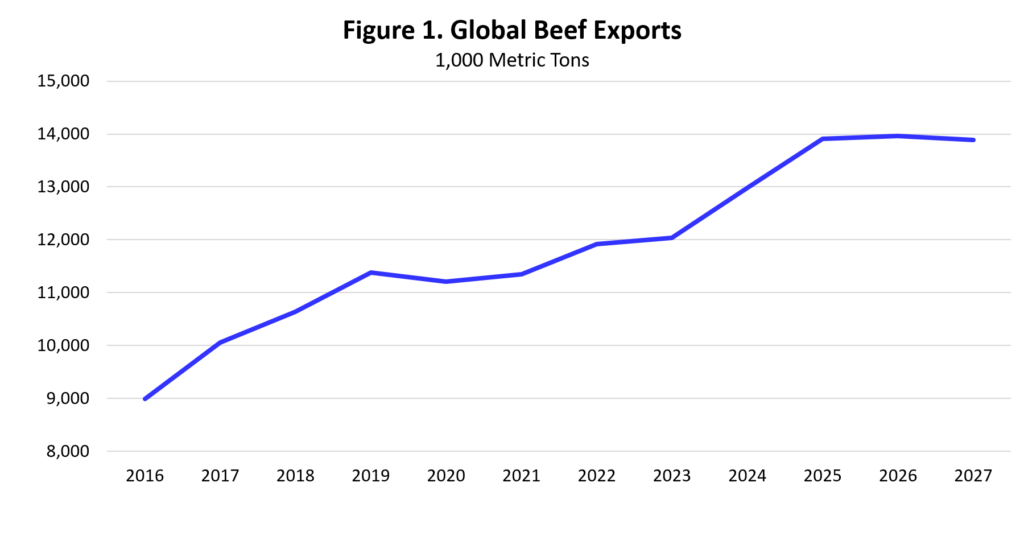
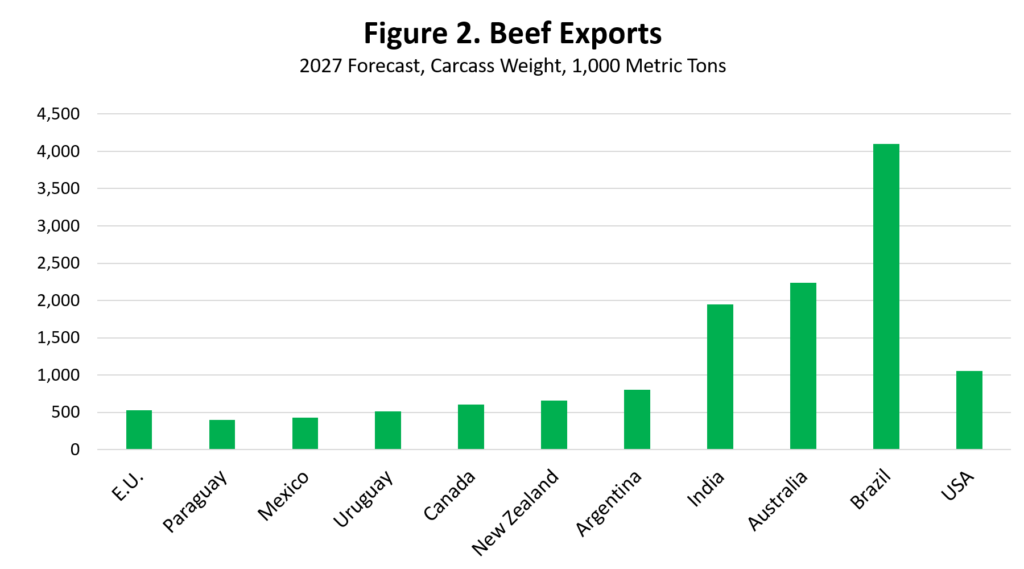
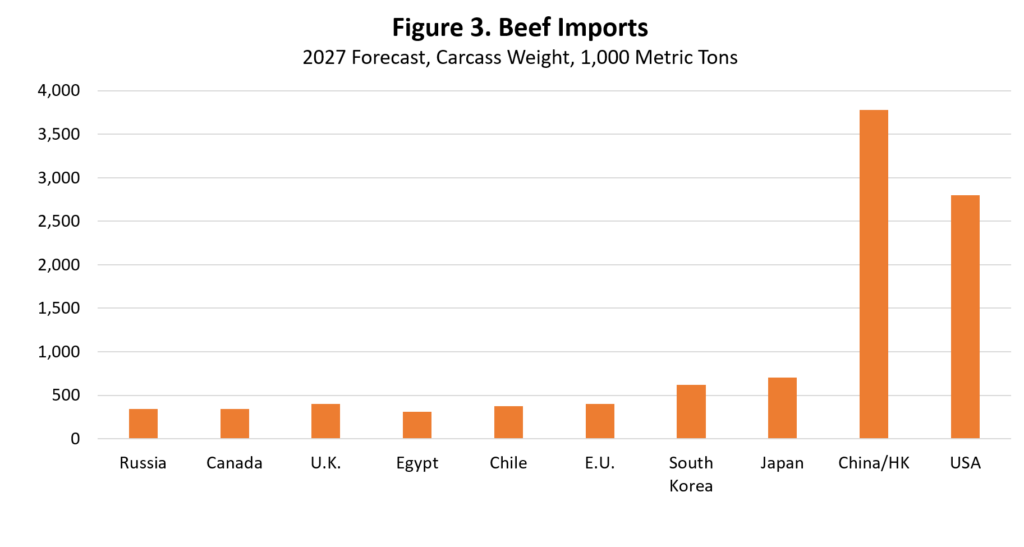
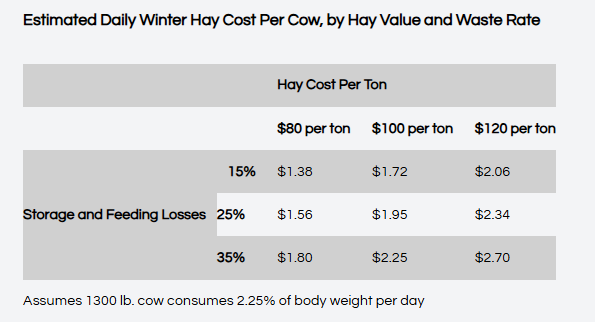

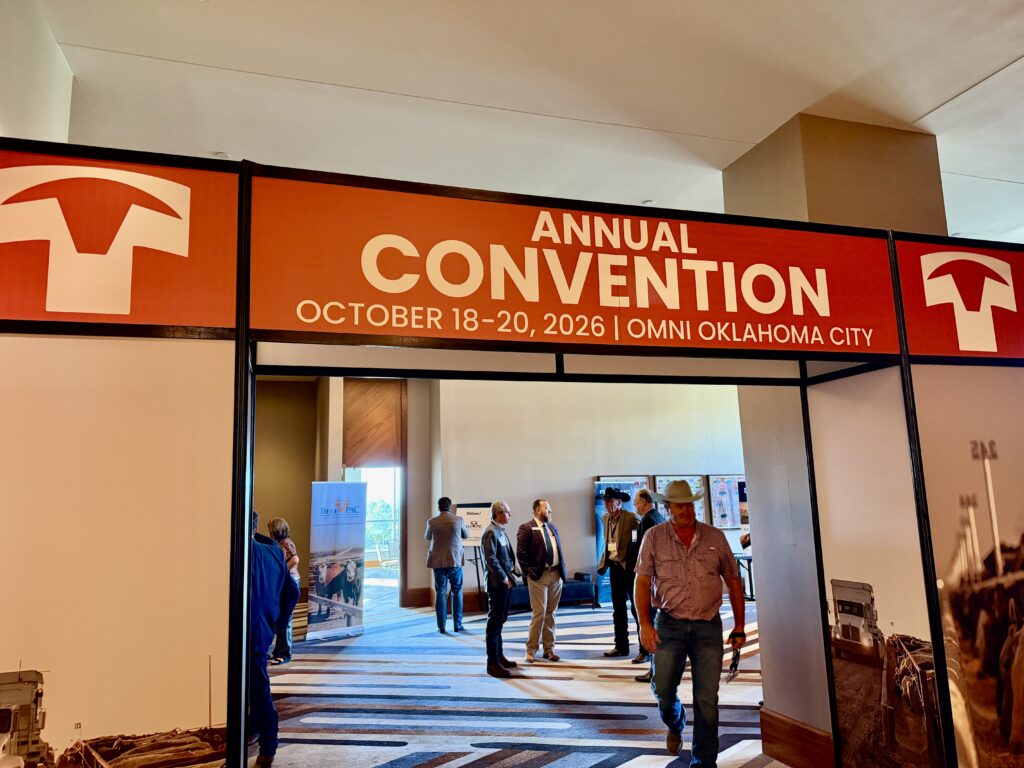
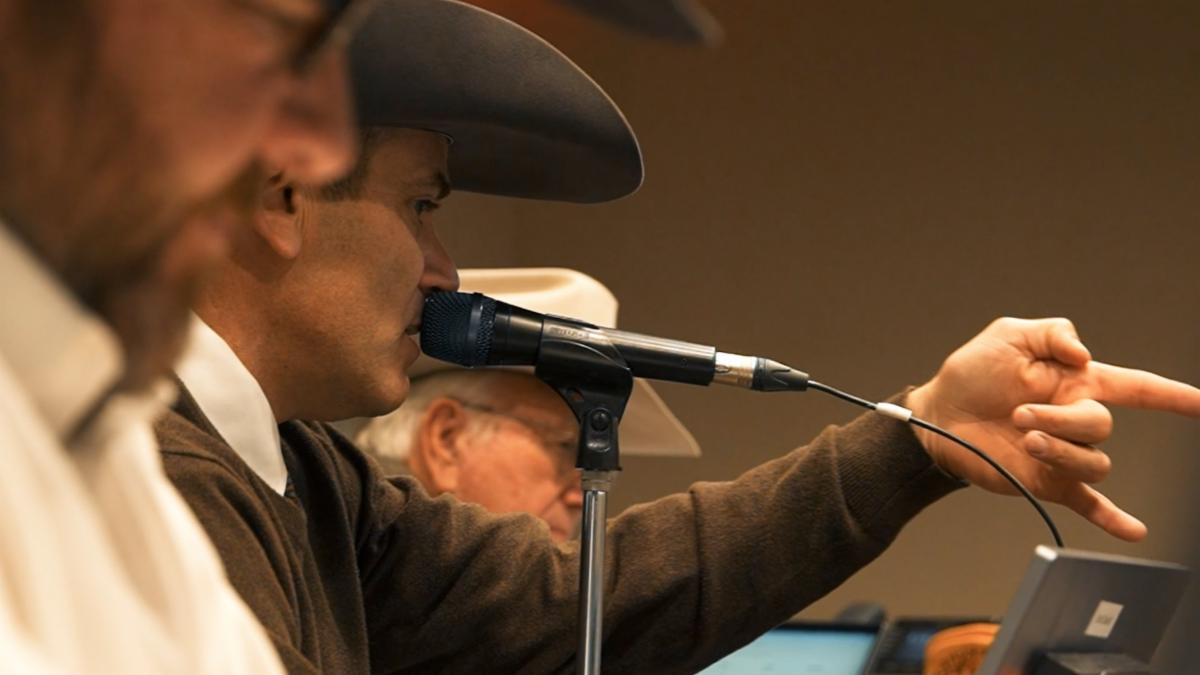
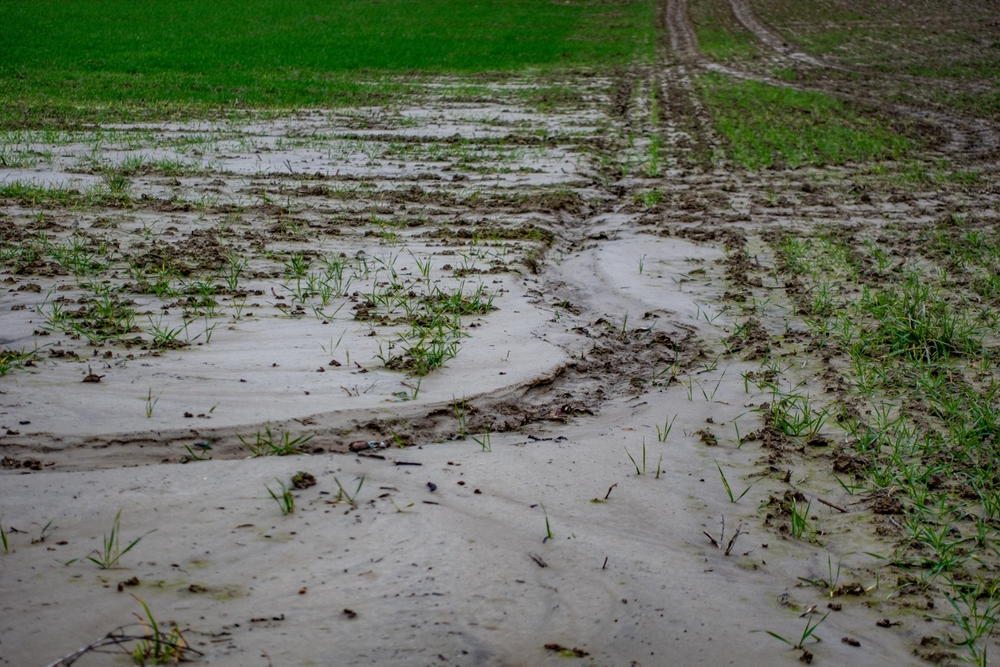
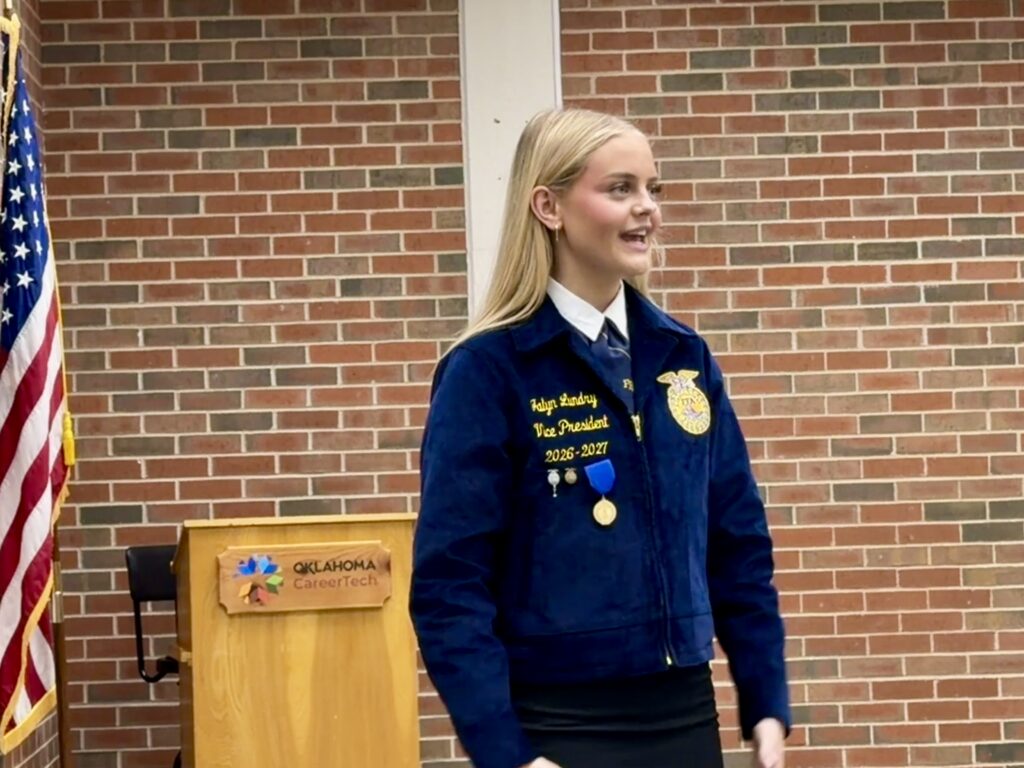
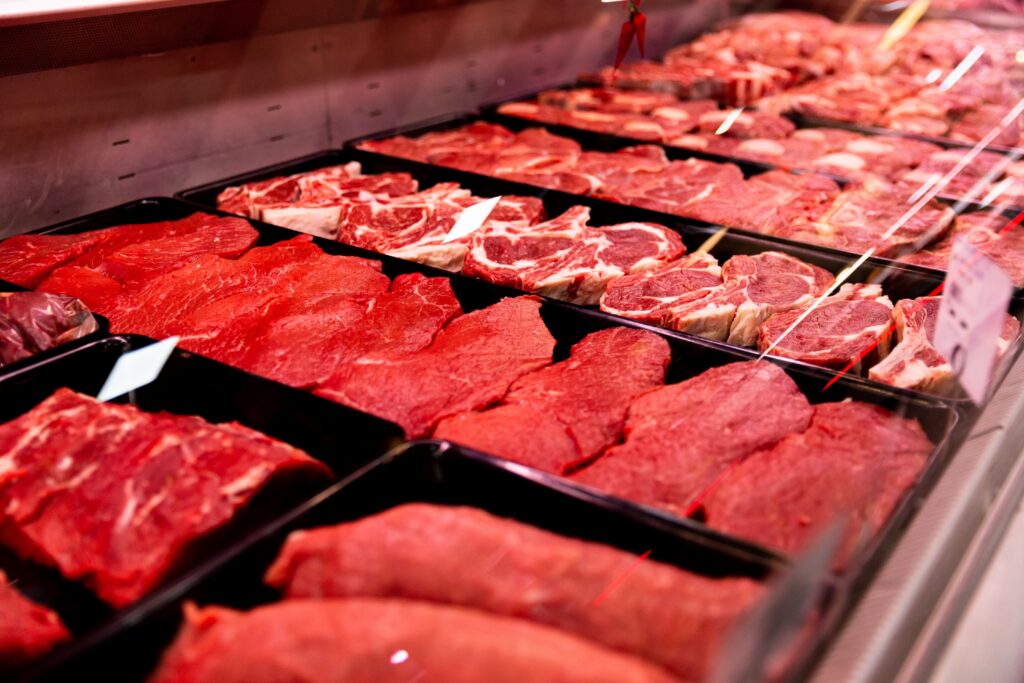


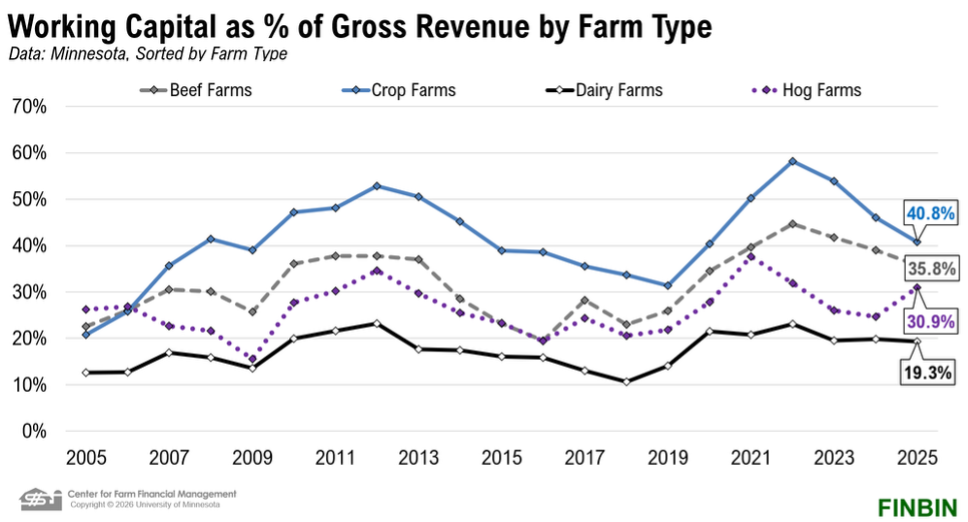
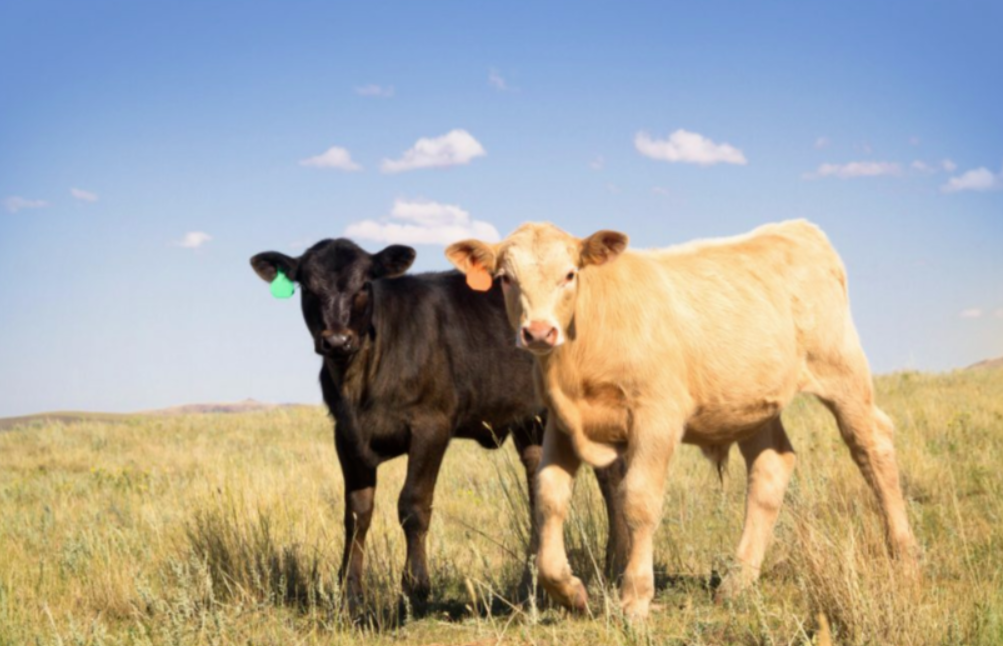
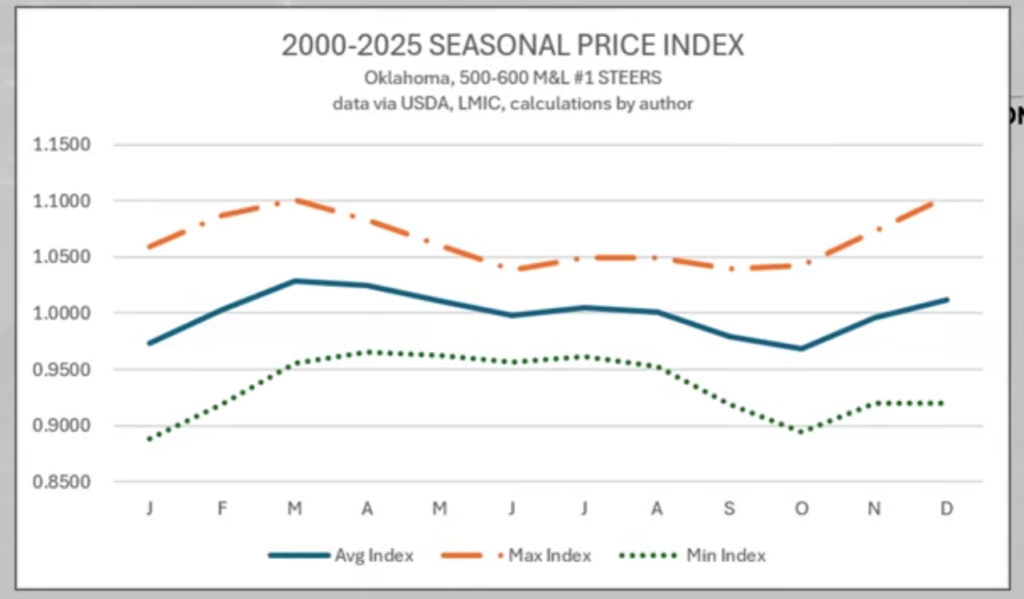
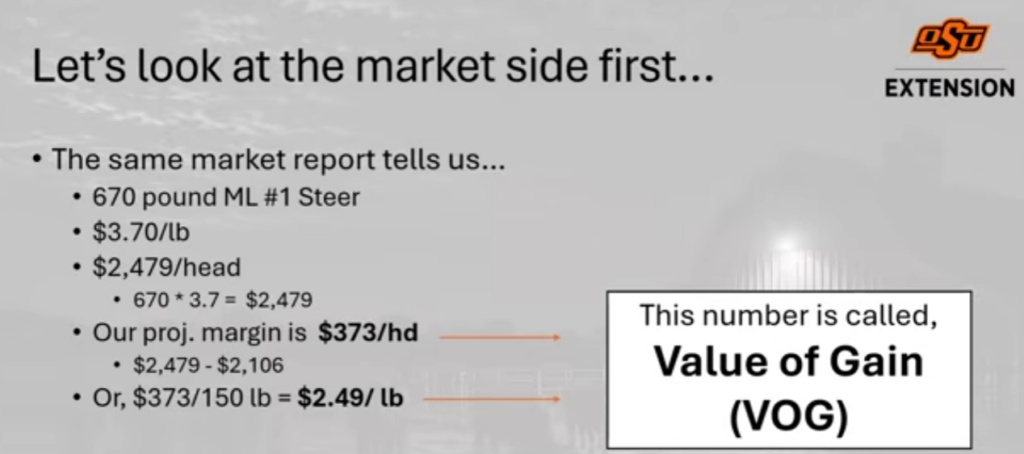
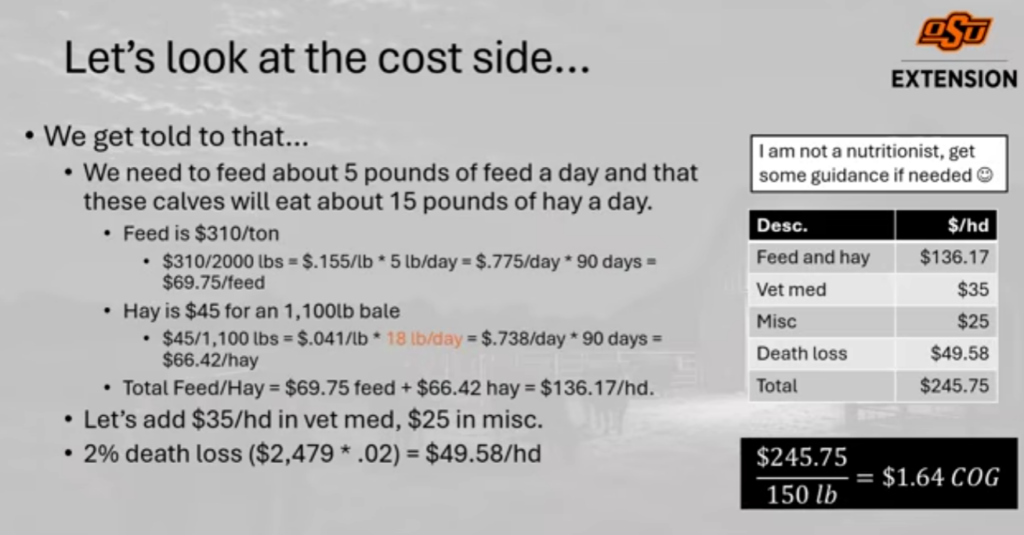
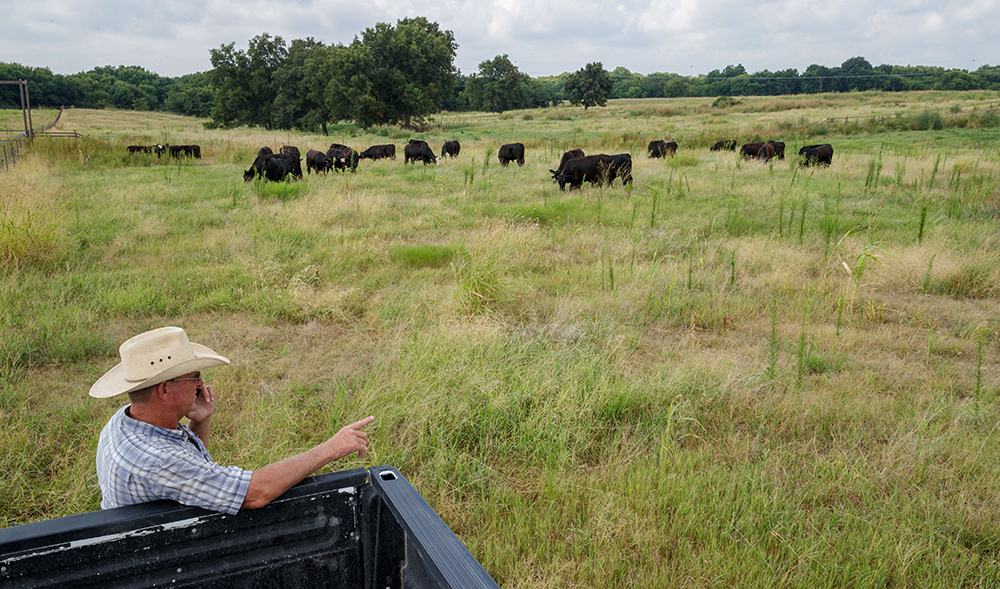
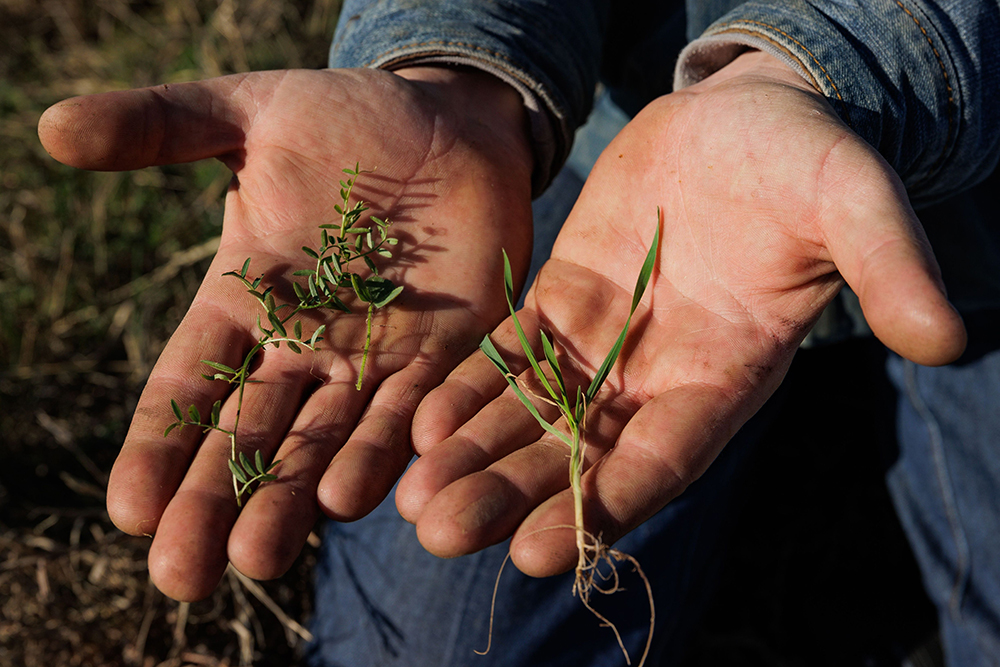
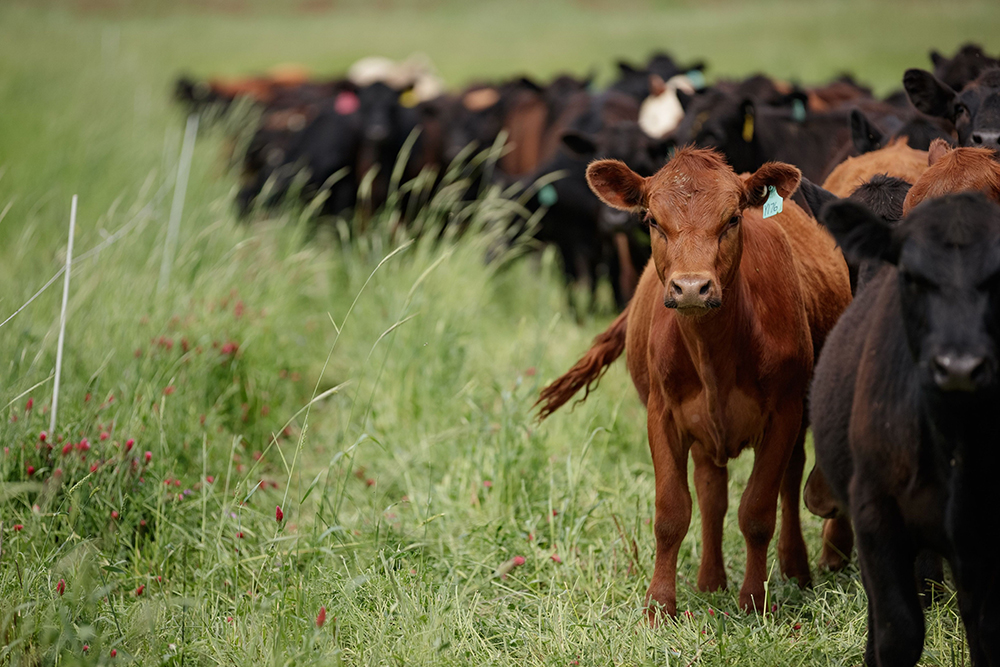
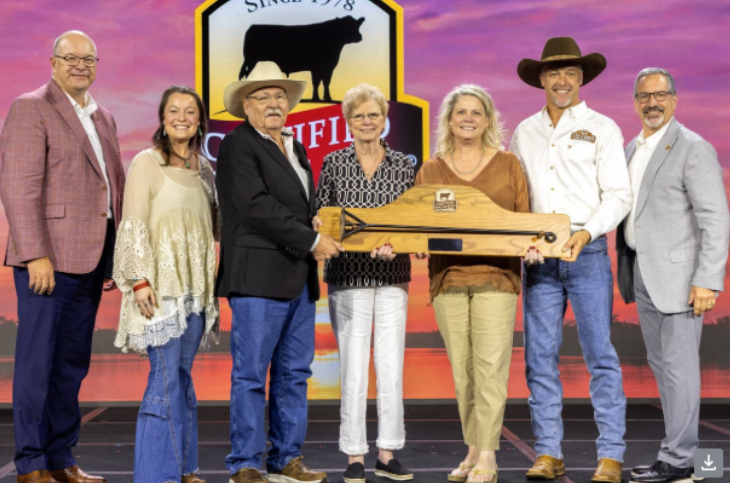



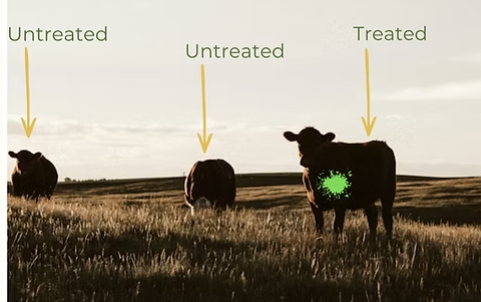
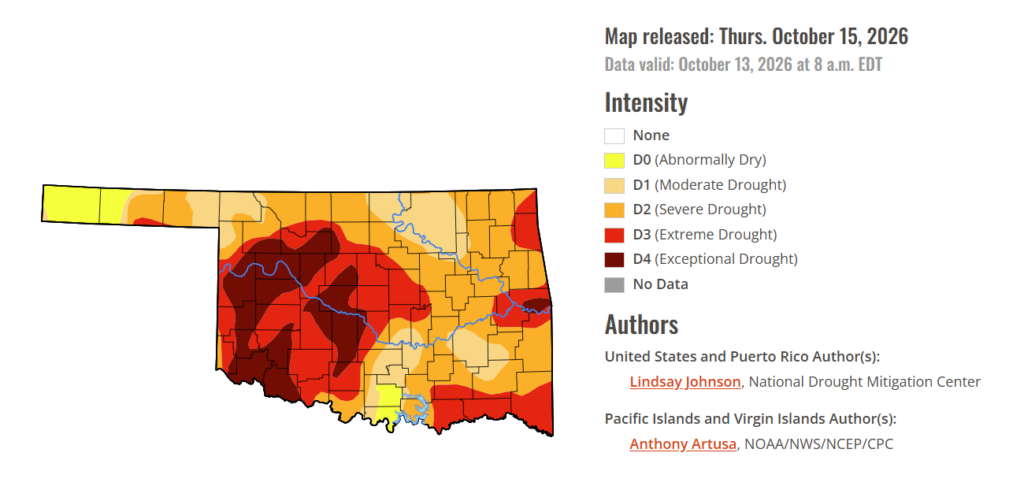
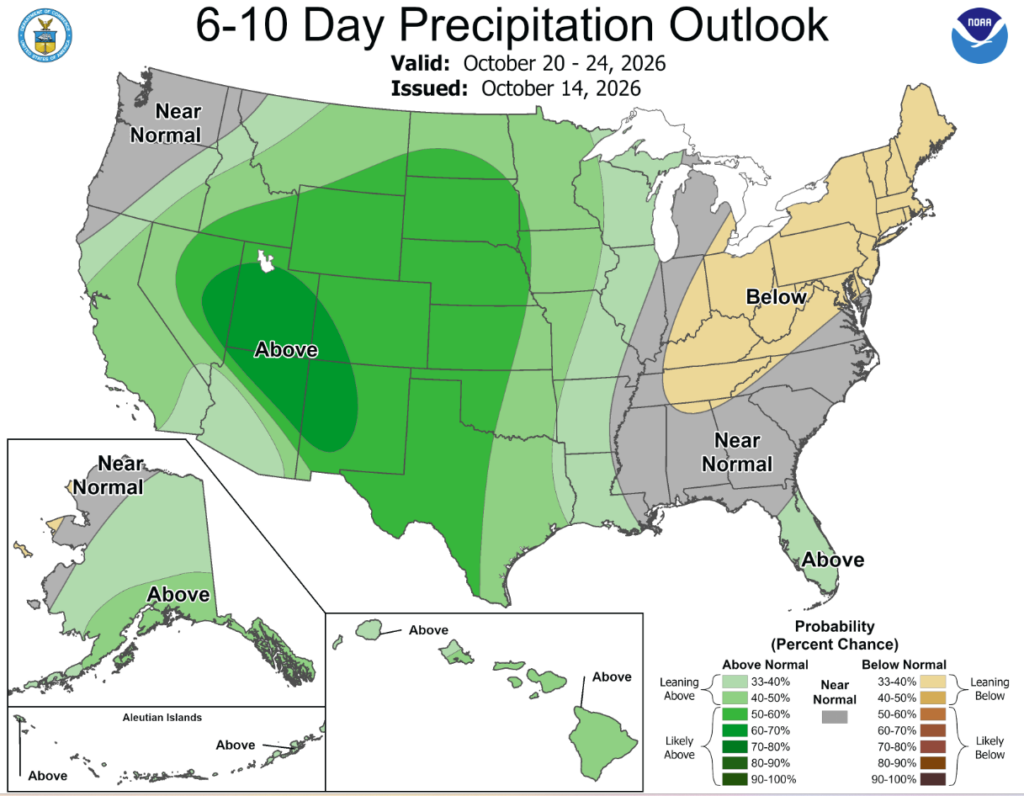
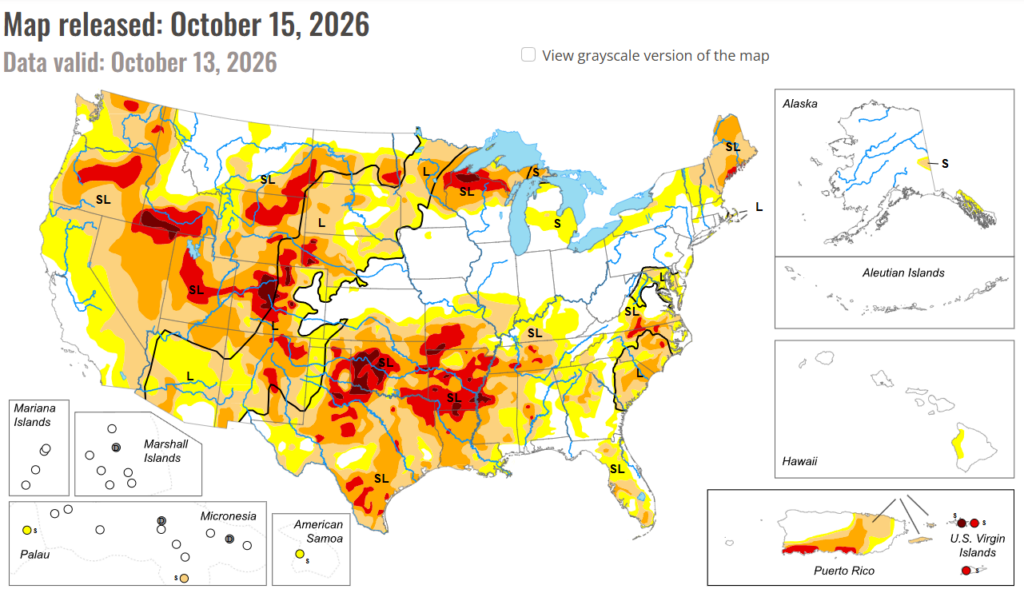
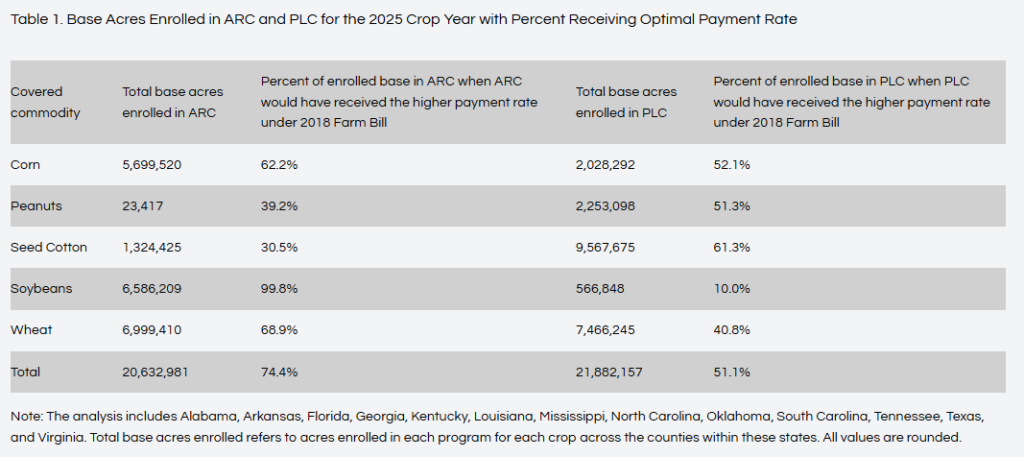
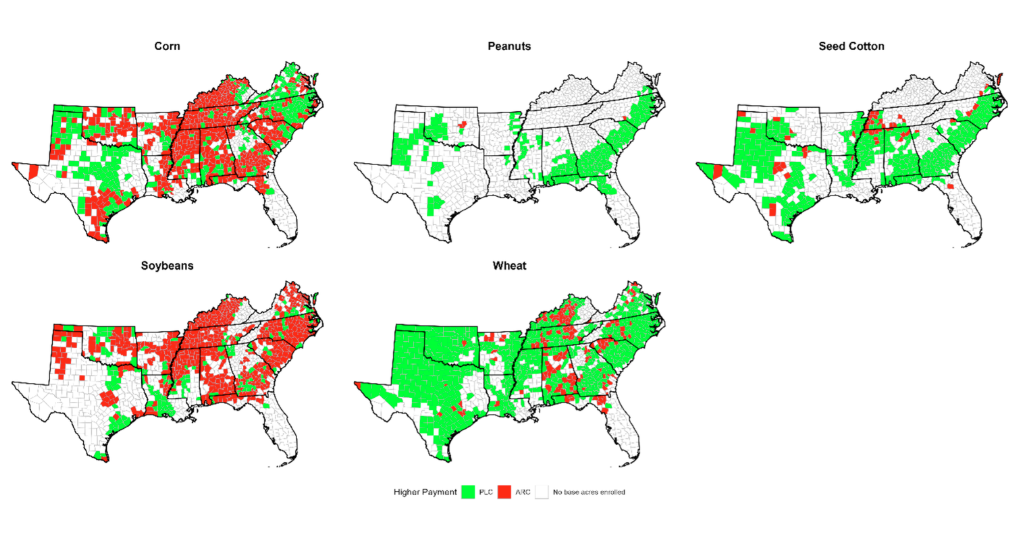
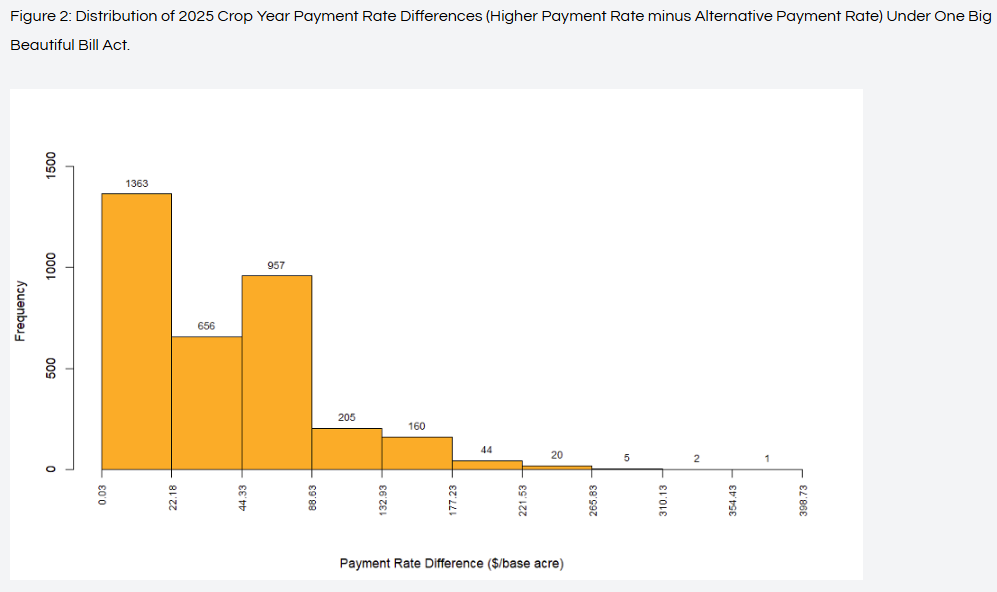
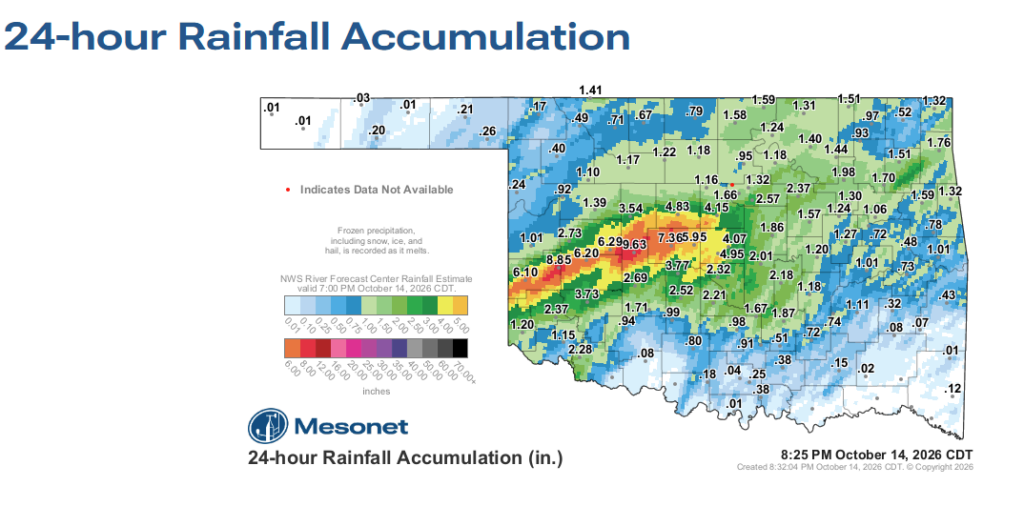
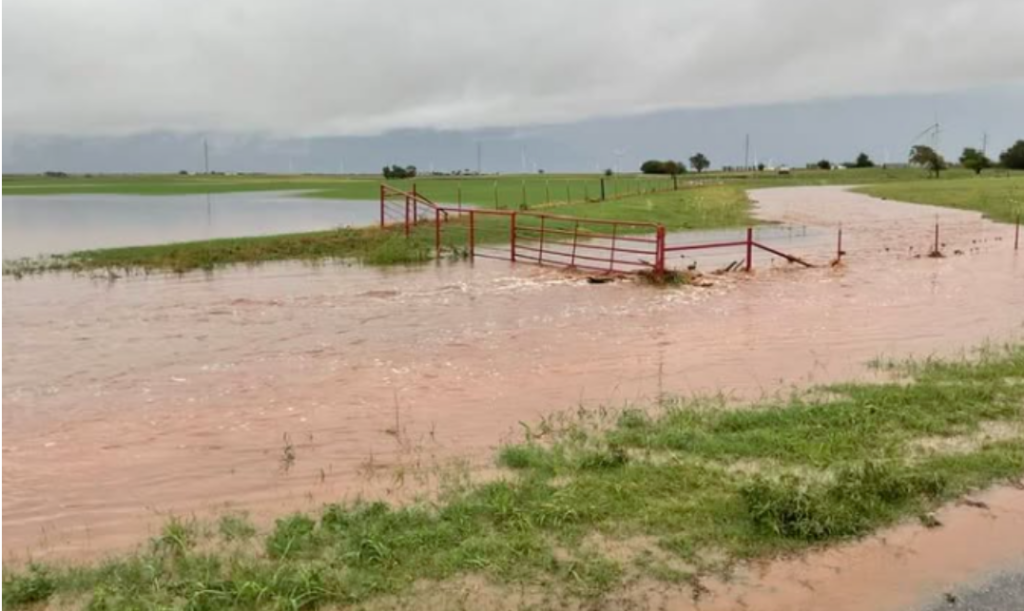
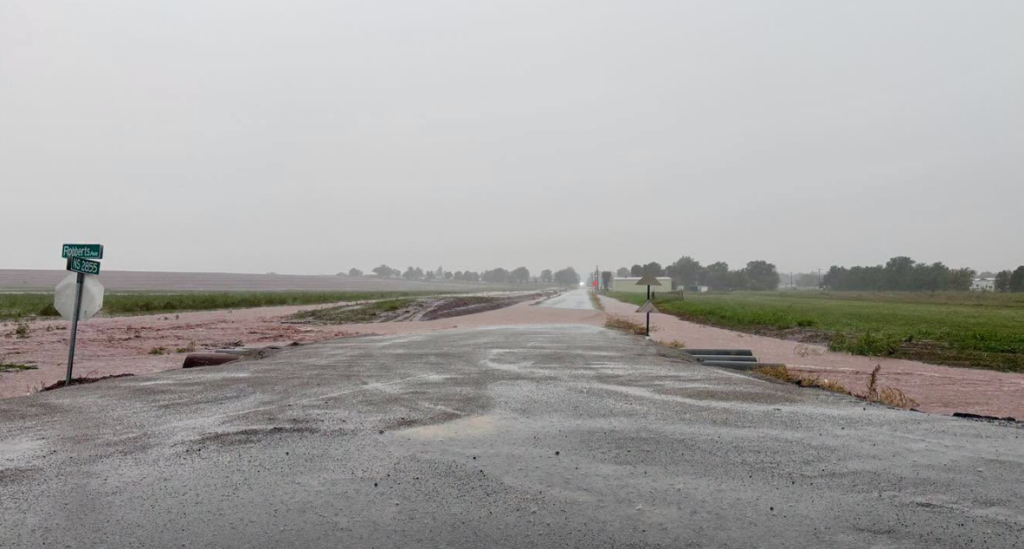
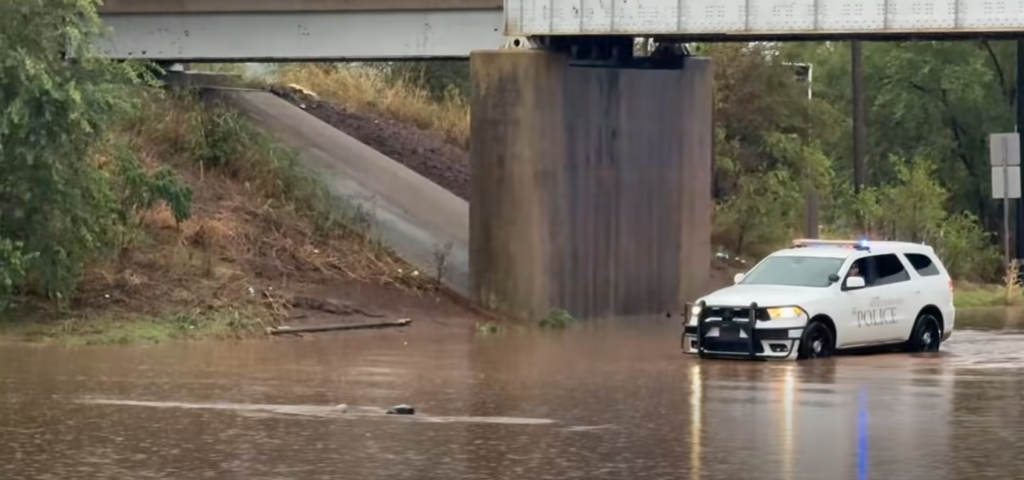
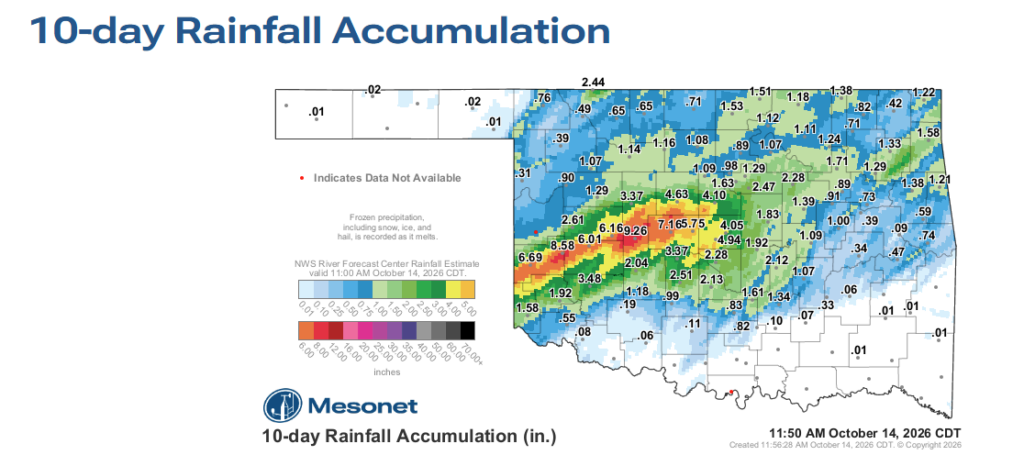
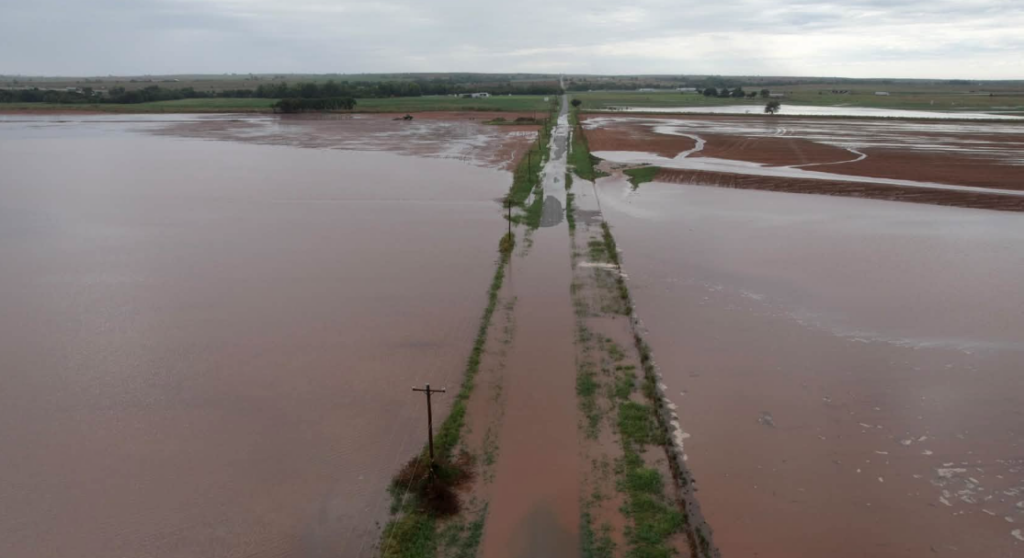
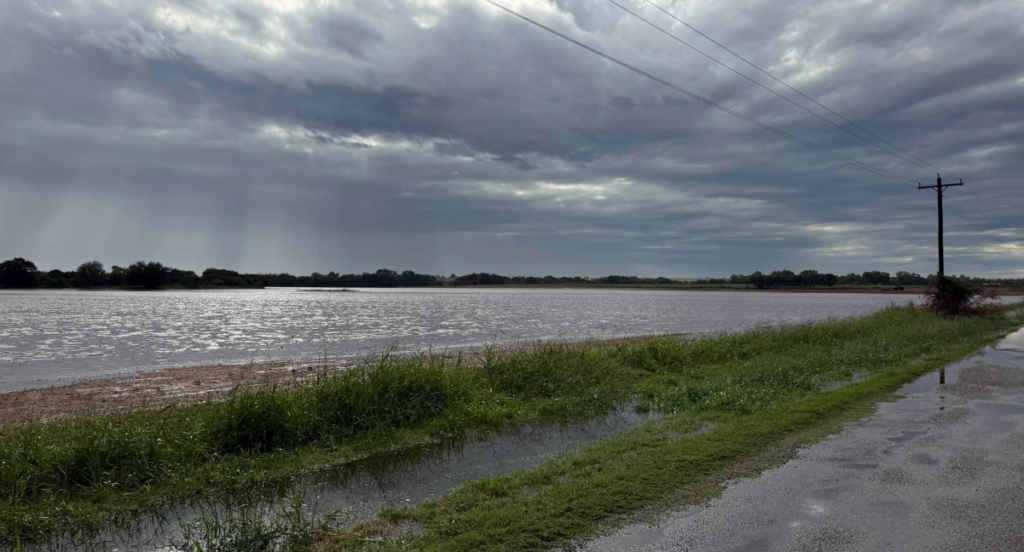

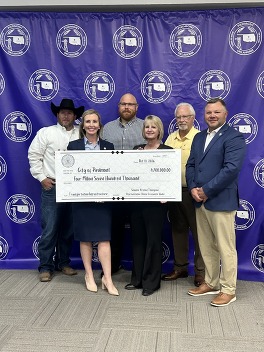
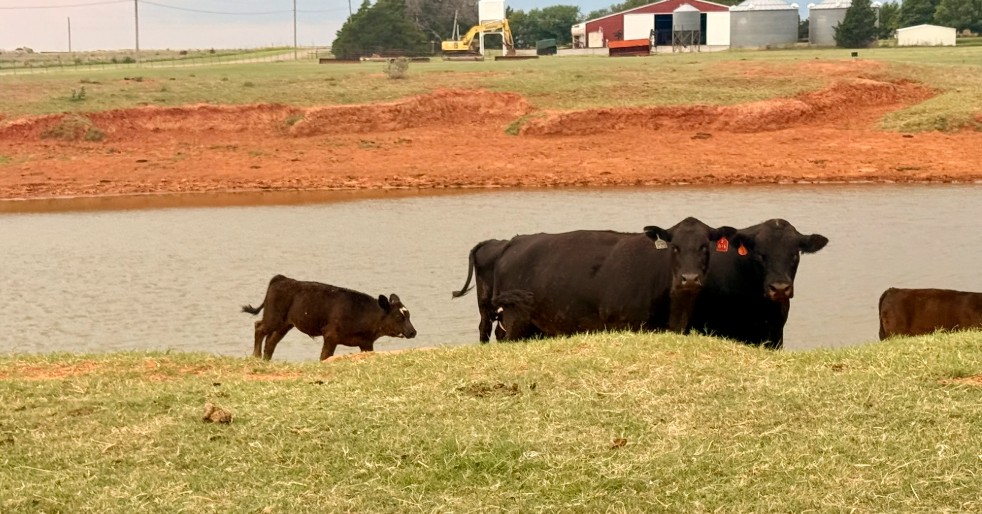

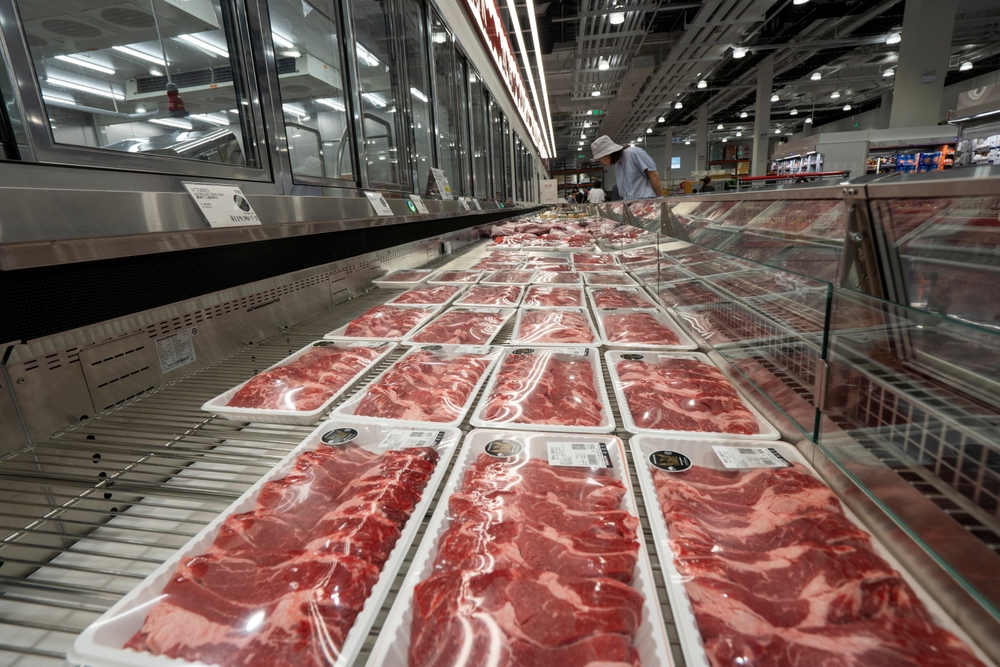

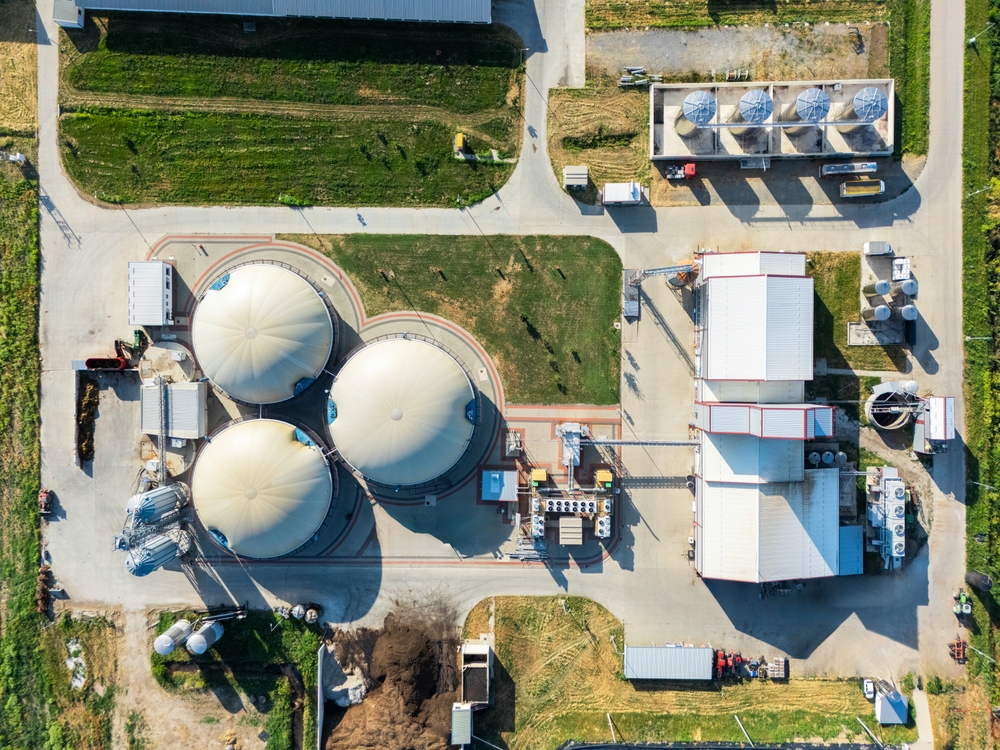


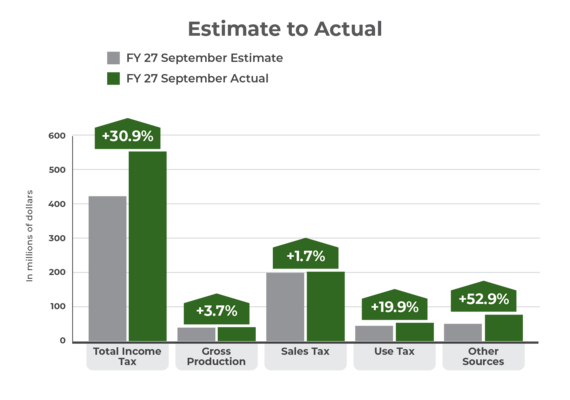
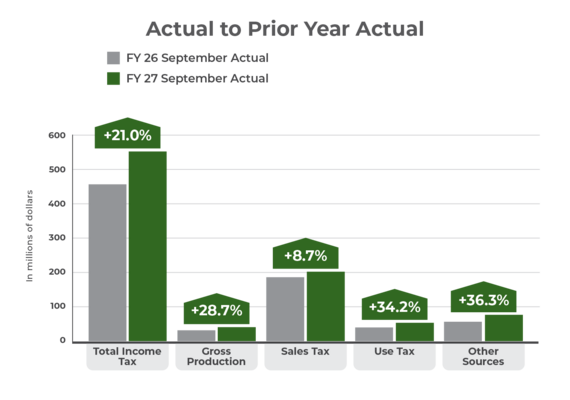
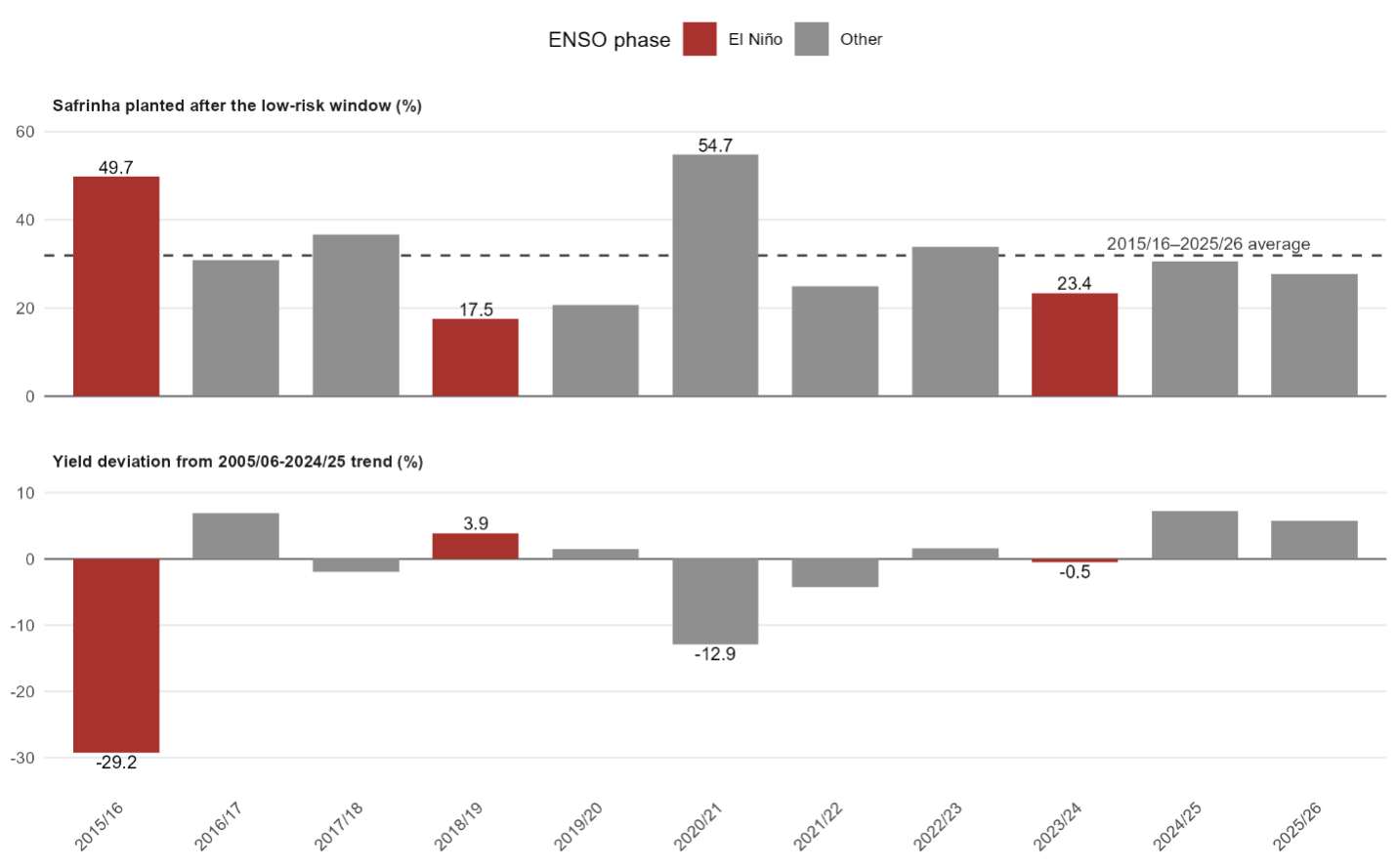
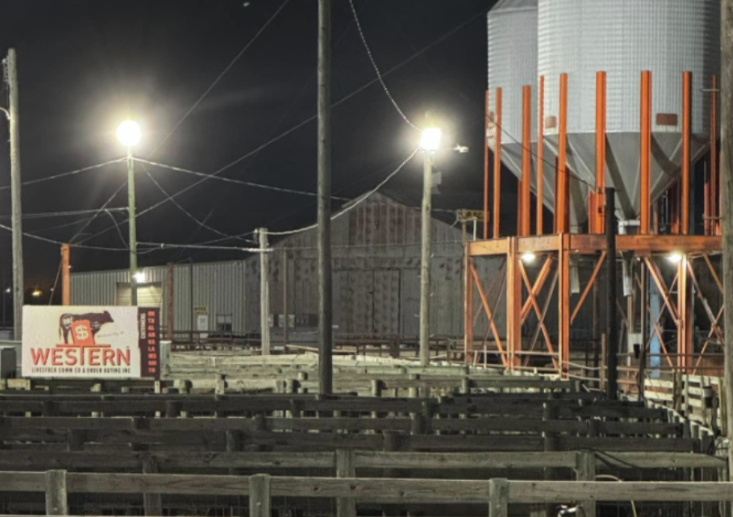

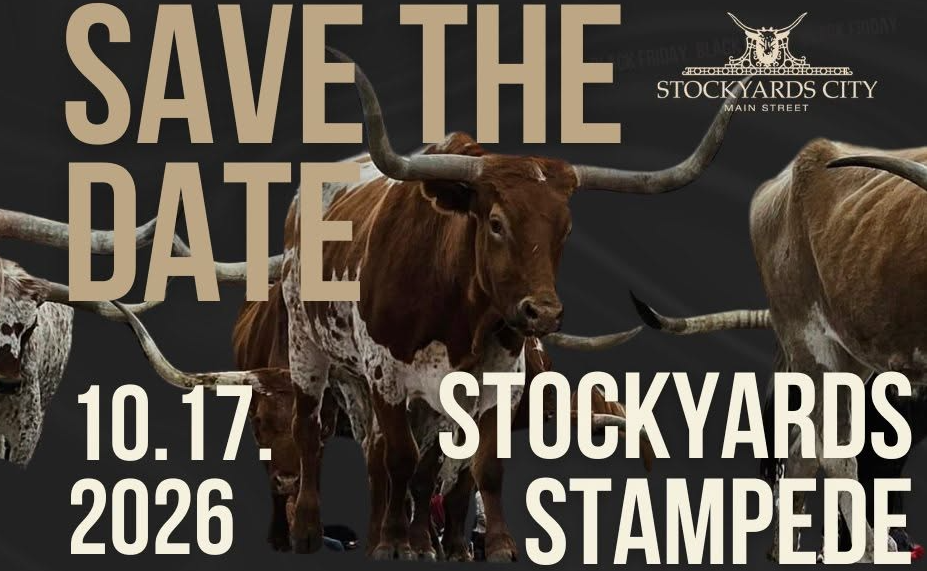
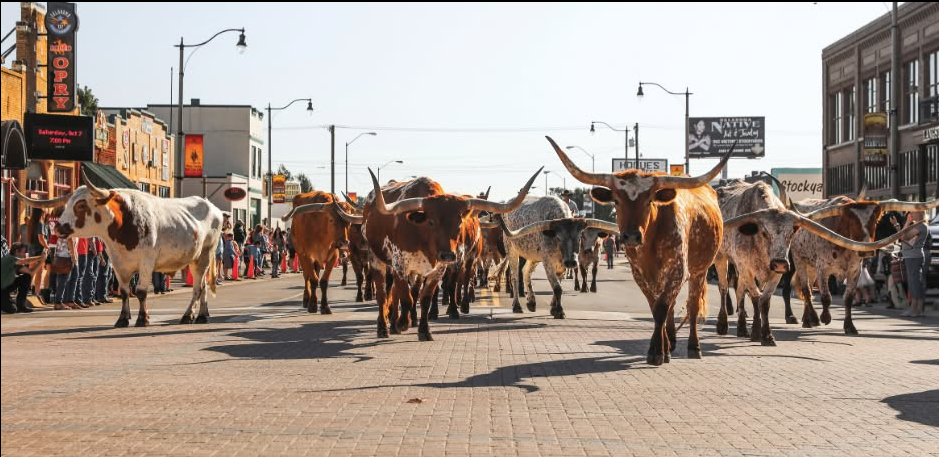

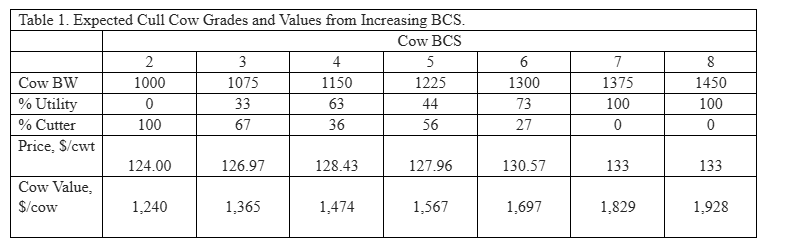
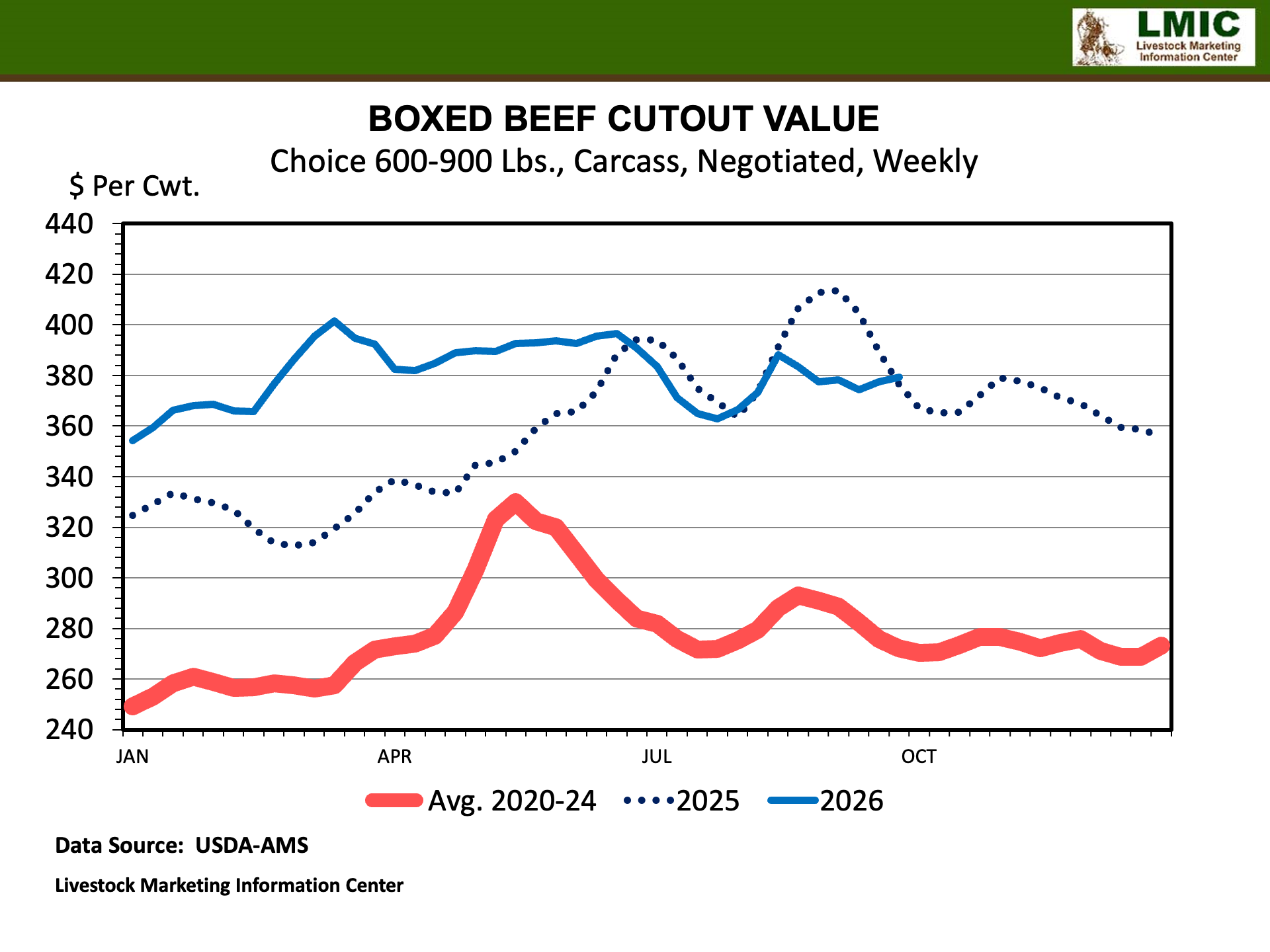
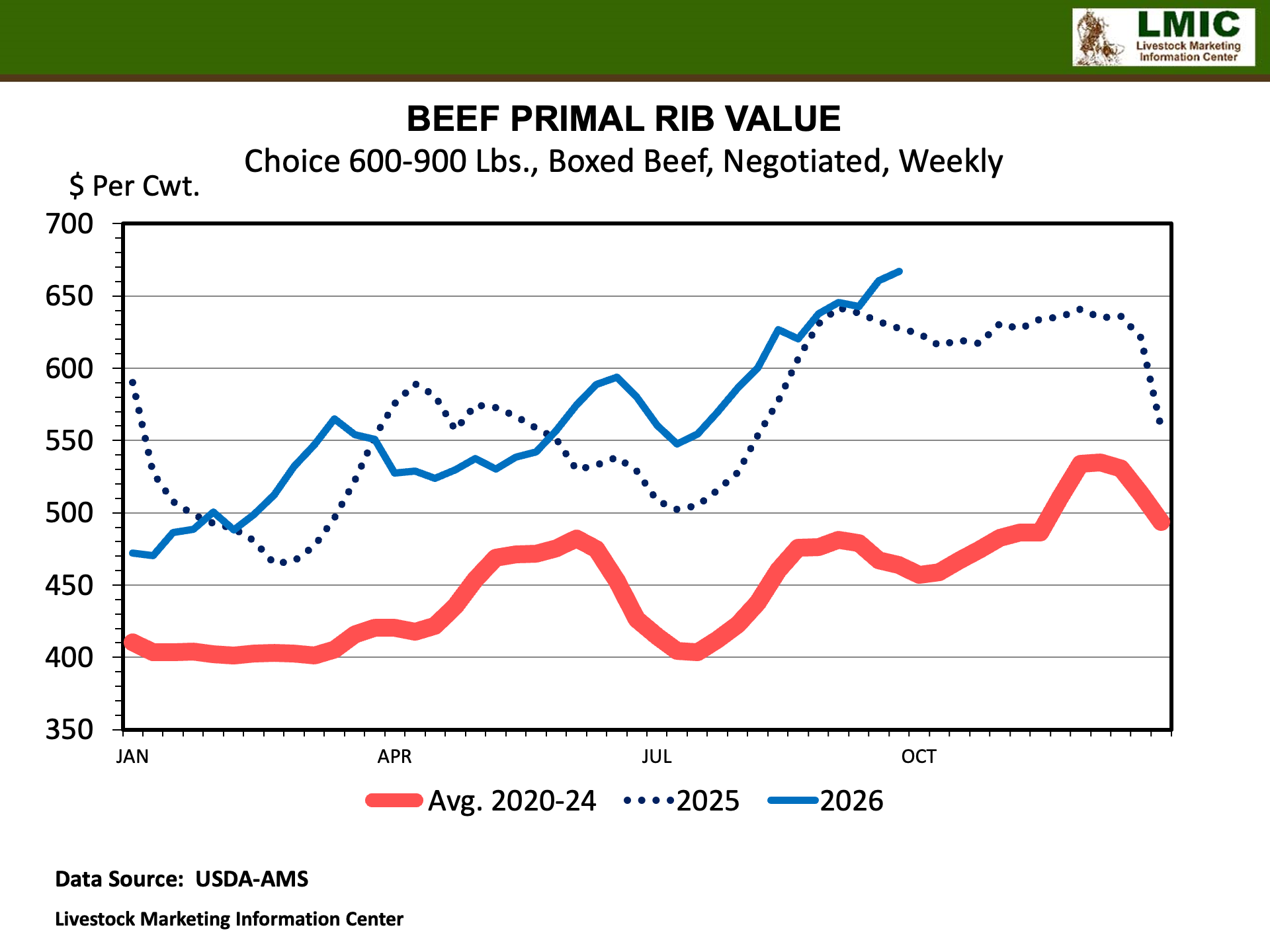
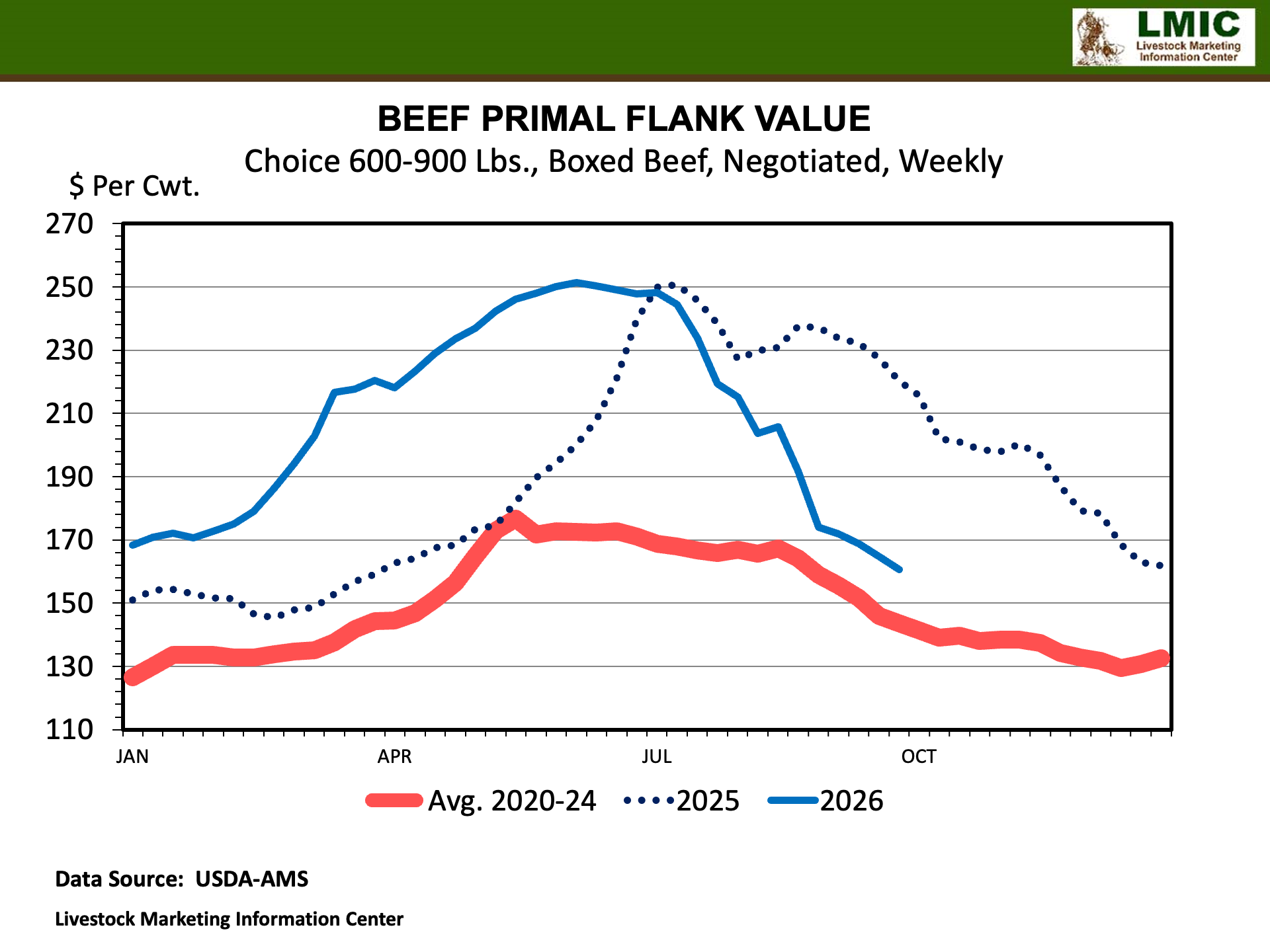

 High-intensity, short-duration grazing improves the soil and organic matter, which allows for better infiltration and storage of rainwater. It's important to catch as much moisture as possible, since the average annual precipitation is only about 22 inches in the area. This gives native grasses and forbs a longer recovery time and provides food for wildlife. Troy monitors usage with grazing exclosures (seen at left).