Ag News Archives for 2025-12

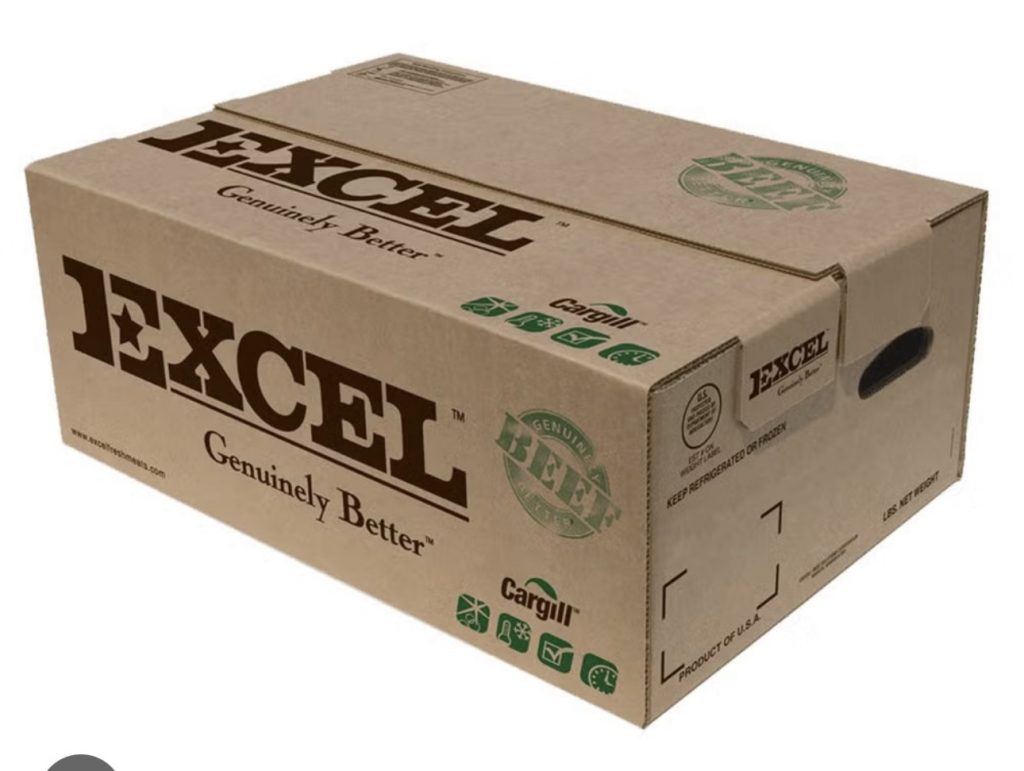
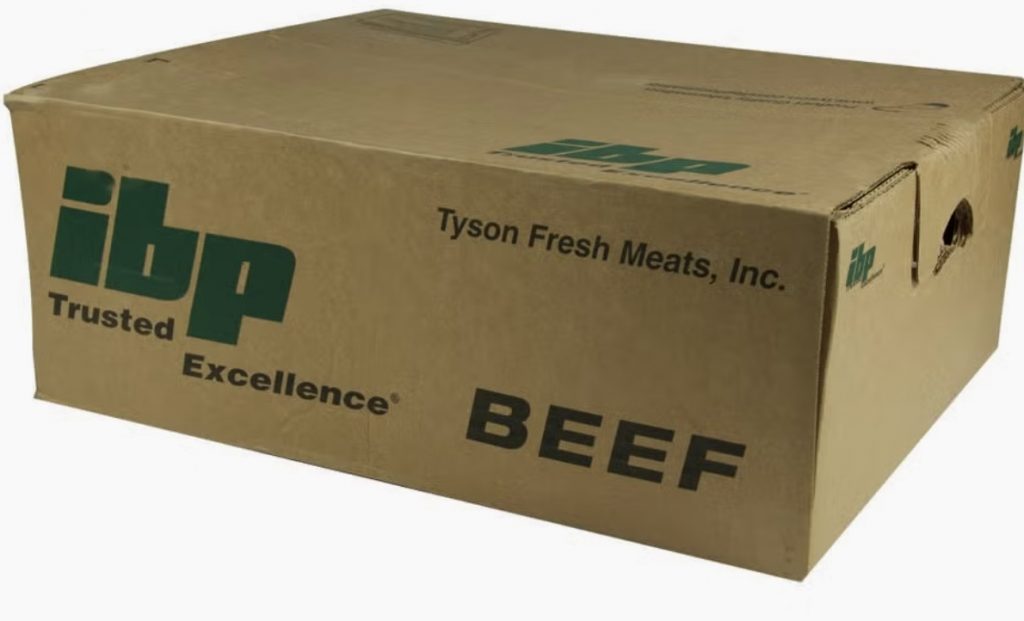
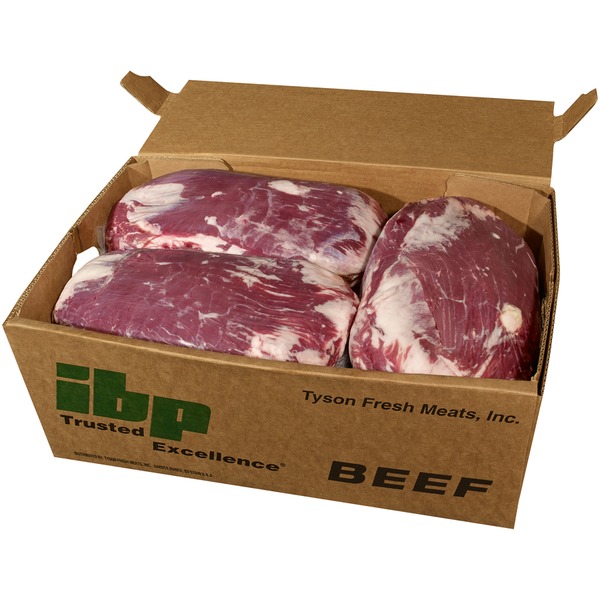
Boxed Beef IBP

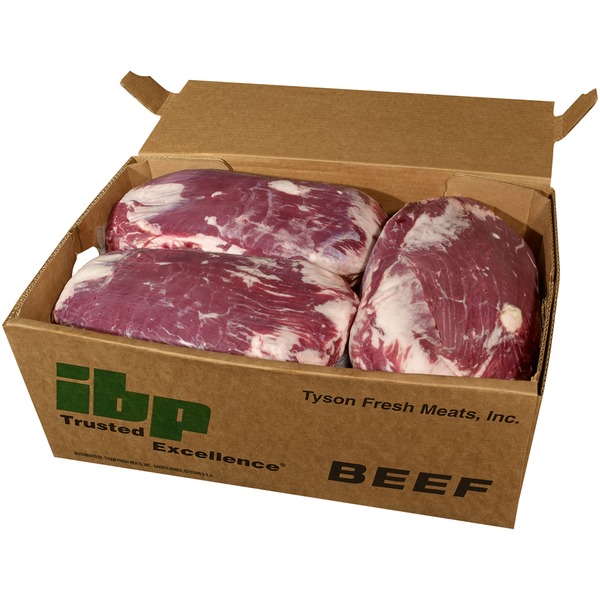
Choice Boxed Beef Ends 2025 Down 75 Cents to $347.45

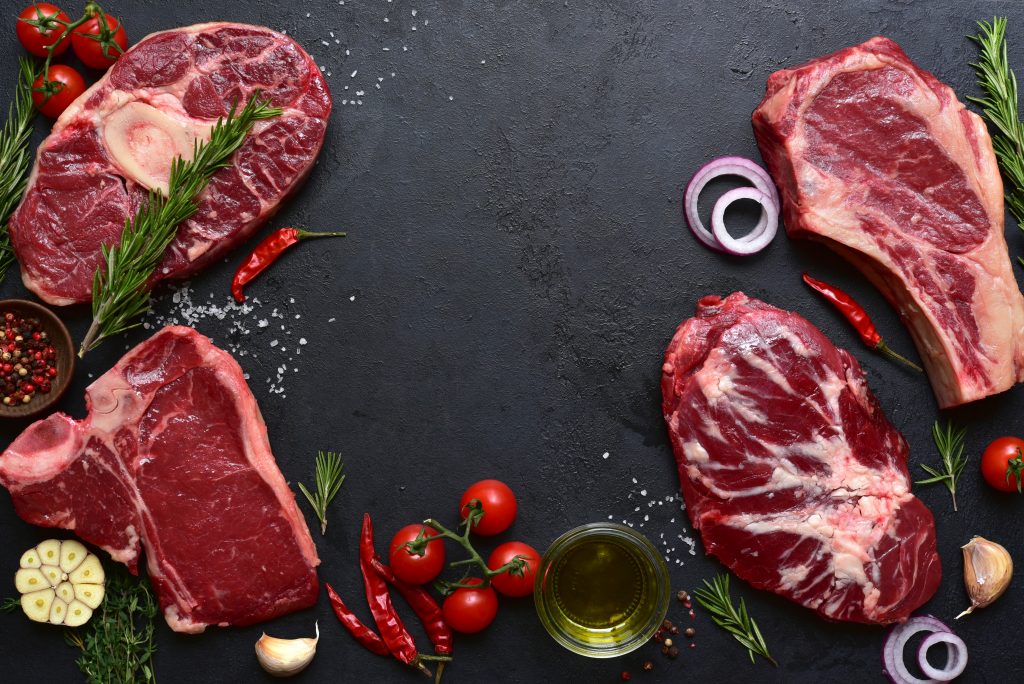
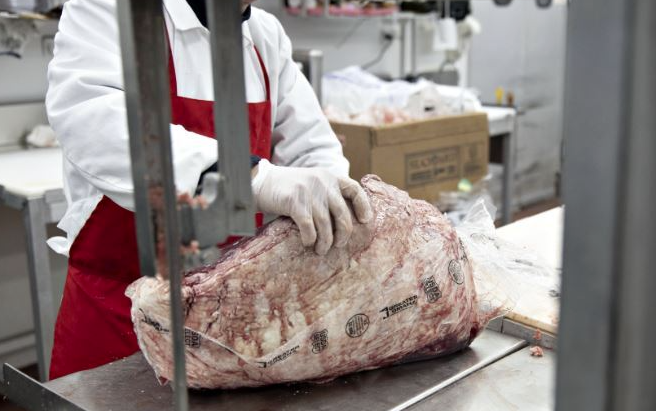
Boxed beef prices declined for the sixth straight session. The Choice cutout fell $0.75 to $347.45, and Select dropped $0.78 to $342.38. Since December 22, the Choice cutout has fallen $15.42. The Choice/Select spread was $5.07 on 211 total loads.

Compared to Tuesday, the Rib fell $0.61 to $486.54, the Chuck rose $2.08 to $319.85, and the Round eased $0.71 to $306.82. The Loin dropped $4.66 to $429.01. Brisket declined $4.20 to $310.47, Plate fell $2.33 to $234.97, and Flank was down $2.82 to $164.16.

Ag Groups Weigh In on Bridge Assistance Program

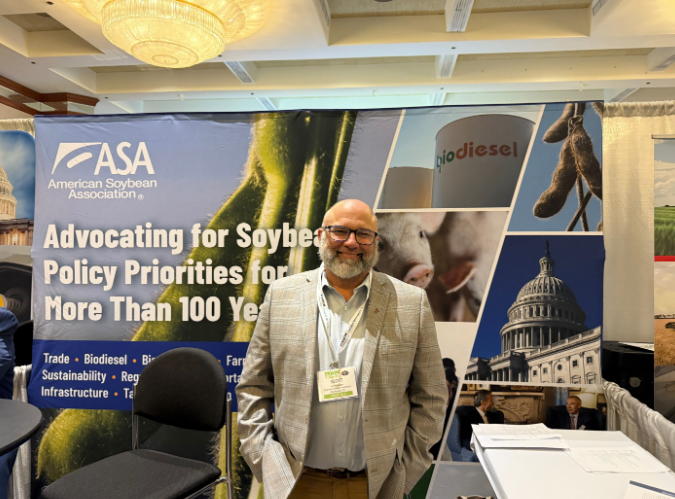
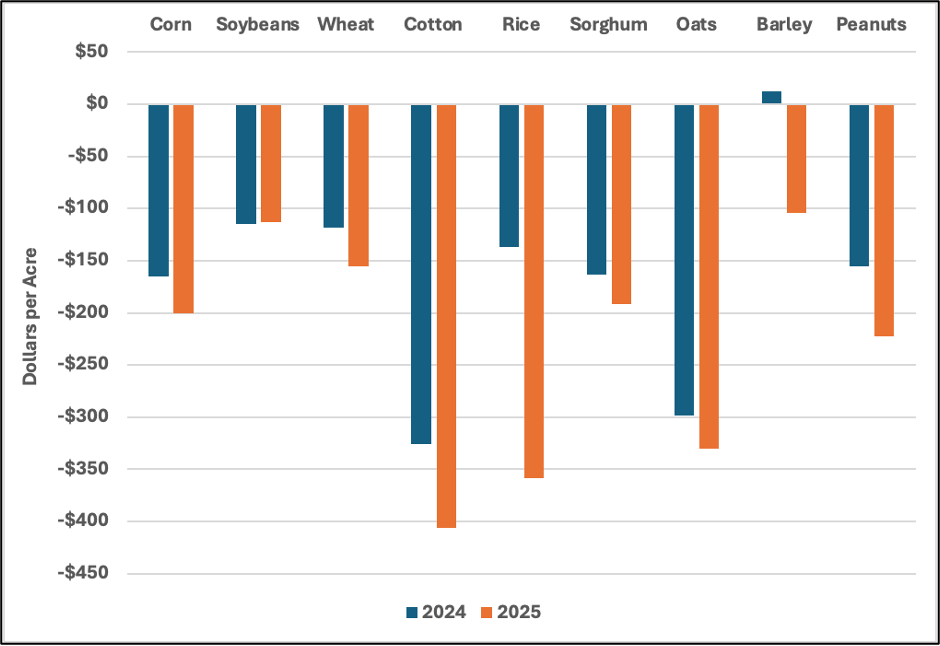
Today, the American Soybean Association responded to the U.S. Department of Agriculture's release of additional details regarding the Farmer Bridge Assistance program. The commodity-specific payment rates for the program will include $30.88/acre for soybeans, which will not cover the significant financial damage soybean farmers sustained this year due to the high cost of production and losses sustained during the China trade war.

ASA appreciates the administration's focus on the economic downturn in the U.S. agricultural industry. The per-acre financial support for soybean farmers, however, will not be enough to ensure their operations can survive through the next growing season. The FBA program is a critical first step in making soybean farmers whole, but additional actions, including finalizing biofuels policies to bolster domestic markets for U.S. soy, are urgently needed.

"ASA is grateful to the Trump administration and USDA for recognizing the economic losses farmers are experiencing, but due to significant trade losses this year, the payment rate for soybeans will likely not be enough for soybean farmers to keep their operations financially solvent as we move into the next planting season," said ASA President and Ohio farmer Scott Metzger. "While the assistance provides some relief, farmers need strong, reliable markets to guarantee the long-term success of the U.S. soybean industry. We urge the Trump administration to focus on immediate, achievable actions which will support domestic soybean markets, including finalizing policies that create a preference for soy-based biofuel feedstocks through the 2026-2027 Renewable Volume Obligations, robust biomass-based diesel volumes, and 45Z Clean Fuel Production Credit tax guidance. Reliable markets depend on policies that grow demand, strengthen rural economies, and provide certainty for the next generation."

ASA urges the administration to deliver long-term demand solutions by finalizing strong biofuels policy. Finalizing EPA's biofuel blending requirements as proposed, including the RIN credit discount for imported biofuel feedstocks that undercut domestic soybean demand, would prioritize American-grown feedstocks, support domestic energy production, and strengthen demand for U.S. soybean oil. Further, the swift finalization of 45Z tax guidance to ensure the positive changes created through One Big Beautiful Bill Act can be realized, is imperative to support biofuel industry investments. Putting these policies in place now will help ensure today's assistance is paired with lasting market opportunity for soybean farmers and rural communities.

National Corn Growers:

In response to this development, National Corn Growers Association President Jed Bower released the following statement: 
 
"We are appreciative of Secretary Rollins and the USDA for creating the Farmer Bridge Assistance Program, which begins to assist growers facing economic pain and hardships.  
 
"Corn growers have been sounding the alarm about the fact that farmers have been faced with multiple consecutive years of low corn prices and high input costs. 

"While this financial assistance is helpful and welcomed, we urgently need the administration and Congress to develop markets in the United States and abroad that will provide growers with more long-term economic certainty." 

NCGA will continue working with USDA as the Farm Service Agency begins the implementation stage of the new Farmer Bridge Assistance Program to ensure the assistance is timely and effective for producers.  

Sorghum Producers:

"National Sorghum Producers appreciates the administration's continued support of sorghum farmers during a year marked by significant trade disruption and economic uncertainty," said Amy France, chair of National Sorghum Producers. "These payments provide near-term certainty while longer-term improvements to the farm safety net and risk management tools take effect."

Tim Lust, CEO of National Sorghum Producers, noted that international trade of  U.S. sorghum has shown recent improvement, with export sales exceeding 1 million metric tons in the past few weeks—an encouraging signal as global markets begin to reopen.

National Association of Wheat Growers:

"Wheat growers are closing the books on a difficult year marked by extremely high input costs and stubbornly low wheat prices. NAWG appreciates the Trump administration's response to the market challenges facing farm families and its efforts to deliver much-needed assistance. While the rates announced today do not come close to making wheat farmers whole for the per-acre losses experienced in 2025, the $39.35 per-acre payment for planted wheat will help lighten the blow of a challenging year," said Pat Clements, NAWG President.

"As we look ahead to 2026, NAWG is eager to work with Congress and the administration to build a policy environment that provides regulatory certainty, allows wheat growers to achieve positive returns on their crops, supports robust trade policies that keep U.S. wheat competitive in global markets, and helps farmers begin paying down debt incurred after years of market adversity."

The National Cotton Council:

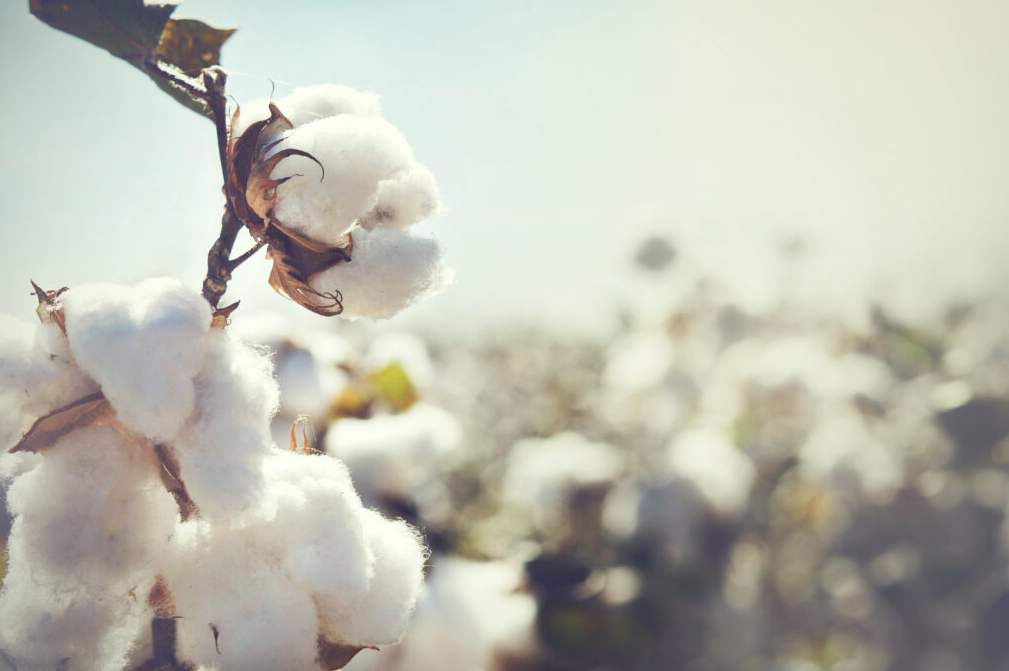
The National Cotton Council (NCC) appreciates the timely announcement of payment rates under the Farmer Bridge Assistance (FBA) program, an important development for U.S. cotton producers. The FBA rate for cotton of $117.35 per planted acre offers critical support to growers as they navigate current market conditions and production costs.
"The FBA program provides a welcome and much-needed level of assistance for cotton growers," said NCC Chairman Patrick Johnson. "This support is critical for producers struggling to manage current economic pressures and will give lenders and growers the confidence to continue to invest in cotton. We greatly appreciate the consideration given by President Trump and Secretary Rollins in addressing the needs of U.S. cotton producers." NCC continues to advocate for effective long-term solutions that enhance the demand for U.S. cotton such as the Buying American Cotton Act (S.1919) introduced by Senator Cindy Hyde Smith (R-MS).

USDA Announces Commodity Payment Rates for Farmer Bridge Assistance Program

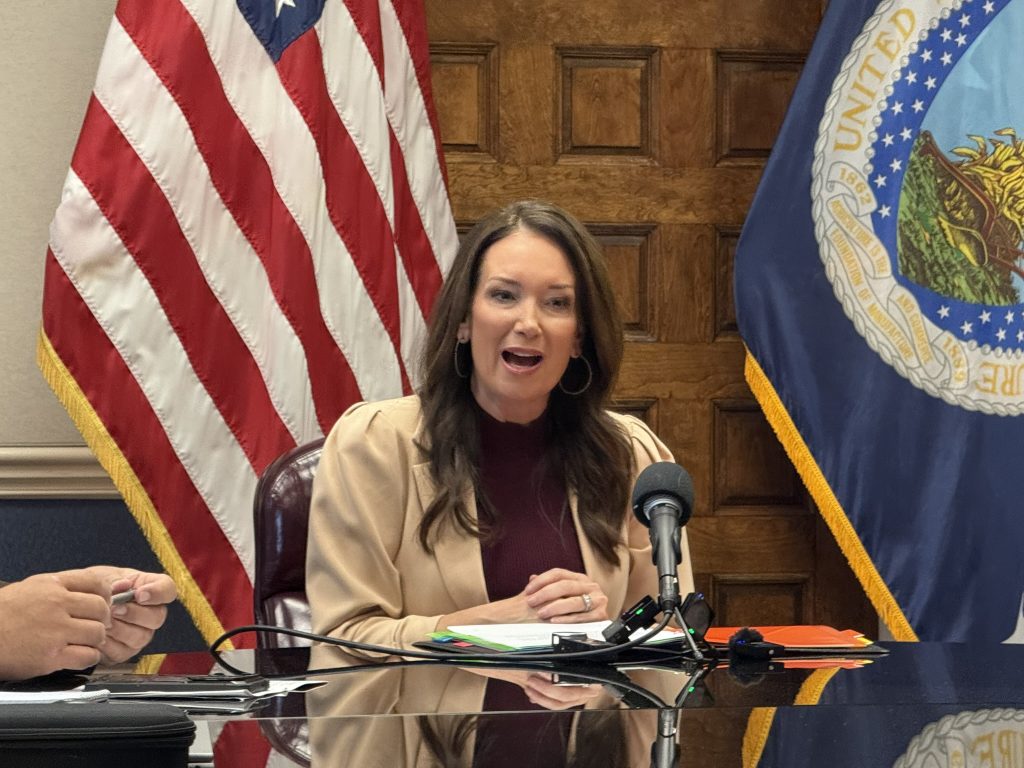
Today, U.S. Secretary of Agriculture Brooke L. Rollins announced the next phase in the Farmer Bridge Assistance Program (FBA), the eligible commodity per-acre payment rates. As announced earlier this month by President Trump and Secretary Rollins, $12 billion will be paid to American farmers in 2026. Of that amount, $11 billion consists of one-time FBA program payments. This is in response to four years of disastrous Biden administration policies that created record-high input and production costs, zero new trade deals, and a forgotten rural America.

"President Trump committed to increase certainty in the farm economy, and farmers can count on these payment rate calculations when going to the bank as they plan for the spring planting season. Putting Farmers First means delivering real relief when it matters. Farmers who qualify for the FBA Program can expect payments in their bank accounts by February 28, 2026," said Secretary Brooke Rollins. "These one-time payments give farmers the bridge to continue to feed and clothe America and the world while the Trump Administration continues opening new markets and strengthening the farm safety net.  USDA is making this process as simple and seamless as possible so producers can focus on what they do best – feeding and fueling our nation."

Eligible Row Crop Commodities and Payment Rates: 

Below are the payment rates for the FBA eligible commodities that triggered a payment.  

Commodity, Per Acre Payment Rates

• Barley: $20.51
• Canola: $23.57
• Chickpeas (Large): $26.46
• Chickpeas (Small): $33.36
• Corn: $44.36
• Cotton: $117.35
• Flax: $8.05
• Lentils: $23.98
• Mustard: $23.21
• Oats: $81.75
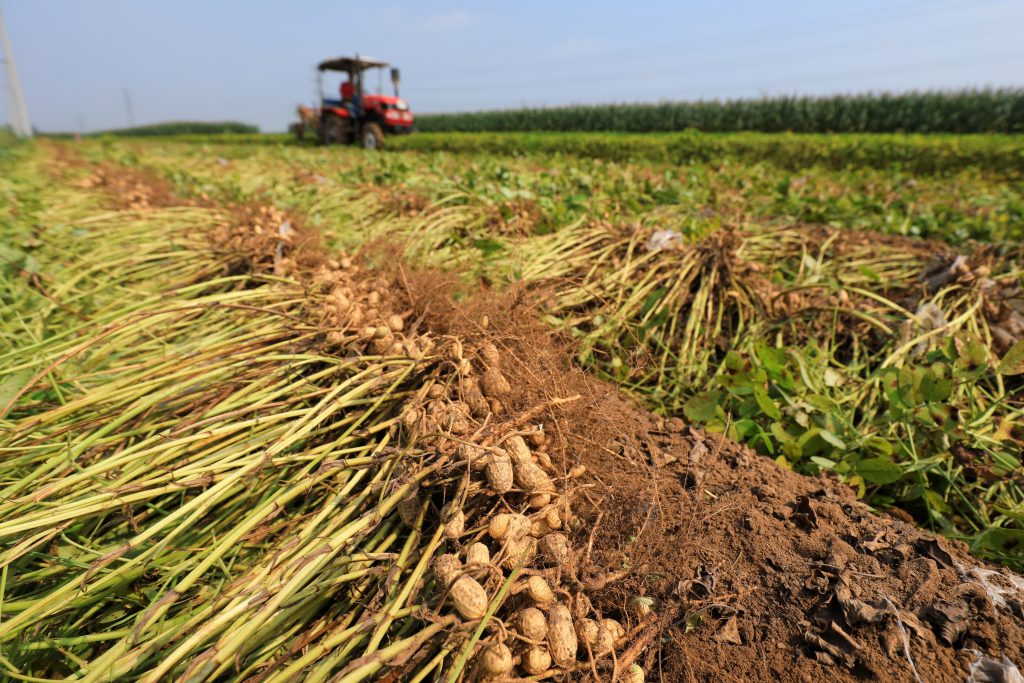
• Peanuts: $55.65
• Peas: $19.60
• Rice: $132.89
• Safflower: $24.86
• Sesame: $13.68
• Sorghum: $48.11
• Soybeans: $30.88
• Sunflower: $17.32
• Wheat: $39.35

Eligibility, Program Applications, and Crop Insurance Linkage 

FBA payments are based on 2025 planted acres, Economic Research Service cost of production, and the World Agriculture Supply and Demand Estimate Report. Double crop acres, including all initial and subsequently planted crops, are eligible. Prevent plant acres are not eligible. 

All intended row crop uses are eligible for FBA except grazing, volunteer stands, experimental, green manure, crops left standing and abandoned or cover crops. 

Crop insurance linkage is not required; however, USDA strongly urges producers to take advantage of the new risk management tools provided for in the One Big Beautiful Bill Act (OBBBA) to best protect against future price risk and volatility. The OBBBA federal crop insurance improvements include expanding benefits for beginning farmers and ranchers, increasing coverage options, and making crop insurance more affordable. 

Specialty Crop Assistance 

Of the $12 billion being provided by the Commodity Credit Corporation Charter Act, up to $11 billion is being directed to eligible row crop producers and the remaining $1 billion of the $12 billion in assistance is reserved for specialty crops and sugar. Timelines for payments to producers of these crops are still under development and require additional understanding of market impacts and economic needs. Producers, including specialty crop producers and stakeholder groups, can submit questions to farmerbridge@usda.gov. 

More Information 

More information FBA is available online at https://www.fsa.usda.gov/fba or you can contact your local USDA FSA county office. 

Daily Email for December 31, 2025


Oklahoma's Latest Farm

and Ranch News

Wednesday, December 31, 2025


Howdy Neighbors!

Looking Back at 2025- A Six Pack of Stories That Matter in Oklahoma

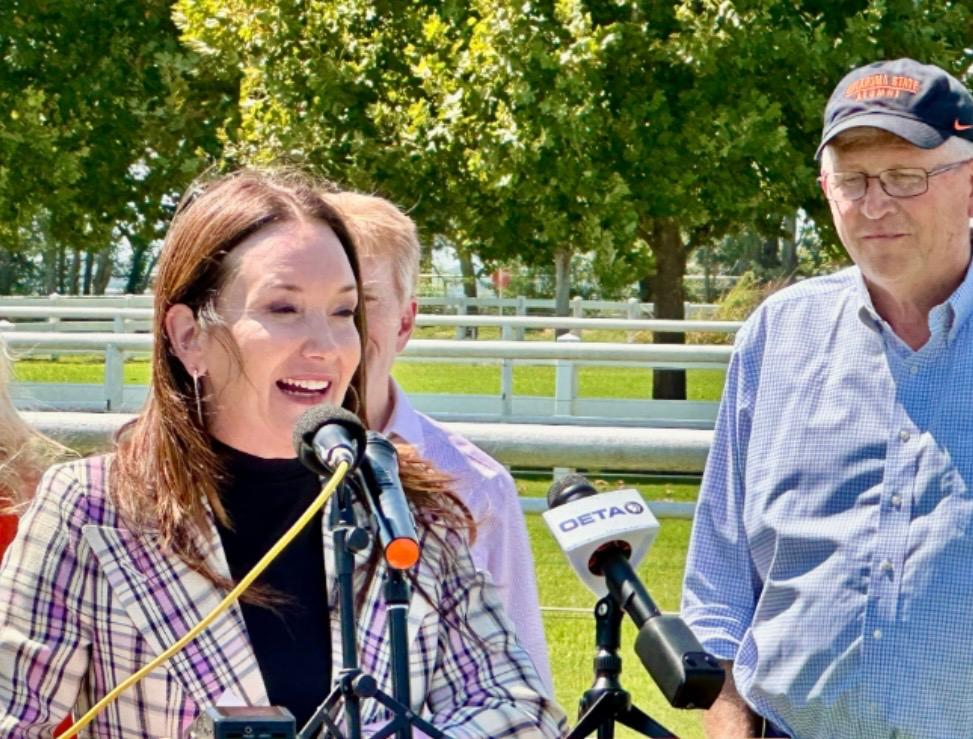
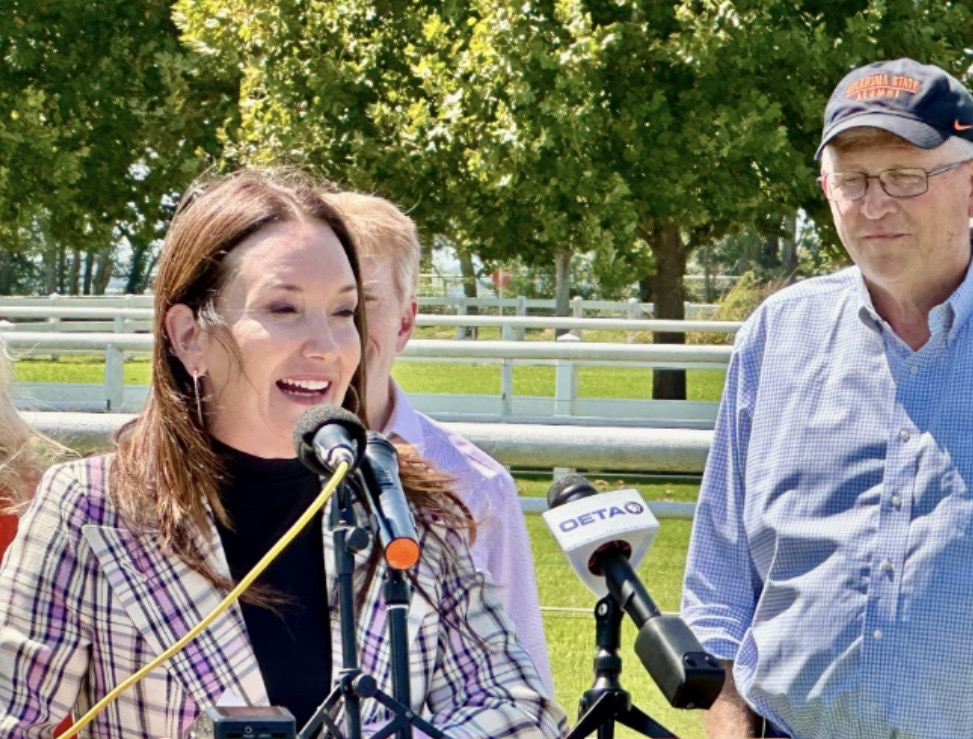
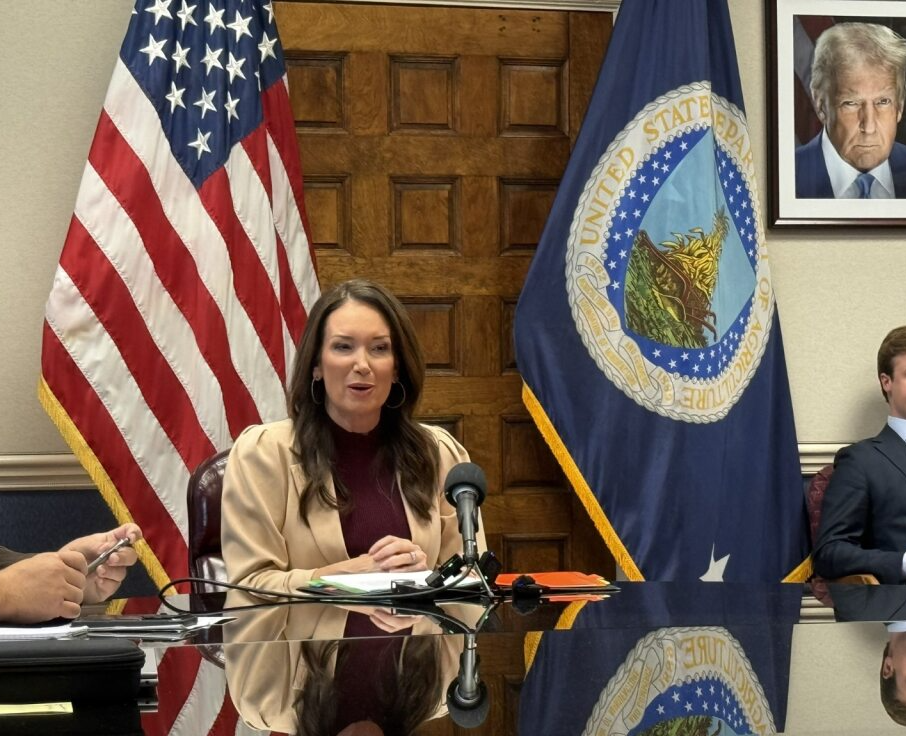
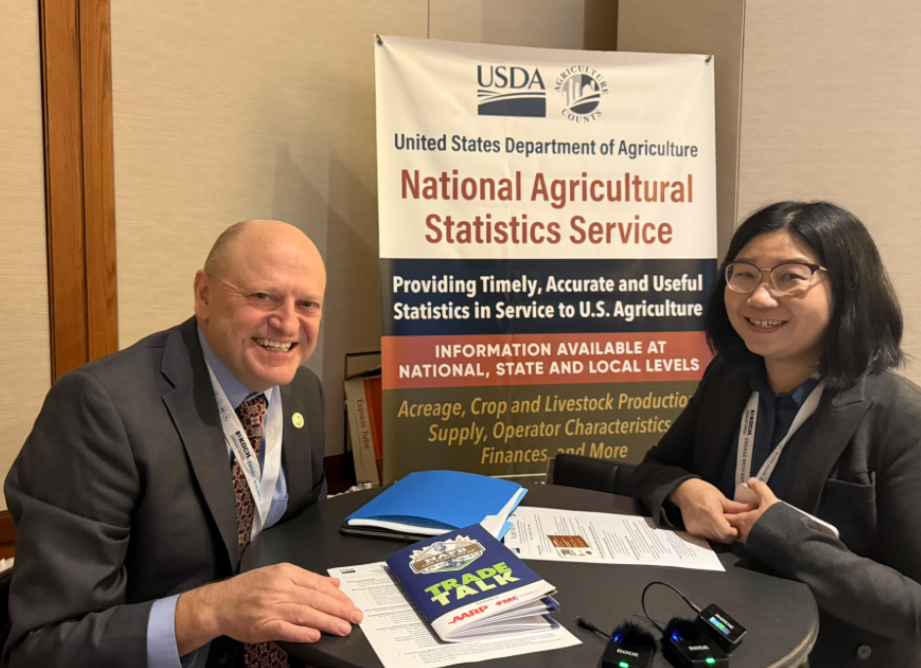
Lots of stories were important to our farm and ranch community during the course of 2025- but we have picked a half dozen that we have reported on during the course of the year. Top of our list was the story that we reported on multiple times- the New World Screwworm that broke through the isthmus of Panama a while back and was discovered in southern Mexico about a year ago- the picture above is of Secretary Brooke Rollins at Express Ranches with a New World Screwworm update late summer. 


Another story that really stretched out over the entire year were the record cattle prices- because of the tight cattle supplies giving us the smallest cattle herd in the US in decades. We point you to several of our reports and interviews over the course of the year. The third national story that we highlight in our webstory you can check out below is the farm and ranch impacts coming out of the One Big Beautiful Bill. That includes lots of tax benefits as well as several of the Farm Bill Titles that were addressed in the reconciliation package.


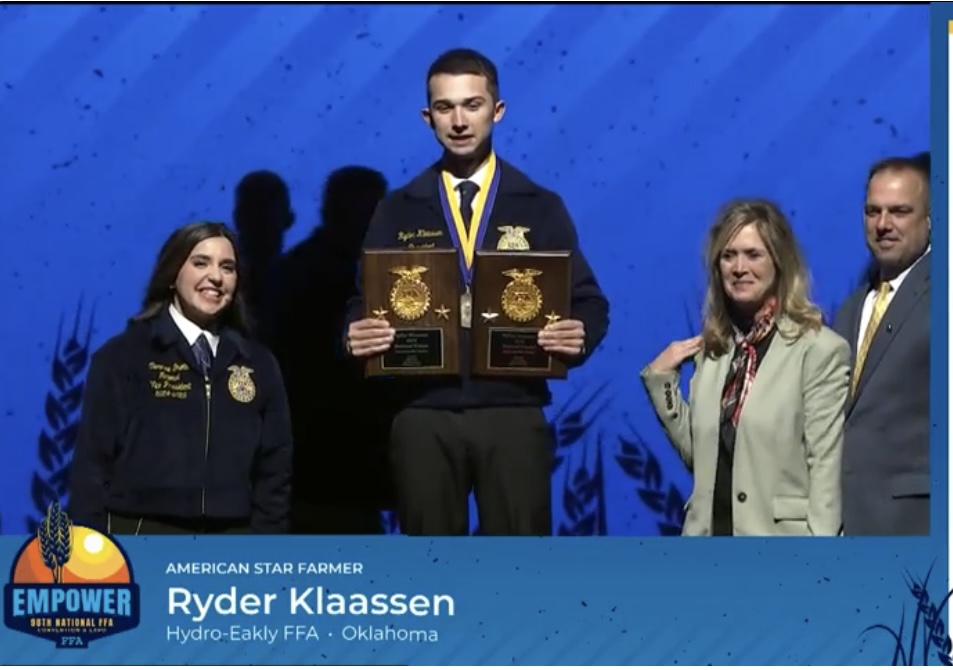
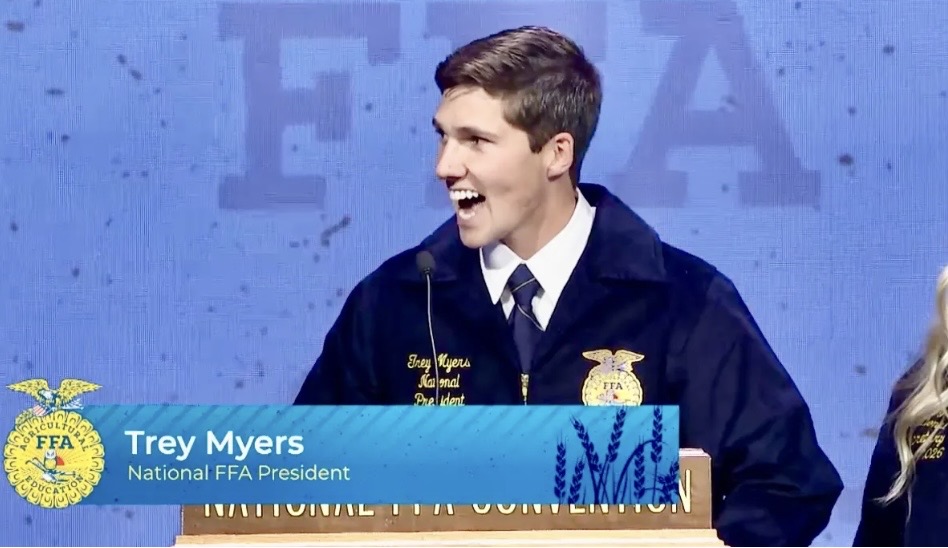
At the state level- we point you to our coverage of the State Legislature providing a record appropriation of $250 million dollars to construct a new teaching hospital for the OSU Vet Medicine School. We also walk you thru the year long saga of the twenty year old Poultry Lawsuit which finally has a ruling from the Federal District Judge which may or may not be the end of that story. Finally- we remind you of the success of two incredible Oklahoma FFA members at the 2025 National FFA Convention- Ryder Klassen named American Star Farmer and Trey Myers becoming the 2025-26 National FFA President.

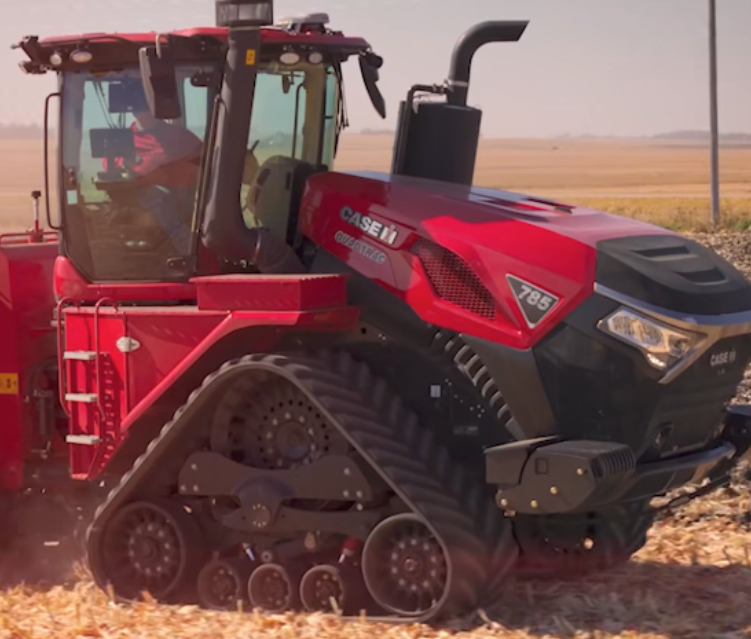
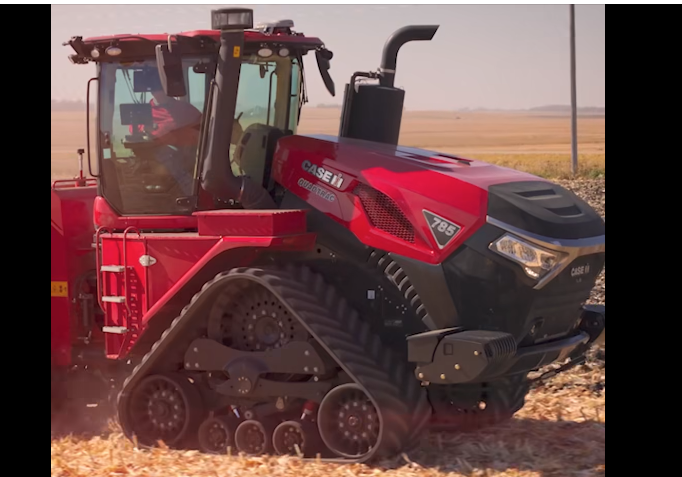
Precision Farming: Driving Efficiency and Sustainability at Case IH

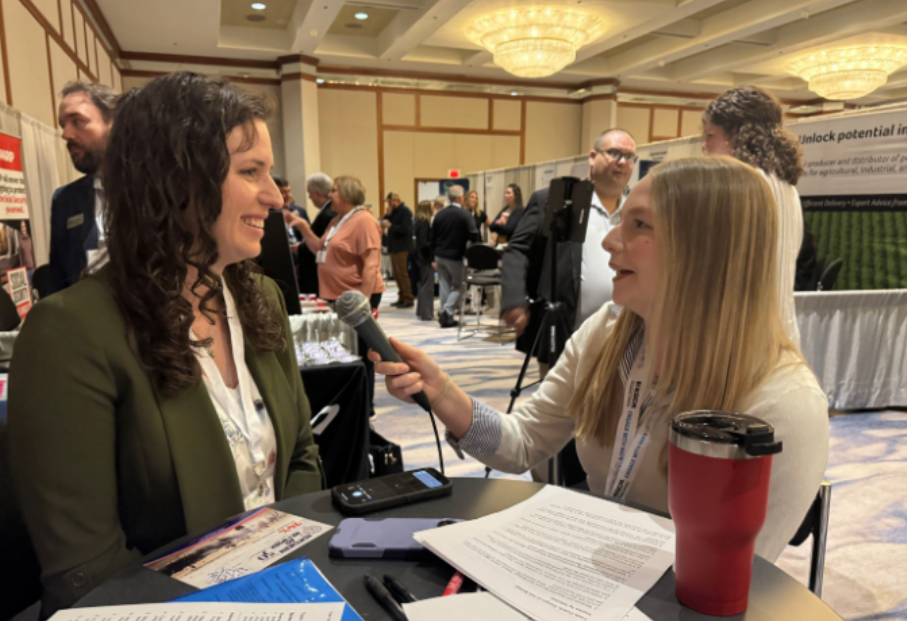
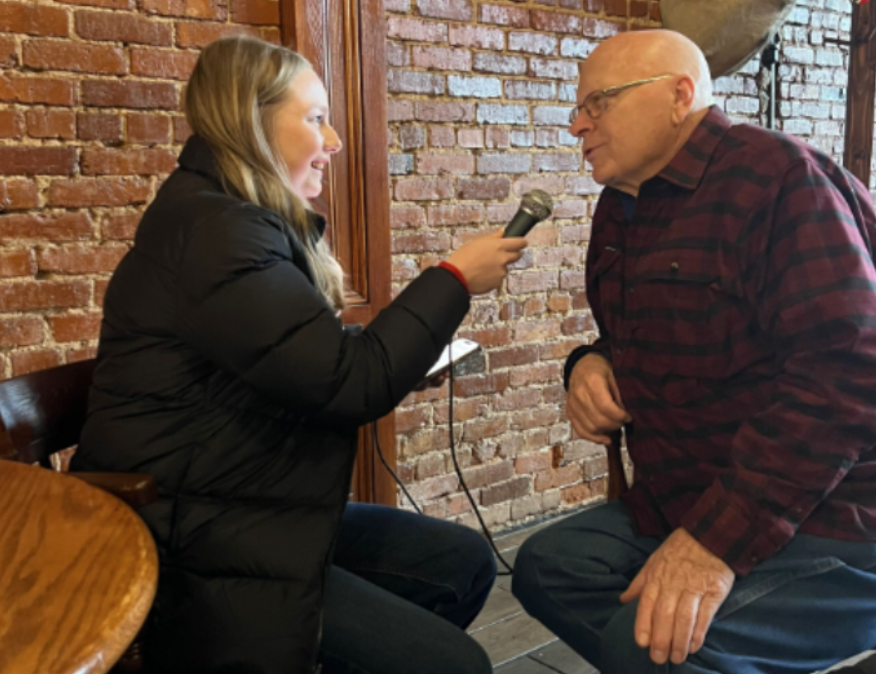
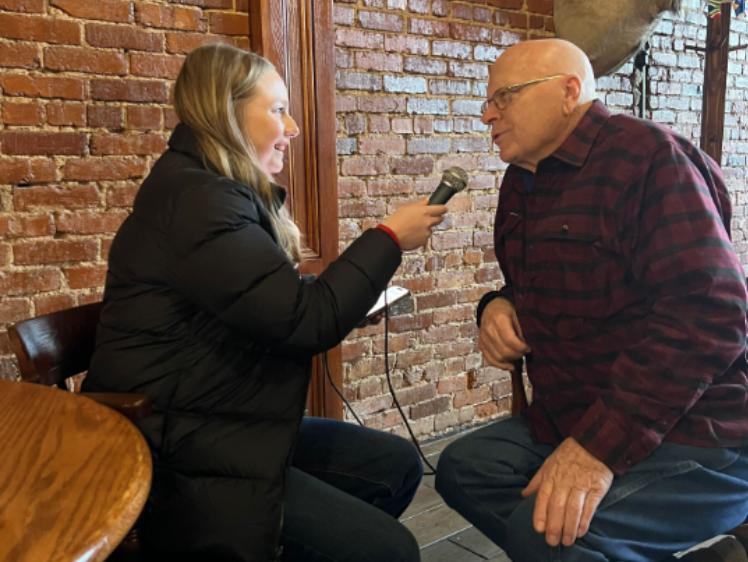
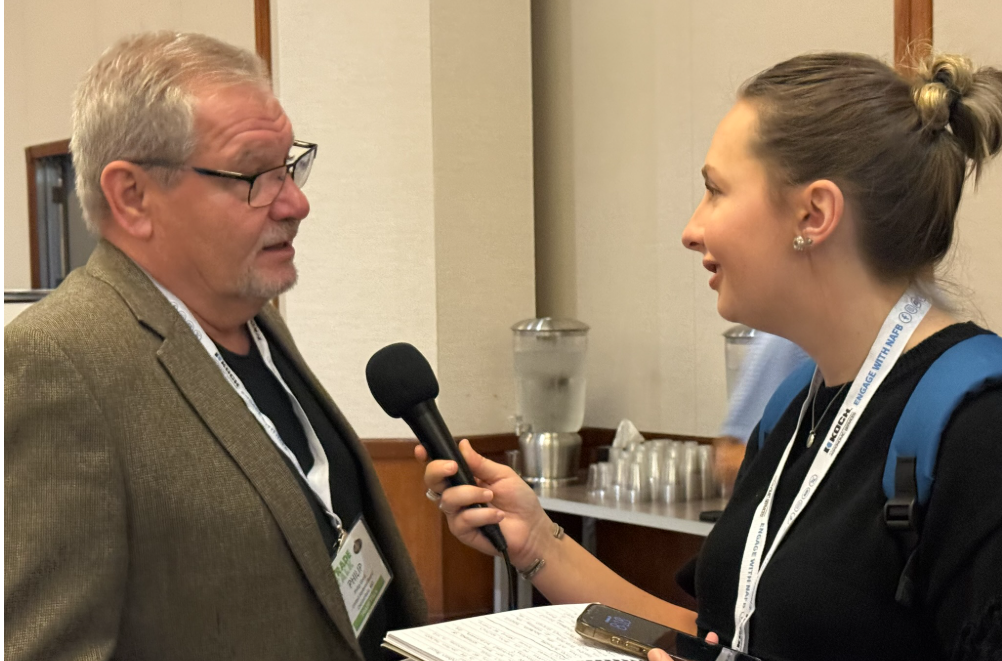
Lance Myer, Region Precision Manager for Case IH, recently spoke with Intern Karleigh Erramouspe about the growing importance of precision technology, highlighting how it helps producers manage resources, increase efficiency, and prepare for a sustainable future.


Myer emphasized that conversations around precision farming are now ubiquitous, driven by the need to maximize efficiency and minimize resource waste. "Precision's a topic that every producer, you know, talks about every day," Myer said. At the root of it, precision farming is about "making farmers more efficient, so saving them time, saving them money in areas, and then also, saving them... on the resources side as well." This means ensuring that every dollar spent on inputs—like seed, chemical, and fertilizer—is utilized in the right place, leading to higher efficiency and better resource conservation.


Case IH's comprehensive digital platform, FieldOps, is central to translating these precision goals into daily operations through remote support and data management.

Myer breaks down the platform's role into two major areas: machine data and agronomic data. This constant flow of information is key for both the customer and the dealer network.

LMA- Trucking Rules Impact Livestock Markets

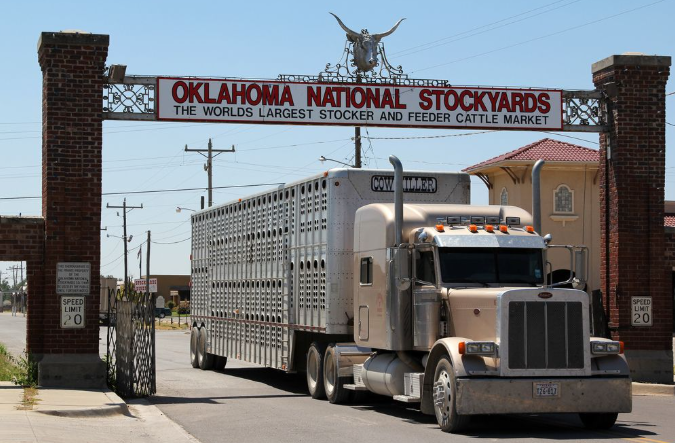
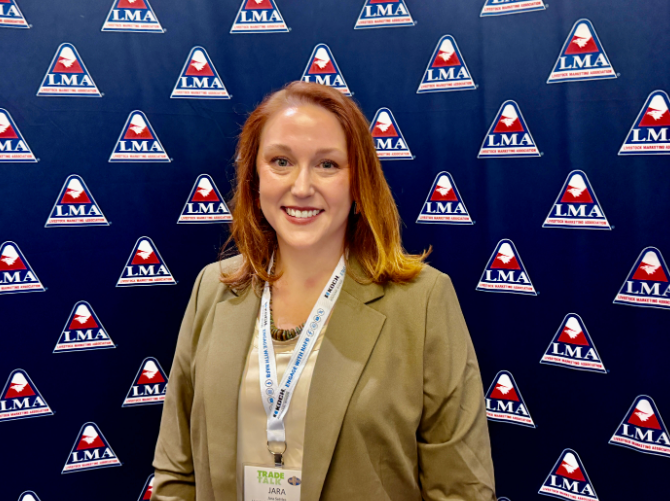
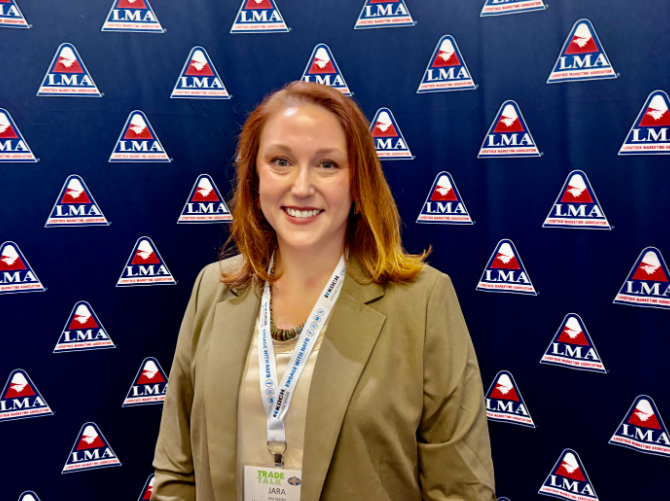
Senior farm and ranch broadcaster Ron Hays continued his conversation with Jara Settles, General Counsel of the Livestock Marketing Association, about key policy priorities impacting livestock markets and the producers they serve. LMA represents more than 80 percent of regularly selling livestock markets across the U.S., and Settles says transportation regulations remain one of the most pressing issues facing the industry.


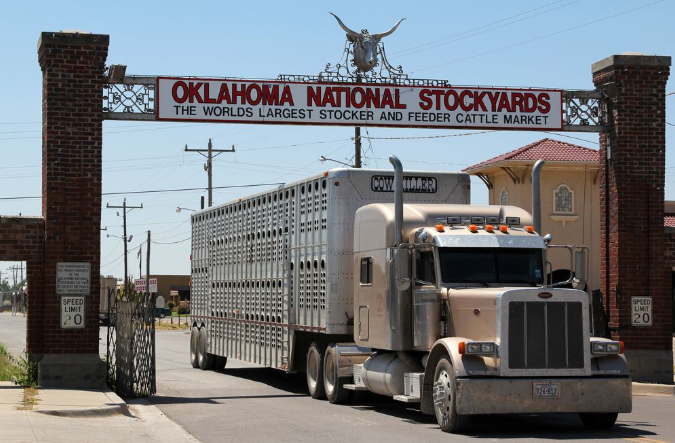
Settles explains that livestock auction markets sit squarely in the middle of every transaction, meaning trucking rules have a direct impact on both markets and producers. "Onerous or overburdensome regulations in the trucking space are extremely impactful and very much felt by our markets and then also by the producers that they serve," she said, noting that animals must be hauled to the market and then hauled away after the sale.


She emphasized that livestock haulers operate under unique conditions that warrant special consideration. "Livestock haulers are a special breed. They require special training, they require special equipment," Settles said. Because they are hauling live animals, she added, "they have to go slower, they have to drive more carefully because of what they're hauling," and those realities should be reflected in hours-of-service and electronic logging device rules.

The vision of the Oklahoma Beef Council is to be a positive difference for Oklahoma's farming and ranching families and the greater beef community, and its mission is to enhance beef demand by strengthening consumer trust and exceeding consumer expectations. 


To learn more, visit www.oklabeef.org. Also, don't forget to like its Facebook page at www.facebook.com/oklabeef for stories on Oklahoma's ranching families and great beef recipes. 


And Check out this video below that helps you learn more about the Beef Checkoff- .

KIS FUTURES specializes in Futures and Options for Institutions, Commercials, Hedgers, and Individual Traders and executes trades for its clients in the following markets: Livestock, Grains, Energy, Metals, Softs, Financials, Currencies, and Stock Index Futures. For more information, please give them a call Toll Free at (800) 256-2555. Click here for their website to learn more.

And- their iPhone App, which provides all electronic futures quotes is available at the App Store- click here for the KIS Futures App for your iPhone.  


Your Next Generation of Cows

In a recent cow calf article, Mark Johnson says the opportunity to make our next generation of cows a better fit to our production system and genetically capable of creating more profit potential is historically unprecedented. More tools are available to assist cattle breeders in this quest than ever before. The series of "Build Back Better" articles over the past two months have been written to target the cow-calf producers who are motivated by sustainable profit.


Regardless of the size of your operation, a deep dive into the unique characteristics of your own production system is important to inform selection and mating decisions. Identifying breeding goals as well as prudent selection and mating decisions can result in a cowherd that yields more beef per acre of pasture, reduces your maintenance cost and serves as the production factory of market topping calves.


 Consider the current performance metrics of your cowherd. Quantifiable measurements should be used to assess the efficiency of your business. And, measuring current levels of cowherd productivity helps identify where genetic improvement is needed. 

Lizzie French: New Soil Biology Report Gives Growers Deeper Insight

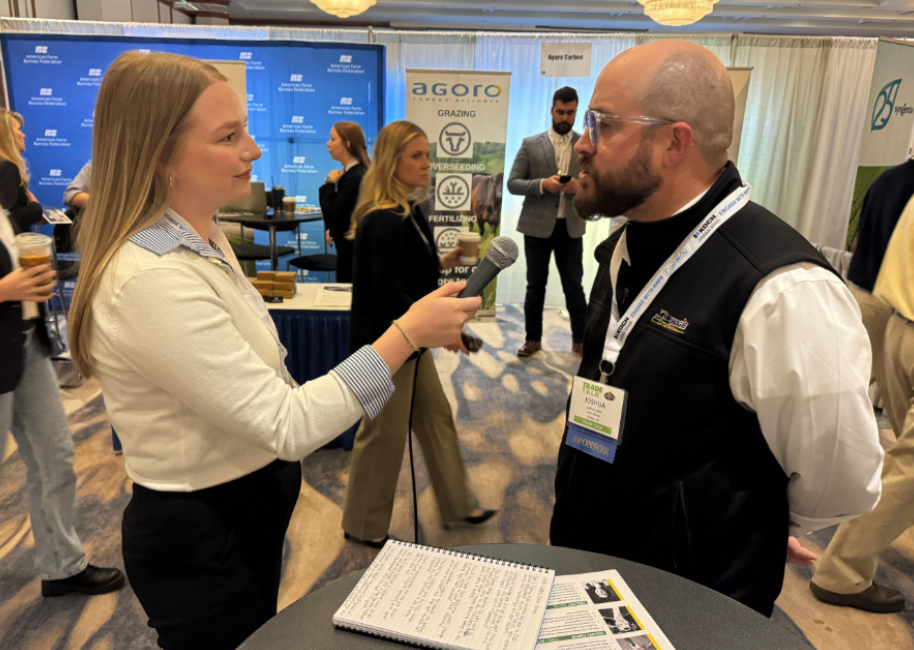
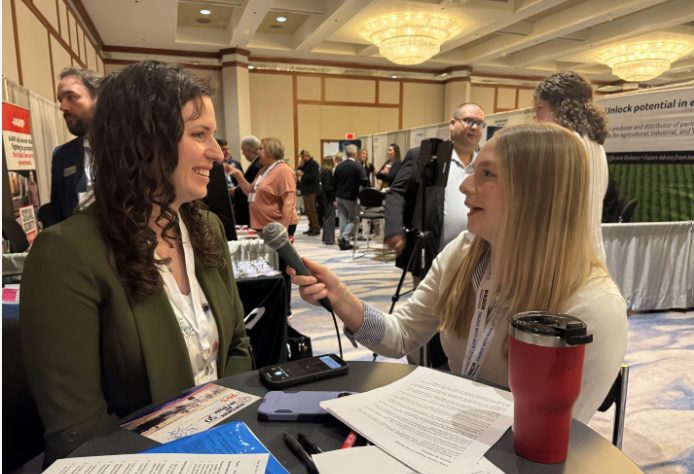
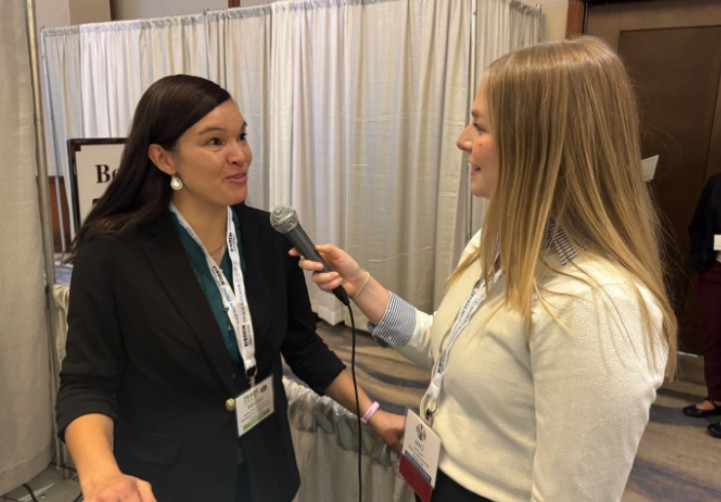
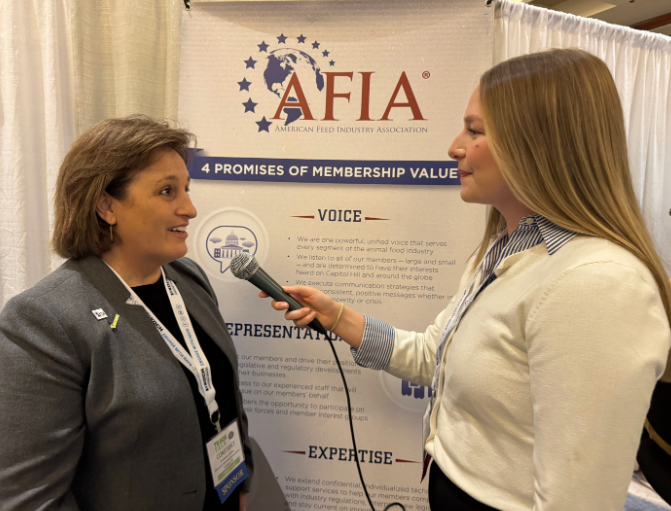
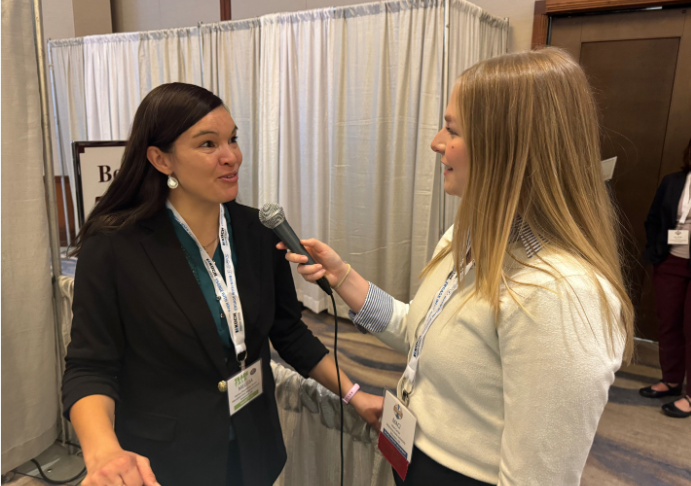
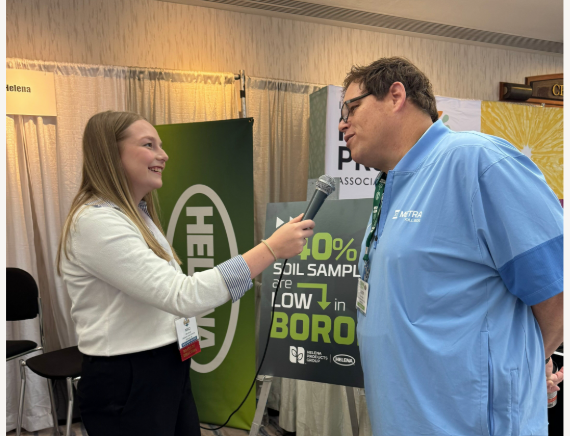
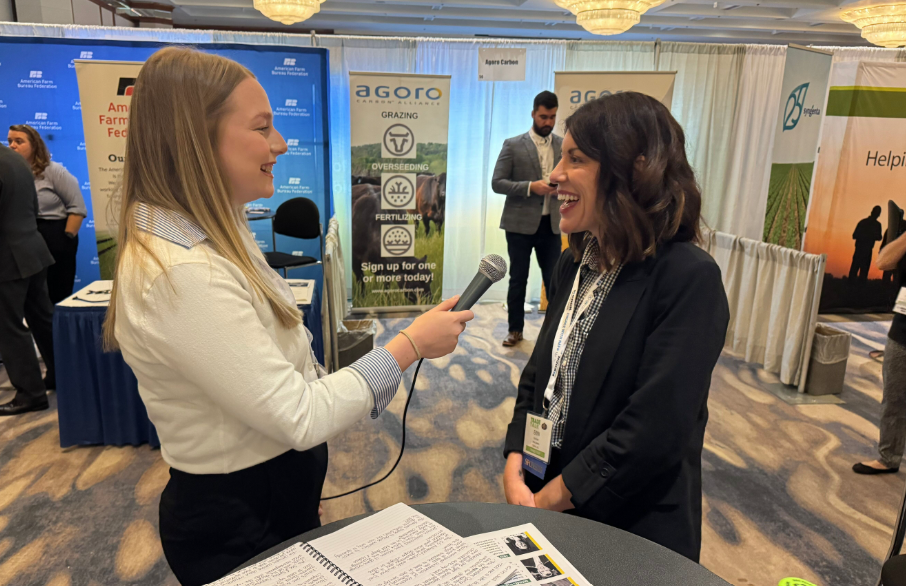
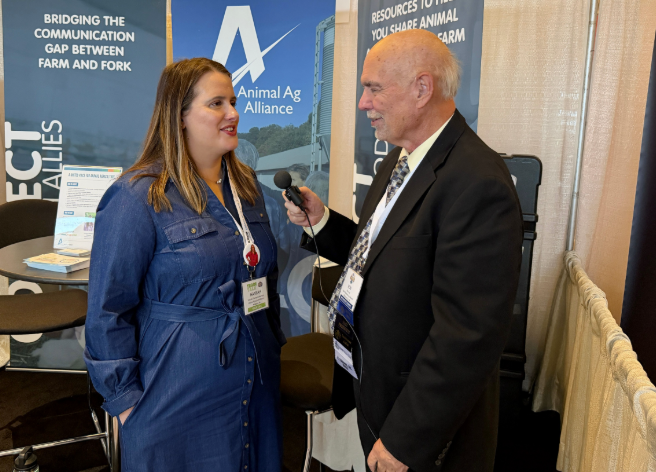
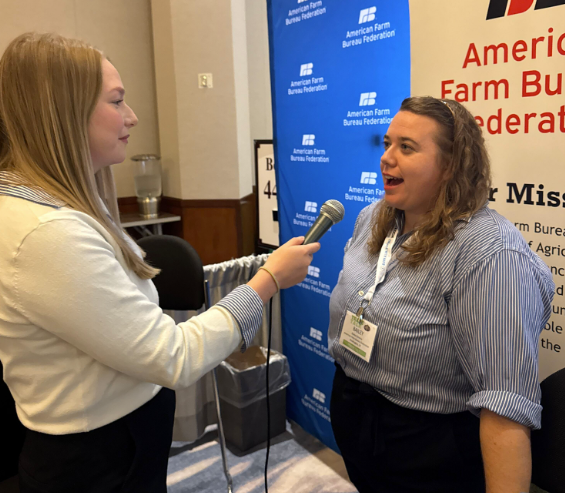
Soil biology is taking center stage in modern crop management, and a new tool from Waypoint Analytical is helping farmers understand the underground activity driving yield potential. Maci Carter with the Oklahoma Farm Report caught up with Lizzie French, Manager of Soil Biology with Waypoint Analytical, at the Nutrien Ag Solutions booth to discuss Waypoint's newly launched Soil Biology Report.


French said the tool was born from "a huge increase in interest in soil health and sustainability" paired with new technology that now allows researchers to look directly at the microbes driving those processes. "We had this confluence of things coming together to be able to develop this report," she explained.


French told Carter that traditional soil tests only show one piece of the picture. While they indicate nutrient levels, they don't show how effectively nutrients are being cycled. "We typically think of the soil as a warehouse of nutrients," she said, "but what's missing from that is, do I have people working in that warehouse?" The biology report addresses that gap by identifying the microbial "workers" and the heavy-lifting processes that support fertility.

Eyes in the Sky: A new perspective on research from the air

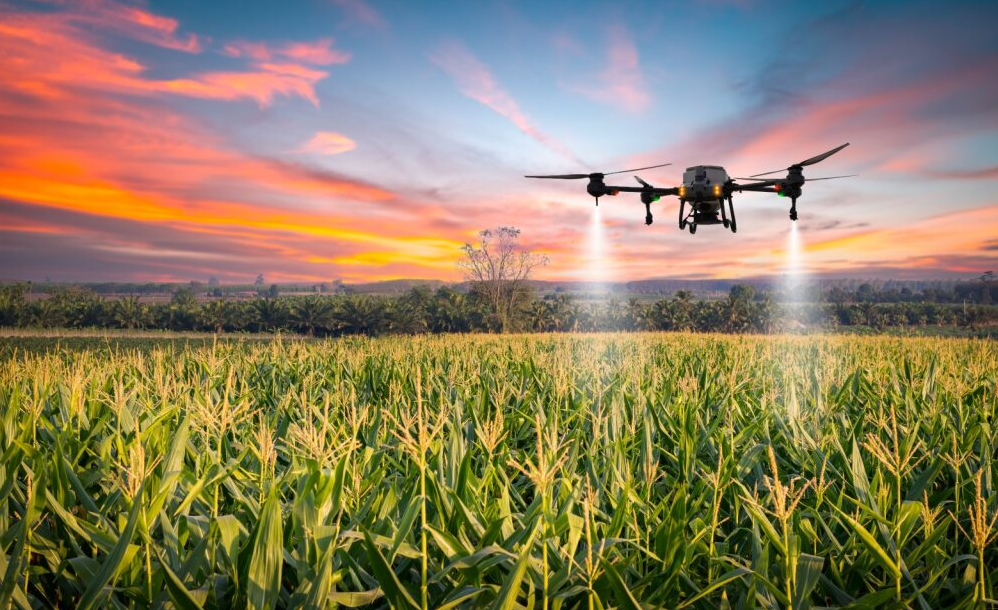
Drone technology research is helping to improve the lives of farmers and ranchers across Oklahoma by allowing them to pin-point possible issues and provide a faster response. Phil Alderman, agricultural systems modeling research assistant professor, leads the drone technology research for the Oklahoma State University wheat breeding program. Joining the program in 2022, Alderman's research builds numerical models to examine how different crops grow in various conditions.


Brett Carver, OSU Regents Professor and wheat genetics chair, identified the need for the drones, so researchers would be able to systematically measure, analyze and characterize the observable traits of the crops for research purposes, Alderman said.

"My focus is on providing traits and things that are going to benefit breeders," Alderman said. "We are aiming to do research that is directly relevant for the OSU wheat breeding program." The drones help identify key traits in the wheat that are beneficial for the growth of the crop under a wide range of conditions, he said.


The key traits we focus on are plant height, disease ratings, early vigor, and senescence dynamics, said Sanju Shrestha, third-year crop science doctoral student working in the program with Alderman. "With the drone technology, we can rapidly go out and collect imagery over an area and convert it into a series of images throughout the season," Alderman said. "It then shows us a set of traits that describe the growth of the crop that will allow breeders to be able to select among those and say, 'This is a winning breeding line.'"

Oklahoma Forestry Services Launches Rural Library Backpack Program

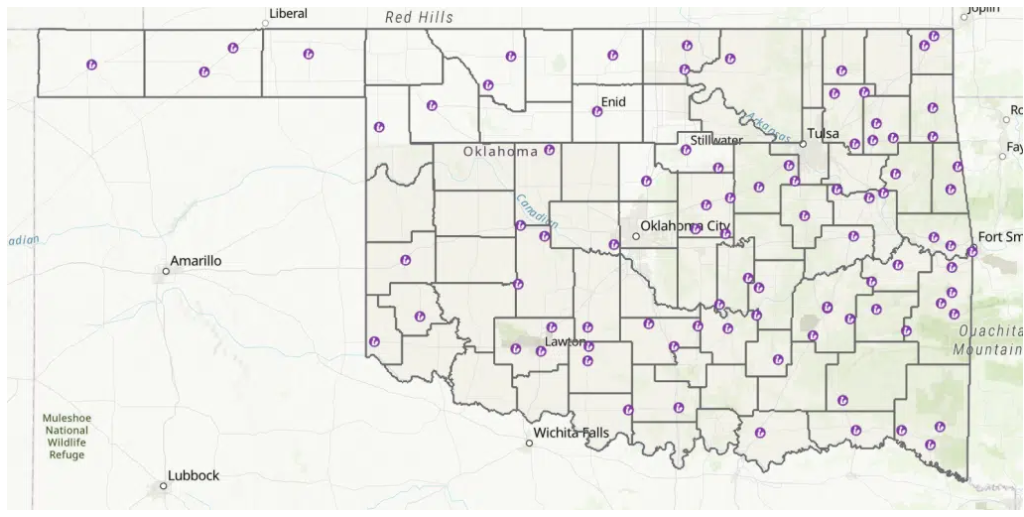
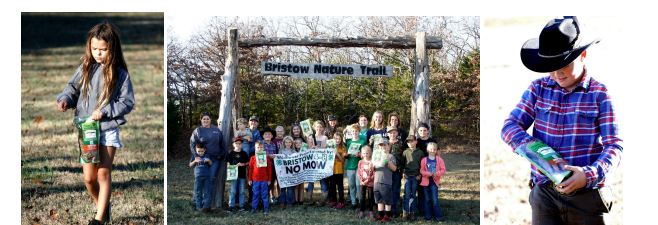
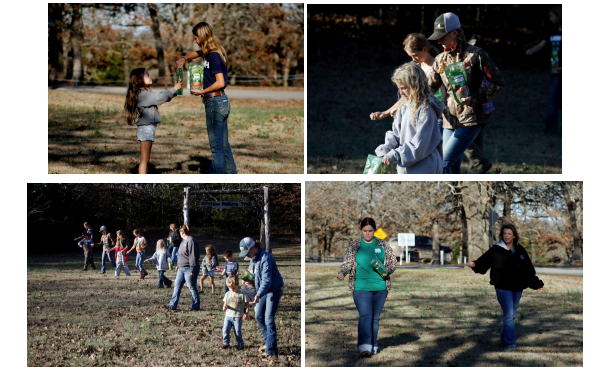
Oklahoma Forestry Services, in partnership with the Oklahoma Department of Libraries, has launched a new backpack program at 84 rural libraries across the state. The program, created and overseen by Oklahoma Forestry Services, is designed to encourage kids of all ages to get outside and learn about Oklahoma's forests and the invasive species trying to move-in.


The backpacks feature a variety of educational tools including, age-appropriate information about invasive species for six different age groups, a book about invasive species and hands-on activities. "We are beyond excited to launch this first of its kind program across Oklahoma to help kids learn about invasive species in our forests," said Tony Pascall, Oklahoma Forestry Services Education Coordinator. "We believe these hands-on learning activities will not only be fun for kids but will serve as a great way to introduce them to our critical forest ecosystems."


The backpacks are available now at 84 rural libraries spanning 46 counties. Each participating library will receive one backpack. This program is open to all rural libraries, and those wanting to participate can apply to join the program by reaching out to OFS, here.

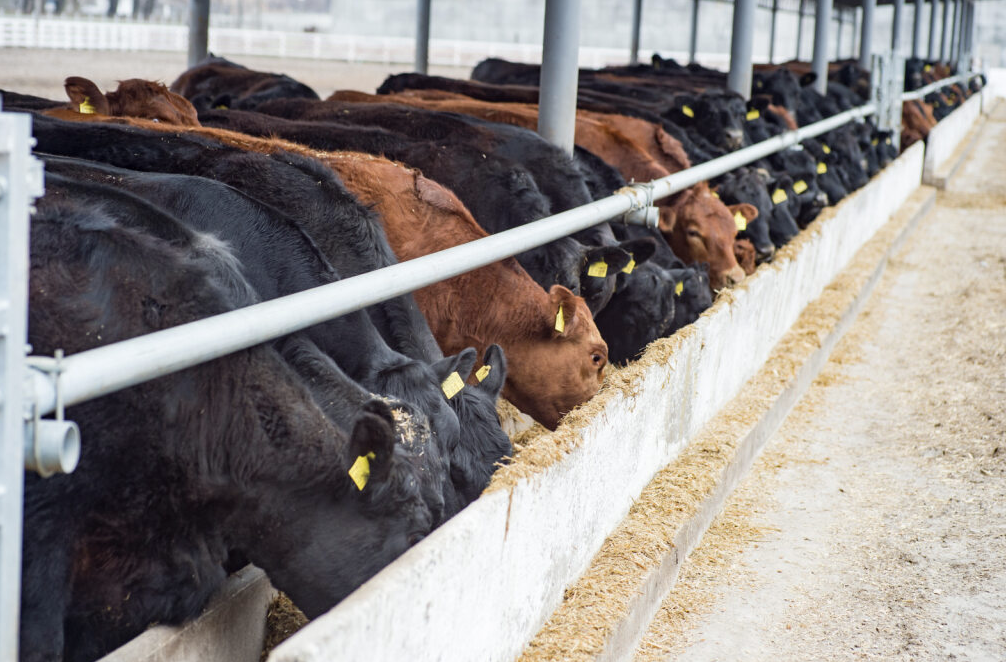
Beyond the Feed Bunk: OSU researchers redefine how producers understand cattle stress

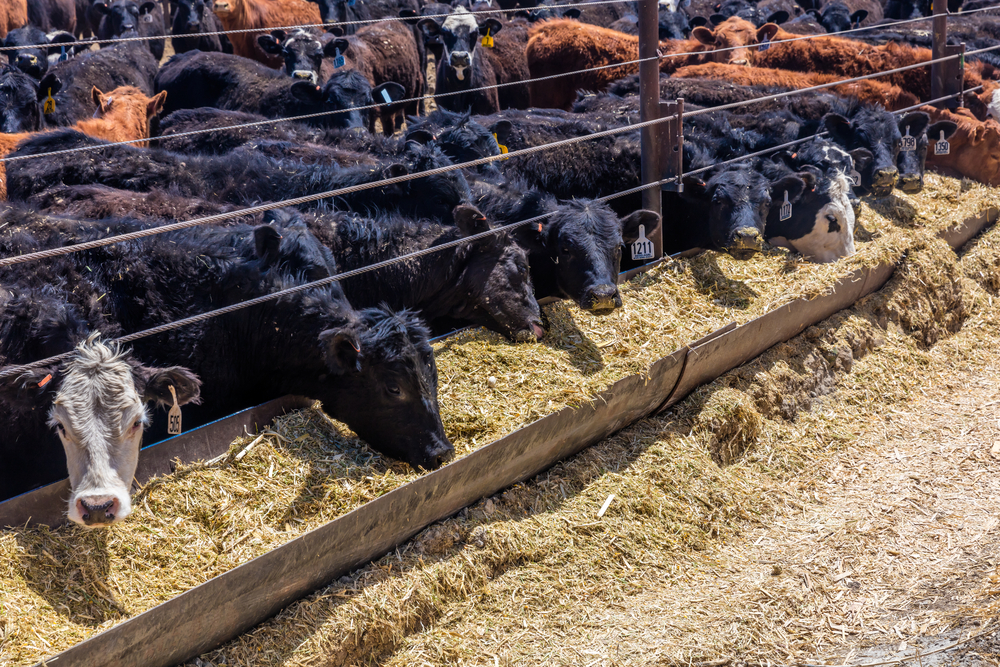
Cattle gather around the feed bunk, dust rising as feed hits the trough. It is a familiar sight for any producer, but what happens during that daily routine can carry the biggest impact. Hidden stressors, from transportation to temperature swings, can affect animal health, meat quality and a producer's bottom line, he added. Understanding what causes stress and how to manage it is the focus of new research at OSU, Dr. David Lalman said.


A team of OSU researchers is tackling the issue head-on through a four-year, $1 million project funded by the USDA Agriculture and Food Research Initiative. The multidisciplinary research effort uses artificial intelligence, sensor technology and producer perspectives to better understand how cattle respond to stress and what can be done to manage it. The project brings together animal and meat scientists, sociologists, engineers and computer scientists. Their goal is to identify cattle at risk of stress and develop practical tools producers can use to reduce its impact, said Ranjith Ramanathan, animal and food sciences professor.


One of the major challenges producers often face is unexplained losses during the finishing phase of production, Lalman said. "The industry has seen a gradual increase in unexplained death loss in finishing cattle," Lalman said. "Some believe this is related to how we have selected for faster and more efficient growth. This kind of growth requires so much energy that may come at the expense of immune function and overall resilience."

Checking the Markets...

The live cattle complex had a fruitful day where the contracts pressed onward and traded higher, but still, the live cattle contracts weren't confident enough to challenge the market's 100-day moving average. February live cattle closed $1.50 higher at $230.47, April live cattle closed $1.45 higher at $230.97 and June live cattle closed $1.62 higher at $225.80. 


Boxed beef prices closed lower: choice down $1.13 ($348.20) and select down $2.46 ($342.16) with a movement of 209 loads.


The feeder cattle complex traded higher throughout the day as the market was encouraged to see the live cattle contracts trading higher as well. January feeders closed $2.55 higher at $349.55, March feeders closed $2.90 higher at $344.57 and April feeders closed $3 higher at $343.42. 


Click here for our Markets Page on OklahomaFarmReport.Com- there you will find our latest reports on cattle auctions, boxed beef, cash grains and market analysis.


OKC West is our Market Links Sponsor- they sell cattle three days a week- Cows on Mondays, Stockers on Tuesday and Feeders on Wednesday- Call 405-262-8800 to learn more.

Our daily email is free because of our Sponsors!

OKAgCredit248x160.png
AMFeeds.png
okfb.png
GreatPlainsLogoFeb2025Update240.jpg
Oklahoma-Wheat-Commission_Logo_Vertical_Full-Color_Gray240b-e1736195614699.jpg
OklaBeefCouncil.png
NAT_Logo_BlackRed160.png
KIS-Logo240b.png
oca.png
Facebook

© 2025 Oklahoma Farm Report - All rights reserved


U.S. - Mexico Water Treaty Obligations and Negotiations

U.S. and Mexican officials are making progress on updating a 1944 water treaty that directly affects farmers and ranchers in Texas and the Southwest. Mexican leadership has taken early steps tied to the negotiations, including increasing water deliveries ahead of a final agreement. U.S. officials say those actions are encouraging and hope Mexico continues moving in that direction.

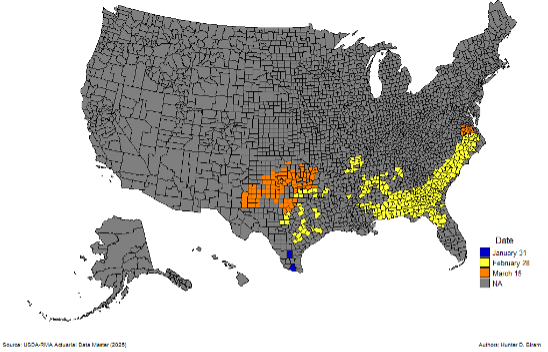
Luke Lindberg, U.S. Under Secretary for Trade and Foreign Agricultural Affairs, is among those leading the negotiations. He notes that talks have already resulted in Mexico releasing 202,000 acre-feet of water to the United States, with deliveries beginning in mid-December. This initial release is seen as an important signal of Mexico's willingness to address long-standing concerns tied to the treaty.

According to Lindberg, there are two main issues at stake. The first is securing a clear plan to ensure Mexico meets its future annual water obligations. Under the treaty, Mexico owes the U.S. about 350,000 acre-feet of water each year, deliveries that have fallen short in recent years. The recent water release is intended to serve as a starting point toward meeting those commitments, providing relief for farmers in Texas and the broader Southwest.

The second major focus is repayment of Mexico's outstanding water debt. Water obligations are measured in five-year cycles, and the most recent cycle ended earlier this year. U.S. officials expect a final commitment from Mexico by January 31 outlining how it will fully repay the remaining water debt and bring the account back into balance.

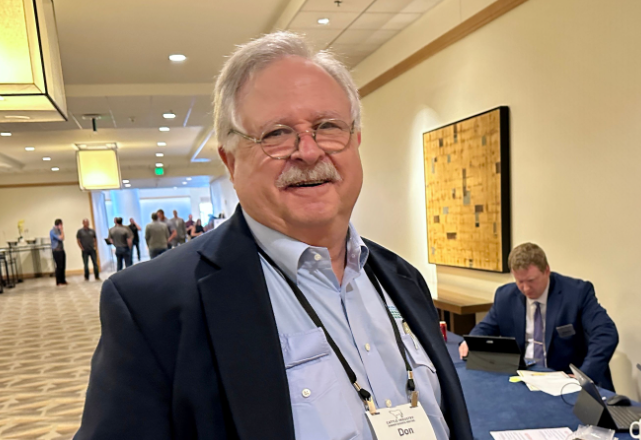
Don Close Says Consumer Demand Drove the Beef Market in 2025

In today’s Beef Buzz, senior farm and ranch broadcaster Ron Hays speaks with Don Close of Terrain about the defining forces that shaped the beef cattle industry in 2025. Close says the year began with a known constraint, noting the industry entered 2025 with “the tightest supplies we’ve worked with in better than 50 years,” but the biggest surprise turned out to be demand rather than supply.

Close explains that while factors like the Mexican border closure and tariff issues with Brazil mattered, they were secondary. “The big surprise was demand,” he said, emphasizing that consumer appetite for beef remained exceptionally strong throughout the year. That demand, he added, has stayed firm even as the industry moved toward the end of 2025.

According to Close, consumers have clearly bought into the higher-quality beef produced following the last drought-driven herd reduction. “I think the consumer buy-in is absolutely real and driven by the better quality product,” he said. He also pointed to an often-overlooked influence on demand — the growing use of GLP-1 drugs — explaining that when one adult in a household changes their diet, “they’re changing the diet for that whole household.”

Despite steadily rising retail prices, Close says consumers have not been scared away. “Yes, beef prices are strong,” he said, but added that buying power remains solid when prices are viewed in relation to wages and overall economic growth. While beef prices rose above historical benchmarks during 2025, Close noted that they are “still not out of the historical norm” when viewed in a broader economic context.

For cattle producers, Close described higher prices as “a godsend,” even as input costs have climbed. Many producers, however, remain cautious about expansion. He said the most common reasons include repairing balance sheets and lingering memories of costly replacement purchases in 2013 and 2014. Looking ahead, Close noted that packers have begun adjusting capacity late in 2025, which will reshape regional competition for cattle, but he expects “a keen level of competition for that available supply” to continue.

The Beef Buzz is a regular feature heard on radio stations around the region on the Radio Oklahoma Ag Network and is a regular audio feature found on this website as well. Click on the LISTEN BAR for today’s show and check out our archives for older Beef Buzz shows covering the gamut of the beef cattle industry today.

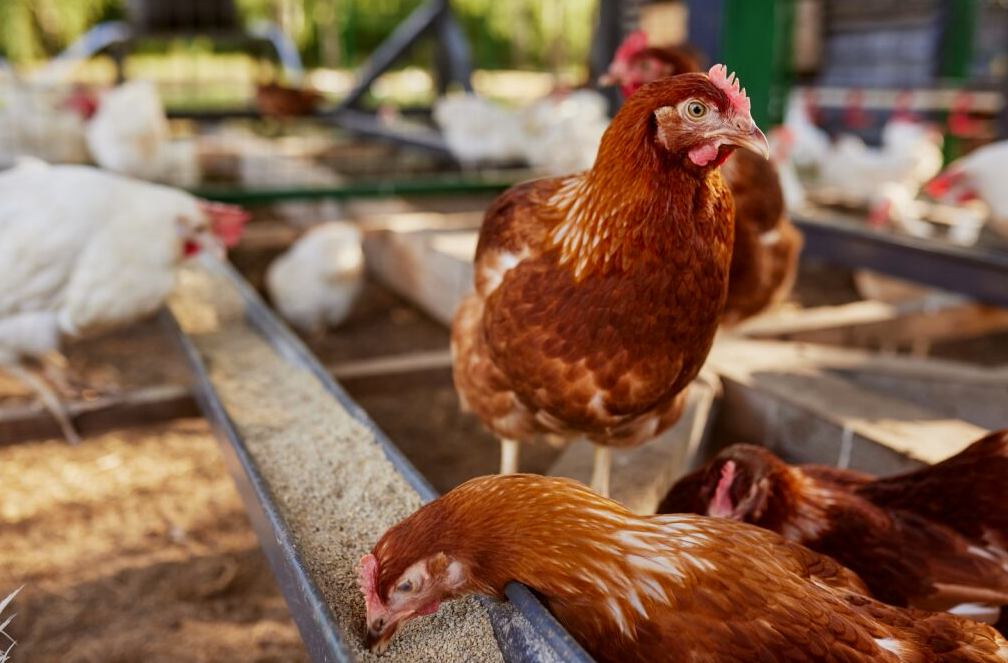
The Poultry Federation Issues Statement Supporting Motion for Stay in Illinois River Watershed Case

The Poultry Federation released the following statement by its President, Marvin Childers, regarding the poultry industry's motion for stay in the Illinois River Watershed case:

"The Poultry Federation supports efforts to grant a stay in this case, and we believe the poultry companies and family farmers imperiled by Oklahoma Attorney General Drummond's lawsuit will eventually be vindicated on appeal. The pressing question is how many family farmers, who have fully complied with state law, will be driven out of business before this flawed decision is corrected."

Poultry companies named in the lawsuit filed a motion for stay with the U.S. District Court for the Northern District of Oklahoma, along with a notice of appeal to the U.S. Court of Appeals for the Tenth Circuit, following Judge Gregory Frizzell's December 19 ruling in this long-running case.

The Poultry Federation agrees with the industry's warning that, "if a stay is not granted, both Defendants and many communities in and around the Illinois River Watershed will suffer immediate and irreparable harms." Those harms would be felt far beyond the courtroom.

As outlined in the filing, "Farmers and ranchers who rely on poultry litter as an organic fertilizer will be forced to find alternatives that are limited, costly, and likely to consist largely of manufactured chemical fertilizers containing phosphorus. Growers who rely on selling poultry litter will lose a critical source of income. Poultry companies who have partnered with small businesses for decades may be forced to relocate their operations, leaving barns empty." 

The court's decision would also place oversight in the hands of a court-appointed special master who will have sweeping authority, an unlimited budget and a 30-year term – replacing Oklahoma's accountable agricultural and environmental regulators.

As the industry notes, there is no immediate emergency that would justify this level of disruption during the appeal. The court has previously determined that poultry litter use in the watershed poses no risk to human health, and the case has been under consideration for more than 20 years. 

The poultry companies' motion for stay is now pending before the court. The Judge has set January 12, 2026, as the deadline for Attorney General Drummond to respond. 

OKFB supports poultry's industry request for stay in Oklahoma poultry litigation

Oklahoma Farm Bureau president Stacy Simunek issued the following statement after poultry companies named in the State of Oklahoma v. Tyson Foods, Inc., lawsuit requested a stay following the U.S. District Court for the Northern District of Oklahoma's judgment released December 19.

"Oklahoma Farm Bureau supports the poultry industry's motion for stay in the State of Oklahoma v. Tyson Foods, Inc., lawsuit, especially in light of the court's recent judgment that would irreparably harm Oklahoma poultry producers.

"Farm Bureau members maintain that family farmers will suffer the most under the court's settlement. These are family farmers who have done everything asked of them, followed their state-approved nutrient management plans and managed poultry litter to reduce phosphorous levels in the Illinois River.

"From limiting application of natural poultry litter as fertilizer with no scientific basis to appointing a judicially immune, court-appointed special master to oversee remediation with no stated goals, this court decision will harm Oklahoma farmers if a stay is not granted.

"We encourage all sides to continue to work out a solution that will allow family poultry producers, our rural communities and our fellow Oklahomans to enjoy clean water, safe and affordable food, and a vibrant future for our rural neighbors."

Geis Highlights Fall Weed Control, Disease Management, and Nitrogen Strategies

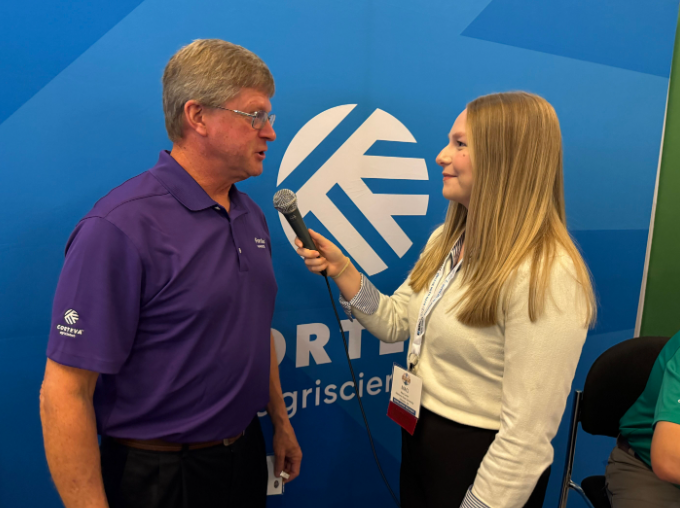
As growers turn the page on harvest and look ahead to the next production year, early planning is top of mind when it comes to crop protection decisions. Visiting with Oklahoma Farm Report's Maci Carter, Ron Geis of Corteva Agriscience stressed that the first 90 days after harvest are critical for setting a successful strategy. "Everything's fresh in mind," Geis said, explaining that farmers have just seen weed escapes, disease pressure, and problem spots across their fields. He added that this planning window also offers a financial advantage, noting, "You're going to get your best prices on your inputs if you buy them in December and January," making early decision-making key to both agronomic and economic success.

When it comes to evaluating whether a crop protection program worked, Geis said harvest-time observation is invaluable. "That's where that sitting in that seat of the combine or in the grain cart next to it, you can see what escaped," he explained. In southern growing regions, he highlighted winter annual weeds as a recurring challenge, noting these weeds germinate in the fall and return aggressively in spring. "If I put a contact herbicide on those weeds as they're moving nutrients down into the root, they're also taking herbicide down into the root," Geis said, calling fall herbicide applications a major advantage in controlling tough weeds before spring planting.

Geis outlined Corteva's approach to fall and spring weed control, pointing to products like Elevore for fall applications and strong residual programs in the spring. "The weeds don't know that you planted earlier," he said, explaining why residual herbicides must last longer as planting dates move up. In soybeans, he highlighted Kyber Pro, saying the combination of three active ingredients provides strong control on problem weeds like waterhemp and Palmer amaranth, delivering "six weeks, if not up to seven or eight weeks, of residual control."

Turning to disease management, Geis discussed Corteva's new fungicide, Forcibo, and its three modes of action. "Forcibo is new to us this year, and we have a great supply of it," he said. He explained that the strobilurin provides preventative and plant health benefits, the triazole cures existing disease, and the SDHI extends residual control and improves rust performance. "When you're in a heavy southern rust area, you best be looking at an SDHI year in and year out," Geis added, calling Southern rust an aggressive and costly disease.

Nitrogen management was another major focus, with Geis using a simple magnet analogy to explain nitrogen loss. "Your soil has a negative charge... two negatives repel each other, so it's unstable," he said, describing how nitrogen leaches or denitrifies without protection. Corteva's nitrogen stabilizers slow bacterial conversion, keeping nitrogen in a stable form. "The nice thing is, as corn starts to utilize nitrogen, it doesn't care if it takes up positive charged ammonia or negative charged nitrate," Geis explained, adding that keeping nitrogen in the ammonium form improves efficiency and keeps nutrients where roots can access them.

Looking ahead to the 2026 season, Geis stressed the importance of disciplined planning and return on investment. "Make a solid plan and follow your plan," he said, noting that success will come from bushels, not high commodity prices. He encouraged growers to stay proactive with scouting and to combine applications when possible. "If you build that into the plan, then you're ready to act on it," Geis said, concluding that planning for success — rather than reacting to problems — gives farmers the best chance to remain profitable in a challenging market environment.

Cow Calf Corner Paul Beck: Carbon Footprint of Beef and Beef × Dairy Steers Depends on Production System

Beef × dairy crossbred cattle are an important source of feeder cattle for the U.S. beef industry, but questions remain about how this system affects greenhouse gas emissions and the overall carbon footprint of beef production. Recent research by Matthew Beck and colleagues in the Journal of Animal Science (https://doi.org/10.1093/jas/skaf446) evaluated the carbon footprint of beef and beef × dairy steers grown under two common systems — yearling-fed , where calves are grown on pasture in a stocker program prior to finishing or calf-fed, where calves are placed on feed without a pre-finishing growing program.

 This study estimated greenhouse gas emissions during the growing and finishing phases of production using data from the OSU Klemme Range Research Station near Bessie, Oklahoma and Buffalo Feeders LLC, a commercial feedlot operations in Buffalo, Oklahoma.

 Results showed that yearling-fed steers which underwent a stocker phase on pasture had a higher carbon footprint than calf-fed steers. Yearling-fed steers had a greater carbon footprint than calf-fed steers (4.6% and 11.3% greater for the beef × dairy and 11.3% greater for beef yearlings compared with calf-feds). The increase was largely due to higher methane and nitrous oxide emissions associated with grazing systems.

 When only the growing and finishing phases were considered, beef × dairy crossbred steers also had a higher carbon footprint than beef steers. Compared with beef steers, beef × dairy steers produced 11.7% greater carbon footprint when calf-fed and 3.8% greater when yearling-fed. These differences reflect variations in intake, growth performance, and efficiency between cattle types.

 The current results support our hypothesis, that beef × dairy steers have a greater carbon footprint compared to beef steers when only GHG emissions from growing through slaughter are considered. When emissions from the dam are included, the conclusions change. Because the dairy cow's primary product is milk for human consumption, beef × dairy steer production systems are predicted to have a lower overall carbon footprint than beef steer production systems because only a portion of the dairy cow's lifetime emissions are assigned to beef production, while all emissions from a beef cow are attributed solely to beef.

 These findings highlight that production system and how emissions are accounted for  strongly influence sustainability conclusions. Future research that more completely accounts for dam emissions will be critical for accurately evaluating their environmental footprint.

 This work was supported in part by the intramural research program of the U.S. Department of Agriculture, National Institute of Food and Agriculture Critical Agricultural Research and Extension (CARES) Award No. 2022-68008-37102.

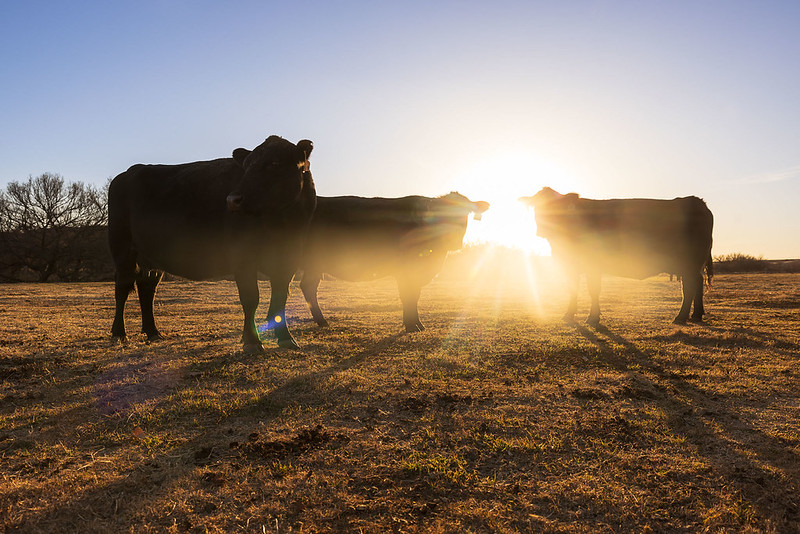
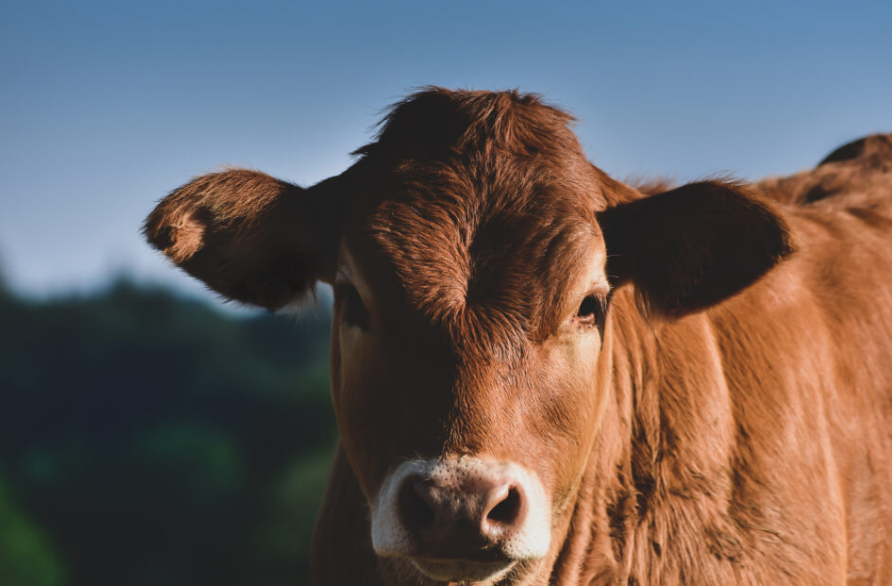
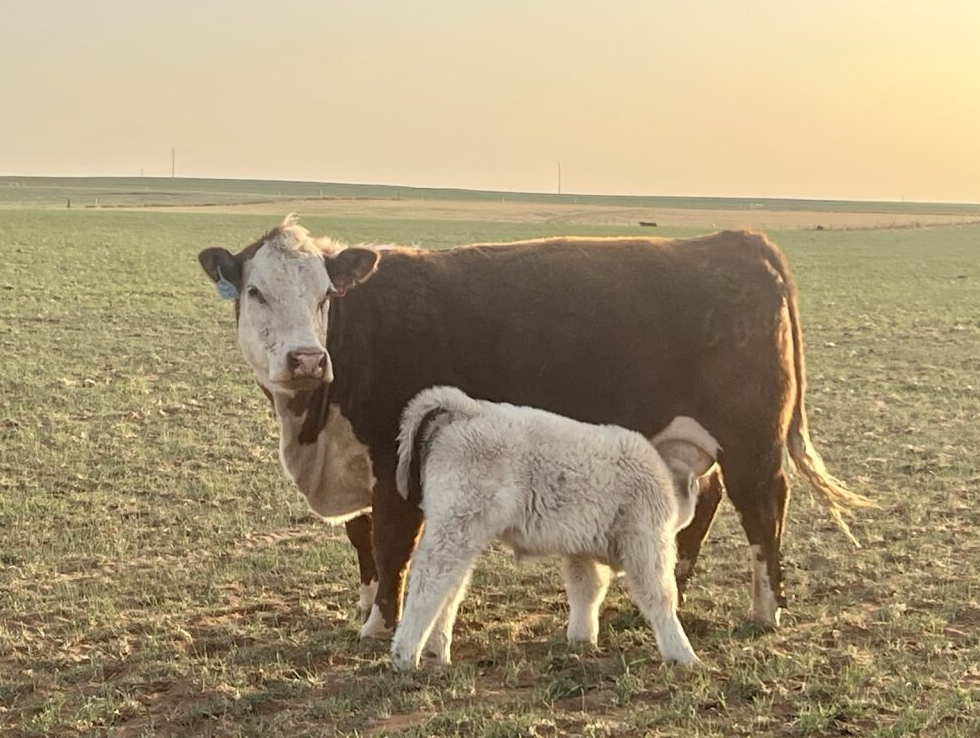
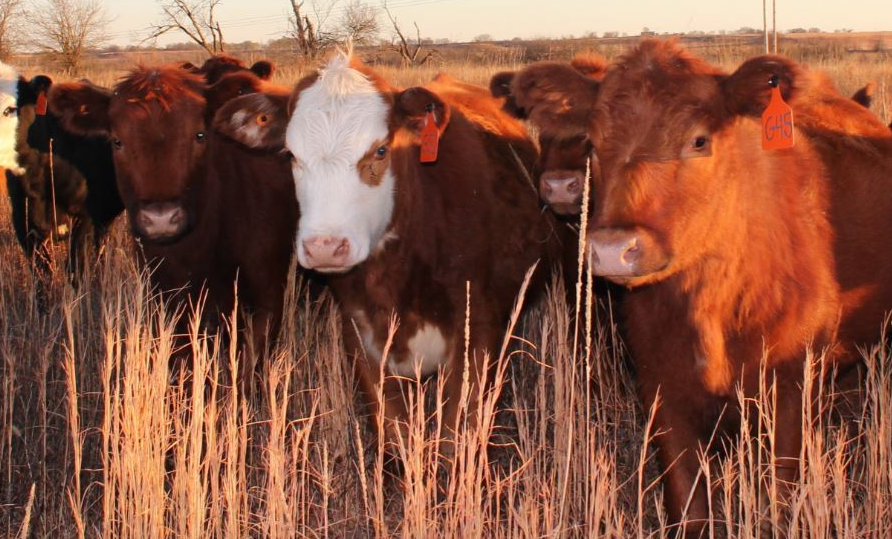
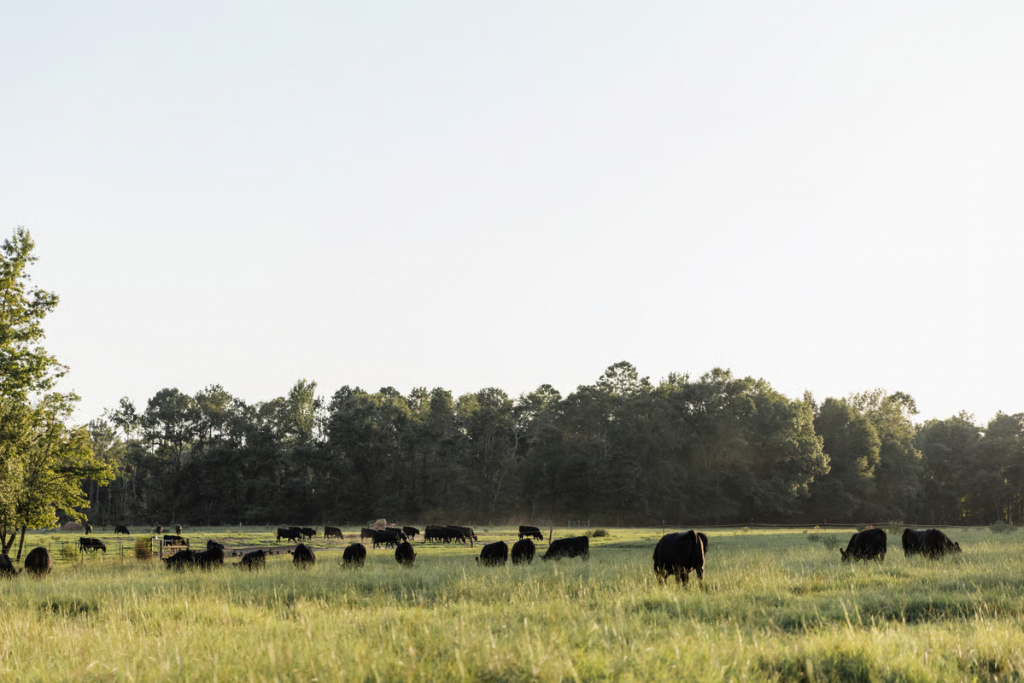
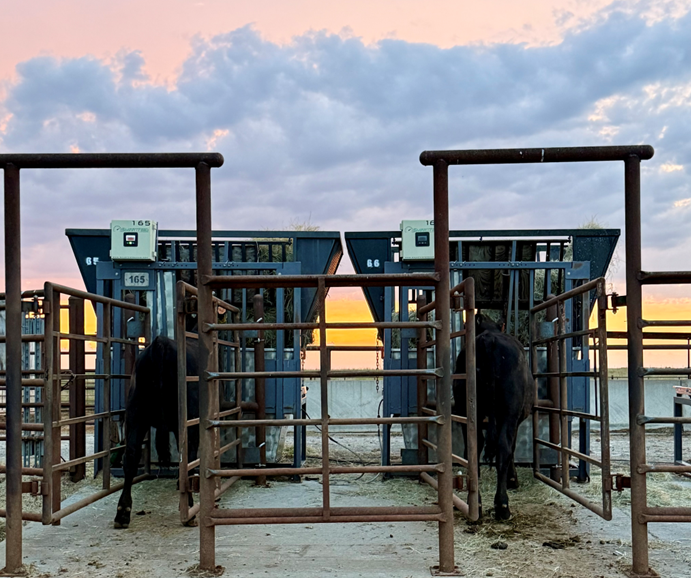
Cattle at Sunset

2025 in Review- A Six Pack of Stories Impacting Oklahoma Agriculture

Lots of stories were important to our farm and ranch community- but here are a half dozen stories that mattered to many in our region- they are in no particular order.

New World Screwworm in Mexico- Heading North

This story actually started in November of 2024, with the announcement by the Mexican government and the Tom Vilsack led USDA that New World Screwworm flies were active in southern Mexico. Secretary Vilsack passed the torch on the Screwworm to USDA Secretary Brooke Rollins in early 2025- and she offered mutliple updates during the year- including one in Yukon, Oklahoma when she offered a NWS update at Express Ranches.

Secretary Brooke Rollins in Yukon, Ok

In June, Secretary Rollins traveled to south Texas to announce USDA's five-pronged plan  to combat the northward spread of NWS from Mexico into the United States.

The reality of New World Screwworm as a major threat to the US Beef Cattle Industry came into sharper focus in July, when on the final day of the Summer Cattle Industry Business Meeting in San Diego, USDA announced the discovery of New World Screwworm in Veracruz, Mexico, just 370 miles south of the US- Mexico border.  Secretary Rollins, who had the previous month announced the re-opening of the US to Mexican Feeder Cattle, quickly closed trade down again.

In August, the Secretary joined with Texas Governor Abbott to meet with cattle and wildlife officials in Austin and announce updated details on the five point plan to aggressively push back on the pest. Secretary Rollins came to Yukon, Oklahoma this past week to provide an update to the plan unveiled in Austin just a few weeks earlier. Oklahoma Farm Report's KC Sheperd and Ron Hays were in attendance for that industry and media update.

Perhaps the scariest moment in 2025 for the NWS story same later in September when the "closest yet detection of New World screwworm in Mexico was reported. The Mexican government confirmed on September 21st that an infected heifer had been found in Sabinas Hidalgo, Nuevo Leon, just 70 miles south of Laredo, Texas. That's a dramatic jump from the previous margin of safety, which had been about 370 miles from the U.S. border. In response, Mexican officials activated emergency controls while the U.S. maintained the ban of imports of cattle, bison, and horses from Mexico. By Monday evening, U.S. Secretary of Agriculture Brooke Rollins announced on social media that USDA teams were already "boots on the ground" in Nuevo Leon, inspecting traps and releasing sterile flies to combat the pest. Industry leaders have praised the quick action, though they remain concerned. Colin Woodall, CEO of the National Cattlemen's Beef Association (NCBA), acknowledged producers are worried but said he is hopeful: "Even though the fly is closer, we should not take our eye off the ball to make sure that the Mexican government is doing everything possible to be a good neighbor."

Later cases in 2025 were further away from the US border- but the US Government has kept the border with Mexico closed for cattle imports into the US- and money has been found to start building a sterile fly facility in southern Texas. This story will continue to capture the industry's attention in the new year.

*********************************************************************************

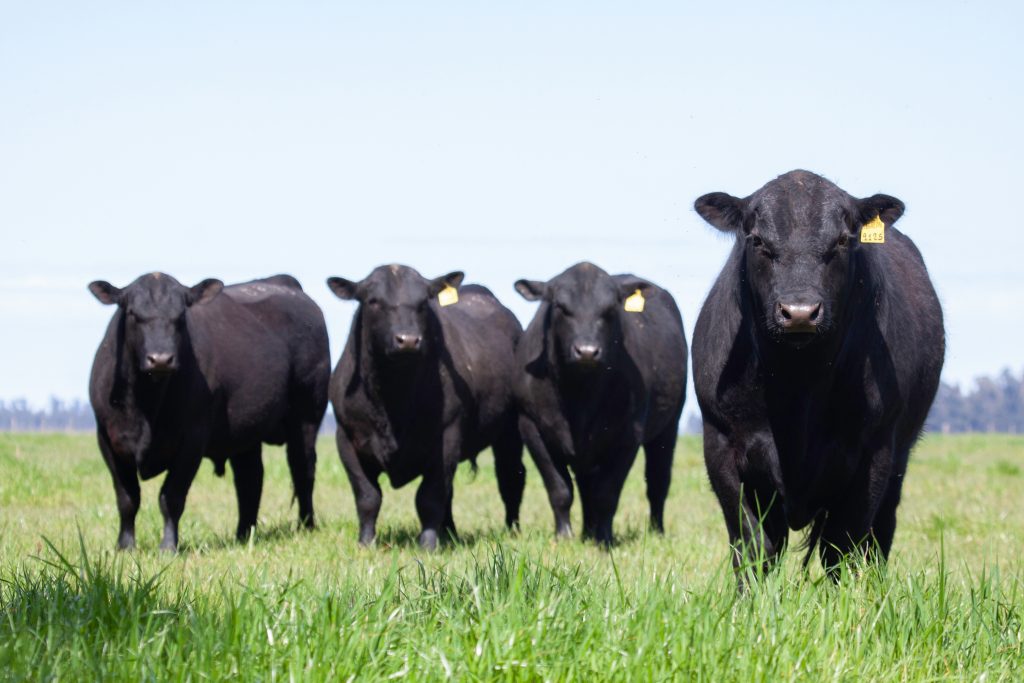
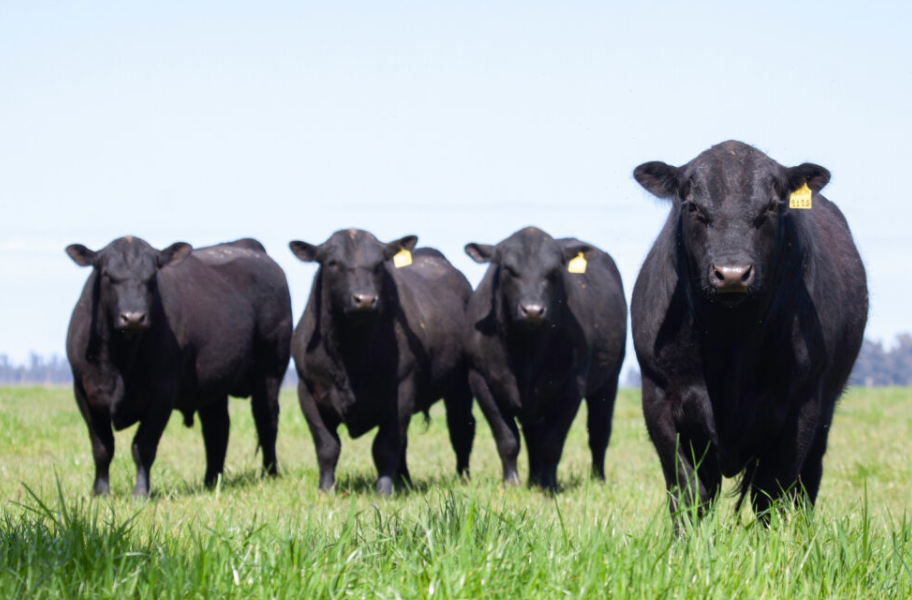
Cattle Prices Made History in 2025

Cattle in Pasture

This was another one of those year long stories- as we talked high prices all twelve months of 2025-

In January- KC Sheperd talked with Bob Rodenberger, a Stockman Oklahoma Livestock Marketing partner, who told her the sale in Apache ran 1,700 head with a strong market this week. "Fat cattle continue to sell at record highs on average," Rodenberger said. "Last week, the weighted average on fat cattle was $2.02, and this week it was $2.08. There are instances up north where they sell fat cattle for $2.14 to $2.16. We are at another level than we were back in 2014 – '15 which I swore that I wouldn't live long enough to see the market that good again, but here we are."

As we hit June- the markets were wild- we caught up with Cassie Fish of the Beef Read- ""Monumental" was the name of the latest issue of The Beef, a daily market column written by Cassandra Fish, a beef industry expert with Consolidated Beef Producers. Her column is read and relied on by thousands of industry professionals in more than thirty countries.

"We've never seen the cash fed cattle market rally this much," Fish said. "We must be about up to about $30 per hundred weight depending on what market you use." She recalled the $208 low in mid-April and compared it to where the markets stood at the time she talked to Hays: $232 in Kansas and Texas, and up to $244 in Western Nebraska. "That is an additional $7 to $10 higher, depending on whether you are going off the top or the average of last week. It's hard to keep track of it all."

Fast forward to August and our visit with Dr. Randy Blach of Cattlefax- At the Cattle Industry Summer Business Meeting in San Diego, Randy Blach of CattleFax shared some big-picture insights, starting with a bold statement: "Best beef demand in 40 years." He said it's impressive that, even with per capita supply up by a pound or more and prices at record highs, "the consumer hasn't said 'uncle.'" Blach credited this strong demand as a major win for the beef industry in 2024. He also noted that the current consumer loyalty is a testament to beef's value in the marketplace, even amid economic pressures.

A frequent guest on our daily Beef Buzz report is Dr. Derrell Peel In September- Peel spoke of the tightness of cattle supplies- "Cattle markets remain exceptionally strong, fueled by supply shortages and shifting marketing decisions. As Dr. Derrell Peel explained, "this is all about tight cattle supplies."

October is when we had President Trump weighing in on cattle prices and they tumbled- one story which captured some of that drama featured industry consultant Nevil Speer who talked with us about President Donald Trump's recent comments about beef prices, which sparked strong reactions across the cattle industry. Trump claimed that cattle ranchers were only "doing so well because I put tariffs on cattle coming into the United States," and suggested beef prices were "a little bit too high." Dr. Speer acknowledged the complexity of the issue, noting that Trump's statement raises a basic but critical question: "The first thing I would want to ask him is, what does that even mean? Is the retail price too high by 10 cents, 20 cents, 30 cents?"

Speer argued that the notion of a "just right" beef price is misguided and dangerous when dictated by government officials. "There's this implication that there is some price that is just right," he said. "And then that ultimately leads to the question, who decides that? He warned that "this great economic principle of the knowledge problem," emphasizing that "we never have enough knowledge to ultimately decide those things," which leads to "all kinds of unintended consequences."

Cattle Prices have rebounded at the end of the year- and 2026 is set to establish new records in the cattle and beef markets.

*******************************************************************************

One Big Beautiful Bill- A Big Deal for Farmers and Ranchers

The One Big Beautiful Bill (or OB3 for short) delivered tax savings and a new enhanced Federal Farm Safety Net- the President signed the bill on the Fourth of July and his Secretary of Ag Brooke Rollins praised the bill: "The One Big Beautiful Bill marks the start of a new golden age for America and American agriculture. This historic piece of legislation makes permanent the largest tax cuts in history.

"It provides immediate tax relief to farmers, ranchers, and rural Americans by increasing the small business expensing threshold and permanently extending the Small Business Deduction. Through the President's leadership, the bill Makes Agriculture Great Again, bolsters the farm safety net, makes crop insurance more affordable, and protects two million family farms from the death tax.

"It puts American Farmers First by preventing countries such as China and Brazil from flooding our markets with biofuel feedstocks that compete with American grown soy, milo, and corn. It extends the 45Z clean fuel tax credit to enhance our domestic energy security.

"While expanding programs to support the farmers who feed, fuel, and clothe America, this legislation also tackles the fraud and waste that has run rampant in the Supplemental Nutrition Assistance Program (SNAP). The bill holds states accountable for their error rates, strengthens work requirements, and prevents illegal aliens from receiving SNAP.

An additional deep dive into the bill was provided to our farmers and ranchers via a conversation that Carli Devenport had with Dr. Amy Hagerman of OSU- check it out here.

******************************************************************************

OSU Getting a State of the Art Veterinary Teaching Hospital Facility

In the spring of 2025- there was a major victory at the Oklahoma State Capitol for livestock producers wanting a reliable source of Veterinarians as the Legislature delivered on a major ask by Oklahoma State University- Oklahoma State University has received a historic $250 million state funding appropriation to support the construction of a new, state-of-the-art veterinary teaching hospital.

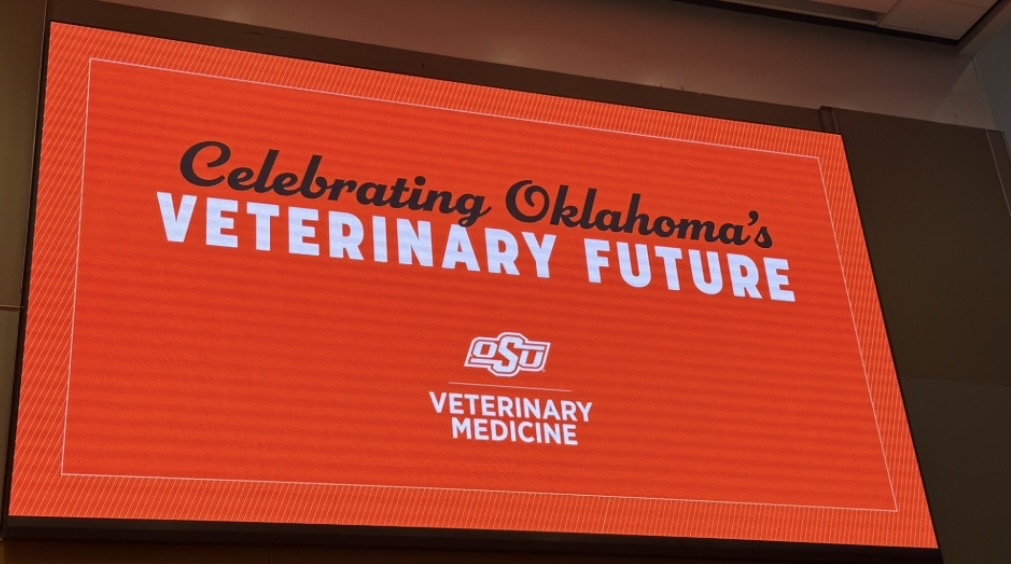
OSU Celebration for New Vet Facility

This critical investment — the largest state appropriation in university history — combined with $78 million allocated in 2023, marks a significant step forward in advancing the future of veterinary education, food security and public health in Oklahoma. The new 255,000-square-foot facility will replace the existing 145,376-square-foot veterinary hospital, which was built to serve 60 students but now supports more than 150. With this expansion, OSU will address one of the most urgent infrastructure needs in its veterinary program while expanding its ability to train the next generation of veterinarians.

Later in the summer- our KC Sheperd was at a special celebration on the OSU campus to highlight the $250 million dollar appropriation- she talked with Steve Thompson- "It is a great day in Stillwater," Thompson said, reflecting on the journey. He explained that the project became a top priority for the Board of Regents last summer, with leaders working closely with OSU President Dr. Jim Hess and the Vet Med Authority Board. The effort involved hosting legislators on campus and a "full court press the entire spring at the state capitol" to secure the necessary funding. 

**************************************************************************

Twenty Year Old Poultry Lawsuit Comes Back to Life- and the Judge Rules at Year End

This is another January to December story- with the US District Judge Gregory Frizzell dusting off the twenty year old poultry lawsuit that was pushed by former Attorney General Drew Edmondson- he announced his initial findings almost twelve months ago- and Oklahoma Farm Bureau was not happy- "Oklahoma's largest general farm organization, Oklahoma Farm Bureau, is expressing disappointment on a ruling by Federal Judge Frizzell from a case brought by former Oklahoma Attorney General Drew Edmondson in 2005 against multiple poultry companies.  "Oklahoma Farm Bureau members are disappointed with the conclusion reached by the U.S. District Court for the Northern District of Oklahoma today finding in favor of the state of Oklahoma and holding poultry companies liable for high phosphorous levels causing pollution in the Illinois River Watershed.

Fast forward to June- and we reported "A federal district judge ruled that the State of Oklahoma has sufficiently proven there has not been any substantive change in poultry litter pollution of the Illinois River Watershed (IRW) following trial. The ruling by Oklahoma Northern District Judge Gregory Frizzell included the finding that phosphorus from poultry waste continues to be a significant source of damage to the waters of the IRW and Lake Tenkiller."

In the months following- the comments from Attorney General Drummond and Governor Stitt were frequent and harsh- Drummond calling the Governor a supporter of the Poultry companies and the Governor saying the AG and the Judge needed to come to their senses and dismiss the entire case. We talked to Governor Stitt mid December and you can hear his arguments by clicking here.

Just days later- the Federal Judge offered his final ruling- wanting to impose penalties on the companies and mandating a huge extra level of government oversight to lower phosphorus levels in the Illinois River Watershed. As we end the year- we wait to see if appeals will be filed by the poultry companies.

**********************************************************************

Oklahoma FFA Shines in Indianapolis

Finally- a story that makes all of Oklahoma very proud- the achievements of two young men that represented Oklahoma at the 98th National FFA Convention in Indianapolis in October.

For the tenth time in the history of the FFA and the Future Farmers of America- an Oklahoma member has claimed the title of American Star Farmer- the oldest and original Star award. Ryder Klaassen of Hydro-Eakly heard his name called on stage in Lucas Oil Stadium Friday night as he was named the Star Farmer of America for 2025.

Ryder Klassen

Klaassen's SAE includes producing wheat, black-eyed peas, mungbeans, cotton, corn, and a beef cattle operation consisting of cow/calf, stocker, and show cattle programs. He farms 420 rented acres in a wheat-summer crop rotation, strategically choosing legumes like black-eyed peas and mungbeans to improve soil health, shorten the growing season, and provide winter pasture for his cattle. Klaassen has transitioned from relying on his parents' advice to independently managing all production, marketing, and financial decisions, including securing specialty crop contracts with companies like Del Monte and international buyers. 

During the final session on Saturday November first- Trey Myers of the Perkins- Tryon FFA chapter in central Oklahoma heard his name called to serve for the coming twelve months as the President of the FFA.

National FFA President Trey Myers

Myers is the ninth National President of the FFA that hails from Oklahoma in the almost 100 years of the National organization- the most recent one before Myers being Riley Pagett of Woodward in 2010-11. Myers now steps into the role of representing nearly one million American youth members, a transition he describes as humbling and intensely focused on the organization's foundational value of service.

Secretary Rollins Announces New Priorities for Research and Development in 2026

 Today, U.S. Secretary of Agriculture Brooke L. Rollins, signed a Secretary's Memorandum (PDF, 135 KB) that puts forth a focused effort to establish new priorities for future research and development activities funded by the U.S. Department of Agriculture (USDA) to strengthen U.S. Agriculture for farmers and consumers.

The American farm economy suffered under failed Biden-Harris Administration policies that drove up inflation, created a weak trade agenda that resulted in no new trade deals for American commodities, and propagated crippling overregulation. Further, misguided policies focused on DEI and environmental justice in agricultural research, extension, and education programs diverted resources away from solving actual programs that American farmers and ranchers are facing.

Since January, the Trump Administration has been working nonstop to strengthen the farm safety net, create new export opportunities for American commodities, lower the cost of critical agricultural inputs, and root out DEI from all USDA programs. However, strategic investments in agricultural research and development will help American farmers and ranchers increase profitability while continuing to provide consumers with the safest, most abundant, and most affordable food and fiber supply in the world for decades to come.

"When he created the People's Department and the land-grant university system in 1862, President Lincoln had a vision for American agriculture rooted in agricultural innovation and education. Since that time, research coming from USDA and our colleges of agriculture have successfully helped American farmers and ranchers address countless challenges," said Secretary Brooke Rollins. "The priorities we are announcing today further reiterates President Trump's commitment to put Farmers First and provides our agricultural researchers with a strategic roadmap to help keep our producers at the forefront of productivity."

New Research and Development Priorities:

Moving forward, new research and development activities funded by USDA will be focused on projects that address one or more of the following priorities that put Farmers First:

  1. Increasing Profitability of Farmers and Ranchers: While research to increase productivity has allowed American farmers and ranchers to provide the safest, most abundant, and most affordable food and fiber supply, the volatility in profitability of American agriculture leads to significant uncertainty for producers. Research and development that results in increased profitability—such as reducing inputs or increasing mechanization and automation—will benefit American farmers and ranchers.
  2. Expanding Markets and Creating New Uses of U.S. Agricultural Products: With many producers experiencing record yields this growing season, it is more important than ever to ensure USDA is expanding markets and creating new uses for these American-grown commodities. Research and development that seeks to open new markets—such as generating science and data to resolve longstanding sanitary and phytosanitary trade barriers—or expand the utilization of these commodities in novel biobased products and bioenergy (including biofuels) will result in increased demand.
  3. Protecting the Integrity of American Agriculture from Invasive Species: The resurgence of New World Screwworm in Mexico, continued westward expansion of the Spotted Lanternfly, persistence of Highly Pathogenic Avian Influenza in poultry flocks, and decimation of our domestic citrus industry due to citrus greening are just a few examples of how invasive pests and diseases threaten American agriculture and natural resources. Research and development focused on new and effective methods for preventing, detecting, controlling, and eradicating these threats is a top priority for USDA and the security of U.S. agriculture.
  4. Promoting Soil Health to Regenerate Long-Term Productivity of Land: American farmers and ranchers are the original conservationists as no one stewards their land more than those whose entire livelihood, and that of their successive generations, depend on it. Research and development that promotes soil health practices, increases water-use efficiency, and reduces inputs will ensure farms and ranches remain productive for generations to come.
  5. Improving Human Health through Precision Nutrition and Food Quality: Substantial and increasingly robust evidence shows that a healthy diet can help people achieve and maintain good health and reduce the risk of chronic diseases throughout all stages of life. Rigorous research on precision nutrition is needed to better understand how healthy dietary patterns impact people at the individual level with the goal of more targeted nutritional recommendations to encourage healthy choices, healthy outcomes, and healthy families. Additionally, research and development on increasing the nutritional content and quality of foods will lead to increased demand for American agricultural products.

USDA Advances Farm Security Action Plan to Protect U.S. Farmland and Federal Programs from Foreign Adversaries

 As committed to under USDA's National Farm Security Action Plan (PDF, 1.2 MB) U.S. Secretary of Agriculture Brooke L. Rollins today announced a number of coordinated actions to continue to emphasize American agricultural research and innovation by ensuring ideas stay in America or among our allies, not with hostile nations and that we are putting American farmers and ranchers first in every USDA program, period.

These historic actions strengthen transparency around foreign ownership of U.S. agricultural land and ensure federal programs and purchasing preferences do not support supply chains controlled by foreign adversaries. The actions include opening up an Advanced Notice of Proposed Rulemaking (ANPRM) on the Agricultural Foreign Investment Disclosure Act (AFIDA) to allow the public an opportunity to comment as USDA moves to improve the regulation and strengthening the implementation of USDA's BioPreferred Program to ensure federal programs and purchasing preferences prioritize American producers and manufacturers and rid out foreign adversaries.

"Strengthening national security starts with knowing who owns our farmland and where federal dollars are flowing," said Secretary Rollins. "These actions close long-standing gaps in oversight and enforcement by improving transparency around foreign land ownership and ensuring USDA programs support American farmers and manufacturers, while prioritizing domestic supply chains – not foreign adversaries."

AFIDA Modernization

AFIDA requires foreign investors who acquire, transfer, or hold an interest in U.S. agricultural land to report such holdings and transactions to the U.S. Department of Agriculture (USDA). USDA's National Farm Security Action Plan (PDF, 1.2 MB) calls for aggressive implementation of reforms to the AFIDA process including improved verification and monitoring of collected AFIDA data.

USDA seeks input on potential regulatory or other changes that may improve the efficiency and effectiveness of its AFIDA reporting and filing requirements which will result in improved tracking of foreign adversary agricultural land purchases to the public and will further enhance USDA's Memorandum of Understanding (MOU) (PDF, 164 KB) with Treasury which memorializes cooperation on CFIUS (Committee on Foreign Investment in the United States) cases involving the transfer of agricultural land.

Foreign adversary linked entities currently control at least 277,000 acres of agricultural land in the United States. Each acre represents a threat to our food supply chains, a vector for agroterrorism, and a potential platform for surveillance and sabotage of our military bases and critical infrastructure.

BioPreferred Program Updates

USDA will advance the Administration's efforts to end market-distorting subsidies for unreliable, foreign-controlled energy sources and strengthen domestic supply chains by updating the BioPreferred and Guaranteed Lending Programs, consistent with USDA's National Farm Security Action Plan, to protect the integrity of federal purchasing and ensure American producers come first.

The BioPreferred Program supports domestic manufacturing, increases the purchase and use of U.S. biobased products to spur economic development, create new jobs and open new domestic markets for crops grown by American farmers and producers. Moving forward and effective immediately entities and products from foreign adversary countries are no longer eligible for the BioPreferred Program or USDA guaranteed lending programs. Current participants must comply with audits or risk removal.

The USDA BioPreferred Program is currently funded through September 30, 2026.

Taken together, these actions reiterate USDA's historic commitment to American agriculture as a key element of our nation's national security, addressing urgent threats from foreign adversaries and strengthening the resilience of our nation's food and agricultural systems.

Daily Email for December 30, 2025


Oklahoma's Latest Farm

and Ranch News

Tuesday, December 30, 2025


Howdy Neighbors!

Dr. Derrell Peel: Cattle Prices: A Look Back...and a Look Ahead

OSU's Dr. Derrell Peel offers an analysis of where the cattle has been in 2025- and where it may be going in the new year. "Cattle prices advanced for a third consecutive year in 2025. Prices for all classes of cattle moved higher, setting frequent records for most of the first three quarters of the year before experiencing a sharp correction in the fourth quarter. Cattle prices recovered in December to end the year and set the stage for markets in 2026.


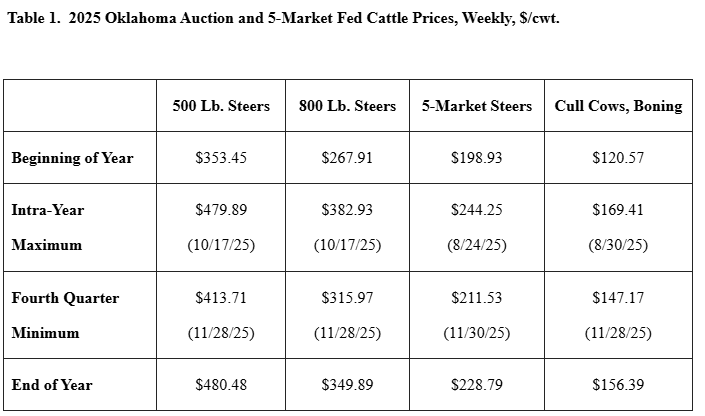
"Oklahoma auction prices for 500-pound steer calves picked up from year-end highs in 2024 and increased even more sharply in 2025. Prices started the year at $353.45/cwt. and ended at $480.48/cwt., a 35.9 percent increase for the year. By the end of December, these calf prices had fully recovered from the fourth quarter correction, when prices that were at $479.89/cwt. by mid-October dropped to $413.71/cwt. at the end of November, a 13.7 percent drop, before recovering to a new high in December. 


"Prices for 800-pound feeder steers at Oklahoma auctions began 2025 at $267.91/cwt. and ended with a December price of $349.89/cwt., a net increase of 30.6 percent for the year. Feeder prices peaked earlier in mid-October at $382.93/cwt., dropping to a late November low of $315.97/cwt. before partially recovering in December. The correction from October through November was 17.5 percent and the recovery in December left prices down 8.6 percent from the October high."   

John Deere's See & Spray Cuts Herbicide Use in Half

Farmers are rapidly adopting camera-based targeted spraying, and John Deere's See & Spray technology saw another major year of growth in 2025. Josh Ladd explained to Oklahoma Farm Reports Maci Carter that the system expanded across North America with "over 1,000 See & Spray machines" in operation and more than "5 million acres covered," which he noted is "larger than the state of New Jersey."


Despite a wet spring that elevated weed pressure, Ladd said farmers still achieved "nearly 50%" herbicide savings—equal to "about 30 million gallons of herbicide mix that weren't sprayed this year." Ladd emphasized that the savings are only part of the value. He said many progressive growers use See & Spray's reduced input costs to "reinvest that into the program to help with a better job of managing weed resistance or getting after our seed bank."


Even more exciting, he said, is the technology's emerging yield impact: "We consistently saw... an average bushel increase at harvest of two bushels an acre, all the way up to 4.8 bushels an acre on soybeans." He explained that limiting unnecessary crop exposure to herbicides is now delivering tangible yield gains "in real time this year."

Historic Cattle Prices Highlight Auction Markets

Senior farm and ranch broadcaster Ron Hays speaks with Jara Settles, general counsel and vice president of risk mitigation for the Livestock Marketing Association, who reflects on a historic year for cattle markets and the critical role auction barns continue to play in the industry. Settles says 2025 will be remembered for record-setting prices, calling them "unprecedented," and notes that while recent volatility has been uncomfortable, the broader livestock sector remains strong.


Settles explains that auction markets have benefited from these high prices, even as producers and buyers hope for more stability. "It's a good time to be selling livestock," she said, adding that a calmer market would help everyone make "a little bit more solid plans." Still, she emphasized that auction market owners are well positioned in the current environment, serving as a vital link between buyers and sellers during an unusual and fast-moving market cycle.


A major strength of auction barns, according to Settles, is their unmatched role in price discovery, especially when futures markets swing on sentiment. "The cash market, people still hauling livestock into a fixed facility auction... is still extremely strong," she said. Settles stressed that competitive bidding provides "that access to liquidity, that access to cash, and the true ability to figure out what stuff is truly worth when we sit down and let people bid against each other."

Oklahoma Farm Bureau works to improve the lives of all Oklahomans by supporting our state's agriculture community. As Oklahoma's largest general farm organization led by Oklahoma farmers and ranchers, OKFB takes grassroots values and advocates for agriculture at the state Capitol and in Washington, D.C., to ensure our way of life continues for generations to come. Farm Bureau hosts leadership events, supports our state's agricultural youth and connects consumers with agriculture in order to build a brighter future for our state. Become an OKFB member today online at okfarmbureau.org/join. Together, we are rural Oklahoma.

Oklahoma AgCredit supports rural Oklahoma with reliable and consistent credit, today and tomorrow. We offer loans for land, livestock, equipment, operating costs and country homes (NMLSR #809962) to farmers, ranchers and rural businesses across 60 counties. As a cooperative, we are owned by the members we serve. Through our Patronage Program, we have returned more than $74 million to our members since 1997.


For more information on our services or to find a location near you, visit our website here.


Secretary Rollins & Congressional Ag Leaders to Speak at AFBF Convention

U.S. Secretary of Agriculture Brooke Rollins and the chairs and ranking members of the House and Senate Agriculture committees will all be featured speakers at the American Farm Bureau Convention, being held January 9-14 in Anaheim, Ca.


Secretary Rollins, who has led USDA through a pivotal first year of the Trump administration focused on the agriculture economy, trade and reducing costs for farmers, will speak about the challenges and opportunities ahead for American agriculture during the closing general session on Monday, Jan. 12. Tim Tebow was announced in June as a closing general session speaker – a two-time national champion, Heisman Trophy winner, College Football Hall of Fame inductee, and five-time New York Times best-selling author.


The chair of the U.S. Senate Committee on Agriculture, Nutrition, and Forestry, Sen. John Boozman (R-Ark.), and Ranking Member Sen. Amy Klobuchar (D-Minn.) will be joined by the chair of the U.S. House Committee on Agriculture, Rep. Glenn "GT" Thompson (R-Pa.), and Ranking Member Rep. Angie Craig (D-Minn.) on a panel to discuss their vision for the future of U.S. agriculture and their plans for 2026. The congressional panel will take place during the mid-general session on Sunday, Jan. 11.

Cody Hornaday: Key Agronomic Lessons from the 2025 Crop Season

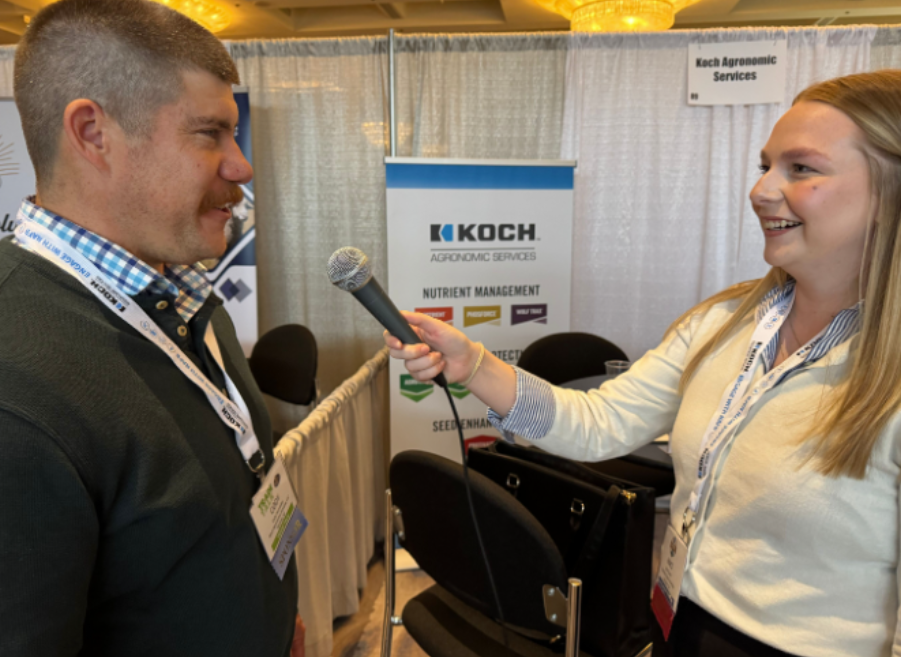
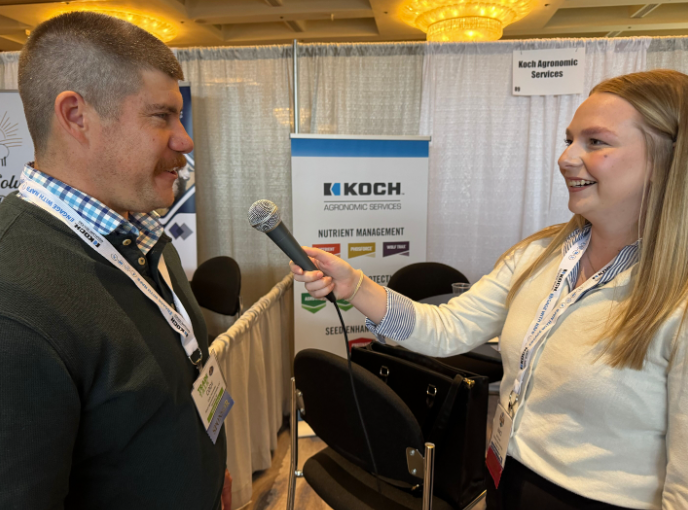
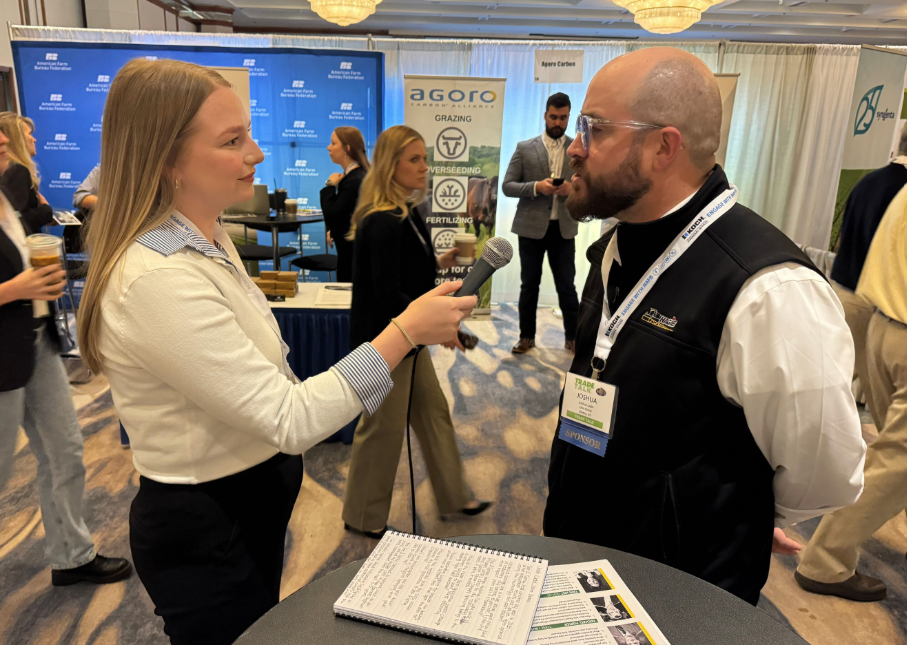
As the 2025 crop season wrapped up, Cody Hornaday of Koch Agronomic Services spoke with Maci Carter and said that weather-driven variability created major agronomic challenges, especially around nitrogen management. Looking back on the year, Hornaday emphasized that "Mother Nature was a key player as always," noting that both above- and below-ground nitrogen losses were widespread.


He explained that "there were some serious opportunities for loss in the 2025 season," including volatilization, leaching, and denitrification, making nitrogen management a central lesson from the year. Hornaday said those losses played out differently depending on regional conditions. In areas that received excessive rainfall, he pointed to below-ground issues, explaining that "lots of water...[made] that below ground loss being a real problem, whether...that's leaching or denitrification."


Meanwhile, drier regions faced increased risk of volatilization, particularly with surface-applied urea. According to Hornaday, "all of the above were problems, depending on where you were," reinforcing the need for region-specific fertility strategies. In response, Hornaday noted strong adoption of nitrogen efficiency products in 2025, especially as growers began preparing for tighter margins in 2026. He said nitrogen stabilizers were key, but also urged producers not to overlook micronutrients when trimming costs.

Nationwide CSP, EQIP application deadline set for Jan. 15

Farmers and ranchers interested in signing up for the Conservation Stewardship Program (CSP) and Environmental Quality Incentives Program (EQIP) have until Jan. 15 to submit initial paperwork. Although the U.S. Department of Agriculture's Natural Resources Conservation Service (NRCS) programs allow for continuous sign-up, the agency is implementing this national batching period to ensure producers have access to funding and support following the government shutdown.


Administered by NRCS, CSP and EQIP provide financial and technical assistance for producers implementing conservation practices while maintaining agricultural production.


"CSP and EQIP are voluntary programs designed to help producers meet their conservation goals while maintaining their bottom lines," said Andrew Tonnies, policy associate with the Center for Rural Affairs. "The financial support provided through these programs is especially important given the tight profit margins producers are facing."

Congressman Josh Brecheen's 2025 Highlights

As we reach the conclusion of Congressman Brecheen's third year in office, here's a recap of the top highlights from the year.


Top Bills Introduced: Healthy SNAP Act of 2025 — this legislation would exclude certain junk foods from being purchased with SNAP benefits. USA First Act — this legislation would transfer any unobligated funds previously appropriated to USAID to the Disaster Relief Fund under FEMA. DRIVE Act — this legislation would prohibit the Federal Motor Carrier Safety Administration (FMCSA) from mandating speed limiters on vehicles with a Gross Vehicle Weight Rating (GVWR) above 26,000 pounds. Energy Freedom Act — this legislation would repeal the more than 20 green energy tax subsidies created or expanded by the Biden Administration's Inflation Reduction Act.


Top Oversight Activity: Congressman Brecheen led 134 Republican Members of Congress in a public commitment to monitoring the treatment of religious and ethnic minorities in Syria, ensuring that the sanction repeal conditions found in the NDAA are upheld. Fox News wrote an exclusive on the statement. A copy of the full statement is available here.

Britt Hicks: December Beef Cattle Research Update

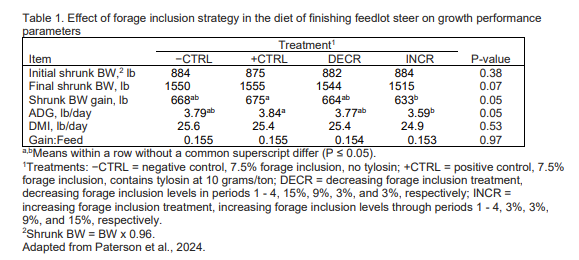
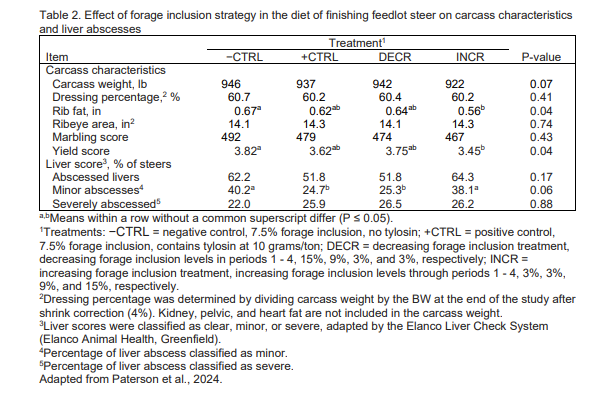
The average incidence of liver abscesses within beef cattle feedlots ranges from 12 to 32%; but can be as high as 95%.3 Liver abscesses in feedlot cattle are a cause of decreased performance and reduced carcass value which have been estimated to decrease returns by $20 to $80 per animal. Feeding greater levels of roughages in finishing diets can decrease the incidence of liver abscesses. However, daily gains and feed efficiency are also reduced.


Tylosin phosphate (Tylan, Elanco Animal Health) is an antibiotic that is commonly fed to feedlot cattle to decrease the incidence of liver abscesses. However, general concern that in-feed application of medically important antimicrobials increase antimicrobial resistant pathogen threats to human health remain. Hence, alternative strategies to control liver abscess that maintain or improve cattle performance, efficiency, health, and welfare are warranted. Studies looking at the timing of tylosin inclusion within the finishing period suggest that the greatest risk of liver abscess

development is in the early stages of finishing.


Canadian researchers hypothesized that greater inclusion of forage in the diet early in the finishing phase would decrease the incidences of liver abscesses and prevent performance losses without tylosin inclusion. Thus, a study evaluated different strategies of forage inclusion in finishing beef cattle diets and their effects on growth performance, carcass quality, and liver abscesses as compared with a typical finishing diet with or without tylosin.

Checking the Markets...

Cash grain prices as reported by USDA and the Oklahoma Department of Ag at elevators across Oklahoma were all under pressure on Monday- hard red winter wheat bids were 6 1/4 cents lower, corn and sorghum bids were down 7 3/4 and soybeans were off 9 cents on Monday afternoon.


Boxed beef prices moved lower again on Monday, December 29, 2025, marking the fourth straight session of declines, with the Choice cutout down $1.88 to $349.33. Since last Monday, Choice values have dropped a total of $13.54, highlighting sustained late-December weakness. The Choice/Select spread narrowed sharply to $3.71, the tightest margin recorded in 2025, as Select rose $1.82 to $345.62. A total of 113 loads were reported.


Click here for our Markets Page on OklahomaFarmReport.Com- there you will find our latest reports on cattle auctions, boxed beef, cash grains and market analysis.


OKC West is our Market Links Sponsor- they sell cattle three days a week- Cows on Mondays, Stockers on Tuesday and Feeders on Wednesday- Call 405-262-8800 to learn more.

Our daily email is free because of our Sponsors!

OKAgCredit248x160.png
AMFeeds.png
okfb.png
GreatPlainsLogoFeb2025Update240.jpg
Oklahoma-Wheat-Commission_Logo_Vertical_Full-Color_Gray240b-e1736195614699.jpg
OklaBeefCouncil.png
NAT_Logo_BlackRed160.png
KIS-Logo240b.png
oca.png
Facebook

© 2025 Oklahoma Farm Report - All rights reserved


Cattlemen's Column: A year of progress, protection and purpose

By Carl Ray Polk Jr., Texas & Southwestern Cattle Raisers Association President- As we reflect on 2025, it's clear this has been a year that tested the voice of Texas cattle raisers. Despite the challenges, Texas & Southwestern Cattle Raisers Association members delivered. From decisive wins in Austin and Washington, D.C., to standing guard against threats to our land, livestock and livelihoods, our members have proven that Texas & Southwestern Cattle Raisers Association is committed to making a difference. 

     Our work began early with a strong showing at the ballot box. Through Cattle Raisers PAC, association members helped elect leaders who understand the importance of beef production, ranching and private property rights. In the 2024 general election, 139 of the 140 candidates endorsed by the PAC were victorious — a remarkable 99% success rate. That kind of outcome doesn't happen by chance. It reflects the power of engaged members investing in advocacy that seeks to protect our way of life. As we look ahead to the 2026 midterms, maintaining that influence will be essential to keeping industry champions in office. 

     Few issues drew more attention this year than the debate over cell-cultured protein. Thanks to the association's leadership, Texas took a firm stand for beef with the passage of Senate Bill 261, which temporarily bans the sale of cell-cultured protein products in the state. This two-year moratorium provides time to evaluate the health and safety implications of these lab-based products while reinforcing the unmatched value of real Texas beef.

     In April, cattle raisers reached another milestone: the transition of Texas' livestock brand registration system into the digital era. We are working with Texas Animal Health Commission to ensure a secure online registry is up and running by the next brand registration period in 2031. The change will benefit producers, county clerks and law enforcement by making registration accessible online, while maintaining an online repository of brand records to access and verify. Texas & Southwestern Cattle Raisers Association's advocacy ensured modernization didn't bring more red tape, just more efficiency.

     The association's vigilance was tested again last November with the discovery of New World screwworm in southern Mexico. Working alongside federal and state partners, we helped secure a $750 million USDA commitment to combat the pest before it reaches U.S. soil. With cases as close as 70 miles south of Texas' border, at time of press, the association is continuing to equip producers and landowners for NWS response, unifying Texas agriculture by creating the Screwworm Coalition of Texas and collaborating with federal and state agencies. 

     When wildfires scorched more than a million acres in 2024, the devastation served as a stark reminder of what's at stake. Since 2006, more than 60% of all wildfires in the Texas Panhandle trace back to electrical failures. Texas & Southwestern Cattle Raisers Association supported key wildfire prevention measures championed by Rep. Ken King and Sen. Kevin Sparks in the Texas Legislature. Their policy packages, now signed into law, strengthen oversight of electric utilities and improve emergency response coordination. These reforms are a strong start, but our work continues to ensure Texas never faces such preventable devastation again as these legislative changes are implemented. 

     Not every fight went our way. In Cactus Water Services LLC v. COG Operating LLC, the Texas Supreme Court ruled that groundwater produced during oil and gas operations belongs to the operator. We see this as a significant setback for private property owners. This decision weakens long-standing protections for landowners and further complicates the state's already contentious water landscape. Texas & Southwestern Cattle Raisers Association remains steadfast in defending private property rights and ensuring landowners retain authority over the natural resources beneath their land. As we move into 2026, water and property rights will remain at the forefront of our advocacy efforts.

     At the federal level, the One Big Beautiful Bill Act, signed by President Donald Trump in July, brought meaningful wins for ranchers. The bill raised the estate tax exemption, made the 20% small business deduction permanent, and extended funding for voluntary conservation programs and the Livestock Indemnity Program. While these provisions may have been overshadowed by other headlines, they represent tangible relief for producers. The association's continued engagement in Washington ensures our members' priorities are heard.

     The past year reminded us that progress doesn't come by chance, but from strong leadership, persistence and passion. Every success was built on the dedication of our association members who showed up, spoke out and supported our mission. As challenges to private property, water rights and natural resource conservation grow in 2026, our association will continue defending cattle raisers, landowners and wildlife conservationists in the Southwest.

Eyes in the Sky: A new perspective on research from the air

Drone technology research is helping to improve the lives of farmers and ranchers across Oklahoma by allowing them to pin-point possible issues and provide a faster response.

Phil Alderman, agricultural systems modeling research assistant professor, leads the drone technology research for the Oklahoma State University wheat breeding program.

Joining the program in 2022, Alderman's research builds numerical models to examine how different crops grow in various conditions.

Brett Carver, OSU Regents Professor and wheat genetics chair, identified the need for the drones, so researchers would be able to systematically measure, analyze and characterize the observable traits of the crops for research purposes, Alderman said.

"My focus is on providing traits and things that are going to benefit breeders," Alderman said. "We are aiming to do research that is directly relevant for the OSU wheat breeding program."

The drones help identify key traits in the wheat that are beneficial for the growth of the crop under a wide range of conditions, he said.

The key traits we focus on are plant height, disease ratings, early vigor, and senescence dynamics, said Sanju Shrestha, third-year crop science doctoral student working in the program with Alderman.

"With the drone technology, we can rapidly go out and collect imagery over an area and convert it into a series of images throughout the season," Alderman said. "It then shows us a set of traits that describe the growth of the crop that will allow breeders to be able to select among those and say, 'This is a winning breeding line.'"

The drones stand out because of their advances in imaging technology, Shrestha said.

The drones allow the research team to survey the fields in a more efficient and thorough way than traditional methods, Shrestha said.

"These drones are equipped with advanced sensors," Shrestha said, "such as multispectral and hyperspectral cameras, which go beyond the range of human sight."

These drones are equipped with high-resolution RGB cameras, Shrestha said, which allows them to capture photographic details. Precise GPS systems ensure accurate mapping and repeatable flight paths, she added.

"Sensors pick up variation in light reflected by plants at multiple wavelengths, which means they can detect crop stress, diseases and nutrient deficiencies long before these issues become visible to the naked eye," Shrestha said.

Most people use drones as a way of layering different kinds of information, specifically for precision mapping, Alderman said. However, another added benefit is identifying areas of the field with issues, he said.

"Drones help us to see if things are deviating from what is expected or if everything is  going as planned," Alderman said.

Drone technology is not just reserved for universities or big operations, said Brian Arnall, plant and soil sciences professor and precision nutrient management Extension specialist. Arnall helps Oklahoma farmers and ranchers apply off-the-shelf drone technology in their own operations.

"I try to figure out how we can most quickly help farmers and ranchers use drone technology on their operations," Arnall said.

By using drones, producers save valuable time identifying where potential issues exist, he said.

"We are trying to account for those factors quantitatively, using math to capture those processes," Alderman said. "Then, what we do once we have those models is to project them out."

The research team's primary work over the last few years focuses on identifying key traits of the crop through the drone images and figuring out the issue as well as the solution, Alderman said.

"Agricultural systems modelers typically receive data from others and then make sense of it," Alderman said. "One major retooling within the research is becoming aware of these issues that relate before we have any data to work with."

Bringing this kind of imagery and remote sensing data helps provide information to the wheat breeder, Alderman said. Whether the treatment is to apply top dress, fungicide or insecticide, the information is there for their benefit to be able to attack the problem, he added.

"We may or may not be able to detect with accuracy what is causing the problem," Alderman said. "But, we can tell there is a problem and where it is in the field."

The research team asks questions: "What if we did this to the crop?" "What if we did something different?" or "What if it was a dry year?" Alderman added. 

All these questions help with the research and coming up with a solution, he said.

"We are scientists, too, not just technicians, right?" Alderman said. "We are interested in identifying these things and then publishing so other breeding programs or groups can benefit from the knowledge generated." 

Story by: Rianna Chaney OSU Cowboy Journal

LMA- Trucking Rules Impact Livestock Markets

In today’s Beef Buzz, senior farm and ranch broadcaster Ron Hays continues his conversation with Jara Settles, General Counsel of the Livestock Marketing Association, about key policy priorities impacting livestock markets and the producers they serve. LMA represents more than 80 percent of regularly selling livestock markets across the U.S., and Settles says transportation regulations remain one of the most pressing issues facing the industry.

Settles explains that livestock auction markets sit squarely in the middle of every transaction, meaning trucking rules have a direct impact on both markets and producers. “Onerous or overburdensome regulations in the trucking space are extremely impactful and very much felt by our markets and then also by the producers that they serve,” she said, noting that animals must be hauled to the market and then hauled away after the sale.

She emphasized that livestock haulers operate under unique conditions that warrant special consideration. “Livestock haulers are a special breed. They require special training, they require special equipment,” Settles said. Because they are hauling live animals, she added, “they have to go slower, they have to drive more carefully because of what they’re hauling,” and those realities should be reflected in hours-of-service and electronic logging device rules.

Settles says LMA has made progress pushing for flexibility, including support for the Haulers of Livestock and Poultry Act. “We’ve been electronic logging device exempt since 2017 — it’s going great. Let’s just make that a codified rule,” she said. She also pointed to COVID-era emergency exemptions that worked well, arguing, “Let’s just go ahead and put that into the rule book and allow those livestock haulers to make professional and livestock-welfare-minded decisions on their own.”

The conversation also turned to market ownership rules that limit who can invest in processing capacity. Settles said outdated regulations from the 1950s prevent auction barn owners from investing in packing facilities, even though they may be best positioned to do so. “We’re always going to be of the perspective that more participants in the marketplace is good — competition, we like it,” she said. Calling the issue a bipartisan priority, Settles added, “The entire barnyard is behind it. It seems like a no-brainer to get it done.”

The Beef Buzz is a regular feature heard on radio stations around the region on the Radio Oklahoma Ag Network and is a regular audio feature found on this website as well. Click on the LISTEN BAR for today’s show and check out our archives for older Beef Buzz shows covering the gamut of the beef cattle industry today.

Lizzie French: New Soil Biology Report Gives Growers Deeper Insight

Soil biology is taking center stage in modern crop management, and a new tool from Waypoint Analytical is helping farmers understand the underground activity driving yield potential. Maci Carter with the Oklahoma Farm Report caught up with Lizzie French, Manager of Soil Biology with Waypoint Analytical, at the Nutrien Ag Solutions booth to discuss Waypoint's newly launched Soil Biology Report. French said the tool was born from "a huge increase in interest in soil health and sustainability" paired with new technology that now allows researchers to look directly at the microbes driving those processes. "We had this confluence of things coming together to be able to develop this report," she explained.

French told Carter that traditional soil tests only show one piece of the picture. While they indicate nutrient levels, they don't show how effectively nutrients are being cycled. "We typically think of the soil as a warehouse of nutrients," she said, "but what's missing from that is, do I have people working in that warehouse?" The biology report addresses that gap by identifying the microbial "workers" and the heavy-lifting processes that support fertility.

Explaining how the report works, French said the test analyzes microbial DNA extracted from the same sample used for a fertility test. With that information, growers can see "how many nitrogen fixers you have, how many P and K solubilizers you have," and get direction on where capacity might need improvement. She added that sampling both high-yielding and low-yielding zones can reveal limitations that traditional tests miss, such as "high potential for losses of nutrients in those low-yielding areas."

French emphasized that understanding microbial activity empowers producers to make more efficient management decisions. Focusing on nitrogen, she noted that every transformation—"nitrogen fixation, nitrification, denitrification"—is microbially driven. Knowing a field's biological capacity helps growers decide whether to split nitrogen applications or use inhibitors. It also guides residue management, since breaking down crop residue depends heavily on soil biology and the carbon-to-nitrogen ratio.

To wrap up, French stressed that the biology report is designed to complement—not replace—Waypoint's chemistry and nutrient tests, offering a complete view of soil health. "That soil fertility test tells you what's in the warehouse... and the biology test tells you if you have the activity to make those nutrients available," she said. For farmers new to biological testing, she recommends starting with a baseline sample during routine soil testing and visiting waypointanalytical.com for guidance. "See where you're at today," she told Carter, and then use the data to maximize soil function heading into 2026.

Cow Calf Corner Mark Johnson: Your Next Generation of Cows

Build Back Better – Replacement Heifer Series - Article 8

 The opportunity to make our next generation of cows a better fit to our production system and genetically capable of creating more profit potential is historically unprecedented. More tools are available to assist cattle breeders in this quest than ever before. The series of "Build Back Better" articles over the past two months have been written to target the cow-calf producers who are motivated by sustainable profit. Regardless of the size of your operation, a deep dive into the unique characteristics of your own production system is important to inform selection and mating decisions. Identifying breeding goals as well as prudent selection and mating decisions can result in a cowherd that yields more beef per acre of pasture, reduces your maintenance cost and serves as the production factory of market topping calves.

 Consider the current performance metrics of your cowherd. Quantifiable measurements should be used to assess the efficiency of your business. And, measuring current levels of cowherd productivity helps identify where genetic improvement is needed. Collect, calculate and evaluate the following:

-       What is the average weight of your 4 to 7 year old cows?

-       What is the average weight of your weaned calves?

-       Are calf birth dates clustered in the early part of the calving season or more widely spread out?

-       What is your Percent Crop Weaned?

-       On a whole herd basis, what percentage of their mature weight are your cows weaning off?

-       What is the length of your calving season?

Guidance for calculating these performance metrics is available in Chapter 4 of the Eight Edition of the Oklahoma State University Cooperative Extension Beef Cattle Manual.

While this has been addressed from a standpoint of genetics and animal breeding, it is also important to consider other components of your production system over which you have management control. For example:

-      - If you have put selection pressure on post-weaning growth and carcass traits over the long-term and sell your calves at weaning, are you documenting the calves genetic potential to grow, grade and yield for the next owner? Is it economically feasible for you to retain ownership of your calves? Are you capturing the full value of your investment in the genetic potential you have created?

 - If you have a sound vaccination protocol and typically background weaned calves for at least 45 days prior to selling, have you documented these management practices to the fullest extent possible to capture the full value of your good management?

Maci Carter speaks with Cody Hornaday

Cody Hornaday: Key Agronomic Lessons from the 2025 Crop Season

As the 2025 crop season wrapped up, Cody Hornaday of Koch Agronomic Services spoke with Maci Carter and said that weather-driven variability created major agronomic challenges, especially around nitrogen management. Looking back on the year, Hornaday emphasized that "Mother Nature was a key player as always," noting that both above- and below-ground nitrogen losses were widespread. He explained that "there were some serious opportunities for loss in the 2025 season," including volatilization, leaching, and denitrification, making nitrogen management a central lesson from the year.

Hornaday said those losses played out differently depending on regional conditions. In areas that received excessive rainfall, he pointed to below-ground issues, explaining that "lots of water...[made] that below ground loss being a real problem, whether...that's leaching or denitrification." Meanwhile, drier regions faced increased risk of volatilization, particularly with surface-applied urea. According to Hornaday, "all of the above were problems, depending on where you were," reinforcing the need for region-specific fertility strategies.

In response, Hornaday noted strong adoption of nitrogen efficiency products in 2025, especially as growers began preparing for tighter margins in 2026. He said nitrogen stabilizers were key, but also urged producers not to overlook micronutrients when trimming costs. "What we don't want to do is actually reduce our yield through leaving something off the table," Hornaday said, adding that once macronutrients are balanced, "there's a good possibility micronutrients is your next limiting factor."

He highlighted micronutrient products like Wolf Trax for both agronomic and operational benefits. Hornaday explained that Wolf Trax "is a dry, dispersible powder that can adhere to the large or high-volume products that get spread every fall or mostly in the spring." That approach, he said, allows growers to "save a trip" while also achieving "a nice, even spread across the entire acre," improving consistency and efficiency in micronutrient delivery.

Looking ahead to 2026, Hornaday encouraged growers to review their fertility programs and focus on nutrient use efficiency. He stressed that nitrogen remains the most critical area for return on investment, noting that nitrogen can represent "upwards of 10% of all inputs being applied." His key takeaway from 2025 was clear: "It would definitely be managing that nitrogen," he said, adding that growers should focus on "utilizing all of those dollars effectively and efficiently" by mitigating loss with stabilizers like Anvil and Centuro.

Cow Calf Corner Dr. Derrell Peel: Cattle Prices: A Look Back...and a Look Ahead

Cattle prices advanced for a third consecutive year in 2025.  Prices for all classes of cattle moved higher, setting frequent records for most of the first three quarters of the year before experiencing a sharp correction in the fourth quarter.  Cattle prices recovered in December to end the year and set the stage for markets in 2026.  Table 1 summarizes 2025 prices for calves, feeders, fed cattle and cull cows.

 Oklahoma auction prices for 500-pound steer calves picked up from year-end highs in 2024 and increased even more sharply in 2025.  Prices started the year at $353.45/cwt. and ended at $480.48/cwt., a 35.9 percent increase for the year.  By the end of December, these calf prices had fully recovered from the fourth quarter correction, when prices that were at $479.89/cwt. by mid-October dropped to $413.71/cwt. at the end of November, a 13.7 percent drop, before recovering to a new high in December. 

 Prices for 800-pound feeder steers at Oklahoma auctions began 2025 at $267.91/cwt. and ended with a December price of $349.89/cwt., a net increase of 30.6 percent for the year.  Feeder prices peaked earlier in mid-October at $382.93/cwt., dropping to a late November low of $315.97/cwt. before partially recovering in December.  The correction from October through November was 17.5 percent and the recovery in December left prices down 8.6 percent from the October high.     

 Fed cattle price started 2025 at $198.93/cwt., peaked at $244.25/cwt in August and ended the year at $228.79/cwt., a net increase of 15.0 percent for the year.  The 5-market price drifted slightly lower from the summer peak through the third quarter before correcting down to $211.53/cwt. in late November.  The fourth quarter correction was a drop by 13.4 percent to the November low.  Fed prices then recovered to finish the year and, by the end of the year, fed prices were down 6.3 percent from the August peak.

 Cull cow prices rose from $120.57/cwt in January to a late August peak of $169.41/cwt before finishing the year at $156.39/cwt.  From the beginning to the end of the year, cull cow prices increased 29.7 percent.  Cull cow prices were also subject to the fourth quarter correction, dropping to a late November low of $147.17 before recovering in December.  Prices dropped 13.1 percent from the summer high to late November but by the end of the year were down just 7.7 percent from the August peak.

What to expect in 2026

    1)    Higher Feeder and Fed Cattle Prices

Seven years of declining calf crops, culminating in the 2025 calf crop at the lowest level since 1941, and limited signs of heifer retention mean the feeder cattle supplies will be tighter going into 2026 and may tighten even more during the year if heifer retention picks up.

 2)    Prices Advancing More Slowly

Feeder and fed cattle prices, though expected to increase, are likely to increase relatively less in 2026 compared to 2025.  In 2025, feeder cattle prices increased roughly 25-35 percent while fed cattle prices increased 15-20 percent.  Both feeder and fed prices are likely to see prices increase in the range of 5-15 percent in 2026.     

 3)    Continued Volatility

Unfortunately, volatility is likely to continue to be a risk for cattle producers.  The big fourth quarter 2025 correction should remove the tendency for a market or technical correction for quite some time, but external sources of uncertainty are likely to continue injecting volatility into cattle markets going forward.  With cattle and beef markets continuing to be a focus of political scrutiny, markets are subject to additional political rhetoric and meddling.

Britt Hicks: December Beef Cattle Research Update

Assessment of Forage Inclusion Strategies as a Means of Reducing Liver Abscesses in Finishing Feedlot Cattle


The average incidence of liver abscesses within beef cattle feedlots ranges from 12 to 32%;1, 2 but
can be as high as 95%.3 Liver abscesses in feedlot cattle are a cause of decreased performance
and reduced carcass value which have been estimated to decrease returns by $20 to $80 per
animal.2 Feeding greater levels of roughages in finishing diets can decrease the incidence of liver
abscesses. However, daily gains and feed efficiency are also reduced.
Tylosin phosphate (Tylan, Elanco Animal Health) is an antibiotic that is commonly fed to feedlot
cattle to decrease the incidence of liver abscesses. However, general concern that in-feed
application of medically important antimicrobials increase antimicrobial resistant pathogen threats to
human health remain. Hence, alternative strategies to control liver abscess that maintain or improve
cattle performance, efficiency, health, and welfare are warranted. Studies looking at the timing of
tylosin inclusion within the finishing period suggest that the greatest risk of liver abscess
development is in the early stages of finishing.4, 5 The typical range for roughage inclusion in
finishing diets is 8% to 10% of dry matter (DM).6


Canadian researchers hypothesized that greater inclusion of forage in the diet early in the finishing
phase would decrease the incidences of liver abscesses and prevent performance losses without
tylosin inclusion. Thus, a study evaluated different strategies of forage inclusion in finishing beef
cattle diets and their effects on growth performance, carcass quality, and liver abscesses as
compared with a typical finishing diet with or without tylosin.7 In this study, 360 sixty yearling
crossbred beef steers (882 lb initial weight) were used in a 175-day finishing experiment which was
split into 4 different feeding periods. The first period consisted of 49 days, and the last 3 periods
consisted of 42 days each. The steers were stratified by weight and randomly allocated across 24
pens, which were randomly assigned to 1 of 4 dietary treatments (15 steers/pen, 6 pens/treatment).
The treatments included: (1) positive control (+CTRL) fed a diet (7.5% forage on a diet DM basis)
with tylosin (10 grams/ton) fed throughout the entire finishing phase; (2) negative control (−CTRL;
control diet without tylosin) fed throughout the entire finishing phase; (3) a strategy with decreasing
forage (DECR) where forage concentrations in the ration decreased from the first to second period
and again from the second to the third period, but did not change from the third to the fourth period
(15%, 9%, 3%, and 3% of diet DM, respectively) without tylosin; and (4) a strategy with increasing
forage (INCR) where forage concentrations in the ration remained static for the first 2 periods (91
days) then increased every 42-day period (3%, 3%, 9%, and 15% of diet DM, respectively) without
tylosin.


The effect of the forage inclusion strategies on feedlot growth performance are shown in Table 1.
The +CTRL steers had greater average daily gain (ADG, 3.79 vs. 3.59 lb/day), shrunk total body
weight (BW) gain (668 vs. 634 lb), and a tendency for greater final BW (1550 vs. 1515 lb), than
INCR steers. In high-grain finishing diets, increases in the forage content of the diet can result in
greater dry matter intake (DMI) in feedlot cattle steers to help meet their energy needs.8 Thus, as
expected, a diet × period interaction was observed for DMI (period intake not shown in table), but it
did not differ among treatments over the full study. DECR steers, who were fed the high forage diets
(15% and 9%, respectively) had greater DMI than INCR steers (fed the 3% forage diet) during
periods 1 and 2. As the 2 experimental treatments switched diets, it would be expected that INCR
steers would have greater DMI than DECR steers in periods 3 and 4, however, this was not the
case.

The effect of forage inclusion strategy on carcass characteristics and liver abscesses are shown in
Table 2. Carcass weights tended to be lower for INCR steers compared with the other treatments (P
= 0.07). The INCR steer carcasses had lower rib fat thickness and yield scores (P = 0.04) than
−CTRL steers. No significant differences were observed in the percentage of total (P = 0.17) or
severe liver abscesses (P = 0.88) between treatments. However, the percentage of steers with
minor liver abscesses tended to be less (P = 0.055) for +CTRL (51.8%) and DECR (51.8%)
compared with −CTRL (62.2%) and INCR (64.3%).

The results of this study showed that greater dietary concentrations of forage earlier in the finishing
phase, with a subsequent decline thereafter, has the potential to decrease the proportion of minor
liver abscesses similar to typical finishing diets including tylosin, without affecting growth
performance or carcass quality. These researchers concluded that these data suggest that the
timing of forage inclusion is more detrimental to performance and carcass characteristics than minor
liver abscesses.

Daily Email for December 29, 2025


Oklahoma's Latest Farm

and Ranch News

Monday, December 29, 2025


Howdy Neighbors!


Reviewing 2025 with Oklahoma Secretary of Ag Blayne Arthur


Blayne Arthur, Oklahoma's first female Secretary of Agriculture, remains a pivotal figure in the state's agricultural landscape since her appointment in December 2018. In a pre-Christmas interview with broadcaster Ron Hays, Arthur discussed her enduring tenure within the Stitt Administration and the resilience inherent in Oklahoma's farming community. Her leadership is underpinned by a lifetime of experience, ranging from her upbringing on a diversified farm in Chickasha to her degree in agricultural economics from Oklahoma State University and previous leadership roles within the Department of Agriculture and the 4-H Foundation.


Her personal life heavily influences Arthur's policy decisions as the wife of a full-time cattle producer near Stillwater. This dual role allows her to carry the realities of rural living—specifically the stress and unpredictability of the business—directly to the state Capitol. By bridging the divide between policymakers and producers, she offers a grounded perspective essential to advocating for farm families facing complex economic and environmental challenges.


The year 2025 presented a specific set of trials for the state, ranging from biological threats to economic strain. Producers navigated fears about the New World Screw Worm and outbreaks of Highly Pathogenic Avian Influenza, with proactive surveillance by state and federal officials. Simultaneously, the industry grappled with financial pressures from falling commodity prices, tariff tensions, and severe drought, which have caused billions in crop losses, underscoring the volatility and resilience required to survive in the current agricultural climate.

Drought Across Oklahoma Continues to Expand as the End of 2025 Nears

The latest Oklahoma Drought Monitor offers a concerning outlook: while the state remains free of "exceptional" drought, conditions are undeniably deteriorating. Nearly three-quarters of the state—73.7%—is now classified as abnormally dry or worse. The expanding yellow areas on the map signal a negative trend, indicating that these regions are sliding into drought rather than recovering from it.


The most significant degradation is evident across southern Oklahoma, where Moderate Drought (D1) has intensified. In just one week, this category jumped from roughly 33% to nearly 45% of the state. This rapid expansion highlights how quickly soil moisture is depleting in the south, raising concerns for agricultural interests as the dry spell intensifies.


Intensity levels are also creeping upward in other categories. Severe Drought (D2) has risen to over 13%, while Extreme Drought (D3) saw a nearly one percentage point increase from the previous week. Although the highest classification—Exceptional Drought—remains at zero percent for the calendar year, the data clearly shows that the state's moisture profile is tightening as we head deeper into the season.

AFIA Warns of Feed Ingredient Supply Chain Risks

Constance Cullman, CEO of the American Feed Industry Association, told Oklahoma Farm Report's Maci Carter that feed manufacturers are facing severe supply chain vulnerabilities due to a heavy reliance on Chinese imports. A new IFEEDER study indicates that with over 73% of vitamins and significant amino acid supplies coming from a single region, the industry currently lacks the resiliency needed to weather geopolitical shifts or trade disruptions.


Cullman notes that producers cannot easily adjust rations to compensate for shortages of these synthetic ingredients, putting overall production capacities at risk. In response, AFIA is working with federal leaders, including the National Security Council, to designate these inputs as critical infrastructure. They are actively pursuing policies that promote domestic production and "friendshoring" to secure the supply chain against future shocks.


On the global stage, Cullman highlights the rising sustainability pressures aimed at reducing consumption of animal-source foods. As chair of the International Feed Industry Federation, she is leading efforts to partner with the UN Food and Agriculture Organization on a systems mapping project. Their goal is to develop data-driven solutions that address environmental concerns without removing vital animal proteins from the global diet.

The Oklahoma Wheat Commission promotes greater use of wheat in domestic and international markets through research, market development and public education.


Our Commissioners develop policy and programs, direct the funding, represent producer interests and, of course, promote Oklahoma wheat!


Learn more about the Oklahoma Wheat Commission by clicking here for their website.


As Oklahoma's largest John Deere dealer, P&K Equipment is proud to serve our communities & the surrounding areas through 18 Oklahoma locations & 2 Arkansas locations. The entire P&K team is ready to keeping your equipment up & running. So, when it comes time to buy John Deere parts, look no further than GetGreenParts.com. Shop 24/7 from the convenience of wherever you are & have the parts shipped directly to you! This spring and summer- P&K is committed to making it easier than ever to really own your John Deere equipment. And long after the sale- P&K will be here to support you at every step.


As 2026 Nears- Ethan Lane Looks Forward to New Voluntary Beef Labeling Plan USDA Will Administer

In a recent discussion with Ron Hays, the NCBA's Ethan Lane addressed the ongoing debate regarding beef labeling, arguing against a return to mandatory Country of Origin Labeling (MCOOL). Lane emphasized that past data proves MCOOL failed to achieve its intended goals and cautioned the industry against relying on nostalgia for ineffective policies. Instead, he advocated for voluntary labeling systems, which he argues have shown measurable success in connecting consumers with local and value-added products.


Lane highlighted that broad national origin claims often benefit packers without delivering financial returns to the ranch level. He noted that generic mandates do "absolutely nothing" for the U.S. cattle producer, whereas voluntary labels allow ranchers to capture premiums based on specific product quality. He believes the industry's focus should remain on leveraging the superior quality of U.S. beef to reward producers directly rather than relying on government mandates.


The conversation also covered the new "Product of the USA" rule taking effect January 1, which restricts the label to beef that is born, raised, and harvested in the United States. Lane explained that this change resolves decades of confusion where foreign beef could carry the label simply by passing through a USDA-inspected facility. Retailers and packers are now adjusting to the stricter standard, as imports from countries like Brazil and Argentina will no longer qualify for the designation.

Top Five Food Safety and Quality New Year's Resolutions for 2026


As we head into 2026, elevating kitchen safety starts with mastering a rigorous four-step cleaning method: pre-rinse, clean with detergent, rinse, and finally, apply sanitizer. It is crucial never to skip the initial cleaning steps, as applying sanitizer to a dirty surface renders it ineffective; food debris binds to active ingredients, preventing them from neutralizing pathogens. Always check EPA labels to ensure your sanitizer is specifically approved for food-contact surfaces.


Beyond standard countertops, prioritize high-touch areas that are often overlooked during the holiday rush. This includes cleaning the interiors of refrigerators and freezers, as well as light switches, stove knobs, and reusable shopping bags. Notably, cell phones harbor a surprising amount of bacteria; experts recommend keeping them out of the food prep area entirely or sanitizing them regularly to prevent transferring microorganisms to your meal.


Another best practice is to store thawed items in a refrigerator in a secondary container to prevent dripping onto other foods (Ahn et al., 2021). For example, raw meats should be thawed in a clean bin or plate to prevent drips from reaching ready-to-eat foods (e.g., lettuce intended for salad). Using a secondary container can also be a great way to separate items of different types if you cannot dedicate whole refrigerator shelves to similar food types. 

Modernizing Farm Safety: Melissa Ploeckelman on Youth Guidelines and the "Stop-Think-Act" Strategy

At the National Association of Farm Broadcasting (NAFB) convention, Oklahoma Farm Report's Maci Carter sat down with Melissa Ploeckelman Brown of the National Farm Medicine Center to discuss a critical evolution in agricultural safety. While the farm remains a place of tradition, the hazards facing the next generation are shifting, prompting a new National Action Plan designed to guide safety protocols for the next decade.


The Silent Threat in the Cab According to Ploeckelman Brown, tractors remain the leading cause of injury and death among youth on farms, but the nature of the danger has changed. Decades ago, the primary fear was children falling from fenders on open tractors. Today, with modern, enclosed cabs, families often feel safer taking children along for "buddy rides."


However, Ploeckelman Brown warned of a less visible danger: vibration. "As youth are growing, their brains are still developing," she explained. "That long-term vibration is actually causing damage on their brains and their hearing as their eardrums are still developing."Additionally, the sheer size of modern machinery has created massive blind spots. Operators often cannot see children running out to greet them, leading to tragic run-over incidents. The National Farm Medicine Center's message remains "keep kids off tractors," but the reasoning has pivoted to address these physiological and visibility risks.

The Legacy of Joe Ertl: 50 Years of Crafting Farm Memories in Die-Cast Metal

For generations of farm kids, the magic of Christmas wasn't found in a sleigh, but in the heavy, cold feel of a die-cast tractor under the tree. While Santa Claus gets the credit, for many in the agricultural community, the real architect of those dreams was Joe Ertl of Dyersville, Iowa.


A recent feature by Todd Gleason for the University of Illinois highlights the profound impact Ertl has had on American agriculture, not through crop yields, but through the preservation of rural memories. To the uninitiated, a toy tractor is just a plaything. But for seasoned farm broadcasters like WGN's Max Armstrong, these miniature machines are emotional time capsules."Every kid loves a tractor," Armstrong says. "But as we get a little bit older, some of us who grew up on those tractors think back to those days."


For Armstrong, looking at a model Farmall Super M isn't about the metal; it's about remembering a chilly October harvest, watching the moon rise over the cornstalks, and the bond shared with his father in the Wabash bottoms. This deep-seated nostalgia drives a massive collector's market. At a recent auction benefiting scholarships for future farm broadcasters, Armstrong paid $300 for a single one-eighth scale Farmall M Diesel—specifically because it was a 50th-anniversary model signed by Joe Ertl himself.

Which Wheat for What Product?

From the rolling hills of the Palouse to the trading desk in Kansas City, the day-to-day work of the U.S. wheat industry is a whirlwind of activity. For farmers, staffers and traders, the focus is often on the immediate task at hand, but understanding how the needs of end-users like millers and bakers connect directly back to those daily decisions is critical to understanding why wheat quality is important from kernel to loaf and every step in between.


Learning more about flour milling and end-use functionality is the goal of the IGP-KSU Flour Milling for State Wheat Leaders and Staff Course, which took place December 8 to 10, 2025, at the IGP Institute on the north campus of Kansas State University. Led by Shawn Thiele, associate director of the IGP Institute, the course aims to provide training on the basic principles of flour milling and to help attendees gain a greater understanding of the relationship between wheat quality and flour performance.


This year's attendees included new state wheat commissions from Oklahoma, Washington, Oregon and Idaho, staff members from the Idaho Wheat Commission, Kansas Wheat and U.S. Wheat Associates and three industry representatives. The course combined classroom lectures with hands-on milling and baking labs at K-State's teaching facilities, including the Hal Ross Flour Mill and Shellenberger milling and baking laboratories.

Checking the Markets...

Cash grain bids on all commodities quoted by USDA Market News and the Oklahoma Department of Ag were higher on the day after Christmas- December 26, 2025. Cash corn and sorghum bids were 2 1/2 cents higher, soybeans up 7 1/4 cents and hard red winter wheat bids were 5 1/2 cents higher compared to the last report before Christmas.


From Friday-to-Friday, livestock futures scored the following changes: December live cattle down $0.57, February live cattle down $1.15; January feeder cattle up $0.57, March feeder cattle up $1.03; February lean hogs up $0.03, April lean hogs up $0.35.


Boxed beef prices closed lower: choice down $3.41 ($351.21) and select down $1.95 ($343.80) with a movement of 70 loads. 

Click here for our Markets Page on OklahomaFarmReport.Com- there you will find our latest reports on cattle auctions, boxed beef, cash grains and market analysis.


OKC West is our Market Links Sponsor- they sell cattle three days a week- Cows on Mondays, Stockers on Tuesday and Feeders on Wednesday- Call 405-262-8800 to learn more.

Our daily email is free because of our Sponsors!

OKAgCredit248x160.png
AMFeeds.png
TulsaFarmShowSquareGraphic240.jpg
okfb.png
GreatPlainsLogoFeb2025Update240.jpg
Oklahoma-Wheat-Commission_Logo_Vertical_Full-Color_Gray240b-e1736195614699.jpg
OklaBeefCouncil.png
NAT_Logo_BlackRed160.png
KIS-Logo240b.png
oca.png
Facebook

© 2025 Oklahoma Farm Report - All rights reserved


Precision Farming: Driving Efficiency and Sustainability at Case IH

Lance Myer, Region Precision Manager for Case IH, recently spoke with Intern Karleigh Erramouspe about the growing importance of precision technology, highlighting how it helps producers manage resources, increase efficiency, and prepare for a sustainable future.

Precision is the Priority for Producers

Myer emphasized that conversations around precision farming are now ubiquitous, driven by the need to maximize efficiency and minimize resource waste.

"Precision's a topic that every producer, you know, talks about every day," Myer said. At the root of it, precision farming is about "making farmers more efficient, so saving them time, saving them money in areas, and then also, saving them... on the resources side as well."

This means ensuring that every dollar spent on inputs—like seed, chemical, and fertilizer—is utilized in the right place, leading to higher efficiency and better resource conservation.

The Power of the FieldOps Platform

Case IH's comprehensive digital platform, FieldOps, is central to translating these precision goals into daily operations through remote support and data management.

Myer breaks down the platform's role into two major areas: machine data and agronomic data. This constant flow of information is key for both the customer and the dealer network.

"FieldOps is is really big for us," Myer stated. The platform enables remote support capabilities, constantly feeding data "for the customers to manage their own machines, and then for also the dealer support as well."

He stressed that dealers are Case IH's "biggest asset," and having real-time data at both the customer's and the dealer's fingertips is "really important" for maximizing machine uptime.

Sustainability through Sensor Technology

The push for efficiency is strongly linked to sustainability, and Case IH is rolling out new features designed to optimize product application.

A key highlight is the Sense & Spray technology for sprayers, which uses mounted cameras to enable selective application, or spot-spraying.

"We've come out with a Sense & Spray technology for sprayers," Myer noted. This allows for capabilities like "green on brown spraying, spot spraying in the field," as well as "variable rate on-the-go capabilities."

The ultimate goal of this sensor technology is precision product placement: "placing the product in the field where it needs to be placed."

Advice for Adopting New Technology

For producers interested in adopting these advanced technologies, Myer offered reassurance that they don't necessarily need to invest in a completely new fleet of equipment. Case IH provides opportunities for farms of all sizes.

"We have a lot of opportunities for every size producer," he explained. For smaller and mid-sized farms, "we have a lot of aftermarket opportunities that we can retrofit their existing equipment today with."

His final piece of advice for farmers looking to make the leap into precision technology is simple: "Go to your local Case IH dealer and ask what kind of opportunities we have to improve their operation."

Beyond the Feed Bunk: OSU researchers redefine how producers understand cattle stress

Cattle gather around the feed bunk, dust rising as feed hits the trough. It is a familiar sight for any producer, but what happens during that daily routine can carry the biggest impact.

Hidden stressors, from transportation to temperature swings, can affect animal health, meat quality and a producer's bottom line, he added. Understanding what causes stress and how to manage it is the focus of new research at OSU, Dr. David Lalman said.

A team of OSU researchers is tackling the issue head-on through a four-year, $1 million project funded by the USDA Agriculture and Food Research Initiative. The multidisciplinary research effort uses artificial intelligence, sensor technology and producer perspectives to better understand how cattle respond to stress and what can be done to manage it.

The project brings together animal and meat scientists, sociologists, engineers and computer scientists. Their goal is to identify cattle at risk of stress and develop practical tools producers can use to reduce its impact, said Ranjith Ramanathan, animal and food sciences professor.

One of the major challenges producers often face is unexplained losses during the finishing phase of production, Lalman said.

"The industry has seen a gradual increase in unexplained death loss in finishing cattle," Lalman said. "Some believe this is related to how we have selected for faster and more efficient growth. This kind of growth requires so much energy that may come at the expense of immune function and overall resilience."

Stress not only threatens animal health but can also affect meat quality. In packing plants, carcasses from highly stressed animals are often discounted. Ramanathan is researching the biological changes that occur when cattle experience stress.

"We are collecting samples from cattle that have experienced sudden death to analyze proteins and metabolites," Ramanathan said. "This helps understand what is happening inside the animal at the molecular level."

These samples provide insight into the biological pathways involved in stress, Ramanathan said, but the research team is also using new technology to monitor cattle behavior in real time. Sensors and video systems track indicators such as heart rate, steps and body temperature.

"The goal is to see if we can develop tools to identify at-risk animals early on," Ramanathan said. "These tools could make a big difference for producers in the future."

By combining molecular data with sensor-based information, the research team is building predictive models using artificial intelligence, Ramanathan said. The models could help producers spot cattle predisposed to stress before major losses can occur, he added.

Still, even the most advanced technology has to be realistic for on-farm use. That is why the project also includes a social science component, Ramanathan said.

The team is collaborating with producers to understand how they view new technologies and what factors influence adoption, said Ashley Railey, sociology assistant professor.

"Producers are very practical in their decision making," Railey said. "They want to know if the technology will really help them make better decisions, if it is affordable and if it is something they can realistically implement in their operations."

The cost of adoption is often the most significant factor, she added. Even when research demonstrates benefits, producers want to know the return on investment before they commit, Railey said.

"Producers need to be confident that the technology will pay off in the long run," Railey said. "Understanding those perspectives is critical to making sure our research can be applied beyond the lab."

The team's multidisciplinary approach reflects the complexity of the problem. Cattle stress is not caused by a single event but by a series of environmental, genetic and management factors that build over time. Addressing it requires perspectives from across the spectrum of animal health, science and sociology, Lalman said.

Collaboration among different fields has been one of the most valuable parts of the project so far, Ramanathan said.

"This work requires multiple perspectives," Ramanathan said. "By working together across disciplines, we can connect what is happening at the cellular level with what producers see every day in their herds."

The research is ongoing, but early findings suggest genetics play a role in how cattle respond to stress. Monitoring and sampling have also shown potential for identifying early warning signs before visible symptoms appear, he added.

For producers, the implications could be significant. Improved ability to manage stress would not only help animal well-being but also reduce financial losses linked to discounted carcasses and unexplained death loss, Ramanathan said.

The beef industry has always been resilient in the face of challenges, and this project is one more step toward ensuring long-term sustainability, Lalman said.

"Understanding stress is not just about avoiding losses," Lalman said. "It is about giving producers the tools they need to raise healthy cattle in an efficient, sustainable way."

The ultimate test of success will be whether producers find the results practical, Railey said.

"Technology has to make sense on the ground," Railey said. "Our job is to ensure producers' perspectives are included so the tools we develop can actually be used where it matters."

As the project continues, the research team remains focused on connecting science to the people it serves, Railey added.

The collaboration has positioned the project to make a lasting contribution to the beef cattle industry, Ramanathan said.

"The goal is not just to study stress for the sake of science," Ramanathan said. "The goal is to find solutions that help producers, improve animal welfare and strengthen the beef industry as a whole."

Story by: Allison McNamara

Oklahoma Forestry Services Launches Rural Library Backpack Program

Oklahoma Forestry Services, in partnership with the Oklahoma Department of Libraries, has launched a new backpack program at 84 rural libraries across the state.

The program, created and overseen by Oklahoma Forestry Services, is designed to encourage kids of all ages to get outside and learn about Oklahoma's forests and the invasive species trying to move-in.

The backpacks feature a variety of educational tools including, age-appropriate information about invasive species for six different age groups, a book about invasive species and hands-on activities.

"We are beyond excited to launch this first of its kind program across Oklahoma to help kids learn about invasive species in our forests," said Tony Pascall, Oklahoma Forestry Services Education Coordinator. "We believe these hands-on learning activities will not only be fun for kids but will serve as a great way to introduce them to our critical forest ecosystems."

The backpacks are available now at 84 rural libraries spanning 46 counties. Each participating library will receive one backpack. This program is open to all rural libraries, and those wanting to participate can apply to join the program by reaching out to OFS, here.

For more information about Oklahoma Forestry Services, visit forestry.ok.gov

Historic Cattle Prices Highlight Auction Markets

In today’s Beef Buzz, senior farm and ranch broadcaster Ron Hays speaks with Jara Settles, general counsel and vice president of risk mitigation for the Livestock Marketing Association, who reflects on a historic year for cattle markets and the critical role auction barns continue to play in the industry. Settles says 2025 will be remembered for record-setting prices, calling them “unprecedented,” and notes that while recent volatility has been uncomfortable, the broader livestock sector remains strong. “The beef industry, the livestock industry, is still a pretty bright spot relative to the entire farm economy,” she said.

Settles explains that auction markets have benefited from these high prices, even as producers and buyers hope for more stability. “It’s a good time to be selling livestock,” she said, adding that a calmer market would help everyone make “a little bit more solid plans.” Still, she emphasized that auction market owners are well positioned in the current environment, serving as a vital link between buyers and sellers during an unusual and fast-moving market cycle.

A major strength of auction barns, according to Settles, is their unmatched role in price discovery, especially when futures markets swing on sentiment. “The cash market, people still hauling livestock into a fixed facility auction… is still extremely strong,” she said. Settles stressed that competitive bidding provides “that access to liquidity, that access to cash, and the true ability to figure out what stuff is truly worth when we sit down and let people bid against each other.”

The conversation also turned to concerns over New World screwworm and the potential disruption it could cause to cattle movement if detected in the United States. Settles said LMA has been involved in discussions from the start and appreciates the opportunity to provide input. “Our big take home on New World screw worm is that in an effort to protect the industry… let’s not ruin people’s businesses either,” she said, warning against response plans that look good on paper but are impossible to implement in the real world.

Finally, Settles highlighted veterinarian access as a major challenge for many producers under some proposed mitigation scenarios. “For a lot of small, mid-sized producers, vet access is a huge issue,” she said, noting that requirements for multiple vet visits simply to move a handful of calves are unrealistic. She emphasized that LMA wants to preserve producers’ access to markets, cautioning, “What we really don’t want to see is pre-movement treatment obligations that take livestock completely out of slaughter channels.”

The Beef Buzz is a regular feature heard on radio stations around the region on the Radio Oklahoma Ag Network and is a regular audio feature found on this website as well. Click on the LISTEN BAR for today’s show and check out our archives for older Beef Buzz shows covering the gamut of the beef cattle industry today.

Capitol

Congressman Josh Brecheen's 2025 Highlights

As we reach the conclusion of Congressman Brecheen's third year in office, here's a recap of the top highlights from the year.

Top Bills Introduced

Healthy SNAP Act of 2025 -- this legislation would exclude certain junk foods from being purchased with SNAP benefits.
USA First Act -- this legislation would transfer any unobligated funds previously appropriated to USAID to the Disaster Relief Fund under FEMA.
DRIVE Act -- this legislation would prohibit the Federal Motor Carrier Safety Administration (FMCSA) from mandating speed limiters on vehicles with a Gross Vehicle Weight Rating (GVWR) above 26,000 pounds.
Energy Freedom Act -- this legislation would repeal the more than 20 green energy tax subsidies created or expanded by the Biden Administration's Inflation Reduction Act.


Top Oversight Activity

Congressman Brecheen led 134 Republican Members of Congress in a public commitment to monitoring the treatment of religious and ethnic minorities in Syria, ensuring that the sanction repeal conditions found in the NDAA are upheld. Fox News wrote an exclusive on the statement. A copy of the full statement is available here.


Congressman Brecheen led a letter to Attorney General Pam Bondi requesting a criminal investigation into the activities of Biden Administration Special Counsel, Jack Smith, and his grave violation of the Fourth Amendment during Operation Arctic Frost. The Blaze wrote an exclusive on the letter. A copy of the full letter is available here.

By the Numbers:

Miles Traveled by our Staff for Visits, Meetings, Events, Speaking Engagements, and Town Halls: 85,137
Constituent Letters Responded To: 21,544
Visits, Meetings, or Events with Constituents, Businesses, and Community Leaders by our Field Representatives: 5,921
Commendation Letters Mailed: 1,521
Constituents Assisted with Casework: 571
Speaking Engagements by our Field Representatives: 120
Media Interviews by Congressman Brecheen: 106
In-Person Town Halls: 20
Telephone Town Halls: 1

John Deere's See & Spray Cuts Herbicide Use in Half

Farmers are rapidly adopting camera-based targeted spraying, and John Deere's See & Spray technology saw another major year of growth in 2025. Josh Ladd explained to Oklahoma Farm Reports Maci Carter that the system expanded across North America with "over 1,000 See & Spray machines" in operation and more than "5 million acres covered," which he noted is "larger than the state of New Jersey." Despite a wet spring that elevated weed pressure, Ladd said farmers still achieved "nearly 50%" herbicide savings—equal to "about 30 million gallons of herbicide mix that weren't sprayed this year."

Ladd emphasized that the savings are only part of the value. He said many progressive growers use See & Spray's reduced input costs to "reinvest that into the program to help with a better job of managing weed resistance or getting after our seed bank." Even more exciting, he said, is the technology's emerging yield impact: "We consistently saw... an average bushel increase at harvest of two bushels an acre, all the way up to 4.8 bushels an acre on soybeans." He explained that limiting unnecessary crop exposure to herbicides is now delivering tangible yield gains "in real time this year."

The technology advanced further in 2025 with free software updates designed to increase speed, expand crop compatibility, and improve performance. Ladd highlighted three upgrades: higher boom height thresholds enabling "over-the-canopy spray support," increased operational speed "from 12 miles an hour... up to 15 miles an hour," and reduced minimum row spacing that now allows "20-inch rows" for corn. These continuous updates show, he said, that See & Spray "is going to get better over time... year after year after year."

Looking ahead, farmer input remains central to the next generation of See & Spray. Ladd said he leaves every major farm show with "10 to 15 new things that we have to focus on." Farmers want the system expanded into crops like wheat, canola, flax, barley, peanuts, sugar beets, and potatoes, along with deeper insights from the cameras beyond weed detection. "They want to know more about overall crop health... insect or potential disease or fungus pressures," he said, emphasizing that actionable, in-season insights are a key area of development.

Ladd also addressed lingering misconceptions surrounding camera-based spraying. He said some producers still feel they "have to see it to believe it," especially when told a system traveling 15 mph can detect "a weed a quarter inch in size." His advice: visit a field day and watch it work. For growers thinking about adopting the technology, Ladd offered one key insight: "If you're interested in See & Spray, you have to have a plan." He stressed that farmers should integrate it into winter agronomy discussions so they understand "how that savings changes not only the product that we apply... but the quantity that we apply" to maximize ROI the following season.

U.S. Beef Overcomes Halal-Related Obstacles in Indonesia, UAE

Beef exports to Muslim-majority countries often hinge on halal certification, but those standards are far from uniform. Jim Remcheck, director of export services for the U.S. Meat Export Federation, notes that while halal beef has long been an important part of U.S. exports, “there are certain markets that have different requirements for what it means to be a halal certified beef product or halal certified beef slaughterhouse.”

Remcheck explains that a key role for USMEF is helping exporters navigate those differences. He says the organization works to ensure members “know exactly what they need to do to meet those requirements,” while also serving as a go-between with U.S.-based halal certifying bodies when communication is needed with foreign accrediting authorities. That coordination helps prevent misunderstandings that could disrupt access to important export markets.

Working alongside USDA, USMEF has recently helped regain halal access in several key countries. Remcheck points to the United Arab Emirates as a major success, explaining that U.S. beef faced about a six-month restriction before being reopened. “Through engagement and intervention, supported by research that was conducted at Colorado State University and validated in an implant setting,” he says, concerns about U.S. halal production methods were addressed and “we were able to get that market fully reopened.”

Indonesia followed a similar timeline, though with a different strategy. Remcheck says that “through a lot of engagement and in-person meetings with their halal accreditation authority,” the market was also fully reopened after about six months of closure. By late 2025, he adds, the reopening of these halal markets restored demand for products such as livers, other variety meats, and short plates — cuts that are “not widely utilized in the U.S.”

Don't Ignore Cow Size When Comparing Calf Weaning Weights

While I have heard discussions around the topic, I have never been one to believe that an "optimal" cow size exists. Every farm is unique and operates in a different production and market environment. Whenever this question comes up, I simply reply that I don't really care what cows weigh, as long as they are weaning enough pounds of calf each year to be profitable. But even that is a fluid discussion as it is impacted by the market. For example, a cow does not have to wean as large of a calf to be profitable in 2025 as she would have in 2022. The reality is that producers make culling decisions each year based on the best information they have at the time.

While record keeping has never been high on the list of things that cow-calf operations enjoy, it is extremely important and should be used to drive these decisions. Well managed cow-calf operations track weaning weights on individual calves and tie each calf back to its dam. By doing that, productivity can be measured for each individual cow. On the other hand, it is nearly impossible to track production costs on an individual cow basis. Producers with good financial records likely have a solid understanding of what it costs them to maintain the average cow in their herds. 

This distinction is important when one considers how to use production records to make culling decisions. Larger cows tend to wean larger calves, but they are also more expensive to own. While it is not easy to observe, they will consume more hay, feed, pasture, and mineral as they maintain their larger bodies and one can make a case that vet / medicine, yardage, transportation and other expenses will be higher for larger cows too. The simple point being that if one is making culling decisions based on calf weaning weights alone, they are likely to be disproportionately culling more of their smaller cows. By doing this over time, the average size of their cows increases, and their costs trend upward.

Several years ago, I put together an Extension presentation aimed at illustrating this point and encouraging producers to consider cow size in their culling decisions. I used a simple budget approach and estimated cost adjustments for various sized cows. I even included a higher cull value on those larger cows, which is relevant to the discussion. Using this approach, it appeared that an operation needed to wean about 50 more lbs of calf for every additional 100 lbs of mature cow they were maintaining. 

While I am not suggesting this approach was perfect, I do think it did a good job illustrating the concept. Basing culling decisions solely on weaning weight can be misleading – especially when the herd has cows of varying size. While I don't think there is an "optimal" sized cow, I know those larger cows must be weaning larger calves to earn their keep. And the only way to do that is to consider calf weaning weights in relation to the weight of the cows.

by- Kenny Burdine

Boxed from Excel

Choice Boxed Beef Tumbles $3.41 to $351.21 on Friday December 26th

Boxed beef prices declined again on Friday, December 26, 2025, marking the third straight day of losses. The Choice cutout dropped $3.41 to $351.21, while Select slipped $1.95 to $343.80, narrowing the spread to $7.41. Compared to the previous Friday, the Choice cutout is now down a total of $10.42, reflecting notable weakness in late December trade. Load volume was lighter at 70 loads, down from 118 on Wednesday.

Among primals, the rib saw the sharpest drop, falling $14.83 from Wednesday to $518.52. The loin also declined to $439.13, down $6.55, while the chuck and round were nearly steady at $313.73 and $306.02, respectively. Other items like brisket, plate, and flank were little changed, showing mixed movement across the carcass.

Oklahoma Secretary of Ag Blayne Arthur with Ron Hays at ODAFF- December 2025

Reviewing 2025 with Oklahoma Secretary of Ag Blayne Arthur

Ron Hays and Blayne Arthur Look Back Over the Year in Ag and More

Blayne Arthur has never been just a bystander in Oklahoma's agriculture scene. Since becoming Oklahoma's Secretary of Agriculture in December 2018—making her the first woman in the state's history to hold the post—Arthur has woven together policy expertise, practical experience, and a deep connection to rural living, earning praise from both ends of the political spectrum. Senior Farm and Ranch broadcaster Ron Hays sat down just before Christmas to talk with Secretary Arthur- and she spoke of her longevity within the Kevin Stitt Administration- adding her journey is not just a story about her but also about the unique resilience and collaborative spirit of Oklahoma agriculture.

From the Farm to the Capitol

Arthur grew up in Chickasha, Oklahoma, on a farm that raised horses, cattle, wheat, alfalfa, and soybeans. Before stepping into her current role, she held various positions at the Oklahoma Department of Agriculture, Food, and Forestry—including a stint as deputy commissioner—and spent time as executive director of the Oklahoma 4-H Foundation. Her education, a degree in agricultural economics from Oklahoma State University, and personal life as a wife of a full-time cattle producer keep her rooted in the reality of rural Oklahoma (Oklahoma State Regents, Metro Family Magazine).

When she drives from her family's operation near Stillwater into Oklahoma City, Arthur brings with her the grounded perspective of someone who knows firsthand the stresses and unpredictability that families face in the agriculture business. Her unique vantage point allows her to bridge the gap between policymakers and producers—a rare quality that's been particularly vital during years of challenge.

Navigating a Difficult Year: Drought, Disease, and Markets

To call 2025 a challenging year for Oklahoma agriculture would be an understatement. Producers began the year facing the growing threat of the New World Screw Worm—a pest that posed significant economic and animal health risks. Though, as of late 2025, no active cases were confirmed within the state, preparedness remained a top priority. State officials, led by Oklahoma's State Veterinarian Dr. Rod Hall and in close coordination with the USDA under Secretary Brooke Rollins, adopted a proactive stance, closing borders and increasing surveillance (OSU Extension, USDA).

That wasn't the only animal health crisis. Outbreaks of Highly Pathogenic Avian Influenza (HPAI) continued to threaten poultry producers, with cases reported in surrounding states and the eastern part of Oklahoma remaining on high alert. Meanwhile, the cattle industry saw both the benefits of strong beef prices and the fallout from ripple effects in market dynamics, compounded by recent rough droughts that shrank herds and stressed rural economies (KOSU, The Oklahoman).

Producers also faced tariff tensions and falling commodity prices, especially for soybeans and grains. According to Purdue University's Ag Economy Barometer, farm profit margins have been squeezed tight, and total crop losses in Oklahoma have added up to billions over the last three years (Oklahoma Farm Bureau). Even with periodic rainfall in the summer, drought conditions bounce back quickly in this part of the country—adding another layer to the unpredictability of a life tied to the land.

A Collaborative, Nonpartisan Approach

If there's a secret sauce to Oklahoma's agricultural resilience, it might be the collaborative, nonpartisan nature of the work. Arthur's career has spanned transitions through both Democratic and Republican administrations. While political winds have shifted, she's found that practical agricultural policy rarely fits neatly into a partisan box. "Most farmers and ranchers just want to make a living and have the government stay out of their way," she's often said—a maxim her husband helps keep top of mind.

Arthur gives much credit to both Governor Stitt and the state legislature for their hands-on, bipartisan approach to agricultural issues. The Governor has stood with producers through contentious issues—especially where state and federal interests clash, as with recent poultry industry litigation and environmental regulations. Time and again, Arthur and her team have emphasized the importance of "thoughtful conversations" with lawmakers and keeping open lines with commodity groups like Farm Bureau, American Farmers & Ranchers, Oklahoma Cattlemen's Association, and others (Oklahoma Farm Bureau).

Investing in the Future: Youth, Education, and Community

One of the defining features of Arthur's tenure has been a renewed emphasis on supporting youth in agriculture. In January 2025, Governor Stitt declared it "The Year of Youth in Ag," sparking an array of programs and spotlights on Oklahoma's 4-H and FFA members—a point of deep pride for Arthur, who still believes those programs "are the best in the United States."

The Oklahoma Youth Expo (OYE), the world's largest junior livestock show, has become a showcase not only for livestock, but also for leadership, scholarship opportunities, and the craftsmanship of the next generation of ag mechanics. The competition—backed by millions in scholarships—draws state legislators and sponsors together to celebrate young talent and leadership skills that will shape the state's future.

Preparing for What's Next

As Governor Stitt's term approaches its end, Arthur is focused on ensuring a seamless transition for whoever leads next, both in the legislature and within the Department of Agriculture itself. That means bolstering strong leadership teams, shoring up forward-thinking ag policies, and making sure regulatory decisions are always made with a producer's reality in mind.

If you ask Arthur whether she foresaw all these responsibilities when she took the job—running an agency, leading the Board of Agriculture, sitting on higher education boards and state land commissions—the answer comes with a laugh and an honest "No." Still, she sees all those "extra hats" as a way to serve the people who, like her, head down a gravel road each night to the real work of feeding the state and the nation.

For Blayne Arthur and the community she represents, the story of Oklahoma agriculture is one of resilience, collaboration, and hope—come drought, disease, or whatever else the next season brings.

Will Griffin speaks at NAFB trade talk

Weed Control Insights from Valent's Will Griffin

Speaking with Farm Director KC Sheperd, Valent's row crop segment manager Will Griffin explained that the company is "an agriculture chemical manufacturer" offering products that "fit in basically every crop that's grown in the United States." He noted that the business is "split 50/50 between our specialty crops and our row crops," and he oversees all of Valent's row-crop operations.

Griffin, originally from Mississippi, discussed similarities and differences between Southern and Oklahoma production. "We still have cotton and soybeans and peanuts and corn... I've been in agriculture most of my life," he said, adding that he has lived across multiple regions, including the Dakotas. His experience, he explained, has allowed him to see "about every growing environment we have in the U.S."

Addressing producer concerns, Griffin said growers are currently feeling the impact of lower prices: "Producers obviously are feeling some of the pinch of commodity prices." Still, he emphasized their resilience. "This isn't the best time that they've ever had, but it's not the worst time," he said. Producers, he added, are especially "aware from a cost perspective" and focused on maximizing yield through smart input and operational decisions.

Griffin highlighted Valent's strengths in weed management, particularly in corn and soybeans. He said the company is "really, really strong in our pre-emerge market" and offers both pre- and post-emergence options with residuals. Effective weed control, he explained, protects moisture and fertilizer—critical in unpredictable climates like Oklahoma, where "if you don't like the weather today, just wait till tomorrow."

Looking ahead, he mentioned a product "pending EPA registration" and expressed hope that next year they would be "really excited about our new product coming out" while helping producers stay profitable into 2026 and 2027.

Top Five Food Safety and Quality New Year's Resolutions for 2026

Contributors: Stephanie Brown, Jennifer Hagen, Josey Keener, and Natasha Parks

As 2025 comes to a close and 2026 awaits, there's no better moment to level up your home kitchen food safety habits. Explore our top five expert tips to help you prepare every meal with greater confidence and peace of mind in the year ahead.

  1. Wash Hands, Clean, and Sanitize: The holidays bring gatherings and plenty of food, whether from parties, potlucks, or gifts. Now's the perfect time to wash your hands often and focus on food safety. Organize, clean, and sanitize your kitchen and food storage areas, so you're ready for extra treats and leftovers.  

In the home, using a four-step method for cleaning and sanitizing is recommended. They are 1) pre-rinse; 2) clean with detergent; 3) rinse; and 4) apply a sanitizer (Stone et al., 2020). If you skip steps, like using a sanitizer on dirty surfaces, this wastes product and doesn't keep you safe. This is because the dirt and food debris on a dirty surface can bind to the active ingredients in many sanitizers, thereby preventing the sanitizer from reaching any foodborne pathogens present on these surfaces. When prioritizing which surfaces need to be cleaned and sanitized, consider the following: 

  • Keep your cell phone out of the kitchen and remember to clean and sanitize it regularly – phones carry a surprising number of microorganisms!
    • Refrigerators, freezers, or any other cold storage areas. This includes shelving, drawers, and walls inside of the unit(s).
    • Surfaces in storage and preparation areas including countertops, sinks, and shelves.
    • Common touch points such as light switches, knobs for stoves, and handles on doors, cabinetry, and equipment (e.g., microwave, refrigerator, and dishwasher).
    • If using reusable bags as part of your shopping habits, don't forget to clean these as well. General sanitation tips to consider: Not all sanitizers should be used on surfaces that touch foods (i.e., food contact surfaces). Reading a sanitizer's EPA approved label will tell you if a product is approved for food contact uses. To learn more about sanitizer basics, we recommend reviewing Stone et al., 2020. While this article was written with the food industry in mind, many of these concepts and tips can be applied to home settings. 
  • Separate Don't Cross-Contaminate: Reducing opportunities for cross-contamination to occur begins with bringing ingredients and food into your home. Many food items are stored in the refrigerator, including ready-to-eat items (such as leftovers and most dairy products), raw produce, meats, and more. These items can cause cross-contamination issues if not stored separately, particularly if they can spill or otherwise comingle with different food types.

Another best practice is to store items that are thawing in a refrigerator in a secondary container to prevent dripping onto other foods (Ahn et al., 2021). For example, raw meats should be thawed in a clean bin or plate to prevent liquids from dripping onto ready-to-eat foods (e.g., lettuce intended for salad). Using a secondary container can also be a great way to separate items of different types if you cannot dedicate whole refrigerator shelves to similar food types. 

  • Use the Right Tools for the Right Job: Having the right tool, utensil, or piece of equipment to support food handling and storage can help keep your food safer and may make tasks easier to accomplish. To best explain, let's use a food thermometer as an example. From monitoring refrigerator and freezer temperatures to checking the internal temperatures of foods, having thermometers can help determine whether foods have maintained or reached a safe temperature. However, having a thermometer is only one piece of the puzzle. If the thermometer will not measure the intended temperature range, it is hard to use or clean, is breakable, hard to calibrate, or not made of food grade materials, then this thermometer is not the right tool for this job. 

Every so often, tools and equipment should be reviewed to see if they need to be replaced. Items that commonly need to be replaced because they are difficult to clean due to wear and tear include silverware, can openers, cutting boards, and cooking utensils. 

  • Times and Temperatures Matter: Many foods require holding or storage at a specific temperature range for a given timeframe to maintain their safety (i.e., time/temperature controlled for safety (TCS) foods). Instead of giving the gift of foodborne illness this holiday season and beyond, consider these practical tips:
    • Do not rely on visual clues alone for determining a food's safety. Always store perishable foods and leftovers promptly, and cook foods to their recommended internal temperature, which should be measured using a food thermometer. The USDA's safe minimum internal temperature chart can be found in Table 1(USDA, 2025b). The maximum recommended time that foods should be kept out of the temperature danger zone (40ºF – 140ºF) is two hours. If working in temperatures above 90ºF, this time frame shortens to one hour (USDA, 2020). 
    • Don't forget about the temperature danger zone when it comes to traveling with or hosting events with perishable foods. Consider using insulated containers/coolers or food warmers to keep foods at a safe temperature. 
  • If you can't finish leftovers in three to four days (USDA, 2020), consider freezing them to keep them safe. Using labels or stickers on your food containers are great reminders for what the safe storage time should be. You can also repurpose leftovers into new meals like soup, salads, casseroles, and more! Planning ahead saves money, reduces food waste, and helps prevent illness.
    • Food delivery is more popular than ever. Whether it's delivering homemade treats to friends or ordering meals and meal kits right to your door, temperature is an important consideration, especially if living in warmer climates. Where possible, consider using coolers or other insulated devices to help keep perishable foods at a safe temperature. 
  • Food Date Labels and Waste: When was the last time you checked the back of your fridge, pantry, or cabinets for forgotten foods and spices? Items left or pushed to the back can spoil, leading to unnecessary waste. Spoiled foods tend to have an unpleasant smell, taste, or other sensory properties that indicate a food has changed. This can happen at any time during a food's shelf life, regardless of the date-based label associated with the product. It is important to remember that the microorganisms responsible for food spoilage are not the same as those that make us sick (i.e., pathogens). However, if food is spoiled, it means conditions have allowed all types of bacteria, including harmful ones, to multiply. Therefore, for safety's sake, we recommend throwing out any spoiled foods to help protect yourself and others from possible foodborne illness. 

Along with spoilage, date-based labeling has been commonly used when making decisions about discarding foods. A 2025 food label survey demonstrated that the percentage of consumers relying on date-based labeling for decision making is on the rise (43% versus 37% in 2016; Neff et al., 2025). However, relying solely on date-based labeling leads to extra food waste and money loss for consumers. The 2019 EPA estimates for wasted food from food retail, food service, and residential sources reached 66.2 million tons (EPA, 2023). Of this, 40% was attributed to home use (EPA, 2023). The only food requiring date-based labels in the U.S. is infant formula (USDA, 2025a). The "use-by" date for this product is the final date that a manufacturer can guarantee the nutritional value and quality of this food (21 CFR 107). While most other foods contain date labels, these terms are unregulated, not standardized across the industry, and are typically used by companies to refer to a food'squality attributes, not safety. 

 Table 1: Safe Minimum Internal Temperature Chart from USDA. 

ProductMinimum Internal Temperature and Rest Time
Beef, Pork, Veal and Lamb Steaks, Chops and Roasts145 degrees F (62.8 degrees C) and allow to rest at least 3 minutes
Ground Meats160 degrees F (71.1 degrees C)
Ground Poultry165 degrees F (73.9 degrees C)
Ham, Fresh or Smoked (Uncooked)145 degrees F (62.8 degrees C) and allow to rest at least 3 minutes
Fully Cooked Ahm (to Reheat)Reheat cooked hams packaged in USDA- Inspected plants to 140 degrees F (60 degrees C) and all others to 165 degrees F (73.9 degrees C)
All Poultry (Breasts, Whole Bird, Legs, Thighs, Wings, ground Poultry, Giblets and Stuffing)165 degrees F (73.9 degrees C)
Eggs160 degrees F (71.1 degrees C)
Fish & Shellfish145 degrees F (62.8 degrees C) 
Leftovers165 degrees F (73.9 degrees C)
Casseroles165 degrees F (73.9 degrees C)

*Table is from USDA's Safe Minimum Internal Temperature Chart webpage (USDA, 2025b). 

AFIA Warns of Feed Ingredient Supply Chain Risks

AFIA Warns of Feed Ingredient Supply Chain Risks

Feed manufacturers are navigating growing supply chain, regulatory, and sustainability pressures at a time when global trade dynamics and geopolitical risks are shifting rapidly, according to Constance Cullman, president and CEO of the American Feed Industry Association. Speaking about a new IFEEDER report, Cullman said the study revealed significant vulnerabilities in sourcing critical feed ingredients. "Over 73% of our vitamins come from China," she explained, adding that such concentration makes it "very difficult to have any sort of resiliency in your supply chain when you have so much dependence on one source for such a critical ingredient." The report also highlighted similar risks for amino acids, where China's expanding production capacity is putting pressure on global producers.

Cullman said the findings prompted the industry to take a deeper look at how limited its flexibility really is. "It demonstrated for us that it's very difficult to adjust rations to be able to compensate for the lack of availability of these synthetic vitamins and amino acids," she said. While some adjustments are possible, she noted they are "not enough to be able to maintain our current production." As a result, AFIA has elevated the issue to federal leaders, engaging the White House, the National Security Council, and Congress. Cullman said officials have shown interest in "designat[ing] these ingredients as critical infrastructure and as a national security concern," while exploring policies to encourage onshoring, nearshoring, and friendshoring.

In her role as chair of the International Feed Industry Federation, Cullman said global sustainability debates are placing added pressure on the feed sector. She noted that calls to reduce consumption of animal-source foods "puts it right on the feed industry." To address those concerns, the federation is working with international partners, including the UN Food and Agriculture Organization, on a dynamic systems mapping project. "We're really looking to be able to sit down with those UN agencies, with detractors from animal ag, and find real solutions, rather than removing those important nutrients from people's diet," she said.

Cullman expressed optimism about innovation, particularly in ration development and animal health technologies. "I'm most excited about what we can do with ration development, as well as the innovations that companies are bringing forward to be able to help animals fight off diseases, decrease mortality, increase animal health and increase animal efficiency," she said. She pointed to FAO research showing that improving mortality and feed efficiency offers meaningful sustainability gains, noting it was "surprising" that removing meat from diets ranked among "the least effective ways to achieve sustainability gains."

On the regulatory front, Cullman said outdated approval pathways and slow innovation approvals are major concerns. "We're currently far behind the rest of the world in bringing innovations to the market because of our antiquated regulatory system," she said, emphasizing support for the Innovative Feed Act. She also underscored the importance of the Securing American Agriculture Act, saying that understanding supply chain risks "is the first step to being able to strengthen that supply chain." Ultimately, Cullman said policymakers and the public must recognize that "the feed industry is a complex system" and "an integral part of our food chain," extending far beyond just corn and soybeans.

NCBA's Ethan Lane

As 2026 Nears- Ethan Lane Looks Forward to New Voluntary Beef Labeling Plan USDA Will Administer

Ron Hays Beef Buzzes with NCBA's Ethan Lane

In this "Best of" Beef Buzz, senior farm and ranch broadcaster Ron Hays talked with Ethan Lane of the National Cattlemen’s Beef Association at the National Farm Broadcasters Convention in Kansas City . They discussed the ongoing debate over labeling in the beef industry. The conversation centered on tensions between mandatory Country of Origin Labeling (MCOOL) and voluntary labeling, a topic that continues to divide producers, policymakers, and industry groups. Lane was clear that he believes the industry must move forward based on evidence rather than nostalgia for policies that have struggled in the past.

Lane emphasized that MCOOL (mandatory country of origin labeling) simply did not achieve its intended goals. “MCOOL didn’t work. The numbers show that MCOOL didn’t work.” In contrast, Lane argued that voluntary labeling systems have shown measurable success with consumers, who increasingly respond to local, regional, and value-added labels that highlight specific production attributes.

From the producer’s perspective, Lane stressed that voluntary labeling delivers real value where it matters—at the ranch level. He explained that broad national origin claims don’t benefit cattle producers directly, saying, “A large, broad national origin claim… might give a little tiny kicker to the packers… they do absolutely nothing for the U.S. cattle producer that I work for.” Instead, he believes the U.S. beef industry should focus on leveraging its unmatched product quality and capturing premiums that reward producers for the superior beef they raise.

Lane also discussed the upcoming “Product of the USA” label changes that take effect January 1. He highlighted that this new voluntary model eliminates decades of confusion, stating, “For 35 years… Product of the USA… was any product that passed through a USDA inspected facility. This does away with that… if you want to use the label, you have to attest that that product was born, raised, and harvested in the United States.” He added that retailers and packers are currently evaluating how the new rules will affect sourcing and supply chains, especially since foreign beef—including Brazilian and Argentinian product—will no longer qualify for the label.

Lane described why NCBA encouraged USDA to take the lead on these changes and why he sees voluntary labeling as a win for producers. He explained that clearer, truth-in-labeling standards combined with marketing flexibility create new opportunities, especially for small and regional processors. As he put it, the new system will provide “true marketing options” and support business models that allow producers and emerging processors to earn premiums. Lane expressed optimism about the path ahead, calling the updated Product of the USA rule “a win for the U.S. cattle industry.”

The Beef Buzz is a regular feature heard on radio stations around the region on the Radio Oklahoma Ag Network and is a regular audio feature found on this website as well. Click on the LISTEN BAR for today’s show and check out our archives for older Beef Buzz shows covering the gamut of the beef cattle industry today.

Oklahoma Drought Monitor

Drought Across Oklahoma Continues to Expand as the End of 2025 Nears

To view the latest Oklahoma drought map, CLICK HERE.

The latest Oklahoma Drought Monitor continues to show no exceptional drought in the state, but drought conditions continue to expand across the state, with close to half the state in Moderate Drought or worse. This latest Drought Monitor shows almost three fourths of Oklahoma is Abnormally dry or worse (73.70%). The yellow on the map (Abnormally Dry) shows areas that are either trending towards going into drought or may be coming of drought because of rainfall. In this case- it's areas that are trending toward drought.

Moderate Drought (D1) has grown in the latest report from 33.58% of the state to 44.79% of Oklahoma- almost all across southern sections of the state.

Severe Drought (D2) has jumped up two percentage points to 13.13% while Extreme Drought (D3) has almost increased- up one percentage point from last week's 3.48%.

According to the latest Oklahoma Drought Monitor report, exceptional drought remains at 0 percent, unchanged from the start of the calendar year.

In our region (the South)- drought is growing. Following another week of subnormal precipitation, and with temperatures ranging above-normal, the South saw further drought degradations. A small area of heavier precipitation fell across far South Texas, resulting in reductions of D1 and D0, but drought expanded or intensified across the southern Texas plains, Hill Country, and the Piney Woods. Drought also intensified along the Red River Valley, and degradations were more widespread across the eastern two thirds of Oklahoma and Arkansas. In Arkansas, local observers continue to report drying lakes and ponds, while in Oklahoma, record warmth, strong winds, and persistently below-normal precipitation promoted expansion of D2 and D3 conditions. Across Tennessee, precipitation was more generous, and a swath of 1 inch or more fell across the central portion of the state where D0 conditions are currently in place. Despite this rainfall, 60- to 90-day precipitation levels remain below-normal, and SPI values continue to indicate dry conditions. Therefore, no improvements were made across Tennessee.

As for our neighbors to the north in the High Plains- A lack of snow cover, much above-normal temperatures, and periods of strong winds led to an unusual amount of winter degradation across the High Plains region.D2 expanded across western Nebraska, with expansions of both D1 and D0 occurring across central and eastern parts of the state, where precipitation was generally less than 0.2 inch equivalent, and high temperatures soared as high as the 70s. A small area of D1 expanded across southeastern Kansas, and across Colorado, D4 was introduced to Eagle and Pitkin Counties. D0 expanded across the Plains of Wyoming, where warm temperatures, strong winds, and a record lack of snow cover promoted worsening impacts. Drought depictions remained unchanged across the Dakotas, where soils and streams have largely frozen for the winter.

Looking ahead-During the next few days, atmospheric river activity will continue to bring copious moisture to the West, with the focus of heavy coastal rainfall and mountain snows shifting to California. Heavy precipitation is forecast to push inland to the Great Basin and portions of the Rockies. Later in the week, as the Pacific trough moves onshore and ridging builds over the northeastern Pacific, a break in AR activity is favored through the end of Week-1. Further east, persistent ridging is forecast for the central US, leading to mostly dry conditions and much above-normal temperatures for the Plains. Across the East, a blocking ridge retrograding towards Greenland from Europe will promote backdoor front activity and cold air damming, as well as providing a focus for additional precipitation and winter storm activity. The WPC 7-day QPF forecast shows precipitation amounts exceeding an inch across most of the Northeast Region, much of which may fall as snow or a wintery mix across the mid-Atlantic. Mostly dry conditions are favored for the Southeast during Week-1, with light rain possible across the lower Mississippi Valley. During Week-2, CPC forecast indicate enhanced chances for above-normal precipitation for the western third of the CONUS, with the highest probabilities across the Southwest. A slight tilt towards above-normal precipitation extends along the northern tier to the Great Lakes region, while below-average precipitation is favored for much of the eastern seaboard. Strong anomalous ridging favors above-normal temperatures for most of the CONUS, with blocking potentially leading to below-average temperatures across the Northeast. Above-normal precipitation is favored for Hawaii, while below-normal temperatures are favored for Alaska, with drier than normal conditions expected along the southern tier of the state.

To explore details of current drought conditions, check individual states and look at the outlook that's ahead- click here.

IBP- Tyson Boxed Beef

Choice Boxed Beef Drops $1.15 to $354.62 on Christmas Eve

Boxed beef moved lower on Wednesday, December 24, extending the recent decline, with the Choice cutout slipping to $354.62, down $1.15 on the day and $8.25 over the last two sessions. Select also weakened, falling $3.84 to $345.75, which widened the Choice–Select spread to $8.87.

Compared to Tuesday, the rib saw the largest drop, sliding to $533.35 from $560.47, while the loin eased slightly to $445.68. The chuck and round moved higher, rising to $316.61 and $304.07, respectively. Brisket was modestly higher at $316.36, while the plate slipped to $229.92 and the flank edged up to $162.10. Total loads reported Wednesday were 118, down from 138 on Tuesday.

Modernizing Farm Safety: Melissa Ploeckelman on Youth Guidelines and the "Stop-Think-Act" Strategy

Modernizing Farm Safety: Melissa Ploeckelman on Youth Guidelines and the "Stop-Think-Act" Strategy

At the National Association of Farm Broadcasting (NAFB) convention, Oklahoma Farm Report's Maci Carter sat down with Melissa Ploeckelman Brown of the National Farm Medicine Center to discuss a critical evolution in agricultural safety. While the farm remains a place of tradition, the hazards facing the next generation are shifting, prompting a new National Action Plan designed to guide safety protocols for the next decade.

The Silent Threat in the Cab According to Ploeckelman Brown, tractors remain the leading cause of injury and death among youth on farms, but the nature of the danger has changed. Decades ago, the primary fear was children falling from fenders on open tractors. Today, with modern, enclosed cabs, families often feel safer taking children along for "buddy rides."

However, Ploeckelman Brown warned of a less visible danger: vibration.

"As youth are growing, their brains are still developing," she explained. "That long-term vibration is actually causing damage on their brains and their hearing as their eardrums are still developing."

Additionally, the sheer size of modern machinery has created massive blind spots. Operators often cannot see children running out to greet them, leading to tragic run-over incidents. The National Farm Medicine Center's message remains "keep kids off tractors," but the reasoning has pivoted to address these physiological and visibility risks.

A Blueprint for the Next Decade To address these modern realities, the Center has released a new National Action Plan featuring seven strategic goals. These include improving data collection on injuries, influencing public policy to secure safety funding, and identifying "emerging threats"—such as zoonotic diseases like H5N1.

A major pillar of the plan is dissemination—ensuring research doesn't just sit on a shelf but reaches the farm gate.

Age vs. Ability One of the most difficult questions for farm families is determining when a child is ready to work. Ploeckelman Brown emphasized that age is an arbitrary number; safety depends on maturity, height, and weight.

"I've seen some 12-year-olds who are definitely tall enough and strong enough to drive a tractor... and I've seen some 16-year-olds who are just too small," she noted.

To help parents make objective decisions, the Center promotes guidelines available at CultivateSafety.org/work. These guidelines break down the 50 most common farm tasks, outlining the physical and cognitive requirements necessary to perform them safely.

Words Matter: Why There Are No "Accidents" Ploeckelman Brown is also leading a charge to change the vocabulary of farm safety. She advocates for replacing the word "accident" with "incident."

"The term 'accident' is defined as something that could not be prevented," she said. "We know that most agricultural fatalities and injuries could have been prevented."

She argued that vague headlines like "Farm Accident Kills Six" lead farmers to believe tragedies are unavoidable acts of fate. Conversely, descriptive language—such as detailing how a lack of gas monitors led to a manure pit tragedy—empowers farmers to identify similar risks on their own operations and take preventative action.

Empowering First Responders The interview also highlighted the RF-DASH program (Rural Firefighters Delivering Agricultural Safety and Health). While rural firefighters are experts in house fires and vehicle crashes, many lack training for agricultural emergencies.

RF-DASH encourages farmers to invite local fire departments to map their operations. This allows responders to identify hazards like fraying electrical cords near combustible chemicals before a fire starts, and to have a tactical plan in place should an emergency occur.

The Power of One Second Finally, Ploeckelman Brown left listeners with a simple, life-saving habit: "Stop-Think-Act."

She shared a harrowing story of a neighbor who, while distracted by overhead wiring work, had his leg crushed by a slow-moving automatic manure scraper. The injury cost him part of his leg and forced him to hire help for his dairy operation.

"It only takes a second," she urged. "When you're switching from one task to the next, stop for one second. What could go wrong? ... Do I have the tools?"

Despite the heavy topics, Ploeckelman Brown remains optimistic. "Farmers are resilient, and farmers care about each other," she told Carter. By sharing stories and modernizing their approach to safety, the agricultural community is building a culture that protects its most valuable harvest: the next generation.

Daily Email for December 24, 2025


Oklahoma's Latest Farm

and Ranch News

Wednesday, December 24, 2025


Howdy Neighbors!

Don't forget the Milk and Cookies! Santa Claus is coming to town!

Santa Claus Talks Reindeer Snacks, "Naughty Lists," and the True Meaning of Christmas

The Stockyards City Cowboy Christmas Parade brought a special guest to Oklahoma City this year. Amid the festive atmosphere, the Oklahoma Farm Reports' own Maci Carter had the unique privilege of visiting with the man in red himself: Santa Claus.


Despite centuries of delivering gifts, Santa shared that the magic of the job hasn't faded. When asked what keeps the night special after all this time, his answer was simple. "The smiles on the children," Santa said. "Nothing compares with the smiles on the children on Christmas morning when they open that special present".


As the big night approaches, children across Oklahoma are undoubtedly wondering where they stand on Santa's list. Santa revealed that behavior seems to be improving, noting that the "naughty list is down a little bit this year".


However, before returning to his sleigh, Santa took a moment to reflect on the deeper meaning of the holiday. For him, the season is defined by the themes of Advent—Hope, Joy, Love, and Peace—and by the holiday's origin. "Christmas... what it's all leading up to... is about a present," Santa said. "Not lots of presents, but that very first Christmas present that was left in a manger for all of us. That's what we're celebrating".


"For unto us a child is born, unto us a son is given: and the government shall be upon his shoulder: and his name shall be called Wonderful, Counsellor, The mighty God, The everlasting Father, The Prince of Peace." — Isaiah 9:6 (KJV)

"Being the Neighbor": Canute Community Surprises Farmer Battling Cancer with Cotton Harvest Help

In Western Oklahoma, the cotton harvest is usually a race against the clock and the weather. But this week at Green Acres Farm in Canute, the harvest became a race to help a friend. Farm Director KC Sheperd was on site as the local agricultural community gathered to surprise producer Robert Luttmer, who has been battling cancer, by harvesting the remainder of his cotton crop.


According to longtime friend and U.S. Custom Harvester David Misener, Luttmer has been doing well with his treatments but has struggled to maintain the grueling schedule required to finish the harvest. "He's struggling trying to get his crop harvested," Misener explained. "He's got appointments every once in a while. Some days he ain't getting done until after 11:00, and sometimes even 1:00. The community talked about it and thought, 'Let's help him out.'


The event was organized as a surprise. While most producers in the area had already completed their own harvests, they brought their equipment back out into the field for Luttmer. The turnout was substantial. Misener estimated that seven cotton strippers and six tractors were on site, along with numerous support vehicles and a community-provided meal for the workers.

Dr. Glenn Selk Explains the Christmas Magic of Santa's Reindeer

In this special holiday edition of your Beef Buzz, Senior Farm and Ranch Broadcaster Ron Hays features retired Beef Cattle Specialist Dr. Glenn Selk who offers his explanation about how Santa's Reindeer are the perfect for the jolly old man as he travels around the world on Christmas Eve.


Dr. Selk says Reindeer are the perfect match for Santa. "Let's look into some key facts about reindeer that may help us understand how they transport Ole St. Nick on his appointed rounds over the world. First of all, historians report that reindeer have been domesticated by humans for over 5,000 years. Since Santa himself is no spring chicken, we can assume that they have worked together for quite a while. They should not have any trouble finding their way around. There is no need to worry about them getting lost.


We do know that reindeer are like ruminants. They are like cattle in this regard. They have four compartments to their stomach. Of course, Santa gets them filled up with hay before he leaves the North Pole, so they should have plenty of feed stored in the four compartments to make it all around the globe. Also, cattle nutritionists have known for years that hay digests more slowly than grain, therefore the big meal that the reindeer eat before the journey should last even longer.

Great Plains Kubota is Oklahoma's family of full-line Kubota dealerships offering Kubota sales, service, and parts. As an Oklahoma Elite Kubota dealer, we have a large selection of Kubota Tractors, Kubota Mowers, Kubota Utility Vehicles, Kubota Construction Equipment and Kubota's line of Hay Tools. Give us a call today at 855-4KUBOTA or stop by any of our Kubota dealerships in Ada, Ardmore, Duncan, Edmond, Shawnee, Norman, Stillwater and our newest location serving western Oklahoma and beyond, Clinton. To schedule a DEMO with one of our Outside Salesmen, email gpsales@gpkubota.com Visit us and see why Great Plains Kubota is... rand that serves! 

Midwest Farm Shows is proud to produce the two best Farm Shows in the State of Oklahoma annually- the Tulsa Farm Show each December and the Oklahoma City Farm Show each April. 


They would like to thank all of you who participated in their 2025 Tulsa City Farm Show. 

Up next will be the Oklahoma City's premier spring agricultural and ranching event with returns to the State Fair Park March 20-21-22, 2026.


Now is the ideal time to contact the Midwest Farm Show Office at 507-437-7969 and book space at the 2026 Oklahoma City Farm Show.  To learn more about the Oklahoma City Farm Show, click here. 


THIS JUST IN: USDA Issues Permit for Santa's Reindeer to Enter the United States

The U.S. Department of Agriculture's (USDA) Animal and Plant Health Inspection Service (APHIS) today issued a transit permit to Mr. S. Nicholas Claus of the North Pole, a distributor with Gifts and Good Cheer, Inc. The permit will allow reindeer to enter and exit the United States between the hours of 6 p.m. on Dec. 24, 2025, and 6 a.m. on Dec. 25, 2025, local time, through or over any U.S. border port.


"USDA is delighted to grant Mr. Claus and his reindeer a special permit to enter the United States, ensuring a seamless journey for the joy they bring each holiday season," said Dudley Hoskins, Under Secretary for Marketing and Regulatory Programs. "We extend a warm welcome to Mr. Claus and recognize the vital role of U.S. whole milk and cookies in fueling his festive flight."


Veterinary officials ensured the reindeer met all entry requirements before issuing the permit. Dr. Rosemary Sifford, USDA's Chief Veterinary Officer, stated: "At a recent inspection, the reindeer were found to be healthy and able to prance and paw with each hoof."

OKFB disappointed by court's findings in decades-long poultry lawsuit

The following statement was issued by Oklahoma Farm Bureau President Stacy Simunek following the U.S. District Court for the Northern District of Oklahoma's judgment in the State of Oklahoma v. Tyson Foods, Inc., lawsuit, which outlined penalties for poultry companies and a 30-year remediation plan for the Illinois River watershed.


"Oklahoma Farm Bureau members are disheartened by the U.S. District Court for the Northern District of Oklahoma's judgment against poultry companies in the decades-long State of Oklahoma v. Tyson Foods, Inc., lawsuit.


"Family poultry producers will be the first to feel the negative impacts of this decision. Tyson Foods has already announced their intentions to allow contracts with local poultry producers to expire, leaving farm families on the hook to pay for their own poultry facilities and operations with no source of income. As a result, millions of dollars of economic activity are at risk of leaving eastern Oklahoma's rural communities.

Texas Sues Xcel Energy for Damages from Smokehouse Fire in 2024

Xcel Energy, operated by Southwestern Public Service Company, is to blame for the largest wildfire in the history of the state of Texas in 2024, the state of Texas said in a new lawsuit filed on Dec. 16. According to a story from DTN, the state is trying to recover economic and other damages from the fires that caused more than $1 billion in losses, including to farmers, ranchers and local communities in the Texas Panhandle.


The Smokehouse fire started in Texas but eventually spread into Ellis County in western Oklahoma. It burned an estimated 31,596 acres Roger Mills and Ellis counties. On the same day, the Catesby Fire scorched 90,699 acres in Ellis County, and the Slapout Fire burned an estimated 26,048 acres in Beaver County. Total damages from all three fires in Oklahoma in 2024 were estimated at $32.9 million.


The Smokehouse Creek fire that started at the end of February 2024 took the lives of three Texans, destroyed more than 15,000 head of cattle and burned over 1 million acres, the lawsuit alleges, and was started by the utility company's lack of maintenance of utility poles in the region. Southwestern operates in the region as Xcel Energy.

Merry Christmas, from My Family to yours!

Man, it feels like this year just flew by! It has been a special year watching my girls do the things they love, and I've enjoyed doing what I love—bringing radio reports to all of you.


Around rural Oklahoma, Christmas means faith, family, and hoping the cattle don't get out while you're gone! I'm so thankful that radios still work in the pickup halfway across the pasture or inside the tractor cab. I truly appreciate you letting me be a part of your lives through agriculture and the airwaves.


Christmas can be stressful between buying the right gifts, avoiding politics at the dinner table, and navigating family dynamics. However, it gives me such comfort knowing that God already has this crazy world figured out. My Grandma Leona's favorite song was "I Know Who Holds Tomorrow." If there is any blessing I could give you, it is the peace of those lyrics: I know who holds tomorrow, and I know who holds my hand.


I pray for a prosperous 2026 for all of you. So, this Christmas, here's to timely rains, good crops, strong cattle prices, and faith, family, and friends around the dinner table. Thank you for letting my family be a small part of yours. Thank you all for helping us tell the Story of Ag. Merry Christmas!


PS, if anyone needs a Christmas Eve Service to join, Crossings and I would be happy to have you! (I Promise its awesome! Times listed below)

What Gift Should You Give to THE GIFT?

It's been quite the year in the Hays household- as Jan and I attempt to keep up with five families(son and daughters) and the ten grandkids that quickly are growing up.(Youngest two are pictured with us above) We are blessed because of each of you that continue to let us tell you the latest news in the world of farming and ranching- and even after doing this for fifty five years- I am amazed that I get to do this.

I have shared before from a little book that is decades old- written by one of the farm broadcast pioneers from the earliest days of radio- Samuel Guard (He actually put WLS Radio on the air in Chicago to get information out to farm community)- he wrote down prayers for an entire year- and one of his at the Christmas season means a lot to me- I share it with you now:


Sore afraid, too, we who are wont to abide in the fields watching our flocks, come now to kneel as in a stable, Lord, back of an inn, just as the angel told us. And lo, in a manger we found thine only begotten Son.


Given by our Father in Heaven that we other children should not perish from the earth.


Immanuel! Prince of Peace! In a manger! A lowly manger- Might have been our Manger. Where stood the star!


For Such is the Kingdom- Amen.


My prayer for each of you this Christmas is that you understand in the middle of all of the chaos of the season- Jesus is THE GIFT- and God wants you to have His Gift- right now and forever more.

Checking the Markets...

To no one's real surprise, following Monday's stronger trade, the live cattle complex is back to trading lower as the market's resistance at its 100-day moving average remains a difficult barrier to conquer. February live cattle settled down $1.42 at $230.00 while April live cattle are down $1.05 at $230.02 and June live cattle are down $0.82 at $224.12.


Choice Boxed Beef crashed on Tuesday- falling $7.10 to $355.77. Select Beef was also lower- dropping $1.10 to $349.59. The Choice/Select spread narrowed to $6.59 with 138 loads reported.


Grain elevator bids across wheat country in Oklahoma were higher on Tuesday- ranging mostly from $4.38 to $4.58- up six and three quarters of a cent for hard red winter wheat.


Click here for our Markets Page on OklahomaFarmReport.Com- there you will find our latest reports on cattle auctions, boxed beef, cash grains and market analysis.


OKC West is our Market Links Sponsor- they sell cattle three days a week- Cows on Mondays, Stockers on Tuesday and Feeders on Wednesday- Call 405-262-8800 to learn more.

Our daily email is free because of our Sponsors!

OKAgCredit248x160.png
AMFeeds.png
TulsaFarmShowSquareGraphic240.jpg
okfb.png
GreatPlainsLogoFeb2025Update240.jpg
Oklahoma-Wheat-Commission_Logo_Vertical_Full-Color_Gray240b-e1736195614699.jpg
OklaBeefCouncil.png
NAT_Logo_BlackRed160.png
KIS-Logo240b.png
oca.png
Facebook

© 2025 Oklahoma Farm Report - All rights reserved


The Legacy of Joe Ertl: 50 Years of Crafting Farm Memories in Die-Cast Metal

The Legacy of Joe Ertl: 50 Years of Crafting Farm Memories in Die-Cast Metal

For generations of farm kids, the magic of Christmas wasn't found in a sleigh, but in the heavy, cold feel of a die-cast tractor under the tree. While Santa Claus gets the credit, for many in the agricultural community, the real architect of those dreams was Joe Ertl of Dyersville, Iowa.

A recent feature by Todd Gleason for the University of Illinois highlights the profound impact Ertl has had on American agriculture, not through crop yields, but through the preservation of rural memories.

More Than Just a Toy

To the uninitiated, a toy tractor is just a plaything. But for seasoned farm broadcasters like WGN's Max Armstrong, these miniature machines are emotional time capsules.

"Every kid loves a tractor," Armstrong says. "But as we get a little bit older, some of us who grew up on those tractors think back to those days."

For Armstrong, looking at a model Farmall Super M isn't about the metal; it's about remembering a chilly October harvest, watching the moon rise over the cornstalks, and the bond shared with his father in the Wabash bottoms. This deep-seated nostalgia drives a massive collector's market. At a recent auction benefiting scholarships for future farm broadcasters, Armstrong paid $300 for a single one-eighth scale Farmall M Diesel—specifically because it was a 50th-anniversary model signed by Joe Ertl himself.

Born from a Foundry Strike

The story of the Ertl toy empire began by accident in 1945. Joe Ertl recounts that his father, then a worker at a local foundry, went on strike. To pass the time and perhaps make ends meet, he began making castings in his basement.

"One day he made a farm toy," says Ertl, who was 10 years old at the time. "The toy tractors sold so well he never went back to his job again."

Joe grew up alongside the business, eventually taking drafting courses in high school to help the family transition from sand casting to the more precise die-casting method. He began creating the technical drawings for the toys as a teenager and has been designing them ever since.

A Life at Scale

Today, Joe Ertl operates Scale Models, continuing the tradition of high-quality craftsmanship. His designs, such as the Meadow Green Oliver 1955 trimmed in clover white—complete with a fender-mounted radio—are celebrated for their accuracy.

Despite his legendary status in the toy world, Ertl remains humble, viewing his work as a tribute to the farmers who supported his family for half a century.

"I can't think of anything more wholesome than a little toy tractor and to be a pretend farmer," Ertl says. "It's been a pleasure for me to be associated with the farmers and the farming industry. It's just been a wonderful life."

For collectors and former farm kids alike, Joe Ertl isn't just a manufacturer; he is the custodian of their childhoods, ensuring that the legacy of American farming fits perfectly under the Christmas tree.

Record Warmth Brings Elevated Fire Risks for Christmas Holiday in Western Oklahoma

Oklahomans dreaming of a White Christmas will instead be greeted by potential record-breaking warmth—and with it, elevated fire danger. A statewide fire weather outlook indicates that while most of the state will see tempered wildfire potential due to good overnight moisture recovery, the Panhandle and western tier counties face a different reality today and on Christmas Day.

Christmas Eve Conditions For today, the highest fire danger is concentrated in the Panhandle and Northwestern Oklahoma. As a cold front eases out of the area, temperatures are expected to climb into the upper 70s under partly cloudy skies.

With relative humidity dropping between 12% and 22% and southwest winds increasing to 9-15 mph, the conditions are ripe for moderate fire spread. Fire officials note that rangeland fuels in these areas could exhibit head fire rates of spread between 105 and 140 feet per minute.

For the rest of the state—including Central and Eastern Oklahoma—the outlook is more moderate. Excellent overnight moisture and morning fog have helped stall drying conditions. With afternoon relative humidity values remaining above 45% for most of the state, any fires that do start are expected to be manageable, with high success rates for initial containment.

Christmas Day Outlook The unseasonable weather continues into Thursday. A brief period of elevated fire weather is expected to develop in the afternoon on Christmas Day, again favoring the western tier of the state and the Texas Panhandle.

While the probability of successful initial attack remains high, the persistent dry conditions and record warmth mean new wildfires are possible. The active burning window on Christmas is expected to be relatively short, confined to about three hours in the afternoon before sunset moderates conditions.

Weekend Forecast Looking ahead, the above-normal temperatures will continue through the weekend. This trend will likely spur elevated fire weather over dry, dormant fuels in western Oklahoma again on Saturday.

A cold front is projected to move south across the state on Sunday, bringing temperatures back to more seasonal levels for next week. However, there is little to no optimism for rainfall associated with this front, meaning the dry spell for the region will likely continue.

To see the latest Burn Bans, click here;

Cattle Group Applauds House Passage of Bill to Delist Gray Wolf

Last week, the U.S. House of Representatives passed H.R. 845, the Pet and Livestock Protection Act, returning gray wolf population management authority to individual states.

The bill, introduced by Rep. Lauren Boebert, R-Colo., and Rep. Tom Tiffany, R-Wis., passed the House by a bipartisan vote of 211-204. The legislation removes the gray wolf from the Endangered Species Act and prevents repeated litigation from overturning the delisting decision, restoring management authority to state lawmakers and wildlife officials. The bill now moves to the U.S. Senate for consideration. "We applaud Congresswoman Boebert's and Congressman Tiffany's efforts in leading a return to common-sense legislation that uplifts rural communities and protects those who steward the land and grow our food," said R-CALF USA Property Rights Chair Shad Sullivan. "For too long, this federal overreach has undermined responsible wildlife management while exposing ranchers to escalating livestock losses and safety risks. Delisting the gray wolf is long overdue and will allow true conservation to unfold while protecting private property at the local and state levels."

Soybean Exports Continue to Lag

Authors: Will Maples; Mississippi State University; Grant Gardner; University of Kentucky

As the calendar year comes to a close, U.S. soybean exports remain one of the more disappointing components of the soybean balance sheet. USDA currently projects soybean exports at 1.635 billion bushels, down 13 percent from last year. This weakness has been evident throughout the marketing year, with export commitments consistently running below historical norms and showing little of the typical seasonal acceleration.

Figure 1 shows that U.S. soybean export commitments for the 2025-2026 marketing year have consistently trailed historical benchmarks. Commitments remained near the bottom of the five-year range through the winter and spring, reflecting limited early-season booking activity. Although export sales began to improve in late summer and early fall, the pace remains well below both the five-year average and USDA pace targets. Historically, roughly 70 percent of total soybean export commitments are in place by this point in the marketing year. Based on the five-year average pace, the U.S. would need approximately 30.9 million metric tons of commitments to meet USDA's export projection. Currently, commitments total just 21.8 million metric tons, highlighting the substantial gap that remains.

The largest wildcard for U.S. soybean exports is China. Historically, China has been the single largest buyer of U.S. soybeans, accounting for 25% of U.S. soybean production (Gardner, 2025). However, Chinese purchases effectively halted last spring following the onset of the trade war. After the U.S. and China reached a trade agreement in October, China resumed soybean purchases. Under the agreement, China committed to purchase at least 12 million metric tons of U.S. soybeans in 2025, with an additional 25 million metric tons to be purchased in each of the following three years. Putting these numbers in perspective, 12 million metric tons account for 10% of U.S. soybean production this year.  

Initially, the 2025 commitment was expected to be met by the end of the calendar year, though the timeline has since become less clear, with the administration later indicating the target could be reached by the end of February. Regardless of the exact deadline, progress to date suggests the original target will not be met by year-end. For the export report ending November 27, USDA reports China had purchased 3.0 million metric tons of soybeans. While recent announcements of additional sales to China suggest this figure is now higher than officially reported, purchases remain well short of trade deal commitments.

Despite the Chinese trade agreement, questions remain about the economic feasibility of large-scale Chinese purchases of U.S. soybeans relative to Brazilian soybeans. China has already sourced a substantial volume of soybeans from South America, and overall import demand is likely to remain limited regardless of trade commitments. With USDA projecting another increase in Brazilian soybean production, U.S. soybeans will likely remain trading at a premium to Brazil.

The lag in exports creates downside risk for producers with unpriced soybeans in storage if marketing decisions are based solely on the expectation of a late-season surge in Chinese purchases. Rather than relying on a potential export-driven price rally, producers should consider establishing price floors or incorporating other risk management strategies to protect against continued export weakness. As producers consider marketing old-crop soybeans for 2026 delivery, price recovery remains uncertain. Periodic sales at or above breakeven can help mitigate downside price risk, particularly if export demand continues to lag.

Figure 1. U.S. Total Soybean Export Commitments for 2025-2026 Marketing Year Compared to Previous Five Years (2020-2024)

Source: USDA-Foreign Agriculture Service

Sources: 

Gardner, Grant. "Major Players in US Trade and Grain Market Volatility." Southern Ag Today 5(15.3). April 9, 2025. Permalink


Maples, William E., and Grant Gardner. "Soybean Exports Continue to Lag." Southern Ag Today 5(52.3). December 24, 2025. Permalink

2025 IGP Course

Which Wheat for What Product? IGP Short Course Provides Emerging Wheat Leaders and Staff with a Crash Course in Flour Milling

IGP Short Course Provides Emerging Wheat Leaders and Staff with a Crash Course in Flour Milling:

From the rolling hills of the Palouse to the trading desk in Kansas City, the day-to-day work of the U.S. wheat industry is a whirlwind of activity. For farmers, staffers and traders, the focus is often on the immediate task at hand, but understanding how the needs of end-users like millers and bakers connect directly back to those daily decisions is critical to understanding why wheat quality is important from kernel to loaf and every step in between.

Learning more about flour milling and end-use functionality is the goal of the IGP-KSU Flour Milling for State Wheat Leaders and Staff Course, which took place December 8 to 10, 2025, at the IGP Institute on the north campus of Kansas State University. Led by Shawn Thiele, associate director of the IGP Institute, the course aims to provide training on the basic principles of flour milling and to help attendees gain a greater understanding of the relationship between wheat quality and flour performance.

This year's attendees included new state wheat commissions from Oklahoma, Washington, Oregon and Idaho, staff members from the Idaho Wheat Commission, Kansas Wheat and U.S. Wheat Associates and three industry representatives.

The course combined classroom lectures with hands-on milling and baking labs at K-State's teaching facilities, including the Hal Ross Flour Mill and Shellenberger milling and baking laboratories.

Minding the Mill

Throughout the three-day course, attendees saw firsthand the complexity of flour production. Jill Cloward, who leads office operations for the Idaho Wheat Commission, noted that the precision required in a commercial mill far exceeds what she expected.

"The one thing that really stood out to me was just that first day with the milling process of how precise it is," Cloward said. "I was surprised at how many times you have to run the wheat through the mill. It was interesting and something I did not realize."

Justin Place is a second-generation farmer from eastern Idaho, just a little north of Idaho Falls. While he is a new member of the Idaho Wheat Commission, he previously served on the Idaho Grain Producers Association. He had participated in Idaho's tour of the export system in the Pacific Northwest, but had not had experience with the milling process or with the other differences between the six classes of U.S. wheat.

"As a new commissioner, I needed to learn more about wheat than what I had knowledge of at the moment," Place explained. "I saw how difficult it is to get flour out of certain classes. We're more familiar with soft white (SW) wheat where I'm at, but when you start watching the harder wheats get milled, it's amazingly different."

From Lab to Loaf

In the baking labs, the lessons shifted from mechanical processes to chemistry. Participants experimented with different wheat classes—sometimes using them for their intended purpose and sometimes purposely using an alternate class to see the results.

Art Schultheis farms near Colton, Washington, in the Palouse region of the state's southeast corner. He found the visual evidence of flour performance to be one of the most impactful parts of the course, such as when his team used U.S. hard red winter (HRW) wheat to make a delicate cake rather than a loaf of pan bread.

"It was interesting to see the differences between the performance of different flours used for different applications," said Schultheis. "It was a good training course to understand what happens with our wheat after it leaves our farms and the number of steps wheat goes through to get flour."

Closing the Loop on Quality

For U.S. wheat farmers, quality isn't just a buzzword; it's a competitive advantage in a crowded global market. Collin Crocker is a first-year commissioner on the Oregon Wheat Commission from Monroe, Oregon, just south of Corvallis. He farms with his wife, son-in-law and daughter. His retired parents are also on the farm. He raises around 10 different crops, including SW wheat. For him, the course reinforced the importance of quality across all six wheat classes.

"Each wheat class has its own niche. The different wheats – the reds to the whites – make a lot of difference in the end product," he said. "At the end, quality is number one because that's what we, the American farmers, always hang our hats on. We have the best quality in the world, and we have to get the world's bakers the best product we can. This class gives us more appreciation of what we do—it closes the loop."

Bringing together a cohort representative of the U.S. wheat supply chain is a bonus advantage of attending the course. Tom Cannon is a new commissioner on the Oklahoma Wheat Commission who farms near Blackwell, Oklahoma. He has a diversified rotation of cattle and crops, including wheat, corn and cotton, and is a passionate soil health steward. For him, networking with other wheat farmers from across the country as well as with industry representatives who work in other parts of the supply chain was especially beneficial.

"I was painfully ignorant of what happens to our commodity crops when they leave the farm," Cannon admitted. "This course brought out our similarities more than anything. We need to have a profit, and that's all through the supply chain. Quality is very important to us, so it's good to see where that quality can bear fruit for the next line in the chain."

By the end of the three-day intensive course, all of these emerging leaders left Manhattan, Kansas, with more than just technical knowledge; they left with a renewed commitment to the quality standards that define U.S. wheat for the world's millers and bakers.

Dr. Glenn Selk Explains the Christmas Magic of Santa's Reindeer

In this special holiday edition of your Beef Buzz, Senior Farm and Ranch Broadcaster Ron Hays features retired Beef Cattle Specialist Dr. Glenn Selk who offers his explanation about how Santa's Reindeer are the perfect for the jolly old man as he travels around the world on Christmas Eve.

Dr. Selk says Reindeer are the perfect match for Santa. "Let’s look into some key facts about reindeer that may help us understand how they transport Ole St. Nick on his appointed rounds over the world. First of all, historians report that reindeer have been domesticated by humans for over 5,000 years. Since Santa himself is no spring chicken, we can assume that they have worked together for quite a while. They should not have any trouble finding their way around. There is no need to worry about them getting lost. We do know that reindeer are like ruminants. They are like cattle in this regard. They have four compartments to their stomach. Of course, Santa gets them filled up with hay before he leaves the North Pole, so they should have plenty of feed stored in the four compartments to make it all around the globe. Also, cattle nutritionists have known for years that hay digests more slowly than grain, therefore the big meal that the reindeer eat before the journey should last even longer. Or just like your mom says, “It’ll stick to their ribs!”. As for drinking water, that should be no problem whatsoever. In their homeland, the water is all frozen so they are used to getting the moisture they need by eating snow. So as the sleigh is parked on snowy rooftops in cold weather cities, the reindeer can take on the moisture they need if they get thirsty.

As for how they are able to fly- " Well, that’s a tougher question, and we really do not have that one completely answered. However, let’s look at what we do know about them. Reindeer are amazingly fast runners on the ground. A newborn baby reindeer at one day of age can outrun the fastest person on earth. By the time that they are fully grown it is hard to tell what speeds that they could reach. Next, remember those huge antlers. Antlers of adult male reindeer can be as much as 4 feet long! Just think about it. Each reindeer has 2 sets; that’s 8 feet of antlers and with eight reindeer (or nine if we count Rudolph on foggy nights) that is 64 to 72 feet of total antler span. A typical small airplane only has about 20 – 30 feet of wingspan. Certainly, it seems feasible those eight reindeer running that fast with all that antler span could get off the ground."

Selk adds that one misconception about these animals are the size of their feet- "You have probably heard the poem that says that they have tiny reindeer feet. Actually, they have a very wide large hoof that they use at home to dig through the snow to find grass and moss to eat. You’ve got to think that those wide hooves would come in handy for sliding to rather sudden stops on the small landing sites that Santa has to work with on Christmas Eve. "

Dr. Selk many years as a part of the Animal Science Department at Oklahoma State- both as a professor as well as in Extension. He retired in 2021.

The Beef Buzz is a regular feature heard on radio stations around the region on the Radio Oklahoma Ag Network and is a regular audio feature found on this website as well. Click on the LISTEN BAR for today’s show and check out our archives for older Beef Buzz shows covering the gamut of the beef cattle industry today.

Secretary Rollins & Congressional Ag Leaders to Speak at AFBF Convention

 U.S. Secretary of Agriculture Brooke Rollins and the chairs and ranking members of the House and Senate Agriculture committees will all be featured speakers at the American Farm Bureau Convention.

Secretary Rollins, who has led USDA through a pivotal first year of the Trump administration focused on the agriculture economy, trade and reducing costs for farmers, will speak about the challenges and opportunities ahead for American agriculture during the closing general session on Monday, Jan. 12.

Tim Tebow was announced in June as a closing general session speaker – a two-time national champion, Heisman Trophy winner, College Football Hall of Fame inductee, and five-time New York Times best-selling author.

The chair of the U.S. Senate Committee on Agriculture, Nutrition, and Forestry, Sen. John Boozman (R-Ark.), and Ranking Member Sen. Amy Klobuchar (D-Minn.) will be joined by the chair of the U.S. House Committee on Agriculture, Rep. Glenn "GT" Thompson (R-Pa.), and Ranking Member Rep. Angie Craig (D-Minn.) on a panel to discuss their vision for the future of U.S. agriculture and their plans for 2026. The congressional panel will take place during the mid-general session on Sunday, Jan. 11.

AFBF's 107th convention will be held Jan. 9-14, 2026, in Anaheim, California. The theme is "Imagine. Grow. Lead." AFBF President Zippy Duvall will give his annual address to Farm Bureau members during the opening general session on Sunday morning, Jan. 11.

A full lineup of workshops will be offered in four tracks – public policy, rural development, member engagement and consumer engagement. The convention will include a trade show featuring cutting-edge innovations in agricultural technology, tools and services.

Learn more about the 2026 American Farm Bureau Convention by visiting the event website. The schedule of events can be found here. Farm Bureau members may register through their state Farm Bureau office. Registration is also available through AFBF.

A Holiday Message from NCGA President Jed Bower

The work will keep for a week. Take a moment to celebrate the wins.

A record crop was overshadowed by market concerns and uncertainty, and it seems like the roller coaster ride will continue into 2026.

But through it all, NCGA's volunteers and staff have been grinding it out on behalf of members, advancing a policy agenda to boost demand for America's crop and protect growers' ability to do their jobs.

In this holiday message, NCGA President Jed Bower shares his thoughts on a couple of NCGA's big wins from 2025, like opening new avenues for trade, reversing Mexico's GMO corn ban, protecting access to crop protection tools, and advancing farm tax policy wins in Congress.

And, we take a look ahead to the big priorities for 2026, including a nationwide, year-round E15 bill.

Merry Christmas, happy holidays and a happy new year from all of us here at NCGA.

Listen here

"Being the Neighbor": Canute Community Surprises Farmer Battling Cancer with Cotton Harvest Help

Canute Community Surprises Farmer Battling Cancer with Cotton Harvest Help:

In Western Oklahoma, the cotton harvest is usually a race against the clock and the weather. But this week at Green Acres Farm in Canute, the harvest became a race to help a friend.

Farm Director KC Sheperd was on site as the local agricultural community gathered to surprise producer Robert Luttmer, who has been battling cancer, by harvesting the remainder of his cotton crop.

Robert Luttmer and David Misener

According to longtime friend and U.S. Custom Harvester David Misener, Luttmer has been doing well with his treatments but has struggled to maintain the grueling schedule required to finish the harvest.

"He's struggling trying to get his crop harvested," Misener explained. "He's got appointments every once in a while. Some days he ain't getting done until after 11:00, and sometimes even 1:00. The community talked about it and thought, 'Let's help him out.'"

A Surprise "Cotton Stripping" Party

Robert Luttmer

The event was organized as a surprise. While most producers in the area had already completed their own harvests, they brought their equipment back out into the field for Luttmer.

The turnout was substantial. Misener estimated that seven cotton strippers and six tractors were on site, along with numerous support vehicles and a community-provided meal for the workers.

Western Equipment teamed up with "Family Traditions' cafe in Canute to provide dinner for more than 80 folks on hand, willing to help.

Lonestar Gin provided the baling wrap and fuel for all the equipment, while Harrison Brothers farms, Jimmy and Spencer Smith, Green Acres Farms, Jeff Hall, Keith, Curtis and Chris Schneberger, Simon Farms, and Damron Farms were all on hand with their cotton strippers and tractors ready to provide whatever services were needed.

"We've got plenty of individuals that are coming from more than 30 miles to try and help this situation out," Misener said.

As of Friday morning, Luttmer had approximately 650 acres of cotton left to harvest. While he had managed to clear some of that over the weekend, the arrival of the "harvest army" promised to save him weeks of labor.

"However many machines we end up having here... he's going to have seven less days that he has to try and worry about harvest," Misener noted.

The Season of Giving

For Misener, who is originally not from Canute but describes himself as "adopted in," the event highlighted the unique bond among Western Oklahoma farmers. He emphasized that, as Christmas approached, the gathering reflected faith and community values.

Beautiful Prayer given as Producers prepare to eat together, then start cotton stripping.

Upon Luttmer's arrival, he joked, "I thought I wasn't invited to the party," as he rolled up to see the line of Cotton Strippers and tractors waiting to help. He and his family were on hand to take in the surprise and were happy to see so many friends and family in attendance.

As the tractors lined up and the strippers prepared to roll, the sentiment was clear: in Canute, you don't just live next to someone; you take care of them.

"Jesus is the reason for the season, and He taught us to give," Misener told Sheperd. "That is one of the best blessings that we can give Robert right now, just coming here together as a community. Knowing that he is cared for."

"One of the best parts of being [here] is being a neighbor," Misener said. "And how do you become a neighbor? By being the neighbor."

Terrain's Q1 2026 Outlook

Terrain has published 9 reports in its Q1 2026 Outlook series, providing market intelligence for interest rates and a variety of agricultural segments and commodities. For many farmers and producers, 2025 was a year of lessons, ranging from what can cause wild price swings in beef and avocado markets, to how dependent our grain and oilseed markets are on export sales. In their reports, Terrain analysts share the lessons they gleaned for producers as well as their outlooks for what's to come in 2026.

Although availability for interviews with our Terrain analysts is limited over the holidays, you may find the Q1 2026 Outlook helpful for any 2025 wrap-up and 2026 outlook type of coverage you're planning.

You can read, download or listen to the outlook reports online:

Almond: Terrain | Cracking the New Economics of Almond Production

Avocado: Terrain | Never a Dull Moment in the Avocado Market

Beef: Terrain | Shrinking Slaughter Capacity: What's Next?

Corn: Terrain | Corn Crossroads

Dairy: Terrain | Beef Buoys Margins in a Flood of Milk

Interest Rates: Terrain | Path of Interest Rates Remains Uncertain

Soybeans: Terrain | The Slow Soybean Switch

Swine: Terrain | Pork Producer Margins to Remain Resilient in 2026

Wine: Terrain | Sour Grapes and Silver Linings

Terrain is a team of ag economists who provide expert insights for the customers of participating Farm Credit associations.

a black and white photo of horses in a field

OKFB disappointed by court's findings in decades-long poultry lawsuit

The following statement was issued by Oklahoma Farm Bureau President Stacy Simunek following the U.S. District Court for the Northern District of Oklahoma's judgment in the State of Oklahoma v. Tyson Foods, Inc., lawsuit, which outlined penalties for poultry companies and a 30-year remediation plan for the Illinois River watershed.

"Oklahoma Farm Bureau members are disheartened by the U.S. District Court for the Northern District of Oklahoma's judgment against poultry companies in the decades-long State of Oklahoma v. Tyson Foods, Inc., lawsuit.

"Family poultry producers will be the first to feel the negative impacts of this decision. Tyson Foods has already announced their intentions to allow contracts with local poultry producers to expire, leaving farm families on the hook to pay for their own poultry facilities and operations with no source of income. As a result, millions of dollars of economic activity are at risk of leaving eastern Oklahoma's rural communities.

"Poultry producers and family farmers and ranchers across eastern Oklahoma have spent the last two decades since the initial lawsuit was filed improving their production practices to reduce the phosphorous levels in the Illinois River watershed. Water quality improvements have already been seen in the watershed. These improvements have been earned by the agriculture community taking a proactive role in managing poultry litter.

"However, the state must recognize that agriculture is just one of many contributors to phosphorous in the watershed. Municipalities, other industries and local residents must all step up their efforts to care for our shared natural resources.

"The court's 30-year remediation plan essentially establishes limitless governmental oversight with a court-ordered master who will be granted judicial immunity. This, combined with a revolving fund that must continually be recharged by the poultry companies for more than a generation, poses serious concerns about regulatory overreach.

"This decision not only ignores decades' worth of effort that agriculture has invested into the watershed to improve environmental quality, but it also establishes an entire regulatory system outside of state or federal law. As a result, Oklahomans have every right to be concerned about the future of agriculture and our rural communities.

"We know that local farmers and ranchers are committed to environmental stewardship across decades and generations, and we call upon the state of Oklahoma to create a workable solution that benefits all Oklahomans and does not unjustly penalize our state's hard-working farm and ranch families."

BLM Sage Grouse Plans Utilize Latest Science and Stakeholder Input

Yesterday, the Bureau of Land Management (BLM) released their updated greater sage grouse management plans, amending 77 separate land use plans across the West. The National Cattlemen's Beef Association (NCBA) and Public Lands Council (PLC) originally submitted comments on these plans after each phase of revisions in 2015, 2019, and 2024, advising BLM leadership to leverage livestock grazing as a tool for strengthening sagebrush habitat and preventing wildfires that kill countless birds every year. These amended plans will accomplish these goals and will greatly increase conservation efforts.

"The revised sage grouse management plans recognize the role of cattle producers, as the original conservationists and follows the best available science. Without ranchers actively managing millions of acres of western rangeland, there would be less habitat and forage, and grouse populations would be substantially smaller," said NCBA President and Nebraska cattleman Buck Wehrbein. "This is the blueprint for how management plans should be revised in the future, with a bottom-up approach focusing on input from land managers and rural communities that live alongside wildlife including grouse. NCBA thanks the BLM and Trump administration for releasing these plans that greatly utilize stakeholder input."

Due to the diverse habitat for sage grouse that varies from state to state, a single conservation strategy would have been ineffective for this species, and the Biden administration was moving forward with a one-size-fits-all plan at the end of 2024 with little time for stakeholder input. The Trump administration tailored their revisions to meet the local needs to achieve the best results for all grouse populations. This includes their work gathering input from western Governors, federal grazing permittees and other local stakeholders to ensure they are hearing from the experts and boots on the ground that manage this species every day.

"The revised sage grouse management plans will support the work of ranchers across the West, as we work to create optimal habitat for sage grouse. These plans unleash the conservation prowess of federal lands ranchers and allow critical conservation work that supports grouse habitat to continue without burdensome government red tape," said PLC President and Colorado rancher Tim Canterbury. "Previous administrations have wanted to use these management plans to tie up millions of acres of land and let them further degrade. That would not have helped boost sage grouse numbers and it is flat out unscientific. Ranchers throughout the West are thankful for the Trump administration and BLM leadership for releasing these detailed plans to the benefit of sage grouse and ranchers alike."

ASA Urges Balance on Agricultural Drone Policy

The American Soybean Association is closely monitoring recent federal actions related to restrictions on certain foreign-manufactured drones used in U.S. agriculture and the potential impacts on farmers. Precision agriculture tools, including drones, are essential for today's farmers to manage costs, monitor crops, and operate efficiently. Foreign-manufactured drones represent a significant majority of the agricultural drone market, and sudden restrictions on their use without available domestically manufactured alternatives risk adding new financial and operational burdens for farmers already facing tight margins and market uncertainty.

"Soybean farmers depend on modern technology to stay competitive, efficient, and sustainable," said Scott Metzger, president of ASA and Ohio farmer. "While we recognize the importance of addressing national security concerns, it's critical that policymakers fully consider the real-world impacts these decisions can have on farmers who rely on these tools every day. Taking proven technology out of farmers' toolboxes without workable alternatives only adds cost and uncertainty at a time when farmers can least afford it."

ASA has consistently supported policies that protect farmers' access to reliable technology, broadband connectivity, GPS systems, and spectrum resources critical to modern agriculture. We urge policymakers and federal agencies to work with agriculture stakeholders to address security concerns while preserving farmers' access to essential tools.

Image

Growth Energy: Amendments to ESA Rules Would Strengthen the RFS

Growth Energy, the nation's largest biofuel trade association, expressed its support yesterday for regulatory amendments proposed by the U.S. Fish and Wildlife Service (FWS) and the National Marine Fisheries Service (NMFS) that streamline the regulatory process, addressing unnecessary barriers that have the potential to undermine the benefits of the Renewable Fuel Standard (RFS), a clean energy program that drives economic and environmental benefits by promoting the use of American biofuels.

FWS and NMFS proposed a rulemaking that clarifies how Section 7 consultations are conducted under the Endangered Species Act (ESA). This is relevant to the RFS because some organizations have argued that the U.S. Environmental Protection Agency (EPA) should conduct costly and time-consuming "formal" ESA consultations regarding the agency's proposed RFS renewable volume obligations (RVOs)—despite findings by several agencies that such consultations are unnecessary.

"A strong RFS drives economic growth while making fuel more affordable—these amendments clarify that agencies like EPA can help the RFS deliver those benefits without unnecessary regulatory hurdles," said Growth Energy CEO Emily Skor. "We commend FWS and NMFS for proposing these changes and look forward to seeing them finalized. We'll continue to work with Congress and the Administration to maximize the positive impact of the RFS on drivers, the economy, and the environment."

Read Growth Energy's comments to FWS and NMFS here.

Santa Claus Talks Reindeer Snacks, "Naughty Lists," and the True Meaning of Christmas

The Stockyards City Cowboy Christmas Parade brought a special guest to Oklahoma City this year. Amid the festive atmosphere, the Oklahoma Farm Reports' own Maci Carter had the unique privilege of visiting with the man in red himself: Santa Claus.

Despite centuries of delivering gifts, Santa shared that the magic of the job hasn't faded. When asked what keeps the night special after all this time, his answer was simple.

"The smiles on the children," Santa said. "Nothing compares with the smiles on the children on Christmas morning when they open that special present".

The "At Least I Tried" List

As the big night approaches, children across Oklahoma are undoubtedly wondering where they stand on Santa's list. Santa revealed that behavior seems to be improving, noting that the "naughty list is down a little bit this year".

He also shared a recent administrative change at the North Pole designed to help out younger siblings who might struggle to keep up with the rules.

"We also started a new list a couple of years ago, especially for little brothers, called the 'At Least I Tried' list," Santa explained. "A lot of people made it, so they're not on the naughty list this year".

Reindeer Logistics and Bell Peppers?

With potential fog in the forecast for Christmas Eve, Santa confirmed he will be adjusting his team lineup. "I'm going to use nine this year instead of just eight," he said, confirming that Rudolph will be leading the way.

While Oklahomans traditionally leave out carrots or "reindeer mix," Santa offered a surprising insider tip for those wanting to treat his team, specifically Dunder and Blitzen.

"My very first two reindeer... they like bell peppers," Santa revealed.

As for Santa's own snacks, while he enjoys the classic milk-and-cookies common in Oklahoma, he admitted his international stops offer a different menu. In Italy, he is often greeted with wine and fresh bread, while the Scots offer a heartier fare.

"In Scotland, it's not uncommon for them to leave me a small meat pie and a dram," he laughed. "It's hard to get out of Scotland sometimes".

The True Meaning of the Season

Behind the operation, Santa credited Mrs. Claus as the true organizer of the North Pole, noting that she handles everything from the Christmas feast to keeping the elves in line.

"When you think about it, it's like having a whole workshop full of little children. Mom does a better job," he joked.

However, before returning to his sleigh, Santa took a moment to reflect on the deeper meaning of the holiday. For him, the season is defined by the themes of Advent—Hope, Joy, Love, and Peace—and by the holiday's origin.

"Christmas... what it's all leading up to... is about a present," Santa said. "Not lots of presents, but that very first Christmas present that was left in a manger for all of us. That's what we're celebrating".

"For unto us a child is born, unto us a son is given: and the government shall be upon his shoulder: and his name shall be called Wonderful, Counsellor, The mighty God, The everlasting Father, The Prince of Peace." — Isaiah 9:6 (KJV)

Everyone have a Merry Christmas from all of us At Oklahoma Farm Report.

Daily Email for December 23, 2025


Oklahoma's Latest Farm

and Ranch News

Tuesday, December 23, 2025


Howdy Neighbors!

John Bode Calls for Science-Based MAHA Policies

John Bode, president and CEO of the Corn Refiners Association, spoke with Oklahoma Farm Reports' Maci Carter. Bode opened by outlining who he sees as the current "winners" and "losers" in the MAHA effort. He said the wins include recognizing "that obesity-based chronic disease is a real problem," which helps policymakers target real solutions.


Bode explained that MAHA often goes wrong when it drifts away from what major scientific organizations agree on. He said these groups "are supportive of vaccines," encourage drinking pasteurized milk instead of raw milk, and back science-based reviews of pesticides and other crop protection tools. These positions may not create big headlines, he noted, but they are the safest and most reliable way to improve public health while keeping costs under control.


Bode also discussed how MAHA can encourage evidence-based policymaking without unfairly targeting specific foods or ingredients. He said the key is following sound procedures, including listening to stakeholders and upholding the "radical transparency pledge" made by Secretary Kennedy. 

Governor Stitt Urges Attorney General to Stand with Oklahoma Poultry Producers, Request Stay in Poultry Case

Governor Kevin Stitt criticized the recent judgment in State of Oklahoma v. Tyson Foods, Inc., and urged Attorney General Gentner Drummond to request a stay in the case, noting the severe consequences of the chicken litter plan will have for family farms across the state. He denounced the judgment that requires Tyson, Cargill, George's, Simmons, and Cal-Maine to fund decades of cleanup and comply with strict new limits on how poultry waste can be used.


"These family farmers did everything the right way. They got the permit, followed the rules, and they're still getting sued," Governor Kevin Stitt said. "If you can do exactly what the state requires and still end up in court, what are you supposed to do? This isn't about chicken litter or clean water anymore — that's what the Legislature is for. Laws should be made in the open, not forced on families through lawsuits."


Under the judgment, the court adopted Attorney General Gentner Drummond's deeply misguided proposal that punishes producers. As a result, poultry companies and the farmers who raise birds under contract will be bound to decades of oversight by a court-appointed Special Master. This will fundamentally change how litter is managed and applied.

Attorney General Fires Back at Gov. Stitt Over Poultry Court Judgement- Claims He is Distorting Facts

Attorney General Gentner Drummond accused Governor Kevin Stitt of "completely misrepresenting" a federal court judgment against out-of-state poultry corporations, saying Stitt's latest comments distort both the facts of the case and Oklahoma's interests.


"Governor Stitt is completely misrepresenting this case, the court's judgment, and Oklahoma's interests," Drummond said. "The State of Oklahoma has never sued a single farmer, and the court has not entered judgment against any Oklahoma person or Oklahoma company."


"If anyone has failed Oklahoma, it is Kevin Stitt—who stood idle while the Illinois River Watershed suffered extensive and preventable damage, all to protect corporate interests. Stitt and his hand-picked attorney general, John O'Connor, had 18 months to manage this litigation. Instead, he chose inaction. Only now, after the court has ruled, is he attempting to deflect from his own failure of leadership," Drummond said.

The vision of the Oklahoma Beef Council is to be a positive difference for Oklahoma's farming and ranching families and the greater beef community, and its mission is to enhance beef demand by strengthening consumer trust and exceeding consumer expectations. 


To learn more, visit www.oklabeef.org. Also, don't forget to like its Facebook page at www.facebook.com/oklabeef for stories on Oklahoma's ranching families and great beef recipes. 


And Check out this video below that helps you learn more about the Beef Checkoff- .

The Oklahoma Cattlemen's Association is the trusted voice of the Oklahoma Cattle Industry. With headquarters in Oklahoma City, the OCA has a regular presence at the State Capitol to protect and defend the interests of cattlemen and cattlewomen.


Their Vision Statement explains the highest priority of the organization- "Leadership that serves, strengthens and advocates for the Oklahoma cattle industry."


To learn more about the OCA and how you can be a part of this forward-looking group of cattle producers, click here for their website. For more information- call 405-235-4391. 


Ben Hale Recaps Strong Year-End Cattle Markets for Western Livestock

Final livestock sales for 2025 wrapped up on a strong note across Western Livestock markets, according to Ben Hale. Looking first at the Oklahoma National Stockyards, Hale said receipts totaled about 8,500 head, up from 7,400 a year earlier. While some classes eased slightly, overall demand remained solid.


"The feeders were higher, heifers were higher, steer calves and heifer calves were a little lower," Hale explained, adding that the declines were modest given recent price strength. "It was such a big jump the week before... it's still extremely strong." Hale said momentum carried through the rest of Western Livestock's markets, including Waurika, Comanche, and Woodward.


Strong demand was fueled in part by favorable weather and buyers wanting to secure cattle ahead of the holiday shutdown. "The weather is good, and I think everybody just wanting to get some inventory, since we're going to be shut down for those three weeks," he said. Overall, Hale described the tone simply as "strong, strong markets on all classes."

Derrell Peel: Feedlot Production Dropping Fast

In his Monday analysis that is a regular part of the Cow-Calf Corner- OSU Cattle Market Watcher Dr. Derrell Peel says the December Cattle on Feed report showed a feedlot inventory of 11.727 million head, down 2.1 percent year over year and the smallest December feedlot inventory since 2017. Feedlot inventories have declined year over year for 13 consecutive months, leading to a 12-month moving average total the lowest since October 2018. Average feedlot inventories have declined 3.6 percent from the peak in September 2022.  


The rather slow decline in feedlot inventories masks a sharper drop in feedlot placements and marketings. Feedlot placements in November were down 11.2 percent year over year and have decreased 8.6 percent in the last six months. Marketings in November were down 11.8 percent from one year ago and have decreased 7.9 percent in the last six months compared to last year. Figure 2 shows the 12-month moving average annual trends for both placements and marketings. As of November, average of feedlot placements the past year are at the lowest level since April 2016 and average marketings are the lowest since August 2016.


The regional changes are significant. Feedlot inventories in Texas have been smaller than Nebraska the past two months, which has only happened a few times since 1971. Table 1 shows the current on-feed inventories and feedlot placement totals the past six months for the top eight cattle feeding states. Placements have decreased 16.2 percent year over year in Texas compared to 7.2 percent in Nebraska. December feedlot inventories are down 9.4 percent in Texas but actually up 2.7 percent year over year in Nebraska. Colorado, the number four cattle feeding state, has also dropped sharply with the six-month total of placements down 21.8 percent and the on-feed total for December down 14.2 percent compared to last year.    

Price Concerns Weigh on Meat Demand in November

Senior farm and ranch broadcaster Ron Hays features comments with Extension Livestock Market Economist Dr. Glynn Tonsor of Kansas State about new Meat Demand Monitor data and whether heightened political and economic discussion around beef prices may be influencing consumers.


Looking at November data, Tonsor notes a clear softening in consumers' willingness to pay for meat across proteins. "There was a decline in demand for this measure, willingness to pay for meat items, and it didn't matter which protein we're looking at," he said, adding that demand weakened both at retail and in food service compared to October. While beef demand was still up year over year, it declined month over month, while pork demand fell both month over month and year over year.


Tonsor points to broader economic stress as a key driver behind the numbers. "We have even fewer people saying our finances have improved compared to a year ago, and I think that is putting some pessimism on their general budget," he explained, calling it a clear headwind for meat demand in November. He also acknowledged that public discussion about beef prices late in October may have played a role.

Nationwide CSP, EQIP application deadline set for Jan. 15

Farmers and ranchers interested in signing up for the Conservation Stewardship Program (CSP) and Environmental Quality Incentives Program (EQIP) have until Jan. 15 to submit initial paperwork.


Although the U.S. Department of Agriculture's Natural Resources Conservation Service (NRCS) programs allow for continuous sign-up, the agency is implementing this national batching period to ensure producers have access to funding and support following the government shutdown. Administered by NRCS, CSP and EQIP provide financial and technical assistance for producers implementing conservation practices while maintaining agricultural production.


"CSP and EQIP are voluntary programs designed to help producers meet their conservation goals while maintaining their bottom lines," said Andrew Tonnies, policy associate with the Center for Rural Affairs. "The financial support provided through these programs is especially important given the tight profit margins producers are facing."

Lankfords Share Christmas Message — "Merry Christmas, Oklahoma!"

U.S. Senator James Lankford and his wife, Cindy, released a Christmas video message this week from the nation's capital, reflecting on the meaning of the season and extending gratitude to Oklahoma's service members.


Standing in Washington D.C., the Senator and his wife connected the "glow of Christmas lights" seen across Oklahoma—from Ardmore and Rhema to Guthrie, Yukon, and Chickasha—to the spiritual significance of the holiday. "For followers of Jesus, we remember the words in the Gospel of John when Jesus said, 'I am the light of the world. If you follow me, you won't have to walk in darkness because you will have the light that leads to life,'" Cindy Lankford shared in the message.


Senator Lankford encouraged Oklahomans to use this season as a time to pause and reflect on faith, family, and the nation. The couple also offered a special tribute to the armed forces and first responders working through the holiday. "We're especially thankful for the almost 200 National Guard members who have volunteered to protect America's capital away from their families this Christmas," Senator Lankford noted, also recognizing those serving overseas.

Checking the Markets...

It was a successful day for the live cattle complex as the market not only closed higher thanks to the added support of last Friday's bullish Cattle on Feed report, but the market also saw the positive uptick in boxed beef prices. December live cattle closed $0.32 higher at $230.72, February live cattle closed $0.62 higher at $231.42 and April live cattle closed $1.07 higher at $231.07. 


Boxed beef prices closed higher: choice up $1.24 ($362.87) and select up $4.67 ($350.69) with a movement of 68 loads 


January feeders closed $0.90 higher at $346.50, March feeders closed $1.10 higher at $340.50 and April feeders closed $1.40 higher at $339.00. Mostly sale barns are shut down until after the New Year holiday, when their regular sale schedules will resume. 


Click here for our Markets Page on OklahomaFarmReport.Com- there you will find our latest reports on cattle auctions, boxed beef, cash grains and market analysis.


OKC West is our Market Links Sponsor- they sell cattle three days a week- Cows on Mondays, Stockers on Tuesday and Feeders on Wednesday- Call 405-262-8800 to learn more.

Our daily email is free because of our Sponsors!

OKAgCredit248x160.png
AMFeeds.png
TulsaFarmShowSquareGraphic240.jpg
okfb.png
GreatPlainsLogoFeb2025Update240.jpg
Oklahoma-Wheat-Commission_Logo_Vertical_Full-Color_Gray240b-e1736195614699.jpg
OklaBeefCouncil.png
NAT_Logo_BlackRed160.png
KIS-Logo240b.png
oca.png
Facebook

© 2025 Oklahoma Farm Report - All rights reserved


Wildfires in Western Oklahoma

Texas Sues Xcel Energy for Damages from Smokehouse Fire in 2024

Xcel Energy, operated by Southwestern Public Service Company, is to blame for the largest wildfire in the history of the state of Texas in 2024, the state of Texas said in a new lawsuit filed on Dec. 16. According to a story from DTN, the state is trying to recover economic and other damages from the fires that caused more than $1 billion in losses, including to farmers, ranchers and local communities in the Texas Panhandle.

The Smokehouse fire started in Texas but eventually spread into Ellis County in western Oklahoma. It burned an estimated 31,596 acres Roger Mills and Ellis counties. On the same day, the Catesby Fire scorched 90,699 acres in Ellis County, and the Slapout Fire burned an estimated 26,048 acres in Beaver County. Total damages from all three fires in Oklahoma in 2024 were estimated at $32.9 million.

The Smokehouse Creek fire that started at the end of February 2024 took the lives of three Texans, destroyed more than 15,000 head of cattle and burned over 1 million acres, the lawsuit alleges, and was started by the utility company's lack of maintenance of utility poles in the region. Southwestern operates in the region as Xcel Energy.

"Despite notification that its utility poles required replacement due to rot and other safety concerns -- some had not been replaced since their original installation in 1936 -- Xcel failed to take the necessary steps to address these hazards, leading to the loss of life and significant damage to state property and its natural resources," the state said in the lawsuit filed in Hemphill County, Texas, District Court.

"A notable increase of disastrous wildfires, both in Texas and across the country, has been traced to faulty and aging infrastructure and electrical utility equipment that should have been replaced long ago. Xcel's utility poles were inspected on or about January 2024, and Xcel was notified on or about Feb. 9, 2024, of the urgent need to replace its poles due to advanced deterioration. Despite prime wildfire conditions -- including high winds, record temperatures, and low humidity -- Xcel chose to prioritize profits over public safety, leaving the compromised poles in service. As a result, the weakened poles failed, causing the historic and devastating wildfire."

The largest and most dangerous of the wildfires was the Smokehouse Creek fire, which started in Texas and spread into Oklahoma. The fire started on Feb. 26, 2024, in Hutchinson County, Texas. Eventually, the Smokehouse Creek fire merged with another fire and was in both Texas and Oklahoma. The fire reached 40,000 acres by the morning of Feb. 27. By evening that day, it was 250,000 acres. By the morning of Feb. 28, it was 400,000 acres.

Later that day, the Smokehouse Creek fire grew to 850,000 acres. By Feb. 29, it reached past the one-million-acre mark -- about 1,700 square miles.

The disaster exceeded the 2006 east Amarillo fire that burned about 1,400 square miles and resulted in 13 deaths.

DECAYED UTILITY POLES

According to investigative reports cited in the lawsuit, sometime on Feb. 26, 2024, a decayed utility pole about one mile northwest of Stinnett, Texas, broke at ground level, distribution lines fell and sparked the dry vegetation below, and ignited the Smokehouse Creek fire.

Then, sometime the next day, the lawsuit said, a second utility pole also owned by Xcel broke and fell to the ground southwest of Stinnett, also causing distribution lines to spark dry vegetation below.

"Xcel admitted responsibility for both fires," the lawsuit said.

"On April 4, 2024, when testifying before the Texas House of Representatives committee charged with investigating the fires, Xcel President Adrian Rodriguez stated that Xcel owned, operated, and maintained the utility poles that broke and the distribution lines that ignited the Smokehouse Creek and Reamer fires."

In May 2024, Texas A&M AgriLife Extension Service estimated the fires caused about $123 million in damage to agriculture, including $68.7 million in damage to farm and ranch infrastructure, $26 million in long-term grazing and short-term feed options and $27 million in cattle losses.

"But one need not speculate about whether Xcel has actual knowledge of the wildfire risk that electrical lines carry," the lawsuit said.

"After the east Amarillo Complex fire, Xcel sued an oil and gas operator alleging that the operator's electrical wire ignited the fire. Not only did Xcel have general knowledge of wildfire risk here, but it also knew of the specific risks contributing to the Smokehouse Creek fire -- yet it did not take appropriate steps to eliminate the risk."

The state of Texas said Xcel had its poles inspected by a third-party contractor in or about January 2024. At the time, the lawsuit alleges, the inspecting contractor identified the pole responsible for the Smokehouse Creek fire, noting that it was decayed and needed replacement.

"In fact, the pole was given a 'priority one replacement designation' and 'tagged to identify its defectiveness and to warn employees and contractors that the pole was not safe to climb.' Xcel was informed of the pole's condition on or about Feb. 9, 2024, nearly three weeks before the pole collapsed."

The lawsuit said Xcel has continued to maintain its utility poles in Texas and has "implemented measures" to improve operations, including pole replacement.

"While these efforts are a start, they do not eliminate the ongoing risk that Xcel's distribution system poses to the state and its people," the lawsuit said.

This story provided by DTN.

Dr. Derrell Peel: Tight Beef Supplies to Support Higher Prices

In today’s Beef Buzz, senior farm and ranch broadcaster Ron Hays speaks with Oklahoma State University Extension livestock market economist Dr. Derrell Peel, who says tight beef supplies are expected to remain a major driver of cattle prices well into the future. Peel notes that beef production in 2025 is down about 4 percent year over year and could see a similar decline again in 2026. As a result, he says, “there’s no relief in sight from the standpoint of the supply tightness that’s supporting these beef prices,” adding that prices are likely to continue moving higher next year.

Looking ahead to the upcoming USDA Cattle Inventory report, Peel says early indications suggest the beef cow herd may finally be stabilizing. He explains that beef cow slaughter has declined enough to offset the limited availability of replacement heifers. “I think the beef cow herd might be up just slightly for January one,” Peel says, calling 2025 a possible “technical low” for the herd. However, he cautions that even if numbers edge higher, “it’s not going to be able to grow in 2026” due to the lack of heifers in the pipeline.

Replacement heifers remain a key unknown, and Peel expects only modest movement in that category. “I wouldn’t be surprised to see it up,” he says, “but I think it’ll be up relatively modestly, again, reflecting the idea that we’re just sort of dabbling in heifer retention at this point.” While market signals support holding back females, Peel says producers remain cautious about committing to expansion.

That caution, Peel adds, is understandable given lingering drought concerns and financial pressures. “There’s just an awful lot of caution, and I think well-placed caution,” he says. With some regions only barely out of drought and lenders remaining conservative, Peel believes producers are moving forward carefully. “We’re taking this very, very, very carefully as we go forward, and it’s going to be a slow-paced process.”

Reflecting on 2025 overall, Peel characterizes the year as a positive one for cattle producers despite some late-year volatility. “We set new records for most prices through much of the year,” he says, though a fourth-quarter correction hurt some producers who were marketing cattle at the time. Still, Peel points to a strong rebound in December and says, “I don’t think we changed anything in terms of the general direction of this market,” suggesting the industry remains on a similar path heading into 2026.

The Beef Buzz is a regular feature heard on radio stations around the region on the Radio Oklahoma Ag Network and is a regular audio feature found on this website as well. Click on the LISTEN BAR for today’s show and check out our archives for older Beef Buzz shows covering the gamut of the beef cattle industry today.

THIS JUST IN: USDA Issues Permit for Santa's Reindeer to Enter the United States

The U.S. Department of Agriculture's (USDA) Animal and Plant Health Inspection Service (APHIS) today issued a transit permit to Mr. S. Nicholas Claus of the North Pole, a distributor with Gifts and Good Cheer, Inc. The permit will allow reindeer to enter and exit the United States between the hours of 6 p.m. on Dec. 24, 2025, and 6 a.m. on Dec. 25, 2025, local time, through or over any U.S. border port.

"USDA is delighted to grant Mr. Claus and his reindeer a special permit to enter the United States, ensuring a seamless journey for the joy they bring each holiday season," said Dudley Hoskins, Under Secretary for Marketing and Regulatory Programs. "We extend a warm welcome to Mr. Claus and recognize the vital role of U.S. whole milk and cookies in fueling his festive flight."

Veterinary officials ensured the reindeer met all entry requirements before issuing the permit. Dr. Rosemary Sifford, USDA's Chief Veterinary Officer, stated: "At a recent inspection, the reindeer were found to be healthy and able to prance and paw with each hoof."

It was noted on the health certificate that one reindeer, Rudolph, has a minor physical anomaly. However, APHIS indicated that Rudolph's red nose, while bright, was normal for him and not a concern.

APHIS regulates the movement of cervids, including reindeer, to protect the health of America's livestock population. The permitting process provides assurance that only healthy animals enter the United States.

USDA has confirmed that the reindeer will arrive pulling a wooden sleigh with jingling bells attached, filled with brightly wrapped gifts. Port personnel will clean and disinfect the runners and underside of the sleigh at the time of entry. They will also conduct a short visual inspection of the reindeer. Mr. Claus has been asked to disinfect his boots and thoroughly wash his hands. These measures are intended to prevent the entry of any livestock diseases the team may encounter during deliveries to farms and houses around the world prior to entering the United States.

Mr. Claus also provided an advance list of what port personnel should expect upon their arrival. This includes a variety of food items, all of which come from approved locations and none of which pose a threat to U.S. animal or plant health.

"It's important that Gifts and Good Cheer, Inc. take all the right steps and precautions to protect against the potential introduction of pests and diseases," explained Mr. Claus. "I appreciate USDA's assistance every year as we gear up for our big night."

Whatever you celebrate this time of year, USDA wishes you a joyful and healthy season filled with meaningful traditions and celebrations.

Christmas Tamale Time

For some of us, Christmas means tamales!  To stick with the traditional tamale, this means pork. Yes, some people do make other kinds, and a wide variety are traditional in other countries and the Delta, but we will stick with pork for today's article because it's a good reminder to check on recent pork prices.

Hog and pork prices tend to have a highly seasonal pattern that, generally, peaks mid-year.  That price seasonality is related to production seasonality.  Hog slaughter is the lowest during the summer and tends to peak in the fall.  Dressed weights per carcass are usually the lowest in the heat of summer. Following slaughter and weights, pork production bottoms are the lowest in the summer and peaks in the fall.  

Pork production during June-August 2025 was 3.2 percent lower this year than last year.  However, since August, pork production has been 1 percent more than last year.  Production during the second week of December hit 593.6 million pounds, which was the largest weekly production in more than two years.  

Hog and wholesale pork prices have declined sharply as production has increased.  National, weighted average, hog carcass prices net of any carcass premiums and discounts were $82.96 per cwt in mid-December, down from a peak of $108.79 earlier in the summer.  The shoulder cuts, butts, and picnics are often used in pork tamales.  Pork butt and picnic primal values were $111.03 and $83.39 per cwt, respectively, in mid-December.  Both were a little above the values for the same week in 2024 and well below their summer peak.  

Hogs and Pigs report

USDA will release the December Hogs and Pigs report in the afternoon of December 23rd (today, if you're reading this early Tuesday morning).  Market analysts expect the breeding herd to be about 1 percent smaller than December 2024.  The number of market hogs should be about the same as a year ago.  The report will have an estimate of expected sow farrowings during the first 6 months of 2026.  Analysts expect farrowings to be slightly larger than during the first half of 2025.  The report will be an interesting one because producers have struggled over the last several years.  Falling feed costs and this past Summer's high prices returned some profits to producers.  High fertilizer prices have made the manure much more valuable, helping the overall farm operation.  But, falling prices late this year brought profits down to about break even again.  

Tamale Day

My friends and I have our tamale-making day scheduled for December 21st, so by the time you read this, we'll be relaxing for Christmas.  All of us livestock economists at Southern Ag Today wish you the Merriest of Christmases!

Anderson, David. "Tamale Time!" Southern Ag Today 5(52.2). December 23, 2025. Permalink

Holiday Scam Alert: AARP Warns of Skyrocketing Fraud on Social Media and Shopping Apps

AARP Warns of Skyrocketing Fraud on Social Media and Shopping Apps

As the holiday shopping rush peaks, a new report from AARP warns that criminals are working overtime. According to the latest survey data, 89% of U.S. consumers were targeted by fraud over the last year, with schemes involving gift cards, charities, and online shopping seeing a massive seasonal spike.

Sean Voskuhl, Oklahoma State AARP Director, discussed the findings, debunking the myth that only older adults are vulnerable. In today's tech-driven world, scammers are targeting everyone, regardless of age.

The Danger is in the Apps The report highlights a significant shift in where fraud is occurring. With peer-to-peer payment apps like Cash App and Venmo becoming ubiquitous—usage jumped to three out of four consumers this year—the risk factor has risen in tandem.

Social media commerce is another growing minefield. Voskuhl noted that nearly 40% of consumers reported experiencing fraud after purchasing items through social media platforms, a noticeable jump from the previous year.

"Consumers also place a lot of unearned trust in social media commerce," Voskuhl explained. "Only 50% of consumers in the survey correctly identified that social media ads are often untrustworthy."

Porch Pirates and Tampered Cards The risks aren't limited to the digital realm. The physical delivery of goods remains a gamble, with 30% of adults reporting they have had a package stolen from their front porch.

Shoppers purchasing gift cards in-store should also be vigilant. One-third of survey respondents reported receiving tampered gift cards. Scammers are increasingly recording card numbers and PINs in the store, waiting for a legitimate customer to activate the card, and then instantly draining the funds.

The Knowledge Gap Perhaps most concerning is the gap in financial safety knowledge. In a test of true-or-false questions regarding safe financial practices, only 27% of respondents could answer seven or more questions correctly. While safer payment methods like credit cards are becoming more common, consumers still lack critical awareness of how to protect themselves.

How to Get Help If you suspect you or someone you know has fallen victim to a holiday scam, you don't have to navigate it alone. The AARP Fraud Watch Helpline is staffed by volunteers dedicated to helping victims.

Helpline: 877-908-3360 Learn More: Watch the full report on RFD-TV this Wednesday at 6:30 p.m. Central, or visit aarp.org/aarplive.

Nominations Open for Local Ag Summit Awards

Nominate inspiring individuals in agriculture for the annual Oklahoma Local Ag Summit Awards presented at OKLAS! Visit oklac.org/awards to submit your nomination. Award categories include:

- Oklahoma Local Agriculture Advocate

- Outstanding Support Organization

- Inspiring Farmers Market Manager

- Inspiring Agritourism

- Inspiring Beginning Producer

- Inspiring Producer

Awards will be presented on January 28 at Stoney Creek Hotel during the lunch session of the Oklahoma Local Ag Summit (OKLAS). We look forward to recognizing these outstanding, hard-working individuals at OKLAS 2026! Register for OKLAS at oklac.org/oklas

National Boxed Beef

Choice Boxed Beef Higher for Third Day in a Row at $362.87

Boxed beef prices moved higher for the third straight session on Monday, December 22. The Choice cutout rose to $362.87, up $1.24 from Friday, while Select jumped $4.67 to $350.69, narrowing the Choice-Select spread to $12.18.

In the primals, the Chuck saw a solid gain to $308.50 from $305.99, and the Round climbed to $299.56 from $295.68. The Loin also edged higher to $450.94, while the Flank and Plate held mostly steady. The Rib, however, eased slightly to $622.75 from Friday's $627.44, and Brisket slipped to $323.44. Fewer loads were reported on Monday, with 68 total compared to 98 on Friday.

OAG Seal

Drummond responds to Governor's misinformation on poultry litter judgment

Attorney General Gentner Drummond accused Governor Kevin Stitt of "completely misrepresenting" a federal court judgment against out-of-state poultry corporations, saying Stitt's latest comments distort both the facts of the case and Oklahoma's interests.

"Governor Stitt is completely misrepresenting this case, the court's judgment, and Oklahoma's interests," Drummond said. "The State of Oklahoma has never sued a single farmer, and the court has not entered judgment against any Oklahoma person or Oklahoma company."

"If anyone has failed Oklahoma, it is Kevin Stitt—who stood idle while the Illinois River Watershed suffered extensive and preventable damage, all to protect corporate interests. Stitt and his hand-picked attorney general, John O'Connor, had 18 months to manage this litigation. Instead, he chose inaction. Only now, after the court has ruled, is he attempting to deflect from his own failure of leadership," Drummond said.

Just days after Drummond took office in 2023, the federal court issued sweeping findings holding out-of-state Big Poultry liable for polluting the Illinois River Watershed. Recognizing the potential impact on Oklahoma producers, Drummond immediately pursued mediation and workable solutions. The corporations refused, instead choosing obstruction, misinformation, and litigation over accountability.

Even so, Drummond continued negotiating in good faith, working to reach agreements with certain poultry companies and offering realistic paths forward to mitigate economic impacts. He also remained in talks with all the companies that wished to engage.

"Despite their current unwillingness to negotiate, I remain open to settlement even after entry of the judgment. A negotiated settlement gives all parties more certainty and flexibility for cleaning up the watershed while ensuring a thriving poultry industry in Oklahoma," Drummond said. "I stand ready to bring the poultry corporations to the table for negotiations that will ensure clean water and a strong poultry business in Oklahoma. The question is whether Governor Stitt will finally stop interfering."

"Stitt's attempt to stoke fear among innocent producers serves only the interests of out-of-state corporations, not Oklahoma's farmers or their communities. I will continue enforcing the law and holding powerful interests accountable, no matter how loudly they protest."

House header 2025

Hardin Responds to Federal Court Order Affecting Poultry Farmers

Rep. David Hardin, R-Stilwell, responded to a federal court order issued Friday that placed new restrictions on poultry litter use in the Illinois River watershed, a decision he said could have devastating consequences for poultry farmers and rural communities across several eastern Oklahoma counties.

The ruling limits land application of poultry litter, imposes financial penalties on several poultry companies and establishes a special master to oversee a phased cleanup process. Hardin said the impact of the litigation has already resulted in Tyson Foods announcing they are beginning the process of moving operations out of Oklahoma.

"For poultry farmers in my district, this decision threatens their ability to stay in business," Hardin said. "These are family-run operations that support local jobs and county economies. Local farmers are facing a real risk of bankruptcy."

Hardin said poultry production remains one of the most important economic drivers in northeast Oklahoma, supporting farmers, school districts, county governments and small businesses throughout the region.

"When poultry operations are disrupted, the impact reaches far beyond individual farms," Hardin said. "Rural communities feel it through lost jobs, reduced tax revenue and long-terms economic instability."

Hardin said the court order comes after decades of conservation efforts that have produced measurable improvements in water quality in parts of the Illinois River watershed. He expressed concern that the ruling does not sufficiently account for those improvements or the progress made by producers working alongside state and federal partners.

"Environmental stewardship matters and farmers have invested years into conservation practices that show results," Hardin said. "Any path forward should recognize that progress and avoid decisions that undermine the livelihoods of the people who have worked to be part of the solution."

Governor Kevin Stitt recently spoke to hundreds of poultry farmers in Adair County, focusing attention on the economic impact the industry provides to multiple counties.

Last month, Hardin sent a letter to the Attorney General Gentner Drummond highlighting the critical role poultry production plays in rural economies like those in northeast Oklahoma and urging careful consideration of how legal and regulatory actions impact farmers, local governments and working families across the region.

Lankfords Share Christmas Message — "Merry Christmas, Oklahoma!"

U.S. Senator James Lankford and his wife, Cindy, released a Christmas video message this week from the nation's capital, reflecting on the meaning of the season and extending gratitude to Oklahoma's service members.

Standing in Washington D.C., the Senator and his wife connected the "glow of Christmas lights" seen across Oklahoma—from Ardmore and Rhema to Guthrie, Yukon, and Chickasha—to the spiritual significance of the holiday.

"For followers of Jesus, we remember the words in the Gospel of John when Jesus said, 'I am the light of the world. If you follow me, you won't have to walk in darkness because you will have the light that leads to life,'" Cindy Lankford shared in the message.

Senator Lankford encouraged Oklahomans to use this season as a time to pause and reflect on faith, family, and the nation. The couple also offered a special tribute to the armed forces and first responders working through the holiday.

"We're especially thankful for the almost 200 National Guard members who have volunteered to protect America's capital away from their families this Christmas," Senator Lankford noted, also recognizing those serving overseas.

"Merry Christmas. I'm Oklahoma US Senator James Lankford here with my bride, Cindy in America's capital. We love the Christmas season and all that it means. And whether it's Ardmore or Rhema or Guthrie or Yukon or Chickasha, we're all drawn to the glow of Christmas lights during this time of year. For followers of Jesus, we remember the words in the Gospel of John, when Jesus said, "I am the light of the world. If you follow me, you won't have to walk in darkness, because you will have the light that leads to life." This season gives us space to pause, to reflect on our faith, our family and our nation, and to celebrate all that God has done for us. We also remember our Armed Forces serving around the world and our first responders here at home, working to bring us the peace on earth that we pray for. We're especially thankful for the almost 200 National Guard members who have volunteered to protect America's capital away from their families this Christmas and the many other Oklahoma National Guard members serving around the world during this season. Thank you. So from our family to yours, may God bless you. Merry Christmas, Oklahoma."

Klobuchar Statement on Inspector General Report on USDA Staffing Levels

U.S. Senator Amy Klobuchar (D-MN), Ranking Member of the Senate Committee on Agriculture, Nutrition, and Forestry, released the following statement on the report released by the U.S. Department of Agriculture (USDA) Office of Inspector General on staffing levels at USDA. Klobuchar requested this report in March.

"The U.S. Department of Agriculture is the front door for America's farmers and ranchers, who are facing more uncertainty than ever. Rural Americans need a Department that is ready and capable of serving them. Particularly shocking is that the agencies responsible for assisting farmers and small towns lost a third of employees; the Forest Service lost nearly 6,000 employees; and the agency responsible for managing animal disease outbreaks lost nearly a quarter of employees. Losing nearly twenty percent of all USDA staff weakens the Department's ability to respond to challenges facing our farmers, leaves our food supply chains more vulnerable to threats like New World Screwworm and avian flu, and undermines efforts to drive the rural economy forward."

The OIG report found that USDA lost 20,306 employees between January 12, 2025 and June 14, 2025, representing a nearly 20% loss in overall USDA staffing. The Animal and Plant Health Inspection Service (APHIS) lost 2,105 (25%) of its employees, the Agricultural Research Service (ARS) lost 1,647 (23%) of its employees; the Farm Production and Conservation (FPAC) Business Center lost 531 (33%) of its employees; the Forest Service lost 5,860 (16%) of its employees; and Rural Development lost 1,745 (36%) of its employees. Minnesota lost 481 (19%) of its USDA employees during this period. 

BASF-National Wheat Foundation Scholarship Accepting Applications Now through End of 2025

BASF has partnered with the National Wheat Foundation (NWF) for the past 9 years to offer scholarships to students with ties to the wheat industry pursuing careers in agriculture. Applications are being accepted until December 31, 2025.

College students who are currently freshmen, sophomores, or juniors pursuing an agricultural-related degree are eligible. Preference will be given to, but not limited to, students whose major will directly impact the wheat industry. Two $2500 college scholarships will be awarded directly to the recipient's college or unversity in late January 2026.

"This scholarship supports students who demonstrate a strong passion for agriculture both in the and outside the classroom," said Gary Broyles, Montana farmer and NWF Chairman. "By investing in these students, we are helping prepare the next generation to champion the importance of wheat and agriculture and the vital role they play in our society. We thank BASF for its continued partnership and support of this critical program."

For more information please visit the National Wheat Foundation website Leadership Programs - National Wheat Foundation or contact Anne Osborne (aosborne@wheatworld.org)

Cow Calf Corner Dr Derrell Peel: Feedlot Production Dropping Fast

 The December Cattle on Feed report showed a feedlot inventory of 11.727 million head, down 2.1 percent year over year and the smallest December feedlot inventory since 2017 (Figure 1).  Feedlot inventories have declined year over year for 13 consecutive months, leading to a 12-month moving average total the lowest since October 2018.  Average feedlot inventories have declined 3.6 percent from the peak in September 2022.  

The rather slow decline in feedlot inventories masks a sharper drop in feedlot placements and marketings.  Feedlot placements in November were down 11.2 percent year over year and have decreased 8.6 percent in the last six months.  Marketings in November were down 11.8 percent from one year ago and have decreased 7.9 percent in the last six months compared to last year.  Figure 2 shows the 12-month moving average annual trends for both placements and marketings.  As of November, average of feedlot placements the past year are at the lowest level since April 2016 and average marketings are the lowest since August 2016.  Average feedlot placements and marketings have decreased more dramatically in 2025 as tightening feeder supplies were exacerbated by the lack of Mexican cattle imports. 

The regional changes are significant.  Feedlot inventories in Texas have been smaller than Nebraska the past two months, which has only happened a few times since 1971.  Table 1 shows the current on-feed inventories and feedlot placement totals the past six months for the top eight cattle feeding states.  Placements have decreased 16.2 percent year over year in Texas compared to 7.2 percent in Nebraska.  December feedlot inventories are down 9.4 percent in Texas but actually up 2.7 percent year over year in Nebraska.  Colorado, the number four cattle feeding state, has also dropped sharply with the six-month total of placements down 21.8 percent and the on-feed total for December down 14.2 percent compared to last year.    

Governor Stitt Urges Attorney General to Stand with Oklahoma Poultry Produces, Request Stay in Poultry Case

Governor Kevin Stitt criticized the recent judgment in State of Oklahoma v. Tyson Foods, Inc., and urged Attorney General Gentner Drummond to request a stay in the case, noting the severe consequences of the chicken litter plan will have for family farms across the state. He denounced the judgment that requires Tyson, Cargill, George's, Simmons, and Cal-Maine to fund decades of cleanup and comply with strict new limits on how poultry waste can be used.

"These family farmers did everything the right way. They got the permit, followed the rules, and they're still getting sued," Governor Kevin Stitt said. "If you can do exactly what the state requires and still end up in court, what are you supposed to do? This isn't about chicken litter or clean water anymore — that's what the Legislature is for. Laws should be made in the open, not forced on families through lawsuits."

Under the judgment, the court adopted Attorney General Gentner Drummond's deeply misguided proposal that punishes producers. As a result, poultry companies and the farmers who raise birds under contract will be bound to decades of oversight by a court-appointed Special Master. This will fundamentally change how litter is managed and applied.

The court is stripping family farmers of critical property rights by taking away their ability to sell their own chicken litter as fertilizer. This will cut off a long‑standing source of income for Oklahoma operations.

"This judgment reflects Attorney General Drummond's own design. The court adopted his proposal for a Special Master – an unaccountable, court-run shadow regulatory agency – and embraced a unworkable plan that effectively bans its use for generations to come," said Governor Stitt. "Attorney General Drummond had three years to show up, engage, and negotiate a responsible settlement. Instead, this judgment delivers a direct punishment to producers by stripping them of ownership of their litter as a lawful source of revenue.

I will not stop fighting for Oklahoma's farmers and ranchers. A reasonable settlement was possible, one that protected our natural resources while preserving our domestic and regional food supply. This judgment is not that solution. If Attorney General Drummond is truly interested in a settlement, he should immediately request that Judge Gregory Frizzell issue a stay and bring the Secretary of Agriculture and the Secretary of Energy and Environment to the table for meaningful negotiations."

Last week, Governor Stitt traveled to Adair County, where he met with more than 300 poultry producers and community members to hear directly about how the case is affecting their livelihoods. One poultry farmer, Megan Langley, underscored the human cost.

"When these companies get tired of fighting with the State of Oklahoma and decide it's not worth it anymore, you're not destroying a large corporation – you're destroying a family like mine," Langley said.

"This judgment doesn't just hit poultry producers," Governor Kevin Stitt said. "It threatens cattle ranchers, grain farmers, and the entire agricultural economy that feeds Oklahoma and the nation."

Oklahoma State Treasurer Todd Russ

Executive Order Reinforces Work Underway to Restore Fiduciary Discipline and Protect Investors

Oklahoma State Treasurer Todd Russ said today that the newly issued Executive Order on Protecting American Investors from Foreign-Owned and Politically-Motivated Proxy Advisors reflects concerns Oklahoma has raised and acted on for years regarding the growing influence of proxy advisory firms that operate outside traditional fiduciary standards.

"For Oklahoma, this is not a new conversation," Treasurer Russ said. "We have been clear and consistent: investment decisions must be driven by financial returns and fiduciary duty, not political ideology, foreign influence, or outsourced voting decisions that do not serve retirees or taxpayers."

The Executive Order directs federal agencies to examine how proxy advisory firms influence shareholder voting, retirement plans, and corporate governance, particularly when recommendations are shaped by political or non-financial objectives. Those concerns closely mirror the actions already taken by the Oklahoma State Treasurer to push back against the automatic delegation of fiduciary judgment to third-party advisors.

Over the past several years, Treasurer Russ has led efforts to:

  • Challenge the role of proxy advisory firms that exert significant influence without accountability to investors;
  • Reassert the duty of asset managers and fiduciaries to independently evaluate proxy votes;
  • Engage directly with companies on governance risks that materially affect shareholder value;
  • Protect Oklahoma's public pension and trust assets from politicized investment practices that conflict with fiduciary duty.

Jerry Bowyer, president of Bowyer Research and a national authority on fiduciary responsibility, said Oklahoma's approach demonstrates how states can use shareholder rights to enact real change.

"Treasurer Todd Russ has led the way in ensuring that Oklahoma's funds are not weaponized against its people, its industries, or its interests," Bowyer said. "He has consistently asked hard questions about proxy voting, not only of pension boards, but of the asset managers and proxy advisory firms that often exercise those votes for the benefit of the people of the state."

"As chairman of the TSET Board, Treasurer Russ has gone further as the first conservative state leader in our nation to use the rights that come with share ownership to engage directly with companies on material risks, from exposure to deep-fake child exploitation payments, to legally risky DEI commitments by federal contractors, to excessive dependence on China and discrimination against people of faith," Bowyer added. "In two cases already, even before the shareholder season, Treasurer Russ's approach has resulted in negotiated withdrawals of proposals by Boeing and NVIDIA, the world's largest company, after the companies made credible commitments to political neutrality and business focus."

Treasurer Russ emphasized that Oklahoma's efforts are focused on stewardship, not symbolism.

"Our responsibility is straightforward," Treasurer Russ said. "We safeguard retirement security, preserve long-term value, and ensure investment decisions are made in the best interest of beneficiaries not outside activists. When proxy advice becomes political, opaque, or detached from financial outcomes, it undermines that responsibility."

The Oklahoma State Treasurer's Office will continue advancing policies that strengthen fiduciary accountability, promote transparency in shareholder voting, and ensure public funds are managed with discipline, independence, and integrity.

Nationwide CSP, EQIP application deadline set for Jan. 15

Farmers and ranchers interested in signing up for the Conservation Stewardship Program (CSP) and Environmental Quality Incentives Program (EQIP) have until Jan. 15 to submit initial paperwork.

Although the U.S. Department of Agriculture's Natural Resources Conservation Service (NRCS) programs allow for continuous sign-up, the agency is implementing this national batching period to ensure producers have access to funding and support following the government shutdown.

Administered by NRCS, CSP and EQIP provide financial and technical assistance for producers implementing conservation practices while maintaining agricultural production.

"CSP and EQIP are voluntary programs designed to help producers meet their conservation goals while maintaining their bottom lines," said Andrew Tonnies, policy associate with the Center for Rural Affairs. "The financial support provided through these programs is especially important given the tight profit margins producers are facing."

CSP is designed to reward producers for new and existing conservation activities across an entire operation. To be eligible, applicants must demonstrate they are currently addressing priority resource concerns on their farm or ranch and a willingness to implement additional practices.

EQIP offers assistance for single practices or projects to help producers address a particular resource concern. Several structural practices, such as terraces, can be funded through EQIP as well.

Through both programs, the applying producer will develop a conservation plan with support from local NRCS staff to ensure the implemented practices benefit natural resources and meet the applicant's conservation goals.

Clay Govier, a corn and soybean producer from Broken Bow, Nebraska, has used CSP and EQIP to help implement no-till practices, cover crops, and nutrient management, and install moisture meters.

"CSP and EQIP have been great programs to help cover some of the cost of adopting practices that have an upfront expense, but a long-term benefit," Govier said. "The local NRCS office has been helpful and easy to work with to develop a conservation plan that works for my farm."

Farmers interested in applying for either program are encouraged to contact their local NRCS office. Applications for the recently launched Regenerative Pilot Program will also be accepted during this time. A list of local offices can be found at nrcs.usda.gov/contact/find-a-service-center.

EPA news release banner

EPA and Army Wrap Up Public Listening Sessions on Proposed Definition of WOTUS

U.S. Environmental Protection Agency (EPA) and U.S. Department of the Army (Army) have completed a series of listening sessions to hear input from the public on the agencies' revised definition of "waters of the United States," or WOTUS. Public input is essential to the rulemaking process and these sessions provided an important opportunity for the agencies to hear directly from a variety of stakeholders. It is clear that a durable definition of WOTUS is a priority that will protect water quality and help advance the agency's Powering the Great American Comeback initiative.

"EPA is committed to finalizing a definition of 'waters of the United States' that fully implements the Supreme Court's decision in Sackett, accelerates economic prosperity, and protects water quality in partnership with our state co-regulators. Incorporating public feedback on our proposal is critical to achieving these goals," said EPA Assistant Administrator for Water Jess Kramer. "What we heard countless times in these listening sessions is that a durable rule is top-of-mind for our stakeholders. We look forward to delivering a final rule that will stand the test of time and protect water quality while supporting American industry, energy producers, the technology sector, farmers, ranchers, developers, businesses, and landowners."

"Under President Trump's leadership, this rule will replace regulatory confusion with the clarity and straightforward implementation needed to unleash our nation's economy. This action will also ensure that our nation's landowners, vital services and infrastructure are no longer bogged down in a swamp of federal regulations," said Adam Telle, Assistant Secretary of the Army (Civil Works). "I'm proud that Army Civil Works is poised to swiftly implement a final rule that will enable Americans to cut through red tape and thrive."

The public listening sessions kicked off on December 12 in Bismark, North Dakota. with a session hosted by U.S. Sen. Kevin Cramer. The series of listening sessions continued in Pittsburgh, Pennsylvania, on December 15 and concluded with virtual-only sessions on December 16. The agencies heard valuable on-the-ground perspectives from farmers and ranchers, builders and construction contractors, miners and energy producers, manufacturers, states, Tribes, municipal stormwater coalitions, environmental advocacy groups and the general public.

The agencies will continue to accept written comments on the proposed rule through January 5, 2026.

The definition of WOTUS guides implementation of certain Clean Water Act programs, including whether farmers, landowners and businesses must secure costly permits before they can pursue a project. Under the Biden Administration, EPA and the Army's amended 2023 definition of WOTUS was overly broad, failing to fully implement the Supreme Court's decision in Sackett v. Environmental Protection Agency. On November 17, 2025 the agencies proposed a revised definition of WOTUS that would follow the Supreme Court's clear direction in Sackett v. EPA and eliminate red tape, cut permitting costs, and lower the cost of doing business in communities across the country – all while maintaining key protections for the nation's waters.

Following the comment period, EPA and the Army will consider comments received while working to expeditiously develop a final rule that will prioritize a clear interpretation and accurate implementation of the law.

Please see additional information on Waters of the United States.

Ben Hale Recaps Strong Year-End Cattle Markets for Western Livestock

Final livestock sales for 2025 wrapped up on a strong note across Western Livestock markets, according to Ben Hale. Looking first at the Oklahoma National Stockyards, Hale said receipts totaled about 8,500 head, up from 7,400 a year earlier. While some classes eased slightly, overall demand remained solid. "The feeders were higher, heifers were higher, steer calves and heifer calves were a little lower," Hale explained, adding that the declines were modest given recent price strength. "It was such a big jump the week before... it's still extremely strong."

Hale said momentum carried through the rest of Western Livestock's markets, including Waurika, Comanche, and Woodward. Strong demand was fueled in part by favorable weather and buyers wanting to secure cattle ahead of the holiday shutdown. "The weather is good, and I think everybody just wanting to get some inventory, since we're going to be shut down for those three weeks," he said. Overall, Hale described the tone simply as "strong, strong markets on all classes."

Reflecting on the year as a whole, Hale noted how volatile cattle markets have been in 2025. "We watched it climb week after week after week... and then crater there for about three or four weeks, and then it's come back and put new highs on all these grazing cattle," he said. Despite the ups and downs, Hale called it "a wild year and a fun year to watch," pointing to renewed confidence as prices recovered late in the year.

Pasture availability and expectations for tighter grazing supplies also played a role in buyer behavior. Hale said many producers are looking ahead to spring conditions. "Every week you go, you get closer to that grass," he explained, adding that limited grazing supplies tend to persist regardless of cattle numbers. As a result, "I think some guys want to get some inventory for sure," especially ahead of potential wheat grazing opportunities if moisture improves.

Looking ahead, Hale said the latest Cattle on Feed report reinforced a bullish outlook. "They had to call slightly bullish," he noted, pointing out that placements remain relatively light. Hale also highlighted the quality of cattle seen late in the year, saying, "The last two weeks, we had a lot of nice cattle come in the quality has been extremely strong." Western Livestock will resume sales January 5 in Oklahoma City, with Hale adding, "Starting January 5, it'll be business as usual everywhere."

Hale can be contacted at 940-631-2333. Check out more about the marketing options that Western offers by clicking here.

Daily Email for December 22, 2025


Oklahoma's Latest Farm

and Ranch News

Monday, December 22, 2025


Howdy Neighbors!

Court Orders Tyson Foods and Poultry Giants to Fund 30-Year Illinois River Watershed Cleanup

In a landmark ruling issued Friday, December 19, 2025, U.S. District Judge Gregory Frizzell entered a judgment against several major poultry integrators, finding them liable for pollution in the Illinois River Watershed (IRW) and ordering a comprehensive, decades-long remediation plan.  


The judgment brings a pivotal conclusion to State of Oklahoma v. Tyson Foods, Inc. et al., a lawsuit originally filed in 2005. The court found in favor of the State of Oklahoma, ruling that the defendants—including Tyson Foods, Cargill, George's, Simmons Foods, and others—are liable for public nuisance and trespass.  


Judge Frizzell's ruling establishes that phosphorus runoff from land-applied poultry waste has caused significant injury to the IRW, including the eutrophication of Lake Tenkiller. The court determined that poultry waste is the "principal contributor" of elevated phosphorus levels in the watershed's rivers and streams.  

Bob Rodenberger Talks 'Full Tilt' Calf Prices, and Herd Rebuilding Realities

Farm Director KC Sheperd recently caught up with Bob Rodenberger of Stockman's Livestock Auction in Apache for a candid look at where the cattle industry stands right now. Despite experiencing a significant market correction recently, Rodenberger expressed optimism for sellers. "In general, the calf market has come back full tilt," Rodenberger said.


He noted that while the feeder market has only recovered about half of its losses, the calf market recovery has been robust due to tight supply. "We've got the calves back where there's very small margin for people like me that's buying them... because the board has not corrected itself enough," Rodenberger explained. "But in general, I mean if you're a seller... it's a good Christmas, it's everything."


A major topic of discussion was the industry chatter regarding herd rebuilding. While some reports suggest rebuilding is underway, Rodenberger remains skeptical about the timeline, predicting it could take until 2029 or 2030 to see significant changes.

"I've had people tell me that they're rebuilding herds. We are seeing some of our ranchers hold some heifers over, but they've sold that many cows. So that's not rebuilding," he stated.

USDA's Final 2025 Cattle on Feed Report Signals Tighter Supplies Ahead

 Oklahoma Farm Report's Ron Hays talked with Extension Livestock Market Economist Dr. Derrell Peel of Oklahoma State University on Friday afternoon- shortly after the release of the December Cattle on Feed Report. Dr. Peel sees this final 2025 USDA report on feedlot numbers as another indication of tightening U.S. cattle supplies.


Peel says the December report showed November placements at 88.8% of last year and marketings at 88.2%, both sharply lower. The December 1 cattle on feed total came in at 97.9% of a year ago, marking the 13th consecutive month of year‑over‑year declines.


Peel said the numbers were largely in line with expectations, though placements landed on the low end of pre‑report estimates. That was the lowest number of placements since the series began in 1996. "This will likely be taken as at least a slightly bullish report when the market starts trading again," he noted, pointing to the increasingly limited supply of cattle moving through feedlots.

Oklahoma Farm Bureau works to improve the lives of all Oklahomans by supporting our state's agriculture community. As Oklahoma's largest general farm organization led by Oklahoma farmers and ranchers, OKFB takes grassroots values and advocates for agriculture at the state Capitol and in Washington, D.C., to ensure our way of life continues for generations to come. Farm Bureau hosts leadership events, supports our state's agricultural youth and connects consumers with agriculture in order to build a brighter future for our state. Become an OKFB member today online at okfarmbureau.org/join. Together, we are rural Oklahoma.


Oklahoma AgCredit supports rural Oklahoma with reliable and consistent credit, today and tomorrow. We offer loans for land, livestock, equipment, operating costs and country homes (NMLSR #809962) to farmers, ranchers and rural businesses across 60 counties. As a cooperative, we are owned by the members we serve. Through our Patronage Program, we have returned more than $74 million to our members since 1997.


For more information on our services or to find a location near you, visit our website here.


Q&A: Technical Assistance Demonstrates Value of U.S. Wheat to South American Customers

Getting deep into the technical details of how and why U.S. wheat classes are valuable to South American millers and bakers is one of the favorite parts of working for U.S. Wheat Associates (USW) for Regional Director Miguel Galdos. Originally trained as an agricultural engineer, he now leads technical and trade promotional efforts across the six countries in the South American region – Bolivia, Brazil, Chile, Colombia, Ecuador and Peru.


Galdos joined U.S. producers in November at the 2025 Joint USW/NAWG Fall Board Meeting in Austin, Texas. Following his presentation to the USW Board of Directors, he shared more about his career path and how his focus on technical assistance is helping expand markets for U.S. wheat exports.


galdos also said "I graduated as an agricultural engineer from Universidad Mayor in Santiago, Chile. After meeting Alvaro de la Fuente, then USW regional director, I was invited to a crop quality presentation at the U.S. Embassy and soon joined USW in Santiago as a markting specialist. Three years later, I became assistant regional director.

E15 Momentum: Growth Energy Pushes for Year-Round Sales and Export Growth

Growth Energy CEO Emily Skor spoke with Farm Director KC Sheperd, highlighting the strong momentum for E15 (a 15% ethanol blend) and the industry's focus on securing permanent regulatory fixes and expanding global markets. The industry is seeing unprecedented momentum, making a push to update a 35-year-old regulation that currently limits year-round sales of the fuel:


National Reach: E15 is now legally able to be sold in all 50 states following recent legalization in California. Retail Expansion: The number of retailers selling E15 has increased by almost 25% this year, the largest growth since 2018. Legislative Priority: Securing a legislative fix to allow year-round E15 sales nationwide remains a top priority, with conversations ongoing on Capitol Hill and with the White House. This permanent fix would eliminate the current need for the EPA to issue emergency waivers each summer to allow E15 sales due to fuel volatility restrictions known as Reid Vapor Pressure (RVP) limits.


Bipartisan Effort: The push has strong bipartisan support. For instance, the Nationwide Consumer and Fuel Retailer Choice Act has been introduced in Congress to permanently extend the RVP waiver to E15, eliminating seasonal restrictions. Current Status: While a permanent fix remains the goal, recent legislative attempts, such as including the fix in a broader short-term funding bill, have faced opposition from some House Republicans concerned about the impact on the U.S. refining sector.

NCBA Congratulates USTR, USDA Officials on Confirmation

The National Cattlemen's Beef Association congratulated two Trump administration officials on receiving Senate confirmation, Dr. Julie Callahan to serve as Chief Agricultural Negotiator in the Office of the U.S. Trade Representative and Dr. Mindy Brashears to serve as Under Secretary for Food Safety at the U.S. Department of Agriculture.


"NCBA congratulates Dr. Julie Callahan on her confirmation as Chief Agricultural Negotiator," said NCBA Executive Director of Government Affairs Kent Bacus. "President Trump has made it a priority to sign new trade deals and open new markets to high-quality American beef. We look forward to working with Ambassador Callahan to make good on those promises and strengthen America's cattle and beef industry through new trade opportunities."


"NCBA welcomes Dr. Mindy Brashears' return to the U.S. Department of Agriculture as Under Secretary for Food Safety," said NCBA Senior Director of Government Affairs Sigrid Johannes. "Dr. Brashears brings extensive knowledge of the cattle industry and the beef supply chain, as well as experience from President Trump's first term."

Oklahoma Water Resources Center is securing the future of Oklahoma's water

In 1964, President Lyndon B. Johnson signed the Water Resources Research Act to create a nationwide network of water research institutes at land-grant universities to address the nation's water challenges. In response, the Oklahoma Water Resources Research Institute was established at Oklahoma State University in July 1965.


Sixty years later, the institute – now known as the Oklahoma Water Resources Center – has collaborated with hundreds of entities to improve and sustain Oklahoma's water resources, while supporting student education.


"We take a collaborative approach to addressing the key water issues in Oklahoma, and those evolve over time as new laws and regulations come into play or as new problems are discovered," said Kevin Wagner, the water resources center director. "Currently, we focus a lot on drought-proofing the state and improving water quality." 

Healthier Soils and Stronger Herds

Noble Research Institute shared data-backed management practices for land stewardship. By Briley Richard, freelance writer for Certified Angus Beef

Every grazing decision leaves a mark on the land and affects the herd that depends on it. Effective land stewardship goes beyond isolated practices, requiring an understanding of how each decision affects forage growth, cattle performance and long-term stocking rates.


When land is the foundation of the business, producers are more likely to invest time and resources into managing it intentionally. Certified Angus Beef's Kirsten Nickles, Ph.D., and Hugh Aljoe, director of ranches, outreach and partnerships at Noble Research Institute, discussed land stewardship practices at the 2025 Angus Convention in Kansas City, Mo., in November.


"When we start thinking about land stewardship, think about the legacy of the land," Aljoe said. "All of us want to be more profitable. All of us would like to see our land improve. But how do we go about intentionally making it happen?"

Checking the Markets...

The livestock complex is traded in a fruitful manner Friday as all three markets were higher. February live cattle are up $3.22 at $231.60, April live cattle are up $2.72 at $230.87 and June live cattle are up $2.52 at $224.60.


Boxed beef prices are higher: choice up $3.61 ($360.89) and select up $3.57 ($347.54) with a movement of 69 loads.


January Feeder cattle are up $5.32 at $345.60, March up $4.80 at $339.40 and April up $4.42 at $337.60.


Click here for our Markets Page on OklahomaFarmReport.Com- there you will find our latest reports on cattle auctions, boxed beef, cash grains and market analysis.


OKC West is our Market Links Sponsor- they sell cattle three days a week- Cows on Mondays, Stockers on Tuesday and Feeders on Wednesday- Call 405-262-8800 to learn more.

Our daily email is free because of our Sponsors!

OKAgCredit248x160.png
AMFeeds.png
TulsaFarmShowSquareGraphic240.jpg
okfb.png
GreatPlainsLogoFeb2025Update240.jpg
Oklahoma-Wheat-Commission_Logo_Vertical_Full-Color_Gray240b-e1736195614699.jpg
OklaBeefCouncil.png
NAT_Logo_BlackRed160.png
KIS-Logo240b.png
oca.png
Facebook

© 2025 Oklahoma Farm Report - All rights reserved


Fire Weather Update: Anomalous Warmth and Dry Conditions Extend Fire Danger Across Oklahoma

Statewide Overview Oklahoma is facing a week of unseasonably warm temperatures and continued dry conditions. While meteorologists do not expect "critical" fire weather—characterized by extreme winds and low humidity—the underlying fire danger remains significant.

The primary concern this week is the condition of the vegetation (fuels). A recent period of accelerated drying, combined with a lack of "wetting" rainfall, has led to the full curing of dormant fuels. Consequently, resistance to control has increased in many areas. While fires may not spread at critical speeds, they may require longer durations and more resources to contain.

The overall outlook for the week suggests low to moderate potential for large fires (over 300 acres), but initial attack crews remain active.

Today's Forecast: The Warming Trend Begins

A notable warming trend starts today. Generally, good overnight moisture recovery will delay the start of the burning period until midday. However, as the afternoon progresses, dry air will settle over the western tiers of the state.

  • Winds: Southerly winds will remain generally light (less than 15 mph).
  • Fire Spread: In grass-dominated fuels, fire spread potential is expected to stay below 150 ft/min.

Regional Breakdowns

Oklahoma Panhandle & Northwest This region will see the highest temperatures, tapping 80° in the Panhandle under mostly clear skies.

  • Humidity: Dropping significantly to 10% in Cimarron County and around 30% in Major County.
  • Fuel Moisture: Fine dead fuel moisture will drop to a critical 4-6%.
  • Fire Behavior: Rangeland fuels could support head fire rates of spread between 75–140 ft/min with flame lengths of 9–13 ft.

Western & Southwestern Oklahoma Afternoon temperatures will warm into the 69°–77° range.

  • Winds: Southwest winds sustained at 10–14 mph with gusts up to 20 mph.
  • Fire Behavior: Moderate fire spread potential is expected. Where fuels align with wind and topography, rates of spread could near 165 ft/min.

North-Central & Northeastern Oklahoma Higher dewpoints in this region will keep relative humidity above 30%, moderating fire danger compared to the west.

  • Fire Behavior: Grass fuels will see spread rates of 95–130 ft/min, while timber fuels will see much slower spread (+/- 25 ft/min). Initial attack efforts are expected to remain successful.

South-Central & Southeastern Oklahoma Despite higher humidity (struggling to drop below 40%), timber fuels are becoming increasingly active due to the lack of leaf cover shading and absence of rain/snow compaction.

  • Fire Behavior: Timber litter will see slow spread rates (+/- 25 ft/min) with flame lengths averaging 3.5–5 ft.

The Week Ahead

Tuesday Outlook The warm trend continues with temperatures in the 70s statewide. Winds will remain light (southerly, below 10 mph), except in the southwest where they may pick up slightly. This should afford fire crews a very good opportunity for successful initial attacks on any new starts.

Long-Term Outlook Warm and dry conditions will persist through the week, intensifying the "Energy Release Component" of fuels—a measure of the potential heat energy available to a fire. This leads to elevated resistance to control.

  • Rain Chances: There is a signal for low rainfall chances on Saturday, but coverage and amounts appear limited.
  • Temperature Shift: A cold front approaches Sunday, offering cooler (though still relatively warm) temperatures.
  • 8-14 Day Forecast: Models suggest above-normal temperatures will hold, with only a slight optimism for moisture. It is important to note that Oklahoma is nearing its climatologically driest period of the year.

John Bode Calls for Science-Based MAHA Policies

John Bode, president and CEO of the Corn Refiners Association, spoke with Oklahoma Farm Reports' Maci Carter. Bode opened the discussion by outlining who he sees as the current "winners" and "losers" in the MAHA effort. He said the wins include recognizing "that obesity-based chronic disease is a real problem," which helps policymakers target real solutions. However, he cautioned that the "attack on our regulatory system" has been harmful, arguing that public confidence depends on "science and risk-based policies."

Bode explained that MAHA often goes wrong when it drifts away from what major scientific organizations agree on. He said these groups "are supportive of vaccines," encourage drinking pasteurized milk instead of raw milk, and back science-based reviews of pesticides and other crop protection tools. These positions may not create big headlines, he noted, but they are the safest and most reliable way to improve public health while keeping costs under control.

Bode also discussed how MAHA can encourage evidence-based policymaking without unfairly targeting specific foods or ingredients. He said the key is following sound procedures, including listening to stakeholders and upholding the "radical transparency pledge" made by Secretary Kennedy. He believes transparency allows regulators to fairly weigh differing viewpoints and determine "who's right and who's wrong."

Addressing broader food-system dynamics, Bode stressed the efficiency of U.S. production agriculture. "Farmers are price takers... they have to respond to the market," he said, underscoring that agriculture will adjust appropriately if policies shaping demand remain science- and risk-based. He added that changes proposed under MAHA are currently increasing costs that are simply "being passed on to consumers," which is why reforms must yield real, measurable benefits.

Looking ahead, Bode said MAHA has become "less populist-driven and more science and risk-based" in recent years, a shift he sees as necessary. Approaches that stray from science, he warned, lead policymakers "down rabbit holes and wrong paths" while raising food costs. He remains confident that sticking to science will prevent the villainization of commodity crops and ensure policies reflect the diverse nutritional needs across the population.

Secretary Rollins Intervenes to Protect Potter Valley's Water Supply

Today, U.S. Secretary of Agriculture Brooke L. Rollins filed a notice to intervene in the Potter Valley Hydroelectric Project proceedings currently being considered by the Federal Energy Regulatory Commission (FERC). This action will allow USDA to ensure that the interests of the National Forest Service, local farmers, ranchers, agricultural producers, communities, and other stakeholders are represented.

"If this plan goes through as proposed, it will devastate hundreds of family farms and wipe out more than a century of agricultural tradition in Potter Valley," said Secretary Rollins. "Water is the lifeblood of farming. Without it, crops fail, businesses close, and rural communities crumble. For generations, farmers here have put this water to good, productive use. But under California's radical leadership, the needs of hardworking families are being ignored while the needs of fish are treated as more important. That's simply wrong. This plan would put countless USDA investments at risk and leave families even more vulnerable to drought and wildfire. This is why I'm intervening in the FERC proceedings and urging them to reject the pending application."

Secretary Rollins also filed comments urging the Federal Energy Regulatory Commission (FERC) to reject Pacific Gas and Electric's (PG&E) current application to surrender its FERC license for Potter Valley Project Hydroelectric Project. Secretary Rollins' comments urge FERC to reject PG&E's application unless significant deficiencies are addressed. Her notice of intervention guarantees USDA's ability to actively participate in the proceedings, protect its programs, and advocate for the farmers and communities who depend on the project's reliable water flows. You may read the full comments (PDF, 610 KB).

Background:

The Department has serious concerns with Pacific Gas and Electric's (PG&E) current application to surrender its FERC license for Potter Valley Project Hydroelectric Project because of the profoundly negative and irreversible impact on local farmers, ranchers, agricultural producers, communities, and USDA equities. USDA maintains a large number of programs across different mission areas that will be negatively impacted; namely, the National Forest System (NFS), the Risk Management Agency, the Farm Service Agency (FSA), Rural Development, and the Natural Resources and Conservation Service (NRCS).

For perspective, according to the last census of agriculture the counties of Lake, Mendocino, Sonoma, Humboldt, and Marin have a combined total of over $1.4 billion in sales of agricultural products. That's well over $4.2 billion in extra economic activity due to agriculture if you assume a standard multiplier of $3 to $1 which is standard in the nearby Central Valley.

Recently the Secretary received a letter (PDF, 1.9 MB) from over 920 residents with grave concerns about the proposed surrender and decommissioning plan for the Potter Valley Hydroelectric Project.

The Secretary also penned an op-ed, highlighting concerns.

Chairman Thompson Applauds Confirmation of CFTC Chairman Mike Selig

House Agriculture Committee Chairman Glenn "GT" Thompson (PA-15) issued the following statement after the United States Senate confirmed Mike Selig to serve as Chairman of the Commodity Futures Trading Commission:

"Congratulations to Mike Selig on his confirmation as Chairman of the Commodity Futures Trading Commission. His leadership comes at a transformative time for the Commission and for financial markets broadly, and I have no doubt that he is the right man for the job. I look forward to having Chairman Selig and his team in place as we work together to build the future of financial markets."

Farmer Focus: Passing the Gavel, Randy Mooney Reflects on His Time as NMPF Chairman

Randy Mooney saw the dairy industry weather economic swings, policy shifts, labor challenges, and an evolving consumer marketplace during his 17 years as NMPF chairman, he said in the latest NMPF Farmer Focus.  

He has seen farms adapt with new technology and cooperatives evolve how they serve their members, and he has witnessed the growing complexity and demand for nutrition and sustainability worldwide.  

And through it all, he credits the industry's progress not to individual leadership, but to the persistence of farmers who continue to show up, speak up, and work together to move dairy forward. 

"The industry doesn't stand still and neither can we," said Mooney, who operates Mooney Dairy along with his wife, Jan, near Rogersville, MO. "Farmers are always adapting, whether anyone notices or not." 

Mooney, who stepped down as NMPF chairman in November, reflects on the importance of dairy cooperatives and the industry's future in Farmer Focus, which spotlights dairy farmers who are industry leaders in numerous ways. To view this and other stories in our Farmer Focus series, check out NMPF's  Sharing Our Story  page.  

OAG Seal

Drummond renews call for poultry litter settlement after court issues sweeping cleanup order

Attorney General Gentner Drummond today responded to a federal court judgment holding major poultry corporations responsible for phosphorus pollution in the Illinois River Watershed (IRW). The ruling requires Tyson, Cargill, George's, Simmons and Cal-Maine to fund decades of cleanup and imposes strict restrictions on waste application practices. 

"This judgment has significant ramifications for the industry. These consequences underscore why we have focused on the importance of negotiations with the poultry companies before getting to this point," Drummond said. 

"A robust poultry industry and clean water can and must coexist. I remain committed to working with the poultry companies toward a resolution. I can help facilitate negotiations that achieve cleanup of the watershed while supporting Oklahoma farmers. Let's find a path forward together. I fervently believe there are solutions that will clean up our water while ensuring a strong and enduring poultry business in Oklahoma."  

The poultry companies can appeal the judgment decision and face years of costly litigation and uncertainty or meet the State at the negotiating table. A settlement agreement could address the cleanup requirements while giving all involved parties more flexibility and certainty.   

Key aspects of the judgment include: 

Remediation: 

  • Remediation will be conducted in a phased approach under the oversight of a special master.
  • The defendants are joint and severally liable for paying for the remediation, including costs of remedial investigation, planning, implementation and monitoring. 

Special master and watershed monitoring team: 

  • The Court will appoint a special master to oversee the Judgment.
  • The special master will retain technical experts, order testing, prepare reports, prepare remediation plans and retain a Watershed Monitoring Team to inspect farms, land application sites and relevant records.
  • The special master will provide reports available on the court docket.
  • The special master will serve for at least 30 years.
  • The defendants will pay for the special master. In addition, defendants will pay into an evergreen fund lasting at least 30 years. The starting balance of the evergreen fund is $10 million.
  • The special master is entitled to judicial immunity. 

Restriction on land application of poultry waste: 

  • Effective immediately, an injunction is in place setting a restriction of 120 pounds per acre STP to provide for land application of poultry waste in the IRW.
  • The application rate is limited to two tons or less of poultry waste per acre.
  • The defendants will hold the contract growers harmless for the costs of handling the poultry waste and for any loss of income that may be attendant to the defendant taking over the responsibility for safe disposal of the poultry waste. 

Penalties and attorneys fees: 

  • The Court awarded a total of $350,000 in penalties. 

Read the judgment.

Production vs. Pay Rate: Which Metric Actually Drives More Revenue for Broiler Growers?

Contract broiler growers must make business management decisions like any other farmer. However, the scope of those decisions is very different compared to farmers growing and marketing grain, for instance. Broiler growers raising birds on contract for integrated poultry companies have contractually limited abilities to implement production management changes, and since they essentially have one "customer", they have no chance at varying marketing strategies. Even so, some management choices may positively or negatively influence pay rates they get from the broiler company, and things that influence livability can certainly impact pounds delivered to the plant. Therefore, there may be some opportunities, like row crops or livestock farming, where a grower can choose to focus on production or pay rate improvements to potentially increase revenue. The question is whether one strategy is better than the other.

It should be reiterated that a contract broiler grower's business operates under a simple gross revenue (GR) equation of pounds delivered to the company plant multiplied by the pay rate per pound. If we designate pounds as "L" and pay rate as "P", the equation is simply L x P = GR. Under current typical competitive contract scenarios, a grower's pay rate for any individual flock is a function of feed conversion ratio and corresponding flock cost compared to other farms finished and caught in the same week by the company. How well a farm's cost compares to the average cost that week determines the pay rate. Given the limited abilities to positively impact either pounds or pay rate, the question is which might have a greater chance at positively influencing their GR? In Part 1 of our look at Broiler Revenue, we examined the variability of broiler gross revenue by looking at the two metrics of pay rate in dollars per hundred pounds delivered ($/CWT) and broiler production in pounds broken down to per square foot of housing (lbs./SF) in a nominal fashion on two similar farms across 17 flocks. From that nominal case study, we saw that although there was evidence that either could negatively or positively affect revenue, for many flocks, changes in lbs./SF seemed to override the expected effect of an increase or decrease in pay rate.

The next step looks at the same two farms and attempts to further decipher how the extent of the changes in lbs./SF and $/CWT for each flock impacts GR when compared to the farms' own averages over the period, further trying to decide if one or the other has the most impact. By simply graphing the percent change from farm average (0%) of each of these metrics (Fig. 1a &1b), we again see what suggest lbs./SF may have a slightly more significant impact on the overall GR equation for many flocks, as often its increasing or decreasing column is the largest of the two and goes in the direction of GR. The problem is that these percentages are likely not directly comparable. In 21 of the 34 flocks, both production and pay rate moved in the same direction as the revenue line. It remains difficult to know which made the most difference to revenue because adding the % change for both does not always equate to the corresponding percentage change in revenue. In fact, it usually doesn't. This is likely a result of the varying competitive situation that exists for every flock.

Pay rates are certainly not irrelevant, and avoiding extreme discounts is important. A close look at flock #6 for Farm A and flock #5 for Farm B is warranted. Pay rate had a significant impact on these two flocks for both farms, but Farm A got the worse end of the deal. These flocks were the lowest revenue flock for each farm, as both suffered a similar catastrophic disease outbreak (not HPAI), evidenced by the drastic decrease in production. This also resulted in significant decreases in pay rates for both as they were unable to compete positively in the tournament pay system for these flocks. However, for Farm A, the pay rate decrease was greater. This could be attributed to simple chance in the tournament pay settlement structure that week, as mentioned above. But when combined with an almost equal loss in production, the result for Farm A was 17% less revenue in dollars per house than Farm B's bad flock ($6,879 vs. $8,283). Thus, the significantly lower pay rate cost Farm A more when combined with the lost pounds. In many cases, since there is no governmental disaster support system for such losses, the farm that suffers from such a disease outbreak receives no additional revenue support from the company either. They simply suffer the loss of birds and revenue along with the company.

Clearly, if either farm could consistently perform better in the tournament and increase their pay rate, they would generate more gross revenue, even if pounds didn't change. However, be it for efficiency or outdated technology issues, they may be limited in their opportunity to compete for better tournament pay. In such cases, more pounds may be their only opportunity for more revenue. To examine this a little further, we can look at which improves gross revenue more for those negative revenue flocks - improving lbs./SF or increasing $/CWT. If we were to wave a magic wand over these two farms and increase the $/CWT on the negative flocks up to the farm averages, Farm A would gain $9,715, and Farm B would gain $8,514 in revenue. However, if we were to raise lbs./SF for each of those negative flocks up to farm average, Farm A would gain $11,350, and Farm B would gain $11,685. For both farms, increasing lbs./SF on poor flocks impacts revenue more, even at decreased pay rates. In the next installment, we look at what implementing changes to pay structures across the board could do to growers' actual revenue dollars.

Figures 1 A & B: In the figures below, the 0% lines represent each farm's average revenue, production, and pay rate across the 17 flocks. Above or below that line represents the percent change above or below farm average.

Figure 1A.
Figure 1B.
Part 1
 
Part 2
 
Boxed Beef- From National

Choice Boxed Beef Up Sharply- $4.35 Higher- to $361.63

Boxed beef prices moved higher again on Friday, marking the second consecutive day of gains, with Choice up $4.35 to $361.63 and Select up $2.05 to $346.02. Choice is now $4.19 higher than last Friday(December 12th), while movement remained light, with just 98 loads traded, keeping the last two days under 100 loads.

Compared to Thursday, the rib primal led the advance, jumping sharply from $610.96 to $627.44. Chuck also firmed, rising from $301.22 to $305.99, while the round increased to $295.68 from $288.91. The loin eased slightly from $451.76 to $449.75, while brisket strengthened to $326.13 from $322.53. Plate values slipped modestly to $229.46, and flank declined to $161.90.

Feedlot Calf Playing King of the Hill

USDA's Final 2025 Cattle on Feed Report Signals Tighter Supplies Ahead

In today's Beef Buzz, Oklahoma Farm Report's Ron Hays talked with Extension Livestock Market Economist Dr. Derrell Peel of Oklahoma State University on Friday afternoon- shortly after the release of the December Cattle on Feed Report. Dr. Peel sees this final 2025 USDA report on feedlot numbers as another indication of tightening U.S. cattle supplies.

Peel says the December report showed November placements at 88.8% of last year and marketings at 88.2%, both sharply lower. The December 1 cattle on feed total came in at 97.9% of a year ago, marking the 13th consecutive month of year‑over‑year declines.

Peel said the numbers were largely in line with expectations, though placements landed on the low end of pre‑report estimates. That was the lowest number of placements since the series began in 1996. “This will likely be taken as at least a slightly bullish report when the market starts trading again,” he noted, pointing to the increasingly limited supply of cattle moving through feedlots.

Over the past six months, placements have fallen 8.6%, reflecting the shrinking pool of available cattle. These recent months will determine fed cattle supply through spring- and that points to continued tight supplies. Reduced imports of Mexican cattle have added to the supply pressure, particularly in the Southern Plains of Texas and Oklahoma , where on‑feed totals remain the lowest in the country.

Early Signs of Heifer Retention

While the report does not break out steers and heifers, Peel said weekly slaughter data shows heifer slaughter declining faster than steers, an early indicator that producers may be beginning to hold back females. Still, he described the shift as “very early” and “not very aggressive,” citing ongoing drought concerns and financial caution among producers and lenders.

Looking into 2026- Peel says "I expect to see the cattle on feed inventories come down a little faster in the coming months...feedlots have done a good job from their perspective in trying to hold inventories as much as they could- they have slowed down the turnover rate but I think going forward- the tighter numbers are going to prevail." And he adds that the other shoe that will drop at some point will be heifer retention- "if we see an increase in heifer retention- that will exaggerate that even more as we go forward."

The Beef Buzz is a regular feature heard on radio stations around the region on the Radio Oklahoma Ag Network and is a regular audio feature found on this website as well. Click on the LISTEN BAR for today’s show and check out our archives for older Beef Buzz shows covering the gamut of the beef cattle industry today.

Court Orders Tyson Foods and Poultry Giants to Fund 30-Year Illinois River Watershed Cleanup

Illinois River in northeast Oklahoma- courtesy of TravelOk

In a landmark ruling issued Friday, December 19, 2025, U.S. District Judge Gregory Frizzell entered a judgment against several major poultry integrators, finding them liable for pollution in the Illinois River Watershed (IRW) and ordering a comprehensive, decades-long remediation plan.  

The judgment brings a pivotal conclusion to State of Oklahoma v. Tyson Foods, Inc. et al., a lawsuit originally filed in 2005. The court found in favor of the State of Oklahoma, ruling that the defendants—including Tyson Foods, Cargill, George's, Simmons Foods, and others—are liable for public nuisance and trespass.  

Judge Frizzell's ruling establishes that phosphorus runoff from land-applied poultry waste has caused significant injury to the IRW, including the eutrophication of Lake Tenkiller. The court determined that poultry waste is the "principal contributor" of elevated phosphorus levels in the watershed's rivers and streams.  

Mandatory Remediation and Funding

To address the damage, the court has ordered a mandatory remediation program overseen by a court-appointed "Special Master". The cleanup effort is expected to last at least 30 years, acknowledging that removing "legacy phosphorus" from the soil is a long-term process.  

The financial burden for this cleanup falls on the defendants. Key financial provisions include:

• Initial Funding: The defendants must pay $10 million into an evergreen fund within five business days of the Master's appointment to cover initial salaries and remediation costs.  

• Replenishment: If the fund balance drops below $5 million, the defendants are required to replenish it with another $5 million within ten business days.  

• Liability: The payment obligations for remediation costs are joint and several among the defendants.  

New Strict Limits on Land Application

A central component of the judgment is a strict new standard for the land application of poultry litter within the watershed. The court issued an injunction prohibiting the application of poultry waste on any land with a Soil Test Phosphorus (STP) level of 120 lbs./acre or greater.  

This standard strikes a balance; while the State sought stricter limits, the court found the 120 lbs./acre standard sufficient to protect the environment while preventing localized soil deficiencies. Additionally, the application rate is capped at two tons of poultry waste per acre, provided the application does not push the STP beyond the 120 limit.  

To enforce these rules, the Special Master will establish a "Watershed Monitoring Team" (WMT) responsible for inspecting farms, testing soil and waste, and ensuring compliance.  

Civil Penalties Assessed

While the remediation costs will likely run into the millions over the coming decades, the court also assessed specific civil penalties for past violations of the Oklahoma Environmental Quality Code. The State had sought penalties potentially reaching into the millions based on a "per day" violation calculation. However, Judge Frizzell applied a "top-down" approach and significantly mitigated the fines, citing the defendants' efforts to comply with NRCS Code 590 standards that were in place prior to July 2006.  

The total civil penalties assessed amount to $420,000, distributed as follows:

• Tyson Foods, Inc.: $160,000.  

• Simmons Foods: $90,000.  

• Cal-Maine Foods: $70,000.  

• Cargill, Inc.: $60,000.  

• Cobb-Vantress: $30,000.  

• George's, Inc.: $10,000.  

These penalties must be paid into the Oklahoma Department of Environmental Quality Revolving Fund.  

Ongoing Oversight

The court rejected arguments from the defendants that conditions in the watershed had improved enough to moot the case. Following a six-day evidentiary hearing, Judge Frizzell ruled that conditions have not materially changed since the original trial and that the IRW continues to be impaired by phosphorus.  

The court will retain jurisdiction over the case to enforce the judgment for the duration of the remediation efforts.  

This Week On Sunnup: Looking Back, And Forward

Dr. Todd Hubbs says 2025 will be remembered as a year dominated by falling prices and widespread uncertainty across crop markets. He noted that "price is falling dramatically throughout the year for most of our crops," driven by "large supplies, both here and around the world." Adding to the pressure was "massive amounts of trade policy uncertainty under the new administration," including what Hubbs described as "basically another trade war with China," along with unresolved questions surrounding biofuels policy and the Farm Bill.

Hubbs said uncertainty became the central theme of the year and is still lingering. "There really is [uncertainty]," he explained, noting that while some issues "congeal and clarify over at the end of the year," producers are "still carrying a lot of it into 2026, too." That continued lack of clarity has weighed heavily on markets and limited any sustained price recovery.

When it came to market performance, Hubbs said prices demanded constant attention. "I was watching price like a hawk," he said, pointing out that "the days of $7 wheat are gone," with wheat pushing below $5 and corn and soybean prices remaining flat to weaker. Large acreage and production numbers only added to the pressure. "We keep finding bushels of corn and wheat all over the world, and it's just a lot of pressure on price," he said, adding that trade uncertainty further hurt markets with "really nothing we can do about that."

Looking ahead, Hubbs said prices are sitting near the low end of recent ranges, with cautious optimism mixed with risk. "I would like to think we've hit the lows in some of these and we're going to build back up as we get into the new year," he said, while acknowledging that outcomes hinge on South American crops, upcoming reports, and trade resolution. In that environment, he stressed preparation and planning, saying, "The first step in a marketing plan is knowing what your budget is," and encouraging producers to use target prices and seasonal rallies as opportunities to manage risk and regain some control.

This week on SUNUP:

Amy Hagerman, OSU Extension agricultural policy specialist, discusses the recent news from the current administration regarding agricultural payments. 

Rosslyn Biggs, OSU Extension beef cattle specialist, has information about the newly approved treatment for New World screwworm.

In the Mesonet Weather Report, state climatologist Gary McManus says this December will be one of the driest months on record if we do not receive rainfall soon.

In Cow-Calf Corner, Mark Johnson, OSU Extension beef cattle breeding specialist, continues his "Build Back Better" series. 

Paul Beck, OSU Extension beef cattle specialist, explains what "cheap gain" is and how there's more nuance to the topic. 

Finally, SUNUP learns what makes N. Malone Mitchell Jr. a 2025 OSU Ferguson College of Agriculture Distinguished alumnus. 

NCBA Congratulates USTR, USDA Officials on Confirmation

Today, the National Cattlemen's Beef Association congratulated two Trump administration officials on receiving Senate confirmation, Dr. Julie Callahan to serve as Chief Agricultural Negotiator in the Office of the U.S. Trade Representative and Dr. Mindy Brashears to serve as Under Secretary for Food Safety at the U.S. Department of Agriculture.

"NCBA congratulates Dr. Julie Callahan on her confirmation as Chief Agricultural Negotiator," said NCBA Executive Director of Government Affairs Kent Bacus. "President Trump has made it a priority to sign new trade deals and open new markets to high-quality American beef. We look forward to working with Ambassador Callahan to make good on those promises and strengthen America's cattle and beef industry through new trade opportunities."

"NCBA welcomes Dr. Mindy Brashears' return to the U.S. Department of Agriculture as Under Secretary for Food Safety," said NCBA Senior Director of Government Affairs Sigrid Johannes. "Dr. Brashears brings extensive knowledge of the cattle industry and the beef supply chain, as well as experience from President Trump's first term. We look forward to working with Under Secretary Brashears to help ensure a safe, wholesome food supply while protecting consumer's trust in the work of America's cattle producers."

TFI Statement on Proposed Union Pacific Norfolk Southern Merger

The Fertilizer Institute (TFI) today released the following statement in response to the submittal of an application with the Surface Transportation Board requesting approval of a merger between the Union Pacific and Norfolk Southern railroads.

"The fertilizer industry relies heavily on rail, and many shippers already operate with limited transportation options, increasing costs, and continued service challenges, all with a "take-it-or-leave-it" approach from railroads. Our priority is a rail system that provides reliable service and a balanced relationship between carriers and carload shippers, with accountability for systemic rail service failures and a rate review process that is efficient, timely, and economical.

"While we are still reviewing today's STB filing, it is difficult to see how any coast-to-coast merger would improve this imbalance or meet the standard set out in the Surface Transportation Board's merger rules. Today railroads hold all the cards, and larger railroads only give carriers a bigger deck. Now that UP and NS have submitted their merger application, we urge the Board to make the merger's impact on carload shippers, including fertilizer and agriculture, a priority during the review process.

"The potential for this merger makes needed rail policy reforms to reset the balance between railroads and carload shippers even more critical."

EPA news release banner

EPA Inspector General Report Reveals Biden Admin's Wasteful Spending Imperiled Tens of Billions of Tax Dollars

 A new U.S. Environmental Protection Agency (EPA) Office of Inspector General (OIG) audit reveals how the Biden Administration recklessly sent thousands of poorly structured grants out the door with little to no oversight, needlessly putting over $38 billion in precious taxpayer funds at risk of waste, fraud, and abuse. These funds were appropriated by Congress to improve drinking water, wastewater, stormwater infrastructure, and Superfund and brownfield cleanup, but, as the OIG audit noted, the Biden Administration's lack of oversight made it impossible to verify if "grant recipients are complying with federal regulations, EPA policy, and grant requirements." Under Administrator Lee Zeldin's leadership, EPA is working closely with OIG to implement the necessary accountability measures that were absent over the past four years. 

This is just the latest example of the Biden EPA's egregiously wasteful spending habits. Upon taking office, Administrator Zeldin moved quickly to terminate the Biden Administration's "gold bars" scheme to frantically rush billions of dollars out the door at the end of 2024. The $27 billion in Greenhouse Gas Reduction Fund money was riddled with self-dealing, conflicts of interest, unqualified recipients, and intentionally reduced government oversight. This included the shockingly wasteful and poorly designed Solar for All program, which directed $7 billion through layer after layer of pass-through entities before the ultimate recipient received their diluted grant. Additionally, Administrator Zeldin canceled billions of dollars more in spending on DEI and "environmental justice" initiatives. 

"This audit reveals just how deeply ingrained the culture of waste was during the previous administration. The American people put President Trump in office with a mandate to stamp out this rot. We will work throughout the agency, including with the Office of the Inspector General, to strengthen the financial controls and accountability measures that were missing under the Biden administration. The days of colossally wasteful spending and subjecting hard-earned American tax dollars to waste and abuse are over," said Administrator Lee Zeldin.  

OIG audited EPA grants awarded from calendar year 2021 through 2024 under the Infrastructure Investment and Jobs Act (IIJA), which were appropriated by Congress to improve the nation's environmental infrastructure, like building new municipal wastewater or drinking water treatment facilities. As of September 30, 2024, EPA regional offices had a total of 7,877 active grants with a total value of about $38.1 billion, with 1,669 grants valued at $22.6 billion being IIJA grants.

In their report, EPA OIG auditors detailed the previous administration's stunning lack of oversight, including:  

  • "[R]egional offices did not submit eight of their 40 annual post-award monitoring plans that are required by EPA policy for calendar years 2021 through 2024." 
  • "[P]ost-award monitoring plans that were submitted did not always include all the required elements." 
  • "Of the 80 baseline monitoring reports we selected for review, 35 did not provide sufficient documentation of post-award status or progress. We were unable to review 18 since they were not completed." 
  • "[O]f the 40 grant files we reviewed, 39 were not maintained in accordance with regional policy." 
  • "These deficiencies occurred because the EPA did not have controls in place to ensure that its regional offices sufficiently completed the baseline monitoring reports, that supervisors reviewed those reports, or that regional offices' grant files were properly maintained."  

OIG auditors concluded that "[b]ecause of the deficiencies we identified, these grant funds are at a greater risk of fraud, waste, and abuse since the EPA cannot ensure that grants are consistently monitored, which means that it cannot provide assurance that grant recipients are complying with federal regulations, EPA policy, and grant requirements."  

Read the EPA OIG audit here. 

Applications Open for the 2026 Beef Leaders Institute

The American Angus Association® is now accepting applications for the 2026 Beef Leaders Institute (BLI), an exclusive program designed to strengthen leadership skills and provide a comprehensive look at the beef industry from pasture to plate. Scheduled for June 15-19, 2026, this one-of-a-kind experience is hosted in partnership with the Angus Foundation and Certified Angus Beef® brand.

What is BLI?

Since its inception in 2008, BLI has equipped Angus breeders ages 25 to 45 with knowledge and connections needed to thrive in a rapidly evolving industry. Over the course of five days, participants will travel through multiple states, touring facilities that represent every link in the beef value chain, from feedlots and packing plants to retail and food service. Stops include the Association headquarters in St. Joseph, Missouri, and Certified Angus Beef Culinary Center in Wooster, Ohio, along with visits to leading industry partners.

Why It Matters

The beef industry is complex and understanding how each segment works together is critical for producers who want to make informed decisions on their operations.

"Our Angus breeders are the very beginning of the food chain," said Kara Lee, director of producer engagement at CAB. "They are raising the high-quality Angus genetics that start it all. BLI helps them see how those genetics impact every step along the way to the consumer."

Past attendees echo this sentiment. "To tour other parts of the industry, like a large packing plant, and hear about the challenges and how we, as producers, can help reduce those challenges - that is very valuable," said Rob Phillips of RL Valley Ranch, a 2024 participant. The program not only provides insight into market trends and consumer expectations but also fosters leadership skills that strengthen the Angus breed for generations to come.

A Hands-On Learning Experience

The 2025 class, for example, began their journey at the Association headquarters, learning about member resources and industry trends before setting out on their treck. Stops included Tyson Fresh Meats, Weborg Feeding Co., Buckhead Meat and Seafood, STgenetics, and Meijer retail stores. The week concluded at CAB headquarters, where attendees explored carcass specifications and even cooked alongside chefs in the Culinary Center.

"It was a great experience to be able to see the whole industry," said Kelsey Stabler, a 2025 attendee from Maryland. "So much of our time is spent out in the field. It was nice to finally see on such a large scale, the pasture-to-plate process."

While the tours and discussions are invaluable, many participants say the relationships built during BLI are the most lasting takeaway. "They always say 'iron sharpens iron,'" noted Cole Gardiner of Gardiner Angus Ranch, a 2024 attendee. "There are lots of minds I can now reach out to that are very knowledgeable about how to develop cattle and what's going on in our industry today."

Program Details

·       Dates: June15-19, 2026

·       Eligibility: American Angus Association members ages 25–45

·       Cost: Transportation during the program, lodging, meals, and materials are provided. Attendees are responsible for travel to Kansas City or St. Joseph, Mo., and return travel from Cleveland, Ohio.

·       Application Deadline: February 15, 2026

·       For more information or to apply, visit www.angus.org/events/beef-leaders-institute or contact the Events & Junior Activities Department at 816-383-5100 or events@angus.org.

About the Angus Foundation:

Established as a 501(c)(3) organization in 1980, the Angus Foundation remains focused on its mission to support Angus education, youth, and research. The organization has distributed more than $5.3 million in youth scholarships since 1998 and has also invested more than $1.5 million in beef cattle research in the past decade. 

For more information, contact the Angus Foundation at 816-383-5100. 

Todd Gollihare

Senator Todd Gollihare Named Among The Journal Record's "50 Most Influential Oklahomans" for 2025

Senator Todd Gollihare (R-Kellyville) has been named to The Journal Record's 2025 "50 Most Influential Oklahomans," acknowledging his lifetime of public service and leadership that continues to shape Oklahoma's future.

Senator Gollihare represents Oklahoma Senate District 12 and brings to his role a background of disciplined leadership forged over 24 years in the United States Marine Corps, where he served in multiple overseas deployments and earned a reputation for mission-focused resilience. Following military retirement, he served as Chief United States Probation Officer for the Northern District of Oklahoma and contributed over a decade of service on the Kellyville Board of Education.

That career path — spanning military service, federal law enforcement, education governance, and state leadership — has shaped Senator Gollihare's practical, accountability-driven approach to public policy. In the Senate, he is known for applying real-world operational experience to legislative challenges, with a focus on outcomes that directly impact families, local governments, and frontline institutions.

Since his election to the Oklahoma Senate in 2022, Senator Gollihare has prioritized public safety, protection of women and children, infrastructure improvements, and economic growth. His legislative focus includes strengthening safety standards, advancing student protections, and expanding opportunities for Oklahoma's student-athletes.

In addition to his policy work, Senator Gollihare plays an active role in Senate committees addressing judiciary matters, public safety, revenue and taxation, and tribal relations — areas central to Oklahoma's long-term stability and growth. Colleagues regularly cite his steady leadership style, institutional knowledge, and willingness to engage directly with complex issues.

"Being recognized among Oklahoma's most influential leaders is an honor, and I remain committed to serving the people of District 12 with integrity and purpose," said Senator Gollihare. "I am grateful to my colleagues and constituents for their support as we work to deliver results that strengthen communities across our state."

The Journal Record's Power List highlights leaders whose actions and voices are creating meaningful impact across Oklahoma's civic, business, and community landscapes. Inclusion on the list reflects sustained influence, trusted leadership, and measurable contributions to the state's public life.

About Senator Todd Gollihare
Senator Gollihare serves Oklahoma's 12th Senate District and holds leadership roles in key committees impacting public safety, judiciary, revenue, and tribal relations. His career reflects decades of service in uniform, law, and public office.

Oklahoma Water Resources Center is securing the future of Oklahoma's water

 In 1964, President Lyndon B. Johnson signed the Water Resources Research Act to create a nationwide network of water research institutes at land-grant universities to address the nation's water challenges. In response, the Oklahoma Water Resources Research Institute was established at Oklahoma State University in July 1965.

Sixty years later, the institute – now known as the Oklahoma Water Resources Center – has collaborated with hundreds of entities to improve and sustain Oklahoma's water resources, while supporting student education.

"We take a collaborative approach to addressing the key water issues in Oklahoma, and those evolve over time as new laws and regulations come into play or as new problems are discovered," said Kevin Wagner, the water resources center director. "Currently, we focus a lot on drought-proofing the state and improving water quality." 

The Oklahoma Water Resources Advisory Board, comprising more than 20 water leaders from across the state, identifies the most pressing water issues facing the state. The water center facilitates research and outreach programs to address these concerns, conducting research and Extension programs in collaboration with a broad range of universities and partners.

One of the center's most successful water quality education programs is the Oklahoma Well Owner Network, which hosts events that teach Oklahoma homeowners about well water contamination and provide free well water testing.

"At a higher level, the center is focused on conserving water for the future, with a lot of our research focusing on the Ogallala Aquifer and southwest Oklahoma," Wagner said. "Declining water levels in the Ogallala have been a big issue for several years, and we've done a lot of work to improve irrigation efficiency and conserve water."

Scientists affiliated with the water resources center have supported multiple studies on agricultural irrigation efficiency and the identification of alternative water sources. The Master Irrigator Program is a water conservation initiative that offers a four-day training course on irrigation scheduling, crop selection, and irrigation systems. 

"I don't think the Master Irrigator Program would have happened in Oklahoma without the collaborative efforts of the water center and OSU Extension. I am really proud of that," Wagner said. "We have also supported OSU Extension's Oklahoma TAPS program, which gives producers the opportunity to use these advanced irrigation technologies without risking losses to their own operations and without having to invest in the technologies."

The Testing Ag Performance Solutions (TAPS) program enables producers to utilize advanced irrigation technology with crops at OSU research stations through a farm management competition that spans a growing season. It provides a risk-free way for participants to test precision farming strategies and agricultural technologies before implementing them on their own farms. 

A primary focus for the water center's research is on water quality in relation to grazing lands. The largest land use in Oklahoma is grazing for livestock production. Livestock grazing is also one of the top factors affecting water quality in the state, along with wildlife.

"We've spent a lot of time looking at how wildlife impacts water resources and how different levels of grazing or different grazing management practices impact water quality," Wagner said.

Important research related to this topic is the center's work on virtual fencing in collaboration with several OSU departments. Virtual fencing uses collars to provide auditory and physical stimulation when cattle reach GPS boundaries rather than relying on a physical fence to aid in rotational grazing and prevent cattle from accessing sensitive water sources.

"We have a lot of plans to advance grazing management using artificial intelligence and advancing our knowledge on how virtual fencing impacts soil and water health," Wagner said.

The reuse of water from oil and gas production is another area of interest for the water center. The average oil well produces about nine barrels of water per every barrel of oil, and in Oklahoma, roughly half of this water is disposed of deep underground. The water center is working with a team of OSU scientists and engineers to research the potential of treating and repurposing this wastewater for other uses. 

"Much of our oil and gas production occurs in western Oklahoma, where we also need the water the most. If we can just figure out how to economically treat that water, we can help both agriculture and the oil and gas industry in the state," Wagner said.

The center is currently collaborating with OSU researchers, as well as agency and industry partners, to establish a statewide produced water consortium aimed at identifying solutions and new opportunities for treating and reusing produced water. The water center is also launching a new initiative focused on urban water resource issues, including storm water management, flooding, drought preparedness and water reuse.

Wagner said collaboration is key to everything the water center does. 

"I feel good about the collaborations we've established in the past several years," he said. "We don't have a large staff or state-level funding, so we really depend on grants and collaborations for conducting the work that we do."

Secretary Rollins Pens Fox News Op-Ed "President Trump is Taking Important, Strategic Steps to Protect American Consumers"

U.S. Secretary of Agriculture Brooke L. Rollins published an opinion piece in Fox News highlighting the strategic actions the Trump Administration is taking to address price fixing and protect American consumers.

"It is long past time for the federal government to take a hard look at competitive conditions in the agricultural marketplace, including through antitrust enforcement that promotes free market competition," said Secretary Brooke Rollins. "President Trump is focused on providing both short-term and long-term solutions that will relieve the burden on our producers and secure our farm economy for generations to come. That's why the executive order President Donald Trump signed on December 6, targeting price-fixing and anti-competitive behavior in our food supply chain, is more than a mere regulatory action, it's a line in the sand."

Read the full piece below.

The soul of America lives not in the bureaucratic hallways of Washington, but around kitchen tables, and in the fields, barns, and pastures that make those kitchen tables possible. When the men and women who feed, fuel and clothe our nation are under strain, our whole republic feels the pressure.

That's why the executive order President Donald Trump signed on December 6, targeting price-fixing and anti-competitive behavior in our food supply chain, is more than a mere regulatory action — it's a line in the sand. And it's long overdue.

For decades, foreign interests and corporate monopolies have tightened their grip on the very system that feeds us.

And once again, President Trump is stepping up to defend it.

Since being sworn in at the beginning of this year, I have heard the same message from farmers and ranchers across every corner of this great country: the last four years under President Joe Biden were crushing.

The cost of doing business soared while commodity prices slumped. Inflation skyrocketed, yet the needs of those who produce our food were sidelined. Since 2020, seed costs rose by 18%, fuel increased by 32%, fertilizer went up 37%, labor went up 47%, and interest expenses rose by 73%. Those numbers don't just strain budgets — they threaten the very fabric of our national security.

President Trump is focused on providing both short-term and long-term solutions that will relieve the burden on our producers and secure our farm economy for generations to come.

From targeted farmer aid to H-2A program fixes, we are working every hour of every day to lower input costs. But we know that more needs to be done to restore fairness to our broken system, to untangle the mess that the previous administration let fester.

Anti-competitive behavior has long posed a threat to the fairness of that system and the affordability of America's food supply — especially when carried out by foreign-controlled corporations.

In recent years, some companies in the American food supply chain have even settled civil suits accusing them of price fixing for tens of millions of dollars.

It is long past time for the federal government to take a hard look at competitive conditions in the agricultural marketplace, including through antitrust enforcement that promotes free market competition.

Earlier this fall, USDA and the Department of Justice signed a memorandum of understanding to do just that. The memorandum aligns a joint commitment by both agencies to protect American farmers and ranchers from the burdens imposed by high and volatile input costs — such as feed, fertilizer, fuel, seed, equipment and other essential goods — while ensuring competitive supply chains and lower consumer prices.

President Trump's new executive order builds on this initiative by bringing the chairman of the Federal Trade Commission into the fray.

For the first time in history, the chairman and Attorney General Pam Bondi will establish a Food Supply Chain Security Task Force within each of their respective departments to investigate food-related industries. Through these task forces, the Trump administration will determine whether any anti-competitive behavior, especially by foreign-controlled companies, increases the cost of living for Americans and address any associated national security threats to our food supply.

Make no mistake — price-fixing, collusion and anti-competitive schemes have no place in U.S. agriculture and will not be ignored.

Whether it's droughts, floods, pests, labor shortages or ordinary market volatility, farmers have enough challenges to deal with. Sky-high input prices should not be one of them.

Day by day, we are ushering in the Golden Age of American agriculture, defined by fairness, competition and prosperity. Unlike the last administration, President Trump will not allow our producers to be bullied into destitution.

Farmers first. Families first. America first.

That's a recipe for success, security and affordability, from the beginning of the supply chain to dinner tables across America.

Brooke L. Rollins is the 33rd Secretary of the United States Department of Agriculture.

Daily Email for December 19, 2025


Oklahoma's Latest Farm

and Ranch News

Friday, December 19, 2025


Howdy Neighbors!

Its time for the friday farm funny! Farming and ranching can be stressful so enjoy a little laugh!

Drought Monitor: Oklahoma Drought Conditions Slightly Worse

Drought conditions continue to expand across Oklahoma, with 68.01% of the state now classified from abnormally dry to extreme drought, up from 66.16% last week, while exceptional drought remains absent. Extreme drought persists in southern Oklahoma, unchanged at 3.48% of the state. Looking ahead, most of Oklahoma faces a below-normal chance of precipitation through December 27, raising concerns that dry conditions could continue to worsen.


Abnormally dry to extreme drought conditions currently affect 68.01% of the state. Compared to last week, at 66.16 %, drought has grown. Exceptional drought remains at 0 percent, unchanged from the start of the calendar year.


Extreme Drought has remained unchanged this week. No new extreme drought has emerged, but the conditions still remain in southern Oklahoma, covering 3.48% of the state, affecting Kiowa, Stephens, Jackson, Greer, Garvin, McClain, Pottawatomie, and Seminole counties.

Gene Copenhaver on Stocker Operations, Risk Management, and NCBA Priorities

Senior farm and ranch broadcaster Ron Hays speaks with Gene Copenhaver, president-elect of the National Cattlemen's Beef Association and a fifth-generation Virginia cattle producer, about his stocker operation, market volatility, and policy priorities for the cattle industry. Copenhaver operates in southwest Virginia alongside his son and brings a margin-operator perspective shaped by decades of experience and risk management.


Copenhaver described his family's grass-based stocker operation, explaining, "We're a stocker operation back in the southwest corner of Virginia... I'm there with my 32-year-old son full time on the operation." He noted they buy calves from July through October and sell yearlings from May through November, relying primarily on pasture.


"We depend on our grass," he said, adding that most of their cattle are shipped to long-time customers in Iowa, Illinois, and Minnesota, relationships he called "great, great relationships." With cattle prices surging and volatility increasing, Copenhaver acknowledged the challenges margin operators face. "We got hit pretty good... about $20,000 a load," he said of a recent shipment, but emphasized the importance of risk management. 

A 2025 Recap with Congressman Tom Cole

Fellow Oklahoman, At the beginning of the year, when President Trump and Congressional Republicans began the start of our governance, we made several commitments to the American people. So, now, as we approach the end of 2025, I can't help but reflect on the multitude of promises we have delivered on. For a recap of our accomplishments this year, continue reading below:


When it came to our nation's immigration policies, the previous administration refused to enforce the law, resulting in a raging illegal immigration disaster. Massive surges of illegals, including criminals, gang members, and terrorists, were swarming our border, resulting in jeopardized national security and free reign for cartels to push deadly fentanyl into every community throughout the United States.


 Now, just a year later, we have seen a historic turn around. Illegal "getaways" at the border are down by 95 percent and migrant crossings are down by 99.99 percent. "Catch and Release" has been reversed and "Remain in Mexico" has been re-established. Congress passed the Laken Riley Act in early January and President Trump immediately signed it into law. On top of that, the One Big Beautiful Bill delivered resources to complete the border wall and hire more Border Patrol agents. 

As Oklahoma's largest John Deere dealer, P&K Equipment is proud to serve our communities & the surrounding areas through 18 Oklahoma locations & 2 Arkansas locations. The entire P&K team is ready to keeping your equipment up & running. So, when it comes time to buy John Deere parts, look no further than GetGreenParts.com. Shop 24/7 from the convenience of wherever you are & have the parts shipped directly to you! This spring and summer- P&K is committed to making it easier than ever to really own your John Deere equipment. And long after the sale- P&K will be here to support you at every step.


The Oklahoma Wheat Commission promotes greater use of wheat in domestic and international markets through research, market development and public education.


Our Commissioners develop policy and programs, direct the funding, represent producer interests and, of course, promote Oklahoma wheat!


Learn more about the Oklahoma Wheat Commission by clicking here for their website.


Lower Placements and Marketings Predicted for Final Cattle on Feed Report of the Year

For the USDA Cattle on Feed report scheduled for release later today on December 19, 2025, analysts anticipate a continued tightening of supplies across several key metrics compared to the previous year. 


The following are the average pre-report guesses from industry analysts: On Feed (Dec 1 Inventory): Expected to be down approximately 1.7% to 2% from last year. Estimates range from 98% to 98.4% of year-ago levels, totaling roughly 11.78 million head. Placements (November): Projected to be down significantly, with average guesses at -7.6% to -8.2%. A primary factor cited for lower placements is the ongoing suspension of live cattle imports from Mexico due to screwworm concerns.


There are several factors that are playing into what the December Cattle on Feed Report may tell us: Import Restrictions: The continued ban on Mexican cattle imports is hitting Texas feedlots particularly hard, contributing to the lower overall placement numbers. Heifer Retention: Some analysts suggest that lower placements may also reflect early signs of ranchers retaining heifers for herd rebuilding, though this remains a slow process.

NGFA Economist Max Fisher Highlights $400 Billion Industry Impact and Legislative Priorities for 2026

While the American farmer is often the face of agriculture, a massive economic engine hums quietly in the background between the farm gate and the grocery store shelf. Max Fisher, Chief Economist and Treasurer at the National Grain and Feed Association (NGFA), recently sat down to discuss the immense scope of the grain and feed sector and the critical policy issues facing the industry as it heads into 2026.


According to Fisher, the NGFA represents the crucial middle ground of the agricultural supply chain—entities that exist "beyond the farmer and before the retailer." This includes grain elevators, processors, the biofuels industry, exporters, and flour millers.


Fisher revealed that a recent assessment of the industry uncovered a deeper economic footprint than previously imagined. "We knew that we have just under 10,000 facilities scattered throughout the United States," Fisher said. "We found out that it's about $400 billion a year worth of economic activity—about 1% of the GDP—plus a little over a million jobs."

A Record Setting Year

In a recent cow calf article, Scott Clawson writes: It seems like 2025 has set a record for the number of records set. From cattle prices to the average margin of victory for the OKC Thunder this season it is easy to be wowed by the numbers. While we enjoy the records, there are still some things happening in the background that we can focus on. For the OKC Thunder, I will save my thoughts for my living room! But on the livestock side, how we navigate our cost position continues to be important as our dollars don't seem to stretch as far as they did. 


Coming up in January, there will be several opportunities to focus on this issue. OSU Extension is hosting multiple cost of production workshops with the commercial cow-calf producer in mind. The workshop will work through a sample cow-calf operation going step by step how to establish an economic cost of production.  


Along the way, we discuss some difficult to quantify cost areas like overheads and asset purchases. We also get to look at what parts of the operation may contribute the most to the bottom line and what ones might be subtracting from it. Afterwards, attendees will have a framework to apply to their own operations. 

Helena's Jason Gregory on Maximizing Yields: Data-Driven Fertilizer Strategies and Micronutrients for 2026

As producers look toward the 2025 and 2026 growing seasons, they face a familiar and frustrating squeeze: fertilizer prices remain high while crop profits are harder to pencil out. In a recent conversation with Oklahoma Farm Report's Maci Carter, Jason Gregory of Helena Agri-Enterprises emphasized that while the economic pressure is real, knee-jerk cost-cutting could do more harm than good.


Precision Over Panic: Navigating High Inputs with Data-Driven Fertility Gregory acknowledges the tight margins, noting that Helena's local representatives are deeply embedded in their communities—going to church and school with the farmers they serve—and understand the financial stress firsthand. However, he warns against the common impulse to simply slash all inputs by a flat percentage, such as cutting everything by 30% to save money.


Instead, Gregory advocates for data-driven decisions anchored in soil sampling. "Maybe you don't cut everything 30%," Gregory explained. "Maybe you cut something 40%—this one nutrient, I'm going to cut it 40% because I can—but I better not cut this other nutrient at all, because that's what's really going to limit my yield on my farm". Helena processes about 650,000 soil samples annually to help growers identify exactly which nutrients are expendable and which are critical.

Griswold Cattle Classic Female Sale Happening Today and Saturday

Cattle producers and buyers are gearing up for the Griswold Cattle Company Classic, a multi-day sale event in Stillwater showcasing a wide lineup of bred cows, heifers, and elite genetics. The Classic offers opportunities to view cattle ahead of time, attend in person, or participate online, with sale days highlighting multiple breeds and a special Frozen Classic featuring flushes, embryos, and rare semen.


The cattle are available for viewing at anytime in Stillwater. The cattle will be taken to Bull Run the week of the sale. The address for the sale is 9313 East 6th Ave. Stillwater, OK 74074. View the catalog here and you can watch online at CCI.TV


The schedule for the classic includes Friday December 19- 9:00 AM- Classic Collegiate Judging Contest Friday December 19- 2:30 PM- Classic Day One Featuring Cows and Angus Bred Heifers Saturday December 20- 10 AM- Classic Day Two Featuring Simmental, Maine Anjou, Composite and Hereford Bred Cows- plus The Frozen Classic- featuring flushes, embryos and rare semen.

Checking the Markets...

The livestock complex closed mixed, with the lean hog contracts closing a touch stronger, while the cattle contracts fell lower. February live cattle closed $1.15 lower at $228.40, April live cattle closed $0.97 lower at $228.15 and June live cattle closed $0.65 lower at $222.10. 


Boxed beef prices closed mixed: choice up $1.19 ($357.28) and select down $2.46 ($343.97) with a movement of 89 loads 


The feeder cattle complex followed the direction of the live cattle markets and ended the day fully lower. January feeders closed $1.25 lower at $340.27, March feeders closed $1.72 lower at $334.60 and April feeders closed $1.85 lower at $333.17. 


Click here for our Markets Page on OklahomaFarmReport.Com- there you will find our latest reports on cattle auctions, boxed beef, cash grains and market analysis.


OKC West is our Market Links Sponsor- they sell cattle three days a week- Cows on Mondays, Stockers on Tuesday and Feeders on Wednesday- Call 405-262-8800 to learn more.

Our daily email is free because of our Sponsors!

OKAgCredit248x160.png
AMFeeds.png
TulsaFarmShowSquareGraphic240.jpg
okfb.png
GreatPlainsLogoFeb2025Update240.jpg
Oklahoma-Wheat-Commission_Logo_Vertical_Full-Color_Gray240b-e1736195614699.jpg
OklaBeefCouncil.png
NAT_Logo_BlackRed160.png
KIS-Logo240b.png
oca.png
Facebook

© 2025 Oklahoma Farm Report - All rights reserved


Bob Rodenberger Talks 'Full Tilt' Calf Prices, and Herd Rebuilding Realities

Stockman's Market Update: Rodenberger Talks 'Full Tilt' Calf Prices, Herd Rebuilding Realities, and Upcoming Sherry Dispersal

Farm Director KC Sheperd recently caught up with Bob Rodenberger of Stockman's Livestock Auction in Apache for a candid look at where the cattle industry stands right now.

Despite experiencing a significant market correction recently, Rodenberger expressed optimism for sellers. "In general, the calf market has come back full tilt," Rodenberger said. He noted that while the feeder market has only recovered about half of its losses, the calf market recovery has been robust due to tight supply.

"We've got the calves back where there's very small margin for people like me that's buying them... because the board has not corrected itself enough," Rodenberger explained. "But in general, I mean if you're a seller... it's a good Christmas, it's everything."

The Myth of Immediate Herd Rebuilding

A major topic of discussion was the industry chatter regarding herd rebuilding. While some reports suggest rebuilding is underway, Rodenberger remains skeptical about the timeline, predicting it could take until 2029 or 2030 to see significant changes.

"I've had people tell me that they're rebuilding herds. We are seeing some of our ranchers hold some heifers over, but they've sold that many cows. So that's not rebuilding," he stated. He emphasized that while some are buying heifers to breed and resell, it is "not to the extent that we can rebuild the herd that quick."

"Black Swans" and Market disruptors

Rodenberger and Sheperd touched on the "Black Swan" events—unpredictable occurrences that disrupt the market. "I'm not political, but our President needs to shut his mouth and just do what he does," Rodenberger stated. He argued that while the administration hasn't driven the market's highs, their words can contribute to downturns. "He's done nothing to get the market where it's at. Now he's done a little something to get the market down where it is, but in general, just let supply and demand work".

Rodenberger also pointed to potential policy changes, specifically regarding the border, as a significant future concern.

"The biggest Black Swan... that's going to happen that bothers me—and it will happen—will be when they open the Mexican border," Rodenberger warned. He estimates that cattle crossing the border could eventually account for 8 to 10 percent of the beef supply, potentially offsetting the current low cattle numbers. However, he noted that the industry is likely still a year away from feeling those specific effects.

Strategic Advice: Cull Old, Buy New

For producers worried about the high cost of replacement females, Rodenberger offered specific financial advice: leverage the high value of cull cows.

"If they call and they say they can't afford that $4,000 cow or heifer, well, you can if you'll cull your older cow and its calf," he advised.

Rodenberger explained the math: a broken-mouth cow with a calf can currently bring between $3,500 and $4,000. Producers can use that capital to purchase a younger, immediately productive cow or bred heifer. "Put that back in your herd, up your genetics, and get a younger cow herd... you'll have a calf this spring and you'll never break your cash flow."

Upcoming Event: Jack Sherry Dispersal Sale

Stockman's Livestock Auction is preparing for a major sale on January 17th, featuring the dispersal of the Sherry family herd from Holdenville.

"It is probably as good a set of Black Angus cows, ranch Oklahoma cows, that I've sold," Rodenberger said, comparing the quality to the historic Jackson Ranch sale. The herd features approximately 200 first-calf heifers bred to proven Gardner genetic low-birth-weight bulls.

"If you're needing just a good foundation machinery, you can buy these set of cows... It's a self-contained herd," he added.

Sale Details:

  • Date: January 17th
  • Time: Lunch at 12:00 PM, Sale starts at 1:00 PM
  • Location: Stockman's Livestock Auction, Apache, OK

Contact Information For those interested in the sale or seeking advice on their herd, Rodenberger encouraged producers to reach out directly.

  • Stockman's Livestock Auction: 580-588-3840
  • Toll-Free: 1-800-926-9696
Todd Gollihare

Senator Todd Gollihare Named Among The Journal Record's "50 Most Influential Oklahomans" for 2025

 Senator Todd Gollihare (R-Kellyville) has been named to The Journal Record's 2025 "50 Most Influential Oklahomans," acknowledging his lifetime of public service and leadership that continues to shape Oklahoma's future.

Senator Gollihare represents Oklahoma Senate District 12 and brings to his role a background of disciplined leadership forged over 24 years in the United States Marine Corps, where he served in multiple overseas deployments and earned a reputation for mission-focused resilience. Following military retirement, he served as Chief United States Probation Officer for the Northern District of Oklahoma and contributed over a decade of service on the Kellyville Board of Education.

That career path — spanning military service, federal law enforcement, education governance, and state leadership — has shaped Senator Gollihare's practical, accountability-driven approach to public policy. In the Senate, he is known for applying real-world operational experience to legislative challenges, with a focus on outcomes that directly impact families, local governments, and frontline institutions.

Since his election to the Oklahoma Senate in 2022, Senator Gollihare has prioritized public safety, protection of women and children, infrastructure improvements, and economic growth. His legislative focus includes strengthening safety standards, advancing student protections, and expanding opportunities for Oklahoma's student-athletes.

In addition to his policy work, Senator Gollihare plays an active role in Senate committees addressing judiciary matters, public safety, revenue and taxation, and tribal relations — areas central to Oklahoma's long-term stability and growth. Colleagues regularly cite his steady leadership style, institutional knowledge, and willingness to engage directly with complex issues.

"Being recognized among Oklahoma's most influential leaders is an honor, and I remain committed to serving the people of District 12 with integrity and purpose," said Senator Gollihare. "I am grateful to my colleagues and constituents for their support as we work to deliver results that strengthen communities across our state."

The Journal Record's Power List highlights leaders whose actions and voices are creating meaningful impact across Oklahoma's civic, business, and community landscapes. Inclusion on the list reflects sustained influence, trusted leadership, and measurable contributions to the state's public life.

About Senator Todd Gollihare
Senator Gollihare serves Oklahoma's 12th Senate District and holds leadership roles in key committees impacting public safety, judiciary, revenue, and tribal relations. His career reflects decades of service in uniform, law, and public office.

NCBA and PLC Secure House Passage of Gray Wolf Delisting

The Pet and Livestock Protection Act, introduced by Reps. Tom Tiffany (R-WI) and Lauren Boebert (R-CO) passed the House with a bipartisan vote. The National Cattlemen's Beef Association (NCBA) and Public Lands Council (PLC) have been strong supporters of this legislation which would reissue the 2020 rule delisting gray wolves in the lower 48 states and ensure that the delisting cannot be overturned in federal court again.

"For too long, ranchers have grappled with the pendulum swing of regulatory determination on the gray wolf. The last three presidents have concluded that the gray wolf is fully recovered, yet lawsuits from activist groups have forced the agency to back away from sound science and keep the wolf listed," said NCBA President and Nebraska cattleman Buck Wehrbein. "Restoring the 2020 wolf delisting through the Pet and Livestock Protection Act will give management decisions and certainty back to cattle producers, who are suffering financially and emotionally from wolf depredations that increase every year. NCBA extends our gratitude to Congress for passing this legislation and urge the Senate to act."

Gray wolves were delisted during the first Trump administration in 2020, but this rule was vacated by a U.S. District Courting ruling in 2022. Since being listed under the ESA in 1974, the gray wolf population has seen tremendous recovery, exceeding recovery goals by 300%.
 
"The science is clear. Gray wolves have long since recovered and remain listed only because of political pressure from activist groups. Ranchers and rural communities across the West face the daily consequences of unchecked wolf populations, which threaten both livestock and pets," said PLC President and Colorado rancher Tim Canterbury. "Returning management authority to the states ensures that decisions are made closer to those directly impacted on the ground. Ranchers proudly support this bill, and PLC thanks Reps. Tiffany and Boebert for standing with ranchers and rural communities."
Header-Hybrid

Rollins, Chavez-DeRemer Pledge New Strategies to Reduce Welfare and Expand Work Opportunities

Today, U.S. Secretary of Agriculture Brooke L. Rollins and U.S. Secretary of Labor Lori Chavez-DeRemer signed a Memorandum of Understanding (MOU) (PDF, 258 KB) to fulfill common goals of helping low-income workers find sustainable employment.

"President Trump's entire cabinet is working everyday to ensure hardworking Americans can enter the workforce – and have the skills necessary to succeed in our booming economy," said Secretary Brooke Rollins. "Connecting low-income Americans, including Supplemental Nutrition Assistance Program (SNAP) recipients, to education and employment opportunities is so important. This MOU signifies how our two agencies can further collaborate and use one another's resources to not only help individuals attain career and technical education, but secure and retain employment. This also complements President Trump's vision in the One Big Beautiful Bill, making certain work-capable individuals work, train, or volunteer for at least 80 hours per month. I thank Secretary Chavez-DeRemer for her commitment and partnership in moving more individuals from the sidelines to the workforce."

"Connecting more Americans with sustainable jobs is a critical responsibility of the Department of Labor," said Secretary Lori Chavez-DeRemer. "I'm honored to partner with Secretary Rollins on this effort to streamline pathways to the workforce for men and women in need of a hand-up – not a hand-out. Empowering more Americans to become self-sufficient will grow our workforce and strengthen our economy."

This partnership will help USDOL and USDA fulfill the common goals of helping low-income workers find sustainable employment, reducing dependency on public benefits, and maximizing the value to the American taxpayer.

House Passage of NEPA Modernization Provides Regulatory Relief to Ranchers

Yesterday, the Standardizing Permitting and Expediting Economic Development (SPEED) Act, modernizing the National Environmental Policy Act (NEPA), passed the House. House Natural Resources Committee Chairman Bruce Westerman (R-AR) and Rep. Jared Golden (D-ME) originally sponsored this bill to speed up NEPA permitting processes. The National Cattlemen's Beef Association (NCBA) and Public Lands Council (PLC) have consistently pushed to modernize NEPA to allow livestock producers to be able to quickly carry out critical conservation work.
 
"Many livestock producers rely on federal permitting under NEPA to make range improvements and carry out other voluntary conservation work to maintain working lands and prevent degradation. Unfortunately, outdated NEPA processes have made permitting for livestock grazing much more difficult and costly, which limits the amount of conservation work that can be done and leaves working lands in much worse condition," said NCBA Executive Director of Natural Resources and PLC Executive Director Kaitlynn Glover. "This legislation speeds up federal permitting by reducing bureaucratic red tape and not letting NEPA be weaponized by frivolous litigation. NCBA and PLC thank Chairman Westerman and Rep. Golden for their work on this important legislation."

Price Concerns Weigh on Meat Demand in November

In today's Beef Buzz, senior farm and ranch broadcaster Ron Hays features comments with Extension Livestock Market Economist  Dr. Glynn Tonsor of Kansas State about new Meat Demand Monitor data and whether heightened political and economic discussion around beef prices may be influencing consumers.

Looking at November data, Tonsor notes a clear softening in consumers' willingness to pay for meat across proteins. "There was a decline in demand for this measure, willingness to pay for meat items, and it didn't matter which protein we're looking at," he said, adding that demand weakened both at retail and in food service compared to October. While beef demand was still up year over year, it declined month over month, while pork demand fell both month over month and year over year.

Tonsor points to broader economic stress as a key driver behind the numbers. "We have even fewer people saying our finances have improved compared to a year ago, and I think that is putting some pessimism on their general budget," he explained, calling it a clear headwind for meat demand in November. He also acknowledged that public discussion about beef prices late in October may have played a role.

"I don't want to make this political," Tonsor said, "but there was elevated interest in the beef industry the third week of October... and it's possible that price became front of mind for consumers more than it was before all that." While he hopes the dip is temporary and macroeconomic in nature, Tonsor admitted, "It is something I'm concerned about."

Despite the growing focus on cost, Tonsor emphasized that price is still not the top driver of consumer decisions. "Taste and freshness always kind of lead that decision," he said, noting that November marked the second-highest importance of price in the series, behind only February 2023. With December data still ahead, Tonsor says future reports will reveal whether November was a short-term blip or the start of a longer trend.

The Beef Buzz is a regular feature heard on radio stations around the region on the Radio Oklahoma Ag Network and is a regular audio feature found on this website as well. Click on the LISTEN BAR for today's show and check out our archives for older Beef Buzz shows covering the gamut of the beef cattle industry today.

AFT Announces New Initiative to Empower Farmers and Ranchers at Idaho Summit

American Farmland Trust co-hosted the Governor's Summit on Agricultural Viability in Boise on Thursday, in partnership with Idaho Governor Brad Little, the Idaho Farm Bureau Federation, and the Idaho Farm and Ranch Center. The summit focused on how Idaho farmers and ranchers can implement communal and adaptive practices to help sustain and grow agriculture into the future. AFT announced the launch of a new initiative, Thriving Farms and Ranches, at the event.

The Governor's Summit on Agricultural Viability in Idaho brought together landowners and leaders of Idaho agribusiness, academia, conservation, development, and government to explore the challenges of balancing growth with Idaho's valuable agricultural economy. Idaho's working lands are being lost to development at an alarming rate – according to recent data, the rate of conversion is 96 times faster than expected.

"We could see it in the field that the significant population growth here in Idaho since 2016 was accelerating the path of growth of our cities at the cost of surrounding agricultural land," said AFT Idaho Senior Program Manager David Anderson. "What was surprising about this new data is how much of the land conversion has been low-density residential outside our cities and especially in rural ranch country. Idaho has a bad case of rural sprawl. Our rural county government planning systems are not prepared for the scale of growth coming at them."

Thriving Farms and Ranches aims to increase the capability for farmers and ranchers to strengthen the resilience of agriculture and rural communities across the country. It will empower farmers and ranchers – and their communities – to be more resilient, profitable, and competitive in a rapidly changing marketplace.

"We know that one of the best ways to protect farmland and ranchland is to keep it in production. That's why AFT joined with partners in Idaho to host the Governor's Summit," said AFT Western Managing Director Addie Candib. "At a time when farmers and ranchers across the West are facing rising costs, mounting development pressure, and increasingly unpredictable growing conditions, it is imperative that we join forces to invest in the programs and policies that support our working lands. The future of our food systems, economy and rural communities depends on thriving farms and ranches."

Thriving Farms and Ranches: In Support of America's Farmers and Ranchers – A Call to Action outlines challenges farmers face and summarizes how rural communities can excel into the future through durable markets and sustainable agricultural practices.

"Farms and ranches are the heart of rural communities, providing not only essential economic activity, but life, energy, innovation, and a pathway to the future with the right supportive elements and conditions," said AFT Senior Fellow Jenny Lester Moffitt. "Agriculture is a big part of what rural America is, so it makes sense that this effort to support our farms and ranches will, in turn, revitalize and contribute to more resilient communities."

Thriving Farms and Ranches takes a "whole-farm" approach to provide producers with more of what they need to succeed. AFT will work to ensure that farmers and ranchers can:

Be more financially secure, with benefits to their families and communities; Invest in the long-term future of their operations – and attract the next generation; Contribute to a resilient system that offers readily available, nutritionally rich food; and Be celebrated as the community leaders and anchors that they are – and have always been.
AFT will combine existing programs with new work to increase direct support for farmers and ranchers; strengthen, diversify, and grow markets; make conservation investments; and advance policies to support agriculture. AFT will reach and assist farm and ranch operators while simultaneously empowering peer professionals and partner organizations and help farmers and ranchers learn from each other, building a Thriving Farms and Ranches movement. It will also engage supporters, policymakers, and others essential to realizing AFT's vision of a vibrant, regenerative, diverse and financially strong agricultural sector, where more farms and ranches can thrive.

"The summit captures the spirit of what AFT hopes to achieve across the country – to help agriculture adapt to ensure a sustainable and resilient future," said AFT President & CEO John Piotti. "We are grateful to Governor Little and summit partners for making this such a high priority."

"We envision a future where farms and ranches of all types and scales can prosper; where farmers and ranchers have secure land tenure and can earn a living from the land; and where rural communities grow stronger through investments in land, markets, and sustainable farming practices," added Piotti. "We envision a future with Thriving Farms and Ranches."

Weekly Address: Where Is the Beef Dollar Going?

Commentary by Bill Bullard, CEO, R-CALF USA- For many years we've analyzed the relationship between retail beef prices and cattle prices and how the share of the consumers' beef dollar is allocated to each segment of the beef supply chain, which includes the live cattle segment, packer segment and retailer segment.

Let's look at how the marketplace allocated the live cattle segment's share of each consumer beef dollar. The live cattle segment is the segment that makes by far the largest contribution to the final beef product. Now the only ingredient in beef is cattle. And it is the live cattle segment that must maintain a mother cow herd year-round, breed them and then raise the resultant calves for 15 to 24 months before they're ready for slaughter, so the live cattle segment's contribution to the final beef product is measured in years. The contribution made by the other two segments – the packers and retailers – is measured only in weeks due to the perishable nature of beef.

Since it makes the largest contribution to the final beef product, one would naturally assume that the largest share of the consumers' beef dollar would be allocated to the live cattle segment. Let's take a look.

I have data beginning from 1980, and from 1980 through 1994 the live cattle segment, as we would expect, received the majority of the consumers' beef dollar. In fact, in 1980 the live cattle segment received a vast majority – 63% – and that means the packers and retailers together shared the remaining 37% of the consumers' beef dollar. But since 1995, the year after NAFTA went into effect, and for the next 16 years, the live cattle segment received only a minority of the consumers' beef dollar. It wasn't until the widespread drought from late 2010 to early 2013 accelerated the contraction of our U.S. cow herd, which shrank supplies relative to the strong demand, that the cattle industry again received the majority share of the consumers' beef dollar.

But this reprieve was short-lived. During only the narrow five-year period from 2011 through 2015 did the live cattle segment again receive the majority share of the consumers' beef dollar, and it ranged from slightly over 50% until 2015 when it increased to slightly under 56%. And then beginning in 2016, it went south again.

In 2021, just four decades from when the live cattle segment received 63% of the consumers' beef dollar, the allocation of those dollars was flipped on its head. That year the live cattle segment received only 37% of the consumers' beef dollar, and the packers and retailers together shared the vast majority – 63% of the beef dollar.

For nine more years the live cattle segment received only a minority share, and it wasn't until well after the more recent widespread drought, which began in mid-2020 and which again accelerated the decades-long contraction of the U.S. cow herd, that the live cattle segment once again received the majority of the consumers' beef dollar. That was in 2024. The share then was only slightly above 50%. Data show that the live cattle segment's share has been over 50% during the first eight months of 2025.

Let's summarize: Before NAFTA, which was three decades ago, the live cattle segment received the vast majority of the consumers' beef dollar. But for the three decades after NAFTA, there were only two periods when the live cattle sector again received the majority share. The first was during the five-year period following the drought that started in 2010, and the second was last year and this year, following the drought that began in 2020.

So, what does this tell us? It tells us that during the pre-NAFTA years, when there was far less market concentration and far less globalization, the competitive market allocated to the live cattle segment its competitive, majority share of the consumers' beef dollar. But during the three decades after NAFTA, while the marketplace was highly concentrated and the U.S. was entering numerous free trade agreements, something was interfering with the overall competitiveness of the marketplace, and the live cattle segment's rightful share of the consumers' beef dollar was redirected to the packers and retailers.

The only two exceptions during the past three decades occurred when our U.S. cattle inventory was shocked by acute climatic conditions that accelerated the decades-long contraction of the live cattle segment.

In other words, the marketplace, from the cattle producer all the way to the consumer, is fundamentally broken, and the only time it functions properly is when it is confronted with a significant market shock – a market shock so severe that the supply-demand equation becomes extremely imbalanced.

Senator Mullin Votes Yes on FY2026 NDAA, Secures Massive Wins for Oklahoma

image001.png

Yesterday, U.S. Senator Markwayne Mullin (R-OK), a member of the Senate Armed Services Committee, voted YES on the Fiscal Year 2026 National Defense Authorization Act (NDAA). Within the legislation, Senator Mullin advocated for Oklahoma's premier military bases and helped secure an abundance of wins for the state's installations—totaling $670.3 million dollars for the Sooner State.

"It's an honor and a privilege to represent Oklahoma and the many world-class military installations we have in our state. While serving on the Senate Armed Services Committee, I'm grateful to be able to fight for our bases and the future of Oklahoma's defense capabilities. Oklahoma is vital to maintaining our military's readiness and lethality," said Senator Mullin. "The NDAA is a monumental step towards reforming the Pentagon and ensuring our servicemembers have the technology and weapons they need to face tomorrow's challenges head-on. I'm proud the Senate pushed it across the finish line."

The FY26 NDAA is not just full of wins for our military, it's also full of wins for Oklahoma. Tinker Air Force Base will be authorized $497,000,000 for acquiring property and base construction and has extended FY23 authorized projects by $30,000,000. The Senate has also authorized funding for hangar construction, a childhood development center, and a squadron operations center at Tinker, totaling $79,000,000.

McAlester Army Ammunition Plant will also be authorized $55,000,000 for the ammunition demolition shop.

Senator Mullin championed the following victories included in the FY2026 NDAA:

$5M for Future Radio Frequency Digital Array Technology Development and Demonstration for Oklahoma University's Advanced Radar Research Center.
$10M for Power Generation within the Operational Energy Capability Improvement Program.
$3M for Human-Artificial Intelligence Teaming within Cyberspace Activities-Cybersecurity for the University of Tulsa.
$100M for expanding the National Guard Counter-Drug Program.
$10M for Project Pele, an effort to design, build, and demonstrate a prototype mobile micro nuclear fission reactor.
Incentivizes the Navy to pursue and prioritize acquisition of cost-effective commercially developed autonomous maritime systems to improve lethality of our fleet in complex environments like the Pacific.
Establishes a data-driven approach to Basic Allowance for Housing (BAH) to increase affordability and quality-of-life for servicemembers.
Forms a Small-UAS Industrial Base Working Group that will assess the capacity of the sUAS industrial base and make recommendations about strategic investments and resourcing.
Provisions to ensure that modification or consolidation of Geographic Combatant Commands is carried out in a way that maintains our strength in the modern threat environment.
Improves the health of our troops by providing access to sports foods and third-party certified dietary supplements for members of the United States Special Operations Command.
Establishes a new pilot program to use CUAS to protect our military facilities from drone threats.
Additional provisions to protect assets from Unmanned Aircraft.

Sam Fuhlendorf awarded the OSU Eminent Faculty Award

 Sam Fuhlendorf, Regents professor and Groendyke Chair in wildlife conservation in the Oklahoma State University Department of Natural Resource Ecology & Management, received the Eminent Faculty Award earlier this month for his contributions to instruction and service. 

"Dr. Fuhlendorf exemplifies the very best of OSU Agriculture and its land-grant mission," said Jayson Lusk, vice president and dean of OSU Agriculture. "His groundbreaking research on rangeland ecology and commitment to mentoring students have had a profound impact on agriculture and natural resource management. This recognition as an Eminent Faculty Award recipient is a testament to his leadership, innovation and dedication to advancing knowledge that benefits Oklahoma and beyond." 

The Eminent Faculty Award honors one faculty member in the university system each year who has made sustained contributions to scholarly/creative activity, teaching and service, bringing honor and recognition to the university. 

"It's an amazing honor," Fuhlendorf said. "I think one of the most important things it has done for me is allowed me to look backward at how I got here – mainly, how many people helped me over the years."

Fuhlendorf is a globally recognized leader in rangeland research. He developed a novel approach for rangeland management by integrating the use of fire, allowing producers to raise livestock and manage woody plant encroachment simultaneously.

This work led to the establishment of the Patchburn Grazing Working Group, a global consortium of researchers and practitioners that meets annually to discuss conservation and management. 

Fuhlendorf's passion for rangelands began at an early age. 

"My father and family promoted an interest in the outdoors," Fuhlendorf said. "Eventually, that translated into research. Then, I began to think about good science. I always tell people, 'I'm fortunate because I've gotten to do two of the most important concepts developed by humans: science and agriculture.'" 

His work has been influential in North America for several decades. Most notably, his patch-burn grazing strategy has led to the restoration of millions of acres of rangelands for cattle production and other critical ecosystem services. 

Fuhlendorf's work has led to policy changes at the USDA Natural Resource Conservation Service and has been adopted through several outreach efforts on other continents. His work with OSU Extension has been crucial in shifting perspectives for rangeland restoration in the Great Plains region. 

"This is the newest department in this college," Fuhlendorf said of the natural resources ecology and management department. "This is exposure within the college for NREM, but also outside the college and outside the university. This is an opportunity to say we're here, and we're a part of what's going on at OSU." 

Throughout his career, Fuhlendorf's research has garnered $40 million in research funding secured through grants from the USDA, the National Science Foundation and the Department of Defense. 

At OSU, Fuhlendorf regularly teaches one undergraduate course and two graduate-level courses. He has advised as many as 25 NREM undergraduates per year and has served as the faculty advisor for the Society for Range Management Undergraduate Club. 

"I think back to being a student, and I was a lot like these students we have here at OSU," Fuhlendorf said. "I can't help but think of a few classes that I just couldn't get enough of. They instilled in me a passion that led me to graduate school and ultimately down this path. I try to generate excitement and appreciation for understanding the complexities of the world in students."

Ag Groups React To New Cheif Ag Negotiator

AFBF Congratulates New Chief Agricultural Negotiator

"Farm Bureau congratulates Dr. Julie Callahan on her confirmation to be chief agricultural negotiator at USTR. Her experience at USTR, the Foreign Agricultural Service at USDA and at the Food and Drug Administration will serve her well as she works to improve trading relationships with international partners. "Trade disputes and imbalances have hit farmers hard at a time they were already pummeled by record-high expense costs and low commodity prices. We look forward to working with Dr. Callahan to enforce existing trade agreements while strengthening and building new markets to ensure farmers and ranchers can continue growing food and fiber for families around the world." 

NASDA applauds Callahan and Brashears confirmations

 National Association of State Departments of Agriculture CEO Ted McKinney congratulates Dr. Julie Callahan on her recent confirmation as the Chief Agricultural Negotiator in the Office of the U.S. Trade Representative and Dr. Mindy Brashears on her confirmation as USDA Under Secretary for Food Safety. McKinney issued the following statement: "Dr. Callahan and Dr. Brashears have an astute understanding of what it takes to successfully raise, grow, harvest and promote U.S. agricultural products given their deep experience with agricultural policy and regulation within the federal government," McKinney said. "This is a critical time to advance U.S. agriculture's competitiveness, reduce barriers to trade and improve food access for Americans and beyond. On behalf of NADSA members, we congratulate our friends on being confirmed for these essential positions and look forward to working with Dr. Callahan as we seek to open new markets for America's farmers and ranchers and Dr. Brashears as we continue our cooperative agreement with USDA Food Safety Inspection Service to keep U.S. produced food of the highest safety and quality."

USMEF Statement on Dr. Julie Callahan's Confirmation as USTR's Chief Ag Negotiator

Julie Callahan brings an unparalleled level of knowledge, experience and dedication to this position and USMEF congratulates Dr. Callahan on her confirmation by the U.S. Senate. This is an especially critical time for agricultural trade, with ongoing negotiations between the U.S. and many key trading partners. USMEF thanks the U.S. Senate for its timely confirmation of a proven leader who is a tireless advocate for U.S. agriculture.

Growth Energy Congratulates Julie Callahan on Her Confirmation as USTR Chief Ag Negotiator

"As the Trump Administration works to strengthen America's hand in global trade and deliver new opportunities for U.S. agriculture, Julie Callahan's leadership will be essential," said Growth Energy CEO Emily Skor. "Her deep experience at USTR and strong command of the issues facing our farmers and biofuel producers make her an outstanding choice for this critical role." "We look forward to continue working with her to advance trade opportunities and expand export markets for biofuels, and to support continued growth and certainty for rural communities across the country."

NPPC Congratulates Callahan on Senate Confirmation

National Pork Producers Council President and Ohio pork producer Duane Stateler released the following statement after the U.S. Senate confirmed Julie Callahan to serve as chief agricultural negotiator in the Office of the U.S. Trade Representative. "Congratulations to Julie Callahan on her Senate confirmation as chief agricultural negotiator, a vital seat at the table to represent U.S. agriculture trade interests. We are confident she will be a champion for America's pork producers, fighting to break down unfair trade practices and opening new markets, which will boost international demand for U.S. pork." NPPC has pushed the administration to quickly fill the chief agricultural negotiator position, which is especially critical to American agriculture given ongoing trade negotiations. In 2024, an estimated 7.1 billion pounds of U.S. pork was exported—more than 25% of pork production. Pork export values in 2024 totaled $8.6 billion dollars, equating to an average of $66 in value from each hog marketed.

NASDA applauds Callahan and Brashears confirmations

"Dr. Callahan and Dr. Brashears have an astute understanding of what it takes to successfully raise, grow, harvest and promote U.S. agricultural products given their deep experience with agricultural policy and regulation within the federal government," McKinney said. "This is a critical time to advance U.S. agriculture's competitiveness, reduce barriers to trade and improve food access for Americans and beyond. On behalf of NADSA members, we congratulate our friends on being confirmed for these essential positions and look forward to working with Dr. Callahan as we seek to open new markets for America's farmers and ranchers and Dr. Brashears as we continue our cooperative agreement with USDA Food Safety Inspection Service to keep U.S. produced food of the highest safety and quality."

Dairy Industry Praises Julie Callahan Confirmation as Chief Agricultural Negotiator

"Dr. Callahan will be an incredible Chief Agricultural Negotiator," Gregg Doud, president and CEO of the National Milk Producers Federation, said. "This is a critical position for U.S. agriculture, and Dr. Callahan is the right person for the job. Her work to open new markets and opportunities for U.S. agricultural producers is second to none. U.S. dairy will be greatly served by her skilled hand and her commitment to delivering meaningful, lasting results." "Congratulations to Dr. Julie Callahan on her confirmation as Chief Agricultural Negotiator," Krysta Harden, president and CEO of the U.S. Dairy Export Council, said. "This is an important moment for American agriculture, and her leadership comes at exactly the right time. Dr. Callahan's deep understanding of global markets and unwavering commitment to America's farmers and food manufacturers will serve the country well. We look forward to working with her to expand market access, resolve long-standing trade barriers and champion U.S. dairy on the world stage." "Dr. Callahan's confirmation as Chief Agricultural Negotiator marks a truly important moment for American agriculture and for U.S. leadership in global trade," Jaime Castaneda, executive director of the Consortium for Common Food Names, said. "Few individuals combine the depth of expertise, diplomatic talent, and unshakable commitment to America's producers that Dr. Callahan brings to this role. She has demonstrated herself as a champion for the rights of American producers to use the common food and beverage terms that global consumers have come to know and love. We look forward to joining her in the fight to preserve and grow global market opportunities for our farmers, ranchers and exporters for generations to come."

Callahan Confirmed As USTR Chief Ag Negotiator

The U.S. Grains & BioProducts Council congratulated Callahan saying "The U.S. Grains & BioProducts Council is pleased to hear of Julie Callahan's confirmation. She's a seasoned professional with years of experience in sensitive trade negotiations and will continue to be a great advocate for U.S. corn, sorghum, barley, ethanol and distiller's grains in her new role. Callahan is the right choice at the right time, and we commend her for stepping up for U.S. agriculture."

NCGA- Senate Confirms Callahan as Chief Ag Negotiator

"We are extremely pleased to see that Ambassador Callahan will serve in this role, which is critical to the success of farmers," said Ohio grower and NCGA President Jed Bower. "We endorsed her nomination early on, because we know she has the extensive experience and know-how to help growers take advantage of opportunities and navigate challenges. We look forward to working with the ambassador to position corn and corn products for successful inclusion in trade deals negotiated by the administration."
  NCGA led a letter earlier this year requesting that this position be promptly filled due to its importance for U.S. agriculture.   The position Callahan holds has proven vital to America's corn growers in recent years. Earlier this year, Mexico withdrew a measure banning genetically modified corn imports from the U.S. after USTR successfully filed a dispute settlement against the country over the matter. The chief agricultural negotiator was instrumental throughout the dispute, which allowed the United States to prevail.
  Mexico is the biggest market for American corn growers, and over 90% of American corn is genetically modified.

NCBA Congratulates USTR, USDA Officials on Confirmation

Today, the National Cattlemen's Beef Association congratulated two Trump administration officials on receiving Senate confirmation, Dr. Julie Callahan to serve as Chief Agricultural Negotiator in the Office of the U.S. Trade Representative and Dr. Mindy Brashears to serve as Under Secretary for Food Safety at the U.S. Department of Agriculture. "NCBA congratulates Dr. Julie Callahan on her confirmation as Chief Agricultural Negotiator," said NCBA Executive Director of Government Affairs Kent Bacus. "President Trump has made it a priority to sign new trade deals and open new markets to high-quality American beef. We look forward to working with Ambassador Callahan to make good on those promises and strengthen America's cattle and beef industry through new trade opportunities." "NCBA welcomes Dr. Mindy Brashears' return to the U.S. Department of Agriculture as Under Secretary for Food Safety," said NCBA Senior Director of Government Affairs Sigrid Johannes. "Dr. Brashears brings extensive knowledge of the cattle industry and the beef supply chain, as well as experience from President Trump's first term. We look forward to working with Under Secretary Brashears to help ensure a safe, wholesome food supply while protecting consumer's trust in the work of America's cattle producers."

Q&A: Technical Assistance Demonstrates Value of U.S. Wheat to South American Customers

Q&A: Technical Assistance Demonstrates Value of U.S. Wheat to South American Customers

Getting deep into the technical details of how and why U.S. wheat classes are valuable to South American millers and bakers is one of the favorite parts of working for U.S. Wheat Associates (USW) for Regional Director Miguel Galdos. Originally trained as an agricultural engineer, he now leads technical and trade promotional efforts across the six countries in the South American region – Bolivia, Brazil, Chile, Colombia, Ecuador and Peru.

Miguel Galdos
Miguel Galdos, USW Regional Director for South America

Galdos joined U.S. producers in November at the 2025 Joint USW/NAWG Fall Board Meeting in Austin, Texas. Following his presentation to the USW Board of Directors, he shared more about his career path and how his focus on technical assistance is helping expand markets for U.S. wheat exports.

Tell me about your educational background and your career path.

I graduated as an agricultural engineer from Universidad Mayor in Santiago, Chile. After meeting Alvaro de la Fuente, then USW regional director, I was invited to a crop quality presentation at the U.S. Embassy and soon joined USW in Santiago as a marketing specialist. Three years later, I became assistant regional director.

In 2008, I left USW and started working for a company called Engrain LLC as vice president for Latin America and the Caribbean. Engrain is a U.S.-based company involved in the production and commercialization of enzyme technology and premixes for the milling and baking industry. At Engrain, I learned to develop value propositions for customers. I also realized the importance of the technical segment inside the different milling companies in the region, something that we have capitalized on today with our users in South America.

Tell me more about your focus on technical assistance in South America.

USW has had an excellent relationship with wheat buyers and mill owners in the region. But after my work with Engrain, I realized the equal importance of working with the technical staff at these companies.

I returned to USW in 2018 after Alvaro retired as the regional director to lead USW's efforts in South America. Before I started working with USW again, one of my requests was to include a technical specialist on our staff. Andres Saturno arrived with me on my first day back as the technical manager for our region, and he has been a tremendous asset to our mission.

Today, we continue to work with wheat importers and mill owners, but we also work with more technical areas of regional companies, including research and development, production, management and more.

As part of serving technical staff, the USW office helped establish a lab for education and training in Santiago. How did that lab come to be, and how does it help U.S. wheat farmers compete against other wheat suppliers like Canada?

When I arrived back at USW, I was talking with Mark Fowler, who was then vice president of global technical services, about the importance of training technical staff in the region. With that conversation, the idea was born to develop a laboratory in the South American region.

Today, we have a lab that is six years old, located at Universidad Mayor in Santiago, Chile. We have conducted several programs and trained technical staff from the six countries we cover in South America. We also use this laboratory to develop value propositions for our customers across the region.

The most important part of the lab is that we can mill small amounts of wheat and produce flour. We can develop blends. We can compare quality. We can analyze the different qualities of our competitors' wheats and develop a better proposal for our customers in the milling industry. For us, it is very important work that demonstrates the quality and consistency of U.S. wheat – two factors that are very important for the buyers in our region. We are the most reliable choice in the market.

How important are personal relationships to doing business in South America?

Relationships in South America are very important – the relationships you have with people. All business exchanges are based on confidence, and in order to develop confidence, first you have to develop the relationship. USW has excellent relationships with all of the region's milling and baking industries.

We also value the opportunity to travel to the United States with wheat importers or processors to build and maintain relationships with our producers through visits to wheat farms and meetings with farmers. That has been, and will continue to be, an important key to growing the market in South America.

We will continue doing our best in South America to position U.S. wheat as the best source of wheat for buyers in the region. And we value all the efforts done by our farmers in the United States to continue producing good quality and consistent wheat – something that is very important for all our customers across South America.

Last question – what is your favorite food made with U.S. wheat in your region?

My favorite wheat-based food is bread. So, nothing better for me than to eat a very nice ciabatta produced with a blend of U.S. hard red winter (HRW) and U.S. hard red spring (HRS) wheat. And ciabatta is growing in popularity across South America, too!

E15 Momentum: Growth Energy Pushes for Year-Round Sales and Export Growth

E15 Momentum: Growth Energy Pushes for Year-Round Sales and Export Growth:

Growth Energy CEO Emily Skor spoke with Farm Director KC Sheperd, highlighting the strong momentum for E15 (a 15% ethanol blend) and the industry's focus on securing permanent regulatory fixes and expanding global markets.


E15 Growth and Legislative Push

The industry is seeing unprecedented momentum, making a push to update a 35-year-old regulation that currently limits year-round sales of the fuel:

  • National Reach: E15 is now legally able to be sold in all 50 states following recent legalization in California.
  • Retail Expansion: The number of retailers selling E15 has increased by almost 25% this year, the largest growth since 2018.
  • Legislative Priority: Securing a legislative fix to allow year-round E15 sales nationwide remains a top priority, with conversations ongoing on Capitol Hill and with the White House. This permanent fix would eliminate the current need for the EPA to issue emergency waivers each summer to allow E15 sales due to fuel volatility restrictions known as Reid Vapor Pressure (RVP) limits.
    • Bipartisan Effort: The push has strong bipartisan support. For instance, the Nationwide Consumer and Fuel Retailer Choice Act has been introduced in Congress to permanently extend the RVP waiver to E15, eliminating seasonal restrictions.
    • Current Status: While a permanent fix remains the goal, recent legislative attempts, such as including the fix in a broader short-term funding bill, have faced opposition from some House Republicans concerned about the impact on the U.S. refining sector.

Economic and Agricultural Benefits

E15 is being positioned as a solution for both consumer costs and farm oversupply:

  • Consumer Savings: Higher blends of ethanol make fuel more affordable. Consumers typically save 10 to 30 cents per gallon with E15, with some reports showing savings as high as 80 cents to a dollar.
  • Corn Demand: If every vehicle drove on a 15% ethanol blend, it would utilize 2.5 billion bushels of U.S. corn every year, providing a vital market for corn producers who are seeing fantastic crops and need a home for their grain.
  • Political Focus: The two main drivers in Washington supporting the E15 fix are the need to address the state of the farm economy (providing markets, not handouts) and the national attention on consumer prices and the cost of fuel.

Expanding Global and New Market Opportunities

Beyond domestic fuel pumps, the ethanol industry is actively pursuing export and new fuel applications:

  • Record Exports: The U.S. is on track to export a record amount of ethanol this year, beating last year's record. This is driven by global demand for affordable, lower-carbon-intensity fuel.
  • New Applications: Ethanol is appealing for new markets, including Sustainable Aviation Fuel (SAF) and marine fuel, due to its affordability and lower carbon intensity.
  • Trade Advantage: Ethanol is seen as favorable in trade deals because it is a net surplus in U.S. trade, offering an opportunity to reduce the national trade deficit. The industry is seeing positive trends in trade with the UK, Japan, and Vietnam.

Choice Boxed Beef $1.15 Higher at $357.28 on Thursday

Boxed beef made some ground back on Thursday, December 18, with the Choice cutout rising to $357.28, up $1.19 from Wednesday's $356.09, while Select declined to $343.97, down $2.46 from $346.43, widening the Choice/Select spread to $13.31 versus $9.66 the prior day. Movement was lighter with 89 loads traded compared to 170 loads on Wednesday.

At the primal level, ribs increased to $610.96 from $604.44, chucks firmed to $301.22 from $298.21, and rounds edged up to $288.91 from $286.37. Loins softened to $451.76 from $455.83, while briskets were steady to slightly higher at $322.53 versus $322.31. Plates declined to $231.88 from $233.93, and flanks slipped marginally to $162.82 from $162.99.

Healthier Soils and Stronger Herds

Noble Research Institute shared data-backed management practices for land stewardship. By Briley Richard, freelance writer for Certified Angus Beef

Every grazing decision leaves a mark on the land and affects the herd that depends on it. Effective land stewardship goes beyond isolated practices, requiring an understanding of how each decision affects forage growth, cattle performance and long-term stocking rates. When land is the foundation of the business, producers are more likely to invest time and resources into managing it intentionally.

Certified Angus Beef's Kirsten Nickles, Ph.D., and Hugh Aljoe, director of ranches, outreach and partnerships at Noble Research Institute, discussed land stewardship practices at the 2025 Angus Convention in Kansas City, Mo., in November.

"When we start thinking about land stewardship, think about the legacy of the land," Aljoe said. "All of us want to be more profitable. All of us would like to see our land improve. But how do we go about intentionally making it happen?"

Aljoe expressed how management directly affects soil biology, forage recovery and carrying capacity. Concepts such as maintaining adequate residual forage, shortening grazing periods and extending recovery periods were explained as essential tools for producers who seek to protect and improve their resources.

"We want to minimize the disturbance, and we want to minimize the impact," Aljoe said. "If we're going to be grazing, we want to graze for a short period of time."

Noble Research Institute research shows how adaptive grazing can dramatically increase grazing days. In the study, cattle moved daily or multiple times per day produced significantly more available forage compared to herds rotated less frequently.

"I'm getting 43 percent more grazing days through this methodology over our prescriptive [grazing] approach, which is a good rest rotation," Aljoe said. "That's where the power of applied adaptive grazing really begins."

What are the first steps someone can take to move toward more sustainable land stewardship? First, evaluate your stocking rate as the most critical decision made each year. Key drivers of profitability and land resilience include managing below carrying capacity and adjusting numbersbased on rainfall variability.

Using a region's typical rainfall pattern, Aljoe explained that producers often plan around an average, which rarely occurs. Some years come in well above and others fall short, meaning forage supply varies more than many expect. The goal is to understand the range of rainfall across many seasons and adjust stocking numbers so the herd stays in harmony with what the land can produce.

Tools that track soil health and grazing patterns reveal how small changes influence forage recovery and long-term productivity. By documenting pasture conditions, tracking decisions and assessing outcomes, you can better identify opportunities to strengthen both land and herd performance.

"Ranch management begins with intentional land stewardship, and its applied practices that align with soil health principles," Aljoe said. "So how do you know when they're messing up? Which one is the weakest ecosystem process that needs to be addressed first? That's what you get a taste of as you go into these Land Stewardship modules."

Noble Research Institute, in collaboration with Certified Angus Beef, offers a free online Land Stewardship course designed for producers looking to strengthen their land management practices. The course teaches you how to achieve healthier soil, more resilient grazing land and greater profitability through better land management, reducing inputs and optimizing natural resources. Learn more at https://cabcattle.com/land-stewardship/

Texas Tech's School of Veterinary Medicine Receives $250,000 USDA Grant


Texas Tech University
's School of Veterinary Medicine is tackling the nationwide shortage of food animal veterinarians with the creation of the school's first food animal residency program designed to strengthen veterinary services in rural and agricultural communities.

Jennifer Koziol, associate professor of food animal medicine and surgery, is leading the groundbreaking initiative made possible by a $250,000 U.S. Department of Agriculture (USDA) Veterinary Service Grant.

"The lack of veterinary coverage in rural regions has far-reaching consequences, from diminished livestock health and welfare to threats against food security and community economic viability," Koziol said. "The USDA project aligns with national strategic goals of supporting rural prosperity and ensuring a safe, nutritious food supply."

The residency, which is planned to launch in 2026, will recruit early-career veterinarians and provide them with advanced clinical and research training to help them become future educators in food animal medicine. By mentoring veterinarians into teaching roles, the program aims to meet a critical need for more qualified food animal faculty at veterinary schools as institutions struggle to recruit and retain specialists.

Educators trained through the residency will work to influence more students to pursue careers in food animal, large animal or mixed animal practice, helping alleviate the shortage of practitioners in underserved rural and regional communities.

"This residency program is transformative for our school and the cattle industry," said Guy Loneragan, dean of the School of Veterinary Medicine. "A capstone professional achievement for the residents in this program is attainment of diplomate status in the American Board of Veterinary Practitioners. This is a national recognition as an elite specialist in all things cattle. The residents will provide leadership to advance livestock health and protect the national interest in U.S. food production. The program led by Dr. Koziol tremendously benefits the school, Texas Tech, our state and nation."

Graduates of the residency will serve as vital resources in their communities, bringing expertise in antimicrobial stewardship, disease control and One Health leadership. By building a sustainable network of food animal veterinarians, Texas Tech's program seeks to retain professionals in the field and also safeguard the future of America's agricultural industries.

A 2025 Recap with Congressman Tom Cole

Fellow Oklahoman,   At the beginning of the year, when President Trump and Congressional Republicans began the start of our governance, we made several commitments to the American people. So, now, as we approach the end of 2025, I can't help but reflect on the multitude of promises we have delivered on.   For a recap of our accomplishments this year, continue reading below:
Immigration

When it came to our nation's immigration policies, the previous administration refused to enforce the law, resulting in a raging illegal immigration disaster. Massive surges of illegals, including criminals, gang members, and terrorists, were swarming our border, resulting in jeopardized national security and free reign for cartels to push deadly fentanyl into every community throughout the United States.   Now, just a year later, we have seen a historic turn around. Illegal "getaways" at the border are down by 95 percent and migrant crossings are down by 99.99 percent. "Catch and Release" has been reversed and "Remain in Mexico" has been re-established. Congress passed the Laken Riley Act in early January and President Trump immediately signed it into law. On top of that, the One Big Beautiful Bill delivered resources to complete the border wall and hire more Border Patrol agents.   The Republican crackdown on illegal immigration began on day one. As a result, our border is now protected, the American people are safer, and we are sending a strong message to the world: the United States of America is strong and secure.

National Security

This past year has proven that national security is a priority again. First, through the One Big Beautiful Bill, we made generational investments in America's defense with nearly $150 billion in funding for the Pentagon - all of which are being used to further President Trump's goal of peace through strength, not woke, DEI initiatives. The legislation also included money for our brave and selfless servicemembers' quality of life, including housing, health care, and special pay.   Additionally, the Trump Administration has made amazing progress in the Middle East. First, in June, President Trump made the decision to strike Iran in order to prevent a lethal weapon and war. This was an important and necessary step to neutralize a direct nuclear threat to regional and world peace and stability. In the face of danger, the United States must meet it with strength - and that is exactly what President Trump did.   We also saw a historic and joyous day for both America and Israel when we watched the Israeli hostages finally be released. The Trump Administration negotiated the release of the hostages, laid out a path forward, and brought the leading powers of the region together at the negotiating table for the first time in decades. It was truly an achievement of historic magnitude and significance. It demonstrated the powerful notion of peace through strength, proving that when the United States has strong leadership, the world is safer.   Lastly, I would be remiss not to mention the other work the House has done to restore American military strength. Just last week, we passed the Fiscal Year 2026 National Defense Authorization Act (NDAA), which authorizes $900.6 billion for our nation's defense in order to build a ready, capable, and lethal fighting force to deter our adversaries and protect our country. Now, we are working hard to get the Defense Appropriations Bill signed into law early next year.   Under Republican leadership, we have made it clear that our men and women in uniform are prepared and will not allow terrorists or our adversaries to win.

Economy
One of the biggest accomplishments of the year has to be making the 2017 Tax Cuts permanent. By doing this, we have provided long lasting tax relief to families, workers, and small businesses. In fact, this policy has protected the average taxpayer - not just the "top one percent" as Democrats love to claim - from a 22% tax hike. On top of that, the One Big Beautiful Bill delivered on President Trump's campaign promises of not taxing tips, overtime, and interest on some auto loans.   Inflation is also low and stable - tracking at 1.9% since we began our governance. The wholesale price of a dozen eggs is down 67%, or $4.39, since inauguration, and is down 74%, or $6.01, from its peak. Nearly 500,000 American jobs have been created and real wages for blue collar workers are up by 1.4% over the last year, which is the second fastest increase for the start of a new term on record.   A healthy economy is the key to a prosperous America, and I am proud of the work that has been done so far.
Energy
By ending Biden era energy policies of climate extremism and undue burdens on energy production and use, we have finally unleashed our domestic energy production. Specifically, through the One Big Beautiful Bill, we refilled the Strategic Petroleum Reserve, reinstated quarterly onshore oil and gas lease sales, and reversed electric vehicle mandates. In turn, we have not only lowered energy costs on the ratepayers but also created jobs and protected our nation from threats abroad - because energy security is national security.   America is a country rich in energy resources and emerging technology. I know this firsthand, as oil and natural gas production has shaped Oklahoma's economy since shortly after statehood, and continues to do so today. That being said, I am happy to see the all-of-the-above energy strategy that has been implemented which encourages domestic energy production and reduces our dependency on foreign oil.
Healthcare
Despite the dishonest fearmongering campaign being pushed by the Left, House Republicans have been working to fix the healthcare crisis in this country throughout this entire year.   First, through the One Big Beautiful Bill, we strengthened, secured, and sustained Medicaid by reestablishing it as a program that provides vital healthcare to the most vulnerable Americans and stopping the subsidization of illegal immigrants and competent adults who are just choosing not to work. Put simply and clearly: this bill did not cut Medicaid, but instead rooted out waste, fraud, and abuse within the program by establishing a work requirement for able-bodied adults wit no dependents or elderly parents in their care. If you really look at it, this is truly just a common sense policy.   Additionally, a reoccurring topic throughout the 119th Congress has been the expiring Covid-era subsidies on Obamacare. However, the underlying issue here is this: the Affordable Care Act is not affordable.   President Obama and the Democrats created a program Americans cannot afford, that works for big insurance companies, instead of patients, and that is filled with waste, fraud, and abuse. Therefore, as a result, House Republicans are trying to fix what has been broken.   In stark contrast with the Left's irresponsible proposal to simply just place Covid-era subsidies on top of the subsidies Obamacare already offers, the Republican solution passed through the House offers a more productive and long-term fix to the healthcare crisis. Through 5 critical reforms, our legislation broadens insurance options for employers, workers, and families, which will, in turn, drive down health insurance premium costs by at least 11% starting January 1, 2026.   At the end of the day, the American people deserve a health care system that puts them and their pocketbooks first - and Republicans are working to do just that.
More

On top of all that has already been said, there is so much more we accomplished this year.   At the FAA, we are modernizing air traffic control systems and addressing the more than 3,000-controller shortage by investing in recruitment, retention, and training.   On agriculture, we have made sure to never forget our farmers. In fact, just this month, President Trump announced a $12 billion economic assistance package for American farmers. These dollars will go a long way for the important men and women who work to keep the American people fed.   For veterans, we have successfully passed the Fiscal Year 2026 Military Construction, Veterans Affairs, and Related Agencies Appropriations Act through the House. This legislation puts service and strength first by supporting U.S. veterans, their families, and base readiness. It fully funds veterans' health care and benefits and reflects the promise we owe our heroes.   From lowering crime rates to reducing the bureaucracy to solidifying our position as a world leader in AI, it is truly hard to sum up all that President Trump and Republicans have accomplished this year. We really have delivered the result that the American people voted for, and I look forward to continuing the progress in the new year.

Sincerely,
Tom Cole Member of Congress

TSCRA introduces new business membership tiers designed for businesses supporting ranchers and landowners

Texas & Southwestern Cattle Raisers Association (TSCRA), the largest and oldest livestock association in the Southwest, today announced new small business and corporate membership categories designed to strengthen connections between businesses, ranchers and landowners. The updated business memberships provide a direct pathway for businesses to increase their visibility and support from TSCRA members, strengthen industry relationships and support the future of the cattle industry.

Both membership categories provide access to TSCRA's network of more than 28,000 ranchers, landowners and industry stakeholders, and offer tiered benefits tailored to businesses operating at both the local and national level. Benefits include:

Annual print or digital advertising credit
Annual event or sponsorship credit
Listing in TSCRA's business directory
Use of TSCRA's business member logo to demonstrate TSCRA support
TSCRA business member display sign
Eligibility to serve on TSCRA committees
Access to TSCRA industry updates, briefings and communication resources
In addition, these membership categories are eligible to participate in the relaunched TSCRA Partner Program, which allows for business members to customize a year-long agreement that includes deeper discounts across advertising and sponsorship opportunities, co-branded events, increased engagement with TSCRA leadership and more.

Both membership categories are also eligible to participate in the TSCRA Leadership Development Foundation's Gilly Riojas Memorial Internship Placement Program, which connects businesses with elite students seeking unique internship programs in the beef cattle industry.

Enrollment for the 2026 TSCRA Partner Program runs through Jan. 31. To explore these programs, benefits or membership categories, visit tscra.org/business.

Daily Email for December 18, 2025


Oklahoma's Latest Farm

and Ranch News

Thursday, December 18, 2025


Howdy Neighbors!

Grain Market Update: OSU's Dr. Todd Hubbs on 'Brutal' Wheat Lows and Marketing Strategies for 2026

As 2025 winds down and the holiday season approaches, grain markets are digesting a flurry of data released by the USDA following recent delays. Oklahoma Farm Report Farm Director KC Sheperd recently sat down with Oklahoma State University Extension Crop Marketing Specialist Dr. Todd Hubbs to unpack the latest World Agricultural Supply and Demand Estimates (WASDE) and what the numbers mean for producers heading into 2026.


While corn exports remain a bright spot, the wheat market has faced significant headwinds, establishing a challenging landscape for the start of the new year.

The most immediate concern for local producers is the sharp decline in wheat prices. Following the release of the WASDE report, the market reacted negatively to data showing increased global supplies.


"It's brutal today," Hubbs said regarding the recent market performance. "We're setting new contract lows in the futures market for KC Hard Red. The run down started last Friday and the bears are moving."

National Livestock Backs All American Beef Battalion at Oklahoma National Stockyards

Senior farm and ranch broadcaster Ron Hays speaks with Chris Carroll, president of National Livestock Credit Corporation, about the company's long-standing partnership with the All American Beef Battalion and the outlook for the cattle industry. Carroll joined Hays at the Oklahoma National Stockyards, where National Livestock helped host a steak dinner prepared by the Beef Battalion as a thank-you for years of fundraising support tied to cattle sales at the yards.


Carroll said National Livestock is proud of its roughly 15-year partnership with the All American Beef Battalion, an organization founded by Vietnam veterans. "A lot of those guys came back from the Vietnam War and didn't feel like they were welcomed home," Carroll explained.


He noted that although many of the founders have passed on, the mission continues. "We'll sell a calf here today, and we'll sell him multiple times over and try to raise, you know, $50,000 to $55,000 today, and this is all going to go back to help, basically say thank you to troops."

OSU Agriculture focuses on animal agriculture through Animal Excellence initiative

Oklahoma State University is building on its long-standing tradition of leadership in animal agriculture with the launch of the OSU Agriculture Animal Excellence initiative, a comprehensive effort to elevate teaching, research and Extension programs that impact animal health.


At the heart of this initiative is the creation of the Beef Center of Excellence, a cross-disciplinary hub designed to unite experts across the beef supply chain.


The Beef Center of Excellence will drive innovation through cutting-edge research, advanced Extension services and collaborative partnerships aimed at improving profitability and sustainability for beef producers today and in the future, said Robert Hodgen, president and CEO of King Ranch Inc. and a member of the Beef Center of Excellence advisory board.

Dating back to 1891, Stillwater Milling Company has been supplying ranchers with the highest quality feeds made from the highest quality ingredients. Their full line of A & M Feeds can be delivered direct to your farm, found at their Agri-Center stores in Stillwater, Davis, Claremore and Perry or at more than 125 dealers in Oklahoma, Arkansas, Kansas and Texas. We appreciate Stillwater Milling Company's long time support of the Radio Oklahoma Ag Network and we encourage you to click here to learn more about their products and services.


National Livestock was founded in 1932 in Oklahoma City. National's Marketing Division offers cattle for sale weekly at the Oklahoma National Stockyards in Oklahoma City. The Finance Division lends money to ranchers across several states for cattle production. The Grazing Division works with producers to place cattle for grazing on wheat or grass pastures. 


National also owns and operates other livestock marketing subsidiaries including Southern Oklahoma Livestock Auction in Ada, Oklahoma, OKC West Livestock Market in El Reno, Oklahoma, and the nation's premier livestock video sale, Superior Livestock Auction. National offers customers many services custom made for today's producer. To learn more, click here for the website or call the Oklahoma City office at 1-800-310-0220.


John Deere's Operations Center: New Tools Boost Efficiency for Farmers

As digital technology becomes essential across modern farming, Oklahoma Farm Report's Maci Carter caught up with John Deere's Erin Jost to discuss how the Operations Center is empowering producers with clearer, faster insights. Jost described it as "our data hub for the farming operation," where both agronomic and machine information flows together.


Jost emphasized that this system helps producers "analyze that data, monitor what's happening today and start to make better decisions for the future." Jost also highlighted several new features released this year, noting that the platform continues to evolve alongside John Deere's technology.


One of the most impactful additions, she said, is Work Overview, which provides farmers "a one-stop shop where you can see how your operation is running at a glance." She also pointed to the tech utilization dashboard, which helps growers understand productivity differences "when you have those technologies actually turned on versus when they're off."

How Virtual Fencing Transforms Grazing Management

Meghan Filbert introduces her role as the community and partnerships manager for NoFence to intern Karleigh Erramouspe and explains how the company's virtual fencing technology works. Filbert describes the system as GPS-enabled collars for cattle, sheep, and goats that connect to a phone app to set and adjust boundaries. 


As she puts it, the collars guide animals using "a scale of tones," followed by a mild electrical pulse if the animal continues forward." Filbert emphasizes that livestock learn the system quickly, saying animals are "trained in about seven days," which then opens up extensive new grazing opportunities.


Filbert explains that virtual fencing has become a practical way for producers to expand or streamline rotational grazing. Many farmers, she says, use the collars "as a substitute for internal cross fencing," which means they can create and alter paddocks instantly without the labor of installing physical fences. Because the animals "essentially move themselves," producers can increase their rotational frequency without additional time or workload. This flexibility makes intensively managed grazing far more accessible.

Finding Forage Efficient Heifers

In a cow calf article by David Lalman and Bailey Tomson, they wrote that in recent years, substantial progress has been made in understanding biological and genetic sources of variation in feed efficiency of growing cattle consuming energy-dense, mixed diets during the post-weaning phase. In contrast, much less is known about feed efficiency of cattle consuming moderate- to low-quality forage diets.


This is important because approximately 74% of the total feed required to produce beef comes from forage. Indeed, the ruminant animal's primary advantage over non-ruminant species is its ability to convert forage—essentially sunlight, water, and carbon dioxide—into a high-quality human food source. With increased heifer retention over the next few years, perhaps now is an opportune time to consider strategies for improving forage use efficiency in replacement females.


Forage utilization efficiency has been a major research focus of our group at Oklahoma State University. Although grazing studies are ultimately the goal, we began this line of work in a controlled pen setting where forage intake can be measured accurately. Each year, we evaluate a contemporary group of weaned replacement heifers and a contemporary group of five-year-old cows. The cows are tested during lactation and again during gestation. During each test period, cattle spend approximately 90 days in our forage intake facility

2026 Angus Herdsman of the Year candidates announced

Raising elite Angus cattle takes more than hard work; it demands vision, precision and perseverance. This year, four outstanding cattlemen have been nominated for the 2026 Herdsman of the Year Award. This recognition honors an Angus enthusiast who has committed wholeheartedly to the management, strategy and advancement of their herd.


Peers select the award winner from a set of candidates through voting, hosted by the American Angus Association®. Voting begins December 15, and all votes must be submitted by noon CST on January 8, 2026.


To be eligible to vote, exhibitors must have entered at least one of the following shows in 2025: Cattlemen's Congress, National Western Stock Show, Western National Angus Futurity, Atlantic National, American Royal or North American International Livestock Exposition. Eligible exhibitors will receive an email with a unique login and password from the American Angus Association® through the Election Runner platform to vote. Only one vote per member code is allowed.

Nominees for this year's award are Michael Jones, Express Ranches; Cole Kaufman, Oakley Farms; Craig Sand, Circle M Farms; and Brad Paetzel, Hortsman Cattle Company.

Johnson to receive OSU Outstanding Young Alumni Award

The Oklahoma State University Alumni Association is honoring Dr. Myriah Johnson and ten others as the inaugural recipients of the OSU Outstanding Young Alumni Award.


This award recognizes alumni of the Cowboy family who are age 40 or younger who have distinguished themselves through their profession and the betterment of their community while serving as a champion for OSU.


Dr. Myriah Johnson graduated from Oklahoma State University with a degree in agricultural economics in 2009. She went on to earn her master's degree in agricultural economics and a Ph.D. in animal science from Texas A&M University.

Dr. Johnson grew up on a cattle, wheat and soybean farm in Perry, Oklahoma and remains involved in the operation with her family.

Checking the Markets...

The livestock complex closed fully lower Wednesday afternoon as the market hit a lull spot, not receiving the fundamental support it needed, and as traders began to show less interest in the market with the holidays nearing. February live cattle closed $1.15 lower at $229.55, April live cattle closed $1.15 lower at $229.12 and June live cattle closed $0.95 lower at $222.75. 


Boxed beef prices closed lower: choice down $2.79 ($356.09) and select down $2.67 ($346.43) with a movement of 170 loads


January feeders closed $1.80 lower at $341.52, March feeders closed $1.27 lower at $336.32 and April feeders closed $1.27 lower at $335.02. 


Click here for our Markets Page on OklahomaFarmReport.Com- there you will find our latest reports on cattle auctions, boxed beef, cash grains and market analysis.


OKC West is our Market Links Sponsor- they sell cattle three days a week- Cows on Mondays, Stockers on Tuesday and Feeders on Wednesday- Call 405-262-8800 to learn more.

Our daily email is free because of our Sponsors!

OKAgCredit248x160.png
AMFeeds.png
TulsaFarmShowSquareGraphic240.jpg
okfb.png
GreatPlainsLogoFeb2025Update240.jpg
Oklahoma-Wheat-Commission_Logo_Vertical_Full-Color_Gray240b-e1736195614699.jpg
OklaBeefCouncil.png
NAT_Logo_BlackRed160.png
KIS-Logo240b.png
oca.png
Facebook

© 2025 Oklahoma Farm Report - All rights reserved


Image

Growth Energy Urges Courts to Reject Refinery SRE Challenges

Growth Energy, the nation's largest biofuel trade association, filed briefs in the U.S. Courts of Appeals for the 10th and 11th Circuits yesterday urging the courts to reject attempts by refiners to circumvent recent U.S. Supreme Court precedent on venue by bringing challenges to the U.S. Environmental Protection Agency's (EPA) August 2025 small refinery exemption (SRE) decision in those two circuits, rather than in the U.S. Court of Appeals for the D.C. Circuit.

In June, the U.S. Supreme Court issued an opinion in EPA v. Calumet, which addressed Clean Air Act venue, or, in other words, the proper court in which to bring certain Clean Air Act challenges. The Court held that SRE decisions EPA issued in April and June 2022 were based on determinations that have "nationwide scope or effect," and therefore must be litigated in the D.C. Circuit, whose decisions on agency actions often cover the entire U.S.

Refiners have now brought new challenges, outside of the D.C. Circuit, to EPA's August 2025 SRE decisions. The refiners argued that the determinations on which those decisions were based do not fit within the parameters for D.C. Circuit venue established under Calumet. In support of EPA's own briefing opposing the refiners, Growth Energy argued that the refiners' challenges rested on a "fundamental misunderstanding" of EPA's decisions.

"The facts in this case are clear. EPA's August 2025 SRE decisions were based on determinations of nationwide scope or effect and should be litigated in the D.C. circuit," said Growth Energy CEO Emily Skor. "The courts should dismiss or transfer these challenges to the circuit where they belong, and avoid creating a patchwork of inconsistent case law that ultimately increases market uncertainty and undermines the strength of American farmers and biofuel producers."

Read Growth Energy's briefs in the 10th Circuit here and here. Read Growth Energy's briefs in the 11th Circuit here and here. 

NGFA Economist Max Fisher Highlights $400 Billion Industry Impact and Legislative Priorities for 2026

NGFA Economist Max Fisher Highlights $400 Billion Industry Impact and Legislative Priorities for 2026:

While the American farmer is often the face of agriculture, a massive economic engine hums quietly in the background between the farm gate and the grocery store shelf. Max Fisher, Chief Economist and Treasurer at the National Grain and Feed Association (NGFA), recently sat down to discuss the immense scope of the grain and feed sector and the critical policy issues facing the industry as it heads into 2026.

According to Fisher, the NGFA represents the crucial middle ground of the agricultural supply chain—entities that exist "beyond the farmer and before the retailer." This includes grain elevators, processors, the biofuels industry, exporters, and flour millers.

Fisher revealed that a recent assessment of the industry uncovered a deeper economic footprint than previously imagined.

"We knew that we have just under 10,000 facilities scattered throughout the United States," Fisher said. "We found out that it's about $400 billion a year worth of economic activity—about 1% of the GDP—plus a little over a million jobs."

Connecting the Dots for Consumers

Despite its size, Fisher admitted the sector often remains "somewhat invisible" to the general public, who may not connect the dots between raw production and the final consumer product. However, he emphasized that the industry's success is inextricably linked to the producer.

"Without farmers producing the grain and feed, our industry doesn't exist," Fisher explained. "We know that the farmers take on a tremendous amount of risk in order to raise those crops."

Because of this symbiotic relationship, the NGFA remains a staunch supporter of a robust Farm Bill, specifically advocating for strong crop insurance and Title 1 programs. "We're supporters of the Farm Bill just to make sure that in the event that extreme weather challenges happen... the farmer is going to be in business the following year to go at it again," Fisher added.

Pushing for Transportation Efficiency

One of the NGFA's most persistent legislative goals involves updating surface transportation regulations—specifically regarding truck weights. Fisher outlined a proposal to increase weight limits on interstate highways from 80,000 pounds on five axles to 91,000 pounds on six axles.

Fisher argued that the addition of a sixth axle improves safety by providing an extra set of brakes and reducing stopping distances, while drastically improving efficiency.

"The efficiency that you would gain on transportation is just enormous," Fisher said. "It's literally going from a payload of about 50,000 pounds... to around 61,000, which is about a 20% increase."

He noted that such a change would help U.S. agriculture lower the cost of providing goods both domestically and to the global market.

Trade and Future Challenges

Looking toward 2026, trade remains a dominant focus. Fisher noted that the industry is closely watching the implementation of trade deals, particularly with China, where about a million metric tons of soybeans are currently on the books.

However, challenges loom on the horizon. Fisher highlighted a moratorium on ship building fees—a policy intended to stimulate U.S. ship building but one that hurts the competitiveness of grain exporters operating on thin margins. That moratorium is set to expire in November 2026.

"That will be a very important issue that we will be working on over the next year," Fisher noted, adding that the association aims to work with the administration to find alternative ways to support domestic ship building without penalizing ag exports.

Despite compressed margins and recent consolidation within the industry, Fisher remains optimistic about the future of demand.

"I feel like we've got the price levels down to where we're building demand right now," Fisher concluded. "Hopefully we're going to come out of this in the not-so-distant future."

Feedlot Cattle Waiting for Lunch

Lower Placements and Marketings Predicted for Final Cattle on Feed Report of the Year

For the USDA Cattle on Feed report scheduled for release on December 19, 2025, analysts anticipate a continued tightening of supplies across several key metrics compared to the previous year. 

The following are the average pre-report guesses from industry analysts:

  • On Feed (Dec 1 Inventory): Expected to be down approximately 1.7% to 2% from last year. Estimates range from 98% to 98.4% of year-ago levels, totaling roughly 11.78 million head.
  • Placements (November): Projected to be down significantly, with average guesses at -7.6% to -8.2%. A primary factor cited for lower placements is the ongoing suspension of live cattle imports from Mexico due to screwworm concerns.
  • Marketings (November): Expected to show a major decline, estimated at down 11.3% to 11.6%. This decrease is partly due to November 2025 having one fewer marketing day compared to last year, as well as a general slowdown in the pace of cattle moving out of feedlots. 
Metric Average Analyst Guess (Year-over-Year)
On Feed (Dec 1)98.0% - 98.3%
Placements (Nov)91.8% - 92.4%
Marketings (Nov)88.4% - 88.7%

There are several factors that are playing into what the December Cattle on Feed Report may tell us:

  • Import Restrictions: The continued ban on Mexican cattle imports is hitting Texas feedlots particularly hard, contributing to the lower overall placement numbers.
  • Heifer Retention: Some analysts suggest that lower placements may also reflect early signs of ranchers retaining heifers for herd rebuilding, though this remains a slow process.
  • "Market-Ready" Supplies: Despite lower total on-feed numbers, some reports indicate that cattle are staying on feed longer, which could lead to a higher inventory of market-ready animals with over 120 days on feed compared to 2024.

After the report, the Oklahoma Farm Report will be talking with OSU Extension Livestock Market Economist Dr. Derrell Peel about the numbers and how they may prepare us for the January Cattle Inventory Report next year.

An inside look at the volatile cattle markets and the slow process of rebuilding

Nate Bradford's "lifetime" in cattle ranching shows in his face.

Bradford, with just enough gray in his beard to highlight his experience, hoists himself into the cab of his John Deere tractor. On a cold November morning in Bristow, the maneuvers around his 160 acres are second nature to him. Hay bales scatter his pasture as horses trot alongside him. The sun creeps up over the tree line surrounding his property.

"It's nature," Bradford said. "It's what God has given us to take care of, and we try to be good stewards of the land."

A cattle rancher to the core, Bradford's seen it all. And while the latest volatility in the cattle market hasn't caused too much discomfort for the family-run G-Line Ranch, adaptation to the circumstances has been needed. Heading into 2026, the cattle markets have yet to reach their peak, meaning more discomfort is on the horizon.

"It's way different," Bradford said. "For one, you know what's happening through social media and the news. Markets rise and fall like that. If you're not following it, you can end up with your cattle at the sale barn and lose $200 a head because you had no idea what was happening."

Where cattle markets stand currently

Bradford is no stranger to the cyclical nature of cattle markets. As Derrell Peel, Oklahoma State University Extensionspecialist for livestock marketing, points out, the industry has a 100-year history of peaks and valleys.

For the current iteration, which began seeing dramatic price hikes in late 2022, the timeline continues to extend.

"To go from low to peak, it takes two things," Peel said. "You try to cull fewer cows — cow slaughter decreases — and heifer retention goes up. You must do both things."

The "low" Peel refers to is the number of cattle in the United States. The 2025 calf crop is expected to be the lowest since 1941.

The market needs to hit a "bottom," which Peel explains will begin the rebuilding process and eventually reach the "peak" he mentioned. Hitting the bottom will result in the highest prices before eventually backsliding into more stable pricing.

Entering the final quarter of 2025, the bottom hasn't occurred yet. Peel explains that the "definitive" number will be released at the end of January 2026, when the USDA publishes its annual cattle inventory report.

Rebuilding poses unique challenges

Another element at play: The uniqueness of raising cattle. They grow more slowly than other livestock and only produce one offspring per birth, which results in a slower rebuilding process.

"If that calf is a female, you get to make one choice," Peel said. "You can either keep her for breeding, or you can use her for beef production now. It's a question of investing in beef production or current consumption."

For the Bradfords, the key in a volatile market is remaining diverse. Over the decades, G-Line Ranch has expanded into new markets, selling farm-to-table beef, opening a deer processing plant, raising and baling hay and working on livestock genetics.

"We're living in a world where things are really fast, and you've got to be able to maneuver as fast as you can," Bradford said. "That's challenging for us. We're using technology to stay aware, watch markets and not run off of emotions."

Environmental factors play a part

The current state of the cattle market is largely attributed to a multi-year drought that began in 2021. Producers were forced to sell off parts of their herd due to a shortage of available grazing land. This year, the Mexican border was closed to beef imports because of a New World screwworm outbreak. As of November, the United States isn't prepared to reopen the border, but Peel says the closure only affected the beef supply fractionally.

Some positives have been seen. Feedlot inventories are lower year-over-year in 2025, which bodes well for hitting the cyclical low in cattle inventories. Beef production is expected to decrease by 4.5% this year, and Peel predicts a continued decline in the coming years.

But it's too soon to tell if heifer retention in 2026 will be significant.

"The tight supplies and high prices we have now are going to be exaggerated even more," Peel said. "They're going to get tighter before they can get better. We'll be a couple of years into that process if we start now."

Costs of raising cattle are soaring, too

A 2010 dataset indicated the average weaning weight for cattle was 576 pounds. In a similar study conducted in 2024, the average weaning weight dropped to 553 pounds.

"If you look at the data over time and you plot every single year, calf weaning weights in many parts of the country, particularly our part of the country, are not increasing at the ranch level," David Lalman, OSU Extension beef cattle breeding specialist, said on "SUNUP," OSU Extension's weekly production agriculture TV show.

Why? The ranch environment, over time, limits the genetic expression of growth at weaning, Lalman explained. Once they reach the feedlot, cattle are still able to grow due to a high-quality diet. Creep feeding and lower stocking rates could be potential solutions.

The weaning weight numbers are only part of the story behind modern-day cow raising. In 2010, Lalman said the average cost of running a cow was $615, including fixed and variable costs. Those numbers increased significantly in 2024, more than doubling to $1,348.

Feed costs likewise doubled over that timeframe, ballooning from a $360 average to $684 average per cow. The cost of leasing pasture for grazing hasn't increased nearly as much as other expenses, though.

There are some positives for producers. The average cattle price has nearly quadrupled when compared to 2025 numbers. Even last year, the average per hundredweight rose from $280 to $412.

Prices will come down, eventually

"We're sitting right here at all-time, record-high cattle prices," Lalman said. "But this will not go on forever. One of the key take-home messages is for people to be aware of what's happening at their operation. Know your cost of production. Know if your calf weaning weights are going up or if they've stabilized."

As Bradford explains, the high market does feel good now. But as someone who's learned a lot during his ranching tenure, he knows to be smart with the excesses.

"What's challenging is that you don't want to spend too much time thinking that it is going to stay like this," Bradford said. "It's always a cycle."

Even with record returns, the cost of production is still high for producers. Bradford told a story of opting for $25,000 in equipment repairs instead of spending $60,000 on new equipment. Feed prices, fuel costs, and labor expenses all remain high.

Some producers are still rehabilitating their pastures after the drought, a factor in the slow herd rebuilding process. But the volatility will not last forever.

Once the market hits its bottom, producers will begin the slow process of rebuilding their herds. However, with record-high demand for beef, consumer prices are likely to continue increasing before they improve.

The ever-evolving industry of cattle ranching is likely to continue changing. Despite the challenges, Bradford says the future looks bright.

"That's the cowboy way about this," Bradford said. "When you're in tough times, you throw your rope, no matter what's out there, and you get a hold of it."

OSU Extension uses research-based information to help all Oklahomans solve local issues and concerns, promote leadership and manage resources wisely throughout the state's 77 counties. Most information is available at little to no cost.

OKCChamber-NewBW-No dots

OKC Chamber announces 2026 board officers, names Mike Ross as chair

The Greater Oklahoma City Chamber has announced its 2026 board of directors and officers, naming Michael F. Ross, INSURICA as chair of the board.

Ross will lead the Chamber's board alongside John Hart, Continental Resources, who will serve as treasurer, and Rhonda Hooper, Jordan Advertising, who will serve as corporate secretary. Teresa Rose, One Heartbeat Foundation will serve as immediate past chair. Christy Gillenwater, Chamber president and CEO, will also serve on the executive committee.

"I'm honored to serve as board chair at a time when Oklahoma City continues to build on its momentum," Ross said. "The Chamber's work plays an important role in the region's growth, and I look forward to working with this leadership team to help advance Oklahoma City's priorities in the year ahead."

In 2026, the Chamber will continue focusing on initiatives that support long-term economic growth, workforce development, and quality of life across the region. The board and executive committee will help guide that work as Oklahoma City builds on recent momentum and prepares for future opportunities.

In addition to the board officers, the Chamber announced its 2026 executive committee program vice chairs, who help guide key initiatives across economic development, workforce, community issues, and quality of life.

Serving as program vice chairs in 2026 are:

Sean Trauschke, OGE Energy Corp. – convention and visitors development and LA28 Olympics
Mark Beffort, Robinson Park – economic development
Bob Funk Jr., Express Employment Professionals – education and talent
Larry Nichols, Devon Energy Corporation – FOKC and community issue campaigns
Bill Lance, The Chickasaw Nation – government relations
Rick Muncrief, Muncrief Capital Management – innovation and life sciences
Jenny Love Meyer, Love's Travel Stops – marketing and communications
Teresa Rose, One Heartbeat Foundation – membership
Clay Bennett, Dorchester Capital – strategic planning
David Harlow, BancFirst – safe community initiatives
Tony Tyler, Tyler Media – county government and criminal justice
Kent Shortridge, Oklahoma Natural Gas Company – transportation initiatives
The Greater Oklahoma City Chamber's board of directors and executive committee play a key role in advancing initiatives that support economic growth, workforce development, and a strong quality of life for the Oklahoma City region.

Gene Copenhaver on Stocker Operations, Risk Management, and NCBA Priorities

In today's Beef Buzz, senior farm and ranch broadcaster Ron Hays speaks with Gene Copenhaver, president-elect of the National Cattlemen's Beef Association and a fifth-generation Virginia cattle producer, about his stocker operation, market volatility, and policy priorities for the cattle industry. Copenhaver operates in southwest Virginia alongside his son and brings a margin-operator perspective shaped by decades of experience and risk management.

Copenhaver described his family's grass-based stocker operation, explaining, "We're a stocker operation back in the southwest corner of Virginia... I'm there with my 32-year-old son full time on the operation." He noted they buy calves from July through October and sell yearlings from May through November, relying primarily on pasture. "We depend on our grass," he said, adding that most of their cattle are shipped to long-time customers in Iowa, Illinois, and Minnesota, relationships he called "great, great relationships."

With cattle prices surging and volatility increasing, Copenhaver acknowledged the challenges margin operators face. "We got hit pretty good... about $20,000 a load," he said of a recent shipment, but emphasized the importance of risk management. "We do risk management very religiously," Copenhaver said, noting he has used "every type of risk management there is out there... from straight hedges to forward pricing to options to the LRP's" over the last 40 years.

Copenhaver also pointed to policy wins NCBA has celebrated, particularly the updated Waters of the U.S. rule. "We're real excited because it pretty much follows what our policy has asked for," he said. He stressed that clearer definitions matter to producers, explaining, "We don't have ditches and mud holes as Waters of the U.S. now," and added that the rule aligns more closely with the Supreme Court's Sackett decision, which he believes will provide "some sustainability down the road."

Tax policy is another area Copenhaver believes is critical for family operations and future producers. He highlighted permanent estate tax thresholds and depreciation provisions, saying the legislation helps spark needed discussions about succession. "Ninety-five percent of our operations are family operations," Copenhaver said, adding, "Food security is national security in my mind." Looking ahead, he expressed optimism about the next generation, saying of young cattle producers, "We have some just dynamic, very, very enterprising people coming on... but we need to make sure that we have a place and help them have the tools to come in the industry."

The Beef Buzz is a regular feature heard on radio stations around the region on the Radio Oklahoma Ag Network and is a regular audio feature found on this website as well. Click on the LISTEN BAR for today's show and check out our archives for older Beef Buzz shows covering the gamut of the beef cattle industry today.

oklahoma drought map

Drought Monitor: Oklahoma Drought Conditions Worsen

To view the latest Oklahoma drought map, CLICK HERE.

Drought conditions continue to expand across Oklahoma, with 68.01% of the state now classified from abnormally dry to extreme drought, up from 66.16% last week, while exceptional drought remains absent. Extreme drought persists in southern Oklahoma, unchanged at 3.48% of the state. Looking ahead, most of Oklahoma faces a below-normal chance of precipitation through December 27, raising concerns that dry conditions could continue to worsen.

Abnormally dry to extreme drought conditions currently affect 68.01% of the state. Compared to last week, at 66.16 %, drought has grown. Exceptional drought remains at 0 percent, unchanged from the start of the calendar year.

Extreme Drought (D3) has remained unchanged this week. No new extreme drought has emerged, but the conditions still remain in southern Oklahoma, covering 3.48% of the state, affecting Kiowa, Stephens, Jackson, Greer, Garvin, McClain, Pottawatomie, and Seminole counties. During an extreme drought, people can expect to experience poor air quality, with dust storms and smoke. Cattle having little water and feed, Grasses being dormant, and hay is nonexistent; planting is delayed; fields are spotty; emergency CRP grazing could be authorized.

According to the 6-to-10-day precipitation outlook map, a large majority of Oklahoma is leaning below 33-40% chance of rain through December 27, with the far western tip of the panhandle expecting near normal conditions through that same date.

This week, temperature and precipitation patterns varied sharply across the country. Temperatures were generally warmer in the West and colder in the east, with much of the Cascades and Rocky Mountains running well above normal while the Midwest experienced much colder-than-normal conditions. Multiple Pacific storm systems brought widespread precipitation to the Pacific Northwest and northern Rockies, falling as rain at lower elevations and snow in the mountains; however, despite recent snowfall, snowpack remains below normal for mid-December. East of the Rockies, precipitation was more limited and uneven, and where it did occur across the northern Plains and Midwest, it often fell as snow. As a result, drought conditions improved mainly across parts of the Pacific Northwest and northern Rockies. Additional localized improvements occurred in parts of the Southeast, where lingering benefits from rainfall in prior weeks continued to support soil moisture and streamflows. In contrast, areas farther south and east that missed meaningful precipitation saw conditions persist or worsen. Across portions of the southern Plains, lower Mississippi Valley, Ohio Valley, Mid-Atlantic, and Northeast, continued precipitation deficits and declining streamflows led to degradations. In the Midwest, colder temperatures limited precipitation to fall as snow, slowing hydrologic response and resulting in mostly localized changes.

In the Southern Plains: Drought conditions across the South generally worsened this week, as limited precipitation did little to improve the growing moisture deficits. Louisiana and some areas of Mississippi saw some improvements due to precipitation, including the removal of severe drought (D2) in west-central Louisiana. In Texas and Oklahoma, ongoing precipitation deficits led to further expansion of abnormally dry (D0) and moderate drought (D1) conditions. In south-central Texas, longer-term hydrologic stress continued and intensified with the expansion of severe (D2) and extreme drought (D3). Across Arkansas and Tennessee, despite cooler than normal temperatures, dry conditions continued to worsen with growing precipitation deficits, drying soils, and decreasing streamflows leading to the expansion of abnormal dryness (D0) and moderate drought (D1).

In the High Plains: The High Plains remained largely unchanged this week. Areas of less than one inch of precipitation fell across some areas of the Dakotas and northeastern Wyoming. In east-central South Dakota, this precipitation led to minor improvements with the removal of some abnormal dryness (D0). Nebraska, Colorado, and most of Kansas remained unchanged. In southeastern Kansas along the Kansas-Missouri border, hydrologic deficits led to further deterioration and the expansion of moderate drought (D1). In southeastern Wyoming, frequent strong winds and above-normal temperatures combined with continued lack of precipitation contributed to further degradation and the expansion of moderate drought (D1).

In the West: Across the West, drought changes were mainly determined by precipitation. In Washington and northern Oregon, multiple Pacific storm systems, associated with atmospheric river moisture, brought widespread precipitation to the Pacific Northwest. Precipitation fell mainly as rain at lower elevations and snow in the mountains, contributing to ongoing flooding in parts of western Washington and supporting widespread one-class improvements along the coast and nearby interior areas. Since the end of November, snowpack in the Cascades has slightly improved, though snow water equivalent (SWE) values remain below normal for this time of year, particularly where warmer temperatures limited snow accumulation. Across central and southern Oregon and into northern California, conditions show rapid short-term drying. However, last-minute (Dec. 15-16) rainfall of 1 to 2 inches along Oregon's coast was enough to bring improvements where it fell while the areas that missed out on the precipitation saw abnormal dryness (D0) expanded.

To view the 6-10 Day Precipitation Outlook Map, click here.

To view the 6-10 Day Temperature Outlook Map, click here.

To view the Monthly Drought Outlook Map, click here.

Cow Calf Corner Scott Clawson: A Record Setting Year

It seems like 2025 has set a record for the number of records set.  From cattle prices to the average margin of victory for the OKC Thunder this season it is easy to be wowed by the numbers.  While we enjoy the records, there are still some things happening in the background that we can focus on.  For the OKC Thunder, I will save my thoughts for my living room! But on the livestock side, how we navigate our cost position continues to be important as our dollars don't seem to stretch as far as they did. 

Coming up in January, there will be several opportunities to focus on this issue.  OSU Extension is hosting multiple cost of production workshops with the commercial cow-calf producer in mind.  The workshop will work through a sample cow-calf operation going step by step how to establish an economic cost of production.   Along the way, we discuss some difficult to quantify cost areas like overheads and asset purchases.  We also get to look at what parts of the operation may contribute the most to the bottom line and what ones might be subtracting from it.  Afterwards, attendees will have a framework to apply to their own operations. 

The workshop is based on good discussion amongst the producers in attendance and is highly interactive.  If you feel like the cost of being in the livestock business might be in record setting territory, this is designed to help you take a closer look.  The tables below provide the specifics.

Trade War Fallout: The Collapse of U.S. Spirit Exports to Canada in 2025

Southern Ag Today writes: In 2025, U.S. spirit exports to Canada collapsed as a direct consequence of escalating trade tensions, marking one of the sharpest declines in cross-border alcohol trade in recent history. Prior to 2025, Canada accounted for about 11% of U.S. distilled spirit exports. Between 2022 and 2024, Canadian imports exceeded $250 million annually, making Canada the second-largest market for American whiskey, bourbon, rum, and other distilled spirits (USDA, 2025). In March 2025, Canada effectively halted imports and sales of U.S. wine and spirits in retaliation for tariffs imposed by President Trump on Canadian goods. Provincial liquor boards removed American products from shelves, triggering a dramatic plunge in U.S. spirit exports (DISCUS, 2025). Canada also imposed a 25% retaliatory tariff on U.S. distilled spirits and other products in March 2025, which was lifted in September (Government of Canada, 2025). However, the impact far exceeded what would be expected from a 25% tariff alone, underscoring the severity of the trade dispute.

Figure 1 shows monthly U.S. spirit exports to Canada (in million proof liters), comparing the 2022–2024 three-year average with 2025. The data show a sharp and sustained decline in 2025 relative to historical levels. From 2022 to 2024, monthly exports typically ranged between 1.2 and 2.3 million proof liters, peaking during summer months. In stark contrast, exports in 2025 fell dramatically after February, dropping from 1.4 million proof liters in February to just 0.2 million in April, and averaging less than 0.4 million proof liters per month for the remainder of the year. Overall, 2025 marks an unprecedented contraction in Canadian spirit imports from the United States. In terms of value, U.S. spirit exports to Canada averaged over $160 million between March and September in years prior. However, exports in 2025 during the same period were only $35 million (USDA, 2025). Comparing March through September, American distilled spirit sales to Canada were down approximately almost 80% compared to the prior three-year average, underscoring the severe impact of trade restrictions.

Such a steep decline signals fundamental shifts in cross-border alcohol trade that may not be reversed by tariff removal alone. The restrictions on U.S. spirits were not merely retaliatory; they appear to have stimulated domestic production and potentially redirected Canadian consumers toward local and alternative sources. The long-term effects remain uncertain. However, it is noteworthy that imports of oak casks and barrels—essential for aging spirits—rose by 6% during this period (USDA, 2025), suggesting increased investment in Canadian distilling capacity.

Figure 1. U.S. spirit exports to Canada: 2022-2024 and 2025
Representative Stephanie Bice

Bice Supports Legislation to lower Health Care Premiums

Today, Congresswoman Stephanie Bice supported the Lower Health Care Premiums for All Americans Act. The bill lowers premium costs through cost-sharing reduction payments. It also expands access to Association Health Plans, allowing small business owners to come together and purchase affordable health coverage for their employees. This bill brings needed transparency to the system, requiring pharmacy benefit managers (PBMs) to provide detailed pricing information on prescription drugs to empower small businesses to negotiate better deals and ultimately lower drug costs. Finally, the legislation protects small businesses from costly regulatory overreach.

Congresswoman Bice issued the following statement:

"The Affordable Care Act is unaffordable, has produced perverse incentives, and was designed as a steppingstone to move the country toward a single-payer health care system controlled by the federal government. This has escalated in recent years, with insurance premiums increasing for every American. These government mandates and regulations have increased costs all the while lining the pockets of big insurance companies, whose profits have skyrocketed by 230%. Put simply, health insurance has become unaffordable and we need solutions.

"The Lower Health Care Premiums for All Americans Act incentivizes workers to sign up for employer sponsored insurance and reduces premiums by expanding risk pools, allowing small businesses to come together to help employees. It is worth noting that in 2017, 196 House Democrats, many of whom are still in office, signed a letter supporting these exact same provisions. So we must ask, what has changed? This legislation seeks to lower costs by bringing much needed transparency to the cost of prescription drugs. It also requires pharmacy benefit managers to provide employers with detailed reporting on prescription drug spending, including rebates.

"The Lower Health Care Premiums for All Americans Act gives Oklahomans a choice. This legislation will lower costs, estimating a reduction in premiums of 11% for ALL Americans, not just those utilizing the temporary Covid-era enhanced subsidies. These solutions are a first step that will help drive down insurance costs, seeking to make health care more affordable."

Lankford Secures Major Oklahoma Priorities in Final Defense Bill Headed to President Trump's Desk

US Senator James Lankford (R-OK), today applauded final Senate passage of the Fiscal Year 2026 National Defense Authorization Act (FY26 NDAA), sending the annual defense bill to President Trump's desk. The legislation strengthens America's national defense, protects critical military missions, and delivers major wins for Oklahoma's service members, defense workforce, and installations.

"The United States military is the most powerful and moral fighting force in the world," said Lankford. "This year's National Defense Authorization Act not only strengthens Oklahoma's role in national security, but also makes sure our military remains a force no one in the world would ever want to challenge, ever."

Lankford led or secured multiple provisions in this year's defense bill that directly benefit Oklahoma and the nation. As a result of the FY26 NDAA process, the Department of Defense will:

  • Support Oklahoma's defense industry and small businesses: Requires the Department of Defense to assess how implementation of the Cybersecurity Maturity Model Certification (CMMC 2.0) affects small businesses. Lankford has led roundtables bringing DoD officials and Oklahoma defense industry leaders together to ensure accessibility and affordability for small businesses.
  • Strengthen US supply chains: Directs the Department of Defense to map and address vulnerabilities in defense supply chains, reducing reliance on adversarial nations like China.
  • Advance next-generation air defense technology in Lawton: Supports the Army's investment in high-power microwave (HPM) technologies for drone defense and encourages collaboration with industry at the FISTA innovation park in Lawton near Fort Sill.
  • Improve wound care for future combat environments: Requires a strategy for advanced wound management, prevention, and treatment to increase survival rates. 
  • Expand hiring flexibility for Tinker Air Force Base: Expands Direct Hire Authority to include supporting units at installations, allowing Tinker to fill critical workforce needs across the Air Force Sustainment Center.
  • Protect the 552nd Air Control Wing mission at Tinker Air Force Base: Prohibits the Air Force from retiring E-3 Sentry Airborne Warning and Control System (AWACS) aircraft until additional E-7 Wedgetails are procured or a full plan is in place to close the capability gap and ensure mission readiness.
  • Strengthen support for national security chaplains: Builds on Lankford's previous work to ensure the CIA's Chaplain Corps is staffed with cleared, deployable officers and led by a Chief of Chaplains reporting directly to the Director.
  • Protect the homeland through border drone threat assessments: Requires the intelligence community and DHS to assess and report on the use of unmanned aircraft systems by malign actors near US borders.
  • Counter China's influence in US research institutions: Advances key provisions in Lankford's Countering Adversarial and Malicious Partnerships at Universities and Schools (CAMPUS) Act, which identifies businesses, academic and research institutions, and other entities in the People's Republic of China that provide support to the People's Liberation Army.
  • Support innovation and small business partnerships in the Intelligence Community: Authorizes $75 million for an Intelligence Community Technology Bridge Fund to help small businesses advance promising technologies, strengthen the national security workforce, and maintain US leadership in innovation.

Helena's Jason Gregory on Maximizing Yields: Data-Driven Fertilizer Strategies and Micronutrients for 2026

Helena's Jason Gregory on Maximizing Yields: Data-Driven Fertilizer Strategies and Micronutrients for 2026.

As producers look toward the 2025 and 2026 growing seasons, they face a familiar and frustrating squeeze: fertilizer prices remain high while crop profits are harder to pencil out. In a recent conversation with Oklahoma Farm Report's Maci Carter, Jason Gregory of Helena Agri-Enterprises emphasized that while the economic pressure is real, knee-jerk cost-cutting could do more harm than good.

Precision Over Panic: Navigating High Inputs with Data-Driven Fertility

** The Danger of the "Flat Cut"**

Gregory acknowledges the tight margins, noting that Helena's local representatives are deeply embedded in their communities—going to church and school with the farmers they serve—and understand the financial stress firsthand. However, he warns against the common impulse to simply slash all inputs by a flat percentage, such as cutting everything by 30% to save money.

Instead, Gregory advocates for data-driven decisions anchored in soil sampling. "Maybe you don't cut everything 30%," Gregory explained. "Maybe you cut something 40%—this one nutrient, I'm going to cut it 40% because I can—but I better not cut this other nutrient at all, because that's what's really going to limit my yield on my farm". Helena processes about 650,000 soil samples annually to help growers identify exactly which nutrients are expendable and which are critical.

Micronutrients: Essential, Not Optional

A major shift Gregory has observed is the rising importance of micronutrients. While growers have become proficient at managing macronutrients like potassium, soil tests in 2024 revealed that the top four deficiencies were sulfur, manganese, boron, and zinc.

Gregory, self-described as an "old fired football coach," believes in pushing a crop to its maximum potential rather than settling. He argues that when crop prices are low, maximizing yield is the only way to recover revenue. Viewing micronutrients as merely "nice to have" is a mistake because a crop is only as good as its most limiting factor.

Timing is Everything: The "Spoon-Feeding" Approach

To get the most out of these investments, Gregory recommends "spoon-feeding" the crop—delivering nutrients exactly when the plant needs them most, rather than dumping them all upfront.

He uses boron as a prime example. While boron is important throughout the year, it is most critical during the reproductive stage. "If you had to really hone in... I'm going to make one application of boron," Gregory said. "We think it's more important to put it out over the top right before that plant goes into reproductive stage".

New Technology on the Horizon

Helena is also launching new technologies to support this spoon-feeding strategy. Gregory highlighted a new product for the upcoming year called Metro Fullbor. This product utilizes controlled-release technology to deliver a small amount of boron to the plant each day over a period of weeks.

This steady supply stimulates pollen tube development, ensuring the plant is physiologically ready for efficient reproduction. Gregory compares this to feeding an athlete: just as a marathon runner can't run a race on a single big breakfast, a high-yielding crop performs better with sustained nutrition over time.

The Playbook for 2026

Gregory's final advice for growers preparing for the next season is simple: Make a plan and stick to it.

"Don't just do things because that's how you've always done it," he advised. By utilizing analytics to determine the precise timing and mixture of applications—such as spiking in boron or zinc with starter fertilizers—growers can ensure every dollar spent contributes directly to yield.

Johnson to receive OSU Outstanding Young Alumni Award

The Oklahoma State University Alumni Association is honoring Dr. Myriah Johnson and ten others as the inaugural recipients of the OSU Outstanding Young Alumni Award.

This award recognizes alumni of the Cowboy family who are age 40 or younger who have distinguished themselves through their profession and the betterment of their community while serving as a champion for OSU.

Dr. Myriah Johnson graduated from Oklahoma State University with a degree in agricultural economics in 2009. She went on to earn her master's degree in agricultural economics and a Ph.D. in animal science from Texas A&M University.

Dr. Johnson grew up on a cattle, wheat and soybean farm in Perry, Oklahoma and remains involved in the operation with her family.

She joined Farm Credit Services of America in June 2022 as vice president of corporate sustainability to start and build their sustainability program. In doing so, she has launched work across multiple internal business units and conducted innovative sustainable agricultural finance research. Further, as one of the early Farm Credit Associations involved in this area, she has heavily influenced the philosophy and position of the entire Farm Credit System on the topic of sustainability. In May 2024, Johnson joined the Farm Credit System's Sustainability workgroup.

Previously, as senior director at the National Cattlemen's Beef Association, Johnson led the Beef Checkoff's sustainability research program and expanded the focus of the program to be more holistic, including not just environmental, but also the economic and social aspects. She started her career as an agricultural economics consultant at the Noble Research Institute, working with beef producers to optimize their production. There she became involved with the U.S. Roundtable for Sustainable Beef (USRSB), a multi-stakeholder initiative developed to advance, support and communicate continuous improvement in sustainability of the U.S. beef value chain. An outgrowth of that involvement was co-leading the Integrity Beef Sustainability Pilot Project which validated, tracked and traced beef sustainability claims across 36 ranches, 92,577 acres, and 3.5 million pounds of beef.

Today, Dr. Johnson serves on USRSB's Board of Directors and as co-chair of the USRSB Goals & Progress Working Group which is tasked with establishing the methodology and tracking progress toward achieving the High-Priority Indicator Goals & Sector Targets released in 2022 for the entire U.S. beef supply chain.

Johnson and her husband, Chris Looney, have two daughters, Sheridan and Sloane. They love attending America's Greatest Homecoming™ each year and attending OSU sporting events as they are able. Johnson is a life member of the OSU Alumni Association.

United Sorghum Checkoff Program Elects Kim Baldwin as Board Chair

The United Sorghum Checkoff Program (USCP) elected Kim Baldwin of McPherson, Kansas, as chair during its annual board of directors meeting in December.

Baldwin brings 15 years of farming experience and previously served as vice chair of the board. She farms alongside her husband and their two children while also playing an active role in her family's wholesale and retail popcorn and sorghum business.

She holds a Bachelor of Science in agricultural extension education from New Mexico State University and a Master of Education in educational leadership and administration from William Woods University. Baldwin is a graduate of the Kansas Agriculture and Rural Leadership (KARL) Program.

Originally from New Mexico, Baldwin is a citizen of the Delaware Tribe of Indians and the Cherokee Nation. She spent nearly two decades in public education and now serves her community through multiple local boards.

"The board plays a critical role in shaping the future of the sorghum industry," Baldwin said. "Sorghum offers real opportunity, from supporting human health to expanding value-added innovation and I'm excited to work with the board to help position this crop for long-term growth and relevance in the marketplace."

"Kim brings a rare combination of producer experience, leadership and education to this role," said Norma Ritz Johnson, executive director of the United Sorghum Checkoff Program. "Her perspective and commitment will serve sorghum farmers well as the board continues to invest in research, markets and demand for U.S. sorghum."

Additional officers elected include Vice Chair Zack Rendel, Secretary Scott Irlbeck and Treasurer Dale Stoltzfus.

USCP also thanked outgoing board members and past chairs Kendall Hodgson and Jeff Zortman for their service as they roll off the board. 

The 13-member USCP board includes nine sorghum farmers representing Kansas, Oklahoma and Texas, the nation's top sorghum-producing states, along with four at-large national representatives. More information about the board is available through USDA's Agricultural Marketing Service and at SorghumCheckoff.com.

OSU Agriculture focuses on animal agriculture through Animal Excellence initiative

 Oklahoma State University is building on its long-standing tradition of leadership in animal agriculture with the launch of the OSU Agriculture Animal Excellence initiative, a comprehensive effort to elevate teaching, research and Extension programs that impact animal health.

At the heart of this initiative is the creation of the Beef Center of Excellence, a cross-disciplinary hub designed to unite experts across the beef supply chain.

The Beef Center of Excellence will drive innovation through cutting-edge research, advanced Extension services and collaborative partnerships aimed at improving profitability and sustainability for beef producers today and in the future, said Robert Hodgen, president and CEO of King Ranch Inc. and a member of the Beef Center of Excellence advisory board.

"Creating the Beef Center of Excellence is a way to put a stake in the ground and say that Oklahoma State is going to be great at thinking about the broader cattle and beef industry," Hodgen said. "By having this, we can attract even more great students from around the world, who want to focus on making a great-tasting product that's nutritious for the consumer and grown in a sustainable manner."

Supported by an advisory board, an executive director and endowed chairs in areas such as artificial intelligence, beef cattle economics, and rangeland ecology, the Beef Center of Excellence will fund impactful research and outreach.

Additionally, the Animal Excellence initiative includes facility and technology upgrades to modernize OSU's animal teaching and research units.

OSU remains one of the few universities with operating units for all food animal species and is nationally recognized for the superior quality of livestock, teaching and research, all within proximity to OSU's main campus.

"The animal units are a critical part of everything we do," said Richard Coffey, head of the OSU Department of Animal and Food Sciences. "The animal units so close to campus give us the opportunity to use them as a recruiting tool for real, hands-on teaching with our students. Part of the reason we get students from more than 40 different states across the U.S. is that they know they can come to OSU and participate in hands-on learning as part of their education."

OSU Agriculture established the Animal Unit Endowment Fund to address critical infrastructure needs, advancing experiential learning and research capabilities to enhance human, animal and environmental health.

"We are at the point that a lot of our facilities are starting to show their age," Coffey said. "We've completed some master planning to really think about what the next 20 to 30 years will look like for those units, not only to keep the locations where they're at, but also to have modern facilities for our students. We're looking to upgrade some of our facilities since they are at the end of their functional life."

Recently, the Oklahoma Pork Council made a generous gift to the OSU Swine Research and Education Center to support building improvements and ensure the long-term sustainability of this vital program.

The Oklahoma Pork Council Board of Directors values the work OSU does in swine production research and in providing hands-on learning experiences for students, said Kylee Deniz, executive director of the Oklahoma Pork Council.

"As a board representing the full spectrum of Oklahoma's pork industry, from first-time 4-H exhibitors to our largest commercial producers, our mission is to support each segment," Deniz said. "We believe the OSU Swine Research and Education Center is pivotal in equipping the university to lead the swine industry forward through cutting-edge research that can be applied directly on Oklahoma pig farms."

Deniz said the Oklahoma Pork Council wants to help build the Swine Research and Education Center for the future, a facility that will not only support the industry through relevant, high-quality production research but also train and equip students to enter and excel in the pork industry workforce.

"OSU has the potential to serve as a hub for the pork industry and as a trusted resource for consumers who want to better understand how pigs are raised," she said. "Through this investment, the benefits to the industry reach both sides of on-farm advancements while also building consumer confidence in how Oklahoma pork is produced."

In addition to the Swine Research and Education Center, the Animal Unit Endowment Fund will provide support to maintain and enhance the student experience and research capabilities of the Charles and Linda Cline Equine Center, the Ferguson Family Dairy Center, the Sheep & Goat Center, the Purebred Beef Center and the Willard Sparks Beef Research Center.

For more information about supporting the Beef Center of Excellence and OSU's animal teaching and research units, visit Animal Excellence online.

"Rebuilding Our Military and Defending the Homeland"

image001.png

Today, U.S. Senator Markwayne Mullin (R-OK), member of the Senate Armed Services Committee, released his latest Mullin It Over column highlighting how the annual National Defense Authorization Act (NDAA) for 2026 rebuilds our military and returns the Department of War to its warfighting mission through historic investments.

Rebuilding Our Military and Defending the Homeland

By Senator Markwayne Mullin

"The men and women who serve in our armed forces are true patriots. Over 342 million Americans wake up each and every morning in a safe and peaceful nation because of our heroes in the military. Whether they are deployed abroad or supporting the mission here at home on American soil, I am forever grateful to them for answering the call to serve.

Throughout my time in the Senate, it has been a great privilege and honor to serve Oklahomans, and our nation, on the Senate Armed Services Committee. One of our paramount responsibilities is to support the mission through the annual National Defense Authorization Act (NDAA). The Fiscal Year 2026 NDAA restores lethality, reforms the Pentagon, and rebuilds our military.

With the 2026 NDAA and under the leadership of President Trump and Secretary Hegseth, the United States will restore its dominance on the world stage. Our adversaries are relentless in their hatred of the freedom and prosperity you and I enjoy every day. That is why it is critical we lead from the front with peace through strength. Deter aggression and anyone who wishes to infringe upon our way of life. No longer are the days of uncertainty. Our enemies fear us and are running scared.

In its constant pursuit of excellence, the Department of War is prioritizing merit and rewarding performance. With support from the NDAA, our elite warfighters will have the weapons and the technology they need to carry out the mission. Technology is evolving, so too must our approach and investments. We will expand our industrial base through historic innovation. For too long taxpayer dollars have been thrown around without regard or intent. We are slashing red tape and cutting waste to prioritize the American warfighter.

Under this administration and this committee, we will regain our global defense manufacturing dominance. Oklahoma's industrial base is a perfect example of what other states should emulate and the Department of War should prioritize when it comes to securing the homeland and rebuilding the arsenal. The 2026 NDAA, drastically expands Industrial Base Fund authorities to accelerate reindustrialization in America and regain global defense manufacturing dominance. The bill also authorizes roughly $850 million over the budget request in Military Construction for unfunded requirements to restore facilities at home and ensure force projection abroad is properly resourced, including $670.3M for projects in Oklahoma. These historic investments will restore our readiness.

The 2026 NDAA gives our troops the pay raise they deserve. Our service members and their families sacrifice a tremendous amount for our safety, they should be supported accordingly. We will also continue to set recruiting and retention records with strong investments in the next generation of warriors.

I'm honored to continue to support our warfighters and the mission to defend this nation."

Grain Market Update: OSU's Dr. Todd Hubbs on 'Brutal' Wheat Lows and Marketing Strategies for 2026

As 2025 winds down and the holiday season approaches, grain markets are digesting a flurry of data released by the USDA following recent delays. Oklahoma Farm Report Farm Director KC Sheperd recently sat down with Oklahoma State University Extension Crop Marketing Specialist Dr. Todd Hubbs to unpack the latest World Agricultural Supply and Demand Estimates (WASDE) and what the numbers mean for producers heading into 2026.

While corn exports remain a bright spot, the wheat market has faced significant headwinds, establishing a challenging landscape for the start of the new year.

A "Brutal" Week for Wheat

The most immediate concern for local producers is the sharp decline in wheat prices. Following the release of the WASDE report, the market reacted negatively to data showing increased global supplies.

"It's brutal today," Hubbs said regarding the recent market performance. "We're setting new contract lows in the futures market for KC Hard Red. The run down started last Friday and the bears are moving."

While the USDA report did confirm slightly bearish news—including production increases for major global exporters—Hubbs expressed surprise at the severity of the sell-off.

"I thought some of that was baked into the market already," Hubbs noted. "We keep finding more bushels around the world for sure... but nothing that would maybe spur this kind of huge run down over three days to set new contract lows."

Despite the "ugly" turn, Hubbs remains in a "wait and see" mode, hopeful that the market is nearing a bottom rather than entering a new, lower trading range before the end of the year.

Corn Hanged Tough While Soybeans Face Pressure

In contrast to wheat, the corn market is finding support through robust demand. Hubbs highlighted that the U.S. is currently the source of the cheapest corn on the global market, driving "unbelievable" export numbers during a window typically dominated by soybeans.

"Corn's hanging in there," Hubbs said. "We've seen just unbelievable corn export numbers. I don't see it stopping... until something changes in that space, I think we can still see these really strong corn export numbers."

Soybeans, however, are struggling alongside wheat. With favorable weather reports coming out of South America—particularly for the crucial growing seasons in Brazil and Argentina—pressure is mounting. Additionally, promised purchases from China have yet to materialize at the scale expected.

"The market's saying 'prove it,'" Hubbs explained regarding China's trade deal commitments. "Until we see them start making buys to push them up into that kind of quantity range, I think beans are going to stay under pressure."

Marketing Advice for 2026

Looking ahead to 2026, Hubbs advised producers to prepare for continued price pressure barring any major market shocks. The key, he says, is preparation and discipline.

"You need to be monitoring the markets, setting some target prices that you think you can live with, and setting up a plan in place," Hubbs advised. "If prices do somehow get to these targets, let's do some sales. And this is old crop and new crop."

Hubbs emphasized the importance of knowing your budget and being ready to pull the trigger on sales if targets are hit, even for spring crops that haven't been planted yet.

"I know it's sometimes hard to pull the trigger on something like that this early... but I'd keep it in mind because the price pressure is real," Hubbs warned.

Stay Informed

Dr. Hubbs provides a weekly newsletter containing in-depth market analysis and data. To subscribe to the update, producers can email him directly at todd.hubbs@okstate.edu.

Daily Email for December 17, 2025


Oklahoma's Latest Farm

and Ranch News

Wednesday, December 17, 2025


Howdy Neighbors!

Governor Stitt Calls for End to Decades Old Poultry Lawsuit as He Meets with Poultry Farmers in Illinois River Watershed

Governor Kevin Stitt is back in Oklahoma City after his Tuesday visit to Westville in northeastern Oklahoma. The Governor says he wanted to show support for poultry producers and other agricultural families facing what he called a serious threat to their livelihoods. Speaking after meeting with roughly 300 chicken farmers and cattle ranchers to senior farm and ranch broadcaster Ron Hays, Stitt said it was "an amazing opportunity to be over there with some great Oklahomans that really provide a lot of protein for America," adding, "I'm there to support them, and really to highlight this major issue that's going on."


Stitt described the ongoing lawsuit against poultry companies as "an attack on our poultry industry, our farmers," driven by trial attorney groups and the state's attorney general. He said the case revives a decades-old issue and threatens to shut down family operations.


"They're demanding $100 million from these folks and the 100% complete removal of poultry litter out of eastern Oklahoma," Stitt said, warning that such an outcome "would devastate hay producers, cattle ranchers, poultry industry, everybody."

McCall Defends Poultry Producers, Blasts Attorney General's Attacks on Rural Oklahoma

Charles McCall reaffirmed his strong support for Oklahoma poultry producers today, criticizing Attorney General Gentner Drummond's legal campaign against agriculture and rural communities. "Oklahoma agriculture is the backbone of our economy and our values," McCall said. "When families follow the law and meet environmental standards, they should not be punished by environmental activist lawsuits or government overreach."


As Speaker of the House, McCall led the passage of SB 1424 in 2024, a law that protects growers from lawsuits when they follow environmental rules set by the Oklahoma Department of Environmental Quality. Despite those protections, Drummond has continued legal action against poultry companies and contract producers.


"Instead of standing up for Oklahoma growers, Attorney General Drummond is siding with environmental progressives," McCall said. "That is not leadership. It is political theater, and it is hurting real people in real Oklahoma communities."

Cattlemen's Congress Sales a Big Part of the Success Story as Year Six Arrives

Senior farm and ranch broadcaster Ron Hays continues his conversation with Bray Haven, executive vice president of Cattlemen's Congress, about the scale, growth, and momentum surrounding the event as it heads toward 2026. Haven notes that sales connected to Cattlemen's Congress topped $10 million last year, including more than $1 million from the Denim and Diamonds Sale, underscoring the Congress's role as a major hub for seedstock and genetic commerce.


Haven says expectations are high again for 2026, driven by both quality and variety in how sales are conducted. "Some of them will sell 60 live lots. Some of them will sell 10 or 15 live lots. Some of them will be live and online," he explained, adding that others are entirely online with a live presence. Beyond established sales, Haven says interest is growing from breeders who want to host their own events around Cattlemen's Congress because of its broad reach.


"People want to host their event around Cattlemen's Congress... not just because of the people that we capture, but the nationwide — or really North American–wide audience that we have." While public sale figures are impressive, Haven emphasized that they only tell part of the story. "We sold over $12 million worth of cattle through the sale rings," he said, quickly adding that those numbers don't reflect the extensive private-treaty business happening behind the scenes.


Great Plains Kubota is Oklahoma's family of full-line Kubota dealerships offering Kubota sales, service, and parts. As an Oklahoma Elite Kubota dealer, we have a large selection of Kubota Tractors, Kubota Mowers, Kubota Utility Vehicles, Kubota Construction Equipment and Kubota's line of Hay Tools. Give us a call today at 855-4KUBOTA or stop by any of our Kubota dealerships in Ada, Ardmore, Duncan, Edmond, Shawnee, Norman, Stillwater and our newest location serving western Oklahoma and beyond, Clinton. To schedule a DEMO with one of our Outside Salesmen, email gpsales@gpkubota.com Visit us and see why Great Plains Kubota is... rand that serves! 

Midwest Farm Shows is proud to produce the two best Farm Shows in the State of Oklahoma annually- the Tulsa Farm Show each December and the Oklahoma City Farm Show each April. 


They would like to thank all of you who participated in their 2025 Tulsa City Farm Show. 

Up next will be the Oklahoma City's premier spring agricultural and ranching event with returns to the State Fair Park March 20-21-22, 2026.


Now is the ideal time to contact the Midwest Farm Show Office at 507-437-7969 and book space at the 2026 Oklahoma City Farm Show.  To learn more about the Oklahoma City Farm Show, click here. 


US Grain Trade Faces China Tensions, New Growth Markets

Global trade pressures and shifting political dynamics are reshaping how U.S. grains and bio products move into key international markets. Our Own Maci Carter caught up with Andrew Brandt, Director of Trade Policy for U.S. Grains & BioProducts Council, who says current U.S. trade policy is being shaped most heavily by North American relationships, pointing to the U.S.-Mexico-Canada Agreement as the single most important framework for grain and biofuel exports.


He calls USMCA "the cornerstone of trade policy," noting that Mexico is "our number one corn market" while Canada stands as "our number one ethanol market." Brandt explains that the agreement is now under its six-year review process, which will culminate next July with a report from the Trump administration that could determine whether the deal continues unchanged or is modified.


Global political shifts, particularly involving China, have had immediate and painful impacts on U.S. producers, according to Brandt. He says tensions with China led the country to "basically quit buying sorghum altogether" over the summer, a move that was "pretty devastating to some of our soybean sorghum farmers." In some regions, he notes, growers "couldn't even get bids for their crops," a situation Brandt describes as something many corn and soybean farmers have "never had to contemplate."

Mating Decisions and Gene Combination Value

In a recent cow calf article, Mark Johnson says Mating decisions made in commercial cow-calf operations determine if (and how much) Gene Combination Value (GCV) we create in the next generation. In the genetic model: Phenotype = Genotype + Environment. Genotype represents the genetic potential of an animal to reach a level of performance and can be split into two components.


The component of Breeding Value (additive genetic merit) was covered last week. The focus of this article is GCV which can also be thought of as the non-additive part. GCV is based on the effect of gene pairs at loci across the genome. It is part of the animal's genotypic value and impacts the animal's performance potential; however, since it is based on gene pairs, it can't be transmitted from parent to offspring. In commercial cow-calf operations we can create GCV through mating decisions. The decision to crossbreed is a mating decision.


Crossbreeding provides commercial cattlemen the opportunity to combine desirable characteristics of two or more breeds (breed complementarity) and increase performance due to hybrid vigor (heterosis). Hybrid vigor is the result of GCV.

Streamline Ag Focuses on Data-Driven Solutions to Simplify Farming

In an interview with Farm Director KC Sheperd, Allen Hensley, Technical Sales Specialist at Streamline Ag, discussed the company's approach to simplifying agricultural inputs, emphasizing a focus on data-driven, seed-centered strategies to maximize farmer profitability.


Streamline Ag is an independent, U.S.-owned input company operating in the biological and input space. Simplifying Inputs: Hensley notes that the market is saturated with "a lot of noise" surrounding biologicals and inputs, and Streamline Ag's mission is to simplify that process for farmers. Seed-Driven Focus: Their core approach is enhancing the seed, as that is where the farmer makes their money. The company supports the seed from pre-plant through planting and into the season.


When a farmer approaches Streamline Ag, the first step is to establish the farmer's specific goals: Goal Identification: Every farm has a different approach, plan, and ultimate goal. The company first determines what the farmer is looking for, such as: Increasing yield. Reducing input costs (a hot topic given current commodity prices). Improving nutrient use efficiency (reducing reliance on commercial fertilizer while maintaining or increasing yields).

ASA Calls for Enforcement, Not New Tariffs, in USTR China Hearing

American Soybean Association leader and North Dakota soybean farmer Josh Gackle testified today before the Office of the United States Trade Representative (USTR) during a public hearing to review China's follow-through on commitments made as part of the 2020 U.S.–China Phase One Agreement.


The hearing was held as part of a Section 301 investigation examining whether China had fully implemented its commitments under the Agreement. Gackle urged USTR to avoid repeating the mistakes of the last trade war and instead focus on enforcing existing commitments while keeping markets open for U.S. soybean farmers.


Gackle explained that soybeans are the nation's largest agricultural export and that China remains the single most important market for U.S. soybeans. In Marketing Year (MY) 2023/2024, China purchased nearly 25 million metric tons valued at approximately $13 billion. The Chinese market represents more than half of all U.S. soybean exports, and no other market can replace that demand.

Focus on Ag – 2025 in Review: How Agriculture Persevered Through Challenges This Year to

Joby Young is executive vice president at the American Farm Bureau Federation- It's fair to say that 2025 has been a year of meaningful progress for agriculture, on top of some very big challenges.


Farm Bureau helped farmers and ranchers across the country navigate the roller coaster ride. From policy wins that strengthen farm families to initiatives that support rural communities—our members, leaders and Farm Bureau staff rallied to ensure farmers and ranchers could hold on through the ups and downs. Here's a look at some of the key victories and steps forward that shaped the year.


Congress took some big steps to provide certainty for farmers with the One Big Beautiful Bill Act. It extends critical tax provisions that farm and ranch families rely on to keep their businesses running. It also improves access to and affordability of critical risk management programs like crop insurance and commodity support programs, increases funding for conservation programs, and enhances risk management support for dairy farmers.

Checking the Markets...

The livestock complex closed mostly higher as traders remain active and thoroughly supportive of the livestock contracts. February live cattle closed $0.15 higher at $230.70, April live cattle closed $0.25 higher at $230.27 and June live cattle closed $0.27 higher at $223.70. 


Boxed beef prices closed mixed: choice down $0.58 ($358.88) and select up $1.80 ($349.10) with a movement of 119 loads


January feeders are up $3.40 at $343.32, March feeders are up $2.75 at $337.60 and April feeders are up $2.52 at $336.30.

At Oklahoma National Stockyards in Oklahoma City, Oklahoma, compared to last week, feeder steers traded $4.00 to $8.00 higher, and feeder heifers sold steady to $3.00 higher. Steer calves sold $5.00 to $10.00 lower and heifer calves traded $10.00 to $20.00 lower. 


Click here for our Markets Page on OklahomaFarmReport.Com- there you will find our latest reports on cattle auctions, boxed beef, cash grains and market analysis.


OKC West is our Market Links Sponsor- they sell cattle three days a week- Cows on Mondays, Stockers on Tuesday and Feeders on Wednesday- Call 405-262-8800 to learn more.

Our daily email is free because of our Sponsors!

OKAgCredit248x160.png
AMFeeds.png
TulsaFarmShowSquareGraphic240.jpg
okfb.png
GreatPlainsLogoFeb2025Update240.jpg
Oklahoma-Wheat-Commission_Logo_Vertical_Full-Color_Gray240b-e1736195614699.jpg
OklaBeefCouncil.png
NAT_Logo_BlackRed160.png
KIS-Logo240b.png
oca.png
Facebook

© 2025 Oklahoma Farm Report - All rights reserved


Wheat 2025 Recap: Record Yields and Production Before a La Niña Turn

The world wheat situation for the 2025 crop was dominated by overall favorable growing conditions.  According to the December 2025 USDA World Agricultural Supply and Demand Estimates (WASDE), world wheat production continued a long-term increasing trend, reaching a record of 837.81 million metric tons, about 31 billion bushels.  In the U.S., the average wheat yield for the 2025 crop also continued a long-term increasing trend to a record high 53.3 bushels per acre, beating the old record of 52.7 bushels in 2016.  

With record production and yield, what do supply and demand fundamentals in the wheat market portend for price expectations in 2026?  

For the U.S., wheat planted area has levelled off over the last few years to around 45 million acres. Last winter was under the influence of an El Niño weather pattern, generally associated with cooler temperatures and above normal precipitation in the Southern Plains (2016 was an El Niño year, too). The forecast for the winter of 2026 is for La Niña conditions to be present. La Niña winters are generally warmer and drier than normal. That is not a favorable forecast for above normal yields. With little change in acreage, the U.S. wheat crop in 2026 is likely to be smaller than 2025.

U.S. wheat domestic use is little changed over the last 20 years (Figure 1). Food use is right around 950 million bushels per year, varying no more than 59 million bushels since 2005/2006.   Wheat for feed averages about 135 million bushels per year. The high in feed use (360 million bushels) came in 2012 with the major drought in the Corn Belt. 

Figure 1. U.S. Wheat Use

Source: USDA, Office of the Chief Economist, World Agricultural Supply and Demand Estimates

That leaves exports. On average, exports and food use are about even over the last 20 years, but the range in exports is much more variable, from a high of 1.3 billion bushels to a low of 707 million.  There is significant competition in the export market for wheat, even though the U.S. is one of the top exporters in the world (Figure 2).   

Figure 2. World Wheat Exports

Source: USDA, Office of the Chief Economist, World Agricultural Supply and Demand Estimates

World consumption and production outside of the major exporting countries (Argentina, Australia, European Union, Russia, Ukraine, and the U.S.) shows a production deficit every year since 1990 (Figure 3). That deficit has widened from about 70 million metric tons per year in the early 1990s to more than double, averaging over 160 million metric tons the last three years. The rate of deficit is increasing by about 3 million metric tons per year, providing a need for imports to those areas. 

Figure 3. Production and Domestic Consumption of Wheat: world less major exporters

Source: USDA, Foreign Agricultural Service, PSD

The price outlook for wheat in 2026 looks better than 2025 based on what will likely be a smaller U.S. wheat crop. But the real question will be production levels globally, especially among our major export competitors. Meanwhile, consumption of wheat is strong.  In 1990, the population in countries outside Argentina, Australia, the EU, Russia, Ukraine, and the U.S. represented 82% of the population total (IMF, 2025), and per capita consumption of wheat in these 'rest of the world' countries was 75.6 kilograms per person year. In 2025, the population share of these 'rest of the world' countries increased to 87% of global population, and per capita consumption increased to 85.6 kilograms per person per year. The world is hungry for wheat.

References

International Monetary Fund. IMF Datamapper, accessed December 12, 2025, https://www.imf.org/en/home.  

USDA, Foreign Agricultural Service, PSD, accessed December 10, 2025.

USDA, Office of the Chief Economist, World Agricultural Supply and Demand Estimates, December 2025. 


Welch, Mark. "2026 Wheat Outlook." Southern Ag Today 5(51.3). December 17, 2025. Permalink

2025 Yield Contest Winners Announced

The National Corn Growers Association (NCGA) is excited to announce the winners of the 2025 Yield Contest. With growing conditions that led to a projected record corn crop, this year's participants delivered impressive yields, once again showcasing the ingenuity and resilience that define U.S. agriculture.

In its 61st year, the Yield Contest saw nearly 7,800 entries from farmers in 47 states. Entrants across the 10 production categories had verified yields averaging 269 bushels per acre. The highest yield for the year came out of Charles City, Virginia – 572.2589 bushels per acre in Class H (strip-till irrigated) for David Hula. 

"The Yield Contest is really about finding out what this crop is capable of," said Ohio grower and NCGA President Jed Bower. "And as corn farmers, we get to show what we're made of, too. It challenges participants to find innovative ways to succeed and contribute to decades of agronomic data that prove that American farmers are great at what we do."

The 30 national and 567 state winners will be honored by NCGA at Commodity Classic in San Antonio, Texas, February 25 – 27, 2026.  

A complete list of the 2025 national and state Yield Contest winners can be found at ncga.com/YieldContest.

AFIA Welcomes New Staff Members Across Policy, Education and Communications

The American Feed Industry Association (AFIA) is pleased to welcome Alison Foster, Mary Gray Holdren and Margo Nagle, three new staff members who will strengthen the association's policy engagement, education and communications operations.

"Over the past year, the AFIA has strategically assessed our members' changing operating environment and, in response, identified new areas of excellence. These exciting new roles will elevate the AFIA's ability to better meet the needs of our members," said AFIA President and CEO Constance Cullman.

Alison Foster joins the AFIA as its manager of policy engagement, a new role designed to work across association functions to coordinate advocacy initiatives and support the development of the association's federal and state policy priorities. Foster's experience is steeped in trade association government relations, communications and member relations, having spent time at both the National Council of Farmer Cooperatives and the Education Finance Council. The Florida native holds a master's degree in philosophy and international affairs from American University, as well as a bachelor's degree in media and communications from Florida State University.

Also in a new role, Mary Gray Holdren joins the AFIA as manager of education programs. Reflecting the need for providing education and professional development opportunities to member employees, the education programs manager is responsible for designing and delivering professional educational content, collaborating with stakeholders, identifying emerging needs, monitoring policy changes and developing multimedia assets and marketing support. Before joining the AFIA, Holdren worked her way up from feed mill intern to agri-business specialist at Mountaire Farms in North Carolina, directing compliance programs and developing workforce training. She has achieved feed industry certifications for Hazard Analysis and Critical Control Points (HACCP) and Preventive Controls Qualified Individual and is slated to finish her Master of Science in agricultural leadership development at North Carolina State University in 2029, where she also earned her bachelor's degree in agricultural science with minors in feed mill management and poultry science.

Margo Nagle, a recent Ohio State University graduate, joins the communications team as the communications specialist, supporting AFIA's multimedia communications efforts. She is responsible for collaborating with AFIA's policy team to deepen stakeholders' understanding of the AFIA policy positions and supporting the membership team in driving recruitment and maintaining retention. While earning her dual bachelor's degrees in economics and communications analysis and engagement, Nagle held communications internships with the Federal Reserve Board of Governors and the Franklin County Auditor's Office in Ohio. Her leadership experience includes serving as president of Ohio State University's Collegiate Council on World Affairs and head delegate to the university's Model United Nations program.

The AFIA looks forward to the contributions of its new staff members as they support the association's work on behalf of the animal food industry.

For more information, visit AFIA's staff directory.

National Livestock Backs All American Beef Battalion at Oklahoma National Stockyards

In today's Beef Buzz, senior farm and ranch broadcaster Ron Hays speaks with Chris Carroll, president of National Livestock Credit Corporation, about the company's long-standing partnership with the All American Beef Battalion and the outlook for the cattle industry. Carroll joined Hays at the Oklahoma National Stockyards, where National Livestock helped host a steak dinner prepared by the Beef Battalion as a thank-you for years of fundraising support tied to cattle sales at the yards.

Carroll said National Livestock is proud of its roughly 15-year partnership with the All American Beef Battalion, an organization founded by Vietnam veterans. "A lot of those guys came back from the Vietnam War and didn't feel like they were welcomed home," Carroll explained. He noted that although many of the founders have passed on, the mission continues. "We'll sell a calf here today, and we'll sell him multiple times over and try to raise, you know, $50,000 to $55,000 today, and this is all going to go back to help, basically say thank you to troops."

The funds raised help provide meals for service members before deployment or upon returning home. "They'll fix them a meal and just tell them thank you for their service," Carroll said. He added that the cause resonates deeply with National Livestock's customer base. "A lot of our farmers and ranchers that we deal with are military service members or in the past, and so we've always wanted to give back."

Carroll also reflected on National Livestock's nearly century-long history, which dates back to the early 1930s. "We actually started in 1931 with the commission company here at the stockyards, and then the credit corp was founded a year later in '32," he said. Since then, the company has evolved alongside the industry. "Originally it was just cow-calf producers that we financed... now cattle in the feedlot. So basically, from start to finish, we're willing to finance anybody that has really good credit."

Looking ahead, Carroll described an optimistic tone across cattle country, despite recent market volatility. "They all know that right now, we're at the lowest cattle inventory that we've had in the last 100 years," he said. While strong calf prices may slow widespread heifer retention, Carroll remains bullish on the future. "We think the future is bright," he said, pointing to young producers entering the business and operations planning for the next generation as signs of long-term strength for the industry.

The Beef Buzz is a regular feature heard on radio stations around the region on the Radio Oklahoma Ag Network and is a regular audio feature found on this website as well. Click on the LISTEN BAR for today's show and check out our archives for older Beef Buzz shows covering the gamut of the beef cattle industry today.

meghan filbert at NAFB trade talk

How Virtual Fencing Transforms Grazing Management

Meghan Filbert introduces her role as the community and partnerships manager for NoFence to intern Karleigh Erramouspe and explains how the company's virtual fencing technology works. Filbert describes the system as GPS-enabled collars for cattle, sheep, and goats that connect to a phone app to set and adjust boundaries. As she puts it, the collars guide animals using "a scale of tones," followed by a mild electrical pulse if the animal continues forward." Filbert emphasizes that livestock learn the system quickly, saying animals are "trained in about seven days," which then opens up extensive new grazing opportunities.

Filbert explains that virtual fencing has become a practical way for producers to expand or streamline rotational grazing. Many farmers, she says, use the collars "as a substitute for internal cross fencing," which means they can create and alter paddocks instantly without the labor of installing physical fences. Because the animals "essentially move themselves," producers can increase their rotational frequency without additional time or workload. This flexibility makes intensively managed grazing far more accessible.

The technology also benefits livestock performance. Filbert notes that users are seeing "better utilization of the biomass of the forage on the farm," which leads to healthier animals, improved weight gain, and potentially stronger reproductive outcomes. She highlights that the system is "animal friendly" and helps align livestock movement with forage availability more efficiently than traditional infrastructure allows.

Finally, Filbert discusses the broader environmental and operational advantages. Early adopters, she says, are grazing acres previously "unable to be grazed because they weren't fenced or the fence was in disrepair," including steep or brushy terrain. The technology has also supported targeted grazing—for example, goats managing invasive species—and has seen rapid adoption in California for "wildfire prevention." Her advice to hesitant producers is to consider the new opportunities virtual fencing can unlock and to check with local NRCS offices, as "more and more states have approved virtual fencing as a cost share practice."

Senators Mullin, Heinrich Reintroduce Bipartisan Indian Buffalo Management Act

A person in a suit and tie

Description automatically generated with medium confidence

U.S. Senators Markwayne Mullin (R-OK) and Martin Heinrich (D-NM) reintroduced the bipartisan Indian Buffalo Management Act, legislation that promotes Tribal capacity to own and manage buffalo on tribal lands.

The Indian Buffalo Management Act directs the U.S. Department of the Interior to work with Tribes and Tribal organizations by entering into contracts, conducting consultation, and providing technical assistance to Tribes for activities related to buffalo restoration or management.

"The buffalo is essential to our heritage and must be supported. I am proud to reintroduce this important legislation that will help Tribes reestablish buffalo herds on reservation lands," said Senator Mullin. "Doing so ensures that Native peoples across the country will continue reconnecting with a keystone of their historic culture and way of life." 

"For generations, buffalo have been a critical part of our culture – in New Mexico, the West, and especially in Indian Country. And I hope that within my lifetime, thanks to our broad coalition, buffalo will return to the prominent place they once occupied as the keystone species on American shortgrass prairies," said Senator Heinrich. "That's why I'm proud to reintroduce this bipartisan legislation to strengthen federal support for Tribal buffalo programs and continue the growth of Tribal buffalo herds. I look forward to continuing to work with Senator Mullin to strengthen this federal partnership and secure future funding for this initiative." 

Background:

The Indian Buffalo Management directs the Department of Interior to:

  • Promote and develop the capacity of Tribes and tribal organizations to manage buffalo and buffalo habitat.
  • Ensure that Tribes are directly involved in the Interior Department decision-making regarding buffalo.
  • Develop a policy related to buffalo and buffalo habitat management activities on tribal land.
  • Contract with Tribes to transport surplus buffalo from federal and to tribal land.

Full text of the Indian Buffalo Management Act can be found here.

Cow Calf Conrer David Lalman and Bailey Tomson: Finding Forage Efficient Heifers

In recent years, substantial progress has been made in understanding biological and genetic sources of variation in feed efficiency of growing cattle consuming energy-dense, mixed diets during the post-weaning phase. In contrast, much less is known about feed efficiency of cattle consuming moderate- to low-quality forage diets. This is important because approximately 74% of the total feed required to produce beef comes from forage. Indeed, the ruminant animal's primary advantage over non-ruminant species is its ability to convert forage—essentially sunlight, water, and carbon dioxide—into a high-quality human food source. With increased heifer retention over the next few years, perhaps now is an opportune time to consider strategies for improving forage use efficiency in replacement females.

Forage utilization efficiency has been a major research focus of our group at Oklahoma State University. Although grazing studies are ultimately the goal, we began this line of work in a controlled pen setting where forage intake can be measured accurately. Each year, we evaluate a contemporary group of weaned replacement heifers and a contemporary group of five-year-old cows. The cows are tested during lactation and again during gestation. During each test period, cattle spend approximately 90 days in our forage intake facility (Fig. 1).

Cattle are fed bermudagrass hay and provided mineral with free-choice access to both. The hay typically contains 12 to 14% crude protein and approximately 57 to 60% total digestible nutrients (TDN). High-quality bermudagrass hay was selected so that protein requirements of growing heifers and lactating cows are met without the need for protein supplementation. Importantly, the hay is fed unprocessed (not ground, chopped, or shredded), allowing us to evaluate intake and performance under conditions similar to many real-world forage systems.

Substantial phenotypic variation is observed within each contemporary group. As an example, forage intake and weight gain for the 2024 weaned replacement heifers are shown in Figure 2. Average daily forage intake ranged from 9 to 19 pounds per day, while average daily gain (ADG) ranged from slight weight loss to gains of 1.6 pounds per day. Notably, heifers with unacceptable weight gain have been observed in every contemporary group, as indicated by the red rectangle in Figure 2. At the same time, many heifers exhibited moderate forage intake coupled with acceptable—or even exceptional—weight gain (green rectangle). Our working hypothesis is that heifers demonstrating moderate forage intake with acceptable growth will ultimately become more forage-efficient cows. Simply put, we define an efficient cow as one that is highly productive without consuming excessive amounts of forage.

In this article, we focus specifically on the forage performance (gain) component of efficiency. Our group, along with several others, has conducted experiments to determine whether cattle that rank high for weight gain when consuming an energy-dense diet (such as a bull-test diet) also rank high for gain when consuming forage. To date, the answer appears to be no. Across seven independent studies, no statistically significant positive correlations have been detected between gain on concentrate-based diets and gain on forage-based diets. In fact, the average correlation across studies is near zero. These results suggest that growth performance on energy-dense diets is largely unrelated to growth performance on moderate-quality forage. Additional research is clearly needed, including larger experiments with sufficient data to estimate genetic correlations.

The encouraging news is that measuring forage-based growth performance is neither difficult nor expensive. Producers need only a reliable scale and a 70- to 100-day period during which heifers are grazing moderate-quality forage (or consuming hay) with little or no supplementation. In practice, some producers may already be selecting for forage performance—perhaps unintentionally. For example, low-input heifer development programs, short breeding seasons, and retaining only heifers that conceive early may naturally favor females that perform and reproduce efficiently on forage-based systems.

Considerable variation exists among heifers in their ability to gain weight on moderate-quality forage, and this variation appears largely independent of performance on energy-dense diets. Simple measurements of forage-based weight gain, or well-designed development programs intended to challenge heifers to perform (with minimal or no concentrate feed), and become pregnant early in the breeding season may help identify heifers that are better suited for efficient, forage-based cow-calf production systems.

Figure 2. Hay intake and average daily gain for heifers consuming bermudagrass hay.

John Deere's Operations Center: New Tools Boost Efficiency for Farmers

As digital technology becomes essential across modern farming, Oklahoma Farm Report's Maci Carter caught up with John Deere's Erin Jost to discuss how the Operations Center is empowering producers with clearer, faster insights. Jost described it as "our data hub for the farming operation," where both agronomic and machine information flows together. Jost emphasized that this system helps producers "analyze that data, monitor what's happening today and start to make better decisions for the future."

Jost highlighted several new features released this year, noting that the platform continues to evolve alongside John Deere's technology. One of the most impactful additions, she said, is Work Overview, which provides farmers "a one-stop shop where you can see how your operation is running at a glance." She also pointed to the tech utilization dashboard, which helps growers understand productivity differences "when you have those technologies actually turned on versus when they're off."

With tight margins challenging crop producers, Jost explained how digital tools can guide acre-by-acre decision-making. By comparing plans versus applications versus yield, farmers can determine whether to stick with certain programs or "maybe tweak and make some changes... to try to get a better result." She also noted that analyzing machine data—like idle time—helps identify opportunities to boost efficiency or adjust harvest logistics.

Automation remains one of the most powerful advantages of John Deere's G5 Advanced License. Jost said tools like AutoPath eliminate the hassle of managing guidance lines by letting operators "hop in the cab, hit go, and we'll give you that most efficient route through the field." She added that AutoTrac Turn Automation and Machine Sync not only reduce operator workload but boost output, with producers seeing "up to an 8.3% increase in their productivity" when using these tools.

To maximize uptime, Jost underscored the value of connected machines and remote diagnostics. With a modem installed, producers can receive trouble codes proactively, and dealers can "troubleshoot right there on the phone... or even remote display access" to guide repairs. For farmers unsure about investing in digital tools, she encouraged simply trying it: "Your login to the Operation Center is free... once you're streaming that data in, you can start to gain these insights right away."

National Beef Box

Choice Boxed Beef Drops 58 Cents to $358.88 on Tuesday

On Tuesday, December 16, 2025, boxed beef values were mixed, with the Choice cutout slipping $0.58 to $358.88/cwt, while Select rose $1.80 to $349.10/cwt, narrowing the spread to $9.78, down from $12.16 the day before. Load volume was slightly higher at 119 loads, up from 114 on Monday.

Among the primal cuts, Rib values dropped sharply by $9.55 to $626.42, leading the decline. Chuck values rose slightly to $296.71, and Round held steady at $284.25. Loin gained marginally, up $0.84 to $459.78, while Brisket added $0.97 to reach $322.64. The Plate eased by $0.11, and Flank remained unchanged at $163.49.

Governor Stitt speaking

Governor Stitt Calls for End to Decades Old Poultry Lawsuit as He Meets with Poultry Farmers in Illinois River Watershed

Governor Kevin Stitt is back in Oklahoma City after his Tuesday visit to Westville in northeastern Oklahoma. The Governor says he wanted to show support for poultry producers and other agricultural families facing what he called a serious threat to their livelihoods. Speaking after meeting with roughly 300 chicken farmers and cattle ranchers to senior farm and ranch broadcaster Ron Hays, Stitt said it was "an amazing opportunity to be over there with some great Oklahomans that really provide a lot of protein for America," adding, "I'm there to support them, and really to highlight this major issue that's going on."

Stitt described the ongoing lawsuit against poultry companies as "an attack on our poultry industry, our farmers," driven by trial attorney groups and the state's attorney general. He said the case revives a decades-old issue and threatens to shut down family operations. "They're demanding $100 million from these folks and the 100% complete removal of poultry litter out of eastern Oklahoma," Stitt said, warning that such an outcome "would devastate hay producers, cattle ranchers, poultry industry, everybody."

The governor said he has attempted to intervene and resolve the matter quickly but has been blocked from doing so. "I could have this settled tomorrow, but they won't let me in the case," he said. Stitt emphasized that neighboring Arkansas officials are also frustrated, noting, "We're just trying to calm everybody down, and let's come up with a solution, and let's get rid of this frivolous lawsuit."

Stitt argued the lawsuit ignores the fact that producers followed existing rules and permits. "These people, everybody, all these family farms, they had the correct permit," he said. "We follow in the state of Oklahoma EPA guidelines... They have to sample the soil so they have the correct permit." According to Stitt, the issue is not compliance but opportunity for profit. "These trial attorneys just don't like it. They see big dollar signs," he said.

Addressing concerns about water quality in the Illinois River watershed, Stitt said progress has been made but stressed that permit holders should not be punished retroactively. "If there is a problem with the permit, let's go change that," he said. "But how can you punish a company and these family farms when they have the right permit?" He compared the situation to changing graduation requirements decades later, calling it "the biggest anti-business lawsuit I've ever seen."

Stitt said the uncertainty surrounding the case is already harming farm families,  particularly as Tyson has announced they will not be renewing contracts.
"These families are almost in tears," he said. "Their contracts up in five months, and they don't know what's going to happen." He added, "One family said they just put their life savings... they just took out a loan from a bank. They can't pay them if there's no revenue or income."

While acknowledging environmental goals, Stitt said the state can protect both water quality and agriculture. "This is not an either or," he said. "We can absolutely have the cleanest water in the country... and we can protect our way of life and our family farms." He criticized the financial incentives in the case, saying trial attorneys "are going to get 50% of any settlement, and they're holding out for millions and millions on the back of our farmers."

Looking ahead, Stitt said the case is far from over and could drag on through appeals. "Even if the judge comes out and does some kind of wacky settlement, this is going to get appealed because it doesn't pass the smell test," he said. Ultimately, he warned the stakes are high: "This is going to harm the farmers in Oklahoma... family farms ran by Mr. and Mrs. Jones raising their two children all over eastern Oklahoma," with ripple effects for schools, roads, and rural communities across the region.

2026 Angus Herdsman of the Year candidates announced

Pictured is 2026 Herdsman of the Year candidate, Michael Jones of Express Ranches, Yukon, Oklahoma. Voting for the 2026 Angus Herdsman of the Year begins December 15 and ends January 8.

Raising elite Angus cattle takes more than hard work; it demands vision, precision and perseverance. This year, four outstanding cattlemen have been nominated for the 2026 Herdsman of the Year Award. This recognition honors an Angus enthusiast who has committed wholeheartedly to the management, strategy and advancement of their herd.

Peers select the award winner from a set of candidates through voting, hosted by the American Angus Association®. Voting begins December 15, and all votes must be submitted by noon CST on January 8, 2026.

To be eligible to vote, exhibitors must have entered at least one of the following shows in 2025: Cattlemen's Congress, National Western Stock Show, Western National Angus Futurity, Atlantic National, American Royal or North American International Livestock Exposition. Eligible exhibitors will receive an email with a unique login and password from the American Angus Association® through the Election Runner platform to vote. Only one vote per member code is allowed.
Nominees for this year's award are Michael Jones, Express Ranches; Cole Kaufman, Oakley Farms; Craig Sand, Circle M Farms; and Brad Paetzel, Hortsman Cattle Company.

Michael Jones | Express Ranches
Michael Jones serves as the Show Cattle Manager at Express Ranches in Yukon, Oklahoma, where he plays a key role in managing the ranch's show cattle, performance cattle and broader operations. He travels nationwide to exhibit Angus cattle at major events. Originally from Saskatchewan, Canada, Michael grew up on an Angus, Hereford and Elk ranch and began showing cattle at a young age. His early passion for Angus cattle brought him to the United States at age 17, where he continued to build his career in Iowa, Missouri and now Oklahoma, spending six years at Express Ranches.

At Express, Michael is deeply involved in all aspects of show cattle management, including daily care, preparation and coordination for national shows. He works closely with show cattle families by helping them succeed in and out of the ring. Michael values the relationships he's built through the Angus breed and credits those connections as a driving force behind his continued dedication.

"The Angus breed is something I'm constantly learning more about, and that's exciting every day," Michael shares. "It's rewarding to grow in this industry and to work with such passionate people."

He acknowledges that while the livestock industry can be challenging, the good days always outweigh the tough ones.

Michael is known for his humble nature and grateful heart, and he truly enjoys the work he does each day with Angus cattle and the people who make the breed special.

"I'm honored to be nominated for such a prestigious award," he said. "The people and opportunities within the Angus breed are what keep me motivated and excited to be part of this incredible industry."

Cole Kaufman | Oakley Farms
Herdsman of the Year candidate Cole Kaufman is the Manager at Oakley Farms in Tennessee, where he oversees multiple online sales featuring show heifer prospects, along with daily management of sale heifers, donor cows and junior customer cattle. Cole earned his associate degree from Northeastern Oklahoma A&M, where he excelled as part of a competitive livestock judging team, and his bachelor's degree from the University of Tennessee.

At Oakley Farms, Cole works with customer cattle and keeps their donor cows in production to produce more prospects. Cole works closely with Rob Oakley, owner, to strategically mate donors using IVF to produce high-caliber offspring. Over the past six years, Oakley Farms has gained recognition, including exhibiting the first Angus female to win Supreme Champion at Cattleman's Congress and many more champions.

Cole's passion for the Angus breed runs deep. Growing up on Sugar Loaf Angus Farms in Virginia, where his father managed an 800 head operation for 21 years, Cole was immersed in the cattle business from a young age, competing and fitting cattle. This hands-on experience fueled his drive to be involved in every aspect of the industry.

Beyond his work at Oakley Farms, Cole is dedicated to supporting youth in the cattle industry, volunteering with his state's junior Angus association and helping with contests at the National Junior Angus Show.

He believes that the industry offers incredible opportunities for young people and encourages them to chase their dreams. When growing up, Cole didn't necessarily have the cattle to run at the level he always wanted, however fitting and husbandry became his way to jump deeper into the industry that he loved, which is the reason he is where he is today.

"The cattle industry has shaped my life in every aspect," Cole shared. "It gives you the opportunity to chase your dreams. My goal is to help juniors achieve their dreams, just like others did for me. Angus might be the business breed, but fact of the matter is we are all here to help the youth."

Cole wants to express his gratitude for being nominated for such a prestigious award.

Craig Sand | Circle M Farms
Craig Sand, of Circle M Farms - Oklahoma, brings nearly three decades of hands-on experience in managing elite show and sale cattle. A 1997 graduate of Clinton High School in Clinton, Wisconsin, Craig began his journey in the cattle industry in 1998 and has since built a respected career exhibiting cattle at both state and national levels.

Currently Craig oversees the show and sale cattle operations at Circle M Farms; Craig is known for his dedication to excellence in livestock presentation and care.

"The Angus breed is so important for the beef industry, not only for purebred breeders but for all cattle breeders using Angus genetics to crossbreed and make cattle better," Craig said.

Craig is driven by a love for cattle and the strong community surrounding them. He credits many of his closest friendships to connections made through the Angus breed, and he remains committed to advancing its legacy and influence in Angus cattle production.

Brad Paetzel | Horstman Cattle Company
Brad Paetzel of Horstman Cattle Company has built a lifelong passion for the cattle industry.
"I've been involved in the cattle industry for as long as I can remember, growing up, showing cattle alongside my brother," Brad said. "Over the years, my early involvement has turned into a full-time career."

For the past four years, Brad has been part of the team at Horstman Cattle Company in West Lafayette, Indiana, where he helps manage every aspect of their Angus operation. His role includes daily car such as feeding, calving, vaccinating and working calves, as well as preparing them for shows and sales.

Brad plays a key part in overseeing and managing the cattle for their annual Factory Direct Female Sale each year in October. This event gives Brad the opportunity to connect with customers across the country, assist young people with their projects and ultimately help them find success with their cattle operation.

"I've always valued the chance to contribute to the growth of Angus," Brad said. "The relationships I've built, the experiences I've gained, and the dedication I've seen from others in this industry continue to fuel my commitment and passion for raising and promoting high-quality Angus cattle."

What truly keeps Brad motivated is pouring into today's youth and watching those same young people get involved and succeed with Angus cattle. Helping them learn, grow and achieve their goals reminds Brad of why he joined this industry many years ago.

"The connections, the constant pursuit of improvement, and the shared passion for good, functional cattle make the Angus breed a family I'm proud to be part of," he said. "I am very thankful to have been nominated alongside of three other great individuals!"

The Association's 2026 Herdsman of the Year will be announced Jan. 9, 2026, at the beginning of the Herdsman Social event in Oklahoma City during Cattlemen's Congress. This event will be held at the Cowboy Bar in Barn 3 with doors opening at 3:45 p.m. The social is free for all to attend. Visit www.angus.org for more information.

Calvert man arrested for theft of livestock following joint investigation

Bobby Cyrus Jr. was arrested and charged with theft of livestock, a third-degree felony, following a joint investigation involving Texas & Southwestern Cattle Raisers Association Special Rangers, Milam County Sheriff's Office, Robertson County Sheriff's Office and the Texas Parks and Wildlife game wardens.

The investigation began when the Robertson County Sheriff's Office received a report Dec. 3 of stolen yearling cattle from a property located outside the city limits of Calvert. The Sheriff's office notified the theft to Special Ranger Chase Fryar and launched the joint investigation.

Fryar notified Special Rangers Kenny Murchison and Brent Mast who assisted with the investigation. The Special Rangers worked alongside sheriff's deputies and game wardens to identify the suspect and locate the stolen cattle.

On Dec. 7, authorities conducted an operation in Milam County recovering eight head of stolen cattle valued at approximately $20,000. The cattle were returned to their rightful owner.

Cyrus was taken into custody at the location where the cattle were recovered and transported to the Milam County Jail.

The investigation remains ongoing.

Texas & Southwestern Cattle Raisers Association Special Rangers thank the Robertson County Sheriff's Office, Milam County Sheriff's Office and Texas Parks and Wildlife Department for their assistance throughout the investigation.

USDA Unveils "America First" Trade Plan: A Three-Pronged Push for Global Markets

In a significant move to bolster the bottom line for American farmers and ranchers, the U.S. Department of Agriculture has officially opened the doors to a massive new investment in global commerce. The initiative, headlined by the "America First Trade Promotion Program" (AFTPP), represents a strategic pivot aimed at capitalizing on newly negotiated market access and ensuring U.S. commodities find willing buyers overseas.

Doubling Down on Promotion At the heart of the announcement is a substantial financial commitment. Under Secretary for Trade and Foreign Agricultural Affairs Luke Lindberg unveiled the AFTPP, a $285 million infusion designed to supercharge the industry's ability to market American goods.

"We announced a $285 million program that essentially doubles our investment in those trade promotion programs that help sell our products," Lindberg explained.

The program functions as a powerful complement to the USDA's existing export promotion framework. Currently, "cooperators"—the various organizations representing specific commodity groups across the country—utilize USDA funds to market products, organize trade missions, and participate in international trade events. The AFTPP opens the field even wider: agricultural trade organizations, U.S. ag cooperatives, state agencies, and regional trade groups are all eligible to apply.

With the application window closing rapidly on January 23, the race is on for these groups to secure funding that could define their international strategy for the coming year.

A Three-Pronged Strategy The AFTPP is just one pillar of a broader, three-pronged strategy championed by Agriculture Secretary Brooke Rollins and Under Secretary Lindberg. The comprehensive plan is laser-focused on one goal: building U.S. agricultural trade and export opportunities.

According to Lindberg, the strategy is designed "to focus on how we can win new deals specifically in markets where the President has negotiated new market access."

Reciprocity and "Wins" The second prong of the plan introduces a new model for agricultural engagement abroad: "Trade Reciprocity for U.S. Manufacturers and Producers." While traditional trade missions have long been a staple of agricultural diplomacy, this new model is explicitly results-oriented, designed to secure immediate commercial victories in markets that have recently opened their doors.

"You want to get wins in those markets where the President has unlocked new market access," Lindberg stated.

He pointed to a recent success story as a blueprint for this approach: the May agricultural trade mission to the United Kingdom. Following high-level negotiations, the U.S. ethanol industry is now successfully filling a new quota in the U.K. market—a tangible result of aligning trade missions with fresh policy wins.

Financing the Deal The final leg of the stool addresses the often-complex world of export finance. The USDA is revitalizing its financial tools, specifically the GSM-102 credit guarantee program. The goal is to modernize the program to be more agile and targeted.

Lindberg emphasized that the revamped program is about timing and precision. By "tweaking and revitalizing" the system, the USDA aims to provide "the exact right financing at the exact right moment." This ensures that no potential foreign buyer is forced to walk away from purchasing American commodities due to a lack of liquidity or credit.

Looking Ahead As the January 23 deadline for the AFTPP approaches, the USDA's message to the agricultural sector is clear: the administration is moving aggressively to convert diplomatic wins into signed contracts. Through a combination of direct marketing cash, targeted trade missions, and modernized financing, the agency hopes to secure a more dominant position for American agriculture in the global marketplace.

For more information on the America First Trade Promotion Program, visit grants.gov.

Daily Email for December 16, 2025


Oklahoma's Latest Farm

and Ranch News

Tuesday, December 16, 2025


Howdy Neighbors!

"Welcome to Christmastime": McManus Forecasts 70-Degree Temps and Zero Chance of Snow

State Climatologist Gary McManus Forecasts 70-Degree Temps and Zero Chance of Snow this Christmas. The cold snap that recently hit Oklahoma is already on its way out, setting the stage for a significantly warmer—and drier—holiday week.


In a recent interview, State Climatologist Gary McManus told Farm Director KC Sheperd that the recent chilly temperatures were the result of a "big blob of cold air" from the northeast that is moving quickly, rather than a lingering air mass from the Rockies. "When we see those come in, they tend to disappear pretty quickly," McManus said. "By Saturday, we'll be up in the 70s over parts of the state, probably. So, yeah, welcome to Christmastime."


A Pattern of Warmth This warming trend fits a larger pattern Oklahoma has experienced since mid-September. McManus noted that with the exception of a few cold days in late October and November, the state has remained in a temperature regime that is consistently above normal.

Rollover Sale Raises Monies for All American Beef Battalion to Feed Troops as a Thank You

At the Oklahoma National Stockyards during the final sale of the year on Monday, attention turned to a special rollover sale of a single calf that supported the All American Beef Battalion's Steaks for Troops program. The calf was sold multiple times, with over $44,000 raised (with donations still being accepted)- that will push the amount raised over the years by National Livestock to $750,000.


Jon Fort, chairman of the board, explained to senior farm and ranch broadcaster Ron Hays that the mission behind the effort and his long personal involvement. "I'm the chair," Fort said, as he reflected on how the organization has grown from a simple idea into a nationwide volunteer operation.


Fort traced his connection back to the very first event in April 2008, when he received a call asking if he could help feed deploying National Guard members in Olathe, Kansas. "We had 450 National Guardsmen that were being deployed to Iraq, and I said, 'Sure. I'm not sure how, but we'll get it done,'" Fort recalled. From that first meal, Fort and his partner steadily expanded their capacity, eventually building a fleet of trailers and equipment to serve troops across the country.

Entries Strong for 2026 Cattlemen's Congress- Set to Begin January Fourth

Senior farm and ranch broadcaster Ron Hays speaks with Bray Haven, executive vice president of Cattlemen's Congress, as the countdown continues to the 2026 event in Oklahoma City. With entries now closed and the show less than a month away, Haven says the picture for planning purposes is becoming clear. "It always sneaks up on us quick," Haven said. "You get to the end of the year, then people start showing up right after the new year, so we're excited to welcome people back to Oklahoma City."


Haven notes that entry numbers for the sixth annual Cattlemen's Congress show encouraging momentum. "Our entries were up, actually, for the first time since 2022," he explained, adding that the show has held steady in recent years at around 8,000 to 9,000 head. For 2026, entries came in "right around 8,200," signaling renewed growth after several stable years.


That growth is spread across much of the show. "Sixteen of the 25 breeds had an increase over their average number that they've had at Cattlemen's Congress," Haven said. He believes that kind of across-the-board improvement "really speaks volumes to the support that we've gotten and to the buy-in that we've gotten from the seedstock industry."

The vision of the Oklahoma Beef Council is to be a positive difference for Oklahoma's farming and ranching families and the greater beef community, and its mission is to enhance beef demand by strengthening consumer trust and exceeding consumer expectations. 


To learn more, visit www.oklabeef.org. Also, don't forget to like its Facebook page at www.facebook.com/oklabeef for stories on Oklahoma's ranching families and great beef recipes. 


And Check out this video below that helps you learn more about the Beef Checkoff- .

KIS FUTURES specializes in Futures and Options for Institutions, Commercials, Hedgers, and Individual Traders and executes trades for its clients in the following markets: Livestock, Grains, Energy, Metals, Softs, Financials, Currencies, and Stock Index Futures. For more information, please give them a call Toll Free at (800) 256-2555. Click here for their website to learn more.

And- their iPhone App, which provides all electronic futures quotes is available at the App Store- click here for the KIS Futures App for your iPhone.  


High Beef Prices: If You want to Help...Stop Trying to Help

In a recent cow calf article Dr. Derrell Peel says Beef prices have become, unfortunately, the federal poster child for high food prices and concerns about consumer affordability. Much political attention is focused on high beef prices as part of broader inflationary concerns among numerous food items – resulting from tariffs and other macroeconomic factors.


Ironically, high beef prices are only coincidentally contributing to inflation concerns in that beef prices are high because of internal beef market fundamentals rather than systemic inflation factors. Strong beef supply and demand fundamentals mean that beef prices would be high even if there were no other inflation or macroeconomic concerns. Beef production is down year over year in 2025 and expected to decrease further in the next two years. Decreased beef production is the result of smaller U.S. calf crops for seven consecutive years since 2018. 


The feeder cattle supply continues to tighten as a result, leading to lower feedlot production, decreased cattle slaughter and lower beef production. The beef cow herd may stabilize temporarily into 2026 as a result of decreased beef cow culling in the last three years. However, there is currently no indication of significant heifer retention, and it will not be possible to hold the herd inventory stable, and certainly not to rebuild inventories, without additional heifer retention. 

More Than Just Depreciation: How Certified Ag Dealers are Helping Farmers Get ROI on Their Work Trucks

For most farmers and ranchers, a pickup truck is a tool as essential as a tractor or a combine. However, unlike other equipment, trucks are often viewed as depreciating assets from the moment they leave the lot. Lyle Orwig, Chief Marketing Officer for the Certified Agriculture Group, is working to change that narrative.


Speaking with Oklahoma Farm Reports Maci Carter, Orwig detailed how the Certified Agriculture Group is transforming the truck-buying experience by bridging the gap between automotive dealers and the agricultural community.


The program's core mission is certifying auto dealers to better serve farm and ranch customers. According to Orwig, the process isn't just a label; it requires rigorous commitment. Dealerships must put their parts, service, and sales staff through a specialized video-based training program designed to help them understand the unique commercial needs of agriculture.

Mexico Agrees to Meet Water Treaty Obligations for Farmers in the American Southwest

The United States and Mexico reached an understanding to meet the current water obligations of American farmers and ranchers and for Mexico to repay the water deficit in Texas as part of the 1944 Water Treaty. This agreement extends to the current cycle and the previous cycle's water deficit.


"President Trump continues to put American farmers first and is finally holding our international partners accountable to their obligations and commitments. Once again, America is being treated fairly," said U.S. Secretary of Agriculture Brooke L. Rollins. 


"Farmers across South Texas have been reeling from the uncertainty caused by the lack of water. Now they can expect the resources promised to them, thanks to President Trump's leadership. I thank Mexico for their willingness to abide by the treaty and return to good standing with their past obligations. Mexico has delivered more water in the last year than in the previous four years combined. Although this is a step in the right direction, President Trump has been very clear: if Mexico continues to violate its commitments, the United States reserves the right and will impose 5% tariffs on Mexican products."

ARA & CCAs Express Strong Support for USDA's Regenerative Agriculture Initiative

The Agricultural Retailers Association (ARA) and Certified Crop Advisors (CCAs) welcome the recent announcement by U.S. Secretary of Agriculture Brooke L. Rollins, U.S. Health and Human Services Secretary Robert F. Kennedy, Jr., and CMS Administrator Dr. Mehmet Oz regarding the new $700 million Regenerative Pilot Program. ARA applauds the Trump Administration's commitment to voluntary, incentive-based conservation efforts that place farmers first and strengthen America's food and fiber supply.


"ARA stands ready to collaborate with USDA, NRCS, and all agricultural partners to ensure the Regenerative Pilot Program strengthens producer profitability, enhances natural resources, and supports a resilient food and fiber system for generations to come,"said Hunter Carpenter, ARA's Senior Director of Public Policy.


Agricultural retailers and the Certified Crop Advisers (CCAs) they employ have long been at the forefront of helping growers adopt practices that improve soil health, protect water quality, and enhance long-term productivity. Many regenerative agriculture principles—such as the 4R nutrient stewardship framework, no-till and strip-till systems, cover crops, variable-rate application, and grazing—are already implemented across the country.

Management Priority #1-Take Care of yourself

In an Article by Steven Klose, Tiffany Lashmet, and Jordan Shockley they say: Managing a farm or ranch is hard to say the very least.  Running your own business of any kind is difficult, but the nature of production agriculture is particularly challenging.  Long production cycles seem to magnify every decision, while the feedback loop between decision and outcome is delayed and unclear.  Operating in a competitive environment with little-to-no market power or influence, ag producers are price takers when it comes to purchasing inputs and price takers when it comes to selling commodities.  


When it comes to the production process, you could say... weather takers.  Layer on top of this the pressure many producers feel of maintaining the family's legacy, and it's easy to get to the point of questioning "how much more can I take?" It is not lost on us and our team of Southern Ag Today authors that offering management advice on Monday mornings is a little like a football fan offering quarterback advice from the comfort of the recliner.  


We try to keep the tips, data, tools, and other information as relevant as possible, and one of our measuring sticks for topics is whether or not our producer audience actually has the time to do anything with the information.  Because we know your job is busy and overwhelming, we can confidently say you have no choice but to make time for today's management topic.

Checking the Markets...

The livestock complex closed mixed Monday afternoon as traders desire to push the cattle contracts higher but aren't willing to do so until they know they have enough support to challenge the market's 100-day moving average. December live cattle closed $1.02 higher at $230.82, February live cattle closed $1.00 higher at $230.55 and April live cattle closed $0.62 higher at $230.02. 


Boxed beef prices closed higher: choice up $2.02 ($359.46) and select up $3.08 ($347.30) with a movement of 114 loads 


January feeders closed $0.82 higher at $339.92, March feeders closed $0.77 higher at $334.85 and April feeders closed $0.55 higher at $333.77.


Click here for our Markets Page on OklahomaFarmReport.Com- there you will find our latest reports on cattle auctions, boxed beef, cash grains and market analysis.


OKC West is our Market Links Sponsor- they sell cattle three days a week- Cows on Mondays, Stockers on Tuesday and Feeders on Wednesday- Call 405-262-8800 to learn more.

Our daily email is free because of our Sponsors!

OKAgCredit248x160.png
AMFeeds.png
TulsaFarmShowSquareGraphic240.jpg
okfb.png
GreatPlainsLogoFeb2025Update240.jpg
Oklahoma-Wheat-Commission_Logo_Vertical_Full-Color_Gray240b-e1736195614699.jpg
OklaBeefCouncil.png
NAT_Logo_BlackRed160.png
KIS-Logo240b.png
oca.png
Facebook

© 2025 Oklahoma Farm Report - All rights reserved


McCall Defends Poultry Producers, Blasts Attorney General's Attacks on Rural Oklahoma

Charles McCall reaffirmed his strong support for Oklahoma poultry producers today, criticizing Attorney General Gentner Drummond's legal campaign against agriculture and rural communities.

"Oklahoma agriculture is the backbone of our economy and our values," McCall said. "When families follow the law and meet environmental standards, they should not be punished by environmental activist lawsuits or government overreach."

As Speaker of the House, McCall led the passage of SB 1424 in 2024, a law that protects growers from lawsuits when they follow environmental rules set by the Oklahoma Department of Environmental Quality. Despite those protections, Drummond has continued legal action against poultry companies and contract producers.

"Instead of standing up for Oklahoma growers, Attorney General Drummond is siding with environmental progressives," McCall said. "That is not leadership. It is political theater, and it is hurting real people in real Oklahoma communities."

McCall warned that targeting industry leaders like Tyson, Cargill, George's, Simmons, and Cal-Maine will only drive jobs and investment out of the state.

"Our poultry producers support thousands of Oklahoma jobs and entire rural economies," McCall said. "We should be standing with them, not driving them away."

McCall also voiced agreement with Oklahoma Farm Bureau President Stacy Simunek, who recently warned of the consequences tied to reductions in poultry operations.

"I fully agree with the Oklahoma Farm Bureau. Our poultry growers have worked for years to protect water quality through voluntary conservation, nutrient management, and partnerships with state and federal agencies. Punishing them now sends the wrong message to every farmer in Oklahoma," McCall said.

McCall said we should support, not punish responsible producers and growers.

"We all want clean water, and no one wants it more than the farmers who live and work on this land," McCall said. "But protecting the environment should not mean punishing the people who are doing the right thing. That is the Oklahoma way, and that is the kind of leadership I will bring as Governor."

Focus on Ag - 2025 in Review: How Agriculture Persevered Through Challenges This Year to

Joby Young is executive vice president at the American Farm Bureau Federation- It's fair to say that 2025 has been a year of meaningful progress for agriculture, on top of some very big challenges. Farm Bureau helped farmers and ranchers across the country navigate the roller coaster ride. From policy wins that strengthen farm families to initiatives that support rural communities—our members, leaders and Farm Bureau staff rallied to ensure farmers and ranchers could hold on through the ups and downs. Here's a look at some of the key victories and steps forward that shaped the year.
 
Weathering an Economic Storm

Congress took some big steps to provide certainty for farmers with the One Big Beautiful Bill Act. It extends critical tax provisions that farm and ranch families rely on to keep their businesses running. It also improves access to and affordability of critical risk management programs like crop insurance and commodity support programs, increases funding for conservation programs, and enhances risk management support for dairy farmers. However, the farm bill program changes don't take effect until next year. That's why the recently authorized $12 billion aid package was so important. It will help bridge the gap so farmers can pay bills, maintain their machinery and plan for the next season with greater certainty. But this is just one piece of what farmers and ranchers will need to turn the corner.
 
They've been hard hit from every direction during an economic storm that includes higher operating costs and historically low prices for most major crops. Major crops combined will lose more than $34 billion this year—that's on top of $55 billion in combined losses from the two previous years. How many of us could survive by losing money year after year in our jobs? A spike in farm bankruptcies is a warning flare for all of us who rely on farmers to feed our families.
 
Thankfully, members of Congress are already working to fill in the gaps. Consider that many fruit, vegetable, tree nut and nursery growers are facing the same sharp rise in costs and the same instability in the marketplace—yet received less than 10% of the bridge support. Farm Bureau is committed to ensuring our elected leaders deliver additional aid to close the gap.
 
Financial relief is an essential lifeline, but it's just one piece of the puzzle to help farmers and ranchers navigate these challenging times.
 
Labor Reform and Fair Wages

Farm Bureau has long advocated for changes to the antiquated wage rate formula, called the Adverse Effect Wage Rate, for agricultural guestworkers in the H-2A program. This year we achieved a new wage rate rule that brings wages into balance, so they are fair to both workers and farmers. Labor costs can be nearly half the cost of production, making it hard for farmers to break even and more expensive to grow food domestically. More labor reforms are needed to avoid increased dependence on imported foods.
 
Earlier in the year, the Department of Labor also pulled back a far-reaching regulation after several successful lawsuits, one of which was co-led by AFBF. This marked a significant win for farmers and ranchers because elements of this egregious rule placed new regulatory burdens on farmers whom Congress had explicitly exempted. Farmers appreciate and depend upon the men and women who choose to work on their farms, so fair labor standards are important to them.
 
Clarity on Clean Water Rules

The proposed 2025 Waters of the United States rule, from the Environmental Protection Agency and Army Corps of Engineers, is welcome news for agriculture. Clean water is essential for farmers and ranchers: it's the foundation of everything they do. The new rule strikes an important balance by protecting critical water sources while respecting the stewardship farmers practice every day to safeguard natural resources.
 
Several years ago, the Supreme Court made it clear that the government had overreached in its interpretation of what fell under federal jurisdiction. This proposal finally addresses those concerns and takes steps toward providing much-needed clarity. AFBF will share feedback with EPA to ensure farmers can continue protecting the environment while growing the food America's families rely on.
 
Expanding Mental Health Support

Farmers and ranchers face economic uncertainty unlike anything seen in a generation, putting enormous pressure on them to support their families and make ends meet. This makes Farm Bureau's work to deliver mental health resources through our Farm State of Mind program critically important.
 
In 2025, AFBF took a big step to expand its Farm State of Mind initiative by partnering with the Farm Family Wellness Alliance to launch the Farm State of Mind Alliance. This collaboration brings together resources and messaging to make an even greater impact on rural mental health.
The Alliance builds on work started in 2020 and expanded in 2023 to offer tools like Togetherall and Personal Assistance Services to farm families nationwide. Now, under Farm State of Mind, these lifechanging efforts will be centralized and amplified.
 
Looking Forward to 2026

With the 2025 roller coaster nearly in the books, I stand in awe of the women and men we serve. Farmers and ranchers are some of the most resilient, optimistic people I've ever met. They have to be in order to continue planting a crop every spring with no idea whether they'll see a return on their investment in the fall. Their noble work makes it gratifying to be part of the Farm Bureau team helping to clear the hurdles in their way and open doors to new opportunities. Investing in the people who work every day to ensure a safe, healthy and affordable food supply is a win every time—the benefits of which are visible on every dinner table in America.
 

2025 Dairy First Award Honors Iowa Farm for Excellence in Milk Quality and Animal Well-being

Boehringer Ingelheim has announced GenoSource LLC of Blairstown, Iowa, as the 2025 Dairy First Award recipient, an annual honor recognizing a dairy operation's commitment to milk quality and overall herd well-being.

First cousins Tim Rauen, Matt Simon and Kyle Demmer lead the daily operations at GenoSource. Started in 2014, GenoSource was created to further pursue the passion for quality genetics that was started by their grandfather, Joe Simon, who founded Farnear Holsteins.

Today, GenoSource maintains a milking herd of 4,200 and a world-renowned genetics company, making them a powerhouse in milk production and both breeding and embryo programs. Eight families own the company: Tim, Bill and Steven Rauen's families; Matt, Tom and Rick Simon's families; Pat Carroll's family; and Kyle Demmer's family. The families' long-standing commitment to cow care, milk quality and continued investment in technology exemplifies why they have earned this recognition.

"We take great pride in the products we create for the end user," said Tim Rauen, CEO of GenoSource. "Whether it's the milk or cheese, or selling semen around the world, we're producing the best products to the best of our abilities, and feel really proud of what we're doing."

The foundation for GenoSource's success lies in a philosophy passed down through generations.

"Our grandpa never wanted to use the cheapest bull — he wanted to use the best bull," shared Matt Simon, CFO of GenoSource. That principle still guides the farm's strong focus on quality production and genetics.

"We don't want to milk just any cow, we want to milk the best cow," added Rauen. The combination of GenoSource's commitment to milk quality and the best genetics makes it possible to milk more profitable cows on a larger scale.  

A proactive approach to herd health

"At the end of the day, the only reason any of us are in business is because of the milk we produce," stated Simon. "For us, it's about creating a quality, nutritious product the consumer can enjoy. To do that, we focus on keeping our cows healthy before they start lactating."

Their maternity barn focuses on keeping cows comfortable and clean, and features tunnel ventilation, sprinkler systems and sand bedding. To extend mastitis prevention and improve previous sand management, GenoSource recently implemented a state-of-the-art sand separation system to recover, sanitize and reuse bedding material.

"There's been a lot of change on the farm in the last five years, starting with the sand separation plant," said COO Kyle Demmer. "Our sand is way better than it used to be. It helps control somatic cell count and overall mammary health within the herd."

GenoSource is also committed to controlling mastitis through consistent milking parlor protocols. The team follows strict milking hygiene, including the use of a chlorine dioxide-based teat dip with emollients to ensure rapid, effective sanitation and protect udder health. In recent years, the GenoSource team has also invested in an AI-based performance monitoring system to help keep track of staff routines and maintain best practices for mastitis management and overall herd health. One way this technology supports mastitis control is through monitoring protocol consistency, such as the length of time teats are wiped and use of fresh towels in the parlor.

AI technology for faster interventions

One of GenoSource's distinguishing advantages is its integration of advanced artificial intelligence tools to maintain cow health and comfort. Among these innovations is autonomous video monitoring, which employs a mobility scoring module to continuously track cow movement and flag animals that may need intervention.

"From our standpoint, we get one really good chance to fix a cow," Simon pointed out. "We want to do that and give our cows the best chance at overcoming challenges, like mastitis and anything else they might have."

GenoSource has also incorporated other technologies, like an automated sort gate system and collar monitors. The two systems work together, automatically sorting out cows that have a drop in rumination. This has removed the need to search pens for cows requiring treatment. 

We're always looking for ways to do our jobs better," said Demmer. "These tools help us spot cows showing signs of sickness or mastitis earlier, so we can step in sooner and get them back on track faster than we used to." The cousins agree this is what's best for both the cattle and employees.

Commitment to employee excellence

GenoSource takes a multifaceted approach to training, helping employees understand both the value of the care they provide and the reasons behind best practices. Regular sessions led by experienced team members, along with outside experts, give employees fresh perspectives and reinforce the importance of following protocols.

"When our employees value the cattle they're working with every day, their care for the herd goes up," noted Rauen. "It's something we really appreciate."

This continual commitment to cow care, their people and the dairy industry not only stays true to the GenoSource family legacy, but paves the way for generations of dairying success.

Visit CattleFirst.com to learn more about the Boehringer Ingelheim Dairy First Award and other cattle health initiatives.

ASA Calls for Enforcement, Not New Tariffs, in USTR China Hearing

American Soybean Association leader and North Dakota soybean farmer Josh Gackle testified today before the Office of the United States Trade Representative (USTR) during a public hearing to review China's follow-through on commitments made as part of the 2020 U.S.–China Phase One Agreement.

The hearing was held as part of a Section 301 investigation examining whether China had fully implemented its commitments under the Agreement. Gackle urged USTR to avoid repeating the mistakes of the last trade war and instead focus on enforcing existing commitments while keeping markets open for U.S. soybean farmers.

Gackle explained that soybeans are the nation's largest agricultural export and that China remains the single most important market for U.S. soybeans. In Marketing Year (MY) 2023/2024, China purchased nearly 25 million metric tons valued at approximately $13 billion. The Chinese market represents more than half of all U.S. soybean exports, and no other market can replace that demand.

"When trade breaks down, soybean farmers are the first to feel it," Gackle said. "The last trade war caused a 76% drop in the value of U.S. soybean exports to China and cost U.S. agriculture more than $27 billion. Soybean farmers don't need another trade fight; we need certainty. That means enforcing past commitments and working toward agreements that keep markets open and predictable for the long term."

Gackle pointed to the 2020 Phase One Agreement as a reminder that easing tariffs helped restore market access and reduce damage to farm country. He cautioned that launching new tariffs or trade penalties today could again trigger retaliation and undermine soybean farmers who are already facing tight margins and market uncertainty.

The full written comments submitted jointly by the American Soybean Association and the U.S. Soybean Export Council are available here.

Image

Growth Energy Urges Swift Action on China's Unfulfilled Agricultural Trade Commitments

As the Office of the U.S. Trade Representative (USTR) heard testimony today on its Section 301 investigation into China's implementation of the Phase One trade agreement, Growth Energy's written comments highlighted significant shortfalls in Chinese purchases of U.S. ethanol and other agricultural commodities, and urged the administration to ensure Beijing is held to its commitments to American farmers and biofuel producers.

"The Trump Administration is right to closely scrutinize China's failure to meet its agricultural purchase commitments," said Growth Energy CEO Emily Skor. "America's ethanol producers and corn growers stood ready to deliver on the market access promised under Phase One. When China committed to substantial agricultural purchases, our industry invested and prepared accordingly. We appreciate USTR's leadership in examining these shortfalls and look forward to working with the administration to ensure American ethanol producers receive the fair treatment and market access they deserve."

In comments submitted to USTR's Section 301 investigation, Growth Energy detailed major gaps between China's commitments and actual purchases:

Overall Agricultural Shortfalls:

China's agricultural purchases reached only 82 percent of committed levels in 2020 and 84 percent in 2021.
Total agricultural gap: $12 billion below Phase One commitments.
The additional $5 billion per year China agreed to "strive for" never materialized.
Ethanol-Specific Deficits:

China was the third largest export market for U.S. ethanol in 2016
U.S. ethanol exports to China fell 39 percent below the 2017 baseline in 2020, despite China committing to a 64 percent increase in overall agricultural purchases.
Estimated cumulative ethanol purchase deficit: $88.6 million during the Phase One implementation period.
Since 2021, ethanol exports to China have essentially disappeared.
Signed in January 2020, the Phase One agreement committed China to $32 billion in additional agricultural purchases over two years above 2017 levels. Although the agreement did not specify commodity-specific targets, ethanol was explicitly included as an eligible agricultural product.

Growth Energy represents 97 U.S. ethanol plants producing 9.5 billion gallons annually, along with 130 associated businesses. Its members are among the nation's leading exporters, supporting nearly two billion gallons of ethanol exports to more than 60 countries worldwide.

Growth Energy's complete comments to USTR are available here.

Cattlemen's Congress Sales a Big Part of the Success Story as Year Six Arrives

In today's Beef Buzz, senior farm and ranch broadcaster Ron Hays continues his conversation with Bray Haven, executive vice president of Cattlemen's Congress, about the scale, growth, and momentum surrounding the event as it heads toward 2026. Haven notes that sales connected to Cattlemen's Congress topped $10 million last year, including more than $1 million from the Denim and Diamonds Sale, underscoring the Congress's role as a major hub for seedstock and genetic commerce.

Haven says expectations are high again for 2026, driven by both quality and variety in how sales are conducted. "Some of them will sell 60 live lots. Some of them will sell 10 or 15 live lots. Some of them will be live and online," he explained, adding that others are entirely online with a live presence. Beyond established sales, Haven says interest is growing from breeders who want to host their own events around Cattlemen's Congress because of its broad reach. "People want to host their event around Cattlemen's Congress... not just because of the people that we capture, but the nationwide — or really North American–wide audience that we have."

While public sale figures are impressive, Haven emphasized that they only tell part of the story. "We sold over $12 million worth of cattle through the sale rings," he said, quickly adding that those numbers don't reflect the extensive private-treaty business happening behind the scenes. "That doesn't even begin to quantify the amount of sales that go on back in the barns, and the amount of commerce that happens back there."

One of the fastest-growing events is the Commercial Female Sale, which debuted last year with a $2 million gross and returns in 2026. "Thursday, January 8, will be our second annual commercial female sale," Haven said, noting there will be 600 to 700 head sold live and online in groups of 10 head. "We're really excited about the response that we got from that last year, and we're going to continue to grow on that."

And outside groups have also been attracted to Oklahoma City during Congress. The nation's largest online feeder and stocker cattle auction, Superior Livestock, will hold their annual Bellringer Sale in Oklahoma City for the sixth time in January. The auction transitioned to Oklahoma City in 2021 when the National Western Stock Show was canceled and has been held there annually since. It will happen January 6th thru the 8th in 2026. 

Haven also highlighted the continued strength of the trade show and the overall experience for attendees. "Every year we have a wait list. It's incredible to see," he said of exhibitor demand. With cattle from across the country, diverse breeds, multiple sales, shows, and daily activities, Haven encourages visitors to explore it all. "There's plenty to do, and I promise you won't get bored." Full schedules and details are available online, with Cattlemen's Congress running January 4–14 at the OKC Fairgrounds.

The Beef Buzz is a regular feature heard on radio stations around the region on the Radio Oklahoma Ag Network and is a regular audio feature found on this website as well. Click on the LISTEN BAR for today's show and check out our archives for older Beef Buzz shows covering the gamut of the beef cattle industry today.

Cow Calf Corner Mark Johnson: Mating Decisions and Gene Combination Value

Mating decisions made in commercial cow-calf operations determine if (and how much) Gene Combination Value (GCV) we create in the next generation.

In the genetic model: Phenotype = Genotype + Environment. Genotype represents the genetic potential of an animal to reach a level of performance and can be split into two components. The component of Breeding Value (additive genetic merit) was covered last week. The focus of this article is GCV which can also be thought of as the non-additive part. GCV is based on the effect of gene pairs at loci across the genome. It is part of the animal's genotypic value and impacts the animal's performance potential; however, since it is based on gene pairs, it can't be transmitted from parent to offspring. In commercial cow-calf operations we can create GCV through mating decisions. The decision to crossbreed is a mating decision.

Crossbreeding provides commercial cattlemen the opportunity to combine desirable characteristics  of two or more breeds (breed complementarity) and increase performance due to hybrid vigor (heterosis). Hybrid vigor is the result of GCV.

For example, if we make the mating decision to use a Charolais bull on our Angus cows, we are  creating F1 black-nosed smoke calves with 100% level of individual heterosis. Why? Because the F1 generation will have a Charolais gene paired with an Angus gene across all loci.

Hybrid vigor is the superiority in the level of crossbred offspring's performance over the average level of the purebred parents involved in the cross. In scientific literature, levels of heterosis are typically expressed as a percentage as shown in the example below:

A Charolais bull with the additive genetic potential for 660 pounds of weaning weight is crossed with a herd of Angus cows with the additive genetic potential for 640 pounds of weaning weight. The resulting F1 crossbred calves weigh 683 pounds at weaning.

            - Average of the purebred parents is 650

            - The 683 pound weaning weight of calves is 33 pounds more than average of the parents

            - (33/650) x 100 = 5% level of heterosis from this cross.

The 5% level of heterosis is not additive, it is the result of the biological phenomenon of hybrid vigor created by crossbreeding resulting in a GCV that is non-additive.

It is noteworthy that if the F1 heifers and bulls resulting from this cross were mated, or if we began a two breed rotation involving an Angus bull mated to the F1 females from this cross, we would lose hybrid vigor (GCV) in the resulting F2 calf crop. Why? Because not all loci would have a Charolais gene paired with an Angus gene. Hence, GCV (based on gene pairs) is NOT transmittable from parents to offspring. It must be created through mating decisions. Thereby, purebred animals are an essential component for effective crossbreeding programs.

Final Thoughts for Building GCV

Each selection and mating decision should be intentional, deliberate and made for a purpose. Selection decisions impact BV. Mating decisions impact GCV. Choose breeds (and breeding stock within those breeds) with high breeding value for traits of economic importance to your operation. Crossbreeding (to increase GCV/hybrid vigor) does not replace additive genetic merit, it builds off of it. Finally, more breeds introduced into a crossbreeding program will result in more heterosis but also increase variation. Performance levels of some traits are influenced more by additive genetic merit, other traits benefit more GCV. More on that topic next week.

Milk Prices Falling Fast

Dairy product prices and milk prices usually get a demand bump leading into the holidays due to baking ingredients and cheese.  That bump never materialized this Fall as rapidly rising milk supplies swamped any demand led increase in prices.  

Profitable milk prices in 2024 and lower feed prices started herd expansion.  Milk processing capacity has expanded, as well, supporting the increase in production.  Record high cattle prices have played an important role in dairy herd expansion through cull cow revenues and much higher prices for crossbred calves from dairy cows and beef bulls, often referred to as "beefxdairy" or "beef on dairy" calves.  

Starting with the dairy herd, the number of dairy cows hit 9.581 million head in September 2025.  That was 228,000 head more than in September 2024 and the most since the early 1990s.  While the number of dairy cows did decline by 6,000 head in October, the herd remains large.  

Like the rest of livestock agriculture, productivity has been increasing for many years.  Pounds of milk per cow totaled 2,033 in October, up 1.5 percent from October 2024.  More milk per cow, combined with the most cows since the early 1990s, produced 19.5 billion pounds in October, a 3.7 percent increase over October 2024.  

Milk and dairy product prices began to decline under the weight of record large milk production.  By early December, butter prices averaged $1.60 per pound, down from $2.59 per pound last year at this time.  Cheddar cheese, reported in 40 pound blocks, dropped to $160 per pound in early December compared to $1.78 last year.  Non-fat dry milk prices are about 18 percent lower than last year.  These product prices are used to calculate Class III and Class IV milk prices under federal milk marketing orders.  Class IV milk prices declined to under $14.00 per cwt in November, with Class III prices at $17.18 per cwt.  

These milk prices are very low and will lead to financial losses for many producers.  Losses should lead to some supply response, reducing milk production.  But, the impact of low milk prices will be offset somewhat by continued high cull cow and calf returns.  Dairy cow culling has increased late this year, slightly surpassing dairy cow slaughter in the second part of 2024.


Article courtesy of Southern Ag Today: Anderson, David. "Milk Prices Falling Fast." Southern Ag Today 5(51.2). December 16, 2025. Permalink

Andrew Brant speaking with Maci Carter at NAFB

US Grain Trade Faces China Tensions, New Growth Markets

Global trade pressures and shifting political dynamics are reshaping how U.S. grains and bio products move into key international markets. Our Own Maci Carter caught up with Andrew Brandt, Director of Trade Policy for U.S. Grains & BioProducts Council, who says current U.S. trade policy is being shaped most heavily by North American relationships, pointing to the U.S.-Mexico-Canada Agreement as the single most important framework for grain and biofuel exports. He calls USMCA "the cornerstone of trade policy," noting that Mexico is "our number one corn market" while Canada stands as "our number one ethanol market." Brandt explains that the agreement is now under its six-year review process, which will culminate next July with a report from the Trump administration that could determine whether the deal continues unchanged or is modified.

Global political shifts, particularly involving China, have had immediate and painful impacts on U.S. producers, according to Brandt. He says tensions with China led the country to "basically quit buying sorghum altogether" over the summer, a move that was "pretty devastating to some of our soybean sorghum farmers." In some regions, he notes, growers "couldn't even get bids for their crops," a situation Brandt describes as something many corn and soybean farmers have "never had to contemplate."

Beyond geopolitics, Brandt emphasizes that global customer expectations are evolving, especially around sustainability and environmental transparency. He says buyers increasingly want to know "how corn is grown, how sorghum has grown, what the environmental impact of that is, or the footprint." In response, the council has developed tools like the Corn Sustainability Assurance Protocol, adding that similar efforts for sorghum are now being rolled out to meet private-sector demand worldwide.

Looking ahead, Brandt identifies Southeast Asia as one of the most promising growth regions for U.S. grains and bio products. He points to recent trade activity following President Trump's visit to the region, where new deals were announced with Vietnam, Cambodia, and others. Brandt says the long-discussed rise of the Southeast Asian middle class is becoming more actionable, while access to India could be "especially valuable for sorghum."

Africa also looms large as a future market, Brandt explains, citing rapid population growth. He notes that the continent is expected to add "40 million people per year for the foreseeable future," creating long-term demand for feedstocks and protein production. Before that, he says South Asia, including India and Bangladesh, remains a key stepping stone for expanded U.S. grain exports.

When it comes to risks, Brandt says China remains the biggest uncertainty because it can act "like an on-off switch." He also warns producers not to underestimate competition from South America, describing Brazil and Argentina as "a very formidable force" capable of producing grain "at very, very competitive rates." Lowering tariffs alone, he cautions, "may not necessarily guarantee we get that sale," as U.S. farmers must still compete on price and performance.

Brandt outlines how the U.S. Grains and Bio Products Council works to defend and grow market share through boots-on-the-ground engagement. With 10 offices worldwide, he says the council focuses on demand-building, technical education, and trade servicing, from teaching poultry nutrition in Africa to resolving port and documentation issues. He stresses that relationship-building matters in a market where "some countries are just going to buy based on price," while others value long-term trust.

In closing, Brandt says he wishes more producers and lawmakers understood the global impact of the council's work. Drawing on his farm background in Missouri, he says many farmers may never see the council's overseas offices, but checkoff dollars are being "leveraged with MAP and FMD funds" to deliver results. He describes the council's mission as creating "a win-win situation," exporting U.S. surplus while helping trading partners solve their own food and protein challenges.

Secretary Kennedy Convenes Lyme Disease Patients and Providers to Announce New Diagnostic Efforts

The U.S. Department of Health and Human Services (HHS) today convened Lyme disease patients, clinicians, and researchers for a roundtable on diagnostics and clinical needs moderated by HHS Secretary Robert F. Kennedy, Jr. The event fulfills commitments made in the Make America Healthy Again Commission Strategy Report to address chronic and often unseen illnesses that affect millions of Americans.   

"For decades, Americans suffering from Lyme disease have been denied the accurate diagnostics and meaningful care they deserve," said Secretary Kennedy. "Today's actions push us decisively toward reliable testing and treatment grounded in the real-world experiences of patients. We are committed to delivering the tools that families have waited far too long to receive."

Participants shared their experiences and recommendations on improving care and advancing research. Senator Susan Collins (R-ME) and Representatives Morgan Griffith (R-VA) and Chris Smith (R-NJ) also engaged in the discussions.

As part of today's event, HHS announced the renewal of the LymeX Innovation Accelerator with the Steven & Alexandra Cohen Foundation that began during President Trump's first term. Established in 2020, LymeX is the largest public-private partnership ever built to improve Lyme disease diagnostics and care. The $10 million initiative will advance artificial intelligence tools that support earlier and more accurate detection across stages of infection.

Lyme has infected an estimated five to seven million Americans over the past decade. CDC estimates that 476,000 Americans are diagnosed and treated for Lyme disease each year. Current tests often miss early or late-stage infection, which limits access to appropriate evaluation and care. For up to 20 percent of patients, symptoms persist and progress into Lyme infection-associated chronic conditions and illnesses.

The updated LymeX effort will expand patient-centered innovation and next-generation diagnostics. AI-enabled methods and high-dimensional biological tools are improving understanding of persistent symptoms caused by Lyme bacteria. HHS will advance this work through a national strategy based on open data, transparent research practices, and direct engagement with patients.

"As Co-Chair of the Congressional Lyme and Tick-Borne Disease Caucus, I am honored to join Secretary Kennedy and other distinguished stakeholders, such as my fellow members of Congress, experts, and patients, in discussing the present state and future possibilities of Lyme disease diagnostics, treatments, and therapies. This chronic, debilitating disease—which continues to rise throughout the United States, including and especially in my home state of New Jersey—deserves the federal government's undivided attention and assistance," said Representative Chris Smith (R-NJ). "I am very grateful for Secretary Kennedy's longstanding commitment to uncovering the origins, investigating the comorbidities, and developing new diagnostics and treatments for Lyme disease—significantly improving the qualities of life and care for patients. Lyme patients deserve answers, and under Secretary Kennedy's phenomenal leadership, the HHS is steadfastly working towards procuring them."

"Today's roundtable shows we have solid commitment from Secretary Kennedy, Dr. Oz and lawmakers to address Lyme disease and other tickborne illnesses in the United States. As someone who has Alpha-Gal Syndrome, I have some understanding of the health challenges that result from tickborne illnesses," said Representative Morgan Griffith (R-VA). "It is important to research potential treatments and to educate the public on these illnesses. As Health Subcommittee Chairman, I will continue pushing for policies that help us accomplish these goals."

LymeX also encompasses the LymeX Diagnostics Prize, with over $10 million in cash prizes underwritten by the Steven & Alexandra Cohen Foundation, to advance diagnostic tools that support earlier and more accurate detection across stages of the infection. Currently, teams are in Phase 4 progressing innovative diagnostics through clinical validation and regulatory pathways.

HHS also announced that the Centers for Medicare & Medicaid Services (CMS) has provided guidance to clarify they support beneficiaries with Lyme disease and related conditions through the Chronic Care Management program. This support expands access to coordinated care and reduces financial barriers for Medicare patients with complex, long-term conditions.

HHS is advancing a national effort that uses current science to strengthen prevention, diagnosis, and long-term care for people affected by Lyme disease and other infection-associated chronic conditions. 

Streamline Ag Focuses on Data-Driven Solutions to Simplify Farming

In an interview with Farm Director KC Sheperd, Allen Hensley, Technical Sales Specialist at Streamline Ag, discussed the company's approach to simplifying agricultural inputs, emphasizing a focus on data-driven, seed-centered strategies to maximize farmer profitability.


Company Mission and Approach

Streamline Ag is an independent, U.S.-owned input company operating in the biological and input space.

  • Simplifying Inputs: Hensley notes that the market is saturated with "a lot of noise" surrounding biologicals and inputs, and Streamline Ag's mission is to simplify that process for farmers.
  • Seed-Driven Focus: Their core approach is enhancing the seed, as that is where the farmer makes their money. The company supports the seed from pre-plant through planting and into the season.
  • Data-Driven Decisions: Streamline Ag is a data-driven company, relying on internal data to form conclusions and provide the best return on investment (ROI) to the farmer at the farm gate.

Onboarding and Farmer Goals

When a farmer approaches Streamline Ag, the first step is to establish the farmer's specific goals:

  • Goal Identification: Every farm has a different approach, plan, and ultimate goal. The company first determines what the farmer is looking for, such as:
    • Increasing yield.
    • Reducing input costs (a hot topic given current commodity prices).
    • Improving nutrient use efficiency (reducing reliance on commercial fertilizer while maintaining or increasing yields).
  • Customized Portfolio: Once the goal is established, Streamline Ag directs the farmer to the products in their portfolio that will bring the best ROI.

Excitement for New Technology and Growth

Looking ahead, the company is excited about new technologies coming in furrow application.

  • Data Validation: Streamline Ag has seen phenomenal data sets for three years running, accumulating over 500 data points.
  • Strong Results: The data shows phenomenal win rates and the ability for their technologies to successfully reduce input costs while maintaining or increasing yields.

Advice for Producers

Hensley offered direct advice to agricultural producers facing a constant barrage of sales pitches:

  • Ask Questions: Farmers should not be afraid to be "leery" and ask tough questions.
  • Beware of Simple Fixes: There is always someone walking through the door offering a "$5 solution" that promises to fix all problems.
  • Utilize Experts: Hensley advises farmers to utilize companies like Streamline Ag, who can look at multiple products and technologies, as they have a robust pipeline and testing process. This helps guide the farmer on where to spend the time and money and stops the widespread confusion at the farm gate.

Todd Hubbs Crop Newsletter

Happy Holidays! This is my last newsletter of the year. The last week saw a sizable number of reports released by the government as they continue to catch up from the shutdown. The WASDE report, trade data, and numerous usage
reports for crops provided by NASS came out. Overall, they were slightly bearish for most crops and led to a slight decrease in prices during the week culminating in a bearish sell off on Friday. Prices struggled to get traction on Monday and followed through on the price direction begun on Friday.

Wheat Market Outlook:
KC hard red winter wheat prices fell over the last week. The March contract closed at $5.12 on Monday. March HRW futures prices dropped below the lower end of the $5.20 - $5.55 range that they have been in since late October and
approached the calendar year lows seen in early to mid-October. July harvest contract prices closed at $5.37 and fell back near early October levels as well. While large global wheat supplies are a part of the narrative, a general sell off in
grain markets containing a technical component contributed to the drive lower on HRW prices. Price movements of this nature can be ephemeral but punishing. Cash prices in Oklahoma, presented in Table 1, continue to move with futures
prices with little movement in basis according to AMS data

Last week saw the USDA release a bundle of reports that updated date pertinent to wheat markets. Most of the focus was on the December WASDE report. USDA made minimal changes to domestic wheat balance sheets for 2025/26. Small
adjustments to trade for white and soft red winter wheat made no impact on the overall wheat balance sheet. For the second consecutive month, USDA raised global production.


Almost every major exporter saw an increase in production for the crop year. Figure 1 shows the countries outside the U.S. classified as major exporters in the WASDE report. Every listed nation except for Ukraine had production raised in the report. In total, major exporter production went up 318 million bushels from November's report. A total of 13.06 billion bushels of wheat produced by major exporters saw global production climb above 30.7 billion bushels

Global wheat ending stocks increased to almost eleven billion bushels despite increases in trade and feed usage. It was a slightly bearish report since many market observers had penciled in higher world production as reports from around the world keep finding more bushels of wheat. It does set up a competitive export market over the next year. The Census Bureau released data on Wednesday that showed wheat grain exports in September at 3.23 million metric tons (118.68 million bushels). The exports in September were up approximately twenty percent from August and confirmed the strong shipments provided in the export inspections report. Export inspections for all wheat in September totaled approximately 112 million bushels depending on how one calculates the monthly rollovers.


USDA continues to catch up on export sales data releases and are up to November 20 as of last Monday. Through December 11, wheat export inspections are 519 million bushels, up around ninety-four million bushels from last marketing year. Over the last month weekly inspections averaged sixteen million bushels per week and remain on pace for USDA's forecast. Hard red wheat export inspections sit at 190 million bushels and have slowed in pace over the last month. At present, the pace needs to pick up to hit USDA's forecast for hard red winter wheat exports. Figure 2 shows recent global port prices for wheat. While the wheat prices shown reflect a variety of classes and quality specifications, the prices have remained stable over the last few weeks despite the bearish production forecasts. A portion of the price support appeared tied to uncertainty over Black Sea grain trade and recent softening of global prices reflects less concern on that front and confirmation of large global crops

Additionally, NASS released the quarterly Flour Milling report last Wednesday. July-September wheat ground for flour totaled 231.4 million bushels, up 8.5 million bushels from the April-June total and essentially flat by being down one million bushels from last year. Wheat food usage in the balance sheet looks to remain unchanged for now

Corn Market Outlook:


Corn markets also received a slug of reports from USDA last week. USDA provided a minor surprise in last week's WASDE by raising the forecast for corn exports to 3.2 billion bushels, up 125 million bushels from the previous forecast. Strong export pace along with changes to overseas production, particularly Ukraine and Canada, underpinned this move. Export inspections remain torrid through December 11. Corn inspections came in at 886 million bushels, up 525 from last year as shown in Figure 3. Census data released last week placed corn exports at approximately 275 million bushels in September. Export inspections were reported at 257 million bushels during September. One can see the logic in raising exports given the recent pace and the low price bringing out global buyers. Even so, the number is massive and drives corn usage for the 2025/26 marketing year to 16.28 billion bushels, up over 1.13 billion bushels from last marketing year.

Ethanol demand remains good, but for corn usage to make the 5.6-billion-bushel forecast put forth by USDA, the pace needs to pick up significantly. Last week, NASS released the Grain Crushing report that provided corn usage over the first two months of the marketing year. Corn usage for fuel by month is shown in Figure 4. Through the first two months of the marketing year, corn usage for ethanol sits at 911.8 million bushels, up one million bushels over the 2024/25 marketing year.

Thus far, the pace is not exactly at a level that shows an over 150 million bushels increase for the marketing year.
The pace needs to pick up at a half a million bushels per day for the rest of the marketing year. Gasoline demand has run below last year. While ethanol exports remain strong, the data thus far shows no significant increase thus far in the marketing year. While new policies are coming into effect next year in the form of a 45Z tax credit that will provide incentives to ethanol producers, someone must buy the product.

The prospects for feed and residual come into focus with the January release of the Stocks report. At
present, USDA's 6.1-billion-bushel forecast sits high in comparison to most market analysts. Feed and
residual are a derived number calculated from the stocks reported on hand every quarter. While usage
will be huge in the first quarter of the marketing year, it is going to need to be massive for the current feed
and residual forecast to materialize. January 12 will see the release of the Stocks for December 1 and the
final production numbers for corn from the 2025 crop. The releases on that day could create a shock in
the corn market.


Corn prices fell despite the somewhat bullish WASDE report reflecting the underlying fundamentals
discussed above and pressure from other agricultural markets. March corn futures contract closed
Monday at $4.40 at the lower end of the range of $4.35 - $4.55 that the prices has moved around in since
late October. Oklahoma cash prices varied between $4.10 - $4.35 over the same period with prices at
$4.17 on Monday. At present, a rally in corn prices that breaks out of the recent range seems like a remote
possibility given the underlying fundamentals and uncertainty around the upcoming January reports.

Jon Fort of the All American Beef Battalion

Rollover Sale Raises Monies for All American Beef Battalion to Feed Troops as a Thank You

At the Oklahoma National Stockyards during the final sale of the year on Monday, attention turned to a special rollover sale of a single calf that supported the All American Beef Battalion's Steaks for Troops program. The calf was sold multiple times, with over $44,000 raised (with donations still being accepted)- that will push the amount raised over the years by National Livestock to $750,000.

The first of multiple "sales" of the calf donated by the Clyde Runyon Family to raise money for the All American Beef Battalion

Jon Fort, chairman of the board, explained to senior farm and ranch broadcaster Ron Hays that the mission behind the effort and his long personal involvement. "I'm the chair," Fort said, as he reflected on how the organization has grown from a simple idea into a nationwide volunteer operation.

Fort traced his connection back to the very first event in April 2008, when he received a call asking if he could help feed deploying National Guard members in Olathe, Kansas. "We had 450 National Guardsmen that were being deployed to Iraq, and I said, 'Sure. I'm not sure how, but we'll get it done,'" Fort recalled. From that first meal, Fort and his partner steadily expanded their capacity, eventually building a fleet of trailers and equipment to serve troops across the country.

Since then, the reach of Steaks for Troops has been extensive. Fort noted that the group has served nearly half a million meals nationwide. "We've been in 29 states," he said, adding that "457,500" service members and families have been fed overall, with about 6,500 served just this year. Entirely volunteer-driven, Fort emphasized that no one involved is paid, and all proceeds go directly toward honoring service members.

At the heart of the mission, Fort said, is a simple but powerful gesture of gratitude inspired by the organization's founder. "The whole purpose is to say thank you to our service men and women," Fort explained, crediting founder Bill Brody, a wounded Vietnam veteran. Brody believed there was no better way to show appreciation than to "serve our young men and women a ribeye... shake their hand and say thank you for your service," something he himself never experienced when he returned home.

Fort also highlighted the long-standing support from Oklahoma's agricultural community through National Livestock. The annual rollover auction, where the same heifer is sold multiple times, has become a cornerstone fundraiser. "This will be the 12th year they've been cooperating with us," Fort said, noting that the auction has generated roughly $702,000 in charitable contributions. "It goes a long ways," he added, calling the support "very humbling."

Among many memories, one experience at Fort Carson stands out most vividly for Fort. He recalled arriving ahead of a deployment during a historic snowstorm. "I think it snowed 17 inches while we were there," he said, yet the gym was packed with soldiers and families. After later learning that several of those troops were lost overseas, Fort reflected on the emotional weight of the work. "That was pretty heartwarming and heart-wrenching, both," he said, underscoring why Steaks for Troops remains so meaningful to him and the volunteers who continue answering the call.

Fort says the organization relies entirely on donations and grassroots support to keep the mission going. "There's a number of ways you can help," he explained. "You can go to steaksfortroops.com, and we've got a website where you can make a charitable contribution." He emphasized that supporters can also reach out directly for guidance, saying, "They can reach out to me, and I can get them directed," reinforcing that every contribution goes toward saying thank you to America's service men and women.

Secretary Rollins Pens Op-eds in The Hill "The Trump administration is partnering with governors to Make America Healthy Again"

U.S. Secretary of Agriculture Brooke L. Rollins published an opinion piece in The Hill highlighting the ways USDA is partnering with Governors to strengthen integrity and restore nutritional value within the Supplemental Nutrition Assistance Program (SNAP).

"At the direction of President Trump, the Department of Agriculture is empowering states with unprecedented flexibility to manage their nutrition programs. This is a bipartisan commitment from red and blue states alike, and SNAP is finally being steered back toward its intended purpose: getting wholesome foods on the plates of America's most vulnerable," said Secretary Brooke Rollins. "Last Wednesday, I was proud to sign waivers for six states that have decided to strengthen integrity and restore nutritional value within the Supplemental Nutrition Assistance Program (SNAP). These states follow in the wake of 12 others that were approved for similar waivers earlier this year."

Read the full piece below.

Last week was another exciting week for the historic partnership between the Department of Agriculture and the Department of Health and Human Services, and, most importantly, for America's families.

Last Wednesday I was proud to sign waivers for six states that have decided to strengthen integrity and restore nutritional value within the Supplemental Nutrition Assistance Program (SNAP).

Hawai'i, Missouri, North Dakota, South Carolina, Tennessee, and Virginia are now approved to implement restrictions on the purchase of junk food and sweetened beverages with SNAP benefits — a long overdue reform that ensures taxpayer dollars provide nutritious options to Americans in need.

These states follow in the wake of 12 others that were approved for similar waivers earlier this year. At the direction of President Trump, the Department of Agriculture is empowering states with unprecedented flexibility to manage their nutrition programs.

This is a bipartisan commitment from red and blue states alike. The chronic disease epidemic does not respect partisan boundaries, and never before has it presented such an enormous threat to our national welfare.

The urgency of the crisis is abundantly clear. Just consider what America's youth are up against.

According to the Centers for Disease Control and Prevention, over 40 percent of the roughly 73 million children (aged 0–17) in the United States have at least one chronic health condition, and over 350,000 American children have been diagnosed with diabetes.

These troubling statistics represent a threat not just to those personally suffering from the health crisis but to U.S. national security. More than 75 percent of American youth (aged 17–24) are ineligible for military service — primarily due to obesity, poor physical fitness, and/or mental health challenges.

Rising rates of childhood chronic disease are likely being driven by a combination of factors. However, according to the Department of Agriculture's most recent data, 15.6 million children are recipients of the SNAP program — accounting for about 39 percent of all SNAP participants — so improving this program is a terrific place to start.

For too long, sugary drinks were the No. 1 item purchased with SNAP benefits. Not vegetables, not fruit, but soda. The Trump administration is partnering with governors from across the country to remedy that and improve health outcomes.

These governors understand that states should be laboratories of innovation, and I hope to see more states not only explore healthy opportunities for families, but look at other programmatic options that reduce fraud, emphasize work, and preserve the program for those most in need.

As President Ronald Reagan once said, "All great change in America begins at the dinner table."

He was absolutely correct.

That's why SNAP is finally being steered back toward its intended purpose: getting wholesome foods on the plates of America's most vulnerable.

Once again, President Trump is delivering on his promise to Make America Healthy Again, one dinner table at a time.

Brooke L. Rollins is the U.S. Secretary of Agriculture.

Daily Email for December 15, 2025


Oklahoma's Latest Farm

and Ranch News

Monday, December 15, 2025


Howdy Neighbors!

U.S. Pork Exports Steady in September with Value Record for Mexico; Beef Exports Lowest Since Mid-2020

USDA has released red meat export data for September, which was delayed due to the recent government shutdown. As compiled by the U.S. Meat Export Federation (USMEF), September data showed a fairly steady performance for U.S. pork exports, matching the year-ago value while down slightly in volume.But September beef exports were the lowest in more than five years, with shipments to China effectively halted and exports to other Asian markets also trending lower year-over-year.


September beef exports were just 80,835 mt, down 22% from a year ago and the lowest since June 2020. Export value was $660.9 million, also down 22% and the lowest since February 2021. Even when excluding China, beef export volume fell 11% year-over-year, due in part to lower production.


January-September beef exports totaled 856,023 mt, down 11% from a year ago (and down 4% when excluding China). Export value was down 10% to $7.03 billion. Exports trended higher to leading value market Korea and to Central and South America, Hong Kong, the Philippines, the Dominican Republic, the Bahamas and Africa. But these gains were more than offset by the steep decline to China and lower shipments to Japan, Mexico, Canada and Taiwan.

Secretary Rollins Pens USA TODAY Op-Ed "Trump Is Fighting to Protect American Farmers"

U.S. Secretary of Agriculture Brooke L. Rollins published an opinion piece in USA TODAY highlighting this week's actions the Trump Administration is taking to protect American farmers. 


"Under President Joe Biden, the cost of doing business increased drastically, and commodity prices slumped after the beginning of the Russia-Ukraine war. Between 2020 and this year, seed costs increased 18%, fuel was up 32%, fertilizer went up 37%, labor went up 47%, and interest expenses shot up by a whopping 73%," said Secretary Rollins. "While American farmers face historic pressures, this week, President Donald Trump reminded them he is their greatest champion. 


That's why President Trump directed the U.S. Department of Agriculture to develop a bridge to support American agricultural producers while new trade deals take effect and give input costs time to come down. This new aid program is a limited but critical bridge to the improvements President Trump and Republicans in Congress have made through the One Big Beautiful Bill. The bridge funding will assist farmers until input costs and inflation go down."

Jentz Highlights Record Year for American Angus

Senior farm and ranch broadcaster Ron Hays speaks with Casey Jentz, Chief Operating Officer of the American Angus Association, who reflects on a standout year for the breed and the programs driving producer profitability. Jentz stepped into the COO role earlier in 2025 after years as a regional manager, and he says the Angus breed closed its fiscal year on an exceptionally strong note.


"We had a tremendous year with registrations, our business was good. Our members are doing good," he told us, adding that sales across the country "have been record sales here for the last year." Jentz highlighted not only the Association but the four key entities under the broader Angus umbrella—Certified Angus Beef, Angus Genetics Inc., the Angus Foundation, and Angus Media.


He said all four ended the year in the black. "All the entities were in the positive... we've done a lot of business throughout the industry," he noted, pointing to strong performance in advertising, genetic services, and the continued momentum of Certified Angus Beef.

Oklahoma Farm Bureau works to improve the lives of all Oklahomans by supporting our state's agriculture community. As Oklahoma's largest general farm organization led by Oklahoma farmers and ranchers, OKFB takes grassroots values and advocates for agriculture at the state Capitol and in Washington, D.C., to ensure our way of life continues for generations to come. Farm Bureau hosts leadership events, supports our state's agricultural youth and connects consumers with agriculture in order to build a brighter future for our state. Become an OKFB member today online at okfarmbureau.org/join. Together, we are rural Oklahoma.

Oklahoma AgCredit supports rural Oklahoma with reliable and consistent credit, today and tomorrow. We offer loans for land, livestock, equipment, operating costs and country homes (NMLSR #809962) to farmers, ranchers and rural businesses across 60 counties. As a cooperative, we are owned by the members we serve. Through our Patronage Program, we have returned more than $74 million to our members since 1997.


For more information on our services or to find a location near you, visit our website here.


Land Market Insights: Grass, Prices, and Producer Power

In a discussion with Farm Director KC Sheperd, Steve Morgan, Area Sales Manager for the South Central Region at Farmers National Company, shared insights on the current agricultural land market, the strength of specific commodities, and the enduring role of the producer. Farmers National Company, founded in 1929, specializes in managing farms and selling real estate for landowners across 28 states.


Morgan notes that the market is particularly strong for a few specific land types: Grass/Cattle Ground: Grass is "extremely high" right now, fueled by recent rainfall after a three-year dry spell. This, combined with strong cattle prices, is creating significant cash receipts and excitement for cattle-related land. Recreational Property: Land for hunting and other recreational activities is currently bringing a "high dollar".


Despite rising interest rates, Morgan was surprised that they did not curb land values as much as anticipated. Profitability as the Driver: The profitability in the agricultural sector was strong enough to drive land prices up, overriding the typical pressure from interest rates. Future Outlook: As interest rates begin to come down, Morgan suggests this might encourage investors to return to the market quicker than expected.

FAPC shows strong activity and support in third quarter of 2025 

Oklahoma State University's Robert M. Kerr Food and Agricultural Products Center reported a highly active third quarter of 2025, continuing its mission to support Oklahoma's food and agriculture industry through technical assistance, applied research and educational outreach.


Throughout the quarter, FAPC worked with producers, processors and entrepreneurs across the state, offering guidance on product development, food safety, engineering, labeling, regulatory pathways and facility workflow. The center supported businesses at every stage of growth – helping new ventures to navigate early decisions while assisting established companies with process improvements and technical challenges.


"Activity across the center remained strong this quarter, and it reflects our commitment to being accessible and responsive to Oklahoma's food and agricultural community," said Rodney Holcomb, FAPC assistant director. "Whether someone is developing a new idea or improving an existing operation, we are ready to help."

Pro Tem Paxton Urges Further Negotiations on Poultry Industry in Eastern Oklahoma

After a visit to eastern Oklahoma Thursday to meet with individuals involved in the poultry industry and other local stakeholders, Senate Pro Tem Lonnie Paxton, R-Tuttle, is calling on those involved in the State of Oklahoma v. Tyson Foods case to return to the negotiating table and work toward a resolution.


The lawsuit accused several poultry companies of polluting the Illinois River Watershed in eastern Oklahoma with phosphorus from chicken waste spread on fields as fertilizer, causing environmental harm. In 2023, a federal judge ruled in the state's favor but ordered both sides to negotiate damages.


Negotiations have now stalled, prompting reports that several major companies, key economic drivers for the region, are evaluating potential changes to their operations in Oklahoma.

RK Farms from Cimarron County places in Sorghum contest

National Sorghum Producers is pleased to announce the winners of the 2025 Sorghum Yield Contest, including Bin Buster awardee Chris Santini from Warren County, New Jersey, securing the contest's highest 2025 yield at 239.93 bushels per acre.


"On behalf of the National Sorghum Producers, it is a privilege to recognize our 2025 yield contest winners," NSP Board of Directors Chair Amy France said. "The performance we're seeing this year reflects the resilience, ingenuity and determination of sorghum farmers nationwide.


Their achievements not only elevate our industry but also inspire the next generation of growers. We are excited to honor this year's winners at 2026 Commodity Classic."

Noteworthy yields are spotlighted across three distinct divisions spanning from the eastern to western U.S. regions. Among the winners is RK Farms from Cimarron County, Oklahoma, in the Irrigated Western division, achieving a yield of 237.15 bushels per acre.

All American Beef Battalion takes place Today at OK National Stockyards

Today, the Oklahoma National Stockyards will commemorate a significant philanthropic milestone during its final livestock sale of the year. In partnership with National Livestock Companies, the Stockyards will host its 15th annual charity calf auction, with all proceeds exclusively benefiting the All American Beef Battalion (AABB).


This event is made possible through the continued generosity of the Clyde Runyan family of Mill Creek, Oklahoma, representing 3C Cattle Feeders. For the 12th consecutive year, Penny Runyan and her sons, Casey and Bear, have donated the calf for auction. This contribution honors the legacy of the late Clyde Runyan, a Vietnam veteran who served with the 101st Airborne Division. Mr. Runyan viewed supporting the troops as a privilege, and his family has steadfastly maintained this tradition since his passing in 2019.


Event Details In conjunction with the auction, the AABB team will be on-site at the sale barn to host a ribeye luncheon beginning at 11:00 a.m. The organization invites the community to join them for a meal and to participate in this day of recognition.

Donation Information Those wishing to support the All American Beef Battalion may contact Debbie Wedel at 800-310-0220 or visit www.steaksfortroops.com.

Checking the Markets...

The livestock complex ended the day mixed, with cattle contracts dipping lower, while lean hog contracts continued to rally through the week's end. December live cattle closed $0.57 lower at $229.80, February live cattle closed $1.40 lower at $229.55, and April live cattle closed $1.27 lower at $229.40. 


Boxed beef prices closed mixed: choice down $0.67 ($357.44) and select up $0.76 ($344.22) with a movement of 120 loads


January feeders closed $4.30 lower at $339.10, March feeders closed $3.60 lower at $334.07, and April feeders closed $3.35 lower at $333.22. The Oklahoma Weekly Cattle Auction summary stated that, compared to last week, feeder steers over 900 pounds traded steady, steers under 900 pounds sold $10.00 to $15.00 higher.


Click here for our Markets Page on OklahomaFarmReport.com- there you will find our latest reports on cattle auctions, boxed beef, cash grains, and market analysis.


OKC West is our Market Links Sponsor- they sell cattle three days a week- Cows on Mondays, Stockers on Tuesday and Feeders on Wednesday- Call 405-262-8800 to learn more.

Our daily email is free because of our Sponsors!

OKAgCredit248x160.png
AMFeeds.png
TulsaFarmShowSquareGraphic240.jpg
okfb.png
GreatPlainsLogoFeb2025Update240.jpg
Oklahoma-Wheat-Commission_Logo_Vertical_Full-Color_Gray240b-e1736195614699.jpg
OklaBeefCouncil.png
NAT_Logo_BlackRed160.png
KIS-Logo240b.png
oca.png
Facebook

© 2025 Oklahoma Farm Report - All rights reserved


Cow Calf Corner Dr. Derrell Peel: High Beef Prices: If You want to Help...Stop Trying to Help

Beef prices have become, unfortunately, the federal poster child for high food prices and concerns about consumer affordability.  Much political attention is focused on high beef prices as part of broader inflationary concerns among numerous food items - resulting from tariffs and other macroeconomic factors. Ironically, high beef prices are only coincidentally contributing to inflation concerns in that beef prices are high because of internal beef market fundamentals rather than systemic inflation factors.  Strong beef supply and demand fundamentals mean that beef prices would be high even if there were no other inflation or macroeconomic concerns. 

Beef production is down year over year in 2025 and expected to decrease further in the next two years (Figure1).  Decreased beef production is the result of smaller U.S. calf crops for seven consecutive years since 2018.  The feeder cattle supply continues to tighten as a result, leading to lower feedlot production, decreased cattle slaughter and lower beef production.  The beef cow herd may stabilize temporarily into 2026 as a result of decreased beef cow culling in the last three years.  However, there is currently no indication of significant heifer retention, and it will not be possible to hold the herd inventory stable, and certainly not to rebuild inventories, without additional heifer retention.  Therefore, beef production is expected continue decreasing for the next couple years...likely leading to even higher beef prices.

No matter how much they would like to lower beef prices, there is essentially nothing that politicians can do to change the beef market reality.  Beef imports are not the answer.  The market is already responding to tight supply conditions with beef imports sharply higher in 2025. Lower beef import tariffs in the latest version of spin-the-wheel trade policies will allow the market to function more effectively and may slightly moderate processing beef costs in the ground beef market.  However, imports are unlikely to have much additional noticeable impact going forward and certainly will not affect the majority of beef cut prices at retail.  Likewise, any sort of cattle production incentives will not speed up the time it takes to breed, grow and finish cattle for beef production. Revolving door packer investigations are unlikely to find anything different that multiple previous investigations – nothing – and, in any event, would not speed up beef production.  

Under the best of circumstances, it will take 2-4 years for enough herd rebuilding to significantly increase domestic beef production.  Cattle producers, already nervous and trying to deal with debilitating cattle market volatility and uncertainty, are further spooked every time politicians talk about imports, packer investigations, or any other market meddling that comes to mind.  Such political talk further delays producer plans and actions to respond to market signals and start the process of herd rebuilding.   Markets are remarkably efficient at fixing economic problems...when they are allowed to work.  There is no quick and easy way to lower beef prices, but political rhetoric is making the process even slower.  Frankly, the best thing politicians can do to help cattle and beef markets is to shut up and let the markets work. If you want to help, stop trying to help.   

Dead End or Diagnosis-The Value of a Necropsy

Rosslyn Biggs, DVM- When cattle losses occur, producers are often left with more questions than answers. Whether the death is sudden, unexpected, or part of a concerning pattern, knowing why an animal died provides information to make decisions for the herd and ultimately the long-term success of the operation. A veterinary necropsy is the equivalent to a human autopsy. It is one of the most powerful diagnostic tools available to cattlemen, yet is often underutilized.

Necropsy offers far more than a visual assessment. Investing in a necropsy and associated laboratory testing can provide clarity, prevent additional losses, and guide more effective herd management decisions. Economically, the value of a necropsy often exceeds the cost many times over. Identifying the true cause of death can prevent additional losses and reduce unnecessary expenditures.

A comprehensive necropsy allows veterinarians to distinguish infectious disease from nutritional issues, toxicities, and other causes of mortality that may not be obvious from external observation alone. Understanding why a calf was stillborn, why an abortion occurred, or why a cow died near parturition can guide future breeding, nutrition, and management decisions. In toxicity cases, necropsy and laboratory testing can often pinpoint the culprit, whether plants, chemicals, or feed issues, allowing producers and veterinarians to act quickly to prevent losses. In pneumonia cases, necropsy and subsequent samples may lead to necessary changes in antimicrobial choices.

Without a necropsy, it is easy to make assumptions that lead to unnecessary treatments, missed diagnoses, or preventable herd-wide issues. When performed by a veterinarian, it involves a systematic evaluation of all major organ systems, review of herd history, and targeted sample collection for laboratory diagnostics. In certain situations, such as feedlots, veterinarians may choose to train operation personnel to perform necropsies. Trained non-veterinarians can collect meaningful data, samples, and images when standardized protocols are utilized in coordination with veterinary interpretation and diagnosis.

Timeliness is critical. Producers should contact their veterinarian as soon as possible after discovering an unexplained death. Early examination improves diagnostic accuracy, particularly before scavengers, weather, or decomposition interfere with tissue quality. Necropsy findings become a valuable tool for protecting herd health, strengthening future management decisions, and supporting long‑term profitability when combined with strong herd records and open communication with a veterinarian.

The USDA Animal Plant Health Inspection Service National Animal Health Monitoring System Beef Cow-Calf 2017 study indicated that less than 25 to 30% of operations submit any diagnostic samples for disease investigation in a given year. When performing a necropsy, samples of blood and other tissues collected should be submitted to a diagnostic laboratory. Testing through facilities such as the Oklahoma Animal Disease Diagnostic

Laboratory (OADDL) provides information that supports real‑time decision‑making. Accurate diagnostics ensure producers are treating the right problem with the right strategy at the right time. OADDL also offers necropsies performed by board certified pathologists for those situations where readily accessible necropsy services are not available or enhanced diagnostics are needed. More information can be found on their website oaddl.okstate.edu.

Producers and veterinarians continue to face a complex and evolving set of health challenges. For data driven decision making, a veterinary necropsy is not simply an expense, it is an investment in answers, prevention, and the health of the entire operation.

Land O'Lakes Doubles Down on Hunger Relief Before the Holidays

Land O'Lakes, Inc., one of the nation's largest farmer- and member-owned cooperatives, today announced a $1 million hunger relief investment aimed at supporting rural communitiesahead of the holiday season. Grants will go to 15 Feeding America® partner food banks across Land O'Lakes' member-owner and employee footprint, as well as to Feeding America. This commitment effectively doubles the cooperative's 2025 hunger relief impact, building on nearly 4 million meals already provided this year.

Food banks nationwide report increased demand from their local communities and need can rise even further during the holiday season. Rural food banks and food shelves, in particular, face higher rates of food insecurity and have to meet the need across a larger geographic area.

"As a farmer-owned cooperative, hunger relief is central to our philanthropic mission," said Land O'Lakes CEO and President Beth Ford. "While we support these efforts throughout the year, we're proud to double down on our hunger contributions during the holiday season to do our part to serve families when the need is so incredibly high."

 "Everyone in our communities deserves to feel the peace of mind of gathering around a full table, especially during the holidays," said Linda Nageotte, Feeding America President and Chief Operating Officer. "With tens of millions of people in the U.S. facing hunger, we are grateful for partners like Land O'Lakes who understand this urgent need. Through their generosity, neighbors facing hunger can bring meals home this holiday season and beyond."

Ending 2025 by Doubling Impact

Between January and September, Land O'Lakes helped provide nearly 4 million meals through cash and in-kind product contributions to Feeding America and the network of 200 partner food banks. With today's announcement, the cooperative will double that impact by helping provide an additional 4.5 million meals to close out the year. The investment includes:

·        $1,000,000 in grants to 15 Feeding America partner food banks aligned with Land O'Lakes' member and employee footprint, as well as to Feeding America

·        250,000 pounds of fresh product donations distributed to 10 Feeding America food banks

·        Over 800,000 pounds of additional product donations distributed through the Feeding America network via Spoiler Alert

Funding is designated specifically for programs serving rural communities, such as mobile food pantry distributions, securing product for rural food shelves, or logistics expenses to transport food greater distances.

Supporting Communities During the Holiday Season

Demand for food assistance rises consistently at the end of the year as families prepare for winter and the holidays. This additional support will help regional food banks maintain reliable access to food during a time of year when more households seek assistance.

*$1 can provide 1.7 to 4 meals to households facing hunger through the food banks supported; $1 also provides at least 10 meals secured by Feeding America on behalf of partner food banks. For product donations, 1.2 pounds is the equivalent of one meal, according to the USDA.

About Land O'Lakes 

Land O'Lakes, Inc., one of America's premier agribusiness and food companies, is a member-owned cooperative with industry-leading operations that span the spectrum from agricultural production to consumer foods. With 2024 annual sales of $16.2 billion, Land O'Lakes is one of the nation's largest cooperatives, ranking 245 on the Fortune 500. Building on a legacy of more than 100 years of operation, Land O'Lakes today operates some of the most respected brands in agribusiness and food production including Land O'Lakes Dairy Foods, Animal Nutrition and WinField United. The company does business in all 50 states and more than 60 countries. Land O'Lakes, Inc. corporate headquarters are located in Arden Hills, Minnesota. 

About Feeding America

Feeding America is committed to an America where no one is hungry. We support tens of millions of people who experience food insecurity to get the food and resources they say they need to thrive as part of a nationwide network of food banks, statewide food bank associations, food pantries and meal programs. We also invest in innovative solutions to increase fair access to nutritious food, advocate for legislation that improves food security and work to address factors that impact food security, such as health, cost of living, and employment.

We partner with people experiencing food insecurity, policymakers, organizations, and supporters, united with them in a movement to end hunger. Visit www.FeedingAmerica.org to learn more.

Service Oklahoma

Making the Season Merry and Bright: Service Oklahoma Provides Online Tools for Teens Seeking a Driver License

Service Oklahoma knows the holiday season can bring equal parts celebration and stress, especially for families with teens preparing for their Learner Permit or Driver License. However, thanks to convenient online tools, stress can now be removed from the process. 

This season, Service Oklahoma is helping to lighten the load and make it easier than ever for teens to take their first steps toward safe, independent driving. With new online tools that simplify every phase of the Graduated Driver License (GDL) Program, families can enjoy a smoother, less cumbersome experience. Oklahoma's GDL Program gradually and safely guides teens through four key stages, from the written test to the final upgrade to an unrestricted license. Each step can be completed through a streamlined, digital-first pathway. By reducing the need for in-person visits, we're delivering a modern and user-friendly approach for teens to earn a Driver License. The GDL Program was designed to help Oklahomans spend less time navigating lines and more time enjoying the holiday season. 

Here are some of the many ways we're using technology to make a teen's first journey toward driving not just simpler but truly stress free. 

Driver Study Hub
The online Driver Study Hub provides teens with the tools and resources they need to become a safe and confident driver. The new hub includes a practice written test, a link to the Oklahoma Driver Manual, a study guide, and resources for every step of a teen driver's journey. This one-stop hub was designed to instill confidence and ensure everyone is road-ready. Learn more at service.ok.gov/study. 

Parent-Taught Driver Education
Families now have an alternative to using conventional Driver Education with Parent-Taught Driver Education. This is a great benefit for any teen or family who may not be located near a driving school or other driver education provider. Parents must fill out the online Parent-Taught Driver Education Affidavit Application to apply. Once approved to provide instruction, the teen and the parent can begin their education journey. Find out more at service.ok.gov/parenttaughtapp.

Oklahoma Written Test Online 
The online Oklahoma Written Knowledge Test now allows teens to test from the comfort of home. The test can be taken on a desktop or laptop computer with secure online proctoring. After passing, teens can visit a Service Oklahoma location or licensed operator to receive their Learner Permit. To get started, visit service.ok.gov/writtentest. 

Sweet Sixteen Guarantee
Our Sweet Sixteen Guarantee is one of the first programs in the nation to offer a guaranteed drive test appointment on a teen's 16th birthday, even on a Sunday. To qualify, teens must be 16 years old, have held a Learner Permit for at least 180 days, completed 50 hours of behind-the-wheel training, and passed the free, online Work Zone Safe course.  

Drive tests are offered at Service Oklahoma's dedicated Drive Test Centers in Oklahoma City and Broken Arrow. These centers provide a fast and efficient testing experience, and each features a selfie wall so families can celebrate this milestone birthday together.  

Eligible teens, or their families, are encouraged to schedule their birthday drive test in advance at service.ok.gov/birthday. 

Online License Upgrade
Once a driver earns an Intermediate License, they can complete the final upgrade to an Unrestricted License entirely online. The online upgrade saves an extra in-person trip and removes restrictions on the hours they can drive and the number of passengers they can have in their vehicle. Visit us online and upgrade today. 

Impact for Families
Since the launch of these new online tools, more than 13,500 teens have taken the online written test, and hundreds of families each month have used the digital upgrade tool. 

"When a teen receives their Driver License, it's a joyful time. Service Oklahoma is excited to be a part of that experience, and we are committed to making it as smooth as possible, for the teen and for the parent," said Diedra O'Neil, Chief Executive of Strategy and Operations at Service Oklahoma. "Through the modernization of the teen driver journey, we've made the process far less overwhelming. We remain dedicated to providing Oklahoma's teens with efficient solutions that also help them build safe and confident habits behind the wheel."  

"Welcome to Christmastime": McManus Forecasts 70-Degree Temps and Zero Chance of Snow

State Climatologist Gary McManus Forecasts 70-Degree Temps and Zero Chance of Snow this Christmas. The cold snap that recently hit Oklahoma is already on its way out, setting the stage for a significantly warmer—and drier—holiday week. In a recent interview, State Climatologist Gary McManus told Farm Director KC Sheperd that the recent chilly temperatures were the result of a "big blob of cold air" from the northeast that is moving quickly, rather than a lingering air mass from the Rockies.

"When we see those come in, they tend to disappear pretty quickly," McManus said. "By Saturday, we'll be up in the 70s over parts of the state, probably. So, yeah, welcome to Christmastime."

A Pattern of Warmth This warming trend fits a larger pattern Oklahoma has experienced since mid-September. McManus noted that with the exception of a few cold days in late October and November, the state has remained in a temperature regime that is consistently above normal.

Drought Conditions Persist in Southern Oklahoma. As temperatures rise, soil moisture remains a concern, particularly compared with last year. McManus noted that Oklahoma had its wettest November on record last year, but this year has been markedly different.

Although recent rains improved conditions in northern and southeastern Oklahoma, approximately 30 percent of the state remains in drought. The hardest-hit areas are in the southern half of the state, with severe and extreme drought centered on Kiowa County in the southwest and the region stretching from Duncan to Ada in the southeast.

"We're not doing too bad across the northern half of the state other than just north of Stillwater," McManus observed. "But we just need more rain. That's the only cure that we have."

Outlook: Dry End to 2025 Producers hoping for relief before the New Year are likely to be disappointed. McManus stated that the forecast for the next 7 to 10 days looks "pretty dry across the state" and will likely remain that way through the end of the year.

"We are in the driest part of the year right now... through February," McManus explained. "So we don't normally expect big-time relief when we're in these drought situations."

Dreaming of a White Christmas? For those hoping for a repeat of the Christmas Eve blizzard of 2009, the forecast offers no hope. McManus confirmed that chances for a white Christmas are effectively zero.

"It looks like it's going to be warm," McManus said. "Other than a few cold fronts here and there, warm and dry through the rest of December."

While climatological odds for snow in Oklahoma are generally low—ranging from 15 percent in the north to less than 10 percent in central Oklahoma—this year's forecast is definitive. Families can expect temperatures near 70 degrees and windy conditions for their holiday celebrations.

"If you're driving to grandma's house, you should be fine," McManus added.

This dryness is partly due to a weak La Niña pattern, which typically influences Oklahoma's weather during this time. However, McManus noted that La Niña is expected to fade into neutral conditions as the state moves into the later parts of winter and early spring.

To read more from Sate Climatologist Gary McManus on his mesonet ticker, click here:

Entries Strong for 2026 Cattlemen's Congress- Set to Begin January Fourth

In today's Beef Buzz, senior farm and ranch broadcaster Ron Hays speaks with Bray Haven, executive vice president of Cattlemen's Congress, as the countdown continues to the 2026 event in Oklahoma City. With entries now closed and the show less than a month away, Haven says the picture for planning purposes is becoming clear. "It always sneaks up on us quick," Haven said. "You get to the end of the year, then people start showing up right after the new year, so we're excited to welcome people back to Oklahoma City."

Haven notes that entry numbers for the sixth annual Cattlemen's Congress show encouraging momentum. "Our entries were up, actually, for the first time since 2022," he explained, adding that the show has held steady in recent years at around 8,000 to 9,000 head. For 2026, entries came in "right around 8,200," signaling renewed growth after several stable years.

That growth is spread across much of the show. "Sixteen of the 25 breeds had an increase over their average number that they've had at Cattlemen's Congress," Haven said. He believes that kind of across-the-board improvement "really speaks volumes to the support that we've gotten and to the buy-in that we've gotten from the seedstock industry."

Haven credits the success of Cattlemen's Congress to listening closely to exhibitors from the very beginning. "When we started, we took a lot of input from folks who showed at all of these shows," he said. "We tried to accumulate all of the best and really just keep the exhibitor in mind." He added that focusing on efficiency, customer service, and marketing opportunities helps maximize "not only their time and their dollar, but their overall experience."

A new addition for 2026 is the Wagyu breed, which Haven says is debuting with strong interest. "We added the Wagyu breed and they had really strong numbers — about 50 entries," he said. Haven emphasized that giving a new breed a platform matters long-term. "When we do that, it really elevates their whole program, not just the people that are there, but the breed as a whole." The sixth annual Cattlemen's Congress runs January 4 through January 14, 2026, in Oklahoma City.

The Beef Buzz is a regular feature heard on radio stations around the region on the Radio Oklahoma Ag Network and is a regular audio feature found on this website as well. Click on the LISTEN BAR for today's show and check out our archives for older Beef Buzz shows covering the gamut of the beef cattle industry today.

Management Priority #1-Take Care of yourself

In an Article by Steven Klose, Tiffany Lashmet, and Jordan Shockley they say: Managing a farm or ranch is hard to say the very least.  Running your own business of any kind is difficult, but the nature of production agriculture is particularly challenging.  Long production cycles seem to magnify every decision, while the feedback loop between decision and outcome is delayed and unclear.  Operating in a competitive environment with little-to-no market power or influence, ag producers are price takers when it comes to purchasing inputs and price takers when it comes to selling commodities.  When it comes to the production process, you could say... weather takers.  Layer on top of this the pressure many producers feel of maintaining the family's legacy, and it's easy to get to the point of questioning "how much more can I take?"

It is not lost on us and our team of Southern Ag Today authors that offering management advice on Monday mornings is a little like a football fan offering quarterback advice from the comfort of the recliner.  We try to keep the tips, data, tools, and other information as relevant as possible, and one of our measuring sticks for topics is whether or not our producer audience actually has the time to do anything with the information.  Because we know your job is busy and overwhelming, we can confidently say you have no choice but to make time for today's management topic.

Stress. It can weigh heavy, affecting your emotional, physical, and mental health. 

Among the endless list of things to manage, the stress of it all feels like another not-so-manageable thing you have to deal with. Too often, your physical and mental well-being take a back seat to everything else that must be done.  Remember, this is very much like the oxygen mask on the airplane.  Your health, both physical and mental, must be priority number one.  You take good care of your equipment and livestock.  Don't ignore yourself. You are the most important asset on the farm/ranch.

Recently, I had a small leak in the seam on the side of my water heater. It was small. The problem wasn't urgent. The drain pan & drain line were working as they should. And, of course I was busy.  For longer than I care to admit, each day/week held more important tasks than finding a plumber.  I'm sure you know how this ends.  There came a day when the water heater burst.  In that moment, I was managing the consequences of not managing my priorities.  Overwhelming stress and your health can be like that.  

We want to encourage you. Don't ignore your health, especially if you have been putting off some nagging mental or physical issue.  There's no better time than now to address it.  Of course, with the extra pressures of this time of year, if the mental stress has already pushed you too far, please check out some of the immediate mental health resources available.  Farm Hope and AgriStress Helpline are two programs available in Texas.  The 988 Suicide & Crisis Lifeline is available nationwide. To find local help in your state, check out the National Agricultural Law Center's compilation of Stress & Mental Health resources here:  https://nationalaglawcenter.org/center-publications/family/mentalhealth/As 2025 comes to a close, we wish you a Happy Holiday Season and the best of Health and Prosperity in 2026. 


Klose, Steven, Tiffany Lashemt, and Jordan Shockley. "Management Priority #1." Southern Ag Today 5(51.1). December 15, 2025. Permalink

More Than Just Depreciation: How Certified Ag Dealers are Helping Farmers Get ROI on Their Work Trucks

How Certified Ag Dealers are Helping Farmers Get ROI on Their Work Trucks

For most farmers and ranchers, a pickup truck is a tool as essential as a tractor or a combine. However, unlike other equipment, trucks are often viewed as depreciating assets from the moment they leave the lot. Lyle Orwig, Chief Marketing Officer for the Certified Agriculture Group, is working to change that narrative.

Speaking with Oklahoma Farm Report, Orwig detailed how the Certified Agriculture Group is transforming the truck-buying experience by bridging the gap between automotive dealers and the agricultural community.

Bridging the Gap Between Dealer and Producer

The program's core mission is certifying auto dealers to better serve farm and ranch customers. According to Orwig, the process isn't just a label; it requires rigorous commitment. Dealerships must put their parts, service, and sales staff through a specialized video-based training program designed to help them understand the unique commercial needs of agriculture.

"They need to understand that it's a commercial operation even though it's a retail buy from the automotive standpoint," Orwig explained. "You can't be sitting along the side of the road pulling a load of cattle... waiting for a tow truck for ten hours. You need somebody right away."

Once certified, these dealers receive weekly agricultural newsletters to keep them informed on industry trends, allowing them to have meaningful, educated conversations with producers walking through their doors.

AgPack: $48,000 in Real Value

The biggest tangible benefit for producers purchasing from a Certified Ag Dealer is AgPack. This package is a collection of rebates and discounts from leading agribusiness companies, provided at no extra cost to the buyer.

"It's a way to get an ROI on your truck instead of just depreciation," Orwig said.

The value is significant. Orwig estimates the total potential savings at nearly $48,000. The program currently boasts 29 partners, with offers that include:

  • Michelin & BFGoodrich: $4,500 in rebates on farm tires (combines, tractors, ATVs).
  • AgroLiquid: $2,000 worth of fertilizer.
  • New Partners: Just announced additions include Gen-Y Hitch Company and Alkota Cleaning Systems.

Crucially, Orwig noted that AgPack rewards are stackable on top of all existing dealer or manufacturer incentives. They are also valid on both new and used trucks (up to five years old with less than 75,000 miles), and the benefits apply per vehicle, not per farm.

The AgWagon: Built by Farmers, For Farmers

Orwig also highlighted the AgWagon, a new custom truck concept born from direct producer feedback. After conducting a focus group with 14 farmers and ranchers across the country, the team partnered with Fox Factory Performance Vehicles to engineer the "perfect farm truck."

The result features 29 functional changes designed to solve common headaches, including:

  • Heavy-Duty Tires: 14-ply BFGoodrich tires designed to handle mesquite thorns and shed mud at 10 mph to keep it out of the highway.
  • Suspension: A three-inch BDS lift kit that increases field clearance while maintaining gooseneck hitch compatibility, paired with Fox shocks and Firestone airbags.
  • Durability: Heavy-duty leather seats with diamond stitching to prevent the wear and tear common with work tools carried in pockets.
  • Utility: 360-degree lighting for checking calves or fixing equipment in the dark.

"We really approached it from the functional standpoint and what was needed on the farm and ranch," Orwig said. The result, according to the farmers who first saw the prototype, was not just functional, but a "badass truck."

Dairy Defined Podcast: NMPF's Galen Closes Career, With a Message

 History may not rhyme, but it echoes, and for all the challenges dairy has faced, a few key areas have continued to resurface throughout Chris Galen's nearly three decades in dairy.

"A lot of what I had worked on at the start of my career, and also now in the last few years of my career at National Milk, has been on milk pricing, in particular federal milk marketing order reforms," said Galen, NMPF's longtime communications leader and the current Senior Vice President of Member Services and Governance, in a Dairy Defined podcast. "A lot of what we have to do, has to do with just making certain that farmers are paid fairly."

Galen reflects on the changes of dairy's structure in the 21st century, the continued importance of family farms to dairy, and the evolution of media that has made it easier to serve members while getting dairy's message to a broader audience. 

You can find and subscribe to the Dairy Defined podcast on Apple Podcasts and Spotify under the podcast name "Dairy Defined."

Listen here

Fire Activity Increasing Across Oklahoma as Dry, Warm Pattern Sets in Through Christmas

A warming and drying trend across Oklahoma is leading to a gradual increase in wildland fire activity, including both wildfires and prescribed burning operations, according to the latest fire situation report.

As the state builds separation from the last wetting rainfall, composite fuel moisture levels are decreasing, making vegetation more receptive to fire. Despite the drying conditions, officials note that the probability of significant or large fires remains low for most of the week due to the lack of critical fire weather elements and generally short daily burning periods.

Weekly Outlook Forecasters are closely monitoring two cold fronts expected to arrive on Thursday and Saturday, which will merit attention for potential changes in fire behavior. While no critical fire weather is currently expected, elevated fire conditions are likely to accompany these frontal passages.

Looking further ahead, a dry pattern is expected to persist through the Christmas period. The 6-10 day outlook predicts above-normal temperatures and below-normal precipitation, which will cause fuels to become increasingly receptive to ignition. This extended dry spell is also expected to maintain, and possibly expand, the Severe and Extreme Drought conditions currently impacting parts of south-central and southwestern Oklahoma.

Conditions for Today (Monday) A warming trend begins today, though lingering clouds may limit how much temperatures rise and keep humidity levels from reaching concerning lows, except in the western Oklahoma Panhandle and potentially far southeastern Oklahoma.

  • Oklahoma Panhandle: This region will see the warmest conditions, with highs between 59° and 67° and humidity dropping as low as 12% in western Cimarron County.
  • Central & Western Oklahoma: Highs will range from 45° to 57° with breezy southerly winds sustaining 12-17 mph and gusting over 20 mph.
  • North-Central/Northeast: Expect highs in the upper 40s to low 50s with south-southwest winds gusting around 20 mph.
  • Southeast: Temperatures will remain cool, likely staying below 47°, though humidity could drop briefly to the 24-32% range.

Tuesday Forecast The warming trend continues into Tuesday with temperatures reaching the upper 50s in the southeast and the upper 60s in the Panhandle. While mostly respectable overnight moisture recovery will help stall active burning conditions, the Panhandle will again see humidity drop below 20%. Winds are expected to remain moderate, generally around 10 mph.

Mexico Agrees to Meet Water Treaty Obligations for Farmers in the American Southwest

 Today, the United States and Mexico reached an understanding to meet the current water obligations of American farmers and ranchers and for Mexico to repay the water deficit in Texas as part of the 1944 Water Treaty. This agreement extends to the current cycle and the previous cycle's water deficit.

"President Trump continues to put American farmers first and is finally holding our international partners accountable to their obligations and commitments. Once again, America is being treated fairly," said U.S. Secretary of Agriculture Brooke L. Rollins. "Farmers across South Texas have been reeling from the uncertainty caused by the lack of water. Now they can expect the resources promised to them, thanks to President Trump's leadership. I thank Mexico for their willingness to abide by the treaty and return to good standing with their past obligations. Mexico has delivered more water in the last year than in the previous four years combined. Although this is a step in the right direction, President Trump has been very clear: if Mexico continues to violate its commitments, the United States reserves the right and will impose 5% tariffs on Mexican products."

"President Trump's direct involvement and forceful leadership has once again led to tangible positive results for the American people—this time, the people of Texas, who for years have been deprived of their fair share of water under a treaty with Mexico," said U.S. Deputy Secretary of State Christopher Landau. "It has been a pleasure to work closely with Secretary Rollins and her team at the Department of Agriculture to obtain this important win, and together we will continue to engage with our neighbors in Mexico to make sure that the United States obtains the water due under the treaty."

With today's understanding, Mexico has agreed to release 202,000-acre feet of water to the United States with deliveries expected to begin the week of December 15, 2025. Timely repayment of the outstanding deficit from the previous water cycle is understood by Mexico. The United States and Mexico are in negotiations to finalize a plan by the end of January 2026.

As Mexico ramps up its water delivery, USDA stands ready to work with Congress, interagency partners, and farmers to ensure Texas producers receive certainty as they plan for the upcoming crop season. We also stand ready to provide better predictability for producers as they navigate challenges and make decisions during periods of water variability. 

Under the 1944 Water Treaty, Mexico is obligated to deliver 1.75 million acre-feet over five years to the United States from the Rio Grande River. The United States in turn delivers 1.5 million acre-feet of water to Mexico from the Colorado River. Mexico's persistent shortfalls in deliveries have led to severe water shortages for Rio Grande Valley farmers and ranchers, devastating crops, costing jobs and threatening the local economy.

Mexico-US Joint Communiqué on Water Distribution 

1. Mexico and the United States have reached an understanding on water management for the current cycle and the previous cycle's water deficit under the 1944 Water Treaty. 

2. Both countries acknowledge the critical importance of water sharing obligations under the 1944 Treaty and their impact on our citizens, and reaffirm the need to increase engagement to improve timely management of water. 

3. Mexico intends to release 202,000 acre-feet of water to the United States with deliveries expected to commence the week of December 15, 2025. 

4. A series of actions to meet the treaty obligations have been reviewed, including timely repayment of the outstanding deficit from the previous water cycle, in accordance to the 1944 Water Treaty. The two governments are in negotiations and intend to finalize the plan by January 31, 2026. 

5. Both countries concur on the importance of continuing to work cooperatively within the framework of the 1944 Water Treaty and the CILA/IBWC. In the event of noncompliance, each country can act sovereignly, in accordance to its national interests, subject to its international treaty obligations.

ARA & CCAs Express Strong Support for USDA's Regenerative Agriculture Initiative

 The Agricultural Retailers Association (ARA) and Certified Crop Advisors (CCAs) welcome the recent announcement by U.S. Secretary of Agriculture Brooke L. Rollins, U.S. Health and Human Services Secretary Robert F. Kennedy, Jr., and CMS Administrator Dr. Mehmet Oz regarding the new $700 million Regenerative Pilot Program. ARA applauds the Trump Administration's commitment to voluntary, incentive-based conservation efforts that place farmers first and strengthen America's food and fiber supply.

"ARA stands ready to collaborate with USDA, NRCS, and all agricultural partners to ensure the Regenerative Pilot Program strengthens producer profitability, enhances natural resources, and supports a resilient food and fiber system for generations to come,"said Hunter Carpenter, ARA's Senior Director of Public Policy.

Agricultural retailers and the Certified Crop Advisers (CCAs) they employ have long been at the forefront of helping growers adopt practices that improve soil health, protect water quality, and enhance long-term productivity. Many regenerative agriculture principles—such as the 4R nutrient stewardship framework, no-till and strip-till systems, cover crops, variable-rate application, and grazing—are already implemented across the country. For decades, growers have voluntarily invested in these practices because they improve soil function, increase efficiency, and support more resilient farm operations. Farmers are the original conservationists, and their commitment to leaving the land better than they found it remains steadfast.

ARA strongly supports USDA's voluntary and incentive-driven approach to regenerative agriculture. These practices must make agronomic and economic sense for individual operations, and we encourage USDA to work closely with agricultural retailers—the trusted advisers who serve farmers every day—to help determine where and how regenerative approaches can be implemented profitably. At the same time, growers who choose not to adopt certain practices, for whatever reason, should not be penalized. Successful conservation requires flexibility and respect for the diversity of production systems across American agriculture.

The technical expertise offered by ag retailers and their CCAs is essential for helping producers adopt regenerative practices in ways that fit their farms and improve their bottom lines. ARA looks forward to working in concert with NRCS staff—not in lieu of them—to expand technical assistance and ensure that growers receive the full benefit of both public and private-sector expertise. 

The Increased TSP Access Act represents an important opportunity to expand the number of CCAs who can be certified as Technical Service Providers, bolstering NRCS capacity and accelerating on-farm adoption of regenerative systems. ARA greatly appreciates Senators Roger Marshall (R-KS), Michael Bennet (D-CO), Representative Jim Baird (R-IN), and others for introducing this bipartisan, bicameral legislation to help address TSP shortages.

outreach header image

U.S. Sales of Agricultural Tractors & Combines Decline in November 2025

According to recent data from the Association of Equipment Manufacturers (AEM), U.S. total sales of agricultural tractors declined 19.6% while combine sales decrease 35.2% compared to November 2024.  


Canadian sales of combines increased 25.6% in November 2025 compared to the year before, while sales of agricultural tractors dropped 6.9% in the same time frame.  

The Ag Tractor and Combine reports can be found on the AEM Market Share Statistics page. The U.S. report can be downloaded from this page, while the Canadian report is available for download here.  

Cattlemen's Column: A year of progress, protection and purpose

As we reflect on 2025, it's clear this has been a year that tested the voice of Texas cattle raisers. Despite the challenges, Texas & Southwestern Cattle Raisers Association members delivered. From decisive wins in Austin and Washington, D.C., to standing guard against threats to our land, livestock and livelihoods, our members have proven that Texas & Southwestern Cattle Raisers Association is committed to making a difference. 

     Our work began early with a strong showing at the ballot box. Through Cattle Raisers PAC, association members helped elect leaders who understand the importance of beef production, ranching and private property rights. In the 2024 general election, 139 of the 140 candidates endorsed by the PAC were victorious — a remarkable 99% success rate. That kind of outcome doesn't happen by chance. It reflects the power of engaged members investing in advocacy that seeks to protect our way of life. As we look ahead to the 2026 midterms, maintaining that influence will be essential to keeping industry champions in office. 

     Few issues drew more attention this year than the debate over cell-cultured protein. Thanks to the association's leadership, Texas took a firm stand for beef with the passage of Senate Bill 261, which temporarily bans the sale of cell-cultured protein products in the state. This two-year moratorium provides time to evaluate the health and safety implications of these lab-based products while reinforcing the unmatched value of real Texas beef.

     In April, cattle raisers reached another milestone: the transition of Texas' livestock brand registration system into the digital era. We are working with Texas Animal Health Commission to ensure a secure online registry is up and running by the next brand registration period in 2031. The change will benefit producers, county clerks and law enforcement by making registration accessible online, while maintaining an online repository of brand records to access and verify. Texas & Southwestern Cattle Raisers Association's advocacy ensured modernization didn't bring more red tape, just more efficiency.

     The association's vigilance was tested again last November with the discovery of New World screwworm in southern Mexico. Working alongside federal and state partners, we helped secure a $750 million USDA commitment to combat the pest before it reaches U.S. soil. With cases as close as 70 miles south of Texas' border, at time of press, the association is continuing to equip producers and landowners for NWS response, unifying Texas agriculture by creating the Screwworm Coalition of Texas and collaborating with federal and state agencies. 

     When wildfires scorched more than a million acres in 2024, the devastation served as a stark reminder of what's at stake. Since 2006, more than 60% of all wildfires in the Texas Panhandle trace back to electrical failures. Texas & Southwestern Cattle Raisers Association supported key wildfire prevention measures championed by Rep. Ken King and Sen. Kevin Sparks in the Texas Legislature. Their policy packages, now signed into law, strengthen oversight of electric utilities and improve emergency response coordination. These reforms are a strong start, but our work continues to ensure Texas never faces such preventable devastation again as these legislative changes are implemented. 

     Not every fight went our way. In Cactus Water Services LLC v. COG Operating LLC, the Texas Supreme Court ruled that groundwater produced during oil and gas operations belongs to the operator. We see this as a significant setback for private property owners. This decision weakens long-standing protections for landowners and further complicates the state's already contentious water landscape. Texas & Southwestern Cattle Raisers Association remains steadfast in defending private property rights and ensuring landowners retain authority over the natural resources beneath their land. As we move into 2026, water and property rights will remain at the forefront of our advocacy efforts.

     At the federal level, the One Big Beautiful Bill Act, signed by President Donald Trump in July, brought meaningful wins for ranchers. The bill raised the estate tax exemption, made the 20% small business deduction permanent, and extended funding for voluntary conservation programs and the Livestock Indemnity Program. While these provisions may have been overshadowed by other headlines, they represent tangible relief for producers. The association's continued engagement in Washington ensures our members' priorities are heard.

     The past year reminded us that progress doesn't come by chance, but from strong leadership, persistence and passion. Every success was built on the dedication of our association members who showed up, spoke out and supported our mission. As challenges to private property, water rights and natural resource conservation grow in 2026, our association will continue defending cattle raisers, landowners and wildlife conservationists in the Southwest.

Texas Spotlight: Carbon Capture and EOR Gain Momentum in the Permian Basin

Kyle Haustveit, assistant secretary for the hydrocarbons and geothermal energy office at the U.S. Department of Energy, urged attendees at the annual. CO2 Conference to continue their work. "Your work keeps the U.S. strong and prosperous and raises standards of living," he said during his virtual appearance at the conference.

He urged attendees to continue collaborating and navigating challenges to find solutions to carbon capture and storage issues and bring their expertise before policymakers.

"Push boundaries together there in the Permian Basin," he said.

Chuck McConnell, executive director at the University of Houston Center for Carbon Management in Energy, sees this as a pivotal moment for carbon capture and its use in enhancing oil recovery.

"The interest in EOR has never been stronger than it is today. This conference bears that out — it's an exciting time. There will be business opportunities in West Texas and other parts of the world," he said.

Utilizing captured CO2 to improve oil production has a business purpose as well as an environmental purpose. "Without both, you don't have a winning proposition," he said.

That carbon dioxide should be utilized, not buried or stored, and using it to increase oil production is the most obvious, productive solution, McConnell said.

For those concerned about the environmental footprint, he pointed out that "oil produced from CCUS-EOR is the lowest carbon intensity oil produced in the world. It will be better oil than anywhere else from an environmental standpoint. EOR will advance American security and affordability."

For the Permian Basin, he said CCUS-EOR will help the long-term viability of the region, allowing recovery of oil that would otherwise be stranded. It will also help producers as they explore new benches, deeper benches and areas along the edges of the core. 

"People are recognizing fossil fuels — oil and natural gas — are part of the future. We're not denying it, we're embracing it," McConnell said. "We are not in an energy transition, we are in an energy transformation."

Tyson Fresh Meats IBP

Choice Boxed Beef Continues to Fall- Off 67 Cents to $357.44 on Friday

Boxed beef prices were mixed Friday afternoon. The Choice cutout decreased $0.67 to $357.44, while the Select cutout increased $0.76 to $344.22. The Choice/Select spread narrowed to $13.22. Load count totaled 120, down from 151 on Thursday. Compared to last Friday, the Choice cutout is down $3.76. This marks the eighth decline in the past nine sessions.

Primal cuts showed mixed movement from the previous day. The rib was nearly steady, down $0.45 to $632.36. The chuck increased $1.55 to $293.49, and the round rose $1.38 to $281.77. The loin declined $6.52 to $456.93. Brisket was higher by $3.38 at $324.72. The plate dropped $2.24 to $235.99, and the flank was slightly lower, down $0.28 to $165.83.

FAPC shows strong activity and support in third quarter of 2025

Oklahoma State University's Robert M. Kerr Food and Agricultural Products Center reported a highly active third quarter of 2025, continuing its mission to support Oklahoma's food and agriculture industry through technical assistance, applied research and educational outreach.

Throughout the quarter, FAPC worked with producers, processors and entrepreneurs across the state, offering guidance on product development, food safety, engineering, labeling, regulatory pathways and facility workflow. The center supported businesses at every stage of growth – helping new ventures to navigate early decisions while assisting established companies with process improvements and technical challenges.

"Activity across the center remained strong this quarter, and it reflects our commitment to being accessible and responsive to Oklahoma's food and agricultural community," said Rodney Holcomb, FAPC assistant director. "Whether someone is developing a new idea or improving an existing operation, we are ready to help."

FAPC also delivered workshops and training focused on food safety, labeling, regulatory compliance and production practices. Faculty provided academic instruction and hands-on learning opportunities across multiple OSU departments, further strengthening the state's food and agriculture workforce. Meanwhile, research teams advanced projects in food safety, engineering, value-added processing, economic analysis and sensory science – generating practical knowledge that helps processors innovate, improve safety practices and explore new market opportunities.

The center continued deep engagement with community partners and statewide stakeholders, welcoming visitors from agricultural organizations, state agencies, tribal nations, youth groups and international delegations. This outreach reinforced FAPC's role as a statewide hub for collaboration and industry education.

As part of its ongoing engagement efforts, FAPC convened its Industry Advisory Committee on Nov. 6 at the Oklahoma Regional Food Bank. The meeting brought together leaders from Oklahoma's food sector and OSU Agriculture. Committee members received updates on FAPC's ongoing modernization efforts, including major facility enhancements funded by the Oklahoma Legislature and new initiatives designed to strengthen value-added agriculture and food manufacturing across the state. Discussions highlighted workforce development, expanded technical services and strengthened partnerships that will better support processors, entrepreneurs and students. The meeting underscored FAPC's continued commitment to innovation and its growing role in supporting Oklahoma's food systems and statewide economic development.

Holcomb noted that as demand for value-added food processing support continues to grow, FAPC remains well-positioned to help Oklahoma businesses strengthen and scale their operations.

Producers and processors seeking assistance may contact FAPC at 405-744-6071 or visit food.okstate.edu to learn more.

Cattle Group Applauds USDA Intervention in King Ranch Dispute

R-CALF USA commended the U.S. Department of Agriculture (USDA) for intervening in the King Ranch case in Washington state. In a letter to the Washington Department of Ecology and the Washington Department of Natural Resources, Agriculture Secretary Brooke Rollins raised concerns about excessive penalties, revoked grazing leases and what she described as secretive criminal proceedings brought without due process. 

In 2023, the ranch was fined more than $250,000 after the Department of Ecology claimed the family had illegally excavated wetlands. The Kings maintain they were cleaning long-established manmade stock ponds. The Department of Natural Resources later canceled the ranch's grazing leases, effectively shutting down operations across more than 21,000 acres. R-CALF USA has said these actions represent a misuse of state authority and a direct threat to private property rights. 

In the letter, Rollins wrote that USDA and third-party reviews found no evidence of wetland conversion under federal or state law and confirmed that the ponds are manmade structures used for livestock water for more than 60 years. She said state agencies are wrongfully punishing lawful land stewardship and warned that the administration will not tolerate targeted lawfare against agricultural producers. Rollins also stated USDA is reviewing federal funding to Washington state agencies that may be weaponized against ranchers.

"We applaud Secretary Rollins for stepping into this case and calling out improper state government action," said R-CALF USA CEO Bill Bullard. "USDA's intervention brings needed accountability to the lawfare waged against American ranching families."

"We appreciate USDA's action and look forward to working closely with Secretary Rollins to help resolve this case and confront the overreach and abuse of power that threaten ranch families across the West," said R-CALF USA Property Rights Chair Shad Sullivan. "Protecting private property rights is absolutely essential to stopping the broader war on beef and preserving the future of America's cattle industry."

State Election Board Mails Postcards to Voters Requesting Address Information

 This week, the State Election Board mailed postcards to more than 71,000 voters requesting that they update their voter registration address, State Election Board Secretary Paul Ziriax announced. The postcards were mailed to voters who were identified by the U.S. Postal Service as having completed a National Change of Address Card within the past 12 months. Election officials say the effort helps ensure clean voter registration rolls and is part of the State Election Board's regular voter list maintenance process.

Voters who receive the postcard should log into the OK Voter Portal to update their voter registration address or complete a paper Voter Registration Application and submit it to their County Election Board. A directory of county election boardsis available on the State Election Board website.

Ziriax said it's important that voters update their registration as soon as possible. "Next year is a big election year - with both state and federal offices on the ballot. We recommend that voters act now. Remember, if you have moved to a new address, you will need to update your voter registration," said Ziriax. State law requires voters to register to vote at their place of residence.

Instructions for updating your registration and voter registration deadlines can be found on the State Election Board website. Voter list maintenance is required by both state and federal law.

This project was paid for by funds appropriated by the State Legislature pursuant to 26 O.S. § 4-118.1. Postcards were also mailed last year to voters who completed a National Change of Address Card.

beef on table

U.S. Pork Exports Steady in September with Value Record for Mexico; Beef Exports Lowest Since Mid-2020

USDA has released red meat export data for September, which was delayed due to the recent government shutdown. As compiled by the U.S. Meat Export Federation (USMEF), September data showed a fairly steady performance for U.S. pork exports, matching year-ago value while down slightly in volume. But September beef exports were the lowest in more than five years, with shipments to China effectively halted and exports to other Asian markets also trending lower year-over-year.

"We are encouraged by the robust and resilient global demand for U.S. pork – especially in Mexico, but also in a broad range of international markets," said USMEF President and CEO Dan Halstrom. "The situation is obviously much more challenging on the beef side, primarily due to the ongoing impasse with the Chinese government, which continues to ignore its commitments under the U.S.-China Phase One Agreement. U.S. industry losses continue to mount as a result of this lockout, and relief simply cannot come soon enough."

The Office of the U.S. Trade Representative (USTR) is conducting a Section 301 investigation of China's implementation of the U.S.-China Economic and Trade Agreement, popularly known as the Phase One Agreement, with a public hearing set for Tuesday, Dec. 16. USMEF submitted comments to USTR detailing China's failure to meet its Phase One commitments on red meat trade.

Pork exports totaled 233,816 metric tons (mt) in September, down 2% from a year ago. Export  value was steady at $683.9 million, highlighted by the highest value on record for Mexico (nearly $260 million). The value of pork muscle cut exports trended higher in September ($586.2 million, up 1%), but pork variety meat exports declined, due in part to China's retaliatory tariffs. Excluding China, September pork and pork variety meat exports were 4% above last year.

Through the first three quarters of the year, pork exports were 3% below the record pace of 2024 in both volume (2.16 million mt) and value ($6.16 billion), and down just 1% when excluding China. Exports to leading market Mexico, and to Central America, are poised to reach new annual highs. January-September shipments also increased year-over-year to Colombia, the Caribbean, Hong Kong and Vietnam.

September beef exports were just 80,835 mt, down 22% from a year ago and the lowest since June 2020. Export value was $660.9 million, also down 22% and the lowest since February 2021. Even when excluding China, beef export volume fell 11% year-over-year, due in part to lower production.

January-September beef exports totaled 856,023 mt, down 11% from a year ago (and down 4% when excluding China). Export value was down 10% to $7.03 billion. Exports trended higher to leading value market Korea and to Central and South America, Hong Kong, the Philippines, the Dominican Republic, the Bahamas and Africa. But these gains were more than offset by the steep decline to China and lower shipments to Japan, Mexico, Canada and Taiwan.

Value record for Mexico led strong September performance for U.S. pork

September shipments of U.S. pork to Mexico climbed 16% from a year ago to 106,472 mt, while value soared to $259.6 million – up 26% and the highest on record. Despite heightened competition from Brazilian pork, exports through the first three quarters of the year were 4% above last year's record pace in volume (888,077 mt) and 8% higher in value ($2.04 billion).

Led by growth in Honduras and Guatemala, pork exports to Central America continued to shine in September, climbing 5% to 13,514 mt, while value increased 6% to $44.5 million. Through September, exports to the region soared 20% above last year's record pace in volume (131,771 mt) and were 23% higher in value ($422 million).

For the third consecutive month, September pork exports to South Korea trended higher than a year ago, with shipments up 12% in volume (11,311 mt) and 7% in value ($38.1 million). January-September shipments to Korea were down 7% at 158,482 mt, with value 12% below last year's record pace at $511.7 million.

Other January-September results from U.S. pork exports include:

  • Although pork exports to Colombia slowed in both August and September, January-September shipments remained 6% above last year's record pace in volume (95,311 mt) and 8% higher in value ($275.5 million).
  • Led by a doubling of shipments to Cuba and larger volumes to the Bahamas, Turks and Caicos, Bermuda, Jamaica and French West Indies, pork exports to the Caribbean increased 2% from the first three quarters of last year to 92,457 mt, while value was up 6% to $284 million. Demand has remained strong in the Dominican Republic, the region's largest destination for U.S. pork, but exports were modestly lower in both volume (66,313 mt, down 5%) and value ($195.9 million, down 2%).
  • Pressured by a weak yen and other headwinds, January-September pork exports to Japan were 9% below last year at 235,083 mt, while value fell 12% to $937.4 million. Japan recently suspended pork imports from Spain due to findings of African swine fever (ASF), which could create growth opportunities for the U.S. industry.
  • ASF-related opportunities could also emerge in the ASEAN region, where Malaysia and the Philippines have also temporarily suspended imports of Spanish pork. January-September shipments to the ASEAN were 8% below last year at 56,409 mt, while value fell just 1% to $132.2 million.
  • While most U.S. pork plants are eligible to ship to China, retaliatory tariffs and uncertainty have weighed on 2025 exports. China's total tariff on U.S. pork and most variety meat was 57% for much of this year (and prohibitively high at 172% in April-May), before recently being reduced to 47%. China's Most Favored Nation tariff rate is 12%. China has also retaliated on imports from Canada and the European Union this year, while U.S. pork has been subject to an extra 25% Section 232 retaliation since 2018. Through September, U.S. exports to China – the majority of which are pork variety meat – fell 18% from a year ago (when the total tariff rate was 37%) at 278,065 mt, while value declined 19% to $650.6 million. China's pork production is also record-large and consumer confidence is lacking.  
  • September pork export value equated to $62.29 per head slaughtered, down 4% from a year ago, while the January-September average was $65.17, down 1.5% from last year's record pace. Exports accounted for 27.8% of total September pork production and 24% of muscle cuts, down from 29.6% and 25.4%, respectively, in September 2024. The January-September ratios were 29.7% of total production and 25.9% for muscle cuts, each down slightly from a year ago.

Few bright spots in a difficult month for U.S. beef exports

Although beef exports to South Korea took a step back in September, shipments to the U.S. industry's leading value market remained above last year's pace through the first three quarters of the year. September exports totaled 14,810 mt, down 18% from a year ago, while value fell 20% to $139.3 million. January-September exports were 5% higher in both volume (177,717 mt) and value ($1.69 billion).

Beef export volume to Central America also trended lower in September (1,482 mt, down 27%) but value still increased nearly 10% to $16.4 million. Led by growth in Costa Rica, Guatemala, Honduras and Belize, January-September exports to the region increased 2% year-over-year to 16,002 mt, while export value soared 31% to $150.6 million. With an entire quarter remaining, export value to Central America is already approaching 2024's full-year record of $160.2 million.

September beef exports to Mexico increased 5% from a year ago in value ($117.3 million) despite a 14% decline in volume (16,862 mt). Through the first three quarters of the year, exports to Mexico were down 11% to 154,694 mt, while value fell just 4% to $974 million. Although Brazil's beef exports to Mexico peaked in June at about 16,000 mt, the presence of Brazilian beef remains substantial. The most recent data available is from November, with Brazil's shipments to Mexico still approaching 9,000 mt. Brazil is now the largest supplier of beef muscle cuts to Mexico.    

Other January-September results from U.S. beef exports include:

September beef exports to Canada increased 2% from a year ago to 7,661 mt, while value climbed 13% to $73.7 million. January-September exports to Canada were 7% below last year in volume (71,858 mt) and 6% lower in value ($659.8 million).

Beef exports to the Philippines trended higher in September, increasing 76% from a year ago to 1,815 mt, while value jumped 60% to $15.2 million. January-September exports increased 20% in volume (13,565 mt) and 10% in value ($106 million). Exports to the ASEAN were substantially lower in both volume (22,513 mt, down 27%) and value ($177 million, down 31%), but this was due in large part to lack of access to Indonesia. With shipments to Indonesia recently resuming, exports to the region could perform better moving forward. However, import licenses for 2026 have not been allocated and the additional U.S. beef plants have not yet been added to Indonesia's eligible facility list, so uncertainty continues for next year.

September beef exports to the Caribbean achieved a 7% increase in value ($20.5 million) despite a 10% decline in volume (2,220 mt). January-September results followed a similar trend, falling 5% to 23,151 mt but still climbing 12% in value to $231.3 million, with value growth led by the Bahamas, the Dominican Republic and Jamaica.

Beef exports to Africa were also lower in September (870 mt, down 10%) but still increased 7% in value to $1.6 million. Led by growth in Cote D'Ivoire, Morocco and Gabon, January-September exports to Africa increased 11% to 9,637 mt, while value climbed 30% to $16 million. Beef variety meats account for 94% of total export volume to Africa and about 80% of export value.

Although Japan remains the leading volume market for U.S. beef exports, September shipments declined 12% from a year ago to 17,018 mt, while value fell 16% to $121.8 million. Through September, exports to Japan were down 4% from a year ago at 181,487 mt, valued at $1.34 billion (down 8%).

September beef exports to China sank to just 556 mt, down 96% from a year ago, valued at $2.5 million (down 98%). Through September, exports to China fell 57% to 57,050 mt, valued at $486.7 million (down 58%). China is now Australia's largest destination for grain-fed beef exports, with shipments to China up 55% to 132,000 mt from January through November.

September beef export value equated to $337.21 per head of fed slaughter, down 18% from a year ago, while the January-September average was down 5% to $393.25. Exports accounted for 10.9% of total September beef production and 8.8% of muscle cuts, down significantly from the respective September 2024 ratios of 13.8% and 11.3%. For January through September, exports accounted for 12.9% of total beef production and 10.7% for muscle cuts, each down about one percentage point from a year ago.

September lamb exports above year-ago, but lowest of 2025

September exports of U.S. lamb muscle cuts totaled 130 mt, up 67% from last year's low volume but the smallest in 12 months. Export value was $807,000, up 64% but also the lowest since last September. Led by growth in Mexico, the Caribbean and Canada, January-September exports increased 47% from a year ago to 2,179 mt, valued at $11.7 million (up 31%). Exports also increased to Costa Rica and Panama.

Complete January-September export results for U.S. pork, beef and lamb are available from USMEF's statistics web page. 

Producer-Driven Defense -Explore the National Swine Health Strategry Webpage

The health of the U.S. swine herd is critical to the entire industry's future. Producers face daily struggles with endemic diseases and the looming threat of Foreign Animal Diseases (FADs). 

That is why NPB, National Pork Producers Council (NPPC) and state pork associations are proud to announce the launch of the new National Swine Health Strategy webpage. 

This is more than just another initiative; it's a producer-driven effort designed to protect and improve the health of the U.S. swine herd. It is a comprehensive, national framework built from producer input. 

This guide highlights the ways our industry is working together to ensure a resilient and profitable future. 

👉 Explore the webpage and learn more about the National Swine Health Strategy. Want to hear the latest from NPB Chief Veterinarian Dr. Dusty Oedekoven on the National Swine Health Strategy? Visit his LinkedIn profile to read his thoughts and hear him on the Swine It podcast. 

ICYMI: Secretary Rollins Pens USA TODAY Op-Ed "Trump Is Fighting to Protect American Farmers"

U.S. Secretary of Agriculture Brooke L. Rollins published an opinion piece in USA TODAY highlighting this week's actions the Trump Administration is taking to protect American farmers. 

"Under President Joe Biden, the cost of doing business increased drastically, and commodity prices slumped after the beginning of the Russia-Ukraine war. Between 2020 and this year, seed costs increased 18%, fuel was up 32%, fertilizer went up 37%, labor went up 47%, and interest expenses shot up by a whopping 73%," said Secretary Rollins. "While American farmers face historic pressures, this week, President Donald Trump reminded them he is their greatest champion. That's why President Trump directed the U.S. Department of Agriculture to develop a bridge to support American agricultural producers while new trade deals take effect and give input costs time to come down. This new aid program is a limited but critical bridge to the improvements President Trump and Republicans in Congress have made through the One Big Beautiful Bill. The bridge funding will assist farmers until input costs and inflation go down."

Read the full piece below.

While American farmers face historic pressures, this week, President Donald Trump reminded them he is their greatest champion.

As our very first president, George Washington, himself a farmer, told a joint session of Congress in 1796: "It will not be doubted, that with reference either to individual or national welfare, agriculture is of primary importance." 

More than two centuries later, those words remain true.

Our farmers not only feed, fuel and clothe us, but they bear and sustain a set of values and principles that are essential to the continuation of our republic.

Like the pioneers who settled this great nation, our farmers and ranchers build civilization from wilderness and fulfill God's command to till the earth, renewing our national inheritance of liberty for new generations.

That is why all of America is under threat when American agriculture is under threat.

And there's no doubt that right now, American agriculture is under threat.

Biden's policies hurt America's agriculture industry

Under President Joe Biden, the cost of doing business increased drastically, and commodity prices slumped after the beginning of the Russia-Ukraine war. Between 2020 and this year, seed costs increased 18%, fuel was up 32%, fertilizer went up 37%, labor went up 47%, and interest expenses shot up by a whopping 73%.

This is unsustainable for our farmers and ranchers, and it has left them with heavier debt loads and fewer tools to manage risk.

Suffice it to say, rural America was on the brink of ruin.

But on Jan. 20, 2025, that all changed.

In just 10 months, the Trump administration has delivered more targeted support, faster relief and opened more markets than the Biden administration managed in four.

Whereas Biden failed to sign even one new trade agreement, the Trump administration is rapidly expanding sales to new buyers in more than two dozen key markets, including the European Union, United Kingdom, Japan, Mexico, South Korea and Southeast Asia.

To help relieve strain on rural America's credit system, this week the Farm Credit Administration issued guidance, not shared with the public, that allows credit institutions to offer emergency loan restructuring and refinancing for borrowers facing cash-flow stress.

We are also working every hour of every day to lower input costs. Already, President Trump's actions have lowered fuel prices. 

However, there is more work to be done.

Anti-competitive trade practices threaten America's food supply. Trump is fighting back.

We are boldly standing up to anti-competitive behavior, which threatens the stability and affordability of America's food supply – especially when carried out by foreign-controlled corporations.

Food supply sectors, including meat processing, seed, fertilizer and equipment, are vulnerable to price fixing and other anti-competitive practices. We will determine whether these behaviors are increasing the cost of living for Americans. 

For the sake of producers and consumers alike, any associated national security threats to our food supply will be swiftly addressed.

While we have already made great strides toward permanently changing the trajectory of our farm economy, and therefore of America's future, we know it will take more in the short term to undo the mess we inherited from the last administration.

That's why President Trump directed the U.S. Department of Agriculture to develop a bridge to support American agricultural producers while new trade deals take effect and give input costs time to come down. 

As the president announced earlier this week, USDA has secured more than $12 billion in funding for programs that will provide relief and support. 

The Farmer Bridge Assistance Program includes $11 billion in targeted support for American row crop farmers who have been harmed by market disruptions, elevated input costs, persistent inflation and harmful actions from foreign governments. Eligible farmers can expect payments to hit their bank accounts by Feb. 28, 2026.

The remaining $1 billion of the $12 billion in bridge payments will be reserved for commodities not covered in the program announced this week. 

This new aid program is a limited but critical bridge to the improvements President Trump and Republicans in Congress have made through the One Big Beautiful Bill. The bridge funding will assist farmers until input costs and inflation go down. 

As we make historic investments in our nation's farmers and ranchers, and as I travel through the countryside, I have heard loud and clear: Our farmers and ranchers want fair markets, not endless handouts. They don't want to farm for government checks. 

This vision of long-term freedom undergirds the short-term solution that the FBA program represents. Under President Trump's leadership, we will not rest until every farmer is free from the cycle of dependence and back in control of their farms and their futures.

In the spirit of George Washington, the Trump administration is once again delivering on our promise to treat agriculture with the importance it deserves, so families all across our countryside will be able to stand tall and pass on our national inheritance of greatness to future generations.

Brooke L. Rollins is the 33rd United States Secretary of Agriculture.

Pro Tem Paxton Urges Further Negotiations on Poultry Industry in Eastern Oklahoma

After a visit to eastern Oklahoma Thursday to meet with individuals involved in the poultry industry and other local stakeholders, Senate Pro Tem Lonnie Paxton, R-Tuttle, is calling on those involved in the State of Oklahoma v. Tyson Foods case to return to the negotiating table and work toward a resolution.

The lawsuit accused several poultry companies of polluting the Illinois River Watershed in eastern Oklahoma with phosphorus from chicken waste spread on fields as fertilizer, causing environmental harm. In 2023, a federal judge ruled in the state's favor but ordered both sides to negotiate damages.

Negotiations have now stalled, prompting reports that several major companies, key economic drivers for the region, are evaluating potential changes to their operations in Oklahoma.

"On its current trajectory, this 20-year-old lawsuit is going to cause immeasurable harm to eastern Oklahoma," Pro Tem Paxton said. "I met with dozens of Oklahomans who stand to lose generational farming operations and face insurmountable debt if a successful resolution isn't reached. It is heartbreaking to hear their stories and look them in the eye as they face the possibility of losing everything. I am committed to doing everything possible to collaborate with everyone involved to ensure a solution. In the near term, I strongly encourage all parties to come to the area, see firsthand the impact these decisions will have, speak with the families affected and find a path forward that allows them to continue their way of life.

"I appreciate Senator Tom Woods, Representative David Hardin, Representative Josh West and everyone else for hosting me and my team and showing us the reality of what the potential impact looks like. There must be a solution, but it requires everyone involved to come to the table and do what is best for the state of Oklahoma."

Senator Tom Woods, R-Westville, said he was grateful for Pro Tem Paxton's engagement.

"I appreciate Pro Tem Paxton for taking the time to come to our districts in eastern Oklahoma to hear directly from my friends and neighbors whose livelihoods are tied to this issue," Sen. Woods said. "Speaking as a farmer myself, we are the best stewards of land, water and the environment. This case has the potential to reshape our local economy for generations. His willingness to see the situation firsthand and help push for productive negotiations means a great deal to the families who are living with this uncertainty every day."

Representative David Hardin, R-Stilwell, said the visit underscored the seriousness of the situation.

"Pro Tem Paxton's visit brought much-needed attention to the scale of what is at stake," Rep. Hardin said. "If this case isn't resolved responsibly, it could devastate family farms, small businesses and entire communities. We're grateful Pro Tem Paxton made the effort to understand the real-world impact and to advocate for a solution that protects both our people and our economy."

Representative Josh West, R-Grove, said the region is counting on cooperation moving forward.

"It means a lot to our constituents that Pro Tem Paxton came here, listened and saw with his own eyes what could happen if this issue isn't resolved," Rep. West said. "Eastern Oklahoma needs certainty. We need a path forward that protects our water, our farms and our jobs. His leadership and support in urging renewed negotiations gives our communities hope at a time when they truly need it."

Daily Email for December 12, 2025


Oklahoma's Latest Farm

and Ranch News

Friday, December 12, 2025


Howdy Neighbors!

It's time for the Friday farm funny!! Farming and ranching can be stressful, so enjoy a little laugh!!

Drought Monitor: Oklahoma Drought Expands to 66% as Dry Pattern Persists

The latest Oklahoma Drought Monitor shows that while exceptional drought remains at zero percent, dry conditions continue to tighten their grip across the state, with overall drought coverage rising to 66% this week—up from 59% last week. Extreme drought holds steady in southern Oklahoma at just under 3.5%, but dryness has expanded in northeastern parts of the state as precipitation remains limited.


According to the latest Oklahoma Drought Monitor report, exceptional drought remains at 0 percent, unchanged from the start of the calendar year.

D0-D3 drought conditions in the current period indicate that 66.16 % of the state is affected by drought. Compared to last week at 59.20% drought has grown in the state Extreme Drought (D3) has remained unchanged this week. No new extreme drought has emerged, but the conditions still remain in southern Oklahoma, covering 3.48% of the state, the same as the previous week.


According to the 6-to-10-day precipitation outlook map, eastern Oklahoma is expected to experience near normal conditions and lean below 33-40% chance of precipitation. Central Oklahoma and western Oklahoma are leaning below 40-50% chance of precipitation, and the panhandle is leaning below 50-60% through December 20th.

Stacy Simunek on Protecting Oklahoma Agriculture

At the busy 32nd Annual Tulsa Farm Show, newly elected Oklahoma Farm Bureau President Stacy Simunek shared insights from his first weeks leading the state's largest general farm organization. Simunek said the transition from the farm to leadership has been brisk, explaining he has been "trying to get my feet underneath me" but feels momentum building as he settles in.


A major challenge on his desk involves the ongoing poultry dispute between the Oklahoma Attorney General and the Governor — an issue placing producers directly in the crossfire. Simunek was clear that his focus remains on protecting farmers rather than politics. "We're here to protect Ag we're not going to get political on it either way," he said, emphasizing that Farm Bureau's priority is safeguarding producers' ability to operate.


Simunek also discussed the recent Bentonville meeting on the Illinois River watershed and the long-standing efforts poultry producers have made to address water-quality concerns. He warned that some growers face losing everything: "They're going to lose their livelihood if this continues the way it is," he said, pointing out that producers have spent two decades changing practices only to now fear it "has been for nothing." 

OSU's Dr. Todd Hubbs on WASDE Surprises, the Global Wheat Glut, and "Wait and See" Markets

Following the release of the latest World Agricultural Supply and Demand Estimates (WASDE) report, the agricultural markets saw a few surprises, though the overall reaction remained relatively muted. Farm Director KC Sheperd recently spoke with Dr. Todd Hubbs, OSU Crop Marketing Specialist, to break down the numbers, the massive global grain supply, and what producers should be watching as they head into the new year.


While many expected a quiet report, Dr. Hubbs noted one specific surprise regarding corn. The USDA raised the corn export number by another 125 million bushels.

"I don't think we're probably going to hit 3.2 billion, but it's possible," Hubbs said. He noted that while there have been strong sales and export inspections, the USDA appears to be the most optimistic voice in the room.


One of the most defining characteristics of the current market is the sheer volume of grain available globally. According to Hubbs, production estimates were raised for major competitors including Argentina, Australia, Canada, the EU, and Russia.

The situation is particularly stark for wheat producers. "It's insane. Just bushels all over the place," Hubbs told Sheperd.

As Oklahoma's largest John Deere dealer, P&K Equipment is proud to serve our communities & the surrounding areas through 18 Oklahoma locations & 2 Arkansas locations. The entire P&K team is ready to keeping your equipment up & running. So, when it comes time to buy John Deere parts, look no further than GetGreenParts.com. Shop 24/7 from the convenience of wherever you are & have the parts shipped directly to you! This spring and summer- P&K is committed to making it easier than ever to really own your John Deere equipment. And long after the sale- P&K will be here to support you at every step.

The Oklahoma Wheat Commission promotes greater use of wheat in domestic and international markets through research, market development and public education.


Our Commissioners develop policy and programs, direct the funding, represent producer interests and, of course, promote Oklahoma wheat!


Learn more about the Oklahoma Wheat Commission by clicking here for their website.


Dr. Nancy Jackson Explains the Power of the Beef Federation

Senior farm and ranch broadcaster Ron Hays speaks with Dr. Nancy Jackson, chair of the Federation of State Beef Councils, who explains the structure, purpose, and grassroots strength behind the Federation. Dr. Jackson, a Mississippi veterinarian and cattle producer, notes that many folks struggle to understand how the Federation fits within NCBA. As she puts it, "It is tough because as a Federation... we still have cattle producers as our base focus," while NCBA separately manages the policy and lobbying work.


Dr. Jackson emphasizes that the Federation maintains its own identity even though it operates within NCBA's building. "It is voluntary, the Federation—that's why it's called a Federation—is separate from NCBA," she says. Each state with a Qualified State Beef Council invests checkoff dollars into the Federation, which she says helps "make a much stronger way of utilizing that checkoff dollar and leveraging it."


Hundreds of volunteers keep the system moving, with Jackson highlighting that "nationwide, there's over 700 board members" serving on state beef councils.

One of Jackson's major responsibilities as chair is serving on the Beef Operating Committee, the group that allocates the national 50 cents of each checkoff dollar.

Bullard Files Legislation to Responsibly Freeze, Eliminate Property Taxes

Sen. David Bullard, R-Durant, filed legislation today to responsibly freeze or eliminate homeowners' property taxes while shifting to a system whereby local governments and public schools are funded through adjusted sales and consumption taxes.


Bullard filed the Ad Valorem Reform Act of 2026, which would eliminate property taxes for Oklahomans age 65 or older who own their primary home outright. To stop skyrocketing increases in property taxes, Senate Joint Resolution 23 also proposes freezing property taxes for all other homeowners who qualify for a homestead exemption.


To ensure these changes don't affect the stability of public schools and local governments, Bullard proposes these entities be funded through a fair tax model, where taxes are based on how much a consumer spends rather than on their productivity or success.


Compeer's Megan Roberts Breaks Down the "Cost-Price Squeeze" in Ag Markets

Farmers are navigating one of the most uneven market years in recent memory, with soaring livestock prices on one side and tightening grain margins on the other. Maci Carter, Oklahoma Farm Report intern, spoke with Megan Roberts, principal quantitative and economic analyst with Compeer Financial, about the unusual dynamics shaping this year's agricultural markets.


Roberts noted the sharp divide between low grain prices and strong livestock prices, explaining that outcomes vary widely across sectors. "For beef producers, what a year... amazing margins," she said, while "for corn and soybean and other grain producers, very challenging." She emphasized that in tough grain years, farmers must "really just focus on your margins."


When discussing the biggest financial pressures on grain farmers, Roberts described the situation as a "cost-price squeeze," where input costs remain high while commodity prices lag behind. She pointed out that recent trade developments have offered "a little bit of optimism," but the underlying margin pressure continues to challenge many operations. 

Secretary Rollins Sends Letter Challenging California's Proposed Redistribution of Ag Land

Secretary of Agriculture Brooke Rollins sent a letter to Governor Gavin Newsom demanding that California abandon a proposal that would redistribute agricultural land based on race, ethnicity, and national origin. This letter comes as the California Land Equity Task Force considers a draft proposal that would encourage and facilitate land transfers and financial assistance exclusively to certain minorities.


"[T]he United States Department of Agriculture (the Department) writes to express substantial constitutional concerns regarding the state of California's proposed redistribution of agricultural land based on race, ethnicity, and national origin. The proposed policies would grievously harm farmers, ranchers, and agricultural producers," the Secretary wrote in the letter.


"All people should be treated equally and what California has proposed directly targets those who work from sunrise to well past sunset, faithfully tending our nation's land and livestock. Hardworking farmers, ranchers, and agricultural producers all deserve a shot at the American dream, and they should not be stigmatized, demeaned, or shut out of opportunities because of their race, sex, ethnicity, or national origin," the Secretary continued.

Lessons from 2025: Preparing for Disease, Pests, and Weed Control in the 2026 Crop Season

As the agricultural community turns the calendar from the 2025 growing season to 2026, reflection is key to preparation. In a recent interview with Oklahoma Farm Report's Maci Carter, Todd Cogdill with FMC emphasized that producers need to learn from the specific challenges of the past year—particularly Southern Rust, aggressive pests, and weed seed banks—to protect their investments in the upcoming season.


The 2025 season served as a harsh reminder of how quickly disease pressure can escalate. Cogdill told Carter that environmental factors created a perfect storm for Southern Rust, a fungal disease that can severely impact corn yields.


"2025 really showed us just that we need to be prepared for, you know, anything and everything," Cogdill said. "Southern Rust really took off here in 2025... weather conditions were supportive for Southern Rust down in Mexico, South Texas... strong southern winds bring that inoculum load up into the center part of the United States."

Checking the Markets...

The livestock complex closed fully higher as traders poured support into the marketplace. December live cattle closed $3.57 higher at $230.37, February live cattle closed $2.42 higher at $230.95 and April live cattle closed $2.30 higher at $230.67. 


Boxed beef prices closed lower: choice down $1.25 ($358.11) and select down $1.42 ($343.26) with a movement of 151 loads 


January feeders closed $5.02 higher at $343.40, March feeders closed $4.85 higher at $337.67 and April feeders closed $4.67 higher at $336.57. At the Napoleon Livestock Auction in Napoleon, North Dakota, compared to last week, feeder steers weighing 400 to 450 pounds and steers weighing 500 to 550 pounds sold $5.00 to $8.00 lower, but steers weighing 550 to 600 pounds and steers weighing 650 to 700 pounds traded $30.00 to $32.00 higher, and steers weighing 600 to 650 pounds and steers weighing 700 to 750 pounds traded $44.00 to $47.00 higher. 


Click here for our Markets Page on OklahomaFarmReport.Com- there you will find our latest reports on cattle auctions, boxed beef, cash grains and market analysis.


OKC West is our Market Links Sponsor- they sell cattle three days a week- Cows on Mondays, Stockers on Tuesday and Feeders on Wednesday- Call 405-262-8800 to learn more.

Our daily email is free because of our Sponsors!

OKAgCredit248x160.png
AMFeeds.png
TulsaFarmShowSquareGraphic240.jpg
okfb.png
GreatPlainsLogoFeb2025Update240.jpg
Oklahoma-Wheat-Commission_Logo_Vertical_Full-Color_Gray240b-e1736195614699.jpg
OklaBeefCouncil.png
NAT_Logo_BlackRed160.png
KIS-Logo240b.png
oca.png
Facebook

© 2025 Oklahoma Farm Report - All rights reserved


Jentz Highlights Record Year for American Angus

In today's Beef Buzz, senior farm and ranch broadcaster Ron Hays speaks with Casey Jentz, Chief Operating Officer of the American Angus Association, who reflects on a standout year for the breed and the programs driving producer profitability. Jentz stepped into the COO role earlier in 2025 after years as a regional manager, and he says the Angus breed closed its fiscal year on an exceptionally strong note. "We had a tremendous year with registrations, our business was good. Our members are doing good," he told us, adding that sales across the country "have been record sales here for the last year."

Jentz highlighted not only the Association but the four key entities under the broader Angus umbrella—Certified Angus Beef, Angus Genetics Inc., the Angus Foundation, and Angus Media. He said all four ended the year in the black. "All the entities were in the positive... we've done a lot of business throughout the industry," he noted, pointing to strong performance in advertising, genetic services, and the continued momentum of Certified Angus Beef.

A major bright spot came from commercial programs—especially Angus Link, which Jentz oversees as part of his COO responsibilities. "We had a record year there, signed up almost 290,000 head of Angus Link calves," he said. When premiums were totaled, those enrolled cattle earned "over a $20 per hundredweight premium across the board," creating measurable value for commercial producers who invest in high-quality registered Angus bulls.

When asked about the mood among breeders and cattlemen nationwide, Jentz emphasized optimism. "The mood is really good... those Angus cattle have really brought a premium in the marketplace," he said. He reaffirmed that profitability for commercial cattlemen leads to profitability for purebred breeders as well, adding that programs helping producers capture premiums "really differentiate them in the marketplace."

Looking down the road, Jentz said the Association is excited about growth in genomic tools—particularly the GMAX Advantage product from AGI. "I think... that is a program you're going to see ramp up here, especially in the next three to five years," he said, pointing to its value in identifying the most productive replacement females. He also praised the strength of the Angus junior program, noting, "I am a product of that junior program... I don't know that there's a better way to raise your kids."

The Beef Buzz is a regular feature heard on radio stations around the region on the Radio Oklahoma Ag Network and is a regular audio feature found on this website as well. Click on the LISTEN BAR for today's show and check out our archives for older Beef Buzz shows covering the gamut of the beef cattle industry today.

Jane Dever Inducted into the Cotton Research and Promotion Hall of Fame

The cotton breeder who played a major role in transforming the landscape of cotton genetics on the Texas High Plains was inducted into the Cotton Research and Promotion Hall of Fame on December 9, 2025, at the joint meeting of Cotton Incorporated and The Cotton Board.

While Jane is currently doing great things in South Carolina running the Pee Dee Research and Education Center at Clemson University, we will always claim her as our fellow High Plainsman and are so proud that she has been recognized for her decades-long commitment to High Plains cotton.

And, while her portfolio is undoubtedly impressive, the person behind the research is what makes her a "Hall of Famer."

The Jane Dever that we all know is epitomized in something she said many years ago:

"My heart is in the High Plains of Texas where I first fell in love with the science of cotton breeding."

In a world where most are claiming the credit and glory, there's Jane, who has always said her research doesn't belong to her. "It belongs to the Texas High Plains cotton producers."

Land Market Insights: Grass, Prices, and Producer Power

In a discussion with Farm Director KC Sheperd, Steve Morgan, Area Sales Manager for the South Central Region at Farmers National Company, shared insights on the current agricultural land market, the strength of specific commodities, and the enduring role of the producer. Farmers National Company, founded in 1929, specializes in managing farms and selling real estate for landowners across 28 states.


Hot Commodities in the Land Market

Morgan notes that the market is particularly strong for a few specific land types:

  • Grass/Cattle Ground: Grass is "extremely high" right now, fueled by recent rainfall after a three-year dry spell. This, combined with strong cattle prices, is creating significant cash receipts and excitement for cattle-related land.
  • Recreational Property: Land for hunting and other recreational activities is currently bringing a "high dollar".
  • High-Quality Farm Ground: High-quality farmland is largely maintaining its value and has been less affected by market fluctuations. However, average to below-average ground is beginning to fall off, largely dependent on the competition level and profitability history within those specific communities.

The Interest Rate Effect

Despite rising interest rates, Morgan was surprised that they did not curb land values as much as anticipated.

  • Profitability as the Driver: The profitability in the agricultural sector was strong enough to drive land prices up, overriding the typical pressure from interest rates.
  • Future Outlook: As interest rates begin to come down, Morgan suggests this might encourage investors to return to the market quicker than expected.

Who is Buying the Land?

The primary buyers of agricultural land remain the producers themselves, even in communities where profitability has been halved.

  • Producer Dominance: Producers account for approximately 78% to 80% of all land purchases. They are still highly interested in high-quality land, even if it means selling off a less-ideal tract to facilitate the purchase.
  • Investor Role: Investors are still present in the market, but the on-the-ground producer remains the most frequent buyer.

While there is some movement of people buying recreational property, Morgan does not see a significant mass influx of buyers relocating to the Midwest from other states due to regulatory or political reasons, especially when comparing Oklahoma and Kansas to states like Texas.


Land Value Outlook and Advice

Morgan currently sees the land market as having plateaued. He anticipates a "backside" where some locations, particularly those with below-average ground, will retrace (see a temporary reversal in price). He has already seen some below-average ground retrace by 20-30%.

The biggest factor to watch is the volume of land hitting the market after the first of the year, as some producers may need to sell a smaller piece of land (an 80-acre or quarter-section tract) to generate working capital. If a large amount of average or below-average ground floods the market, demand could fall off and further depress those values. Morgan believes that high-quality ground will continue to maintain its value.

For aspiring farmers who lack succession land, Morgan's advice is to treat agriculture as a business. He recommends pursuing an education in marketing or agri-science to bring a strong business mindset back to the farm, rather than just relying on the "out-work-the-neighbor" approach.

Navigating Volatile Markets: Beck's Hybrids Advisor Stresses Risk Management and Global Weather

Matt Bennett, Grain Marketing Consultant at Beck's Hybrids, spoke with Intern Karleigh Erramouspe about the challenges facing grain producers, emphasizing the need for flexible marketing strategies and a close eye on unpredictable global weather patterns.

The Dynamics Behind Corn and Soybean Prices

Bennett acknowledged the difficulties farmers have faced recently due to ample supply, which has kept prices depressed.

"Clearly the last couple years have been a real struggle for people. We've had what you would call ample supply in the U.S. and so what that's done is it's given the market very little reason to rally," Bennett explained.

He noted that improved genetics have helped maintain this ample supply, as "some of these new genetics have performed quite well," allowing crops to withstand drought-like conditions and keeping supply stable. However, he also highlighted a recent positive trend: "at least things are looking up," pointing out that the soybean markets have been trading at 15-month highs recently.

Marketing Strategies for Risk Mitigation

When discussing how farmers can manage market risk in the current environment, Bennett advised moving beyond simple strategies like selling across the scale or holding grain in the bin.

He stressed the importance of flexible hedging to protect against downside risk while maintaining the ability to participate in market rallies.

"I want to be very flexible in my marketing plan," Bennett asserted. He advises producers to adopt strategies that are not "going to hurt me so to speak," meaning selling today while still having the ability to "participate in that upward market."

Bennett uses his platforms—a marketing newsletter and a weekly live podcast on the Beck's Hybrid YouTube channel—to help growers understand these complex, limited-risk strategies.

Global Weather Trumps Trade Deals

Bennett noted that while trade policy, such as the U.S.-China deal, receives heavy attention, global weather remains the dominant market driver. China's promise to purchase U.S. soybeans is being offset by their simultaneous buying of cheaper Brazilian beans, but Bennett believes the buying target will ultimately be met because of the bigger picture.

"The U.S. is the largest consumer of goods in the world. We're gluttons. I mean, that's all there is to it. And so China wants our business," he said.

China is willing to pay slightly more for U.S. soybeans in the short-term because the long-term trade deal involves dropping tariffs, allowing their goods to "freely flow... into the country."

However, the most critical factor for prices moving forward is the weather below the equator.

"I think the more overriding factor is what's going to happen with weather in South America," Bennett stated, emphasizing that Brazil is now the largest soybean grower in the world.

He pointed to Argentina, a dominant player in the soybean meal market, which is currently "very dry."

"If they stay dry, it's a very strong likelihood that the soybean meal market will rally, which should drag along that soybean market as well. If the soybean market rallies, there's a really good chance the corn market will rally too. So, what's going on in weather south of the equator for the next three to four months is going to be much more important than what weather's going on in the U.S."

Addressing U.S. Drought for Spring Planting

Closer to home, Bennett is concerned about low moisture content across the Corn Belt heading into winter, cautioning that snow doesn't deliver the same moisture benefits as rain.

"A big chunk of the Corn Belt's dry right now and it's very concerning... We don't like to go into a freeze with really low moisture content because let's say we get a big snow year, that's not going to give us the moisture that good rain gives us," he noted.

Ultimately, Bennett sees the role of Beck's Hybrids, and his marketing consultancy, as helping growers survive these challenging times. "We're both trying to do the same thing. We're both trying to help growers."

All American Beef Battalion takes place Monday at OK National Stockyards

On Monday, December 15, the Oklahoma National Stockyards will commemorate a significant philanthropic milestone during its final livestock sale of the year. In partnership with National Livestock Companies, the Stockyards will host its 15th annual charity calf auction, with all proceeds exclusively benefiting the All American Beef Battalion (AABB).

This event is made possible through the continued generosity of the Clyde Runyan family of Mill Creek, Oklahoma, representing 3C Cattle Feeders. For the 12th consecutive year, Penny Runyan and her sons, Casey and Bear, have donated the calf for auction. This contribution honors the legacy of the late Clyde Runyan, a Vietnam veteran who served with the 101st Airborne Division. Mr. Runyan viewed supporting the troops as a privilege, and his family has steadfastly maintained this tradition since his passing in 2019.

Impact and Mission The proceeds from this annual auction are instrumental in supporting the AABB's mission to foster appreciation for military service members.

  • Total Funds Raised: Over $706,000 has been generated through this specific event series.
  • Service Impact: These funds have enabled the AABB to serve American ribeye steak dinners to approximately 70,000 troops, both upon their return home and prior to deployment.

Event Details In conjunction with the auction, the AABB team will be on-site at the sale barn to host a ribeye luncheon beginning at 11:00 a.m. The organization invites the community to join them for a meal and to participate in this day of recognition.

Donation Information Those wishing to support the All American Beef Battalion may contact Debbie Wedel at 800-310-0220 or visit www.steaksfortroops.com.

This week on SUNUP: Weed Control, Weather Beef Breeding and More


Liberty Galvin
, OSU Extension weed science and precision weed management specialist, discusses the early findings of her team's ongoing weed control research. Dr. Galvin also encourages producers to plan ahead now for spring.

In the Mesonet Weather Report, state climatologist Gary McManus predicts warmer weather is on its way, which will not help with the drought picture in the state.

SUNUP welcomes Todd Hubbs to the show as the new OSU Extension grain marketing specialist. Dr. Hubbs discusses the markets and the latest WASDE Report.

In Cow-Calf Corner, Mark Johnson, OSU Extension beef cattle breeding specialist, explores whether bigger cows equal bigger profits.

Finally, SUNUP learns what makes Oklahoma Supreme Court Justice M. John Kane IV a 2025 Distinguished Alumnus of the Ferguson College of Agriculture.

Bipartisan Bill on Retirement Fairness Passes House

The Retirement Fairness for Charities and Educational Institutions Act passed out of the House today as part of the INVEST Act. The final vote count was 302-123.

Representatives Frank D. Lucas (R-OK), Josh Gottheimer (D-NJ), Bill Foster (D-IL), and Andy Barr (R-KY) introduced H.R. 1013, the Retirement Fairness for Charities and Educational Institutions Act, in February of this year.

The bipartisan legislation ensures that teachers, charity employees, and other non-profit sector employees participating in 403(b) retirement plans have the same access to cost effective options that are available to other retirement plans, including 401(k) and 457(b) plans. This bill follows up on important steps taken under the Secure Act 2.0 to create parity for 403(b) plans.

"For too long, retirement options have unfairly disadvantaged public servants. Teachers, firefighters, and charity workers in Oklahoma do not enjoy the same access to quality retirement plans as everyone else. That is wrong," said Congressman Frank D. Lucas. "This bipartisan bill provides the proper consistency across retirement plans and delivers a much needed solution to allow hardworking Americans' retirement savings to thrive."

"I'm proud to join my colleagues in leading the effort to ensure that nonprofit employees and educators have access to the same low-cost retirement investment options as their private sector counterparts," said Congressman Foster. "By addressing these disparities, this legislation will level the playing field and help provide a secure financial future for those who dedicate their careers to serving others."

"It's already way too expensive to retire in New Jersey, and those who work tirelessly to serve our communities shouldn't be penalized when they do. That's why I'm proud to help lead the bipartisan Retirement Fairness for Charities and Educational Institutions Act to support our teachers, nurses, and non-profit workers by giving them more power over their pocketbooks," said Congressman Gottheimer. "I will always fight so Jersey retirees can keep more of their hard earned dollars." 

"It is crucial that we provide employees of nonprofits and educational institutions with the same opportunities for retirement security as those in the private sector," said Congressman Barr. "By allowing 403(b) plan participants access to collective investment trusts, we can enhance their investment options and promote financial stability for those who dedicate their careers to serving others."

Stacy Simunek on Protecting Oklahoma Agriculture

At the busy 32nd Annual Tulsa Farm Show, newly elected Oklahoma Farm Bureau President Stacy Simunek shared insights from his first weeks leading the state's largest general farm organization. Simunek said the transition from the farm to leadership has been brisk, explaining he has been "trying to get my feet underneath me" but feels momentum building as he settles in. He added that the early days have been filled with introductions and outreach, noting, "I am getting to meet a lot of folks and make sure those relationships are carried on."

A major challenge on his desk involves the ongoing poultry dispute between the Oklahoma Attorney General and the Governor — an issue placing producers directly in the crossfire. Simunek was clear that his focus remains on protecting farmers rather than politics. "We're here to protect Ag... we're not going to get political on it either way," he said, emphasizing that Farm Bureau's priority is safeguarding producers' ability to operate.

Simunek also discussed the recent Bentonville meeting on the Illinois River watershed and the long-standing efforts poultry producers have made to address water-quality concerns. He warned that some growers face losing everything: "They're going to lose their livelihood if this continues the way it is," he said, pointing out that producers have spent two decades changing practices only to now fear it "has been for nothing." He expressed hope that compromise could preserve contracts, adding, "We all want clean water... I'm hoping that our Attorney General can see that as well."

Reflecting on his first Farm Bureau board meeting, Simunek said stepping into the president's chair brought new responsibilities and new initiatives. He noted ongoing work to strengthen the insurance side of the organization and positive developments after years of damaging storms. Personnel changes are also underway on the federation side, and Simunek said, "I'm very positive... everybody will be very happy" once new hires are finalized.

With a new legislative session approaching, Simunek said Farm Bureau is preparing to advocate strongly for Oklahoma agriculture. "The most important thing to me is protecting Ag," he said, adding that the organization is expanding its public policy team to meet challenges he believes are approaching quickly. Ensuring farmers' voices are heard at the Capitol — and nationally — is a priority.

Simunek also shared why he chose to seek the presidency despite the heavy demands. As a third-generation farmer, he sees the role as a calling tied to future generations. "If I don't stand up and protect Ag, those opportunities may not be there for them," he said of his five grandsons. He also highlighted the importance of recent federal "bridge payments," saying they may help younger producers survive financially: "I'm hopeful that paper can save those... we definitely need those 30% to stay in business."

RK Farms from Cimarron County places in Sorghum contest

National Sorghum Producers is pleased to announce the winners of the 2025 Sorghum Yield Contest, including Bin Buster awardee Chris Santini from Warren County, New Jersey, securing the contest's highest 2025 yield at 239.93 bushels per acre.

"On behalf of the National Sorghum Producers, it is a privilege to recognize our 2025 yield contest winners," NSP Board of Directors Chair Amy France said. "The performance we're seeing this year reflects the resilience, ingenuity and determination of sorghum farmers nationwide. Their achievements not only elevate our industry but also inspire the next generation of growers. We are excited to honor this year's winners at 2026 Commodity Classic."

Noteworthy yields are spotlighted across three distinct divisions spanning from the eastern to western U.S. regions. In the 2025 National Sorghum Yield Contest, first place honors go to:

  • Chris Santini from Warren County, New Jersey, in the Irrigated Eastern division, achieving a yield of 239.93 bushels per acre - Pioneer 85P58;
  • RK Farms from Cimarron County, Oklahoma, in the Irrigated Western division, achieving a yield of 237.15 bushels per acre - Pioneer 85P75;
  • Jeff Barlieb from Warren County, New Jersey, in the Dryland Tillage Eastern division, achieving a yield of 226.73 bushels per acre - Pioneer 85P58;
  • Stewart Family Farms LLC from Washington County, Kansas, in the Dryland Tillage Western division, achieving a yield of 213.30  bushels per acre - Pioneer 84G62;
  • Jon Stutzman from Berks County, Pennsylvania, in the Dryland No-Till Eastern division, achieving a yield of 211.15 bushels per acre - Pioneer 85P58;
  • and Gamble Farms GP from Kiowa County, Kansas, in the Dryland No-Till Western division, achieving a yield of 199.14 bushels per acre - Pioneer 85Y88.

France continued, "These exceptional yields underscore sorghum's growing importance in a sustainable and competitive farm landscape. Innovation and perseverance are opening new doors for this crop, and it's energizing to see producers leading the way."

The national and state winners will receive further recognition in February 2026 during Commodity Classic in San Antonio.

For a comprehensive rundown of the Sorghum Yield Contest's national, state and county outcomes, or to learn more about the contest, please visit sorghumgrowers.com/yieldcontest.

Daily Email for December 11, 2025


Oklahoma's Latest Farm

and Ranch News

Thursday, December 11, 2025


Howdy Neighbors!

Tulsa Farm Show Returns for Year 32

The Tulsa Farm Show is quickly approaching its 32nd year, and Scott Guttormson of Midwest Farm Shows reflected on how far the event has come. When told it was hard to believe the show had reached its 32nd edition, Guttormson agreed, saying, "Wow, yeah, it goes by fast, doesn't it." He emphasized the consistency of the event's location, noting that they have been able to stay in the same facility for all 32 years.


Guttormson praised the venue—now called the SageNet Center—for its suitability and long-standing presence at the Tulsa Fairgrounds. He explained, "This building is probably most suited for any facility that we use... it's an ideal Event Center for a farm show, and we're lucky and proud to use it." He also reminded attendees that "parking is free and admission is free," describing the show as accessible, easy to navigate, and structured so visitors can accomplish a lot in one trip.


A key distinguishing feature of the Tulsa Farm Show is its strong focus on livestock producers. While the event includes major farm equipment displays, Guttormson noted its unique appeal to cattle and horse owners, saying, "This show is definitely geared heavily towards folks that have livestock... it's an ideal opportunity for people to see new equipment and find out what's latest and most efficient."

USDA Launches New Regenerative Pilot Program to Lower Farmer Production Costs and Advance MAHA Agenda

U.S. Secretary of Agriculture Brooke L. Rollins, alongside others announced a $700 million Regenerative Pilot Program to help American farmers adopt practices that improve soil health, enhance water quality, and boost long-term productivity, all while strengthening America's food and fiber supply.


Building off the Make Our Children Healthy Again Strategy released in September, the U.S. Department of Health and Human Services (HHS) is also investing in research on the connection between regenerative agriculture and public health, as well as developing public health messaging explaining this connection.


Protecting and improving the health of our soil is critical not only for the future viability of farmland, but to the future success of American farmers. In order to continue to be the most productive and efficient growers in the world, we must protect our topsoil from unnecessary erosion and improve soil health and land stewardship. This announcement encourages these priorities while supporting farmers who choose to transition to regenerative agriculture. 

U.S. Wheat Exports Rebound in 2025: Gary Millershaski Discusses Global Demand and the "Big 8" Advantage

After a few challenging years defined by drought and high prices that stifled foreign demand, U.S. wheat exports saw a significant resurgence in 2025. To understand the factors driving this growth, the Oklahoma Farm Report's Maci Carter sat down with Gary Millershaski, Vice Chairman of U.S. Wheat Associates and a Kansas wheat farmer.


According to Millershaski, the turnaround for the industry began with the weather.

"If you're a wheat farmer, this is more of a nightmare than it is looking back," Millershaski said of the recent drought years. "That made our supply get lower and the prices went up. Didn't do any good if you didn't have wheat to sell... well, that shut us out of export markets."


However, favorable rains over the last two years have revitalized the crop, leading to above-average yields and more competitive pricing on the global stage. This shift has allowed U.S. wheat to reclaim its footing in key international markets.

Dating back to 1891, Stillwater Milling Company has been supplying ranchers with the highest quality feeds made from the highest quality ingredients. Their full line of A & M Feeds can be delivered direct to your farm, found at their Agri-Center stores in Stillwater, Davis, Claremore and Perry or at more than 125 dealers in Oklahoma, Arkansas, Kansas and Texas. We appreciate Stillwater Milling Company's long time support of the Radio Oklahoma Ag Network and we encourage you to click here to learn more about their products and services.


National Livestock was founded in 1932 in Oklahoma City. National's Marketing Division offers cattle for sale weekly at the Oklahoma National Stockyards in Oklahoma City. The Finance Division lends money to ranchers across several states for cattle production. The Grazing Division works with producers to place cattle for grazing on wheat or grass pastures. 


National also owns and operates other livestock marketing subsidiaries including Southern Oklahoma Livestock Auction in Ada, Oklahoma, OKC West Livestock Market in El Reno, Oklahoma, and the nation's premier livestock video sale, Superior Livestock Auction. National offers customers many services custom made for today's producer. To learn more, click here for the website or call the Oklahoma City office at 1-800-310-0220. 


Purina's Laurence Williams on the Rapid Rise of Beef-on-Dairy Cattle

Senior farm and ranch broadcaster Ron Hays speaks with Laurence Williams, beef-on-dairy specialist for Purina, who says the rapid rise of beef-on-dairy has reshaped both the dairy and beef sectors. Williams notes that while these cattle have been around for a while, the industry has reached a turning point. "These cattle have been here. Now we're making them better," he says, adding that with the native beef herd "as soft as it is," more attention is being placed on beef-on-dairy animals.


Williams explains that improved genetics have been a game-changer as dairies moved away from simply using leftover semen without long-term goals. "Early on, folks were emptying out their semen tank of whatever was left," he says. But as calf supplies tightened and value became clearer, the industry shifted. "When we realized how much value there is in these beef-on-dairy cattle... all of a sudden there's a focus on, let's make them better,"


Genetically, the combination of dairy base traits and high-quality beef sires has created a more valuable end product. "If you're feeding Holsteins, you're going to get some marbling... Put great beef genetics on top of those dairy cows, and that's just gotten better," Williams says. The result is an animal that "is going to marble" and produce more red-meat yield, making them competitive with many native beef animals.

Val Dolcini on U.S. Ag Policy and Regulation

Val Dolcini explained his long-standing involvement in agriculture and policy and why that path led him to represent Syngenta at the national level with senior farm and ranch broadcaster Ron Hays. As he put it, "this was a natural evolution after working as a regulator in California in the ag chemical space and then certainly, as the administrator of a large USDA agency."


A major theme Dolcini addressed was the growing distrust in scientific institutions. He noted that "we've seen trust erode in a lot of institutions in our nation... and that extends really, to a belief in the sound science that's governed my industry for decades." He stressed the importance of public trust in regulatory bodies, saying, "if people don't believe in the scientific rigor that EPA uses to approve products, that's a problem for us." Rebuilding trust, he argued, is a significant challenge for companies like Syngenta.


Dolcini also discussed the administration's MAHA process and concerns raised after its first report. He recalled that agriculture groups felt excluded, noting, "you've really got to have all the voices at the table... if you're not at the table, you're on the menu." According to him, industry engagement led to some improvement: "the report that came out in September, was more favorable," and he believes "we've made some progress there" in establishing a more constructive dialogue with the administration.

CoBank releases 2026 year ahead report – forces that will shape the US rural economy

Economic uncertainty surrounding U.S. trade policy is much lower than it was a year ago, steadying the broader outlook for 2026. The reduced market anxiety can be seen in historically low volatility metrics for equity, bond and currency markets, as well as in historically tight corporate credit spreads.


The effective across-the-board tariff rate is now about 17% but based on tax collections, the actual average import tax paid is only about 10%. According to a new year-ahead report from CoBank's Knowledge Exchange, that rate is expected to drop even further as the reduced tariffs on China and imported food products take effect and more bilateral agreements are finalized.


With tariffs fading from the forefront of economic concern somewhat, AI has become the focal point of financial market prognostication. Direct investments in AI and related infrastructure, combined with the wealth effects from the surging stock market, have conservatively added 1% to U.S. GDP this year. However, the unprecedented levels of investment are driving fears of an AI-driven stock market bubble. 

Big Shifts in Quality Grades

The fed cattle trade has undergone a tumultuous ride in the past two months. Weekly fed steer prices averaged $237/cwt. the second week in October, then rapidly declined $28/cwt. by the third week in November. Last week's trade featured a sizeable recovery with the five-area steer average up $10/cwt., landing at $221/cwt. with prices as high as $226/cwt. in Kansas.


Cash trade was limited to fewer than three packers in Texas, triggering confidentiality rules by USDA regulations. This rule is typically only triggered in the Colorado region where it's the norm for trade to be reported for just two packers. The total harvested head count was dramatically higher last week as the 600,000 head eclipsed the prior week's holiday schedule by 102,000 head.


Before last week's strong upward move in the spot cash cattle price, packer margins were calculated somewhere north of $50/head. This helped to incentivize packers to ramp up harvest levels, coupled with the increased volume needed to fulfill pre-holiday grocery store beef obligations. The cattle price recovery quickly wiped out much of the packer margin, setting that closer to breakeven as this week got underway.

OSU and Arkansas partner to push for evaluation of cow-calf performance tools

Despite the United States' long and storied past with cattle ranching, long-term research on health, nutrition and management is rarely wrangled, hamstrung by budget constraints and the segmented nature of the industry.


Most feedlot finishing in the United States occurs in the Great Plains region, while cow-calf operations focusing on grazing are largely outside of those locations, said Daniel Rivera, an associate professor of animal science for the Arkansas Agricultural Experiment Station, the research arm of the University of Arkansas System Division of Agriculture. He is also director of the Southwest Research and Extension Center in Hope.


This segmented nature of the industry makes it challenging for university research outside of the Plains and Midwest to follow the cattle from finishing to slaughter, Rivera explained. As part of an effort to better evaluate how pre-weaned calf and stocker calf treatments influence feedlot performance, Rivera and Paul Beck, a professor and Extension specialist for beef nutrition with the Oklahoma State University Department of Animal and Food Sciences, published a summary of research on the topic.

Checking the Markets...

The livestock complex again closed mostly higher Wednesday afternoon as traders remain encouraged about the marketplace, even though they aren't willing to challenge the resistance threshold. December live cattle closed $0.02 lower at $226.80, February live cattle closed $1.57 higher at $228.52 and April live cattle closed $1.47 higher at $228.37. 


Boxed beef prices closed lower: choice down $1.68 ($359.36) and select down $3.15 ($344.88) with a movement of 152 loads


January feeders closed $2.87 higher at 338.37, March feeders closed $2.67 higher at 332.82, and March feeders closed $2.42 higher at 331.90. At Ozarks Regional Stockyards in West Plains, Missouri, compared to last week, feeder steers and heifers traded $10.00 to $20.00 higher. Steer and heifer calves sold $6.00 to $12.00 higher, with peewee calves trading as much as $20.00 to $30.00 higher. Feeder cattle supply over 600 pounds was 41%. The CME feeder cattle index 12/9/2025: down $0.47, $344.03.


Click here for our Markets Page on OklahomaFarmReport.Com- there you will find our latest reports on cattle auctions, boxed beef, cash grains and market analysis.


OKC West is our Market Links Sponsor- they sell cattle three days a week- Cows on Mondays, Stockers on Tuesday and Feeders on Wednesday- Call 405-262-8800 to learn more.

Our daily email is free because of our Sponsors!

OKAgCredit248x160.png
AMFeeds.png
TulsaFarmShowSquareGraphic240.jpg
okfb.png
GreatPlainsLogoFeb2025Update240.jpg
Oklahoma-Wheat-Commission_Logo_Vertical_Full-Color_Gray240b-e1736195614699.jpg
OklaBeefCouncil.png
NAT_Logo_BlackRed160.png
KIS-Logo240b.png
oca.png
Facebook

© 2025 Oklahoma Farm Report - All rights reserved


David Bullard Email

Bullard Files Legislation to Responsibly Freeze, Eliminate Property Taxes

Sen. David Bullard, R-Durant, filed legislation today to responsibly freeze or eliminate homeowners' property taxes while shifting to a system whereby local governments and public schools are funded through adjusted sales and consumption taxes.

Bullard filed the Ad Valorem Reform Act of 2026, which would eliminate property taxes for Oklahomans age 65 or older who own their primary home outright. To stop skyrocketing increases in property taxes, Senate Joint Resolution 23 also proposes freezing property taxes for all other homeowners who qualify for a homestead exemption.

To ensure these changes don't affect the stability of public schools and local governments, Bullard proposes these entities be funded through a fair tax model, where taxes are based on how much a consumer spends rather than on their productivity or success.

"For far too long, Oklahomans have essentially been renting their property from the government," Bullard said. "After all, do we really own our property if we pay taxes on it? The Constitution is clear that no one shall be deprived of their life, liberty or property without due process. We can eliminate this unjust tax, but any changes must be implemented slowly and carefully to ensure we don't defund our schools or counties. That's why I'm proposing shifting to a fair tax system that funds schools and local governments through thoughtful adjustments to state consumption taxes."

SJR 23 would also move all constitutional language related to property taxes into state statute, which would make it easier and faster to reform Oklahoma's property tax laws.

"Oklahoma is long overdue for property tax relief for all homeowners, especially those who are retired and live on a fixed income," Bullard said. "Removing that tax burden will ease the financial strain that many seniors feel every single day."

Bullard's legislation will be eligible for consideration during the 2026 legislative session, which begins Feb. 2.

Because SJR 23 proposes an amendment to Oklahoma's Constitution, it must be put before voters statewide if it is approved by the Legislature.

OSU's Dr. Todd Hubbs on WASDE Surprises, the Global Wheat Glut, and "Wait and See" Markets

Following the release of the latest World Agricultural Supply and Demand Estimates (WASDE) report, the agricultural markets saw a few surprises, though the overall reaction remained relatively muted. Farm Director KC Sheperd recently spoke with Dr. Todd Hubbs, OSU Crop Marketing Specialist, to break down the numbers, the massive global grain supply, and what producers should be watching as they head into the new year.

USDA Bullish on Corn Demand

While many expected a quiet report, Dr. Hubbs noted one specific surprise regarding corn. The USDA raised the corn export number by another 125 million bushels.

"I don't think we're probably going to hit 3.2 billion, but it's possible," Hubbs said. He noted that while there have been strong sales and export inspections, the USDA appears to be the most optimistic voice in the room. "I don't think there's anyone more bullish about corn demand than USDA right now," Hubbs added, pointing to the upcoming January reports on stocks and production as critical next steps for the market.

"Bushels All Over the Place"

One of the most defining characteristics of the current market is the sheer volume of grain available globally. According to Hubbs, production estimates were raised for major competitors including Argentina, Australia, Canada, the EU, and Russia.

The situation is particularly stark for wheat producers. "It's insane. Just bushels all over the place," Hubbs told Sheperd.

Despite a strong harvest in the United States, U.S. farmers are facing stiff competition because crops performed well almost everywhere else. Hubbs noted that the Southern Hemisphere turned out okay, with Australia and Argentina harvesting large crops. Furthermore, early indicators for the Northern Hemisphere's winter wheat crop suggest the 2026 crop could see yet another increase.

"The world's got a lot of wheat, and there's going to be intense price competition to move it as we get into early next year and into summer," Hubbs explained.

Trade Uncertainty and the "Disconnect"

Despite the supply and demand adjustments, market prices have remained largely range-bound since late November. Hubbs attributes this stagnation to uncertainty surrounding trade policy, particularly regarding China.

Hubbs described a "disconnect" in the current trade environment, where administration announcements are sometimes "walked back," leaving markets in a state of confusion.

"There's a lot of, I think, people discounting the actual numbers the administration says," Hubbs observed. "We're going to have to see it to believe it kind of scenario right now in markets."

While there has been decent buying from countries like Bangladesh and markets in Southeast Asia, Hubbs emphasized that everything currently hinges on overseas markets, and clarity may not arrive until well into next year.

Advice for Producers: Watch for Rallies

With low prices and high uncertainty, marketing decisions are difficult. Hubbs advised producers to avoid the trap of trying to time the market perfectly.

"Looking out for price rallies. Looking out for target prices that you think are profitable for you," Hubbs advised.

He offered a glimmer of optimism, suggesting that the markets may be near their lows and are unlikely to drop much further across the commodities Oklahoma produces. He pointed to potential catalysts for price improvement, including winter or early spring weather rallies, as well as potential resolutions to biofuel or trade policies early next year.

"Monitor the markets, have a good idea of what kind of price you'd be willing to take on old crop and new crop, and get that set up with your marketing advisor," Hubbs concluded.

BASF by the numbers: empowering farmers amid 2025's tough conditions

Farmers faced unprecedented challenges in 2025, including weed control, disease pressure and commodity prices, among others. BASF is committed to helping farmers doing the biggest job on Earth through science and innovation, enabling farmers to make the most of every acre in challenging environments.

"In 2025 we saw weather, weeds and dynamic markets impact farmers and their operations," said Scott Kay, Vice President, BASF Agricultural Solutions U.S. "This year, BASF introduced several programs and products to support farmers. From InVigor® Gold, a breakthrough innovation in canola seed, to the launch of the Real Results Yield Challenge, showing farmers firsthand the benefits of performance-driven fungicides in their backyard, BASF delivered on its commitment to helping farmers tackle the challenges they face in their fields."

BASF innovations and initiatives in 2025 by the numbers:

· Introduced InVigor Gold, a breakthrough innovation in canola seed. In June, amidst the picturesque setting of Great Falls, Montana, more than 100 enthusiastic growers, retailers and other stakeholders gathered to witness this cutting-edge advancement poised to transform agriculture. Designed to unlock the full genetic potential of canola quality Brassica juncea in new areas of Canada and the United States, InVigor Gold is expected to feature hybrids with LibertyLink® herbicide tolerance, inherent pod shatter resistance, and strong blackleg disease resistance. Key takeaway: InVigor Gold features outstanding heat tolerance, enabling farmers to utilize land that may have been fallow or idle, thus providing a new income source for farmers and the agriculture channel.

· Launched the Real Results Yield Challenge, showing nearly 10% of farmers who use fungicides regularly saw side-by-side comparisons of Veltyma® fungicide, Revytek® fungicide and/pr Revylok® fungicide versus untreated or competitive acres - right on their own field. Key takeaway: Even under this season's heavy disease pressure, growers in the Real Results Yield Challenge saw consistency, increased yield and ROI.

· BASF offered 0% APR financing on all participating BASF crop protection, seed treatment and seed brands again, continuing its commitment to affordable solutions for farmers. Key takeaway: By expanding its Grower Finance Program, BASF is allowing growers more flexibility and opportunity when planning for 2026.

· Launch of Zorina™ fungicide, designed to tackle today's toughest disease challenges. Zorina fungicide combines the proven white mold performance of Endura® fungicide with the long-lasting, broad-spectrum control of Revysol® fungicide. Key takeaway: Farmers get reliable disease protection across soybeans, canola and dry beans, helping maximize yield potential with a single, powerful solution.

· Liberty® ULTRA herbicide was applied across 60 million acres of canola, corn, cotton and soybeans in its launch year. Farmers and retailers gained first-hand experience with Liberty's 20% better weed control over generic glufosinate thanks to the Liberty Lock Formulation. Key takeaway: Beginning in 2026, Liberty ULTRA will feature an increase in its use rate structure, increasing application flexibility.

· Surtain® herbicide delivered one of the largest corn PRE herbicide launches in the last 25 years (according to market data). In its first year in-field, Surtain herbicide was distributed on nearly two million acres to help farmers control Palmer amaranth, waterhemp and grass species. Key takeaway: Performance was excellent, even across weather variabilities for pre-emergence control of tough-to-control weed species.

· Introduced six new FiberMax® and Stoneville® cotton seed varieties, expanding the FiberMax and Stoneville cotton seed portfolio to a total of 13 varieties. Key takeaway: All new varieties for 2025 include Axant™ Flex herbicide tolerance technology and three-gene insect control with TwinLink® Plus trait.

· Opened the FiberMax® One Ton Club™ Sweepstakes for the 21st year, providing farmers who yield a ton or more of FiberMax cotton during the 2025 season a chance to join the exclusive One Ton Club and a chance to win impressive prizes, like a two-year lease on a Ford® Super Duty® F-350 Lariat® truck.

· BASF hosted the Biofuels Summit in February, welcoming over 60 representatives from the renewable fuels, sustainability and agriculture industries to the BASF Center for Sustainable Agriculture. Attendees discussed the need for coupling climate-smart agriculture with value chains, such as biofuels, sustainable aviation fuels and chemicals, and how this growing market will shape the outlook for the agriculture industry.

· BASF welcomed 74 cotton farmers and their families across five meetings in December, January and February to share the results from over 200 Agronomic Performance Trials (APT). The farmers in attendance participated in the trials and helped plant, grow and harvest BASF test plots for cotton seed. These trials help BASF determine which varieties of FiberMax® and Stoneville® cotton seed to advance for the following year.

BASF engages regularly with retailers and farmers and dedicates 11 cents of every dollar earned to research and development, underscoring its commitment to continuous innovation in agricultural solutions. This investment supports a robust pipeline of integrated solutions, including next-generation seed traits, biologicals and advanced crop protection products, aimed at enhancing flexibility and performance for farmers. To learn more about BASF innovation, visit agriculture.basf.us.

Always read and follow label directions. Axant, Revylok, One Ton Club and Zorina are trademarks of BASF. Endura, FiberMax, InVigor, Liberty, LibertyLink, Revysol, Revytek, Stoneville, Surtain, TwinLink and Veltyma are registered trademarks of BASF. Ford, Super Duty and Lariat are registered trademarks of Ford Motor Company. One Ton Club is not sponsored by Ford Motor Company. © 2025 BASF Agricultural Solutions US LLC. All Rights Reserved.

About BASF's Agricultural Solutions division

Everything we do, we do for the love of farming. Farming is fundamental to provide enough healthy and affordable food for a rapidly growing population, while reducing environmental impacts. That's why we are working with partners and experts to integrate sustainability criteria into all business decisions. With €919 million in 2024, we invest in a strong R&D pipeline, combining innovative thinking with practical action in the field. Our solutions are purpose-designed for different crop systems. Connecting seeds and traits, crop protection products, digital tools and sustainability approaches, to help deliver the best possible outcomes for farmers, growers and our other stakeholders along the value chain. With teams in the lab, field, office and in production, we do everything in our power to build a sustainable future for agriculture. In 2024, our division generated sales of €9.8 billion. For more information, please visit www.agriculture.basf.com or our social media channels.

Chairman Thompson Opening Statement at Hearing on CFTC Reauthorization

House Committee on Agriculture Chairman Glenn "GT" Thompson (PA-15) delivered the following opening statement at today's full committee hearing, "CFTC Reauthorization: Stakeholder Perspectives."

Remarks as prepared:

Good morning, and welcome to our full committee hearing on reauthorizing the Commodity Futures Trading Commission (CFTC).

Thank you to our panel of witnesses for making the time to be with us today.

Before we start, I want to thank Acting Chairman Pham for serving as Acting Chairman and congratulate Mike Selig on his nomination as Chairman of the Commission. I am looking forward to the Senate's confirmation vote, maybe as soon as this afternoon!

He is taking over the reins of the agency at a transformative time for the Commission and for financial markets broadly. He and the Commission staff have their work cut out for them, but I know that they are up to the challenge.

I look forward to inviting him to the Committee early next year to talk about his agenda and goals.

As many of you know, the Commission's authorization for appropriations lapsed a dozen years ago, in 2013.

This is unacceptable, and it is long past time for Congress to fulfill its responsibility and reauthorize the Commission, especially as we consider providing new authorities to the agency.

I want to thank Ranking Member Craig for being not only a strong leader but also a partner on this committee.

The Committee's years-long process on digital assets culminated in the House passage of the CLARITY Act, due in no small part to the Ranking Member's strong support.

The legislation received overwhelming bipartisan support, garnering 294 votes, and over 80% of the members of the Agriculture Committee voted for it.

In March, our committee held another bipartisan event: a hearing commemorating the 50th anniversary of the Commission.

We looked back at the storied history of the CFTC and the markets it oversees, learning about the important and unique role it holds as a regulator and how important derivatives markets are to everyday Americans.

These markets allow American businesses – including farmers, ranchers, and producers – to manage the risks of modern business.

It was clear in March that as markets have evolved, so has the Commission.

From legacy financial futures to novel new perpetual derivatives, the CFTC has applied its principles-based mandate and subject-matter expertise to regulating new products and the novel issues they present.

Today, we build off of what we learned in March and examine the importance of the Commission and derivatives markets, today.

We will hear from a cross-section of stakeholders who know the Commission and its markets well.

This is an important opportunity to consider their suggestions for improvement and refinement and set the CFTC on solid footing for the next 50 years.

Again, thank you to each of our witnesses for their willingness to participate in today's hearing. I look forward to our conversation.

Compeer's Megan Roberts Breaks Down the "Cost-Price Squeeze" in Ag Markets

Farmers are navigating one of the most uneven market years in recent memory, with soaring livestock prices on one side and tightening grain margins on the other. Maci Carter, Oklahoma Farm Report intern, spoke with Megan Roberts, principal quantitative and economic analyst with Compeer Financial, about the unusual dynamics shaping this year's agricultural markets.

Roberts noted the sharp divide between low grain prices and strong livestock prices, explaining that outcomes vary widely across sectors. "For beef producers, what a year... amazing margins," she said, while "for corn and soybean and other grain producers, very challenging." She emphasized that in tough grain years, farmers must "really just focus on your margins."

When discussing the biggest financial pressures on grain farmers, Roberts described the situation as a "cost-price squeeze," where input costs remain high while commodity prices lag behind. She pointed out that recent trade developments have offered "a little bit of optimism," but the underlying margin pressure continues to challenge many operations. This environment, she noted, demands more strategic financial management from farmers.

Roberts also addressed the forces driving strong livestock markets, particularly in beef. She said the sector's impressive prices stem largely from "a historically small beef cow herd" paired with "incredible demand" fueled by the ongoing consumer "protein craze." She emphasized that supply constraints "cannot be resolved in a quick manner," which is why beef prices have remained elevated despite recent softening.

On the topic of strategies producers should rely on during volatile conditions, Roberts urged farmers to "control the controllables." That means knowing cost of production, identifying breakeven points, and creating—and sticking to—a marketing plan. For grain producers, she admitted, "It can hurt to sell when the price is low," while livestock producers may hesitate to lock in profits during a strong market. In both cases, she said marketing plans help "take the emotion out of it."

Looking ahead, Roberts encouraged farmers to pay closest attention to the financial health of their own operation rather than letting broad economic trends dictate decision-making. Lenders are watching "working capital" closely, she noted, as declines among grain producers raise concern. On the broader economy, she pointed out the disconnect between strong figures like "3.8% GDP" and falling consumer confidence. Regarding interest rates, Roberts reminded producers that while they are elevated compared to 2008–2022, they are still "historically... moderate" and beginning to soften. Ultimately, she concluded, "If I am not selling my corn above break even, that's what really matters."

EPA Unveils Clean Air Act-Related Resource to Provide Transparency for Data Center Developers, Local Communities, Tribes

Today, U.S. Environmental Protection Agency (EPA)'s Office of Air and Radiation (OAR) launched the Clean Air Act Resource for Data Centers webpage to provide data center developers, local communities and Tribes with a central location for Clean Air Act (CAA)-related resources. These additional resources further two core pillars of EPA Administrator Lee Zeldin's Powering the Great American Comeback Initiative—making America the artificial intelligence (AI) capital of the world and advancing cooperative federalism.

Looking exclusively through the lens of the CAA, OAR's specific new resources provide state and private sector partners with regulatory information, guidance and technical tools that can assist with modeling, air quality permitting, and regulatory interpretations relevant for data centers and AI facility development.

This webpage and EPA's CAA reforms provide transparency for data centers and AI development across the U.S., speeding up the ability to build data centers and the necessary backup generation. These efforts will help decrease the cost of new facilities while preserving the reliability of our electrical grid and keeping electricity rates down. This ultimately will reduce the cost-of-living for Americans who rely on data centers and AI for their daily lives—from ensuring food at the grocery store to photos on their phones.

"The global race to harness the power of artificial intelligence and build data centers is underway. President Trump's AI Action Plan made it clear; we need to win that race and establish America as the home for of the next great technological forefront," said EPA Administrator Zeldin. "EPA is diligently working to eliminate burdensome regulations and ensure data centers and related facilities can be built in the U.S. as we Power the Great American Comeback. Developers, local communities and Tribes will now have easy access to the tools they need to build big, beautiful data centers and AI facilities."

"Good rulemaking and policies must be coupled with sound public knowledge regarding regulations. As EPA works to enact policy that helps make America the AI capital of the world, our new webpage provides an essential resource to those looking to understand the current regulations," said EPA Assistant Administrator for Air Aaron Szabo. "OAR is pleased to be able to respond directly to the request from developers, local communities and Tribes who have been asking for these resources since day one. EPA is committed to following the law and helping Americans do the same."

Many of the current CAA requirements that impact the building of data centers date back to the 1990s when the available technology was vastly different. Historically, these rules ensure companies maintain proper pollution control. However, many of these requirements have not been updated to reflect technological advancements of the 21st century. The digital revolution has ushered in new needs and new industries, which demand a holistic approach from EPA to update rules and further cooperative federalism in this rapidly growing space. As EPA continues to advance rulemaking to streamline permitting and end overly burdensome Biden-era requirements that stunted the development of data centers and AI facilities, the following tools will provide much needed guidance and clarity on the current CAA rules as developers, local communities and Tribes navigate this uncharted territory.

OAR's webpage is broken up into the following sections:

Regulator Resources: Power sources are a major concern for planning data center and AI infrastructure. This section provides links to information on rules that apply to stationary combustion turbines and stationary engines—common sources of primary and backup power for data centers—and which are subject to various new source performance standards for certain air emissions and national emission standards for hazardous air pollutants. Before building, it is important to understand the regulations in place.
Air Permitting Resources: This section houses EPA guidance documents, letters responding to permitting requests, and interpretations of permitting regulations. Understanding how EPA has handled permitting in the past based on the agency's statutory obligations will allow those looking to develop data centers and AI facilities to see what permitting requirements they may face.
Modeling Guidance Documents: Over the years, EPA has released several modeling guidance documents and clarification memoranda that help developers show compliance with CAA air quality standards as they build. In this section, users will find EPA's Guideline on Air Quality Models which provides models, tools, and methods to use when dealing with CAA regulatory air quality requirements and lists the agency's preferred air quality models for use in the Prevent of Significant Deterioration (PSD) programs. There are also modeling resources to assist with permit applications and showing compliance.
In addition, and in line with EPA's commitment to advance cooperative federalism, EPA's OAR staff will also be available to consult with permit reviewing authorities and individual sources on a case-by-case basis. OAR will update the webpage to reflect the most up to date CAA regulations and guidance material available.

Visit OAR's new web page here.

This CAA-focused webpage is only one of many avenues EPA is taking to advance the president's priorities, ensure American dominance in technological innovation and make America the AI capital of the world. Across the agency, EPA is working to ensure that data center developers, local communities, and Tribes can partner together to ensure AI implementation prospers in the U.S. By doing so, billions of dollars will be invested into our nation, creating new jobs and promoting prosperity in communities that have been left behind by previous administrations.

Press Release

Ranking Member Angie Craig Opening Statement at CFTC Reauthorization Hearing

Today, House Agriculture Committee Ranking Member Angie Craig (MN-02) delivered the following opening statement at a full committee hearing titled "CFTC Reauthorization: Stakeholder Perspectives." Watch the full hearing here.

[As prepared for delivery.]

Thank you to our witnesses for being here today, and for the opportunity to hold this very important hearing as we look at reauthorizing the Commodity Futures Trading Commission.

As we all know, for the past 12 years, the CFTC has been operating without formal congressional authorization since it lapsed in 2013. A lot has happened since that time.

As industry and markets change, we need to make sure the CFTC has the necessary tools to handle these changes while maintaining its core function of ensuring the integrity, resilience and vibrancy of the markets it currently oversees.

We all know that a well-regulated financial system keeps our country strong and prosperous while protecting Americans. For 50 years, the CFTC has been the cop on the beat for U.S. derivative markets and making sure these markets work, not just for Wall Street, not just for the exchanges and clearinghouses themselves, but for Main Street Americans and commercial businesses whose livelihoods are impacted by these markets every day.

But it takes resources to have effective oversight over these markets and protect the customers who use them. At previous hearings on reauthorizing the CFTC, we heard from commercial end users of these markets about the agency's "stagnant funding" and how the agency needs sufficient resources; otherwise, its ability to ensure the integrity of the more traditional commodity markets for risk management purposes will be diminished.1 If the users of these markets get it, we should too.

The recent gutting of staff at the agency, the last-minute withdrawal of a CFTC Chair nominee because a friend of the president didn't like him and the lack of nominees for other Commissioner positions demonstrate the Trump administration's lack of respect for the agency, its staff and its mission. I don't envy the challenge that the new CFTC Chair nominee, Mr. Selig, faces to turn all this around once he gets confirmed.

I want to thank our witnesses for coming in today and for your testimony and sharing your perspectives. We may not agree on everything, but we can all agree that a well-resourced and appropriately staffed CFTC is critical to a healthy financial system, and to accomplish these goals, it's critical that we work together and across the aisle.

Thank you, Mr. Chairman, for holding this hearing, and with that, I yield back.

Missouri Corn Scholarship Applications Now Available

The Missouri Corn Foundation is continuing the longstanding tradition of awarding seven deserving students $1,000 scholarships in 2026. Applications for the Missouri Corn Scholarship Program are now available online for high school seniors and college juniors pursuing a degree in agriculture.

"Investing in the future of our industry goes beyond building markets. It's also investing in the people, the families, and the future leaders in agriculture," notes Missouri Corn Scholarship Chair Brian Willott of Mexico, Mo. "Whether it's corn production, marketing, agronomy, or policy work, our industry is ever changing, and we want to invest in the students who are ready to take on the challenges to help move agriculture forward."

Applications for the 2026 Missouri Corn Scholarships are available at www.mocorn.org under the Education tab and must be submitted online. To be eligible, students must submit an application, official high school or college transcript, and at least one letter of recommendation by Feb. 13, 2026.

High school senior applicants must be Missouri residents from a Missouri farm or rural area. They must plan to attend a two- or four-year college or university and major in an agriculture-related field. The scholarship funds will apply toward the freshman year of college expenses for high school winners.

College applicants must also be Missouri residents from a Missouri farm or rural area and currently a junior enrolled in a four-year college or university majoring in an agriculture-related field. The scholarship funds will apply toward the senior year of expenses for college winners.

The Missouri Corn Scholarship Committee will review the applications, and recipients will be notified by mail on or before April 15, 2026. To learn more about Missouri Corn programs, visit www.mocorn.org.

Secretary Rollins Sends Letter Challenging California's Proposed Redistribution of Ag Land

Today, Secretary of Agriculture Brooke Rollins sent a letter to Governor Gavin Newsom (PDF, 1.4 MB) demanding California abandon a proposal that would redistribute agricultural land based on race, ethnicity, and national origin. This letter comes as the California Land Equity Task Force considers a draft proposal that would encourage and facilitate land transfers and financial assistance exclusively to certain minorities.

"[T]he United States Department of Agriculture (the Department) writes to express substantial constitutional concerns regarding the state of California's proposed redistribution of agricultural land based on race, ethnicity, and national origin. The proposed policies would grievously harm farmers, ranchers, and agricultural producers," the Secretary wrote in the letter.

"All people should be treated equally and what California has proposed directly targets those who work from sunrise to well past sunset, faithfully tending our nation's land and livestock. Hardworking farmers, ranchers, and agricultural producers all deserve a shot at the American dream, and they should not be stigmatized, demeaned, or shut out of opportunities because of their race, sex, ethnicity, or national origin," the Secretary continued.

View the full letter

Background: In 2022, the California State Legislature established the California Agricultural Land Equity Task Force to develop recommendations for the State Legislature and Governor Newsom on how to "equitably" increase access to minority farmers and tribes. Currently, the Agricultural Land Equity Task Force is reviewing a draft report that is due back to the legislature by January 1, 2026.

You may view the draft report from California. It proposes several ways to redistribute agricultural land to "socially disadvantaged farmers" and claims that "diversity" will result in ecological benefits, environmental protection, and climate resiliency. It recommends several actions that would apply exclusively to certain minorities. The Report also recommends the support and incentivization of:

The development of local ordinances that would restrict the purchase of land unless you are a certain minority.
The purchase of private land by the state and other non-profits under the guise of agricultural land preservation and only offer leases to certain minority farmers after the purchase.
Exclusive leasing of existing state lands to certain minorities.
Exclusive funding for acquisition of agricultural land by certain minorities.
Exclusive tax credits to certain minorities for not only agricultural land but also infrastructure and student loans.
Transferring public land exclusively to tribes.
Transferring private land specifically to tribes, specifically to African Americans living in California, and exclusively to certain other minorities.
Debt forgiveness for only certain minorities.
The development of zoning laws that require "equitable" land access and specific climate-related agricultural practices.
The prioritization of conservation programs for certain minority farmers over other farmers.

Dr. Nancy Jackson Explains the Power of the Beef Federation

In today's Beef Buzz, senior farm and ranch broadcaster Ron Hays speaks with Dr. Nancy Jackson, chair of the Federation of State Beef Councils, who explains the structure, purpose, and grassroots strength behind the Federation. Dr. Jackson, a Mississippi veterinarian and cattle producer, notes that many folks struggle to understand how the Federation fits within NCBA. As she puts it, "It is tough because as a Federation... we still have cattle producers as our base focus," while NCBA separately manages the policy and lobbying work.

Dr. Jackson emphasizes that the Federation maintains its own identity even though it operates within NCBA's building. "It is voluntary, the Federation—that's why it's called a Federation—is separate from NCBA," she says. Each state with a Qualified State Beef Council invests checkoff dollars into the Federation, which she says helps "make a much stronger way of utilizing that checkoff dollar and leveraging it." Hundreds of volunteers keep the system moving, with Jackson highlighting that "nationwide, there's over 700 board members" serving on state beef councils.

One of Jackson's major responsibilities as chair is serving on the Beef Operating Committee, the group that allocates the national 50 cents of each checkoff dollar. She calls it "the very hardest part" of her role, explaining that the committee's 20 members—half from the Federation and half from the Cattlemen's Beef Board—must make "the extreme difficult decision of how to budget for the national 50 cents." She acknowledges the process can be confusing, but stresses that it is transparent and producer-driven.

Jackson is especially proud of how her home state of Mississippi has benefited from Federation-funded resources. She points to recipe photography, nutrition research, and educational toolkits, saying, "We don't have a photographer or a communications person in our office, but as a member of the Federation, we have access to that." She also highlights successful e-commerce beef promotions with national retailers, noting her state saw "a 56-to-1 return on our investment."

When asked about critics who claim the checkoff is influenced by packers or controlled by NCBA, Dr. Jackson pushes back firmly. "We are transparent," she says, referencing publicly available investor reports and third-party evaluations of return on investment. She often reminds producers of the value of export work alone, saying, "It's almost $400 a return on export value, that's huge, $400 per animal." For Jackson, the grassroots, volunteer-driven nature of the Federation is the true picture of how checkoff dollars are handled.

The Beef Buzz is a regular feature heard on radio stations around the region on the Radio Oklahoma Ag Network and is a regular audio feature found on this website as well. Click on the LISTEN BAR for today's show and check out our archives for older Beef Buzz shows covering the gamut of the beef cattle industry today.

drought map of oklahoma

Drought Monitor: Oklahoma Drought Expands to 66% as Dry Pattern Persists

To view the latest Oklahoma drought map, CLICK HERE.

The latest Oklahoma Drought Monitor shows that while exceptional drought remains at zero percent, dry conditions continue to tighten their grip across the state, with overall drought coverage rising to 66% this week—up from 59% last week. Extreme drought holds steady in southern Oklahoma at just under 3.5%, but dryness has expanded in northeastern parts of the state as precipitation remains limited. Outlook maps offer little short-term relief, with most of Oklahoma leaning 33–60% below normal precipitation through December 20.

According to the latest Oklahoma Drought Monitor report, exceptional drought remains at 0 percent, unchanged from the start of the calendar year.

D0-D3 drought conditions in the current period indicate that 66.16 % of the state is affected by drought. Compared to last week at 59.20% drought has grown in the state

Extreme Drought (D3) has remained unchanged this week. No new extreme drought has emerged, but the conditions still remain in southern Oklahoma, covering 3.48% of the state, the same as the previous week.

According to the 6-to-10-day precipitation outlook map, eastern Oklahoma is expected to experience near normal conditions and lean below 33-40% chance of precipitation. Central Oklahoma and western Oklahoma are leaning below 40-50% chance of precipitation, and the panhandle is leaning below 50-60% through December 20th.

This U.S. Drought Monitor week saw both improvements and degradations across the country, shaped largely by uneven precipitation and widespread colder-than-normal temperatures. Much of the nation was colder than normal, with the sharpest departures in the Midwest and Northeast, where most of the week's moisture fell as snow and offered limited short-term help for soils and streams. In the West, storm systems delivered substantial rain and mountain snow to the Pacific Northwest and northern Rockies, improving conditions in parts of Washington, northwest Oregon, western Montana and eastern Idaho. However, areas that missed the heaviest precipitation—especially central and southern Oregon, central Idaho and southwestern Montana—saw drought expand as snowpack remained well below normal. Parts of the Southwest, including southeastern California and western Arizona, continued to improve as moisture from earlier storms worked through the hydrologic system, while east-central Nevada saw worsening drought due to very low snowpack and long-term precipitation deficits. The central and southern Plains did not see any meaningful precipitation this week, leading to conditions remaining largely unchanged outside of localized areas. Short-term dryness worsened in southeastern Kansas and northeastern Oklahoma, where precipitation deficits continue to accumulate. In the east, several areas along the Gulf Coast and Southeast received 1 to 3 inches of rain, leading to widespread improvement short-term dryness and drought in southern Alabama, southern Georgia, the Florida Panhandle and portions of the Carolinas. Despite moderate precipitation in southern Florida and parts of the interior Southeast, longer-term precipitation deficits led to dryness continuing to intensify. In the Midwest and Northeast, cold temperatures and predominantly frozen precipitation led to limited improvements and degradations in areas that missed precipitation.

In the Southern Plains: The South saw mostly improvements this week following a mixture of below-normal temperatures and heavy rainfall. One-class improvements were seen from far eastern Texas to Mississippi where 1.5 to 3 inches of rain fell, with parts of southern Louisiana recording 5 to 6 inches of rain. Areas of central Texas and the Panhandle that improved last week, continued to see improvements in soil moisture and streamflows, leading to further improvements this week. Isolated degradation did occur in Texas' southwestern Panhandle as well in northeastern Oklahoma as lack of precipitation continues to stress soils and lead to lower streamflows.

In the High Plains:  Conditions across the High Plains changed very little this week as much of the region received only light precipitation and remained colder than normal. The Dakotas saw little meaningful moisture, and Nebraska saw none, leaving drought conditions unchanged. In Kansas, a lack of precipitation combined with continued short-term dryness led to an expansion of abnormal dryness (D0) that stretched into northeastern Oklahoma. In eastern Wyoming, dryness increased where precipitation was limited, resulting in some expansion of abnormal dryness. In eastern Colorado, light snowfall helped ease small pockets of abnormal dryness, though most areas saw little change.

In the West: Out West, there was a mixture of improvements and degradations. Improvements were seen in the Southwest despite no precipitation this week. Prior weeks' moisture has made its way into the hydrologic cycle, as seen in improving streamflows and soil moisture. Despite snow falling across the Rocky Mountains, many stations continue to report that the snow water equivalent (SWE) is below the 30th percentile. Snowpack levels in the northern Rockies are doing better, with many stations showing snowpack at 100 percent for this time of year, which was further improved with 1 to 2 feet of snow falling across western Montana and eastern Idaho. This moisture led to areas of improvement in northwest Montana. Improvements were also seen along the Idaho-Wyoming border where up to 2.5 feet of snow fell. Southwestern Montana and central Idaho, which are experiencing below-normal snowpack, missed out on the snow and saw the expansion of moderate drought (D1) across the border. Over the Pacific Northwest, storms brought upwards of 6 to 8 inches of precipitation, where many stations in the Cascades are reporting below snowpack below 50 percent of normal. Areas in central Washington into northwest Oregon saw improvements as some short-term metrics were more aligned with moderate drought (D1) conditions rather than severe drought (D2). Central and southern Oregon, which missed out on the heaviest precipitation, saw the expansion of abnormal dryness (D0) and moderate drought (D1).

To view the 6-10 Day Precipitation Outlook Map, click here.

To view the 6-10 Day Temperature Outlook Map, click here.

To view the Monthly Drought Outlook Map, click here.

New Research Reveals Strong Baseline Results in Farmer Interest And Investment in Agricultural Drone Technology and Services

 A new national study reveals some bullish baseline trends regarding how American farmers are approaching agricultural drone technology and related equipment as an emerging cornerstone of crop production.

The research, "Farmer Perceptions of Agricultural Drones," was sponsored by SweetWater Technologies, Agri Spray Drones, the National Corn Growers Association and Syngenta. The project was also deployed in partnership with CropLife America, The Fertilizer Institute, the Agricultural Retailers Association and D.C. Legislative and Regulatory Services and was conducted by Stratovation Group.

"Agriculture is in a pivotal position where emerging technologies like drones are becoming tangible tools for production efficiency," said Cam Camfield, CEO and founder of Stratovation Group, a leading agriculturally focused research and communications firm. "Farmers told us that drones or drone services are becoming a core piece of their operational infrastructure."

The research, which surveyed full-time, large-scale row crop farmers across the U.S., provides solid baseline insights into both the adoption drivers and resistance points shaping the future of agricultural technology at the field level.

"This research separates the real-life field-level signals from the industry hype," Camfield said. "It spotlights what's actually accelerating or hindering adoption by farmers at the ground level."

Several key findings from the survey signal a high degree of market momentum for the agricultural drone sector:

Perception drives value: Drone owners have a very positive perception of drones, with 67% expressing positive impressions and none having negative perceptions.


A majority of current drone users (72%) say they plan to purchase or lease a new drone in the future, with 53% indicating they would do so within the next three years.


More than half of current non-drone users (61%) indicate they also plan to purchase or lease a new agricultural drone in the future, with 30% indicating that would occur within the next three years, which indicates a widening gateway to mainstream adoption.


The market continues to be wide open since more than 67% of respondents indicated they currently do not use drones of any type on their farm.


Of the farmers currently using drones, the most common drone type by far was multi-rotor drones at 89%.
"What stood out wasn't just the current use," Camfield said. "It was the depth of future intent, even among farmers who haven't yet made the leap. The expressed appetite to expand is real, and the pattern suggests the emergence of full-scale drone programs on farms, not just one-off experiments."

Stratovation Group is making the comprehensive research package, including raw data, insights, and visual cross-tabs, available for purchase. The full dataset includes cross-tabulations, longitudinal comparisons, and insights into brand favorability and usage trends. Interested stakeholders can learn about securing full access to the research by contacting Cam Camfield at cam@stratovationgroup.com.

Camfield will also be a featured presenter during the 2026 Spray Drone End User Conference, January 25-29 in Kansas City, where he will share select topline results of the survey with attendees. More information about that conference is available here.

The research, conducted in the third quarter of 2025, was based on a 20-minute online survey comprising 83 detailed questions. It intentionally balanced responses between current drone users and non-users to ensure a well-rounded perspective. The study explored a wide range of topics, including farmer perceptions of drone technology, barriers to adoption, brand preferences, future purchasing plans, and specific technical concerns shaping decision-making at the field level.

Agriculture Tariff Relief Coupled with Federal Tax Incentives Can Strengthen Farmers' Bottom Line

alliant is urging farmers to combine the recently announced $12 billion immediate bridge funding package with the R&D credit. The Trump administration this week announced a significant relief plan to support farmers affected by market challenges. These payments are intended to help farmers survive until next planting season and only apply to certain operations.

While the bridge payments are a one-time injection, the existing tax stimulus provision, also known as the R&D credit, has been established for decades and works as a sustained and reliable method of funding. This credit can provide cash refunds for the work most farmers do every day. Further, it was recently enhanced after the passage of the One Big Beautiful Bill, making it significantly more valuable.

alliant Chairman of Agriculture and Former U.S. Secretary of Agriculture Mike Johanns said, "This bridge funding will allow them to fight another day. It provides immediate stability for farmers as markets adjust," Johanns said. "But there are existing federal tax benefits that every operation should be taking advantage of, such as the R&D credit. The large producers are already leveraging the benefit to insulate them from shifting markets, but it's equally available to smaller operations where it can actually be more impactful."

alliant Director of Agriculture and Former U.S. Senator Heidi Heitkamp added that innovation on the farm is one of agriculture's greatest advantages:

"Farmers are constantly improving—whether it's crop rotations, seed trials, feed blends or water efficiency," Heitkamp said. "Many of those efforts qualify for federal tax incentives. It's essential that producers take advantage of every dollar available to them so our farmers can stay competitive through economic uncertainty."

Federal Tax Incentives

A significant portion of the nation's 1.9 million farmers could potentially qualify for federal tax incentives. To date, alliant has helped agriculture clients receive over $900 million in these federal benefits by identifying qualifying activities for the R&D credit, which rewards on-farm innovation such as:

  • Testing new plant varieties and improving livestock genetics
  • Experimentation with new or different fertilizers
  • Development of new irrigation systems
  • Evaluation and implementation of new techniques to increase yields
  • Improvements in harvesting equipment, techniques or cycle times
  • Experimentation with new feeds or feeding techniques for livestock

One Big Beautiful Bill

The One Big Beautiful Bill substantially increased the stimulative effect of the R&D credit by allowing farmers to go back and amend their tax returns for prior years to receive significant refunds. These refunds may only be available until next July, so it is imperative for agribusinesses to make their claims as soon as possible.

Even operations that are claiming the credit should re-evaluate, as there could be a sizable increase in value.

Administration Providing Economic Assistance Payments to Struggling Farmers

In an Article in Southern Ag today by Joe Outlaw and Bart L. Fischer they write: On Monday, December 8th, President Trump and USDA Secretary Rollins announced the creation of the Farmer Bridge Assistance (FBA) Program, a new round of economic assistance totaling $12 billion for the 2025 crop, with $11 billion for row crop farmers. While details such as individual commodity payment rates have not been made available, it was announced that the structure of FBA would be similar to the Emergency Commodity Assistance Program (ECAP) that producers received earlier this year due to low commodity prices received for the 2024 crop. Recall the ECAP program provided assistance based on a producer's planted acres of eligible commodities and 50% of acres that were prevented from being planted. According to USDA, acres that were prevented from being planted will not be eligible for FBA.

Individual payment rates are expected to be announced the week of December 22nd. Payments are expected to be released by February 28, 2026. It was announced that payment limits would be different from ECAP. Payment limits will be $155,000 per person or legal entity, and the AGI limits will be $900,000. In ECAP, producers could double their limit if 75% of their AGI was from farming. The new assistance does not have this provision.

The last two years have been terrible financial years for most crop farmers across the United States. While producers will be grateful for the assistance, their estimated losses for the 2025 crop exceed $40 billion. The previous ECAP program paid 26% of losses to producers for the 2024 crop. Based on the estimates of loss for the 2025 crop, it appears the newly announced program will likely cover a similar portion of producer losses.

The announcement and subsequent details of the program when released will allow lenders to include the amount of the assistance in producer's loan packages which should help those producers who are trying to secure operating loans for the 2026 crop year.


Outlaw, Joe, and Bart L. Fischer. "Administration Providing Economic Assistance Payments to Struggling Farmers." Southern Ag Today 5(50.4). December 11, 2025. Permalink

Lessons from 2025: Preparing for Disease, Pests, and Weed Control in the 2026 Crop Season

Lessons from 2025: Preparing for Disease, Pests, and Weed Control in the 2026 Crop Season

As the agricultural community turns the calendar from the 2025 growing season to 2026, reflection is key to preparation. In a recent interview with Oklahoma Farm Report's Maci Carter, Todd Cogdill with FMC emphasized that producers need to learn from the specific challenges of the past year—particularly Southern Rust, aggressive pests, and weed seed banks—to protect their investments in the upcoming season.

The Disease Lesson: Don't Let Rust Catch You Off Guard

The 2025 season served as a harsh reminder of how quickly disease pressure can escalate. Cogdill told Carter that environmental factors created a perfect storm for Southern Rust, a fungal disease that can severely impact corn yields.

"2025 really showed us just that we need to be prepared for, you know, anything and everything," Cogdill said. "Southern Rust really took off here in 2025... weather conditions were supportive for Southern Rust down in Mexico, South Texas... strong southern winds bring that inoculum load up into the center part of the United States."

The combination of early rainfall, high heat, and humidity allowed the disease to thrive. The takeaway for 2026 is the importance of timely fungicide application rather than waiting for symptoms to become unmanageable.

"Being out there at a timely... effective application of industrial fungicide really proved to be a great return on investment," Cogdill advised.

Pest Management: The Armyworm Threat

Beyond disease, 2025 saw significant pest pressure, specifically from armyworms, which can devastate forage and hay crops rapidly. Cogdill highlighted to Carter that these pests have become increasingly aggressive and difficult to control with older chemical classes.

"They can decimate a hay crop... in a very short period of time," Cogdill warned.

A major concern going into 2026 is resistance. Standard pyrethroid insecticides are showing decreased effectiveness against armyworm populations. To combat this, Cogdill recommends shifting to newer chemistries like Coragen eVo, which offers a low use rate and long residual activity to manage these pests more effectively.

Weed Control: The Economic Impact of "Catch Up"

Perhaps the most critical economic advice for 2026 revolves around weed management. Cogdill stressed that allowing weeds to go to seed isn't just a single-season problem—it creates a multi-year financial burden.

"200 to 500,000 weed seeds from a single plant... that can be years worth of catch up you're going to be playing," Cogdill explained.

To avoid this "catch up" game, FMC recommends a robust pre-emergent program. Using strong residual herbicides like Authority Supreme or Authority Edge early in the season, followed by overlapping residuals such as Anthem Max, can keep fields clean and prevent the weed seed bank from exploding.

Looking Ahead

As growers finalize their plans for 2026, Cogdill's advice to Carter and the Farm Report audience is to look critically at what failed in 2025.

"Look at those things that you thought, 'Hey, maybe my weed control wasn't as good as I would have liked' and consider switching," Cogdill said.

By adjusting strategies now—switching fungicide timing, rotating insecticide modes of action, and layering residual herbicides—producers can position themselves for a more profitable 2026.

Republicans Urge Trump to Act to Protect US Vitamin Supply, Food Security

This afternoon, over a dozen Republican members of Congress sent a letter to President Donald Trump, highlighting concerns about the United States' overreliance on China for the supply of its vitamins and amino acids used in both human and animal food.

The letter comes just weeks after the Institute for Feed Education and Research (IFEEDER), the animal food industry's nonprofit research arm, released a groundbreaking report, which detailed the extent to which the U.S. relies on China for vitamins and amino acids that are used in animal feed and pet food, human food and pharmaceuticals. The November report showed that, on average, 78% of U.S. vitamin imports come directly from China; for specific vitamins, such as biotin, imports are as high as 100%. The report also provided an analysis of the animal health, welfare and production impacts that could result should a disruption to the supply occur.

"The AFIA has been sounding the alarm to U.S. policymakers for years that China's growing and dominant influence in the vitamin and amino acid supply chain poses a food security and national security risk for America," said AFIA President and CEO Constance Cullman. "Working with several champions in Congress – Republican Representatives Ashley Hinson (Iowa-2) and Brad Finstad (Minn.-1) – and now their Republican colleagues, we believe we have the momentum needed to proactively address this issue. We know the Trump administration is committed to investigating the situation further and look forward to working with the president on next steps."

The letter emphasizes why vitamins are indispensable for animal food production, given that they ultimately impact food availability and affordability. It also details the threat vitamin scarcity could have in vulnerable American populations, such as infant nutrition. The group laid out several potential solutions in the letter, including increased federal investment in domestic vitamin manufacturing, an intentional national security focus on vitamin production and a comprehensive review of where other ingredient supply chain vulnerabilities exist.

The 14 additional signatories are Republican Representatives Don Bacon, Neb.-2; Mike Bost, Ill.-12; Julie Fedorchak, N.D.-at large; Michelle Fischbach, Minn.-7; Dusty Johnson, S.D.-at large; John Joyce, Pa.-13; Darin LaHood, Ill.-16; Tracy Mann, Kan.-1; Mark Messmer, Ind.-8; Mariannette Miller-Meeks, Iowa-1; David Rouzer, N.C.-7; Derek Schmidt, Kan.-2; Austin Scott, Ga.-8; and Pete Stauber, Minn.-8.

"The AFIA appreciates the support from these members as they highlight the important role food security has in the security of our nation," Cullman said.

To read the full letter, visit: finstad.house.gov. To read IFEEDER's report, visit: ifeeder.org/vitamin-amino-acid-report.

Small Business Optimism Edges Up in November

The NFIB Small Business Optimism Index rose 0.8 points in November to 99.0 and remained above its 52-year average of 98. Of the 10 Optimism Index components, six increased, three decreased, and one was unchanged. An increase in those expecting real sales to be higher contributed most to the rise in the Optimism Index. The Uncertainty Index rose 3 points from October to 91. An increase in owners reporting uncertainty about capital expenditure plans over the next three to six months was the primary driver of the rise in the Uncertainty Index.

"Although optimism increased, small business owners are still frustrated by the lack of qualified workers," said NFIB Chief Economist Bill Dunkelberg. "Despite this, more firms still plan to create new jobs in the near future."

"Although our members are cautiously optimistic, small business owners are facing real challenges," NFIB State Director Jerrod Shouse said. "Our members want to meet their customers' needs and expand their operations, but as costs continue to rise and qualified applicants remain in short supply, that is getting increasingly more difficult."

In conjunction with the November report, NFIB also released a new episode of the "Small Business by the Numbers" podcast. This is the NFIB Research Center's new podcast where co-hosts Holly Wade, the Executive Director of the NFIB Research Center, and Peter Hansen, Director of Research and Policy Analysis, discuss the data, stories, and economic conditions affecting small businesses nationwide. Listen to the latest episode here.

Key findings include:

· In November, the net percent of owners raising average selling prices rose 13 points from October to a net 34% (seasonally adjusted), the highest reading since March 2023 and the largest monthly jump in the survey's history.

· In November, 21% of small business owners cited labor quality as their single most important problem, down 6 points, erasing most of October's sudden increase. Labor quality ranked as the top problem, 6 points ahead of inflation, which ranked second.

· The net percent of owners expecting higher real sales volumes rose 9 points from October to a net 15% (seasonally adjusted). This component contributed the most to the rise in the Optimism Index.

· The average rate paid on short maturity loans was 7.9% in November, down 0.8 points from October and the lowest level since May 2023.

· When asked to evaluate the overall health of their business, 11% reported it as excellent (down 1 point), and 53% reported it as good (up 2 points). Thirty percent reported the health of their business as fair (down 3 points), and 5% reported it as poor (up 1 point).

· In November, 64% of small business owners reported that supply chain disruptions were affecting their business to some degree, up 4 points from October.

· The net percent of owners expecting better business conditions fell 5 points from October to a net 15% (seasonally adjusted). Expectations for better business conditions have fallen by 32 points since January.

As reported in NFIB's monthly jobs report, a seasonally adjusted 33% of all small business owners reported job openings they could not fill in November, up 1 point from October and the first increase since June. Unfilled job openings remain well above the historical average of 24%. Of the 56% of owners hiring or trying to hire in November, 89% reported few or no qualified applicants for the positions they were trying to fill. A seasonally adjusted net 19% of owners plan to create new jobs in the next three months, up 4 points from October and the highest reading of the year. The last time hiring plans reached this level was in December 2024.

In November, 21% of small business owners cited labor quality as their single most important problem, down 6 points, erasing most of October's increase. Fifteen percent of owners reported that inflation was their single most important problem in operating their business, up 3 points from October, making it the second biggest issue. Fourteen percent of small business owners reported taxes as their single most important problem, down 2 points from October. The percent of small business owners reporting government regulations and red tape as their single most important problem rose 3 points to 10%.

Labor costs reported as the single most important problem for business owners remained at 8%.

Fifty-two percent of small business owners reported capital outlays in the last six months, down 3 points from October. Of those making expenditures, 37% reported spending on new equipment (up 1 point), 19% acquired vehicles (down 3 points), and 14% improved or expanded facilities (unchanged). Ten percent spent money on new fixtures and furniture (down 3 points), and 5% acquired new buildings or land for expansion (up 2 points). Twenty percent (seasonally adjusted) plan capital outlays in the next six months, down 3 points from October. Historically, this is a weak reading.

A net negative 9% of all owners (seasonally adjusted) reported higher nominal sales in the past three months, up 4 points from October. The net percent of owners expecting higher real sales volumes rose 9 points from October to a net 15% (seasonally adjusted). This component contributed the most to the rise in the Optimism Index.

The net percent of owners reporting inventory gains fell 1 point to a net negative 7% (seasonally adjusted). Not seasonally adjusted, 12% reported increases in stocks (up 2 points), and 18% reported reductions (up 3 points). A net negative 1% (seasonally adjusted) of owners viewed current inventory stocks as "too low" in November, up 3 points from October. A net negative 1% (seasonally adjusted) of owners plan inventory investment in the coming months, up 1 point from October.

In November, 64% of small business owners reported that supply chain disruptions were affecting their business to some degree, up 4 points from October. Seven percent reported a significant impact (up 3 points), 19% reported a moderate impact (up 2 points), 38% reported a mild impact (down 1 point), and 35% reported no impact (down 4 points).

Inflation is a point of concern in the November data. The net percent of owners raising average selling prices rose 13 points from October to a net 34% (seasonally adjusted), the highest reading since March 2023 and the largest monthly jump in the survey's history. Price increases remain well above the monthly average of a net 13%, suggesting continued inflationary pressure.

Unadjusted, 39% reported higher average prices (up 8 points), and 8% reported lower average selling prices (down 4 points). Looking forward to the next three months, a net 30% (seasonally adjusted) plan to increase prices (unchanged from October).

Fifteen percent of owners reported that inflation was their single most important problem in operating their business, up 3 points from October and ranking second after labor quality.

Seasonally adjusted, a net 26% reported raising compensation, unchanged from October. A seasonally adjusted net 24% plan to raise compensation in the next three months, up 5 points from October.

The frequency of reports of positive profit trends rose 2 points from October to a net -23% (seasonally adjusted). Among owners reporting lower profits, 27% blamed weaker sales, 16% cited the rise in the cost of materials, and 12% cited labor costs. Nine percent reported usual seasonal change, and 7% cited price change for their product(s) or service(s). Among owners reporting higher profits, 51% cited sales volume, 18% cited usual seasonal change, and 12% cited higher selling prices.

A net 4% reported their last loan was harder to get than in previous attempts, down 1 point from October. In November, a net 2% of owners reported paying a higher interest rate on their most recent loan, up 1 point from October. The average rate paid on short maturity loans was 7.9% in November, down 0.8 points from October and the lowest level since May 2023. Twenty-three percent of all owners reported borrowing regularly, unchanged from October and a historically low level.

When asked to evaluate the overall health of their business, 11% reported it as excellent (down 1 point), and 53% reported it as good (up 2 points). Thirty percent reported the health of their business as fair (down 3 points), and 5% reported it as poor (up 1 point).

The net percent of owners expecting better business conditions fell 5 points from October to a net 15% (seasonally adjusted). Expectations for better business conditions have fallen 32 points since January.

In November, 13% (seasonally adjusted) reported that it is a good time to expand their business, unchanged from October. Compared to readings during economic expansions, this is a relatively weak reading.

The NFIB Research Center has collected Small Business Economic Trends data with quarterly surveys since the fourth quarter of 1973 and monthly surveys since 1986. Survey respondents are randomly drawn from NFIB's membership. The report is released on the second Tuesday of each month. This survey was conducted in November 2025.

November GRF collections 4.7% below monthly estimate, YTD totals remain strong

General Revenue Fund (GRF) collections in November totaled $573.1 million, which is $28.1 million, or 4.7%, below the monthly estimate. This total is also $28.5 million, or 4.7%, below collections from November 2024.

GRF collections for the first five months of fiscal year 2026 stand at $3.2 billion. This is $85.4 million, or 2.7%, above the year-to-date estimate and $36.5 million, or 1.1%, below collections from the same period in FY 2025.

"Oklahoma's economy is strong, and our sales tax collections show that people are spending and businesses are thriving," said Oklahoma Chief Operating Officer and interim OMES Director David Ostrowe. "With the right leadership and careful management, Gov. Kevin Stitt is keeping our state on a solid path, making sure we can continue to deliver the services Oklahomans rely on."

As state government's main operating fund, the GRF is the key indicator of state government's fiscal status and the predominant funding source for the annual appropriated state budget. GRF collections are revenues that remain for the appropriated state budget after rebates, refunds and other mandatory apportionments, and after sales and use taxes are remitted back to municipalities. In contrast, gross collections, reported by the state treasurer, are all revenues remitted to the Oklahoma Tax Commission.

Ag Groups React To Regenerative Agriculture Pilot Program

The Department of Agriculture announced an initiative that will prioritize certain regenerative agriculture practices, including cover crops, in national conservation programs. Ag grpups recations to this news is as follows:

Farm Bureau Welcomes USDA Approach to Regenerative Agriculture

"We value USDA's acknowledgement that farmers have long practiced regenerative agriculture on their farms, both through federal conservation programs and on their own. Building on these efforts by leveraging existing voluntary and incentive-based programs to advance additional regenerative goals sounds like smart government to me, especially when farmers remain in the driver's seat. "The public trusts farmers more than anyone -- including government -- to lead on regenerative agriculture, based on national polling. We don't take that trust for granted. Farmers rely on healthy land to grow nutritious crops, raise healthy animals, and ensure our farms thrive for future generations. So, we take seriously our responsibility to care for the land. "We are still digging into the details of the new initiative and look forward to learning more about how it will be administered to ensure it's effective and workable for farmers."

EWG statement on USDA announcing regenerative agriculture initiative

The following is a statement from Anne Schechinger, the Environmental Working Group's midwest director: Prioritizing regenerative agriculture practices like cover crops and encouraging farmers to develop whole farm plans, as announced today, are important steps in the right direction to improving farm resilience. We hope the administration will provide more funding to meet the growing backlog of farmer demand for the most effective conservation practices. The administration should also restore funding for the USDA experts needed to help farmers develop whole farm and regenerative agriculture conservation plans and enroll in this new initiative.

NACD Applauds USDA Launch of Regenerative Pilot Program

U.S. Secretary of Agriculture Brooke Rollins yesterday announced the launch of a new Regenerative Pilot Program in collaboration with Health and Human Services (HHS) Secretary Robert F. Kennedy, building upon HHS's Make America Healthy Again (MAHA) strategy. Administered by the NRCS, the program enables producers to plan and implement whole-farm regenerative practices through a single application, streamlining access to conservation technical assistance and strengthening the USDA's longstanding commitment to soil health and resilient working lands. The program will address key resource concerns, including soil health, water quality, and natural vitality. USDA will invest $700 million in the first year, including $400 million from the Environmental Quality Incentives Program (EQIP) and $300 million from the Conservation Stewardship Program (CSP). Additional private investment, enabled through implementation of the SUSTAINS Act, is expected to expand support for producers and encourage deeper collaboration across supply chains. The NRCS will also establish the Chief's Regenerative Agriculture Advisory Council, which will meet quarterly to advise on program implementation. NACD applauds USDA's streamlining of conservation programs, particularly the opportunities for stronger private-public partnerships.  Conservation districts across the country are already helping landowners and operators adopt regenerative systems that improve soil function, enhance productivity, and support emerging market opportunities. Many districts are also advancing these efforts through Advancing Markets for Producers (AMP) grants, positioning producers to meet growing supply chain sustainability goals. Producers interested in technical assistance to design and implement regenerative agricultural practices can reach out to their local conservation district or NRCS office. They can apply for funding through their local NRCS Service Center by their state's FY2026 ranking dates.

FACA Welcomes New USDA Regenerative Agriculture Program

The Food and Agriculture Climate Alliance (FACA) welcomes the U.S. Department of Agriculture's announcement of a $700 million Regenerative Agriculture Pilot Program, a farmer-focused initiative designed to advance voluntary conservation and expand practical soil health and water management efforts that support the long-term productivity of America's farmers, ranchers and forest owners. The pilot's focus on measurable outcomes will help strengthen the confidence in the environmental benefits of longstanding conservation and regenerative practices.

We look forward to hearing more details about implementation of this new initiative to ensure it is practical and available for a wide variety of producers – livestock, row crop and specialty crop alike.

Earlier this year, FACA's Steering Committee developed Regenerative Agriculture Guiding Principles.

Advancing Measurable Soil Health and Ecosystem Benefits

At its core, regenerative agriculture builds soil health and productivity – benefits that are measurable over time. Healthy soils improve water quality, increase soil carbon sequestration, enhance biodiversity and wildlife habitat, and create resilience against extreme weather, all the while enhancing the growing capacity of the land.

Voluntary, Science-Based and Incentive-Driven

The U.S. government's approach to conservation and regenerative agriculture must remain voluntary, science-based and incentive driven, empowering producers to build on their existing practices. USDA should provide producers with tools, financial assistance and science-based technical support.

Economic Viability and Farm Sustainability

For regenerative agriculture to succeed long-term, it must enhance the economic resilience of farms, ranches and forestlands. Policies should strengthen productivity and market opportunity, reduce on-farm risk, and maintain the viability of U.S. agricultural production while also improving environmental outcomes.

Accessible to All of Agriculture

Every producer — regardless of size, region or commodity — should have the opportunity to participate in and benefit from regenerative approaches. USDA should conduct research, design programs and implement technical assistance that work for all types of operations and are accessible to every producer.

Tailored to Local Conditions

USDA programs should provide producers with flexibility to tailor regenerative practices and technologies to their unique soils, geographic regions, weather conditions and production systems while still achieving measurable environmental and productivity benefits.

OSU and Arkansas partner to push for evaluation of cow-calf performance tools

Despite the United States' long and storied past with cattle ranching, long-term research on health, nutrition and management is rarely wrangled, hamstrung by budget constraints and the segmented nature of the industry.

Most feedlot finishing in the United States occurs in the Great Plains region, while cow-calf operations focusing on grazing are largely outside of those locations, said Daniel Rivera, an associate professor of animal science for the Arkansas Agricultural Experiment Station, the research arm of the University of Arkansas System Division of Agriculture. He is also director of the Southwest Research and Extension Center in Hope.

This segmented nature of the industry makes it challenging for university research outside of the Plains and Midwest to follow the cattle from finishing to slaughter, Rivera explained.

As part of an effort to better evaluate how pre-weaned calf and stocker calf treatments influence feedlot performance, Rivera and Paul Beck, a professor and Extension specialist for beef nutrition with the Oklahoma State University Department of Animal and Food Sciences, published a summary of research on the topic.

The review article, titled "Perspective and Commentary: Summary of the Special Issue on calf stocker performance effects on feedlot performance and thoughts on future research," was published in a special issue of Applied Animal Science, the American Registry of Professional Animal Scientists' official journal.

"The goal of this special issue was to identify and address some of the knowledge gaps imposed on the segmented nature of the beef industry, which leads to segmented areas of research on cow-calf, stocker and feedlot operations," said Rivera, one of journal's associate editors.

"One of the more evident things that we found in our call for papers was that there's just very few data out there on long-term studies, starting on the cow-calf side and carrying it all the way through to what ends up on the plate," Rivera said.

In their paper, Rivera and Beck break down results from seven original research articles and two review articles into three topic areas: health, nutrition, and production and management.

Research highlight roundup 

The health section highlighted two studies looking at the effects of vaccinating for respiratory pathogens like bovine respiratory disease, or BRD, on calves and their mothers.

One of the studies hypothesized that the lack of response from vaccinating 60 to 90-day-old calves may have been because the cattle were "well managed and not leaving the home area, which would reduce the exposure to pathogens." Likewise, a study on vaccinating 30-to-60-day-old calves suggested that while "recent research has demonstrated some benefit to vaccination while maternal antibodies are still present ... no long-term effects were noted."

Another study in the health section showed that "increasing colostrum quality and quantity may be a benefit of vaccinating the dam against BRD, with some data suggesting that it might affect morbidity and mortality at the feedlot." Colostrum is a nutrient-rich, milk-like fluid produced by cattle after giving birth.

A review article published in the special issue looked at data from multiple studies across three states between 2008 and 2023, noting that the average daily weight gain of stocker cattle during grazing and at the feedlot decreased as the treatments for BRD increased before the stocker phase.

Supplementation for better nutrition

For the nutrition section of the special issue, research was gathered looking at supplementation strategies on cow-calf production and how they might affect feedlot performance.

Since no effects were detected in a three-year study on supplementation rates, the research surmised that flex supplementation, or adjusting supplementation strategies based on real-time factors, instead of a full supplementation rate, may be an efficient management tool for the winter months to reduce costs. However, this study's authors noted that these types of studies have inconsistent results.

In a separate four-year study, researchers compared the effects of wet distiller's grain with a soybean-milo mix versus no supplementation, to gauge the performance of beef steers grazing rangeland late in the grazing season. Despite greater weight gain on pasture, no effects carried over into the finishing period or affected carcass characteristics, the authors noted.

Production and management factors

Among the studies for the production and management section are those looking at the effects of different weaning processes on feedlot performance, and the effects of the stocking rate of pregnant cows on the growth and performance of calves.

Examining studies published between 1995 and 2024, Rivera and Beck's article noted that weaning management options that decrease stress "may have a positive effect on subsequent performance; however, little research was found examining these effects." Also, cumulative strategies for cattle grazing on toxic-infested tall fescue had limited effects on feedlot performance, although data were limited. Based on one study, cattle breed might affect feedlot performance.

Comparing beef and dairy steers to a 217-day grazing period before feedlot finishing or being sent directly to a feedlot after weaning showed that the grazed steers had greater average daily weight gain, feed consumption, and feed efficiency and required fewer days on feed compared with steers shipped directly to the feedlot.

A two-year study looking at the extended effects of different weaning methods showed that while fence-line weaved calves had the greatest average daily weight gain during the first 30 days of backgrounding on bermudagrass hay and dried distillers grain with solubles, there were no effects of weaning method or backgrounding program on feedlot performance or carcass characteristics after being shipped 18 hours to a commercial feedlot.

A long-term analysis using nearly 2,000 records of stocking rates on calves from 1978 to 2012 showed that multiple factors influenced calf performance from birth to slaughter, such as calving season, cow age, calf sex, gestational stocking rate, and lactation stocking rate. In general, the high stocking rate negatively affected calf performance before weaning.

Current Division of Agriculture faculty members who took part in studies published in the special issue included Shane Gadberry, a professor of animal science and assistant vice president of Agriculture and Natural Resources for the Cooperative Extension Service, and Dan Quadros, an assistant professor of animal science and small ruminant specialist for the Cooperative Extension Service.

In their conclusions, Rivera and Beck note that while there is consistent information within various segments of research, including feedlot performance and carcass characteristics, data regarding long-term effects needs to be collected in a more standardized way among various research locations. Well-coordinated collaboration between research facilities is needed to bridge the gap and overcome the annual budgeting cycle, they added.

Beck said that the collaborative university research would require experts in many different sections of animal science, from reproduction experts, nutritionists, physiologists, geneticists and meat scientists to agricultural economists.

The Arkansas Agricultural Experiment Station and Oklahoma Agricultural Experiment Station are part of a system of agricultural research centers at 1862 and 1890 land-grant universities across the southern U.S. Our scientists collaborate to conduct research and outreach focused on preserving the region's natural resources and enhancing food production for a growing global population.

USDA Launches New Regenerative Pilot Program to Lower Farmer Production Costs and Advance MAHA Agenda

Today, U.S. Secretary of Agriculture Brooke L. Rollins, alongside U.S. Health and Human Services Secretary Robert F. Kennedy, Jr., and Centers for Medicare & Medicaid Services Administrator Dr. Mehmet Oz announced a $700 million Regenerative Pilot Program to help American farmers adopt practices that improve soil health, enhance water quality, and boost long-term productivity, all while strengthening America's food and fiber supply.

Building off the Make Our Children Healthy Again Strategy released in September, the U.S. Department of Health and Human Services (HHS) is also investing in research on the connection between regenerative agriculture and public health, as well as developing public health messaging explaining this connection.

"Protecting and improving the health of our soil is critical not only for the future viability of farmland, but to the future success of American farmers. In order to continue to be the most productive and efficient growers in the world, we must protect our topsoil from unnecessary erosion and improve soil health and land stewardship. Today's announcement encourages these priorities while supporting farmers who choose to transition to regenerative agriculture. The Regenerative Pilot Program also puts Farmers First and reduces barriers to entry for conservation programs," said Secretary Brooke Rollins. "This is another initiative driven by President Trump's mission to Make America Healthy Again. Alongside Secretary Kennedy, we have made great strides to ensure the safe, nutritious, and affordable food our great farmers produce make it to dinner tables across this great country."

"In September, under President Trump's leadership, we released the MAHA Strategy Report, which includes a full section on soil health and land stewardship," said HHS Secretary Kennedy. "Today's regenerative farming announcement directly advances that deliverable. If we intend to Make America Healthy Again, we must begin by restoring the health of our soil."

"We cannot truly be a wealthy nation if we are not also a healthy nation. Access to wholesome, nutritious, and affordable foods is a key tenet of the Make America Healthy Again agenda, which President Trump has directed this administration to execute across all government agencies," said CMS Administrator Dr. Mehmet Oz. "I commend Secretary Rollins and Secretary Kennedy for today's efforts to strengthen our nation's food supply."

Protecting Soil and Reducing Production Costs

In response to the Dust Bowl in the 1930s, Congress created the USDA Natural Resources Conservation Service (NRCS) to help people help the land and improve conservation of the nation's soil and water resources.

This action led to improved soil health and natural resources management which, in turn, has led to increased productivity. Between 1948 and 2021, total U.S. farm production increased 190% while total farm inputs—such as land, labor, and water—decreased 2% in the same period.

However, current conservation programs at USDA have become overly burdensome and farmers are bogged down with red tape whenever they try to adopt soil health and regenerative agriculture practices. Even with the improved soil health since the creation of NRCS, USDA data shows that farmers recently reported that 25% of acres had water-driven erosion concerns and 16% of acres had wind-driven erosion concerns.

The Regenerative Pilot Program directly addresses these challenges by cutting administrative burdens for producers, expanding access to new and beginning farmers, and boosting yields and long-term soil resilience across operations.

About the Regenerative Pilot Program

Administered by NRCS, this new Regenerative Pilot Program delivers a streamlined, outcome-based conservation model—empowering producers to plan and implement whole-farm regenerative practices through a single application. The initiative highlights USDA's commitment to putting Farmers First and advancing the Make America Healthy Again (MAHA) agenda by building a healthier, more resilient food system.

In FY2026, the Regenerative Pilot Program will focus on whole-farm planning that addresses every major resource concern—soil, water, and natural vitality—under a single conservation framework. USDA is dedicating $400 million through the Environmental Quality Incentives Program (EQIP) and $300 million through the Conservation Stewardship Program (CSP) to fund this first year of regenerative agriculture projects.

Producers can now bundle multiple regenerative practices into one application, streamlining the process and increasing flexibility for operations. The program is designed for both beginning and advanced producers, ensuring availability for all farmers ready to take the next step in regenerative agriculture.

Chief's Advisory Council

To keep the Regenerative Pilot Program grounded in practical, producer-led solutions, NRCS is establishing the Chief's Regenerative Agriculture Advisory Council. The Council will meet quarterly, with rotating participants, to advise the Chief of NRCS, review implementation progress, and help guide data and reporting improvements. Its recommendations will shape future USDA conservation delivery and strengthen coordination between the public and private sectors.

Public + Private Partnerships

There is a growing desire among private companies to fund conservation practices that improve natural resources management. This announcement unlocks new opportunities for USDA to leverage existing authorities to create public-private partnerships within NRCS conservation programs. These partnerships will allow USDA to match private funding, in turn stretching taxpayer dollars further, and bringing new capacity to producers interested in adopting regenerative practices.

Companies interested in partnering with USDA NRCS in the Regenerative Pilot Program can email regenerative@usda.gov for more information.

How to Apply

Farmers and ranchers interested in regenerative agriculture are encouraged to apply through their local NRCS Service Center by their state's ranking dates for consideration in FY2026 funding. Applications for both EQIP and CSP can now be submitted under the new single regenerative application process.

Big Shifts in Quality Grades

The fed cattle trade has undergone a tumultuous ride in the past two months. Weekly fed steer prices averaged $237/cwt. the second week in October, then rapidly declined $28/cwt. by the third week in November. Last week's trade featured a sizeable recovery with the five-area steer average up $10/cwt., landing at $221/cwt. with prices as high as $226/cwt. in Kansas. Cash trade was limited to fewer than three packers in Texas, triggering confidentiality rules by USDA regulations. This rule is typically only triggered in the Colorado region where it's the norm for trade to be reported for just two packers.

The total harvested head count was dramatically higher last week as the 600,000 head eclipsed the prior week's holiday schedule by 102,000 head. Before last week's strong upward move in the spot cash cattle price, packer margins were calculated somewhere north of $50/head. This helped to incentivize packers to ramp up harvest levels, coupled with the increased volume needed to fulfill pre-holiday grocery store beef obligations. The cattle price recovery quickly wiped out much of the packer margin, setting that closer to breakeven as this week got underway.

Carcass cutout values began December with a cheapening trend in continuation of the downward pattern established at the beginning of November. Many observers are decrying weakening beef demand due to the lower price trend. However, softer cutout values were recorded for the month of November in four out of five of the last four years, with the exception of 2024. December price trends are mixed in the last five years with 2022 and 2024 charting higher prices and the remaining three years trending lower.

Cutout price spreads are mixed with the CAB premium above Choice at a very reasonable $16.81/cwt., down $3/cwt. last week. The Choice/Select spread remains relatively wide at $20.06/cwt. in Urner Barry's data last week. This level is much lower than a year ago, as the Select grade share of fed cattle has slipped to just 10.9% of the carcass supply. Customers for Select grade product are finding their orders shorted while distributors have told them to get on board with "at least" USDA Choice moving forward.

Big Shifts in Quality Grades


The 2025 quality grade trend tracked the USDA Prime grade a full percentage point higher than the prior year through August, averaging 11.5%. Since then, the Prime grade trend has defied seasonal expectations, normally setting a course toward a fall low in both Choice and Prime grade percentages. Instead, the Prime share steadily increased in a punctuated departure to the upside, averaging 12.1% since August.

While the unseasonal swing to the upside is impressive, the past four weeks of data add more emphasis to the chart. In November, Nebraska packers harvested three weeks of cattle above 14% Prime with the final week spiking to 17.2%. This stands to reason as the northern feeding region is currently carrying the most market-ready supply of cattle with the heaviest carcass weights, indicating that days on feed are pushing grade upward. Record-heavy industry carcass weights are a nationwide trend, but led by northern cattle.

On the other hand, Texas feedyards currently have the least occupancy with their cattle inventory hindered by the absence of Mexican cattle. Even so, the Texas grade trend is also charting much richer this season. While the state's Prime grade is exceptional compared to history, averaging 7.8% since June, the uptrend in USDA Choice is notable. The Texas Choice grade average moved little on either side of 64% through October this year. Yet the last four weeks saw Choice carcasses jump to average almost 69% of the total, while the Prime share gave no ground, averaging 8.1% in the past month.

A combination of factors in Texas creates ample cause for the richer grade trend. First, the average Mexican feeder cattle supply has lower genetic potential for marbling. Absence of these cattle in the current Texas carcass mix easily pushes quality grade higher in the state. As well, the increase in beef x dairy cattle over the past several years has brought the grade higher with refined terminal genetics introduced through this substantial Texas cattle supply. Finally, it's understood that some northern cattle are shipping to Texas to be harvested as the northern feedlot sector is heavy on market-ready head counts.

A larger share of Upper 2/3's Choice and Prime carcasses in the Angus-type cattle supply is also helping to hold the CAB carcass certification rate a percentage point higher than a year ago, averaging 36% for the past six weeks. Record-heavy carcass weights featuring average steer carcasses at 988 lb. are keeping a lid on brand acceptance rates. While richer average marbling across the weekly fed harvest suggests we should see even higher brand acceptance rates, there has been an increase in carcasses disqualified because they exceed the brand's maximum 1,100 lb. carcass weight.

Oklahoma's Recognized Political Parties Keep Primaries Closed

State Election Board Secretary Paul Ziriax announced today that no political party filed a notice to allow Independents to vote in its primaries and runoff primaries during the 2026-2027 election years. Since no political party provided a notification to the State Election Board Secretary by the statutory deadline, all primaries will remain closed for the 2026-2027 election years. Oklahoma has three recognized political parties: Democratic, Libertarian, and Republican.

Oklahoma is a modified closed primary state. In order to participate in a party's primary or runoff primary, you must be a registered voter of that party; however, there is an exception. In every odd-numbered year between November 1 and November 30, state law allows all recognized political parties in Oklahoma the opportunity to open their primaries and runoff primaries to Independents during the next two election years by notifying the Secretary of the State Election Board. If a party chooses to open its primaries, the deadline is extended to December 15 for the other recognized parties to respond or change their response. If no notice is provided, a party's primary remains closed under state law.

Voters who would like to change their party affiliation should do so before April 1, 2026. State law prohibits party affiliation changes April 1 through August 31 of even-numbered years. Party affiliation changes submitted during the closed period will be processed on September 1, 2026.

More information about political parties is available on the State Election Board website.

U.S. Wheat Exports Rebound in 2025: Gary Millershaski Discusses Global Demand and the "Big 8" Advantage

After a few challenging years defined by drought and high prices that stifled foreign demand, U.S. wheat exports saw a significant resurgence in 2025. To understand the factors driving this growth, the Oklahoma Farm Report's Maci Carter sat down with Gary Millershaski, Vice Chairman of U.S. Wheat Associates and a Kansas wheat farmer.

According to Millershaski, the turnaround for the industry began with the weather.

"If you're a wheat farmer, this is more of a nightmare than it is looking back," Millershaski said of the recent drought years. "That made our supply get lower and the prices went up. Didn't do any good if you didn't have wheat to sell... well, that shut us out of export markets."

However, favorable rains over the last two years have revitalized the crop, leading to above-average yields and more competitive pricing on the global stage. This shift has allowed U.S. wheat to reclaim its footing in key international markets.

Mexico Remains the Top Partner

Millershaski highlighted Mexico as the premier destination for U.S. hard red winter wheat, citing logistical efficiency as a major advantage. He recently visited Mexico City and Guadalajara to meet with major millers who value the consistency and quality of the U.S. crop.

"They put it on the train from Oklahoma, Kansas, Texas, goes down across the border... they love U.S. wheat," Millershaski said.

He explained that streamlined rail logistics—where loads are approved by Mexican counterparts before they even leave the U.S.—allow shipments to bypass border stops. "It just marches right on down," he noted, adding that these strong personal connections give importers confidence in the U.S. supply chain.

Expanding Global Reach

Beyond Mexico, Millershaski noted promising growth in other regions. He pointed to Ecuador and Guatemala as key targets and highlighted substantial shipments to Nigeria and South Africa. Asian markets, including South Korea, Singapore, and Indonesia, also continue to show increasing demand.

Despite stiff competition from Australia in noodle wheat and Canada in spring wheat, Millershaski believes U.S. exports are "speaking for themselves" right now.

The "Trifecta" of Research

A critical component of this success is the research and breeding programs at universities across the Great Plains. Millershaski praised the collaborative efforts of Oklahoma State University, Kansas State University, and Colorado State University.

"I plant Oklahoma varieties, I plant Colorado varieties, I plant Kansas varieties," he said. "We wouldn't be where we're at if it wasn't for the research that's going in making an unbelievable finished product to go export".

He specifically commended OSU's Brett Carver for his work on "Ox" varieties, noting that their stability is "priceless" for producers.

Looking Ahead to 2026

As producers look toward the 2026 crop, Millershaski is keeping a close eye on input costs. While current wheat prices are challenging for farmers—often falling below the cost of production—he sees a silver lining in falling fertilizer prices, which are essential for maintaining crop quality.

Ultimately, Millershaski emphasized the symbiotic relationship between producers and global buyers. With 50% of the region's wheat needing to be exported, maintaining quality consistency is non-negotiable.

"I can handle your quality, just keep it consistent," Millershaski said, echoing the sentiment of international millers.

In closing, the conversation turned to the friendly rivalry between the states. While Millershaski ended with a "Go Wildcats," he expressed deep respect for the shared agricultural heritage of the region.

"I respect everybody in the Big 8," he said. "I love anybody if you're from Oklahoma, Texas, Kansas... I love the old camaraderie".

Image

CoBank releases 2026 year ahead report – forces that will shape the US rural economy

Economic uncertainty surrounding U.S. trade policy is much lower than it was a year ago, steadying the broader outlook for 2026. The reduced market anxiety can be seen in historically low volatility metrics for equity, bond and currency markets, as well as in historically tight corporate credit spreads.

The effective across-the-board tariff rate is now about 17% but based on tax collections, the actual average import tax paid is only about 10%. According to a new year-ahead report from CoBank's Knowledge Exchange, that rate is expected to drop even further as the reduced tariffs on China and imported food products take effect and more bilateral agreements are finalized.

With tariffs fading from the forefront of economic concern somewhat, AI has become the focal point of financial market prognostication. Direct investments in AI and related infrastructure, combined with the wealth effects from the surging stock market, have conservatively added 1% to U.S. GDP this year. However, the unprecedented levels of investment are driving fears of an AI-driven stock market bubble. The concern is that the AI boom has lifted the entire stock market to unsustainable heights, and a significant market correction would lead to a sharp pullback in consumer spending, potentially even causing a recession.

"That's one possibility but it's not the most likely scenario," said Rob Fox, vice president of CoBank's Knowledge Exchange. "Corporate earnings remain extremely strong and aggregate corporate debt levels are historically low. Most of the stock market gains in the second half of 2025 were attributable to continually improving earnings expectations, not irrational exuberance." 

Over the next three to five years, Fox said AI will likely play out similarly to the oil and gas shale boom between 2010 and 2015 – overproduction of a commoditized product, lower than expected earnings and disappointing industry profit margins. "However, just as the overall economy benefited from lower oil and gas prices, we will see productivity gains from AI across the entire economy. As long as the majority of AI capital expenditures are from existing cash flow rather than debt, structural risk to the economy should be limited."

The CoBank 2026 outlook report examines several key factors that will shape agriculture and market sectors that serve rural communities throughout the U.S.

U.S. Economy: Markets adjust to a new normal

Several indicators suggest the economy will continue to remain steady in 2026. With the year-on-year tariff inflationary effect fading by end of the first quarter, core inflation is likely to resume its downward trend in the second half of the year. That will provide sufficient cover for the Federal Reserve to continue cutting interest rates in 2026. Moreover, the Congressional Budget Office estimates the accelerated depreciation provisions in the One Big Beautiful Bill Act will boost GDP growth by almost a full percentage point next year. The labor market has cooled from the post-COVID cycle and is now more in line with historic norms. But near 4% wage growth and sub 5% unemployment are well within the margin of safety for a growing economy in 2026.

U.S. Government Affairs: Tariffs, farm policy and the shifting Washington landscape

The environment in Washington is beginning to change, if ever so slightly. The one-sided nature of the November election results likely served to refocus many elected officials on their own political fortunes. While there is potential for Congressional agreement on the remaining appropriation bills by January, bipartisan cooperation will become less likely as the 2026 mid-term elections approach. Farm Bill programs have been extended through September, but pressure is growing for Congress to take further action before the election. Questions surrounding the president's authority on tariffs, a key issue impacting several market sectors and businesses, will also dominate policy discussions in the coming year.

Grains, Farm Supply & Biofuels: Ample grain supplies will burden markets in 2026

Global grain and oilseed markets remain oversupplied, but increased biofuels production and improving export conditions are boosting optimism that prices have passed their cyclical bottoms. Demand for U.S. grains and oilseeds will continue strengthening as low prices stimulate usage. But grain farmers will face hard choices for planting this spring. Prevailing prices of nearly all crops are below the cost of production. Current price ratios indicate soybeans stand to pull acres from all major crops in 2026. High input costs may discourage farmers from planting corn and switch to cheaper alternatives. Farmer affordability remains under pressure and while corn prices have slid, fertilizer prices have not.

Animal Protein: Investment in efficiency is paying dividends as consumers clamor for protein

Despite rising price points for meat and poultry, animal protein demand should remain strong in 2026. The combination of higher revenues and falling feed prices is boosting producer optimism for the year ahead, but not to the degree that expansion is expected to proliferate. Livestock supply conditions have grown notably tighter in the last two years and are likely to remain so over the next 12 to 18 months. As a result, feeding efficiencies and heavier carcasses will remain a focal point in 2026. While optimism in the sector is strong, several headwinds including new and recurring livestock diseases and trade disruptions could constrain growth in the coming year.

Dairy: Protein will drive milk checks for the foreseeable future

Milk protein is poised for an extended bull-market run as demand for protein-based dairy products continues to climb. While demand for full-fat dairy products also remains strong, butterfat has moved to an oversupply situation. Dairy processors are awash in butterfat with some putting caps on butterfat payments. That means protein will be the leading driver in milk checks in the coming years. Shifting consumer dietary trends suggest protein markets will remain strong for many years to come. And according to data from Circana and Dairy Management Inc., four of the top 10 protein products for absolute unit sales growth in the past 52 weeks were dairy products, including cheese, cottage cheese and yogurt.

Food & Beverage: Restaurant recession, retail reformulations challenge manufacturers

Restaurants are showing further signs of weakness as higher prices are taking a toll on consumer dining-out behavior. Even restaurants like Chipotle Mexican Grill and Shake Shack that had fared relatively well have now begun to underperform. Meanwhile, retail grocery brands face increasing input costs and a quasi-regulatory demand to reduce or remove artificial ingredients like food coloring. Most concerning for those brands is the lack of data indicating consumers actually want or will pay for these reformulated products. Regulatory encouragement to reduce artificial ingredients comes with considerable costs and represents a growing challenge for food and beverage companies.

Power & Energy: Patchwork or partnership? 2026 a pivotal year for grid governance

U.S. electricity consumption is increasing at its fastest pace since World War II. Earlier this year, the federal government declared a national energy emergency citing the unprecedented surge in electricity demand driven in large part by data centers. The Department of Energy is now using its emergency authority to direct FERC to quickly standardize large load interconnections. If adopted, some of the proposed reforms would mark a major shift in how large, energy-intensive customers like data centers connect to the grid. While the reforms could expedite grid access for major customers, they may compromise local utility investment and state regulatory authority. That means unified planning and coordination at the federal, state and local levels will be even more critical going forward.

Digital Infrastructure: Navigating AI's expansion into rural America

The rise of AI is fueling a historic surge in data-center spending and hyperscalers will increasingly depend on rural America to achieve their ambitious buildout plans. Rural areas offer what hyperscalers like Microsoft and Amazon desperately need: land for sprawling campuses and the ability to colocate data centers with major power infrastructure. Given the business and geopolitical stakes, data center operators are moving fast and writing big checks to reduce friction in rural communities. While these communities face tradeoffs, rejecting data center projects could mean missing out on generational economic benefits.

Read the full report, The Year Ahead: Forces That Will Shape the U.S. Rural Economy in 2026.

Daily Email for December 10, 2025


Oklahoma's Latest Farm

and Ranch News

Wednesday, December 10, 2025


Howdy Neighbors!

Allendale's Rich Nelson Breaks Down Corn Surprises and Major Beef Import Adjustments in Latest WASDE

Farm Director KC Sheperd recently spoke with Allendale's Rich Nelson to break down the latest World Agricultural Supply and Demand Estimates (WASDE) report. While the December report is typically quiet, this month provided significant adjustments in corn and beef, alongside a growing global supply picture for wheat.


Wheat: Global Production on the Rise Starting with wheat, Nelson noted that the USDA left the U.S. balance sheet unchanged in this report. However, the global landscape is shifting toward higher supply. "Keep in mind last month for wheat they did add quite a bit to the non-U.S. production numbers; a little bit more was added yet again," Nelson said.


Livestock: Major Shifts in Beef Imports While pork numbers remained steady, the beef sector saw "dramatic changes." The USDA added 300 million pounds to its 2026 beef production view, but the larger story was a massive spike in imports due to recent trade policy changes. "USDA jumped—and I mean they jumped—their view on imports: 500 million pounds in just one month," Nelson explained.

U.S. Cotton Production Slips Slightly in 2025 Despite Record-High Yields

Oklahoma Cotton Production: Forecasted at 450,000 bales (480-pound bales), a major increase from 270,000 bales in 2024. Yield: Forecasted at 785 pounds per acre, up from 701 pounds per acre in 2024. Harvested Area: Forecasted at 275,000 acres, up from 185,000 acres in 2024.


Oklahoma Winter Wheat Condition: The report notes that as of November 23, 24 percent of Oklahoma's winter wheat crop was rated in "very poor to poor" condition due to drought-related impacts.


National corn production for grain is forecast at 16.75 billion bushels, up 1 percent from last month and up 12 percent from 2024. If realized, this would set a new U.S. production record. Based on conditions as of December 1, yields are expected to average a record-high 186.0 bushels per acre, unchanged from the previous forecast and 6.7 bushels above last year. 

Farm Security and Proactive Messaging Essential for Livestock Producers

Senior farm and ranch broadcaster Ron Hays continues his conversation with Hannah Thompson-Weeman, president and CEO of the Animal Agriculture Alliance, who emphasizes the importance of being seen in a positive light before controversy arrives. Weeman stresses that producers cannot afford to be passive or reactive when criticism surfaces. Instead, she urges livestock operators to get ahead of misinformation and build trust early within their communities.


Weeman says, "One of the most important things that we can do is be proactive... so that people know who you are, they understand your perspective on the issue, and they know to call you when it comes up." She encourages producers to engage through social media, local organizations, farm tours, and conversations with media—anything that builds relationships before issues take root. "It's a lot harder to defend than it is to be proactive," she adds.


When it comes to staying ahead of activist pressure, Weeman underscores the value of unified efforts. "There's strength in numbers," she says, advising producers to lean on strong state associations like those in Oklahoma. She notes, "If you're not at the table, you're not part of the conversation," urging livestock operators to amplify their voices through commodity groups and Farm Bureau engagement.

Great Plains Kubota is Oklahoma's family of full-line Kubota dealerships offering Kubota sales, service, and parts. As an Oklahoma Elite Kubota dealer, we have a large selection of Kubota Tractors, Kubota Mowers, Kubota Utility Vehicles, Kubota Construction Equipment and Kubota's line of Hay Tools. Give us a call today at 855-4KUBOTA or stop by any of our Kubota dealerships in Ada, Ardmore, Duncan, Edmond, Shawnee, Norman, Stillwater and our newest location serving western Oklahoma and beyond, Clinton. To schedule a DEMO with one of our Outside Salesmen, email gpsales@gpkubota.com Visit us and see why Great Plains Kubota is... rand that serves! 


Midwest Farm Shows is proud to produce the two best Farm Shows in the State of Oklahoma annually- the Tulsa Farm Show each December and the Oklahoma City Farm Show each April.


The Tulsa Farm Show is Oklahoma's premier agricultural and ranching event- and returns to the SageNet Center (Expo Square) December 11,12 & 13, 2025. 


Now is the ideal time to contact the Midwest Farm Show Office at 507-437-7969 and book space at the 2025 Tulsa Farm Show.  To learn more about the Tulsa Farm Show, click here. 


Todd Hubbs Crop Outlook Newsletter

Trade policy uncertainty, geopolitical developments in the Black Sea region, and speculation about weather impacts, both domestically and in South America, dominated market conversation over the last week. Those factors look to remain in the discussion for the near future.


The wheat market remains focused on working through the large supply produced around the globe this year. Geopolitical events and weather look to be price drivers over the near term. Hard red wheat prices continue to react to events out of the Black Sea region. Uncertainty around the Russia-Ukraine conflict remains high and a resolution to the conflict seems remote. 


KC hard red winter wheat prices rose slightly over the last week. The March contract closed at $5.26 on Monday. March HRW futures prices sit in the lower end of the $5.20-$5.55 range that they have been in since late October. July harvest contract prices closed at $5.50 near the low end of the $5.45-$5.75 range they have experienced over the same period. 

Volatile but Strong: Ben Hale Talks Rapid Market Rebound

Hale noted that just over 7,000 head came through—"compared to 13,000 a year ago"—but emphasized that the smaller run wasn't due to weather, just "tighter numbers." Even so, he said the sale "was a barn burner almost from the start," gaining steam throughout the day.


Hale highlighted the unprecedented demand for grazing and stocker cattle. While feeder cattle were strong—"six to 10 higher... and a little under 800 pounds up to 30 higher"—the calf market stole the show. Hale said calves were "15 to 30 higher, spots of 40," and he wasn't convinced some lots weren't "50, 60 higher than a week ago." He added that five-weight cattle bringing "24.50 to 25.50 a head" reflected just how aggressive buyers were.


According to Hale, this surge is being fueled by good weather, strong wheat pasture prospects, and the looming holiday break. Buyers wanting to get cattle turned out on wheat simply pushed harder. Demand, he reiterated, is "very, very strong for stocker cattle." He believes the market has returned to solid fundamentals, saying, "We might even out-raced our punt coverage in some areas, but it's still an extremely strong market."

Mike Newland: Propane Power Solutions for Farms Backup Energy & Innovation

In a discussion about energy solutions for farms, Mike Newland, director of agricultural business development for the Propane Education & Research Council (PERC). Newland highlighted the importance of backup power systems, especially during extreme weather. He emphasized the vulnerability of the current electrical grid, noting, "Our grid is probably more vulnerable today than it has been in a long time, and that's due to power plants, the old ones, coming offline, and all the AI technology that's coming online."


He explained that propane-powered generators can either supplement existing systems or fully power a farm continuously, ensuring that critical operations remain functional during outages. Newland also references the Department of Energy's resource adequacy report, which he encourages producers to read.


Addressing financial considerations for growers, Newland described incentive programs available to support the transition to propane-powered equipment. He said, "Anybody that's investing in propane powered equipment around the farm, we have a very unique program...farmers can get a rebate from us up to $10,000 when they purchase propane powered equipment." 

Selection Decisions and Breeding Value

In a recent cow-calf article, Mark Johnson says that cattle selection is the process by which we determine which animals become parents, how many offspring they will produce, and how long they will remain in our breeding herd. When we select replacement heifers or herd bulls we are practicing selection. When we cull old, open cows or ornery herd bulls we are practicing selection. The focus of this article is on replacement selection.


Specifically, the best way to determine which animals will become the parent stock in our commercial cow-calf operation. After we have analyzed our production system, identified our breeding objectives and determined the traits on which to apply selection pressure, the goal is to identify the animals with the best genes and let them reproduce.


The animals with the best genes are said to have the best Breeding Value (BV). BV, based on the additive genetic effect of individual genes (across the genome), serves as the best indicator of an animals genetic value as a parent. BVs are trait specific. Since BVs are based on the effects of individual genes, they represent the part of genotype which can be passed from parent to offspring. Successful selection is based on identifying the animals with the best BVs (for traits of primary economic importance) to become our next generation of parents.

32nd Annual Tulsa Farm Show is Set for December 11–13at Expo Square's SageNet Center

The 32nd Annual Tulsa Farm Show is set to take place December 11–13, 2025, at the SageNet Center at Expo Square in Tulsa, Oklahoma. This premier agricultural event will bring together farmers and ranchers from across the region to explore the latest in agricultural technology, ranching equipment, and services. With over 300 exhibitors, including event sponsor Oklahoma Farm Bureau, the Tulsa Farm Show remains one of the nation's largest agricultural exhibitions held under one roof.


Scott Guttormson, Show Manager, shared his excitement: "We are thrilled to celebrate the 32nd Annual Tulsa Farm Show this year! This event provides an excellent opportunity for farmers, ranchers, and exhibitors to come together and showcase the newest innovations in agriculture. We are proud to have the continued support of Oklahoma Farm Bureau as our official sponsor."


Farmers and ranchers from Oklahoma, Kansas, Missouri, Arkansas, and Texas regularly attend the Tulsa Farm Show, making it an essential end-of-year event. Admission and parking are free for all attendees. The SageNet Center, a key venue at Expo Square, boasts over 350,000 square feet of exhibit space and is one of the largest clear-span buildings in the world, making it an ideal setting for showcasing large equipment and exhibits.

Checking the Markets...


The livestock complex closed mostly lower as traders simply didn't see enough support in the market to challenge resistance thresholds. December live cattle closed $0.50 lower at $226.82, February live cattle closed $0.27 higher at $226.95 and April live cattle closed $0.20 higher at $226.90.


Boxed beef prices closed mixed: choice up $0.14 ($361.04) and select down $0.57 ($348.03) with a movement of 140 loads.


January feeders closed $0.15 lower at $335.50, March feeders closed $0.27 lower at $330.15 and April feeders closed $0.25 lower at $329.47. At Oklahoma National Stockyards, compared to last week, feeder steers weighing over 800 pounds traded $6.00 to $10.00 higher and steers weighing under 800 pounds sold $15.00 to $30.00 higher.


Click here for our Markets Page on OklahomaFarmReport.Com- there you will find our latest reports on cattle auctions, boxed beef, cash grains and market analysis.


OKC West is our Market Links Sponsor- they sell cattle three days a week- Cows on Mondays, Stockers on Tuesday and Feeders on Wednesday- Call 405-262-8800 to learn more.

Our daily email is free because of our Sponsors!

OKAgCredit248x160.png
AMFeeds.png
TulsaFarmShowSquareGraphic240.jpg
okfb.png
GreatPlainsLogoFeb2025Update240.jpg
Oklahoma-Wheat-Commission_Logo_Vertical_Full-Color_Gray240b-e1736195614699.jpg
OklaBeefCouncil.png
NAT_Logo_BlackRed160.png
KIS-Logo240b.png
oca.png
Facebook

© 2025 Oklahoma Farm Report - All rights reserved


United Soybean Board Elects Brent Gatton as New Chair for 2026

Farmer-leaders of the United Soybean Board (USB) elected Brent Gatton from Bremen, Ky., as the new chair during the organization's December board meeting in St. Charles, Mo. He's joined by nine newly elected farmer-leaders to serve alongside him on the Executive Committee for the upcoming year.

"Farmers have weathered a year marked by real economic uncertainty, and I'm privileged to step into this role at such a pivotal moment," said Brent Gatton, newly elected USB Chair. "The Soy Checkoff remains relentlessly focused on creating value for U.S. soybean farmers by protecting existing markets, accelerating new uses, and opening new doors for U.S. soy around the world. As Chair, I'm focused on pushing forward investments that move volume while also promoting our sustainability to keep U.S. soybean farmers competitive in the global marketplace."

The newly elected USB Executive Committee includes:

Brent Gatton, Chair – Kentucky
Matt Gast, Vice Chair – North Dakota
Susan Watkins, Treasurer – Virginia
Tom Frisch, Secretary – Minnesota
Robb Ewoldt – Iowa
Tony Mellenthin – Wisconsin
Carla Schultz – Michigan
Don Wyss – Indiana
Joey Boudreaux – Louisiana
Kyle Durham – Missouri
Philip Good – Mississippi (Past Chair)


Gatton, a fifth-generation farmer who raises soybeans, corn and wheat with his wife and three sons, brings a great deal of experience to the Chair role. He has served on the United Soybean Board for the past seven years and has held key leadership positions, including Vice Chair of USB and Chair of the Value Alignment Committee. Previously, Gatton also served on the board as Treasurer and Chair of the Audit & Evaluation Committee. In addition to his USB appointments, he also serves as Vice Chairman of the Kentucky Soybean Board, is a director on the Muhlenberg County Farm Bureau Board, and a director on the Sacramento Deposit Bank Board.

As the new Chair, Gatton will ensure FY26 investments and priorities across the market segments of food, feed, fuel, industrial uses, exports and sustainable production effectively grow demand for U.S. soy, drive on-farm resilience, and bring value to the nearly half-million U.S. soybean farmers. In the coming year, he will also focus on increasing greater communication and education efforts to strengthen the reputation of U.S. Soy with customers, amplify checkoff investments to inform U.S. soybean farmers, and enhance partnerships with 30+ state soybean boards on research, outreach and demand generation.

"Brent brings a deep understanding of what farmers are up against and where the greatest opportunities lie," said Philip Good, USB's Past Chair. "He is stepping into this role at a time when farmers need steady, strategic leadership, and his commitment to building demand – both here at home and across the globe – is exactly what this moment calls for. I'm confident Brent will guide the board with clarity and purpose as we continue investing in a stronger, more resilient future for U.S. soybean farmers."

Purina's Laurence Williams on the Rapid Rise of Beef-on-Dairy Cattle

In today's Beef Buzz, senior farm and ranch broadcaster Ron Hays speaks with Laurence Williams, beef-on-dairy specialist for Purina, who says the rapid rise of beef-on-dairy has reshaped both the dairy and beef sectors. Williams notes that while these cattle have been around for a while, the industry has reached a turning point. "These cattle have been here. Now we're making them better," he says, adding that with the native beef herd "as soft as it is," more attention is being placed on beef-on-dairy animals. Today they make up "15% of the fed kill," and Williams says they are proving to be "really good cattle when you get them to harvest."

Williams explains that improved genetics have been a game-changer as dairies moved away from simply using leftover semen without long-term goals. "Early on, folks were emptying out their semen tank of whatever was left," he says. But as calf supplies tightened and value became clearer, the industry shifted. "When we realized how much value there is in these beef-on-dairy cattle... all of a sudden there's a focus on, let's make them better," he adds, pointing to both genetics and management as major drivers of improvement.

Genetically, the combination of dairy base traits and high-quality beef sires has created a more valuable end product. "If you're feeding Holsteins, you're going to get some marbling... Put great beef genetics on top of those dairy cows, and that's just gotten better," Williams says. The result is an animal that "is going to marble" and produce more red-meat yield, making them competitive with many native beef animals.

Purina has stepped in on the nutrition side, recognizing that these crossbred calves must be raised differently to reach their full potential. Williams says Purina ran extensive trials to develop specialized formulas for neonatal beef-on-dairy calves. "Different genetically, you need to feed them differently," he explains. He adds that these calves need more nutrition than typical dairy-raising systems provide because "they're just bigger, heartier cattle" with greater muscularity that must be supported early in life.

Looking ahead, Williams believes the industry's next big step is aligning supply chains to protect value from birth to harvest. "It becomes a people business," he says. Getting dairies, calf nurseries, and feedlots coordinated is key to ensuring these cattle are raised for maximum performance. "These things are great value. We should be talking about how we make them better," Williams emphasizes, underscoring the importance of cooperation as beef-on-dairy continues to grow.

The Beef Buzz is a regular feature heard on radio stations around the region on the Radio Oklahoma Ag Network and is a regular audio feature found on this website as well. Click on the LISTEN BAR for today's show and check out our archives for older Beef Buzz shows covering the gamut of the beef cattle industry today.

Val Dolcini on U.S. Ag Policy and Regulation

Val Dolcini explained his long-standing involvement in agriculture and policy and why that path led him to represent Syngenta at the national level with senior farm and ranch broadcaster Ron Hays. As he put it, "this was a natural evolution after working as a regulator in California in the ag chemical space and then certainly, as the administrator of a large USDA agency." He emphasized that his diverse experiences "i have, I think, served Syngenta well in terms of the perspective that I can bring" on national agricultural issues.

A major theme Dolcini addressed was the growing distrust in scientific institutions. He noted that "we've seen trust erode in a lot of institutions in our nation... and that extends really, to a belief in the sound science that's governed my industry for decades." He stressed the importance of public trust in regulatory bodies, saying, "if people don't believe in the scientific rigor that EPA uses to approve products, that's a problem for us." Rebuilding trust, he argued, is a significant challenge for companies like Syngenta.

Dolcini also discussed the administration's MAHA process and concerns raised after its first report. He recalled that agriculture groups felt excluded, noting, "you've really got to have all the voices at the table... if you're not at the table, you're on the menu." According to him, industry engagement led to some improvement: "the report that came out in September, was more favorable," and he believes "we've made some progress there" in establishing a more constructive dialogue with the administration.

On the topic of ensuring farmers have access to necessary crop protection tools, Dolcini emphasized maintaining farmers' autonomy and resources. "When I talk about freedom to operate for Syngenta... it's just as important for farmers to have the freedom to operate," he said. This includes providing "the best technologies, the most innovative products" so growers can manage pests and produce strong yields. He added that Syngenta wants farmers to be able to "choose from our expansive portfolio to make sure that they're getting the best crop in the ground."

Looking ahead, Dolcini highlighted ongoing regulatory work and federal policy priorities. He pointed to progress in EPA streamlining but cautioned that "it's a never ending battle" requiring vigilance. He expressed hope for "a meaningful and real Farm Bill debate next spring," and underscored Syngenta's mission: ensuring product approvals continue and that farmers are supported nationwide. Ultimately, he said, "our underlying mission is to help farmers grow safe and affordable food," and he wants to ensure the company can "continue that" in the years ahead.

Press Release

Ranking Member Angie Craig Statement at Member Day Hearing

Today, House Agriculture Committee Ranking Member Angie Craig (MN-02) delivered the following opening statement at a full committee hearing titled "Member Day." Watch the full hearing here.

[As prepared for delivery.]

I want to thank the Members for being here today to testify to us.

As we look back on this year, it is clear that the House Agriculture Committee plays a critical role in the daily lives of the American people.

Whether you are a rancher being undercut by President Trump's plan to import more foreign-grown beef, a farmer worried about their ability to sell their product overseas, a single parent struggling to afford food for your child after Republican cuts to SNAP, or all the above worried about how everything seems to cost more in President Trump's America – one thing has become clear this year: sound agricultural and food policy matters.

These issues affect every community and every congressional district in the nation, and so the Member Day hearing serves as an opportunity for our colleagues to present testimony to the Agriculture Committee on the issues that are most important to their constituents.

I thank our colleagues for taking the time to share their priorities as they relate to our committee's jurisdiction.

My hope is that my Republican colleagues on this committee – who have a responsibility to act as a check on the executive branch and to serve the people who elected them to office – will listen and take their priorities to heart. It has become crystal clear that the White House is not listening to farmers or families right now and that many of our Republican colleagues, sadly, are not speaking up.

An idiotic trade war. Band-aid relief programs that picks winners and losers in the ag economy. Non-stop lies and misinformation about SNAP. Pretending there is no affordability crisis. Rural hospitals closing. Health care costs everywhere going up. That's this administration and today's Republican Party.

Instead of admitting that tariffs are increasing costs for all Americans, shutting farmers out of markets that took years and billions of dollars to develop and making food more expensive for American families – the administration has prioritized rushing a $40 billion bailout to Argentina.

Instead of ending the trade war that has contributed to increasing farm bankruptcies this year compared to recent years and cost farmers nearly $30 billion in losses, the Trump administration announces an farm aid package for row crops that fails to meet the moment of helping American farmers after a challenging crop year – particularly leaving specialty crop farmers, sugar producers and foresters out in the cold.

Day after day, week after week, at press conferences, during TV interviews and in cabinet meetings, President Trump and his administration make it clear that they are not hearing the American people who are telling us: Help us, life is getting too expensive.

Health care costs are going up in America's heartland; rural hospitals and health clinics are closing because of the Big Ugly Bill's $1 trillion in Medicaid cuts; insurance premiums are skyrocketing due to ACA tax credit expirations, which nearly 30 percent of farmers and ranchers rely on for health care; farmers are drowning in debt as input costs remain high and trade wars cost them their biggest customers; hungry seniors and children are getting less to eat because of non-stop attacks on food assistance.

Our committee can do something about that. We can bring sanity back to our trade policy. We can ensure that basic needs programs – whether in rural health or food affordability – are there for hardworking Americans when we need them, instead of helping the president cut the heart of out of these programs.

We can show the American people, the people who sent us to Washington, that we hear them, and we are doing something about the current affordability crisis. If my colleagues in the majority could find the courage.

I look forward to hearing from our colleagues about their priorities today.

What Happened When the CME Went Down?

On the evening of November 27, 2025, the CME's electronic trading system had a major outage. Trading in corn and soybean futures stopped and then came back before the market opened the next morning. Many farmers and merchandisers wondered whether the first hour after the market reopened looked normal or if it showed signs of stress.This article uses one-minute price and volume data to describe what happened during the first hour of trading on Friday, November 28, 2025.

To understand whether the morning after the outage was unusual, I compared one-minute futures data for the first hour (after the 8:30 a.m. Central Time open) on November 28 against similar data for two simple benchmarks: (i) the previous ten trading days in 2025, and (ii) all trading days in 2025. For each comparison, I looked at how much futures contract prices moved minute-to-minute and how many contracts traded in that hour. For each day, I focused on the main contract with the most trading volume during the daytime session.

For corn, the first hour after the CME came back was far from normal. Table1 summarizes how large the first hour was compared with a typical morning. Compared with the previous ten trading days, the amount of price movement was a little more than five times larger than usual, and the total up-and-down movement over the hour was more than three times larger. Trading volume during that first hour was almost nine times the recent ten-day norm. Even when compared with all trading days in 2025, corn still shows very large numbers: more than three times the usual price movement and about ten times the usual first-hour volume. These findings match what many people felt in real time. The market did not simply return to normal after the outage. Corn, in particular, showed the kind of price swings and volume that look more like a stress event than a routine morning. Soybeans also showed more activity than usual, but the increase was not as dramatic as in corn. Compared with the previous ten trading days, soybean price movement was a little under three times the recent median, and volume was just under three times. Against the full 2025 distribution, soybean price movement was a little more than four times the median, and volume was about five times. Soybeans were active, but they did not spike as sharply as corn.

For farmers, merchandisers, and elevators, there are a few practical lessons when a technical problem occurs the night before the market opens. The first hour can be the most unstable time of the day when orders that could not be processed during the outage may all come in at once when trading resumes. That argues for extra caution with large orders right at or just after the open on such days. 

Finally, this type of simple analysis, checking how big the first hour is compared with recent days and the full year, can be a useful monitoring tool. Co-ops and elevators could use similar checks to decide when to widen quotes, slow down hedging, or adjust risk limits when the market appears unusually active.

Table 1: How Big Was the First Hour After the CME Outage?

CornLast 10 trading daysabout 5.4×about 3.2×about 8.9×
CornAll 2025 trading daysabout 3.5×about 2.3×about 10.1×
SoybeansLast 10 trading daysabout 2.8×about 2.0×about 2.8×
SoybeansAll 2025 trading daysabout 4.3×about 2.3×about 4.8×

* "First-hour price movement" measures how much prices bounced around minute-to-minute in the first 60 minutes.
** "First-hour total price movement" adds up all the ups and downs during that hour.


[1] Eunchun Park is an Assistant Professor in the Department of Agricultural Economics and Agribusiness / Fryar Price Risk Management Center of Excellence at the University of Arkansas

Horse Trainer Craig Cameron at Tulsa Farm Show

Tulsa Farm Show Returns for Year 32

Horse Trainer Craig Cameron at Tulsa Farm Show

The Tulsa Farm Show is quickly approaching its 32nd year, and Scott Guttormson of Midwest Farm Shows reflected on how far the event has come. When told it was hard to believe the show had reached its 32nd edition, Guttormson agreed, saying, "Wow, yeah, it goes by fast, doesn't it." He emphasized the consistency of the event's location, noting that they have been able to stay in the same facility for all 32 years.

Guttormson praised the venue—now called the SageNet Center—for its suitability and long-standing presence at the Tulsa Fairgrounds. He explained, "This building is probably most suited for any facility that we use... it's an ideal Event Center for a farm show, and we're lucky and proud to use it." He also reminded attendees that "parking is free and admission is free," describing the show as accessible, easy to navigate, and structured so visitors can accomplish a lot in one trip.

A key distinguishing feature of the Tulsa Farm Show is its strong focus on livestock producers. While the event includes major farm equipment displays, Guttormson noted its unique appeal to cattle and horse owners, saying, "This show is definitely geared heavily towards folks that have livestock... it's an ideal opportunity for people to see new equipment and find out what's latest and most efficient." He emphasized that the show helps producers stay updated on advancements in livestock handling and related technologies.

Guttormson also highlighted several long-standing traditions, including the continued support of Oklahoma Farm Bureau. "We're very fortunate to have them on board with us... they're a key cog and a very important part of this event," he said. Another popular tradition is the series of horse-training demonstrations by renowned trainer Craig Cameron, held twice daily throughout the show. In addition, daily cattle-handling demonstrations will once again be part of the program.

Attendees can plan their visit in advance through the show's online interactive map and schedule. Guttormson encouraged visitors to explore the digital tools, saying, "If you go to TulsaFarmShow.com you can navigate our interactive floor plan... find out who's here and where they're located, and it might save you a few steps." With its long history, extensive exhibits, and strong support from Oklahoma's agricultural community, the 32nd Tulsa Farm Show remains a major December tradition at the Tulsa Fairgrounds.

Cow Calf Corner Paul Berck: Beef × Dairy Crossbred Management to Enhance Profitability, Resource Efficiency and Sustainability in Beef Systems

The U.S. beef cow herd is at historic lows, increasing the need for reliable sources of high-quality beef reducing feeder cattle availability and making challenging break evens for cattle feeders. One of the most promising solutions is the growing use of beef × dairy crossbred calves, made possible by advances in reproductive technology that allow dairy producers to create replacement heifers from elite cows and breed the remainder to beef sires. The resulting crossbreds consistently show better growth, efficiency, carcass quality and health than traditional dairy-type calves, providing value for dairies and cattle feeders.

To help producers understand how to best manage these calves and evaluate their economic potential, our team launched a coordinated research and Extension program following beef × dairy steers from birth through harvest. Studies at both research and commercial scales evaluated how preweaning nutritional level, post-weaning management programs and finishing systems affect gain, feed efficiency, carcass traits, profitability and greenhouse gas emissions. Economic modeling showed that dairy-beef steers can be as profitable as native beef, even with slightly higher feed costs. A Life-Cycle Analysis showed that calf-fed management reduced carbon footprint by 4.6 to 11.3% compared with yearling-fed systems. When emissions of the dairy cow were allocated primarily to milk production, the overall greenhouse gas intensity of dairy-beef systems was lower than that of native beef.

Extension outreach played a major role in delivering these findings to producers. Information was shared through field days, fact sheets, the Ranchers Thursday Lunchtime Webinar Series and regional programs such as the Five States Beef Conference. More than 10,000 producers, educators and industry professionals have participated in program events or used the online resources. Peer-reviewed publications, public datasets and media coverage further expanded the program's reach.

The results are already influencing production decisions. Follow-up evaluations show improved producer confidence and adoption of recommended feeding and management strategies, especially in feedlots across Oklahoma and Texas. The work has improved cooperation between the beef and dairy sectors and increased understanding of how to raise crossbred calves efficiently while reducing their environmental footprint.

This research and Extension effort positions beef × dairy crossbreds as a practical, sustainable way to meet future beef demand. This work was supported in part by the intramural research program of the U.S. Department of Agriculture, National Institute of Food and Agriculture Critical Agricultural Research and Extension (CARES) Award No. 2022-68008-37102.

A Rancher's Thursday Webinar Series presentation from May 2, 2024 covered effective post-weaning management of beef × dairy crossbreds at https://www.youtube.com/watch?v=gMFYRPaXX-4&t=91s.

New Study Shows EPA "Half RIN" Proposal Would Keep U.S. Soybean Demand Strong

A new economic analysis finds that EPA's proposal to assign 50% of the Renewable Identification Number (RIN) credits to imported biofuels and biofuels made from imported feedstocks compared to domestic would strengthen domestic soybean markets while preserving flexibility in biomass-based diesel sourcing. The study, funded by the United Soybean Board and conducted by World Agricultural Economic and Environmental Services (WAEES), evaluated feedstock demand, farmer income, and commodity pricing under different final decisions for EPA's proposed 2026–2027 Renewable Fuel Standard volumes.

The half-RIN proposal ensures that imported feedstocks remain available for biofuel producers but reduces policy incentives to substitute foreign oils for U.S. soybean oil. According to the study, the option still allows imports to be used but makes domestic feedstocks, including soybean oil, more competitive. EPA's pending volume rule already projects record biomass-based diesel use, which would support domestic crushing and soybean oil utilization.

"Soybean farmers support strong biomass-based diesel markets," said ASA President Caleb Ragland and Kentucky farmer. "This study confirms that when policy values domestic feedstocks, rural communities benefit. The half RIN proposal still gives biofuel producers flexibility, but it keeps American soybeans competitive and keeps more value here at home."

Researchers modeled three scenarios and found that the half-RIN approach delivers the greatest economic benefit to U.S. soybean farmers across every major metric evaluated. Removing the 50% credit reduction, even if EPA later adjusts blending volumes, would reduce the value of U.S. soybeans, lower demand for domestic soybean oil, and increase reliance on imported used cooking oil and tallow as biofuel feedstocks.

If the RVO is finalized without the half RIN:

Soy cash receipts would fall $2.1 billion for the 2026/27 crop and $2.0 billion for 2027/28.

The value of soybean oil and meal would decline $4.8 billion in 2026/27 and $6.0 billion in 2027/28.

Soybean oil used in biofuels would drop 2.4 billion pounds in 2026 and 3.3 billion pounds in 2027.

Foreign imports of tallow and used cooking oil would increase by 2.3B pounds in 2026 and 2.4B pounds in 2027, displacing domestic soybean demand.

Even if EPA attempts a compromise:

A scenario where EPA raises 2026–2027 biofuel volume obligations to offset removal of the half RIN still reduces soy farmer income by $800 million in 2026/27 and $500 million in 2027/28.

Soybean oil used in biofuels would still fall by 600 million pounds in 2026 and 200 million pounds in 2027.

Imports of used cooking oil and tallow would still surge, increasing by 2.8B pounds in 2026 and 3.1B pounds in 2027.

The study shows the half-RIN proposal is the most advantageous option for U.S. soybean farmers, maximizing domestic feedstock use while maintaining market flexibility. Imported materials remain part of the mix in every case, but the half credit better aligns RIN generation with domestic availability and supports farm income, crushing capacity, and rural economic growth.

The full report, Implications for Biofuels and Feedstock Demand of the Granting of Full or Half RIN Credits on Imports, is available upon request.

Thompson, LaMalfa Praise Passage of Secure Rural Schools Reauthorization Act

House Committee on Agriculture Chairman Glenn "GT" Thompson (PA-15) and House Agriculture Subcommittee on Forestry and Horticulture Chairman Doug LaMalfa (CA-01) released the following statement on the advancement of the Secure Rural Schools Reauthorization Act of 2025:

"Today's bipartisan passage of the Secure Rural Schools Reauthorization Act delivers long-overdue certainty for rural communities, schools, and public services that depend on these funds to survive. For too long, counties with federal land have seen an unfair decline in timber revenue through no fault of their own. This legislation ensures rural students and families aren't left behind simply because of where they live."

Choice Boxed Beef Up 14 Cents to $361.04

Boxed beef on Tuesday afternoon was mixed, with Choice up 0.14 to 361.04 for the first up day after five straight down days, and the market has been higher only 2 of the last 11 sessions. Select slipped 0.57 to 348.03, widening the Choice/Select spread to 13.01. Loads were 140, up from 112 Monday.

Compared with Monday's primal values: rib -5.31 to 636.51, chuck -3.34 to 288.73, round +0.84 to 287.74, loin +6.49 to 468.81, brisket -4.30 to 322.31, plate +6.43 to 245.30, and flank -2.07 to 170.01.

Crop Production: U.S. Cotton Production Slips Slightly in 2025 Despite Record-High Yields

Oklahoma Cotton

  • Production: Forecasted at 450,000 bales (480-pound bales), a major increase from 270,000 bales in 2024.
  • Yield: Forecasted at 785 pounds per acre, up from 701 pounds per acre in 2024.
  • Harvested Area: Forecasted at 275,000 acres, up from 185,000 acres in 2024.

Oklahoma Winter Wheat Condition:

  • The report notes that as of November 23, 24 percent of Oklahoma's winter wheat crop was rated in "very poor to poor" condition due to drought-related impacts.

Nationwide stats for crop Production:

Corn production Corn production for grain is forecast at 16.75 billion bushels, up 1 percent from last month and up 12 percent from 2024. If realized, this would set a new U.S. production record. Based on conditions as of December 1, yields are expected to average a record-high 186.0 bushels per acre, unchanged from the previous forecast and 6.7 bushels above last year. Area harvested for grain is forecast at 90.05 million acres, slightly above last month's estimate and 8 percent higher than 2024.

Soybean production for beans is forecast at 4.25 billion bushels, up slightly from last month's estimate and down about 3 percent from 2024. Based on conditions as of December 1, yields are expected to average 53.0 bushels per acre, essentially unchanged from the previous forecast and up more than 2 bushels from last year. Area harvested for soybeans in the United States is forecast at 80.3 million acres, down from 2024 but in line with last month's projection.

All cotton production is forecast at 14.27 million 480-pound bales, up 1 percent from last month's estimate but down 1 percent from 2024. Based on conditions as of December 1, yields are expected to average 929 pounds per harvested acre, up 10 pounds from the previous forecast and up 43 pounds from last year. Upland cotton production is forecast at 13.89 million bales, up 1 percent from last month but down less than 1 percent from 2024. Pima cotton production is forecast at 378,000 bales, down 1 percent from the previous forecast and down 20 percent from 2024.

Rich Nelson

Allendale's Rich Nelson Breaks Down Corn Surprises and Major Beef Import Adjustments in Latest WASDE

Farm Director KC Sheperd recently spoke with Allendale's Rich Nelson to break down the latest World Agricultural Supply and Demand Estimates (WASDE) report. While the December report is typically quiet, this month provided significant adjustments in corn and beef, alongside a growing global supply picture for wheat.

Wheat: Global Production on the Rise Starting with wheat, Nelson noted that the USDA left the U.S. balance sheet unchanged in this report. However, the global landscape is shifting toward higher supply.

"Keep in mind last month for wheat they did add quite a bit to the non-U.S. production numbers; a little bit more was added yet again," Nelson said.

The report reflected production increases for Argentina, Australia, Canada, and Russia. This marks two consecutive months of "good increases" for the non-U.S. production picture, signaling robust global competition despite the steady domestic numbers.

Corn: An "Aggressive" Export Adjustment The corn sector saw one of the report's few surprises. The USDA adjusted exports upward by a strong 125 million bushels.

"Normally they're not so aggressive," Nelson noted. "So we did see ending stocks dropping from 2.154 billion, now 2.029."

While the lower ending stocks are positive for the market, Nelson cautioned that traders might remain skeptical of the export increase's magnitude. Achieving these numbers will require sales to outpace the data seen in recent weeks. There were no changes reported for South American production or Chinese corn imports.

Soybeans: Trade Deal Uncertainty Looms For soybeans, the 2025-26 marketing year numbers remained unchanged across the balance sheet. However, the market is heavily focused on the uncertainty surrounding trade policy.

Nelson highlighted that despite rumors, there has been no official confirmation from Chinese officials regarding the agreed-upon 12 million tons of U.S. soybean buying, nor is there a signed trade deal.

"The current slate of Chinese buying is relatively weak compared to the size of the commitment," Nelson said.

He also pointed out that Brazil is currently offering soybeans cheaper than the U.S. for the coming months, and total foreign soybean production remains at historic highs of 307 million tons.

Cotton: A Quiet Report The report was relatively quiet for cotton. The USDA made a slight upward adjustment to this year's crop, moving from 14.2 million bales last month to 14.3 million. With export numbers unchanged, ending stocks drifted slightly higher to 4.5 million bales—a level larger than the prior two years.

Livestock: Major Shifts in Beef Imports While pork numbers remained steady, the beef sector saw "dramatic changes." The USDA added 300 million pounds to its 2026 beef production view, but the larger story was a massive spike in imports due to recent trade policy changes.

"USDA jumped—and I mean they jumped—their view on imports: 500 million pounds in just one month," Nelson explained.

This adjustment suggests U.S. consumers will see similar beef availability in 2026 as in 2025, effectively removing the expectation of a supply drop next year. While prices remain historically high, Nelson believes this removes the incentive for a rapid expansion of the cow-calf industry.

"We probably will be stuck with these higher prices offered to the consumer for perhaps another three to four years instead of just one to two," Nelson said.

Looking Ahead to January Traders are now looking toward the second week of January, which Nelson described as a critical time for data. The USDA will release four separate reports:

  • Revisions to 2025 crop numbers (acres, yield, production).
  • Quarterly grain stocks (revealing feed residual demand).
  • Monthly supply and demand.
  • Winter wheat seedings report (the first official look at 2026 acreage).

For more information, visit allendalehub.com or call 1-800-2-MARKET.

You can also view the full reports here:

-- Crop Production: 

-- World Agricultural Supply and Demand Estimates (WASDE): 

32nd Annual Tulsa Farm Show is Set for December 11–13at Expo Square's SageNet Center

Pic Credit Of Tulsa Farm Show Facebook Page

The 32nd Annual Tulsa Farm Show is set to take place December 11–13, 2025, at the SageNet Center at Expo Square in Tulsa, Oklahoma. This premier agricultural event will bring together farmers and ranchers from across the region to explore the latest in agricultural technology, ranching equipment, and services. With over 300 exhibitors, including event sponsor Oklahoma Farm Bureau, the Tulsa Farm Show remains one of the nation's largest agricultural exhibitions held under one roof.

Scott Guttormson, Show Manager, shared his excitement: "We are thrilled to celebrate the 32nd Annual Tulsa Farm Show this year! This event provides an excellent opportunity for farmers, ranchers, and exhibitors to come together and showcase the newest innovations in agriculture. We are proud to have the continued support of Oklahoma Farm Bureau as our official sponsor." Farmers and ranchers from Oklahoma, Kansas, Missouri, Arkansas, and Texas regularly attend the Tulsa Farm Show, making it an essential end-of-year event. Admission and parking are free for all attendees. The SageNet Center, a key venue at Expo Square, boasts over 350,000 square feet of exhibit space and is one of the largest clear-span buildings in the world, making it an ideal setting for showcasing large equipment and exhibits.

Featured Events at the Show

In addition to a wide variety of exhibits, the Tulsa Farm Show will host several exciting events and attractions. One of the highlights is Craig Cameron, renowned natural horsemanship trainer, who will present daily horsemanship seminars and engage with attendees throughout the show. Cameron's interactive demonstrations have been a popular feature of the show for 30 years. Country singer Rusty Rierson will also be performing daily acoustic music sets during the show.


For cattle producers, livestock management will be a central focus of the event. Attendees can watch live demonstrations of ten different brands of cattle chutes, moderated by experienced livestock industry professionals. These demonstrations will take place twice daily in the southwest corner of the SageNet Center, near the Behlen Country exhibit. Daily Prize Drawings


Prize drawings are always a favorite at the Tulsa Farm Show. A $1,000 Showbucks drawing will be held at 1:00 p.m. each day, sponsored by Can-Am. Attendees can register at the Can-Am exhibit, and the winner must be present to win. Showbucks can be used as currency to purchase products and services from any exhibitor. Additionally, Stewart Martin Equipment, a long-time exhibitor and sponsor, will give away a new Kubota lawn mower and trailer package. Attendees can register for this prize at the Stewart Martin exhibit throughout the show. The winner will be announced on Big Country 99.5 radio.


Event Details
The Tulsa Farm Show runs December 11–13, 2025, at the SageNet Center (located at Expo Square, home of the Tulsa State Fair). Admission and parking are free. Additional details including a full event schedule, can be found at www.TulsaFarmShow.com, along with an interactive show floor plan, sponsored by Stewart Martin Equipment.

New TSCRA member benefit through Colonial Life

Cattle Raisers Insurance (CRI), in partnership with Higginbotham, today announced an expanded suite of benefit options now available exclusively to Texas & Southwestern Cattle Raisers Association (TSCRA) members. These new offerings are provided through Colonial Life, bringing TSCRA members more ways to plan for the unexpected and reduce out-of-pocket costs.

Eligible TSCRA members may elect exclusive dental, vision, life, disability, accident, critical illness and hospital indemnity coverages through Colonial Life. These products can be purchased individually or combined to create a custom plan.

Available products include:

  • Dental & vision – Dental and orthodontic benefits, eye exams, and eyewear support.
  • Term life & whole life – Flexible life insurance choices to protect families and manage long-term financial responsibilities.
  • Short-term disability – Income replacement if unable to work due to illness or accidents.
  • Accident, critical illness, & hospital indemnity – Cash benefits for unexpected events associated with accidents, critical conditions and hospitalizations.

Colonial Life products are available year-round and are not limited to open enrollment timelines. The product is eligible to active TSCRA members.

To enroll, TSCRA members may contact Fidelity Benefits for quotes and enrollment support by calling 833-383-0099 and providing their membership number. Additional questions and support are available through the Cattle Raisers Insurance and Higginbotham Employee Response Center at 844-765-4222 or tscra@eb.higginbotham.net

To learn about additional member benefits, or to join TSCRA for product eligibility, visit www.tscra.org/join.

Daily Email for December 9, 2025


Oklahoma's Latest Farm

and Ranch News

Tuesday, December 9, 2025


Howdy Neighbors!

Trump Administration Unveils $12 Billion Aid Package for Row Crop Farmers Amid Tariff Hikes

President Donald J. Trump alongside U.S. Secretary of Agriculture Brooke L. Rollins, U.S. Secretary of the Treasury Scott Bessent, and others announced the U.S. Department of Agriculture (USDA) will make $12 billion available in one time bridge payments to American farmers in response to temporary trade market disruptions and increased production costs that are still impacting farmers following four years of disastrous Biden Administration policies that resulted in record high input prices and zero new trade deals.


These bridge payments are intended in part to aid farmers until historic investments from the One Big Beautiful Bill Act (OBBBA), including reference prices which are set to increase between 10-21% for major covered commodities such as soybeans, corn, and wheat and will reach eligible farmers on October 1, 2026.


Of the $12 billion provided, up to $11 billion will be used for the Farmer Bridge Assistance (FBA) Program, which provides broad relief to United States row crop farmers who produce Barley, Chickpeas, Corn, Cotton, Lentils, Oats, Peanuts, Peas, Rice, Sorghum, Soybeans, Wheat, Canola, Crambe, Flax, Mustard, Rapeseed, Safflower, Sesame, and Sunflower. 

Ag Groups and Lawmakers react To Trump's Farm Aid Plan

Lucas on Economic Assistance for Farmers: "Trump never forgets our farmers"

Congressman Frank D. Lucas (OK-03) released the following statement after President Trump announced a $12 billion economic assistance package for American farmers. "Today's timely announcement of economic assistance proves once again that President Trump never forgets our farmers. This much-needed relief will go a long way for the men and women who keep our country fed, and I know my fellow Oklahomans welcome this effort with open arms."  


Oklahoma Farm Bureau President Stacy Simunek: "Oklahoma Farm Bureau members appreciate the Trump administration's commitment to support our nation's farmers and ranchers with the announcement of Farmer Bridge Assistance Program payments.

Our state's agricultural producers are committed to producing affordable, safe, and healthy food, which requires us to put seeds in the ground without knowing what the market for our crops will be like come harvest time. Rising farm input prices have also put pressure on our farm and ranch members who are feeling the economic squeeze just like the families who purchase our agricultural products.


"We appreciate the Administration's recognition of the tough conditions farmers are navigating right now," National Sorghum Producers Vice Chair Garrett Love, a sorghum grower from Montezuma, Kansas, said. "This support through the FBA Program will be vital for producers in the short term, and we are grateful it is moving quickly. Sorghum farmers are working hard to plan for next year, and this bridge will help keep operations steady as we transition into a new planting season."

Country Music and Cattle: Pake McEntire's Oklahoma Story

Amidst the festive atmosphere of the Stockyards City Cowboy Christmas Parade, Oklahoma Farm Reports' Maci Carter had the chance to visit with Parade Marshal, Pake McEntire. A member of the legendary McEntire clan, Pake McEntire is as synonymous with Oklahoma agriculture and rodeo as the Stockyards themselves.

While the McEntire name is globally recognized for music, Pake made it clear that his heart belongs to the land and the livestock of southeastern Oklahoma.


"I've been in every state in the United States, and there's no place I'd rather be than right here in Oklahoma," McEntire told Carter. For McEntire, the Stockyards are more than just a parade route; they are a part of his personal history. He recalled dining at the Cattlemen's Steakhouse as far back as the 1970s, a tradition that has spanned decades of family gatherings.


Currently, McEntire resides near Coalgate, operating a cattle business that spans Coal, Atoka, and Pittsburg counties. "This is my 57th year in the stocker steer yearling cattle business," he noted. He reflected on the drastic changes in the industry over that half-century, contrasting the markets of 1974—where cattle delivered from Florida cost $38 a head—to the record highs producers are seeing today.

The vision of the Oklahoma Beef Council is to be a positive difference for Oklahoma's farming and ranching families and the greater beef community, and its mission is to enhance beef demand by strengthening consumer trust and exceeding consumer expectations. 


To learn more, visit www.oklabeef.org. Also, don't forget to like its Facebook page at www.facebook.com/oklabeef for stories on Oklahoma's ranching families and great beef recipes. 


And Check out this video below that helps you learn more about the Beef Checkoff- .


The Oklahoma Cattlemen's Association is the trusted voice of the Oklahoma Cattle Industry. With headquarters in Oklahoma City, the OCA has a regular presence at the State Capitol to protect and defend the interests of cattlemen and cattlewomen.


Their Vision Statement explains the highest priority of the organization- "Leadership that serves, strengthens and advocates for the Oklahoma cattle industry."


To learn more about the OCA and how you can be a part of this forward-looking group of cattle producers, click here for their website. For more information- call 405-235-4391.


Animal Ag Alliance Highlights Threats to Animal Agriculture

Senior farm and ranch broadcaster Ron Hays speaks with Hannah Thompson-Weeman, president and CEO of the Animal Agriculture Alliance, who sheds light on the growing, well-funded movement working against modern animal agriculture. Weeman emphasized that many activist groups aren't interested in improving welfare or sustainability but in eliminating animal agriculture entirely.


As she put it, "For these organizations, it's not about welfare. It's not about sustainability, they just don't believe [animal agriculture] has a place in the food system." Weeman detailed the Alliance's extensive monitoring work, noting that the movement is expanding both in influence and financial strength.


She highlighted the organization's recently released Animal Activist Group Web, explaining that "just the 40 or so most active brought in $865 million in income in their most recent tax filings," a nearly 10% increase from the prior year. While not all of that money goes directly into anti-ag campaigns, she said a "significant amount" is funding legislative and corporate pushes aimed at banning key production practices.

Little Indication of Heifer Retention in 2025

In a recent cow Calf article Dr. Derrell Peel says As 2025 wraps up there is still little indication of significant heifer retention for herd rebuilding though some retention may be beginning slowly. The July Cattle report showed the smallest beef replacement heifer inventory in the history of the report back to 1973, although no comparison to last year was possible (the report was not available last year). 


The October Cattle on Feed showed that the percentage of heifers in feedlots was unchanged from July and still above average as it has been since late 2018.

It is true that heifer slaughter is down 6.6 percent so far this year and is falling faster than steer slaughter, which is down 4.4 percent for the year to date. 


Average heifer slaughter peaked most recently in January 2023 and has declined 9.0 percent as of October 2025. Heifer slaughter is quite variable and does decrease during periods of herd expansion. However, at this point the decrease in heifer slaughter is not enough to indicate significant heifer retention.


Philip Good on Soybean Growth and Market Strategies

While speaking with intern Karleigh Erramouspe, Philip Good explained the structure and purpose of the United Soybean Board, emphasizing the dedication of its members. He said, "Each state has certain directors that they sendnso I get the opportunity this year to work right alongside 77 of some of the top farmers in the United States that are passionate about the soybean industry.


They literally leave their farms and family volunteering their time on behalf of all of us, the whole 500,000 farmers in the US." He highlighted that the board's mission is to invest checkoff funds into both supply and demand initiatives for the soybean industry.


Good elaborated on how the checkoff funds are used to improve yields and address challenges in soybean production. He explained, "On the supply side, we're looking at research, education and promotion... looking at things like yield robbers. Soybean cyst nematode is the number one national yield robber. This year, we saw some red crown rot in the Midwest and upper Midwest raise its ugly head." This demonstrates the board's focus on tackling practical agricultural issues to ensure consistent and increased soybean production.

Oklahoma Agritourism Shines During Christmas Tree Season

As Oklahomans shift from fall festivities to the Christmas season, associate farm reporter Carli Davenport caught up with Micaela Halverson, agritourism coordinator for the Oklahoma Department of Agriculture, to talk about the state's growing interest in real Christmas trees. Halverson said families across Oklahoma still love the tradition of visiting a tree farm, and the state now has 19 farms registered in the Oklahoma Agritourism program.


Halverson described the experience these farms offer, explaining that they are "growing real live Christmas trees for you, the public, to come in and cut down your own and create those family traditions and Christmas holiday memories." She noted that beyond the tree-cutting itself, families can enjoy gift shops, ornaments, hot chocolate, apple cider, and even s'mores. "You're not just cutting down your tree," she said. "You're making memories and getting to explore."


Halverson also discussed the challenges of growing Christmas trees in a state not known for an Alpine climate. She explained that Oklahoma relies heavily on one variety, saying the state has developed "the Oklahoma improved Virginia pines... specifically for Oklahoma soil."

New Urban & Small Farm Hub to Transform Local Food Systems in Southern Oklahoma

The Oklahoma Conservation Commission, Murray State College, Chickasaw Nation, the Oklahoma Association of Conservation Districts, and the Arbuckle Conservation District are proud to announce the groundbreaking for the Southern Oklahoma Urban and Small Farm Hub in Ardmore, Oklahoma.


This initiative is set to enhance the quality of life in southern Oklahoma by revolutionizing local food systems and supporting small and urban farms. The groups joined together at Murray State College on Friday for an official signing ceremony and celebration of the project.


Located at Murray State College's Ardmore campus, the hub will serve as a critical resource site, offering technical assistance, individualized farm planning, educational training, grants, cost-share programs, and retail opportunities. By equipping producers with essential knowledge, skills, and resources, this collaborative effort aims to increase the availability of nutritious, locally grown fruits and vegetables while addressing challenges such as food desertification, lifestyle-related illnesses, and the economic sustainability of small urban farms.

Checking the Markets...

The live cattle complex more or less held its breath through Monday's trade, trying to wait and see what was going to develop fundamentally this week before traders decided whether or not they possess enough support to challenge the market's resistance at its 40-day and 100-day moving averages. December live cattle closed $0.17 higher at $227.32, February live cattle closed $0.47 lower at $226.67 and April live cattle closed $0.97 lower at $226.70.


Boxed beef prices closed mixed: choice down $0.30 ($360.90) and select up $1.21 ($348.60) with a movement of 112 loads


January feeders closed $3.40 lower at $335.65, March feeders closed $2.87 lower at $330.42 and April feeders closed $2.50 lower at $329.72. At Joplin Regional Stockyards in Carthage, Missouri, compared to last week, and at their midsession point, feeder steers under 525 pounds were trading $35.000 to $60.00 higher than last week.


Click here for our Markets Page on OklahomaFarmReport.Com- there you will find our latest reports on cattle auctions, boxed beef, cash grains and market analysis.


OKC West is our Market Links Sponsor- they sell cattle three days a week- Cows on Mondays, Stockers on Tuesday and Feeders on Wednesday- Call 405-262-8800 to learn more.

Our daily email is free because of our Sponsors!

OKAgCredit248x160.png
AMFeeds.png
TulsaFarmShowSquareGraphic240.jpg
okfb.png
GreatPlainsLogoFeb2025Update240.jpg
Oklahoma-Wheat-Commission_Logo_Vertical_Full-Color_Gray240b-e1736195614699.jpg
OklaBeefCouncil.png
NAT_Logo_BlackRed160.png
KIS-Logo240b.png
oca.png
Facebook

© 2025 Oklahoma Farm Report - All rights reserved


Volatile but Strong: Ben Hale Talks Rapid Market Rebound

On Tuesdays, Senior Farm and Ranch Broadcaster Ron Hays visits with Ben Hale of Western Livestock Auctions as he talks about the latest in the markets and more. Established in 1995, Western has grown into a multi-generational family-owned and operated business and stands as a symbol of tradition, excellence, and a deep-rooted passion for the cattle industry. Western Livestock Auctions operates the Western Livestock Commission Firm, which sells cattle on Mondays and Tuesdays. They also operate the livestock auction markets in Woodward, Comanche, Waurika, and Knoxville, Iowa.

Hale noted that just over 7,000 head came through—"compared to 13,000 a year ago"—but emphasized that the smaller run wasn't due to weather, just "tighter numbers." Even so, he said the sale "was a barn burner almost from the start," gaining steam throughout the day.

Hale highlighted the unprecedented demand for grazing and stocker cattle. While feeder cattle were strong—"six to 10 higher... and a little under 800 pounds up to 30 higher"—the calf market stole the show. Hale said calves were "15 to 30 higher, spots of 40," and he wasn't convinced some lots weren't "50, 60 higher than a week ago." He added that five-weight cattle bringing "24.50 to 25.50 a head" reflected just how aggressive buyers were.

According to Hale, this surge is being fueled by good weather, strong wheat pasture prospects, and the looming holiday break. Buyers wanting to get cattle turned out on wheat simply pushed harder. Demand, he reiterated, is "very, very strong for stocker cattle." He believes the market has returned to solid fundamentals, saying, "We might even out-raced our punt coverage in some areas, but it's still an extremely strong market."

Market volatility remains a reality, and Hale pointed out how quickly things can swing. "These markets just move faster than they used to... go down quick and back up quick," he said. Sellers were grinning while buyers grumbled, with some waiting in hopes the market might soften. But Hale acknowledged it's tough to hesitate when prices keep climbing: "It is hard to spend it for what they're bringing, but... it's just where we're at."

Looking ahead, Hale shared that several markets across western Oklahoma are expecting strong runs, including 2,500 head at Waurika, big calf consignments at Comanche, and a special cow sale at Woodward featuring "about 300 cows... pairs and bred heifers" along with 400 more in the regular sale.

Hale can be contacted at 940-631-2333. Check out more about the marketing options that Western offers by clicking here.

Todd Hubbs Crop Outlook Newsletter

Trade policy uncertainty, geopolitical developments in the Black Sea region, and speculation about weather impacts, both domestically and in South America, dominated market conversation over the last week. Those factors look to remain in the discussion for the near future. The December WASDE report comes out today. Expectations are for limited changes across most agricultural crops as we wait for final production numbers and the December stocks data in January.

Wheat Market Outlook

The wheat market remains focused on working through the large supply produced around the globe this year. Geopolitical events and weather look to be price drivers over the near term. Hard red wheat prices continue to react to events out of the Black Sea region. Uncertainty around the Russia-Ukraine conflict remains high and a resolution to the conflict seems remote. Discussion around La Nina climate conditions will repeatedly crop up in discussions about not only U.S. wheat production but the crop season in South America over the near term. At present, the forecast is for a very mild La Nina episode.

KC hard red winter wheat prices rose slightly over the last week. The March contract closed at $5.26 on Monday. March HRW futures prices sit in the lower end of the $5.20-$5.55 range that they have been in since late October. July harvest contract prices closed at $5.50 near the low end of the $5.45-$5.75 range they have experienced over the same period. Cash prices reflect the ample stocks on hand in Oklahoma and the narrow band HRW prices in the state have seen over the last month.

Export inspections continue to place wheat on track for USDA's forecast this marketing year. Through December 4, wheat export inspections are 501 million bushels, up around 21 percent from last marketing year. Hard red wheat exports sit at 138 million bushels and require 4.9 million bushels per week to hit USDA's 325-million-bushel forecast. The WASDE report due out tomorrow is not expected to have major adjustments to wheat balance sheets, but it still bears monitoring.

Recent rains and cooler temperatures bring renewed speculation on the winter wheat crop across the Southern Plains. As of December 2, 35 percent of the winter wheat acreage came in with various levels of drought as estimated by the USDA. At the same time last year, 29 percent of the crop had drought conditions after the huge rains in November of 2024. Unlike last year, the level of extreme and severe drought is more prominent this year. Drought conditions combined with the La Nina climate story create the potential for a weather rally given the right conditions. Early season weather and crop conditions can impact final yield and abandonment, but the final outcomes are highly dependent on weather early in the subsequent year. Wheat prices look to remain rangebound as we approach the end of the year without a significant development in trade negotiations or a shock from outside markets.

Soybean Market Outlook

At present, soybean markets depend on trade policy, biofuel policy, and South American weather. None of the three look particularly supportive currently. Soybean prices broke sharply lower last Friday as the U.S. trade representative indicated that the U.S. and China have yet to reach an actual purchase agreement for soybeans. Trade data from export inspections through December 4 indicate soybean exports are still well behind last year at 474 million bushels, down approximately 391 million bushels from last year. China showed up on the export inspections with 4.4 million bushels shipped during the week. Known Chinese purchase sit at approximately 3.07 MMT (113 million bushels) of the 12 MMT (440 million bushels) indicated in the new deal. Of particular concern to those with hopes for fulfillment of the trade deal with China is that the window keeps moving out. The latest timeline for initial purchases is the end of February when the initial agreement said the end of 2025. The possibility of moving that quantity of soybeans by the end of the year was always shaky but the lack of buying is undermining the soybean market.

South American weather shows signs of a minor La Nina event with dryness predicted in southern Brazil and Argentina over the next few months. Argentina growing areas are predicted to remain dry. The Brazilian weather supports the forecasts of 175 MMT by the USDA as major growing regions received adequate moisture.

USDA still lags on reporting soybean crush numbers and will report September data for oilseed crushing on Wednesday. The market has been working off the processor association data in its absence. The WASDE report on December 9 will finalize old crop soybean oil and meal balance sheets with the limited data they have in place. Old crop crush came in at 2.445 billion bushels. Thus far in the current marketing year, crush sits at approximately 440 million bushels through September and October from NOPA. We are on pace for a massive crush this marketing year but there are concerns about soybean oil usage for biofuels that is driving this crush expansion.

September data for biomass-based diesel feedstock was reported by EIA at the end of November. Soybean oil usage for the 2024/25 marketing year came in at 11.759 billion pounds, below USDA's downward revision from November's WASDE report. While those numbers are not enough to move the outyear forecast, EPA's data on biomass-based diesel production does not show signs of soybean oil usage in biofuels picking up in October. This could be concerning for the crush forecast in the long run. It is still early but a lowering of the 15.5-billion-pound soybean oil usage for biofuels and the implications for crush need monitoring given the lack of clarity on Renewable Fuels Standard policies and no timeline for an announcement from the EPA.

January soybean futures dropped to $11.05 on Friday on the negative trade news and carried through on Monday to close at $10.93. November 26 prices for new crop harvest fell to $11.01 over the same period and are looking to stabilize at the bottom of the range the prices have been in since early November. Further weakness may see a negative bias in the market. Oklahoma prices sit at $10.13 with basis around 82 cents under the January contract. A rally requires issues in South American weather or certainty shows up in trade policy.

Cow Calf Corner Mark Johnson: Selection Decisions and Breeding Value

Selection of cattle is the process by which we determine which animals become parents, how many offspring they will produce and how long they will remain in our breeding herd. When we select replacement heifers or herd bulls we are practicing selection. When we cull old, open cows or ornery herd bulls we are practicing selection. The focus of this article is on replacement selection. Specifically, the best way to determine which animals will become the parent stock in our commercial cow-calf operation.

After we have analyzed our production system, identified our breeding objectives and determined the traits on which to apply selection pressure, the goal is to identify the animals with the best genes and let them reproduce. The animals with the best genes are said to have the best Breeding Value (BV). BV, based on the additive genetic effect of individual genes (across the genome), serves as the best indicator of an animals genetic value as a parent. BVs are trait specific. Since BVs are based on the effects of individual genes, they represent the part of genotype which can be passed from parent to offspring. Successful selection is based on identifying the animals with the best BVs (for traits of primary economic importance) to become our next generation of parents. Using Expected Progeny Differences (EPDs) in sire selection or Genetic Merit Scorecards on groups of commercial heifers are examples of modern tools available to assist us in determining the BV of potential parent stock in cow-calf operations.

Heritability is important to define relative to selection. Heritability is the relationship between phenotypic values and breeding values for a trait in a population. More precisely, heritability is the proportion of phenotypic variation that can be explained by additive genetic variation for a given trait. Quantitative, polygenic traits in beef production can be lumped into three categories. These include: Reproductive traits (for example: heifer pregnancy percentage or rebreeding intervals in the cow herd). Reproductive traits are low in heritability. Scientific literature indicates the heritabilities of reproductive traits fall into a range between 0 to 20%. Growth Traits (for example: weaning weights or yearling weights), are moderate in heritability typically falling into a range between 20 to 40%. Carcass traits (such as marbling, fat thickness or ribeye size) are highly heritable (40% or higher).  

For example, the Sire Summary of the American Angus Association currently estimates the heritability of carcass marbling to be 48%. This can be interpreted to mean that the additive genetic variation of marbling accounts for 48% of all the variation we observe in marbling phenotypes.

In summary, selection should be based on identifying animals with the best BV for traits of primary economic importance. Effective selection decisions lead to building additive genetic potential. Additive genetic change is cumulative and permanent. While genotypic value represents the overall effect on an individual animal's genes, BV represents the only part of genotypic value that can be transmitted from parent to offspring. Finally, heritability estimates for a given trait serve as an index of how easily the trait can be changed through selection. 

The other part of genotype is Gene Combination Value (GCV). Since it is the result of genes paired at loci across the genome, and only one gene from each locus is transmitted by parents, it represents the part of genotype which can't be passed from parents to offspring. GCV will be discussed in more detail next week.

Dr. Mark Johnson, OSU Extension beef cattle breeding specialist, continues his Build Back Better series with an in-depth look at genotypes, selection, and mating. Learn how genetic selection and mating strategies can strengthen your herd's long-term performance and profitability on SunUpTV from Dec 6, 2025. https://www.youtube.com/watch?v=bsGVAySqtfE

Reference:

https://www.angus.org/tools-resources/national-cattle-evaluation/heritabilities-and-genetic-correlations

Farm Security and Proactive Messaging Essential for Livestock Producers

In today's Beef Buzz, senior farm and ranch broadcaster Ron Hays continues his conversation with Hannah Thompson-Weeman, president and CEO of the Animal Agriculture Alliance, who emphasizes the importance of being seen in a positive light before controversy arrives. Weeman stresses that producers cannot afford to be passive or reactive when criticism surfaces. Instead, she urges livestock operators to get ahead of misinformation and build trust early within their communities.

Weeman says, "One of the most important things that we can do is be proactive... so that people know who you are, they understand your perspective on the issue, and they know to call you when it comes up." She encourages producers to engage through social media, local organizations, farm tours, and conversations with media—anything that builds relationships before issues take root. "It's a lot harder to defend than it is to be proactive," she adds.

When it comes to staying ahead of activist pressure, Weeman underscores the value of unified efforts. "There's strength in numbers," she says, advising producers to lean on strong state associations like those in Oklahoma. She notes, "If you're not at the table, you're not part of the conversation," urging livestock operators to amplify their voices through commodity groups and Farm Bureau engagement.

Weeman also warns that animal-rights organizations try to divide animal agriculture by claiming they only target certain sectors. She points out, "They're trying to pit the industry against itself... but trust me, if you are producing animals for food... they're going to get to you eventually." She explains that activist groups openly strategize about portraying "all animal agriculture as cruel and wrong," regardless of farm size or management style.

Hays and Weeman also discuss a tactic that has been used in recent years- efforts to influence faith-based communities.  Weeman says that has been one area that anti animal ag groups like PETA and HSUS (now the Humane World for Animals) have tried to exploit- hoping to have church goers believe that eating meat does not line up with their spiritual beliefs. Up to to this point- Weeman says they have not gained much traction with such arguments.

She also encourages livestock producers to safeguard their operations through strong farm security protocols. "The number one thing is to be beyond reproach," she says—doing the right thing in animal welfare, sustainability, and community relations. Still, she cautions producers to protect themselves: "You need to make yourself a harder target... applying a level of scrutiny to anyone who could access information or physically access your facility."

The Beef Buzz is a regular feature heard on radio stations around the region on the Radio Oklahoma Ag Network and is a regular audio feature found on this website as well. Click on the LISTEN BAR for today's show and check out our archives for older Beef Buzz shows covering the gamut of the beef cattle industry today.

Mike Newland speaks at NAFB Trade talk

Mike Newland: Propane Power Solutions for Farms Backup Energy & Innovation

In a discussion about energy solutions for farms, Mike Newland, director of agricultural business development for the Propane Education & Research Council (PERC). Newland highlighted the importance of backup power systems, especially during extreme weather. He emphasized the vulnerability of the current electrical grid, noting, "Our grid is probably more vulnerable today than it has been in a long time, and that's due to power plants, the old ones, coming offline, and all the AI technology that's coming online." He explained that propane-powered generators can either supplement existing systems or fully power a farm continuously, ensuring that critical operations remain functional during outages. Newland also references the Department of Energy's resource adequacy report, which he encourages producers to read.

Addressing financial considerations for growers, Newland described incentive programs available to support the transition to propane-powered equipment. He said, "Anybody that's investing in propane powered equipment around the farm, we have a very unique program...farmers can get a rebate from us up to $10,000 when they purchase propane powered equipment." He also recommended exploring national grant programs such as USDA's REAP and EQUIP programs, which could potentially provide additional funding alongside the propane-specific rebate.

On the topic of propane accessibility and reliability, Newland reassured rural producers that supply is robust, noting, "We've got, gosh, roughly 3,000 companies selling propane around the country. We've got a lot of fuel." He discussed advances in renewable propane, produced as a byproduct of sustainable aviation fuel, which has "a much lower carbon intensity score" than conventional propane, highlighting the fuel's clean-burning qualities and its potential for future sustainability improvements.

Newland also touched on innovations in propane-powered agricultural equipment and technology. He described how propane is used in various new applications, saying, "So we're killing weeds with propane. Classifies as organic pre plant, and then in crop as well. We've got a product out in California. We're injecting steam prior to vegetables being planted, and then that same technology is going to be tested on strawberry production here very soon as well." These examples illustrate ongoing efforts to expand propane's versatility in agriculture beyond heating and drying.

Finally, Newland hinted at future developments in mobile and automated solutions, signaling ongoing innovation in propane technology for farms. He expressed optimism about the potential impact of these projects: "We're always looking for new opportunities. We're having some mobile ag discussions as well, and we'll talk more about those hopefully in the coming years, as we get those projects up and get them running." His comments reflect both the current utility of propane in farming and the sector's evolving focus on efficiency, sustainability, and advanced automation.

Does Agritourism Hinder or Promote Farmland Preservation?

In Wineries of the Old Mission Peninsula Association v. Peninsula Township (U.S. District Court for the Western District of Michigan, 2025), a group of local wineries sued Peninsula Township, Michigan, claiming that the township's zoning laws unfairly restricted their ability to operate and grow. The wineries are located on the Old Mission Peninsula, a picturesque region north of Traverse City known for vineyards, fruit farms, and views of Lake Michigan. 

Many of the wineries are located on agricultural land, where the township allowed them as "special uses" under its zoning ordinance—but only under strict conditions. These included limits on hours, food service, events, and even the use of outdoor spaces. The township said the rules were meant to preserve rural character, reduce traffic and noise, and protect residents from excessive commercialization.

The wineries saw it differently, arguing that the rules were overly harsh and inconsistent with modern wine tourism. Some rules, like requiring that all wine be made from grapes grown within the township, or that officials pre-approve advertising and events, struck them as both unfair and unconstitutional. The wineries sued under several legal theories, including violations of the First Amendment (free speech and expression), the Commerce Clause (prohibiting discrimination against out-of-state goods), and the Fourteenth Amendment (due process and equal protection). 

After years of litigation and an 11-day trial, the federal court largely sided with the wineries. The judge found that the township's rules on advertising and event approval unlawfully restricted free speech, and that the local-grape requirement violated the Commerce Clause by discriminating against wines made with out-of-state fruit. While the township could still regulate land use to manage traffic and protect farmland, the court said it must do so in ways that respect constitutional rights and avoid economic protectionism.

The expert witness for the township, University of Pennsylvania Professor and nationally known writer on farmland preservation, Dr. Thomas Daniels, submitted an expert witness report that essentially argued that agritourism (in this case, wine tastings, weddings, and events) hindered farmland preservation by converting land to commercial operations. The court took the extraordinary step of finding Dr. Daniels' testimony not credible. 

The court particularly questioned the testimony that farmland preservation should keep the value of farmland low so that young farmers and others could easily enter the industry. The expert witness for the wineries challenged that principle, opining that land values need to be sufficient to fund the producers' retirement.

The court also labeled an intervening group as a Not in My Backyard (NIMBY) group, and the motivations of the township as NIMBYism. The court granted the wineries $50 million in damages. The township's insurance carrier has filed suit, denying coverage for the judgment.

The Wineries case carries national importance because it reflects a growing struggle across the country: how to balance local land-use control with modern agricultural and tourism economies. Communities across the country face similar tensions as small farms and wineries expand into venues for tastings, weddings, and events. In addition, Dr. Daniels' position that agritourism hinders farmland preservation may become part of other litigation and policy discussions.


Article courtesy of: Richardson, Jesse, and Tiffany Lashmet. "Does Agritourism Hinder or Promote Farmland Preservation?" Southern Ag Today 5(49.5). December 5, 2025. Permalink

Oklahoma Farm Bureau honors Sen. Mary Boren

Sen. Mary Boren, D-Norman, was recently given the Oklahoma Farm Bureau's Friend of the Farm Award for her work in defending private property rights through advocating for reforming and limiting the use of eminent domain during the 2025 legislative session.

"I am deeply honored to receive the Oklahoma Farm Bureau's Friend of the Farm Award. Protecting private property rights is fundamental to the strength and stability of our rural communities," Boren said. "I remain committed to reforming the use of eminent domain so that landowners are treated with fairness and respect," Boren said.

Boren was one of only seven legislators honored during the organization's 84th annual meeting for their commitment to agriculture and Oklahoma's rural communities for exemplary advocacy, going above and beyond for the state's farmers and ranchers.

"Our rural heritage is worth defending, and I'm proud to stand with the Oklahomans who protect it every day," Boren said.

A member of the Senate's Energy Committee, Boren held an interim study this fall to present information on how farmers and ranchers can utilize agrivoltaics, an emerging and practical land-use strategy combining farming and ranching with solar energy, maximizing land use and providing a reliable income to sustain economic ups and downs in agriculture.

"Food production and energy production both depend on respecting the rights of the Oklahomans who steward their land. By safeguarding landowners' rights, we protect the economic security of Oklahoma and strengthen the foundation that feeds and powers our state," Boren said.

Ag Groups and Lawmakers React To Trump's Farm Aid Plan

President Trump, USDA Secretary Rollins, and Treasury Secretary Bessent announced that the administration will be providing $12 billion in assistance to farmers as they navigate difficult economic times. Ag groups reactions and comments are as follows:

Lucas on Economic Assistance for Farmers: "Trump never forgets our farmers"

Congressman Frank D. Lucas (OK-03) released the following statement after President Trump announced a $12 billion economic assistance package for American farmers. "Today's timely announcement of economic assistance proves once again that President Trump never forgets our farmers. This much-needed relief will go a long way for the men and women who keep our country fed, and I know my fellow Oklahomans welcome this effort with open arms."  

Farmers Grateful for Help Through Economic Storm

American Farm Bureau Federation President Zippy Duvall commented today on USDA's announcement to provide financial relief and an economic bridge for America's farmers and ranchers until benefits from the One Big Beautiful Bill Act reach the farm. "Farmers are grateful to President Trump and Secretary Brooke Rollins for providing resources that, for many, could make the difference between staying in business to plant another crop, or shuttering a family farm. "America's farmers have been hit from every direction during this economic storm. They face the same high prices as all of America's families, as more of their income is going to household bills and higher operating costs, including loans, equipment and supplies. At the same time, farmers are receiving historically low prices for most major crops ­— they're expected to lose $34 billion this year alone. "We appreciate that Congress addressed many economic challenges in legislation earlier this year, but many farm program improvements will not kick in until next year. The assistance announced today will make an immediate impact by providing a lifeline for farmers who work to ensure a healthy, safe and abundant food supply." 

OKFB Statement on Farmer Bridge Assistance Program payments

"Oklahoma Farm Bureau members appreciate the Trump administration's commitment to support our nation's farmers and ranchers with the announcement of Farmer Bridge Assistance Program payments. "Our state's agricultural producers are committed to producing affordable, safe, and healthy food, which requires us to put seeds in the ground without knowing what the market for our crops will be like come harvest time. Rising farm input prices have also put pressure on our farm and ranch members who are feeling the economic squeeze just like the families who purchase our agricultural products. "These payments will help Oklahoma agricultural producers continue our important work of feeding America, and we are appreciative of President Trump's and Sec. Rollins' commitment to our farm and ranch families."

Thompson Statement on Farm Aid

House Committee on Agriculture Chairman Glenn "GT" Thompson (PA-15) released the following statement after President Donald J. Trump announced an economic assistance package for American producers: "I commend President Trump for standing by our hardworking producers who continue to struggle with distorted global markets and record-high production costs—legacies of the Biden Administration. The critical assistance announced today will help farmers obtain financing for 2026 and serve as a bridge to the long-term improvements to the farm safety net, which were included in the One Big Beautiful Bill. I look forward to working with President Trump and Secretary Rollins on assessing any additional needs in farm country and continuing to support America's farmers and ranchers as the Administration works to bring down costs, secure new trade deals, and ensure China lives up to its commitments."

Ranking Member Angie Craig Statement on Trump's Farm Aid Plan

Today, House Agriculture Committee Ranking Member Angie Craig (MN-02) released the following statement regarding the Trump administration's announced $11 billion farm aid plan. "Despite the administration's repeated denials, farmers know that they experienced billions of dollars in losses for this past crop year thanks to the Trump administration's crushing tariffs and trade war. While I am encouraged to see USDA acknowledge this fact, after two months of promises from the administration, I'm disappointed that the president can find $40 billion to bail out Argentina and its farmers but find far less to help Americans here at home. "This farm aid package picks winners and losers in the farm economy. It lacks the certainty farmers need. It will not reduce high operation costs. It will not bring U.S. agricultural exports back to pre-trade war levels. It also ignores that fact that the president's tariffs are responsible for the immense financial strain felt not just by America's farmers, but also working people, manufacturers, retailers and small businesses. All Americans are tired of the affordability crisis created by this administration and congressional Republicans. We will be right back here a year from now unless the administration changes its policies." According to the American Farm Bureau Federation, American farmers have suffered increasing losses, including nearly $30 billion within the last crop year alone. USDA has canceled the scheduled publication of its Food Price Outlook for three months even as Americans face higher costs at grocery stores and tariffs inflate the cost of other everyday goods. This administration would rather bury the data than admit their policies are hurting Americans.

NCGA Statement on Farmer Bridge Assistance Program Announcement

In response, Ohio farmer and National Corn Growers Association President Jed Bower released the following statement: "We are appreciative of the Trump administration for developing a farmer bridge assistance program to account for the economic circumstances harming producers of crops across the nation.  "While we await additional details to assess the impact that the farmer bridge assistance program will have on corn growers, we also need immediate market-based solutions. Congress can quickly take a first step in that direction by passing the Nationwide Consumer and Fuel Retailer Choice Act of 2025. The legislation would expand access to fuel with 15% ethanol blends year-round, increasing demand for corn for ethanol and saving consumers money at the pump. "We also encourage the administration to work as expeditiously as possible to secure new trade opportunities that will open foreign markets to corn and corn products." 

National Sorghum Producers thankful for USDA Farmer Bridge Assistance Program announcement

National Sorghum Producers today thanked the Trump Administration for announcing new emergency assistance for U.S. farmers through the Farmer Bridge Assistance (FBA) Program, emphasizing the support will provide timely and essential relief as producers continue to face financial pressure. While full program details are still forthcoming, this aid will help bridge growers into next year and offer needed certainty heading into the 2026 season. NSP board members Garrett Love and Barry Evans were honored to meet with the President in the White House Cabinet Room during today's announcement. "It means a great deal that our challenges are being heard directly at the highest level. Today's announcement reinforced how important this support is for farmers across the country, and I'm grateful for the Administration's commitment to getting assistance out quickly," said Evans, a sorghum farmer from Kress, Texas. "We appreciate the Administration's recognition of the tough conditions farmers are navigating right now," NSP Vice Chair Garrett Love, a sorghum grower from Montezuma, Kansas, said. "This support through the FBA Program will be vital for producers in the short term, and we are grateful it is moving quickly. Sorghum farmers are working hard to plan for next year, and this bridge will help keep operations steady as we transition into a new planting season."

ASA Statement on $12B Farmer Bridge Assistance Program

 Today, the American Soybean Association expressed gratitude to President Trump and Agriculture Secretary Rollins as they announced a plan to provide much needed assistance to U.S. soybean farmers. The new Farmer Bridge Assistance (FBA) Program will make targeted, one-time payments to row crop farmers as an "economic bridge" to the next planting season. This growing season, U.S. soybean farmers have faced a perfect storm of low crop prices, high production costs, and loss of markets. The FBA Program announced today will provide farmers with some financial assistance to help cover carried debt from the 2025 season.   "We appreciate the administration's attention to the challenges farmers continue to face in today's market," said ASA President Caleb Ragland, Kentucky farmer. "While we await additional details, we believe the Farmer Bridge Assistance Program is a positive first step to restore certainty as soybean farmers market this year's crop and plan for the 2026 planting season. We look forward to working with Congress and the administration on broader support for the farm economy, including long-term, market-driven solutions that strengthen demand for U.S. soy and allow farmers to compete and thrive in the global market."   ASA was also grateful to see farmer voices represented directly at today's announcement. Lifetime ASA member and Indiana soybean farmer Tyler Everett participated in the roundtable at the White House. Secretary Rollins visited Everett's farm in late October, and we appreciate the administration's outreach and willingness to hear directly from soybean farmers who continue to navigate ongoing market pressures.  ASA will continue to advocate for strong domestic and international markets while also working with Congress to ensure U.S. soybean farmers have the resources needed to make it to the 2026 planting season.  

NFU Statement on $12 Billion Farmer Bridge Assistance Program

"We appreciate the administration's decision to deliver economic assistance to family farmers and ranchers at a time of serious stress. Across the country, farmers are confronting the combined pressures of disrupted trade, rising input costs, and depressed commodity markets. This relief will provide near-term support for many farmers working hard just to stay afloat.  "Short-term payments, while important, are only a first step. What we truly need are long-term structural fixes that restore viability and stability to family farms and ranches for generations to come. In real-time, we are experiencing the consequences of farm policy that is woefully outdated. The farm safety net can't keep up with today's economic realities. Input costs remain high, trade relationships are uncertain, access to affordable healthcare is in danger and the stress on rural communities continues to grow.  "That is why NFU is committed to working with Congress to design a new farm bill that reflects today's realities. We're investing in research, convening with our members, and bringing forward bold, forward-looking ideas from a reimagined farm safety net and stable market mechanisms, to strengthened protections against consolidation driving up costs for both farmers and consumers." 

NAWG Statement on USDA Bridge Payment Announcement

"Wheat growers have endured another year of market adversity and rising input costs. NAWG is encouraged to see the Trump administration delivering much needed assistance to farmers through a simple program for FSA to implement. Right now, timely assistance is critical for farms to make it to 2026. We look forward to working with Congress and the administration to build a policy and regulatory environment where family farms can thrive, not just survive," said Pat Clements, NAWG President.

NASDA thanks federal leaders for farmer "bridge payments" and encourages support for long-term solutions

"NASDA thanks USDA, the Administration, and congressional agriculture leadership for their actions and support in bringing forward this much needed monetary relief for America's row crop and specialty crop farmers. It comes at a crucial time.  NASDA also calls on the Administration and Congress to work together on trade and policy solutions that ensure all farmers and ranchers can thrive, supporting our safe and affordable food, feed, fiber, and fuel supply. NASDA and its members are ready to assist our government leaders in this effort," NASDA CEO Ted McKinney said.

ARA Supports Federal Economic Relief for Farmers

"ARA strongly supports President Trump's Farmer Bridge Assistance payments as a critical step to help farmers navigate an increasingly uncertain ag landscape. Agricultural retailers provide their farmer customers timely access to essential crop inputs, and with purchases being made now, these payments provide important assurance they can continue operating," said Richard Gupton, ARA's SVP of Public Policy and Counsel. "Retailers don't set prices and cannot control factors like trade conditions, weather, or product availability, which is why greater certainty around tariffs—especially with our closest trading partners—and a modernized USMCA are urgently needed. We encourage the administration to explore practical credit and lending tools that help farmers access inputs today and pay over time, so retailers can continue serving as trusted advisors while operating on slim margins."

Trump Administration Unveils $12 Billion Aid Package for Row Crop Farmers Amid Tariff Hikes

President Donald J. Trump alongside U.S. Secretary of Agriculture Brooke L. Rollins, U.S. Secretary of the Treasury Scott Bessent, Senate Agriculture Committee Chairman John Boozman (AR), Senator Deb Fischer (NE), Senator John Hoeven (ND), Representative Austin Scott (GA), and farmers from Arkansas, Iowa, Indiana, Kansas, Louisiana, Pennsylvania, Ohio, and Texas today announced the U.S. Department of Agriculture (USDA) will make $12 billion available in one time bridge payments to American farmers in response to temporary trade market disruptions and increased production costs that are still impacting farmers following four years of disastrous Biden Administration policies that resulted in record high input prices and zero new trade deals. These bridge payments are intended in part to aid farmers until historic investments from the One Big Beautiful Bill Act (OBBBA), including reference prices which are set to increase between 10-21% for major covered commodities such as soybeans, corn, and wheat and will reach eligible farmers on October 1, 2026.

Of the $12 billion provided, up to $11 billion will be used for the Farmer Bridge Assistance (FBA) Program, which provides broad relief to United States row crop farmers who produce Barley, Chickpeas, Corn, Cotton, Lentils, Oats, Peanuts, Peas, Rice, Sorghum, Soybeans, Wheat, Canola, Crambe, Flax, Mustard, Rapeseed, Safflower, Sesame, and Sunflower. FBA will help address market disruptions, elevated input costs, persistent inflation, and market losses from foreign competitors engaging in unfair trade practices that impede exports. The FBA Program applies simple, proportional support to producers using a uniform formula to cover a portion of modeled losses during the 2025 crop year. This national loss average is based on FSA reported planted acres, Economic Research Service cost of production estimates, World Agricultural Supply and Demand Estimates yields and prices and economic modeling.

Farmers who qualify for the FBA Program can expect payments to be released by February 28, 2026. Eligible farmers should ensure their 2025 acreage reporting is factual and accurate by 5pm ET on December 19, 2025. Commodity-specific payment rates will be released by the end of the month. Crop insurance linkage will not be required for the FBA Program; however, USDA strongly urges producers to take advantage of the new OBBBA risk management tools to best protect against price risk and volatility in the future.

The remaining $1 billion of the $12 billion in bridge payments will be reserved for commodities not covered in the FBA Program such as specialty crops and sugar, for example, though details including timelines for those payments are still under development and require additional understanding of market impacts and economic needs.

The $12 billion in farmer bridge payments, including those provided through the FBA Program, are authorized under the Commodity Credit Corporation (CCC) Charter Act and will be administered by the Farm Service Agency (FSA).

  • The Bottom Line: The White House is authorizing $12 billion in one-time payments to help farmers navigate the economic fallout of recent tariff hikes.
  • Who Qualifies: The payments are specifically targeted at row crop farmers.
  • The Funding Source: Money will be pulled from the USDA's Commodity Credit Corporation (CCC).
  • The Rollout: The funds are set to be delivered by February 28th, 2026.
  • The Rationale: The White House stated the aid will "bridge the gap" and boost the farm safety net while new export markets are negotiated.
  • Up to $11 billion of this package will go to the USDA's Farmer Bridge Assistance program, which will provide one-time payments to row crop farmers.
  • The remaining $1 billion will be reserved as the USDA evaluates changing market conditions.

2025 scholarship winners announced

Kaitlyn Ballard, a Northwest Missouri State University student, and Tarleton State University Block & Bridle took home the top prizes in the Animal Agriculture Alliance's 2025 College Aggies Online (CAO) scholarship program, announced during an awards ceremony held on December 5. Throughout the nine weeks of the program, $16,000 was awarded in scholarships to participating students and clubs.

The 2025 CAO program had 265 individual participants that shared nearly 1,670 positive and informative posts on social media about agriculture. Eight collegiate clubs competed and hosted 22 campus and community events, reaching nearly 8,200 people in person.

CAO is an initiative of the Alliance that connects college students, industry experts, and social media-savvy farmers to engage online about current and emerging issues facing the animal agriculture community. Throughout the competition, students learn how to spread positive, factual information about agriculture and tell their personal stories while actively developing their professional communication skills. In the club division, students host farm tours, campus events, food drives, and more to engage with their peers about agriculture.

"This year's crop of College Aggies Online participants have demonstrated incredible skill communicating about agriculture and engaging with their peers on food and farming," said Tricia Sheehan, Vice President, Farmer Communications for Dairy Management Inc. "It's impressive to see the growth of these students each year as they progress throughout the program. We're proud to be a sponsor and support the next generation's continued development."

The overall winners from the individual division are:

  • First place, $3,000 scholarship: Kaitlyn Ballard, Northwest Missouri State University
  • Second place, $2,000 scholarship: Avery Kerrick, University of Kentucky
  • Third place, $1,500 scholarship: Adrianna Meyer, The Ohio State University
  • Fourth place, $1,000 scholarship: Rachel Hearn, Oklahoma State University
  • Fifth place, $500 scholarship: Agnes (Susie) Maxson, New Mexico State University

The overall winners from the club division are:

  • First place, $2,000 scholarship: Tarleton State University Block & Bridle
  • Second place, $1,000 scholarship: Louisiana State University Les Voyageurs
  • Third place, $500 scholarship: University of Georgia Dairy Science Club

Overall individual and club winners will be recognized at the Alliance's 2026 Stakeholders Summit, set for May 5-7 in Kansas City, Mo. Throughout the program, students also earned smaller scholarships for having the best social media posts, blog posts, infographics, and more. Leticia Orellana, Mississippi State University, was awarded the "Social Media Rockstar Award" for having the best social post media post in this year's program.

CAO would not be possible without the generous support of our sponsors. 2025 sponsors include: Dairy Management Inc., CHS Foundation, National Pork Board, Cooper Farms, Farm Credit, Dairy's Foundation, Institute for Feed Education and Research, Culver Franchising System, LLC, John K. Vanier Foundation, National Chicken Council, and Ohio Poultry Association.

Pake McEntire

Country Music and Cattle: Pake McEntire's Oklahoma Story

Amidst the festive atmosphere of the Stockyards City Cowboy Christmas Parade, Oklahoma Farm Reports' Maci Carter had the chance to visit with Parade Marshal, Pake McEntire. A member of the legendary McEntire clan, Pake McEntire is as synonymous with Oklahoma agriculture and rodeo as the Stockyards themselves.

While the McEntire name is globally recognized for music, Pake made it clear that his heart belongs to the land and the livestock of southeastern Oklahoma.

Deep Roots in Oklahoma Soil

"I've been in every state in the United States, and there's no place I'd rather be than right here in Oklahoma," McEntire told Carter.

For McEntire, the Stockyards are more than just a parade route; they are a part of his personal history. He recalled dining at the Cattlemen's Steakhouse as far back as the 1970s, a tradition that has spanned decades of family gatherings.

Currently, McEntire resides near Coalgate, operating a cattle business that spans Coal, Atoka, and Pittsburg counties. "This is my 57th year in the stocker steer yearling cattle business," he noted. He reflected on the drastic changes in the industry over that half-century, contrasting the markets of 1974—where cattle delivered from Florida cost $38 a head—to the record highs producers are seeing today.

A Unique Musical Education

While ranching pays the bills, music remains a beloved hobby. McEntire shared a fascinating piece of Oklahoma music history regarding his time at Kiowa High School.

Unlike most schools that fielded a marching brass band, Kiowa had a specific "country music band class." The class, which met one hour every day, included Pake, his sisters Reba and Susie, and classmates like Roger Wills—who has now played with Alan Jackson for over 36 years.

"We even got a grade on our report card," McEntire laughed. However, he expressed regret that the program was discontinued after their graduation. "I hated to see them shut it down... You don't shut a basketball team down just because you won state one year and you don't win it the next."

Today, McEntire still plays the fiddle and sings, viewing it as a way to "stay out in the public and have a good time" rather than a grueling industry job.

The Rodeo Legacy: From Pendleton to the Hall of Fame

McEntire also opened up about his family's storied history in the rodeo arena, specifically regarding the prestigious Pendleton Round-Up in Oregon. The tradition began with his grandfather competing there in 1931, followed by his father, who won the All-Around in 1947.

Pake etched his own name into the history books in 1984, winning the steer roping at Pendleton the very same year his father was inducted into the Hall of Fame. "I actually won a trophy with his picture on it," McEntire recalled.

He drew a direct parallel between the arena and real life, noting that rodeo taught him resilience. "It's about competition, hard work, dedication... and getting out there and starving with the rest of the cowboys."

A Christmas Message for Oklahoma Families

As the interview concluded, the conversation turned to family values. McEntire expressed immense pride in how he and his siblings—Reba, Susie, and Alice—handled their parents' estate.

"Me and Alice and Reba and Susie settled that estate without even a disagreement," he said. "We're very proud of that."

His holiday message to Oklahomans was simple but poignant: cherish the time you have.

"Stay close, stay warm, keep your family close," McEntire advised. "Spend every day with your mom and dad that you can. Because someday they won't be around."

New Urban & Small Farm Hub to Transform Local Food Systems in Southern Oklahoma

 The Oklahoma Conservation Commission, Murray State College, Chickasaw Nation, the Oklahoma Association of Conservation Districts, and the Arbuckle Conservation District are proud to announce the groundbreaking for the Southern Oklahoma Urban and Small Farm Hub in Ardmore, Oklahoma. This initiative is set to enhance the quality of life in southern Oklahoma by revolutionizing local food systems and supporting small and urban farms. The groups joined together at Murray State College on Friday for an official signing ceremony and celebration of the project.

Located at Murray State College's Ardmore campus, the hub will serve as a critical resource site, offering technical assistance, individualized farm planning, educational training, grants, cost-share programs, and retail opportunities. By equipping producers with essential knowledge, skills, and resources, this collaborative effort aims to increase the availability of nutritious, locally grown fruits and vegetables while addressing challenges such as food desertification, lifestyle-related illnesses, and the economic sustainability of small urban farms.

"This partnership highlights the power of collaboration," said Trey Lam, Executive Director at the Oklahoma Conservation Commission. "By bringing together state agencies, tribal government, higher education, and nonprofit expertise, we are creating a space where conservation, agriculture, and community health intersect."

A key focus of the hub will be the promotion of natural resource conservation and regenerative agriculture to safeguard Oklahoma's soil and water. Additionally, producers will have access to a series of mini grants designed to support conservation practices and the adoption of regenerative farming techniques.

One of the hub's most innovative features is its proximity with Murray State College's renowned registered nursing program. This collaboration will bridge the gap between agriculture and healthcare by emphasizing the connection between nutritious food and overall wellness.

The campus will also host a vibrant farmers market, providing both retail opportunities for local producers and increased access to fresh food for the community. Complementing the market, an educational teaching kitchen will offer hands-on classes to help consumers learn how to prepare and utilize locally grown food.

"The Southern Oklahoma Urban and Small Farm Hub at Murray State College in Ardmore will play a pivotal role in fostering educational growth and support for area small-scale agriculture producers," added Dr. Tim Faltyn, Murray State College President, "We are excited to begin this endeavor with our partners to educate producers, students and community members about sustainable agriculture with a focus on healthy lifestyles."

This project is made possible by an award given by T.I.M.E Inc.

logo

Statement from NCFC President Duane Simpson on USDA Farmer Assistance Announcement

 "Farmer co-ops welcome President Trump's announcement that his administration will move forward with a major assistance package to help producers navigate one of the toughest economic periods we've seen in years. With cash prices under pressure, export markets disrupted, and farm balance sheets stretched thin, producers across the country have been shouldering sustained financial strain. This support is both timely and necessary.

"The Farmer Bridge Assistance program, as outlined, recognizes the dual challenges farmers are facing: sharp losses in key overseas markets and a prolonged slump in commodity prices. Taking both into account is essential to ensuring that the aid reflects real-world conditions on the ground.

"While we commend the Trump administration's action today, USDA is now at the limit of what it can do without further congressional action. Therefore, we urge lawmakers to do their part and pass any needed additional assistance, ideally as part of finishing a new farm bill."


About NCFC

Since 1929, NCFC has been the voice of America's farmer cooperatives. Our members are regional and national farmer cooperatives, which in turn consist of more than 1,600 local farmer cooperatives across the country. NCFC members also includes state and regional councils of cooperatives. Farmer cooperatives allow individual farmers the ability to own and lead organizations that are essential for continued competitiveness in both the domestic and international markets.

America's farmer-owned cooperatives provide a comprehensive array of services for their members. These diverse organizations handle, process and market virtually every type of agricultural commodity. They also provide farmers with access to infrastructure necessary to manufacture, distribute and sell a variety of farm inputs. Additionally, they provide credit and related financial services, including export financing.

Statement on Presidential Order to Investigate Entire Food Supply Chain

On Saturday, President Donald J. Trump issued an executive order titled, "Addressing Security Risks from Price Fixing and Anti-Competitive Behavior in the Food Supply Chain." The order directs the attorney general and the chairman of the Federal Trade Commission to each establish a task force to determine whether anti-competitive behavior exists in food supply chains and whether control by foreign entities is increasing the cost of food in the United States.

Previously, on Nov. 7, Trump directed the U.S. Department of Justice to initiate an investigation into meatpacker practices to determine if they have been engaged in anti-competitive and antitrust practices.

R-CALF USA CEO Bill Bullard issued the following statement in response to Trump's Dec. 6 executive order.

"We applaud the president for his monumental action to expand and coordinate his initial directive for an investigation into the meatpacking industry to include the Federal Trade Commission, which has jurisdiction over retail practices.

"We have long complained that the ever-widening spread between cattle prices and beef prices raises serious questions regarding whether both beef packers and retailers are exploiting their respective market powers along the beef supply chain to the detriment of both consumers and cattle producers.

"The president's action is a meaningful response to consumer concerns regarding beef affordability. This coordinated investigation promises to reform the beef supply chain by restoring genuine market competition, which, of course, will ensure that beef prices are determined by competitive market forces and not by monopolistic control.

"We continue to call upon Congress to enact mandatory country-of-origin labeling (MCOOL) while the president's investigation is unfolding so consumers can immediately choose whether to purchase lower-cost imported beef or the highest quality beef produced by America's cattle farmers and ranchers."

Daily Email for December 8, 2025


Oklahoma's Latest Farm

and Ranch News

Monday, December 8, 2025


Howdy Neighbors!

USDA to Expand Crop Insurance Access for Farmers and Ranchers, Boosting the Farm Safety Net

U.S. Secretary of Agriculture Brooke L. Rollins today announced major updates to federal crop insurance, reducing red tape for farmers, modernizing long-standing policies, and expanding access to critical risk protection beginning with the 2026 crop year. The Expanding Access to Risk Protection (EARP) Final Rule streamlines requirements across multiple crops, responds to producer feedback, and strengthens USDA's commitment to putting America's farmers first.


"President Trump is cutting burdensome regulations and strengthening the farm safety net to ensure the future viability of American agriculture. Across the Trump Administration, we are removing burdensome regulations that were strangling small businesses.


For every new regulation, President Trump has eliminated a remarkable 48 – lifting a weighted blanket from the American economy," said Secretary Brooke Rollins. "With this new rule, we are delivering real, meaningful relief by modernizing the system, expanding access to crop insurance, and making it easier, not harder, for farmers and ranchers to protect their operations and keep doing the work that keeps America fueled and fed. We are continuing to put Farmers First every step of the way."

OKFB applauds USDA enhancements to federal crop insurance programs

Oklahoma Farm Bureau President Stacy Simunek released the following statement after USDA's Dec. 5, 2025, announcement of changes and refinements to numerous federal crop insurance programs for the 2026 crop year with the Expanding Access to Risk Protection Final Rule.


"Oklahoma Farm Bureau members are tremendously appreciative of the Trump administration's streamlining of federal crop insurance programs to help our state's farmers and ranchers access, comply with and participate in federal crop insurance and risk management programs.


"Our state's agricultural producers have faced drought and disasters over the past several years that have decreased crop yields and negatively impacted farm income, which has highlighted the importance of agricultural safety nets including federal risk management programs."

Sorghum's Global Surge: From Tennis Star Investment to Drought-Proof Fields

The United Sorghum Checkoff Program is currently experiencing a wave of positive developments, driven by celebrity investment, new food applications, and the crop's inherent resilience. Norma Ritz Johnson, Executive Director of the United Sorghum Checkoff Program, recently shared the details with Farm Director KC Sheperd.


The Novak Djokovic Effect and New Premium Markets: Johnson confirmed that a key source of excitement is the market for Pop Sorghum, a snack she called "the dentist's favorite" because, unlike popcorn, "there is no kernel left." This product recently gained global attention thanks to a major investment from a legendary figure.


"There is a company called Cobb Foods that is very active in processing the Pop Sorghum," Johnson said. "They have a legendary tennis player on the global level, Novak Djokovic, who recently became a major investor in that company." Djokovic is a strong proponent of the crop, crediting sorghum for his health and his successful return to tennis.

Oklahoma Farm Bureau works to improve the lives of all Oklahomans by supporting our state's agriculture community. As Oklahoma's largest general farm organization led by Oklahoma farmers and ranchers, OKFB takes grassroots values and advocates for agriculture at the state Capitol and in Washington, D.C., to ensure our way of life continues for generations to come. Farm Bureau hosts leadership events, supports our state's agricultural youth and connects consumers with agriculture in order to build a brighter future for our state. Become an OKFB member today online at okfarmbureau.org/join. Together, we are rural Oklahoma.


Oklahoma AgCredit supports rural Oklahoma with reliable and consistent credit, today and tomorrow. We offer loans for land, livestock, equipment, operating costs and country homes (NMLSR #809962) to farmers, ranchers and rural businesses across 60 counties. As a cooperative, we are owned by the members we serve. Through our Patronage Program, we have returned more than $74 million to our members since 1997.


For more information on our services or to find a location near you, visit our website here. 


How the Beef Checkoff Drives Demand: Insights from Cheryl DeVuyst

Senior farm and ranch broadcaster Ron Hays speaks with Dr. Cheryl DeVuyst, vice chair of the Cattlemen's Beef Promotion Board and head of agricultural economics at Oklahoma State University's Ferguson College of Agriculture. DeVuyst, who also operates a cow-calf operation near Morrison with her husband, says her commitment to serving on the CBB comes from a lifelong connection to the cattle industry.


"The beef industry is so important in the state of Oklahoma... and the producers across the country deserve what we can do for them to build demand for their product," she says, adding, "I grew up on a dairy farm, so I have been in the cattle industry really my whole life." DeVuyst says she's especially passionate about education, noting the checkoff's growing emphasis on providing accurate, science-based information to young people.


She highlights work with the American Farm Bureau Foundation for Agriculture, which brings urban science educators onto farms and ranches. "There's so much misinformation out there," she explains. "We want them to have the truth... not information that might be biased." By giving teachers firsthand knowledge in areas like genetics, methane, and sustainability, she says students learn that beef is nutritious, environmentally beneficial, and produced by "upcyclers."

Lankford Leads Oklahoma Delegation in Support of Rural Health Transformation Proposal

US Senators James Lankford (R-OK) and Markwayne Mullin (R-OK), along with Representatives Tom Cole (R-OK), Frank Lucas (R-OK), Kevin Hern (R-OK), Stephanie Bice (R-OK), and Josh Brecheen (R-OK), sent a letter to Centers for Medicare and Medicaid Services (CMS) Director Mehemet Oz urging approval of the state's Rural Health Transformation application, which outlines targeted steps to improve access, outcomes, and long-term sustainability for rural providers.


The Working Families Tax Cuts Act created the Rural Health Transformation Program, a $50 billion program intended to fund initiatives in each state that will increase access to and the sustainability of health care in rural America. States will begin to receive funds in 2026.


the letter begins as follows: As some of the authors of the Rural Health Transformation fund, we are pleased to write this letter in support of the Oklahoma State Department of Health's (OSDH) application for the Rural Health Transformation Program. This program presents a generational investment into rural health care that seeks to promote innovation, strategic partnerships, infrastructure development, and workforce initiatives across our rural communities. 

Join Us in January: A Month of Giving and Celebration for the Angus Foundation

As the new year begins, the Angus Foundation invites the Angus family to "Join Us in January" for a month filled with opportunities to give back, celebrate Angus and invest in the future of the breed. January kicks off with opportunities to support the Angus Foundation through several offerings available in conjunction with the Cattlemen's Congress in Oklahoma City, and the National Western Stock Show in Denver. The month is set to inspire another year of generous support for the Foundation's mission of education, youth and research in 2026.


A special feature to the January events is the sale of Angus Foundation "Fund the Future" donated lots. The Fund the Future program allows breeders to donate proceeds from a designated sale lot to the Angus Fund, which provides unrestricted dollars to support the breed. 


Fund the Future Lots will be featured in the Bases Loaded Sale, held January 6 at Heritage Place in Oklahoma City; the Denim and Diamonds sale held on January 7; and your last chance to help fund the future will come in the Angus at the Congress sale held on January 8 at 4:00 p.m.  

Managing Farm Equipment Costs in 2025-26

Intern Karleigh Erramouspe spoke with Brian Schrock, the territory manager of Ag Direct, who explained that fluctuating commodity prices and profit margins are causing producers to focus heavily on managing cash flow. He stated, "Customers are honestly trying to manage cash flow as much as possible, with possibly current debt, but taking on new debt to buy equipment."


With the rising cost of new machinery, producers are increasingly looking at "used equipment through auction channels, private party channels, as well as their dealers, to try to find good quality used equipment to meet their needs as they grow." Regarding trends in farm equipment, Schrock highlighted that dealer liquidations through auctions have been prominent over the past 12 to 18 months.


"Dealers are trying to clean up their inventory, take it to auction, liquidate it to reduce their operating costs," he said. He also noted that producers are exploring refinancing opportunities to improve cash flow, and that leasing—both for new and late-model used equipment—offers "a lower cost of entry with a lower initial payment up front" compared to traditional loans.


80th Annual AFR State Speech Contest Challenges Oklahoma Youth

American Farmers & Ranchers (AFR) recently concluded its 80th annual fall speech contest at Oklahoma State University. The contest, which maintains a central agricultural theme, saw nearly 500 students compete at the district level, with over 160 finalists advancing to the state level. Top competitors in categories like Agricultural Policy, Agribusiness, and Natural Resources received cash awards.


AFR/OFU

Novice: 1st: Haddie Roller, Cashion; 2nd Cricket Collins, Frederick; and 3rd Mack Schnaithman, Garber

Junior: 1st: Jaime Parson, Valliant; 2nd Claira Stafford, Altus; and 3rd Molly Murphy, Silo

Intermediate: 1st: Jalyn Lundry, Haworth; 2nd Sutton Brown, Jenks; and 3rd Maggie Carroll, Cashion

Senior: 1st: Taylor Rose, Springer; 2nd Shaylee Davis, Silo; and 3rd Zoe Linhares, Broken Arrow


Agriscience

Junior: 1st: Kamon Fisher, Seiling; 2nd Kreed Campbell, Jet; and 3rd Lacey Grimes, Fletcher

Intermediate: 1st: Rylan Compston, Mooreland; 2nd Lincoln Stafford, Altus; and 3rd Ella Murray, Edmond

Senior: 1st: Claire Myers, Lomega; 2nd Denver McBride, Silo; and 3rd Bailey Johnson, Jenks

Checking the Markets...

The livestock complex rallied throughout the day as all three of the livestock markets closed higher Friday afternoon. From Friday to Friday, livestock futures scored the following changes: December live cattle up $11.58, February live cattle up $9.30; January feeder cattle up $15.08, March feeder cattle up $15.45.


Boxed beef prices closed lower: choice down $1.52 ($361.20) and select down $2.93 ($347.39), with a movement of 152 loads


MONDAY'S CATTLE CALL: Steady to somewhat higher. The Packers are likely tight on supply, and prices could trade higher again next week.

Click here for our Markets Page on OklahomaFarmReport.Com- there you will find our latest reports on cattle auctions, boxed beef, cash grains and market analysis.


OKC West is our Market Links Sponsor- they sell cattle three days a week- Cows on Mondays, Stockers on Tuesday and Feeders on Wednesday- Call 405-262-8800 to learn more.

Our daily email is free because of our Sponsors!

OKAgCredit248x160.png
AMFeeds.png
TulsaFarmShowSquareGraphic240.jpg
okfb.png
GreatPlainsLogoFeb2025Update240.jpg
Oklahoma-Wheat-Commission_Logo_Vertical_Full-Color_Gray240b-e1736195614699.jpg
OklaBeefCouncil.png
NAT_Logo_BlackRed160.png
KIS-Logo240b.png
oca.png
Facebook

© 2025 Oklahoma Farm Report - All rights reserved


Animal Ag Alliance Highlights Threats to Animal Agriculture

In today's Beef Buzz, senior farm and ranch broadcaster Ron Hays speaks with Hannah Thompson-Weeman, president and CEO of the Animal Agriculture Alliance, who sheds light on the growing, well-funded movement working against modern animal agriculture. Weeman emphasized that many activist groups aren't interested in improving welfare or sustainability but in eliminating animal agriculture entirely. As she put it, "For these organizations, it's not about welfare. It's not about sustainability, they just don't believe [animal agriculture] has a place in the food system."

Weeman detailed the Alliance's extensive monitoring work, noting that the movement is expanding both in influence and financial strength. She highlighted the organization's recently released Animal Activist Group Web, explaining that "just the 40 or so most active brought in $865 million in income in their most recent tax filings," a nearly 10% increase from the prior year. While not all of that money goes directly into anti-ag campaigns, she said a "significant amount" is funding legislative and corporate pushes aimed at banning key production practices.

Some of this funding comes from well-known emotional advertising, but Weeman warned that large private foundations are also pumping "$10 million in operating funds, $100 million for certain campaigns" into efforts that target livestock producers. She pointed to Prop 12 as a key example of how these dollars translate into major policy battles and noted that several groups are now working intensely to prevent its repeal, despite industry concerns about the measure's real-world impacts.

A growing trend, Weeman said, is the emergence of new Washington, D.C.–based organizations attempting to present themselves as farmer-focused groups despite having ties to national activist networks. She explained that groups like "Americans for Family Farmers" and "American Meat Producers" are "trying to position themselves as representatives of the broader animal agriculture community" even though they do not represent mainstream livestock organizations such as NPPC, the Pork Board, or Farm Bureau. These groups often seek to use the public's trust in farmers to advance activist-driven policy goals.

Weeman closed by urging producers to pay close attention to the messaging and affiliations behind these organizations, especially online. Many groups appear "innocuous" at first glance, she warned, adding, "It takes a couple clicks to see what's going on." The Alliance maintains profiles on more than 260 such groups to help producers understand who is truly aligned with modern, science-based animal agriculture—and who is working against it.

The Beef Buzz is a regular feature heard on radio stations around the region on the Radio Oklahoma Ag Network and is a regular audio feature found on this website as well. Click on the LISTEN BAR for today's show and check out our archives for older Beef Buzz shows covering the gamut of the beef cattle industry today.

Cow Calf Corner Dr. Derrell Peel: Little Indication of Heifer Retention in 2025

As 2025 wraps up there is still little indication of significant heifer retention for herd rebuilding though some retention may be beginning slowly.  The July Cattle report showed the smallest beef replacement heifer inventory in the history of the report back to 1973, although no comparison to last year was possible (the report was not available last year).  The October Cattle on Feed showed that the percentage of heifers in feedlots was unchanged from July and still above average as it has been since late 2018.

It is true that heifer slaughter is down 6.6 percent so far this year and is falling faster than steer slaughter, which is down 4.4 percent for the year to date.  Figure 1 shows average monthly heifer slaughter since January 1978.  Average heifer slaughter peaked most recently in January 2023 and has declined 9.0 percent as of October 2025.  Heifer slaughter is quite variable and does decrease during periods of herd expansion.  However, at this point the decrease in heifer slaughter is not enough to indicate significant heifer retention.

Figure 2 shows the ratio of steer to heifer slaughter over the same 49-year period.  The obvious spikes in the ratio (dotted circles) correspond to herd expansions in the years 1979-1982; 1990-1996; 2004-2006; and 2014-2019.  The ratio increases when heifer slaughter drops relative to steer slaughter during herd rebuilding. The current steer:heifer ratio has begun to increase but appears to indicate only the slightest beginning of heifer retention.  Additional heifer retention may build in 2026 but the pace appears to be slow.

OSU Extension livestock marketing specialist Derrell Peel explains how political and global factors disrupted livestock prices this season — and why a rebound is expected in the new year on SunUpTV from December 6, 2025. https://www.youtube.com/watch?v=6W0jKUdsJS0

Impact of African Swine Fever in Spain on Global Pork Trade

Late last month, African swine fever (ASF) was confirmed in Spain for the first time since 1994. ASF was first found in two dead wild boars in the Barcelona area, located in the Catalonia region. Eleven more wild boars, found dead in the same area, later tested positive. Catalonia accounts for about 8% of Spain's hog production. 

In this audio report, U.S. Meat Export Federation (USMEF) Vice President for Economic Analysis Erin Borror explains that Spain is the European Union's largest pork producer and the number two global pork exporter, trailing only the United States. 

Because China recently reached an ASF regionalization agreement with Spain, China only suspended imports from establishments located in Barcelona province. South Korea also recognizes ASF regionalization for 14 EU member states, including Spain, so Korea will continue to accept imports from regions of Spain not affected by ASF. The United Kingdom and all EU member states will also accept imports from ASF-free regions of Spain.

Trading partners suspending all pork imports from Spain include Japan and the Philippines, which are Spain's second and third largest non-EU export markets, respectively. Malaysia, which is sixth largest and where Spain holds 35% market share, also suspended all imports, along with Mexico, Taiwan and Thailand.  Borror points out those closed markets may provide some incremental export opportunities for U.S. pork.

For questions or to schedule an interview, please contact John Herath or Joe Schuele.

Philip Good on Soybean Growth and Market Strategies

While speaking with intern Karleigh Erramouspe, Philip Good explained the structure and purpose of the United Soybean Board, emphasizing the dedication of its members. He said, "Each state has certain directors that they sendnso I get the opportunity this year to work right alongside 77 of some of the top farmers in the United States that are passionate about the soybean industry. They literally leave their farms and family volunteering their time on behalf of all of us, the whole 500,000 farmers in the US." He highlighted that the board's mission is to invest checkoff funds into both supply and demand initiatives for the soybean industry.

Good elaborated on how the checkoff funds are used to improve yields and address challenges in soybean production. He explained, "On the supply side, we're looking at research, education and promotion... looking at things like yield robbers. Soybean cyst nematode is the number one national yield robber. This year, we saw some red crown rot in the Midwest and upper Midwest raise its ugly head." This demonstrates the board's focus on tackling practical agricultural issues to ensure consistent and increased soybean production.

Addressing the demand side, Good discussed efforts to expand both domestic and international markets. "On the domestic side, we're looking at opportunities to increase the soy inclusion rate in pig diets... continue to work with our number one customer, poultry in the US," he said. He also highlighted innovative uses for soy beyond food, including "firefighting soy foam to replacing petroleum in products that would be like the rubber, replacing petroleum in rubber tires, asphalt, you know, the soles of your tennis shoes... artificial turf." Good emphasized the importance of export diversification, noting, "We have grown in our diversification our exports to other countries around 30%."

Good also touched on the emerging potential of soy-based bioproducts, particularly in biofuels. He stated, "because of the unique way that the soybean is made, we have both feed and fuel, and so we're able to provide that food and fuel. So it's not one or the other, it's both." He highlighted the market opportunity for expanding the soybean oil industry while maintaining sustainability, saying, "I'm proud of our sustainability story and absolutely renewable. Yes, no doubt, in a world that's pushing for sustainability too. It's really exciting to see."

Finally, Good shared practical advice for soybean producers facing ongoing challenges. Reflecting on his own farm, he noted, "On my farm, we faced weather challenges, input costs, market... I've looked for efficiencies anywhere I can. It's been a tough year. It's been very tight." He expressed optimism for the future, emphasizing hope and perseverance: "I think the opportunity is there. It still will be very challenging, but as a farmer, we believe in hope, and next year is going to be better, right?"

real christmas trees in field

Oklahoma Agritourism Shines During Christmas Tree Season

As Oklahomans shift from fall festivities to the Christmas season, associate farm reporter Carli Davenport caught up with Micaela Halverson, agritourism coordinator for the Oklahoma Department of Agriculture, to talk about the state's growing interest in real Christmas trees. Halverson said families across Oklahoma still love the tradition of visiting a tree farm, and the state now has 19 farms registered in the Oklahoma Agritourism program.

Halverson described the experience these farms offer, explaining that they are "growing real live Christmas trees for you, the public, to come in and cut down your own and create those family traditions and Christmas holiday memories." She noted that beyond the tree-cutting itself, families can enjoy gift shops, ornaments, hot chocolate, apple cider, and even s'mores. "You're not just cutting down your tree," she said. "You're making memories and getting to explore."

Halverson said the appeal of real Christmas trees goes far beyond décor — it's about tradition and supporting the people who grow them. She admitted she once used artificial trees but proudly shared, "I love being a real Christmas tree person now." She emphasized that trees take "five to seven years" to grow, calling it "a labor of love for these Christmas tree farmers and producers." Buying a tree locally, she noted, directly supports small businesses and family farms across the state. Her own family has embraced the tradition: "My husband and I started a few years ago going down to cut our tree... and it's been something really fun and really magical," she said, adding that the experience has become part of their holiday memories.

D&C Holiday Farm

Halverson also discussed the challenges of growing Christmas trees in a state not known for an Alpine climate. She explained that Oklahoma relies heavily on one variety, saying the state has developed "the Oklahoma improved Virginia pines... specifically for Oklahoma soil." Through a partnership between the Oklahoma Department of Agriculture and the Oklahoma Christmas Tree Association, most farmers can purchase the seedlings they need. She noted she has "seen firsthand seedlings that have come in from other states... that don't do well here," making this local collaboration essential.

For families looking to visit a farm this season, Halverson encouraged Oklahomans to explore the state's agritourism resources. "Visit our website," she said, and the Christmas tree activity page that lists all 19 farms. She also encouraged families to follow Oklahoma Agritourism on Facebook and Instagram, where they "are constantly sharing different farms' posts and what's going on with them."

Bristow 4-H Beautifies Nature Trail with Major Pollinator Planting Project

The entrance to the Bristow Nature Trail will soon be teeming with color and pollinators, thanks to a collaborative effort led by the Bristow 4-H Club.

On Tuesday, local 4-H members joined forces with community sponsors, the Creek County OSU Agricultural Extension Educator, and a representative from the Oklahoma Conservation Commission to establish a new wildflower habitat.

Elias Braden, the Bristow 4-H Community Service Leader, spearheaded the project. Braden exemplifies the 4-H motto of "making the best better," demonstrating remarkable initiative at a young age to improve his community and environment.

The volunteer team planted 12 pounds of the "Okies for Monarchs" native wildflower blend across half an acre of the park. The club purchased 11 pounds, with an additional pound generously donated by Johnston Seed Company. To ensure even coverage, volunteers lined up across the field and broadcast the seed by hand using a "feeding the chickens" motion.

Visitors to the City of Bristow Park can expect blooming from April through October. The mix includes sunflowers, yarrow, the state flower (Indian Blanket), and several varieties of milkweed crucial for Monarch butterfly populations.

The habitat is expected to reach its full potential within two years. The club is currently working with the City of Bristow to implement a delayed mowing schedule, waiting until after the first freeze in late 2026 to allow the flowers to reseed naturally.

The Bristow 4-H Club extends sincere gratitude to the sponsors who made this project possible: Creek County Conservation District, Creek County OSU Extension, Farmers Feed Store Sapulpa, Fisher Ag & Eggs, JHJ Farm, Toothman Family Farm, Varner's Pasture Spraying, and Witty Ideas.

About Bristow 4-H: Bristow 4-H club meetings are held the first Tuesday of each month at 6:00 pm at the Trinity Baptist Church Event Center (420 West 4th, Bristow). Specialized project areas include Cooking, Crafts, Livestock, Science, Public Speaking, Community Service, and Leadership.
Follow us on the Bristow 4-H Facebook page.

Peanut Crop Insurance: Differences in Sales Closing Dates and Cancellation Dates Across Regions

Federal crop insurance remains a vital risk management tool for peanut producers across the United States. In our previous Southern Ag Today article, we discussed the various crop insurance policies available for peanuts. As with other crops, securing and maintaining insurance coverage for peanuts requires close attention to key administrative deadlines set by the U.S. Department of Agriculture's Risk Management Agency (USDA RMA). Two of the most important are the sales closing date and the cancellation date, which determine eligibility and the continuation of coverage for each crop year.

The sales closing date is the final day producers can apply for insurance or make changes to an existing policy. This includes selecting the type and coverage level. The cancellation date is the deadline for producers to notify their insurance provider in writing if they choose not to renew their policy. Policies not canceled by this date are automatically renewed under existing terms. For peanuts, the sales closing date and the cancellation date are the same for a given location and are uniform across all available crop insurance policies.

While these dates remain consistent year to year, their timing varies by state and county. Notably, USDA RMA divides Texas into three distinct regions, each with different deadline dates, whereas other peanut-producing states follow a uniform date statewide, as shown in Table 1 and Figure 1.

These deadlines are especially important for producers who contract with a sheller. Although insurance coverage is available for all insurable peanut acreage, regardless of whether the crop is grown under contract, the valuation of indemnities may differ depending on contract status. Specifically:

  • Contracted peanuts: When the crop is grown under a qualifying sheller contract, the contract's base price may be used to calculate coverage, subject to USDA RMA guidelines.
  • Non-contracted peanuts: When the crop is not contracted, indemnities are based on a price election determined by USDA RMA.
  • Mixed production: For producers growing both contracted and non-contracted peanuts, coverage can be divided accordingly, provided that all sheller contracts are submitted by the acreage reporting date.

To avoid missing critical deadlines or encountering coverage limitations, producers are strongly encouraged to verify their county-specific requirements using the USDA RMA Actuarial Information Browser. A certified crop insurance agent can also assist in clarifying enrollment options, contract documentation requirements, and eligibility based on production practices. The  USDA RMA Agent Locator Tool provides a searchable database that helps producers connect with authorized crop insurance representatives in their state. 

Table 1. Peanut Crop Insurance Policies' Sales Closing Dates and Cancellation Dates by State and County

RegionStates and Counties CoveredDates
South Texas CountiesIncludes Jackson, Victoria, Goliad, Bee, Live Oak, McMullen, La Salle, Dimmit, and all Texas counties lying south of this lineJan 31
Central/Eastern Texas and Most Other StatesCovers Alabama, Arkansas, Florida, Georgia, Louisiana, Mississippi, North Carolina, South Carolina, and parts of Texas including El Paso, Hudspeth, Culberson, Reeves, Loving, Winkler, Ector, Upton, Reagan, Sterling, Coke, Tom Green, Concho, McCulloch, San Saba, Mills, Hamilton, Bosque, Johnson, Tarrant, Wise, and Cooke, as well as all Texas counties lying south and east of this boundaryFeb 28
Remaining AreasIncludes all other Texas counties not listed above, along with New Mexico, Oklahoma, and VirginiaMar 15

Source: Summary of Changes for the Peanut Crop Provisions (07075), U.S. Department of Agriculture

Figure 1. Regional Differences in Sales Closing Dates and Cancelation and Termination Dates Runner-Type Peanut Crop Insurance*

Source: Summary of Changes for the Peanut Crop Provisions (07075), U.S. Department of Agriculture *Insurance availability for other peanut types (Spanish, Valencia, and Virginia) differs by county, but the sales closing dates are the same as shown in this map. To check details for your county, visit: https://public-rma.fpac.usda.gov/apps/MapViewer/dates.html

References

USDA Risk Management Agency (USDA RMA). Peanut Crop Provisions 20-PT-075. Available at: https://www.rma.usda.gov/policy-procedure/crop-policies/peanut-crop-provisions-20-pt-075

USDA Risk Management Agency. Actuarial Information Browser. Accessed April 2025. https://webapp.rma.usda.gov/apps/ActuarialInformationBrowser/

USDA Risk Management Agency. Agent Locator Tool. Accessed April 2025. https://public-rma.fpac.usda.gov/apps/AgentLocator/#!/


Ag Courtesy of Southern Ag Today: Kalli, Susmitha, Yangxuan Liu, Hunter D. Biram, Fayu Chong. "Peanut Crop Insurance: Differences in Sales Closing Dates and Cancellation Dates Across Regions." Southern Ag Today 5(50.1). December 8, 2025. Permalink

Authors: Susmitha Kalli, Graduate Student, Department of Agricultural and Applied Economics, University of Georgia; Yangxuan Liu, Associate Professor, Department of Agricultural and Applied Economics, University of Georgia; Hunter D. Biram, Assistant Professor, Department of Agricultural Economics and Agribusiness, University of Arkansas; Fayu Chong, Graduate Student, Department of Forest Resources and Environmental Conservation, Virginia Tech University

80th Annual AFR State Speech Contest Challenges Oklahoma Youth

Pic courtesy of Wilson FFA

American Farmers & Ranchers (AFR) wrapped up its annual fall speech contest series Saturday, Dec. 6, at Oklahoma State University (OSU) in Stillwater.

This marks the 80th year of the statewide contest. The event has gone through many changes over the years but has always maintained its central agricultural theme. Varying by grade level, this year's speech categories are AFR/OFU, Agricultural Policy, Agribusiness, Natural Resources, Extemporaneous, Animal Science and Agri-Science.

Nearly 500 students will compete in AFR district speech contests this fall, resulting in more than 160 finalists advancing to the state contest. At the state level, the top three competitors in each category receive cash awards.

AFR/OFU

Novice: 1st: Haddie Roller, Cashion; 2nd Cricket Collins, Frederick; and 3rd Mack Schnaithman, Garber

Junior: 1st: Jaime Parson, Valliant; 2nd Claira Stafford, Altus; and 3rd Molly Murphy, Silo

Intermediate: 1st: Jalyn Lundry, Haworth; 2nd Sutton Brown, Jenks; and 3rd Maggie Carroll, Cashion

Senior: 1st: Taylor Rose, Springer; 2nd Shaylee Davis, Silo; and 3rd Zoe Linhares, Broken Arrow

Agriscience

Junior: 1st: Kamon Fisher, Seiling; 2nd Kreed Campbell, Jet; and 3rd Lacey Grimes, Fletcher

Intermediate: 1st: Rylan Compston, Mooreland; 2nd Lincoln Stafford, Altus; and 3rd Ella Murray, Edmond

Senior: 1st: Claire Myers, Lomega; 2nd Denver McBride, Silo; and 3rd Bailey Johnson, Jenks

(Pic Courtesy of Timerblake FFA with Paige Redman)

Agribusiness

Intermediate: 1st: Paige Redman, Timberlake; 2nd Abby Goodman, Pawnee; and 3rd Addie Chestnut, Lomega

Senior: 1st: Bailey Matlock, Cyril; 2nd Emma Carter, Seiling; and 3rd Georgia Dobson, Turner

Animal Science

Intermediate: 1st: Noah Crawford, Copan; 2nd Layla Smith, Calera; and 3rd Reese Hartman, Jenks

Senior: 1st: Emry Lee, Elgin; 2nd Olivia Lunow, Kiefer; and 3rd Landry Hunt, Grandfield

Natural Resources

Intermediate: 1st: Kortney Campbell, Jet; 2nd Gracey Rich, Strother; and 3rd Merritt Mantz, Alva

Senior: 1st: Hadley Ott, Lomega; 2nd Cierra Collins, Frederick; and 3rd Kaden Pliler, Purcell

Pic courtesy of Vinta FFA with Jenna Bandy

Ag Policy

Intermediate: 1st: Jenna Bandy, Vinita; 2nd Kreece Griffin, Latta; and 3rd Olivia Harris, Sapulpa

Senior: 1st: Hannah Hays, Chisholm, 2nd Hudsyn Boren, Leedey; and 3rd Audrey Clemmer, Silo

Pic courtesy of Alva FFA with Katelee Martin and Merritt Mantz

Extemporaneous

Senior: 1st: Hailey Helmke, Fox; 2nd Rowan Beck, Mannford; and 3rd Katelee Martin, Alva

"Public speaking is one of the most valuable skills young people can gain for their future careers," said AFR Cooperative President Scott Blubaugh. "We are honored to host the 79th Annual AFR Speech Contest, which has a long-standing tradition of fostering professionalism and confidence in Oklahoma's youth."

The AFR Annual Speech Contest is just one of many AFR Youth Program traditions. The organization also hosts a youth leadership summit, statewide scholarships, livestock judging and grading competitions, and many other development opportunities. For more information on this contest or other AFR Youth Program projects, contact AFR Youth Development Coordinator Cara Comstock at (405)218-5556 or cara.comstock@afrmic.com.

Feedlot cattle

TCFA Report Fed Heifers Sharply Higher- Up $10.45 in Southern Plains

According to the Texas Cattle Feeders Association- less than a thousand head of heifers were reported sold over this past week in the three state region represented by the group. 469 heifers sold for $226.22 on a live basis- up $10.45 from the average of a week ago. No steers were reported sold in the region.

According to the National Beef Wire- "negotiated cash trade has been light on moderate to good demand in Nebraska. Compared to Thursday, live purchases are $5.00 higher at $225.00. The last established dressed trade in Nebraska occurred Thursday, ranging from $340.00 to $345.00. In the Western Cornbelt, negotiated trade has been limited on moderate demand, with a few live purchases reported at $220.00 to $222.00—insufficient for an adequate market test. The most recent established trade there was Thursday, with live purchases mostly at $220.00 and dressed sales from $340.00 to $345.00. Trade in Kansas has been inactive on light demand, with the last established market at $220.00 last week. 

Here's the complete report released on the cattle and beef markets as of Friday December 5th from the TCFA:

Tyson Fresh Meats- Boxed Beef

Choice Boxed Beef Continues Slide- Off $1.52 to $361.20 on Friday

Boxed beef prices continued their slide on Friday, down for the fourth time in the last five days and the eighth time in the last nine. Since last Friday, the Choice cutout has declined by $5.62, while the Select cutout is down $10.28 since November 21. On Friday, Choice fell $1.52 to $361.20 and Select dropped $2.93 to $347.39, putting the Choice/Select spread at $13.81 with 152 loads reported.

In the primals, the Rib was steady at $639.70, virtually unchanged from Thursday. The Chuck increased from $287.44 to $289.57, and the Brisket also moved slightly higher from $324.94 to $326.47. However, the Loin fell from $470.80 to $464.08, and the Plate dropped from $246.12 to $238.30. The Round eased slightly from $291.49 to $290.71, and the Flank declined from $177.94 to $175.37.

Image

Growth Energy Calls on CARB to Update Old, Inaccurate Assumptions about Ethanol's Environmental Impact

Growth Energy, the nation's largest biofuel trade association, called on the California Air Resources Board (CARB) today to update the way the agency assesses the environmental impact of crop-based biofuels like ethanol.

"We were greatly encouraged when California finally approved E15 for use earlier this year," said Growth Energy CEO Emily Skor. "Recognizing the environmental benefits of crop-based biofuels and setting carbon reduction policy that allows ethanol to compete on a level playing field is the next critical step. American ethanol producers and their farm partners are constantly innovating to increase their efficiency and lower their carbon intensity. To maximize the benefits ethanol can deliver to California consumers, CARB must stop penalizing today's biofuel producers based on yesterday's data."

In submitted comments, Growth Energy noted that CARB unfairly penalizes crop-based biofuels by relying on environmental assumptions that are almost a decade old. In particular, the way that CARB assigns an exaggerated value for land use change (LUC) to crop-based biofuels is especially damaging and undermines the ability of biofuels like ethanol to qualify and compete in the state's low carbon fuel standard (LCFS).

Read the full comments here.

OKFB applauds USDA enhancements to federal crop insurance programs

Oklahoma Farm Bureau President Stacy Simunek released the following statement after USDA's Dec. 5, 2025, announcement of changes and refinements to numerous federal crop insurance programs for the 2026 crop year with the Expanding Access to Risk Protection Final Rule.


"Oklahoma Farm Bureau members are tremendously appreciative of the Trump administration's streamlining of federal crop insurance programs to help our state's farmers and ranchers access, comply with and participate in federal crop insurance and risk management programs.

"Our state's agricultural producers have faced drought and disasters over the past several years that have decreased crop yields and negatively impacted farm income, which has highlighted the importance of agricultural safety nets including federal risk management programs. Sec. Rollins' work to reduce hurdles to and improve the quality of federal crop insurance programs comes at a critical time as farmers and ranchers experience surging input costs, suppressed crop prices and the ongoing rollercoaster ride in the cattle markets.

"We appreciate the 'farmers-first' approach the USDA is taking to ensure farmers and ranchers have the support they need to produce food, fiber and fuel for the American people, and we look forward to future efforts to support Oklahoma's agricultural producers in these challenging economic times."

American Farmland Trust Applauds Introduction of Relief for Farmers Hit with PFAS

American Farmland Trust (AFT) strongly endorses the bipartisan, bicameral Relief for Farmers Hit with PFAS Act (press releases here and here). Introduced by Senators Collins (R-ME) and Shaheen (D-NH), and Representatives Pingree (D-ME) and Lawler (R-NY), the bill would provide much-needed federal funding for states to support farmers and ranchers impacted by the contamination of their land by PFAS, also referred to as "forever chemicals."

"American Farmland Trust (AFT) applauds the reintroduction of the bipartisan Relief for Farmers Hit with PFAS Act," said Tim Fink, Vice President of Policy for AFT. "The discovery of PFAS contamination can be devastating for farms, farmers, and their families – all through no fault of their own. However, the state of Maine has proven that with the right financial and technical support, most farms can remain safely in operation. It's time that this essential financial, technical, healthcare, and research support be available to impacted farmers across the nation."

PFAS are a class of synthetic chemicals that have been widely used in consumer and industrial products for decades. Commonly referred to as "forever chemicals" due to their persistence in the environment, certain PFAS have been linked to negative health impacts including cancer. In recent years, detection of PFAS in agricultural soils has presented an urgent challenge, posing threats to farmers, farm families, and rural communities.

To address these threats, AFT has spent the last year and a half leading a process with key agricultural stakeholders to develop federal policy recommendations to address PFAS contamination of agricultural land. Joined by 15 partners, including the American Farm Bureau Federation, National Wildlife Federation, National Corn Growers Association, and the National Association of State Departments of Agriculture, the new PFAS and Agriculture Policy Workgroup released its recommendations in September 2025. Within the recommendations, the Workgroup calls upon Congress to establish, and fully fund, a dedicated agricultural PFAS relief and support program for impacted farmers and ranchers.

"The PFAS and Agriculture Policy Workgroup has created the very first set of comprehensive federal recommendations addressing PFAS contamination of farmland" said Emily Liss, Farm Viability Policy Manager for AFT, and the leader of the Workgroup. "Although the Workgroup consists of a diverse range of organizations, all 16 groups were aligned on the critical need for a new dedicated program to provide relief and support to impacted farmers."

The Relief for Farmers Hit with PFAS Act would provide significant funding for state-led PFAS responses and establish a task force at USDA charged with identifying existing USDA programs that can support impacted producers. Specifically, the bill would support:

Providing financial assistance to affected farmers;
Building capacity for PFAS testing for soil or water sources;
Monitoring blood for individuals to make informed decisions about their health;
Upgrading or purchasing equipment to ensure a farm remains profitable during or after known PFAS contamination;
Developing alternative production systems or remediation strategies;
Developing educational programs for farmers experiencing PFAS contamination; and
Researching soil and water remediation systems, and the viability of those systems for farms
The legislation is modeled after a similar program established in the state of Maine which has been instrumental in keeping PFAS-impacted farmers safely in production and in addressing health needs.

Oklahoma State Treasurer Todd Russ

Oklahoma Revenue Shows Year-Over-Year Growth Despite Mixed Monthly Results

The November 2025 State Tax Revenue Report released today by State Treasurer Todd Russ shows a 4.1% increase in total revenue compared to November 2024, even as monthly results were uneven. Over the past 12 months, Oklahoma collected $17.08 billion, up 1.3% from the prior period, underscoring continued revenue resilience heading into 2026.

"Even with a softer month in several categories, Oklahoma's revenue picture remains steady," said State Treasurer Todd Russ. "Year-over-year revenue shows solid growth driven by strong income tax performance and improving business conditions. The rebound in sales and use tax also reflects continued consumer confidence heading into the holiday season. With federal data still delayed from the shutdown, we are watching national trends closely, but Oklahoma continues to demonstrate resilience and balanced economic momentum."

Key Takeaways from the November 2025 Report

12-Month Total Revenue: $17.08 billion — up $213.4 million (+1.3%) compared to last year.
Year-Over-Year Monthly Growth: November 2025 collections rose $49.2 million (+4.1%) over November 2024.
Sales & Use Tax: $627.5 million — up 9.0% year-over year and 7.8% month-over-month.
Business Conditions Update

Oklahoma's Business Conditions Index fell to 48.8 in November, down from 52.2 in October.
The dip was mainly driven by weaker new orders, slower production, and softer manufacturing employment.
This marks the second month this year of the index being below the growth-neutral threshold of 50, indicating a mild short-term contraction in manufacturing activity and softer conditions for producers heading into year-end.
Ties to National Trends

The federal shutdown continues to delay some U.S. economic data, prompting reliance on private-sector sources for key indicators.
The Federal Reserve recognized mixed signals in inflation and labor markets and executed an interest-rate cut in October, aiming to balance growth and price stability.
Oklahoma's diversified economy is supported by income tax strength, energy production, and consumer demand and continues to outperform national averages and provides a stable base for both state and local governments through budget cycles.
For cities and towns that rely heavily on sales and use tax revenue, the dips over last month in some categories should be viewed as seasonal rather than a cause for alarm, given the increase in November year-over year of 4.1%.
"Although four of the five major tax sources were down from October, the overall year-over-year total for November increased compared to 2024, demonstrating continued strength despite typical seasonal patterns," added Treasurer Russ.

The complete November 2025 Tax Revenue Report is available at treasurer.ok.gov, including breakdowns by tax category, sector, and month.

Daily Email for December 5, 2025


Oklahoma's Latest Farm

and Ranch News

Friday, December 5, 2025


Howdy Neighbors!

Its time for the friday farm funny!! Farming and ranching can be stressful so enjoy a little laugh!!

Drought Monitor: Conditions Remains Mostly Unchanged In This Weeks Drought Monitor

Dry conditions continue to affect a majority of Oklahoma, with nearly 60% of the state (59.20%) currently experiencing drought conditions ranging from Abnormally Dry (D0) to Extreme Drought (D3). While the most severe category, Exceptional Drought (D4), remains at statewide and unchanged from the start of the calendar year, the overall widespread dryness persists. Severe Drought (D2) areas are concentrated in parts of central and southern Oklahoma, impacting portions of counties including Jefferson, Choctaw, and Stephens.


The most intense condition, covering and unchanged since the previous week. These areas continue to linger in southern Oklahoma, with the extreme drought areas focused on and stretching between portions of counties such as Kiowa, Stephens, and Seminole. The lack of change highlights that the drought gripping the southern counties has not diminished in severity despite recent weather events.


Unfortunately, short-term relief appears unlikely, as the indications show below-normal chances across the entire state through mid-December. Southern Oklahoma faces the greatest deficit, with a 50-60% chance of below-normal precipitation through December 13th, while northern Oklahoma is leaning toward a 40-50% chance. This forecast suggests that producers and communities in the affected southern counties will face ongoing dry conditions in the immediate future.

OSU's Dr. Todd Hubbs: Grain Markets Stuck in Narrow Range; Producers Should Target Profitable Rallies

Following the Thanksgiving holiday, agricultural markets have been characterized by narrow movement and sustained pressure on prices. In a conversation with Farm Director KC Sheperd, Dr. Todd Hubbs, Oklahoma State University Crop Marketing Specialist, detailed the factors keeping prices flat and offered strategic advice for producers looking to make sales in 2024.


Hubbs noted that post-holiday trading has been contained, reflecting an overall quiet environment despite global headlines. "Relatively narrow band of movement across most ag markets," Hubbs said. "Not a lot of info, you know, narrow bands for the most part as we're settling in".


Looking ahead to the upcoming monthly WASDE report, Hubbs is "not expecting much change" for domestic crops, as final production figures will not be released until January. The real global influence comes from South America. Hubbs noted that the Brazilian soybean crop is currently setting up to be a "huge one". While weather patterns associated with La Niña tend to bring dryness to southern areas of Argentina and Brazil, Hubbs advised that there is currently "no reason to fade those crops".

Why Fall Or Early Winter Protein Supplementation Matters for Cow Herds

Senior farm and ranch broadcaster Ron Hays speaks with Mike Jennings, regional sales manager for SmartLic, who explains why fall and early winter mark one of the most critical windows of the year for cattle nutrition. Jennings says the season brings "a sharp decline in forage quality," just as cows enter late gestation and their nutritional needs climb.


He emphasizes that once forage goes dormant, "the protein as well as the mineral content goes down and will no longer supply the daily needs of the animal without supplementation," making tools like SmartLic or Feed in a Drum protein tubs valuable for maintaining body condition. Jennings stresses that protein is especially vital in this period, calling it "one of the most limiting nutrients" and the primary fuel for rumen microbes.


He explains that protein provides the nitrogen needed for microbial growth so cattle can "efficiently digest the fiber in their diet," which is particularly important when grazing "low-quality standing or fed forages." By maintaining healthy rumen activity, producers help cattle unlock more of the energy still present in dormant forage.

As Oklahoma's largest John Deere dealer, P&K Equipment is proud to serve our communities & the surrounding areas through 18 Oklahoma locations & 2 Arkansas locations. The entire P&K team is ready to keeping your equipment up & running. So, when it comes time to buy John Deere parts, look no further than GetGreenParts.com. Shop 24/7 from the convenience of wherever you are & have the parts shipped directly to you! This spring and summer- P&K is committed to making it easier than ever to really own your John Deere equipment. And long after the sale- P&K will be here to support you at every step.


The Oklahoma Wheat Commission promotes greater use of wheat in domestic and international markets through research, market development and public education.


Our Commissioners develop policy and programs, direct the funding, represent producer interests and, of course, promote Oklahoma wheat!


Learn more about the Oklahoma Wheat Commission by clicking here for their website.


Noble Research Institute Announces Noble Orchard Essentials

Noble Research Institute (Noble), a trusted educational resource for farmers and ranchers since 1945, has launched its newest course designed to help orchardists and viticulturists transition to regenerative land management. Noble Orchard Essentials, a comprehensive 3-day in-person program, equips participants with practical tools and regenerative knowledge to enhance soil vitality, strengthen tree and vine health and boost both yield quality and whole-system profitability.


The inaugural offering of Noble Orchard Essentials will be hosted at Tarleton State University in Stephenville, Texas, on March 17-19, 2026. Registration for the first two 2026 Noble Orchard Essentials dates and locations is now open, including March 17-19, 2026, in Stephenville, Texas. May 12-14, 2026, in Modesto, California


"Orchardists and viticulturists are seeking practical, research-based guidance to improve their operations," said Charlie Graham, Ph.D., senior regenerative ranching advisor at Noble Research Institute. "Noble Orchard Essentials gives growers proven regenerative principles that enhance soil vitality, reduce reliance on expensive inputs and build long-term resilience — all while maintaining or increasing profitability."

Fund the Future Campaign Fuels Angus Foundation's Mission

Imagine a future where every young Angus breeder steps into the industry equipped with knowledge, leadership skills and purpose. A future where research helps cattlemen overcome challenges; where education and opportunity are never out of reach.


That future is being built today, thanks to the generosity of Angus breeders and supporters who believe in the power of giving back. Through the Fund the Future campaign, the Angus Foundation is turning vision into reality.


Through annual production sales, consignment lots, bull sales or private treaty offerings, breeders are stepping up to support the Fund the Future campaign, which provides unrestricted dollars to power scholarships, leadership development and research efforts that support the beef industry, all in support of the Angus Foundation's mission.

How MAHA Could Reshape Produce, Nutrition, and Consumer Health

Farm Report intern Karleigh Erramouspe spoke with International Fresh Produce Association Vice President Mollie Van Lieu, who began by explaining the Association's role. She describes the group as "a trade association representing the full fresh produce supply chain," covering "fruit and vegetable and fresh-cut floral growers all the way to retailers and food service."


Her comments frame the organization as one that works across every step of the produce industry, from farms to consumer-facing businesses. She then gives an overview of the MAHA (Make America Healthy Again) movement, noting its origins and political context.


Van Lieu explains that "the principles of it were started by now Secretary of Health and Human Services, Robert F. Kennedy, Jr." and that after he exited the 2024 presidential race and endorsed Donald Trump, the movement "really became part of the Trump agenda, about ending chronic disease and medical freedom." This sets the stage for how MAHA intersects with nutrition p

Geopolitics, Tariffs, and the Unpredictable Fertilizer Market

The current state of the fertilizer market is one of daily fluctuation and global complexity, according to Veronica Nigh, Chief Economist for The Fertilizer Institute (TFI), who spoke with Farm Director KC Sheperd.


Addressing the mixed reports of rising and falling fertilizer prices, Nigh offered a characteristic explanation: "Well, you know, I'm going to give you a typical economist answer. There's a lot of supply and demand fundamentals that are changing every day." She noted that this volatility, which feels like "the name of the game... for the last several years," is heavily influenced by factors outside the farm gate.


For the upcoming spring season, there's a positive element on the supply side, largely due to recent US policy. Nigh highlighted a significant move by the administration: "The President decided to remove tariffs, those IEEPA tariffs on finished fertilizer products, and that's really going to help some of those imports on fertilizers really return to some normal flows, which helps because 35% of all fertilizer supply in the US is imported."

NCGA Calls for USMCA Renewal

The United States-Mexico-Canada Agreement has made U.S. corn growers more globally competitive and should be extended for 16 years, according to testimony today from the president of the National Corn Growers Association before U.S. trade officials.


"The United States exports nearly five and a half billion dollars' worth of corn to Mexico," said Ohio farmer and NCGA President Jeff Bower. "This is about 40 percent of total corn exports. And, the United States exports almost one and a half billion dollars' worth of ethanol to Canada, which is 35 percent of ethanol exports. The strength of these export markets is all because of the USMCA."


Bower's testimony was delivered to officials in the Office of the United States Trade Representative, which is the executive agency responsible for developing and promoting U.S. trade policies.

Checking the Markets...

The live cattle complex enjoyed a day of mostly widespread support as, not only did the futures contracts continue to scale higher through Thursday's close, but the stronger presence of the futures market helped start some positive business in this week's fed cash cattle market too. December live cattle closed $2.50 higher at $221.45, February live cattle closed $2.10 higher at $224.00 and April live cattle closed $1.77 higher at $225.17.


January feeders closed $4.72 higher at $336.57, March feeders closed $3.92 higher at $329.72 and April feeders closed $3.42 higher at $328.60. At Clovis Livestock Auction in Clovis, New Mexico, compared to their last sale two weeks ago, steer calves weighing 300 to 350 pounds sold steady; steers weighing 350 to 600 pounds traded $11.00 to $35.00 higher; yearling steers weighing 600 to 700 pounds sold $6.00 to $15.00 higher.

Click here for our Markets Page on OklahomaFarmReport.Com- there you will find our latest reports on cattle auctions, boxed beef, cash grains and market analysis.


OKC West is our Market Links Sponsor- they sell cattle three days a week- Cows on Mondays, Stockers on Tuesday and Feeders on Wednesday- Call 405-262-8800 to learn more.

Our daily email is free because of our Sponsors!

OKAgCredit248x160.png
AMFeeds.png
TulsaFarmShowSquareGraphic240.jpg
okfb.png
GreatPlainsLogoFeb2025Update240.jpg
Oklahoma-Wheat-Commission_Logo_Vertical_Full-Color_Gray240b-e1736195614699.jpg
OklaBeefCouncil.png
NAT_Logo_BlackRed160.png
KIS-Logo240b.png
oca.png
Facebook

© 2025 Oklahoma Farm Report - All rights reserved


Brian Schrock at NAFB trade talk

Managing Farm Equipment Costs in 2025-26

Intern Karleigh Erramouspe spoke with Brian Schrock, the territory manager of Ag Direct, who explained that fluctuating commodity prices and profit margins are causing producers to focus heavily on managing cash flow. He stated, "Customers are honestly trying to manage cash flow as much as possible, with possibly current debt, but taking on new debt to buy equipment." With the rising cost of new machinery, producers are increasingly looking at "used equipment through auction channels, private party channels, as well as their dealers, to try to find good quality used equipment to meet their needs as they grow."

Regarding trends in farm equipment, Schrock highlighted that dealer liquidations through auctions have been prominent over the past 12 to 18 months. "Dealers are trying to clean up their inventory, take it to auction, liquidate it to reduce their operating costs," he said. He also noted that producers are exploring refinancing opportunities to improve cash flow, and that leasing—both for new and late-model used equipment—offers "a lower cost of entry with a lower initial payment up front" compared to traditional loans.

Looking ahead to 2026, Schrock projected that the availability of new equipment will remain constrained, primarily due to cost considerations. He explained, "Customers are very conscientious about how much money they are willing to lay out for new equipment...customers again, are looking at that used to try to manage that as well." While new equipment sales may be limited, he emphasized that "used equipment is still readily available," reflecting a continued reliance on pre-owned machinery in the current market environment.

On managing financial risk, Schrock described how Farm Credit works directly with producers to structure debt according to cash flow and tax considerations. He advised, "Take a look at your income opportunities. Know what your expenses are going to be, know what your cost per head or per acre is, and manage your upcoming purchases of equipment accordingly. Don't overextend yourself when times are tight. Just be cautious." His comments underscored the importance of careful financial planning and strategic decision-making for producers navigating uncertain market conditions.

USDA to Expand Crop Insurance Access for Farmers and Ranchers, Boosting the Farm Safety Net

U.S. Secretary of Agriculture Brooke L. Rollins today announced major updates to federal crop insurance, reducing red tape for farmers, modernizing long-standing policies, and expanding access to critical risk protection beginning with the 2026 crop year. The Expanding Access to Risk Protection (EARP) Final Rule streamlines requirements across multiple crops, responds to producer feedback, and strengthens USDA's commitment to putting America's farmers first.

"President Trump is cutting burdensome regulations and strengthening the farm safety net to ensure the future viability of American agriculture. Across the Trump Administration, we are removing burdensome regulations that were strangling small businesses. For every new regulation, President Trump has eliminated a remarkable 48 – lifting a weighted blanket from the American economy," said Secretary Brooke Rollins. "With this new rule, we are delivering real, meaningful relief by modernizing the system, expanding access to crop insurance, and making it easier, not harder, for farmers and ranchers to protect their operations and keep doing the work that keeps America fueled and fed. We are continuing to put Farmers First every step of the way."

Reducing Regulatory Burdens

Improving Land Access Through Prevented Planting Relief

  • Removes the "insured" requirement from the "1 in 4" rule for prevented planting payments. Producers must still show the land was planted and harvested (or adjusted for an insurable cause of loss) in one of the previous four years.

Streamlining Production Reporting

  • Allows policyholders switching Approved Insurance Providers (AIPs) to submit production reports directly to their new provider, reducing confusion and paperwork.

Expanding Direct Marketing Options

  • Allows insurance under the Dollar Plan for direct-marketed fresh market tomatoes and peppers beginning with the 2027 crop year, reflecting specialty crop business practices in Northeastern states.

Simplifying Dispute Resolution

  • In accordance with Executive Order 14192, Unleashing Prosperity Through Deregulation, removes the "automatic nullification" rule and shifts fact-finding authority to the courts, reducing administrative burdens on policyholders and AIPs.

Deregulating Coverage Dates

  • Removes termination, cancellation, and end-of-insurance dates from federal regulations and places them in policy provisions, enabling more flexible, county-level updates.

Additional Policy Updates

One Big Beautiful Bill Act (OBBBA) Implementation

  • Incorporates provisions from Manager's Bulletin 25-006.
  • Extends beginning farmer and rancher eligibility from 5 to 10 crop years.
  • Updates additional premium subsidy rates: 15% (years 1–2), 13% (year 3), 11% (year 4), and 10% (years 5–10).

Revenue Protection Clarifications

  • Establishes that harvest prices will equal projected prices when insufficient data prevents use of the approved methodology.
  • Creates a reimbursement process for policyholders who paid additional revenue protection premiums in such cases.

Crop-Specific Improvements

  • Fresh Market Tomatoes: Extends end of insurance period by one month in TN and SC to better cover late-season hurricanes (2027 crop year).
  • Fresh Market Peppers: Adds insurance dates aligned with northern growing seasons to support Dollar Plan expansion into Northeastern states.
  • Safflower: Moves the contract change date from December 31 to November 30, aligning with other spring crops and simplifying enrollment.

Effective Dates and Public Comment

The EARP Final Rule became effective Nov. 30, 2025, for crops with a contract change date on or after that date (2026 crop year) and for the 2027 crop year as specified. USDA will accept public comments until January 27, 2026.

Additional Information

Producers should contact their local crop insurance agent or visit the RMA website for guidance on how these updates may affect coverage options.

RMA supports American agriculture by providing world-class risk management tools through Federal crop insurance and education programs, offering coverage for more than 130 crops and continuously improving policies based on producer feedback.

How the Beef Checkoff Drives Demand: Insights from Cheryl DeVuyst

In today's Beef Buzz, senior farm and ranch broadcaster Ron Hays speaks with Dr. Cheryl DeVuyst, vice chair of the Cattlemen's Beef Promotion Board and head of agricultural economics at Oklahoma State University's Ferguson College of Agriculture. DeVuyst, who also operates a cow-calf operation near Morrison with her husband, says her commitment to serving on the CBB comes from a lifelong connection to the cattle industry. "The beef industry is so important in the state of Oklahoma... and the producers across the country deserve what we can do for them to build demand for their product," she says, adding, "I grew up on a dairy farm, so I have been in the cattle industry really my whole life."

DeVuyst says she's especially passionate about education, noting the checkoff's growing emphasis on providing accurate, science-based information to young people. She highlights work with the American Farm Bureau Foundation for Agriculture, which brings urban science educators onto farms and ranches. "There's so much misinformation out there," she explains. "We want them to have the truth... not information that might be biased." By giving teachers firsthand knowledge in areas like genetics, methane, and sustainability, she says students learn that beef is nutritious, environmentally beneficial, and produced by "upcyclers."

The flagship "Beef. It's What's for Dinner." campaign remains a major focus, DeVuyst notes, especially as consumer buying habits shift. "People still want beef," she says, but many are moving from restaurants to retail and choosing more roasts or ground beef. That's where recipes and digital engagement matter. "A good roast in the crock pot or a great casserole is always good information for them to have," she says, emphasizing the value of chef-created meals and nutrition-focused social media content that makes beef approachable and practical for families.

International marketing is another major pillar, and DeVuyst says serving on the board has given her a deeper understanding of how U.S. Meat Export Federation (USMEF) stretches checkoff dollars across the globe. "That $7.9 million of checkoff dollars that goes to USMEF... they are actually able to use that to gather more dollars from the government to be able to have a larger impact," she explains. With offices in 16 countries, USMEF staff can quickly adjust to market disruptions and develop new products that add value to cuts Americans don't use as often. "I personally have never had a liver burger," she says, "but there's a premium on them in other countries."

Ultimately, DeVuyst says the consistency, taste, and nutrition of U.S. beef keep global customers coming back. "They want it no matter what price we have on it," she says. As vice chair of the Cattlemen's Beef Promotion Board, she remains committed to ensuring producer dollars continue building demand both at home and abroad.

The Beef Buzz is a regular feature heard on radio stations around the region on the Radio Oklahoma Ag Network and is a regular audio feature found on this website as well. Click on the LISTEN BAR for today's show and check out our archives for older Beef Buzz shows covering the gamut of the beef cattle industry today.

USCA President Testifies Before USMCA Joint Review, Calls for Truthful Beef Labeling and Producer Protection

United States Cattlemen's Association (USCA) President Justin Tupper appeared before policymakers at the joint review of the United States-Mexico-Canada Agreement (USMCA), urging for stronger labeling standards and continued support for American beef producers.

In his testimony, Tupper stressed the importance of updating USMCA rules to ensure that only beef from animals born, raised, and harvested in the United States can be labeled as a truly American product. Tupper emphasized the need for mandatory Country-of-Origin Labeling (COOL), calling it an America-First priority. "Mandatory COOL is necessary to protect U.S. cattle producers and ensure consumers are informed when they buy beef, especially American beef," he explained. Citing both survey data and USDA research, he pointed out that the overwhelming majority of consumers want transparency in the food supply chain and are willing to pay more for beef that is authentically American.

While acknowledging the USDA's voluntary initiative on labeling, which goes into effect January 1st, Tupper described it as insufficient, warning that voluntary standards "are vulnerable to abuse and can mislead consumers, who believe they are purchasing truly domestic beef when they see the USDA inspection label." He called for the USMCA review to transform the "Product of USA" label into a mandatory, enforceable, and auditable standard.

Tupper concluded with specific policy recommendations to affirm the country's right to truthful labeling and modernize rules of origin, preventing repackaged imports from being labeled as domestic. "Transparent labeling secures a future for the next generation of ranchers, by offering U.S. producers competitive advantage in their home market and making trade deals work for the United States," he said.

He closed with a clear ask: "We ask you to make truthful labeling available. It must be the non-negotiable standard in all trade agreements."

Join Us in January: A Month of Giving and Celebration for the Angus Foundation

As the new year begins, the Angus Foundation invites the Angus family to "Join Us in January" for a month filled with opportunities to give back, celebrate Angus and invest in the future of the breed. January kicks off with opportunities to support the Angus Foundation through several offerings available in conjunction with the Cattlemen's Congress in Oklahoma City, and the National Western Stock Show in Denver. The month is set to inspire another year of generous support for the Foundation's mission of education, youth and research in 2026.

Angus Foundation Heifer Package

Leading off the 87th National Angus Bull Sale on Friday, January 9, 2026, is the Angus Foundation Heifer Package, featuring WILKS Rita 4728, generously donated by Wilks Ranch of Eastland, Texas.

Wilks Rita 4728 exemplifies the Wilks program's commitment to form, function and balance. She hails from a maternal line known for consistency and performance. Her sister, WILKS Rita 4067, sold for $100,000 in the 2024 Wilks Ranch Sale, and was a headliner female of the 2025 fall production sale selling for half interest at $30,000. Rita 4728 ranks in the top 1% for both $Beef and $Combined indexes, offering elite structural correctness, powerful growth spread and eye-catching phenotype.

"She's cowy," said Aaron Kaiser, seedstock manager at Wilks Ranch. "She's got the numbers, the pedigree and the versatility to be a donor, a show heifer or a bull-producing female for a commercial operation."

The heifer package also includes an Advanced Reproductive Technology Package from Trans Ova Genetics; trucking to the buyer donated by Lathrop Livestock Transportation; and 30 days of mortality insurance donated by Jeanne Conover, Livestock Insurance Agent with Conover Auction Service.

The sale begins at 2 p.m. at the Oklahoma State Fairgrounds, with proceeds benefiting the Angus Foundation and the Angus Fund, supporting programs like the Beef Leaders Institute, LEAD Conference and Angus University.

Fund the Future Donation Lots


A special feature to the January events is the sale of Angus Foundation "Fund the Future" donated lots. The Fund the Future program allows breeders to donate proceeds from a designated sale lot to the Angus Fund, which provides unrestricted dollars to support the breed. 

Fund the Future Lots will be featured in the Bases Loaded Sale, held January 6 at Heritage Place in Oklahoma City; the Denim and Diamonds sale held on January 7; and your last chance to help fund the future will come in the Angus at the Congress sale held on January 8 at 4:00 p.m.  

Angus Herdsman Social and Auction Highlights

The Angus Herdsman Social begins following the National Angus Bull Sale, on Friday, Jan. 9, at the Cattlemen's Bar in Barn 3. The event celebrates the Angus breed and features the announcement of the 2026 Angus Herdsman of the Year, along with a lively auction and raffle.

Auction items include an Angus Yeti Cooler, Beverage Kit, a West Riley Children's Rocking Chair, an Angus Media Marketing Package, a 2026 Kentucky Derby Trip and a "Concerned Mothers," print by Brian Asher among other exciting experiences and goods.

Foundation Angus Sale at the National Western Stock Show

The following week, the Angus family heads to Denver for the National Western Stock Show. On Friday, January 16th, at the Foundation Angus Sale supporters can contribute to the Fund the Future campaign through the sale of Sadler Rito Lady 5004. She is a maternal sister to Hoffman Thedford.

The Angus Foundation is excited to announce Sadler Rito Lady 5004 as the inaugural female to sell in support the newly established scholarship honoring Dr. Barry Pollard, past President & Chairman of the Board.

National Western Angus Social and Auction

Following the Foundation Angus Sale on Friday, January 16th, we invite the Angus family to join us at the first annual National Western Angus Social located in the Coleen and Fred Orr Western Lounge at 3:00 P.M. in the Legacy Center. The event aims to display and celebrate Angus breeders and the history of the west. The event will feature an auction and a raffle.

Whether bidding on auction items, attending the social, or supporting donation lots, Angus breeders and supporters play a vital role in sustaining the Foundation's mission. These January occasions not only raise funds, but build momentum to advance education, youth and research within the Angus breed.

"The "Join us in January" events bring the Angus family together," said Grant Solem, National Junior Angus Association Foundation Director. "It's great to see breeders and supporters unite around the mission."

Those interested in any of the upcoming events and offerings supporting the Angus Foundation in January and beyond are encouraged to contact Jaclyn Boester, Angus Foundation executive director, at JBoester@Angus.org, or their regional manager. To learn more about the Angus Foundation and its mission, visit  angus.org/foundation.


About the Angus Foundation:
Established as a 501(c)(3) organization in 1980, the Angus Foundation remains focused on its mission to support Angus education, youth, and research. The organization has distributed more than $5.3 million in youth scholarships since 1998 and has also invested more than $1.5 million in beef cattle research in the past decade. 

For more information, contact the Angus Foundation at 816-383-5100. 

How Farmer Sentiment Rose with a Better Outlook

Did you missed the barometer release? In just 4 minutes, this short video breaks down the November results, showing how an optimistic outlook for the future helped push the Ag Economy Barometer up 10 points to 139, with producers encouraged by mid-fall crop price gains and the late-October U.S.-China trade pact that boosted confidence in future export demand. See the latest trends in current conditions, future expectations, and export confidence and farmland sentiment —all in a quick, easy-to-watch overview.

Sorghum's Global Surge: From Tennis Star Investment to Drought-Proof Fields

The United Sorghum Checkoff Program is currently experiencing a wave of positive developments, driven by celebrity investment, new food applications, and the crop's inherent resilience. Norma Ritz Johnson, Executive Director of the United Sorghum Checkoff Program, recently shared the details with Farm Director KC Sheperd.

Pic courtesy of NOSH LinkedIn in

The Novak Djokovic Effect and New Premium Markets
Johnson confirmed that a key source of excitement is the market for Pop Sorghum, a snack she called "the dentist's favorite" because, unlike popcorn, "there is no kernel left." This product recently gained global attention thanks to a major investment from a legendary figure.

"There is a company called Cobb Foods that is very active in processing the Pop Sorghum," Johnson said. "They have a legendary tennis player on the global level, Novak Djokovic, who recently became a major investor in that company."

Djokovic is a strong proponent of the crop, crediting sorghum for his health and his successful return to tennis. Johnson sees this as a crucial step in the Checkoff's mission:

"It's one of the ways that the Checkoff is working to diversify markets and to find those premium markets for our producers."

The Power of Drought Tolerance
When KC Sheperd highlighted sorghum's popularity in Oklahoma due to its low water requirements, Johnson reinforced the crop's unique physiological strength, which is vital in water-limited areas.

"That's true. It is, of course, known for being drought-tolerant," she stated. "Sorghum is one of those crops... that will wait on water to come along."

This characteristic means that 91% of US sorghum is rain-fed. The advantage extends beyond grain production and is also leading to an expansion in animal feed:

"Sorghum's drought-tolerant characteristics are also helping to increase acres dedicated to forage production," Johnson noted, citing increased demand for sorghum silage to replace corn silage in the High Plains.

Global Demand and Risk Mitigation
The Checkoff program is actively building relationships to create new global demand for US sorghum, which is used for poultry and livestock feed, aquaculture, and alcohol production in Asia. They recently hosted 110 potential customers from 11 different countries to showcase their product.

Johnson asserted that US producers have an "outstanding crop this year" ready to meet that demand as soon as trade negotiations are finalized. Beyond new markets, sorghum provides financial security for growers.

"When there are uncertain times, sorghum, based on being a resource-conserving crop, based on a lower input cost in terms of the crop, is a way for producers to mitigate risk," she explained. Producers look to sorghum because it can provide a "consistent, predictable return" when times are uncertain.

Boxed Beef- National

Choice Boxed Beef Drops $1.09 to $362.72 on Thursday

Boxed beef prices slipped for the third straight day on Thursday, with both Choice and Select cutouts moving lower. The Choice cutout fell $1.09 to $362.72, while Select dropped $2.80 to $350.32, narrowing the spread to $12.40. Movement was active, with 158 loads reported, up from 140 the previous day.

Among the primal cuts, the rib led the day with a notable jump, climbing $13.47 to $639.54, bucking the broader downtrend. Most other primals softened or were steady: the chuck eased to $287.44, the round dipped to $291.49, and the loin pulled back to $470.80. Brisket, plate, and flank values were little changed.

Lankford Leads Oklahoma Delegation in Support of Rural Health Transformation Proposal

image001.png

US Senators James Lankford (R-OK) and Markwayne Mullin (R-OK), along with Representatives Tom Cole (R-OK), Frank Lucas (R-OK), Kevin Hern (R-OK), Stephanie Bice (R-OK), and Josh Brecheen (R-OK), sent a letter to Centers for Medicare and Medicaid Services (CMS) Director Mehemet Oz urging approval of the state's Rural Health Transformation application, which outlines targeted steps to improve access, outcomes, and long-term sustainability for rural providers.

The Working Families Tax Cuts Act created the Rural Health Transformation Program, a $50 billion program intended to fund initiatives in each state that will increase access to and the sustainability of health care in rural America. States will begin to receive funds in 2026.

Read the full letter HERE or below:

Dear Administrator Oz:

As some of the authors of the Rural Health Transformation fund, we are pleased to write this letter in support of the Oklahoma State Department of Health's (OSDH) application for the Rural Health Transformation Program. This program presents a generational investment into rural health care that seeks to promote innovation, strategic partnerships, infrastructure development, and workforce initiatives across our rural communities. The OSDH application establishes the framework that will drive meaningful progress for rural health in Oklahoma, collectively addressing many significant barriers related to access, quality, and sustainability.

There is no doubt that rural Oklahomans experience increased disparities in health care access as compared to their urban neighbors. The rural health care network is often overextended, lacks sufficient resources, and is under frequent risk of further decline. Oklahoma's Rural Health Transformation (RHT) Program addresses these challenges by utilizing existing state, tribal, and community partners to expand telehealth capacity and bring stability to rural health care. The Oklahoma RHT Program is organized into six initiatives that align with the State's strategic pillars and program priorities. These initiatives will help bring expanded services to rural areas, target prevention and management of chronic conditions, establish a statewide rural regionalization plan, enable value-based payment paths, build recruiting pipelines to incentivize rural practice, and expand access and use of the state's health information exchange (HIE). These initiatives align with the State's strategic pillars and program priorities, including access, outcomes, technology, workforce, financial solvency, and identifying the cause of rural hospital closure.

Rural health care across the nation faces numerous challenges that threaten current and future generations' ability to receive the care that they need. Many rural Oklahomans are often encouraged to travel hundreds of miles to receive basic care in urban centers. It is vital that we invest in critical infrastructure that will allow increased access and reliability for our rural residents. The Oklahoma RHT Program provides the critical investment needed to transform the methods of delivery that will advance care models and health outcomes. Ongoing stakeholder engagement, combined with state legislative and regulatory action, will guide the Oklahoma RHT Program to ensure maximum reach and effectiveness.

Thank you in advance for your strong consideration of the Oklahoma State Department of Health's (OSDH) application for the Rural Health Transformation Program. Please contact our offices if you need any further assistance as you consider this important proposal.

Statement on Latest Case of New World Screwworm Near U.S.-Mexico Border

Media reports indicate that on Dec. 2 the U.S. Dept. of Agriculture's Animal and Plant Health Inspection Service (APHIS) confirmed the third case of New World Screwworm (NWS) in close proximity to the United States border. This is the third case reported in Nuevo León, Mexico. The first case was detected in September within about 70 miles of the Texas border, the second detection was in early October and within about 120 miles of the border, and this latest case was also detected within about 120 miles from Texas.

Reports indicate the latest NWS infestation was found in a bovine transported from Veracruz, in southern Mexico, northward to a feedlot in Nuevo León, a distance of approximately 500 miles. The two earlier cases were likewise found in bovines transported northward from southern Mexico.

R-CALF USA CEO Bill Bullard issued the following statement in response to this latest reported detection of NWS in close proximity to the U.S.-Mexico border:

"We commend Secretary Rollins' ongoing actions to prevent the introduction of NWS into the United States. Those actions include closing U.S. ports to imports of cattle, bison and horses from Mexico; maximizing the United States' readiness through emergency management plans; expediting the production of sterile NWS flies to reduce the pests' population in Mexico and to push it south of Panama; and supporting innovative research to further enhance eradication efforts.

"It is obvious that Mexico's ongoing practice of moving cattle from its southern region, where NWS cases remain active, to its northern region increases the United States' risk of the pests' introduction.

"It is equally obvious that Mexico is not adequately enforcing restrictions on the northward movement of cattle within its borders.

"We urge the USDA to take steps to convince Mexico to halt all northward cattle movement within its borders and to fully investigate the earlier reports of illegal cattle trafficking from Central America into Mexico.

"Mexico's ongoing outbreaks of NWS are a serious threat to U.S. livestock and wildlife, and the U.S. should continue prohibiting the importation of cattle, bison and horses from Mexico until Mexico can demonstrate that it has eradicated this devastating pest from within its borders."

OSU's Dr. Todd Hubbs: Grain Markets Stuck in Narrow Range; Producers Should Target Profitable Rallies

Following the Thanksgiving holiday, agricultural markets have been characterized by narrow movement and sustained pressure on prices. In a conversation with Farm Director KC Sheperd, Dr. Todd Hubbs, Oklahoma State University Crop Marketing Specialist, detailed the factors keeping prices flat and offered strategic advice for producers looking to make sales in 2024.

Hubbs noted that post-holiday trading has been contained, reflecting an overall quiet environment despite global headlines.

"Relatively narrow band of movement across most ag markets," Hubbs said. "Not a lot of info, you know, narrow bands for the most part as we're settling in".

Commodity Deep Dive: Supply Weighs on Prices

Hubbs provided a rundown on the major commodities, emphasizing that large supplies are the primary factor suppressing any substantial price rallies:

  • Wheat: The Oklahoma wheat basis has remained fairly stable but sits at the "lower end of a five-year range". While exports were strong earlier in the year, they have since "sort of flattened out and weakened as we've gotten deeper into the fall". Hubbs noted that global supply, paired with a good quality crop in Oklahoma this year, keeps pressure on the market.
  • Corn: The corn market is struggling with a "big supply". Although there is "massive usage in ethanol and trade," the sheer volume of corn available is keeping prices suppressed, a situation Hubbs does not see "stopping anytime soon".
  • Soybeans: The soybean market saw a "massive crush" reported in October. However, the market remains heavily dependent on two key policy factors—trade and biofuels—which introduce "a lot of uncertainty in both of those right now".

WASDE Outlook and South American Influence

Looking ahead to the upcoming monthly WASDE report, Hubbs is "not expecting much change" for domestic crops, as final production figures will not be released until January. The real global influence comes from South America.

Hubbs noted that the Brazilian soybean crop is currently setting up to be a "huge one". While weather patterns associated with La Niña tend to bring dryness to southern areas of Argentina and Brazil, Hubbs advised that there is currently "no reason to fade those crops".

Ultimately, moving prices out of the current ranges will require a major event. "We need a supply shock or some kind of geopolitical shock to get us out of these ranges," Hubbs stated.

Advice for Producers: Targets, Not Tops

Given the low-price environment and persistent pressure, Hubbs stressed that producers need to remain active in the market, focusing on achievable goals.

He recommends that producers "pay attention to your markets" and consider "pricing both old crop and new crop on decent rallies". He cautions against waiting for unsustainably high prices:

"I like to talk about it, think about targets, not tops," Hubbs advised. "Work can I be to be probable, is that that price? Maybe I should sell some".

ARA Conference & Expo Concludes After Three Days of Learning, Networking, and Innovation

The Agricultural Retailers Association (ARA) concluded its 2025 Conference & Expo today after three inspiring days that brought together more than 600 ag retail professionals.

Operating under the theme "Elevating Peak Performance," the event spotlighted innovation and leadership across the agricultural retail industry. Attendees left with valuable ideas and connections to strengthen their businesses, thanks to insightful general sessions, a bustling Expo floor, and dynamic networking opportunities throughout the week.

"The energy and engagement this week show the spirit of our industry," said Daren Coppock, ARA President and CEO."ARA is proud to provide a forum where ag retailers can learn from one another and improve the partnerships that elevate peak performance."

Leadership expert Lt. Col. (Ret.) Scott Mann headlined the general sessions, setting the stage for other thought leaders who addressed pressing topics, such as

· Purdue University's Large Commercial Producer Survey

· ARA's LaborLink service

· Trump Administration policy impacts for American agriculture

· global weather trends

· the fertilizer market outlook

· artificial intelligence

The conference concluded on an inspiring note with the Closing Keynote, "Dream. Believe. Achieve!" presented by two-time Olympic medalist Shannon Bahrke Happe.

Meanwhile, the ARA Expo featured innovative products and solutions that are shaping the future of ag retail. Networking events added another dimension to the conference experience. The Topgolf Mixer and Closing Celebration gave attendees the chance to build meaningful connections that extend beyond the conference.

"The ARA Conference & Expo brings out many of the best leaders in ag retail — people who are committed to moving our industry forward," said incoming ARA Chair Dave Spears, of Mid-Kansas Cooperative Association (MKC). "The insights and relationships built here will keep our industry robust for years to come."

The 2026 ARA Conference & Expo will be held Dec. 1-3, 2026, in Austin, Texas.

Learn more about ARA's programs and upcoming events at www.aradc.org.

Daily Email for December 4, 2025


Oklahoma's Latest Farm

and Ranch News

Thursday, December 4, 2025


Howdy Neighbors!

Oklahoma Poultry Growers Fear Fallout From Illinois River Watershed Lawsuit

Senior farm and ranch broadcaster Ron Hays spoke with Megan Langley, who—along with her husband Kyle—operate Egg Drop Farm in far northeastern Oklahoma. Langley joined other Oklahoma and Arkansas poultry growers at a meeting earlier this week in Bentonville to discuss the latest in the battle over chicken litter in the Illinois River Watershed. 


Langley explains that they run breeder houses and produce hatching eggs. "We built them for Tyson 10 years ago, and then about four years ago, we switched to Simmons," she says, noting they now contract with Simmons and carry the full financial responsibility for their facilities.


Langley outlines the economic structure growers face when entering the poultry business. Producers must secure a contract first, then take on all borrowing and building costs. As she explains, "The financial responsibility is solely on us... We own our houses. We own the land. They basically just pay us to take care of their birds." That reality makes the current legal tensions in the Illinois River watershed especially daunting for growers like her.

Autumn Schultz of Okeene 4-H Named Grand Champion at 2025 Oklahoma Junior Wheat Show- Her Sister Jayce Schultz named FFA Champion

Autumn Schultz, daughter of Brandon and Loni Schultz, was awarded the overall Grand Champion award showing her Doublestop CL Plus variety in the 2025 Oklahoma 4-H/FFA Junior Wheat Show. Schultz placed 1st in milling and production and 9th in baking, earning her the title of 1st place as the 4-H champion, and overall grand champion of the 4-H/FFA Junior Wheat Show. Schultz is from the Okeene 4-H Club. Schultz also placed in the top 10 with her Strad CL Plus wheat variety.


Jayce Schultz, also daughter of Brandon and Loni Schultz, placed 1st overall on the FFA side in the FFA division while showing her Doublestop CL Plus variety. Jayce placed 1st in the milling and production and 23rd in the bake contest earning her the title of 1st place and FFA champion overall. Jayce Schulz also placed in the top 23 with her Strad CL Plus wheat variety. Jayce is a member of the Okeene FFA Chapter in Blaine County.


Autumn Schultz, a member of the Okeene 4-H club in Blaine County, received $3000 in scholarship money for her accomplishments with her Doubelstop CL Plus variety. Autumn also won a $500 premium from Oklahoma Genetics Inc. (OGI) for winning 1st place and then Grand Champion overall in the 4-H/FFA competition. Jayce Schultz, a member of the Okeene FFA chapter in Blaine County, received $2000 in scholarship money for her accomplishments with her Doublestop CL Plus variety. Jayce finally maxed out her total scholarship allowance with her winnings that are allowed with the program this year along with previous awards over her 4-H and FFA career. 

Farm Bureau Advocates for Regulatory Relief and Economic Stabilization Amid Tough Times

Joby Young, Executive Vice President of the American Farm Bureau Federation (AFBF), recently outlined the organization's policy priorities to Intern Karleigh Erramouspe, focusing on regulatory relief, the slow completion of the Farm Bill, and the challenging economic landscape facing U.S. farmers and ranchers.


Young began by discussing the AFBF's input on the MAHA Commission, which is focused on childhood illness and food safety. He emphasized the industry's commitment to providing the safest food system in the world.


"We work on those issues every day and so we love the ability to advocate for farmers and ranchers and bring their views forward... about just how we approach that, you know, both in terms of an industry and then also how the system we've created in this country to create the healthiest and safest food system in the world," Young stated.

Dating back to 1891, Stillwater Milling Company has been supplying ranchers with the highest quality feeds made from the highest quality ingredients. Their full line of A & M Feeds can be delivered direct to your farm, found at their Agri-Center stores in Stillwater, Davis, Claremore and Perry or at more than 125 dealers in Oklahoma, Arkansas, Kansas and Texas. We appreciate Stillwater Milling Company's long time support of the Radio Oklahoma Ag Network and we encourage you to click here to learn more about their products and services.


National Livestock was founded in 1932 in Oklahoma City. National's Marketing Division offers cattle for sale weekly at the Oklahoma National Stockyards in Oklahoma City. The Finance Division lends money to ranchers across several states for cattle production. The Grazing Division works with producers to place cattle for grazing on wheat or grass pastures. 


National also owns and operates other livestock marketing subsidiaries including Southern Oklahoma Livestock Auction in Ada, Oklahoma, OKC West Livestock Market in El Reno, Oklahoma, and the nation's premier livestock video sale, Superior Livestock Auction. National offers customers many services custom made for today's producer. To learn more, click here for the website or call the Oklahoma City office at 1-800-310-0220.


John Stika Shares CAB Updates on International Sales, Quality Trends, and Made in USA Labeling

John Stika, president of Certified Angus Beef, discussed the brand's long history, global reach, and current market challenges and opportunities. Stika noted that Certified Angus Beef (CAB), founded in 1978 was the first USDA-certified branded beef program, and has established itself as the gold standard when it comes to branded beef.


International growth has been a major part of that success since CAB entered overseas markets in 1990. Despite recent global disruptions, Stika emphasized that the brand's momentum remains strong. Stika explained that international sales faced headwinds this past year due to "tariffs and price and currency exchange rates and closed markets," which caused some decline.


Still, he pointed to bright spots: "Aside from Mexico, which last year grew by 32%, we were up in every other Latin American market and we were up in more than half of [the 77] countries" where CAB is sold. He stressed that the strategy remains consistent—drive quality and demand so CAB is positioned for accelerated growth when global conditions stabilize.

Sid Miller: Texas Must Stay Vigilant as Devastating Screwworm Nears the Border

Texas Agriculture Commissioner Sid Miller today issued the following statement after being notified by the U.S. Department of Agriculture (USDA) of a new detection of the New World screwworm (NWS) in Montemorelos, Nuevo León, Mexico, approximately 120 miles south of the Texas border. USDA's Animal and Plant Health Inspection Service (APHIS) confirmed the case in a 22-month-old bovine transported from Veracruz to a feedlot in Nuevo León. "The New World screwworm is one of the most devastating livestock pests ever encountered in North America," Commissioner Miller said. "We have beaten it before with resolve and science, and we'll do it again, but Texas must stay vigilant."


The Oklahoma Farm Report also talked with Dr. Rod Hall, State Vet for the Oklahoma Department of Ag- who said that USDA briefed State Vets first thing on Wednesday and said the lone positive was a heifer found in the same feedlot as the positive discovered just south of Laredo back several weeks ago.


While it's concerning that another positive animal was transported from southern Mexico where the New World Screwworm is active- Dr. Hall is confident that the Mexican officials should be able to lock down the flies connected with the infected female just discovered. Dr. Hall adds that he feels we have very little chance of the screwworms getting into Oklahoma for the next several months as cold weather has arrived.

OKFB raises concerns about reduction in poultry farms in Oklahoma

Oklahoma Farm Bureau President Stacy Simunek issued the following statement in response to news of Tyson Foods considering poultry operation reductions in eastern Oklahoma and Arkansas due to the long-running State of Oklahoma v. Tyson Foods, Inc., lawsuit.


"Oklahoma Farm Bureau members are deeply concerned by the recent news that Tyson Foods is considering reducing the number of farms with which they contract in both eastern Oklahoma and Arkansas due to the decades-long litigation that the state of Oklahoma has waged against Arkansas-based poultry companies over water quality in the Illinois River watershed.


"Oklahoma's farmers and ranchers are proud stewards of the land who work daily to sustainably produce the food products that we all rely upon. Farmers and poultry growers in the Illinois River watershed have worked diligently over the last several decades to implement voluntary measures to improve water quality. Poultry growers are committed to following their state-approved nutrient management plans, which are based on phosphorous limitations, to protect water quality."

Eastern redcedars are contributing to the spread of the lone star tick

An Oklahoma invasive species has become a haven for another problematic species, which has the potential to create a range of problems for human, wildlife, and livestock health, as well as the environment.


Native to the rocky areas of eastern Oklahoma, eastern redcedar has been documented spreading through grasslands across the state, which affects rangeland quality and livestock productivity, as well as having negative impacts on water resources. According to studies, the trees spread by 40 square miles per year in Oklahoma.


Eastern redcedars use a significant amount of water, which reduces the amount of water running off into streams and reservoirs where it is needed. Not to mention, once it's established, eastern red cedar proves to be a highly flammable fuel for wildfires. Now, ticks, particularly the lone star tick, are also spreading across the state into western Oklahoma. Is this a coincidence? According to Scott Loss, OSU professor of natural resource ecology and management, and Bruce Noden, OSU professor of entomology, it's not.

Preconditioned Calves Add Value to Stocker and Feeder Enterprises

Over the years, premiums paid for preconditioned calves have generally increased alongside rising calf prices, according to Paul Beck in a recent cow calf article. Preconditioning reduces morbidity and mortality from bovine respiratory disease (BRD) and improves subsequent performance by getting calves better prepared for the stressors of the marketing and production systems. 


Historic calf prices and Oklahoma Quality Beef Network (OQBN) premiums over the last 12 years were summarized by Kellie Curry-Raper in a previous Cow-Calf Corner article. Last year, 500- to 600-pound preconditioned steer calves received a $23.36/cwt premium over non-preconditioned steers.


This $128 per-head premium can only benefit stocker and feedlot operators if the increased revenue and decreased production costs outweigh the added purchase cost. Data from multiple research sources were compiled to evaluate whether reduced health risk and improved performance provide sufficient economic return to justify paying premiums for preconditioned calves.

Checking the Markets...


It was another supportive day for the live cattle complex as the contracts were able to inch their way higher, finding modest support from consumers' beef demand. December live cattle closed $0.47 higher at $218.95, February live cattle closed $1.10 higher at $221.90 and April live cattle closed $0.97 higher at $223.40


Boxed beef prices closed mixed: choice down $0.91 ($363.81) and select up $2.34 ($353.12) with a movement of 140 loads


The feeder cattle complex had all the support it needed to trade higher as demand in the countryside has perked back up for calves and feeders, and with the live cattle contracts trading higher too, it was an easy decision for the feeder cattle contracts to scale higher. January feeders closed $1.97 higher at $331.85, March feeders closed $1.87 higher at $325.80 and April feeders closed $1.87 higher at $325.17.

Click here for our Markets Page on OklahomaFarmReport.Com- there you will find our latest reports on cattle auctions, boxed beef, cash grains and market analysis.


OKC West is our Market Links Sponsor- they sell cattle three days a week- Cows on Mondays, Stockers on Tuesday and Feeders on Wednesday- Call 405-262-8800 to learn more.

Our daily email is free because of our Sponsors!

OKAgCredit248x160.png
AMFeeds.png
TulsaFarmShowSquareGraphic240.jpg
okfb.png
GreatPlainsLogoFeb2025Update240.jpg
Oklahoma-Wheat-Commission_Logo_Vertical_Full-Color_Gray240b-e1736195614699.jpg
OklaBeefCouncil.png
NAT_Logo_BlackRed160.png
KIS-Logo240b.png
oca.png
Facebook

© 2025 Oklahoma Farm Report - All rights reserved


 International Fresh Produce Association Vice President Mollie Van Lieu At NAFB

How MAHA Could Reshape Produce, Nutrition, and Consumer Health

Farm Report intern Karleigh Erramouspe spoke with International Fresh Produce Association Vice President Mollie Van Lieu, who began by explaining the Association's role. She describes the group as "a trade association representing the full fresh produce supply chain," covering "fruit and vegetable and fresh-cut floral growers all the way to retailers and food service." Her comments frame the organization as one that works across every step of the produce industry, from farms to consumer-facing businesses.

She then gives an overview of the MAHA (Make America Healthy Again) movement, noting its origins and political context. Van Lieu explains that "the principles of it were started by now Secretary of Health and Human Services, Robert F. Kennedy, Jr." and that after he exited the 2024 presidential race and endorsed Donald Trump, the movement "really became part of the Trump agenda, about ending chronic disease and medical freedom." This sets the stage for how MAHA intersects with nutrition policy.

When asked about impacts on fruit and vegetable producers, Van Lieu emphasizes both opportunities and gaps. She notes that whenever policymakers focus on diet-related disease, "fruit and vegetables are in a really good position to help solve that," yet she stresses that current actions are "mixed in terms of the impact" and that there is a need for "more concrete policies that...increase fruit and vegetable consumption." She points to expanding access in programs like school meals and SNAP, and critiques that simply banning foods "doesn't guarantee that people are going to then buy fruits and vegetables."

On consumer transparency and labeling, she discusses FDA's proposed front-of-package warnings for sodium, added sugars, and saturated fat, and highlights the importance of clarity around produce content in packaged foods. Van Lieu says it should be easy for consumers to see "what is the serving of fruits and vegetables in that package," especially for products like fruit snacks or items claiming to be "made with real fruits and vegetables." She argues that such transparency would "go a long way in kind of helping to level the playing field."

Finally, Van Lieu reflects on the broader health landscape and MAHA's potential role. She stresses the urgency of addressing diet-related disease, noting that "50% of Americans are diabetic or pre-diabetic" and that heart disease remains the country's leading cause of death. She welcomes bipartisan interest in nutrition policy but also anticipates debate—particularly as forthcoming dietary guidelines may "end the war on saturated fat" and influence recommendations for dairy and beef. Ultimately, she sees the current moment as a catalyst for "a really great conversation" about nutrition, affordability, and long-term public health.

Image

Liquid Fuels Groups Announce Progress on E15, Small Refinery Exemption Reform

Growth Energy today joined organizations representing ethanol producers, oil refiners, fuel marketers, travel plazas, truck stops and convenience store retailers to express the need for long-term policy certainty across the transportation fuel sector. In a letter to President Donald Trump, the organizations urged policymakers to advance legislation in support of a stable, efficient fuels marketplace.

"Legislation allowing the year-round, nationwide sale of E15 would improve fungibility and substantially reduce many of the complexities that arise for our industries as we operate in a national marketplace," the organizations wrote. 

The letter urges the White House to support legislative action providing lasting certainty to this issue and reforming the Small Refinery Exemption (SRE) program.

"The current SRE structure has encouraged a system of winners and losers that distorts the marketplace, creates instability, and ultimately, hurts consumers," the organizations wrote. "A more consistent and narrowly applied SRE structure would create a far more predictable regulatory environment."

Other signatories on the letter included the American Petroleum Institute, National Association of Convenience Stores, NATSO, Representing America's Travel Centers and Truck Stops, Renewable Fuels Association, and SIGMA: America's Leading Fuel Marketers.

Click here to view the letter.

Recent Tariff Exceptions and Trade Agreements Aimed to Reduce Food Costs

Recently, the Trump administration announced tariff exceptions on some agricultural products, including beef, tea and coffee, fruit juice, cocoa, spices, bananas, oranges, tomatoes, and certain fertilizers. Imports account for over ninety percent of consumption for four of these products: bananas, tea, coffee, and cocoa. Spices, tomatoes, and fruit juice also have import shares surpassing 60 percent. Meanwhile, consumption of beef and oranges have not been as reliant on imports, with a dependency totaling less than 20 percent of U.S. consumption. In 2024, the beef industry produced 12.4 million metric tons (MMT) of carcass weight equivalent beef, and the citrus industry grew 3.33 MMT of oranges. Of the 1.52 MMT of beef imports in 2024, ground beef made up nearly two-thirds at 981 thousand metric tons (TMT).

Figure 1: U.S. Import Share of Agricultural Products Relieved of Reciprocal Tariffs, MT, Five-Year Average 2020-2024

 Import ShareProductionImports
Beef*12.68%12,472,0001,810,400
Oranges17.11%3,332,304687,805
Fertilizer23.84%39,15012,257
Spices60.00%427,003640,505
Tomatoes69.93%864,1621,981,046
Fruit Juice**69.77%2,0974154,840,255
Cocoa99.00%14,2401,409,748
Coffee99.82%2,7361,502,760
Tea99.99%29205,456
Bananas100.00%–5,121,292

Sources: PS&D, USDA/FAS; GATS, USDA/FAS, Fruit and Treenut Yearbook, USDA/ERS, Fertilizer Dashboard, USDA/FAS; Buzzanell, Peter. "The Spice Market in the United States: Recent Developments and Prospects."
*Beef is measured in carcass weight equivalent
** Fruit Juice Measured in kiloliters

Canada is the largest source of imported cocoa products and fertilizer for the United States, amounting to $2.77 billion and $4.73 billion, respectively, in 2024. Brazil is the leader in fruit juice exports to the United States at $1.14 billion. Mexico is the source of 85 percent of imported tomatoes, worth $3.12 billion, in the United States. Vietnam and India rank as the two leading sources of U.S. spice imports, $472 million and $410 million, respectively. As for tea, China ($118 million), Japan ($115 million), Canada ($107 million), and India ($92 million) each account for around 10 percent of U.S. imports. Brazilian coffee exports totaled $2.13 billion, and 21.6 percent of U.S. imports.

Additionally, the Trump administration has announced framework agreements with Ecuador, Guatemala, El Salvador, and Argentina, focusing on reciprocal trade and investment to boost market access and address non-tariff barriers. These agreements would remove the reciprocal tariff rate of 10 percent, 15 percent in the case of Ecuador, on the bulk of exported products to the United States from the respective country. In 2024, U.S. imports of agricultural products totaled $7.45 billion from the four countries. In 2024, imports from Ecuador totaled $3.78 billion with shellfish accounting for 35 percent of this total, with cut flowers, bananas, and cocoa each worth more than ten percent of the import value. Two products, bananas and coffee, made up more than half of the $2.9 billion imported from Guatemala. The $2.40 billion of imports from Argentina were mixed between a large group of items, with shellfish, beef, wine, and sugar making up 41 percent of the total. Finally, sugar and coffee were the leading products imported from El Salvador, together totaling $207 million of the $415 million in 2024.

Figure 2: U.S. Imports from Selected Countries, 2024

Source: GATS, USDA/FAS

Article courtesy of Southern Ag Today:

Fund the Future Campaign Fuels Angus Foundation's Mission

Imagine a future where every young Angus breeder steps into the industry equipped with knowledge, leadership skills and purpose. A future where research helps cattlemen overcome challenges; where education and opportunity are never out of reach.

That future is being built today, thanks to the generosity of Angus breeders and supporters who believe in the power of giving back. Through the Fund the Future campaign, the Angus Foundation is turning vision into reality.

Through annual production sales, consignment lots, bull sales or private treaty offerings, breeders are stepping up to support the Fund the Future campaign, which provides unrestricted dollars to power scholarships, leadership development and research efforts that support the beef industry, all in support of the Angus Foundation's mission.

In fiscal year 2025, 18 breeders raised over $80,000 for the Angus Fund, helping fuel programs like Beef Leaders Institute, Angus University and the Raising the Bar Conference. Their generosity laid the groundwork for an even more impactful year ahead.

This year, the campaign gained additional momentum thanks to a generous matching opportunity. An anonymous donor pledged to match the first $30,000 raised, doubling the impact of every dollar given.

"The momentum we've seen this year is inspiring," said Jaclyn Boester, Angus Foundation executive director. "Breeders are not only giving, but they're also investing in the future of our breed. The matching opportunity helped amplify that impact, and we're incredibly grateful."

The Angus Foundation proudly recognizes the following breeders for their support in 2025:

·       Bear Mountain Angus

·       Deer Valley Farm

·       Dyar Angus

·       Frank/Hazelrigg Cattle Co. and Caroline Frank

·       Gilbert Cattle Company

·       Heritage Farm

·       Katie Colin Farm

·       Knoll Crest Farm Inc.

·       Knott's Landing Angus

·       Marda Angus Farms

·       Mead Farms

·       Ogeechee Angus

·       Premier Genetics LLC

·       Smithland Angus Farm

·       Stevenson Down T

·       Stone Creek Angus

·       Sydenstricker Genetics

·       Valley Oaks Angus


As the campaign enters its fourth year, repeat donors and new participants alike are helping fund leadership development events like LEAD, educational programing like Beef Leaders Institute and supporting research that addresses challenges faced by cattlemen.

"The Angus Foundation has done a lot for our kids," said Rob Adams of Adams Angus Farm. "We had four kids go through the junior program and had received scholarships through the program. We just felt like it was an easy way for us to give back and be on the giving side rather than the receiving side."

This isn't just about giving—it's about building. It's about empowering education, investing in the next generation and advancing innovation. Together, we're not only funding the future but we're also shaping it.

Noble Research Institute Announces Noble Orchard Essentials, Focused on Regenerative Management for Orchards and Vineyards

 Noble Research Institute (Noble), a trusted educational resource for farmers and ranchers since 1945, has launched its newest course designed to help orchardists and viticulturists transition to regenerative land management. Noble Orchard Essentials, a comprehensive 3-day in-person program, equips participants with practical tools and regenerative knowledge to enhance soil vitality, strengthen tree and vine health and boost both yield quality and whole-system profitability.

The inaugural offering of Noble Orchard Essentials will be hosted at Tarleton State University in Stephenville, Texas, on March 17-19, 2026. Registration for the first two 2026 dates and locations for Noble Orchard Essentials is now open, including:

  • March 17-19, 2026, in Stephenville, Texas
  • May 12-14, 2026, in Modesto, California

Interested producers can learn more or register here.

"Orchardists and viticulturists are seeking practical, research-based guidance to improve their operations," said Charlie Graham, Ph.D., senior regenerative ranching advisor at Noble Research Institute. "Noble Orchard Essentials gives growers proven regenerative principles that enhance soil vitality, reduce reliance on expensive inputs and build long-term resilience — all while maintaining or increasing profitability."

Noble Orchard Essentials addresses three critical areas that directly impact an operation's success:

  • Increased Orchard and Vineyard Resilience: Participants learn regenerative principles that protect against weather extremes, improve water infiltration and retention, and enhance tree and vine health through restored soil biology.
  • Optimized Profits and Quality: The course teaches growers how to work with natural processes to improve profit per acre and fruit quality, supporting steady growth and consistent fruit development while reducing pest and disease pressure.
  • Reduced Costs and Inputs: Producers gain techniques to cut chemical dependence and lower operational costs, including orchard floor management strategies that suppress weeds and disrupt pest cycles without herbicides and insecticides.

Noble Orchard Essentials was developed by experts who understand the challenges of specialty crop production, specifically for orchardists and viticulturists. The hands-on, immersive format allows growers to engage directly with the land and learn skills they can apply immediately to their own operations.

"Noble Orchard Essentials is one of the few education courses focused on soil health in orchards and vineyards available in the market," Graham said. "We've created a program that addresses the real-world challenges producers face, utilizing principles that are applicable across a range of multi-crop orchard systems to deliver guidance backed by science and supported by a community of like-minded growers."

Noble's commitment to increasing profitability for the nation's farms and ranches is reflected in this latest educational offering, which responds to producer demand for practical, research-based guidance in regenerative orchard and vineyard management.

For more information about Noble Research Institute and its educational programs, visit www.noble.org/find-a-course/.

Why Fall Or Early Winter Protein Supplementation Matters for Cow Herds

In today's Beef Buzz, senior farm and ranch broadcaster Ron Hays speaks with Mike Jennings, regional sales manager for SmartLic, who explains why fall and early winter mark one of the most critical windows of the year for cattle nutrition. Jennings says the season brings "a sharp decline in forage quality," just as cows enter late gestation and their nutritional needs climb. He emphasizes that once forage goes dormant, "the protein as well as the mineral content goes down and will no longer supply the daily needs of the animal without supplementation," making tools like SmartLic or Feed in a Drum protein tubs valuable for maintaining body condition.

Jennings stresses that protein is especially vital in this period, calling it "one of the most limiting nutrients" and the primary fuel for rumen microbes. He explains that protein provides the nitrogen needed for microbial growth so cattle can "efficiently digest the fiber in their diet," which is particularly important when grazing "low-quality standing or fed forages." By maintaining healthy rumen activity, producers help cattle unlock more of the energy still present in dormant forage.

When asked about strategy, Jennings says producers have several options for adding protein, but he believes a high-quality SmartLic tub is the most efficient when standing forage is available. With tubs ranging "anywhere from 12 to 40%," he notes that producers can simply "drop it in the pasture" and trust cattle to meet their needs. He adds that SmartLic formulas "contain the needed trace mineral and vitamins for this time of year," delivering a complete supplement package.

Jennings also highlights how proper supplementation can actually save money. Self-fed tubs mean nutrition is available "24/7," eliminating daily feeding trips, extra equipment, and labor costs. "If you can control the intakes to your supplement program, you can also control the cost to the producer," he says, all while improving forage utilization—what he calls "one of our most valuable resources" in cattle production.

Research backs up SmartLic's approach, Jennings says, pointing to trials showing that even "three-quarters to a pound" of supplement intake can significantly impact rumen microorganism activity. Thanks to high-quality molasses, premium ingredients, and a patented continuous manufacturing process, SmartLic delivers "a more nutrient dense product than others in the marketplace today." And because it's a true free-choice system, cattle consume "very little, but often," maintaining optimal rumen function around the clock. For producers wanting more information, Jennings directs them to newgensupplements.com to connect with local dealers.

The Beef Buzz is a regular feature heard on radio stations around the region on the Radio Oklahoma Ag Network and is a regular audio feature found on this website as well. Click on the LISTEN BAR for today's show and check out our archives for older Beef Buzz shows covering the gamut of the beef cattle industry today.

oklahoma drought monitor

Drought Monitor: Conditions Remains Mostly Unchanged In This Weeks Drought Monitor

To view the latest Oklahoma drought map, CLICK HERE.

The latest Oklahoma Drought Monitor shows that while exceptional drought remains at zero percent, dry conditions are still gripping much of the state, with nearly 60% of Oklahoma affected by drought conditions ranging from abnormally dry to extreme drought. Extreme Drought (D3) continues to linger in southern counties, and outlook maps point to below-normal precipitation chances through mid-December—offering little relief in the short term.

According to the latest Oklahoma Drought Monitor report, exceptional drought remains at 0 percent, unchanged from the start of the calendar year.

D0-D4 drought conditions in the current period indicate that nearly two-thirds of Oklahoma (59.20%) is experiencing conditions ranging from Abnormally Dry (D0) to extreme Drought (D3).

Extreme Drought (D3) has remained unchanged this week. No new extreme drought has emerged, but the conditions still remain in southern Oklahoma, covering 3.48% of the state, the same as the previous week.

According to the 6-to-10-day precipitation outlook map, southern oklahoma is leaning below 50-60% chance of precipitation while northern oklahoma is leaning below 40-50% chance through December 13th.

This U.S. Drought Monitor (USDM) week saw improvement in drought-related conditions across areas of the West, Plains, Midwest, South, Southeast, and the Northeast. Out West, improvements continued in areas of eastern California and southern Nevada, where conditions since the beginning of the Water Year (October 1) have improved significantly. As of early December, mountain snowpack conditions continue to be well below normal levels for the time of year across much of the western U.S., except for isolated areas of the Southwest and southern Rockies, where recent storms have boosted snowpack conditions well above normal levels. As of December 2, the Natural Resources Conservation Service (NRCS) SNOw TELemetry (SNOTEL) network reported the following region-level (2-digit HUC) snow-water equivalent (SWE) levels: Pacific Northwest 43%, Missouri 47%, Upper Colorado 53%, Great Basin 39%, Lower Colorado 121%, Rio Grande 64%, and Arkansas-White-Red 53%. In California, the statewide snowpack was 39% of normal (December 3), with the Southern Sierra at 78%, Central Sierra at 36%, and Northern Sierra at 17%. Elsewhere on the map, conditions continued to improve in drought-affected areas of central and northeastern Texas, where precipitation during the past month has been above normal. In the Southeast, drought conditions have intensified in recent months, both in spatial extent and intensity, including in southern Georgia and Florida Panhandle where soil moisture and streamflow levels have dropped significantly in recent weeks. In the Northern Plains, Midwest, and Northeast, moderate-to-heavy snowfall accumulations provided some minor relief to drought-affected areas.

In the Southern Plains: On this week's map, widespread improvements were made in drought-affected areas of Texas, while isolated areas of Oklahoma, Mississippi, Louisiana, and Tennessee saw minor improvements in response to rainfall activity during the past week. The heaviest rainfall accumulations were observed in isolated areas along the Gulf Coast of southeastern Texas, while lesser accumulations (ranging from 1 to 2 inches) were observed in other areas of the region including eastern and southern Texas, Louisiana, southeastern Oklahoma, southern Arkansas, northern Mississippi, and eastern Tennessee. In western Texas, conditions on the map deteriorated in response to drier-than-normal conditions during the past 90-day period. Looking at climatological rankings for the past 30-day period (November 2 to December 2), Austin, TX was 10th driest (-2.31-inch departure), College Station, TX 9th driest (-2.54 inches), New Orleans, LA 8th driest (-3.32 inches), Slidell, LA 2nd driest (-3.49 inches), and Hattiesburg, MS driest on record (-3.71 inches). In Texas, Water for Texas (December 3) reported statewide reservoirs at 74% full, with numerous reservoirs in the eastern part of the state in very good condition, while numerous reservoirs in the southern and western portion of the state were experiencing continued below-normal levels, including at Falcon Reservoir along the Rio Grande River (15.9% full). In terms of drought-related impacts, the National Drought Mitigation Center's Conditions Monitoring Observer Reports (CMOR) tool showed numerous impact reports during the past 30-day period with the highest concentration of reports yielding from southern Oklahoma, northern Arkansas, and northern Louisiana. For the week, average temperatures were below normal across most the region with anomalies ranging from 4 to 10 degrees F above normal.

In the High Plains: On this week's map, only minor changes were made in the region. In eastern Kansas, two areas of lingering Moderate Drought (D1) were removed in response to improving conditions during the past 90-day period. For the week, some beneficial snowfall was observed across the northern Plains, with accumulations ranging from 1 to 14 inches. The highest accumulations were logged in areas of North Dakota. In terms of average temperatures, cooler-than-normal temperatures (5 to 20+ degrees F below normal) were observed across the region, with the greatest anomalies observed in the Dakotas. According to NWS NOHRSC, the Upper Midwest region is currently 94.4% covered by snow (area) with an average depth of 3.7 inches and a maximum depth of 22.2 inches.

In the West: Out West, recent storms and overall improving conditions on short-term indicators (precipitation, soil moisture, streamflows) led to improvements on the map in California (eastern Sierra, Mojave Desert), Nevada (west-central, southern), Utah (southwestern), Wyoming (central, southwestern), Montana (northwestern, central, northeastern), and Washington (southeastern). Conversely, degradations were made on the map in areas of Oregon (central, southern), Idaho (west-central), Wyoming (southeastern), Colorado (central, north-central), and New Mexico (southeastern). For the week, most of the region experienced dry conditions except for portions of the Pacific Northwest and isolated areas in the central and northern Rockies. In the Pacific Northwest, light-to-moderate precipitation accumulations were observed along the coastal areas of northwestern Oregon and western Washington. Despite this week's storm activity, significant precipitation deficits (2 to 10 inches since October 1) remain, with the greatest anomalies observed in the Olympic Peninsula and Cascade Range. In terms of the snowpack out West, below-normal SWE levels are being observed at SNOTEL stations across most of the West, except for areas in the southern Sierra, Colorado Plateau, and southwestern Colorado. In California, the NWS Forecast Office in Los Angeles is reporting that November was one of the wettest Novembers in the last 50+ years across southwestern California. Moreover, the city of Santa Barbara has reported the wettest water-year start on record through November with over 9.5 inches observed. Other areas in Santa Barbara County, including areas of the Santa Ynez Mountains, have received over 15 inches for the contemporaneous period.

To view the 6-10 Day Precipitation Outlook Map, click here.

To view the 6-10 Day Temperature Outlook Map, click here.

To view the Monthly Drought Outlook Map, click here.

"No Lowballs, I Know What I've Got": The Truth About Fair Market Value


The term 'fair market value' or (FMV) is often used in conversation or as part of a calculation. The term itself conveys some meaning, but what is the true definition? Fair market value is the price any asset (land, machinery, equipment, etc.) would sell for in an open market where the buyer and seller are knowledgeable about the facts and reach an agreed-upon price. It is also assumed that the seller is not under a strong compulsion to sell (i.e., that the seller is experiencing liquidity problems and is selling an asset quickly to get cash), which could lead to adverse outcomes. In those instances, it may be that the seller advertises the asset at a price to quickly attract a buyer that does not reflect the full value of the property. The same is true of the buyer, that they are not under an unnecessary compulsion to buy.

Fair market value appears in numerous contexts. It can arise in estate planning, tax preparation, contracts, or other legal situations. It can play an important role in all of these. Not always does a sale have to occur for FMV determination to be necessary. One example would be when a farm passes through an estate to heirs. The heirs can receive the farm assets at FMV (with what is known as a step-up in basis) without paying tax, but that means the FMV of the assets passing through must be determined.

Buyers and sellers often conduct some due diligence before engaging in the marketplace. They may check public records of sale, online listings, databases, or local markets to get an idea of what an assets value may be. These can all be examples of fair market value. In certain situations, it may be necessary for the fair market value to be a more 'official' number, which can be obtained through a qualified appraisal. Depending on the assets involved, specific appraisals may be required. For instance, an appraiser with experience in antiquities would not be the right person for valuing rural land. An appraiser will consider factors such as comparable assets or sales, the ability of the asset to generate income, and its current replacement cost. It is not an exact science, so results may vary, or the process may provide a range of values.

During such discussions, other terms such as original cost or basis may appear. At the time of purchase, the 1) original cost, 2) FMV, and 3) basis are all essentially the same. Usually, this is the only time that happens. That is because after acquiring the asset, the cost will stay the same, but the FMV of the asset in the marketplace can change (either higher or lower), and the asset (except for land) will be depreciated or expensed. An example would be a farmer purchases a field implement for $10,000, which on that day is the cost, the FMV, and the basis in the asset. After 5 years, they are planning to sell the implement. The original cost is still $10,000, but let's assume the FMV of the asset has declined to $7,000 (what it would currently sell for in the marketplace between a willing buyer and seller), and they have fully depreciated the item, giving them a basis of $0. This shows that while sometimes these terms are connected, they are different and used for different purposes.

For farms, it is important to be able to understand and determine fair market values in the case of sales, purchases, transitions, negotiations, and planning. Farms can request help on these issues through trusted advisors such as lawyers, accountants, tax professionals, appraisers, and consultants.

Comparing Protein Prices

A longtime Idaho rancher suggested this week's segment. We'll start with this quote from an unknown author: "Truth is, great things take time. So, either you wait or you settle for less." With that, let's look at retail prices for the three major proteins and contrast those prices with the amount of time it takes to produce each.

We'll start with the cheapest – broiler chicken. According to Bureau of Labor Statistics data, the highest-priced cut of chicken in August 2025 was "Chicken, boneless breast," priced at $4.21 per pound.

The next cheapest is pork, and the highest-priced cut of pork in August 2025 was sliced bacon, priced at $7.21 per pound.

The most expensive reported protein was beef, and the highest-priced beef cut was USDA Choice boneless sirloin steak at $14.32 per pound.

These data show that the highest-priced cut of beef was roughly three times the highest-priced chicken cut and roughly two times higher than the highest-priced pork cut.

Why might that be?

Let's look at the time it takes to produce each of these highest-priced cuts from the three different species. Again, we'll start with the cheapest – broiler chicken.

It takes about 21 days for a fertilized egg to hatch. The eggs are typically hatched in a hatchery and then moved to a confinement chicken facility where the chicks will grow into broiler chickens in about seven weeks. The entire production cycle, from a fertilized egg to a slaughter-ready broiler chicken, lasts about ten weeks. Importantly, a hen can lay about 300 eggs per year, so each hen can produce about 300 broiler chickens per year. 

Most broiler chickens are owned and raised by corporate processing companies known as integrators that own the hatchery and the chickens, while paying farmers to raise the chickens through production contracts.

Now let's look at the next expensive – pork. A bred female pig, called a sow, has a gestation period of about 115 days – three months, three weeks and three days. The piglets are typically weaned from their mother within about two weeks and then raised in a large confinement facility for six to seven months before they are ready for slaughter. The entire production cycle, from a bred sow to a slaughter-ready pig, lasts about nine to 10 months. Importantly, sows have litters, meaning they will have about 10 pigs each time they give birth, and they can give birth about twice per year, so each sow can produce about 20 new pigs per year. 

And this brings us to beef. A bred cow has a gestation period of about nine months. After a calf is born, it will typically suckle the cow while on pasture for about six months and then be weaned from the cow to continue grazing on pasture for about another six months. When the calf is about a year old or so, it will typically be moved from pasture into a confined feeding facility known as a feedlot, where it will be fed a finishing ration of grain for about four months. So, the entire production cycle, from the bred cow to a slaughter-ready beef animal, typically lasts more than two years. Importantly, each cow will have only one calf per year, so unlike chickens and pigs that produce hundreds or tens of offspring each year, respectively, the mother cow only produces one calf each year.    

And so it is that the price progression of the three major proteins is associated with the production cycle and prolificacy of each species.

A single hen can produce hundreds of broiler chickens each year, and it takes only about 10 weeks from fertilization to slaughter – all typically done in a confinement setting – to produce the lowest-priced protein. 

A single sow can produce tens of new pigs each year, and it takes only about 10 months from the time it's bred until its piglets are grown and ready for slaughter – all typically done in a confinement setting – to produce the second lowest-priced protein.

And now we're back to beef. A single cow will produce only on calf each year, and each calf will spend most of its life outdoors drinking milk and eating grass. It isn't moved into a confinement setting until the last few months before slaughter. And so, with a reputation for having the longest biological cycle of any farmed animal, it is beef that has historically commanded the highest price of the three major proteins and still does today.

So, when you're ready to eat the greatest of the three proteins, be sure to look for beef from an animal that was born, raised and slaughtered right here in the United States of America.

Geopolitics, Tariffs, and the Unpredictable Fertilizer Market

Geopolitics, Tariffs, and the Unpredictable Fertilizer Market

The current state of the fertilizer market is one of daily fluctuation and global complexity, according to Veronica Nigh, Chief Economist for The Fertilizer Institute (TFI), who spoke with Farm Director KC Sheperd.

Addressing the mixed reports of rising and falling fertilizer prices, Nigh offered a characteristic explanation: "Well, you know, I'm going to give you a typical economist answer. There's a lot of supply and demand fundamentals that are changing every day." She noted that this volatility, which feels like "the name of the game... for the last several years," is heavily influenced by factors outside the farm gate.


A Break for Growers: The Removal of Tariffs

For the upcoming spring season, there's a positive element on the supply side, largely due to recent US policy. Nigh highlighted a significant move by the administration:

"The President decided to remove tariffs, those IEEPA tariffs on finished fertilizer products, and that's really going to help some of those imports on fertilizers really return to some normal flows, which helps because 35% of all fertilizer supply in the US is imported."

Despite this positive change, Nigh detailed the disruptive impact of previous trade measures. When asked about the effectiveness of tariffs, she pointed to hard data suggesting a negative effect on imports:

"You know, I think that's a that's a pretty complex... answer. There's a lot of things at play, but... phosphate imports were down almost 50% of this year relative to last year. We saw a drop off in nitrogen imports relative to last year, in a year where we saw some pretty strong demand for fertilizer..."


The Global Triad: Russia, China, and the Middle East

The biggest drivers of supply chain anxiety remain geopolitical. KC Sheperd asked if the US has overcome its supply chain issues, to which Nigh responded that the market has fundamentally shifted since 2021, and "you can't discount the overarching role that China and Russia play in the fertilizer market."

  • Russia maintains a significant influence, accounting for 15% to 20% of the export market across all major nutrients (N, P, and K). The Russia-Ukraine conflict continues to impact trade flows and is a "big boulder out there" hanging over the market.
  • China fundamentally altered the global phosphate trade in 2021 when it decided to limit its exports. "China's 40% of global production of phosphates," Nigh explained, noting that when they reduced exports by 40%, "the global phosphate market has been trading short and has been tight."
  • The Middle East adds major volatility, particularly for nitrogen. The US relies on this region for sources of nitrogen and phosphates (40% of phosphate imports come from Saudi Arabia), meaning "any conflict in that part of the world, you see that reflected in availability and prices."

Nigh concluded that this new reality requires growers and market observers to expand their focus beyond domestic markets: "You kind of have to be a geopolitical watcher and an expert, which, you know, that's that's a lot to put on growers... and unfortunately, I don't really see that going away."

Autumn Schultz from Okeene 4-H Club is named Grand Champion at 2025 Oklahoma Junior Wheat Show.

Autumn Schultz of Okeene 4-H Named Grand Champion at 2025 Oklahoma Junior Wheat Show—Her Sister, Jayce Schultz, named FFA Champion

Autumn Schultz from Okeene 4-H Club is named Grand Champion at 2025 Oklahoma Junior Wheat Show.

Autumn Schultz, daughter of Brandon and Loni Schultz, was awarded the overall Grand Champion award showing her Doublestop CL Plus variety in the 2025 Oklahoma 4-H/FFA Junior Wheat Show. Schultz placed 1st in milling and production and 9th in baking, earning her the title of 1st place as the 4-H champion, and overall grand champion of the 4-H/FFA Junior Wheat Show. Schultz is from the Okeene 4-H Club. Schultz also placed in the top 10 with her Strad CL Plus wheat variety.

Jayce Schultz, also daughter of Brandon and Loni Schultz, placed 1st overall on the FFA side in the FFA division while showing her Doublestop CL Plus variety. Jayce placed 1st in the milling and production and 23rd in the bake contest earning her the title of 1st place and FFA champion overall. Jayce Schulz also placed in the top 23 with her Strad CL Plus wheat variety. Jayce is a member of the Okeene FFA Chapter in Blaine County.

Autumn Schultz, a member of the Okeene 4-H club in Blaine County, received $3000 in scholarship money for her accomplishments with her Doubelstop CL Plus variety. Autumn also won a $500 premium from Oklahoma Genetics Inc. (OGI) for winning 1st place and then Grand Champion overall in the

4-H/FFA competition. Autumn also received a $500 scholarship from Westbred®, a $350 premium from the Oklahoma Wheat Research Foundation, along with a $35.00 premium for production, milling, and bake contest and trophy.

Jayce Schultz, Okeene FFA Chapter named FFA Champion at 2025 Oklahoma Junior Wheat Show.

Jayce Schultz, a member of the Okeene FFA chapter in Blaine County, received $2000 in scholarship money for her accomplishments with her Doublestop CL Plus variety. Jayce finally maxed out her total scholarship allowance with her winnings that are allowed with the program this year along with previous awards over her 4-H and FFA career. Jayce also won a $500 premium from Oklahoma Genetics, Inc. (OGI) for winning 1st place/4-H Champion. Jayce also received a $250 scholarship from Westbred®, a $100 premium from Oklahoma Wheat Research Foundation along with a $30.00 premium for production, milling, and bake contest. In all, $16,000 in scholarship money was given away at the banquet. Scholarships are funded by Check-off dollars and awarded to the top five 4-H and top five FFA entries.

The contest is sponsored by the Oklahoma Wheat Commission, Oklahoma Wheat Research Foundation, Oklahoma Genetics Incorporated, Westbred®, Oklahoma State University and the Oklahoma Department of Career Technology and Education.

The Oklahoma Wheat Commission works to promote greater utilization of wheat in both domestic and international markets through research, market development, and public education. Five wheat producers representing designated districts across the state serve as the Oklahoma Wheat Commission's board of directors. Current officers are Raymond Parrish, Chairman, Hunter; Jerry Wiebe, Vice-Chairman, Hooker; Michael Peters, Secretary-Treasurer, Okarche; David Gammill, member, Chattanooga and Tom Cannon, member, Blackwell.

4-H Junior Wheat Show winners were:

1st place & 4-H Grand Champion – Autumn Schultz – Okeene 4-H – Doublestop CL Plus

2nd place – Grace Payne – Thomas Fay Custer 4-H – High Cotton

3rd place – Kol Glazier – Lomega 4-H – Doublestop CL Plus

4th place – Mia Forman – Lomega 4-H – Doublestop CL Plus

5th place – Taylor Robison – Okeene 4-H – Doublestop CL Plus

6th place – Delissa Evans – Kingfisher 4-H – Doublestop CL Plus

7th place – Taylor Robison – Okeene 4-H – Butler's Gold

8th place – Kelton Brown – Newkirk Go-Getters 4-H – Doublestop CL Plus

9th place – Haize Darby – Duke 4-H – Doublestop CL Plus

10th place – Autumn Schultz – Okeene 4-H – Strad CL Plus

11th place – Raylee Fisher – Okeene 4-H – Doublestop CL Plus

12th place – Emery Fisher – Okeene 4-H – Doublestop CL Plus

13th place – Haize Darby – Duke 4-H – Showdown

14th place – Deklan Brown – Newkirk Go-Getters – High Cotton

15th place – Audrey Kauk  – Arapaho 4-H – Winterhawk

FFA Junior Wheat Show winners were:

1st place and FFA Champion – Jayce Schultz – Okeene FFA - Doublestop CL Plus

2nd place – Emily Schellenberg –Lomega FFA – Doublestop CL Plus

3rd place – Malley Baker – Arapaho-Butler FFA – Doublestop CL Plus

4th place – Brayson Roberts – Okeene FFA – Doublestop CL Plus

5th place – Logan Chance – Okeene FFA – Doublestop CL Plus

6th place – Saidee Wright – Lomega FFA – Doublestop CL Plus

7th place – Evan Eyster – Thomas Fay Custer FFA – Doublestop CL Plus

8th place – Grant Robison – Okeene FFA – Doublestop CL Plus

9th place – Carson Payne – Thomas Fay Custer FFA – Doublestop CL Plus

10th place – Bryson Sawyer – Okeene FFA – Green Hammer

11th place – Baylea Robison – Okeene FFA – Doublestop CL Plus

12th place – Griffin Payne – Thomas Fay Custer FFA – Doublestop CL Plus

13th place – Easton Eyster –Thomas Fay Custer FFA – Butler's Gold

14th place – Baylea Robison – Okeene FFA – Butler's Gold

15th place – Preston Payne – Thomas Fay Custer FFA – Doublestop CL Plus

16th place – Tyler Sawyer – Okeene FFA – Doublestop CL Plus

17th place – Tyler Sawyer – Okeene FFA – Green Hammer

18th place – Bryson Sawyer – Okeene FFA – Doublestop CL Plus

19th place – Preston Boeckman – Okeene FFA – Doublestop CL Plus

20th place – Harland Darby – Duke FFA – Doublestop CL Plus

21st place – Kinley Brown – Newkirk FFA – Doublestop CL Plus

22nd place – Grant Robison – Okeene FFA – Butler's Gold 

23rd place – Jayce Schultz – Okeene FFA – Strad CL Plus

24th place – Malley Baker – Arapaho Butler FFA – Green Hammer

25th place – Avery Fisher – Okeene  FFA – Doublestop CL Plus

Boxed Beef- National Beef

Choice Boxed Beef's Slide Continues- Down 91 Cents to $363.81 on Wednesday

Boxed beef prices declined for the second consecutive day on Wednesday. The Choice cutout fell $0.91 to $363.81, while the Select cutout rose $2.34 to $353.12, narrowing the spread to $10.69. A total of 140 loads were reported.

Compared to Tuesday, primal values were mostly lower: Rib decreased from $626.82 to $626.07, Chuck from $293.18 to $291.45, Loin from $476.11 to $474.93, Plate from $248.04 to $245.71, and Flank from $180.69 to $176.13. Round increased slightly from $293.42 to $294.49, and Brisket edged up from $324.18 to $324.59.

November 2025

State Tax Revenue Report - November 2025

November Revenue

- Revenue total of $17.08B for the last 12 months, an increase of $213.39M, or 1.3%, over the last year.
- Year over year monthly comparisons show an overall increase of $49.2M or 4.1%.
- Decrease in revenue of 13.2% over last month.

- One tax sources increased over the last month: 
    - Total Sales and Use Tax of $627.5M up 7.8%
    - Total Income Tax of $400.4M down 29.2%,
    - Gross Production Tax of $37.5M down 56.2%,
    - Motor Vehicle Tax of $61.7M down 14.4% and
    - Other Tax Sources of $130.4M down 8.8%.

The state's Business Conditions Index for October rose to 52.2 from 50.8 in September. Components of the overall October index were: new orders at 50.1; production at 51.3; delivery lead time at 58.7; inventories at 52.1; and employment at 48.6. According to the latest published U.S. Bureau of Labor Statistics (BLS) data, the state's involuntary layoff rate for July 2025 was 1.2%, compared to 1.9% for July 2024.

About

Formally known as the Gross Receipts Report, this report is a timely, broad view of the state's economy and releases in conjunction with the General Revenue Fund report. Providing information to state agencies for budgetary planning purposes, the General Revenue Fund acts as the state's main operating account and receives a portion of the state's gross receipts as well as state, city and county funds.

12-Month Period End Comparison

Tax Revenue total of $17.08 billion, up $213.39 million or 1.3 percent.

· Combined individual income tax and corporate income tax $6.7 billion, up $429.2 million or 6.9 percent.

o Individual tax of $5.8 billion, up $436.1 million or 8.2 percent.

o Corporate tax of $906.3 million, down $6.9 million or 0.8 percent.

· Combined sales tax and use tax–including city and county remittances–of $6.9 billion, down $142.8 million or 2.0 percent.

o Sales tax of $5.6 billion, down $206.5 million or 3.5 percent.

o Use tax, received on out-of-state and Internet purchases, of $1.2 billion, up $63.8 million or 5.3 percent.

Revenue Sources

· Oil and gas gross production tax of $1.05 million, up $27.5 million or 2.7 percent.

· Motor vehicle tax of $873.6 million, down $40.4 million or 4.4 percent.

· Other sources, including 70 different revenues, of $1.6 billion, down $60.1 million or 3.7 percent.

Monthly Comparison

Tax Revenue total of $1.3 billion, up $49.2 million or 4.1 percent for November 2025 vs. 2024.

· Income tax of $400.4 billion, up $27.5 million or 7.4 percent.

o Individual tax of $408.3 million, up $55.1 million or 15.6 percent.

o Corporate tax of -$7.9 million, down $27.6 million or 140.19 percent.

· Sales and use tax of $627.5 million, up $51.8 million or 9.0 percent.

o Sales tax of $476.8 million, up $15.1 million or 3.3 percent.

o Use tax of $150.7 million, down $36.6 million or 32.1 percent.

Monthly Tax Variance

· Gross production taxes of $37.5 million, down $29.2 million or 43.7 percent.

· Motor vehicle taxes of $61.7 million, down $1.9 million or 3.2 percent.

· Other sources of $130.4 million, down $2.7 million or 2.0 percent.

Month-Over-Month Comparison

Tax revenue total of $1.3 billion, down $190.6 million or 13.2 percent from last month.

· Decrease in income tax of $164.9 million or 29.2 percent.

· Increase in sales and use tax of $45.4 million or 7.8 percent.

· Decrease in gross production taxes of $48.1 million or 56.2 percent.

· Decrease in motor vehicle taxes of $61.7 million or 14.4 percent.

· Decrease in other sources of $12.6 million or 8.8 percent.

ARA Honors 2025 Rising Stars and Announces Fan Favorite Video Contest Winner

The Agricultural Retailers Association (ARA) today recognized a group of top performers and emerging leaders as part of its 2025 Rising Stars program, sponsored by Atticus, during the ARA Conference & Expo in Salt Lake City.

This year's 14 Rising Stars were selected from ARA member companies across the country for their leadership, innovation, and commitment to advancing the ag retail industry. Through participation in conference sessions, leadership workshops, and networking events, these stars gained valuable tools to strengthen their companies and careers.

"Each year, we're inspired by the energy and vision of our Rising Stars,"said Daren Coppock, ARA President and CEO. "They represent the next generation of ag retail leadership, bringing fresh ideas and a deep sense of purpose to an industry that feeds and fuels the world."

"These emerging leaders embody foundational ideals that empower agricultural retail, including cooperation, adaptability, and perseverance,"added Mike Henderson, Atticus Executive Vice President, Ag Division. "Their dedication to fostering passion, sustainable growth, and continuous improvement is a benefit to their organization and our entire industry."

The Rising Stars program provides ARA member companies with a meaningful way to recognize and develop their top talent through professional development and industry recognition. As part of the program, each participant completes the ARA NAVIGATOR 360° leadership assessment, attends the ARA Conference & Expo at a reduced rate, and connects with industry executives and peers through exclusive networking opportunities.

See the full list of 2025 ARA Rising Stars here.

Fan Favorite Video Contest Winner Announced

As part of this year's program, Atticus hosted the Fan Favorite Video Contest, allowing the public to vote online for their favorite video submitted by Rising Star nominees. Each video highlighted the participant's personal story and perspective on leadership in ag retail.

ARA is proud to announce Paige Schanzmeyer with MFA Incorporated as the 2025 Fan Favorite Video Contest winner, receiving a $500 Atticus product bundle, including a Turtlebox speaker.

"We're thrilled to celebrate Paige and all the 2025 Rising Stars," Henderson said.

Drummond launches Phase 2 of robocall crackdown

Attorney General Gentner Drummond announced Phase 2 of Operation Robocall Roundup today, expanding the crackdown on illegal robocalls to include four of the largest voice providers in the country.

As part of the ongoing investigation, Drummond and the Anti-Robocall Multistate Litigation Task Force has directed Inteliquent, Bandwidth, Lumen and Peerless to stop transmitting suspected illegal robocalls across their networks. 

"These phone companies have been warned to follow the rules and stop allowing fraudsters to harass and scam hardworking Oklahomans," Drummond said. "The ridiculous flood of illegal robocalls in Oklahoma and around the country must come to an end."

In August, Drummond sent warning letters to 37 smaller voice providers that were allowing suspected illegal robocalls onto the U.S. telephone network. This next phase targets companies with far larger footprints in the U.S. telecom ecosystem. The four companies are continuing to transmit hundreds of thousands - and in some cases, millions - of suspected illegal robocalls.

As larger providers, these companies have a heightened responsibility to decline call traffic from known and repeat bad actors, Drummond said. Despite extensive industry traceback notices and years of documented warnings, these four providers continue to route suspected illegal robocalls onto the network and into American homes.

After sending warning letters in August, the Task Force saw rapid, measurable changes:

- 13 companies were removed from the FCC's Robocall Mitigation Database, meaning no provider in the United States may accept their call traffic.

- 19 companies stopped appearing in any traceback results, indicating they ceased routing suspected illegal robocalls.

- At least four providers terminated high-risk customer accounts identified as transmitting illegal traffic.

In 2022, Drummond and 50 other attorneys general joined forces to create the Anti-Robocall Litigation Task Force. The Task Force investigates and takes legal action against companies responsible for significant volumes of illegal and fraudulent robocall traffic routed into and across the United States.

The above chart shows the scale of suspected illegal robocall activity linked to each company. The first column reflects how many traceback notices each company has received since 2019. A traceback notice is an official alert from industry investigators indicating that a company transmitted a call tied to a suspected illegal robocall campaign. The next two columns estimate the major scam categories – such as fake Amazon, Apple, Social Security, or IRS calls – that moved through each company's network. Together, the data shows both the specific types of scams these companies helped transmit and the staggering volume of robocalls flowing across their systems.

a black and white photo of horses in a field

OKFB raises concerns about reduction in poultry farms in Oklahoma

Oklahoma Farm Bureau President Stacy Simunek issued the following statement in response to news of Tyson Foods considering poultry operation reductions in eastern Oklahoma and Arkansas due to the long-running State of Oklahoma v. Tyson Foods, Inc., lawsuit.

"Oklahoma Farm Bureau members are deeply concerned by the recent news that Tyson Foods is considering reducing the number of farms with which they contract in both eastern Oklahoma and Arkansas due to the decades-long litigation that the state of Oklahoma has waged against Arkansas-based poultry companies over water quality in the Illinois River watershed.

"Oklahoma's farmers and ranchers are proud stewards of the land who work daily to sustainably produce the food products that we all rely upon. Farmers and poultry growers in the Illinois River watershed have worked diligently over the last several decades to implement voluntary measures to improve water quality. Poultry growers are committed to following their state-approved nutrient management plans, which are based on phosphorous limitations, to protect water quality. They have also collaborated with the USDA Natural Resources Conservation Service and the Oklahoma Conservation Commission to enhance their natural resources stewardship efforts.

"Reducing the number of poultry operations in eastern Oklahoma not only punishes farmers who have done everything asked of them, and more, to improve water quality in the watershed, but it also threatens food affordability and security for fellow Oklahomans and our nation's residents who are already facing rising food costs. Our members also have real concerns about the negative economic impact any reductions will have on communities across eastern Oklahoma.

"We urge the state of Oklahoma to go back to the drawing board to reach a reasonable settlement that will recognize the decades-long environmental stewardship efforts that Oklahoma's agricultural community has made while paving the way to a bright future for our family farmers, rural communities and consumers."

Sid Miller: Texas Must Stay Vigilant as Devastating Screwworm Nears the Border

Texas Agriculture Commissioner Sid Miller today issued the following statement after being notified by the U.S. Department of Agriculture (USDA) of a new detection of the New World screwworm (NWS) in Montemorelos, Nuevo León, Mexico, approximately 120 miles south of the Texas border. USDA's Animal and Plant Health Inspection Service (APHIS) confirmed the case in a 22-month-old bovine transported from Veracruz to a feedlot in Nuevo León.

"The New World screwworm is one of the most devastating livestock pests ever encountered in North America," Commissioner Miller said. "We have beaten it before with resolve and science, and we'll do it again, but Texas must stay vigilant."

This detection marks the northernmost active case currently found in Mexico. It is also the second detection at the same Nuevo León feedlot since October. No additional cases were linked to the October detection, and both events appear tied to livestock movements from southern Mexico.

Commissioner Miller emphasized that Texas remains free from detection, but that state officials and agriculture leaders cannot be complacent.

"Texas ranchers are the backbone of American agriculture. Our cattle herds help feed the nation and the world are just too important to risk," Miller said. "We will keep working shoulder to shoulder with USDA, Mexican animal health authorities, and our own state agency partners to defend our border and Texans from this dangerous threat. We will protect our livestock, safeguard our economy, and do everything possible to keep the New World screwworm at bay."

Commissioner Miller also encourages Texas producers to remain watchful for suspicious wounds, unhealed tissue, or maggot activity in livestock, wildlife, and pets, particularly in locations near the border. Producers who suspect NWS should immediately contact their local veterinarian and state authorities. Early detection, strict livestock movement controls, screwworm fly suppression, and rapid response are the best tools to combat this serious threat.

For more information from USDA, visit Screwworm.gov.

NCGA Calls for USMCA Renewal

The United States-Mexico-Canada Agreement has made U.S. corn growers more globally competitive and should be extended for 16 years, according to testimony today from the president of the National Corn Growers Association before U.S. trade officials.
 
"The United States exports nearly five and a half billion dollars' worth of corn to Mexico," said Ohio farmer and NCGA President Jeff Bower. "This is about 40 percent of total corn exports. And, the United States exports almost one and a half billion dollars' worth of ethanol to Canada, which is 35 percent of ethanol exports. The strength of these export markets is all because of the USMCA."
 
Bower's testimony was delivered to officials in the Office of the United States Trade Representative, which is the executive agency responsible for developing and promoting U.S. trade policies.
 
USMCA, which entered into force on July 1, 2020, was designed to streamline and enhance trade between the three North American countries. The agreement includes a 16-year term and a mandatory joint review between the countries every six years. The United States, Mexico and Canada must commence the first review of the agreement by July 2026.
 
American corn growers have benefited by the safeguards that are included in USMCA. 

In 2023, at NCGA's urging, the United States called for a dispute panel under USMCA after Mexico banned genetically modified corn. The final panel report was a clear and resounding decision that determined Mexico's actions were not based on science and violated the trade agreement. Mexico complied with the panel report and withdrew the decree.  
 
Bower pointed to that decision in his testimony as an important reason to renew the agreement. 

 
"This proved – without a doubt – that USMCA's dispute settlement chapter worked for the U.S. corn industry," Bower said. "If Mexico's presidential decree was allowed to remain, other countries around the world could follow suit, imposing their own policies, not based on science, which would discriminate against U.S. corn."
 
NCGA has made USMCA renewal a top advocacy priority for the year ahead. 

Bill Rishel inducted into Saddle and Sirloin Portrait Gallery

The Saddle and Sirloin Portrait Gallery added another legendary name to its historic walls during the 2025 North American International Livestock Exposition (NAILE) in Louisville, Kentucky. On November 16, William H. "Bill" Rishel, a long-time Angus breeder from North Platte, Nebraska, was inducted as the 380th honoree into the prestigious gallery, a recognition reserved for individuals whose lifetime contributions have shaped the livestock industry.

Family, friends and industry leaders gathered at the induction banquet to celebrate Rishel's career. The evening featured heartfelt speeches, historical reflections and the unveiling of an original oil portrait by artist Richard Halstead, now displayed in the Saddle and Sirloin Portrait Gallery.

Rishel's foundation for success was laid starting from his early days managing 4-H beef projects to earning an animal science degree and competing on Pennsylvania State University's 1966 National Champion Livestock Judging Team. That experience sparked a lifelong admiration for the Saddle and Sirloin honorees and inspired his own continued pursuit of excellence.

During research for his nomination Rishel explained, "Since 1966, the year I was privileged to be on the Penn State National Champion Livestock Judging Team in Chicago, I have admired the stories and lifetime contributions of previous honorees of the Saddle and Sirloin Club.  I believe that early exposure to this special place was my driving force to not only breed a great herd of purebred Angus, but also to become actively involved in cattle industry organizations, contributing my ideas and time to help make all beef producers more successful."

In 1975, Rishel and his wife, Barb, made a move west, leaving New York for Nebraska with three young daughters, a bull named New Criterion and 12 purebred Angus females. With limited resources and determination, they established Rishel Angus, a program that would become synonymous with quality genetics and progressive breeding philosophies.

"Bill Rishel's commitment to the Angus breed and the beef industry exemplifies true leadership and influence," said Kelli Retallick-Riley, Angus Genetics Inc. (AGI®) president. "His work established foundational strategies that continue to drive genetic progress today. Bill is someone who not only asks the right questions but also collaborates closely with those who can help find answers, and ensures those answers are put into action."

In 1981, Rishel Angus purchased the bull AAR New Trend. The commercial industry recognized the value of the bull; and in 1986, Rishel embarked on a structured sire evaluation program beginning with New Trend to measure carcass merit, placing emphasis on quality and a satisfactory eating experience for consumers.

Rishel's forward-thinking approach didn't just influence his own herd; it helped shape the future of genetics. His emphasis on carcass merit and structured sire evaluation laid the groundwork for strategies that remain central to advancing beef genetics today.

"Our committee documented Bill's lifetime commitment to the beef cattle industry as inspiration for future generations of breeders, producers and leaders," said Michael Bishop, chair of the nominating committee.

The banquet program included remarks from industry leaders and friends, who highlighted Rishel's influence. Speakers emphasized his role in shaping Angus genetics and mentorship.

In 2017, Rishel Angus became TD Angus at Rishel Ranch when the operation was sold to Trey and Dayna Wasserburger. The Rishels were introduced to the couple by a banker friend who thought they would be a good fit for the transition they had long considered and deeply desired to carry on their life's work.


Paired with the induction, the Rishel Research Fund was established through the Angus Foundation to honor his enduring commitment to progress. The Rishel Research Fund is committed to delivering real-world answers and applications to cattlemen to increase profitability and support the generational advancement of their operations.

"The Rishel Research Fund was created to honor Bill Rishel's lifelong dedication to advancing Angus genetics and leadership in the beef industry," said Jaclyn Boester, Angus Foundation executive director. "It aligns with the Angus Foundation's mission by fueling cutting-edge research that benefits cattle producers nationwide, while offering donors and partners a direct way to invest in the future of the breed."

The creation of the Rishel Research Fund is a strategic investment in the future of Angus genetics. By channeling resources into research that delivers practical solutions for cattlemen, the fund ensures Bill Rishel's vision for progress lives on.

"At AGI our mission is to empower genetic change in the Angus breed and beef industry," Retallick-Riley said. "We know our industry depends on having a maternal female that can utilize available resources, wean a profitable calf, and breed back annually. The Rishel Research Fund supports that goal by providing resources not only to tackle new traits but also to uncover whether greater value exists in the information we've already collected."

In perpetuating the life story of Rishel, the fund will also serve as an inspirational pathway for future generations to follow in his footsteps of foresight, perseverance and hard work. The fund will aim to support research initiatives with the goal of improving genetics, production and efficiency.

"The Rishel Research Fund adds more value to the Angus Foundation's mission of research and advancing ongoing projects," Boester shared. "This adds a dedicated stream of resources enabling Angus to continue to be an innovation pipeline, so Angus breeders remain at the forefront of genetics and management. Overall, it is a forward-looking investment in the future of Angus cattle."

Contributions to the Rishel Research Fund will help promote innovation and education within the beef industry. To learn more or make a donation, visit www.angus.org/foundation.

"I'm most excited that the impact of this fund can be rooted in developing applied tools that directly contribute to the advancement of the Angus breed," Retallick-Riley added. "Research and innovation are constant priorities for the beef industry, and this fund ensures Angus remains at the forefront of those conversations. The commitment from individuals supporting the Rishel Research Fund strengthens our ability to lead in genetic progress and deliver practical solutions that benefit breeders and the entire beef supply chain."

The Saddle and Sirloin Portrait Gallery, founded in the early 1900s, is considered the highest honor in the livestock industry. With Rishel's portrait now hanging among other icons, his story joins a collection that chronicles more than a century of leadership and progress.

Visit www.rishelportrait.com to read Bill Rishel's full story, view photos from the induction, and contribute to the Rishel Research Fund.

Megan Langley Egg Drop Farm

Oklahoma Poultry Growers Fear Fallout From Illinois River Watershed Lawsuit

Senior farm and ranch broadcaster Ron Hays spoke with Megan Langley, who—along with her husband Kyle—operate Egg Drop Farm in far northeastern Oklahoma. Langley joined other Oklahoma and Arkansas poultry growers at a meeting earlier this week in Bentonville to discuss the latest in the battle over chicken litter in the  Illinois River Watershed. Langley explains that they run breeder houses and produce hatching eggs. "We built them for Tyson 10 years ago, and then about four years ago, we switched to Simmons," she says, noting they now contract with Simmons and carry the full financial responsibility for their facilities.

Langley outlines the economic structure growers face when entering the poultry business. Producers must secure a contract first, then take on all borrowing and building costs. As she explains, "The financial responsibility is solely on us... We own our houses. We own the land. They basically just pay us to take care of their birds." That reality makes the current legal tensions in the Illinois River watershed especially daunting for growers like her.

Her family has been connected to the watershed litigation for decades, dating back to the start of the century. "My father-in-law was actually the first person subpoenaed, because he was cleaning out chicken houses and he was a litter applicator," she says. The core dispute continues to revolve around phosphorus levels from poultry litter, even though, as Langley emphasizes, "Most of this chicken litter is already being shipped out of the watershed."

Langley notes that strict state rules already govern litter application, including nutrient management plans and mandatory testing. While many now export their litter, her family still uses some on their land and sells limited amounts to neighbors. "Without the chicken litter, you wouldn't grow anything but sage grass and rocks out here," she says, calling it an essential fertilizer that benefits local soils.

Pictures Credit Of the Arkansas Farm Bureau

As the long-dormant lawsuit resurfaced and Attorney General Gentner Drummond pushed forward, anxiety among growers escalated. Langley says the fear stems from unpredictability: "Now it's the unknown that we're scared of... depending on his ruling, it could really affect a lot of people." She was especially alarmed by communications in which Drummond appeared to dismiss growers' concerns, noting, "My concern... Simmons can't just pick up 52 contracts from Tyson. That's not realistic."

Tension grew further when Tyson notified all broiler growers in the watershed that contracts would not be renewed. Langley reiterates the magnitude: "Starting next year, 14 families, 14 farms will lose their contracts... and ultimately it will be 57 contracts." She attended a recent meeting in Fayetteville where she witnessed "a lot of worry... a lot of people who could potentially lose everything they have."

According to the Northwest Arkansas Democrat Gazette, Tyson is serious about backing out of their closest to home watershed- "Tyson's growers have called portions of the Illinois River Watershed home for over 80 years," the company's statement from Wednesday says. "We are heavily invested in this community and want to see it thrive. The last thing we want is to curtail contract growing in our own backyard."

"In making this difficult decision, we have determined we will continue to honor all existing grower contracts through their remaining terms, some of which last for more than a decade," the statement says. But Tyson cannot offer any new contracts in the Illinois River watershed "because it is no longer a hospitable place to do business," the statement says.

Even though her farm currently contracts with Simmons, Langley says the company is also named in the lawsuit. If fines are imposed, "How many blows can Simmons take... before they say it's not worth it?" She stresses that it is family growers—not corporations—who stand to lose the most. "These are owned by real people... Tyson's not going to take the hit. We are."

Langley believes the path forward requires Attorney General Drummond to acknowledge improvements and listen to farmers. "The phosphorus levels have gone down... the water quality is better, and he's not listening to that," she argues. She also warns that banning litter would force producers toward less-regulated commercial fertilizers, raising new environmental concerns. As both a poultry farmer and a rural water board member, she notes that their drinking supply comes directly from the watershed—and remains clean. "It takes very little to clean that water... so I want more than anybody to have clean water, because we drink it every day."

Eastern redcedars are contributing to the spread of the lone star tick

An Oklahoma invasive species has become a haven for another problematic species, which has the potential to create a range of problems for human, wildlife, and livestock health, as well as the environment.

Native to the rocky areas of eastern Oklahoma, eastern redcedar has been documented spreading through grasslands across the state, which affects rangeland quality and livestock productivity, as well as having negative impacts on water resources. According to studies, the trees spread by 40 square miles per year in Oklahoma.

Eastern redcedars use a significant amount of water, which reduces the amount of water running off into streams and reservoirs where it is needed. Not to mention, once it's established, eastern red cedar proves to be a highly flammable fuel for wildfires.

Now, ticks, particularly the lone star tick, are also spreading across the state into western Oklahoma. Is this a coincidence? According to Scott Loss, OSU professor of natural resource ecology and management, and Bruce Noden, OSU professor of entomology, it's not.

Noden and graduate student Jozlyn Propst found evidence that the expansion of eastern redcedar across the state into the western grasslands is contributing to the spread of ticks by creating a hospitable environment for them to thrive. 

"When I first came to Oklahoma in 2014, we conducted surveys, and surprisingly, we found lone star ticks all the way out to the western border of Oklahoma," Noden said.

Noden began asking the question of how the lone star tick – which needs a large amount of humidity – survives in the dry, western areas of Oklahoma. The lone star tick is the primary species that carries alpha-gal syndrome, a condition that causes a person to become allergic to red meat. 

"I was talking to an agricultural producer in western Oklahoma, and I asked him where he would find ticks on his property, and he said, 'Everybody knows they're down in the cedars,'" Noden said. "It was common knowledge among cattle producers, but no one had put some science behind it yet."

Propst said eastern redcedar creates a "humidity dome" for the lone star tick, making the area under redcedar trees moister than the surrounding environment and allowing ticks to remain alive until they can attach to wildlife.

Loss said that while they have not yet evaluated how eastern redcedar affects the ability of ticks to find host blood meals, he is sure there is a wildlife and livestock angle, where the ticks are attaching themselves to animals that frequent areas with the cedar trees.

"It could be deer, small mammals, birds or any number of animals that they are finding as resources within eastern redcedar trees," Loss said. "You go into an arid environment like western Oklahoma in the summertime, and it's obvious that it feels cooler and more humid during the day under redcedar trees, making it evident that the trees are changing the microclimates and habitats."

Loss said natural resource ecology and management graduate student Landon Neumann recently published a study confirming that the microclimate of the grasslands changes with the invasion of cedar trees.

"There is certainly evidence now that areas with eastern redcedar retain moisture more consistently and return it to the atmosphere as water vapor, which is creating the new microclimates," Loss said.

Noden, Propst and Loss are also researching the potential for tick-borne pathogens to increase due to the expansion of eastern redcedar trees.

"In addition to supporting pathogen-infected ticks, we have also found that most of the West Nile Virus-infected mosquitoes that we've collected have been found in cedar, so that's another disease angle, which makes sense because the climate created by the trees would also be hospitable for mosquitoes," Noden said.

Loss and Noden said their hope is that their research can inform property managers and landowners about the risks of not managing eastern redcedar on their property, including the risk of tick-borne disease transmission to humans and livestock.

"We hope future studies will provide an understanding of how redcedar may be central to supporting the hosts that ticks and mosquitoes are feeding on and contributing to the survival of arthropods in hot, dry areas of the state," Noden said.

John Stika Shares CAB Updates on International Sales, Quality Trends, and Made in USA Labeling

In today’s beef buzz, senior farm and ranch broadcaster Ron Hays continues his conversation with John Stika, president of Certified Angus Beef, who discussed the brand’s long history, global reach, and current market challenges and opportunities. Stika noted that Certified Angus Beef (CAB), founded in 1978 was the first USDA-certified branded beef program, and has established itself as the gold standard when it comes to branded beef. International growth has been a major part of that success since CAB entered overseas markets in 1990. Despite recent global disruptions, Stika emphasized that the brand’s momentum remains strong.

Stika explained that international sales faced headwinds this past year due to “tariffs and price and currency exchange rates and closed markets,” which caused some decline. Still, he pointed to bright spots: “Aside from Mexico, which last year grew by 32%, we were up in every other Latin American market… we were up in more than half of [the 77] countries” where CAB is sold. He stressed that the strategy remains consistent—drive quality and demand so CAB is positioned for accelerated growth when global conditions stabilize.

Tight U.S. cattle supplies continue to pose challenges for CAB’s procurement team. Stika acknowledged the strain, saying tight numbers make it tough to ensure every partner receives the product they need. But he also emphasized that these are “great times for producers” who raise Angus cattle. More importantly, Stika highlighted a powerful trend: record-setting quality. “There may be fewer cattle out there, but more of them fit our brand than ever,” he said, pointing to CAB’s all-time high acceptance rate of 37.6%. He predicted the national annual average will surpass 40% before long.

Reflecting on how far the industry has come, Stika recalled that acceptance rates once hovered near 5%. Even in 2006, he said, it was only “14%.” Today, CAB carcasses make up “22 to 24% of all fed cattle harvested in the U.S.” He described the progress as an “amazing transformation” benefiting both Angus breeders and the beef industry as a whole. At today’s higher prices, Stika said it’s clear that long-term investments in quality have paid off: “Now we’ve got a product that consumers want, and they’re willing to pay these record high prices.”

Looking ahead, Stika also addressed the Made in the USA labeling initiative set to expand in early 2026. CAB supports transparency and consumer choice, he said, adding: “We are advocates for consumers having all the information that they want… and are willing to pay for.” While some CAB-producing plants will be positioned to use the label and others may not, Stika emphasized that the brand is ready to respond as consumer demand becomes clearer. CAB will support supply chain partners who adopt the label and help them market it effectively.

The Beef Buzz is a regular feature heard on radio stations around the region on the Radio Oklahoma Ag Network and is a regular audio feature found on this website as well. Click on the LISTEN BAR for today’s show and check out our archives for older Beef Buzz shows covering the gamut of the beef cattle industry today.

weather

"Make Plans to Change Plans": Uncertainty Looms Over Oklahoma's Winter Weather Forecast

State Climatologist Gary McManus issued a cautionary update regarding the developing weather system, emphasizing one key theme: uncertainty. While confidence in the forecast details remains low, the risk of hazardous travel conditions—particularly freezing drizzle—warrants heightened awareness over the next 36 hours.

The Setup: A Complex Frontal Battle. The current atmospheric setup features a warm front moving north from the Red River area, interacting with a cold front to the north. Complicating matters is a reinforcing cold front expected to move into the area later today.

According to McManus, the type of precipitation Oklahomans will see depends entirely on the "vertical temperature profile"—how the temperature changes at different heights in the atmosphere.

  • South/Southeast OK: This region is most likely to see plain rain, which is the best-case scenario.
  • Other Regions: The outlook is a mixed bag of winter precipitation. McManus notes that while sleet or snow are often manageable for drivers, freezing rain—and specifically freezing drizzle—poses the greatest threat to road safety.

The Impact: Morning Commute Concerns While current models suggest precipitation amounts may be light, McManus warns that even trace amounts of freezing drizzle can create treacherous driving conditions. There is also the potential for isolated bands of heavier snow, sleet, or freezing rain.

The timing of this system makes it particularly problematic, as impacts could coincide with the morning commute.

Safety and Preparedness With the approach of a "bigtime cold front," conditions will likely be some of the coldest of the season so far. McManus advises Oklahomans to avoid getting stuck outside or skidding off the road in these temperatures.

Because the forecast is volatile and the exact location of frozen precipitation is difficult to pinpoint, the advice is to remain flexible.

"Given the uncertainty, make plans to change plans," McManus advised. "You need to do the staying weather aware thingy."

Residents are encouraged to monitor local NWS updates closely as the system evolves.

To read more from State Climatologist Gary McManus on his weekly ticker, click here:

AFBF Joby Young

Farm Bureau Advocates for Regulatory Relief and Economic Stabilization Amid Tough Times

Joby Young, Executive Vice President of the American Farm Bureau Federation (AFBF), recently outlined the organization's policy priorities to Intern Karleigh Erramouspe, focusing on regulatory relief, the slow completion of the Farm Bill, and the challenging economic landscape facing U.S. farmers and ranchers.

Focus on Food Safety and Health Initiatives

Young began by discussing the AFBF's input on the MAHA Commission, which is focused on childhood illness and food safety. He emphasized the industry's commitment to providing the safest food system in the world.

"We work on those issues every day and so we love the ability to advocate for farmers and ranchers and bring their views forward... about just how we approach that, you know, both in terms of an industry and then also how the system we've created in this country to create the healthiest and safest food system in the world," Young stated.

The AFBF supports several health-related policy pursuits that benefit farmers, including:

  • Whole milk in schools.
  • Increased access to fresh fruits and vegetables from the producer straight to the consumer.

He also stressed the need for science-based regulation in areas like pesticide use: "We just wanted to ensure that any conversations around that are based on science, are based on data and they recognize the system we built in the country that ensures that that safety is first and foremost."

Regulatory Wins in Labor and Water

A major win for farmers has been in addressing regulatory burdens, particularly concerning labor and the environment.

On the complex issue of agricultural labor, Young noted the AFBF is pursuing legislative solutions like comprehensive labor reform, but also celebrating recent regulatory progress, specifically concerning the H-2A guest worker program.

"The agency's come out with a new rulemaking that would bring that back in to a reasonable level, to a rational level that's based on the correct data and so forth. And so we're really happy to see that," he said, referencing changes to the Adverse Effect Wage Rate (AEWR) calculation. "The estimates are that would reduce wage rates to a manageable level across the country... and so that's a big win."

The organization is also encouraged by the recent direction taken by the EPA on the Waters of the U.S. (WOTUS) rule. For years, uncertainty over what constitutes a federally regulated water feature has posed a major challenge for farmers.

"For years it's been a challenge in farm country, just the uncertainty around what's regulated under the Clean Water Act," Young explained. "The new approach that the agency is taking... they're trying to bring more certainty, they're trying to make clear rules that you don't need those lawyers and consultants to decide that, to make an initial determination."

The Unfinished Farm Bill and Economic Pressures

While the 2025 "One Big Beautiful Bill Act" addressed about 80% of the Farm Bill's expiring programs, Young made it clear that the job is unfinished.

"There's still that 20% out there that covers things like... loan limits for young producers or rural development title programs, some conservation programs, agricultural research," he said.

These remaining priorities need to be updated. Although a recent government funding bill extended the expired programs until September 2026, Young affirmed, "we really need those programs to be updated," and they will be advocating to finish the "last 20%."

Finally, addressing the current farm economy, Young painted a bleak picture:

"It's very challenging right there across farm country. We've seen four years of declines in a lot of your major commodities. We've seen input crisis that grew exponentially during the COVID time frame and had sustained high prices in inputs. And so a lot of balance sheets for farmers across the country are upside down right now."

To combat this tough spot, the AFBF is advocating for relief payments to help producers bridge the gap until the long-term updates from the OBBBA are fully implemented next year, and to mitigate losses from recent international trade disruptions. Young reiterated the core goal: "We just want to grow these markets in the future and get the economy back on track."

How Southern Row-Crop Producers Fared in 2025

Row-crop producers across the South faced another difficult year in 2025. Weather challenges led to wide yield variability across much of the region. Even where yields were strong, low commodity prices and persistently high input costs kept margins tight, leaving many operations near or below breakeven for a third straight year. Shifts in acreage were common, with corn gaining ground at the expense of cotton and, in some areas, soybeans.

Financial stress remains a major concern heading into 2026, as limited storage capacity, tighter credit conditions, and low prices continue to pressure farm profits. To capture conditions across the south, we asked Extension agricultural economists in each state to provide a brief summary of the 2025 season. Their state-by-state perspectives are below.

Alabama – Adam Rabinowitz and Wendiam Sawadgo, Auburn University

Alabama's row crop producers faced the wettest May on record statewide, leading to delayed or prevented crop planting across the state. Prevented plantings for upland cotton in 2025 totaled 62,000 acres, above the previous five-year average of 2,000 acres. Across all crops, prevented plantings totaled 122,000 acres, much higher than the 22,000-acre five-year average. Compounding issues during the season were a late drought that suppressed peanut and soybean performance and the cotton jassid (two-spotted leafhopper) that entered Alabama and spread to all cotton-producing parts of the state. Even with these challenges, corn and cotton yields are projected to exceed their five-year averages, whereas peanut and soybean yields are expected to finish near historical norms. Meanwhile, producers, lenders, and agribusinesses remain concerned about the ongoing price squeeze driven by low commodity prices and elevated production costs. For the year ahead, many are questioning the best direction for row crops with no positive change to prices or input costs expected, and the unknown future and impact of the cotton jassid (two-spotted leafhopper).

Arkansas – Ryan Loy, Hunter Biram, and Scott Stiles, University of Arkansas

Arkansas row crop producers entered the 2025 crop year in one of the most financially challenging environments of the past decade, as crop receipts fell by $465 million to $4.46 billion, marking the third consecutive annual decline. Corn led the downturn with a 31% year-over-year decline, followed by soybean and rice receipts, while cotton receipts remain soft due to acreage reductions. At the same time, production expenses remain elevated relative to historical averages, with fertilizer, seed, labor, and interest costs continuing to pressure operating margins. Across all principal crops, state-average net returns are projected to be negative, with breakeven prices and yields often 30–40% above expected levels; late planting from generational flooding in April further increased downside risk. Record ad hoc assistance through ECAP and SDRP is expected to exceed $1 billion and offset a portion of these losses. Yet, net farm income for the crop sector is still projected to remain negative even after accounting for program payments. The mounting financial strain facing Arkansas producers continues as they confront low commodity prices, persistently high input costs, and tighter credit conditions.

Florida – Kevin Athearn, Amanda Phillips, and Joel Love, University of Florida

Florida planted acres of peanuts were up 7% (175,000 acres), corn down 3% (85,000 acres), and cotton down 29% (62,000 acres) in 2025 relative to the 5-year average (USDA-NASS).  Estimated yields for peanut were up 8% (3,900 lbs/acre) and cotton up 23% (800 lbs/acre) relative to the 5-year average (USDA-NASS). Anecdotally, irrigated corn yields were above average, but non-irrigated corn yields suffered from insufficient summer rainfall. Peanut contracts were offered on a relatively small portion of production at $500 to $525 per ton, but uncontracted peanuts reportedly were selling below $400 per ton at harvest. The local basis on grain corn forward contracts offered by three Florida buyers, April through July for August delivery, averaged $0.80 over Sep futures. Forward contracts on Florida cotton typically are tied to December futures, which averaged 66.83¢ per pound between April and November. Production costs, especially machinery, labor, and interest, have trended upward, and the local UAN28 price increased 30% in early 2025. Sample budgets for 2025 estimated contribution margins per acre (not including land or fixed costs) of about $300 for irrigated peanut, $50 for irrigated corn, negative $100 for irrigated cotton, and negative $50 for non-irrigated cotton. The estimated gross profit was negative for all three crops.

Georgia – Amanda Smith, University of Georgia

The 5-year average crop mix in Georgia consisted of 44% cotton, 28% peanuts, 16% corn, 7% wheat, and 5% soybeans. Row crop producers faced another tough year in 2025, after a difficult 2024 where they incurred negative to small margins and dealt with the aftermath of Hurricane Helene, which destroyed one-third of the cotton crop, delayed peanut harvest, and damaged infrastructure. Due to cotton prices below cost of production in 2025, producers made a major shift to their crop mix by planting more peanuts than cotton for the first time in three decades and significantly increasing corn acres. The 2025 crop year saw 35% of total acres planted to peanuts, 32% to cotton,  21% to corn, and 6% each to soybeans and wheat. Despite some relief provided by government programs (ECAP and SDRP), producers continued to deplete their working capital and erode equity, making it necessary to rely on other sources of income to support their row crop operations. The 2025 crop year saw an additional challenge with the rapid spread of a new invasive pest to cotton, the Cotton Jassid (two-spotted leafhopper). Late-season drought made dryland peanut harvest difficult and created some concern about crop quality. For 2026, producers will be mindful of crop rotations and cost of production while hoping to hold on until improved agricultural policies provide needed financial relief.

Kentucky – Grant Gardner, University of Kentucky

Three consecutive years of lower prices have already put Kentucky producers in a difficult position, and this year's extreme yield variability is adding even more pressure. Some areas will post record yields, while others will fall well below average—especially soybeans, which are currently rated in the worst condition of any state. A major concern right now is the lack of soybeans in storage. At harvest, many producers moved beans rather than storing them due to uncertainty surrounding the trade dispute, leaving most available storage filled with corn. That decision removed the opportunity to take advantage of last month's rally in soybean futures, and many producers were unable to benefit from the price improvement when it finally arrived. While diversified operations with livestock may still be close to break-even, row-crop-focused farms are likely hovering at or below break-even for the third consecutive year, tightening cash reserves and leaving many operations increasingly vulnerable to financial stress or potential default.

Louisiana – Michael Deliberto, Louisiana State University

In Louisiana, corn acres increased by 330,000 acres (+75%) from 2024 to 2025. Most producers favored corn over cotton (and, to a lesser extent, soybeans) due to grain price competitiveness. Overall, yields were near the previous four-year average of 176 bushels per acre.  Prices are finally becoming somewhat favorable for producers who elected to store their crop. 

Like most of the mid-south region, cotton acres in Louisiana were down year-over-year. Producers planted only 90,000 acres in 2025. Despite the low acreage, yields were at record highs at 1,314 pounds per acre, nearly a 250-pound-per-acre increase from the previous year. While yields were excellent, prices remained low. The high cost of production, coupled with the narrow price movement within the 66-68 cents per pound range in the spring, was a main factor behind the reduced acreage in the state. 

Soybean acres in Louisiana were down year-over-year. Acreage for the oilseed is typically between 1.1 and 1.2 million acres. However, the 2025 acreage was 790,000, mainly due to lackluster prices and trade uncertainty surrounding exports. Yields were the highest in five years, coming in at 54 bushels per acre. 

Rice acres in Louisiana totaled 482,000 planted acres in 2025, the most since 2010. The yield per acre was 6,650 pounds, which is on par with the five-year average. High production costs and decreasing rice prices at harvest presented a major challenge for rice growers heading into the winter. 

Mississippi – Will Maples, Mississippi State University

Weather played a major role in Mississippi's 2025 crop. Frequent heavy rains delayed planting for many producers, and late-summer drought stressed crops, resulting in significant yield variability across the state. Soybeans remained the largest crop at 1.8 million acres, but growers shifted more toward corn than cotton, planting 900,000 acres of corn compared with 330,000 acres of cotton. Financial conditions remain difficult. The price environment is still unfavorable, and because Mississippi producers harvest early and lack the storage capacity common in other states, many were unable to capitalize on the recent soybean price rally. High production costs continue to squeeze margins, leaving most producers facing negative profits for the third consecutive year. Looking ahead to 2026, a growing number of producers have expressed equity concerns as they evaluate their farm financing options.

North Carolina – Nicholas Piggott, North Carolina State University

In North Carolina, 2025 row-crop outcomes were mixed. Corn yields rebounded sharply from last year's drought-reduced crop, with NASS estimating 139 bu/acre, pushing corn production up about 75% from 2024.  Late-November cash bids for No. 2 yellow corn are mostly $4.60 at country elevators and around $4.80 at feed mills, with a firm basis of $0.40-$0.50. Soybean yields, by contrast, slipped to about 36 bu/acre, below last year's 39 bu/acre, leaving statewide soybean production down roughly 6% from 2024. Cash soybean bids are currently in the $10.50–$11.10/bu range at elevators and $11.25 at processors, with basis typically -$0.30 at elevators and $0.02 at processors.  On wheat, growers have responded to several years of weak prices and weather risk by cutting back acreage: NASS reports 2025 winter wheat seedings at about 350,000 acres, down from 410,000 acres last year and near the low end of the historical range for the state.  Looking Ahead to 2026 – North Carolina growers should carefully pencil out expected corn and soybean margins when making planting decisions for 2026, and pay close attention to wheat growing conditions in the next few months since they will shape production levels, basis strength, and marketing opportunities for 2026.

Tennessee – Aaron Smith, University of Tennessee

In Tennessee, 2025 row production was highly variable. Drought during July and August reduced yields and contributed to a second consecutive season of losses for many corn, soybean, and cotton farmers. Cotton and soybean yields were hardest hit by the drought and will likely result in further downward revisions from current USDA yield estimates. High input costs, low commodity prices, and below trend yields resulted in per-acre losses between $100 and $250 for many producers. Before crop insurance and other government payments, Tennessee corn, cotton, soybean, and wheat farmers are projected to lose over $400 million in 2025. With substantial year-over-year losses, many producers will carry operating debt over into the next season for the second straight year. Obtaining credit for the 2026 crop will be challenging for many producers without ad hoc government payments. Canola acres in Tennessee and Kentucky continued to expand in the fall of 2025, providing producers with an alternative to more traditional double-cropping systems. Growth in canola acreage has been driven by contracted acres, primarily in Northwest Tennessee, to support a pilot program to produce sustainable aviation fuel.

Texas – Mark Welch and John Robinson, Texas A&M University

Grain production across Texas in 2025 was generally an improvement from 2024. Overall, yields for wheat, corn, and grain sorghum were above their most recent 10-year averages.  Cash grain prices for the year peaked in February and followed a decline throughout the growing season.  A major feature of planning for 2026 will be changes to the farm safety net compared to the beginning of last year: a higher level of support in programs administered by the Farm Service Agency (FSA) and increased cost-sharing for crop insurance products. This could make higher levels of revenue protection a viable consideration for the upcoming crop year. 

Texas cotton production in 2025 benefited from favorable, timely moisture conditions.  This is in contrast to the preceding three years, which suffered from excessive heat and dryness.  Unfortunately, the 2025 cotton production still suffered from unprofitably low market prices.  The upcoming 2026 cotton season is concerning with a return of dry conditions and an uncertain market outcome.

Article courtesy of Southern Ag Today
Representative Stephanie Bice

Newsletter Clarifying Student Loan Caps

Nurses, physician assistants, physical therapists, and the healthcare workforce are the backbone of our healthcare system, and they deserve our thanks.  Without their hard work and dedication, our hospitals and health system would cease to function. We see the tremendous work you do for our communities, not only in Oklahoma but across the country. You show up for people at their hardest moments and darkest times, yet you provide care with a level of strength, compassion, and dedication that inspires all of us. We saw your courage during the Covid-19 pandemic where you went above and beyond to make sure loved ones could see their families again, and we are grateful that you continue this dedication each day.


The Department of Education recently released a rule making process changing the definition of a "professional degree". The agency did not reach this definition unilaterally or arbitrarily. In fact, this definition comes directly from the feedback received from the public and a negotiated rule making committee, which included a broad range of higher education officials and stakeholders. This definition is an internal definition used by the Department to distinguish among programs that qualify for higher loan limits, NOT a value judgement about the importance of the programs that do or do not qualify. Put simply, the designation has no bearing on whether a program is professional in nature or not.  Furthermore, this label does NOT reflect the importance of the nursing profession or the value of their skills. It is purely an administrative term used for determining federal loan limits. This is not yet final, and there will be another opportunity for the public to weigh in on this rule before anything is finalized. 

President Trump's One Big Beautiful Bill Act placed commonsense limits on federal student loans for individuals wanting to enroll in graduate degree programs. Beginning on July 1, 2026, graduate students who are not in a designated professional program can borrow up to $20,500 per year with a lifetime limit of $100,000. Students in programs with higher future earning potential, such as medicine or law, may borrow up to $50,000 annually with a lifetime limit of $200,000. It is also important to note that according to the Department's own data, 95% of graduate nursing students borrow below the current annual loan limit. In addition, 80% of the nursing workforce does not hold a graduate degree.


These limits are intended to help drive down the cost of graduate programs and reduce debt burdening our students. In fact, graduate students received more than half of all new federal student loans originated in recent years. These loans now make up half of the outstanding $1.7 trillion federal student loan holdings, allowing institutes of higher education to dramatically increase tuition rates, even for degrees with modest earning potential. This discrepancy has crippled too many borrowers with astronomical debts they will never be able to repay while allowing the cost of education to continue to increase. These policies are one step towards right-sizing this cost to benefit imbalance.  

New Partnership Unites Bushel Plus SmartPan™ System with John Deere Harvest Settings Automation Technology

Bushel Plus Ltd., a global leader in harvest optimization solutions, announces a strategic partnership with John Deere, making the Bushel Plus SmartPan™ System available to U.S. and Canadian farmers through John Deere's North American dealer network.

This collaboration brings together Bushel Plus's proven drop-pan measurement system and John Deere's advanced Harvest Settings Automation technology – giving farmers precise data to minimize harvest loss, optimize combine performance, and increase profitability.

"John Deere and Bushel Plus share a commitment to innovation and farmer success," said Ryan Krogh, Global Combine and FEE Business Manager at John Deere. "Our decision to partner was driven by aligned values – both companies prioritize solutions that empower growers to maximize efficiency and profitability. This partnership is an important step for us to give our customers access and training to use the SmartPan System in combination with the Harvest Settings Automation technology, giving producers the tools they need to reduce harvest losses and make data‑driven decisions with confidence."

SmartPan System: The Ground-Truth Layer that Enhances Automation

John Deere's Harvest Settings Automation automatically adjusts key combine parameters – including rotor speed, fan speed, concave clearance, and sieve and chaffer settings - in real time to maintain operator-defined limits for grain loss, broken grain, and foreign material.

The Bushel Plus SmartPan System works in tandem with John Deere's Harvest Settings Automation to optimize efficiency during harvesting. The SmartPan System provides the ground truth data for the loss target number calibration within the Harvest Settings Automation screen. By delivering reliable measurements, the SmartPan System empowers operators to fine-tune harvest settings, significantly improving overall efficiency and reducing grain loss.

By physically collecting and calculating true bushels-per-acre losses, the SmartPan System provides farmers with the real-world verification to calibrate and validate their automated settings. This ensures that the combine's loss limits and adjustment strategies align with actual field results.

Farmers can drop the pan at any point during harvest, compare SmartPan results to their John Deere G5Plus display, and adjust machine settings accordingly. Harvest Settings Automation automatically adjusts settings across changing crop and field conditions to maximize productivity while keeping losses below the operator-defined loss limit.

Broad Access Through Deere Dealers

Under this new agreement, John Deere dealers across the U.S. and Canada will be authorized to sell and support the SmartPan System, giving farmers streamlined access through the same trusted dealer network they rely on for combine sales, service, and technology integration.

"We are excited to partner with John Deere, marking a major milestone in our growth and global reach," says Marcel Kringe, founder and CEO of Bushel Plus. "John Deere's commitment to innovation, as the world's largest manufacturer of agricultural equipment, aligns perfectly with our mission to deliver market-leading harvest optimization solutions and technology. This milestone showcases our team's global efforts and the trust farmers place in our technology. The positive feedback we receive—showing that our solutions deliver real value and profitability—is truly humbling. With OEM endorsement, the phrase 'you can't manage what you don't measure' reaches a whole new level."

John Deere's dealer-led distribution ensures broad access, timely support, and seamless integration of the Bushel Plus SmartPan System with its existing combine technology. In 2026, Bushel Plus and John Deere will collaborate on joint training sessions, in-field demos, and educational events to help operators understand how the SmartPan System works alongside automation to improve harvest precision.

Converging Data, Better Decisions

According to Kringe, the SmartPan System provides farmers with immediate, actionable intelligence that directly strengthens harvest precision, equipment and labor efficiency, and crop management decisions.

"Seed-to-harvest precision is only as good as the data behind it," says Kringe. "By working hand-in-hand with John Deere, we're delivering a streamlined flow of data between field measurements and machine analytics, enabling farmers to refine combine calibration and automation for more efficient harvesting, reduced grain loss, and ultimately higher profitability."

The Bushel Plus SmartPan System supports a wide range of crops, including corn, soybeans, wheat, canola, barley, rice, and milo, and is available in 20-inch, 40-inch, and 60-inch pan sizes to accommodate various John Deere combine models, stubble conditions, and header widths.

For more information, farmers can contact their local John Deere dealer or visit bushelplus.com.

Cow Calf Corner Paul Beck: Preconditioned Calves Add Value to Stocker and Feeder Enterprises

Over the years, premiums paid for preconditioned calves have generally increased alongside rising calf prices. Preconditioning reduces morbidity and mortality from bovine respiratory disease (BRD) and improves subsequent performance by getting calves better prepared for the stressors of the marketing and production systems. Historic calf prices and Oklahoma Quality Beef Network (OQBN) premiums over the last 12 years were summarized by Kellie Curry-Raper in a previous Cow-Calf Corner article. Last year, 500- to 600-pound preconditioned steer calves received a $23.36/cwt premium over non-preconditioned steers. This $128 per-head premium can only benefit stocker and feedlot operators if the increased revenue and decreased production costs outweigh the added purchase cost.

Data from multiple research sources were compiled to evaluate whether reduced health risk and improved performance provide sufficient economic return to justify paying premiums for preconditioned calves.

I began by comparing treatment rates from published research describing morbidity and death loss of preconditioned vs. auction-market calves (Richeson et al., 2012; Ward et al., 2017). I then applied performance impacts and economic consequences associated with treated vs. untreated calves from Beck et al. (2025) to estimate the effects of BRD during the stocker and finishing phases.

Based on comparisons of preconditioned and non-preconditioned calves during receiving, we estimated that preconditioning decreases total BRD treatments by 88%, with a 90% reduction in first pulls, 95% reduction in second pulls, a 60% reduction in third pulls, a 63% reduction in chronic cases, and 80% fewer death losses. Using estimates of the long-term impact of BRD on performance (Beck et al., 2025), these health advantages translated into higher gains, fewer days on feed, and increased harvest weights for preconditioned steers. These differences occurred even though treated steers were deemed recovered demonstrating that early health challenges have lasting consequences through slaughter.

The $23.36/cwt average premium for preconditioned calves results in approximately $128 higher initial cost. However, this increased cost is offset by a $13.67/steer decrease in BRD treatment costs, a $111/steer reduction in total cost associated with death loss, and a $73/steer reduction in chronic-animal costs. These comparisons also do not fully account for the additional labor required to pull and treat non-preconditioned calves.

Improved gains during the stocker phase increased the value of gain by $26/steer, and decreased finishing days combined with increased harvest weights improved the final value of preconditioned steers by an additional $48/steer compared with non-preconditioned steers.

Overall, the improved performance and reduced health challenges of preconditioned calves provided a net benefit of $144 per head, representing a return on investment exceeding 110%. This calculation does not include additional advantages, such as reduced labor, improved animal welfare, and better carcass quality—factors that further favor preconditioned calves.

While results will vary between operations, the evidence overwhelmingly supports the value of preconditioned calves relative to their added cost.

References:

Beck, P. A., M. R. Beck, D. Rivera, E. B. Kegley, and G. W. Horn. 2025. Applied Animal Science 41:284-297. https://doi.org/10.15232/aas.2024-02576

Curry Raper, K. and D. Peel. 2025. Yet During 2024. https://extension.okstate.edu/programs/beef-extension/cow-calf-corner-the-newsletter-archives/2025/march-10-2025.html

Richeson et al. 2012. Professional Animal Scientist. 90:1972-1985. https://doi.org/10.2527/jas.2011-4077

Boxed Beef- Tyson Fresh Meats IBP

Choice Boxed Beef Tumbles $4.17 to $364.72- Lowest Price Since Mid October

Boxed beef prices declined on Tuesday with the Choice cutout down $4.17 to $364.72 and the Select cutout down $7.10 to $350.78, marking the lowest levels since October 14. The Choice/Select spread widened to 13.94. This was the fifth decline in the last six sessions. Load count totaled 115.

Primal values were mostly lower: Rib fell $15.18 to $626.82, Chuck dropped $5.74 to $293.18, Round declined $1.95 to $293.42, Loin eased $0.51 to $476.11, Brisket slipped $0.96 to $324.18, Plate decreased $1.37 to $248.04, and Flank dropped $1.51 to $180.69.

whole lotta chicken

Drummond calls out Governor: 'Beholden to Big Poultry's money, not the people'

Attorney General Gentner Drummond today issued a sharp response to Gov. Stitt regarding the Illinois River watershed litigation, accusing the Governor of being "bought and paid for" by out-of-state Big Poultry companies. 

State of Oklahoma v. Tyson Foods, Inc., was filed in 2005 and seeks to hold major poultry companies accountable for polluting the Illinois River watershed with phosphorus from chicken waste. Earlier this year, a federal court found that the watershed remains polluted by excess phosphorus from the waste. 

In a letter, Drummond criticized Stitt's claim of wanting to work cooperatively as disingenuous, noting the Governor fired his own Secretary of Energy and Environment for attending a December 2024 hearing on the case. 

"Your actions speak louder than words: you are bought and paid for by out-of-state Big Poultry corporations," Drummond wrote. "These companies have poured money into your political campaigns, and now you are doing their bidding—seeking a sweetheart deal that puts their profits ahead of Oklahoma's people, our farmers, and our land." 

Drummond emphasized his support for Oklahoma's farmers while holding corporate polluters accountable. 

"I am firmly pro-agriculture and deeply committed to Oklahoma's farm families, but I will not turn a blind eye when out-of-state Big Poultry companies ignore the rule of law, abuse our land, and put excessive profits over the hardworking men and women who make this industry possible. You may be beholden to out-of-state Big Poultry's money, but I am beholden to the people of our state," Drummond wrote in the letter to Stitt. 

The attorney general said he remains willing to work toward a fair resolution but will not back down from holding these poultry corporations accountable. 

Poultry Stakeholders in Fayetteville, Ark

Stakeholders Hold Meeting on Tyson Food Response to Oklahoma Attorney General's Overreach

More than a hundred poultry farmers from Arkansas and Oklahoma, as well as state legislators from both states, met Monday morning in Fayetteville at the Washington County Farm Bureau offices to discuss the recent decision by Tyson Foods to end contracts for poultry growers who live in the Illinois River watershed.

Dan Wright, President of the Arkansas Farm Bureau, released a statement in two parts after the meeting- the first part on Sunday:

"The recent announcement by Tyson Foods that it is considering not renewing contracts of poultry growers operating in the Illinois River watershed is a clear reaction to government overreach by officeholders in Oklahoma. The lawsuit between the state of Oklahoma and the poultry companies is leading to production decisions by Tyson that has nothing to do with sound science, consumer demand or the public good.

"This a reaction to an elected official overstepping sound science in an effort to make headlines. Understandably, the headlines being made are a result of harm that will come to farm families in both Oklahoma and in Arkansas.

" Our farmers and ranchers are the best stewards of the land. This decision by Tyson is further proof that a balance between agriculture productivity and environmental regulation is required."

On Monday- the Arkansas Farm Bureau added a "part two" to their statement on that meeting:
"The livelihoods of Arkansas and Oklahoma poultry farmers within the Illinois River watershed are being threatened by an extreme overreach by the Oklahoma Attorney General. Ensuring our country and its people have access to a safe and abundant food supply is critical to national security.

"We must work together to protect our farmers and ranchers and their ability to produce the food and fiber our country needs a in a safe environmentally balanced manner. I urge the Oklahoma Attorney General to exercise common sense, come back to the table with integrators and farmers and bring this more than 20 year old lawsuit to an end."

AFBF Pays Tribute to Wayne Pryor and the Late Bill Northey

Former Virginia Farm Bureau Federation President Wayne Pryor will receive the American Farm Bureau Federation's 2026 Farm Bureau Founders Award. Bill Northey, longtime agricultural leader from Iowa, will be honored posthumously with AFBF's 2026 Distinguished Service to Agriculture Award.

The Founders Award and DSA are the highest honors presented by AFBF. Pryor and Northey will be recognized during AFBF's 107th Convention in Anaheim, California, Jan. 9-14.

First presented in January 2017, AFBF's Founders Award for exemplary leadership, service or contributions to Farm Bureau is presented in recognition of outstanding achievements and work in the interest of Farm Bureau. AFBF established the Distinguished Service to Agriculture Award in 1928 to honor individuals who have devoted their careers to serving the national interest of American agriculture.

The Virginia Farm Bureau Federation nominated Pryor for the Founders Award. The Iowa Farm Bureau nominated Northey for the DSA. A national Farm Bureau committee selected each of the honorees.

Pryor Honored with Farm Bureau Founders Award

Pryor served on VFBF's board for more than three decades in multiple capacities, eventually serving as president of the organization from 2006 until he completed his final term in December 2024. He was known for his bold leadership and for helping to keep forestry and agriculture as the top industry in Virginia.

"Wayne has championed state and national policies that have enabled agriculture and forestry to continue as Virginia's No. 1 industry," said VFBF President Scott Sink. "During my 12 years serving as his vice president, I witnessed and learned from his thoughtful and steady leadership of the organization. His dedication to Farm Bureau has been an inspiration to the next generation of leaders."

Under Pryor's leadership, Virginia Farm Bureau was victorious in advocating for broadband connectivity statewide, land use taxation and funding for the implementation of agricultural best management practices to protect water quality. Pryor also helped to ensure the State Fair of Virginia was saved from a bankruptcy threat in 2012. He helped to implement a solution that kept the agricultural character of the fair and youth scholarship program intact. VFBF continues to own and operate the fair.

"Wayne Pryor exemplifies what it means to lead with integrity and vision in agriculture," said AFBF President Zippy Duvall. "Through decades of leadership with Virginia Farm Bureau, Wayne worked tirelessly to advance policies that supported farmers and rural communities. His commitment to grassroots advocacy and building strong relationships made a profound difference. His influence will continue to shape Farm Bureau for generations to come."

Northey Honored Posthumously with Distinguished Service to Agriculture Award

Northey was an avid supporter of agriculture for decades, working for farmers and ranchers across Iowa and the country. He was elected as the Iowa secretary of agriculture three times – in 2006, 2010 and 2014 – before being tapped by President Donald Trump to be under secretary for farm production and conservation at USDA. He held that post until 2021, became the CEO of the Agribusiness Association of Iowa in May 2022 and passed away in February 2024 at the age of 64.

Following his passing, Iowa Farm Bureau President Brent Johnson commented on Northey's life.

"It is impossible to completely describe Bill's impact on agriculture," said Johnson. "It didn't matter if we were talking about the latest heavy-hitting agriculture issue or tractors or family; Bill was always an intensive listener, and I never saw him distracted by what was happening in the background or who walked into the room. When talking with Bill, Bill was talking with you."

Duvall also reflected on Northey. "Bill Northey demonstrated true leadership through his character and forward-thinking approach to agriculture," he said. "From his years as Iowa's secretary of agriculture to his service at USDA, Bill championed conservation and innovation while never losing sight of farmers' needs. His lifelong dedication strengthened the foundation of American agriculture and the Farm Bureau family. We are proud to honor his legacy and lasting impact."

Press Release

Ranking Member Craig Slams Secretary Rollins Over SNAP Data Threat

Today, House Agriculture Committee Ranking Member Angie Craig (MN-02) released the following statement responding to threats made by Agriculture Secretary Brooke Rollins at a cabinet meeting.

The secretary threatened to withhold federal funding from states that refused the Trump administration's illegal demand for access to the sensitive personal information of participants of the Supplemental Nutrition Assistance Program (SNAP) for immigration enforcement use. The demand for personal data is being litigated. In September, a U.S. District Court issued a temporary restraining order, blocking USDA's demand for the plaintiff states to turn over SNAP recipients' data and preventing USDA from withholding SNAP funding.

Undocumented immigrants and persons otherwise illegally within the United States have never been eligible for SNAP.

"Secretary Rollins continues to spew propaganda, attacking a food assistance program which 42 million Americans rely on to feed their families. Rather than address the rising cost of living, the secretary is once again weaponizing hunger by putting political talking points ahead of feeding seniors, children, veterans and Americans with disabilities. Her disregard for the law and willingness to lie through her teeth comes from the very top – the Trump administration is as corrupt as it is lawless, and I will not sit silently as she carries out the president's campaign against Americans struggling to afford food in part because of this president's tariffs and disastrous economic policies."

Ben Hale Reports Strong Market Despite Tight Runs and Chilly Conditions

On Tuesdays, Senior Farm and Ranch Broadcaster Ron Hays visits with Ben Hale of Western Livestock Auctions as he talks about the latest in the markets and more. Established in 1995, Western has grown into a multi-generational family-owned and operated business and stands as a symbol of tradition, excellence, and a deep-rooted passion for the cattle industry. Western Livestock Auctions operates the Western Livestock Commission Firm, which sells cattle on Mondays and Tuesdays. They also operate the livestock auction markets in Woodward, Comanche, Waurika, and Knoxville, Iowa.

Hays and Hale open with a discussion of the post-Thanksgiving cattle run, where roughly 4,500 head were reported by USDA Market News. Ben Hale notes that colder weather "probably slowed it down a little bit," especially compared to the 10,000 head seen a year earlier. Still, he emphasizes that tighter numbers were expected and that the market "come roaring back, 20 to 30 higher, and in some places up to 40 higher." Hale highlights that the presence of high-quality, weaned, and vaccinated Angus-type calves helped support the stronger market.

As the conversation shifts to broader market forces, Hale agrees that the industry may be moving beyond some of the political noise from Washington. He explains that if the next couple of weeks continue with lower volumes, "they're gonna be a big hole," reinforcing that feeder cattle demand remains strong. The lighter cattle on offer illustrated this reality, and Hale says strong buyer interest created "lots and lots of competition."

Hale also provides a snapshot of runs at other regional markets. He expects about 2,000 head at Waurika, 1,500–1,700 at Comanche, and a solid run Thursday at Woodward. Looking ahead, he believes weather conditions are improving and predicts "a good run next Monday in Oklahoma City," anticipating active regional movement as temperatures moderate.

Hale can be contacted at 940-631-2333. Check out more about the marketing options that Western offers by clicking here.

ASA Names New Industry Relations Leadership

The American Soybean Association (ASA) is pleased to announce key updates within its Industry Relations team. Yesterday, Tracy Snider was promoted to Executive Director of State & Industry Relations and Michelle Hummel was promoted to Senior Director of Industry & Stakeholder Relations. Both Snider and Hummel are based in the ASA St. Louis office. Additionally, Kate Maher will join ASA as Director of State & Industry Relations on Jan. 5 in the Washington, D.C., office.

Snider brings more than 25 years of agriculture leadership experience, including roles in state relations, industry partnerships, business development, and communications. Since joining ASA as Senior Manager of State Relations, she has strengthened collaboration with 26 state soybean associations, expanded strategic industry partnerships, and supported organization-wide initiatives that advance ASA's priorities.

Hummel, who has been with ASA for more than 12 years, oversees ASA's education and collaboration projects with USB and also manages a broad portfolio of industry partners. She leads Innovation to Market Work Group, Farmer Forum, and multiple cross-functional initiatives, bringing deep organizational knowledge and program leadership to ASA's Industry Relations work.

Maher joins ASA with more than two decades of national agricultural association experience, including senior positions in member engagement, affiliate relations, and communications. She has held leadership roles at the American Peanut Council, the U.S. Meat Export Federation, and the National Cattlemen's Beef Association, with a strong record of building member value and industry collaboration.

"Tracy has proven herself as an exceptional leader for ASA, bringing strategic insight, strong relationships, and deep commitment to our state partners and industry stakeholders," said Stephen Censky, ASA CEO. "We are also pleased to recognize Michelle, whose steady leadership and deep experience continue to strengthen ASA's programs and partnerships. And we are equally excited to welcome Kate, whose extensive experience in member engagement and national affiliate leadership will be a tremendous asset as we continue expanding ASA's industry relations efforts."

Snider will oversee ASA's state and industry relations team in overall strategy and partnerships, while Hummel will continue leading key programs and corporate engagement initiatives. Maher will support national engagement efforts with state associations, industry stakeholders, and allied organizations.

Daily Email for December 2, 2025


Oklahoma's Latest Farm

and Ranch News

Tuesday, December 2, 2025


Howdy Neighbors!

NPPC Advocates for Solutions to Prop 12 and Trade Diversity

The National Pork Producers Council (NPPC), represented by immediate Past President Lori Stevermer, shared insights with Farm Director KC Sheperd regarding the need for key legislative and trade outcomes to ensure the stability and future of the pork industry. The main areas of focus include resolving issues related to California's Proposition 12 (Prop 12), ensuring reasonable regulation of U.S. waters, and diversifying global trade.


A primary goal for the NPPC is achieving a federal solution to Prop 12 within the current "skinny Farm Bill". The Problem: California's Prop 12 mandates specific animal welfare standards for pig production nationwide if pork is to be sold within California. This means that the state of California is attempting to regulate how pigs are raised in the rest of the country. The Impact: Pork goes everywhere, meaning a single hog carcass is often broken down with different cuts going to different markets. Due to this, the entire hog must be Prop 12 compliant if any part is destined for California, creating a major challenge for producers nationwide. The Risk: Without a federal solution, the NPPC is concerned about the potential for "patchwork of regulations" across various states.


The NPPC expressed pleasure with recent progress regarding the regulation of Waters of the U.S. The industry's initial concern was the potential for overreach, with even features like mud puddles or drainage ditches potentially subject to federal regulation. The goal is to define WOTUS better, offering farmers greater clarity so they can manage their cropland without unexpected federal intervention.

Farm State of Mind: Bailey Corwine on Mental Health in Agriculture

Oklahoma Farm Reports' Maci Carter spoke with Bailey Corwine of the American Farm Bureau Federation, who began by discussing mental health in farm communities and immediately identified what she believes is the biggest misconception. She states that "the biggest misconception is that reaching out is a sign of weakness," noting that farmers often rely on toughness and self-reliance. Many believe "if I just work a little harder, then I'll be able to fight my way out of this on my own," but Corwine stresses that "reaching out for help is a sign of strength, not a sign of weakness."


Corwine outlines the primary stressors affecting farmers today. While unpredictable weather and natural disasters are longstanding challenges, she emphasizes that the "challenging farm economy" is currently the biggest source of strain. Labor shortages make the situation worse, preventing producers from taking needed breaks. As she explains, "sometimes the best thing that you can do when you're dealing with mental health is take a break, but it's really hard when you can't find someone to come in and feed your cattle or milk the cows."


The conversation transitions to the Farm State of Mind campaign, which the Farm Bureau launched in 2017. Initially focused on the opioid epidemic, it broadened to address wider mental health struggles in rural America. Corwine says the campaign aims to show farmers that "it's okay to reach out for help. It's okay to not be okay." 

Lance Zimmerman: Will the U.S. Cow Herd Rebuild in 2026

As 2025 concludes, the central industry question is whether the U.S. will finally see signs of herd expansion. Lance Zimmerman of Rabobank spoke with senior farm and ranch broadcaster Ron Hays and stressed that this remains the foundation of long-term production growth. He points out that despite political pressure to lower beef prices through short-term trade approaches, producers understand that "the only way we're going to significantly move that needle is right here at home with the cow herd rebuild."


Zimmerman illustrates the long biological timeline required to rebuild. He explains that a heifer retained today will not replace her own production loss until well into the future: "won't produce the beef in a retail meat case that replaces her loss until September of 2028 It'd be September of 2029 before she produces additional beef beyond replacing herself."


Despite economic pressure, Zimmerman encourages producers to think strategically about retaining females. He reminds them that profitability potential is strong. Even high cull-cow values should not overshadow longer-term opportunity, as he notes "that calf in her is worth $2,000 next year as well." His message: creative herd-preservation now can sustain future profitability.

The vision of the Oklahoma Beef Council is to be a positive difference for Oklahoma's farming and ranching families and the greater beef community, and its mission is to enhance beef demand by strengthening consumer trust and exceeding consumer expectations. 


To learn more, visit www.oklabeef.org. Also, don't forget to like its Facebook page at www.facebook.com/oklabeef for stories on Oklahoma's ranching families and great beef recipes. 


And Check out this video below that helps you learn more about the Beef Checkoff- .

KIS FUTURES specializes in Futures and Options for Institutions, Commercials, Hedgers, and Individual Traders and executes trades for its clients in the following markets: Livestock, Grains, Energy, Metals, Softs, Financials, Currencies, and Stock Index Futures. For more information, please give them a call Toll Free at (800) 256-2555. Click here for their website to learn more.

And- their iPhone App, which provides all electronic futures quotes is available at the App Store- click here for the KIS Futures App for your iPhone.  


Back to the Fundamentals...Hopefully

In a recent Cow Calf Article, livestock economist Dr. Derrell Peel says that after a tremendous string of record cattle prices in the first three quarters of the year, the market was ripe for a significant correction. For the past six weeks cattle futures and cash markets have been dominated by a near continuous stream of political rhetoric, speculation, and fears mixed with a small amount of reality. Hopefully, the federal government is distracted now by other things and will spend less time meddling in cattle and beef markets.


The political uncertainty provided outside money in cattle futures, with big long positions, an opportunity to take some profits, and aided by computer algorithms, have no doubt pulled Live and Feeder futures too low (and taken cash markets with them). Much of the outside money will likely reset positions going forward. After all, futures markets left several chart gaps in this correction that look to be filled going back up.


Maybe cattle markets can get back to the fundamentals, which have not changed through all of this. With some government data flowing again, the fundamental picture has clearly not changed from the trajectory heading into the shutdown. The October and November Cattle on Feed reports show continued slow erosion of feedlot inventories with placements and marketings showing a more dramatic picture of tight cattle supplies.

Disaster Assistance for 2025: Is it Coming or Not?

Bart Fisher and Joe Outlaw write in an Article from Southern Ag today: We think we can all agree on one thing: we're all sick of talking about the state of the farm economy. After 8 years of ad hoc disaster assistance propping up the farm economy, most producers we know are desperate for market prices to return to levels that will at least cover their costs of production which have exploded over the last several years.


They want to move on from ad hoc assistance, in part, because there are growing concerns that much of that assistance is simply finding its way into even higher land values (or higher cash rents) or higher input costs. Further, while the One Big Beautiful Billmade a significant down payment on improving the standing farm safety net beginning with the 2025 crop year, most of that assistance will not arrive until October 2026. Even then, once that assistance arrives, it will still fall far short of the losses currently facing producers.


The trade discussion has injected even more uncertainty into the markets, although the recent agreement with China has provided somewhat of a reprieve (even if it's not yet clear how and when China will fulfill the commitments they've made). While all of these issues were reaching a fever pitch earlier this fall, the government shutdown over the past 2 months sucked most of the oxygen from the room.

Ride into the Holidays: Stockyards City Cowboy Christmas Parade & Pake McEntire

Stockyards City Main Street invites everyone to join the festivities for the Annual Cowboy Christmas Parade in historic Stockyards City on Saturday, December 6th!


Parade Details:

The excitement kicks off at 10:00 a.m. with the majestic Slash O Ranch Longhorns leading the way. The parade features a mix of fun entries, including:

  • Antique cars
  • Community groups and law enforcement
  • Pageant royalty
  • The famous Cowboy Santa
  • And much more!

The parade route begins at Pennsylvania and Exchange, heads west on Exchange to Agnew, and then turns south on Agnew to S.W. 15th Street.


Stay Awhile for Shopping and Fun!

After the parade wraps up, the fun continues!

  • Photo Opportunity: Get your picture taken with Cowboy Santa at Rodeo Cinema, located at 2221 Exchange Avenue.
  • Explore: Take time to shop the unique locally owned stores and grab a bite to eat.
  • Surprises: Plan on "stayin' a while"—you might find a few surprises waiting!

Come celebrate the holiday season with the grit and grandeur of the West!

Mike Stranz with NFU: Support Must Go to Family Farmers First

Farm director KC Sheperd spoke with Mike Stranz, vice president of advocacy for the National Farmers Union, at the National Farm Broadcasters Convention in Kansas City. The conversation centers on current challenges facing farmers, beginning with concerns about the aftermath of the recent government shutdown and what comes next for federal trade assistance.


Stranz emphasizes that farmers are under pressure from "high input costs and low commodity prices," and that any new aid from the Trump administration must be implemented "in a helpful way that helps in the short term and the long term." He stresses that producers urgently need clarity on how promised relief will be structured and delivered.


Stranz notes that while short-term assistance is essential, it must be targeted correctly. He recalls that during previous trade-aid programs, "Some of the multinational meat packers received tens of millions of dollars," which he argues cannot be repeated. According to Stranz, future support must be directed specifically to "family farmers and ranchers who need it most." 

OCC Launches Restoring Natural Ecology in Wetlands (ReNEW) Program

The Oklahoma Conservation Commission (OCC) has launched the Restoring Natural Ecology in Wetlands (ReNEW) Program, a new initiative offering technical and financial support for a variety of wetland restoration practices that further the goals of OCC's Water Quality Division. Unanimously approved by the Commission on October 6, 2025, the ReNEW program aims to address environmental concerns and provide conservation solutions through wetland creation and restoration.


Oklahoma wetlands provide essential services to Oklahomans, including improving water quality, reducing flooding, recharging aquifers, and providing recreational opportunities. The program, led by the OCC Wetlands team, focuses on improving the quantity, quality, and biological diversity of wetlands in Oklahoma. It combines technical assistance and financial incentives to encourage Oklahoma's landowners to adopt wetland restoration practices. ReNEW offers up to $35,000 per approved applicant who implements wetland restoration practices.


The program's application window will open on January 1, 2026, and close on March 1, 2026. Applicants must be a district cooperator with an approved cooperator agreement and are expected to implement and maintain the conservation practice(s) for the expected life specified by the practice standard and/or the recommendation of the Commission Wetlands Team consultant.

Checking the Markets...

The livestock contracts closed mostly lower Monday afternoon as traders were hesitant to overly support them ahead of what develops fundamentally this week. December live cattle closed $1.37 lower at $214.20, February live cattle closed $1.92 lower at $215.92, and April live cattle closed $2.00 lower at $217.55.


Boxed beef prices are higher: choice up $2.07 ($368.89) and select up $6.83 ($357.88) with a movement of 93 loads. January feeders closed $2.90 lower at $321.07, March feeders closed $2.32 lower at $315.52, and April feeders closed $1.77 lower at $314.85. At Oklahoma National Stockyards, Demand is good following a pre- and post-Thanksgiving move higher in the cattle complex at the CME.  Feeder steers 8.00-15.00 higher. Feeder heifers 15.00-25.00 higher. Steer and heifer calves 20.00-30.00 higher, instances to 40.00 higher.

Click here for our Markets Page on OklahomaFarmReport.Com- there you will find our latest reports on cattle auctions, boxed beef, cash grains and market analysis.


OKC West is our Market Links Sponsor- they sell cattle three days a week- Cows on Mondays, Stockers on Tuesday and Feeders on Wednesday- Call 405-262-8800 to learn more.

Our daily email is free because of our Sponsors!

OKAgCredit248x160.png
AMFeeds.png
TulsaFarmShowSquareGraphic240.jpg
okfb.png
GreatPlainsLogoFeb2025Update240.jpg
Oklahoma-Wheat-Commission_Logo_Vertical_Full-Color_Gray240b-e1736195614699.jpg
OklaBeefCouncil.png
NAT_Logo_BlackRed160.png
KIS-Logo240b.png
oca.png
Facebook

© 2025 Oklahoma Farm Report - All rights reserved


Don't Let Insect Numbers Eat Into Your Yield

Corn rootworm pruned roots and clipped yields for some farmers in 2025.

 The story with insect pressures in recent years isn't about new pests or changing patterns; it's about familiar ones showing up in greater numbers, says Chris Ouzts, an AgriGold agronomist in the Deep South.

"We're seeing more extreme, threshold-breaking numbers necessitating treatment," he elaborates. Fortunately, effective strategies and tools are available to help protect crops from these threats.

Top insect threats

Corn earworm, southwestern corn borer and stink bugs topped Ouzts' list of local insect pressures in 2025, and that's the case most years. "We tend to see the same repeat offenders year after year," he says. While he also encounters issues with black cutworm, sugarcane beetles, fall armyworm, and "critters" like whitetail deer and racoons, the main offenders remain corn earworm, corn borer and stink bug.

Farmers farther north would likely add another insect to that list: corn rootworm. "While pressures were down in 2025 compared to previous years, it was still a major threat that impacted yields — especially for corn-on-corn acres," says Jeff Morey, an AgriGold agronomist in western Iowa. 

Know your bugs

Successful pest management starts with a clear understanding of local insect pressures and their preferred host, Ouzts says. That can guide rotation plans, hybrid choices and seed treatments.

Ouzts also encourages farmers to scout early and often — especially if winter is mild. A hard freeze can help knock down insect populations. Without it, he warns farmers should prepare for elevated pressure.

New options for fighting corn earworm

The Trecepta® trait package gives farmers a powerful tool for fighting corn earworm, which Ouzts deems the main threat in his area. The trait package provides protection against corn earworm and other Lepidopteran (winged) insects like black cutworm and fall armyworm.

Planting corn earlier is another effective strategy for farmers in Ouzts' region. "If farmers can plant early enough to get ahead of the July moth flight, they may be able to avoid a lot of the damage associated with corn earworm," Ouzts explains.

Earlier planting can also help with management of southwestern corn borer. Planting traited corn hybrids are another way farmers can manage the pest.

Bring down corn rootworm populations

Managing corn rootworm involves several steps, the most impactful being crop rotation. "Putting in a rotation of soybeans is a great way to disrupt the cycle for rootworm pressure, especially in heavy corn-on-corn areas," Morey says.

But that's not always possible, especially for farmers with livestock operations. Morey encourages farmers in that position to use traits that provide strong corn rootworm protection. "Skipping these traits to cut costs can lead to greater damage and long-term yield loss."

In fields with persistent rootworm pressure, beetle bombing or a post-emergence insecticide application can also help. Morey explains, "Male rootworm beetles emerge first, followed by females. Applying insecticide around the late R1 stage targets egg-laying females and provides the best control."

Clean fields can curb stink bug and cutworm damage

Stink bugs often hide in clumps of rye grass in fields or ditch banks alongside corn fields, while black cutworms thrive in grassy or high-residue fields. Managing residue, keeping fields clean and managing edge-of-field areas are essential.

Plant a mix of seeds to spread risk

Agronomists like Ouzts and Morey can help farmers choose product mixes that deliver the best outcomes for their farms. "We listen, ask questions and help farmers build seed solutions that drive progress," Ouzts says.

Planting a diverse mix of corn seed products is key to mitigating risk, according to Ouzts. "Relying on a single corn hybrid or soybean variety is like running an entire offense with just one play," he says. "Planting multiple seed products keeps you in the game."

Connect with your local AgriGold agronomist to get started building a seed strategy that helps combat your challenges and drives progress on every acre.

Certified Angus Beef's Latest Fiscal Year Sees Highest Prices Ever as Consumers Pay for Quality

In today’s beef buzz, senior farm and ranch broadcaster Ron Hays speaks with president of Certified Angus Beef, John Stika, who discussed the brand’s strong performance during the most recent fiscal year, which ended in September. He said the company wrapped up “our third best year in our 47-year history,” noting that results exceeded expectations. CAB moved an impressive volume of beef, reaching “1.235 billion pounds of Certified Angus Beef with the highest prices we’ve seen,” a result he attributes to product improvement and continued consumer enthusiasm.

Stika emphasized how dramatically beef quality has improved in the past decade. He explained that, years ago, the industry assumed cattle would grade “2 to 3% Prime, and that’s just the way the good Lord made them.” Today, however, he noted that Prime levels have climbed to “12 to 13%,” and the market now produces “more Certified Angus Beef than we do Select product.” He credited genetics, days on feed, and management, stating that consumer dollars “have really pulled our industry toward that direction.”

Consumer demand remains exceptionally strong, even as prices rise. Stika remarked, “It’s amazing how much we’re willing to pay for something we enjoy,” and acknowledged that the industry has long wondered where the consumer’s spending limit lies. Although he believes we may be getting closer to that threshold, he said, “we’ve not found that line yet,” pointing out that Certified Angus Beef Prime was the brand’s fastest-growing category this year.

Stika also highlighted the impressive performance of top-tier cattle producers, who are achieving Prime percentages far above industry averages. While national grading sits around 12%, some producers send in groups that are “80% Prime, maybe 90% Prime,” with “almost no Selects.” He emphasized that this is the result of intentional genetic improvement, adding, “economic signals work and producers have definitely paid attention to them.”

Stika outlined CAB’s marketing focus going forward. Because the brand’s role is to “create demand,” CAB is investing heavily in education and training, including the use of its “8000-square-foot culinary center” in Wooster. The company is prioritizing the promotion of Certified Angus Beef ground beef, expanding Certified Angus Beef Prime, and developing more value-added products suitable for today’s labor-strapped market. As Stika put it, these items “really can add value to the menu, or in the meat case,” making them a key part of CAB’s strategy.

The Beef Buzz is a regular feature heard on radio stations around the region on the Radio Oklahoma Ag Network and is a regular audio feature found on this website as well. Click on the LISTEN BAR for today’s show and check out our archives for older Beef Buzz shows covering the gamut of the beef cattle industry today.

46th Oklahoma Governor's Arts Awards Honorees Announced

The Oklahoma Arts Council has announced the names of 21 individuals and organizations that will be honored for their contributions to the arts during the 46th Oklahoma Governor's Arts Awards on Tuesday, January 20, 2026.

The awards will be presented by Lieutenant Governor Matt Pinnell with Oklahoma Arts Council Chair Barbara Braught and Oklahoma Arts Council Executive Director Amber Sharples during a special ceremony beginning at 4:00 p.m. in the fourth-floor rotunda at the Oklahoma State Capitol. A reception will follow in the second-floor rotunda. The event is free and open to the public.

"The Governor's Arts Awards reminds us how deeply creativity is woven into the fabric of Oklahoma," said Lt. Governor Matt Pinnell. "This year's honorees represent the very best of our state—people and organizations whose talent, leadership, and service strengthen our communities and help tell Oklahoma's story to the world. It is an honor to celebrate their contributions and the enduring impact of the arts across our state."

"With the 46th Oklahoma Governor's Arts Awards ceremony taking place in 2026, it coincides with the 250th birthday year of our nation, serving as a reminder the arts' enduring role as a source and symbol of the strengths of our people," Oklahoma Arts Council Executive Director Amber Sharples said. "In this group of honorees, we see relentless devotion to community, consequential commitment to career, and audacious pursuit of vision. Our honorees possess qualities that often define the spirit of the arts and our state as much as the soul of our nation. We look forward to celebrating their work."

Recipients are selected from submitted nominations by the Governor's Arts Awards Selection Committee, comprised of members of the Governor-appointed Oklahoma Arts Council.

The Governor's Award recognizes longtime leadership and significant contributions to the arts. The honorees are:

Jean Ann Fausser (Tulsa)
Glenna and Richard Tanenbaum (Oklahoma City)

The Business in the Arts Award recognizes individuals, businesses, and corporations that exhibit outstanding support of the arts in Oklahoma. The honorees are:

Masonic Charity Foundation of Oklahoma (Edmond)
The Springer Company (Oklahoma City)

The Arts in Education Award recognizes an individual, organization, school, educator, or group for their outstanding leadership and service in the arts benefiting youth and/or arts in education. Honorees are:

Brenda Alexander (Woodward)
Jennifer Baker (Norman)
Lisa Coulter (Tishomingo)
Vicki Gelona (Ardmore)
Mariana Llanos (Oklahoma City)
Susan Mueller (Bartlesville)

The Community Service Award recognizes significant contributions to the arts in specific Oklahoma communities in the areas of leadership and volunteerism. Honorees are:

John Bedford (Norman)
Hal French (Edmond)
Brian Horton (Broken Arrow)
Lauren Green (Bartlesville)
ShIronbutterfly Ray (Muskogee)
Jabee Williams (Oklahoma City)

The Media in the Arts Award recognizes members of the media who demonstrate commitment to the arts in Oklahoma documented through public awareness support and fairness, initiative, creativity, and professionalism in reporting. The honorees are:

Jim Johnson, KGOU Radio (Norman)
Abbie de Vera, KOTV – News on 6 (Tulsa)

The George Nigh Public Service in the Arts Award recognizes Oklahoma government officials for their outstanding support of the arts. The honoree is:

Tim Gatz, Executive Director, Oklahoma Department of Transportation (El Reno)

A Special Recognition Award recognizes an individual or organization that has made unique contributions in support of the arts. The honoree is:

Oklahoma Music Educators Association (Statewide)
The Questers Cimarron Chapter 1195 (Edmond)

Ed Elfman with American Bankers Association

Ag Economy Downturn: Bankers Urge Farmers to Communicate and Prepare for Loan Renewals

In an interview with Farm Director KC Sheperd following the recent American Bankers Association (ABA) Agricultural Bankers Conference, Ed Elfman confirmed that the U.S. agricultural economy is facing a significant downturn. While key sectors like livestock and poultry are performing well, row crop producers are experiencing acute financial stress.

Ed Elfman, Senior Vice President of Ag and Rural Banking Policy for the ABA, confirmed the overall sentiment following the conference. "The biggest takeaway is we're seeing that the ag economy is trending in the wrong direction," Elfman said, noting that this negative trend has started in the South and is now "creeping north" into the Upper Midwest.

The cause is a classic margin squeeze: "Nobody has a real clear answer outside of: inputs are up, commodity prices are down, margins getting squeezed."

Loan Renewals and the Interest Rate Climate

While the overall discussion focused on the financial health of the sector, interest rates are not the primary concern they once were. Elfman highlighted that the ACRE Act (part of the recent tax bill) is already helping to lower interest rates for some borrowers.

However, a more pressing issue for lenders and borrowers alike is the approaching wave of loan renewals tied to the ultra-low rate environment of a few years ago.

"What we are talking about on the interest rate side is... we're going to have a lot of loan renewals start to come up. A lot of five to seven-year notes that are going to start coming due."

This looming financial adjustment necessitates immediate action from producers. The ABA's strongest advice centers on proactive communication.

"We always say this: communicate with your lender. Don't wait until the last minute to go in and have the conversations... Get yourself set up so you're ready for that whatever might be coming down the pike."

Missing Pieces in Federal Policy

The conversation also underscored the urgent need for a complete Farm Bill. Elfman noted that while a tax bill extended about 60% of the long-term Farm Bill's provisions, critical pieces remain missing.

"The Credit Title was not part of that discussion, Rural Development was not part of that discussion."

The ABA's primary lobbying focus is on the Credit Title, specifically pushing for increased loan limits within the Farm Service Agency (FSA) guaranteed loan programs for both Farm Ownership and Farm Operating loans.

"We need those higher loan limits, hopefully get to $3.5 million on Farm Ownership, $3 million on Farm Operating, because... farmers are going to be utilizing those programs more than they have in the past, and we need the flexibility there."

Support for Beginning Farmers

Another key priority for the ABA is addressing barriers to entry for beginning farmers. Policies currently make it significantly easier for a farmer's direct descendant to obtain a loan than for a qualified individual outside the immediate family.

"We want to knock down some of those barriers, make it easier to get loans through USDA, and then hopefully have a new generation of farmers that can get up and running."

While downturns are difficult, Elfman acknowledged they also "present opportunity for people who might want to get in as well."

The Final Advice: Talk to Your Neighbors

Beyond financial planning, Elfman stressed the importance of mental health in a difficult economic climate. The advice to producers extended beyond their balance sheets.

"From a mental health standpoint, go talk to other producers as well. You're not the only person in that boat. Other people are struggling as well. Make sure you're looking out for your friends and neighbors."

On an encouraging note for the industry's future, the conference saw a strong turnout of young professionals, with an "under 30 crowd" showing up to learn. Elfman concluded that this "new crop of agricultural bankers" suggests the future of ag banking is looking strong.

farm

Better Outlook for the Future Pushes Farmer Sentiment Higher

The Purdue University-CME Group Ag Economy Barometer Index climbed to 139 in November, 10 points higher than in October and the highest barometer reading since June of this year.

The improvement in farmer sentiment was attributable to producers' more optimistic outlook for the future, as the November Future Expectations Index reading of 144 was 15 points higher than in October, whereas the Current Conditions Index fell 2 points to a reading of 128.

This month's survey was the first survey conducted since the late October announcement of a trade pact between the U.S. and China that included provisions for increasing U.S. exports of agricultural products to China, and survey respondents were notably more optimistic about future prospects for U.S. agricultural exports. Sentiment was also buoyed by a sharp rise in crop prices from mid-October to mid-November. The November barometer survey took place from November 10-14, 2025.

Figure 1. Purdue/CME Group Ag Economy Barometer, October 2015-November 2025.
Figure 2. Indices of Current Conditions and Future Expectations, October 2015-November 2025.

Producers in November were more optimistic about their farms' financial performance than a month earlier, as the Farm Financial Performance Index climbed 14 points to a reading of 92. In particular, the percentage of producers who expect better financial performance this year rose to 24% from just 16% in October. A sharp rise in crop prices from mid-October to mid-November was a key reason behind the expectation for better financial performance.

For example, Eastern Corn Belt prices for fall delivery of corn and soybeans rose 10% and 15%, respectively, from mid-October to mid-November. The stronger financial outlook in the crop sector outweighed a weaker outlook provided by livestock producers, who were feeling the brunt of a decline in cattle prices that took place during the same time frame. Despite the stronger financial outlook, the Farm Capital Investment Index fell 6 points to a reading of 56, with just 16% of respondents saying now is a good time to make large investments in their farm operations.

Figure 3. Farm Financial Performance Index, January 2021-November 2025.
Figure 4. Farm Capital Investment Index, October 2015-November 2025.

Producers became more optimistic about future agricultural trade prospects in November. Responding to a question included in every barometer survey since January 2019, just 7% of respondents said they expect U.S. agricultural exports to weaken in the next 5 years, down from 14% who felt that way in October and down from 30% who expected exports to weaken back in March. In a related question, 47% of corn producers responding to the November survey said they expect soybean exports to rise over the next 5 years, while just 8% said they expect soybean exports to decline. The improved trade outlook appeared to contribute to this month's sentiment improvement.

Figure 5. Expectations for Agricultural Exports Over The Next Five Years, January 2019-November 2025.

A majority of producers in November reported that they still expect to receive a supplementary support payment from USDA, similar to the 2019 Market Facilitation Program (MFP), but they were less confident of receiving the payment than in September. This month, just 16% of respondents thought an MFP payment was "very likely", down from 62% who felt that way in September. Still, when the "likely" and "very likely" response categories are combined, just over three-fourths (76%) of farmers in November said they expect an MFP payment, compared to 83% who felt that way in September. When asked how an MFP payment would be used on their farms, 58% of respondents said they would use it to "pay down debt", up from 52% who said an MFP payment would be used to reduce debt when surveyed in October.

Figure 6. Likelihood That Farmers Will Receive Compensation Similar to 2019's Market Facilitation Program, September & November 2025.
Figure 7. How Would A Market Facilitation Payment (MFP) Be Used On Your Farm, October-November 2025.

For the second month in a row, the Short-Term Farmland Value Expectations Index rose, reaching 116 in November, 3 points above a month earlier and 10 points higher than in September. Farmers' long-run perspective on farmland values also rose this month as the Long-Term Farmland Value Expectations Index climbed 4 points to a reading of 165, a new record high for the index. This month's survey also asked corn producers about their expectations for cash rental rates for farmland in 2026. Nearly three-fourths of respondents (74%) said they expect rates in 2026 to be about the same as this year, which was very consistent with responses received in both July and August. The relatively strong cash rent outlook provides some support for farmland values.

Figure 8. Short-Term Farmland Value Expectations Index, January 2019-November 2025.

The November survey again asked corn producers what adjustments to their production practices they anticipate making in 2026 in response to expected weak operating margins. Among producers who say they plan to make changes, the top two production practices they will consider changing are shifting to lower-cost seed traits or varieties and reducing applications of phosphorus. Next in line for possible changes are reducing corn seeding rates and nitrogen application rates. Still, a large minority of farmers (40%) said they don't plan to make any changes to their corn production practices in 2026.

Recent barometer surveys have included two questions that focus on farmers' attitudes regarding 2025's policy shifts. A majority of respondents, 59% in November and 58% in October, said they expect that use of tariffs by the U.S. will ultimately strengthen the agricultural economy. However, that is lower than last spring, when 70% of respondents said they expected tariffs to strengthen the agricultural economy in the long run. More producers in recent months reported being uncertain regarding the long-run impact of the U.S. tariff policy. In October and November, 16% and 17% of survey respondents, respectively, said they were uncertain about the impact that tariff policy will have, roughly double the 8% of respondents who felt that way in April and May. Meanwhile, two-thirds (67%) of farmers in the November survey said the U.S. is headed in the "right direction", down from the 72% who felt that way in October.

Figure 9. Will U.S. Tariff Policy Strengthen or Weaken the U.S. Agricultural Economy in the Long-Run?, April-November, 2025.
Figure 10. Are Things in the U.S. Today Headed in the Right Direction or on the Wrong Track?, July-November 2025.

Wrapping Up

Farmer sentiment improved in November, with the rise attributable to an improvement in the Index of Future Expectations. Strengthening crop prices contributed to the improved outlook for the future, as did a more optimistic outlook for agricultural exports. Producers were more optimistic about farmland values in both the short and long run this month. Most farmers continue to think it is likely that they will receive supplemental income support from the USDA in the form of an MFP payment if prices are negatively impacted by U.S. tariff policies.

A majority of producers expect U.S. tariff policies to prove beneficial to the agricultural economy in the long run, but the percentage of respondents who said they are uncertain about the impact was roughly double the percentage who said they were uncertain last spring. Finally, two-thirds of producers said that "things in the U.S. today are headed in the right direction", but that was lower than a month earlier, while the percentage who chose "wrong track" rose from 28% to 33%.

Todd Hubbs Crop Newsletter

Market News:


Agricultural futures markets experienced limited volatility over the past week, with mixed patterns across different commodities heading into the Thanksgiving holiday. The grain complex continues to face challenges from large supplies, trade policy uncertainties, and general market risk. The week saw reduced trading activity around the Thanksgiving holiday, with markets closed Thursday and CME issues on Friday. Looking ahead, market observers should monitor export demand, particularly from China, currency movements, and upcoming USDA reports that could influence price direction.

Wheat Market Outlook:


KC hard red winter wheat prices rose slightly over the last week to close at $5.17 on the December contract on Monday. December HRW futures prices sit near the center of the $5.00 - $5.40 range that they have been in since late October. July harvest contract prices closed at $5.50 near the low end of the $5.45 - $5.75 range they have experienced over the same period. Expectations are a continuation of prices in this band with limited upside potential without production disruptions elsewhere globally. Basis in Oklahoma has remained stable in the lower range of the five-year average. A
carry is still in place between nearby and deferred KC HRW contracts.

As Figure 1 shows, the forward futures curve sits in a carry position. The chart shows the futures prices across the HRW forward curve through the July harvest contract for the first day of the last four months. The rally seen in late October into early November shows up on the November 3 curve as the high point. The slopes and carry amounts changed little over the time selected. Despite decent export demand, the market is in no way indicating any market changing demand pressure.


Export inspections picked up a bit to close out November. Figure 2 shows wheat inspections for the current and last marketing years. Wheat inspections for week ending November 27 came in at 14.1 million bushels. While slightly down from the 17.6 million bushels recorded on November 20, the last two weeks are above the ten million bushel a week pace produced over the previous month. Inspections need to average a little over fifteen million bushels a week for the remainder of the marketing year to hit USDA's 900-million-bushel forecast. At present, there is not an expectation of
USDA changing the overall wheat export forecast in next Tuesday's WASDE report, but foreign competition remains robust.

Hard red winter wheat exports picked up over the last two weeks with 4.5 million and 6.7 million bushels respectively in the inspections report. HRW needs to average approximately five million bushels per week to make USDA's 325-million-bushel forecast.


Hard red wheat prices look to remain range bound until new supply issues or a geopolitical shock hit the market. Large stocks in Oklahoma along with continued foreign pressure will limit basis movements. The upcoming USDA reports bear monitoring.

Corn Market Outlook:


Corn prices appear stuck in a range bound pattern with basis remaining stable in Oklahoma. December corn futures have been oscillating between $4.10 and $4.40 since early September as shown in Figure 3. Expect demand to remain excellent at these low prices with plenty of supply to maintain the pace of use. USDA releases the December WASDE next Tuesday, but expectations of any major changes before the January Crop Production and Stocks reports should be low.

USDA continues to release the Export Sales reports missed during the government shutdown. The reports are gradually catching up and showing strong sales as expected in October. Recent sales continue this trend in the export program USDA has forecast. Reports of a private export sale totaling 273,988 MT of corn for unknown destinations came in from USDA on Friday morning.


As of Monday morning, export sales are provided through the week ending on October 23 and indicated 972 million bushels of outstanding sales for 2025/26, exceeding the 750 million bushels last year. Total commitments (outstanding sales plus accumulated exports) through October 23 were 1.39 billion bushels. Export inspections through November 27 were reported at 747 million bushels, approximately 310 million bushels above last year.


Weekly ethanol production remains strong and is running slightly above last year's production pace as reported by the EIA through November 21 as shown in Figure 4. While gasoline demand picked up slightly moving into the end of November, it still trails last year. Ethanol exports remain crucial to reaching USDA's 5.6-billion-bushel projection. 2024/25 marketing year ethanol exports came in at 2.134 billion gallons which was a record for a marketing year by a good distance. EIA reports weekly ethanol exports that tend to undershoot Census trade data. At present, EIA data puts exports on par with last year's pace. Nonetheless, corn usage is going to be large during the first quarter of this marketing year. Despite this fact, there remains room for downward adjustment in USDA's demand side of the balance sheet. Hence, corn prices continue to find it difficult to breakout.

Sorghum prices still languish at low levels due to heavy supply and muted export demand. Cash prices on December 1 in major production areas ranged from $3.35 - $3.45. Export inspections through November 27 indicate 18.5 million bushels exported thus far in the marketing year. Thus far, this year's marketing year inspections are down twenty-four million bushels from last year's pace which was not considered a strong year for exports. On a positive note, sorghum registered a 784 metric ton sale to China in the November 27 export inspection report which holds the promise of more
buying to come.


EIA released ethanol usage numbers for September which saw sorghum usage tick down to 10.26 million bushels from the 11.28 consumed in August. However, sorghum use for ethanol is up over eight million bushels from the previous September and indicates a continuation of strong usage in the current marketing year for the ethanol sector. Sorghum price is tied to corn and the same range bound pattern looks hard to escape without a large influx of buying from China.

The Impact of Tyson's Closure on Beef Slaughter Capacity Utilization

This year, there have been several Southern Ag Today articles discussing the impacts of tight fed cattle supplies on prices, cattle on feed, slaughter weights, and total beef production (Anderson 2025a, Anderson 2025b, Maples 2025). On November 21, Tyson announced that they would be closing their Lexington, Nebraska plant in January 2026. Following the announcement, there have been a lot of questions revolving around the impact of the closure on national slaughter capacity utilization (CU). 

The Lexington, Nebraska plant had an approximate daily capacity of 5,000 head. That equates to approximately 20% of Tyson's daily capacity (25,800 head/day) as a company. In Martinez et al. (2023), we showed a measure of national slaughter capacity utilization, which measures the ratio of operational cattle slaughter capacity over total physical capacity. To estimate the impact of the closure on the national CU, we use 2025's monthly slaughter with an adjusted 2025 slaughter CU. The adjusted CU is simply adjusting the national CU with the daily 5,000 head taken out. Figure 1 displays the monthly national federally inspected (FI) slaughter capacity utilization with the previous 5-year average (thick blue line), 2024 (orange dotted line), 2025 (grey thin line), and 2025-Adjusted (green dashed line). 

Figure 1. Monthly National Federally Inspected Slaughter Capacity Utilization

The adjusted capacity utilization is closer to the previous 5-year average. Evaluating data through November, the average for the 5-year average was 90.1% while the 2025 and 2025-adjusted average through November are 83.1% and 87.7%, respectively. In November, slaughter capacity utilization averaged 83.5%, which was lower than November 2024 (88.4%), the previous 5-year average (89.8%), and the 2025-adjusted (87.8%).Overall, 2025 has seen declining fed cattle numbers in the cattle on feed reports and higher fed cattle prices, leading to low or negative packer margins. While the supply chain is offsetting tight cattle supplies with larger carcasses, the closure of the Lexington plant certainly signals there is excess capacity at this time. This is the first large scale plant to close since 2013, when Cargill closed their Plainview, TX plant, which was also during a time when cattle supplies were tight.  There have been reports that Tyson is looking to buy that Plainview plant. Additionally, there are some plants that are reported to come online in 2026 and 2027. It is fair to question if the adjusted capacity utilization is a new norm, or simply a short run adjustment by the supply chain.

References

Anderson, David. "Fewer Marketings, Tighter Beef Supplies." Southern Ag Today 5(26.2). June 24, 2025. 

Anderson, David. "Working Less on Friday!" Southern Ag Today 5(21.2). May 20, 2025.
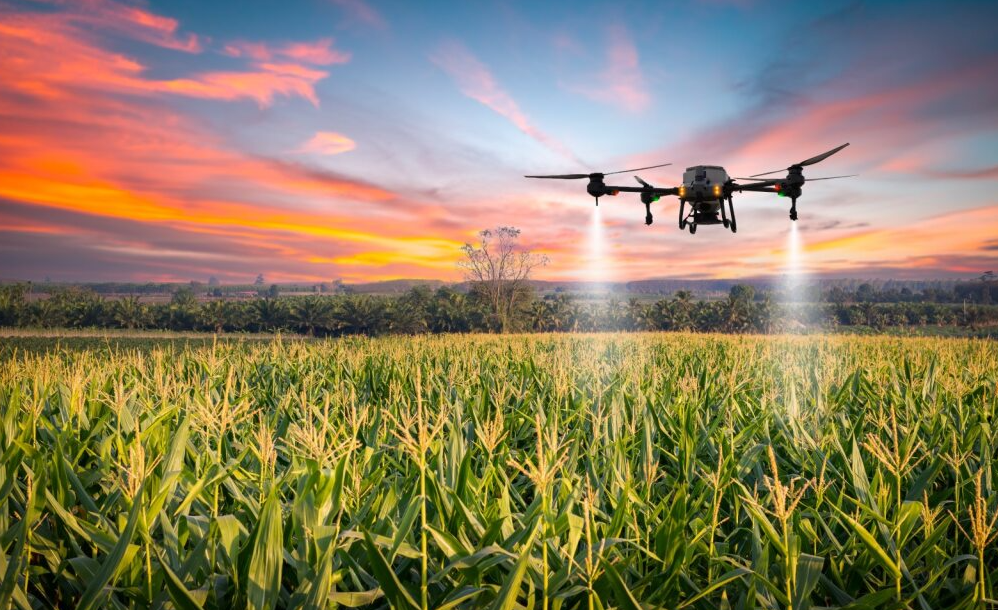
Maples, Josh. "Cattle Prices Hit New Highs and Carcass Grading Trends Over Time." Southern Ag Today 5(19.2). May 6, 2025.

Martinez, C., Li, P., Boyer, C. N., Yu, T. E., & Maples, J. G. (2023). Beef price spread relationship with processing capacity utilization. Journal of the Agricultural and Applied Economics Association.https://onlinelibrary.wiley.com/doi/full/10.1002/jaa2.48


Article courtesy of Southern ag today: Martinez, Charley, and Parker Wyatt. "The Impact of Tyson's Closure on Beef Slaughter Capacity Utilization." Southern Ag Today 5(49.2). December 2, 2025. Permalink
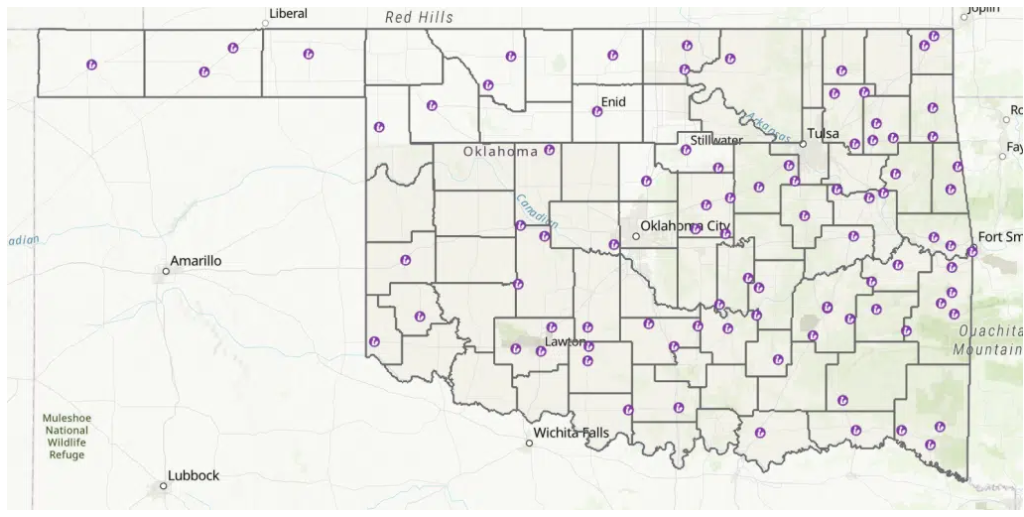
Vice President Scott Metzger ASA

ASA's New President Scott Metzger Previews Focus on Biofuels, Soy Innovation, and the Farm Bill

 At the National Farm Broadcasters Convention in Kansas City, farm director KC Sheperd spoke with American Soybean Association Vice President Scott Metzger, who discussed his current role and his upcoming transition into the presidency. He notes that he is "currently vice president" of the ASA, and in "a couple weeks I will move up into the presidency role." The discussion highlights both his leadership responsibilities and the broader direction of the organization as he prepares to assume the top position.

Metzger emphasizes the ASA's commitment to innovation and developing new markets for soy. He explains that the group takes pride in exploring opportunities in domestic crush, biofuels, and international trade. He also highlights a new product—soy-based firefighting foam—remarking that it is "PFOs-free" and includes a "soybean component," adding that the innovation is meaningful to him personally because several members of his family are firefighters.

Trade concerns, especially regarding China, form a major part of the dialogue. Metzger acknowledges that while there are "some deals on the books," the commitments are not signed, and accountability remains challenging. He stresses that China is "not where we're at usually, year in and year out," and notes the additional complication of a "10% tariff," making it difficult to ensure they fulfill their promised 12 million metric tons of purchases. He adds, "It is hard to have any accountability when there's not much really we can do."

Looking ahead, Metzger outlines the ASA's policy priorities, including completing the Farm Bill, advancing biofuels, and managing EPA-related issues. He underscores the importance of crop insurance, saying it is "a vital part to several farm operations" and a key risk-management tool many farmers depend on. As for maintaining the U.S. advantage in global soybean markets, Metzger says they plan to "continue to do what we've been doing... providing a great product that is competitively priced."

Cow Calf Corner Mark Johnson: Building Better Genotypes – Selection and Mating

The equation: Phenotype = Genotype + Environment, represents how the level of performance of a trait (Phenotype), is the result of genetic makeup of the animal and all environmental (non-genetic) influences. Genotype can be thought of as the underlying genetic potential of animals to reach a level of performance for a given trait. Genotypes are established at conception, inherited from parents. Selection and mating decisions made by cattle producers impact genotypes. Thereby, wise selection and mating decisions, informed by analyzing the components of your production system, have the potential to create better genotypes.

Genotype has two components, these are:

Breeding Value (BV), whichis based on the additive effect of individual genes. BV is the sum total of these additive effects of individual genes, across an animals entire genome, which influence any specific trait of interest. BV is the best indicator of a bull or heifers genetic value as a parent. Expected Progeny Differences (EPDs) are estimates of an animal's BV. Selection of breeding stock based on EPDs is a powerful tool to improve the additive genetic merit of cowherds and calf crops. EPDs are available for reproductive traits, growth traits and carcass traits. Since BV is based on the additive effect of individual genes, it is transmittable from generation to generation. Additive genetic change is cumulative and permanent in selected populations of cattle.

Gene Combination Value (GCV), also commonly referred to as the non-additive component of genotype, is the effect of gene pairs at loci across the genome. Mating decisions, involving the choices we make to crossbreed or inbreed, determine GCV. For example, if we make the mating decision to use an Angus bull on our Hereford cows, we are crossbreeding for the sake of creating hybrid vigor (heterosis). The resulting F1 generation of black-baldy calves will have a maximum level of individual heterosis based on GCV, as an Angus gene will be paired with a Hereford gene across all loci. Since GCV is based on the pair of alleles at a given locus, and since genes from a specific locus can't be transmitted in pairs, GCV can't be passed from parent to offspring.     

Tips for Building Better Genotypes:

  • Each selection and mating decision should be intentional, deliberate and made for a purpose. Selection decisions impact BV. Mating decisions impact GCV.
  • Choose breeds (and breeding stock within those breeds) with high breeding value for traits of economic importance to your operation.
  • Crossbreeding (to increase GCV/hybrid vigor) does not replace additive genetic merit, it builds off of it.
  • Purebred animals are an essential component for effective crossbreeding programs.

Choice Boxed Beef Starts December up $2.07

Boxed beef prices turned higher on Monday, December 1st, snapping a four-session losing streak. The Choice cutout rose $2.07 to $368.89/cwt, while Select jumped $6.83 to $357.88/cwt, tightening the spread to $11.01. Load count improved to 93, up from 82 on Friday.

Primal values were mixed. The rib advanced to $642.00 from $637.12, and the chuck increased to $298.92 from $293.89. The plate and flank also posted gains, closing at $249.41 and $182.20, respectively, up from $247.01 and $179.94. Meanwhile, the loin eased slightly to $476.62 from $476.98, the round dipped to $295.37 from $295.91, and the brisket softened to $325.14 from $325.60.

OSU Agriculture News: Create holiday memories, not holiday debt

The holiday season can add stress to a household budget that may already be stretched thin. However, with careful planning and thoughtful spending, families can create lasting memories without breaking the bank.

At this time of year, developing an entire holiday budget isn't feasible. Still, there are ways to make the most of the holiday season, said Mengya Wang, Oklahoma State University Extension finance specialist.

"It's easy to overspend during the holidays because we want to find just the right gifts and host the perfect family gathering, but the holiday season is here," she said. "People need to realize the holidays are not about gifts – it's about making memories together. However, if gifts are part of the plan, remember they don't have to be expensive. Time is one of the best gifts to give. It's free, and it provides a wonderful opportunity to create lasting memories."

Rushed shopping is one of the biggest culprits behind holiday overspending. As consumers feel the pressure of buying and wrapping gifts, it becomes easier to exceed set spending limits. To help avoid overspending, plan to use only cash for gift purchases. Wang said that credit and even debit cards can lead to overspending.

Try to avoid the "buy now, pay later" deals some retailers offer. These make it easier for consumers to overspend. When the bills come due in January, it may still be challenging to come up with the money to pay them in full. If the bills can't be paid in full, consumers will have to pay interest, which makes the items even more expensive.

"Withdraw the money you have available to spend, and once that's gone, you're finished shopping," she said. "Another option is to withdraw cash and put it on a prepaid card. This will allow families to do some online shopping while still dealing with a cash limit. It's important to be strict with your budget for food, gifts, decorations and get-togethers."

Other cost-saving tips include:

  • Shop for new-to-you decorations at the local thrift store.
  • Host a family potluck and ask everyone to bring a dish to share.
  • Consider giving a family gift, such as a pass to a nearby zoo or museum, instead of giving individual gifts.
  • Homemade gifts can be cost-effective. Gifts don't have to be expensive to be meaningful.
  • Host a family game night with snacks instead of preparing an entire meal.
  • Encourage children to donate toys they no longer play with to help less fortunate children.

This season also offers a good opportunity to teach children about money management. Help them understand that saying yes to one purchase may mean saying no to another.

To get a head start on the 2026 holiday season, sit down and start planning early. Review this year's spending, divide that amount by 12 and begin setting aside the monthly portion in January.

"Setting money aside each month is a good way to keep from overspending next year," Wang said. "Planning now will make the next holiday season more budget-friendly. And remember, the season isn't about gifts – it's about creating lasting memories with family."

Cow Calf Corner Dr. Derrell Peel: Back to the Fundamentals...Hopefully

After a tremendous string of record cattle prices in the first three quarters of the year, the market was ripe for a significant correction.  For the past six weeks cattle futures and cash markets have been dominated by a near continuous stream of political rhetoric, speculation, and fears mixed with a small amount of reality.  Hopefully, the federal government is distracted now by other things and will spend less time meddling in cattle and beef markets.

The political uncertainty provided outside money in cattle futures, with big long positions, an opportunity to take some profits, and aided by computer algorithms, have no doubt pulled Live and Feeder futures too low (and taken cash markets with them).  Much of the outside money will likely reset positions going forward.  After all, futures markets left several chart gaps in this correction that look to be filled going back up. 

Maybe cattle markets can get back to the fundamentals, which have not changed through all of this.  With some government data flowing again, the fundamental picture has clearly not changed from the trajectory heading into the shutdown.  The October and November Cattle on Feed reports show continued slow erosion of feedlot inventories with placements and marketings showing a more dramatic picture of tight cattle supplies.  October placements were the lowest in the data series back to 1996 and the 12-month moving average of placements shows that average feedlot placements the past year have been the lowest since July 2016, a bit over nine years ago.  October feedlot marketings were the lowest for the month since 2015, with average marketings for the past twelve months the lowest since October 2016.  November 1 feedlot totals were down 2.2 percent year over year and average inventories the past year are the lowest since November 2018 after twelve consecutive months of declining feedlot inventories.  Feedlot inventories are expected to continue decreasing with smaller feeder cattle supplies, no Mexican feeder imports and heifer retention still ahead.  The October heifer on feed inventory was 38.1 percent, unchanged from the July level. 

So far this year, fed steer and heifer slaughter is down 5.2 percent but since June has been down 7.6 percent from one year ago.  Steer and heifer carcass weights are higher again this year but not enough to offset declining slaughter.  Fed beef production is down 2.7 percent so far this year and combined with an 8.2 percent year over year decrease in nonfed beef production leads to a decrease in total beef production of 3.6 percent year over year.  In the past 24 weeks, beef production has been down 5.8 percent. 

Cattle markets are expected to recover from the correction but the timing is unclear.  With the year winding down and holidays approaching, cash and futures may mostly coast out the remainder of the year and reset in January.  However, if the politicians will be quiet, significant recovery might happen in the next couple of weeks before December finally wraps up.  Volatility is still a major factor in cattle markets.

Bailey Corwine at NAFB Trade talk

Farm State of Mind: Bailey Corwine on Mental Health in Agriculture

Oklahoma Farm Reports' Maci Carter spoke with Bailey Corwine of the American Farm Bureau Federation, who began by discussing mental health in farm communities and immediately identified what she believes is the biggest misconception. She states that "the biggest misconception is that reaching out is a sign of weakness," noting that farmers often rely on toughness and self-reliance. Many believe "if I just work a little harder, then I'll be able to fight my way out of this on my own," but Corwine stresses that "reaching out for help is a sign of strength, not a sign of weakness."

When asked about communicating on such a sensitive topic, Corwine explains the organization's strategy of adapting based on member feedback. She says, "if we get a reaction that's like, hey, this isn't really how I want to hear about this, then we're going to go a different direction." The American Farm Bureau Federation pairs this trial-and-error approach with guidance from mental health and medical professionals to ensure their outreach remains both supportive and effective.

Corwine outlines the primary stressors affecting farmers today. While unpredictable weather and natural disasters are longstanding challenges, she emphasizes that the "challenging farm economy" is currently the biggest source of strain. Labor shortages make the situation worse, preventing producers from taking needed breaks. As she explains, "sometimes the best thing that you can do when you're dealing with mental health is take a break, but it's really hard when you can't find someone to come in and feed your cattle or milk the cows."

The conversation transitions to the Farm State of Mind campaign, which the Farm Bureau launched in 2017. Initially focused on the opioid epidemic, it broadened to address wider mental health struggles in rural America. Corwine says the campaign aims to show farmers that "it's okay to reach out for help. It's okay to not be okay." The initiative now includes a national directory of mental-health resources, training programs, testimonials, and tools to help start difficult conversations.

Looking ahead, she highlights the upcoming annual convention in Anaheim—"Tim Tebow is going to be our keynote speaker"—as well as Farm Bureau's continued work on the farm bill and efforts to secure economic assistance for farmers and ranchers.

Cattle Feeders Hall of Fame Inductees to be Recognized During CattleCon 2026

Kent Bamford with Bamford Feedyard in Haxtun, Colorado, and Bob Foote with Foote Cattle Company in Bucyrus, Kansas, are the 2026 inductees in the Cattle Feeders Hall of Fame. Honorees will be recognized at the 17th annual banquet on Feb. 4 during CattleCon 2026 in Nashville, Tennessee.

"The cattle-feeding industry has been built by leaders such as Bob Foote and Kent Bamford," said Dustin Johansen, senior vice president at Farm Journal and Cattle Feeders Hall of Fame board member. "Their legacy is the ongoing success of our industry."

Bamford Feedyard started as a small yard, growing to 15,000 head capacity and further diversifying into a farming and trucking operation as well as a feed additive company. Foote, who is being inducted posthumously, developed a multi-location family-owned cattle operation with 285,000 head feeding capacity among other businesses across Kansas and Nebraska.

Additional honorees include Greg Henderson of Kansas, who will be recognized posthumously with the Industry Leadership Award for his award-winning journalism and being a revered voice of the beef industry. Rick Hibler with Irsik & Doll Beefland Feedyard in Garden City, Kansas, will receive the Arturo Armendariz Distinguished Service Award for his contributions to improving the cattle-feeding industry. 

Cattle Feeders Hall of Fame banquet attendees are invited to participate in CattleCon 2026, the largest cattle and beef industry event of the year. The annual convention features industry meetings, inspirational speakers, valuable education, entertainment, a massive trade show, producer recognition and much more. 

Established in 2009, the Cattle Feeders Hall of Fame honors the exceptional visionary men and women who have made lasting contributions to the cattle-feeding industry. For more information about the Cattle Feeders Hall of Fame and 2026 inductees, visit www.cattlefeeders.org. For more information about CattleCon 2026 and to register, visit convention.ncba.org.

Daily Email for December 1, 2025


Oklahoma's Latest Farm

and Ranch News

Monday, December 1, 2025


Howdy Neighbors!

USDA NASS Rushes to Catch Up: Why Farm Data is More Critical Than Ever

Following a recent lapse in government funding, the USDA National Agricultural Statistics Service (NASS) is working hard to bring its vital statistical reports back on schedule. In an interview with Farm Director KC Sheperd, Joe Parsons of USDA NASS discussed the agency's mission to recover from the hiatus and underscored the irreplaceable value of farm data.


Parsons confirmed that while NASS successfully released key information like the November Crop Production report, the agency has significant work ahead. The pause necessitated the rescheduling of crucial market information. We do have some catching up to do," Parsons stated. "We have about 60 reports that were scheduled to be released during the lapse in funding... we're very busy trying to get back on track and also prepare for the other things that are coming down the pipe.


He confirmed that widely followed reports, including crop production numbers, the WASDE (World Agricultural Supply and Demand Estimates), and cattle on feed data, are being prioritized to be back on time. Additionally, NASS is gearing up for its essential year-end activities "We have a lot of data to get collected to... meet those end of what we call our end of year surveys,"

US Meat Export Performance Strong But China Issues Persist

Senior farm and ranch broadcaster Ron Hays speaks with Dan Halstrom, president of the USMEF, who emphasized that global demand for U.S. red meat remains "very, very good, if not record-breaking," even amid political and economic turbulence. He noted especially strong performance in markets tied to existing free trade agreements, saying regions such as Canada and Mexico under USMCA account for about 28% of U.S. beef and pork exports and are "growing, and have been for several years now."


Halstrom highlighted that countries with long-standing trade agreements—Central America under CAFTA; Colombia and Chile; and South Korea under KORUS—continue to deliver robust results. Despite record-high beef prices, he said these partners "continue to buy, demanding our quality products." Alongside these mature markets, he underscored the importance of expanding in developing regions, particularly Southeast Asia, Central America, and Africa, where USMEF sees strong long-term potential.


The most significant challenge he identified is restricted U.S. beef access in China. Halstrom called the situation "extremely frustrating," pointing out that China was a $1.6 billion market last year and that customers like Sam's Club are ready to resume chilled beef purchases "tomorrow" if the relisted plants are approved.

Oklahoma Drought Eases in Key Categories, But Extreme Conditions Persist in latest Drought Monitor

The latest U.S. Drought Monitor report delivers a mixed signal to Oklahoma's agriculture sector. While rainfall and management efforts have helped reduce the overall extent of severe and moderate dryness, an entrenched area of Extreme Drought (D3) remains a major threat to winter wheat, forage, and water supplies in the southern and central parts of the state.


D0-D4 drought conditions in the current period indicate that nearly two-thirds of Oklahoma (61.37%) is experiencing conditions ranging from Abnormally Dry (D0) to Exceptional Drought (D4). The total area facing Moderate to Exceptional Drought (D1-D4) decreased by 3.39%, now covering 33.31% of the state. The area under Severe to Exceptional Drought (D2-D4) also declined, dropping 1.57% to 11.11%.


The 3.48% Extreme Drought (D3) coverage is concentrated in areas vital to Oklahoma's agricultural production, particularly impacting ranchers and row-crop farmers. Counties now designated with new or persistent Extreme Drought include: Stephens, Kiowa, Garvin, McClain, Cleveland, Pottawatomie, and Seminole

Oklahoma Farm Bureau works to improve the lives of all Oklahomans by supporting our state's agriculture community. As Oklahoma's largest general farm organization led by Oklahoma farmers and ranchers, OKFB takes grassroots values and advocates for agriculture at the state Capitol and in Washington, D.C., to ensure our way of life continues for generations to come. Farm Bureau hosts leadership events, supports our state's agricultural youth and connects consumers with agriculture in order to build a brighter future for our state. Become an OKFB member today online at okfarmbureau.org/join. Together, we are rural Oklahoma.

Oklahoma AgCredit supports rural Oklahoma with reliable and consistent credit, today and tomorrow. We offer loans for land, livestock, equipment, operating costs and country homes (NMLSR #809962) to farmers, ranchers and rural businesses across 60 counties. As a cooperative, we are owned by the members we serve. Through our Patronage Program, we have returned more than $74 million to our members since 1997.


For more information on our services or to find a location near you, visit our website here. 


What 400 U.S. Farmers Really Think: Inside the Ag Economy Barometer's Latest Findings

Farm director KC Sheperd spoke with Michael Langemeier of Purdue University, who began with an introduction to the Ag Economy Barometer, a monthly survey conducted by Purdue to track the sentiment of U.S. agricultural producers. Langemeier explained that the survey has been ongoing for about a decade and involves polling 400 producers every month. "We survey folks in the middle of each month, and then we report the results the first Tuesday of each month," he said, emphasizing the regularity and structure of the study.


Langemeier highlighted the differences in optimism between crop and livestock producers. Crop producers have shown relatively low optimism due to weaker net returns, while livestock producers remain highly optimistic, especially in the short term. Despite short-term differences, he noted that both groups are generally positive about the long-term outlook. He explained, "Part of the optimism is related to what I call the long-run policy environment," suggesting that confidence in government policies has a strong influence on overall sentiment.


Trade policy emerged as a particularly significant factor this year. Langemeier pointed out that while crop producers were concerned about exports, particularly soybeans to China, many producers displayed patience.

AARP Advocates for Caregivers, Rural Support, and Medicare Updates

Senior farm and ranch broadcaster Ron Hays spoke with Sean Voskhul from AARP. Voskhul began with recognition of the vital role caregivers play across the country. Voskhul highlighted that "835,000 caregivers in Oklahoma provide that labor of love every day, taking care of individuals so they can stay at home where they want to be and out of costly institutions."


He emphasized the financial burden caregivers face, noting that "family caregivers, in our research spend on average $7,200 per year," which has led Oklahoma to implement a caregiver tax credit. AARP is now advocating for a similar federal tax credit to ease financial strain on families who often have to reduce work hours or leave their jobs entirely.


Voskhul also discussed ongoing policy issues related to Medicare and Medicaid, particularly with open enrollment approaching. He stressed the importance of careful planning, saying, "Medicare is confusing, and you need that expert help to understand what you need to get."

Drummond calls out Tyson's misinformation campaign over poultry lawsuit

Attorney General Gentner Drummond is addressing inaccuracies surrounding the ongoing litigation to protect water quality in the Illinois River watershed, calling out what he describes as a coordinated misinformation campaign by Tyson Foods. The attorney general says the poultry company is trying to intimidate Oklahomans and deflect accountability. 


"Tyson Foods is engaging in shameless gamesmanship, using Oklahoma's hardworking farmers as pawns while threatening to withdraw contracts," said Drummond. "But Tyson's actions speak louder than their empty threats. Even as they claim to be concerned about this litigation, Tyson is actively working to acquire additional processing capacity in the watershed. Oklahomans deserve better than corporate intimidation tactics from a company that has repeatedly shown it prioritizes profits over people and environmental responsibility." 


The lawsuit, originally filed in 2005, seeks to hold major poultry companies accountable for polluting the Illinois River watershed with phosphorus from chicken waste. In 2023, U.S. District Judge Gregory Frizzell ruled in favor of the state and ordered each side to reach an agreement with regard to remedies imposed. After negotiations broke down, the court held a six-day evidentiary hearing and reaffirmed the findings that the watershed is still impaired.

Harvester Paul Paplow on Record Crops and Solving Farm Crises on the Road

At the National Farm Broadcasters Convention, Farm Director KC Sheperd spoke with Paul Paplow of U.S. Custom Harvesters, Inc. (USCHI), to discuss the dynamic, high-stakes life of custom harvesting and the critical role these mobile crews play in American agriculture. Paplow's own operation exemplifies the massive scale of the work, running a route that covers thousands of miles each season. "My operation itself works from North Texas all the way up to the Canadian line through Montana, North Dakota, harvesting wheat, any pulse crops, specialty crops as mustard, canola, and corn and soybeans back in Minnesota, South Dakota, Iowa," Paplow explained.


Reflecting on the harvest season, Paplow noted that despite some early difficulties, the overall outcome was positive. "There was a lot of really good crops," he confirmed. The season started with a struggle in the Southern Plains: "We started out the year kind of a crop failure down in North Texas, Southern Oklahoma. Drought then it got too wet." However, conditions improved dramatically further north. "After we hit Kansas, everything was good from there on out... the wheat crop was really good in Montana," he said, adding that they had an "awesome soybean crop and corn crop" in the Midwest states.


One of the most vital services USCHI members provide is acting as an emergency backup for farm operations. When equipment fails or a farmer faces a personal crisis, custom harvesters step in to save the crop.

Rabo Analyst Says Cattle Market Sees Pullback, But Fundamentals Remain Strong

Despite recent market fluctuations, the cattle industry is still experiencing historically high prices, fueled by unprecedented consumer demand, according to Lance Zimmerman, Senior Beef Analyst for Rabobank. Zimmerman talked with Oklahoma Farm Report's Ron Hays at the recent National Farm Broadcasters Trade Talk in Kansas City- you can hear part one of their conversation by clicking on the audio button above.


While the cattle market has experienced a notable correction in recent weeks, dropping approximately 15% over the past month, Zimmerman emphasizes that these levels remain "lifetime, wildly high profits" for the industry. He attributes the recent volatility to the psychology of the market, particularly the exit of speculative long positions on futures exchanges.


"When you have record high or near record high participation of longs... there's always the risk of the unknown and the uncertainty that can creep into those markets that spooks those long positions and those fund traders when they want to exit the market," Zimmerman explained. He described the current situation as a period of "capitulation," where traders are exiting positions to await cooler market temperatures.

Checking the Markets...

The cattle complex was thankfully met with tremendous demand again on Friday. From Friday to Friday, livestock contracts scored the following changes: December live cattle up $1.13, February live cattle up $3.07; January feeder cattle up $9.75, March feeder cattle up $10.80.


Boxed beef prices closed lower: choice down $1.46 ($366.82) and select down $4.46 ($351.05) with a movement of 82 loads.


MONDAY'S CATTLE CALL: Steady. It's tough to call next week's trend before knowing exactly how many cattle traded this week.

Click here for our Markets Page on OklahomaFarmReport.Com- there you will find our latest reports on cattle auctions, boxed beef, cash grains and market analysis.


OKC West is our Market Links Sponsor- they sell cattle three days a week- Cows on Mondays, Stockers on Tuesday and Feeders on Wednesday- Call 405-262-8800 to learn more.

Our daily email is free because of our Sponsors!

OKAgCredit248x160.png
AMFeeds.png
TulsaFarmShowSquareGraphic240.jpg
okfb.png
GreatPlainsLogoFeb2025Update240.jpg
Oklahoma-Wheat-Commission_Logo_Vertical_Full-Color_Gray240b-e1736195614699.jpg
OklaBeefCouncil.png
NAT_Logo_BlackRed160.png
KIS-Logo240b.png
oca.png
Facebook

© 2025 Oklahoma Farm Report - All rights reserved


NPPC Advocates for Solutions to Prop 12 and Trade Diversity

The National Pork Producers Council (NPPC), represented by immediate Past President Lori Stevermer, shared insights with Farm Director KC Sheperd regarding the need for key legislative and trade outcomes to ensure the stability and future of the pork industry. The main areas of focus include resolving issues related to California's Proposition 12 (Prop 12), ensuring reasonable regulation of U.S. waters, and diversifying global trade.


Seeking a Federal Fix for Prop 12

A primary goal for the NPPC is achieving a federal solution to Prop 12 within the current "skinny Farm Bill".

  • The Problem: California's Prop 12 mandates specific animal welfare standards for pig production nationwide if pork is to be sold within California. This means that the state of California is attempting to regulate how pigs are raised in the rest of the country.
  • The Impact: Pork goes everywhere, meaning a single hog carcass is often broken down with different cuts (like loins, bacon, and sausage) going to different markets. Due to this, the entire hog must be Prop 12 compliant if any part is destined for California, creating a major challenge for producers nationwide.
  • The Risk: Without a federal solution, the NPPC is concerned about the potential for "patchwork of regulations" across various states.

Biosecurity and Disease Traceability

Pork producers actively lead the way in biosecurity, but the industry is seeking governmental support for programs to help them manage foreign animal disease risks.

  • US-SHIP: The NPPC is looking for continued government funding for US-SHIP (U.S. Swine Health Improvement Plan). This program helps farms implement biosecurity practices and allows them to resume trade quicker if a foreign animal disease outbreak occurs.
  • Traceability Project: The industry has focused on developing a traceability project. The ability to quickly identify where a disease is—or is not—is critical for trade resumption. If an outbreak is confined to only one part of the U.S., effective traceability allows unaffected regions to get back to exporting sooner.

Clarifying WOTUS Regulations

The NPPC expressed pleasure with recent progress regarding the regulation of Waters of the U.S. (WOTUS).

  • The industry's initial concern was the potential for overreach, with even features like mud puddles or drainage ditches potentially subject to federal regulation.
  • The goal is to define WOTUS better, offering farmers greater clarity so they can manage their cropland without unexpected federal intervention.

Focus on Trade Diversification

The NPPC sees global trade diversification as a crucial strategy, particularly as a safeguard against major disruptions in one market, like China.

  • Current Deals: The industry is hopeful about recent trade discussions and frameworks. Key interest areas include:
    • Cambodia-Malaysia: Recent deals offer positive details, including allowing more U.S. plants to ship pork to Malaysia and recognizing certification at those plants.
    • Vietnam and Thailand: Both are key markets, with Vietnam being a high priority due to its significant pork consumption and demand for variety meats (such as organ meats).
  • Value of Variety Meats: Variety meats are particularly important because they can add $8 to $10 of value to a single hog. Maintaining access to markets like Vietnam that value these meats helps balance the economics of the entire animal.
  • Long-Term Strategy: The long-term approach is to avoid putting "all our eggs in one basket" (referencing China) and to explore new markets in Southeast Asia (like the Philippines) and even longer-term opportunities in Africa and India.

I can search for the current status of the "skinny Farm Bill" in Congress, or tell you more about the US-SHIP program.

Agency logo2

OCC Launches Restoring Natural Ecology in Wetlands (ReNEW) Program

The Oklahoma Conservation Commission (OCC) has launched the Restoring Natural Ecology in Wetlands (ReNEW) Program, a new initiative offering technical and financial support for a variety of wetland restoration practices that further the goals of OCC's Water Quality Division. Unanimously approved by the Commission on October 6, 2025, the ReNEW program aims to address environmental concerns and provide conservation solutions through wetland creation and restoration.

Oklahoma wetlands provide essential services to Oklahomans, including improving water quality, reducing flooding, recharging aquifers, and providing recreational opportunities. The program, led by the OCC Wetlands team, focuses on improving the quantity, quality, and biological diversity of wetlands in Oklahoma. It combines technical assistance and financial incentives to encourage Oklahoma's landowners to adopt wetland restoration practices. ReNEW offers up to $35,000 per approved applicant who implements wetland restoration practices.

The program's application window will open on January 1, 2026, and close on March 1, 2026. Applicants must be a district cooperator with an approved cooperator agreement and are expected to implement and maintain the conservation practice(s) for the expected life specified by the practice standard and/or the recommendation of the Commission Wetlands Team consultant.

The Commission Wetlands Team will review and rank applications using a preset ranking tool. Approved applicants and their conservation district will be notified by April 1, 2026. This initiative represents a significant step in the ongoing effort to preserve and restore Oklahoma's wetlands.

City Care to Expand Support for Oklahoma Families Experiencing Homelessness with$2.5 Million Grant from Jeff Bezos and Lauren Sánchez Bezos

City Care, a local non-profit providing low-barrier shelter, supportive services and affordable housing to address the root causes of homelessness, today announced that Jeff Bezos and Lauren Sánchez Bezos are recognizing the organization with a $2.5 million grant from the Bezos Day 1 Families Fund. This investment is the largest gift in the nonprofit's
history. City Care is part of the eighth annual cohort of organizations across the country receiving funding from the Day 1 Families Fund to deepen their work to help every family have a safe, stable place to call home. "We are thrilled by this opportunity to expand our support for families experiencing homelessness, one of the fastest-growing populations facing housing instability," said Rachel Freeman, CEO of City Care. "This funding will greatly increase our capacity to meet families the moment they need help, surround them with care and guide them quickly into safe, stable housing and a place to call home."


City Care will use its Day 1 Families Fund grant to serve even more families experiencing homelessness in Oklahoma City and Norman, with the goal of ensuring no child in our community sleeps outside. Specifically, City Care plans to use this one-time grant over the next five years to create lasting infrastructure that streamlines resource referrals, enhances wraparound supports and increases housing stability outcomes for hundreds of families over the next several years.
City Care was identified to receive this grant by a group of national advisors who are leading advocates and bring expertise on homelessness, housing policy and effective approaches and solutions to family homelessness.


"It is devastating to witness families struggling to survive right here in our own community. Parents shouldn't have to choose between a roof over their children's heads and the other essentials of life, but too many face that reality every day," said Carole Tear, chair of the board of directors at City Care. "This incredible support allows us to respond quickly and provide the right services at the right time. We are positioned to help more families turn a moment of crisis into an opportunity to thrive." Since its inception in 2018, the Day 1 Families Fund has awarded 280 grants totaling more than $850 million to organizations serving families in all 50 states, the District of Columbia, Puerto Rico and Guam. The Day 1 Families Fund grant recipients have tremendous flexibility to use the funds in the ways that are most impactful in their communities, making the grant a game-changer for organizations on the frontlines of the family homelessness crisis. Recipients will use their funds to support families experiencing homelessness to access critical services, regain stable housing and achieve well-being. This year, the Fund issued a total of $102.5 million in grants to 32 organizations. The full list of awardees is available at https://bezosdayonefund.org/day1familiesfund. Case studies of the impact selected
grantees have made with their funds are available at https://www.bezosdayonefund.org/case-studies.

Lance Zimmerman: Will the U.S. Cow Herd Rebuild in 2026

In today's beef buzz, senior farm and ranch broadcaster Ron Hays speaks with Lance Zimmerman of Rabobank. As 2025 concludes, the central industry question is whether the U.S. will finally see signs of herd expansion. Zimmerman stresses that this remains the foundation of long-term production growth. He points out that despite political pressure to lower beef prices through short-term trade approaches, producers understand that “the only way we’re going to significantly move that needle is right here at home with the cow herd rebuild.”

Zimmerman illustrates the long biological timeline required to rebuild. He explains that a heifer retained today will not replace her own production loss until well into the future: “won’t produce the beef in a retail meat case that replaces her loss until September of 2028… It’d be September of 2029 before she produces additional beef beyond replacing herself.” Because of that delay, he emphasizes that current retention levels are still modest: “we’re only kind of dipping our toe in heifer retention this year.”

Despite economic pressure, Zimmerman encourages producers to think strategically about retaining females. He reminds them that profitability potential is strong. Even high cull-cow values should not overshadow longer-term opportunity, as he notes “that calf in her is worth $2,000 next year as well.” His message: creative herd-preservation now can sustain future profitability.

A major part of rebuilding also involves succession decisions. Zimmerman reflects on past generational transitions, stating that “what’s fair isn’t always equal, and what’s equal isn’t always fair,” especially when only some children remain in the operation. Many older producers fear they will not see the payoff from rebuilding, and Zimmerman acknowledges that “herd rebuilding is going to happen with a very small group of producers,” describing it as a “two-circle Venn diagram” where only those young enough and those large or capitalized enough overlap to drive expansion.

Finally, Zimmerman explains that today’s cattle cycle is more complex and financially demanding. With bred heifers costing around $4,000, he argues that “we’re going to have to go through a recalibration at every phase of the cattle producing segment.” Profit expectations must shift, because “working for a hundred-dollar profit today doesn't ring the same when you have that much of a cash outlay.” This structural transition, he says, is why rebuilding the U.S. cow herd will be slow and concentrated among a limited subset of producers.

The Beef Buzz is a regular feature heard on radio stations around the region on the Radio Oklahoma Ag Network and is a regular audio feature found on this website as well. Click on the LISTEN BAR for today’s show and check out our archives for older Beef Buzz shows covering the gamut of the beef cattle industry today.

Disaster Assistance for 2025: Is it Coming or Not?

Bart Fisher and Joe Outlaw write in an Article from Southern Ag today: We think we can all agree on one thing: we're all sick of talking about the state of the farm economy. After 8 years of ad hoc disaster assistance propping up the farm economy, most producers we know are desperate for market prices to return to levels that will at least cover their costs of production which have exploded over the last several years. They want to move on from ad hoc assistance, in part, because there are growing concerns that much of that assistance is simply finding its way into even higher land values (or higher cash rents) or higher input costs. Further, while the One Big Beautiful Billmade a significant down payment on improving the standing farm safety net beginning with the 2025 crop year, most of that assistance will not arrive until October 2026. Even then, once that assistance arrives, it will still fall far short of the losses currently facing producers. The trade discussion has injected even more uncertainty into the markets, although the recent agreement with China has provided somewhat of a reprieve (even if it's not yet clear how and when China will fulfill the commitments they've made).

While all of these issues were reaching a fever pitch earlier this fall, the government shutdown over the past 2 months sucked most of the oxygen from the room. Congress recently reached an agreement to open the government, including passing a few of the appropriations bills, but that deal did not address impending losses for the 2025 crop year or uncertainty going into the 2026 crop year. 

We are growing increasingly concerned that too little attention is being paid to the challenges growers continue to face. Yes, there is some talk about trade aid, but that is just one element of the challenges facing growers. Last year, Congress provided $30.78 billion for economic ($10 billion) and natural disaster ($20.78 billion) losses. As noted in Figure 1, the losses facing producers (on prices and costs of production alone) in 2025 eclipse those from 2024—yet Washington has been eerily quiet on the topic, having committed $0 at this point for 2025 losses. 

In examining Figure 1, soybeans is the only crop to see an improvement in projected losses from 2024 to 2025, owing largely to the announced agreement with China and the projected $0.50 per bushel rebound in prices in USDA's latest World Agricultural Supply and Demand Estimates. Even then, soybean producers are still projected to lose in excess of $100 per acre this year. In fact, all of the major commodities for which USDA reports costs of production are expected to face losses in excess of $100 per acre, with some crops like rice seeing losses double the amount of last year. And, Figure 1 is only covering losses for those crops for which USDA tracks cost of production. Other crops—for example, sugar—are also facing enormous losses. In virtually all cases, chronically low commodity prices—exacerbated by trade uncertainty—coupled with stubbornly high costs of production are the main culprits.

With news of thawing tensions on trade, the hope is that policymakers in Washington will be able to turn their attention to the huge issues facing row crop producers as they work to wrap up 2025 and prepare for the 2026 crop year. And, while growers may be growing wary of ad hoc assistance, we see little alternative in the short run. Ideally, efforts to craft a Farm Bill 2.0 will eventually make additional needed improvements to the farm safety net so we can close this nearly decade-long chapter on ad hoc assistance.


Fischer, Bart L., and Joe Outlaw. "Disaster Assistance for 2025: Is it Coming or Not?" Southern Ag Today 5(47.4). November 20, 2025. Permalink
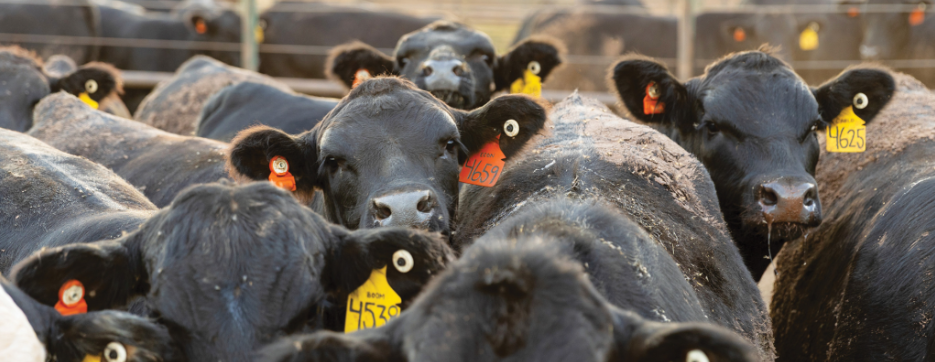
Mike stranz at trade talk

Mike Stranz with NFU: Support Must Go to Family Farmers First

Farm director KC Sheperd spoke with Mike Stranz, vice president of advocacy for the National Farmers Union, at the National Farm Broadcasters Convention in Kansas City. The conversation centers on current challenges facing farmers, beginning with concerns about the aftermath of the recent government shutdown and what comes next for federal trade assistance. Stranz emphasizes that farmers are under pressure from "high input costs and low commodity prices," and that any new aid from the Trump administration must be implemented "in a helpful way that helps in the short term and the long term." He stresses that producers urgently need clarity on how promised relief will be structured and delivered.
Stranz notes that while short-term assistance is essential, it must be targeted correctly. He recalls that during previous trade-aid programs, "Some of the multinational meat packers received tens of millions of dollars," which he argues cannot be repeated. According to Stranz, future support must be directed specifically to "family farmers and ranchers who need it most." Looking beyond immediate relief, he explains the need for a comprehensive Farm Bill that tackles market instability and other structural issues that continue to place financial strain on producers.

The discussion then shifts to beef-market volatility and the administration's interest in both Argentine beef imports and expanded antitrust investigations. Stranz calls this a "good example of volatility," supporting heightened scrutiny of the Big Four meatpackers. He reiterates the need for "more choices and more options and less monopolistic power," noting that high grocery-store prices should not come at the expense of U.S. ranchers. He warns against "giving our foreign competitors a leg up on us" while domestic producers struggle.

Finally, the conversation addresses the long-stalled effort to reform the H-2A agricultural labor program. Stranz describes it as a "perennial issue that gets kind of hung up in Congress," even though agricultural labor reforms have historically enjoyed bipartisan support. He points to the Farm Workforce Modernization Act as ready for passage, urging Congress to act. He closes by encouraging Oklahoma producers to stay engaged in grassroots policy work through the upcoming AFR and National Farmers Union meetings, urging farmers to "get involved, speak out and be part of the family."


Ron salutes our daily email sponsors!

Upcoming Events

November

S M T W T F S
1 2 3 4 5 6 7
8 9 10 11 12 13 14
15 16 17 18 19 20 21
22 23 24 25 26 27 28
29 30          

Visitor Polls

Do you like the new website?
Add a Comment
(Fields are Optional)

Your email address is never published.