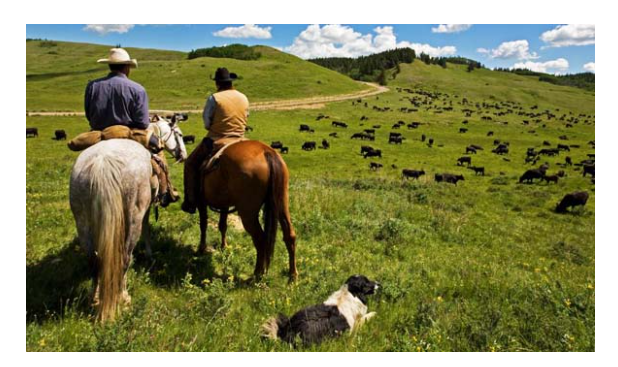
U.S. Secretary of Agriculture Secretary Brooke L. Rollins and U.S. Secretary of the Interior Doug Burgum today announced new actions aimed at boosting the supply of American born, raised, and harvested beef by supporting American ranchers with the signing of a new Memorandum of Understanding (MOU) that will strengthen coordination, cut bureaucratic red tape, and deliver immediate, tangible support for America's farmers and ranchers who rely on public lands.
Building on the USDA's recently released Grazing Action Plan, the agreement formalizes collaboration between the U.S. Department of Agriculture (USDA) Forest Service (FS) and the Bureau of Land Management (BLM) to ensure more efficient, transparent and responsive grazing management across federal lands.
"Today's signing sends a clear message: the Trump Administration is putting America's farmers and ranchers first," said Secretary Rollins. "Building on our action plan for American ranchers announced in the fall, the Forest Service and Bureau of Land Management are already delivering. This is another example of President Trump eliminating costly bureaucracy in order to lower consumer prices. Our public lands are there for the people, and this action demonstrates the commitment at USDA and the Department of the Interior to improve our services so farmers and ranchers who use public lands can run more efficient operations."
"The Grazing Action Plan is built on a collaborative partnership dedicated to strengthening ranching operations while safeguarding our public lands," said Secretary Burgum. "By working closely with American ranchers, we are enhancing communication, investing in innovation, and modernizing our approach to land management practices to deliver real results for the people who feed and sustain this country. In coordination with the Department of Agriculture, the Trump administration is advancing actions designed to support farmers and ranchers - securing a more resilient future for grazing on public lands and protecting America's ranching heritage for generations to come."
For generations, ranchers have played a vital role in feeding the nation, supporting rural economies, and stewarding public lands. The MOU recognizes permittees as essential partners and directs federal agencies to engage directly with those who live and work on the land.
Key actions under the agreement
Cutting red tape and improving efficiency – The MOU streamlines permitting and processes and encourages agencies to use existing authorities more effectively – reducing delays for grazing permits, infrastructure improvements, and emergency response actions.
Strengthening rancher partnerships – Agencies will expand collaboration with permittees through structured engagement, including learning roundtables and enhanced communication channels.
Ranch immersion programs for federal employees – New initiatives will place agency staff on working ranches to build firsthand understanding of operational challenges and realities on the ground.
Enhancing transparency and data access – Improved data systems will make grazing allotment information more accessible and predictable, giving producers greater certainty to plan and invest.
Expanding practical land management tools – The agreement promotes targeted grazing to reduce wildfire risk, supports reopening vacant allotments, and encourages adoption of innovative technologies such as virtual fencing.
Wildfire coordination and response – The creation of Grazing Permittee Wildfire Liaisons will ensure ranchers have clear points of contact and a voice during wildfire response and recovery efforts.
Maintaining grazing capacity – The MOU affirms a goal of maintaining grazing capacity wherever possible, including no net loss of Animal Unit Months within allotments, consistent with applicable law.
Officials emphasized the agreement supports not only producers, but also American families by strengthening the domestic food supply chain. By lowering costs and improving efficiency for ranchers, the initiative helps keep food affordable and reduces reliance on foreign imports.
Today's signing marks an important step forward in modernizing federal grazing management and reflects a broader commitment to rural prosperity by fortifying the American beef industry as directed by President Trump's order Ensuring Affordable Beef for the American Consumer.
Additional background
More than 20,000 ranchers and farmers across 28 states graze on federal lands. The FS and the BLM are responsible for a total of 240 million acres of federal rangelands. The two agencies together administer more than 23,000 permits and leases held by ranchers who graze their livestock on approximately 29,000 allotments. About 10% of grazing allotments, or roughly 24 million acres, are not under permit but are targeted as opportunities to allow more grazing on federal lands. The FS collects an average of $6 million annually in grazing fees.
Livestock grazing on national forests and grasslands contributes about 14,200 jobs and $645 million to the nation's gross domestic product annually, supporting agriculture-related sectors and private operations. Across Western rangelands, livestock grazing on BLM lands generate $2.7 billion in total economic output, supporting 35,000 jobs and $700 million in total labor income.
Today, public lands ranchers joined Agriculture Secretary Brooke Rollins and Interior Secretary Doug Burgum, as the secretaries signed a memorandum of understanding (MOU) to launch their Grazing Action Plan.
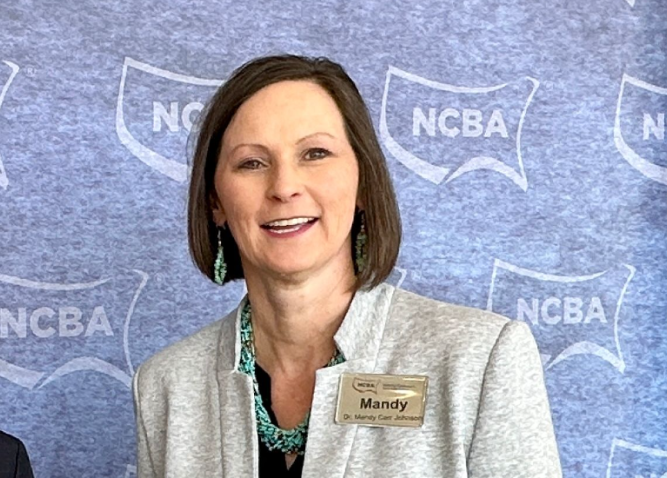
National Cattlemen's Beef Association (NCBA) and Public Lands Council (PLC) leaders and members then participated in a roundtable discussing cooperative work to address longstanding challenges for federal lands grazing permittees. PLC President Tim Canterbury, PLC Past President Mark Roeber, and Industry Issues Committee Chairman Nate Thomson were joined by NCBA President-elect Kim Brackett, American National CattleWomen (ANCW) Past President Nikki Weston, Washington ranchers Stephanie and Nick Martinez, Arizona permittee Dan Bell, and Colorado rancher Nancy Roberts in raising critical ranching issues to be addressed.
"Public lands ranchers are resilient by nature, but we still need significant relief from the burdensome federal regulations that make it harder to do our jobs every day. This MOU will make it easier to ranch on public lands and will help improve the health of western landscapes," said PLC President and Colorado permittee Tim Canterbury. "By speeding up the permitting process and expanding the use of targeted grazing, the federal government is ensuring that more ranchers will keep ranching and that rangelands will face less degradation and destruction from wildfires and mismanagement. PLC appreciates USDA and the Interior Department standing with livestock producers in the West and putting this MOU and grazing plan into action."
The MOU outlines cooperation between the U.S. Forest Service (USFS) and the Bureau of Land Management (BLM) on the Grazing Action Plan, released by USDA last year. This plan focuses on boosting rancher resiliency by assessing vacant allotments, unifying permitting frameworks between agencies, expanding the use of targeting grazing to prevent wildfires, and establishing a rancher liaison program for wildfire incident command centers.
"When you raise cattle on federal lands, it requires a great deal of work to sort through the government red tape. This plan will cut bureaucracy by streamlining the permitting process, expanding grazing access, and optimizing targeted grazing in areas that are the most vulnerable to wildfires," said NCBA President-elect and Idaho rancher Kim Brackett. "This MOU will provide much needed regulatory relief to ranchers and make it easier for us to carry out the voluntary conservation essential to maintaining these working lands. NCBA thanks USDA and the Interior Department for listening to ranchers in the West and to advance much needed coordination between the agencies."
American Farm Bureau Federation President Zippy Duvall commented today on a memorandum of understanding between USDA and the Department of the Interior to strengthen public lands grazing and the partnership between ranchers and the agencies. "Farmers and ranchers appreciate USDA Secretary Brooke Rollins and Department of the Interior Secretary Doug Burgum for their work to improve access to public lands for grazing. Public lands offer quality grazing grounds for livestock, which in turn reduces wildfire risk and contributes to the vitality of rural communities across the West. "The MOU will reduce delays, enhance transparency and streamline the approval of grazing permits to help ranchers raise livestock to meet the protein needs of America's families."
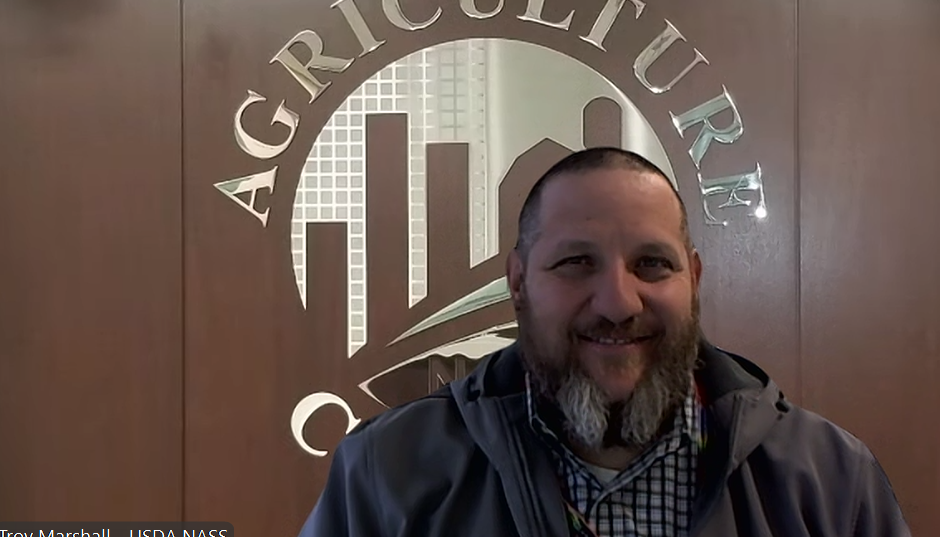
The 2026 prospective plantings report has been released today, and State Statistician Troy Marshall joined associate farm reporter Carli Davenport to break down those numbers for Oklahoma, Kansas, and Texas and share his insights.
Oklahoma:
State Statistician Troy Marshall says the latest numbers reflect both market signals and ongoing dryness across the state. "This is our first look at what producers are kind of feeling for this year, as of the reference date of March 1," Marshall explained.
For Oklahoma, corn plantings are expected to decline slightly. "We saw 520,000 acres set to be planted to corn, down about 4% from what it was last year," he said. In contrast, sorghum is seeing a notable increase. "We saw 540,000 acres intended to be planted this year, up about 23%," Marshall noted, adding, "probably no surprise, being that we're already seeing kind of a dry year, We know sorghum is a good crop that likes that drier weather"
Soybeans and cotton are also trending upward. "We were looking at 420,000 acres set to be put to soybeans... a 15% increase," he said, while cotton is projected at "450,000 acres... about a 15% increase over last year." Wheat acres are also up, with "4.4 million acres of wheat planted... about a 6% increase."
However, not all categories are growing. "We're looking about a 3 million acre harvest intention [for hay], which is about 10% down from what it was last year," Marshall said, pointing to uncertainty tied to dry conditions.
Kansas:
Kansas producers are showing a mix of increases and decreases, similar to Oklahoma, though with some notable contrasts.
Marshall said, "For corn, looking at a 7.1 million acre intentions... up about 4% from what it was last year." Soybeans are also on the rise. "Kansas is... projecting a 4.4 million acre plantings for soybeans... up about 7%," he added.
On the other hand, sorghum and wheat are trending lower. "Sorghum 2.7 million acres intended... down about 10%," Marshall said, while wheat is "looking at a 7 million acre... down about 4% from what Kansas saw in 2025."
Cotton and hay are relatively steady, with cotton slightly down and hay harvest intentions dipping just 1%.
Texas:
In Texas, cotton stands out as one of the biggest movers in this year's report.
Marshall said, "When we look at the cotton number... about a 5.5 million-acre intention, this is up about 4% from where it was last year." Corn is also seeing a modest increase. "2.6 million acres intended to be planted to corn... an increase of about 4%," he said.
However, several crops are declining. "Sorghum, a pretty significant decrease, about a 21% decrease," Marshall noted, while soybeans are also down. "95,000 acres, about a 14% decrease from last year."
Hay production is holding steady at "5.1 million acre intention," while wheat is slightly higher. "5.7 million acres... up about 4% over where it was last year," he said.
Weather and Economics Driving Decisions
Across all three states, Marshall emphasized that weather remains the dominant factor shaping producer decisions.
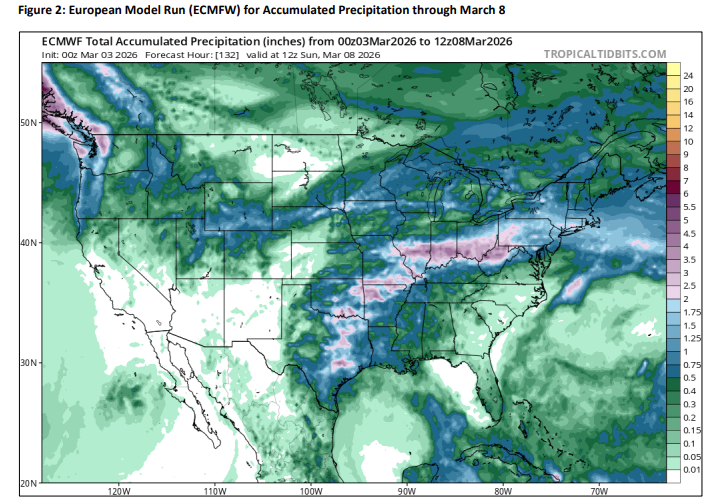
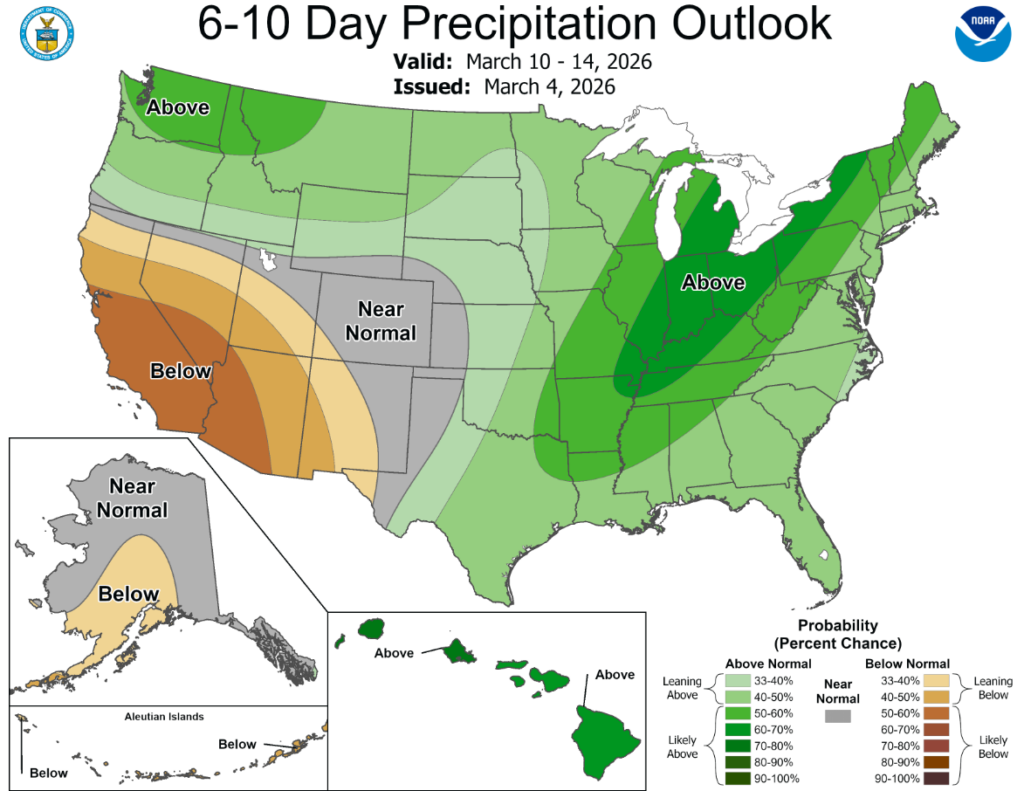
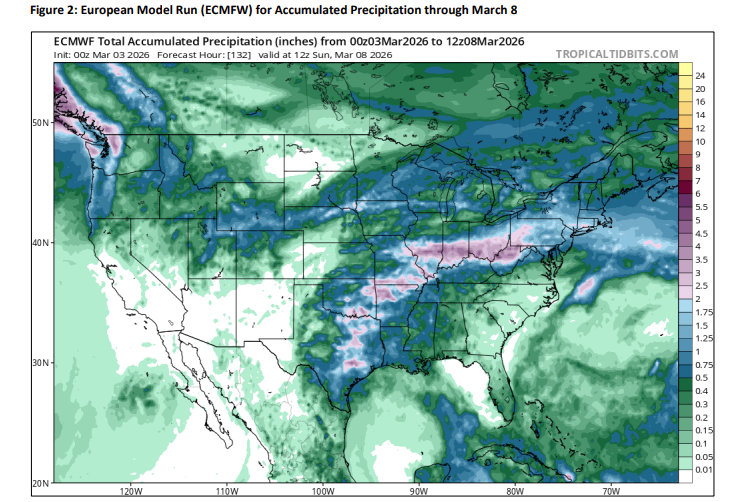
"Weather is going to be the big, big thing... all eyes, especially here in Oklahoma, are really looking... and hoping for this rain," he said. "We've seen lots of reports, this is a very pivotal point for wheat to be able to see this rain."
Beyond weather, input costs are also weighing heavily on planning decisions. "We can't discount the fact about the economic side... fuel costs are definitely higher right now. Fertilizer costs are higher," Marshall said. "So those economics are another big factor that plays on this too."
As the growing season approaches, these early intentions highlight a cautious but strategic approach by producers navigating both environmental and economic challenges.
The 2026 Cattle Raisers Convention & Expo ended on Sunday, wrapping up the three-day event packed with industry updates, awards, entertainment and the welcoming of new Texas & Southwestern Cattle Raisers Association leadership.
The Cattle Raisers Convention & Expo drew thousands of attendees to downtown Fort Worth March 27-29. The agenda featured four dynamic main-stage sessions addressing key industry topics such as generational transfer, the 2026 weather forecast and a market outlook. A highlight of the weekend included remarks from U.S. Secretary of Agriculture Brooke Rollins during Saturday's Annual Membership Meeting, underscoring TSCRA's strong relationship with federal leadership. On Saturday, keynote speaker Marty Smith shared his journey from ranch life to the national spotlight and how it shaped his perspective on hard work, heritage and the people who keep America running.
During the Texas & Southwestern Cattle Raisers Association Annual Meeting held on Saturday, new leadership were elected, including:
The new officer team: Stephen Diebel, president; Dan Gattis, first vice president and Wayne Cockrell second vice president
New board of directors members: Foster Burchett, Matthew Crow, Jared Dangelmayr, Sarah Franklin, August "Auggie" McCan, Andrew Polk, Joey Ramirez, Martha Santos and Fay Fitzsimons Walker.
New executive committee members: James Henderson, Memphis, John Malazzo and Wesley Welch
Industry awards were presented, including:
Bloody Buckets Cattle Company Los Hermanos Ranch, 2026 Texas Environmental Stewardship Award
Marcel Fischbacher, 2026 Outstanding County Extension Agent – Beef
Fred Weber, 2025 Prosecutor of the Year
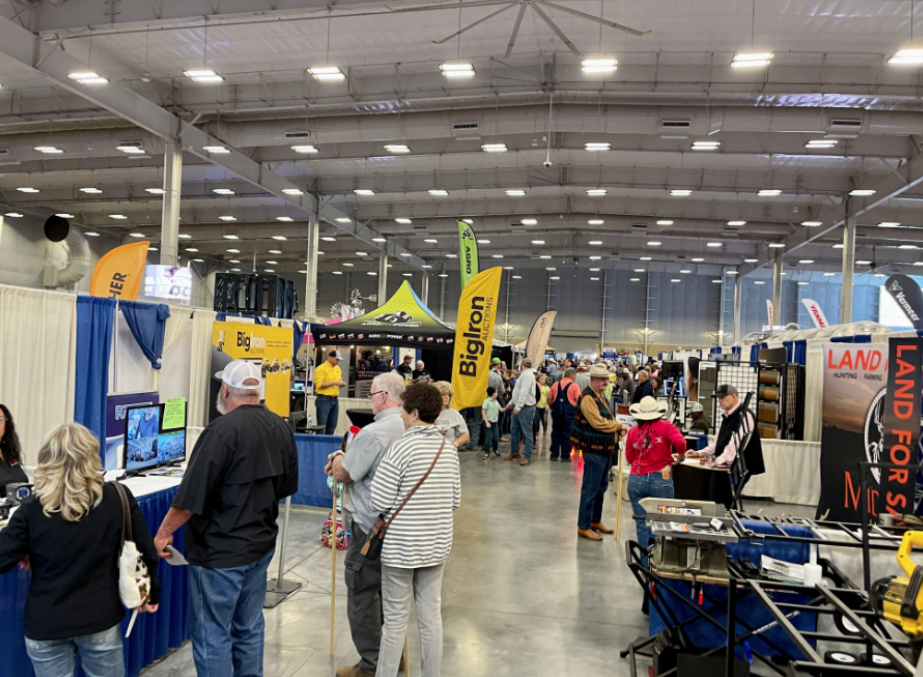
The 2026 event was filled with hours of educational sessions, live cattle demonstrations, policy updates, student opportunities, social events and the expo featuring more than 250 exhibitor booths and interactive activities for all ages.
"It is always encouraging to see cattle raisers, landowners and industry partners gather together at Cattle Raisers Convention & Expo to learn and share ideas that benefit not only their operations, but shape the future of the industry," TSCRA President Stephen Diebel said . "We look forward to welcoming everyone back to Fort Worth next year as we celebrate the 150th Cattle Raisers Convention & Expo, April 9-10, 2027."
Allendale's Rich Nelson recently shared insights on the USDA Prospective Plantings and Quarterly Grain Stocks reports with Farm Director KC Sheperd, highlighting key data and market implications. The reports, released on March 31, 2026, offer a comprehensive look at old-crop stocks and initial planting intentions for the 2026 season.
Quarterly Grain Stocks: A Look at Old-Crop Supplies
The Quarterly Grain Stocks report provides a mid-year snapshot of remaining old-crop supplies as of March 1. For corn and soybeans, these figures represent the amount left after two quarters of usage, while for wheat, it reflects stocks after three quarters.
Corn: Stocks are slightly tighter than previously anticipated.
Soybeans: There's a minor increase in the old-crop supply story.
Wheat: No significant changes were noted in overall wheat stocks.
The Prospective Plantings report is based on a survey of producers conducted during the first two weeks of March. Nelson noted that the timing of the survey may not fully reflect recent concerns, such as the fertilizer issue that gained prominence in mid-March.
Corn and Soybeans: The survey suggests a "muted" acreage switch. Corn acres are down approximately 3.5 million, while soybean acres are up by about the same amount. This shift is smaller than the 4 to 4.4 million-acre switch the trade had expected.
Wheat: Total wheat acreage is down 1.6 million acres from last year, totaling 43.8 million acres, which is lower than trade estimates.
Winter Wheat: USDA slightly lowered its acreage estimate from January.
Other Spring Wheat: A decrease of 575,000 acres was reported.
Durum Wheat: An additional decline of 200,000 acres was noted.
Market Implications and Pricing
If the market accepts these acreage numbers at face value, Nelson suggests the following price implications:
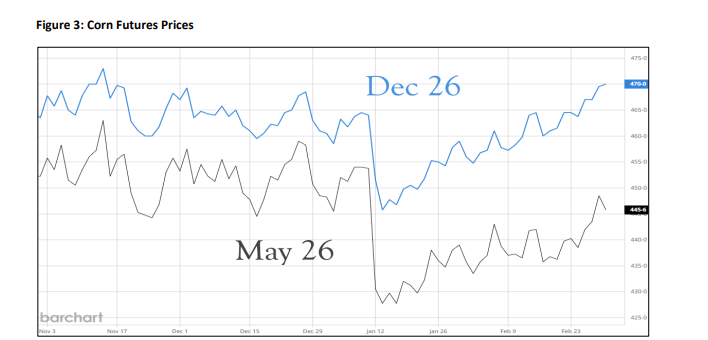
December Corn: Approximately $4.70, slightly lower than current levels.
November Soybeans: Approximately $11.80, slightly higher than current levels.
Nelson emphasized that these numbers are a starting point and are "not set in stone". Further updates are expected with the June acreage survey and as final acreage is incorporated later in the year.
Factors Influencing the Wheat Market
Despite the lower-than-expected wheat acreage, significant price reactions haven't been seen yet. Nelson believes the focus will shift to yield determination in the coming months.
Chicago Wheat: Concerns about yield have lessened due to above-normal rainfall forecasts for April.
KC Wheat (Hard Red): Potential yield issues remain a concern, and the trade will likely pay more attention to this starting next month.
Global Factors: Energy products and conflicts in the Middle East continue to be significant drivers for the entire commodity sector.
Looking Ahead
The next major update will be the USDA's World Agricultural Supply and Demand Estimates (WASDE) report on April 9, which will focus on old-crop numbers. New-crop figures will not be introduced until the May report.
For more information and analysis, visit Allendale's website at allendalehub.com or call 1-800-2-MARKET.
The National Agri-Marketing Association (NAMA) is proud to announce the recipients of the Next Gen Awards, recognizing emerging leaders who are shaping the future of agricultural marketing.
The Next Gen NAMA Award was created to celebrate rising professionals who demonstrate excellence, innovation, and leadership within their organizations and across the industry. Honorees are nominated by their companies or through chapter and national leadership. The awards will be presented at the 2026 Agri-Marketing Conference, April 15-17 in St. Louis.
2026 Next Gen NAMA Award Winners:
Ann Horack Marketing Communications Lead, Cargill Animal Nutrition & Health Ann Horack has built a dynamic career spanning agency, cooperative, and corporate roles within agriculture. With deep roots in farming and expertise across both row crop and dairy sectors, she brings a strategic, insight-driven approach to marketing. She led the launch of Cargill's dairy consulting brand campaign, "The Originals," a research-based initiative that has already earned Regional Best of NAMA recognition. Known for her collaborative leadership, Ann aligns cross-functional teams across the U.S. and Canada while mentoring emerging professionals and contributing actively to NAMA initiatives.
Andrew Levenson Vice President & Managing Director, Root+Beta Andrew Levenson has played a pivotal role in Root+Beta's growth, rising quickly to lead a team of nearly 40 employees. His entrepreneurial mindset and strategic leadership have driven a 100% client retention rate and expanded the agency's capabilities through innovations such as CRM platforms, marketing automation, and advanced digital tools. A strong advocate for collaboration, Andrew fosters team development and industry engagement, serving on the MidSouth NAMA board and helping grow membership and participation.
Ryan Siegel Marketing Communications Manager, Missouri Soybean Ryan Siegel has demonstrated exceptional leadership and innovation during his tenure with Missouri Soybeans, earning two promotions in four years. He transformed the Missouri Soybean Farmer magazine into a leading communications platform and drove a 300% increase in social media engagement. Ryan has also modernized digital communications through CRM integration and data-driven strategies. A dependable leader, he mentors team members and actively contributes to NAMA as an awards judge and collegiate competition supporter.
Reps. Michelle Fischbach (R-Minn.) and Nikki Budzinski (D-Ill.) introduced H.R. 8137 the Biobased Materials Investment and Production Act to incentivize the production of biobased chemicals and materials, which will create new markets for American farmers..
NCGA is working closely with Congress and a coalition of organizations to support and expand the ag bioeconomy. In response to the introduction of the tax legislation, Ohio farmer and National Corn Growers Association President Jed Bower released the following statement:
"Corn growers are very appreciative of Reps. Fischbach and Budzinski for introducing this legislation that will diversify demand for our farmers, strengthen rural economies and support domestic manufacturing. Boosting market opportunities for bioproducts made from agricultural feedstocks creates new revenue streams for growers of many different crops, which is particularly helpful during difficult economic times."
"Small-business truckers have dealt with faulty diesel exhaust fluid systems for years, facing unexpected shutdowns and costly repairs that needlessly take trucks off the road. These are serious operational and safety concerns. We appreciate EPA Administrator Zeldin for listening to the concerns of America's truckers and issuing commonsense guidance that keeps our supply chain moving."
On Tuesdays, Senior Farm and Ranch Broadcaster Ron Hays visits with Ben Hale of Western Livestock Auctions as he talks about the latest in the markets and more. Established in 1995, Western has grown into a multi-generational family-owned and operated business and stands as a symbol of tradition, excellence, and a deep-rooted passion for the cattle industry. Western Livestock Auctions operates the Western Livestock Commission Firm, which sells cattle on Mondays and Tuesdays. They also operate the livestock auction markets in Woodward, Comanche, Waurika, and Knoxville, Iowa.
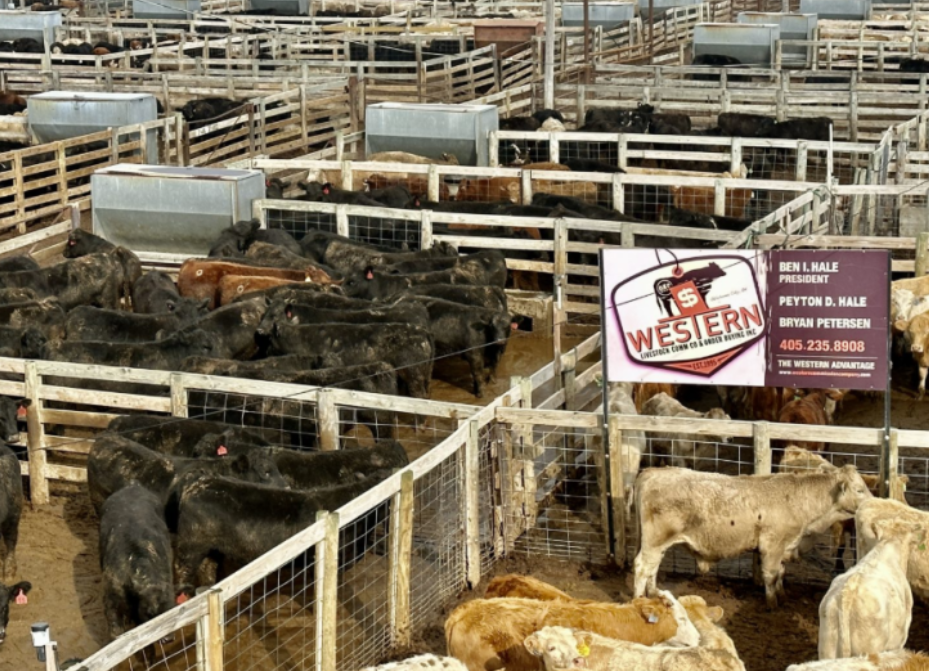
Cattle producers are working through a strong but weather-sensitive market as spring approaches, with numbers and cattle condition telling much of the story at the Oklahoma National Stockyards this week. Hale reported a solid run, noting, "it was 7,700," final numbers, adding that tight moisture conditions may have pushed some cattle to town earlier than normal. He explained that many of those cattle were ahead of schedule, saying they "probably would have been normally another month or five weeks, but kind of playing out a little bit early."
Hale said the quality and condition of the cattle stood out, particularly heavier feeders coming off wheat pasture. "Just lots of big feeder cattle, from 850 to 1000 (lbs) ... and the cattle, you know, pretty fleshy, they've done extremely well on that wheat," he said. Sellers were also surprised by performance, with Hale noting, "They just couldn't believe how big those cattle were. They just didn't think that they could have done that well." Despite some softness in certain classes, he emphasized that "still a strong, strong market," even with "a little bit of pullback on it."
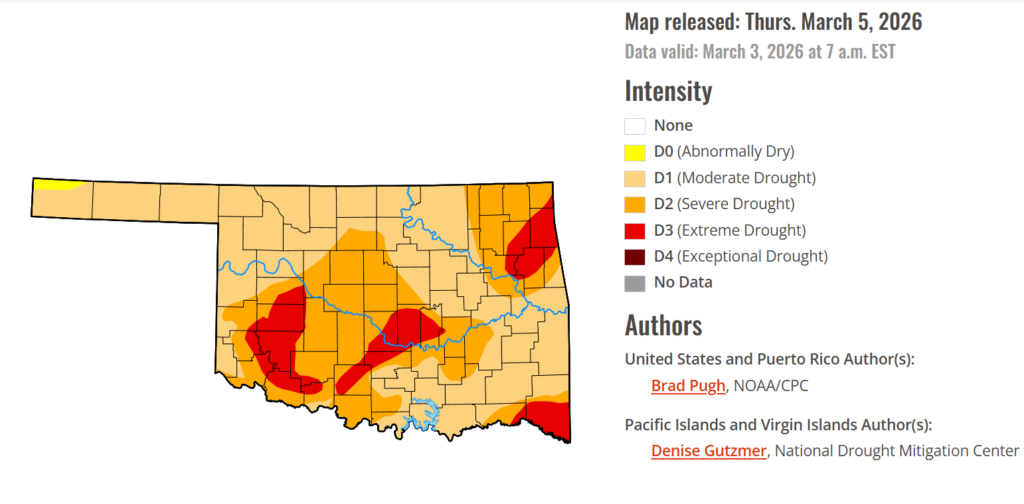
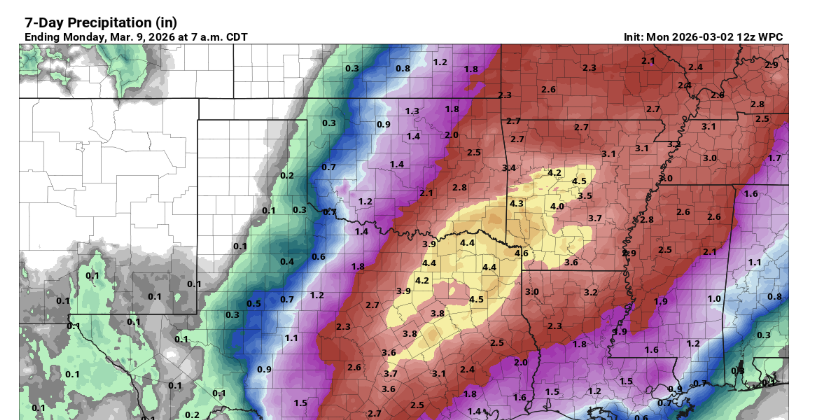
Moisture—or the lack of it—remains the biggest concern across the region. Hale said optimism hinges on incoming precipitation, explaining, "I think the main thing is, everybody is just really banking on that rain this weekend and next week. We just need some relief on it." He added that drought conditions stretch across a wide area, saying, "It's just a big old area that needs some moisture." Even so, he remains hopeful that a turnaround is possible: "even though this wheat is short, if we get some rain, it would come back, we could get a little extended grazing on it, so it's not all lost"
Looking ahead, Hale pointed to continued momentum across other markets in the state. "Gonna have 2,200 roughly at Waurika today... gonna have a few feeder cattle at Comanche Wednesday and then another good sale Thursday to Woodward." With activity picking up, he summed up the current tone simply: "Kind of picking up a little bit, gonna be busy here for a little bit and still enjoying this market, indeed."
Hale can be contacted at 940-631-2333. Check out more about the marketing options that Western offers by clicking here.
In today's Beef Buzz, senior farm and ranch broadcaster Ron Hays speaks with meteorologist and atmospheric scientist Matt Makens, who is tracking a critical weather transition that could shape moisture patterns, drought recovery, and even pest risks for cattle producers across the Southern Plains.
From La Niña to El Niño: A Slow Shift Ahead
Makens says producers can expect a wetter pattern eventually—but not right away.
"The long-term outlook does get wetter. Oklahoma, the whole region, does get wetter, but we have to wait for it to get that way," he explained. "In the short term... we've got fire issues, we've got a lot of drought... and recent wind events that have dried things out even more."
That transition from La Niña to El Niño is underway, but timing remains uncertain.
"This is the transition that we've chatted about for months, and the speed of it... we're still watching," Makens said. "The oceans are rapidly warming, and what does that do? It drives the atmosphere to make a change."
Why the Moisture Won't Arrive Immediately
Even as ocean temperatures signal a shift, Makens cautions producers not to expect immediate relief.
"It will not be an immediate change. It takes time for the atmosphere to look at the ocean... and finally get into that position," he said.
For 2026, that means the more favorable moisture pattern likely won't fully develop until later in the year.
"For this season, we're not looking for those changes to really set in until perhaps late summer, but more likely fall," he said. "People will hear the term El Niño... and expect, 'why is it still dry?'"
Growing Confidence—and Talk of a 'Super' Event
Makens says confidence in the forecast continues to increase as more data comes in.
"It increases day to day, because we're able to see the ocean truly warming up as much as some of the modeling indicated," he said. "We're seeing all of these clues or puzzle pieces coming together."
That includes the possibility of a stronger-than-normal event.
"There's a high likelihood for El Niño, and there's a substantial element of that for a super El Niño," Makens said. "Just meaning a super strong event."
Stronger events typically improve precipitation odds, especially later in the year.
"The stronger the El Niño can theoretically spread a lot more moisture across us, especially in the fall and winter months," he added.
Tropical Systems: A Missing Piece for Spring and Summer Relief
Despite the long-term outlook, Makens says meaningful moisture in the near term may depend on a less predictable factor.
"That would be what we would need... to really help the spring or even early summer," he said, referring to tropical systems moving inland from the Gulf.
However, he notes those odds are declining.
"How the oceans have been warming up... is reducing the odds of getting such a tropical system," Makens said. "There's never going to be a zero percent... but we're reducing it greatly for this spring and summer."
Weather Patterns and the Risk of New World Screwworm
Beyond rainfall, Makens has also studied how weather conditions could influence the spread of the New World screwworm if it re-enters the U.S.
"If the fly arrives, do we have an environment... that favors its spread?" he said. "The super long story short is... yes."
Makens explained that temperature, rainfall, and wind patterns all play a role.
"They love certain temperature thresholds, certain amount of rainfall... and yes... the fly could theoretically be along a huge area of the U.S., mostly the southern U.S., but in theory could go well northward."
A key concern is the North American Monsoon, which could help carry the pest deeper into cattle country.
"These flies seem to love to use that to their advantage—like wind at their backs—to push them north," he said. "We have to watch out the monsoon season very closely."
Watching the Winds Moving Forward
Historical patterns reinforce that concern.
"We can track the northward spread during the monsoon because of those seasonal wind flows," Makens said. "And what we've seen here the last several months is reports... getting closer and closer to the border."
With seasonal winds soon shifting, Makens says vigilance will be key.
"We're about to change that seasonal wind flow to come more out of the south," he said.
As producers navigate drought, fire risk, and uncertain moisture in the months ahead, Makens emphasizes that while relief is likely coming, patience—and close attention to weather patterns—will be essential.
Trade ministers from the World Trade Organization's (WTO) 166 member nations are meeting this week in Yaounde, Cameroon, for biennial negotiations, and U.S. Wheat Associates (USW) is present to ensure U.S. agricultural interests are represented.
The WTO ministerial conference, held every other year, is where the institution's members meet and discuss ongoing issues, opportunities for reform, and avenues for further negotiation to enhance multilateral trading rules.
Ryan Olson, USW director of trade policy, joined the WTO ministerial conference in the West African nation to represent the U.S. wheat industry and a broader coalition interested in reforming the WTO to preserve its relevance – known as the U.S. Agriculture Coalition for WTO Reform.
Since its inception in 1995, the WTO has overseen a series of multilateral trading agreements and dispute settlement functions that have been pivotal to expanding world trade, deepening markets for U.S. wheat farmers, and securing rules that affirm the importance of science in regulatory decisions. Over the years, the U.S. wheat industry has benefited from these agreements and supported U.S. government efforts to hold trading partners accountable through the institution's dispute settlement function. Further, WTO rules and the convening power they provide allow for raising and resolving tricky technical, sanitary, and phytosanitary barriers – non-tariff barriers that pose significant market access challenges.
While U.S. wheat has largely benefited from the consistent rules and market access provided by the WTO agreements, there are still challenges. WTO members, including India, China, and Turkey, continue to provide domestic supports and export subsidies in opaque and distortionary ways that violate the WTO's rules and diminish U.S. farmer incomes. And while the U.S. government has won cases at the WTO dispute settlement body regarding issues such as China's administration of its tariff-rate quota (TRQ) and minimum support price system, enforcement remains a challenge.
Outside of agriculture, ministers in Cameroon are considering fundamental questions about the future of the WTO and opportunities to reform the organization. There is broad agreement that the institution's framework needs to be updated to reflect the current trading environment, but there is a lack of agreement on how to do so or what the priorities should be. Challenges with the dispute settlement system, failure by some members to engage in the WTO's most basic functions like transparency and notifications, and the way developing countries are treated and integrated into global markets will all be topics of conversation during negotiations this week.
And while expectations have been kept muted about potential outcomes, particularly around the agriculture negotiations, there is hope that discussions will lead to a path forward on reform.
As negotiations unfold, USW's priorities will be to ensure that members and the U.S. delegation, led by the U.S. Trade Representative, are aware of the challenges raised by distortionary domestic support policies, while also highlighting the immense benefits that agriculture sees in the WTO's market access provisions and technical, sanitary, and phytosanitary rules.
Looking to the future, there is an immense opportunity to make the WTO more transparent, relevant, and accountable, and its agreements more enforceable – all reforms that have the opportunity to improve the global trading environment for U.S. wheat farmers.
Recent outbreaks of highly pathogenic avian influenza (HPAI) in U.S. poultry flocks highlight the importance of biosecurity measures in limiting the spread of infectious disease in livestock production, diseases that can potentially cross into humans.
To help producers increase preparedness and maintain continuity of business during a disease response, staff at the National Farm Medicine Center, Marshfield Clinic Research Institute, have led development of PremisesMapper, a free, web-based biosecurity premises mapping tool.
Biosecurityis another way of saying "infectious disease control," and refers to everything done to keep diseases and the things that cause them (viruses, bacteria, funguses, parasites and other organisms) away from animals, property and the people that may interact with them.
A "premises map" is an aerial, visual representation of a specific property, including its boundaries, structures and key features. Premises maps typically depict perimeter buffer areas, lines of separation, access points, cleaning and disinfecting stations, and carcass removal pathways, among other features relevant to facility biosecurity.
The Wisconsin Department of Agriculture, Trade, and Consumer Protection (DATCP) Division of Animal Health served as a key stakeholder and advisor in the tool development process.
"In the event of a disease response, many livestock producers are required to submit a premises map to their state animal health office as a part of their biosecurity plan," said Kurt Grajkowski, emergency services coordinator with DATCP. Creating a biosecurity plan and premises map prior to disease outbreak can expedite response efforts and limit negative impacts on producer operations.
Existing guides for creating biosecurity plan premises maps recommend using a combination of Google Earth, screen shot capabilities, and Microsoft Word, or else drawing the map by hand using colored pencils, markers or crayons.
"This tool facilitates development of maps for producers and streamlines the transfer of maps to state officials and emergency response personnel," said Jakob Hanschu, PremisesMapper product manager. PremisesMapper allows users to place icons, draw lines and shapes, and add key information. All symbology is aligned with existing premises mapping guidelines. A key development feature of PremisesMapper is a step-by-step guide that walks producers through all of the elements that they should include to ensure the development of complete, accurate maps.
PremisesMapper was soft-launched in March and received positive user feedback. Testimonials indicate that the tool is increasing the efficiency of premises map development for state officials and producers responding to HPAI.
"It's a definite time saver," Grajkowski said. "We had some changes to one of our premises just the other day, and I was able to make the updates in a matter of minutes."
To use PremisesMapper, go to this link and create a free account: https://rfdash.org/PremisesMapper/. All PremisesMapper information is securely stored on health system servers. After creating a map, producers can print it or download a PDF to integrate into their biosecurity plan. If you have questions about PremisesMapper, please contact Jakob Hanschu (jakob.hanschu@sanfordhealth.org).
In a letter led by Ranking Member Angie Craig (MN-02), members of the House Agriculture Committee urged the U.S. Department of Agriculture to take immediate steps to stabilize fertilizer prices amid severe global supply disruptions stemming from President Trump's war with Iran and the effective closure of the Strait of Hormuz.
The letter details how blocked shipments of urea and ammonia, port backlogs, and shutdowns at regional production facilities are cascading into higher input costs for U.S. farmers as planting season begins.
The lawmakers write: "It has become increasingly clear that the Administration decided to initiate hostilities without considering the obviously foreseeable consequences this would have upon American agriculture" and warn that "farmers will be forced to either pay higher prices for fertilizer that they need or go with less and risk low production yields; either way their tight margins – already in the red for many farmers – will only worsen."
The letter writers note that as the Iranian regime has retaliated and spread the conflict to many Gulf States, facilities essential to fertilizer production have come under direct attack, foreshadowing longer-term consequences for American farmers even if the war were to end soon:
"Even if the Strait reopens, it will take weeks to bring the plants back online and get them running efficiently. Plants that are damaged will need to be repaired. Ports will have to catch up on loading ships, leading to a backlog and prolonged supply chainslowdown. It could be months before supply chains normalize," the lawmakers write.
In addition to urging Agriculture Secretary Rollins to communicate a public action plan for how the Trump administration will reduce fertilizer prices and stabilize markets for American farmers, the lawmakers request an examination of how existing tariffs can be reduced or suspended to ease fertilizer prices and for an estimation of the increase in costs to farmers because of higher fuel and fertilizer costs caused by Trump's war with Iran.
While the cotton jassid (Amrasca biguttula), also known as the Two-Spot Cotton Leafhopper, has not yet been detected in Oklahoma, its rapid expansion across the Southern Cotton Belt in 2025 makes it a potential threat to the 2026 season. This pest is considered one of the most serious threats to U.S. cotton, with the potential for significant yield losses in untreated fields. Stay informed on if the cotton jassid may be moving from the south and into Oklahoma by signing up for Texas A&M AgriLife Extension text alerts: text COTTON to (833) 717-0325.
Identification: The "Two-Spot" Difference
The cotton jassid can be confused with the native potato leafhopper, but its unique markings are the key to early detection (Figure 1).
Adults: Approximately 1/8 inch (2mm) long, wedge-shaped, and green.
Key Markings: Look for two small black spots on the crown of the head and one black spot on the tip of each forewing. These spots on the head can sometimes fade but are generally visible under magnification; the spots on the wings will be present in adults and do not fade.
Nymphs: Wingless and pale green. They are best known for their "crab-like" sideways movement when disturbed on the leaf surface. Any nymphs spotted should warrant a thorough scouting for adult cotton jassids and damage.
Figure 1. Cotton jassid adults (A) have one black dot on each wing and may have two small dots between their eyes (these dots on the crown can fade). The potato leafhopper (B), which is not a threat to cotton production but does occur in Oklahoma, does not have black dots on their wings or between their eyes. Image A courtesy of Isaac Esquivel, UF Extension, image B courtesy of DryBeanAgronomy.ca.
Biology and Host Range
The cotton jassid has a short life cycle, completing a generation in approximately two weeks under warm conditions.
Reproduction: Eggs are inserted directly into leaf midveins and petioles, hatching in 3–4 days. Eggs will not be visible to the naked eye or through hand lens. Cotton jassids progress through 5 nymphal instars before becoming reproductive adults (Figure 2).
Host Plants: This pest is polyphagous, meaning it feeds on many hosts. While cotton is a primary target, it also thrives on okra, eggplant, and ornamental hibiscus. It has also been found on native plants like Turk's cap, as well as weeds like Ceasar weed and Florida pusley.
2025 Range on U.S. Cotton: The cotton jassid was detected on cotton in FL, GA, AL, MS, LA, TN, SC, NC, and TX. The TX detections in cotton were limited to southeastern TX in Grimes, Wharton, and Fort Bend counties. At the time of this article's posting (March 2026), the cotton jassid has not been detected in OK.
Figure 2. Cotton jassid nymphs on the underside of a cotton leaf. Image courtesy of Isaac Esquivel, UF Extension.
Damage: Recognizing Hopperburn
Unlike other leafhoppers, the cotton jassid injects a salivary toxin that disrupts the plant's vascular system.
Early Signs: Initial yellowing that resemble potassium deficiency with some upward curling of leaf margins (Figure 3, Rating 1).
Progression: Characterized by hopperburn, a yellowing (chlorosis) that proceeds from leaf edges and turns red or brown as the tissue dies (Figure 3).
Systemic Impact: Plants can go downhill quickly, often leading to complete desiccation and stunted growth (Figure 4).
A Hopperburn Injury Rating Scale has been developed by Extension Cotton Entomologists in the mid-South (Figure 3). You cannot let the cotton jassid get ahead of you. Once reddening starts on the leaf margins (Rating 2 in Figure 3) it is likely too late to rescue the cotton plant, damage will quickly progress and photosynthetic capabilities for the plant decline considerably.
Figure 3. Hopperburn injury rating scale for cotton jassid damage. Damage increases from none (0) to severe damage of desiccated leaf (5). Slight yellowing and upward curling of leaf is shown in Rating 1, with increased yellowing, cupping, and beginnings of reddened leaf margins in Rating 2. Insecticide action should be taken prior to reaching Rating 2. Ratings 3 – 5 show increased spread of reddening and desiccation. Images courtesy of Phillip Roberts (UGA Extension) and Scott Graham (AU Extension).
Figure 4. Cotton jassid hopperburn resulting in reddened, dried leaves (A) and stunted cotton plants (B). Image courtesy Isaac Esquivel, UF Extension.
Scouting Protocol
Scouting is mandatory for every cotton field in 2026 to prevent significant yield loss. Plants located at the edge of cotton fields can serve as good indicators, as cotton jassids will enter at field margins where damage is more likely to occur before further in field.
Target Area: Inspect the undersides of leaves in the mid-to-upper canopy.
Sample Leaf: Focus on the 4th mainstem leaf below the terminal, as this is where nymphs typically congregate.
Visual Checks: Because adults fly quickly, count the flightless nymphs. Examine at least 25 leaves per field.
Threshold:1 cotton jassid per leaf, or early crop injury indicators (Figure 3, Rating 1) with cotton jassid confirmations nearby.
Continue Scouting: Since green leaves are needed to fill bolls, growers should scout cotton up to at least 2 weeks prior to defoliation.
Management Guidance
Cultural Practices
Plant Early: Trials indicate that earlier planting dates can help the crop "outrun" the peak pressure of migrating populations.
Nutrient Management: Avoid excess Nitrogen, which attracts cotton jassids. Ensure adequate Potassium, as deficient plants crash much faster under cotton jassid stress.
Varieties: Internationally, varieties with high trichome (hair) density on leaves offer natural resistance to feeding. However, varieties on the U.S. market are generally less hairy than those planted elsewhere. Currently, trials from 2025 do not indicate a varietal difference in terms of cotton jassid susceptibility.
Chemical Control
Based on 2025 research trials conducted by Mid-South Cotton Extension Entomologists, the following insecticides have shown varying levels of control (Table 1). Repeated insecticide applications may be warranted.
Table 1. Suggested foliar insecticides* and their observed control level for suppressing the cotton jassid. Efficacy lasted around 2 weeks.
*Cotton jassids have shown resistance to every chemistry class in their native range; rotation of modes of action is critical. The mention, listing, or use of specific insecticides is not an endorsement of that product, nor is it a criticism of similar products not mentioned.
If you suspect cotton jassid activity or see hopperburn symptoms, contact the OSU Cotton IPM team: Maxwell Smith, Ashleigh Faris and Jenny Dudak immediately for confirmation. This team will be monitoring for the cotton jassid and will share updates on nearing threat, Oklahoma detections, and updated management guidance as it becomes available.
Beef imports increased 18.0 percent year over year in 2025. Total beef imports have increased sharply due to declining U.S. beef production and high prices as the current market developed. Total beef imports are up 61.4 percent since 2022. A variety of beef products are imported from a number of different countries. Much of the imported beef is lean processing beef used to support ground beef production in the U.S. Imported lean beef supplements domestic supplies of fatty trimmings from fed cattle and lean beef from cull cows and bulls. Fed steers and heifers produce 150 or more pounds of fatty trimmings which much be mixed with lean beef to make ground beef. For example, it takes 7 pounds of 90 percent lean beef to mix with a single pound of 50 percent trimmings from fed cattle to formulate an 85 percent lean ground beef mixture. Without imported beef, it would be impossible to maintain ground beef supplies in the U.S. Per capita ground beef supplies in 2025 were estimated at 29.4 pounds, 49 percent of per capita retail beef consumption of 59.8 pounds.
Figure 1 shows that 52 percent of beef imports consist of beef trimmings. Nearly every source of beef imports includes significant proportions of trimmings (Figure 2). Australia was the largest source of beef imports and the largest source of beef trim, accounting for 31.5 percent of imported trim. New Zealand was the number five source of beef imports but the second largest source of beef trimmings (16.7 percent) because 82.2 percent of beef from New Zealand is trimmings. Brazil is the second largest source of imports and accounted for 15.7 percent of imported trimmings. Canada and Uruguay each contributed just under eleven percent of beef trimmings.
Some portion of the 21 percent of imports in the form of primals/subprimals are also used for ground beef production. In other cases, the primals/subprimals are used as muscle cuts. The majority of primals/subprimals are imported from Canada and Australia.
Imported beef cuts make up 18 percent of beef imports and may be used in either retail grocery or food service. Mexico accounts for over 50 percent of imported beef cuts, much of which is sold in retail grocery markets. Imported cuts from Brazil, Australia, or other countries are more likely used in food service. Minor amounts of edible offals (mostly Mexico) and cooked beef products (mostly Brazil and Canada) are imported as well.
Expanding drought conditions are beginning to impact cattle markets, and understanding these changes is critical for producers and industry professionals. In this update, OSU Extension livestock marketing specialist Derrell Peel explains how worsening drought could influence cattle prices, supply, and market trend on SunUpTV from March 28, 2026. https://www.youtube.com/watch?v=o9XFSaDsyIY
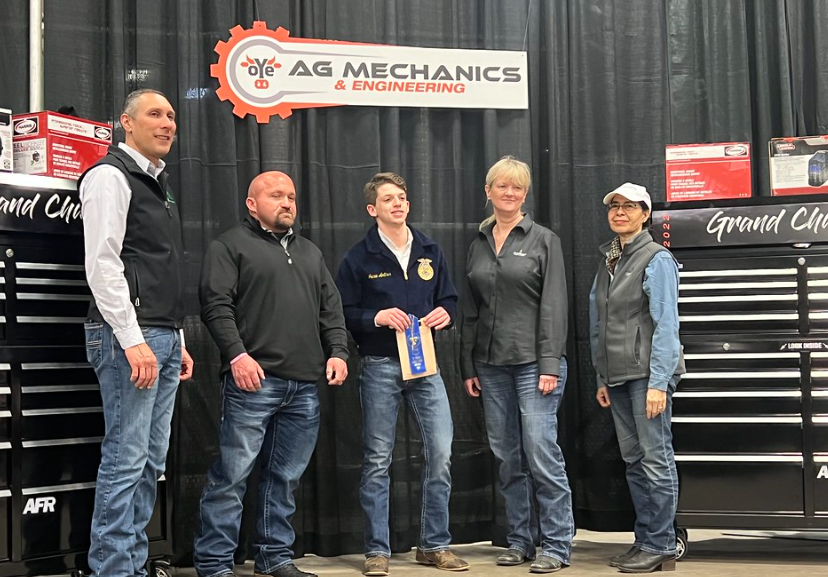
Purple Wave Auction is proud to support the Alva, Okla. FFA chapter with their 1968 John Deere 4020 restoration project, auctioning the tractor on April 15 and donating 100 percent of the buyer's premium back to the Alva FFA Chapter.
For Alva FFA, inklings of a tractor restoration project started after the chapter welcomed a new ag teacher and a local farmer donated a Model B as a first, but smaller-scale, project. Several students enjoyed working on the Model B so much that they decided to search for a second, more in-depth tractor, and found one from a local farmer: the 4020.
Jaxon Headlee and Clay Schafer, students and members of the Alva FFA, shared that taking an unusable project and turning it into a working tractor again was rewarding in every way. Jaxon was involved with everything from mechanical restoration and initial teardown to bodywork and presentation, while Clay mainly helped with teardown, body work, and prepping parts for paint.
"When we first got it, it was completely inoperable," said Jaxon. "It hadn't started since the early 2000s, it was parked due to a cracked cylinder liner, and the paint was completely ruined. It was about as unstable as it could be." Jaxon was especially proud of the mechanical aspect of the restoration, reminiscing about childhood memories of watching his grandfather work on mechanical things at Western Equipment and Tri K. Headlee's father is an auto body technician, so he also enjoyed getting to put in place some of the knowledge he's watched his father use in his day-to-day role.
In total, the group of students spent approximately 2500 man-hours restoring the tractor to working condition. The original cab was in disrepair and had to be completely removed; finding parts from John Deere or other sources was one of the main obstacles they faced during the rebuild. All in the restoration cost an estimated $15,000 due to needing a new engine as well.
Clay said the most important aspect to him was learning from Jaxon how to do the bodywork, sanding, and all the prep that goes into it. As a freshman, Clay spent each day helping Jaxon prep the tractor. One of the key technical takeaways for Clay was learning to communicate better.
"It means a lot to me because I learned a lot of new skills on this project, whether it be the body work or just learning about the engine, how it operates," said Clay. "I liked going home to tell my dad about the things I learned that day and just seeing the smile on his face when I got to tell him."
Bidding for the tractor will close on April 15. Visit purplewave.com to place your bids and support the Alva, Okla. FFA today! Purple Wave Auction is a proud supporter of the National FFA.
Last week,both the House and Senate introduced resolutions supporting the 2026 International Year of Rangelands and Pastoralists (IYRP) sponsored by Senators Cynthia Lummis (R-WY), Ben Ray Luján (D-NM) and Reps. Dan Newhouse (R-WA) and Jim Costa (D-CA). The Public Lands Council (PLC) supports these resolutions to honor the conservation work of ranchers, researchers, rangeland conservationists, and many more critical to maintaining millions of acres across the United States and the world.
"The International Year of Rangelands and Pastoralists is about celebrating everyone that dedicates their lives to keeping range and pasturelands healthy. U.S. cattle and sheep producers carry out voluntary conservation work every day to preserve our natural landscapes through targeted grazing," said PLC Secretary and Colorado rancher Robbie LeValley. "The work we do as ranchers is made possible by a strong network of individuals that are as passionate about maintaining our treasured natural resources as we are. PLC thanks House and Senate leaders for introducing these resolutions and commemorating this important work in the congressional record." Background
The United Nations designated 2026 as the "International Year of Rangelands and Pastoralists" to recognize the vital nature of rangelands and the significance of pastoralism to the stewardship and societal benefits of rangelands. Grazing on federal rangelands and grasslands is an essential tool that helps conserve and improve some of the West's most iconic landscapes. Today, cattle and sheep graze on approximately 22,000 allotments that total nearly 250 million acres on Bureau of Land Management or U.S. Forest Service land. Ranchers are the backbone of the rural economy in the western United States, contributing to the national beef, lamb, and wool supply chains – collectively worth more than $73 billion annually. Ranchers support other local businesses, return money to the land by investing in range improvements, and contribute to the tax base that funds schools, conservation work, and other important public services. Additionally, ranchers make the billions of dollars generated by recreation, timber production, and other industries possible by keeping our public lands green, healthy, and undeveloped.
R-CALF USA leadership traveled to Washington, D.C., last week for a series of meetings and events with administration officials and members of Congress.
During its time in Washington, R-CALF USA met with administration officials and congressional offices to discuss issues impacting U.S. cattle producers, including mandatory country-of-origin labeling, competition in cattle markets, beef checkoff reform and trade policy.
The week concluded with the R-CALF USA Board of Directors joining President Donald Trump, Cabinet officials, members of Congress and producers from across the country on the South Lawn of the White House for the "Great American Agriculture Celebration."
"We take pride in bringing the voices of independent ranchers to Washington, D.C.," said R-CALF USA President Dave Hyde. "Our board members are working cattle producers who took time away from their operations, many in the middle of calving season, and some making their fifth trip to Washington this year.
"We welcomed the opportunity to bring the voice of independent cattle producers into these discussions and came prepared to engage in meetings that have too often excluded working producers," Hyde said.
"We're grateful to our members for the trust they place in us," he continued. "We show up to represent them and advance the policies they've directed us to fight for."
While in Washington, R-CALF USA also participated in the administration's rollout of the "Product of USA" awareness initiative.
Hyde said the updated rule corrects a long-standing deception and represents progress but does not replace the need for mandatory country-of-origin labeling for beef, which ultimately requires an act of Congress.
"Mandatory country-of-origin labeling is still the goal," Hyde said. "We're going to keep pushing to get it done while continuing to show up and tackle the full range of issues impacting independent cattle producers."
Photos from the Washington, D.C., meetings are available here.
More than 50 Oklahoma Farm Bureau members descended on Washington, D.C., to share the story of agriculture during OKFB's 2026 Washington, D.C., Summit, March 23-26.
Members kicked off the trip on Monday evening with a reception and a spectacular view of the Potomac River, where they were joined by several legislative staffers from Oklahoma's congressional delegation.
Tuesday included a morning of briefings from industry experts from American Farm Bureau, like RJ Layher, who visited with members about several top policy issues for AFBF, including a new poultry insurance pilot program, the New World Screwworm threat, and the potential impacts of California's Proposition 12. AFBF's Brian Glenn gave an update on the farm bill and E15 fuel, and Dave Salmonsen gave members an agricultural trade update.
Jimmy Emmons, OKFB member and assistant chief of the United States Department of Agriculture's Natural Resources Conservation Service, visited with members at the USDA office about his time with NRCS and some of the organization's top initiatives.
After the briefings, Farm Bureau members had the opportunity to sightsee in the nation's capital before enjoying a group dinner at Carmine's Italian Restaurant.
The third day of the trip was highlighted by visits to Capitol Hill from all seven members of Oklahoma's congressional delegation. Farm Bureau members heard updates from each lawmaker on top agriculture issues in Washington, including farm bill progress, government appropriations and spending, crop insurance and disaster relief, voter identification, the impacts of the conflict in Iran, and more.
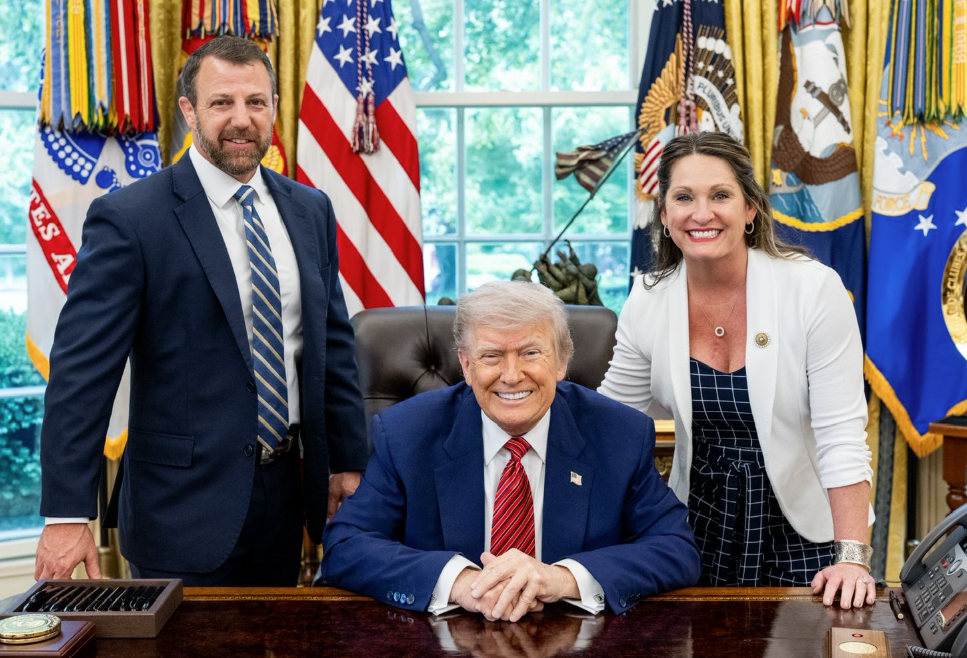
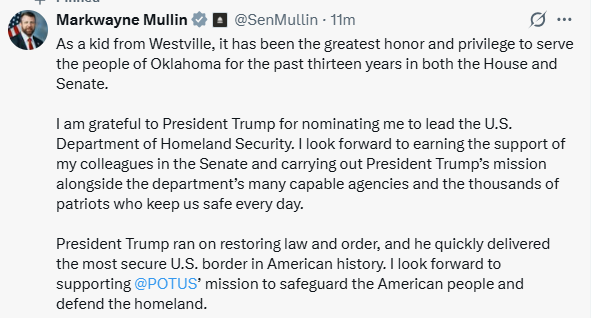
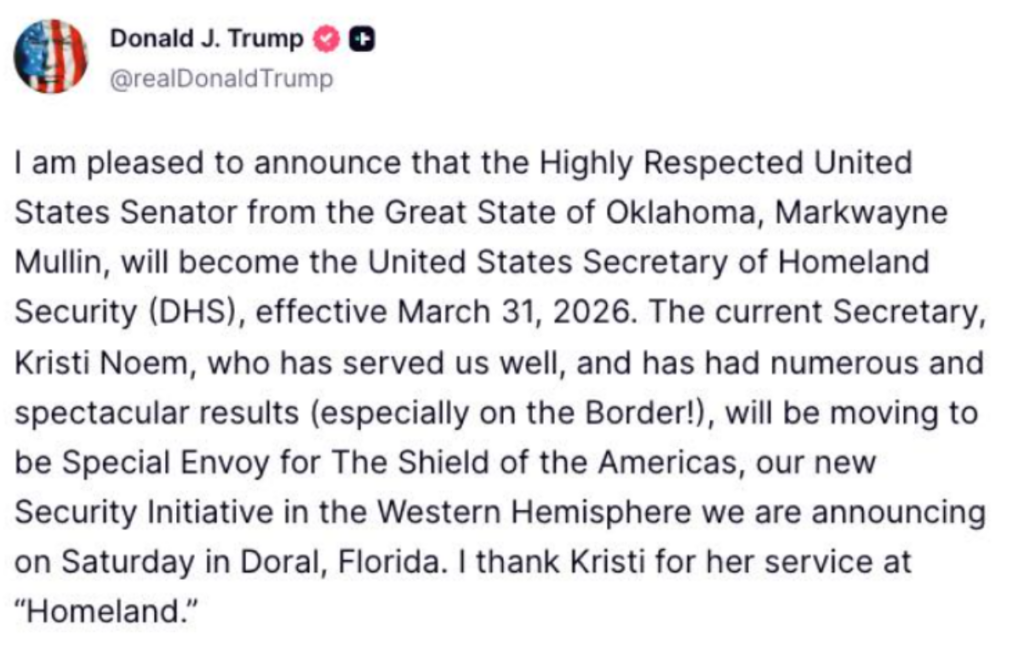
Members also had the pleasure of meeting Oklahoma's newest member of the delegation, Sen. Alan Armstrong. Armstrong, who was appointed by Gov. Kevin Stitt to fill Markwayne Mullin's unexpired Senate seat after Mullin was appointed as Homeland Security secretary, spoke with members about his top legislative priorities only hours after being sworn in to the United States Senate.
The day was capped off by a once-in-a-lifetime evening tour of the U.S. Capitol by Sen. James Lankford. Lankford led members through the building and shared its rich history, which has been central to America's history for more than 200 years.
Farm Bureau members also had the opportunity to tour the AFBF office on the last day of the trip and visit with AFBF staff about the resources the national organization has to offer state and county Farm Bureaus.
OKFB's Washington, D.C., Summit serves as the organization's annual fly-in held each spring to provide OKFB members with the opportunity to share their agricultural perspectives with Oklahoma's congressional delegation while learning more about agricultural issues working through Congress and regulatory agencies.
Senate Republicans have chosen Senate President Pro Tempore Lonnie Paxton, R-Tuttle, to continue leading the upper chamber for the 61st Oklahoma Legislature.
Pro Tem Paxton ran unopposed for the leadership position, receiving unanimous support from his Republican colleagues to serve as Pro Tem-designate.
"It has been an honor and privilege to lead the Senate," Pro Tem Paxton said. "It's humbling to have the support of my colleagues and the opportunity to serve in this role for another two years. Together, we have passed landmark reforms that are moving Oklahoma forward, but our work is not done. The Senate stands ready to continue tackling the issues most important to our state while partnering with our counterparts in the House and the Executive branch.
"I have appreciated the strong partnership of House Speaker Kyle Hilbert and Governor Kevin Stitt. I look forward to continuing that collaboration with our current and future state leaders. When we work together, there is no limit to what we can accomplish for the people of Oklahoma."
Since his initial election as Pro Tem in 2025, Paxton has maintained a focus on conservative fiscal policy and government efficiency. His leadership has guided successful efforts in tax and tort reform, the expansion of foster care support and a commitment to public safety and in-person learning standards in schools.
Pro Tem Paxton's legislative impact during his tenure as pro tem has earned him widespread recognition, including the Legislative Lifetime Achievement Award from the Oklahoma Bureau of Narcotics, the 'Boomstick Award' from the District Attorneys Association, the Business All-Star Award from the State Chamber and the Champion Award from the Oklahoma Farm Bureau.
A resident of Tuttle, Paxton represents District 23, which encompasses portions of Grady and Canadian counties. He and his wife, Misti, have four grown children.
The official vote to formally elect the President Pro Tempore will occur during the Senate's Organizational Day in January 2027.
Senators Amy Klobuchar (D-MN), Ranking Member of the Senate Committee on Agriculture, Nutrition, and Forestry, and Jeanne Shaheen (D-NH), Ranking Member of the Senate Committee on Appropriations Agriculture, Rural Development, Food and Drug Administration, and Related Agencies Subcommittee are leading all 10 Democrats on the Senate Agriculture Committee in raising concerns to the U.S. Department of Agriculture on the reliability of data reports from USDA. A recent Farm Journal survey found that 73% of ag producers and 78% of ag retailers are less confident in USDA reports than in past years.
"We write to express our concerns regarding the reliability of data reports from the U.S Department of Agriculture," wrote the Senators. "Farmers need reliable USDA data to make critical decisions on what to plant, how to manage risks, and when to market their agricultural products. Given the importance of reliable USDA data to farmers, ranchers, and rural communities, it is critical that USDA maintain the quality and integrity of its data."
"In January 2026, USDA revised its harvested corn acreage estimate for the 2025 crop year from its initial June 2025 estimate of 86.8 million acres to 91.3 million acres. While refinements to estimates are expected as a growing season wraps up, such a large increase in these estimates resulted in grain prices dropping more than 5 percent at a time when the farm economy is already strained," the Senators continued. "Issues like this have led to an erosion of trust in USDA data in the agricultural community. A January 2026 Farm Journal survey of farmers, retailers, and economists indicates that 73 percent of farmers and 78 percent of agricultural retailers are less confident in USDA data now than they were in the past."
Along with Klobuchar and Shaheen, the letter was signed by Senators Michael Bennet (D-CO), Tina Smith (D-MN), Dick Durbin (D-IL), Cory Booker (D-NJ), Ben Ray Luján (D-NM), Raphael Warnock (D-GA), Peter Welch (D-VA), John Fetterman (D-PA), Adam Schiff (D-CA) and Elissa Slotkin (D-MI).
We write to express our concerns regarding the reliability of data reports from the U.S Department of Agriculture (USDA).
Farmers need reliable USDA data to make critical decisions on what to plant, how to manage risks, and when to market their agricultural products. Given the importance of reliable USDA data to farmers, ranchers, and rural communities, it is critical that USDA maintain the quality and integrity of its data.
In January 2026, USDA revised its harvested corn acreage estimate for the 2025 crop year from its initial June 2025 estimate of 86.8 million acres to 91.3 million acres. While refinements to estimates are expected as a growing season wraps up, such a large increase in these estimates resulted in grain prices dropping more than 5 percent at a time when the farm economy is already strained. In addition, a delayed June 2025 quarterly trade report excluded important qualitative analysis typically included in past reports—USDA has not restored that analysis in any subsequent update.
Issues like this have led to an erosion of trust in USDA data in the agricultural community. A January 2026 Farm Journal survey of farmers, retailers, and economists indicates that 73 percent of farmers and 78 percent of agricultural retailers are less confident in USDA data now than they were in the past.
This erosion of trust in USDA data comes after a loss of over 30 percent of National Agricultural Statistical Service (NASS) employees and nearly 25 percent of Farm Service Agency (FSA) employees, the agencies responsible for estimating and collecting data of crop acres planted and harvested, in the first half of 2025 alone. USDA's proposed reorganization threatens to worsen the loss of key institutional knowledge and staff capacity. Further, the department has not yet indicated whether it will protect employees at statistical agencies from receiving Schedule Policy/Career designations which could suggest the political control of data products. Such potential designations would undermine the agencies' objective and nonpartisan responsibilities.
We ask that you please describe the steps you are taking within the Research, Education, and Economics mission area to ensure that farmers, ranchers, and producers can rely on the data issued by USDA, including copies of any internal reviews conducted on data reports and data quality. Additionally, please outline how your agencies are working to improve producer survey response rates and supplement responses with any additional data sources.
Thank you for your attention to this important matter and we look forward to your response.
House Agriculture Committee Ranking Member Angie Craig (MN-02) led a bicameral letter with Senate Banking Committee Ranking Member Elizabeth Warren (D-MA), Senate Agriculture Committee Ranking Member Amy Klobuchar (D-MN) and House Financial Services Committee Ranking Member Maxine Waters (D-CA-43) to the Commodity Futures Trading Commission (CFTC) and the Office of Government Ethics (OGE), encouraging them to clamp down on insider trading by federal employees in the Trump administration.
Prediction markets have grown quickly in recent years, allowing users to bet on the outcome of political, economic and geopolitical events. Recent reports of last-minute bets being placed to reap large payoffs on obscure events seem to indicate nonpublic government information has been used by those with insider information.
"Over the weekend of January 3-4, 2026, a Polymarket user made $400,000 by betting on the capture of Venezuela's former leader, Nicolás Maduro, raising suspicions that the user traded with insider government knowledge," the lawmakers write.
Federal law prohibits government employees from using nonpublic information obtained through their official duties for personal financial gain through prediction markets.
The lawmakers who joined the letter include Representatives Salud Carbajal (D-CA-24), André Carson (D-IN-07), Marcy Kaptur (D-OH-09), John Mannion (D-NY-22), James McGovern (D-MA-02), Seth Moulton (D-MA-06), Eleanor Holmes Norton (D-DC-At-large), Andrea Salinas (D-OR-06), Eric Sorensen (D-IL-17), Suhas Subramanyam (D-VA-10), Mike Thompson (D-CA-04), Gabe Vasquez (D-NM-02), Eugene Vindman (D-VA-07) and Dina Titus (D-NV-03) and Senators Cory Booker (D-NJ), Catherine Cortez Masto (D-NV), Ruben Gallego (D-AZ), Kirsten Gillibrand (D-NY), John Hickenlooper (D-CO), Andy Kim (D-NJ), Mark Warner (D-VA), Raphael Warnock (D-GA), Jeanne Shaheen (D-NH) and Jeff Merkley (D-OR).
Since she came to Congress, Ranking Member Craig has led the charge to fight corruption and restore integrity to Washington, DC.
Last year, she reintroduced her NO STOCK Resolution, which would require members of Congress to immediately sell their individual stocks and refrain from future stock ownership while in office.
She also joined her colleagues in introducing the "End Corruption Now" legislative agenda, which aims to confront political corruption and clean up government through six bills that put power back in the hands of the American people. These bills will prevent the president, executive branch officials and members of Congress from personally benefiting from their offices.
Earlier in the 119th Congress, she reintroduced her Halt Unchecked Member Benefits with Lobbying Elimination (HUMBLE) Act–a broader package of reforms that would ban members of Congress from owning or trading individual stocks, prohibit the use of taxpayer funds for first-class airline tickets, prevent members from serving on corporate boards while they are in Congress, eliminate access to members-only perks for former members and eliminate automatic pay raises for members of Congress. She first introduced the HUMBLE Act during her first term in Congress in 2019.
The American Farm Bureau Federation, in partnership with Farm Credit, is accepting online applications from entrepreneurs for the 2027 Farm Bureau Ag Innovation Challenge through June 5. Now in its 13th year, this national business competition showcases U.S. startup companies developing innovative solutions to challenges faced by America's farmers, ranchers and rural communities.
The overall winner of the competition will receive $100,000 in startup funds, the runner-up will be awarded $25,000 and two additional business owners who advance to the final four round will receive $10,000.
"Encouraging innovation is essential to keeping American agriculture strong," said AFBF President Zippy Duvall. "If you're building a business that can help farmers and rural communities thrive, don't wait, apply today."
Farm Bureau is offering a total of $145,000 in startup funds throughout the course of the competition. After the application period closes on June 5, 10 semi-finalist teams will be selected and announced on Sept. 2. Next, the 10 semi-finalist teams will pitch virtually to compete for a spot in the final four round of the contest.
The final four teams will be awarded $10,000 each and participate in a live pitch competition in front of Farm Bureau members, investors and industry representatives at the AFBF Convention in January 2027 in Charlotte, North Carolina, to win:
Farm Bureau Ag Innovation Challenge Winner, $90,000 (total of $100,000)
Farm Bureau Ag Innovation Challenge Runner-up, $15,000 (total of $25,000)
Recent winners of the Ag Innovation Challenge include FarmMind (2026), a company that unifies farm workflows from GIS to compliance and agronomic insights, and Gripp (2025), a company that provides an operator‑focused tool for asset tracking and team communication. Other examples of successful Ag Innovation Challenge participants, as well as detailed eligibility guidelines and the competition timeline, can be found at fb.org/challenge.
Entrepreneurs must be members of a county or parish Farm Bureau within their state of residence to qualify as top 10 semi-finalists. Applicants who are not Farm Bureau members can visit https://www.fb.org/about/get-involved to learn about becoming a member.
Applications must be received by 11:59 p.m. Eastern Daylight Time on June 5.
As families prepare for Easter festivities, food safety remains a top priority, especially when it comes to the tradition of decorating and hunting for eggs. USDA food safety expert Meredith Carothers recently shared essential guidelines with Rod Bain of the U.S. Department of Agriculture to ensure these holiday treats remain safe to eat.
Timing and Storage for Hard-Boiled Eggs
For those planning to eat their decorated eggs, timing is key. According to Carothers, hard-boiled eggs can be safely stored in the refrigerator for up to seven days. To maintain peak freshness, it is recommended to boil them closer to the planned festivities rather than too far in advance.
A critical safety guideline to remember is the two-hour rule. Hard-boiled eggs must be returned to the refrigerator within two hours of being at room temperature to prevent the growth of foodborne bacteria.
Safety During Decoration and Hunting
While decorating is a beloved part of the holiday, the materials used can affect egg safety. Carothers advises checking that any food coloring or egg dyes used are specifically labeled as safe for consumption if there is a plan to eat the eggs later.
Furthermore, the environment in which eggs are placed significantly affects their safety:
Outdoor Hunts: Eggs used for outdoor Easter egg hunts are not safe to eat.
Contamination Risks: Exposure to the outdoor environment allows dirt and bacteria to contaminate the shell, potentially allowing them to penetrate the egg.
By following these simple storage and handling practices, families can enjoy their Easter traditions while keeping food safety at the forefront.
Tatumn Kennedy of Meeker, Colorado, was recently named the Oklahoma State UniversityFerguson College of Agriculture 2026 Louis and Betty Gardner Outstanding Senior, the highest honor given to a senior in the Ferguson College.
Kennedy, who will earn a bachelor's degree in biosystems engineering with a minor in ethical leadership, has focused on integrating servant leadership with technical service to support individuals and communities that rely on resilient water systems.
"Growing up in a ranching community where my mother served as the FFA advisor, I learned early that impact is not measured in accolades, but in the quiet fulfillment of giving your all until the work is done," Kennedy said.
A highlight of her time at OSU came while serving on the Ferguson College Student Council, where Kennedy helped plan major events such as Homecoming and Ferguson College Week. But her most fulfilling role on the council is advocating for students who have not yet found their voice.
"The Ferguson College fostered an environment where growth was encouraged through mentorship, leadership and service," Kennedy said. "I now support first-year students through challenges I once faced myself."
Additionally, Kennedy serves as the president of the Alpha Epsilon Honor Society and is a McKnight Scholar mentor.
"Tatumn demonstrates excellence in every area of the Ferguson College," said Cynda Clary, associate dean of academic programs. "Her leadership in college and departmental organizations, the meaningful contributions of her research, and her achievements both inside and outside the classroom have left a remarkable impact on the university and her peers."
As a research assistant under Sumon Datta, an assistant professor in the biosystems and agricultural engineering department, Kennedy collaborated with faculty and peers on applied research concerning water quality, irrigation scheduling and sustainable resource management. She is conducting research on cotton canopy temperature to enhance water-use efficiency.
Kennedy has presented her research at the OSU Undergraduate Research Symposium and the sectional meetings for the American Society of Agricultural and Biological Engineers.
Additionally, Kennedy worked with Ali Mirchi, an associate professor of biosystems and agricultural engineering, on a research project on various watershed systems around Stillwater. She also works on groundwater models in southern Oklahoma and the Texas Panhandle to create long-lasting water conservation practices.
Her work has led to Kennedy earning internships with Bishop-Brogden Water Consultants and the White River and Douglas Creek Conservation Districts in her home state of Colorado. These opportunities allowed her to build on the knowledge she gained at Ferguson College and affirmed her passion for the field.
"The Ferguson College provided a strong foundation through my studies in biosystems engineering with an emphasis in environment and natural resources," she said. "Presenting my research at symposiums enhanced my ability to clearly communicate complex technical information to diverse audiences."
The Louis and Betty Gardner Outstanding Senior Award is supported by the endowment established by Brent and Kent Gardner, both previous recipients, in honor of their parents, Louis and Betty. Kennedy received a Remington bronze sculpture along with a scholarship for her achievements.
"What sets Ferguson apart is its people," Kennedy said. "The faculty, staff and students who lead with open minds and open hearts. Through their support, I have been cultivated into a confident, ethical and service-oriented engineer. I am deeply grateful for how the college has shaped me and equipped me to contribute meaningfully to the agricultural communities I aim to serve."
The Ferguson College of Agriculture believes in the value of hands-on education and the importance of having a well-rounded student experience. The college's award-winning faculty members are dedicated to developing students and are passionate about adding value to the total educational experience. With 16 majors, a variety of study options and more than 60 student organizations, the college is committed to expanding minds and inspiring purpose. Learn more at agriculture.okstate.edu
Following the benchmark rate reductions in 2025, the Federal Open Market Committee (FOMC) left the federal funds target rate unchanged at 3.50–3.75% at its March 2026 meeting (Federal Reserve, 2026). While benchmark rates have come down from post-pandemic highs, borrowing costs continue to remain elevated compared to the low-interest-rate environment before 2022. For farmers across the country, this poses a significant challenge, as interest expenses remain a notable portion of crop budgets while trying to balance the drastic increase in operating expenses. The expectation of near-zero rates might be unrealistic, but it's important to highlight that even with lower rates, interest expense continues to contribute to the on-farm price-cost squeeze.
Table 1 is derived from a previous article (see Loy, 2023) and updated to reflect an average budget for a Midsouth corn, cotton, rice, or soybean farmer in 2026. Interest expenses are based on the average fixed operating loan rates from the Federal Reserve Bank of Kansas City Agricultural Credit Survey. Operating loan terms are assumed to have a 9-month payback period and include select 2026 pre-harvest production expenses.
Table 1. Southern Region, Select 2026 Pre-Harvest Production Expenses ($/acre)
Corn
Cotton
Rice
Soybeans
Seed
$125.00
$113.00
$130.00
$91.00
Fertilizer
$360.00
$290.00
$258.00
$117.00
Pesticides
$54.00
$205.00
$118.00
$93.00
Fuel
$29.00
$52.00
$104.00
$64.00
Operating Interest Expenses at varying rates:
Q1 2026 (7.20%)
$29.93
$34.78
$32.15
$19.24
Q1 2025 (7.50%)
$31.98
$37.16
$34.34
$20.55
Q1 2024 (8.20%)
$34.19
$39.73
$36.72
$21.97
Q1 2023 (7.43%)
$31.64
$36.76
$33.98
$20.33
Note: Operating Interest Expense assumes a 9-month term (e.g., 7.20% * (9/12) * principal borrowed)
Table 1 illustrates that the benchmark rate reductions, when applied to this year's production expenses, have provided little relief. Estimated interest expenses for 2026 are down marginally compared to the peak rate of 2024, when operating costs would have generated about $4.26, $4.95, $4.58, and $2.74 more interest expenses per acre for corn, cotton, rice, and soybeans, respectively. However, the reductions are even more modest compared to interest costs in 2023 and 2025.
Overall, while interest expenses have eased, it remains a meaningful part of pre-harvest production planning. Recent benchmark rate reductions have provided some relief, but razor-thin on-farm margins persist. At the same time, higher input costs to grow the same crop have increased the amount that must be financed, potentially offsetting some of the benefits from a lower interest rate environment.
Hydro, Oklahoma, farmer Aaron Schantz and Farm Director KC Sheperd recently discussed the current state of Oklahoma agriculture, covering everything from the impact of the ongoing drought to the complexities of farm succession planning. The conversation highlighted the resilience required in the industry and the strategic shifts farmers are making to adapt to a changing economic and environmental landscape.
Drought's Impact on Wheat and Cattle
The lack of moisture has been a primary concern for farmers in the Hydro area. Schantz noted that the region has been exceptionally dry throughout the winter, with minimal snowfall providing the only significant moisture. This has placed the wheat crop in a precarious position.
"The wheat is struggling... a lot of the wheat is almost at the point of no return," Schantz said. "There's some of the early wheat that wasn't too heavily grazed that had the root structures to be more drought tolerant, but a lot of the late planted stuff just did not have the structure to survive this."
The timing of planting has proven critical this year due to the moisture situation. Fields with moisture at the time of planting have shown better stands, as there has been no significant rainfall since. The drought is also affecting cattle operations, forcing many to rely on supplemental feeding.
"We're hoping for that rain; we've got grass coming up, but the grass really needs a drink," Schantz explained. "Right now, I'm feeding hay to my cows."
Despite the challenges, Schantz mentioned that putting stocker calves on wheat pasture earlier in the year was a successful investment. However, the prospect of harvesting a viable wheat crop remains uncertain for many in the area.
Diversification and Input Costs
To mitigate risks and navigate the current farm economy, Schantz Farms is focusing on crop diversification. Their rotation includes wheat, cotton, soybeans (both single- and double-crop), and peanuts.
"We are trying to be diverse this year with the farm economy and just the way the world is," Schantz stated. "We're trying to be diverse to not rely too much on one crop."
This strategy has required adjustments, such as increasing soybean acreage when peanut contracts were unavailable. Rising input costs, particularly for fertilizer, are also influencing planting decisions.
"We've seen those fertilizer prices really jump up, and it makes it hard to want to get too excited about high nitrogen crops such as corn," Schantz noted. "That's one of the benefits of going to say soybeans or other legumes that don't need that high nitrogen input."
The Realities of Farm Succession
Succession planning is a vital but often difficult process for family farms. Schantz shared insights into his family's experience, which began in 2018 and has evolved over time.
"Family business, working with family members, is always difficult. There's always additional emotions involved with it," Schantz admitted. "You can have a plan, but at the end of the day, you have to be able to adjust. It's not easy; you need to have those conversations early and continuously."
The process involves balancing the needs of multiple households supported by a single operation. For Schantz, the decision to stay on the farm was driven by a preference for the farming lifestyle, despite the financial uncertainties.
"A lot of it comes to lifestyle. I do enjoy the lifestyle of farming," he said. "The income is not always the best... but I enjoy the lifestyle it provides me and my family."
While the current year presents significant challenges, Schantz remains hopeful for the summer crops, which are the primary "money makers" for his operation.
"We still have time for the summer to change," Schantz concluded. "If we start getting moisture, we could still have a really good year."
Oklahoma Forestry Services (OFS) is reporting a surge in wildfire activity across the state, with high to very-high fire danger indices expected to remain through today. Combined with dry fuels and strengthening winds, officials have issued a Red Flag Warning for Western Oklahoma and the Panhandle, while central and eastern regions remain under elevated threat levels.
Current Fire Activity and Impacts
Over the last reporting period, OFS resources have been engaged in multiple regions to combat both new starts and established large fires.
Regional Breakdown of New Fires:
Northeast Area: 7 fires burned 350.1 acres. Causes included one escaped control burn, one structure fire, one campfire, and four incendiary fires.
East Central Area: 2 fires burned 70.0 acres, caused by an escaped control burn and other factors.
Southeast Area: 5 fires burned 85.2 acres. Causes included an escaped control burn, escaped debris, a structure fire, and two incendiary fires.
Large/Significant Fire Updates: Firefighters continue to make progress on several major incidents across the eastern and central parts of the state:
Big Toe Fire (Pittsburg County): 1,208 acres and 90% contained.
Old Kentucky Fire (Sequoyah County): 712 acres and 85% contained.
Buffalo Pasture Fire (Adair County): 406 acres and 75% contained.
River Ranch Fire (Adair County): 160 acres and 50% contained.
Coleman Hollow Fire (Mayes County): 104 acres and 90% contained.
Statewide Conditions and Forecast
The combination of single-digit relative humidity in the Panhandle and winds gusting up to 35 mph across western and central Oklahoma has created a volatile environment. In rangeland fuels, head fire rates of spread are reaching 170 to 250 feet per minute, with flame lengths occasionally exceeding 18 feet.
A shift in the weather pattern is expected Tuesday as a cold front enters the state. While this brings the potential for rain, it also introduces the risk of isolated storms. Firefighters are warned that storms near active wildfires may cause erratic outflow winds, leading to extreme fire behavior and dangerous conditions on the line.
Resources and Advisories
An Interagency Fuels & Fire Behavior Advisory remains in effect for Oklahoma. To bolster suppression efforts, OFS has mobilized suppression groups including engines, dozers, and overhead personnel at strategic locations in Woodward, Weatherford, Ponca City, and Goldsby.
While the best chance for significant wetting rains is expected along and east of I-35 later this week, fire officials will be closely monitoring how much moisture reaches western Oklahoma before dry, windy conditions return on Thursday and Friday.
In today's Beef Buzz, Senior Farm and Ranch Broadcaster Ron Hays features comments with U.S. Secretary of Agriculture Brooke Rollins, who is signaling a possible shift toward reopening the U.S.–Mexico border to feeder cattle imports while continuing aggressive efforts to contain New World screwworm. The Secretary spoke with the media following her Saturday address to cattle producers attending the Texas and Southwestern Cattle Raisers.
A Possible Path to Reopening the Border
Rollins made it clear that while the border has remained closed up to this point, conversations are intensifying about a limited reopening strategy. "Up to this weekend, we've had no plan to reopen the U.S.-Mexico border to allow Mexican feeder cattle to come back into the United States."
Now, that stance is evolving as USDA evaluates risk and geography. "We're currently evaluating a potential phased-in strategy." "We obviously will not be opening all four ports anytime soon."
She pointed to the westernmost port as the most likely candidate for an initial reopening due to its distance from current screwworm activity. "There is a realistic conversation that's currently happening that's looking at that port that's about 800 miles from the closest case."
That westernmost port of entry is at Agua Prieta, Sonora which crosses into Douglas, Arizona. It was one of two ports that were open from February to May of 2025 under the multi step protocols designed to keep New World Screwworm out of the United States. No Mexican cattle have been allowed since then into the US.
Secretary Rollins says Producers won't have to wait long for clarity. "More to come on that, I expect an announcement either way on that perhaps within the next two to four weeks."
Screwworm Pressure Building, But Containment Holding
Rollins acknowledged that the New World screwworm continues to push north, but emphasized that containment efforts have exceeded expectations. "Against all odds, I mean every model showed the New World screwworm being in Texas last summer." "So against all odds, we have been able to keep it, with a few exceptions, right around 200 miles south of the Texas border."
However, she didn't downplay the ongoing risk. "There's no question, when you look at the heat maps, that it is in large proportion moving up."
USDA is responding in real time with constant monitoring and adjustments. "We have the new dispersal facility... moving around and adjusting as day to day as we get new data coming in." "So we're looking at it every single day."
She also highlighted how distance varies by region. "The closest the screwworm has gotten to the Arizona border is about 800 miles." That being the reason, the USDA is considering opening that port.
Border Closure Driving Stronger Cooperation with Mexico
Rollins credited the border closure with strengthening accountability and cooperation between the U.S. and Mexico. "I think they would have been good partners... whether we closed the ports or not." "But I know for sure they have been much better partners because those ports have been closed."
She said that pressure has translated into measurable expectations. "They have to meet a certain number of metrics and goals. We're holding them to that and accountability."
The U.S. has also stepped in with direct support to bolster the response. "We're obviously deploying USDA resources. They don't have the resources we do." "It became very clear that to protect Texas, we were going to have to use our own resources in Mexico."
"Our staffing, our tools in Mexico... our traps, etc."
Even with that support, she emphasized the partnership has been productive. "So they have been good partners."
Billion-Dollar Investment in Sterile Fly Facility
A major part of the long-term strategy is a new sterile fly production facility in South Texas, and Secretary Rollins says USDA is ready for an official groundbreaking ceremony. "We are actually looking for a date right now. We expect it to be mid-April."
"Obviously, it's not slowing the work down. The contract has been signed. We are ready to go."
She stressed that the investment is significant, especially in the current political climate. "This groundbreaking is pretty unprecedented at a time when our administration... is working to cut costs, cut taxes, shrink government." "We're investing a billion dollars in that particular effort in South Texas."
The goal is to eliminate reliance on foreign infrastructure. "So we're no longer or ever again reliant on a facility in Panama that clearly isn't producing nearly enough flies."
Staying Visible and Prepared at the Border
Rollins says her repeated visits to the southern border are intentional and necessary to maintain focus on the issue. "That will be maybe my fourth trip to the border, which is more than I think I've been anywhere." "That McAllen trip for me is really important."
She said those visits help keep producers informed and engaged. "It helps us bring attention to the story every time that I am there." "It helps us get the message out to our producers, our ranchers... on what we're working to achieve."
Ultimately, the goal remains containment—but with readiness for any scenario. "Our goal... we feel fairly confident, at least to this point, we've been able to contain, keeping it out of America, keeping it out of Texas." "But if it ends up in Texas, we're ready for that as well."
Oklahoma Farm Report shared Secretary Rollins' comments in Ft Worth with Texas Cattle Feeders President & CEO Ben Weinheimer, who offered this reaction: "TCFA continues to be supportive and appreciative of the comprehensive approach that Secretary Rollins and the team of animal health experts at USDA-APHIS have worked intently to implement in response to NWS in Mexico.
"TCFA's position has been aligned with Secretary Rollins, inclusive of new sterile fly production and dispersal facilities; close coordination with federal and state agencies for research, response protocols and treatment options; importation of feeder cattle from Mexico subject to strict inspection and treatment; and science-based domestic zoning and regionalization."
"It is encouraging to hear Secretary Rollins report on the progress being made to fight NWS in Mexico and mention the possibility of revisiting a staged reopening of the border ports in the coming weeks. While cattle markets and freight largely determine the final destination of Mexican feeder cattle in the U.S, in the past it has been common for cattle to originate from any of the ports along the border and ultimately be fed in TCFA member feedyards."
The Beef Buzz is a regular feature heard on radio stations around the region on the Radio Oklahoma Ag Network and is a regular audio feature found on this website as well. Click on the LISTEN BAR above for today's show and check out our archives for older Beef Buzz shows covering the gamut of the beef cattle industry today.
Oklahoma is currently enduring a stretch of volatile weather characterized by near-record temperatures, high winds, and a mounting drought, according to State Climatologist Gary McManus, but hope may be on the way. The state experienced lots of fire risk with a "dirty, hazy day" yesterday, fueled by smoke and dust, with a similar pattern expected to continue today.
Historic Heat and Fire Danger
The heat has reached historic levels for the month of March. Last Thursday, the Oklahoma Mesonet site in Beaver recorded a temperature of 106 degrees, officially breaking the record for the highest temperature ever recorded in Oklahoma during the month of March.
These high temperatures are being accompanied by intense wind gusts reaching near 50 mph. The combination of heat, low humidity, and high winds has created a dangerous environment for wildfires.
Record Dryness in Central Oklahoma
While the Panhandle is seeing record-breaking heat, central Oklahoma is grappling with an extreme lack of moisture. The region is currently experiencing its driest period on record since approximately Thanksgiving. This persistent lack of rainfall has heightened concerns about the long-term impact of the current drought cycle.
Critical Timing for Winter Wheat
For Oklahoma wheat farmers, this potential shift in the weather is a "make-or-break" moment. The crop is currently transitioning from jointing to flowering—a critical reproductive stage—where moisture is essential for grain formation. Experts note that the current combination of 90-degree heat and high winds is rapidly depleting subsoil moisture, which can lead to "sterile heads" and smaller seed sizes. A significant rain event now would not only provide the water necessary for yield potential but could also naturally suppress growing populations of brown wheat mites that thrive in these dry, dusty conditions
Potential Relief on the Horizon
Despite the current conditions, there is a glimmer of "hopeful optimism" in the forecast. A shifting weather pattern may bring several days of rain chances to the state, along with the possibility of severe storms, beginning Tuesday and extending into the weekend.
However, McManus notes that these storm systems are currently situated over the Pacific Ocean, making the exact timing and accumulation totals difficult to guarantee. Previous forecasts for a wet March have largely failed to materialize, and as the climatologist points out, it historically "tends to NOT rain during droughts."
The upcoming week will be a critical period for Oklahoma as residents wait to see if the "worm will turn" and provide the much-needed moisture to offset the burgeoning drought and high fire danger.
To read more from Gary McManus on his mesonet ticker, click here:
Leaders and members of the National Cattlemen's Beef Association (NCBA) joined a White House event celebrating the Working Families Tax Cuts included in the One Big Beautiful Bill. NCBA played a key role in advancing this legislation, advocating for its passage and building on years of effort to expand the estate tax exemption, also known as the Death Tax, to help preserve family-owned cattle operations.
"One of NCBA's longest standing priorities was expanding the Death Tax exemption and delivering much needed tax relief to rural America. Thanks to the Working Families Tax Cuts, American cattle producers are in much better shape this tax season than last year," said NCBA President and Virginia cattle producer Gene Copenhaver. "This tax relief protects countless family farms and ranches from being sold off to pay tax debts and the money that producers are now saving can be reinvested in these cattle operations for future generations. NCBA thanks President Trump for supporting America's farming and ranching families."
The White House event also highlighted the real‑world impact of the Working Families Tax Cuts on cattle producers across the country. Several NCBA members in attendance shared how the provisions have strengthened their operations, including a first-generation ranching family from South Dakota who have benefited from small-business and Section 179 deductions that make critical ranching investments such as equipment and fencing, tax deductible. Those savings helped them expand their cow herd and launch a direct-to-consumer retail beef business. A ranching family from Pennsylvania also underscored the long-term benefits of the legislation, noting they are opening a Trump Account for their newborn child, an investment they say could kick-start opportunity for the next generation.
Earlier in the day, NCBA participated in a tax roundtable with the Treasurer of the United States Brandon Beach discussing the opportunities created by the Working Families Tax Cuts.
Texas & Southwestern Cattle Raisers Association, the oldest and largest livestock association in the Southwest, elected Stephen Diebel as president during the 2026 Cattle Raisers Convention & Expo over the weekend.
Diebel, of Victoria, Texas, brings extensive expertise and a proven advocacy track record to his two-year term as TSCRA president. As a fifth-generation rancher, co-owner and manager of Diebel Cattle Company, he is well-positioned to guide the association toward continued growth and success. Diebel was elected as a TSCRA director in 2011 and has served the association in many capacities.
"I'm honored to serve our membership alongside other great association leaders who share the same passion and drive, ensuring our way of life is here for generations to come," Diebel said.
Diebel succeeds Carl Ray Polk Jr., whose leadership and dedication have been instrumental in driving TSCRA's mission the last two years.
"On behalf of the association, we extended our appreciation to Carl Ray for his invaluable contribution and care for every member we represent across Texas and the Southwest," Diebel said.
During the 2026 Cattle Raisers Convention & Expo, the TSCRA Executive Committee met to approve the newest additions to leadership roles for the organization. Dan Gattis of Georgetown was named first vice-president and Wayne Cockrell of College Station was elected as second vice-president.
Nine Texas & Southwestern Cattle Raisers Association members were newly elected to serve on the TSCRA board of directors:
Foster Burchett, Jourdanton
Matthew Crow, Corpus Christi
Jared Dangelmayr, Muenster
Sarah Franklin, Pleasanton
August "Auggie" McCan, Victoria
Andrew Polk, Lufkin
Joey Ramirez, Armstrong
Martha Santos, Laredo
Fay Fitzsimons Walker, Houston
The association added three members to its executive committee. These individuals include:
James Henderson, Memphis
John Malazzo, Caldwell
Wesley Welch, Lubbock
Texas & Southwestern Cattle Raisers Association slated new policy committee chairs and vice chairs to serve a two-year term. These include:
Cattle Health & Well-Being Committee
Heath Grigg, Chair Chris Womack, Vice-Chair
Marketing & Transportation Committee
Donnell Brown, Chair Clint Berry, Vice-Chair
Natural Resources & Wildlife Committee
Andrew Polk, Chair Jason Sawyer, Vice-Chair
Property Rights & Tax Committee
James Dudley IV, Chair Anson Howard, Vice-Chair
Parasite Subcommittee
Fredrico Nieto, Chair Edward Bordovsky, Vice-Chair
Water Subcommittee
Jay Evans, Chair Brett Griffith, Vice-Chair
Events & Outreach
Sarah Franklin, Chair Hunter Crow, Vice-Chair
Leadership Development Committee
James Uhl, Chair Carlos Ochoa, Vice-Chair
To learn more about Texas & Southwestern Cattle Raisers Association and its leadership, visit tscra.org.
Audio of the remarks to media provided by Carey Martin of the Texas Farm Bureau Radio Network
US Secretary of Agriculture Brooke Rollins spoke to the Texas and Southwestern Cattle Raisers Association (TSCRA) during their annual convention on Saturday, March 28, 2026. Secretary Rollins says the ranchers gathered in Ft. Worth and she called them 'Her people." She admitted that "clearly the farm economy is still struggling- it's going to take a little bit to get back to profitability" but is optimistic that better times are ahead.
Following her address, Secretary Rollins engaged in a media scrum to discuss pressing issues for the agricultural industry and spent time updating the media on the New World Screwworm. Rollins highlighted ongoing USDA work to prevent the spread of the New World screwworm, maintaining a firm stance on keeping the U.S.–Mexico border closed to livestock imports until the threat is mitigated. She did, for the first time, offer details on how she might see the Mexican cattle coming back to the US on a gradual basis. She also addressed the challenging times for farmers and ranchers dealing with input costs and the rapid expansion of AI data centers in rural areas. (Details on the her remarks on New World Screwworm will be featured in our Monday Beef Buzz)
Addressing High Input Costs
Secretary Rollins emphasized that reducing input costs, which surged under the previous administration, remains a top priority for the current administration. She noted significant progress in several areas before recent geopolitical events impacted the market:
Labor Costs: Have seen a significant decrease of 47%.
Interest Rates: The President is actively focused on continuing to bring these rates down.
Fuel: Costs had dropped substantially until the recent conflict in Iran.
Fertilizer: Prices have spiked by 30-40% recently due to disruptions in the Strait of Hormuz
While many American producers are shielded from direct supply shortages—as the U.S. does not source much fertilizer through that specific channel—the global price spike is the primary concern. Rollins shared that approximately 80% of farmers pre-ordered their fertilizer last fall, but the remaining 20% are now facing these sharply increased prices.
To mitigate these costs, the administration has taken several steps:
Waived the Jones Act.
Opened a fertilizer line from Venezuela.
Maintained direct communication with American fertilizer companies to request price stability.
"The temporary nature of this is truly temporary, and those numbers will come down," Rollins assured.
Balancing AI Data Centers and Rural Preservation
The Secretary also addressed the growing concern regarding AI data centers expanding into rural Texas. She acknowledged the tension between national security—staying ahead of adversaries like China in AI development—and the preservation of rural communities.
Rollins, whose mother is a Texas state legislator representing areas like Glen Rose and Cleburne, noted that this is a personal and local issue for her. Key points of the administration's stance include:
National Security: Ensuring America leads in AI technology is vital.
Rural Protection: The Secretary emphasized that "preserving the way of life, which includes preserving rural America," is essential to the country's future.
Land Ownership: She reiterated concerns over Chinese entities owning 300,000 acres of American farmland.
Rollins concluded that while AI development and rural preservation are not "mutually exclusive," the government must move strategically to ensure the best parts of the country are protected.
American Farm Bureau Federation President Zippy Duvall commented today on President Trump's call on Congress to pass a farm bill and to provide market relief for America's farmers and ranchers.
"Farm Bureau thanks President Trump for outlining action to deliver regulatory relief and for advocating for Congress to deliver much-needed certainty for farmers and ranchers working on behalf of all of America's families.
"Farmers need a lifeline to make it through this growing season, and we appreciate the president's support for including emergency assistance in the next funding bill. His call for quick passage of a new, modernized farm bill also underscores the need for Congress to come together to pass the legislation, which has been delayed for years.
"We also appreciate the Environmental Protection Agency for finalizing record-high renewable volume obligations for 2026 and 2027, which will help drive increased demand for American grown crops. Now is the time for Congress to take the next step and make E15 blended gasoline available year-round and we welcome the president's push for Congress to take action. Drivers deserve a year-round choice of lower cost gasoline that will help grow the farm economy by boosting demand for corn by almost 50%.
"We stand ready to work with the administration and Congress to move these priorities forward to ensure farmers and ranchers can continue to meet the food, fiber and fuel needs of America's families."
National Livestock is proud to announce the awarding of $129,000 in scholarships for 2026, supporting 53 students pursuing careers in agriculture and veterinary medicine. This year's total includes 46 undergraduate scholarships and seven veterinary medicine scholarships.
Since launching its Scholarship Program in 2012, National Livestock has remained committed to investing in the future of agriculture. Including this year's recipients, the organization has awarded a total of $977,000 in scholarships, supporting 365 undergraduate students and 54 veterinary medicine students.
"These students represent the very best of the next generation of agriculture," said Robert York, CEO of National Livestock. "Their diligence in the classroom and their commitment to the agriculture industry are evident in everything they do. We are proud to support their journey and remain committed to investing in the future leaders who will carry this industry forward."
The following students have been selected as 2026 National Livestock Scholarship recipients:
For more information on National Livestock and its scholarship opportunities, please contact Debbie Wedel at dwedel@nationallivestock.com.
Farm Director KC Sheperd recently sat down with Richard Fordyce, the USDA Under Secretary for Farm Production and Conservation, to discuss the pressing economic challenges and disaster relief efforts currently affecting American farmers and ranchers. Fordyce, who also serves as the former administrator of the Farm Service Agency (FSA) and is a farmer himself, provided a comprehensive look at the current state of the agricultural industry from both a regulatory and personal perspective.
Economic Pressures on the Farm
According to Fordyce, the primary concern for producers today is rooted in economics. For those on the crop side, the fluctuating cost of production remains a significant hurdle.
"It's economics. If you're on the crop side, cost of production—the inputs—still continue to be a little bit of a challenge," Fordyce explained.
While he noted that some areas have seen a slight decrease in crop protection chemicals and seed costs, other essential inputs are on the rise. "Here lately, we've seen a little bit of an increase in fuel, we've seen certainly an increase in nitrogen fertilizers," he added. Conversely, he noted that the cattle industry is currently experiencing a "pretty good run," though he cautioned that this prosperity varies across different sectors of the business.
Bridging the Gap in Washington
Fordyce highlighted the importance of having "champions in Congress" who understand the unique plight of the American farmer. He emphasized that his office works closely with various commodity groups, such as the Farm Bureau, to stay informed about real-time issues in "farm country."
"If I'm here for two weeks, I'm probably two weeks behind on what's going on actually in farm country," Fordyce admitted. "I think it's kind of our duty then to be able to share that with other audiences here in Washington."
Standing Disaster Programs and Wildfire Relief
A major portion of the discussion focused on the USDA's response to natural disasters, specifically the recent wildfires in Western Nebraska. Fordyce pointed out that the FSA and the Natural Resources Conservation Service (NRCS) are well-equipped with "standing disaster programs" authorized through various Farm Bills.
The following table outlines several key programs mentioned by Fordyce for producers dealing with losses:
Program
Purpose
Livestock Indemnity Program (LIP)
Provides benefits to producers for livestock deaths or injuries that result in lower value due to adverse weather or disaster.
Emergency Assistance for Livestock, Honeybees, and Farm-Raised Fish (ELAP)
Provides financial assistance for losses not covered by other programs, such as the cost of transporting livestock, feed, or water.
Emergency Conservation Program (ECP)
Helps producers repair or replace farm infrastructure, such as fences and facilities, damaged by natural disasters.
Fordyce also mentioned that the USDA has released Conservation Reserve Program (CRP) land for emergency grazing and even created opportunities for contract holders unaffected by fires to donate their grazing capacity to those in need.
The Value of the Farmer's Perspective
Reflecting on his role, Fordyce expressed that being a farmer himself is critical to his work at the USDA. While he acknowledged he hasn't grown every crop—joking that he has never grown peanuts, rice, or cotton—he believes the "farmer's mindset" allows him to remain "lockstep" with producers across the country.
"Farmers are resilient. We always have been just by the nature of the things that we do and how we do them," Fordyce stated. "We're just a group of folks that are able to pull up our boots, put our head down, get to work, and keep going."
He concluded by noting that with spring approaching, it is a time for "new beginnings" and that the USDA remains focused on finding ways to mitigate the tough times producers face.
Today, Clean Fuels Alliance America thanked the Environmental Protection Agency for finalizing robust biomass-based diesel volumes in the 2026-27 Renewable Fuel Standard rule. The RFS rule provides much-needed certainty to biodiesel and renewable diesel producers and other stakeholders in the clean fuel value chain, including farmers, feedstock providers, and oilseed processors.
Kurt Kovarik, Clean Fuels' Vice President of Federal Affairs, stated, "The entire U.S. clean fuel industry – from farmers and feedstock providers to fuel customers – is grateful to see this rule finalized. U.S. biodiesel, renewable diesel, and SAF producers are eager to get to work and bring the 7 billion gallons of existing production capacity up to speed to meet 10% or more of America's demand for diesel fuel."
In 2025, biodiesel and renewable diesel facilities were forced to shut down or run far below prior-year production levels due to market uncertainty. U.S. biodiesel production declined by one-third in 2025, compared to 2024.
Kovarik continued, "The robust biomass-based diesel volumes set in this rule support America's farmers and consumers. Biodiesel and renewable diesel represent 10% of the value of every bushel of U.S.-grown soybeans, contributing to President Trump's desire for American energy dominance and domestic market demand for agriculture commodities. American farmers and other feedstock providers are eager for the growing domestic clean fuel market to drive value in agriculture, along with economic growth and job creation in rural communities. American consumers are desperate for secure, affordable domestic energy. Today's rule is a clear win for the nation's energy security."
Last year, Clean Fuels coordinated with all industry stakeholders to advocate a robust RFS biomass-based diesel volume of at least 5.25 billion gallons for 2026. EPA delivered effective volumes of 8.86 billion RINs for 2026 and 8.95 billion RINs for 2027.
EPA is setting supplemental volumes to account for the economic harm that small refinery exemptions inflict on U.S. farmers, oilseed processors, and the biomass-based diesel industry: 210 million gallons in 2026 and 250 million gallons in 2027. EPA's rule also contains a mechanism to account for projected small refinery exemptions in 2026 and 2027; this will ensure that the required volumes set today are met over the next two years.
Today at the White House Great American Agriculture Celebration, President Trump announced that U.S. Environmental Protection Agency (EPA) has finalized the historic Renewable Fuel Standard (RFS) "Set 2" final rule. The final rule realigns the program with Congress' original intent—increasing the use of homegrown American biofuels—putting American farmers first and promoting American energy independence. In the 20th year of the RFS program, "Set 2" establishes the renewable fuel volume requirements for 2026 and 2027 at the highest levels in program history. EPA's final rule demonstrates the Trump administration's ongoing commitment to America's farmers and unleashing American energy by reducing America's reliance on foreign oil, delivering long-term certainty and stability for America's farmers and biofuel producers, and ultimately creating a path for rural economies to boom.
"President Trump promised a Golden Age of American agriculture. Once again, his administration is delivering. Overall, 'Set 2' creates a larger, more stable, and more reliable domestic market for U.S. crops, strengthening farm income and rural economies," said EPA Administrator Lee Zeldin. "For 20 years, this program has diversified our nation's energy supply and advanced American energy independence. EPA is proud to deliver on this mission and to do so at historic levels."
"Today's announcement is truly historic for our nation's farmers and energy producers. These numbers represent the highest levels of biofuels ever required to be blended into our fuel supply," said U.S. Secretary of Agriculture Brooke L. Rollins. "With President Trump and Administrator Zeldin's leadership, these historically high volumes are expected to create a $3 to $4 billion dollar increase in net farm income. The Renewable Fuel Standard Set 2 Rule will create a $31 billion dollar value for American corn and soybean oil for biofuel production in 2026, which is $2 billion more than in 2025. Our farmers are stepping up to grow American energy dominance."
Under Administrator Zeldin's leadership, the agency has been working tirelessly to further America's energy independence and future, and these new requirements are another major step in that direction. To meet the historic 2026 and 2027 volume levels, EPA estimates that biodiesel and renewable diesel production and use will need to increase by over 60 percent compared to 2025 volumes, the last year of the Biden-Harris administration's "Set 1". This in particular will drive renewed demand for American soybean producers. With the benefits "Set 2" will bring to America's farmers, EPA estimates that the rule will generate over $10 billion for rural economies and create over 100,000 new jobs in the agricultural and manufacturing sectors. To provide continued certainty for American corn growers and ethanol producers, EPA will maintain the 15 billion conventional biofuel level for 2026 and 2027.
2026 and 2027 Renewable Fuel Volume Requirements, SRE Reallocation Volumes, and Total Applicable Volumes (billion RINs)
A key pillar of EPA's Powering the Great American Comeback initiative is restoring American energy dominance. The Trump administration has made great strides on this during President Trump's first year back in office and EPA, under Administrator Zeldin's leadership, is proud to continue to deliver for the American people. The priority "Set 2" places on expanding the use of American-made ethanol, biodiesel, and renewable diesel in the marketplace will reduce the nation's dependence on foreign oil by roughly 300,000 barrels of oil per day over 2026 and 2027.
Additionally, the Trump EPA is restoring the RFS program to align with the plain language of the Clean Air Act (CAA). Despite "electricity" never once being mentioned in the RFS CAA language, the Obama and Biden administrations set up the framework to turn the RFS program into a subsidy for electric vehicle (EV) charging stations as part of their efforts to force the electrification of the transportation sector. This manipulation of the CAA was not about helping farmers but rather furthering their out-of-touch political agenda of pushing EVs on every American. The Trump EPA has removed "renewable electricity" from the RFS program; once again taking action to end the efforts to push EVs onto the American people. In accordance with the RFS CAA language, which mentions liquid or gaseous fuels over fifty times, EPA has worked across the Trump administration to finalize a "Set 2" that puts our farmers and America first.
Last year, EPA took action on the backlog of Biden-era small refinery exemption (SRE) petitions and in September 2025 issued a supplemental proposed rulemaking to account for SRE decisions. Today, after considering relevant comments, data, and analyses received, EPA is also finalizing a 70 percent partial reallocation of the 2023–2025 exempted Renewable Volume Obligations for the 2026 and 2027 compliance years. This approach will balance a number of factors that come into play when considering volume requirements and the impacts of SREs, including protecting biofuel demand while maintaining a stable and functioning credit market.
EPA is announcing that starting in 2028, foreign fuels and feedstocks will receive half the RFS compliance value compared to American-made products, providing American biofuel producers with time to prepare for the change while ensuring that American farmers benefit from the RFS program and American energy independence.
The "Set 2" rule supports President Trump's broader economic vision of strengthening American energy independence, growing domestic agricultural markets, and fighting back against unfair trade practices. The final volume requirements for 2026 and 2027 will protect investments made by American corn and soybean growers, oilseed processors, and biodiesel and renewable diesel producers, whose products are critical to our country's energy security and keeping rural economies strong.
The Oklahoma cattle market remains a mix of optimism and caution, according to Oklahoma Cattlemen's Association President Ford Drummond, who recently spoke with senior farm broadcaster Ron Hays during the Texas and Southwestern Cattle Raisers Association gathering in Fort Worth. Drummond highlighted the importance of regional collaboration, policy engagement, and staying adaptable in a time of uncertainty for agriculture.
Strong Ties Across State Lines
Drummond emphasized the close relationship between Oklahoma and Texas cattle producers through the Texas and Southwestern Cattle Raisers Association.
"They don't always advertise it as the Oklahomans are allowed in the Texas and Southwestern Cattle Raisers, but we do have a lot of Oklahoma members that are part of this organization," Drummond said. "It's a good chance to meet with some of our Texas brethren and get updated."
He also pointed to the value of shared resources, particularly specialized law enforcement support. "Our special ranger up in Osage County is an outstanding individual, and someone I definitely rely on when I need some help," he said.
Policy Pressure at the Capitol
Back in Oklahoma, the Oklahoma Cattlemen's Association has been active at the state Capitol, advocating for producers during a critical legislative window.
"This is a busy week at the Capitol... kind of make or break for legislation coming out of committees," Drummond said. "We had a chance to talk about property taxes, ad valorem taxes—that's one of the big issues for us."
While tax cuts are a popular political message, Drummond warned of unintended consequences for rural landowners.
"Everyone likes to talk about cutting taxes... but we just need to educate members that when you start cutting taxes for your homestead exemption, that's just going to squeeze the balloon, and that's going to be higher taxes for us with ag property."
Investing in the Future of Veterinary Medicine
One recent success Drummond highlighted was funding for improvements at the Oklahoma State University College of Veterinary Medicine.
"That's going to be a crown jewel," he said. "That's something that we desperately needed, and we need to attract all the talent we can, especially in large animal and food animal science."
Dry Conditions Raise Concerns
Weather continues to weigh heavily on producers, particularly in northern Oklahoma.
"We're dry... normally this time of year, we have a lot of prescribed burns going on. Conditions just haven't been that good for it this year," Drummond said. "We've had some wildfires on the ranch, and we're kind of holding... before we start any more fires."
While long-term forecasts offer some hope, the wait could be challenging.
"The only silver lining... is that they are showing this fall—October, November—better chances of precipitation moving from La Niña to El Niño," he said. "But that's a long way from now."
Market Strength Meets Global Uncertainty
Despite environmental and geopolitical concerns, cattle prices have remained strong.
"If you look at the fundamentals of the market... they're still very strong," Drummond said. "We're at a 75-year low in the cow herd. Numbers are going to get tighter as people keep heifers back."
However, volatility continues to shape producer sentiment.
"There's just so much volatility in our markets... big swings are just not unusual these days," he said. "You always want to be a little bit of an optimist in this business, but it's just hard to know based on weather, input costs, the price of cattle—everything that's going on."
Cautious Optimism Defines the Industry
Ultimately, Drummond described a cattle industry balancing strong fundamentals with unpredictable outside forces.
"I think people are cautiously optimistic," he said. "I feel very optimistic about those numbers. It's just all the uncertainty that gives you some caution."
As producers navigate policy debates, dry conditions, and volatile markets, the Oklahoma cattle sector continues to rely on resilience—and a careful eye on what comes next.
In today's Beef Buzz, senior farm and ranch broadcaster Ron Hays speaks with OKC West Auctioneer Jon Cooper, who shares insight on the strong cattle market at OKC West and what's driving higher prices across the region.
For many of you, Jon is a familiar face and voice at the world's Largest Junior Livestock Show, the Oklahoma Youth Expo- serving as lead auctioneer for both the Night of Stars Gilt Sale and the Sale of Champions.
Tight Supply and Better Cattle Quality
Cooper says the strength of the market starts with supply. "The reason why this market is so good is you're just seeing less and less cattle each week," he said.
He also pointed to the quality of cattle coming through the sale barn. "What I'm seeing in the sale barn is just the quality of these cattle. These producers are breeding just the high end, these good black hide and Angus cattle, or even Red Angus cattle and baldies." "That's where the premiums are," Cooper added. "They just get such a premium on these cattle this time of year."
He credited producers for their progress. "I just want to give it up to these producers for how good a job they are doing making these cattle better and better each and every year."
Market Staying Strong
Despite expectations for a downturn, Cooper says the market has held firm. "Everybody just keeps thinking this market is just going to gradually go down, but it's actually done the opposite. It has stayed up." "We've had some weaker weeks back in February, but it's bounced back. The market has stayed good," he said.
He emphasized the positive impact on producers. "These producers are really doing a good job and getting some extra money in their pockets, which is outstanding."
Looking ahead, moisture will be key. "We just need some rain. We get some rain, this market will continue to stay good throughout the whole year."
Dry Conditions and Market Movement
Dry weather is starting to influence decisions in the country. "It's getting awfully dry. Wheat pasture cattle are coming off wheat," Cooper said.
He expects more cattle could be marketed soon. "If we don't get a rain, I think there's lots of cattle coming to the market, and they're going to take advantage of this market." "I don't blame them," he added. "It'll be really good for them."
Wide Reach and Strong Demand
Cattle continue to flow into OKC West from multiple regions. "Lots of cattle coming from the Texas region. Lots of cattle coming from Mississippi," Cooper said. "We're getting them from all over."
Those cattle are also moving out across the country. "They're going back to Kansas, Nebraska, Texas, Oklahoma, Iowa, South Dakota. They're going everywhere."
He highlighted the facility's advantages. "We're right off I-40. We're just 15 to 20 minutes away from I-35, so those truckers can get on and off just real easy."
Cooper also emphasized demand and management. "You just ought to see the buyers in here each and every week. It's a packed house." "One of our main selling points is the buying power, and also the line bunk feeding program that we can get the shrink back in those cattle."
Strong Start to the Year
Cooper says that several cattle producers called him over the Christmas break and asked if they should bring cattle to market right away or wait a few weeks. He told them, "If you got them ready to go, don't hesitate, pull the trigger. Let's sell cattle and put some dollars in your pocket," he said.
"That first couple of weeks of January was just an outstanding market," he added. "Buyers from all over the place were coming here trying to buy those lightweight calves."
With strong demand, tight supplies, and quality cattle, Cooper says the market continues to reward producers willing to sell.
The Beef Buzz is a regular feature heard on radio stations around the region on the Radio Oklahoma Ag Network and is a regular audio feature found on this website as well. Click on the LISTEN BAR above for today's show and check out our archives for older Beef Buzz shows covering the gamut of the beef cattle industry today.
More than 23% of agricultural cooperatives are more than 100 years old and 77% are more than 50 years old. Part of the clientele for those cooperatives are young producers. Almost 300,000 farmers (9% of the total) are under 35 years of age. This small but growing segment of the farm population often has limited access to land and credit and has greater financial vulnerability. Old cooperatives and young farmers can clearly benefit from each other but there are challenges involved in successfully matching the two.
Most legacy U.S. agricultural cooperatives operate under the open membership model where members invest in the business by receiving a portion of profits as revolving equity. That structure is young producer friendly in that it allows membership without a large up-front investment. On the other hand, the benefit stream from a cooperative is long-term in nature. Revolving equity patronage only turns into cash after a multi-year delay, and unlike corporate stock, cooperative equity is non-tradable and non-liquid. Agricultural cooperatives may have to re-think long revolving periods if they want to appeal to young producers.
Agricultural cooperatives are also user-controlled, and most cooperatives are eager to have young producers serve on their boards of directors. Unfortunately, young producers may be reluctant to join the board due to the competing use of their time from farm, family and off-farm work obligations. Agricultural cooperatives need new blood and new ideas. They may have to explore new, and less time-demanding, options to involve younger producers.
Despite these challenges, old cooperative and young producers can help each other. Agricultural cooperatives are constantly regenerating themselves and they need new members to create new equity. Young producers face operational and financial challenges. They need secure market access and improved profitability from supply chain ownership. Agricultural cooperatives were formed to allow producers to collectively accomplish what they could not do on their own.
While it is true that young producers may desire a different set of products and services relative to their more experienced brethren, they still represent the future of agricultural cooperatives. For example, young producers may be more interested in input financing and less interested in pre-pay discounts. Their participation may represent new opportunities and new risks for cooperatives. Young producers also tend to be technology savvy. Cooperatives and young producers might make excellent partners in the journey to evaluate and adopt new technologies.
Established cooperatives can benefit from young producers, and young producers can benefit from established cooperatives. Perhaps both sides can explore these opportunities together!
The spring planting season is officially underway, setting the foundation for the year's peanut crop. In a recent interview with associate farm reporter Carli Davenport, BASF representative Adam Hixon emphasized that this year's unusual weather patterns make early planning and proactive management more important than ever for growers across the region. "It's really a good time to just start thinking about a plan for the year," he said, noting that "this year in particular has been kind of a crazy spring because of the temperature swings." Those fluctuations, he added, are "really not ideal for even plants," making timely planting and early management decisions critical.
As the crop begins to emerge, Hixon emphasized that growers must take a broad approach to management. "We really need to start thinking about a lot of different things, meaning weeds, diseases, just pests in general," he said. That early-season mindset is key to protecting yield potential before problems have a chance to take hold.
When it comes to potential yield loss, the stakes are high if action is delayed. "It could be significant, especially if you don't really stay on top of scouting," Hixon explained. He pointed to leaf spot as "probably the number one disease that growers deal with," adding that peanut producers often rely on a scheduled, preventative approach because "we know it's going to happen." Typically, those risks begin "40 to 60 days after planting," reinforcing the need for timely fungicide applications.
Hixon stressed that understanding environmental conditions and early symptoms can help growers stay ahead. Warm, wet conditions create an ideal environment for disease, and for leaf spot, "what you start to notice is a spotting on the leaf...very round...brown with maybe a yellow halo." For soilborne diseases like white mold, growers should watch for "a white, fuzzy appearance on the stem," which he warned is "extremely devastating" and requires quick action.
Distinguishing between diseases is also critical for proper management. Hixon explained that leaf spot appears on foliage with "that round spot, brown center, yellow halo," while white mold develops lower in the canopy, where "you have to really peel back the canopy because it can really sneak up on you." If left unchecked, he warned, the disease can lead to "a lot of foliar loss," and ultimately, "losing quite a bit of yield."
Fire danger remains the primary concern for Oklahomans today as a powerful cold front has pushed through the state, bringing intense post-frontal winds that are challenging control lines on numerous active wildfires. A Red Flag Warning is in effect through this evening for most of central and western Oklahoma, where wind gusts could reach as high as 55 mph.
The Oklahoma Department of Agriculture, Food & Forestry (ODAFF) reported significant fire activity over the last 24 hours, with 12 fires burning over 2,000 acres across the Northeast, East Central, and Southeast areas. Many of these fires were caused by incendiary activity or escaped control burns. Currently, Oklahoma Forestry Services (OFS) resources are engaged in several large-scale suppression efforts, including the Big Toe Fire in Pittsburg County at 1,208 acres and the Iron Post Fire in Cherokee County at 1,304 acres.
According to the latest situation report, composite fuel moisture continues to degrade, making fires in brush and timber especially difficult to contain. While cooler temperatures and cloud cover are providing some moderation, the extremely dry fuels and high winds are producing fire behavior that is resistant to control.
Regional Breakdown of Today's Threat:
Western and Southwest Oklahoma: Residents should expect northeast winds of 20-30 mph with gusts up to 55 mph. In these conditions, rangeland fires can spread at speeds of 3.5 to 4 mph with flame lengths reaching 22 feet. Mixed fuels may exhibit extreme behavior, including short crown runs and spotting up to a quarter-mile.
Oklahoma Panhandle and Northwest: Northerly winds will gust up to 50 mph today. With relative humidity values as low as 17%, any fire that becomes established in rangeland fuels has the potential for extreme rates of spread.
North-Central and Northeast: Despite some very light morning rainfall, it will have minimal effect on fire behavior. Winds gusting to 35 mph will support rapid grass fire spread and flame lengths over 20 feet.
South-Central and Southeast: Heavier cloud cover will shade fuels, but established wildfires will still exhibit problematic behavior. Wind gusts above 30 mph will support rapid rates of spread in grassland and timber.
Looking ahead to Saturday, a return to southerly winds and humidity levels around 20% will perpetuate the enhanced fire danger. While rain chances are in the forecast for next week, they are currently focused on far eastern Oklahoma, leaving the central and western regions of the state vulnerable to repetitive dryline intrusions and continued fire weather.
OFS has mobilized suppression groups including engines, dozers, and overhead teams in Woodward, Fairview, Guthrie, Stillwater, and Henryetta to respond to new starts and maintain the integrity of existing control lines.
The OSU Robert M. Kerr Food and Agricultural Products Center continues to advance its modernization efforts with new equipment investments, expanded technical expertise and facility enhancements designed to strengthen service to Oklahoma's food and agricultural industries. Recent additions to the FAPC pilot plant include a bowl chopper, a 21-needle injector, a tumbler, a grinder/mixer and a stuffer. These investments enhance the center's ability to assist processors with formulation, marination, value-added processing and product development.
Construction and equipment installation for the new Innovation Kitchen are progressing steadily. The space will enhance research and development efforts, culinary product innovation and scale-up support for food businesses. The Innovation Kitchen is expected to begin supporting projects this spring.
FAPC is also installing high-pressure processing (HPP) technology — a significant expansion of the center's food safety and product development infrastructure. HPP is widely used by national food brands to extend refrigerated shelf life while maintaining fresh quality.
Installation begins in March, followed by a validation and training period. Full client services are anticipated in late summer. The addition of HPP will position FAPC to assist both emerging and established processors exploring ready-to-eat and refrigerated product lines.
These investments strengthen Oklahoma's food processing infrastructure and expand opportunities for in-state product development and commercialization.
U.S. farmer competitiveness in the global marketplace, the cost-price squeeze of inputs and commodity prices, and market consolidation and corporate power, were top of mind concerns for most individuals responding to a recent survey conducted by the Southern Cotton Ginners Association of attendees to the Mid-South Farm & Gin Show.
The survey was just one component of efforts to take the pulse of producers at a critical time in the agriculture cycle. The Mid-South Farm & Gin Show created a forum for producers and industry representatives to come together around the concerns identified in the survey. A panel of ag lenders, seed, crop protection, and marketing specialists outlined ways they are working with producers and ginners. Featured speakers also highlighted efforts that can help address some of the issues facing farmers.
"Farmers are usually optimistic in the spring with planting, but we're seeing cautious pessimism about the future," said Tim Price, Southern Cotton Ginners Association Executive Vice President and Mid-South Farm & Gin Show manager. "In the survey, expert presentations and in conversations throughout the event, people pointed to the need for improved competitiveness in a dynamic global market."
The top concerns and potential solutions to what many call an expanding crisis in American agriculture were crystallized through the feedback in our survey, Price says. "Even with substantial federal aid and significant movement toward much-needed legislation, more must be done to correct the inequity in global agriculture."
Key findings in the survey included:
· Cautiously Pessimistic Outlook – More than half of respondents (52.1%) expect to be worse or much worse off over the next two years and only 9.0% expect improvement. Part of the reason for pessimism was stated clearly by an ag banker who said, "Many farmers are not going to get operating loans this year."
· U.S. Agriculture Losing Global Competitiveness – More than 75 percent responded that U.S. agriculture has declined in competitiveness over the past 5 years. Multiple respondents cited Brazil's competitive advantages - double-cropping capability, lower input costs, fewer regulations, and aggressive expansion. One landowner who recently visited Brazil reported: "Just spent two weeks in Brazil during their soybean harvest and cotton and corn planting season. Amazing what they are doing. And really scary when you look at their scale and advancements."
· The Cost-Price Squeeze is presenting an existential crisis. More than 80 percent of respondents identified commodity prices as a top concern, and 60.1% flagged input costs creating an unprecedented margin squeeze. "Don't foresee us farming in 10 years, no money to be made. Will probably auction off everything and file bankruptcy," according to one respondent.
· Market Consolidation and Corporate Power – A major recurring theme was the concentration of market power among agricultural input suppliers. One respondent said: "Big fertilizer companies need to be investigated heavily for market manipulation."
· Rural Communities in Decline –The economic hits are taking a toll on local economies and services. A quarter of respondents identified land going out of production as a top concern. A cotton farmer said "We are losing local farmers at a fast pace and our communities are dying off... larger producers swoop in and rent it up. They aren't from our state and have no investment into our communities that is why our communities are failing."
Other concerns: global trade challenges – 39%; legislation/regulatory policy – 29%; farm labor shortages – 29%; stress and mental health – 20%, which is especially notable given the farming culture; and succession planning – 19%. An executive summary is posted on the Southern Cotton Ginners Association website.
"There was rich dialog among attendees at the Mid-South Farm & Gin Show on how to address the current agriculture situation, and what it means for the future," Price says. "There were recommendations specific for the cotton industry. For example, the Buying America Cotton Act (BACA), bipartisan legislation introduced in January, would establish a tax credit to incentivize the consumption of products made with American-grown cotton. Additional opportunities include incentivizing domestic cotton use over synthetic fibers, addressing the technology fee burden on
U.S. cotton farmers, and restoring the cotton gin infrastructure."
The Trump administration is considering several other remedies, Price says, including additional financial aid. "Even with the substantial financial support already distributed and movement toward much-needed legislation, that will not make us whole," he says. "The entire cost of production structure needs to be evaluated in view of the U.S. farmer's competitiveness. That is the larger question coming out of the survey responses, presentations, and farmer-to-farmer discussions."
Today, House Agriculture Committee Ranking Member Angie Craig (MN-02) introduced the bipartisan Fertilizer Transparency Act.
"President Trump's tariffs and war with Iran have increased fertilizer costs even as farmers lose markets and commodity prices remain low, putting farmers in an impossible position. We need better insight into fertilizer markets to ensure farmers are getting a fair price for the tools they need to grow our food. I am proud to champion the Fertilizer Transparency Act to increase transparency in fertilizer markets for our nation's farmers," said Ranking Member Craig.
Since launching his global trade war, Trump's tariffs have increased the cost of inputs like fertilizer and fuel. Combined with tens of billions of dollars in lost exports and low commodity prices, the current war with Iran has caused fertilizer costs to spike further, creating a crisis in farm country as farmers prepare for the spring planting season.
The Fertilizer Transparency Act will create a mandatory price reporting system to level the playing field and give market participants access to crucial information on fertilizer components, ensuring fairer pricing and more transparency for farmers and agri-businesses who rely on accurate and timely information to make business decisions.
The near-term outlook for farm finances shows distinct differences between crop and livestock sectors. Net returns remain poor for most row crops as input prices remain elevated and crop prices have moderated. The cattle sector, in contrast, is experiencing record prices and returns to cow-calf producers. Policy uncertainty remains especially high.
This report summarizes baseline projections for agricultural and biofuel markets prepared using information available in January 2026, including macroeconomic forecasts by S&P Global. The baseline reflects current policies, incorporating programs in place in January 2026, but does not reflect any subsequent policy changes. Current geopolitical events in the Middle East, and the related impact on energy and fertilizer prices, add significant near-term uncertainty to the outlook. The baseline is intended to serve as a reasonable point of reference for evaluating alternative scenarios, not a prediction of future market conditions or policy choices.
Some key results:
Grain and oilseed prices are expected to rebound modestly in 2026 having fallen from their peaks in 2021/22 and 2022/23. Corn, soybeans, and wheat prices remain below their average of the last decade. Relative prices and trade uncertainty prompted a significant acreage shift from soybeans to corn in 2025. In the outlook, 2026 corn plantings fall to 94.9 million acres and soybeans plantings rise to 83.3 million. Corn prices are projected to average $4.21 for the crop harvested in 2026 with a decline in production offset by lower exports, feed and residual use, and lower, but still plentiful, carryout stocks. Soybean prices are projected at $10.39 per bushel for the 2026/27 marketing year. Wheat price rebounds from $4.90 the prior year to $5.58 per bushel in 2026/27. Prices for cotton, rice, sorghum, and many other crops, having also declined sharply from recent peaks, show modest increases, but margins also remain poor for these crops. The beef cow herd continued to decline through January 2026 and, along with suspended live animal trade with Mexico and robust demand, has resulted in record cow-calf operator profitability. This profitability eventually causes the cycle to turn, and cattle prices start to decline in 2027. Lower feed costs have supported livestock profitability. Going forward, the outlook will be sensitive to feed costs, international markets, and animal disease and pest pressures along with domestic demand. Fewer incidents of Highly Pathogenic Avian Influenza (HPAI) late into 2025 and early 2026 have supported the rebuild of the egg-laying flock and notably moderated egg prices, which reached record levels in February 2025. The outlook for eggs depends significantly on the prevalence of future disease outbreaks. Provisions of the One Big Beautiful Bill Act (OBBBA) increase Commodity Credit Corporation (CCC), Natural Resources Conservation Service (NRCS), and crop insurance government outlays. Section 5 CCC transfers and subsequent expenditures are assumed to continue in the current-policy baseline, with total mandatory outlays in the outlook at similar levels of expenditure since FY 2019. Net farm income fell by one-third between 2022 and 2024 as the drop in crop returns outweighed the effects of stronger cattle prices. Supported by a jump in government payments, farm income in 2025 and 2026 is expected to be above the average of the prior decade. Consumer food price inflation rose to 2.8% in 2025 with significant contributions from eggs and beef. The outlook is for a 2.5% increase in consumer food prices in 2026. For expert comment
The Food and Agricultural Policy Research Institute (FAPRI) at the University of Missouri seeks to provide objective analysis of issues related to agricultural markets and policies. FAPRI has developed a state, national and international reputation as a reliable source of information and analysis on everything from farm commodity market outlook to the impacts of farm bills, trade disputes and biofuel policies. FAPRI is best known for its projections for the farm economy.
Economists with the Food and Agricultural Policy Research Institute (FAPRI) release an annual U.S. Agricultural Market Outlook report each spring. The report gives policymakers, farmers, agribusinesses and the public an overview of the state of the U.S. farm economy. The market projections it contains can be useful to farmers making production choices, to policymakers trying to decide how to respond to agriculture issues, to lenders who must decide whether to make loans and to agribusinesses making investment decisions.
Wheat and grain markets are facing a landscape of intense market volatility and planting forecasts, driven by geopolitical tension and domestic weather concerns. OSU Crop Marketing Specialist Dr. Todd Hubbs recently joined Farm Director KC Sheperd to break down the factors currently swaying the agricultural complex, ranging from conflict in the Middle East to impending USDA reports.
Geopolitical Pressures and Energy Prices
The ongoing instability in the Middle East continues to be a primary driver of market fluctuations. According to Dr. Hubbs, this conflict has created ripples of volatility that affect everything from hard red winter wheat to essential farm inputs.
"Everything's still hinging on the conflict in the Middle East. We've seen a lot of volatility across the ag complex—up and down."
A major concern for producers is the "sticky" nature of input costs, particularly fuel and fertilizer. While futures markets might respond quickly to a potential resolution, the physical costs of running a farm are likely to remain high for the foreseeable future.
"I think the physical input prices are probably going to be pretty sticky. Diesel prices are probably going to remain elevated; fertilizer prices are probably going to remain elevated for a lot longer than we'll see in our futures markets if we do get a resolution to this."
Drought and the Winter Wheat Outlook
Closer to home, weather conditions are a growing concern for the Southern Plains. Dr. Hubbs noted that winter wheat in drought has risen to 57%, leading to expectations that harvested acreage may fall below the typical 8 million acres.
"I think we're probably going to see lower than normal winter wheat acres harvested... It's just extremely dry. We're supposed to get some precipitation early April... but it looks like it's tracking like the previous ones did through Oklahoma and we're going to be stuck with some dryness west of I-35."
Anticipating the March 31st Reports
The agricultural community is looking ahead to the USDA reports scheduled for release on Tuesday, March 31st. These reports will provide the first farmer-survey-based estimates for planted acres and updated grain stocks. Hubbs is particularly interested in the corn stocks and the "feed residual" numbers.
"The real question's maybe corn... We're going to get another indication if that's maybe a bit too high. I hope it's not, but I believe it is. So I think that's where the action will be, and it could spill over from corn into wheat markets if it's bearish."
Regarding soybeans, Dr. Hubbs believes the USDA's crush forecast remains too low, especially with new Renewable Volume Obligations (RVO) coming into play.
"We're crushing at a record pace... and with this renewable volume obligation announcement... you're going to see some really strong soybean oil use numbers and you're going to see some really strong biodiesel production numbers."
Advice for Producers
In such an erratic environment, Dr. Hubbs suggests that producers focus on their individual bottom lines rather than trying to perfectly time a volatile market.
"A good price is what's a good price for each individual person. What does it cost for me to produce this crop? Can I get a price reserved that's more than that and makes me profitable? If you can, that's a good price."
He recommends that farmers keep their bids current to take advantage of sudden price spikes that can occur overnight during periods of high volatility.
The 2026 Oklahoma wheat crop is facing a pivotal moment where moisture is crucial to prevent further abandonment across the state. OSU small grains specialist Dr. Amanda Silva recently sat down with Farm Director KC Sheperd to discuss a season defined by "thermal shock," where temperatures swung from freezes to 90-degree heat in a single week. While some fields in Southwest Oklahoma and the Panhandle have already been adjusted because the wheat simply won't make it, Silva notes there is still hope for other regions if the "million-dollar rain" arrives soon.
A Season of Extreme Volatility
The combination of drought and temperature spikes has forced the crop to develop at an unnatural pace, leaving it vulnerable.
The latest FHS results from OSU forage trials in Stillwater (Table 1) and Chickasha (Table 2) are listed below. For an additional resource and wheat update on FHS, see the Mesonet First Hollow Stem Advisor.
"We are really ahead of schedule for the most part that we've seen. First hollow stem was earlier, we're seeing our crop already at this point... we've been seeing flag leaf emerging already... some very early maturing might be heading here in the next five days or so. And that is not a good thing for us because that crop is just hurrying to finish because it's just so stressed."
Dr. Silva explained that the timing of these weather shifts has been particularly "crazy," affecting how the plants recover from earlier freezes.
"One of the things that we see when a crop experiences a very harsh condition like a freeze, the weather condition right after it could influence how that crop recovers. And so going from that freeze to the high temperatures like we did is not helping our crop, sadly."
Variety Performance and Planting Dates
While Oklahoma State University boasts several top-tier varieties, Silva stressed that even the best genetics have limits when environmental stress is this high.
"I do think yes, we may have a genetic component on how varieties will hold that drought stress, but for the most part what we're seeing here in Oklahoma is maturity... with the early maturing varieties maybe suffering a little bit more, as well as planting date. Those very late planted wheat never had moisture to really establish well."
Pest Pressure in Dry Conditions
The lack of rainfall has created an ideal environment for pests that typically plague dry fields, requiring producers to be extra vigilant.
Green bugs (pic from OSU Small Grains facebook page)
"If they start seeing yellowing in their fields, I would say for them to take a look, walk their fields... it could be greenbugs, it could be the brown wheat mites, which they thrive in dry conditions. And usually in Oklahoma, when we have these conditions, we tend to see the brown wheat mite."
Direct Support via Group Text
To help producers navigate these challenges, Dr. Silva and the wheat improvement team have launched a direct communication tool to bridge the gap between the lab and the field.
"It's a group text that we as the wheat improvement team and extension specialists, we have developed to communicate with farmers. As soon as we have a report, we've seen something that is urgent... they receive that as a text message on their phone. They send me pictures so I can see how their field look like and actually to diagnose some of the things that they see."
Producers can join this network by texting the word "WHEAT" to the OSU team. This real-time data will be vital as the industry prepares for the upcoming Wheat Field Day in Lahoma, where researchers will showcase how different varieties are standing up to this year's historic stress.
Yesterday, National Association of Conservation Districts (NACD) leadership and over one hundred locally elected conservation district officials from nearly 30 states and territories across the country convened in Washington, D.C., for NACD's annual Spring Fly-In. Conservation district officials and their associations engaged directly with members of Congress and federal agencies to advance priorities that strengthen America's voluntary, locally led conservation delivery system.
NACD leaders met with congressional offices and key federal partners, including the U.S. Department of Agriculture's (USDA) Natural Resources Conservation Service and Forest Service, the U.S. Environmental Protection Agency (EPA), and the Department of the Interior's (DOI) Bureau of Land Management (BLM) and U.S. Fish and Wildlife Service (USFWS). These discussions focused on ensuring federal programs are responsive to the needs of farmers, ranchers, and forest stewards, while keeping conservation delivery grounded in locally led decision-making.
As part of their advocacy, conservation leaders underscored the importance of:
Passing a bipartisan Farm Bill that supports producers and strengthens locally led conservation
Maintaining strong Fiscal Year 2027 funding for NRCS Conservation Operations, Watershed Protection & Flood Prevention and Watershed Rehabilitation Programs; Forest Service's State and Private Forestry and Forest Stewardship programs; and EPA's Section 319 Nonpoint Source Management Program.
Investing in the conservation workforce and local delivery infrastructure
Ensuring federal programs remain flexible and responsive to local priorities
"Thank you to our congressional and agency partners for engaging in productive conversations on the essential role of locally led conservation," said NACD President Gary Blair. "For nearly 90 years, conservation districts have worked hand in hand with landowners to address priority natural resource concerns within their communities. This model works because it is locally led, partnership-driven, and grounded in trust. It depends on strong, sustained investment to continue delivering results."
Yesterday morning, leaders of the U.S. Senate Committee on Agriculture, Nutrition, & Forestry, Senator John Boozman and Senator Amy Klobuchar, spoke to Fly-In participants about the importance of passing a bipartisan Farm Bill, conservation districts' essential role in delivering technical assistance, and NACD members advocating for locally led, voluntary conservation programs.
"The success of the voluntary programs depends on making sure we have the resources there, and elevating the critical partnership with the USDA and local conservation districts is one key way to increase access," said Senator Klobuchar. "Fewer staff in local USDA offices and disruptions to technical assistance underscores why NACD members are critical to helping farmers improve their operations."
"There's no substitute for you all being here and talking to the people who represent you and explaining your priorities and why they are important not only for you, but the people you serve," said Senator Boozman. "I'm proud to work with you to strengthen conservation programs, and I remain committed to ensuring Farm Bill 2.0 continues to empower producers to make the decisions that best support their operations."
In meetings throughout the day, NACD leaders emphasized that this partnership not only delivers results but maximizes the impact of federal investment. By leveraging state and local contributions, conservation districts help stretch federal dollars further while ensuring conservation solutions are effective, efficient, and locally led. Investments in conservation operations and technical assistance are investments in communities, local jobs, farm viability, and the long-term health of working lands and natural resources.
Across the country, conservation districts play a critical role in addressing a wide range of natural resource priorities on working lands. From improving soil health and water quality to advancing watershed planning, wildfire mitigation, habitat restoration, and urban and community conservation, conservation districts translate national priorities into practical, locally relevant solutions. Governed by locally elected officials with deep roots within their communities, conservation districts serve as trusted partners to farmers, ranchers, and forest stewards. They provide technical assistance, develop conservation plans, and connect landowners and producers to the tools and resources needed to succeed.
America's locally led conservation delivery system is a unique partnership across local, state, and federal government. Conservation districts, state agencies, and federal partners work together to deliver conservation in a way that addresses local priorities while advancing landscape scale and national goals. This partnership ensures that landowners and producers can access trusted, locally relevant technical assistance whether or not they participate in federal financial assistance programs.
NACD's Spring Fly-In brings together conservation leaders from across the country to build relationships with policymakers, elevate locally led success stories, and advocate for policies that support producers, communities, and natural resources.
For the second consecutive year, Texas & Southwestern Cattle Raisers Association, the oldest and largest livestock association in the Southwest, today announced U.S. Secretary of Agriculture Brooke Rollins will address attendees at the 2026 Cattle Raisers Convention & Expo. Rollins will speak during the association's Annual Membership Meeting this Saturday, March 28 at 8:00 a.m. at the Fort Worth Convention Center.
The return of Rollins to the event underscores the strong relationship between TSCRA and federal leadership at a time when cattle producers are navigating complex challenges across the industry.
The 2026 Cattle Raisers Convention & Expo, held March 27–29 in Fort Worth, brings together thousands of cattle raisers, landowners, wildlife managers and industry partners from across the Southwest for a weekend of education, policy discussions and networking.
"We are honored to welcome our friend, Secretary Rollins back to the Cattle Raisers Convention & Expo for the second year," said Texas & Southwestern Cattle Raisers Association First Vice President Stephen Diebel. "At a time when cattle raisers are facing critical issues ranging from trade and emerging threats like New World screwworm, her willingness to return and engage directly with our members speaks volumes. From market pressures to broader policy discussions, including dietary guidelines, these conversations matter and she understands the real-world impact on our industry."
Rollins, a native of Glen Rose, has deep ties to the state's agricultural community and a longstanding friend of TSCRA. She has worked closely with association leadership on key policy issues and continues to champion priorities important to cattle raisers, landowners and rural economies.
The 2026 Cattle Raisers Convention & Expo will also feature a 250-exhibitor trade show, more than 30 hours of educational programming through the School for Successful Ranching, the Cattle Raisers Dinner & Dance and a host of additional events.
To learn more or register, visit cattleraisersconvention.com.
In today's Beef Buzz, senior farm and ranch broadcaster Ron Hays continues his conversation with Kent Bacus of the National Cattlemen's Beef Association, who discusses USDA's rollout of the Voluntary Product of the USA label and the push to better educate both producers and consumers about the program.
Promotion and Education
Bacus says USDA is making progress in getting the word out, but more direct engagement is still needed. "They're definitely pushing this out on social media, trying to connect, really get this out to the countryside," he said, adding, "What we would also like to see are more workshops, more engagement directly with those stakeholders, with those small and medium processors."
He emphasized that early outreach efforts have been helpful, noting, "USDA has done a good job of starting that initial outreach," and pointed to valuable conversations with regulators: "It was good to have that kind of engagement addressing a room full of producers that had a lot of questions."
Bacus stressed that continued dialogue is critical. "There's always going to be questions... so having that kind of engagement is great," he said, adding that NCBA plays a key role because "we're the largest organization that represents the interests of U.S. cattle producers and we have that grassroots network."
"This is an issue that NCBA cares very passionately about. We want to give our members the tools that they need," he added. "This is going to be a big opportunity."
Here's the promotional video shown by USDA Secretary Brooke Rollins on Ag Day 2026.
Why Voluntary Matters
Bacus contrasted the new voluntary label with past mandatory Country of Origin Labeling efforts (MCOOL), which he says created more harm than good.
"The painful lessons of mandatory Country of Origin Labeling is that it wasn't optional," he said. "It created a one-size-fits-all approach it disenfranchised a lot of cattle producers."
He added that "the cost of compliance was so high that they were unfortunately passed down to the cattle producer," without improving returns.
"That's not what we need at this point," Bacus said. "You can't do that by creating a system where only the big can be successful."
Instead, he believes the voluntary approach offers a better path forward: "This is a good alternative a good opportunity, and I'm glad that USDA is taking this approach."
Label Integrity and Imported Beef
When it comes to how the label applies to products like ground beef, Bacus made it clear that verification is key.
"If you're going to call it a Product of USA, then you have to be able to verify... that it is from an animal that's born, raised, harvested and processed" in the U.S., he said.
That means blended products with imported components won't qualify. "That's not going to be labeled that way," he explained, noting those products "will have other ways that they can market."
He also pointed out that much imported beef—especially lean trimmings—ends up in foodservice. "You're not seeing an origin source label on... the hamburger you're buying at fast food," he said, while grocery store products are where consumers will more often see labeling distinctions.
Safety, Standards, and Market Opportunity
For Bacus, the bigger issue isn't just labeling—it's ensuring imported beef meets U.S. standards.
"The big concern for us is... is that product safe? Does that product deserve to be here?" he said, raising concerns about "questionable history" and "integrity issues" in some exporting countries.
NCBA's focus, he explained, is protecting the reputation of U.S. beef. "Making sure that any product that is sold here... is not going to do anything to compromise the health and the safety and the reputation that our cattle producers have built."
At the same time, he sees a strong opportunity ahead. "We've got some of the best beef we've ever produced... we don't want to do anything to compromise that," Bacus said.
Ultimately, he believes the voluntary label can help producers stand out. "This Product of USA label is going to be a really good opportunity... to diversify and really set their products apart here at home."
The Beef Buzz is a regular feature heard on radio stations around the region on the Radio Oklahoma Ag Network and is a regular audio feature found on this website as well. Click on the LISTEN BAR above for today's show and check out our archives for older Beef Buzz shows covering the gamut of the beef cattle industry today.
The average aggregate quality of U.S. corn samples tested for the U.S. Grains & BioProducts Council's (USGBC's) 2025/2026 Corn Export Cargo Quality Report, released this week, was better than or equal to U.S. No. 2 on all grade factors.
"The Council's Corn Export Cargo Quality Report is now in its 15th edition, a testament to the organization's dedication and commitment to connecting international end users of feed grains and their co-products to U.S. farmers," said Mark Wilson, USGBC chairman.
"This report would also not be possible without the tremendous work done by the analysts at Illinois Crop Improvement Association's Identity Preserved Grain Laboratory and Champaign-Danville Grain Inspection and the Federal Grain Inspection Service (FGIS) of the U.S. Department of Agriculture (USDA) for providing samples for study."
The report is based on 430 yellow commodity corn samples collected from export shipments as they underwent inspection and grading processes performed by the FGIS or other licensed inspectors.
The 2025 U.S. corn crop experienced favorable growing conditions that contributed to projected record in average yield, permitted a timely harvest and maintained the quality of the crop.
Broken corn and foreign material (BCFM) registered at 2.4 percent after moving through export channels, the lowest in the report's 15-year history. Protein content was measured at 8.5 percent dry basis, similar to last year's crop and starch concentration was observed at 72.1 percent, higher than in 2024/2025.
The export cargo quality report is a companion to the 2025/2026 Corn Harvest Quality Report, published last fall. The new report provides information about the quality of the most recent U.S. corn crop at harvest as it enters the international merchandising channels.
Both reports provide reliable information on U.S. corn quality from the farm to the customer based on transparent and consistent methodology, offering an early view of grading factors established by USDA, moisture content and other characteristics not reported elsewhere. The reports identify any noticeable changes occurring between these two time periods caused by shipping and logistics.
Results from the report will be shared with customers around the world by Council staff based in its nine international offices and showcased during events and trade teams to maximize awareness of the quality and applications of U.S. corn.
ohn Deere and Tarter USA announced a strategic manufacturing partnership to develop and produce a new line of American-made Flex Wing Rotary Cutters under the Frontier™ brand. This collaboration brings together two industry leaders with a shared commitment to innovation, product excellence, and strengthening U.S. manufacturing.
The new Flex Wing Rotary Cutter lineup—available in 10-foot and 12-foot cutting widths
Early market response has significantly outpaced expectations. Dealer feedback has been highly favorable, with initial order volumes exceeding first-year forecasts, signaling strong demand across key agricultural markets.
Manufacturing of the new product line is based in Liberty, Kentucky, at Tarter USA's advanced production facility. The program leverages a modern manufacturing environment that includes precision laser cutting, robotic fabrication, and integrated robotic and manual welding systems. These capabilities—built on continued investment in automation and advanced technologies since 2015—enable consistent quality, efficiency, and scalability.
Product performance and durability have been validated through extensive real-world field testing, complemented by advanced laboratory simulations designed to replicate long-term operating conditions.
"This partnership represents the best of American manufacturing," said John Doyle, Partnered Products Manager, John Deere. "By combining John Deere's deep understanding of customer needs with Tarter's manufacturing expertise, we are delivering a product that meets the demands of today's operators while reinforcing our commitment to quality and reliability."
"For more than 80 years, Tarter has been committed to building products in the United States that stand up to the toughest conditions," said Stephen Frazier, CEO, Tarter USA]. "This collaboration with John Deere reflects our continued investment in innovation, our people, and our communities."
Since its founding in 1945, Tarter USA has continuously expanded its manufacturing capabilities and product portfolio, evolving alongside advancements in engineering and production technologies to remain at the forefront of the industry.
The initiative has also generated meaningful local economic impact, creating 26 new jobs in Kentucky and further strengthening the region's skilled manufacturing workforce.
This program highlights the strength of cross-functional collaboration between John Deere and Tarter teams across engineering, quality, operations, and commercial functions. Together, the companies have delivered a product line designed to meet the evolving needs of modern agricultural professionals while supporting domestic manufacturing growth.
To view the latest Oklahoma drought map, CLICK HERE.
Drought conditions continue to grip much of Oklahoma, with nearly 94% of the state affected and extreme drought expanding sharply in recent days. The most concerning shift is the growth of extreme drought, now covering over 22% of the state—a significant jump from just a week ago. Still, there's some cautious optimism ahead, as upcoming forecasts show increasing chances of rainfall that could begin to bring much-needed relief.
According to the latest Oklahoma Drought Monitor report, exceptional drought remains at 0 percent, unchanged from the start of the calendar year.
Moderate drought to extreme drought conditions in the current period indicate that 94.29% of the state is affected by drought same as last week.
Extreme Drought conditions have grown considerably this week, now covering 22.49% of the state, a 8.99% increase from a week ago, affecting mainly Blaine, Tillman, Pottawatomie, Seminole, McClain, Garvin, Stephens, Kiowa, Washita, Delaware, Ottawa, Mayes, Cherokee, McCurtain, and parts of surrounding counties.
According to the 6-to-10-day precipitation outlook map, central Oklahoma is leaning above 40-50% chance of precipitation while western Oklahoma is leaning above 33-40% chance of precipitation through April 4th.
This week, extreme weather events across the United States painted a starkly contrasting picture of drought development and relief. In the West and Plains, a persistent heat dome drove temperatures 20 to 25 degrees above normal, shattering early-season records and significantly increasing evaporative demand. This intense heat, combined with high winds and pre-existing dryness, threatened to rapidly deplete topsoil moisture and fueled explosive, landscape-altering wildfires—most notably the historic Morrill Fire in Nebraska that consumed over 800,000 acres. Ultimately, the combination of soaring temperatures and below-normal precipitation resulted in the expansion of drought and abnormal dryness across portions of the West, Great Plains, and parts of the Southeast. Conversely, other regions experienced abrupt and volatile moisture influxes that mitigated dry conditions but introduced localized to severe flooding. In the Pacific Northwest, an atmospheric river stalled over Washington, bringing heavy rain and significant snowmelt. Further east, a powerful winter storm delivered a massive precipitation boost in the form of a late-season blizzard, dropping over 50 inches of snow across parts of the Upper Midwest and Michigan's Upper Peninsula. The most extreme precipitation of the week occurred over the Hawaiian Islands, where a stalled Kona low dumped unprecedented, historic rainfall, resulting in excessive flooding, widespread landslides, and infrastructure damage. Overall, above-normal precipitation resulted in improvements to drought and abnormal dryness across parts of the Midwest, Northeast, Hawaii, and Puerto Rico.
In The South: Hot and dry conditions dominated the South this week, driving widespread drought degradation. Temperatures soared 5 to 20 degrees F above normal across the vast majority of the region. This heat was coupled with persistent dryness, as month-to-date rainfall deficits grew to 1 to 3 inches below average (representing only 5% to 50% of normal). Deteriorating short- and long-term indicators justified the introduction and expansion of exceptional drought (D4) in southern Texas and northern Arkansas. Extreme drought (D3) was introduced in the Oklahoma Panhandle and expanded across central Oklahoma, northern Arkansas, southern Texas, and Louisiana. Additionally, severe drought (D2) worsened across parts of Oklahoma, Texas, Arkansas, Louisiana, and Tennessee, while moderate drought (D1) and abnormal dryness (D0) expanded in Texas, Mississippi, and southern Louisiana.
In the High Plains: Intense, unseasonable warmth gripped the High Plains, with temperatures soaring up to 25 degrees F above normal, peaking in parts of Wyoming and Colorado. Precipitation was nearly non-existent, particularly across the southern half of the region. This severe, persistent dryness, coupled with rapidly deteriorating drought indicators, forced widespread expansion and intensification of drought categories. Exceptional drought (D4) expanded in northwest Colorado, while extreme drought (D3) grew across Colorado, southern Wyoming, and southern Nebraska. Severe drought (D2) pushed further into central and northern Wyoming, western and southern Colorado, and advanced from Nebraska into South Dakota. Moderate drought (D1) and abnormal dryness (D0) also expanded broadly across Wyoming, Colorado, Nebraska, and Kansas. No drought improvements were made in the High Plains this week.
In the West: Anomalous warmth dominated the West, with nearly the much region seeing temperatures 15 to 25 degrees F above normal. Precipitation was largely absent, save for beneficial moisture in parts of Washington and Montana. This localized precipitation allowed for the reduction of severe drought (D2) in central Montana and abnormal dryness (D0) in western Washington. Elsewhere, the combination of soaring temperatures, lacking precipitation, and declining soil moisture and streamflow data resulted in broad drought degradation. Extreme drought (D3) expanded in southern Idaho, central and northeastern Utah, and northwest New Mexico. Severe drought (D2) increased in coverage across Oregon, southern Idaho, southern Montana, southern and eastern Utah, southern and eastern Arizona, and New Mexico. Finally, abnormal dryness (D0) expanded in eastern Oregon and central and southern California.
To view the 6-10 Day Precipitation Outlook Map, click here.
To view the 6-10 Day Temperature Outlook Map, click here.
To view the Monthly Drought Outlook Map, click here.
Dry conditions, dormant fuels, and a powerful weather system have converged to create a high-stakes wildfire environment across Oklahoma. The Oklahoma Department of Agriculture, Food & Forestry (ODAFF) released a Fire Situation Report for March 26, 2026, indicating that Oklahoma Forestry Services (OFS) is currently managing multiple large-scale incidents while bracing for extreme fire behavior today.
Statewide Fire Activity and Current Stats
Initial attack activity remains steady across the state. On March 25, reporting showed:
Currently, there are nearly 20 large or significant fires (defined as over 100 acres in timber or 300 acres in grass) active on the landscape. Some of the most significant include:
Iron Post Fire (Cherokee County): 1,304 acres, 50% contained.
Luna Branch Fire (Adair County): 1,279 acres, 50% contained.
Sonny Gile Fire (Adair County): 1,217 acres, 65% contained.
Pumpkin Hollow Fire (Cherokee County): 1,129 acres, 75% contained.
Zipperer Fire (Mayes County): 1,000 acres, 10% contained.
Extreme Weather and "Red Flag" Conditions
A Red Flag Warning is in effect for a large portion of the state today. Forecasters are watching a cold front navigating toward Oklahoma tonight, but the pre-frontal conditions are hazardous. High temperatures, very low relative humidity, and intensifying winds are expected to drive "rapid to extreme" rates of fire spread.
Regional Breakdown for Today:
Region
Expected Highs
Rel. Humidity
Wind Gusts
Fire Behavior
Panhandle/NW
94°–101°
5–20%
30+ mph
15–21 ft flame lengths; spotting up to 1/4 mile.
West/SW
93°–100°
12–25%
40 mph
Rates of spread up to 340 ft/min; extreme behavior.
North-Central/NE
Mid-90s
25–30%
40 mph
Torching, crowning, and spotting common in mixed fuels.
South-Central/SE
High 80s–90s
27–35%
35 mph
Problematic fire behavior in pine plantations and timber.
Operational Response and Outlook
An Interagency Fuels & Fire Behavior Advisory has been issued in coordination with federal and surrounding state agencies. OFS has mobilized suppression groups—including engines, dozers, and overhead personnel—to strategic hubs in Guymon, Woodward, Weatherford, Stillwater, and Ardmore.
The approaching cold front will bring a significant temperature drop on Friday, with many areas seeing highs only in the 50s. However, this front brings a dangerous wind shift. As the wind pushes from the east, fire crews will have to pivot their strategies to protect the western flanks of any ongoing fires.
While fire weather may moderate slightly on Saturday, another "attention-getting" pattern is expected next week. This upcoming system is forecasted to bring continued wildfire risk to Western Oklahoma while shifting toward rain and storms in the East.
Farm Director KC Sheperd notes that the combination of triple-digit temperatures in the west and established large fires in the east creates a dual-threat scenario for state resources.
NIFA has launched a new competitive grant opportunity designed to rapidly address emerging and re-emerging pest and disease threats across the nation's food and agricultural systems. The program, Rapid Response to Emerging and Re-emerging Pest and Disease Events Across Food and Agricultural Systems, aims to deliver timely, science-based solutions that protect agricultural productivity, ecosystem health and food security.
This program area priority is designed to rapidly deploy strategies and fill knowledge and information gaps to protect the Nation's food and agricultural supply chains—and the people who support and rely on them—during and after the emergence or re-emergence of pests and diseases associated with animal production systems and/or the emergence or re-emergence of invasive diseases, insects, and weeds associated with plant production systems and/or toxins affecting the health of either plant or animal production systems.
All applications must directly address 1) effects associated with the emergence or re-emergence of pests and/or disease in animal and/or plant production systems or within the food supply; and 2) one or more of the following emphasis areas:
One Health
Plant/Animal Health
Ecosystem Health
This priority area seeks applications that focus on critical and urgent development of knowledge and/or solutions in rapid response to pest/disease emergence/re-emergence impacts on the food and agricultural systems and/or supply chains. Because rapid response is at the core of this program, applicants must include in their project narrative a statement about the timing, relevance, and impact of the emergence or re-emergence incident to which their proposed project responds.
Grant Types
Standard and FASE (Strengthening Standard): Applications are submitted within 180 days of effects associated with the emergence or re-emergence of pests and/or disease in animal, food, and/or plant production systems, and/or environmental health and productivity within the nation or a specific region, state, area, or industry.
Project types:
Research
Extension
Integrated (research and Extension/outreach)
The grant duration is 12-24 months for Standard and FASE (Strengthening Standard) projects. The maximum award amount, including indirect costs, is $500,000.
For more information and additional resources, including guidance on grant and project types, proposal format, and other details, see AFRI's NOFO Resources.
With awards of up to $500,000 and project durations of 12 to 24 months, this opportunity supports research, Extension and integrated projects. Applications are accepted on a rolling basis within 180 days of a qualifying pest or disease event, ensuring that resources can be mobilized quickly when new threats arise. Read more about this new funding opportunity.
Today, the National Association of Conservation Districts (NACD) and the U.S. Department of the Interior's Bureau of Land Management (BLM) signed a Memorandum of Understanding (MOU), formalizing a strengthened partnership to advance conservation and shared stewardship across America's public and private lands.
The agreement was signed by NACD President Gary Blair and Acting BLM Director Bill Groffy, underscoring a shared commitment to collaborative, locally led conservation efforts that support sustainable land management, natural resource protection, and community resilience.
"This MOU represents an important step forward in aligning federal and local conservation priorities," said NACD President Gary Blair. "By working together, our nation's conservation districts, NACD, and BLM can leverage our respective strengths to deliver practical, on-the-ground conservation solutions that benefit producers, communities, and the landscapes we all depend on."
This partnership aims to enhance and encourage coordination between local conservation districts and BLM field offices, promoting initiatives in line with the multiple-use mandate, such as soil health improvement, water resource management, wildfire mitigation, and habitat restoration. Through this collaboration, NACD and BLM will also work to expand outreach, share technical expertise, and support voluntary conservation practices nationwide.
"BLM values strong partnerships with local organizations like NACD," said Acting Director Bill Groffy. "This agreement helps ensure that we are effectively engaging with conservation districts to better serve the public and responsibly manage our shared natural resources."
The MOU reflects a mutual commitment to fostering innovation, strengthening communication, and advancing conservation strategies that are responsive to local needs while addressing national priorities.
The best beef is raised the right way. This message was reinforced by remarks from Joe Don Eilers, vice president of merchandising for Sysco, who spoke as a panelist at the Beef Quality Assurance (BQA) Producer Forum during Cattle Con 2026.
Representing one of the nation's largest foodservice distributors, Eilers shared how best practices in cattle care and beef production influence beef product, ultimately reaching the plates of restaurants and kitchen tables of consumers.
"At the end of the day, quality beef is a safe, wholesome product for our participants to use," Eilers said, adding the ultimate goal is delivering a mouth-watering steak that keeps customers coming back for more.
Industry collaboration is key to delivering this eating experience, and programs like BQA help ensure consistency from pasture to plate. For decades, BQA has provided science-based guidelines and education to help family farmers and ranchers improve cattle care, product quality and consumer confidence.
"We believe in the value that the BQA program has brought to the industry for decades," Eilers said. "That mission to bring knowledge about best practices and innovations to producers across the industry has resulted in a better product that we're able to purchase and ultimately serve to consumers."
The commitment to cattle care and continuous improvement is also reflected in the Raised with Respect™ program, a partnership between (CAB) and Sysco, now in its third year. The initiative helps expand awareness of BQA principles while supporting educational resources for ranchers and additional collaboration across universities, extension systems and industry partners.
"This campaign is really about bringing another level of awareness to the work BQA has done over the years," Eilers said, "and creating more opportunities to communicate what can be improved in beef production."
The commitment to advancing best practices and helping to ensure beef demand recently earned Sysco national recognition; National Cattlemen's Beef Association named the company the 2026 BQA Marketer of the Year at Cattle Con. This award highlights leaders who go above and beyond to promote BQA and support responsible cattle care across the beef industry.
"As a primary producer-facing program, BQA has been providing guidelines and resources to help cattlemen improve their cattle and resulting beef for decades," said Josh White, senior executive director of producer education and sustainability for NCBA. "It's exciting to see this work done on farms and ranches across the country and also lends value for how a large beef seller, like Sysco, tells the beef production story."
For Eilers, those efforts also help build trust with consumers who want greater transparency about how their food is raised.
"Customers and consumers today want more and more information about the products they're buying and eating," he said. "The BQA program really helps us talk about best practices around animal husbandry and environmental stewardship, and that builds confidence in the beef producers raise."
Today, House Committee on Agriculture Chairman Glenn "GT" Thompson (PA-15) announced the official placement of Rep. David Valadao (CA-22) to the House Committee on Agriculture.
"On behalf of the House Committee on Agriculture, I would like to extend a warm welcome to Rep. Valadao," Chairman Thompson said. "As a producer who understands the ins and outs of a family operation, Mr. Valadao appreciates the opportunities and challenges facing farm country, and this is reflected in how deeply he cares about his community and the greater agricultural industry. I can think of no one better suited to carry on Doug LaMalfa's legacy of being a true advocate for California agriculture. While a new addition to the agriculture committee, Rep. Valadao is no stranger to supporting our farm families in the halls of Congress. I look forward to seeing how he makes his mark on the work of the committee."
"I'm honored Chairman Thompson has entrusted me with the responsibility of serving on the House Committee on Agriculture," Rep. Valadao said. "As a dairy farmer, I understand firsthand the challenges our farmers, ranchers, and growers face, from rising input costs and labor shortages to unfair trade practices and the need for a strong agricultural safety net. I look forward to building on Congressman Doug LaMalfa's work to support our producers and strengthen American agriculture. Agriculture is at the heart of the Central Valley and a critical part of our nation's economy, and I'm ready to get to work on delivering results for the families and communities who depend on it."
Corn Growers Praise E15 Waiver, Call for Permanent, Year-Round Solution-
The U.S. Environmental Protection Agency announced today that it will use its existing authority to prevent drivers from losing access to lower-cost and lower-emission E15, a higher ethanol blend often marketed as Unleaded 88. In response, Ohio farmer and National Corn Growers Association President Jed Bower released the following statement: "We are deeply appreciative of President Trump and Administrator Zeldin for expanding consumer access to E15 through the summer months. This development will not only help America's corn growers who are doing their best to navigate tough economic times, but also it will save drivers money at the pump. In fact, drivers save a quarter a gallon on average with E15. "This development is no substitute for action that would allow for the permanent, year-round sale of E15. We call on Congress to heed the calls from President Trump and our congressional allies and immediately pass E15 legislation."
Klobuchar Statement on EPA Allowing Year-Round Sales of E15 Gasoline-
U.S. Senator Amy Klobuchar (D-MN), Ranking Member of the Senate Committee on Agriculture, Nutrition, and Forestry, released the statement below after the Environmental Protection Agency (EPA) announced an emergency waiver allowing for the year-round sales of E15. "I called for the Administration to allow for year-round sales of E15 in order to bring down prices at the pump and support our farmers," said Klobuchar. "As consumers and farmers are facing higher costs because of the war in Iran, this is an important step to provide some relief. Every cent saved at the pump can make a real difference. We now must take action in Congress to ensure energy security in the long term and pass my bipartisan legislation to permanently allow for the sale of nationwide, year-round E15." Yesterday, Klobuchar called for this action and urged the Administration to make E15 available before the summer driving season to help reduce rising domestic fuel prices. In 2023, Klobuchar and Senator Deb Fischer (R-NE), both members of the Senate Agriculture Committee, reintroduced bipartisan legislation to make E15 available year-round. The Consumer and Fuel Retailer Choice Act of 2023 would enable the year-round, nationwide sale of ethanol blends higher than 10 percent, helping to lower fuel prices and provide certainty in fuel markets for farmers and consumers.
American Fram Bureau Federation-
American Farm Bureau Federation President Zippy Duvall called for EPA's summer waiver to allow sales of fuels blended with 15% ethanol, or E15, to be made permanent amidst growing urgency and calls for the passage of legislation. "Farm Bureau thanks Administrator Lee Zeldin and EPA for granting a waiver to allow E15 to be sold during the summer, but the time is now for Congress to make the availability of E15 permanent. "Biofuels play an important role in meeting America's energy needs and are a win-win for farmers and drivers. E15 gasoline saves consumers 10 to 30 cents per gallon at the pump and creates markets for American-grown crops. Permanent sales of E15 blends would increase demand for corn by roughly 2.4 billion bushels a year. "We also appreciate Senate Agriculture Committee Ranking Member Amy Klobuchar's call for quick action to enable year-round E15 sales. She joins a growing number of senators on both sides of the aisle, including Chairman John Boozman, who recognize the importance of passing legislation on year-round E15. This is a bipartisan opportunity for Congress to work together to benefit America's families and rural communities."
The U.S. Environmental Protection Agency (EPA) announced today it will issue an emergency waiver allowing the continued sale of E15, a higher ethanol blend also known as Unleaded 88, during the summer driving season. The decision comes as global energy markets face renewed volatility and fuel supplies tighten. Missouri Corn Growers Association (MCGA) President Brian Lehman of Versailles welcomed the announcement. "We appreciate President Trump and EPA Administrator Zeldin for taking action to expand access to E15 during the summer months. With global uncertainty putting pressure on fuel supplies and prices, this is a commonsense move to keep a reliable, lower-cost option available at the pump. "As corn farmers, we take pride in knowing something we grow right here in Missouri is making a difference for families across the country. Ethanol is a homegrown energy solution that supports rural communities, strengthens our energy independence, and delivers real value for consumers. It just makes sense to fully utilize a resource we're already producing. Now is not the time to let an outdated regulation hold back a fuel that's ready to do more. "This waiver provides short-term certainty, but it's not a long-term solution. Year-round access to E15 is a straightforward policy that would deliver consistent savings for drivers and strengthen our domestic energy supply. Missouri's corn farmers are proud to be part of that solution and ready to keep delivering."
Growth Energy Commends Trump Administration for E15 Summer Waiver, Urges Congress to Act-
Growth Energy, the nation's largest biofuel trade association, applauded the Trump administration's decision to grant emergency waivers allowing uninterrupted, nationwide sales of lower-cost E15, a fuel blend made with 15% ethanol that can be used in 96% of cars on the road today. The decision will ensure that consumers will maintain access to a fuel that saves drivers up to 30 cents per gallon. "We applaud President Trump, EPA Administrator Zeldin, and our Midwestern governors for their support, and for taking swift action to ensure that retailers, refiners, and biofuel producers have the certainty they need to protect consumer access to savings at the pump," said Growth Energy CEO Emily Skor. "With the conflict in the Middle East and its impact on the global oil marketplace, it's more important than ever to shield U.S. consumers from volatility with lower-cost, American-made fuel." "Now, to bring E15 to new markets and more consumers, it's vital that Congress act quickly on President Trump's call for nationwide legislation allowing uninterrupted sales of lower-cost E15. It's a common-sense solution that doesn't cost taxpayers a dime. Not only will permanent legislation unlock greater fuel savings across the U.S.—it will deliver an immediate, badly-needed boost to the rural economy." For more information about E15 and emergency waivers, read Growth Energy's FAQ here.
NFU Applauds E15 Expansion, Calls on Congress for Permanent Solution-
National Farmers Union (NFU) applauds the Environmental Protection Agency's (EPA) emergency fuel waiver allowing the nationwide sale of E15 gasoline this summer. NFU has long advocated for year-round access to E15 and the expansion of higher ethanol blends, such as E30, and is calling for a permanent solution that strengthens domestic demand for American-grown agricultural products. "Nationwide access to E15 is a much-needed win for family farmers and consumers alike," said NFU President Rob Larew. "At a time of increasing global uncertainty, E15 helps lower costs at the pump while creating reliable markets for farmers." "However, this remains a temporary fix," Larew continued. "It's past time for Congress to deliver common-sense legislation that allows for the year-round, nationwide sale of E15."
Ranking Member Angie Craig on Trump Administration's E15 Waiver-
Today, House Agriculture Ranking Member Angie Craig (MN-02) released the below statement following the Trump administration's announcement of an emergency waiver for the sale of summer E15. "While a temporary waiver for the summer sale of E15 is welcome news and will bolster domestic markets for corn and sorghum farmers and hopefully provide some relief at the pump, it falls far short of the promise of permanent year-round E15. House Democrats have urged the Republican majority to make year-round E15 the law of the land. What are Republicans waiting for? Hardworking people in this country are struggling with Trump's cost of living crisis – from health care to groceries to energy bills to child care – and it is time that Congress put up or shut up by putting legislation for permanent year-round E15 to a vote of the full House." In Congress, Ranking Member Craig has worked across the aisle for years to promote homegrown biofuels and led the charge to pass year-round E15 legislation in the House under the last Democratic majority. At the recent 2026 Farm Bill markup, she and Agriculture Democrats argued for the inclusion of year-round E15 language to be added to the bill. Agriculture Committee Republicans rejected this effort. Last year, she introduced her bipartisan Nationwide Consumer and Fuel Retailer Choice Act to make year-round access to E15 permanent nationwide – expanding market access for American farmers and lowering costs for drivers at the gas pump. She previously led a bipartisan letter to newly confirmed Environmental Protection Agency (EPA) Administrator Lee Zeldin, urging the Agency to prioritize biofuels as part of the Trump administration's energy agenda.
ARA Supports EPA's Emergency Fuel Waiver and Urges Permanent Year-Round E15 to Strengthen Rural America-
The Agricultural Retailers Association (ARA) applauds the U.S. Environmental Protection Agency's emergency fuel waiver allowing nationwide summer sales of E15 and easing boutique fuel requirements to strengthen fuel supply, help stabilize prices at the pump, and support rural communities across the country. "For agricultural retailers and the rural economies they serve, access to lower-cost domestically produced energy is critical,"ARA President & CEO Daren Coppock said. "The Administration's temporary waiver to allow nationwide sale of E15 supports demand for domestically produced ethanol and helps ensure reliable fuel supply during peak driving season." While the Administration's waiver offers near term relief, temporary actions fall short of providing the certainty rural businesses and farmers need to plan, invest, and grow. ARA continues to strongly support permanent, year-round E15 nationwide to deliver long term clarity for retailers, consumers, and American farmers. A durable solution would strengthen the agricultural economy, increase market access for corn growers, and reduce uncertainty that disproportionately impacts rural fuel infrastructure. ARA urges Congress to act and encourages stakeholders to participate in its grassroots advocacy opportunity here, calling for permanent year-round E15 availability.
Today, U.S. Environmental Protection Agency (EPA) Administrator Lee Zeldin, in consultation with U.S. Department of Energy (DOE) and in accordance with the Clean Air Act (CAA), issued a temporary emergency fuel waiver to allow nationwide sales of E15, gasoline blended with 15 percent ethanol, and to remove all federal impediments to selling E10, gasoline blended with 10 percent ethanol, across the country. Through the waiver, EPA is fortifying the domestic gasoline supply chain and providing Americans relief at the pumps ahead of the summer driving season. Beginning on May 1, 2026, EPA's waivers will work to prevent disruption in America's fuel supply by keeping E15 on the market and giving Americans more fuel options. EPA is issuing the waiver notice today to allow fuel industry stakeholders adequate time to transition the fuel distribution system. As required by the CAA, EPA and DOE evaluated the current situation and determined that granting the waiver was in the public interest.
"EPA is working with our federal partners to reduce unnecessary costs and uncertainty and ensure that gas prices remain affordable for all Americans through the summer. This emergency action will provide American families with relief by increasing fuel supply and consumer choice," said EPA Administrator Zeldin. "President Trump has prioritized ensuring American families have an affordable domestic energy supply.The Trump Administration has made great strides on this during the first year and will continue to do so."
"President Trump is unleashing American Energy Dominance, and today's action will directly lower prices at the pump and gives a clear demand signal to our domestic biofuels producers. Allowing the summer sale of E-15 will provide drivers more options at the pump, and deliver a bigger domestic market for American farmers," said U.S. Secretary of Agriculture Brooke L. Rollins. "While today's announcement is great news for farmers, year-round E-15 is essential for the farm economy, and Congress needs to find a common sense solution that provides much needed certainty to consumers and farmers. Once again, Administrator Zeldin and President Trump's cabinet is delivering for our great American farmers. Our energy security is truly a national security priority, and our nations corn farmers are a key part of the solution."
EPA is committed to doing its part to ensure available supply of fuels and lower the cost of energy for American families, farmers and manufacturers by reducing our reliance on imported fuels and bolstering U.S. energy independence through the cutting of burdensome red tape and commonsense rulemaking.
The emergency fuel waiver will temporarily waive the summer low volatility requirements and blending limitations for gasoline to provide additional flexibility to the fuel marketplace. This will increase fuel supply and provide a variety of gasoline fuel blends to choose from without changing environmental protections already in place. E15 is currently offered at over 3,000 gas stations nationwide, where it serves as a more affordable choice for Americans. Without this action, E15 gasoline cannot be used by roughly half of the country this summer. Additionally, EPA is also waiving federal enforcement of all state "boutique" fuel requirements for gasoline, allowing the production and distribution of gasoline with 9 to 15 percent ethanol content at a single common Reid Vapor Pressure (RVP) standard of 10 psi across the nation. EPA's actions will go into effect on May 1, 2026, for most states, and will initially remain in place through May 20, 2026. This 20-day window is the maximum number of days allowed under the CAA.
EPA will continue to monitor the fuel supply with industry and federal partners. The agency will be ready to extend the emergency fuel waivers as long as the fuel supply circumstances warrant such action. Key pillars of EPA's Powering the Great American Comeback initiative are restoring American energy dominance and cooperative federalism. The agency looks forward to working with our state partners to ensure applicable state requirements are waived and that Americans are provided with the upmost benefits from the Trump administration's actions. For more information on this announcement, please visit EPA's Fuel Waivers webpage.
Oklahoma Congressman Kevin Hern recently sat down with Farm Director KC Sheperd to discuss his background, his legislative record, and his vision for the future as he transitions from the U.S. House of Representatives to a run for the U.S. Senate. Hern, who currently represents Oklahoma's First District, officially announced his candidacy for the Senate on March 11th, receiving an endorsement from President Donald Trump shortly thereafter.
From Humble Beginnings to Business Success
Hern shared a personal narrative of overcoming poverty in the Ozark Mountains of Arkansas, noting that his family lived without indoor plumbing or running water until he was in the eighth grade. As the only one of five siblings to graduate high school, he went on to earn an engineering degree and an MBA.
His professional career is defined by his 35-year tenure as a McDonald's franchisee, starting with a single restaurant in North Little Rock and eventually expanding to 24 locations with over 1,200 employees after moving to Oklahoma. Beyond the restaurant industry, Hern has been involved in banking, real estate development, and manufacturing.
Legislative Priorities and Agricultural Impact
During his eight years in the House, Hern has focused heavily on tax policy, healthcare costs, and national security. As the chair of the Republican Policy Committee for the past five years, he emphasized that his approach is rooted in policy rather than politics.
For Oklahoma's agricultural community, Hern highlighted several key issues:
Input Costs: He addressed the rising costs of phosphates and fertilizers, noting how timing and availability significantly impact planting seasons and hay production.
The Farm Bill: Hern advocated for the inclusion of work requirements for able-bodied adults without dependents (ages 18–64) within the Farm Bill to garner more Republican support.
Tax Policy: He pointed to the "death tax" as a major burden for multi-generational farms and noted successful efforts to raise the inheritance tax threshold to $15 million per parent ($30 million per couple) to preserve family-owned land.
Equipment Expensing: Hern highlighted policies that allow farmers to expense the full cost of high-priced equipment, such as combines and tractors, in a single year rather than over a decade.
A Vision for Rural Oklahoma
Hern expressed a deep commitment to protecting rural Oklahoma, citing the need to address the "flight to urban areas" by improving rural schools and medical facilities. He is currently working with the Ways and Means Committee to lower healthcare costs and shift decision-making power away from insurance companies and back to patients.
Drawing inspiration from the late Dr. Tom Coburn, Hern aims to implement long-standing conservative strategies to "bend the cost curve" on healthcare and government spending. He praised the Trump administration's efforts to reduce the federal workforce, noting that by the end of 2025, the number of federal employees returned to levels not seen since 1964.
The Trump Endorsement
A major milestone for the campaign occurred shortly after Hern's official announcement on March 11th. President Donald Trump officially endorsed Kevin Hern on March 13th, citing their history of working together on tax policy, border security, and strengthening the military. Hern noted that the endorsement came quickly due to the lack of "daylight" between his legislative work in the House and the President's policy goals.
Support from Oklahoma Leadership
In addition to federal support, Hern has solidified his standing within the state. Hern also confirmed that U.S. Senator James Lankford has officially endorsed his candidacy. Hern highlighted that receiving an endorsement from a sitting Senator while still serving in the House is a rare and significant nod to his legislative record.
Broader Congressional Backing
Hern's influence within the Capitol is further evidenced by endorsements from leadership and colleagues:
Speaker of the House: Hern has the full support of the Speaker of the House, who he described as a close friend and partner in policy.
Conservative Senators: Beyond Senator Lankford, Hern has already secured endorsements from five other conservative, business-oriented members of the U.S. Senate.
The House Delegation: Many of his colleagues within the House of Representatives have also voiced their support, citing his five-year tenure as the chair of the Republican Policy Committee.
With the filing period approaching and 85 days left in the race, Hern plans to lean on these endorsements to demonstrate a proven track record of advancing conservative policy.
The Road Ahead
With the filing period approaching and approximately 85 days left in the race, Hern emphasized his "happy warrior" approach to conservatism. He maintains that a business-minded perspective is essential in the Senate, where he intends to continue focusing on the "America First" agenda, securing borders, and national security. To see more from Kevin Hern you can visit his facebook page and his website.
On March 23, the USDA issued termination notices for 49 of 50 Increasing Land, Capital, and Market Access (ILCMA) projects – innovative, community-based, and locally-led projects designed to tackle the greatest barriers that young, beginning, and underserved producers face in the U.S. Terminations, effective on March 26, totaling nearly $300 million across 40 U.S. states and territories.
Termination letters claim that "most of the awards did little to improve land access" and that there was "excessive spending on outreach and technical assistance." What the letters omit is that current USDA leadership spent over a year systematically undermining the program – freezing funding, cutting off communication with awardees, and withholding the approvals grantees needed to move forward with land acquisitions, farmland down payment assistance, low-interest loans, and other core project activities.
The terminations also abandon years of public investment. The LCM program took significant time and taxpayer dollars to design, fund, and launch. Awardees spent that time building partnerships, hiring staff, and laying the groundwork these projects required – work that will now go unrealized, just before many grantees expected final clearance to begin their core activities.
"The Trump administration actively blocked awardees from delivering critical resources to the next generation of U.S. farmers and ranchers — then cited the absence of progress as grounds for termination," said Amanda Koehler, Manager of the Land, Capital, and Market Access Network. "After years of public investment in this program, the administration is cancelling contracts as it's finally ready to meet its potential and calling it fiscal responsibility. The waste here is theirs."
"We have six farmers who were waiting for down payment assistance to purchase small farms, and now that opportunity may never come to fruition. I know it will impact our communities in ways that are deeply felt and not always fully understood," stated Dr. JohnElla Holmes, CEO and President of the Kansas Black Farmers Association. "We come from a legacy of resilience forged through hardship – generations who endured injustice and yet still built, cultivated, and contributed so much to this country. Still, we find ourselves fighting for access to the very opportunities that others are encouraged to pursue freely."
"Over our 35 years of supporting farmers in the southeast, we have seen time and again that land access is one of the most long-standing and daunting barriers to success in agriculture," said Kavita Koppa, Co-Executive Director of RAFI, an awardee of a now-terminated ILCMA grant. "Farmers – and therefore our food system – exist on the knife's edge of crisis due to natural disasters, inadequate access to fair credit, and volatile markets. ILCMA was a promise to use taxpayer dollars to support the farmers that support all of us by addressing their most fundamental needs. Its termination not only impacts farmers of today but hampers our ability to grow farmers into the future."
"In Iowa, we've seen firsthand how the ILCMA program helps bridge the gap for beginning farmers who are ready to step into land ownership but face steep financial barriers," said Breanna Horsey, Executive Director of Sustainable Iowa Land Trust, an awardee of a now-terminated ILCMA grant. "Terminating these projects undermines the progress communities have made to keep farmland in production and in the hands of the next generation. At a time when land costs are at record highs, pulling support from locally‑led solutions is not just harmful to farmers, it's harmful to the resilience of our rural communities."
"The ILCMA Program is the result of more than a decade of farmer advocacy for land access for the next generation of working farmers," said Michelle Hughes, Co-Executive Director of theNational Young Farmers Coalition. "Regardless of geography or whether they grew up on a farm, secure access to farmland is the single greatest barrier facing new farmers and ranchers—and the number one reason producers leave agriculture. ILCMA is USDA's only program designed to address the land access crisis, providing a much-needed investment in young and beginning farmers and ranchers. Terminating these contracts is irresponsible and short-sighted, and doing so at a time of record land costs, limited markets, and rising operating expenses will cause irreparable harm to the security and resilience of our nation's farm and food systems."
A letter signed by over 20 agricultural and biofuel groups was sent to officials at Treasury, the Department of Agriculture, Department of Energy and the White House today urging them to establish reasonable guidelines that will allow farmers to benefit from a tax credit, called 45Z, which is designed to facilitate the sale of ethanol and other biofuels in the aviation sector.
The letter was signed by a range of groups, including the National Corn Growers Association, American Soybean Association, Growth Energy and the Renewable Fuels Association, National Oil Seed Processors Association and Clean Fuels Alliance of America.
"Farmers are facing structural economic issues where projected costs exceed expected revenues," the letter said. "As you know, biofuels are a critical market for American farmers, and tax incentives like the 45Z tax credit are essential policy instruments to secure long-term demand for liquid fuels made from American-grown feedstock. Stable, long-term market incentives will help farmers outpace their global competitors, and allow them to make capital, input, and management decisions that shape the next several growing seasons."
The 45Z tax credit was established to facilitate the use of biofuels, like ethanol, in the aviation sector, which would help airlines reduce their greenhouse gas emissions while increasing demand for U.S. ag products.
But as the law goes through the rule-making process, growers are calling on Treasury, USDA and the Department of Energy to establish guidelines for accessing the tax credit. Ag groups are urging the agencies to provide a seat at the table for farmers and recognize their long-standing use of conservation practices.
Agricultural conservation practices, such as the use of cover crops and no-till or strip-till, improve soil structure and organic matter, increase water infiltration and enhance drought tolerance. These outcomes reduce crop damage during periods of excessive precipitation while also stabilizing yields under drought stress, ultimately lowering risk and reducing indemnity payments.
But the letter noted that these practices come at a cost.
"Farmers often must make significant capital investments in equipment, absorb variable costs such as cover crop seed, and undertake significant management changes," the letter said. "Clear 45Z guidance is critical for farmers and their lenders to plan with confidence. Without regulatory certainty on the inclusion of on-farm practices, those incentives will not materialize at the scale necessary to drive participation."
Ag groups say they are hopeful that this inter-agency group works collaboratively and swiftly to finalize their upcoming rulemaking for the benefit of America's farmers.
Candidate filing begins Wednesday, April 1, Oklahoma State Election Board Secretary Paul Ziriax announced today. The three-day candidate filing period will run from April 1 through April 3. Filing hours are 8 a.m. to 5 p.m.
Candidates filing for federal, state, legislative, and judicial offices will file with the Secretary of the State Election Board at the State Capitol, located at 2300 N. Lincoln Boulevard, Oklahoma City. Filing will take place on the ground floor of the State Capitol. Candidates filing for county offices will file at their local County Election Board office.
Candidate filing packets for all offices are available on the State Election Board website. Packets may also be obtained in person at election board offices.
Ziriax said candidates should thoroughly review all instructions, forms, and qualifications which are included in the candidate filing packet and on the State Election Board website. A candidate filing checklist is included in each packet for the convenience of candidates.
State, legislative, judicial, and county candidates will be required to include a Voter Registration Verification Form with their Declaration of Candidacy. The Voter Registration Verification Form may be obtained through the OK Voter Portal by selecting the "Reports" button or from the voter's County Election Board or the State Election Board. Candidates should be prepared to submit their filing fee or petition supporting their candidacy at the time of filing.
Representative Frank D. Lucas (R-OK-03) and Senator Bill Hagerty (R-TN) recently introduced the Main Street Depositor Protection Act, a bipartisan bill aimed at strengthening the financial stability of the banking system and promoting economic growth.
The bill would direct the Federal Deposit Insurance Commission and National Credit Union Administration to issue a rule modernizing the standard maximum deposit insurance amount up to $5 million for noninterest-bearing transaction accounts.
"The Main Street Depositor Protection Act ensures banks of all sizes continue to play a fundamental role in driving economic growth in their communities," said Congressman Frank D. Lucas. "I'm proud to support President Trump's Main Street agenda by introducing a targeted bill that preserves Oklahoma banks' competitiveness and enhances financial stability across the nation."
"The banks that serve Main Street must have the same chance to succeed as the banks that serve Wall Street. This bipartisan, bicameral bill advances the Administration's priority of preserving the central role of regional and community banks in the financial system of the future. It's narrowly targeted to address a very specific concern that manifested itself during the Silicon Valley Bank collapse — a run on non-interest bearing transaction accounts typically used to make payrolls by small businesses that are very important customers for our local and regional banks." said Senator Bill Hagerty.
This legislation is endorsed by:
· Independent Community Bankers of America
· Mid-Size Bank Coalition of America
· Community Bankers of Oklahoma
· Oklahoma Bankers Association
Independent Community Bankers of America President and CEO Rebeca Romero Rainey: "ICBA thanks Rep. Frank Lucas for advancing the deposit insurance debate by introducing the Main Street Depositor Protection Act. We appreciate Rep. Lucas's efforts to promote balanced deposit insurance coverage across the banking industry to further strengthen the deposit insurance system and to better support small businesses that use transaction accounts for payroll and other recurring expenses while being mindful of costs on community banks."
Mid-Size Bank Coalition of America Chairman Jim Ryan: "On behalf of mid-size banks across the country, I want to thank Congressman Lucas [and Senators Hagerty and Alsobrooks] for introducing this important legislation. This commonsense modernization bill will allow Main Street banks to serve their customers better and keep capital in all communities across the country. The Mid-Size Bank Coalition of America thanks Congressman Lucas [and Senators Hagerty and Alsobrooks] for his leadership and advocacy for Main Street businesses."
Oklahoma State Banking Commissioner Mick Thompson: "Oklahoma has seen firsthand the need for targeted deposit insurance reform. We are grateful for Congressman Lucas' leadership in introducing the Main Street Depositor Protection Act that increases the resiliency of the financial system and keeps Oklahoma banks strong."
Community Bankers Association of Oklahoma President and CEO Craig Buford: "The Community Bankers Association of Oklahoma (CBAO) strongly supports Congressman Frank Lucas introduction of legislation that will grant the FDIC authority to increase deposit insurance on non-interest-bearing accounts. Community banks are the lifeblood of the nation's economy and this legislation will help the community banking industry remain competitive."
The Oklahoma Bankers Association President and CEO Adrian Beverage: "The Oklahoma Bankers Association board of directors unanimously approved support for Rep. Lucas in his effort for reasonable deposit reform to protect and support community banks. The Main Street Depositor Protection Act is a good first step to achieve these goals. We thank Rep. Lucas for his efforts to address this issue and his unyielding support of community banks."
BOK Financial CFO Marty Grunst: "This legislation represents a solid step forward in modernizing the deposit insurance framework—one that has not been meaningfully updated in 18 years. We support these reforms because they bring the system closer to the realities of the current operating environment."
First United Bank & Trust Company CEO Greg Massey: "We appreciate Congress's continued work on deposit reform as we work together to strengthen depositor protections, reinforce confidence in the banking system, and ensure community banks can continue reinvesting in our local communities to support economic growth. We are proud to support Congressman Lucas's bill."
BancFirst Corporation Chairman David Rainbolt: "Too Big To Fail has siphoned local deposits from smaller banks, draining our communities of essential lending capacity and economic opportunity. The Main Street Depositor Protection Act rightly strengthens the deposit framework to keep deposits in our neighborhoods and ensure we can continue to thrive. I thank Congressman Lucas for his unwavering support of Oklahoma's banks."
Oklahoma's winter wheat crop is entering a critical developmental phase under extreme duress as record-breaking March heat and persistent dryness deplete remaining soil moisture. While a shift in weather patterns offers hope of rain by early next week, agricultural experts warn that the window to save yield potential is narrowing for many producers as the drought worsens.
Wheat Stress and Developmental Risks
The recent surge in temperatures—running 20 to 30 degrees above normal—has accelerated the wheat crop's emergence from dormancy. In many parts of the state, particularly in the south and west, the crop is approaching the boot stage earlier than usual. This makes the plants exceptionally vulnerable to the "yo-yo" weather patterns typical of an Oklahoma spring.
Condition Decline: According to the latest USDA reports, Oklahoma's wheat rated "good to excellent" has dropped to just 14%, down from 18% only a week ago. This is the lowest rating for this time of year since 2018.
Freeze Scars: The crop is still reeling from late-season freezes earlier this month. When combined with current 90-degree heat, the rapid temperature swings can cause "sterile heads," where the wheat fails to produce grain, severely impacting final yields.
Soil Moisture and Temperature Trends
Data from the Oklahoma Mesonet highlights a concerning trend in the "fuel tank" for Oklahoma agriculture: the soil.
Evaporation Rates: High winds and low humidity have led to massive evaporation losses. Bare soil temperatures at the 4-inch depth have spiked into the 60s and 70s across central and southern Oklahoma, further drying out the root zone.
Fractional Water Index: In western and northern Oklahoma, the fractional water index—a measure of plant-available moisture—has hit near-zero at the 2-inch and 4-inch levels. Without immediate "usable" rain (at least 0.25 inches), the crop will likely continue to go backward.
Agricultural Outlook: The Forecast Bridge
The upcoming rain chances for March 30 through April 2 are being described by State Climatologist Gary McManus as a "make-or-break" moment. While central and eastern Oklahoma may see beneficial totals, there is significant concern that the moisture will follow previous patterns and miss the hardest-hit areas west of I-35.
Spring holidays bring families and friends together for Easter ham, Passover brisket, and Mother's Day egg-based brunch dishes. As consumers across America prepare these traditional meals for large gatherings, following basic food safety practices can help reduce the risk of foodborne illness.
"Spring holidays are about cherished traditions—sharing Easter ham, Passover brisket, or a Mother's Day brunch with those you love," said Under Secretary for Food Safety Dr. Mindy Brashears. "Don't let foodborne illness spoil these special moments. Keep your loved ones safe by following the U.S. Department of Agriculture's (USDA) Four Steps to Food Safety when preparing your favorite holiday meal."
USDA encourages consumers to follow these food safety tips during Easter, Passover, and Mother's Day:
The Danger Zone
Bacteria multiply rapidly between 40 degrees F and 140 degrees F. This temperature range is called the Danger Zone.
Food should not be left in the Danger Zone for more than two hours (called the two-hour rule). After two hours, bacteria can reach dangerous levels that can cause foodborne illness.
Perishable foods, such as ham slices, brisket, and deviled eggs, should be discarded if left out for longer than two hours in the Danger Zone.
Ham
Ham is a popular choice for Easter meals. There are many different types of hams available and knowing ham is ready to eat or requires cooking before consumption matters.
Ready-to-eat hams are fully cooked at the processing plant and can be reheated or safely eaten cold without additional cooking. Look for the USDA mark of inspection and "Fully Cooked" on the packaging. Reheat these hams to 140 degrees F and follow the manufacturer's instructions when available.
Cook raw, fresh, and uncooked hams to a safe minimum internal temperature of 145 degrees F, as measured with a food thermometer. Remove from heat and let rest for three minutes before carving.
If a ham says "Cook Thoroughly" on the packaging, follow all manufacturer's instructions and use a food thermometer to ensure the ham has reached a safe minimum internal temperature of 145 degrees F with a three-minute rest.
Allow enough time to thaw frozen brisket safely in the refrigerator. Thawing can take about 24 hours for a trimmed, first-cut brisket, while a whole brisket weighing about 10 pounds can take several days.
Bake the brisket, fat side up in a baking dish, in an oven set no lower than 325 degrees F. Brisket is safe to eat when it reaches an internal temperature of 145 degrees F and is allowed to rest at that temperature for three minutes.
Eggs and egg dishes are commonly served during spring holidays and brunch gatherings.
All egg dishes should reach a safe minimum internal temperature of 160 degrees F, as measured by a food thermometer.
Eggs intended for eating should not sit out at room temperature for more than two hours. Keep hard-cooked eggs in the refrigerator until ready to serve.
If you plan to eat decorated Easter eggs, use only food-grade dye. Consider making two sets of eggs, one for decorating and hiding and another for eating. For egg hunts, use non-food decorative eggs instead of eggs intended for consumption.
Explore resources on the Spring Holiday Food Safety Guide, a one-stop guide to cooking, serving, and storing a safe holiday meal.
Contact the USDA Meat and Poultry Hotline at 1-888-MPHotline (1-888-674-6854) or email MPHotline@usda.gov from 10 a.m. to 6 p.m. Eastern Time, Monday through Friday.
In today's Beef Buzz, senior farm and ranch broadcaster Ron Hays speaks with Kent Bacus of the National Cattlemen's Beef Association, who shares why cattle producers are encouraged by USDA's renewed push behind the voluntary "Product of the USA" label.
A Long-Awaited Fix to Labeling Loopholes
Bacus says the updated rule represents years of industry work to correct misleading labeling practices. "We are excited to see USDA really stepping up efforts to promote the Product of USA label," he said. "It was NCBA that really initiated changes with USDA, because we had concerns about imported products being able to carry that Product of USA designation."
He emphasized the significance of closing that gap: "Now they've closed that loophole that allowed imported beef from carrying that designation and now it's an opportunity for U.S. producers, for U.S processors, to really promote that U.S. product."
A Voluntary Tool with Marketing Power
Rather than a mandate, Bacus highlights that the label is strictly optional—but powerful for those who choose to use it. "The key thing there is this is voluntary, so you can opt in to do that," he explained. "If a retailer or a packer wants to use that designation... they have to be able to justify and verify that that is from an animal that was born, raised, harvested, and processed." Here in the states.
He added that the rule creates new opportunities: "We think that it's going to be an opportunity to differentiate our products in the marketplace and hopefully capture some of that demand."
Building Consumer Trust and Market Opportunities
Bacus stressed that the label is not about food safety, but about connecting with consumers and adding value.
"This is not a food safety or a health label. This is a marketing label," he said. "It creates some incentive to capture some of that demand and brings more integrity into the marketplace."
He noted that it also fits into growing consumer trends: "Consumers want that high-quality product. They want to know it's safe, they want to be connected to that producer. They want to be part of that story."
Flexibility Without Government Overreach
While the rule requires verification, Bacus says it still preserves producer independence. "You've got to be able to show your receipts, you've got to be able to prove it," he said, acknowledging the documentation involved. But he quickly added, "There are other ways you can market your product; they are free to do that."
He underscored the broader philosophy: "One thing the cattle industry thrives on is independence and the ability to market our product... the last thing you need is really the heavy hand of the federal government telling you how you have to market every single thing that you do."
A Positive Step for the Industry
Overall, Bacus believes the updated "Product of the USA" label strikes the right balance between clarity and flexibility.
"What this does is it creates opportunities and some integrity," he said. "This Product of USA label is going to be a good opportunity all around—we're excited to see USDA stepping up the efforts to promote it."
OCA Appreciates USDA's Work on the Voluntary Label
The state affiliate of the NCBA in Oklahoma, the Oklahoma Cattlemen's Association, is in full agreement with NCBA. Their Executive Vice President, Michael Kelsey, offered this statement supporting the plan- "OCA member based policy has long supported the common sense announcement made by USDA regarding the Product of US label. Simply, if a label is to be applied then it must match what the label says. In this case, a Product of US label can only be applied to beef that originates from cattle born, raised and processed in the US. We greatly appreciate Secretary Rollins leadership to solidify this appropriate application. "
The Beef Buzz is a regular feature heard on radio stations around the region on the Radio Oklahoma Ag Network and is a regular audio feature found on this website as well. Click on the LISTEN BAR above for today's show and check out our archives for older Beef Buzz shows covering the gamut of the beef cattle industry today.
Biologicals continue to gain momentum and garner questions across the agriculture industry, including consistent performance in real-world conditions. That's why Mosaic Biosciences™ continued the second season of Frontier Fields™, in an effort to provide authentic, transparent farmer experiences with its biological products. Six new farmers put BioPath® and PowerCoat® to the test on their own operations. With harvest complete, those farmers are now sharing their final results and firsthand insights from the field.
"Last year delivered one of the most challenging growing environments in recent memory," said Matt Sowder, Director of Field Solutions at Mosaic Biosciences. "Weather extremes, disease pressure, and other challenges tested crops and the biologicals used to support them. We know biological performance isn't one-size-fits-all, which is why Season 2 of the Frontier Fields program focused on real-world validation. By putting BioPath and PowerCoat to the test across six new, diverse trial locations, we gained valuable insights and were pleased with the results."
Versatility + Yield
Austin Blair, a farmer from south-central Iowa, faced an abnormally wet season after nearly half a decade of drought. This was Blair's second season using BioPath on his heavy, silty clay loam soils. In 2025, he applied BioPath as a side-dress around V10 — much later than planned — and still saw an average yield gain of about +4 bu/ac compared to the control.
"We always start with a plan for our season, but there are always obstacles we've got to overcome," said Blair. "BioPath has proven its versatility in all kinds of conditions. We're in the hands of Mother Nature, and she says yes or no, so versatility is a big thing.
We've learned that, even in a wet year, the biological is still working for us. We've had a trial in a dry year, now a wet year, so it's proven its versatility in all kinds of conditions."
Harmon Wilts from Kerkhoven, Minnesota, also reported a +4 bu/ac yield increase in his in-furrow BioPath trial.
"2025 was a year that was wilder and different than we would have thought going into the season, but ended up respectfully. It was quite different, at least in Minnesota, than we had hoped for and thought for, but it worked out OK at the end," said Wilts.
Encouraged by BioPath's versatility, he also decided to do a side-dress trial, which showed a 1- to 2-bushel advantage over its control.
"We really only saw about a bushel difference between our side-dress trial and control, but after we applied in June, we had rain for 12 days," said Wilts. "But I'm excited to try BioPath again in the future and keep working on it."
Wilts plans to apply BioPath across six fields next season: three with an in-furrow application and three with a side-dress application.
Adding Return on Investment
Maximizing Return on Fertilizer Investment (ROFI) was critical for farmers across the country in 2025 and will remain important in seasons to come. BioPath and PowerCoat are biological inputs developed to stimulate soil microbial communities that contribute to nutrient use efficiency.
With improved nutrient uptake throughout the growing season, maximizing yield potential becomes more attainable. But yield alone doesn't always tell the full story. Nebraska farmer Brian Herbek didn't simply evaluate bushels; he evaluated the full economic picture of his BioPath trial against a high-management grower standard that included a different biological product. While the yield difference slightly favored his grower standard, a deeper look at input costs and returns revealed a different outcome.
"When we came to the end of the season, BioPath lost by eight-tenths of a bushel, which isn't really a loss because the BioPath actually won by $6.34 an acre if you run the math," said Herbek.
This broader analysis ultimately showed that even with a slight yield disadvantage, the overall return made BioPath the more profitable choice in Herbek's operation.
Marc Kaiser, a farmer in north-central Missouri, also saw results that went beyond what yield alone suggested. In his BioPath trial, yield increased by just over a bushel per acre compared to the control. However, when compared to his whole-farm average, the trial yielded about 10 to 12 bu/ac higher.
"Every year is like a science project, and you're always competing against yourself," said Kaiser. "You always want to get just 1% better. When you look at the yields year over year and you do see an increase, even if it is a minimal one, it does feel good that you at least controlled the variable you could and made the most of it."
Still More to Learn
Mosaic Biosciences and Frontier Fields farmers both agree there is still more to learn about how biologicals perform in different soils and conditions. Makenna Frantz farms in Illinois' highly productive "black dirt," where not every product can deliver measurable yield gains. Still, in-season observations from her BioPath trial provided valuable insight, even when those differences didn't translate to final yield.
"BioPath was a couple bushels better, treated versus untreated, but that story isn't completely true across the whole field," said Frantz. "That's where I think there's a lot of value to be found in this trial. I think really what this tells me is that it doesn't work on every acre. There's definitely a right place to put it. Now, we just need to figure out with our management practices where that right place is."
The season also left Wisconsin farmer Caleb Wolters with more questions. Wolters put PowerCoat, a dry fertilizer coating, to the test in 2025 as a way to potentially improve efficiency without changing his existing fertilizer program.
"We were interested in PowerCoat because it was going on the fertilizer we're already using, and we were hoping that we could make that investment be a little more efficient and plant-available," said Wolters. "Yield-wise, we were seeing less than 1 to 2 bushels difference. There wasn't a large enough difference to say one way or the other."
Looking back, Wolters faced increased moisture and greater disease pressure, including southern rust, compared to a typical year. While the season created challenges, it didn't change his interest in continuing to evaluate PowerCoat in 2026.
"We're going to try PowerCoat again next year to see what might be beneficial to our operation," said Wolters.
As biologicals continue to evolve, so does the conversation around how and where they fit. Providing these transparent results from real farmers trialing products in the field, Mosaic hopes to change the conversation from one of skepticism to one of optimism. The entire Season 2 series is available to view on FrontierFields.com. Additional trial results for BioPath and PowerCoat can be found at TruResponseWorks.com.
Today, the U.S. Department of Agriculture launched a national awareness campaign promoting the voluntary "Product of USA" label, encouraging use of its updated standard that took effect earlier this year. Under the revised definition, the label applies only to beef derived from animals that were born, raised, slaughtered and processed entirely in the United States.
R-CALF USA emphasized that while the program remains voluntary, USDA's action reinforces a clear, enforceable standard for the label when it is used, and it closes a longstanding loophole that allowed imported beef to be labeled as a U.S. product.
R-CALF USA CEO Bill Bullard and Property Rights Chair Shad Sullivan were present in Washington, D.C., for the rollout.
"We're pleased with the secretary's support of this new standard for this voluntary label," Bullard said. "Today, when consumers see the 'Product of USA' label, they can be assured that the beef is entirely a USA product produced entirely by domestic farmers and ranchers and by beef packers operating in the United States. This is a positive step in advancing our goal of empowering consumers to support America's beef supply chain through their purchasing decisions."
Bullard stated that Congress should now follow up by passing mandatory country-of-origin labeling (MCOOL) to require the application of this same labeling standard on all domestic and imported beef sold in America's grocery stores.
"Simply put, consumers deserve to know where the beef they purchase is produced and by whom, and Secretary Rollins is helping to provide them with that important information," he said.
Alan Armstrong, a third-generation Oklahoman, business leader and former energy executive, was sworn in Tuesday as United States Senator from Oklahoma after being appointed by Governor Kevin Stitt to fill the remainder of the term vacated by former Senator Markwayne Mullin following his confirmation as Secretary of Homeland Security.
"I am honored that Governor Stitt has entrusted me with this responsibility and I'm grateful for the opportunity to serve the people of Oklahoma in the United States Senate," Armstrong said. "I look forward to working with President Trump and Senate Republicans to strengthen our economy, unleash American energy, and continue to keep our nation safe."
Background
Alan Armstrong was the Executive Chairman of the Board of Directors at Williams Companies, a leading provider of energy infrastructure in North America. Appointed to the role in July 2025, Armstrong transitioned from his long-standing position as president and CEO, a role he held since 2011.
Prior to being named CEO of Williams, Armstrong led the company's North American midstream and olefins businesses through a period of growth and expansion as Senior Vice President – Midstream. He also served in a number of operational and commercial roles in various business units at Williams. Armstrong began his career at Williams nearly four decades ago as an engineer and steadily rose through the ranks, demonstrating a deep commitment to operational excellence, strategic growth and environmental stewardship.
Armstrong is the former Chair of the National Petroleum Council and is a founding member of Natural Allies for a Clean Energy Future. He serves as Chair of the Board of Trustees for the University of Oklahoma Foundation and is a board member for BOK Financial Corp. In addition, he is the former Chair of Junior Achievement USA. Armstrong earned his bachelor's degree in civil engineering from the University of Oklahoma.
Speaker Hilbert Congratulates Alan Armstrong on Appointment to U.S. Senate, Highlights Oklahoma's Responsible Vacancy Law:
Oklahoma House Speaker Kyle Hilbert, R-Bristow, today congratulates newly appointed Senator Alan Armstrong to temporarily serve in the United States Senate, noting that the appointment reflects the constitutional process established by the Oklahoma legislature in 2021.
The state's current vacancy process was made possible through Senate Bill 959, authored by Speaker Hilbert and Senate President Pro Tempore Lonnie Paxton, R-Tuttle, which created a framework for Oklahoma governors to temporarily fill a U.S. Senate vacancy.
"Oklahoma once had a gap in our statutes that left the state without a clear process to temporarily fill a U.S. Senate vacancy," Hilbert said. "In 2021, the Legislature acted to correct that oversight and ensure Oklahoma would always maintain full representation in Washington when a vacancy occurs."
Senate Bill 959 aligned Oklahoma statute with the authority outlined in the Seventeenth Amendment to the United States Constitution, which allows state legislatures to empower governors to make temporary Senate appointments until voters can select a permanent replacement through an election.
Under Oklahoma law, any individual appointed to the Senate must have been a member of the same political party as their predecessor for the previous five years and must also sign a public oath with the Oklahoma Secretary of State affirming they will not seek the office when it next appears on the ballot. The provision ensures the people of Oklahoma ultimately choose their long-term senator.
While the legislation received little national attention at the time, it has now been utilized twice. In addition to enabling temporary appointments, SB 959 created a process for an "irrevocable resignation," which was used by the late Senator Jim Inhofe to step down while allowing the seat to be filled during a regular election cycle.
"This law ensures Oklahoma maintains representation in the U.S. Senate while preserving the voters' right to choose their long-term senator," Hilbert said. "I look forward to working with newly appointed Senator Armstrong as he begins his journey to our nation's capital."
Today, House Agriculture Committee Ranking Member Angie Craig (MN-02) released the below statement following Trump administration cuts to the Increasing Land, Capital, and Market Access Program (LCMAP).
"Once again, the Trump administration has turned its back on America's farmers. Instead of focusing on lowering input costs for farm families by ending Trump's inflationary tariffs and the war in Iran – which has sent prices for fertilizer and fuel skyrocketing – the Trump administration thinks it is more important to rescind funding for a program passed by Congress that helps farmers buy and retain farmland. Even if farmers cannot rely on an unpredictable president, they should be able to rely on the administration to uphold the law. Instead, this administration again is refusing to implement a law it doesn't agree with. This is a total slap in the face for farmers and will not withstand legal scrutiny. The American people deserve better."
Beginning farmers and ranchers are a growing and often overlooked group in agriculture, and at the 2026 Oklahoma City Farm Show, Oklahoma State University Extension's Josh Campbell highlighted just how much support—and guidance—they need to succeed with senior farm and ranch broadcaster Ron Hays.
Campbell said the demand for information is clear. "Yeah, absolutely, there's a real need out there," he explained, noting that Oklahoma actually exceeds the national average. "In Oklahoma, we have 2% more than the national average in terms of beginning farmers and ranchers," he said, adding that many newcomers are navigating agriculture for the first time and "just have lots of questions, everything from USDA programs to state-level programs and just needing education."
He also clarified a common misconception about who qualifies as a beginner. "A beginning farmer and rancher is anyone who has operated their farm or ranch for less than 10 years," Campbell said. "It has nothing to do with age." In fact, the data often surprises people. "The average age of a beginning farmer/rancher is 47," he said, explaining that many are entering agriculture later in life as a second career or lifestyle change.
Those new to agriculture often start with the same fundamental question: what now? "They've inherited land, moved from out of state, or finally had enough money to buy their small farm," Campbell said. "Then they start to ask questions about how they can best manage it to be profitable." He emphasized that OSU Extension works with producers on "everything from goal setting to business planning and enterprise analysis" to help ensure their operations can generate a return.
A key part of that effort is connecting people with the wide range of available resources. "There are so many resources out there for folks that are in farming and ranching," Campbell said, pointing to USDA agencies, universities, career techs, and conservation districts. "Part of my role is just helping them understand all the resources that are there and how to navigate and connect."
Campbell, who helped launch OSU's beginning farmer and rancher program two years ago, said the goal is to build long-term success. "We are just establishing a portfolio of resources to support beginning farmers and ranchers here in Oklahoma," he said. But he cautioned that the dream of rural life must be balanced with economic reality. "So many people want the farm life, and then the economics start to come into view," he said. That's why the program focuses on helping producers "have a profitable and sustainable model," even if it's not a full-time income.
Ultimately, success looks different for everyone. "Success is defined by the individual goals of each person," Campbell said. "That's really the first step when we get some clarity around what they're trying to accomplish, it gives us the ability to make an action plan."
In the past few weeks, I have discussed observations on the increase in cow mature body weight and in relation to increasing carcass weights. This week I will look at the effects of other cowherd and pre-finishing factors that impact the recent increases in carcass weight.
We compiled a dataset from calf carcass outcomes connected to mature cow bodyweight (n = 4,917 records) from cowherds in Texas, Oklahoma, and Louisiana to look at cowherd management's effect on hot carcass weight of their offspring. In this analysis, steer and heifer calves were from fall and spring calving herds and were finished either directly after weaning as calf-feds or as yearlings following pasture-based backgrounding systems.
We found that for every 100-pound increase in cow mature bodyweight, carcass adjusted calf final BW increased by 28 pounds and hot carcass weight increased by 18 pounds. The efficiency of carcass per 100 lbs. of cow weight declined by 4.1% (Table 1) as cow mature weight increases. Fall born calves had 35 lbs. lower HCW than spring born calves, heifers had 53 lbs. reduced HCW than steers, and calf-feds had 53 lbs. lower HCW than yearlings.
Table 1. Factors affecting carcass adjusted bodyweight, hot carcass weight, and the ratio of HCW/100 pounds of mature cow bodyweight using a 1,200 lb cow as the base.
Item
Carcass Adjusted BW
HCW
HCW/100 lbs cow BW
Base weight, lbs
1,390
888
74.1
Fall vs Spring calving
-54.3
-34.9
-2.9
Heifer vs Steer
-83.7
-52.8
-4.4
Yearling vs Calf-fed
+85.5
+52.9
+4.6
32% vs 28% body fat
+128
+87
+7.1
36% vs 28% body fat
+269
+185
+15.1
38% vs 28% body fat
+340
+247
+20.1
Change/100 lbs cow BW
+28
+18
-0.042
Scenario 1
Scenario 2
Change
Cow mature BW
1,200
1,500
HCW
888
942
+54.0
Sex
Steer
Steer
0
Calving season
Spring
Spring
0
Feeding system
Yearling
Calf-fed
-52.9
Body fat composition
32%
32%
0
Total HCW
1,028
1,029
+1
HCW/100 lbs cow BW
85.7
68.6
-17.1
We calculated the impact of feeding calves for longer days on feed, similar to current feeding practices, resulting in higher fat composition of cattle at slaughter. At 28% fat, we consider cattle to be at a low Choice quality grade, increasing to 32, 36, and 38% improves the quality grade potential and increases HCW by 87, 185, and 247 lbs., respectively.
This analysis suggests that the majority of the increase in HCW observed in the last two years is likely from feeding cattle to higher fat endpoints with longer days on feed. Also, it seems logical that it is more biologically efficient to feed yearlings following a stocker grazing program out of lighter BW cows than feeding calves out of heavier dams directly after weaning. To highlight this, we created 2 scenarios with spring born steer calves. In scenario 1 we used 1,200 lb BW cows (average of our dataset) with calves fed as yearlings to 32% body fat. In scenario 2 we used 1,500-pound dams with calf-fed steers finished to 32% body fat Even though the cows were 300 pounds lighter, feeding the offspring of the lighter BW cows in scenario 1 as yearlings offset any advantage production advantage of the larger cows.
Increasing mature cow size increases absolute calf and carcass weights but reduces efficiency when expressed relative to cow maintenance requirements. These results suggest that increasing cow mature weight is the least efficient path to heavier carcasses. Instead, matching cow size and calving season to the production environment improves system productivity and resilience. Efficiency of the entire beef production system will be optimized by matching cow size and calving seasons to ranch environmental conditions, increasing productivity of heifers to match steers, and utilizing pasture-based stocker/backgrounding programs pre-finishing.
Is bigger always better? Dr. Paul Beck, Oklahoma State University Extension Beef Cattle Nutrition Specialist, discussed cow size and carcass weights in the beef industry for the March 19, 2026 installment of the Ranchers Thursday Lunchtime webinar "Tug of War in the Cattle Industry" series. https://www.youtube.com/watch?v=WbCM1G7CCSo
Oklahoma House Speaker Kyle Hilbert, R-Bristow, today congratulates newly appointed Senator Alan Armstrong to temporarily serve in the United States Senate, noting that the appointment reflects the constitutional process established by the Oklahoma legislature in 2021.
The state's current vacancy process was made possible through Senate Bill 959, authored by Speaker Hilbert and Senate President Pro Tempore Lonnie Paxton, R-Tuttle, which created a framework for Oklahoma governors to temporarily fill a U.S. Senate vacancy.
"Oklahoma once had a gap in our statutes that left the state without a clear process to temporarily fill a U.S. Senate vacancy," Hilbert said. "In 2021, the Legislature acted to correct that oversight and ensure Oklahoma would always maintain full representation in Washington when a vacancy occurs."
Senate Bill 959 aligned Oklahoma statute with the authority outlined in the Seventeenth Amendment to the United States Constitution, which allows state legislatures to empower governors to make temporary Senate appointments until voters can select a permanent replacement through an election.
Under Oklahoma law, any individual appointed to the Senate must have been a member of the same political party as their predecessor for the previous five years and must also sign a public oath with the Oklahoma Secretary of State affirming they will not seek the office when it next appears on the ballot. The provision ensures the people of Oklahoma ultimately choose their long-term senator.
While the legislation received little national attention at the time, it has now been utilized twice. In addition to enabling temporary appointments, SB 959 created a process for an "irrevocable resignation," which was used by the late Senator Jim Inhofe to step down while allowing the seat to be filled during a regular election cycle.
"This law ensures Oklahoma maintains representation in the U.S. Senate while preserving the voters' right to choose their long-term senator," Hilbert said. "I look forward to working with newly appointed Senator Armstrong as he begins his journey to our nation's capital."
Recent data from the USDA indicates a sharp increase in drought coverage across major U.S. agricultural regions, posing a potential challenge as farmers prepare for the spring planting season. USDA meteorologist Brad Rippey noted that while recent rainfall in some dry areas may offer some relief, significant soil dryness and drought conditions remains a concern for several key crops.
Drought Impact on Major Row Crops
The percentage of corn and soybean production areas experiencing drought has risen significantly over the past five weeks. As of early March, more than half of the typical acreage for these crops is under drought conditions:
Corn: 51% of production areas are in drought, up from 29% five weeks ago.
Soybeans: 53% of production areas are in drought, compared to 34% five weeks ago.
Southern and Specialty Crops Face Severe Dryness
Southern crops, which are also nearing their planting windows, are seeing even higher levels of drought exposure. The lack of moisture is particularly pronounced in regions stretching from the Southwest through the Southern Great Plains and the Southeast.
Crop
Current Area in Drought
Peanuts
94%
Cotton
89%
Rice
80%
Winter Wheat and Livestock Concerns
In the Great Plains, meteorologists are closely monitoring deteriorating conditions for winter wheat. Currently, 56% of the production area is in drought, with notable dryness in Oklahoma, Texas, Nebraska, South Dakota, and Montana. While Kansas and Eastern Colorado have also seen drying trends, they currently report less significant drought coverage than neighboring states.
The livestock sector is also feeling the impact, as drought affects both forage and water availability:
Hay Production: 54% of the U.S. hay area is in drought, an increase from 39% five weeks ago.
Cattle Inventory: 57% of the U.S. cattle inventory is currently experiencing drought, rising from 34% in the same five-week period.
Outlook
The outlook for the upcoming season will depend heavily on whether the rainfall patterns established in early March continue. Consistent moisture over the next few weeks would be necessary to alleviate concerns and improve the prospects for fall-harvested crops as planting begins later this month and continues through April.
U.S. Senator Amy Klobuchar (D-MN), Ranking Member of the Senate Committee on Agriculture, Nutrition, and Forestry, delivered remarks at the Agri-Pulse Ag and Food Policy Summit conference.
In her remarks, Ranking Member Klobuchar addressed the need to strengthen domestic supply chains for producers. Senator Klobuchar also highlighted her bipartisan efforts to expand domestic fertilizer production and provide price transparency for consumers amidst high input costs this spring planting season. An excerpt of her remarks can be found below:
"I did want to mention one thing that's really on my mind right now, and that's the cost of fertilizer. Last month, as farmers began preparations for the spring plant season, fertilizer components like urea spiked 25%. Ammonia, phosphate, sulfate and potassium have also sharply eroded what little profit margin exists on the farms this year. But producers know that the high cost of inputs is not just a recent problem. Since the 1980s, the number of companies producing ammonia has declined substantially. Today, four companies control more than three-quarters of the nitrogen fertilizer in the US, while potash and phosphate fertilizer markets are 100% controlled by these four companies."
...
"The increased concentration in the fertilizer industry has put farmers in a really hard situation. And then, of course, you add Iran and what's happening within the Mideast right now, that has exponentially made things harder. So, Leader Thune and I just introduced the Fertilizer Transparency Act, which would create a mandatory price reporting structure, providing wholesalers, retailers and farmers of all sizes with comparable levels of market information on fertilizer costs, creating reasonable reporting requirements, which would help ensure that farmers can better access information about supply, about pricing and market trends. I also introduced with Senator Marshall the Homegrown Fertilizer Act, which would create a grant and loan program to expand domestic fertilizer production and improve fertilizer storage capacity. And by strengthening the supply chaos that we're seeing to these supply chains at home, by making sure that we reduce the supply chaos and that we actually have stronger supply chains, we would be much better off."
Last week, Klobuchar, along with Majority Leader John Thune (R-SD) and Sen. Roger Marshall (R-KS), introduced bipartisan bills to address high fertilizer costs in the wake of the war in Iran, tariff threats on fertilizer imports, and fertilizer market consolidation.
A full recording of Ranking Member Klobuchar's remarks is here.
Selection and mating decisions in cow-calf herds need to be made with a clear objective in mind. There are more trait specific expected progeny differences and bio-economic indices available to cattle breeders than ever before. These are powerful tools which can be used to improve calving ease, growth rates and carcass quality. Perhaps of even greater long-term impact, genetic values can be used to improve the next generation of cows with regard to milk production, mature size, fertility, foot soundness, environmental fit and longevity. With this in mind, why is it more important than ever to be intentional when making selection and mating decisions? Because selection pressure is a precious commodity. It should not be squandered.
As you make decisions this spring in preparation for breeding season, answer the following questions to determine where selection pressure should be applied:
Will your bulls be terminal sires or will daughters be retained as your next generation of cows.
Do you intend to use the bulls on virgin heifers or mature cows?
What is your intended marketing endpoint of the calves sired? Weaning, yearlings or as fed cattle?
What do your past production records indicate with regard to mature cow size, percent calf crop weaned, weaning weights, yearling weights and carcass merit?
It can be challenging to sort through each and every genetic value available to consider in bull selection. That being said, answering the questions above will help you identify the trait (or traits) of primary economic importance to your operation on which selection pressure should be prioritized. Selection pressure applied to improving the genetic potential of a few prioritized traits can improve the profit potential of your next calf crop and will optimize your return on investment in bulls purchased.
Dr. Mark Johnson explains the risks of focusing too heavily on specific traits and how it can impact overall herd performance on SunUpTV from March 21, 2026. https://www.youtube.com/watch?v=SiEefpTRhbs
In today's Beef Buzz, senior farm and ranch broadcaster Ron Hays speaks with Dr. Derrell Peel, who discusses rising carcass weights, drought concerns, and managing risk in a volatile but strong cattle market.
Carcass Weights Keep Climbing
Peel says the industry continues to push cattle to heavier weights, noting, "We put about 50 pounds on steer and heifer carcass weights in 2024 and 2025, and starting off 2026 like we're going to do that again."
He acknowledges some uncertainty about how long that trend can continue, adding, "at one level, I kind of wonder if we can keep doing that," but points to strong incentives and advancements in production: "the way genetics have evolved and managing cattle has evolved, we can push these cattle to bigger weight."
Even so, he emphasizes the bigger picture: "that offsets part of the tight supplies and declining feeder numbers, but it doesn't change the fact that beef production is still falling."
Drought Limiting Herd Rebuilding
When it comes to herd expansion, Peel points to weather as a major roadblock. "The drought map is increasingly scary," he says, noting dry conditions across the Plains.
He adds, "it doesn't look terribly favorable... it's dry in quite a few places," highlighting concerns from the Southern Plains up through Nebraska and parts of the Northern Plains. Because of that, Peel believes progress on rebuilding will be slow: "that alone is going to be kind of a limiting factor, there's still just not a lot of indication that producers are very aggressive" about retaining heifers.
"Scary Good" Markets
Peel describes the current cattle market in simple but powerful terms: "for several months now, I've kind of described cattle markets as scary good."
He explains producers are balancing optimism with caution: "they're very excited about markets, but also kind of nervous about markets." That uncertainty comes from multiple directions, as he notes "geopolitical events... animal health and border issues... and infrastructure issues in the U.S.," all adding to the volatility.
Managing Risk in a Volatile Market
Despite strong prices, Peel urges producers to stay disciplined. "You don't want to miss the opportunities that are here... but you do have to be aware of the volatility," he says.
He encourages flexibility, explaining, "sometimes just a couple of weeks allows a market to bounce back from a headline." At the same time, he stresses the importance of protection tools: "those more formal risk management tools become very important, even though we're in a generally bullish market environment."
Staying Grounded Through the Ups and Downs
Peel's bottom line to cattle producers is clear—take advantage of strong markets, but don't ignore the risks. As volatility continues, the key is balance: staying flexible, using available tools, and keeping perspective in what he calls a "scary good" market environment.
The Beef Buzz is a regular feature heard on radio stations around the region on the Radio Oklahoma Ag Network and is a regular audio feature found on this website as well. Click on the LISTEN BAR above for today's show and check out our archives for older Beef Buzz shows covering the gamut of the beef cattle industry today.
Today, on National Agriculture Day, U.S. Secretary of Agriculture Brooke L. Rollins announced the launch of a national public awareness campaign to inform meat, poultry, and egg producers of the "Product of USA" voluntary labeling standard which went into effect on January 1, 2026, and increases consumer understanding of what the label means.
"Our great patriot ranchers and producers grow, raise, and harvest the world's safest, most affordable, and abundant food supply. American consumers want to support America by buying American and this label will strengthen our food supply chain through transparency, fairness, and trust," said USDA Secretary Rollins. "This new standard policy ensures producers who invest in a fully American supply chain can compete fairly, and it gives consumers the confidence they deserve about the food they bring home."
"When we choose to purchase from American producers, we get a superior product while supporting the hardworking family farms who put it all on the line every day to feed, clothe, and fuel our nation," said SBA Administrator Loeffler. "Amid President Trump's work to end years of unfair competition and eliminate the massive red tape that has crushed domestic agriculture, Made in America is finally making a comeback. Today, on National Agriculture Day, I urge all Americans to join me in support of the hardworking farmers and ranchers who anchor the U.S. food supply chain that is so vital to keeping our nation strong, safe, and healthy."
"Our farmers and ranchers are essential to putting real food back at the center of the American plate and delivering on the Dietary Guidelines for Americans," said HHS Secretary Kennedy. "'Product of the USA' labeling puts American producers first, gives families clear, honest information, and empowers them to choose food raised right here at home."
"U.S. producers are the best in the world, and produce the highest-quality products," said North Dakota Senator Hoeven. "A 'Product of USA' label benefits our ranchers and provides transparency and confidence for consumers. We appreciate Secretary Rollins and the Trump administration for their efforts to support our farmers, ranchers and rural communities."
Under this standard, the "Product of USA" label is reserved exclusively for meat, poultry, and egg products from animals that were born, raised, harvested, and processed in the United States. The claim is voluntary, but companies using it must meet this transparent and verifiable requirement. This ends the prior practice which allowed imported products to carry the claim after minimal processing and strengthens consumer confidence by aligning with what Americans expect and demand.
Since 2017, the United States has lost over 17% of family farms, more than 100,000 operations over the last decade. The national herd is at a 75-year low while consumer demand for beef has grown 9% over the past decade. In October 2025, Secretary Rollins released the USDA Plan to Fortify the American Beef Industry that focuses on rebuilding domestic capacity, improving transparency across the supply chain, and ensuring U.S. ranchers can compete on a level playing field.
Today's announcement on enforcement and promotion of the strengthened "Product of USA" label is a key deliverable under this initiative, advancing the Trump Administration's priorities of fairness, competition, and consumer trust.
Governor Kevin Stitt officially announced energy executive Alan Armstrong as his U.S. Senate appointee Tuesday morning, filling the vacancy created by Markwayne Mullin's recent confirmation as Secretary of Homeland Security. Armstrong, the former CEO of Williams Companies, steps into the role with a clear mandate to champion Oklahoma's energy interests on the national stage. The appointment brings a seasoned business perspective to Washington during a critical transition period for federal infrastructure and regulatory policy.
A Business-First Selection
In a news conference held Tuesday morning, Governor Stitt emphasized Armstrong's extensive experience in the private sector as a primary factor for the selection. Armstrong served as the President and CEO of the Tulsa-based Williams Companies for 14 years before transitioning to Executive Chairman in 2025.
"Alan's story reflects the very best of Oklahoma," Governor Stitt said. "He is a strong business leader who understands the power of free markets and limited government. He has spent his career fighting for Oklahoma's energy industry and providing affordable, reliable energy to all of America."
Armstrong, a third-generation Oklahoman and a graduate of the University of Oklahoma, has long been a fixture in the state's energy landscape. He previously chaired the Department of Energy's National Petroleum Council and currently serves as the Chair of the Board of Trustees for the University of Oklahoma Foundation.
The Path to the Appointment
The vacancy was created following a shift in the executive branch. President Donald Trump tapped Markwayne Mullin to lead the Department of Homeland Security (DHS) following the departure of Kristi Noem. The Senate confirmed Mullin in a 54-45 vote on March 23, 2026.
Under Oklahoma state law, the governor's appointee for a vacated Senate seat must:
Be a member of the same political party as the departing senator.
Have been a registered member of that party for at least five years.
Sign an affidavit pledging not to seek a full term in the upcoming election.
Armstrong's tenure is strictly temporary. He will serve until the results of the November 3, 2026, general election are certified, at which point the newly elected senator will take office to complete the remainder of the term through January 2027.
Focus on Energy Policy
During the announcement, Armstrong indicated that his primary objective in Washington would be advocating for federal permitting reform. He expressed a desire to streamline the regulatory process to accelerate energy infrastructure projects, an issue Governor Stitt has also championed as head of the National Governors Association.
"This state is very special to me," Armstrong said. "The last thing I would want to do is be sitting around complaining about what other people are not willing to step up and do to try to make our country great."
The 2026 Special Election
While Armstrong fills the seat in the interim, the race for the full term is already gaining momentum. Representative Kevin Hern has emerged as a frontrunner for the Republican nomination, having already secured endorsements from President Trump and Senate Majority Leader John Thune.
The primary election for the seat is scheduled for June 16, 2026, with the general election following in November.
The 2026 Special Election Field
Because Armstrong signed an affidavit promising not to run for the seat, the field is wide open for the June 16, 2026, primary. The winner of the November general election will be sworn in immediately to serve the final months of the current term and the subsequent full six-year term.
Republican Primary Contenders
Rep. Kevin Hern: The four-term Congressman from Oklahoma's 1st District is currently the frontrunner. He has already secured a high-profile endorsement from President Trump and resigned his leadership post as chair of the House Republican Policy Committee to focus on the race.
Other Potential Candidates: While Hern has early momentum, other names frequently mentioned in Oklahoma political circles include Lt. Gov. Matt Pinnell and Rep. Stephanie Bice, though the formal filing period (April 1–3, 2026) will finalize the list.
Democratic Primary Contenders
Several candidates have filed to run on the Democratic ticket, including:
Troy W. Green: A law enforcement officer and advocate focusing on healthcare and public school funding.
N'Kiyla Thomas: A community advocate running on a platform of economic mobility and support for working families.
Jim Priest: An attorney and former nonprofit executive.
Second-grade teachers can now enroll their classrooms in a watermelon-growing contest through the Oklahoma Farm Bureau Foundation for Agriculture's fifth-annual Watermelon Challenge.
During the challenge, students will grow their very own watermelon from seeds provided by the foundation for a chance to win prizes. The challenge illustrates the hard work and effort Oklahoma farmers and ranchers undertake when growing and raising food.
Schools participating in the challenge will receive watermelon seed packets, an activity book and resources with lessons for each student in their classroom. After teachers work through the provided lessons, students and their families are encouraged to plant the watermelon seeds at home.
Oklahoma's state vegetable requires a long growing season of 80 days. After students harvest the melon, they will need to submit a photo of themselves holding it to complete the challenge.
Teachers can sign up their second-grade classroom before April 17 through the online form available atokfb.news/MelonSignup26.The packets will be sent upon receiving registration information.
The OKFB Foundation for Agriculture will recognize three winners from among students who successfully grow watermelons each with a $100 prize. Photo submissions of students' fully grown watermelon should be emailed to Holly Carroll in August to be considered for prizes.
The global agricultural landscape is currently navigating a period of rare intensity as energy price shocks, geopolitical conflict, and persistent environmental challenges converge. According to Dr. Todd Hubbs of Oklahoma State University, the ongoing conflict with Iran has generated a level of market volatility and uncertainty seldom seen, with global oil prices showing no signs of returning to pre-war levels.
Farm Director KC Sheperd notes that these external pressures are filtering directly down to the farm gate, influencing everything from input speculation to daily cash bids across the Southern Plains.
Energy Shocks and Economic Headwinds
The energy crisis has hit Europe, the Middle East, and Asia with particular severity due to their heavy reliance on regional energy sources. Currently, Brent crude continues to trade at a significant premium over West Texas Intermediate, while natural gas prices in Europe and Asia remain elevated.
This environment of higher costs and slower global growth has set a negative tone for the broader economic outlook. In the agricultural sector, grain and oilseed prices have largely mirrored the movements of the energy complex. Speculators are increasingly entering the commodity markets as a hedge against inflation, while concerns over fertilizer availability and costs continue to cast a shadow over potential acreage shifts and future yields.
Wheat Market: Supply Uncertainty and Drought
Wheat fundamentals have remained relatively stable over the past month, but supply concerns for the next marketing year are intensifying. The Southern Plains remains gripped by drought, with 55 percent of the winter wheat crop currently affected.
Forecasts for the end of March offer the next possibility for rain, though current models suggest the moisture may follow previous patterns this year, potentially missing areas west of I-35 in Oklahoma. Key observations for the wheat market include:
Export Progress: Total wheat commitments stand at 870 million bushels, keeping the industry on track to meet USDA forecasts.
Acreage Expectations: The upcoming March 31 Prospective Plantings report is expected to show a decline in spring wheat and durum acreage, with industry estimates hovering around 11.8 million acres compared to last year's 12.175 million.
Price Movements: KC Hard Red Winter (HRW) wheat futures have been erratic. While prices saw a slight retreat following reports of potential negotiations with Iran, the May contract recently closed at $6.03, with July harvest prices at $6.18.
In Oklahoma, cash prices reached the mid-$5.50 range for spot delivery, with some locations seeing July delivery bids as high as $5.97. Producers are encouraged to set target prices and keep bids current to take advantage of potential price spikes in overnight trading.
Soybean Market: Domestic Crush vs. Export Lag
The soybean complex is finding its strongest support from the domestic crush sector rather than international sales. Driven by expectations of supportive Renewable Volume Obligations from the EPA, the U.S. soybean crush is moving at a historic pace. Through February, the crush totaled an estimated 1,332 million bushels, an 8.1 percent increase over the previous year.
However, the export side of the ledger remains a point of concern:
Export Gap: Total commitments currently sit at 86 percent of the USDA projection, trailing the five-year average of 91 percent for this time of year.
Global Competition: While there is hope that China may increase U.S. buying due to shipping slowdowns in Brazil, U.S. Gulf prices remain $38 per ton higher than Brazilian port prices, impacting global competitiveness.
Futures Status: May soybean futures closed at $11.63, struggling to recover fully from a recent limit-down event triggered by doubts over Chinese demand.
As the market awaits the pivotal USDA reports at the end of March, the balance between record-breaking domestic demand for biofuels and a sluggish export pace will likely dictate the next trend for soybean values.
On Tuesdays, Senior Farm and Ranch Broadcaster Ron Hays visits with Ben Hale of Western Livestock Auctions as he talks about the latest in the markets and more. Established in 1995, Western has grown into a multi-generational family-owned and operated business and stands as a symbol of tradition, excellence, and a deep-rooted passion for the cattle industry. Western Livestock Auctions operates the Western Livestock Commission Firm, which sells cattle on Mondays and Tuesdays. They also operate the livestock auction markets in Woodward, Comanche, Waurika, and Knoxville, Iowa.
Hale described a standout run at the Oklahoma National Stockyards, noting, "it was good last week, and then it kind of tailed off... and that deal just took off yesterday morning on those grazing cattle." He added that feeder cattle were "kind of steady to a little higher," but in some cases, "it was sharply higher on some of those eight-weight cattle and nine-weight cattle," calling it "just an awful good market, lots of activity."
Demand for grazing cattle has been especially aggressive, even amid ongoing dry conditions across the region. Hale said, "Those grazing cattle just almost didn't seem like there was a top on them. They were wanting them so bad," pointing to what many in the industry refer to as "the promise of green grass fever." Despite concerns about drought, optimism remains tied to potential rainfall, with Hale explaining producers are "already banking on that rain, hopefully," and adding, "if it did rain, I think they may grab another gear on them."
Market sentiment continues to vary widely depending on whether producers are buying or selling cattle. Hale explained, "the ones that are selling don't want to leave any money on the table," while buyers are facing a much different reality, saying they "can't believe what it's costing." He summed it up simply: "It's way two different conversations, just depends on what side of the coin you're on," noting the financial strain has pushed some to rely more heavily on lenders, as "it'll eat a half a million dollars up pretty quick."
Looking ahead, Hale expects relatively steady runs across regional markets, with numbers holding consistent in places like Waurika, Woodward, and Comanche. However, the weather will remain the key factor influencing movement. "I think we're probably going to level off here," he said, adding, "if we would start getting some rain... these runs would tighten up." Until then, he characterized the overall pattern as steady, concluding, "all in all, we're just in a slow pattern, especially if it starts raining."
Hale can be contacted at 940-631-2333. Check out more about the marketing options that Western offers by clicking here.
The National Council of Farmer Cooperatives (NCFC) today joined agricultural organizations across the country in celebrating National Agriculture Day, recognizing the farmers, ranchers, and cooperatives who help provide the safe, abundant, and affordable food, fiber, fuel and renewable products Americans depend on every day.
Observed each year, National Agriculture Day is an opportunity to increase public understanding of how food and fiber products are produced and to highlight agriculture's essential role in maintaining a strong economy.
"National Ag Day is a reminder that agriculture touches every American, every day," said NCFC President and CEO Duane Simpson. "Farmer cooperatives are a central part of that story—helping producers compete in a global marketplace, strengthening supply chains, and keeping economic value rooted in rural communities."
Farmer cooperatives give producers real market power in an increasingly consolidated marketplace by providing scale, bargaining strength, and access to services and technologies that would otherwise be out of reach. At the same time, co-ops help connect local production to national and international markets, improving food security and supply-chain resilience.
Across the country, farmer-owned cooperatives support more than a quarter-million jobs and reinvest billions of dollars each year in rural infrastructure, services, and community development. Their producer-governed structure ensures that decisions are made close to the farm and that value generated in agriculture stays in the communities where it is produced.
"Cooperatives reflect the best of the American free-enterprise system," Simpson added. "They are private-sector, producer-led solutions that help keep family farms viable, support the next generation of producers, and strengthen the rural economies that depend on agriculture."
National Agriculture Day also encourages Americans to better understand the role agriculture plays in daily life and to consider the importance of agricultural careers in feeding a growing world.
"Today—and every day—we thank America's farmers and ranchers for the work they do to feed, fuel, and clothe our nation," Simpson said. "Farmer co-ops will continue to be valued partners with them to ensure U.S. agriculture remains strong for generations to come."
The National Association of Wheat Growers released a new report highlighting the significant financial burden that countervailing duties (CVD) on phosphate fertilizer imports have placed on U.S. wheat farmers. The report finds that these duties have greatly increased fertilizer costs, contributing to nearly $1 billion in additional expenses for wheat growers – alone – between 2021 and 2025.
"Out on the farm, every dollar matters. When input costs like fertilizer spike, it's not just a line on a balance sheet, it shapes the decisions we make for our crops, our land, and our families. For years now, farmers have been dealing with stubbornly high input costs that continue to squeeze farm budgets and make it increasingly difficult to maintain a family business." said Jamie Kress, NAWG President and Idaho farmer.
"We can't control global markets or supply disruptions, but we can take a hard look at policies here at home that are making it more expensive to grow the food Americans rely on. Countervailing duties on fertilizer have added real costs for wheat growers in Idaho and across the country. Rolling those back is a practical, immediate step to help farmers stay competitive and keep growing the highest quality wheat in the world."
– Oklahoma Senate Pro Tem Lonnie Paxton, R-Tuttle, today released the following statement after the United States Senate confirmed Markwayne Mullin as Secretary of the U.S. Department of Homeland Security.
"Today is a proud day for Oklahoma," Pro Tem Paxton said. "Markwayne Mullin has long been a strong voice for our state and our nation, and his confirmation as Secretary of Homeland Security is a testament to his leadership, work ethic and commitment to public service. As an Oklahoma native, a successful businessman and a proven conservative leader, he understands the importance of protecting our communities while ensuring government works effectively for the people it serves.
"The Department of Homeland Security plays a critical role in safeguarding our nation, and I am confident Secretary Mullin will bring a strong, steady hand to this position during an important time for our country. His experience and leadership will be invaluable as he works to secure our borders, support law enforcement and protect American families.
"On behalf of the Oklahoma Senate, I congratulate Secretary Mullin on this historic achievement. We are proud to see one of our own step into such an important national role, and we look forward to his continued service to our state and nation."
Senator Tom Woods, R-Westville, issued the following statement Monday after the U.S. Senate voted to confirm President Trump's nominee for Secretary of Homeland Security, Markwayne Mullin.
"I extend my sincere congratulations to fellow Westville, Oklahoman Markwayne Mullin on his confirmation to serve as Secretary of Homeland Security.
"Secretary Mullin has stood strong with President Trump and will be a tremendous asset to the Cabinet. He will continue to advance the Trump Administration's America First policies to secure the Southern border and uphold the safety of the American people and the security of the homeland.
"His Oklahoma roots give him firsthand knowledge and experience that will serve him well in his oversight of FEMA and responding to natural disasters across the nation. His vision for FEMA will ensure that local communities are actively involved in response coordination and that rural communities are not left behind.
"While I am proud to know him as family, I also know him as a man of deep conviction, tireless work ethic, and unwavering commitment to serving our state and nation. Those qualities have defined his career in public service, and I am confident they will guide him well in this critical role. I look forward to seeing the positive impact of Secretary Mullin's leadership on the State of Oklahoma and the United States of America."
House Democratic Leader Cyndi Munson, D-Oklahoma City, released the following statement after the confirmation of Markwayne Mullin as Secretary of the U.S. Department of Homeland Security.
"My hope for Secretary Mullin is that he does better than his predecessor and speaks to people and communities who are and have been traumatized by ICE," said Leader Munson. "It is imperative we work to ensure human beings are treated with the respect and dignity they deserve. I hope he can have real conversations with those affected and work to make necessary changes that prevent folks from living in fear.
"We also need serious consideration and solutions regarding the funding of FEMA, especially as Oklahoma faces record levels of tornadoes and significant wildfires. I anticipate he is willing to work alongside statewide officials to help find solutions that keep Oklahomans safe.
"Now, more than ever, we need a Secretary who puts Americans before the personal and political interests of the President. I know it's a tall order, but it's one worth demanding in these times."
US Senator James Lankford (R-OK), Chairman of the Border Management, Federal Workforce, and Regulatory Affairs Subcommittee of the Homeland Security and Governmental Affairs Committee (HSGAC), released the following statement after the Senate confirmed Senator Markwayne Mullin (R-OK) to serve as Secretary of the US Department of Homeland Security.
"Markwayne Mullin grew up in Westville, OK, built a business from the ground up, and has spent his life stepping up when it matters most," said Lankford. "He knows how to lead and how to get results. He'll bring that same focus to DHS he had in his over decade of service to Oklahomans in Congress to keep Americans safe. I will be praying for now Secretary Mullin and his family as he makes this transition to lead in this new role."
Congressman Kevin Hern: The Senate has officially confirmed my fellow Oklahoman and close friend Senator Markwayne Mullin as our next DHS Secretary.
His confirmation is a testament to President Donald J. Trump's commitment to selecting strong, capable leaders who will serve our nation well. Secretary Mullin understands the importance of border security and will fight tirelessly to protect American families.
I look forward to working with him and the president to keep Americans safe. Congratulations, Markwayne!
Following a contentious confirmation battle, the U.S. Senate voted 54–45 on Monday to officially name Markwayne Mullin confirmed as DHS Secretary, tasking the former MMA fighter and Oklahoma businessman with resolving a partial department shutdown and overhauling federal border operations. The vote, which largely followed party lines, positions Mullin to lead the government's third-largest department at a moment of significant fiscal and administrative pressure.
Mullin, a staunch ally of President Donald Trump, transitions from the legislative branch to lead the government's third-largest department at a moment of significant internal and external pressure. The vote largely followed party lines, though Democrats John Fetterman (PA) and Martin Heinrich (NM) broke ranks to support the nomination, providing the margin needed to overcome Republican Chairman Rand Paul's sole GOP "no" vote.
A Turbulent Handover
Mullin's arrival follows the abrupt firing of former Secretary Kristi Noem, whose tenure ended amid a public backlash over the administration's aggressive immigration tactics and a high-profile controversy regarding department advertising.
The confirmation process was notably combative. During hearings before the Senate Homeland Security and Governmental Affairs Committee, Senator Paul challenged Mullin's temperament, citing past "anger issues" and heated exchanges with labor leaders and colleagues. Mullin, however, sought to project the image of a "steady hand," famously stating during his testimony:
"My goal in six months is that we're not in the lead story every single day. My goal is for people to understand we're out there, we're protecting them, and we're working with them."
History and Background
Before entering the executive cabinet, Mullin built a career defined by both his business roots and a pugilistic political style:
Business Roots: A member of the Cherokee Nation, Mullin initially gained prominence in Oklahoma for running his family's plumbing business before being elected to the U.S. House in 2012.
Senate Career: Elected to the U.S. Senate in 2022, he quickly became a key member of the Republican leadership team and a frequent surrogate for President Trump.
Unconventional Path: Mullin's resume includes a brief stint as a professional mixed martial arts (MMA) fighter, a background that critics often point to when discussing his aggressive approach to political discourse.
What Happens Next
Mullin inherits a department in the midst of a partial shutdown that began on February 14. His immediate "To-Do" list is formidable:
Ending the Shutdown: Mullin must negotiate with a divided Congress to secure funding for agencies like the TSA and FEMA, where employees have been working without pay for weeks.
Airport Security Crisis: With TSA call-outs hitting record highs, President Trump has already ordered ICE agents to assist at airports. Mullin will need to manage this transition while reducing wait times during the busy spring travel season.
Refining Immigration Tactics: While Mullin remains committed to the administration's mass deportation goals, he signaled during his confirmation that he would reverse guidance allowing agents to enter homes without judicial warrants. He has expressed a desire for ICE to move toward a "transport" role rather than being the "front line" in civilian areas.
FEMA Restructuring: Mullin pledged to appoint a permanent FEMA director and to end "micromanagement" of disaster relief funds, though he remains under fire from environmental groups for his past skepticism about climate change.
Mullin is expected to be formally sworn in by the end of the week, officially vacating his Oklahoma Senate seat and triggering an appointment process by Governor Kevin Stitt to fill the vacancy.
With Markwayne Mullin's confirmation as Secretary of Homeland Security now finalized, Governor Kevin Stitt has moved quickly to fill the sudden vacancy in Oklahoma's federal delegation. Reports indicate that Stitt has selected Alan Armstrong, an oil and gas executive and former CEO of Williams Companies, to serve as the interim U.S. Senator.
The appointment follows weeks of speculation and high-level discussions, including a meeting between Governor Stitt and President Trump to coordinate the transition.
The Rules of the Appointment
Under a 2021 Oklahoma law authored by Senate President Pro Tem Lonnie Paxton and House Speaker Kyle Hilbert, the process for filling this vacancy comes with strict parameters:
Party Consistency: The appointee must have been a registered member of the same party as the predecessor (Republican) for at least five years.
No "Leg Up": To prevent giving an appointee the "gift of incumbency," the individual must sign a sworn oath promising not to run for the seat in the upcoming election.
Short Tenure: Armstrong—or any appointee—will only hold the seat until the results of the November 3, 2026, general election are officially certified.
Why Alan Armstrong?
By selecting Armstrong, Stitt fulfills his pledge to avoid tapping members of Oklahoma's current congressional delegation, such as Representative Kevin Hern or Representative Stephanie Bice, which would have triggered further vacancies and special elections. Armstrong provides a "placeholder" presence with deep ties to Oklahoma's energy sector, ensuring the state maintains its influence on the Senate Energy and Natural Resources Committee during this transition.
The Race for the Full Term
While Armstrong will hold the seat temporarily, the battle for the full six-year term is already heating up. Because Mullin was originally set to run for re-election this year, the seat was already on the 2026 ballot.
Kevin Hern Steps In: Representative Kevin Hern has officially announced he will run for the seat rather than seek re-election to his House post. Early polling shows him as a front-runner in the Republican primary.
Other Potential Contenders: While Governor Stitt and Stephanie Bice have both publicly declined to run for the seat, other names frequently mentioned include State Senator Dusty Deevers and former State Senator Nathan Dahm.
The Timeline: Candidates have a narrow window to finalize their plans, as the official filing period begins in early April. The primary election is scheduled for June 16, 2026.
As Mullin prepares to tackle the DHS shutdown and border security in Washington, Oklahoma voters are now looking at a high-stakes primary that will determine the long-term future of this Senate seat.
– Oklahoma Senate Pro Tem Lonnie Paxton, R-Tuttle, today released the following statement after the United States Senate confirmed Markwayne Mullin as Secretary of the U.S. Department of Homeland Security.
"Today is a proud day for Oklahoma," Pro Tem Paxton said. "Markwayne Mullin has long been a strong voice for our state and our nation, and his confirmation as Secretary of Homeland Security is a testament to his leadership, work ethic and commitment to public service. As an Oklahoma native, a successful businessman and a proven conservative leader, he understands the importance of protecting our communities while ensuring government works effectively for the people it serves.
"The Department of Homeland Security plays a critical role in safeguarding our nation, and I am confident Secretary Mullin will bring a strong, steady hand to this position during an important time for our country. His experience and leadership will be invaluable as he works to secure our borders, support law enforcement and protect American families.
"On behalf of the Oklahoma Senate, I congratulate Secretary Mullin on this historic achievement. We are proud to see one of our own step into such an important national role, and we look forward to his continued service to our state and nation."
Senator Tom Woods, R-Westville, issued the following statement Monday after the U.S. Senate voted to confirm President Trump's nominee for Secretary of Homeland Security, Markwayne Mullin.
"I extend my sincere congratulations to fellow Westville, Oklahoman Markwayne Mullin on his confirmation to serve as Secretary of Homeland Security.
"Secretary Mullin has stood strong with President Trump and will be a tremendous asset to the Cabinet. He will continue to advance the Trump Administration's America First policies to secure the Southern border and uphold the safety of the American people and the security of the homeland.
"His Oklahoma roots give him firsthand knowledge and experience that will serve him well in his oversight of FEMA and responding to natural disasters across the nation. His vision for FEMA will ensure that local communities are actively involved in response coordination and that rural communities are not left behind.
"While I am proud to know him as family, I also know him as a man of deep conviction, tireless work ethic, and unwavering commitment to serving our state and nation. Those qualities have defined his career in public service, and I am confident they will guide him well in this critical role. I look forward to seeing the positive impact of Secretary Mullin's leadership on the State of Oklahoma and the United States of America."
PORTFOLIO PERFORMANCE, DIVERSIFICATION, AND STRATEGY
February portfolio yielded 3.68%, up from 3.59% last year, with a weighted average maturity of 752 days.
Total assets under management of $17.3 billion, down $200 million in comparison to February 2025.
Total portfolio contained 68.1% in U.S. Treasurys, 0.4% in U.S. government agencies,
18.4% in money market mutual funds, 11.8% in mortgage-backed securities, 0.4% in certificates of deposit,
and 0.7% in state and foreign bonds, comprising the balance of funds invested.
TOTAL FUNDS INVESTED
Funds available for investment at market value include the State Treasurer's investments at $11,684,417,024. State Agency balances in OK Invest at $3,698,206,564, American Rescue Plan investments at $698,278,673, and the Oklahoma Capitol Improvement Authority Legacy Fund at $1,085,921,349, Oklahoma Capital Assets Maintenance and Protection Fund at $124,096,538 for a total of $17,290,920,148.
MARKET CONDITIONS
Treasury yields declined across most maturities in February as markets processed a weaker than expected jobs report, softer inflation data, and renewed uncertainty surrounding Federal Reserve policy. The 2-year Treasury yield ended the month at 3.38%, down 14.6 basis points from January month-end, while the 10-year Treasury yield fell 29.6 basis points to close at 3.94%. The yield curve continued to steepen modestly, with the 3-month yield essentially unchanged at 3.66% and the front end comparatively stable. The overall shift in yields reflected growing market concern about slowing economic momentum rather than renewed inflation pressure.
Equity markets delivered mixed results in the month of February. The Dow Jones Industrial Average gained 0.17% for the month whilst, the S&P 500 and the Nasdaq declined 0.87% and 3.38% respectively. The Technology sector weighed heavily on the results as Investors were selling AI-related technology stocks amid concerns that spending was outpacing returns. Year to date, the Dow is up 1.90%, the S&P500 is up 0.49% and the Nasdaq Composite is down 2.47%.
In the month of February, The Federal Open Market Committee (FOMC) released their January 27-28 meeting minutes, the FOMC voted 10-2 to hold the rates steady at 3.50% - 3.75%, with Governors Christopher Waller and Stephen Miran dissenting in favor of a quarter-point reduction. Several participants signaled renewed concern about inflation, indicating that upward adjustments to the target range could be appropriate if inflation remains above the Committee's 2% objective. The minutes noted that most participants judged labor market conditions showed signs of stabilization, while productivity gains were expected to exert downward pressure on inflation over time.
ECONOMIC DEVELOPMENTS
Labor market conditions deteriorated sharply in February. According to the Bureau of Labor Statistics, non-farm payrolls declined by 92,000, the largest monthly drop since the pandemic, and well below the median economist estimate of a gain of 55,000. January payrolls were simultaneously revised downward, reducing the combined December-January change by 69,000 positions. The unemployment rate climbed to 4.4%, above the 4.3% consensus forecast. Health care employment fell by 28,000, while federal government employment declined by 10,000, continuing a trend lower since its peak in October 2024. Average hourly earnings rose 0.4% month over month and 3.8% year over year, modestly above expectations. The labor force participation rate fell to 62.8%, the lowest since 2021, partly reflecting updated population estimates that incorporated the effects of reduced immigration.
The Consumer Price Index remained unchanged at 2.4% year over year in February. According to the Bureau of Labor Statistics, the Core CPI, which excludes food and energy, rose 0.2% from January and was unchanged at 2.5% year over year, the slowest underlying inflation pace in nearly five years. Shelter costs rose 0.2% in the month and remained the largest single contributor to the monthly headline increase, while food prices advanced 0.4%. Declines in used cars and trucks (0.4%) and motor vehicle insurance helped offset broader price pressures. Energy costs rose 0.6% on a monthly basis, driven by gasoline and utility piped gas service. Despite inflation remaining modestly above the Federal Reserve's 2% target, the overall trend is one of continued, gradual disinflation.
The Producer Price Index for final demand increased 0.5% month over month in January, bringing the year-over-year increase to 2.9%, a slight deceleration from the 3.0% pace recorded in December. Final demand services rose 0.8% in January, the largest monthly advance since July 2025, while goods prices declined 0.3%, driven primarily by a 5.5% drop in gasoline. According to the U.S. Department of Labor, the January increase in producer prices was concentrated in services, with margins for professional and commercial equipment wholesaling, accounting for more than 20% of the gain.
Retail sales declined 0.2% in January 2026 to a seasonally adjusted $733.5 billion. According to the U.S. Census Bureau, weakness at motor vehicle and parts dealers, which fell 0.9%, was the primary drag on the headline figure, though several other categories posted gains. Non-store retailers continued to show resilience, with year-over-year total sales for the November 2025 through January 2026 period running 2.9% above the prior-year period.
The housing sector strengthened in February. Existing home sales increased 1.7% month over month to a seasonally adjusted annual rate of 4.09 million units in February. Unsold inventory rose 2.4% to 1.29 million units, representing 3.8 months of supply, unchanged to that of the month of January 2026. On a year-over-year basis, existing home sales declined 1.4%, while the median existing home sales price rose 0.3% to $398,000. NAR Deputy Chief Economist Dr. Jessica Lautz noted that housing affordability has been improving due to reduced mortgage interest rates, stating this marks eight consecutive months of improvement in housing affordability.
Real GDP increased at an annualized rate of 1.4% in the fourth quarter of 2025, decelerating from the 4.4% pace recorded in Q3. Consumer spending and investment were the primary contributors to growth, while government spending and exports declined, and imports fell modestly. Although fourth-quarter data showed signs of deceleration, growth remained positive and the data shows a continued resilience in overall economic activity.
COLLATERALIZATION
All funds under the control of this office requiring collateralization were secured at rates ranging from 100% to 110%, depending on the type of investment.
The Oklahoma Cattlemen's Association is calling on producers from across the state to make their voices heard at the State Capitol this spring. The Cowboys & Cowgirls at the Capitol event offers a direct opportunity for members of the cattle industry to engage with legislative and executive leaders to discuss the challenges and future of Oklahoma ranching.
Participants will have the chance to visit with their local Representatives and Senators, observe House and Senate floor sessions, and share lunch at the Capitol. These interactions are vital for advocating for policies that support the growth and sustainability of the state's beef industry.
Each district has been assigned a specific date to gather at the Oklahoma State Capitol in Oklahoma City. All events are scheduled to begin at 9:30 AM in the 4th Floor Rotunda.
2026 District Dates:
March 25: North Central District
March 31: Southeast District
April 7: Northeast District
April 15: Northwest District
April 20: Southwest District
April 29: South Central District
For more information on how to participate or to confirm your district, visitokcattlemen.org.
In Parts I through III, we talked about how, in just over a generation, the U.S. cattle industry had succumbed to an oligopolistic market structure created by global beef packers with unlimited access to lower-cost and undifferentiated imports. This caused the U.S. cattle industry to contract in terms of the number of cattle producers, number of cattle and number of feedlots, which congregate cattle prior to slaughter. It also caused the distortion of competitive market forces that altered the competitive allocation of the consumers' beef dollar along the supply chain, severed the historical relationship between cattle prices and beef prices and relegated the cattle industry to being incapable of withstanding even moderate economic shocks. We ended Part III by explaining that the second economic shock – the drought that struck in late 2020 – occurred as the cattle industry was already liquidating due to five years of depressed cattle prices, which occurred even though beef prices were rising. We then explained that the global beef packers were importing record volumes of beef from around the world to supplement the domestic cattle industry's production shortfall. And though record imports had historically driven domestic cattle prices downward, the supply of domestic cattle was so incredibly tight that cattle prices broke free from their restraints and began chasing beef prices skyward.
The recent surge in cattle prices reduced the global beef packers' long-term, record margins earned from the slaughter of domestic cattle, though their lost margins from cattle slaughter don't reflect the additional revenues they earn from importing record volumes of cheaper imports.
We've never faced such extreme conditions in our industry before: record-high beef prices, record-high cattle prices, record-high imports and a record-low inventory of cows. These extreme conditions have again changed the allocation of the consumer beef dollar, with the live cattle industry now receiving a 53.5% share and the beef packers' share shrinking considerably from its high in 2021.
On all accounts, the U.S. cattle industry should have begun expanding the U.S. cowherd beginning in 2023, when cattle prices first reached what was then a historical high. But it didn't, and it still hasn't today. The cattle crash of 2015 is still on the minds of America's cattle farmers and ranchers, and with record volumes of imports and no changes to the structure of the U.S. cattle industry, they are wary of making the investment to expand, knowing the marketplace remains fundamentally broken.
We're facing these extreme conditions today because, for decades, America shirked responsibility for ensuring that competitive market forces – not monopolistic power augmented with access to cheaper product substitutes – would determine the destiny of an industry that recently had over a million widely dispersed, hard-working and economy-contributing participants, as well as for the hundreds of millions of consumers who deserve and expect an abundant supply of affordable, safe and wholesome food – in this case, beef.
What must be done?
We must reconnect the severed relationship between cattle prices and beef prices by countering the debilitating forces of monopolistic market power with competition.
Enacting mandatory country-of-origin labeling for beef will empower consumers to initiate demand signals for beef that is born, raised and slaughtered in the United States or for beef produced elsewhere. Consumers deserve that choice, and American cattle producers deserve the opportunity to realize a demand signal for U.S. cattle each time consumers choose an exclusively domestic beef product.
Implementing rules to administer and enforce the Packers and Stockyards Act will rebalance the disparate market power between the highly concentrated beef packers and widely disaggregated cattle producers and result in increased price transparency within the beef supply chain.
Rigorously enforcing antitrust laws will provide opportunities for the establishment of more, and more widely dispersed, packing and processing plants and more competition among them.
We must realign trade policy with our food security interest of becoming self-reliant in beef production.
Establishing worldwide tariff-rate quotas at levels that will not impede the domestic cattle cycle's responsiveness to changes in America's demand for domestic beef.
Establishing tariffs on imported cattle and beef will offset the disparity in production costs caused by weak currencies, low wage rates and weaker production and safety standards.
These reforms will cost U.S. taxpayers nothing, but they will rebalance the competitive forces in the marketplace, ensuring that American farmers and ranchers can provide American consumers an affordable, safe and abundant supply of beef for generations to come.
Oklahoma State Senator Grant Green, representing District 28, recently reflected on both his long connection to youth livestock shows and key issues facing Oklahoma during a conversation at the Oklahoma Youth Expo with senior farm and ranch broadcaster Ron Hays. With a background rooted in agriculture, Green emphasized the lasting impact of programs like the Oklahoma Youth Expo on young people across the state.
Green highlighted his personal connection to the event, saying, "It's been exciting for me for years... all my kids have showed up here. I've been around it, I'm gonna say 20 plus years." He added, "It's amazing what this show does for kids. I mean, it's all about the kids, it just rewards the kids for all their hard work," while also noting the "tremendous" economic impact the event has on Oklahoma City.
Hays and Senator Green shifted their conversation to several key issues he is working on at the state capitol- starting with education. Green pointed to early learning—especially reading—as a top priority. "We do need to move the needle in this state," he said, emphasizing that progress starts with literacy. "You move that needle by focusing on reading... make sure those kids have reading specialists... and one-on-one and make education better for these kids." He added that the state must support these efforts with funding and mandates to ensure resources are available.
On property taxes, Green stressed the importance of balance, particularly for vulnerable populations. "We've got to slow the growth, make sure that we're not putting a hardship on our fixed-income senior folks," he said. He also cautioned against shifting the tax burden onto farmers and businesses, noting, "If we like services and we like public schools, we're going to have to have property tax," while advocating to keep control at the local level.
Green also discussed property rights and legislation he is carrying, including SB1930. This bill modifies the existing Oklahoma Brine Development Act to include "produced water"—saltwater and liquid waste from oil and gas operations—under its scope. It aims to encourage the recycling and reclamation of this water to extract valuable constituent elements like lithium and iodine for commercial sale. "We have a lot of different things that are always pushing on us on property rights," he said. Explaining the measure, he noted, "That just codifies that the water and the surface stay together," adding that there is potential for surface owners to benefit.
As for the legislative session overall, Green described it as tense, saying, "It's been a different year... election years create stress," but added, "I'm going to go do my job, and I'm going to keep on moving."
In today's Beef Buzz, senior farm and ranch broadcaster Ron Hays speaks with Dr. Derrell Peel, who breaks down the latest Cattle on Feed report and what it signals for the cattle market moving forward.
A Report Shaped by Weather Disruptions
Peel says the latest numbers came in mostly steady, but not without some unusual month-to-month shifts. "The cattle on feed inventory for March... was down point 2%, so almost even with a year ago. Placements in February were up 3.7%, marketings down 6.8%."
He explains that those swings were largely driven by winter weather that disrupted normal movement patterns. "Most of what's going on in this report you can explain with the winter storm... There was a lot of disruption there from one month to the next."
"When you take it in the context of smoothing it out over the two months, I don't think it's really a big surprise we just got some month-to-month variation going on here."
No Change to the Bigger Trend
Despite the variability in recent reports, Peel says the overall market direction remains unchanged. "If you look at January and February together, placements are still down somewhat. I don't think we really changed the trend in this market at all."
He adds that the industry anticipated some of this fluctuation. "We could sort of see that there was going to be some movement between the two months. Once you put it in that context, it sort of makes sense."
Tight Supplies Continue to Dominate
Looking ahead, Peel emphasizes that supply fundamentals remain tight and will likely remain so.
"The January one cattle inventory report, we calculate the estimated feeder supplies out of that from various categories; And that number was actually bigger, but it was bigger because the cattle on feed total that we subtract from that was smaller, what it said was there was less cattle, less feeder cattle, out in the country, but more of the ones that were out there were still out there on January one. And so all of that adds up to the fact that going forward, we've still got tight feeder cattle supplies. We're going to continue to see these numbers tighten up"
That reality could eventually push the industry toward rebuilding. "We could be beginning to retain some heifers if we're able."
Demand Holds Strong—But Risks Remain
Peel points to strong consumer demand as a major driver supporting current price levels.
"Beef demand has been an incredible key to where we're at; consumers have been incredibly resilient even at these record high prices."
However, he cautions that external pressures could challenge that strength. "The one thing that could tear that up would be something macroeconomic... that would impact consumers' ability." "If this situation persists, I do think we have reason to be somewhat concerned."
Bottom Line
While recent reports show some short-term variability, Peel makes it clear the fundamentals haven't changed—tight cattle supplies continue, but outside economic forces will be key to watch in the months ahead.
The Beef Buzz is a regular feature heard on radio stations around the region on the Radio Oklahoma Ag Network and is a regular audio feature found on this website as well. Click on the LISTEN BAR above for today's show and check out our archives for older Beef Buzz shows covering the gamut of the beef cattle industry today.
Physical loss loans through the United States Department of Agriculture's (USDA) Farm Service Agency (FSA) can help producers repair or replace damaged or destroyed physical property essential to the success of the agricultural operation, including livestock losses. Examples of property commonly affected include essential farm buildings, fixtures to real estate, equipment, livestock, perennial crops, fruit and nut bearing trees, and harvested or stored crops and hay.
Impacted Area: Arkansas
Triggering Disaster: Physical damage and losses caused by a severe winter storm that occurred January 23, 2026 through February 6, 2026
For Oklahoma's 4.6 million head of cattle, forage is crucial for maintenance and production.
While sustainable grazing practices are beneficial to producers, many lack access to practical, research-based, regional-specific training. That's a problem Oklahoma State University Extension is helping to solve with the inaugural Oklahoma Grazing School workshop this spring.
This two-day workshop will be held May 11-12 at the OSU Wes Watkins Agricultural Research and Extension Center in Lane. The course – co-designed by Extension specialists, researchers, local conservation district personnel and experienced ranchers – hopes to bridge the gap for local producers.
"This school will provide attendees essential education on forage management, fencing, water systems, soil health and fertility which improve operational sustainability," said Michael Trammell, OSU Extension specialist for area agronomy. "By implementing research-based sustainable practices, producers can reduce operational costs and improve overall livestock performance."
Registration is now open and is limited to the first 50 registrants. The fee is $250, with no refunds after May 1. Registration may be transferred if participants are unable to attend. Course materials, a grazing stick, two lunches, a dinner and breaks are included with registration.
Key topics discussed will include:
Grazing basics and grazer's math
Grazing system design
Forage selection, establishment and pasture renovation
Soil health and fertility
Electric fencing and water delivery systems
Forage quantity estimates and carrying capacity determination
Matching livestock with forage resources
Economics of grazing systems
Integrating technology
Mixed species grazing
Classroom instruction, field demonstrations and peer-to-peer learning will be blended throughout the course. Producers of any experience level are encouraged to attend. The school also serves as continuing education for agricultural and Extension professionals seeking to better support the clientele they serve.
"New producers would benefit from learning the basics of grazing and forage management, while experienced ranchers may look to refine and update their practices," Trammell said.
For additional information, contact Trammell via email at michael.trammell@okstate.edu or by phone at 580-332-7011.
OSU Extension uses research-based information to help all Oklahomans solve local issues and concerns, promote leadership and manage resources wisely throughout the state's 77 counties. Most information is available at little to no cost.
The latest data from the USDA Economic Research Service's Food Dollar Series provides a clear picture of how consumer food spending is distributed across the U.S. food supply chain. While farmers and ranchers produce the raw commodities that make food production possible, most of the economic value associated with food spending – the price at the grocery store or restaurant – is tied to what happens after those products leave the farm.
The Food Dollar Series tracks how each dollar consumers spend on food is divided among the industries that add value throughout the supply chain. These industries include farming, food processing, transportation, packaging, wholesaling, retail, and food service. As food moves through these stages, additional services, labor, and infrastructure add value and increase costs to the final product.
Industry Bill: Farmers Receive Less Than 6 Cents of the Food Dollar
One of the clearest insights from the industry group breakdown is how small the farm share of consumer food spending is, and how it is shifting year over year. According to the latest estimates, crop producers capture about 2.5 cents of every food dollar, down from 2.9 cents in 2023, while livestock producers receive roughly 3.3 cents, up from 3 cents a year earlier. Importantly, these shares are averages across all food purchases; a given dollar spent goes toward either a crop- or animal-based product, but when aggregated across all food spending, both categories are reflected in the same "food dollar." Combined, farmers and ranchers account for about 5.8 cents of total value added in the food system, down from 5.9 cents in 2023. While agricultural production remains essential to the entire supply chain, these year-over-year shifts highlight both continued pressure on the crop sector and modest gains in livestock, reinforcing that farm-level value capture remains a small and evolving share of overall food system spending.
Marketing Bill
USDA's Economic Research Service Food Dollar Series shows that the share of the consumer food dollar returning to farmers remains relatively small and continues to decline over time. In 2024, farmers received 11.8 cents of every dollar spent on domestically produced food, down from 12.1 cents in 2023, a 2.5% decrease year over year. The remaining 88.2 cents of the food dollar went toward the marketing bill, which includes costs associated with food processing, transportation, packaging, wholesaling, retailing and food service. The farmers' share represents the portion of consumer spending tied directly to the value of raw agricultural commodities, while the marketing bill reflects the growing costs and value added beyond the farm gate. Over time, this shift illustrates how an increasing share of food spending is driven by services and supply chain activities rather than farm production itself.
Food at Home
USDA's Food Dollar data show that farmers receive a relatively small share of consumer food spending, and that share varies widely depending on the type of food purchased. In 2024, the farm share of the food-at-home dollar was 18.5 cents, up slightly from 18.4 cents in 2023, a 0.5% increase year over year. This means less than one-fifth of what consumers spend on groceries goes back to farmers.
Products with minimal processing return a much larger portion of the food dollar to producers. Fresh eggs returned 69.1 cents per dollar to farmers in 2024, up from 65.2 cents in 2023 (+6%). Beef rose from 49.8 cents to 52.2 cents (+4.8%), fresh milk increased from 48.1 cents to 50.8 cents (+5.6%), and pork rose from 22.1 cents to 23.7 cents (+7.2%). Poultry and fish also saw modest gains, increasing 3.1% and 2.8%, respectively. Tree nuts and peanuts declined slightly from 51.9 cents to 51 cents (-1.7%), while fresh fruits and vegetables were unchanged.
By contrast, foods that undergo significant processing or preparation return far less of the consumer dollar to farmers, as more value is added beyond the farm gate through processing, packaging, transportation, marketing and retail. In many of these categories, the farm share declined in 2024. Bakery products fell from 5.3 cents to 4.8 cents (-9.4%), snack foods declined from 10.4 cents to 9.7 cents (-6.7%), and soft drinks and bottled water slipped from 1.4 cents to 1.3 cents (-7.1%). These differences highlight that the majority of consumer food spending supports the broader food supply chain rather than the raw agricultural commodity itself.
Conclusion
Taken together, the Food Dollar data highlight a fundamental reality of the modern food system: while farmers and ranchers are the foundation of food production, most of the economic value is created after products leave the farm. With crop producers receiving about 2.5 cents and livestock producers about 3.3 cents of every consumer food dollar, less than 6 cents of total value added occurs at the farm level, while the other sectors continue to expand as consumer spending increasingly reflects processing, transportation, retail and food service. At the same time, this dynamic underscores how value creation has shifted beyond raw production, as demand for convenience, innovation and product differentiation grows, alongside expanding industrial uses for agricultural commodities such as fuels, bioplastics and other materials. These trends present opportunities for farmers and ranchers to capture a greater share of the food dollar through value-added production, direct marketing and deeper participation across the supply chain.
Key Takeaways
In 2024, USDA estimates that farmers and ranchers received a combined 5.8 cents of every food dollar, down slightly from 5.9 cents in 2023, meaning less than 6 cents reaches the farm after accounting for production expenses.
Within that total, crop producers saw their share decline from 2.9 to 2.5 cents, while livestock producers experienced a modest increase from 3 to 3.3 cents, highlighting divergent trends across sectors.
With farmers capturing only a small share of the food dollar, even modest swings in commodity prices or increases in input costs can quickly strain farm finances.
Beef imports increased 18.0 percent year over year in 2025 and are up 61.4 percent since 2022, the year of record U.S. beef production and when the current market run began. Total beef production in 2025 was down 3.6 percent year over year and is down 8.1 percent since 2022. More important relative to beef imports, production of nonfed beef (from cull cows and bulls) was down 8.0 percent last year and is down 24.8 percent since 2022. In fact, nonfed beef production in 2025 was the smallest total since 2005.
Increased beef imports are the market response to declining lean beef supplies due to decreased nonfed beef production since most beef imports are lean processing beef. Higher prices of lean beef in the U.S. prompts increased imports from any of several potential beef import sources. The amount of beef imports from various sources depends on several factors including: the country's ability to produce and export; other export markets for the country; and relative price competitiveness of the country (which depends on exchange rates and tariffs the country faces).
Since 2022, Australia has been the largest source of beef imports (up 251.1 percent since 2022); Canada is number two (up 4.3 percent); Brazil is number three (up 99.9 percent); Mexico, number four (down 4.0 percent); number five New Zealand (up 37.2 percent); and Uruguay, number six (up 158.8 percent). Several smaller sources contributed another nine percent to total beef imports in 2025 (up 79.3 percent since 2022) (Figure 1).
Record high U.S. ground beef prices continue to be the focus of political discussion along with the possibility of increased beef imports to address unprecedented lean beef prices. It is important to remember that beef imports are limited only by market forces that determine the total quantity and the mix of sources supplying beef to the U.S. market. The latest data for January show some interesting changes in beef imports. Total January beef imports were up 7.7 percent year over year and up 86.0 percent compared to January 2022 (Figure 2).
Most noticeable in Figure 2 is the jump in the other category, up 119.0 percent from one year ago. The biggest part of these other sources is Paraguay, a new player in the beef import market. January beef imports from Paraguay were up 147.4 percent year over year and accounted for 61.1 percent of the other category and 10.8 percent of total monthly beef imports. Paraguay has only been exporting to the U.S. since 2024. For January, Paraguay was able to capture a significant portion of the "Other Country" quota that Brazil has dominated the past four years. January beef imports from Brazil were down 15.1 percent year over year. Combined January imports from Brazil and Paraguay were up 5.3 percent year over year. This illustrates that markets are determining the total level of imports and also the distribution of sources of beef imports.
Argentina has been the focus of much of the political discussion about beef imports. Argentina represented 26.1 percent of the other category and 2.3 percent of total beef imports in 2025 (Figure 1). Argentina has been granted an expanded tariff rate quota (TRQ) in 2026. Total beef imports from Argentina in 2025 were more than double the previous quota and were limited by market conditions rather than the quota. In January 2026, imports of Argentina were up 122.5 percent year over year but still represented just 16.1 percent of other country imports and 2.8 percent of total January imports (Figure 2). It's not clear whether Argentina will be able to fill the additional quota this year. The increase would be at the expense of domestic consumption and/or other export markets in Argentina. Moreover, the previous discussion highlights the fact the any increase in beef imports from Argentina would likely displace some imports from other sources. Expected growth in beef imports in 2026 will continue to be determined by market forces and may include some relative increase in imports from Argentina.
Over 50 state grower groups and eight national ag groups filed a letter with the Department of Commerce on Friday urging it to revoke countervailing duties on imports of phosphate fertilizer as the sunset review begins.
The letter, signed by groups like the National Corn Growers Association, American Soybean Association, National Association of Wheat Growers, USA Rice and US Rice Producers Association, said if the duties continue, they will further worsen the dire economic conditions faced by American farmers.
"Maintaining the phosphate fertilizer [duties] will allow a small set of powerful corporations to continue to limit supply options for farmers," the letter said. "This has already prevented farmers from accessing the tools that meet their crop production needs and resulted in lower yields and negative economic impacts."
Phosphate fertilizer is an essential input for modern crop production, used predominately for growing corn, soybeans, cotton and other agricultural commodities. U.S. growers rely on phosphate fertilizer to maintain yields and remain competitive in domestic and global markets. Phosphate fertilizer is fundamental to producing the food and fiber that sustains American families and rural economies.
In 2020, the Commerce Department, acting on a petition filed by the U.S.-based Mosaic Company, imposed duties on phosphate fertilizers imported from Morocco and Russia. Mosaic claimed at the time that unfairly subsidized foreign companies were flooding the U.S. market with fertilizers and selling the products at extremely low prices. The petition was supported by J.R. Simplot. This year, the duties will be examined under a sunset review process that will determine if the duties should continue.
The duties have had major effects on the phosphate fertilizer market. At least one Moroccan company halted shipments of phosphate fertilizers into the U.S., which led to price hikes and shortages, saddling farmers with a hardship that has only worsened in recent weeks with the conflict in the Middle East.
"These [duties] have placed additional strain on farmers already navigating volatile commodity markets, weather uncertainty, and rising expenses across nearly every category of farm operations, and have impacted the affordability crisis that is so critical today," the letter said. For many growers, fertilizer represented 40 percent of operating costs in 2025, and price increases in this critical input directly affect planting decisions, long-term viability, and the livelihoods of farm families."
Ag groups recently sent a letter to the CEOs at Mosaic and Simplot raising their concerns. There was no response. The groups hope officials at Commerce and the International Trade Commission will strongly consider their perspective in the sunset review and revoke the duties.
Oklahoma State Climatologist Gary McManus reports that while the recent stretch of extreme temperatures was significant, it fell just short of the most intense March heat wave in state history. Despite wind chills dipping into the single digits and teens earlier in the week, the state quickly transitioned into a record-breaking environment that saw temperatures soaring well above seasonal norms.
Historical Context: 1907 and 1971
While the March 2026 heat wave was historic in its own right, it remains second to the extreme heat event of March 1907. That year still holds the record for the earliest 100°F temperature in state history, recorded in Weatherford on March 18. The 1907 event also featured several instances of 102°F and 103°F across the region.
The absolute highest temperature ever recorded in Oklahoma during the month of March remains 104°F, set in Frederick on March 27, 1971.
The Forecast: A Returning Heat Wave
Although the recent peak has passed, the heat is expected to return later this week. This oscillating weather pattern—moving from freezing conditions to intense heat—has characterized the month so far.
Regarding the potential for future freezes, McManus notes that while the most recent freeze may have concluded today in the Panhandle, historical climatology suggests caution.
April Risks: Historically, Oklahoma remains vulnerable to freezes throughout April.
Planting Advice: Traditional wisdom suggests waiting until after Easter to plant gardens. Planting too early in the current environment may lead to loss from a late freeze or excessive water requirements due to the heat.
Drought and Precipitation Needs
Oklahoma is currently in significant need of moisture. The combination of high temperatures and lack of rainfall has exacerbated dry conditions across many parts of the state.
"We need rain, especially given the heat we've had, and lots of it," says McManus.
While long-range forecasts suggest potential rainfall 10 or more days out, such projections are common during droughts and often fail to materialize where the moisture is needed most. As of now, the drought remains a primary concern for the state as it moves further into the spring season.
Authors: Brian E. Mills and Kevin Kim Southern Ag Today:
Farm equipment is a significant investment, second only to land investment for farm operations. Therefore, it is important to understand how equipment prices change over time and how that can impact a farm's bottom line. Mississippi State University collects equipment price data every year for a large number of tractors, harvesters, implements, etc. (Gregory et al. 2025). Using that data, we can see how equipment prices have changed since 2019 and what impact that would have on costs per acre.
Figure 1 shows the purchase price for a 200-249 horsepower tractor across time. In 2019, the cost of buying this tractor was around $191,000. For 2026, the cost of this same size tractor is now $327,000, an increase of 71% (well above the rate of inflation). Also included in Figure 1 are the costs per acre for that tractor. Costs per acre are based on machine cost calculations that include labor, fuel, interest, taxes, insurance, housing, and depreciation costs. In this case, assuming that the tractor is used over 2,000 acres, the costs per acre for this tractor increased from $27.24/ac up to $41.11/ac. In other words, the same size tractor today is going to cost you $13.86/ac more than it did 7 years ago if your acreage has not changed. A producer would have to use the new tractor over 3,018 acres in order to have the same costs per acre, $27.24/ac, as it did in 2019. These per acre costs do go down on occasion, particularly when fuel prices or interest rates decline.
The purchase price and costs per acre for a cotton picker are shown in Figure 2. From 2019 to 2026, the price of a cotton picker has increased from $777,000 to $1,100,000, a 41% increase, resulting in an increase in costs per acre from $126.35/ac to $189.34/ac for the cotton picker. Lastly, the change in purchase price of a 12-row planter increased from $76,800 in 2019 to $123,600 in 2026, a 61% increase (Figure 3). This results in planter costs per acre increasing from $12.26/ac to $19.76/ac from 2019 to 2026.
Clearly, farm equipment prices have significantly increased and are likely to continue. Additionally, higher purchase costs for equipment can lead to higher financing needs and additional debt being incurred by producers. If producers are not spreading the cost of more expensive equipment across more acres, their costs of production will go up. The trend makes it harder for smaller producers to remain profitable and encourages farms to get larger and larger through economies of scale. Buying used or leasing are options to consider. Of course, some will just keep older equipment longer. Other options include equipment sharing partnerships or doing custom work for others to spread your equipment cost across more acres.
More than 20 Oklahoma Farm Bureau Young Farmers and Ranchers and collegiate Farm Bureau members attended the 2026 American Farm Bureau YF&R Leadership Conference March 13-17 in Portland, Oregon.
The conference brought together more than 900 YF&R and collegiate Farm Bureau members from around the country.
Members at the event had the opportunity to hear from several keynote speakers including former United States Army Ranger, Keni Thomas; content creator and apple grower, Kait Thornton; and current and past AFBF YF&R chairs, Tommy Salisbury, Jon Iverson and Ryan MacKay.
During the conference, Tulsa County Farm Bureau member, Tommy Salisbury, officially began his two-year term as AFBF YF&R committee chair after being elected to the position during AFBF's 2026 convention in January in Anaheim, California. Salisbury had previously been appointed to the AFBF YF&R committee in early 2025. The AFBF YF&R committee is made up of 16 positions that represent all regions of the United States. Committee members are responsible for program planning, including YF&R competitive events during AFBF's annual convention and the Harvest for All program.
OKFB members also attended numerous breakout sessions throughout the conference ranging from building relationships and tackling large-scale farming to becoming a young board member and effective communication.
Tommy Salisbury, hosted several breakout sessions including sharing strategies to bring teens and young adults into YF&R and tackling the realities of large-scale farming. OKFB director of YF&R and safety, Burton Harmon, and Ottawa County Farm Bureau member, Alisen Anderson, hosted a breakout session equipping YF&R members with the tools, confidence and strategic mindset needed to take on leadership roles within their county Farm Bureaus.
Attendees wrapped up the conference with Oregon agriculture tours featuring the Tillamook Creamery, Organic Orchards Cider and Hudson Falls, and Triskelee Farm.
Applications are now being accepted for the 2026 Oklahoma Leopold Conservation Award®.
The award honors farmers, ranchers, and forestland owners who go above and beyond in their management of soil health, water quality, and wildlife habitat on working land.
Given in honor of renowned conservationist Aldo Leopold, the award recognizes landowners who inspire others to consider conservation opportunities on their land. In his influential 1949 book, "A Sand County Almanac," Leopold advocated for "a land ethic," an ethical relationship between people and the land they own and manage.
Award applications may be submitted on behalf of a landowner, or landowners may nominate themselves. The application form can be found at www.sandcountyfoundation.org/ApplyLCA.
Applications are reviewed by an independent panel of agricultural and conservation leaders from Oklahoma. Last year's recipient was Bill Clark of Roff. To view profiles of all past recipients, click here.
"The Oklahoma Leopold Conservation Award is a testament to the dedication and innovation of our state's farmers, ranchers, and forestland owners. This award not only honors their exceptional efforts but also serves as an inspiration for others to embrace conservation practices," said Patrick Woods, President of ITC Great Plains. "Each nominee deserves commendation for their stewardship and commitment to the land. Our pledge to environmental responsibility is strong and we are proud to support this prestigious award."
"It is vitally important that we recognize our state's family farmers and ranchers who work daily to improve their land through innovative conservation and stewardship efforts," said Kerry Givens, Oklahoma Farm Bureau Foundation for Agriculture President. "The Oklahoma Leopold Conservation Award gives our agricultural community the opportunity to celebrate Oklahoma agriculturalists who are leading the charge in conservation and sustainability."
"Aldo Leopold believed that land is not merely a commodity – it's a community we belong to," said Hugh Aljoe, director of ranches, outreach and partnerships at Noble Research Institute. "At Noble Research Institute, we've spent over 80 years working alongside Oklahoma's farmers and ranchers, and we know firsthand how deeply they embrace that ethic. The Leopold Conservation Award allows us to celebrate their dedication, elevate their example and inspire other producers across the state to follow their lead."
"These award recipients are examples of how Aldo Leopold's land ethic is alive and well today," said Kevin McAleese, Sand County Foundation President and CEO. "Their dedication to conservation is both an inspiration to their peers as well as a reminder to all how important thoughtful agriculture is to clean water, healthy soil, and wildlife habitat."
"As the national sponsor for Sand County Foundation's Leopold Conservation Award, American Farmland Trust celebrates the hard work and dedication of the award recipients," said John Piotti, AFT President and CEO. "At AFT we believe that exemplary conservation involves the land itself, the practices employed on the land, and the people who steward it. This award recognizes the integral role of all three."
CLAAS of America recently announced that genAg, a prominent Canadian dealer group, will soon open two new long-line CLAAS dealerships, serving growers near Aberdeen, South Dakota and Minot, North Dakota. A third facility will be added shortly thereafter near Bismarck, North Dakota, to provide service and parts support for genAG customers in that area. The new full-service locations will offer the complete CLAAS product portfolio and will strengthen sales, parts and service support across the Northern Plains.
A facility is already secured in Aberdeen and will be the first of the dealerships to open.
"These new dealerships represent an important investment for CLAAS customers and is a commitment to agriculture in the Dakotas," said Torey Hadland, Vice President, CLAAS of America. "As one of the leading CLAAS dealerships in neighboring Manitoba, genAG brings a strong focus on customer service and technical expertise to the Dakotas, and these locations will ensure farmers in this region have reliable access to the full CLAAS lineup and the support they need when it matters most."
The new CLAAS dealerships will offer combines, forage harvesters and the entire lineup of CLAAS tractors, balers, hay tools and a full complement of supporting technology, including CLAAS connect. Each location will be staffed with trained technicians and supported by mobile service capabilities designed to minimize downtime during critical operations.
As Butler Ag Equipment finalizes its transition out of the CLAAS dealer network at the end of 2026, the addition of genAG — along with CLAAS FARMPOINT™ locations currently in place and additional ones in the works — will provide essential support for farmers in the region.
"Our goal is to make it easier for customers to do business with CLAAS," said Christoph Tetzlaff, Vice President of Dealer & Network Development, Americas, at CLAAS of America. "By expanding our dealer footprint with strong partners like genAg, we're improving parts availability, shortening response times and bringing high-quality service closer to the farm."
As planning and facility development continue, CLAAS and genAG will share additional updates on store openings, staffing and customer transition plans closer to launch.
Updates in Iowa and Minnesota
Fort Dodge was the latest in a growing number of CLAAS FARMPOINT locations added in Iowa. This permanent location is planted squarely in the heart of some of the most productive corn and soybean acres in the region. The Fort Dodge location was put in place just in time to support harvesting operations for farmers in the region last fall and is fully operational for the 2026 season.
Long-time CLAAS dealer Arnold's recently added CLAAS combine parts to their Glencoe and St. Cloud, Minnesota, locations. The dealer, known for its strong support of the CLAAS tractor and forage harvesting lines, has expanded its parts support to include LEXION and TRION combines in these key grain harvesting areas.
Alberta Ag Centre Investment
Derek Stimson Holdings Ltd. announced that it has finalized an agreement and acquired the majority ownership interest in Alberta Ag Centre, a leading dealership representing the long line of CLAAS agricultural equipment. The dealership will continue to operate under the Alberta Ag Centre name, ensuring a seamless transition for existing customers.
"We are proud to invest in Alberta Ag Centre and to help ensure that farmers across southern and central Alberta continue receiving the exceptional service and support they deserve," said Mackenzie Duke, President and CEO, Derek Stimson Holdings Ltd. "Our priority is stability, continuity and strengthening the CLAAS dealership's ability to serve its customers for decades to come."
For more information about the full line of CLAAS equipment or to find a CLAAS dealer near you, visit claas.com.
Historic wildfires have torched over 700,000 acres in Nebraska, killed one person, displaced cattle herds and left ranchers scrambling for feed. Burned pastures may come back eventually with rain, but meantime, "ranchers are still going to have to find feed for their cows until they can graze their pastures," one livestock extension specialist said. The Morrill fire has consumed forage and more across the Nebraska Sandhills of Morrill, Garden, Arthur, Keith and Grant counties.
As a result, leadership of the Nebraska Cattlemen Disaster Relief Fund announced they are accepting monetary donations and relief applications to assist beef cattle producers who are being impacted by fires.
Nebraska Cattlemen President Craig Uden stated, "In the face of the largest wildfire in Nebraska history, our communities remain strong. We are grateful for the first responders, volunteer firefighters, and local leaders who are working tirelessly to protect lives, property, and livestock. Leadership of the Nebraska Cattlemen Disaster Relief Fund hopes people will consider contributing to help beef cattle producers who are being impacted by these fires."
The Nebraska Cattlemen Disaster Relief Fund will remain activated and accept monetary donations until further notice by leadership of the Disaster Relief Fund. 100% of the donations will be distributed to producers who were impacted.
The Nebraska Cattlemen Disaster Relief Fund is a tax-exempt 501(c)(3) charitable organization and donations made to the Disaster Relief Fund may be tax deductible – a receipt will be sent upon deposit of funds. Those donating should consult with their tax advisor for final determination.
Funds will only be distributed to producers who experienced property loss or damage in areas where a fire was reported through the Nebraska Emergency Management Association (NEMA) Watch Center. As of today, disaster declarations have been issued for the Morrill County fire, impacting Morrill, Garden, Arthur and Keith Counties, and the Cottonwood Fire, impacting Lincoln, Dawson, and Frontier Counties.
Membership in Nebraska Cattlemen is not required for applicants to receive relief. Applications may be submitted from today until further notice. Relief funds will not be distributed until the application period closes.
The 2026 Oklahoma Youth Expo reached its grand crescendo today as the Sale of Champions took center stage, marking a historic milestone in the world's largest junior livestock show- the 213 animals and owners that made the sale cashed in for a total of $1.4 million- the same amount generated a year earlier. For the first time, these elite young exhibitors and their prize-winning animals walked through the gates of the state-of-the-art OG&E Coliseum, ushering in a new era of agricultural excellence at the Oklahoma State Fairgrounds. These Youth are the first to carve their names into the legacy of this premier venue, setting a gold standard for generations to come, continuing the success of the Oklahoma Youth Expo.
Grand Champion Steer shown by Maddox Shout
Highlighting the event, the Grand Champion Market Steer, shown by Maddox Shout of Piedmont 4-H, commanded a top price of $100,000. The steer was purchased by a syndicate including Express Ranches, Express Employment Professionals, Bank of Western Oklahoma, McAfee & Taft, Livestock Nutrition Center and the OKC Convention and Tourism Bureau.
Maddox Shouts
The Reserve Grand Champion Steer, exhibited by Delanie Troyer of Mayes County 4-H, followed with a sale price of $30,000, supported by Oklahoma AgCredit and the Oklahoma Energy Resources Board (OERB).
Reserve Steer shown by Delanie Troyer
Bronze Medallion Steer was shown by Finley Yocham of Sapulpa FFA, for $15,000 by Farm Credit of Western Oklahoma, the Oklahoma Ford Dealers, and Diamond Hats
Bronze Steer shown by Finley Yocham
Market Barrow Champions
In the swine ring, Cambry Dosh's Grand Champion Market Barrow brought $30,000, with the winning bid placed by Westgate Marketplace. Dosh is a member of the Colbert 4-H.
Grand Champion Barrow Shown by Cambry Dosh
The Reserve Grand Champion Barrow, shown by Cooper Buck of Kiefer FFA, sold for $15,000 to a group consisting of Blue and Gold Sausage, the Oklahoma Pork Council, Oklahoma Ford Dealers, and the Choctaw Nation.
Reserve Barrow shown by Cooper Buck
Wrapping up the Swine with the Bronze Medallion was shown by MaKenna Oliver of Velma- Alma FFA for $10,000, bought by Central State Trailers, and Chip Keating for Governor.
Bronze Barrow shown by MaKenna Oliver
Market Lamb Champions
Grand Champion market lamb- Sadye Allen's lamb sold for $20,000, bought by National Livestock Credit Corporation, Oklahoma Ford Dealers, Bank of Western Oklahoma, and Diamond Hats. Allen is a member of the Canute FFA.
Grand Champion Lamb shown by Sayde Allen
The Reserve Grand Champion Lamb, exhibited by Haylee Nail of Woodward FFA, sold for $12,500 to OKC Fair Park and the Bank of Western Oklahoma.
Reserve Lamb shown by Haylee Nail
Then the Bronze Medallion went for $10,000, as shown by McKenna Hurley of Alex FFA, and was bought by the Oklahoma Association of Electric Cooperatives, the Oklahoma Ford Dealers, and Continental Resources.
Market Goat Champions
In the goat show, Jase Sparks' Grand Champion Market Goat sold for $15,000, purchased by McDonald's, Farm Credit Associations of Oklahoma, and the Choctaw Nation. Sparks is a member of the Hartshorne FFA Chapter.
Grand Champion Goat Jase Sparks
Rounding out the top honors, Taylor Glover's Reserve Grand Champion Goat brought $11,000, supported by Farm Credit of Western Oklahoma and Pfeiffer Farms. This auction was pretty special, as Taylor's dad got to serve as the auctioneer for her prize-winning goat. Glover is a member of the Elgin FFA.
Reserve Goat Taylor Glover
Finally, the Bronze Medallion Goat went for $7500, shown by Addley Hanson of Waynoke 4-H from the folks at Farm Credit of Western Oklahoma, and OYE.
Bronze Market Goat shown by Addley Hanson
The auction of these champion market animals represents more than just a sale; it is a testament to the dedication, work ethic, and resilience of Oklahoma's youth in agriculture. As these young exhibitors conclude their showing season, the immense support from Oklahoma's business community and agricultural organizations ensures a bright future for the next generation of industry leaders. Congratulations to all these winners!
The Oklahoma Cattlemen's Association (OCA) is proud to announce the success of the 2026 OCA/OYE Futurity Sales, held in conjunction with the 2026 Oklahoma Youth Expo (OYE). The annual event once again showcased outstanding cattle genetics while creating valuable opportunities for youth exhibitors across the state.
The heifer sale featured strong demand and competitive bidding, highlighted by the high-selling Angus heifer consigned by 360 Angus, which brought $11,000. The second high-selling heifer, a Limousin Flex entry consigned by MLP Cattle Company, sold for $8,500. In total, 24 lots averaged $4,522. The steer sale followed with equally impressive results. The high-selling steer, a crossbred consigned by Baylor Bonham, commanded $11,000. The second high-selling steer, consigned by Wright Cattle Company, sold for $9,400. Overall, 25 lots averaged $5,346.
"The Futurity Sales continue to grow in both quality and participation each year," said Colton Pratz, OCA Director of Association Marketing. "These sales not only highlight elite cattle genetics, but more importantly, they invest in the future of our industry by providing meaningful opportunities for Oklahoma youth." The OCA extends sincere appreciation to Livestock Nutrition Services for their generous sponsorship of the event. Their contribution of two half-ton totes of feed per sale added value to the auction, with proceeds benefiting the program.
All cattle purchased through the Futurity Sales are eligible to compete in the 2027 OYE Futurity Show Back as well as a Futurity show at the 2026 Oklahoma Junior Cattlemen's Association Preview Show on June 4-6 in Stillwater, Okla. This unique program ensures that every exhibitor receives a premium check, with additional premiums awarded to champions. Notably, the Grand Champion steer in the Show Back earns an automatic berth in the prestigious OYE Sale of Champions. The proceeds from the sale allow OCA to contribute over $20,000 in prize money back to the juniors through class premiums and Sale of Champions. "The Futurity program is designed to reward participation, effort, and excellence," Pratz said. "It creates a fullcircle opportunity for youth; from purchasing high-quality cattle to showcasing their hard work in the ring and being recognized for their achievements."
The Oklahoma Cattlemen's Association remains committed to supporting youth development and strengthening the future of the beef industry through innovative programs like the OCA/OYE Futurity. For more information about the OCA/OYE Futurity program, visit www.okcattlemen.org or call 405-235-4391
Yesterday, House Agriculture Committee Ranking Member Angie Craig (D-MN-02) and fellow Agriculture Committee member Congresswoman Kat Cammack (R-FL-03) introduced a bipartisan, bicameral resolution designating March 21 as "National Women in Agriculture Day." Senators Tina Smith (D-MN) and Joni Ernst (R-IA) lead the Senate resolution.
The resolution honors the essential role that women play in American agriculture.
"Women have always played an important role in American agriculture," said Ranking Member Craig, the first woman to serve as ranking member of the House Agriculture Committee in its over 200-year history. "Every day in our country, women go to work as farmers, ranchers, producers, researchers and agribusiness leaders. Whether they are setting the agenda in board rooms or planning next year's crop, women have made an indelible mark on American agriculture, and I am proud to lead this bipartisan resolution in their honor."
"Agriculture is a cornerstone of Florida's economy, and women are helping lead the way," said Congresswoman Cammack. "Women in agriculture are cultivating the next generation of leaders, safeguarding our food supply, and proving that food security is national security. I'm proud to lead this effort with my colleagues in recognizing the grit, leadership and relentless dedication of America's female producers in strengthening our nation's agricultural industry."
"Agriculture is the backbone of Minnesota's economy, and women have always played an essential role in this sector," said Senator Smith. "I'm proud we have introduced this bipartisan resolution to designate a day during Women's History Month and National Agriculture Week to recognize the achievements of the women across the country who have been the key to our agricultural success."
"Women have always been at the heart of American agriculture," said Senator Ernst. "Growing up on a family farm, I saw firsthand the vital role women like my mother played, and today my sister continues that legacy. From family farms to cutting-edge agribusiness, women are leading, innovating and helping feed and fuel the world. I'm proud to lead this resolution to recognize and support the women who are breaking barriers and shaping the future of agriculture."
As the Oklahoma Youth Expo comes to a close, one of the most meaningful traditions is recognizing individuals who have made a lasting impact on the event through years of dedication and service. The Show Honoree distinction, presented by the Sirloin Club, celebrates those whose behind-the-scenes efforts have helped shape OYE into one of the nation's premier youth livestock shows, honoring a legacy of commitment to Oklahoma agriculture and its next generation.
Melissa Eisenhauer Reflects on Being Named OYE Show Honoree:
Listen To Ron Hays and Melissa Eisenhauer here
One of the honorees, Melissa Eisenhauer, reflected on more than two decades with the Oklahoma Youth Expo while talking to senior farm and ranch broadcaster Ron Hays, emphasizing both her gratitude and the people who helped build the event along the way. "This is my 21st show, and I'm just so absolutely humbled and honored" she said, adding that being included among past recipients makes the recognition even more meaningful: "I think about the people that have come before me and all the people that haven't won it and are so deserving."
Looking back to the early days, she described just how small the operation once was and how much faith it took to stay the course. "There were three of us and I thought at first, wow—what have I done? But I'm so glad I did... we really are a family." That sense of family, she said, has never changed. "It was a family then, and it's a family now."
She credited much of the show's success to the volunteers who have supported it from the beginning. "We have been always only as strong as our volunteers, that's where we were able to shine," she said. "I'm just so thankful for all of those people and what they do for us."
As the show has grown, Eisenhauer said the quality of both livestock and exhibitors has reached an impressive level. "If you would have told us... what it would turn into now... the quality of stock and young people is just amazing," she said, pointing to the continued strength of 4-H and FFA programs. "We're 77 counties strong; that commitment is the glue that holds the communities together."
She also took time to highlight the people she works alongside today, emphasizing how strong the current team is despite its size. "Our staff is second to none. I could not be more blessed to be a part of the staff that we have," she said. "Not only do I call them colleagues, but I also call them my friends and really our family."
Now in a role focused more on branding and merchandise, she says she's enjoying a different side of the event. "I've just got the coolest job I just get to deal with all the fun things," she said. But at its core, she says the mission hasn't changed. "This event is what those young people are working for all year, those projects are growing young people and developing tools and talents that are going to stay with them for the rest of their life."
Steve Thompson Reflects on Being Named OYE Show Honoree:
Listen to Ron Hays and Steve Thompson here
longtime volunteer and honoree Steve Thompson reflected on more than a decade of involvement in the swine barn, calling it "more than a dozen years" of service that has become deeply meaningful. He explained that it takes time to truly understand the scale of the operation, noting, "it probably takes you at least half a dozen years to really kind of feel like you've mastered the flow of traffic," given "how many kids and animals we run through the swine barn." Now, he says, "we have a really good routine and really good team, and it's just a pleasure to be part of."
Thompson said his involvement began almost by chance, recalling, "my old buddy Roy Lee Lindsey, needed some help, and my boss at the time (Terry Detrick of Oklahoma Farmers Union) said, 'you should go out there and help him.'" What kept Steve coming back, though, was the people and the purpose. "It's just such a great atmosphere, you love working with the kids," he said, adding that the experience offers a sharp contrast to his work in public policy. "We deal with so many negative issues and sometimes you don't feel like you make a difference. Well, being out here it really recharges your battery." He also praised the team around him, saying those on the swine committee are "just some of the best on Earth."
The scale and impact of the show continue to stand out to Thompson, especially in the hog barn. "They call this the world's largest Junior Livestock Show, and we feel very proud that we have a much bigger set of numbers than anybody else," he said. "The pure volume of animals is truly like nothing else." Beyond the barn, Thompson has spent his career advocating for agriculture through roles at the state capitol and with ag organizations, emphasizing, "agriculture and ag policy have always been my career." He also highlighted efforts to support the show financially, noting, "the state of Oklahoma has pitched in... and has been kind of a backbone for us when it's needed."
Reflecting on the expo's growth and significance, Thompson pointed to the new OG&E Coliseum as a symbol of progress, saying, "It's just truly astounding to see what we're about to embark upon." He described the event as "not like anything else, a special melting pot" that brings together all 77 counties and both rural and urban communities. Named a show honoree, Thompson called the recognition "very humbling," adding, "I look around that list, and I don't feel like I'm worthy, but I'm just really proud to be associated with that group," and especially honored to share it with "my friend Melissa Eisenhauer... she's a special person."
Twenty agricultural youth from across Oklahoma have earned top placings in the 2026 American Farmers & Ranchers (AFR) Agricultural Achievement Contest. The contest was conducted in conjunction with the Oklahoma Youth Expo (OYE) in Oklahoma City March 10-20. This year, AFR presented $15,000 in prizes to contestants prior to the Oklahoma Youth Expo Grand Drive March 19.
The AFR Agricultural Achievement Contest recognizes outstanding youth in Oklahoma who display exceptional showmanship skills and possess extensive knowledge of the livestock industry, including production, management, processing and end-product utilization.
"As an organization, we are proud to offer development and scholarship opportunities to the youth of Oklahoma," said AFR President Scott Blubaugh. "Our annual Agricultural Achievement contest in particular is a great way for us to support the future of Oklahoma agriculture."
Participation in the AFR Agricultural Achievement Contest is limited to Oklahoma junior and senior high school students who exhibit an animal at OYE. Contestants participate in showmanship rounds with their OYE animal and take a written test about the livestock industry. The top 20 finalists are individually assessed on their showmanship skills in a specific class. The combined scores from the
test and showmanship evaluations determined the Top Ten contestants, who then advanced to a personal interview. Contestants ranked eleventh through twentieth were determined based solely on their test and showmanship scores. These final contestants were asked questions pertaining to the applicant's livestock project and their overall knowledge of the livestock industry.
The 2026 AFR Ag Achievement Top Twenty are:
First Place: Lauren Crosthwait, Stillwater
Second Place: Kelton Arthur, Ripley
Third Place: Jade McPeak, Checotah
Fourth Place: Ellan Allen, Konawa
Fifth Place: Hadley Ott, Lomega
Sixth Place: Tassi Jo Fadely, Stillwater
Seventh Place: Emma Fletcher, Frederick
Eighth Place: Hailey Helmke, Fox
Ninth Place: Jace Taylor, Mulhall-Orlando
Tenth Place: Leighton McNair, Crescent
Eleventh Place: Kylee Bell, Dover
Twelfth Place: Abigail Breese, Porum
Thirteenth Place: Issac Nowakowski, Pawnee
Fourteenth Place: Cierra Collins, Frederick
Fifteenth Place: Hope Metcalf, Elk City
Sixteenth Place: Cooper Davidson, Elgin
Seventeenth Place: Ridge Garrett, Guthrie
Eighteenth Place: Madison Dunn, Rush Springs
Nineteenth Place: Carli Thomas, Purcell
Twentieth Place: Jaxson Staggs, Purcell
The AFR Ag Achievement Contest is just one of many AFR Youth Program traditions. The organization also hosts a youth leadership summit, statewide scholarships, speech contests, livestock judging and grading competitions, and many other development opportunities. For more information on this contest or other AFR Youth Program projects, contact AFR Youth Development Program afryouth@afrmic.com.
Global conflict is driving real decisions on the farm.
In WOYM 404, Aaron Harries sits down with StoneX experts Mike O'Dea and Josh Linville to talk wheat markets, fertilizer supply and how disruptions in the Strait of Hormuz are adding volatility to both.
From rising crude oil to tighter nutrient supply, this episode breaks down what it means for producers - and where opportunity could be.
Global conflict is colliding with farm economics in this episode of Wheat's on Your Mind. Host Aaron Harries is joined by Mike O'Dea, risk management consultant at StoneX, and Josh Linville, vice president of fertilizer at StoneX, to unpack the fast-moving fallout from the Iran conflict and the closure of the Strait of Hormuz. Together, they explain why wheat prices were already moving higher before the latest geopolitical shock, how crude oil is adding fresh volatility, and why current rallies may create marketing opportunities for producers.
The discussion also explores the fertilizer side of the equation in detail. Linville explains how much of the world's urea and phosphate trade depends on the Middle East, why the spring import window matters so much for U.S. growers, and how delayed buying patterns could worsen supply problems. O'Dea connects those fertilizer risks back to wheat production, protein, corn acres, and broader crop competition, offering listeners a grounded look at how global events can quickly reshape decisions at the farm gate.
Top 10 takeaways
Wheat was already rallying before the Iran conflict due to fund short covering, and crude oil volatility added another layer of support.
The Strait of Hormuz is a critical chokepoint for global fertilizer trade, especially urea.
This is landing at the worst possible time for U.S. growers because April is the key fertilizer import arrival month.
Fertilizer risk is broader than nitrogen; phosphate supplies are also vulnerable because several major suppliers are constrained.
Higher fertilizer prices could reduce application rates, trim yields, and create protein concerns in wheat.
Delayed fertilizer buying by farmers, retailers, and distributors may worsen spring bottlenecks.
Even if the conflict eases quickly, logistics and manufacturing delays mean supply chains will not normalize overnight.
Grain rallies tied to fear can reverse quickly, which is why O'Dea frames this as a pricing opportunity rather than a guaranteed long-term bull market.
Crop acreage decisions could shift as producers weigh fertilizer costs, corn demand, soybean oil strength, and competition from canola and pulses.
The episode makes a strong case for more U.S. fertilizer production capacity, though cost and mineral access remain major barriers.
The Oklahoma Farm Bureau Women's Leadership Committee continues to expand its outreach through education programs, leadership opportunities, and advocacy efforts that highlight the role of women in agriculture. During a recent conversation with associate farm reporter Carli Davenport, Oklahoma Farm Bureau Women's Leadership Chair Mignon Bolay discussed several initiatives aimed at supporting teachers, connecting women across the state, and encouraging participation in agriculture programs.
Bolay first highlighted the Bushels for Books program, which provides accurate agriculture books to classrooms and libraries across Oklahoma. She explained that the program is open to educators serving students from pre-kindergarten through eighth grade, as well as county extension offices. "It's such an exciting program that we offer through our Women's Leadership Committee, and it's for any Oklahoma educator, and they can apply for a chance to receive what we call a bushel of books, or a package of accurate agriculture books," Bolay said. Applications, which can be found here, are submitted online and reviewed based on classroom needs, with the goal of helping students better understand farming and ranching.
Bolay emphasized that the program is designed to reach as many classrooms as possible, noting that even applicants who may not receive a full set of books can still benefit. "The great thing about this is everyone is a winner, because if you fill out the application thoroughly, accurately, and show us your needs for an accurate ag book, you will receive one book," she explained. She also reminded applicants to include complete information such as their school name and address so books can be delivered properly.
Another major event on the calendar is the upcoming Women's Leadership Conference in Norman, which brings together Farm Bureau members from across Oklahoma. Bolay said the conference provides education, networking, and hands-on learning opportunities. "The Women's Leadership Conference is really an exciting time that the women from all across the state come together," she said. The event will feature tours, workshops, and speakers discussing topics ranging from farm profitability and digital media to agriculture advocacy and education.
Bolay also encouraged participation in a national Women in Agriculture survey and highlighted additional programs such as youth leadership opportunities and an agricultural tour. She noted the importance of recognizing women's contributions to agriculture. "People don't realize how many women we really have involved in agriculture, and they play a vital role," Bolay said, adding that gathering data through the survey will help highlight women's leadership and engagement in the industry for future generations.
U.S. Senators Amy Klobuchar (D-MN), John Thune (R-SD), and Roger Marshall (R-KS) introduced bipartisan bills to address high fertilizer costs in the wake of the war in Iran, tariff threats on fertilizer imports, and fertilizer market consolidation.
"At a time when rising fertilizer costs and low commodity prices are continuing to erode farmers' profitability, we should be increasing price transparency for farmers in the current market and increasing domestic fertilizer production and storage here at home," said Klobuchar. "These bipartisan bills will help stabilize fertilizer pricing, reduce supply chain disruptions, and ensure farmers can access affordable fertilizer to keep feeding and fueling the world."
In 2025 and 2026, high input costs and low commodity prices created significant economic challenges for farmers. As farmers prepare for the spring planting season, a sharp spike in fertilizer prices has created supply challenges and left producers in a financial bind. Since the end of February, fertilizer components like urea have risen in price by 25 percent. Ammonia, phosphate, sulfur, and potassium have also risen sharply.
The Fertilizer Transparency Act (Thune-Klobuchar) will create a mandatory price reporting system to offer market participants of all sizes with comparable levels of market information on fertilizer components. This bill is also cosponsored by Senators Grassley and Baldwin.
"South Dakota's producers have been facing some pretty fierce economic headwinds over the past few years," said Thune. "Higher prices for fertilizer – and the uncertainty surrounding costs – have only strained their budgets even further. This legislation would empower producers with better information about fertilizer pricing so they can make cost-effective choices when it comes to purchasing key inputs for their crops."
The Homegrown Fertilizer Act (Klobuchar-Marshall) will create a grant and loan program to expand the domestic fertilizer production and improve fertilizer storage capacity.
"Kansas farmers deserve a competitive, diverse fertilizer marketplace that doesn't leave them at the mercy of price spikes and supply disruptions," said Senator Marshall. "This bipartisan bill invests in American manufacturing, supports innovation in agricultural inputs, and puts more options in farmers' hands going into the spring growing season. I'm proud to lead this effort alongside Senator Klobuchar and look forward to working with our manufacturing and agriculture retailer communities to get it done."
"Increasing pricing transparency and providing additional loan and grant funding for domestic fertilizer production are great first steps toward creating competition and preventing anti-competitive pricing practice in the fertilizer market. Such price stabilization is critically important now, as farmers are squeezed by softening commodity prices and skyrocketing input costs. We appreciate the work of Senator Klobuchar to reduce input costs for family farmers and look forward to working with her to pass these bipartisan proposals," said Wes Beck, President of the Minnesota Corn Growers Association.
"Fertilizer is one of the most significant input costs farmers face, and in recent years producers have experienced dramatic price swings. Improving transparency in the fertilizer market through reasonable reporting requirements will help ensure farmers have better access to information about supply, pricing and market trends so they can make informed decisions for their operations. Pairing that transparency with investments in fertilizer storage through grant funding will also help cooperatives and other suppliers expand capacity and improve availability when farmers need it most. Together, these efforts will help strengthen competition and ensure farmers have a level playing field when managing input costs. We appreciate the leadership of Senators Amy Klobuchar and John Thune on advancing fertilizer market transparency, as well as Senator Roger Marshall's leadership on expanding fertilizer storage capacity," said Dan Glessing, President of the Minnesota Farm Bureau Federation.
"Fertilizer is one of the most important and volatile input costs our growers face. We appreciate the bipartisan leadership of Sen. Klobuchar, Sen. Thune and Sen. Marshall behind these bills to strengthen competition and expand fertilizer supply options. Policies that encourage investment, improve market access, reduce supply disruptions and improve awareness and transparency in the fertilizer industry will ultimately help stabilize prices and give farmers the certainty they need to keep producing a domestic food, feed, fuel and fiber source for American consumers," said Jared Kovar, Vice President of the Red River Valley Sugarbeet Growers Association.
"As we prepare to plant our 2026 crop, Minnesota soybean farmers are in dire economic need of more transparency in the marketplace. As we continue to see, our global supply chain system is very fragile and vulnerable to geopolitical instability. With no relief in sight to high input costs facing our farmers, we support any policies that will help generate more domestic production of fertilizer to ease our dependence on global markets, and we commend Sen. Klobuchar for her leadership in introducing this bipartisan legislation," said Darin Johnson, President of the Minnesota Soybean Growers Association.
"Four multinational companies dominate the market for fertilizer and often leave Minnesota farmers with even fewer options to purchase locally. This is far from a competitive market, which is why I'm glad Senators Klobuchar and Thune are leading to bring more transparency to the market. This, coupled with Senators Klobuchar and Marshall's support for more domestic production, will help create a more resilient system that farmers can count on. Between depressed commodity prices and increased costs of everything from equipment parts to healthcare, our members are being squeezed enough without companies padding their pockets by inflating the cost of fertilizer," said MFU President Gary Wertish.
"Minnesota farmers need transparency when making important input cost decisions, such as buying fertilizer. Volatile fertilizer prices and supply chains are disruptive to farmers and threaten our food security. Building a stronger domestic fertilizer industry would alleviate supply chain issues, relying less on foreign suppliers which would make the U.S. farmer more resilient," said Austen Germolus, President of the Minnesota Wheat Growers Association.
In today's Beef Buzz, senior farm and ranch broadcaster Ron Hays speaks with Mark McCulley, CEO of the American Angus Association, about the continued growth of Angus Link, advancements in genetic technology, and what's ahead for cattle producers.
Angus Link Adds Value and Confidence
McCulley says the Angus Link program continues to gain traction across the industry, even as cattle prices remain strong. "It has. It really has. We've seen, and continue to see, growth in that program," he said. "And even with feeder calf prices as high as they are, we're still seeing big premiums on these calves that have Angus Link genetic merit score, that have the Angus verified claim."
He explains that buyers are increasingly relying on data-backed assurance when investing in high-value cattle. "You know, it's kind of a genetic risk management strategy for cattle feeders," McCulley said. "They're putting a lot of money in these cattle, so the more they can know about them, the more confident they can bid."
That added transparency also helps buyers evaluate potential carcass outcomes. "It gives some assurance and peace of mind to a buyer that that animal may end up qualifying for CAB."
More Than Hide Color: The Need for Data
With a large percentage of calves today having an Angus influence, McCulley says visual indicators alone no longer tell the full story. "With 75% of the calves being black hided today, that's not as good an indicator just today of how those cattle may or may not grade," he explained. "And so the more information we can provide a buyer, the better off."
Genomics Expanding into Commercial Herds
McCulley points to continued innovation through Angus Genetics Inc. and its growing suite of tools for producers. "One of the big growth areas has been in commercial... our product of GeneMax," he said.
The genomic test is helping commercial producers make more informed replacement decisions. "They can take a DNA sample on those commercial heifers—the results include the dollar value indexes that we put on the registered seedstock."
He says that alignment between genetic data and selection decisions is a game-changer. "It really kind of helps you align your replacement heifer selection with your bull selection."
Rethinking Yield Grade for the Future
McCulley also addressed ongoing discussions about modernizing the USDA yield grade system. "Our yield grade system was built decades ago. It's pretty outdated. It probably doesn't fit the cattle that we have today," he said.
The goal is to better measure red meat yield and improve efficiency. "Can we do a better job of describing red meat yield?" McCulley said. "That allows us to make cattle that we can put more pounds of red meat on those carcasses and reduce the waste."
Technology and Data Driving the Next Generation
Looking ahead, McCulley says emerging technologies will play a major role in shaping the cattle industry. "I think there's getting to be an awful lot of new technologies out there that are going to be important for producers to maybe adopt," he said.
From sensors to artificial intelligence, the possibilities are expanding quickly. "There's just so much going on with sensors, with cameras, artificial intelligence, machine learning... I don't know exactly how it all plays out, but it's something that we're sure keeping an eye on."
At the core, he says, data will remain the foundation for progress. "The advancement of the Angus breed for decades has been driven by data... and I think this whole area of data—we want to keep our eyes open for that."
The Beef Buzz is a regular feature heard on radio stations around the region on the Radio Oklahoma Ag Network and is a regular audio feature found on this website as well. Click on the LISTEN BAR above for today's show and check out our archives for older Beef Buzz shows covering the gamut of the beef cattle industry today.
Oklahoma is facing a period of intensified wildfire risk as record-breaking temperatures and critically low humidity levels settle over the state. The Oklahoma Department of Agriculture, Food & Forestry (ODAFF) and Oklahoma Forestry Services (OFS) report that fuel moisture continues to degrade, making fire suppression efforts increasingly difficult.
According to Farm Director KC Sheperd, state fire officials are monitoring a "Fire Weather Watch" that is expected to transition into a "Red Flag Warning" as breezy conditions move into the western regions.
Current Wildfire Activity
Recent data highlights a steady increase in fire starts, many of which are attributed to human activity and escaped burns. On March 19, multiple fires were reported across key areas:
Northeast Oklahoma: 3 fires burned 119 acres (Causes: Escaped control burn, escaped debris, and incendiary).
Two significant fires remain under observation but are nearing full containment: the Little Fourche Fire in Latimer County, which has burned an estimated 850 acres (90% contained), and the Little Antler Fire in Cherokee County, encompassing 320 acres (90% contained).
Statewide Forecast and Fire Behavior
While light winds today may temporarily limit the speed of fire spread, the combination of high heat and low relative humidity is creating "extremely receptive fuels."
Western & Panhandle Regions: Temperatures are expected to soar between 90°F and 99°F. Humidity values as low as 6-14% in the Panhandle and 8-18% in the Southwest will drop fine-dead fuel moisture to a critical 2-3%. Residents should expect problematic fire behavior, including tree torching and short-range spotting.
Central & Eastern Oklahoma: Temperatures will range from 82°F to 95°F. While humidity is slightly higher in the far southeast, much of the state will see values drop below 20% this afternoon.
Looking Ahead: Sunday Cold Front
A dry cold front is projected to dive into Oklahoma on Sunday. While cold fronts often bring relief, this specific system is expected to escalate fire danger due to shifting, aggressive winds. Officials warn this could reintroduce the potential for "significant fire activity," defined as fires burning more than 5,000 acres.
With no significant precipitation in the seven-day forecast and another frontal boundary approaching next Thursday, fire danger is expected to remain firmly entrenched across the state.
The Oklahoma Youth Expo Grand Drive, held for the first time inside the new OG&E Coliseum, brought together the state's top young exhibitors for a showcase of elite talent and premier livestock. Four species took center stage—barrows, lambs, goats, and steers—highlighting the hard work, dedication, and showmanship of youth from across Oklahoma.
The show began with the barrows, and the Grand Champion Market Barrow went to Cambry Dosh, showing her Dark Cross Champion from Colbert 4-H.
Grand Champion Cambry Dosh,a 4-Her from Colbert 4-H
The Reserve Champion Market Barrow went to Cooper Buck, showing his Dark Cross Reserve Champ from Kiefer FFA
Reserve Grand Champion Cooper Buck
Bronze Champion Market Barrow went to Makenna Oliver showing her Yorkshire from Velma-Alma FFA
Bronze Champion MaKenna Oliver
Grand Champion Market Lamb was awarded to Sayde Allen showing her Blackfaced lamb from Canute FFA
Grand Champion Sayde Allen
Reserve Champion Market Lamb went to Haylee Nail showing her Blackfaced Cross lamb from Woodward FFA
Reserve Grand Champion Haylee Nail
The Bronze Champion Market Lamb went to McKenna Hurley, showing her Blackfaced cross lamb from Alex FFA
Bronze Champion Mckenna Hurley
Grand Champion Market Goat was awarded to Jase Sparks, Division 5 from Hartshorne FFA
Grand Champion Jase Sparks
Reserve Champion Market Goat went to Taylor Glover, Division 2 from Elgin FFA
Reserve Grand Champion Taylor Glover
Bronze Champion Market Goat went to Addley Hanson, Division 4, from Waynoka FFA
Bronze Champion Addley Hanson
The Grand finale for OYE's Grand Drive were the ten breed champions in the Market Steer Division. The Grand Champion Market Steer went to Maddox Shout who showed the Simmental Champion from Piedmont 4-H
Grand Champion Maddox Shout
Next, Reserve Grand Market Steer went to Delanie Troyer showing her Crossbred from Mayes County 4-H
Reserve Grand Champion Delanie Troyer
And the Bronze Market Steer went to Finlay Yocham showing her Chianina, from Sulpula FFA
Bronze Champion Finlay Yocham
Based on the 2026 Oklahoma Youth Expo (OYE) records, here are the actual numbers that were shown this week:
Market Barrows: 1,742
Market Lambs: 1,060
Market Goats: 500
Market Steers: 440
Judges for the four species for the market divison-
Market Steers: Spencer and Macey Scotten, OK Market Wether Goats: Lane Halfmann, TX | Associate: Brody Halfmann, TX Market Lambs: Craig Beckmier, IL | Associate: Adam Heffelfinger, IN Market Barrows: Seth Swenson, IL (sift): Cassidy Hayes, TX
The Oklahoma Farm Report team will be snapping pictures from start to finish- and you can see them as we add them to our Flickr album for 2026 here:
The final event for the 2026 Oklahoma Youth Expo will be the Premium Sale of the top market animals shown this year- that will happen at 4 PM in the OG&E Coliseum.
Severe weather, high expenses and global uncertainty are hitting farmers from all sides, squeezing them to the breaking point. Fifty-four agriculture groups laid out the challenges facing rural America in a letter to President Trump today.
The letter recognizes progress made last year in enhancing farm risk management tools and securing much-needed tax relief for farmers, but says additional resources are needed during these turbulent times, "As the administration considers a defense supplemental package in the coming weeks, we urge you to include much-needed market relief for America's farmers."
That relief should build on recent efforts to deliver Farmer Bridge Assistance Program payments, and should include meaningful support for all specialty crop, sugar and alfalfa growers, assistance for farmers and ranchers dealing with catastrophic weather events, and build longer-term demand stability for U.S. agriculture through year-round sales of E15 and tax incentives to increase use of domestic agricultural products, such as the Buying American Cotton Act and the Grown in America Act. The letter mentions administration actions, such as finalizing strong Renewable Volume Obligations in the Renewable Fuel Standard and supporting value-added opportunities for farmers in the 45Z Clean Fuel Production Credit, that will also help support longer-term demand stability for U.S. agriculture.
The recent closure of the Strait of Hormuz and its impact on fertilizer and fuel prices only worsened the financial strain farmers face and poses significant consequences for the food supply chain in America and around the world.
"We appreciate your longstanding commitment to rural America. Now is the time to ensure that American agriculture can weather this period of extraordinary strain. Without timely assistance, continued losses risk accelerating farm closures, reducing domestic production capacity and weakening the ability of farmers and ranchers across this great nation to provide food, clothes and fuel for the American people."
In a recent discussion between Farm Director KC Sheperd and OSU Crop Marketing Specialist Dr. Todd Hubbs, the conversation centered on the significant marketvolatility in the wheat, corn, and milo markets caused by ongoing geopolitical tensions and upcoming USDA reports. Dr. Hubbs noted that the conflict with Iran has triggered an energy price shock that has spilled over into the agricultural complex. "We've seen basically an energy price shock, and it's spilled over into the ag complex. We've seen some run-ups and some run-downs in our markets over the last week, and I expect that kind of volatility to continue," Hubbs explained.
Wheat Markets and the Energy Influence
The wheat market has historical ties to movements in West Texas Intermediate (WTI) crude oil, particularly during energy price shocks. Since the mid-2000s, large oil price rallies have often led to index funds and speculators moving into agricultural commodities as an inflation hedge.
Dr. Hubbs highlighted several factors currently influencing wheat prices:
Stagflation Concerns: There is growing worry about stagnating economic growth alongside inflation, though Hubbs noted that it is too early to definitively call such a scenario based on February's data.
Input Costs: While Oklahoma producers benefit from higher wheat prices, the cost of inputs like fertilizer and diesel has risen substantially.
Weather vs. War: Despite the focus on geopolitics, extreme drought conditions west of I-35 remain a critical factor, with no rain in the immediate forecast for winter wheat areas.
Supply Chain Disruptions: Issues in the Strait of Hormuz are impacting energy and fertilizer markets, potentially forcing Middle Eastern wheat buyers to seek alternative supply chains.
"If you have a target price in mind, keep your bids current. It might trip through them overnight. Even if the bid you have in mind seems far-fetched, still keep them current," Hubbs advised for those marketing hard red winter wheat.
Corn and Milo Outlook
The demand for corn and milo remains steady, with the industry keeping a close eye on the upcoming March 31st USDA reports, including Prospective Plantings and Grain Stocks.
Commodity
Market Status & Outlook
Corn
On pace to hit USDA's 3.3 billion export number; ethanol grinding remains decent.
Milo
Converging on the 225 million bushel export pace; China remains a consistent buyer.
Acreage
Expectations for lower corn acreage and higher soybean acreage compared to last year.
Dr. Hubbs expressed some skepticism regarding the USDA's "feed and residual" numbers for corn, suggesting the upcoming stocks report will provide much-needed clarity. "I think a lot of people are fading the USDA's feed and residual numbers right now. If the stocks report sort of justifies the number USDA has, I think that's going to be supportive because feed and residual is a derived number," Hubbs said.
Anticipating the March 31st Reports
The end-of-month reports are expected to be major market movers. Dr. Hubbs noted that while geopolitical stories add to volatility, the fundamentals revealed in these reports will be paramount for Oklahoma growers. He specifically pointed to potential weakness in spring wheat acreage as a supportive factor for the wheat market.
"I don't want people to think that this geopolitical story is going to fade per se; it's just additive on top of all the volatility inside the geopolitical story," Hubbs concluded.
Farm and ranch families from across the nation donated 50 million pounds of food and raised more than $870,000 to help fight hunger and assist in other community service outreach in 2025 through Farm Bureau's "Harvest for All" program. Combined, the monetary and food donations totaled the equivalent of 13 million meals.
Criteria for tracking Harvest for All donations included dollars and pounds of food donated by state and county Farm Bureaus, as well as volunteer hours, reported from the grassroots up as part of the annual campaign.
The spirit of farm communities has always been one of working together and giving back. Now in its 24th year, Harvest for All is spearheaded by members of Farm Bureau's Young Farmers & Ranchers program, but members of all ages from across the nation contribute to the effort. Their participation helps ensure Americans who are facing food insecurity can enjoy the bounty of food farmers and ranchers produce.
In addition to raising food and funds, farmers and ranchers tallied nearly 20,000 hours for local food insecurity efforts and other community service.
"For the past two decades, young farmers and ranchers have worked with Farm Bureau members across the country to ensure our neighbors have the food they need through the Harvest for All campaign," said Tommy Salisbury of Oklahoma, chair of AFBF's YF&R Committee. "We're proud to continue helping address hunger and put food on the table in communities nationwide."
Florida Farm Bureau earned top honors after donating more than 28 million pounds of food. Working with the Feeding Florida network and its nine member food banks, the organization supported volunteer and donation efforts tied to the Farmers Feeding Florida recovery initiative. Additionally, attendees at the Florida Young Farmers & Ranchers Leadership Conference packed more than 6,400 meals for families in need.
Illinois Farm Bureau tallied the most volunteer hours, nearly 15,000. Members supported first-year agriculture teachers by packing and distributing classroom supply bags filled with practical, ready-to-use classroom and FFA contest materials.
Michigan Farm Bureau took top honors for raising the most funds, nearly $600,000. A variety of fundraising activities, supported by the Michigan Farm Bureau family of companies, contributed to the total.
"These numbers demonstrate that farmers show up for their communities no matter how difficult the farm economy and their own finances have become," said AFBF President Zippy Duvall. "Their continued generosity in challenging times underscores just how deeply they value supporting their neighbors and local communities."
Continuing sponsor Nationwide provided each state winner with a $500 grant for donation to a local food bank of their choice or for another Harvest for All project.
Second-place winners were New York Farm Bureau for more than 20 million pounds of food donated, Michigan Farm Bureau for 2,848 hours of donated volunteer time and Illinois Farm Bureau for $233,000 in donated funds. Each of the second-place winners received a $250 grant from Nationwide to donate to the local food bank of their choice.
Most Innovative Winners
In addition, three state Farm Bureaus received $250 grants from Nationwide for "most innovative" programs. Winners and brief program descriptions are listed below.
AlabamaYoung Farmers partnered with Children's Hospital to meet a critical need for families facing extended hospital stays: basic hygiene supplies. Using a statewide online registry based on the hospital's needs list, volunteers donated items that were shipped and sorted ahead of the Alabama Youth Leadership Conference. During the event, 96 students and volunteers assembled more than 11,000 hygiene kits in 75 minutes. The kits are distributed by hospital care teams, and the effort continues through the ALFA Cares Closet, supported by a $30,000 foundation gift to provide ongoing essentials for families.
Illinois Young Leaders and Collegiate Farm Bureau members showcased innovation and service through community, farmer and educator support projects. At Southern Illinois University, the Collegiate Farm Bureau hosted "Agriculture in the Plaza," featuring a tractor display, hands‑on learning and a "fill the bucket" food drive. In response to Hurricane Helene, Young Leader Committees from five counties organized a Hay Donation Drive, sending seven semi loads of hay to livestock producers in western North Carolina. The State Young Leader Committee also assembled and delivered classroom supply bags for first‑year agriculture teachers, providing essential materials for FFA activities and strengthening connections between educators and Farm Bureau.
Texas Young Farmers & Ranchers launched the Farmers Feeding Families program to help address statewide hunger by meeting a key food bank need: protein. After learning that meat is the most scarce item, the program mobilized county Farm Bureaus to donate livestock, volunteer, contribute funds and provide additional food items. Members donated nearly 13 tons of protein and 4 tons of other food items. Texas Farm Bureau reimburses counties for processing costs, making it easier to supply locally raised beef, pork, lamb and other proteins to food banks and shelters.
The awards were presented during AFBF's Young Farmers & Ranchers Leadership Conference, held March 13-16 in Portland, Oregon.
Since Harvest for All was launched, Farm Bureau families have gathered 523 million pounds of food, logged nearly 279,000 volunteer hours and raised $13 million in donations. In 2023, AFBF earned a prestigious Power of Associations Summit Award from the American Society of Association Executives in recognition of Harvest for All's success in addressing hunger in rural America over the past 20-plus years.
Other Service Projects and Donations
Farm Bureau members participating in Harvest for All raised $119,550 for other service projects/donations in 2025, in addition to donating $40,000 of non-food goods.
As New World screwworm (NWS) continues to make news headlines, it's important to be aware of your herd's risk level and be prepared to implement additional monitoring and biosecurity measures if there is an infestation in your area.
"It will be critical for producers to strike a balance between animal health management programs and NWS risk," says Dr. John Pollreisz, beef technical services veterinarian with Zoetis.
He says that geographical location and time of year are going to be the two biggest factors in determining herd risk levels.
"While Texas is the state that is mentioned most frequently, cattle producers in any state bordering Mexico should be aware," he says. "In addition, Florida cattlemen should also be diligent. The last NWS infestation in the United States was in Key deer in the Florida Keys in 2016."
The highest-risk population is newborn calves, as their navels are easily infested by NWS flies. "In South America where NWS is endemic, studies showed 48%–57% of untreated calves suffered navel strikes," he says.1
At branding, there are many actions that can put calves at risk, such as castration, dehorning, ear tagging, and even a needle injection site. Something as small as a tick bite can be an attractant for NWS flies," he says.
So how can producers strike a balance between animal health and NWS risk?
"We don't want to ignore vaccinations and other health interventions entirely, because we still need to protect cattle from costly challenges, like bovine respiratory disease, as well as internal parasites," Pollreisz says. "Any cattle producer in close geographical location to a screwworm incident should work closely with their herd veterinarian to determine risk level and potential adjustments to management practices."
This may mean postponing health events like branding until officials have deployed sterile fly pupa in that area, and stepping up monitoring of the herd and surrounding wildlife.
Pollreisz recommends the following monitoring tips:
1. Watch for wildlife that are acting abnormally. Infected wildlife may be agitated and shake their head. As the infection gets worse, they become lethargic and depressed. Remember: All warm-blooded livestock and animals are at risk, which includes horses, sheep, goats, dogs, cats and wildlife like deer and feral hogs.
2. Utilize your sense of smell. An intense smell of decay is often the first indication, so you will want to investigate to find the source of the odor.
3. Consider new ways to observe animals. Drones are an option we may not have had before and are already being used in many agriculture and livestock operations.
4. If you hear of an NWS incident in your area, monitor credible sources and increase your observations of livestock. Reach out to your herd veterinarian with concerns.
On Friday, U.S. Ambassador Jamieson Greer signed the United States-Ecuador Agreement on Reciprocal Trade with Ecuadorian Minister of Production, Foreign Trade, and Investment Luis Alberto Jaramillo that will provide Americans with increased market access in Ecuador. The agreement includes preferential market access for U.S. agricultural goods including tariff rate quotas (TRQ) for corn, sorghum and ethanol.
The U.S. Grains & BioProducts Council reacted to the agreement:
"The U.S. Grains & BioProducts Council is pleased to see this win for U.S. corn, sorghum and ethanol producers and the larger U.S. agricultural industry. Ensuring U.S. commodities will no longer be subject to additional, variable rate price band tariff schemes in the future will allow U.S. commodities to compete on a more even playing field in the Ecuadorean market. This was one of our major requests in these negotiations.
"The Council applauds the work The Trump Administration, including U.S. Ambassador Greer, continues to do to connect our U.S. corn, sorghum and ethanol producers to customers around the world."
In February, a harvested deer tested positive for chronic wasting disease in Cimmaron County. This became the fourth deer in as many years to test positive for the disease in Oklahoma.
Chronic wasting disease (CWD) is a fatal, neurodegenerative prion disease. Prions are misfolded proteins that lack DNA or RNA. CWD affects cervids such as white-tailed deer, mule deer and elk. Mark Turner, Oklahoma State University Extension wildlife specialist, helps explain the disease and what hunters need to know.
"There is no cure for it," Turner said. "There is no vaccine for it. In humans, it's similar to Creutzfeldt-Jakob disease (CJD). In cows, there is mad cow disease."
With the latest positive case, Turner offers tips to mitigate the disease.
But that doesn't mean caution shouldn't be taken. If hunting in an area where CWD has been documented, Turner recommends getting harvested deer tested by local state agencies. This can be as simple as turning in the head of a harvested deer to a testing site. Testing sites are currently provided in CWD-positive areas.
"There are no cases directly linking CWD in a deer to CJD in humans," Turner said. "However, there certainly have been cases with humans contracting CJD associated with mad cow disease, so that gives us a little pause. We would not recommend eating meat from an animal infected with CWD."
Because it is a prion-based disease, cooking the meat to the standard 165 degrees Fahrenheit to kill bacteria will not work.
"The incinerators that are used to dispose of meat and other infected materials are cooking at well over 1,000 degrees," Turner said. "There's no way to cook it out of the environment."
Symptoms aren't always present
Late-stage CWD deer may present symptoms. The deer may be stumbling around aimlessly, showing signs of neurological damage. There can be extreme weight loss, excessive salivation and drooping ears, too.
But CWD-positive deer don't always display signs. As Turner explains, infected deer can live 12-18 months, during which their condition deteriorates slowly. From a disease-management perspective, the slow progression makes detection difficult.
"If you harvest a deer or see a deer on your property, you can't always tell by looking at it whether it has CWD or not," Turner said. "That's why we recommend testing."
If you see deer acting strangely, report it to the Oklahoma Department of Wildlife Conservation, via your local game warden or by calling 405-521-2739.
Be vigilant with biosecurity
Deer generally do not move vast distances throughout their lives. The spread of CWD predominantly comes from people moving deer, alive or harvested, long distances.
If you are harvesting deer in a CWD-positive area, always de-bone your meat at the site of the kill or relatively close, Turner recommends. Avoiding moving animal parts, except for de-boned meat, is a great step hunters can take.
The spread of the disease can be devastating for the deer population. As Turner explains, the impact will be minimal in the first few years. But over decades in a place like Wyoming, where CWD has been present for more than 40 years, there are dramatic decreases in deer survival.
"This tends to decrease the age structure of the deer population," Turner said. "Those animals can't live very long. They're not going to be productive, and you're going to see decreases in the population."
How this is transmitted
This disease spreads primarily through animal-to-animal contact, through saliva and droppings.
But these prions are extremely resilient and can survive in the environment for years. If a CWD-positive deer dies and decomposes, new plants in that location can take up the disease, and if another deer eats those plants, it can become infected.
"Prion diseases are a very different type of disease compared to either bacterial infections or viral infections," Turner said. "They're kind of their own thing, and unfortunately, right now these are always fatal [in deer]."
OSU Extension uses research-based information to help all Oklahomans solve local issues and concerns, promote leadership and manage resources wisely throughout the state's 77 counties. Most information is available at little to no cost.
In today's Beef Buzz, senior farm and ranch broadcaster Ron Hays spoke with Dr. Rosslyn Biggs, extension veterinarian with Oklahoma State University, about the growing concern surrounding the Asian longhorned tick and the disease risks it brings to cattle producers in Oklahoma.
A New Tick Moving into Oklahoma
Dr. Biggs says this invasive pest has steadily expanded across the country and is now being detected closer to Oklahoma. "We've been watching the Asian Longhorn tick kind of march its way across the U.S., starting on the East Coast and now finding ourselves with some detections here in Oklahoma," she said, pointing to northeastern Oklahoma and neighboring states like Missouri and Arkansas as areas of concern.
Why This Tick Raises Concern
Biggs explained that while ticks are nothing new to cattle producers, this species brings added risk. "The concern we have with Asian Longhorned tick is, of course, it's a new tick species," she said. "It is capable of carrying a variety of pathogens... but in particular, the Asian Longhorned tick is associated with another parasite called Theileria orientalis Ikeda."
That parasite presents a unique challenge compared to more familiar diseases. "For our cattlemen listening, it's going to look like anaplas, but it has some real significant differences there," Biggs said. "We can treat anaplasmosis... the theileria that's associated with the Longhorn tick, that we cannot."
A Disease That Impacts All Ages
Unlike anaplasmosis, which typically affects older cattle, Biggs says this disease can impact the entire herd. "It will impact calves all the way up to adults," she explained. "When we have these kind of introductions, we can see some really significant signs, even deaths."
She noted that symptoms can closely resemble anaplasmosis, including anemia, weakness, and lethargy, which can make it difficult to recognize without proper testing.
The Importance of Testing and Awareness
Because of those similarities, Biggs emphasized the need for vigilance. "If we see things that look like anaplas but doesn't respond to treatment... we need to be testing for theileria," she said, especially in younger cattle where symptoms would be less typical for anaplasmosis.
She also advised producers to take precautions when bringing in new animals. Knowing the health status of incoming cattle, particularly from affected regions, can help reduce the risk of introducing the disease into a herd.
Building a Plan with Your Veterinarian
Biggs stressed that preparation and strong veterinary relationships are key to managing emerging threats like this one. "This is a good opportunity to start those conversations and be aware of these emerging diseases and be poised to respond if we need to," she said.
As the Asian longhorned tick continues to spread, Biggs encourages producers to stay informed, monitor their herds closely, and work proactively with veterinarians to protect herd health.
The Beef Buzz is a regular feature heard on radio stations around the region on the Radio Oklahoma Ag Network and is a regular audio feature found on this website as well. Click on the LISTEN BAR above for today's show and check out our archives for older Beef Buzz shows covering the gamut of the beef cattle industry today.
The Sale of Champions will serve as the grand finale of the Oklahoma Youth Expo, bringing together top exhibitors and rewarding a year's worth of hard work. As Kass Newell explained to Farm Director KC Sheperd, "that's kind of our finale of everything, it's the last event here and again, you get to watch these exhibitors come through the ring and get some premium money for all of the hard work that they've put in over the last year." Click here for the list of the 213 animals and their owners that will be offered.
Support continues to grow behind the sale, with strong backing from sponsors helping increase payouts to exhibitors. Newell noted, "This year we've got a lot of new sponsors that have come on board, the more sponsors we can get, the more we can get back to the exhibitor."
A Unique Lead-In at the Capitol Grill
Leading into the big sale, organizers are once again showcasing champions in a unique, high-visibility setting in Oklahoma City. "We decided that we would display the steers last year, and this year we're going to display all four species," Newell said.
The goal is to connect urban audiences with agriculture in a memorable way. "I think it's important to make sure that the urban community knows what we're doing, and what better place to do it than in the heart of Oklahoma City." Visitors can even experience something few ever do—"you literally can have lunch with all the champions, you can say you dined with a champion."
How the Sale Works
The Sale of Champions begins at 4:00 p.m. and moves quickly, featuring a large group of exhibitors. Newell explained, "The sale starts at four o'clock, and it rolls right along; it is fast."
Bidding is designed to be simple and accessible. "We don't require like a bidder number, they show up and give their name basically when they bid," she said, while also encouraging participants to provide contact information for processing. For those unable to attend in person, "we broadcast the sale, hop on and watch it it's a really great thing that we're able to do for these exhibitors."
2025 Sale Of Champions Winner Madilyn Norvell
Enhancing the Experience
This year's sale will feature some adjustments to layout and presentation, taking advantage of the venue setup. "We're going to set it up a little bit differently so that we can have the gateway of champions sign in the sale of champions arena, and the animals will be on the other end."
A returning highlight is the live painter, creating a one-of-a-kind piece during the event. "He's incredibly talented, he does it live, it goes from a blank palette to literally a masterpiece at the end," Newell said, noting the artwork will be auctioned off during the sale.
Bob Funk Tribute Pic Credit Of OYE Facebook
Continuing a Legacy of Support
This year also marks the first sale without longtime supporter Bob Funk, whose impact will still be felt. Newell emphasized, "We'll miss him, but he set us up for excellence, we got the matching dollars and are able to let his legacy live on forever."
With strong sponsorship, community involvement, and continued innovation, organizers are once again aiming high. As Newell put it, "it's always the goal we work hard for that the more sponsors that come on board, the better."
Chick-fil-A Supply is planning a major investment in Lubbock with the construction of a new tri-temperature distribution center located in the Lubbock Business Park, a project that is expected to bring $50 million in capital investment and create approximately 80 new jobs in the region.
The facility will serve as a key part of Chick-fil-A's growing supply chain and will store and distribute food and related products in controlled environments—cool, freezer, and dry—to its vast network of restaurants. Lubbock was selected due to its strategic location and logistical advantages, enabling efficient service across the region.
"We are looking forward to establishing our newest distribution center in Lubbock, and we are grateful to Mayor McBrayer, the Lubbock Economic Development Alliance, and all of our Lubbock community partners who have welcomed us and worked tirelessly to make this happen," said Dan Marques, Senior Director for Chick-fil-A Supply Operations. "Lubbock provides access to quality talent and strategic advantages that allow us to better serve the needs of our Owner-Operators and Restaurants in the region, and we are excited about our investment into this community."
The new facility is expected to be located near Lubbock Preston Smith International Airport, positioning it strategically for transportation and logistics. The development reflects the company's continued expansion of its distribution network and commitment to strengthening its infrastructure to meet increasing demand for its growing restaurant footprint.
Jobs created at the facility, with an average wage of approximately $60,000 annually over the next ten years, will span a variety of roles, including warehouse operations, logistics, and transportation.
"We are excited to welcome Chick-fil-A Supply to Lubbock," said Mayor Mark McBrayer. "Their commitment to community and strong company values align well with the values we prioritize as a city. This investment will create long-term opportunities for families across our great community."
"We're proud to help bring an industry-leading company like Chick-fil-A Supply to Lubbock in a way that benefits our entire community, drives new investment, creates new jobs, and further establishes Lubbock as a distribution and logistics hub," said John Osborne, President & CEO, Lubbock Economic Development Alliance. "This is the kind of partnership that strengthens our city for years to come."
"Chick-Fil-A Supply's investment is especially meaningful for District 1 but will provide opportunities for the Lubbock community as a whole," said Councilwoman Christy Martinez-Garcia, District 1. "This
project brings valuable jobs to our residents with competitive wages, an exceptional company culture, and I'm proud to welcome them to the Lubbock community."
Oklahoma producers are keeping a close eye on the skies and their soil thermometers as they evaluate Early Season Cotton Considerations for the 2026 planting season. In a recent interview, Farm Director KC Sheperd sat down with Oklahoma State University (OSU) Cotton Extension Specialist Jenny Dudak to discuss the critical factors influencing this year's crop. From managing persistent dry conditions to selecting the right herbicide programs, the conversation highlighted the strategic planning required for a successful start.
Managing Soil Moisture and Herbicides
The current landscape for many Oklahoma cotton growers is defined by a lack of significant rainfall. Dudak emphasized that while the wait for moisture continues, planning for weed control remains a top priority.
"We are a little bit dry, so just kind of praying for rain... so we can get some moisture in the ground. But really, early season considerations, things to be thinking about, herbicides... and mainly when I say that, I'm talking about our residual herbicide options."
Dudak stressed the importance of starting with a clean field at planting. Utilizing residual herbicides both at planting and as a post-emergence application is a cornerstone of her recommendations for maintaining yield potential.
Insights from Variety Trials
A key resource for producers making planting decisions is the data from OSU's variety trials. Dudak shared results from several Oklahoma counties, highlighting top performers in terms of yield and return on investment (ROI):
Caddo and Stephens Counties: DP 2525 yielded the highest ROI.
Caddo and Jackson Counties: DP 2333 was among the top-yielding varieties with high returns.
Jackson and Washita Counties: ST 6000 showed strong performance in both yield and ROI.
Caddo and Washita Counties: FM 814 rounded out the top performers.
Planting Windows and Market Trends
Despite the dry start, Dudak anticipates a planting window consistent with historical norms, provided soil temperatures are favorable.
"It is very important to make sure we're watching our soil temperatures and making sure that we're planting into good soil temperatures so we can get the fastest germination and emergence that we can and give the cotton a fair chance starting out early season."
While cotton acreage in Oklahoma has declined significantly over the last five years, Dudak predicts it will likely hold steady relative to 2025. This stability is bolstered by a slight upward trend in cotton prices, providing much-needed relief to producers.
Upcoming Events
Producers looking for more in-depth information can attend the Pre-Season Cotton Meeting in Jackson County on April 7, 2026. Dudak will be on hand to discuss pre-plant considerations and variety selections in greater detail.
Today, USDA's Agricultural Marketing Service (AMS) published in the Federal Register a proposal to delay the effective date of the Poultry Grower Payment Systems and Capital Improvement Systems Rule, which was finalized on January 16, 2025, and is currently scheduled to become effective on July 1, 2026. The rule was promulgated under the authority of the Packers and Stockyards Act. The AMS proposed rule would delay implementation of the rule for 18 months, until December 31, 2027, "to allow time for further consideration of possible actions that may be taken regarding the disposition of the rule."
"For years, our nation's poultry growers asked USDA to provide basic fair business guardrails around the deceptive payment system used by large poultry companies to compensate contract growers for growing chickens on their own farms for those companies," said Steve Etka, Policy Director of the Campaign for Contract Agriculture Reform (CCAR). "The Poultry Grower Payment Systems and Capital Improvements Systems rule finally took meaningful steps to right the wrongs of the payment system. Just when it was scheduled to provide some relief and income predictability for U.S. poultry farmers, USDA has proposed to pull the rug out from under them to feather the beds of multi-billion-dollar meat conglomerates."
The existing Poultry Grower Payment Systems and Capital Improvement Systems Rule is critical to our nation's poultry growers, because it requires the following standards be used by poultry companies in their financial dealings with contract poultry growers:
(1) Poultry companies are prohibited from reducing a poultry grower's compensation based on the grower's ranking under a poultry grower ranking system, which is important because the performance measures used in the ranking system are almost entirely based on the variable quality of inputs provided by the company to growers, as well as company decisions, not grower decisions.
(2) Allows poultry companies to provide bonuses to growers but places a limit on how big those bonuses can be relative to total annual grower compensation. This is important because it underscores the importance of having the base compensation to growers be meaningful and predictable, without huge and unpredictable swings in the compensation based on factors outside of the growers' control.
(3) Requires poultry companies to establish their own system to document that the variability of inputs provided by the company, and the differential treatment of growers by the company, are not resulting in differential payments to growers based on factors outside the growers' control and within the poultry company's control (called the "duty of fair comparison.")
(4) Requires poultry to provide certain disclosures when requesting or requiring that broiler growers make additional capital investments, which is important because often poultry companies will pressure poultry growers to make very expensive upgrades to their poultry houses at the growers' own expense, without any clear financial benefit to the grower.
USDA's proposal states that the agency needs to better understand the costs and benefits of requiring companies to comply with the fair payment standards of the existing rule. However, the agency should note the success of Wayne-Sanderson, the nation's third largest poultry company, which agreed to most of these same grower payment system standards as part of a larger merger consent decree with the U.S. Department of Justice in 2022. Not only has the company marketed itself as a grower-friendly poultry company because of their adoption of these basic fairness standards, but they have racked up billions in profits since adoption of the new grower payment standards.
"If USDA is concerned about the costs of providing fair payment protections to U.S. farmers in their dealings with multi-national poultry companies," said Etka, "they should look closely at the real-world data from a company that already adheres to those standards, with great success. These standards are about good business."
CCAR will submit more detailed comments on the proposed rule and will be urging USDA to stay the course and allow the Poultry Growers Payment Systems and Capital Improvement Systems Rule to become effective on July 1, 2026, as U.S. poultry farmers have long anticipated.
While pressure for an enhanced crop producer safety net was reduced when Congress passed the One Big Beautiful Bill Act (OBBBA) last summer, there still remains work to be done to pass a new farm bill by September 30th of this year when the current extension of the 2018 Farm Bill expires. Farm Bill 2.0—or the Skinny Farm Bill as some call it—is still important to producers and rural America for what it does beyond commodity programs. Farm Bills are far more than the producer safety net programs contained in Title I. For example, the Farm, Food, and National Security Act of 2026 (Farm Bill 2.0) passed out of committee in the House of Representatives on March 5th and contains 12 titles (commodity, conservation, trade, nutrition, credit, rural development, research, extension, and related matters, forestry, energy, horticulture, marketing and regulatory reform, crop insurance, and miscellaneous) and is 802 pages. For comparison purposes, the 2018 Farm Bill also contained 12 titles but was only 529 pages.
The House Committee-passed bill included 181 marker bills that were introduced by Members of Congress. The bill also addresses California's Prop 12, clarifying that "producers of covered livestock have a Federal right to raise and market their covered livestock in interstate commerce and therefore no State or subdivision thereof may enact or enforce, directly or indirectly, a condition or standard on the production of covered livestock other than for covered livestock physically raised in such State or subdivision." Among a whole host of other changes, the bill also reauthorizes the Conservation Reserve Program at 27 million acres and increases farm credit borrowing limits—both of which are needed during this downturn in the farm economy.
So, what is next? House Agriculture Committee Chairman GT Thompson is looking to leadership in the House of Representatives to find time on the House calendar to begin considering the bill in hopes of passing it out of the House. Senate Agriculture Committee leadership would need to mark-up their version of Farm Bill 2.0 and then pass it out of committee and the Senate before the two bills could be conferenced to work through any differences. This is the normal process for getting bills passed into law. One thing that surely makes this effort different is the November mid-term election which, as history has shown during the mid-term election year, reduces the amount of legislation that is considered and passed in Congress—generally for political reasons. With that said, the most recent farm bill—the 2018 Farm Bill—was signed into law in December 2018, immediately following the mid-term election during President Trump's first term.
To view the latest Oklahoma drought map, CLICK HERE.
Drought continues to tighten its grip across Oklahoma, with nearly the entire state experiencing some level of dryness and conditions gradually worsening week by week. Even as exceptional drought remains absent, expanding moderate-to-extreme conditions and a lack of meaningful rainfall in the outlook are raising fresh concerns as spring approaches.
According to the latest Oklahoma Drought Monitor report, exceptional drought remains at 0 percent, unchanged from the start of the calendar year.
Moderate drought to extreme drought conditions in the current period indicate that 94.29% of the state is affected by drought. Compared with last week's 93.97%, drought conditions have expanded again by 0.32%.
Extreme Drought conditions have grown slightly this week, now covering 13.50% of the state, up from 13.24% last week, affecting mainly Blaine, Tillman, Pottawatomie, Seminole, McClain, Garvin, Stephens, Kiowa, Washita, Delaware, Ottawa, Mayes, Cherokee, McCurtain, and parts of surrounding counties.
According to the 6-to-10-day precipitation outlook map, eastern Oklahoma is leaning below 40-50% chance of precipitation while western Oklahoma is leaning below 50-60% chance of precipitation through March 28th.
This week, a powerful storm system crossed from the Great Plains into the Great Lakes, bringing widespread rain and thunderstorms to parts of the Midwest, and a historic blizzard to portions of the Upper Midwest, especially in northern Wisconsin and Michigan near Lake Superior. Total precipitation amounts exceeded 2 inches in a large area of the western Great Lakes, while lighter amounts, mostly 0.5-3 inches of precipitation, fell across parts of the southern and eastern Contiguous U.S. Improvements to ongoing drought and dryness occurred across large portions of the Midwest, parts of the lower Mississippi River Valley, and in the Northeast outside of northern New England. Heavy rain and, in some areas, mountain snow, fell across parts of the Northwest, locally improving drought conditions. However, significant deficits in snow still exist in many parts of the West, including the Pacific Northwest, which limited the longer-term benefits of the precipitation that fell. Much of the Southwest, and the central and southern Great Plains, missed out on precipitation, and instead dealt with a dry, warm and windy week. Precipitation deficits, and lack of snowpack in the mountains, continued to worsen amid high evaporative demand, leading to widespread worsening of abnormal dryness and drought, especially in South Dakota and Nebraska, southwest Kansas, southern Colorado, New Mexico, Arizona, Nevada, and parts of Oregon that missed out on precipitation. A kona low delivered heavy precipitation to all of Hawaii this week, leading to widespread 1- and local 2-category improvements to ongoing drought conditions from Molokai eastward.
In The South: A strong low pressure system traversed the Great Plains into the Midwest with it, bringing widespread strong winds, locally heavy rain and a powerful blizzard to the Upper Great Lakes. Weekly precipitation amounts ranged from 2-3 inches, locally more, from central and northern Illinois to eastern Wisconsin, the central and eastern Michigan Upper Peninsula, and much of the Michigan Lower Peninsula (excluding southeast areas) and northern Indiana. Improvements occurred across much of Illinois, Wisconsin, most parts of Michigan that still were experiencing drought or abnormal dryness, and parts of Missouri, Iowa, western Kentucky, Indiana and northeast Ohio. Longer-term precipitation deficits and paltry streamflow still exist in parts of Illinois, Indiana and Ohio, though recent precipitation has alleviated conditions in some areas, so widespread improvements were made this week. The impact of recent precipitation on soil moisture and streamflow in the Midwest will continue to be monitored in the coming weeks. Recent precipitation and improvements in soil moisture and precipitation deficits led to the aforementioned local improvements in Missouri, Iowa and northwest Kentucky. Weekly temperatures were 3-9 degrees below normal in northwest Minnesota, as cold air wrapped around the powerful storm system, while temperatures in the southern half of the Midwest were 3-12 degrees warmer than normal for mid-March.
In the High Plains: In the southern half of the High Plains region, warmer-than-normal weather continued this week amid mainly dry and frequently windy conditions. Degradation in drought conditions was widespread across Nebraska and southern parts of South Dakota. A deadly wildfire in western Nebraska, the Morrill Fire, has burned a record amount of land for Nebraska wildfires. This fire, and others across Nebraska, occurred amid weather conditions favorable for fire growth and a background of worsening drought conditions. The Great Plains of southwest Kansas and southeast Colorado also saw worsening drought and abnormal dryness this week, as precipitation deficits continued to mount along with warmer-than-normal temperatures this winter and early spring. Large precipitation deficits and above-normal evaporative demand over the last several months led to extreme drought development in parts of the Black Hills in southwest South Dakota. Colder temperatures and some precipitation kept conditions unchanged (and mostly free of drought or abnormal dryness) in North Dakota and northern South Dakota.
In the West: Current drought conditions in the West continued to be headlined by snow drought this week. The Sangre de Cristo Mountains and portions of the San Juan Mountains in southern Colorado and northern New Mexico saw widespread worsening conditions this week. Overall dry and warm conditions worsened both precipitation deficits and snowpack conditions in these areas. Some snow-water monitoring sites in the region have seen near-full or full melting of snowpack. Degradations to ongoing drought and dryness were also widespread in Arizona this week, where warmer-than-normal temperatures combined with dry weather to worsen short-term precipitation deficits, increase evaporative demand and support low streamflow levels. High-elevation parts of Arizona that usually have snow on the ground in mid-March are also suffering from snow drought. This combination of drier- and warmer-than-normal weather and snow drought may set the state for drought conditions to worsen in the coming weeks if weather conditions remain warm and dry. Warmer-than-normal and dry weather occurred this week in Nevada, worsening conditions in some areas, especially in the north, where impacts are being reported as a result of unusually warm and dry weather over the last several months and meagre mountain snow. Due to locally heavy precipitation or lack thereof, a mix of small-scale improvements and degradations occurred in Oregon. Amid the snow drought, localized degradations occurred in southwest Idaho, while heavier mountain snows improved snowpack in some mountain ranges in parts of western Montana, leading to localized improvements. The effectiveness of this locally renewed snowpack in improving soil moisture will be analyzed further in the weeks ahead.
To view the 6-10 Day Precipitation Outlook Map, click here.
To view the 6-10 Day Temperature Outlook Map, click here.
To view the Monthly Drought Outlook Map, click here.
Hello Oklahoma farmers, ranchers, and agriculture enthusiasts!
Spring is upon us, and as many of us native Oklahomans know, this can be a prime time for both tornadoes and wildfires. Recent wildfires impacted many operations across the state, and we've had our first round of severe weather this spring. It's devastating to witness these losses.
Please keep in mind that FSA offers a suite of disaster assistance programs that can help producers with recovery efforts following natural disasters.
If you've experienced any agricultural losses, I encourage you to contact your local FSA office to report those losses. It's important for livestock producers to maintain accurate records and to provide documentation of any losses. For more details on what type of documentation is needed, please review our Fact Sheet on Verifiable and Reliable Documentation. Many of our programs require livestock producers to have both beginning inventory records and proof of loss records; however, accurate record keeping is imperative for all agricultural producers. Please check in with your county office to ensure you have the most accurate records for your operation to maintain eligibility.
As a reminder, the following deadlines are approaching for FSA programs:
American Farm Bureau Federation President Zippy Duvall commented today on USDA's decision to delay the effective date of the Poultry Grower Payment Systems and Capital Improvement Systems final rule until Dec. 31, 2027.
"Farm Bureau has been a consistent voice advocating for America's contract poultry growers. The Poultry Grower Payment Systems and Capital Improvement Systems final rule would address longstanding issues our growers have seen with tournament pay and requirements to make significant capital investments to their operations without any information or guarantee that they will recoup the cost of that investment.
"The decision by the administration to tell contract poultry growers to take a back seat by delaying the effective date by a year and a half is disappointing. Growers have spoken on the need to level the playing field with more transparency surrounding how they are compensated and they believed progress was being made. AFBF looks forward to reminding the administration during the public comment period that farmers come first and poultry companies should not be prioritized over the men and women who work to put food on the table for all of America's families."
American Farm Bureau Federation President Zippy Duvall commented today on President Trump's decision to waive Jones Act regulations for fuel and fertilizer imports coming through America's ports, as Farm Bureau requested.
"Farmers applaud President Trump for temporarily waiving Jones Act regulations to allow more ships to bring critical fuel and fertilizer materials to America's ports. Spring planting season is already underway and the jump in fertilizer and fuel costs, as well as the threat of shortages, sent shockwaves across rural America at a time when farmers are already grappling with low commodity prices and high inflation.
"Farm Bureau sent several recommendations to the president that would help farmers get needed supplies, including the waiver announced today. We're pleased that he understands the market pressures they face and the short window they have to get crops into the ground. We look forward to working with the administration on further steps to ensure farmers have the resources necessary to grow the food we all rely on."
Cash fed cattle values have been under pressure from several factors over the past two weeks. The Iranian conflict began overshadowing equity markets earlier this month, while that general market uncertainty spilled over to Live Cattle futures, negatively impacting cash values.
Just as importantly, continuation of smaller weekly cattle harvest volumes have given packers a measure of pricing power over feedyards for the period. Finally, the strike at the JBS-Greeley packing facility, initiated last week, is a headwind in the region as JBS redirects cattle to its other plants. These combined factors have seen prices retreat from $243/cwt. two weeks ago to last week's $234/cwt. average. Despite this, Live Cattle futures posted gains Monday and Tuesday.
Carcass weights remain heavy, relenting just 8 lb. lower than the December record-high in the latest report. In the last five years, steer carcass weights have declined 16 lb. from the beginning of January through mid-March, on average. This year, steer weights have declined by only 4 lb. for the period. While 2026 fed cattle supplies are estimated to be the lowest in the cycle, it appears that the feedlot sector is, ironically, becoming less current on market-ready cattle inventory.
Carcass cutout values have followed the opposite trajectory to that of cattle, with last week's sharp upticks adding punctuation to increases building in prior weeks. Beef demand continues to hold strong with the "All Fresh" retail beef price at a record $9.64/lb. in February. Price increases in March are in line with the seasonal trend, but the 30-cent-per-lb. rise from mid-February through last week is more pronounced than similar patterns in recent years. Undoubtedly, limited cattle harvest throughput and the onset of early spring beef demand have combined to spur the increase.
Quality Soaring Higher The 2025 U.S. annual average share for Prime carcasses set a new high watermark at 11.9% of fed cattle. While not a formidable percentage compared to USDA Choice at 72% of the mix, growing supplies in the Prime category have been transformational for the beef industry. With Prime historically relegated to just 2-3% of total fed cattle supply, it began it's rise in 2013 with incremental annual increases.
The contrast is starker by illustrating the change in Prime carcass tonnage over this short timeline. First, we must factor in carcass weights, which were 85 lb. heavier in 2025 than in 2012, the last year that Prime comprised a 3% or less share. The Prime production increase was not linear over this period, yet has made a convincing overall move, generating 263% increased carcass tonnage in 2025 compared to 2012.
As if this weren't enough, the Prime category has soared at a renewed pace since last September. Beef stakeholders rightly assumed that the Prime grade would continue to perform, given the current weather and feeding sector economics. Yet, the pace of the increase has likely outpaced most guesses, as the Prime grade has not charted below 14% of the grade mix so far in 2026.
March tends to be the month with the richest marbling, as both CAB and Prime percentages peak at this time. The month started with a highlight well outside the trend, with USDA reporting that Nebraska packers averaged 24.3% Prime across their harvest in the first week of the month. The nearly 7% increase over the prior week is staggering enough to raise questions. However, with carcass weights remaining record-heavy for this time of year (32 lb. heavier than a year ago), one must embrace new possibilities.
Ultra-heavy carcasses and extended feeding days are a double-edged sword for the Certified Angus Beef ® brand. The richer marbling trend increases the share of eligible carcasses that meet the Modest 00 or higher requirement. Yet moderate slippage of carcasses above the 1,100 lb. maximum, plus a few with backfat above the 1-inch limit, are the most noted of the other specifications capping growth in brand acceptance rates currently.
Increased Prime carcass production is a boon to sales growth in this category for both Certified Angus Beef and the industry as a whole. A smaller Prime cutout premium above Choice also means greater adoption of this premium product tier by grocers and restaurants. All of the above lead to a firmer foothold for beef as the protein of choice for consumers.
Nutrien Ag Solutions® is excited to announce that 58 farmers representing Dyna-Gro® Seed have been named as national and state-level yield winners.
Dyna-Gro seed was recognized across multiple national yield competitions in 2025:
· National Corn Grower Association's Yield Contest: 30 Dyna-Gro entries placed nationally, representing 16 states
· National Wheat Foundation's Yield Contest: Three national-level winners and 15 state-level winners from seven US states.
· National Sorghum Producers' Yield Contest: Five state-level winners.
"We're extremely proud to be represented on the state and national-level stage by the 2025 yield winners who chose to grow their season with Dyna-Gro Seed," said Nate Miller, Lead, North America Seed. "At Dyna-Gro, we're focused on real-world performance with strong genetics, supported by Nutrien Ag Solutions' agronomic expertise. Congratulations to all of the yield winners, and thank you for choosing Dyna-Gro. We're excited to build on this momentum as we start the 2026 growing season."
Farmers earning High Yield Awards for their harvest results with Dyna-Gro Seed were recognized for their outstanding performance at the 2026 Commodity Classic tradeshow in San Antonio, TX, where they celebrated their accomplishments alongside their crop consultants.
"Congratulations to our Dyna-Gro High Yield winners," said Spencer Harris, Senior Vice President of Global Retail Operations at Nutrien Ag Solutions. "Our team highly values the trusted relationship between growers and their crop consultants because those relationships are at the heart of every successful season. When our customers succeed, we succeed. Celebrating these high-yield wins alongside our grower customers is something our entire team takes tremendous pride in."
Agricultural producers from across the region are preparing to gather in Oklahoma City as the 2026 Oklahoma City Farm Show gets underway, bringing together equipment, services, and educational opportunities under one roof. John Riles with Midwest Farm Shows spoke with senior farm and ranch broadcaster Ron Hays, and Riles says the long-running event continues to evolve, noting, "This is the 22nd annual. I personally have been doing it for about the last 12 years, and we're really excited to be here." This year also marks a notable shift in timing, as organizers move the show from its traditional April window into March in hopes of better attendance and consistency.
Riles explained the date change is designed with farmers in mind, saying, "We're kind of moved into March now, we feel that we're less likely to have farmers in the field and then some more consistency in the dates going forward." After several days of setup, the show is ready to open its doors, with Riles adding, "we're kicking off Thursday morning, bright and early, at nine o'clock." Organizers expect a strong turnout as producers take advantage of the earlier schedule and improved accessibility.
The event continues to feature many crowd-favorite traditions alongside educational opportunities. Riles highlighted, "every morning, we kick off with free coffee and rolls we always give away $1,000 in show bucks each day at one o'clock," and noted the continued partnership with OSU Extension for seminars covering topics like beginning farming and beekeeping. With "well over 250 exhibitors," attendees can explore everything from equipment to services, making it a one-stop destination for both crop producers and cattle operations.
Riles emphasized the show's broad appeal and accessibility, noting the mix of attendees and the value it offers producers. "We get a lot of wheat farmers and crop farmers coming in for the show, we got a little bit of everything for the farmer and rancher," he said. With free admission and parking, the event remains easy to attend, while also serving as a hub for innovation. Riles added that advancing technology is a major draw, explaining, "you're really seeing this blend of technology these days, where people, they can with AI, and those sorts of things, they can really talk to you confidently about how they can reduce your fuel costs, for instance- this is a great place to talk to people face to face and learn."
Event Details & Highlights:
What: Oklahoma City Farm Show (22nd annual)
Where: Oklahoma City Fairgrounds (Oklahoma City, Oklahoma)
Exhibitors: 250+ vendors featuring equipment, services, and ag technology
Daily Events include:
Free coffee and rolls each morning until 10 a.m.
$1,000 in "show bucks" giveaway daily at 1 p.m.
Admission & Parking: FREE
Educational opportunities are also a highlight of the event. OSU Extension seminars will take place Thursday and Friday in the Seminar Conference Room (NE area of the Bennett Event Center). Topics include: Thursday, March 19
11:00 AM — "Resources & Opportunities for Beginning Farmers and Ranchers," Josh Campbell, Extension State Program Specialist
1:30 PM — "Maximizing Forage Quality with Pasture Management," Mike Trammell, OSU Agronomist for SE Oklahoma
Friday, March 20
11:00 AM — "Beginning Beekeeping, Regulations & Economic Considerations," Courtney Bir, Extension Specialist for Farm Management
1:30 PM — "Backyard Poultry Diseases & Biosecurity," Dr. Barry Whitworth, OSU Extension State Animal Health Specialist.
Can Corn Continue to Reign for the Next 250? With the right direction, yes.
America celebrates its 250th anniversary this year. And if we've learned anything in the last 250 years, it's that America is really good at growing corn.
The headlines don't lie. America produced a massive corn crop in 2025: a record 17 billion bushels of corn on 98.8 million acres. That's the most corn acreage we've seen since the 1930s. Plus, this year U.S. corn growers produced more than 7 times the amount of corn they were growing in the 20s.
Corn remains a major source of energy in the United States, fulfilling roles as your protein's protein in livestock feed and fueling our decreased dependence on petroleum in our liquid fuel markets.
Yet, even with corn's great qualities, U.S. corn is facing headwinds. And, for corn growers to maintain their success for the next 250 years – we need to navigate toward new opportunities.
Positioning America's Crop for America's Future
The old adage of not putting your eggs all in one basket still rings true. Commodities are not immune from allowing singular markets to grow to a point of influence where threats of losing them can send major shock waves through the system.
Today's ethanol market represents approximately 34% of U.S. corn demand. Ethanol is a huge success story as an industry that has been built for U.S. corn farmers by U.S. corn farmers. But, we can't avoid the challenges facing on-road fuel.
At NCGA, we are thinking long-term, supporting our existing ethanol markets while also exploring what the future holds outside ethanol's use as just an on-road fuel.
Moving from Liquid Fuel to a Raw Material
The pivot is not a huge shift overall; it's a very important nuance grounded in opportunity. Can we simultaneously position ethanol for sustainable aviation fuel and marine use, while also marketing it as a raw material and entering more markets to raise corn farmer profitability? The answer is yes.
Globally, both private and public sector discussions around the bioeconomy and circular economies continue to grow.
A bioeconomy is an economy that uses renewable resources to produce food, energy and industrial goods; while a circular economy is a system where materials never become waste and nature is regenerated.
They are both plant-based vs. fossil-based opportunities.
In these discussions, 50 of the most progressive countries in the world have made commitments to lean-in on renewable resources. Private companies have taken on commitments to make measurable changes.
From plastic water bottles and active wear to soaps and lubricants, petroleum is being used in our everyday lives where corn could play a role. Corn has already proven itself as a petroleum replacement in liquid fuel, and now we prove ourselves in raw materials.
Tapping into just 10% of the plastics market would add 15 billion bushels of corn demand.
The opportunity is ours for the taking, and NCGA is leaning in, pursuing opportunities for new corn demand in unexpected places. We may never get another market like on-road ethanol again. But, with the work underway now, corn can still be successful for the next 250 years.
Now, what's more American than supporting America's Crop for America's Future?
Today, Congressman Brecheen introduced the Expedited Transparency Act to require faster reporting on where taxpayer dollars are being spent. This legislation amends the Federal Funding Accountability and Transparency Act by requiring that all taxpayer disbursements be made public on USASpending.gov within three business days.
Co-leads of this legislation are Congressmen Jimmy Panetta and Chip Roy. Original cosponsors are Representatives Begich, Higgins, Cloud, Donalds, Harshbarger, and Self.
This legislation also has outside support from the Project on Government Oversight (POGO), Americans for Tax Reform, State Financial Officer Foundation, and American Action Forum.
The Washington Stand wrote an exclusive on this legislation, which you can read here.
"It is an honor to introduce the Expedited Transparency Act, which will update late-Senator Coburn's Federal Funding Accountability and Transparency Act to require that all disbursements of federal taxpayer dollars be viewable on USASpending within three days. This means that whenever appropriated monies are spent, the agencies will be required to make this disbursement public within three days.
Currently, it takes weeks for these disbursements to be made public, furthering the divide between taxpayers and transparency. It is essential that we require rapid transparency, as the longer the delay between disbursement and reporting, the harder it is to demand accountability. Agencies will always seek ways to hide their spending, as evidenced by the major discrepancy in agency reporting: some report in a matter of weeks, some in six months, and some not at all. There must be transparency and accountability, not excuses and delays!!
By introducing the Expedited Transparency Act, we are advancing the transparency initiative Dr. Coburn championed with the original measure. I want to thank John Hart, CEO of Open the Books, for allowing us to work on this initiative with him. John was the Communications Director for Dr. Coburn when this initiative was originally passed," said Congressman Josh Brecheen.
"Our founders wrote transparency into the Constitution before the Bill of Rights because it is a first principle and a building block of our other freedoms. Had the founders had access to today's technology, they would have insisted on real-time transparency. The Expedited Transparency Act is a much-needed improvement to USASpending, which was created by Senators Coburn and Obama in 2006. This bill will dramatically speed up the reporting process and help sunshine overcome secrecy. In a free society, you can't have accountability without visibility. Americans should be encouraged Representatives Brecheen and Panetta are fighting for this first principle across party lines. There are no Republican facts or Democrat facts. There are simply facts. Taxpayers have the right to know how the government is spending their money in as close to real-time as possible," said John Hart, CEO, Open the Books.
"Right now, the American people are forced to wait a month before they can see how their tax dollars are being disbursed, a delay that undermines accountability and leaves the public in the dark," said Congressman Jimmy Panetta. "The Expedited Transparency Act closes that gap by requiring federal award information to be posted within 3 days, ensuring citizens have real-time access to how their government spends their money. With this commonsense reform, we can take a meaningful step toward a more transparent and trustworthy federal government."
"Federal spending is out of control, pushing our nation further and further to the brink. One of the many tools we have to keep it in check is transparency. I am proud to lead with Representatives Brecheen and Panetta on this legislation so that taxpayers can finally get timely accounting of how their tax dollars are being spent," said Congressman Chip Roy.
Background: The Federal Funding Accountability and Transparency Act of 2006 created USASpending. This was a bipartisan initiative led by late-Senator Coburn and then-Senator Obama to create a portal that allowed taxpayers to view how their tax dollars were being spent.
This legislation echoes the objective set forth by our Founding Fathers that transparency must be a core principle of any republic. As Father of our Constitution, James Madison, once wrote, "[a] popular Government, without popular information, or the means of acquiring it, is but a Prologue to a Farce or a Tragedy; or, perhaps, both. Knowledge will forever govern ignorance: And a people who mean to be their own Governors, must arm themselves with the power which knowledge gives."
As it currently stands, USASpending is not updated for weeks at a time, which delays constituent knowledge of how taxpayer dollars are being spent. The Expedited Transparency Act will allow for quicker reporting on how federal funds are spent, fulfilling the precedent set by President Madison.
In this episode of Blazin' Grazin' and Other Wild Things, the hosts sit down with Trey Lam and Lisa Knopf-Owen of the Oklahoma Conservation Commission to explain how conservation works on the ground in Oklahoma. They break down the relationship between the Commission and local conservation districts, trace the agency's roots back to the Dust Bowl, and share how locally led decisions help landowners tackle real challenges like flooding, brush encroachment, soil health, water quality, prescribed fire, and infrastructure needs.
The conversation highlights how practical conservation succeeds when local people shape priorities and partnerships bring resources together.
From upstream flood-control dams and water-quality monitoring to simplified cost-share programs and support for prescribed burn associations, this episode shows how voluntary, common-sense conservation can deliver real results for producers, communities, and the state as a whole.
The dairy checkoff's new online tool is designed to help dairy farmers and their advisors more easily identify grants and funding opportunities for conservation and on-farm improvements.
The Funding Opportunities Database, available through the Dairy Conservation Navigator, organizes federal, state and private funding programs into a single searchable platform tailored to dairy operations. The free resource is available at https://www.dairyconservation.org/grants
For many farmers, identifying funding programs can be one of the most challenging steps in pursuing new projects. Agricultural grants are spread across multiple federal agencies, state initiatives and private organizations, each with different deadlines, priorities and application processes.
"Dairy farms operate as highly integrated systems," said Bridgett Hilshey, senior director of environmental stewardship at Dairy Management Inc. (DMI). "Farmers are managing livestock, cropland, manure, water and energy use all at the same time. That creates many opportunities for improvement but also makes identifying the right funding sources more complicated."
The database was developed to help streamline that process by bringing conservation and business-focused funding opportunities together in one place.
The tool allows farmers and advisors to search programs by state or county and filter opportunities by funding focus areas such as manure management, energy, cropland, water quality or business development. Users can also sort by project type, eligibility requirements and funding levels to help identify programs that best fit specific projects.
The platform also identifies programs that are currently open, opening soon or recently closed, helping farmers and advisors plan for future funding cycles.
"Improving access to funding is one of the most consistent needs we hear from farmers and the organizations that support them," added DMI's Jacqi Coleman, who leads partnership and education workstreams for U.S. dairy's environmental sustainability
initiatives. "This database helps remove some of that friction by making it easier to see what's available and connect farmers with the resources that can help move projects forward."
For information about how the dairy checkoff is driving sales and building trust, visit www.dairycheckoff.com.
Soybeans are a lot more than a crop in the field, and this episode proves it. Dave Deken and Brian Arnall visit with Rick and Ginger Reimer of the Oklahoma Soybean Board about how soybean checkoff dollars are being invested in research, producer outreach, education, and consumer awareness across Oklahoma. From Red Dirt Soy and production research to classroom workshops and virtual reality tools, the Reimers share how the board is helping connect agriculture to both producers and the public.
The conversation also digs into soybean rotations, the crop's spread into new parts of Oklahoma, why soybeans are so important to livestock agriculture, and how the board has even supported feral hog control because of the damage those animals cause to crops and pasture. It's a wide-ranging look at how soybean leadership, Extension partnerships, and strategic outreach are helping strengthen agriculture from the farm gate to the classroom
Top 10 Takeaways
This episode reframes soybeans as much more than a crop. The Oklahoma Soybean Board is investing not only in production research, but also in education, livestock-connected outreach, and public understanding of agriculture.
Teacher training is one of the board's biggest multiplier strategies. Ginger says the board has worked with nearly 800 teachers and is reaching around 20,000 students annually through workshops and classroom-ready materials.
The soybean checkoff is tightly accountable. Rick emphasizes audits, compliance reviews, and documentation because every dollar being spent belongs to soybean producers.
Research is still the budget anchor. Rick estimates about 60% of retained board funds go toward research, with another 20% to 30% supporting education and outreach.
Soybeans and livestock are directly linked. Rick says most domestically used soybeans go into animal agriculture, which explains why the board supports pork, poultry, and related educational programming.
Soybean production geography in Oklahoma has shifted. Counties once dominant in eastern Oklahoma are no longer the only leaders; major soybean production now includes north-central Oklahoma, and the crop is pushing even farther west.
Western Oklahoma soybeans bring new management questions. Brian points to irrigated production and iron deficiency issues in high-pH soils as examples of why region-specific research matters.
Digital outreach is becoming a bigger part of the mission. The board is expanding through social media, recorded workshop content, YouTube, and online education platforms.
Feral hog control is a serious agricultural issue. The board's support for control efforts shows how soybean leadership is responding to broader on-farm threats, not just soybean-only problems.
Agricultural literacy is long-term risk management. Ginger makes the strongest public-facing point of the episode: informed teachers become informed communities, and informed communities shape the future of agriculture.
Following recent negotiations between U.S. and Chinese officials in France, agricultural markets are reacting to reports that China may be looking to diversify its American imports. Extension Agricultural Economist Ben Brown from the University of Missouri noted that there is a growing potential for China to purchase non-soybean commodities, marking a potential shift in the traditional trade dynamic that has long been dominated by soy.
Soybean prices took a sharp hit this week, driven by shifting winds in U.S.-China trade negotiations and broader commodity market volatility. Nearby soybean futures dropped 70 cents Monday, with soybean oil also trending down alongside crude oil futures. Brown says money is flowing out of commodities as the market reacts to two major pieces of news over the weekend.
"It was mentioned that in negotiations with US and Chinese negotiators in France, that China might be interested in buying other non-soybean commodities from the US," Brown said.
Shifting Commitments and Market Ripples
The prospect of China broadening its trade interests sparked immediate reactions across the agricultural sector. There are indications that China may be reconsidering some of its previous commitments, including a rumored 8 million metric tons of soybeans, in favor of other American commodities.
"I think that sent off a little bit of a ripple through the sector, saying, 'Hey, we might actually see China being interested in other products, not just soybeans,'" Brown explained. "Maybe switching some of the commitments that they had committed—specifically the rumor of another 8 million metric tons of soybeans—maybe shifting those to other commodities".
Uncertainty Clouds the Soybean Market
Despite the potential for growth in other commodities, the soybean market faced a "bearish tint" following news regarding the diplomatic schedule between the two nations. President Trump announced that a previously anticipated April meeting with President Xi Jinping might not take place as originally planned.
"Then the next part of this was President Trump announcing that he may not meet with President Xi in April like was originally planned," Brown noted. "And so that kind of sent a bearish tint to the markets—the soybean markets".
The sale of E15, gasoline with an ethanol content of 15%, is currently restricted during the summer months (June 1-September 15) under rules of the Environmental Protection Agency (EPA). However, emergency waivers allowing for year-round sales of E15 have been enacted every year since 2019, under both the Trump and Biden administrations. A nationwide waiver for 2026 summer month E15 sales has not yet been finalized.
The EPA revised its rules in 2024 allowing for a permanent waiver for E15 to be sold in summer months in Illinois, Iowa, Minnesota, Missouri, Nebraska, Ohio, South Dakota, and Wisconsin, beginning in 2025. Some members of Congress have proposed making year-round sales of E15 permanent nationwide. That work is now in the hands of a Congressional Task Force assigned to study and draft legislation. The February 25 deadline for that legislation to be introduced has passed with no action yet reported.
'Ethanol and by-products' is the second highest domestic use category in the supply and demand balance sheet for corn. In the 2005/06 marketing year, USDA reported corn for fuel at 1.6 billion bushels, 14% of that year's 11 billion bushel corn crop. The current estimate of corn for fuel in 2025/26 is 5.6 billion bushels, about 33% of this year's production of 17 billion bushels.
But the landscape of corn for fuel is changing. According to projections from the Energy Information Administration (EIA), we have likely seen peak gasoline consumption in the U.S. With increased new car fuel efficiency and a growing number of vehicles on the road that do not use any gasoline at all, the EIA projects gasoline consumption to fall from its peak of 143 billion gallons in 2018, to the current estimate of 135 billion gallons for 2026, down to 111 billion gallons by 2035 (Figure 1).
Figure 1. U.S. Gasoline and Ethanol Consumption, billion gallons
The blending mandate for ethanol is 10%, however, the actual share of ethanol consumption in the U.S. as a share of gasoline consumption is now 10.4%. The EIA report of ethanol use includes net exports. If the ethanol blending rate held steady at 10.4%, the projected decrease in gasoline consumption would mean a decline in ethanol fuel consumption from a peak of 14.2 billion gallons in 2025 to 11.5 billion gallons in 2035 (Figure 2). A decline of that magnitude of ethanol fuel would reduce corn use by about 1 billion bushels of corn in 2035 from current levels (at the current conversion rate of 2.93 gallons of ethanol per bushel of corn).
However, in its February 2026 release of "USDA Agricultural Projections to 2035", the USDA held corn ethanol use steady at 5.6 billion bushels throughout the projected time frame. The report notes the expected decline in U.S. gasoline consumption over the next decade but that increasing ethanol exports will hold corn for fuel use flat. Since 2016, ethanol exports have increased from 1.2 billion gallons (8% of total ethanol production) to 2.2 billion gallons in 2025 (13% of total ethanol production). It is expected that ethanol exports will continue to rise with the increasing blend mandates throughout the world.
What impact could the widespread adoption of E15 have on U.S. ethanol use?
Based on USDA's long-term projections, we expect corn for fuel and ethanol use (domestic and exports) to hold steady at current levels. Based on EIA's projections of gasoline use, if the blending rate were to increase by 1% per year from current levels to 15% in five years and hold steady after that, ethanol consumption would increase from around 14 billion gallons to 19 billion gallons in 2030. Thereafter, if the decline in gasoline consumption continued, ethanol use would decline back down to about 18 billion gallons.
To produce the extra ethanol for fuel would require 1 billion bushels over USDA's current 5.6-billion-bushel baseline by 2028 and over 2 billion bushels in 2030. That increase falls back to 1.7 billion bushels over the current levels in 2035.
Figure 2. Ethanol Consumption and Corn for Fuel, E10 and E15
Widespread and year-round E15 has the potential to significantly impact ethanol use in the U.S., increasing the share of ethanol in overall motor gasoline consumption. This requires both industry providing supply and consumers providing demand. Legislation allowing year-round sales of E15 would give the fuel industry certainty for investment in production and infrastructure to provide the product. Year-round availability provides consumers with a product that they are more familiar with, has wider availability, and is generally a lower cost (Decision Innovation Solutions, 2026).
The benefit to farmers is the expansion of a key use category for corn. The U.S. corn farmer has shown the capacity to increase production in the face of rising demand. Building this demand base on stability and consistency in the fuel sector provides a foundation for long-term price support and some certainty during a time of uncertain markets.
Allendale, Inc. has released the results of its 25th annual nationwide acreage survey, providing a critical look at producer planting intentions for the 2026 season. Conducted from March 2 to March 13, the survey captured data from producers across 26 states, revealing a significant shift in acreage away from corn and toward soybeans compared to the previous year.
Acreage Shift and Planting Intentions
The most notable takeaway from the survey is the projected decline in corn acreage. Allendale's 2026 survey estimates corn planting at 93.678 million acres, a substantial decrease of 5.110 million acres from the 2025 actual of 98.788 million. This figure also sits slightly below the USDA AgForum estimate of 94.0 million acres.
In contrast, soybean acreage is seeing a marked increase. Producers intend to plant 85.659 million acres of soybeans, up 4.444 million acres from 2025. This projection exceeds the USDA AgForum estimate of 85.0 million acres.
Wheat acreage is expected to remain relatively stable but trending lower, with total wheat planting estimated at 44.877 million acres. This represents a decrease of 0.451 million acres from the previous year. Within the wheat complex:
Winter Wheat: 33.092 million acres
Other Spring Wheat: 9.678 million acres
Durum Wheat: 2.107 million acres
Production Potential
Based on these acreage intentions and Allendale's trend yield projections, implied production for the 2026 season is as follows:
Crop
Survey Harvested (Million Ac)
Trend Yield (Bu/Ac)
Implied Production
Corn
85.753
183.0
15.693 billion bu
Soybeans
84.631
53.5
4.528 billion bu
All Wheat
36.525
50.8
1.856 billion bu
According to Allendale, these acreage levels would result in corn production approximately 62 million bushels below USDA AgForum estimates, while soybean production would likely land 78 million bushels above.
Producer Sales and Market Sentiment
The survey also tracked the progress of producer crop sales, comparing current activity to 10-year averages. For corn, producers are currently 69% sold on old crop, matching the long-term average, while new crop sales are lagging slightly at 9% (compared to the 12% average).
For soybeans, producers have been more aggressive with old crop sales, reaching 83% sold versus the 80% average. However, new crop soybean sales are also behind the pace at 11%, compared to the 15% 10-year average.
In today's Beef Buzz, senior farm and ranch broadcaster Ron Hays spoke with Dr. Kathy Simmons, Chief Veterinary Officer with the National Cattlemen's Beef Association, about the growing threat of insect-borne diseases in the cattle industry—especially the New World screwworm—and what producers need to be thinking about moving forward.
A Growing Challenge from Insect-Borne Diseases
Dr. Simmons made it clear that this is not a short-term issue for cattle producers. "We have a problem," she said. Dr Simmons warned that these challenges will likely intensify. "For the beef cattle industry, I think in the next decade we're going to see problems with these vector-borne diseases... these diseases and problems that come from insect vectors or carriers of the problem."
She explained that producers may need to rethink how they approach animal health. "We always like... a silver bullet... a vaccine, or... an antibiotic... but I think with a lot of these diseases, it becomes a mixture of treatment, management and control of these insect vectors," Simmons said. "We're going to have to really, really do things a little differently than we've done before."
The Role of the Sterile Fly in Eradication
When it comes to the New World screwworm, Simmons emphasized that one method remains central to control efforts. "Our cornerstone for eradication is the sterile male New World screw worm flies," she explained.
The strategy works because of the insect's biology. "The females only mate once in their lifetime," Simmons said. "If they only mate once... and we can get these sterile males out to outcompete the wild males, then we can reduce and eventually eradicate the population."
Planning and Prevention Will Be Critical
Even with tools available, Simmons stressed that prevention and preparation are essential. "To control this pest in the United States, we're going to have to have increased surveillance," she said. "We're going to have to have movement controls so that we don't move this pest around."
She also highlighted the need for a multi-layered approach. "We have to have the treatment options... and we have to have adequate sterile fly production to eradicate it, ultimately, because that's the key... the cornerstone... to eradication."
Beyond that, management decisions on the ranch will play a major role. "We have to look at when these animals are going to be at greatest risk for the fly actually laying the eggs," she said, noting that infections can become severe quickly, with larvae "creating the inflammatory infection that can result in death in seven to 14 days."
Changing Management on the Ranch
Simmons pointed out that everyday management practices may need to adapt to reduce risk. "We're going to have to have increased surveillance. We have to look at these animals every day," she said. That can include traditional methods or newer tools. "You can either go out and ride and look at them... or you can use some technologies—drones, game cameras... detecting dogs."
She also warned that certain animals are especially vulnerable. "At greatest risk are newborn calves at the umbilicus, the dam at the area around the genitalia, certainly at risk are any animals that have been castrated, dehorned... even an ear tag can be susceptible... and so can a tick bite." Because of that, she said, "we're going to have to have our parasite control, and we're going to have to plan when we do these procedures."
Labor Challenges and the Need for Vigilance
One of the biggest hurdles producers face is simply keeping eyes on cattle. "There are concerns because we don't have the manpower we had before," Simmons said. "We have large herds in public lands that can be very rugged and remote."
That reality makes consistency even more important. "It will be critical, if you are in an infested area, to check your animals, especially your at-risk animals, every day," she emphasized.
The Beef Buzz is a regular feature heard on radio stations around the region on the Radio Oklahoma Ag Network and is a regular audio feature found on this website as well. Click on the LISTEN BAR above for today's show and check out our archives for older Beef Buzz shows covering the gamut of the beef cattle industry today.
Oklahoma City is gearing up for a historic milestone, preparing to host two major events for the 2028 Olympics: softball and canoe slalom. In a recent conversation with Farm Director KC Sheperd, Michael Byrnes, President of Team OKC, shared insights into the city's role, the ticketing process, and the long-term impact on the community.
Key Olympic Events in Oklahoma City
The 2028 Olympics will bring world-class competition to Oklahoma City's renowned sports facilities. The city will host:
Softball: A six-team tournament held at the Softball Hall of Fame Complex.
Canoe Slalom: Featuring men's and women's events in three disciplines: canoe, kayak, and kayak cross, all taking place at the Devon Boathouse.
Byrnes emphasized the significance of these venues, noting that years of local investment have made Oklahoma City a premier destination for international sports.
"Because our community and city have invested in these facilities over the past 20-plus years, it put us in the position to be partnered with LA28 and put on these events," Byrnes said.
Ticketing and Priority Access for Residents
For those eager to attend, the first step is to register at LA28.org. The initial registration period ends on March 18, and anyone interested in tickets is encouraged to sign up to be included in the database.
A unique benefit for local residents is a pre-sale opportunity for individuals living in Oklahoma, Canadian, and Cleveland Counties. This pre-sale will occur before tickets are made available to the general public.
"LA28 has been gracious to include Oklahoma City as well in that pre-sale," Byrnes explained. "Any resident who registers at LA28.org would be notified via email from the ticketing team... and told the window of time that they would have an opportunity to go purchase their tickets".
The ticketing process will use a lottery system, with selected registrants notified by late April. Each individual can purchase up to 12 tickets across various events. Additional ticket releases are planned for 2027 and leading up to the 2028 games.
Global Exposure and Community Impact
Hosting Olympic events offers Oklahoma City a global stage. Due to the time zone difference, many competitions are scheduled to begin at 9:00 AM, providing live morning coverage before events start in Los Angeles.
"We have the opportunity to really show off Oklahoma City to start each broadcast day," Byrnes noted. "I think that's fantastic for us, not only domestically but on an international scale".
The high level of interest is already evident, with Byrnes reporting that residents across the city are encouraging their neighbors and family members to register. The events are expected to draw large crowds, similar to the Women's College World Series, with plans for temporary seating to accommodate the influx of fans.
National Farmers Union (NFU) President Rob Larew today gave the following statement regarding the delay of the Poultry Grower Payment Systems and Capital Improvement Systems rule proposed by the U.S. Department of Agriculture's (USDA) Agricultural Marketing Service (AMS) from July 1, 2026, to December 31, 2027.
"NFU is disappointed that USDA is delaying the implementation of its rule to increase fairness in poultry contracting and payment systems. Growers have long raised concerns about the unfairness of tournament pricing and the amount and quality of information provided to them by poultry companies. The rule establishes guardrails on the tournament system, giving producers more certainty and transparency so they can operate their farm businesses successfully.
"NFU is eager to see implementation of this long-overdue rule. Delaying it is a disservice to family farmers who deserve a fairer system."
Background
Broiler chicken growers operate under a tournament-style system, where they must compete against their neighbors for the best price. Growers cannot reasonably avoid certain practices that cause them harm. Growers also lack access to certain information, which inhibits their ability to meaningfully understand, negotiate, and enforce poultry growing contracts with live poultry dealers (LPDs), including in relation to capital investments that LPDs request.
On January 9, 2025, USDA's AMS announced the finalization of the Poultry Grower Payment Systems and Capital Improvement Systems rule to address unfairness and deception in broiler grower payments, poultry grower tournaments, and capital improvement systems.
The final rule contains three main provisions that NFU and family poultry growers are eager to see enforced:
· Prohibit LDPs from reducing any rate of compensation under a broiler growing arrangement based upon a grouping, ranking, or comparison of growers (commonly called a tournament);
· Establish a duty of fair comparison that requires LPDs to design and operate their broiler grower ranking system to provide a fair comparison among growers; and
· Require LPDs to provide Capital Improvement Discloser Documents to broiler growers when the LPD requires the grower to make an additional capital investment.
The final rule was originally listed in the Federal Register to be effective beginning July 1, 2026.
Read the final rule and background on the rule in the Federal Register here.
Read USDA's AMS' overview and background on the final rule here.
Pen Sign for the High Selling Gilt for the 2026 Night of Stars Gilt Sale
The top 135 gilts out of the almost 3,000 that were shown last week at the 2026 OYE Gilt show were in the spotlight on Tuesday night at the 2026 Night of Stars Gilt Sale- and it was a record result for the 4-H and FFA consignors. Totals for the night came in at two million dollars total with the per gilt average also a record at $14,914 per gilt.
Lot number 1- the Supreme Champion Commercial Gilt, owned by Makenna Oliver of Velma- Alma FFA quickly was bid in record territory, far eclipsing the previous record set in 2024 of $175,000- the final bid for the top crossbred Gilt in the sale was $380,000. Oliver's gilt was a son of Dog Eat Dog.
Supreme Champion Crossbred- Owned by Makenna Oliver of Velma- Alma FFA- the highest priced gilt ever sold at OYE
Gilts were sold to breeders who liked their pedigrees and genetics from coast to coast with buyers mentioned from coast to coast during the course of the three hour plus sale. Multiple gilts are headed for California as well as to Illinois.
Besides the first gilt sold on Tuesday evening- there was a second gilt that brought six figures- the 3rd overall Commercial Gilt, shown by Layne Allen of Canute 4-H and bred by Goss Livestock, commanded $130,000. Later in the sale, the 51st gilt sold- also by Layne Allen- added $20,000 to her Night of Stars Gilt Sale totals.
Layne allen of Canute 4-H- selling the second highest gilt at the Night of Stars
Two other gilts received bids for $70,000 plus. The 20th gilt sold- 9th overall Dark Crossbred owned by Jace Clark of Morris FFA brought $70,000 while in the back half of the sale- the surprise winning bid was for $75,000 for the 117th gilt sold on the evening. That gilt was the 46th Dark Crossbred- owned and shown by Maverick Mosteller of Fort Gibson 4-H.
The Purebred Stars of the evening were the top three placing Spots. The top Spot gilt was the Supreme Champion Purebred- and she brought her owner $45,000. Mylee Coleman of Madill FFA was the proud owner of that gilt.
Reserve Champion Spot was the 21st gilt sold- owned by Nicholas Armitage of Miller 4-H- he got a bid for $40,000 for his daughter of Trust Me. The third highest purebred gilt sale of the night was the third place Spot- selling for $35,000- owned and shown by Alyssa Moore of Blair FFA.
To review details of the 135 lots sold for the 2026 Night of Stars- click here. You can go the CCI.Live auction page for the Night of Stars and see the actual bid for each lot number- click here for that.
Explore more about the 2026 Oklahoma Youth Expo by clicking here for the show's website. The complete updated calendar can be seen here.
The Farm, Food, and National Security Act of 2026 passed out of committee and included an amendment to rename the 1890 National Scholars Program in honor of Rep. David Scott (GA-13).
This amendment was introduced by House Committee on Agriculture Chairman Glenn "GT" Thompson (PA-15).
"Empowering the next generation of agricultural leaders is a critical part of the farm bill, and I am proud to support the 1890 scholarship program in the Farm, Food, and National Security Act of 2026," Chairman Thompson said. "There has been no greater champion of this scholarship program than Rep. David Scott, a graduate of an 1890 land-grant institution and the former chairman of the ag committee. It was only right to introduce an amendment to the farm bill that renamed this important scholarship program after Mr. Scott, its most steadfast advocate in Congress."
The amendment was widely supported and agreed to by a voice vote.
"Chairman David Scott has been a longtime friend and colleague," Rep. Austin Scott (GA-08) said. "The State of Georgia has benefited from his work on many issues, and in particular his work on behalf of Historically Black Colleges and Universities. I am proud to serve with him on the House Committee on Agriculture and am proud to support this well-deserved honor. Naming the 1890 Scholarship program after Chairman David Scott not only honors his years of service, but cements his legacy as a champion of HBCUs in Congress."
Background: 1890 institutions are historically black land-grant universities, established under the Second Morrill Act of 1890. There are 19 total of these institutions spread throughout the nation. In the research title of the Farm, Food, and National Security Act of 2026, these institutions receive increased support so that they may continue to educate, train, and empower the next generation of agriculture.
Under the new farm bill, the 1890 National Scholars Program will be renamed the David A. Scott Scholarship Program for Students at 1890 Institutions.
Agricultural operations in Oklahoma have been significantly impacted by recent wildfires. The U.S. Department of Agriculture (USDA) has technical and financial assistance available to help farmers and livestock producers recover from these adverse weather events.
"USDA has a suite of programs to support farmers and ranchers as they recover from disasters," said Farm Production and Conservation Under Secretary Richard Fordyce. "I encourage impacted producers to contact their local USDA Service Center to report losses and learn more about program options available to assist in their recovery from crop, land, infrastructure, and livestock losses and damages."
USDA Disaster Assistance
Producers who experience livestock deaths in excess of normal mortality or sell injured livestock at a reduced price may be eligible for the Livestock Indemnity Program (LIP). To participate in LIP, producers will have to provide acceptable documentation of death losses or evidence of reduced sales resulting from an eligible adverse weather event and must submit a notice of loss to the USDA Farm Service Agency (FSA) no later than March 1, 2027, for 2026 calendar year losses.
Meanwhile, the Emergency Assistance for Livestock, Honeybees, and Farm-Raised Fish Program (ELAP) provides eligible producers with compensation for feed and grazing losses. For ELAP, producers are required to submit a notice of loss and application for payment to their local FSA office no later than March 1, 2027, for 2026 calendar year losses.
"Once producers are safely able to determine and report their losses or damages, our local Farm Service Agency staff can help producers with program applications related to wildfire recovery," said Eddie Fields, State Executive Director for FSA in Oklahoma. "As you evaluate losses on your operation, take time to gather important documents you may need to apply for assistance including farm records, herd inventory, receipts and pictures of damages or losses. FSA staff will do their best to work with the loss documentation records you have available." FSA also offers a variety of direct and guaranteed farm loans, including operating and emergency farm loans, to producers unable to secure commercial financing. Producers in counties with a primary or contiguous disaster designation may be eligible for low interest emergency loans to help them recover from production and physical losses. Loans can help producers replace essential property, purchase inputs like livestock, equipment, feed and seed, cover family living expenses or refinance farm-related debts and other needs.
Additionally, FSA offers several loan servicing options available for borrowers who are unable to make scheduled payments on their farm loan programs debt to the agency because of reasons beyond their control.
The Farm Storage Facility Loan Program (FSFL) provides low-interest financing so producers can build, repair, replace or upgrade facilities to store commodities (including hay storage facilities). Loan terms vary from three to 12 years. Producers who incurred damage to or loss of their equipment or infrastructure funded by the FSFL program should contact their insurance agent and their local USDA Service Center. Producers in need of on-farm storage should also contact USDA.
Today, U.S. Environmental Protection Agency (EPA) Administrator Lee Zeldin issued a proposal to harmonize existing Clean Air Act (CAA) regulations and cut red tape for incinerators to help state, local, and Tribal governments prevent and respond to natural disasters. EPA's proposal, if finalized, will end decades of confusion surrounding CAA regulations and permits for incinerators, especially regarding how and when they can be utilized for debris cleanup following natural disasters. Untouched debris contributes to poor air, land, and water quality and endangers lives. By streamlining requirements and providing clear parameters, state, local, and Tribal governments will be able to respond immediately to natural disasters, reduce the risk of wildfires by preemptively clearing wood, and ultimately save lives without having to worry about burdensome permitting red tape.
"President Trump has worked to protect families from wildfires and respond to natural disasters in record time. By cutting burdensome red tape, EPA is empowering states to be able to do the same," said EPA Administrator Zeldin. "Under our proposal, states, local, and Tribal leaders will not only be able to safely clean up their communities after a natural disaster but ensure that unnecessary delays are not the reason more lives or homes are put in harm's way. EPA is proud to be responding directly to states' requests and will continue to work with all the agency's regulatory partners to ensure human health and the environment are protected."
Currently, opacity limitations and associated monitoring, recordkeeping and reporting requirements for Air Curtain Incinerators (ACI) that burn only wood wastes, yard wastes, and clean lumber are spread out across various separate subparts for four categories of incinerators—Large Municipal Waste Combustors (LMWC), Small Municipal Waste Combustors (SMWC), Commercial and Industrial Solid Waste Incinerator (CISWI), and Other Solid Waste Incinerators (OSWI)—under CAA section 129. EPA is proposing to consolidate requirements for ACI solely used for the incineration of wood wastes, yard wastes, and clean lumber under a new, singular subpart of CAA section 129 and to allow this type of ACI to operate without a Title V permit unless the unit is located at a facility that otherwise requires one. Title V requirements led to an overly burdensome permit process for states as they work to utilize ACI for natural disasters cleanup and wildfire mitigation. If finalized, EPA's action will make it easier for EPA's regulatory partners to understand and comply with CAA section 129 and speed up the permitting process across the country, while still meeting all statutory requirements under the CAA.
EPA's second action works to permanently respond to states' requests for more incinerators to be available during disaster cleanup. Following Hurricane Helene, the Biden-Harris Administration did not grant North Carolina's request to use CISWI to accelerate cleanup, citing the lack of temporary provisions for CISWI. In August 2025, EPA issued an Interim Final Rule (IFR) to cut red tape on the temporary-use CISWI for natural disaster debris removal, providing states, local and Tribal governments with the ability to quickly and effectively clean up their communities. The IFR allowed the burning of non-hazardous debris using CISWI on a temporary basis during disasters and emergencies. EPA is now proposing to make this temporary provision use permanent for CISWI under the CAA section 129 after a State of Emergency is declared by a local or state government, or the President. If finalized, the proposal would bring CISWI in line with existing policies for OSWI, which are already authorized to combust debris from a disaster or emergency on a temporary basis without having to comply with CAA section 129 requirements. CISWI would still be required to continue running pollution control equipment. Therefore, EPA does not expect the agency's action to impact emissions. In light of today's proposal, EPA has withdrawn the IFR. EPA understands the importance of having these temporary provisions and anticipates finalizing this action before the 2026 hurricane and wildfire season.
Permitting reform and advancing cooperative federalism are key pillars of EPA's Powering the Great American Comeback initiative. EPA is committed to working with our regulatory partners to accomplish both while ensuring the protection of human health and the environment.
EPA will hold a 45-day public comment period on the proposed rule following publication in the Federal Register. This includes taking public comment on revising the OSWI definition of "municipal waste combustion unit" to remove the reference to "pyrolysis/combustion units." Revising the definition would clarify that the OSWI rule does not regulate pyrolysis units used in advanced recycling operations. Public comments received will help inform the development of a proposed rule on advanced recycling.
To read EPA's proposed rule and fact sheet, click here.
Purina Animal Nutrition, along with the Land O'Lakes Foundation, has opened its scholarship program designed to assist students with experience in agriculture and livestock production in pursuing their passions and furthering their education.
Undergraduate students and current high school seniors in the U.S. who have experience raising and caring for small or large livestock, equine, and/or poultry are eligible to apply for one of 10 $3,000 scholarships. Students will be awarded based on applications that illustrate the impact animal agriculture has had on their lives along with detailing academic achievements, leadership skills, community involvement and a clear vision for their future.
Scholarship applications will be accepted from March 18 through 3 p.m. CST April 16, and awardees will be notified in June. Funds will be distributed for the Fall 2026 semester directly to their current or anticipated educational institution. The scholarship is open to all high school seniors who plan to enroll in full-time undergraduate study at an accredited U.S. two- or four-year college, university or vocational-technical school for the entire upcoming academic semester/term and undergraduate students enrolled in an accredited two- or four-year college, university or vocational-technical school in the U.S.
Purina Animal Nutrition LLC (www.purinamills.com) is a national organization serving producers, animal owners and their families through more than 4,700 local cooperatives, independent dealers and other retailers throughout the U.S. Every Purina feed and nutritional product is made with a purpose: to support the performance, productivity and well-being of every animal. Purina Animal Nutrition LLC is headquartered in Arden Hills, Minn., and is a wholly owned subsidiary of Land O'Lakes, Inc.
The Dietary Guidelines for Americans has provided nutritional guidance since 1980. The latest guidelines continue to provide the public with research-based information to help people of all ages make healthier food and beverage choices.
Updated every five years, the Dietary Guidelines for Americans emphasize practical, flexible approaches to healthy eating that fit a variety of lifestyles, budgets and cultural preferences, said Nila Pradhananga, Oklahoma State University Extension nutrition specialist.
"The guidelines serve as a foundation for federal nutrition programs and offer guidance for people looking to improve their overall health," she said. "The updated version emphasizes that healthy and consistent eating patterns over time will help people meet their health goals."
Consumers need to realize that healthy eating doesn't mean making drastic changes or giving up favorite foods. Pradhananga said the Dietary Guidelines still emphasize consuming a variety of vegetables and fruits, choosing whole grains and eating whole, minimally processed foods.
Because nutritional science is continually advancing, the guidelines must be updated regularly. New research helps clarify how dietary patterns affect health across the lifespan, including risks for conditions such as heart disease, diabetes and obesity.
The 2025-2030 guidelines also place a greater emphasis on the importance of eating unprocessed foods and adequate protein intake for special populations.
Deana Hildebrand, community health program leader for OSU Extension, said protein is vital for supporting muscle health, especially for people who are in different life stages, such as those who are weight training, older adults, nursing mothers or those with special medical conditions.
"For those groups, the recommendation is 1.2 to 1.6 grams of protein per kilogram of body weight per day," she said. "For other groups, the Recommended Dietary Allowance is 0.8 grams of protein per kilogram of weight per day. For example, a person weighing 165 pounds should eat about 60 grams of protein each day. This can be easily achieved when protein-rich food is included with each meal."
Hildebrand also encourages consumers to heed the new Dietary Guidelines' message to eat more whole, nutrient-dense foods and reduce processed foods. Be sure to include a variety of vegetables, fruits, whole grains, healthy fats and protein-rich foods such as lean meats, eggs, dairy products, legumes, nuts and seeds.
"Through CNEP, we offer a wide variety of programs that help consumers understand the importance of nutrition, how to safely prepare foods, how to shop and make nutritionally sound choices on a budget and how to overall make smart food choices," she said. "Programs such as CATCH, Fresh Start, KIK It Up!, and Teen Cuisine are designed to help adults and youth gain a better understanding of good health, provide recipes and cooking tips and help people understand where their food comes from."
Although the new guidelines no longer contain information about food safety, following core food safety principles remains important, said Christi Evans, OSU Extension food safety specialist.
"To help reduce the risk of foodborne illness, consumer need to keep in mind these four core principals – clean, separate, cook and chill," she said.
Clean: Wash hands with soap and water before and after handling food. Clean cooking utensils, cutting boards and countertops with hot, soapy water. Rinse fruits and vegetables under running water.
Separate: Avoid cross-contamination by keeping raw meat, poultry, seafood and eggs separate from ready-to-eat foods. Use separate cutting boards for raw meats and fresh foods.
Cook: Cook foods to the proper internal temperature to kill harmful bacteria. Use a food thermometer to make sure all foods reach safe internal temperatures.
Chill: Refrigerate perishable foods within two hours. Keep the refrigerator at 40 F or below at the freezer at 0 F.
Sometimes all the information can seem daunting, but by incorporating the new changes, and staying in step with the guidelines that remain the same, Oklahomans can find a way to incorporate the new Dietary Guidelines for Americans into their everyday lives.
"Simple steps like adding an extra vegetable to meals, swapping out a sugary soda for a glass of water or using whole grain pasta can make a big difference," Pradhananga said. "Good health isn't about preparing a perfectly balanced meal every time – it's about making small, sustainable choices over time."
OSU Extension uses research-based information to help all Oklahomans solve local issues and concerns, promote leadership and manage resources wisely throughout the state's 77 counties. Most information is available at little to no cost.
"The National Cattlemen's Beef Association (NCBA) is aware of online rumors that allege a new or unknown animal disease is circulating in a feedlot in the Texas Panhandle. These claims are false. Animal health officials from USDA, state officials in Texas, along with leaders at Texas Cattle Feeders Association, have confirmed there is no such disease present.
Spreading unverified information like this is not only irresponsible, it is harmful to cattle producers, the beef supply chain, and consumer confidence in a safe and wholesome product. Our industry depends on transparency, science-based animal health protocols, and strong collaboration with state and federal animal health authorities.
We encourage everyone—producers, media, and the public—to rely on credible sources and verified information. NCBA and state affiliate partners will continue working closely with animal health officials to monitor any legitimate concerns and ensure the continued health of the U.S. cattle herd."
The U.S. Grains & BioProducts Council (USGBC) released its 2025/26 Sorghum Quality Report today, and for the seventh year in a row, U.S. sorghum was, on average, graded above the necessary requirements for U.S. No. 1 certification.
"The Council has built a reputation as a trusted partner and source of information for global grain and grain co-product purchasers, who can feel secure in knowing exactly what to expect when they choose U.S. agricultural goods to meet their needs," said Mark Wilson, USGBC chairman.
"We develop this report each year as a service to U.S. sorghum's international customers and to display the outstanding work U.S. sorghum farmers do every day to produce the world's finest sorghum."
The report, funded through the U.S. Department of Agriculture's Foreign Agricultural Service Agricultural Trade Promotion (USDA-FAS) program and the United Sorghum Checkoff Program (USCP), provides international customers and other interested parties accurate, unbiased information about the 2025/26 U.S. sorghum crop.
Data was drawn from 102 samples collected from 18 participating elevators and one farmer in the central and southern regions of the U.S., an area representing nearly 100 percent of all U.S. sorghum exports.
The samples were collected by the Amarillo Grain Exchange and analyzed at SGS North America in Vancouver, Washington, where scientists calculated averages and standard deviations for each quality factor tested and reported results for the U.S. aggregate.
Total sorghum damage came in at 0.1 percent in the aggregate and no heat damage was observed in the samples while protein content was registered at 11.6 percent. Starch concentration was tested at 72.8 percent and oil measured at 3.5 percent.
Additionally, tannins were absent from the sorghum samples for the seventh year in a row.
Tony Rice, Senior Director of Trade Policy at the National Milk Producers Federation and U.S. Dairy Export Council, testified today before the House Judiciary Subcommittee on the Administrative State, Regulatory Reform and Antitrust on the maritime supply chain challenges faced by the U.S. dairy industry.
The U.S. dairy industry exported $9.6 billion and three million metric tons of cheeses, milk powders, whey proteins, and other dairy products last year, making reliable transportation vital to its economic wellbeing. Yet American dairy exporters have little choice but to rely on a small number of ocean carrier options, almost all of which are foreign owned.
"Dairy farmers milk their cows 365 days a year," Rice said. "When export shipments are delayed, cancelled, or become more expensive to move, the disruptions ripple back through the supply chain and ultimately affect farm income."
Rice drew on lessons from the pandemic-induced supply chain crisis, when severe delays, routinely cancelled bookings and unprecedented port congestion disrupted cargo movements and cost U.S. dairy producers billions in unexpected costs and lost sales opportunities. While the Ocean Shipping Reform Act of 2022 addressed several issues related to unfair fees, Rice highlighted that dairy exporters in the U.S. continue to face operational uncertainty when bookings are rejected, port calls are skipped or receiving windows shift without explanation.
To address these challenges, the U.S. dairy industry called for greater investment in the domestic maritime sector to expand American shipbuilding capacity, robust Federal Maritime Commission oversight of the global maritime carrier marketplace and increased transparency from ocean carriers on booking decisions.
"We recognize the importance of efficient global shipping networks," Rice said. "Our concern is ensuring that those networks work for American dairy exporters as well as they work for global carriers."
Vaccinations are some of the best tools we have available to prevent costly reproductive and respiratory diseases, but they won't provide the return on investment we're looking for if handled or administered improperly, says Dr. Dan Tracy, Zoetis beef technical services.
The cost of improper vaccine administration and handling can vary widely depending on the potential consequences. Poor immune responses, persistently infected calves, and increased morbidity and mortality rates are all expensive possible outcomes that can really add up.
"If you're going to put the time and money into managing risk through vaccinations, you need to get a return from that," Tracy says. "We have to move away from just checking the boxes and start thinking about ways to optimize the effectiveness and value of our animal health products."
Here are his top tips for protecting cattle health and profitability through proper vaccine administration and handling techniques:
1. Ensure vaccines are stored at 35-46 degrees Fahrenheit. Keep a thermometer near the vaccines in the refrigerator and record the temperature at different times throughout the day to make sure vaccines are stored according to label directions.
2. Avoid mixing too many doses. Modified-live vaccines are at their very best immediately after mixing, so it's important to mix only one bottle at a time. Time, heat and sunlight all work to degrade the vaccine after it's mixed. "One of the most common mistakes I see is mixing too many doses at once and then not getting through those doses in a timely fashion," he says. "The first 20 doses are probably okay, but dose 50 is likely not. Don't mix more than you will use within an hour and keep those mixed doses in a chuteside cooler for best results."
3. Designate syringes for modified-live vaccines. These syringes should only be cleaned with hot water, as any residue left from soaps or disinfectants may kill the viruses in the vaccine.
4. Keep the chuteside area clean. The needle, syringe and hands of the person administering the injection should be clean.
5. Change needles between animals to prevent disease transmission. "Needles are one of the cheapest things we buy when it comes to disease prevention, but they can easily spread disease if not changed out between animals," he says. "We're trying to save pennies by using the same needles, but it may end up costing us dollars."
6. Avoid overcrowding. It's important to avoid bunching together more animals than what can fit comfortably in the alley leading to the chute. This helps reduce stress and maintains animal cleanliness prior to vaccine administration.
7. Implement low-stress animal handling techniques and follow Beef Quality Assurance (BQA) guidelines. BQA is an excellent resource for cattle producers looking to improve their animal handling and vaccine administration techniques.Visit BQA.org to access free trainings, manuals, templates and guides.
8. Remember: Slow and steady wins the race. Slowing down and paying close attention to detail can reduce risk of vaccine handling or administration mistakes.
"Proper handling and administration are important for all animal health products but are especially important for vaccines to maintain efficacy," he says.
Consult with your local veterinarian or Zoetis representative for more information and herd health tips.
Today, six trade associations wrote a letter to President Trump urging him to unleash U.S. biodiesel and renewable diesel production to bolster America's energy security during the conflict with Iran. The disruption in the global oil market is constraining diesel fuel supplies, which threatens to raise the cost of all U.S. consumer goods and further harm the U.S. agriculture sector as farmers start this season's planting. Immediately finalizing the 2026 and 2027 Renewable Fuel Standards would encourage the U.S. clean fuel industry to quickly ramp up enough production capacity to meet 3% of the nation's demand for diesel, the groups write.
The letter to President Trump is signed by Clean Fuels Alliance America, the American Soybean Association, National Energy & Fuels Institute (NEFI), National Oilseed Processors Association (NOPA), North American Renderers Association (NARA), and U.S. Canola Association, representing the full biomass-based diesel value chain – farmers, feedstock providers, clean fuel producers, and customers.
"The biodiesel, renewable diesel and SAF industry is ready to meet the challenge of providing crucial supplies of diesel fuel free from overseas threats," the groups write. "The RFS rule should be finalized as quickly as possible. Continued delays in finalizing and publishing the RFS rule would extend market uncertainty for farmers and stakeholders across our value chain as well as exacerbate the recent spike in diesel fuel prices."
The letter – which is available at cleanfuels.org – highlights that America's biodiesel and renewable diesel industry produced more than 5 billion gallons of affordable fuel in 2024, meeting 10% of the nation's demand for on-road diesel fuel. With 6.5 billion gallons of existing production capacity and billions of pounds of available feedstocks, the industry can quickly ramp up production for domestic consumption – reducing reliance on foreign oil, taming rising diesel prices, and returning value on investments in America's agricultural sector.
Kurt Kovarik, Clean Fuels' Vice President of Federal Affairs, added, "Uncertainty and delays in regulatory policy – including the RFS – forced biodiesel and renewable diesel producers to idle nearly 1.8 billion gallons of existing capacity last year. The slowdown threatens American jobs, consumers' pocketbooks, and American farmers' livelihoods. The entire industry is eagerly awaiting the final RFS rule to bring this capacity up to speed. And none of the fuel will need to be delivered through the Strait of Hormuz."
Attorney General Gentner Drummond is leading a coalition of 18 state attorneys general in urging Congress to swiftly confirm U.S. Sen. Markwayne Mullin as the Secretary of the Department of Homeland Security (DHS). The coalition sent a letter yesterday to Senate Majority Leader John Thune and Minority Leader Chuck Schumer calling for immediate action as national security threats continue to escalate.
"Sen. Mullin has worked alongside us on the front lines of our border security battles, and he has the legislative experience, the executive backbone and the personal commitment to lead DHS effectively from day one," said Drummond. "Every day this position remains vacant is a day our adversaries can exploit. The Senate must act now."
The letter outlines Sen. Mullin's extensive qualifications for the role including his years of congressional experience, his service on the Senate Armed Services and Appropriations Committees, his background as a successful business executive and his identity as a proud citizen of the Cherokee Nation. The attorneys general assert that Sen. Mullin has the type of real-world executive experience that is essential to managing one of the federal government's largest and most complex agencies.
"The threat is real, it is multi-faceted, and it is here, harming Americans every day. The next Secretary of Homeland Security must be prepared to confront all of these dangers simultaneously, and to do so from the moment of confirmation. Senator Mullin is ready," the coalition wrote.
In addition to Drummond, the attorneys general of the following states also signed the letter to Congress: Alabama, Arkansas, Florida, Georgia, Indiana, Iowa, Kentucky, Louisiana, Mississippi, Missouri, Montana, Nebraska, North Dakota, Ohio, South Carolina, South Dakota, Texas and West Virginia.
On Tuesdays, Senior Farm and Ranch Broadcaster Ron Hays visits with Ben Hale of Western Livestock Auctions as he talks about the latest in the markets and more. Established in 1995, Western has grown into a multi-generational family-owned and operated business and stands as a symbol of tradition, excellence, and a deep-rooted passion for the cattle industry. Western Livestock Auctions operates the Western Livestock Commission Firm, which sells cattle on Mondays and Tuesdays. They also operate the livestock auction markets in Woodward, Comanche, Waurika, and Knoxville, Iowa.
Market activity at the Oklahoma National Stockyards started the week on a strong note, Hale describing a sharply higher trade across all classes. Hale said, "it was significantly higher, it was active from the very first one to the last," noting that feeder cattle were "10 to 20 higher, and the calves from 5 to 20 higher." Even with a slightly lighter run of just over 4,000 head, he emphasized the consistency of demand throughout the sale.
Hale also pointed to broader uncertainty shaping producer sentiment. Global events and volatility in energy markets are creating unease, as "oil running, you know, 20, $30 up and down," combines with packer activity slowing down. He added, "the Packers cutting back on their kill, shutting down some plants, it's just a lot of uncertainty," though he noted the resilience of the cattle market has been "amazing," supported by tighter cattle numbers and steadily rising beef prices.
Closer to home, weather continues to be a major concern for producers across the Southern Plains. Persistent drought and windy conditions are weighing heavily on decision-making. Hale said plainly, "that's worrying our producers," especially with limited moisture in the forecast. Still, buyers remain active, with many willing to take a chance on improving conditions, as "guys buying these grazing cattle are still kind of buying on the come on this weather."
Even with those concerns, performance in the pasture has been a bright spot. Hale noted that cattle are exceeding expectations, saying "these cattle have done unbelievably well, cattle are bigger than what they think they are coming off." Looking ahead to other markets, he expects lighter runs in places like Waurika, Comanche, and Woodward, but remains optimistic, adding that "the market should be extremely good" as strong demand continues.
Hale can be contacted at 940-631-2333. Check out more about the marketing options that Western offers by clicking here.
Congressman Josh Brecheen recognizes the students from Oklahoma's 2nd Congressional District who received nominations from our office and have received appointments to the United States Service Academies.
United States Naval Academy
Hudson Pollard (Checotah, OK)
United States Military Academy
Max Cunningham (Locust Grove, OK)
United States Air Force Academy
Michael Robertson (Claremore, OK)
United States Air Force Academy Preparatory School
Cannon Ysbrand (Bokoshe, OK)
The honor of attending a service academy comes with the obligation and commitment to serve in the military for a minimum of five years upon graduation.
State Senator Chuck Hall in the Swine Legislative SHowmanship- showing with Cheyenne Chuleewah of Pawnee FFA
Just ahead of Monday's Oklahoma Youth Expo Legislative & Celebrity Showmanship Contest, Senator Chuck Hall shared his appreciation for the impact the event has on young people across the state. Talking with Senior Farm and Ranch Broadcaster Ron Hays, he reflected on his time attending the show over the years, Hall said, " I love this event... to be able to connect with those young men and women that have livestock and projects." He emphasized the pride and dedication shown by 4-H and FFA students participating in the expo.
Hall highlighted the life lessons learned through livestock projects, especially the importance of accountability. He noted, "What I like most about this is the personal responsibility that is taught to these young people at a very early age." He added that caring for animals requires daily commitment, saying, "they are not going to get fed unless they get up and take care of it." For Hall, those lessons—and the pride on exhibitors' faces—are what make the event so meaningful.
Turning to legislative priorities, the Chairman of the Senate Appropriations Committee said education remains at the top of the list. He stressed, "it is not acceptable to be 49th or 50th in anything," pointing to the need for improvements in reading and math performance, as well as stronger support for teachers. He also identified rising costs in healthcare as a major concern, explaining that Medicaid expenses are increasing and putting pressure on the state budget, alongside what he called a growing mental health crisis.
Shifting to agricultural and environmental concerns, the Senator discussed the pressing need for water infrastructure improvements. Citing a $2.3 billion immediate need reported by the Oklahoma Water Resources Board, Hall detailed how federal ARPA funds are being utilized to address these gaps.
Furthermore, Hall expressed a strong commitment to eradicating the red cedar, an invasive species that poses a fire hazard and depletes water resources. "From the fires that we had last year, I have farmers and ranchers calling me and telling me that for the first time... they're starting to see water in the creeks again," Hall shared, illustrating the positive impact of cedar removal. "It's better for public safety, it's better for fire hazard, and it's better for our water."
Despite recent tax cuts, including a reduction in the state portion of the grocery tax, Hall reported that Oklahoma continues to see economic growth and increased revenue. However, he noted that the state has also made significant investments, such as the $250 million for a new veterinary hospital at Oklahoma State University. "We've got to bring our veterinarians back home. They need to be trained here in Oklahoma and they need to stay here in Oklahoma," Hall emphasized.
Finally, Senator Hall underscored the importance of Oklahoma's constitutionally mandated balanced budget, comparing it to a family managing its finances at the kitchen table.
"It forces us to do what many Oklahomans do, and that's sit down at the kitchen table and have a balanced checkbook. We cannot be spending more than we take in."
Explore more about the 2026 Oklahoma Youth Expo by clicking here for the show's website. The complete updated calendar can be seen here.
Congresswoman Stephanie Bice visited with Oklahoma Farm Bureau members in a round table discussion Tuesday, March 10, at the OKFB home office in Oklahoma City.
Bice gave members an update on the latest happenings in Washington, D.C., including the progress being made on the Farm Bill as it passed the House Agriculture Committee in the first week of March.
She also visited with members about the military conflict in the Middle East, explaining the United States' involvement and her hope that resolutions will be reached quickly.
Members shared with her the effects of the conflict being felt stateside by the agriculture industry, including the nearly instantaneous spike in fertilizer prices at a critical time in the growing season.
Farm Bureau members in attendance also discussed the need for better commodity markets as farmers are feeling the pinch of ever-increasing input prices paired with commodity prices the same as they were 50 years ago.
Bice addressed a few additional issues, including renewable energy challenges, the quickly growing presence of data centers in the state of Oklahoma, Sen. Markwayne Mullin's appointment to the position of Homeland Security Secretary, and her thoughts on Mullin's vacant Senate seat.
In today's beef buzz, senior farm and ranch broadcaster Ron Hays dives into the latest meat demand trends with Dr. Glynn Tonsor, professor at Kansas State University and lead researcher for the Meat Demand Monitor. As we navigate the early months of 2026, Dr. Tonsor breaks down recent shifts in consumer behavior and what a lengthening grilling season could mean for the retail sector.
Funded by the beef and pork checkoffs, the Meat Demand Monitor tracks how the American public values protein. In their recent discussion, Dr. Tonsor explained that while the long-term trend has been strong, February showed some specific changes in the domestic market.
On Recent Market Shifts
"In February, retail—so think grocery store for at-home consumption—willingness to pay in the retail channel was down for seven of the eight categories we tracked. So pretty much across the board, we had some softening in the domestic retail channel."
"We saw some tightening of the wallet in the February numbers... Now some context is important. We've had a pretty good run; those kind of month-over-month and even year-over-year statements are relative to higher numbers. So I don't think like the sky is falling."
On the Impact of Grilling Season
Dr. Tonsor suggests that weather patterns in the southern plains may provide a much-needed spark for the industry as spring approaches:
"We may be firing the grills up a little bit earlier than we thought, and that is good for meat demand in general."
"The demand, so the willingness to pay, how much they're going to value it and how much they chase those pounds in the market? 100% yes... potentially that gets magnified here in 2026 if we have an extended growing season."
On Consumer Priorities
When surveying over 3,000 people monthly, Dr. Tonsor uses a "forced rank exercise" to determine what actually drives a purchase at the meat counter:
"We regularly find taste and freshness lead the decision. Safety and price are like third and fourth. But I want to emphasize taste and freshness are regularly the first two things."
"Beef has benefited from that improvement because it aligns with the fact that the US public prioritizes taste."
On the Prevalence of Meat Consumption
Despite various dietary trends, Dr. Tonsor's data confirms that the vast majority of Americans remain dedicated protein consumers:
"In February of '26, 79% told us, I'm a regular consumer of animal products. And that might sound low, but it's actually a very high number, because on top of that, you have an additional, you know, 10% that are flexitarians."
"The 90% is probably an underestimate on the prevalence of meat consumption in our country. We are very much a meat consuming country. That's not a new statement, but the data of February drove that home again."
According to Dr. Tonsor, the Meat Demand Monitor continues to highlight several key pillars regarding the current state of the U.S. protein market:
Retail vs. Food Service: While the retail channel has remained strong, food service has shown relative weakness for approximately 18 months.
Quality Alignment: The industry's shift toward upper choice and prime beef aligns directly with the consumer's top priority: taste.
The "Flexitarian" Factor: Beyond the core meat eaters, a significant portion of the population identifies as flexitarian, maintaining meat as a staple of their diet.
Demand vs. Consumption: Understanding that demand is the "willingness to pay" is critical during long biological production cycles where supply cannot be increased overnight.
The Beef Buzz is a regular feature heard on radio stations around the region on the Radio Oklahoma Ag Network and is a regular audio feature found on this website as well. Click on the LISTEN BAR above for today's show and check out our archives for older Beef Buzz shows covering the gamut of the beef cattle industry today.
Commodity Market Overview Commodity markets remain focused on the Iranian conflict showing lots of market volatility. Closure of the Strait of Hormuz staunched the flow of energy and fertilizer products out of the Gulf. Uncertainty around the activities in this conflict remains elevated. Volatility around public announcements and events in the region will impact prices for the near future.
Monday began with weakness in soybeans due to uncertainty around the scheduled meeting between the U.S. and China. It then snowballed into a massive rundown across the grain and oilseed complex. Last week's WASDE release contained minor changes as is common during the March release. The focus of the market on government reports sits directly on the Prospective Plantings and Grain Stocks reports due out on March 31.
Wheat Market Outlook Futures prices across the wheat complex moved higher last week on war concerns. An influx of speculative money into the commodity sector saw open interest from large speculators hit 52-week highs over the last three weeks in the grain and oilseed futures markets. Monday witnessed a massive selloff which took back most of the gain from the previous week.
Open interest in hard red winter wheat by large non-commercials (often a proxy for speculators and index funds) increased to levels not seen in a few years. The closing of the Strait of Hormuz to sea traffic created a bullish scenario for the energy and petrochemicals. Energy price shocks bring with them the specter of higher inflation and slower economic growth. Speculators take positions in commodity funds that act as a hedge against inflation in investment portfolios.
While geopolitical issues crowd out information on fundamentals in hard red winter wheat markets, weather remains an issue. Dryness continues to impact large swathes of the Southern Plains with rapidly changing weather conditions bringing the potential for crop issues into play. The demand situation both domestically and around the world remains stable for now. A lengthy continuation of the conflict will create issues with sourcing grain for importers in the Middle East region.
WASDE and Domestic Wheat Data In last week's WASDE report, USDA moved global ending stocks lower on minor adjustments. Production in Ukraine increased one million metric tons (MMT) to reach 24 MMT. Argentine wheat exports increased 1.5 MMT on a stronger pace, while European Union exports fell by 1 MMT. Ukraine and Russian exports were dropped by half a million metric tons each.
Domestically, U.S. wheat balance sheets were left untouched. Both hard red wheat and all wheat exports remain on track to hit USDA forecasts. Last week's export sales report placed HRW total commitments through March 5 at 306 million bushels, which is 94 percent of USDA's forecast. May HRW futures closed at $6.16 on Monday after climbing as high as $6.38. July harvest contract prices closed at $6.30.
Corn and Milo Market Outlook Corn demand remains consistent with healthy export levels and ethanol grind maintaining the pace to hit USDA's forecasts. USDA's recent WASDE report left the domestic corn balance sheet unchanged, though global ending stocks for 2025-26 increased by 3.8 MMT to 292.75 MMT.
December corn futures gave back most last week's gains on Monday, settling at $4.80 per bushel. Higher oil prices should boost blending of ethanol, but the geopolitical nature of this rally makes it tentative. Oklahoma cash prices for delivery on new crop settled at $4.40-$4.50 on Monday.
Milo cash prices ranged from $3.39 - $3.49, while harvest prices ranged from $3.70 - $3.85. USDA made minor changes to the milo domestic balance sheet, increasing food, seed, and industrial use by five million bushels, offset by a five million bushel drop in feed/residual. Export sales data place total commitments of milo at 163 million bushels through March 5, with the potential for reaching USDA's 225-million-bushel forecast remaining dependent on Chinese buying.
Following her graduation from Oklahoma State University in May 2025 with a PhD in Animal Science, Dr. Alexis Main is embarking on a mission to start Bridging the Gap and reshape the narrative surrounding Oklahoma's pork industry. Operating through her consulting business, Paradigm AG, Dr. Main has stepped into the role of Oklahoma Animal Care Advocate. Main told Farm Director, KC Sheperd her primary objective is to engage with local communities and translate the complex science behind livestock production into relatable information for consumers.
Humanizing the Farm: The Story Behind the Science
One of the central pillars of Dr. Main's work is helping farmers tell their stories. She acknowledges that there is often a disconnect between the public's perception of animal welfare and the reality on the farm.
"I've actually gone to several different farms and every time that I've gone, I've asked, 'What is something that you would want people to know?' and each of those producers and those farmers have said, 'I want people to know how much I care about these animals, how much we want them to do well, and how much care does go into that,'" Main shared.
Dr. Main emphasizes that high standards of animal welfare are not only ethically right but also fundamental to the success of any farming operation.
Direct Correlation: There is a direct link between animal well-being and productivity.
Mutual Benefit: Proper care and positive welfare practices lead to better production outcomes, benefiting both the animal and the producer.
Producer Passion: Farmers are deeply invested in the health and productivity of their livestock.
Community Engagement and Education
As she looks toward the future, Dr. Main is eager to connect with a diverse range of audiences across Oklahoma. Whether it's a business organization, a youth group, or a community gathering, she aims to serve as an educational speaker who can provide clarity on where food comes from.
"I would really like to be in front of as many community groups as I possibly can throughout Oklahoma." Having transitioned from Payne County and her studies at OSU into her current professional role, she is focused on deepening her involvement in the Oklahoma agricultural community.
Over the next year, Dr. Main plans to solidify these connections and establish Paradigm Ag as a key resource for agricultural education and advocacy in the state.
Lawmakers and Celebrities who participated in the 2026 OYE Legislative Showmanship Contest
It was quite a night for state lawmakers at the 23rd Annual 2026 Oklahoma Youth Expo Legislative and Celebrity Showmanship, which was held for the first time in the brand new O, G & E Coliseum at the OKC Fairgrounds. A record 148 lawmakers and special guests were in the Coliseum, competing for showmanship honors in the four species that are on display at the Oklahoma Youth Expo- Hogs, Sheep, Goats and Cattle.
For the first time, OYE named four Grand Champions, one for each species to spread the bragging rights out in the House and Senate Chambers.
Starting the evening, dozens of hogs were being shown by lawmakers and more- the Grand Champion for the Hog Division was claimed by Senator Chuck Hall of Perry, the current Chairman of the Senate Appropriations Committee. Senator Hall was working with Cheyenne Chuleewah of Pawnee FFA. Additional lawmakers singled out as champions in the hog ring included Representative Brad Boles (working with Brekkin Sieg of Central High FFA) and Senator Roland Pederson(working with Kyden Archuleta of Burlington FFA).
Grand Champion Swine showman Senator Chuck Hall of Perry- showing with Cheyenne Chuleewah of Pawnee FFA
The Sheep division was next- and the Grand Champion named was State Rep Josh West of Grove, the House Majority Floor Leader- he was working with Makenna Zeder of Owasso FFA. Other Sheep Champions included Senator Carri Hicks of northwest Oklahoma City(working with Carmela Ruedy of Piedmont 4H) and State Representative Anthony Moore of Clinton(working with Adrianna Aikins of Cheyenne FFA).
Top Showman in the Sheep Division- State Rep Josh West of Grove- working with Makenna Zeder of Owasso FFA
The winners in the Goat Division includes Grand Champion State Rep Mark Lawson of Sapulpa- he was showing with Leo Enlow of Sapulpa FFA. Champions included Senator John Haste of Broken Arrow(showing with Kynadi Good of Broken Arrow FFA) and State Senator Darcy Jech of Kingfisher(showing with Corinne Pittman of Binger-Oney).
Grand Champion Goat Showman Mark Lawson- showing with Leo Enlow of Sapulpa FFA
Finally- the best of the showman in the Steer division were topped by Grand Champion State Rep Trey Caldwell from Comanche County, the Chairman of the House Appropriations Committee. Rep Caldwell was showing with Cierra Collins of Frederick FFA .The other Champions showing steers included Senator Warren Hamilton from southeastern Oklahoma(showing with Tinsley Hemmerling of McAlester FFA) and State Rep Steve Bashore of Miami (showing with Avery Dugan of Fairland FFA).
State Rep Trey Caldwell- Grand Champion Steer Showman- showing with Cierra Collins of Frederick FFA
The Legislative/Celebrity Showmanship is an event designed to showcase the 4-H and FFA youth who are the heart of the Oklahoma Youth Expo and remind lawmakers that many of them are Oklahoma's leaders of tomorrow.
Explore more about the 2026 Oklahoma Youth Expo by clicking here for the show's website. The complete updated calendar can be seen here.
Ahead of a planned meeting with President Xi Jinping in China later this month, the American Soybean Association is urging President Trump to prioritize U.S. soybeans in ongoing trade talks and secure additional commitments from China to support American farmers and ranchers.
In a letter sent today to the White House, ASA called for additional purchases of U.S. soybeans and the removal of the remaining 10% retaliatory tariff on U.S. imports into China.
"Farmers continue to face serious headwinds as we enter the 2026 planting season," said ASA President Scott Metzger and Ohio soybean farmer. "We need a return to predictable and stable trade with our largest customer in China. We appreciate President Trump's attention to the plight of soybean farmers and the commitments secured in Busan last autumn, and we are hopeful that he will secure more positive outcomes for U.S. agriculture after this next meeting with President Xi."
In Marketing Year 2024/2025, U.S. soybean farmers shipped 22.6 million metric tons (MMT) to China, accounting for $9.9 billion in sales. On average, China imports between 25 to 30 MMT of U.S. soybeans annually. According to the fact sheet released in November by the White House, China committed to purchase 12 MMT for the 2025/2026 Marketing Year, plus 25 MMT for 2026, 2027, and 2028. Maintaining the status quo for exports to China while the cost of inputs continues to rise and place additional financial strain on farmers is not sustainable for the rural economy.
ASA appreciates the administration's attention to this critical issue and looks forward to continuing to advocate for expanded market access opportunities for U.S. soybean farmers.
AFIA's 2026 PISC Brings Feed Industry Leaders Together in Fort Worth
ARLINGTON, Va. – March 16, 2026 – More than 600 feed industry professionals gathered in Fort Worth, Texas, last week, for the American Feed Industry Association's 2026 Purchasing and Ingredient Suppliers Conference (PISC), known for over 50 years as where business gets done.
"PISC continues to be the feed industry's premier event for attendees to build meaningful connections and move business forward," said AFIA President and CEO Constance Cullman. "Fort Worth provided a fantastic backdrop for these conversations. Whether participants were engaging with our Brazilian and Vietnamese buyers, out at sporting clays or networking during receptions, we saw strong engagement and relationship-building throughout the event."
The AFIA utilized PISC as a launchpad for the organization's 2026 events and education theme, "Feeding Independence, Growing Innovation." The newly minted theme, connecting the United States' 250-year anniversary with the industry's long history of leading the world in animal nutrition, will continue to show up in the association's communications and event programming for the remainder of the year. Attendees also had the opportunity to speak with AFIA staff about the industry's policy priorities at a booth focused on member advocacy.
A robust lineup of educational sessions included navigating consumer transparency in a polarized society, vitamin and amino acid supply chain insights and industry perspectives and artificial intelligence applications for workflow efficiency. Agriculture economists also provided timely updates on grain, animal protein and ingredient economic outlooks. Buyers and sellers organized meetings with global peers, including with buyers from Brazil and Vietnam.
PISC offered a wide slate of networking events, including the annual golf tournament, a Fort Worth Barbecue & Brews Tour, a Dallas Cowboys world headquarters tour and multiple receptions. Attendees also enjoyed sporting clays, goat yoga and many additional opportunities to network, including in the pop-up meeting pods.
On the first day of PISC, the Institute for Feed Education and Research (IFEEDER) kicked off its annual giving campaign, encouraging attendees to donate $17 in celebration of the 17-year-old charity, and challenging companies to match employee donations. The inaugural reception, "An evening with IFEEDER," held at the iconic Billy Bob's Club 81 featuring live music and delicious Texan delights, closed out the incredible conference. Overall, generous donors raised $12,000 to support future research and provide animal food education scholarships.
The AFIA extends its gratitude to all 2026 PISC sponsors, whose support made this year's event possible: Bill Barr & Company; AHB US; Animal Agriculture Alliance; Arm & Hammer; CJ Bio America; Cargill Animal Nutrition and Health; Feed Strategy; GHW USA; Huvepharma; Nutrien; Adisseo; Baymag; Agrisac; Anitox; Bear River Zeolite; CBS Bio Platforms; dsm-firmenich; Diamond V; Diversified Ingredients; International Nutrition Inc.; Mosaic; and Novus.
The 2027 Purchasing and Ingredient Suppliers Conference will take place March 16-18 in Orlando, Fla. For more information about AFIA's educational and networking events, visit afia.org/events.
Reports of brown wheat mite activity in both continuous and rotated wheat fields have recently come in from western Kansas. Areas that continue to stay dry going into the next couple of months should keep an eye out for this pest in wheat and triticale, as dry, cool weather supports brown wheat mite population growth.
Brown wheat mite (Figure 1) is a sporadic pest of wheat and triticale in western Kansas but can also become problematic in eastern Kansas during dry years, with the last major outbreak in 2022 extending into central Kansas. Typically, continuous wheat and triticale are at a higher risk of damage from this pest, and injury can be mistaken for drought stress. Mites damage individual cells in the leaf, causing stippling, while concentrated feeding at leaf tips causes plant tissue to dry out and die. Plants take on a scorched appearance and eventually wither (Figures 2 and 3).
Figure 1. Brown wheat mite. Photo credit: K-State Entomology Department.
Figure 2. Appearance of a field infested with brown wheat mites. Photo credit: K-State Entomology Department.
Figure 3. Stippling caused by brown wheat mite feeding. Photo credit: K-State Entomology Department.
Brown wheat mites present in fields right now are from eggs that hatched last fall. They can easily survive cold temperatures and can produce multiple generations during the winter and an additional two to three generations in the spring. These mites are active during the day, with peak activity during the afternoon on warm days. They do not produce webbing like spider mites and can easily be observed moving rapidly on leaf surfaces when scouting a field. Their rapid movement and tendency to drop to the ground when disturbed can make assessing the level of infestation difficult.
The economic threshold is estimated to be several hundred mites per foot of row in early spring. Stressed plants are most likely to succumb to damage. A solid rainfall is typically all that is needed to knock brown wheat mite populations below damaging levels, but that does not look to be in the forecast any time soon. Fields with noticeable populations of mites should be scouted for their eggs. Brown wheat mites lay two different types of eggs on soil clods and debris; red "winter" eggs and white "summer" eggs (Figure 4). The white eggs will remain dormant through the rest of the growing season and hatch in the fall. Red eggs will continue to hatch this spring and add to the current population. By late April, adults begin to lay the white, diapausing eggs. Once there are more white eggs in the field than red eggs, the population is naturally declining and treatment is not likely warranted.
Figure 4. Brown wheat mite eggs. Left: winter eggs that will be hatching now, Right: summer eggs that will be hatching in the fall. Photo credit: K-State Entomology Department.
For fields that require treatment, options for control of brown wheat mite are limited. Chlorpyrifos and dimethoate offer control, but there are also some products for suppression of brown wheat mite populations (Table 1). As always, be sure to follow all directions on the labels for proper use of any chemical.
Table 1. Products registered in Kansas for the control or suppression of brown wheat mite. For more specific information relative to any insecticide, always refer to the actual label on the product.
The Agricultural Retailers Association (ARA) today announced their 2026 Public Policy Priorities, outlining a comprehensive agenda designed to support America's agricultural retailers, strengthen the nation's food and input supply chains, and promote science-based, practical policy solutions that keep U.S. agriculture globally competitive.
"ARA's 2026 policy priorities are built to safeguard the tools, technologies, and regulatory certainty that agricultural retailers and their farmer customers rely on every single day," said Richard Gupton, ARA's Senior Vice President of Public Policy. "From a modernized Farm Bill to science-driven pesticide oversight, resilient transportation networks, and a competitive rural economy, these are practical, forward-looking solutions that strengthen American agriculture. ARA will continue working with Congress, federal agencies, and industry partners to ensure ag retailers can operate with freedom and confidence."
ARA's policy platform emphasizes preserving essential farm safety nets, protecting science‑based pesticide regulations, expanding access to modern crop technologies, strengthening conservation and climate‑smart programs, supporting rural workforce growth, and bolstering the infrastructure and energy systems that underpin the nation's agricultural economy.
Livestock Risk Protection, or LRP, insurance has emerged as a modern and effective risk management tool available to cattle producers.
LRP coverage has grown in use as a risk management solution to offset financial exposure in an increasingly volatile cattle market. It is an alternative to traditional futures markets, allowing cattle raisers to hedge the actual number of cattle in their herd, rather than being tied to standardized feeder cattle futures contracts that may not align with herd size or marketing timelines.
This tool is designed to be practical and producer driven. Understanding how the program works — and where its value lies — helps explain why more cattle raisers are incorporating LRP into marketing strategies.
Feeder cattle LRP settlements are based on the feeder cattle index on the specific date chosen when the policy is purchased, meaning producers face reduced basis risk. The ability to proactively manage price risk allows producers to help themselves rather than relying on reactive assistance, offering a more sustainable approach than giveaway-style programs.
Another key advantage of LRP is its premium structure. Premiums are not due until coverage expires. If the market price remains above the insured level, policyholders pay the premium. If price falls below, the policyholder receives an indemnity payment.
This makes LRP protection for cattle raisers with capital constraints more accessible and cost-effective, saving interest for those accessing lines of credit. As the U.S. cattle industry faces all-time inventory lows, having a financial risk tool in place that supports a longterm investment is vital to rebuilding and sustaining the nation's cow herd. Effective risk management is foundational for future expansion and industry stability.
Texas & Southwestern Cattle Raisers Association supports the expansion of risk management tools. During our last policy conference in September 2025, the marketing and transportation committee introduced and adopted a new policy supporting LRP insurance. The policy calls for a comprehensive program review to ensure it continues to serve the industry, and supports expanding the program to include bred heifer and cow price protection.
In addition to this effort, Texas & Southwestern Cattle Raisers Association, alongside Nebraska Cattlemen and other partners, recently brought policy before National Cattlemen's Beef Association in February to ensure cattlemen and women nationwide have a meaningful voice in how LRP program expansion is implemented. Producer input is essential to getting this right.
While there is widespread support for LRP among Texas & Southwestern Cattle Raisers Association members, thoughtful oversight is needed as the program grows. One area that warrants attention is the auditing process, particularly during major market breaks when large claims occur. In these instances, cattle raisers face heightened scrutiny, making clear guidance, consistent standards and transparent auditing protocols critical to ensure eligible applications are not unfairly disqualified.
Current LRP rules trigger an audit any time an indemnity is more than $200,000. This requires an individual to provide records to substantiate cattle ownership, and the program application is also inspected for accuracy. This underscores the importance of carefully completing the application, which must be filled out by the same entity that owns and sells the cattle.
Price adjustment factors, which are used to accurately reflect the actual cattle market — especially for feeder cattle — also merit consideration. Since feeder cattle LRP products are based on the feeder cattle index, price adjustment factors are used to protect different weights and classes of cattle. The program's effectiveness relies on those factors mirroring the actual price movement of the protected class of cattle. While it is impossible to eliminate any variance between price adjustment factors and the actual cash market, the program should be vigilant about evaluating and adjusting when necessary.
Texas & Southwestern Cattle Raisers Association remains cautious about the long-term impacts of LRP on the feeder cattle futures market. When writing LRP indemnities, one of the ways underwriters offset their risk is by selling the corresponding CME Feeder Cattlefutures. Since LRP is a short-only program, there are no corresponding long positions, which raises concern about downward pressure being placed on the feeder cattle market over time. This imbalance could contribute to unnecessary volatility and downward pressure on feeder cattle futures, impacting cow-calf producers.
One thing is certain: We do not want to create the same problem we are trying to avoid by unintentionally adding risk to an already cantankerous market. As the potential for LRP expansion is discussed, our association will support efforts where alternate well-reported pricing metrics are considered.
If implemented properly, LRP has the potential for real longevity and continued widespread use among cattle raisers. As an industry, we have an opportunity to learn from other commodity insurance programs and ensure LRP remains viable during both high and low market cycles. As expansion talks evolve, it is imperative that our eyes remain on the end goal: a producer-friendly, sustainable price risk management tool.
Texas & Southwestern Cattle Raisers Association is committed to ensuring viable and effective risk management tools are available for small and large producers alike.
The Angus Foundation is pleased to announce Drake Yon of Ridge Spring, South Carolina, as the representative for the 2026 National Cattlemen's Beef Association (NCBA) Young Cattlemen's Conference (YCC). Yon, a lifelong Angus breeder, will join a class of emerging industry leaders who will travel nationwide in June to engage with all facets of beef production, policy and consumer relations.
Yon has been actively involved in the Angus breed since childhood. His years in the National Junior Angus Association (NJAA), service within the South Carolina Angus Association and participation in the Beef Leaders Institute have shaped him into an emerging leader. Today, he is an integral part of his family's multigenerational operation, overseeing their breeding program and data collection.
"Drake not only has an outstanding work ethic, but a very inquisitive mind to learn the utilization of new technology for more efficiently producing food that meets our consumer's expectations," said Samuel Hands of Triangle H of Garden City, Kansas, and mentor to Drake. "As a young leader in our agriculture industry, Drake also possesses excellent communication and people skills."
Yon's selection reflects not only his involvement within Angus, but his extensive industry leadership. From speaking on industry panels to serving on the South Carolina Cattlemen's Association Board, including his role as legislative chair, he has actively engaged in policy discussions affecting animal health and industry innovation.
His work with the South Carolina Farm Bureau has advanced resolutions supporting rural health access and agricultural land protections. His efforts extend beyond policy, often hosting groups on the farm from dietitians and chefs to state lawmakers to provide transparent, on‑the‑ground education about beef production. A passionate advocate for the story behind the Certified Angus Beef® brand, Yon frequently leads farm tours and industry visits.
"I look forward to the relationships formed through the YCC experience," Yon said in his application. "Connecting with fellow cattlemen from across the country, hearing new perspectives, and learning more effective ways to advocate for our industry is a once‑in‑a‑lifetime opportunity. Every interaction with policymakers is a chance to tell our family's story and work toward positive change. I'm honored for the opportunity to represent the Angus breed."
The YCC program provides participants with a robust understanding of the cattle industry from feedyards and packing plants to retail and policy development. The Angus Foundation is proud to sponsor an Angus breeder each year.
For more information about the Angus Foundation or the Young Cattlemen's Conference, visit www.Angus.org.
The Oklahoma Youth Expo (OYE) continues to serve as a premier stage for agricultural youth, built on a foundation of mentorship and industry support. This year's event is marked by a deep reflection on the legacy of Bob Funk, whose visionary leadership and historic $5 million endowment have secured the long-term future of the expo. Farm Director KC Sheperd spoke with OYE's Tyler Norvell about the profound impact of Mr. Funk's contributions and the continued success of the Legislative Celebrity Showmanship, which brings state leaders into the ring alongside Oklahoma's young exhibitors.
A Visionary Foundation: Remembering Bob Funk
This marks the first OYE since the passing of Bob Funk last July, a loss felt deeply across the organization. Norvell noted that a true hallmark of leadership is ensuring an organization is prepared for success well into the future, a feat Mr. Funk achieved through both financial and structural guidance.
"It's unbelievable what he's done and how he's set us up for success. That's what a real leader does... he knew when he was gone... this place was set up for success."
Beyond the financial security of the $5 million endowment, Mr. Funk's personal connection to the students remains a core part of the event's atmosphere. His impact is visible throughout the grounds, where many exhibitors carry "Thank You Bob" stickers to honor his memory.
Legislative Celebrity Showmanship: Connecting Capitol and Cage
Last Year's Winner was Pro-Tem, Lonnie Paxton
A cornerstone of the OYE is the Legislative Celebrity Showmanship, an event that pairs state legislators with youth from their respective districts. The program has seen exponential growth since its inception in 2003, expanding from just six participants to approximately 120 of the 149 members of the Oklahoma Legislature this year.
The event provides a unique opportunity for both rural and urban lawmakers to witness the dedication required to raise and show livestock. Norvell credited the late Justin Whitefield for the show's original vision, which has become a uniquely Oklahoman tradition.
"There's no other state that does this. We are so lucky in Oklahoma... to have 20 or 30 members of the legislature who showed [at OYE]."
Legislative Showmanship kicks off tonight in the OG&E Coliseum at 6:00 pm, and everyone is welcome to watch!
Record-Breaking Success at the Gilt Sale
The OYE Gilt Sale has evolved into a premier national event, attracting breeders from across the country. Managed by Todd and Blake Kennedy, the sale has become a life-changing platform for young exhibitors, driven by high demand for quality genetics.
The sale features some of the top swine genetics in the United States.
Market values have seen dramatic increases, with some gilts selling for as much as 180,000.
The event fosters a competitive environment that benefits both the youth and the broader swine industry.
Anticipation for the Grand Drive
As the expo moves toward its conclusion, the focus shifts to the Grand Drive. This year is particularly special for the OYE staff, as it marks 10 years that the current core leadership team—including Norvell, JD, Melissa, Cass, and Bray—has worked together to produce the event. Despite the challenging cold weather, the team remains focused on delivering a high-quality experience for the thousands of families in attendance.
"I know I've got the best staff in the world, and they're going to kill it. It's going to be awesome."
Oklahoma forestry officials and local fire departments are working to improve containment on several large wildfires today as a cold front brings a temporary reprieve from the extreme heat, though fire danger remains firmly in place across the state.
According to the Oklahoma Department of Agriculture, Food & Forestry (ODAFF) Fire Situation Report for March 16, 2026, suppression efforts are currently focused on 10 active fires outside of initial attack areas that have burned a combined 4,953 acres.
Current Major Fire Activity
Fire crews are managing several significant blazes across the state:
Salt Fork Fire (Jackson County): 3,656 acres, 30% contained.
Water Moccasin Fire (Love County): 750 acres, 45% contained.
Round Mountain Fire (Latimer County): 252 acres, 70% contained.
Little Antler Fire (Cherokee County): 250 acres, 65% contained.
Sage Road Fire (Carter County): 157.5 acres, 70% contained.
Long Ridge Fire (Latimer County): 130 acres, 80% contained.
The report also noted that while yesterday's strong cold front brought challenging winds and even scattered snow, the post-frontal air remains very dry. Relative humidity values are expected to dip below 20% today, keeping fine dead fuels highly receptive to ignition.
Regional Outlook and Weather Hazards
The ODAFF indicates that while northerly winds have slowed compared to Sunday's gusts, they remain strong enough to support moderate to rapid rates of fire spread.
In North-Central and Northeast Oklahoma, northwest winds of 12–17 mph are expected. Tall-grass fuels in these areas could see head fire spread rates of 120–185 feet per minute, with flame lengths reaching up to 19 feet. In Western and Southwest Oklahoma, rangeland fuels are projected to see flame lengths between 12 and 18 feet.
Statewide, a "Dry Return Flow" weather pattern is expected to develop by Tuesday. This shift will bring a return of southerly winds and a warming trend that could lead to record-breaking temperatures later in the week.
Fire Weather Watch Issued
A Fire Weather Watch is currently in effect for Western Oklahoma for Tuesday, where south-southwest winds around 20 mph and low humidity will likely elevate fire danger indices. Officials anticipate this watch may transition into a Red Flag Warning as 1-hour fuel moisture drops to near 3% in western counties.
Oklahoma Forestry Services has mobilized suppression groups and task forces in Guymon, Altus, Anadarko, Guthrie, and Ardmore to respond to new starts and continue work on existing perimeters.
Residents are urged to remain vigilant and avoid activities that could cause sparks, as dry conditions are forecast to persist through the near-term.
County Burn Bans: Click HERE for current burn ban information.
The locations listed below will receive samples from 8 a.m. to 10 a.m. on May 1. Analysis results will be provided directly to well owners via email, or mail if email is not an option.
Atoka County Extension
Choctaw County Extension
Coal County Extension
Haskell County Extension
Hughes County Extension
Latimer County Extension
LeFlore County Extension
McCurtain County Extension
McIntosh County Extension
Okfuskee County Extension
Pittsburg County Extension
Pontotoc County Extension
Pushmataha County Extension
Seminole County Extension
Talihina Conservation District
Well owners interested in the free well water analysis are encouraged to contact the nearest OSU Extension county officefor instructions on collecting a sample or visit the OWON website. The well water screening aims to help well owners better understand and safeguard their drinking water quality. Contact information for each county can be found on the OSU Extension county map or Oklahoma Water Resources Center's website.
"In 2018, we surveyed citizens across Oklahoma on what their biggest water resource concerns were," said Kevin Wagner, Oklahoma Water Resources Center director. "Consistently across the state, Oklahomans' key concern was drinking water quality."
"This program helps citizens get their well water screened for key contaminants and then provides them with information on how to address any concerns identified," said Jeff Sadler, OSU biosystems and agricultural engineering assistant professor and OSU Extension water resources specialist.
Water samples will be screened for nitrates, total dissolved solids, pH and E.coli presence. Sadler will also provide participants with an informational post-event Zoom to help understand results.
The program is facilitated by the Oklahoma Water Resources Center and OSU Department of Biosystems and Agricultural Engineering, in conjunction with OSU Extension county offices, Southeast Oklahoma Library System, and other participating partners, with funding support from the U.S. Department of Agriculture National Institute of Food and Agriculture.
To learn more about the Get-Well Informed testing event, contact Sadler at 405-744-8429 or jeff.sadler@okstate.edu.
The American Farm Bureau Federation is honoring 10 outstanding leaders as graduates of the organization's 12th Partners in Advocacy Leadership class. PAL is designed to help agricultural leaders accelerate their engagement abilities and solidify their roles as advocates for agriculture.
"We're proud of our PAL graduates and the dedication they've shown throughout the program," said AFBF President Zippy Duvall. "Their commitment to strengthening their advocacy skills will make a meaningful difference in rural communities across the nation."
Graduates of PAL Class 12 are: Magen Allen, Arkansas; Jennifer Beretta, California; Amanda Durow, Minnesota; Jessica Graves, Mississippi; Jon Iverson, Oregon; Matt Moreland, Missouri; Jackie Mundt, Kansas; Linda Pryor, North Carolina; Chris Riley, Utah; and Karl Shlagel, Maryland.
PAL training consists of four learning modules focused on developing advocacy skills such as storytelling, policy development and stakeholder engagement. The modules build on one another over the two years of the program and include intensive, in‑person, hands‑on training.
"The PAL program pushed me outside my comfort zone in a way that felt constructive and growth-oriented," said Durow. "I'm more prepared to speak up, represent agriculture well and step into leadership opportunities with confidence."
PAL Class 12 was sponsored by AFBF, Farm Credit, Syngenta, John Deere and Merck Animal Health.
Applications for PAL Class 13 will be accepted through March 23 and must be approved by the applicant's state Farm Bureau president. To be eligible for the program, candidates must be between the ages of 30 and 45, with demonstrated leadership skills. Learn more here.
American Farmland Trust has promoted Jenny Lester Moffitt to Vice President, Farmland Protection and Strategic Priorities, where she will lead a national effort to safeguard America's working lands now and into the future.
Moffitt will unite AFT's farmland protection, information, and capacity-building initiatives; strengthen the National Agricultural Land Network and Farmland Information Center; and expand conservation easements, land transfers, and public-private partnerships. She will also work to ensure that farmland remains in the hands of farmers and ranchers, communities thrive, and the nation's food system grows more resilient in the face of economic and climate pressures.
Moffitt will continue to provide leadership for Thriving Farms and Ranches, a collaborative initiative through public and private partners that will strengthen rural communities, sustain farming practices, and help farmers and ranchers secure land tenure. In addition, she hopes to grow AFT's work to keep farmers on the land by advancing market opportunities for producers.
"I am honored to take on this role and help expand American Farmland Trust's efforts to protect farmland and ensure that farmers and ranchers have the opportunity to thrive for generations to come," said Moffitt. "As a farmer and longtime advocate for working lands, I know how much farmland protection matters to the people and communities who depend on it."
Moffitt grew up working on her family's California organic walnut farm, where she later served as Managing Director for 10 years. Growing up on the farm taught her first-hand the importance of taking care of the land and the people who farm it, as well as implementing sound farming practices.
Prior to joining AFT in 2025, Moffitt served as USDA Under Secretary for Marketing and Regulatory Programs. She was the first woman to serve in this position, where she provided leadership for both the Agricultural Marketing Service (AMS) and Animal and Plant Health Inspection Service (APHIS), to build a more reliable, resilient, and equitable food system by strengthening agricultural markets and ensuring the health and welfare of animals and plants.
Prior to her appointment at USDA, Moffitt served as Undersecretary and then Deputy Secretary at the California Department of Food and Agriculture.
"We are thrilled that Jenny will grow and make an even greater impact at AFT, especially in strengthening the resilience of America's farms and ranches and the rural communities they are part of," said AFT President and CEO John Piotti. "There is no doubt that the combination of her personal experience working on her family's farm and commitment to the mission of saving the land that sustains us will boost AFT to even greater heights."
The U.S. Department of Agriculture's National Institute of Food and Agriculture (NIFA) announces the launch of a new competitive grants program aimed at rapidly addressing emerging and re-emerging pest and disease threats across the nation's food and agricultural systems.
The grants program, Rapid Response to Emerging and Re-emerging Pest and Disease Events Across Food and Agricultural Systems, is designed to deploy timely, science-based solutions to protect agricultural productivity, ecosystem health, and food security.
"Invasive and emerging pests and diseases can devastate crops, livestock, and ecosystems, disrupt supply chains and threaten food security," said NIFA Director Dr. Jaye Hamby. "This program empowers researchers and Extension professionals to act quickly, delivering practical solutions that safeguard our agricultural communities and the nation's food supply."
This program is part of NIFA's Agriculture and Food Research Initiative (AFRI), designed to improve plant and animal production and sustainability, and human and environmental health. AFRI is the nation's leading and largest competitive grants program for agricultural sciences. These grants are available to eligible colleges, universities, and other research organizations.
With a maximum award of $500,000 and a grant duration of 12 to 24 months, the program supports grants for research, Extension, or integrated projects. Applications are accepted on a continuous basis, within 180 days of a qualifying pest or disease event, ensuring swift mobilization of resources when threats arise.
Applications must directly address the effects associated with the emergence or re-emergence within the last 180 days of pests and/or disease in animal and/or plant production systems or within the food supply, and one or more of the following emphasis areas: One Health, plant and animal health, and ecosystem health.
Funded projects will focus on applied research and Extension and outreach activities that generate actionable knowledge and tools. These may include:
Rapid understanding of pest/pathogen ecology, epidemiology, and immunology.
Development and validation of diagnostics, vaccines, and control methods.
Communication strategies, training programs, and best practices for mitigation.
Technologies and protocols for detection, management, and prevention.
To ensure impact, projects must implement or develop at least one deliverable within six months of award receipt, with all activities completed within the grant period. Proposals are encouraged to integrate biological and social sciences, engage public-private partnerships, and support small- and medium-sized farms and ranches.
"This program reflects USDA's commitment to proactive, science-driven responses to agricultural threats," Hamby said. "By supporting rapid innovation and collaboration, we're helping communities stay resilient in the face of evolving challenges."
The program also welcomes proposals that address ecosystem health, including strategies to mitigate the environmental impacts of pests and diseases affecting plants, animals, and pollinators. Projects that incorporate community development, youth development, and 4-H are also eligible, provided they align with the program's emphasis areas.
Applicants are encouraged to coordinate efforts across institutions and regions, and to contact program staff at afri-rapidresponse@usda.gov with questions regarding project fit. While this program is designed for short-term, rapid response efforts, longer-term projects may be better suited for other AFRI program area priorities such as Agricultural Biosecurity, Diseases of Agricultural Animals, or Food Safety and Defense.
National Sorghum Producers announces Tulsa Ports as the newest member of the NSP Industry Partner program, supporting efforts to strengthen transportation infrastructure, improve supply-chain efficiency and expand market opportunities for U.S. sorghum producers.
"We are pleased to welcome Tulsa Ports to the NSP Industry Partner program," said NSP Industry Relations Director Jamaca Battin. "Efficient transportation and reliable infrastructure are critical to moving sorghum from the farm to domestic and global markets, and Tulsa Ports plays an important role in strengthening that supply chain."
Tulsa Ports is one of the largest inland port complexes in the United States, offering multi-modal transportation that connects truck, rail and barge systems in one location. Through its facilities and the McClellan-Kerr Arkansas River Navigation System, Tulsa Ports helps move agricultural commodities from inland elevators to processors, exporters and global markets.
"Tulsa Ports is honored to be the newest member of the NSP Industry Partner program. The Tulsa Port of Catoosa has its roots in the movement of agriculture products from the heartland to customers around the world. Our multimodal port system provides access to major transportation networks. By connecting truck, rail, and barge in one location, we are able to help sorghum farmers and shippers move products more efficiently and economically to domestic and international markets." said the Port's Executive Director David Yarbrough.
"Understanding what happens after harvest is increasingly important for producers," said NSP CEO Tim Lust. "By working with partners like Tulsa Ports, NSP can help growers better understand the transportation systems that influence basis, demand and long-term market opportunities for sorghum."
Support from industry partners helps NSP advocate for farm-friendly policies, expand market opportunities, and provide valuable resources to sorghum producers across the country.
Cow/Calf Corner with Derrell S. Peel, Oklahoma State University Extension Livestock Marketing Specialist
Recent announcements of facility closures from the beef packing highlight the continuing challenges that low cattle inventories pose for the beef industry. Beef packing represents large investments in facilities and a long-term perspective. Adjustments in packing capacity occur slowly and are not just the result of current cattle inventories but the cumulative impacts over time. Figure 1 shows how average cattle inventories have decreased over time.
The majority of beef packing capacity was built from the 1960s into the 1980s when average cattle inventories were 20-30 million head larger than today. Adjustments to packing infrastructure occur slowly and abruptly with different regional impacts. The numbered boxes in Figure 1 correspond to the major adjustments to fed packing capacity in the past 26 years:
1: ConAgra plant burned, 2000, Garden City, KS (unplanned reduction; plant not rebuilt)
With both plant numbers and capacities fixed in the short run, Saturday slaughter is the principal source of flexibility for the packing industry to adjust to short run changes in cattle numbers. Figure 2 shows Saturday slaughter as a percentage of total slaughter for the past thirty years (red symbols correspond to plant closures). When cattle numbers are insufficient, the Saturday Slaughter percentage decreases. The previous cyclical low in cattle inventories prompted generally low Saturday slaughter rates from 2009-2015. The one-year bump in 2013 was likely the result of the plant closure that year.
Low Saturday slaughter rates since 2023 show the impact of current low cattle inventories on the packing sector. The 2025 Saturday slaughter rate of 1.2 percent is the lowest in the past thirty years. The recent plant closure and reduction by Tyson will provide some relief in 2026. With cattle inventories unlikely to grow much, if any, in the next couple of years, it is not clear whether additional packing sector adjustments will be needed.
Derrell Peel discusses the current cattle market outlook and explains why boxed beef prices may trend higher as spring approaches on SunUpTV from March 14, 2026 at https://www.youtube.com/watch?v=NnolFaWn3mU
Applications are now available for the Oklahoma Farm Bureau and OKFB Foundation for Agriculture's large-animal veterinarian scholarship. This scholarship began as an effort to help create a pipeline of veterinarians who can provide essential services to farmers and ranchers.
One scholarship will be awarded in the amount of $15,000 to a student who is studying veterinary medicine at Oklahoma State University with the intent of working as a large-animal veterinarian in Oklahoma.
"Farmers and ranchers across Oklahoma know how important large animal veterinarians are to the health and care of their livestock," said OKFB Foundation for Agriculture President Kerry Givens. "With a shortage of these professionals in rural areas, Oklahoma Farm Bureau and the Oklahoma Farm Bureau Foundation for Agriculture are proud to support a student who will soon serve a rural community and provide vital veterinary care."
The large animal veterinarian scholarship program focuses on providing reimbursement for students' tuition and other educational expenses.
Students who apply will be required to sign a letter of intent to provide large-animal veterinary services or to practice in a veterinary resource shortage area. Also required with the application is biographical and personal statements along with supporting letters from public officials and/or state agencies.
The deadline for scholarship submissions is April 3, 2026. To be eligible for the scholarship, the student must be a U.S. citizen, be enrolled at the Oklahoma State University College of Veterinary Medicine, be eligible for Oklahoma licensure as a veterinarian and intend to practice in a veterinary resource shortage area. For questions, contact Holly Carroll.
State Treasurer Todd Russ today announced that Fitch Ratings is the third rating agency upgrade for the State of Oklahoma's credit rating to AA+ with a Stable Outlook, highlighting the state's disciplined financial management and strong fiscal foundation.
In its report, Fitch cited several key drivers behind the state's credit strength, including Oklahoma's revenue and expenditure framework, low liability burden, and robust operating performance. The agency noted the state has maintained a disciplined approach to financial planning while proactively building and preserving strong operating reserves. According to Fitch, this strategy positions Oklahoma to better absorb potential economic or revenue shocks, while consistent budget management and reliable revenue forecasting provide the state with strong capacity to close potential budget gaps.
"This upgrade reflects the steady work Oklahoma has done to strengthen its financial foundation and diversify our economy," said Treasurer Russ. "Since taking office, we have prioritized responsible financial management and building strong reserves so our state can weather uncertainty while continuing to create opportunities for Oklahoma families and businesses. A strong balance sheet today helps ensure Oklahoma remains competitive and well-positioned for growth well into the future."
"Oklahoma is stronger than it's ever been, and this upgrade is further proof that conservative leadership, fiscal responsibility, and free market principles work," said Governor Kevin Stitt. "When I entered office, I promised a turnaround for our state, and we immediately got to work. Seven years later, we're seeing the real results of making government more efficient, cutting taxes, and delivering historic savings. We're in an incredible financial position that will benefit Oklahomans for years to come."
The latest action from Fitch follows previous upgrades from Moody's in September 2024 and S&P in March 2025. In their most recent credit reports released this month:
Moody's Ratings noted that "The State of Oklahoma (Aa1 stable) has among the strongest fund balance ratios and lowest leverage ratios for U.S. states. We expect its balance sheet will remain strong for many years, given prudent budgetary management and dedication to preserving various, large rainy-day funds even after drawdowns for one-time expenses."
S&P Global Ratings stated that "The stable outlook reflects our expectation that Oklahoma will continue its practice of tight expenditure management, and that its accumulation of large reserve balances should provide a substantial financial buffer to navigate potential near-term cyclical pressures. In addition, we believe the state's management of expenditure growth in future budgets and budgeting 95% of certified revenue will help to offset the potential effects of slower revenue growth caused by recent tax policy changes over the outlook horizon."
Together, these assessments from the nation's leading credit rating agencies underscore Oklahoma's disciplined fiscal policies and continued focus on long-term financial stability. With Fitch's recent action, all three major credit rating agencies, Moody's, S&P, and Fitch, have affirmed or increased Oklahoma's credit ratings over the past two years, highlighting the state's continued strong financial management and disciplined approach to budgeting and reserves.
Ken E. Legé, Ph.D., Extension Cotton Specialist writes: Many sources of variety yield performance data are available from Texas A&M AgriLife Extension and Research trials each year. Replicated Agronomic Cotton Evaluations, or RACE trials, are large-plot, on-farm trials conducted by Extension personnel and grown and managed by grower/cooperators at multiple locations throughout the high plains. Small plot replicated variety trials are conducted by Texas A&M AgriLife Research at Halfway, Lubbock, and Lamesa, TX, each year by Dr. Carol Kelly and her cotton breeding team. Other AgriLife trials involving the comparison of varieties are conducted by other researchers under various disease, nematode scenarios or under agronomic systems, such as planting dates or irrigation regimes. For this study and factsheet, any AgriLife trial involving the comparison of varieties was compiled and analyzed for yield stability.
What is yield stability?
While it is advised that growers evaluate variety performance from trials near their farms, and/or that are grown under similar agronomic practices to their farms, most growers may only have a few locations of variety trials at their disposal. These few locations are not sufficient for a grower to evaluate the stability of a variety over a range of environments. Yield stability analyses evaluate how consistent a variety performs under a wide range of yield environments. Some varieties may perform well under a certain yield environment, but may not perform well under other yield scenarios. Knowing yield stability, or predictability of performance, of a variety increases the confidence of the variety selection decision.
For this study, every trial which each variety was tested was used for the analysis. Lint yields of a variety were regressed against the mean lint yield of each trial (Eberhart & Russell, 1966). The resulting regression equation was used to evaluate each variety's stability as such: Y = a + b(X), where a = intercept, b = slope, X = mean lint yield of each trial, and Y = lint yield of the variety at a trial location. The coefficient of determination, or R2, describes the deviation of each datapoint from the line of the equation, such that higher R2 values indicate higher degrees of predictability. Varieties that were commercially available in 2025 were analyzed across years (ranging from 2019 to 2025). In the following table, yield environments (X) were set at 500, 750, 1000, 1250, 1500, and 1750 lbs/A. The values for each variety in the various yield environment columns indicate the deviation of variety performance within each yield environment. Positive values indicate that that variety performed better than average in that yield environment, while negative values indicate that that variety performed below average in that yield environment. For example, Armor9371B3XF averaged 53 lbs/A better than average in the 500 lb/A yield environment, or 553 lbs/A (i.e., 500 + 53). However, that variety performed 34 lbs/A below average in the 1750 lb/A yield environment, or 1716 lbs/A (i.e., 1750 – 34). The number of trials is listed in the '# locs' column, and the year(s) that each variety appeared in AgriLife trials are listed in the 'Year(s)' column. The R2 values are presented in the 'Predictability' column.
How to interpret the data
Yield responses and predictability values are color coded, such that deeper shades of green indicate better performance, and deeper shades of red indicate poorer performance. Broadly adapted varieties with good predictability are indicated by green shades under every yield environment and green shading under predictability. Higher numbers of locations (# locs column) and multiple years indicate higher degrees of confidence in the data. If the number of locations and/or the number of years tested are lower, further testing in future years may potentially increase the confidence level of a variety's response.
Farm Director KC Sheperd recently spoke with Lance Embree of Bayer WestBred about the current state of the WestBred wheat crop in Oklahoma, where he noted that conditions vary significantly across the state. "It's really hard to put a fine point on what the condition of the crop is across the state of Oklahoma just because there's so much variability," Embree said, noting that while North Central and Northwest Oklahoma show some promise, the Southwest region remains particularly drought-stressed. Minimal and inconsistent moisture across the state has made it difficult to generalize the crop's health, as one area may be faring well while a neighboring field is severely impacted.
Resilient Varieties for Challenging Conditions
WestBred focuses heavily on drought tolerance and yield stability, evaluating varieties under tough conditions before release. Embree noted that these environmental challenges are a recurring reality for the region, stating, "It's not like we see this occasionally; I would say somewhere in the state, we're going to see [drought] usually every year, if not certainly more often than not". He highlighted several standout products designed to handle these conditions:
WB 4792: This variety is a consistent performer in Western Oklahoma and the Texas Panhandle.
WB 4445 CLP: Known for its extreme resilience, this variety maintained its health in some of the toughest testing environments, such as Altus.
WB 4347: A newer release that complements WB 4792 by offering an earlier maturity and distinct genetic diversity.
"We've got a pretty good handle on their drought tolerance... we're able to evaluate those varieties before we release [them]," Embree added.
Managing Disease and Pest Pressure
In Western Oklahoma, WestBred prioritizes resistance to viral diseases like wheat streak mosaic, which is spread by the wheat curl mite often found in volunteer wheat. Embree explained that "that's a disease that we really look to try to prevent with the variety because there's nothing that the producer can do once they get that disease". As the focus moves to the eastern parts of the state, the priority shifts to fungal issues such as stripe rust and Fusarium head blight. Embree noted that newer varieties are holding up well against shifting stripe rust inoculums compared to older genetics.
Advancements in the Pipeline
The WestBred portfolio has expanded significantly over the last decade to address evolving producer needs. Reflecting on this progress, Embree said, "I look back from when I started in this role with WestBred 10 years ago to where we are today; we didn't have any herbicide-tolerant wheat 10 years ago". Today, the company offers a robust selection of technologies:
Herbicide-Tolerant Wheat: The lineup now includes both Clearfield and CoAXium lines to help manage weed pressure.
Awnless (Beardless) Varieties: WB 4440 offers Hessian fly resistance for southern growers, while WB 4650 provides wheat streak mosaic protection for northern regions.
Looking further ahead, WestBred is working toward introducing hybrid wheat to the market within the next five to six years.
Advice for Volatile Springs
Despite the inherent challenges of an Oklahoma spring—ranging from hail and tornadoes to late freezes—Embree encourages producers to "control the controllable". He emphasized that nitrogen remains the most cost-effective input a producer can utilize. While moisture is a concern, he advised against completely abandoning inputs, as wheat's ability to recover is significant.
"At the end of the day, you never want to count a wheat crop out... if all of a sudden we start getting some rain, that wheat can respond back fairly rapidly," Embree said. He concluded by highlighting the legendary durability of the crop: "Wheat has nine lives; it's the reason why we grow it in Oklahoma. It's tough, and I've just learned through my career to never count it out".
Producers who have questions about varieties can reach out to their local Bayer Representative that you can locate on the Bayer Westbred Website.
To find more information about the Bayer Westbred varieties, click here.
The assembled delegates to NFU's 124th Anniversary Convention also cast their ballots to unanimously re-elect Rob Larew and Jeff Kippley as the organization's President and Vice President, respectively. Each will serve another two-year term.
NFU honored Dr. Dale McCall of Colorado, former Rocky Mountain Farmers Union President, and Joe Logan of Ohio, former Ohio Farmers Union President, with awards for Meritorious Service to Farmers Union and to American Agriculture, the highest honor presented by Farmers Union, at the opening banquet Friday night.
"The challenges facing family farmers and ranchers continue to grow more complex," said NFU President Rob Larew. "But through it all, Farmers Union continues to do something Washington too often struggles to achieve: bringing people with diverse viewpoints together, working through tough issues and emerging with solutions they built collectively. That unity is our greatest strength."
"NFU's democratic, grassroots process has united family farmers and ranchers for more than a century," said NFU Vice President Jeff Kippley. "This year was no exception. We're leaving New Orleans energized, organized and ready to tackle the challenges ahead with clear purpose and strong momentum."
For more photos from convention, check out the album on NFU's Flickr below! Feel free to share - and make sure you tag NFU on Facebook, Instagram, and LinkedIn!
In Part I, we talked about how the concentration in the marketplace exploded from 1980 to 2021, and how that explosion in concentration resulted in a complete reversal of the allocation of the consumers' beef dollar to each participant in the beef supply chain. In Part II, we discussed how the government allowed the beef packers to form a tight oligopoly with access to imported beef and cattle from around the world, resulting in fewer opportunities for domestic producers that caused the domestic cattle industry to shrink. We ended with the statement that 15 years ago, the U.S. cow herd shrank to a level too low to allow the cattle industry to withstand even a moderate economic shock.
In late 2010, such a moderate economic shock struck – a widespread drought that occurred while the cattle herd was already in the liquidation phase of the cattle cycle that had started in 2008. The drought accelerated and accentuated America's herd liquidation and by 2014 the U.S. cowherd was the smallest in about 70 years.
While the U.S. cow herd was shrinking, America's appetite for beef was increasing, as was consumers' willingness to pay higher prices for beef. During this period, beef supplies were tight, and both cattle prices and beef prices were increasing, with beef prices peaking at more than $6 per pound for the first time in history in 2015.
The rising beef and cattle prices signaled to the cattle industry that it should expand, and it was everyone's expectation that cattle prices would remain strong for at least another three years due to the industry's long biological cycle.
But while the cattle industry was beginning to hold back heifers and expand, the volume of beef and cattle imports exploded in 2014 and 2015, hitting a 13-year high in 2015.
The weight of this surge in undifferentiated imports contributed to the inexplicable collapse in cattle prices, which fell further and faster than any time in history, thwarting the domestic industry's opportunity to rebuild the domestic cow herd in alignment with America's growing beef appetite.
This resulted in an alarming aberration. The cow herd was expanding while cattle prices were swiftly falling.
And then the unexpected happened. While consumer beef prices initially fell in the face of collapsing cattle prices, they soon resumed their upward climb and continued to climb even while cattle prices were trending downward, creating the widest spread in history between cattle prices and beef prices, and this lasted for about five years.
Without a doubt, beginning around 2017 and continuing until very recently, consumers were paying inflated beef prices while cattle prices were suppressed. This was a classic example of severe market failure. Beef prices and cattle prices could not head in opposite directions for such an extended period of time if the market was competitive. The historical relationship between the price of cattle and the price of beef was severed.
Clearly, the tight oligopolistic marketplace was exploiting farmers and ranchers on one end of the supply chain and consumers on the other.
The 2022 agriculture census shows that during the period from 2017-2022, more than 106,000 beef cattle operations and more than 2.5 million mother cows were purged from the U.S. cattle industry.
Oligopolistic power amplified by rising imports created a dysfunctional market that thrust the cow herd back into a liquidation phase. And almost immediately after the cowherd began liquidating, another economic shock struck – a second widespread drought that again accelerated and accentuated the ongoing liquidation of the cow herd from late 2020 through 2022.
All the while the cow herd was liquidating, consumer beef demand was strengthening, and consumers continued demonstrating a willingness to pay more and more for beef. Import volumes exploded, hitting an all-time high in 2023, a new high in 2024, and yet another new high in 2025.
While import volumes were surging, consumer beef prices – which had been hitting year-over-year highs since 2017 – continued their year-over-year increases, reaching $9.55 for all-fresh beef and more than $10 per pound for Choice beef in December 2025. Amazingly, despite mounting record volumes of imports, which have historically driven domestic cattle prices downward, the dangerously low cattle inventory in the face of historically strong beef demand eventually set cattle prices free from the forces that had been suppressing them, and cattle prices began chasing beef prices skyward.
Late last summer, Luke Lindberg was confirmed as USDA Under Secretary for Trade and Foreign Agricultural Affairs, a position of great importance to wheat farmers and the entire U.S. agriculture industry.
He got off to a fast start.
One month into his tenure, Lindberg announced a three-point plan that led to the America First Trade Promotion program, which provides supplemental funding to support U.S. agricultural exports, and also created a new type of "rapid response" trade mission designed to help U.S. farmers take advantage of new trade deals.
Prior to his Aug. 2 confirmation, U.S. Wheat Associates (USW) joined dozens of other ag organizations in signing a letter of support for Lindberg. In part, the letter stated, "Throughout his career, Mr. Lindberg has been a proponent of using trade to strengthen U.S. agriculture. As President and CEO of South Dakota Trade, Mr. Lindberg collaborated with local and regional agriculture groups and led several international trade missions to help South Dakota producers and agricultural partners navigate the global trade landscape. Prior to that, as Chief of Staff and Chief Strategy Officer at the Export-Import Bank of the United States he managed day-to-day operations, and advanced strategic initiatives including opening new markets for American producers."
Lindberg, who holds degrees in Government and Politics, Public Policy, and Business Administration from the University of Maryland, recently answered some questions about his first six months on the job posed by USW Vice President of Policy and Communications Dalton Henry.
Following is the brief "Q and A" between Linberg and Henry.
HENRY: You've been in the job for almost 6 months now. What's surprised you most about taking over the Trade and Foreign Ag job at USDA?
LINDBERG: The swiftness with which President Trump and the team at the U.S. Office of Trade Representative (USTR) have negotiated Agreements on Reciprocal Trade (ARTs) has been extraordinary. From an ag perspective, the ARTs now represent more than 50% of all mouths to feed in the world. Needless to say, the fast pace of new trade deals has been energizing to me as implementation unfolds, and we begin to see the benefits to our farmers, ranchers, and producers.
HENRY: You have a pretty unique background for the position. Have to think that both your roles at South Dakota Trade and EXIM have influenced the way you look at USDA's role in promoting exports?
LINDBERG: My experiences at both EXIM and South Dakota Trade were perfect foundational roles for my position at USDA. EXIM has many extraordinary 'tools' in its toolkit to promote U.S. exports, and to help level the playing field and fill gaps in private sector financing. I know EXIM President John Jovanovic is working hard to revitalize America's economy – including its ag economy – and to make EXIM move even faster and deliver smarter results for American farmers. Regarding my time in the Mount Rushmore State, South Dakota was 1 of only 2 states without a trade office, thus the impetus for launching South Dakota Trade under the guidance of former Governor Kristi Noem. So, I know first-hand the critical importance of having a state trade office to promote exports. For example, many in South Dakota were unaware of the value of trade missions and thinking beyond our domestic borders for generating sales and, during my tenure, I witnessed an extraordinary transformation on this front. This naturally bolsters my enthusiasm as Under Secretary and as a champion of U.S. ag exports!
HENRY: One of the really unique things about the TFAA position is that while you are heavily involved in trade policy, most actual negotiations take place with USTR. How do you see USDA working to advance agriculture's interests in more formal negotiations?
LINDBERG: USDA remains steadfast in its commitment to advancing the Trump Administration's ambitious trade agenda and overcoming barriers to trade. This work is done in partnership with numerous agricultural stakeholders, including U.S. Wheat Associates, and with our U.S. government partners. As an example, I am extremely fortunate to have a strong working relationship with Ambassador Julie Callahan, our very talented and knowledgeable chief ag negotiator at USTR. Ambassador Callahan and I have regular 'check-ins' to ensure coordination on many fronts, and key members of my team are also in regular contact with USTR staff. On my domestic and international travels, I have had numerous opportunities to hear from U.S. producers, which have informed my conversations with USTR and other government agencies. We have also hosted 'producer roundtables' in Washington to ensure that we hear directly from groups like you, our most important stakeholders.
Lastly, I want to highlight our Foreign Ag Service (FAS) staff who are located in our embassies and consulates abroad. They have technical expertise and deep knowledge of local markets and have been an essential resource in ensuring USTR's negotiations lead to positive outcomes for U.S. farmers. We all share a goal of securing the best possible outcomes, and they will also play a critical role in the implementation of these new trade deals. We are all working towards a goal of bringing prosperity for our hardworking farmers and producers!
HENRY: Despite only being in the job for 6 months, you have already been getting miles under your belt with visits to several of our top wheat markets. Any major takeaways from those trips and how U.S. commodities are being received?
LINDBERG: We all know that at the core of agricultural trade, it is the business-to-business relationships that help translate market access into real sales (dollars in farmers' pockets!) and a material reduction in our trade deficit. As I always say, the new trade deals are critical, but it takes 'boots on the ground' to make deals happen!
During my travels, I have seen so much potential to expand markets for American agricultural products, which we all know are the best in the world. In every country I have traveled – including Mexico, Japan, Malaysia, and Indonesia, to name a few – I have seen huge and growing populations with a rising middle class who are looking for quality product offerings. In these markets, U.S. agricultural products enjoy a great reputation for safety, quality and value. USDA is helping to open the door so our producers can capitalize on these opportunities now.
In November 2025, USDA hosted the largest agribusiness trade mission in Mexico. Mexico is consistently the number one export market for U.S. wheat, with exports in 2024 totaling over US $1 billion. While in Mexico City, I visited Bimbo Bakery of Grupo Bimbo, which imports nearly $400 million in U.S. ingredients in 2024, including wheat. We view Mexico as a consistent and stable market for U.S. wheat, and we will ensure that the market stays open, fair, and transparent for U.S. producers.
The next top four export markets for U.S. wheat are in Southeast Asia: the Philippines, South Korea, Japan, and Taiwan. We view Southeast Asia as a continuing growth market for U.S. agricultural exports, including wheat. An example is Indonesia, where I recently returned from a trade mission. Indonesia is forecast to import record volumes of wheat in 2026, a total of 13 million tons. However, the United States is not a top supplier of wheat to Indonesia and competes with Australia, Ukraine, and other exporters, so we definitely have room to grow. As with all trade missions, the goal is to create opportunities for U.S. producers to meet with buyers, demonstrate the superiority of our offerings, and ultimately sign deals and foster long-term relationships. During the trade mission to Indonesia, we were pleased to highlight the recent commitment between U.S. Wheat Associates and Indonesian millers to purchase 1 million tons of U.S. wheat annually.
HENRY: USW was extraordinarily pleased with the announcement last month about Food for Peace awards and the level of commodities that USDA will be using in those activities. Do you see opportunities to further expand the role of USDA in using commodities in international food assistance?
LINDBERG: I too was pleased, and I am optimistic about a further expansion of our role in using U.S. commodities in international food assistance. We are the most generous country in the world, and our farmers, ranchers, and producers make the best food in the world, thus a perfect combination for future expansion.
HENRY: USDA is mid review of export credit programs. Any insight or advance thinking on your end about adjustments that could be made to that program to expand its attractiveness to U.S. customers?
LINDBERG: The export credit guarantee program (GSM-102) remains a critical tool for ensuring U.S. exporters and commodity traders stay competitive globally while helping reduce the trade deficit. My team is committed to making the program responsive and efficient to industry needs and accessible to our customers. In direct response to feedback from agricultural partners, we announced on Feb. 3, 2026 the availability of an 18-month bullet payment option—an important step to enhance flexibility and attractiveness for participants. We plan to announce additional program changes in the very near future.
In a Southern Ag Today Article, they write: Joint business agreements, whether a general partnership, an LLC, or a multi-generational business, all require two or more independently minded farmers to work together. A farmer recently told me that partnerships were "the darndest ship you'll ever ride on." I like this quote because it reminds us that partnerships and other jointly held businesses can sail through both smooth and rough "seas." If you are in the early stages of forming a joint business arrangement, what should you consider before signing the paperwork?
Consideration #1: Is a joint business arrangement the best solution? In general, a joint business arrangement increases the likelihood of success when potential partners understand the problem the arrangement is intended to solve. Sometimes a simple contract, such as a lease agreement, may be the best solution.
Consideration #2: Choosing the right business partners Even if you are contracting with another farm, your business arrangement will need to rely on good communication and trust. Enforcing a contract in court should be a last resort. Keep in mind the traits you are looking for in a business partner, and make your decision rationally, based on facts, rather than making a hurried decision.
Consideration #3: Pre-evaluate yourself and your prospective business partners Personal relationships are significant to the success of joint business arrangements. The following questions will help you and your potential partners identify and discuss strengths, weaknesses, and expectations before creating any new business arrangement. • Do you prefer to work and make decisions with someone else or work alone? • Are you open to change, or would you prefer to "do it like you always have done it?" • Can you make suggestions and recommendations instead of giving orders? • Are you willing to listen to and accept ideas and suggestions from others with less experience, less training, or less education? This is especially important when working with the next generation. • Are you willing to give others credit for things well done and accept responsibility for your own mistakes? • Can you discuss business issues with your potential business partner without getting angry? • Are you willing to attend regular business meetings with your partners? • Are you willing to develop a written business agreement and update it when necessary?
Consideration #4: Your Land Grant University Cooperative Extension Service
If you need personal assistance, Cooperative Extension agricultural agents have experience helping farmers discuss the topics mentioned above and can serve as neutral, third-party facilitators in the business agreement process. If you would like to learn more about doing business together and the numerous options available, please visit https://coopcentersc.org/existing-business/ to download a free "Doing Business Together" workbook.
For existing businesses, Cooperative Extension has resources and referrals to help resolve conflicts. The current economic headwinds are making for difficult financial times, straining business relationships. It is an important time to work together and keep that business partner "ship" sailing through choppy seas.
Ron Hays Beef Buzzes with Dr. Blake Bloomberg of Black Hawk College
In today's Beef Buzz , senior farm and ranch broadcaster Ron Hays spoke with Dr. Blake Bloomberg, head coach at Black Hawk Junior College of Illinois- one of the leading two year colleges in the Livestock Judging circuit. Hays caught up with Dr. Bloomberg on the sidelines of the 2026 Oklahoma Youth Expo (OYE), as they delved into the exceptional quality of cattle on display and the long-term impact of youth participation in the agricultural industry.
Oklahoma's "Special" Caliber of Cattle
Dr. Bloomberg, who has judged major shows across the country, noted that the top-tier animals at OYE consistently stand out. "I knew the top end here in Oklahoma would be very special and it hasn't disappointed thus far," Bloomberg said. He highlighted that the success of a breeding heifer starts with a solid foundation. "For me, it starts at the ground, and then you start building on the extras of body and mass and stoutness, but still having that feminine look," he explained.
Dr. Bloomberg emphasized that while winning is a primary goal, the true value of these animals based on genomics often extends beyond their initial show ring success. "It could be a heifer that ended up third in class today might out-generate them all... that's the beauty of breeding and raising cattle," he remarked.
Building More Than Just Projects
While the quality of the livestock is a draw, Bloomberg was quick to point out that the real mission of OYE is the development of the participants. He observed that the "quality of the young people has been second to none".
"The biggest thing I think is, they're building our young people," Bloomberg told Hays. "In five years we're not going to remember who won this show... but they're going to remember the lessons that these cattle taught them and the things that they can take with them". This philosophy informs his own judging style, as he makes a point to "talk the entire class" to ensure every student feels seen and appreciated, regardless of their final ranking.
A Legacy of Excellence at Black Hawk
Turning to his professional role, Bloomberg shared insights into the success of his livestock judging program at Black Hawk College, which has seen a "tremendous run" with high-team honors at major competitions in Kansas City, Louisville, and Denver. He attributes this success to a combination of academic discipline and relentless practice.
"A lot of the success of the students in judging is tied to their academic capability," Bloomberg noted, adding that "you don't have to have God-given ability... you can learn the craft, you just have to be willing to put in the time and effort".
Bloomberg earned his PhD in Stillwater and had lots of success at Oklahoma State from 2013 to 2019 as their Livestock Judging Coach, winning three national titles for the Cowboys. He was also named Coach of the Year seven times. Bloomberg, who grew up in Illinois and went to Black Hawk College in 2005, returned to Black Hawk in 2020 as a Professor and Livestock Judging Team Coach.
Dr. Bloomberg has led a remarkably successful tenure as the Livestock Judging Coach at Black Hawk College, maintaining the institution's reputation as a powerhouse in the junior college circuit- and has won three of the four major titles thus far this season at the American Royal, the North American International Livestock Expo and the National Western Stock Show.
The Future of the Industry
Reflecting on his deep ties to Oklahoma—where all four of his children were born—Bloomberg expressed optimism about the future of the "show business" and its role in preserving various cattle breeds. "The junior program has saved a lot of breeds... this gives them another avenue for marketing capability," he said.
For Bloomberg, the continued success of events like OYE is a testament to the dedication of the staff, supporters, and the young exhibitors who are the future of the beef industry. "When you can create opportunities for kids, I don't think that's ever going to go by the wayside," he concluded.
The Beef Buzz is a regular feature heard on radio stations around the region on the Radio Oklahoma Ag Network and is a regular audio feature found on this website as well. Click on the LISTEN BAR above for today's show and check out our archives for older Beef Buzz shows covering the gamut of the beef cattle industry today.
Ron Hays talks Night of Stars Gilt Sale with Blake Kennedy
The Oklahoma Youth Expo (OYE) is gearing up for one of its most anticipated highlights: the 2026 Night of Stars Gilt Sale. Scheduled for Tuesday evening, March 17, at 6:00 p.m., the event will take place at Expo Hall at the Oklahoma Fairgrounds, with online bidding available through CCI.live. The video preview of the females being sold can be seen here.
A Showcase of Elite Genetics
In an interview over this weekend with Ron Hays of the Oklahoma Farm Report, Blake Kennedy of Kennedy Ventures shared his excitement for this year's lineup. Kennedy, who has been involved with OYE since his own 4-H and FFA days, now leads the team providing online bidding and video services for the sale.
"I would tell you I feel like every year when we do this, I tell you that it's one of the best set of gilts that we've ever offered," Kennedy said. "And to be honest with you, I think the first six or seven that's going to go through the ring... are some females that I really think can take the next generation to a level up."
The 2026 sale features 135 females, including both purebred and commercial gilts. Kennedy emphasized the quality across the board, noting that these animals represent the pinnacle of breeding pieces for exhibitors and producers alike.
Expanding Global Reach
The Night of Stars has grown into a massive digital event, reaching audiences far beyond the Oklahoma state lines. Last year, the preview videos garnered approximately 22,000 views, a number Kennedy hopes to surpass this year.
"Our online presence that we'll have at the gilt sale that night from people coast to coast watching... literally coast to coast," Kennedy remarked, highlighting the partnership with CCI.live that allows remote buyers to participate in real-time.
For those looking to get a head start, Kennedy Ventures is recording previews to be released ahead of the sale. Potential buyers are encouraged to reach out with specific needs, whether they are looking for "pures" or "commercials."
With a history of breaking records every year, the atmosphere for Tuesday night is expected to be electric. As Kennedy put it, "You always want to have a record, don't you? And I think every year we've broken it. I don't know why this year would be any different."
Looking Back to Previous Night of Stars
Here are the sales totals from the last few years:
2025 128 Gilts $1.24 million $9,585 average per gilt 2024 130 Gilts $1.6 million $12,390 average per gilt (Record Year) 2023 131 Gilts $1.259 million $9,612 average per gilt 2022 130 Gilts $880,000 $6,769 average per gilt 2021 130 Gilts $1 million $7,812 average per gilt 2020 Covid Year- a limited number or gilts were sold on line
The 2024 sale featured the highest gilt ever sold at the OYE event- $175,000 for the Supreme Commercial Gilt owned by Kashan Young of Rogers County 4-H.
Explore more about the 2026 Oklahoma Youth Expo by clicking here for the show's website. The complete updated calendar can be seen here.
Oklahoma's growing interest in agricultural mechanics was on full display this week as students from across the state showcased their technical skills and craftsmanship. Taking home the prestigious title of Overall Grand Champion was Brody Bazor, a junior from the Marietta FFA Chapter, who impressed judges with a sophisticated, custom-built firewood processor.
Streamlining the Family Business
The inspiration for the project came directly from Bazor's daily life and his family's commercial firewood operation. With the business selling approximately 200 ricks of firewood annually—including shipping 60 ricks to Amarillo—efficiency was a top priority.
"I wanted something that makes it a little bit easier," Bazor explained to Farm Director KC Sheperd. "I got a commercial splitter this summer and it made it a lot quicker, and I wanted something that I could just take out a few of the handling steps."
The machine is designed to handle high-volume production with minimal manual labor. "You put a whole log in there, and you get a finished product of what you burn in your fireplace, in a fire pit or something like that," Bazor said. "You put a 25-foot log in there, and it chops it down to firewood that you burn at your house."
The Rise of Ag Mechanics
While livestock shows have traditionally been the cornerstone of agricultural education in Oklahoma, Ag Mechanics is rapidly gaining traction as a vital alternative for students to develop tangible, professional skills.
Bazor, a seven-year veteran of the competition, noted the shift in popularity. "To me, Ag Mechanics is one of those things—livestock is not as popular as it used to be, and Ag Mechanics is going up," he observed. "In Ag Mechanics, you can make a profit off of what you build. You can build something practical, you can go home and sell it, or you can build something custom for somebody."
Inspiring the Next Generation
As a junior, Bazor is already looking toward his final year of competition, though he admits the pressure is on after his recent success. Beyond his own projects, he takes pride in the influence the show has on younger students who frequent the shop.
"It is a lot to have a lot of little kids that come up and look at us and look and say they want to build something like that one day in our shop," Bazor said.
The firewood processor will now head home to be put to work in the family business, serving as a functional tool for years to come. Bazor won a $1500 tool box, and the Jerry Renshaw traveling trophy.
Also Congratulations to Barrett Grissom and Hunter Lehman from the Strother FFA Chapter on their Reserve Grand Champion OYE Ag Mechanics project with a hydraulic cattle chute! These boys placed 1st in class, 1st in Ag Equipment Division, then on to be Reserve overall, winning a custom toolbox, ice chest, Dewalt tools, banners, trophy, and $1000.
Bronze went to Woodland FFA Chapters, Coy, Landee, Kham, Dallie, with their Living Quarters horse Trailer.
To see more from the Ag Mechanics Contest at OYE, you can check out our Flickr' Album here.
OYE Vice President of Operations Bray Haven with Ag Mechanics Contest Superintendent Jerry Renshaw
Ron Hays talks Ag Mechanics at the 2026 OYE with Jerry Renshaw
In 2020, during the height of the COVID-19 pandemic, the Oklahoma Youth Expo (OYE) took a leap of faith by launching its first-ever Ag Mechanics contest. It was a modest beginning—a "first effort" held in the Oklahoma Building with just 62 projects. Jerry Renshaw, the superintendent of the contest and a veteran agricultural educator, recalls those early days with a sense of pride in how far the program has come.
Fast forward to 2026, and the transformation is nothing short of historic. The contest has moved out of its original home and into the OKC Fair Park's Bennett Center, fulfilling a long-held goal for Renshaw. Oklahoma Farm Report's Ron Hays talked with Renshaw in the Bennett Event Center as the judging continued on Saturday.
A New Era of Innovation
Jerry Renshaw, the superintendent of the contest and a legendary figure in Oklahoma agricultural education, stood amidst a sea of steel and precision engineering this week, marveling at the evolution. The 2026 show features approximately 225 projects—nearly quadruple the original 2020 turnout—with students representing every corner of the state, from the Panhandle to the southeast.
"In the very beginning, I'm going to call them the straightforward, basic projects... trailers or wildlife equipment," Renshaw said. "Well, now everybody has stepped up their game. We've got trailers that can do multiple functions with hydraulics, with electronics, with wireless remote... The 'A-game' on building it and the 'A-game' on presenting it is way better than 2020."
The ingenuity on display ranges from high-tech shop tables—including one famously equipped with a kitchen sink—to wireless-operated wildlife equipment and projects integrating the latest in AI and advanced welding systems.
The jump in quality is as significant as the jump in quantity. While early projects focused on "straightforward, basic" designs like simple trailers or shop equipment, today's entries are high-tech marvels. Renshaw notes that the "A-game" in both building and presentation has reached a level that far exceeds the standards of 2020.
Beyond the Show Ring
One of the most unique aspects of the Ag Mechanics show is the demographic it serves. In a traditional livestock-heavy event like OYE, this contest provides a vital alternative for students who don't participate in animal projects.
80% of the exhibitors in Ag Mechanics do not show livestock.
The contest offers an outlet for the "industrial side" of agriculture, allowing kids to showcase skills they can turn into a career.
Students have opportunities to meet with industrial vendors for internships and job placements.
Renshaw highlights a success story involving P&KEquipment, which now employs former OYE exhibitors who came through the program on scholarships.
Renshaw says that before the OYE began their Ag Mechanics Contest- the only outlet for students was at the State Fair of Oklahoma. In those days, hours of work resulted in being awarded with a prize that included a $25 check and a trophy. This year's contest boasts approximately $75,000 in total prizes, scholarships, and equipment.
Barrett Grissom and Hunter Lehman from the Strother FFA Chapter stand in front of their Reserve Grand Champion OYE Ag Mechanics project- a hydraulic cattle chute! These boys placed 1st in class, 1st in Ag Equipment Division, then on to be Reserve overall, winning a custom toolbox, ice chest, Dewalt tools, banners, trophy, and $1000.
A Legacy of Service
For Jerry Renshaw, this isn't just a job; it's a lifetime's work. Recently inducted into the Ag Educator Hall of Fame in November 2025, Renshaw's motivation remains simple: a love for the kids and the craft.
Reflecting on his career and his role as superintendent, Renshaw jokes, "I'm retired but I work for free and it's the best job I got." He intends to stay involved as long as he is physically able, driven by the desire to see students succeed in business or as experienced professionals in the industry.
As the 2026 OYE continues, Renshaw's message to parents and teachers is clear: keep pushing the boundaries of what can be made by hand. He continues to see 4-H and FFA members bringing more and more projects to future contests.
Explore more about the 2026 Oklahoma Youth Expo by clicking here for the show's website. The complete updated calendar can be seen here.
The Agricultural Retailers Association (ARA) today led a letter, along with 24 state agribusiness associations, to President Donald Trump expressing concern regarding fertilizer supply disruptions and the potential for broader impacts on agricultural production and rural economies.
"Agricultural retailers employ thousands of workers across rural America and provide the essential link between manufacturers, global supply chains, and family farms. Every day, these businesses ensure that farmers have access to the fertilizer, crop protection products, seed, and agronomic services necessary to grow the crops that feed and fuel our nation. Today, retailers are experiencing the front-line impacts of geopolitical disruptions affecting fertilizer, fuel, and transportation markets," the letter reads.
"Agricultural retailers in multiple regions are already reporting delayed spring fertilizer deliveries and growing allocation pressure as product arrival dates shift and transportation capacity tightens. Retailers are forced to make difficult decisions about rationing limited supplies among customers, revising nutrient plans on short notice, and absorbing increased financial and logistical risk—all while farmers face uncertainty during narrow application windows that cannot be recovered later in the season," the coalition continued.
The group proposed both immediate short-term actions and long-term supply chain solutions that the Administration can take to alleviate global and domestic disruptions. They also highlighted the impact these disruptions can have on rural American economies.
"These disruptions do not stop at the farm gate. When fertilizer shipments are delayed or prices spike, the consequences ripple through rural communities- affecting local jobs, tax bases, lending institutions, equipment dealers, and service providers. Agricultural retailers are often among the largest private employers in their communities, and prolonged supply disruptions threaten not only farm productivity, but also the economic stability of rural towns across the country," the group emphasized.
Additional cosigners of this letter included the Florida Fertilizer & Agrichemical Association, Georgia Agribusiness Council, Illinois Fertilizer & Chemical Association, Agribusiness Council of Indiana, Agribusiness Association of Iowa, Kansas Agribusiness Retailers Association, Kansas Grain and Feed Association, AgriBusiness Association of Kentucky, Michigan Agri-Business Association, Minnesota Crop Production Retailers, Mississippi Agricultural Industry Council, Montana Agricultural Business Association, Nebraska Agri-Business Association, North Carolina Agribusiness Council, North Dakota Agricultural Association, Ohio Agribusiness Association, Oklahoma Agribusiness Retailers Association, Oregonians for Food & Shelter, Rocky Mountain Agribusiness Association, South Dakota Agri-Business Association, Southern Crop Production Association, Wisconsin Agri-Business Association, Wyoming Ag Business Association, and the Virginia Agribusiness Council.
U.S. pork exports trended higher year-over-year in January, led by another outstanding performance from leading market Mexico, according to data released by USDA and compiled by the U.S. Meat Export Federation (USMEF). January beef exports were lower than a year ago due to the prolonged lockout in China, but export value per head of fed slaughter was more than $415 – the highest since March and reflecting solid demand in other markets. Beef variety meats were a major bright spot, with export value topping the previous monthly high reached in December.
January pork exports totaled 250,861 metric tons (mt), up 3% from a year ago, while value increased 4% to $692.1 million. In addition to Mexico, exports were larger year-over-year to Japan, South Korea, Canada, Central America, Colombia, the Dominican Republic, the ASEAN and Taiwan.
"Very impressive start to the year for U.S. pork in Mexico and other Western Hemisphere markets, but strengthening demand in Asian destinations is especially encouraging," said USMEF President and CEO Dan Halstrom. "The U.S. industry continues to capitalize on consumers' growing demand for convenience-oriented products at both retail and foodservice, and this is reflected in our recent export results."
Beef exports totaled 92,558 mt in January, down 10% year-over-year. But value fell just 3% to $780.1 million, as exports have commanded higher prices. However, prices are still not being maximized to the degree that would be possible with China back in the mix. When excluding China from the January results, exports increased 5% in volume and climbed 16% in value. January beef shipments trended higher year-over-year to Korea, Japan, Taiwan, the Caribbean, the ASEAN and South America, with export value also increasing to Mexico, Canada and Central America.
Beef variety meat exports were especially strong in January, increasing 6% from a year ago to 27,511 mt, while value soared 46% to a record $126 million.
"Beef variety meat value reaching new heights for the second consecutive month is great news for cattle producers and for the entire supply chain," Halstrom said. "With cattle numbers being tight, it is more critical than ever to maximize the value of every animal. And while much of this export growth was driven by tongues and skirts going to Japan, demand was strong in a wide range of markets."
Broad-based growth for January pork exports
Coming off a fifth consecutive record year, pork exports to Mexico remained on a roll in January, increasing 3% from a year ago to 107,902 mt. Export value climbed 8% to $238.7 million. As USMEF has previously reported, U.S. pork faces a potential headwind in Mexico due to antidumping and anti-subsidy investigations on U.S. hams and shoulders. Led by the National Pork Producers Council and USMEF, as well as individual company participation, the U.S. industry has responded in great detail to the Mexican government's requests for information, demonstrating that U.S. export growth is demand-driven and refuting concerns about dumping or subsidization.
Pork exports to Japan totaled 27,910 mt in January, up 22% from a year ago and the largest since May. Export value was $103.8 million, up 14%. With the U.S. and Japan continuing to work on a reciprocal trade deal, Prime Minister Sanae Takaichi is set to visit the White House next week. USMEF does not expect any impact on red meat market access in Japan, as the U.S. continues to benefit from the U.S.-Japan Trade Agreement reached in President Trump's first term. But a reciprocal deal could further solidify general trade relations between the two nations.
Pork exports to Colombia set a value record in 2025 and nearly matched 2024's record volume, but shipments slowed toward the end of the year. That trend was reversed in January, as shipments climbed 16% year-over-year to 9,853 mt, valued at $30 million (up 13%). While Colombia was once primarily a destination for raw material for further processing, exports have expanded in recent years to include a range of value-added products.
Other January results for U.S. pork exports include:
Similar to Colombia, pork exports to Central America were record-large in 2025 but slowed near the end of the year. Led by growth in leading market Honduras, January exports to the region edged slightly higher than a year ago in both volume (14,651 mt, up 1%) and value ($47.6 million, up 2%).
January exports to South Korea increased year-over-year for the seventh consecutive month, climbing 3% in volume (16,691 mt) and 9% in value ($57.5 million). This growth was achieved even as cheaper Spanish pork became available in the market, due to African swine fever (ASF) related restrictions other trading partners have imposed on Spain.
In the Dominican Republic, Brazilian pork has made inroads in the market, but demand continues to grow, U.S. market share has rebounded, and domestic production is still battling ASF and other challenges. January exports to the DR reached 8,108 mt, up 25% from a year ago, while value climbed 26% to $24.2 million.
The U.S. and Taiwan recently announced a reciprocal trade deal that includes market access gains for U.S. pork, including lower tariffs. While those benefits have not yet been implemented, January exports totaled 1,346 mt, up 181% from the low year-ago volume. Export value more than tripled to $3.6 million (up 205%).
Pork exports to Canada were strong in January, increasing 6% from a year ago to 16,243 mt. Export value climbed 7% to $63.1 million.
Despite retaliatory duties, sluggish demand and ample domestic supplies, China continues to be the largest destination for U.S. pork variety meats. January variety meat exports to China totaled 24,139 mt, up 3% from a year ago, though value declined 11% to $52 million. Global variety meat exports increased 6% to 47,129 mt, including gains in Mexico, the Philippines, Canada, Guatemala, Korea and the DR. Export value fell 3% to $97.3 million, mainly due to the decline in China.
Pork export value averaged $62.07 per head slaughtered in January, up 6.5% from a year ago. Exports accounted for 28.5% of total January pork production and 24.9% for muscle cuts only, up from the respective January 2025 ratios of 27.1% and 23.8%.
Beef variety meats shine in January, but China remains absent
As noted above, January exports of U.S. beef variety reached 27,511 mt, up 6% from a year ago and the highest since September 2021, while export value reached a record $126 million (up 46%). Shipments to Japan soared 88% to 6,137 mt (also the highest since September 2021), while value climbed $54.7 million – up 84% and the highest since November 2021. Variety meat exports also increased year-over-year to Korea, Taiwan, Peru, Chile and South Africa. Exports to Mexico were down slightly in volume but still increased in value.
Total beef and beef variety meat exports to Japan reached 19,956 mt in January, up 5% from a year ago, valued at $149.5 million (up 7%).
The U.S. and Taiwan have completed a reciprocal trade deal that removes barriers for U.S. beef, though these favorable terms have not yet been implemented. Beef exports to Taiwan raced to an outstanding start to the year, reaching 5,631 mt valued at $63 million. This was 79% higher in volume and 63% higher in value than the low totals posted in January 2025.
January beef exports to leading value market Korea totaled 19,482 mt, up 4% from a year ago, while value increased 6% to $192.6 million. This marked the first month in which U.S. beef entered the market duty-free under the Korea-U.S. Free Trade Agreement, with tariffs having phased to zero over 15 years. Pre-FTA, Korea tariffed U.S. beef at 40%. Australia is expected to trigger its safeguard on exports to Korea by mid-year. Retailers are looking to secure more U.S. beef to minimize the impact of higher tariffs on Australian beef in the second half.
Other January results for U.S. beef exports include:
Beef exports to the Middle East were down 12% from a year ago to 4,488 mt, mainly due to lower variety meat shipments to Egypt, but export value still increased 1% to $21.7 million. Exporters serving the region received positive news this week when Saudi Arabia confirmed that it will eliminate burdensome regulations that have hampered U.S. exports for more than a decade. Saudi Arabia was once a $30 million per year market for U.S. beef with tremendous potential for further growth – possibly in the $100 million to $150 million range – but took less than $10 million in U.S. exports last year. The military conflict with Iran has impacted exporters' options for shipping to the Middle East, which will be reflected in later months' export results.
Beef exports to Central America set a value record in 2025, topping $200 million for the first time despite a slight decline in volume. This trend continued in January, as exports to the region soared 22% in value ($19.2 million) on slightly lower volume (1,910 mt, down 1%). January exports to Guatemala were nearly $10 million, up 33%.
Led by growth in the Dominican Republic and the Bahamas, January beef exports to the Caribbean reached 2,962 mt, up 7% from a year ago, while value soared 30% to $32.1 million.
Fueled by larger shipments to Indonesia and Vietnam, January beef exports to the ASEAN increased 24% from a year ago to 2,303 mt, while value was 7% higher at $16.8 million. While U.S. exports to Indonesia have recently rebounded after being effectively locked out of the market, the current level of business only scratches the surface of Indonesia's tremendous potential. As USMEF has previously reported, a recently announced reciprocal trade deal with Indonesia includes substantial market access gains for U.S. beef. More details are in this USMEF statement.
Though small volumes of still-eligible pipeline product continue to be exported to China, U.S. beef remains effectively locked out of the world's largest import market. January exports to China were minimal, down 94% from nearly 16,000 mt last year, while value was down 97% from $135 million. China's newly implemented beef safeguards will also have major effects in the global beef market later this year, likely pushing more Brazilian and Australian beef into the U.S. and international markets.
Beef export value per head of fed slaughter averaged $415.15 in January, up 12% from a year ago and the largest since March 2025, prior to losing access to China. Exports accounted for 12.8% of total January beef production, up slightly from a year ago. The ratio of muscle cuts exported was 9.6%, down from 10.2% in January 2025.
January lamb exports down slightly from a year ago
Coming off a robust performance in 2025, January exports of U.S. lamb muscle cuts totaled 238 mt, down 7% from a year ago, while value fell 1% to $1.44 million. Exports increased year-over-year to the Bahamas, Japan, Taiwan, Costa Rica and Panama, but shipments to Mexico trended lower and no exports were reported to Canada.
Complete January export results for U.S. pork, beef and lamb are available from USMEF's statistics web page.
NOTES:
Export statistics refer to both muscle cuts and variety meat, unless otherwise noted.
One metric ton (mt) = 2,204.622 pounds.
U.S. pork and beef currently face retaliatory duties in China. In February 2020, China announced a duty exclusion process that allows importers to apply for relief from duties imposed in response to U.S. Section 301 duties. When an application is successful, the rate for U.S. beef can decline to the MFN rate of 12% and the rate for U.S. pork can decline to 37% (the MFN rate plus the 25% Section 232 retaliatory duty, which remains in place). But China imposed an additional 10% retaliatory duty on U.S. pork and beef on March 10, 2025, and additional retaliatory duties were announced in April 2025. China's new retaliatory duties were first announced at 34% but were later increased to 84% and further increased to 125%. The additional tariffs pushed China's effective duty rate on U.S. pork and pork variety meat to 172% and the rate for beef and beef variety meat increased to 147%. These rates were temporarily lowered to 57% for pork and 32% for beef on May 14, 2025, when the U.S. and China agreed to a temporary de-escalation to allow for further negotiations. The rates were further lowered to 47% for pork and 22% for beef on Nov. 10, 2025.
Beginning March 4, 2025, U.S. sausages entering Canada were subject to a 25% retaliatory duty. This duty was removed effective Sept. 1, 2025.
Citing the impact of the Middle East conflict, 64 agricultural groups, including the National Corn Growers Association (NCGA), sent a letter today to the chief executives of two of the nation's largest domestic fertilizer producers urging them to support the removal of duties placed on imported phosphate products from Morocco.
"The recent Middle East conflict has led to increases in the prices of U.S. fertilizer, regardless of actual impact to the U.S. supply," read the letter, which was sent to Mosaic Company CEO Bruce Bodine and J.R. Simplot CEO Garrett Lofto. "We strongly urge efforts to lower and stabilize prices by renouncing support of phosphate duties incurred through antidumping and countervailing duty investigations."
In 2020, the Commerce Department, acting on a petition filed by Mosaic, imposed duties on phosphate fertilizers imported from Morocco and Russia. Mosaic claimed at the time that unfairly subsidized foreign companies were flooding the U.S. market with fertilizers and selling the products at extremely low prices. The petition was supported by J.R. Simplot.
As a result of the decision, at least one Moroccan company halted shipments of phosphate fertilizers into the U.S., which led to price hikes and shortages, saddling farmers with a hardship that has only worsened in recent weeks.
"The conflict, on top of already high U.S. input prices, further negates the need for U.S. companies to need CVD protection," the letter noted. "To the contrary, U.S. agricultural security – and hence national security – require that farmers have increased access to critical fertilizers."
Today, the American Soybean Association (ASA), its 26 state soybean affiliates representing 30 states, the National Corn Growers Association (NCGA), and other organizations sent a letter urging fertilizer manufacturers Mosaic and Simplot to withdraw support for countervailing duties on phosphate fertilizer imports from Morocco and Russia that continue to drive up input costs for farmers.
"U.S. farmers are facing significant economic pressure, and high fertilizer prices only add to those challenges," said Scott Metzger, president of ASA and an Ohio soybean farmer. "The countervailing duties on phosphate fertilizer imports have played a major role in the high cost of inputs for soybean production. Farmers need access to reliable, affordable fertilizer supplies to remain competitive, and imported inputs play a key role to ensuring we are able to continue producing the crops that support our food and fuel systems."
Since the first petition for countervailing duties in 2021, ASA has strongly opposed the imposition of duties. Even before recent geopolitical disruptions affecting the global fertilizer supply caused prices to spike, phosphate fertilizer prices had already doubled in recent years. Today, those pressures have only intensified as new supply disruptions continue to tighten global fertilizer markets. Throughout the sunset review process at the Department of Commerce and the International Trade Commission, ASA will continue working with industry partners and policymakers to ensure farmers have access to the inputs they need at reasonable and competitive prices by opposing the extension of these duties on phosphate imports.
National Cover Crop Survey Seeks Farmer Insights for 2025-2026 Research Series
Farmers across the United States—whether they use cover crops, formerly used them, or have never planted covers—are invited to share their insights on cover crops in the National Cover Crop Survey being conducted by the Conservation Technology Information Center (CTIC), SARE, and the American Seed Trade Association (ASTA). This is the 8th survey in the research series, which began in 2012.
The anonymous survey takes about 15 minutes to complete. Farmers who complete the survey can enter a drawing to win one of three $100 Visa gift cards.
Data collected through the surveys has a powerful impact throughout agriculture, according to Rob Myers, a University of Missouri professor and regional director of the North Central Region SARE program.
"The National Cover Crop Survey is a tool that helps policy makers, agribusiness, commodity organizations, cover crop advocates, farmers and others understand how farmers think about cover crops and make decisions around adopting the practice," Myers explains. "Previous surveys have been used in Congressional testimony, cited in academic research, used by educators to help share information to help farmers succeed with cover crops, and more."
For example, data from previous surveys informed SARE's report Cover Crop Economics, which addresses how and when cover crops improve profitability.
"This year, we're equally interested in not only hearing from farmers who actively use cover crops, but also from those who no longer use them and who have never planted them at all," says Ryan Heiniger, CTIC executive director and a 4th generation Iowa farmer who uses cover crops. "Additionally and new this year, we've added more questions about grazing livestock on cover crops to explore return on investment and the practice's potential as a contributing solution to help rebuild the nation's cattle herds."
Andy LaVigne, president and CEO of ASTA, adds that the CTIC/SARE/ASTA cover crop surveys help seed companies predict market demand for cover crop seed and spot trends in the use of various cover crop species. That helps seed growers supply the steadily evolving market for cover crop seed.
"Understanding the demand and opportunities in the field helps seed companies keep in step with the market," LaVigne notes. "Over the years, we have seen new species and varieties of cover crops come into the market, and we have identified trends in how farmers have used various cover crops to achieve a wide range of benefits."
Today, U.S. Environmental Protection Agency (EPA) announced that it is renewing a Cooperative Research and Development Agreement (CRADA) initiated under the first Trump Administration with eight associations representing the aluminum, cobalt, copper, lead, zinc, and nickel industries. This agreement will help ensure that the agency's actions related to metals and aquatic life are informed by the best available gold standard science and data.
"EPA is committed to working with industry partners to share resources, data, and expertise to advance gold standard science that supports economic growth and environmental protection," said EPA Assistant Administrator for Water Jess Kramer. "This collaborative and commonsense approach ensures that we consider the latest scientific developments as we work to protect water resources and Power the Great American Comeback."
Since 2017, the CRADA with metals stakeholders has been an effective partnership that leverages expert knowledge and resources of scientists both inside and outside EPA to gather and analyze the latest information on metals toxicity and their potential effects on aquatic life. EPA uses this information when developing recommendations that states can adopt to protect water quality under the Clean Water Act. Not only has this partnership saved taxpayer dollars, but it also supported key agency recommendations, including the 2018 aquatic life criteria for aluminum.
EPA anticipates that the renewed agreement will help generate new data and simplified models that better reflect metal toxicity to fish and other aquatic life. This information will be available for external peer review and the agency's draft recommendations will be available for public comment. States, Tribes and territories can consider using final criteria in their water quality standards or developing their own site-specific metals criteria based on local water conditions. The metals CRADA will continue to provide a transparent mechanism for EPA collaboration with technical experts from industry to develop a commonsense modeling approach for metals water quality criteria that protect aquatic life.
"Renewing the Cooperative Research and Development Agreement (CRADA) between the U.S. Environmental Protection Agency (EPA) and the signatory metal associations is important for successful collaboration to ensure that water quality standards for metals are based on the best available science. In 2018, through the support of the original CRADA, revised aquatic water quality criteria for aluminum were developed that use sound science to provide environmental protection during a time of significant industry growth. We look forward to continued cooperation with EPA in these efforts," said the Aluminum Association.
"The Cobalt Institute welcomes the renewal of this CRADA, which has demonstrated how rigorous, collaborative science can benefit both environmental protection and the responsible development of critical minerals that are essential to a strong American economy," said Cobalt Institute Director General Dinah McLeod.
"NiPERA welcomes the continued collaboration with the U.S. EPA to develop the next generation of aquatic life criteria for nickel. This effort reflects a shared commitment to sound science and to criteria that are both protective of America's aquatic resources and practical for implementation by industry, states, Tribes, and territories," said NiPERA Inc. Executive Director Christian E. Schlekat. "Nickel is a critical mineral and raw material used in corrosion-resistant stainless steel, advanced alloys, and rechargeable EV batteries. Updated criteria will help ensure that the growing use of nickel in these applications in the United States proceeds in a way that protects the nation's aquatic ecosystems."
"It's encouraging to see EPA recognize and use the expertise of the metals associations. Collectively, we've been advancing the science around metals bioavailability for decades, and we're pleased to share our data and technical knowledge with EPA. It's great to see that research applied to inform EPA's improved recommendations for water quality protection," said International Zinc Association Senior Manager Adam Ryan.
"The International Lead Association is proud to continue its collaboration with the EPA through this CRADA renewal. It is dedicated to ensuring that the EPA's regulatory actions for aquatic life criteria are grounded in the most robust scientific data available. This partnership represents our commitment to the sustainable production and use of lead, demonstrating how a responsible industry can work together with regulators to protect our environment while supporting the vital role lead plays in the current world," International Lead Association Director of Environmental Science M. Jasim Chowdhury.
"On behalf of the copper industry, the International Copper Association, and the Copper Development Association, we look forward to continued collaboration with our EPA partners to support and advance the best available science evaluating safe levels of copper in water," said Copper Development Association Deputy Director, EHS & Recycling, Copper Development Association, Erin Smith and International Copper Association Vice President, Science and Regulatory Affairs Louise Assem. Learn more about EPA's metals CRADA to support aquatic life criteria development.
Today is part two in our Beef Buzz series on Regenerative Ranching with Hugh Aljoe, Director of Ranches Outreach and Partnerships at the Noble Research Institute, as he and Senior Farm and Ranch Broadcaster Ron Hays explore the transformative potential of adaptive grazing and the critical importance of strategic ranch management. You can listen to Part One of this conversation by clicking here.
Aljoe defines adaptive grazing as a dynamic management strategy that adjusts grazing periods, durations, and forage utilization based on specific goals and environmental contexts. Unlike static systems, adaptive grazing allows producers to respond to real-time conditions to improve soil health and ecosystem processes.
In his conversation with Ron Hays, Hugh Aljoe offered deeper insights into the philosophy behind the Noble Research Institute's management strategies- for example:
On Management Techniques
"It may be that we take some pastures and we rest them an entire growing season and then come back in here and then we'll graze them more intensively."
"We can be moving cattle all the way up to multiple times a day... we're trying to top the grass and stimulate the forages to tiller out a little bit, create more leaves, more total production, and leverage what we call the power of lower utilization."
On the Importance of Planning
Aljoe emphasized that a rancher's mindset must always be looking toward the next season:
"The time to plan for a drought is when it's raining and a time to plan for rain is when you're in a drought. You've always got to be planning."
"I can get to a new location if I have a map or a GPS to show me where I'm at, but I still like seeing the map... well, this is what that grazing chart does is it gives you the whole view of what you're trying to achieve knowing that you're going to have to adapt."
On the Value of Records
"As you capture all the actual events that do occur, now you've got a written record. And those are more important than any of us might imagine... it explains some of the things you couldn't explain otherwise."
Aljoe says that as Noble has reinvented itself over the last few years- there are several key soil health principles they have learned to help benefit ranchers in their efforts to become better stewards of the land:
Improved Soil Health: The overarching goal of adaptive grazing is to continuously enhance the soil health of the land through managed utilization.
Stimulated Forage Production: By "topping" the grass during the spring flush, grazing stimulates the plants to "tiller out," which creates more leaves and increases total forage production.
Enhanced Ecosystem Processes: Strategic grazing and rest periods allow for advancements in fundamental ecosystem processes, such as the water and nutrient cycles.
Increased Forage Diversity: The management of "rest and recovery" periods, sometimes lasting an entire growing season, allows the plant community to recover and thrive.
Strategic Land Recovery: Resting pastures specifically targets the improvement of the soil's productive capacity over time.
Learn more about the educational opportunities that Noble Research Institute has developed and continues to work on by clicking here.
The Beef Buzz is a regular feature heard on radio stations around the region on the Radio Oklahoma Ag Network and is a regular audio feature found on this website as well. Click on the LISTEN BAR above for today's show and check out our archives for older Beef Buzz shows covering the gamut of the beef cattle industry today.
The landscape of global agricultural trade is undergoing a significant transformation, marked by shifting market dynamics and a proactive approach by the U.S. Department of Agriculture (USDA) to bolster the competitiveness of American agricultural products. In a recent panel session, Michelle Bekkering, Deputy Under Secretary for Trade and Foreign Agricultural Affairs at the USDA, highlighted the department's role in mapping global opportunities and providing tools to help the U.S. agricultural industry capitalize on them and how we have entered New Era for U.S. Agriculture.
Strengthening the Core: The Role of TFAA and FAS
The Trade and Foreign Agricultural Affairs (TFAA) mission area within the USDA oversees the Foreign Agricultural Service (FAS) and the U.S. Codex Office. These entities are instrumental in ensuring the competitiveness of U.S. products by removing non-tariff technical barriers and increasing global demand through marketing expertise.
"Agriculture is really the lifeblood of our rural communities... but we also recognize that it is so intrinsic to our overall national economy," Bekkering said. She emphasized that U.S. agricultural exports support over 1 million jobs and generate $185 billion in additional economic activity, underscoring the essential nature of trade to both local rural communities and the broader national economy.
A Legacy of Market Development Programs
Mark Slupek, Deputy Administrator of Global Programs at FAS, provided a historical overview of the USDA's market development programs, which date back to the 1950s. These programs have evolved over decades to meet changing market needs:
Market Access Program (MAP): With annual funding of $200 million, MAP provides cost-share assistance for various trade promotion activities, including trade shows, market research, and educational seminars. It supports both generic and branded product promotions.
Foreign Market Development (FMD) Cooperator Program: Created in the 1950s, this program focuses on trade servicing and technical assistance for generic commodities, often funding cooperator offices and staff overseas.
Emerging Markets Program (EMP): A smaller program focused on market research and technical assistance for emerging markets, open to both public and private entities.
Technical Assistance for Specialty Crops (TASC): This program assists U.S. organizations in addressing technical or other barriers to trade for specialty crops.
Quality Samples Program (QSP): A technical assistance program that funds the procurement and shipment of samples to targeted markets to demonstrate how to use U.S. agricultural products.
Innovative Initiatives: RAPP and ASCE
To further expand market opportunities, the USDA introduced two new initiatives in late 2023:
Regional Agricultural Promotion Program (RAPP): Funded with $600 million, RAPP aims to diversify and expand market opportunities beyond traditional customers, with a focus on regions like South and Southeast Asia, Latin America, the Middle East, and Africa.
Assisting Specialty Crops Exports (ASCE) Initiative: This $100 million initiative is designed to help specialty crop industries remove non-tariff barriers through targeted projects and a continuous dialogue between FAS and industry stakeholders.
Enhancing Credit and Risk Mitigation
The USDA also offers credit guarantee programs to facilitate trade, such as GSM-102, which guarantees letters of credit to ensure American exporters and their banks get paid. This program currently covers 135 destination countries and involves 78 approved foreign financial institutions. Additionally, the Facility Guarantee Program (FGP) provides guarantees for financing infrastructure projects that support U.S. exports.
As Bekkering noted, the trade markets of today are not necessarily those of yesterday or tomorrow. Through a combination of long-standing programs and innovative new initiatives, the USDA continues to support the U.S. agricultural community.
According to the 2024 TOTAL survey (2024 Tenure, Ownership, and Transition of Agricultural Land (TOTAL) results released by the USDA's National Agricultural Statistics Service (NASS), over 2.0 million landowners rented out 348 million acres of farmland. The findings highlight a significant trend in American agriculture, showing that 79% of these acres are owned by non-farming landlords. These entities include a variety of ownership arrangements such as trusts, family entities, and private individuals.
Non-operating landlords include entities who rent out agricultural land under a variety of ownership arrangements (privately owned, trust, family entity, non-family entity, or other). Of the land rented out by non-operating landlords, over 251 million acres were rented out by private landowners, trusts, or family entities.
According to the survey results, rented farmland acres, combined with buildings on this land, are valued at more than $1.6 trillion. In 2024, landlords combined received $34.1 billion in rental income while incurring $12.0 billion in total operating expenses.
"About 5% of the nearly 900 million U.S. farmland acres, or about 43 million acres, is slated for ownership transfer in the next five years, not including farmland that is in or is expected to be put into wills or trusts," said Joseph L. Parsons, NASS Administrator.
Only 23 million acres of land are expected to be sold to a non-relative, while 20 million acres are expected to be sold to a relative or given as a gift. This means that only a small percentage of farmland will be available for purchase.
TOTAL also provides a glimpse into demographic information for 1.8 million non-farming entities, also known as principal landlords. According to the findings, the average age of these landlords is 69.2 years old. This age exceeds that of the average farmer, who is 58.1 years old, according to the 2022 Census of Agriculture. Only 12% of all principal landlords were under 55 years old. Nearly 52% of all the principal landlords have never farmed.
"As the only source of detailed information on agricultural land ownership characteristics and economic data, TOTAL provides important statistics to government, academia, the farming industry, and others regarding agricultural land ownership for planning, policymaking, research, and market analysis," said Parsons.
Oklahoma Farm Bureau has announced the agricultural programs and events internship for the 2026 summer.
This position provides an agricultural student with hands-on experience in the daily operations of a statewide agricultural organization. The intern will support OKFB staff across multiple departments by assisting with event coordination, program logistics and member engagement activities.
This paid internship offers exposure to agricultural advocacy, organizational operations and outreach efforts that serve farmers, ranchers and rural Oklahomans throughout the state. Through this experience, interns will develop professional skills in communication, teamwork, event management and advocacy while gaining a deeper understanding of the agriculture industry.
Applications are open through April 1, 2026 and applicants should apply by submitting their application, cover letter and resume by email to Burton Harmon at burton.harmon@okfb.org.
Requirements:
Currently pursuing a degree in an agricultural related major in fields such as communications, business, public relations, political science or other applicable majors
Must have a valid driver's license and the ability to travel in their personal vehicle to events and counties
Nicholas Brown with NC Extension writes: On February 6, 2026, the EPA approved labels for over-the-top (OTT) dicamba herbicides to be used with dicamba-tolerant cotton and soybean varieties. These labels pave the way for OTT dicamba to be used for the first time since the District Court of Arizona issued an order to vacate the EPA's labels in February 2024.
New Labels
In addition to retaining legacy restrictions from the older OTT dicamba labels, the EPA added four new restrictions in the latest 2026 labels.
The first restriction pertains to the maximum application rate, which has been cut in half. Under the new labels, a maximum of two applications of 0.5 lbs. of dicamba can be made annually. The purpose of this restriction is to reduce total dicamba in the environment and minimize potential exposure to endangered species.
The second restriction requires applicators to add 40 ounces/acre of approved volatility Reduction Agents (VRA) to every application. This amount is double that from prior labels.
The third restriction involves mandatory conservation practices, a relatively new concept that arose from the EPA's incorporation of the Endangered Species Act (ESA) into the pesticide regulatory structure created under the Federal Insecticide Fungicide and Rodenticide Act (FIFRA). Under this restriction, growers must achieve 3 runoff/erosion mitigation points at a minimum, and 6 points in certain Pesticide Use Limitation Areas (PULAs) where especially vulnerable species maintain habitat.
The fourth restriction creates temperature-based limits on applications, as opposed to the previously used date-based restrictions. Specifically, an applicator may apply OTT dicamba to no more than 50% of their untreated DT cotton and soybean acres in a given county on days when the forecasted temperature is between 85°F and 95°F, either on the day of application or the following day. If the forecasted temperature reaches or exceeds 95°F on the day of application or the following day, OTT dicamba applications are prohibited.
New Lawsuit
As expected, the EPA's decision to register OTT dicamba has created some controversy. The National Family Farm Coalition, the same organization that previously sued the EPA to de-register dicamba in 2020 and again in 2024, has filed a lawsuit against the EPA to remove OTT dicamba from the market once again. In this lawsuit, the National Family Farm Coalition alleges that the EPA violated its duties under FIFRA and the ESA by re-registering OTT dicamba. Of note, these claims are very similar to the claims successfully made in 2020 and 2024.
It's as about as busy as it can get at the OKC Fairgrounds, with the 2026 Oklahoma Youth Expo is full speed ahead- and the OG&E Coliseum hosts High School Basketball Championships through Saturday evening. For the OYE, Purebred Breeding Gilts will be wrapping up by early Friday afternoon- and the order of sale will be set for the Commercial and Purebred Gilts (more than a hundred) for the Night of Stars sale this coming Tuesday.
Breeding ewes and does are being shown Friday through Sunday and the Purebred breeding heifers arrive and start checking in Friday, continue checking in Saturday and start showing Saturday and into Sunday. The excitement will build on Sunday as the basketball set up in the OG&E Coliseum is cleared out overnight Saturday pm- Early Sunday AM- dirt is hauled in and wood chips will be added to premiere the first event of the OYE ever - the Supreme Heifer Drive Sunday night at 6 PM.
The show ring setup at Cattlemen's Congress earlier in 2026 will be similar to what OYE will utilize
Friday will be a busy day for the several hundred Ag Mechanics entrants- as they arrive at the Pavillion for set up and the race to be ready for the judges, starting at 8 AM Saturday morning. In 2025, there were 270 entries for the OYE Ag Mechanics contest. Bray Haven, who helps manage the show along with Show Superintendent Jerry Renshaw, tells Oklahoma Farm Report that more than $30,000 worth of cash and prizes will be handed out Saturday evening during the Ag Mechanics awards.
Brett Reaser, Shattuck FFA- 2025 Overall Grand Champion OYE Ag Mechanics
Farm director KC Sheperd caught up with Reaser last year to discuss his winning project, a meticulously crafted 20-foot hydraulic tilt trailer. "So I built a 20-foot hydraulic tilt trailer," Reaser explained, "so it has Bluetooth functionality to it so I can run the deck via my phone." He detailed the trailer's impressive features, including a one-piece gooseneck construction, independent 12,000-pound jacks, and two 8,000-pound axles, culminating in a 16,000-pound Gross Vehicle Weight Rating (GVWR). Reaser was a junior in 2025 as he won top honors at the Ag Mechanics contest.
Explore more about the 2026 Oklahoma Youth Expo by clicking here for the show's website. The complete updated calendar can be seen here.
The country's largest general farm organization is now officially opposing the country's largest railroad merger, warning the deal would leave farmers with fewer rail options and higher transportation costs according to an article from DTN.
The American Farm Bureau Federation (AFBF) released an analysis concluding the proposed $85 billion merger between Union Pacific and Norfolk Southern "would further exacerbate agricultural shippers' already limited transportation options." Farmers would be left exposed to pricing and service decisions they cannot control, AFBF stated.
The long-term effect of a merger could be higher food prices for consumers as transportation costs ripple through the food supply chain, Farm Bureau warned.
Union Pacific and Norfolk Southern have proposed creating the first coast-to-coast freight railroad combining two networks across roughly 50,000 miles of track spanning 43 states. Shareholders for the two railroads have approved the merger, but the Surface Transportation Board (STB) in January ruled their companies' initial merger application was incomplete. However, the board did not rule on the merits of the merger itself. The two railroads are expected to refile their application later this month.
DTN reached out to Union Pacific for comment on Farm Bureau's opposition. They had not responded at time of publication.
In a column on UP's website earlier this month, an executive for the railroad stated a single system crossing the country would improve service reliability.
"A transcontinental railroad is a more reliable railroad. Fewer handoffs mean fewer opportunities for delay while expediting our customers' shipments. A larger pool of crews and locomotives means better resilience and faster recovery. One customer service system means one team responsible for resolving issues from origin to destination," wrote John Turner senior vice president of Northern Region Operations for UP.
Yet Turner's column also acknowledged service challenges in the late 1990s when Union Pacific merged with Southern Pacific. He said the situation is different today because both UP and Norfolk Southern "are well-run railroads coming together from positions of strength."
The merger of two of the country's six Class I railroads comes as farm groups are increasingly raising antitrust and competition issues across agricultural supply chains. Separately, farm and livestock groups have pressed the Trump administration to investigate the country's largest meatpackers and fertilizer companies over market power and potential anti-competitive behavior.
Farm Bureau released an analysis stating the proposed railway merger would leave farmers with fewer transportation options and make them more vulnerable to higher shipping costs "at a time when balance sheets have been squeezed to the breaking point by rapidly rising input costs." AFBF stated transportation, marketing and storage expenses are projected to rise to a record $14 billion in 2026.
Farm Bureau pointed to a USDA transportation study showing agricultural and food products combined account for roughly 20% of railroad tonnage, putting agriculture fifth among industries for tonnage volume. In 2024, that amounted to nearly 80 million short tons of corn, 26 million tons of soybeans and nearly 26 million tons of corn, most of that originating in the Midwest or Northern Plains.
Farm Bureau noted, "Large rail mergers increase systemic and resilience risks for time-sensitive agricultural supply chains. Fewer independent networks reduce redundancy, amplify the consequences of service disruptions, and raise broader food, export and national resilience concerns."
"The risk of the UP-NS merger is clear," Farm Bureau's Market Intel report states. "It would leave farmers more dependent on fewer railroads at a time when they already have almost no ability to walk away from higher costs or poor service. The merger does not create new competition for agriculture. It removes what little leverage remains by eliminating key routing and interchange options that currently help keep rates and service in check. When that pressure disappears, history shows that farmers do not ship less -- they get paid less."
Farm rail demand is also inelastic, meaning farmers can't reduce or change how much they ship even when rail costs rise. For commodities such as grain, producers and elevators that are not near major river systems or processing facilities cannot easily replace railroads.
"Trucking long distances significantly increases per-unit costs, while barge access is geographically limited," AFBF stated.
OSU-P92 is not your standard winter wheat variety.
This latest Oklahoma State University wheat variety, released by OSU Ag Research in January 2026, doesn't just have the standard resistance to leaf and stripe rust and high baking quality. It also contains anthocyanins, the same food pigments found in pomegranates and blueberries, which provide antioxidants that benefit gut and brain health.
"This is new – so new that I only know of a few wheat breeding programs in North America that are commercializing pigmented bran varieties," said Brett Carver, Regents professor and wheat genetics chair in the OSU Department of Plant and Soil Sciences. "We were after qualities that are just not normally present in winter wheat."
Carver said a major push is underway in wheat breeding to increase fiber content. White flour contains around 3% fiber, while whole wheat products contain 11%-12%.
"A big reason we dove into purple wheat is that most people are not consuming whole wheat products, which is where most fiber in flour comes from. Purple wheat might be one way to shift consumers to accepting whole grains," Carver said, adding that many people claim purple wheat bread tastes better than traditional whole wheat products from red wheat.
"This product can connect us more directly to the consumer, and we need more of that," he said.
Brady Sidwell, a wheat producer and business owner in Enid, has established a chain of companies that provides food commodity services from selling planting seeds to growers to the cold storage and distribution of fresh milled, stone-ground, whole-grain flour to bakeries, restaurants and food companies, and everything in between.
"We specialize in finding specialty, niche markets where we provide high-value, high-quality products, such as purple wheat, that require special handling," Sidwell said. "It's not only delivering the pure, wholesome product that consumers want; it's also giving agriculture a voice by connecting growers directly to consumers. We can create an identity-preserved product that is truly local. I see it as a form of rural development."
According to Sidwell, OSU-P92 has the potential to increase local farmers' profit margins and keep more dollars in local communities and the state. It's exciting to be able to not only connect farmers to consumers and local products but also increase the profit margin for the farmer."
The special genetics from varieties like OSU-P92, which have end-use characteristics suitable for many wheat-based foods, provide growers with a higher-profit-margin product and consumers with a healthier product. The most important factor to successfully integrating the wheat into the food commodity chain will be emphasizing the variety's conventional genetics, according to Carver.
OSU-P92 is the result of breeding OSU's Smith's Gold hard red winter variety with a Romanian purple wheat called F-Gen14. This hybrid was then crossed with OSU's Big Country hard white variety. The significance of this is getting the adaptability and disease-resistance traits from Smith's Gold, the yield, disease resistance and baking quality of Big Country and the health benefits of the purple wheat in one whole grain package.
During development and selection in research trials with OSU-P92, graduate student Everett Daugherty and former Wentz research scholar Georgia Eastham studied the variety's anthocyanin properties under the tutelage of Edralin Lucas, professor of nutritional sciences in the College of Education and Human Sciences.
"We were amazed to find differences in anthocyanin concentration among genetically similar purple wheat varieties," Carver said. "OSU-P92 stood out for having three times or more the anthocyanins of conventional hard red winter wheat and exhibited the most consistently intense purpling of the bran across many environments."
Growing
The added health benefits of OSU-P92 are not just a draw for milling and baking companies. It's also an appealing factor for farmers.
"We need to do something to create more demand for bread, so the possibilities of this new wheat with its health benefits are that it could increase consumption," said Alva organic wheat farmer Bob Baker, who has grown OSU-P92 for the last two seasons and currently has 288 acres planted.
Baker said while the variety's purple quality is its appeal, it's also a challenge for growers. It is important to provide a pure product, so producers must make sure there is no residue from other wheat varieties left in their machinery. He invested in new wheat augers to have separate machinery for milling purple wheat.
"Carver is really onto something. I'm really impressed with this wheat," he said. "The challenge for producers in the future will be the start-up cost. It's going to take several years for this to mature as a niche market, but when we introduced it on a limited basis, it was well received.
Carver said the new facilities at the Agronomy Discovery Center will further advance what the OSU Wheat Improvement Team can do with wheat genetics in their breeding program. One of OSU Agriculture's initiatives is planning and fundraising for the new OSU Agronomy Discovery Center to upgrade OSU's existing Agronomy Research Station with a new headhouse, research greenhouses and a multipurpose Research and Education Center.
"Continued innovation like this one requires a different 'assembly line' from our mainstream wheat breeding efforts, where we introduce genetic stocks from across the globe that need ideal growing conditions to successfully produce progeny from them," Carver said.
Milling
From a milling perspective, the OSU-P92 wheat performs "beautifully," according to James Brown of Barton Springs Mill in the Austin, Texas, area. He said the product has all the "graham cracker robustness" one would expect from a whole-grain product, which means the entire wheat grain is milled. Conventional industrial milling, also called roller milling, uses multiple stages of grinding and sifting to remove the bran and germ of a grain product, leaving only the endosperm from the interior part of the grain to make flour. Stone milling is grinding the entire wheat berry between two stones.
"When it comes to stone-milling it as whole grain flour, the purple wheat flour maintains the bronze, grain color and the aroma and taste with the finished product, so I see nothing but positive there," Brown said.
Brown said he does not know how the product performs with roller milling, but the purple wheat is not intended to be used that way.
"If a mill took the wheat berries out of it, they would be giving away all of the things that make this an interesting and great product," he said. "If it didn't taste and smell good and perform well, people would still be interested in the health aspects, but it has to do those other things first before it can make an appealing food."
Brown sells flour to industry and independent bakers across the country. He said his customers have told him they are grateful he is selling purple wheat because, until now, they had to buy purple wheat flour in Canada. Customers have been asking him when he will have more of the product.
"All the feedback we have gotten from both professional and amateur bakers is that it's fantastic," Brown said. "The flavor profile is robust like Grape-Nuts and graham crackers. What little flour we had from it, we did not have for long."
Baking
Kenneth Hilburn of Feral Dough Baking Company in Oklahoma City said he first heard about purple wheat three years ago when he started following a bakery in Denmark, and the anthocyanin properties immediately caught his attention. Prior to OSU-P92, Hilburn couldn't get purple wheat flour in the U.S., so he didn't hesitate to jump on the opportunity to work with the variety.
"I'm constantly thinking about how I can bake with single wheat varieties and turn them into bread. Whole-grain, stone-milled flour is a hot topic right now. You see a lot of bakers racing to try to figure out how to make loaves out of 100% stone-milled flours," Hilburn said.
Unlike most commercial bakers, Hilburn focuses on the grain product's quality and lineage rather than the protein content of the bread. That's why unique, specialty products like OSU-P92 are something he wants to work with.
"The more I've worked with specialty flours, the more I've discovered that you don't tell the flour what it's going to be; it tells you what it's going to be," Hilburn said. "The baking properties of the P92 flour are unique. It's not a strong flour; it's more akin to a French soft white wheat variety, which can make it slightly difficult to work with, but once you find that perfect timing and consistency for making the product the flour wants to make, you have a great artisan bread. That's just the nature of a real artisan flour. It already comes with the caveat that it won't be like working with conventional flour."
Hilburn, who is opening a brick-and-mortar business in Oklahoma City in June, also bakes with OSU wheat varieties Gallagher, Big Country, Butler's Gold and Stardust, and markets the bread products as being made with these specialty flours.
"The purple wheat variety is still new for the market, but there is a lot of excitement from our bakers and end consumers about it," Sidwell said. "Bread, particularly fresh-baked whole-grain products, has re-emerged as a popular choice, so having the added health benefit and the newness and innovation in a traditional product is something consumers are excited about."
The American Angus Association® has hired Matt Rosman of Oklahoma City, Okla., to fill the role of regional manager for the Hawaii, Idaho, Oregon and Washington area. Rosman grew up in Creston, Washington on his family's commercial cow-calf operation and says his involvement in the National Junior Angus Association (NJAA) shaped his future career path and interest in the industry.
"The National Junior Angus Association is so much more than showing cattle and it was my biggest influence growing up," said Rosman. "The regional managers who served during my time as a junior were very personable and instilled a passion in me. I still have relationships with some of them today."
Rosman graduated from Oklahoma State University where he majored in Ag Communications and minored in Ag Economics and Agribusiness, Political Science and Law & Legal Studies. Since graduating, Rosman has split his time between the Oklahoma Youth Expo and the Cattlemen's Congress where he served as Director of Operations for both large livestock events. At the same time, Rosman has also filled the role of Director of Communications at Norvell Consulting, a firm with strong agricultural ties supporting policy and lobbying efforts at the state level. Rosman has been looking for an opportunity to get back to the Pacific Northwest (PNW). He says the ability to return to his home state and become more involved in the Angus breed again was a big part of why he applied for the regional manager job.
"Since I was an 8-year-old kid showing calves and Rod [Wesselman], the regional manager at the time, was helping me in the ring to now, connections like that have lasted all these years," said Rosman, who plans to pay it forward in his new role. "I think it's one of the best parts of the Angus industry as a whole; we are very interconnected and look out for one another. It is important that we encourage kids to explore the opportunities that are available to build connections in the industry."
Along with supporting NJAA events in the region and nationally, Rosman will serve as an Association resource to help producers best utilize programs, tools and services in the pursuit of their operation's goals. The Washington-native will have the advantage of understanding the varying regional environments in which producers are working.
"One of the biggest assets we have is our diversity as an ag area. Every producer is running a different feed program because of the wide range of climates in the region," said Rosman. "I look forward to learning more about each producer's individual operation and helping them tailor the Association resources to fit their needs."
Rosman's first day will be March 30, at the Association's office in St. Joseph, Missouri. Following several days of meetings with staff and training, Rosman will hit the road around the PNW to meet with producers.
"We are excited to have someone with Rosman's kind of experience, passion for Angus and understanding of the area," said Levi Landers, Association director of field and member services. "Rosman is the type of young professional who will be an asset to producers in Region 12 for years to come."
The Association has 13 regional managers who serve across the United States as full-time staff members of the Association. They work with cattle breeders in their designated regions to promote registered Angus cattle, help seedstock and commercial cattlemen utilize Angus genetics and the programs offer by the Association and assist breeders who want to get started in The Business Breed.
Regional managers also work with breeders to ensure their advertising needs are met through the Angus Journal and Angus Beef Bulletin. They can often be found working at Angus sales and shows, representing the Association at livestock conventions and serving as a liaison between the organization, its membership, users of Angus genetics, industry partners and academia. To view the full list of regional managers serving Angus producers, visit angus.org/about/regional-managers.
The National Corn Growers Association (NCGA) today urged Congress to act immediately to pass legislation that would allow for the year-round sale of fuels with 15% ethanol blends, often referred to as E15, to help offset rising costs related to the closure of the Strait of Hormuz.
"Corn growers have been calling for year-round E15 for years because of the benefits to both consumers and farmers," said Ohio farmer and NCGA President Jed Bower. "Now, more than ever, we need Congress to pass legislation that would increase fuel supplies and offer a lower-cost option at the pump for consumers facing rising gas prices, in addition to increasing demand for corn growers."
E15 is typically 10 to 30 cents lower per gallon than regular gasoline. As gasoline prices rise relative to ethanol, consumer savings increase even further.
Today, nearly every gallon of gasoline in the U.S. contains a minimum of 10% ethanol derived from corn. Most cars on the road today can use fuels with even higher blends of ethanol, including E15, or gasoline blends with up to 15% ethanol. However, an obsolete clause in the Clean Air Act prevents the sale of E15 during the summer months, which discourages fuel retailers from making permanent investments in dispensing infrastructure.
"There should be no question about the value of increasing homegrown American fuel, especially now," said Bower. "It is time for Congress to finally make good on its promises to allow permanent access to E15 year-round."
Bower noted that, short of an immediate permanent solution to this issue, the U.S. Environmental Protection Agency should issue a summertime waiver.
More than 30 Livestock Marketing Association members and staff traveled to Washington, D.C., March 4-6, 2026, for the association's annual D.C. Fly-In. Over the course of three days, participants met with U.S. representatives, senators, congressional staff, Secretary of Agriculture Brooke Rollins and U.S. Department of Agriculture and U.S. Department of Labor officials.
LMA members began their time in Washington, D.C., with an issues briefing, followed by a leadership meeting with Secretary Rollins. The discussion was productive, focusing on Animal Disease Traceability, animal health threats such as New World Screwworm, and the need for rulemaking to compliment the Livestock Dealer Statutory Trust law.
The next day, LMA members advocated to Congress on a variety of issues, first of which was passage of a Farm Bill reauthorization. The visits were timely as they coincided with the House Agriculture Committee's mark up of its new Farm Bill. Of particular interest is a provision included in the bill that would update an outdated Packers and Stockyards Act rule prohibiting owning both a livestock auction and a livestock harvest facility. This antiquated rule predates the current, transparent method of selling livestock at an open auction. The provision included in the Farm Bill would address this issue by allowing livestock auction owners to own or invest in small and regional harvest facilities. The provision was first introduced to the committee as the Amplifying Processing of Livestock in the United States (A-PLUS) Act (H.R. 1648) sponsored by Reps. Mark Alford (R-MO) and Jimmy Panetta (D-CA). Its Senate companion bill, the Expanding Local Meat Processing Act (S. 782) is sponsored by Sens. Ben Ray Lujan (D-NM) and Joni Ernst (R-IA).
Fly-In attendees also advocated for continued direction by Congress to USDA that it continue to procure required electronic identification, or EID, tags for compliance with its ADT program so that it is not an unfunded mandate.
LMA members were able to meet with Chairman of the House Committee of Agriculture G.T. Thompson (R-PA) to thank him for his work on a new Farm Bill, leadership and attention to the labor shortage faced by the agriculture industry. Labor has long been a particularly challenging issue for LMA members and the entire agriculture industry. Consequently, members advocated to both Congress and regulatory officials for changes to the H-2A program that would allow auction markets to participate in the program.
On their last day, members met with leadership of the USDA Packers and Stockyards Division; Rear Admiral Micheal Schmoyer and Dr. Alan Huddleston of USDA's Animal Plant Health Inspection Service (APHIS); and Brian Pasternak, Department of Labor.
Forrest Mangan, LMA's chief executive officer who attended the event, said it was productive trip.
"I'm grateful for all the LMA members and staff who took the time away from their families and businesses to advocate on behalf of themselves and the entire industry at the D.C. Fly-In," he said.
"It's hard to fully explain just how impactful a visit like this is for the industry. Showing up year after year to develop and maintain relationships with decision makers is how we can ensure the interests of the livestock marketing industry is considered in policy decisions."
LMA members who attended this year's D.C. Fly In were: Jim Akers, Lexington, Ky.; Todd Eberle, Broken Bow, Neb.; Helen Glover, Mt. Washington, Ky.; Lindsay Grant, McAlister, Okla.; Julie Grant, McAlister, Okla.; Ben Hale, Throckmorton, Texas; Aimee Hale, Throckmorton, Texas; Budge Herbert, Moffett, Okla.; Samantha Herbert, Moffett, Okla.; Bracken Marburger, Milano, Texas; Stephanie Marburger, Milano, Texas; Kale McGuinness, Spokane, Wash.; Chad McNew, Greencastle, Penn.; Hunter Owens, Crawford, Neb.; Ron Ratliff, Garnett, Kan.; Christine Ratliff, Garnett, Kan.; Rich Robertson, Crawford, Neb.; Alicia Robertson, Crawford, Neb.; Jay Romine, Mt. Washington, Ky.; Robin Scerbarth, Crawford, Neb.
For farmers and ranchers in the Southern Plains, staying ahead of drought is one of the most critical aspects of their operations. Hugh Aljoe, Director of Ranches Outreach and Partnerships at the Noble Research Institute, emphasizes in today's beef buzz with Senior Farm and Ranch Broadcaster Ron Hays that success begins with a firm grasp of your environment.
Aljoe suggests using a "water year table" to track historical rainfall, specifically focusing on the dormant season, which is usually from October through March, to see how the soil is recharging. "First, how dry are we, or how wet we are, because that's going to give us an indication of what that initial growth could look like in the spring," Aljoe explains. He notes that May and June are the make-or-break months for forage, warning that if you don't get moisture then, "I'm probably not ever going to get it the rest of the year."
Once a producer understands their water and potential forage, the focus must shift to matching those resources with the livestock. Aljoe recommends using the "herd day" concept as a simple way to inventory standing forage. A herd day is simply one day's worth of feed for your specific group of cattle. By walking through each pasture and doing a little "mental math" on how many days of grazing are left in a specific area or pasture while still maintaining a healthy residual, a farmer can create a clear tally of their feed bank. Aljoe asks producers to consider: "if the grass stopped growing today, how many days could that existing grass last you?"
Improving the bottom line requires a clear-eyed look at what it actually costs to run the ranch. Aljoe identifies cutting overhead costs—such as land, labor, and equipment — where you can spare them as a primary driver of profitability. He points to Noble's own shift away from hay equipment as an example of removing unnecessary expenses. "At Noble, we don't need our hay equipment anymore. Imagine how much that's cut out.
"How do you cut out of it? Or how can you change a management where you don't need it anymore," Aljoe challenges. By reducing these "common denominators," ranchers can lower the baseline costs that eat into their margins before the first calf is even sold.
Aljoe stresses that true profitability should be measured by the acre rather than just by the head. To increase gross margins, ranchers must account for direct costs like feed, fertilizer, and vet bills while accurately valuing their inventory. "It needs to be on a per-acre basis. It needs to be gross margin per acre," Aljoe says. He explains that by understanding forage supply and enterprise profitability, producers can find ways to "increase turnover," whether that means moving more animal units through the system or identifying which specific parts of the operation are actually generating a return on the land.
The Beef Buzz is a regular feature heard on radio stations around the region on the Radio Oklahoma Ag Network and is a regular audio feature found on this website as well. Click on the LISTEN BAR for today's show and check out our archives for older Beef Buzz shows covering the gamut of the beef cattle industry today.
today announced a new partnership with American Farmland Trust (AFT) to partner with hundreds of farmers across Illinois, Indiana, Iowa, Kansas, Kentucky, and Missouri. The $500,000 investment from ADM Cares is part of ADM's Farm Forward Initiative, the company's long-term commitment to working alongside American farmers to strengthen resilience in a rapidly changing agricultural landscape.
Through the partnership, ADM Cares and AFT will engage American farmers to offer direct technical assistance for succession planning, connections to production resources and peer networks, and grant funding to support productivity, market access, and farmer well-being.
"The Farm Forward Initiative reflects our continued commitment to working alongside American farmers and strengthening America's farm economy," said Gary McGuigan, ADM Senior Vice President and President, North American Ag Services & Oilseeds and Global Trade. "By partnering with trusted organizations like American Farmland Trust, we're offering American farmers access to the tools, resources, and support they need to strengthen their businesses, care for their land, and sustain their families."
This partnership comes at a time when American farmers are adapting faster than ever as they navigate shifting market demands, evolving trade policy, advancing technology, and ongoing undertainty. Last year, 315 family farms filed for bankruptcy, up 46% from 2024.
Strengthening resilience of American farms requires economic strength, environmental stewardship, and personal well-being, making coordinated and practical support more important than ever. By combining practical investment with trusted partnerships, ADM is reinforcing its commitment to stand with farmers when and where it matters most.
American Farmland Trust will lead on-the-ground engagement, providing hands-on support tailored to local needs and delivered through trusted networks with deep experience in farm viability and land stewardship.
"Farm resilience starts with strong planning, strong networks, and strong communities," said AFT President and CIO John Piotti. "Through this partnership with ADM, we're supporting farmers to invest in the long-term future of their farms -- and atrract the next generation - providing practical resources, direct financial assistance, peer connections, and expanding access to succession planning support."
ADM's Farm Forward Initiative
The Farm Forward Initiative brings together ADM's existing and new investments, partnerships and on-the-ground engagement into a unified platform focused on farmer resilience in a rapidly changing agricultural landscape. The initiative is focused on addressing today's pressures that American farmers face while creating opportunities for the future.
Through the Farm Forward Initiative, ADM is working hand-in-hand with farmers to expand access to markets, resources, and support -- helping them strengthen their businesses, care for their land, and sustain their families. When American farmers thrive, rural communities and food systems thrive with them. Supporting competitive, adaptable farms also creates stronger local economies, more stable jobs and resilient regional food systems.
"Standing beside American farmers has always been a priority for ADM," said McGuigan. "Our success is closely connected to the success of the farmers we work with every day. The Farm Forward Initiative brings greater focus to that commitment: building on longstanding efforts and partnerships to help ensure farmers and rural communities remain strong for the long term."
The Missouri Corn Growers Association (MCGA) joined a coalition of corn grower organizations from 14 states in a formal letter to U.S. Attorney General Pamela Bondi and U.S. Secretary of Agriculture (USDA) Brooke Rollins, urging continued action in the U.S. Department of Justice (DOJ) investigation into fertilizer pricing and market concentration. The letter reflects farmers' serious concerns about rising fertilizer costs and limited competition in the input marketplace.
Ensuring a fair and competitive marketplace is critical not only for farmers but also for the nation's food security. Fertilizer is one of the most essential inputs for growing a healthy corn crop. Farmers rely on products such as nitrogen, phosphate, and potash to maintain soil fertility and produce field corn used for livestock feed, food, and renewable fuels.
"Missouri corn farmers are making critical decisions right now while staring at rising input costs and tight margins," says MCGA President Brian Lehman, a corn grower from Versailles, Mo. "Farmers cannot control the price of corn, but we do expect the cost of essential inputs like fertilizer to be determined by a fair and competitive marketplace. Transparency and accountability in this investigation are important for the farmers who depend on these products to grow the crops that feed and fuel our country."
As Missouri corn growers enter the 2026 planting season, crop prices remain low while the cost of key inputs continues to climb. According to DTN market data, diammonium phosphate (DAP) fertilizer currently averages $851 per ton, up $108 from a year ago. Monoammonium phosphate (MAP) fertilizer stands at $879 per ton, up $71, and potash averages $488 per ton, up $52. These pressures existed well before recent tensions in the Middle East added further uncertainty to global supply chains.
"America's farmers need a marketplace where competition works and where the cost of doing business is not dictated by a handful of dominant companies," Lehman says. "This coalition letter represents a unified voice from corn farmers across America: we need transparency, we need accountability, and we need a fair and competitive marketplace for the inputs that keep this nation fed."
Leadership at the USDA has publicly identified a "duopoly" in the fertilizer market and called the level of concentration "unacceptable." Secretary Rollins has warned of "vulnerabilities to price-fixing" in the industry. The Administration has taken several steps to address the issue, including the September 2025 memorandum of understanding between the DOJ and USDA and President Trump's December 2025 executive order directing an investigation of anticompetitive conduct in sectors including fertilizer. Reports also indicate the Antitrust Division has opened an active investigation into pricing practices among major fertilizer producers.
MCGA will continue working alongside state organizations, national partners, and federal leaders to push for transparency in the investigation and advocate for a fair and competitive marketplace for corn growers.
The MSU Pesticide Safety Education Program (PSEP) supports Michigan pesticide applicators by providing training, certification exam preparation and continuing education opportunities. The new course responds to growing demand for flexible training options that help applicators stay current with best practices.
The course was developed by MSU PSEP specialists using materials directly aligned with the Vegetable Pest Management Manual for Pesticide Applicators. It includes four core modules covering integrated pest, disease, and weed management. Instruction is organized into four modules that mirror key chapters in the manual, allowing learners to work at their own pace and review specific topics relevant to their operations.
Upon successful completion of the course, certified pesticide applicators in Michigan may request four RUP credits in Private Core or Category 1B. The course also serves as partial exam preparation for those preparing for the Michigan Pesticide Applicator Category 1B Certification Exam, covering several key sections of the Vegetable Pest Management Manual.
"This self-paced vegetable pest management course gives pesticide applicators the flexibility to build their pest control knowledge on their own schedule while earning valuable RUP recertification credits," Safa Alzohairy, the program's pesticide safety education coordinator, said. "It covers the essentials for successful vegetable production."
MSU PSEP will continue expanding its online, self-paced offerings to support Michigan's agricultural workforce. In addition to the vegetable course, a complementary fruit pest management course is also available for applicators seeking additional training opportunities.
Leaders from the agriculture, manufacturing and technology sectors convened in Washington today to highlight the importance of renewing the United States-Mexico-Canada Agreement as the landmark trade agreement approaches its formal review period.
The panel discussion, hosted by the National Corn Growers Association (NCGA) and the National Foreign Trade Council (NFTC), underscored how the trilateral agreement supports American jobs, strengthens North American supply chains and helps U.S. industries compete globally.
Speakers from agriculture and manufacturing sector, along with a United States senator, emphasized the broad economic impact of USMCA, noting how the agreement has strengthened North American trade and created greater certainty for businesses across sectors. They also highlighted how the trilateral framework helps American companies compete globally while supporting jobs and investment throughout the United States.
"I appreciate the National Foreign Trade Council and the National Corn Growers Association for hosting this important conversation," said Senator Young, the keynote speaker at the event. "Working to improve and preserve USMCA is critical for Indiana's agricultural and manufacturing communities who rely on the certainty and stability of market access in North America."
Participants in the discussion included Matt Frostic, a Michigan farmer and first vice president of the National Corn Growers Association; Elizabeth Kosobucki, director of trade policy strategy at Ford Motor Company; and Colton Hotary, senior director of government and corporate affairs at LG. The conversation was moderated by Doug Palmer of Politico.
"USMCA has been incredibly important for farmers like me," said Matt Frostic, a fifth-generation Michigan farmer and first vice president of the National Corn Growers Association. "Mexico and Canada are two of our most important export markets and the certainty this agreement provides allows farmers to plan, invest and continue feeding and fueling the world. As the agreement enters its review period, it's important that policymakers focus on strengthening what works so American agriculture and industry can continue to grow."
NFTC senior director and USMCA lead, Brad Wood added: "We are pleased to partner with NCGA to underscore that USMCA is critical for American workers across every sector, from farmer to plant operator. U.S. production and manufacturing rely on the indispensable inputs and efficiencies from our geographic allies. They are also our top customers; America exports more to Canada and Mexico than its next 8 export markets combined. We must prioritize these partnerships, restore predictability, and renew a trilateral USMCA."
The event is part of broader efforts by the Agricultural Coalition for USMCA to highlight the agreement's importance to American agriculture and ensure policymakers preserve and strengthen the trilateral trade framework.
To view the latest Oklahoma drought map, CLICK HERE.
Drought continues to hold a tight grip on Oklahoma this week. Part of southeastern Oklahoma has been downgraded from moderate drought to abnormally dry conditions, but areas of extreme drought continue to spread across the areas they've been affecting for weeks.
According to the latest Oklahoma Drought Monitor report, exceptional drought remains at 0 percent, unchanged from the start of the calendar year.
Moderate drought to extreme drought conditions in the current period indicate that 93.97% of the state is affected by drought. Compared with last week's 99.43%, drought conditions have shrunk by 5.46 %.
Extreme Drought conditions have spread this week, now covering 13.24% of the state, up from 12.97% last week, affecting mainly Blaine, Tillman, Pottawatomie, Seminole, McClain, Garvin, Stephens, Kiowa, Washita, Delaware, Ottawa, Mayes, Cherokee, McCurtain, and parts of surrounding counties.
According to the 6-to-10-day precipitation outlook map, the majority of oklahoma is leaning below 50-60% chance of rain and the westernmost tip of the state is leaning below 60-70% chance of precipitation.
Following a drier-than-normal winter, a pattern change at the beginning of March resulted in widespread heavy precipitation (1 to 3 inches, locally more) and a 1-category improvement to parts of the Ohio and Middle to Lower Mississippi Valley. This drought improvement extended east to the Central Appalachians and the Northeast. However, a long-term drought continues for much of the Northeast. Despite the much-needed rainfall for portions of the Southeast and Southern Great Plains, severe (D2) to extreme (D3) drought persists for many areas. A low snowpack and early onset of snowmelt are a major drought concern for the West. As of March 10, drought of varying intensity was designated for parts of Hawaii. Alaska and Puerto Rico remain drought-free.
In The South: Despite the locally heavy rainfall across the Lower Mississippi Valley along with eastern Oklahoma and Texas, only modest improvements were warranted as a favorable response among the various indicators was not enough to justify more widespread 1-week changes. However, targeted 1-category improvements were made to parts of northwestern Arkansas, eastern Oklahoma, eastern Texas, and the Lower Mississippi Valley where weekly precipitation amounts exceeded 2 inches. In areas that missed out on the beneficial rainfall, drought intensified for parts of west-central Oklahoma and the Oklahoma Panhandle. A majority of the South Region has received less than half their normal precipitation with a temperature departure of more than 6 degrees F above normal during the past 90 days. These 3-month precipitation and temperature observations are consistent with a La Nina wintertime pattern.
In the High Plains: Widespread drought of varying intensity continues across much of the Central Great Plains and Central Rockies. Drought expanded this past week to include all of southwestern Colorado and intensified for northwestern parts of the state. The low snowpack throughout the Central Rockies, especially Colorado, remains a major concern heading into the spring. As of March 10, snow water equivalent for the river basins of Colorado is running below 70 percent of the 1991-2020 average. There were a couple exceptions to the worsening conditions. A wet snow (1" or more, liquid equivalent) supported the removal of extreme (D3) drought across parts of the Denver metro area. Heavy rainfall (more than 1.5 inches) prompted small 1-category improvements to eastern Kansas and southeastern Nebraska.
In the West: The low snowpack throughout much of the West is a major concern heading into the spring. As of March 10, snow water equivalent (SWE) is less than 40 percent of normal from the Cascades of the Pacific Northwest southward through the Great Basin and Four Corners region. 14-day temperatures, valid from February 25 to March 10, have averaged 5 to degrees F above normal. This warmer-than-normal end to February and start to March has led to an early onset of snowmelt for parts of the West. Although California remains drought-free, SWE is 53 percent of normal statewide according to the California Department of Water Resources. Overall, only minor changes were made this past week to the West Region. Based on increasing 60-day precipitation deficits and to reflect the low snowpack, abnormal dryness (D0) was added to parts of northern California. Drought expanded into southeastern Utah while intensifying to severe (D2) and extreme (D3) drought across northeastern and western portions of the state. Moderate (D1) drought was expanded across north-central to northeastern Washington along with central Oregon due to 30 to 90-day precipitation deficits and low snowpack.
To view the 6-10 Day Precipitation Outlook Map, click here.
To view the 6-10 Day Temperature Outlook Map, click here.
To view the Monthly Drought Outlook Map, click here.
In a recent discussion with Farm Director KC Sheperd, Oklahoma State University Crop Marketing Specialist Dr. Todd Hubbs highlighted how geopolitical tensions and fluctuating energy prices are contributing to significant market volatility. While recent rallies in the wheat and soybean markets have pushed cash prices higher, Dr. Hubbs warned that rising input costs and global competition continue to squeeze producer margins.
WASDE Report and Global Market Shifts
The March World Agricultural Supply and Demand Estimates (WASDE) report brought few surprises to the domestic market, but it did reflect some adjustments in international production. Dr. Hubbs noted that for this time of year, "March tends to be not much activity" and that "everybody expected those types of changes, honestly".
International Changes: The report showed a slightly smaller crop in Argentina and lowered wheat export projections for Ukraine and Russia.
Soybean Adjustments: A slight increase in the domestic soybean crush was noted, balanced by lower projections for biofuel use of soybean oil.
The Wheat Rally: Driven by Uncertainty
Dr. Hubbs emphasized that the recent rally in wheat prices is not driven by changes in fundamental supply and demand, but rather by external factors like oil prices and geopolitical uncertainty. Regarding the legitimacy of the price movement, he stated, "There's no fake rallies. It's a rally".
Oil Correlation: Dr. Hubbs observed that wheat is currently "tied to oil, following around like a lost puppy basically; as oil goes up, wheat goes with it".
Geopolitical Influence: Uncertainty surrounding shipping and global politics is a primary driver of higher prices. Dr. Hubbs added that "the uncertainty inside shipping and in the general geopolitical space is driving the price higher".
Oklahoma Cash Prices: During the recent rally, cash prices for July wheat in parts of Oklahoma reached the $5.80 to $5.85 range.
During the rally period in the first week of March 2026, cash bids for Hard Red Winter (HRW) wheat (Kansas City July 2026 contract) were reported in the following ranges:
Regional Range: Many locations across Oklahoma posted bids for June–July delivery between $5.43 and $6.23 per bushel.
Specific Locations:
Enid/Omega: Bids for July 2026 delivery were reported at $5.87, which fell exactly within the upper end of the rally targets mentioned in your query.
Pond Creek and Weatherford: These locations saw basis strengthening during the rally, pushing cash prices toward these higher levels.
Webbers Falls/Wagoner: These locations reported July cash prices near $6.03 for HRW wheat.
Soybeans and Biofuel Policy
The soybean market has also shown strength, influenced by energy prices and upcoming policy shifts. Dr. Hubbs mentioned that "everybody's getting an idea of how strong the biofuel policy's going to be next year" and that strength in soybean oil "might help carry the rest of the ag stack around with it a bit too".
Production Challenges: Drought and Input Costs
While grain prices have risen, production costs have also risen sharply, particularly for fertilizer and energy. Dr. Hubbs described the current disruption in fertilizer markets as "outrageous".
Drought Conditions: Dry weather persists in Western Kansas, Oklahoma, and parts of Texas. Dr. Hubbs noted that weather premiums typically become more pronounced in April and May as "those crop conditions reports and weather reports really start popping".
Global Competition: Brazil remains a formidable competitor, particularly in the soybean market. Dr. Hubbs noted that Brazilian farms have "enacted economies of scale on their farms and it is, I mean, it's just tough to compete". He further elaborated on their advantage, saying, "They have huge operations, they're spreading their costs over... just a lot of acres".
Advice for Producers
Dr. Hubbs encouraged producers to focus on their individual financial needs when making marketing decisions rather than trying to time the market perfectly.
"Start thinking about what kind of target price you can live with on the new crop... what do you need to make money? I know everybody wants the highest price possible, but timing the market is very difficult".
Regarding the potential for a market correction if geopolitical tensions ease, Dr. Hubbs cautioned that while some pull-back is possible, he does not expect prices to collapse. "I don't expect it to go back down below the levels we saw... prior to this, like that $5.70 range on the July contract," he stated. He also noted that for those who haven't locked in inputs, "it's probably going to be a long slow curve down for you".
Analysts believe the world's farmers face soaring fertilizer and fuel prices as the war in the Middle East escalates, leaving some scrambling for supplies as the spring planting season approaches.
According to a report in Reuters- "Prices in the United States, which imports much of its fertilizer needs despite a large domestic industry, rose at the war's outbreak. Prices for fertilizer jumped from $516 per metric ton early last week to up to $683 at the import hub of New Orleans last Thursday. Prices could jump higher if the Persian Gulf closure persists and shipments can't make it in time for spring planting.
"Seth Meyer, former U.S. Department of Agriculture chief economist and now at the Food and Agricultural Policy Research Institute at the University of Missouri, said farmers might alter crop choices and fertilizer applications due to the price spike. Meyer is quoted by Reuters "Farmers need fertilizers for virtually all their crops if they want a good yield, but each crop and the soil they are grown in have different demands. Farmers could cut back on corn, which requires high rates of nitrogen fertilizer, or else sharply reduce fertilizer application rates."
Fertilizer prices have increased more than 30 percent in New Orleans since the conflict began more than 10 days ago, according to StoneX Group. The Iran conflict is challenging the production and transport of fertilizers like urea, phosphate, anhydrous and sulfur, with ships not wanting to enter the war zone, causing uncertainty as to whether product can leave. "Literally, this could not happen at a worse time of the year,' said StoneX analyst Josh Linville."
Some farmers are reporting that they had locked in fertilizer prices ahead of the outbreak of the war with Iran- but many are at the mercy of the market that has jumped higher very quickly. As the head of FAPRI suggests- we could see a significant shift from corn to soybean acres since soybeans require fewer pounds of nitrogen fertilizer to produce a crop.
Projected Impact on Acreage
Before the Escalation: Estimates projected about 94.5 million acres of corn.
Post-Escalation Estimates: Projections have been adjusted down to roughly 93 to 93.5 million acres of corn.
Alternative Crops: While corn acreage is expected to shrink, soybean acreage is expected to increase to 86.5 or 87 million acres in response.
The proposed merger of the Union Pacific and Norfolk Southern railways would leave farmers with fewer transportation options and vulnerable to shipping cost increases at a time when balance sheets have been squeezed to the breaking point by rapidly rising input costs. Transportation, marketing and storage expenses are projected to rise to a record $14 billion in 2026. American Farm Bureau Federation economists analyzed the UP-NS merger in the latest Market Intel.
"The risk of the UP–NS merger is clear," the Market Intel states. "It would leave farmers more dependent on fewer railroads at a time when they already have almost no ability to walk away from higher costs or poor service. The merger does not create new competition for agriculture. It removes what little leverage remains by eliminating key routing and interchange options that currently help keep rates and service in check. When that pressure disappears, history shows that farmers do not ship less — they get paid less."
The $85 billion proposed merger between Union Pacific and Norfolk Southern would create the first coast-to-coast Class I railroad in U.S. history. The system would span roughly 50,000 route miles across 43 states.
For farmers, fewer routing and carrier options would leave large portions of the country dependent on a single railroad for end-to-end service, reducing system redundancy that helps protect critical food and agricultural supply chains during disruptions. Farmers rely heavily on rail to move their products. In 2024 alone, U.S. railroads carried more than 80 million tons of corn, 26 million tons of soybeans and nearly 26 million tons of wheat, much of it originating in the Midwest and northern Plains. In fact, food and farm products represent about 20% of total U.S. rail tonnage.
"The vulnerability of agricultural shippers to further consolidation is magnified by the inelastic nature of rail demand, meaning farmers often cannot meaningfully reduce or change how they ship even when rail costs rise. For many bulk commodities, especially grain produced far from river systems or major processing centers, rail is not easily substitutable. Trucking long distances significantly increases per-unit costs, while barge access is geographically limited."
The long-term effect of a merger could be an increase in food prices for consumers as expenses go up throughout the food supply chain.
For these reasons, the American Farm Bureau Federation opposes the merger between Union Pacific and Norfolk Southern.
Farm Director KC Sheperd recently observed a high-tech school safety demonstration at Deer Creek Schools involving Campus Guardian Angel, a company providing a unique, drone-based tactical response to active threats with innovative drone technology. While school safety may seem a world away from the daily operations of a farm or ranch, the security of children in rural districts is a top priority for Oklahoma's agricultural families.
Sheperd sat down with Khristof Oborski, Director of Tactical Operations, followed by CEO and Founder Justin Marston, to discuss how military-grade technology is being implemented to protect students.
A Tactical Approach to Campus Safety
Khristof Oborski, who brings a background in law enforcement and experience as a School Resource Officer (SRO), explained that the system is designed to shrink the massive problem of securing large school campuses. By using 3D mapping and geolocation, the team can isolate a threat within a manageable section of a school.
"The drones beforehand are pre-placed in strategic locations around the school," Oborski explained. "We want to be able to be on the shooter within 15 seconds of verifying that it's a legitimate threat."
Oborski detailed the drones' capabilities for deterrence and intervention:
Human-Driven Precision: These are not AI-driven; they are flown by world-class drone racing pilots.
Expert Oversight: Every event is overseen by individuals with decades of SWAT or tier-one military experience to determine if force is necessary.
Less-Lethal Effects: The drones can deploy pepper spray or use kinetic force. "The drone weighs a couple of pounds, and it's pretty quick. So it's like getting hit with a baseball bat," Oborski stated.
Immediate Confrontation: Oborski highlighted the core mission: "We all know that the sooner you confront an active shooter... that's when the killing stops."
Military Precision in the Hallways
CEO Justin Marston shared that the idea for the company was inspired by the effectiveness of small drones in modern conflict zones. He co-founded the business with a Navy SEAL veteran of 32 years who helped lead the Predator drone program.
"It's kind of like having a SEAL team or a SWAT team in the parking lot of every school, just in case you need it, and we hope you never do," Marston said.
Marston emphasized that the system is designed to provide an immediate advantage to those on the front lines:
Close Air Support: "Our goal is to make every SRO (School Resource Officer) feel like an Avenger because they've got close air support all around them," Marston stated.
Protecting First Responders: "We're happy to go first... because we're a lump of plastic. We don't care if we get shot," Marston added, noting that the drone can enter a room and disorient a suspect before officers arrive.
Reducing Trauma: During lockdowns, a liaison provides real-time updates to staff. Marston noted that without this, teachers are often left in the dark for nearly an hour: "If there had been... a liaison that's giving that information to teachers in real-time, they wouldn't have PTSD today."
Intervention: Pepper Spray and Kinetic Force
When a threat is verified, the drones are equipped to deliver immediate, less-lethal effects to disorient and stop an attacker. Oborski explained that if a suspect is actively looking for targets or trying to hurt people, the pilot can deploy specific tactical measures.
Gel-Based Pepper Spray: The drones can deploy a gel-based pepper spray directly at the intruder to impair their vision and breathing.
Kinetic Impact: If chemical deterrents are not enough, the drone can be used as a physical projectile. "The drone weighs a couple pounds, it's pretty quick. So it's like getting hit with a baseball bat," Oborski stated.
Flashbang Capabilities: While the primary goal is disorientation, the system's ability to create sudden noise and light serves as a "less-lethal weapon at a distance," allowing the drone to take the lead so officers don't have to.
Accessibility for Rural Districts
Understanding that public and rural schools often face tight budgets, Marston highlighted the system's cost-effectiveness, noting that the service averages between $4 and $8 per student, per month.
"We've purposefully tried to get the cost of the hardware down, the cost of the service down, so it's not just a service for elite private schools," Marston concluded. "This is a service that every child in America can benefit from."
Campus Guardian Angel is currently seeking pilot sites in Oklahoma to demonstrate the system's effectiveness.
For More Information
For those interested in seeing the technology in action or learning more about implementing the program in their local district, more information is available at the company's website:
Action Steps: Parents and administrators are encouraged to contact their local school boards or superintendents to request a demonstration for their district.
The National Junior Angus Association (NJAA) has announced the 2026 Angus Impact Project, a service initiative supporting the Colon Cancer Foundation through a fundraising competition known as Penny Wars. Led by NJAA Vice Chairman Anne Dameron, this year's effort carries personal significance as it honors her late mother, Jennifer, who passed away from colon cancer.
The Angus Impact Project serves as the NJAA's official service outreach, engaging junior members in meaningful acts of community support at state and national levels. Past efforts have included school supply drives and assembling care‑kits for Ronald McDonald House Charities. The program inspires service and camaraderie among juniors, often strengthened by friendly competition among state associations.
"In the past, the competitive element has really brought states together," said Anne Dameron, National Junior Angus Association Vice Chairman and leader of this year's Angus Impact Project.
Ambitious teamwork was evident during the 2024 National Junior Angus Show (NJAS), when juniors delivered the largest donation received by the Ronald McDonald House of Madison, Wisconsin. The 2026 project focuses on raising funds and awareness for colon cancer research, early detection and advocacy, with the hope of capturing the same driven spirit of members in honor of one of their own.
"A little over a year ago, my mom passed away from the disease," she said. "Cancer is something so many people unfortunately deal with or know someone who has battled."
Although the service event promises friendly competition and fun, Anne emphasizes the importance of the mission behind it. She recalls the support she received from the Angus family following her mother's passing, including junior board members wearing blue colon cancer awareness ribbons in Louisville during the 2024 North American.
"That meant so much to me and my family," she said. "It shows how the Angus family shows up for each other. This year's Angus Impact mission brings that full circle."
Colon cancer remains one of the deadliest but most preventable cancers in the United States. Early screenings dramatically improve survival, and awareness plays a critical role in encouraging individuals to seek preventive care.
"My family has tried to stay positive and do what we can, so others don't have to face the same situation," Anne said. "This project's goal is to help advocate for screenings or bring awareness to someone who needs it."
In preparation for the July event, junior members are encouraged to collect spare change from barns, vehicles and their homes. At the show, Penny Wars will take center stage as jars labeled with the names of well‑known Angus staff, regional managers and National Junior Angus Association Board members such as Casey Jentz, Ty Murray, Blake Pillars and Caitlyn Brandt, invite contributions throughout the week. The individual whose jar collects the greatest amount will be recognized during closing ceremonies and receive a pie to the face on stage.
As juniors prepare for NJAS, Anne hopes everyone, whether contributing a handful of coins or a full jar, recognizes the impact their participation can make.
"Angus Impact is bigger than one person or one board," she said. "It's about coming together for something larger than ourselves."
For more information about the 2026 Angus Impact Project or NJAA programs, visit www.njaa.info.
Applications are being accepted for college scholarships that are awarded by America's dairy farmers and importers through the National Dairy Promotion and Research Board (NDB).
Eleven scholarships worth $2,500 each will be awarded, in addition to a $3,500 James H. Loper Jr. Memorial Scholarship to one outstanding recipient. NDB funds, in part, Dairy Management Inc. (DMI), which manages the national dairy checkoff program.
Undergraduate students in their sophomore through senior year for the 2025-2026 academic school year and enrolled in college/university programs that emphasize dairy are eligible. Relevant majors may include communications/public relations, journalism, marketing, business, economics, nutrition, food science and agriculture education.
Scholarships are awarded based on academic achievement, an interest in a career in a dairy-related discipline and demonstrated leadership, initiative and integrity. Candidates must complete an application form, submit an official transcript of all college courses, and write a short statement describing their career aspirations, dairy-related activities and work experiences.
Applications can be found at dairycheckoff.com/about-us/scholarship.
Completed applications must be received no later than May 15 at 11:59 p.m. CST. Questions about the program can be submitted to ndbscholarships@dairy.org
The National Junior Angus Association (NJAA) is excited to announce it has received a $4,000 grant from Youth for the Quality Care of Animals (YQCA), enabling the organization to provide 200 free YQCA certification codes to junior Angus members.
The grant supports NJAA's commitment to fostering youth education and leadership opportunities. Through this funding, NJAA junior members ages 7–20 who plan to participate in the 2026 National Junior Angus Show (NJAS) can receive a complimentary YQCA online training code.
Codes will be distributed on a first-come, first-served basis, and members may request a code by contacting the Events and Junior Activities Department by phone or email with their name and member code.
Once a code is issued, members can complete the YQCA online course at no cost.
For more information about NJAA programs, visit www.ANGUS.org.
ABOUT THE NATIONAL JUNIOR ANGUS ASSOCIATION. The National Junior Angus Association (NJAA) promotes the involvement of young people in raising Angus cattle while also providing leadership and self-development opportunities for more than 4,300 active members nationwide.
Record-high cattle prices are creating both opportunity and challenges across the industry, according to Scott McCornack of National Livestock. Speaking with Ron Hays on today's Beef Buzz, McCornack said the first quarter of 2026 has brought unprecedented momentum to the cattle markets, particularly for cow-calf producers marketing calves through the Oklahoma National Stockyards. "The price of these cattle has been just outrageous, and especially it's been great for the cow-calf producer," McCornack said.
McCornack noted that many producers are responding to the strong market by selling calves earlier than normal. He explained that the trend of pulling calves forward has been developing for the past year but became even more noticeable after the holidays. "When we came back from Christmas, it seems that we just jumped into almost hyper gear immediately," he said. "It just took off, just like we were never going to see another day like it."
The dramatic rise in cattle prices is evident across many classes of cattle. McCornack pointed out that today's calves and light yearlings are bringing significantly more than they would have just a few years ago. "Literally, we're talking thousands of dollars per head on many of these calves and light yearlings," he said. "If you probably go back two or three years, a lot of these cattle are $1,000 a head higher than in the past."
While cow-calf producers are benefiting from the surge in prices, McCornack said the situation is more challenging for stocker operators. He explained that the cost of buying cattle has tightened margins for those trying to place animals on pasture. "The yearling stocker guy, it's narrowed their margins down quite a bit with the price of cattle," he said. In addition, financing needs have grown sharply. "You've almost had to really triple your line of credit to run the same amount of cattle over the last two or three years."
Recent market volatility has also created some short-term pressure on certain cattle classes. McCornack said heavier, fleshy cattle have seen sharper price declines during unstable weeks, while lighter grazing cattle have held up better due to optimism about spring pasture. "You see weeks like this, the quality really stands out and kind of holds the market up," he said, adding that plainer cattle tend to see larger price discounts when the market softens.
The Beef Buzz is a regular feature heard on radio stations around the region on the Radio Oklahoma Ag Network and is a regular audio feature found on this website as well. Click on the LISTEN BAR for today's show and check out our archives for older Beef Buzz shows covering the gamut of the beef cattle industry today.
The Oklahoma FFA is gearing up for a historic year as it prepares to celebrate a century of leadership, personal growth, and career success. In a recent conversation with Farm Director KC Sheperd, Oklahoma FFA's Jaycey Fye shared updates on the organization's upcoming events, the 100-Year Milestone, and its remarkable evolution since its inception.
2025–2026 OKFFA State Officer Team
A Century of Evolution
Founded in 1926 with its first meeting at the Oklahoma State Fair, the Oklahoma FFA has grown from a small farming organization for boys into a diverse, statewide powerhouse. Today, the organization boasts over 30,000 members across 370 chapters, marking its highest membership to date.
The demographics and reach of the organization have shifted significantly over the decades. "It has evolved tremendously in the last 100 years, when it was just originally a farming organization for boys and now probably 60% of our membership is female," Fye noted. This diversity extends beyond gender to include various ethnicities and a surge in urban programs, proving that FFA is "not just rural anymore".
Upcoming Milestones and Events
The Oklahoma FFA has a packed schedule leading up to its centennial celebration:
Business and Industry Tours: State officers are currently engaging with partners in Northwest and Southwest Oklahoma.
Legislative and VIP Banquet: Scheduled for April 1st, this event brings together members, advisors, and legislators for "a great opportunity for camaraderie and promoting all things Oklahoma FFA".
100th State FFA Convention: The premier event will take place May 5th and 6th at the BOK and Arvest Convention Center in Tulsa. "We are planning for a big event. It's going to be really fun," Fye said.
High Stakes and Big Rewards
The upcoming state convention will feature several high-profile highlights, including an appearance by National FFA President Trey Myers from the Perkins-Tryon FFA chapter.
A major highlight of the event is the recognition of top-tier student achievement. "We also will be announcing our four State Star winners and they will receive $29,000 in scholarships," Fye explained. Oklahoma remains the only state organization to offer this level of award, which students can use for college or as "operating capital" to grow their Supervised Agricultural Experience (SAE) projects.
Talent and Tradition
The convention will also showcase the artistic talents of its members through a competitive program. Students who have auditioned will perform at the start of each session, with peers voting for winners via a mobile app. The overall winner will receive a $1,000 scholarship sponsored by the U.S. Army.
To honor the organization's roots, the 100th convention will reintroduce the State President's retiring address during the final night. This move toward "something really exciting and more traditional" will serve as the finale before the conferring of State FFA Degrees.
The Oklahoma Farm Bureau Young Farmers and Ranchers committee gathered more than 2,000 pounds of food plus cash donations to help feed Oklahomans facing food insecurity through the committee's Fill the Sack food drive.
The food drive collected a total of 2,131 pounds of food items along with $1,660 cash contributions that were donated to local food assistance programs across the state and to the Regional Food Bank of Oklahoma in Oklahoma City.
"As young agriculturalists, we understand firsthand the dedication and hard work it takes to produce food for our communities," said Allison Theis, OKFB YF&R chair. "OKFB's Young Farmers & Ranchers food drive isn't just about donations — it's about neighbors helping neighbors. We're proud to step up and ensure families across Oklahoma have access to the nourishment they deserve. Fighting food insecurity starts with leadership, and we're committed to being part of that solution."
County Farm Bureau offices served as donation collection points for local Farm Bureau and community members to donate food or money. More than 25 county Farm Bureaus directly contributed donations to the food drive along with the OKFB Women's Leadership Committee and Farm Bureau staff.
The food drive ran from January through mid-February with the OKFB Leadership Conference on Feb. 17 serving as the main collection point for donations made by county Farm Bureaus.
Attorney General Gentner Drummond is warning Oklahomans about a prevalent scam involving fraudulent text messages about unresolved traffic tickets. The message instructs recipients to make payment for the traffic violation to avoid having their driver's license suspended.
The text claims to come from the Department of Public Safety or the Oklahoma Highway Patrol.
"These text messages are scams designed to trick recipients into clicking on harmful links and providing personal financial information," Drummond said. "If you receive one of these scam texts, do not interact with the message. Delete the message or report it as fraud."
Drummond said the Department of Public Safety and Oklahoma Highway Patrol do not collect payments for traffic violations. Instead, fines are collected by the court clerk's office.
The National FFA Organization is proud to host Next Gen conferences for members three times a year that focus on specific career pathways to in-demand industries. Earlier this month, the first FFA Next Gen Conference of 2026 was held in Raleigh, North Carolina, with a focus on hands-on learning in power, structural and technical systems.
FFA members apply to attend Next Gen conferences, which provide an opportunity to map out their future careers through exploration sessions, industry roundtable discussions and tours. The Raleigh event took place at the Embassy Suites by Hilton in the Research Triangle, with 72 FFA members participating from around the country. Members toured John Deere Turf Care and BASF during the conference.
"We know FFA members are the next generation of leaders who will fill the talent pipeline in not only agriculture, but other related and in-demand industries," said Ashli Weinrich, program specialist, Advocacy, Literacy & Ag Based Experiences, Programs and Events Division, National FFA Organization. "These Next Gen conferences open doors for high school sophomores, juniors and seniors to get an in-depth look at career opportunities for their futures before they even graduate high school."
FFA is the top school-based youth leadership development organization in the country, with more than one million members in all 50 states, as well as two territories, Puerto Rico and the U.S. Virgin Islands. Formerly known as Future Farmers of America, the organization was rebranded to FFA because it now gives students skills to prepare for more than 350 careers in business, science, engineering, education, communications, policy and more.
The March conference brought together 30 sophomores, 22 juniors, and 20 seniors from more than 22 states to develop employability skills, discover career interests and goals, and network with professionals working in these fields. The National FFA Organization covers lodging, meals and other expenses during the conference through the generosity of corporate partners. In Raleigh, sponsors included John Deere as a Level 1 Corporate Sponsor, Case IH, New Holland, and CNH Industrial as Level 2 Corporate Sponsors, and AEM (Association of Equipment Manufacturers) as a Level 3 Corporate Sponsor.
Each tour stop is carefully planned to provide a learning experience for student attendees. John Deere Turf Care is a manufacturing facility for its commercial golf lines. Members were able to see one of their commercial power lines, participate in a panel discussion with a few employees and complete an activity building a product that can hold weight while trying to make it as light as possible.FFA members participating in these immersive experiences can then develop a road map for their futures, as they take the next steps after high school graduation.
The following high school students were selected to attend the conference through a competitive application process:
Arizona
Amy Cardenas Dewar
Rylee Hernandez-Bello
Devin Williamson
Dixon Williamson
Delaware
Brayden Street
Levi Wood
Illinois
Kooper Kitterman
Owen Mercer
Indiana
Garrett Adams
Bailey Anderson
Brooks Johnson
Kansas
Jeremiah Beckelhimer
Lauryn Caviness
Blake Proietti
Levi Smith
Kentucky
Avery Bivens
Tyler Dunn
Louisianna
Jaxon Moreaux
Massachusetts
Isabel Furkart
Allison Lynch
Minnesota
Caden Fravel
Missouri
Trever Entsminger
Raygan Mayes
Tyler Mitchell
Reed Pottebaum
Stuart Puckett
Bryce Winchester
Fisher Young
New Mexico
Zaden Bahr
Tenisha Dick
Maliek Green
Bryson Klinger
Sherilyn Lieb
Aria Lomas
Sophia Muniz
Jude Rodriguez
Malakai Rubio-Saenz
Crayton Scott
Lane Skeen Jacob Williams
Bailey Yazzie
New York
Lucas Grey
Brodie Wojcikowski
North Carolina
Ian Martin
North Dakota
Marisa Mumm
Ohio
Austin Atherton
Jeremiah Beckelhimer
Mason Burnett
Jona Carnahan
Molly Elvey
Jaxson Hampshire
Drew Harris
Pennsylvania
Jack Ross
Frances Weaver
South Carolina
Stafford Chou
William Cutshall
Chris Page
Cale Peachey
Garland Wilson
South Dakota
Jordan Herrlein
Preston O'Connor
Tennessee
Conner Dickson
Ryan Glascock
Joseph Goodwin
Elijah Rogers
Washington
Conrad Nelson
West Virginia
Madalynn Winans
Wisconsin
Aden Duffy
Kasen Hasheider
Kyle Hellenbrand
Allison Maulsby
Kellyn Woodworth
Next Gen Conferences occur three times this year in different states, each with the goal of preparing the next generation of leaders who will feed, fuel, clothe and sustain the world through educational and career exploration opportunities. The next conferences will take place in Chicago and Kansas City later this year. You can find out about other conferences planned for 2026 by visiting https://www.ffa.org/participate/next-generation-conference/
The National FFA Organization is a school-based national youth leadership development organization of more than 1,042,245 student members as part of 9,407 local FFA chapters in all 50 states, Puerto Rico and the U.S. Virgin Islands.
General Revenue Fund (GRF) collections in February 2026 totaled $476.7 million, which is $49.4 million, or 11.6%, above the monthly estimate. This total is also $13.9 million, or 3%, above collections from February 2025.
GRF collections for the first eight months of fiscal year 2026 stand at $5.4 billion. This is $296.4 million, or 5.8%, above the year-to-date estimate and $62.4 million, or 1.2%, above collections from the same period in FY 2025.
"February collections exceeded the monthly estimate by more than 10% due to higher-than-expected performance in all categories, including gross production tax from oil and gas," said OMES Director Mark Wood. "We're also ahead of last year's levels, indicating Oklahoma's economy remains strong. With the GRF's continued alignment with State Board of Equalization projections, we expect a positive close to the state's current fiscal year."
The State Board of Equalization (BOE) met last month and certified updated estimates for FY 2027, which set the Legislature's total authorized budget for the 2026 legislative session at $12.2 billion. The February 2026 BOE packet also included updated projections for the remainder of FY 2026.
As state government's main operating fund, the GRF is the key indicator of state government's fiscal status and the predominant funding source for the annual appropriated state budget. GRF collections are revenues that remain for the appropriated state budget after rebates, refunds and other mandatory apportionments, and after sales and use taxes are remitted back to municipalities. In contrast, gross collections, reported by the state treasurer, are all revenues remitted to the Oklahoma Tax Commission.
North Dakota Farmers Union President Matt Perdue testified today in front of the U.S. Senate Committee on Agriculture, Nutrition and Forestry to underscore the importance of expanding domestic consumption of American agricultural products.
"Family farmers are experiencing real economic pain. We need real solutions", said Perdue. "We look forward to working with the Senate Agriculture Committee to expand domestic market opportunities, create new ones, and to ensure that all our markets are fair and competitive."
Perdue urged the committee to take swift action to address rising costs, low commodity prices, and growing market consolidation that are straining family farms and ranchers. He called for immediate approval of year‑round E15, stronger support for renewable fuels, continued investment in local and regional food systems, and meaningful enforcement against anti‑competitive practices.
You can find President Perdue's full written testimony as submitted to the committee here. You can watch the testimony being delivered here.
The relationship between space-age technology and the daily operations of a working farm is becoming increasingly intertwined. Through the NASA Acres Farm Innovation Ambassador Team (FIAT), the research model is undergoing a radical shift: moving away from studying agriculture about farmers to co-developing solutions with them.
NASA Acres, a consortium focused on U.S. agriculture, utilizes satellite Earth observation (EO) data to address pressing agricultural challenges. However, the data is only as valuable as its practical application in the field. FIAT serves as the essential link, connecting producers directly with researchers to ensure satellite products are field-ready and supportive of real-world decision-making.
Co-Developing Field-Ready Solutions
The core mission of FIAT is to move beyond theoretical science. By pairing researchers with the FIAT Steering Committee and diverse producers, the program ensures that the models created in the lab actually work when they hit the soil.
"The satellite data is fantastic, but we have to make sure it translates to what is happening on the ground," said Dwane Roth, NASA Acres FIAT Steering Committee Member. "By working together, we are taking that eye in the sky and making it a tool that can help us manage water, soil health, and our bottom lines more effectively."
Ignacio Ciampitti, NASA Acres FIAT Co-lead, emphasized that this partnership is a two-way street. "We aren't just handing over data. We are co-creating. The farmers provide the ground-truth information that allows us to refine our models. This collaboration ensures the science is grounded in the reality of modern production agriculture."
The Producer Perspective
For producers like Lacy Cotter-Vardeman, co-owner of Cotter Ranch and Vardeman Farms and founder of the Sandhills Area Research Association, being part of FIAT means having a seat at the table where the future of agricultural technology is designed.
"Having that direct line to the researchers at NASA Acres allows us to voice the specific challenges we face in our unique environments," Cotter-Vardeman said. "It's about taking high-level satellite imagery and turning it into actionable insights that help me decide where to allocate resources or how to better protect my land."
Lance Lillibridge, NASA Acres FIAT Steering Committee Co-chair, noted that this level of involvement is unprecedented. "Farmers are the original innovators. When you combine that boots-on-the-ground experience with NASA's capabilities, you get tools that are actually useful, not just interesting to look at on a screen."
Shaping the Future of Data Use
As the program grows, the focus remains on scalability and accessibility. Alyssa Whitcraft, Executive Director of NASA Acres, believes that FIAT is the blueprint for how federal science agencies should engage with the industry.
"We are reshaping the traditional research model," Whitcraft said. "By building these farmer-scientist partnerships, we are ensuring that the investment in satellite technology yields direct benefits for the people feeding the world. This is about co-developing the future of agriculture, one field at a time."
American Soybean Association (ASA) President Scott Metzger, a soybean farmer from Williamsport, Ohio, testified today before the U.S. Senate Committee on Agriculture, Nutrition, and Forestry regarding the importance of strengthening domestic markets for U.S.-grown agricultural products.
In his testimony, Metzger emphasized that expanding domestic demand is critical for American soybean farmers who are facing declining commodity prices, rising input costs, and continued trade uncertainty.
"Farmers need export markets and reliable trade agreements," Metzger said. "That holds true today, just as it did in 2018 and 2025. Developing strong and growing domestic markets for our crops will support our farm economy."
He highlighted the important role federal biofuel policy plays in supporting soybean farmers and urged the administration to finalize guidance for the 45Z Clean Fuel Production Credit and Renewable Fuel Standard renewable volume obligations for 2026 and 2027.
"These policies will provide certainty for the biofuels industry and help ensure U.S. soybean oil remains a competitive feedstock for biomass-based diesel and other renewable fuels," Metzger said.
He also underscored the importance of maintaining strong domestic markets for soy foods and animal agriculture, which remains the largest customer for U.S. soybean meal. In addition, Metzger pointed to emerging opportunities for soy-based bioproducts and encouraged Congress to support the reauthorization of USDA's BioPreferred Program in the next farm bill, while emphasizing the importance of farmer-led research and market development through the Soy Checkoff.
to the United States Senate Committee on Agriculture, Nutrition, & Forestry
"Increasing Domestic Consumption of U.S.-Grown Agricultural Products"
March 10, 2026
Chairman Boozman, Ranking Member Klobuchar, and Members of the Senate Agriculture Committee, thank you for the opportunity to testify before you on this important topic.
My name is Zippy Duvall. I am a third-generation farmer from Georgia. My family and I raise beef cattle, poultry and hay.
I am honored to serve as president of the American Farm Bureau Federation, representing more than five-million member families who grow every crop produced in the U.S.
Our members are the economic backbone of rural America, but they continue to face historic headwinds in the farm economy.
When adjusted for inflation, USDA projects farm income this year to be nearly $50 billion below the levels just a few years ago.
One of our young farmer leaders from Oklahoma pointed out to me recently that his prices have fallen to the lowest levels of his lifetime while input costs have increased at the fastest pace in history. The conflict in Iran is expected to make costs for fuel and fertilizer soar even further.
Congress and the president have delivered critical support, and we're grateful for the investments in risk management, trade promotion, conservation and addressing animal diseases.
Bridge payments provided a lifeline to help farmers make it to this season.
But farmers do not want to rely on government aid. And aid should not be needed year after year.
That's not normal volatility, it's structural imbalance.
And that's why this hearing is so important.
We must strengthen domestic demand for American agricultural products.
We must reinforce our production capacity of critical ag supplies and restore domestic processing capacity.
We must ensure our safety nets are strong and expand fair and enforceable market access abroad.
More than 20% of total ag products are exported in a typical year.
When that export engine slows, farm-level prices drop quickly.
Export markets must be strengthened through fair and enforceable trade agreements.
Global competitors have expanded acreage, improved yields, and invested heavily in ports and rail systems.
That competition is not going to back down. We must be competitive in export markets but also expand domestic demand and processing capacity to be truly resilient.
There are many ways to drive domestic demand.
Biofuels represent a clear example. Ethanol production now accounts for about 40% of total U.S. corn usage.
Renewable diesel and biodiesel markets continue to transform oilseed demand.
This shift has driven expansion in soybean crushing capacity, creating jobs and strengthening local communities.
Sustainable aviation fuel represents another opportunity.
Another aspect of domestic demand is federal purchasing.
Federal agencies purchased almost 7 billion dollars in U.S.-grown food and agricultural products last year.
'Buy American' policies are both patriotic and powerful, but oversight and enforcement can be strengthened.
For example, the National School Lunch Program provides nearly 5 billion meals annually that are supposed to be domestically sourced.
But the rules allow a substantial share of foreign products and many exceptions.
Enabling schools and food banks to source directly from U.S. farms is another demand booster, especially for fruit and vegetable growers.
Incentives can also help. The Buying American Cotton Act of 2026 is a good example of legislation that builds demand through a tax credit for businesses using American-grown cotton.
A key pillar of a strong farm economy is an adequate farm workforce.
The current labor shortage is unacceptable and unnecessary.
We need modernized ag labor programs and improved guestworker programs.
Otherwise, farm production and food processing will continue moving outside our borders.
American agriculture remains one of the most innovative and productive sectors in the world.
We must ensure that markets, infrastructure, and policy evolve alongside that productivity.
I look forward to working with this Committee to ensure that America's farmers and ranchers can continue supplying food, fiber, and fuel to families across this great country and beyond.
Thank you for the opportunity to speak today.
For more in-depth analysis of the struggling farm economy, read President Duvall's full written testimony here. To watch the hearing live at 3pm ET, click here.
The U.S. Department of Agriculture (USDA) today announced it has awarded over $26.8 million to grant projects through the Local Agriculture Market Program (LAMP). The program helps local and regional food entities develop, coordinate, and expand producer-to-consumer marketing, local and regional food markets, and local food enterprises. LAMP includes the Farmers Market Promotion Program (FMPP), Local Food Promotion Program (LFPP), and the Regional Food System Partnerships (RFSP).
"Part of our efforts to put Farmers First is to boost demand for locally grown food and connect our farmers to these growing regional markets. The Local Agriculture Market Program is an important part of USDA's work to grow strong local and regional food systems," said U.S. Secretary of Agriculture Brooke L. Rollins. "This funding is putting Farmers First by helping them connect with new markets, strengthening their businesses, and boosting economic resilience in rural communities. At the same time, it gives families better access to fresh, locally grown food, making it easier for everyone to enjoy healthy meals while supporting the farmers who grow them."
FMPP is awarding almost $11.1 million to 43 projects FMPP FY2025 Description of Funded Projects across 28 states and territories. The program funds projects that support producer-to-consumer markets such as farmers markets, roadside stands, agritourism activities, community-supported agriculture programs, and online sales.
LFPP is awarding almost $11.1 million to 37 projects LFPP FY2025 Description of Funded Projects across 24 states and territories. The program supports local and regional food businesses that engage as intermediaries in indirect producer-to-consumer marketing. The awarded projects focus on activities such as supporting the processing, aggregation, distribution, and storage of local and regional food products; developing value-added products; and facilitating regional food chain coordination.
Through RFSP, about $4.7 million is being awarded to seven partnerships RFSP FY2025 Description of Funded Projects across 10 states. The program supports the development of relationships between local and regional food businesses and institutions, such as schools, hospitals, and governments, to increase local and regional foods in institutional cafeterias and meal programs.
LAMP and its accompanying grant programs are administered by USDA's Agricultural Marketing Service (AMS) and are funded through the 2018 Farm Bill. These programs require a 25% cost share amount of federal funds being requested. For more information, visit the AMS LAMP webpage.
AMS supports U.S. food and agricultural product market opportunities, while increasing consumer access to fresh, healthy foods through applied research, technical services, and congressionally funded grants. These projects will support the development, coordination and expansion of direct producer-to-consumer marketing, local and regional food markets and enterprises, and value-added agricultural products.
Ahead of today's Senate Agriculture Committee Hearing examining the need to increase domestic production and consumption of U.S. agricultural products, fuel retailers reminded lawmakers that the transition away from the Biodiesel Blenders' Tax Credit to the '45Z' Clean Fuel Production Tax Credit is stifling demand for renewable fuels made from corn and soybeans, leading to higher fuel prices for consumers.
NATSO, representing truck stops and travel centers, SIGMA: America's Leading Fuel Marketers, and the National Association of Convenience Stores (NACS) said in a letter to the Senate Committee on Agriculture, Nutrition and Forestry that the biodiesel market has dried up since the expiration of the Biodiesel Blenders' Tax Credit and its replacement with '45Z.'
"Recent policy changes have left consumers and American farmers behind," the organizations said in the letter. "We encourage the Committee, starting with today's hearing, to work with stakeholders throughout the country to bring back the Biodiesel Blenders' Tax Credit so that biofuels can go back to playing the role that they used to play: lowering retail fuel prices in the United States. Farmers, producers, and consumers all benefit from a tax credit that incentivizes the consumption of biofuel. Biofuel policy works best when it helps the entire supply chain lower consumers' costs at the pump." Representing 90 percent of fuel sold at retail, NATSO, SIGMA and NACS said when Congress enacted the One Big Beautiful Bill, fuel retail prices were stable. Extending a producer credit rather than a blender credit did not present clear-and-present economic downside for fuel consumers. Now, the harmful economic ramifications of transitioning from a blender credit to a producer credit are rapidly materializing in the form of increasing oil prices and a corresponding increase in retail fuel prices, harming American consumers who continue to grapple with affordability concerns.
Until 2025, the $1 per gallon Biodiesel Blenders' Tax Credit served as a brake on accelerating fuel prices. The Biodiesel Tax Credit incentivized fuel retailers to blend higher quantities of biodiesel by providing a clear, understandable tax credit that allowed fuel retailers to mitigate price increases and sell fuel to consumers at the lowest possible price. It further helped lower fuel prices for the nation's trucking fleets, which move the vast majority of consumer goods. Without the biodiesel tax credit in place, rapidly rising diesel prices stand to exacerbate price pressures throughout the broader economy. NATSO, SIGMA and NACS urge swift legislative action to restore the $1 per gallon Biodiesel Blenders' Tax Credit and look forward to working with the Committee to address their concerns about U.S. Domestic Agriculture production.
The Angus Foundation is expanding its commitment to supporting the next generation of the beef industry with the launch of its new Vo‑Tech Scholarship, available beginning with the 2026 application season. This scholarship is designed to support students who are actively involved in the Angus breed that are pursuing vocational and technical education that leads directly to skilled careers in agriculture and related fields.
The Vo‑Tech Scholarship supports students attending accredited technical schools, community colleges or certification programs. Eligible areas of study include welding, diesel mechanics, feedlot or processing‑center operations, animal husbandry, ag technology systems, meat processing and other trade‑based training essential to the beef supply chain.
"For many young people, vocational and technical programs provide the most direct path into meaningful careers that support our industry," said Jaclyn Boester, Angus Foundation Executive Director. "By adding this scholarship, we're ensuring students who choose skilled trades have the support they need to contribute to the future of Angus business."
The Vo‑Tech Scholarship joins the Foundation's long‑standing undergraduate, graduate and commercial cattlemen scholarship programs. In 2025 alone, the Foundation awarded $395,500 in scholarships to 142 students, helping young leaders pursue a range of degrees and technical certificates.
The application for the new Vo‑Tech Scholarship is now available, and students are encouraged to apply now through May 1, 2026.
About the Angus Foundation Scholarship Opportunities
Vo‑Tech Scholarship
New in 2026, the Angus Foundation will award scholarships to support students pursuing vocational or technical education related to the beef industry. The Vo‑Tech Scholarship is designed for individuals seeking specialized training at accredited technical schools, community colleges or certification programs that prepare them for hands‑on careers in agriculture and allied industries. Access to Application: Download application at www.angus.org/foundation/apply-for-scholarships
The Angus Foundation will award five $1,500 scholarships to undergraduate students who use Angus genetics in a commercial cattle operation. The applicant or their parent/guardian must have transferred or been transferred an Angus registration paper in the last 36 months (on or after May 1, 2023) and must be considered commercial and not seedstock in their operation. The scholarship applies to any field of study.
Undergraduate and Graduate Angus Foundation Scholarships
One application provides eligibility for more than $250,000 awarded annually through the Angus Foundation Scholarship Program. Available to all junior Angus members, a single completed application qualifies applicants for all listed scholarships. NJAA members can apply via American Angus Association Login through May 1, 2026.
In addition to the many scholarships available through the general undergraduate scholarship application, NJAA members may be eligible for additional Angus Foundation scholarships administered by partners who share our mission. View additional opportunities here: www.angus.org/foundation/apply-for-scholarships/external-scholarships
Deadline: Varies based on Application
The Angus Foundation encourages all eligible youth to apply for this year's scholarship opportunities and take the next step toward building their future. Applications for programs including undergraduate, graduate, VoTech and Commercial Cattlemen's scholarships are due May 1, 2026.
About the Angus Foundation Established as a 501(c)(3) organization in 1980, the Angus Foundation remains focused on its mission to support Angus education, youth, and research. The organization has distributed more than $5.3 million in youth scholarships since 1998 and has also invested more than $1.5 million in beef cattle research in the past decade.
Brandon Wiginton of Tyler was arrested on felony theft charges related to more than $96,000 in stolen hay and associated revenue in Cherokee and Smith counties. The arrest is the result of a multi-year investigation led by Texas & Southwestern Cattle Raisers Association Special Rangers Larry Hand and Darrel Bobbitt.
In August 2022, Special Rangers Hand and Bobbitt received a report involving a business partnership that allegedly resulted in the theft of hay and related revenue.
Special Rangers obtained statements, conducted interviews and reviewed financial records and supporting documents during the investigation. Investigators determined the offenses occurred in both Cherokee and Smith counties.
The case was submitted to the Cherokee County District Attorney's Office and presented to a Cherokee County grand jury. After reviewing the evidence, the grand jury returned an indictment against Wiginton for theft of property valued at more than $30,000 but less than $150,000. The grand jury also returned an alternative indictment for misapplication of fiduciary property.
Special Rangers also obtained arrest warrants for similar charges in Smith County.
Wiginton surrendered to authorities at his residence and was taken into custody and booked into the Smith County Jail. He was later released on bond March 2.
The investigation spanned more than three years and involved coordination between multiple Special Rangers, local law enforcement and prosecutors.
Texas & Southwestern Cattle Raisers Association Special Rangers thank the Cherokee County Sheriff's Office, Smith County Sheriff's Office, Cherokee County District Attorney's Office and Smith County District Attorney's Office for their assistance in the investigation.
In response to ongoing developments in the Middle East, Ohio farmer and National Corn Growers Association President Jed Bower released the following statement:
"Farmers have navigated extremely high fertilizer prices for several years, and have faced sustained expensive input prices for the past four years. The uncertainty in the Middle East complicates this situation as farmers will soon be planting the second most expensive corn crop on record.
"While farmers source domestically when possible, the U.S. cannot solely provide for the fertilizer needs of corn farmers; imports are necessary. Unfortunately, some fertilizer providers have previously taken actions that blocked foreign suppliers from the U.S. market and only further exacerbated an already inflated market. We are fearful that additional disruptions to supply chains will justify price increases that will be expected to be borne by those already struggling under the weight of consecutive years of negative returns. We would welcome conversations with fertilizer providers on options to weather the current uncertainty in partnership with their most important customers."
Read more here about the fertilizer supply risks of the ongoing conflict and enhanced uncertainty for corn growers.
The latest March WASDE (World Agricultural Supply and Demand Estimates) report has been released, and in a recent conversation between Farm Director KC Sheperd and Allendale's Rich Nelson, the results signaled a period of relative calm for domestic crop balances while highlighting tightening conditions in South America.
The domestic wheat balance sheet remained unchanged in the March report, despite some expectations that export figures might be adjusted upward. Nelson discussed the current pace of exports, noting that while U.S. wheat exports are currently trending ahead of the USDA's prior pace, the agency chose to maintain its current projections.
Nelson explained the reasoning behind the USDA's cautious stance: "They still feel that there is a good deal of competition out there and certainly as Russia has not really caught up to its slow first half of the year exports, you can argue that maybe USDA was reasonable for what they did on this report here".
The report also touched on geopolitical tensions, particularly in the Middle East, which accounts for approximately 17% of world wheat exports across 14 countries. While these tensions are being monitored, they have not yet triggered formal changes to the USDA's wheat data.
Corn and Soybeans: Standing Pat Ahead of Key Reports
Similar to wheat, the March report showed no changes to U.S. corn ending stocks. Nelson pointed out to Farm Director KC Sheperd that the USDA has historical precedent for this, having made no changes to corn ending stocks in 11 of the past 20 years during the March cycle.
For soybeans, ending stocks were also left unchanged. A minor increase in imports was offset by adjustments in the crush. "We think that crush could probably have a little more upside than the increases by the end of the year here, so that's still a moving target," Nelson said.
The industry is now looking toward the March 31 Perspective Plantings and Quarterly Grain Stocks reports, which typically provide the data needed for more significant balance-sheet revisions in April.
Global Impact: South American Crop Reductions
While the U.S. side was quiet, the international numbers saw more movement. The USDA lowered production estimates for both corn and soybeans in Argentina following a period of 38% below-normal rainfall during critical yield-determination phases.
In Brazil, the story was mixed:
Corn: Estimates were raised slightly.
Soybeans: Production numbers remained unchanged.
Livestock: Mixed Signals for Beef and Pork
Farm Director KC Sheperd also inquired about the livestock sector, which saw diverging trends in this month's report:
Beef: Production was lowered by approximately 110 million pounds. However, this was offset by an increase in imports and a decrease in exports, resulting in what Nelson described as a "net negative" report for beef.
Pork: Production remained unchanged, but a light increase in export projections provided a "lightly positive" outlook for the sector.
Cotton and the Road Ahead
Cotton ending stocks were held steady at 4.4 million bales, which remains higher than the previous two years. Market participants are waiting for the May WASDE report, which will be the first to incorporate new crop balance sheets.
Looking ahead, Nelson and the Allendale team are conducting their own acreage survey to provide further clarity before the USDA's month-end data release. Nelson concluded by noting the busy weeks ahead: "We've got biofuel policy coming up, and on top of that, we've got a China trip. There are a lot of things lined up these next three weeks".
Grain markets experienced a significant rally over the past week, reaching price levels not seen since last summer. According to Dr. Todd Hubbs from Oklahoma State University, the upward movement in major grain commodities followed a sharp increase in oil prices triggered by the ongoing Iran conflict.
As optimism for a quick resolution to the conflict fades, West Texas Intermediate (WTI) oil has moved higher. Simultaneously, equity markets lost value following a weak jobs report last Friday, signaling potential economic fragility. This combination of high energy prices and slow growth has reignited discussions regarding stagflation, though the outcome remains contingent on how markets continue to respond to geopolitical developments.
Wheat Market: Technical Rallies and Export Questions
Wheat futures saw an explosive move last Friday, with prices breaking out of their recent range to climb above $6.00. The rally was underpinned by the Iran conflict, concerns over commodity trade flows, and rising fertilizer and energy costs.
Despite the price surge, Dr. Hubbs notes that the rally appears more technically driven than grounded in supply-and-demand fundamentals. While the KC hard red winter wheat March contract closed at $6.19 (up 44 cents from the previous week), actual buyers in the cash market have not yet stepped up to validate these higher levels.
Key Wheat Market Factors:
Acreage and Production: Statistics Canada projected 2026 wheat acreage at 26.74 million acres, slightly exceeding trade estimates.
Regional Weather: Drought remains a concern for winter wheat in the Southern Plains, as many areas received sub-optimal precipitation recently.
Export Pace: Total wheat commitments sit at 845 million bushels, with net sales averaging 8.2 million bushels over the last two weeks—a decline from the 15.7 million bushel average seen in the month prior.
Oklahoma Cash Prices: In locations like Pond Creek and Weatherford, basis strengthened slightly on Friday, but not enough to definitively support the massive three-day rally.
Soybean Market: Biofuels and Crush Demand
Soybean futures have also strengthened, surpassing levels seen last November. This momentum is largely attributed to rising diesel prices, which have made renewable diesel and biodiesel more competitive. Speculation surrounding new biofuels policy under the Renewable Fuels Standard (RFS) has pushed soybean oil prices above 65 cents per pound.
Soybean Market Outlook Highlights:
Record Crush Potential: Domestic soybean crush is on a record pace. If this continues, totals could exceed 2.6 billion bushels, requiring an upward revision in the USDA's WASDE forecast.
Export Struggles: While domestic demand is high, soybean exports are unlikely to reach the USDA's 1,575-million-bushel forecast. U.S. total commitments currently sit at 84% of the projection, lagging behind the typical 92% seen at this time of year.
Global Competition: Brazilian port prices remain significantly lower than U.S. prices. With the Brazilian harvest 51% complete on a 6.6-billion-bushel crop, the U.S. faces stiff competition for international buyers.
Looking Ahead
The market's attention is now turned toward the March WASDE report. While major shifts are unlikely today, significant volatility is expected to persist as the industry moves toward the pivotal March 31 reports. Traders and producers alike are watching to see if domestic crush demand can offset the current lag in export sales.
Oklahoma is facing a significant severe weather setup today as atmospheric conditions continue to "over-perform," according to State Climatologist Gary McManus. The primary concerns involve an enhanced threat of very large hail, damaging winds, and the potential for additional tornadoes as the state nears a historical record for the month of March.
Significant Hail and Wind Threats
Residents, particularly in Southwest Oklahoma, should prepare for an enhanced risk of baseball-sized hail. McManus describes these storms as "windshield eaters" that can cause significant damage to vehicles and property in a matter of seconds.
In addition to the hail threat, severe straight-line winds are a major concern. Wind gusts exceeding 70 mph are possible within the more intense storm cells. While the overall storm coverage is expected to be scattered, the intensity of individual cells remains a high priority for safety officials.
Approaching a Historical Tornado Record
The state has already seen a prolific start to the month, with 12 confirmed tornadoes as of early March. With damage investigations still ongoing from previous events, that number is expected to rise.
The current activity puts Oklahoma's all-time March record of 17 tornadoes, set in 1991, in serious jeopardy.
"Our record March total of 17 from 1991 is definitely at risk, and we're not even to the Ides of March yet!" says McManus.
Ongoing Fire Danger
Despite the focus on severe storms, the National Weather Service in Norman reminds Oklahomans that fire danger remains a critical threat. The combination of ongoing drought, low humidity following the storm systems, and a lack of seasonal "green up" has left the landscape vulnerable. High winds associated with these systems can quickly turn a small spark into a dangerous wildfire.
Severe Weather Safety Reminders
With the atmosphere consistently exceeding forecast expectations this season, emergency officials urge all residents to have their severe weather safety plans fine-tuned and ready to execute.
Identify your shelter: Know exactly where you will go if a warning is issued.
Stay Informed: Have multiple ways to receive weather alerts, including a weather radio and local news apps.
Prepare for Power Outages: Ensure your devices are charged and you have a flashlight and fresh batteries.
On Tuesdays, Senior Farm and Ranch Broadcaster Ron Hays visits with Ben Hale of Western Livestock Auctions as he talks about the latest in the markets and more. Established in 1995, Western has grown into a multi-generational family-owned and operated business and stands as a symbol of tradition, excellence, and a deep-rooted passion for the cattle industry. Western Livestock Auctions operates the Western Livestock Commission Firm, which sells cattle on Mondays and Tuesdays. They also operate the livestock auction markets in Woodward, Comanche, Waurika, and Knoxville, Iowa.
As cattle markets opened the week, volatility and outside pressures created a tense atmosphere, but trade at the Oklahoma National Stockyards held up better than some expected. Hale said a mix of global news and industry developments has been weighing on the market, though overall performance remained steady.
Hale pointed to several factors influencing the early-week market activity, including geopolitical concerns and industry disruptions. "There's just so much stuff being thrown into this cattle market, and it still holds pretty good," Hale said. Despite the uncertainty, he noted that lighter tests on some calves and feeders didn't show much weakness.
Buyer selectivity was noticeable in the market, with stronger demand for cattle that met certain quality standards. Hale said the condition of some cattle likely influenced pricing, explaining that many coming off wheat pasture were carrying extra condition. "The plainer calves and the plainer yearlings, and a lot of these cattle coming off wheat are extremely fleshy," Hale said. "As good as this weather's been I'm not sure some of it was some of that, but all in all... I thought we got along extremely well."
Even with varied quality in the offering, strong demand appeared for the right kind of cattle. Hale noted that thinner, high-quality cattle brought impressive prices. "We had a lot of those thin, black-hided, good six-weight steers, and they bring way north of four bucks and lots of activity on them," he said.
Looking ahead, Hale said producers remain cautiously optimistic as they weigh outside pressures against strong cattle fundamentals. "Despite everything... the fundamentals are still there" Hale said. "If we can just kind of get it to settle down, I think we still have some money to be made in these cattle." He added that recent rains and improving wheat pasture conditions could keep sale runs lighter in the near term as producers hold cattle longer.
Hale can be contacted at 940-631-2333. Check out more about the marketing options that Western offers by clicking here.
In today's Beef Buzz, senior farm and ranch broadcaster Ron Hays speaks with Erin Borror, Vice President of Economic Analysis with the U.S. Meat Export Federation, about the ongoing challenges surrounding U.S. beef exports to China. As the industry approaches the one-year anniversary of losing export access, Borror says the situation highlights just how unusual the Chinese market can be. "Everything about China is unique from everyone else in the world," she said, noting the complexities of the country's regulatory and facility registration systems.
Borror explained that U.S. beef exports to China were once supported by the Phase One trade agreement, which provided favorable access for American beef facilities. Under that arrangement, the Food Safety and Inspection Service (FSIS) notified China about eligible plants, which were then listed in China's registration system. However, a five-year expiration rule that was not expected to apply to U.S. facilities ultimately caused major disruptions. "It's usually just a paperwork exercise... until you decide not to trigger the update, and then you have an expiration of all of your facilities and essentially a market closure all the way back on March 16," she said.
When those registrations expired last year, the result was an abrupt halt in shipments. Borror said exporters saw the situation unfold rapidly as facilities lost eligibility almost overnight. "Over that weekend, back on March 16, we were panicking," she said. "Most of our facilities were going to expire that day, and then at the last minute China updated pork and poultry, but not beef." While some previously shipped product continued moving through the pipeline for a short time, she noted that "we sold very little beef since that time into mainland China."
The issue has grown more complicated due to multiple regulatory layers. Borror explained that only a handful of U.S. plants remain eligible, while dozens more are suspended, making a simple fix unlikely. "For the vast majority of the facilities, it's simply they could flip the switch and it would all be back on," she said. However, she cautioned that the suspensions add another hurdle, explaining that "a lot of our biggest plants are among those 30 that are suspended," which could prevent exports even if registrations are restored.
Industry leaders have been working with U.S. trade officials in Washington to address the problem, hoping for progress before upcoming diplomatic discussions. Borror said exporters recently met with officials from the Office of the U.S. Trade Representative and USDA agencies to highlight the complexity of reopening the market. "Everyone fully understands that just updating the cipher doesn't cut it," she said, adding that the industry wants negotiators "fully armed with everything we possibly need" in case an opportunity arises for a breakthrough. As the March 16 anniversary approaches, the U.S. beef industry continues pushing to regain meaningful access to the Chinese market.
The Beef Buzz is a regular feature heard on radio stations around the region on the Radio Oklahoma Ag Network and is a regular audio feature found on this website as well. Click on the LISTEN BAR for today's show and check out our archives for older Beef Buzz shows covering the gamut of the beef cattle industry today.
Authors: David Anderson and Josh Maples, Southern Ag Today
Cow prices normally increase seasonally until about June each year. 2026 prices have had little seasonal increase, but they remain in record high territory. Auction prices in the Southern Plains for 85-90 percent lean cows have increased by about $3 per cwt to $167 per cwt since the beginning of January. National average cutter quality cows have increased about $13 per cwt since the first of the year. Likewise, the cow beef cutout has steadily increased by $19 per cwt to $331 per cwt in early March.
Across the South, cull cows at auctions have trended higher this year. Since the first of the year, Mississippi breaker quality cow auction prices have been as high as $175, and started early March at $162 per cwt. Kentucky culls of the same quality began in March at $164. Breaker cows at Georgia auctions have been even higher, beginning in March at $174 per cwt.
Yield grade 1 cull bulls broke the $200 per cwt barrier during February in Mississippi and Georgia auctions. Those prices are about $30 per cwt higher than this time last year. Bull prices have increased a little more than cow prices this Spring.
Tighter supplies are boosting prices. Beef cow slaughter is down more than 20 percent from last year so far in 2026. Only 34,200 head were slaughtered during the last week of January, making it the smallest non-holiday week slaughter in years. Dairy cow slaughter is running 7.3 percent higher than last year. The largest dairy cow herd since the early 1990s and sharply lower milk prices will keep dairy cow slaughter ahead of 2025's pace in the coming weeks. The high price of calves, especially beefXdairy crossbred calves, has helped to boost dairy cow inventory as producers are seeing larger returns from the calves to help offset lower milk prices.
Short supplies of fed cattle are reducing overall beef production, which is helping to keep non-fed beef prices high. Record high fed steer dressed weights, over 980 pounds per carcass on average, are boosting supplies of fat. The larger supplies of fat require larger amounts of lean beef to blend to desirable ground beef percentages. That increase in processor demand for lean beef to mix with ample supplies of fat is also helping to boost cull cow values. Cull prices are seeing a boost from both the supply and demand sides of the equation.
Events of the last week are likely to test the strength of beef demand. Ground beef usually gets a grilling season boost in the Spring and could get an extra boost ahead of this summer's FIFA World Cup. That demand bump usually leads to higher cull cow prices. So, there is still some room for higher cull cow prices this Spring.
Applications are now available for the Oklahoma Farm Bureau and OKFB Foundation for Agriculture's large-animal veterinarian scholarship. This scholarship began as an effort to help create a pipeline of veterinarians who can provide essential services to farmers and ranchers.
One scholarship will be awarded in the amount of $15,000 to a student who is studying veterinary medicine at Oklahoma State University with the intent of working as a large-animal veterinarian in Oklahoma.
"Farmers and ranchers across Oklahoma know how important large animal veterinarians are to the health and care of their livestock," said OKFB Foundation for Agriculture President Kerry Givens. "With a shortage of these professionals in rural areas, Oklahoma Farm Bureau and the Oklahoma Farm Bureau Foundation for Agriculture are proud to support a student who will soon serve a rural community and provide vital veterinary care."
The large animal veterinarian scholarship program focuses on providing reimbursement for students' tuition and other educational expenses.
Students who apply will be required to sign a letter of intent to provide large-animal veterinary services or to practice in a veterinary resource shortage area. Also required with the application is biographical and personal statements along with supporting letters from public officials and/or state agencies.
The deadline for scholarship submissions is April 3, 2026. To be eligible for the scholarship, the student must be a U.S. citizen, be enrolled at the Oklahoma State University College of Veterinary Medicine, be eligible for Oklahoma licensure as a veterinarian and intend to practice in a veterinary resource shortage area. For questions, contact Holly Carroll.
Based on a seminar by Dr. Erica Macon presented at the 2026 Horse Owners Workshop Endocrine disorders such as insulin dysregulation (ID), equine metabolic syndrome (EMS), and pituitary pars intermedia dysfunction (PPID, formerly Cushing's disease) are increasingly common in today's horse population. Understanding how these conditions work — and how nutrition impacts them — is essential for keeping affected horses healthy and laminitis‑free.
Understanding the Endocrine Disorders Behind Laminitis Risk Insulin Dysregulation (ID) Insulin dysregulation is an umbrella term referring to:
Resting or post‑meal hyperinsulinemia (insulin levels too high)
Tissue insulin resistance (tissues don't respond normally to insulin)
ID is the biggest dietary‑related risk factor for endocrine laminitis. Unlike what many owners assume, ID horses are not always obese. Some are lean but still have dangerously high insulin responses. Equine Metabolic Syndrome (EMS) EMS is a cluster of risk factors, including:
Regional or generalized adiposity
Insulin dysregulation
A strong predisposition to laminitis
While many EMS horses are overconditioned, some lean horses still fall within this category based on metabolic testing. Pituitary Pars Intermedia Dysfunction (PPID) Common in senior horses, PPID results from a tumor (adenoma) in the pituitary gland. Key signs include:
Delayed shedding / long, curly coat
Muscle wasting along the topline
Lethargy
Increased drinking and urination
Recurrent infections or abscessing
PPID horses often ALSO have insulin dysregulation, increasing laminitis risk.
Why High Insulin Causes Laminitis New research has confirmed what many clinicians suspected: chronically high insulin damages the laminae. In laboratory studies, laminar tissue exposed to elevated insulin became swollen, inflamed, and weak — mirroring real-world laminitic pathology. Because each spike in insulin adds "insult to injury," dietary control is the cornerstone of management.
Diagnosing ID and PPID Testing for ID Resting insulin levels:
Normal: < 20
Equivocal: 20–50
Elevated: > 50
Because many factors affect a single sample, dynamic testing, especially the Oral Sugar Test (OST) using Karo syrup may be a better indicator of ID. An insulin level >45 one hour after dosing indicates ID. Testing for PPID The most reliable test is the TRH stimulation test, which measures the pituitary's ability to suppress ACTH. Important note: Do NOT test in the fall—normal horses naturally have high ACTH, leading to false positives.
Nutritional Management of Insulin Dysregulation NSC Is the Key Factor Non‑structural carbohydrates (NSC = sugar + starch) are the dietary component that matter most. For ID horses:
High-NSC feeds → large insulin spikes
Low-NSC feeds → much safer insulin response
Current research found that ID horses have a very low threshold: ~0.1 g NSC per kg of body weight per meal This is why feeding management must be meticulous. Best Practices for Feeding ID Horses 1. Choose Low‑NSC Forage
Warm-season grass hay is ideal.
Alfalfa is often lower in NSC than cool-season grasses.
If NSC is unknown, soak hay 30–60 minutes—but always discard the water.
2. Select the Right Concentrate Look for feeds specifically formulated for metabolic horses:
Low starch
Low sugar
High fiber
Balanced amino acids
Use tools like MadBarn's Feed Database to verify actual NSC percentages—don't rely on marketing claims. 3. Feed Ration Balancers Correctly Ration balancers can cause a spike in some horses if fed in one meal. Instead:
Splitting the daily amount into two smaller portions
Choosing balancers with verified low NSC
4. Manage Pasture Access
Avoid lush pasture entirely for severely affected horses.
If turnout is necessary:
Use a grazing muzzle (reduces intake ~30%)
Turn out late afternoon or evening when grass sugar is lowest
Consider dry lots or restricted grazing zones
5. Use enrichment to slow intake
Slow feeders
Small-hole hay nets
Hay balls or track systems
These mimic natural foraging and reduce rapid intake.
Nutrition for PPID Horses While research on PPID diets is limited, several patterns are clear: 1. PPID horses need high‑quality protein Because they lose muscle along the topline, these horses benefit from:
Ration balancers
High‑quality amino acid supplements
Protein-dense senior feeds if insulin is normal
2. Address ID if present PPID frequently coexists with ID. If so, manage them as an ID horse first. 3. Calories for lean PPID horses This is the most challenging group: Lean horses with PPID + ID + laminitis risk They need:
Safe calories from fat (rice bran, oils)
Fiber-based feeds (beet pulp, alfalfa pellets)
Strict control of NSC
This group requires especially careful balancing between weight gain and insulin control.
Monitoring Over Time Insulin concentrations fluctuate seasonally. In many regions:
Insulin rises in fall and early winter
Drops mid‑winter
Can rise sharply again with spring grass
Regular testing every 6–12 months — or around seasonal transitions — helps prevent surprise laminitic events.
Final Takeaways
Insulin dysregulation is the leading nutritional cause of laminitis.
Even lean horses can be severely insulin‑dysregulated.
NSC control is the most critical management strategy.
Ration balancers should be low-NSC and fed in small meals.
PPID horses need high-quality protein and careful metabolic monitoring.
Pasture access must be adjusted, restricted, or eliminated depending on severity.
With thoughtful feeding, smart management, and regular monitoring, many ID and PPID horses live long, comfortable, and productive lives.
U.S. Secretary of Agriculture Brooke L. Rollins published an opinion piece in the Des Moines Register highlighting the need to modernize and streamline federal processes for producers, emphasizing the USDA's new "One Farmer, One File" initiative, which replaces hundreds of outdated systems with a single, unified digital record designed to cut red tape, accelerate approvals, and deliver program funds to farmers more efficiently.
"Recently USDA rolled out the "One Farmer, One File" initiative, which puts Farmers First by improving how they interact with USDA. This modernization effort replaces an antiquated system and delivers a single, streamlined record that follows the farmer — no matter where they go in the USDA system," said Secretary Rollins. "President Trump understands that our farmers deserve administrative support that makes their lives simpler and more rewarding. When we reduce bureaucratic burdens on our farmers, they can spend more time on what they do best: feeding, clothing, and fueling America and the rest of the world."
Read the full piece below.
--
In just a few months, we will celebrate America's 250th birthday and two and a half centuries of freedom. And while the spirit of the American Revolution is always worth celebrating, it shouldn't feel like we are still stuck in 1776 when it comes to customer service from our federal government. Yet for too many Americans, that is exactly what happens when they submit an application for assistance. That includes our great farmers and ranchers, who deserve far better.
President Donald Trump understands the frustration inherent in navigating old, duplicative, and wasteful systems that keep our farmers tied up in reams of paperwork instead of out in the field — and he's doing something about it. Last year, the president directed every federal agency to reimagine their public facing services and create tools that are simple, modern, secure, and centered on real needs. At the U.S. Department of Agriculture (USDA), we're enthusiastically responding to his call.
Recently USDA rolled out the "One Farmer, One File" initiative, which puts Farmers First by improving how they interact with USDA. This modernization effort replaces an antiquated system and delivers a single, streamlined record that follows the farmer — no matter where they go in the USDA system. The result? Less red tape, expedited approvals, and program dollars that get out the door and into farmers' pockets faster than a seed sprouts.
"One Farmer, One File" will succeed where prior attempts to modernize USDA have failed. Previous efforts have cost taxpayers hundreds of millions of dollars, while only delivering a fraction of what they intended to accomplish. These failed efforts have contributed to the current status quo, where USDA's FPAC mission area runs on over 500 separate outdated systems, is managed by more than 1,000 contractors, and costs taxpayers over $1 billion every year for FPAC IT alone.
Another drag on quick service has been the lack of a digital sign‑up option, which causes delays in processing. delays in approval, and delays in getting program dollars deposited into bank accounts. Our farmers know better than anyone that time is money — and President Trump knows this as well.
Thanks to his remarkable leadership, the era of inefficiency is now at an end.
At the same time, it's important to note that USDA will always offer in‑person support, paper applications, and traditional acreage reporting. This is not a mandate to digitize but an expansion of farmers' options. And when this initiative is complete, producers will be able to access their USDA data in a single, modern, secure system built to today's cybersecurity standards.
The first phase of this multi‑year initiative is already proving what a unified, digital USDA can do. This past Monday we opened applications ahead of schedule for our Farmer Bridge Assistance Program, consisting of $11 billion in targeted support to American row crop farmers.
This is the very first program running fully on this new platform — and in just four days we saw 50 times more producers sign up online than the Emergency Commodity Assistance Program did over its entire five-month sign‑up period last year. Several billion dollars have already been obligated, faster than any program ever before. That is what happens when you remove friction, eliminate paperwork, and let people apply from wherever they are.
And this is just the beginning. Soon, we will modernize the acreage reporting system, which has also been stuck in the past. Until now, producers have had to drive to a county office, acquire a paper map, and then manually certify their acres every year with paper and pencil. This spring we will roll out a new-and-improved advanced acreage reporting platform that will allow farmers to file faster and easier than ever before. We are currently working with FSA county offices to pilot geospatial acreage reporting, which promises to deliver programs and assistance with record speed and precision.
Over the next two years, we will extend this modernization across the entire department. Soon our new system will capture all the ways farmers interact with USDA, giving us the ability to prefill applications and recommend programs and assistance.
President Trump understands that our farmers deserve administrative support that makes their lives simpler and more rewarding. When we reduce bureaucratic burdens on our farmers, they can spend more time on what they do best: feeding, clothing, and fueling America and the rest of the world.
Brooke Rollins is United States Secretary of Agriculture.
The U.S. Cattlemen's Association (USCA) welcomes today's announcement by the U.S. Department of Agriculture and the U.S. Army Corps of Engineers of a contract partnership with Mortenson Construction to build a New World Screwworm sterile fly production facility at Moore Air Base in Edinburg, Texas.
President Justin Tupper states: "This new sterile fly production facility in Texas is a clear signal that protecting U.S. animal health and safeguarding our livestock industry remains a national priority. America's cattle producers depend on strong, science-based defense systems against foreign animal pests and diseases, and we welcome this investment as an important step toward providing producers with the tools they need to stay prepared. The threat of New World Screwworm infestation in the United States is a matter of national security. USCA looks forward to a timely and efficient construction process and to continued collaboration with federal partners to ensure the long-term resilience and safety of the U.S. cattle herd."
USCA remains committed to working alongside federal partners to ensure the U.S. cattle herd remains protected from emerging animal health threats.
2026 begins tough. As always, the beginning of each year brings new opportunities to set goals and renew commitments, both personally and professionally. I've already written my bucket list for 2026 and hope you've done it as well. This is also an ideal time to focus on business planning. Although management planning is important every year, this year it is critical.
On December 15, the USDA released valuable insight, through the Farm Prices Paid Index and Farm Prices Received Index (2011=100). The report showed that in October the prices paid index rose to 154, while prices received index fell to 12. In simple terms, compared with 2011 production costs are about 50% higher, whereas the prices farmers received are only around 21% higher, resulting in a gap of 34.1 index points. Although it does not measure profits directly, the gap provides a clear idea of farm operating margins. In this column, I'll share key const management consideration that may be helpful for business planning.
In the cattle market, we continue to expect high prices, as I mentioned in previous columns. Tight cattle supply and robust beef demand are the main price drivers. With reductions in cow culling and increased heifer retention, we expect to see signs of herd expansion throughout 2026 and 2027. However, re-building takes time and will be gradual. In 2025 heifer retention was 16% lower than 2014, the year of the most recent herd expansion. At the end of January, upcoming USDA reports will provide updated information on how many heifers were retained.
1. Meanwhile, cow-calf operations will focus on selling calves. Ranchers' income will benefit from high prices, whereas increased cow and heifer retention means lower sales volume. Therefore, cow-calf producers should focus on three key cost areas to improve efficiency: Overhead costs, such as labor or machinery. If current capacity is not sufficient for a larger herd, additional investment may be required, increasing overhead costs.
2. Forage/feeding costs, which are the major operating costs. An effective grazing management program can significantly reduce feeding, machinery and labor costs.
3. Cow depreciation, one of the most complex cost components. With heifer purchase or development costs currently at peak levels, cow depreciation is expected to increase and affect future budgets.
Regarding crops, the scenario is different. On January 12 the World Agricultural Supply and Demand Estimates report was published, and its projections shifted the outlook toward a less favorable commodity environment. For corn and soybeans, we expect larger production, supply, and stocks. For wheat, estimates show a slight increase in supply, a decline in feed and residual use and higher stocks. Additionally, soybean exports forecast has decreased. All of these factors place downward pressure on prices, while some input costs continue to rise.
According to Terrain Ag projections, fertilizer costs are expected to increase in 2026 due to multiple factors, including high demand, tight Urea and UAN supply, and geopolitical conflicts. Additionally, tariffs may push some input prices higher. Even though several key fertilizers and machinery are protected under the United States-Mexico-Canada Agreement, certain equipment and specialized pesticides from other countries face higher tariff rates. An article from North Dakota State University notes that pesticide prices could increase around 25% whereas machinery and equipment (repairs) costs may rise between 13-16%.
Marc Rosenbohm, author of the Terrain Ag article, estimates production cost increases of approximately 4% for corn and 6% for soybeans. However, these are only expectations, and no one can be sure about the future. What is clear is the persistent gap between the farm prices paid and prices received indexes. Although these indicators don't assess farm profits directly, they clearly show financial pressure on farm operations.
Determining goals and developing a well-informed business plan that adjusts management decisions with those goals will be ideal in 2026. Producers should stay informed about markets and pay close attention to inputs that may become more expensive. Markets are multifactorial and largely outside of our control.
Therefore, I highly encourage focusing on the factors within managerial control and using available resources as efficiently as possible. Do not hesitate to contact the experts with questions. The OSU Extension team and I are always willing to help.
Article by Alberto Amador, West Area Ag Economics Specialist
National Farmers Union (NFU) on Monday concluded its 124th Anniversary Convention after the assembled delegates voted to finalize NFU's 2026 policy priorities. NFU welcomed over 500 family farmers, ranchers and supporters to New Orleans, Louisiana, for the three-day convention.
"The challenges facing family farmers and ranchers continue to grow more complex," said NFU President Rob Larew. "But through it all, Farmers Union continues to do something Washington too often struggles to achieve: bringing people with diverse viewpoints together, working through tough issues and emerging with solutions they built collectively. That unity is our greatest strength."
The finalized policy priorities approved by NFU's delegates include three special orders of business on timely topics: Family Farmers, the Farm Crisis, and the Future of Food and Farm Policy; Family Farming and the Roots of Our Democracy; and Family Farming and Dairy Policy Reform.
"NFU's democratic, grassroots process has united family farmers and ranchers for more than a century," said NFU Vice President Jeff Kippley. "This year was no exception. We're leaving New Orleans energized, organized and ready to tackle the challenges ahead with clear purpose and strong momentum."
NFU announced the launch of Farmers Union Next Generation (NextGen). NextGen is a comprehensive, unified suite of programming, events and development that will serve young, beginning, and early-career farmers and ranchers. NextGen is NFU's premier opportunity for Farmers Union members ages 21 to 45 to ensure that the future of family agriculture is prepared to meet the challenges ahead.
NFU hosted many prominent speakers to share their wealth of knowledge and expertise, including:
Dudley Hoskins, U.S. Department of Agriculture Under Secretary for Marketing and Regulatory Programs Janie Hipp, Native Agriculture Financial Services Jonathan Coppess, University of Illinois Dr. Joe Outlaw, Texas A&M University Allison Bredder, NASA Acres Dave Turner, National Oceanic and Atmospheric Administration (NOAA) Global Systems Laboratory John Sokich, NOAA National Weather Service Congressional Affairs (Retired) Pamitha Weerasinghe, Knowledge for a Competitive America Jason DeShaw, National Award-Winning Speaker & Musician Amy France, National Sorghum Producers Devin Mogler, National Oilseed Processors Association Andrew Baldwin, CoBank Jim Schultz, Open Prairie Stacy Mitchell, Institute for Local Self-Reliance
NFU will welcome America's family farmers and ranchers again at the 125th Anniversary Convention in San Antonio, Texas, March 7–9, 2027.
After the extremely cold temperatures across Oklahoma a few weeks ago, we are now seeing daytime highs of 70 degrees F (or higher). It is important to remember that the calves born in single digit temperatures need to be monitored closely as the weather becomes dramatically warmer. A calf's health is significantly impacted by ambient temperature. The most comfortable range for young calves being between 55 and 70 degrees F. This range is considered the thermoneutral zone for young calves where a calf can maintain its body temperature without expending extra energy. Heat or cold stress results in direct economic losses because of increased calf mortality and morbidity, as well as indirect costs caused by reduced weight gain, performance, and long-term survival.
Thermic stress in calves is observed not only with extremely high or low temperatures, but also extreme temperature variations. Variables such as relative humidity and wind speed can also contribute to thermic stress. Heat stress is actually harder on young calves than cold stress. When calves are heat stressed they lose appetite, eat less and are quicker to become dehydrated. Thermoregualtion in calves is similar to that of adult cattle, but new born calves have an immature "thermostat" and accordingly have more problems regulating body temperature during weather extremes. Thermoregulation is the ability of homeothermic animals to keep their body temperature within a certain range despite being exposed to different ambient temperatures. A physiological core temperature is maintained by generating metabolic heat as well as exchanging heat with the environment. Cattle are able to adjust to adverse climate by means of acclimatization and adaptation. Extreme climatic conditions that cannot be compensated by thermoregulatory mechanisms result in thermic stress.
As the weather becomes more pleasant and day time highs exceed 70 degrees F, keep an eye on your young claves soaking up the sun. The signs of overheating may not be as dramatic as the signs of cold stress but can be just as damaging to a calf's health.
Oklahoma's healthcare landscape is shifting from the pharmacy counter to the farm field. In a recent conversation, Farm Director KC Sheperd sat down with Erin Martin, the founder of FreshRx Oklahoma, to discuss the transformative power of "Food is Medicine" and how local agriculture is the key to solving the state's chronic health crisis.
Elevating Oklahoma to the National Stage
The success of the FreshRx model has caught the attention of federal leadership. Martin recently met with Secretary of Health and Human Services Robert F. Kennedy Jr. and Secretary of Agriculture Brooke Rollins to discuss the "Make America Healthy Again" initiative. During these high-level discussions, Martin highlighted how Oklahoma is serving as a blueprint for the nation by integrating regenerative agriculture directly into healthcare systems. By focusing on nutrient density and local procurement, the program addresses both the health of the citizen and the health of the rural economy.
"The national conversation is finally catching up to what we've been doing on the ground in Oklahoma," Martin noted. "Meeting with RFK Jr. and Brooke Rollins confirmed that there is a bipartisan appetite for shifting our focus from sick care to true health care through the food we grow."
Bridging the Gap Between Health and Soil
For Erin Martin, a gerontologist and regenerative soil advocate, the connection between what we grow and how we heal is inseparable. FreshRx Oklahoma operates on a simple but profound premise: providing nutrient-dense, locally grown produce to patients with type 2 diabetes. By sourcing exclusively from local regenerative farmers, the program ensures that patients aren't just eating more vegetables—they are eating the most nutrient-dense food available.
"If we have people with the worst health outcomes, we need to give them the best food possible," Martin said. "I don't see any better way to create equity and dignity than to be giving them the best food possible."
Measurable Results: Beyond the Plate
The impact of the program is backed by hard data. Participants in the FreshRx program have seen their A1c levels drop significantly—some by as much as 2.2% on average—while others have seen drastic reductions in blood pressure and weight. But the benefits extend beyond the patient's chart. The program is designed as a circular economy that supports Oklahoma's agricultural sector. For every dollar spent on local food producers, FreshRx reinvests $1.70 back into the local economy.
"It is totally possible to reverse chronic disease in this country while scaling food systems in regenerative agriculture across the nation," Martin noted.
Upcoming Event: Advancing Food is Medicine in Edmond
For those looking to dive deeper into these intersectional solutions, a major event is on the horizon. Erin Martin will be a featured speaker at the Advancing Food is Medicine 2026 program, held in Edmond, Oklahoma, on October 20-21, 2026. This session aims to unify leaders across the healthcare and regenerative agriculture movements. It serves as a vital platform for stakeholders to discuss how nutrient density and local food systems can be scaled to transform community health. "In this Venn diagram of nutrient density, this conference is vital because it allows the focus and the leaders of each of these movements to really unify around the human health component of regenerative ag," Said Martin.
Oklahoma Forestry Services (OFS) is monitoring a "dual threat" weather pattern today as a dryline establishes itself across the Oklahoma and Texas Panhandles. This setup creates elevated fire weather conditions west of the boundary, while rain and storm chances are expected to develop to the east throughout the afternoon and evening.
Current reports indicate that while the Northeast, East-Central, and Southeast areas have seen no new activity, one fire outside of the initial attack area burned 106 acres. Additionally, suppression efforts continue on the West Creek (41 Road) Fire in Woodward County, which has burned 341 acres and is now 90% contained.
Regional Breakdown and Fire Behavior
Oklahoma Panhandle and Northwest: Poor overnight moisture recovery will lead to an early start for the burning period. Officials are particularly concerned about dry lightning potential in the Panhandle, where fuel moisture levels are between 3% and 5%. Rangeland fuels in this area could see head fire rates of spread between 120–180 ft/min with flame lengths reaching 13 feet.
Western and Southwest Oklahoma: Higher dewpoint temperatures may prevent relative humidity from dropping as low as in previous days, but storm development this afternoon brings the risk of lightning ignitions and erratic fire behavior. In these regions, rangeland fuels may exhibit rates of spread up to 170 ft/min.
North-Central and Northeast: Temperatures remain in the 80°s, but higher humidity and increasing cloud cover should keep fuel moisture above 7%. While fire danger is present in heavy grass loadings, increasing rain chances this evening are expected to settle concerns.
South-Central and Southeast: Following recent rainfall and higher humidity (>50%), fire danger remains limited for most of the region. Any new fire activity is unlikely to exceed a rate of spread of 75 ft/min.
Statewide Discussion and Outlook
The Quantitative Precipitation Forecast indicates that the best potential for wetting rainfall has shifted further south over the next two days. As this weather system passes, dry conditions are expected to return, coupled with a drier-than-normal outlook for the next ten days.
A strong cold front is forecasted to move through the state early Wednesday morning, bringing cooler temperatures. However, dry and windy post-frontal conditions may prompt elevated to near-critical fire weather across western and northwestern Oklahoma tomorrow.
OFS Resource Mobilization
Suppression groups, including engines, dozers, and overhead support, are currently stationed in the following areas to respond to new ignitions:
Guymon
Elk City
Stillwater
Eastern OFS Areas (Resources available as needed)
Farm Director KC Sheperd notes that while transitional "green up" in yards and roadsides may help limit some fire potential in central and eastern regions, the threat remains high in the west.
Boxed beef cutout values were higher Monday compared to Friday. Choice closed at $391.29, up $4.07, while Select finished at $383.62, up $4.67. The Choice-Select spread narrowed to $7.67 from $8.27 on Friday, with 48 loads reported.
Among the primals, Rib increased to $534.97 from $533.63, Chuck rose to $338.49 from $331.98, Round moved up to $350.23 from $349.43, Loin climbed to $512.85 from $507.36, Brisket increased to $319.19 from $310.15, Plate edged higher to $286.82 from $285.33, and Flank rose to $199.38 from $196.67.
The New Civil Liberties Alliance asked the U.S. District Court for the District of South Dakota for summary judgment today in R-CALF USA, et al. v. USDA. Representing ranchers, farmers, and livestock producers, NCLA urges the court to vacate an unlawful rule promulgated by USDA and its Animal and Plant Health Inspection Service (APHIS) that requires electronic identification (EID) eartags for certain cattle and bison transported across state lines, in place of long-used visual tags. The court should end this unauthorized, expensive mandate that USDA instituted in 2024 to replace an already efficient means of cattle identification without explaining why the expensive change is needed nor how it will help reduce animal disease.
After previously agreeing that visual-only eartags were effective in tracing disease in cattle and bison and letting producers choose between visual-only and electronically readable options, USDA changed its mind with this 2024 rule. USDA now says EID tags and electronic records are significantly better for disease tracing, without giving any reasoning or data to support that claim. USDA has not done anything to address alleged problems it claims to have found with visual tag-based tracing. The current rule does not require producers to buy or use electronic eartag readers, so they use the EID tags to track cattle the same way they previously used the far less expensive visual-only tags. This means American ranchers are simply paying more to do what they have done for decades to effectively track and prevent livestock disease.
The unreasonable EID rule says EID eartags are necessary to reduce transcription errors in livestock tracking records due to "human error," but it also permits EID eartags to be used the same way as visual-only tags. This sort of internal inconsistency is arbitrary and capricious. Having never reasonably justified the EID tag mandate in the first place, USDA also failed to consider the alternative of requiring readability standards for visual-only tags instead. Each of these problems violates the Administrative Procedure Act.
NCLA released the following statements:
"USDA's EID eartag mandate is a costly solution in search of a nonexistent problem. America's ranchers and farmers have long used visual-only identification for disease tracing, and this Rule does not change that option. It just makes that process much more expensive."
— Kara Rollins, Senior Litigation Counsel, NCLA
"The authority behind this regulation is 'all hat and no cattle.' The agency has no evidence it will stop, or even help slow, the spread of cattle disease that would support its enormous expense."
NCLA is a nonpartisan, nonprofit civil rights group founded by prominent legal scholar Philip Hamburger to protect constitutional freedoms from violations by the Administrative State. NCLA's public-interest litigation and other pro bono advocacy strive to tame the unlawful power of state and federal agencies and to foster a new civil liberties movement that will help restore Americans' fundamental rights.
The 2026 Oklahoma Youth Expo (OYE) is officially underway at the Oklahoma State Fairgrounds. With hogs moving in this evening and the show starting Wednesday, the event is set to host over 8,000 exhibitors participating in various species competitions. Our own Ron Hays spoke with OYE's Kass Newell about what to expect at this years event.
Navigating the New OG&E Coliseum
A major highlight for this year's expo is the transition into the new OG&E Coliseum. Kass Newell with OYE explained that while the move brings state-of-the-art facilities, it has required some logistical shifts due to the complexity of the new space.
"The interns showed up this morning and our OALE kids and they really make the show happen," Newell said. "We certainly couldn't do it without them between those college students and our volunteers, we certainly put on a very successful event because of them".
Setup Adjustments: Due to the Coliseum's layout and the time needed to transition from basketball to livestock, the first event in the arena—the Supreme Heifer Drive—is scheduled for Sunday at 6:00 PM.
New Bedding: For the first time, wood chips are being used in the Coliseum, which adds to the preparation time required by staff and volunteers.
Travel Time: Because of the distance between the barns and the new arena, exhibitors are encouraged to allow extra time to ensure they arrive for their classes on time.
Key Schedule Highlights
Scholarships will also continue to grow as the event expands its support for youth in agriculture. "We gave out around 90 scholarships to seniors," Newell said, adding that the number is expected to increase in future years. Ultimately, she emphasized that the event's mission remains focused on youth. "They're truly the focus of our staff, and we always like to put the exhibitor first and try to make it the best experience for them at the end of the day."
The expo features a full slate of traditional events designed to showcase the hard work of 4-H and FFA members:
Event
Date/Time
Hog Move-in
Monday, 5:00 PM
Hog Show Starts
Wednesday
Supreme Heifer Drive
Sunday, 6:00 PM
Legislative Show
Monday Evening
Grand Drive
Thursday
Sale of Champions
Friday
Investing in the Future
The OYE staff and volunteers remain focused on providing the best experience for the exhibitors. Newell emphasized that the students remain the heart of the operation.
"It's all about the kids, and they're truly the focus of our staff, and we always like to put the exhibitor first and try to make it the best experience for them at the end of the day," Newell said.
A core part of that mission is the scholarship program, which continues to grow. This year, approximately 90 scholarships will be awarded to seniors, in addition to several breeding scholarships presented throughout the show.
To keep up with real-time results and class updates, fans and families can use the EXPO show program and the OYE app.
Ag Mechanics and Engineering The expo kicks off with a heavy focus on technical skill at the Ag Mechanics and Engineering contest. Held in The Pavilion, this competition allows students to demonstrate their powers in welding, design, and structural engineering. On Saturday, March 14, at 8:00 a.m., exhibitors will display projects ranging from livestock equipment to large-scale farm machinery, highlighting the practical innovation that drives the future of the agricultural industry. Ag Mechanics awards ceremony will take place around 6:00 Saturday afternoon.
Legislative Showmanship A unique highlight of the OYE schedule is the Legislative Showmanship event, scheduled for Monday, March 16, at 6:00 p.m. in the Jim Norick Arena. This event provides a vital bridge between Oklahoma's youth and its state leaders. Exhibitors pair up with members of the Oklahoma Legislature to guide them through the process of showing an animal. It is an opportunity for students to share their passion for agriculture while educating policymakers on the importance of 4-H and FFA programs in shaping the state's next generation of leaders.
Night of Stars Gilt Sale As the breeding swine competition concludes, attention turns to the prestigious Night of Stars Gilt Sale. Taking place on Tuesday, March 17, at 6:00 p.m. in the Expo Hall, this sale features the top-placing breeding gilts from the week's show. It serves as a premier marketplace for high-quality genetics, allowing exhibitors to reap the rewards of their breeding programs and providing buyers with the opportunity to invest in some of the finest swine in the country.
The Grand Drive The culmination of the market animal competitions is the highly anticipated Grand Drive. This event is the pinnacle of the expo, where the finest steers, barrows, lambs, and goats compete for the title of Grand Champion. The Grand Drive is more than just a competition; it is a celebration of the months of preparation and commitment invested by each exhibitor. Winners from this event earn a coveted spot in the Sale of Champions, ensuring their projects receive significant financial support and recognition.
The STOMP and Breed Competitions Early in the expo, exhibitors gather for "The STOMP," held on Tuesday, March 10, in the Barn 6 Performance Arena. This high-energy event sets the tone for the breeding swine shows that follow. Throughout the first week, the MoorMan's ShowTec Purebred and Commercial Breeding Gilt Shows take center stage, where young producers compete for top honors across numerous breeds, including Chester, Hereford, Poland, and Spot.
Futurity Sales and Showbacks The 2026 schedule also features the Oklahoma Cattlemen's Association (OCA) and OYE Futurity Sales. The Heifer Futurity Sale is slated for Saturday, March 14, following a "Showback" event where students exhibit cattle purchased at the previous year's sale. Similarly, the Steer Futurity Sale and Showback take place on Tuesday, March 17. These events are essential for fostering growth in the cattle industry, rewarding breeders for their genetics while providing students with a platform to develop their own herds.
Wether Dam Breeding Doe Sale On Monday, March 16, the focus shifts to the goat industry with the Wether Dam Breeding Doe Sale. This event is a critical component for exhibitors looking to enhance the quality of their livestock. The sale provides a transparent, competitive environment for purchasing top-tier does, which often go on to produce future champions in the market goat divisions.
The Sale of Champions will utilize a new layout this year, flipping the setup to the opposite end of the Coliseum to better manage animal flow and utilize the wrap-around space for the steers.
The Oklahoma Youth Expo (OYE) serves as one of the most significant providers of educational funding for agricultural students in the state. While the livestock and mechanics competitions draw thousands of participants, the ultimate goal of the expo is to invest in the future of Oklahoma's youth through a massive distribution of scholarship dollars.
The Sale of Champions Impact
The primary engine for financial support at the OYE is the Sale of Champions, scheduled for Friday, March 20. This event acts as the final reward for the exhibitors of the top market animals identified during the Grand Drive. Each year, Oklahoma's business leaders, individual donors, and agricultural organizations come together to bid on these projects, often resulting in millions of dollars in premiums. These funds are frequently used by students to offset the costs of higher education, allowing them to pursue degrees in agriculture, veterinary medicine, and other vital industries.
Academic and Leadership Scholarships
Beyond livestock sales, the OYE also awards substantial academic and leadership-based scholarships. These awards are often presented during the Grand Drive and other major ceremonies throughout the two-week event. In previous years, the total scholarship and premium distribution has exceeded $2 million annually. These scholarships are made possible through partnerships with organizations such as the Diamond Hats, the Oklahoma Cattlemen's Association, and various corporate sponsors who prioritize developing the next generation of leaders.
Rewarding Excellence Across Divisions
Financial rewards are not limited to the market animal shows. Students competing in the Ag Mechanics and Engineering contest, as well as those participating in the various breeding animal sales like the Night of Stars Gilt Sale, also see significant returns on their investments. By providing these financial incentives, the OYE ensures that the skills learned in the barn and the shop translate into long-term academic and professional success.
Texas & Southwestern Cattle Raisers Association President Carl Ray Polk Jr. released the following statement after the U.S. Department of Agriculture (USDA) and U.S. Army Corps of Engineers (USACE) today announced a construction contract with Mortenson Construction to build a new sterile fly production facility at Moore Air Base in Edinburg, Texas:
"Texas & Southwestern Cattle Raisers Association applauds the swift action taken by Secretary Brooke Rollins and her team in coordination with the U.S. Army Corps of Engineers. Today's announcement in awarding the contract for a sterile fly production facility in South Texas marks an important step as we prepare for a potential domestic incursion of New World screwworm. It is clear the administration is committed to pushing this pest back to the Darién Gap, a priority Texas & Southwestern Cattle Raisers Association continues to emphasize as we work to educate producers on the ground."
The National Pork Board (NPB) adjourned the National Pork Industry Forum (Forum) last week, where industry leaders passed two producer-developed advisements related to pork quality and swine health. Pork Act delegates also endorsed the Checkoff assessment rate, determined the return-to-state percentage and recommended board members to the U.S. secretary of agriculture for appointment.
NPB President Gordon Spronk and CEO David Newman reinforced the industry's commitment to the three-year strategic plan, which outlines three priorities:
Drive and increase the long-term value of pork
Create a stronger, more resilient U.S. pork industry through collaboration with state pork associations and producers
Improve the lives of pigs and people
Spronk challenged producers to think beyond improving production at the farm level, pursue understanding today's consumers and deliver products that align with their values.
"Over the past 40 years, as an industry, we've made great strides in productivity," Spronk said. "But as we look toward the next 40 years, we must take up the challenge to think differently and act differently — ensuring we're delivering pork in a way that consumers will purchase it loyally and repeatedly."
Swine health was another focus of the meeting, as producer leaders received a progress update on the National Swine Health Strategy, a set of swine health priorities and objectives created by producers for the whole industry to work toward together. Ninety-eight percent of producers who completed NPB's 2024 producer survey stated that herd health is essential to the future success of the industry. The primary goals are to reduce the impact of domestic diseases and keep foreign and emerging diseases out.
"The National Swine Health Strategy is built on a robust set of insights, industrywide goals and priorities for producers as they work together to address top swine health challenges," said Dr. Meredith Petersen, director of swine health for NPB. "Continued producer involvement is essential to the success of this strategy, and the producer discussions at Forum provided a strong foundation for the next steps in this process."
The industry honored award winners for their service and unique contributions:
With a combined 70 years of professional excellence, Mike and Lisa Tokach are pillars of the pork industry. Though their career paths differ, their shared dedication has resulted in a prolific legacy of research, veterinary care and industry advancement.
Selected by NPB and National Pork Producers Council past presidents
For over four decades, Parker was the bedrock of the Virginia pork industry, serving as executive director of the Virginia Pork Council. Peers and producers recognized him for his steady leadership and collaborative voice.
Next year's Forum will be held March 3-5, 2027, in Arlington, Texas.
The U.S. Department of Agriculture (USDA) and U.S. Army Corps of Engineers (USACE) today announced a construction contract with Mortenson Construction to build a new sterile fly production facility at Moore Air Base in Edinburg, Texas to help with Screwworm Preparedness. This facility is a key component in Secretary Rollins' sweeping 5-prong strategy (PDF, 1005 KB) to fight New World Screwworm (NWS), as it will expand USDA's domestic response capacity, bolstering protection for U.S. livestock, wildlife, and public health.
USACE is partnering with USDA and will provide oversight for the contract, design, engineering, and construction of the facility.
"The Army Corps of Engineers is an essential partner in bringing this facility to life and further highlights the Trump Administration's government wide effort to fight the New World Screwworm threat in Mexico," said U.S. Secretary of Agriculture Brooke L. Rollins. "The Army Corps is the best in the business and their engineering expertise and proven track record in delivering complex projects will help ensure we can build a modern, resilient facility that protects American agriculture from invasive pests for decades to come. This first of its kind facility on U.S. soil will ensure we are not reliant on other countries for sterile flies."
"For more than 250 years, USACE has helped secure America by engineering solutions to our nation's toughest challenges. We are proud to be partnering with USDA in the construction of the Sterile Fly Facility, a critical investment in our nation's future agricultural, public and economic health. Combining our engineering expertise with USDA's mission expertise brings us one step closer to alleviating this biological threat," said Lt. Gen. William H. "Butch" Graham, U.S. Army Corps of Engineers commanding general.
A sterile fly production facility is a specialized biosecure complex where New World Screwworm flies are raised and sterilized using irradiation and then released into targeted areas. Female New World Screwworm flies only mate once in their lives, so if they mate with a sterile male, they lay unfertilized eggs that don't hatch. This method, known as the Sterile Insect Technique, has been a cornerstone of proven screwworm eradication efforts for decades and is recognized worldwide as a highly effective, environmentally responsible approach to insect control. Sterile Insect Technique, when paired with surveillance, animal movement restrictions, and education and outreach, is a proven and effective tool for controlling and eradicating New World Screwworm.
USDA currently produces about 100 million sterile flies per week at the COPEG facility in Panama and disperses them within and just north of affected areas in Mexico. In addition to the COPEG facility in Panama, USDA invested $21 million to support Mexico's renovation of an existing fruit fly facility in Metapa, which will double NWS production capacity once complete. With ongoing support from APHIS technical experts, Mexico anticipates sterile fly production will begin at this facility in summer 2026. The new facility at Moore Air Base will be the only U.S.-based sterile fly production facility and will work in tandem with facilities in Panama and Mexico to help eradicate the pest and protect American agriculture.
USDA and USACE will break ground on this new facility later this spring, after initial planning and development meetings with the new contractor. By November 2027, the production facility at Moore Air Base is expected to reach its initial goal of producing 100 million sterile flies per week. After that, construction will continue at the facility to increase production with the long-term goal of producing 300 million sterile flies per week.
The New World Screwworm is a parasitic fly whose larvae feed on warm blooded animals, causing severe animal health impacts and significant economic losses if not controlled. The United States eliminated the pest in 1966 and has maintained that freedom through the ongoing sterile fly program and international partnerships.
USACE, a command within the U.S. Army, is one of the world's premier public engineering, design, and construction management organizations. With more than 35,000 employees worldwide, USACE delivers engineering solutions in support of military construction, water resources infrastructure, environmental stewardship, and federal agency partnerships. USACE provides engineering expertise to strengthen national security, energize the economy, and reduce disaster risk.
For more information about NWS and USDA's efforts, visit Screwworm.gov.
U.S. beef exports to Colombia rebounded last year, climbing 23% in volume (4,232 metric tons) and 77% in value ($40.8 million) compared to 2024 – when the Colombian government imposed restrictions on U.S. beef due to avian influenza detected in some U.S. dairy herds.
Those restrictions were removed in the fall of 2024 and with support from USDA and the Beef Checkoff Program, U.S. beef has made an impressive recovery. Homero Recio, a Latin America representative for the U.S. Meat Export Federation (USMEF), credits the Meat Merchandiser Program – a team of experts who educate key customers about the unique attributes of U.S. beef – for much of this success. Recio explains that the team was instrumental in bringing back customers who had switched to Canadian product when U.S. beef was not available to them, as well as identifying new customers throughout Colombia.
Recio adds that the U.S.-Colombia Free Trade Agreement, in place since 2012, also played a key role in getting access for U.S. beef fully restored.
The U.S. Department of Agriculture (USDA) and U.S. Army Corps of Engineers (USACE) today announced a construction contract with Mortenson Construction to build a new sterile fly production facility at Moore Air Base in Edinburg, Texas. This facility is a key component in Secretary Rollins' sweeping 5-prong strategy (PDF, 1005 KB) to fight New World Screwworm (NWS), as it will expand USDA's domestic response capacity, bolstering protection for U.S. livestock, wildlife, and public health.
USACE is partnering with USDA and will provide oversight for the contract, design, engineering, and construction of the facility.
"The Army Corps of Engineers is an essential partner in bringing this facility to life and further highlights the Trump Administration's government wide effort to fight the New World Screwworm threat in Mexico," said U.S. Secretary of Agriculture Brooke L. Rollins. "The Army Corps is the best in the business and their engineering expertise and proven track record in delivering complex projects will help ensure we can build a modern, resilient facility that protects American agriculture from invasive pests for decades to come. This first of its kind facility on U.S. soil will ensure we are not reliant on other countries for sterile flies."
"For more than 250 years, USACE has helped secure America by engineering solutions to our nation's toughest challenges. We are proud to be partnering with USDA in the construction of the Sterile Fly Facility, a critical investment in our nation's future agricultural, public and economic health. Combining our engineering expertise with USDA's mission expertise brings us one step closer to alleviating this biological threat," said Lt. Gen. William H. "Butch" Graham, U.S. Army Corps of Engineers commanding general.
A sterile fly production facility is a specialized biosecure complex where New World Screwworm flies are raised and sterilized using irradiation and then released into targeted areas. Female New World Screwworm flies only mate once in their lives, so if they mate with a sterile male, they lay unfertilized eggs that don't hatch. This method, known as the Sterile Insect Technique, has been a cornerstone of proven screwworm eradication efforts for decades and is recognized worldwide as a highly effective, environmentally responsible approach to insect control. Sterile Insect Technique, when paired with surveillance, animal movement restrictions, and education and outreach, is a proven and effective tool for controlling and eradicating New World Screwworm.
USDA currently produces about 100 million sterile flies per week at the COPEG facility in Panama and disperses them within and just north of affected areas in Mexico. In addition to the COPEG facility in Panama, USDA invested $21 million to support Mexico's renovation of an existing fruit fly facility in Metapa, which will double NWS production capacity once complete. With ongoing support from APHIS technical experts, Mexico anticipates sterile fly production will begin at this facility in summer 2026. The new facility at Moore Air Base will be the only U.S.-based sterile fly production facility and will work in tandem with facilities in Panama and Mexico to help eradicate the pest and protect American agriculture.
USDA and USACE will break ground on this new facility later this spring, after initial planning and development meetings with the new contractor. By November 2027, the production facility at Moore Air Base is expected to reach its initial goal of producing 100 million sterile flies per week. After that, construction will continue at the facility to increase production with the long-term goal of producing 300 million sterile flies per week.
The New World Screwworm is a parasitic fly whose larvae feed on warm blooded animals, causing severe animal health impacts and significant economic losses if not controlled. The United States eliminated the pest in 1966 and has maintained that freedom through the ongoing sterile fly program and international partnerships.
USACE, a command within the U.S. Army, is one of the world's premier public engineering, design, and construction management organizations. With more than 35,000 employees worldwide, USACE delivers engineering solutions in support of military construction, water resources infrastructure, environmental stewardship, and federal agency partnerships. USACE provides engineering expertise to strengthen national security, energize the economy, and reduce disaster risk.
For more information about NWS and USDA's efforts, visit Screwworm.gov.
Oklahoma Forestry Services (OFS) is monitoring a significant increase in fire receptiveness today as a low-level thermal ridge develops over the northwestern portion of the state. While much of the eastern tier remains under a reduced threat due to recent moisture, a surge of very dry air and well-above-normal temperatures is creating challenging conditions for western and north-central Oklahoma.
Current Fire Activity and Mobilization
According to the OFS Fire Department Wildfire Cost Reporting Tool, one large fire is currently seeing active resources:
West Creek (41 Road) Fire: Located in Woodward County, this blaze has burned approximately 299 acres and is currently 45% contained.
In response to the elevated risk, OFS has positioned suppression groups—including engines, dozers, and overhead personnel—in Guymon, Woodward, and Elk City. Additional resources remain available from eastern OFS areas if needed.
Regional Breakdown of Fire Conditions
The primary concern today involves a "thermal ridge" pushing single-digit relative humidity into the Panhandle and western Oklahoma. This dry air, combined with fine-dead fuel moisture levels as low as 2%, is expected to result in an extended burning period tonight as moisture recovery lags.
Oklahoma Panhandle and Northwest
Expect an early start to the burning period due to poor overnight moisture recovery. Temperatures will reach 80°–85°F with relative humidity between 6–15%. Southwest winds of 9–13 mph (gusts to 20 mph) will drive head fire rates of spread between 130–195 ft/min, with flame lengths averaging 13 feet. Mixed fuels may exhibit problematic behavior, including tree torching and short-range spotting.
Western and Southwest Oklahoma
Drying conditions from previous days have primed the landscape for rapid fire spread. Temperatures are forecast to hit the mid-80s to near 90°F along the Red River. Winds will increase late this afternoon, sustained at 15–20 mph with gusts up to 30 mph. Rangeland fuels could see spread rates of 150–205 ft/min.
North-Central and Northeast Oklahoma
Areas near the I-35 corridor where recent rainfall was spotty are seeing an uptick in initial attack activity. Highs in the mid-80s and humidity as low as 15% will support grassland spread rates of 140–192 ft/min during peak burning hours.
South-Central and Southeast Oklahoma
This region remains the least vulnerable today. Lingering cloud cover and morning showers will keep humidity levels above 30%. While it remains warm, grass-dominated fuels are not expected to exceed spread rates of 110 ft/min, allowing for successful initial attack efforts.
Looking Ahead: Rain Chances and Post-Frontal Risks
According to Farm Director KC Sheperd, there is a silver lining in the forecast for Tuesday. Increasing chances for rain and storms are expected, with the highest probability of "wetting" amounts (significant rainfall) occurring south of the I-44 corridor.
However, the fire danger is not entirely over. Fire weather elements are forecast to return Wednesday through Friday. The level of concern for late-week fire activity in western and central Oklahoma will depend heavily on exactly how much rain falls during Tuesday's storms.
State Treasurer Todd Russ released the February 2026 State Tax Revenue Report, showing total monthly revenue of $1.2 billion, a 0.5% increase from February 2025 month to month. Revenues were 22.5% lower than January, reflecting typical seasonal changes following stronger start-of-year receipts. Over the last 12 months, Oklahoma revenues total $17.23 billion, up 2.2% year-over-year, continuing a six-month pattern of steady fiscal growth.
"February's report reflects moderating revenue growth following December's peak, with the rolling 12-month total remaining positive and reinforcing Oklahoma's underlying fiscal stability," said State Treasurer Todd Russ. "While revenues eased from January's elevated level, they remain slightly above last February, indicating stability as Oklahoma moves through the early months of 2026."
Key Takeaways from February 2026 Report
Total Monthly Revenue: $1.2 billion, up 0.5% year-over-year, reflecting steady economic activity early in 2026.
Sales & Use Tax: $506.8 million, up 0.9% from last year, signaling stable consumer spending.
Income Tax: $406.8 million, down 0.3% year-over-year, reflecting softer individual and corporate receipts.
Gross Production Tax (oil & gas): $87.4 million, down 9.9% from last year, reflecting lower commodity pricing compared to early 2025.
Motor Vehicle Tax: $72.7 million, up 20.1% year-over-year, indicating stronger vehicle registrations and sales activity.
Other Sources: $113.7 million, up 0.6% year-over-year, showing modest gains across a broad mix of smaller revenue streams.
12-Month Total: $17.23 billion, up $362.9 million (2.2%) year-over-year, demonstrating continued stability in Oklahoma's overall fiscal base.
Revenue Trend and Economic Context
Revenue growth strengthened through the fall and peaked in December at the highest level since early 2023, before moderating in January and slowing further in February. The 12-month ending revenue growth registered 0.04%, following 0.29% in November, 0.70% in December, and 0.11% in January. While the pace has cooled entering late winter, the rolling annual total remains positive, signaling continued stability rather than a reversal in the broader revenue trend.
Economic indicators also point to improving business activity. Oklahoma's Business Conditions Index rose to 56.1, well above growth neutral, suggesting strengthening manufacturing momentum after a late-year slowdown. The state's unemployment rate remained low at 3.6%, compared with 4.3% nationally.
Nationally, consumer fundamentals remain supportive of economic activity. The U.S. consumer delinquency rate declined to 2.72% in the third quarter of 2025, remaining below its long-term historical average, while U.S. households hold a record $181.6 trillion in wealth. Because consumer spending drives a large share of economic growth and tax revenues, these trends provide important context for the steady performance seen in Oklahoma's economy.
Mortgage rates declined in early 2026, briefly falling below 6 percent for the first time since 2022 before stabilizing near that level. While borrowing costs remain higher than the historic lows seen during the pandemic, the recent moderation may help support housing activity and improve affordability for some homebuyers. Housing demand remains an important driver of economic activity, supporting construction, home-related purchases, and local economic growth across Oklahoma communities.
"Oklahoma's economy continues to demonstrate balance as national conditions shift," Treasurer Russ added. "Stable employment, improving manufacturing activity, and healthy consumer balance sheets provide a strong foundation for the state's revenue outlook."
The State Tax Revenue Report, formally known as the Gross Receipts Report, provides a broad snapshot of Oklahoma's economy and is released in conjunction with the General Revenue Fund report to assist policymakers and state agencies with budget planning.
The complete February 2026 Tax Revenue Report is available at treasurer.ok.gov, including breakdowns by tax category, sector, and month.
Wholesale beef prices have moved higher thus far in 2026, reflecting both strong beef demand and typical seasonal patterns. Choice boxed beef prices averaged $386.41/cwt. the first week of March, up 9.1 percent from the beginning of the year, and up 23.0 percent year over year.
Boxed beef prices normally increase through the first half of the year, peaking in June before declining to the end of the year (Figure 1). Boxed beef prices usually begin to increase more sharply in April as retailers build inventories for the coming summer demand that begins in late May. The average seasonal price index indicates that boxed beef prices typically increase by over eleven percent in the first half of the year. This year, boxed beef prices have already increased over nine percent, earlier than usual. It is not clear if boxed beef prices will increase more than seasonally this year or simply move to seasonal peaks sooner than usual. Both are possible.
The boxed beef seasonal price pattern in Figure 1 is the net effect of many beef products included in the composite boxed beef measure. Across many beef products from the various carcass primals, different beef products have varied and unique seasonal price patterns reflecting different seasonal demands. While many beef product prices are increasing in the first half of the year, some products have lower prices early in the year and higher prices later in the year.
Figure 2 shows the seasonal price pattern for three middle meat cuts. High-valued middle meats drive much of the seasonal increase in cutout values. Strip loins lead the seasonal increase with the most variable seasonal pattern of any wholesale beef product, increasing an average of thirty percent from January to May. Strips are a popular summer grilling item as well as for restaurant menus. Ribeye prices also increase modestly in the first half of the year due to seasonal retail along with food service demand. Tenderloins are more popular for food service menus and the seasonal bump in the second quarter may be largely due to Mother's Day demand. Prices of these steak items drop in the heat of summer with Ribeye and Tenderloin demand rebounding to seasonal peaks in the fourth quarter due to restaurant and holiday demand.
Figure 3 shows the seasonal price patterns for some end cuts and briskets. Brisket prices typically increase and peak in the second quarter with stronger summer demand. Round values have been very strong the last two years as a result of declining nonfed beef production and demand for additional lean. Round prices are typically strong from the second quarter through the third quarter as a result of seasonal ground beef demand. Prices for chuck rolls usually decrease into warmer weather. Chuck products have higher demand for roasts and crock pot cooking in cooler weather with prices reaching a seasonal peak in the fall. Chucks are also popular export items.
All wholesale beef cuts are higher year over year with most following seasonal patterns thus far in the year. The boxed beef cutout has increased faster than seasonally normal and suggests that beef demand remains strong in the face of tightening beef supplies.
Shannon Ferrell, an agricultural economics professor at Oklahoma State University, joined associate farm reporter Carli Davenport to discuss the rapid expansion of renewable energy across Oklahoma and what it means for landowners. Ferrell explained that the biggest driver behind the surge is economics, noting that "first and foremost, it's price." He added that advances in technology have pushed costs down to the point where, "if you look at a levelized cost of energy, wind and solar are even cheaper than natural gas in terms of generation," making renewables increasingly attractive in the Oklahoma market.
As interest grows, Ferrell stressed the importance of landowners asking the right questions before signing wind or solar leases. He said the first issue should always be land use: "How is this going to impact my use of the land?" Ferrell pointed out that wind projects typically occupy only a small portion of acreage, while solar facilities can take up much more space. Another critical question is contract length, since "for most wind and solar projects in Oklahoma [agreements] are probably between 30 and 50 years," a long-term commitment that landowners need to weigh carefully.
Ferrell said landowners also need to fully understand their responsibilities under an energy lease. "What are your obligations?" he asked, explaining that these can range from keeping property taxes current to protecting the developer's equipment from damage. Payment structure is another key consideration. Landowners should know "how are you going to get paid, and how much are you going to get paid," and ensure they can verify and audit those payments over time.
When it comes to solar development specifically, Ferrell encouraged producers not to assume all agricultural use is lost. He advised landowners to think in terms of scale, saying developers typically need "a range of five acres per megawatt to 10 acres per megawatt," with trends moving toward the lower end. He added that many projects don't fully occupy fenced areas, creating opportunities for grazing sheep or cattle, planting shade-tolerant crops, or even spacing panels wide enough for equipment. "That's a conversation you want to have with a developer," he emphasized.
Finally, Ferrell addressed how solar lease income compares to traditional crop returns. Drawing on a recent study, he noted that several common Oklahoma cropping systems were already producing "negative per acre returns without solar." When a typical solar payment of about $750 per acre was added, the results changed dramatically. Ferrell said returns increased "from a net increase of $450 or so per acre for alfalfa all the way up to...900 or so dollars for canola," showing that renewable energy leases can provide stable, risk-independent cash flow for agricultural landowners.
High Plains Journal invites farmers, ranchers and ag experts to the Crops & Cattle – Conference & Ag Expo—coming to the Kansas City Convention Center this August. Gain practical strategies that strengthen both your production and your bottom line. From advancing cropping systems to improving cattle performance, this event delivers real-world education focused on profitability, efficiency, and long-term resilience.
Crops & Cattle – Conference & Ag Expo brings the industry together in the heart of the country at the Kansas City Convention Center—a central, easy-to-reach destination built for how agriculture connects. Meet up with peers, spend productive time on the show floor, and keep conversations going after hours in a city known for great food, walkable districts, and family-friendly attractions. It's an easy place to turn your trip into one more summer getaway.
Crops & Forage Production Discover strategies to improve profitability through better input management, precision ag tools, soil health practices and more resilient cropping systems.
Cattle & Livestock Management Explore ways to enhance herd health, genetics, grazing efficiency and marketing to strengthen profitability and long-term sustainability. Operations & Profitability Learn practical ways to boost efficiency, manage costs and explore new revenue opportunities to keep your operation competitive and profitable for generations to come.
Register now for just $75!
Crops & Cattle – Conference & Ag Expo
August 4–6, 2026 | Kansas City Convention Center
Produced by High Plains Journal, this new event brings together farmers, ranchers and ag professionals for practical education, innovative technology and real-world production strategies.
Nearly 8,000 miles away from his home state of Punjab, India, fourth-generation farmer Harsanjam Singh is leaving his mark through research in the Oklahoma State University Ferguson College of Agriculture. Formerly a master's and now doctoral student in the OSU Department of Plant and Soil Sciences, Singh's research in soil science and crop production is creating innovative solutions for farmers across Oklahoma.
While completing his bachelor's degree at Punjab Agricultural University, Singh said he became interested in research.
"During my undergraduate years, it was exciting to hear about new research when agronomists, breeders or other experts presented their work," he said. "I was always intrigued by ag research and how there is always some gap that can be filled."
Interested in continuing to study agronomy with an emphasis in crop production following graduation, Singh said he began researching graduate assistantships in the U.S. He applied and was selected for a position within the Ferguson College.
"OSU was the school that was offering the real, hands-on experience in agriculture," Singh said. "We are involved in field activities, crop production and so much more through our coursework and research."
Throughout his time as a master's student, Singh studied the adaptability of cover crops for cotton production in Oklahoma.
The goal of the project is to manage soil erosion in cotton production, Singh said.
"In Oklahoma, the windy weather can lead to erosion after harvesting," he said. "We don't want our soil to be eroded, so we interseed cover crops into the rows of cotton."
Once harvested, the cover crops leave a layer of residue, protecting the soil during cold and windy months, he added. In total, Singh tested six winter cover crops, including hairy vetch, crimson clover, rapeseed, black oats, winter pea and triticale.
Now in the early stages of his doctoral program, Singh has shifted his focus to creating solutions for producers.
"The project is called Testing Ag Performance Solutions, or TAPS," Singh said. "From an economic perspective, it can be risky for producers to test new ideas within their crop production, and this project allows them to bring their ideas for me to test out on their behalf."
Singh is currently working with corn producers in the Oklahoma panhandle, studying how varying rates of irrigation and nitrogen impact yield and overall production. He added that this research would not be possible without the help of producers.
"The people of Oklahoma have been so generous," Singh said. "For a person like me who came from the other side of the world, I'm super blessed for the way I was welcomed by all the farmers, ranchers and producers."
Singh hopes both his master's and doctoral research will have a positive impact on farmers.
"Farmers are intelligent, and most of the time they are the ones who give us suggestions on gaps that can be filled," he said. "They're the ones who are in the real world, so when they convey their problems, we do our best to research solutions that can be implemented in the real world and helpful to farmers."
Sumit Sharma, assistant professor in the OSU Department of Plant and Soil Sciences and Singh's faculty advisor, commended Singh for his positive approach to his work.
"Harsanjam is a go-getter," Sharma said. "He is highly motivated and always ready to learn new things, which keeps the lab and department in high spirits."
Throughout his time in the Ferguson College, Singh has connected with undergraduate students through his role as a teaching assistant and mentor in the lab.
Singh said the students have challenged him to continue learning and growing as a professional and mentor.
"There will always be a student who will bring a question that you might not know the answer to," Singh said. "But it's a really good opportunity to learn more and help them stay curious in both their learning and my own."
As Singh works to complete his Ph.D., he said his connections have had a positive impact on his learning and research.
"The biggest thing that has helped me grow as a researcher is the connections I've made, not just in academia, but with farmers, business owners and others in the industry," Singh said. "At the end of the day, the research I do is for them."
The Ferguson College of Agriculture believes in the value of hands-on education and the importance of having a well-rounded student experience. The college's award-winning faculty members are dedicated to developing students and are passionate about adding value to the total educational experience. With 16 majors, a variety of study options and more than 60 student organizations, the college is committed to expanding minds and inspiring purpose. Learn more at agriculture.okstate.edu
U.S. farmers are bracing for a system shock resulting from the disruptions to shipping through the Strait of Hormuz and the impact on fertilizer availability and prices. American Farm Bureau Federation President Zippy Duvall today urged President Trump to intervene in a letter that lays out several recommendations.
The letter states, "Like oil, global fertilizer markets are highly vulnerable to disruptions in maritime transit routes, especially through the Strait of Hormuz, a critical shipping corridor for key fertilizer materials and finished fertilizer. Further, the recent energy production halts in the Middle East will affect the price and availability of many downstream products farmers depend upon. These supply chain shocks are expected to drive already record-high input prices even higher at a time when farm margins are already extremely tight and many farmers are underwater."
An analysis by American Farm Bureau economists reveals the seriousness of the situation, as explained in a Market Intel also released today. It points out that large volumes of urea, ammonia, phosphates, sulfur and petroleum produced in Gulf countries move through the Strait of Hormuz. Additionally, "Countries exposed to disruption in the region account for nearly 49% of global urea exports and about 30% of global ammonia exports, reflecting the concentration of fertilizer production and export capacity in and near the Persian Gulf."
The letter to the president goes on to explain in stark terms the potential consequences of inaction, stating, "Without strategically prioritizing the delivery of critical farm inputs such as urea, ammonia, nitrogen, phosphate, and sulfur-based products, the U.S. risks a shortfall in crops. Not only is this a threat to our food security – and by extension our national security – such a production shock could contribute to inflationary pressures across the U.S. economy."
The letter lists seven recommendations to lessen the impact of the expected fertilizer shortage. They range from utilizing the U.S. Navy to provide safe transit for fertilizer shipments through the Strait of Hormuz to leveraging federal tools such as those available through the U.S. International Development Finance Corporation to address insurance or financing barriers for vessels transporting fertilizer cargo.
In today's Beef Buzz, senior farm and ranch broadcaster Ron Hays speaks withCertified Angus Beef President John Stika about the growing momentum behind beef as a top protein choice for consumers. The conversation comes as new dietary guidelines and shifting consumer trends are putting a stronger spotlight on the role of protein—especially beef—in everyday diets.
Stika says the newly released dietary guidelines that emphasize protein at every meal—and include a positive outlook for red meat—were welcomed news for the beef industry. "Did our jaw drop? I think that's probably well put," Stika said. "The dietary guidelines now align with what we believe they always should have." He adds that the confirmation of beef's nutritional value reinforces a message the industry has been sharing with consumers for decades.
According to Stika, the updated guidelines only add momentum to an already strong consumer trend toward protein-rich foods. "It's been stated a couple different times with regard to protein that beef is having a moment. We like to say beyond having a moment, it's really having a movement," he said. Stika noted that the nutrition story around beef has been consistently positive, and the new guidelines help validate that message in a meaningful way.
He also points to several factors driving beef demand, including increased interest in high-protein diets and the growing use of GLP-1 medications that often lead consumers to prioritize protein intake. "It's phenomenal to see the positioning of beef as a primary supplier of the protein that health-conscious consumers are looking to eat in volume," Stika said, adding that consumers are not only getting a nutritious option but one that also delivers great taste.
Looking ahead, Stika believes quality will continue to drive the market, particularly as production of higher-grading beef increases. "I saw that 2026 is projected to be the year that we produce more prime than we do select in this industry," he said. Stika notes that demand for premium products such as Certified Angus Beef Prime continues to grow, showing that even in a high-price environment, consumers remain willing to pay more for quality beef.
The Beef Buzz is a regular feature heard on radio stations around the region on the Radio Oklahoma Ag Network and is a regular audio feature found on this website as well. Click on the LISTEN BAR for today's show and check out our archives for older Beef Buzz shows covering the gamut of the beef cattle industry today.
Delegates to National Famers Union's (NFU) 124th Anniversary Convention today cast their ballots to unanimously re-elect Rob Larew and Jeff Kippley as the organization's President and Vice President, respectively. Each will serve another two-year term.
"I am honored to have been given the full faith and confidence of the Farmers Union membership to continue fighting for family agriculture every day," said Larew. "America's family farmers and ranchers are the cornerstone of our country, and NFU is the strongest, most dedicated national organization fighting for them."
During his three terms as NFU President, Larew has led an organizational focus on member engagement, particularly among the next generation of Farmers Union members. His efforts have strengthened Farmers Union's role as an advocate for family farming now and in the years to come. He also spearheaded the development and launch of NFU's Fairness for Farmers campaign, which continues to elevate national awareness about the harmful impacts of corporate consolidation in agriculture on farmers and consumers alike.
Before his time as President, Larew worked in Congress and at the U.S. Department of Agriculture and served for four years as the NFU's Senior Vice President of Public Policy and Communications, from 2016 to 2020. Larew and his family still operate their farm in Greenville, West Virginia.
"Being trusted by our family farmers and ranchers to advocate for them in Washington and across the country is one of the greatest honors of my career," said Kippley. "We have important work ahead, and I look forward to partnering with President Larew once again to get it done."
Kippley, of Aberdeen, South Dakota, begins his third term as NFU Vice President. Kippley and his family raise cattle, corn and soybeans and operate a tax business serving family farmers in their community.
🐂Spring Producer Meeting🐂 Crocker Veterinary Care is partnering with OSU Extension, CMN Extension, and MCN DANR and to bring you an important update on emerging disease threats in our area — including New World Screwworm and Asian Longhorned Tick. A collaborative effort between OSU Extension, CMN Extension, MCN DANR, and Crocker Veterinary Clinic is bringing a critical livestock health update to Oklahoma producers. The event, titled "Stay Ahead of the Herd," aims to provide timely information on pressing biosecurity and health concerns currently impacting the region.
The program will feature Rosslyn Biggs, DVM, Beef Cattle Extension Specialist for Oklahoma State University Extension. Discussion will center on significant emerging threats, specifically the New World Screwworm and the Asian Longhorned Tick, along with other developing parasite and vector issues. 📅 Event Date: Saturday, April 4, 2026 ⏰ Time: 1:00 PM 📍 Location: College of the Muscogee Nation STEM Lecture Hall (Okmulgee) 🎤 Featuring Dr. Rosslyn Biggs, OSU Beef Cattle Extension Specialist This meeting will cover:
Current disease threats affecting Oklahoma producers
Parasite & vector concerns in livestock
Practical preparedness and response strategies 👉 Please RSVP by Wednesday, April 1 (Scan the QR code on the flyer or email cazbell@cmn.edu) ✔️ Free and open to the public ✔️ Walk-ins welcome — but RSVP helps with planning! If you run cattle, sheep, goats, or other livestock in our area, this is a meeting you don't want to miss.
Farm Director KC Sheperd spoke with Emily Ague to highlight these milestones and upcoming Oklahoma Agriculture Education opportunities for Oklahoma's agricultural community.
Oklahoma's impact on agricultural education continues to gain national recognition as Jacey Duncan (pictured above), a teacher at Oklahoma Union Public Schools, has been named a recipient of the National Excellence in Teaching About Agriculture Award. Duncan is one of only six educators in the nation to receive this honor this year.
Since 2002, Oklahoma has seen significant success in this program, with Duncan marking the state's 10th national winner. This achievement highlights the state's ongoing commitment to integrating agricultural literacy into the classroom.
Mrs. Jennifer Meyer was also choses as the 2026 Ag in the Classroom Teacher of the Year. Jennifer Meyer is a first-grade teacher at Grove Elementary School District in Shawnee. She has been teaching for 14 years and has taught at her current school for five years.
"I strive to make every day the best day ever for my students, and AITC resources make it easy to plan hands-on, high-impact lessons," Meyer said. "These lessons allow both my beginning and confident readers to access agricultural concepts in student-friendly ways. I also involve families by sharing photos and encouraging students to talk about what they are learning at home. Inspired by the summer conference, I wrote a grant and organized our own school Ag Day. With support from colleagues, it has become an annual event our students eagerly anticipate."
Mrs. Meyer has incorporated "Fun Ag Fridays" into her first-grade classroom. Every Friday, she focuses on teaching her students a cross-curricular lesson built around an agricultural topic. She says students are highly engaged and always looking forward to the next week. One of the fun Ag Fridays was about chickens and their life cycles and another one focused on pickles! They read books about cucumbers, pickles, plant life cycles, and even had pickle taste testing. She also regularly shares photos with the school app and social media. Mrs. Meyer shared that she hears from parents often that students are talking about agriculture at home, which lets her know that the lessons are making a difference!
Upcoming National and State Conferences
The agricultural education community is preparing for several key events designed to provide educators with new resources and networking opportunities:
National Ag in the Classroom Conference: Scheduled for June 22-25 in Providence, Rhode Island. Oklahoma will have a strong presence, with educators presenting 14 different workshops. Both JC Duncan and Oklahoma's Teacher of the Year will be formally recognized during the event.
State Summer Conference: Taking place on July 7, this year's conference moves to a new location at the Edmond Conference Center. The move to a hotel venue provides larger workshop rooms to accommodate increasing teacher involvement.
Exhibitor Opportunities: Ag in the Classroom is currently seeking booths and sponsors for the state conference. Organizations interested in sharing agricultural resources with approximately 250 to 300 educators are encouraged to reach out for placement.
Interactive Youth Events: AgPalooza and OYE
New and established events are providing students with hands-on learning experiences this spring:
AgPalooza: This inaugural event will debut on May 30 in Stockyards City. It serves as a collaborative showcase for various commodity groups and agricultural organizations to interact with the public through interactive booths and family-friendly activities.
Oklahoma Youth Expo (OYE): Ag in the Classroom will be active at OYE on March 12 and 19. Starting at 1:00 PM on those dates, the program will host educational activities for younger children, offering a productive "day out" for families attending the show.
The Summer Road Trip for Educators
Registration is now open for the annual Summer Road Trip, held from June 9-11. This three-day professional development tour is sponsored by the Oklahoma Beef Council and focuses on the South Central region of the state, including stops in Pauls Valley and Madill.
The trip offers educators a first-hand look at Oklahoma agriculture, with priority registration for those who have not attended the tour before. Educators and extension members can register through the official Ag in the Classroom website.
Bob Wills Day returns to the Oklahoma State Capitol for another year of music and more, recognizing the life and legacy of the "King of Western Swing" who helped popularize the music genre during the 1930s and 1940s. The public is invited to attend the day-long festivities on March 9, from 10:00 a.m. to 4:15 p.m. There is no cost to attend. Presented by the Oklahoma Arts Council and Oklahoma Historical Society, with support from the Oklahoma Film + Music Office, Bob Wills Day at the Capitol features live music, exhibitors, dancing, and special recognitions of Wills' family by the state Legislature. This year's performers include:
Jay Steagall & The Part-Timers Bob Wills' Texas Playboys under the direction of Jason Roberts Katie Shore Hank Thompson's Brazos Valley Boys under the direction of Morey Sullivan Jana Jae Oklahoma Swing
The day will also feature a Western fashion contest with prizes in male and female categories for best Western shirt, bolo/tie, skirt/dress, and boots. Bob Wills Day at the Capitol is made possible in part by support from the National Endowment for the Arts.See photos from last year's event.
In Part I, we talked about how the concentration in the marketplace exploded from 1980 to 2021, and how that explosion in concentration resulted in a complete reversal of the allocation of the consumers' beef dollar to each participant in the beef supply chain.
The market changes that occurred during the four decades between 1980 and 2021 include:
Global beef packers captured 85% of the fed cattle market and about 80% of the boxed beef market, creating a tight oligopoly that far exceeds levels known to elicit poor economic performance and anticompetitive behavior.
Over half – 52% – of all cattle farmers and ranchers were purged from the industry.
Over a quarter – 26% – of the mother cow herd was eliminated.
The global packers' and retailers' share of the consumer beef dollar increased 70%, while the cattle farmers' and ranchers' share decreased 41%.
For consumers, the markup they paid for beef above the price of the cow increased 420%.
What went wrong?
Beginning just over a generation ago, our government began handing control of the largest segment of American agriculture – the U.S. cattle industry and its downstream beef industry – to a tight oligopoly. It then gave that tight oligopoly unlimited access to imports from around the world, enabling it to substitute domestic cattle and beef with foreign cattle and beef in whatever profit-maximizing ratio it chose.
Our government took a hands-off approach to overseeing the activities of the global beef packers. There was minimal, if not nonexistent, enforcement of U.S. antitrust laws; the U.S. Department of Agriculture refused to promulgate rules to implement and enforce the more than 100-year-old Packers and Stockyards Act that Congress passed to protect independent livestock producers from the abusive market power emanating from the highly concentrated beef-packing sector; the government neglected to align trade policies with America's food security needs; and the global beef packers were not required to disclose the origins of their imported beef to consumers.
For the past four decades, global beef packers have systematically imported larger and larger quantities of foreign beef and cattle from around the world, increasing America's dependency on foreign beef and cattle and relegating what was the largest beef-producing country in the world to a net beef and cattle importer. Much of this imported beef came from countries with weaker currencies, weaker livestock production and food safety standards, weaker oversight over veterinary biologics, and lower wage rates. But this imported beef was not differentiated from domestic beef because consumers were not afforded a label denoting from which country the beef they were purchasing in their grocery store originated.
As a result, lower-cost beef imports were a perfect substitute for domestic beef, and these imports began displacing domestic cattle farmers and ranchers, their cattle, and their production.
America's cattle farmers and ranchers had no means of mitigating this subterfuge because U.S. import quotas were too high and tariff rates were too low. And, importantly, there were no labels to distinguish domestic beef from foreign beef in the marketplace. Consequently, consumers could not initiate any demand signals through their purchasing choices for beef based on where it was produced or by whom.
By keeping consumers in the dark as to beef's origin, that important choice as to where beef is sourced was transferred to the global beef packers – they, and they alone, could unilaterally choose from where they would source their beef to satisfy what was nothing more than a generic demand for beef.
The nondisclosure of country-of-origin information is a tool the global beef packers use to exert their tremendous buying power in the marketplace to the detriment of cattle producers on one end of the beef supply chain and consumers on the other.
Free from restraints to limit import volumes and requirements to disclose the origins of beef, global beef packers used undifferentiated imports to reduce demand for domestic cattle, opportunities to expand the U.S. cow herd, and opportunities to attract new entrants.
And this triggered a long-term downward trend in the number of cattle farmers and ranchers and their cattle, which threatens the security of our beef supply chain. It also distorted the historical cattle cycle by extending the liquidation phases of each of the past four cycles for seven to eight years rather than the normal three to four years.
By 2010 – about 15 years ago – the U.S. cattle industry had already shrunk to a dangerously small size. It had shrunk to a level too small to withstand even a moderate economic shock.
Cotton at a Crossroads: The United States cotton industry finds itself at a critical juncture, facing a complex landscape of shifting global demand, intense competition from synthetic fibers, and rising production costs. Abigail Hoelscher, a senior market analyst at the Plains Cotton Cooperative Association (PCCA), recently provided a comprehensive overview of these challenges and potential paths forward for the industry.
The Shift in Global Fiber Demand
Historically, cotton held the majority share of the global fiber market. However, this dynamic has flipped significantly since the 1960s:
Market Share Decline: In the 1960s, cotton dominated the market. Today, man-made fibers account for 77% of global fiber consumption, while cotton has fallen to 22%.
Consumption Growth Gap: While total fiber consumption has surged by 674% since the 1960s, cotton consumption has grown by 150%, reaching approximately 120 million bales today.
Flatlining Demand: Global cotton demand has largely plateaued at the 120-million-bale mark since recovering from the COVID-19 pandemic, showing only marginal growth.
The Competitive Landscape: Brazil and Australia
The U.S. is facing intensified competition from other major cotton exporters, most notably Brazil and Australia:
Brazil's Rise: In 2023, Brazil surpassed the United States in cotton exports, a significant shift in the global landscape.
Australian Recovery: Australia has seen strong crops in recent years, with both Australia and Brazil currently ahead of their five-year export averages, while the U.S. lags behind.
Currency Factors: A strong U.S. dollar compared to currencies like the Brazilian Real has made Brazilian cotton more price-attractive on the international market.
The Domestic "Cost Squeeze"
For the U.S. cotton farmer, the primary challenge is the escalating cost of production:
Rising Expenses: Production costs for U.S. farmers have increased by 164% since 1997.
Seed Costs: Seed costs have skyrocketed by nearly 600% over the same period.
Efficiency Gap: While production costs have risen by 80% since 1997, yields have only increased by less than 20%, leading to a significant cost-efficiency problem.
Regional Variation: Depending on the region and irrigation methods, U.S. production costs range from the high 60s to 80 cents per pound, whereas Brazil and Australia remain consistently in the 60-cent range.
The Synthetic Threat and Overcapacity
The primary competitor for cotton is not just other growers, but synthetic fibers like polyester:
Price Advantage of Synthetics: Hoelscher notes that cotton hasn't necessarily become more expensive, but polyester has become significantly cheaper on the global marketplace.
China's Role: China has transitioned from a major importer of PTA (the primary feedstock for polyester) to a major exporter.
Structural Overcapacity: China built polyester production capacity faster than its own demand grew, leading to a structural overcapacity that may require policy intervention or industry consolidation to correct.
Looking Ahead: Policy and Consumption
Despite these challenges, Hoelscher highlights several factors that could stabilize the industry over the next decade:
Policy Support: Initiatives like the Buying American Cotton Act (BACA) could provide a retail tax credit for U.S. cotton content, potentially increasing domestic consumption by approximately 4 million bales.
Market Positioning: The industry's future may depend on its ability to compete with synthetics and improve its market share.
"We've created a margin in the system... but who is actually benefiting from this? How much is going back to the grower? ...That's something that needs to be re-evaluated as well."
Hoelscher concludes that the next decade will not be decided by a single crop or policy, but by a combination of policy support, market positioning, and the ability of U.S. farmers to remain cost-competitive in a volatile global landscape.
- Revenue total of $17.23B for the last 12 months, an increase of $362M, or 2.2%, over the last year. - Year over year monthly comparisons show an overall increase of $6.4M or 0.5%. - Decrease in revenue of 22.5% over last month.- Three tax sources increased over the last year: - Total Sales and Use Tax of $506.8M up 0.9%, - Motor Vehicle Tax of $72.7M up 20.1%, - Other Tax Sources of $113.7M up 0.6%, - Total Income Tax of $406.8M down 0.3% and - Gross Production Tax of $87.4M down 9.9%.
Formally known as the Gross Receipts Report, this report is a timely, broad view of the state's economy and releases in conjunction with the General Revenue Fund report. Providing information to state agencies for budgetary planning purposes, the General Revenue Fund acts as the state's main operating account and receives a portion of the state's gross receipts as well as state, city and county funds.
12-Month Period End ComparisonTax Revenue total of $17.23 billion, up $362.9 million or 2.2 percent.
· Combined individual income tax and corporate income tax $6.7 billion, up $369.0 million or 5.8 percent.o Individual tax of $5.8 billion, up $379.5 million or 7.0 percent.o Corporate tax of $900.9 million, down $10.6 million or 1.2 percent.· Combined sales tax and use tax–including city and county remittances–of $7 billion, down $400 thousand or 0.01 percent.o Sales tax of $5.7 billion, down $68.8 million or 1.2 percent.o Use tax, received on out-of-state and Internet purchases, of $1.3 billion, up $68.4 million or 5.6 percent.
· Oil and gas gross production tax of $1.1 million, up $91.4 million or 9.2 percent.· Motor vehicle tax of $888.8 million, down $23.5 million or 2.6 percent.· Other sources, including 70 different revenues, of $1.6 billion, down $73.6 million or 4.5 percent.Monthly ComparisonTax Revenue total of $1.2 billion, up $6.4 million or 0.5 percent for February 2026 vs. 2025.· Income tax of $406.8 billion, down $1.1 million or 0.3 percent.o Individual tax of $386.4 million, down $6.6 million or 1.7 percent.o Corporate tax of $20.4 million, down $5.5 million or 36.7 percent.· Sales and use tax of $506.8 million, up $4.3 million or 0.9 percent.o Sales tax of $416.8 million, up $3.2 million or 0.8 percent.o Use tax of $89.9 million, up $1.1 million or 1.3 percent.· Gross production taxes of $87.4 million, down $9.6 million or 9.9 percent.· Motor vehicle taxes of $72.7 million, up $12.2 million or 20.1 percent.· Other sources of $113.7 million, up $0.6 million or 0.6 percent.Month-Over-Month ComparisonTax revenue total of $1.2 billion, down $344.3 million or 22.5 percent from last month.· Decrease in income tax of $187.9 million or 31.6 percent.· Decrease in sales and use tax of $135.2 million or 21.1 percent.· Increase in gross production taxes of $2.3 million or 2.6 percent.· Decrease in motor vehicle taxes of $1.0 million or 1.4 percent.· Increase in other sources of $22.5 million or 16.5 percent.
The National Pork Producers Council proudly announced the recipients of the 2026 Lois Britt Memorial Pork Industry Scholarship, the Neil Dierks Scholarship, and the inaugural U.S. Pork Center of Excellence (USPCE) Swine Legacy Scholarship during the National Pork Industry Forum in Kansas City, Missouri. Sponsored in partnership with CME Group and the National Pork Industry Foundation (NPIF), the scholarships recognize exceptional students preparing for careers in the U.S. pork industry.
"These young leaders represent the very best of our industry's future," said Duane Stateler, outgoing NPPC president and Ohio pork producer. "At Forum each year, we are reminded the strength of U.S. pork is not only in our farms and businesses but in the people who are stepping up to serve it. Their work ethic, integrity, and commitment to agriculture give me great confidence in where we are headed. NPPC is proud to support them as they carry this industry forward."
"We have proudly supported NPPC and its commitment to the pork industry and its next generation of leaders through the Lois Britt Memorial Pork Industry Scholarship since 1990," said John Ricci, managing director and global head of agricultural products at CME Group. "We congratulate this year's recipients and applaud their success and ongoing dedication to the field of agriculture."
Lois Britt Memorial Pork Industry Scholarship
The 2026 winners of the $2,500 Lois Britt Memorial Pork Industry Scholarship are:
Trell Amoss — Oklahoma State University
Elizabeth Anderson — Iowa State University
Avah Burke — Pennsylvania State University
Jenna DeRouchey — Iowa State University
Halle Evans — Iowa State University
Georgia Horosky — Wilmington College
Drew Mickey — Kansas State University
Abigail Morse — South Dakota State University
Kylee Reed — Iowa State University
Joshua Wiley — Iowa State University
Sponsored by CME Group and NPIF, the Lois Britt Memorial Pork Industry Scholarship is awarded to undergraduates in a two-year swine program or a four-year college of agriculture program. The scholarship was introduced in 1990 and renamed in 2006 in honor of Lois Britt, a former NPPC board director. A lifelong supporter of agriculture, Britt spent 34 years with the North Carolina Cooperative Extension and later worked 15 years with Murphy-Brown LLC, now Smithfield, in public and government relations. She was inducted into the NPPC Pork Industry Hall of Fame and the North Carolina Pork Council Hall of Fame and received the North Carolina 4-H Lifetime Achievement Award.
Neil Dierks Scholarship
The 2026 recipient of the $5,000 Neil Dierks Scholarship is:
Emma Zwart — Iowa State University
Founded in 2021 and administered by NPIF, the Neil Dierks Scholarship is awarded to current or incoming graduate students in a swine-related program. Dierks served as NPPC's CEO for 20 years and retired in December 2021 after 31 years with the organization. He helped establish NPPC as a leading advocacy organization and the global voice of the U.S. pork industry and was inducted into the NPPC Pork Industry Hall of Fame in 2022.
USPCE Swine Legacy Scholarship
New this year, the 2026 recipients of the inaugural $5,000 USPCE Swine Legacy Scholarship are:
Rebecca Brown — The Ohio State University
Jenna DeRouchey — Iowa State University
Kory Storm — South Dakota State University
Trell Amoss — Oklahoma State University
Administered by NPIF, the USPCE Swine Legacy Scholarship was established in 2026 following the decision to sunset the U.S. Pork Center of Excellence after 20 years of service as a public-private partnership supporting the pork industry. Through a competitive proposal process, the organization's remaining financial assets were granted to NPIF to create an endowed scholarship program. The scholarship supports students pursuing careers in research, education, or veterinary science with a focus on the swine industry, awarding one graduate or professional track student and three undergraduate students each year. Designed to continue for the next 40 years, the program carries forward the Center's legacy by investing in the next generation of industry leaders.
The Agricultural Retailers Association (ARA) honored U.S. Senate Committee on Finance Chairman Senator Mike Crapo (R-ID) with the 2025 Legislator of the Year award for his support of agricultural retailers by working tirelessly to promote our industry and protect their freedom and license to operate.
"Chairman Crapo's leadership, including his work to extend critical Farm Bill provisions, provided much-needed stability and continuity for farmers and the broader agricultural supply chain," said ARA President and CEO Daren Coppock. "This recognition reflects his sustained record of leadership in Congress and longstanding engagement on issues important to America's agricultural industry. Through his official work, he has contributed to policies that help agricultural retailers modernize operations, support farmers as they manage risk and invest in their businesses, and strengthen rural communities. ARA is pleased to recognize Chairman Crapo for his service and commitment to agriculture."
Each year, ARA recognizes legislators who have championed issues important to agriculture and agricultural suppliers.
"Idaho agriculture's fundamental role in our communities is clear, with agribusiness accounting for the largest share of Idaho's economy. It is an honor to receive ARA's Legislator of the Year Award as I continue pressing for sensible solutions that ensure long-term stability of federal policy affecting farm communities. Their success is vital for feeding our nation, building our communities and growing our economy,"said Senator Crapo.
ARA unites its members and their interests to advocate and educate on their behalf, provide services to improve their businesses, and preserve their freedom to operate and innovate, ensuring a safe and plentiful food supply for all.
To view previous recipients of this award, visit ARA's website.
Associate Farm Reporter Carli Davenport recently spoke with Kristine Nichols, coordinator of the Southern Oklahoma Urban and Small Farm Hub at Murray State College, to discuss a new effort aimed at supporting producers and local agriculture in the region. Nichols said the Ag hub was created through collaboration between multiple partners to strengthen agricultural opportunities in southern Oklahoma. "The Southern Oklahoma Urban and Small Farm Hub was created with a partnership — the Conservation Commission, the Chickasaw Nation and Murray State got together and collaborated to create the small farm hub," Nichols said.
Nichols explained the goal of the partnership is to build awareness and expand opportunities for local producers. She said the hub is focused on strengthening the local food system while also encouraging sustainable practices. "They got together to collaborate to increase awareness for local agriculture, specifically local food, and to increase the supply of that, and also to promote regenerative, sustainable agriculture," Nichols said.
One of the hub's upcoming initiatives is a resource fair called Funding the Farm, scheduled for March 26. Nichols said the event will give producers direct access to funding resources and program specialists. "It's an open house style resource fair where you can come and go between 1pm and 4pm, and there will be program specialists from all different organizations... that have the resources that you need to fund your farm," Nichols said.
During the event, attendees will also have the chance to learn more about federal programs through presentations from agencies like the Natural Resources Conservation Service and the Farm Service Agency. Nichols noted that some producers may already qualify for programs without realizing it. "You may even already be doing some of the things that they're looking for, and if you miss out on applying for their programs, you're just leaving money on the table," Nichols said.
Nichols emphasized that the event is open to everyone, not just small or urban producers, and will also include resources for rural and community development. Those interested can register by emailing Nichols, signing up online, or simply attending the event. "It's open to everybody... it doesn't matter the size of your farm or where your operation is located," Nichols said. "Any way that you'd like to let us know you're coming would be great — Nichols can be contacted via email at knichols@mscok.edu or by phone at 580-319-0353.
Oklahoma State University /OSU wheat varieties have achieved a historic milestone, claiming all ten of the top spots for planted acres of Hard Red Winter Wheat in Oklahoma. According to the March 2026 Oklahoma Variety Report from the USDA National Agricultural Statistics Service, this marks the eighth consecutive year that OSU-developed varieties have led the state's wheat acreage.
Executive Director of the Oklahoma Wheat Commission, Mike Schulte, noted that while OSU varieties typically dominate the top five, the sweep of the entire top 10 highlights the strength of the state's research program. Farm Director KC Sheperd joined Schulte to discuss how these varieties provide producers with essential tools for managing weather volatility, price fluctuations, and diverse regional needs.
Leading Varieties and Market Movement
The 2026 report shows several key shifts in variety preferences among Oklahoma farmers:
Doublestop CL Plus: Maintains its position as the number one planted variety for the fifth consecutive year. It remains a favorite for its weed control capabilities as a Clearfield variety and its strong performance in dual-purpose grazing and grain systems.
Showdown: Moved from fourth to second place. It is recognized for a high yield ceiling, good standability, and resistance to the Hessian fly.
Smith's Gold: Held steady in the third position.
OK Corral: An OSU beardless variety, it climbed to fourth place. It is widely used as a replacement for the Deliver variety and is adapted for regions ranging from West Texas to Southern Kansas.
High Cotton: Saw the most significant growth, jumping from 22nd to 7th place. This variety offers genetic protection against leaf and stripe rust and has yielded 17% above average in statewide trials.
Butler's Gold: Surged from 21st to 10th place. It is particularly suited for late planting dates, allowing producers more time to manage fall-emerging weeds or finish summer crop harvests.
Innovation and Future Releases
The partnership between the OSU Wheat Improvement Team, led by Dr. Brett Carver, and the USDA-ARS facilities in Stillwater continues to focus on long-term resilience. Schulte emphasized that these varieties undergo years of rigorous testing to ensure they meet the specific milling and baking quality standards required by global food industries.
Recent releases are already gaining traction:
Wyatt: A new variety with seeds becoming available to producers this fall.
Orange Blossom CL Plus: A newer Clearfield release with a strong resistance package.
Breakthrough: Entered the rankings at 18th place, largely due to its Wsm1 gene which provides resistance to Wheat Streak Mosaic Virus, a critical tool for producers in the Panhandle.
Efforts are also underway at both the state and national levels to secure funding for new wheat research farms, laboratories, and greenhouses to further modernize the OSU program.
To read more about the Wheat Varities, click on the links below.
For more than three decades, Ken and Julie Maschhoff have stood at the helm of one of the largest and most influential pork production companies in the United States. Under their leadership, the family operation grew to span multiple states and support the livelihoods of hundreds of people.
"Beyond their business, Ken and Julie have been tireless advocates for the pork industry with outstanding leadership and service to fellow pork producers. Their impact is lasting, their story remarkable, and their legacy as builders, partners, and pioneers secure," said Bryan Humphreys, NPPC CEO.
As president, and later chairman of the board, Ken was instrumental in forming strategic partnerships and implementing new technologies that positioned the company as a leader in vertically integrated pork production. Julie provided a steady hand, guiding the company's early financial health and structural stability, eventually taking on human resources and public relations as the business grew.
To learn more about Ken and Julie Maschhoff's journey and their lasting impact on the pork industry, watch the video showcasing their leadership and service
A lifelong pork producer from Adair, Iowa, Carney built his reputation not from a podium, but from the gravel roads and farm gates where the real work of agriculture takes place. As head of Carney Farms Inc., Sam's authenticity and first-hand knowledge of the challenges facing pork producers made him an effective leader as president of the National Pork Producers Council from 2010 to 2011.
"When it comes to speaking up for producers, Sam led by example," said Duane Stateler, NPPC president and Ohio pork producer. "His pragmatic approach to leadership helped advance key NPPC initiatives. Whether engaging with members of Congress, speaking with international trade partners, or visiting with producers on their operations, Sam stayed grounded in his purpose."
Carney also impacted other pork industry initiatives, including the Strategic Investment Program, Legislative Education Action Development Resource, and We Care. At the national and state level, his years of dedicated service reflect Carney's deep-rooted commitment to the future of agriculture, especially the next generation of pork producers.
NPPC proudly recognizes Hall of Fame inductees each year at the National Pork Industry Forum for their remarkable contributions to advancing the pork industry. Their work reflects NPPC's mission to support the social, environmental, and economic sustainability of U.S. pork producers and their partners. The outstanding careers of Ken and Julie Maschhoff and Sam Carney stand as a true testament to the dedication, resilience, and visionary leadership that has shaped the future of agriculture.
Watch the video for a closer look at Sam Carney's impact on producers and the industry he helped shape.
Authors: Jennifer S. Friedel, Esq. and Henry Davenport, LUVA Fellow Virginia Tech, Dept. of Agricultural and Applied Economics. Southern Ag Today.
Court dockets and regulatory desks are no stranger to pesticide legal challenges. Public concern about health and environmental implications, and what seems like an unceasing cycle of litigation, surrounds their use. At the federal and state levels, executive and legislative officials act to implement substantive changes. Meanwhile, the judiciary wades through new and lingering claims by and against their manufacturers while recent major policy developments may give users and manufacturers an upper hand.
Paraquat: Regulatory Reform on the Horizon
In January, a proposed ban on the manufacture, distribution, use, or sale of paraquat dichloride, the herbicide commonly referred to as paraquat was introduced before Virginia's General Assembly as HB1375.[i] On February 11, Virginia's House Agriculture, Chesapeake and Natural Resources Committee unanimously voted to continue HB1375 to the 2027 session, effectively killing the bill.
Used on more than 250,000 acres in Virginia alone, paraquat is a rain-fast non-selective contact herbicide that targets cell membranes, stopping photosynthesis and killing vegetation quickly. Outside of agricultural uses, paraquat is commonly used for vegetation management on infrastructure and fencing. The herbicide is particularly effective in combating increasing glyphosate-resistant vegetation.[ii]
Proponents of the bill noted the herbicide's risk to human health including its potential link to Parkinson's disease in addition to environmental concerns and the fact that it is currently banned in 70 countries. In 2021, the EPA issued an interim decision on the registration review of paraquat finalizing new, stronger protections intended to reduce exposure.[iii] As part of EPA's ongoing registration review process for paraquat, it continues to evaluate its volatilization potential and anticipates releasing an updated analysis in addition to possible refinements of EPA's bystander inhalation exposure analysis but to date, has not identified any clear links from labeled uses of paraquat and adverse health, including Parkinson's disease and cancer.[iv]
Glyphosate: Federal Favorability and Legal Setbacks
Meanwhile, on the glyphosate forefront, litigation and policy developments are swiftly rolling in. Since acquiring Monsanto in 2018, Bayer has been steeped in litigation over the safety of its flagship glyphosate-based product, Roundup. In February of this year, Bayer reached a $7.25 billion settlement to compensate current and future users who experience adverse effects from Roundup.[v] The class settlement aims to mitigate current and future Roundup claims alleging non-Hodgkin lymphoma injuries. As of October 2025, almost 200,000 claims have been resolved by Bayer or deemed ineligible.[vi]
In January, the U.S. Supreme Court announced that it will hear an appeal from Bayer in Durnell v. Monsanto, a case which will determine whether state-based failure to warn claims are preempted by the Federal Insecticide, Fungicide, and Rodenticide Act's (FIFRA's) labeling requirements. In Durnell, plaintiffs allege that Monsanto failed to give appropriate warning of Roundup's health risks, including its alleged propensity to cause cancer. In response, Bayer argues that the EPA's pesticide labeling requirements under FIFRA preempt such state law claims as such warnings are not federally required.[vii] Regardless of the outcome of Durnell, the case is expected to either reinforce or dismantle thousands of pending lawsuits involving state claims related to pesticide and herbicide use. Oral arguments before the U.S. Supreme Court are scheduled for April 27, 2026.
On February 18, 2026, President Trump issued an executive order declaring elemental phosphorus and glyphosate-based herbicides central to American economic and national security. Elemental phosphorus is both a precursor element to glyphosate herbicides and a critical component of many defense technologies and a key input of weapon-system supply chains. National security concerns regarding these have stepped into the spotlight due to ongoing trade negotiations and instability in the supply chain. The executive order also directs the Secretary of Agriculture to protect domestic glyphosate-based herbicide production, to ensure adequate supply. Domestic production relies on a single U.S. producer of elemental phosphorus and glyphosate-based herbicides which currently does not meet annual demand. The executive order establishes protections for domestic producers aimed at protecting corporate viability of domestic producers. [viii]
While Bayer maintains confidence that the end of litigation over glyphosate's safety is near, paraquat thus far survives emerging policy challenges.
In today's beef buzz, senior farm and ranch broadcaster Ron Hays speaks with Justin Hossfeld, National Sales Manager for Range and Pasture withEnvu, about how new technology is changing the way ranchers manage grass, cattle, and time. Hossfeld emphasized that Envu is uniquely focused on range, pasture, and environmental science. As he explained, "We are solely focused on range and pasture and environmental science, which makes us pretty unique compared to other companies that may have some distractions being in too many other businesses."
Hossfeld said Envu's approach starts with targeted herbicide solutions and extends into digital management tools designed specifically for grazing operations. "We don't handle just real common-use herbicides," he noted. "We look for actives that are very specific and have a very specific site of action." That product line is supported by Envu's digital platform, RangeView, which helps ranchers evaluate forage quantity and quality, identify invasive species, and make more informed grazing decisions.
A key part of the conversation centered on how RangeView supports day-to-day pasture management. "What RangeView can do is help you look at the forage you have, the quality of forage you have, maybe some invasive species you would like to remove," Hossfeld said. From there, the platform allows producers to set up grazing rotations and alerts so they can manage utilization more precisely. "A lot of times we don't get to graze at all before we have to move," he added, noting how technology helps fine-tune those decisions.
That precision increases even more through Envu's partnership withCeres Tag, which integrates animal performance data with pasture information. "Within a three-meter pixel, at any time, we can see how much is grazed, the health of that, and you really start to get that in-depth knowledge of that pasture," Hossfeld explained. He said this kind of insight is especially valuable in today's labor-tight environment. "Technology should work for you. You shouldn't work for it," he told Hays, pointing to features like GPS cattle locations and water tank monitors that save hours of checking pastures in person.
For producers wondering how practical the system is, Hossfeld said it scales well for typical ranch operations. Ranchers purchase the tags, enable them through the RangeView platform, and pay a monthly per-tag fee to integrate all the data. The payoff, he said, comes through proactive, real-time management. "We're collecting this data every six hours and every day," Hossfeld said. "So it's not reacting to something—you're proactive, you're getting that data real time and making the right decision when you need to." He added that the return on investment from combining pasture and livestock technologies "is as high as any other investment you could make."
The Beef Buzz is a regular feature heard on radio stations around the region on the Radio Oklahoma Ag Network and is a regular audio feature found on this website as well. Click on the LISTEN BAR for today's show and check out our archives for older Beef Buzz shows covering the gamut of the beef cattle industry today.
Bermuda grass (Cynodon dactylon) is one of the most resilient and productive warm-season perennial grasses used in pastures and hay systems and has been used for conservation management throughout the southern United States. However, Bermuda grass is an introduced species that requires significant attention and maintenance. Those who planted Bermuda years ago are now looking to incorporate soil health principles on their property. This can provide some challenges, but adaptations are being used to meet soil health principles throughout Oklahoma.
Understanding Soil Health in Bermuda Grass Systems
Soil health refers to the soil's ability to function as a living ecosystem that sustains plants, animals, and environmental balance. Soil health and ecosystem function can be accomplished in Bermuda grass systems, but may provide some challenges. Earth's systems have a natural function within the local ecosystem, with native plants and animals forming a symbiotic relationship for thousands of years. When introducing non-native plants to the area (like Bermuda), they can become invasive and unlikely to provide an ecosystem function. Bermuda grass was initially planted many years ago, before the larger impact on the local ecosystem was assessed. Bermuda was initially used to prevent erosion on sites and adapted easily to most landscapes; however, it provides little additional ecosystem function.
Today, many farmers are trying to reverse the impacts of Berumuda on local ecosystems. Some are trying to convert Bermuda pastures to native rangeland, but the practice can be costly. Others are gradually introducing soil health principles to the Bermuda grass system. The following principles and general concepts have been applied to these pastures, resulting in improvements in function and ecosystem services.
Keep the ground covered — Grazing Bermuda to an appropriate height above 4 inches from the ground, limiting bare soil, and proper grazing ensures deep roots and temperature regulation
Always keep a living root — Introduce native plants in the cool season. Bermuda tends to choke out competition during the summer, while cool-season plants tend to survive. It can also provide additional grazing or expand grazing time (reducing hay requirements) and provide additional food for microbes and other plants.
Incorporate diversity — The cool-season mix mentioned above can help with improving diversity. As many begin reducing inputs to their Bermuda, they may see more native plants appear in the system. Bermuda grass responds aggressively when maintained regularly. We have seen areas where native plants or diversity can appear in less-maintained Bermuda fields. These extra plants provide ecosystem functions and potential benefits to livestock.
Minimize soil disturbance — Overgrazing, continuous inputs, overhaying, and other practices may result in compacted or bare soil.
Livestock — When managed correctly, livestock can provide additional benefits to plants and land. Plants respond positively to being grazed, but only when done in a conservative manner. It can trigger growth and sugar production, but if overgrazed, it can stress the plant and damage it. When setting up a rotational grazing system, we recommend getting out into the field regularly to evaluate plants, livestock, and weather rather than setting a fixed rotation schedule (every other week, month, etc.). Plants should be tall enough to continue growing without struggle. Standard recommendations are 4 or more inches for Bermuda (taller is optimal) and 8 or more inches for native plants.
According to the Oklahoma State University fact sheet on forage grazing:
"A general rule of thumb for estimating cattle rotation based on forage growth potential is to move the cattle before the residue height is less than 2 inches with 4 inches of growth being preferable. Cattle should not be rotated into a pasture until forage height reaches at least 6 inches with 10 inches of growth being preferable. Pasture rotations should not be based on calendar date alone. Movement between pastures should be based on current environmental conditions as well as forage growth rate. This means that grazing time may vary from as few as 1 day to 2 days up to 7 to 10 days per pasture."
Context — Though these are general guidelines to help when moving to a more regenerative (soil health) system in Bermuda grass, all farms have their own context to work into the system. Farmer goals, capabilities, and economic decisions all need to be considered.
As society moves to understand soil health and ecosystem function, communication is key. Farmers are simultaneously trying to feed the world while meeting the needs of nature. Many farmers are using creative solutions, such as introducing pollinator plots within field boundaries, spraying less, and learning to work with nature. These concepts are not new, but are being adapted for the next generation of farming needs.
If you would like a free consultation with a soil health expert, please contact our Soil Health team.
Author: Amy Seiger, Urban & Small Farm Program Director
When Aicha Biaou left her home in Togo, West Africa, to pursue her Ph.D. in plant and soil science at Oklahoma State University, she carried a vision for the future of farming. Today, her research in precision agriculture is helping bridge the gap between technology and sustainability in the field.
Biaou's path toward agricultural science began unexpectedly. Growing up in Togo, she was surrounded by a culture that valued traditional career paths. Yet a conversation with a family member would shift her perspective and ignite a lifelong interest in agriculture.
"Where I come from, everyone tells their children to study medicine or engineering," she said. "Agriculture isn't seen as a first choice. But my uncle, who is an agronomist, told me agriculture remains the future of the world, because people will always need to eat."
That conversation changed the course of her life. After earning her bachelor's and master's degrees at the Agronomic and Veterinary Institute Hassan II in Morocco, Biaou began looking for opportunities to continue her research. Through connections and mentorship, she met Steve Phillips, now her faculty advisor at OSU, who encouraged her to apply for the doctoral program and later, the Schlumberger Grant.
"What began as a vision became reality through meeting the right people and finding the right place," she said. "My advisor has had an incredible impact on me, taking on the role of mentor and guide all in one. Students under his advisement turn to him for everything, and he always knows when to challenge us and when to offer support. He's the kind of scientist we all aspire to be."
Phillips describes Biaou as a deeply curious and driven researcher who approaches challenges with intention and persistence.
"She's a very curious person," Phillips said. "When she's presented with a problem, she'll look at it from several different perspectives and try to really understand what she needs to do before she starts working. She always loves learning."
According to Phillips, Biaou is also a self-starter who consistently pushes herself to acquire new skills.
"If she needs to look at her data in a certain way and needs a new software program or a new code written in another language, she'll take the time and learn it," he said. "She really leaves no stone unturned when it comes to her projects."
Biaou's research focuses on precision agriculture, a technology-driven approach that utilizes data, sensors and satellite imagery to optimize how farmers manage resources such as water, fertilizer and seed. She conducts her fieldwork in the Oklahoma panhandle, studying irrigated corn systems to evaluate how different rates of nitrogen, irrigation and planting density affect yield and efficiency.
"The big question farmers face is whether the inputs they're putting into their crops, like water, fertilizer and seed, are truly benefiting them," she said. "Are they applying too much or too little? Our research looks at how those inputs work together to influence yield and profitability."
Her work includes flying unmanned aerial vehicles equipped with various sensors to measure plant health and stress.
"I'm a licensed drone pilot, and I use multispectral and thermal imagery to detect nitrogen and water stress in corn," she said. "The aim is to help farmers distinguish between the two stresses and make precise management decisions."
Phillips said Biaou's strength lies in her ability to integrate complex data and translate it into useful information.
"She's very strong in statistics, multiple regression and machine learning techniques," he said. "She can figure out what the data are really saying. She works with images, remote and proximal sensing data, and physical soil or plant tissue samples, and she has a very good skill set to put all of that together."
Biaou measures nitrous oxide emissions from her research plots to evaluate environmental impacts, a component that connects science with agricultural policy. Through her work, Biaou hopes to ultimately make farming more efficient and sustainable.
"Every dollar a farmer invests in the field should work harder," she said. "If we can achieve the same yield with less water or fertilizer, that saves both money and resources. That's the heart of precision agriculture."
In 2025, Biaou was awarded the Schlumberger Foundation Faculty for the Future Grant, a prestigious program supporting women in STEM research worldwide. The recognition, she says, is deeply meaningful.
"It's not very common for a graduate student to receive a grant like this, especially an international student," Biaou said. "It means a lot to me. It shows that my work is being seen and that someone recognizes the importance of what I'm doing."
Phillips said the recognition reflects Biaou's dedication, leadership and character as much as her research.
"Beyond being an exceptional scientist, she's one of the leaders among our doctoral students," he said. "She's always willing to go to the farm and grind soil and do the menial tasks. There's nothing beneath her."
Phillips attests that Biaou's presence elevates the entire program.
"She's one of those people who makes everyone around her better," he said. "She's just a wonderful asset to the program."
For Biaou, education, mentorship and strong support systems are essential components of success in science, particularly for women in agriculture. The Schlumberger Foundation's model reflects that belief, pairing grantees with mentors and alumni from around the world who invest in their long-term growth.
"They don't just give you the grant and walk away," she said. "They want you to succeed. They want you to continue being excellent and to achieve your goals."
After completing her Ph.D., Biaou plans to continue pursuing research, possibly in combination with teaching, in the field of soil science and precision agriculture. For now, she remains focused on her research, her mentoring relationships and the opportunity to represent women in agricultural science.
"If you really love what you're doing, be bold, be courageous, and be excellent," she said. "It's not easy, but when you give your all, life gives back. It's better to say, 'I tried and failed,' than to live with the regret of never trying."
Lankford Congratulates Mullin on DHS Appointment- Congratulations to my good friend and fellow Oklahoman, @SenMullin. We're excited to have Oklahoma values leading the Department of Homeland Security. Cindy and I are praying for you, Christie, and your family as you take on this new role. I fully support you.
Drummond applauds President Trump's selection of Sen. Markwayne Mullin as Secretary of Homeland Security- Attorney General Gentner Drummond today issued the following statement praising President Trump's nomination of U.S. Senator Markwayne Mullin to serve as Secretary of the Department of Homeland Security: "Sen. Mullin is an inspired and excellent pick by President Trump to serve as his Cabinet Secretary of Homeland Security. The President knows what Oklahomans know, that Markwayne is exactly the sort of straight-talking, stalwart, and commonsense patriot needed to lead the Department of Homeland Security at this juncture. As a member of the Senate Armed Services Committee and of three critical subcommittees, including the Subcommittee on Emerging Threats and Capabilities, Markwayne is extremely well-versed on matters of national security and will always act in the best interests of Americans. I have the utmost confidence in Sen. Mullin and wish him the best upon this extraordinary next chapter. Oklahoma's loss is the nation's gain."
Oklahoma Farm Bureau President Stacy Simunek issued the following statement after President Donald Trump announced the selection of U.S. Sen. Markwayne Mullin to serve as Homeland Security Secretary.
"Oklahoma Farm Bureau members extend a warm and well-deserved congratulations to Oklahoma Sen. Markwayne Mullin on his selection as the U.S. Homeland Security Secretary.
"Throughout his time in Congress, Sen. Mullin has been a steadfast advocate for rural Oklahoma and our family farmers and ranchers. As both a senator and house member, he has served as a resource for our members and a friend of our organization through both challenging times and exciting changes.
"We appreciate Sen. Mullin's service to our state, and we know he will be a steadfast leader at Homeland Security as he oversees efforts that will help protect our rural communities, our state and our nation."
OKFB congratulates Sen. Mullin, thanks him for service in U.S. Senate- Oklahoma Farm Bureau President Stacy Simunek issued the following statement after President Donald Trump announced the selection of U.S. Sen. Markwayne Mullin to serve as Homeland Security Secretary. "Oklahoma Farm Bureau members extend a warm and well-deserved congratulations to Oklahoma Sen. Markwayne Mullin on his selection as the U.S. Homeland Security Secretary. "Throughout his time in Congress, Sen. Mullin has been a steadfast advocate for rural Oklahoma and our family farmers and ranchers. As both a senator and house member, he has served as a resource for our members and a friend of our organization through both challenging times and exciting changes. "We appreciate Sen. Mullin's service to our state, and we know he will be a steadfast leader at Homeland Security as he oversees efforts that will help protect our rural communities, our state and our nation."
Oklahoma Cattlemens Association- On behalf of the membership of OCA, we thank Senator Mullin for his service in the House and Senate and wish him the best in his new role as Secretary of DHS
Congressmen Frank Lucas- Senator Mullin has proven to be an effective legislator and communicator in the United States Senate. So while this appointment will surely be a loss for those of us in Congress, I can't imagine a more hands on and management oriented ally of the President to serve as DHS Secretary. Tackling the issue of immigration is a priority of this Administration, and I'm confident Senator Mullin is the right man for the job.
AFR Cooperative President Scott Blubaugh "Congratulations to Sen. Markwayne Mullin on his appointment as the next U.S. Secretary of Homeland Security. Sen. Mullin has been a steadfast friend to Oklahoma's farmers and ranchers, and we appreciate his vocal support of our industry. He will be missed as our senator, but we wish him well in his next role as DHS Secretary."
About American Farmers & Ranchers/Oklahoma Farmers Union: AFR is a membership services organization established in 1905 as Oklahoma Farmers Union. AFR provides educational, legislative and cooperative programs across the state and serves as a watchdog for Oklahoma's family farmers and ranchers and rural communities. The organization is actively supportive of the state's agricultural industry and rural population with membership consisting of farmers actively involved in production agriculture and non-farmers adding their voices in support of AFR principles.
Cole Congratulates Senator Markwayne Mullin on DHS Nomination- Congressman Tom Cole (OK-04) released the following statement after Senator Markwayne Mullin was announced as the nominee for Secretary of the Department of Homeland Security: "Service to the country is one of the highest callings in public life. I am proud to see my congressional colleague, friend, and fellow Native American, Senator Markwayne Mullin, receive this well-deserved nomination to serve as President Trump's Secretary of Homeland Security. As a member of the Senate Appropriations Committee, he has been a strong partner and a steady leader working across chambers. Markwayne understands the critical importance of securing the homeland and protecting our communities, and I am confident he will serve with distinction in this new role. Vigilance and strength are essential to protecting the nation, and Oklahomans - and the American people - can be confident he will carry out that mission with the resolve it demands," said Congressman Cole.
House Speaker Kyle Hilbert, R-Bristow, issued the following statement celebrating President Trump on his decision to appoint Markwayne Mullin, R-Oklahoma, to serve as Secretary of the United States Department of Homeland Security.
"I understand why President Trump would choose Senator Mullin for this role. He is immensely qualified and has done a phenomenal job representing Oklahoma in the United States Senate. Under the Biden Administration, every state became a border state. I have no doubt that Senator Mullin will play an essential role in continuing the work President Trump's administration has undertaken to restore order and strengthen enforcement. He is someone who will step into a position that is critically important for our country right now and serve with strength and provide clarity to the American people. Senator Mullin is a tremendous asset to the United States, and I have always appreciated the strong working relationship we've had."
Lt. Governor Matt Pinnell, Congratulations to Oklahoma's own Senator Markwayne Mullin on his appointment as Secretary of the U.S. Department of Homeland Security. Markwayne has always been a strong voice for Oklahoma values, leadership, service and a commitment to protecting our communities. I know he will bring that same dedication to this critical role for our nation. Proud to see an Oklahoman stepping up to serve at the highest levels.
The National Pork Producers Council recognized John Parker as the recipient of the distinguished Paulson-Whitmore State Executive Award, honoring his decades of exceptional leadership and dedication to advancing the U.S. pork industry. This award was presented in partnership with the National Pork Board.
A steady leader and collaborative voice, Parker's 40-plus year tenure as executive secretary of the Virginia Pork Council has left a lasting impact on Virginia's agricultural community, national producer-funded promotion and research programs, and communications and coordination between state and national organizations.
"John's knack for bringing people together and his even-handed style was particularly valuable during times of industry challenge, especially when tough decisions required both clarity and empathy," said Duane Stateler, NPPC president and Ohio pork producer. "He became the glue that held together a diverse state council, managing board meetings, policy priorities, and producer communications with calm competence and sharp attention to detail."
For over four decades, Parker shepherded the organization through policy shifts, industry transformations, and generational change.
Parker was a key participant in shaping producer-funded promotion and research programs, including the formation of the National Pork Board and restructuring of the National Pork Producers Council. His early efforts to improve communications and coordination between state and national organizations helped lay the groundwork for today's more unified industry. He was instrumental in launching the first State Pork Leadership Conference, which continues to help cultivate new leaders in pork-producing states across the country.
In addition to his industry accomplishments, Parker also earned a reputation for generosity of spirit. He mentored new executives, offered thoughtful counsel, and sought to help young people entering the field through his active involvement with 4-H and FFA youth livestock programs.
Reflecting on his career, Parker shared, "I never saw this role as about one person. It has always been about the producers we serve and the relationships that keep our industry moving forward. I have been fortunate to work alongside dedicated leaders in Virginia and across the country who care deeply about agriculture's future, and I share this recognition with them."
Presented annually at the National Pork Industry Forum, the Paulson-Whitmore State Executive Award recognizes individuals who have made significant contributions to their state's pork industry and to the broader mission of NPPC and NPB. Named after influential past state executives Don Paulson of Minnesota and Rex Whitmore of Wisconsin, the award underscores the essential role of state organizations in advancing the pork industry's success.
To learn more about John Parker's contributions and his impact on the pork industry, watch this video highlighting his career and legacy.
In a swift move that has shaken the nation's capital, President Donald Trump announced on Thursday that Kristi Noem will be leaving her post as Secretary of the Department of Homeland Security. In her place, the President has tapped Oklahoma's junior Senator, Markwayne Mullin, to lead the agency and oversee his administration's mass deportation agenda.
The shakeup comes after weeks of intensifying friction between Noem and both sides of the aisle in Congress. Tensions reached a breaking point this week following Noem's testimony before the House and Senate Judiciary committees. President Trump was reportedly "furious" after Noem claimed during a heated exchange with Sen. John Kennedy that the President had personally approved a controversial $220 million taxpayer-funded ad campaign featuring her.
A Bond Forged in Crisis
Senator Mullin's ascent to the Cabinet marks the latest chapter in a deeply personal relationship with the President. While many allies have built their ties through politics, Mullin and Trump share a bond that began in 2020 following a family tragedy.
After Mullin's son, Jim, suffered a life-threatening head injury during a wrestling match, Trump reportedly called the family every week during the 18-month rehabilitation process. This personal connection evolved into a political partnership, with Mullin becoming one of the President's most reliable "fighters" in the Senate.
As a former MMA fighter and a citizen of the Cherokee Nation, Mullin has utilized his background to serve as a high-profile surrogate for the administration's policies. Often referred to as "The Connector," Mullin has been instrumental in bridging the gap between the White House and the House Republican majority to advance the President's legislative priorities.
The Future of Oklahoma's Senate Seat
Mullin's transition to the Department of Homeland Security creates an immediate vacancy in the U.S. Senate. Under Oklahoma law, the responsibility to fill this seat falls to Governor Kevin Stitt.
Mullin had previously been seeking his first full six-year term in the upcoming 2026 election. His departure leaves a "Solid Republican" seat open for a new wave of contenders, with names like Congressman Kevin Hern and Attorney General Gentner Drummond often mentioned in political circles, though both are currently pursuing other offices.
Markwayne Mullin's X Response
According to Governor Stitt's office, the Governor will be making an Appointment to fill out the remainder of the Mullin seat, which runs through January 2027. The unknown is who will decide to file for the US Senate seat that Senator Mullin would have been the heavy favorite to retain this November. Candidate filing begins in early April and the political landscape in Oklahoma has just been rocked by a 7.0 earthquake.
Amidst shifting geopolitical landscapes and the anticipation of pivotal USDA reports, grain markets are experiencing a period of strategic recalibration. Dr. Todd Hubbs, Oklahoma State University Extension Crops Market Specialist, recently discussed the current market trajectory and geopolitical tensions with Farm Director KC Sheperd, noting that while some sectors remain flat, others are finding new momentum.
Wheat Rallies Amid Global Uncertainty and Weather Concerns
The hard red winter wheat market has seen a recent rally, driven in part by uncertainties surrounding Middle East conflicts. While Dr. Hubbs notes the current situation differs from the massive supply shocks seen previously in the Black Sea, the potential for escalation remains a key factor for Oklahoma producers to watch.
"Those nations around the Arabian Gulf do import a lot of grain, particularly wheat," Hubbs explained. "One of the big importers is Iran and they get it mostly from Russia. But if it did spread over into the Red Sea area and the maritime shipping lanes over there got impacted, then we're looking at something completely different".
Supporting this rally is a recent report from Statistics Canada, which indicated a decrease of over one million acres in winter wheat planting. Locally, the market is also reacting to abnormally dry conditions. While Eastern Oklahoma has received some rain, Western Oklahoma and Kansas remain short on moisture as the crop comes out of dormancy.
"I would like to see more rain out west in Oklahoma," Hubbs said. "I don't feel like we've gotten near as much out of these systems so far as I wanted or maybe some people expected". Hubbs noted that if significant rain does not materialize by the latter part of March, the dry conditions could lead to a realized yield loss.
Biofuels and the Soy Complex
In the soybean market, prices continue to be heavily influenced by biofuel policy and the demand for soybean oil. While the year began with "anemic" demand, Hubbs expects a pickup once volume obligations for the Renewable Fuel Standard are finalized.
This demand is also spilling over into other oilseeds. "This feeds into canola too for the canola farmers here in Oklahoma," Hubbs noted. "I think canola oil is going to be in hot demand. We've seen soybean oil prices move up into the near mid-60s, and I think you're going to see that continue".
Anticipation for March USDA Reports
The agricultural community is now looking toward the end of March for the Prospective Plantings and Grain Stocks reports, which will set the tone for the spring. Current market expectations include:
Corn Acreage: Generally pegged around 94 million acres.
Soybean Acreage: Expected to land in the mid-80 million range.
Spring Wheat: Likely to remain flat compared to previous years.
Hubbs cautioned that these initial numbers are rarely the final word. "The changes from the Prospective Plantings report on something like corn acres to the final number have been quite large in the last few years—we're talking three million acres," he said.
Producer Strategy: A "Wait and See" Approach
With July wheat contracts nearing the $6.00 mark, the market appears to be "coiling up" for its next move. Hubbs suggests that while the current rally offers pricing opportunities, the high level of volatility and uncertainty regarding spring rainfall makes a cautious approach necessary.
"I'm a sort of 'wait and see' mode just because of all this uncertainty and volatility right now," Hubbs concluded. "But it feels like we're building a little bit, coiling up a little bit in the wheat market".
The Meat Institute today said Senator Schumer's bill will destroy the meat packing industry, sending costs for consumers soaring, reducing union jobs, and harming livestock and poultry producers.
"This proposal is absurd," said Meat Institute President and CEO Julie Anna Potts. "Schumer's bill and other efforts to villainize meat packers is simply reckless election year pandering that threatens to damage a crucial industry at the center of every American meal. If the Senator is trying to make meat and poultry more affordable for consumers, this is the wrong approach. It will have the opposite effect. While this may be just a messaging bill to Senator Schumer, it is real life for American families, farmers and ranchers and for the 3.2 million Americans employed throughout the industry."
Senator Schumer's legislation, the "Family Grocery and Farmer Relief Act" will force meat companies with product lines from more than one species to divest and limit their production to one species.
"Such a foolish proposal would never even be considered in another industry," said Potts. "Imagine the federal government mandating that Ford only manufacture trucks, while forcing them to sell off all their other vehicle lines to separate small businesses. It is unthinkable in a free market. They don't even do that in Russia anymore.
"This proposal assumes there are well capitalized and capable buyers lining up to enter the meat and poultry business, and that with the flip of a switch production would simply continue," said Potts. "This is a dangerous fantasy — these facilities are expensive, hard to run efficiently and safely, and are part of a complex value chain. Who has the capital and industry expertise to buy and operate these facilities? Will the government approve and finance buyers? Will they help run the facilities to ensure the new owners can ensure worker and food safety? What happens if there are no buyers for certain facilities? What will happen to the thousands of workers , many who are union workers, whose jobs simply disappear? Who will process the animals raised by area farmers then?
"And in the beef packing sector, none of this changes the reality that the U.S. has the smallest cattle herd in 75 years. Consumer beef prices reflect the short cattle supply and high consumer demand. The Schumer bill cannot wish away the free market fundamentals of supply and demand.
"The ensuing chaos and likely significant drop in meat production will upset delicate supply and demand forces, ultimately forcing retail and foodservice to hike consumer prices for beef, pork, and poultry. It comes at exactly the wrong time when food prices are already too high for many American families.
"These actions would create uncertainty for livestock and poultry producers, especially cattle producers. Provisions of the bill would hit cattle feeders especially hard, putting some out of business completely. Costs would also be added to transport cattle to feedlots in other regions. And when the Schumer bill results in fewer beef packing facilities in this country, producers will be faced with less processing capacity which will lead to a smaller industry. None of this encourages America's beef producers to invest in their business and raise more animals.
"In Schumer's radical new market structure, what incentive does anyone have to own and operate a beef facility, especially now when economists predict the herd will take a decade to fully rebuild? Instead, the bill incentivizes beef and pork packing to leave the U.S. for foreign countries. For the past 18 months, beef packers — large and small — have experienced the largest losses on record with this week's losses at more than $350 a head.
"The solution to reducing beef prices is to encourage cattle producers to retain heifers and rebuild the herd. Watching as our industry is used as a political football to score cheap points in the press does not provide certainty or confidence in the market."
Background on the Meat and Poultry Industry's Economic Contributions
The meat and poultry industry contributes $347.7 billion in value added
More than 3.2 million jobs
$205.3 billion in labor income
$911.7 billion in total sales (output)
$77.0 billion in local, state, and federal taxes
(This analysis accounts for indirect and induced effects: The meat and poultry processing industry generates significant economic activity in other industries including livestock and poultry production, animal feed manufacturing, grain and oilseed production, truck and rail transportation, equipment manufacturing, and more.) Full report here.
Barbara O'Brien, president and CEO of Dairy Management Inc. (DMI) and the Innovation Center for U.S. Dairy, announced she will retire at the end of her five-year term this fall.
O'Brien was unanimously approved by the DMI Board of Directors as CEO on Oct. 11, 2021, and has since led the organization through a period of strategic alignment, innovation and measurable growth on behalf of America's dairy farmers and importers.
O'Brien's planned retirement initiates a leadership transition designed to ensure continuity and long-term success for the dairy checkoff. The DMI Board of Directors has begun succession planning efforts to support a smooth transition and continued focus on delivering value for dairy farmers and importers. O'Brien will continue leading the organization through this period, working closely with the board and leadership teams to support continuity and execution of strategic priorities.
O'Brien said that planning for succession has been deliberate and intentional.
"As we looked ahead, we knew this is the right and responsible time to give the organization ample runway for a well-managed transition as the DMI board and search committee plan from a position of strength," O'Brien said.
Throughout her tenure, O'Brien has emphasized strategic clarity, collaboration across the dairy value chain and delivering tangible results – domestically and globally – for farmers through integrated marketing, nutrition science and innovation strategies. She also oversees the work of National Dairy Council and the U.S. Dairy Export Council, helping strengthen dairy's position in an increasingly competitive global marketplace.
As president and CEO of the Innovation Center for U.S. Dairy, O'Brien has brought together leaders from 28 dairy companies and organizations to advance pre-competitive initiatives in animal care, environmental sustainability, hunger and community impact. Under her leadership, 39 companies representing 77% of U.S. milk production adopted the U.S. Dairy Stewardship Commitment.
O'Brien's focus on long-term strategy led to an evolution of the checkoff business plan, emphasizing stronger integration across teams and market categories. These efforts helped drive growth in dairy demand and improve consumer perceptions of dairy farming and dairy foods. She also has prioritized building the next generation of leaders within staff and among dairy farmers to ensure continued momentum for years to come.
"Transitions like this are important moments for any organization," O'Brien said. "They require clarity of direction, strong partnership between management and the board, and steady execution of the work already underway. The mission does not change. The priorities remain clear. And the work continues without interruption."
Marilyn Hershey, a Pennsylvania dairy farmer and chair of DMI, expressed appreciation for O'Brien's leadership and impact on the dairy checkoff.
"Barbara has led the dairy checkoff with vision, integrity and a relentless focus on results for dairy farmers," Hershey said. "On behalf of the board, I want to thank her for the strong leadership she has provided during a pivotal time for our industry. Her ability to unite organizations, strengthen partnerships and build momentum around a clear strategy has positioned the checkoff and the broader dairy community for continued success. We are deeply grateful for her dedication and the lasting impact she has made."
O'Brien stressed that the organization's strategic direction and operational focus will remain unchanged in the coming months.
"I want to be very clear: our work does not slow down, shift or lose focus," she said. "The leadership team and staff are strong, the strategy is set and we are in the first year of a three-year Unified Plan with real momentum. My commitment, and that of DMI, state and regional and USDEC leadership, remains fully directed on delivering results for farmers and importers through 2026."
For information on how the dairy checkoff is driving sales and building trust, visit www.dairycheckoff.com.
Yesterday, U.S. Senator Markwayne Mullin (R-OK), a member of the Senate Indian Affairs Committee, and U.S. Senator Tina Smith (D-MN) introduced the Promoting Regulatory Independence, Mastery, and Expansion for Meat Processing in Indian Country Act, also known as the PRIME Meat Processing in Indian Country Act.
This bill will support tribal meat processing operations by establishing self-governance authority for the inspection of tribal meat processing facilities. This authority would keep processing local and available and facilities running smoothly and safely.
"Food sovereignty for our Tribal nations and businesses throughout Indian Country is critically important. The limitations of federal resources should not impact their growth," said Senator Mullin. "Oklahoma is home to four of the twelve Tribal meat processing facilities in the United States. Given their operation in rural areas, these facilities are often booked for months, or even years in advance, leaving few processing options for Tribal producers. Common sense updates to current procedure will help Tribes expand production, capacity, and support a reliable food supply in their communities."
"Making Indigenous foods more accessible improves the health and economic well-being of Tribal communities," said Senator Smith. "Though Tribal Nations in Minnesota have significantly grown their buffalo herds in recent years, it's very difficult to access meat processing near Tribal lands. This bipartisan bill would support Tribal meat processing by authorizing Tribal inspectors to take on the responsibilities of federal inspectors. This is an efficient use of federal funds that recognizes Tribal governments' rights to self-governance and self-determination."
"The InterTribal Buffalo Council, is a coalition of 89 tribes in 22 states all with the goal of reestablishing or enhancing herds of buffalo on their reservations. We are extremely pleased with the great work Senators Smith and Mullin have put into drafting and fine tuning their proposal to authorize trained meat inspectors in Indian county. Allowing our people to be trained and to then contract with the US Food Safety and Inspective Service to approve the processing of buffalo meat will greatly facilitate the work of our member tribes with sufficient herds to process meat. The delays in waiting on Federal meat inspectors to appear or having to ship buffalo long distances to have a federal employee oversee the processing of this important source of protein has been a problem that this legislation should help overcome. We hope this legislation will become law this year," said Ervin Carlson (Blackfeet), President of the InterTribal Buffalo Council.
"The Promoting Regulatory Independence, Mastery, and Expansion (PRIME) for Meat Processing Act is a practical, commonsense extension of self-governance at the U.S. Department of Agriculture. By amending the Title IV of the Federal Meat Inspection Act to allow Tribes to enter into self-governance agreements with the Food Safety and Inspection Service for meat inspection, this bill promotes local processing, strengthens food sovereignty, and ensures facilities located or near Indian Country can continue operating safely and efficiently in our communities. I am grateful for Senators Tina Smith and Markwayne Mullin's continued work on this important legislation," said Cole Miller, Chairman of the Shakopee Mdewakanton Sioux Community and Co-Chair of the Native Farm Bill Coalition.
Background:
This bill directs the Department of Agriculture to enter into self-determination contracts with tribes, upon the request of an Indian tribe, to carry out the authority of the Food Safety and Inspection Service for meat processing inspection.
In the 2018 Farm Bill, Congress expanded 638 contracting authority to the USDA by creating a pilot program for tribes to administer the Food Distribution Program on Indian Reservations (FDIPR).
Expanding "638" authority elsewhere within the USDA is a natural progression and builds upon the success Indian Country has seen since the 2018 Farm Bill.
Attorney General Genter Drummond is urging Oklahomans to remain alert and informed for National Slam the Scam Day, a nationwide effort to raise awareness and protect consumers from increasingly sophisticated scams that target individuals, businesses and government agencies.
Scams continue to evolve in both scale and complexity, costing Americans billions each year. According to the Federal Trade Commission, consumers reported losing more than $12.5 billion to scams in 2024, a 25 percent increase from the previous year. Investment scams accounted for more than $5.7 billion in losses, while imposter scams totaled nearly $3 billion.
"Scammers are relentless, and consumers must stay vigilant to protect themselves and their loved ones from these predators," Drummond said. "My office will continue working tirelessly to protect hardworking Oklahomans and ensure these criminals are punished to the fullest extent of the law."
To guard against scams:
Do not provide personal or financial information in response to unsolicited calls, texts or emails. Recognize scam attempts and end communication immediately.
Never click on links or attachments in unsolicited emails or texts, even if they appear to be from someone you know. Verify the sender first, as scammers can send messages that appear to be from a known contact. Delete suspicious messages.
Check incoming bills and financial statements for charges you did not authorize. Monitor your accounts and personal information for suspicious activity.
Be wary of anyone demanding immediate payment or requesting payment through gift cards, cryptocurrency or wire transfers.
Take time to verify the legitimacy of any request by contacting the organization directly using a trusted phone number or website. Search online for information or warnings about any proposed offers you receive.
Take precautions to protect your identity if a criminal gains access to your device or account. Immediately contact your financial institutions to secure your accounts.
Oklahomans who believe they have been targeted by a scam can file a complaint with the Attorney General's Office through the Consumer Complaint Form.
While Oklahomans have enjoyed a relatively quiet start to the week, State Climatologist Gary McManus warns that our streak of "dud" weather events is likely coming to an end. In his latest update, McManus noted that while "duds" are preferred when it comes to severe storms, the atmospheric setup for the remainder of the week is shifting toward a much more aggressive pattern.
This is clickable if you want to see the rain in your area
Severe Risks Return Today The lull in activity is expected to break today as Gulf moisture returns to the region, interacting with a dryline to provide the necessary "oomph" for storm initiation. Despite a potential capping inversion, daytime heating and convergence along the dryline are expected to trigger storms that could rapidly become severe.
According to McManus, any storms that successfully develop today carry the risk of:
Isolated significant tornadoes
Baseball-sized hail
Wind gusts exceeding 75 mph
McManus cautioned residents not to focus solely on the "enhanced" risk zones, noting that the weather does not strictly adhere to lines on a map. "If you're anywhere in those colored areas on the maps, you should be alert to the possibility of severe weather," he stated.
A More Significant Threat on Friday The concern intensifies heading into Friday, which McManus describes as looking even "oomphier." A significant severe weather event appears possible as the week draws to a close, making it vital for Oklahomans to stay abreast of forecast changes and remain weather-aware throughout the next 48 hours.
Drought Conditions Hit Multi-Year High The potential for severe weather comes as the state faces a desperate need for moisture. New data shows that drought now covers 99.43% of Oklahoma—the highest percentage of the state impacted by drought since November 1, 2022.
"Let's accept these next couple of days for what they really are: a chance for rain wrapped around some severe weather," McManus said. "It comes with the territory, and we need that rainfall."
To read more from State Climatologist Gary McManus on his mesonet ticker, click here;
In today's Beef Buzz, senior farm and ranch broadcaster Ron Hays talked at CattleCon26 with Mandy Carr Johnson, who leads the beef research efforts funded by the $1-per-head through the Beef Checkoff through the National Cattlemen's Beef Association. Carr explains that the research portfolio she oversees covers a wide range of topics aimed at supporting producers and strengthening the beef industry.
Johnson says her team manages several major research areas tied directly to the checkoff program. "The team I lead really is the one responsible for beef safety, particularly pre-harvest beef safety, product quality, human nutrition, sustainability, and then our consumer market research area, five areas of research," Johnson said. She notes the work ranges from highly technical scientific studies to projects that examine consumer attitudes and purchasing behavior.
Because it is scientific research, Johnson emphasizes that results often take time to materialize. "Research is what they always say is a long-term investment," Johnson said. She explained that projects typically address one question at a time and may require multiple studies as production practices and beef products evolve. "The product that we have today looks very different than the beef product of the 1960s," she said, adding that industry changes require ongoing research to build updated knowledge that benefits producers.
One example of that evolving science is the industry's work on red meat yield. Johnson says the current yield grade equation used to help determine how cattle are valued was developed decades ago. "That equation was developed in the 1960s—cattle today are very different than they were then," Johnson said. She explained that researchers are now exploring modern technologies to better estimate the amount of sellable red meat produced from a carcass.
Johnson also highlighted sustainability research, including work tied to animal welfare and infrastructure needs for today's larger cattle. She says consumer expectations remain central to the research strategy. "One of those things we come back to is someone has to want to buy the product, and that's our consumers," Johnson said. "We want to make sure that we address their questions and provide them with the best quality product that they can buy."
The Beef Buzz is a regular feature heard on radio stations around the region on the Radio Oklahoma Ag Network and is a regular audio feature found on this website as well. Click on the LISTEN BAR for today's show and check out our archives for older Beef Buzz shows covering the gamut of the beef cattle industry today.
To view the latest Oklahoma drought map, CLICK HERE.
Drought conditions continue to tighten their grip across Oklahoma as dry weather lingers across much of the state. A combination of below-normal winter precipitation, warmer-than-average temperatures, and persistent winds has allowed drought conditions to intensify in recent weeks.
According to the latest Oklahoma Drought Monitor report, exceptional drought remains at 0 percent, unchanged from the start of the calendar year.
Moderate drought to extreme drought conditions in the current period indicate that 99.43% of the state is affected by drought. Compared with last week's 91.22%, drought conditions have grown substantially.
Extreme Drought conditions have also spread this week, now covering 12.97% of the state, up from 12.08% last week, affecting mainly Pottawatomie, Seminole, McClain, Garvin, Stephens, Kiowa, Washita, Delaware, Ottawa, Mayes, Cherokee, and parts of surrounding counties.
According to the 6-to-10-day precipitation outlook map, the panhandle is expecting near-normal conditions, while central Oklahoma is leaning above 33-50% trough march 14th.
Since the beginning of December 2025, drought expanded and intensified across the Lower Mississippi Valley and Southern Great Plains which is typical during a La Nina winter. Much needed precipitation at the end of February led to small improvements across parts of the Southeast and also at least briefly stabilized the drought status for this region. Widespread severe to extreme drought is designated for much of the Carolinas, Georgia, southeastern Alabama, and Florida. A longer-term drought continues to affect the Mid-Atlantic and portions of the Northeast. The unusually dry winter persisted across the Midwest through the end of February with additional degradations made this past week. These worsening drought conditions extend west to the Central Great Plains along with the Central to Northern Rockies. Below-normal snowpack remains a major concern for the West heading into the spring. Drought coverage decreased in Hawaii during the past few weeks, while Alaska and Puerto Rico remained drought-free.
In The South: Heavy rainfall (1 to 3 inches, locally more) resulted in a small 1-category improvement to parts of northeastern Tennessee. For the Lower Mississippi Valley and Southern Great Plains, drought continued to expand and intensify through the end of February and beginning of March. The major change this past week was a widespread 1-category degradation to Mississippi and also north-central Oklahoma. Since the beginning of December, precipitation has averaged less than 50 percent of normal across much of the Lower Mississippi Valley and Southern Great Plains. Impact reports from north-central Oklahoma include poor wheat conditions and surface water supply shortages. An expansion of moderate drought (D1) was also warranted for northeastern New Mexico. In addition to the drier-than-normal winter, 90-day temperatures have averaged 2 to 6 degrees F above normal. The lack of winter precipitation combined with periods of unseasonably warm temperatures and enhanced winds led to an increasing coverage of severe (D2) to extreme (D3) drought from the Mississippi River west through Oklahoma and Texas.
In the High Plains: Although late winter is a relatively dry time of year across the Central Great Plains, periods of unseasonably warm temperatures and enhanced winds this past month led to intensifying drought across northeastern Colorado and Nebraska. 30-day temperatures averaged 6 to 10 degrees F above normal throughout the Great Plains. A 1-category degradation was made this past week to parts of Kansas and South Dakota. Widespread drought of varying intensity remains designated for much of Colorado and Wyoming. As of March 3, snow water equivalent is less than 70 percent of normal across the Central Rockies.
In the West: Water-year-to-date precipitation (October 1, 2025 to March 2, 2026) averaged below-normal for the Great Basin which led to a slight increase in moderate (D1) coverage across northeastern Nevada this past week. Following a drier- and warmer-than-normal February, a 1-category degradation was also made to parts of Montana. A 1-category degradation was also warranted for parts of Idaho, reflecting the below-normal precipitation and low snowpack this past winter. Even for areas of the West that have received above-normal precipitation since the beginning of October 1 such as the Northern Intermountain West and Northern Cascades of Washington, snow water equivalent (SWE) is running below normal. The low snowpack throughout much of the West is a major concern heading into the spring. As of March 3, SWE is less than 50 percent of normal from the Cascades of the Pacific Northwest southward through the Great Basin and Four Corners region. Although California remains drought-free, SWE is 59 percent of normal statewide according to the California Department of Water Resources.
To view the 6-10 Day Precipitation Outlook Map, click here.
To view the 6-10 Day Temperature Outlook Map, click here.
To view the Monthly Drought Outlook Map, click here.
During the 2026 USDA Agricultural Outlook Forum, Hayden Steward, a senior economist with the USDA's Economic Research Service (ERS), provided a comprehensive look at the food price outlook for the coming year. Steward, who specializes in how food prices and consumer packaging affect purchasing patterns, shared data suggesting a return to historical norms in food inflation after several years of volatility.
A Return to the Historical Norm
According to Steward, the USDA model predicts that food prices in the United States will increase by approximately 3% in 2026. This figure aligns closely with the 20-year historical average for food price changes.
"Our model predicts... about another 3%—a continuation of current moderate food price growth," Steward noted, adding that this follows a period of higher-than-average inflation between 2020 and 2023.
The ERS updates its data tables and summary findings monthly, typically around the 25th, incorporating the latest Consumer Price Index (CPI) and Producer Price Index (PPI) data from the Bureau of Labor Statistics.
Understanding US Household Expenditures
To provide context for these forecasts, Steward highlighted how American households allocate their food budgets across various categories. The USDA uses these weights to understand the overall impact of price changes on consumers.
Food Away From Home: Represents 41.6% of the average household's food budget, including meals at restaurants and school cafeterias.
Cereal and Bakery Products: Accounts for 8% of total food spending.
Dairy Products: Makes up 5.2% of the budget.
Fresh Vegetables: Accounts for 3.9% of spending.
Beef and Veal: Represents 3.7% of the total food budget.
Steward emphasized that consumers do not buy "a food," but rather a "basket of foods," meaning that while individual items may see sharp price spikes, the overall impact is determined by the movement of the entire basket.
Diverging Trends: Food At Home vs. Food Away From Home
A key takeaway from the 2026 outlook is the widening gap between the cost of eating out versus eating at home.
Food Away From Home: Prices are forecasted to rise by 4.6% in 2026.
Food At Home: Grocery store prices are predicted to see a more modest increase of 1.7%.
"It's becoming relatively more expensive for us to eat out, or conversely, relatively less expensive for us to eat at home," Steward explained.
Specific Category Forecasts for 2026
The ERS provided detailed breakdowns for several key food categories at the retail level:
Beef and Veal: This category continues to outpace general food inflation, with a projected price increase of 9.4% in 2026.
Cereal and Bakery Products: Expected to grow at a moderate rate of 1.1%.
Fresh Vegetables: Prices are forecasted to increase by roughly 2%.
Dairy Products: In a rare move, the model actually predicts a decrease in retail dairy prices for the coming year.
Eggs: After significant price surges in recent years, egg prices have been declining since April 2025. The USDA model predicts a sharp drop in egg prices for 2026.
Steward concluded by encouraging stakeholders to utilize the ERS website and social media channels for the most current data products and methodology reports.
While much of Oklahoma is seeing a reprieve from wildfire activity due to recent rainfall, critical fire weather conditions have prompted a Red Flag Warning for Cimarron County today. According to Oklahoma Forestry Services (OFS), a Fire Weather Watch is also in effect for Friday across the entire Panhandle as a dryline intrusion threatens to elevate fire danger.
Regional Fire Activity and Current Conditions
Recent reporting indicates minimal new activity across the majority of the state. The Northeast and East-Central areas reported no new fires, while the Southeast area saw three fires burning a total of 38 acres. These were attributed to one escaped controlled burn and two incendiary causes.
In the Oklahoma Panhandle and Northwest regions, the focus remains west of Guymon. Forecasters anticipate temperatures between 73°F and 77°F with relative humidity dropping to 20%. These conditions will result in fine-dead fuel moisture levels as low as 3% to 4%. South-southwest winds are expected to intensify this afternoon, reaching sustained speeds of 22–26 mph with gusts up to 40 mph.
Fire Behavior Outlook
In areas of average rangeland fuel loading, wildfires could see rapid spread rates of 260–335 feet per minute (approximately 3.3 mph) with flame lengths reaching 15–19 feet. In areas with exceptional fuel loading, the rate of spread may exceed 350 feet per minute.
"Any established fire will prove resistant to control and large fire potential has increased again," the OFS report stated regarding the western Panhandle.
Impact of Rainfall and Storms
Rain and storm chances continue to moderate fire danger for the bulk of the state:
Western/Southwest Oklahoma: Heavy cloud cover and moist air are limiting fine fuel receptiveness. However, lightning remains a concern for new ignitions, with potential for "holdover" fires that could emerge when the dryline arrives on Friday.
North-Central/Northeast: Rainfall has effectively negated wildfire concerns for today, shifting the focus toward storm potential.
South-Central/Southeast: Solidly wetting rain amounts have eliminated short-term wildfire concerns in these regions.
Looking Ahead to Friday
A "bimodal weather threat" is developing for Friday as a dryline moves into the western tier of counties. This will create a split weather pattern: critical fire weather potential to the west of the dryline and severe storm potential to the east.
Specific concern is noted for the Panhandle, particularly in the vicinity of the recent Ranger Road Fire and along the Beaver River in Texas and Beaver counties, where very dry air and strong southwest gusts are expected to align.
Beef.com, the category-defining global domain acquired by Texas Slim, today announced it is building the first dedicated digital infrastructure network for the global beef industry — connecting ranchers directly to pricing, payment, and market settlement for the first time at scale.
This is not an e-commerce launch. It is infrastructure.
American ranchers operate inside a system built against them — opaque pricing, slow payments, and middlemen extracting margin at every step. Beef.com is being built to change that structure, not work around it.
The platform is designed to do something the beef industry has never had: a single, transparent layer where product moves, prices are verified, and ranchers get paid faster — backed by real assets.
Beef.com is now engaging institutional investors, infrastructure capital, fintech partners, and agricultural stakeholders to participate in Phase I deployment.
Platform Architecture
Beef.com is being architected as:
A real-time Beef Index enabling transparent price discovery
A rancher-direct routing system reducing intermediary bottlenecks
A digitally secured settlement layer compressing payment cycles
A Strategic Beef Reserve designed to buffer supply disruptions
A digital provenance system verifying origin and production data
At scale, the platform functions as exchange-grade infrastructure supporting routing, liquidity management, and reserve coordination.
Market Structure & Settlement
The Beef Index establishes verified, quality-based pricing with capital routed directly to producers — cutting out the opacity that has defined agricultural markets for generations.
The settlement framework modernizes agricultural clearing by reducing lag, limiting counterparty friction, and strengthening working capital stability for ranchers. The Strategic Beef Reserve provides structured inventory coordination designed to stabilize supply during periods of market stress.
Capital Formation: Phase I Infrastructure Raise
Beef.com has initiated discussions for a $25 million Phase I infrastructure securitization to fund deployment of its routing and settlement architecture.
Phase I capital will support:
Exchange architecture development
Rancher-direct routing integration
Regulatory and compliance alignment
Institutional pilot execution
Operational onboarding and scalability
This is infrastructure capital directed toward measurable transaction flow improvement within defined regional corridors of the U.S. beef market. Upon validation and expanded adoption, subsequent phases are expected to extend routing nationally and integrate broader liquidity participation.
Qualified institutional investors and accredited strategic partners are invited to request private offering materials and schedule executive briefings regarding Phase I participation.
Market Positioning
Beef.com controls the definitive global domain within a $500B+ industry and is being developed as the foundational coordination layer for pricing, routing, settlement, and reserve infrastructure.
Beef.com is being valued and built like exchange infrastructure — comparable to financial clearing platforms — not as a consumer food brand.
This represents base-layer infrastructure ownership in one of the world's most essential industries.
Executive Statement
"This isn't about launching a website," said Texas Slim. "It's about rebuilding how product and capital move through the beef economy. When routing is verified and settlement is efficient, the foundation strengthens."
About Beef.com
Beef.com is being developed as digital infrastructure for the global beef industry, focused on verified routing, transparent pricing, and modernized settlement systems.
Farm Bureau Applauds Bipartisan Passage of Farm Bill in House Ag Committee-American Farm Bureau Federation President Zippy Duvall tonight applauds the bipartisan passage of the Farm, Food, and National Security Act of 2026 in the House Agriculture Committee. "Farm Bureau appreciates the leadership of Chairman Thompson and applauds supportive members of the committee on both sides of the aisle for recognizing that a new farm bill is critical as farmers face headwinds not seen in a generation. The farm bill has a ripple effect across the country by supporting the farmers who grow the food that stocks every kitchen pantry in America. "We urge House leaders to continue the momentum and bring this important legislation to a vote on the floor. Farmers understand there are many competing priorities in our country right now, but so much has changed since Congress last updated the farm bill in 2018. Agriculture has endured a pandemic, runaway inflation, rising interest rates, and historic supply chain and market disruptions. Costs for fuel, fertilizer, equipment, and labor have surged, and margins have narrowed. The pressure on farm families has intensified so much that we've lost more than 175,000 farms since 2017. That's just heartbreaking. "Farmers are also counting on the Senate Agriculture Committee to follow suit and schedule a farm bill markup soon. This is an opportunity for both chambers to work on a bipartisan basis to do the right thing – not only for farmers, but for every family that depends on them. We call on members of Congress to step up and say yes to a strong U.S.-grown food supply."
Chairman Thompson Commends Committee Passage of 2026 Farm Bill- "Today, my colleagues at the House Committee on Agriculture stepped up for farm country and passed the Farm, Food, and National Security Act of 2026 out of committee. I am proud of this bill, as well as the work that's been done to improve it during the last two days. "After a markup that lasted over 20 hours, the legislation reflects the will of the committee, and it is filled with bipartisan provisions that will move the needle for farmers, ranchers, and rural Americans across the country. "Throughout this markup, it became clearer than ever before that our country needs a new farm bill, and we don't need it next year, or next Congress. We need it now. I look forward to working in good faith with my colleagues on both sides of the aisle as we move toward a final vote on the House floor."
Farm Credit Welcomes Progress on Farm Bill 2.0, Urges Continued Bipartisan Momentum-Farm Credit Council President and CEO Christy Seyfert made the following statement after the House Agriculture Committee's markup of the Farm, Food, and National Security Act of 2026. "Farm Credit is grateful to Chairman Thompson and all members of the House Agriculture Committee for their work on the Farm, Food, and National Security Act of 2026 essential to supporting agriculture and rural America. This key measure brings us one step closer to the passage of a complete, five-year Farm Bill, and we appreciate the Committee's commitment to supporting farmers, ranchers and rural communities across the country. "With rural America facing intense economic pressure, this bipartisan proposal is essential, offering updated credit provisions to increase credit availability for farmers and ranchers, modernize and streamline programs, and reduce regulatory burdens on producers and their ag lenders. By improving financing options for community facilities, increasing Farm Service Agency (FSA) guarantee and direct loan limits, and allowing USDA to recognize modern farm structures to help family farms, this bill strengthens the backbone of rural America. Farm Credit looks forward to working with the House and Senate toward swift, bipartisan action to pass Farm Bill 2.0 into law this year.
NFU Statement on House Agriculture Committee Advancing Farm Bill- National Farmers Union (NFU) President Rob Larew released the following statement in response to the House Committee on Agriculture passing the Farm, Food and National Security Act of 2026. "We appreciate the effort of House Agriculture Committee members on both sides of the aisle to advance a farm bill, and we recognize the hard work that went into this markup. Bipartisan progress in today's Congress is not insignificant, and we are grateful to the members who engaged seriously with the challenges facing family agriculture. "That said, we remain concerned that this proposal does not yet meet the scale of the crisis facing family farmers and ranchers. The fundamental changes needed to fix what's broken in American agriculture — reining in corporate consolidation, building true safety nets, and investing in local communities — still need to be made. "The path from committee to a final, signed farm bill is long. NFU will continue working with lawmakers on both sides of the aisle to strengthen this legislation. The challenges facing family farmers and ranchers are urgent, and the final farm bill must reflect that reality. They deserve one that delivers real fairness, resilience, and opportunity for their operations and their communities."
NCGA Expresses Appreciation for House Committee Action on Farm Bill- The House Committee on Agriculture passed the Farm, Food, and National Security Act by a vote of 34 to 17. In response to this development, Ohio farmer and National Corn Growers Association President Jed Bower released the following statement: "We are pleased to see that the House Committee on Agriculture has advanced the 2026 Farm Bill, which builds upon the One Big Beautiful Bill Act's investments in agriculture and addresses additional programs and policies important to corn growers. Highlights for NCGA in the legislation include provisions in the credit, conservation, rural development, research and energy titles. "We congratulate Chairman Thompson for his persistence in moving the Farm Bill an important step further and appreciate Ranking Member Craig for her leadership. We now urge the House and Senate to work in a bipartisan way to ensure a Farm Bill 2.0 is considered and passed in both chambers as soon as possible." "We also recognize Rep. Budzinski for offering an amendment requiring a mandatory base acre update that would better reflect corn growers' priorities for commodity program eligibility. We acknowledge the efforts of Rep. Sorenson, who introduced an amendment that would allow for the year-round sale of E15. While these amendments were not ultimately adopted, NCGA will continue working with Congress as the legislative process continues."
Statement from NCFC President & CEO Duane Simpson on House Agriculture Committee Farm Bill Markup- Completion of the House Agriculture Committee's farm bill markup is an important step toward delivering the certainty and stability America's farmers and their co-ops need. With producers facing a challenging farm economy and continued market volatility, a new farm bill is long overdue. "We appreciate the work of Chairman Thompson and members of the committee in advancing this legislation. We urge House leadership to bring up the farm bill without delay and look forward to the Senate Agriculture Committee beginning its process in the coming weeks. "We also would like to extend a special thanks to Rep. Dusty Johnson (R-S.D.) for his leadership in including a provision that would enhance the ability of farmer cooperatives to access the Rural Energy for America Program. If enacted, it would help cooperatives pursue projects that would provide significant impacts toward lowering energy consumption and cutting costs."
America's 60,000-plus Pork Producers Praise Bipartisan House Agriculture Committee Farm Bill 2.0 Passage- On behalf of American pork producers of all sizes, the National Pork Producers Council praised House Agriculture Committee passage of Chairman Glenn "GT" Thompson's (R-PA) bipartisan Farm, Food, and National Security Act of 2026. Commonly referred to as Farm Bill 2.0, the legislation boasts relief for pork producers facing an imminent patchwork of state animal housing laws spurred by California Proposition 12, a state law that puts small farmers on the chopping block, increases the risk of industry consolidation, and undermines states' rights. Read more about the law's detrimental effects and how Farm Bill 2.0 addresses the problem here. "Pork producers of all shapes and sizes need this regulatory relief and are grateful for Chairman Thompson's steady commitment to providing relief from state laws outside our borders," said Duane Stateler, NPPC president and pork producer from McComb, Ohio. "Now, it is up to the full House of Representatives to finish the job: pass this farm bill and give agricultural producers across the country true freedom to farm." NPPC has long led the fight for relief from this looming, unsustainable 50-state patchwork of laws, most recently with a dozen national farm, agriculture, and transportation groups calling on Congress to fix this mess immediately. Click here to read a letter sent to House Agriculture Committee leadership. Representing millions of agricultural producers and members, this coalition's ask is simple: one state law should not be forced on agricultural producers across the country. In addition to providing regulatory relief from Prop. 12, the Farm Bill 2.0 also acted on additional U.S. pork producer priorities, including: Requiring USDA to conduct research and development on a policy to insure pork producers against financial losses from a catastrophic disease. Funding and converting the Feral Swine Eradication and Control Pilot Program into a full program. Increasing funding for critical agricultural trade promotion programs, including the Market Access Program, Foreign Market Development Program, E. Kika de la Garza Emerging Markets Program, Technical Assistance for Specialty Crops, and Priority Trade Fund. Requiring USDA to report how changes to or expiration of the U.S.-Mexico-Canada Agreement will affect agriculture. Establishing the Agricultural Trade Enforcement Task Force to better identify and overcome trade barriers. Expanding the Animal Health Protection Act to include improving animal disease traceability. Allowing the establishment of additional training centers and programs under the Beagle Brigade Act. Requiring thorough documentation on USDA's ability to protect producers from significant economic losses due to a foreign animal disease outbreak. Capping administrative expenses for the National Animal Disease Preparedness and Response Program and the National Animal Health Laboratory Network, allowing a higher percentage of funds to be used for research.
ASA Applauds House Ag Committee for Advancing 2026 Farm Bill- The American Soybean Association applauds Chairman Glenn 'GT' Thompson and the House Committee on Agriculture for advancing the Farm, Food, and National Security Act of 2026. The Committee favorably reported a 5-year farm bill after a marathon two-day markup by a bipartisan vote of 34-17. "We are grateful to Chairman Thompson for his leadership and tireless work to champion the advancement of a full, five-year farm bill over these past several years," said Scott Metzger, ASA president and a soybean farmer from Ohio. "Soybean farmers are facing major headwinds, and the provisions included in this 2026 Farm Bill will help farmers across the country navigate changing market dynamics and ongoing farm production and economic challenges. We sincerely appreciate the bipartisan members of the House Agriculture Committee who voted to advance the Farm, Food, and National Security Act of 2026 and continue to stand up for U.S. agriculture." Since the expiration of the 2018 Farm Bill, ASA has continued to advocate for an updated farm bill that meets the needs of rural America. While the One, Big, Beautiful Bill Act enacted in 2025 included critical improvements to farm bill programs like farm safety net enhancements and increased support for research and market expansion, the Farm, Food, and National Security Act of 2026 updates access to credit, transfers Food for Peace to USDA, protects farmers ability to utilize pesticides on their farms, and renews support for soy-based bioproducts through the reauthorization of the BioPreferred Program.
NASDA applauds advancement of bipartisan farm bill and urges swift floor consideration- National Association of State Departments of Agriculture CEO Ted McKinney issued the following statement after the U.S. House Agriculture Committee advanced the Farm, Food, and National Security Act of 2026 out of committee: "NASDA supports this legislation and congratulates Chairman Glenn 'GT' Thompson and members of the House Agriculture Committee for moving the Farm, Food, and National Security Act of 2026 forward," McKinney said. "Advancing this legislation out of committee with a bipartisan vote marks an important step toward delivering the certainty and support America's farmers, ranchers and rural communities urgently need." NASDA commends the committee for prioritizing provisions that strengthen local food purchasing programs, enhance international market opportunities through a doubling of the Market Access Program, reauthorize the three-legged stool for foreign animal disease prevention, and reaffirm pesticide authorities. These measures reflect key priorities of state departments of agriculture and reinforce the importance of a unified farm bill that supports U.S. farmers, ranchers and consumers. NASDA urges House leadership to swiftly bring the legislation to the floor for consideration. This is a bipartisan farm bill that will advance the food, fiber and fuel provided by American agriculture.
NAWG Applauds House Committee on Agriculture Advancing the Farm, Food, and National Security Act of 2026- Today, the House Committee on Agriculture passed the Farm, Food, and National Security Act of 2026 (H.R. 7567) with a vote of 34-17. In response, National Association of Wheat Growers (NAWG) President and Idaho farmer Jamie Kress made the following statement: "NAWG thanks Chairman Thompson for his leadership in moving the Farm, Food, and National Security Act of 2026 forward. Wheat farmers continue to face rising supply costs, low commodity prices, and uncertainty in global markets. We applaud the Committee's work and bipartisan support to provide much-needed certainty. "But Congress' farm bill work has just begun. NAWG encourages Speaker Johnson to bring the farm bill to House floor and we call on Members of Congress to support its passage. By advancing this legislation, Congress can address key priorities for wheat farmers including modernizing the Farm Credit title, permanently transferring Food for Peace to USDA, strengthening trade promotion programs, reauthorizing CRP, and ensuring science-based labeling for crop protection tools. These provisions matter to farmers across the country, and we look forward to working together with the House and Senate to get them across the finish line.
National Cattlemens Beef Association- the House Agriculture Committee advanced the Farm, Food, and National Security Act of 2026 out of committee. The National Cattlemen's Beef Association (NCBA) supports this legislation to finish the Farm Bill process and strengthen provisions that provide certainty to farmers and ranchers across the country. "The provisions included in the Farm, Food, and National Security Act build upon the legislative successes in the Farm Bill title of the One Big Beautiful Bill for American cattle producers. This legislation finally completes the Farm Bill cycle and gives producers the operational tools and programmatic investments they need," said NCBA Senior Vice President of Government Affairs Ethan Lane. "NCBA thanks Chairman Thompson and House Agriculture Committee members for passing this crucial legislation for rural America."
ARA Applauds House Ag Committee Passage of the Farm Bill- The Agricultural Retailers Association (ARA) applauds the House Agriculture Committee's passage of the Farm Food & National Security Act of 2026 (Farm Bill), which passed by a bipartisan vote of 34-17. "Chairman G.T. Thompson's Farm, Food, and National Security Act supports the agricultural industry while maintaining farmer access to modern agricultural technologies, including critical pesticides and other crop protection tools," said ARA's President & CEO, Daren Coppock."ARA looks forward to continuing our work with Congress to advance this legislation, which strengthens the farm economy and ensures a safe, abundant, and affordable food supply for American consumers and global markets." This legislation includes provisions that strengthen the farm safety net and risk management tools, invest in conservation and research, and promote trade and rural development, all of which help ensure that retailers and their supplier partners can continue to make long-term investments that support farmer success. Following Chairman Thompson's introduction of the bill, ARA's President & CEO, Daren Coppock, sent a letter expressing ARA's strong and enthusiastic support of the legislation. Read the letter here. The full text of the Farm Bill can be found here.
Tim McGreevy, CEO of USA Pulses, the leading voice for farmers and processors of American-grown pulses – the dry, edible seeds of legumes commonly known as dry peas, lentils, chickpeas and dry beans – issued the following statement in response to the House Agriculture Committee's markup of TheFarm, Food, and National Security Act of 2026 (H.R. 7567). "American pulse farmers grow some of the most nutritious, affordable food available, and the proposed Farm, Food, and National Security Act of 2026 includes provisions that support farmers and rural communities. We're encouraged by stronger trade tools and the inclusion of pulses in nutrition incentive programs that help families eat healthy food. "We appreciate the significant action that has been taken to improve the safety net programs for pulse growers, and we encourage lawmakers to build on that strong foundation as the Farm Bill moves forward. This moment presents a critical opportunity to connect American-grown pulses with the families who need them most. "We thank Chairman GT Thompson and the House Agriculture Committee for taking this important first step. USA Pulses looks forward to working with lawmakers as the legislation progresses to support American farmers, expand market opportunities, and improve access to healthy, domestically grown pulse crops for families nationwide."
House Agriculture Committee advances 34-17 GOP-led farm bill with all Republicans and 7 Democrats after the two day, 22-hour markup
House Committee on Agriculture Chairman Glenn "GT" Thompson (PA-15) issued the following statement today upon the passage of the Farm, Food, and National Security Act of 2026 out of committee:
"Today, my colleagues at the House Committee on Agriculture stepped up for farm country and passed the Farm, Food, and National Security Act of 2026 out of committee. I am proud of this bill, as well as the work that's been done to improve it during the last two days.
"After a markup that lasted over 20 hours, the legislation reflects the will of the committee, and it is filled with bipartisan provisions that will move the needle for farmers, ranchers, and rural Americans across the country.
"Throughout this markup, it became clearer than ever before that our country needs a new farm bill, and we don't need it next year, or next Congress. We need it now. I look forward to working in good faith with my colleagues on both sides of the aisle as we move toward a final vote on the House floor."
Early reaction late Wednesday/ Early Thursday from the ag community is positive. American Farm Bureau President Zippy Duvall says "Farm Bureau appreciates the leadership of Chairman Thompson and applauds supportive members of the committee on both sides of the aisle for recognizing that a new farm bill is critical as farmers face headwinds not seen in a generation. The farm bill has a ripple effect across the country by supporting the farmers who grow the food that stocks every kitchen pantry in America.
"We urge House leaders to continue the momentum and bring this important legislation to a vote on the floor. Farmers understand there are many competing priorities in our country right now, but so much has changed since Congress last updated the farm bill in 2018. Agriculture has endured a pandemic, runaway inflation, rising interest rates, and historic supply chain and market disruptions. Costs for fuel, fertilizer, equipment, and labor have surged, and margins have narrowed. The pressure on farm families has intensified so much that we've lost more than 175,000 farms since 2017. That's just heartbreaking.
"Farmers are also counting on the Senate Agriculture Committee to follow suit and schedule a farm bill markup soon. This is an opportunity for both chambers to work on a bipartisan basis to do the right thing – not only for farmers, but for every family that depends on them. We call on members of Congress to step up and say yes to a strong U.S.-grown food supply."
The 22nd Annual Oklahoma City Farm Show, featuring the latest in agricultural machinery, equipment, technology, and services, will take place March 19–21, 2026, at the OKC Fairgrounds' Bennett Event Center. This year's event will showcase more than 1,000 products and services from hundreds of exhibitors, filling both the indoor Bennett Event Center and the outdoor exhibition area directly in front of it. Admission to the show is free, and ample free parking is available throughout the OKC Fairgrounds complex.
New for 2026, the Oklahoma City Farm Show moves to earlier March dates, creating a more consistent schedule for exhibitors and attendees. In past years, the show was held in April and often shifted to avoid Easter weekend. Based on feedback from farmers, ranchers, and exhibitors, the new timing provides a more predictable annual window and allows producers to attend before the busy spring fieldwork season begins.
"We're excited to welcome producers back to the Oklahoma City Farm Show and celebrate the strength of the region's farm and ranch industry," said show manager Penny Swank. "Moving the event to March creates a more consistent schedule and allows farmers and exhibitors to attend before the busy spring fieldwork season begins."
Attendees can stay informed and plan their visit by visiting the official event website, OklahomaCityFarmShow.com. The website features an interactive floor plan, providing up-to-date exhibitor information, contact details, and booth locations. For daily updates, event announcements, and the chance to connect with fellow attendees and exhibitors, follow the show on social media at facebook.com/OklahomaCityFarmShow.
Exciting Features: Food, Seminars, Prizes, and Music In addition to over 150,000 square feet of agricultural and ranching exhibits, the show will offer a variety of activities and amenities. Complimentary coffee and rolls will be served each morning until 10:00 AM. Early attendees can also enter the daily $1,000 Showbucks prize drawing, sponsored by Great Plains Kubota. The drawing, which takes place at 1:00 PM each day, allows winners to use the Showbucks as cash for purchases from exhibitors. Sign up for the drawing at the Great Plains Kubota booth.
Educational opportunities are also a highlight of the event. OSU Extension seminars will take place Thursday and Friday in the Seminar Conference Room (NE area of the Bennett Event Center). Topics include: Thursday, March 19
11:00 AM — "Resources & Opportunities for Beginning Farmers and Ranchers," Josh Campbell, Extension State Program Specialist
1:30 PM — "Maximizing Forage Quality with Pasture Management," Mike Trammell, OSU Agronomist for SE Oklahoma Friday, March 20
11:00 AM — "Beginning Beekeeping, Regulations & Economic Considerations," Courtney Bir, Extension Specialist for Farm Management
1:30 PM — "Backyard Poultry Diseases & Biosecurity," Dr. Barry Whitworth, OSU Extension State Animal Health Specialist.
Coffee and cookies will be provided for seminar attendees, courtesy of Tractor Bob. For entertainment, Rusty Rierson, a country music singer from Kansas, will perform daily acoustic shows inside the Bennett Event Center. Rusty is known for his tribute performances to George Strait, Don Williams, and other country legends, as well as his own original music.
Todd Neeley, DTN Environmental Editor writes: A state circuit court in Missouri on Wednesday granted preliminary approval to Bayer's proposed $7.3 billion national settlement in Roundup cancer litigation, according to a court order.
The order from the Missouri Circuit Court 22nd Judicial Circuit in St. Louis triggers a nationwide notice program and sets a July 9, 2026, fairness hearing. It requires Bayer to deposit $500 million into the settlement fund within 10 business days.
Christopher A. Seeger, the proposed class counsel for the glyphosate-based Roundup settlement, said in a statement the settlement will be good for all parties involved.
"Today's ruling is an important step for Roundup cancer victims who have been waiting more than a decade for a just resolution," he said.
"This settlement was reached amid the threat of a Supreme Court ruling that could eliminate their claims entirely and a potential Monsanto bankruptcy that would leave claimants with nothing. It represents the best path to compensation for all plaintiffs and we look forward to working with the court and all stakeholders to address concerns and see this through to final approval."
Bayer announced the settlement on Feb. 17, 2026, to benefit current and future non-Hodgkin lymphoma injury claims against Roundup, to include a long-term claims program.
In the past two weeks, Bayer also filed its opening brief in the Supreme Court case Durnell v. Monsanto, set for oral argument on April 27, 2026.
Bill Dodero, senior vice president and general counsel for Bayer, said the settlement and pending Supreme Court case are both important steps for the company.
"The proposed class, combined with Supreme Court review in Durnell, are independently necessary and mutually reinforcing steps in the company's multipronged strategy to significantly contain the Roundup litigation," Dodero said.
Bayer said in a news release on Wednesday, the "expectation of Supreme Court review of the cross-cutting question in this litigation -- whether state claims based on failure-to-warn theories are preempted by federal law -- helped make this settlement possible."
In addition, Bayer said the Supreme Court case is "unaffected" by the settlement and is "critical to resolving substantial outstanding damage awards" subject to pending appeals, which are not covered by the settlement.
"The Supreme Court case is also critical to resolving the regulatory uncertainty which jeopardizes the availability of current and future agricultural innovations, with potentially severe consequences for farmers and the American food system," Bayer said.
The next step in the settlement involves notice to potential class members and a 90-day period ending on June 4, during which members of the class can opt out or file objections.
Once the next phase is complete, Bayer said the court will consider granting final approval after the July 9 fairness hearing. The settlement is then subject to potential appeals.
All Roundup lawsuits in Missouri brought by class settlement members are stayed, except for opt-outs, until the court reaches a final judgment on the class settlement, according to Bayer.
American Farm Bureau Federation President Zippy Duvall commented today on potential fuel and fertilizer supply issues following military action in Iran.
"We are hearing a groundswell of concern from farmers facing increased volatility in fertilizer and fuel prices, as well as some reports of companies freezing fertilizer sales, at a critical time with planting season coming into full swing. History teaches us that energy market shocks quickly reach the farm gate and countries in and around the Persian Gulf account for a large share of fertilizer supplies our farmers rely on, so it's a serious issue. We've alerted White House and congressional staff as we further investigate the situation, but price gouging should not be tolerated and it's important for safe passage to be provided for these critical supplies."
The United States Department of Agriculture's National Agricultural Statistics Service (NASS) is currently seeking input from data users to refine its statistical reports and ensure they meet the evolving needs of the agricultural industry. In a recent interview with Farm Director KC Sheperd, USDA NASS's Troy Marshall discussed the agency's open comment period and the critical surveys currently underway across Oklahoma to get the most up-to-date agricultural data.
A Call for Feedback: Enhancing Agricultural Data
Secretary of Agriculture Brooke Rollins has officially opened a comment period, inviting all users of USDA statistical data to provide feedback on the agency's performance and the utility of its reports.
"We're basically asking and taking a temperature of what our data users [are] really wanting to see, and are we hitting that mark?" Marshall said. "The big thing... is it has to be useful, it has to be timely, and it has to be accurate."
This initiative aims to streamline processes and identify any gaps in current reporting. Data users are encouraged to express their concerns or suggestions regarding:
The types of reports being published
The level of information included in each report
The accessibility and delivery methods of the data
March Surveys Underway: A Glimpse into 2026
In addition to the request for information, NASS is actively collecting data for several significant surveys this month. The findings will be published in the highly anticipated Prospective Plantings and Grain Stocks reports at the end of March.
"This will be a fresh look at the first time for the 2026 year," Marshall noted.
Producers may be contacted via mail, phone, or in-person visits from NASS enumerators. Marshall emphasized that while producers may be wary of unsolicited calls, NASS representatives will clearly identify themselves as calling on behalf of the USDA.
"We have our enumerators... they will tell you that they are calling on behalf of USDA to collect information about our March Ag survey," Marshall explained. He added that field representatives carry official badges for identification and underscored the strict confidentiality of the data collected. "We can only use that information for statistical purposes."
Key Factors Influencing Oklahoma Producers
As NASS gathers information on planting intentions as of March 1, several factors are top of mind for Oklahoma producers:
Weather Uncertainty: The ongoing impact of drought and the hope for spring rains remain significant concerns.
Economic Pressures: Fluctuating commodity prices and the rising costs of inputs like equipment, seed, and fertilizer are heavily influencing decision-making.
"We know there's a lot of things that are still unknown right now," Marshall said. "In Oklahoma, one of the biggest things is weather... and of course, the other one, the elephant in the room, is the economics."
Accessing the Data
Producers and data users can access all USDA NASS reports, including a year-in-advance calendar and historical data, through the official website: www.nass.usda.gov.
Today, U.S. Secretary of Agriculture Brooke L. Rollins, joined by U.S. Secretary of Health and Human Services Robert F. Kennedy. Jr., and National Nutrition Advisor at the U.S. Department of Agriculture (USDA) Dr. Ben Carson announced the USDA's commencement of the Dietary Guidelines for Americans Strategic Partnerships, an effort which encourages the private sector to participate in educating the American people about the importance of the Guidelines and how they serve as the foundation to better eating. Additionally, today's event featured an update on the impending Stocking Standards final rule, a rule that holds any retailer interested in accepting Supplemental Nutrition Assistance Program (SNAP) benefits accountable to a higher minimum standard of staple food stocking requirements. And lastly, Secretary Rollins was proud to sign four new SNAP restriction waivers for Kansas, Nevada, Ohio, and Wyoming.
"The Make America Healthy Again movement has brought together the private sector, including retailers, the medical community, farmers, rancher, producers, and the media to play a key role in encouraging healthier families and healthier communities," said Secretary Rollins. "Today's announcement not only invites the private sector to educate on the importance of the DGAs, but also adds four new States to SNAP restriction waivers, and highlights the impending rule that will increase the number of real food options retailers must carry. Real food is the foundation of healthier families and healthier communities."
"If retailers take taxpayer dollars, they must put real food on their shelves," said Secretary Kennedy. "SNAP exists to nourish vulnerable Americans—not bankroll the products driving our chronic disease crisis. Today, we are putting nutrition back at the center of SNAP and giving millions of families greater access to real food."
"As National Nutrition Advisor to the Department of Agriculture, I commend Secretary Rollins' work to Make America Healthy Again," said Dr. Carson. "For over 12 years, minimum stocking standards in retailers have been debated. This impending rule is practical, doable, and will provide families with new, more healthful choices no matter where they shop. Complementing this are four new restriction waivers, making certain highly processed junk food is not eligible for purchase with taxpayer-funded SNAP benefits."
Interested in being a strategic partner? Please contact the team at DietaryGuidelines@usda.gov for more information.
In today's Beef Buzz, senior farm and ranch broadcaster Ron Hays speaks with Abe Smith, pasture specialist with Corteva Agriscience, about why weed management is a critical part of pasture success for cattle producers. Smith says managing weeds is not just about appearance, but about protecting the productivity and long-term value of pasture acres at a time when cattle are some of a producer's most valuable assets.
Smith explains that with today's cattle prices, the focus is on maximizing returns from every acre. "We can really talk about the value of the assets they have on that pasture, and calves or cows they have on that pasture," Smith said. "We want to maximize that production, because their return on these things are as high as they will be in quite some time." He adds that strong weed control helps pastures perform not just this season, but well into the future.
According to Smith, effective weed management leads to healthier, more evenly used pastures. "If we focus on doing that well and doing that on these pastures consistently, we get better utilization of whole pastures," he said. "We don't see cows and calves just focusing on one segment of pasture—we see them robustly using a whole pasture, and that actually is really good for the health and utility of that pasture long term."
Smith notes that removing weeds delivers both immediate and lasting benefits. "By removing those competing weeds, you stop them from taking away your water, your sunlight, the nutrients that it's using out there," Smith explained. "But we also stop them from propagating. We stop them from adding weed seed into the seed bank that will impact your production going forward." He says trading "a pound of weeds out and putting a pound of grass back in" pays dividends now and in future years.
When it comes to building a successful approach, Smith stresses the importance of having a plan tailored to local conditions. "I don't care what your weed management strategy is or your grazing strategy is, but you should have one," Smith said, recalling advice from a veteran weed scientist. He adds that Corteva representatives and local retailers can help producers customize strategies based on weed pressure, forage types, and regional differences. Smith says consistent, well-planned weed management can ultimately mean more pounds of grass, heavier calves, and a stronger bottom line.
The Beef Buzz is a regular feature heard on radio stations around the region on the Radio Oklahoma Ag Network and is a regular audio feature found on this website as well. Click on the LISTEN BAR for today's show and check out our archives for older Beef Buzz shows covering the gamut of the beef cattle industry today.
A common question producers ask is, "What is a good price to sell at?" The best answer is that there is no single number that fits every farm. A "good price" is not defined solely by price. It is defined by individual cost structure, yield expectations, and financial goals. One producer with a lower production cost may lock in soybeans at $10.50 per bushel and achieve the same profit margin as another producer who needs $11.50 per bushel to cover higher expenses. The difference is the unique financial conditions facing the operation. Thus, producers must consider various factors when deciding on a "good" price for marketing.
When setting price goals, the cost of production should be the starting point, as it determines the breakeven price when combined with an expected yield. A breakeven price forms the foundation of any pricing decision. Previous Southern Ag Today articles have discussed how to use enterprise budgets to estimate costs and calculate breakeven prices, including Estimating Cost of Production and Breakeven Prices with Enterprise Budgets and Enterprise Budgeting. We encourage producers to revisit these resources to better understand their numbers before establishing price targets.
Once breakeven prices are determined, they must be adjusted to meet the farm's broader financial goals. An operation cannot remain viable if it only breaks even year after year. Starting with breakeven, producers should begin layering in profit targets that reflect debt obligations, capital replacement needs, working capital goals, and desired returns to management and equity. This stage provides an opportunity to align the marketing plan with the overall financial health and strategic direction of the farm business.
The condition of the farm balance sheet also influences price targets. Producers focused on improving liquidity or reducing leverage may prioritize securing modest but reliable margins. Others in a stronger financial position, or those pursuing expansion, may be willing to target higher price levels before committing bushels. In either case, price targets should reflect the operation's financial needs and risk tolerance rather than a single benchmark price.
It is also important for producers to understand their local basis when determining price targets. While cash contracts can be used to manage price directly, any futures-based marketing strategy requires accounting for basis risk. Ignoring basis can lead to missed expectations, even if the futures market reaches the targeted level.
Seasonality can help structure tiered price targets. As shown in Figure 1, the 10 year average soybean futures price, using the November contract pre-harvest and a nearby series post-harvest, tends to rise through the growing season as weather uncertainty builds, soften ahead of harvest pressure, and often strengthen again after harvest as stored supplies are rationed. While this pattern is not guaranteed in any given year, it provides useful context for historically favorable pricing windows.
Producers might consider setting an initial pre-harvest target in the spring or early summer when weather-driven volatility supports prices, with additional tiers near typical post-harvest seasonal highs. However, post-harvest targets must account for carrying costs, including storage, interest, shrink, and quality risk, since higher futures prices do not necessarily translate into higher net returns if those costs outweigh the seasonal gain.
Ultimately, a good price is influenced by farm-specific factors unique to each operation. By grounding price targets in cost of production, financial goals, basis expectations, and seasonal tendencies, producers can move from asking "Is this a good price?" to confidently knowing when a price meets their operation's needs.
Figure 1. Ten-Year Average Soybean Futures Prices Across the Pre- and Post-Harvest Marketing Window
The U.S. Cotton Trust Protocol has announced enrollment is open for the 2026 crop year. New this year, in addition to full program benefits growers can evidence regenerative farming practices through the Field Partner Program, expanding opportunities for those demonstrating responsible production with measurable data.
The Trust Protocol is the voluntary, field-level sustainability program and traceability platform for U.S. Cotton. Participating growers receive a unique set of data and resources to support informed decision making, meet growing demand for responsibly produced U.S. Cotton, and help them compete successfully in the global market.
"Protocol Growers have made meaningful progress on the farm in producing responsibly grown cotton, and the Trust Protocol provides a trusted system to measure and verify that work," said Gary Adams, President of the U.S. Cotton Trust Protocol. "We've seen record enrollment for six consecutive years, and we look forward to continuing that momentum in the 2026 crop year. The Trust Protocol is dedicated to supporting your success and helping to build, retain, and ensure a strong market for responsibly grown U.S. Cotton."
Alongside open enrollment, the Trust Protocol is also highlighting its new Field Partner Program, a voluntary opportunity that helps growers evidence regenerative farming practices using the existing Trust Protocol system, while providing brands and retailers access to verified, traceable regenerative U.S. Cotton at scale. Participation in the Field Partner Program is optional, but growers must be enrolled in the Trust Protocol for the 2026 crop year to be eligible to participate.
To learn more, including how to connect with a Field Partner, click here.
Growers interested in participating in the Trust Protocol for the 2026 crop year are encouraged to enroll now and begin preparing required farm and field information. Growers who are also interested in the optional Field Partner Program can explore eligibility and next steps after completing Trust Protocol enrollment.
Enrollment Specialists are available to provide personalized, regional support. Email info@TrustUSCotton.org to connect with your region's specialist and begin the enrollment process, or visit TrustUSCotton.org.
The American Feed Industry Association (AFIA) and Feedstuffs opened applications for the 2026 Feed Facility of the Year program. Applications can be submitted now through April 24.
"The Feed Facility of the Year program highlights the innovation and operational excellence happening across our industry," said Gary Huddleston, AFIA's director of feed manufacturing and regulatory affairs. "It challenges facilities to raise the bar, strengthen their performance and demonstrate their commitment to producing safe, high-quality feed."
The Feed Facility of the Year program offers numerous benefits for feed manufacturing facilities. Participants receive a comprehensive benchmarking report highlighting performance in key areas, including workplace safety, quality and food safety, regulatory compliance, housekeeping, productivity and efficiency, sustainability, employee development and community and customer relations.
Facilities may apply in one of four categories: commercial dry manufacturer, liquid feed manufacturer, integrator manufacturer and premix/ingredient manufacturer. The AFIA and Feedstuffs will recognize one overall Feed Facility of the Year winner with an on-site award presentation at the winning facility.
In recent years, the AFIA and Feedstuffs have enhanced the Feed Facility of the Year program by donating proceeds to the AFIA Equipment Manufacturers Committee scholarship fund, which supports students pursuing careers in the feed and grain industry. The 2025 program raised over $11,000 for the fund.
The application phase for the 2026 Feed Facility of the Year is now open. Submissions, along with the $250 application fee, are due by April 24. More information and the application form are available on AFIA's website.
Today, House Agriculture Committee Ranking Member Angie Craig (MN-02) delivered the following opening statement at the full committee markup of the Republicans' partisan farm bill. Watch the full markup here.
[As prepared for delivery.]
Mr. Chairman, before I begin my formal remarks, I would like to take a moment to acknowledge the unfortunate and tragic loss this committee and its members have experienced in recent weeks. Doug LaMalfa, who is no longer with us; Jim Baird, who is attending his family due to the recent passing of his wife, Danise; and Jonathan Jackson, whose father, the Reverend Jesse Jackson, also died recently. My heart goes out to them and their families.
I would also like to take a moment to acknowledge the brave men and women of the U.S. Armed Forces currently in harm's way, and the six who have already tragically lost their lives in the war with Iran
As we begin consideration of this legislation, it is important to take stock of where we are today. When you talk to farmers or farm groups, people who buy groceries or nutrition groups, the message we hear is the same: American ag and rural communities are hurting.
Despite the administration's claims, all is not well in farm country.
Commodity prices are well below the cost of production, farm incomes are declining, input costs remain high and farm bankruptcies are up 46 percent over the last year.
Americans of all walks of life are facing an affordability crisis. And much of this is the result of economic and trade policies enacted by this administration and enabled by Republicans in Congress.
It didn't have to be this way. Republicans could have rejected the administration's global trade war that has devastated farms and businesses across the country more than a year ago.
The Supreme Court has now affirmed what we already knew. Congress, not the president, has the authority to levy tariffs. The president's trade war has been illegal this entire time, and Republicans gave up their power.
My Republican colleagues should have fought to expand domestic markets, not allow our largest trade partners to be pushed into the arms of our biggest agricultural competitors.
And Republicans should have worked with Democrats to pass a five-year, 12-title farm bill. Instead, we are here to mark up a so-called "skinny" farm bill – the last pieces of the jig-saw puzzle of a farm bill.
It didn't have to go this way. There are many policies this Congress could undertake to fix what bad policy and partisanship have caused.
Despite making massive cuts to Title 4 in the so-called Big Beautiful Bill and extending and modifying additional farm programs outside the regular process, Democrats have entered into good faith negotiations with the majority.
It was my sincere hope that we could agree on what we could agree on and leave out the more controversial elements of this bill that present issues for support to both some Democrats and Republicans.
Today, we could move forward with the Farm and Family Relief Act.
Today, we could add year-round E15 to the bill.
Today, we could amend and remove the poison pills in this bill.
Sadly, Republicans seem determined to continue down the partisan path, which leads us to the bill before us today that we are about to mark up.
To be fair, there are some bipartisan provisions in the bill, which I appreciate, as I led efforts on them.
Codifying the ReConnect program to expand broadband access for rural Americans.
Making crop insurance more affordable and accessible for our veterans.
And the PACE Act to improve credit and increase USDA loan limits.
But despite the bipartisan elements of this bill, it represents a missed opportunity to address the most pressing challenges facing farmers and families right now. And it contains those provisions that we all know many Democrats will not support. And for the record, that many Republicans are hearing from the MAHA community about as well.
This bill will not restore lost export markets or lower input costs. It does not help American children, seniors and veterans afford their groceries or states and counties avoid an unfunded mandate to shift SNAP costs to them.
This bill ignores hemp farmers in Minnesota and elsewhere, who followed the law and innovated a new marketplace – and whose entire supply chains and businesses are now under threat.
It rolls back provisions from the 2024 Farm Bill that provide Tribes with more access to USDA programs.
My sincere hope is that the Senate will provide us a product that better meets the needs of the American farmer and rural communities and that, in the end, we can get a bipartisan product signed into law.
I cannot vote for this bill today, but I remain hopeful that in the end, we get the product that America's farmers and working people deserve.
Maci Carter visited with Dr. Brian Arnall and Brian Pugh, both extension specialists with Oklahoma State University, following the Oklahoma Central Cattle Conference, where the two led a jointly delivered session built as a conversation rather than a formal presentation. Arnall explained that the idea came from wanting to mirror the kind of back-and-forth dialogue producers often appreciate, noting that he and Pugh "will go back and forth" naturally and that the format allowed them to cover a wide range of forage health and fertility topics in a practical way.
Arnall said the discussion stretched well beyond traditional fertility, drawing heavily on Pugh's experience with pasture, range, and weed management. He explained that their session addressed "everything from hay management, pasture management, weeds, common weeds," and how producers across central Oklahoma manage those challenges through "herbicide, fire, grazing and fertility." The interactive crowd helped drive the conversation, allowing them to adapt recommendations to real-world scenarios producers are facing.
When asked how they balance sustainability with economic realities, Arnall emphasized that economics guide every recommendation he makes. "Any recommendation I make to a producer, I try to make sure that it has sound economic backing," Arnall said, adding that advising strategies that cost more than they return is "a disservice to producers." He stressed that forage systems in Oklahoma typically operate on tight margins, making efficient input use critical even when cattle markets are strong.
Arnall also pointed to long-term data showing why efficiency matters, explaining that in normal markets "it's only the top third of producers that are actually in the black." He said this reality makes it essential to "pinch a few pennies here or there," because today's strong cattle prices will not last forever. Pugh agreed, noting that producers often maintain stocking rates learned decades ago, even as input costs rise and environmental stress increases.
Addressing the mindset of "grass doesn't matter when cattle are worth this much," Arnall said the issue often comes back to stocking pressure rather than fertility alone. He warned that over time, running cattle harder than the land can handle weakens forage stands and limits recovery. Pugh echoed that concern, explaining that declining inputs combined with drought and heavy grazing have led to reduced stand health, making recovery more difficult when conditions eventually turn.
Soil testing emerged as a central theme, with Arnall recommending testing each pasture at least every four to five years. "Knowing what's in the soil" can save money by avoiding unnecessary fertilizer while identifying hidden deficiencies, he said. Arnall emphasized that phosphorus and potassium are just as important as nitrogen, explaining that low P and K affect "stand viability" and long-term productivity, not just yield.
The conversation wrapped up with a focus on drought preparedness and practical takeaways. Pugh outlined a three-point strategy of nutrients, competition control, and rest, stressing that even short rest periods can dramatically improve forage resilience. Arnall's closing advice was simple and direct: "Take a soil sample, visit with your county office and go to the fields often." Pugh added that understanding how fertility, weed control, and grazing management work together is "the first step to having a healthy forage stand," which ultimately supports a healthy livestock herd.
Over the past 60 years, mature cow body weight has increased at an annual average of 7.7 pounds per year, but it has not increased at a constant rate. The following chart shows the average annual estimated cow live weight estimated from USDA reports for monthly cow carcass weights. When we look at annual average live weight data, we see that the major structural shift in cow size began in the mid-1960s when selection for larger framed growthier cattle became popular. Prior to that mature cow weight was relatively stable and even slightly declining. After 1965, cow size began a steady upward climb increasing by approximately 6.5 pounds per year until 1995.
However, the rate of growth in cow size has not been uniform throughout the years.
During the 1960s and 1970s, cow size really changed very little. The increase in cow mature size began with the introduction of larger frame Continental genetics into the US cowherd in the 1980s. This resulted in the rapid acceleration in cow weights of nearly 19 pounds per year from 1995 to 2005 During the 80's, mature cow weight increased at roughly 8 pounds per year, 80 pounds in 10-years. Along with the widespread adoption of larger framed genetics and Continental breed influence across commercial herds, the increased emphasis on growth EPDs has increased cow mature size but is also important to modern increases in post-weaning beef production and efficiency. Selection pressure for growth, heavier weaning weights, and changing market signals all contributed to that trend.
After 2005, cow weights have shown a moderate increases of around 4 pounds per year, which is essentially a plateau relative to the "acceleration decade" from 1995 to 2005. The recent moderation in the increase in cow size indicates our efforts to improve maternal efficiency have been fruitful. Cow size remains substantially larger than in the 1960s. Over the 6 decades, that translates to over 450 additional pounds per cow.
That increase in cow size has consequences on ranch sustainability and risk tolerance. If stocking rates are not adjusted for the increased cow size, long term rangeland productivity will suffer from overgrazing and weather disruptions such as drought will have greater impacts.
Bigger cows require more forage, greater maintenance energy, and influence stocking rates. While larger cows can wean heavier calves, they are often not as efficient. The cow efficiency question remains critical: are we adding pounds where they generate greater returns?
Understanding how cow size has changed can help producers evaluate whether their current cowherd aligns with forage resources and profitability goals. Bigger cows are not inherently good or bad—but cows must fit the production environment or we will be required to fit the environment to the cow by providing more supplemental feed from harvested forage and concentrates.
As always, the most efficient cow is the one that matches her environment and pays her own way.
On Tuesday evening the House Ag Committee, under the leadership of Chairman GT Thompson of Pennsylvania, began the work of marking up the "Farm, Food, and National Security Act of 2026" which has also been dubbed as Farm Bill 2.0. Many key provisions of farm policy in the US were addressed last summer- including reference prices that were updated for the federal farm safety net found in Title One- as well as work in Conservation, Crop Insurance and Nutrition. The first two hours plus of the business meeting of the Committee allowed each member of the Committee to speak for up to five minutes to offer their view of the bill.
Among those opening comments- Oklahoma Congressman Frank Lucas, the elder statesman of the Committee, spoke of the importance of this reauthorization of farm policy, "We have an opportunity today to vote for a bill that goes much further than just disaster recovery. The bill before us is eight hundred and two pages of policy that is aimed at making life better back home. To name just a few provisions among many, this bill reauthorizes a suite of critical research, rural development, and credit programs that will invest into our communities and create rural resiliency for decades to come.
"This bill also focuses on expanding and investing into market access programs abroad, and it ensures that voluntary conservation programs continue to reflect the needs of producers. The bottom line is – all of these programs under review today make a difference. I want everyone in this room, and those who are listening online, to be reminded just how much this bill will impact you, your neighbors, and our friends across the country."
The bill, introduced Feb. 13, is 802 pages long, and deals with most titles in the farm bill, which was last passed in 2018. The One Big Beautiful Bill Act addressed some of the major provisions of the commodity title and nutrition programs, along with some adjustments to crop insurance. You can review the main provisions of the skinny farm bill by clicking here.
Among many other provisions, the bill:
-Reauthorizes the Conservation Reserve Program and keeps the cap on acres at 27 million.
-In the credit title, the bill would increase loan limits for guaranteed operating loans to $3 million and guaranteed ownership loans to $3.5 million. Direct ownership loans would be increased to $850,000 while direct operating loans would be increased to $750,000. The bill also includes provisions meant to speed up approval times, especially for certified and preferred guaranteed lenders.
-Transfers the Food for Peace international food aid program from the U.S. Agency for International Development to USDA and reserves 50% of the resources in the program for the purchase and shipping of U.S. food.
-Increases access to the Real Energy for America Program.
-Increases requirements for reporting farmland ownership by foreigners.
-Increases funding for farm export promotion programs.
-Ties the Supplemental Nutrition Assistance Program (SNAP) to the administration's Make America Healthy Again agenda.
-Integrates the ReConnect program that furnishes loans and grants for rural broadband internet construction into the farm bill broadband program.
-Allocates research funding for specialty crops, innovation and crop insurance.
-Addresses state laws requiring standard living conditions for animals providing meat and eggs, such as California's Proposition 12, by stating that states and localities cannot require living conditions outside their jurisdiction.
-Allows auction owners to invest in packing facilities.
-Adds the Agriculture secretary to the Committee on Foreign Investment in the United States.
-Addresses Tetrahydrocannabinol (THC) concentration in hemp
-Requires uniform pesticide labeling by stating EPA has the sole authority for making safety finding for pesticides, blocking states from implementing tougher standards such as California.
Most of the votes on amendments to the Chairman's mark followed party lines. Several votes had a recorded vote requested and Thompson will hold those votes all at once at the end of the markup. One exception to the party line trend was a proposed amendment from Democratic Congresswoman Sherice Davids of Kansas, who offered an amendment specifically aimed at winter wheat as a cover crop- she presented her amendment and then was ready to withdraw it when Chairman Thompson interrupted her by saying that "you can do that if you want- but I am prepared to support it." As laughter rippled through the room- the Kansas lawmaker quickly decided she would leave the amendment on the floor- it was voted on and approved without any nays.
Another amendment offered by a Democratic member- Gabe Vasquez of New Mexico would require a study on the impact on US Beef Cattle producers of purchases of imported beef from Argentina. That measure was passed on a voice vote- and it ended consideration of multiple amendments for Title Three- the Trade title.
Chairman Thompson ended the night there- adjourning the Committee just ahead of midnight eastern time and promising a call to order on Wednesday morning at 8 AM.
This evening, the House Committee on Agriculture began consideration of H.R. 7567, the Farm, Food, and National Security Act of 2026. Congressman Frank D. Lucas delivered opening remarks speaking in support of the legislation. Having passed four Farm Bills during his tenure in Congress – including the 2014 Farm Bill as Chair of the Committee – Congressman Lucas highlighted the necessity of passing the this legislation, especially in light of last month's wildfires.
REMARKS AS PREPARED: I want to take a moment and reflect on just how important the Farm Bill process is to our constituents and the American people.
Just two weeks ago, massive wildfires ripped through western Oklahoma and up into Kansas. Hundreds of thousands of acres were burned, homes and community centers were destroyed, and first responders in my district were injured on the job.
It was truly devastating, but this is certainly not the first time a disaster of this magnitude has occurred in Oklahoma, and I know I'm not the only Member here whose district has been devastated by wildfires or other natural disasters.
But events like these serve as a reminder to us that the programs we get to review in farm bill discussions matter in more ways than we often realize.
The permanent livestock programs like LIP and LFP provide financial relief to producers who experience livestock and pasture losses through no fault of their own. Without these programs, producers would suffer undue economic hardship when they need assistance the most.
However, we have an opportunity today to vote for a bill that goes much further than just disaster recovery. The bill before us is eight hundred and two pages of policy that is aimed at making life better back home.
To name just a few provisions among many, this bill reauthorizes a suite of critical research, rural development, and credit programs that will invest into our communities and create rural resiliency for decades to come.
This bill also focuses on expanding and investing into market access programs abroad, and it ensures that voluntary conservation programs continue to reflect the needs of producers.
The bottom line is – all of these programs under review today make a difference. I want everyone in this room, and those who are listening online, to be reminded just how much this bill will impact you, your neighbors, and our friends across the country.
I've had the honor of serving on this committee since May of 1994. Since then, I've authored one farm bill and parts of four others.
I've sat through a total of eight markups, and I've endured sweet victories and very painful losses. So, I know firsthand that the journey we have before us will not be easy, but it will certainly be worthwhile.
I want to thank the Chairman for bringing forth this bill today and I look forward to getting this across the finish line.
The National Association of Conservation Districts (NACD) applauds the U.S. Department of Agriculture's (USDA) launch of the "One Farmer, One File" initiative, a modernization effort designed to streamline producer interactions across USDA agencies and reduce administrative burdens for America's farmers and ranchers.
Announced by U.S. Secretary of Agriculture Brooke Rollins at Commodity Classic in San Antonio, Texas, the initiative will combine records across USDA, creating a single, streamlined file that follows producers throughout their participation in USDA programs.
For conservation districts and the producers they serve, this modernization represents an important step toward making it easier to plan, apply for, and implement locally led, voluntary conservation practices on working lands.
"Conservation districts work hand-in-hand with producers every day to put conservation on the ground," said NACD President Gary Blair. "When application processes are simpler and records are unified, farmers and ranchers can spend less time on paperwork and more time implementing conservation systems that protect soil, water, air, and wildlife. 'One Farmer, One File' is a practical improvement that will strengthen conservation delivery nationwide."
Navigating multiple systems and duplicative reporting requirements has often created unnecessary hurdles for producers seeking to access conservation and risk management programs.
For conservation districts, which serve as local partners in delivering NRCS programs and providing technical support, streamlined data systems will enhance collaboration and allow conservation planners to more efficiently develop and implement conservation plans tailored to producers' operations.
Soybean cyst nematode (SCN) isn't the only nematode species threatening soybean production today. To help soybean farmers stay ahead of emerging nematode threats, The SCN Coalition has expanded its educational outreach to create the Soybean Nematode Management Guides, providing practical tools and science-based strategies to identify and manage four yield-robbing, parasitic nematode species.
More nematode species. More problems.
Nematode management isn't one-size-fits-all as several species can infest soybean fields — each with distinct life cycles, symptoms and impacts on yield.
Funded by the United Soybean Board (USB) and developed by Extension plant pathologists and nematologists, the Soybean Nematode Management Guides provide soybean farmers with science-based tools to soil test and identify nematode infestations, develop tailored management strategies, and recover lost yield potential caused by:
· Soybean cyst nematode (SCN): Known as the No. 1 yield-grabbing pathogen of the soybean crop in North America, SCN causes up to 30% yield loss without demonstrating noticeable aboveground symptoms, leading to annual losses exceeding $1.5 billion.1
· Root-knot nematode (RKN): Another widespread threat, RKN species — including Southern RKN — can cause 25% yield loss in individual fields and is found in most soybean production regions in the U.S.
· Root lesion nematode (RLN): A collection of over 100 species, RLN's impact on yield extends beyond soybeans. With a broad host range, RLN can also reduce yield in rotational crops, including corn, and lead to recurring economic losses.
· Reniform nematode: A significant pathogen in the southern U.S. for cotton and soybean farmers, reniform nematode can cause more than a 10% yield loss in individual fields.
New quantitative research conducted by The SCN Coalition of 271 farmers in southern soybean areas shows roughly 80% of farmers are well aware of SCN and RKN, while other nematode species that impact soybean yield like RLN and reniform are less understood. When high numbers of these nematodes coincide with drought or other stressful environmental conditions, soybean yield reductions can become even more severe. Other research findings include:
· 44% said they scout or conduct nematode soil sampling
· 57% rely on aboveground symptoms to diagnose nematodes
· 72% rely on crop rotation to manage nematodes
· 65% support checkoff-funded research to develop new nematode management tools
"Thanks to efforts from The SCN Coalition, soybean farmers have been exposed to active SCN management messages, but nematode pressure doesn't stop there," says Dylan Mangel, plant pathologist at the University of Nebraska-Lincoln. "Addressing these lesser-known and still damaging nematode species helps farmers close information gaps and take a more comprehensive approach to protect yield from nematodes. It's also an opportunity for the Coalition to expand its reach and impact."
Management tools for long-term nematode control
While it's impossible to eliminate nematode pressure from an infested field, the Soybean Nematode Management Guides arm soybean farmers with multiple active management strategies shown to effectively reduce plant-parasitic nematodes' impact on yield.
"An integrated approach using multiple active management strategies can keep nematode populations low and protect soybean yield," says Horacio Lopez-Nicora, soybean pathologist and nematologist at The Ohio State University. "By adopting a proactive, informed management plan and using the practices found in these management guides, farmers can reduce plant-parasitic nematode pressure and help protect soybean yield and overall crop productivity."
"These management guides are designed with the farmers' needs in mind," says Laurie Isley, United Soybean Board Director and Michigan farmer. In addition to step-by-step soil testing instructions and symptoms identification, the guides include management options like planting resistant soybean varieties, crop rotation, use of nematode-protectant seed treatments and other cultural practices that promote root health. "Along with working with your local agronomic expert, farmers can equip themselves with practices to manage nematode pressure to meet their soybean yield goals."
More accessibility
Available online and for digital download, the four Soybean Nematode Management Guides are ready for use, putting the power of proven strategies in the hands of soybean farmers and their crop advisors to help actively manage these pests and protect yield.
Michael Langemeier and Joana Colussi, Purdue Center for Commercial Agriculture
Farmer sentiment improved in February as the Purdue University-CME Group Ag Economy Barometer (AEB) Index rose from 113 points in January to 116 (see Figure 1). The Current Conditions Index increased by 11 points, while the Future Expectations Index dropped 1 point (see Figure 2). The Future ExpectationsIndex this month was 45 points lower than last year's February index, reaching its lowest level since September 2024. Although concerns about agricultural exports moderated somewhat from the previous month, they are still higher than those expressed in December. In addition, the percentage of respondents who think the U.S. is headed in the "right direction" declined for the second month in a row. The February barometer survey took place from February 2-6, 2026.
Figure 1. Purdue/CME Group Ag Economy Barometer, October 2015-February 2026.Figure 2. Indices of Current Conditions and Future Expectations, October 2015-February 2026.
Approximately 44% of respondents indicated that their farm operations were worse off in February than they were a year earlier. Looking ahead 12 months, 29% expected worse financial performance, compared with 18% who expected better financial performance. The Farm Capital Investment Index rose 3 points to 50 (see Figure 3). However, only 7% of survey respondents indicated that they plan to increase farm machinery purchases in the upcoming year.
Since 2016, the February barometer survey has included questions about farmers' growth plans. Approximately 15% of respondents indicated that they plan to reduce the size of their operation, and another 34% indicated that they do not plan to grow (see Figure 4). Of the 51% who plan to expand their farms in the next 5 years, 14% plan to increase their farm size by 10% or more. If these plans materialize, this group will double in size in 5 years or less. This month's survey also asked respondents whether they plan to bring in another family member into the business in the next 5 years. Results indicated that 36% plan on bringing in another family member into the business within the next 5 years.
Farmers' perspective on U.S. agricultural exports was less pessimistic in February than in January but more pessimistic than in December 2025. Responding to a broad question about the future of agricultural exports, 14% of respondents in February expected exports to decline over the next five years, down from 16% in January and up from 5% in December (see Figure 5).
Figure 3. Farm Capital Investment Index, October 2015-February 2026.Figure 4. Annual Growth Rate Expectations for the Next Five Years, February 2026.Figure 5. Agricultural Export Expectations for the Next Five Years, February 2026.
Meanwhile, respondents remained optimistic about short-term farmland values in February, but optimism regarding long-run land values continued to wane. The Short-Term Farmland Value Expectations Index increased from 117 to 123 (see Figure 6). After reaching a new record high of 166 in December, the long-term index declined to 152 in January and 150 in February. Alternative investments, net farm income, and interest rates were cited as the three factors having the most influence on farmland values.
This month's survey included a question related to the Farmer Bridge Assistance Program announced in late December. Respondents were asked how they plan to use these payments. Approximately 47% of respondents indicated that these payments would be used to pay down debt. Another 27% of respondents said that they would use these payments to improve working capital. The remainder noted that these payments would be used for family living (12% of respondents) or to invest in farm machinery (14% of respondents) (see Figure 7).
As in the last few months, producers were asked whether the U.S. is headed in the "right direction" or on the "wrong track". The percentage of producers who indicated the U.S. is headed in the "right direction" dropped from 62% in January to 59% in February (see Figure 8).
Figure 6. Short-Term Farmland Value Expectations Index, January 2019–February 2026.Figure 7. What will be your principal use of payments from the Farmer Bridge Assistance Program?Figure 8. Are Things in the U.S. Today Headed in the Right Direction or on the Wrong Track?
Wrapping Up
Farmer sentiment increased from 113 in January to 116 in February. Sentiment regarding current conditions rebounded by 11 points, while sentiment regarding future expectations continued to decline. The percentage of producers who expected bad times in February was 48%, double the share reported in February 2025. There was a large disparity in expectations between crop and livestock producers. Approximately 63% of respondents expected bad times for crop producers, while only 17% expected bad times for livestock producers.
Approximately 50% of respondents indicated that they plan to expand their operations in the next 5 years, and 36% expect to bring another family member into the business. Producers' biggest concerns included input costs and lower commodity prices. Finally, despite the prospects for upcoming payments under the Farmer Bridge Assistance Program, the percentage of producers who thought the U.S. was heading in the right direction has dropped from 75% in December to 59% in February.
Overall, the February results suggest that while producers report improved current conditions, confidence in the longer-term outlook continues to weaken. Although many operations are planning to expand, persistent concerns about input costs, commodity prices, and the broader direction of the U.S. economy appear to be limiting optimism about the years ahead.
Helena Agri-Enterprises is reshaping weed management strategies this season with the launch of Testament™. Introduced at the Commodity Classic in San Antonio, Texas, this new corn and soybean herbicide provides early weed protection and strong crop establishment in pre-plant and pre-emergence applications. Helena Products Group Brand Manager Dr. Michael Cox says Testament is designed with flexibility to meet the evolving needs of today's growers.
"Testament will step in and fill that gap where you're now able to get a user-friendly product that gives you great weed control, but it's also favorable in those areas where you may run into a crop rotation sensitivity," says Dr. Cox. "It's broad rate range allows you to cater it to your conditions, soil type and what length of pre-emergence control you need."
Testament complements Helena's existing corn and soybean herbicides by targeting timings from pre-plant to pre-emergence as well as the fall burndown/residual window. Generous plantback restrictions provide flexibility over the uncontrollable, and multiple modes of action help manage herbicide resistance.
Testament combines three active ingredients: saflufenacil, pyroxasulfone and dimethenamid-p. In numerous third-party trials in diverse geographies, from the Dakotas to the panhandle of Texas to the Mid-South, this powerful combination was proven effective across a broad range of weeds, namely Palmer amaranth, waterhemp, Marestail, Morningglory and annual grasses.
"With all three of them combined, the saflufenacil and the two Group 15s (pyroxasulfone and dimethenamid-p), it's a really complementary mixture to give us broad-spectrum, broad-acre weed control from a pre-emergence or even a burndown standpoint," says Dr. Cox.
Helena also announced the recent EPA registration of Sinister? Nexus at Commodity Classic to further expand its herbicide portfolio. Sinister Nexus is a three-way soybean herbicide, and it will be available in limited quantities in 2026 pending approval by state regulatory agencies. Together, Testament and Sinister Nexus create exciting opportunities for growers to diversify their weed control programs this season and beyond. For more information and availability by state, contact a Helena representative, or visit www.helenaagri.com.
About Helena Agri-Enterprises, LLC
Helena Agri-Enterprises, LLC is a complete agronomic solutions provider headquartered outside of Memphis in Collierville, Tennessee. Helena is a multi-faceted retailer and distributor in the production agriculture and specialty markets, offering innovative products and services to improve productivity for greater customer returns. This includes crop protection and crop production products, seed and seed treatments, AGRIntelligence? tools, professional application, financial services, and chemical formulation. Helena is driven by a belief in People... Products... Knowledge?... Through knowledgeable and dedicated people, superior products, and the latest, proven technologies, Helena is committed to helping customers succeed.
At the OACD state meeting, Farm Director KC Sheperd visited with Caleb Stone of the Natural Resources Conservation Service to discuss the Regenerative Pilot Program and what it means for Oklahoma producers. Stone explained that while the program is new as a pilot, it operates within existing conservation frameworks. "It's a pilot that operates within the existing EQIP and CSP program that the last Farm Bill put out," he said, noting that the key difference is a specific set-aside of funds aimed at regenerative agriculture practices and long-term soil monitoring.
Stone emphasized that a major focus of the pilot is tracking outcomes over time. "There are set aside dollars to try and focus not just on those practices, but on the soil sampling that can be done with that to try and track the impact over the course of five years during the life of that contract," he explained. Unlike standard EQIP contracts, the Regenerative Pilot Program requires that soil and water resource concerns be fully addressed by the end of the five-year period, including erosion control and water quality improvements.
For producers interested in participating, Stone said the process starts locally. "They just go into their local office, ask to sign up for EQIP CSP, and tell them you're interested in the regenerative ag," he said. NRCS staff then meet with the producer, assess the operation, and develop a long-term conservation plan. While participation is voluntary, Stone noted that producers who are not ready to commit to the full scope of the pilot can still access traditional EQIP options.
According to Stone, the program can benefit a wide range of operations across the state. "Anybody in Oklahoma" can see value, he said, whether they have practiced regenerative agriculture for decades or are just starting out. He added that even experienced producers can "always move the needle, add carbon to the soil, or add infrastructure." For more information, Stone encouraged producers to visit their county NRCS office or explore resources available through the United States Department of Agriculture, stressing that local offices best understand county-specific priorities and conservation needs.
The agricultural commodity markets are navigating a complex landscape of international conflict and domestic weather challenges as the 2025/26 marketing year progresses. In his latest analysis, Dr. Todd Hubbs from Oklahoma State University notes that February ended with "hostilities breaking out once again in the Middle East." This shift impacted a week that had otherwise seen strength building in agricultural markets due to demand and potential weather issues, causing prices to retreat this past Monday.
"The duration and severity of the conflict remain uncertain," Hubbs stated. "If the conflict spreads into other regions of the Middle East, the impact on markets could be extended and more severe than expected." Currently, impacts on maritime trade routes in the region are already limiting movement into the Gulf of Arabia.
Wheat Market: Geopolitics and Persistent Dryness
According to Hubbs, "Geopolitics and weather underpin wheat market activity at present." The escalation of hostilities with Iran is occurring in a region that constitutes large demanders of wheat in the global market. Middle East nations account for over 700 million bushels of trade year imports for 2025/26. Hubbs highlighted that the threat to shipping in the Arabian Gulf via the Strait of Hormuz impacts oil and all bulk shipping, adding, "The impact on wheat markets if the conflict spreads to interference in the Red Sea could be quite profound."
Domestically, dryness remains a prominent issue. While recent model runs have pushed potential moisture further west in Oklahoma, Hubbs remains cautious. "For clarity, my faith in weather models outside of three days is quite low," he said. Recent conditions for winter wheat show that 50 percent of the acreage is in a level of drought, with abnormally dry areas expanding. "The light totals predicted in western Oklahoma and Kansas are lacking for the level of need," Hubbs noted.
In the markets:
HRW Export Pace: Total commitments through February 19 stand at 296 million bushels, which is 91.2 percent of the USDA's forecast.
Pricing: May HRW futures closed at $5.75 on Monday. Hubbs pointed out that Oklahoma prices maintain a basis of 80 under cash price and 50 under harvest price for most locations.
Corn and Milo: Demand Strength and Upcoming Reports
Corn demand strength continued through February, but Hubbs looks toward the end of March for more clarity. "March will see significant speculation on 2026 acreage and feed/residual usage with a resolution starting on March 31 with the release of USDA reports," he explained. "Those reports will set the tone for corn prices throughout the spring."
Corn Market Highlights:
Ethanol: Corn usage for ethanol totaled 2.318 billion bushels through the first five months of the marketing year. Hubbs notes that the remaining seven months require 3.28 billion bushels to meet USDA's forecast, which "implies an extremely strong ethanol export program or an increase in ethanol blending."
Futures: December corn futures closed Monday at $4.70, with Oklahoma cash prices for new crop delivery settling between $4.30 and $4.35.
Milo Market Trends: Milo remains dependent on the export market and corn price competitiveness. Hubbs reported that milo basis is "quite weak," with cash prices ranging from $3.34 to $3.44. China remains the only major player in U.S. milo export markets, and while industrial usage was up in December, the outlook remains tied to international trade. "Recent developments on the geopolitical front add more uncertainty to this outcome," Hubbs concluded.
In today's Beef Buzz, senior farm and ranch broadcaster Ron Hays speaks with Dave Weaber, senior animal protein analyst withTerrain, about what cow-calf operators are really thinking as they consider rebuilding the U.S. cow herd. Weaber discusses results from the first Farm Credit cattle customer survey on herd expansion, which looked closely at producer intentions for 2025, 2026, and 2027.
Weaber says the survey revealed that while many producers are looking ahead to expansion, most are moving cautiously. "A lot of them are looking forward into 2026 and 2027 with their eyes on expansion," he explained, adding that producers who did expand in 2025 did so "pretty small scale." Instead of retaining heifers, many opted to buy cows for quicker returns, noting that "they wanted revenue as soon as they could," which meant herd inventory largely just "got a new address."
According to Weaber, grazing conditions—not balance sheets or producer age—were the main reason many chose not to grow. "It was really around grazing conditions," he said, pointing to lingering drought impacts and the need for rangeland recovery after four to five tough years. He added that producers spent much of 2024 repairing balance sheets, while 2025 has been focused on capital expenditures and deferred maintenance before turning toward herd growth.
When it comes to future expansion, Weaber believes producers will remain conservative. "I think it's very slow grow," he said, noting that memories from the rapid and costly expansion of 2014–2015 are still fresh. While today's higher calf values improve the math—"these $5,000 heifers are actually a better investment than those $3,000 heifers were"—he emphasized that decisions still hinge on long-term market expectations.
Weaber also addressed strong beef demand and ongoing adjustments in packing capacity. He called demand a major confidence booster, saying 2025 is shaping up to be "a record year for real per capita spending." However, he cautioned that more packer realignment may be ahead, stating, "That shift in the reconciling of packing capacity versus availability of cattle has just begun." Looking long term, Weaber estimates the industry may need to add about 1.5 million cows, but stressed it will be a slow rebuild, likely taking "two or three years at least," and possibly longer.
The Beef Buzz is a regular feature heard on radio stations around the region on the Radio Oklahoma Ag Network and is a regular audio feature found on this website as well. Click on the LISTEN BAR for today's show and check out our archives for older Beef Buzz shows covering the gamut of the beef cattle industry today.
In late January, Rep. Mark Amodei, R-Nev., introduced H.R.7276 in the U.S. House of Representatives. The legislation imposes a 30% tariff on sheep and lamb products from Australia or New Zealand. Reps. Celeste Maloy, R-Utah and Burgess Owens, R-Utah, are cosponsors of the legislation.
In 2023, America's sheep producers, who control approximately 22% of the West's sheep inventories, initiated the Protect American Lamb project under the auspices of the R-CALF USA Sheep Committee. The project submitted a petition to the Office of the U.S. Trade Representative (USTR) seeking an investigation to determine if imported lamb and mutton are a substantial cause of serious injury to the U.S. sheep industry. The petition claims lower-cost imports, mostly from Australia and New Zealand, have captured 74% of the domestic lamb and mutton market and have decimated the commercial sheep industry in the United States.
Later that year, to ensure the long-term stability and sustainability of America's important domestic sheep industry, 14 members of Congress sent a bipartisan letter to the USTR stating that America's decreased lamb production in the face of increased lamb consumption, combined with a dramatic increase in U.S. market share held by imports and a 31% surge in the volume of imports from 2018 to 2022, warranted a careful, probing analysis of the role imported lamb was playing in the alarming contraction of the U.S. sheep industry.
The U.S. sheep industry lost more than 63% of its full-time sheep ranchers and more than 60% of its sheep inventory during the past few decades, bringing the size of the U.S. sheep flock to a historical low. The latest U.S. census shows that over 12,000 sheep ranchers and nearly 287,000 sheep were purged from the domestic industry just from 2017 to 2022.
The legislation introduced by Amodei and cosponsored by Maloy and Owens is intended to reverse the alarming contraction of the domestic sheep industry by offsetting the artificial economic advantages that Australian and New Zealand sheep producers gain in the U.S. market due to their weaker currencies and lower production costs associated with weaker production standards, such as their more liberal use of chemical-based predator controls that are restricted in the United States.
"Representatives Amodei, Maloy and Owens are standing up for America's sheep producers with their legislation that levels the playing field, which has long been tipped in favor of imports. Our domestic sheep industry is incredibly important to the economic viability of rural communities, throughout the West in particular, and without the tariffs included in this bill the West will continue hollowing out and America's food security will remain at risk," said R-CALF USA CEO Bill Bullard.
Authors- Josh Maples and David Anderson write in Southern Ag Today:
For the many industry watchers who have long wondered how much bigger cattle slaughter weights could get, the latest trends suggest 2026 could see weights continue to rise. Steer dressed weights averaged 984 pounds during the second week of February. Assuming a 62.5 percent dressing percentage, that implies an average live steer weight of 1,575 lbs. As shown in the chart, this is up from a year ago and also up from earlier years.
Federally inspected slaughter has been trending lower due to tight supplies of cattle. For the first two months of 2026, total cattle slaughter is 7.3 percent below the same period of 2025, which includes an 8.6 percent decline in steers, a 6.9 percent decline in heifers, and a 17 percent decline in beef cows. Only dairy cow slaughter is up (6.9 percent) from a year ago. Due to heavier weights, beef production this year is only down 5.5 percent compared to the same period last year. The current market is defined by two clear themes of heavier weights and fewer cattle.
Seasonally, we'd expect steer weights to decline during the first half of the year, but that has not yet happened. Dressed weights are well above the 2020–2024 average and continue to trend higher at a time when they would normally be easing. Despite the strong prices, cattle are staying on feed longer. In the current environment of strong fed cattle prices and relatively manageable cost of gain, feedlots appear willing to add pounds rather than market cattle lighter. Packers need cattle but have not broadly begun to pull cattle through faster in a way that would lead to declining average weights. The winter storm in late January does not appear to have impacted dressed weights either.
As we move further into the year, the key question will be if/when weights will break seasonally. For now, cattle dressed weights are historically high, slaughter is lower, and overall supplies remain very tight.
On Tuesdays, Senior Farm and Ranch Broadcaster Ron Hays visits with Ben Hale of Western Livestock Auctions as he talks about the latest in the markets and more. Established in 1995, Western has grown into a multi-generational family-owned and operated business and stands as a symbol of tradition, excellence, and a deep-rooted passion for the cattle industry. Western Livestock Auctions operates the Western Livestock Commission Firm, which sells cattle on Mondays and Tuesdays. They also operate the livestock auction markets in Woodward, Comanche, Waurika, and Knoxville, Iowa.
Cattle markets are navigating a period of heightened uncertainty, with outside pressures weighing on volume while prices continue to show surprising resilience. That dynamic was evident this week at the Oklahoma National Stockyards as Western Livestock's Ben Hale reflected on how recent events shaped trade and producer sentiment.
Hale said receipts totaled around 5,500 head, noting they were "quite a bit less than a year ago," partly due to cattle moving out after late-week market turbulence. Despite that pressure, he emphasized that the market held together better than expected. "Market was surprisingly good compared to all that," Hale said, adding that it "wasn't a bloodbath by any stretch... just a pullback." Even with some classes trading steady to lower, he stressed that cattle are "still dollaring out a lot of money."
He pointed out that when producers look at actual dollars per head, the strength is hard to ignore. "When you start looking at the literal dollars per head, it's amazing. It's extremely good," Hale said. He added that the cow and stock cow markets remain "extremely high," while grazing cattle continue to bring strong returns. With futures recovering somewhat, Hale noted, "The board wound up closing up a little bit yesterday... that was a positive deal." He said hopes for rain and strong wheat pasture conditions could further support grazing demand, explaining that wheat "looks extremely good... almost like a feed yard setting."
Looking beyond Oklahoma City, Hale said activity across the state has been encouraging. He reported strong recent feeder sales at Comanche, another solid run expected at Waurika, and a special calf sale planned at Woodward alongside a regular Thursday sale. "Market was good all last week at all the markets," he said, adding that operators remain "cautiously optimistic" as they watch global events and futures movement. For producers wanting to visit further, Hale encouraged them to reach out directly, saying, "We'd love to visit with them."
Hale can be contacted at 940-631-2333. Check out more about the marketing options that Western offers by clicking here.
The Oklahoma Forestry Services (OFS) reports a complex weather pattern today, creating a "bimodal threat" that pits high wildfire danger in the western regions against potential severe weather and rain across the rest of the state. While much of Oklahoma prepares for moisture, a dry air wedge in the Panhandle and far western counties has officials on high alert for erratic fire behavior.
Current Fire Activity and Containment
Recent suppression efforts have successfully brought several large fires to full containment, though active incidents persist in the eastern half of the state.
Significant Fire Updates:
Doke Two (Atoka County): 2,273 acres, 100% contained.
Bascom Road Fire (Pittsburg County): 950 acres, 70% contained.
Goats Rock Fire (McCurtain County): 276 acres, 100% contained.
428 Fire (LeFlore County): 250 acres, 60% contained.
Ty Fire (Pushmataha County): 161 acres, 100% contained.
North San Bois Fire (Haskell County): 161 acres, 60% contained.
In the last reporting period, the Northeast, East-Central, and Southeast areas recorded 10 fires burning a combined 421 acres. Causes were attributed to incendiary activity and escaped control burns. Local fire departments also suppressed nine additional fires totaling 12 acres.
Regional Weather and Fire Outlook
A cold front moving through the state is creating a sharp divide in fuel receptiveness and fire risk.
The Panhandle and Northwest Oklahoma The western Panhandle faces near-critical fire weather today. Temperatures in the 70s, combined with humidity levels as low as 12-20% and dry fuels, will support aggressive fire spread. Northerly winds gusting to 25 mph are expected to arrive with the frontal boundary, potentially causing head fire rates of spread between 150-300 feet per minute and flame lengths reaching up to 25 feet in heavy grass.
Western and Southwest Oklahoma The fire threat is concentrated in the western tier of counties this afternoon. High temperatures (78°–88°F) and low humidity (14-25%) will make fine fuels highly receptive. Sustained southwest winds of 12-17 mph could push fire spread rates to 230 feet per minute. Conditions are expected to moderate this evening as the front introduces rain and storm chances.
Central and Eastern Oklahoma Fire danger remains moderated in these regions due to elevated dewpoints and humidity levels staying above 40-45%. Cloud cover and impending rain chances this evening will keep fuel moisture levels high enough to limit significant fire activity.
Extended Forecast
While Wednesday is expected to offer a reprieve with moist air and relaxed winds across most of the state, fire officials are monitoring a "dryline intrusion" projected for Friday. This system could reintroduce wildfire concerns to far western Oklahoma while sparking severe weather potential for the eastern half of the state.
OFS has positioned suppression groups, including engines and dozers, in Guymon and Woodward to respond to any new starts in the high-risk western corridors.
Bill Clark of Roff has been selected as the recipient of the Oklahoma Leopold Conservation Award®.
The $10,000 award honors farmers, ranchers, and forestland owners who go above and beyond in their management of soil health, water quality, and wildlife habitat on working land.
Clark, the owner of Rising Sun Ranch from Pontotoc County, was revealed as the award's recipient at the Oklahoma Association of Conservation Districts' Annual Meeting on March 2.
Given in honor of renowned conservationist Aldo Leopold, the award recognizes landowners who inspire others to consider conservation opportunities on their land. In his influential 1949 book, A Sand County Almanac, Leopold advocated for "a land ethic," an ethical relationship between people and the land they own and manage.
Oklahoma landowners were encouraged to apply, or be nominated, for the award. Applications were reviewed by an independent panel of agricultural and conservation leaders from Oklahoma.
ABOUT BILL CLARK
Bill Clark wanted to be a rancher ever since he was tall enough to feed calves at his grandfather's dairy farm. He met the love of his life, a rancher's daughter named Betty, in the sixth grade. Over the course of their 55-year love affair, Bill and Betty's dreams took root at Rising Sun Ranch.
In each other they had found someone equally committed to leaving their land and livestock better than they found them. Their ranch grew to about 5,800 acres of native rangelands with the help of their sons, Will and Garrett.
Bill has been lauded as an innovator for adopting prescribed burning and rotational grazing practices while providing leadership to conservation organizations. However, he says none of it would have been possible without Betty, who died tragically in 2024.
The Rising Sun Ranch's welcome sign matches its cattle brand, four rays atop a rising sun: one for Betty, Bill, and their boys.
It was 20 years ago that Bill came to appreciate how fire could rejuvenate native grasses. A friend who was an experienced practitioner of prescribed fire wrestled the drip torch from Bill's hesitant hand and ignited the prairie at Rising Sun Ranch. Ever since, Bill has been a proponent of preserving prairie by setting it ablaze every few years. He has hosted workshops and field days for conservation professionals and fellow ranchers through his involvement with the Pontotoc Ridge Prescribed Burning Association.
Following a spring burn, Bill uses a retrofitted Great Plains drill to seed Eastern Gamagrass. The "ice cream grass", as it's known, is a nutritious, highly palatable, forage for grazing livestock and wildlife. Its deep root system improves soil health, retain moistures, and supports beneficial fungi. It also provides crucial habitat and food for birds and insects. In recent years Bill has documented the repopulation of Texas horned lizards, quail, and turkeys to Rising Sun Ranch.
Drilling wells and installing about 30 watering facilities allowed the Clarks to divide their ranch into 60-100-acre paddocks. Cattle and sheep are rotated to a fresh paddock twice weekly during the growing season, and once per week during the dormant season.
Instead of applying herbicide to control weeds, Bill has found the grazing sheep and cattle works as a tag team against invasive species. Another way the Clarks use livestock to work with the natural ecosystem has been by breeding their cows with Lowline American Aberdeen bulls. Their moderate framed and maternally focused offspring require less grass and feed.
Bill knows that his efforts to rejuvenate grasslands look inefficient to some, but he sees agricultural conservation as the pathway to returning the landscape to how it was "before county roads, barbed wire, and rural fire departments."
Others have taken notice of how Bill has navigated increasingly volatile weather, embraced new ways of grazing livestock and controlling invasive species. In its nomination of Bill for the Leopold Conservation Award, the Oklahoma Association of Conservation Districts wrote, "Bill's pursuit of knowledge about the living world around him and willingness to try new practices is unwavering."
Rising Sun Ranch is more than an oasis of lush green prairie and pastures in south central Oklahoma. It's the living embodiment of one couple's dream.
ACCOLADES
"Bill Clark has a true passion for land stewardship. His land and livestock management practices provide continual improvement of their grazing lands," said Hugh Aljoe, Noble Research Institute Director of Ranches, Outreach and Partnerships. "Bill's contributions include serving as a leader in his local community, as well as across the state, and inspiring others to be better conservationists and land stewards."
"Bill Clark is truly a conservationist who understands the importance of being open to new ideas and risking a little for a great outcome. He continues to learn from nature and those around him in order to implement new methods of management and he is willing to be a leader who pays it forward and shares what he has learned with others," said Jeanne Jasper, Oklahoma State Conservationist for the USDA-Natural Resources Conservation Service. "NRCS has been fortunate to partner with him on trainings and field days to be able to show new conservationists what it means to be a true steward of the land."
"Reverent and faithful describe Bill Clark and his family's treatment of their soil, forage, water, and livestock. When I hear Bill speak about his ranching and conservation journey it makes me think of a love story. Bill and Betty's life was that story and that legacy lives on in children and grandchildren. When you're on the Clark's place you can see and hear that conservation ethic and legacy," said Trey Lam, Oklahoma Conservation Commission Executive Director.
"Careful and responsible stewardship of the land is paramount to a successful agricultural operation," said Kerry Givens, Oklahoma Farm Bureau Foundation for Agriculture President. "Bill Clark and his family are a great example of how simple, proven conservation practices can go a long way to improving the land and natural resources farmers and ranchers are entrusted with. We are proud to have agriculturalists like Bill leading the way in land management practices to ensure a bright future for the agriculture industry."
"ITC Great Plains congratulates Bill Clark on being named the 2025 recipients of the Oklahoma Leopold Conservation Award," said Patrick Woods, President of ITC Great Plains. "His dedication to responsible land stewardship and conservation reflects the values we strive to support across the region. We appreciate the commitment he brings to caring for the land and strengthening rural communities. Recognizing his work reminds us how much stronger our communities become when we work together to support conservation in Oklahoma."
"These award recipients are examples of how Aldo Leopold's land ethic is alive and well today," said Kevin McAleese, Sand County Foundation President and CEO. "Their dedication to conservation is both an inspiration to their peers as well as a reminder to all how important thoughtful agriculture is to clean water, healthy soil, and wildlife habitat."
"As the national sponsor for Sand County Foundation's Leopold Conservation Award, American Farmland Trust celebrates the hard work and dedication of the award recipients," said John Piotti, AFT President and CEO. "At AFT we believe that exemplary conservation involves the land itself, the practices employed on the land, and the people who steward it. This award recognizes the integral role of all three."
Among the many outstanding Oklahoma landowners nominated for the award were finalists: Big D Farm and Ranch of Bristow, Phelan Ranch of Mountain Pike, and Cody Sloan of Gore. The first Oklahoma Leopold Conservation Award was presented to Jimmy and Ginger Emmons of Leedey. Last year's award was presented to Scotty and Jo Herriman of South Coffeyville.
Dystocia is calving difficulty. The term applies to an abnormal or difficult birth. Dystocia can be a major cause of calf loss and a serious issue for the beef industry, especially when calving first calf heifers. What are the causes of dystocia? Most common is relative fetal oversize, which could be defined as a calf too big, pelvis too small, or both. As for calving difficulty, an ounce of prevention is worth a pound of cure. Proper sire selection is vital to preventing calving difficulty. Underdeveloped heifers and heifers bred to bulls with large birth weights are both factors that cause increased incidence of calving difficulty. The second most prevalent cause of dystocia is an abnormal presentation of the fetus. The normal presentation in cattle is an anterior presentation with front legs and head extended into the pelvic canal as shown below.
Any position that is different from the above illustration such as forelegs or head turned back, breech, rear end position, sideways or rotated, etc., is an abnormal presentation of the fetus. A normal delivery cannot be achieved unless the head and both front limbs are presented into the pelvic canal and on through the vulva. If the calf is normally presented and the pelvic area is large enough, the vast majority of animals will give birth without assistance.
On average, about 5% of all calves are in abnormal positions at birth. When this occurs, correcting the problem will require an experienced herdsman (or assistance of a veterinarian) to position the fetus correctly prior to delivery. If fetal position cannot be corrected, it may be necessary to perform a caesarean section. Abnormal presentations during calving are considered extremely low heritability and are considered random events. Unlike Birth Weight, with a heritability of 46%, and Calving Ease Direct, with a heritability of 19%, abnormal presentations are rarely inherited. Thereby genetic selection to avoid abnormal presentations in beef cattle is ineffective.
Bottomline
Even when selection pressure has effectively been applied to traits influencing calving ease in sire selection, abnormal presentations can still occur during calving. It is advised to observe the cowherd closely during calving season, especially first-calf heifers because they will require the most assistance. Observation permits cattlemen to detect abnormal fetal presentations in the early stages of delivery and increases the likelihood of calf survival.
Mark Johnson discusses the typical gestation period in beef cows, factors that influence variation, and what producers should consider when planning for calving season on SunUPTV Cow-Calf Corner from February 26, 2026 at https://www.youtube.com/watch?v=qoc0Rsj4iBs
In an Article published by DTN they say Bayer has filed an opening brief in a Supreme Court case that could effectively end state failure-to-warn lawsuits alleging Bayer did not provide cancer warnings on labels for its glyphosate-based Roundup herbicide, ahead of oral arguments scheduled for April 27, 2026.
The company argues the Federal Insecticide, Fungicide and Rodenticide Act, FIFRA, takes precedence over state warning-label laws and, as a result, nullifies non-Hodgkin's lymphoma claims made by alleged cancer victims across the country.
Bayer argues that Congress's original intent of the FIFRA statute was to provide consistency in such labels across the country and that U.S. Environmental Protection Agency's label of Roundup does not stipulate cancer warnings, although it could have been required.
"Once EPA makes that judgment, the label is the law," Bayer said in its opening brief.
"It cannot be second-guessed by lay juries applying the law of 50 states without violating Congress' directive, threatening today's food supply and impeding tomorrow's innovation. Indeed, that 'crazy quilt' of conflicting state regulations is exactly what Congress enacted (FIFRA) to stamp out. Allowing lay juries applying the law of 50 states to second guess EPA's judgments destroys that balance and undermines Congress' goals. Congress protected against such results by preempting claims like Durnell's."
In recent weeks, Bayer announced a $7.3 billion settlement that covers outstanding and future Roundup claims as they pertain to non-Hodgkin's lymphoma claims.
In addition to petitioning the U.S. Supreme Court on a Missouri state failure-to-warn case now before the court, Durnell v Monsanto, Bayer has undertaken a plan to pass legislation in states across the country to protect its interests.
Last summer in the Durnell case, the Missouri Court of Appeals joined the U.S. Court of Appeal for the Ninth and 11th circuits and state appellate courts in California and Oregon in holding that federal law does not preempt state laws. The U.S. Court of Appeals for the Third Circuit ruled the opposite in another case.
In Bayer's brief filed with the Supreme Court, the company said EPA approved the Roundup label without a cancer warning and because the label is the law, "Monsanto is not free to change its labels without first seeking and obtaining EPA approval."
Bayer said Monsanto could not satisfy its state duties without the federal government's "special permission and assistance," which hinges on the EPA's judgment.
"Under the court of appeals' approach, virtually all failure-to-warn claims are 'consistent' with FIFRA's misbranding provision, because virtually all failure-to-warn claims require (as FIFRA's misbranding provision does) the manufacturer to 'adequately warn users of the potential dangers of using its product,'" Bayer said in the brief.
"That approach paves the way for massive variation where Congress demanded uniformity."
CROPLIFE AMERICA AMICUS BRIEF
In an amicus brief filed by CropLife America last week in support of Bayer, the group said the continued use of failure-to-warn claims in state courts would have far-reaching consequences for agriculture.
Although Monsanto has prevailed in most Roundup cases that have gone to trial, CropLife America said, it does not take many large jury awards to endanger the existence of agriculture and the company.
"The threat of such immense liability multiplied across the many pending cases could easily drive an economically vital product off the market, despite EPA's repeated findings that it poses no cancer risk as part of FIFRA's registration and registration review process," CropLife America said.
"Indeed, Bayer has already removed its glyphosate-based products from residential lawn and garden applications. Should the continued risk of large verdicts based on flawed legal theories lead to similar decisions for commercial applications, the result would be devastating to U.S. agricultural production."
Ag chemical manufacturers, the group said, have been put in an "impossible" position with state warning-label laws.
"Dissonant state and federal requirements place manufacturers in an untenable position," CropLife America said.
"It is difficult to imagine, for instance, how a manufacturer could thread the needle between EPA's and Missouri's warning requirements, given that EPA has specifically rejected any cancer warning for glyphosate as mislabeling."
CropLife America said repeated reviews of glyphosate have found no known link to cancer in humans, dating back to Roundup's original registration 50 years ago.
"This extensive review of 'new science' included assessment of 63 epidemiological studies, 14 animal carcinogenicity studies and nearly 90 genotoxicity studies for the active ingredient glyphosate," CropLife America told the court.
"EPA concluded that 'available data and weight-of-evidence clearly do not support the descriptors 'carcinogenic to humans' or 'likely to be carcinogenic to humans.'"
The International Agency for Research on Cancer in 2015 classified glyphosate as "probably carcinogenic to humans." CropLife America told the court that it should give more weight to the work done by the EPA on the glyphosate toxicity question.
The EPA Office of Pesticide Programs sent a letter to all glyphosate registrants in August 2019 reiterating that the agency disagrees with the IARC's assessment of glyphosate.
"EPA noted that its cancer classification is 'consistent with other international expert panels and regulatory authorities,' including government regulators in Canada, Australia and New Zealand, as well as the European Food Safety Authority and European Chemicals Agency," CropLife America said in the brief.
"EPA expressly rejected IARC's cancer conclusion, explaining that EPA's 'cancer evaluation is more robust than IARC's evaluation,' which 'only considered a subset of the studies included in the EPA's evaluation' and included 'some studies that were not appropriate for determining the human carcinogenic potential of glyphosate.'"
The dairy checkoff has unveiled Dairy Does More, a national marketing communications platform to help grow demand by reshaping how consumers think about dairy foods.
Developed by Dairy Management Inc. (DMI), the initiative brings to life the Undeniably Dairy brand in a contemporary way and reflects a long-term strategy to strengthen dairy's role in modern lifestyles.
"This is about reigniting relevance for dairy and unlocking new growth by helping consumers see our products in a whole new light," said Aris Georgiadis, senior vice president of marketing communications for DMI. "Most people already love dairy for its taste. Now we're showing them all the other benefits dairy provides and why it deserves a bigger role in their everyday lives."
At its core, Dairy Does More aims to disrupt what Georgiadis describes as consumer "tunnel vision," or the narrow ways people sometimes think about food categories.
"Consumers often put food into fixed boxes," Georgiadis said. "Milk is for kids. Yogurt is for breakfast. Cheese is for dinner. Our job is to break that pattern and expand how people see dairy. If they only think of milk as something for kids, how do we broaden their horizons? If yogurt is only for breakfast, how do we help them see it as a snack, a recovery food or something that pairs with meals?"
Dairy Does More launched nationally March 2 with a new tagline, "So Many Reasons for Dairy," that will be supported by three 30-second digital video spots, social media activations and in-market programs. State and regional checkoff teams will have opportunities to leverage campaign elements in their social and marketplace programs.
The creative tone is bold, fun, lighthearted and informed, reinforcing dairy's role as both a trusted nutrition source and a joyful part of everyday life.
The goal is to have consumers see dairy's familiar benefits paired with the unexpected, highlighting dairy's versatility, functionality and emotional appeal while giving consumers new reasons to enjoy it throughout the day.
"We're showing young athletes there's more to dairy beyond protein, showing parents there are incredible mind-boosting benefits beyond calcium and engaging teenage foodies by talking about nutrition in a way that feels authentic to them," Georgiadis said. "By pairing an obvious benefit with a surprise benefit, we can disrupt that tunnel vision and inspire new behaviors."
A key objective of Dairy Does More is to increase dairy use by adding new consumption occasions. Despite dairy's strong presence in American diets, most consumers still fall short of the recommended three daily servings. This goal carries strong appeal to farmers.
"This campaign is about building value for farmers and importers by strengthening dairy's place in consumers' lives," said Marilyn Hershey, Pennsylvania dairy farmer and chair of DMI. "When people understand all that dairy does for their health, performance and everyday enjoyment, they're more likely to choose dairy more often. That demand ultimately supports farm families across the country."
"We want to be an undeniable and delicious part of people's lives," Georgiadis said. "We are the dairy experts, but we never want to be preachy or arrogant. Our role is to be a trusted, joyful voice that makes dairy nutrition approachable and enjoyable."
For information about how the dairy checkoff is driving sales and building trust, visit www.dairycheckoff.com.
Farm Director KC Sheperd recently sat down with Brad Kosanke and Scott Eisenhauer of P&K Equipment to discuss the latest in agricultural technology and workforce development initiatives aimed at supporting producers and the next generation of technicians.
Enhancing Producer Autonomy with Service Pro
John Deere has introduced Operations Center Service Pro, a subscription-based tool designed to give farmers greater diagnostic capabilities and repair autonomy. Brad Kosanke explained that this platform provides producers with access to the same high-level tools used by dealership technicians.
Key features of the Service Pro subscription include:
Technical Manuals: Access to comprehensive repair and maintenance guides to help producers self-educate.
Diagnostic Information: Real-time data to identify machine issues quickly.
Remote Connectivity: The ability to connect to machines, upload software, and even reprogram controllers.
While advanced features like software updates are geared toward modern, computer-integrated tractors, the service remains valuable for older equipment. Owners of machines dating back 50 years or more can still utilize the subscription to access essential technical manuals. Producers interested in the service can find more information under the "Customer Self Repair" section at pkequipment.com or purchase it directly via getgreenparts.com.
Investing in the Future Ag Workforce
As machinery becomes more complex, the demand for skilled technicians continues to rise. Scott Eisenhauer emphasized P&K's commitment to recruiting and training young talent through several specialized pathways:
CareerTech Integration: P&K works closely with Oklahoma's CareerTech program to provide equipment for training and to recruit high school students.
Collegiate Partnerships: The company supports full-fledged Ag Tech training programs at OSUIT and Fort Scott Community College.
Scholarships and Tools: Students entering the Ag Tech program can receive a $10,000 scholarship.
New Tool Program: A new perk of the program provides students with a toolbox and tools valued at over $6,000 to ensure they are prepared from the start.
Paid Internships: Participants benefit from paid internships at P&K dealerships while completing their education, often leading to guaranteed jobs in rural communities upon graduation.
P&K – in cooperation with Oklahoma State University Institute of Technology (Okmulgee, OK), Fort Scott Community College (Fort Scott, KS), and Garden City Community College (Garden City, KS) – offers this two-year college Internship Program that leads to an Associate's Degree in Applied Science. In addition to the two-year program, Fort Scott Community College also offers a one-year John Deere Certification Program.
Supporting Ag Mechanics at OYE
P&K Equipment's involvement with the Oklahoma Youth Expo (OYE) goes beyond general sponsorship; the company is a founding partner of the Ag Mechanics contest and actively uses the event to recruit future talent through specific financial incentives.
Targeted Recruiting Incentives
The scholarship opportunities at OYE are specifically designed for students who demonstrate the technical and mechanical skills required in modern dealerships. Scott Eisenhauer noted that the Ag Mechanics show is a "logical fit" for identifying potential candidates for P&K's specialized training programs.
P&K Scholarship: For students who choose to enroll in P&K's two-year collegiate internship program (at OSUIT, Fort Scott Community College, or Garden City Community College), the company offers a $10,000 scholarship.
Essential Start-Up Resources: Beyond tuition assistance, recipients often receive a $1,000 tool allowance (which has expanded to a larger tool kit in recent program updates with up to $6000 worth of new tools) and a company laptop pre-loaded with John Deere diagnostic software.
Guaranteed Career Path: Sponsorship often culminates in a formal "signing event," similar to athletic signings, where students accept both the scholarship and a promise of gainful employment at a P&K dealership upon graduation.
To highlight the connection between student projects and professional careers, Scott Eisenhauer, General Manager of P&K Equipment, shared the following regarding their support for the Ag Mechanics show:
"Young people with technical and mechanical skills are what we need to work in our dealerships. It was a logical fit for us from the beginning that some of the students that will be having projects there might be potential candidates for our employees and our training programs and all those types of things. P&K is glad to be a partner from the beginning of the ag mechanics contest."
The Oklahoma Sorghum Commission and Association, in partnership with Oklahoma State University Extension, will host an informational meeting and lunch for farmers from 9 a.m. to noon Thursday (March 5) at the Stafford Air & Space Museum, Explorers Room, 3000 Logan Road in Weatherford.
The meeting is open to producers who currently grow sorghum, also known as milo, as well as farmers considering adding sorghum to their operations. Attendees will receive timely, research-based updates focused on maximizing efficiency and managing production challenges heading into the 2026 growing season, as well as insight into the export market and demand for U.S. sorghum around the world.
"We are excited to bring the latest information to ag producers in western Oklahoma in a very challenging time for farmers who are looking for every possible way to increase profitability," said Oklahoma Sorghum Executive Director Jeff Hickman. "We hope sorghum growers in the region, along with any farmers thinking about adding milo to their operations, will join us Thursday morning to hear from and ask questions of the specialists who will be in Weatherford."
The program will feature presentations from leading OSU sorghum experts covering key production topics. Dr. Brian Arnall will discuss critical nitrogen management strategies and proper application timing in sorghum. Dr. Miara Duffeck will address timely scouting for disease in sorghum and available application options. Dr. Ashleigh Faris will cover chinch bugs, aphids, and head worms, including application concerns and effective management strategies. Dr. Josh Lofton will focus on making the best use of your sorghum inputs to improve efficiency and profitability.
Texas Sorghum Executive Director Wayne Cleveland will share the latest outlook on exporting U.S. sorghum and opportunities around the globe. Attendees can also tour the Stafford Space Museum as part of the event. Participants will be eligible to receive two ODAFF continuing education units, and lunch will be provided. There is no cost to attend.
"This regional meeting provides practical, in-season information we can take directly back to our operations," said Matt Braun of Hobart who serves on the Oklahoma Sorghum Commission and Association boards. "I invite and encourage anyone interested in sorghum production to attend."
For more information, contact Oklahoma Sorghum at 580-233-9516 or the OSU Extension office in your county.
The Association of Equipment Manufacturers (AEM) and the American Society of Agricultural and Biological Engineers (ASABE) today announced the winners of the 2026 Davidson Prize during a special presentation at Commodity Classic, recognizing extraordinary innovations in agricultural engineering that are helping farmers improve productivity, safety and sustainability.
Named for J.B. Davidson, widely regarded as the father of modern agricultural engineering, the Davidson Prize celebrates cutting-edge solutions that deliver measurable impact for producers while advancing the future of agriculture. This year's Davidson Prize winners are:
• Grain Weevil — an automated grain bin management system designed to enhance safety, maintain grain quality and reduce the need for workers to enter hazardous storage environments.
• OutRun Tillage System — a next-generation tillage platform engineered to optimize soil preparation with greater precision, efficiency and adaptability to varying field conditions.
"These technologies demonstrate how innovation can directly address the real challenges farmers face every day," said Curt Blades, senior vice president, industry sectors and product leadership at AEM. "The Davidson Prize recognizes solutions that combine ingenuity with practical application. From improving grain management safety to advancing soil preparation practices, these innovations help producers operate more efficiently while caring for their land."
Curt Blades
The Grain Weevil introduces a new approach to grain storage management by continuously moving within the bin to monitor and condition stored grain. This automated process helps prevent spoilage, reduce quality loss and significantly minimize the risks associated with manual bin entry, one of agriculture's most dangerous tasks.
The OutRun Tillage System brings enhanced precision and control to tillage operations, enabling producers to better manage residue, soil conditions and field variability. Its engineering design supports improved agronomic outcomes while helping farmers reduce passes, optimize fuel usage and prepare fields more effectively for planting.
"The Davidson Prize highlights the powerful role engineering plays in shaping the future of agriculture," said Cedric Calhoun, executive director of ASABE. "These winners reflect the thoughtful integration of research, design and real-world performance that defines excellence in agricultural and biological engineering. They are strong examples of how innovation can advance both productivity and sustainability."
Cedric Calhoun
Each year, Davidson Prize honorees are selected by a panel of ASABE experts who evaluate entries for engineering innovation, measurable impact and industry advancement. The award underscores the collaboration between engineers, manufacturers and producers to solve complex agricultural challenges.
By recognizing technologies such as Grain Weevil and the OutRun Tillage System, AEM and ASABE continue their shared mission to elevate innovations that strengthen agriculture's ability to meet the needs of a growing global population.
About the Association of Equipment Manufacturers (AEM) AEM is the North American-based international trade association representing off-road equipment manufacturers and suppliers, with more than 1,000 companies and more than 200 product lines in agriculture and construction-related sectors worldwide. About the American Society of Agricultural and Biological Engineers (ASABE) ASABE is an international scientific and educational organization dedicated to advancing engineering for agricultural, food and biological systems. The organization develops standards, supports research and fosters innovation to improve the quality of life around the world.
Beef is the centerpiece of today's discussion about consumer affordability. You've probably heard that today's high beef prices are the result of a recent widespread drought that reduced the size of the domestic cattle herd, and the recent closure of the Mexican border due to the threat of New World screwworm that deprived the U.S. of previously available foreign cattle supplies. This combination is said to have reduced overall beef supplies in the face of strong beef demand, resulting in all-time record beef prices.
You've probably also heard that this situation materialized without warning; was primarily caused by these two unforeseen but temporary circumstances; and that their effect on beef prices can be mitigated by importing more beef and cattle from around the world.
This is incorrect. Today's extreme beef supply–and–demand imbalance is the manifestation of decades of failed policies that have dismantled the cattle industry's competitive infrastructure, increased America's dependency on imported food, hollowed out America's rural communities, and threatened our nation's food security.
The recent drought and border closure have merely illuminated the vulnerability of America's food supply chain.
Let's take a closer look at what is the single largest segment of American agriculture. It generates roughly $100 billion in cash receipts annually, provides Americans with life-sustaining protein, and serves as the economic cornerstone for rural communities across the nation. That segment is the U.S. cattle industry.
The cattle industry does not receive government price supports, so the production of beef is not influenced by government price incentives as is the production of other major commodities such as corn, soybeans, wheat and cotton.
Instead, the cattle industry relies exclusively on competitive market signals to balance supply with demand through the expansion and contraction of the cow herd. This created what is known as the cattle cycle. When supplies fall short of demand, cattle prices increase and the cow herd enters an expansion phase. But when supplies meet or exceed demand, cattle prices fall and the cow herd enters the liquidation phase. The cattle cycle has historically lasted 10-12 years, involving six to seven years of expansion and three to four years of liquidation. This cattle cycle is the industry's bellwether indicator of its competitiveness.
Because cattle have the longest biological cycle of any farmed animal, the cattle industry cannot respond quickly to an increase in beef demand – it takes about three years from the time the decision is made to begin expanding the herd before a new animal can be ready for slaughter (hold back females, breed with nine months' gestation, and 15 to 18 months to grow to slaughter weight).
Now, since the only ingredient in beef is cattle, consumer beef prices likewise fluctuate with the cattle cycle, rising during the expansion phase and falling during liquidation.
Thus, consumer beef prices and the cattle farmer and rancher's cattle prices were driven by competitive market forces – at least they were until just over a generation ago.
Let's go back to just over a generation ago, to 1980. Back then, the beef-packing industry was widely dispersed, and the four-firm concentration level was 36%, meaning the four largest beef packers controlled 36% of the fed cattle market (fed cattle are cattle raised exclusively for beef production). At that time, the U.S. had 1.3 million cattle farmers and ranchers who maintained 37 million mother cows. And back then, competitive market forces allocated each dollar consumers spent on beef to all the participants in the supply chain. Under the competitive market's allocation, cattle farmers and ranchers received 63 cents of each consumer beef dollar, and packers and retailers together received 37 cents. For consumers, the spread between the farm–gate price of cattle and the consumer price of beef was about 88 cents per pound.
Now fast-forward through a generation to 2021. The four-firm concentration jumped to 85%, meaning the four largest beef packers that dominated the fed cattle market were now a tight oligopoly (similar to a monopoly in which one firm controls the market, an oligopoly is created when a handful of firms dominate the market, and a tight oligopoly occurs when that handful controls the lion's share of the market). And our cattle industry had shrunk considerably, losing more than half of all cattle farms and ranches and about 9.5 million mother cows.
The allocation of the consumer beef dollar had also changed by 2021. Whereas a generation ago the cattle farmer and rancher was allocated 63 cents and the packer and retailer shared 37 cents, now it was the packer and retailer who shared 63 cents and the cattle farmer and rancher received only 37 cents. What was once a competitive allocation of each consumer beef dollar had now been flipped on its head. For consumers, the spread between the farm–gate price of cattle and consumer beef prices jumped from 88 cents per pound only a generation ago to $4.58 per pound in 2021.
The January 1, 2026 beef cow inventory was 27.607 million head, down 1.0 percent from one year ago. The beef cow herd has decreased a total of 4.033 million head since the cyclical peak in 2019, a decrease of 12.7 percent. The beef cow herd may be at a cyclical low in 2026, though it is uncertain and likely depends on weather conditions in coming weeks. A slight increase in beef replacement heifers in the latest data raises hopes that some momentum for heifer retention is building that would lead to eventual herd rebuilding. This raises questions about where the most herd liquidation has occurred and where herd rebuilding might be most likely.
A proportionally larger share of herd liquidation has occurred in the heart of beef cow production regions (Figure 1). In 2019, 13 states in the middle of the country accounted for 64.6 percent of the total herd but by 2026, the share had dropped to 63.1 percent. The herd inventory change in these 13 states in the past seven years totaled 3.0 million head, 74.3 percent of the total herd decrease.
Figure 1. Beef Cow Herd % Change from 2019, Selected States
There is little doubt that drought from 2021-2025 prompted much of the beef cow herd liquidation in major beef cow states. Continuing drought conditions and drought threats are likely to keep cattle producers cautious and hesitant to aggressively restock in much of the region and in other areas.
Changes in crop production and land use are also a factor in some areas. From 2019 to 2025, corn and soybean planted acreage in the U.S. increased by 8.6 percent, an increase of 14.2 million acres. In South Dakota, planted crop acreage increased by 3.38 million acres, up 24.5 percent from 2019 to 2026, with corn and soybean acreage up by 52.2 percent. Simultaneously, hay acreage in the state decreased by 710 thousand acres. It appears increased crop production is likely to limit herd rebuilding in South Dakota. Increased crop production may limit herd rebuilding in the Midwest and eastern regions of Great Plains states including Kansas, Nebraska and North Dakota, along with South Dakota. Ongoing weather conditions and longer-term structural adjustments in agriculture suggest that beef cow herd rebuilding will continue to be a slow process.
Dr. Derrell Peel, Oklahoma State University Extension Livestock Marketing Specialist, breaks down the major drivers behind this year's market volatility — and shares what producers can expect heading into 2026 on SunUpTV from February 26, 2026 at https://www.youtube.com/watch?v=TghICOSatww
The climatological winter of 2025–2026 has officially entered the record books as the warmest in Oklahoma history, leaving a trail of intensified drought and devastating wildfires in its wake. As the state transitions into March, State Climatologist Gary McManus suggests the current Oklahoma Weather week could serve as a "make-or-break" turning point for the parched landscape.
A Historic Winter Heatwave
Data from the Oklahoma Mesonet confirms that February 2024 ended with a statewide average temperature of 51.1 degrees, shattering the previous 1954 record of 50.6 degrees. This exceptional warmth capped off the warmest winter since records began in 1895, with a three-month average of 44.3 degrees.
The lack of moisture accompanying this heat has been equally historic. The state saw its seventh-driest winter on record, with an average precipitation of only 2.13 inches—more than 3 inches below normal. These conditions allowed drought to spread across 92% of the state by late February, the highest coverage seen since late 2022.
Wildfire Outbreak and Severe Potential
The combination of record heat and deepening drought proved volatile in mid-February. On Feb. 17, wind gusts reaching 70 mph fueled a massive wildfire outbreak. The Ranger Road Fire alone scorched over 280,000 acres across Oklahoma and Kansas, while several other blazes forced evacuations in Woodward, Texas, and Beaver counties.
Active Week: Storms, Hail, and Fire Risk
While the heat has been the primary story, the transition to March is introducing a volatile weather pattern. Residents are urged to remain "weather aware" as severe storm chances persist almost daily this week.
Tuesday Warmup & Storms: After a cool Monday, temperatures are expected to spike into the upper 70s and low 80s on Tuesday. This heat, combined with gusty southerly winds, will create elevated fire weather conditions in Western Oklahoma before thunderstorms develop late in the evening.
Severe Potential: The Storm Prediction Center has highlighted a Marginal Risk for Tuesday night, with isolated rotating storms capable of producing large hail and damaging winds.
Mid-Week Outlook: Storm chances continue Wednesday as a cold front moves through. "We'll see those severe storm chances almost every day this week in some part of the state, and as we know in Oklahoma, things can change in a hurry," McManus noted.
The Drought's "Make-or-Break" Moment
For a state desperate for moisture, the 7-day rainfall forecast offers a glimmer of hope, though the hit-or-miss nature of thunderstorms makes the outcome uncertain.
"This week is sort of a make-or-break episode for the drought that we've seen continuously spreading and intensifying since August," McManus said. "Just depends on where that rain falls, and who gets enough to make a difference."
The primary concern remains whether the moisture will reach the hardest-hit areas in Western Oklahoma.
"Can western Oklahoma really expect to get anything at all, given the track record of the drought? I'm hopeful!" McManus noted. "I think there will be a sharp cutoff, but where exactly will that cutoff be?"
March Outlook
The Climate Prediction Center (CPC) offers an optimistic outlook for the remainder of the month. While above-normal temperatures are expected to persist, there are increased odds for above-normal precipitation, particularly in the northeastern half of the state. The CPC outlook suggests potential drought removal for large portions of Oklahoma, though the Panhandle and far northwest may see drought conditions persist.
Winter by the numbers
Statewide average temperature: 44.3°F, 4.1°F above normal — the warmest Winter since records began in 1895
Temperature extremes: High of 89°F at Mangum on Christmas Day; low of –12°F at Kenton on Jan. 26; lowest wind chill, –24°F at Kenton on Jan. 26
Statewide average precipitation: 2.13 inches, 3.24 inches below normal — the seventh-driest winter since 1895
Rainfall extremes: High of 6.17 inches at Broken Bow; low of 0.34 inches at Boise City
As Oklahomans keep an eye on the sky this week, the OCS/Mesonet Ticker will continue to track whether this "exciting" weather shift provides the relief the agricultural community and fire crews desperately need.
To read more from State Climatologist Gary McManus on his mesonet ticker, click here:
Commercial cattlemen and women are the backbone of the beef industry, and as the next generation of cattlemen prepares to lead the industry forward, the Angus Foundation is providing support through its Commercial Cattlemen Scholarship program. This spring, five students will receive scholarships to help further their education and enhance their careers in agriculture. These scholarships are awarded to those who use Angus genetics in their commercial cattle operations and must be pursuing an undergraduate degree or enrolled in a vocational program at an accredited institution of higher education.
"This scholarship program is designed to support students with a commercial cattle background in the beef industry," said Jaclyn Boester, executive director of the Angus Foundation. "Supporting youth in their education is an important part of the Foundation's mission."
Previous applicants have discussed how they incorporate Angus genetics into their breeding programs, noting the benefits they have seen to both the quality of their herd and their bottom line.
"When it's time to sell, the Angus calves consistently outperform other cattle in the market, indicating their high demand and superior performance," said Coy Stamm of Washington, Kansas, and past Angus Foundation Commercial Cattlemen Scholarship recipient.
Stamm was a student at Kansas State University, majoring in agronomy and plans to return to his family's farm as the fifth generation to manage the operation.
"Thank you to the Angus Foundation," Stamm expressed. "The financial support provided by this scholarship has reduced the burden of my college expenses, allowing me to devote myself to a well-rounded college experience. I am honored to be recognized by successful Angus breeders. After college, my goal is to continue and further develop my family's Angus breeding operation."
Two Angus Foundation representatives, two Angus industry representatives and one beef cattle industry leader make up the Commercial Cattlemen Scholarship selection committee, which reviews applications. Emphasis is placed on the applicant's knowledge of the cattle industry and their perspective of the Angus breed.
Boester elaborated on the scholarship program, noting, "The scholarship program is one of the most prominent and consistent ways our donors support Angus youth. Our scholarships pave the way for a bright future for our industry by ensuring young people can reach their full potential."
Since 1998, the Angus Foundation has awarded over $5 million in undergraduate and graduate scholarships. For more information on the Commercial Cattlemen scholarship, visit www.angus.org/foundation/apply-for-scholarships. Applications for the 2026 Commercial Cattlemen Scholarship are due May 1, 2026.
About the Angus Foundation Scholarship OpportunitiesCommercial Cattlemen Scholarship The Angus Foundation will award five $1,500 scholarships to undergraduate students who use Angus genetics in a commercial cattle operation. The applicant or their parent/guardian must have transferred or been transferred an Angus registration paper in the last 36 months (on or after May 1, 2023). The operation must be considered commercial and not seedstock. The scholarship is open to students in any field of study. Access to Application: Download application at www.angus.org/foundation/apply-for-scholarships/commercial-scholarshipsSubmission: Email to scholarships@angus.orgDeadline: May 1, 2026 Vo‑Tech Scholarship
New in 2026, the Angus Foundation will award scholarships to support students pursuing vocational or technical education related to the beef industry. The Vo‑Tech Scholarship is designed for individuals seeking specialized training at accredited technical schools, community colleges or certification programs that prepare them for hands‑on careers in agriculture and allied industries.
Undergraduate and Graduate Angus Foundation Scholarships One application provides eligibility for more than $250,000 awarded annually through the Angus Foundation Scholarship Program. Available to all junior Angus members, a single completed application qualifies applicants for all listed scholarships. NJAA members can apply via American Angus Association Login through May 1, 2026. Access to Application: AAA login (www.angusonline.org/Account/Login), "Programs" tab Submission: Through AAA login Deadline: May 1, 2026 External Scholarships
In addition to the many scholarships available through the general undergraduate scholarship application, NJAA members may be eligible for additional Angus Foundation scholarships administered by partners who share our mission.
View additional opportunities here: www.angus.org/foundation/apply-for-scholarships/external-scholarshipsDeadline: Varies based on Application The Angus Foundation encourages all eligible youth to apply for this year's scholarship opportunities and take the next step toward building their future. Applications for programs including undergraduate, graduate, VoTech and Commercial Cattlemen's scholarships are due May 1, 2026.
Firefighting crews across Oklahoma are making significant progress on several large wildfires as cooler temperatures and increased moisture provide a much-needed window for suppression efforts. According to the March 2, 2026, Fire Situation Report from the Oklahoma Department of Agriculture, Food & Forestry (ODAFF), fire weather has relaxed for much of the state following recent rainfall in the northeast and elevated humidity elsewhere.
Regional Fire Activity and Statistics
The Oklahoma Forestry Services (OFS) reported active suppression efforts in the northeast, east-central, and southeast areas. In total, 17 fires were documented by OFS across these regions, burning approximately 563.7 acres. A significant portion of these ignitions—11 in total—were attributed to incendiary causes, while two resulted from escaped control burns.
Fire departments across the state reported an additional two fires burning 12 acres. Despite the new starts, initial attack success remains high, and many of the state's largest blazes are nearing full containment.
Large Fire Status Update
As of Monday morning, several significant fires remain under monitoring or active suppression:
Doke Two (Atoka County): 2,273 acres, 20% contained.
Bascom Road Fire (Pittsburg County): 950 acres, 70% contained.
Postage Fire (Pittsburg County): 376 acres, 100% contained.
Goats Rock Fire (McCurtain County): 276 acres, 80% contained.
428 Fire (LeFlore County): 200 acres, 70% contained.
Red Oak Peak Fire (Latimer County): 204 acres, 100% contained.
Dead Frog Fire (Pushmataha County): 177 acres, 100% contained.
North San Bois Fire (Haskell County): 161 acres, 60% contained.
Ty Fire (Pushmataha County): 161 acres, 75% contained.
Rock Creek South Fire (LeFlore County): 104 acres, 100% contained.
Forecast and Fire Danger
While conditions have improved in the eastern half of the state, the Oklahoma Panhandle remains the area of highest concern today. Temperatures in the 70s and relative humidity as low as 17% are expected to create fuel moisture levels near 5%. With southwest winds gusting up to 30 mph, rangeland fuels in the western Panhandle could see head fire spread rates of 140–200 feet per minute.
In contrast, central and southern Oklahoma will benefit from cloud cover and humidity levels above 45–50%, which will significantly mute fire behavior and aid in successful initial attacks on any new starts.
Looking Ahead
A dynamic weather pattern is expected to emerge Tuesday. A dryline intrusion across the Panhandle and northwest Oklahoma will bring warm, breezy conditions and elevated fire danger back to those regions. Meanwhile, western and central Oklahoma may see severe weather risks develop Tuesday evening.
State officials are looking toward the end of the week for more widespread relief. A forecast for rainfall between Thursday and Saturday offers optimism for much of the state, though beneficial amounts for the Panhandle and northwestern counties remain less certain.
OFS suppression groups, including engines, dozers, and overhead personnel, remain positioned in Guymon and Woodward, with additional resources available from eastern OFS areas to respond to new activity.
March 1st means spring break is almost here!! Hang on teachers-we know you and your students are ready for a little time off. After spring break the planning for summer will really begin!! If you've never been on the road trip, sign up today for a chance to go on this fabulous three day agricultural field trip! We give first preference to teachers who have never been on a road trip with us before! Find all the details at the link below!
Another thing you want to put on your radar is our state summer conference. This year's conference, Cultivate Ag Literacy will be held on July 7, 2026 at the Edmond Conference Center at the Hilton Garden Inn. This year there will be a small cost to attend because we are making the conference even bigger and better--Registration will open soon and all the exciting details will be announced. SAVE THE DATE: JULY 7, 2026
We need your help for the state summer conference!! If you've always wanted to present a session at our conference, now is your time!! We are accepting proposals for sessions at our conference now. Find all those details below!!
In today's Beef Buzz, senior farm and ranch broadcaster Ron Hays speaks with Mary-Thomas Hart, chief counsel for the National Cattlemen's Beef Association, about a long-awaited decision that removes federal endangered species oversight from the Lesser Prairie Chicken across five states.
Hart says the final action from the U.S. Fish and Wildlife Service follows months of anticipation after a favorable federal court ruling last spring and summer. "After almost 10 months of waiting for some action... today the Fish and Wildlife Service published its finalized removal of the northern and southern distinct population segments of the Lesser Prairie Chicken from the Endangered Species Act," Hart said, calling it "certainly a victory for producers... especially those in Texas, Oklahoma, Colorado and New Mexico."
She explained that even when the species was listed as threatened rather than endangered, the practical impacts on landowners were largely the same. "When it comes to practice out on the land, landowners are really impacted just the same," Hart said. She noted that producers faced "pretty burdensome limitations on the ability of landowners to effectively manage that land and to effectively graze cattle... on their private property."
Hart acknowledged frustration over how long it took the agency to act after court rulings in March and August of 2025, but said the delay was not surprising. "When you get a decision this big related to the Endangered Species Act, the agency wants to make sure... it's crossing all of its t's and dotting all of its i's," she said, adding that officials were likely preparing for potential legal challenges from environmental groups.
Looking ahead, Hart emphasized that the biggest win is returning control closer to the ground. "I hope that this decision and this delisting gives state and local actors the chance to be in the driver's seat," she said. While recognizing the value of the species, Hart stressed the importance of balance, saying landowners should be allowed to manage their property effectively without "a burdensome regulatory regime."
The Beef Buzz is a regular feature heard on radio stations around the region on the Radio Oklahoma Ag Network and is a regular audio feature found on this website as well. Click on the LISTEN BAR for today's show and check out our archives for older Beef Buzz shows covering the gamut of the beef cattle industry today.
Barry Squires, a longtime producer and board member, recently sat down with Carli Davenport, associate farm reporter, to discuss his agricultural background, the value of cooperatives, and the challenges farmers face today. Squires is affiliated with Farmers Co‑Op Mill & Elevator and also serves on the board of the AFR, bringing both on-the-ground and leadership perspectives to the conversation.
Squires began by outlining his roots in agriculture, noting that his background is firmly tied to western Oklahoma. "I was raised on a multigenerational farm at Alfalfa, Oklahoma," he explained, adding that the family operation was originally built around quota peanuts. After the peanut program ended in the 1990s, Squires said, "we transitioned to irrigated corn, cotton, and increased our cattle footprint," reflecting broader shifts many producers in the region experienced.
When asked about the role of the cooperative in daily farming operations, Squires emphasized just how essential it is. "In the Carnegie area, our cooperative is everything because it's diverse," he said. He detailed how the co-op supports producers through fuel delivery, tire services, fertilizer sales and application, seed access, and grain handling. According to Squires, "whatever the economics are in our operation, whatever paths we go, our cooperative is there from start to finish."
Squires also spoke candidly about the financial pressures facing farmers today. "We've never seen in my 30 years in agriculture such poor numbers," he said, pointing to rising production costs that outpace market prices. He explained that even strong yields often aren't enough, noting that many producers are "having to go back into their equity to be able to sustain the total operation." While cooperatives help where they can, Squires acknowledged that "for a cooperative to be successful, it has to operate with a margin," even when members are struggling.
Looking ahead, Squires said cooperatives have already changed significantly and will likely continue to do so. "Most cooperatives over the years have narrowed their scope in areas of business that they can be successful," he said. While he praised the diversity of the Carnegie cooperative, he admitted it is "a tough hill to climb." In the future, Squires believes specialization will be key, concluding, "If you're not profitable and you're not efficient, you're not going to be successful."
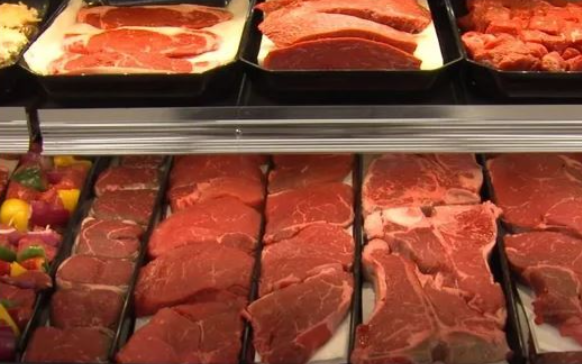
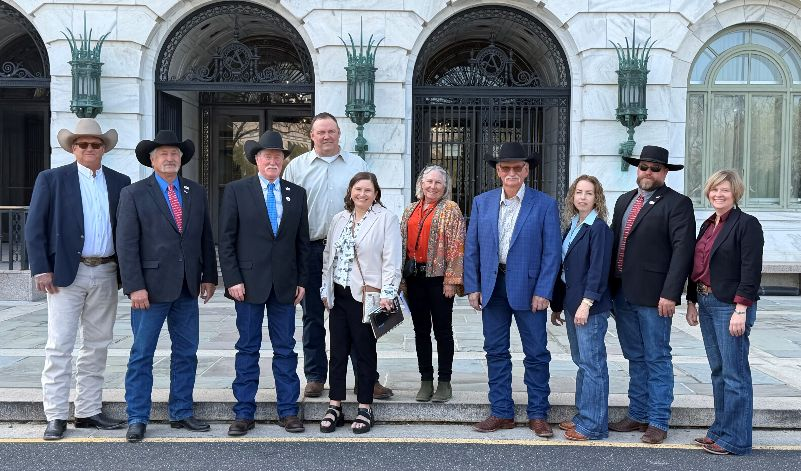
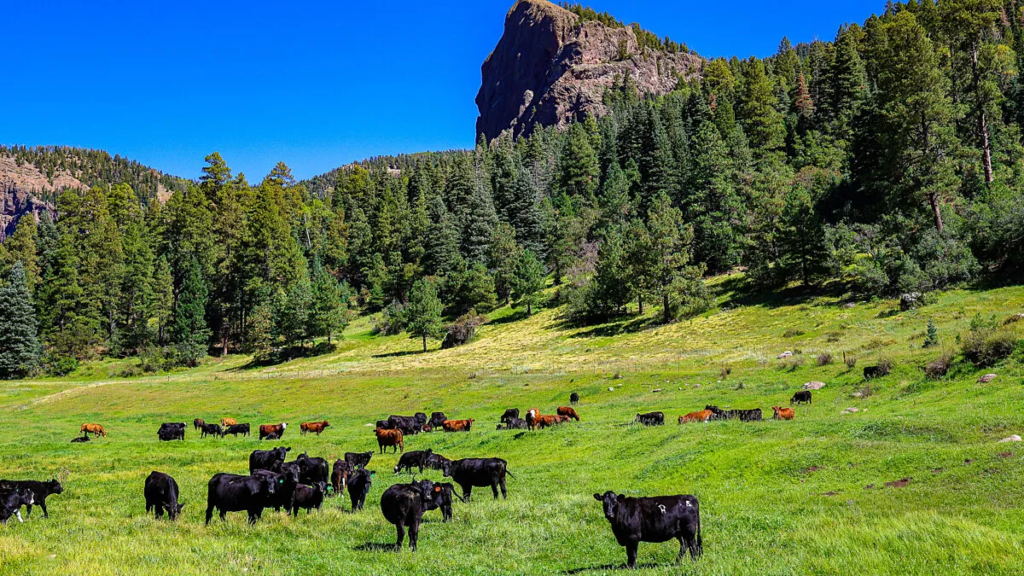
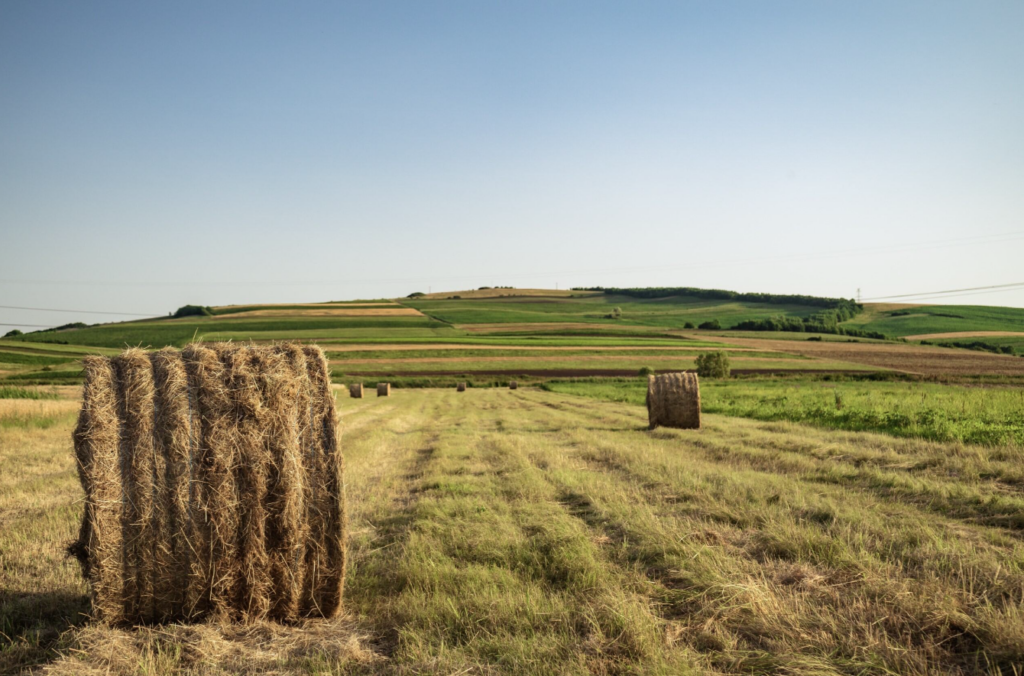

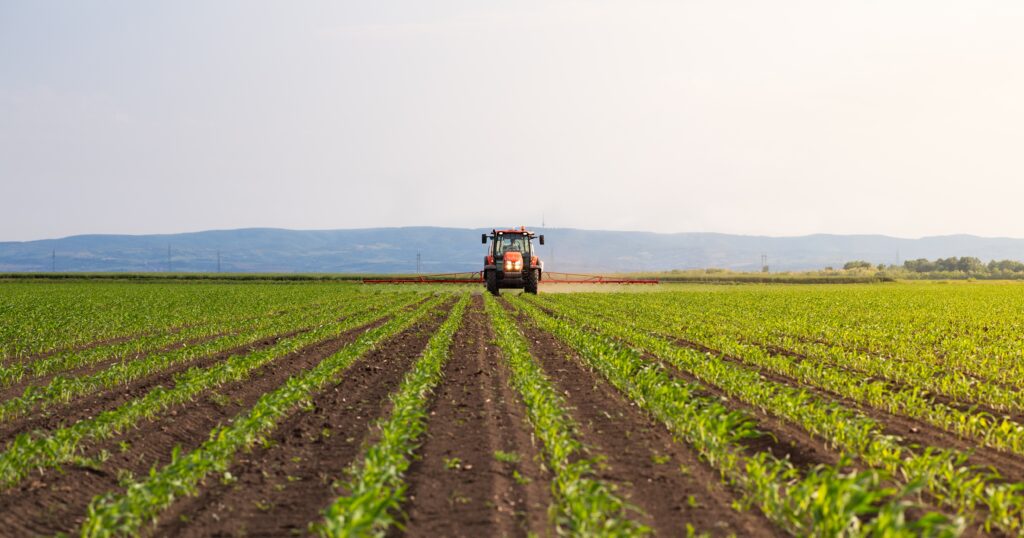

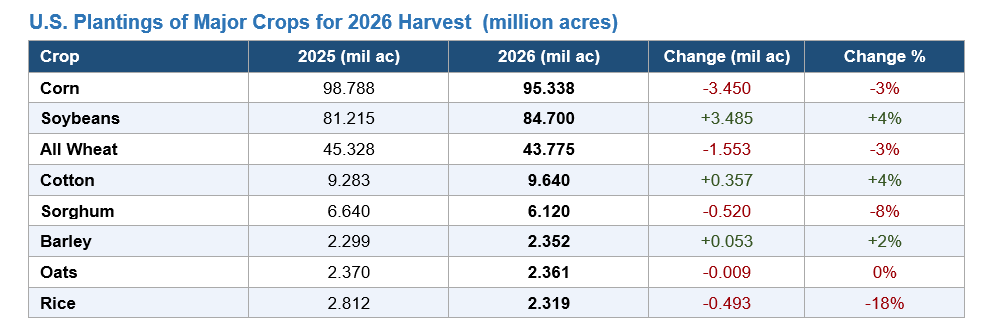
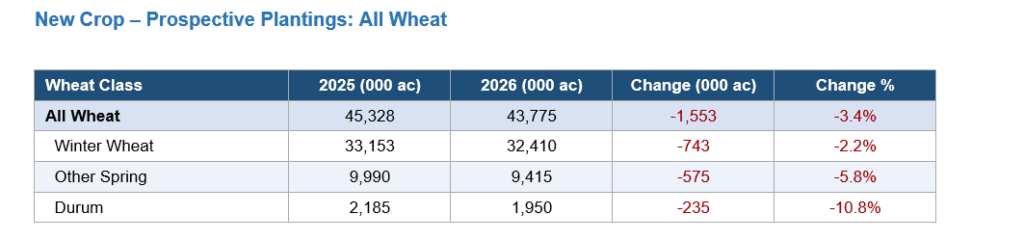



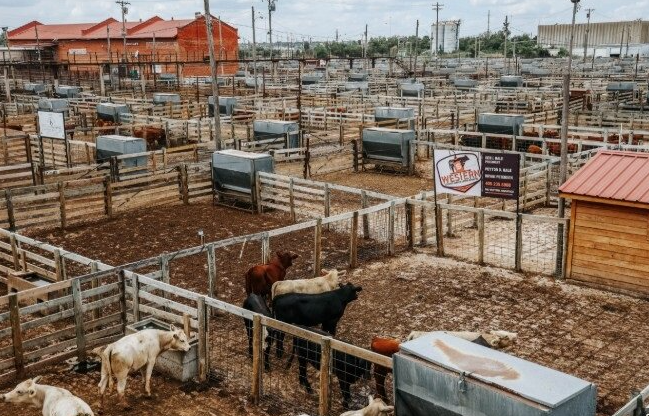
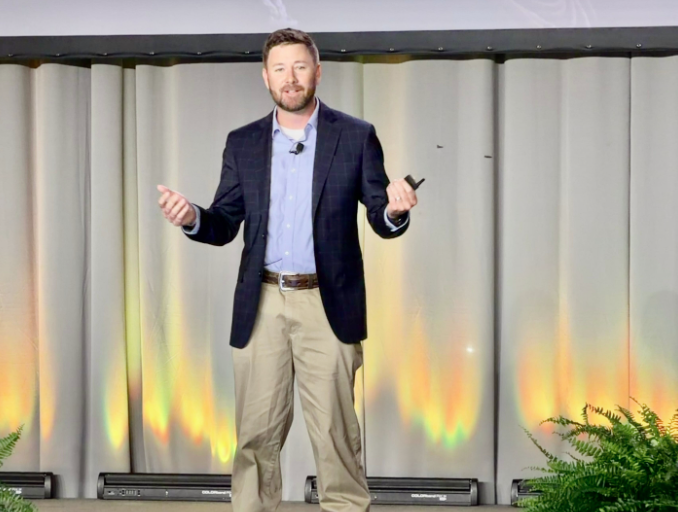
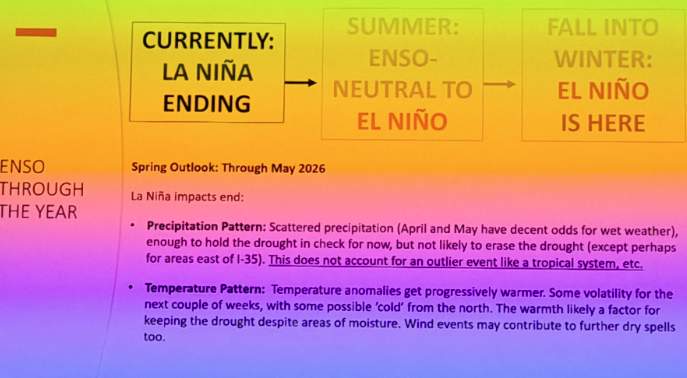


 Figure 1. Cotton jassid adults (A) have one black dot on each wing and may have two small dots between their eyes (these dots on the crown can fade). The potato leafhopper (B), which is not a threat to cotton production but does occur in Oklahoma, does not have black dots on their wings or between their eyes. Image A courtesy of Isaac Esquivel, UF Extension, image B courtesy of DryBeanAgronomy.ca.
 Figure 2. Cotton jassid nymphs on the underside of a cotton leaf. Image courtesy of Isaac Esquivel, UF Extension.
 Figure 3. Hopperburn injury rating scale for cotton jassid damage. Damage increases from none (0) to severe damage of desiccated leaf (5). Slight yellowing and upward curling of leaf is shown in Rating 1, with increased yellowing, cupping, and beginnings of reddened leaf margins in Rating 2. Insecticide action should be taken prior to reaching Rating 2. Ratings 3 – 5 show increased spread of reddening and desiccation. Images courtesy of Phillip Roberts (UGA Extension) and Scott Graham (AU Extension).
 Figure 4. Cotton jassid hopperburn resulting in reddened, dried leaves (A) and stunted cotton plants (B). Image courtesy Isaac Esquivel, UF Extension.
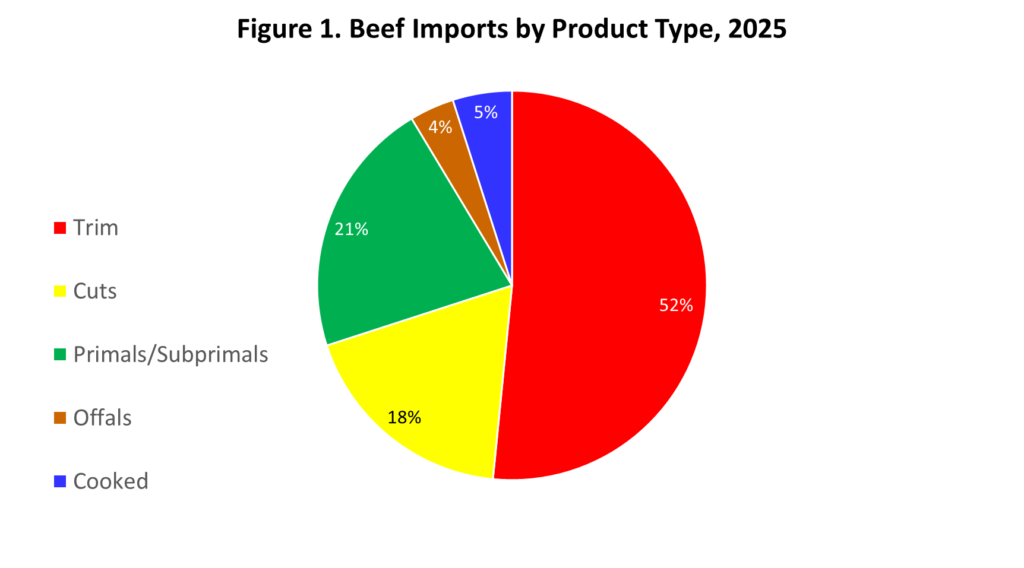
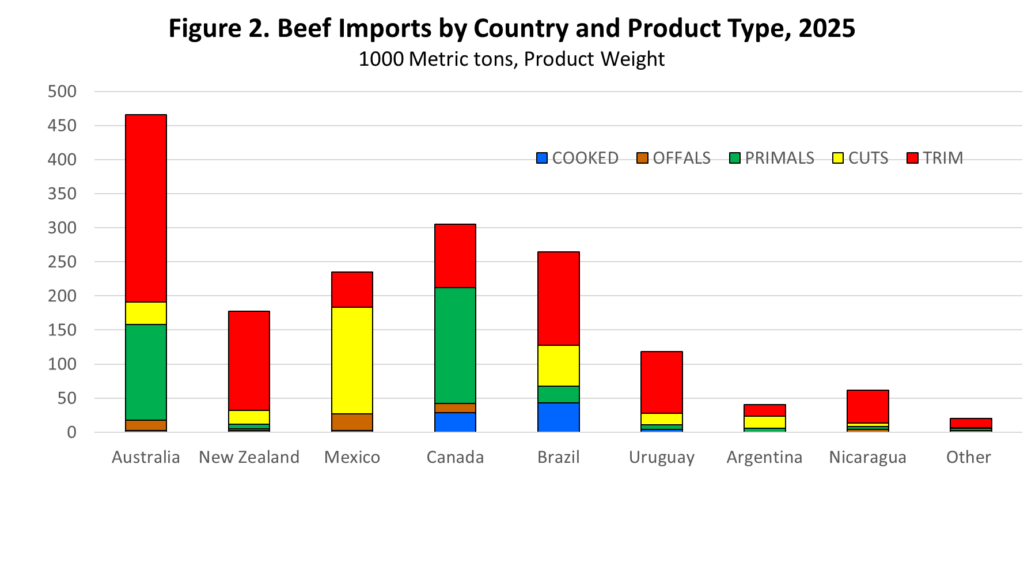
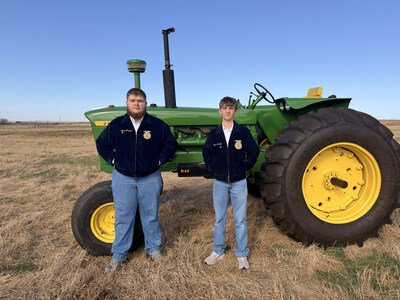
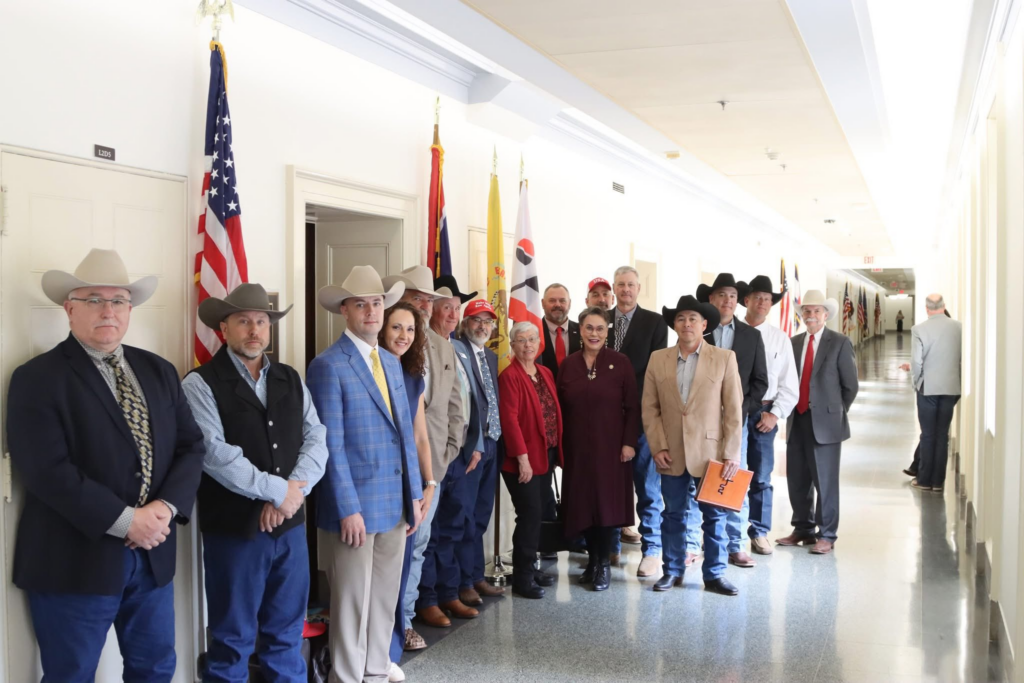
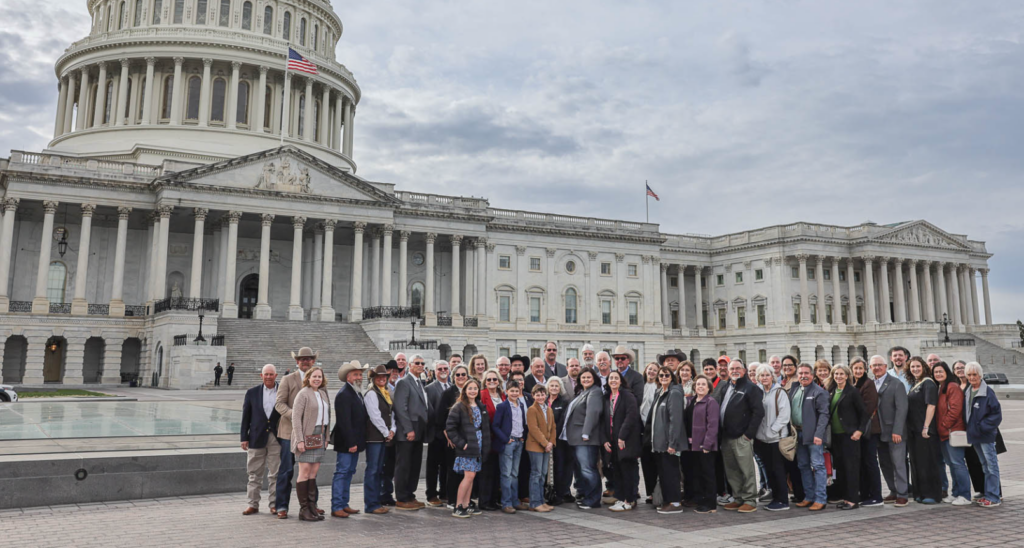
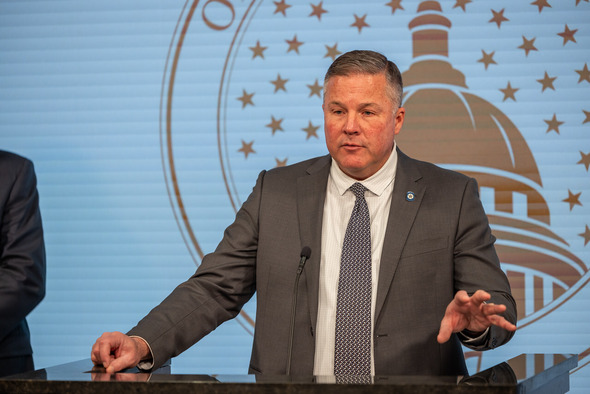


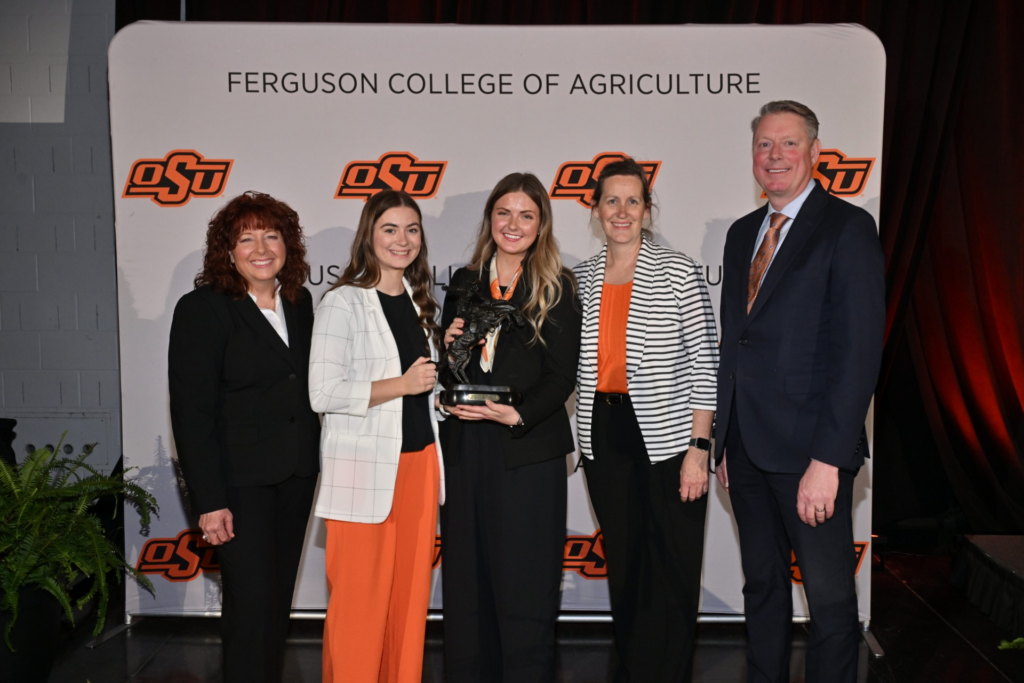

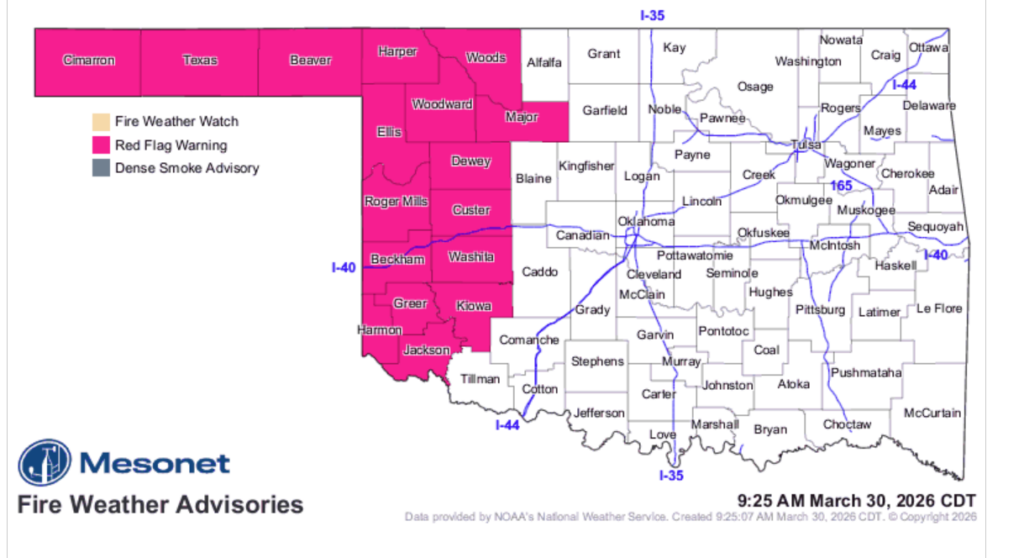
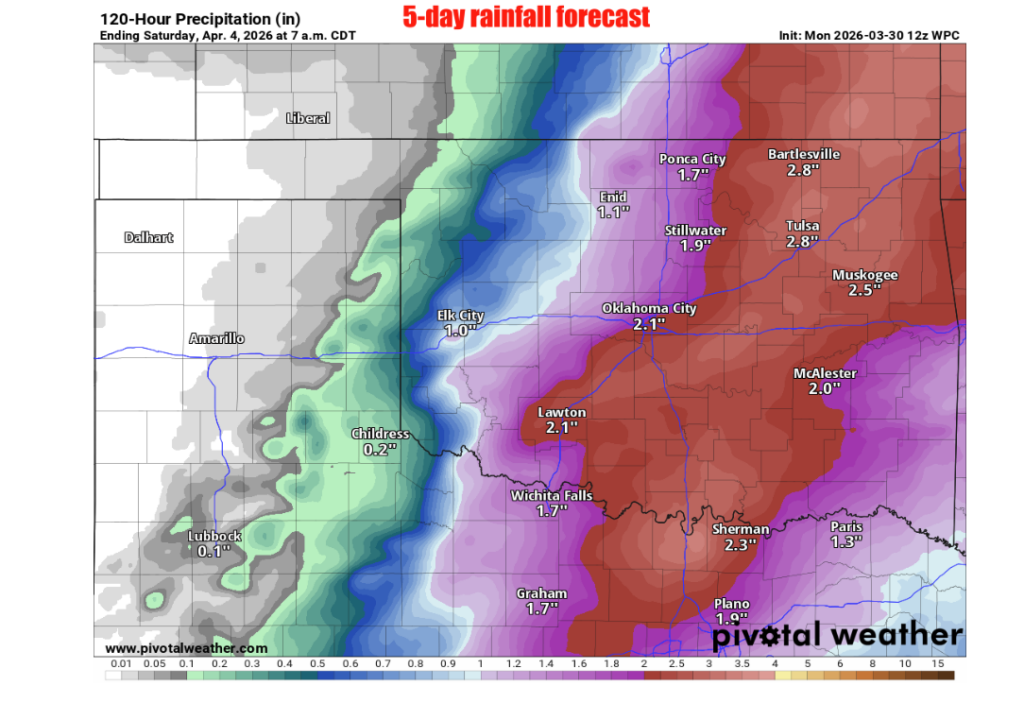
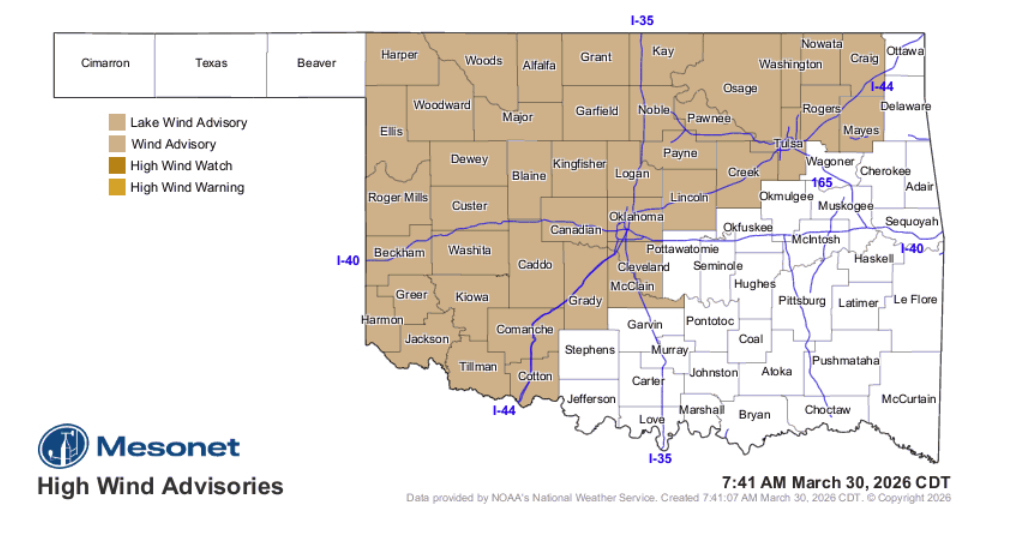
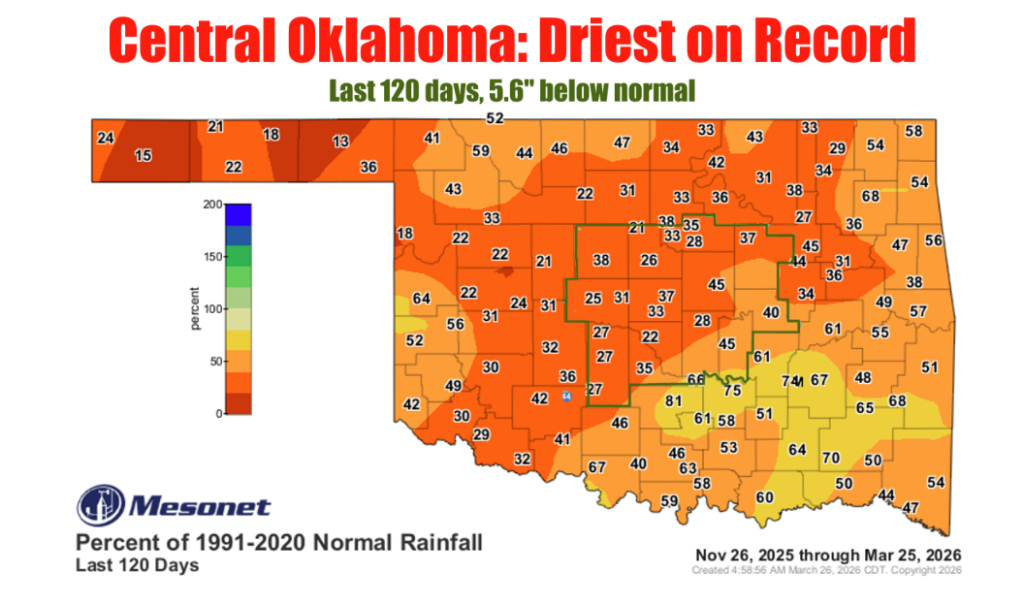
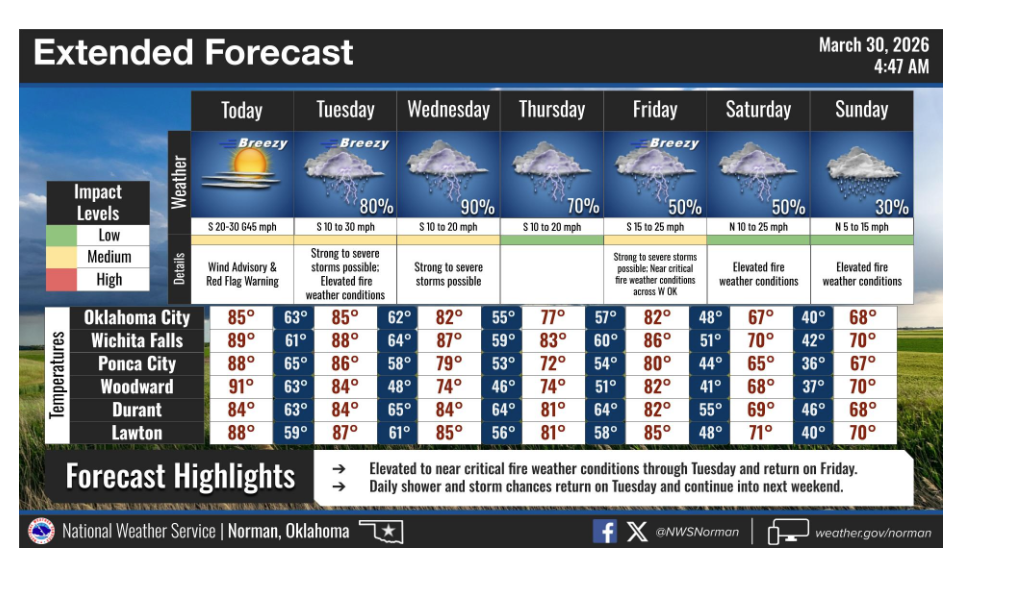
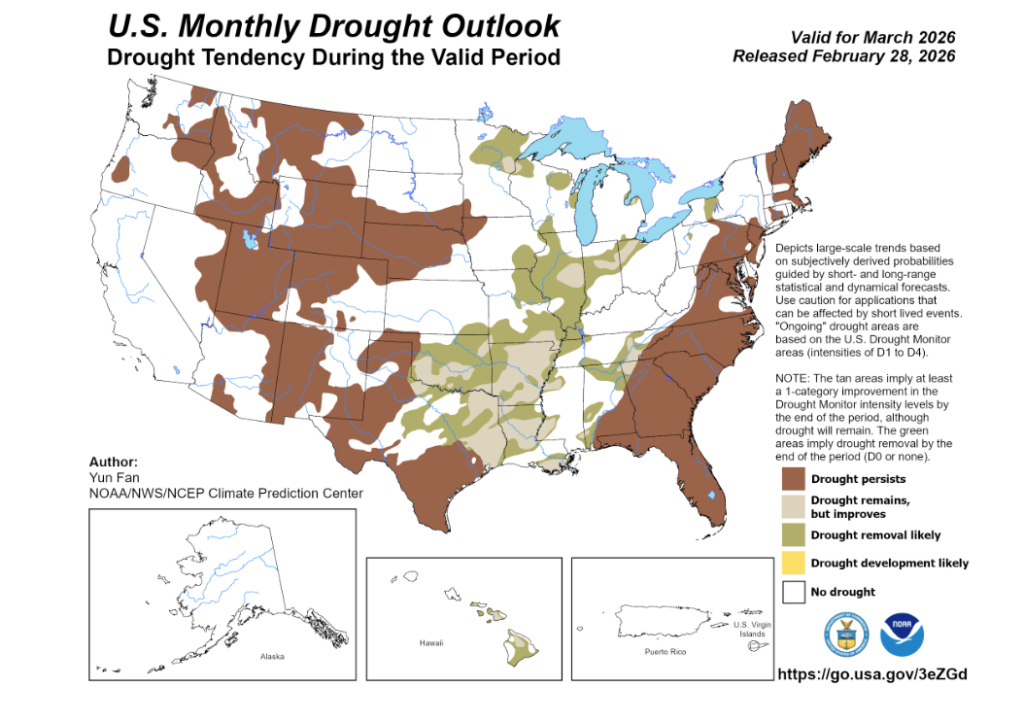
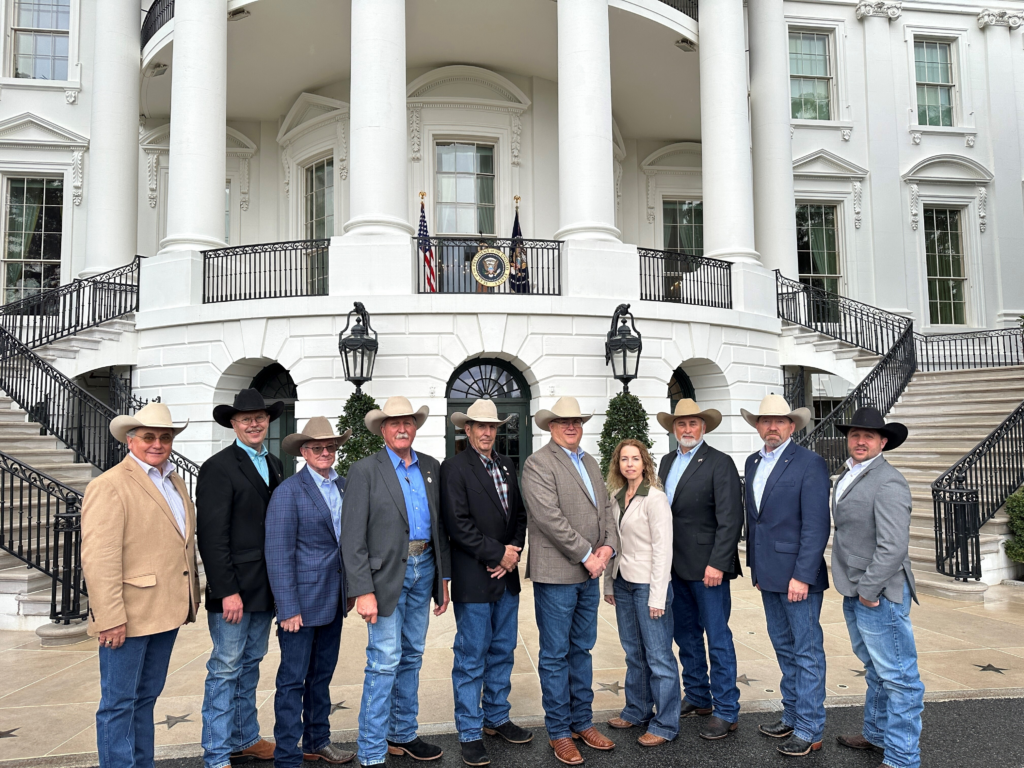
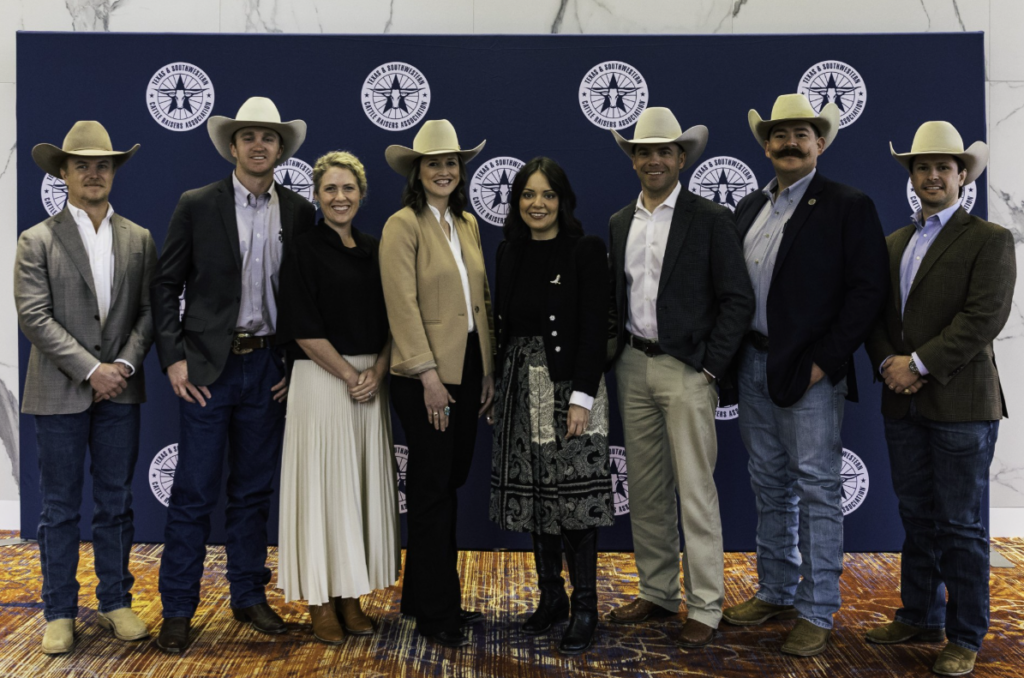
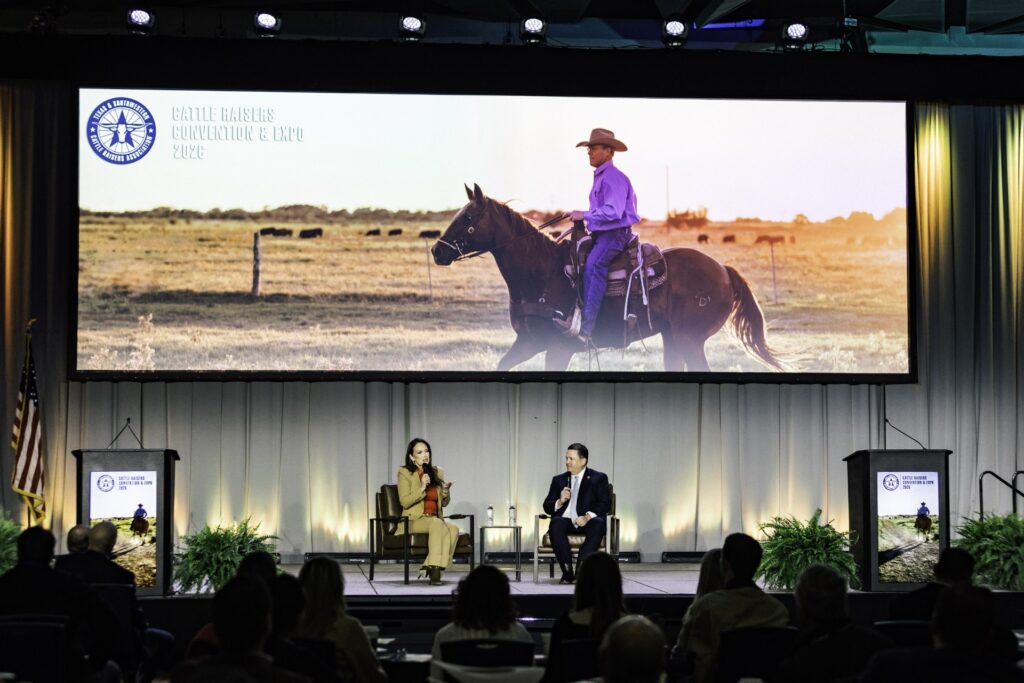
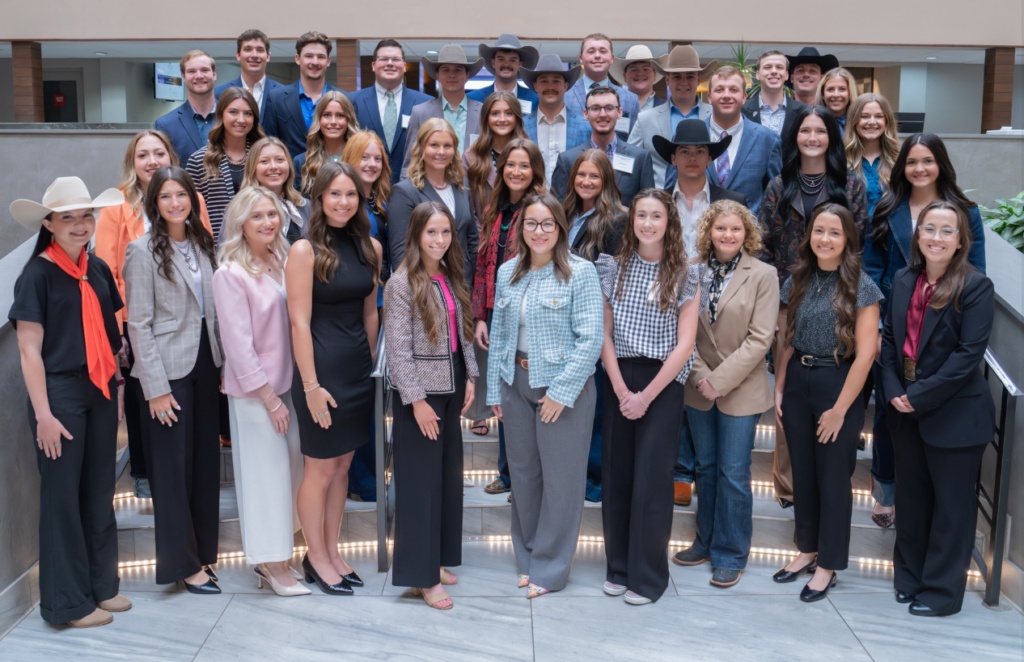
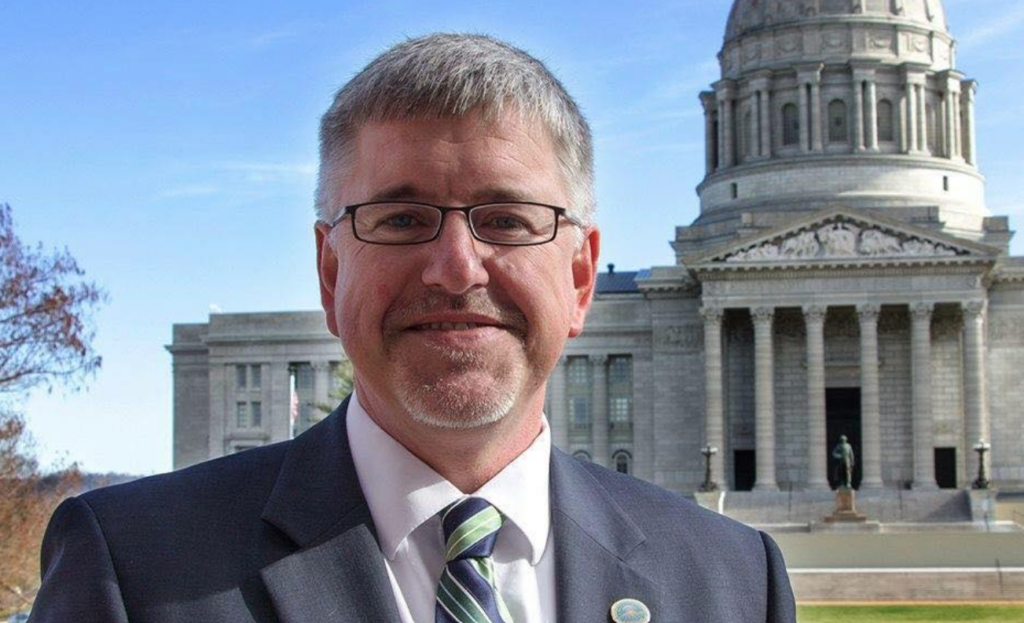
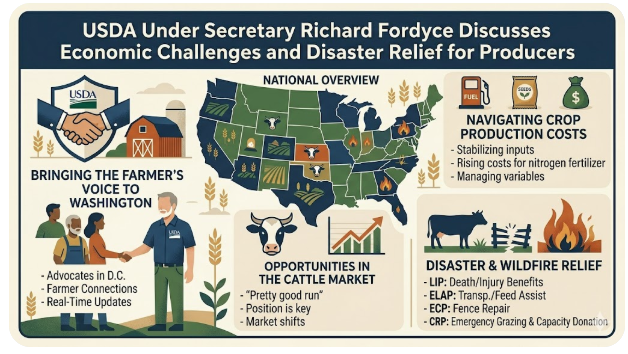


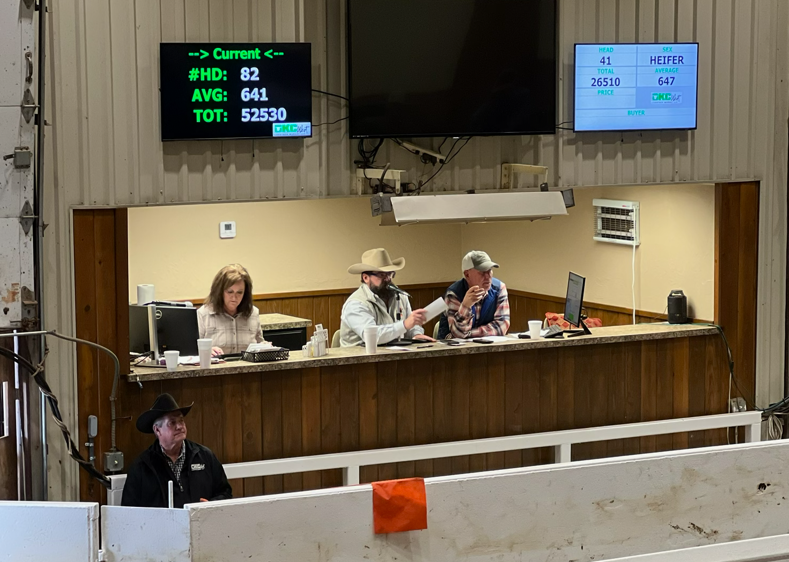
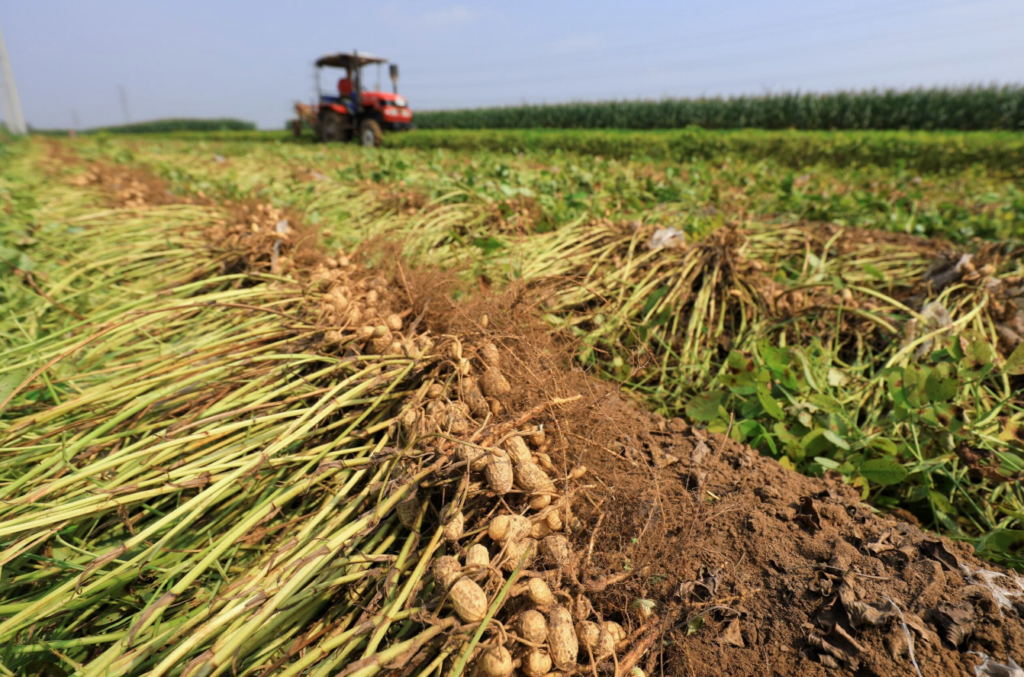
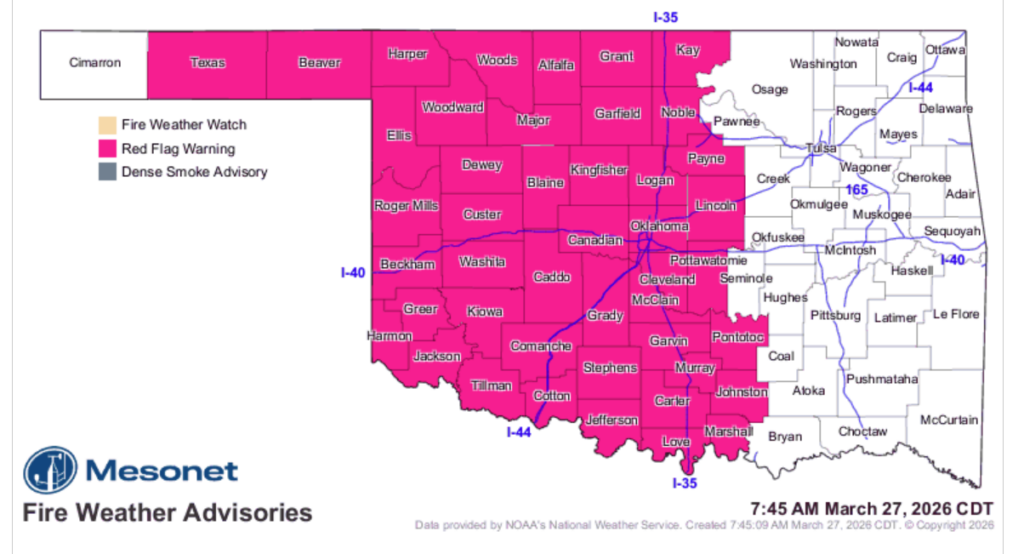
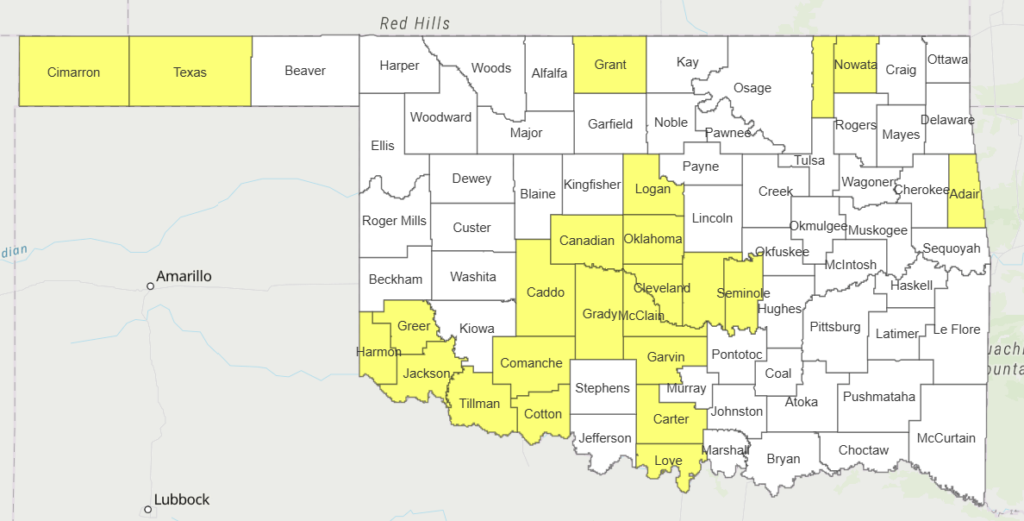
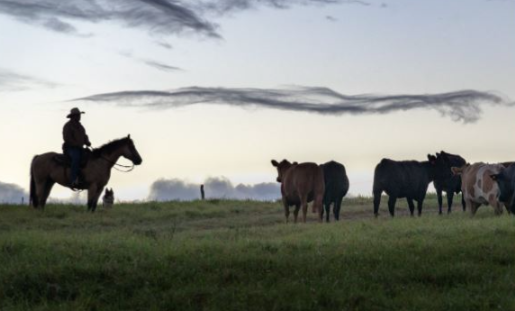

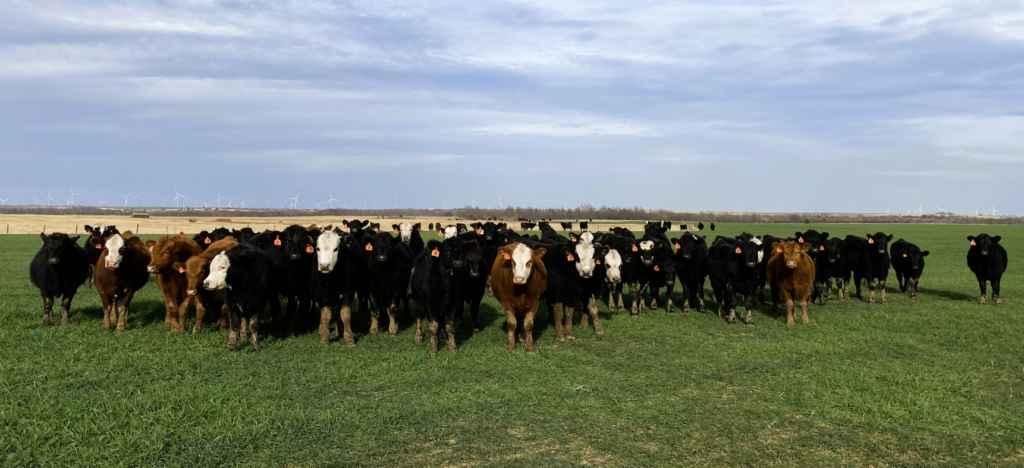
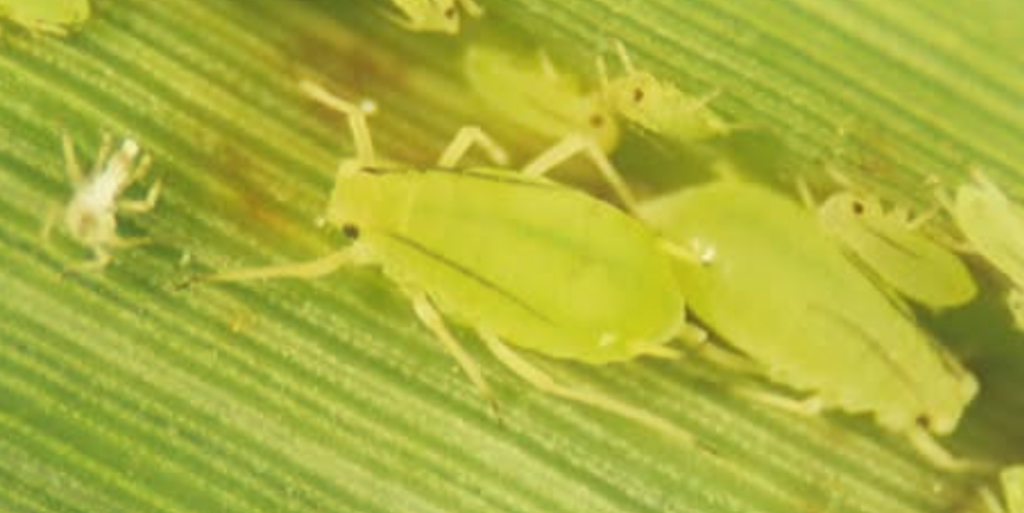

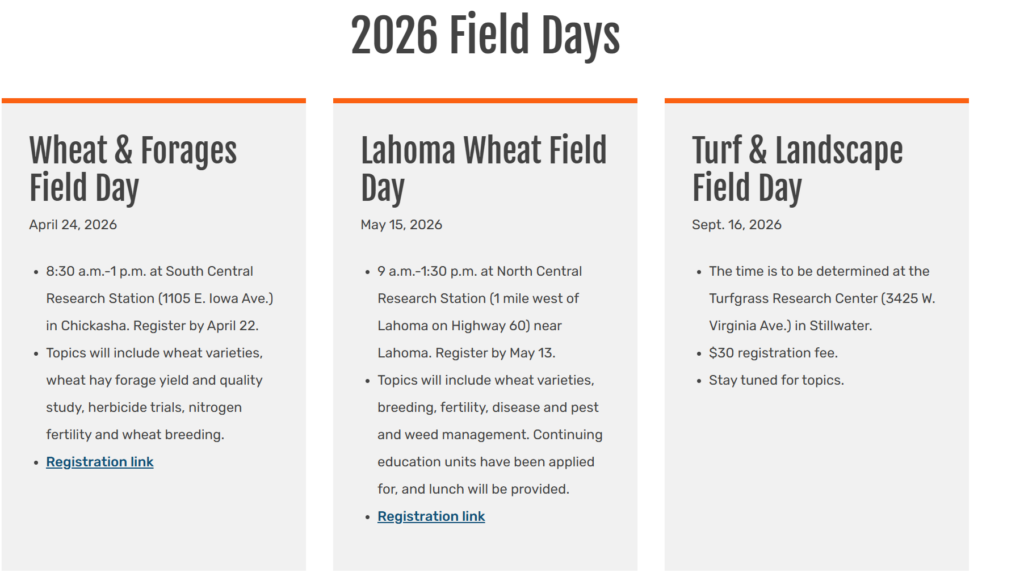
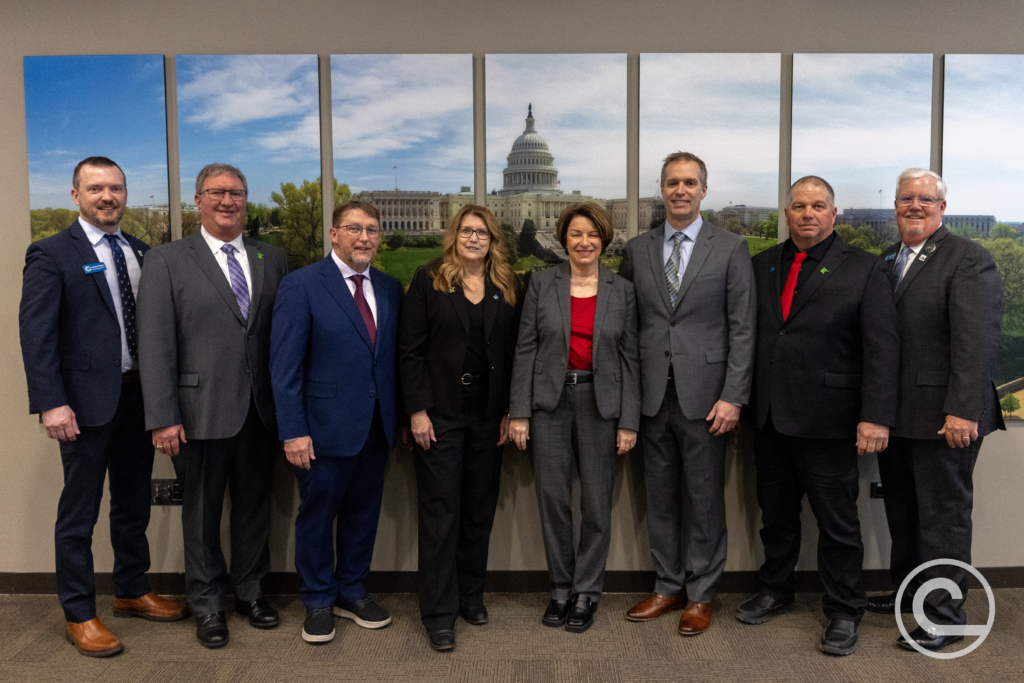
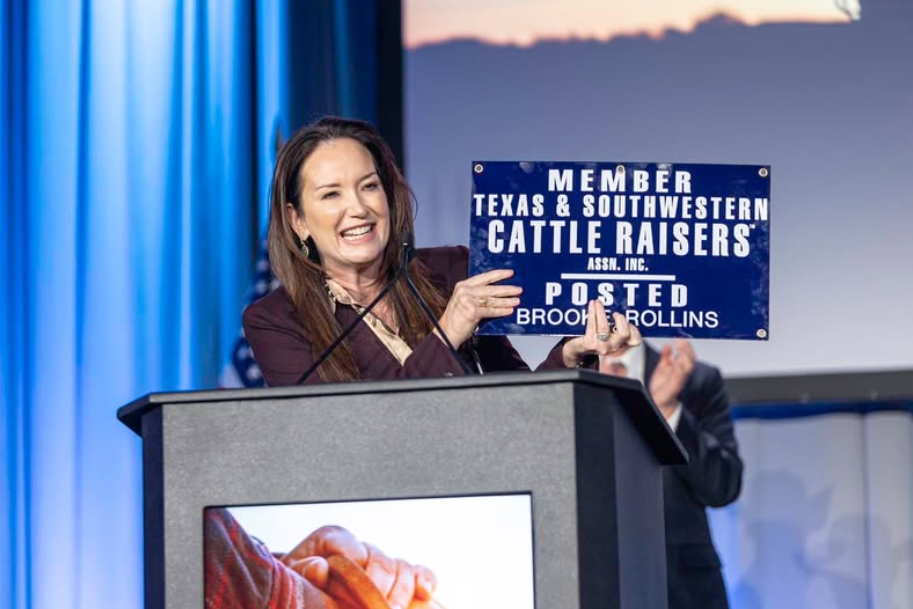
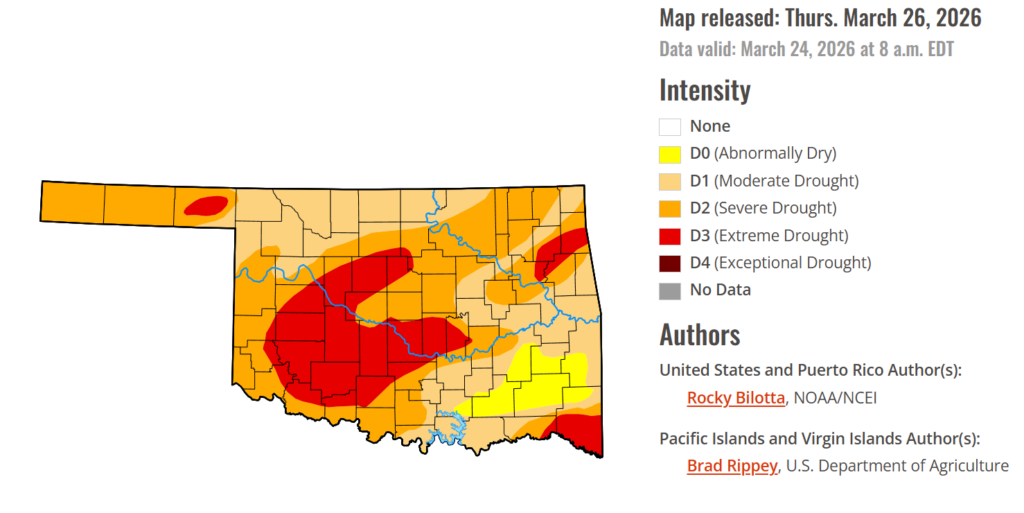
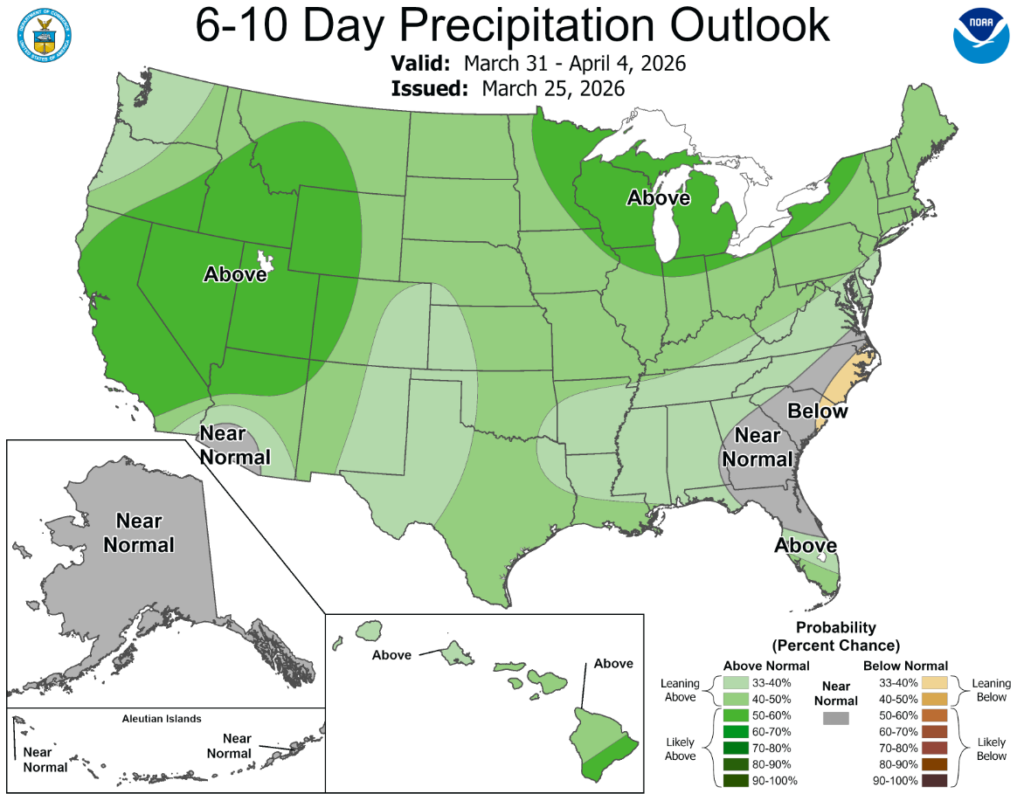
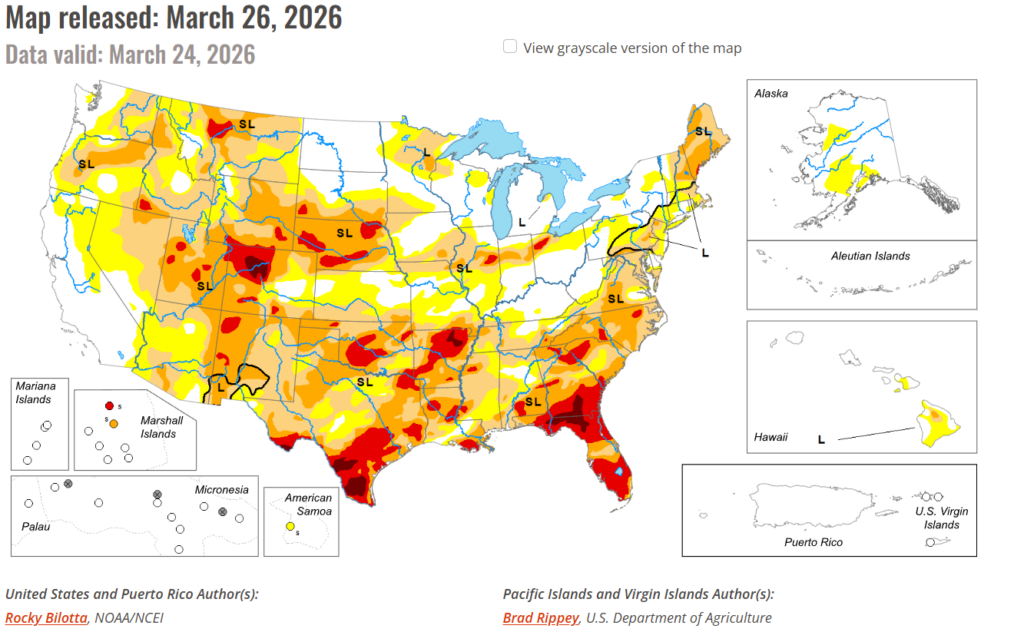
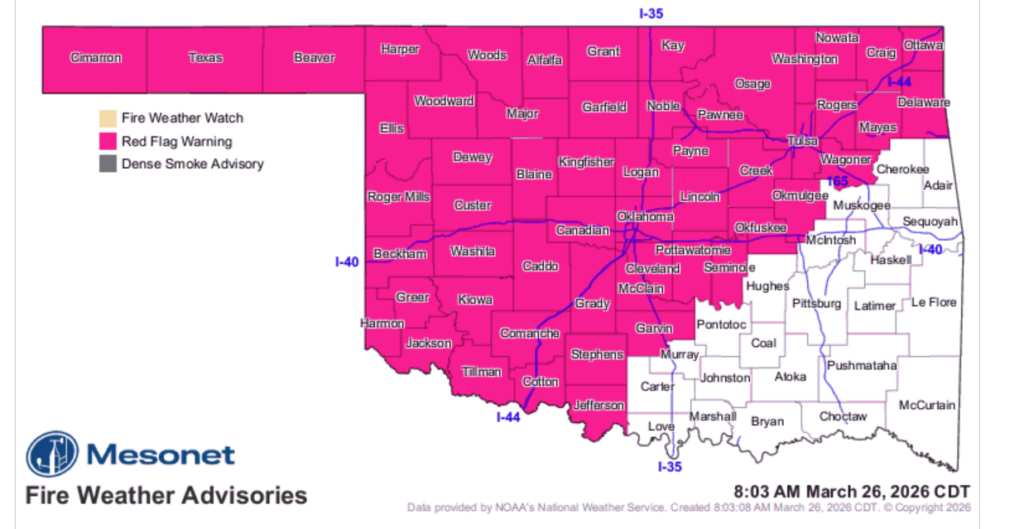
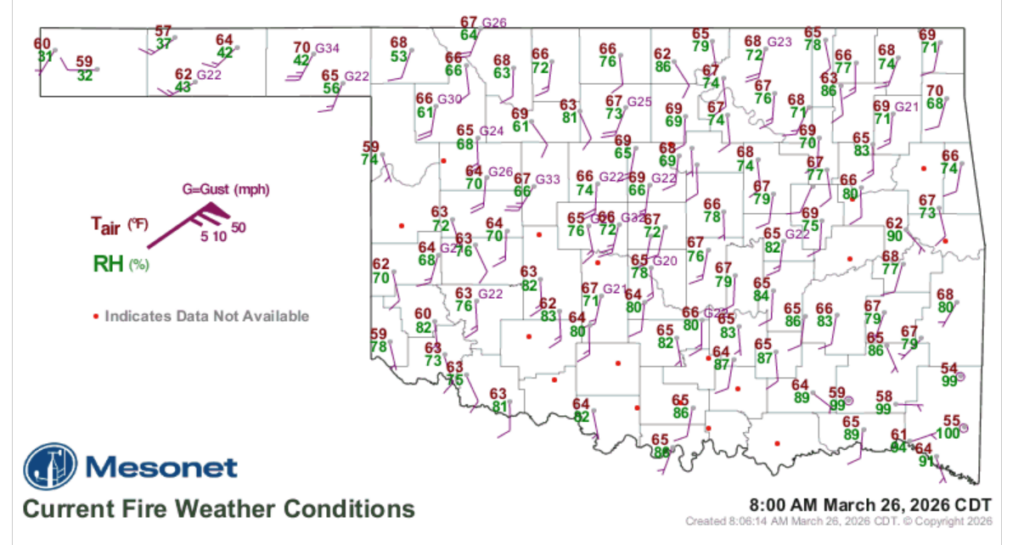
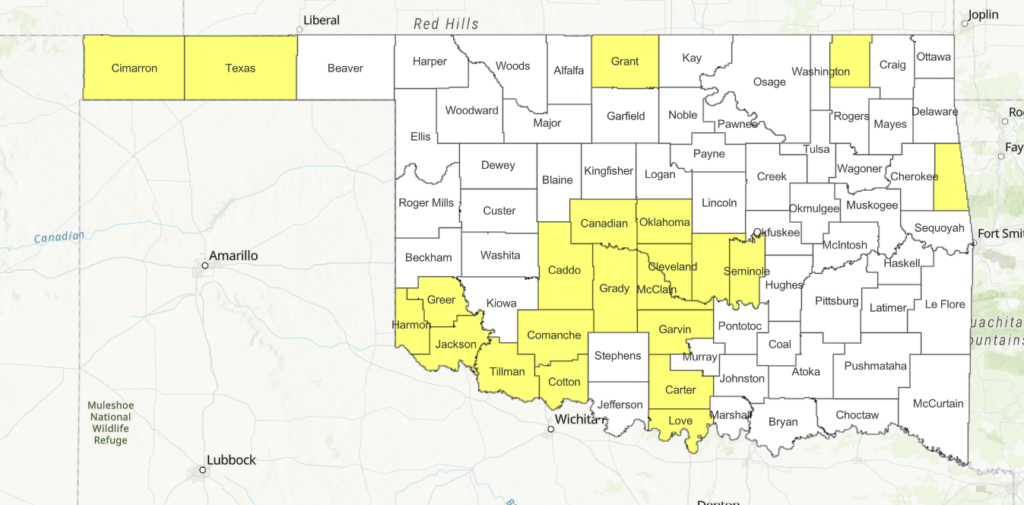

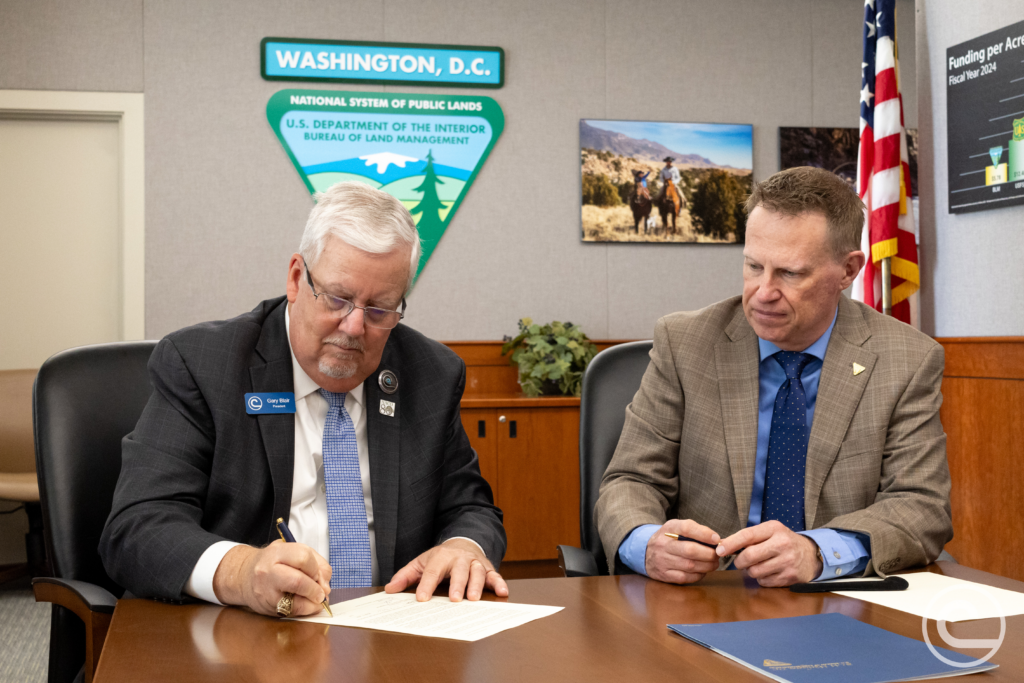
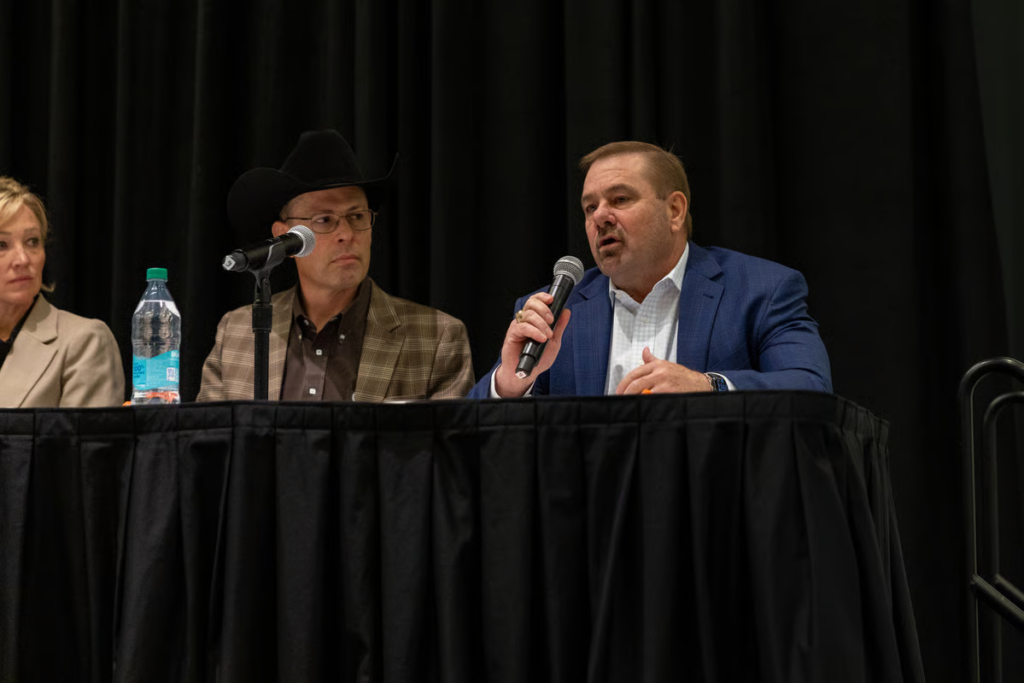







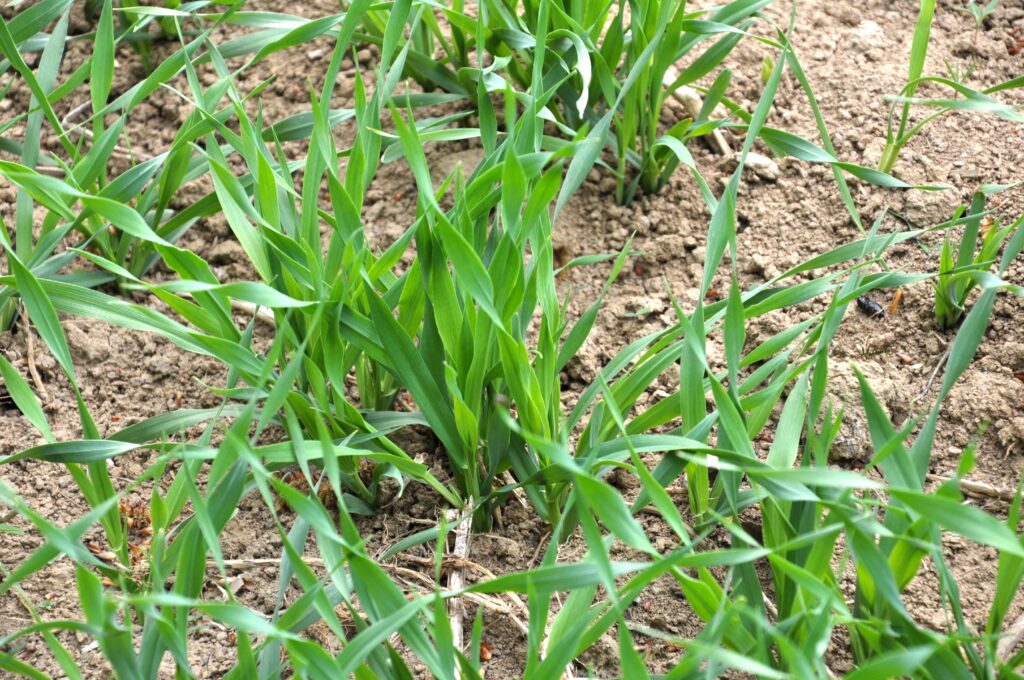
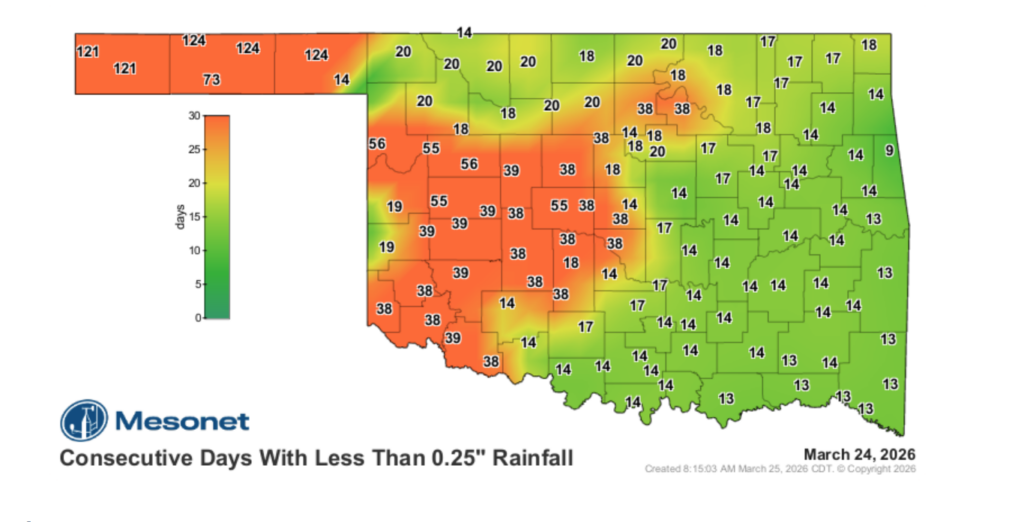
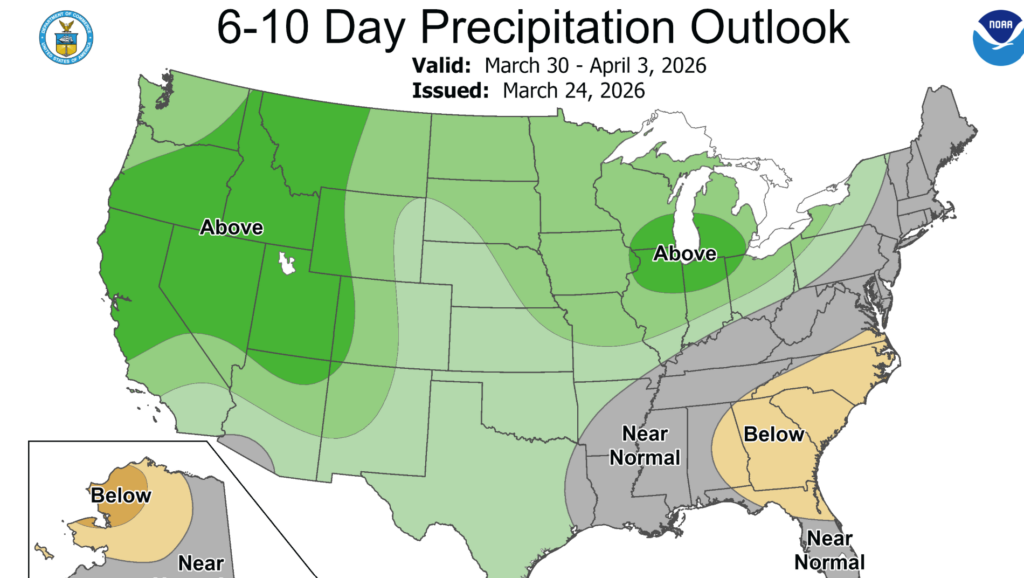
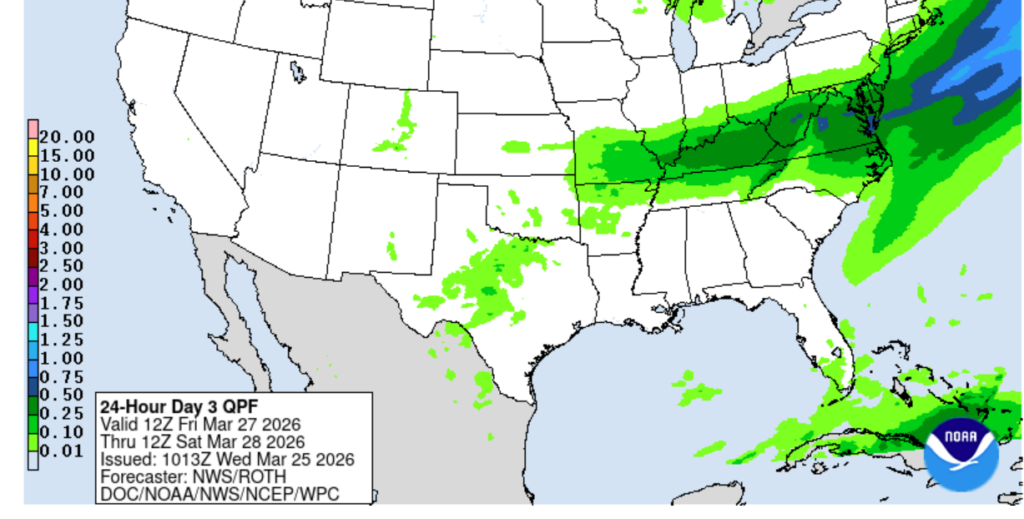

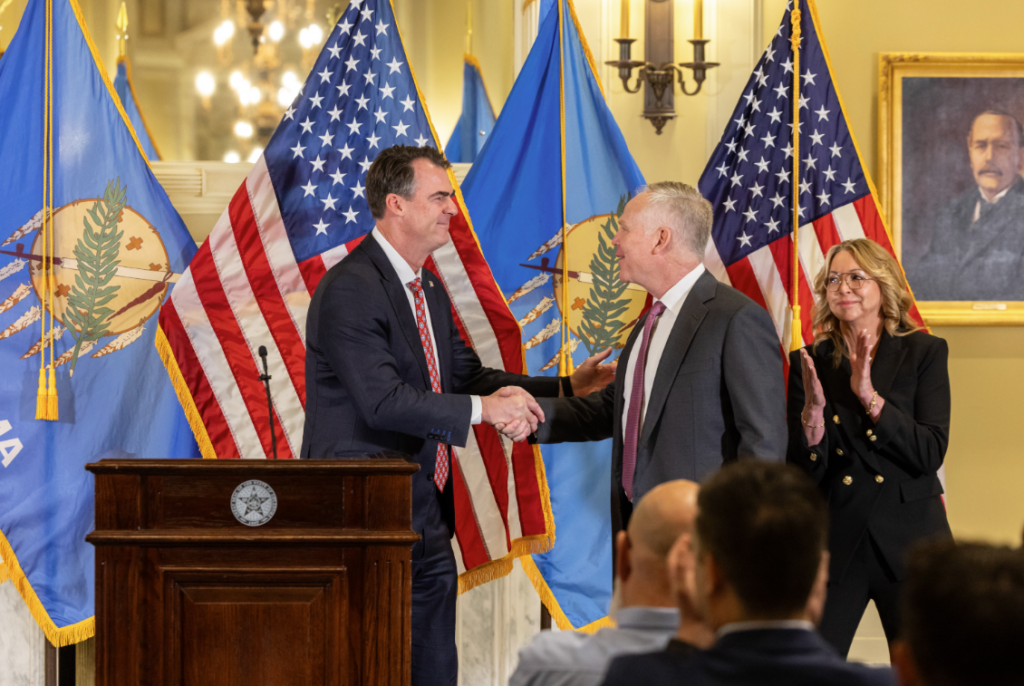
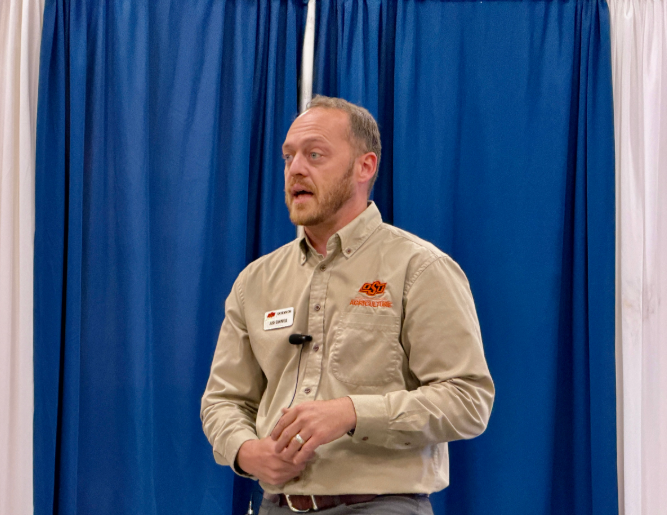
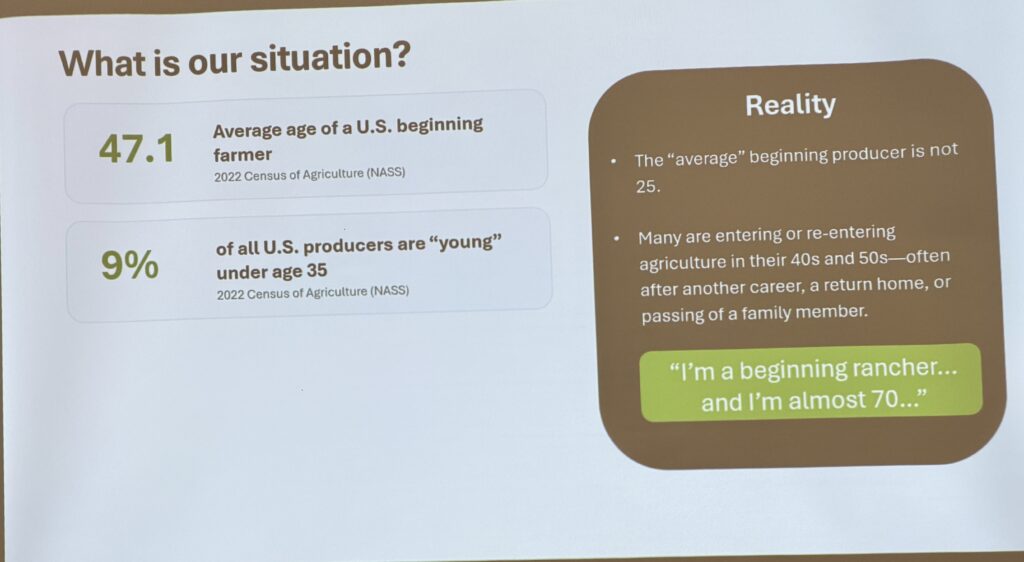

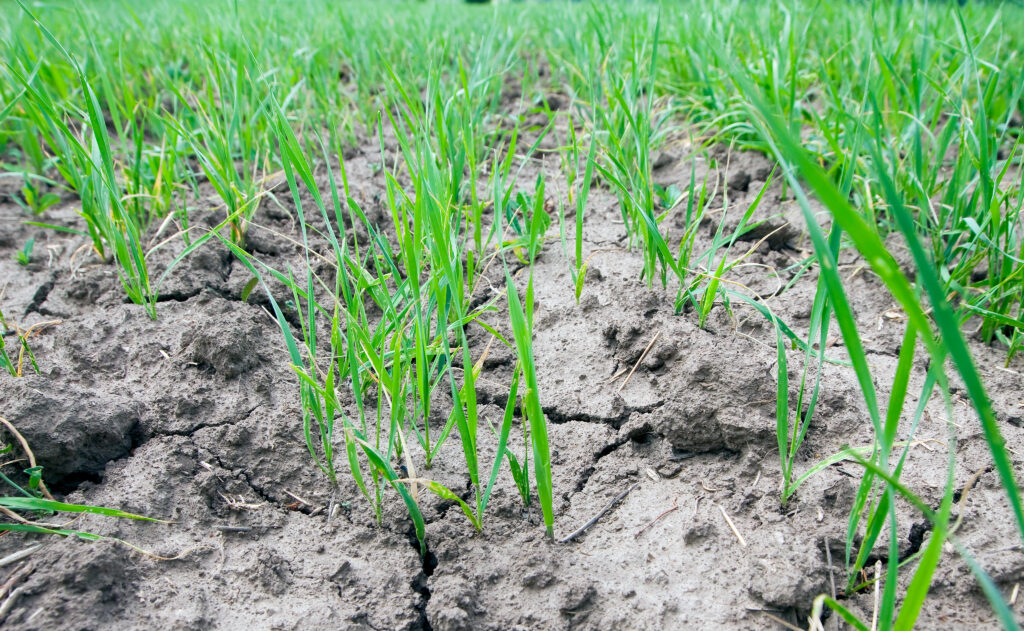

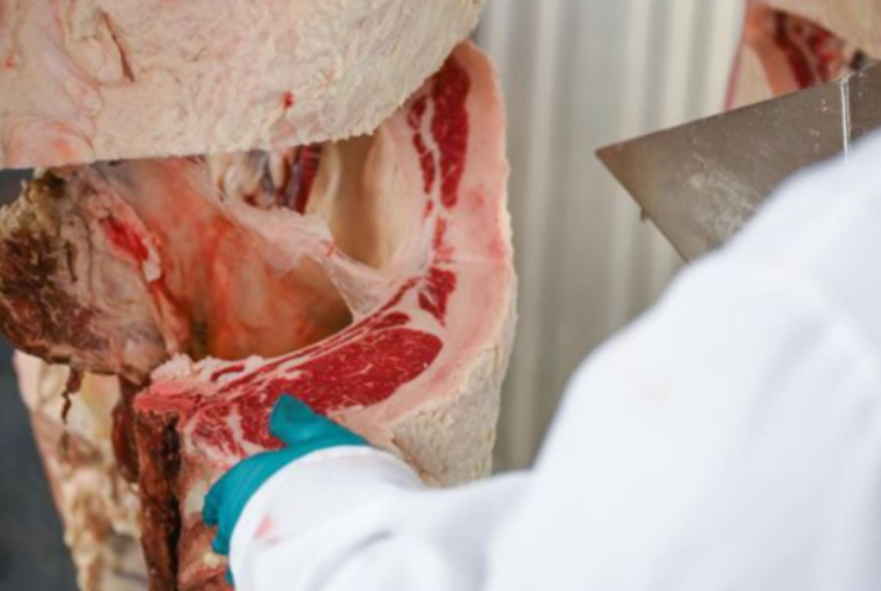
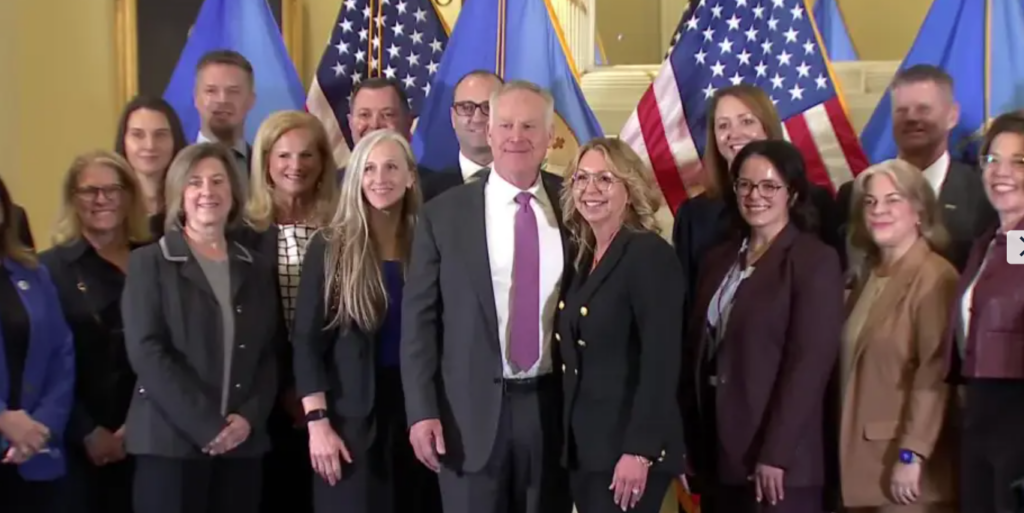

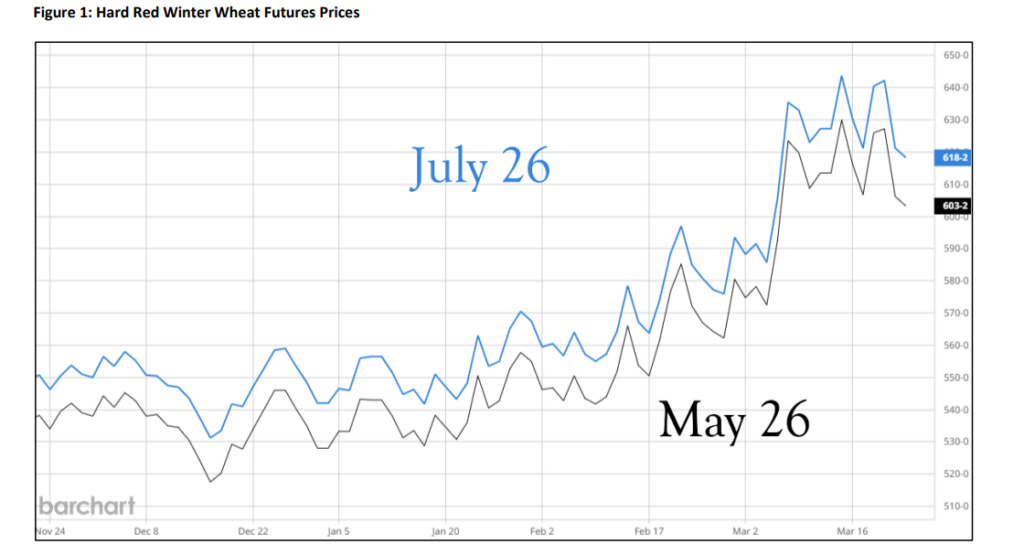
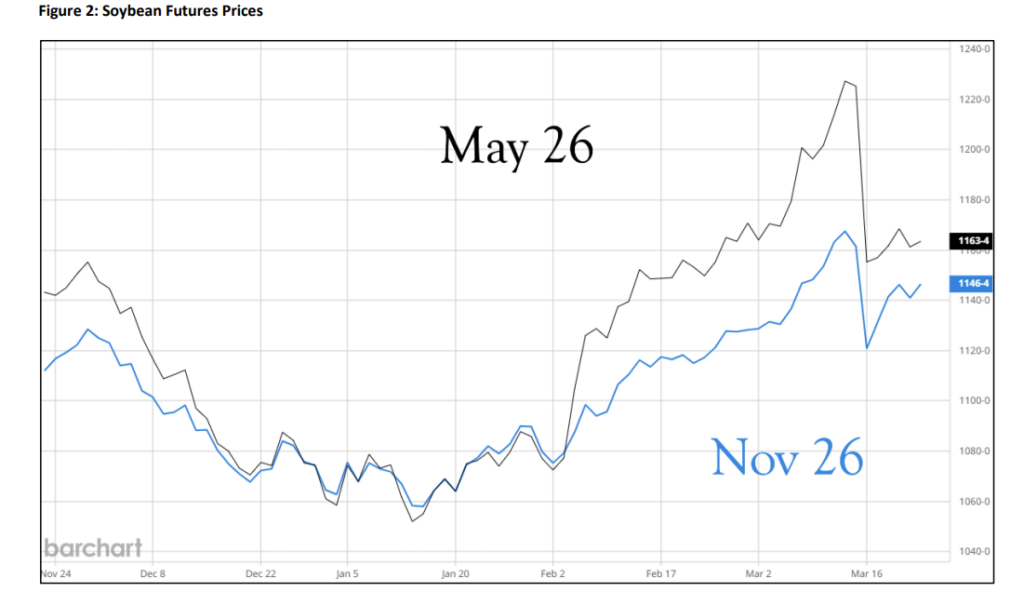
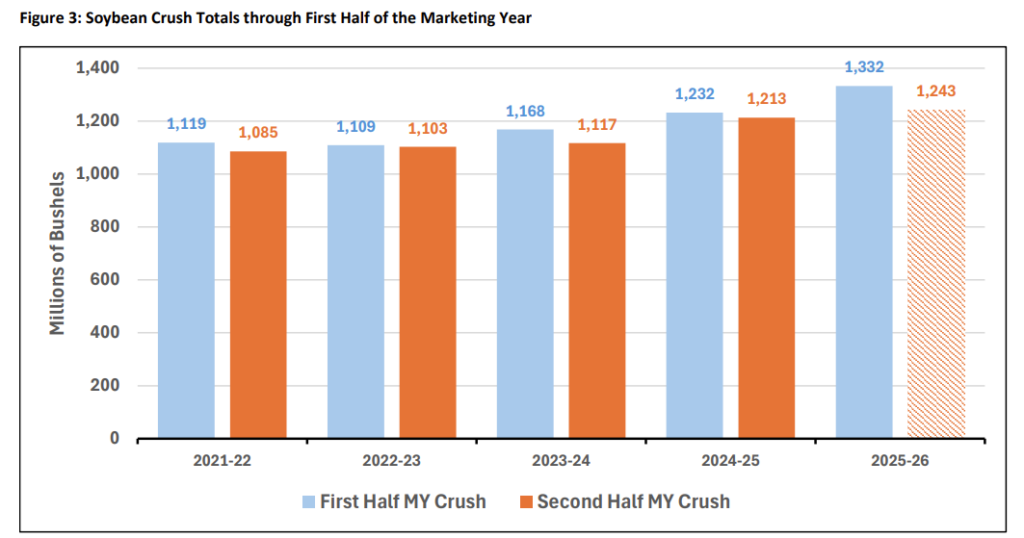
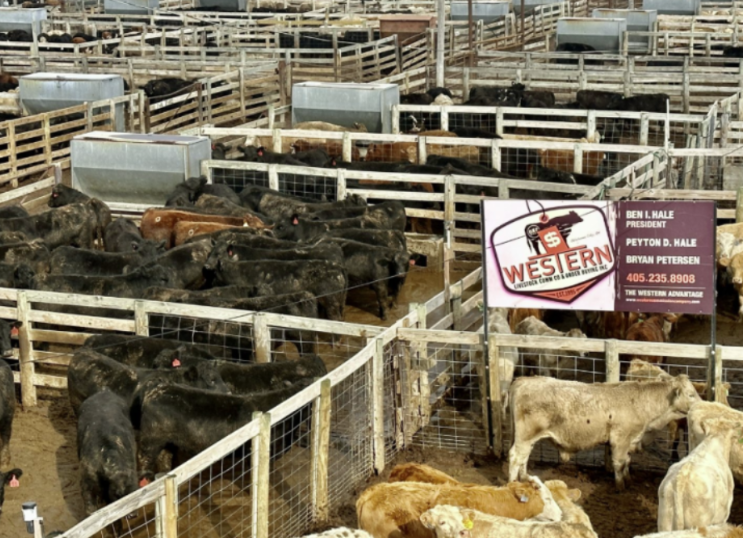
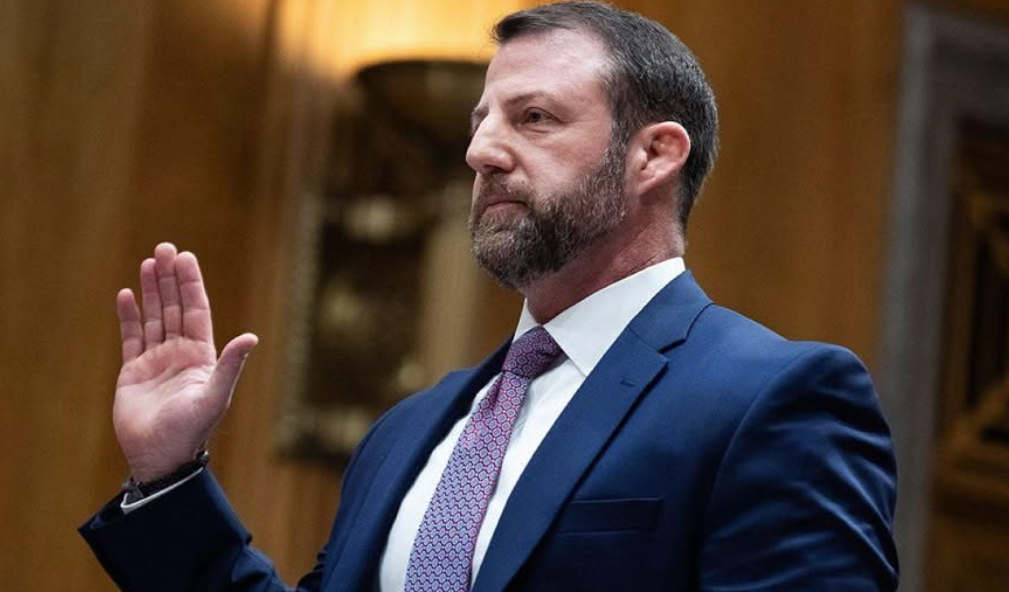


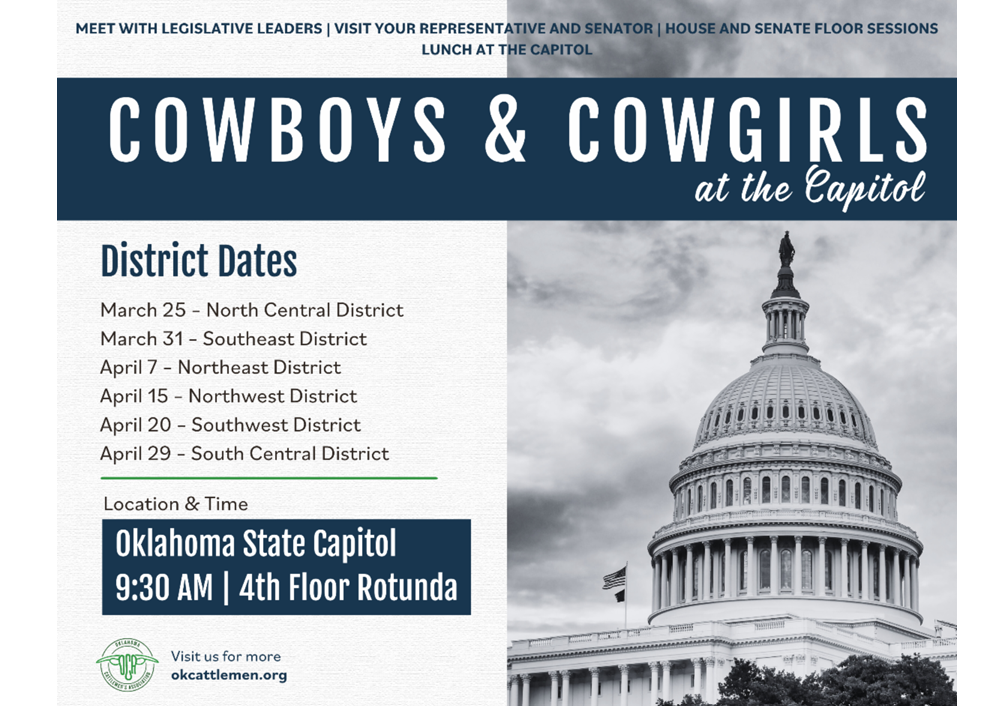
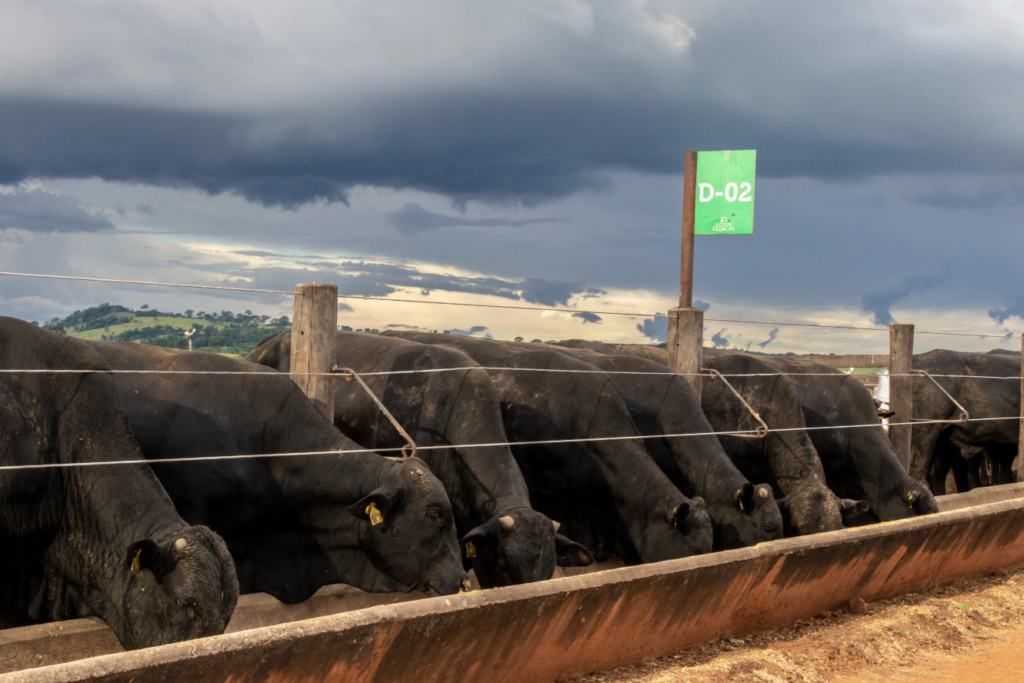

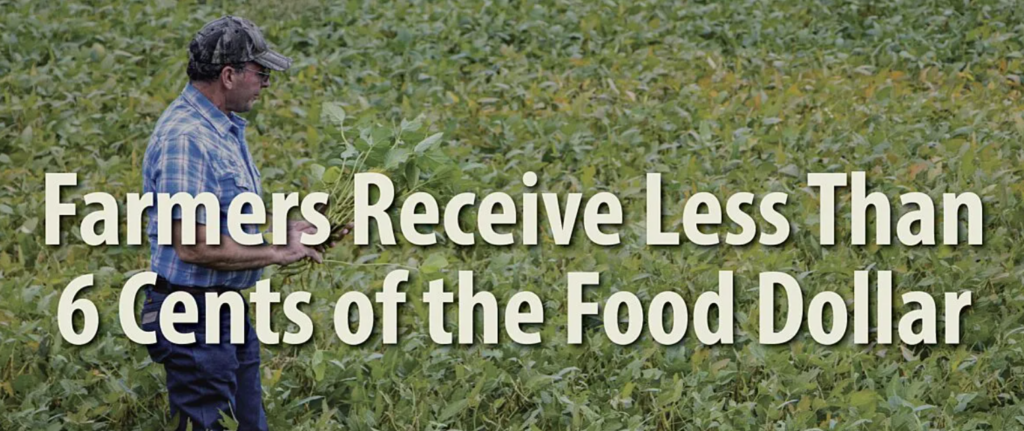


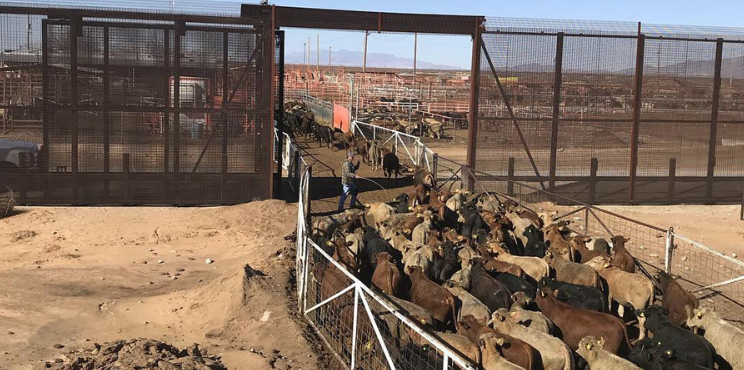
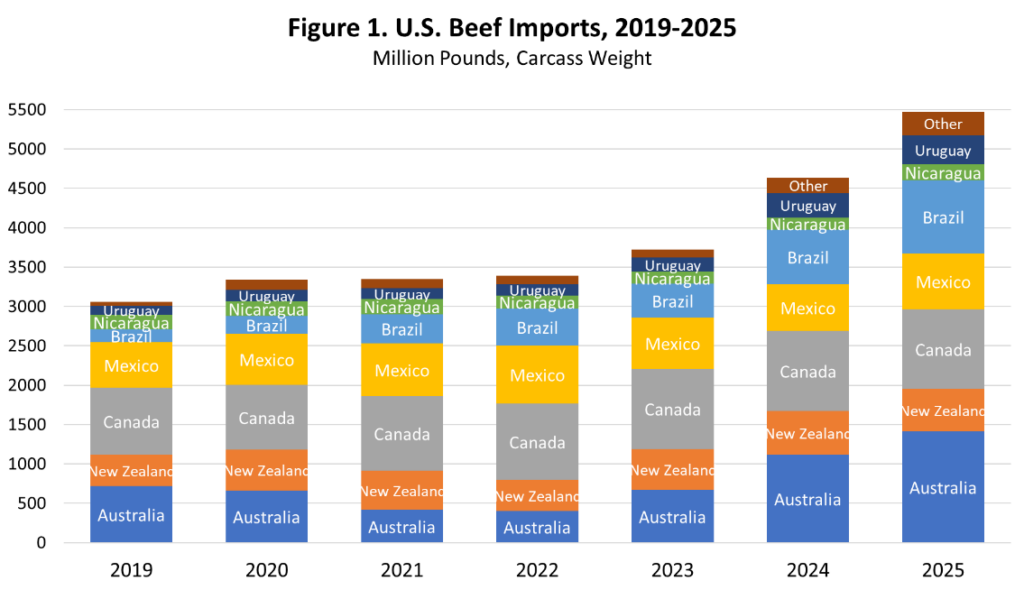
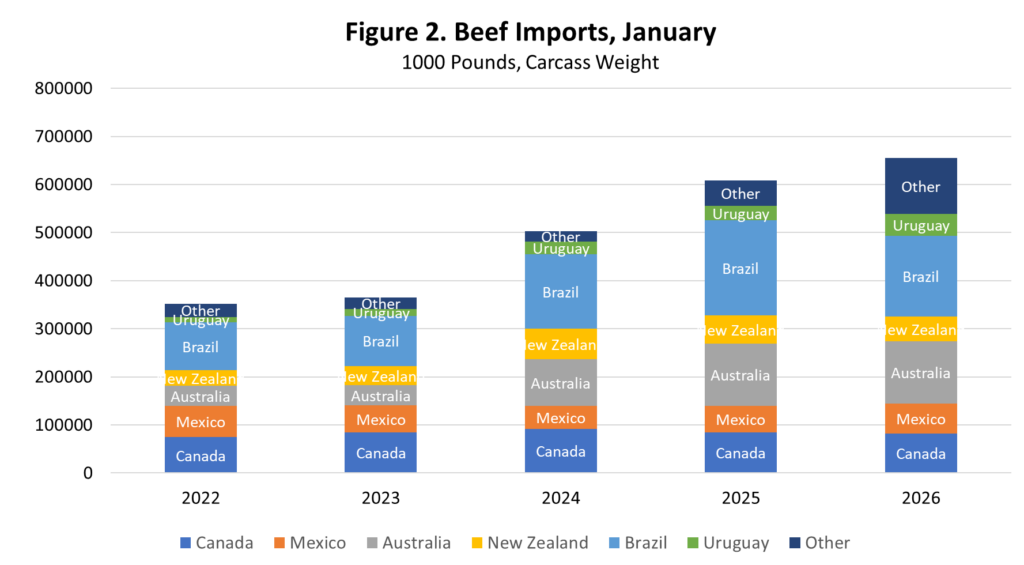
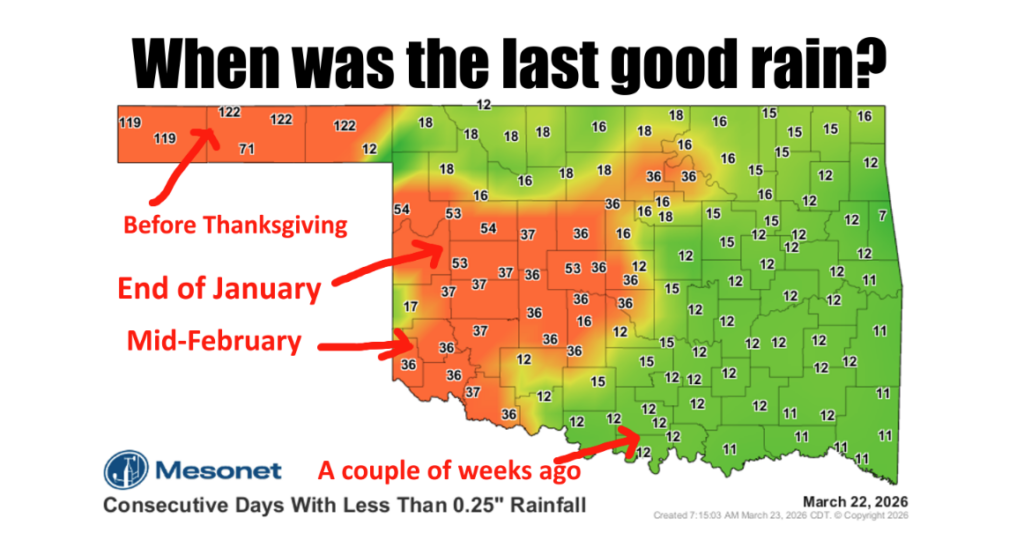
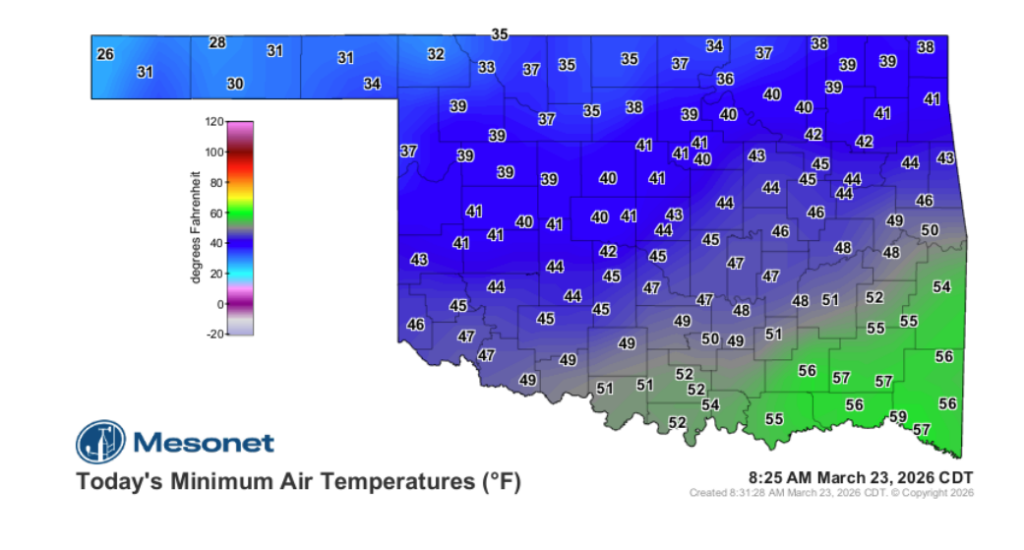
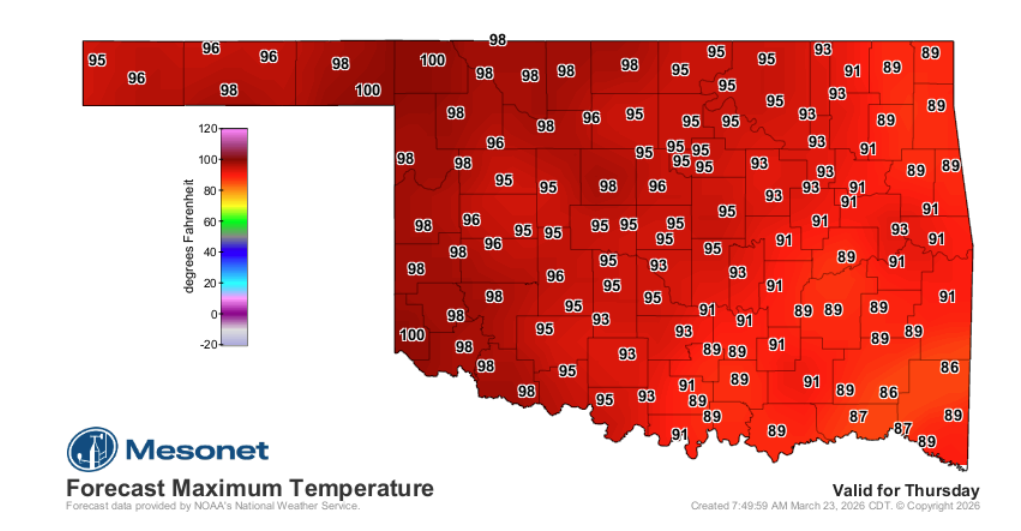
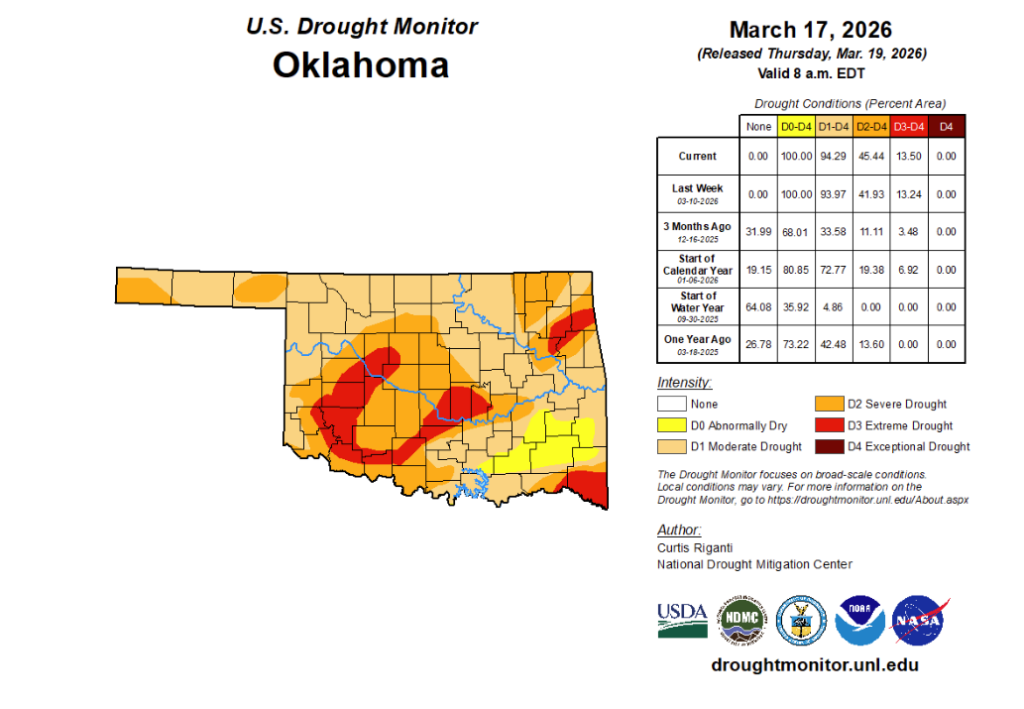
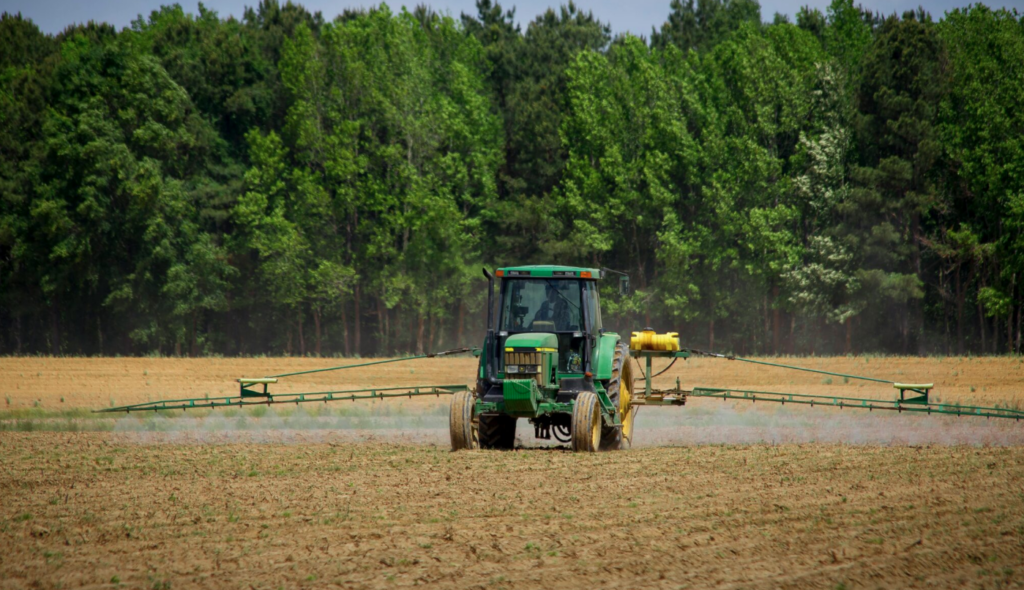
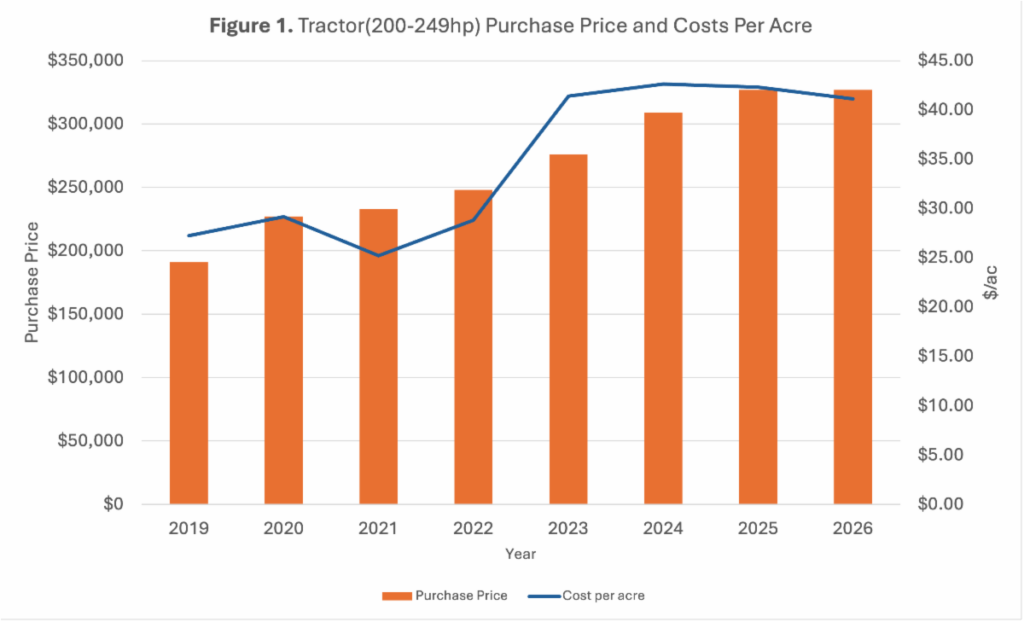
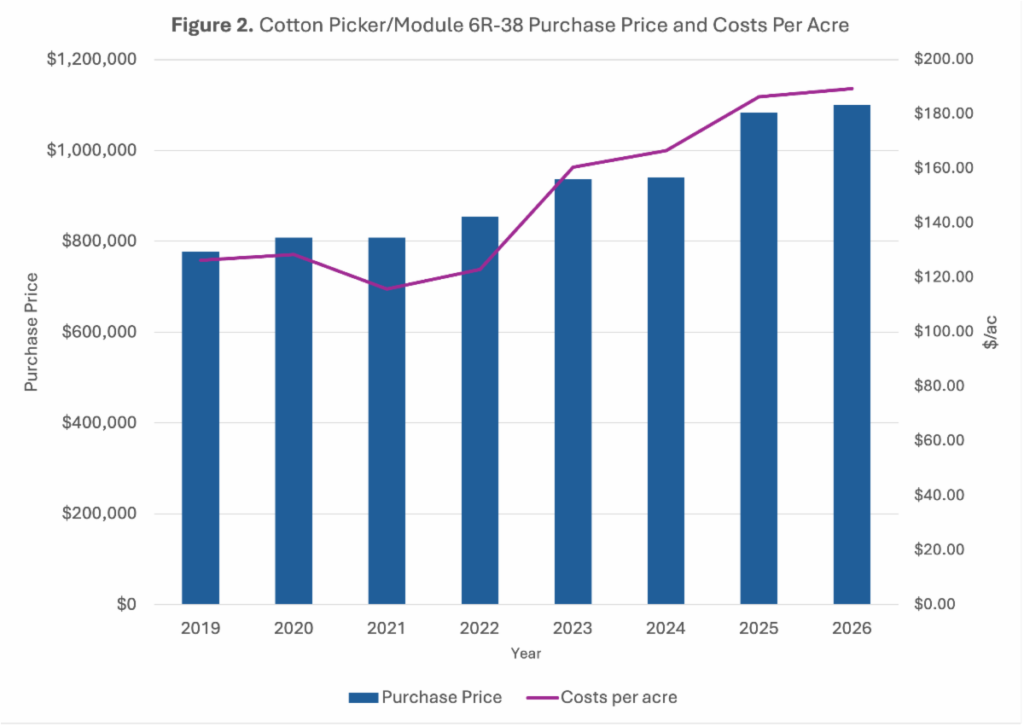
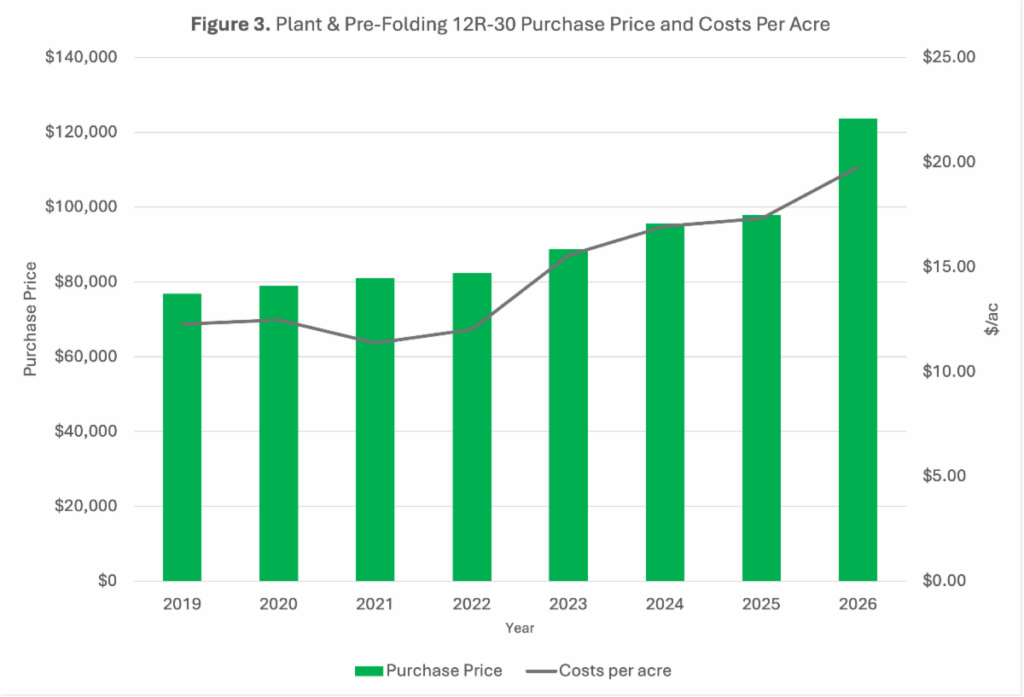



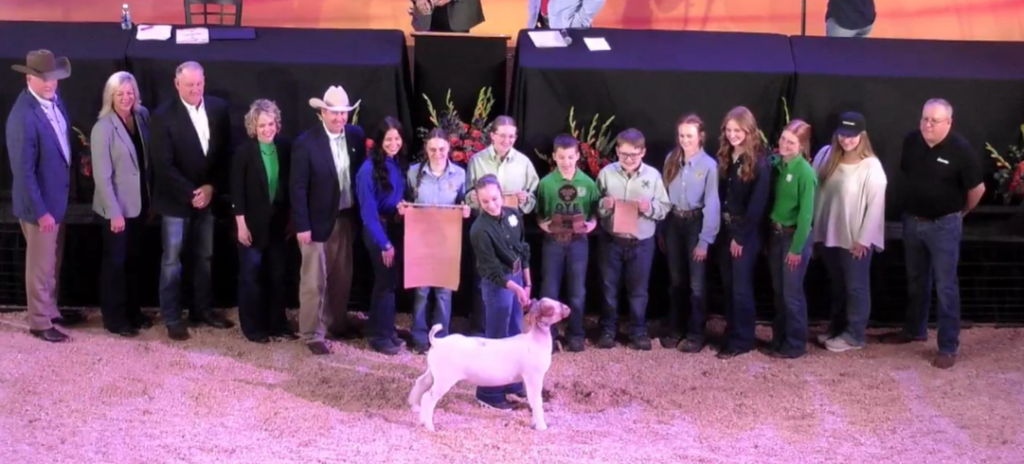
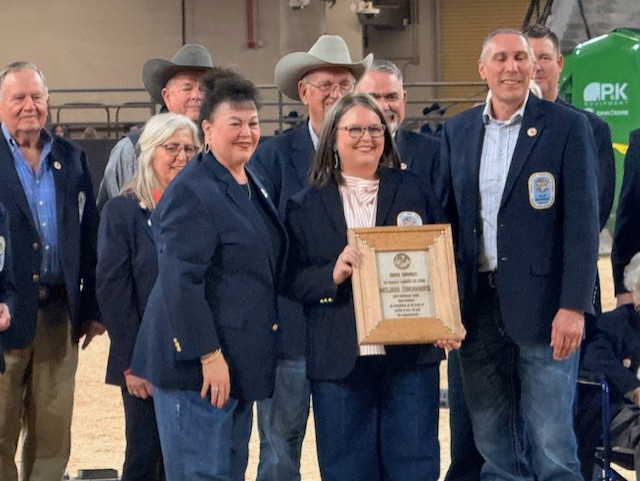
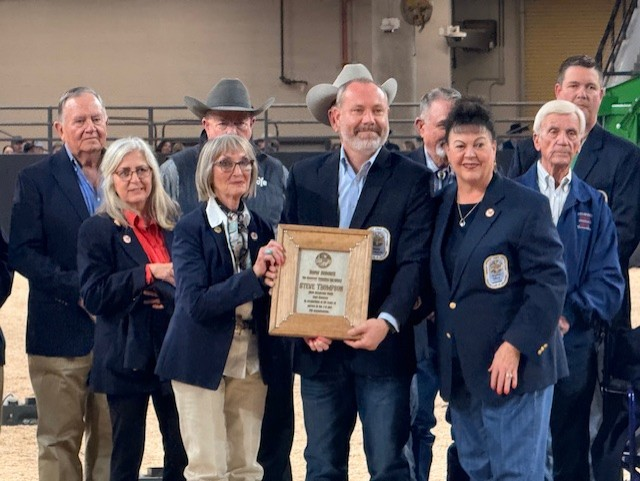
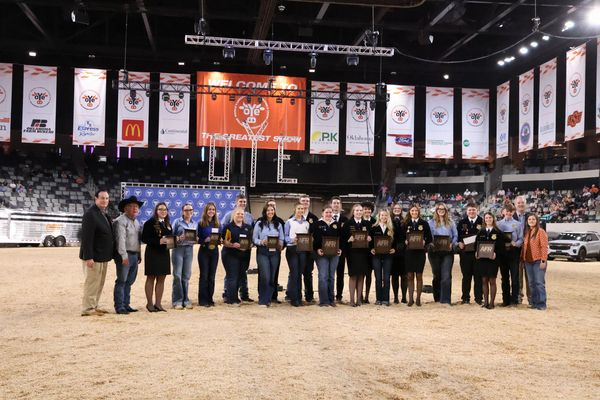



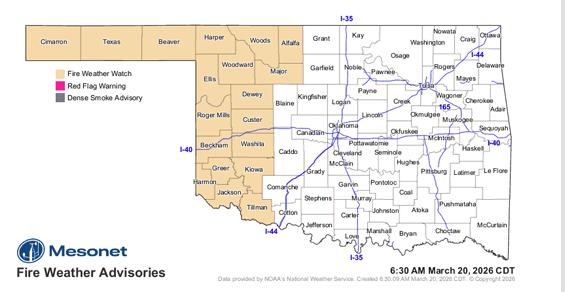
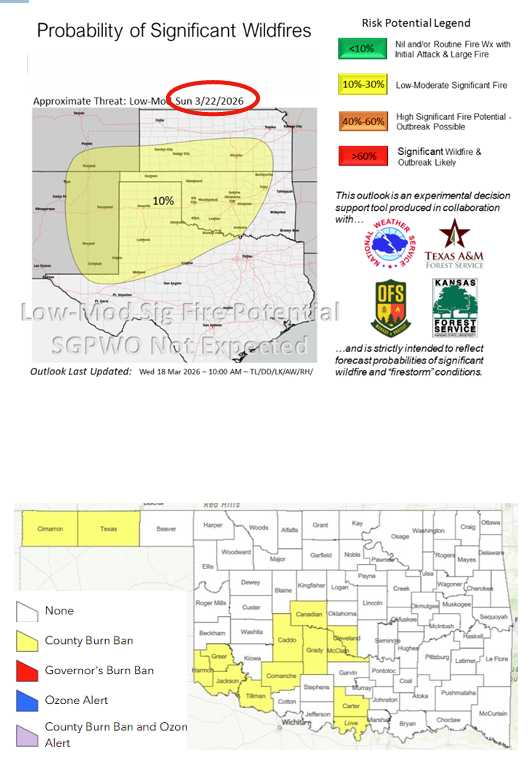

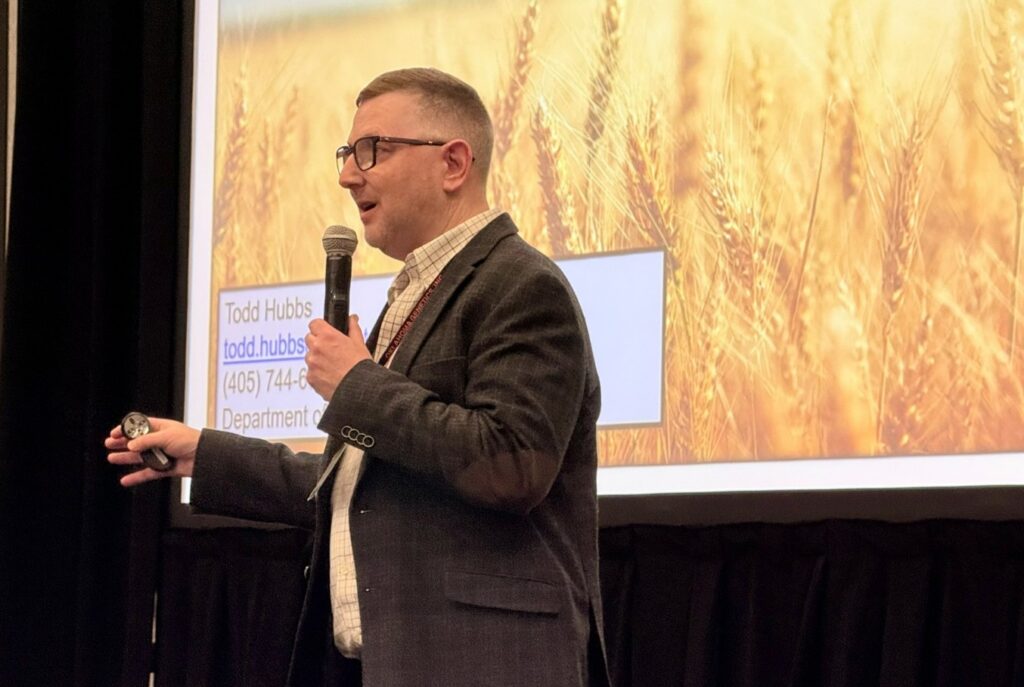
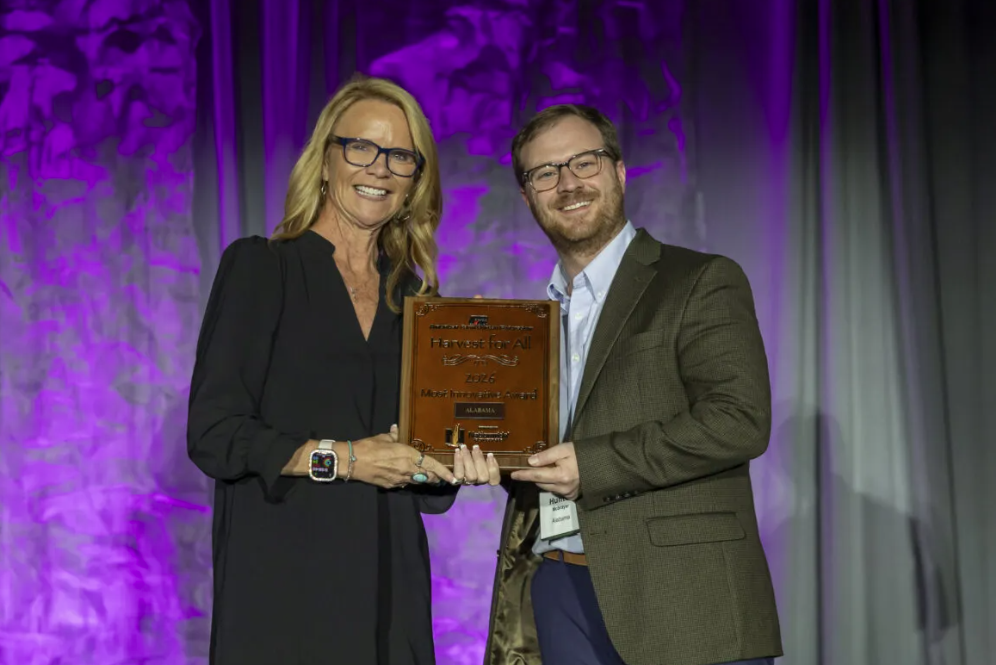


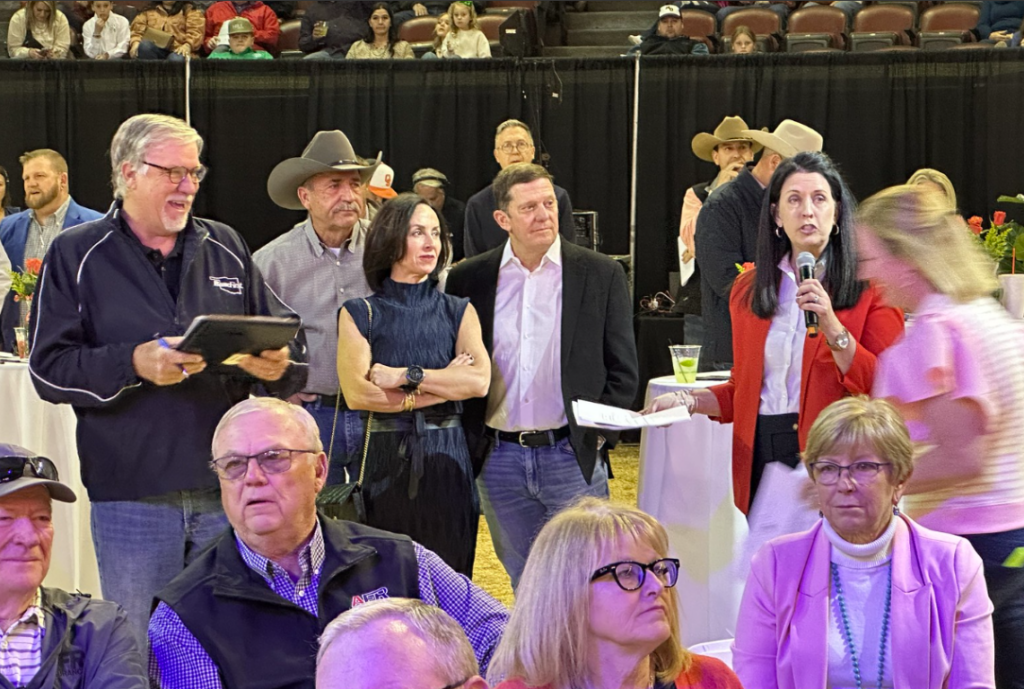
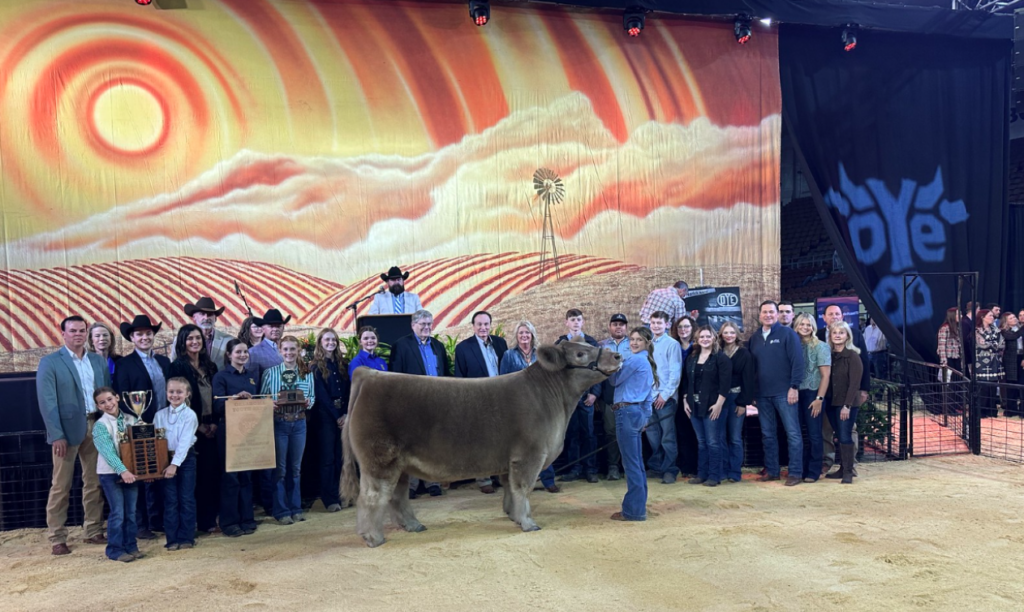


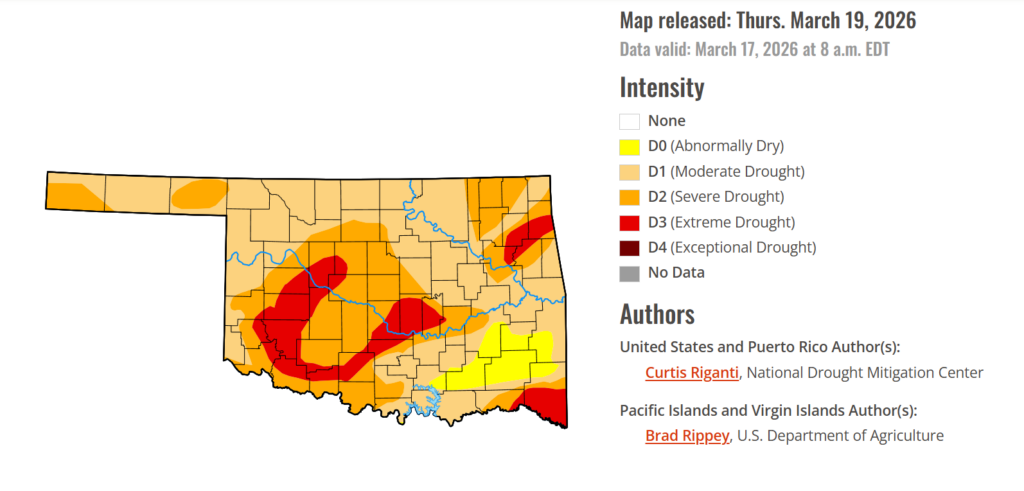
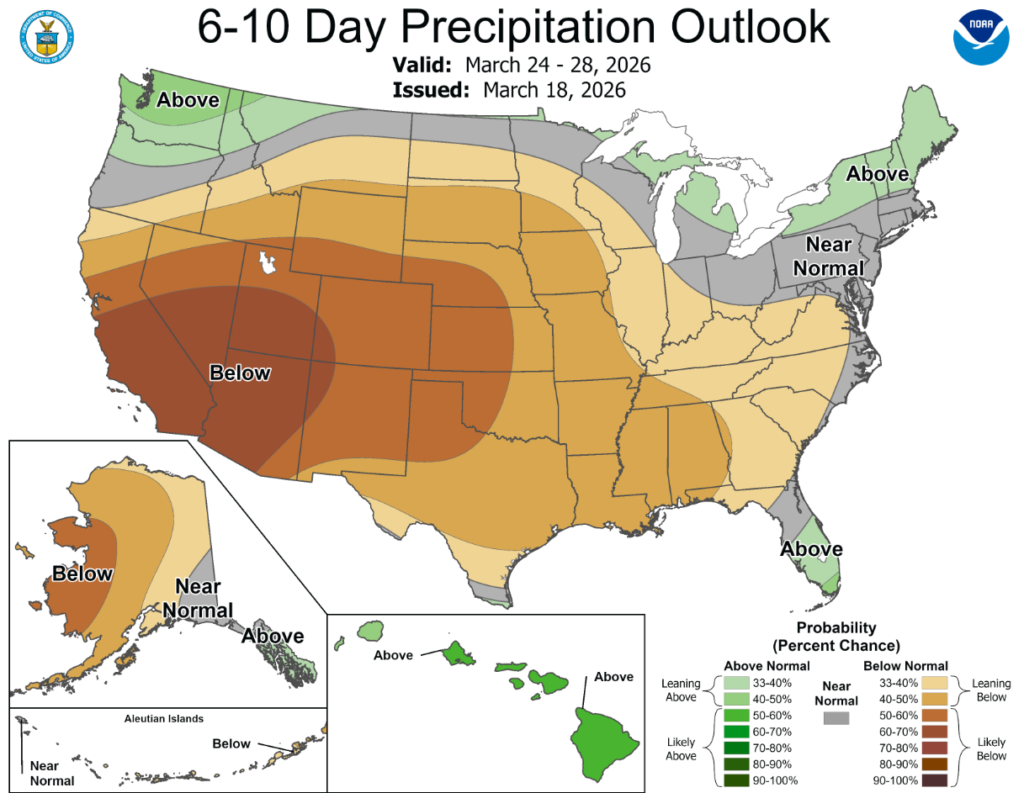
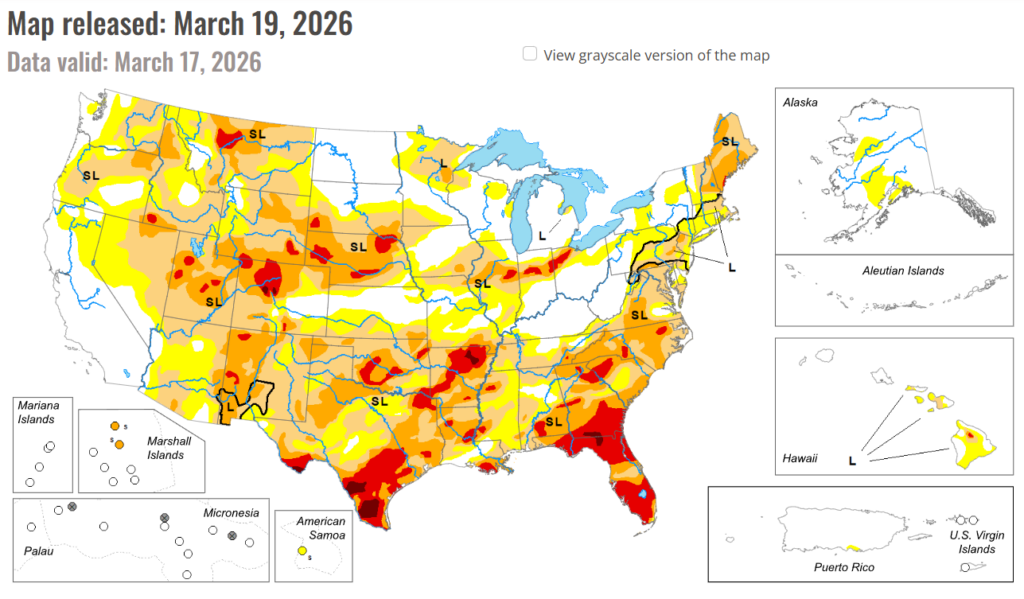


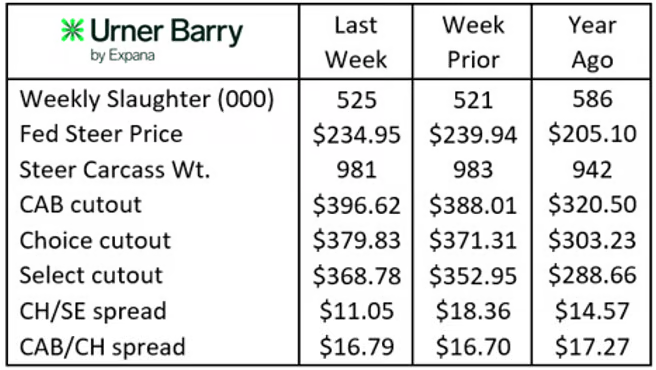
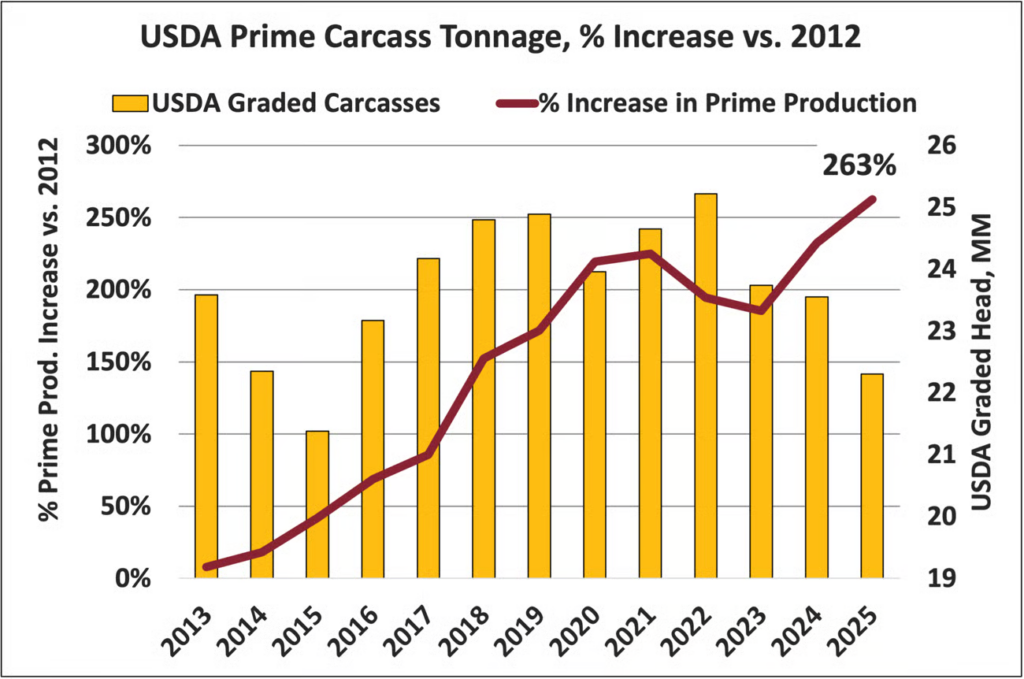

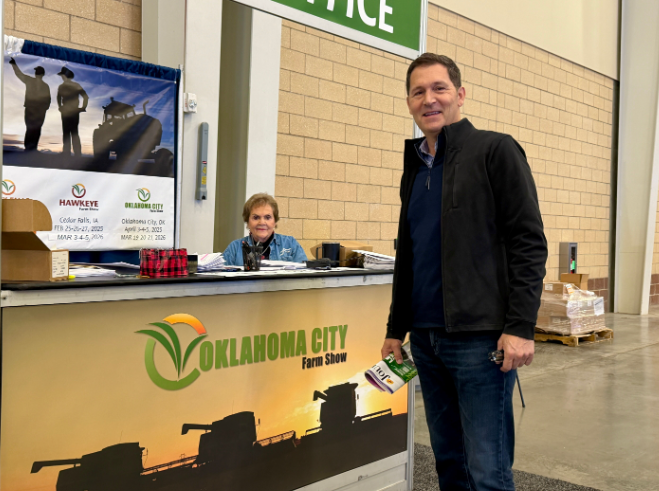




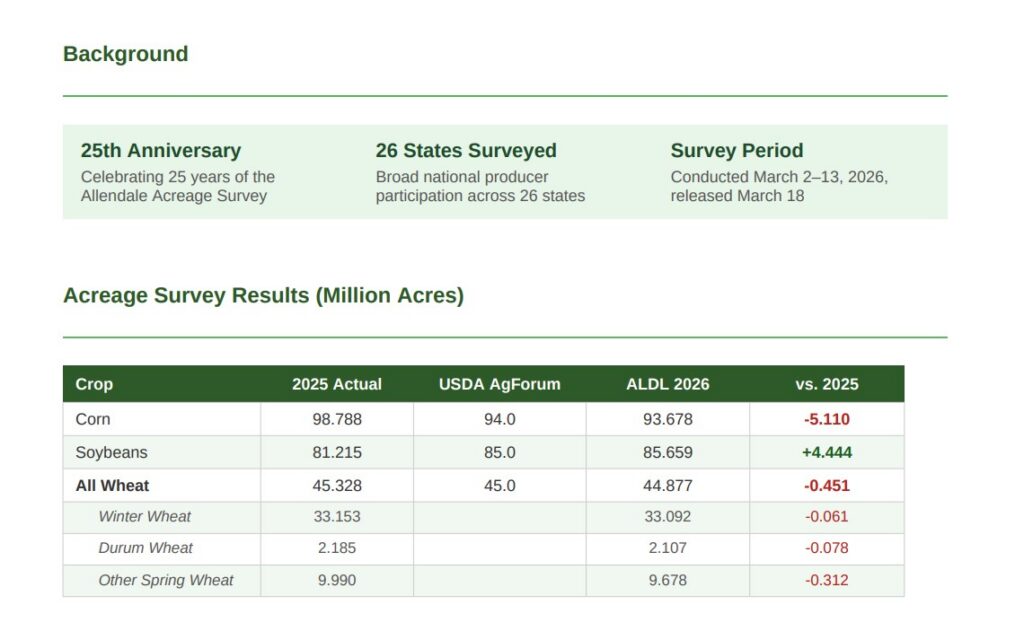
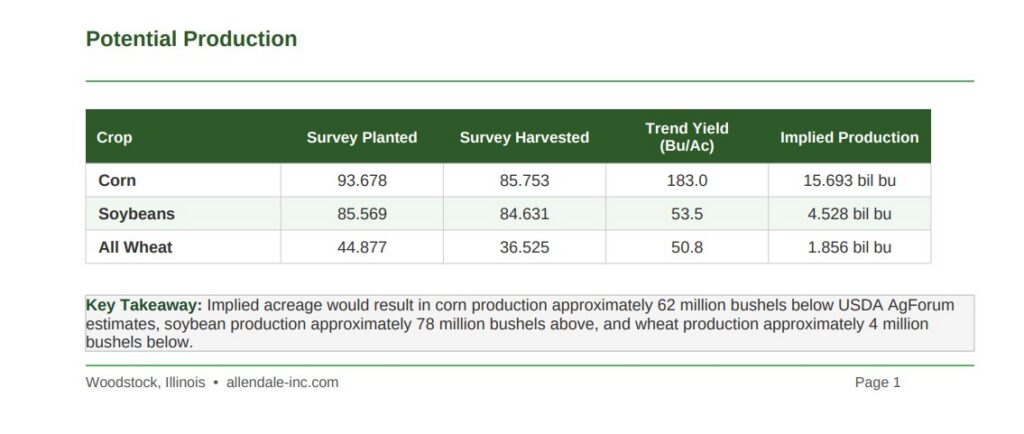
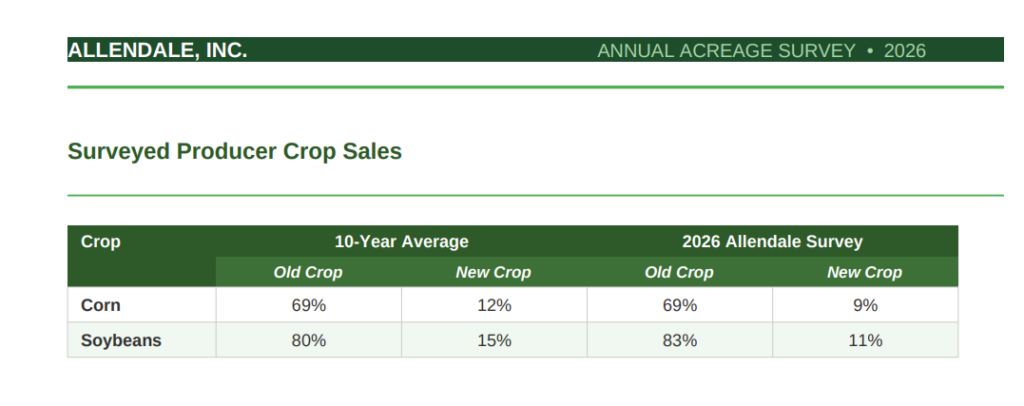


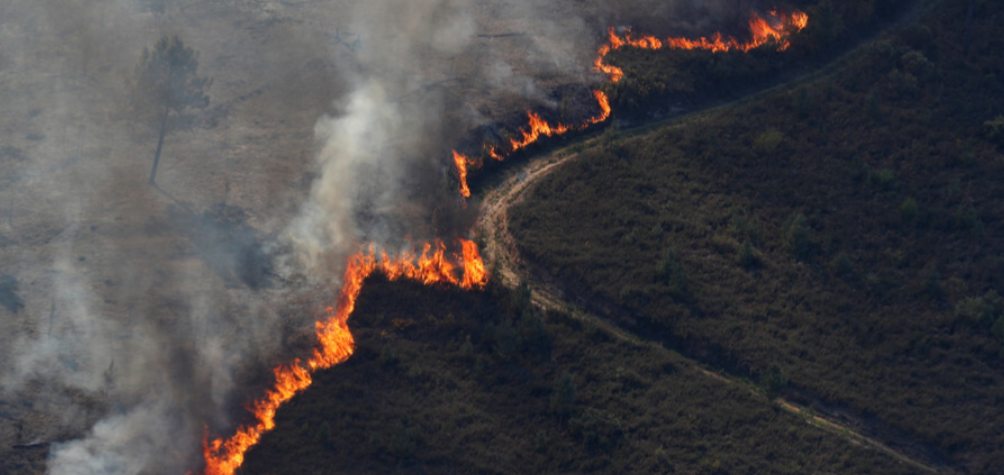
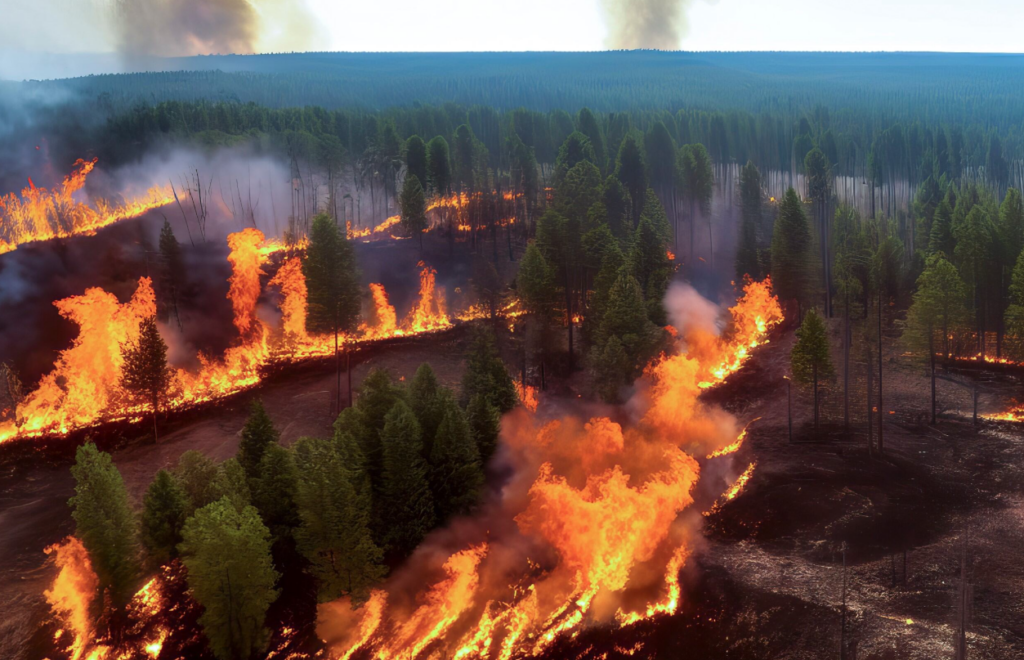
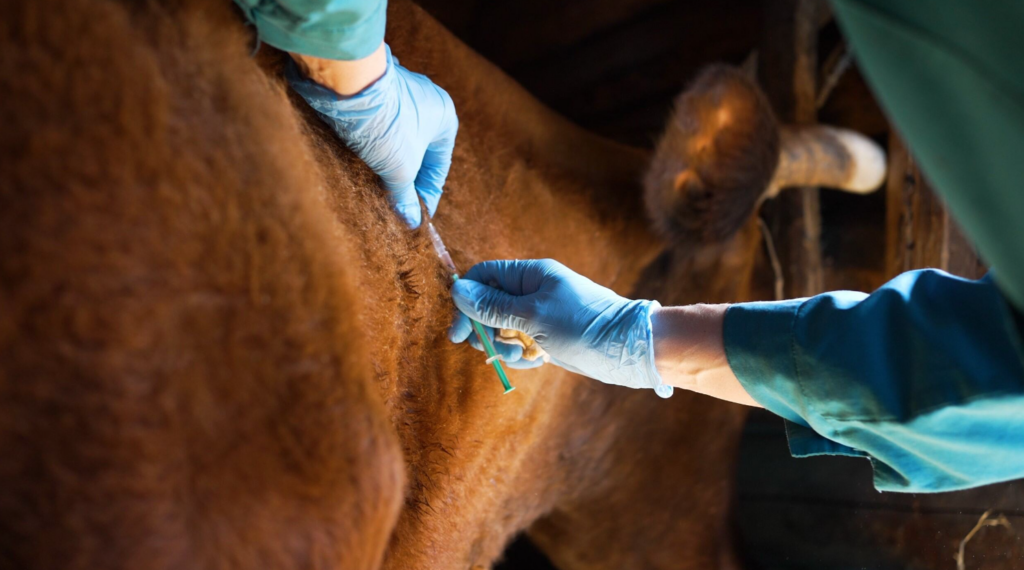
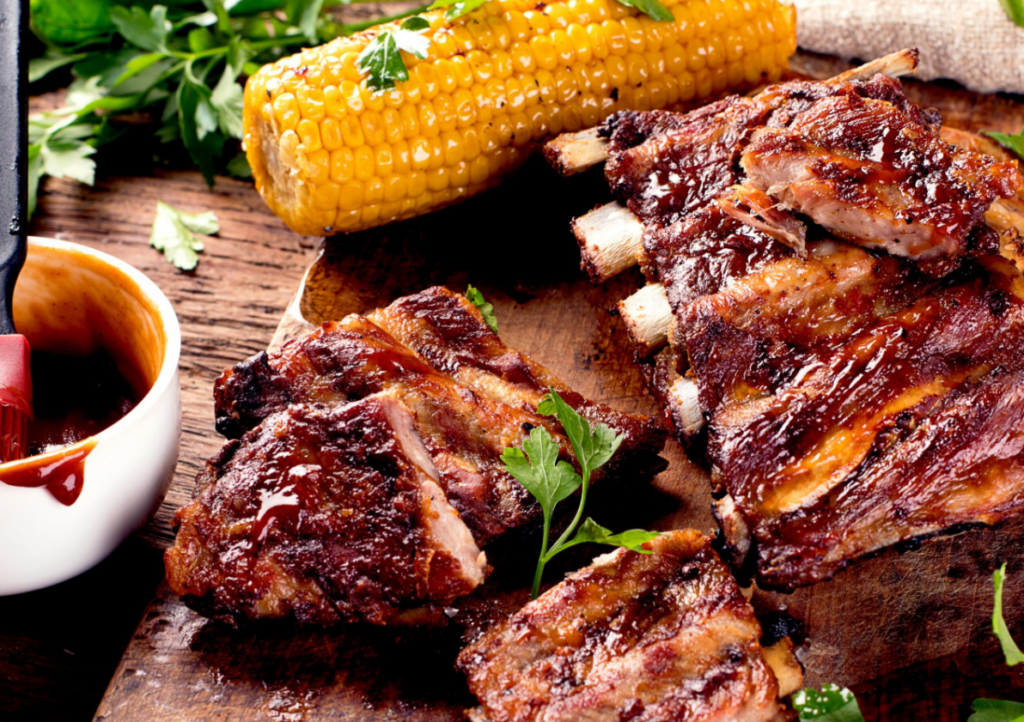
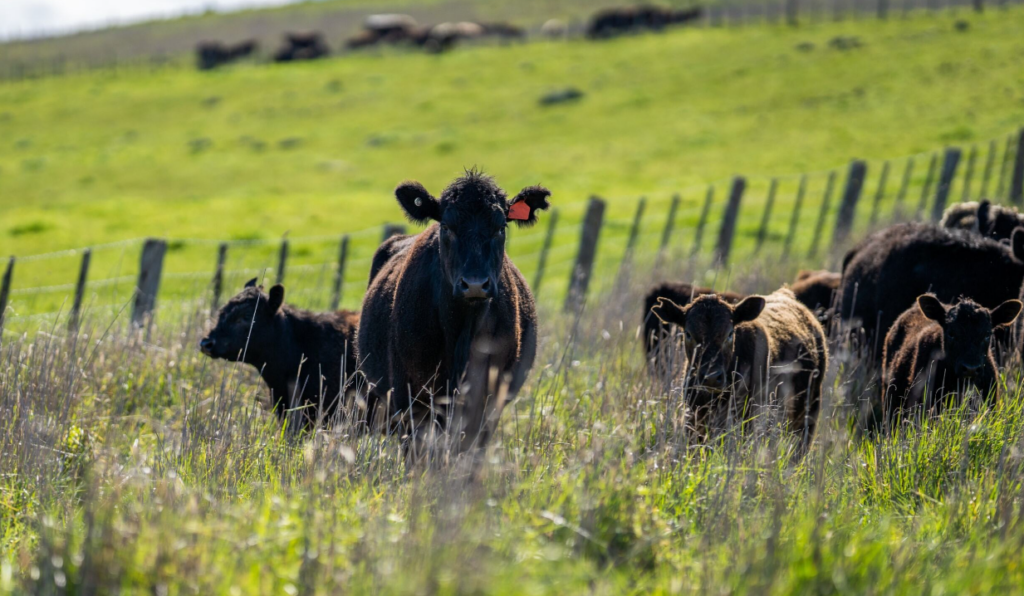
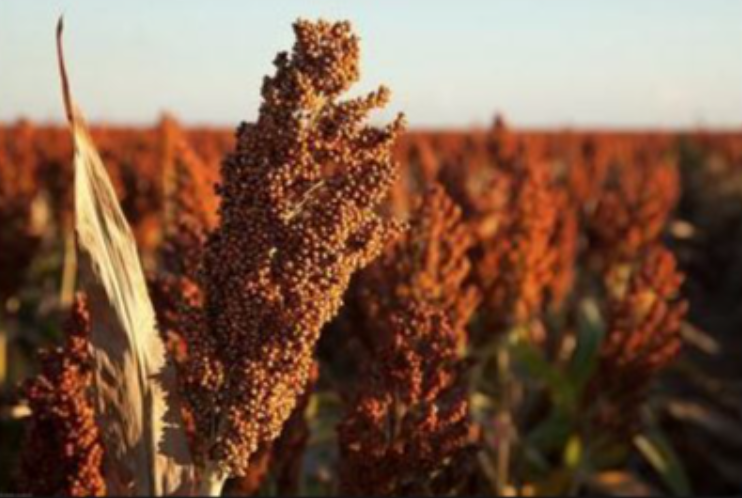
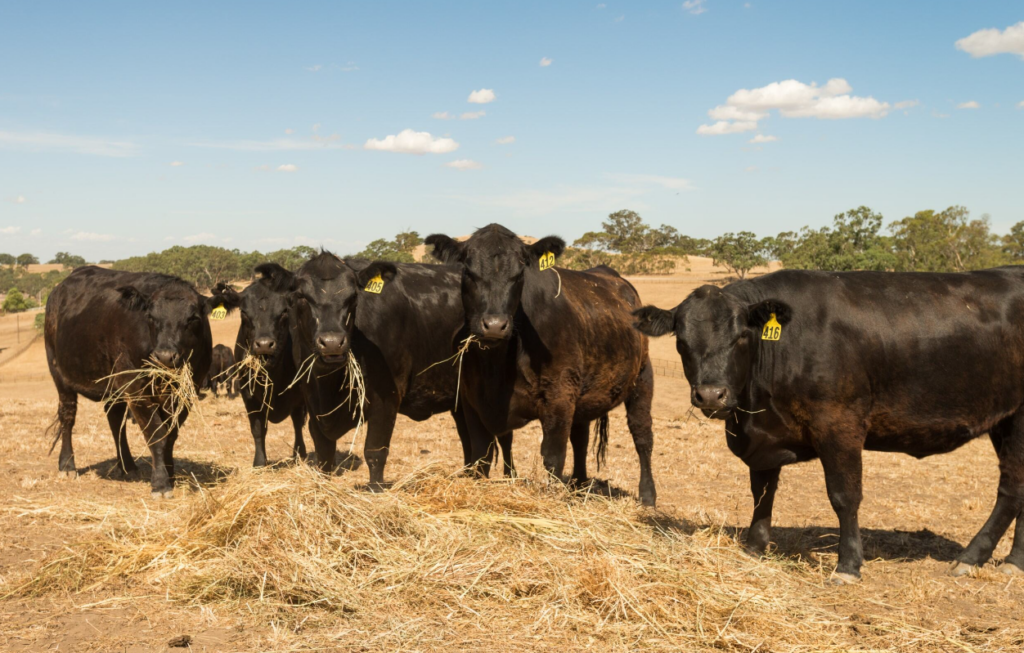

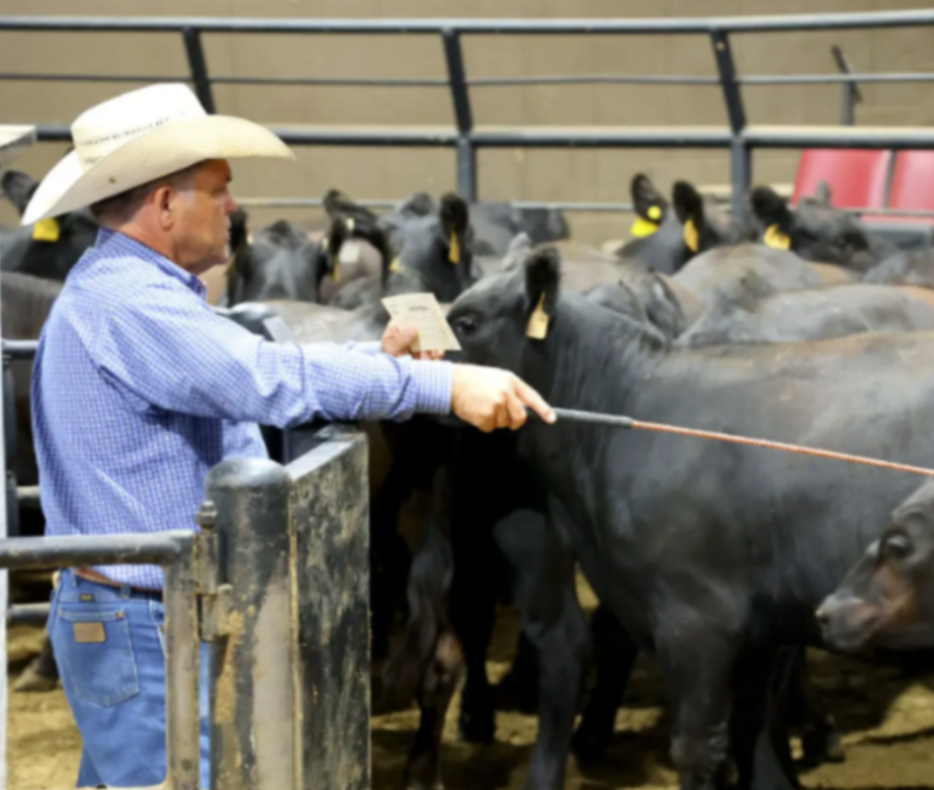

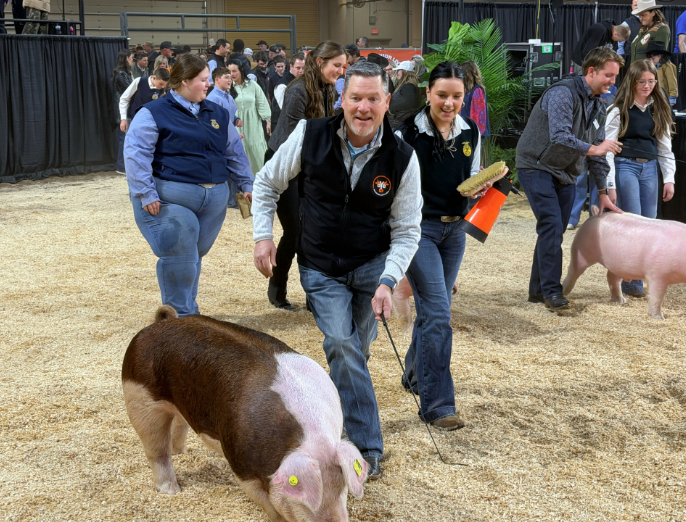
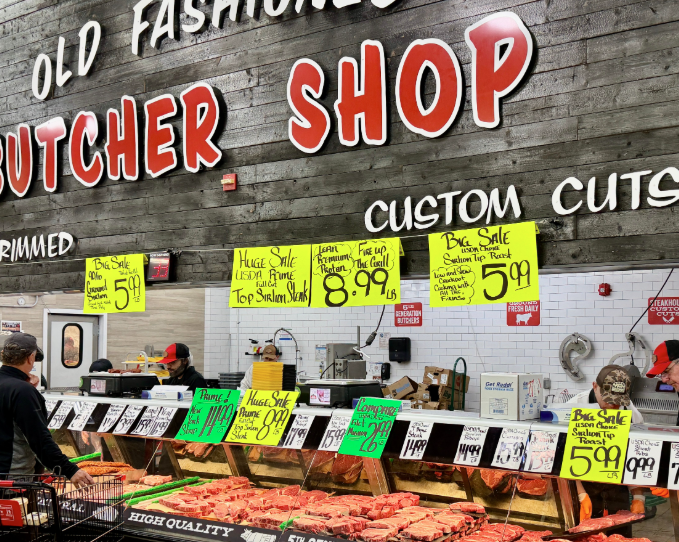
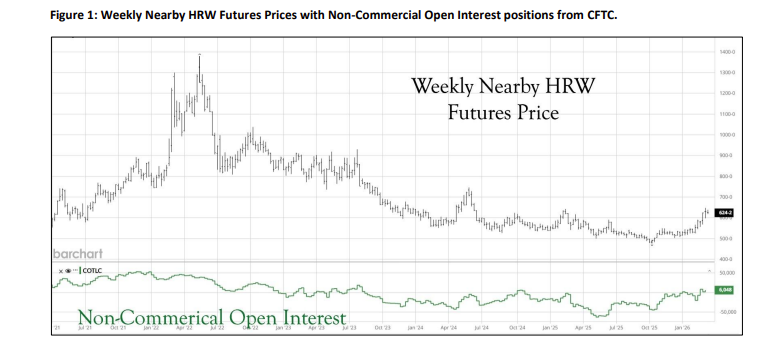
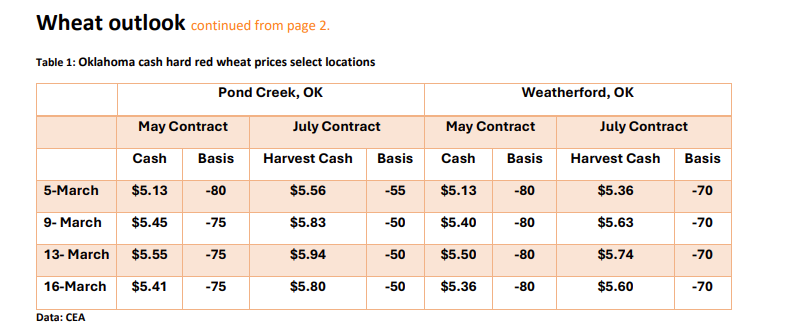
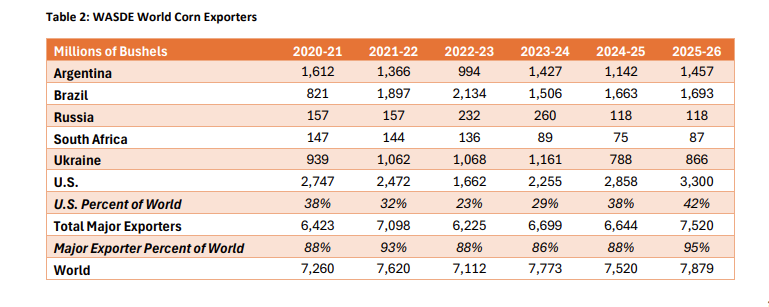
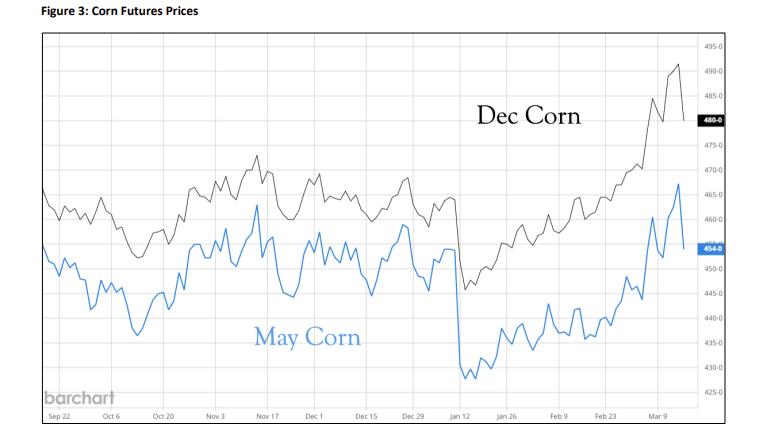
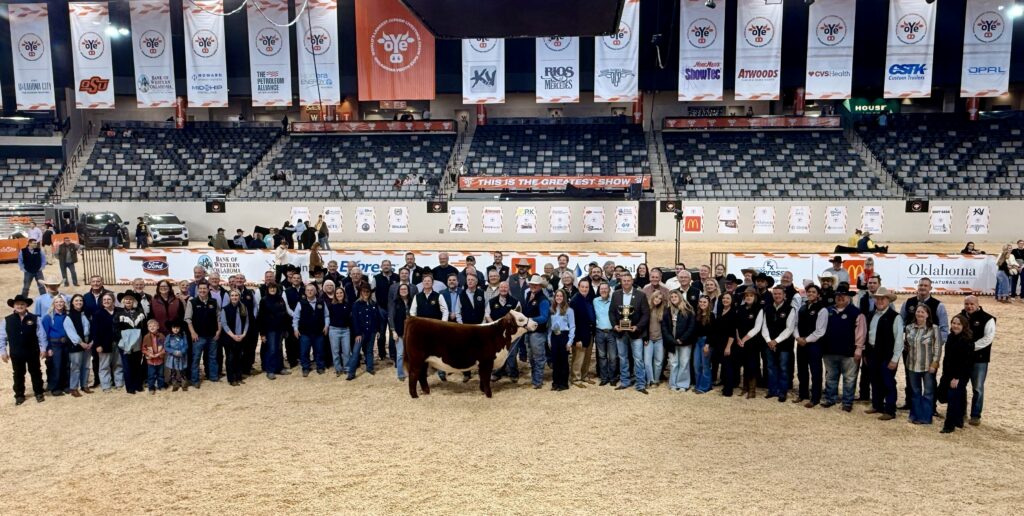
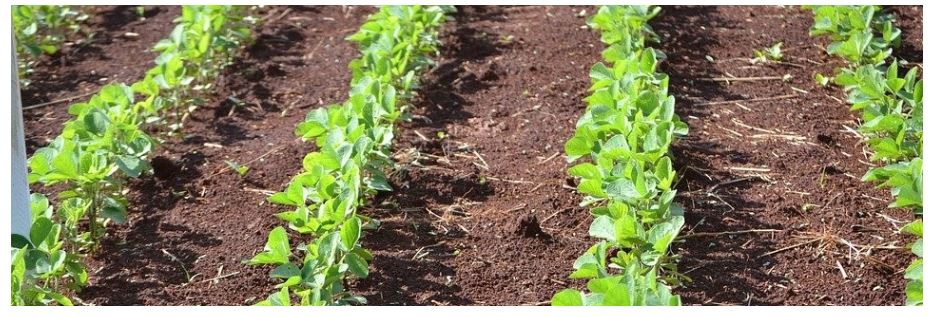
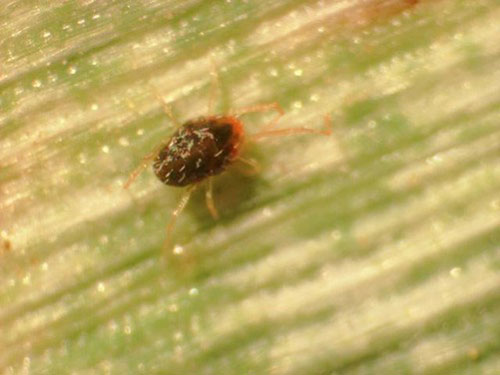
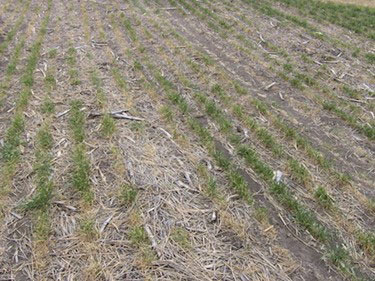
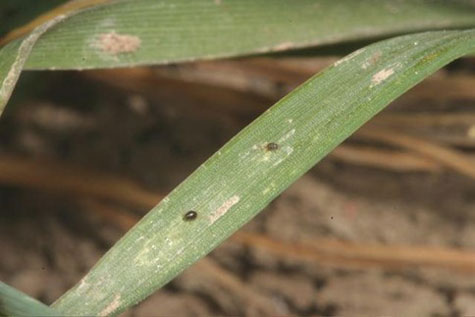


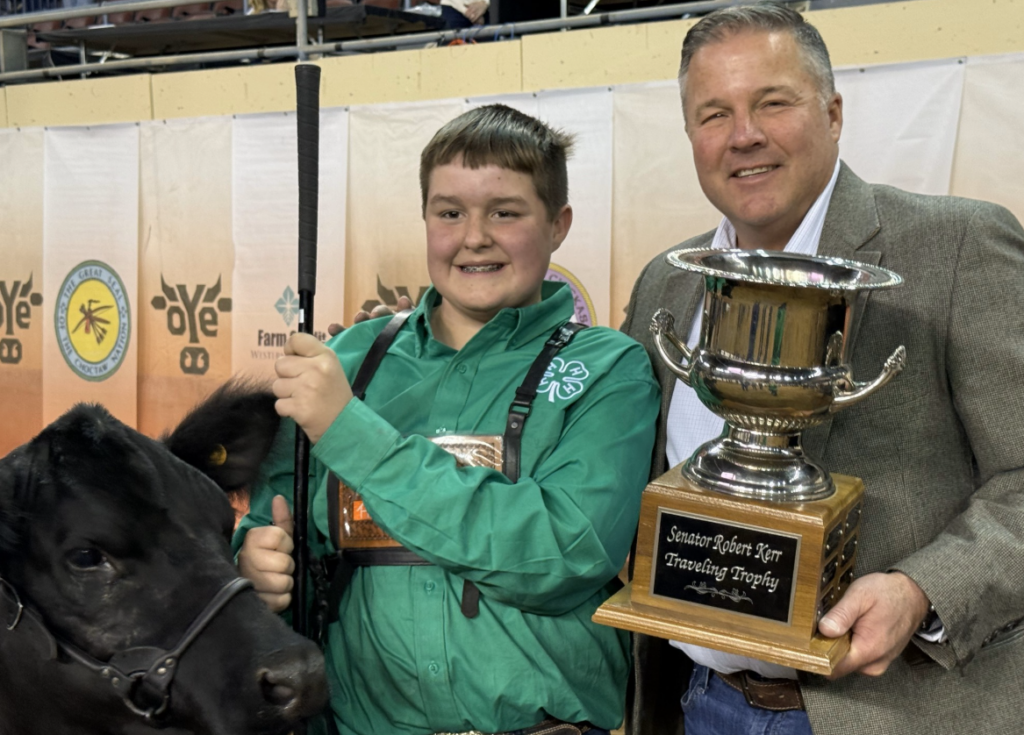
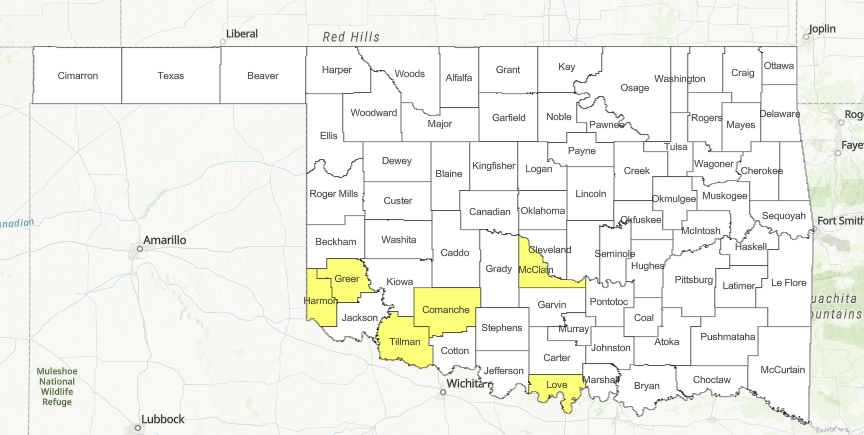

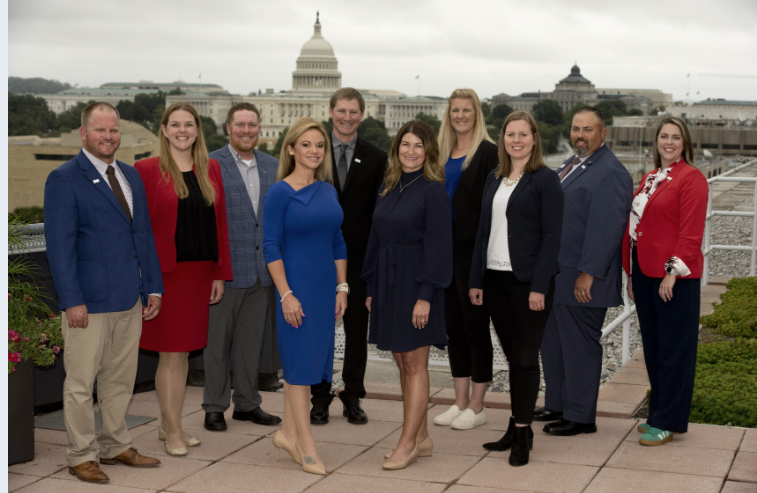
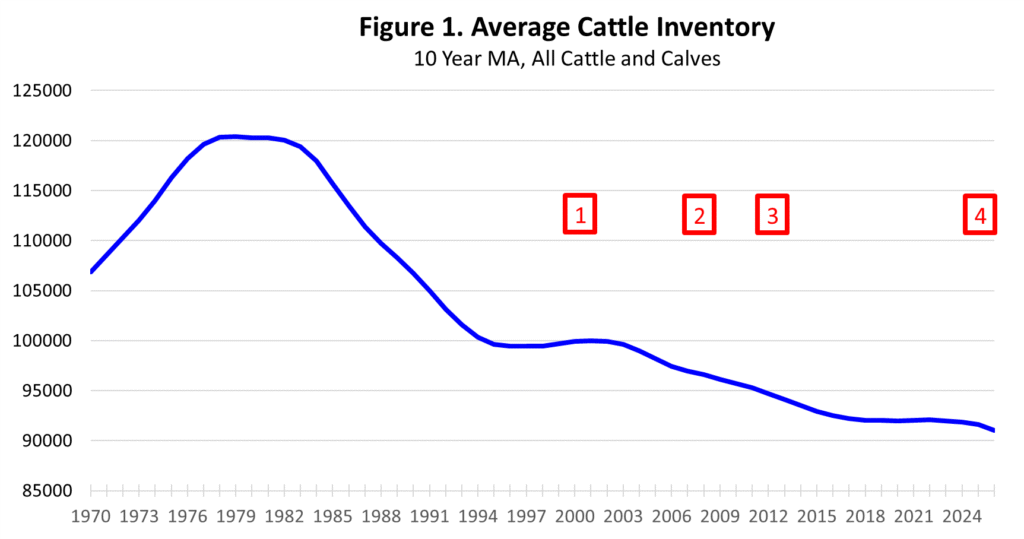
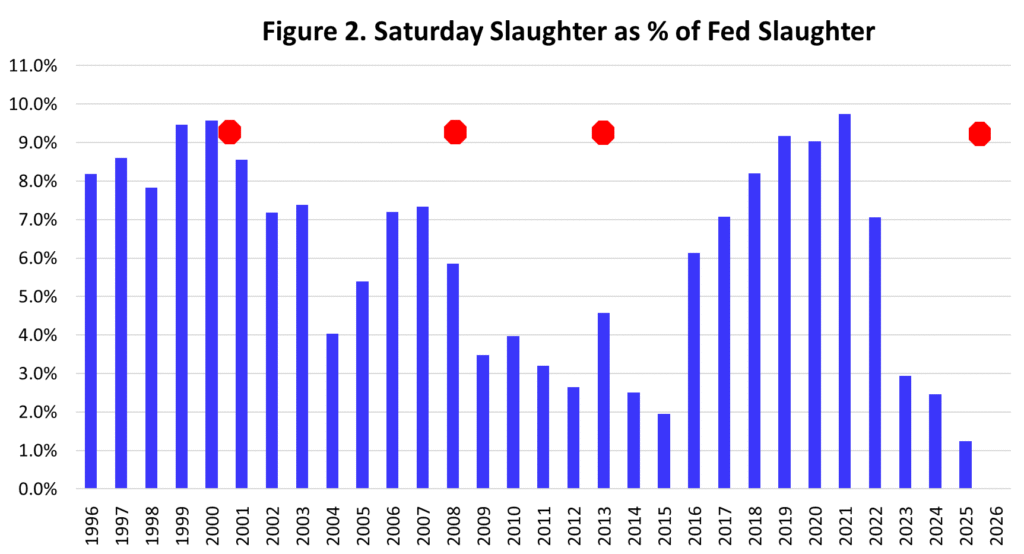
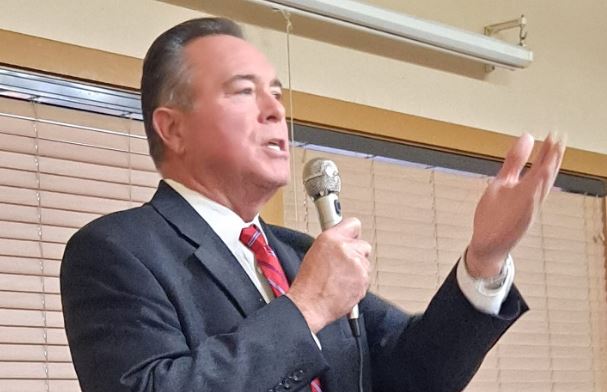
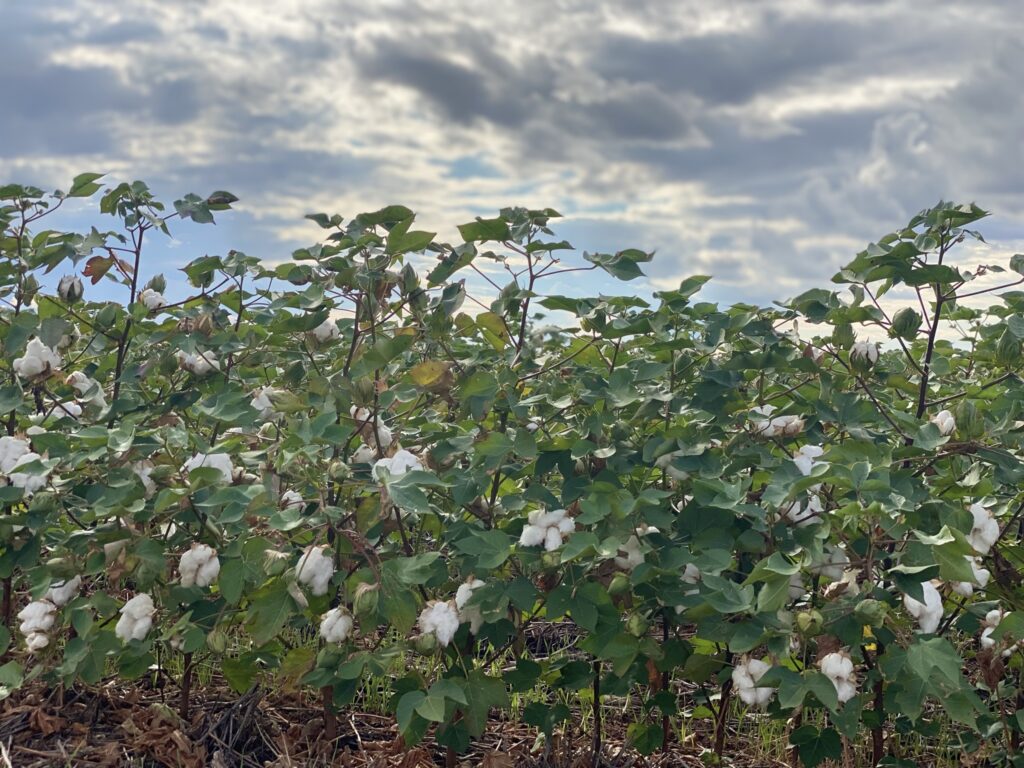
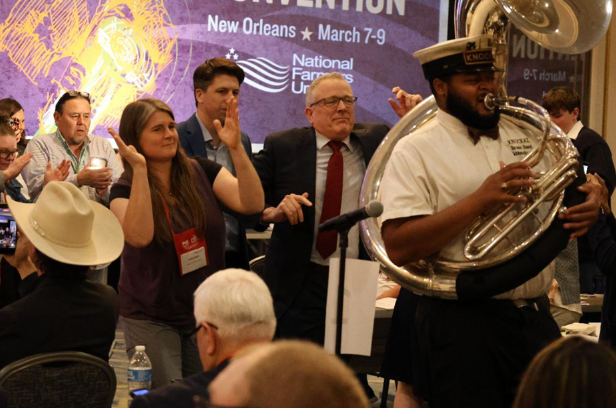

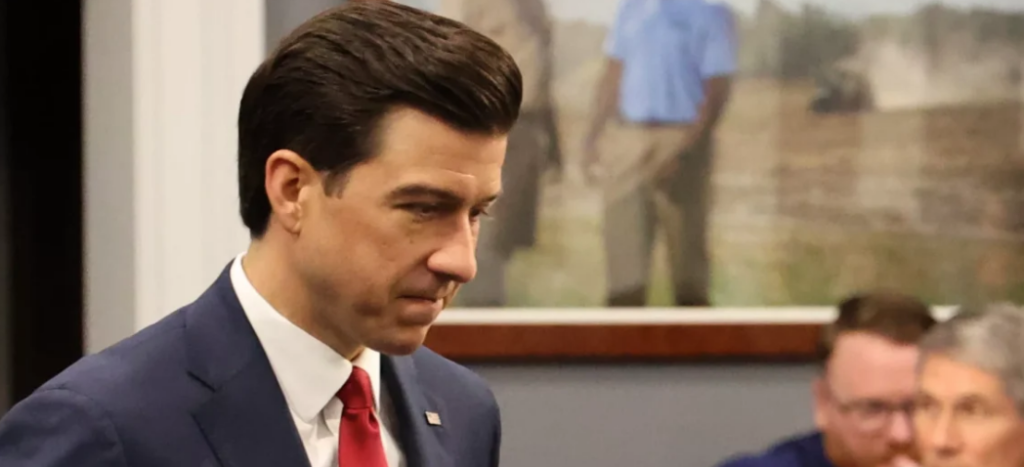
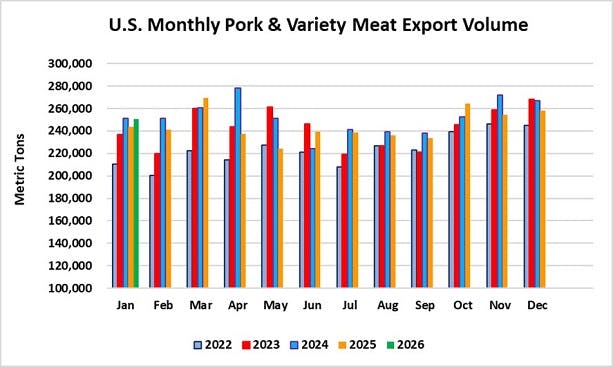

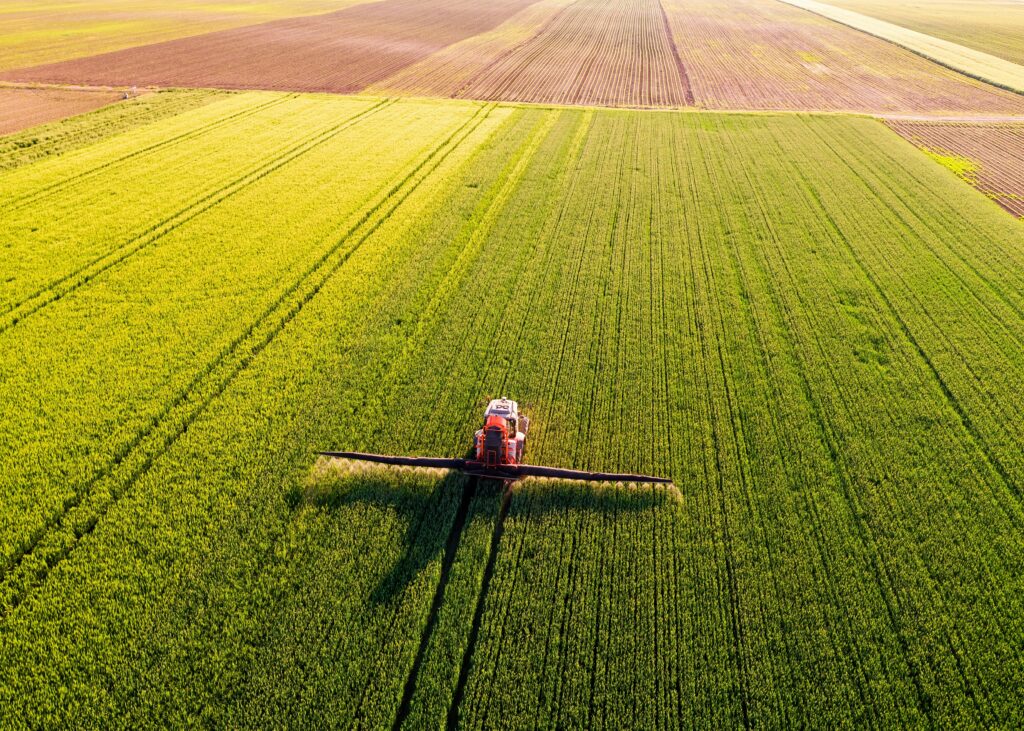
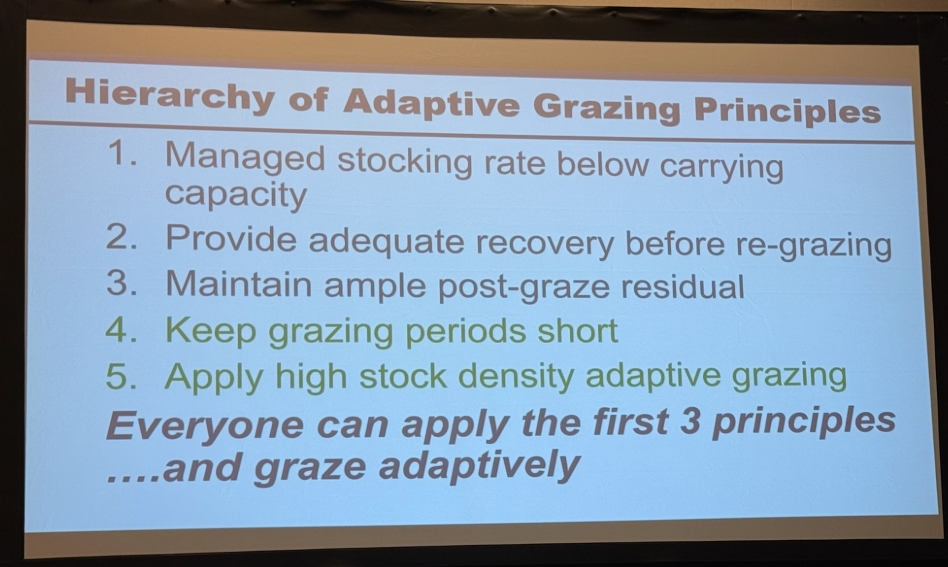
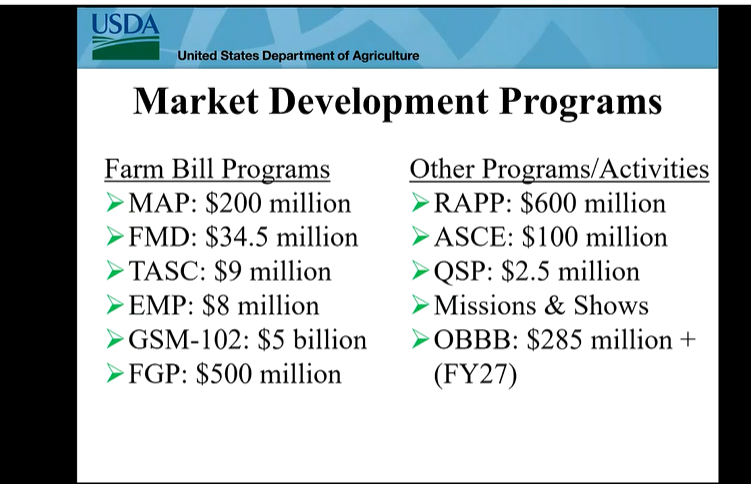
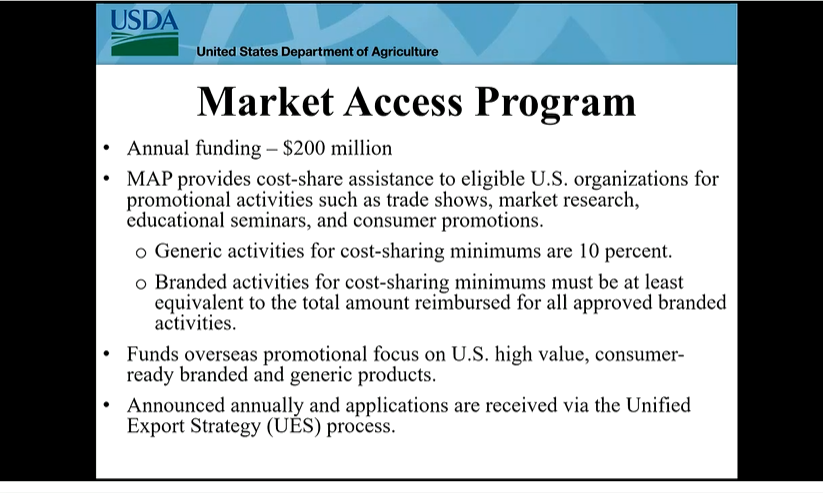
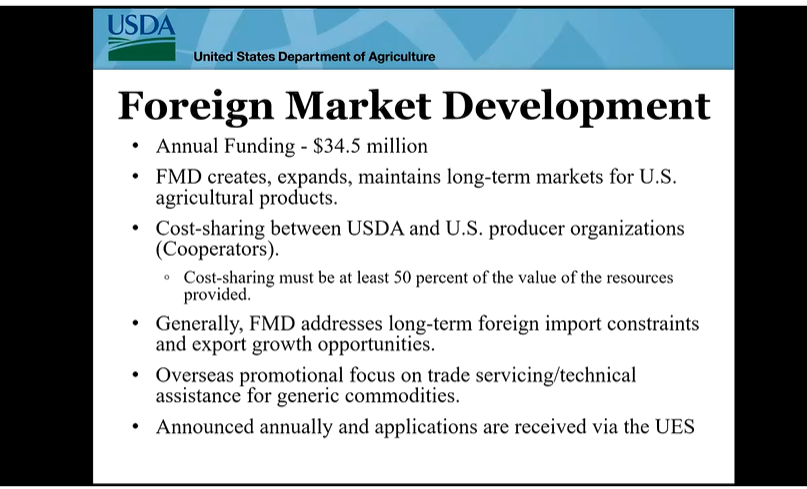
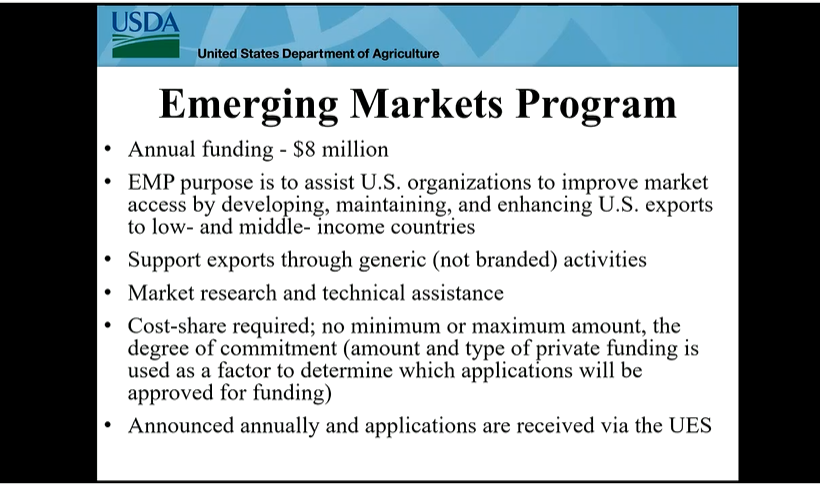
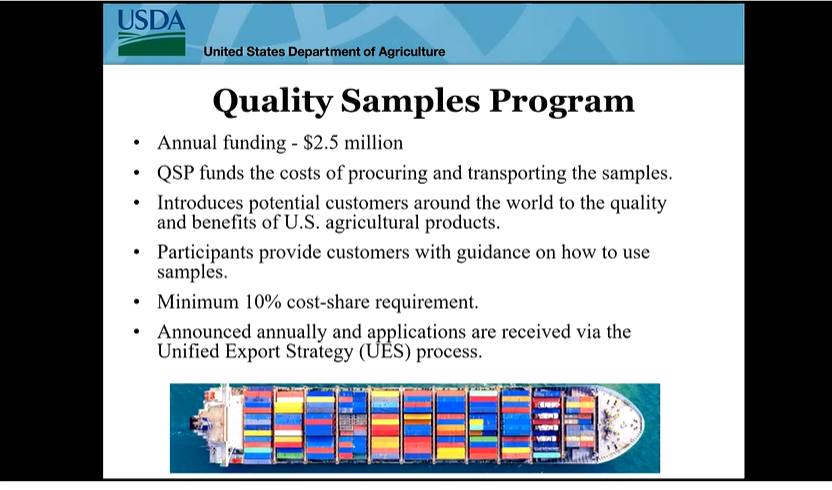
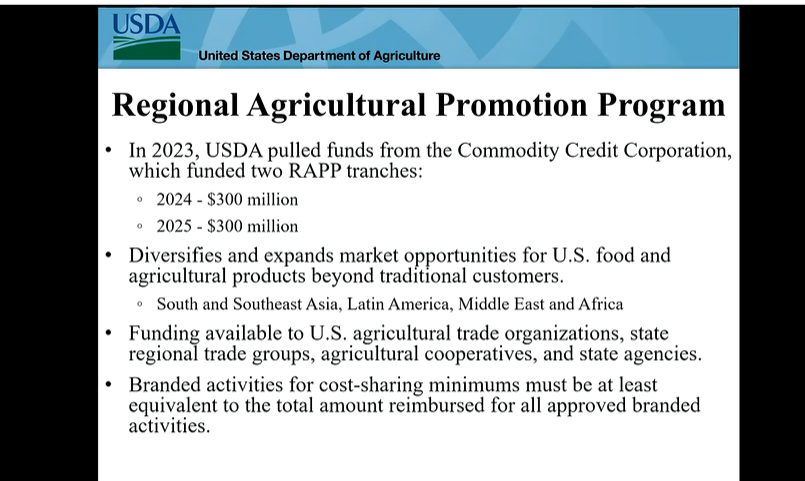
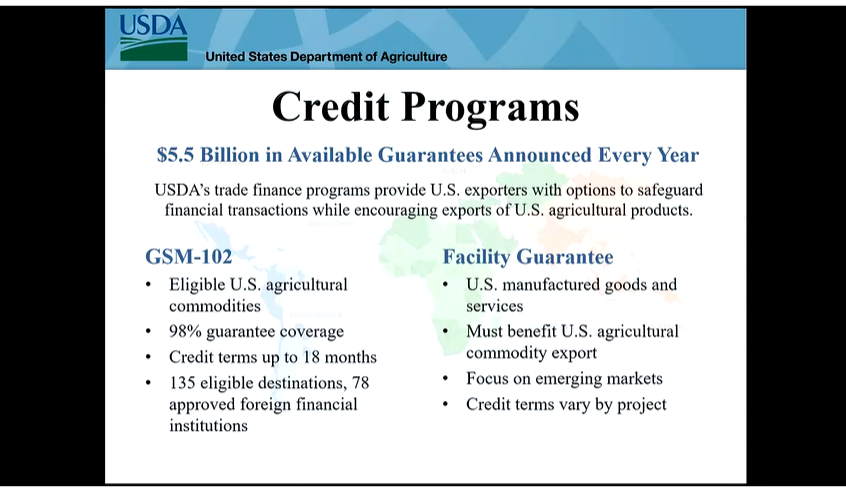
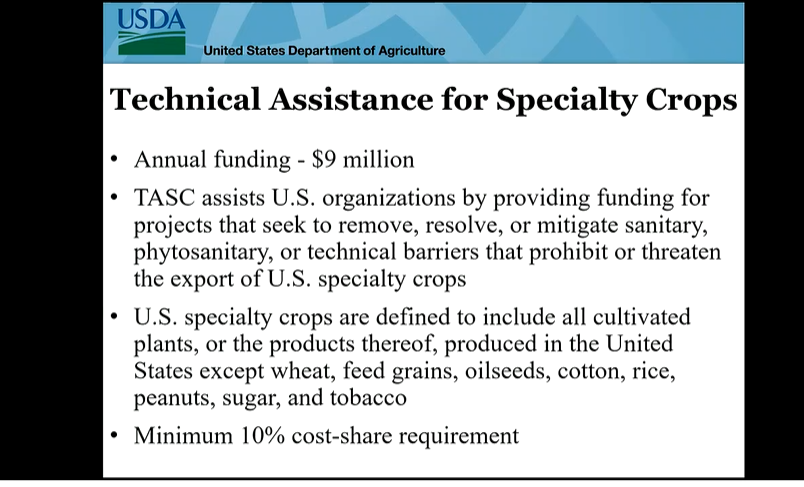
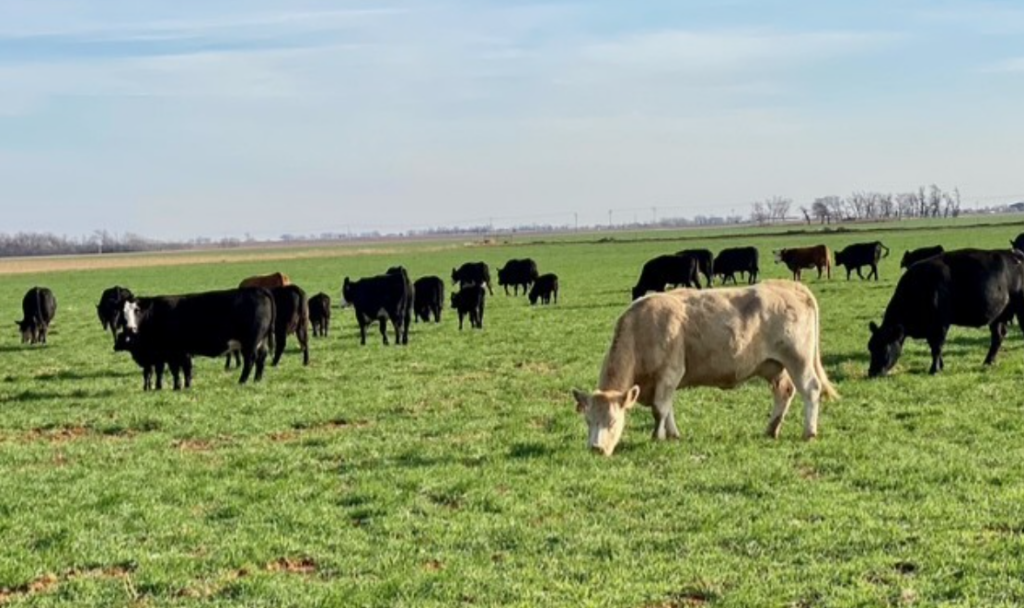

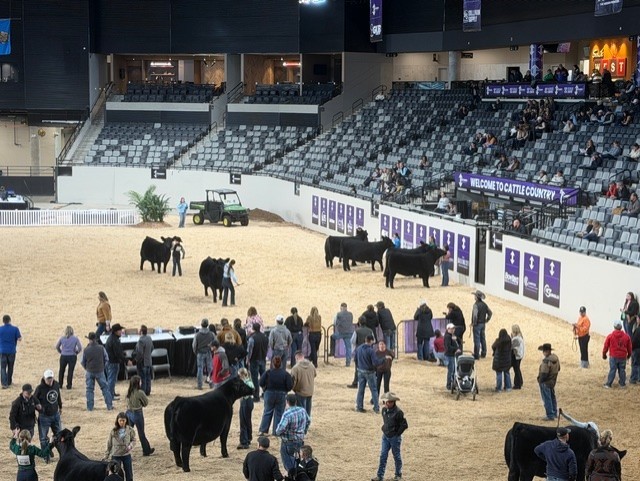
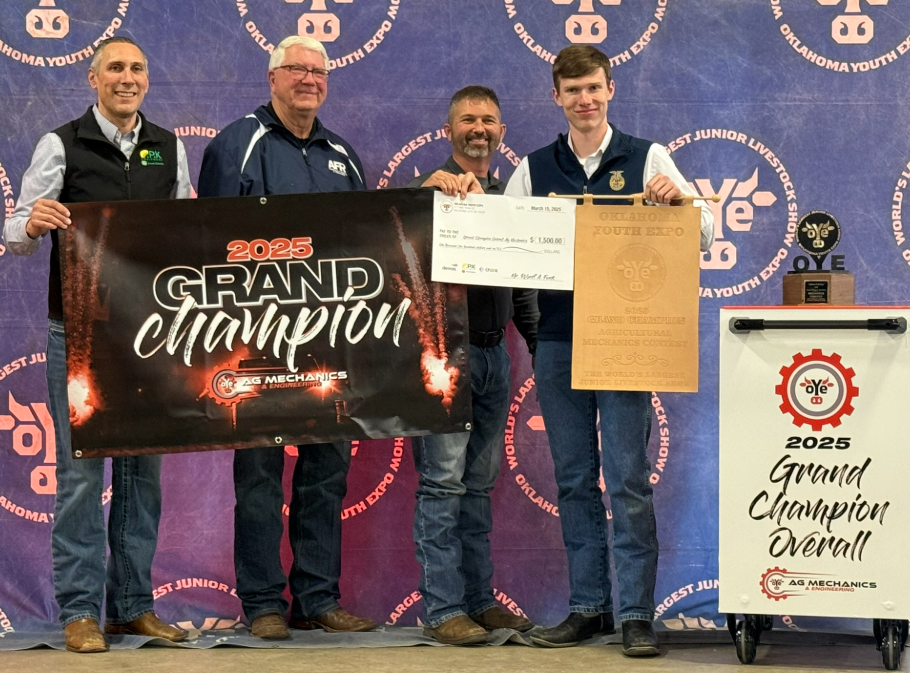
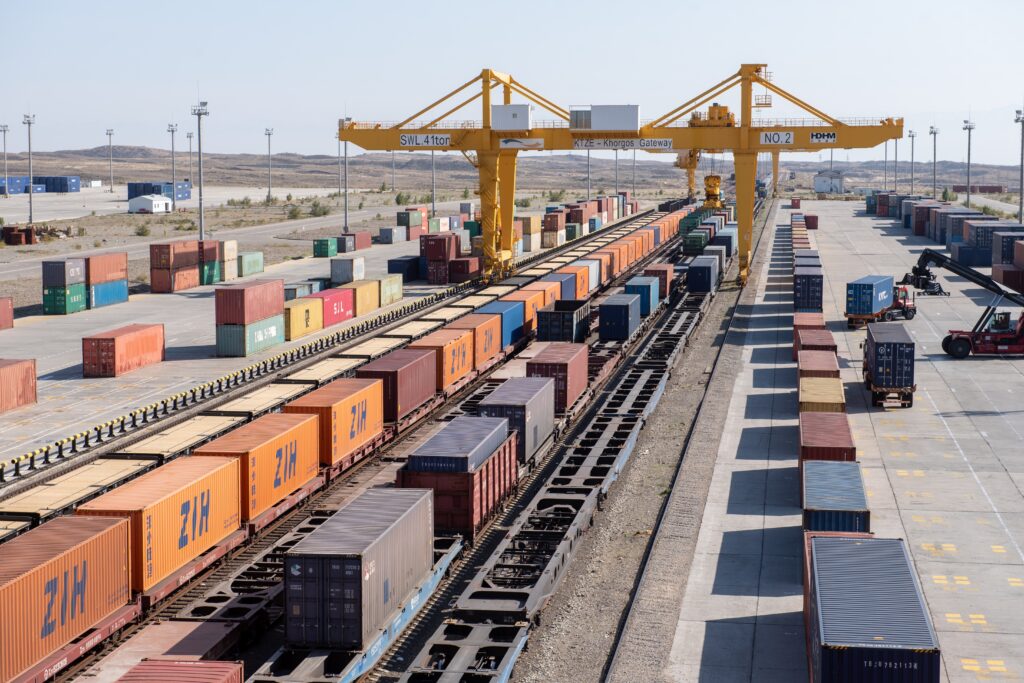
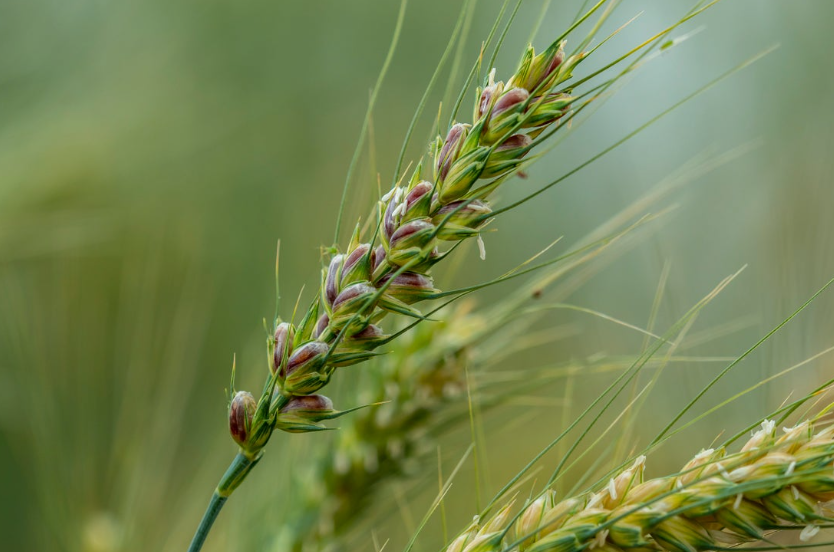

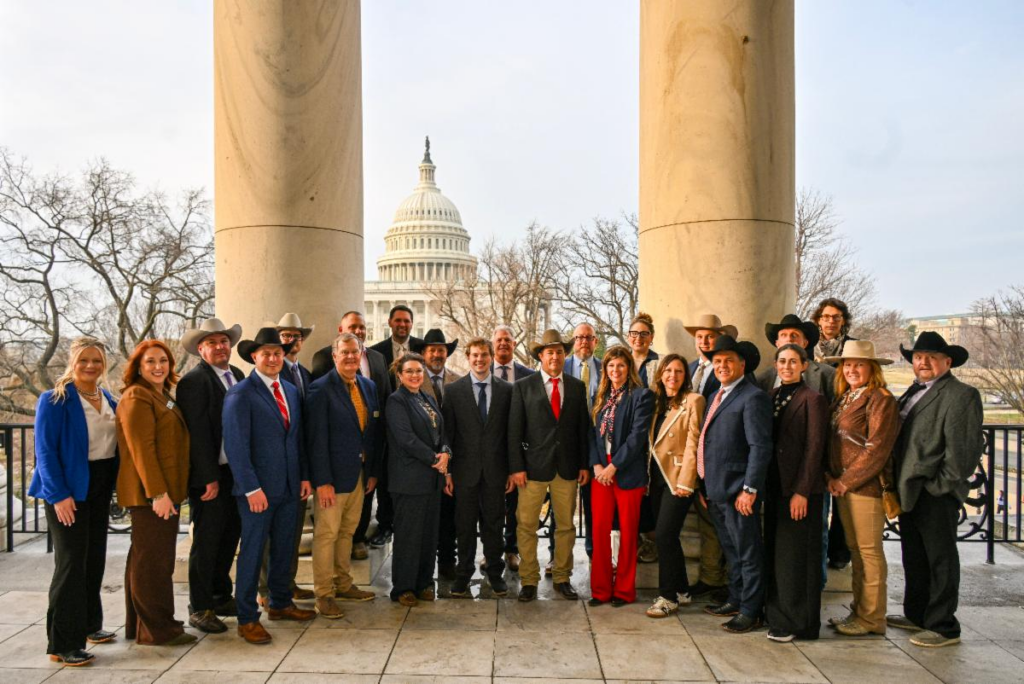
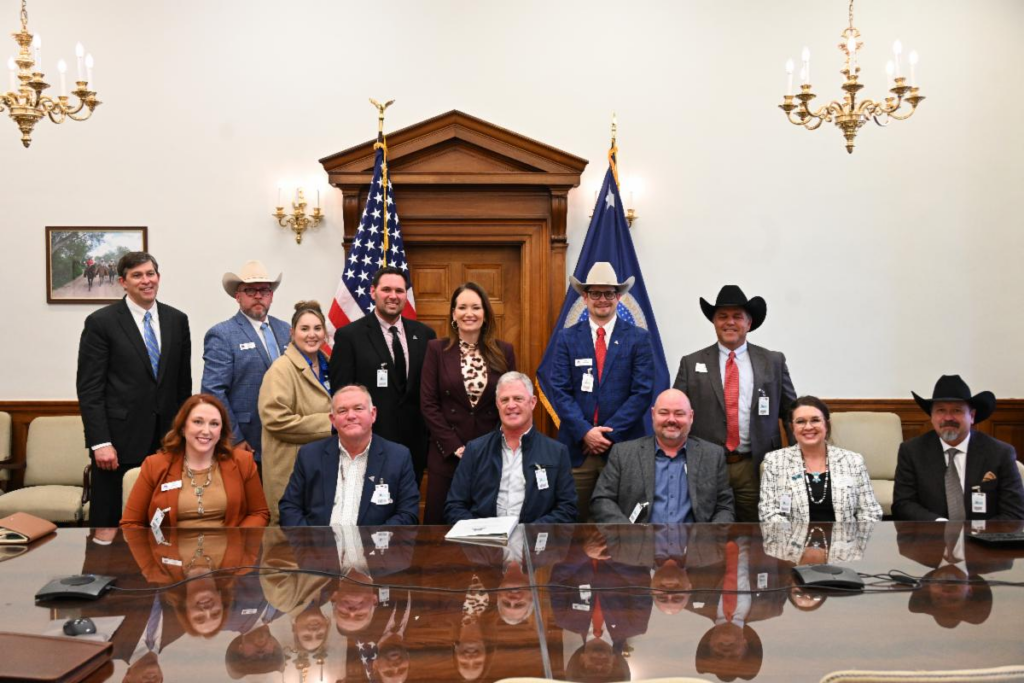
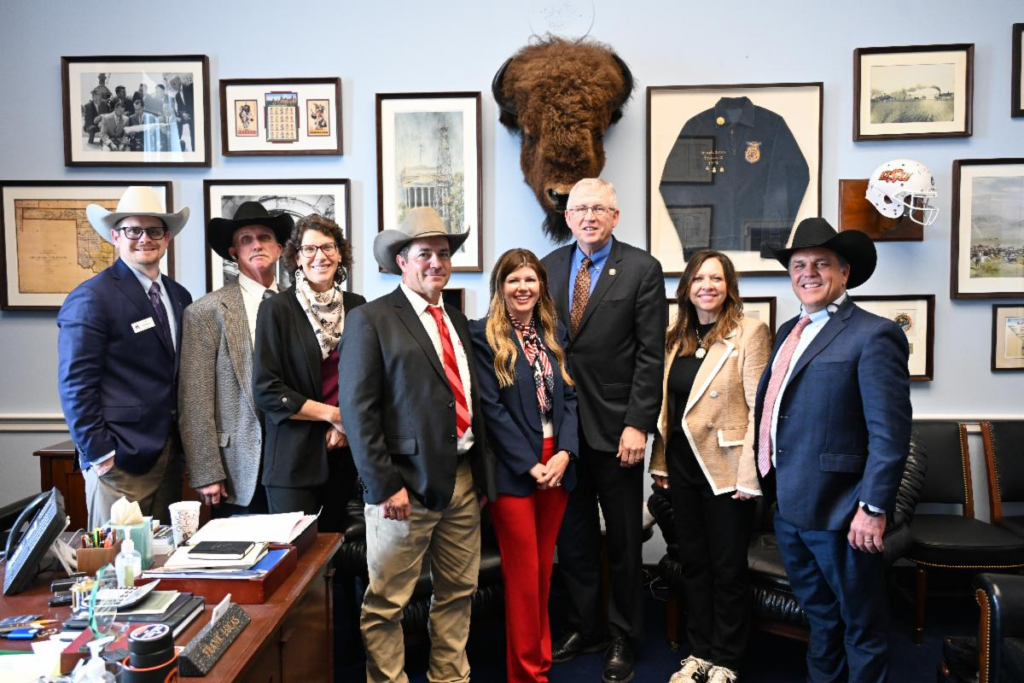
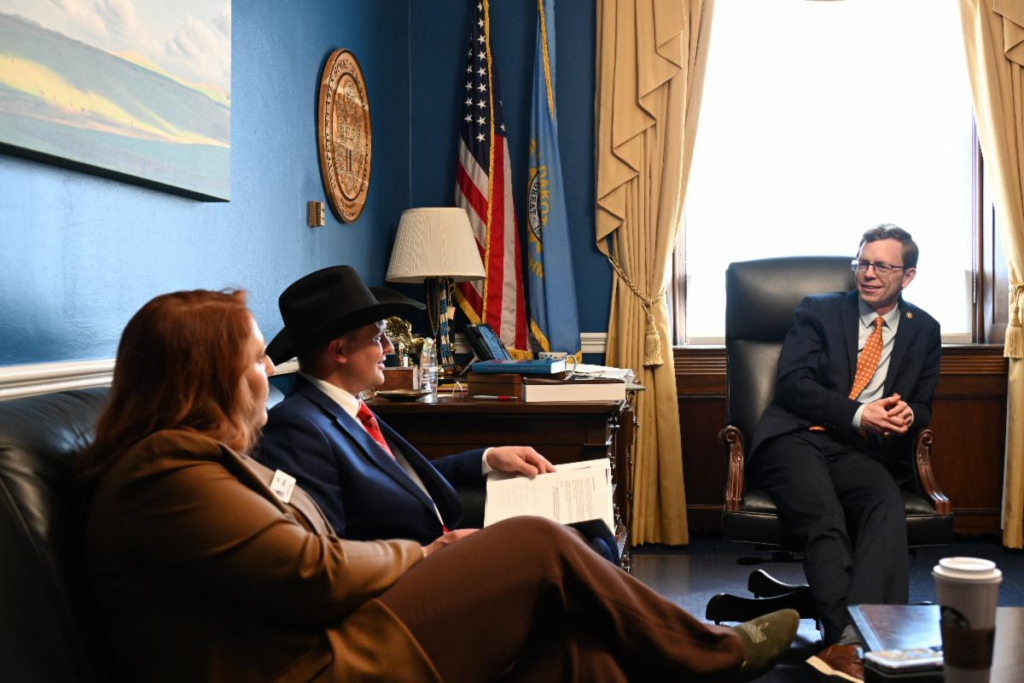
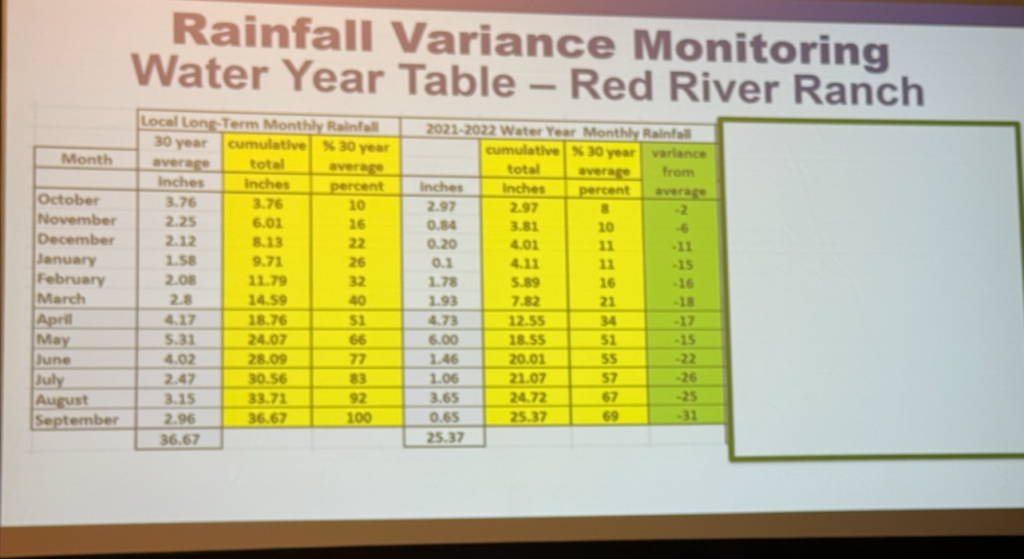
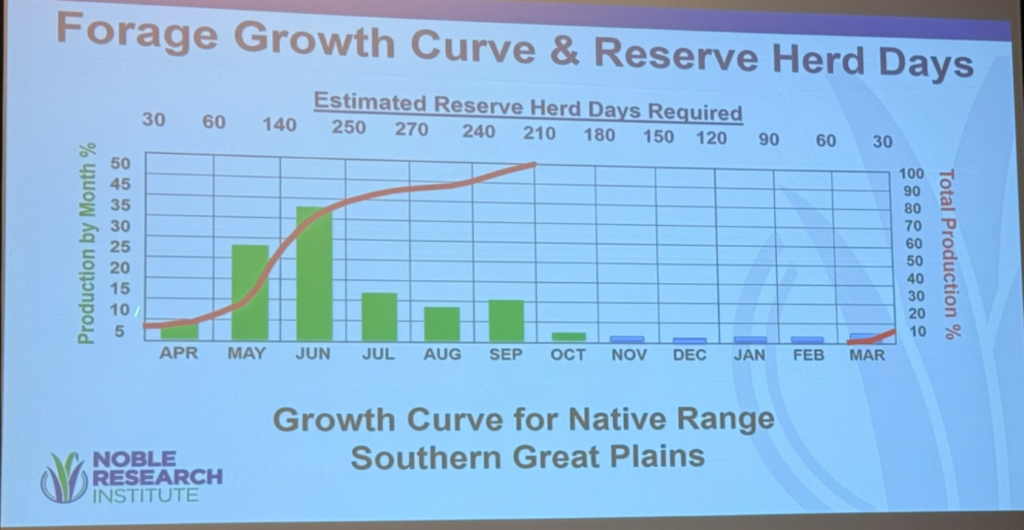
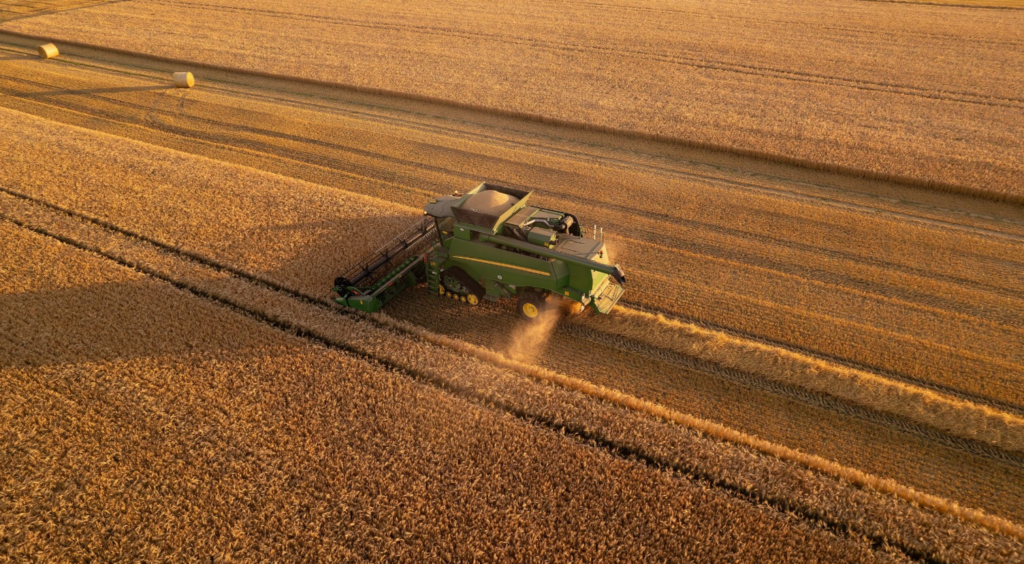
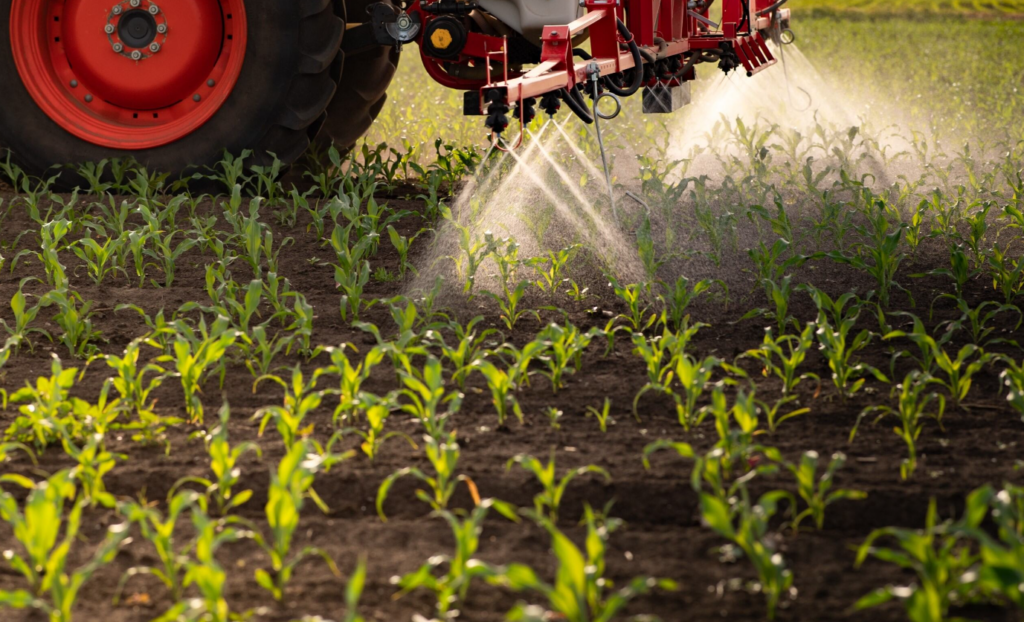

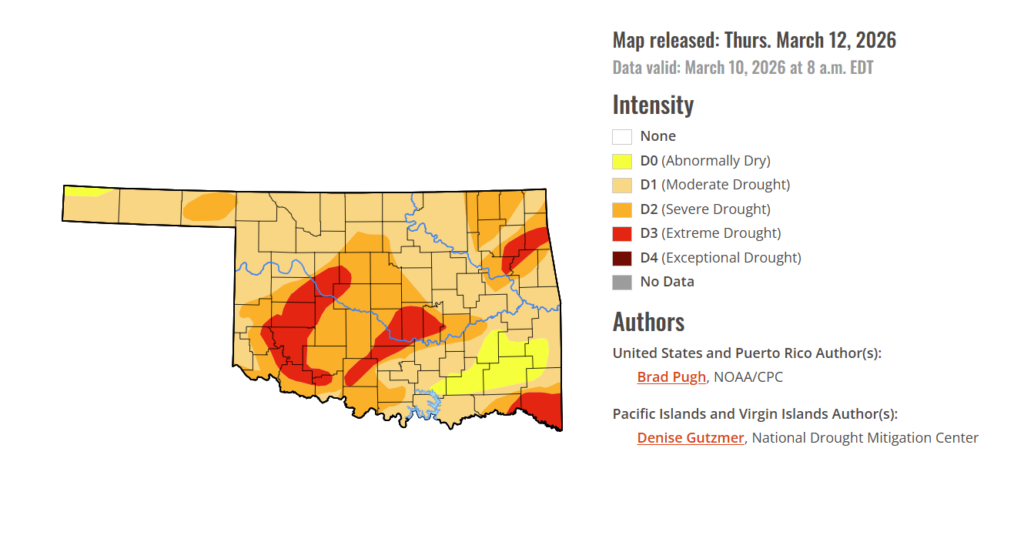
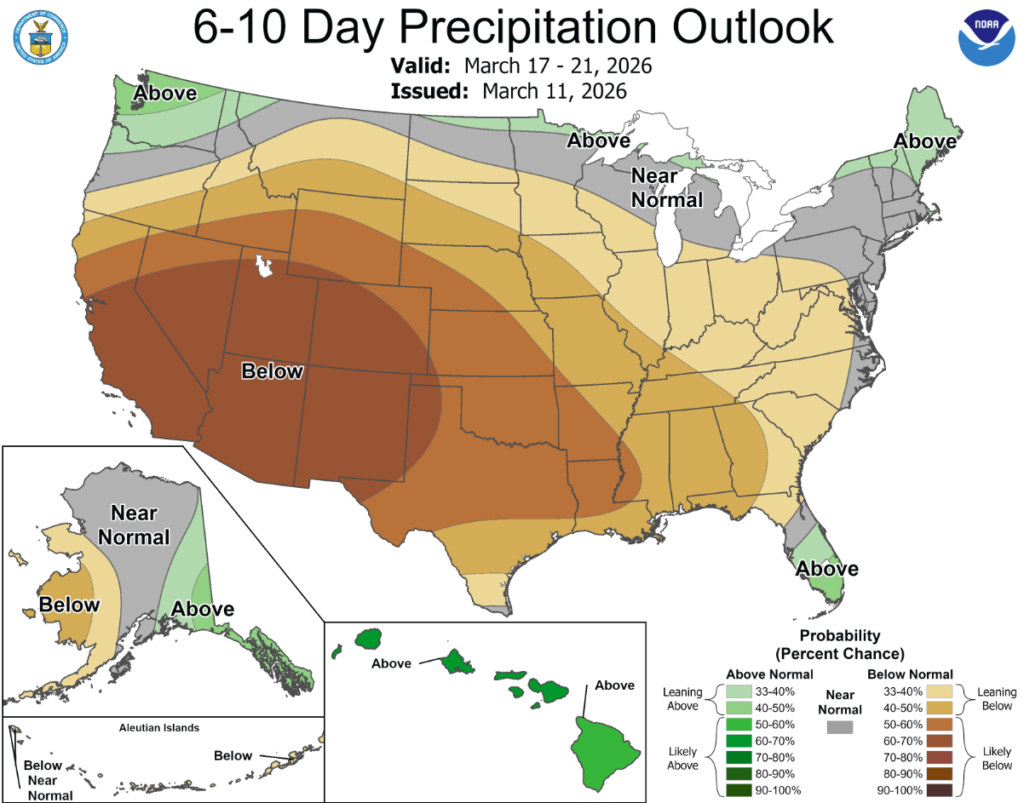
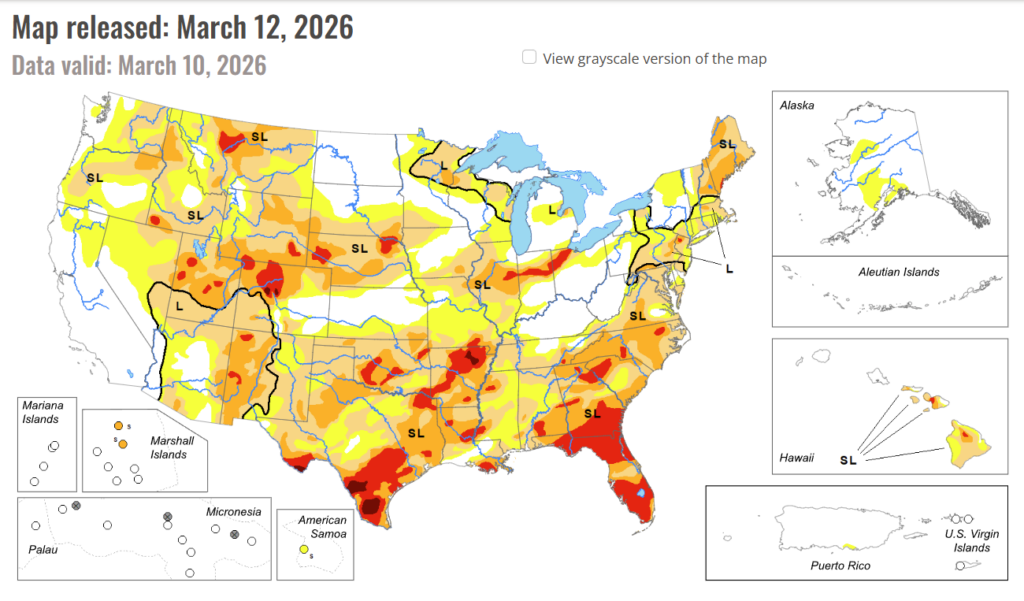

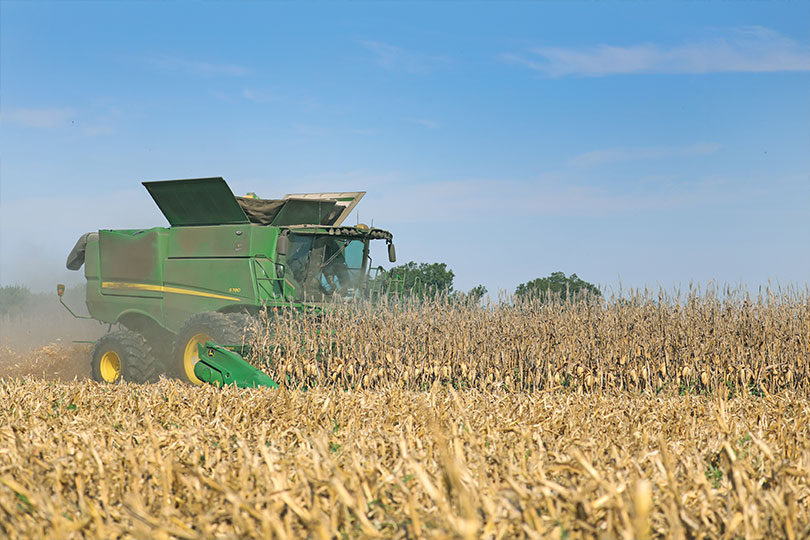




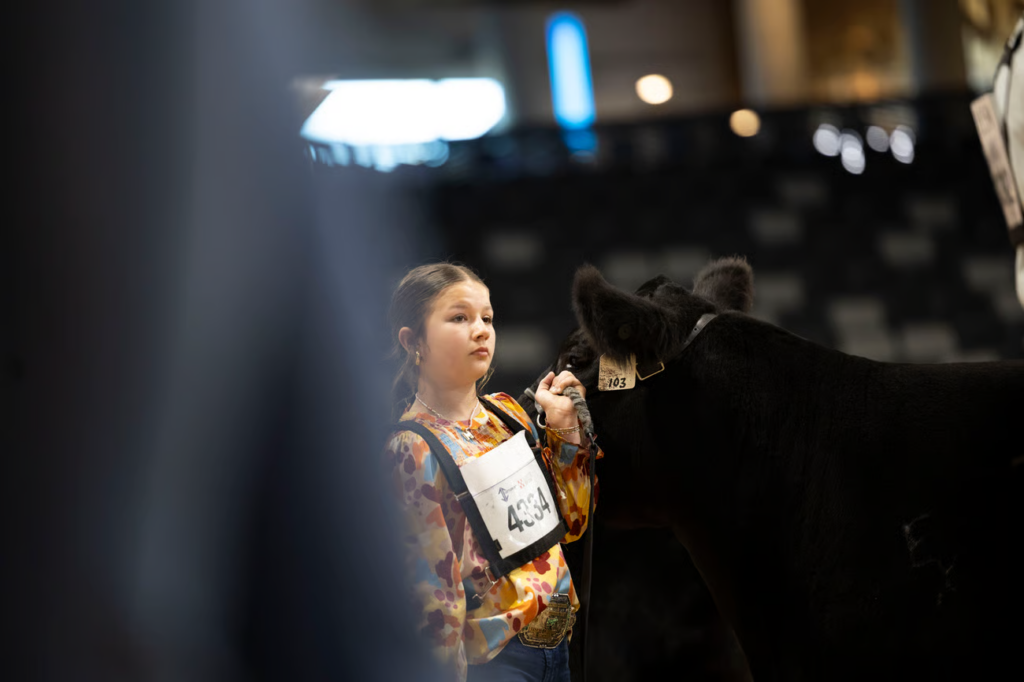

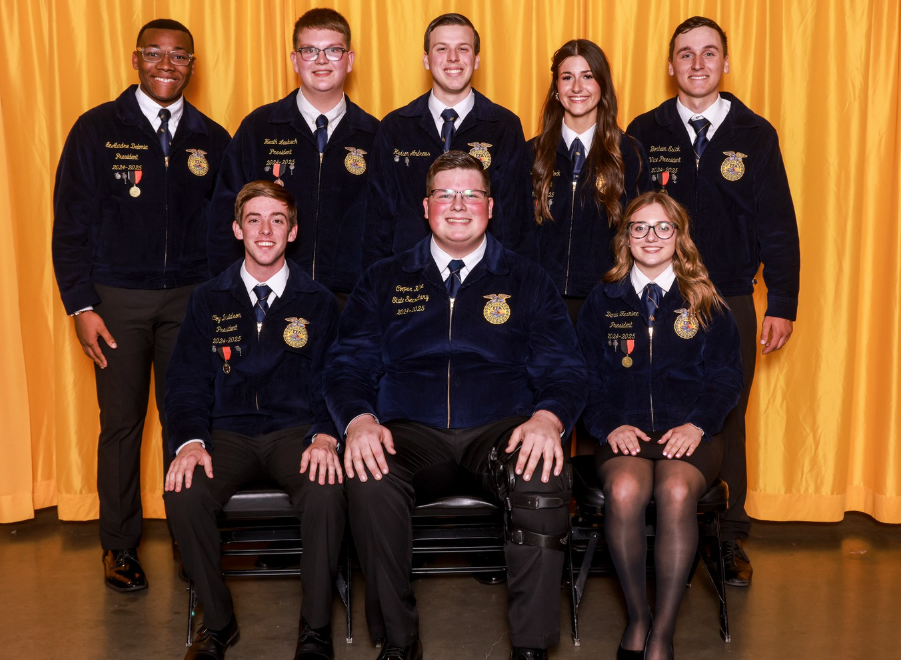

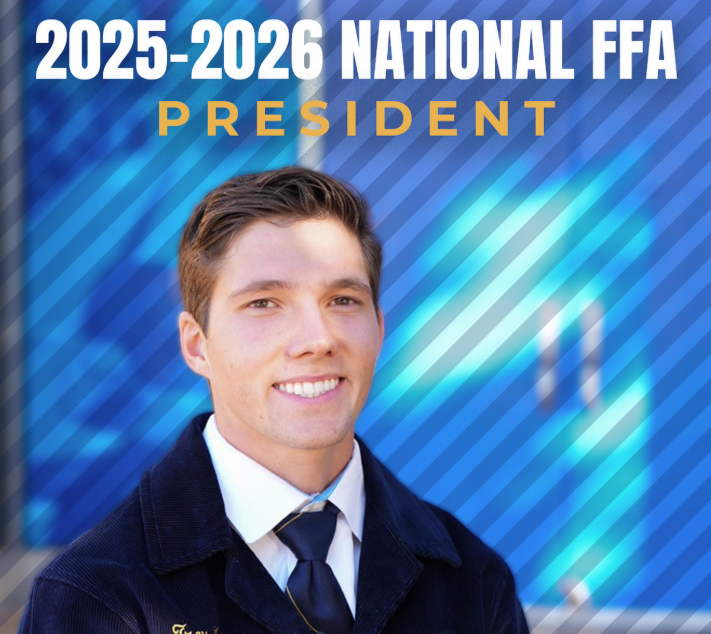
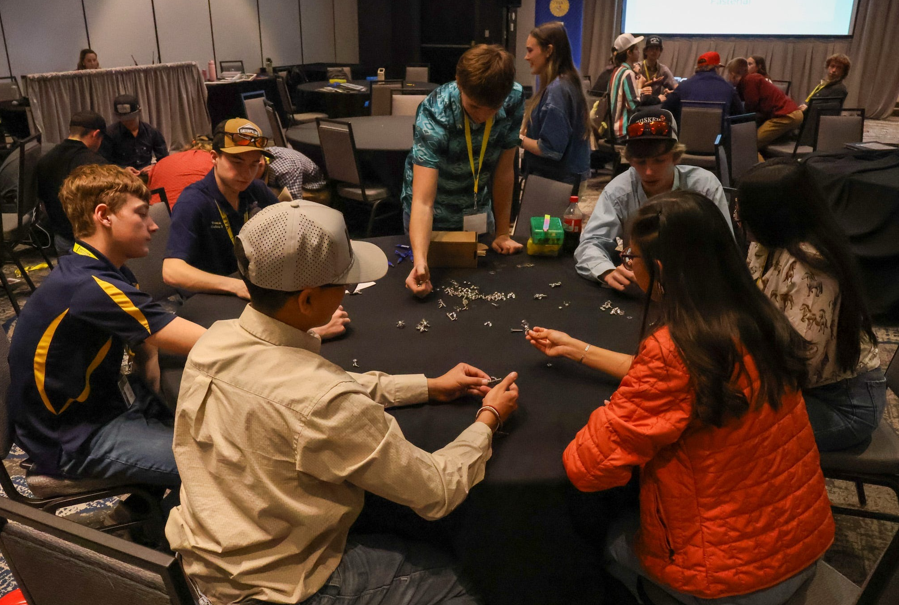

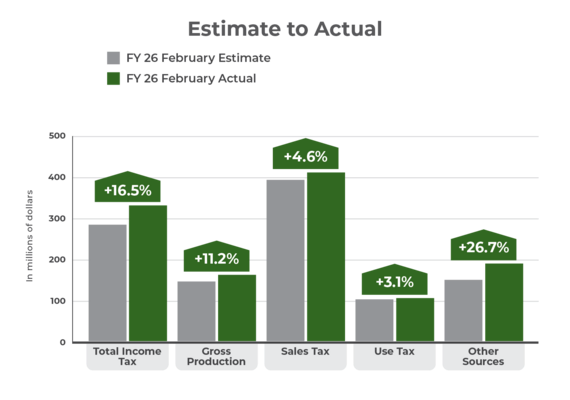
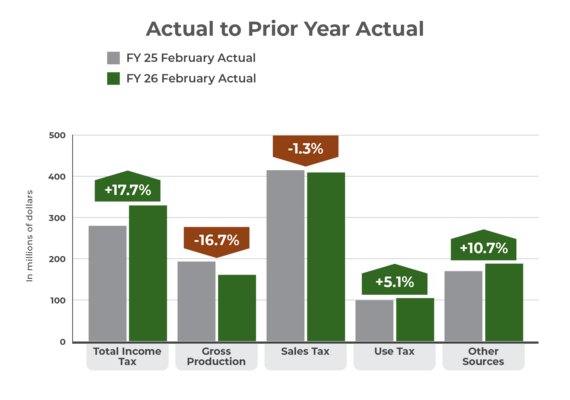
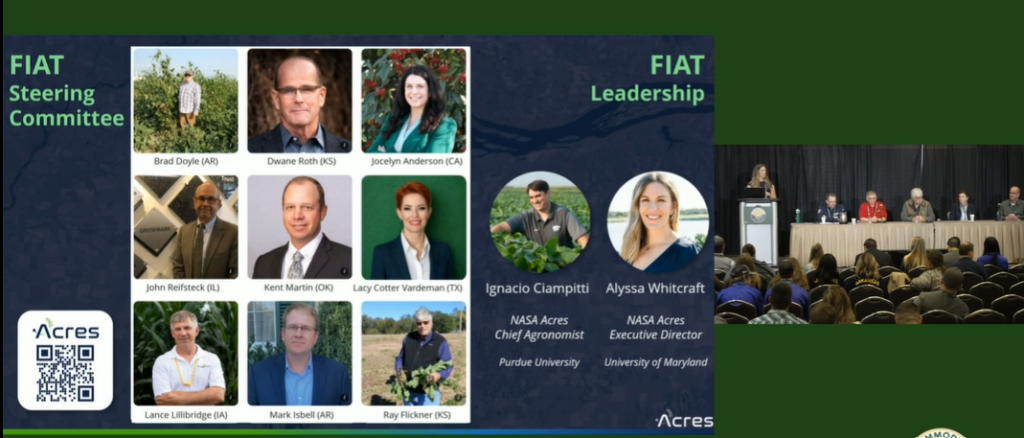

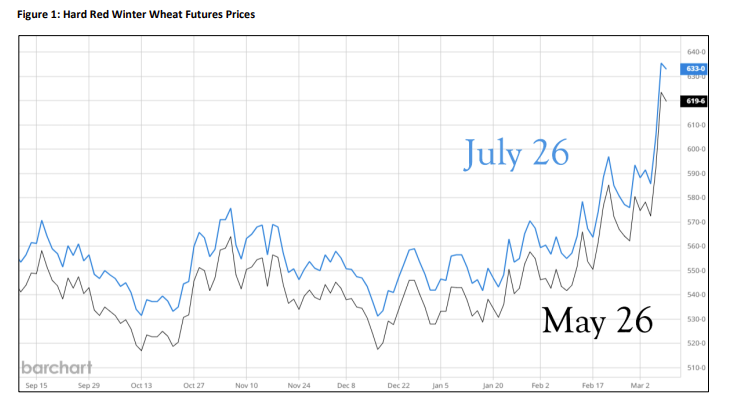
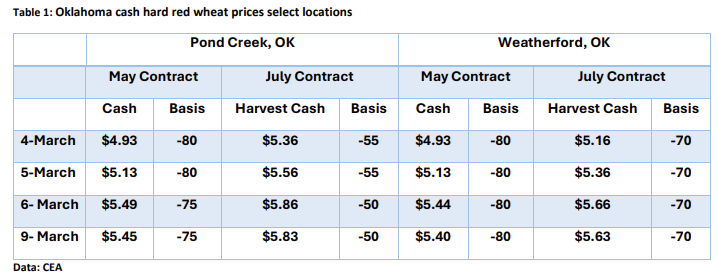
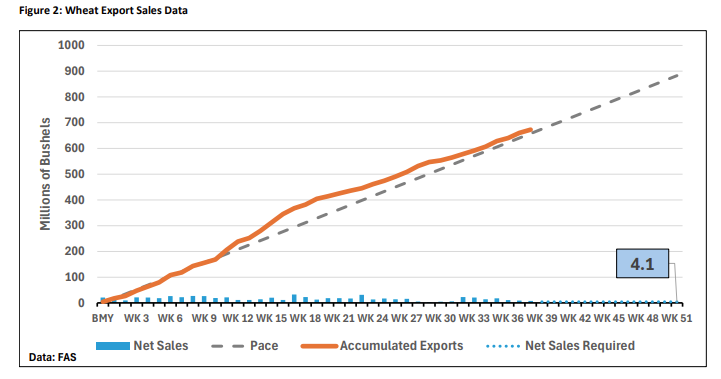
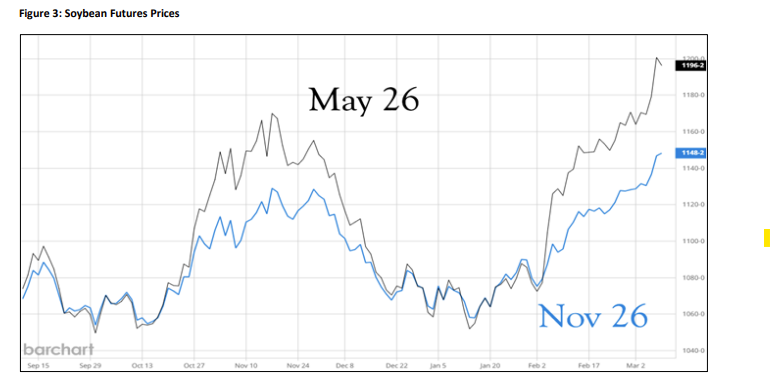
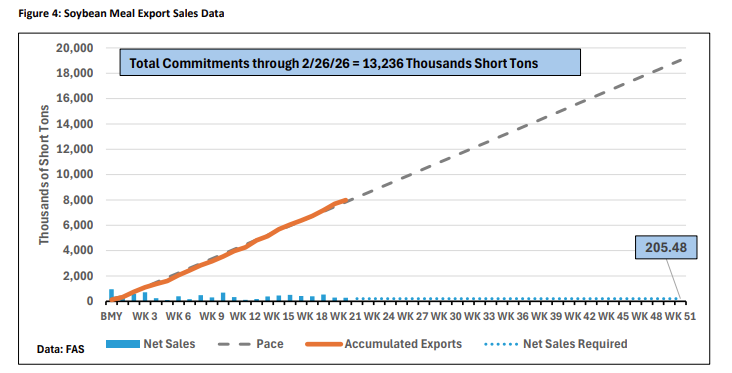
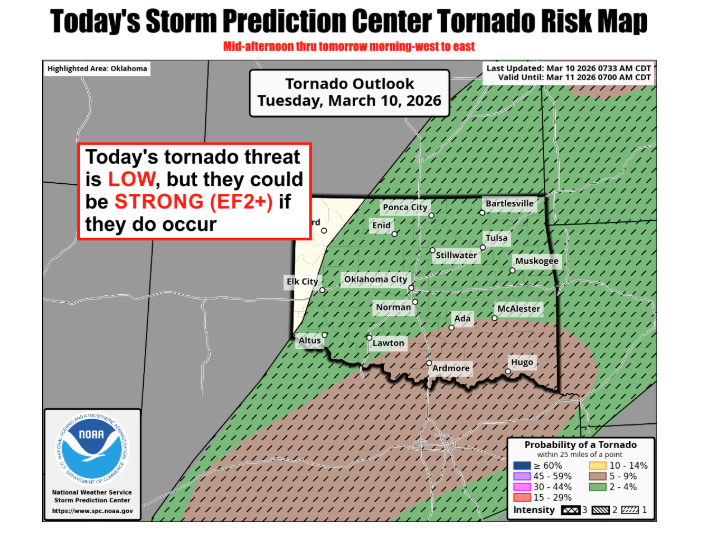
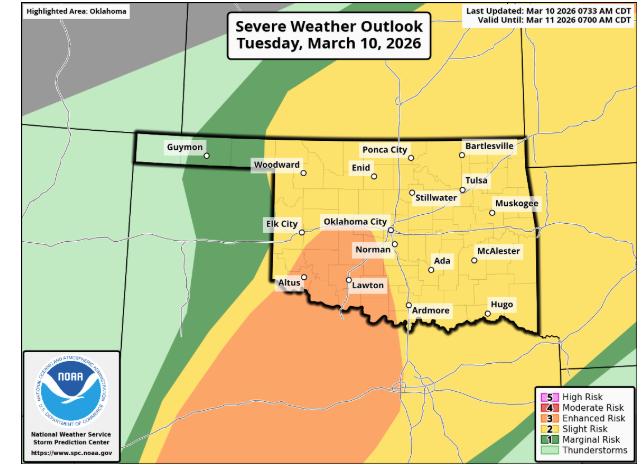
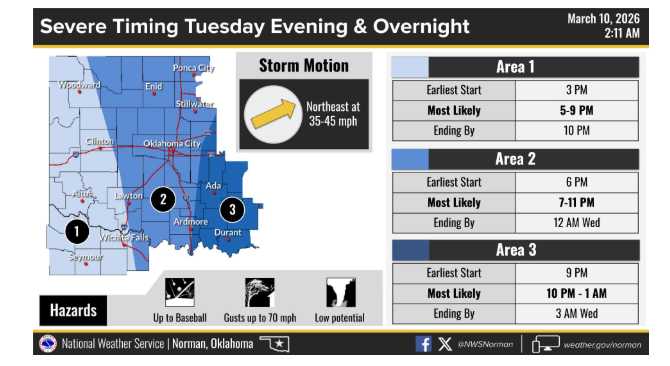
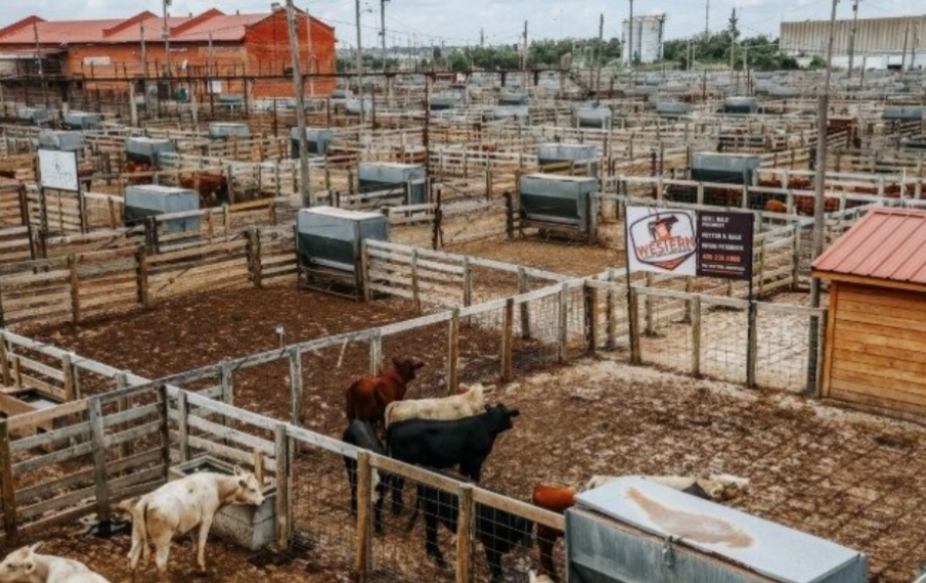

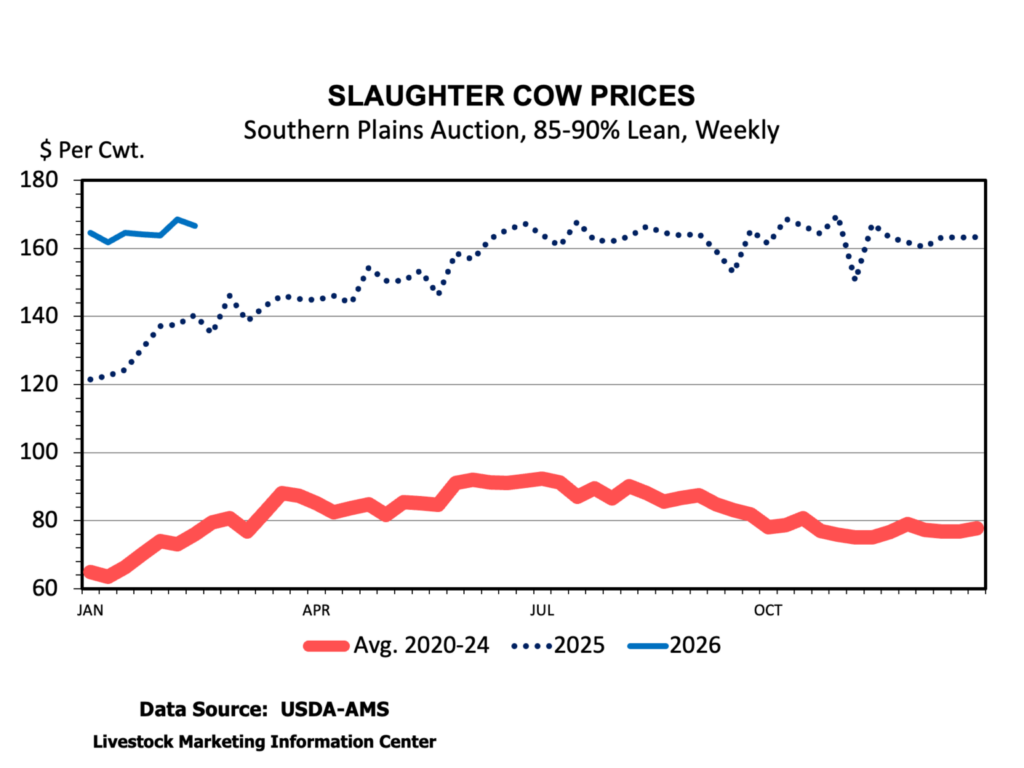
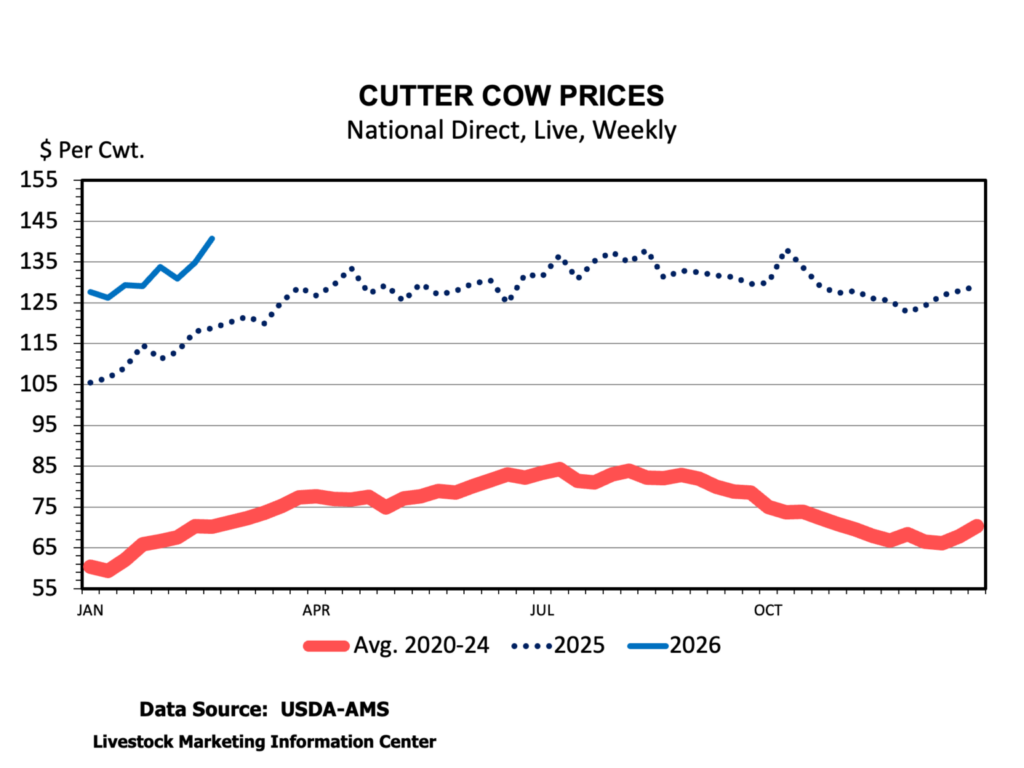
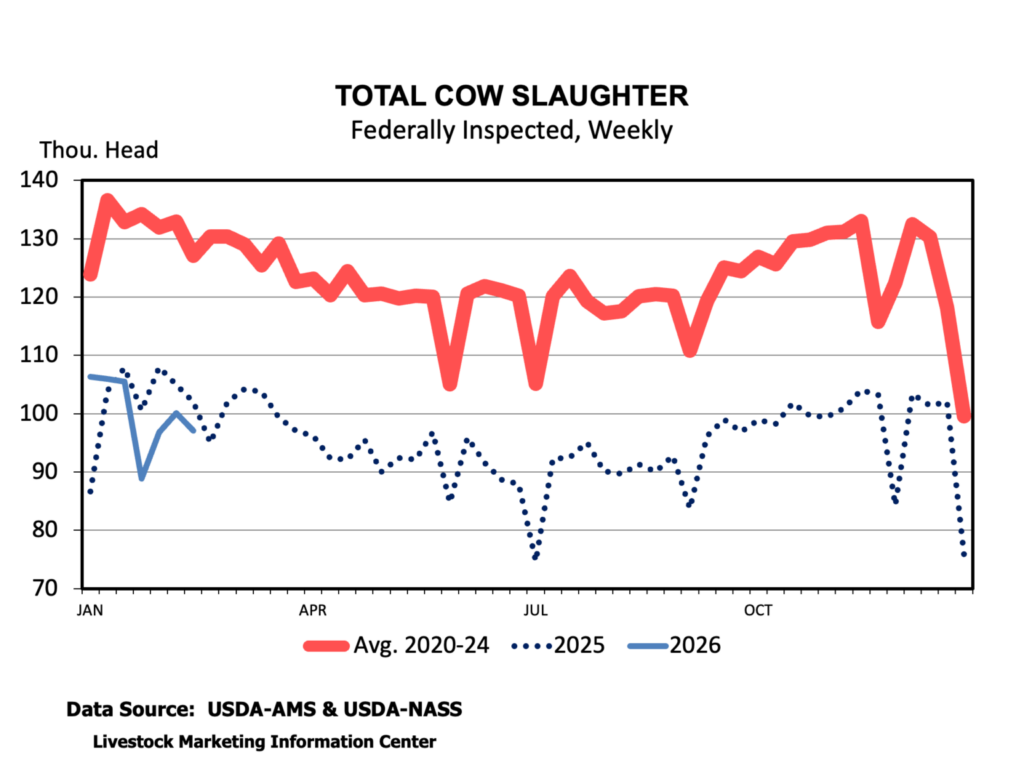
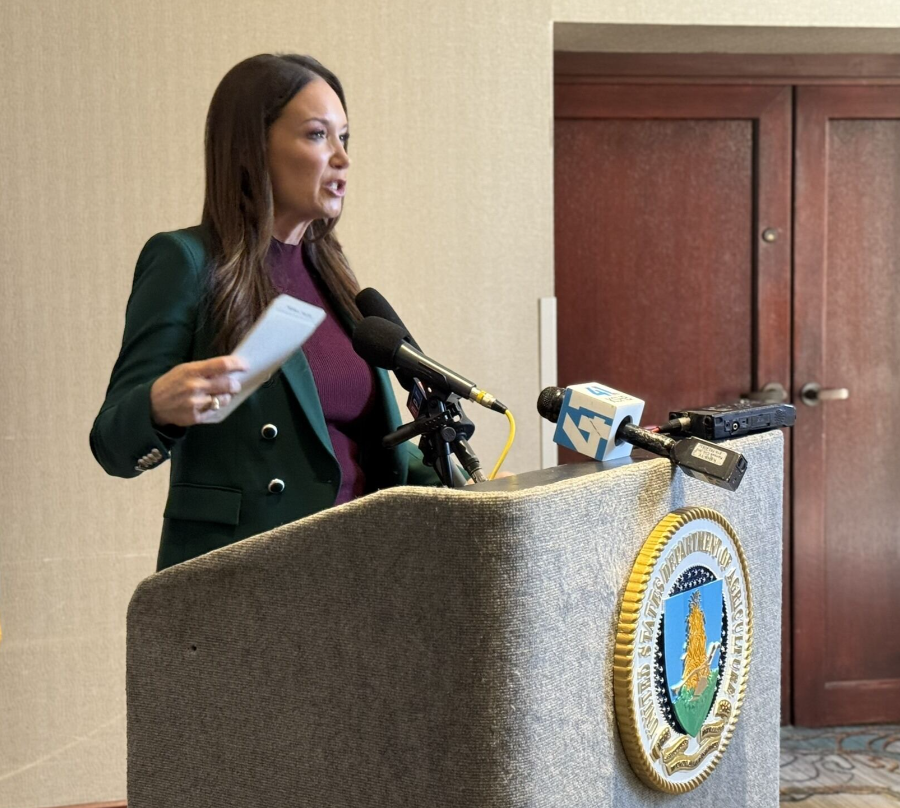

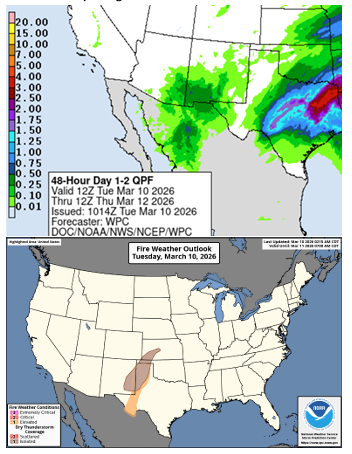
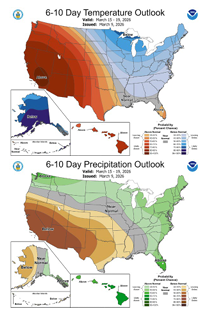

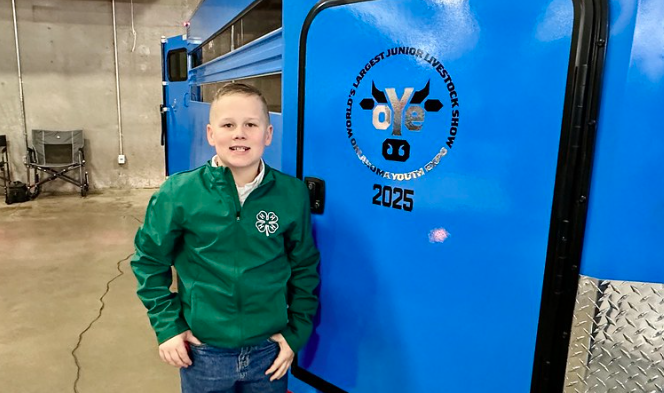
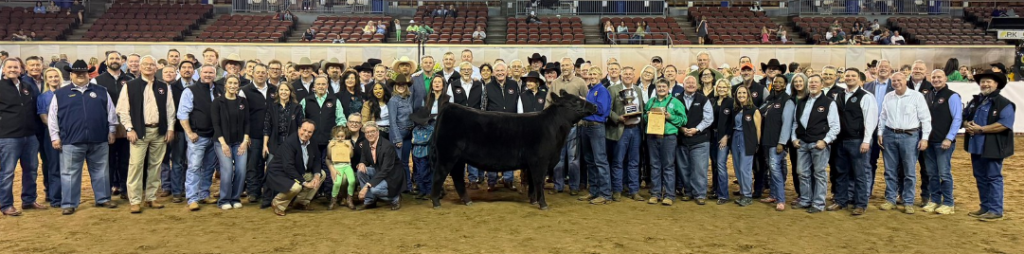

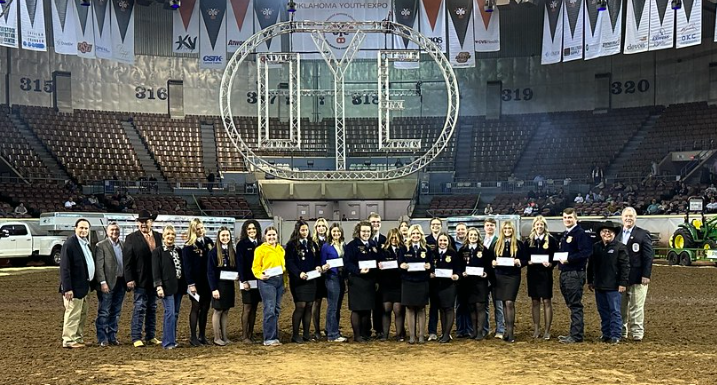

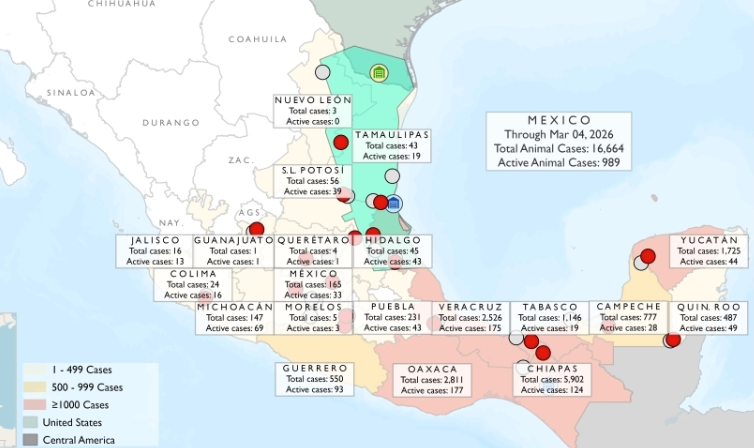
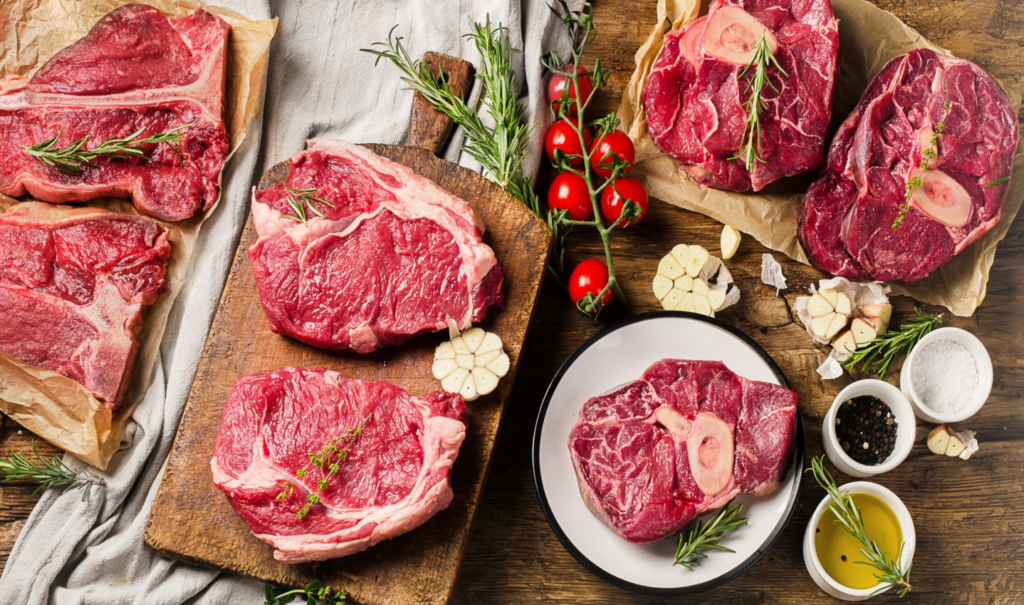
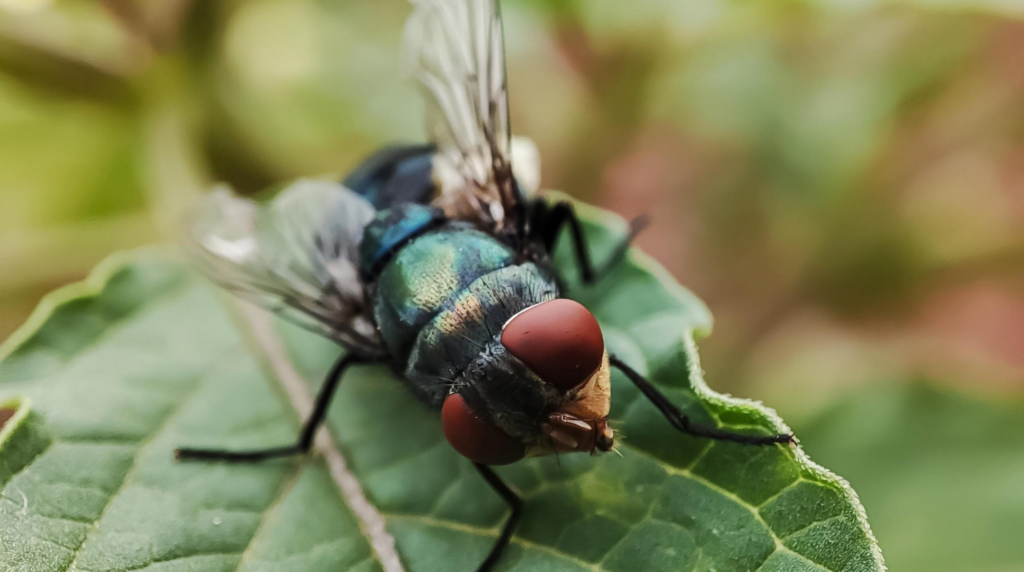
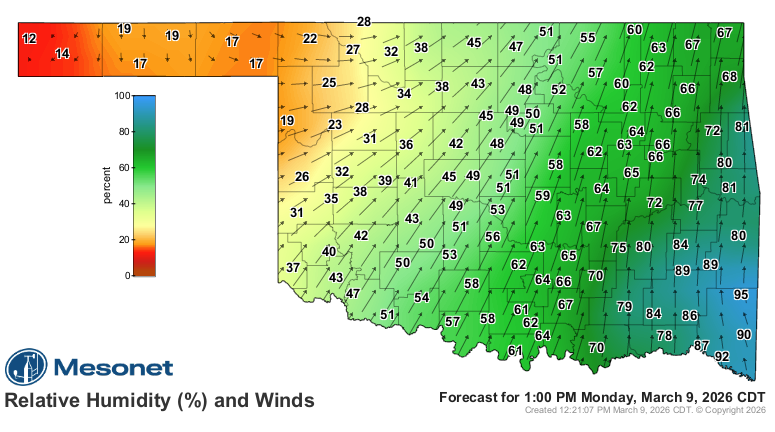
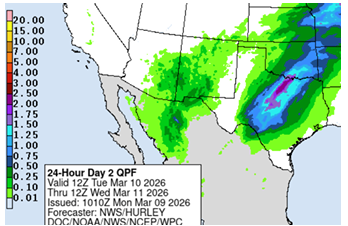
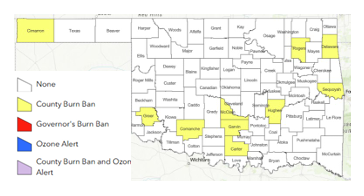


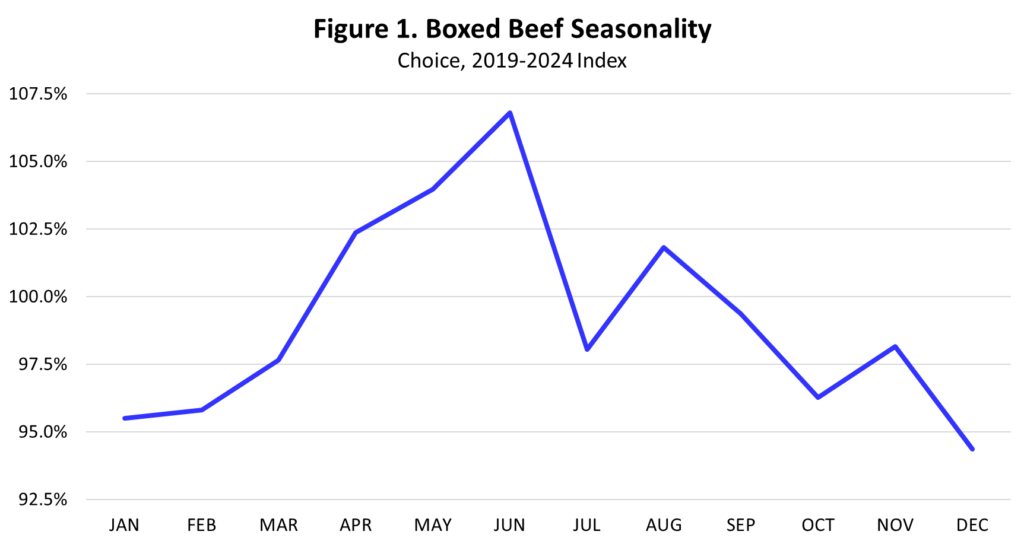
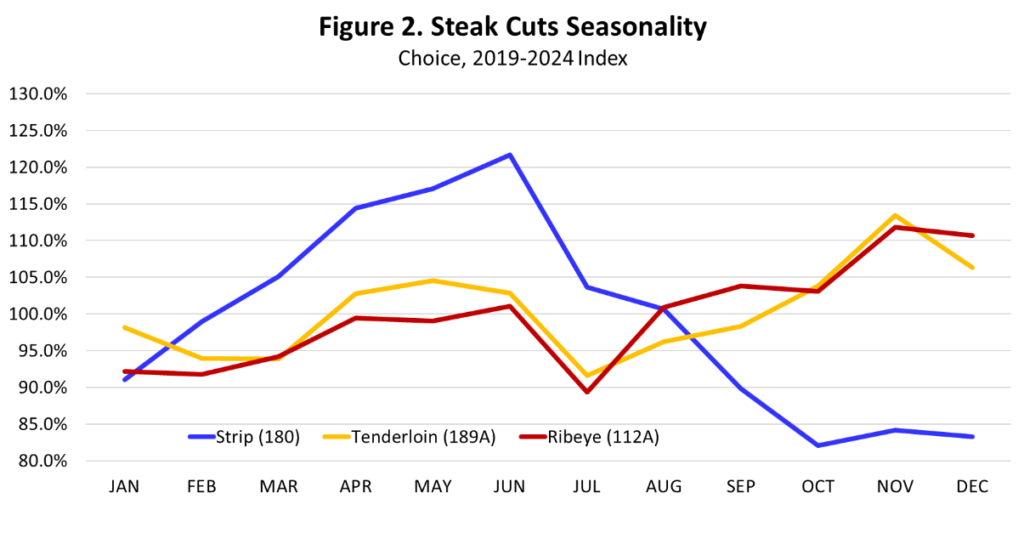
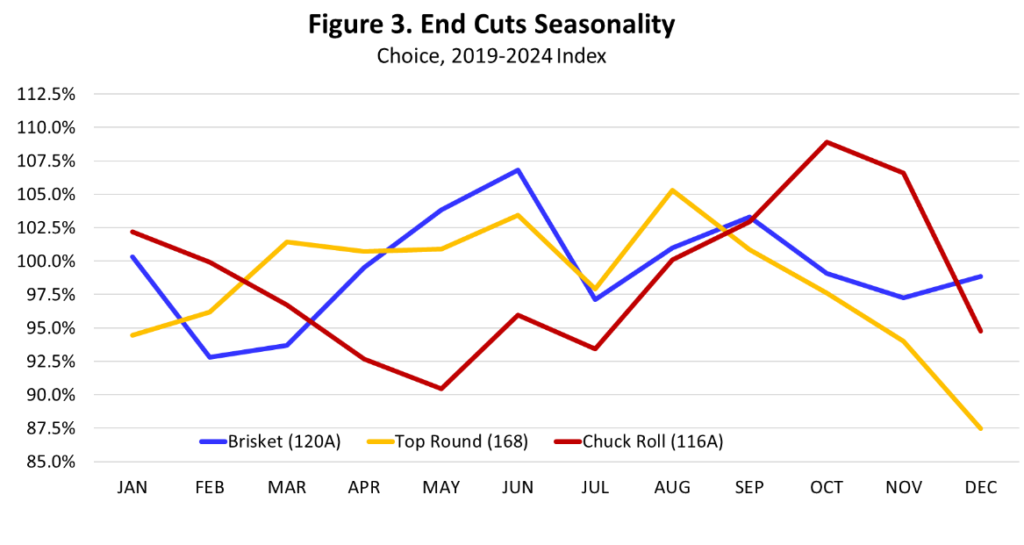
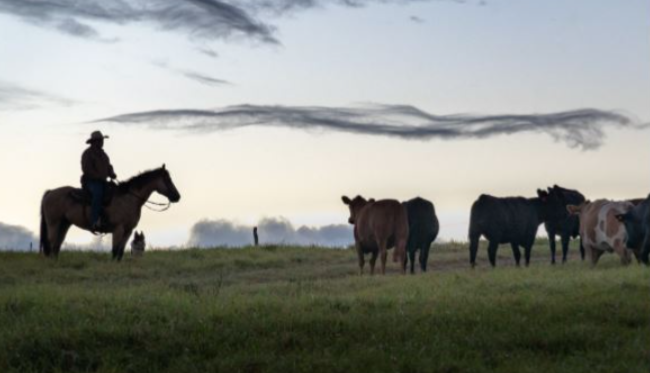
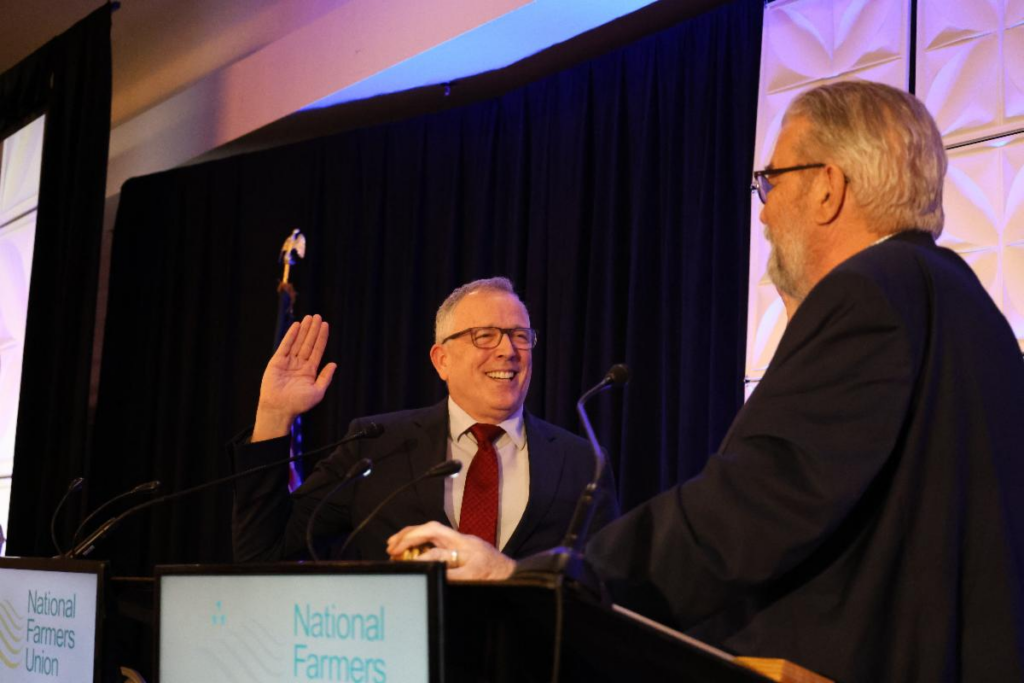

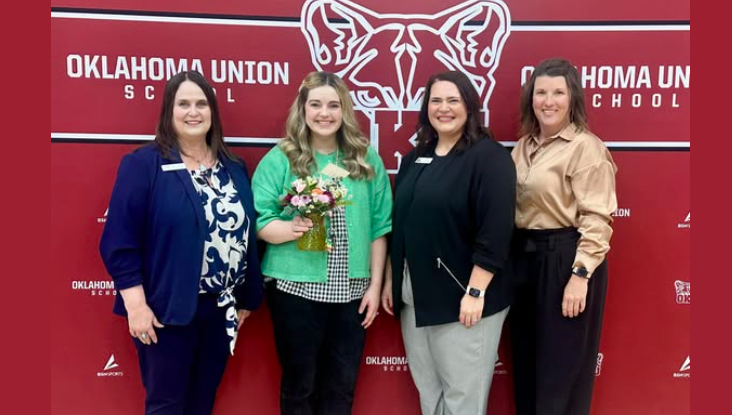



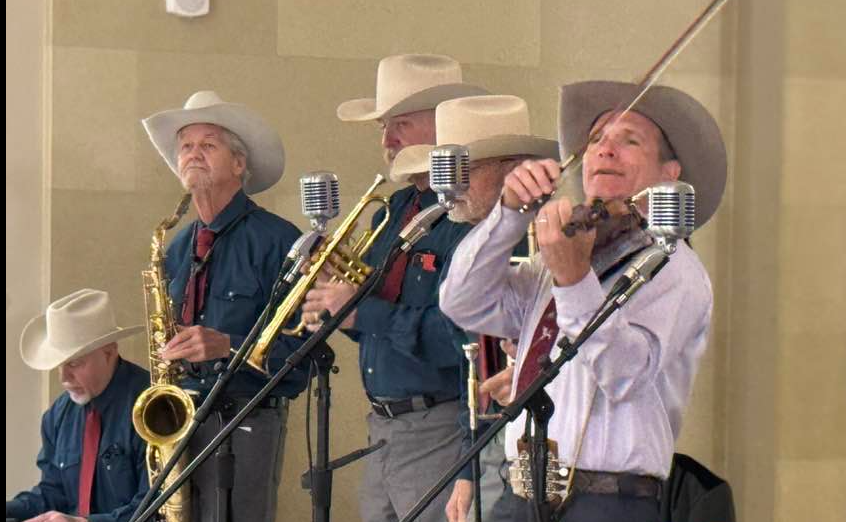
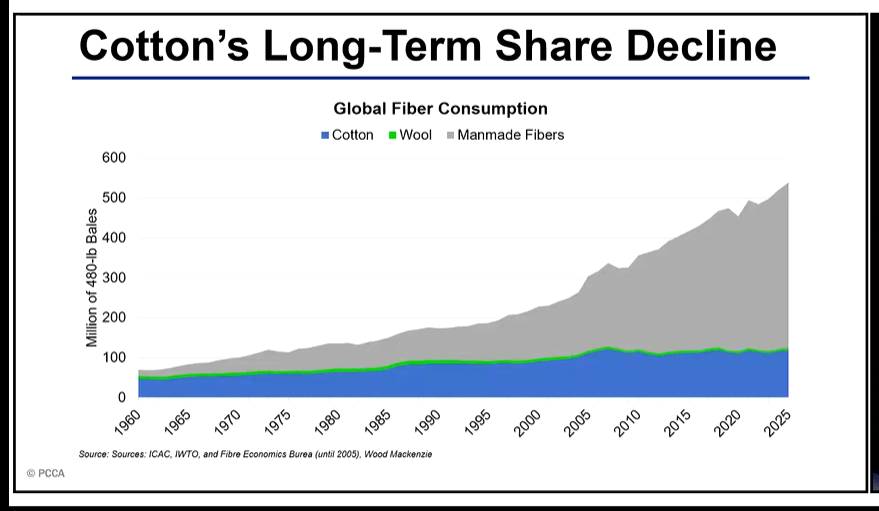
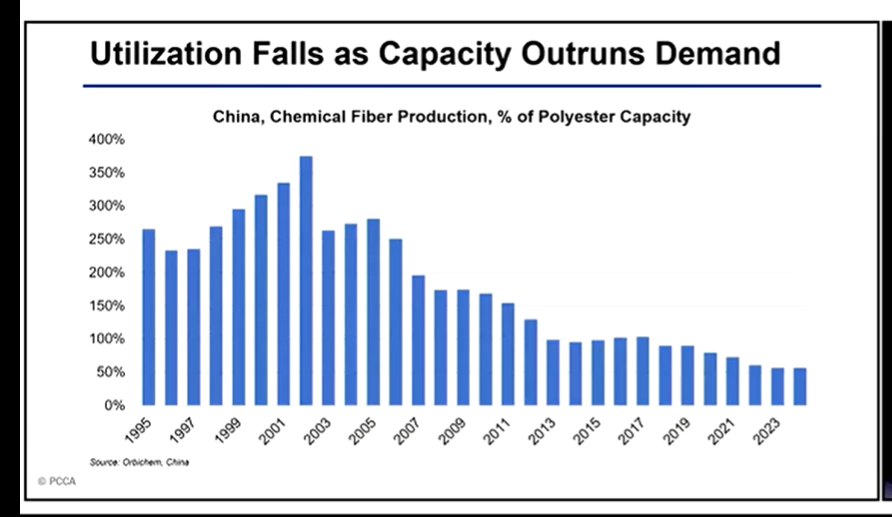
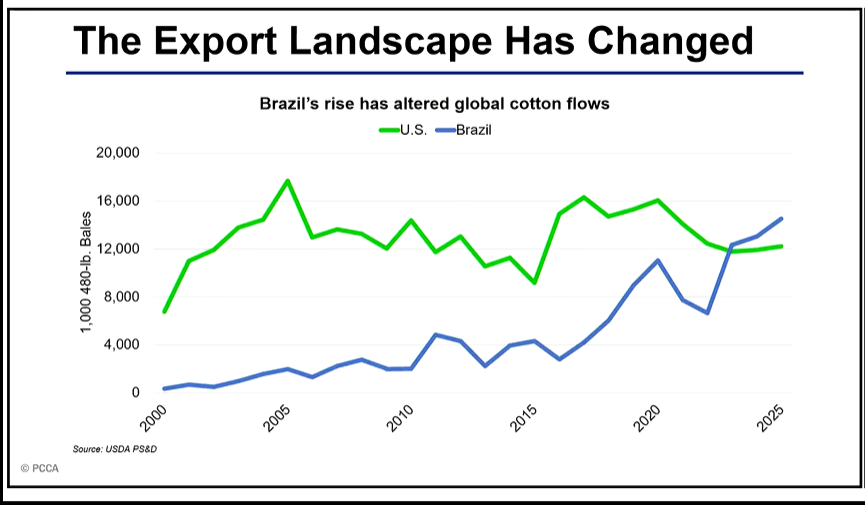
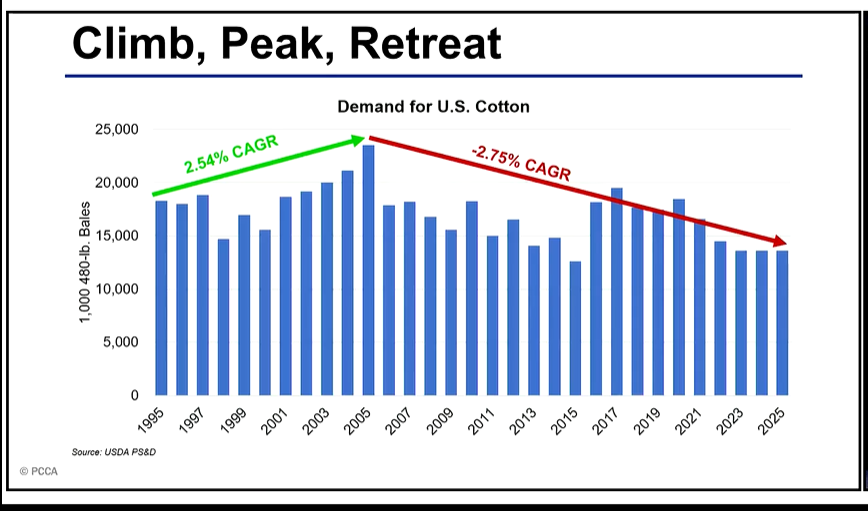
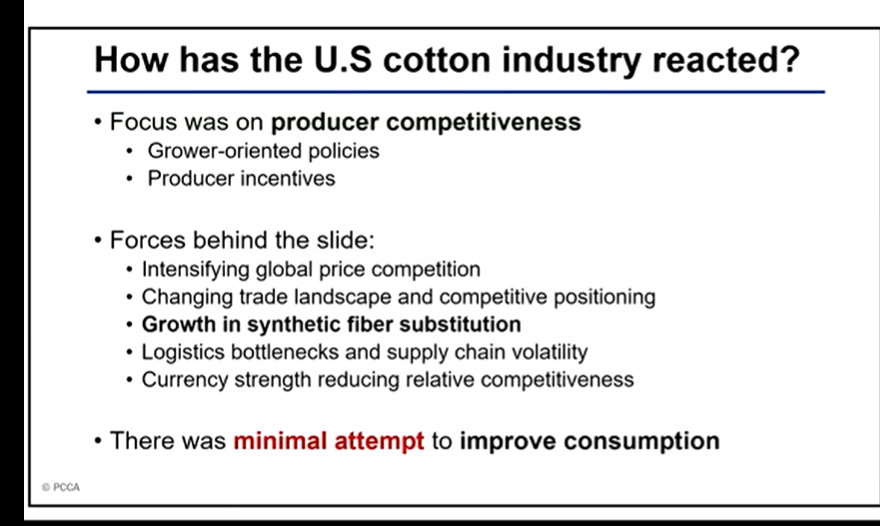
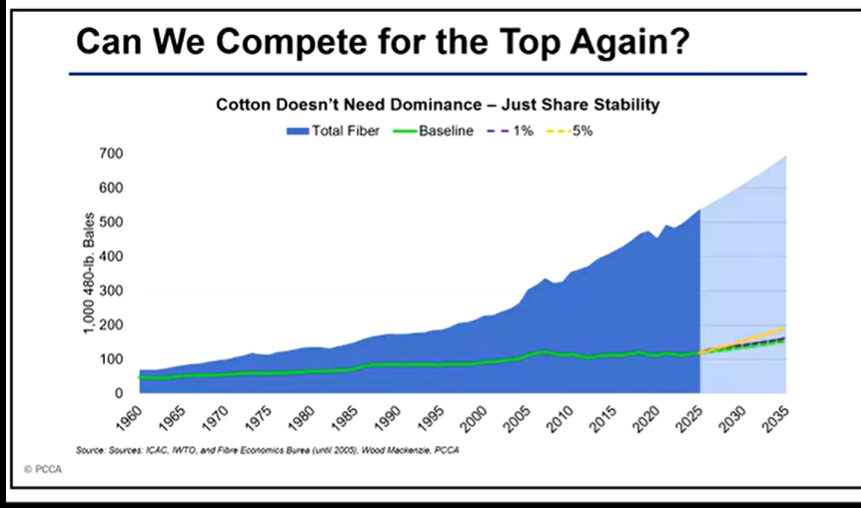
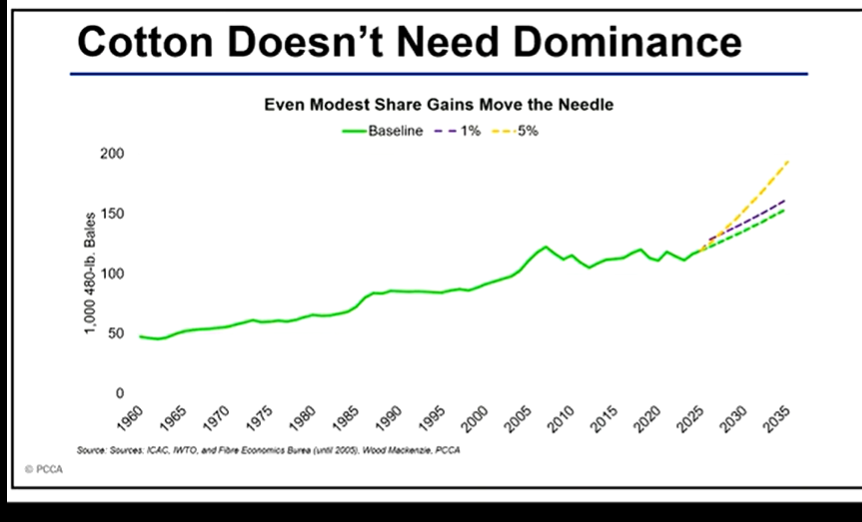
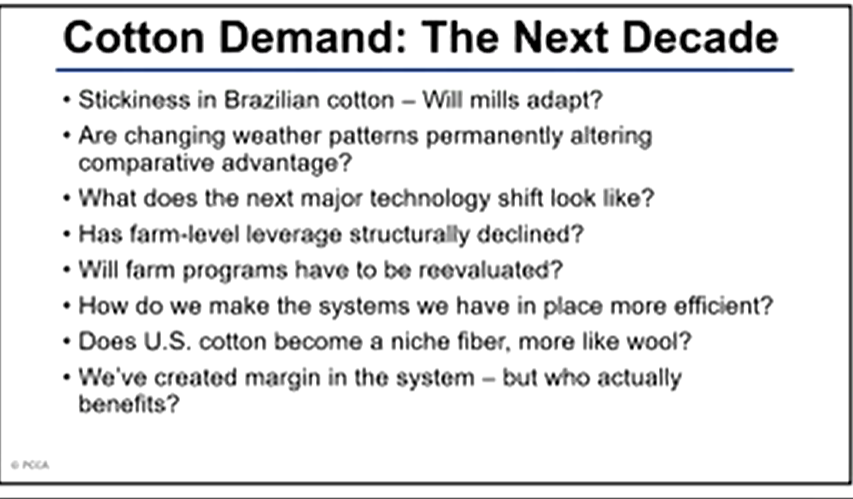


 Formally known as the Gross Receipts Report, this report is a timely, broad view of the state's economy and releases in conjunction with the General Revenue Fund report. Providing information to state agencies for budgetary planning purposes, the General Revenue Fund acts as the state's main operating account and receives a portion of the state's gross receipts as well as state, city and county funds.


 · Gross production taxes of $87.4 million, down $9.6 million or 9.9 percent.· Motor vehicle taxes of $72.7 million, up $12.2 million or 20.1 percent.· Other sources of $113.7 million, up $0.6 million or 0.6 percent.