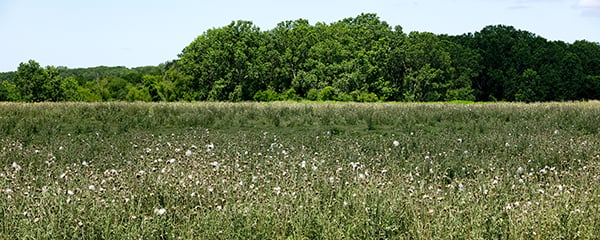
Maddy Westbrook writes: Most producers have had the experience. You're driving through a pasture when a patch of ragweed catches your eye. Or maybe it's sandbur creeping into a grazing paddock or thistles standing above the forage canopy. Your mind shifts to a familiar question: How do I get rid of it?
But what if instead the question was: Why is it here?
"We've been conditioned to see weeds as a nuisance," says Sky Toney, regenerative ranching advisor with Noble Research Institute. "A lot of folks are treating the symptom when they see weeds pop up. Instead of fixing that root issue, they're just battling weeds all day."
Weeds are often viewed as a problem, but Toney compares them to a scab.
"If you think about the soil as your skin, weeds are kind of nature's scab," he says.
Just as a scab protects a wound while healing occurs underneath, many weeds move into disturbed areas to cover bare ground, capture sunlight and rebuild ecological function. Ecologists call this succession. As soil health improves, one plant community often prepares the way for the next.
The same traits that allow a weed to thrive in a stressed environment can also help repair it.
This shift from seeing weeds as enemies to viewing them as indicators, and sometimes even allies, is one of the more surprising lessons producers encounter as they begin looking more closely at the relationships between soil health, grazing management and plant communities.
Western ragweed is often associated with areas experiencing chronic overgrazing or soil compaction. When desirable perennial plants struggle, opportunistic species like ragweed gain a competitive advantage.
But focusing only on the plant can cause producers to miss the bigger picture.
"I was at an operation that had a lot of ragweed and silverleaf nightshade," Toney says. "They were just trying to get rid of it year after year, but they weren't dealing with the root cause, which was overgrazing and soil compaction and low organic matter."
Once grazing management changed and plants were given adequate recovery time, the pasture began to shift. Within a few seasons, the weed pressure largely disappeared.
"The weeds were there telling us something," Toney says.
Ragweed can also provide more value than producers realize. Toney says sheep, goats and cattle readily graze giant ragweed on his operation.
He notes many weeds are simply plants livestock choose not to eat under conventional grazing systems because they prefer other options. Under different grazing strategies, many of those same plants can become valuable forage.
Few pasture plants are as frustrating as sandbur. Yet from an ecological perspective, sandbur often functions exactly as nature intended.
It frequently appears in disturbed, exposed or stressed soils. Overgrazing, drought, erosion and mechanical disturbance can create opportunities for the plant to establish.
"You very rarely see sandbur come in in a really healthy system that has a lot of perennials and a lot of cover and good soil organic matter," Toney says.
In other words, sandbur may be less of a weed problem and more of a bare ground problem. That doesn't make it desirable, but it does make it informative. Like other early successional plants, sandbur quickly occupies open space. It protects exposed soil, captures sunlight and begins the process of rebuilding organic matter.
"It's better than having nothing, better than having bare ground," Toney says. "It's photosynthesizing; it's eventually adding some organic matter. It's doing something with nutrient cycling."
Sandbur isn't the goal, but it can reveal underlying conditions allowing it to thrive. As soil cover improves and desirable forage species become more competitive, sandbur typically becomes less prevalent.
"We're always thinking about what the root cause is," Toney says.
During a recent Noble soil health course, participants dug up a thistle and examined its root system. Many were surprised by what they found.
"They'd always seen thistles as only a weed that they had to manage and deal with and kill," Toney says.
What they discovered was a plant performing several important ecological functions.
Many thistle species often appear in disturbed, compacted or overgrazed soils. Yet the same deep taproots that allow them to survive those conditions can also help improve them. Their roots penetrate compacted layers, create channels for water infiltration and pull nutrients from deeper soil horizons.
"The things that we see as a problem are actually the solution to the underlying issue," Toney says.
The benefits extend beyond the soil. Thistles provide valuable habitat and food sources for pollinators, insects, birds and other wildlife. Toney says it's rare for him to inspect a blooming thistle without finding multiple insect species using it.
The plant even played an unexpected role at Noble's Red River Ranch. In 2023, after the ranch transitioned toward regenerative management, a large population of musk thistle emerged. Rather than spraying, the team chose to observe. Later that spring, a grasshopper outbreak arrived.
The grasshoppers stripped the leaves from the musk thistles before moving on, leaving much of the surrounding forage intact.
"We actually had grass that survived the grasshoppers under the musk thistle," Toney says. "That saved our bacon."
The experience reinforced a lesson that producers learn repeatedly: Diversity creates resilience. In this case, the thistles served as an alternative food source, helping protect other forage species during a period of intense insect pressure.
There is no one-size-fits-all solution. Instead, producers are encouraged to observe conditions and understand potential causes before taking action.
"At Noble, we are not giving you a prescription for how you need to address this issue," Toney says. "What we're trying to do is educate you on the principles and the why behind all of this."
That process begins by identifying the plant, understanding what conditions may favor it and evaluating whether management practices such as grazing pressure, recovery periods, soil disturbance or plant diversity are influencing its presence.
The goal is not simply to remove weeds but to understand what they are communicating. For Toney, the conversation often comes back to profitability. Diverse plant communities can provide forage, support wildlife, improve nutrient cycling and reduce dependence on purchased inputs.
"Why pay for something and spend the time and money to do something that nature will do for free for you?" he says.
Noble refers to this as a "safe to learn, safe to fail" approach. Rather than betting the whole operation on a new strategy, producers can test ideas on a small scale, observe results and adapt based on their own context.
Every ranch is different. What works in one environment may not work in another, even when both operations are guided by the same principles.
The next time an unwanted plant appears in your pasture, consider looking at it a little differently. It may be more than a weed. It may be a clue about the condition of your land and, in some cases, a partner in helping move it toward greater health, productivity and profitability.
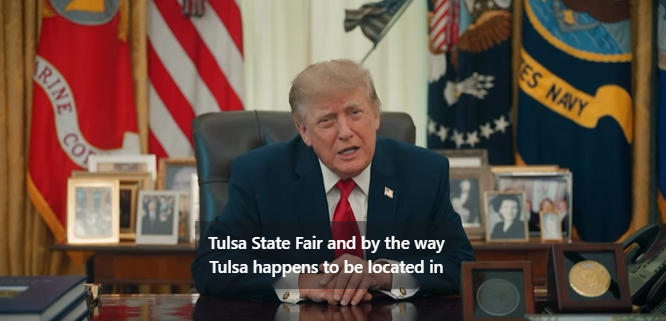
Oklahoma ranchers, farmers, and fairgoers heading to the annual Tulsa State Fair received special recognition ahead of opening day, as U.S. Senator James Lankford shared a message highlighting greetings sent to Oklahomans from former President Donald Trump.
The Tulsa State Fair officially kicks off tomorrow, bringing together agricultural producers, youth exhibitors, livestock competitors, and families from across the state for one of Oklahoma's premier agricultural and community traditions.
In a statement shared Wednesday, Lankford expressed appreciation for the acknowledgment of fair attendees and encouraged visitors to connect with local representatives on the fairgrounds.
"Thank you, President Trump, for the kind words and for sending your greetings to Oklahomans heading to the Tulsa State Fair," Lankford stated. "It kicks off tomorrow, and if you're there, make sure to stop by and say hello to the great folks at the Tulsa County GOP booth!"
The 11-day event features extensive livestock shows, youth agricultural exhibitions, and competitions central to Oklahoma's ranching and farming communities, drawing hundreds of thousands of visitors to Expo Square in Tulsa.
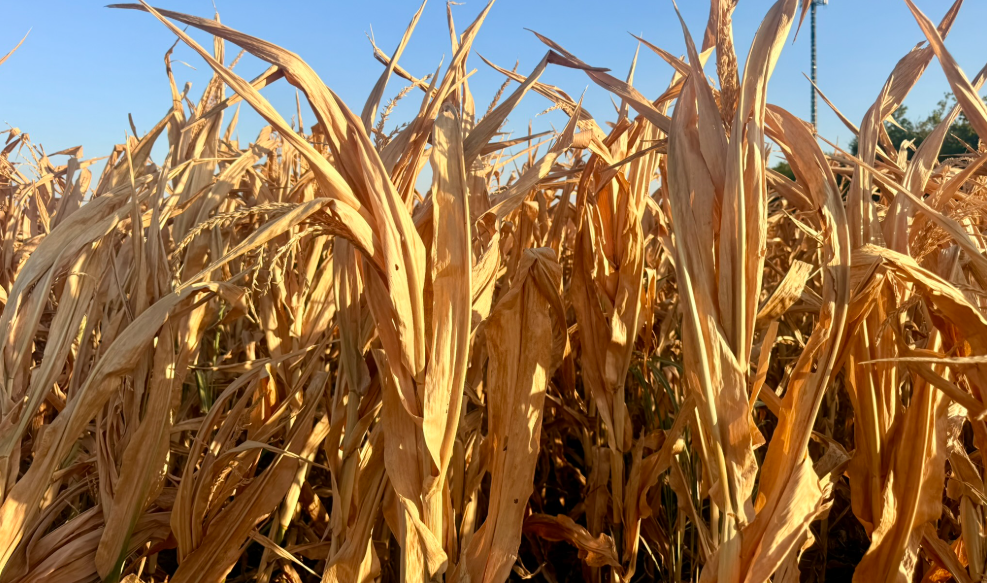
In a detailed market review, Allendale's Rich Nelson broke down the USDA quarterly grain stocks and small grains summary with Farm Director KC Sheperd, outlining what shifting supply balances mean for producers navigating wheat, corn, and soybean marketing decisions. While old-crop and new-crop supply data presented both positive and bearish surprises, export headwinds and weather shifts across key growing regions continue to dictate market price action.
Wheat Outlook and the Quarterly Grain Stocks
The USDA finalized 2026 U.S. all-wheat production at 1.534 billion bushels in the Small Grains Summary, up roughly 3 million bushels from previous agency estimates. Despite that slight uptick, the quarterly grain stocks report provided underlying support by revealing stronger-than-expected first-quarter disappearance. September 1 wheat stocks were pegged at 1.85 billion bushels, coming in below trade expectations of 1.87 billion bushels.
Nelson pointed out that while overall U.S. wheat production fell by more than 400 million bushels year-over-year, first-quarter wheat-for-feed usage dropped by only 46 million bushels, reflecting aggressive feed residual demand from June through August.
Despite favorable domestic use, the market has not sustained a supply-driven rally. Nelson explained that the trade has steadily stripped out geopolitical risk premiums regarding the Black Sea, as U.S. export sales have not received any significant boost from Russian and Ukrainian supply concerns. Additionally, widespread rainfall across the Southern Plains ahead of the peak October 5 planting window has alleviated soil moisture concerns, taking pressure off acreage worries.
For producers with stored grain, Nelson noted that hard red winter wheat typically commands roughly a 15% protein premium over corn, which, combined with tight stocks, points to a theoretical Kansas City wheat value of $6.25 to $6.50 per bushel. Given current price action and the lack of an export catalyst, Nelson advised growers to consider taking advantage of current pricing rather than holding out indefinitely for higher levels.
Corn Impact from the Quarterly Grain Stocks
The September 1 quarterly grain stocks report delivered a notable bearish surprise for the corn market, officially closing out the old-crop marketing year. Old-crop ending stocks totaled approximately 2.1 billion bushels, exceeding average trade estimates by 177 million bushels.
That larger carry-in expands new-crop ending stocks into the 1.7 to 1.8 billion bushel range. Nelson indicated that while those stocks theoretically support December futures around $5.10, an ongoing lag in new-crop export commitments could reasonably pressure the December contract toward $4.75. Furthermore, after strong feed and residual disappearance across the first three quarters of the marketing year, feed usage dropped off sharply in the final quarter.
Soybean Demand and China Inquiries
For soybeans, the quarterly grain stocks showed September 1 supplies at 315 million bushels, down 10 million bushels from the trade consensus. Although this smaller carryover tightens the projected new-crop balance sheet toward 300 million bushels, Nelson noted that cash and futures prices are already trading above levels justified by that supply number.
The primary hurdle facing soybeans remains export demand. Nelson highlighted growing unease surrounding Chinese import commitments after recent resistance to trade discussions, raising doubts about whether China will fulfill prior agreements to take 25 million tons of U.S. supply. Continued export risk could weigh heavily on soybean pricing in the weeks ahead.
Key Watch Factors for October Trade
Looking ahead to October trade and the upcoming October 9 supply and demand report, Nelson identified two critical factors for market participants to monitor.
First, heavy Midwest rains are expected to delay harvest and introduce potential crop quality concerns, though they are unlikely to cause major yield losses for corn or soybeans. Second, the trade will watch closely for USDA adjustments to export targets. While federal balance sheets may not fully reflect export sales deficits in the immediate October report, prolonged demand weakness will likely force downward revisions later in the marketing year.
You can also view the full reports here:
| QUARTERLY STOCKS (million bushels) | ||||||
| 9/1/26 | Avg | High | Low | 6/1/26 | 9/1/2025 | |
| Corn | 2,095 | 1,924 | 2,005 | 1,860 | 5,295 | 1,551 |
| Soybeans | 315 | 323 | 335 | 305 | 1,061 | 325 |
| Wheat | 1,846 | 1,849 | 1,955 | 1,790 | 920 | 2,134 |
| U.S. PRODUCTION (Million Bushels) 2026-27 | ||||||
| Sep | Avg | High | Low | Aug | 2025-26 | |
| All Wheat | 1,534 | 1,527 | 1,543 | 1,498 | 1,531 | 1,985 |
| Winter | 1,019 | 987 | 1,003 | 965 | 990 | 1,402 |
| HRW | 466 | 462 | 475 | 455 | 463 | 804 |
| SRW | 294 | 287 | 290 | 281 | 287 | 353 |
| White | 259 | 238 | 242 | 228 | 240 | 244 |
| Other Spring | 450 | 473 | 490 | 463 | 474 | 497 |
| Durum | 65 | 66 | 70 | 63 | 66 | 86 |
The latest USDA Grain Stocks report shows higher corn inventories across Oklahoma, Kansas and Texas, while wheat stocks declined in all three states compared with a year ago. The report, released September 30 by USDA's National Agricultural Statistics Service, reflects grain stocks stored as of September 1, 2026.
Corn stocks in all positions totaled 248.1 million bushels in Kansas, up from 165.8 million bushels a year earlier. Oklahoma corn stocks totaled 82.9 million bushels, compared with 55.7 million bushels last year, while Texas stocks reached 159.9 million bushels, up from 116.1 million bushels.
That represents increases of about 50% in Kansas, 49% in Oklahoma and 38% in Texas. The report shows the increases in both on-farm and off-farm inventories across the three states.
Nationally, old-crop corn stocks totaled 2.10 billion bushels, up 35% from September 1, 2025. Of that total, 787 million bushels were stored on farms and 1.31 billion bushels were stored off-farm.
The wheat numbers moved in the opposite direction.
Kansas reported 312.8 million bushels of all-wheat stocks on September 1, down about 25% from 417.4 million bushels a year earlier. Oklahoma wheat stocks totaled 116.7 million bushels, down from 151.2 million, while Texas stocks fell to 53.4 million bushels, compared with 85.9 million last year.
The declines amount to roughly 25% in Kansas, 23% in Oklahoma and 38% in Texas.
Across the United States, all-wheat stocks totaled 1.85 billion bushels, down 14% from a year earlier. USDA reported 547 million bushels stored on farms and 1.30 billion bushels stored off-farm.
Sorghum inventories showed a different pattern among the three states.
Kansas sorghum stocks totaled 18.3 million bushels, down from 22.7 million bushels a year earlier. Oklahoma stocks increased to 7.4 million bushels, compared with 4.5 million last year, while Texas stocks rose to 7.6 million bushels, up from 4.0 million.
That puts Oklahoma's sorghum stocks about 66% higher than a year ago, while Texas stocks were up about 90%. Kansas stocks declined about 20%.
Nationally, old-crop grain sorghum stocks totaled 35.0 million bushels, down 13% from September 2025.
Soybean inventories were also mixed across the region.
Kansas soybean stocks totaled 51.3 million bushels, down from 61.0 million a year earlier. Texas stocks fell to 39.6 million bushels, compared with 52.3 million last year.
Oklahoma was the exception, with soybean stocks increasing to 27.5 million bushels, up from 20.8 million bushels a year earlier.
U.S. soybean stocks totaled 315 million bushels, down 3% from September 1, 2025. USDA reported 90.4 million bushels stored on farms and 225 million bushels stored off-farm.
USDA also noted that it completed a review of the corn and soybean balance sheets, resulting in revisions to acreage, yield and production for the 2025 crop. Those revisions are included later in the report.
Drought conditions this summer have impacted pasture and range conditions in much of the Southern Great Plains. Many producers have already started feeding hay, which is especially concerning because hay supplies are already short going into the normal winter feeding period.
The drought and hot weather have also impacted crop conditions. The USDA Crop Progress report released on September 21 rated the U.S. cotton crop at only 34% good to excellent. But conditions in Oklahoma and Texas are considerably worse, where only 9 to 15%, respectively, of the crop is in excellent condition. In Oklahoma, 91% of the cotton is rated Fair or Poor to Very Poor, compared with 85% of the crop in Texas.
Wheat planting is currently underway and prospects for wheat pasture this fall can improve with timely rains this fall. However, dry conditions have delayed wheat crop emergence and grazable wheat pasture is still 2 to 3 months away. That leaves a forage gap that failed crop acres may fill.
A failed cotton crop can be used to extend the grazing season and delay hay feeding. The seed, lint, boll and leaf provide good nutritional value for beef cows. Cattle will not graze mature cotton stalks unless forced to do so and will not get much nutritional benefit from the stalk.
Research from Georgia showed that the stalk portion was 50 to 70% of the total cotton residue. Of the edible portion, the seed accounted for 20 to 25%, lint 20 to 25%, and the leaves and bolls made up 50 to 60%. The grazable portion of the cotton plant (the leaf, seed, boll, and lint)averages around 15 to 20% crude protein and 55 to 60% total digestible nutrients, easily meeting the proteins and energy requirements of a pregnant beef cow.
Cattle will naturally graze the more palatable plant components first so strip grazing will extend the grazing period and achieve more efficient use of the crop. Ideally cattle should be provided about one week's worth of grazing at a time. Providing access to a round bale of hay can be an indicator of when it is time to move the fence and provide a fresh strip of cotton.
There are herbicide restrictions on grazing with several common cotton herbicides having labels that do not allow grazing of any livestock after application. Caparol®, Cotoran®, Direx®, Enlist One®, and Warrant® do not allow grazing of livestock following application. Prowl H2O® requires a 60-day interval between application and grazing, while Xtendimax® requires a seven-day interval. Dual Magnum®, Engenia®, Liberty®, Outlook®, Roundup® PowerMax®, Reflex®, Sinister®, and Staple® do not list a grazing or feeding restriction for cotton forage on their labels. Specific generic herbicide product labels should be consulted to make sure that no restriction regarding grazing or feeding of cotton forage is listed. Additionally, producers should consult with their crop insurance provider to make sure that grazing of failed cotton will not affect their crop insurance coverage.
Gossypol is a concern with cotton residues of any type. It is a naturally occurring toxin that protects the plant from insects. A beef cow can tolerate considerable amounts of gossypol but non-ruminants and pre-ruminant calves are unable to tolerate much gossypol at all because rumen microorganisms bind much of the gossypol and reduce its absorption. Developing bulls should not graze cotton residue, and breeding bulls should not graze cotton residue within 90 days of the breeding season.
Grazing failed cotton is not the outcome a cotton producer hoped for when the crop was planted. Under the current conditions, it can be a valuable forage resource providing an avenue to bridge the gap until wheat pasture is available, delay hay feeding where the hay crop is already limited and provide some additional revenue for the cotton producer.
Dr David Lalman offers guidance for producers who are considering grazing failed cotton on SunUpTV from October 22, 2022. https://www.youtube.com/watch?v=YQoFzixoqX4&t=14s
Resource: Grazing Failed Cotton, Lalman, Beck and Baughman, Oklahoma State University Fact Sheet ANSI-9414, https://extension.okstate.edu/fact-sheets/grazing-failed-cotton
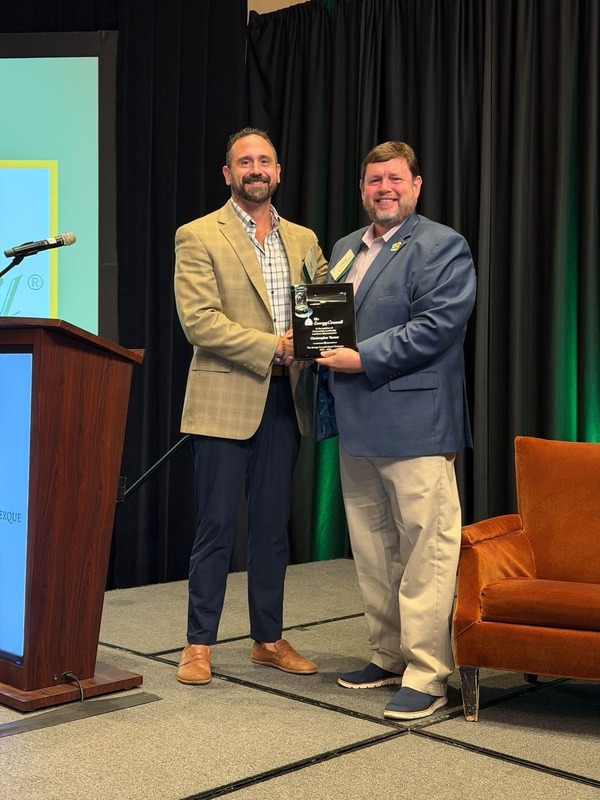
Rep. Nick Archer, R-Elk City, has been elected chair of The Energy Council, an international nonpartisan organization focused on energy policy.
He was elected chair during the Council's annual meeting in Albuquerque, New Mexico, last week. Archer, who served as vice chair of the Council's Executive Committee last year, joined the Executive Committee last February and has been a member of the Council since 2022.
"I am honored to have been named chair of the Energy Council by my colleagues," Archer said. "This organization plays an important role in bringing policymakers together to address the opportunities and challenges facing the energy industry. I am committed to continuing conversations to support a strong, stable energy future as Oklahoma powers our country and world."
Archer is the chair of the Oklahoma House Energy Committee and is a member of the House Energy and Natural Resources Oversight Committee. He has represented House District 55 in western Oklahoma since 2022 and previously served as mayor of Elk City.
In today's Beef Buzz, senior farm and ranch broadcaster Ron Hays features comments from K-State livestock market economist Dr. Glynn Tonsor on the ongoing labor disruptions at meatpacking facilities in southwestern Kansas and what they could mean for cattle and beef markets.
Tonsor says the beef packing industry depends on a substantial workforce to keep cattle moving from live animals to beef products. "The conversion of live animals into meat is a pretty laborious effort."
He says disruptions at large packing plants can create problems throughout the cattle market because fewer cattle are being processed. "Anything that disrupts the labor in converting live animals into beef products for U.S. consumers...is going to have the effect of depressing cattle prices compared to what they would have been, and increasing beef prices compared to what they would have been."
Tonsor says the short-term disruption creates a backup of cattle that reduces demand for fed cattle while also limiting the amount of beef moving through wholesale, retail and export channels. "You have at least in the short term disruptions in the flow."
Tonsor says the market mechanisms at work are similar to what happened during the COVID-19 pandemic, when labor disruptions affected meatpacking operations. "The mechanisms of that are very similar to what the pandemic did because during the pandemic we had labor disruptions there."
However, Tonsor cautions against treating the current situation as an exact repeat of the pandemic. "The scale and scope of this is not the same, so that's not like a perfect analogy." Instead, he says the comparison provides an indication of what could happen if disruptions continue for an extended period.
Tonsor says the size of the affected facilities is important when considering the potential market impact. "It particularly can if it's impacting larger facilities, which is the case here."
He says a small local facility would not have the same effect on the national market as a large plant processing thousands of cattle each day. "If you're disrupting a 5000 head a day plant for multiple days, it starts becoming relevant."
Tonsor says cattle could eventually be rerouted to other facilities if disruptions continue, but doing so would create additional costs for producers. "Is there a way to do it, yes. Is it free? Heck, no."
He says producers could face higher transportation expenses, new business relationships and other transaction costs, all of which could continue to put pressure on cattle prices.
Beyond the immediate packing disruptions, Tonsor says cattle producers are also watching several other developments, including plant closures, cattle numbers and beef demand.
He says there has been some slippage in beef demand over the past couple of months, making it something the industry needs to continue monitoring.
When asked about the cattle market outlook, Tonsor says there has been plenty of discussion about whether producers should retain more heifers and whether government policy should encourage herd expansion. His recommendation is to be patient and allow market signals to work. "I'm encouraging some patience and more of a hands-off mentality."
Tonsor says strong beef demand has already provided producers with a signal through higher calf prices. "Stronger beef demand has sent the signal of higher calf prices, which has sent the signal that if Mother Nature and allows it, and you have the risk appetite for it to expand the herd."
He says his goal is to remain data-driven and apolitical when discussing a market that can quickly become political. "Let markets work."
That phrase, Tonsor says, has become the message he uses to close many of his presentations. "I think the market's been attempting to work, and we need to let it continue attempting to work."
Dr. Tonsor's comments came from his most recent appearance with Shelby Varner on K-State's Agriculture Today.
The Beef Buzz is a regular feature heard on radio stations around the region on the Radio Oklahoma Ag Network and is a regular audio feature found on this website as well. Click on the LISTEN BAR above for today's show and check out our archives for older Beef Buzz shows covering the gamut of the beef cattle industry today.

Oklahoma's premier agricultural gathering is preparing for a change of scenery this fall as the Oklahoma Ag Expo on the River relocates to OKANA in Oklahoma City. Farm Director KC Sheperd recently sat down with Ashley Tucker Randolph with the Oklahoma Ag Expo to discuss what attendees, exhibitors, and agricultural producers can expect from the upcoming event scheduled for November 2 through November 4.
Designed to connect individuals from across the state's agriculture sector, the event serves as a central hub for education, professional advancement, and industry fellowship.
New Venues and Event Schedule
The three-day gathering kicks off on Monday, November 2, with the annual golf tournament at a new location: Hidden Trails Country Club. Following the morning on the course, afternoon sessions turn to technical education with fumigation courses led by Oklahoma State University experts Kevin Shelton and Edmond Bonjour.

Tuesday marks the primary day of the expo, featuring the grand opening of the trade show alongside a full slate of educational presentations. Attendees will hear from:
Throughout Monday, Tuesday, and Wednesday, attendees will have multiple opportunities to earn Continuing Education Units (CEUs). These credits cover a wide array of topics including fumigation, research and demonstration, agricultural plant management, and crop management. The curriculum is tailored to benefit commercial applicators, private applicators, and certified crop advisers alike.

Registration Deadlines and Pricing Details
With the expo rapidly approaching, Randolph emphasized that only 10 days remain before the pre-registration window closes on October 4. Registering early secures maximum savings before rates increase:
Members will need their account login credentials to access discounted pricing, and event staff are available by phone to assist anyone who needs help retrieving their information. Hotel reservations at OKANA can also be booked directly through the event website.
Trade Show and Sponsorships
Opportunities for businesses are still open, but space is moving quickly. According to Randolph, only five to seven trade show booth spaces remain available before the floor is completely sold out. Various sponsorship levels are also available for organizations looking to increase their visibility among chemical dealers, grain handlers, and producers from across the region.
Prospective attendees, sponsors, and exhibitors can secure their spot, register for the golf tournament, or book lodging by visiting oklahomaag.com. Specific inquiries can be directed to Ashley Tucker Randolph via email at ashley@oklahomaag.org.
You can see all the speakers and schedule of events here:
RON's Dave Lanning has a pre-opening look at today's agricultural Markets.
Click the audio tab below for today's report.
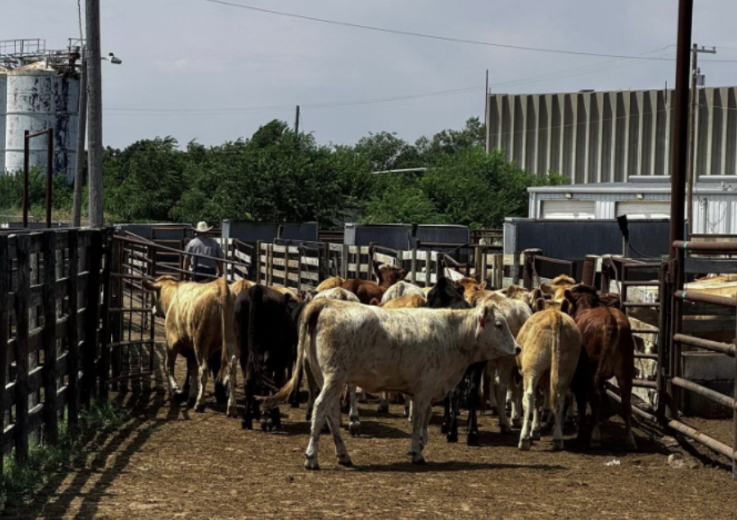
On Tuesdays, Senior Farm and Ranch Broadcaster Ron Hays visits with Ben Hale of Western Livestock Auctions as he talks about the latest in the markets and more. Established in 1995, Western has grown into a multi-generational family-owned and operated business and stands as a symbol of tradition, excellence, and a deep-rooted passion for the cattle industry. Western Livestock Auctions operates the Western Livestock Commission Firm, which sells cattle on Mondays and Tuesdays. They also operate the livestock auction markets in Woodward, Comanche, Waurika, and Knoxville, Iowa.
Hale says cattle receipts were higher at the Oklahoma National Stockyards this week, with about 6,000 head compared to roughly 4,500 a year ago. Hale said some producers may have been looking to get cattle moved ahead of expected rain, but the market still had a solid run of cattle.
"We've got good receipts. I don't know, some of it might have been trying to get ahead of this rain," Hale said. He added that the cattle were generally good quality, while producers across Oklahoma are watching closely for moisture that could help improve pasture conditions and get wheat pasture established.
Hale said the feeder cattle market has been inconsistent, following a strong start to last week. "Last week we just had a fantastic feeder market on Monday, and then it kind of fell off the rest of the week," he said. He described Tuesday's market as relatively flat, with feeder steers steady, three-weight cattle lower and heifers also lower. Hale said buyers and sellers were able to get cattle moved, but "nobody seemed real excited."
Looking ahead, Hale said seasonal conditions and potential wheat pasture could provide support for the market, although producers are still dealing with pasture challenges. Western Livestock is expecting about 2,800 head at Waurika, including 700 well-sorted calves from one operation, along with a decent run at Comanche. "Those calves are going to be bigger, but they're awful good calves if somebody's looking for a big wad of them," Hale said.
Hale can be contacted at 940-631-2333. Check out more about the marketing options that Western offers by clicking here.
The U.S. Department of Agriculture (USDA) announced increased financial assistance for the Regenerative Pilot Program from $700 million to $1 billion in fiscal year 2027, providing more producers with the opportunity to adopt conservation systems that improve soil health, water quality, and long-term farm resilience. Producers can now apply for assistance with regenerative practices.
Additionally, USDA's Natural Resources Conservation Service (NRCS) is making improvements to the program, including using NRCS's locally led conservation model to allow State Technical Advisory Committees to add conservation practices that reflect local resource concerns, production systems, and producer needs.
"The American farmers have spoken and we at USDA are responding! Our Regenerative Pilot Program has seen such tremendous enthusiasm that we are now expanding the financial assistance offered to farmers by $1 billion dollars," said Secretary of Agriculture Brooke L. Rollins, "American farmers are the frontlines of our fight to make America healthy again and we will work with them to achieve this goal."
"Farmers are on the front line of our effort to Make America Healthy Again," said Health and Human Services Secretary Robert F. Kennedy, Jr. "Under Secretary Rollins' leadership, USDA is increasing funding for this program to $1 billion to help farmers build soil health, reduce dependence on costly chemical inputs, and adopt regenerative practices."
"Last fiscal year, NRCS obligated more than 5,100 contracts for more than $851 million to implement whole-farm conservation practices for regenerative agriculture. Through this program, farmers and ranchers continue to make improvements to soil health, water management and natural vitality, and provide consumers with American-grown whole foods," said NRCS Chief Colton L. Buckley. "We are building on this success by improving flexibility without sacrificing outcomes and strengthening delivery and accountability."
Also, for fiscal year 2027, the program maintains whole-farm planning while reducing the barrier to entry by lowering the resource concern threshold from 100% to 75% for the Conservation Stewardship Program. This improves flexibility without sacrificing outcomes. The program preserves the core conservation goals and outcome-based approach of the fiscal 2026 pilot while giving producers and staff greater flexibility in how outcomes are measured and achieved. The program also provides multiple monitoring and evaluation options tailored to cropland, grazing lands, and forestry operations.
Other enhancements for fiscal year 2027 include dedicated funding set-asides, improved tracking mechanisms, expanded technical support networks, and enhanced communications that will make the program easier to administer, easier to access, and more transparent for producers and taxpayers alike.
About the Regenerative Pilot Program
The Regenerative Pilot Program delivers a streamlined, outcome-based conservation model—empowering producers to plan and implement whole-farm regenerative practices through a single application. The initiative highlights USDA's commitment to putting Farmers First and advancing the Make America Healthy Again (MAHA) agenda by building a healthier, more resilient food system.
In fiscal year 2027, the Regenerative Pilot Program will continue to focus on whole-farm planning that addresses every major resource concern—soil, water, and natural vitality—under a single conservation framework. USDA is dedicating $650 million through the Environmental Quality Incentives Program (EQIP) and $350 million through the Conservation Stewardship Program (CSP) to fund this second year of regenerative agriculture projects.
Producers can bundle multiple regenerative practices into one application, streamlining the process and increasing flexibility for operations. The program is designed for both beginning and advanced producers, ensuring availability for all farmers ready to take the next step in regenerative agriculture.
How to Apply
Farmers and ranchers interested in regenerative agriculture are encouraged to apply through their local NRCS Service Center by their state's ranking dates for fiscal year 2027 funding consideration. Applications for both EQIP and CSP can be submitted under the single regenerative application process.
For more than 90 years, NRCS has helped farmers, ranchers and forestland owners make investments in their operations and local communities to improve the quality of our air, water, soil, and wildlife habitat. NRCS uses the latest science and technology to help keep working lands working, boost agricultural economies, and increase the competitiveness of American agriculture. NRCS provides one-on-one, technical advice and financial assistance and works with producers to help them reach their goals through voluntary, incentive-based conservation programs. For more information, visit nrcs.usda.gov.
Drought, prolonged summer heat and the high price of nitrogen fertilizer lead to the topic of this article. At the time of this writing, many Oklahoma producers are either waiting to plant cool season annuals for winter grazing, or waiting to see if a stand emerges from the seed dusted in a month ago. With rain in the forecast there is still high potential for excellent cool season pasture. The benefits and return on investment of incorporating cool season legumes merit consideration.
Benefits
The most significant benefit of adding legumes into a pasture mix is potentially supplying the successive cash crop with nitrogen (N) without adding it as fertilizer. Legumes have a mutually beneficial partnership with soil bacteria, Rhizobium. These bacteria infect legume root hairs forming small nodules near the point of root elongation. These bacteria pull nitrogen gas (N2) from the atmosphere and convert it into plant-available forms of nitrogen through a process known as nitrogen fixation. The relationship benefits both partners. The bacteria provide the plant with nitrogen and essential nutrients for growth, and the legume host supplies the bacteria with sugars and other compounds they need to survive and fix nitrogen. The amount of N to be expected will vary. For example, mixing Austrian Winter Peas into winter wheat pasture is an effective strategy for Oklahoma producers looking to slash synthetic nitrogen costs while boosting forage quality. A successful winter pea stand can fix 30 – 100 pounds of N per acre, which directly translates to saving on spring top dressing of urea. While incorporating a legume into your cool season grass mix doesn't necessarily result in greater tonnage as compared to a cereal grain monoculture, it will increase crude protein and digestibility for stocker cattle.
Management Considerations
Soil testing is an important first step to take before planting. Legumes are more sensitive to low soil pH (less than 6.0) and require adequate levels of phosphorus and potassium. Also, inoculation of legume seed immediately prior to planting is critical. When legume seeds are properly inoculated and planted in favorable soil conditions, root nodules can begin forming within three to four weeks after emergence. As the plant grows, the number and size of these nodules provide a good indication of how much nitrogen fixation is occurring. If soil conditions are suitable for growth of the legume, they are typically suitable for bacterial infection and nitrogen fixation. Rhizobium populations can be reduced by extreme weather conditions like drought and flooding which will impact nitrogen fixation in the system. Planting depth and grazing management also are important with regard to getting the maximum benefit from legumes. While some legumes can increase the risk of bloat, the likelihood is generally low when legumes make up less than half of pasture ground cover. Poloxalene, a bloat preventative, must be consumed by cattle daily, both prior to turning cattle onto legumes and thereafter, to be effective. Further details on seeding rates and management considerations are available in the reference materials below.
Mark Johnson, OSU Extension beef cattle breeding specialist, speaks with Mason Henson, OSU animal and food sciences assistant professor, about how producers can utilize legumes as forage for cattle herds on SunUpTV from May 23, 2026. https://www.youtube.com/watch?v=8mhbyVyWqW8
References:
https://extension.okstate.edu/fact-sheets/forage-legumes-for-oklahoma
https://extension.okstate.edu/announcements/cropping-systems/cover-crop-garden-winter-legume-mix
The National Association of Wheat Growers (NAWG) today welcomed President Donald J. Trump's nomination of Greg Ibach to serve as Under Secretary for Trade and Foreign Agricultural Affairs at the U.S. Department of Agriculture. Ibach is a lifelong farmer and experienced leader whose background gives him a unique, firsthand understanding of the importance of securing additional market opportunities for American growers. He previously served in the first Trump administration as Under Secretary for Marketing and Regulatory Programs.
"Congratulations to Greg Ibach on this well-deserved nomination," said Sam Kieffer, NAWG CEO. "Wheat growers rely on programs like the Market Access Program, Foreign Market Development Program, and Foreign Food Assistance Program to expand markets and help get U.S. wheat to customers around the world. Greg understands the importance of these programs and has a proven record of working to expand market opportunities for American producers. We look forward to working with him and urge the Senate to advance his nomination promptly."
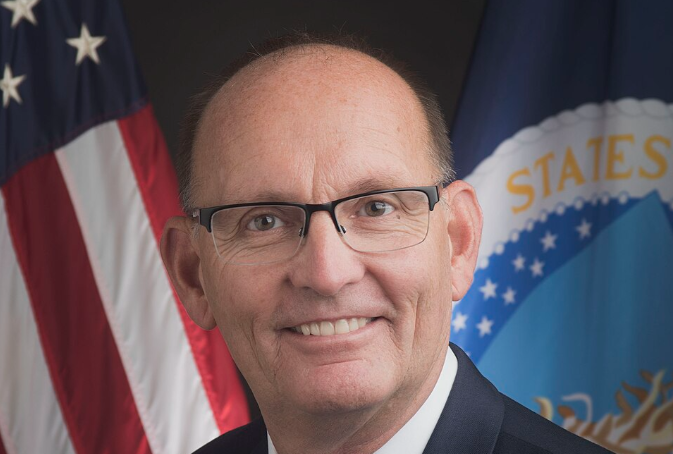
President Donald Trump has officially sent the nomination of Greg Ibach to lead the USDA's Trade and Foreign Agricultural Affairs mission area to the U.S. Senate. The appointment positions a veteran agricultural leader at the head of federal efforts to expand export markets, reduce foreign tariff and non-tariff barriers, and build international demand for American farm commodities.
If confirmed by the Senate, Ibach will succeed Luke Lindberg, who recently stepped down from the role to accept a leadership position with the United Nations World Food Programme.
A fifth-generation farmer and rancher from Sumner, Nebraska, Ibach brings an extensive background in federal and state agricultural policy. He previously served as the USDA Under Secretary for Marketing and Regulatory Programs from 2017 to 2021. Prior to his work in Washington, he served from 2005 to 2017 as Nebraska's Director of Agriculture, making him the longest-serving ag director in that state's history.
The post oversees the Foreign Agricultural Service and directs market development, export assistance programs, and trade policy negotiations for the nation's agricultural sector.
Confirmation proceedings before the Senate Agriculture Committee are expected to take place when the Senate reconvenes in November.
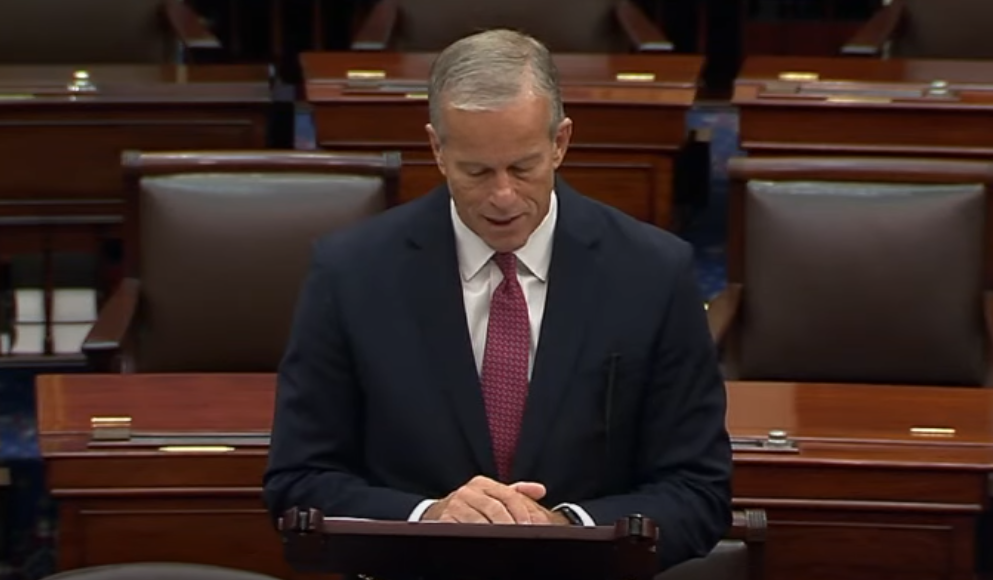
Oklahoma agricultural producers and farmers across the country are facing renewed uncertainty as the Senate enters its final session week before the elections with no plans to take up the Ag Committee-passed farm bill. Now three years late, negotiations remain deadlocked with the third extension of the previous farm bill set to expire this week.
Senate Majority Leader and Ag Committee member John Thune expressed frustration over the legislative stalemate, citing procedural blocks on key provisions. According to Thune, there were 100 Democratic amendments in the farm bill that Democrats block-voted against, calling the move inexcusable in farm country. He noted that in his time in public life, he has never seen such partisanship on a farm bill where Democrats were actively involved in negotiations, arguing the current delay is driven entirely by the upcoming elections.
From the other side of the aisle, top Ag Committee Democrat Amy Klobuchar maintained during the farm bill markup that Democrats do not oppose the legislation outright. Instead, Klobuchar noted that Democrats want to resolve disagreements over Supplemental Nutrition Assistance Program (SNAP) funding and wait until after the midterm elections. She emphasized that while there is broad agreement on many aspects of the bill and agriculture cannot afford to leave it unfinished by year's end, resolving the nutrition funding dispute remains a priority.
Senate Republicans currently lack the 60 votes required procedurally to bring the measure to the floor. While agricultural groups continue to urge Congress to pass a full five-year farm bill rather than another temporary extension, even another short-term patch appears unlikely before floor time is consumed by other politically sensitive matters ahead of the elections.
Despite the pre-election floor impasse, Senate Agriculture Committee Chairman John Boozman indicated that bipartisan bicameral negotiations will continue behind the scenes throughout the recess. Speaking on Arkansas AgCast, Boozman noted that his staff is actively conferring with House Agriculture Committee Chairman G.T. Thompson's staff, working to bridge differences with Democratic leadership and assemble the "four corners" to reach a compromised package ready for floor action when lawmakers return in November. Boozman's office also clarified that mandatory farm bill funding remains protected past the September 30 deadline due to extensions secured through fiscal 2031 in last year's Working Families Tax Cuts reconciliation bill, leaving administrative flexibility for the majority of farm programs to continue operating until the end of the calendar year, when a finalized bill or extension will be essential.
The American Soybean Association welcomes President Donald Trump's nomination of Greg Ibach to serve as USDA under secretary for trade and foreign agricultural affairs.
"Greg brings a deep understanding of U.S. agriculture and the importance of expanding markets for American farmers," said ASA CEO Stephen Censky. "As a farmer and rancher himself, he understands firsthand how critical market access and agricultural trade are to producers. His years leading the Nebraska Department of Agriculture also gave him extensive experience promoting U.S. agricultural products in markets around the world.
"I had the great pleasure of working closely with Greg during the first Trump Administration, when he led USDA's Marketing and Regulatory Programs mission area. He did an outstanding job breaking down sanitary and phytosanitary barriers to U.S. agricultural products, protecting American agriculture from pests and diseases, and strengthening domestic marketing programs. Greg brings tremendous experience and a real passion for making U.S. agriculture successful. ASA supports his nomination and urges the Senate to confirm him as soon as possible."
Today, U.S. Secretary of Agriculture Brooke Rollins congratulated Under Secretary for Trade and Foreign Agricultural Affairs Luke Lindberg on his appointment as Executive Director of the United Nations World Food Programme (WFP) and welcomed President Donald J. Trump's nomination of Greg Ibach to serve as the next Under Secretary for Trade and Foreign Agricultural Affairs.
"Luke Lindberg has been a tremendous friend and partner in our mission to deliver for America's farmers and ranchers. With his help, the Trump Administration had cut the agricultural trade deficit by 51%, helped deliver $177 billion in U.S. agricultural exports, expanded markets through 20 new trade agreements and frameworks, and secured billions of dollars in new agricultural purchase commitments around the world.
I am thrilled President Trump has nominated Greg Ibach to serve as our next Under Secretary for Trade and Foreign Agricultural Affairs. Greg is a lifelong producer and proven leader who knows American agriculture from the farm gate to the global marketplace.
President Trump has made strengthening agricultural trade a top priority, and the USDA team will continue build on the historical progress we have made to put American farmers first."
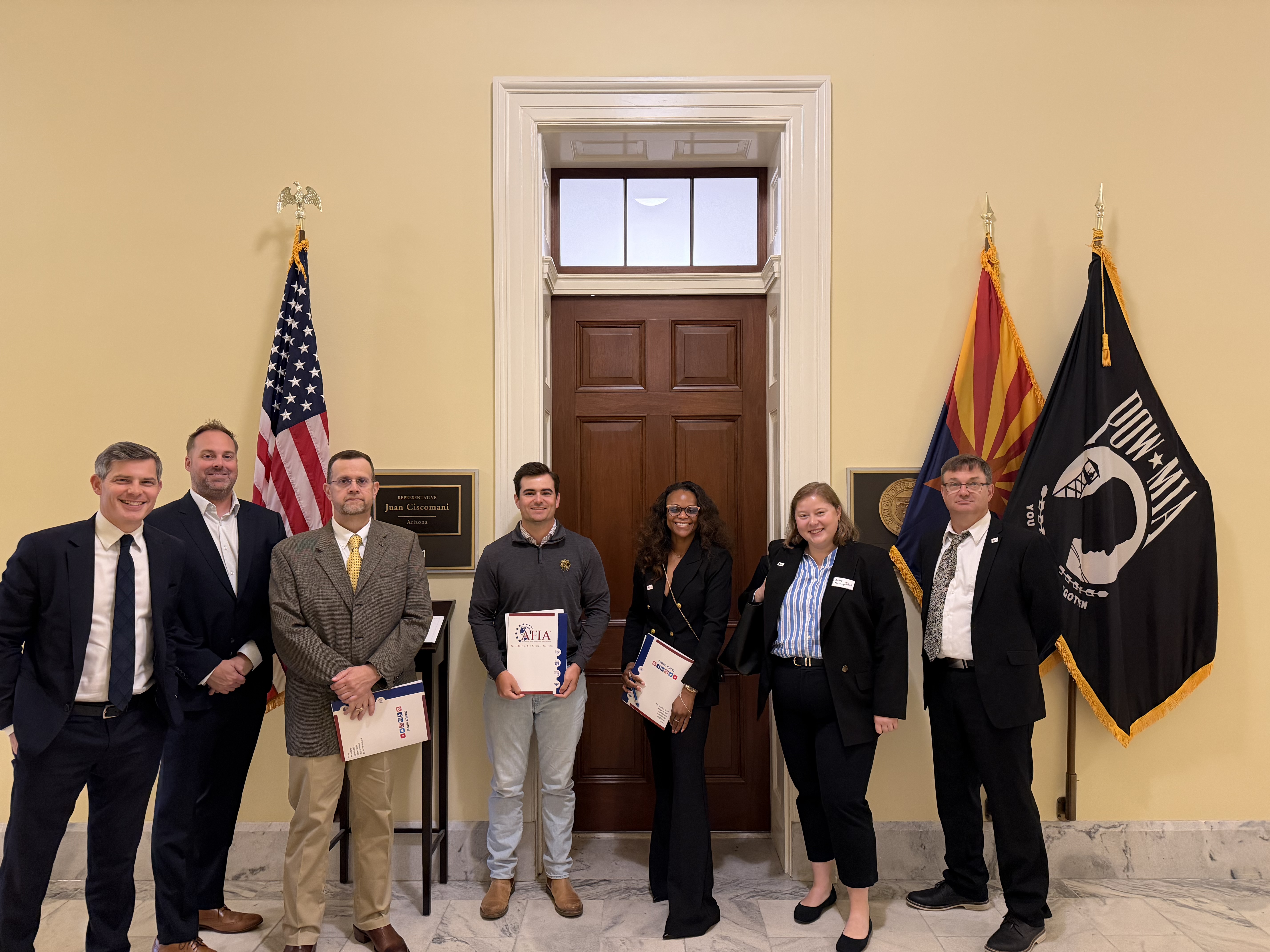
The American Feed Industry Association (AFIA) welcomed 34 members of its Aquaculture, Pet Food, Equine and Global Affairs committees in Washington, D.C., last week for committee meetings and visits to Capitol Hill. Members met with 45 congressional offices to explain how federal policies affect animal food manufacturers, suppliers and their customers.
"Our committee members bring firsthand experience to conversations about how policy decisions affect the animal food industry," said Leah Wilkinson, AFIA's chief policy officer. "By meeting directly with lawmakers, they make the personalized case for policies that support innovation, strengthen supplies of essential ingredients and keep the U.S. animal food industry competitive."
Members urged lawmakers to advance feed innovation, supply chain resilience and U.S. agricultural competitiveness. One priority is the passage of the Innovative Feed Enhancement and Economic Development (Innovative FEED) Act (S. 1906 / H.R. 2203), which is included in the Senate farm bill. This legislation would modernize the Food and Drug Administration's review process for certain novel animal food ingredients by allowing the agency to use the existing Food Additive Petition process for reviewing ingredients that provide non-nutritive benefits such as improved animal health, enhanced food safety or reduced environmental impact.
Members also advocated for passage of language from the Pet Food Uniform Regulatory Reform (PURR) Act of 2025 that is included in H.R. 8646, the Fiscal Year 2027 Agriculture appropriations bill. The PURR Act language aims to modernize and streamline the regulation of animal food by reducing the current patchwork of state-by-state regulatory requirements for product label reviews.
Members also discussed solutions to reduce the United States' reliance on China for critical vitamins and amino acids, an issue highlighted by the November 2025 strategic assessment from the Institute for Feed Education and Research. The report found that critical nutrients that would impact animal food, animal protein and the human food supply are overwhelmingly concentrated in one region.
In addition to the Capitol Hill visits, AFIA members convened in their respective committees for meetings to receive AFIA updates and discuss current and emerging issues affecting their sectors. The AFIA thanks the 34 committee members who took the time to represent the animal food industry and share their perspectives with congressional offices.
Editorial Note: To obtain a high-resolution image to use for editorial purposes, contact Margo Nagle, AFIA's communication specialist.
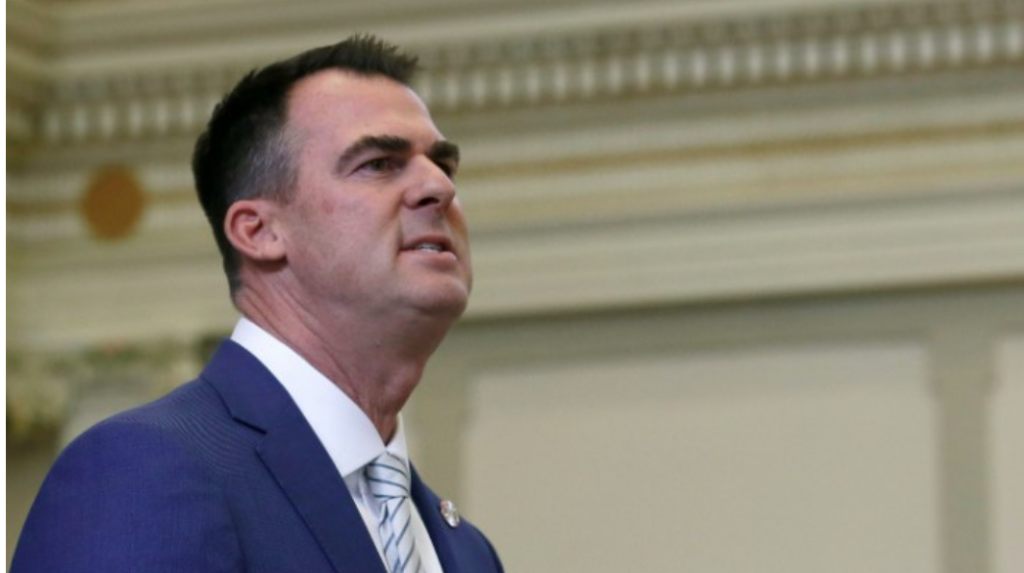
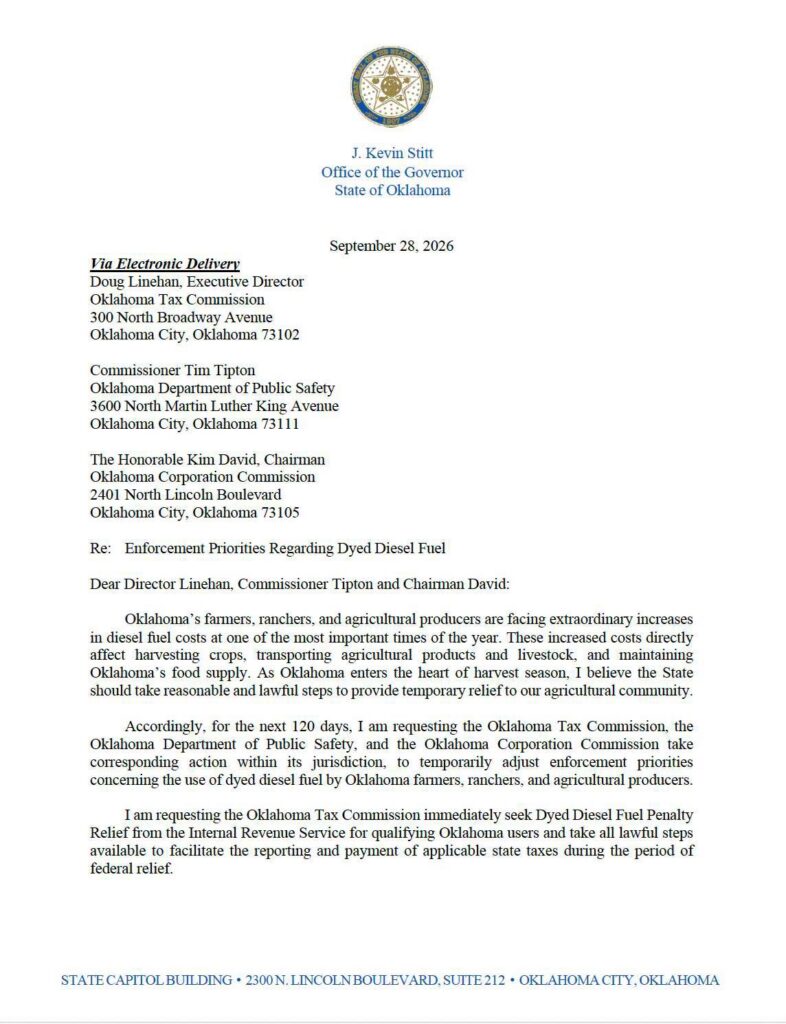
Oklahoma farmers and ranchers navigating the peak of fall harvest season may soon see temporary relief from dyed diesel enforcement. In a formal letter sent September 28, 2026, Governor J. Kevin Stitt called upon state agencies to ease regulatory burdens on agricultural producers grappling with sharp spikes in diesel fuel prices.
The directive, addressed to Oklahoma Tax Commission Executive Director Doug Linehan, Department of Public Safety Commissioner Tim Tipton, and Oklahoma Corporation Commission Chairman Kim David, asks the agencies to adjust enforcement priorities regarding dyed diesel fuel for the next 120 days.
Pointing to the critical timing of the agricultural calendar, Stitt stressed that escalating fuel expenses directly impact crop harvesting, livestock and commodity transport, and the state's broader food supply chain.
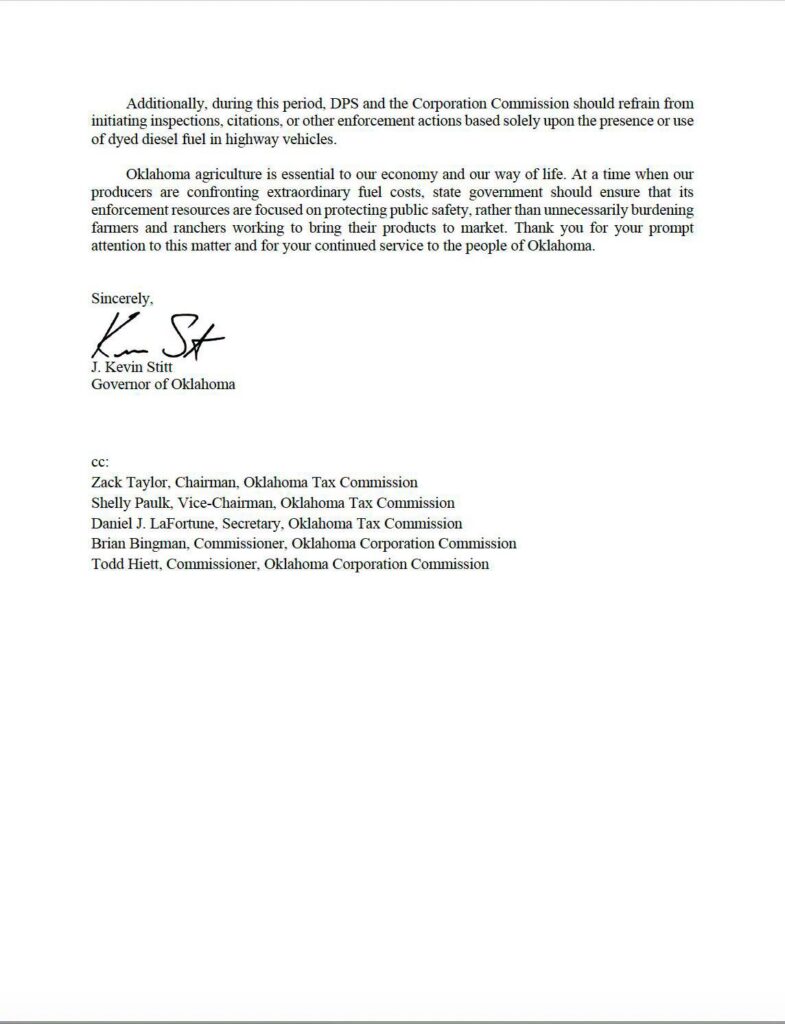
Under the proposed 120-day measure, Stitt requested that DPS and the Oklahoma Corporation Commission refrain from initiating inspections, citations, or enforcement actions aimed solely at the presence or use of dyed diesel fuel in highway vehicles.
Additionally, the Governor called on the Oklahoma Tax Commission to immediately pursue dyed diesel fuel penalty relief from the Internal Revenue Service for qualifying Oklahoma agricultural users, while implementing state-level mechanisms to facilitate tax reporting and payment during the relief period.
"Oklahoma agriculture is essential to our economy and our way of life," Stitt wrote. "At a time when our producers are confronting extraordinary fuel costs, state government should ensure that its enforcement resources are focused on protecting public safety, rather than unnecessarily burdening farmers and ranchers working to bring their products to market."
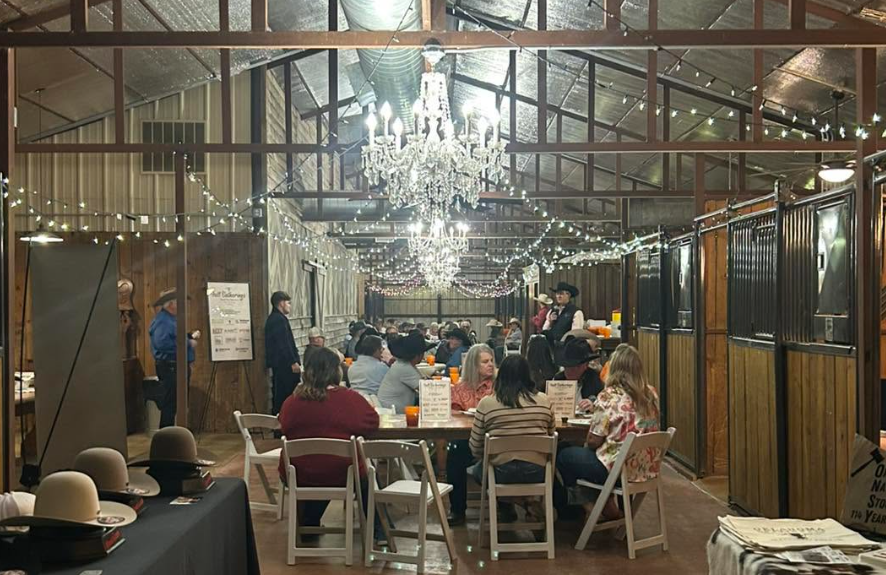
In today's Beef Buzz, Senior Farm and Ranch Broadcaster Ron Hays spoke with Oklahoma Cattlemen's Association Executive Vice President Michael Kelsey about OCA's upcoming fall gatherings and the legislative issues the organization is monitoring this fall.
Kelsey says the fall gatherings are some of his favorite events because they give him a chance to get out of the state Capitol and spend time with cattle producers across Oklahoma. "It's out in the countryside where men and women are raising their kids and raising cattle and feeding, literally feeding our country and the world."
The gatherings are designed to be informal, with meetings held at ranches and other local establishments rather than traditional meeting spaces. Kelsey says the goal is to give cattle producers an opportunity to socialize, network and discuss the issues affecting their operations. "We want to be casual. We want to be comfortable. We want folks to feel like they're coming to a neighbor's place, if you will, and we just talk and serve a great beef meal."
Kelsey says the meetings also provide OCA with an opportunity to listen to its members and better understand what producers are facing. "We're going to talk about issues, and we're going to listen, and we want to learn, and we want to understand where people are at."
Kelsey says one encouraging trend at the fall gatherings has been seeing more young families attending, including parents bringing strollers and car seats. "What do you want to hear in church and a cattlemen's meeting? It's a crying baby. That's what you want to hear."
At the same time, Kelsey acknowledges the challenges facing cattle producers, particularly with weather and economics. He says the gatherings provide an opportunity for producers to support one another during difficult periods. "Our fall gatherings give us an opportunity to get together, maybe cry on each other's shoulder a little bit, but also encourage each other."
Kelsey says the social and mental side of the cattle business is something OCA is increasingly concerned about. "There is a mental side to this business, and I'm really concerned that we're really stressing our farmers and ranchers on a mental basis right now."
He says producers are dealing with pressure from weather and economic conditions, making it especially important for cattlemen to have opportunities to come together. "I think it's very important for us to get together."
Kelsey also discussed the Oklahoma Legislature's interim studies and some of the topics OCA plans to monitor this fall.
He says the list of interim studies appears lighter than in previous years, which he believes is partly because lawmakers are preparing for an election year.
Among the topics OCA is watching are tax policy, water, agriculture, solar panels and data centers in rural areas. Kelsey also specifically mentioned a screwworm study led by Senator Kern. "There's one on screwworm by Senator Kern, and there's some others on solar panels, data centers, some of those types of things in a rural environment."
Kelsey says some of those studies have not yet been scheduled and are expected to take place later in the fall.
He also says OCA will be watching the changes coming to the Oklahoma Legislature following the election. "We're going to see a turnover in some of our senators and legislators and so forth, so some of our legislative leaders are kind of waiting to see how that's going to shape out before they get too far into the policy weeds."
Kelsey says the OCA will continue monitoring those discussions while using its fall gatherings to hear directly from cattle producers across the state.
The Beef Buzz is a regular feature heard on radio stations around the region on the Radio Oklahoma Ag Network and is a regular audio feature found on this website as well. Click on the LISTEN BAR above for today's show and check out our archives for older Beef Buzz shows covering the gamut of the beef cattle industry today.
In the latest Crop Marketing letter from OSU's Todd Hubbs he writes: Grain and oilseed prices moved lower last week as speculation on the Black Sea conflict and the Trump-Xi meeting cast a bearish light on prospects. Harvest pressure from spring planted crops along with no information from the Chinese delegation on potential trade deals created weakness to close out the week. Wheat prices were the distinct loser in futures market over the last week.
Wheat Market Outlook:
Traders appeared unduly focused on a revival of exports out of the Black Sea area last week, even with absolutely no indication of any resolution. Despite Turkey indicating efforts to reach an agreement, progress on a deal seems limited. Wheat demand also influenced prices as exports continue to lag USDA projections. A stronger dollar, while not definitive in impacting U.S. wheat exports, still influenced traders. Monday saw continued lower price pressure under the negative market outlook. The NASS Small Grains summary report, released on Wednesday, provides USDA's next major wheat production estimate.
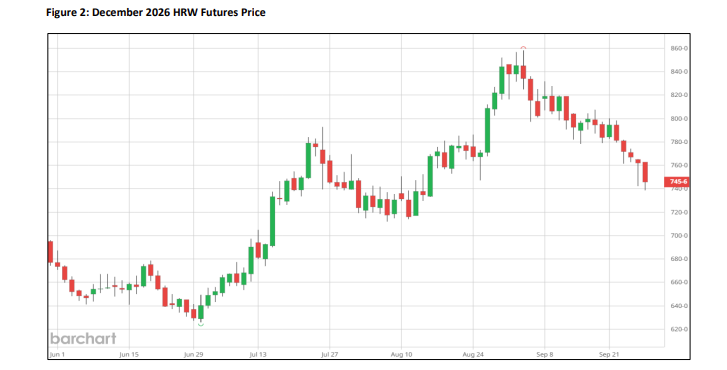
Domestically, winter wheat planting remains slow. Planting sits at the slowest pace over the last 20 years. At 27 percent, winter wheat planting is 7 percent lower than the five-year average. Weather forecasts from NOAA indicate a much needed 2-5 inches of rain over the southern Plains over the next seven days. Expect planting progress to remain slow.
Weak export demand is showing up in the export sales report. U.S. wheat export total commitments sat at 344 million bushels as of September 17, down 31 percent from last year and equal to 45 percent of USDA's projected exports. The average pace over the last five years is 54 percent of projections. All wheat needs to average 12 million bushels of net sales a week for the remainder of the marketing year to hit USDA's projection. Over the last month, wheat net sales averaged slightly over 10 million bushels per week. Hard red winter wheat is a major contributor to slow wheat exports. HRW total commitments sit at 76 million bushels, down from 199 million bushels at this time last year. Last week saw a jump in HRW net sales to over four million bushels on buying by Mexico and Japan. The increase was a departure from 1.3 million bushels per week over the prior month. Given export port prices and global demand at present, the potential for continued follow-through in this week's sales report seems low despite the price being rundown over the last week.
On the global market, Bangladesh and Sri Lanka bought milling wheat from India for between $305-$326 per ton. Tunisia bought 125 thousand tons of milling wheat for around $317 per ton with cash and freight on an optional origin contract. Global wheat prices from major origins sit well below HRW Gulf prices. U.S. Gulf wheat free on board at 11.5 percent protein remains elevated at $9.27 per bushel ($341 per ton) despite the recent price weakness.
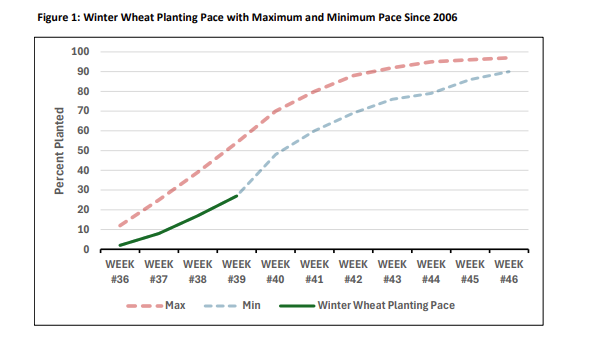
December HRW future price moved 16 cents lower on Monday to close at $7.46 per bushel. Over the last five trading sessions, December HRW lost 50 cents per bushel. December prices dropped back in the range last seen in early August. July 2027 futures price closed at $7.59 and followed a similar pattern to the nearby contract over the last week. Current July price is 52 cents below the projected RMS crop insurance price of $8.11 per bushel in Oklahoma. Basis in Oklahoma ranges between -55 to -70 across the state on cash delivery.
Milo Market Outlook:
The December corn future price closed on Monday at $5.23 per bushel, moving five cents lower on the day. Corn prices fell 20 cents over the last five trading sessions. Futures prices remain in the $5.20 - $5.40 range seen over the last month. Barring an unexpected shock from the Stocks report this week on corn demand, an expectation of corn prices staying in this range remains in place given the current market situation.
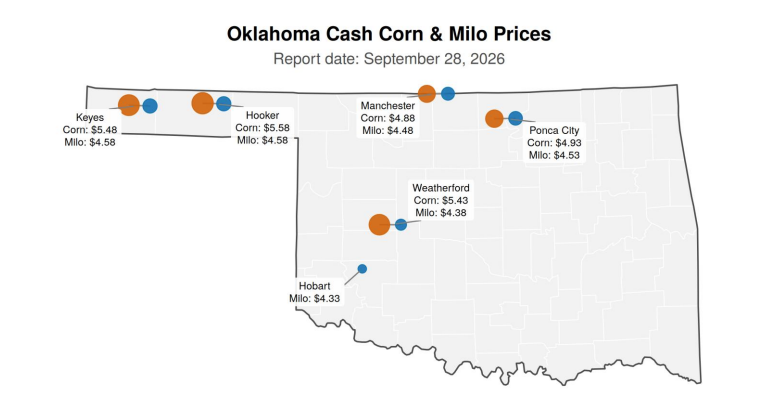
Milo cash prices in Oklahoma stay below corn. While not as large as this time last year, the smaller crop shows cash prices ranging from 40 cents to a dollar under corn prices across Oklahoma. The Trump-Xi meeting saw both corn and milo listed as agricultural commodities set for tariff reductions. No concrete specifics on timing or magnitude of tariff relief have been released yet. If the deal materializes in stronger milo exports to China, expect narrowing of basis.
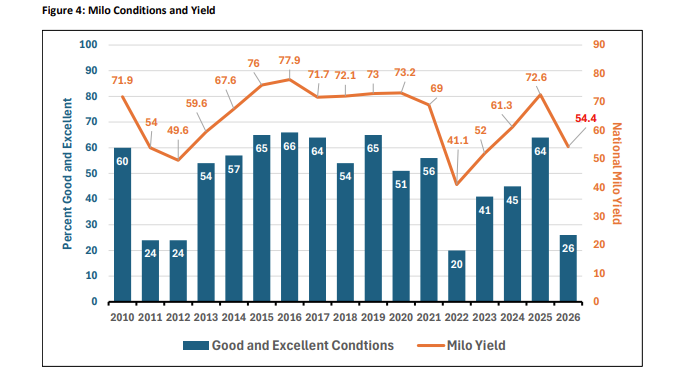
The current marketing year for milo has seen exports get off to a slow start. Total commitments through September 17 sit at 1.7 million bushels. The slow pace lies below last year's pathetic start to the marketing year. While China has purchased 0.72 million bushels of the total commitments, the current levels do not bode well for milo prices. Export inspections through September 24 came in at less than a million bushels, down from last year's 2.6 million at this point. Monitoring export sales after the agreement on reducing tariffs remains crucial. Since production is projected 153 million bushels lower at 284 million, crop production and availability may be a portion of the story.
Milo yield for the U.S. was projected at 54.4 bushels per acre in the September Crop Production report. On Monday, crop conditions showed good and excellent conditions for the milo crop at 26 percent. Current conditions are in the bottom four levels seen in since 2010. While it is feasible for milo yield to come in at 54.4 bushels, the potential for lower yields and production levels as we move into the fall remains possible. Oklahoma shows conditions at 25 percent good and excellent while Kansas, the largest production state, sits at 24 percent. Harvest pace for milo sits at 29 percent, two percent behind the five-year average. Expect harvest to lag the typical pace with the forthcoming weather systems currently forecast.
Global milo production is forecast at 2.38 billion bushels in the latest WASDE report, down approximately 100 million bushels from last year. Major exporters Argentina, Australia, Brazil, and the U.S. make up 31.4 percent of the total production. Southern hemisphere crops appear in good condition at present. China is by far the largest importer. China is projected to import 83 percent of the world's trade this marketing year which sits slightly above the five-year average of 81 percent. Given high diesel prices and transport costs, the share of China's imports falling to the U.S. may be limited despite the tariff agreement.
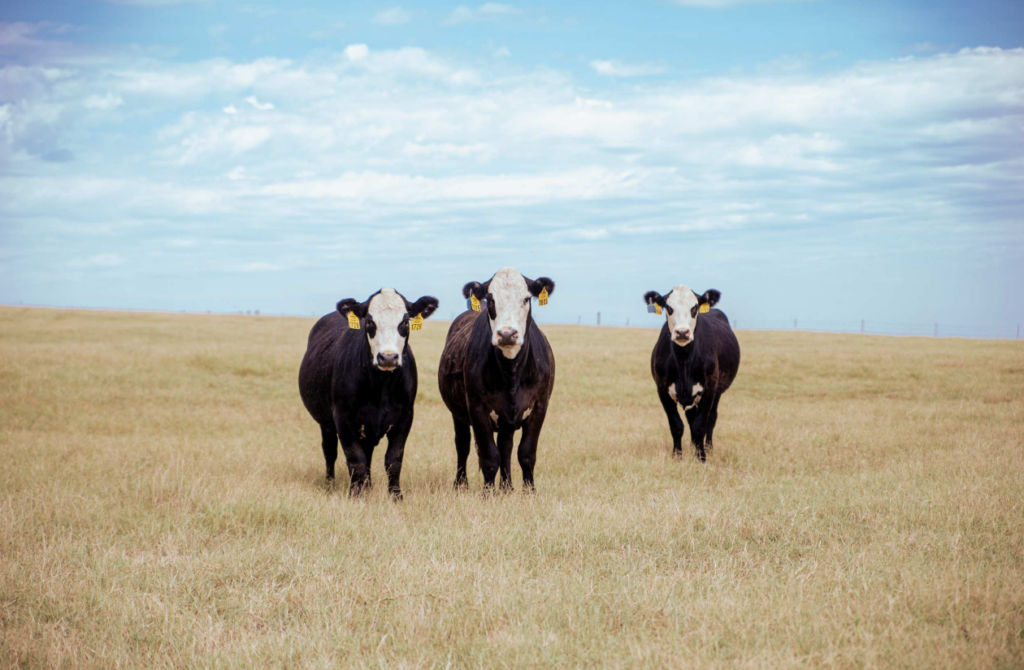
For the first session of Ag Econ After Hours, Oklahoma State University Extension Specialist Scott Clawson examined what producers should consider when deciding what to do with open cows this fall. Clawson focused on cull cow prices, seasonal market trends and the economics of keeping certain cows in the herd longer.
Clawson said the cull cow market is one of the cattle markets where seasonal price patterns tend to be fairly predictable. "We typically see a stronger market through the spring and summer," Clawson said. "We see a market that falls off going into the fall, finds a bottom ground typically in that late fall period, and then rebuilds back into the spring."
That seasonal decline is tied in part to the production cycle of the beef cow herd. With roughly 70% of U.S. cattle operations being spring-calving operations, fall is when producers commonly wean calves, pregnancy check cows and make culling decisions before winter. Clawson said putting additional cull cows into the market during that period increases supply, which can pressure prices.
While seasonality provides a useful historical guide, Clawson cautioned producers not to rely on it alone. "One of the big issues with seasonality is that it only has a rearview mirror," Clawson said.
He pointed to several current market factors affecting cull cow values, including smaller cow inventories, heavier fed cattle and the importance of lean beef in the ground beef market.
Clawson said demand for 90% lean beef is particularly important because it is used to blend with leaner trimmings from heavier cattle. "As we make more 50s, we need more 90s," he said.
Strong beef demand has also helped support cull cow prices, although Clawson said tariffs, imports and other market factors could create additional pressure in the short term.
Clawson divided open and cull cows into different groups, starting with cows that have known health or performance problems.
For those animals, he said producers probably should not hesitate to move them into the market while prices remain historically strong. "Cull cow markets are pretty good. No sense in keeping things around that are problems that are just going to generate us more problems later," Clawson said.
The decision becomes more complicated with otherwise healthy cows that are open, older, thin or simply poor performers. Clawson said producers may still decide to sell those cows, but another option could be keeping them temporarily and attempting to add value.
One of the tools Clawson recommended is contribution margin, which can help producers compare the potential revenue from keeping an open cow with the additional costs required to do so.
In one example, Clawson estimated about $600 in variable costs to keep a cow, including hay, feed and other expenses. Using a 55% weaning rate, a 500-pound weaning weight and a $3.75-per-pound calf price, the potential revenue was about $1,031 per cow.
That left a potential contribution margin of about $431 per head if those assumptions hold. "This is also what we would do to calculate, you know, how much can we spend to keep cows through a drought?" Clawson said. "What would be the impact on my operation if I added five or 10 more cows to the place?"
He emphasized that producers should use their own costs and production history when making the calculation.
A third possibility is keeping healthy but thin cows through the winter and attempting to capture both seasonal price improvement and additional value from weight and body condition.
Clawson said that strategy depends heavily on having adequate and economical feed resources. "We're going to add weight to that thin cow. We're going to add condition to that cow, giving her a higher grade, and then we're going to get paid for all three of those things," Clawson said.
However, he stressed that producers need to carefully evaluate their available hay and feed before taking on additional cows.
Clawson said keeping an open cow temporarily does not mean abandoning established culling practices. If a producer chooses to give an open cow another opportunity, he recommended clearly identifying that animal as a high-priority cull for the future. "We're just looking at maybe a short-term adjustment based on what the market's doing," Clawson said.
Ultimately, Clawson encouraged producers to evaluate each cow individually, consider their feed resources and use contribution margin to determine whether keeping an open cow creates enough potential value to justify the additional expense. "Again, that contribution margin is really your friend," Clawson said.
Pictures and graphs can be found in the full video below:
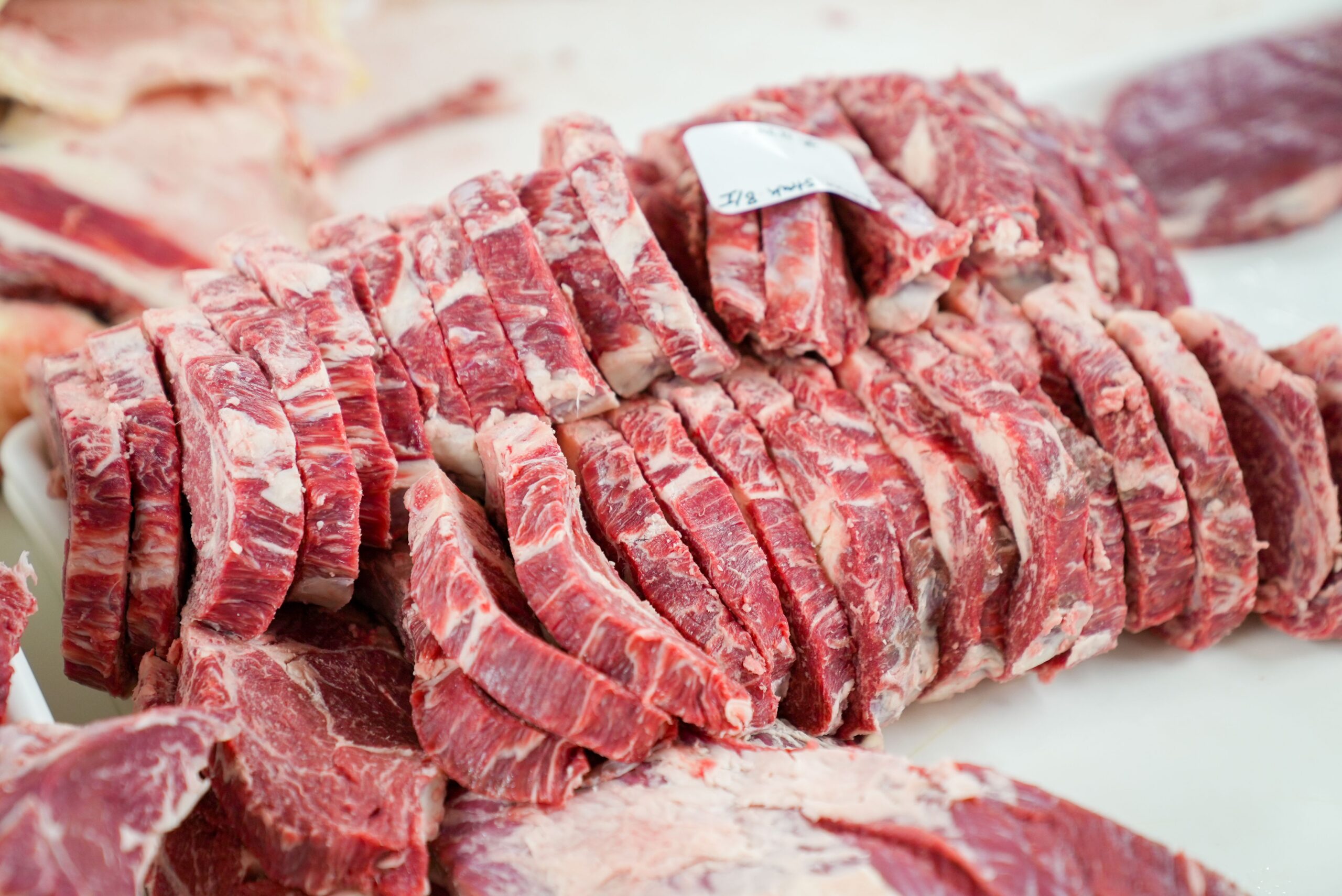
David Anderson writes in Southern Ag Today: Cull cow prices in the Southern Plains peaked at $187 this past Spring but have steadily declined to about $154 at the end of September. This 18 percent decline in cow prices is not far off the normal seasonal decline from about June to October of about 24 percent. Supply factors are important in the normal seasonal cow price decline and they are this year, as well.
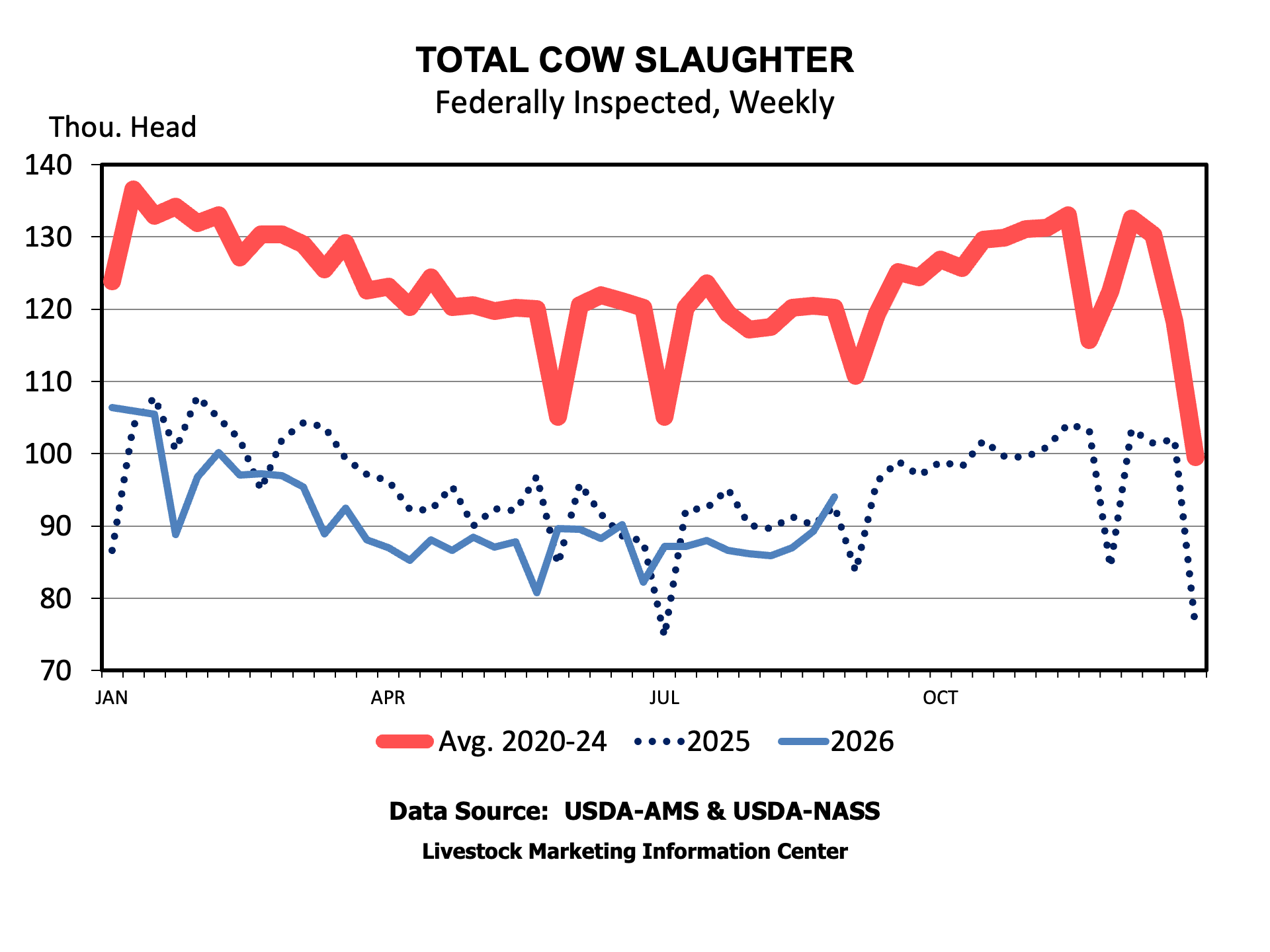
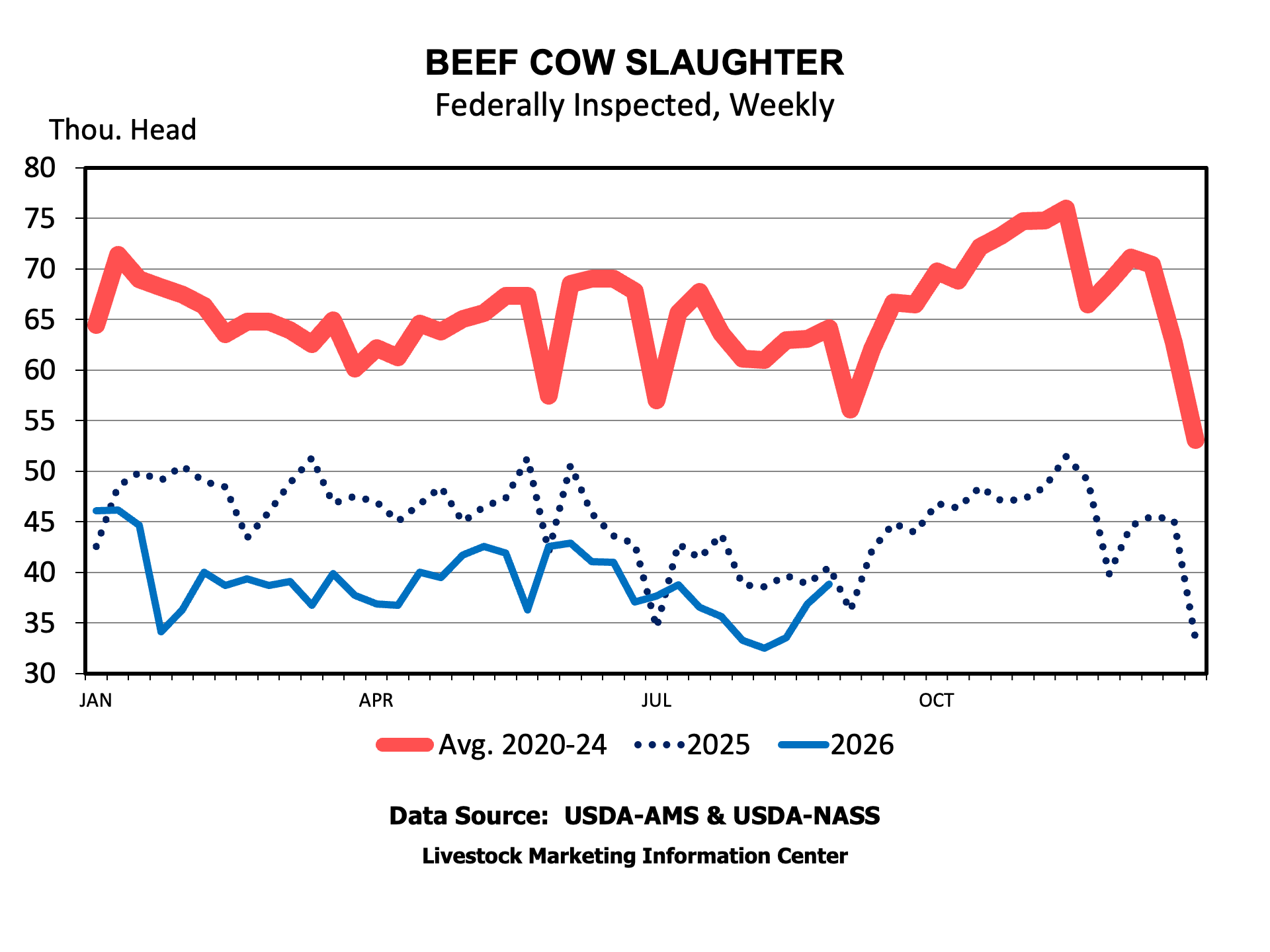
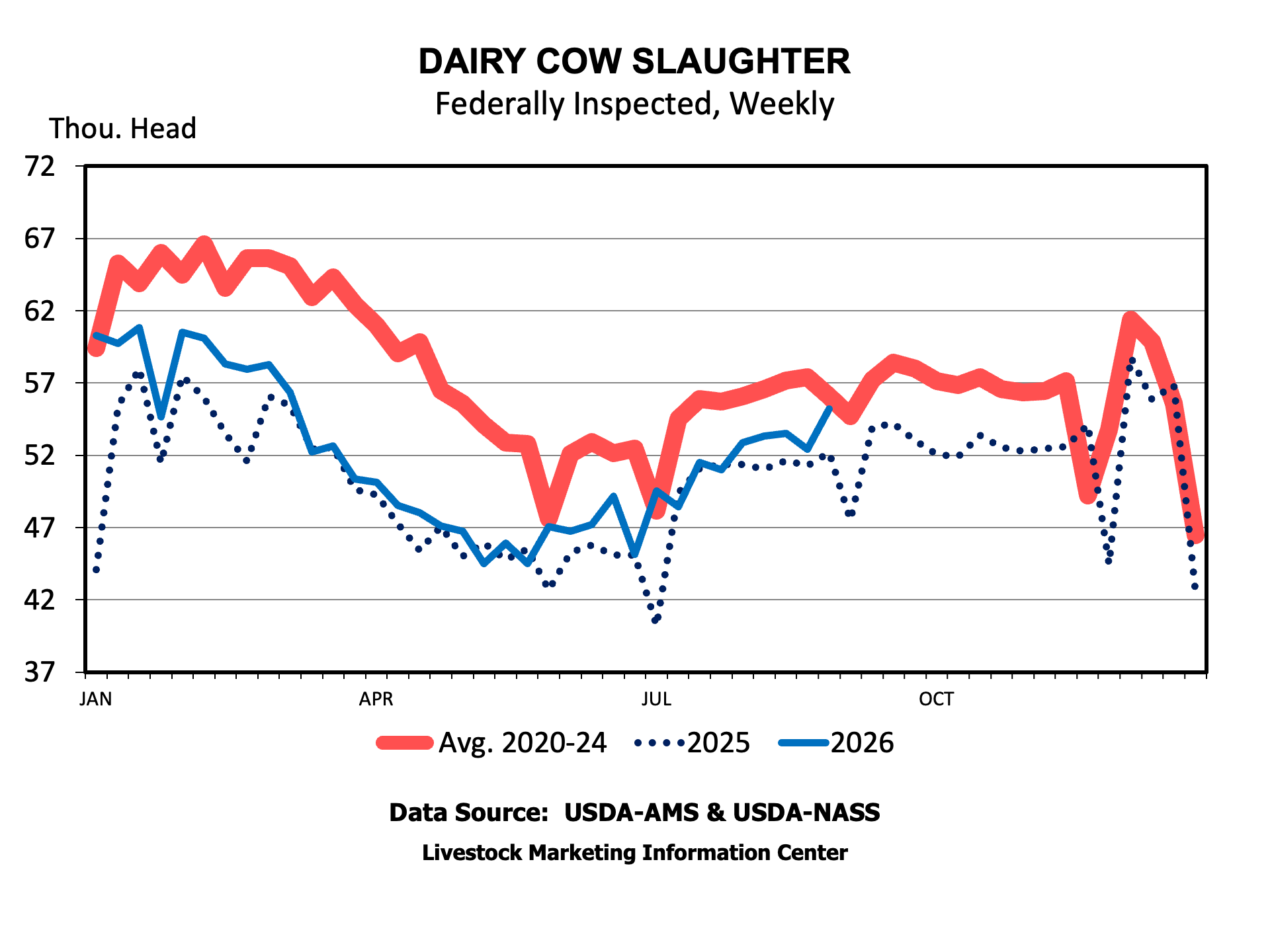
Total cow slaughter typically declines from the first of the year until about mid-year. Cow slaughter from both the dairy and beef cow herds typically declines during the first half of the year. On the dairy side, culling declines as milk production increases during the "Spring flush" and the cow herd expands. Beef cow slaughter declines as calving season ramps up. In the second half of the year, dairy culling increases and beef cow culling hits its peak as calves are weaned and sold. This year is not much of an exception to the normal pattern. Weekly dairy cow culling has been increasing since May and is at a faster pace than last year. More dairy cows are going to market largely because the dairy cow herd is the largest since the early 1990s. Weekly beef cow culling has remained well below last year and hit a multi-year low in August and has been climbing since then.
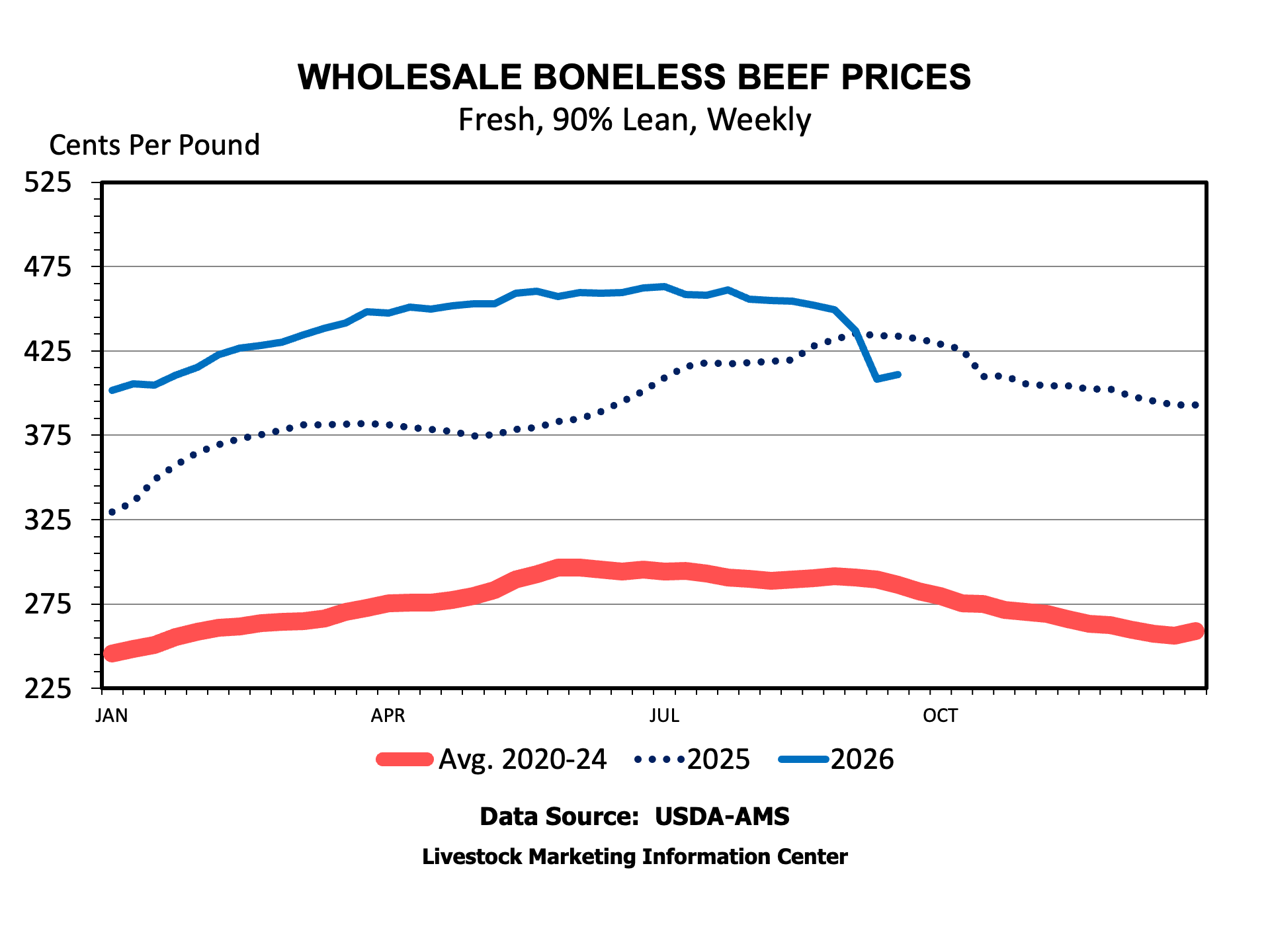
As cow culling increases cow beef, or non-fed beef, production increases boosting ground beef supplies. The wholesale price for 90 percent lean beef has declined from $4.49 to $4.11 per pound over the last 4 weeks as increasing supplies hit the market.
Other supplies are likely beginning to have an impact on prices. The U.S. was already importing a record amount of beef, the majority of which is lean beef trimmings for ground beef, when the announcement was made that relaxing the tariff rate quota allowing more of this beef into the country with no tariff. Some beef, above already expected imports, is likely starting to enter the country based on the latest weekly customs data.
Increasing cow culling over the next 2 months should continue to pressure prices lower. But, while lower cow prices should remain at historically high levels.
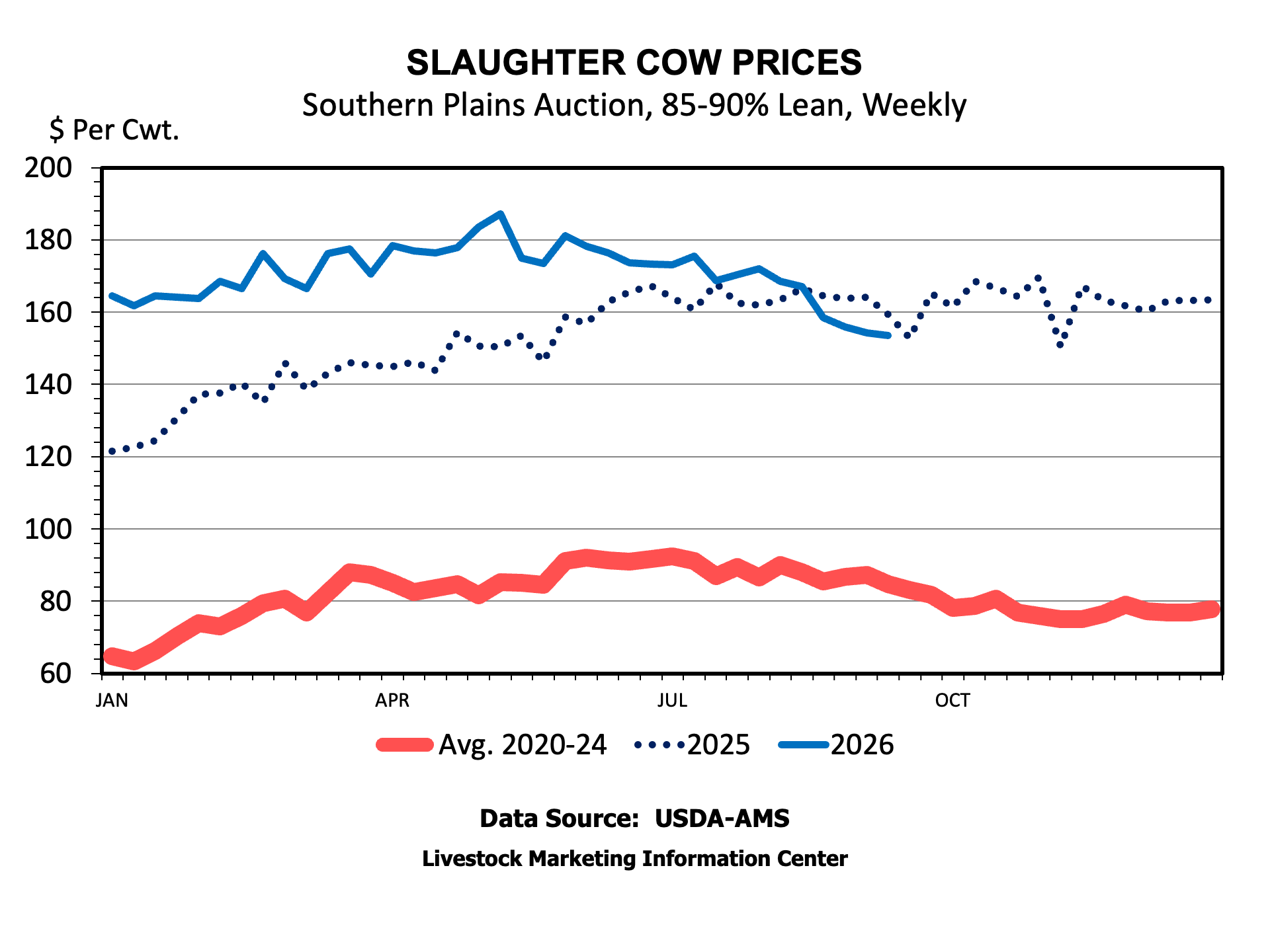
Anderson, David. "Cull Cow Prices Continue Slide." Southern Ag Today
RON's Dave Lanning has a pre-opening look at today's agricultural Markets.
Click the audio tab below for today's report.
In the latest Crop Progress report from USDA, the U.S. Corn Crop is rated 57% Good to Excellent this week, equal to 57% a week ago. Corn harvested stands at 18%. Soybean crop conditions are rated 58% good to excellent this week, equal to 58% last week. Soybeans harvested stands at 17%.
The U.S. Cotton Crop is rated 35% good to excellent this week versus 34% a week ago, improving by 1 point. Cotton harvested stands at 17%. For the U.S. Grain Sorghum crop, the latest good to excellent ratings are 26%, down 1 point from last week's 27%. Sorghum harvested stands at 29%.
Winter Wheat planting now stands at 27%, compared to 17% one week ago and 32% at this point last year. In Oklahoma, wheat planting now stands at 7% compared to 4% a week ago and 30% at this point last year. Texas wheat planting is now 30% compared to 21% one week ago and 37% at this point last year. Kansas is now 18% planted compared to 10% one week ago and 16% at this point last year.
In the southern plains, Oklahoma pasture and range conditions are now ranked 7% good to excellent, versus 5% last week and 55% a year ago. Poor to very poor ratings are now at 65%, versus 67% a week ago and 10% a year ago.
Kansas good to excellent conditions are ranked at 24% compared to 24% last week and 62% a year ago. Poor to very poor conditions are ranked 37% this week, 39% last week, and 12% a year ago.
Texas good to excellent conditions are ranked 11% this week, 11% last week, and 26% a year ago. Poor to very poor conditions are ranked 59% this week, 60% a week ago, and 32% a year ago.
The 48-state national pasture and range conditions are now at 19% good to excellent versus 17% last week and 32% one year ago. Poor to very poor ratings nationally are at 51% this week versus 53% last week and 35% one year ago.
Oklahoma corn dented is at 95%. Corn harvested is at 62%.
Kansas corn dented is at 97%. Corn harvested is at 48%. Corn conditions rank as follows: 39% good to excellent, 26% fair, and 35% poor to very poor.
Texas corn dented is at 99%. Corn harvested is at 79%. Corn conditions rank as follows: 35% good to excellent, 30% fair, and 35% poor to very poor.
Oklahoma soybeans dropping leaves are at 32%. Soybeans harvested stand at 7%. Oklahoma soybean conditions rank as follows: 16% good to excellent, 31% fair, and 53% poor to very poor.
Kansas soybeans dropping leaves are at 72%. Kansas soybeans harvested are at 13%. Conditions rank as follows: 36% good to excellent, 32% fair, and 32% poor to very poor.
Texas soybeans dropping leaves are at 72%. Soybeans harvested are at 44%. Texas soybean conditions rank as follows: 44% good to excellent, 46% fair, and 10% poor to very poor.
Oklahoma cotton bolls opening are at 67%. Oklahoma cotton conditions rank as follows:14% good to excellent, 32% fair, and 54% poor to very poor.
Kansas cotton bolls opening are at 78%. Area harvested is at 5%. Kansas cotton conditions rank as follows: 26% good to excellent, 40% fair, and 34% poor to very poor.
Texas cotton bolls opening are at 60%. Area harvested is at 32%. Texas cotton conditions rank as follows: 18% good to excellent, 30% fair, and 52% poor to very poor.
Oklahoma sorghum coloring is at 86%, even with a year ago. Sorghum harvested is at 46%. Sorghum conditions rank as follows: 25% good to excellent, 39% fair, and 36% poor to very poor.
Kansas sorghum coloring is at 91%, up 1% from a year ago. Sorghum harvested is at 12%. Sorghum conditions rank as follows: 24% good to excellent, 37% fair, and 39% poor to very poor.
Texas sorghum coloring is at 99%, down 1% from a year ago. Sorghum harvested is at 79%. Sorghum conditions rank as follows: 24% good to excellent, 47% fair, and 29% poor to very poor.
The National Milk Producers Federation and the U.S. Dairy Export Council welcomed an announcement today of the operationalization of a U.S.-China Board of Trade and its initial product scope:
Gregg Doud, President and CEO, National Milk Producers Federation
"America's dairy farmers welcome the launch of the U.S.-China Board of Trade, and we commend USTR for prioritizing agricultural exports. Retaliatory tariffs continue to put U.S. dairy at a disadvantage in China while our competitors gain ground. We are encouraged by dairy's inclusion as products slated for retaliatory tariff reductions. U.S. dairy farmers look forward to seeing China's tariff retaliation on dairy fully lifted and urge the inclusion of dairy in as key part of China's agricultural purchase commitments. The positive momentum today is good for farmers, good for trade and good for both countries."
Krysta Harden, President and CEO, U.S. Dairy Export Council
"The U.S. dairy industry strongly supports the launch of the U.S.-China Board of Trade and the prospect it offers for giving U.S. dairy exporters and their customers the predictability they need. We are encouraged by the inclusion of U.S. dairy exports on the list of products to be considered for tariff reduction. USDEC urges the Board to swiftly deliver the full elimination of the retaliatory tariffs that still weigh on U.S. dairy so our suppliers can compete on a more level playing field. The two-month extension of the tariff truce is also a welcome step forward. As wider talks continue, it is essential that proposed port fees on Chinese ships are not passed along to U.S. agricultural exporters. Added freight costs would undercut the very gains the Board of Trade is meant to achieve."
Announcements by the U.S. and China governments indicated that the Board of Trade's tariff relief will be implemented "consistent with their respective domestic laws and processes" rather than taking effect immediately. In July, NMPF and USDEC provided input on the Board of Trade's design and product coverage, stressing the need for relief from retaliatory tariffs on U.S. dairy exports. Both organizations will continue working with the U.S. government to remove remaining barriers to trade and prevent new ones.

Officials from the United States, Mexico and Canada are meeting this week in Calgary, Alberta, Canada, as part of the Tri-National Agricultural Accord. In response to this meeting, Agricultural Coalition for USMCA spokesperson Bryan Goodman released the following statement:
"Trade between the U.S., Mexico and Canada is extremely important to the U.S. agricultural sector, rural America and the U.S. economy. In fact, agricultural and seafood exports to Canada and Mexico accounted for $149 billion in economic output in the United States in 2024. This kind of economic impact would not be possible if not for the United States-Mexico-Canada Agreement.
"This week's accord will provide all involved with the opportunity to move beyond select disagreements, listen to each other, reflect on the incredible benefits of this agreement and identify opportunities for enhanced cooperation. We hope the conversations at the accord will contribute to the renewal of the agreement for the benefit of producers and consumers in all three countries."
Following the summit between Presidents Trump and Xi, the American Soybean Association points to China's continued commitment to purchase a minimum of 25 million metric tons of U.S. soybeans annually in years 2026, 2027, and 2028. These annual commitments provide important demand and greater certainty for U.S. soybean farmers.
"As soybean farmers look to strengthen and expand markets, China's annual commitment to purchase 25 million metric tons of U.S. soybeans provides critical stability, and we expect those commitments to be fully met," said ASA President and Ohio soybean farmer Scott Metzger. "China remains an important market for U.S. soybeans, and we want to see a strong trading relationship that allows more customers in China to purchase our soybeans."
ASA is disappointed U.S. soybeans were not included among the agricultural products receiving additional tariff relief from China. China's remaining 10% retaliatory duty limits access for private Chinese importers, meaning soybean trade will continue to be handled primarily by China's state-owned enterprises. Removing the tariff would improve the competitiveness of U.S. soybeans and provide greater opportunity for private Chinese buyers.
ASA is encouraged that the U.S. and China have made commitments to meet two more times before the new trade truce deadline of Jan. 10, 2027, and continues to urge trade negotiators to pursue a trade deal that provides additional support for U.S. soybeans. Further, President Trump has championed a strong Renewable Fuel Standard and other policies to benefit biomass-based diesel, which is a key domestic market for U.S. soybean farmers. While pursuing a more beneficial trade deal with China, protecting and growing our domestic biofuels markets remains critical to protect soybean farmers' bottom lines entering harvest season.
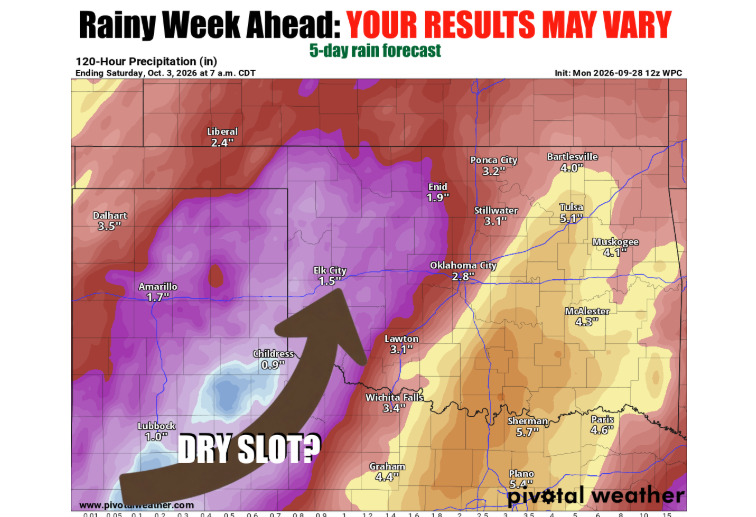
Oklahoma agricultural producers tracking fall moisture may soon see relief as a shifting weather pattern brings both significant rainfall potential and severe weather risks across the state. Oklahoma State Climatologist Gary McManus outlined the evolving scenario in his latest Mesonet Ticker, noting that atmospheric ingredients are aligning to deliver moisture, cooler conditions, and a round of midweek storms.
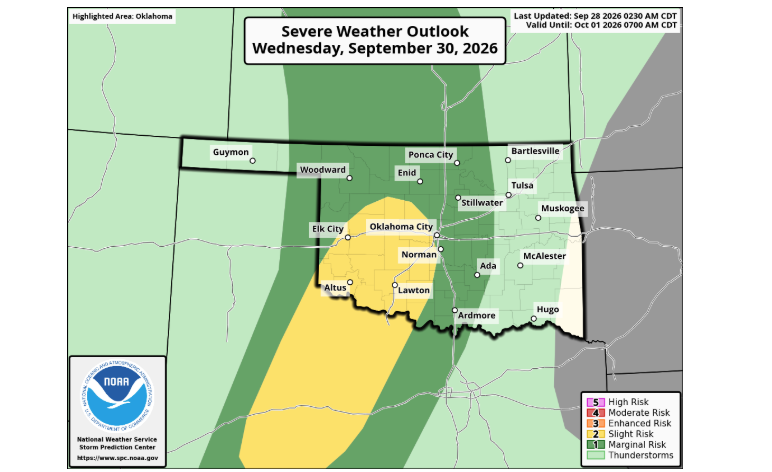
The unfolding setup hinges on two primary drivers: an incoming upper-level trough pushing in from the west and the remnants of Hurricane Polo tracking up from the southwest. McManus emphasized that maximizing statewide precipitation requires these two systems to synchronize just right, though the forecast remains fluid.
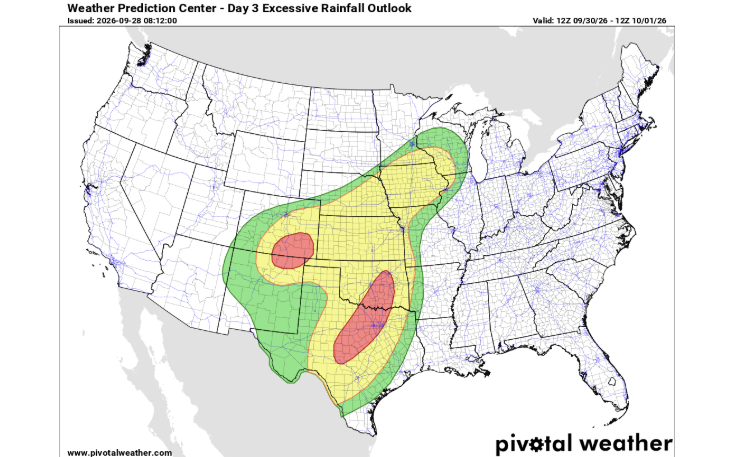
"So how things are setting up as of now, and this will likely shift around, transmogrify, and morph into a different setup either subtly or enormously," McManus said.
According to McManus and data shared from the National Weather Service office in Norman, the influx will draw copious amounts of moisture into the region. However, that influx also carries a dual threat for farm and ranch operations. As a dry slot scenario develops heading into Wednesday, the atmosphere will support potential severe weather development, with all severe modes on the table alongside the risk of localized flooding.
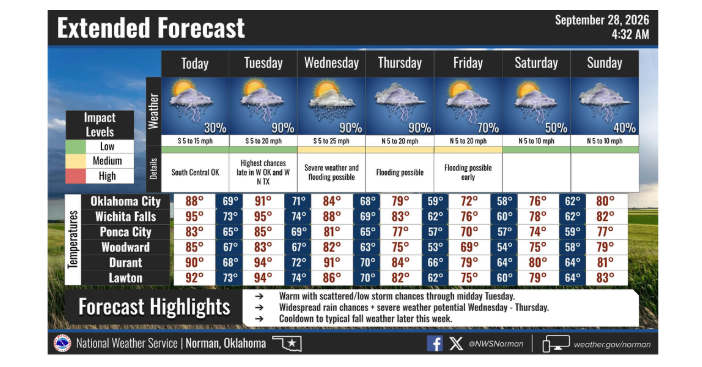
Beyond the thunderstorm and flooding hazards, the arrival of the eventual cold front, cloud cover, and rain will deliver a sharp seasonal shift for the latter half of the week. McManus noted that autumnal temperatures will take hold across Oklahoma for at least several days, bringing high temperatures down into the 60s and dropping nighttime lows into the 40s.
Producers and landowners are encouraged to monitor local forecast updates through the Norman National Weather Service and Oklahoma Mesonet as timing, rain totals, and severe parameters continue to evolve through midweek.
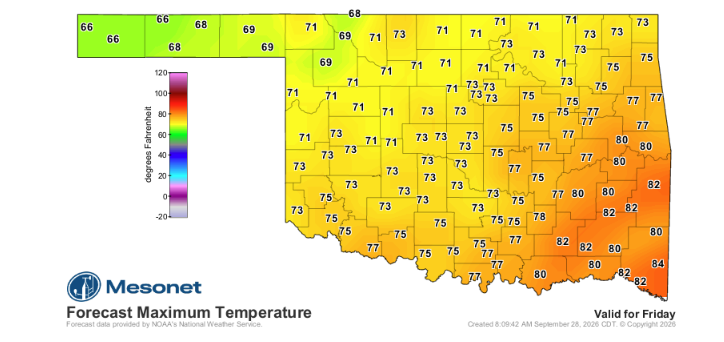
To read more from McManus on his mesonet ticker, click here:
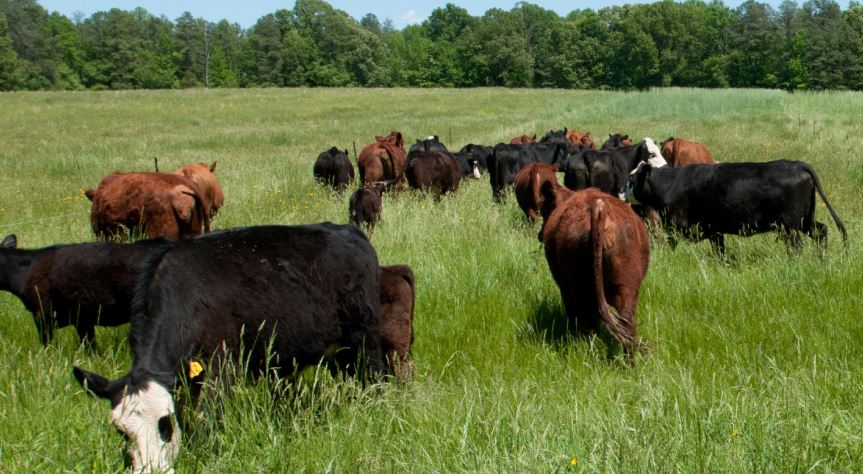
There are some indications (and a lot of hope) that the beef cow herd is at a cyclical low after seven years of liquidation. The latest data from the July Cattle report showed continued liquidation with the beef cow herd down 0.7 percent year over year at mid-year. Changes in beef cow culling and heifer retention are required to stabilize the herd inventory and begin herd expansion.
The first stage of turning a cattle cycle involves slowing herd liquidation and stabilizing the herd inventory at a cyclical low. Beef cow herd culling has been slowing since 2022 as producers have held cows longer. Beef cow slaughter decreased 40.5 percent from 2022 through 2025 and is down another 13.7 percent year over year thus far in 2026. This corresponds to a decrease in the beef cow culling rate from a record high 13.2 percent in 2022 to a projected record low rate of 7.3 percent in 2026 (Figure 1, red line). The average beef herd culling rate over many years is 10.0 percent.
The sharp decreases in cow culling since 2023 means that more older beef cows now populate the herd. Beef cow culling must increase soon even though no significant heifer retention is indicated at this time. This is punctuated by the extremely low culling rate in 2026 (Figure 1). In data back to 1986, beef cow culling has only dropped below 8.0 percent twice before (2005 and 2015) and has never stayed below 8.0 percent for more than one year. After decreasing for four years, beef cow slaughter is likely to hold steady or increase in 2027 as old cows are culled. Unless sufficient replacement heifers are available, the beef cow herd will decline further in 2027.
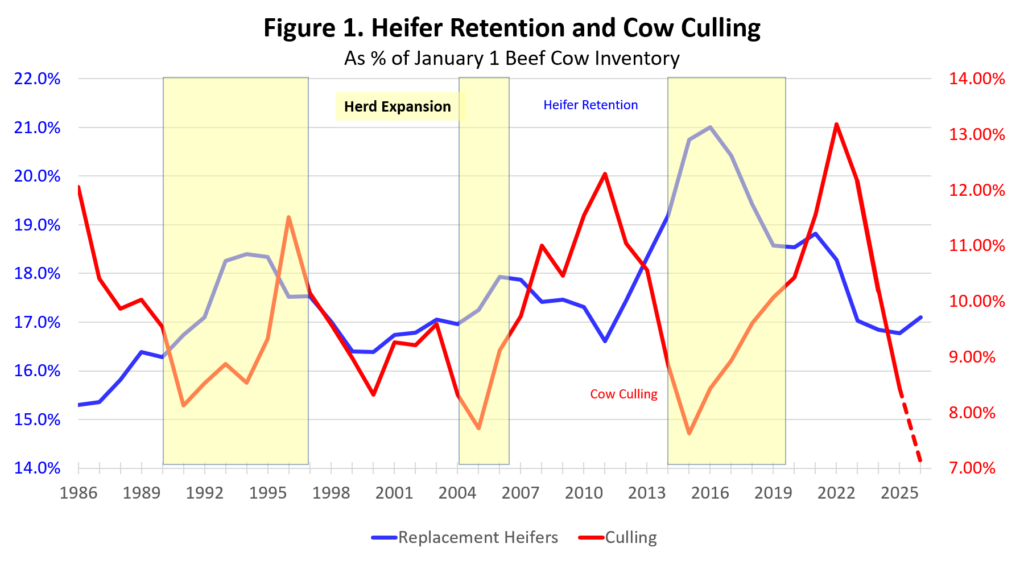
Inventory data from January indicated a small increase of 42,000 head of beef replacement heifers in 2026 (Figure 1, blue line). Since 2001, USDA has provided a breakdown of replacement heifer inventory into bred heifers (heifers expected to calve in the current year) and, by subtraction, heifer calves to be bred for next year. The number of heifer calves is always lower than the number of bred heifers the following year, which implies that some additional heifers (not initially reported as replacements) must get bred each year. I refer to these extra heifers as "impulse heifer breeding" because these heifers are presumably redirected from the "other heifer" category and used for breeding rather than feeding. Figure 2 shows the number of heifer calves each year and the calculated number of impulse heifer breeding. The vertical sum of these two sets of heifers in a year equals the reported number of bred heifers the following year.
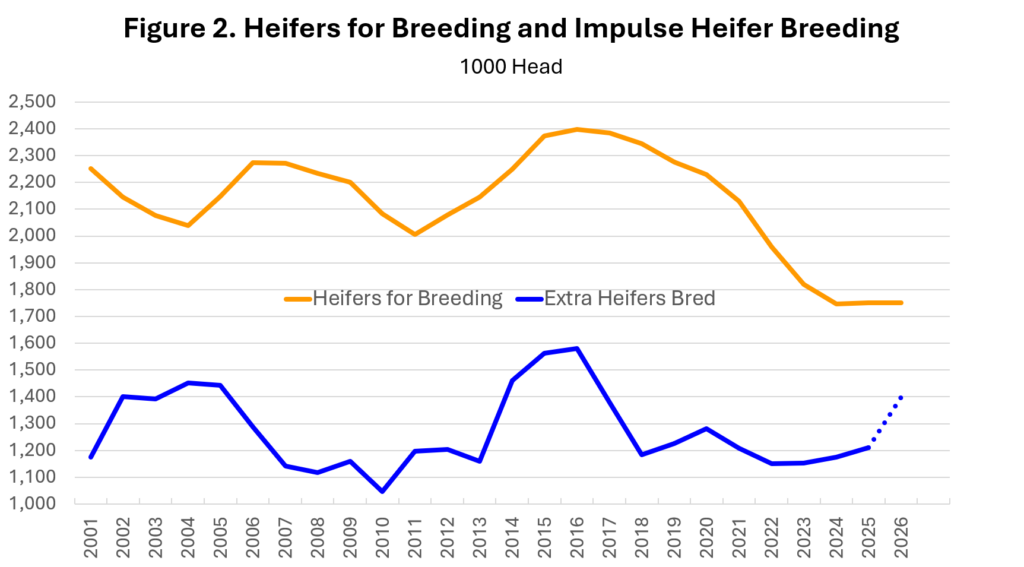
If we project that the beef cow herd will show a slight increase in 2027 and that the beef cow culling rate increases above 8.0 percent, the implications for heifer retention can be calculated. The number of bred heifers would need to increase roughly 6 – 7 percent going into 2027. From Figure 2, we already know (from the 2026 Inventory report) that the number of heifer calves that could be bred in 2026 was unchanged from the previous year (orange line). This implies that a significant increase in impulse heifer breeding would be occurring in 2026 as shown by the dotted blue line in Figure 2. This may be happening. Heifer slaughter in 2026 is down 11.3 percent through mid-September. The mid-year Inventory report included a 100,000 head increase in beef replacement heifers that may include impulse heifers bred early in the year and reported as replacements in July. Impulse heifer breeding is likely to increase more and faster than reported heifer retention. Nevertheless, it is unlikely that the beef cow herd could show more than a slight increase at best going into 2027. The January Inventory report will confirm what has happened in 2026 and what may happen in 2027. Herd rebuilding may gain more momentum after 2027.
Derrell Peel, OSU Extension livestock marketing specialist, discusses wheat pasture challenges and says cattle markets are bouncing back after a challenging summer on SunUpTV from September 26, 2026. https://www.youtube.com/watch?v=EebLfWmEa-0

Growth Energy, the nation's largest biofuel trade association, welcomed the release today of a new report by the National Lab of the Rockies (NLR), "Evaluation of Ethanol Use in Marine Shipping," that demonstrates ethanol's technical, economic, and environmental potential as a viable, low-carbon fuel for ocean-going vessels.
"This report makes it clear that the American ethanol industry could have a potentially transformative impact on the maritime sector," said Growth Energy CEO Emily Skor. "The things that make ethanol such an attractive option as a fuel for ships are the same things that make it vital as a fuel for light-duty vehicles—lower emissions, cost competitiveness, and scalability. We thank NLR for its critical work outlining the ways in which ethanol can meet the needs of today's shipping sector and look forward to working with our members and the entire industry to secure ethanol's global future as a maritime fuel."
"Ethanol has advantages that few other potential marine fuels do. Its robust compatibility with methanol infrastructure, its overall scalability, and its environmental benefits make it uniquely suited to help the shipping sector achieve its goals," said NLR Senior Research Fellow and author of the report Robert McCormick. "We hope this research paves the way for greater collaboration between ethanol producers and shippers, and that it encourages further study to fully grasp the impact ethanol could have in maritime applications."
"The marine fuel market is key to new growth for ethanol," said U.S. Grains & BioProducts Council (USGBC) President and CEO Ryan LeGrand. "Even modest adoption could create billions of gallons of new demand, providing another long-term market for corn growers while helping the shipping industry reduce emissions."
The report details the many advantages ethanol offers when used as a fuel for ships, including:
The report also identifies marine shipping as a potentially significant market for ethanol producers, estimating that the currently operating methanol dual-fuel fleet alone could consume roughly two billion gallons of ethanol annually under high-substitution scenarios.
NLR prepared the report with support from Growth Energy and USGBC. Read the full report here.
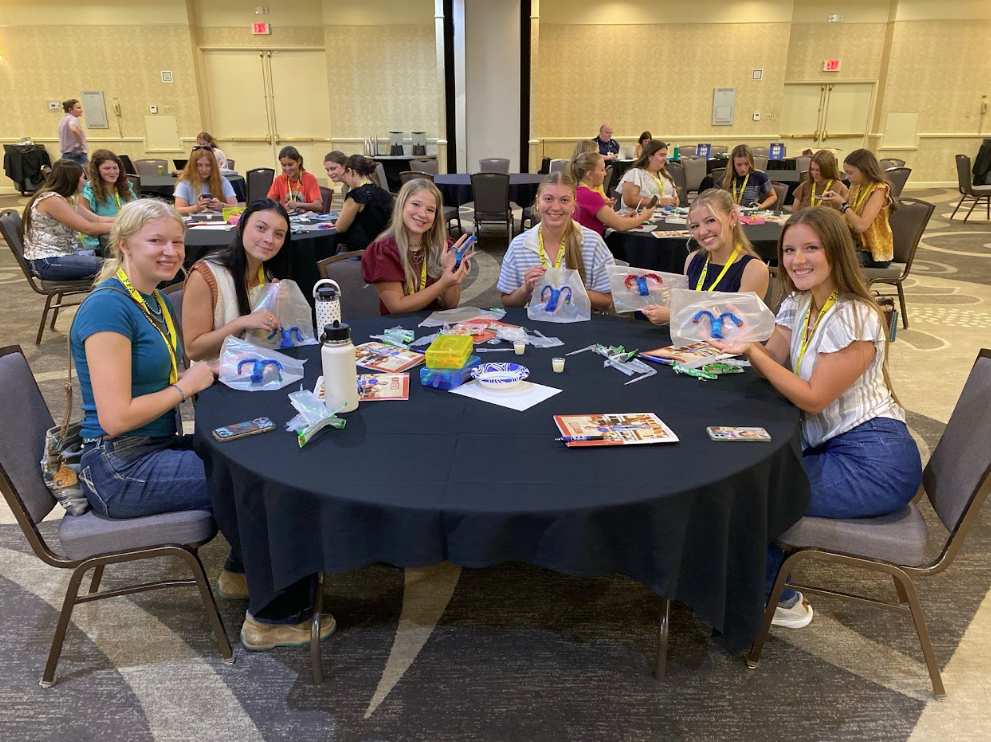
The National FFA Organization, the nation's premier school-based student leadership organization with over one million members, recently hosted its third Next Gen Conference of the year in Kansas City from September 15-19.
Next Gen Conferences provide FFA student members with a look into career opportunities within the agriculture industry. The September conference brought together 72 high school sophomores, juniors and seniors from 23 states to learn more about the value of agricultural education through career exploration sessions, industry roundtables, hands-on activities and tours.
The Next Gen Conference: Animal Systems tour locations in Kansas City included:
· Smithfield Foods (Hog Production Farm)
· Cargill Pet (Manufacturing Facility)
· Cargill Feed (Manufacturing Facility)
· American Royal
Attendees also participated in a variety of hands-on activities in Kansas City at Cargill, Merck Animal Health and Agriculture Teacher.
The Next Gen Conferences are meant to help FFA members picture themselves working in agriculture, with the broader goal of supporting a talent pipeline for the industry of agriculture by connecting members with careers and the people currently working in those fields. The Animal Systems Conference exposed students to animal operations, emerging technology, marketing and a range of career opportunities within the animal industry.
"This immersive learning experience for students in Kansas City is a meaningful one for National FFA as a whole, as the Next Gen conferences got their start in this city in 2020," said Ashli Weinrich, Program Specialist, Advocacy, Literacy & Ag Based Experiences, Programs and Events Division, National FFA Organization. "National FFA uses conferences, workshops and other experiences like Next Gen to cultivate premier leadership, personal growth, and career success in our members. The Next Gen Conference equips students with the knowledge and skills to prepare them for future careers in agriculture."
The 72 members selected to participate were chosen from a competitive applicant pool. Students were asked to share about their Supervised Agricultural Experience, the work-based learning portion of agricultural education that applies concepts learned in the classroom to internships or entrepreneurship.
The following FFA members participated in the Next Gen Animal Systems Conference:
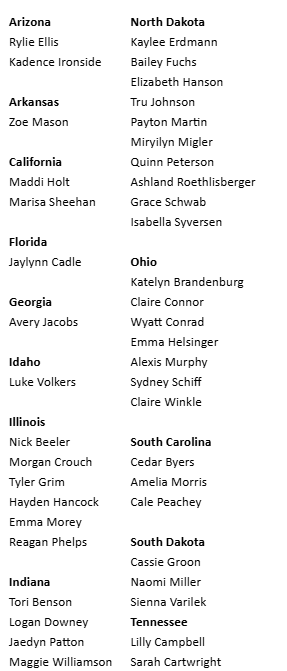
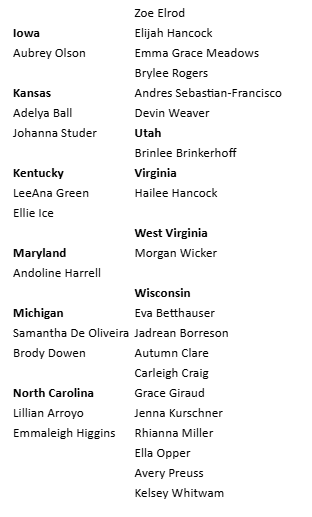
Next Gen Conferences take place three times this year in different states, each aimed at preparing the next generation of leaders who will feed, fuel, clothe, and sustain the world through educational and career exploration opportunities. The 2027 Next Gen Conferences will take place in St. Louis, Detroit and Denver.
Cargill, Merck Animal Health, Smithfield Foods and the Zoetis Foundation are sponsors of the Next Gen Conference.
To learn more about the National FFA Organization, visit www.ffa.org, and to learn more about the Next Gen Conference, visit www.ffa.org/participate/next-generation-conference.
In the August 14 Cotton News newsletter, we published the 2025 PLC projected payment rate as released by the U.S. Department of Agriculture Farm Service Agency. In August, the projected payment rate was set at $0.811 per seed cotton pound.
However, the projected payment rate has now been adjusted to $0.789 per seed cotton pound. USDA has not finalized the rate as of press time (final rates will be published September 30), so we are presenting the new data with the most recent projected rate.
Again, for 2025 specifically, a grower will receive the higher of ARC or PLC regardless of how they initially enrolled. This is for the 2025 crop year only, which leads us to the 2026 discussion.
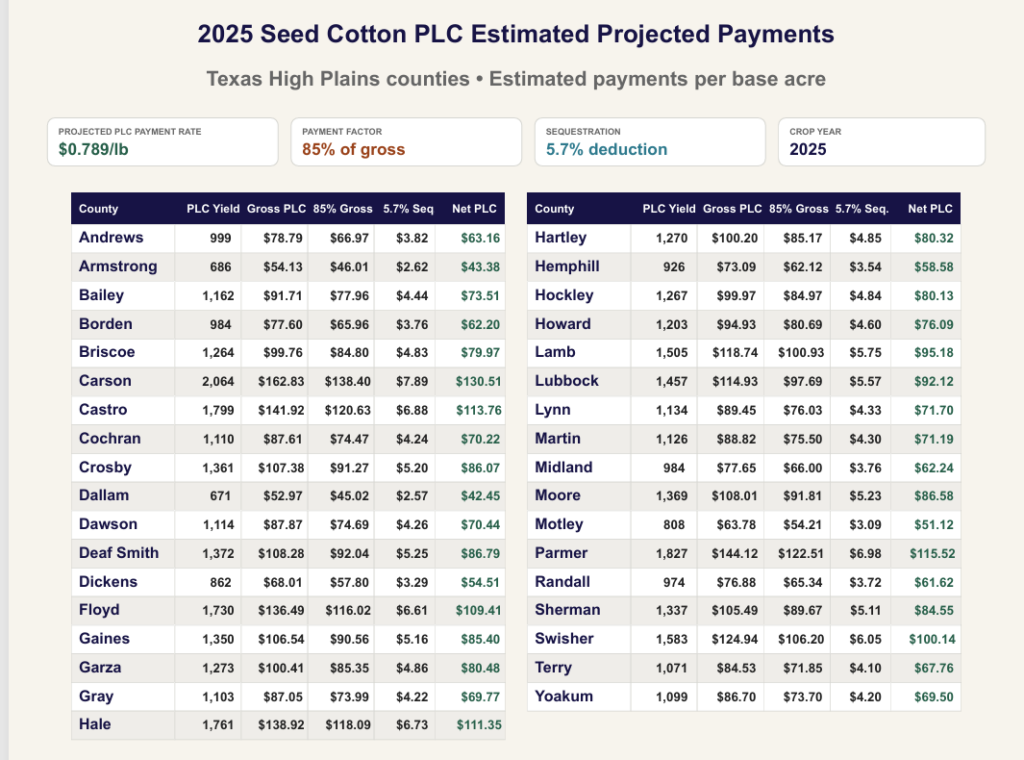

A stalled federal Farm Bill and rising market pressures took center stage during an agricultural newsmaker panel moderated by farm broadcasters Jesse Allen and DeLoss Jahnke. The discussion featured Ethan Lane, Senior Vice President of Government Affairs for the National Cattlemen's Beef Association (NCBA); Geoff Cooper, President and CEO of the Renewable Fuels Association (RFA); and Rob Brenneman, President of the National Pork Producers Council (NPPC). Addressing the future of national agricultural policy, the leaders emphasized that while commodity groups remain united, political division in Washington continues to delay a comprehensive Farm Bill.
With the 2018 legislation nearly a decade removed from its initial drafting, passing a modern Farm Bill has proven difficult. While the House Ag Committee reported out a bipartisan package with broad commodity backing, the Senate Ag Committee version has drawn criticism across farm country for contentious provisions and an uncertain path forward.
Geoff Cooper outlined the renewable fuels sector's push to secure permanent, year-round sales of E15 nationwide. While the House passed standalone bipartisan legislation and the Senate Ag Committee included permanent E15 in its draft, Cooper noted that floor passage in the Senate requires 60 votes that do not appear to exist today. Disagreements over SNAP funding and other key titles threaten to push the package into a lame-duck session or delay the Farm Bill into the next Congress.
Cooper warned that even if the Senate acts, reconciling the House and Senate versions requires resolving conflicting language surrounding Small Refinery Exemptions (SREs). Biofuels advocates are watching government funding stopgaps as an alternative legislative vehicle. Cooper stressed that while temporary emergency waivers have allowed retailers to sell E15 during summer months, they do not provide the long-term regulatory certainty businesses need to make permanent pump and tank investments.
Livestock producers face similar hurdles in the legislative process. NPPC President Rob Brenneman pointed to California's Proposition 12 as a prime reason why a federal fix is necessary within the Farm Bill. The House-passed version contains language to prevent a state-by-state patchwork of production mandates, but the Senate text omitted it. Brenneman stated that state mandates drive up consumer prices, suppress demand, and place heavy compliance costs on independent family operations.
The panel addressed aggressive campaigns launched by outside activist organizations targeting animal agriculture. Lane highlighted the massive financial resources poured into livestock policy fights, noting that activist groups like American Meat Producers and Farm Action spent $30 million over roughly 40 days opposing the Save Our Bacon Act.
Lane warned producers and lawmakers to scrutinize where activist money originates, pointing out ties to anti-meat organizations aiming to divide livestock sectors. Brenneman agreed, emphasizing that producers across beef, pork, and grains must remain aligned against efforts that seek to regulate animal agriculture out of business.
Ethan Lane pushed back against recurring headlines fixated entirely on U.S. cattle inventory sitting at a 75-year low. Lane explained that cattle numbers alone do not reflect modern production efficiency. Through genetics and management, cattlemen are producing more total beef volume today than in 2015 while delivering prime and choice grades that capture roughly 74% of every new consumer protein dollar.
Lane voiced frustration with federal efforts to intervene in cattle markets under the guise of lowering consumer prices, particularly as cattle producers rely on stronger prices to recover from regional droughts and severe input inflation.
Addressing attempts to include mandatory country of origin labeling (MCOOL) in the Senate Farm Bill, Lane dismissed the proposal as costly and ineffective. Economic data from Kansas State University shows origin labeling ranks 11th out of 12 factors consumers evaluate when buying beef, with purchasing choices driven overwhelmingly by price and quality. Lane noted that MCOOL would add heavy regulatory overhead without increasing demand, whereas the voluntary "Product of USA" rule properly closes labeling loopholes while allowing producers to earn market premiums.
Lane also clarified the mechanics of beef trade, explaining that lean trim imports are necessary to blend with high-quality, grain-finished domestic fat trimmings to meet market demand for lean ground beef. On animal health, Lane praised federal authorities for managing the New World screwworm with a predictable, transparent reopening of southern border ports that protects herd health without disrupting trade logistics.
On market growth, Cooper reported strong global demand for American biofuels. U.S. ethanol exports are tracking toward a record 2.4 billion gallons this year, representing the equivalent of 800 to 900 million bushels of corn.
Domestically, California recently enacted legislation authorizing year-round E15 sales. As the second-largest gasoline market in the country, the move is projected to unlock between 600 and 700 million gallons of new ethanol demand once fuel retailers complete implementation. In contrast, trade access with China remains completely closed to U.S. ethanol and distillers dried grains (DDGS), underscoring the need to keep agriculture at the center of international trade policy.
The panelists closed by warning against government intervention in commodities, addressing rumors of diesel export bans or invoking the Defense Production Act to dictate refinery runs. Cooper explained that banning diesel exports would lead refiners to cut crude processing, inadvertently shrinking supplies of gasoline, diesel, and jet fuel.
Both Lane and Brenneman reiterated that production agriculture depends on clear, undistorted free-market signals. Panelists urged Washington lawmakers to set aside partisan division, take cues from commodity groups working across industry lines, and deliver a practical Farm Bill that supports farm viability.
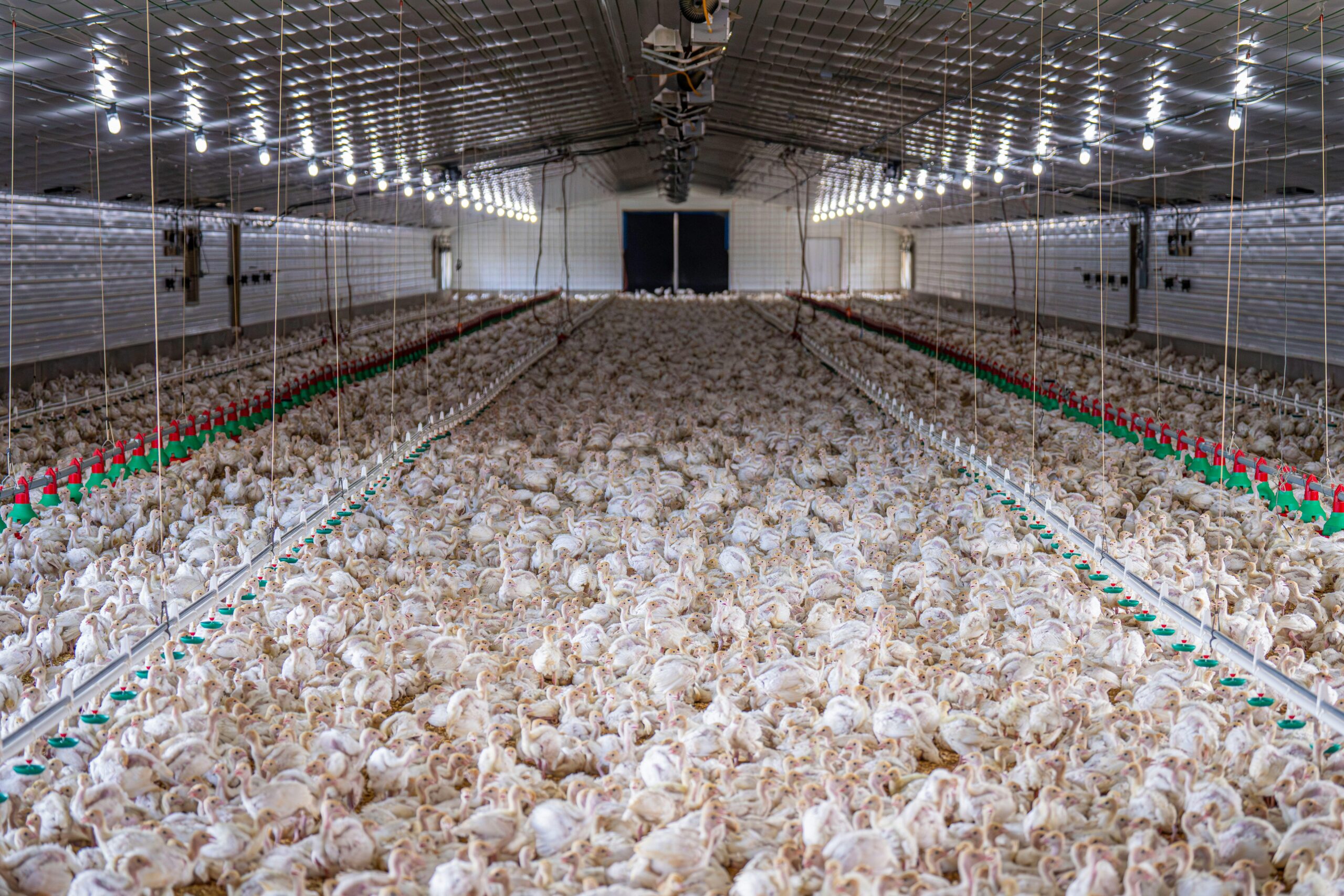
Dennis Brothers writes in Southern Ag Today: Highly pathogenic avian influenza (HPAI) has received significant attention in recent years because of its devastating impact on poultry operations. A confirmed outbreak typically requires rapid depopulation to prevent the virus from spreading to neighboring farms. However, disease outbreaks are only one of many risks that can affect grower income. In reality, some of the costliest revenue losses stem from everyday equipment failure.
A recent example from a broiler farm highlights this risk. The farm experienced a failure in a water line connection, causing extensive flooding in one house. Approximately 15,000 birds, or about 65% of the flock in that house, were lost overnight. With less than a week remaining before harvest, the loss represented more than 100,000 pounds of marketable live weight, approximately a 17% production loss for the flock.
Based on the example farm's historical settlement data, the lost pounds reduced flock gross revenue by approximately $7,854. However, the financial impact did not end there. Feed consumed by the birds that were lost remained in the production expense calculations, but those costs were spread over fewer pounds delivered. As a result, the farm's cost of production increased, likely lowering its ranking within the tournament settlement system and pushing incentive pay from a bonus to a penalty.
The combined effect is an estimated gross revenue loss of $9,778. Under typical assumptions, with loan obligations equal to 50% of gross revenue and operating expenses representing 30% of gross revenue, an average flock would have generated about $9,115 in net return. Instead, the affected flock produced an estimated net loss of $663 (Table 1).
The consequences may extend beyond a single flock. Excess moisture from the flooding could require the affected house to remain empty for an entire flock cycle to allow the house's dirt pad to dry properly. If so, the operation could lose roughly 25% of its gross revenue from the next flock while continuing to make full loan payments. This could result in an annual loss of over $12,000 in net return for this farm with 2 out of 5 flocks being affected. Even with lender flexibility, recovering from a loss of this magnitude could take years.
Many insurance policies would not cover this type of income loss because it resulted from a plumbing failure rather than a covered peril event. This example illustrates why poultry growers should include contingency reserves in their financial planning. It also highlights the need to explore risk-management tools and insurance products designed to address the unique revenue risks faced by contract poultry growers, even though they do not own the birds they raise.
Table 1. Estimated Financial Impact of a Water Line Failure on a Broiler Farm
| Scenario | Pounds Delivered | Final Pay ($/lb.) | Total Gross Revenue | Total Expenses | Net Return |
| Average Flock | 595,734 | $0.0765 | $45,574 | $36,459 | $9,115 |
| Catastrophe Flock | 493,734 | $0.0725 | $35,796 | $36,459 | -$663 |
The event reduced flock gross revenue from an estimated $45,574 for an average flock to $35,796, a decline of more than 21%, demonstrating how a single event can significantly affect farm profitability.
Brothers, Dennis. "Broiler Grower Revenue Risks Can Come from Many Directions." Southern Ag Today
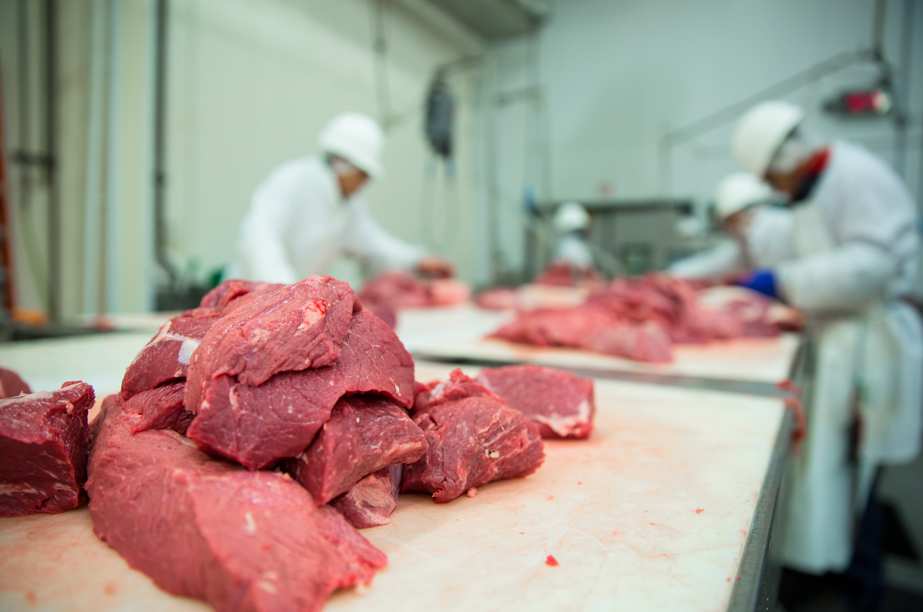
In today's Beef Buzz, senior farm and ranch broadcaster Ron Hays looks at how recent concerns surrounding U.S. Immigration and Customs Enforcement activity in Kansas have disrupted the cattle processing workforce and created uncertainty across the beef industry.
Hays says the issue gained attention last week after reports began circulating about possible ICE activity at one or more fed cattle packing plants in Kansas.
Citing reporting from Cassie Fish of The Beef Read, Hays says the initial reports were largely based on rumors and social media posts, with no official information available at the time. By Thursday, however, Fish reported that the situation had begun affecting cattle processing in Kansas.
Hays says worker absenteeism caused by the ICE presence sharply reduced slaughter numbers. Tuesday slaughter was reported at about 100,000 head, compared with 105,000 head estimated by USDA for Tuesday and an estimated 106,000 to 108,000 head based on packer profitability. Wednesday was even lower, with slaughter reported at 94,000 head, about 16,000 head below the scheduled level.
Hays says the disruption prompted the Kansas Livestock Association, Texas Cattle Feeders Association and Oklahoma Cattlemen's Association to issue a joint statement calling for greater transparency from the federal government.
The groups said they respect the responsibility of federal agencies to enforce the law but also emphasized the importance of a stable workforce for livestock businesses.
Hays says cattle producers, feedyards, dairies, livestock markets and processors depend on workers to care for animals, maintain food safety and keep the supply chain operating. Sudden workforce disruptions can create animal welfare, operational and economic consequences that extend beyond an individual business.
Hays says one of the biggest concerns for the cattle industry is the effect that ICE activity and the surrounding uncertainty could have on legal, documented workers.
He says the fear surrounding possible enforcement actions has already contributed to absenteeism and disruptions at Kansas packing plants. Hays also notes that disruptions in processing could eventually affect consumers through higher beef prices.
While the concerns have been centered primarily in Kansas, Hays says Oklahoma's livestock industry is watching the situation closely.
Hays says Oklahoma Secretary of Agriculture Blayne Arthur reported that she was not aware of any raids or worker arrests at Oklahoma Livestock or processing facilities
Arthur's conversations with Oklahoma processing plants, feedlots and dairies have focused on making sure businesses have their paperwork in order, and Hays says she anticipates no problems in the state based on those conversations.
Hays also says Arthur has been in contact with her counterpart in Georgia, where ICE has reportedly been making contact with poultry processors, although those interactions have been described as more of a "touching base" effort.
Hays says the situation has also prompted clarification from Department of Homeland Security Secretary Markwayne Mullin, the former Oklahoma senator. According to Hays, Mullin has said ICE is not conducting worksite operations in Kansas.
Mullin is quoted saying, "ICE is not conducting worksite operations in Kansas. ICE law enforcement has conducted operations targeting heinous criminals including murderers, rapists, and drug traffickers and illegal aliens with final orders of removal."
— DHS Secretary Markwayne Mullin
For the cattle industry, however, Hays says the combination of uncertainty, fear and worker absenteeism has already had an impact on cattle processing and the broader beef supply chain.
The Beef Buzz is a regular feature heard on radio stations around the region on the Radio Oklahoma Ag Network and is a regular audio feature found on this website as well. Click on the LISTEN BAR above for today's show and check out our archives for older Beef Buzz shows covering the gamut of the beef cattle industry today.
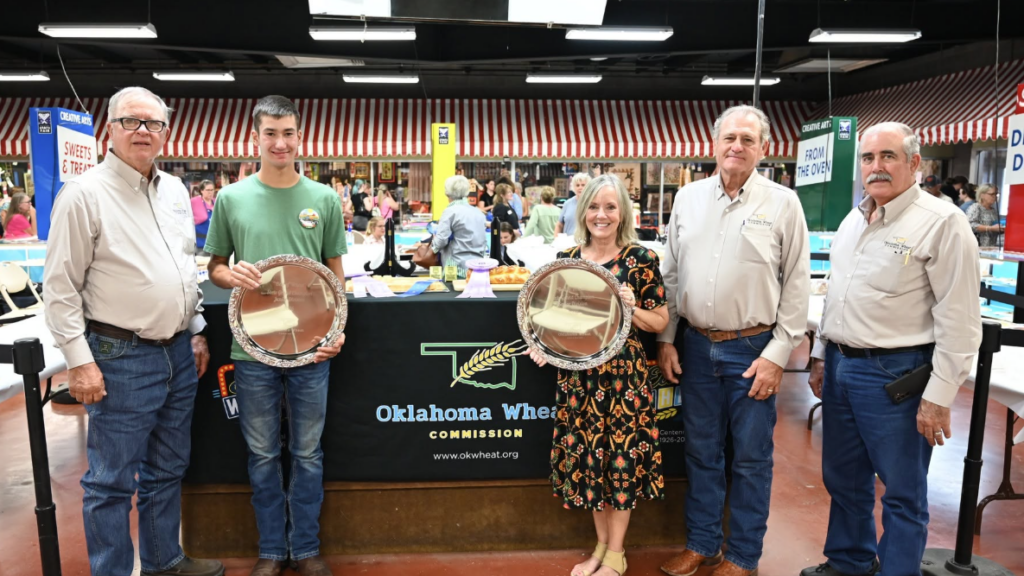
The Oklahoma State Fair hosted the annual State "Best of Wheat" Bread Baking contest on September 27th, spotlighting top bakers from across the state while honoring Oklahoma wheat producers. Korben Gossen from Corn, Oklahoma, in Washita County placed first in the Specialty Shape Bread Category of the Junior Division. His "Route 66 Flag Bread" topped the competition, featuring a triple crown effect with white and whole wheat bread used for the stripes to create a theme with his shaping of a Route 66 sign celebrating the 100th anniversary of the Mother Road. This year's 2026 bread baking competition carried a theme celebrating 100 years of Route 66 in Oklahoma and across America. Gossen's specialty shape delivered ideal shape, texture, and flavor, baked flawlessly throughout to top the Junior Division and earn him the title of Grand Champion.
Karen Armbruster, a former OSU Extension educator from Woods County who judged the Junior Division, noted the accomplishment.
"It is rare for a specialty-shaped bread to win the overall Junior Division because of the technical challenges involved in achieving the right shape while also maintaining excellent flavor and crumb texture," Armbruster said. "This entry, however, truly had it all and was deserving of the Grand Champion title."
Renee English from Oklahoma City in Oklahoma County placed first in the Other Wheat Breads Category of the Senior Division. Her entry, "Mother Road Polish Double-Braided Challah," also highlighted the Route 66 theme with an impeccably braided loaf baked evenly throughout. The loaf's consistent texture and exquisite flavor led to her selection in the final round of competition, securing the title of Senior Division Grand Champion.
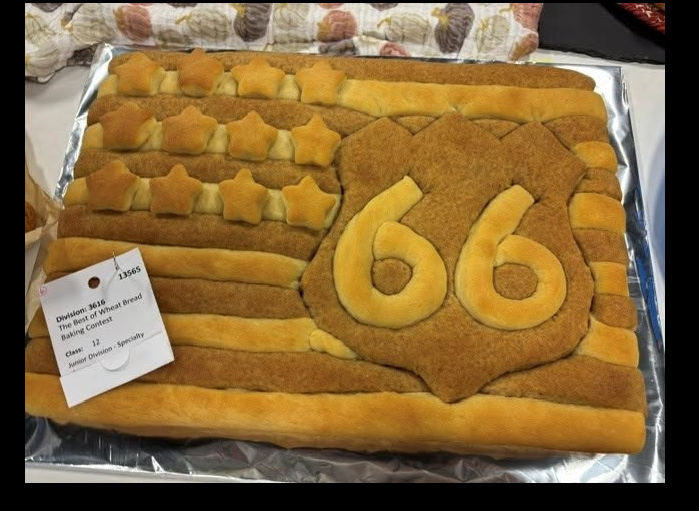
Arleen James, former OSU Extension educator from Texas County who judged the Senior Division, praised the winning entry.
"Often with braided breads you do not see consistency of perfection throughout with everything being evenly baked," James said. "This braided loaf was not only a perfectly golden crumb color texture all over on the outside, when sliced into it was impeccable in all areas, making it a picture-perfect loaf that anyone would want to take with them while traveling on the Mother Road."
The annual contest is sponsored by the Oklahoma Wheat Commission and the Oklahoma State Fair.
"We had 109 entries from 48 counties this year, all champion or reserve champion winners in the county contests," said Jerry Wiebe, Chairman of the Oklahoma Wheat Commission. "We had record breaking attendance and always enjoy the opportunity to award the top bread bakers in the state."
The contest features 13 classes, with six in the senior division and seven in the junior division.
Junior Division State Champions include:

Senior Division State Champions include:
A cookbook featuring the top five recipes from each class of the Best of Wheat competition will be available online in January 2027 at www.okwheat.org.
The Oklahoma Wheat Commission is funded by Oklahoma wheat producers and promotes greater utilization of wheat in domestic and international markets through research, market development, and public education. Five wheat producers representing designated districts across the state serve on the Oklahoma Wheat Commission's board of directors. Current officers are Jerry Wiebe, Chairman, Hooker; Michael Peters, Vice-Chairman, Okarche; David Gammill, Secretary-Treasurer, Chattanooga; Tom Cannon, member, Blackwell; and RJ Parrish, member, Hunter.

 CONGRATULATIONS to our 2026 Best of Wheat Bread Baking Contest Grand Champions!
Congratulations to everyone, and thank you for making the 2026 Best of Wheat Bread Baking Contest so special! 

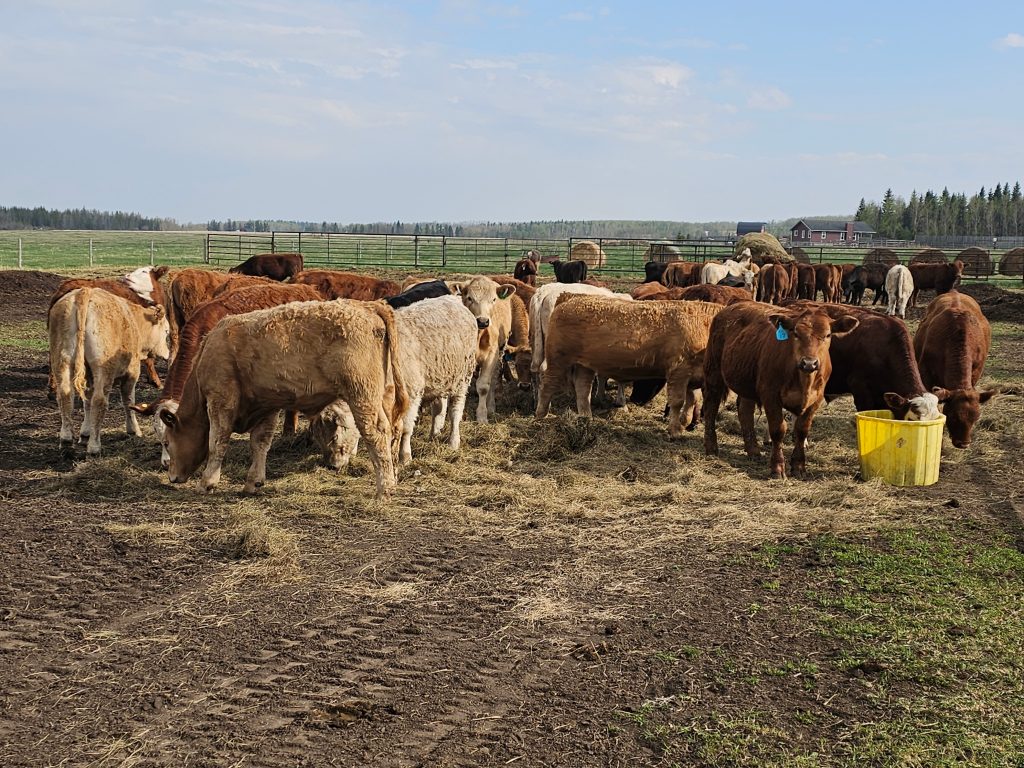
America's entire cattle industry depends on a market that is disappearing before our eyes: the negotiated cash cattle market. Restoring that market must be a priority as USDA and the Justice Department carry out the President's executive order calling for stronger enforcement of the Packers and Stockyards Act.
The negotiated cash market is where cattle producers and packers bargain directly over price. Those transactions establish benchmarks used to price cattle sold through other arrangements. They also influence what feedlots can pay for feeder cattle, what stocker operators can pay for calves and, ultimately, what cow-calf producers receive.
Whether you sell finished cattle, yearlings or calves, this market affects your livelihood.
Yet the national negotiated cash share of cattle purchases fell from 52.1% in 2005 to just 17.8% in 2025. That is a decline of nearly two-thirds and the lowest annual share in the 21-year USDA series. These figures exclude negotiated-grid purchases, which are reported separately.
USDA has also documented regional cash transactions approaching zero in some weeks, notably in Texas and Kansas.
The damage to public price information is already visible. For the week ending Sept. 13, 2026, confidentiality restrictions prevented publication of negotiated cash prices in Texas–Oklahoma–New Mexico and Kansas. Colorado's negotiated-purchase report remained withheld. Three of the five traditional reporting regions lacked these public cash prices.
Producers need competing bids and reliable information to evaluate them. A thin market puts both at risk.
When producers have fewer practical buyers, they can face delayed sales, additional feed and financing costs, and pressure to accept marketing arrangements they would otherwise reject. Packers can benefit when weakened competition lowers acquisition costs, including payments on cattle priced using cash-market benchmarks.
That is why the agencies must investigate how procurement practices weaken independent bidding, restrict producers' selling opportunities and suppress prices below the level that competitive conditions would produce. They should also measure how that harm travels upstream to feeder-cattle, stocker and cow-calf operations.
Record cattle prices do not answer this question. The question is whether producers would receive more in a competitive market.
The Packers and Stockyards Act prohibits conduct undertaken for the purpose or with the effect of manipulating or controlling prices. USDA should use that authority to investigate specific practices and pursue enforcement supported by the evidence.
Investigators should examine whether packers agree to delay bidding, refrain from bidding during particular periods, divide suppliers or territories, or avoid competing against designated buyers. They should obtain bidding records, procurement instructions, communications and delivery schedules to establish what happened and who was harmed.
They should also investigate whether packers strategically back up market-ready cattle, redirect purchases outside the region that sets their contract prices, or use imported supplies to weaken domestic cash competition. Coordination with the Commodity Futures Trading Commission should examine suspected links between futures trading and manipulation of cash cattle prices.
R-CALF USA recommends three rulemaking proposals to strengthen these enforcement efforts.
First, prevent business justifications from excusing procurement practices demonstrated to reduce competition and thereby manipulate or control cattle prices. Once that harm is established, calling the practice a business strategy should not provide a shield.
Second, remove the separate competitive-injury prerequisite under Section 202(a). Producers should be able to challenge unfair, unjustly discriminatory or deceptive practices without also proving harm to competition across the broader market.
Third, require minimum weekly negotiated cash purchases at each covered cattle slaughtering plant, regardless of common ownership. Each plant must meet its own obligation. Companies should not satisfy that requirement by pooling purchases across plants or counting negotiated-grid transactions that merely use a reported cash benchmark.
USDA should establish regional standards that support genuine independent bidding, timely market access and representative price discovery. Reporting reforms must accompany those standards so producers regain useful regional price information.
Where statutory barriers prevent effective action, USDA and the Justice Department should seek targeted legislation from Congress. Congress can expressly establish these protections and provide the authority needed to enforce them.
Success must be measured where it matters: Can producers obtain competing bids, sell cattle promptly and evaluate offers using reliable prices?
These are steps toward restoring producers' bargaining power and preserving opportunities for the next generation of ranchers.
Restoring the negotiated cash market protects the entire cattle production chain. The President has called for stronger enforcement. USDA, the Justice Department and Congress must now deliver meaningful competition for America's independent cattle producers.
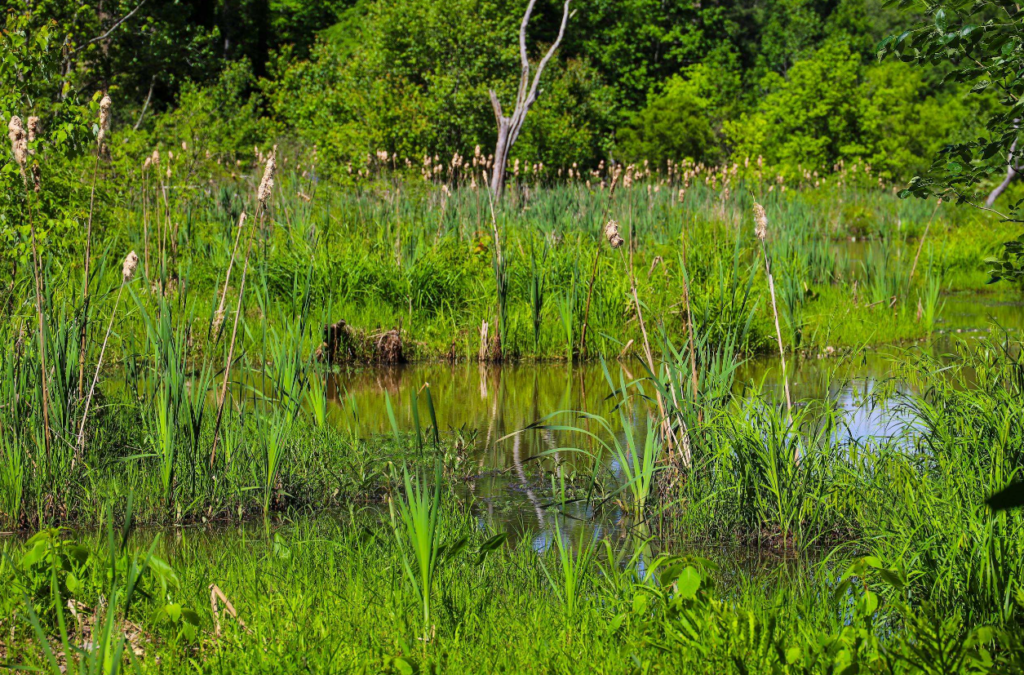
The U.S. Department of Agriculture (USDA) today announced an investment of $5 million in partnerships to help agricultural producers and private landowners restore and steward wetlands and floodplains through conservation easements. These projects, funded by USDA's Natural Resources Conservation Service (NRCS), deliver Farmers First, direct-to-producer benefits while improving water quality, reducing flooding risks and providing habitat for wildlife.
"Producers and landowners know their land better than anyone, and these partnerships give them extra support to do what they're already committed to — protecting their fields, keeping water clean, reducing flooding, and building a stronger future for their operations and their communities," said NRCS Chief Colton L. Buckley.
NRCS is providing funding through the Agricultural Conservation Easement Program (ACEP) and the Emergency Watershed Protection (EWP) Program. ACEP received a boost from the Working Families Tax Cut Act that delivered the largest long-term investment in NRCS conservation programs in decades, including $625 million for ACEP this year, $650 million in fiscal year 2027, $675 million in 2028, and $700 million per year from fiscal year 2029 through 2031.
These easement programs promote the restoration, enhancement, protection, maintenance, and management of wetland, floodplain, and other habitat and associated uplands that would contribute significantly to functions and values of these habitats.
Awarded work will fall into three main categories:
Wetland and Floodplain Easement Restoration: Awardees will work with NRCS, partners and landowners to develop and implement sound easement restoration plans, to include structural practices, like levees and water control structures, or vegetative establishment practices, like tree planting.
Wetland and Floodplain Easement Stewardship: Awardees are responsible for completing easement stewardship activities on restored wetland and floodplain easements. Easement stewardship includes repair, maintenance, management, and enhancement of properties.
Easement Assessments: Awardees will complete onsite and offsite easement assessments. These assessments will document the habitat condition of easements and determine their compliance with deed terms and conditions. Awardees will use the data collected to determine the ecological condition of easements and, if necessary, develop repair, enhancement or maintenance plans to improve the condition of the assessed easements.
Applications are due by 11:59 p.m. ET on November 19, 2026. NRCS anticipates making selections by December 17, 2026, and expects to execute awards by February 2026. These dates are estimates and are subject to change. Non-federal entities are eligible to apply. For a full list of eligible entity types, additional details, and to apply, visit the Grants.gov opportunity.
More Information
ACEP provides technical and financial assistance for the conservation of eligible land and natural resources through easements or other interests in land. Through ACEP-Wetland Reserve Easements (ACEP-WRE), NRCS restores, protects, and enhances wetlands and associated uplands through wetland reserve easements.
EWP assists sponsors, landowners, and operators with implementing emergency recovery measures for runoff retardation and erosion prevention to relieve hazards to life and property created by a natural disaster that causes a sudden impairment of a watershed. This authorizes NRCS to undertake emergency measures, including the purchase and restoration of floodplain easements on a voluntary basis.
For more than 90 years, NRCS has helped farmers, ranchers and forestland owners make investments in their operations and local communities to improve the quality of our air, water, soil, and wildlife habitat. NRCS uses the latest science and technology to help keep working lands working, boost agricultural economies, and increase the competitiveness of American agriculture. NRCS provides one-on-one, technical advice and financial assistance and works with producers to help them reach their goals through voluntary, incentive-based conservation programs. For more information, visit nrcs.usda.gov.
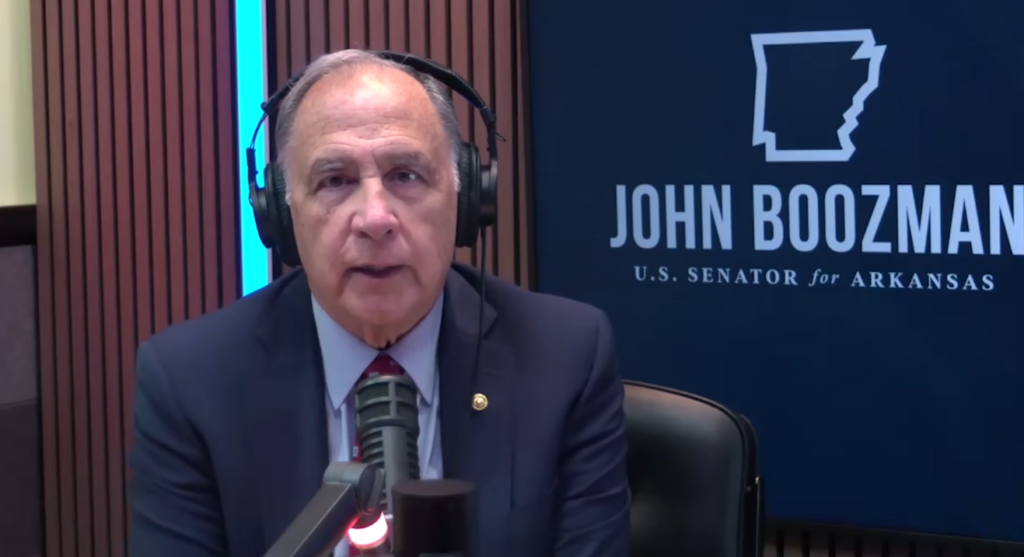
Boozman discussed the need to get Farm Bill 2.0 signed into law this year and his commitment to negotiating in October in order to have a bill that can pass both the Senate and House of Representatives before the end of the year. He applauded the advocacy of agriculture groups and urged their continued engagement to get a bill to the president's desk while also highlighting the enhancements to farm programs already delivered through the Working Families Tax Cuts.
On the process of passing Farm Bill 2.0:
"Right now, my staff is sitting down and talking to Chairman Thompson's staff as we speak. We'll also be talking to our Democratic counterparts, and again just bringing the four corners together. We'll be talking with members of our committee and like I say, conferencing this thing. We won't wait until we come back, we'll do that right now, so we'll be ready to go. And I do think that there will be much more willingness on the parts of Democrats when we get back."
On the farm community's engagement:
"Our farmers played a major part in helping us get this over the line and out of committee. And we're going to rely on them once the election is over to get back up here, and again, insist that we get this bill passed. And I believe with their help we will. Agriculture, when it stands together, does a tremendous job."
On improvements made to farm programs through the Working Families Tax Cut:
"We were able to get that done really without a whole lot of problem. In that was such a big change with our risk management tools, whether its crop insurance or ARC, PLC, some of the things for cattle and the list goes on and on. We worked on specialty crops, which really hadn't been done very much in the past and you know, gave them a tremendous boost, and we're committed to continuing to do those things. We were very, very fortunate that we had a good crew that had worked on it for quite a while and really involved the agriculture community in crafting those things, but it was really a home run."
On farm assistance:
"We're working really hard to do that. And again, in visiting with the president, explaining how important this is. He knows. He's committed to helping farmers. He has in the past and realizes how difficult it is, so yeah. I think we have a good chance of getting that done. We just need a little bit of help, not a lot, just a little bit of help from the other side."
Fall agritourism is getting underway across Oklahoma, with dozens of farms preparing pumpkin patches, mazes, and other activities for visitors. Whitney Hinrichsen, agritourism coordinator for the Oklahoma Department of Agriculture, Food, and Forestry, said in a conversation with associate farm reporter Carli Davenport that about 42 fall venues are part of the state's agritourism program this year.
"We have about 42 fall venues across the state," Hinrichsen said. "For the agritourism program, that is pumpkin patches or mazes could be one or both, and all of these pumpkin patches or mazes are located on family or privately owned farm property."
The farms offer more than seasonal entertainment, with many providing opportunities for children and families to learn about agriculture while visiting. "A lot of our pumpkin patches and mazes will offer some big things throughout the year, so they'll be open to the general public, and they'll also offer a lot of field trips or education opportunities for kiddos," Hinrichsen said.
Those educational opportunities can include public and private school groups, homeschool groups, and other field trips. Hinrichsen said birthday parties have also become popular at farms, particularly for children with fall birthdays.
Activities can vary from farm to farm and may include wagon rides, corn mazes, hay mazes, slides and games. "There's lots of fun slides and games and educational opportunities to learn about animals on the farm, maybe how the pumpkins are grown, and maybe see a little bit about where their food comes from," Hinrichsen said.
While Hinrichsen is preparing to begin visiting farms for the season, she said some activities consistently draw visitors. "Typically slides are really popular," Hinrichsen said. "There's a bunch of different versions of slides on the farms. They can be made out of pretty much anything."
Hay mazes are another popular attraction, along with corn pits. "Hay mazes are always a big popular thing," she said. "Trying to think, corn pit is one of the most popular activities. Kids really like that."
Hinrichsen described a corn pit as similar to a sandbox, except that it is filled with corn instead of sand. "It's just a big, almost like a sandbox, but instead of sand, it's corn, and kids love it," she said. "I see them as big as whole barns, even."
While fall activities provide entertainment for families, Hinrichsen said many participating farms also focus on helping visitors understand agriculture and where their food comes from. "A lot of our farms, they're really passionate about telling people where their food comes from or what the activity entails," Hinrichsen said.
Some farms have petting areas featuring animals such as alpacas, sheep, pigs, cattle, and goats. Those experiences can provide opportunities for farmers and farm staff to explain what those animals produce and their role in agriculture. "A lot of the farms will have a petting farm on the property, so they may have alpacas or sheep or pigs or cattle, goats," Hinrichsen said. "Those farms are really great about either telling the story about what those animals produce or where they came from."
Other farms use signs to connect the animals visitors see with the food they eat. "Some of them may just have signage up that says chickens produce your eggs or the meat in your hamburger comes from the cattle," Hinrichsen said.
Some farms take that education a step further with guided tours. "We have some really great farms that will give a guided voiceover hay or hay wagon tour," she said. "They'll talk about the property as they drive through it and kind of explain what uses each of those pieces of the property have."
Educational activities can also include story time and lessons during school visits. "Some of the farms will have maybe like a story time or a lesson, and we'll sit down with the kiddos during a field trip and read an accurate ag book," Hinrichsen said. Hinrichsen said many of the farms work with Oklahoma Ag in the Classroom to obtain agricultural education books for those activities.
Families looking for a fall agritourism destination can use the Oklahoma Agritourism website to search for farms based on the activities they offer and their location. "On our website, Oklahoma Agritourism, you can sort by activities and you can click on either maze or pumpkin, and it will show you all the farms in those specific categories," Hinrichsen said.
Visitors using a computer can also view a map showing where the participating farms are located. The site allows users to narrow their search by region as well. "You can also sort it by click maze and say you're located in Central Oklahoma," Hinrichsen said. "Click Central and Maze, and it will show you all the maze farms in Central Oklahoma."
For families looking to make the most of their visit, Hinrichsen has one simple recommendation: participate in the activities together. "I would say visit a pumpkin patch or maze in your area, and then while you're there, everyone in the family should go down the slide," Hinrichsen said. "That's my favorite thing."
She said the slides are designed for both children and adults, making them an activity the entire family can enjoy. "I think it's fun to see a family do an activity together rather than mom and dad kind of sitting off to the side," Hinrichsen said. "I think it's more memorable for everyone to participate."
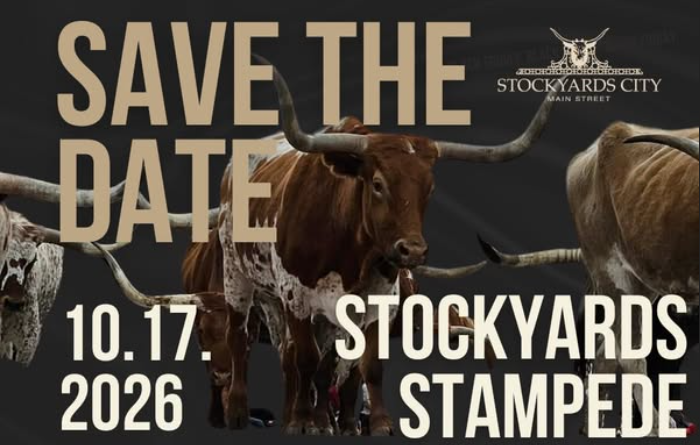
Mark your calendars! Stockyards City Main Street would like to invite everyone to attend the annual Stockyards Stampede event that will be held on Saturday, October 17th!
The Slash O' Ranch Longhorns will kick off the event at 10:00 a.m. by parading down the street. They will begin at the iconic Oklahoma National Stockyards archway on Exchange. The longhorns will be in the National Saddlery Arena until 2 pm, then they will return to Oklahoma National Stockyards, via Agnew.
An authentic Chuck Wagon camp will be set up where you can view demonstrations of traditional cooking. At noon, samplings of cobbler, stew, cornbread and more will be on hand. The Chuck Wagon Camp is south of Ol' Glory Hat Company, 1111 South Agnew.
There will be live music by many talented entertainers, including Tanner Fields, Michael and Lela Dalby, Cowboy Jim Garling, Richard Sharp, and Maddox Ross. The Little Miss and Mr. Stockyards City pageant will begin at noon. The entertainment and Stockyards City Pageant will be at Rodeo Cinema, 2221 Exchange Avenue.
A Made in Oklahoma Market will include locally made and produced items. Various types of demonstrations and tastings will be held throughout the day. The Market will be next to Little Joe's Boots. New to the market this year will be a Wine Tasting event! It will be located behind Little Joe's Boots adjacent to the Market.
The Kids Corral will have many fun activities for kids of all ages! Located adjacent to the National Saddlery Arena, there will be a petting zoo, pony rides, face painting, and dummy roping. It will also be an opportunity to learn about the importance of agriculture in Oklahoma. AgVenture Land is a new initiative with a purpose of educating the public, specifically children, about agriculture. The partner for this portion is Ag in the Classroom and the Department of Agriculture.
Oklahoma's Best Beef Competition will begin at 11:00 a.m. Beef producers from across the state will be competing for the coveted prize. If you would like to sample and vote on your favorite, wristbands are $25, and the proceeds benefit Oklahoma CattleWomen. The awards ceremony will be at 3:00 p.m.
Next to Shorty's Caboy Hattery a Western Photo Booth will be set up.
This will be a perfect opportunity to experience all that is Stockyards City! Visit the restaurants, shops, and get pictures of the things you can only see in Stockyards City!
The entire event is family friendly. Join us on Saturday, October 17th for this year's Stockyards Stampede.
For more information about the Stampede please email Stockyards City Main Street at office@stockyardscity.org, call 405-235-7267 or visit www.stockyardscity.org.

Elizabeth Rumley writes in Southern Ag Today: Agricultural financial distress can be easy to see but difficult to quantify. Chapter 12 bankruptcy, specifically designed for family farmers and fishermen, has traditionally been used as the sole measurement of that stress in the legal system.
However, agricultural businesses who do not qualify for Chapter 12 may instead file under Chapter 11. For example, many farm families rely on income from outside the farm to keep their operation afloat, potentially disqualifying them from Chapter 12 eligibility. Other families, given the high cost of agricultural inputs and equipment, exceed the amount of debt that is allowable in that chapter. In circumstances like these, filing for Chapter 11 allows the farm to continue operating while developing a plan to restructure and repay its debts.
Until now, the number of farms filing under Chapter 11 has been unknown, and those additional indicators of financial stress unrecognized. The National Agricultural Law Center, together with the National Association of State Departments of Agriculture, worked together to identify many of those operations. The result is the Data on Economic and Bankruptcy Trends, or "DEBT" project.
The DEBT project features an interactive map that allows users to explore ag related Chapter 11 & Chapter 12 bankruptcy filings between January 2021 and June 2026. Information can be filtered and viewed by bankruptcy chapter, year, and quarter, allowing users to examine where and when agricultural bankruptcy filings have occurred and identify trends over time. Users can select locations on the map to view individual cases and access additional information, including links to corresponding federal court records. The page also includes access to the underlying dataset.
It was completed in conjunction with SAS, an advanced analytics company that turns data into usable information. Using Public Access to Court Electronic Records (PACER), an online system providing access to federal court files and case dockets, SAS developed an automated process to cross-reference bankruptcy records with publicly available data from the USDA Farm Service Agency. When an entity appeared in both a bankruptcy filing and FSA program recipient list, it was an indicator that the entity was an agricultural operation.
It is not a perfect indicator. Not all farmers facing significant financial stress file for bankruptcy, not all farm bankruptcies filed were tracked in this new set of data, and alternatives such as Chapter 7 and Chapter 13 are also available, but as of yet uncounted in the current DEBT dataset. But the project and interactive map is a good first step to better recognizing the farm financial stress issue.
Through this project 1,401 agricultural bankruptcies were identified. The majority of those- 1,200- were filed under Chapter 12. However, 201 additional bankruptcies with an agricultural connection were filed under the requirements of Chapter 11. In other words, agricultural bankruptcies over the past 5 years are at least 16% higher than anyone had previously realized.
The information gathered in the DEBT project has also given us more data to forecast 2026 possibilities. In the first half of 2026, there have been at least 208 agricultural bankruptcies: 177 filed under Chapter 12 and 31 under Chapter 11. To compare with last year's data; at the halfway point of 2026, agricultural bankruptcies reached 61% of the total number recorded in all of 2025. If filings continue at this pace, 2026 would see approximately 416 agricultural bankruptcies- about 22% higher than 2025.
While this project does not solve the problems of farm financial stress, it provides a more comprehensive view of trends across the agricultural sector. The data can help identify changes over time, geographic patterns, and emerging financial challenges affecting agricultural operations. When considered more broadly, these filings offer valuable information for farmers, attorneys, policymakers, researchers, lenders, and others seeking to understand the economic conditions affecting agriculture.
Rumley, Elizabeth. "A New Way to See Agricultural Bankruptcy Trends." Southern Ag Today

In today's Beef Buzz, senior farm and ranch broadcaster Ron Hays features comments from Ethan Lane, senior vice president for governmental affairs for the National Cattlemen's Beef Association, following a National Association of Farm Broadcasters webinar. Lane discussed the ongoing push for mandatory country of origin labeling and concerns about outside groups influencing livestock policy through major spending. Part one can be found here.
Lane said mandatory country of origin labeling, or MCOOL, could add costs for both cattle producers and consumers without necessarily increasing demand for U.S. beef. "The logic of pushing mandatory country of origin labeling in an environment where producers are complaining about high input costs and high cost to produce that product, at the same time that everyone is focused on lowering consumer prices, MCOOL would do two things right away," Lane said. "It would raise costs for producers to comply with it, and it would raise the price of our product for consumers at the store. What it wouldn't do is drive demand."
Lane pointed to recent research from Kansas State University that examined what consumers consider when purchasing beef. "Consumers buy on price and quality, and they're matching those two up right now when they go to the store," Lane said.
He said the current conversation surrounding MCOOL has also been influenced by additional lean beef trim entering the U.S. supply chain through tariff agreements. "We know we need that lean trim to make our ground beef supply and to meet those needs across the supply chain," Lane said. "We raise heavily marbled cattle in this country. We raise cattle that are designed to produce that Prime New York strip that I enjoyed at a steakhouse in Kansas City earlier this week. What doesn't come off that animal is 80/20 or 90/10, right? And so we need those sources of lean trim."
Lane said the beef industry needs to consider how additional supplies of imported trim fit into the overall supply chain. "When you start artificially trying to juice those into the supply chain without maybe understanding how they match up, right? Who's asking for it, or if anyone is asking for more of it, it starts to have these kinds of effects," Lane said.
Instead of mandatory labeling, Lane pointed to USDA's voluntary Product of USA labeling program as an alternative. "The voluntary Product of USA label fixes that labeling issue that consumers and producers were concerned about," Lane said.
He said the program can give consumers more information while allowing producers to pursue premiums through branded beef programs. "We've been proud to work on closing that loophole. We've been pleased that USDA has pushed that program," Lane said. "We feel like that is a far better alternative as we look for ways to make sure that we're leaning into the premiums and the branded products and the things that are truly generating some premiums for our producers, rather than just saddling them with more cost."
Lane also discussed Proposition 12 and broader efforts by animal rights and activist organizations to influence livestock policy.
He questioned where the funding behind some of those advocacy efforts is coming from, particularly when organizations describe themselves as representing small farmers. "How does an initiative being led by groups like the American Meat Producers Association, who claim to represent small farmers or Farm Action for that matter, that spent 30 million dollars opposing the Save Our Bacon Act in June alone," Lane said.
Lane questioned how organizations representing a relatively small portion of agriculture could spend that level of money on policy advocacy. "I represent the largest segment of American agriculture and the largest organization in that segment of American agriculture. We couldn't even contemplate getting enough producers together to have 30 million dollars," Lane said.
He said the livestock industry should take a closer look at the sources of funding behind those efforts. "So where did those small farmers come from, or is that money coming from open philanthropies network or other activist groups that are trying to deceive members of the Senate and capitalize on this conversation right now?" Lane said.
Lane said the influence of those efforts is concerning for livestock producers. "It is incredibly disappointing to see that having the effect that it's having throughout the livestock industry," Lane said. "And I would encourage folks to really ask some questions about where that advocacy is coming from and who's writing the check for it."
The Beef Buzz is a regular feature heard on radio stations around the region on the Radio Oklahoma Ag Network and is a regular audio feature found on this website as well. Click on the LISTEN BAR above for today's show and check out our archives for older Beef Buzz shows covering the gamut of the beef cattle industry today.
The Institute for Feed Education and Research (IFEEDER) has released its 2026 annual update and five-year strategic plan. While the annual update highlights a year of progress in research, education and outreach, the strategic plan outlines the organization's vision for supporting the sustainability and resilience of the animal feed and pet food supply chain in the years ahead.
"This past year demonstrated the value of turning credible research into practical information that the animal food industry and its partners can use to make informed decisions," said Lara Moody, IFEEDER executive director. "Our new strategic plan builds on that momentum, providing a clear path for IFEEDER to deepen collaboration, pursue high-impact research and ensure our work continues to address the industry's most pressing needs."
The annual update focuses on IFEEDER's most impactful work over the past year, such as the vitamin and amino acid supply chain assessment, the first evidence-based evaluation of U.S. dependence on vitamin and amino acid imports across the food supply chain. The report and six supporting species reports have generated more than 534 media citations and informed the animal food industry's engagement with Congress, federal agencies and other stakeholders on the importance of strengthening the U.S. animal food ingredient supply chain.
In addition to expanding the vitamin and amino acid research throughout the year, IFEEDER also continued advancing sustainability and animal nutrition projects. Current efforts include fostering partnerships across the feed, food, beverage and pet food value chains to advance shared sustainability goals; improving U.S. ingredient data in the Global Feed Lifecycle Assessment Institute database; and supporting updated nutrient requirements for poultry and swine. IFEEDER also launched its Project Warehouse to provide the American Feed Industry Association (AFIA) committees with a formal pathway for submi tting new research, education and sustainability ideas for IFEEDER consideration. The annual update provides a sneak preview of IFEEDER's latest project examining key chemicals used in vitamin and amino acid production.
IFEEDER's new strategic plan looks to the future of the organization by establishing three overarching goals: serve as a trusted and valued partner, deliver actionable research and practical resources, and build operating capacity to support disciplined growth and collaboration. The plan will guide IFEEDER's efforts to expand partnerships, pursue high-impact projects and translate research into resources that support the animal food industry.
"IFEEDER has demonstrated the value that credible research and industry collaboration can deliver, and our new strategic plan challenges us to build on that momentum," said Dan Meagher, chair of the IFEEDER Board of Trustees and president and CEO of Novus International, Inc. "By expanding our partnerships, broadening the reach of our research and helping stakeholders put those insights into action, we can strengthen IFEEDER's impact and help shape a resilient future for the animal feed and pet food industry."
As part of their commitment to fostering the future of the industry, IFEEDER and AFIA committees raised more than $86,000 to support the Equipment Manufacturers Committee Scholarship Fund and the Kenny Berg Research and Education Fund in fiscal 2025-26. In addition, IFEEDER's second annual Day of Giving raised more than $21,000 from over 120 donors, doubling the amount raised in 2025.
IFEEDER's 2026 annual update and strategic plan are now available at ifeeder.org. To learn more about IFEEDER's research, resources and opportunities to get involved, visit ifeeder.org.
National Farmers Union (NFU) today announced its opposition to the Union Pacific and Norfolk Southern (UP/NS) merger, calling on the Surface Transportation Board (STB) to reject the application that would give a single railroad company control of nearly half of all U.S. rail traffic and further shrink an already over-consolidated industry.
"History has shown us that when railroads consolidate, family farmers pay the price," said NFU President Rob Larew. "Decades of mergers have left farmers with fewer options, higher rates, and less reliable service. The STB's review of this application is an opportunity to instead put rail competition first and protect American farmers, shippers, and consumers from the harm further consolidation would bring to our transportation network and food supply chain."
Family farmers are already facing immense financial pressure including high input costs, unpredictable trade policies, and elevated transportation costs. Rail mergers that reduce competition leave shippers paying high rates for unreliable service, adding strain that family farmers cannot afford.
NFU's grassroots policy priorities call for further reforms:
· Enforcing U.S. antitrust laws to break up monopolistic railroads and prevent any new mergers.
· Establishing reciprocal switching within, and for an appropriate distance outside of terminals to encourage rail-to-rail competition.
· Authorizing a maximum rate for a movement to a captive shipper and authorizing, when petitioned, the removal of agreement provisions that prevent short-line railroads from delivering traffic to any railroad.
· Rail policy that holds railroads responsible for the losses caused by delayed rail car deliveries.
U.S. dairy herds producing higher levels of butterfat and protein are capturing significantly larger milk checks as consumer demand shifts toward cheese, yogurt, butter, cottage cheese and other manufactured dairy products. A new report from CoBank's Knowledge Exchange found that herds in the top decile for milk components earned $101 to $352 more per cow annually at average U.S. production levels, with that advantage rising to $136 to $474 per cow at higher production levels.
Milk components have become the leading driver of milk check revenue as more than 80% of farmgate milk now moves into manufactured dairy products rather than beverage milk. The CoBank report analyzed seven regional Federal Milk Marketing Orders that price milk using Multiple Component Pricing provisions and found wide variation in component production across regions and herds.
"Those numbers can add up fast," said Corey Geiger, lead dairy economist with CoBank. "For instance, assuming annual average milk production of 24,390 pounds per cow, higher-component herds in the Upper Midwest FMMO had a $256.58 per cow advantage over lower-component herds. At 33,000 pounds of annual production, that advantage widens to $345.58 per cow. For a 100-cow dairy, that's an extra $34,558 in annual income — and for a 1,000-cow dairy, it represents $345,582 of additional revenue."
The shift is accelerating milk component production, with butterfat and protein levels in the nation's milk supply growing faster than at any time in modern dairy history.
For generations, beverage milk dominated U.S. dairy consumption, keeping butterfat and protein levels relatively stable. As consumers increasingly turned to cheese and other dairy foods, milk pricing formulas evolved to the multiple component pricing concept. Today, more than 90% of the U.S. milk supply is priced based on butterfat, protein and other solids, largely because manufactured dairy products account for most farmgate milk use.
Wide variance across FMMOs and herds represents opportunity
While overall average levels of butterfat and protein content in the U.S. milk supply have grown substantially, FMMO data shows a wide variance of component levels across regions and among individual herds.
Abbi Groves, agricultural commodities economist with CoBank, said component optimization gives producers a clear path to improve milk check revenue while helping processors secure the solids their plants need most.
"In the Upper Midwest FMMO, average 2025 component levels were 4.37% butterfat, 3.33% protein and 5.79% other solids. But the gap between the top 560 herds and the bottom 560 herds was significant. That spread shows the scale of opportunity for lower-component herds to close the gap and increase revenue by producing more butterfat and protein."
Dairy processors also have an opportunity to further incentivize production of the components their plants need most. Some processors are already including product prices for whey protein concentrate and whey protein isolate in milk check formulas. These newer pricing concepts, above and beyond federal order minimums, further incentivize protein production.
"These are just some of the opportunities that abound to meet rising demand," added Geiger. "Given shifting demand and the growing role components are playing in producer revenue, traditional milk production metrics like rolling herd average no longer tell the full revenue story. New benchmarks focused on pounds of components produced will provide a clearer view of what ultimately drives the milk check."
Read the report, Higher-component herds capture bigger milk checks.
Today, the United Food and Commercial Workers (UFCW) Local 2 and the UFCW International Union released statements in response to the increased presence of Immigration and Customs Enforcement (ICE) agents in southwest Kansas.
UFCW Local 2 President Martin Rosas said:
"This is an unimaginably difficult time for our communities in Liberal and Dodge City. No one should have to live in fear of going to work, sending their kids to school, or shopping at the grocery store. We are gathering information about ICE's presence and continue to offer support to UFCW Local 2 members and their families as we navigate this."
UFCW International President Milton Jones said:
"We stand arm-in-arm with all UFCW members in Dodge City and Liberal, and condemn ICE's presence in southwest Kansas. ICE's targeting of these communities sows fear, instability, and chaos into the lives of those trying to make a living and feed our nation. Local economies cannot thrive unless people feel safe.
"These disruptions directly impact the safety of all workers and the supply of beef. If supply drops, prices will go up. At a time when working people are already struggling with record-high food costs, our country cannot afford the havoc that these inhumane policies wreak in our communities."
BACKGROUND

While national coverage of the extended U.S.-China trade truce focuses almost entirely on Midwestern soybeans, the practical impact for Oklahoma agricultural producers comes down to three specific commodities: grain sorghum, upland cotton, and beef carcass cutout value.
The decision by Washington and Beijing to push their tariff ceasefire deadline out to January 10 temporarily stabilizes trade policy through harvest and early winter marketing. For producers across the state, filtering out the macro-level corn and soybean rhetoric reveals where the agreement genuinely touches the bottom line.
Grain Sorghum: Protecting Critical Cash Basis
Nowhere is the bilateral trade relationship more direct for Oklahoma than in the sorghum sector. China consistently serves as the primary buyer for roughly four out of every five bushels of American grain sorghum exports.
For growers across the Oklahoma Panhandle, southwest counties, and north-central production areas, open access to Chinese feed and distillery markets is the single largest factor determining local cash basis. When trade friction leads to retaliatory duties, elevator basis levels can weaken sharply because domestic livestock feeding channels cannot quickly absorb that volume at comparable values. Pushing the trade deadline into early 2027 keeps Gulf and rail export pathways fluid right as producers wrap up harvest and make delivery decisions.
Upland Cotton: Defending Regional Export Flow
In southwest Oklahoma, cotton producers face a world market where China remains one of the top destinations for U.S. lint. While domestic textile mill use remains small, regional cotton gins and warehousing operations rely heavily on uninterrupted shipments to Asian mills.
Any sudden threat of tariff escalation directly hits ICE cotton futures and dampens turnrow bids from merchants. With harvest gearing up across the Southern Plains, avoiding abrupt duties gives merchants the certainty required to book export commitments and hedge warehouse receipts without baking in high tariff-risk discounts.
Cattle and Beef: The Cutout Premium on Calves
Oklahoma is fundamentally cow-calf country, and while producers are not shipping live cattle across the Pacific, Chinese demand for U.S. beef quietly supports the local auction block.
Packers rely on China for premium sales of short ribs, select muscle cuts, and variety meats that command significantly higher values overseas than domestically. Economists note that strong export cutouts add vital per-head value back to the feedlot, which directly underpins the bids feedyards and stocker operators pay for calves at Oklahoma City West, the OKC National Stockyards, and regional sale barns. When export markets remain open, that packers' margin provides critical structural support to feeder cattle prices.
The Wheat and Soybean Divide
Conversely, two commodities that frequently dominate farm policy debate see very little direct movement to China from Oklahoma soil:
For Oklahoma producers navigating market volatility this fall, the January 10 extension removes immediate downside tariff risk. However, with broader trade talks continuing, marketers emphasize using this window of stability to evaluate price-risk tools, cash sales, and local basis contracts before negotiations resurface after the new year.
Friday Preopening Market Update with Dave Lanning
RON's Dave Lanning has a pre-opening look at today's agricultural Markets.
Click the audio tab below for today's report.
For Oklahoma hunters, landowners and wildlife managers, managing the public resource of wildlife game begins with a deceptively simple question:
What is the size of an animal's population in the landscape?
An Oklahoma State University research team is working with the Oklahoma Department of Wildlife Conservation to answer that question in Roger Mills County, home to the Black Kettle Wildlife Management Area and a popular destination for turkey hunters from Oklahoma and other states. The four-year study launched in December 2025 in response to concerns about population declines and a lack of information on winter flocks and spring harvest.
Using GPS locations, camera images and recorded calls, researchers are studying whether the local population is stable, how turkeys move between public and private land, where they roost and how harvest affects the population over time.
"We know a lot about wild turkey ecology," said Colter Chitwood, an associate professor in the OSU Department of Natural Resource Ecology and Management and the project's lead principal investigator. "The one thing we don't do well is knowing how many are out there."
To help close that gap, the team captured and banded 171 wild turkeys during the first capture season, fitting 90 of them with small GPS transmitters that sit on the birds like backpacks. The devices show where the turkeys travel and sleep. Trail cameras photograph birds at fixed locations, while autonomous recording units listen for turkey calls. Together, the three sources help researchers estimate the local turkey population and understand how the birds use the landscape.
How OSU researchers are tracking wild turkey populations
The project combines Chitwood's field research on game species with the work of Anna Moeller, research assistant professor of wildlife ecology, who estimates wildlife numbers and population changes.
Doctoral student Mitchell Nagel and master's student Lydia Laughlin are studying the wild turkey population, harvest rates and how the turkeys use the landscape. They also handle communication with landowners, monitor alerts from GPS transmitters and service the cameras and audio equipment as needed. The project also depends on field technicians, ODWC biologists, public land managers and dozens of private landowners.
By early June, the team had processed more than 1.6 million images from trail cameras and recorded more than 75,000 hours of audio. The team completed its first field season in June, and researchers will capture birds again this winter. They will collect camera and audio data for two more years.
How the research could improve wild turkey management
Chitwood said early results are not enough to support management changes.
"Only five turkeys were harvested on private land in the spring, and it's too early to know what that might mean," Nagel said.
The full four years of data will allow the team to connect winter flock size, movement, roosting behavior and harvest. ODWC could use the findings to guide habitat and harvest decisions on public land, while private landowners could use the same information to improve turkey habitat on their property.
The findings could also help other states managing wild turkeys in similar landscapes. The team will continue to gather the data needed to understand the population and to support the long-term management of wild turkeys as a public resource.
"The results are going to inform how Oklahoma manages turkeys for the future," Chitwood said. "We want the ODWC to have the best data possible to make those decisions."
Kurt Kuklinski, wildlife diversity and research supervisor for the ODWC, said the agency greatly values its research partnership with OSU.
"OSU research faculty repeatedly deliver applicable results from research grants, which inform the critical fish and wildlife management and regulations implemented by the ODWC," Kuklinski said. "The beneficiaries of this conservation partnership are the hunters, anglers and citizens of Oklahoma, who enjoy their personal relationship with our state's diverse wildlife resources."
This material is based upon a four-year project supported by the Oklahoma Department of Wildlife Conservation under award number F25AF00906 for $1 million.
OSU Ag Research is Oklahoma's premier research and technology development agency in agriculture, natural resources and the life sciences.
The Kansas Livestock Association, Oklahoma Cattlemen's Association and Texas Cattle Feeders Association are closely monitoring reported U.S. Immigration and Customs Enforcement (ICE) activity affecting agricultural communities in Oklahoma, Kansas, and Texas.
Our organizations respect the responsibility of federal agencies to enforce the law. At the same time, cattle producers, feedyards, dairies, livestock markets, processors, and other rural businesses depend on a stable workforce to care for animals, protect food safety, and keep the supply chains operating. Sudden workforce disruptions can create
immediate animal-welfare, operational, and economic consequences that extend well beyond an individual business. These ICE operations are having a massive chilling effect on the legal, documented, skilled workers that put beef on the table and keep the cattle supply chain moving. Additionally, these types of disruptions will lead to higher beef prices for consumers.
Reported impacts to our organizations throughout the past few days have been:
These disruptions come at a time of enhanced focus and pressure on the cattle and beef supply chain. They are a costly and unnecessary impact to cattle producers already suffering from unwelcome political interference to both the markets as well as the physical supply chain. Frustratingly, the harm these actions cause to cattle producers last for days and weeks after such operations conclude. We urge federal officials to conduct enforcement actions in a lawful, orderly, and
transparent manner; respect due process; and communicate clearly with affected employers and communities
The American Soybean Association welcomes the two-month extension of the U.S.-China trade truce and looks forward to continued dialogue between the two countries. As this week's summit continues, ASA hopes the discussions will build on that progress and deliver additional positive developments for U.S. soybean farmers and agricultural trade.
"Soybean farmers want to see this momentum continue with strong purchases of U.S. soy and a lasting trade partnership with China," said ASA President and Ohio soybean farmer Scott Metzger.
ASA looks forward to continued progress that provides greater certainty and long-term market opportunities for U.S. soybean farmers.
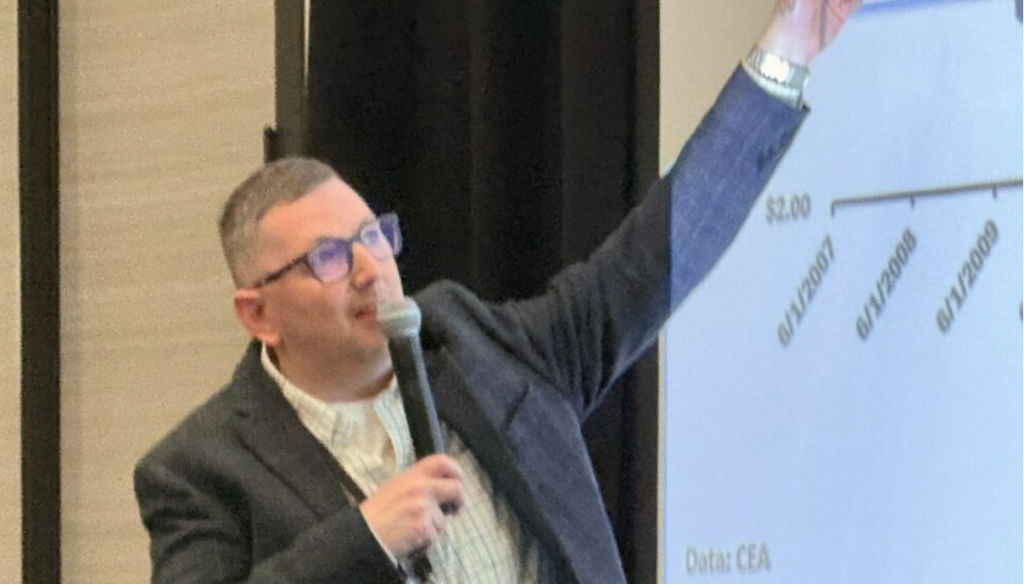
Volatile crop markets and planting uncertainty are creating a challenging backdrop for Oklahoma producers as fall fieldwork gets underway. After starting the week on solid ground, commodity markets gave back their gains and then some, with hard red winter wheat contracts dropping roughly 30 cents from Monday's highs. Farm Director KC Sheperd recently sat down with Oklahoma State University crop marketing specialist Todd Hubbs to break down the global pressures, weather patterns, and marketing decisions affecting winter wheat, soybeans, and feed grains.
Hubbs pointed out that while day-to-day market moves have been dictated by trade speculation, energy market noise, and broad geopolitical risk-off sentiment, the core fundamentals for wheat have not undergone a dramatic shift. The primary issue remains getting money back into commodities while trade flow faces headwinds.
Oklahoma producers are looking at fields and evaluating soil moisture as the winter wheat planting window opens. Although sporadic showers have crossed parts of the state, many growers remain hesitant to dust the crop into dry ground.
Hubbs noted that while early USDA planting pace numbers reflect an average start, progress could easily fall behind if widespread moisture does not materialize. Central and northeastern Oklahoma are in particular need of significant rainfall. Producers are also keeping a close watch on weather outlooks featuring a Super El Niño pattern, which historically tends to bring wetter winters to the Southern Plains and could assist in crop establishment if rain arrives in time.
Looking ahead to the USDA Small Grains Summary, Hubbs said he does not anticipate major revisions for hard red winter wheat production, expecting figures to remain close to current estimates. While final spring wheat numbers will provide clarification following rumors of potential quality issues, the broader issue for the wheat sector remains sluggish movement.
Recent export sales data showed the U.S. running well behind its historical pace. Although a smaller overall domestic crop naturally limits total export volumes, current U.S. wheat prices remain elevated compared to the rest of the world, dampening international demand. Core buyers such as Japan and Mexico continue to make small, routine purchases, but broader demand expansion is quiet.
Globally, logistics across the Black Sea remain severely constrained. Russia has declared an emergency across key wheat-producing regions due to logistical backlogs, and military actions around Black Sea and Danube River ports have driven delays. Hubbs noted that vessels face wait times two to three times longer than normal along Danube routes, and alternative shipping through Baltic or inland corridors remains slow. Furthermore, sluggish planting progress in the Black Sea region suggests potential acreage reductions for their upcoming crop, an indicator that could eventually lend support to new-crop wheat values.
Turning to soybeans, Hubbs discussed pricing strategies for growers holding unpriced new-crop supplies. With contract prices hovering above $13 per bushel, Hubbs characterized the current market as a respectable pricing opportunity for producers needing cash flow.
While domestic crush demand remains steady, a soft August crush report points toward the USDA trimming old-crop crush numbers by roughly 10 million bushels, alongside modest reductions in soybean oil use for biofuels. However, finalized biofuel policies and stable domestic demand should keep crush levels supported moving forward.
For growers considering carrying soybeans into the new calendar year, weather conditions in South America represent a notable wildcard. A Super El Niño often brings dry patterns to northern Brazil, a region that has significantly expanded its soybean acreage over the past decade. If dry weather shortens Brazil's crop, the market could see price rallies later in the winter, though Hubbs cautioned that confirmation of any crop shortfall would likely not arrive until January or February.
The conversation wrapped up with expectations for the upcoming Grain Stocks report. Hubbs highlighted corn stocks as the primary area to monitor, noting that corn balance sheets rely heavily on the residual feed category. Because feed and residual demand is calculated from quarterly stocks rather than measured directly, any unexpected buildup in corn supplies could lead to downward adjustments in total consumption. While Hubbs does not anticipate a dramatic shock in the report, grain stocks will serve as a key checkpoint for corn and feed grain balances heading deeper into the harvest season.
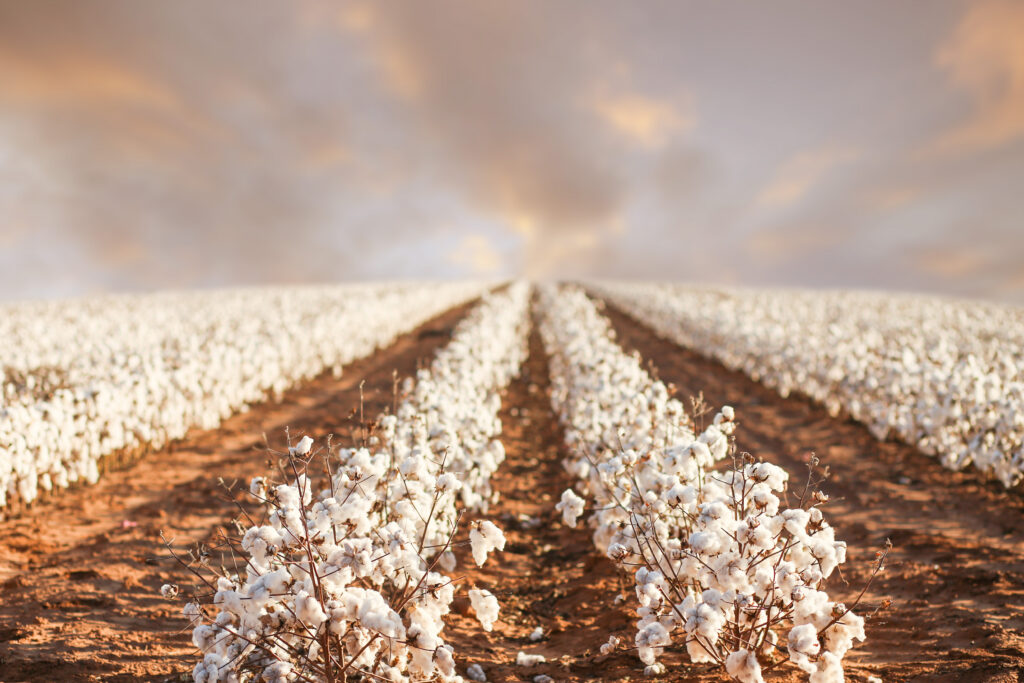
The National Cotton Council (NCC) celebrates the bipartisan Buying American Cotton Act (BACA) reaching 100 congressional co-sponsors in the U.S. House of Representatives. Today, Representative James Gallagher (R-CA) became the 100th House co-sponsor of the legislation.
This achievement is the latest sign of growing momentum for the bill in Congress. BACA is one of only two newly introduced tax measures to reach this level of support, and BACA co-sponsors span the political spectrum, from some of Congress' most conservative members to some of its most liberal. The coalition of BACA supporters is equally broad geographically, with co-sponsors representing districts across the country, from California to Maine.
"The broad, bipartisan support behind the Buying American Cotton Act reflects growing recognition in Congress of the need to strengthen demand for U.S. cotton and boost American textile manufacturing," said NCC Chairman Nathan Reed. "Reaching 100 co-sponsors is a major achievement, and we look forward to working with congressional leaders to build on this progress and advance the legislation."
Earlier this month, the White House also announced its support for BACA.
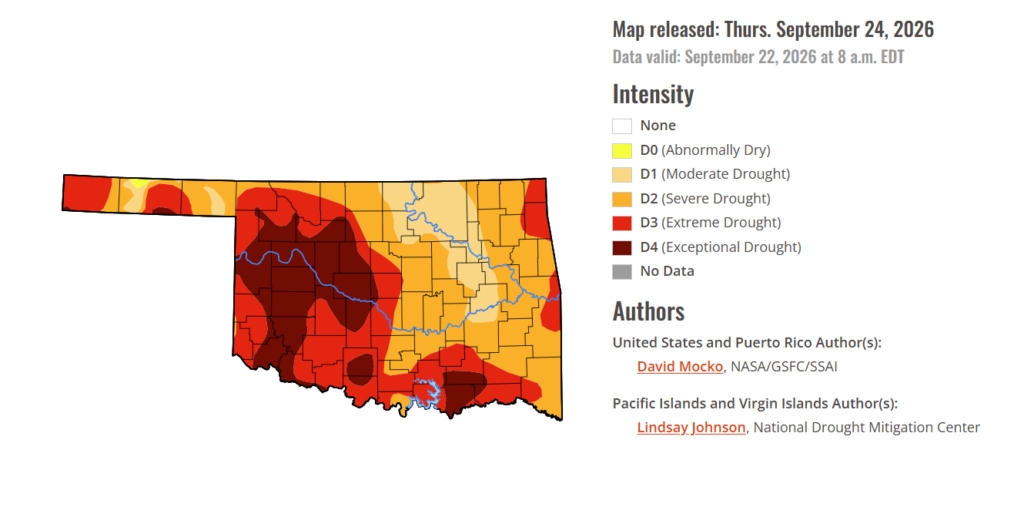
To view the latest Oklahoma drought map, CLICK HERE.
Oklahoma's drought situation continues to worsen, with exceptional drought now covering 20.79% of the state—the highest percentage of exceptional drought in the nation. With moderate to extreme drought affecting all of Oklahoma and no part of the state currently drought-free, conditions remain especially concerning across western and central Oklahoma.
According to the Drought Monitor, exceptional drought has expanded by 4.2% this week, now covering 20.79% of the state. New exceptional drought conditions have appeared in Kingfisher, Canadian, and Grady counties.
Moderate to extreme drought conditions in the current period affect 100% of the state. At this point, 0% of Oklahoma has drought-free conditions, and the closest area with drought-free conditions is northern Kansas.
According to the 6-to-10-day precipitation outlook map, western Oklahoma is leaning above a 40-50% chance of rain through October 3rd, while eastern Oklahoma is leaning above a 50-60% chance.
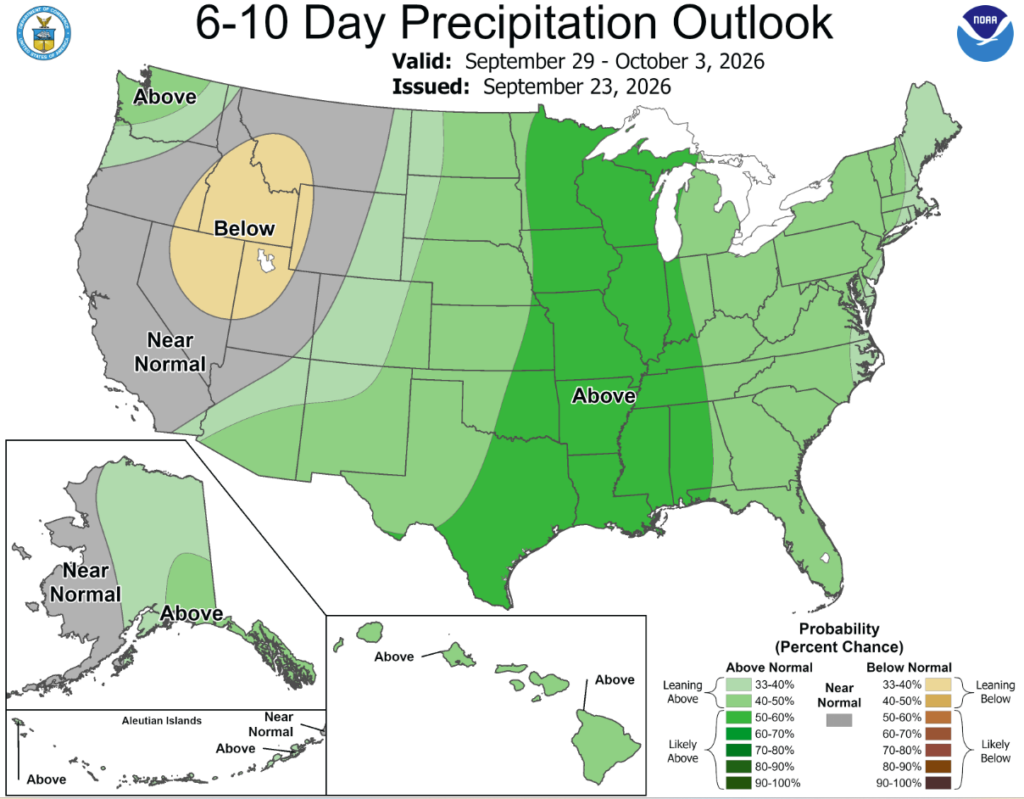
The pattern of hot and dry in the south with heavy rainfall to the north of the high-pressure system continued over this past week. The highest precipitation amounts were from eastern Iowa and southeastern Minnesota to the east through southern Wisconsin, northern Illinois, to Ohio and West Virginia. Localized areas in this region received 6 to 8 inches of rainfall. Northeastern Kansas and northern Missouri received 3 to 5 inches, with western Nebraska to southeastern Montana picking up 2 to 3 inches. Monsoonal rain also fell in eastern Arizona to central New Mexico. Southern Florida also received several inches of rain over the week. Precipitation was very spotty and generally light, however, in Texas, Oklahoma, Louisiana, Arkansas, southern Missouri, and western Tennessee and Kentucky. Most of the west coast states had little rain. Most of the south was again 5 to 10F above normal last week, peaking at over 15F above normal in parts of southern Missouri. Several states are setting records for continued warmth during this late summer to early fall period. The rest of the continental U.S. had generally near-normal temperatures.
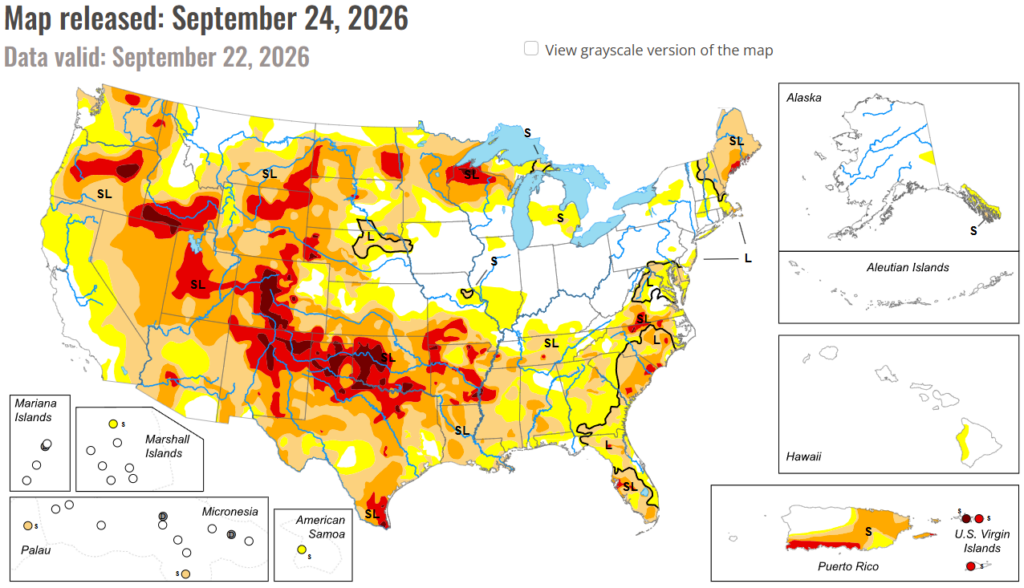
In the South: The continued heat and dry conditions resulted in large areas of degradations the past week. Extreme drought can be found in every state in this region, with exceptional drought over much of northern Texas, western to southern Oklahoma, and parts of Arkansas. Both short-term and long-term drought are contributing to the conditions in this region. Over the last year, west-central Oklahoma is the driest on record, while in southwest Oklahoma it has been the second driest.
In the High Plains: Most of the High Plains received beneficial rainfall, resulting in improvement to drought categories over parts of all states in the region. More precipitation will be needed, however, to ameliorate the continued extreme drought over much of Colorado and Wyoming as well as parts of Montana, North and South Dakota, and western Nebraska. Areas of exceptional drought are still shown in much of central Colorado and western Nebraska.
In the West: Eastern Arizona to central New Mexico experienced monsoonal storms causing localized flooding and some drought improvement. Southern California and southern Nevada continued to be dry, leading to degradation of dry categories. Central Utah, central Oregon, southern Idaho, and northern New Mexico continue to be the largest areas of extreme to exceptional drought in this region, with smaller areas of extreme drought in a few other states.
To view the 6-10 Day Precipitation Outlook Map, click here.
To view the 6-10 Day Temperature Outlook Map, click here.
To view the Monthly Drought Outlook Map, click here.
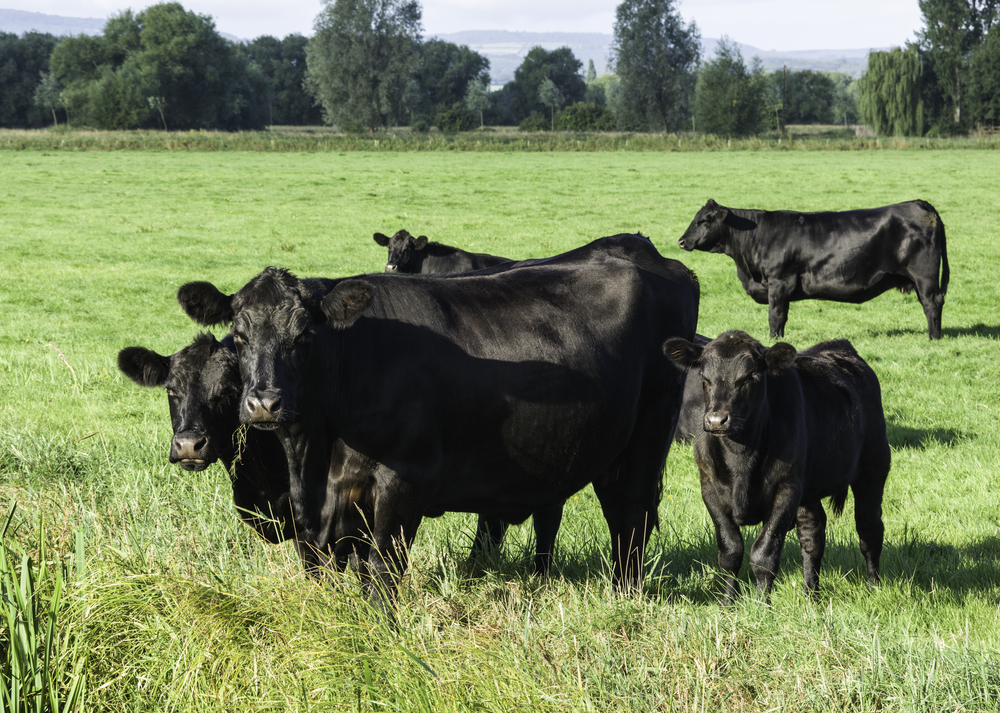
In today's Beef Buzz, senior farm and ranch broadcaster Ron Hays features comments from National Cattlemen's Beef Association lead lobbyist Ethan Lane, who recently joined farm broadcasters from across the country to discuss the latest issues facing the beef industry. Lane talks about tight cattle supplies, consumer demand, the Farm Bill, and what he hopes comes from the meeting between President Donald Trump and Chinese President Xi Jinping.
"There's a lot of headline news, a lot of social media hot takes," Lane said. "We continue to see pretty heavy fixation on herd size, right? 75-year low."
Lane says that focus can overlook how much beef the U.S. cattle industry is actually producing. "You know what gets missed in that conversation is the volume of beef we've been putting out," Lane said. "We're putting out more beef in the supply chain than we were in 2015. The efficiency of those animals, the efficiency of the supply chain is different. The quality is exponentially greater."
He says those improvements are helping support demand for beef. "I think we're capturing something like 74% of every new protein dollar right now amongst our competitors in the protein space," Lane said. "That's a function, even at today's prices, of the fact that what American cattle producers are putting out the door really resonates with consumers, and is something that they still want to see at the center of their plate."
Lane talked about the attention cattle producers are receiving from Washington, D.C., as the industry deals with tight supplies and strong cattle prices. "It has truly felt, I think, to a lot of producers like there's been a lot of effort to break something that was finally helping cattle producers with their bottom line, help them with some higher cattle prices," Lane said.
Lane says building consumer demand has taken years of work from the cattle industry. "Building a relationship with consumers, driving demand for that product is a feature of sustained work over a long period of time by the U.S. cattle industry to build trust, to build confidence in our product," Lane said.
He says cattle producers are now watching closely as policymakers consider ways to address issues in the industry. "What we're hearing most from cattle country right now is, gosh, could we please get less help from the federal government, whether that be from the administration or from Congress," Lane said.
Lane also discussed the Farm Bill and the differences between the House and Senate approaches. "We've been long vocal supporters of the House-passed version of the Farm Bill," Lane said. "I think G.T. Thompson and his team, and quite frankly, folks in ag policy on the House side generally deserve a lot of credit for putting together a bipartisan product."
But Lane says the Senate Agriculture Committee took a different approach that has created frustration for livestock interests. "The Senate Ag Committee took a very different approach," Lane said. "They seem to have kind of focused on trying to upset as many different parts of agriculture as possible with their process."
For cattle producers, Lane says the industry did not ask for much from the legislation. "You know, we didn't ask much from this bill, and instead we feel like we've sort of been the way they're trying to balance the ledger with some of these other priorities," Lane said.
Lane also spoke about the meeting between President Trump and Chinese President Xi Jinping and what it could mean for the beef industry. "I think we're just hoping for it to go relatively smoothly as far as the president's meeting with Xi," Lane said.
Lane says there are significant concerns surrounding international relationships and global supply chains, including the relationship between the United States and China. "We have had at various points in the last few years since the Phase One China deal access to that market that's been beneficial for our export footprint," Lane said. "I think we'd like to get back to that at some point in some form."
Lane says the cattle industry would like to see existing issues addressed without creating additional problems. "Maybe get through it without unlocking any new wrinkles or any new complications, but see if you can put some things to bed and get some issues solved," Lane said. "Rather than opening up new ones, I think that would probably be welcome news for us in the cattle side."
The Beef Buzz is a regular feature heard on radio stations around the region on the Radio Oklahoma Ag Network and is a regular audio feature found on this website as well. Click on the LISTEN BAR above for today's show and check out our archives for older Beef Buzz shows covering the gamut of the beef cattle industry today.

Shawn Wade and Darren Hudson write in Southern Ag Today: Sugar is sweet... especially for foreign sugar producers who find themselves at the receiving end of generous subsidies and other policies meant to protect their domestic production.
Sugar remains one of the most highly protected commodities in the world, with import tariffs (or tariff rate quotas, TRQs) being the most common policy tool. Applied tariffs range from 0 to 100% globally, with the United States on the low end according to the World Trade Organization (WTO). Many of the largest producers, including China, India, and Turkey, have applied tariffs of far more than 20% (Figure 1), whereas the U.S. is at 12.1%.
Added to the import controls, many of the largest producers utilize production/input subsidies, tax credits, and state monopoly trading mechanisms which give their producers significant advantages over U.S. producers. In fact, monetary transfers to Chinese and Indian producers have been around $2-3 billion per year since 2005, nearly 3x the OECD (Organization for Economic Co-operation and Development) average. A 2024 U.S. government report submitted to the WTO documented $17.6 billion in subsidies to Indian sugar producers in 2022 alone, even after a WTO dispute panel ruled that India had violated its WTO commitments on sugar.[1]
And, the proliferation of ethanol mandates has provided significant indirect support to sugar prices, especially where sugar is the primary feedstock. By contrast, the U.S. sugar program is designed to operate at "no net cost" to the U.S. taxpayer, and U.S. biofuel policies are not related to sugarbeet or sugarcane production.
With U.S. production being below self-sufficiency (<= 90% of domestic production), the door is open to sugar imports from more highly subsidized markets. Our analysis (linked below) outlines the policies in place around the world that impact sugar markets.
This is an especially timely analysis as the U.S. sugar industry is asking the U.S. Trade Representative to use Section 301 authorities in response to what the industry is calling "unreasonable and discriminatory trade practices." [2]
Sugar is a popular target in the subsidy debate, but it is helpful to understand just how much support is being provided around the world to inform that debate.
Figure 1. Average Applied Most-Favored Nation (MFN) Import Tariffs for HS17 (Sugars and Sugar Confectionary), Last Reported Year for Each Country.
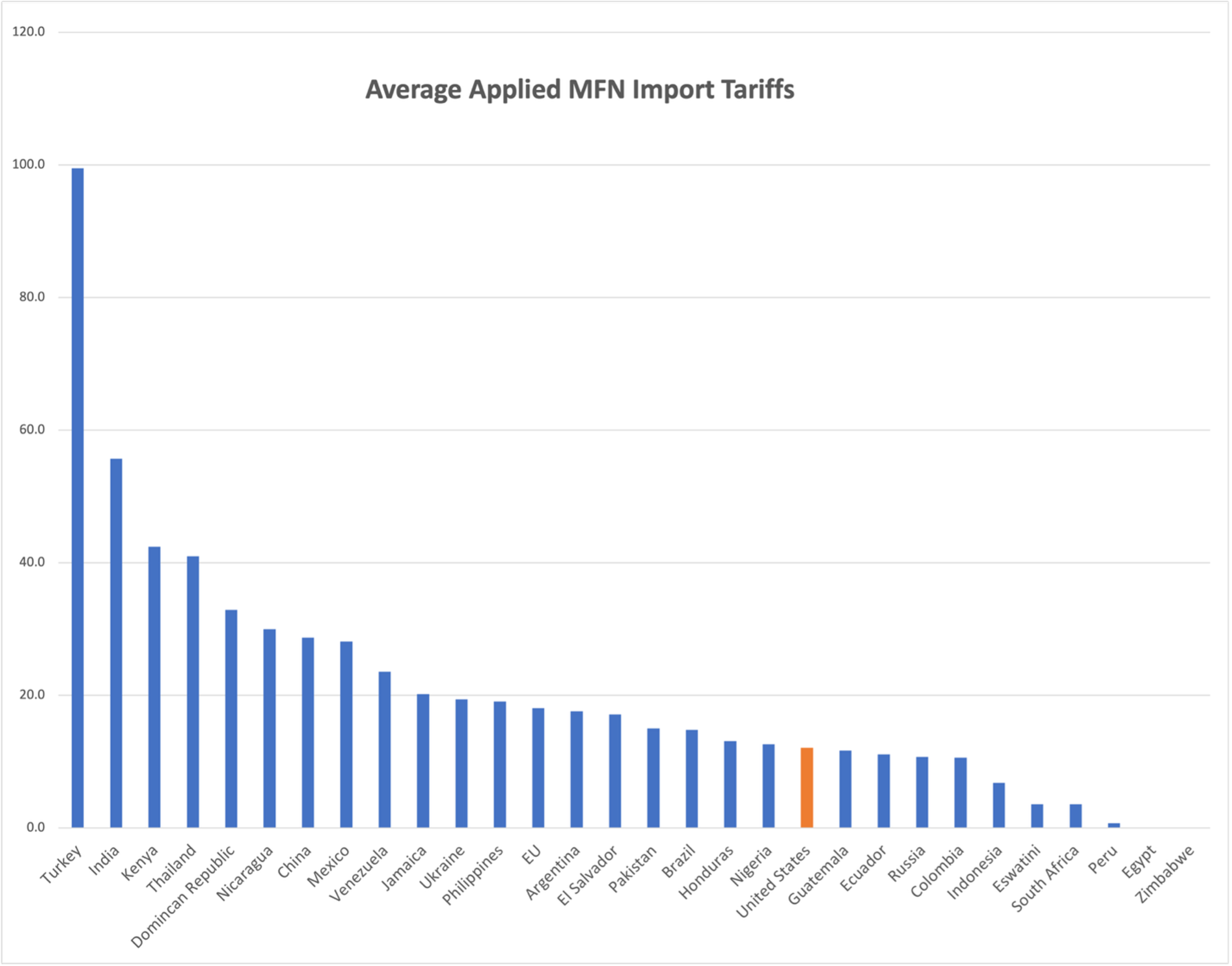
To view the entire report go to the Texas Tech International Center for Agricultural Competitiveness website: https://www.depts.ttu.edu/aaec/icac/
Wade, Shawn. "Sugar is sweet, just sweeter in some places..." Southern Ag Today
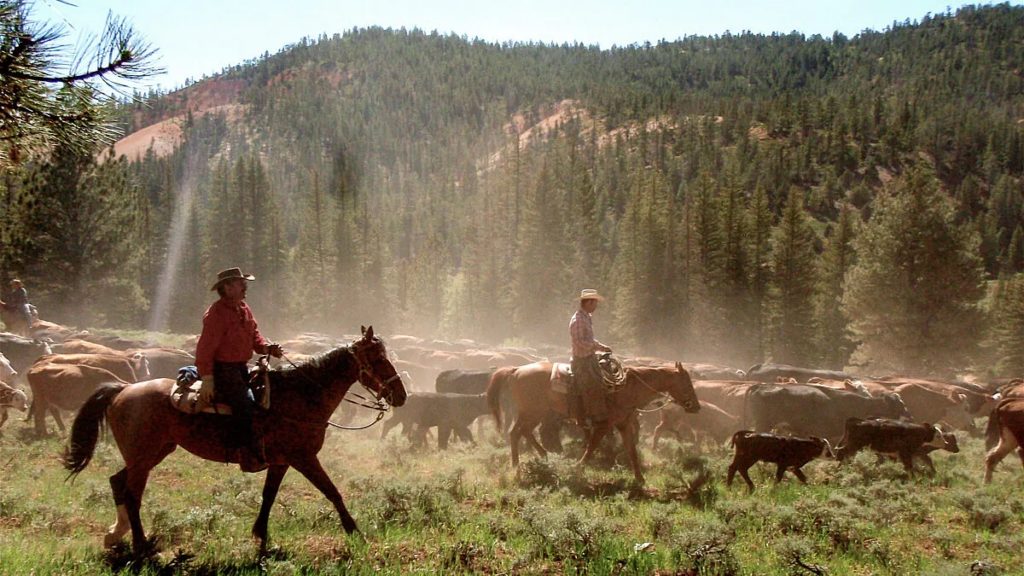
American Farm Bureau Federation President Zippy Duvall today called on President Trump to roll back plans to import an additional 300,000 metric tons of beef into the United States. An American Farm Bureau Federation analysis shows increasing imports has had little impact on ground beef prices at the grocery store. Meanwhile, cattle prices have weakened, with ranchers experiencing losses up to $300 to $400 per head.
"America's farmers and ranchers are renewing their call to the president to reverse course on his plan to import foreign-raised beef. While we appreciate Mr. Trump's goal of reducing grocery costs for America's families, increasing beef imports has not brought prices down.
"Farm Bureau economists tracked 41 locations since Labor Day and found that, on average, prices have fallen only 16 cents per pound. Most prices were unchanged. Families are still facing historically high prices and the threat of a 60% increase in imports over 90 days caused a sharp drop in the prices paid to ranchers for their cattle.
"To put it simply, the plan undercut a fragile recovery in the cattle industry while failing to benefit consumers. We urge the president to stop importing additional beef and focus on long-term solutions that support rebuilding the U.S. herd, which benefits both farmers and consumers who want home-grown beef."
Read the Farm Bureau Intel on beef prices here.
Rural electric cooperatives across the nation are facing unprecedented shifts in electricity demand as large-scale data center projects increasingly target rural communities, according to Jim Matheson, CEO of the National Rural Electric Cooperative Association (NRECA).
The NRECA represents more than 900 not-for-profit, consumer-owned electric cooperatives that are now balancing how to accommodate massive industrial loads without compromising service or driving up costs for current members.
Matheson explained that while electric demand growth has historically followed an incremental and predictable pattern, data centers represent a dramatic step change.
"You go to a rural electric cooperative that has a certain load of existing consumers, and you bring in a new 800-megawatt data center, and that can be triple what all the other consumers in that electric cooperative consume," Matheson said. "So these are significant amounts that are added all at once in sort of a step function for demand."
Across Oklahoma, this dynamic presents a complex planning puzzle for local distribution co-ops. Most rural cooperatives in the state do not generate their own power; instead, they rely on generation and transmission suppliers such as Western Farmers Electric Cooperative (WFEC) or public power entities like the Grand River Dam Authority (GRDA). A single industrial load of that scale puts immediate pressure not just on local distribution substations, but across the entire regional transmission grid coordinated through the Southwest Power Pool (SPP).
This rapid scale creates urgent questions regarding power generation, reliable delivery, and affordability. A primary concern for cooperative trustees and managers is safeguarding established agricultural producers and residential members from upward rate pressures and avoiding cross-subsidization of massive new commercial loads.
To protect the local farmer and rancher, co-op boards are focusing on specialized large-power rate structures and upfront capital contribution agreements to ensure data center developers pay their own way for high-capacity substations, dedicated lines, and grid enhancements.
While utilities have anticipated higher electricity use driven by manufacturing and broader economic growth, infrastructure deployment remains constrained by regulatory bottlenecks. Matheson noted that permitting delays represent a major hurdle when trying to build necessary electric assets.
"From a public policy standpoint, we've been advocating for reform of our permitting process in this country to create a more predictable, reasonable process," Matheson said. He emphasized that the goal is not eliminating permitting, but establishing clear timelines, transparent decision-making, and predictable outcomes rather than enduring continuous uncertainty.
To preserve grid reliability, Matheson stressed that the nation must rely on both new and existing energy resources. He cautioned against premature retirements of dispatchable generation, stating that public policy must stop encouraging the shutdown of power plants that still have useful life remaining to ensure electricity stays reliable and affordable.
That dispatchable power question is especially relevant in Oklahoma. While the state remains a national leader in wind energy, intermittent resources cannot guarantee the around-the-clock uptime required by industrial-scale data operations. Preserving natural gas generation assets remains central to keeping the power supply stable and affordable across rural service territories.
Addressing whether communities should welcome data centers, Matheson noted that the debate should center on local decision-making rather than blanket positions.
"We don't like one-size-fits-all mandates on data centers or any other policy quite frankly that's out there," Matheson said. "Different geographic locations have different characteristics, different capacities, different needs, and different challenges. To the extent that you can maintain that autonomy and local control in making decisions from an electric cooperative standpoint, that drives through all of our policy advocacy."
For Oklahoma's member-owned cooperatives, that local autonomy allows individual boards to evaluate not just power requirements, but local water supplies, county tax impacts, and community infrastructure before deciding whether a hyperscale development fits the long-term needs of rural members.
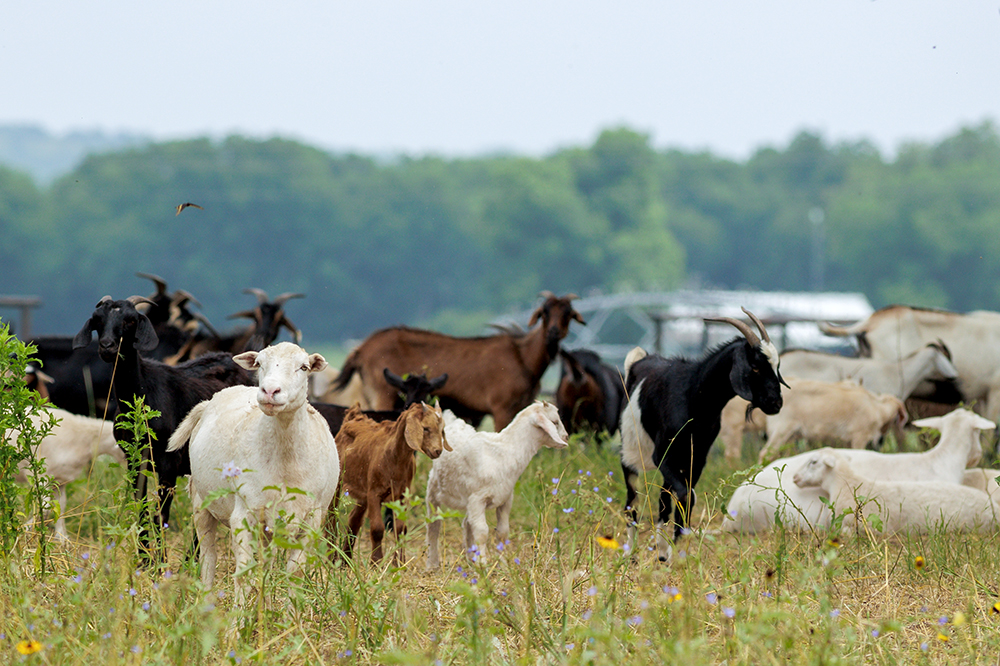
Op-Ed by Burke Teichert: In my mind, profitability is foundational to regenerative agriculture. You can look at that two ways: 1) The journey toward regenerative agriculture usually begins with doing something that costs money. If you are not profitable, do you have the money to start? 2) If the practices you adopt are truly regenerative, you will be able to cut costs and increase income, thus increasing profitability.
The problem comes in making that first cash outlay and trusting that it will all work as planned. For a grazier moving to regenerative management, your first expenditure will typically be for stock water development or fence — or a combination of the two. After making a mindset shift and getting the calving season right, many ranchers find enough ways to reduce or eliminate expenditures to pay for the first installment of fence and/or stock water.
While not wanting to offend anyone, I will suggest that the reason many ranches are not profitable is because the owner/manager doesn't know how. Paradigm lockdown often gets in the way of profitability. Ranchers are not intellectually deficient, nor do they intentionally lose money. Most have simply tried to become more profitable by doing the same old things a little better.
For nearly 70 years, the value of our product has risen more slowly than the cost of equipment, fuel and the inputs many of us have come to depend on. We must reduce our dependence on those inputs and replace it with a system that is much more dependent on soil health, rainfall, sunlight and our ingenuity.
Most of us have had to learn or need to learn what I call the "Major Determinants of Profit." Note that weaning weight is not on this list, because increased weight comes with a cost that often does not result in increased profitability.
My list of major determinants can be found on the following two pages.
The choice of enterprise(s) is extremely important to profitability. Sheep and goats might be more profitable than cattle. Stockers might be more profitable than cow/calf. Terminal cow/calf (buying pregnant cows, not bred heifers, and selling all the calves) is always more profitable than maternal cow/calf (raising and developing your own replacement heifers), unless you can develop heifers at a low cost and then sell bred cows for a good premium.
The ranches that improve their profitability the fastest are those that make big reductions in overhead costs: 1) land and the things attached to it; and 2) people and the tools and equipment used to do their job. Obviously we need overhead, but many ranches have more, even much more, than they need. Those ranches that rigorously attack overhead expense make big changes in profitability quickly.
Make sure your stocking rate stays safely within your carrying capacity. Factors to consider include:
Almost any time you can replace a day of feeding with a day of grazing, you have just improved your profit. Many successful ranchers are grazing all year long with no hay feeding at all.
The choice of a calving season is very important to reducing or eliminating hay feeding. It is also helpful to reduce calving-time labor and to avoid the need for calving facilities — let them calve in the pastures.
The ideal would be that, every year, every cow produces a calf that will become an animal to sell. That perfection will never happen, but with cattle adapted to your management and environment, you can do very well. Every cow that fails to raise a calf is a big drain on profitability.
My rule of thumb — always expect the input to produce at least $2 of revenue for every $1 you spend on the input. Why? Because we might have estimated incorrectly, or what if the price of the input increases and our cattle have become dependent on the input for good production?
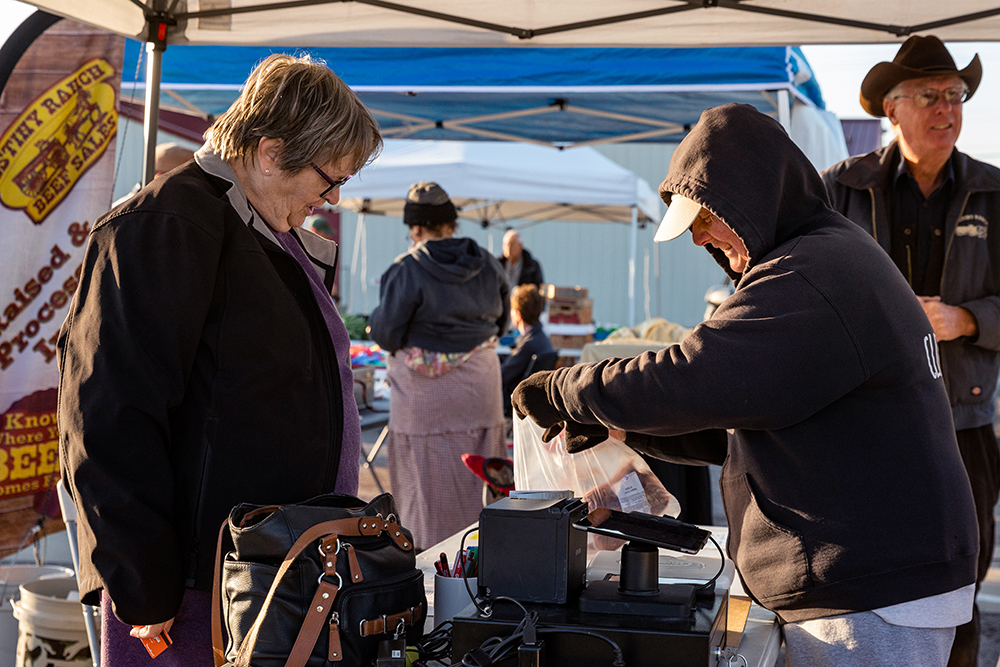
While I don't have space here to make a list of market options, let me suggest that there are many more options for selling our products than one might think. Here are just a few: Keep and expose all of your heifer calves for a short period of time. Keep and calve those that are pregnant. Then sell a lot of bred cows. Keep all steer calves and run as yearlings except on the drought years. Sell your meat directly to customers.
The ranking of this list of determinants will vary from one ranch to another, but they are all important. If you can spend time working on them, you will improve profitability — sometimes quickly and sometimes over time.
Then recognize that combining grazing management, adapted cows and the right calving season will have positive effects on soil health, carrying capacity, fed feed vs. grazed feed, overhead costs (especially labor and facilities) and herd fertility. And these are all big drivers of profitability.
To summarize the key points — reduce overhead, achieve excellent herd fertility and market well. Then strive to improve three key ratios: acres per cow, cows per full-time equivalent of labor and fed feed vs. grazed feed.
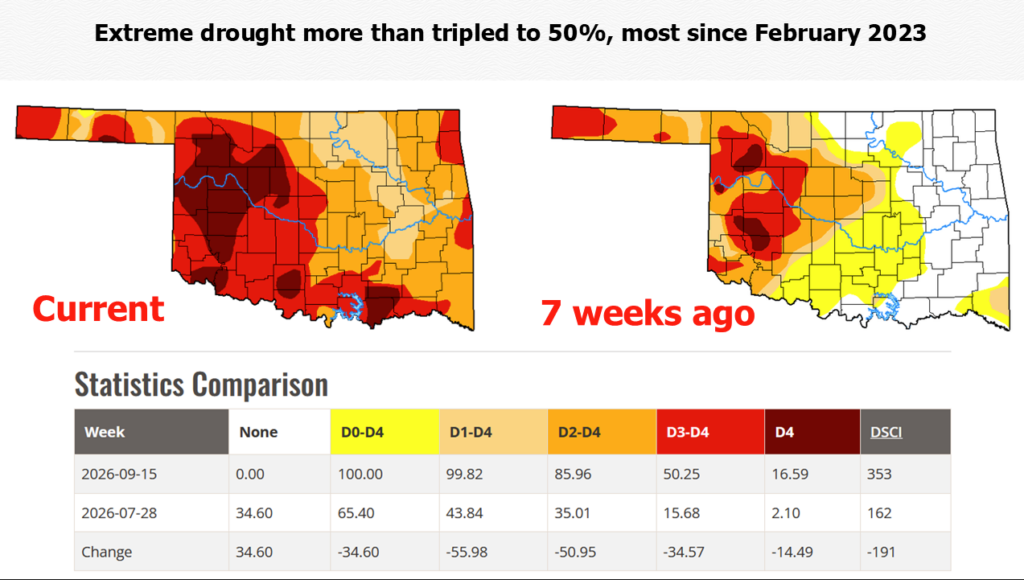
Oklahoma drought relief may finally be approaching as a strengthening El Niño pattern offers hope to parched agricultural lands, according to State Climatologist Gary McManus. Speaking with Farm Director KC Sheperd at a recent Drought Commission meeting, McManus outlined the harsh reality currently facing the state's agricultural producers while presenting a more promising long-term outlook for moisture heading into late fall and winter.
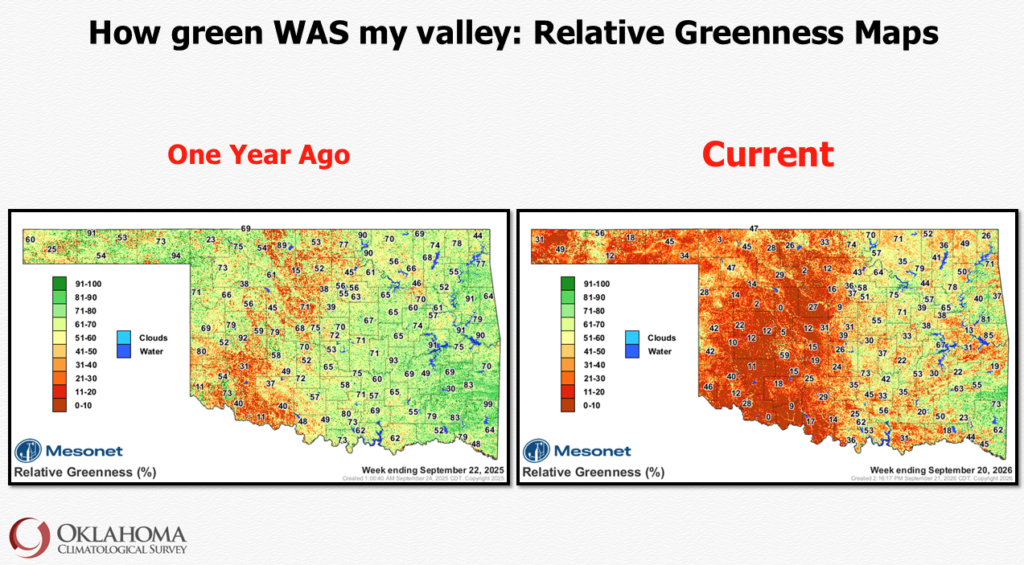
Conditions across much of Oklahoma remain in critical shape. McManus reported that extreme to exceptional drought blankets wide swaths of the state. The western half of Oklahoma into central regions has been hit hardest, with McManus noting that parts of western Oklahoma look like the surface of the moon. Northeast and southeast areas are also experiencing severe impacts. While a few isolated areas have received beneficial rains over the past few weeks, those events remain rare.
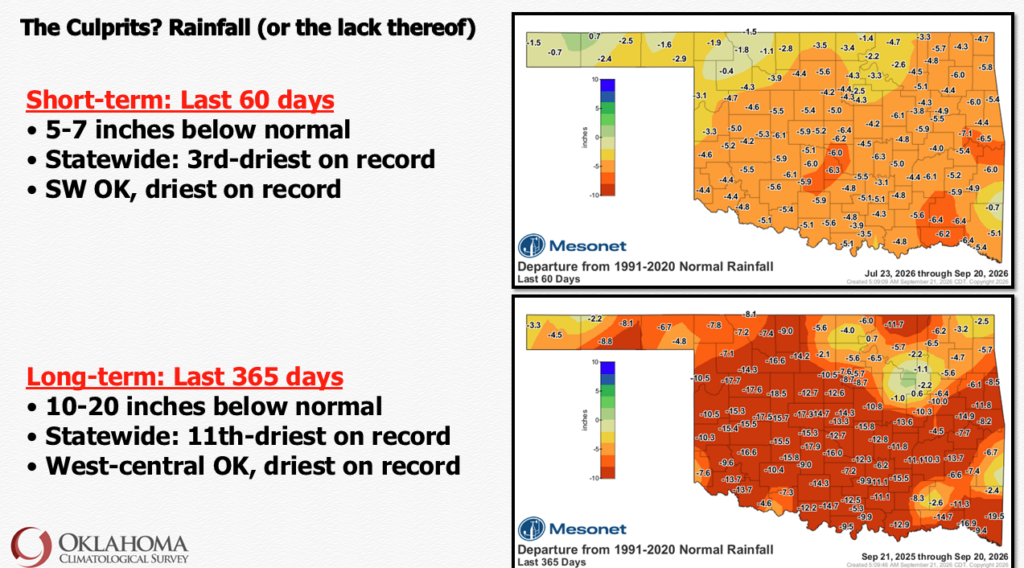
Over the trailing 365 days, southwest and west-central Oklahoma have recorded either their driest or second-driest year on record, with other areas ranking third or fourth driest. McManus pointed out that this intense dry spell has gripped the state continuously since August of last year.
The most hopeful shift in the forecast stems from the development of a powerful El Niño in the Pacific. McManus noted that the system is already strong, continues to strengthen, and is projected to reach "very strong," "super," or even historic levels.
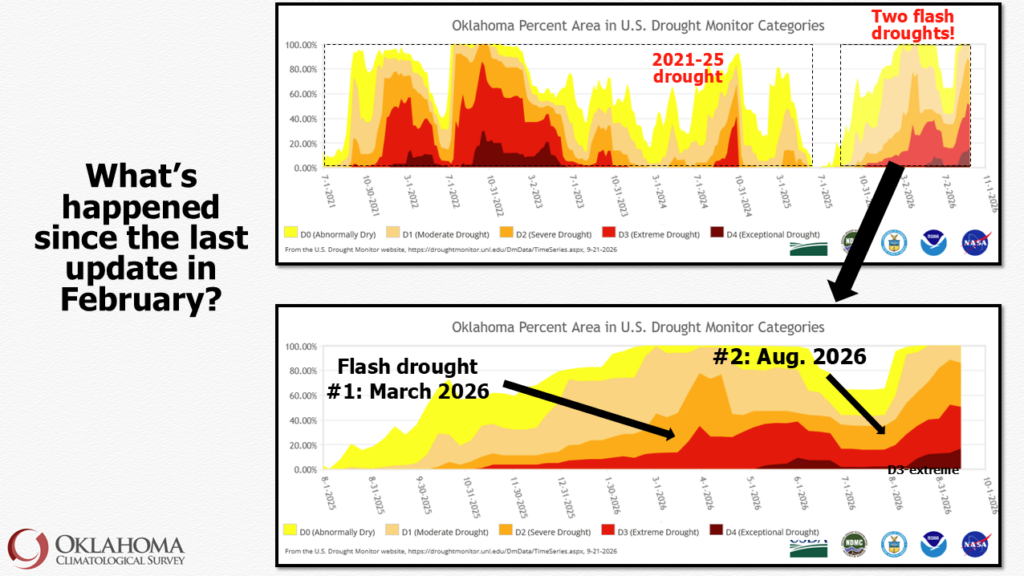
For Oklahoma and the southern tier of the United States, a strong El Niño historically tilts the odds toward wetter-than-normal conditions. Long-range outlooks show increased probabilities for above-normal precipitation spanning from October through March. McManus indicated that conditions are expected to lean wetter starting in October, November, and December. While this is not an absolute guarantee, it represents a dramatic and welcome change from the below-normal moisture forecasts producers endured over the past year.
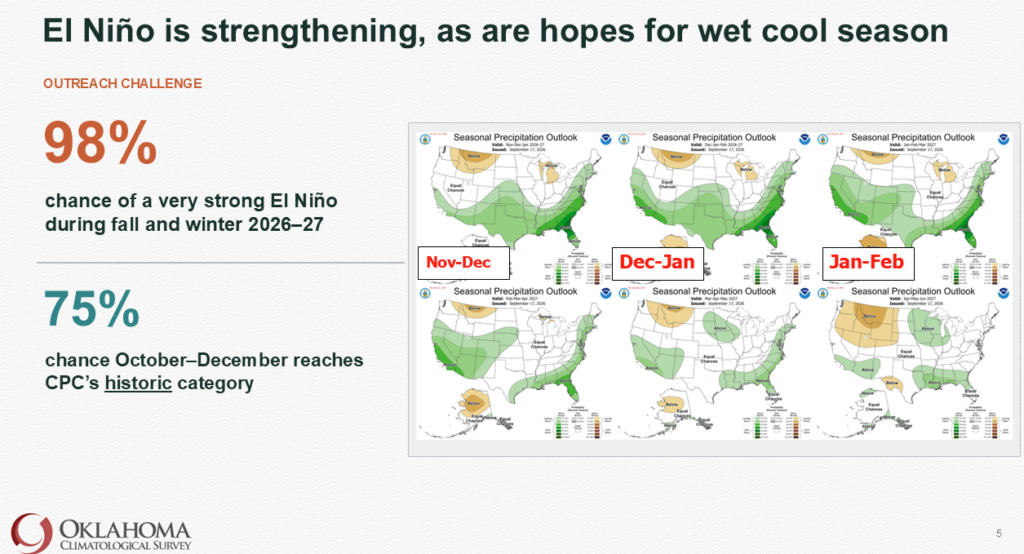
Regarding temperatures, outlooks currently show equal chances for above, below, or near-normal conditions. However, McManus noted that warmer-than-normal temperatures are no longer dominating the long-term charts. The pattern should produce more frequent storm systems, creating greater opportunities for winter precipitation. While ice storms and freezing rain remain an unwelcome hazard, snow would serve as an effective resource to replenish depleted soil moisture as it slowly melts into the profile.
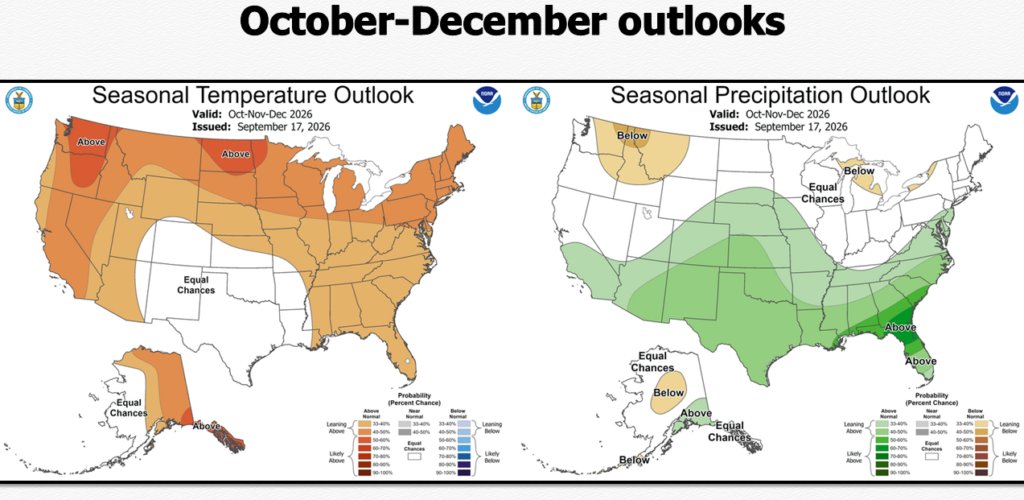
Because the topsoil across much of Oklahoma has been baked hard by prolonged heat and dry weather, heavy downpours pose a risk of immediate runoff rather than deep soil absorption. McManus explained that the ideal scenario would feature slow, moderate rainfall events spaced across several days, followed by reinforcing rains within a week to gradually saturate the soil. While heavy runoff is not ideal for parched soils, it would at least help recharge dwindling farm ponds and local lakes.
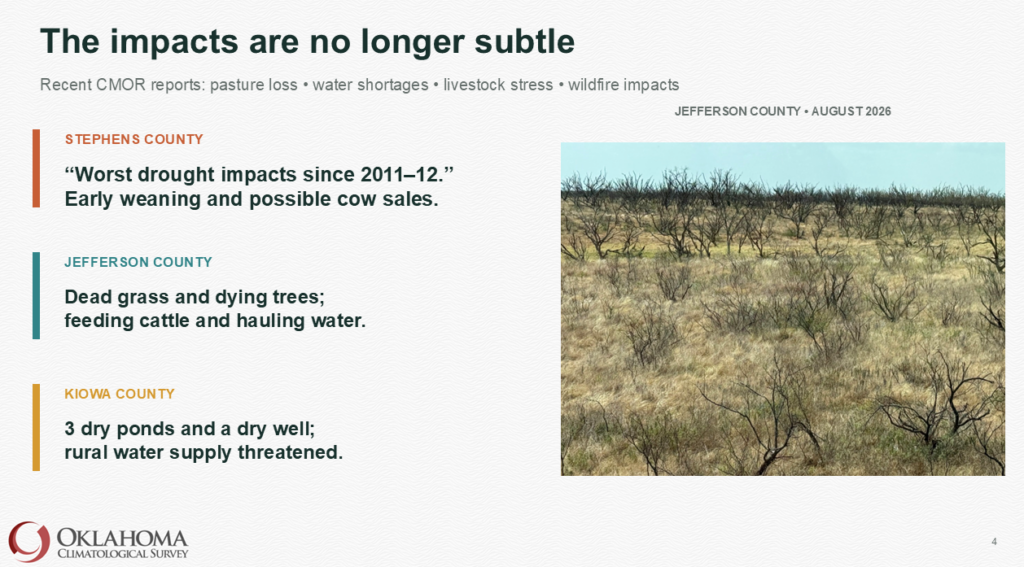
McManus urged agricultural producers to treat long-range climate outlooks as a "nudge" rather than a definite "trigger" for operational decisions. Producers should continue implementing solid preparation practices without fully banking on moisture delivery.
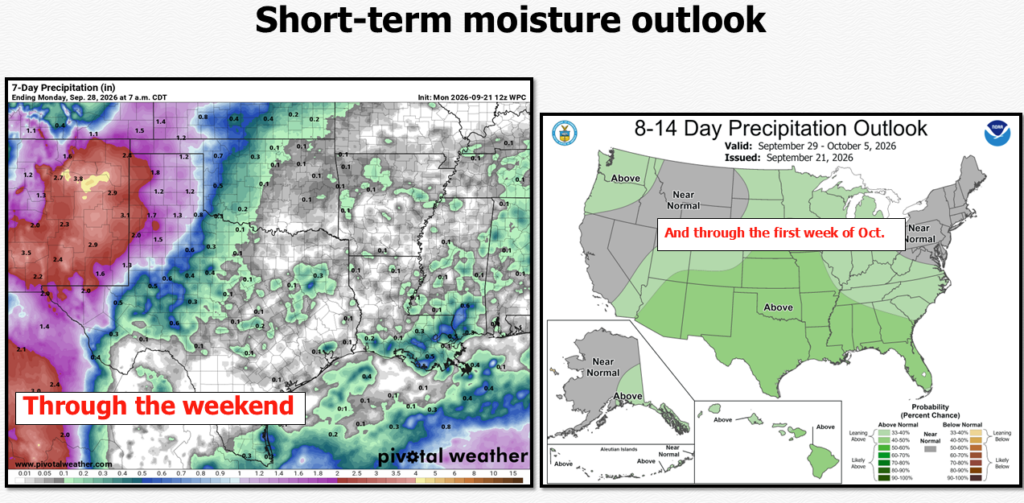
McManus emphasized the critical need for local producers to consistently report conditions and ground impacts to the U.S. Drought Monitor. Because drought monitor authors rely heavily on index values rather than strictly on ground impacts, detailed local reports provide the essential proof needed to reflect ground-level realities and help trigger available aid programs. You can report drought to the CMOR or Condition Montioring observation Reports by clicking HERE.
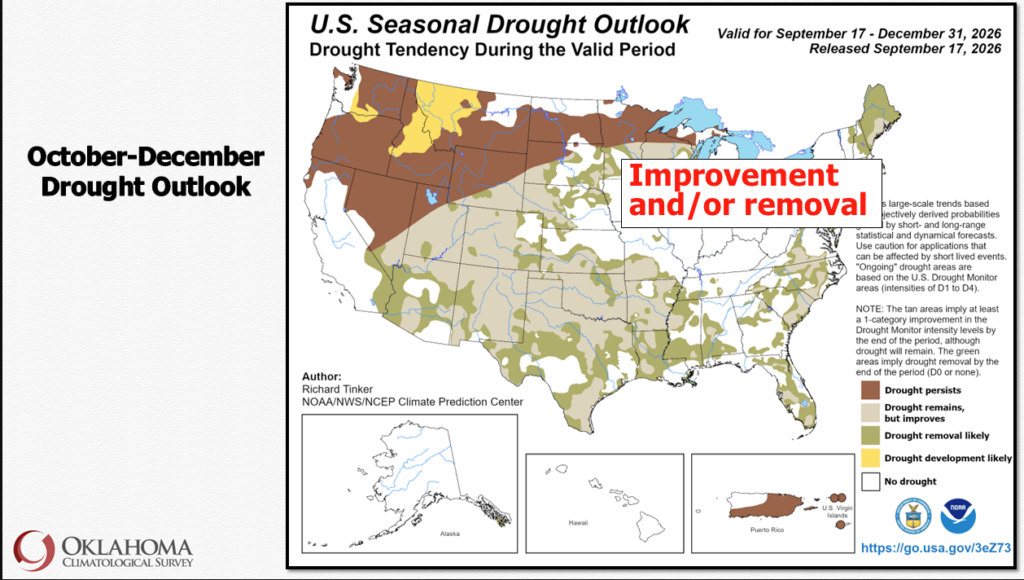
McManus says for the next few days the more substantial chances for widespread rain stays in western Oklahoma, with maybe some scattered showers to the east. But we should see that Pacific moisture plume continue into the High Plains over the next few days, possibly leading to some good rains in our Panhandle and far western Oklahoma.
But it's later into the weekend and into next week that gives most of us hope for more widespread rain in other parts of the state. Looking at the longer range forecasts from 7-10 days out, those forecast, he says those rainfall amounts get a bit higher and more widespread.
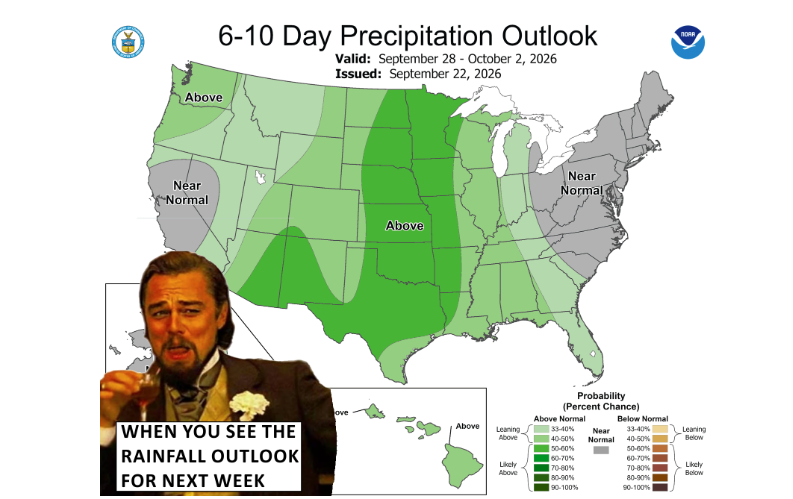
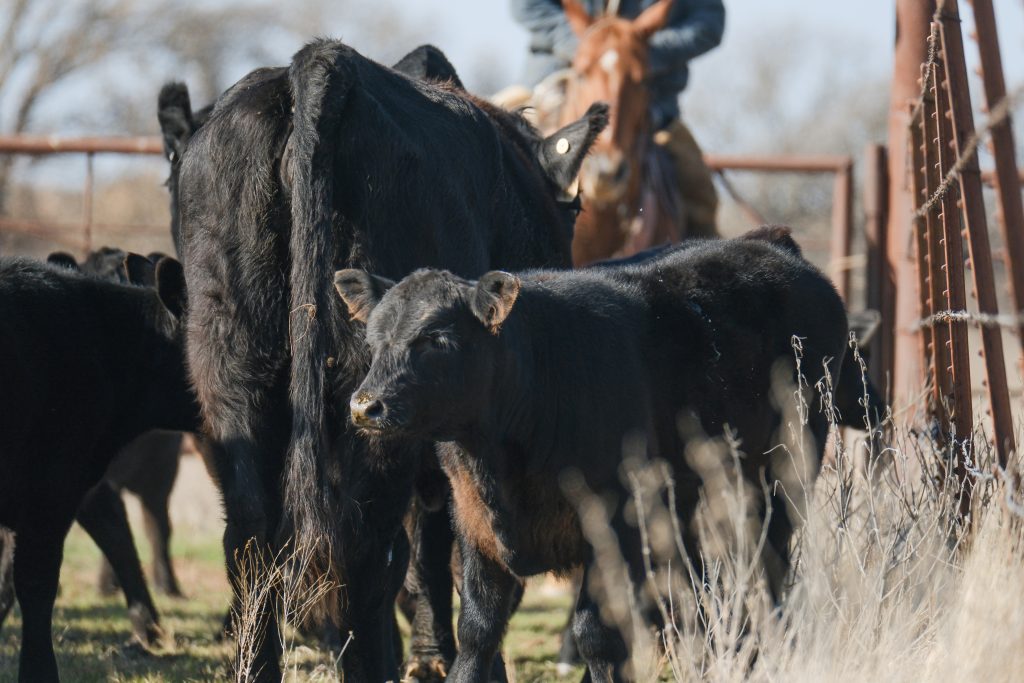
Seven R-CALF USA rollover calf sale fundraisers were held across the country, raising a total of $135,724 to support R-CALF USA's work on behalf of independent U.S. cattle producers.
R-CALF USA is the only national cattle organization solely funded through donations and membership dues and does not receive beef checkoff dollars. The continued support of livestock markets, calf donors, buyers and producers around the country through fundraisers like the rollover calf sales is a vital part of the organization's work.
"As a grassroots organization, it is American cattle producers and supporters across the country who make everything R-CALF USA does possible," said R-CALF USA President Dave Hyde. "From the producers who donate their cattle to the sale barns that host these fundraisers to everyone who raises a hand to bid, we are incredibly grateful to each person who continues to invest in R-CALF USA and the work we do on behalf of independent cattle producers."
The 2025-2026 calf sale season began Sept. 24, 2025, at Platte Livestock Market in Platte, South Dakota.
"Supporting R-CALF USA is huge. I mean, they're out there fighting for the rancher right now and we need all the help we can get in getting this beef labeled and everything," said Platte Livestock Market owner Scott Kirsch.
For the fourth consecutive year, James Fulwider and Kevin Talsma of Iona, South Dakota, donated a yearling steer, with all proceeds going to R-CALF USA. The steer raised $15,385.
Buffalo Livestock Marketing in Buffalo, Wyoming, hosted an R-CALF USA rollover calf sale Dec. 6, 2025. Largent and Sons of Kaycee, Wyoming, donated a weaned Hereford heifer calf that raised $14,500.
"We were more than happy to donate and were very pleased with the results," said Mark Largent. "The process was seamless, smooth and we would be very interested in doing it again."
Largent said he supports mandatory country of origin labeling (MCOOL) for beef. "We are plumb tickled with R-CALF. We want MCOOL to get in place. If we could get MCOOL, it would help us so much."
In Crawford, Nebraska, Crawford Livestock Market hosted an R-CALF USA rollover calf sale on Jan. 9, 2026.
Crawford Livestock Market owner Alicia Robertson expressed her appreciation for the support R-CALF USA provides producers and emphasized the importance of supporting the U.S. cattle industry.
"I think the number one thing that everyone in the country needs to know is that we need to eat and raise U.S. beef. We need to demand U.S. beef. We need to market U.S. beef," said Robertson. "We're right here in the United States where we raise the best food sources in the world. We just need to make sure that our people support our industry."
For the third year, Jack and Penny Dye of Dyesville Angus in Hermosa, South Dakota, donated a heifer calf to the rollover auction. Their donation raised $8,286 for R-CALF USA.
Atkinson Livestock Market in Atkinson, Nebraska, hosted an R-CALF USA rollover calf sale Jan. 20, 2026. For the fourth consecutive year, Paulsen Land and Cattle, owned by Matt and Julie Paulsen of Niobrara, Nebraska, donated a heifer calf. The fundraiser generated $15,569 for R-CALF USA.
"Nobody knew the real issues in the cattle industry, and that's why I started doing it," Paulsen said. "Nobody really knew the problems and the dilemmas within the industry because you have organizations like NCBA saying 'everything is good.'"
Paulsen said R-CALF USA is the only grassroots organization in the nation that supports independent cattle producers.
Huron Continental Marketing in Huron, South Dakota, hosted an R-CALF USA rollover calf sale Feb. 3, 2026. Proceeds from the fundraiser were divided between R-CALF USA and its affiliate, Independent Beef Association of North Dakota (I-BAND).
R-CALF USA Region III Director Ron Volk, who also serves on the I-BAND board of directors, donated a heifer calf that raised $1,893 for each organization.
"I like how R-CALF puts the producers first, and the producers are the people out there doing the work, doing the industry production," said Huron Continental Marketing owner Kim Ulmer. "I think the producers should be protected, and that's why I've supported R-CALF for years and years, because I feel like they're watching the back of every cattle rancher and producing results for the people and making awareness that needs to be continued.
"I think everybody needs to get involved in the political side of it," Ulmer said. "I would recommend the producers study the cattle organizations that are trying to protect them and get involved somehow, rather than just read the news and wonder what's going on or wait until the news is out."
In La Junta, Colorado, La Junta Livestock Commission hosted an R-CALF USA Rollover Calf Sale on April 29, 2026. James Bledsoe and Wil Bledsoe of Hugo, Colorado, donated a calf to the sale, with all proceeds going to R-CALF USA. The calf raised $31,600.
Weather and drought remain major concerns for cattle producers in the region, according to La Junta Livestock Commission President and General Manager Jace Honey.
"That's probably the biggest thing right now that everybody's talking about. We need some moisture," Honey said.
"[R-CALF USA] represents the cattle industry, not the meat industry," Honey said. "I think that's what helps us as much as anything is that the national public and consumers don't understand that the ranchers don't get rich by selling cattle. It's the packers who get rich by selling meat to the distributor."
Longtime supporters of R-CALF USA, Fort Pierre Livestock Auction in Fort Pierre, South Dakota, closed out the 2025-2026 R-CALF USA rollover calf sale season with its annual sale June 5, 2026. The calf was donated by Dean and Delia Johnson and raised $48,491.
"These barns putting these rollovers together is great for this organization," said Bryan Hanson, owner of Fort Pierre Livestock Auction.
"This is the way we can give, and it gives everybody a dog in the fight," said Delia Johnson. "It just means so much when 50 producers stand up at a sale and commit to giving part of their calf check to the organization. It's what holds us together and what keeps us humble.
"We've had our heart and soul in this organization from when Herman and Johnny and those original guys came around," Johnson continued. "Our little 4-H club served a meal to get people to come, and we saw the light there. That was the only hope we had.
"We've held on to it pretty tight, and it's paid off," she said. "It's the only reason we're all still out here as independent cattlemen."
R-CALF USA is now scheduling rollover calf sale fundraisers for the 2026-2027 season, which will kick off Sept. 23 at Platte Livestock Market in Platte, South Dakota, with a calf donated by James Fulwider and Kevin Talsma.
Livestock markets interested in hosting a rollover calf sale or producers interested in donating a calf are encouraged to contact R-CALF USA Operations Director Candace Bullard at candacebullard@r-calfusa.com or 406-591-9009.
Pictured from left: Bryan Hanson, Ft. Pierre Livestock Auction owner; Wil Bledsoe and son, Colorado cattle producers; Julie Paulsen, Nebraska cattle producer; Ron Volk; R-CALF USA Region II Director Judy McCullough; James Fulwider, South Dakota cattle producer; and R-CALF USA Checkoff Committee Chair Brett Kenzy.
During their 58th Annual Meeting, the Public Lands Council (PLC) honored two individuals who have made significant contributions to the federal lands ranching community. Association of National Grasslands (ANG) President Ty Checketts was selected for the 2026 President's Award and rancher Joe Guild from Nevada, was selected as the 2026 Friend of PLC.
Checketts owns and operates the historic Fiddleback Ranch with his family in northeastern Wyoming. Along with his duties as ANG President, Checketts is a member of the Wyoming Stockgrowers, National Cattlemen's Beef Association, and serves as a PLC Board member. He is a constant presence on policy talks surrounding grazing on national grasslands and working to prevent catastrophic wildfires.
"The President's Award goes to someone each year that has gone above and beyond the call of duty to advocate for grazing permittees. Ty Checketts is the strongest voice and advocate for those who ranch on national grasslands, but he also does so much work to help all federal lands ranchers," said PLC Immediate Past President Tim Canterbury. "Checketts has testified in Congress and led engagement with state and local officials for years, which is a costly endeavor to spend time away from your operation, even though the impact for ranchers across the West is clear. Checketts is well deserving of the President's award, and I am proud to serve with him on the PLC Board of Directors."
Guild is a rancher and lawyer that got his start working in natural resource and water law, before founding his own consulting business supporting other ranchers in the industry. Joe manages a cow/calf operation on 25,000 acres on national forest land and is also part of a ranch management team with both cows and sheep on one million acres of land. He is a past president of the Nevada Cattlemen's Association, former Treasurer of the National Cattlemen's Beef Association, and a longtime member of PLC.
"There is no better friend to PLC than Joe Guild, he has been in western policy battles we have faced for years and is always working to do more to advocate for and protect the American rancher," said PLC President Ron Cerri. "He has spent his career standing up for livestock producers in court and our nation's capital, while managing multiple livestock operations. I do not know where we would be as an industry without Joe's leadership because he has really set us up for the successes we are seeing today, due to his extensive body of work. Thank you, Joe for everything you have done for PLC and the western grazing community."

From pig cuddling in rural Texas, to a vegetable farm stay in Missouri, and an Alpine goat hike in Maine, the demand for agricultural travel is rapidly growing, and so is the need. Agritourism turns working farms and ranches into places people can visit, learn from, and stay, strengthening farm income while connecting communities to agriculture—enabling exactly the kind of belonging Airbnb was built for. As economic pressure squeezes American farms and ranches, a new Airbnb report finds hosting on the platform earned the typical farm stay host close to $8,000 last year, with U.S. farms on Airbnb earning nearly $120 million in 2025.To help make this opportunity even more accessible, Airbnb and American Farmland Trust are announcing the 'Farm to Stay' Grant Program, which will offer farmers and ranchers up to $10,000 per grant to start or expand an agritourism stay or experience.
"Through the 'Farm to Stay' Grant, we'll give agricultural communities a critical foothold in a growing sector that can help bring stability and predictability to an industry facing serious headwinds," said Ashley Brucker, American Farmland Trust Senior Manager of Grantmaking, Brighter Future Fund. "With interest in farm stays increasing, our partnership with Airbnb could not happen at a better time. For over four decades, our mission has been to protect America's farmland and help sustain the livelihoods of our farmers and ranchers. The opportunity to develop new revenue streams, in this instance through stays and experiences, has become essential to that work."
Airbnb's partnership with American Farmland Trust will launch a new grant program aimed at farmers who want to take advantage of agritourism opportunities that support their farm business but need support to get there.
"A 'Farm to Stay' Grant can be what helps keep a family on their land through a bad season. Sharing a room in the farmhouse can offset increased costs and bring tourism dollars to communities that visitors have traditionally overlooked," said Jordi Torres Mallol, Airbnb Regional Director for the Americas. "The demand is only growing, and we're proud to work with American Farmland Trust and local community partners to help farmers and ranchers meet it."
The grant program will help farmers renovate or prepare their properties to host overnight guests, or to launch agritourism experiences, from apple picking and wine tasting to farm-to-table dinners and hands-on agricultural workshops. Alongside the grants, Airbnb and American Farmland Trust will host a set of webinars to help farmers get started on the platform—from setting up a listing or experience to welcoming their first guests and building toward long-term success.
American Farmland Trust has been a pioneer of the American agriculture conservation movement and has spent decades working directly with farming communities across the country. Their mission—to protect farmland, promote sound farming practices, and keep farmers on the land—aligns directly with what Airbnb's data shows agritourism hosting can do—give farmers a new revenue stream that makes staying on the land financially viable.
Grants will range up to $10,000, with the program designed to support farmers across every part of the U.S.
American farms are under pressure. Unpredictable weather, rising input costs, and volatile commodity markets have made it harder than ever for independent farmers to stay afloat. In fact, according to USDA economic research, the typical small farm household lost money on farming in 2024, with median farm income of nearly -$2,800.
A new report by Airbnb shows that the typical farm stay host earned approximately $8,000 in 2025. This supplemental income is critical for many farming families, and can be the difference between staying in business and walking away. Across the country, farm stay hosts have collectively earned approximately $120 million through Airbnb in 2025, and areas with new farm stays saw roughly 15% faster growth in overall earnings.
That impact goes beyond visitors' spending on lodging and contributions to local economies that wouldn't otherwise see the benefits of tourism because of the lack of accommodation options. The report finds that across the U.S., more than 60% of census tracts are hotel deserts where Airbnb is the only accommodation option. In these rural areas, farm stay guests generate close to $125 million in total tax revenue and contribute nearly $500 million in G.D.P., supporting small businesses, local attractions, and state and local governments alike.
According to Google Trends data, U.S. searches for all "farm stay" have nearly quadrupled in the last decade. Additionally, total host earnings for farm stays on Airbnb have grown nearly 400% since 2018. The data tells a clear story that agritourism is no longer a niche, instead becoming a growing economic lifeline for American farming and ranching communities.
"Small farms have to find creative ways to remain viable, and welcoming guests has allowed us to diversify the farm while continuing to produce local food and keep the property in active agriculture. It's become another part of how we keep a working farm thriving while sharing a little bit of this life with people who otherwise might never have the opportunity to experience it."
– Jeremy Foust, Airbnb host from Eatonville, Washington
'Farm to Stay' Grant applications will open in November. Farmers and ranchers interested in applying can learn more at www.farmland.org/farm-to-stay.
Alongside the grants, Airbnb is running two free online workshops for anyone curious about agritourism—no grant application required. Each session will cover how our platform works, hosting best practices specific to rural and farm stays, and what it takes to get a stay or an experience live, from setting up a listing to welcoming a first guest. Both sessions include Q&A and a walkthrough of the community resources available to new hosts year-round.
Workshops will be held on Wednesday, October 14th at 5:00 pm ET and Friday, November 13th at 12:00 pm ET. Register by clicking either date.
"For years, hosting has let us introduce guests from across the country and around the world to our historic corner of Detroit. Now we want to add something to it—an urban farm right here in the heart of the city. A 'Farm to Stay' grant would make that real, and as a veteran, that means a lot to me."
– Evan Fay, Airbnb Host from Detroit, Michigan

The Midwest Dairy Board of Directors has appointed Beth Bruck-Upton, Senior Vice President, Sales
and Partnerships, to serve as interim chief executive officer beginning October 12. The appointment follows the announcement that current Midwest Dairy CEO Corey Scott has been named president and chief executive officer of Dairy Management Inc. (DMI), effective October 12. Bruck-Upton will lead Midwest Dairy's day-to-day operations and work closely with the Board and the organization's leadership team
during the transition. She has over 15 years of experience with Midwest Dairy and has held leadership roles spanning consumer programming, nutrition, youth wellness, regional operations, research, and processor partnerships.
"Corey's selection to lead DMI reflects her strong leadership and
longstanding commitment to dairy farmers and the broader dairy community," said Charles Krause, chairman of the Midwest Dairy Board. "We congratulate her on this opportunity and are grateful for the leadership she has provided at Midwest Dairy. The Board has full confidence in Beth and our talented staff as
they continue advancing our priorities and delivering value to dairy farmers across the region."
Corey Scott joined Midwest Dairy in March 2024. During her tenure, she led an organizational realignment
designed to focus people and resources on Midwest Dairy's most important strategic opportunities, including
concentrating consumer efforts in five key markets. She also strengthened the systems and infrastructure
supporting the organization's work, led development of the proposed 2027–2031 strategic plan, and
emphasized talent development, career growth, and a culture that puts people first.
"It has been a privilege to lead Midwest Dairy and work alongside a staff so deeply committed to serving dairy
farmers," Scott said. "I am proud of what we have accomplished together and confident in the organization's
direction. Beth and the leadership team are well positioned to maintain Midwest Dairy's momentum and
continue moving this important work forward.
Midwest Dairy's mission, current priorities, and commitments will continue during the transition. The Midwest
Dairy Board will determine the process and timeline for selecting a permanent CEO.
"I am honored to serve Midwest Dairy during this transition," Bruck-Upton said. "Having spent much of my
career with this organization, I know firsthand the talent and commitment of our staff and the strength of our
partnership with the Board. My immediate priorities are supporting staff, maintaining progress on the work
underway, and ensuring Midwest Dairy continues delivering value to dairy farmers." Scott will work with Bruck-Upton and Midwest Dairy's leadership team to support a smooth transition before
beginning her new role at DMI
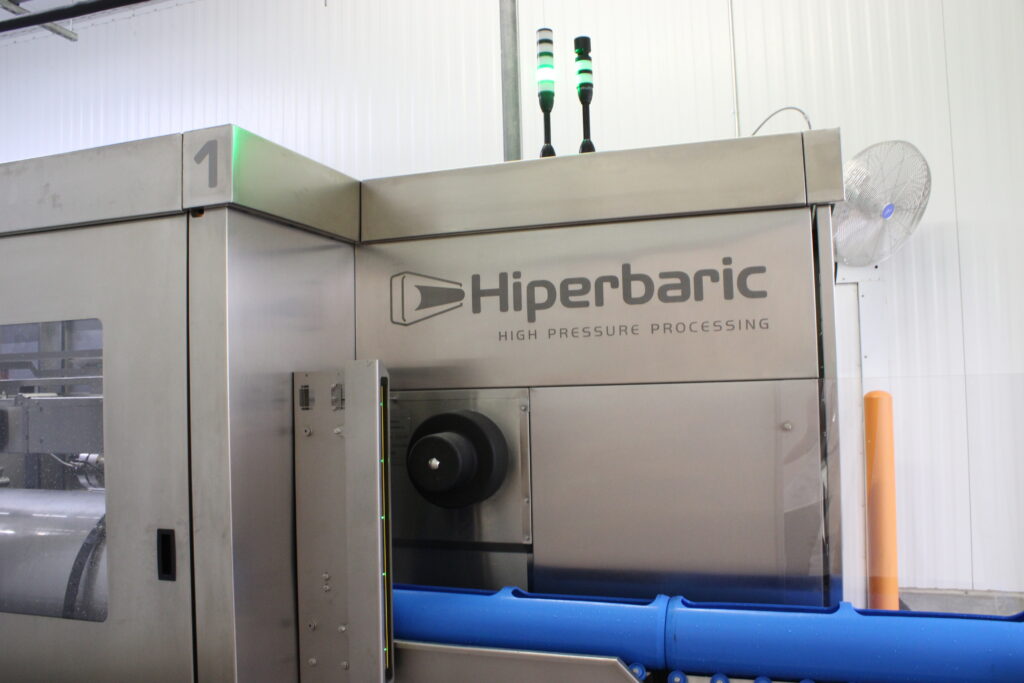
Oklahoma State University hosted food industry professionals and researchers Thursday, Sept. 17, for a workshop exploring how high-pressure processing technology can improve food safety, extend shelf life and create new opportunities for the beef industry.
Oklahoma Farm Report intern Haden Snelson visited with researchers from OSU and the University of Nebraska-Lincoln during the HPP workshop in Stillwater to learn more about the technology and its potential applications in food production.
Dr. Rodney Holcomb, assistant director of OSU's Robert M. Kerr Food and Agricultural Products Center (FAPC), said the university has been exploring high-pressure processing, or HPP, as a way to improve food safety while reducing the need for additional ingredients.
"We've looked at different food processing technologies, food preservation and food safety," Holcomb said. "There's so much that we do here at the Food and Egg Product Center that's related to food safety."
Holcomb said the technology presents opportunities for food manufacturers seeking to produce safer products with longer shelf lives.
Dr. Gary Sullivan, professor of animal science at the University of Nebraska-Lincoln, explained that HPP uses extremely high pressure rather than traditional heat treatments to control harmful microorganisms in food products.
"They fill the vessel with water and then that water is pressurized," Sullivan said.
Depending on the application, the pressure can reach approximately 87,000 pounds per square inch.
Sullivan explained that the pressure disrupts proteins in bacterial cell membranes, making it difficult for harmful microorganisms to survive and reproduce. The technology can help control pathogens such as E. coli, although the effectiveness depends on the pressure and treatment used.
Beyond food safety, researchers are exploring how HPP could improve the value of dark-cutting beef, which can be discounted because of its unusually dark appearance.
Sullivan said researchers have found that the technology can lighten the color of meat, potentially improving its appeal to consumers.
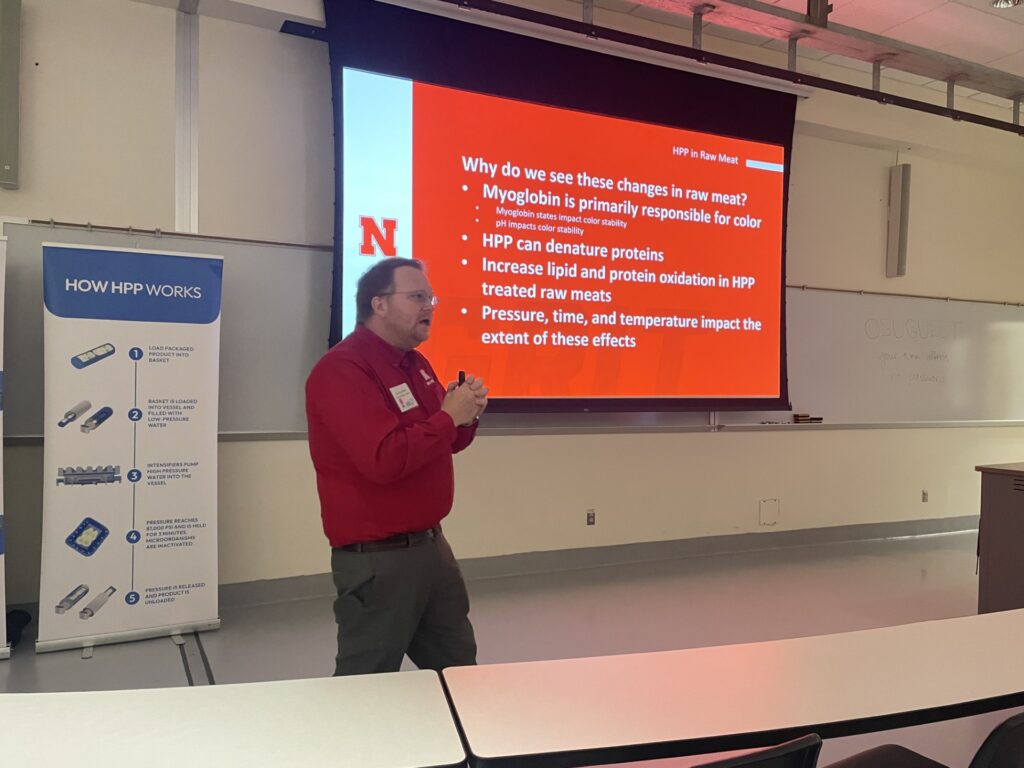
"We can actually take things that are too dark," Sullivan said, explaining that the process can bring the meat's color closer to what consumers expect.
While the color change can be undesirable in conventional fresh beef, researchers believe it could provide an opportunity to recover value from dark-cutting carcasses.
"If we can add value back to the beef carcasses, especially at a time of a tight beef supply," Sullivan said, the technology could have a significant impact on the industry.
Dr. Mary-Grace Danao, research associate professor at the University of Nebraska-Lincoln, said the collaboration between the two universities began several years ago when Nebraska researchers sought assistance from OSU meat color scientist Dr. Ranjith Ramanathan.
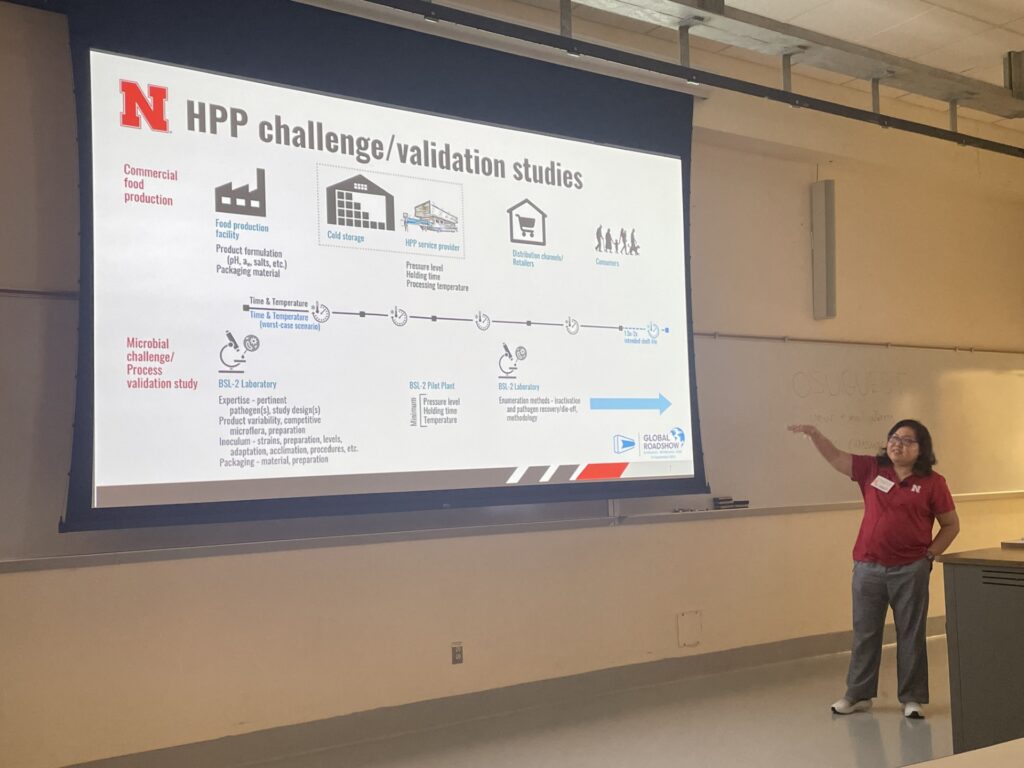
The partnership has allowed students and researchers from both universities to investigate how pressure affects meat proteins and explore potential solutions for dark-cutting beef.
Danao said the research could also help scientists better understand why conventional ground beef becomes lighter during high-pressure processing and potentially find ways to address the color change.
The technology also has applications beyond meat products, including juices, dips, baby foods and ready-to-eat foods.
Danao explained that traditional pasteurization relies on heat to reduce harmful microorganisms, while HPP uses pressure to achieve similar food safety objectives in certain products.
"Because we're not using heat, we're not also lowering some of the heat, labial or heat sensitive compounds like your vitamins, some of your minerals, some of the color pigments," Danao said.
She added that the technology can help manufacturers produce minimally processed foods while maintaining desirable characteristics and extending shelf life.
Holcomb said Nebraska's experience with HPP has been instrumental in helping OSU establish its own research capabilities.
"We already had that connection and they're very open and very helpful," Holcomb said.
He explained that Nebraska researchers have helped OSU develop validation studies to determine whether high-pressure treatments can effectively control foodborne pathogens and extend product shelf life.
Danao said the collaboration also played a role in bringing the workshop to Stillwater.
"I think the best place to do it would be at Oklahoma State because they are a good partner, a good collaborator for us," Danao said.
Holcomb said the workshop provided an opportunity for attendees to better understand the technology and evaluate whether it could benefit their own food products.
"I think there are a lot of people that found out that many products they consume are already treated to HP processing," Holcomb said.
He added that the technology offers potential applications ranging from improving food safety to extending shelf life and developing products with fewer ingredients.
In today's Beef Buzz, senior farm and ranch broadcaster Ron Hays features audio with Bob Funk Jr. about the upcoming dispersal of the Express Ranches cattle operation. Funk's comments come from a recent conversation that he and longtime Express Ranches' management Donnie Robertson and Kevin Hafner had about the decision to disperse the historic herd by the middle of 2027.
After the passing of Bob Funk Sr. a little more than a year ago, the Funk family made the difficult decision to liquidate the cattle operation, with the majority of the females set to sell during the Big Event October 5-7 at the ranch in Yukon, Oklahoma.
Funk says the decision to disperse the herd was not one the family made lightly, and he believes it would be a mistake to point to one specific reason behind the decision. "It's a hard decision to make around the dispersal of the ranch and sale the operation overall. It didn't come without a lot of heavy thought."
Funk says the family has deeply enjoyed its time in the ranching and Angus business, particularly the relationships built throughout the years. "The family has enjoyed and really loved being in the ranching business, the Angus business, and the level of success that we have enjoyed has been phenomenal."
He says those relationships may ultimately be one of the most important parts of the legacy left by Express Ranches. "I would say most importantly, probably what we enjoyed the most is just the people and the relationships that we've gotten to build over time."
Funk says achieving excellence also creates the challenge of continually trying to maintain and improve upon that standard. "When you set out to achieve excellence, and then you achieve excellence, maintaining that excellence is a challenge, and you're constantly setting the bar higher for yourself."
While the cattle operation is being dispersed, Funk says he is proud of the genetic program that has been developed at Express Ranches and sees the sale as an opportunity to share those genetics throughout the Angus industry. "We find ourselves in a position as a family that there are just circumstances that are unavoidable, and combination with an opportunity in so many levels—not just on a financial opportunity or an economic opportunity—but an opportunity to, I think, number one, be proud."
Funk says the family also has an opportunity to extend the legacy created by his father. "I can feel proud that that legacy, through the genetics and through the excellence that's been developed, and through all of your efforts, I can feel proud to see that be carried on through the entire industry."
He says that opportunity is something he considers unique. "I think that's something truly unique that very few operations get to participate in."
Funk says the dispersal also provides an opportunity to recognize the people who helped build Express Ranches into what it became. "This gives us, I would say me personally, but our family as well, the opportunity to honor in a really interesting and special way that I hadn't thought about until about a month or two ago."
He says that includes recognizing the people who invested years of work into the operation. "I think it really does honor all of your efforts and all of your wisdom and all of your hard work."
Funk says that perspective helped change how he viewed what was otherwise a very difficult decision. "While it is not the decision I would have liked to have made, it was approaching that decision with trepidation. It really turned my perspective."
Although Funk says the family is stepping away from the Express cattle operation, he does not expect his connection to the cattle industry to disappear. "I'll always want to at least be attached in a way to the cattle business in some way, shape, form, or fashion."
Funk says cattle have been part of his life since childhood and remain a personal passion. "We've always had cattle growing up. That's the reason I love it so much because it's so many childhood memories that are wrapped up in it."
He does not anticipate returning to the cattle business at the same scale as Express Ranches, but he says he wants to maintain some connection to the industry. "I don't think we get back into the business at the level we were at. But you know, having a tie, at least being having visibility into what's going on in the cattle markets and the cattle business, it will always be a passion of mine."
Funk says he does not view that passion as simply a hobby. "It's not a hobby of some sort in that respect. Because I do, I love it."
While there will understandably be sadness surrounding the end of the Funk family's ownership of the cattle operation, Funk says he is encouraged that the ranch and the genetics will continue into the future. "I do feel like it's what's best for the family and what's best for the operation overall."
He says he will be pleased to see the ranch continue as a cattle operation outside of the family's ownership. "I'll be glad that the genetics will get carried on. I mean, the property and the ranch itself will carry on as a cattle operation, outside of our hands or from a family standpoint."
At the same time, Funk acknowledges the emotions that will come with the transition. "I'll be pleased and happy that it'll get to carry on, but there'll be some sadness around that too, fond memories and of both people and times."
The Express Ranches Big Event female dispersal is scheduled for October 5, 6 and 7 at the ranch in Yukon, Oklahoma.
The Beef Buzz is a regular feature heard on radio stations around the region on the Radio Oklahoma Ag Network and is a regular audio feature found on this website as well. Click on the LISTEN BAR above for today's show and check out our archives for older Beef Buzz shows covering the gamut of the beef cattle industry today.
For sixth-generation Oklahoma cattle producer Lodge Scott, managing a stocker operation means keeping a close eye on cattle performance, feeding costs, and the bottom line. At his operation east of Waurika in Jefferson County, Scott raises his own stockers while also feeding customer cattle for 60 to 75 days before sending them back or selling them.
Scott says technology has become an important part of managing those cattle, particularly through Performance Beef.
Scott says one of the biggest advantages of Performance Beef is being able to quickly track costs and determine where cattle stand financially. "Using Performance Beef and different technology in our operation, we're able to track all of our costs easier and be able to see what our break even is going to be when it comes time to sell cattle," Scott said.
The system has also made it easier for Scott and his family to access information about their cattle without having to be at the operation.
He recalled recently sitting in a sale barn and showing someone the break-even point and closeout information for cattle they were selling. "It was just like calling the feed yard and saying, 'Hey, I need to see how my cattle are performing,' and it pulls it right up on his phone," Scott said.
Scott says Performance Beef has also changed how the operation handles feeding and ration management. "Performance Beef has made a huge difference in how we feed and mix our rations," he said.
The ability to connect the software with equipment such as the scale head on the mixer has helped reduce paperwork and make feed records easier to manage. "Once you fully get on the software, it's so much easier than trying to keep pen and paper," Scott said.
He says the system allows the operation to keep track of feed calls and costs as they happen, rather than having to go back later and reconstruct the information. "You can look at your costs at the end of the day and know exactly what you're putting in," Scott said.
The time savings have been another major benefit for the Scott operation. Scott says the family committed to the system after seeing how much time and money it could save. "We committed to the system when we learned about how much time and how much money we were saving using it," he said.
According to Scott, the operation's daily feeding routine has been reduced substantially. "It really has cut our feeding. What used to take us all morning until noon has cut us back to two hours a day," Scott said.
That efficiency also gives Scott the ability to monitor the operation when he isn't physically there. "I'm able if I'm off on vacation or back when I worked at sale barns, I'd check and see how things were going out here," he said.
Scott says his father initially put him in charge of learning the technology, but quickly became comfortable with the system himself. "My dad said, 'You're here. You understand the technology. You're gonna run it,' and I said okay," Scott said.
Scott said his father learned the system quickly and now regularly uses it to review cattle performance and financial information. The technology has become an important part of the family's day-to-day management, allowing them to make decisions with current information rather than relying solely on handwritten records.
Scott says going back to the old way of doing things would be difficult after becoming accustomed to Performance Beef. "If we lost all of our information tomorrow, and not had Performance Beef and had to go back to pen and paper, I don't think we'd know what to do because it would look like a train wreck out here if we lost Performance Beef," Scott said.
For a sixth-generation cattle producer focused on carrying on his family's operation, Scott says tools such as Performance Beef are helping the operation manage its cattle and costs while making better use of its time.
To learn more, visit PerformanceLivestockAnalytics.com
On Tuesday September 22, 2026- the calf run at OKC West In El Reno reported 2, 650 head. Compared to last week: Steer calves 10.00-20.00 higher. Heifers calves 5.00-15.00 higher. Quality started out very plain for the first two hours of the sale. As the sale progressed, quality steadily improved from plain to average, with some attractive drafts offered. Overall calf quality was the best we have seen throughout the summer. Buyers were very aggressive on average to attractive drafts and were willing to push prices higher to buy the cattle.
On Tuesday, September 22nd on the Beaver Livestock Auction in Bever, Oklahoma- - Compared to last sale: Feeder steers and heifers 10.00-15.00 higher on better quality. Steer and heifer calves 8.00-15.00 higher. Demand strong. Quality attractive with several fancy drafts. Today's sale held strong from beginning to end. Conditioning, shots and genetics played a major role in today's sale outcome.
The Oklahoma deer archery opener is Oct. 1. Bowhunters need only an annual hunting license and a deer archery license to harvest the full archery bag limit. Hunters under 18 just need their youth annual super hunting license. Nonresidents who purchase a deer archery license after Sept. 30 must do so two days in advance of going hunting.
Hunters can take up to six deer as part of the archery season, (no more than two antlered), all of which count toward the hunter's combined season limit of six deer.
Oct. 1 is also the archery opener for elk, pronghorn, black bear and turkey. For complete rules for archery hunting, check out the Oklahoma Fishing & Hunting Regulations here or on the Go Outdoor Oklahoma mobile app.
BASF and Bunge today announced that Bunge will process InVigor Gold™ canola seed, BASF's breakthrough canola-quality Brassica juncea hybrid. This represents a key step toward commercialization as BASF prepares for the U.S. launch in 2027.
Designed to perform in hotter, drier environments and lower-organic-matter soils, InVigor Gold canola grain meets canola-quality standards as affirmed by the Federal Grain Inspection Service (FGIS) and can be delivered directly or co-mingled with traditional black-seed canola (Brassica napus) for processing.
"Working with an industry leader like Bunge is an important step as we prepare to bring InVigor Gold to farmers doing the Biggest Job on Earth," said Hugo Borsari, Vice President of Business Management for Seeds North America, BASF Agricultural Solutions. "InVigor Gold canola is designed to unlock new canola acres in more challenging growing environments, giving farmers another option to consider in their rotations."
BASF introduced growers to InVigor Gold canola seed in 2025 as an innovation
designed to unlock the genetic potential of canola-quality Brassica juncea. In June of this year, BASF announced InVigor Gold L322, the first hybrid in the portfolio, with initial commercial availability planned for growers in Montana, North Dakota and Washington beginning in 2027.
"We're excited to work with BASF to support the introduction of InVigor Gold to our customers," said Mark Riou, Bunge's Sr. Director, Canola Trading – North America. "As canola production expands, establishing reliable processing and market access is essential for grower confidence and long-term success. By leveraging our oilseed processing capabilities, beginning with our Warden, Washington facility, we can help create a clear pathway from farm to market while supporting the continued growth and evolution of the North American canola industry."
For more information about InVigor Gold canola seed, contact your local BASF representative or visit InVigor Gold.
Always read and follow label directions. InVigor is a registered trademark of BASF. © 2026 BASF Agricultural Solutions US LLC. All Rights Reserved.
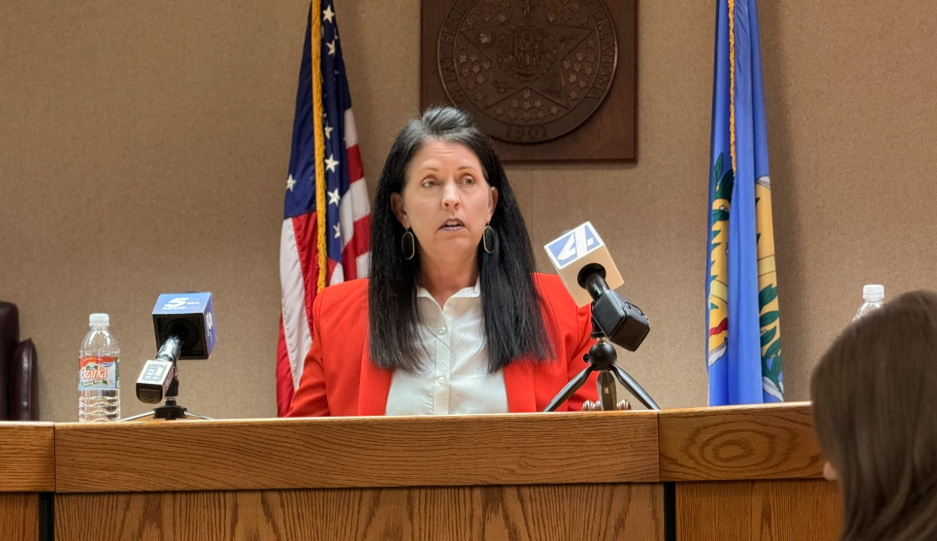
The Oklahoma Drought Commission convened to address intensifying dry conditions across the state, formalizing plans to open application access for $2 million in reallocated relief funds. Farm Director KC Sheperd visited with Oklahoma Secretary of Agriculture Blayne Arthur during the meeting to discuss the rapid expansion of drought severity and what it means for producers on the ground.
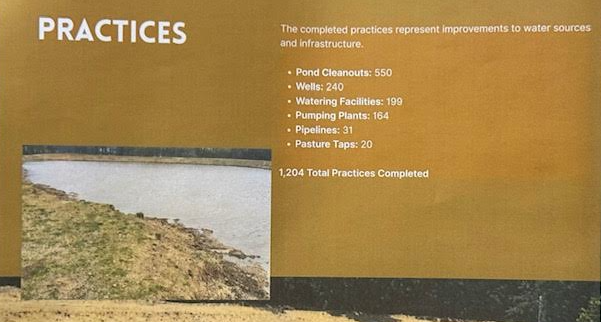
Meeting for the first time since February, commission members reviewed climate data presented by State Climatologist Gary McManus highlighting the sharp decline in conditions statewide. Arthur noted that the lack of moisture coupled with intense summer heat has placed substantial pressure on agricultural operations, particularly livestock producers.
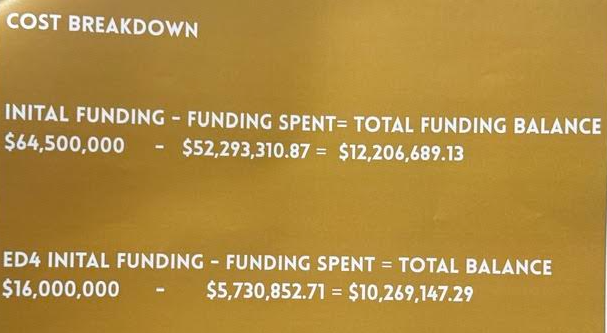
Cattle operations in the state have been working to rebuild herds, but depleted water resources and declining pasture conditions are forcing fast, difficult operational decisions. Producers are currently facing the costly prospects of hauling water, feeding hay unseasonably early in the middle of summer, or marketing their cattle because farm ponds and tanks have gone dry.
To support immediate needs, the drought committee authorized the reallocation of approximately $2 million, with applications scheduled to open on October 5. The Oklahoma Conservation Commission will take action regarding the funding, and officials hope that when the legislature reconvenes in February, an additional supplemental appropriation of $10 million will be approved to further extend assistance across Oklahoma. Arthur expressed appreciation for the legislature's continued support of the program, noting strong return-on-investment data for the state and the agriculture industry.
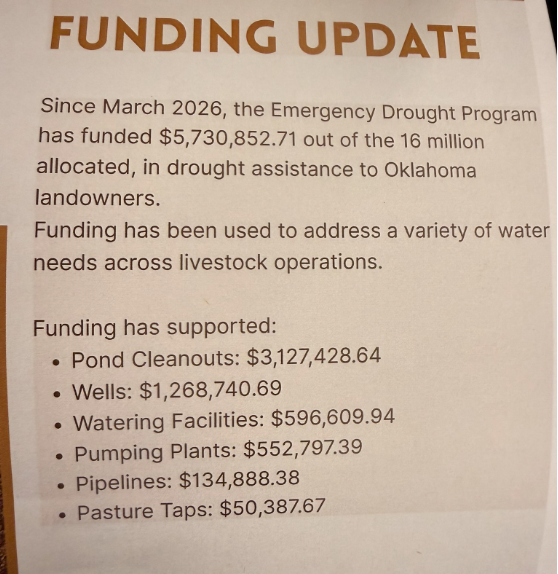
Producers seeking assistance are encouraged to contact staff at their local conservation district office prior to October 5 to familiarize themselves with the application process. The available funds can be applied toward several practical drought-mitigation practices:
Implementing these on-farm improvements also provides broader community benefits by helping operations avoid switching over to rural municipal water systems.
Looking ahead, McManus provided reason for cautious optimism, indicating incoming weather patterns associated with El Niño could potentially deliver cooler temperatures and much-needed moisture to Oklahoma in the months ahead.
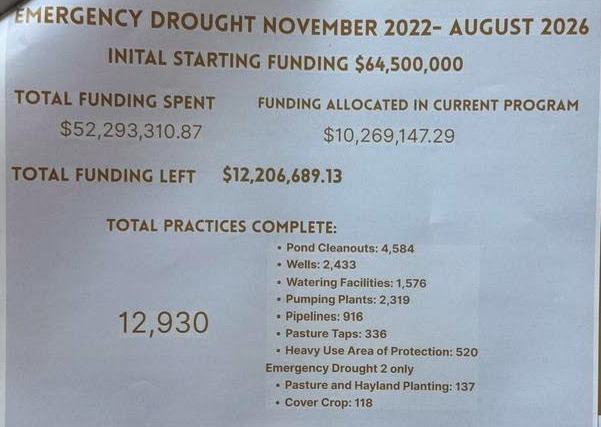
Angus Genetics Inc. (AGI®) facilitated a conversation for around 100 cattle breeders, beef industry professionals, researchers and academics during Imagine: AGI's Beef Genetics Forum August 18-19 in Kansas City. The program challenged the group to explore paths for progress in the beef genetics space.
"You look across this room, and you see a true cross-section of the industry," said AGI president Kelli Retallick-Riley during the opening session. "These intentional, innovative conversations are unique and drive our industry forward."
Following a successful inaugural event in 2024, AGI's second forum was themed "From Genes to Gains: Optimizing genetics & management to unlock full supply chain profitability."
Experts from across the beef supply chain and animal agriculture addressed the crowd. In addition to keynote and technical presentations, the program's design allowed for small-group discussions.
Discussions focused on topics such as beef industry marketplace demands around genetics and realizing better profit potential through genetic expression. It also included dedicated time for networking and less-structured conversation.
Industry consultant Nevil Speer of Bowling Green, Kentucky, presented a keynote presentation to help kick off the event. He said it's important for cattle producers and industry partners to willingly dig into tough topics, like this year's theme.
"Imagine is all about getting the right people in the room," Speer said. "There's a magic that happens when you put people together face to face."
Some initial takeaways were summarized during the event. For instance, making genetic improvements long-term as an industry will require economics and biology. Red meat yield and ongoing research around the topic were recognized as examples of this along with the importance of fertility and health traits. Another repeated message was how stronger data systems across the full supply chain are needed.
The event program also included information and discussion around how genetics, management tools, and the environment function in collaboration. Again, questions of what these means for producer profitability were posed for consideration.
"Everybody's probably got a different set of priorities, as far as their traits go," said John Dickinson of Caldwell, Idaho, and current board chairman for AGI. "I think it's good to have the collaboration and interact to get other viewpoints about traits of interest in other segments. The beef industry is segmented, but I think through this communication we can sure get more profitable together."
A comprehensive summary of the forum will be published by AGI as a white paper in early 2027.
EMPOWERING GENETIC IMPROVEMENT. Angus Genetics, Inc. (AGI®) has been serving Angus families and the global beef industry through research and its work with the genetic evaluation of economically important traits since 2007. Connecting upstream genetics to downstream value, the AGI® team continues to innovate and transform genetic data into trusted, commercially relevant insights.
For more information about Angus Genetics, Inc., visit www.angus.org/agi.
In previous articles over the last few weeks, we discussed marketing calves to capture their true value. The price at an auction market is the market's estimate of what a calf is worth that day, based on the information buyers can see and trust. There are no real visual indications of the calf's genetic potential for growth, feed efficiency, or carcass value. Calves sired by proven sires may have the potential for high rates of gain, improved feed efficiency, and exceptional marbling and carcass quality. However, if the calf is sold at weaning there is no way for the cow-calf producer to capture that potential value unless they take steps to market their genetics.
A two-year comparison makes this point exceptionally well. In this example calves were sired by Angus bull either by artificial insemination from top bulls in the breed or natural service clean-up bulls purchased from reputation Angus seedstock producers. Calves produced through timed artificial insemination were 69 pounds heavier at weaning than natural-service calves, but much of that difference came from being born earlier. The adjusted 205-day weaning weights for AI sired calves were only 9 pounds heavier than calves from natural service sires. As ownership continued, however, differences in performance associated with genetics became greater. AI-sired steers were 109 pounds heavier as long yearlings after grazing wheat pasture. During finishing, the AI sired steers gained faster (3.74 versus 3.56 pounds per day) and produced 50-pound heavier carcasses. The analysis estimated $150/head greater net return from the AI-sired steers, including $82 less feed, using prices and costs from that time.
Our recent OSU research underscores why "true value" must be defined carefully. Steers that were sired by bull selected for high growth based on yearling-weight EPD had the same weaning weight as moderate-growth contemporaries. By harvest, high-growth steers were 73 pounds heavier, produced 26 pounds more hot carcass weight, and reached harvest seven days sooner. However, they also ate more feed and had lower feed efficiency. Moderate-growth steers tended to produce more USDA Prime quality grade carcasses. Selection for growth added productivity, but it did not produce universal superiority in feed efficiency or carcass quality.
To get our calves full value we first must create value by early castration and dehorning, a sound health program, and nutrition that allows genetics to be expressed. Second, capture value by marketing uniform groups, documenting genetics and management. Finally, choosing an marketing outlet whose buyers value superior genetics or retaining ownership when feed resources, health, finances, risk tolerance, and the market outlook justify it. Retained ownership reveals calves' real value, to benefit from it you need to know where the value of your calves is, prove it, and sell where buyers recognize it.
Resources:
Capture More of Your Calves' True Value. Cow-Calf Corner, September 7, 2026. https://extension.okstate.edu/programs/beef-extension/cow-calf-corner-the-newsletter-archives/2026/september-7-2026
Matching Cattle to the Market That Rewards Their Strengths. Cow-Calf Corner, September 14, 2026. https://extension.okstate.edu/programs/beef-extension/cow-calf-corner-the-newsletter-archives/2026/september-14-2026

Authors Eunchun Park, James L. Mitchell, Xiaoyi Fang, and Lawson Connor write in Southern Ag Today: Livestock Risk Protection (LRP) and Chicago Mercantile Exchange (CME) put options both protect cattle producers against lower prices while preserving the opportunity to benefit if prices rise. These risk management tools are not identical, but they function similarly, and their premiums can be compared to assess the cost of establishing a price floor. Understanding how these products compare in terms of cost is especially important in the current market environment, as record-high cattle prices and heightened market volatility have made price protection increasingly expensive. Additionally, USDA's 2019 and 2020 subsidy expansions substantially changed that comparison.
In a recently published article, Park et al. (2026) compared LRP premiums with similar (matched) CME put premiums before and after the subsidy expansions. The study matched LRP endorsements with CME put options from 2005 through 2024. The main sample included 6,115 fed cattle endorsements and 34,645 feeder cattle endorsements. Each endorsement was paired with a put for the same cattle market and contract month and with a coverage level within one percentage point of the LRP contract.
The comparison uses a "net wedge" equal to the matched CME put premium minus the producer-paid LRP premium minus an assumed $0.20 per cwt implementation cost. A positive wedge means the put premium exceeds the producer-paid LRP premium after the assumed cost; a negative wedge means LRP was relatively more expensive than the put. Before July 2019, average net wedges were -$0.948 per cwt for fed cattle and -$0.604 for feeder cattle. After the tiered subsidy schedule began in July 2020, those averages became $0.105 and $0.119, respectively.
The sign change did not occur because gross LRP premiums fell below option prices. In the post-2020 sample, gross LRP premiums exceeded matched put premiums by $1.880 per cwt for fed cattle and $2.696 for feeder cattle. The statutory subsidy components averaged $2.186 and $3.016 per cwt, more than enough to offset those gross gaps on average.
Figure 1 applies the pre-expansion subsidy rate to the post-2020 contracts while holding gross LRP and matched put premiums fixed. The average net wedge changed from $0.105 to -$1.276 per cwt for fed cattle and from $0.119 to -$1.788 for feeder cattle.
These are averages, not guaranteed savings on every endorsement. Even after July 2020, only 49.9 percent of matched fed cattle endorsements and 46.9 percent of matched feeder cattle endorsements had a positive net wedge. LRP and CME puts also differ in contract size, settlement, eligibility, liquidity, brokerage costs, margin requirements, and basis exposure. A positive wedge does not imply risk-free arbitrage, and LRP will not be cheaper for every producer.
This is important for many Southern cattle producers since their sale lots are often smaller than standardized futures contract sizes. LRP can be tailored by head count and target weight, while CME cattle options correspond to standardized 40,000-pound live cattle or 50,000-pound feeder cattle futures contracts (USDA RMA, 2026; CME Group, n.d.). When comparing the two, producers should first match the LRP endorsement end month to the CME contract month and use similar coverage levels. The comparison should then be made on an all-in $/cwt basis, with attention to the expected local cash sale price. After the subsidy expansion, LRP became less expensive than matched CME puts on average, although that was not true for every endorsement.
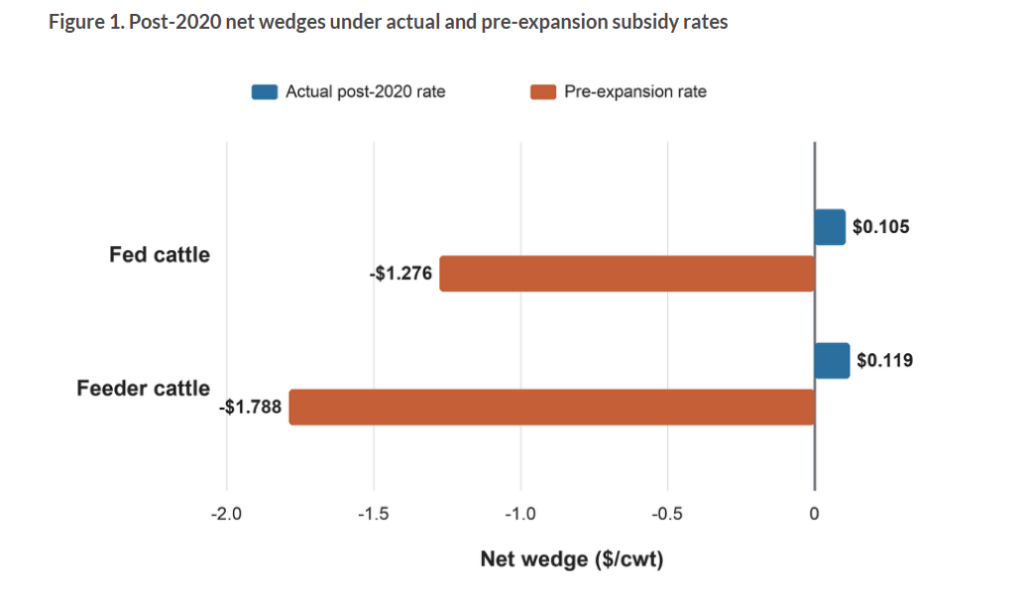
Park, Eunchun, James L. Mitchell, Xiaoyi Fang, and Lawson Connor. "How Higher LRP Subsidies Changed the Cost Comparison with CME Put Options." Southern Ag Today

Today, Secretary Brooke L. Rollins, U.S. Department of Agriculture, held a Strikeforce roundtable with federal agency partners where she announced actions to usher in a new era of companion animal oversight under the leadership of the Trump Administration.
Partners at the Department of Health and Human Services (HHS), the Department of Justice (DOJ), the US Attorney's Office for the District of Columbia, the USDA Office of Inspector General (US OIG) and the DOJ OIG participated in the event.
"In the Trump Administration, animals deserve to be treated with respect and cared for properly. Today's announcement will lay out new standards to improve animal welfare, deploy new training and staff to continuously monitor facilities under our care, and build further public awareness to protect our companion animals," said Secretary of Agriculture Brooke L. Rollins. "Today's Strikeforce meeting will continue to build and develop policies to protect our nation's animals."
"How we treat animals reflects our values and our responsibility to protect both animal and human health," said HHS Secretary Robert F. Kennedy, Jr. "Under President Trump, we are strengthening oversight, enforcing the law, and holding those who mistreat animals accountable. At HHS, we are also driving a fundamental shift toward human-based research, with more than 20 actions to advance better science and reduce unnecessary animal testing. Today, we launched a new webpage so the public can see our progress."
Having delivered two dozen animal welfare priorities, the Administration, through APHIS, is taking new steps to strengthen dog, horse and fellow companion animal welfare including:
Advancing Updates to Standards of Care
In 2027, USDA will put forth a regulatory proposal based on 7,522 unique public comments received in response to our Request for Information that overwhelmingly support strengthening AWA standards for dogs. APHIS is finalizing review following robust public input governing the humane care, medical care, exercise and socialization, record keeping and research use of dogs under the Animal Welfare Act.
Delivering Breeder Refresher Notices
USDA is amplifying its communication and emphasizing the rules through the issuance of over 2,000 regulatory refresher mailings to dog breeding facilities to make crystal clear what the law requires for humane care. Regular communication will strengthen compliance.
Deploying Welfare Watchdogs
USDA recently deployed the Animal Protection Bureau (APB), a dedicated unit of specialists formed to enhance nationwide oversight, strengthen enforcement, and advance the humane treatment of animals covered under federal law.
The newly formed team is in action, playing a pivotal role in supporting the Animal Welfare Act (AWA) and Horse Protection Act (HPA) programs by conducting targeted compliance reviews, coordinating investigative efforts, and implementing modernized enforcement strategies. Through its close work with inspectors, veterinary officers, legal partners and program leaders, their work is helping identify unlicensed or unauthorized operations, improve inspections, and proactively address risks to companion animal welfare across the country.
Increase Inspector General Staffing
In the coming year, USDA OIG John Walk plans to increase its special agent investigator working on animal fighting and other matters by 20%. The OIG supplements APHIS investigations with administrative and legal escalation and the work has resulted in successful enforcement against bad actors, including prosecuting dog fighting and substandard breeding operations.
Compliance Goal
In 2026, USDA prioritized removing repeat bad actors from programs —denying or terminating 8 dog breeder licenses, suspending 6, revoking 5, and, with DOJ, pursuing a serious danger case against a dog breeder and supporting criminal investigations involving three facilities with dogs. In 2027, USDA will intensify this work by identifying dog breeders skirting welfare requirements. Within six months, USDA will review all dog breeders who have surrendered a USDA or equivalent state license in the past two years and pursue action against anyone operating in circumvention of the Animal Welfare Act.
The Trump Administration has delivered on more than two dozen commitments to improve companion animal welfare under the AWA, including:
1. Strengthened Inspection Consistency & Training
2. Accelerated Enforcement Against Bad Actors
3. Target Unlicensed Activity Through Partnerships
4. Added Talented Professionals to Capacity Build
5. Building Public Awareness
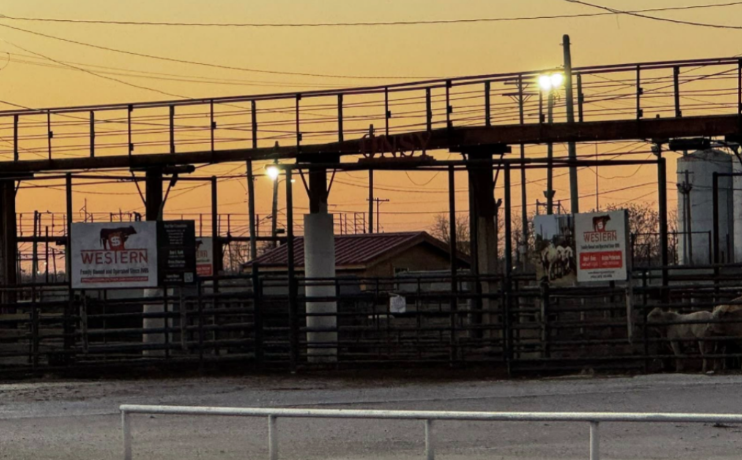
On Tuesdays, Senior Farm and Ranch Broadcaster Ron Hays visits with Ben Hale of Western Livestock Auctions as he talks about the latest in the markets and more. Established in 1995, Western has grown into a multi-generational family-owned and operated business and stands as a symbol of tradition, excellence, and a deep-rooted passion for the cattle industry. Western Livestock Auctions operates the Western Livestock Commission Firm, which sells cattle on Mondays and Tuesdays. They also operate the livestock auction markets in Woodward, Comanche, Waurika, and Knoxville, Iowa.
At the Oklahoma National Stockyards on Monday, cattle numbers were higher than a year ago, with about 5,800 head compared to 4,400 last year. Hale said the market was somewhat uneven, but better-quality cattle saw stronger demand. "We did have some good black steers, weighed like eight and a quarter at $355, so it was awful good," Hale said. Calf prices were not quite as strong, but Hale said there was still plenty of activity among buyers.
Hale said widespread rainfall could have a major impact on the cattle market as producers look toward wheat pasture. "As we get some widespread rain, that'll make a world of difference," he said. Producers are working to get wheat planted and established, with the goal of having enough pasture to spread calves out. "That's what we need. We need them scattered out," Hale said.
Hale also discussed the cattle market following last Friday's Cattle on Feed report, which showed placements below expectations for the second consecutive month. "The placements aren't as big as what they have been being," Hale said. Despite stronger feeder cattle and fed cattle markets, Hale said some buyers remain cautious after taking losses. "Those guys have been losing some money, so they're probably a little bit cautious to just jump out there and give it all again," he said.
Looking ahead, Hale said Western Livestock has several markets scheduled across Oklahoma, including runs in Waurika, Comanche and Woodward before returning to Oklahoma City next Monday. Waurika is expected to have about 2,800 head, while Woodward will have around 450 cows along with yearlings later in the week. Hale encouraged producers with questions about the current markets to reach out directly.
Hale can be contacted at 940-631-2333. Check out more about the marketing options that Western offers by clicking here.
Why cattle producers should care about what happens between the ranch and the consumer
By Melissa Daniels, Nicasio, California- My life has always revolved around cattle. My late father was a large-animal veterinarian, and he bought Cow Track Ranch in California's Nicasio Valley in 1986. Now, I'm a second-generation rancher, raising Angus beef, some of which we sell directly to the guests at our on-site Airbnb. We want people who stay with us to experience what ranch life is all about, including where their food comes from.
Selling direct to consumers has changed the way I think about marketing beef. I've learned customers are looking for more than just a cut of meat. I quickly discovered that a beef sale with a handshake goes far, and that selling beef is often less about convincing someone to eat more meat and more about building trust through transparency and education.
Becoming a member of the Cattlemen's Beef Board and serving on the Beef Checkoff's Promotion Committee has shown me the same basic principle holds true on a much larger scale. Before, I naturally thought about beef primarily through the producer lens—genetics, animal care, quality, sustainability and everything involved in raising cattle.
Now, I'm more aware of everything that happens between the ranch and the consumer and about the business decisions restaurants and retailers must make. Before they put more beef on the menu or new cuts in the meat case, they're weighing price, supply, margins, consumer preferences, menu trends and what will ultimately drive a purchase.
Those decisions should matter to cattle producers because they determine whether beef is even presented as an option. We can raise an exceptional product, but if beef isn't featured on the menu or in the meat case, we lose an opportunity to connect with consumers.
That's why the Beef Checkoff funds the Channel Marketing program at the National Cattlemen's Beef Association (NCBA). The Channel Marketing team works directly with not only restaurants and retailers, but also distributors, manufacturers and even e-commerce platforms. We're talking names like Walmart, Sysco, Costco, McDonald's and others. Together, these businesses help determine the beef products consumers ultimately see and have the opportunity to choose.
Channel Marketing uses market research, beef expertise and marketing resources to help partners better understand, market and sell beef, keeping it visible in the marketplace.
Sometimes the Checkoff's work involves solving a business problem—beef costs are high, so what other cuts or applications could work? Sometimes it's creating new opportunities—what new beef menu items could appeal to this restaurant's customers?
Recently, a burger chain wanted to expand its offerings and introduce new, high-quality menu items. They weren't sure what to offer and how to make it fit with their current menu. The Channel Marketing team developed six new menu concepts during an on-site culinary ideation session, drawing on emerging trends, consumer preferences and relevant cuts that made sense for the chain.
These partnerships go beyond simply "promoting beef." They're about understanding a partner's business, customers and challenges and finding beef solutions that make sense.
That can mean helping a partner overcome a barrier that could otherwise result in fewer beef offerings. When one foodservice partner faced higher beef costs, the Channel Marketing team helped identify alternative cuts that could work in existing dishes while addressing cost concerns.
Right now, that kind of problem solving is especially important. When prices are high, beef must earn its place in the meat case and on the menu. Businesses are under pressure to maintain margins while still giving their customers the products and experiences they want. That's where beef's versatility can be especially valuable, giving restaurants, retailers and consumers more options beyond the most familiar cuts.
Personally, I've really come to enjoy marketing unfamiliar cuts to our ranch guests, encouraging them to think creatively and step outside the norm in their own kitchens. Whether it's a producer like me selling direct to a consumer or the Beef Checkoff working with restaurants and retailers nationwide, introducing lesser-known cuts and demonstrating beef's versatility is a great way to showcase its value.
I think my fellow cattle producers might be surprised at just how much work goes into connecting beef with the decision-makers at the diner down the street or the grocery store in the next town. The Beef Checkoff isn't just marketing beef to consumers. Through efforts like Channel Marketing, it's also working with the businesses that determine if and how beef shows up in front of them.
As producers, our job starts with raising great beef. But creating demand also requires making sure consumers continue having compelling opportunities to choose it.
A new report co-authored by the National Corn Growers Association and American Soybean Association documents ongoing economic pressures across farm country, despite recent price improvements in both commodity markets. The report analyzes and summarizes the results of a survey conducted by Farm Journal of 1,200 corn and soybean farmers across the country.
"It's an interesting time to receive this feedback from corn and soybean growers," said Krista Swanson, NCGA Chief Economist. "Corn prices have improved substantially in recent weeks, which helps grower sentiment. But farm profitability doesn't reset in one market move or one crop year. We saw a high level of concern in last year's survey, and even with stronger prices today, this shows many growers are still managing financial pressure that has built over multiple crop cycles."
Survey results show nearly two-thirds of growers are moderately or very concerned about the farm economy, and 46% are more concerned about their farm financial situation than they were a year ago. Although both measures improved from the comparable 2025 survey, they continue to signal a situation of high concern rather than a return to financial stability.
Despite recent improvements to grain markets, survey showed farmer expectations for the 2026 crop leave little room to absorb additional cost increases. Not all growers are able to capture the benefits of those improvements equally, or potentially at all. Price improvements also do not address high input costs, which remain a key concern among farmers. This reflects the complex nature of on-farm economics, in which business decisions for a single growing season often stretch across multiple years, from the purchase of inputs through the marketing of harvested crops.
"What stands out in these results is how little margin for error farmers have right now," said Scott Gerlt, ASA Chief Economist. "Even with some improvement in crop prices, the cost of putting a crop in the ground remains high. When nearly half of growers say they are more concerned about their financial situation than they were a year ago, it's a reminder that stronger markets alone haven't resolved the economic challenges on the farm."
The survey captures a farm economy under pressure even as commodity markets improve. For policymakers and the agricultural supply chain, the survey highlights how sensitive farm profitability remains to pressure from fuel, energy, fertilizer, and other production costs.
Read the full report here.
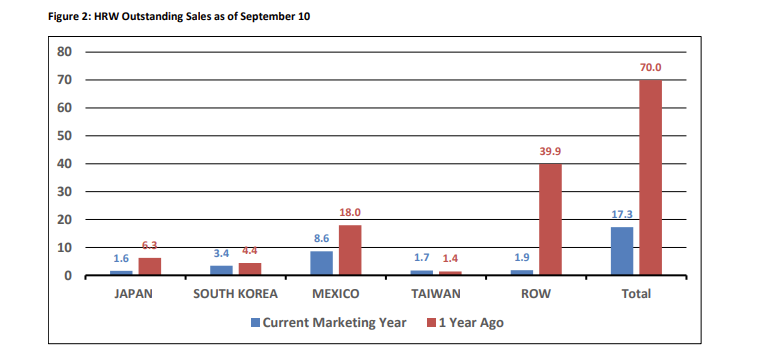
OSU's Todd Hubbs writes that Grain and oilseed futures rebounded sharply coming out of the weekend, recovering from late-week weakness. Continued conflict in the Black Sea and optimism surrounding high-level U.S.–China trade discussions provided solid support for prices across the board.
Wheat Market Outlook
December Hard Red Winter (HRW) wheat futures gained 10 cents on Monday to close at $7.94 per bushel, clawing back recent losses. Over the past month, nearby futures traded between $7.90 and $8.50, with resistance establishing around the $7.90 mark. In Oklahoma, cash delivery basis ranges from -55 to -70 cents across the state.
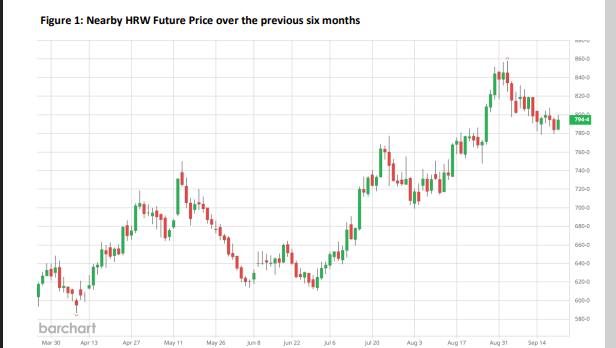
Geopolitical risks remain elevated. While rumors surfaced regarding potential diplomatic progress, Ukraine's strike against Russian energy infrastructure cast fresh doubt on a near-term resolution, pointing to sustained volatility.
Global tender activity showed mixed results:
U.S. Gulf wheat values held firm at $8.95 per bushel ($350 per ton), leaving American offers priced well above international competitors and out of reach for major buyers across North Africa and the Middle East.
Export capacity constraints continue to throttle Russian and Ukrainian shipments, leaving Black Sea quotes largely theoretical. Alternative logistics routes for Ukraine, including the Danube River corridor, face bottlenecks with wait times running twice as long as normal. In Russia, slow winter wheat planting alongside low producer prices and backlogged domestic logistics raise the prospect of significant acreage reductions across the Black Sea region.
U.S. HRW export commitments for the 2026–27 marketing year sit at 73 million bushels, compared to 195 million bushels at the same point last year. Reaching USDA's target of 190 million bushels requires weekly sales of 3.2 million bushels, though net sales over the past month averaged just 1.4 million bushels weekly. Outstanding sales total 17.3 million bushels, primarily destined for Mexico, Taiwan, and Japan. While Southern Hemisphere crop conditions look favorable, any drop in Black Sea planted acres could open new opportunities for HRW wheat down the road.
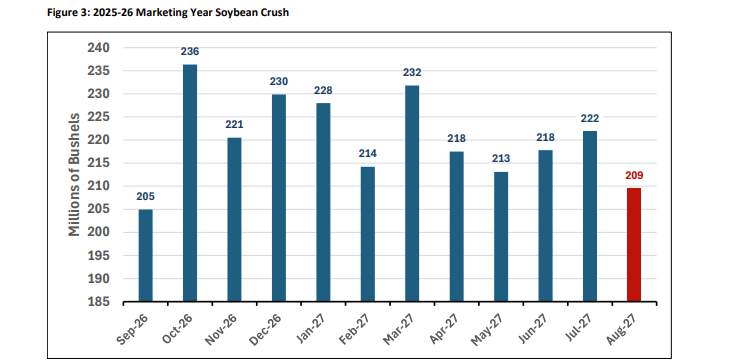
Soybean Market Outlook
November soybean futures advanced nearly a quarter on Monday to settle at $13.28 per bushel, closing near the upper boundary of the monthly $12.90 to $13.35 range. Oklahoma cash prices traded between $12.38 and $12.53. Anticipation surrounding the upcoming Trump-Xi bilateral meeting served as a primary catalyst, with traders eyeing trade developments that could support U.S. soybean flows.
Domestic crush numbers showed signs of slowing. The National Oilseed Processors Association (NOPA) pegged August crush at 205.5 million bushels, trailing trade expectations. Correlating NOPA data to USDA historical reporting suggests a final August crush near 209 million bushels, which puts the total marketing year crush at 2,445 million bushels—10 million bushels below the current USDA projection. USDA is expected to lower both 2025–26 crush figures and biodiesel-related soybean oil usage in upcoming reports.
Renewable fuel data aligns with that softer crush reading. Environmental Protection Agency (EPA) figures revealed a decline in August D4 RIN generation, signaling reduced soybean oil usage for biodiesel. D4 generation remains well behind pace to meet 2026 Renewable Volume Obligations (RVO), meaning obligated parties will likely carry a deficit into 2027. Combined with EPA's reallocation of 2025 small refinery exemptions, soybean oil demand could see renewed strength through late 2026 and into 2027.
Soybean meal export demand continues at a steady pace. Census data through July shows cumulative marketing year exports of 17.322 million short tons. Keeping on track with USDA projections requires monthly shipments to average 1.589 million short tons over the final two months; April through July shipments averaged 1.711 million short tons monthly. Export commitments through September 10 stand at 19.917 million short tons, leaving USDA's annual projection within reach despite recent weekly slowdowns.
Whole bean export commitments are setting an early strong tone, totaling 758 million bushels—45 percent of USDA's full-year target and 9 percent above the five-year average. Recorded commitments to China stand at 362 million bushels (9.9 million metric tons), with additional purchases and unassigned destination sales likely destined for Chinese ports as they work toward their 25 million metric ton annual commitment.
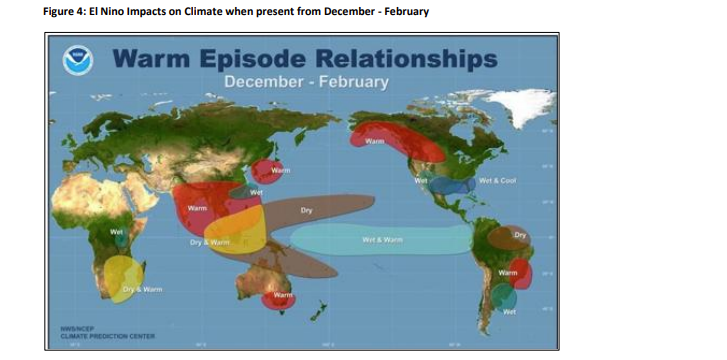
Global supply risks are also surfacing ahead of South America's growing season:
With global soybean production projected at 16.25 billion bushels—including 6.8 billion bushels from Brazil and a combined 13.2 billion bushels across the U.S., Brazil, and Argentina—any weather-driven yield setbacks in northern Brazil could reshape world balance sheets.
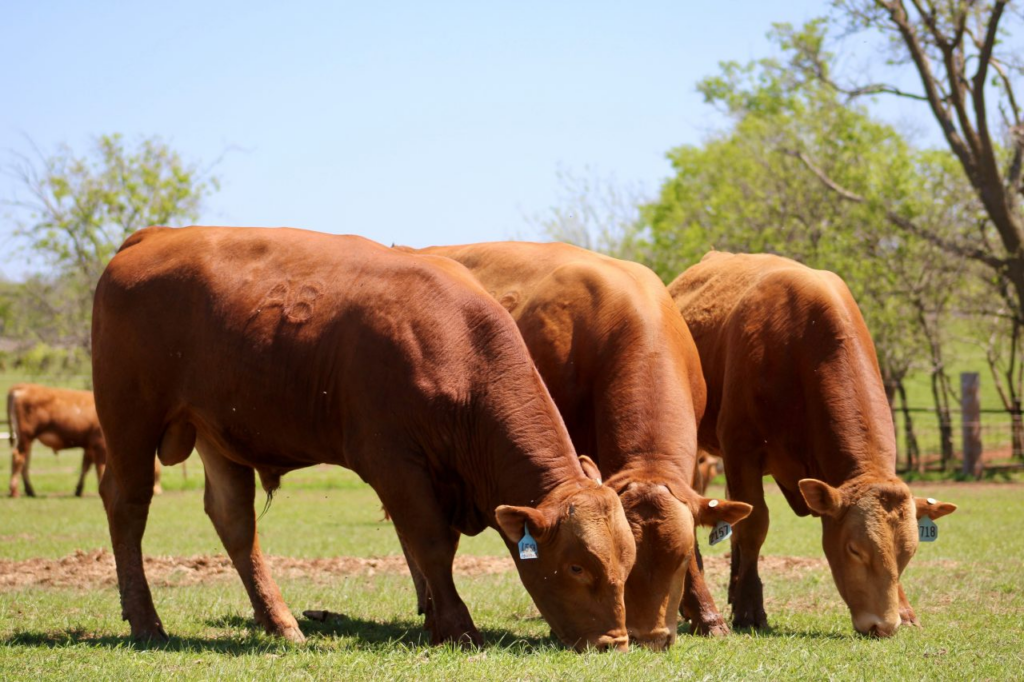
Pic Credit of American Wagyu Website
In today's Beef Buzz, senior farm and ranch broadcaster Ron Hays features comments from Dr. J.R. Tate of Allied Genetic Resources about selection indexes developed for the American Wagyu Association. Tate spoke with associate farm reporter Carli Davenport at the American Wagyu Association's annual meeting in Oklahoma City. Tate explains how the indexes combine multiple economically important traits to help producers identify genetics suited for either F1 Wagyu-cross production or full-blood and purebred Wagyu systems.
Tate says the selection indexes are designed to bring several economically important traits together into one measurement. "The selection indexes are a way to combine a variety of traits that have economic importance to production systems."
He says two indexes were created, with one focused on F1 production and the other geared toward full-blood or purebred Wagyu cattle. "We created two selection indexes: one oriented towards creating F1, the Wagyu cross typical commercial production system, or a full-blood or purebred oriented, really high premium product with a lot of extra value for extra high quality from a Wagyu carcass."
Rather than evaluating individual traits separately, Tate says the indexes combine available EPDs into a single value designed to help identify profitable animals. "It blends all of the traits that have EPDs available into a single measure that's oriented towards identifying the most profitable animals."
Tate says the full-blood index is more closely aligned with the traditional emphasis on extremely high-quality Wagyu genetics. "The full blood index is more the traditional activities that the American Wagyu Association membership have been selecting on, really identifying super high quality, high marbling animals that are going to bring tremendously high value and prices to the producers."
The F1 index, meanwhile, is designed around producing cattle that combine high quality with more of the growth and performance characteristics found in commercial cattle. "The F1 is really intended to be something that would compete strongly in creating USDA Prime kind of cattle, but increasing the performance attributes."
Tate says the goal is to help producers avoid giving up as much growth and performance potential while still maintaining the quality associated with Wagyu genetics. "Instead of giving up so much growth performance potential."
For producers using the new EPDs and indexes, Tate says the first step is understanding what kind of cattle they intend to produce and market. "It really comes down to making sure that they know what the production system they plan to sell their animals out of."
That means determining whether the goal is a full-blood-oriented animal or an F1 animal before comparing the genetics available.
The American Wagyu Association will also provide percentile rankings for the indexes, giving producers another way to compare animals. "They'll know if this animal is at the top 1%, top 10% for that index, and then they can go in and assess which animals are they going to be able to afford."
Tate says producers can then use those rankings to help balance the traits that matter most to their operation with the price they are willing to pay for genetics.
Looking across the broader cattle industry, Tate says genetics can become an important consideration as producers make replacement decisions while the U.S. cattle herd rebuilds. "As we think about growing the herd from its low numbers today, the interest of producers is to keep back the highest quality animals and the genetic potential of those animals is an important factor they are considering in which replacements to bring in."
He says producers have more tools available than simply looking at a heifer's weaning weight. "There can be a wide variety of tools that help them understand besides just the weaning weight of the heifer candidates. What are other attributes that they can select for?"
Tate adds that genetics and management work together, with producers who understand the value of genetic differences able to use management to help realize that potential. "Genetics become important if you are a producer who understands and believes that genetics are important. Then you have strong management, and you're able to get the full expression of the genetic differences of those animals."
Tate says one of the biggest developments for the Wagyu breed has been the move from relying primarily on information about bloodlines and breed history to using data-based EPDs. "The cool thing about the Wagyu breed is they went from just information about the lines and the history of the breed to actually having expected progeny differences or EPDs that are based on data submitted from producers within the past few years."
He says collecting and combining producer data has been a major effort, but the resulting EPDs give breeders another way to make genetic decisions. "Now that those tools are there, they can continue to advance the breed with understanding what the genetic potential of the animals are, as well as utilizing these indexes to blend the traits in an economically appropriate way."
Tate says the American Wagyu Association could eventually have EPDs for additional traits as more data is collected. "I think there's also going to be an awareness and an interest in new traits that they don't have EPDs on today."
He points to female records as one potential area for future development, including information that could help evaluate heifer pregnancy, cow longevity and herd stability. "All of those kinds of things will be opportunities to continue to characterize the population and improve the utility for their producers and their customers who use Wagyu Genetics."
The Beef Buzz is a regular feature heard on radio stations around the region on the Radio Oklahoma Ag Network and is a regular audio feature found on this website as well. Click on the LISTEN BAR above for today's show and check out our archives for older Beef Buzz shows covering the gamut of the beef cattle industry today.
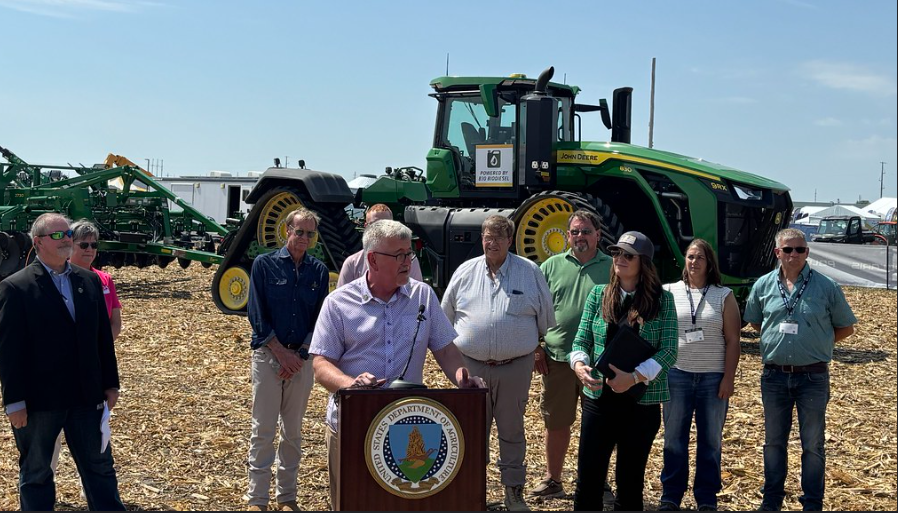
USDA Under Secretary for Farm Production and Conservation Richard Fordyce. (USDA photo)
As agricultural producers begin making decisions for the 2026 Agriculture Risk Coverage and Price Loss Coverage programs, USDA Under Secretary for Farm Production and Conservation Richard Fordyce is encouraging farmers to take advantage of online resources before making their elections.
Enrollment for the 2026 ARC and PLC programs opened Sept. 16 and continues through Dec. 11. The programs, administered by USDA's Farm Service Agency, provide a safety net for producers when commodity prices or revenues decline.
ARC provides payments when actual crop revenue falls below a guaranteed level, while PLC payments are triggered when the effective price for a covered commodity falls below its effective reference price.
For producers trying to determine which option makes the most sense for their operation, Fordyce said their local FSA office can explain the programs and assist with enrollment, but FSA employees cannot tell a producer which program to choose.
"A farmer goes into the FSA office and says, 'What program should I put my corn in? What program should I put my soybeans in?'" Fordyce said. "We really can't advise producers on what program, what crops should be enrolled in."
Instead, Fordyce is pointing producers toward land-grant universities and the decision-making tools they offer. Those resources can help farmers compare ARC and PLC using information about individual commodities and different price and production scenarios.
"Your land-grant university website, they're going to have some analysis on what crops would be best suited in which programs, given the information that's known today," Fordyce said. "A calculator that you can run scenarios based on what crop you have and which program would be probably the most beneficial to enroll in."
For Oklahoma producers, Oklahoma State University Extension provides ARC/PLC information and farm program resources through its agricultural policy and farm management programs. OSU resources can be found here:
OSU Extension ARC/PLC and Crop Insurance Resources:
https://extension.okstate.edu/programs/ag-policy-and-law/arc-plc-and-crop-insurance
OSU Extension Commodity Farm Programs and Decision Tools:
https://extension.okstate.edu/programs/farm-management-and-finance/e-farm-management-training/commodity-farm-programs
The 2026 enrollment period also comes with significant changes to the farm safety net. USDA recently completed the addition of more than 30 million new base acres nationwide — the first major base-acre expansion in two decades. Because eligible acres exceeded the nationwide 30-million-acre limit, FSA applied a 3.69 percent prorated reduction to newly allocated base acres.
Producers can elect ARC-County or PLC on a crop-by-crop basis or choose ARC-Individual, which provides protection based on the entire farm.
While changing a producer's 2026 election is optional, completing enrollment is not. Producers must enroll through a signed contract to be eligible for potential 2026 payments. If a producer does not submit a new election by Dec. 11, the farm's election remains the same as its 2025 election, but the farm will be ineligible for 2026 payments without completing enrollment.
USDA is also allowing producers to sign a new multi-year contract covering the 2026 through 2031 program years.
Fordyce said the university tools can give producers another source of information as they weigh the potential risks and benefits of ARC and PLC for their individual operations.
The deadline to make elections and enroll for the 2026 ARC and PLC programs is Dec. 11, 2026. Enrollment for the 2027 program year begins Nov. 2, 2026, and continues through March 15, 2027.
More information on ARC and PLC is available through USDA's Farm Service Agency or by contacting a local FSA county office.
RON's Dave Lanning has a pre-opening look at today's agricultural Markets.
Click the audio tab below for today's report.
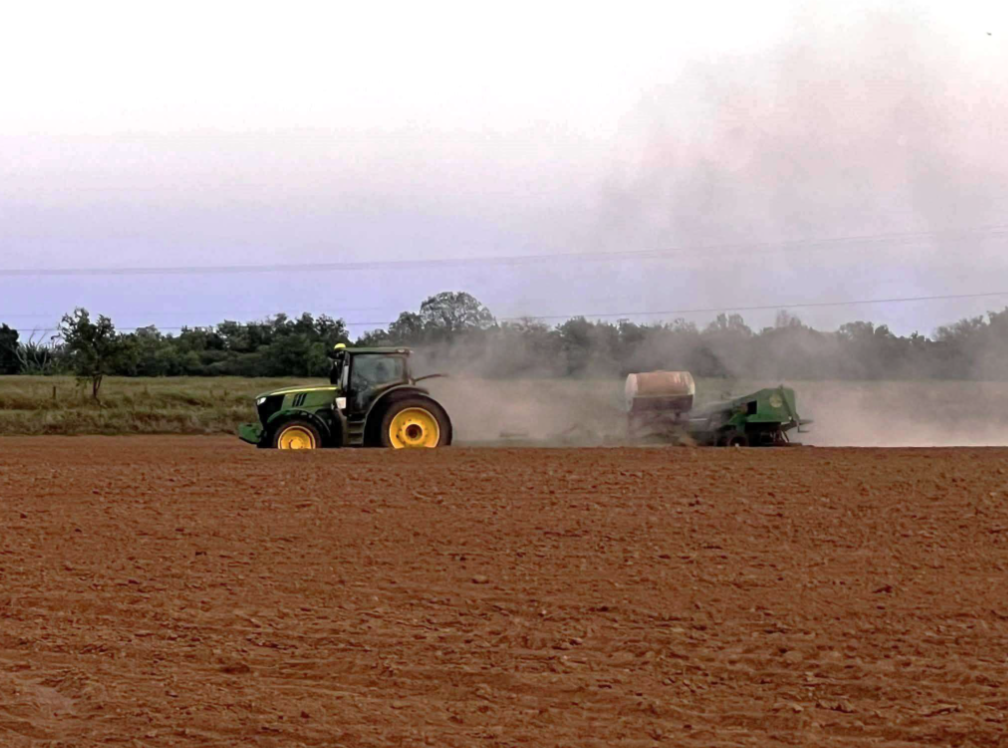
Pic Credit Of Clay Burtrum
In the latest Crop Progress report from USDA, the U.S. Corn Crop is rated 57% Good to Excellent this week, equal to 57% a week ago. Soybean crop conditions are rated 58% good to excellent this week, equal to 58% last week.
The U.S. Cotton Crop is rated 34% good to excellent this week versus 36% a week ago, declining by 2 points. For the U.S. Grain Sorghum crop, the latest good to excellent ratings are 27%, down 1 point from last week's 28%.
Winter Wheat planting now stands at 17%, compared to 8% one week ago and 18% at this point last year. In Oklahoma, wheat planting now stands at 4% compared to 13% at this point last year. Texas wheat planting is now 21% compared to 12% one week ago and 23% at this point last year. Kansas is now 10% planted compared to 4% one week ago and 8% at this point last year.
In the southern plains, Oklahoma pasture and range conditions are now ranked 5% good to excellent, versus 9% last week and 58% a year ago. Poor to very poor ratings are now at 67%, versus 64% a week ago and 13% a year ago.
Kansas good to excellent conditions are ranked at 24% compared to 26% last week and 59% a year ago. Poor to very poor conditions are ranked 39% this week, 40% last week, and 14% a year ago.
Texas good to excellent conditions are ranked 11% this week, 12% last week, and 32% a year ago. Poor to very poor conditions are ranked 60% this week, 58% a week ago, and 28% a year ago.
The 48-state national pasture and range conditions are now at 17% good to excellent versus 19% last week and 34% one year ago. Poor to very poor ratings nationally are at 53% this week versus 51% last week and 36% one year ago.
Oklahoma corn dented is at 95%. Corn harvested is at 57%.
Kansas corn dented is at 96%. Corn harvested is at 40%. Corn conditions rank as follows: 40% good to excellent, 27% fair, and 33% poor to very poor.
Texas corn dented is at 98%. Corn harvested is at 77%. Corn conditions rank as follows: 35% good to excellent, 30% fair, and 35% poor to very poor.
Oklahoma soybeans dropping leaves are at 27%. Oklahoma soybean conditions rank as follows: 16% good to excellent, 34% fair, and 50% poor to very poor.
Kansas soybeans dropping leaves are at 57%. Kansas soybeans harvested are at 6%. Conditions rank as follows: 37% good to excellent, 32% fair, and 31% poor to very poor.
Texas soybeans dropping leaves are at 70%. Texas soybean conditions rank as follows: 40% good to excellent, 45% fair, and 15% poor to very poor.
Oklahoma cotton bolls opening are at 62%. Oklahoma cotton conditions rank as follows: 9% good to excellent, 29% fair, and 62% poor to very poor.
Kansas cotton bolls opening are at 75%. Area harvested is at 4%. Kansas cotton conditions rank as follows: 26% good to excellent, 47% fair, and 27% poor to very poor.
Texas cotton bolls opening are at 58%. Area harvested is at 29%. Texas cotton conditions rank as follows: 15% good to excellent, 33% fair, and 52% poor to very poor.
Oklahoma sorghum coloring is at 81%, down 1% from a year ago. Sorghum harvested is at 41%. Sorghum conditions rank as follows: 26% good to excellent, 37% fair, and 37% poor to very poor.
Kansas sorghum coloring is at 84%, down 1% from a year ago. Sorghum harvested is at 7%. Sorghum conditions rank as follows: 25% good to excellent, 40% fair, and 35% poor to very poor.
Texas sorghum coloring is at 98%, down 2% from a year ago. Sorghum harvested is at 77%. Sorghum conditions rank as follows: 24% good to excellent, 47% fair, and 29% poor to very poor.

The American Angus Association® offers a hands-on, tailored learning experience for young cattle enthusiasts. Internships are offered in several departments and entities; and provide opportunities for growth in a student's chosen field during the 10-week summer program. Students will be immersed in a fast-paced, professional environment and work side-by-side with experts at the forefront of the cattle industry
"Working with both commercial cattle producers and registered Angus breeders gave me the opportunity to learn from a wide range of operations and gain insight into different areas of the Angus breed," said Olivia Hadrick, 2026 Commercial Programs & Producer Support Intern. "I'm thankful for the mentorship and opportunities I've received this summer, and I'll carry the lessons I've learned with me throughout my career."
Interns are based out of St. Joseph, Missouri; some positions offer opportunities to travel. Students who are interested in growth and networking opportunities, have a good attitude and are willing to jump into new and challenging situations for hands-on experience should apply at angus.org/careers by November 18, 2026, to be considered.
If students prefer to spend their 2027 summer on the ranch, the Angus Foundation is accepting applications for the Angus/Talon Youth Educational Learning Program internship. The Talon internship program provides college-aged students with the unique opportunity to spend their summer on an Angus operation. Interns gain extensive ranching knowledge while enhancing their skills as advocates for the beef industry. Students interested in participating in the program can learn more at https://www.angus.org/foundation/our-mission/youth/talon-youth. Deadline is also November 18 through angus.org/careers.
Association Communications: From print writing to graphic design, photography, and video, the communications intern will gain multi-faceted agricultural communications experience to enhance their marketability as a young professional. The communications intern will help with the promotion and coverage of one of the Association's biggest events, the National Junior Angus Show, and will travel with the team to the event. Applicants should have strong writing and design skills and have completed coursework in news and feature writing, editing and design. Experience in photography, video and social media are preferred.
Association Events & Junior Activities: The intern will assist in planning and executing youth events hosted by the National Junior Angus Association (NJAA), including preparation, correspondence and coordination for shows and events. Applicants should be self-starters, detail-oriented and outgoing with the ability to work well with others. Livestock and event planning experience is preferred, but not required. Travel to the 2026 National Junior Angus Show (NJAS), Leaders Engaged in Angus Development (LEAD) Conference and other events is expected.
Association Commercial Programs & Producer Support: This position is designed to give students hands-on exposure to the Association's work with both seedstock and commercial cattlemen, while building skills in customer relations, data support, and industry communication. Interns will work closely with programs including AngusLink® and Angus Herd Improvement Records (AHIR®) supporting outreach efforts as well as producer engagement and training. Interns will develop a deeper understanding of genetic tools, herd improvement programs and the role data plays in driving progress within the beef industry. Applicants should have an interest in beef cattle production, genetics and commercial cattle marketing. Opportunities for herd visits, travel to industry events may also be available.
Angus MediaSM – Marketing: This position will provide valuable experience in email marketing, graphic design, digital advertising, social media content creation and data analytics. The intern will work alongside an experienced team to develop skills and contribute to real cattle producers' marketing campaigns and success. Applicants should demonstrate an excitement and passion for Association work and the cattle industry. Previous management or oversight of business social media accounts is preferred.
Angus MediaSM – Publications: This writing-intensive opportunity offers the chance to join a multi-media effort, which includes the Angus Journal print publication and the AJ Daily electronic newsletter, as well as the Angus Journal's website, podcast and social media presence. The internship can be tailored to the intern's strengths, but many duties can be anticipated, including traveling to industry events. Experience in news and feature writing, editing and photography are strongly suggested.
Angus Genetics Inc. (AGI®): Students pursuing their master's degree or Ph.D. in animal breeding and genetics and related areas are encouraged to apply for the AGI summer internship. The intern will have the opportunity to work with the world's largest single beef breed genomic databases, conducting research on economically relevant traits. The internship will focus on research that involves data analysis. Candidates should have experience in analyzing animal breeding data sets including genomic data.
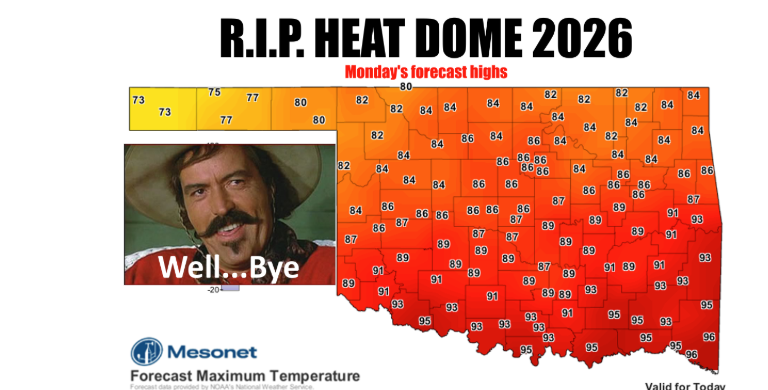
Oklahoma agricultural producers and ranchers waiting on meaningful moisture to break ongoing dryness will need to hold onto their patience a bit longer, as the latest weather patterns offer little immediate relief. Oklahoma State Climatologist Gary McManus noted that despite hopes for scattered activity, dry conditions continue to reinforce themselves across much of the state.
Reflecting on the nature of persistent dry spells, McManus shared that expecting sudden relief often runs counter to how these systems behave.
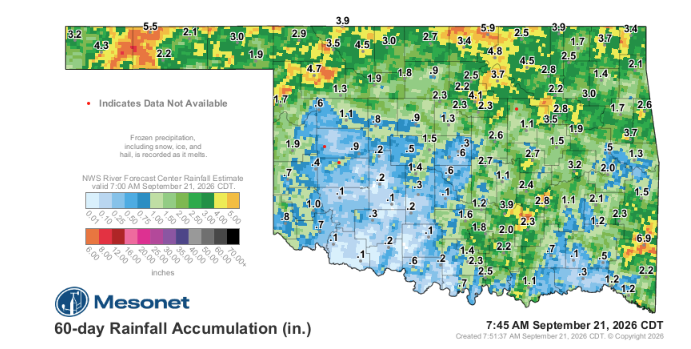
"My hubris was not listening to my own counsel that I've shared here many times over the years: It doesn't rain during droughts. That's how droughts work," McManus said.
Highlighting the severity of the deficit in central Oklahoma, McManus pointed out that his area in Norman has received just six-tenths of an inch of rainfall over the last 60 days, with 44 consecutive days passing without seeing even a tenth of an inch.
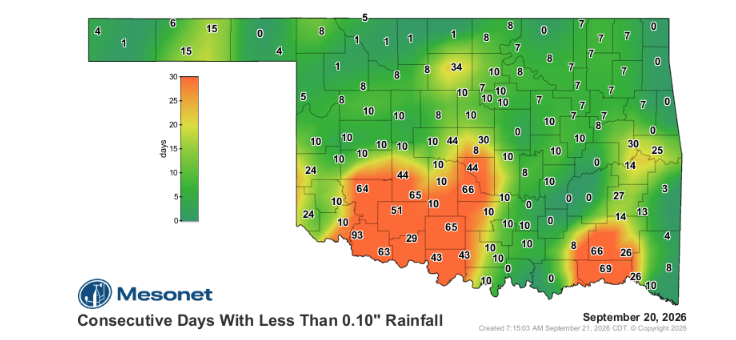
For farmers and ranchers managing pastures, winter wheat planting, and livestock water supplies, the temperature outlook shows both subtle improvements and lingering warmth. While the persistent, oppressive heat dome that fueled an endless run of triple-digit temperatures is finally breaking down and shifting south, late-season warmth will still be a factor across the state.
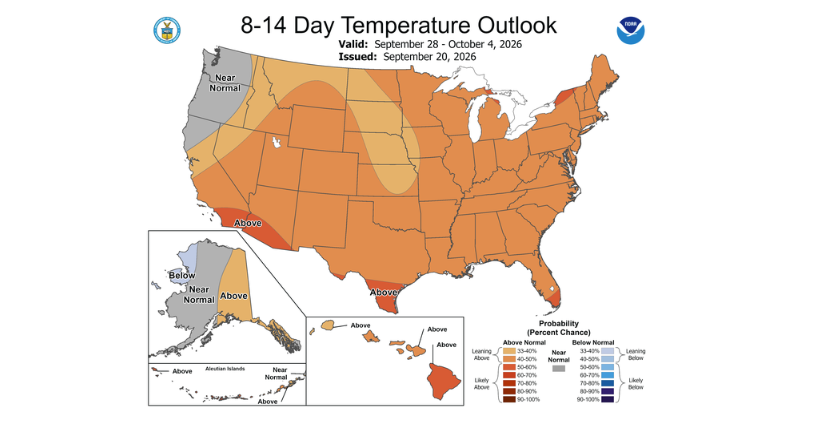
Highs along the Red River are forecast to reach into the mid-90s, and McManus cautioned that while widespread 100-degree days are mostly done for the season, Oklahoma may not have seen its final triple-digit reading just yet. Above-normal temperatures are expected to hold across northern Oklahoma and throughout the state heading into the weekend, with Sunday in particular showing another spike in warmth.
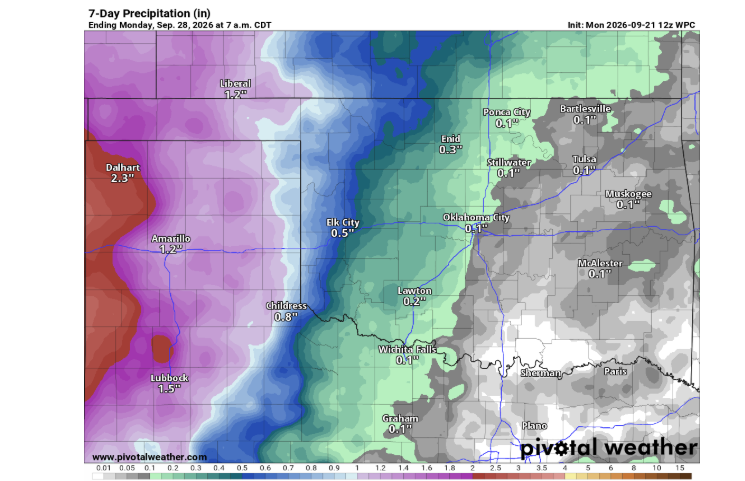
Although the broader pattern will stay somewhat above seasonal averages, it will not bring the relentless summer heat experienced over recent weeks.
On the precipitation front, widespread drought-busters remain absent from the near-term forecast, with the exception of potential moisture favoring parts of the Panhandle. Outside of those localized chances, producers across the state will have to navigate a warm, largely dry start to the fall season as they await a broader pattern shift.
To read more from State Climatologist Gary McManus on his mesonet ticker, click here:
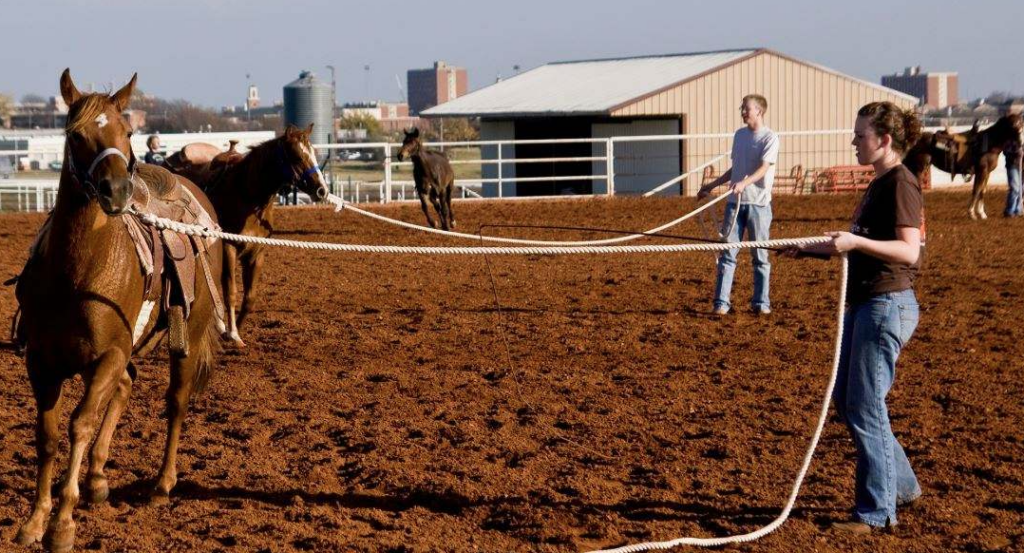
Hot temperatures can create serious challenges for horses and their riders, making heat management an important part of summer horse care. In the latest episode of OSU Extension Horses' Tack Box Talk series, host Dr. Kris Hiney of Oklahoma State University talks with equine exercise physiologist Dr. Carey Williams of Rutgers University and Dr. Betsy Greene of the University of Arizona about how horses handle heat and what owners can do to help keep them safe.
The conversation covers how horses naturally cool themselves, the role temperature and humidity play in heat stress, and why conditions that seem manageable can become dangerous for both horses and riders. The experts also discuss signs of heat stress and dehydration that owners should watch for, along with practical steps to take if a horse begins struggling in the heat.
The discussion also looks at riding and exercise strategies, hydration, electrolytes, cooling methods and ways to prevent heat-related problems before they become emergencies. The experts emphasize knowing your horse, adjusting activity to the conditions and giving horses time to acclimate when moving from a cooler climate to a hotter one.
Oklahoma Farm Bureau's rural economic development department has partnered with Oklahoma FFA to launch the SAE CEO Challenge to recognize the entrepreneurial spirit of students who run their own business.
The SAE CEO Challenge is an all-new, custom program for students and educators that combines a customized classroom curriculum provided to Oklahoma high school agricultural educators along with a state-level pitch contest for students.
The program is designed to help students who have an existing entrepreneurship supervised agricultural experience program build their businesses while inspiring students who do not yet operate their own business enterprise to understand the importance of entrepreneurship while developing their business skills.
The challenge begins with a classroom curriculum developed to help students understand the ins and outs of operating a business. The curriculum is designed to be taught over either a two-week timeframe or a longer, more intensive nine-week program.
Throughout the classroom component, students develop real-world business plans, learn the ins and outs of financial statements, develop a pitch deck to share their business story and prepare them to pitch their businesses as part of the contest portion of the challenge.
The state-level SAE CEO Challenge contest will provide an opportunity for students to showcase their own business enterprises by presenting their pitch on Nov. 6 during the 2026 OKFB state convention in Oklahoma City.
To participate in the contest, students must submit a business plan, pitch deck and other documents related to their recorded entrepreneurship SAE. To be eligible to compete, FFA members must have an entrepreneurship SAE with at least one year of records logged into the agricultural experience tracker platform.
The state winner will receive a cash prize that they can reinvest back into their business to help their SAE, and their business grow.
OKFB hopes the SAE CEO Challenge will help broaden students' horizons to understand how they can be lifelong entrepreneurs while helping them build business-related skills and knowledge that they can use throughout their lives.
Agricultural educators, students or parents interested in the program can contact OKFB's Garrett Saunders to learn how they can access the curriculum and join the contest.

The National Wheat Foundation's annual National Wheat Yield Contest continues to serve as a benchmark for growers seeking to push the boundaries of productivity, grain quality, and agronomic innovation. For Oklahoma producers managing winter wheat acres, the contest offers a valuable platform to test management strategies against top growers across the state and the nation.
Established in 2016, the contest was created to challenge producers to achieve high yields and grain quality while optimizing farm profitability. Rather than focusing solely on top-end yield volume, the competition emphasizes overall productivity, marketability, and best management practices across all classes of U.S. wheat.
Oklahoma growers primarily compete in the winter wheat divisions, which encompass:
In standard field categories, entries require a minimum of five continuous harvested acres. Crops must be grown from professionally produced, certified, branded, and newly purchased seed. All harvest verification must be overseen and certified by an approved third-party supervisor, such as a county extension educator, NRCS officer, agronomist, or qualified retail partner.
A distinctive component of the competition is its focus on functional milling and baking attributes. Contestants are required to retain a 10-pound sample of grain from each verified field entry.
For fields that finish in the top tier nationally, those grain samples undergo comprehensive laboratory analysis. An industry panel evaluates the wheat based on essential quality standards, including protein content, test weight, milling yield, and dough properties. Special Quality Awards and cash incentives are awarded to growers who produce wheat that delivers both superior agronomic performance and exceptional end-use quality for millers and bakers.
Winter wheat entries typically close in mid-May each year, aligning with heading and early grain fill stages across the Southern Plains, while harvest data submissions are finalized following harvest in late summer.
To participate, producers must be members in good standing of a recognized state wheat association or the National Association of Wheat Growers (NAWG). Entry fees can often be covered through vouchers provided by industry sponsor partners, including regional seed, chemistry, and equipment companies supporting the contest.
Producers interested in reviewing official guidelines, supervisor forms, or entry deadlines can find complete contest resources online at wheatcontest.org.
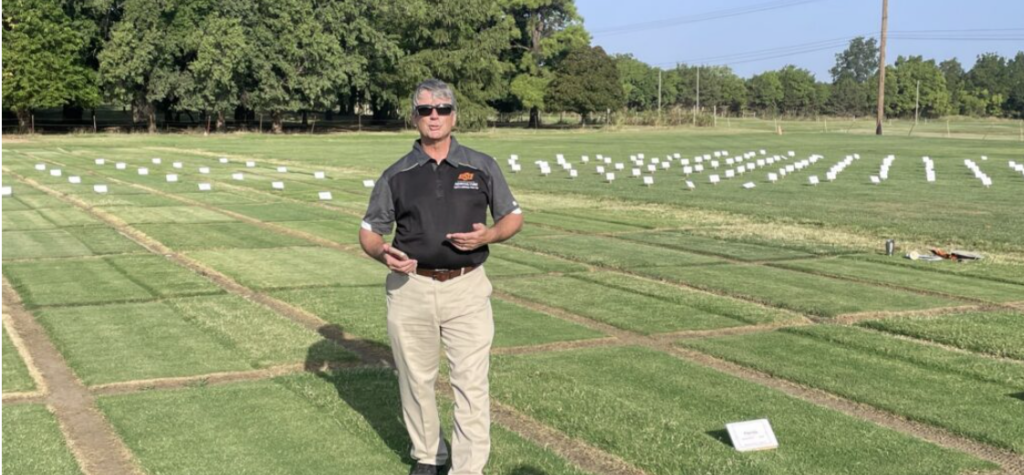
Oklahoma State University researchers showcased advancements in turfgrass development and explored the potential for growing hops in Oklahoma during the university's Turf & Landscape Field Day on Sept. 16.
Oklahoma Farm Report intern Haden Snelson visited with OSU researchers and students to learn more about their ongoing research and its applications for Oklahoma growers and landscape professionals.
Dr. Dennis Martin, OSU Extension and research turfgrass specialist, said the university's research facilities encompass approximately 100 acres, including more than 20 acres dedicated to turfgrass research.
"We have at any one time about a thousand different lines of turf grasses across 13 to 15 different turfgrass species of economic importance in Oklahoma," Martin said.
OSU's turfgrass research program is known for developing bermudagrass varieties, including Tahoma 31, Latitude 36 and NorthBridge. Researchers also conduct National Turfgrass Evaluation Program trials to compare established commercial varieties with experimental warm- and cool-season grasses.
Martin said the field day provides an opportunity for visitors to see the breadth of research being conducted at the university.
"Just allowing them to see the full breadth of what we have going," Martin said.
While turfgrass research was a major focus, the event also highlighted alternative horticultural opportunities for Oklahoma growers.
Kaitlyn Constien, a horticulture master's student at OSU, presented a station covering the use of hops in landscaping, including different cultivars, their uses and growing regions.
Constien said hops production is concentrated in the Pacific Northwest, but interest in locally grown hops is increasing in Oklahoma as craft breweries seek local ingredients.
"It is a growing industry in Oklahoma because many breweries are getting into craft brewing, and so they want local hops," Constien said.
Although several hop varieties can be grown in Oklahoma, Constien said lower yields remain a significant challenge for producers.
"We just don't get as big of a yield as we would in the Pacific Northwest," she said.
Martin said OSU plans to continue hosting the field day, with the frequency depending on demand and the number of new research trials underway. He said the university has enough new trials in progress to generate interest in another field day next year.
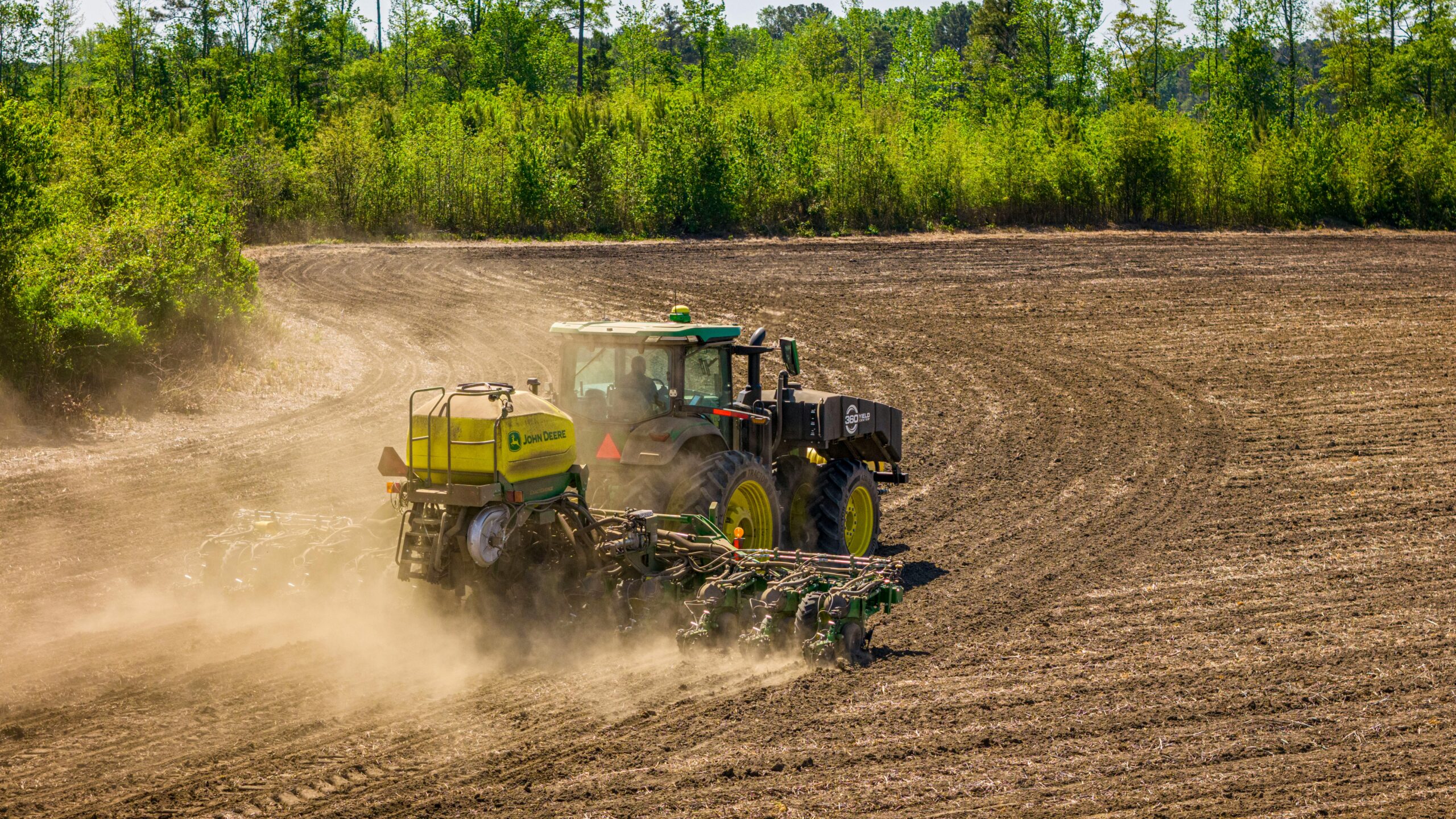
Authors: Dr. Hunter D. Biram, Mr. Enil Serrano Puerto, and Dr. Grant Gardner write in Southern Ag Today: The Federal Crop Insurance Program (FCIP) has been a standard in farm risk management with nearly 500 million acres insured across row crops, forages, and specialty crops, resulting in up to $192 billion in insured liability in 2024, or 78% of the total value of U.S. crops (USDA-RMA and USDA-ERS, 2026). Despite its popularity as a risk management tool, the question of the best coverage level remains each year. Because premium rates are capped at annual increases of 20%, base premiums tend to change very little from year to year. However, the expected insurance price used to calculate coverage is influenced by futures market prices. As a result, insurance costs can fluctuate based on changes in commodity prices and the mix of crop acres planted by producers. This often leaves farmers with the question of how much insurance to buy or whether to renew with the same coverage from the year before. In response, a large suite of tools has been developed by university extension services. A total of 13 decision aids have been developed by universities from across the U.S., with 9 focusing on farm programs (i.e., Agriculture Risk Coverage and Price Loss Coverage) administered by the Farm Service Agency (FSA), and 4 focusing on federal crop insurance programs administered by the Risk Management Agency (RMA) (Serrano, Gardner, and Biram, Forthcoming). We add a decision aid to this suite of tools that provides analysis for both FSA farm programs and federal crop insurance programs, the Crop Insurance Decision-Maker (CIDM). The CIDM is a free, web-based decision aid that provides expected revenue net of production expenses and insurance premiums paid under scenarios with and without crop insurance. After analyzing multiple scenarios, the CIDM highlights the risk management option with the highest expected net return as a potential optimal coverage choice. The tool further provides analysis of farmer risk preferences by including data for farmers who are risk-averse and are concerned about extreme weather and pest pressure lowering expected net returns.
In an article published in the latest edition of the Journal of the American Society of Farm Managers and Rural Appraisers (JASMFRA), Serrano, Gardner, and Biram (2026) provide an explanation for CIDM, how to interpret the results in the decision aid, how the results were generated, and where it fits in the greater suite of farmer decision aids. In most instances, results follow those of Biram et al. (2022), who show that even in the presence of ARC and PLC, the optimal decision in most cases is to choose 80-85% coverage. Biram et al. (2022) show that the base premium rate drives the coverage level, with higher base premiums resulting in increasing cost of insurance, and therefore lower optimal coverage levels.
We suggest here that another driver of optimal coverage is the ratio of the farm-level yield expectation, measured by the Actual Production History, to the county-level yield expectation measured by the county Reference Yield determined by RMA. Using Arkansas and Kentucky as examples, Figures 1 and 2 plot optimal coverage levels for risk-averse farmers across various yield ratio levels based on Serrano, Gardner, and Biram (2026). We first note that in all instances, except for cotton grown in one county in Arkansas, purchasing some level of crop insurance is always preferred to not purchasing any crop insurance at all (see Figures 1-2). We also find that the optimal coverage level is at least 70% or greater when the farm-level yield expectation is at least half that of the county yield expectation for Arkansas (Figure 1) or the farm yield expectation is at least 60% of the county yield expectation in Kentucky.
Since these general results are across multiple combinations of states, counties, and coverages, we direct farmers and other users involved in the crop insurance purchase process to consult the CIDM for optimal coverage in a specific county.
Figure 1. The Relationship Between the Yield Ratio and Optimal Coverage Level in Arkansas
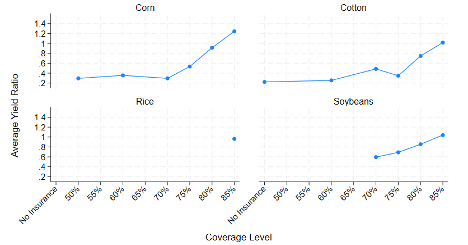
Figure 2. The Relationship Between the Yield Ratio and Optimal Coverage Level in Kentucky
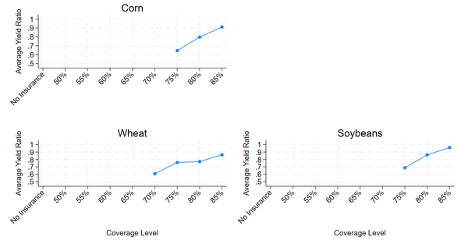
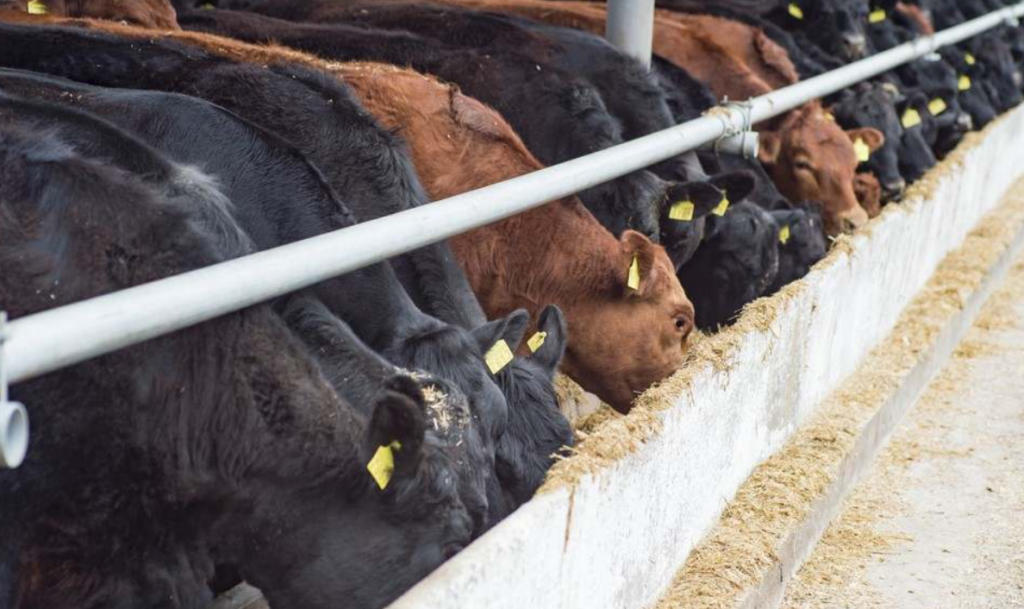
The latest USDA Cattle on Feed shows the September feedlot inventory at 11.163 million head, up 0.7 percent from one year ago. Monthly on-feed totals have been above year earlier levels the past five months. Placements in August were down 9.2 percent year over year and August marketings were down 3.3 percent. Average feedlot placements and marketings have declined sharply in recent months and are now at record low levels in available cattle on feed data (Figure 1).
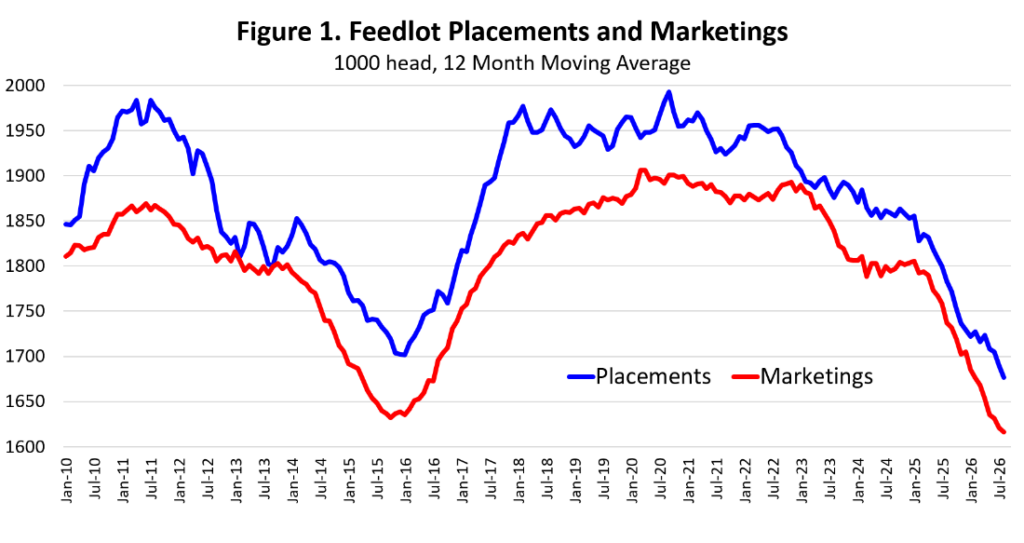
Through the current cattle cycle, the calf crop peaked in 2018 at 36.29 million head and has declined for eight consecutive years, with the 2026 calf crop estimated at 32.5 million head, down 3.79 million head from the cyclical peak. The decreases in average placements and marketings in Figure 1 are generally consistent with the declining calf crop.
However, cattle on feed inventories have remained relatively high in recent years (Figure 2). Average feedlot inventories peaked in September 2022 and declined to a recent low of 11.4 million head in April 2026, down just 4.0 percent or 480 thousand head. Feedlot inventories have remained elevated due to a slow marketings rate. The feedlot marketings rate – the percentage of inventory marketed each month – was at 16.0 percent in July 2023, having averaged 16.0 percent since 2018. The average marketings rate began declining and dropped below 15.0 percent in October 2025. Currently, the twelve-month average marketing rate in August 2026 is a record low 14.1 percent (Figure 2). The low marketing rate has even allowed on-feed totals to be higher year over year for the last five months. The sharp decrease in placements in July and August likely means that feedlot inventories will drop below year earlier levels soon and for the foreseeable future.
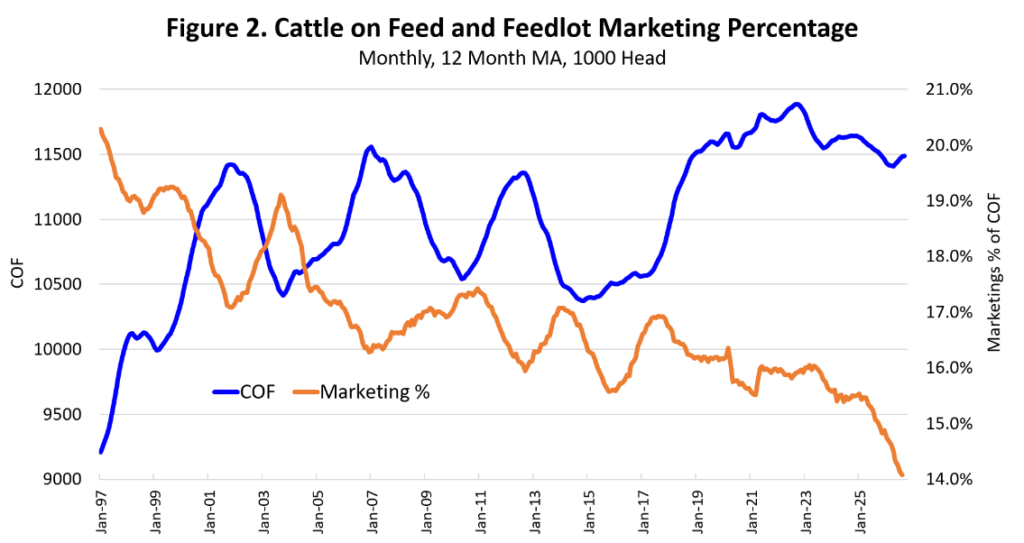
Several consequences have emerged resulting from the ever-lower feedlot marketing rate. The low marketing rate is accomplished mostly by extending days on feed. This has led to a dramatic increase in carcass weight since 2023. For example, steer carcass weights increased 23 pounds in 2024, 24 pounds in 2025 and are up 32 pounds thus far in 2026. From 1960-2022 the average annual increase in steer carcass weights was 4.0 pounds/year. Though there have been individual years of significant increase in carcass weight, there have never been multiple years of much heavier carcasses. The roughly 75-pound increase in steer carcass weights in the last three years is equivalent to the increase over the previous 18 years. The dramatic increase in carcass weights has also resulted in sharply decreased average yield grades. Recent data shows that the average Y4/5 percentage for the past twelve months is 29.2 percent, more than double the rate just six years ago. The increased incidence of bovine congestive heart failure has emerged as a major feedlot health issue and is very likely related to extremely heavy fed cattle weights.
Going forward, it will be increasingly difficult to maintain feedlot inventories. Feeder supplies are expected to tighten into 2027 with a smaller calf crop. Resumption of Mexican cattle imports may relieve some of the pressure, at least regionally. Delayed beef cow culling the past three years means that more replacement heifers will be needed just to stabilize the cow herd with additional heifers needed for any potential herd rebuilding. The feedlot marketing rate may stay low but is unlikely to keep dropping as it has in the past 18 months. In that case, lower placements will push feedlot inventories lower in the coming months.
Derrell Peel, OSU Extension livestock marketing specialist, talks about how beef demand is holding steady going into fall on SunUpTV from September 12, 2026. https://www.youtube.com/watch?v=D1nprnMk_Dk

The dairy checkoff is reaching families where they make decisions about what they buy and serve through two national consumer strategies currently in market.
Dairy Management Inc. (DMI) is activating We Are Family and First 1,000 Days through the fall. While the programs reach consumers at different moments, both are designed to deliver relevant dairy information when and where families are most receptive to it.
We Are Family connects with families during everyday meal planning and shopping, while First 1,000 Days focuses on parents during pregnancy and the earliest years of a child's life. Both support the checkoff's broader goal of inspiring people to make dairy a daily part of their lives.
"We understand that reaching consumers today means being relevant to their lives and meeting them where they are," said Marilyn Hershey, Pennsylvania dairy farmer and DMI chair. "These programs allow the checkoff to reach parents during important moments, whether they are planning meals, shopping for their family or thinking about nutrition for their children. That is how we keep dairy visible, relevant and part of the choices families make every day."
Now in its third year, We Are Family runs until October and reaches families through retail-connected media at Walmart, Costco and, for the first time, Sam's Club.
The strategy uses digital and social media, video, creator content and messaging connected to consumers' shopping behaviors. The program is designed to reach families throughout the path to purchase – from looking for meal ideas and preparing grocery lists to shopping and adding dairy to their carts.
"We know from experience this type of program delivers messages when consumers are most receptive – whether that's when writing shopping lists, on the drive home or whenever they're in a food-focused mindset," said Aris Georgiadis, senior vice president of marketing communications for DMI.
The strategy recognizes that messaging can be tailored to different shopping mindsets, including families centered on routines and meal planning, and active families looking for convenient protein and snack options. The goal is to reinforce dairy as a trusted choice while giving families more reasons and occasions to choose it, which is the focus of the checkoff's broader Dairy Does More campaign.
"Consumers are often more receptive to recipes and messaging when it comes from someone they identify with, whether that's an influencer, a foodie or another parent," Georgiadis said. "We're also continuing our social media efforts to create a surround-sound effect so we're reaching audiences across multiple touchpoints."
At the same time, the checkoff's First 1,000 Days strategy reaches consumers regarding the period from conception to a child's second birthday, which is critical for establishing a foundation for brain development.
The strategy, which also runs through October, reinforces that milk, cheese and yogurt provide nutrients that can help support cognition, allowing the checkoff to engage parents as well as health and wellness thought leaders around dairy's role in childhood nutrition.
"The beauty of the First 1,000 Days program is that there's always a new audience entering this life stage," Georgiadis said. "Couples decide to have children. Families become pregnant. Parents welcome a second or third child. That audience continually renews itself."
A key part of the strategy is placing dairy information on BabyCenter and What to Expect, two leading digital resources used by expecting and new parents. Content helps parents understand dairy's role at different developmental milestones and provides information about nutrients associated with growth and development.
"When parents are up late at night wondering what to do, these are the sites they're searching – or the questions they're asking AI tools," Georgiadis said. "That's why it's important for us to have a presence there and ensure our message is delivered where parents are already looking for trusted information."
The effort is supported by the message "Strong bones are just the start," along with paid and owned content across social, search, video and digital channels.
Together, We Are Family and First 1,000 Days demonstrate how checkoff strategies can connect dairy with consumers across different stages of family life – from establishing nutrition habits to making the next grocery purchase.
"At the end of the day, our goal is to help consumers do dairy daily and ideally reach three servings each day," Georgiadis said. "If consumers understand more than one reason to eat dairy, they're more likely to increase shopping occasions, serving occasions and overall consumption."
To learn more about your national dairy checkoff, visit DairyCheckoff.com or to reach us directly, send an email.

Midwest Dairy is looking for your best calendar-worthy dairy photos! One winning photo will be selected and featured in Midwest Dairy's 2027 Calendar, which will be distributed with the Winter Dairy Promotion Update magazine.
"We are so excited to kick off a new project that celebrates dairy farms in our 10-state region. We welcome photo submissions that capture dairy at any stage of production, from beautiful cows and barns, to milking, all the way through to consumption," said Stacey Gorman, Director of Communications for Midwest Dairy. "Dairy cows or dairy itself should be the focus of each photo, and people should not be included. I look forward to seeing images from across the Midwest that showcase the unique landscapes and dairy communities where dairy is produced."
Ready to enter? Here's what you need to know:
What the Winner Receives
The winning photo, along with photo credit, will be featured in the 2027 Midwest Dairy Calendar. The winner
will also receive a dairy prize pack, including 25 copies of the poster-sized calendar to share with friends and
family
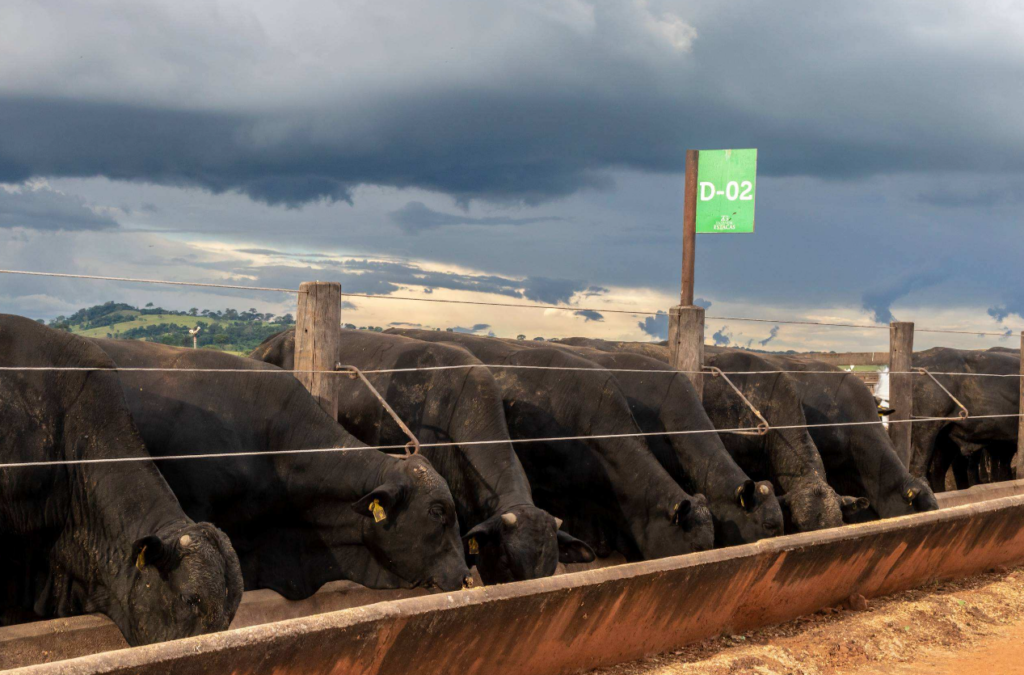
In today's Beef Buzz, senior farm and ranch broadcaster Ron Hays speaks with Oklahoma State University livestock market economist Dr. Derrell Peel about the latest Cattle on Feed report, which showed August placements well below expectations. Peel says the numbers could signal a shift in the cattle market as fewer cattle move into feedlots.
Peel says August marked the second consecutive month of sharply lower placements, with the numbers coming in below even the lowest pre-report estimates. "Placements in August came in down 9.2 percent from a year ago. Marketings were down 3.3 percent. So the on-feed total came in seven tenths of a percent larger than one year ago," Peel says.
While the total number of cattle on feed remained above a year ago, Peel says the large drop in placements changes the way that number should be viewed. "For the last three or four months, we've had the on-feed total above a year ago, and the only reason we did have that was because the marketings were falling faster than placements," Peel says. "We've got less cattle moving through feedlots."
With placements falling faster than marketings, Peel expects the number of cattle on feed to eventually move below year-ago levels. "I expect that we'll get the on-feed total back below a year ago here in the next couple of months and be that way for some period of time," Peel says. "So in this case, the market should take this as a fairly bullish report."
The August placement number was particularly notable because it came in well below the range of analysts' pre-report estimates. "Both the placements were actually lower than the range of pre-report estimates, and the marketings were actually a little bit bigger than the range of pre-report estimates," Peel says. "So kind of a surprise both ways."
Peel says the placement number was significantly below even the lowest estimate. "It's quite a bit lower than anybody expected," Peel says. "So I think this will be taken as a pretty bullish number for cattle markets."
Peel says the decline in placements is also reflected in cattle moving through Oklahoma auction markets.
"In Oklahoma, I do know. I watch the combined auction total every week, and since the middle of July through this last week or so, auction volumes in Oklahoma have been running between 30 and 35 percent below a year ago," Peel says.
He says several factors may have contributed to the lower volume. "I think part of it was the hot weather, part of it was the fact that the market was in a major correction, and quite a bit depressed, and maybe there's just less cattle out there to be marketed at this point," Peel says.
After a significant correction, Peel says cattle markets have begun to recover in recent weeks. "We are seeing these markets recover the last couple of weeks," Peel says. "I think they have room to do that. The fundamentals are still strong. They just need a little bit of relief on some of these outside impacts that have been buffeting the market for the last six or eight weeks."
Peel says the recovery could even push calf prices higher during a time of year when prices normally decline. "I look for this market to actually continue to improve- some of that's counter seasonal because we've been down so much," Peel says. "We might actually see these calf prices go up a little bit, and typically fall, of course, is the seasonal low for calf prices."
Weather will also play an important role for cattle producers in the Southern Plains. Peel says cooler temperatures and moisture could create additional demand for lightweight calves if wheat pasture becomes available. "The other thing that would help, at least in the Southern Plains, if this weather changes like we're talking about and we get some moisture, there'll be some wheat pasture demand for these lightweight calves that we haven't had up to this point," Peel says.
He says producers are watching closely for a break in the summer heat and desperately needed moisture. "Everybody is really anticipating this summer finally breaking, and obviously we need the moisture desperately again from the standpoint of our pastures in general, as well as the prospects for getting any wheat planted and any potential for wheat grazing this winter," Peel says.
Peel says another piece of the cattle market that bears watching is the decline in heifer slaughter. "Heifer slaughter so far this year is down about 10.9 percent, and it's actually down about twice as much as steer slaughter is down," Peel says. "There's less cattle, so all of it's down."
However, Peel says the pace of the decline in heifer slaughter may indicate producers are beginning to retain heifers. "The heifer slaughter is falling at a rate now where I think it's beginning to tell us maybe that we have been trying to hold on some heifers," Peel says.
Drought remains a concern, but Peel says the heifer slaughter data suggests herd rebuilding may already be getting started. "I've been concerned that the drought conditions might preempt that, but thus far it looks like maybe we're getting started on that process," Peel says.
The Beef Buzz is a regular feature heard on radio stations around the region on the Radio Oklahoma Ag Network and is a regular audio feature found on this website as well. Click on the LISTEN BAR above for today's show and check out our archives for older Beef Buzz shows covering the gamut of the beef cattle industry today.
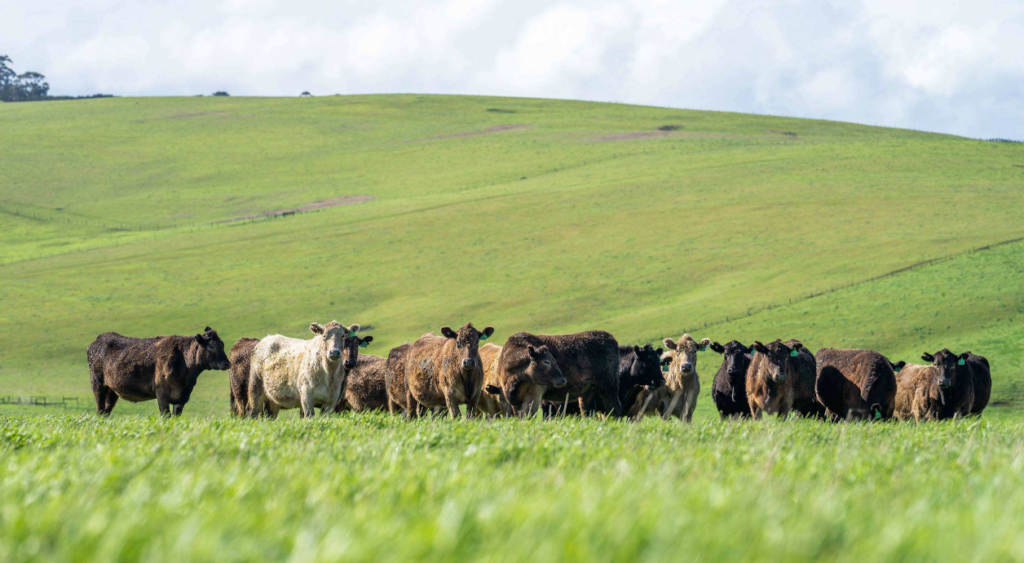
As cattle producers continue feeding cattle to heavier carcass weights, beef cutout values are benefiting from improved quality, but Dr. Megan Eckhardt of Oklahoma State University says producers also need to watch the potential discounts that can come with excessive external fat. Eckhardt spoke with Associate Farm Reporter Carli Davenport at the American Wagyu Association's annual conference about current beef cutout values and carcass quality.
"Producers, as a whole, we're kind of on this trend of increasing carcass weight," Eckhardt said. "And with increasing carcass weight, generally means we've fed cattle longer."
She said feeding cattle longer generally results in more fat deposition, which can improve beef quality and increase carcass value. "Because we've fed them longer, they have increased fat deposition, which is really good for quality," Eckhardt said. "And so we're increasing our carcass value, our cutout value because of quality."
However, Eckhardt said there is a balance producers need to consider as carcass weights continue to increase. "We're going to take more discounts for yield grade fours and fives as we've fed them longer, more external back fat," she said. "Which would be factored into the yield grade equation, and ultimately probably compromising some of our total carcass cutability."
When looking at the different primals contributing to beef cutout values, Eckhardt said producers should pay attention to where demand is strongest throughout the year. "You look at some of the differences in value across primals, and most times of the year, our loin and our round primals and cuts that are derived from them are going to capture the greatest value across the carcass," she said.
With the grilling season winding down, Eckhardt said some of the cuts commonly used on the grill are still capturing value while warm temperatures remain. "We're kind of reeling out the end of that grilling season or summer months, it's still nice and warm, so capturing some value still in some of our thin meats, our flanks, and other things we like to put on the grill," Eckhardt said.
She said middle meats have also continued to perform well in terms of premiums. "We're doing pretty good as far as premiums in the space of middle meats throughout the year," she said.
As temperatures begin to cool, Eckhardt expects seasonal demand to shift toward other portions of the carcass. "As we kind of come into our roast season and the temperatures hopefully start to come down and cool off a little bit, we can kind of see maybe a little bump in our chucks and our rounds and some of the cuts that we're going to get for our stew and roast season," she said.
Eckhardt said the beef industry has made significant progress improving carcass quality over the past decade, regardless of the type of cattle being raised. "Becoming more important over the last 10 years, we've done an exceptional job of increasing the quality of our beef, regardless of what kind of cattle we're raising," she said.
As consumers continue seeking higher-quality beef at the retail level, Eckhardt said the industry has been able to keep pace with that demand. "As we continue to increase the demand as a consumer for higher quality beef at the retail level that we can take home and feed to our families, we are still keeping up pretty well as an industry and maintaining this increased trend for higher carcass quality," she said.
Eckhardt pointed to continued growth in premium Choice and Prime products. "We're seeing more premium Choice products and Prime products," she said. "And so if you're raising cattle out there, just keep feeding them higher and higher quality."
In addition to her work at OSU, Eckhardt is also one of the university's meat judging coaches. She said meat judging provides students with opportunities to learn about several areas of the beef and agriculture industries. "This is a really awesome opportunity for students, really of all ages," Eckhardt said. "We have youth opportunities across the nation and growing in the state of Oklahoma for 4-H and FFA students for meat judging."
Eckhardt is taking over the role following Dr. Gretchen Mayfield, who coached the Oklahoma State meat judging team for many years. "Dr. Gretchen Mayfield has been the meat judging coach at Oklahoma State for many, many years and has definitely left me some big shoes to fill," Eckhardt said. "She's been an incredible woman to kind of follow as a mentor into this space."
The OSU team is now beginning preparations for the 2027 meat judging season. "We're just now hitting the road and getting started with our junior team for the 2027 meat judging season, and we're really excited," Eckhardt said. "We're actually going on our first trip next week."
Eckhardt said one of the biggest benefits of meat judging is the exposure it provides students to careers throughout agriculture. "The best thing about meat judging is it does a really good job, whether you have experience in it or even in agriculture or in the cattle feeding industry, it does a really good job of exposing you to opportunities in the ag industry," she said.
Those opportunities extend across the beef industry, including veterinary science, business and production. "Specifically the beef industry across the nation, everything from vet science, ag business, meat and beef production, animal science production," Eckhardt said. "So, really, really excited to take on this role."
RON's Dave Lanning has a pre-opening look at today's agricultural Markets.
Click the audio tab below for today's report.

Today, the U.S. Department of Agriculture's Food and Nutrition Administration (FNA) announced a sweeping crackdown on fraudulent SNAP retailers—bodegas, convenience stores, and grocery stores—across New York's five boroughs. This investigation, dubbed Operation SNAP Back, included hundreds of undercover investigations leading to action against 170 retailers.
"This is just the latest action in the Trump Administration's fight against fraud. The message is clear, if you accept any portion of an annual $100 billion taxpayer program, you must follow the rules or face the consequences," said U.S. Secretary of Agriculture Brooke L. Rollins. "We owe it to every American taxpayer to safeguard their hard-earned dollars, and these latest enforcement actions are just a small part of the Food and Nutrition Administration's efforts to remove criminals and bad actors from food stamps."
The charges laid out in this operation include SNAP trafficking—the exchange of SNAP benefits for cash—and the illegal use of SNAP benefits to purchase ineligible items such as alcohol and non-food items. Penalties associated with these violations range from temporary removal to permanent disqualification from the program, as well as significant monetary fines. In addition to FNA's enforcement actions, several cases have also been referred to the USDA Office of Inspector General for criminal investigation and prosecution, ensuring that fraudulent retailers are held accountable.
Since the start of the Trump Administration, more than $5.8 billion of fraud has been stopped. This includes nearly 6,000 retailers that have been disqualified or suspended, and over 2,000 illegal point of sale devices that have been disabled or blocked. For more information, visit The Fraud Ledger.
And remember, if you see something, say something. Report program fraud.
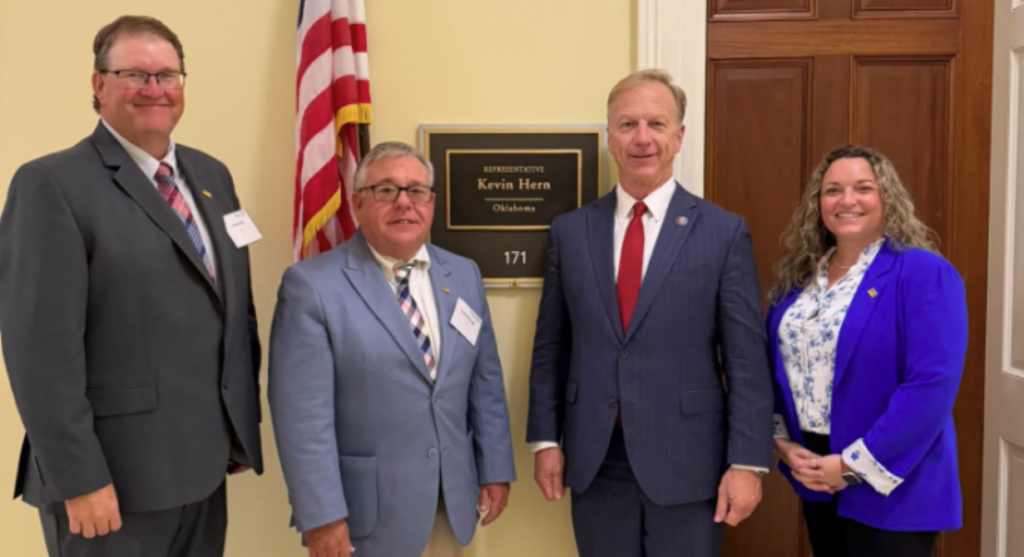
Following his return from the NFU Fly-In in Washington, D.C., American Farmers & Ranchers (AFR) President Scott Blubaugh sat down with Farm Director KC Sheperd to provide a comprehensive debrief on the critical policy battles facing Oklahoma farmers and ranchers. The annual fly-in served as a vital platform for Oklahoma's agricultural leadership to deliver direct, firsthand accounts from the countryside to lawmakers, federal agency heads, and White House officials. Blubaugh noted that while the current political environment in the nation's capital presents serious challenges, the urgency surrounding production costs, federal farm legislation, and domestic livestock protections has never been higher.
Farm Bill Gridlock and Severe Production Input Pressures
At the top of the delegation's agenda was the ongoing stalemate surrounding the federal farm bill, a cornerstone legislative package that Blubaugh stressed is now three years behind schedule. He noted that while passing a farm bill has traditionally been a bipartisan endeavor where lawmakers set aside differences to protect the nation's food supply, recent years have been defined by severe partisan gridlock.
That paralysis has left agricultural producers exposed to unsustainable economic pressures. During discussions with lawmakers, the AFR delegation laid out the stark realities of operating on the ground in Oklahoma:
Blubaugh shared that while a rare moment of momentum occurred when the Senate Agriculture Committee advanced its version of the farm bill by a single deciding vote cast by Senator Mitch McConnell, significant hurdles remain. With the House of Representatives adjourning and heading home until after the general election, Blubaugh stated that the absolute earliest realistic opportunity to advance and finalize the farm bill will come during the post-election lame-duck session.
Combatting Foreign Beef Imports and Championing MCOOL
A central focus of the AFR delegation's meetings with both Congress and the White House was pushback against the administration's reliance on foreign beef imports from third-world nations. Blubaugh expressed strong opposition to these policies, explaining that bringing in foreign beef has undermined domestic livestock markets without offering any financial relief to consumers. While live cattle markets have suffered downturns under these pressures, retail beef prices at grocery stores have remained stubbornly high, demonstrating that consumers are not reaping any benefits from increased import volume.
To level the playing field, AFR is aggressively advocating for Mandatory Country-of-Origin Labeling (MCOOL). Blubaugh pointed out a key distinction between the two versions of the farm bill currently circulating: the Senate draft includes mandatory labeling provisions, while the House version leaves them out.
Blubaugh observed unprecedented, broad-based bipartisan support for MCOOL during their Capitol Hill visits. The legislation has brought together lawmakers across the political spectrum, co-sponsored by leaders such as Republican Senator John Thune and Democratic Senator Cory Booker. Blubaugh noted that while the "Big Four" meatpackers continue to lobby heavily against origin labeling in order to preserve lucrative profit margins gained from blending cheaper foreign trimmings into ground beef products, consumers and producers share common ground.
Highlighting local market dynamics, Blubaugh pointed to the Oklahoma Certified Beef Association, which includes roughly 50 participating ranches. When federal announcements were made regarding expanded Argentine beef imports, participating Oklahoma operations virtually sold out of domestic product within 10 days. The surge demonstrated that consumers prioritize food safety and actively seek out high-quality, locally raised American beef when clear labeling allows them to make an informed choice.
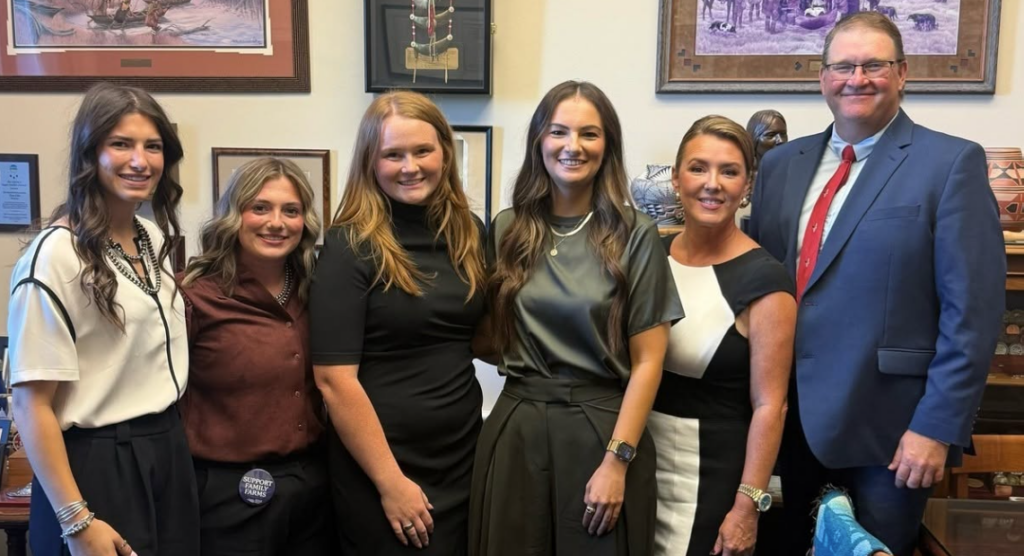
Broad Federal Agency Engagement in Washington
Beyond Capitol Hill meetings with the entire Oklahoma congressional delegation, AFR's schedule involved in-depth discussions across several key branches of the executive administration. The delegation secured appointments with:
Blubaugh reported that officials across these departments were attentive and receptive to the operational challenges shared by the delegation. However, with both political parties heavily focused on positioning ahead of upcoming national elections, legislative productivity remains largely stalled. He noted that some pending administrative appointments and key confirmations are expected to clear the Senate floor shortly, but substantive legislative breakthroughs on agricultural policy will hinge entirely on the post-election session.
Looking Ahead: AFR Presence at the Tulsa State Fair
Shifting focus back to Oklahoma, Blubaugh shared that AFR is gearing up for a major presence at the Tulsa State Fair to engage youth, exhibitors, and farm families.
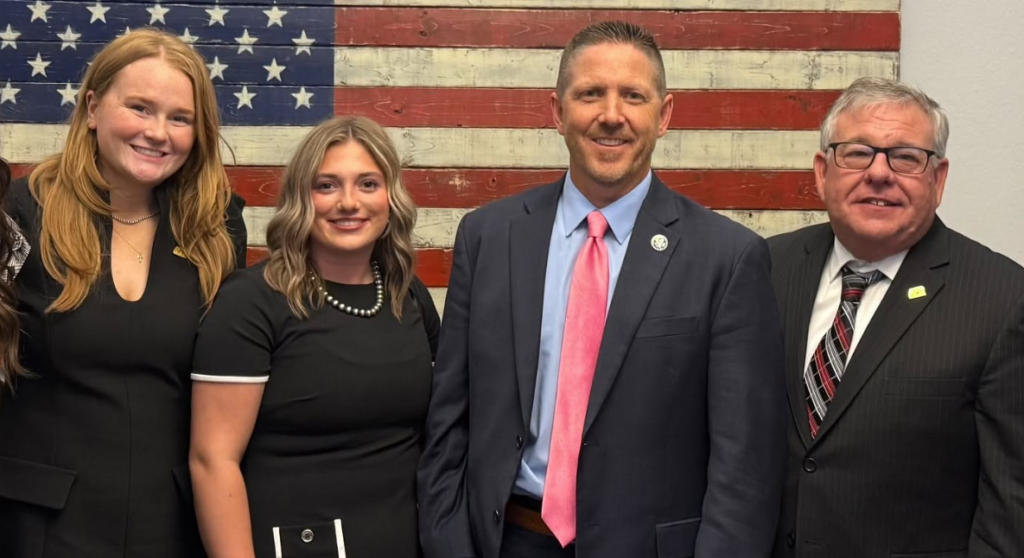
Key AFR fair highlights include:
The American Feed Industry Association (AFIA) and Feedstuffs named Ridley Feed Ingredients' Mendota, Ill., facility as the 2026 Feed Facility of the Year. Each year, the award recognizes a feed facility that exemplifies excellence across its operations, including quality and safety, productivity, regulatory compliance, employee development and customer relations. The Feed Facility of the Year program also benefits the AFIA Equipment Manufacturers Committee (EMC) scholarship fund, helping invest in the education and development of the animal food industry's future leaders.
"Ridley Feed Ingredients' Mendota team has built a culture where safety, quality, operational excellence and customer satisfaction are part of everything they do," said Gary Huddleston, AFIA's senior director of feed manufacturing and regulatory affairs. "Their strong employee involvement in continuous improvement and use of data to guide decision-making demonstrate the kind of leadership and commitment to excellence that this award is designed to recognize."
Under the leadership of facility manager Corey LaBarge, the Mendota facility produces more than 43,000 tons of feed ingredients and premixes annually for multiple animal species. Originally constructed in 1960, the facility has undergone numerous upgrades over the years to support its operations and continued growth. All tonnage produced at the facility is packaged.
The Mendota team has created a culture where employee safety, quality, operational excellence and customer satisfaction are inseparable. Employees are actively involved in continuous improvement initiatives, while the facility embraces data-driven decision making-through key performance indicators and trend analysis.
"Winning the Feed Facility of the Year award is a tremendous source of pride for our entire team," said LaBarge. "This recognition reflects the commitment our employees bring to the facility every day, from maintaining high standards for safety and quality to continuously looking for ways to improve our operations. It takes every member of our team working together to achieve this level of excellence, and we are proud to see the hard work recognized by the industry."
The AFIA and Feedstuffs would also like to extend congratulations to the following facilities in the 2026 Feed Facility of the Year program:
The AFIA has recognized excellence in feed manufacturing through the Feed Facility of the Year program since 1985. Beyond industry recognition, participating facilities receive comprehensive benchmarking reports that offer valuable insights into their performance compared with their peers and identify opportunities for continuous improvement. Since 2024, proceeds from the program have supported the Equipment Manufacturers Committee scholarship fund, administered through the Institute for Feed Education and Research (IFEEDER), which provides scholarships to college students pursuing careers in the animal food industry. Learn more about the Feed Facility of the Year program at afia.org/FFY.
Editorial Note: To obtain a high-resolution image to use for editorial purposes, contact Marisa Halbstein, AFIA's marketing and program development specialist.
Agricultural producers can soon begin enrolling in the Agriculture Risk Coverage (ARC) and Price Loss Coverage (PLC) programs, which the U.S. Department of Agriculture (USDA) recently updated to include more than 30 million new base acres. This expansion, the first in 20 years, was made possible by the Working Families Tax Cuts Act and is part of USDA's efforts to put Farmers First.
Now that the base allocation process is complete, producers can make elections and enroll for the 2026 crop year from Sept. 16 through Dec. 11, 2026, and for the 2027 crop year from Nov. 2, 2026, through March 15, 2027. Because eligible acres exceeded the nationwide 30-million-acre cap, USDA's Farm Service Agency (FSA) is applying an across-the-board, prorated reduction of 3.69% to all newly allocated base acres.
"President Trump and Secretary Rollins are putting Farmers First by providing increased access to the farm safety net," said Under Secretary Richard Fordyce. "In addition to expanded base acres, farmers now also have the opportunity to change their program election to best support the economic viability of their operations."
Base Allocation Notifications
The opportunity for landowners to review their base allocation summaries and take necessary action ended Aug. 31, 2026. This included correcting inaccurate information, designating subsequent acres or opting out of adding base acres. Landowners did not lose base acres through the base allocation process.
If landowners did not notify FSA of changes, the base allocation summary is considered accurate and complete; however, an across-the-board factor will apply. FSA determined the base allocation percentage reduction using all acreage reported as eligible, and new base acres will automatically be allocated to farms after applying the 3.69% reduction.
Base allocation notifications will be available beginning Sept. 16, 2026. Landowners can access notifications online at fsa.usda.gov/arc-plc using a Login.gov account. Landowners who do not currently have a Login.gov account can contact their FSA county office to obtain their base allocation notification beginning Sept. 16, 2026.
Enrollment Period
Producers can now change their election and enroll in ARC-County (ARC-CO) or PLC, which both provide crop-by-crop protection, or ARC-Individual (ARC-IC), which protects the entire farm. Although election changes for 2026 are optional, producers must enroll through a signed contract each year. Existing multi-year contracts ended in 2025, but producers have the option to sign a new multi-year contract for 2026 through 2031. Producers who opt out of a multi-year contract can enroll for the 2027 crop year starting Nov. 2, 2026, through March 15, 2027.
If producers do not submit their 2026 election by Dec. 11, 2026, their election remains the same as their 2025 election for crops on the farm, and the farm is ineligible for payments for the 2026 program year. Landowners cannot enroll in either program unless they have a share interest in the farm.
Covered commodities include barley, canola, large and small chickpeas, corn, crambe, flaxseed, grain sorghum, lentils, mustard seed, oats, peanuts, dry peas, rapeseed, long grain rice, medium and short grain rice, safflower seed, seed cotton, sesame, soybeans, sunflower seed and wheat.
Some land grant universities offer web-based decision tools to help producers make informed election decisions using crop data specific to their respective farming operations.
Producers can make program elections and enroll either online at fsa.usda.gov/arc-plc using a Login.gov account or by making an appointment at their local FSA office.
Crop Insurance Considerations
Producers are reminded that ARC and PLC election and enrollment can impact eligibility for some crop insurance products.
Producers can now add SCO coverage or the Enhanced Coverage Option (ECO) regardless of their ARC or PLC election. Previously, producers who elected ARC-CO or ARC-IC were ineligible to purchase the Supplemental Coverage Option (SCO) through their Approved Insurance Provider for the same acres, but The Working Families Tax Cuts Act removed this restriction.
Upland cotton farmers who choose to enroll seed cotton base acres in ARC or PLC are ineligible for the Stacked Income Protection Plan (STAX) on their planted cotton acres for that farm.
Crop insurance information is available through USDA's Risk Management Agency.
More Information
For more information on ARC and PLC, visit the ARC and PLC webpage or contact your local FSA County Office.
U.S. Secretary of Agriculture Brooke L. Rollins announced today the awarding of over $26 million to farmers and agricultural producers across the country through the USDA Value Added Producer Grant (VAPG) Program. Entities can use these grant funds to develop value-added agricultural products, conduct market research, and implement business and marketing strategies.
"While the Biden Administration waged economic war against our ranchers and farmers, the Trump Administration is focused on putting our ranchers and farmers first. These grants represent another investment in the Great American Cattle Herd as we fortify the American beef industry," said Secretary Rollins. "By supporting our ranchers and agricultural producers as they develop new products and increase the value of what they grow and raise, we're helping to create new revenue opportunities to grow the herd and create long-term economic resilience in rural communities across this nation."
"USDA Rural Development partners with people in rural America so they have the tools they need to build stronger businesses and create jobs for people in their communities," said Under Secretary for Rural Development Glen Smith. "This program helps our producers eliminate the middleman, create homegrown products from the crops and animals they grow, and put more money in their pockets and their local communities. It's a win all around and we're glad to be a part of it."
USDA Rural Development is investing $26.5 million in 194 agricultural projects across the country, with $11.6 million going to 80 beef producer projects, including:
Applications for the Value-Added Producer Grant program are typically accepted for processing from agricultural producers between January and May, depending on when program funding is allocated.
USDA Rural Development invests in rural America with programs to promote rural prosperity. These programs expand access to high-speed internet, electricity, and infrastructure, and support economic growth, healthcare, education, housing and other community essentials. Discover more investment details and historical data in the Rural Data Gateway and learn more about the agency at www.rd.usda.gov.
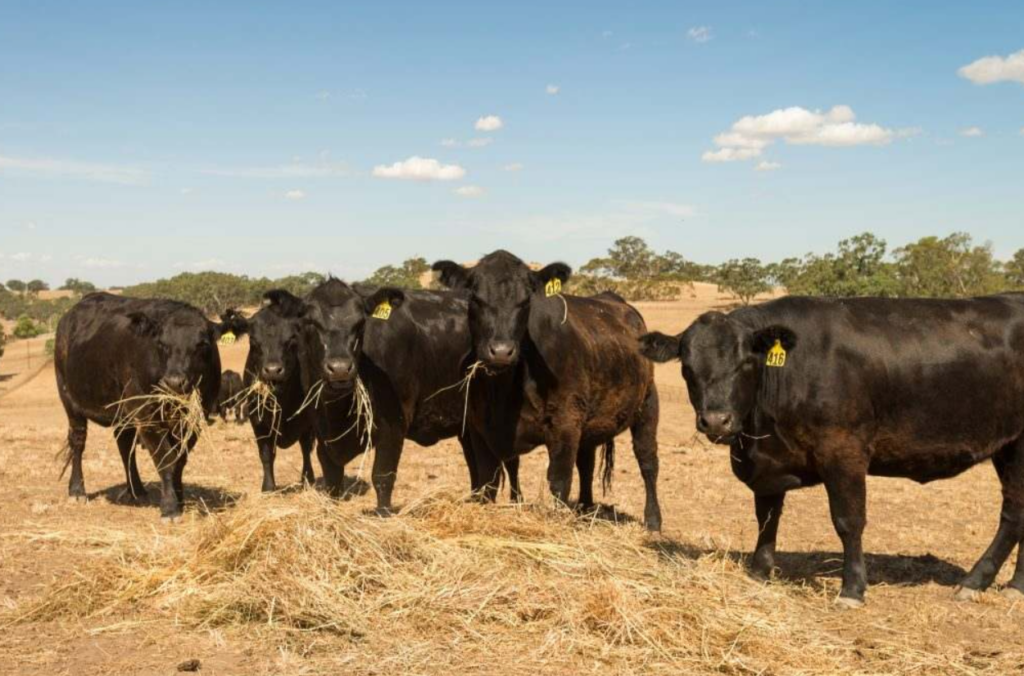
In today's Beef Buzz, senior farm and ranch broadcaster Ron Hays continues his conversation with Kent Bacus of the National Cattlemen's Beef Association's Washington, D.C. office about the latest beef import announcements, food safety concerns, and the Product of USA label. Parts one and two can be found here.
Bacus discussed President Donald Trump's plan to temporarily increase the U.S. import quota for lean beef trimmings by 300,000 metric tons. The additional volume will be made available in three 100,000-metric-ton tranches: one during September, a second during October, and a third beginning October 31 and running through November.
Bacus says the United States has established food safety and animal health standards that consumers have come to trust. "We have the highest food safety and animal health standards in the world, bar none, hands down."
He says the concern is not necessarily the volume of beef coming into the country, but whether the products from other countries are being adequately verified. "The concern is that if there is a problem that comes from these countries, and since we don't have current accurate data to prove that what they are sending here is up to our standards, that could potentially jeopardize the reputation that we have built for beef."
Bacus says consumers generally won't distinguish between beef based on where it originated. "American consumers, they're not going to look, 'Oh, is this an Argentina product? Is this a Brazil product?' Because a lot of times it's not going to carry that label at a grocery store. It's not going to carry that label at a restaurant. But what they are going to see is it's beef."
He says maintaining consumer confidence in the overall beef product is ultimately the larger concern. "If people don't have faith in the product itself, they're not going to buy it. And that's the bigger concern here."
Bacus says NCBA is not questioning the role of USDA's Food Safety and Inspection Service, but wants additional verification of foreign suppliers. "I have all faith in FSIS. I have all faith in USDA to be able to go and enforce these things. All we're asking is that we have new audits and that we go and we inspect these guys and make sure that anything they're telling us is actually backed up."
Hays also asks Bacus about the administration's continued support for Product of USA labeling, particularly following President Trump's directive to USDA and the USTR to review MCOOL to see if it can be reinstated.
Bacus says he questions the logic of changing the approach after the industry and government invested heavily in the existing Product of USA program. "That's probably the most interesting thing of all because of the success of the Product of USA label and the rollout of that, and the fact that you know the U.S. government's invested 100 million dollars in this promotional thing just to go and undercut it by saying that that doesn't go far enough, I fail to see the logic in any of that."
Bacus says the existing Product of USA label already addressed concerns over imported beef carrying U.S.-style labeling. "We know that this Product of USA label, it closed the loophole on imported beef being able to carry those 'Made in the USA' product or labels, so this really seems redundant."
Rather than focusing heavily on labeling changes, Bacus says the cattle industry has other policy issues that deserve attention. "Let's go after ESA reform. Let's go after and continue to roll back, you know, some of the other regulatory burdens that are out there."
He says those issues could have a more direct impact on cattle producers. "How we label this stuff, and really how the government tries to undercut itself on labeling programs, just seems to be- It just seems to be misguided. There's much bigger pressures that are out there. Let's focus on those and deliver real wins for cattle producers."
The Beef Buzz is a regular feature heard on radio stations around the region on the Radio Oklahoma Ag Network and is a regular audio feature found on this website as well. Click on the LISTEN BAR above for today's show and check out our archives for older Beef Buzz shows covering the gamut of the beef cattle industry today.
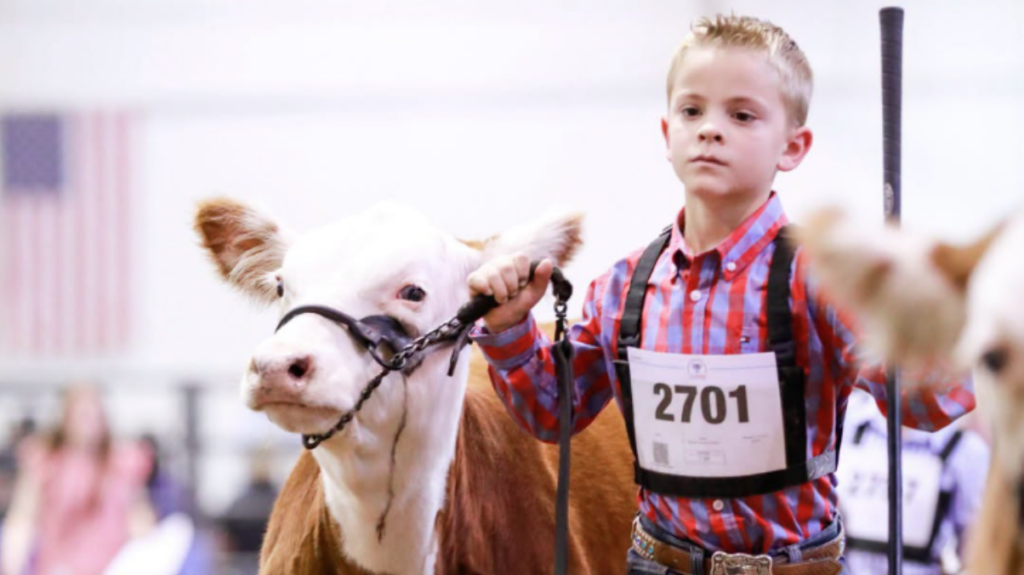
Pic courtesy of the OK State Fair Facebook Page
Oklahoma State Fair Announces 2026 Special Events Lineup Featuring Route 66 Centennial, Film Friday, and Community Celebrations
The Oklahoma State Fair has lined up several featured special events for fairgoers to experience throughout its 11-day run at OKC Fair Park, highlighting Oklahoma-made storytelling, Mother Road heritage, family entertainment, and statewide health initiatives.
Film Friday
Route 66 Centennial Salute and Parade
Family Fun Day
WoW Fest! (Working on Wellness)
2026 Great TASTE of a Fair Winners Announced at the Oklahoma State Fair
Thirty Oklahoma State Fair food vendors went head-to-head on Wednesday, September 16 in the annual Great TASTE of a Fair food competition. Vendors competed in one of four categories: New to the Scene, Slice of Savory, Sips & Swigs, and Sweetest of the Sweet. A group of local restaurateurs acted as judges of the competition.
The rankings are as follows:
New to the Scene
Slice of Savory
Sips & Swigs
Sweetest of the Sweet
The first-place winners of each category went on to compete in the FAIRest of Them All. This portion of the competition was judged by Chef Kevin Lee, owner of Maht and Birdies, a James Beard nominee, and Food Network chef.
Lee named the Sweet Heat Brisket Biscuit from Champions BBQ as the 2026 FAIRest of Them All. Champions BBQ is located at the intersection of Gordon Cooper Boulevard and Wichita Walk.
Livestock Show:
Livestock exhibitors and agricultural youth across the region are set to take the stage at OKC Fair Park for the 2026 Oklahoma State Fair, running September 17–27, 2026. The Oklahoma Youth Expo and the Oklahoma State Fair are proud to partner and present the Exposition for the Youth of Oklahoma, EYO. These two forces have come together to provide an elevated fair experience geared specifically for livestock exhibitors. The EYO will be held in conjunction with the Oklahoma State Fair in Oklahoma City.
The team at the Oklahoma Youth Expo will manage the junior swine, junior sheep, junior goat, and junior and open cattle shows at the Oklahoma State Fair under the name, EYO.
The livestock competitions feature extensive show schedules across multiple species divisions, youth contests, and static exhibits, coordinated through the Oklahoma State Fair AgriBusiness Department and the Extension Youth Organization
2026 Oklahoma State Fair Weekend Livestock Ring Schedule
Here is the livestock schedule for opening weekend at OKC Fair Park:
Saturday, September 19, 2026
Sunday, September 20, 2026
Following the opening weekend slate, livestock competitions, youth judging contests, and specialty equine events continue across the OKC Fair Park grounds throughout the second week of the fair.
Monday, September 21
Tuesday, September 22
Thursday, September 24
Friday, September 25
Saturday, September 26
Sunday, September 27
(Note: Public gates open at 11:00 AM on weekends, but exhibitors and visitors attending livestock rings prior to 10:00 AM can enter through the barn-area gates.)
Agtropolis Education Adventure:
AGtropolis is not a petting zoo – it is an agricultural education adventure! AGtropolis presents Oklahoma's rich agricultural industry in a kid-friendly environment, allowing children a first-hand look at the farm-to-market process. With animals, exhibits and demonstrations around every corner, AGtropolis is one of the most visited destinations at the State Fair!
There will be daily demonstrations including honey extraction, live milk production, and interactive kiosks provided by Southwest Dairy and more. The Insect Adventure is back with expert entomologists from OSU who will be on hand throughout the State Fair to give you the best in insect education.
Oklahoma High School FFA Chapters assist as ambassadors and caretakers in AGtropolis. We could not provide this wonderful agricultural learning experience without the dedication and expertise of the FFA students. They will be happy to share their knowledge and experiences with you as they guide you through AGtropolis.
With more than 78,000 ranches across the state, it's not surprising that beef is tops in Oklahoma agriculture. On display this year, brought to us by the Oklahoma State University Extension Service, will be a faux-representative of the beef industry: the Hereford Dystocia Simulator – a cow that will exhibit the miracle and mechanics of a calf birth. You can compare the depicted bovine with a sign indicating where a succulent steak or most excellent hamburger would be derived from. Where's Your Beef?
Which came first, the chicken or the egg? AGtropolis features a lovely live chicken exhibit – where you can watch a variety of colorful, mature chickens intermingle, eat and roost. Then visit the hatcheries and incubators to see the initial stages of egg hatching and growth. You will be amazed at the process!
The Oklahoma Veterinary Medical Association oversees the Barnyard Birthing Center and makes sure that the sows and goats are comfortable as they prepare to birth their offspring, scheduled to be born during the Fair. You may get to witness a live birth – or at least some darling, brand-new baby farm critters.
So many other animals, displays, and exhibits to visit in AGtropolis! Take time to visit Goat Mountain, The Rabbit Hutch, and the ultimate farming experience for youngsters: Farmer for A Day! We are grateful to the animal providers and professionals in these agricultural industries that can help you learn the importance of farming and where many of your meals may come from.
Tomorrow is Senior Day! The 49th Annual Senior Day Energized by OG&E takes place at the Oklahoma State Fair on Wednesday, September 23. This special event is dedicated to celebrating and empowering seniors age 55 and up, featuring free fair admission all day for guests in that age group. This year's theme, "Get Your Kicks at Senior Day 26'," celebrates 100 years of Route 66 with a full day of celebration, nostalgia, and enrichment.
Event Details
Featured Activities and Highlights
Senior Day Energized by OG&E is a cherished tradition designed to bring the senior community together for fun, wellness, and connection while celebrating the historic milestone of Route 66.

And here's your State Fair Food guide!
Oklahoma State Fair Unveils Over 50 New Food Creations for 2026
Fairgoers can look forward to more than 50 new culinary creations coming to the Oklahoma State Fair this September. All food vendor information, including specific booth locations, will be available on okstatefair.com in the coming weeks.
Savory Items
Sweet Treats

Beverages
For more fun things to do at the fair, visit their website!

Today, the U.S. Department of Agriculture's (USDA) and the New Mexico State Livestock Board have finalized an agreement to enhance state meat and poultry food safety inspection through joining the State USDA Meat and Poultry Inspection (MPI) program. New Mexico's participation expands local inspection capacity, enhances food safety oversight, and boosts market access for small and very small meat and poultry processors while maintaining strong national standards.
"Following up on President Trump's historic executive order, New Mexico is opening up markets for their cattle ranchers! Expanding state inspection partnerships is a way that maintains clear, accountable food safety protections that is central to USDA's strategy to strengthen America's food system," said U.S. Secretary of Agriculture Brooke L. Rollins. "New Mexico's approval reflects our commitment to empowering small and very small processors, supporting local producers, and increasing resilience in the supply chain while protecting consumers with safe, wholesome, and properly labeled food."
New Mexico becomes the 31st state with an approved State MPI program, supporting independent processors nationwide with the benefit of state inspection. USDA's Food Safety and Inspection Service will work closely with the New Mexico Livestock Board and local stakeholders to ensure seamless implementation, ongoing compliance, and continued trust in federal food safety standards.
In fiscal year (FY) 2025, Congress allocated 67.6 million to USDA to support state inspection programs. The FY 2026 budget appropriated by Congress provided an additional $15 million above the 2025 funding level to build momentum for the program and strengthen inspection capacity and technical assistance for State MPI partners.
These actions build on USDA's broader efforts to reinforce the resilience of the livestock sector, support rural economies, and ensure that consumers have access to safe, wholesome food produced under strong, science-based inspection systems. For more information about state inspection programs, visit www.fsis.usda.gov/inspection/state-inspection-programs.
National Farmers Union (NFU) concluded its annual Legislative Fly-In, which brought nearly 250 family farmers and ranchers to Washington for hundreds of meetings with members of Congress and government officials to demand a farm bill that works for family farmers.
"Hundreds of family farmers walked away from their fields and livestock this week because staying silent is no longer an option. Farm policy has been broken for too long, keeping family farmers trapped in a system we didn't create and that cannot be fixed with incremental changes," said NFU President Rob Larew. "It's time for policymakers to step up and deliver real, lasting change that reflects the realities of farming in today's world and sets farms up for the next generation."
Over three days, Farmers Union members met with members of Congress, officials from the U.S. Department of Agriculture (USDA), the Department of Justice (DOJ), the White House, the Federal Trade Commission (FTC), the office of the United States Trade Representative (USTR) and the Surface Transportation Board (STB) to share their lived experiences of the economic issues facing farm country.
Farmers Union members collectively visited with every Congressional office to push for a farm bill that works for family farmers—one that updates the safety net to reflect the economic reality farmers face; one that breaks the power of corporate monopolies and strengthens competition; one that includes mandatory country-of-origin labeling; and one that invests in opening more domestic markets and builds demand for American agricultural products.

We have been traveling across Oklahoma to meet with local residents and water users. Whether you need help with water permit applications, permit amendments, changes of ownership, water use reporting, or have other questions, our staff will be available to provide guidance and assistance right in your community.
Here are our next two stops:
Interested in having the OWRB spend a day or two in your area? Contact us at waterpermitting@owrb.ok.gov. We look forward to connecting with communities across Oklahoma!
For cattle producers, DNA testing can provide information that is not available by simply looking at an animal and can help guide breeding and herd management decisions. Kenny Stauffer with Neogen says genomic testing gives producers more information about an animal's genetics before they make costly long-term decisions. Stauffer spoke with Associate Farm Reporter Carli Davenport at the American Wagyu Association's annual meeting about how DNA technology is being used in the cattle industry.
Stauffer says Neogen works with both beef and dairy producers, providing genomic technology to help producers make more informed decisions. "For those that don't know what Neogen is, we're the largest global genomics company, and specifically with beef cattle, you know we work with both beef and dairy," Stauffer said. "We're providing the DNA technology and tools for them to make better, quicker, more precise decisions for their operations."
According to Stauffer, DNA testing can provide information ranging from parentage to more advanced genomic data. "It could be as simple as parentage," he said. "You can't see that from looking at them."
That information can become especially useful in a multi-sire breeding pasture, where producers may want to know which bulls are contributing to the next generation. "If you have a multi-breeding pasture, which bulls are out there doing their jobs, which ones are laying under the tree, which bulls are giving you maybe a dystocia issues, which ones are producing the females that you want to keep on your operation," Stauffer said.
More advanced testing can examine a much larger amount of genetic information."We're running a high-density array that we're looking at 100,000 markers of that animal," Stauffer said. "And what was the true inheritance? Which chromosomes did that animal get from the dam, the sire?"
Stauffer says one of the potential benefits of genomic testing is identifying animals that may not fit the purpose for which they are being selected before producers invest years and additional costs into them.
He used the example of selecting a female as a replacement for the cow herd. "If you were gonna select, for an example, a female to stay in your herd for reproduction and to be a mama cow, and she inherited all of the terminal traits, it's probably not the best decision," Stauffer said.
That genetic information may not be apparent from looking at the animal. "Looking at her, you would not know that until two, three years down the road when she falls out of the herd, after you have all the expense into her," he said. Stauffer says DNA testing can potentially help producers make that decision much sooner.
For producers focused on improving their bottom line, Stauffer says one of the primary benefits of DNA testing is the ability to make decisions faster. "DNA, it's going to be through making decisions quicker," he said.
He returned to the example of a replacement female that does not perform as expected. "You take that female and you select her to be a replacement, and she stays in your cow herd," Stauffer said. "She brings you in the lightest birth weight or the lightest weaning weight calf every year. She's open year two because of her fertility."
Stauffer says keeping that animal can become expensive. "That female is costing you a lot of money," he said. "And that's the most expensive. She falls out of the herd, and at that rate, you get cull cow value for her when you could have took a premium and got a premium for her as a yearling going into the feed yard."
The missed opportunity, he says, comes from keeping an animal in a role that does not fit its genetics. "You're missing out on that opportunity of that premium by selecting her for what her genetics was not cut out to be," Stauffer said. "She was not meant to be a reproductive female in your operation."
Stauffer also shared an example from the poultry industry that changed the way he viewed the economics of DNA testing. He said he initially questioned how it could make financial sense to spend $20 or $30 on a DNA sample for a chicken worth about $5. "It didn't make sense to me," Stauffer said. "And he corrected me and said I was looking at this wrong."
The difference comes from how quickly genetic progress can occur in poultry and how many offspring can be influenced by a single breeding animal.
"The genetic change and the genetic interval in the chickens is every 21 days," Stauffer said. "And there's so much competition out there. If they're selecting the elite breeding animal every single time, they're already behind the eight ball."
Stauffer said one rooster can have a tremendous impact on the population. "That one breeding stock, that one rooster is going to impact 1.5 million offspring," he said.
He says the example demonstrates how quickly a poor genetic decision can put an operation behind. "You make one bad decision with an industry that's changing so fastly, you're already behind the eight ball," Stauffer said.
While genetic change occurs more slowly in cattle than in poultry, Stauffer says that can make accurate decisions even more important because producers have to wait longer to see the results. "You look at the cattle space, and it's the same way," he said. "Yeah, the genetic interval's much slower, but that even impacts it worse."
Stauffer says producers can spend years waiting to determine whether a mating decision worked. "You make the wrong mating decision; it's two years down the road before you realize whether that was the wrong decision," he said.
Genomic testing can provide producers with information earlier in the process. "You could have taken advantage of that elite animal at year one versus waiting for two or three years after you figure out you were wrong," Stauffer said.
Neogen has also partnered with the American Wagyu Association on a DNA testing program designed to simplify genomic testing for Wagyu producers. "We're trying to make it simple," Stauffer said. "We just recently partnered with American Wagyu and launched this program, and it makes it simple."
The American Wagyu Reserve DNA Bundle uses Neogen's GGP 100K test. "They order one test, which is our GGP 100K," Stauffer said. "They get 100,000 markers and all of the traits, all of the conditions that are most important to Wagyu come with that bundle."
Stauffer says the goal is to make advanced genetic information easier for producers to access and use. "We want to simplify it for the producers, make it as easy as we can to get the most advanced, best data as quickly as we can," he said. "And that's been a great little launch, and we're excited, and it's working well."
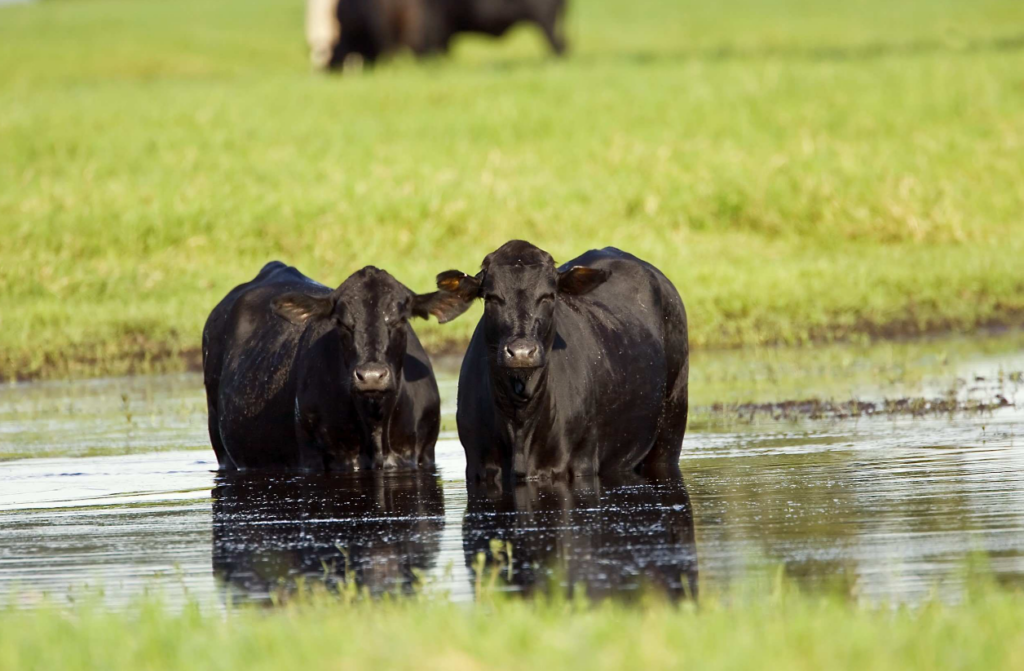
Weeks of extreme heat and limited rainfall can change cattle ponds quickly. Water levels decline, while cattle often spend more time standing in ponds to cool themselves. Hoof action stirs sediment, and more manure and urine are deposited directly into a smaller volume of water. The result may be a shallow, warm and muddy pond.
Muddy water attracts attention, but turbidity and salinity are not the same thing. Turbidity is caused primarily by suspended clay, soil and organic matter. It can reduce palatability and signal increasing erosion or contamination, but muddy appearance alone does not tell us whether water contains dangerous concentrations of dissolved minerals. Conversely, clear water can contain excessive salts, nitrate or sulfate.
As pond water evaporates, dissolved minerals remain and become more concentrated. Total dissolved solids (TDS) is a useful screening measure, although TDS itself does not identify which minerals are present. Water containing less than 3,000 ppm TDS is generally considered satisfactory for cattle. Water containing 3,000 to 4,999 ppm is usually satisfactory, although cattle may initially refuse it or experience temporary diarrhea. Water containing 5,000 to 6,999 ppm is considered marginal and should generally be avoided for pregnant or lactating cattle. Water exceeding 10,000 ppm is considered unsafe. Regardless of TDS, nitrate and sulfate concentrations deserve individual attention.
In an Oklahoma State University study, cattle offered water containing up to 5,878 ppm TDS under relatively cool conditions did not significantly change water intake, forage intake or diet digestibility. However, that small, short-term study should not be interpreted to mean that water near 6,000 ppm TDS is safe during prolonged heat, lactation or other stress.
More commonly, declining pond conditions may reduce performance before causing obvious toxicity. Warm, shallow water with increased manure contamination can promote bacterial and algal growth and develop objectionable tastes or odors. If water intake declines, forage intake often follows, potentially reducing weight gain and milk production.
Test a sample representative of what cattle are actually drinking. A livestock water analysis should include pH, TDS or electrical conductivity, nitrate, sulfate, chloride and major minerals. The Soil, Water, and Forage Laboratory at Oklahoma State Charges $18 for a comprehensive livestock water chemical analysis. Be sure to watch for algae, unusual odor or color, diarrhea, reduced grazing time, hesitation to drink, or a strong preference for an alternative water source. When the animals' behavior tells you they don't like to drink the water, it is time (perhaps past time) to intervene.
Longer term, limiting direct pond access and delivering water through a gravity-fed tank or trough behind the dam can reduce bank erosion, sediment disturbance and manure deposition. If pond access for cooling is restricted, provide adequate shade and plenty of clean water. Cool water consumption also serves to dissipate heat and cool the animals.
Turbidity is a visible warning, not a diagnosis. Water can look muddy and be chemically acceptable or look clear and contain harmful dissolved compounds. When pond conditions change, test the water or in the case of the water source becoming unpalatable, be prepared to provide a different water source.
David Lalman, OSU Extension beef cattle specialist, offers guidance on checking water quality in drought-stressed ponds and what producers should consider for their livestock on SunUpTV from September 12, 2026. https://www.youtube.com/watch?v=7W_8j7tnPNQ
Authors: Wes Brondos, James Mingie, and Sreedhar Upendram write in Southern Ag Today: Drinking water systems across the South face increasing repair, replacement, and upgrade costs. State Revolving Funds (SRFs) are an important source of affordable financing. Under the Drinking Water State Revolving Fund (DWSRF), the U.S. Environmental Protection Agency (EPA) provides capitalization grants to states, which combine federal and state matching funds to provide loans and other assistance to eligible water systems. Since states have flexibility in setting loan terms, the rate a community pays can vary substantially across state lines.
A comparison of nine Southern states – Alabama, Florida, Georgia, Kentucky, Louisiana, Mississippi, North Carolina, South Carolina, and Tennessee – shows that DWSRF rates differ both in level and structure. Figure 1 summarizes the range between standard and most-discounted published rates. Some states rely mainly on a single benchmark or formula, while others use multiple discount tiers based on household income, fiscal capacity, or other affordability measures. Consequently, a state's standard rate may not reflect the financing available to a lower-income or financially constrained community.
Figure 2 illustrates the standard DWSRF rates in the nine Southern states. Mississippi has the lowest standard DWSRF rates at 1.95 percent with no discount tiers, followed by North Carolina and Louisiana at 2.00 percent and 2.45 percent, respectively. Alabama's rate includes an interest rate of 0.10 percent and a yearly fee of 2.65 percent that adds up to a rate of 2.75 percent.
Tennessee's standard DWSRF rate is the highest of the nine, at 3.66 percent without discounts. The state sets a quarterly base rate and applies discounts based on an Ability-to-Pay Index (ATPI). For July-September 2026, Tennessee's standard rates range from 3.29 percent for 20-year loans to 3.74 percent for 30-year loans, while qualifying communities receive lower rates. While Tennessee's loan interest range starts at 1.03 percent for a five-year loan, South Carolina's interest rates start at 2 percent for a five-year loan. States such as Kentucky and South Carolina also use tiered approaches while states such as Georgia use relatively flat rates or formulas tied to market conditions or local income. Fees, loan terms, principal forgiveness, and assistance for disadvantaged communities can further change borrowing costs. Lower financing costs can reduce debt-service pressure on utilities and lessen the need for customer rate increases.
Communities also have federal financing alternatives. USDA Rural Development's Water and Waste Disposal program serves eligible rural communities, generally those with populations of 10,000 or fewer, and offers repayment terms of up to 40 years. For July-September 2026, USDA's poverty, intermediate, and market rates are 2.875, 3.750, and 4.750 percent. Community Development Block Grant (CDBG) assistance is primarily related to grant funding, while HUD's Section 108 program allows eligible communities to leverage future CDBG allocations through loan guarantees.
The key takeaway is that there is no single consistent SRF rate across the South. Water systems should compare the rates they are eligible to receive and consider fees, repayment terms, service area limitations and the potential for available subsidies. For policymakers, the comparison highlights a choice of three sources to seek water infrastructure funds and enable water systems to choose between simpler, broadly uniform pricing and targeted discounts that direct assistance toward communities with greater financial need. Based on the information presented, water systems can strategize which funding source to target to get better terms on their loans and avail the maximum discounts to repair, replace and upgrade water systems. As a consequence, the savings can be potentially passed on to consumers with lower rate increases for water infrastructure upgrades.
Figure 1. Published DWSRF standard and discounted rate ranges in nine Southern states, July 2026.
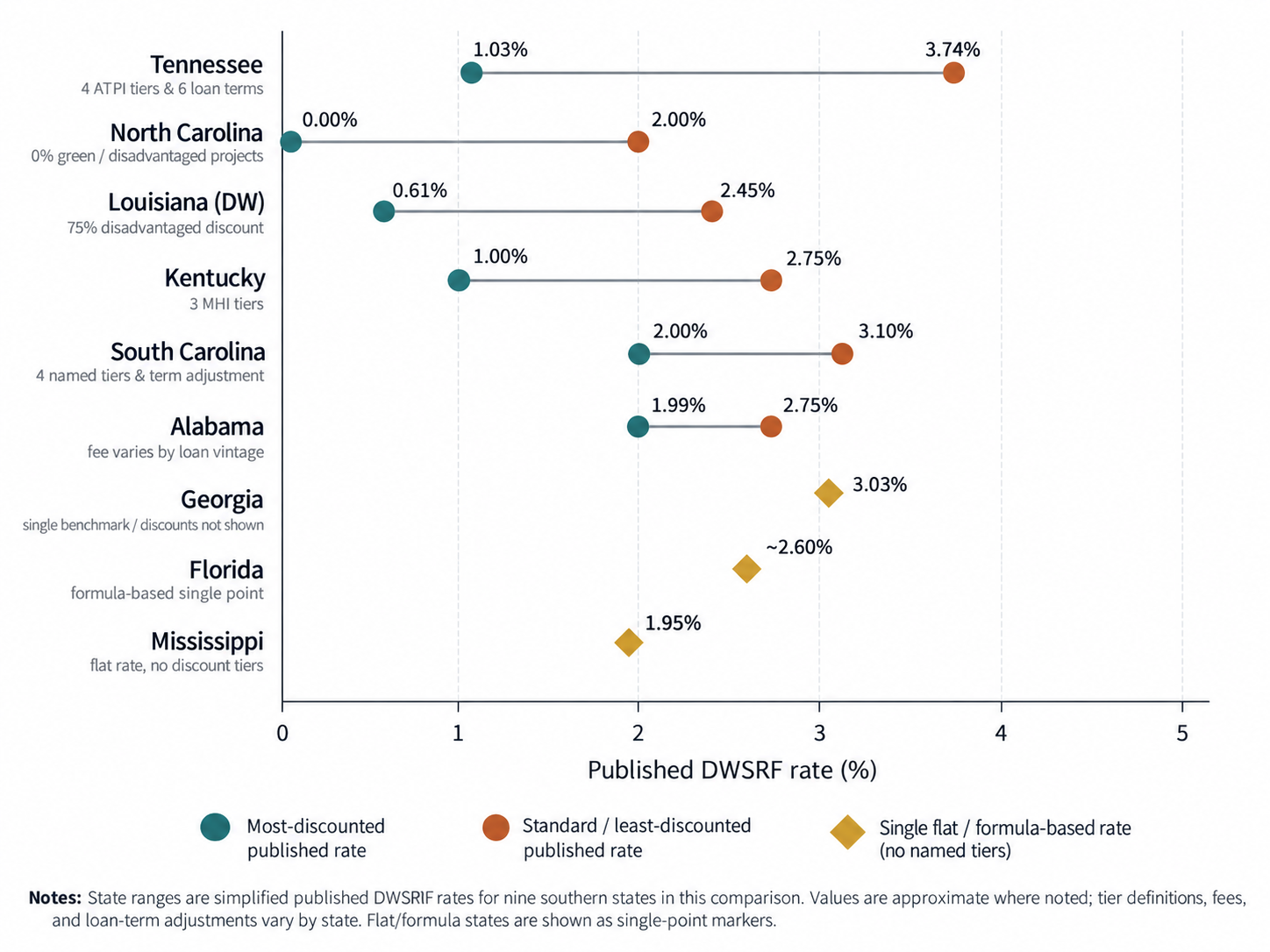
Figure 2. Standard Drinking Water State Revolving Fund Rates across the nine Southern States, July 2026.
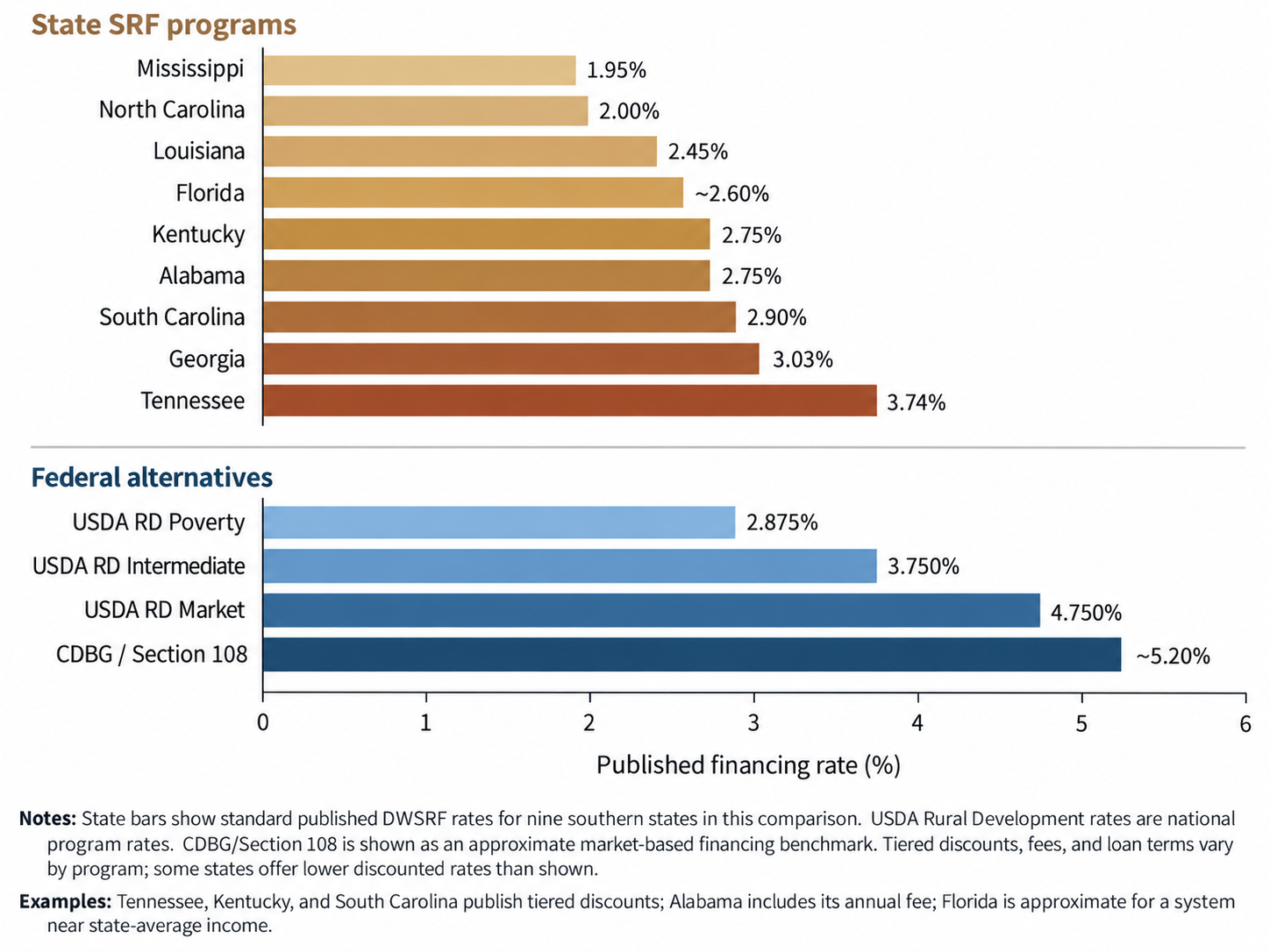
Sources: U.S. Environmental Protection Agency, Drinking Water State Revolving Fund program overview; state SRF rate sheets and Intended Use Plans from Alabama ADEM, Florida DEP, Georgia GEFA, Kentucky Infrastructure Authority, Louisiana DEQ/DOH, Mississippi Department of Health/MDEQ, North Carolina DEQ, South Carolina Rural Infrastructure Authority, and Tennessee Department of Environment and Conservation; USDA Rural Development, Water and Waste Disposal Loan and Grant Program; and U.S. Department of Housing and Urban Development, Section 108 Loan Guarantee Program. Tennessee rates shown are State Fiscal Year 2027 first-quarter rates, updated July 22, 2026; USDA rates are for July-September 2026.
Brondos, Wes, James Mingies, and Sreedhar Upendram. "The Headline Rate Does Not Tell the Whole Story: Water Infrastructure Financing Across the South." Southern Ag Today
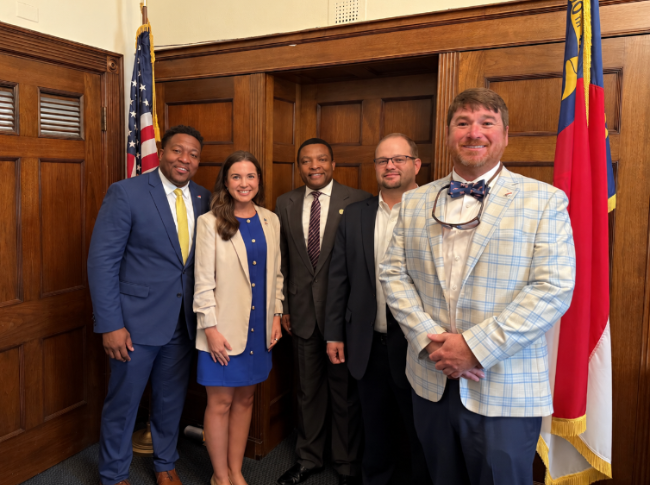
Nearly 150 pork producers from California to New York joined forces in Washington to advocate for their farms and livelihoods as the U.S. Senate Committee on Agriculture, Nutrition, and Forestry passed the Agricultural Act of 2026 out of Committee.
"Our message to Congress is clear: Stop the patchwork nightmare that California Proposition 12 has created for pork producers across the country. Our family farms cannot afford the uncertainty these conflicting state laws is creating," said National Pork Producers Council President Rob Brenneman, a pork producer from Washington County, Iowa. "We're not backing down from this fight for rural America. I'm proud of my fellow pork producers for taking precious time away from their farms to travel to Washington, D.C., and meet face to face with their elected officials. They are advocating for reasonable legislation that allows us to continue farming and pass down our farms to the next generation."
During NPPC's biannual Legislative Action Conference, pork producers from across the country were briefed by a bipartisan group of legislators, including U.S. Senator Joni Ernst (R-IA), House Agriculture Committee Chairman G.T. Thompson (R-PA), and Agriculture Committee member Rep. Shontel Brown (D-OH). NPPC officers also visited with U.S. Department of Agriculture officials responsible for administering federal programs on which producers depend.
Spreading out across Capitol Hill, pork producers took their message to approximately 175 congressional offices, advocating on behalf of their fellow American 60,000+ producers. Among their asks were including a fix to California Proposition 12 in the final farm bill, funding the U.S. Swine Health Improvement Plan, supporting the "Securing Agriculture's Workforce Act" for year-round labor support, and urging the Trump administration to quickly complete the review to renew the United States-Mexico-Canada Agreement.
NPPC also presented Sen. Ernst and Chairman Thompson with the inaugural "Bringing Home the Bacon" congressional award. Click here to read about Sen. Ernst's contributions to the pork industry and here to read about Chairman Thompson's leadership advancing the livelihoods of pork producers.
To top off the conference, NPPC hosted its annual Baconfest congressional reception where more than 1,100 guests, including members of Congress and their staff, embassy officials, and industry stakeholders, gathered to discuss pork industry priorities and enjoy a variety of delicious pork-centric snacks—including the famous bacon wall.
RON's Dave Lanning has a pre-opening look at today's agricultural Markets.
Click the audio tab below for today's report.
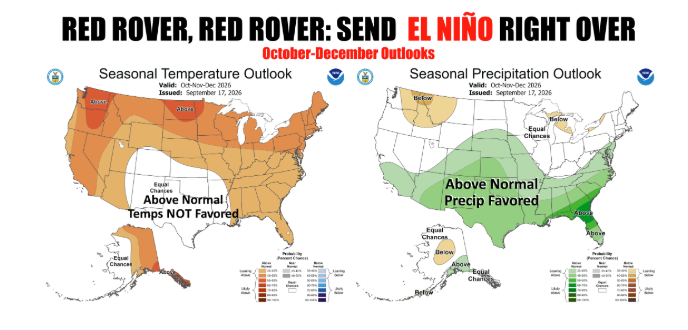
Oklahoma agricultural producers battling a brutal summer flash drought are finally staring down a promising forecast. The latest three-month outlooks released by the NOAA Climate Prediction Center (CPC) point toward a developing, potentially historic El Niño that could bring widespread, much-needed moisture across the Southern Plains from mid-fall through winter.
According to Oklahoma State Climatologist Gary McManus, the CPC's updated October-through-December projections lean heavily into a classic, dominant El Niño setup. Forecasters now place the probability of a "very strong" event this fall and winter at greater than 90 percent. Furthermore, there is a 75 percent likelihood that the October-through-December period reaches a RONI (Relative Oceanic Niño Index) of +2.5°C or greater. If realized, an anomaly of that magnitude would surpass every event on record dating back to 1950 by that metric.
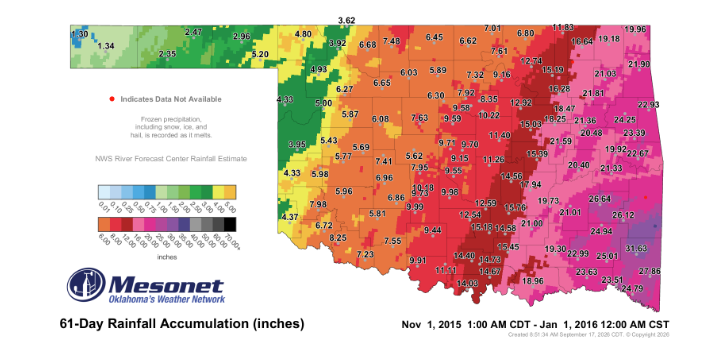
For Oklahoma farmers and ranchers, the most encouraging takeaway is the precipitation outlook. Following severe late-summer dry spells that caused drought intensification across western and southern Oklahoma, the CPC outlook anticipates substantial drought relief over the next three months. The large-scale weather pattern is projected to shift toward frequent storm systems traversing the state, driven by dynamical models, statistical guidance, and the eventual formation of an active winter subtropical jet stream across the southern tier of the United States.
McManus noted that the October-through-December window marks the onset of the wet signal rather than its peak, with wet conditions projected to persist straight through the core of winter. When Oklahoma experienced its last "super" El Niño during 2015–16, the state recorded its second-wettest November and wettest December on record, predominantly as rain until a severe winter storm struck after Christmas. While increased storm frequency does improve chances for frozen precipitation, winter weather outcomes will depend entirely on whether cold air masses align with individual storm tracks.
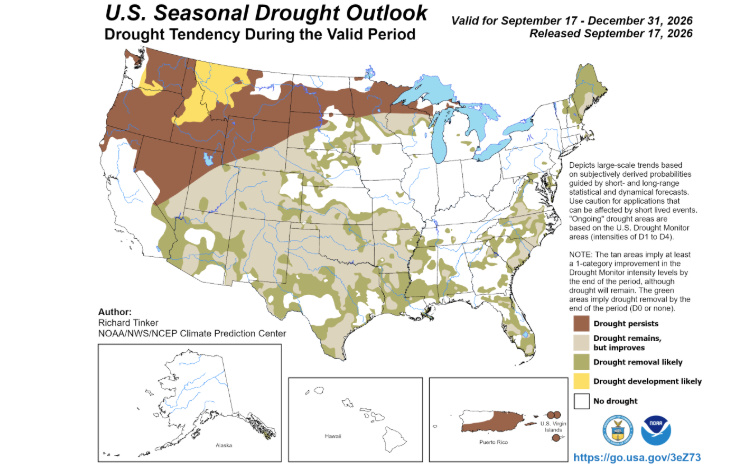
Temperatures present a mixed picture in the transition period. The CPC October outlook shows elevated temperature probabilities, primarily because dry antecedent soils reduce latent cooling and increase sensible heat. However, for the full October-December period, the CPC assigned "Equal Chances" for above-, near-, or below-normal temperatures across the Southern Plains, breaking a year-long streak of dominant above-normal heat signals.
A notable indicator of the system's sheer scale came directly from the CPC discussion, which stated that the Madden-Julian Oscillation (MJO)—typically a critical driver of fall weather swings—was "not a factor" in the October forecast. Strong equatorial Pacific warming and coupled atmospheric winds are so entrenched that the El Niño itself is overriding transient tropical pulses.
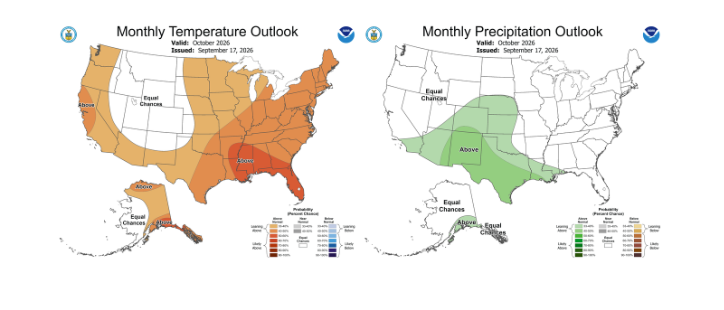
Forecasters highlight two important caveats for producers planning winter pasture and wheat planting. First, the Pacific Decadal Oscillation (PDO) currently sits in a strongly negative phase (-1.11 in August), whereas previous monster El Niños in 1982–83, 1997–98, and 2015–16 occurred under positive PDO regimes, creating the potential to dampen classic precipitation responses. Second, outlooks represent a favorable shift in probability rather than a guaranteed outcome.
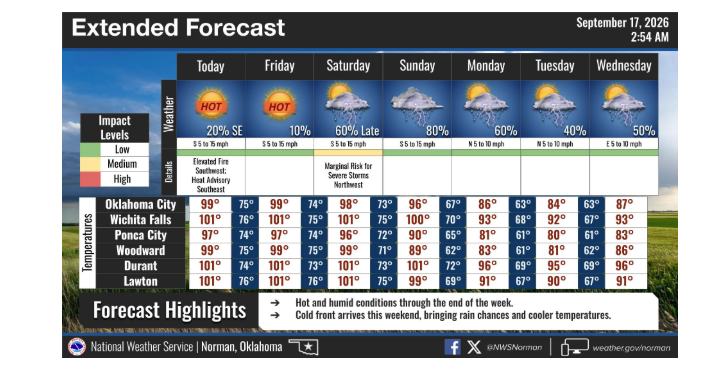
In the immediate term, triple-digit heat is winding down as rain chances increase over northern and western Oklahoma heading into next week. While El Niño impacts will build gradually into the winter months rather than arriving all at once, Oklahoma producers finally have a weather pattern heavily tilted in their favor.
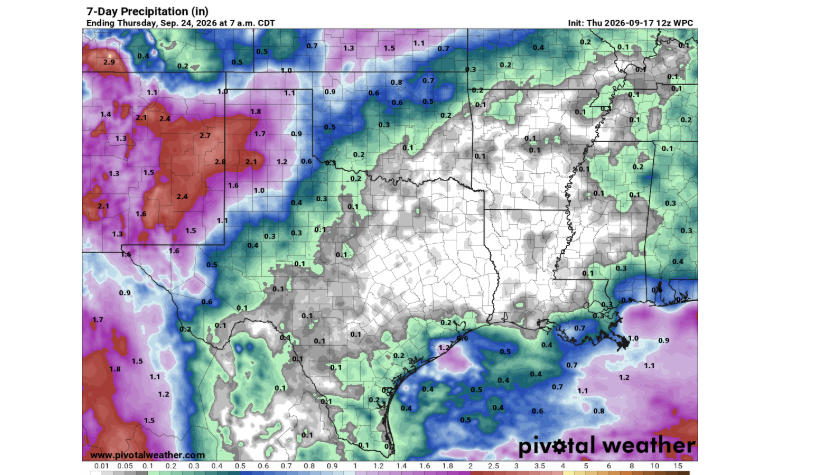
To read more from State Climatologist Gary McManus on his mesonet ticker click here:
Today, U.S. Secretary of Agriculture Brooke L. Rollins reaffirmed the Administration's commitment to American farmers, announcing the U.S. Department of Agriculture's (USDA) decisive action to end dairy checkoff funding for Environmental, Social, and Governance (ESG) overregulation. This action aligns research and promotion activities with the Department's priorities and the original mission of the checkoffs. USDA remains committed to ensuring that every dollar collected from American producers serves American agriculture for the better.
"American dairy producers, cattle ranchers, and farmers pay checkoff assessments so those dollars can build demand for their products - not bankroll radical climate agendas that raise costs and constrain production," said U.S. Secretary of Agriculture Brooke L. Rollins. "Today's action returns the Dairy Checkoff and all research and promotion programs to their core mission: expanding markets and supporting the hardworking men and women who feed this country. We will not allow producer dollars to underwrite mandates that put American agriculture at a disadvantage."
Background: Under the Dairy Production Stabilization Act, checkoff funds are authorized for promotion, research, and nutrition education that strengthen markets for U.S. dairy. The Innovation Center for U.S. Dairy, established through the checkoff, has pursued extensive ESG initiatives, including greenhouse-gas and net-zero targets. USDA's action ends checkoff support for those ESG-related projects while allowing necessary administrative functions that do not advance such agendas. This action also directs the Agricultural Marketing Service to ensure no research and promotion funds in other commodity checkoffs advance ESG mandates. American producers substantially fund these checkoff programs through mandatory assessments. Those funds must serve their statutory purpose of strengthening markets for agriculture – not advance misguided external ESG agendas that can raise costs or potentially constrain production.
Read the LETTER (PDF, 120 KB) and MEMO (PDF, 158 KB).
While USDA is taking swift action to bar the Dairy Checkoff from spending farmer paid dollars on the radical ESG ideology, when focused on its core mission, the Dairy Checkoff is largely a success. Independent economists at Texas A&M have found that Checkoff investments increased the demand for promoted dairy products and dairy exports, and the gains in profit at the producer level from promotion were larger than the costs of the program. The aggregate all-dairy return-on-investment (ROI) is $5.93 for each dollar spent on activities. Dairy product specific ROI's are $4.16 for fluid milk, $2.67 for cheese, $24.85 for butter, and $12.82 for exports. Similar ROI studies are conducted for all research and promotion boards and have shown returns, for example: Beef - $13.41; Cotton - $6.40; and Softwood Lumber - $33.54.
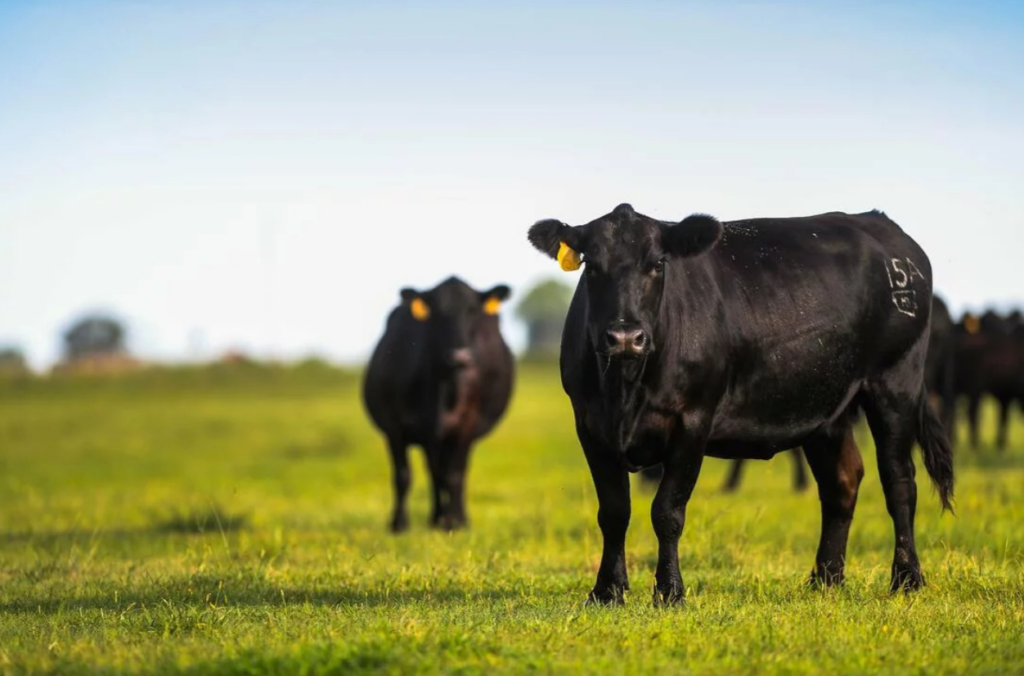
Following the Senate Committee on Agriculture's approval of the Senate Farm Bill, The Agricultural Act of 2026, the Meat Institute today said the amendment to impose Mandatory Country of Origin Labeling (MCOOL) on a struggling beef supply chain will raise already high costs of beef for consumers. Over 40 packer, processor and supplier members of the Meat Institute are participating in a fly-in this week to meet with Senators and Members of Congress from both parties, and with the Trump Administration to discuss strong opposition to MCOOL and other priorities.
"As we look ahead to consideration of the Farm Bill by the full Senate, the Meat Institute will continue to oppose MCOOL provisions because they raise the price of beef for American families," said Meat Institute President and CEO Julie Anna Potts. "Consumers are paying more for beef than ever before. It is the worst time for Congress to interfere with markets, adding costs and bureaucracy to production by mandating how beef should be marketed to consumers.
"According to an economic analysis of MCOOL, it will raise the cost of beef for consumers by $835 million annually. Even though MCOOL would only apply to whole muscle cuts and ground beef sold at retail stores, implementing it requires segregation of all cattle and beef going through the supply chain, regardless of whether the final products are sold at retail, are processed, or sold at foodservice. Segregation, lost efficiency, and recordkeeping requirements drive the immense costs to the system.
"MCOOL is at cross purposes with efforts by the Trump Administration and the Congress to relieve the high price of food. MCOOL's excessive costs are a threat to consumer demand which has sustained the entire beef supply chain through tough conditions.
"MCOOL could also jeopardize the Trump Administration's ongoing trade negotiations with Cananda and Mexico which benefit the US economy as a whole. Canada and Mexico challenged MCOOL when it was previously in law, and they were authorized to retaliate against U.S. products with more than $1 billion in tariffs: they retain that right today.
"MCOOL is a misguided solution in search of a problem. Cattle producers have experienced nearly two years of exceptionally strong cattle prices, including record highs for fed and feeder cattle in 2025 and 2026. While the US herd rebuilds from historically small numbers, and consumers still demand high-quality beef, cattle producers will continue to benefit from strong market conditions. We need more cattle for more beef; not protectionist trade measures that will raise prices for consumers."
At issue is the Thune Amendment to the Senate Committee on Agriculture's version of the Farm Bill, which requires the U.S. Trade Representative (USTR) and the Department of Agriculture (USDA) to determine a means of reinstating MCOOL for beef that is compliant with World Trade Organization rules. The USTR and USDA must implement the means of reinstating MCOOL for beef within one year.
The Bill now goes to the full Senate for debate and vote before it must be conferenced with the House version of the bill. The House Farm Bill, H.R.7567, the Farm, Food, and National Security Act of 2026, was approved in April and did not contain provisions related to MCOOL.
MCOOL Background:The Meat Institute commissioned Decision Innovation Solutions to study the economic impact of MCOOL on the beef and pork value chains. It updates previous USDA and industry research using current production, trade, consumption, and market data to evaluate the potential impacts of reinstating the 2013 MCOOL requirements. The findings show that compliance costs associated with tracking, recordkeeping, product segregation, labeling, and verification would substantially increase costs throughout the beef and pork value chains. Read the full report here. One page summary is here.Consumer Demand Insights:
Dr. Glynn Tonsor's Kansas State University Meat Demand Monitor has consistently found that taste, freshness, price, and safety have always been and continue to be what consumers are looking for when they purchase beef. Origin is of minimal importance to consumers making purchasing decisions coming in second to last in value over several years of data collection. Original chart below here.
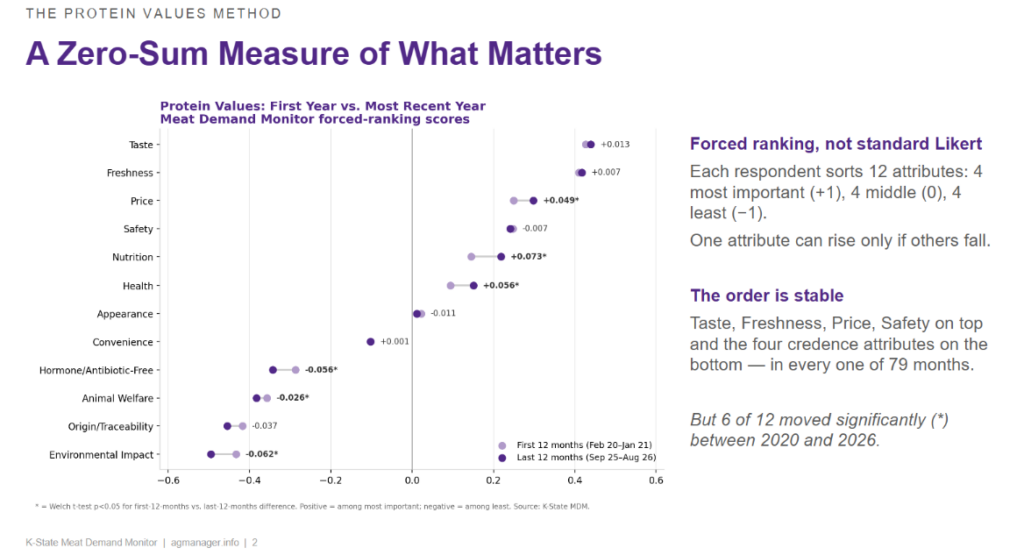
Unintended Consequences of MCOOL Hurt Cattle ProducersIn 2025, the United States exported 544,524 cattle to Canada. Many were shipped directly to feedyards, and many then returned to the U.S. for processing. The North American cattle and beef industries are fully integrated, and the integration allows the U.S. to competitively process beef for Americans and the world. MCOOL stablishes a non-tariff trade barrier and hurts the U.S. producers who are exporting cattle to Canada. The following map shows where in the US cattle exported to Canada originated: (Washington, Montana, Oregon, Idaho, Nevada, Wisconsin, New York, Pennsylvania and Virginia)
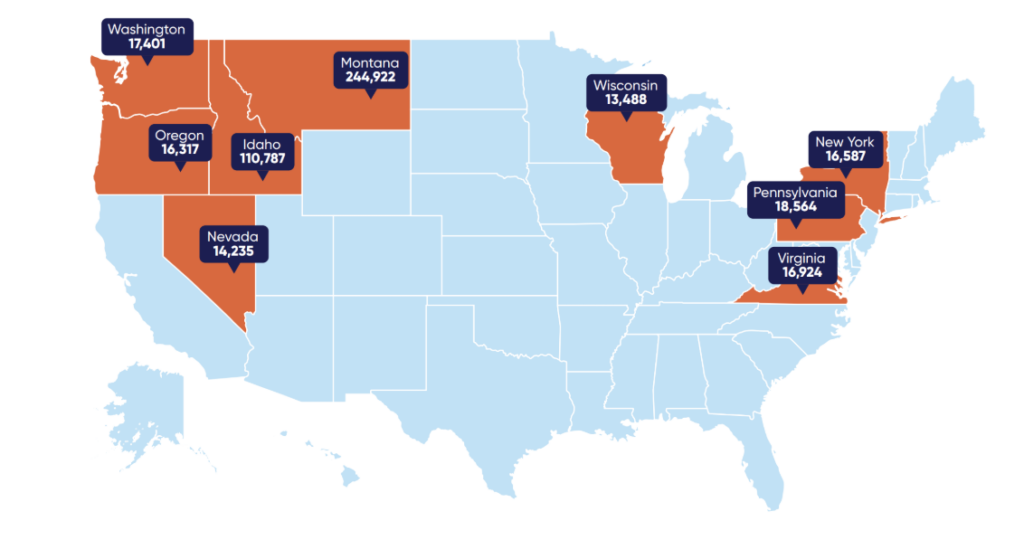
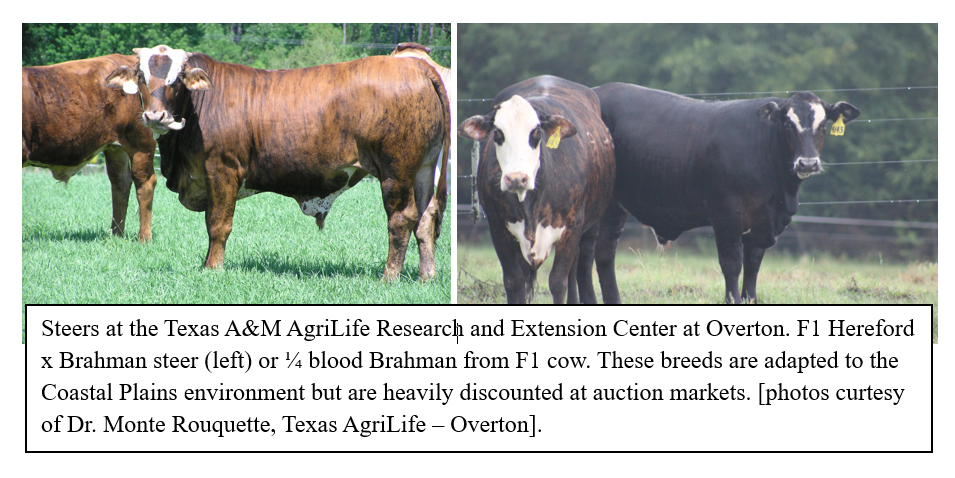
Increasing the ownership period of calves will help you capture more of their true value. This can either be for the good or the bad, depending on the quality of your cattle.
Kansas State University and Merck Animal Health put together an analysis of 15,287 Superior Livestock Auction lots sold in 2021 and 2022 containing more than 2.5 million calves. The average lot contained 168 head, averaged 559 pounds, and brought $181/cwt. Steers brought an average of averaged $19.26/cwt above the base, heifers and bulls were discounted. Brahman-influenced calves were discounted $7.43/cwt nationally but only $1.56/cwt in the Southern Plains, illustrating that environmental adaptation may be valued differently depending on where cattle are marketed.
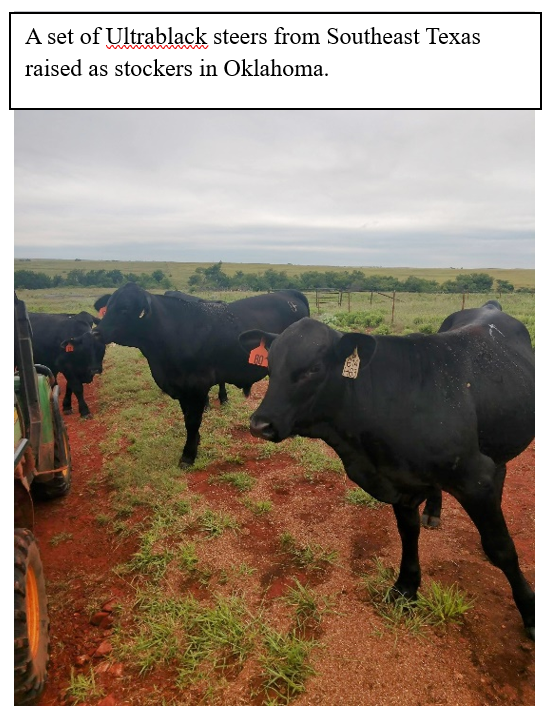
Brahman breeding is essential to match cows to the environment, they are known for heat and insect tolerance and provide hybrid vigor to crossbreeding programs. An example of selecting cattle for adaptation to the environment but getting discounted at the auction market is the herds at the Texas AgriLife Research and Extension Center at Overton. Over the last 11 years, these calves averaged weaning weight of 681 from 1274-pound average cow with a weaning weight ratio of 0.53. Yet, auction market evaluations show discounts for striped or spotted hides or markings up to $26.42/cwt. The black hided Simental x Hereford x Brahman calves still receive the "Brahman discount". For these steers out of Overton, stocker gains on winter pasture were 3.5 pounds per day, while summer gains on bermudagrass were 2 pounds per day. Finishing performance was equally impressive on these cattle. Steers from Overton came into the feedlot averaging 799 pounds and were harvested at 1487 in 175 days with gains averaging over 3.9 pounds per day. These steers only averaged 37% Choice quality grade (Table 1) so marketing in the live market rather than on a carcass grid is advisable.
Another example we can use is the set of Ultrablack steers in the picture below. These steers were purchased out of Southeast Texas and transported to Oklahoma for research in both Eastern and western Oklahoma. The discounts were not as high for these black hided steers, but the Brahman discount is still in place.
The Ultrablack steers gained an average of 2.25 pounds per day while grazing summer pasture in Oklahoma. These steers were finished in a commercial feedyard in the fall and winter of 2021-2022. They entered the feedyard at 1010 pounds and weighed 1546 pounds after 167 days with gains averaging 3.4 pounds per day. These steers were over 87% Choice.
From the Table below, we can see that the tropically adapted cattle performed better than the industry average in some factors but not all. The Ultrablack steers gained exceptionally well on pasture but because they got so big on grass had slightly lower performance than industry average during finishing. They did produce a high percentage of Choice and better carcasses. The steers from the Overton herd gained well on grass and performed exceptionally well in the feedlot, but did not have many high quality carcasses. Understanding when and where to market cattle is important. The cattle from Overton should be sold live basis after finishing, the high carcass quality from the Ultrablack steers give premiums when marketed on a carcass grid.
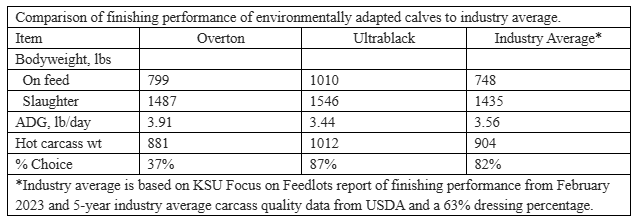
To market your calves effectively, you need to know their potential. This may be better – or worse – than what buyers recognize at the sale barn. Retaining ownership beyond weaning gives you the opportunity to capture the value of superior performance, but it also means bearing the cost when cattle fall short. The goal is to match your marketing strategy to what your calves can deliver.
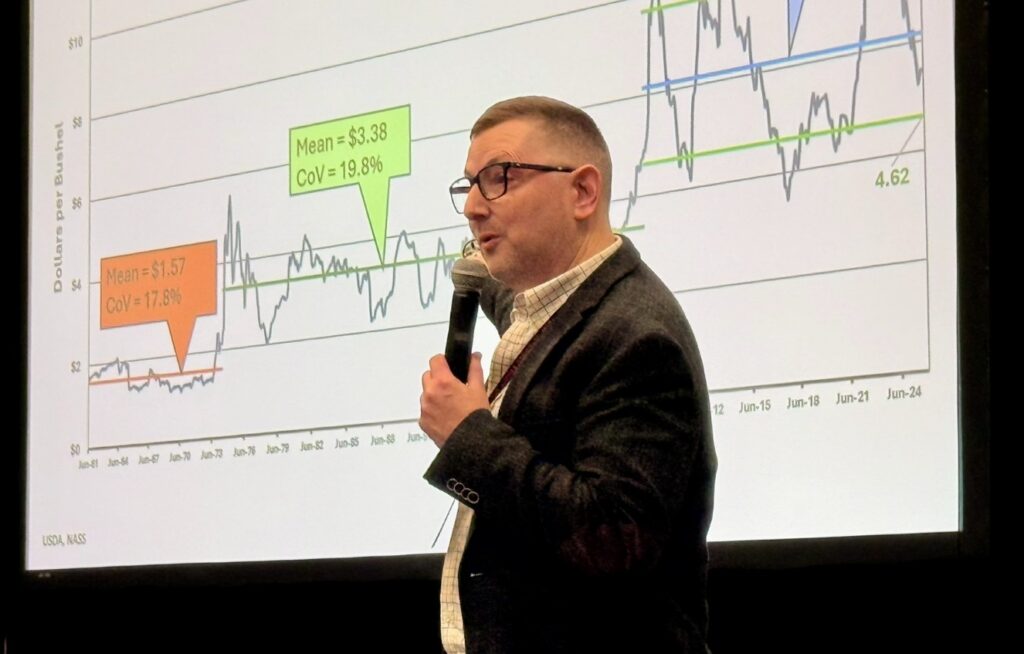
Developing resilient grain marketing strategies is top of mind for agricultural producers as post-WASDE market dynamics, weather disruptions, and global trade uncertainties collide. Oklahoma State University Crop Marketing Specialist Dr. Todd Hubbs sat down with Farm Director KC Sheperd to evaluate the commodity landscape following the latest USDA World Agricultural Supply and Demand Estimates (WASDE) report, outlining practical risk management steps for Oklahoma growers facing volatile cash and futures markets.
Hard Red Winter Wheat Slips as Export Sluggishness Catches Up
December Hard Red Winter (HRW) wheat futures broke below the psychological $8.00 mark, pulling back into the low $7.90 range and erasing the late-August rally. Dr. Hubbs observed that while technical selling and profit-taking accelerated the post-report slide, fundamental factors justified the weakness.
The USDA lowered HRW export projections by 15 million bushels, reflecting a sluggish pace that has persisted for weeks. Meanwhile, world ending stocks edged higher both with and without China's reserves factored in. Modest increases in Canadian ending carryover and reduced export flow from the Black Sea—which keeps unsold grain in local stockpiles—further weighed on sentiment.
Looking forward, Hubbs noted that the Small Grains Annual Summary released at the end of September will deliver final winter wheat production numbers and spring wheat yields, serving as the next major fundamental anchor. While rumors have surfaced regarding potential agreements between Russia and Ukraine, Hubbs called them far-fetched, cautioning that persistent Black Sea uncertainty will keep volatility elevated heading into the fall.
Corn Holds Stable on Solid Disappearance and Predictable Yields
In contrast to wheat, corn demonstrated resilience following the report. National average yield landed at 178.5 bushels per acre, aligning closely with private models and pre-report expectations.
Strong domestic demand across ethanol production alongside steady export commitments continues to provide a dependable price floor. Hubbs does not anticipate substantial yield revisions moving between September and the final annual figures, as historical adjustments rarely exceed a bushel or two per acre unless weather turns catastrophic. Consequently, corn values are expected to trade in a defined sideways range until fresh demand signals emerge.
Soybeans and Meal Charge Ahead Amid Wet Harvest Conditions
Soybeans pulled back modestly after a strong early run, but soybean meal surfaced as a major bright spot across the oilseed complex.
August crush rates came in below market expectations, indicating that future USDA projections could trim domestic crush by approximately 10 million bushels. However, the underlying meal demand remains strong. Prolonged excessive moisture across significant portions of the Corn Belt has delayed early bean harvesting, creating near-term supply tightness and supporting cash basis.
Longer-term, Hubbs pointed out that ongoing purchases by China and favorable domestic biofuel mandates give soybeans strong support to stay above the $13.00 mark.
Global Headwinds: El Niño Risks, China Trade Talks, and Surging Fuel Costs
Several macro variables carry the potential to disrupt grain and oilseed fundamentals heading into late 2026 and early 2027:
Managing Oklahoma Risk: Forward Pricing and Avoiding Unforced Marketing Errors
When addressing new-crop marketing decisions, Hubbs offered clear guidance for growers preparing to plant or finishing up seedings:
The American Soybean Association today sent a letter to President Donald Trump ahead of his upcoming meeting with Chinese President Xi Jinping, urging the administration to ensure China fulfills its soybean purchase commitments, address tariffs and other trade barriers, and prioritize a stable, long-term trading relationship that supports U.S. soybean farmers.
"Soybean farmers need consistency and predictability in one of our most important export markets, and we hope the upcoming meeting with President Xi delivers further progress toward that goal," said ASA President and Ohio soybean farmer Scott Metzger. "That means ensuring China fulfills its purchase commitments, addressing barriers that put U.S. soybeans at a competitive disadvantage, and working toward a durable trading relationship. We appreciate President Trump's continued attention to expanding markets for U.S. agriculture and the renewed purchases we are seeing as farmers head into harvest."
ASA's letter specifically expressed support for a U.S.-China Board of Trade that includes soybeans as a non-sensitive good, called for eliminating China's 10% retaliatory duty on U.S. soybeans, and asked the administration to ensure any future implementation of Section 301 port fees on Chinese ships does not disrupt or diminish U.S. export sales.
China committed to purchasing at least 25 million metric tons (MMT) of U.S. soybeans annually in 2026, 2027, and 2028, following a 12 MMT commitment for late 2025. ASA appreciates President Trump's efforts to achieve progress since the October 2025 U.S.-China trade summit and encourages the administration to build on that momentum during the upcoming meeting with President Xi.
The full letter is available here.
Yesterday, Secretary Brooke Rollins announced the creation of U.S. Department of Agriculture's (USDA) Stand-Up Program during the National Association of State Departments of Agriculture's (NASDA) Annual Meeting. Secretary Rollins shared that the program would provide up to $50 million to help states join or expand federal-state meat inspection programs through the Cooperative Interstate Shipping Program (CIS).
Currently, 30 states participate under the Meat and Poultry Inspection Program (MPI) program, but only 11 of the 30 eligible states participate in the CIS program. High regulatory and compliance costs have been barriers for further state participation. Additionally, persistent labor challenges in the processing sector continue to create challenges and uncertainty around efforts to diversify processing options for producers around the country. While the announcement includes funding, structural changes need to happen within the program to help support additional states participation.
While additional resources are certainly welcome and needed, farmers and ranchers need USDA to make progress on the real and persistent hurdles state meat inspection programs face. NCBA looks forward to further details on this new effort in the days to come.
On behalf of America's 60,000-plus pork producers, the National Pork Producers Council presented U.S. House Agriculture Committee Chairman Glenn "G.T." Thompson (R-PA) the inaugural "Bringing Home the Bacon" award. The award recognizes members of Congress who have championed the needs of the pork industry and contributed to enhancing or protecting the livelihoods of U.S. pork producers.
"America's pig farmers' sincerest thanks go to Chairman Thompson for having the courage to stand up for our freedom to farm," said NPPC President Rob Brenneman, a pork producer from Washington County, Iowa. "Writing, shepherding, and passing a solid, bipartisan farm bill is no small accomplishment, and we're grateful for your leadership during challenging times in rural America."
Chairman Thompson championed both the 2024 and 2026 House Farm Bills. The 2026 bill—the Farm, Food, and National Security Act of 2026—which passed the full House, included 100 percent of pork producers' asks, including a federal fix to the massive issues caused by the impending patchwork of state laws spurred by California Proposition 12. The bill also boosted animal health, international trade, food security, and agricultural research programs.
Most recently, Chairman Thompson authored the Securing Agriculture's Workforce Act of 2026, which aims to boost the agricultural workforce and incorporates pork producers' request to expand year-round access to the H-2A visa program.
Focusing on producer priorities is a cornerstone of the National Pork Board (NPB). Six producer-led advisory committees were recently established to align with the NPB strategic plan. Through a rigorous selection process, more than 120 leaders from 33 states will lend their voice, offer their experience and perspective, and provide direction as part of their committee member role. These insights will help board members and staff deliver meaningful progress on behalf of America's 60,000 pig farmers.
"When people across the pork industry come together to tackle difficult issues, we can strengthen demand, protect herd health and build a more resilient future," said David Newman, NPB CEO. "These advisory committees put producer voices at the center of our work, and that shared knowledge translates into meaningful action to drive our industry forward."
NPB Board Members will chair the quarterly advisory committee meetings that focus on:
A mix of producers, allied industry and state pork associations will serve on each advisory committee with the first-year term beginning October 1. Careful consideration and selection by National Pork Board's leadership took into account geographic diversity, producer representation and variety of operational practices.
Illinois startup Disco Cow has been crowned grand prize winner of the annual Midwest Dairy Accelerator, following a live pitch competition yesterday at the Green Acres Event Center, a historic barn event venue near Minneapolis in Eden Prairie, Minn. Founder Kate Colehour earned $20,000 in prize funding to help scale dairy-based innovation for her growing brand.
The competition marked the finale of the Midwest Dairy Accelerator, an intensive 10-week virtual program
designed by Midwest Dairy in partnership with innovation advisory firm VentureFuel, to help emerging food and
beverage brands scale innovative products that use Midwest dairy as a key ingredient. The Accelerator is one way Midwest Dairy is finding and supporting startups with new ideas for putting real dairy in front of consumers. Success isn't just about who wins the pitch competition. It's about how we help these businesses grow and ultimately create more opportunities for consumers to choose dairy.
Throughout the program, founders gained access to workshops, one-on-one mentorship, and direct
collaboration with leaders across the dairy ecosystem, including ingredient experts, processors, manufacturers,
retailers, academics, and food industry executives. Programming covered consumer insights, ingredients and
innovation, manufacturing, distribution, retail strategy, marketing and business pitching.
"The Midwest Dairy Accelerator has connected Disco Cow with an incredible network of experts, resources,
and people who are genuinely excited about the future of dairy, said Disco Cow founder Kate Colehour. The
$20,000 grand prize is going to help us move from founder-led production to scaled manufacturing, which
supports our growing retail presence and gets whipped cottage cheese into the hands of more consumers!"
"Dairy farmers have a long-standing legacy of innovation, and that commitment continues to shape the future
of our industry," said Corey Scott, CEO of Midwest Dairy. "It has been a pleasure to equip emerging dairy
brands with the expertise, connections and resources to strengthen the dairy category and create new
opportunities for consumers."
Main Office: 3433 Broadway St. NE, Suite 210 Minneapolis, MN 55413 | 800-642-3895 MidwestDairy.com "The vision and execution demonstrated by Disco Cow represents the kind of innovation that drives meaningful commercial impact," said Fred Schonenberg, CEO of VentureFuel. "We're proud to have partnered with Midwest Dairy for a second year to accelerate breakthrough ideas and support entrepreneurs innovating with real dairy."
For more information on the program and this year's winner, visit MidwestDairyAccelerator.com. About Midwest Dairy Midwest Dairy represents 3,600 dairy farm families and works on their behalf to build dairy demand by inspiring consumer confidence in dairy products and production practices. Midwest Dairy is committed to Bringing Dairy to Life! by giving consumers an excellent dairy experience and is funded by farmers across a 10-state region, including Minnesota, North Dakota, South Dakota, Nebraska, Iowa, Illinois, Missouri, Kansas, Arkansas and eastern Oklahoma. For more information, visit MidwestDairy.com and follow Midwest Dairy on Facebook and YouTube.
About VentureFuel VentureFuel helps established organizations accelerate growth through strategic startup partnerships. Powered by its repeatable Innovation Engine™, VentureFuel identifies, validates and commercializes
emerging technologies, transforming innovation into measurable business outcomes in months instead of
years. The company has facilitated more than 100 corporate-startup partnerships, unlocking more than $1
billion in enterprise value creation for clients. Learn more at venturefuel.net and listen to The VentureFuel
Visionaries podcast wherever podcasts are available
In today's Beef Buzz, senior farm and ranch broadcaster Ron Hays speaks with Oklahoma State University Extension livestock market economist Dr. Derrell Peel about the movement of Mexican cattle into the United States as additional border ports prepare to reopen. With the Douglas, Arizona, crossing now operating, Peel says heavier cattle have been among the first animals moving north, while a larger flow of lighter-weight cattle is expected later.
Peel says there are some heavier cattle in Mexico right now, and producers there had time to prepare for the reopening of the border. "Yeah, there's some heavy cattle down there," Peel said. "You know, they had a month to anticipate the border opening from the time the announcement was made."
That month gave some Mexican producers an opportunity to hold cattle that otherwise may have entered the domestic market while waiting for the chance to ship them into the United States. "I think it's an open question going forward. Does it mean that there's a lot of cattle backed up in Mexico? I'm not sure," Peel said. "I don't think it probably does, and so I suspect these initial phases were just taking advantage of the fact that market's open and the value's good, so they're trying to move some of these heavier cattle."
Peel says the number of cattle moving through the border remains relatively limited, and the traditional fall calf crop will also be looking for access to U.S. markets. "So we're going to have fall cattle coming out of Mexico that would be their normal calf crop that they'll want to get across as well," he said.
The Douglas, Arizona, port has been moving roughly 800 to 900 head of cattle per day as officials and industry work through the process of reopening cattle trade. "They've been running through Douglas eight to 900 head a day," Peel said. "it was about this last week, it was only a four-day week last week. I think they got about 3,400 head or something like that across last week."
Equipment problems briefly slowed the operation, but Peel says the port appears to be getting back up and running. "I think we're working into it. It's going pretty much as I expected," Peel said. "Again, we're in that eight, 900 head a day."
He said equipment breakdowns the week before Labor Day limited the movement to roughly 100 head for the entire week. "But we'll keep building, and those will build slightly over time as they get some of the wrinkles out of it and get some of the protocols or the procedures ironed out a little bit," Peel said.
The next major port expected to reopen is Santa Teresa, New Mexico, which Peel says is the largest of the cattle crossings. "Santa Teresa, New Mexico, is the largest of the ports," Peel said. "And that is, as I understand it, that's the one they're planning to open next."
Even though the facility has greater capacity, Peel expects the initial flow to be limited as officials work through the reopening process. "I think it's going to open relatively slowly as well," he said. "I did see something that indicated they would probably limit it to seven or 800 head a day, even though at full capacity that port has the ability to cross more cattle than that."
Peel says officials will need time to get accustomed to the procedures and protocols involved with reopening the facility. "But they won't start there. It's going to take some time," Peel said. "There's again, there's some new protocols and procedures, and then of course they just haven't done it for a while, so they got to get back into the swing of things a little bit."
The heavier cattle now moving through the border could enter the U.S. feeding system more quickly than the lighter cattle that have traditionally come north from Mexico. "To the extent that we bring in some of these heavier cattle, they'll go straight into the feedlot for sure," Peel said.
Depending on their weight, some of those cattle could reach slaughter weight relatively quickly. "They may finish here, you know, close to the end of the year or in the very early part of next year," Peel said. "So we'll start to see a few as we go forward."
However, Peel expects the larger flow eventually to consist of lighter-weight cattle. "Again, I think the bigger numbers as we go forward will probably be more the traditional lighter weight cattle," he said. "But we'll have a few of these bigger cattle that'll get into the system a little bit quicker."
As more Mexican cattle are allowed into the United States, Peel says the additional supply should eventually help feedlots in the Southern Plains. "It certainly will over time," Peel said. "I think it's going to be several months before we see appreciable numbers come across."
Still, even knowing that additional cattle are expected to become available provides some opportunities for businesses that depend on those cattle. "Yes, it certainly will help over time relieve some of the regional pressure on cattle availability for feedlots in the Southern Plains," Peel said. "And, just knowing that it's coming, that at least it's on tap right now, I think will provide opportunities for some of those feedlots and businesses that rely on those cattle to sort of get themselves ready for it and be ready for it when the opportunity comes."
After Ron Hays' conversation with Peel on Wednesday, additional information came regarding the expected reopening of Santa Teresa.
Hays says U.S. Secretary of Agriculture Brooke Rollins is scheduled to travel to Santa Teresa today to inspect the port alongside New Mexico Agriculture Secretary Jeff Witte. Witte has indicated the inspection is part of the process of preparing the facility to resume cattle crossings.
According to Hays, if everything lines up during the inspection, the target remains September 24 for reopening the port.
The Santa Teresa facility is installing cattle identification technology and working with the Cattlemen's Union of Chihuahua, which has operations on both sides of the border, along with USDA officials to prepare for the reopening.
The initial flow is expected to be approximately 750 head per day as the port gets back into operation. Santa Teresa has been closed to cattle since May 11, 2025, when USDA shut the crossing over concerns about the spread of New World screwworm.
The Beef Buzz is a regular feature heard on radio stations around the region on the Radio Oklahoma Ag Network and is a regular audio feature found on this website as well. Click on the LISTEN BAR above for today's show and check out our archives for older Beef Buzz shows covering the gamut of the beef cattle industry today.
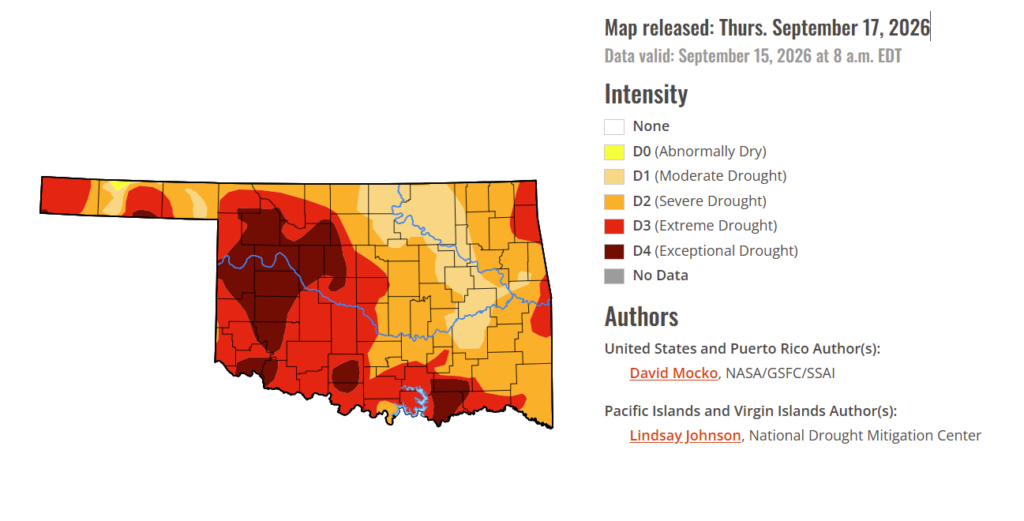
To view the latest Oklahoma drought map, CLICK HERE.
September is already halfway over, but drought conditions across Oklahoma continue to worsen. Exceptional drought expanded again this week, reaching its highest coverage yet in the state. With much of Oklahoma still missing out on meaningful rainfall, the dry pattern remains firmly in place.
According to the Drought Monitor, exceptional drought has expanded by 3.46% this week, now covering 16.59% of the state. New exceptional drought conditions have appeared in Bryan, Atoka, Stephens, and Jefferson counties.
Moderate to extreme drought conditions in the current period affect 100% of the state. At this point, 0% of Oklahoma has drought-free conditions, and the closest area with drought-free conditions is northern Kansas.
According to the 6-to-10-day precipitation outlook map, western Oklahoma is leaning above a 33-50% chance of rain through September 19th, while eastern Oklahoma is expecting near-normal conditions, and far eastern Oklahoma is leaning below a 33-40% chance of rain.
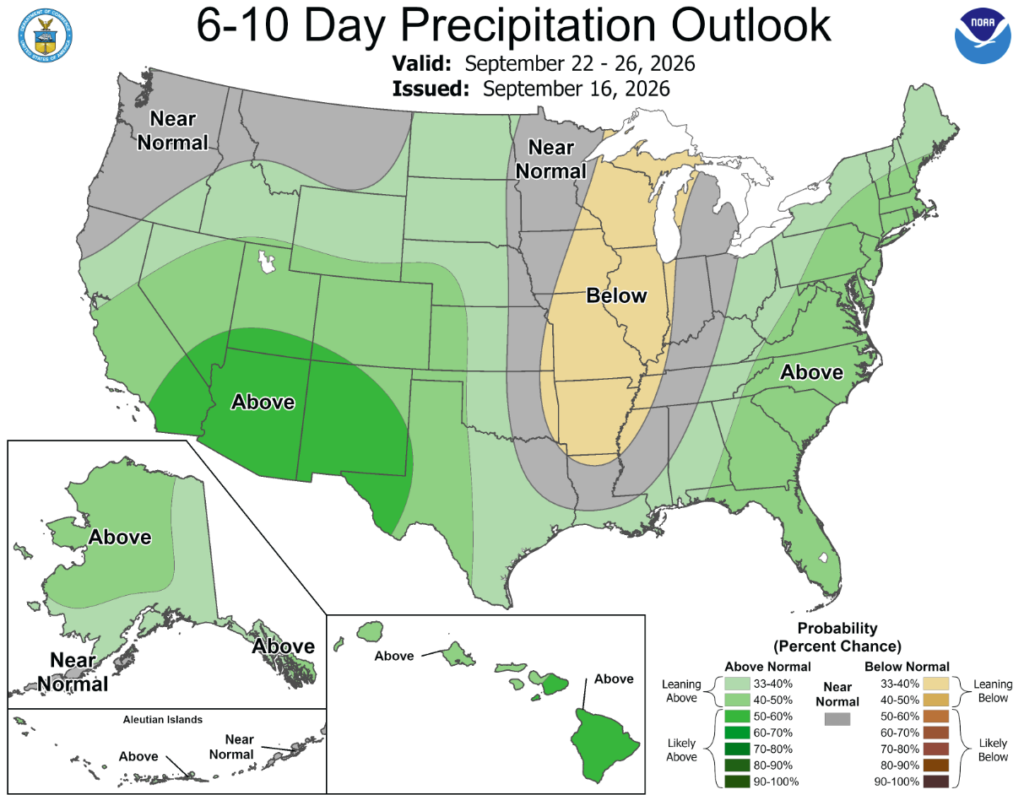
Last week, there were several areas that had significant rainfall amounts. One area was over Iowa, eastern Nebraska and Kansas, and northwest Missouri, where more than 4 inches fell in central Iowa and southeastern Kansas. Another area was centered over Ohio, West Virginia, and western Pennsylvania, where conditions were already wet. Much of Florida and the Gulf Coast received 2 to 4 inches of precipitation in the past week. Most of the southwest U.S. received little rain, with exceptions of scattered monsoonal precipitation along the New Mexico-Arizona border. Most of Texas and Oklahoma continued to be dry, as was the majority of the western Great Plains. Temperatures in the southern Great Plains and lower Mississippi valley continued to be very warm, in some locations over 10F above normal. Most of the rest of the continental U.S. was also above normal. The only areas with below normal temperatures for the past week were in northern New England as well as most of the northwest states.
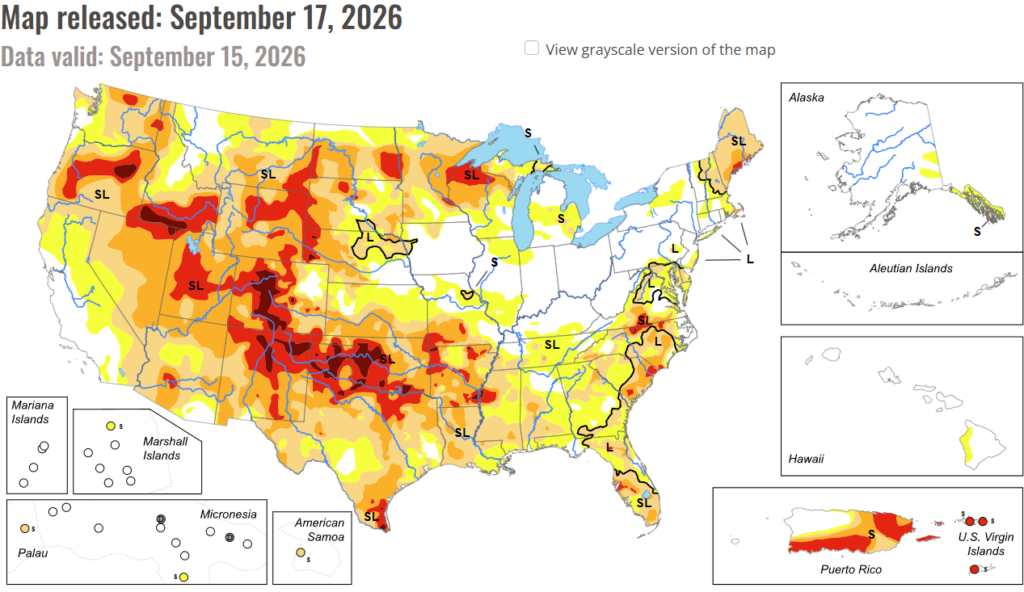
In the South: Extremely above normal temperatures continued in this region over the past week. Nearly all locations had drought deterioration, with the exceptions of northern Arkansas, northeastern Oklahoma, and coastal Mississippi. Much of Texas and into the Ark-La-Tex area experienced flash drought conditions. In addition to the heat, these areas received little rainfall in the week. Extreme to exceptional drought conditions are noted in far south Texas, most of northern Texas into western and southern Oklahoma, northwestern and northeastern Arkansas, and along the Arkansas-Mississippi border.
In the High Plains: Eastern Kansas had above normal precipitation over the past week; this led to improvement in drought conditions in this area. Eastern Nebraska and eastern South Dakota also had decent rainfall and resulting improvement to drought. Other areas of South Dakota that missed out on the rain had drought degradation. Colorado had drought degradations in the center part of the state, with drought improvements in both the southwest and southeast parts. Extreme drought continues over much of Colorado and Wyoming, western Nebraska and the Dakotas, and in eastern North Dakota. Exceptional drought is observed over much of central Colorado as well as two localized areas in far western Nebraska.
In the West: An area from southwestern Oregon to central Washington into northern Idaho and Montana received some welcome rainfall during the week. The rain resulted in regional improvements in drought conditions. One location that just missed out was in northwest Washington on the Canadian border, resulting in a drought degradation, where continued low streamflows were observed. There were also areas on the California-Nevada border and central Arizona with drought degradation that also received little-to-no rainfall. Extreme drought is shown over much of central Oregon, central Utah, southern Idaho down into northern Nevada, and small areas in northern Washington and southern Arizona. Exceptional drought continues in southern Idaho, northern Nevada, and northeastern Oregon.
To view the 6-10 Day Precipitation Outlook Map, click here.
To view the 6-10 Day Temperature Outlook Map, click here.
To view the Monthly Drought Outlook Map, click here.

The ARC/PLC election & enrollment for 2026 is now live through December 11. You can access AFPC's decision tool here.
Fischer Bart L., Joe L. Outlaw, Henry L. Bryant, Hank R. Nelson, Natalie Stewart, and J. Marc Raulston write in Southern Ag Today: Earlier this week, USDA announced (link) that the Agriculture Risk Coverage (ARC) and Price Loss Coverage (PLC) election and enrollment period for the 2026 crop year will run from September 16 through December 11, 2026. This typically occurs much earlier in the year, but the process for the 2026 crop year was delayed due to the amount of time it has taken USDA to implement the Working Families Tax Cuts Act (i.e., One Big Beautiful Bill) which added up to 30 million acres of additional base acres across the United States. This delay is a substantial benefit for producers, since the 2026 crop either has been or soon will be harvested across the country, and producers will have a much better sense of what yields will be (which has a significant bearing on the performance of ARC in particular). With that said, both ARC and PLC use marketing year average prices from the 12 months following harvest. So, while producers may have a clearer sense of what yields will be, the marketing year average price is far from settled. As a result, when they make their election and enrollment decisions over the next 3 months, they must take that uncertainty into account.
The Agricultural & Food Policy Center (AFPC) at Texas A&M University has decades of experience in developing decision aids for producers. We have provided an annual decision tool for ARC and PLC since those programs were first created in the 2014 Farm Bill. We have once again updated the decision aid for the changes made in the Working Families Tax Cuts Act. We have also refreshed the tool to make it easier to use. If you've used it in the past, your existing data should load once you log in. You can find a link to the tool on our website (link). Before using the tool, it would be helpful to make sure you have access to your base acre and program yield data which can be found on the FSA-156EZ form.
The following screen captures provide a general walk-through of the decision tool. You will be prompted to log-in primarily so you don't have to enter data again each time you visit the tool. Once you are on the Tools and Decision Aids landing page, simply click on "2026 FSA ARC/PLC Expected Payments" (circled in red below).
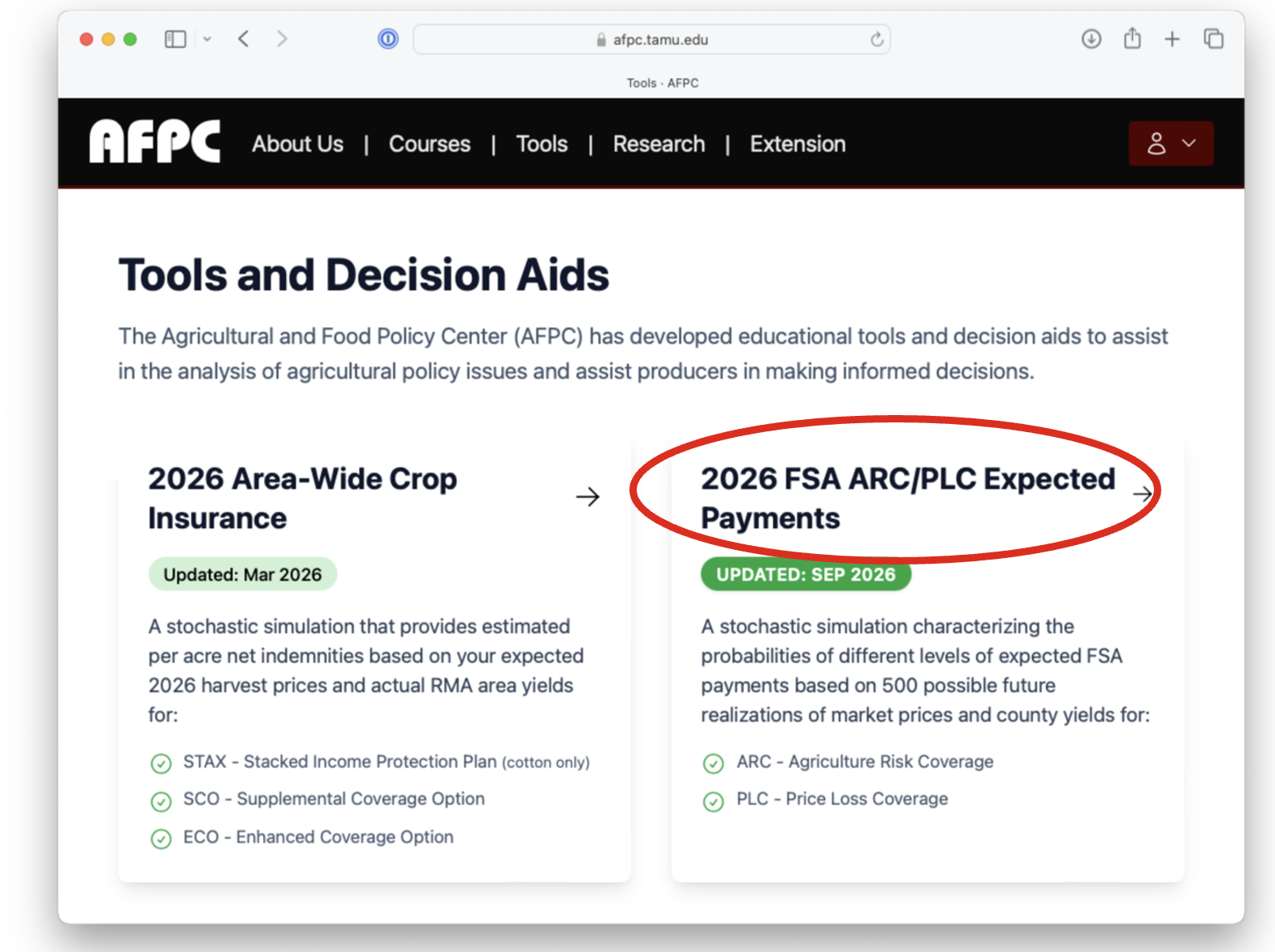
From that point, you can add as many farms (i.e., FSA Farm Serial Numbers, or FSNs) as needed by clicking on the blue "+ Create a Farm" button.
Once your farms have been added, simply click "+ Add a crop" to add the covered commodities associated with that farm.
Once you've added the crops (i.e., covered commodities) on the farm, click "Analyze."
At this point, you will be prompted to add Base Acres for that covered commodity on the farm along with the 2026 PLC Payment Yield, the Historically Irrigated Percentage, and the Expected Price. Because the marketing year average price is far from known at this point, you are welcome to click on "View Suggested Prices" which will provide the most recent forecasted price for the marketing year from USDA. You are also welcome to run the analysis as many times as you want using your own price estimates. Because this tool evaluates PLC versus ARC County (ARC-CO), if you have a very good sense of what the 2026 actual yield for the county will be, you may wish to override our forecasted yield. You can do that by clicking on "Advanced Settings" and inputting your own county yield estimate. Once you are finished, simply click "Calculate" and then scroll down for the results.
Once you've clicked "Calculate," the results will display below. As noted in the following figure, the results will include a table of summary statistics (i.e., mean and median expected payments and chance of payment) along with a chart that shows the likelihood of both ARC and PLC across a range of possible payments. Again, you are welcome to run the tool as many times as you want under as many different assumptions/scenarios as you want.
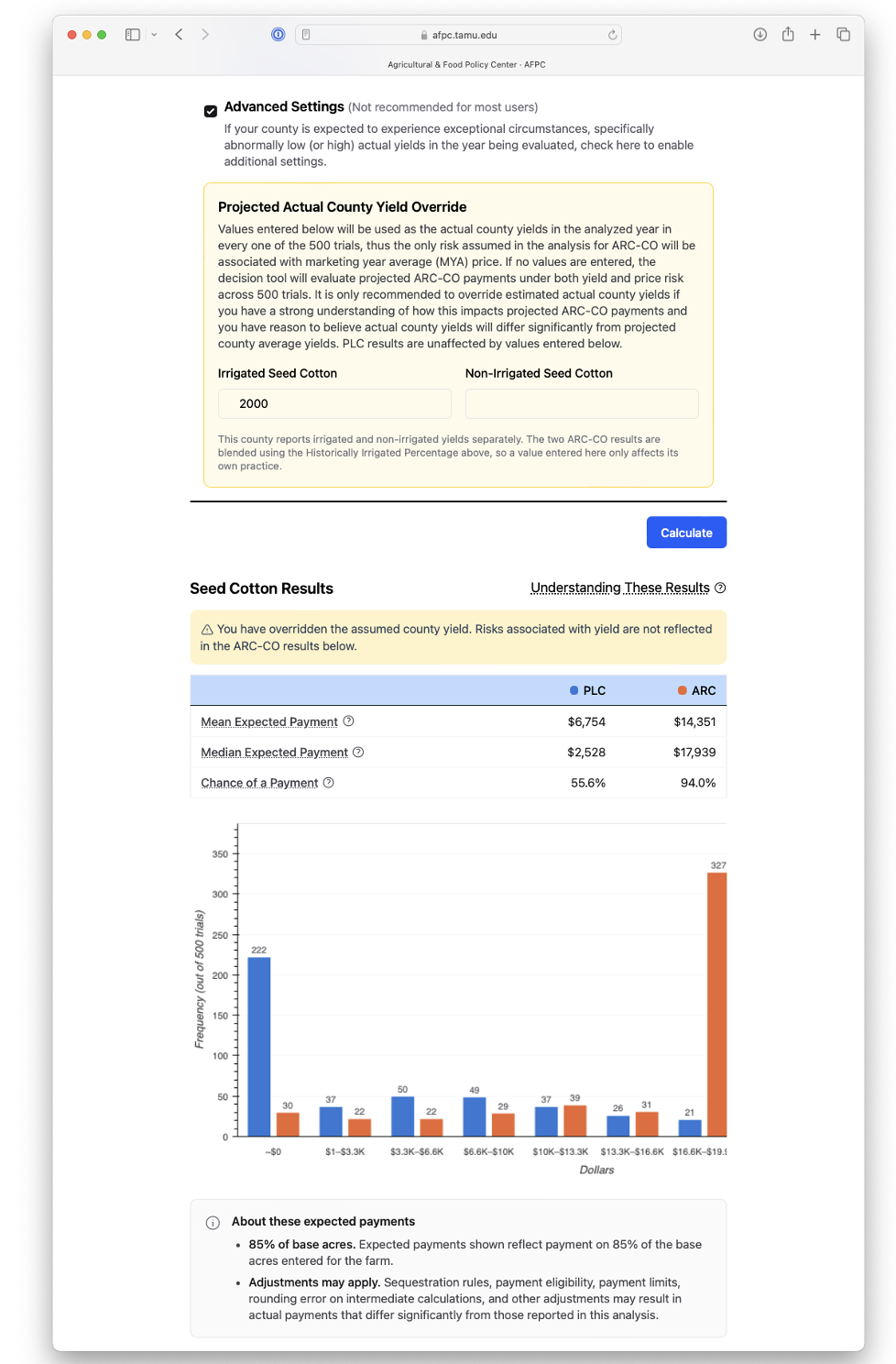
While the decision tool discussed above is for PLC and ARC-CO, we know that some producers will be interested in exploring possible payments under ARC Individual (ARC-IC). We have developed a separate, Excel-based tool that you are welcome to download from the same website (2026 ARC-IC Decision Aid).
Please note that USDA also announced that signup for the 2027 crop year will begin on November 2, 2026, and run through March 15, 2027. We will be providing an updated tool for the 2027 crop year as we get closer to November 2nd.
Our FREE tools are available for producers nationwide. If you have questions, please do not hesitate to reach out at 979-845-5913 or 1(888)890-5663.
Fischer Bart L., Joe L. Outlaw, Henry L. Bryant, Hank R. Nelson, Natalie Stewart, and J. Marc Raulston. "Making the ARC/PLC Election for the 2026 Crop Year." Southern Ag Today
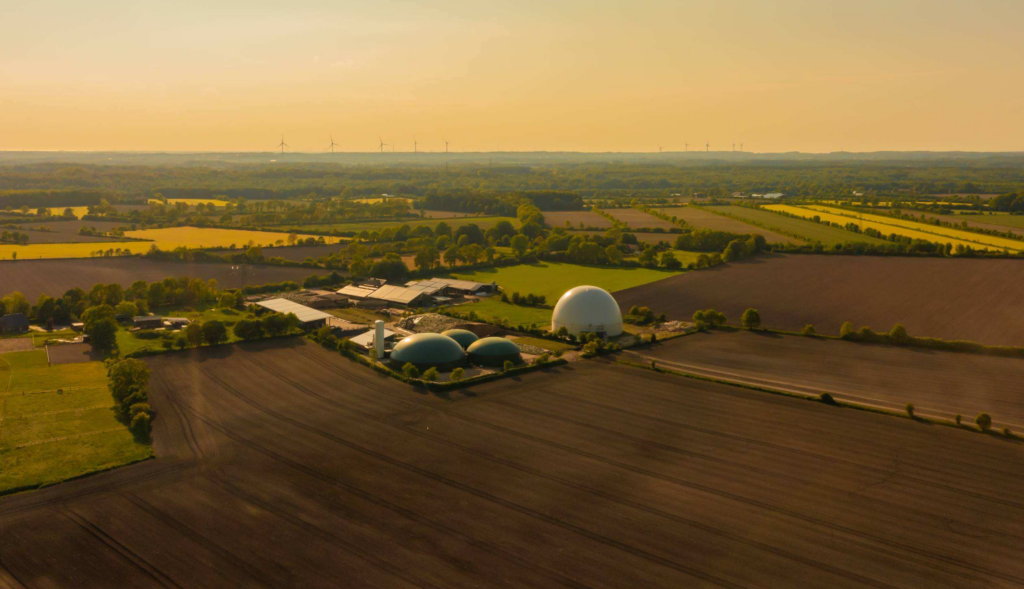
U.S. Department of Agriculture (USDA) Secretary Brooke Rollins announced the launch of USDA's American Biofuels Trade Outlook while delivering remarks as a featured speaker at Growth Energy's annual Biofuels Summit (GEBS) on Tuesday. Growth Energy CEO Emily Skor issued the following statement:
"America is the world's leading producer and exporter of ethanol, and we're on track for another record-setting year. Those exports fuel America's rural economy and represent one of the best tools this administration has for narrowing the trade deficit," said Growth Energy CEO Emily Skor. "We're grateful that Secretary Rollins took the opportunity during her remarks today at the Growth Energy Biofuels Summit to announce USDA's Biofuels Trade Outlook, and we believe this report is a useful tool for biofuel producers to better understand the market, identify new opportunities, and ultimately drive new business.
"Our success depends on the strong support of the Trump Administration and leaders like Secretary Rollins, who have consistently worked with Growth Energy members to break down trade barriers and create new markets that drive growth and create jobs for the farm economy. We look forward to continuing to work with her team to continue expanding America's agricultural exports."
Following a closure of more than one year driven by New World screwworm (NWS) concerns, the United States border has reopened to live cattle imports from Mexico. USDA Under Secretary for Marketing and Regulatory Programs Dudley Hoskins recently led a delegation to the port in Douglas, Arizona, alongside Acting Chief Veterinary Officer Alan Huddleston, to mark the resumption of trade under comprehensive animal health safeguards. Rod Bain and USDA officials share the steps within this protocol in this edition of "Agriculture USA".
Hoskins affirmed that every measure implemented at the Douglas port is designed around animal health for domestic producers, noting that the agency stands fully behind both the protocol and the system.
To prevent NWS from entering the country and posing a risk to livestock and domestic pets, USDA established a strict, three-stage prevention protocol outlined by Dr. Huddleston.
Stage One: Origin and Export Gathering Centers The initial phase begins in Mexico at the farms of origin or export gathering centers. Within 30 days prior to movement, an authorized, accredited veterinarian conducts a thorough inspection to ensure animals exhibit no signs of disease, specifically New World screwworm infestation. Between 7 and 14 days before transit, cattle receive a tick treatment, followed by a targeted product administered 3 to 5 days before departure that treats and prevents NWS. Once cleared, an international health certificate is issued to permit movement.
Stage Two: Pre-Export Inspection Stage two occurs just across the border at Mexican pre-export facilities. An official veterinarian from the Mexican Department of Agriculture conducts a second physical inspection 24 hours prior to crossing, confirming animals remain free of NWS signs. At this point, official animal identification and records are coordinated for traceability.
Stage Three: Port of Entry and Clearance The final phase takes place at USDA Animal and Plant Health Inspection Service (APHIS) facilities in Mexico before cattle cross into the United States. During transport into the facility, detector dog teams screen the cattle, scenting for wounds or NWS larvae and signaling handlers if suspicion arises. An APHIS animal health technician performs a third physical examination and verifies that electronic identification is readable for traceback capabilities. The cattle then pass through a treatment vat targeting screwworm and any other hide pests. Once dried, the animals cross into Douglas, where they are grouped into lots for buyers and shipped to their destination points within the country.
Huddleston cautioned that finding NWS at any point in this system triggers strict protocols: the affected lot is denied entry into the United States. If detected as animals arrive at the APHIS facility, all exports halt, the cattle are returned to their farms of origin, and the port shuts down for full premises cleaning and disinfestation.
RON's Dave Lanning has a pre-opening look at today's agricultural Markets.
Click the audio tab below for today's report.
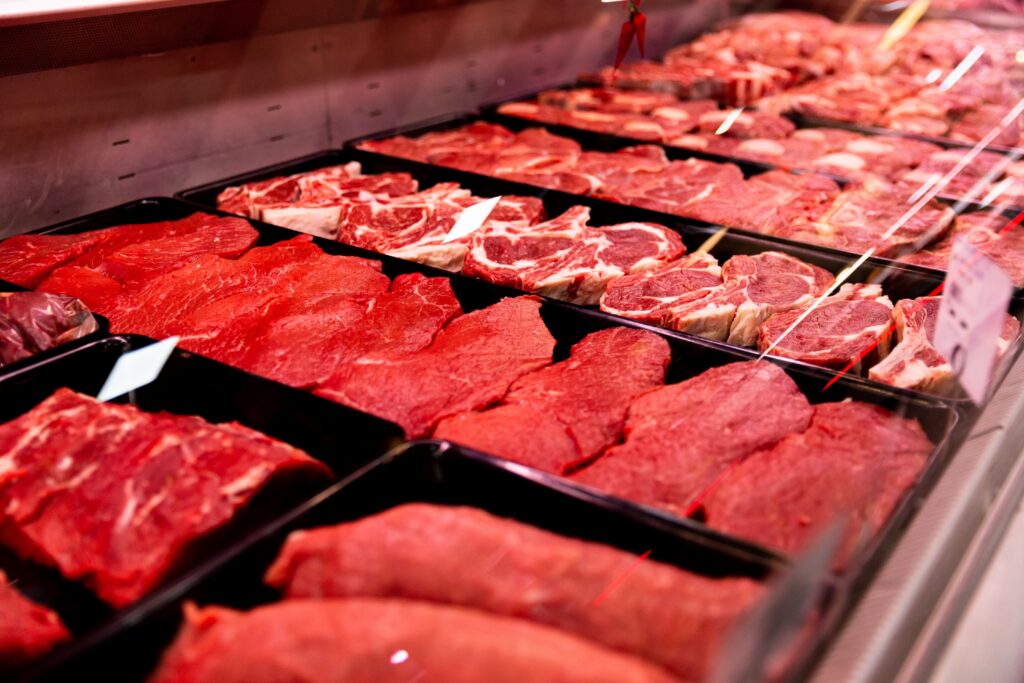
Today, U.S. Secretary of Agriculture Brooke L. Rollins announced the Stand-Up Program to provide up to $50 million in new funding to help states start or expand their own meat inspection programs in partnership with the U.S. Department of Agriculture's (USDA) Food Safety and Inspection Service (FSIS). The program carries out President Trump's September 4 Executive Order to expand market access for American meat producers and strengthen the domestic supply chain.
Thirty states currently operate State Meat and Poultry Inspection (MPI) programs and 11 participate in the Cooperative Interstate Shipment (CIS) program. Based on feedback from participating states, high start-up costs can deter states from initiating a state meat inspection program. The Stand-Up Program removes that barrier so more small, very small, and mid-size processors can get inspected and more ranchers have a place to process close to home.
"Under President Trump, we are revitalizing rural America by providing tools that help farmers, rancher, and rural communities thrive. The President directed USDA to open more markets for American ranchers, and we are delivering," said Secretary Rollins. "Too many states have wanted a food inspection program of their own and could not get past the start-up costs. Now they can. Food safety standards will not move, and more state programs mean more local processing, more competition for the rancher's cattle, and more American meat on American tables.
"The United States has one of the strongest, most interconnected food safety systems in the world, and our state inspection programs play a big role. State inspection programs share the same mission as FSIS, which is ensuring safe food for American families," said Under Secretary Dr. Mindy Brashears. "When we invest in our state partners, we're not just adding processing capacity in rural America. We're doing it in a way that is practical, backed by science and data, and built to protect public health."
State MPI programs must operate "at least equal to" federal food safety standards, and enrolled plants can sell throughout the state. States with existing MPI programs are eligible to join the CIS program and must demonstrate their inspection is "same as" the federal standards.
Under CIS, state-inspected plants can sell across state lines under the USDA mark of inspection.
Every new state partnership adds processing capacity, cuts regulatory burden on small processors, and keeps agricultural dollars in rural communities.
For more information about state inspection programs, visit https://www.fsis.usda.gov/inspection/state-inspection-programs.
At the Public Lands Council (PLC) Annual Meeting this week, the Bureau of Land Management (BLM) announced winners of the 2026 Rangeland Stewardship and Rangeland Innovation awards to recognize exemplary management and outstanding accomplishments in restoring and maintaining the health of public rangelands.
The BLM and Public Lands Council have partnered for 21 years to honor livestock grazing permittees and lessees who demonstrate exceptional management, collaboration, and communication that restores, conserves, or enhances our public lands, and to recognize their accomplishments at a gathering of their peers.
"These awards recognize the resiliency and ingenuity of federal lands ranchers, who are tasked every day with conserving and producing more with less," said Public Lands Council President and Colorado permittee Tim Canterbury. "PLC appreciates this partnership with BLM to build up and promote the vital work these ranchers do to manage millions of acres by protecting critical wildlife habitat, improving the health of native grass stands, and reducing catastrophic wildfires. Congratulations to the award recipients for carrying out the hard work of livestock production and conservation – I am proud to call these ranchers my colleagues because their work lifts us all up."
"The spirit of these awards honor generations of American ranchers who promote healthy public lands by embracing new technology and instill stewardship practices that will benefit the range far into the future," said BLM Director Steve Pearce. "It's exciting to see our permittees utilizing new grazing methods to help adapt to the challenges on public lands."
There are two permittee and two collaborative team winners, one each in stewardship and innovation.
The Rangeland Stewardship Permittee winner is Jamie Johnson, who implements key innovations of a drought response plan, independent rangeland monitoring and virtual fencing to efficiently manage livestock, enhance the land's resilience, and protect sensitive cultural sites on the Yellow Jacket Canyon Allotment within the Canyons of the Ancients National Monument. Ms. Johnson's proactive collaboration with the BLM, academia, and conservation partners result in data-driven adjustments to cattle numbers, resulting in the Foundation for America's Public Lands funding this virtual fencing project.
The Rangeland Stewardship Collaborative Team winner is the Deep Springs Resource Management Team, based in Big Pine, California, which integrates federal, state, and educational partners to collaboratively manage more than 100,000 acres in the Eastern Sierra ensuring sustainable livestock production; rigorous protection of sensitive habitats and species; and responsive land use. Led by Deep Springs College, which teaches students practical land stewardship, leadership skills, and responsibility through hands-on ranch work, putting what they learn in the classroom into real-world conservation to foster the next generation of public land managers.
The Rangeland Innovations Permittee winner is the Hunewill Ranch Land and Livestock, Co., a seventh-generation ranching operation in Bridgeport, California, who pioneered early adoption of virtual fencing on BLM, US Department of Agriculture's Forest Service, and private lands to address complex grazing management issues. The Hunewill family share lessons learned to help others. They have also established a 4,100-acre wildlife easement, actively participated in sage grouse action plans and watershed improvement initiatives. Their collaborative approach fosters a culture of partnership, driven landscape-scale improvements, and serves as a model for creative problem-solving.
The Rangeland Innovations Collaborative Team winner is the Carbon County Weed & Pest District, which increased to an unprecedented level the effectiveness of the BLM Rawlins Field Office's weed program. Superintendent Reese Irvine coordinated multiple partners, leveraged BLM agreements to secure substantial matching grants to aerial treat more than 130,000 acres across BLM, state, and deeded lands, then engaged partners to monitor effectiveness. This cross-boundary collaborative approach significantly expanded treatment windows, ensured full utilization of funding, and strengthened ecological mitigation protocols, including critical raptor monitoring efforts.

American Farm Bureau Federation President Zippy Duvall commented today on the Senate Committee on Agriculture, Nutrition, and Forestry vote to advance the farm bill to the full Senate. "We applaud members of the Senate Agriculture Committee who recognize the critical support the farm bill provides for America's farmers and ranchers. We appreciate Chairman Boozman's leadership in moving this legislation forward and we urge lawmakers in the House and Senate to advance a farm bill to President Trump's desk. "It's been almost a decade since Congress last passed a farm bill. In the past 10 years, more than 200,000 family farms have gone out of business, as farmers grappled with a pandemic, global unrest, rising expenses and falling prices paid for the food they grow. A new, modernized farm bill will help give farmers the tools they need to survive continued and unforeseen challenges ahead. "More than 100 farmers and ranchers descended on Washington this week to send the message that we're counting on Congress to work together to advance a bipartisan farm bill. A strong farm bill ensures an abundant and safe food supply. It benefits every family in America, regardless of their political affiliation."
U.S. Senate Committee on Agriculture, Nutrition, and Forestry Chairman John Boozman (R-AR) released the following statement after leading committee passage of the Agriculture Act of 2026: "Farm country is hurting and needs results now. Advancing this bill out of committee is a critical step toward getting a fully updated Farm Bill signed into law. While this is clearly welcome progress, we need more of our colleagues' votes to reflect the urgency of supporting farmers, ranchers, forest landowners and rural communities. I will always stand with the families who feed America and the world. They continue to have my commitment on getting bipartisan Farm Bill 2.0 across the finish line."
The American Soybean Association welcomes today's advancement of the Agricultural Act of 2026 by the Senate Agriculture Committee, an important step toward delivering a comprehensive five-year farm bill for America's farmers. "Advancing the farm bill out of committee moves Congress closer to providing the certainty and support farmers need," said Scott Metzger, president of ASA and Ohio soybean farmer. "ASA appreciates the work of committee members to move this critical legislation forward." As the bill heads to the Senate floor or a preconference with the House, ASA urges lawmakers to continue bipartisan negotiations and work together to build the broad support necessary for passage. That bipartisan commitment must continue across Congress to deliver a final farm bill that can be signed into law.
U.S. Wheat Associates (USW) welcomed the markup of the U.S. Senate's version of the Farm Bill by the Senate Committee on Agriculture, Nutrition, and Forestry, which includes a provision that would permanently move the administration of the Food for Peace program to the U.S. Department of Agriculture (USDA). "Thank you to Senate Agriculture Committee Chairman John Boozman and Ranking Member Amy Klobuchar for their support of the provision, and especially to U.S. Senator Jerry Moran, who authored the amendment," said Amanda Hoey, chief executive officer of the Oregon Wheat Commission and chair of the USW Food Aid Working Group. "The USDA's administration of the Food for Peace program aligns with the agency's agricultural focus, technical expertise and proven track record of humanitarian assistance for those in need today and our future customers." The Moran amendment was included with bipartisan support as part of a manager's package at the start of the bill's markup in August. U.S. Wheat looks forward to the continuation of the Farm Bill legislative process as the U.S. Senate and U.S. House of Representatives reconcile legislative text and work towards final passage of this important legislation.
Today, the Senate Committee on Agriculture, Nutrition, and Forestry advanced the Agricultural Act of 2026 out of committee. The legislation complements the bipartisan Farm, Food, and National Security Act of 2026, led by House Committee on Agriculture Chairman Glenn "GT" Thompson (PA-15) and passed out of the House of Representatives in April. "Advancing the Agricultural Act of 2026 from committee is a significant step in the right direction as we work to restore certainty and common sense to agricultural policy," Chairman Thompson said. "Farm country cannot wait any longer for updated policies, and I applaud Chairman Boozman and Senate Republicans for recognizing this urgency, even as Senate Democrats refuse to come to the table to support American producers. Passing a full, five-year farm bill remains my top priority, and I look forward to working with any lawmakers who make good faith efforts to support our producers in the coming months."
Following the advancement of the Agricultural Act of 2026 by the U.S. Senate Committee on Agriculture, Nutrition & Forestry, National Association of State Departments of Agriculture CEO Ted McKinney issued the following statement. "NASDA congratulates Chairman John Boozman and members of the Senate Agriculture Committee on advancing the farm bill," McKinney said. "NASDA members remain united on the same goal: we must enact a bipartisan farm bill to strengthen American agriculture and support production of food, fiber and fuel for all." The farm economy continues to experience instability, including rising input costs, weather-related losses and trade challenges. This legislation provides vital support to farmers, ranchers and consumers and provides economic growth for rural communities, and NASDA remains committed to continued collaboration with the U.S. Senate to bring the legislation across the finish line. Seeing a bipartisan 2026 Farm Bill passed is one of NASDA's policy priorities, citing 12 farm bill issues most critical to state agriculture departments. NASDA members, the state commissioners, secretaries and directors of agriculture, are responsible for administering many farm bill programs at the state level on behalf of farmers, ranchers and consumers nationwide.
National Farmers Union (NFU) President Rob Larew released the following statement after the Senate Agriculture Committee passed the Agriculture Act of 2026 out of committee. "There are real wins for family farmers and ranchers in this farm bill, and we appreciate the Senate Agriculture Committee for moving it forward with these needed updates. Country-of-origin labeling is a major win for farmers and consumers alike, and nationwide, year-round E15 will open new markets for family farmers. "But we need to hold two truths at once: this farm bill delivers some real improvements, and it will not stop the crisis farmers and ranchers are living through right now. Family farmers are caught between rising input costs, concentrated corporate power, and a farm safety net that no longer reflects the realities of farming today. American families are struggling with high prices and lack of robust nutrition programs. Incremental fixes won't reverse that. We need bigger, bolder reform of farm policy. Without it, farms will keep going out of business, and rural communities and American families will pay the price. "As this farm bill moves forward, NFU will keep working with Congress to think beyond this bill and build farm and food policy that works for all American families."
National Sorghum Producers today welcomed the Senate Committee on Agriculture, Nutrition and Forestry's advancement of the Agricultural Act of 2026, moving Congress one step closer to delivering a long-overdue five-year farm bill. "Farmers have waited far too long for the certainty of an updated farm bill," said NSP Chair Amy France, a sorghum farmer from Scott City, Kansas. "Today's vote is an important step forward for producers facing weak prices, high input costs and continued uncertainty." The Senate legislation includes two longstanding NSP priorities: nationwide, year-round access to E15 and the permanent transfer of the Food for Peace program to the U.S. Department of Agriculture. "Year-round E15 represents a real opportunity to grow demand for sorghum and strengthen the farm economy," France said. "We appreciate Chairman John Boozman's leadership and Sen. Roger Marshall's continued work to keep this critical priority moving forward." The bill also includes Sen. Jerry Moran's provision permanently placing Food for Peace at USDA. The change would strengthen the connection between American farmers and international food assistance while reinforcing the use of U.S.-grown commodities to help feed people in need around the world. "Food for Peace demonstrates the reach and value of American agriculture," France said. "We thank Sen. Moran for his leadership in protecting the program and ensuring it remains closely connected to the farmers who make its mission possible." NSP urged Senate leaders to bring the legislation to the floor and called on lawmakers in both parties to work together toward final passage. "Today's progress matters, but the work is not finished," France said. "Sorghum producers need Congress to come together and deliver a farm bill that provides certainty, strengthens markets and supports the future of American agriculture."
The National Pork Producers Council is pleased to see movement of the U.S. Senate Committee on Agriculture, Nutrition, and Forestry's farm bill and Congress one step closer to the clarity and certainty a 5-year farm bill reauthorization would bring. With various hurdles cleared, it is now time for leaders in D.C. to hear the persistent, urgent plea of America's 60,000-plus pork producers to finally stop the threat of a state-by-state patchwork of farm animal housing laws spurred by California Proposition 12. "America's pork producers deserve a robust farm bill, which should come with protection from being forced to rebuild our barns every time another state decides it knows what is best for animal welfare," said Rob Brenneman, NPPC president and pork producer from Washington County, Iowa. Not only does Prop. 12 make sustaining their businesses onerous for pork producers, but also it hinders the critical input and expertise of swine veterinarians. Practicing Doctors of Veterinary Medicine from Illinois explained, "As veterinarians, we know that good welfare cannot be reduced to a single measurement such as square footage." "Science gives us the flexibility to learn and improve. Laws, however, change slowly and often lock today's understanding into tomorrow's production systems. If every state establishes its own production requirements, adapting new scientific knowledge becomes increasingly difficult. Veterinary medicine advances by questioning assumptions, evaluating new evidence, and continuously improving," DVMs Bill Hollis and Aaron Lower shared. As farm bill negotiations continue in conference, NPPC encourages the Agriculture Committee Chairmen and Ranking Members to produce a bipartisan farm bill that focuses on keeping pig farming in the U.S. affordable, checks the overreach of interstate commerce California has enjoyed, and bottom line, offers the best care for animals. That bill must include a solution to the state patchwork problem of Prop. 12.
R-Calf USA: The U.S. Senate Committee on Agriculture, Nutrition, and Forestry advanced out of committee the Agricultural Act of 2026 with a bipartisan provision to restore mandatory country-of-origin labeling (MCOOL) for beef. The committee's action marks another major step forward for MCOOL. During the committee's August Farm Bill markup, the provision was adopted on a 17-6 bipartisan vote, marking the first time the Senate had acted to advance MCOOL for beef since the 2008 Farm Bill and the first significant congressional action to restore the law since its repeal in 2015. Led by Senate Majority Leader John Thune, R-S.D., the provision would restore consumers' ability to clearly distinguish American beef from foreign beef at the grocery store while allowing American cattle producers to differentiate their product in the marketplace. "We commend the Senate Agriculture Committee for its recognition that American cattle ranchers deserve the opportunity to compete for consumers who want American beef and that all American consumers deserve to know where their beef comes from," said R-CALF USA CEO Bill Bullard. "We also recognize our thousands of cattle producer members who have stood behind this effort for years and never wavered in their commitment to restoring MCOOL. "The Senate has demonstrated bipartisan support, the president has demonstrated his support, and American ranchers and consumers have made their voices clear. We must remain vigilant to ensure MCOOL remains in the Farm Bill through the next steps of this process and is ultimately restored into law." R-CALF USA has remained one of the nation's leading advocates for restoring MCOOL for beef, working through multiple Congresses and administrations to advance legislation, build producer and consumer support, engage policymakers and keep the issue at the forefront of the national cattle policy debate. Momentum behind MCOOL has accelerated in recent weeks. On Sept. 4, President Donald Trump directed the U.S. Department of Agriculture, in consultation with the U.S. Trade Representative, to review available authorities and determine a path forward for mandatory country-of-origin labeling for beef, including potential regulatory action or legislative recommendations. With today's committee action, the Farm Bill now moves forward as congressional leaders work toward passage of a final package.
The National Cotton Council (NCC) applauds the Senate Committee on Agriculture, Nutrition, and Forestry for advancing the Agricultural Act of 2026 and urges Congress to maintain momentum toward final passage of a full, five-year farm bill this year. "We appreciate Chairman Boozman and the Senate Agriculture Committee for moving this important legislation forward," said NCC Chairman Nathan Reed. "Cotton producers and farm families across the country continue to face high input costs and ongoing market uncertainty. This action represents important progress toward providing producers with the stability they need and strengthening the farm safety net for the years ahead." The NCC continues to urge Congress to take bipartisan action to complete a comprehensive farm bill that provides meaningful support for U.S. agriculture and rural America.
Farm Credit Council President and CEO Christy Seyfert made the following statement after the Senate Committee on Agriculture, Nutrition and Forestry's markup of the Agricultural Act of 2026: "Farm Credit thanks Chairman John Boozman and all members of the Senate Agriculture Committee for their work on the Agricultural Act of 2026, an important step toward advancing a complete, five-year Farm Bill this year. "As producers navigate ongoing economic uncertainty, completing a five-year Farm Bill is more important than ever. This legislation includes bipartisan provisions to increase credit availability for farmers and ranchers, modernize and streamline programs, and reduce regulatory burdens on producers and their ag lenders. "As the House and Senate Agriculture Committees shift into the next steps toward enactment, Farm Credit looks forward to collaborating with Congress to enact a robust, forward-looking and complete Farm Bill to give certainty to rural America."
The Agricultural Retailers Association (ARA) today applauded Senate Committee on Agriculture, Nutrition, and Forestry Chairman John Boozman (R-Ark.) and all committee members for passing a new multi-year Farm Bill out of committee. ARA appreciates the committee's leadership and commitment to strengthening America's farmers, ranchers, and agricultural supply chain through a comprehensive Farm Bill. "Agricultural retailers play a critical role in delivering the crop inputs, services, and expertise farmers need to remain competitive," said ARA President and CEO Daren Coppock. "We appreciate Chairman Boozman and committee members for recognizing the unique role of retailers and other agricultural businesses in the Senate's Farm Bill, and we are committed to working with Congress and the Administration to get this bill signed into law." ARA looks forward to continuing to work with Chairman Boozman, House Agriculture Committee Chairman GT Thompson (R-Pa.), and all members of Congress to advance a Farm Bill that supports producers and strengthens the agricultural supply chain.
United Food and Commercial Workers International Union UFCW International President Milton Jones said: "The Farm Bill that advanced today bows to powerful agricultural interests and leaves hardworking families out to dry. Amid a nationwide affordability crisis, 5 million Americans have lost SNAP benefits, including 1.5 million children, and there is no relief in sight. Instead, the future cuts to food assistance will be even deeper. "The bill also does nothing to protect the safety of workers across the food supply chain, support union jobs, or strengthen rural communities. The Senate Agriculture Committee had an opportunity to go back to the drawing board after failing to pass this legislation last month, but they turned down that chance. "This Farm Bill fails on key issues for UFCW members, their families, and their communities. We urge lawmakers to reject it."
The American Feed Industry Association (AFIA) applauds the Senate Agriculture Committee for advancing Farm Bill 2.0, the Agricultural Act of 2026. The legislation provides America's farmers, ranchers and manufacturers with the certainty and critical resources necessary to support our food supply chain, strengthen our rural communities and protect national security. The bill addresses several AFIA policy priority issues, including updating agriculture research programs, modernizing the regulatory review process for new ingredients, increasing investments in trade promotion programs and improving preparation and response to animal disease outbreaks. Specifically, the AFIA thanks the Senate committee for the inclusion of the Innovative Feed Enhancement and Economic Development (Innovative FEED) Act in the farm bill. This legislation, which the AFIA and hundreds of animal health and food-related organizations have supported for many years, would modernize the Food and Drug Administration's review process for certain novel animal food ingredients and allow the agency to use the existing Food Additive Petition process for ingredients that provide benefits such as improved animal health, enhanced food safety or reduced environmental impact. "Including the Innovative FEED Act in the farm bill sends a clear message: agriculture must have access to modern tools and technologies if America is going to remain globally competitive, productive and resilient," said AFIA President and CEO Constance Cullman. "The farm bill is American agriculture's roadmap for the next several years and the animal food industry thanks Chairman John Boozman, R-Ark., and the committee for recognizing our industry's role in delivering innovative solutions that advance animal and public health." Today, the FDA considers many innovative feed ingredients that provide health benefits beyond basic nutritional benefits (e.g., taste, nutrition and aroma) as "drugs," putting them through a lengthy, costly and inappropriate regulatory review process. This unnecessary bureaucratic red tape, which the agency notes has not kept pace with scientific innovation, has hindered innovation in America's animal food industry, resulting in U.S. farmers, ranchers and pet owners lagging their global competitors who have access to many of these technologies. The Innovative FEED Act would give the FDA the legal authority it needs to appropriately regulate these animal food ingredients as feed ingredients, while maintaining the strong safety standards producers and consumers expect, accelerating innovation, improving animal nutrition and providing livestock and poultry producers with additional tools to meet growing demand. The AFIA will continue to work with the FDA and regulators to support the long-term success of U.S. agriculture and the animal food industry. The AFIA looks forward to working with Congress to advance a final farm bill that promotes innovation, supports agricultural productivity and ensures the United States remains a global leader in food and agriculture.
Growth Energy, the nation's largest biofuel trade association, applauded today's vote to advance legislation that will permanently allow the year-round, nationwide sale of E15, a 15% ethanol blend that sells for $0.30 less per gallon on average compared to regular fuel. The E15 fix, which is part of the larger Farm Bill, now moves to the full Senate. "Consumers deserve lower-cost fuel options and farmers deserve reliable markets," said Growth Energy CEO Emily Skor. "Year-round E15 delivers on both fronts, and we're grateful to our bipartisan Senate champions for making E15 an urgent priority. "Now is the time for Congress to prioritize U.S. drivers over those who simply oppose lower-cost options at the pump. We look forward to working with leaders in both the House and Senate to finally put commonsense, bipartisan legislation on the President's desk." With this provision, drivers would have access to E15's significant savings all year long. E15 has already been approved for use in all cars made in 2001 and newer—representing more than 96% of all vehicles on the road today—and is currently available at more than 5,100 gas stations in 35 states. It has remained on the market each summer since 2019, thanks to a series of regulatory and short-term measures, but only a permanent fix will offer the certainty needed to quickly expand consumer access. Legislation allowing year-round E15 already passed the House this May.
The U.S. Senate Committee on Agriculture, Nutrition, and Forestry reconvened today and narrowly passed the Agricultural Act out of committee. The legislation, also commonly referred to as "farm bill 2.0," contains many corn grower policy priorities. This includes language that would allow for the year-round sale of fuels with 15% ethanol blends, often referred to as E15. In response to this development, Ohio farmer and National Corn Growers Association (NCGA) President Jed Bower released the following statement:
"We are pleased that the farm bill passed in committee and is one step further in the legislative process. Corn growers are in Washington this week, reminding legislators that the true finish line is for the farm bill and year-round E15 to become law this year. "The Senate farm bill would expand year-round consumer access to E15, which is important to farmers and the rural economy. It has the potential to significantly lower gas prices across the country while shoring up the nation's energy security. "There is still work to be done. The 2026 corn crop is the most expensive crop we've ever planted, raised, and are now harvesting. The pressures on the ag economy only continue to mount. We encourage the full Senate to take bipartisan action to provide certainty in a worrisome time by voting to pass this legislation. "Corn growers thank the leaders of the Senate Agriculture Committee for continuing to move this important piece of legislation forward and for their service to agriculture. "As recent action in the House of Representatives on the farm bill and E15 demonstrates, expanding access to higher blends of ethanol is a bipartisan endeavor, and one that can benefit all of our nation's citizens. We are deeply appreciative of Chairman Boozman, Ranking Member Klobuchar and all our allies on the committee for pushing to expand access to E15."
Today, the U.S. Senate Committee on Agriculture, Nutrition, and Forestry advanced the Agricultural Act of 2026, moving a comprehensive, five-year farm bill one step closer to consideration by the full Senate. NAWG applauds the Committee's action and appreciates Chairman John Boozman and members of the Committee for continuing to move the farm bill process forward. The legislation includes several priorities important to wheat farmers, including support for agricultural research, risk-management and trade programs, expanded access to agricultural credit, and the permanent transfer of the Food for Peace program to the U.S. Department of Agriculture. "Wheat farmers have waited far too long for the certainty of a new farm bill, and today's vote is an important step toward finally getting this legislation across the finish line," said NAWG CEO Sam Kieffer. "We applaud Chairman Boozman and members of the Committee for addressing many of the challenges facing wheat farmers and moving this legislation forward "But committee action must not be the end of the road. Wheat growers are still facing stubbornly high input costs and prolonged global uncertainty, while operating under a farm bill that hasn't kept pace with today's economic realities. Senate leadership must bring the farm bill to the floor and pass it as soon as possible "Congress spent the last four years debating the next 'five-year' farm bill. America's wheat farmers need action now. The full Senate must build on today's momentum, pass a comprehensive farm bill, and work with the House to deliver a final package to the President's desk without further delay."
The Senate Committee on Agriculture, Nutrition, and Forestry took a pivotal step forward Wednesday by advancing the Agricultural Act of 2026 out of committee. The party-line vote breaks a legislative stalemate that stalled the package in August and sets the stage for full Senate floor consideration as the current farm bill extension approaches its September 30 expiration.
For Oklahoma farmers and ranchers navigating elevated input costs, prolonged drought cycles, and volatile commodity markets, the committee's action signals movement toward long-awaited policy updates not overhauled since 2018.
Key Priorities for Oklahoma Agriculture
The Senate committee's package, dubbed "Farm Bill 2.0," incorporates several critical provisions aimed directly at production agriculture across the southern Plains:
How the Bill Cleared Committee
The measure advanced following the return of Senator Mitch McConnell to Capitol Hill, restoring the panel's 12-to-11 Republican majority needed to move the legislation forward after an August markup ended in deadlock. Committee Chairman John Boozman pushed the package through despite continued party-line divisions over Supplemental Nutrition Assistance Program (SNAP) administrative cost-sharing requirements and program spending.
The Road Ahead on Capitol Hill
While Wednesday's vote represents the furthest the Senate has advanced a comprehensive farm bill draft this cycle, significant hurdles remain before a bill reaches the president's desk:
Agricultural organizations across Oklahoma and the nation continue to emphasize that a finalized, five-year farm bill remains essential to providing rural producers with the financial certainty needed to secure operating loans for the coming crop year.
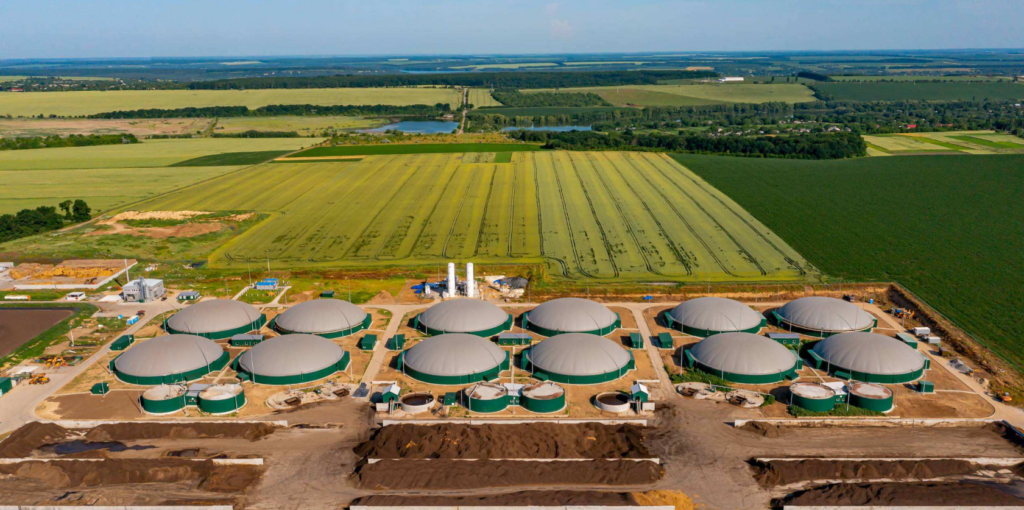
Today, the U.S. Department of Agriculture released the American Biofuels Trade Outlook, a plan that builds upon 2025's record U.S. ethanol export performance, removes restrictions to American biofuels, and secures new market opportunities for U.S. farmers.
"2025 marks the strongest year for ethanol exports in the history of the U.S., supporting our great American farmers. This record setting 2.2 billion gallons of U.S. ethanol shipped across the world this past year representing $4.7 billion is not by accident, it reflects the hard work of America's farmers and the powerful leadership of President Trump," said U.S. Secretary of Agriculture Brooke L. Rollins. "This milestone demonstrates how American innovation and rural investment can deliver prosperity for consumers and producers at home and around the globe. American farmers are fueling the future, and the American Biofuel Trade Outlook outlines the USDA's exact plan to ensure that success continues, and America's producers continue to prosper."
"America's farmers are competing and winning on the world stage and our homegrown biofuels are no exception," said Under Secretary Luke Lindberg. "President Trump and the USDA are focused on increasing ethanol blending around the world and making sure U.S. farmers win with every new trade deal. This milestone proves our strategy has been working and the release of the American Biofuels Trade Outlook will make sure our success continues."
To learn more, please view the 2025 U.S. Ethanol Exports report.
To learn more, please view the American Biofuels Trade Outlook (PDF, 7.4 MB).
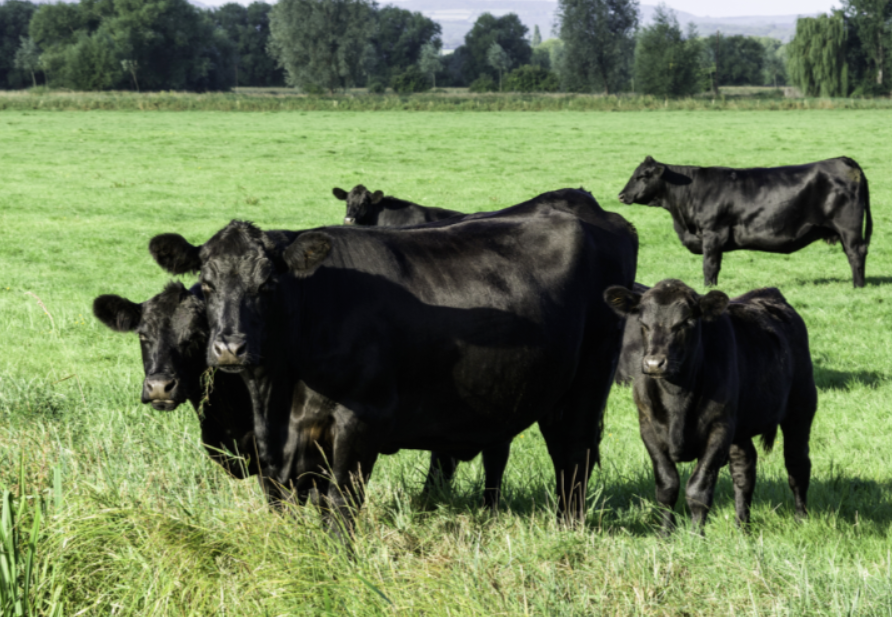
For producers looking to move beyond paper records, CattleMax offers a cloud-based record-keeping system that helps manage more than just cattle. Kristen Evans, director of operations at CattleMax, said in a conversation with associate farm reporter Carli Davenport that the program can help producers organize cattle, equipment, pastures, financial information, and ranch tasks in one place. "CattleMax is going to be a full record-keeping operation for your ranch," Evans said. "So, it's not just cattle. It's going to be equipment, pastures, some finances, and just keeping up with your tasks."
The program also connects with major industry groups and organizations and can work with breed associations for registered cattle producers. "It's a full record-keeping program that'll keep up with your breeding and production records and work with your breed associations as well for those registered producers," Evans said.
For producers still relying on notebooks, filing cabinets or spreadsheets, Evans said CattleMax is designed to provide one central location for ranch information. "It's going to be your one-stop shop," she said. "You're not going to be looking for the notebook in the pickup truck or finding the registration papers in the filing cabinet. All your records in one place."
Because the program is cloud-based, producers can access their information from different devices. "It's accessible on any device, so it's all cloud-based," Evans said. "Your phone, tablet, so whether you're on the go or in the house on your laptop, you'll be able to access that at any point in time."
Evans said keeping detailed records can also give producers information they can use when making management decisions, particularly as cattle prices remain strong and producers evaluate their herds. "A perfect one that everyone is familiar with is with cattle prices the way they are now," Evans said. "Cull cows are big. CattleMax is going to help you show which cows need to be culled."
By keeping track of a cow's offspring and production history, producers can identify animals that may not be performing as well as others in the herd. "If you kept up with their offspring, you're going to be able to pull those reports and say, hey, she has not produced. She's on the bottom part of my production cycle," Evans said.
Evans said those records can help producers identify which cattle should be removed from the herd, while also providing management information beyond individual animals. "You'll be able to kind of pull those off and make better decisions that way, and that's just on the cattle side of things," she said.
CattleMax can also be used to help producers keep track of other parts of their operation, including pasture rotations and hay production. "Even with if you're doing pasture rotations, just seeing kind of what your inventory is and see how your production records are on the hay side as well," Evans said.
The goal is to give producers a broader view of their operation by keeping different types of records together.
For producers who may not consider themselves tech-savvy, Evans said CattleMax is designed to be accessible regardless of age or experience with technology. "Anybody can use it," she said. "We have producers that are in their 80s or more, and then you have, you know, people's grandchildren using it on their phones and tablets."
Evans said producers can decide how much information they want to enter into the system, depending on what they want to get out of it. "What we tell people is what you put in is what you get out," Evans said. "So you can just use it for inventory. You can go in and put every ounce of data that you can possibly put. It's totally up to you what you put in."
For producers considering the transition from paper records or another record-keeping system, Evans said they do not have to make the change alone. "Don't be scared of it," Evans said. "Like I said, phone, tablet, laptop, whatever you're comfortable with is where you'd put all your information."
She added that CattleMax can also help producers make the transition from existing systems. "We're glad to help onboard as well," Evans said. "So if they do have paper records or Excel or coming from another program, we'll help them through all that as well."
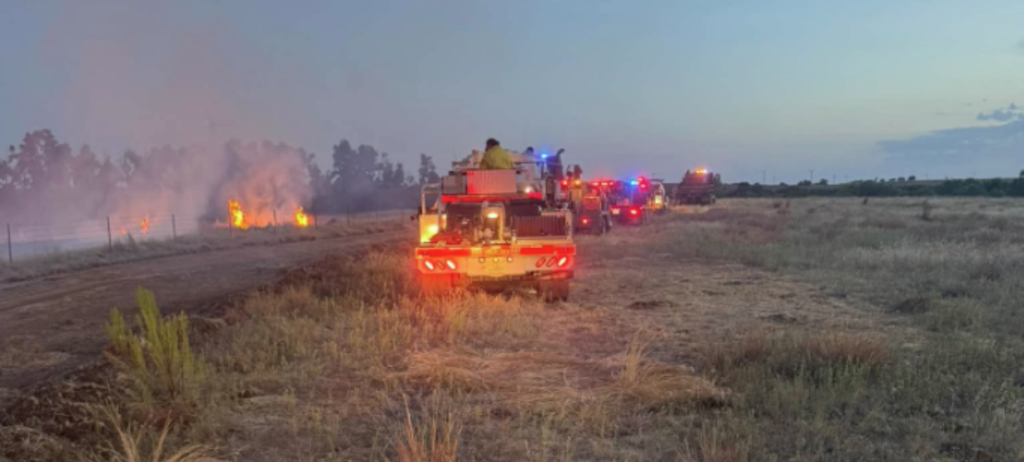
Fire crews across western and central Oklahoma continue to battle the Gracemont Fire, which has burned an estimated 4,000-plus acres across northern Caddo County near the Canadian County line. Meanwhile, emergency officials have confirmed that a separate blaze in Blaine County near Okeene is fully extinguished.
Gracemont Fire Conditions and Response
The fire remains active in the Binger and Cogar areas, where containment stands at 0%. Multiple local fire departments, regional mutual-aid units, and aerial firefighting resources have deployed to combat the blaze with water and retardant drops as weather conditions permit.
Local reports indicate at least four families have lost their homes. A previous evacuation order issued for the Scott area has been lifted, though local emergency management urges residents to remain vigilant and monitor emergency alerts closely should conditions deteriorate.
While on-scene fire officials estimate the burn area has surpassed 4,000 acres, official mapping from the Oklahoma Forestry Services (OFS) and federal databases have not yet updated to reflect these latest field estimates.
Motorists and residents are instructed to avoid the Binger and Cogar areas due to heavy smoke, active fire apparatus, and rapidly shifting conditions.
Okeene Fire Extinguished
In Blaine County, emergency management officials confirmed that the Cimarron River Fire east of Okeene, near State Highway 51 and County Road 2710, is officially out. Multiple agencies worked through rugged terrain and heavy cedar cover overnight to extinguish the fire. Crews have since cleared the scene, and no official acreage or containment figures were assigned prior to its extinguishment.
Support Needed for First Responders
Mutual-aid units from across the region—including crews from Goldsby and other McClain County volunteer departments—traveled to Caddo County overnight to support containment efforts.
Community members wishing to assist first responders working long shifts can donate supplies directly to their local fire departments to be routed to active crews. High-priority items include:
Local stations will ensure donated items reach the firefighters actively engaged in mutual-aid operations.
To follow along on updated needs visit the Western Oklahoma Fire Coverage Facebook Page

Cattlemen's Congress is pleased to announce the appointment of its new Board of Directors, comprising an exceptional group of industry leaders poised to guide the organization into a promising future.
Jennifer Callahan, Cattlemen's Congress Board Chairman, expressed her enthusiasm, stating, "Cattlemen's Congress is so fortunate to have the commitment of industry leaders to serve on its Board and to have their leadership in guiding Cattlemen's Congress into the future," Callahan said. "As I think about the depth of commitment to this industry reflected on this Board, the continued improvements to its facilities and the mission of Cattlemen's Congress to be the industry event that is run by cattlemen, for cattlemen, the future is bright."
The new board is set to bring innovative perspectives and strategic direction to ensure the continued success and growth of Cattlemen's Congress.

The USDA's National Agricultural Statistics Service (NASS) today launched AgInsights, a new data dissemination tool that will serve as a key component of NASS's ongoing modernization strategy.
Designed to enhance currently used data products and services, the AgInsights application offers streamlined information dissemination, increased operational efficiency, and a more dynamic, interactive experience so producers have easier navigation and access to the latest agricultural data.
NASS recognizes that producers, whether large or small, established or emerging, need timely, actionable information to make informed decisions. AgInsights will bridge the digital divide, ensuring equitable access to critical data for all producers, including those who have historically faced barriers to information.
"AgInsights is an important step forward in how producers interact with agricultural statistics. By streamlining information delivery and integrating advanced technologies, we're making it easier for producers to access, analyze, and apply the latest data to their operations," said NASS Administrator Joseph L. Parsons.
NASS asked an initial group of agricultural data users to test the application and provide feedback. Their recommendations informed the development of the product to help meet industry expectations across commodity sectors. Key features include:
Information about all NASS surveys and reports is available online at nass.usda.gov.
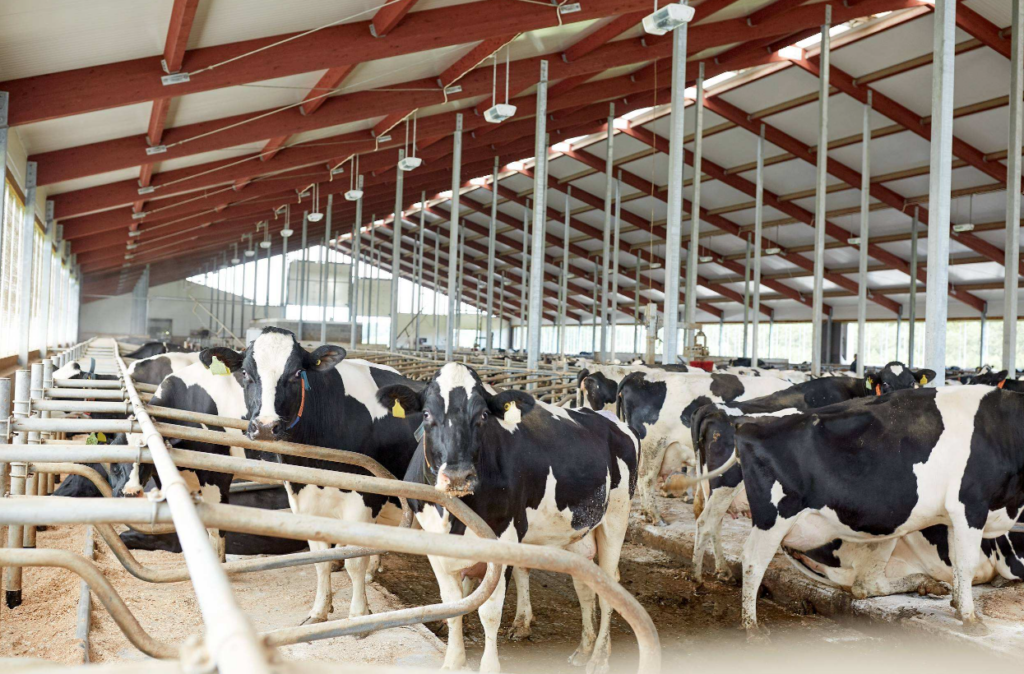
Zoetis invites attendees to its new location and experience at the 2026 World Dairy Expo. This year, Zoetis is moving from the Exhibition Hall to the Coliseum Lower Level. Designed as a welcoming place for dairy producers, veterinarians, industry partners and experts from across the dairy industry, the new Zoetis space will give attendees multiple ways to connect, engage and experience what's moving dairy forward. Throughout the week, attendees will be able to hear from visionary dairy leaders and industry experts during the Dairy On stage talks, gather over Wisconsin-inspired favorites at the Milky Whey Lounge, add their farm to the Born of the Bond Wall and explore milestones that have shaped dairy innovation on their way to a railside view of the Coliseum showring.
"World Dairy Expo has always been about bringing the dairy community together, and we wanted the new Zoetis space to reflect that spirit," said Leah Beyer, Head of Marketing Communications, U.S. Livestock, Zoetis. "Our new World Dairy Expo space is built around what makes this industry strong, and those are relationships, shared ideas and a drive to keep moving dairy forward. Whether producers come for one of the Dairy On stage talks or take in a railside view of the showring, we want them to leave with a new connection, a new idea or a new perspective they can take back to their dairy."
DAIRY ON STAGE TALKS: Thursday, Oct. 1
On Thursday, join us in the Zoetis space in the Coliseum Lower Level for a moderated panel discussion and engage in conversations about opportunities shaping dairy's future.
· 10 a.m. CDT – "Dairy Value Evolution: Components, Consumers and Where Is the Money"
· A conversation exploring how consumer and processor demand, milk components, genetics and dairy management are changing where and how producers can find profitability.
· Speakers: Tim Trotter, Edge Dairy Farmer Cooperative; Ken McCarty, McCarty Family Farms; and Dr. Dan Weigel, Zoetis
· 1 p.m. CDT – "From Data to Decisions: Empowering Dairy Teams"
· A discussion about moving beyond simply collecting dairy data to helping farm teams understand, trust and confidently use insights to inform day-to-day herd management decisions.
· Speakers: Dr. Scott Earnest, World Wide Sires; Mike Larson, Larson Acres; Jared Krull, CowManager USA; and Brian Kelroy, Zoetis
MILKY WHEY LOUNGE
Gather at the Milky Whey Lounge in the Zoetis space in the Coliseum Lower Level, Monday through Friday, 2 to 5 p.m. CDT, for iconic Wisconsin supper club staples. The lounge will provide a casual setting for producers, customers, partners and industry experts to connect and continue conversations.
· BORN OF THE BOND WALL
Dairy producers will be able to pin their farm name on the U.S. map as part of the Born of the Bond interactive wall experience to celebrate the people, farms and relationships that make up the dairy community.
· A WALK THROUGH DAIRY INNOVATION — STRAIGHT TO THE SHOWRING
The Zoetis footprint will offer direct walkout access to the showring, where attendees will be able to enjoy an exclusive view of the dairy cattle shows. Along the way, two walls will highlight milestones in dairy innovation and the advances that have helped move the industry forward, including solutions and developments connected to Zoetis.
About Zoetis
Zoetis is the world's leading animal health company, driven by a singular purpose: to nurture our world and humankind by advancing care for animals. With a legacy of nearly 75 years, Zoetis continues to pioneer ways to predict, prevent, detect, and treat animal illness, supporting veterinarians, livestock producers, and pet owners in over 100 countries. We integrate deep scientific expertise, data-driven R&D, advanced manufacturing, and commercial excellence to deliver meaningful innovation across medicines, vaccines, diagnostics, biopharmaceuticals, and digital solutions. Guided by our vision to be the most trusted and valued animal health company, Zoetis is committed to setting new standards for the future of animal care through innovation, customer obsession, and purpose-driven colleagues. To learn more, visit Zoetis.com.
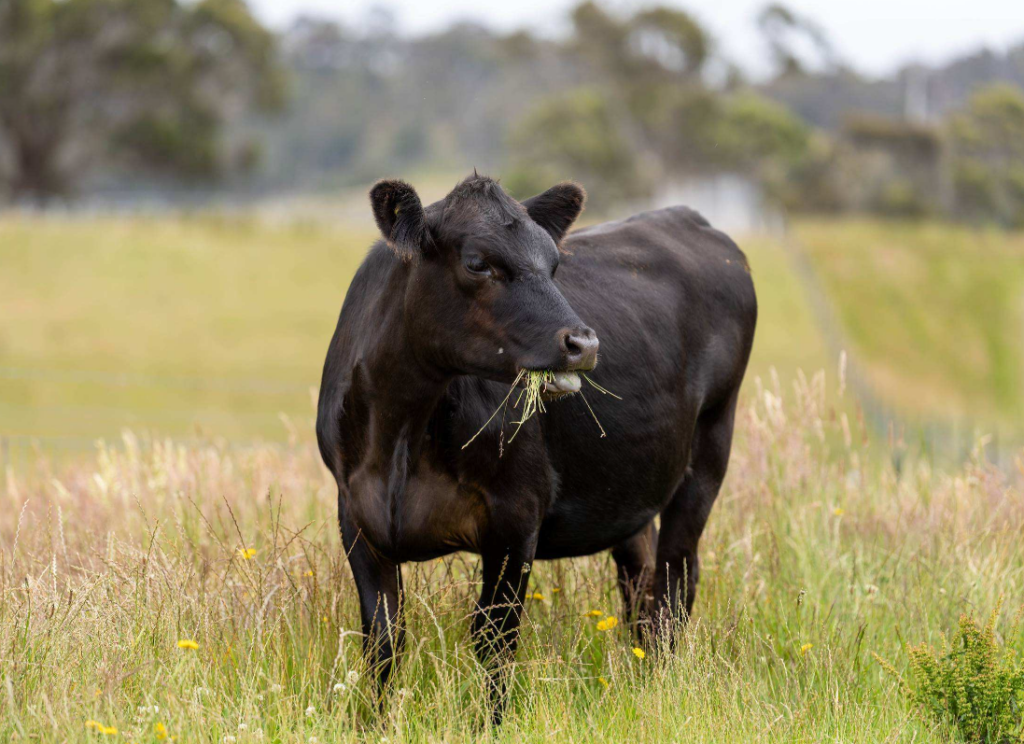
Testimony of Carlyle Currier President, Colorado Farm Bureau- Good morning, Chairman Thompson, Ranking Member Craig, and distinguished
members of the House Committee on Agriculture. My name is Carlyle Currier, and
I serve as the President of Colorado Farm Bureau. I am also here today representing
the American Farm Bureau Federation. I want to thank you for the opportunity to
join these committee proceedings and share my testimony.
I live and ranch on Colorado's western slope, in the rural community of Plateau
Valley — home to around 1,400 residents. Ranching is the lifeblood of our
community, sustaining families like mine since the 1880s. Our community is home
to many legacy ranches that are legally defined by the State of Colorado as
Centennial Ranches — ranches that have been continuously owned and operated by
the same family for more than 100 years.
Currier Ranch is one of those Centennial Ranches. My son Joel is the fifth generation
on the ranch. Joel and I raise beef cattle and ship calves in the fall when they come
off our U.S. Forest Service permit at around 600-700 pounds. Our beef is fed,
finished, and enters the supply chain for consumers. In our program, we also retain
ownership, which allows us to obtain proprietary data used to improve genetic
performance. For us, improving genetic performance translates into more efficient
use of our natural resources and yields a higher quality product for consumers, as
well as a premium price. Like many other businesses, in ranching, return is tied to
demand. The return on my investment in my own herd is forever tied to consumer
demand for American beef. As an aging rancher, I often run calculations as to how
tax liabilities impact today's bottom line and tomorrow's next generation of
ownership. Fortunately, Congress fortified long-term capital investments into the
beef industry by making permanent critical tax provisions in the One Big Beautiful
Bill Act passed last summer. Provisions like permanent estate tax exemptions and
business income deductions will enable farmers to invest back into their business,
encouraging herd rebuilding and empowering succession planning. Ultimately, I
look forward to the day when I can hand the reins over to my son because I know he
now has a better chance to succeed in producing American beef and carrying on the
legacy of the four generations before him.
Ranching in the West comes with many challenges. Unpredictable weather patterns,
long distances between livestock markets, and a shortage of veterinarians and
processors are just a few of those challenges. I'd like to thank the committee for
including necessary updates to the Livestock Forage Program, or LFP, the Livestock
Indemnity Program, and vitally important animal health programs. Due to these
changes, ranchers who experience a D2 or greater drought for four consecutive
weeks are eligible for LFP. Before, that timeframe was eight weeks.
As we are all aware, wildfires and predation in the West are an all-too-common
occurrence. Ranchers like me can now be indemnified for 100% market value of an
animal lost to predation and 75% for losses from adverse weather or disease. More
importantly, LIP will now cover unborn livestock losses occurring after Jan. 1, 2024.
Supply and Demand
We can discuss the programs that are there to help ranchers get through tough times,
but nothing helps a cattle rancher more than strong demand, fair and free trade, and
a consistent marketplace.
In a May 2026 Farm Bureau Market Intel, AFBF economists said that "Americans
are eating more meat than ever," and that "beef prices continue to set records driven
by strong demand and the smallest U.S. cattle herd in 75 years – a result of years of
drought and elevated operating costs that have led farmers to liquidate their herds."
According to data from USDA's Economic Research Service (ERS), the national
average retail price for all-fresh beef was a record-high $9.99 per pound in April
2026, up $1.50 per pound, or about 18%, from April 2025. When it comes to beef,
steaks are the king of the grill. According to data from the Federal Reserve Bank of
St. Louis (FRED), the national average price of all uncooked beef steaks in U.S.
cities was record high at $13.02 per pound in April, up 17% from $11.12 per pound
last year.
Behind these higher prices, the United States is navigating the lowest cattle supply
in 75 years. This smaller supply follows years of drought and elevated operating
costs that have led farmers and ranchers to liquidate their herds. Disruptions tied
to New World screwworm (NWS) restrictions along the southern border have
further restricted the domestic cattle supply.
On the other side of the beef price equation is demand, which traditionally climbs
even higher during the summer grilling months. This increased demand goes back
to the COVID-19 shutdowns when beef quickly became the meat protein of choice
for the majority of consumers who were now cooking at home.
USDA's September World Agricultural Supply and Demand Estimates (WASDE)
report estimates that 2026 total U.S. beef consumption will be approximately 28.9
billion pounds. While that is slightly lower than earlier forecasts, it remains
historically strong and well above pre-pandemic levels, highlighting the continued
demand for beef from American consumers.
USDA's September WASDE also projects total 2026 beef production is
approximately 24.9 billion pounds. Despite productivity gains from improved
genetics, management practices, and heavier cattle weights, domestic production
continues to be constrained by historically tight cattle supplies and the lingering
effects of years of drought, elevated costs, and herd liquidation.
It's important to note that projected beef production remains roughly 4 billion
pounds below expected consumption, a gap of nearly 14%. Put simply, Americans
continue to consume more beef than U.S. farmers and ranchers currently produce.
Closing that gap will require time, investment, and confidence from producers who
are considering whether or not to retain heifers and rebuild the national cattle herd.
One way farmers and ranchers have helped fill the gap between supply and demand
is by feeding cattle to higher weights. The average monthly live weight of all
federally inspected cattle in March 2026 was a record-high 1,475 pounds. This
follows the average monthly live weight rising every month since June 2025.
Heavier cattle mean fattier beef and a higher proportion of fat trimmings available
for use in ground beef production. According to data from Oklahoma State
University, ground beef makes up the largest portion of beef consumed in the United
States, accounting for slightly less than 48% of all U.S. beef consumed in 2025.
Ground beef is made from a combination of fat trimmings and lean trimmings. Due
to the abundance of fat trimmings from heavier domestic cattle, and the undersupply
of lean trimmings, the U.S. imports lean trimmings to balance the scale. This, along
with U.S. demand exceeding the domestic supply, has led to higher beef
imports over the last few years. During the first quarter of 2026, the U.S. imported
562,000 metric tons valued at nearly $4.5 billion – up 18% from the same period last
year and 122% from five years ago.
For beef prices to come down, ranchers have to rebuild the U.S. cattle herd, or
consumer demand would have to drastically cool. Looking ahead, cattle producers
still face substantial uncertainty that clouds herd rebuilding decisions.
It takes about two years from the time a farmer decides to retain a heifer until she
produces a calf of her own. This means if farmers begin retaining heifers now, it will
be 2028 at the earliest before those heifers' calves contribute to meaningful growth
in cattle supplies.
Production Costs
We greatly appreciate American consumers unwavering demand for beef and
understand the pressures families face at the grocery store because we face many of
those same pressures on the ranch. The cost of feed, fuel, equipment, veterinary
care, labor, and financing have all increased, and those are not expenses we can
simply choose to do without.
Recent Administrative Actions on Beef Imports
I'm not alone when I say that I was caught off guard by the recent decision to waive
the tariff rate quota (TRQ) on 300,000 metric tons of lean beef trimmings for 90
days. This beef will come from countries that have considerably lower production
costs and animal welfare standards, and fewer regulations, which allow them to
undercut cattle operations like mine.
The additional 300,000 metric tons are allocated across four specific tariff lines:
fresh or chilled certified organic lean beef trimmings, fresh or chilled lean beef
trimmings classified as "other," and their frozen counterparts. According to USDA's
Foreign Agriculture Service (FAS), through the first half of 2026, beef imports under
these tariff lines have totaled more than $3 billion on just over 370,000 metric tons
– with an average import value of nearly $8,200 per metric ton or $3.71 per pound.
Importantly, by raising the TRQ for the 300,000 metric tons, the out-of-quota tariff
rate of 26.4% is effectively waived. With an estimated current market value of
$2.5 billion for 300,000 metric tons of beef trimmings, the waived tariff amount
equates to nearly $650 million in waived tariffs for foreign-sourced beef – at the
expense of hard-working American ranchers who are now selling calves at
prices that are $300 to $400 below prices just two months ago.
To put it simply: the timing of this announcement could not have come at a worse
time. Many ranchers are currently deciding whether to retain heifers, purchase
breeding stock and begin rebuilding their herds.
Those are not short-term decisions. When a rancher retains a heifer, they are
choosing not to market that animal today in exchange for the possibility of future
calf crops years down the road. In many cases, it takes multiple years and multiple
calf sales before that investment pays for itself. If farmers and ranchers lose
confidence that those investments will earn a return, they simply will not expand
their herds.
Rebuilding the Herd
To better understand why cattle herd numbers matter and how they affect grocery
store prices, as well as how policy decisions can affect future beef supplies, it's
helpful to understand the entire production cycle.
The process begins when a cow gives birth to a calf. For the first several months of
its life, the calf remains with its mother, nursing, and grazing while receiving care
from farmers. The calf is typically weaned (removed from the care of its mother) at
6 to 10 months of age, when it weighs between 500 and 700 pounds. At this stage,
farmers have a big decision to make; they can either retain the calf for breeding or
sell it to begin the beef production process. Approximately 70% of cattle growers
have calves in the spring, which means they are marketed in the fall.
Option #1: Retain the calf for breeding purposes
By retaining the heifer (female) calf, the rancher chooses to expand their herd by
way of the heifer's future calves. In doing so, they forego any revenue they would
have received from feeding that animal for beef production. Retention rates have
dwindled in recent years due to ongoing drought and rising operating costs, driving
ranchers to market their heifer calves for beef production rather than keep them for
herd expansion.
At about 12-15 months of age, the heifer will be bred. Ranchers breed their heifers
to bulls selected for a variety of genetic factors to maximize the beef production
potential while also prioritizing the likelihood of a safe and healthy gestation
(pregnancy) period. Once bred, it takes 283 days for a heifer to produce a calf. Once
the calf is born, its mother (now considered a cow) will feed and care for it until it
reaches its desired weaning weight. At that point, the rancher again decides whether
to retain the calf for breeding purposes or market it for beef production. As for the
cow, the rancher will typically opt to repeat the cycle, waiting about 85 days to breed
her again to maintain a yearly calving interval.
A healthy, well-cared-for beef cow can typically produce calves until they are
roughly 10 years old. Once the cow reaches that age, the rancher will usually sell it
to a feedyard or finishing operation, where it is then sold to a meatpacker for
processing.
The retention of bull (male) calves for breeding purposes is less common, as ranchers
typically seek to breed their heifers and cows on bulls from other herds. However, if
a rancher raises and sells breeding animals with superior genetics (known as
seedstock) to other ranchers, they might choose to raise the bull calf separate from
their herd, with the hopes of marketing the bull's semen to other beef operations for
breeding purposes.
Option #2: Put the calf into the beef supply chain
If the farmer decides the calf will enter the beef supply chain, it will most likely be
placed in a feedlot or on pasture to grow. As the animal develops, it gains weight to
around 900 pounds over the next six to eight months, depending on the animal's
weight when this step begins. At about 900 pounds and roughly 18 months of age,
the animal is then typically finished in a feedlot where it receives a carefully
balanced diet designed to support growth and high-quality beef. Today's cattle are
often raised to weights approaching 1,500 pounds before being marketed.
Once cattle reach the desired weight, farmers and ranchers sell them to meat
processors (sometimes called packers). The beef is then graded for quality,
processed into larger wholesale cuts, and shipped as boxed beef throughout the food
system. From there, it moves to grocery stores, restaurants, food distributors and
export markets around the world.
The final step is the one consumers see every day. Beef is cut into familiar products
such as steaks and roasts and turned into ground beef for sale at grocery stores and
restaurants.
Domestic Markets
I mentioned earlier about premiums, and there is no better premium than a USA
label. We are thankful that the President and his Administration are continuing the
voluntary Product of the USA label that was proposed and finalized under his
predecessor.
This voluntary label can create increased opportunities for ranchers like me to
capture additional premiums within the market. Under the 2026 standards and
criteria for the voluntary label, the Trump Administration empowered Americans —
producers and consumers alike — to leverage the power of the free market.
Even though consumers often face sticker shock at the grocery store, data shows
price has not discouraged consumers from purchasing muscle cuts of beef. That
consumer loyalty is one of the reasons ranchers have confidence in the future of our
industry. In fact, demand has increased year over year. The consistently improved
quality of beef correlates with an inelastic consumer demand that has been
unmatched by other grocery staples. In reality, very little that is done in the public
policy arena compels retailers to lower prices. Suffice it to say, consumers both in
the U.S. and around the world cannot get enough of the high-quality beef produced
by American ranchers. We must continue to pursue open trade opportunities that
allow us to supplement our country's demand for lean beef. Producing high-quality
American beef and bolstering the market for primal cuts such as center-plate
proteins, equips producers to capitalize on premier retail opportunities that are
expanding like never before.
Durable regulatory and policy decisions have long been a hallmark of federal ag
policy that has provided much-needed sustainability for ranchers and their rural
communities. It is legislation like the farm bill that has provided the framework for
farm economies and our food systems.
As both a rancher and a consumer, I certainly recognize that we must carefully
balance producers' bottom lines and the affordability of our nation's food supply.
The challenge is that cattle production operates on a biological timeline that cannot
be rushed. Rebuilding the national herd requires long-term investments and
confidence in a return on those investments. Rebuilding the U.S. cattle herd demands
predictability just as our markets and consumers demand consistency, and
reactionary policy decisions often cause unrealized turbulence rather than
realized gain.
Thank you for having me here today, and I am happy to answer any questions the
Committee may have.
Click here to watch the full hearing "Increasing Demand and Opportunities for Homegrown Products Here and Abroad" at 9:30am ET.
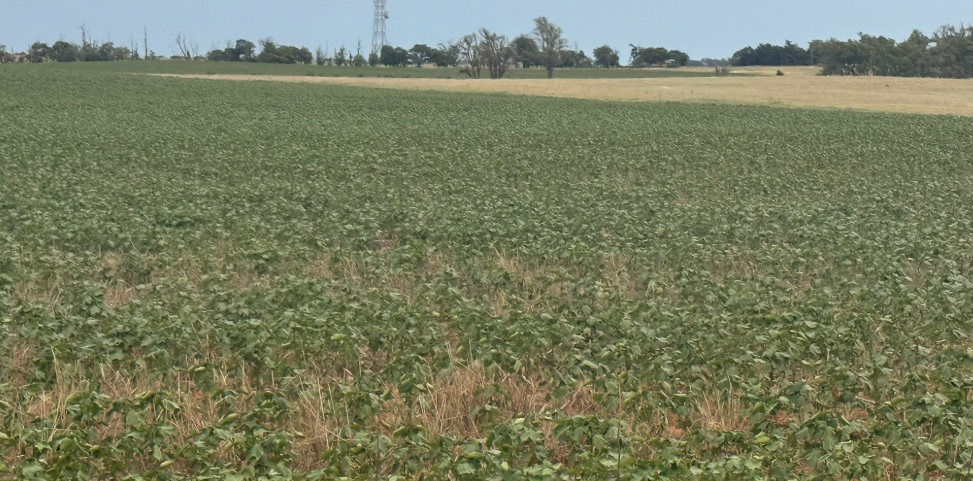
Severe heat and persistent drought have taken a heavy toll on the current Oklahoma cotton crop, leaving producers facing an uphill battle and prompting early harvest readiness across much of the state. Oklahoma State University Extension Cotton Specialist Jenny Dudak sat down with Farm Director KC Sheperd to provide an in-depth look at current crop conditions, key management steps, and upcoming research priorities for the season ahead.
Current Field Conditions and Crop Progress
The combination of prolonged drought and triple-digit temperatures has created significant challenges for cotton across the state. While dryland acreage and areas lacking irrigation water from district lakes have suffered substantially, small irrigated pockets with sufficient water—such as portions of the Carnegie, Hydro, and Fort Cobb areas—are still expected to make a crop.
Excess heat units, or growing degree days (GDUs), driven by 100-plus-degree daytime temperatures and warm overnight periods, rapidly accelerated maturity. In many fields, this accelerated progress pushed the cotton to what is technically considered harvest-ready as early as the middle of August. Dudak recommends that producers who determine their crop has failed contact their crop insurance adjusters immediately to schedule field visits and survey acreage in a timely manner.
Preparation for the Upcoming Growing Season
Looking ahead to next year's crop, growers will need to evaluate variety selection and herbicide programs carefully. Drought and heat stress severely impacted OSU's on-farm RACE trials, resulting in very limited variety performance data out of the university for the season. Producers are encouraged to coordinate directly with their seed representatives and review regional data to make well-informed planting decisions.
Monitoring the Cotton Jassid
Growers must also remain alert to potential pest challenges, specifically the cotton jassid, also known as the two-spotted cotton leafhopper.
OSU Research Plans
Despite the difficult season, Dudak noted that studying the accelerated crop development and boll development under extreme heat stress provided valuable insights from a research perspective. For the coming year, OSU plans to expand its research portfolio with several key projects:
he first annual Farm Athletes Benefit Golf Tournament and Charity Auction brought together 132 golfers, dozens of businesses and donors, a college basketball team and supporters from across Nebraska and beyond on Friday, September 11, at Lochland Country Club in Hastings.
Thirty-three teams filled the course for the four-person scramble, but the bigger number may have been the 37 companies and individuals that contributed cash, sponsorships, auction items or prizes to support the Farm Athletes mission.
Every dollar raised through the event will help fund scholarships for college athletes who were raised on farms and ranches.
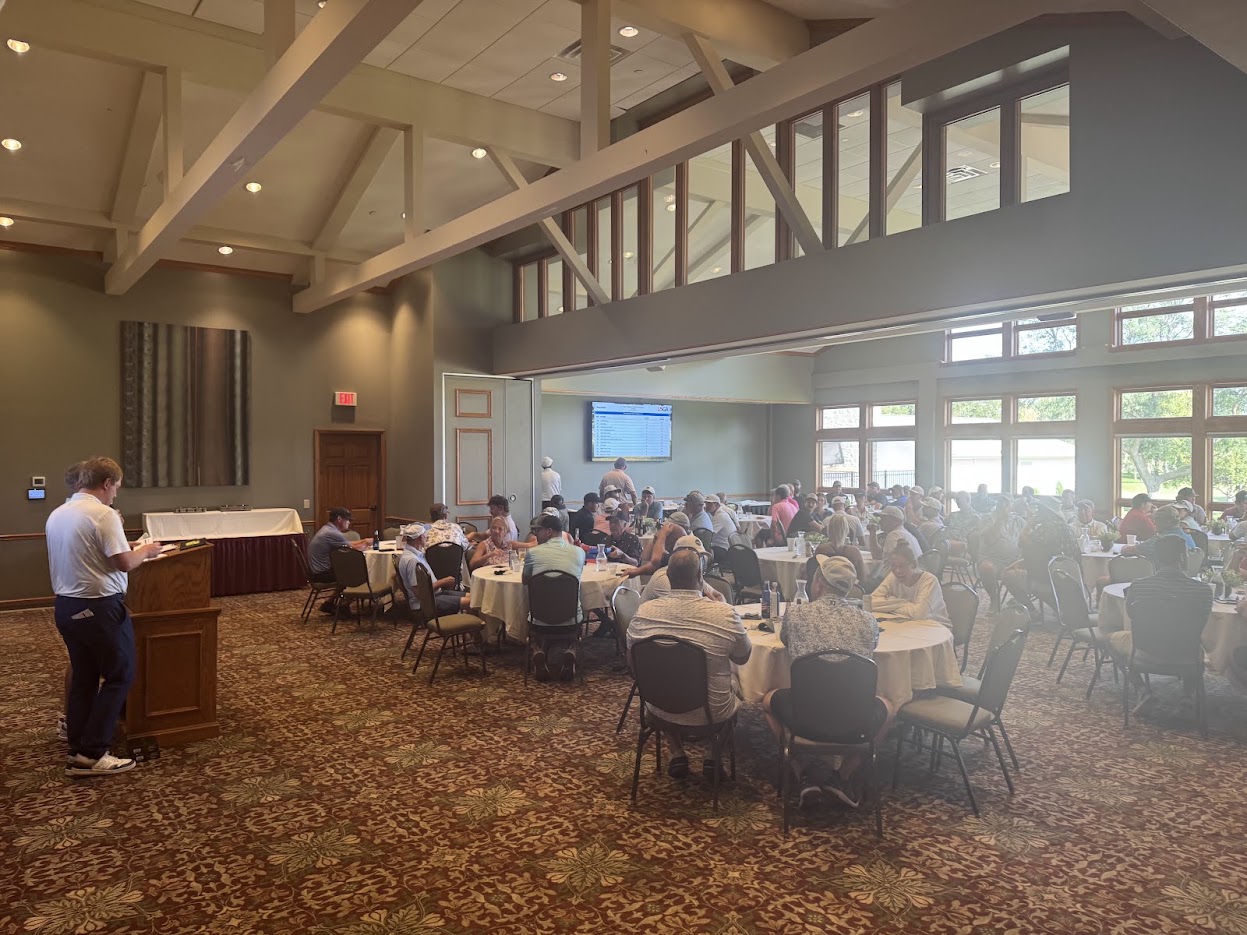
The day began with a 10 a.m. shotgun start and included a full slate of contests and activities throughout the course. Golfers competed in putting and chipping contests, Double Your Money and Roll the Dice games, a 50/50 raffle and a $50,000 hole-in-one challenge.
Lunch and a beverage cart kept teams going during the round before everyone gathered at the 19th hole for supper and awards.
Helping make all of it possible was the Hastings College women's basketball team. Players worked throughout the course and operated the games and contests, adding another group of college athletes to a day devoted to supporting their peers.
That willingness to pitch in captured much of what Farm Athletes was created to celebrate: the work ethic, community and sense of responsibility that are familiar to young people raised in agricultural families.
Pinnacle Bank served as the Title Sponsor and hosted the chipping contest, complete with custom cooler prizes. DWE Generations, Northwestern Mutual joined as Presenting Sponsor, Fraser Stryker PC LLO sponsored the 19th Hole, and High Street Insurance sponsored the $50,000 hole-in-one challenge on Hole 3.
Lochland Country Club hosted the tournament, while Tractor Tuesday provided the platform for the accompanying online charity auction.
The broader list of supporters showed just how far the Farm Athletes mission has already reached. Nebraska banks, agricultural companies, insurance agencies, professional firms and local businesses joined individuals and nationally recognized organizations in contributing to the event.
Auction items and prizes came from supporters including the United States Golf Association, Professional Rodeo Cowboys Association, Diamond Dallas Page, Kroenke Sports and Entertainment, Beck's Seed, Crooked Creek Country Club, Southern Hills Golf Club and numerous local businesses and individuals.
Thirteen custom and signed items were ultimately offered through the Tractor Tuesday charity auction, allowing supporters to participate even if they couldn't be at the golf tournament.
Farm Athletes began with a simple mission: help college athletes from farm and ranch backgrounds continue their education while recognizing the experiences that helped shape them.
The organization's inaugural class included 20 athletes attending 13 colleges and competing in eight different sports. Those students demonstrated just how broad the intersection between agriculture and college athletics really is.
They are football players, golfers, runners and competitors in other sports, but they also come from families that raise crops, cattle and livestock and keep agricultural communities moving. Farm Athletes exists to recognize that background and help those students take the next step.
The success of the first Benefit Golf Tournament gives the organization an opportunity to do even more.
With the tournament complete, Farm Athletes is turning its attention toward its next scholarship class.
College athletes from farm and ranch backgrounds are encouraged to apply for the Farm Athletes Class of 2027. If agriculture helped shape who you are and you're continuing your athletic career at the college level, Farm Athletes wants to hear your story.
Businesses and individuals can also help grow the program by making a donation. Every contribution helps Farm Athletes provide more scholarship support and reach more deserving athletes from agricultural communities.
The first golf tournament showed what can happen when those communities get behind a common cause. Thirty-three teams and 132 golfers showed up. Thirty-seven businesses and individuals contributed. College athletes volunteered their time. Organizations from Nebraska and across the country donated items and prizes.
Most importantly, all of that support is being put toward the next group of young people carrying their agricultural roots with them into college athletics.
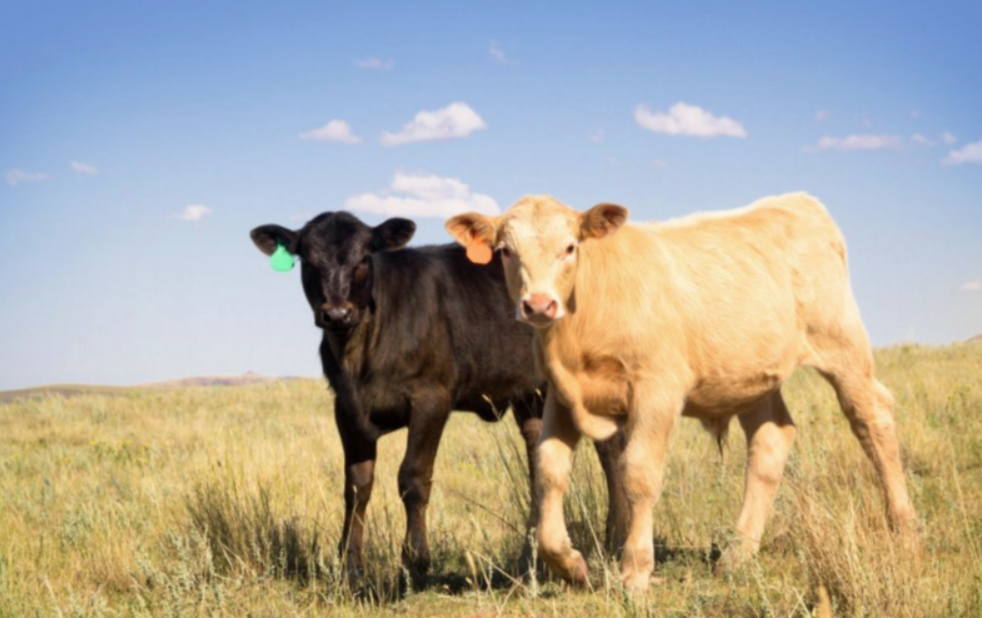
In today's Beef Buzz, senior farm and ranch broadcaster Ron Hays speaks with National Cattlemen's Beef Association's Kent Bacus during the American Wagyu Association's annual breed meeting in Oklahoma City. Bacus discussed uncertainty surrounding efforts to rebuild the U.S. beef cow herd, potential changes to livestock risk protection, trade with Canada and the importance of long-term stability for cattle producers. Part one of the conversation can befound here.
Bacus said uncertainty surrounding government intervention in the cattle market could make producers more hesitant to rebuild their cow herds. "I think that's the biggest thing of all," Bacus said. "The biggest concern is that any time the government starts to do this and they start to talk about where they're going to intervene in different segments of the market, it just throws cold water on anyone's ideas of trying to rebuild their herd or expand their operation."
He said the cattle industry is already dealing with challenges involving succession and keeping future generations involved in the business. "We have real succession issues and multi-generational issues we need to address," Bacus said. "The last thing we need is to encourage future generations to exit the industry."
Bacus said building a stronger cattle industry requires stability rather than additional uncertainty. "We need to really focus on building a strong, resilient cattle industry and cattle herd, and you don't do that with breeding uncertainty into the marketplace," he said.
Bacus said government officials do not necessarily need to be experts in the biological process of raising cattle, but he emphasized the importance of listening to the people working in the industry. "We would hope they would listen to the industry that actually works on this and can help them understand that it's important that we have that stable market, that stable opportunity to invest," Bacus said.
He also addressed discussion about potential modifications to livestock risk protection that could provide additional incentives for heifer retention.
Bacus stressed that such changes should not be confused with a heifer retention tax credit. "They're also looking at making some modifications to livestock risk protection to also incentivize further protections for heifer retention," Bacus said. "That is not a heifer retention tax credit."
He said NCBA does not support a heifer retention tax credit, arguing that government intervention of that type has not worked in the cattle marketplace. "So we do not want any kind of heifer retention tax credit. We don't," Bacus said. "That has never worked."
Bacus said other tools or incentives could be considered, but he wants those decisions to focus on the long-term needs of the cattle industry. "If there are other ways, other incentives, other tools that can be made available, that'd be great," Bacus said. "But we need USDA to look at that. We need them to consider what's actually good in the long term, not what's good for election day."
He said the goal should be using existing tools while allowing market conditions to provide producers with the incentive to rebuild. "Let's use the tools that we have," Bacus said. "Let's create a stable economy and a stable marketplace, and that is the economic incentive that producers need to rebuild the herd."
Bacus also discussed trade concerns involving Canada and said the U.S. cattle industry has not been caught in the same trade disputes affecting some other agricultural commodities. "For the beef industry, cattle sector in particular, we're still in a good spot because we're not in the crossfire," Bacus said.
However, he said continued discussion surrounding mandatory country-of-origin labeling, or M-COOL, and increased trade tensions could create additional uncertainty. "But the more rhetoric around M-COOL, the more saber rattling that happens," Bacus said. "All that does is just pick at old scabs and it throws greater uncertainty into the marketplace."
Bacus pointed to the amount of cattle and genetics that move between the United States and Canada as an important part of the relationship between the two countries. "The United States, we send a lot of calves north to Canadian feed yards, we also process a lot of cattle," he said. "A lot of them are U.S. born that are fed in Canada and come back to the U.S."
He said cattle also move through Montana into Alberta feed yards, while genetics are traded across the border throughout the production system. "There's a lot of cross-border trade with genetics in every segment of production," Bacus said.
According to Bacus, disrupting that relationship could create longer-term challenges for the cattle industry. "The more that we disrupt that broader relationship with Canada, the more damaging that's going to be in the long run," he said.
Bacus said the cattle industry needs flexibility in where cattle are fed and processed, rather than additional consolidation. "We don't need more consolidation in the industry. We need more flexibility. We need more independence," Bacus said.
He said producers and other parts of the cattle industry need the ability to operate where it makes the most economic sense. "We need to be able to feed our cattle where it's most competitive," Bacus said. "We need to be able to process them where it's most competitive. We need to be able to sell genetics where it's most competitive."
Bacus described Canada as a valuable trade partner for the cattle industry, while noting that continued escalation in trade tensions could create concerns. "Canada has been a valuable trade partner on this, and for now we're still in a good spot," Bacus said. "But the more this continues to escalate, that does raise a lot of concerns."
Bacus also discussed the broader U.S. beef trade picture, including access to China. He said China remains a significant market for U.S. beef, but uncertainty has limited the industry's ability to fully capitalize on that market. "China, while it is a massive market and it's been a 1.2 billion dollar export market this last year, it was a fraction of that, and it's because of the uncertainty," Bacus said.
He said there are still issues involving plant listings and residue concerns, which he argued are not supported by science. "Even though the president was able to get export certificates renewed, we still have a lot of issues surrounding plants being delisted and residue issues," Bacus said. "A lot of that is fabricated. None of it's really supported by science."
Bacus said long-term stability in international trade is important for cattle producers and identified enforceable trade agreements as an area where the U.S. government could provide that stability. "What we need is long-term stability," Bacus said. "That is where the U.S. government can actually deliver long-term, meaningful success for cattle producers is securing strong, enforceable trade agreements with our trade partners, starting with China, and then build on that success."
He said the cattle industry will continue watching developments involving Canada, Mexico, China and other trade partners. "I'm hoping that everything we're seeing with Canada, with Mexico, with all these other trade partners, I'm hoping that that is all going to pale in comparison to the big victory that the president can deliver when President Xi is here next week," Bacus said.
The Beef Buzz is a regular feature heard on radio stations around the region on the Radio Oklahoma Ag Network and is a regular audio feature found on this website as well. Click on the LISTEN BAR above for today's show and check out our archives for older Beef Buzz shows covering the gamut of the beef cattle industry today.
Today, House Agriculture Committee Ranking Member Angie Craig (MN-02) delivered the following opening statement at a full committee hearing entitled "Increasing Demand and Opportunities for Homegrown Products Here and Abroad." Watch the hearing here.
[As prepared for delivery.]
Good morning. I want to begin by thanking our witnesses for being here today.
We are here to discuss creating opportunities for America's farm families. I firmly believe that Congress and the current administration should do more to expand market opportunities at home and abroad for American agriculture. For example – and I may sound like a broken record on this point – making simple policy reforms like allowing year-round E15 would be a big help to the farmers I represent in Minnesota.
Instead, this administration can't seem to stop getting in its own way.
Earlier this Congress, Republicans and Democrats worked hard to get E15 included in an omnibus appropriations package, only to have that effort once again fail.
The administration destroyed USAID, which in previous years purchased roughly $2 billion worth of U.S.-grown agricultural products annually.
The administration canceled Biden administration programs that resulted in purchases of food from local farmers for our schools and communities.
The administration sold out American cattlemen by prioritizing 300,000 metric tons of Argentinian and Brazilian beef, even as our ranchers struggle to rebuild the U.S. herd. The president's govern-by-tweet approach has rattled cattle markets with small producers selling calves at $300-400 less than they were just a few months ago. That's money taken from farmers and handed to our foreign competitors; not exactly America First.
Congressional Republicans cut $187 billion in nutrition assistance, throwing millions of American citizens off SNAP – including more than 1.5 million children – resulting in less American food being bought and more hungry Americans. That represents around $25 billion in lost revenue for family farmers.
The administration canceled funding to help young and beginning farmers acquire farmland so they could get into farming.
The president declared a worldwide trade war. The American Farm Bureau calculates losses due to Trump's tariffs to be around $30 billion for the 25/26 crop year – and that's before he threw the latest trade grenade at Canada, one of our largest trade partners.
The administration began a war with Iran that sent the cost of fertilizer and fuel to record highs – farm diesel is at $6.31 per gallon, as of this morning.
I could go on. And on. And on.
The result of all these actions are lost opportunities and higher costs for farmers. Consequently, America's farm country is in crisis.
15,000 farms were lost last year, according to the USDA's own data.
Farm production expenses are forecasted to increase by $7.1 billion this year.
Farm bankruptcies were up 70 percent in the Midwest over the past year.
The administration brags about reducing the ag trade deficit, but it is not because farmers are exporting more — it is because Americans are importing less because they can't afford Trump's tariffs.
So, I say again: if we want to create opportunities instead of closing them out of markets and putting a bullseye on their backs with tariffs and trade wars – maybe the administration should start by getting out of its own way. When you've put yourself in a hole this deep, the first step to getting out is to stop digging.
I look forward to hearing from our witnesses today, who represent a wide range of perspectives and expertise. I hope to hear an honest assessment not only about what proactive positive things can be done to improve demand for their products – but also what this administration should stop doing that undercuts opportunities.
I will conclude with one final statistic, which I think speaks for itself: USDA expects direct government farm payments will increase by nearly 70 percent this year.
If the president was "winning" like he says, farmers wouldn't need 70 percent more in government payments this year than last year – they would be getting it from the marketplace, like they want.
Trump is running up a tab that hardworking Americans cannot afford. Congress must start standing up for farmers and stop giving this out-of-control president a free pass at the expense of farm country.
I yield back.
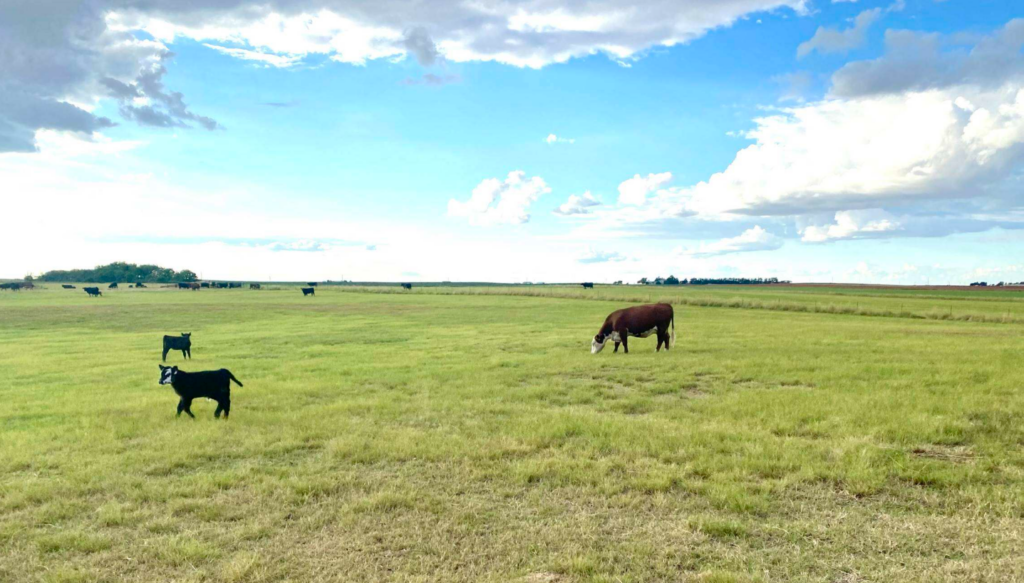
Today, the Public Lands Council (PLC) begins their 58th Annual Meeting, where federal lands ranchers and industry stakeholders come together with policymakers and administration officials to discuss all issues facing the ranching industry. For two days in Copper Mountain, permittees will refine PLC's policy book and set the advocacy agenda for the next year. Attendees will hear from the Bureau of Land Management (BLM) Director Steve Pearce, Department of the Interior Deputy Assistant Secretary Brenda Younkin, U.S. Forest Service officials, and many more.
"This past year has been nothing short of historic for ranchers who graze on federal lands. Those victories, including the Public Lands rule repeal and updated grazing regulations, came from years of effective advocacy and policymaking through our grassroots policy process at this meeting and many others across the West. We are not going to stop here, because our members are always looking ahead to emerging challenges and opportunities to keep the industry at the forefront of land stewardship," said PLC President Tim Canterbury. "We still have work to do on predator management like delisting gray and Mexican wolves, addressing land conversion risks that remove grazing, and the increasing threat of catastrophic wildfire. Annual Meeting is the time the western grazing community comes together to face common industry issues and I am so excited to tackle these issues with everyone."
PLC58 takes place as permittees have seen tremendous progress on generational challenges that have plagued the industry. Finality in greater sage grouse management plans, clarity and consistency between the Bureau of Land Management and U.S. Forest Service grazing policy, and the landmark recission of the Public Lands Rule have all increased certainty for public lands ranching.
"Annual Meeting always features strong policy debates, discussing the wins from the past year and developing strategic plans to protect public lands access and the ranching lifestyle for generations to come. After years of wildfires, drought, and regulatory overreach, grazing permittees are finally seeing some relief," said PLC Executive Director Kaitlynn Glover. "Each year, I am encouraged by the enthusiasm and resilience that is universal across our membership. They come to this meeting to set priorities for how PLC represents them in Washington, DC and around the country."
The USDA released the latest World Agricultural Supply and Demand Estimates (WASDE) on September 11, 2026. These are the first updates to last month's survey-based yield estimates and adjusted area estimates using data from the USDA Farm Service Agency (FSA) certified acres (Maples, 2026). This month's WASDE report continues to refine those yield and acreage estimates. Overall, the September report forecasts increased prices for most crops, relative to the August forecast.
There was little change in projected harvested acres, compared to the August report. Sorghum forecast harvested acres decreased by 3.7% compared to the August projection, to 5.2 million acres. This change was driven by 50-thousand-acre declines in planted acres in both Kansas and Texas. Peanuts had a 0.9% decrease in projected harvested acres, due to small declines across a number of states. Corn, cotton, rice, and soybeans all had less than a 0.5% change in predicted harvested acres, relative to the August forecast.
Forecasted yields were down for the most part, relative to August. Upland cotton showed the largest decline at 2.8%, to 766 lb. per acre, which would mark a 9.0% decrease compared to last year. Texas – the largest cotton producing state – is forecasted to have a 15.8%-lower yield than last year, driving the decreased national yield. Drought across the Texas High Plains is the main cause of the lower forecast cotton yield, as 63% of US total cotton acres are in areas of drought. Sorghum yields were predicted to fall by 1.8% to 54.4 bu. per acre, also due to the drought across the Southern Plains. If realized, this would mark a 25.1% decrease in yield compared to 2025. Peanut yields are forecast 1.9% lower than August, due to decreases across most of the peanut-producing states. This is prior to any impacts that may occur from the closing of the Delta Peanut facility in Arkansas (Reneau, 2026). Lastly, corn yields are forecast down 1.2% nationwide, while rice and soybeans are up 0.6% and 0.2%, respectively.
These updated yield and acreage levels have led to decreased production estimates for most crops. Cotton and sorghum had the largest drop in production compared to the August forecast, at 3.0%. Peanuts are projected to have a 2.8% decrease in production, corn a 1.3% decrease, and rice a 0.1% decrease compared to August. In contrast, soybean production is up 0.4%.
Forecasted marketing-year prices increased for all crops except for rice (table 1). Sorghum had the largest rise (7.0%), followed by corn (6.7%), soybeans (5.3%), and upland cotton (4.0%). Despite an increase in estimated soybean production, soybean prices were buoyed by increased expected usage due to higher exports. While this month's WASDE report provided more information about the size of this year's crop, these values will continue to be refined throughout the rest of the year in subsequent reports.
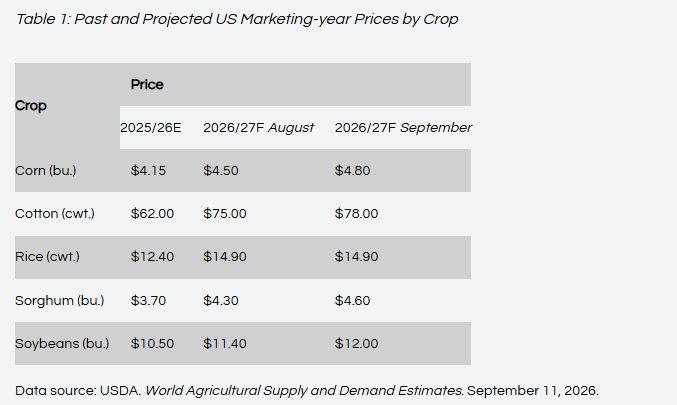
Sawadgo, Wendiam. "September WASDE Forecasts Lower Production, Higher Prices for Most Crops." Southern Ag Today
House Committee on Agriculture Chairman Glenn "GT" Thompson (PA-15) delivered the following opening statement at today's full committee hearing, "Increasing Demand and Opportunities for Homegrown Products Here and Abroad."
Remarks as prepared:
Good morning, everyone. Thank you for joining us today as we discuss some of the agricultural programs, policies, and tools we have at our disposal for enhancing demand of homegrown agricultural products, both here and across the world.
Thank you especially to the expert witnesses joining us today. We look forward to hearing your experiences and perspectives on this vital matter.
Everything we do on this committee is tied to the principle of supporting American producers. I am extremely proud of the work this committee has done over the last few years, and I am grateful for those Members on both sides of the aisle who stepped up on behalf of the American producer.
We passed the largest investment in American agriculture in a generation last summer. We passed a farm bill from the House of Representatives in April, and I look forward to the Senate upholding its end of the bargain soon. We also got the Whole Milk for Healthy Kids Act signed into law, and the House passed legislation to approve year-round E15 sales.
We have stepped up to the plate when economic assistance is needed, and—most importantly—we have put thoughtful policies in place to build a stronger foundation for the farm economy over the long term. Just next month, producers will begin seeing the modernized commodity payments made possible by last summer's Working Families Tax Cuts.
Outside of the agriculture title, this legislation also included historic tax savings for producers. Provisions such as estate tax relief, immediate expensing, and capital gains deferral on land transfers are all designed to keep farms in the family and support the next generation of producers.
The House Committee on Agriculture has done its job in the 119th Congress, and I look forward to continuing this work through the end of the year and beyond.
Supporting American producers is inherently linked to the idea of increasing demand — largely because American producers are so good at what they do.
Over the last hundred years, we have seen total farm output in the U.S. triple.
Thanks to innovation, investment, and the hard work of American producers, our country yields far more agricultural products than we could ever consume at home, even in years of lower harvests.
This dramatic increase in supply leaves both producers and lawmakers with different challenges and opportunities that must be addressed.
From a national security perspective, American agricultural abundance is one of the greatest assets we have as a nation. Food security is national security, and the simple fact that our farmers and ranchers more than provide for our citizens is a strength, not a disadvantage. We should all remember that.
Even still, American producers need demand to match this exceptional supply. Our policy tools must advance alongside the innovations that have enabled our producers to create this stunning rise in productivity.
This has been a guiding principle of this committee, and I am proud to see this take shape in the policy we have championed over the last several years.
Last summer, through the passage of the Working Families Tax Cuts, Congress doubled the funding allocated for trade export promotion programs. These are programs that work hard to get American agricultural products on shelves around the world. This was a stated priority of nearly every single Member of this committee, on both sides of the aisle.
This legislation also included increased funding for the Technical Assistance for Specialty Crops program, which helps producers navigate non-tariff trade barriers that threaten the export of U.S. specialty crops.
The bipartisan spirit of funding these programs was carried into the Farm, Food, and National Security Act of 2026, which included over 100 bipartisan pieces of legislation within it — many of which are focused on increasing demand for homegrown ag products.
One of these is the Wood Innovation Grants program, which invests in projects producing new and innovative forest products, such as wood pellets and mass timber. When foresters have more flexibility in what products can bring to market, their potential for sustainable revenue growth increases dramatically, both at home and abroad.
Another program we strengthen in the new farm bill is the BioPreferred Program, which works to increase the development, purchase, and use of biobased products, which include everything from biofuels to construction materials to fertilizer. This plays a significant role in expanding markets and creating new revenue streams for American producers.
There are also important policy levers available that fall outside of this committee's jurisdiction, such as the Grown in America Act and the Buying American Cotton Act, which would use tax incentives to encourage greater use of U.S.-grown grains and cotton in finished products sold to American consumers. While this falls under the jurisdiction of the Ways and Means Committee, I look forward to hearing our witnesses today speak on the potential impact these proposed pieces of legislation would have on American producers.
I am well aware that times are tough in the farm economy today. It is a situation that has been years in the making and farmers are feeling the pain.
While Congress and the Administration have provided some short-term relief, it is important that we do not lose sight of the policies that can provide for a durable long-term recovery.
Again, thank you to each of our witness for taking the time out of your busy schedules to join us and share your perspectives on the critical topic of increasing long-term demand for American producers.
With that, I now yield to Ranking Member Craig for her opening remarks.

The State Treasurer's Office has implemented major modernization efforts to statewide payment systems, replacing aging legacy systems with a more secure, streamlined, and sustainable platform designed to better serve state agencies and the people of Oklahoma. During this process, OST's staff have discovered isolated issues within the system which have been worked on 24/7 since discovery. The Oklahoma Tax Commission in consultation with the State Treasurer's office has elected to temporarily pause tax refund payments until the issues are fully identified and addressed. This is expected to be a very short period and appreciate the taxpayers patience as we ensure the transition of this magnitude continues to provide security, efficiency and longevity for the systems serving the state.
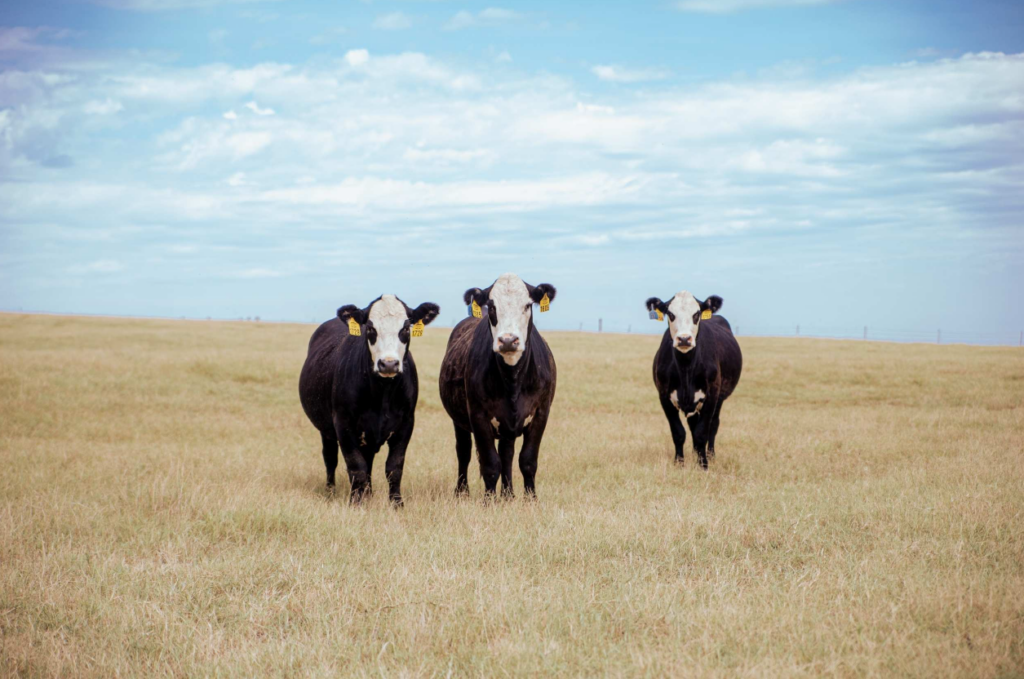
Oklahoma State University Extension is offering a new Ag Econ After Hours series designed to help producers work through current agricultural and economic decisions. Northeast Area Extension Specialist Scott Clawson said in an interview with associate farm reporter Carli Davenport that the series was developed around questions producers are bringing to county Extension offices and will provide information in a format that producers can access on their own time.
Clawson said the series is intended to address issues producers may be facing as they head into the fall. "It's just a way for us to tackle some of the current issues that producers might be facing, and some of the topics that may be coming into our county offices that we're getting questions about," Clawson said.
Rather than providing producers with a single answer for complicated market decisions, Clawson said the sessions will focus on the factors that should be considered. "Markets move up and down, so we don't have any—it's not going to be necessarily about coming up with a firm answer," he said. "But it's going to be looking at what are some of the things that are going to go into the decision, and maybe kind of building a framework for producers to kind of work through as they're making that decision on their place."
The first two sessions will focus on fall cattle decisions, including what producers should consider when dealing with cull cows and calves. "The first couple we wanted to get in kind of before we started seeing the big sale barn runs," Clawson said. "We're going to tackle kind of what to do with cold cows this fall, and then what to do with calves this fall as well."
Ag Econ After Hours will feature six sessions beginning September 21, with a new discussion available each Monday for six weeks.
Clawson said the sessions are pre-recorded earlier in the day and delivered to participants by email at 6 p.m the day of the discussion. "Those folks that sign up will get an email at 6 p.m. that night, and it'll just be a link to that particular discussion," he said. "So they can log on immediately or whenever they get time."
The pre-recorded format is designed to give producers flexibility while still providing access to the information.
The six-session lineup will cover several agricultural economic topics. Clawson said he is particularly interested in the market-focused sessions, but also highlighted virtual fencing and agricultural tax decisions.
"Virtual fencing's gotten really popular out there right now," he said.
Clawson will be joined by Callie Clifton, his counterpart in Southeast Oklahoma, for the virtual fencing discussion. "She's going to tackle the virtual fencing issue. I think that one will be really good," Clawson said.
Another topic Clawson is looking forward to is taxes, particularly the decisions producers face when considering equipment purchases at the end of the year. "Personally, I'm really—sounds strange to be excited about a tax topic—but the tax one about kind of the age-old decision of do we pay taxes, do we buy some equipment, how do we navigate kind of those fall decision-making issues on taxes?" he said.
Clawson said the topic becomes more interesting when producers take a closer look at the decision-making process. "I think is really interesting once you kind of dive into the process and look at it a little further," he said.
Producers interested in participating can sign up by contacting Clawson through email or by reaching out to their local county Extension office.
Clawson said, "The easiest way is just to email me. scott.clawson@okstate.edu.
Producers who already work with a local county office can also ask staff there to help them register. "If you've got a local county office that you work with, you can pop in there and tell them you want to sign up, and they'll shoot an email over to me," Clawson said.
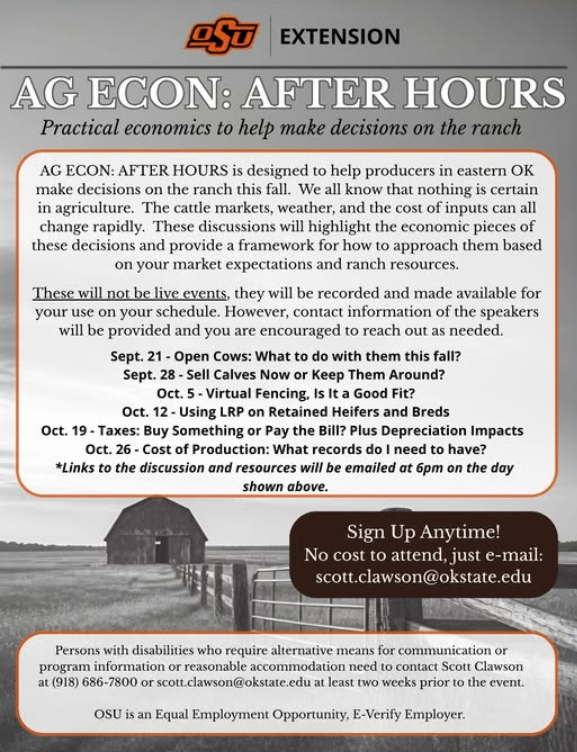
RON's Dave Lanning has a pre-opening look at today's agricultural Markets.
Click the audio tab below for today's report.
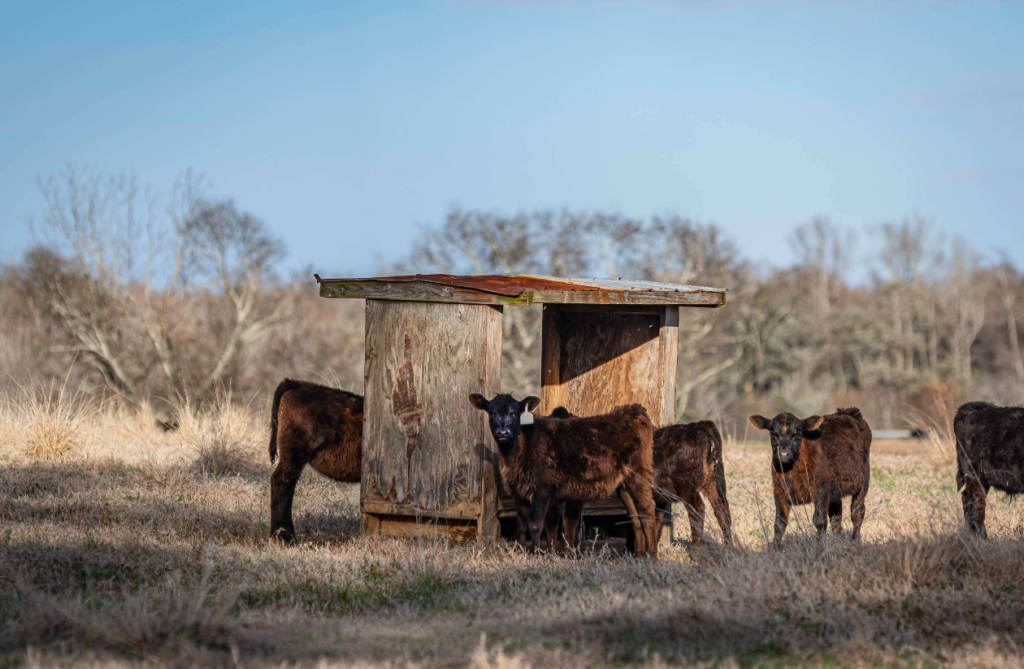
A mineral buffet allows cattle to choose from a variety of minerals based on their needs. While commercial units are available, Oklahoma rancher Ethan Beasley built his own using an old trailer, scrap metal and lumber. The result is a portable, weather-protected mineral feeder that can be moved from pasture to pasture and customized to fit any operation.
The design is simple: a repurposed trailer lined with wood, divided into individual mineral compartments and covered with a metal roof to keep minerals dry. The key is building it sturdy enough to withstand curious cattle and daily use.
Materials:
Instructions:
A mineral buffet won't replace good grazing management, but it can provide cattle access to a wider range of mineral options while giving producers a durable, portable feeding system built largely from materials already sitting around the ranch.
National Sorghum Producers congratulates Luke Lindberg on his selection to lead the United Nations World Food Programme and thanks him for his service to American agriculture as USDA undersecretary for trade and foreign agricultural affairs.
"Luke understands the role American sorghum farmers play in feeding people around the world," said NSP Chair Amy France, a sorghum farmer from Scott City, Kansas. "We appreciate his leadership at USDA and his commitment to connecting U.S. agriculture with global needs. We congratulate him on this new role and look forward to continuing to work together to fight global hunger."
U.S. sorghum farmers have long contributed to international food assistance through programs like Food for Peace. NSP looks forward to working with Lindberg to strengthen the connection between American-grown commodities and the communities that depend on lifesaving food assistance.

Today, House Committee on Agriculture Chairman Glenn "GT" Thompson (PA-15) and House Committee on Financial Services Chairman French Hill (AR-02) issued the following statement after the CLARITY Act did not receive the procedural votes to advance for consideration in the U.S. Senate:
"Today's vote does not change the need for Congress to enact clear rules of the road for the digital asset ecosystem. Only Congress can provide the lasting legal certainty that consumers and businesses need to participate in these markets with confidence and necessary protections.
"The House has worked across multiple Congresses to establish a functional digital asset market structure framework for the digital asset ecosystem. Until statutory certainty is achieved, we look forward to partnering with the federal financial regulators as they utilize existing authorities to develop rules and issue guidance governing digital assets.
"We remain committed to continuing to work with our Senate colleagues to send critical framework legislation to the President's desk that secures the United States' leadership in financial innovation."

General Revenue Fund collections in August totaled $604.4 million, which is $7.8 million, or 1.3%, below the monthly estimate. This total is also $5.3 million, or 0.9%, above collections from August 2025.
GRF collections for the first two months of fiscal year 2027 stand at $1.1 billion. This is $15.6 million, or 1.4%, below the year-to-date estimate and $87.5 million, or 7.2%, below collections from the same period in FY 2026.
"Collections remain generally in line with expectations for the early months of the new fiscal year," said OMES Director Mark Wood. "While timing factors and variability in corporate income tax affected some categories, the broader picture remains steady, with several major revenue sources performing well against estimates and year-over-year totals."
August 2026 revenue tables are available on the OMES website.
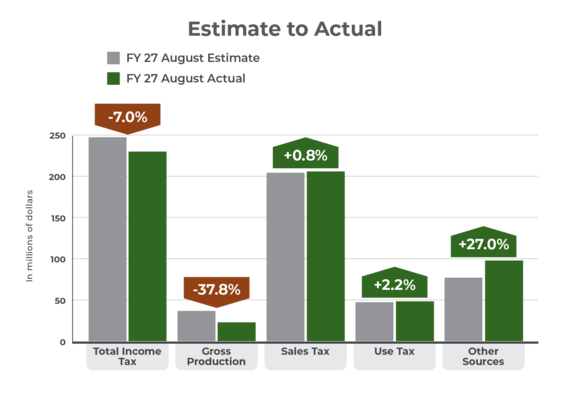 |
Bar chart depicting August 2026 General Revenue Fund collections compared to the monthly estimate across five categories.
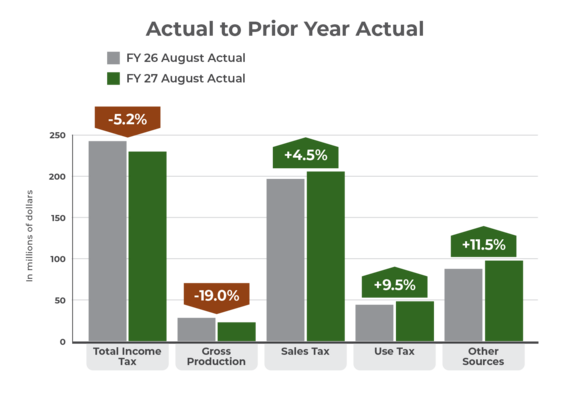 |
Bar chart depicting August 2026 General Revenue Fund collections compared to August 2025 collections across five categories.
As state government's main operating fund, the GRF is the key indicator of state government's fiscal status and the predominant funding source for the annual appropriated state budget. GRF collections are revenues that remain for the appropriated state budget after rebates, refunds and other mandatory apportionments, and after sales and use taxes are remitted back to municipalities. In contrast, gross collections, reported by the state treasurer, are all revenues remitted to the Oklahoma Tax Commission.
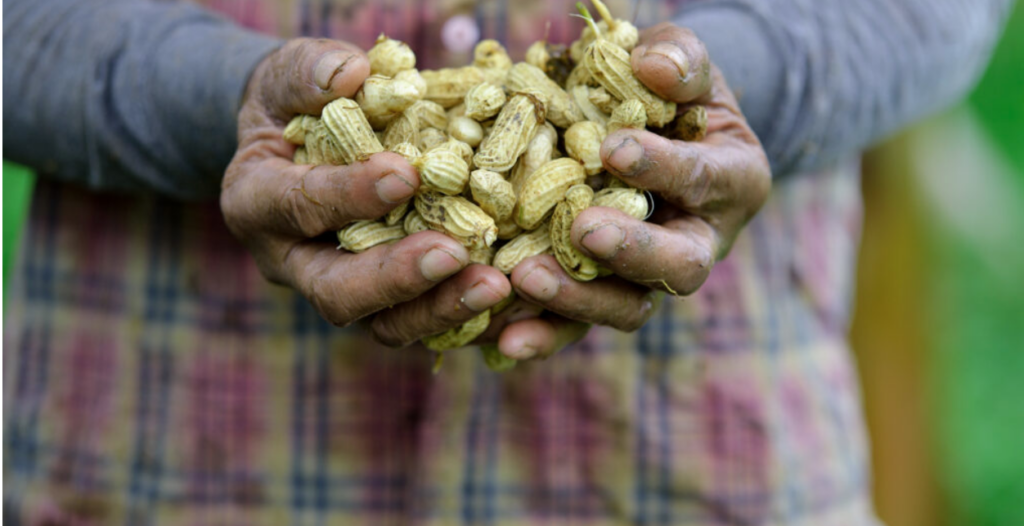
Oklahoma peanut and cotton producers will have the opportunity to see the latest field trial research, pest management strategies, and crop management insights firsthand during the 2026 Peanut & Cotton Field Day on Thursday, September 17, 2026. Hosted by Oklahoma State University Agriculture and the Division of Agricultural Sciences and Natural Resources, the event takes place at the Caddo Research Station, located at 28054 County Street 2540 in Fort Cobb, Oklahoma.
The event features an extensive lineup of field demonstrations, research presentations, and networking opportunities tailored directly to regional row crop growers. The afternoon kicks off early with a peanut blasting demonstration at 2:30 p.m., followed by official event check-in at 4:30 p.m. The main program runs from 5:00 to 8:00 p.m., with dinner served on-site at 7:00 p.m.
Specialists and researchers from OSU Extension and the USDA Agricultural Research Service (USDA-ARS) will lead discussions across a broad range of production challenges, including:
The event is presented in partnership with USDA, Helena Agri-Enterprises, LLC, and the Oklahoma Peanut Commission. For additional details regarding the field day, producers can contact the OSU Field & Research Service Unit at 405-744-9607 or email agfielddays@okstate.edu, and learn more online at agriculture.okstate.edu.
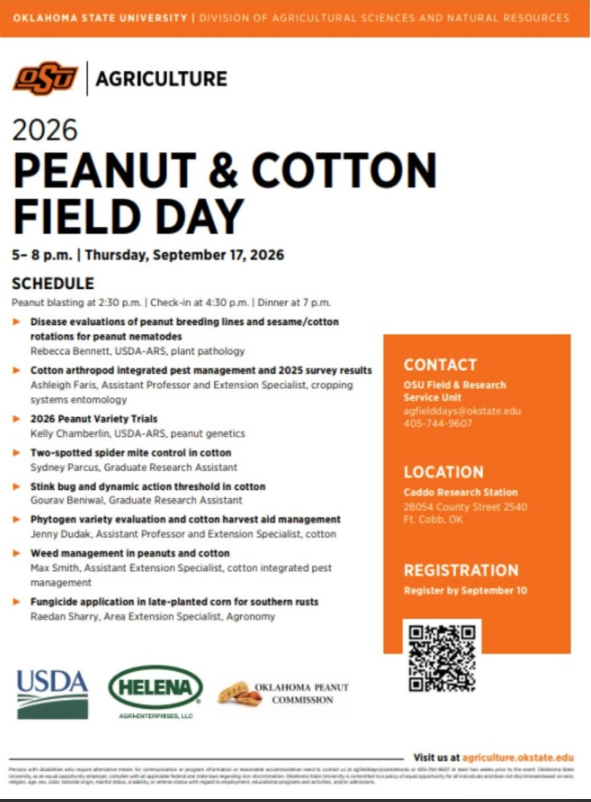
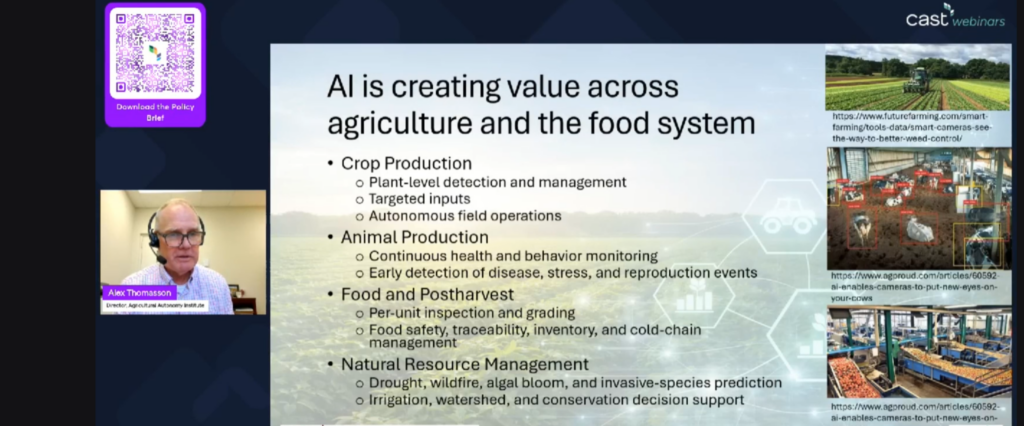
The true value of artificial intelligence in modern production agriculture is rapidly shifting beyond static data analysis into dynamic decision support and direct, physical action in the field. During a recent Council for Agricultural Science and Technology (CAST) webinar, Alex Thomasson, Director of the Ag Autonomy Institute, and Andres Ferreyra, Chair of ISO/TC 347, outlined how AI is graduating from merely organizing spreadsheets to driving autonomous machinery and plant-level management. However, capturing the full economic promise of these emerging tools requires addressing critical digital infrastructure gaps, industry interoperability standards, workforce shortages, and data governance policies that directly impact farm-level adoption.
The Evolution Toward Physical AI
For three decades, precision agriculture centered on collecting, mapping, and displaying field variability across broad management zones. Today, AI systems interpret massive, nonlinear datasets to identify patterns, predict outcomes, and recommend field actions. Thomasson explained that the industry is now entering the era of "physical AI," where artificial intelligence connects perception and reasoning directly to autonomous mechanical tasks.
While industrial robots function effectively in highly structured environments like automotive plants, agricultural production presents unique biological and environmental hurdles:
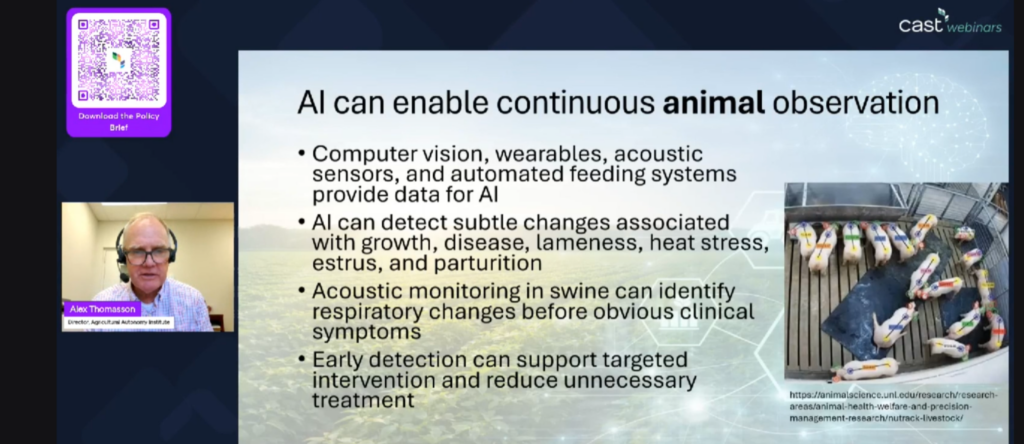
Creating Real-World Value Across Production Sectors
Despite these operational complexities, intelligent systems are already delivering tangible efficiency gains across multiple sectors:
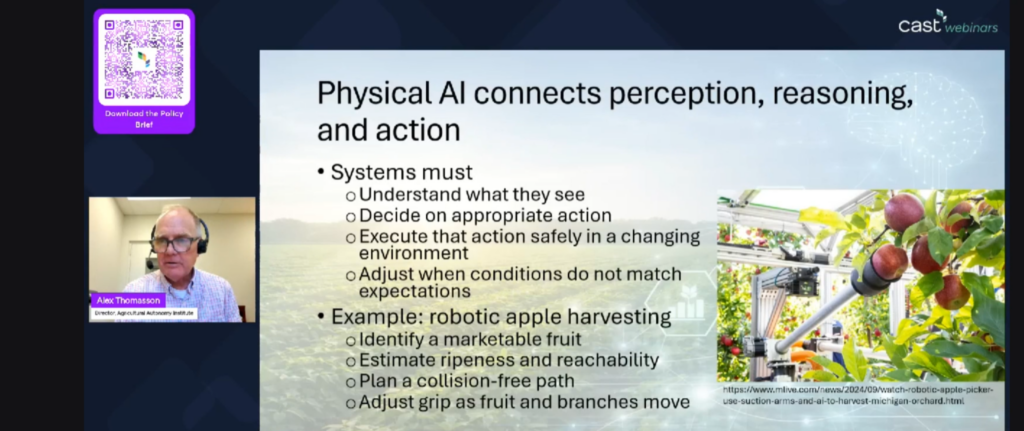
Infrastructure and Policy Hurdles to Widespread Adoption
Thomasson and Ferreyra stressed that software algorithms alone cannot ensure reliable farm operations. Broad implementation depends on addressing several foundational policy and infrastructure needs:
Adoption of autonomous technology will likely occur unevenly, expanding first in regions with reliable digital infrastructure and robust local technical support. Moving forward, independent field validation and transparent policy standards will prove vital to ensuring these tools protect farm profitability and operational freedom.
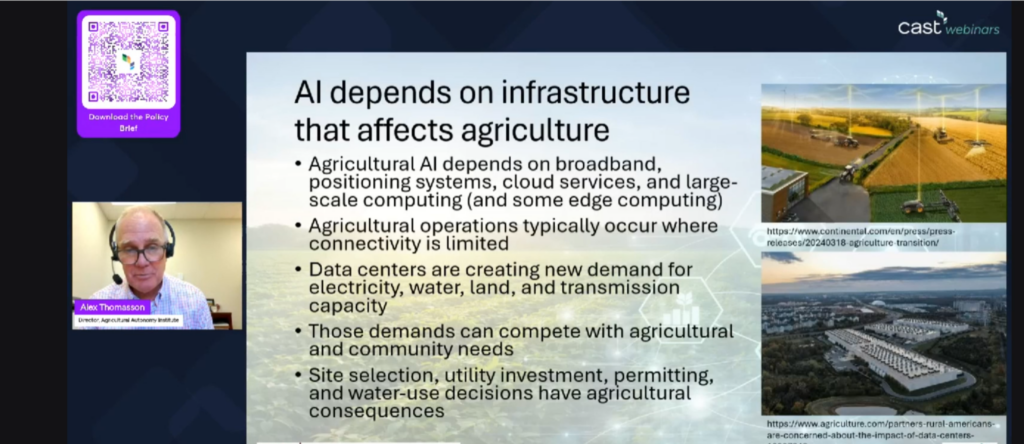

As horse owners, we spend a great deal of time making sure our horses have access to quality feed, hay, pasture, and water. Yet despite our best efforts, toxicities can still occur. Whether the source is a poisonous plant, contaminated feed, mold, or even an unexpected environmental hazard, recognizing the problem quickly and gathering the right information can make a critical difference.
One of the biggest clues that a toxicity issue may be involved is the sudden onset of illness, particularly if multiple horses are affected at the same time. While infectious diseases usually spread over a period of time, toxins can cause several horses to become sick within hours of one another. Signs may range from digestive upset and neurologic abnormalities to severe illness or, in rare cases, sudden death. Situations involving a new batch of hay, a new feed source, changing pasture conditions, or unusual environmental events should raise suspicion and prompt further investigation.
If you suspect a toxicity problem, your veterinarian should be your first call. At the same time, start gathering information. Equine experts recommend collecting hay, feed, and water samples as soon as possible and keeping duplicate samples for future testing if needed. If commercial feed is involved, save feed bags, lot numbers, and product labels. These details can be invaluable if contamination is suspected or additional testing becomes necessary later in the investigation.
Good recordkeeping can also help solve the mystery. Write down recent management changes, feeding schedules, weather conditions, and any unusual observations. What was different in the horses' environment during the last few days? Was a new bale of hay opened? Were horses moved to a different pasture? Was there storm damage that brought down tree branches or allowed access to unfamiliar plants? Small details can provide important clues.
Pastures are often the focus of toxicity investigations, particularly during drought or overgrazing conditions. Horses typically avoid many poisonous plants when adequate forage is available. However, during periods of limited forage, hungry animals may consume plants they would normally ignore. Toxic species are commonly found along fence lines, in wooded areas, around wet or swampy locations, or in disturbed ground where desirable forage struggles to grow. After storms, branches from toxic trees may also become accessible to curious horses.
Not all feed-related toxicities come from plants. Mold and mycotoxins can also cause significant health problems. A feed bin that allows moisture intrusion, moldy feed, or contaminated hay can result in neurologic signs and other serious symptoms. Because mycotoxins are not always visible and may not be evenly distributed throughout feed or forage, proper sampling and laboratory testing are essential when they are suspected.
One important takeaway from the discussion was that diagnosing toxicities often requires teamwork. Veterinarians, Extension educators, forage specialists, feed suppliers, and horse owners all play a role in identifying the source of a problem. Building relationships with these professionals before an emergency occurs can make it much easier to access expertise when you need it most.
Perhaps the best preventive measure is simply knowing your horse. Daily observation allows owners to recognize subtle changes in behavior, appetite, or attitude before a small problem becomes a serious one. If something seems off, trust your instincts. Remove any suspicious feed or forage, document what you observe, and seek veterinary guidance. Early action may help protect not only the affected horse but also others sharing the same environment.
When it comes to toxicities, a little detective work can go a long way. Staying observant, maintaining good records, and being familiar with potential hazards in your horse's environment can help keep your horses safe and healthy. For additional information on toxic plants, feeding management, and pasture safety, consult your local Extension office or visit Oklahoma State Cooperative Extension resources.
Article by OSU Equine News
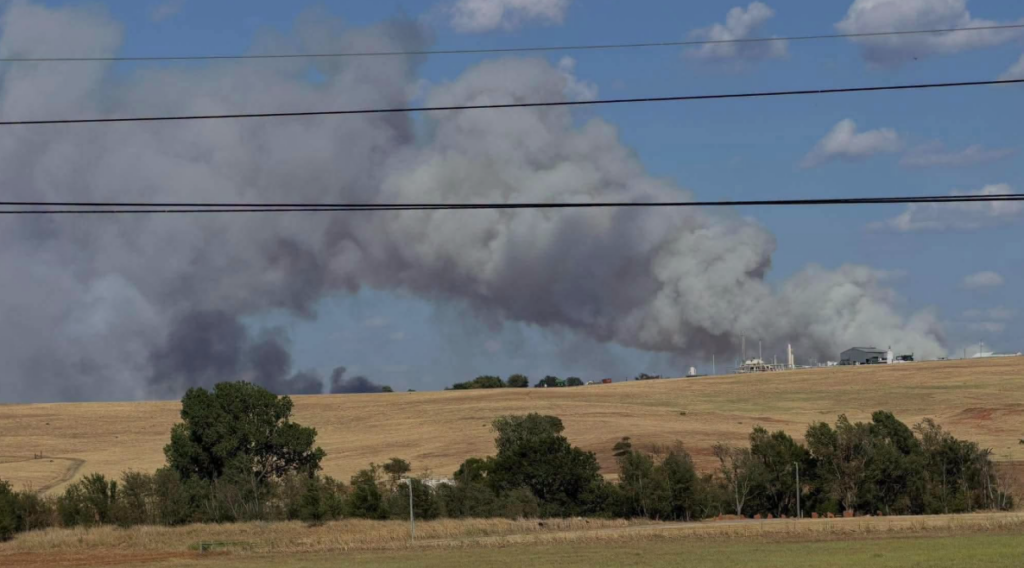
Pic courtesy of Western OK Fire Coverage Facebook page
The Gracemont Fire ignited on September 13 in northern Caddo County approximately 6 miles east of Binger. Pushed by strong southerly winds and severe drought conditions, the fire expanded rapidly through cured timber, grass, and understory, spreading toward southwestern Canadian County. This fire continues to be a very active fire with crews that will remain out once again with suppression efforts to try and gain some on containment. Oklahoma Forestry nor NFIC has updated any information throughout the day or so far tonight so it is still showing over 3,000 acres and 0% containment.
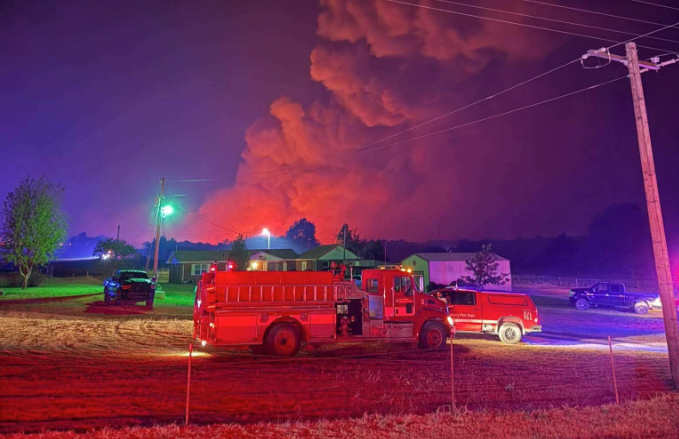
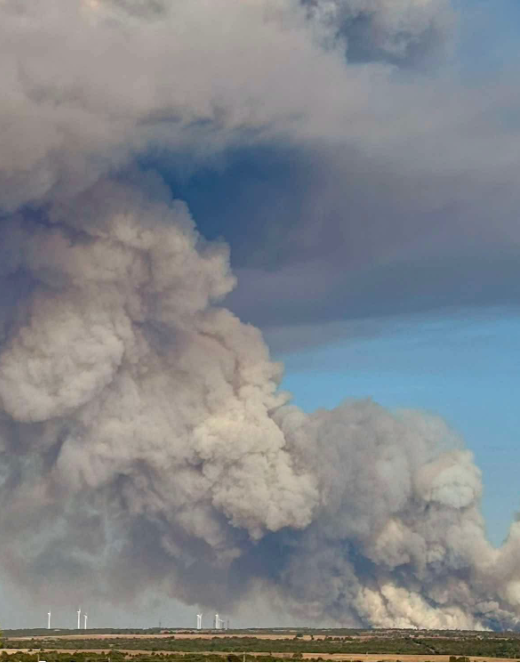
Other Notable Regional Wildfire Activity
Several other fires in central, southwestern, and southeastern Oklahoma have required containment and mop-up operations amid countywide burn bans and high fire-weather conditions:
Fire crews in western Oklahoma are back on the lines responding to renewed activity on the Black Kettle Fire east of Roll in Roger Mills County.
The blaze flared significantly Monday, prompting the National Weather Service out of Norman to issue a Fire Warning as rapid rates of spread pushed through dry rangeland. Area fire departments and emergency personnel mobilized quickly to establish containment lines and protect rural infrastructure.
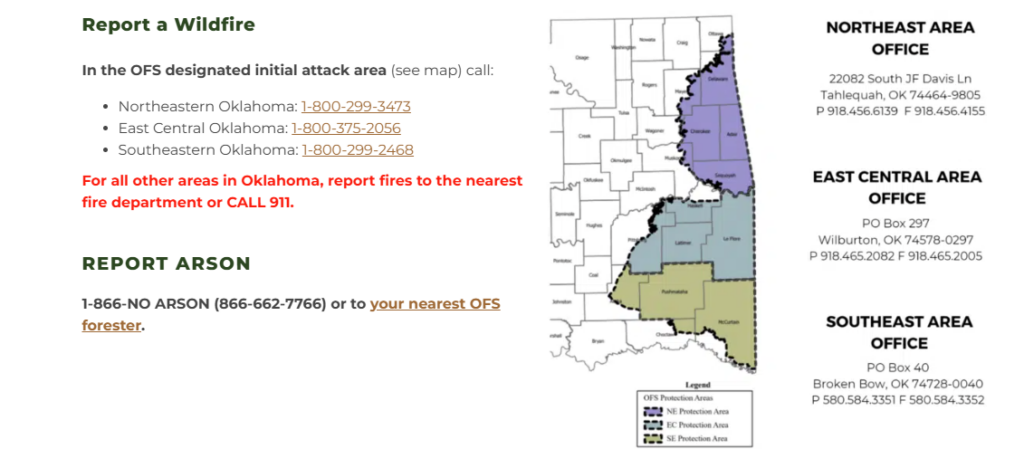
Incident Overview
Public Safety and Producer Advisory
Local emergency management officials urge area residents and agricultural producers to stay on high alert and monitor real-time weather and dispatch notifications. Dry conditions and persistent winds continue to present dangerous fire behavior, with the potential for sudden directional shifts.
Drivers should avoid State Highway 47 and surrounding rural routes near the fire perimeter to stay clear of heavy smoke and keep roadways open for responding fire apparatus and emergency personnel.
Current Weather & Fire Risk
Oklahoma Forestry Services and the National Weather Service note that unseasonably high temperatures (near or exceeding 98°F–100°F), low relative humidity, and persistent gusty winds continue to maintain elevated burn environments across central and western Oklahoma. Producers and rural landowners are urged to adhere strictly to local burn bans and postpone any outdoor equipment work or hay grinding during peak afternoon heating hours.
Western Oklahoma Fire Coverage are actively reporting on thier facebook page, "If you are a farmer or rancher that has been affected by the Gracemont or Roll fire, please reach out to us and let us know what your needs are," encouraging local farmers and ranchers to reach out if they need assistance.
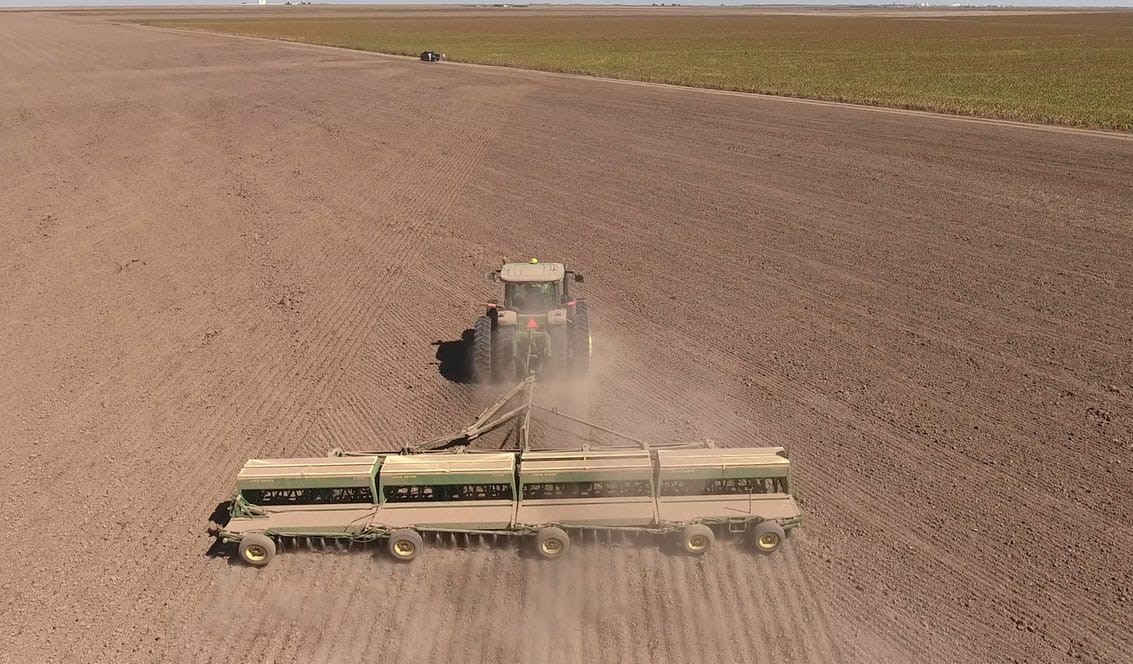
As Oklahoma heads toward the start of fall, dry conditions are creating uncertainty for producers considering planting wheat, particularly those hoping to establish wheat pasture. Oklahoma Wheat Commission Executive Director Mike Schulte said in a conversation with senior farm and ranch broadcaster Ron Hays that the state's drought conditions have worsened, with many producers waiting for additional moisture before putting seed in the ground. "You look at the drought monitor last week; they had us at 42% in extreme drought. Now we're up to 50% extreme drought even prior to these rains on Thursday," Schulte said.
Schulte said there have been a few reports of producers planting wheat for grazing in southwestern and western Oklahoma, but those cases remain limited. "I have heard of some instances in Southwest Oklahoma and some other parts of Western Oklahoma, where there have been some producers that have been dusting some of the wheat in for grazing," Schulte said. "But I think that's still few and far between."
Typically, wheat planting decisions would be getting more serious at this point in September, but Schulte said producers are largely taking a wait-and-see approach. "I think we're probably in a wait and see mode," he said. "Ground temperature is extremely warm just because of the harsh heat conditions that we've had this summer."
Schulte said the current situation is different from other hot and dry years because some areas of western Oklahoma have gone an extended period without meaningful rainfall. "In many instances, there's parts of the western part of the state that hasn't had a lot of rain since last November at planting time," he said.
Schulte pointed to 2011 as an example of a year when Oklahoma experienced extreme heat, but said there was an important difference between then and now. "In 2011, we had certainly more days above 100 degrees than what we had this year, but we also had rains up until April and May before we got into those extreme hot days that summer," Schulte said.
He said the lack of moisture has affected the condition of the soil itself, with more bare ground and warmer soil temperatures. "Certainly, going a longer time without moisture, I think, is really impacting us specifically just with the ground in itself," Schulte said. "The ground is more bare. Also, ground temperature is higher, probably than what we saw in 2011."
While the warm soil temperatures may create concerns, Schulte said Oklahoma has wheat varieties that can perform well when planted into warmer conditions. However, moisture remains the key factor. "We do have some wonderful wheats that do well in the beginning, even if the ground temperature is warmer," he said. "But I think it's just so different this year because we have gone such long periods without rain."
While producers face uncertainty about the upcoming crop, the Oklahoma Wheat Commission continues working to promote Oklahoma wheat in international markets.
Schulte said the commission hosted the Latin American Buyers Conference in Santa Fe, New Mexico, at the end of July. The event is normally held in Mexico, the Caribbean or South America, but travel challenges led organizers to hold the conference in the United States. "We did have the Latin American Buyers Conference the end of July here in the United States," Schulte said. "We did host that in Santa Fe, New Mexico, the end of July. We had over 30 companies present attend."
Several major international shippers participated in the meetings, including C.H.S., Bunge, Cargill, A.D.M., Louis Dreyfus and The Andersons.
Schulte said the meetings focused on shipping issues, crop quality and what buyers could expect from the upcoming wheat crop. "One thing that was to our advantage, we did have a larger wheat crop last year, so we do have product that will be able to supply these markets that are extremely important to us as we move forward," he said.
Schulte said global wheat supplies and demand could create opportunities for wheat movement during the coming marketing year. "Last year we just had a large amount of wheat in the United States, but globally a large amount of wheat, and so we were really working hard to move that product," Schulte said.
He said U.S. wheat was competitive in the global marketplace, helping move supplies into key markets. "When these meetings take place, those discussions are happening about how we can be the most efficient and how we can provide the best product that is best for the millers and bakers in these regions," Schulte said.
According to Schulte, global wheat production is expected to be about 30.1 billion bushels, while consumption is projected at approximately 30.3 billion bushels.
"So we are going to start outpacing production with our consumption needs going into this marketing year," he said. "It looks like, I think, we have seen the market react to that recently, and so there are going to be opportunities, I think, for movement as we move forward."
Schulte also noted drought concerns in other major wheat-producing regions, including Canada, Australia and parts of South America.
Despite difficult growing conditions, Schulte said Oklahoma's 2026 wheat crop showed strong quality in several areas. "Overall crop quality from being able to get an early start in southwest, central and in parts of northern Oklahoma, overall test weights were remarkably well for the crop," he said.
Northern Oklahoma faced additional challenges with rainfall and getting wheat harvested, while drought severely affected major wheat-producing counties such as Blaine, Kingfisher and Canadian. "Typically, large wheat-producing counties where the drought just really, really hit us extremely hard," Schulte said. "And so that did have an impact on our overall numbers."
Schulte said some producers in western and central Oklahoma were still able to harvest wheat, although yields were limited. "There was still some, you know, 15 to 20 bushel wheat that was cut in those regions," he said.
Farther north, conditions were more favorable. "As we got north of the 51 Highway corridor up past Hennessey into northern Oklahoma, there were those areas where we really did have decent yields and a decent crop, and so that really kind of bailed us out in the end," Schulte said.
Schulte also said improvements in wheat genetics have helped varieties withstand difficult conditions. "The varieties we are planting today do hold up much better to the adverse conditions than what they did 20 to 25 years ago," he said.
The Oklahoma State Fair will also provide an opportunity to highlight wheat through the Oklahoma Wheat Commission's long-running bread baking competition. Schulte said the competition has been part of the State Fair since 1965. "That competition has been going since 1965," he said. "It really is a large competition at the state fair."
The competition will take place Sunday, September 27, with entries beginning at 10:30 a.m. and judging beginning at 1 p.m. Schulte said entries must be submitted by 12:30 p.m.
He said the competition attracts both home bakers and culinary professionals. "Our home bakers, even our industry professionals that maybe are in the culinary world that enter, they take it extremely serious," Schulte said. "So it's really an exciting competition."
To compete at the state level, participants must have won either grand champion or reserve champion at their local county fair.
Schulte also highlighted a new resource from the Oklahoma Wheat Commission called the Wheat Learning Center portal. "We have now created a new wheat learning center portal on the Oklahoma Wheat Commission website," he said.
The commission is encouraging producers, consumers and home bakers to use the resource for educational information, recipes and other wheat-related resources. "We are challenging the people, whether you're a producer, a consumer, or a home baker, to subscribe on our Facebook, or you can sign into Instagram or on YouTube," Schulte said.
He said the commission plans to provide additional consumer information throughout the fall, including seasonal recipes.
Picture at top courtesy of Ks Wheat
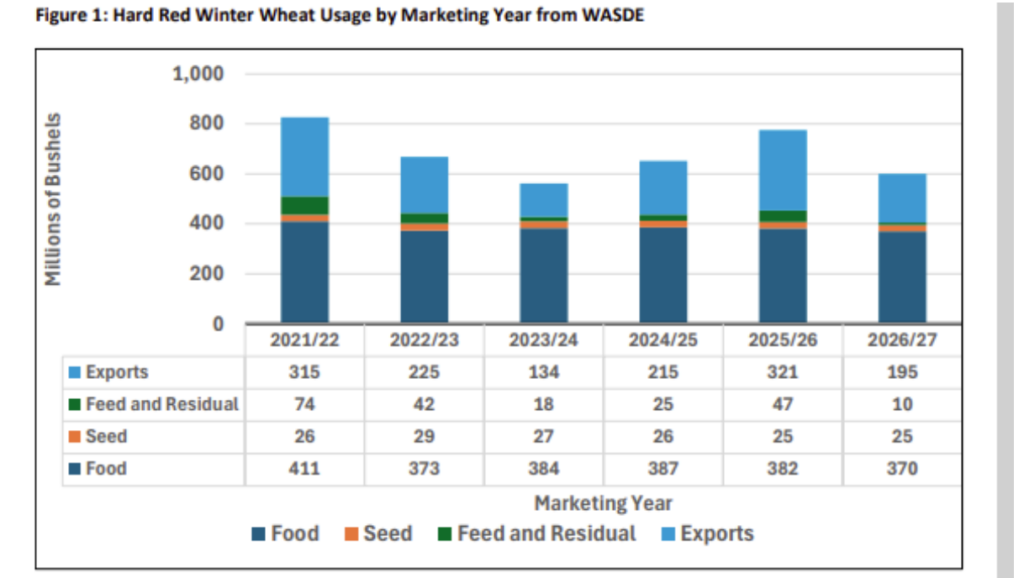
The release of the USDA Crop Production and World Agricultural Supply and Demand Estimates (WASDE) reports confirmed key fundamental drivers across grain and oilseed markets. Wheat and oilseed prices moved sharply lower following the release, while corn experienced more muted price movement.
Wheat Market Outlook
USDA projected higher global wheat production and ending stocks in the September WASDE, prompting a market sell-off despite deteriorating geopolitical conditions in the Black Sea and the Middle East.
Export projections on the hard red winter (HRW) wheat balance sheet were reduced, confirming the recent slow pace of sales. Total U.S. wheat export projections held steady, as increased white wheat shipments offset reductions in HRW and hard red spring wheat. Black Sea export estimates also declined due to a slow shipping pace.
Potential demand on the HRW balance sheet fell by 15 million bushels due to lower marketing-year export expectations. Total HRW usage sits at 600 million bushels, down 175 million bushels from the previous marketing year. Total HRW supply dropped 293 million bushels year-over-year, aligning with the reduced usage and export trajectory.
Through September 3, HRW total commitments for the 2026-27 marketing year stand at 71 million bushels. With three months completed, exports require weekly net sales and shipments of 3.1 million bushels to reach USDA's 190-million-bushel projection. Over the past month, net sales averaged 1.3 million bushels weekly. Elevated Gulf port prices relative to international competitors and sluggish global demand continue to weigh on U.S. sales potential. Expanded crop forecasts for southern hemisphere producers further pressure export prospects, even as regional conflict limits Black Sea grain flow.
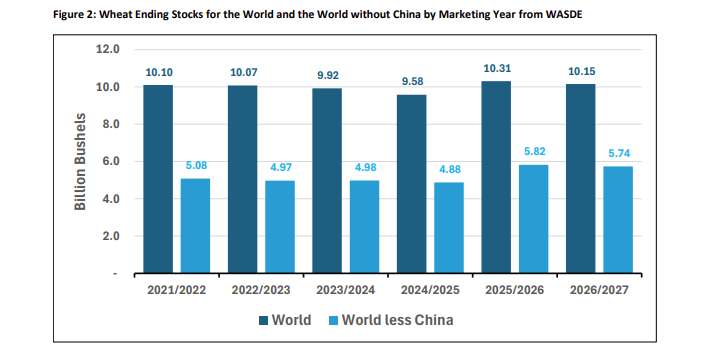
Global ending stocks without China rose by 112 million bushels from August, driven by higher beginning stocks, increased production, and lower export projections. While global domestic consumption estimates increased, the gains were concentrated in feed and residual usage across Australia, Ukraine, and Kazakhstan.
Worldwide wheat production was projected at 30.2 billion bushels, reflecting larger harvests in Australia, Canada, Ukraine, and Argentina. The 115-million-bushel global increase sets a bearish tone heading into the final quarter of the year. Global export forecasts declined on reductions for Russia, Ukraine, Egypt, and Kazakhstan.
December HRW futures dropped 20 cents on Friday and shed an additional six cents on Monday to close at $7.92 per bushel. Oklahoma cash basis ranges between -55 and -70 cents. Geopolitical friction and a slow planting start in the Black Sea region remain key variables that could alter production prospects. The USDA Small Grains report on September 30 will finalize winter wheat numbers and outline spring wheat yields and production.
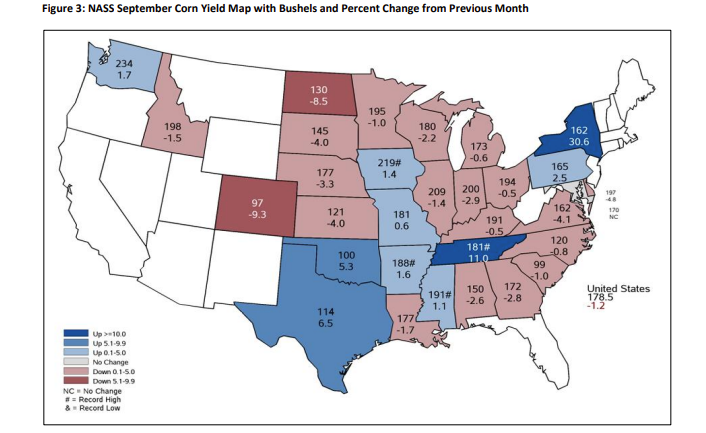
Corn and Milo Market Outlook
December corn futures closed Monday at $5.33 per bushel, gaining three cents to recover Friday's modest losses. Oklahoma cash prices range from $4.96 to $5.13. Corn avoided the sharp downturn experienced by wheat, supported by lower national yield projections and steady domestic ethanol and export demand.
The September Crop Production report estimated the U.S. corn yield at 178.5 bushels per acre. Total production was pegged at 15.8 billion bushels, down 150 million bushels due to reduced yields and harvested area. Yield declines were concentrated in the High Plains, upper Midwest, and eastern Corn Belt.
To offset the production cut, feed and residual usage was lowered by 150 million bushels. U.S. corn ending stocks dropped 86 million bushels to 1.57 billion bushels, lowering the stocks-to-use ratio to 9.67 percent—below the key 10 percent threshold. Demand projections remain steady, with ethanol usage expected at 5.6 billion bushels and exports at 3.275 billion bushels.
Global corn production was reduced by 312 million bushels to 51.1 billion for 2026-27, with cuts in the U.S., India, Kenya, and Russia surpassing modest gains elsewhere. Global ending stocks stand at 10.7 billion bushels, down roughly 100 million bushels from the previous month. World ending stocks excluding China sit at 4.2 billion bushels, down 680 million bushels year-over-year.
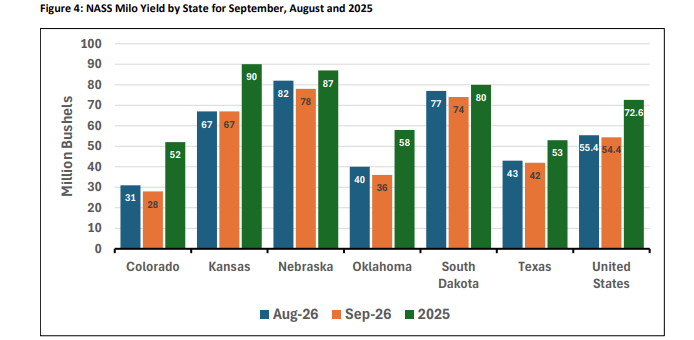
Milo production was projected at 284 million bushels, down 12 million from August and 153 million from the prior year. Yield was lowered 1 bushel to 54.4 bushels per acre, and harvested area fell to 5.2 million acres. Kansas yield projections remained unchanged from August, while Oklahoma yields dropped four bushels per acre to 36.
The milo balance sheet lowered exports by 10 million bushels, bringing ending stocks to 21 million bushels—the lowest level since the 2022-23 marketing year. Total commitments to China sit at 0.8 million bushels, with USDA reducing projected Chinese imports to 230 million bushels. Oklahoma milo cash prices range between $4.46 and $4.63, with basis strengthening over the past month to approximately 70 cents under December corn futures.
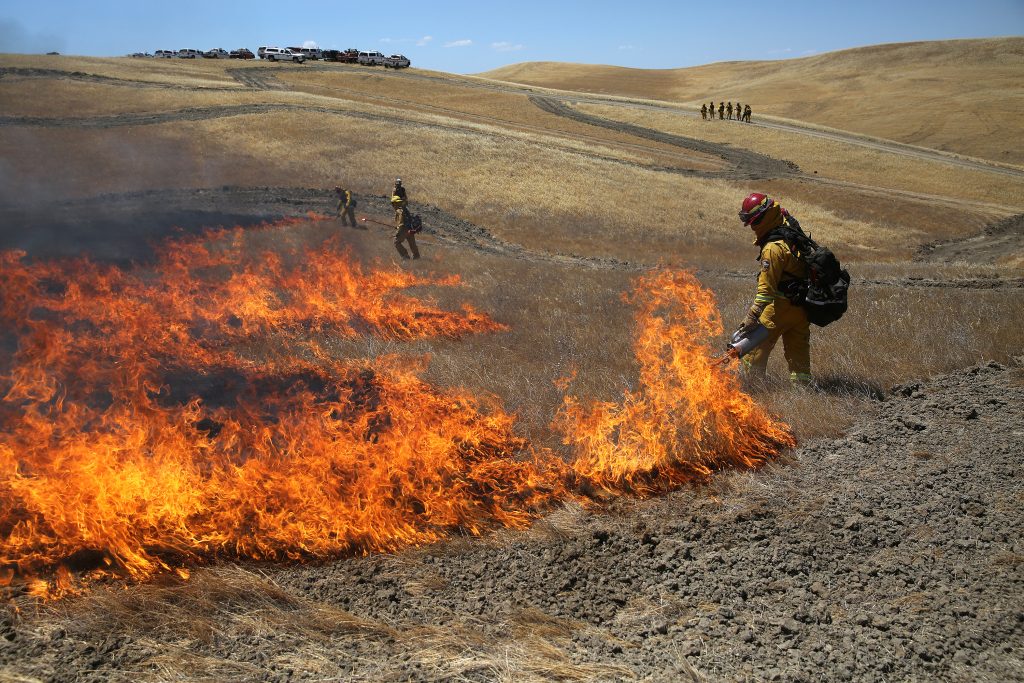
Research has shown that there is no substitute for fire in restoring ecosystems. Fire is an ecosystem driver that facilitates ecosystem processes such as nutrient and water cycling. However, fire seldom affects ecosystems alone. It works in concert with herbivory and climate, thus constituting an integral part of ecosystem restoration. Fire is mandatory for the health of prairies, shrublands and forests throughout Oklahoma and most of the world. Fire is a necessary tool for managing wildlife, livestock and timber. Research has shown that although there are many land management tools, there is no substitute for fire.
Prescribed burning should be conducted under a set of fire prescriptions. This is a set of conditions under which the fire will be conducted to meet land management objectives. A fire prescription is based on scientific research and experience. Specific recommendations must be customized for the particular piece of land to be burned. There are many possible fire prescriptions and vegetation responses to a prescribed fire. Factors affecting vegetation response include weather, stage of plant succession, fuel load, topography, soil type and previous management. It is important to develop management goals and objectives, then develop a fire prescription based on the tract of land. Fire prescription variables, including temperature, relative humidity, wind, and season of burn, have been used successfully in Oklahoma and surrounding states.
Prescribed burns can be classified as either restoration or maintenance burns, with each possibly requiring different personnel, tactics, training, equipment and firebreaks. A restoration burn is typically conducted to restore or reclaim an area after a long absence of fire. The execution of certain restoration burns requires more preparation and inherently entails greater risk. Maintenance burns are conducted after a tract of land has reached its desired management goals, using fire to maintain it. These burns are normally easier to conduct. A consultation with a fire management specialist to develop a customized fire prescription to meet your objectives is recommended.
References:
https://extension.okstate.edu/fact-sheets/using-prescribed-fire-in-oklahoma
Do you know an individual, organization or group that has profoundly influenced the soybean industry and the Soy CheckoffSM? The United Soybean Board (USB) is now accepting nominations for two annual honors recognizing outstanding contributions to U.S. Soy: the Tom Oswald Legacy Award and the Industry Excellence Award. Nominations close Oct. 31, 2026.
"Tom Oswald taught us that great leadership means asking hard questions and always looking for a better way forward, and our industry continues to be shaped by people who share that same drive," said Brent Gatton, USB chair and Kentucky farmer. "As we open nominations for the Tom Oswald Legacy Award and the Industry Excellence Award, I encourage everyone in the soy community to help us recognize the individuals and organizations making a difference for U.S. Soy."
Tom Oswald Legacy Award
This annual award honors the late Tom Oswald, who will always be remembered as a passionate farmer-leader and dedicated volunteer. The award recognizes someone who went above and beyond to advance research and move Soy Checkoff investments forward in unconventional ways.
An Iowa soybean and corn farmer, Oswald served eight years as a USB director and three years on the USB executive committee. He frequently posed the question, "How do we make it better-er?" That question captured what he valued most: the extra steps, thoughts and efforts it takes to go beyond expectations and deliver the best possible outcome.
Since the award was established in 2023, recipients have included inaugural honoree Ken Bader, recognized for his role envisioning and helping create the Soy Checkoff; Ed Anderson, honored in 2024 for his leadership in improving soybean genetics and agronomic production; Mike Steenhoek, honored in 2025 for his work advancing soybean transportation and export infrastructure, and Sandy Ludeman in 2026 for helping draft the legislation, build consensus among industry partners, and guide the national Soy Checkoff through its first farmer referendum.
Industry Excellence Award
The Industry Excellence Award is an annual recognition honoring an individual, organization or group that has made a significant and lasting impact on the growth and advancement of the U.S. Soy industry. Recipients are selected based on their demonstrated success in expanding markets, developing new applications for U.S. Soy, strengthening the value chain or driving commercial innovation that benefits U.S. Soy farmers. The program is in its second year and the inaugural recipient was Jim Sutter.
Visit either of these sites to submit a nomination - the Tom Oswald Legacy Award or the Industry Excellence Award. . Both awards will be presented at Commodity Classic, March 2-5, 2027, in New Orleans.
Growth Energy, the nation's largest biofuel trade association, welcomed more than 125 biofuel and farm voices from 19 states to Washington, D.C. this week for the 17th annual Growth Energy Biofuels Summit (GEBS), the industry's premier advocacy event. The Summit kicks off today and will continue through Thursday.
This year's Summit comes at a pivotal moment for American biofuels. Following historic progress on the Renewable Fuel Standard (RFS), the 45Z Clean Fuel Production Credit, expanded trade opportunities, and bipartisan House passage of legislation allowing the nationwide, year-round sale of E15, attendees will call on lawmakers to finish the year strong on policies that lower fuel costs, strengthen the farm economy, drive American innovation, and expand markets for U.S. biofuels. The Summit will feature remarks from leading biofuel champions:
"We aren't just relevant to this moment—we are uniquely positioned to offer solutions to the greatest challenges facing our country," said Growth Energy CEO Emily Skor in her keynote remarks. "No other industry does what we do: reduce gas prices, unlock billions of dollars of investment to strengthen the rural economy, drive innovation to expand the bioeconomy, and harness America's homegrown fuel to shape the global marketplace."
In her address, Skor highlighted the industry's top policy priorities, with an urgent focus on securing Senate passage of year-round E15. She also called on policymakers to protect and build on recent progress under the RFS, maximize the 45Z clean fuel production credit's impact across rural America, and continue opening new global markets for American ethanol.
On securing year-round E15:
"Americans don't need lower fuel prices someday; they need them now. The farm economy doesn't need support someday; it needs it now. So, our nation doesn't need year-round E15 sometime in the distant future. We need it now. We have waited long enough."
On protecting the RFS:
"The administration did the right thing, and we cannot let anyone talk them into backing away from the promise they made to rural America."
On unlocking the full potential of 45Z:
"At long last, the credit is fully connected to the farm — to real on-farm practices. Now, our goal is to protect our gains as Treasury finalizes additional rules covering issues beyond the farm.
On expanding global markets for American ethanol:
"On trade, our message is to keep building markets. This administration is focused on bilateral trade, closing the deficit country by country. Ethanol is one of the best tools they have — because it is one of the few commodities where a new market can mean hundreds of millions of dollars of new exports."
Against the backdrop of the Summit, Growth Energy also launched a fresh campaign designed to rally support for Senate action on year-round E15, including television advertising and an installation on the National Mall highlighting local fuel savings offered by the higher ethanol blend. Learn more here.
In today's Beef Buzz, senior farm and ranch broadcaster Ron Hays speaks with Kent Bacus, executive director of government affairs for the National Cattlemen's Beef Association, about the Trump administration's recent actions involving beef imports, ground beef prices and the cattle industry.
Bacus recently spoke with cattle producers at the American Wagyu Association's annual convention in Oklahoma City about the administration's efforts to increase the supply of ground beef for consumers. The administration's August proclamation temporarily increased the in-quota quantity for certain lean beef trimmings by 300,000 metric tons, with the additional volume divided into three 100,000-metric-ton tranches beginning September 1.
Bacus said the new import access is primarily aimed at Brazil and Paraguay. "First, it starts with the proclamation that he made that he's going to allow up to 300,000 metric tons of imported beef," Bacus said. "Clearly the way that's written, it's designed to encourage lean beef trimmings from Brazil and Paraguay."
He said the additional volume does not apply in the same way to countries that already have their own specific quotas. "It doesn't apply to countries that have their own specific quotas," Bacus said. "So Argentina and Uruguay don't. You know, even though the president mentioned Argentina, that's actually not a country that is eligible for this. Australia, New Zealand have their own."
Bacus said the first 100,000-metric-ton tranche opened September 1, with the next two scheduled to follow. The White House proclamation specifies that the additional quota is allocated to "other countries or areas" and is limited to lean beef trimmings.
Bacus said the increased access comes despite concerns among cattle producers about imports from Brazil and Paraguay. "But for the president to unilaterally grant access to two countries where we have serious concerns about the quality of the product they're sending here, that has not resonated well in the countryside," Bacus said.
He also pointed to the competitiveness of Brazilian beef in the U.S. market. "That 24% tariff is nothing for them; it's pennies," Bacus said. "A lot of that's because they devalue their currency. You see that from a lot of the trade partners we have."
He said the currency situation can make imported beef more competitive in the U.S. market. "So having that weaker currency makes them more competitive in the U.S. market, and so that's not anything that's going to deter them," Bacus said. NCBA has previously raised concerns about Brazil's animal health and food safety record, including questions about delayed reporting of atypical BSE cases.
Bacus also discussed the administration's renewed attention to mandatory country-of-origin labeling, or MCOOL.
The White House issued an executive order September 4 directing USDA and other officials to review the legal authorities that could permit mandatory country-of-origin labeling for beef and report their findings within 90 days.
Bacus said producers should understand what that review actually means. "Essentially, all they're doing is spending the next 90 days looking at the legality of MCOOL and then reporting back what they can actually do," Bacus said.
He said previous administrations have also examined the issue. "Over the last 10 years, previous administrations, including this one, have failed to find any legal way to bring that back without triggering another trade war, an extended one with Canada, Mexico, and now a lot of other countries who would be involved in that," Bacus said.
Bacus said the administration also discussed expanding enforcement under the Packers and Stockyards Act, although he said details remain limited. "They also talk about expanding some of the Packers and Stockyards enforcement, some other things on that," Bacus said. "We don't have any details on that. Don't know what that really entails."
He said there are other proposals that could provide opportunities for cattle producers, including changes involving state-inspected meat processing programs. "There are a few things that will be helpful," Bacus said. "Part of that is really trying to expand the CIS program through FSIS and getting more of these state-inspected programs into the federal system, so they can trade across state lines."
"That's key. That's going to give some more opportunities," he added.
Ultimately, Bacus said the cattle market should determine how much beef is needed rather than government intervention. "But really, what we need the administration to do is just to stop talking about cattle, the cattle sector, and beef prices," Bacus said. "If they really want to help, the best thing they can do is just shift their focus somewhere else."
When asked about whether the market actually needs the additional lean beef imports, Bacus said buyers already understand their supply needs. "I think that's the fundamental part of all this: the market will determine what we need, not the government," Bacus said.
He said that principle is particularly important when government policy begins influencing supply and prices. "When you have folks that are out there talking about being defenders of conservative values in the free market, and yet you're having the government determine what's coming in and what prices are going to be," Bacus said, "that is not conservative values. That's not the free enterprise, and that's not what cattle producers can get behind."
Bacus said he hopes the administration will focus instead on policies that he believes are helping cattle producers. "So I'm hopeful that they'll start listening to sound advice and they'll start really considering how to build on the success of the massive tax bill and all the other regulatory reforms that they made that are actually helping cattle producers," Bacus said.
"And just focus on that, and stay out of all of the interjections into cattle prices in the marketplace, where clearly that has failed," he said.
The Beef Buzz is a regular feature heard on radio stations around the region on the Radio Oklahoma Ag Network and is a regular audio feature found on this website as well. Click on the LISTEN BAR above for today's show and check out our archives for older Beef Buzz shows covering the gamut of the beef cattle industry today.
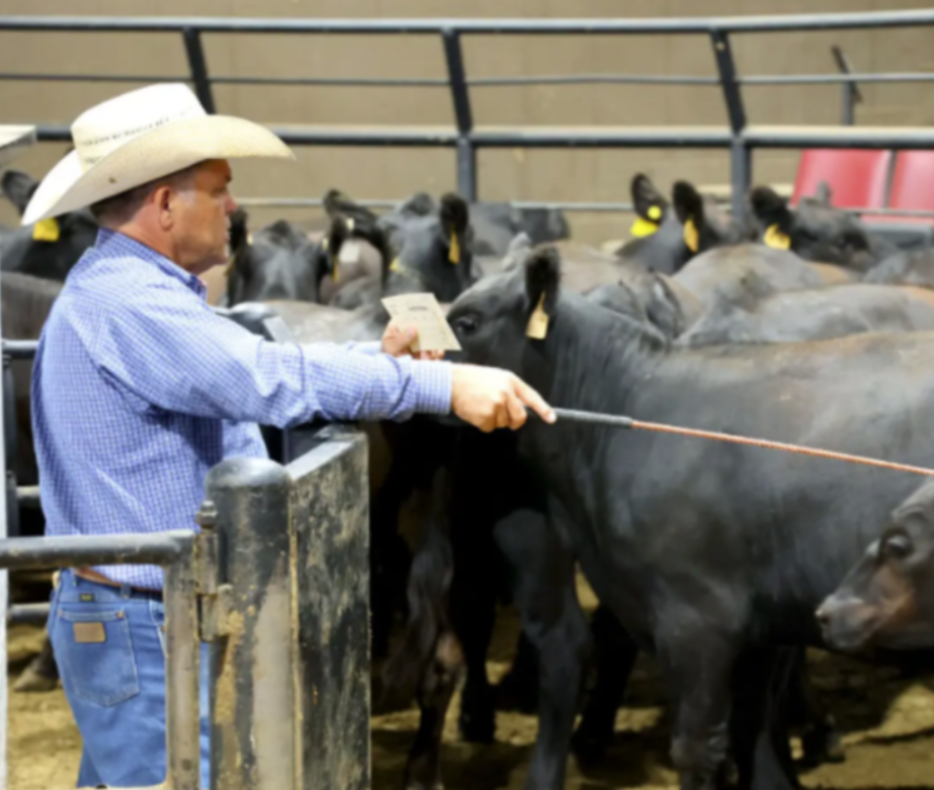
On Tuesdays, Senior Farm and Ranch Broadcaster Ron Hays visits with Ben Hale of Western Livestock Auctions as he talks about the latest in the markets and more. Established in 1995, Western has grown into a multi-generational family-owned and operated business and stands as a symbol of tradition, excellence, and a deep-rooted passion for the cattle industry. Western Livestock Auctions operates the Western Livestock Commission Firm, which sells cattle on Mondays and Tuesdays. They also operate the livestock auction markets in Woodward, Comanche, Waurika, and Knoxville, Iowa.
The Oklahoma National Stockyards had a strong market following the Labor Day holiday, with a little over 5,000 head selling Monday compared to about 6,000 a year ago. Hale said feeder steers were $15 to 25 higher, calves were also higher, and heifers were $10 to 20 higher. "Feeder steers were 15 to 25 higher, and the calves as well, and heifers about that 10 to 20 higher," Hale said. He added that the market remains cautious on calves because of health concerns, but buyers are still looking to secure cattle for wheat grazing.
Hale said there is also growing interest from feeder buyers as some producers begin looking to add inventory. "On the feeder side of it, you know, the feeder guys and some guys that hadn't been doing anything for a while are starting to buy some cattle," he said. He noted that buyers are also watching supplies closely, particularly the availability of true long yearlings. "We've seen several 60 day wean eight weights, but that's a lot different from 100 or 120 day yearling eight weight," Hale said.
The cattle market also saw renewed activity after the volatility surrounding comments and proposed actions from President Donald Trump before Labor Day. Hale said the earlier $30 to $40 decline in the market was particularly damaging because it was largely driven by comments rather than changes in cattle fundamentals. "That 30 or $40 run that we did down was so devastating. I mean, all that was based on what he said," Hale said. With prices moving higher again, Hale said producers are hoping the market can continue to improve so cattlemen can remain profitable.
Hale said buyers and sellers were generally pleased with Monday's market but are still moving forward carefully as fall approaches. "I think a little bit optimistic, but still cautious," he said, pointing to potential respiratory problems as cooler mornings arrive while daytime temperatures remain warm. Looking ahead, Hale said Waurika is expected to have about 2,000 head Tuesday, while Woodward will have about 400 cows, followed by another sale Thursday. He also said the Oklahoma National Stockyards will return to regular runs for the next two and a half months leading up to Thanksgiving.
Hale can be contacted at 940-631-2333. Check out more about the marketing options that Western offers by clicking here.
RON's Dave Lanning has a pre-opening look at today's agricultural Markets.
Click the audio tab below for today's report.
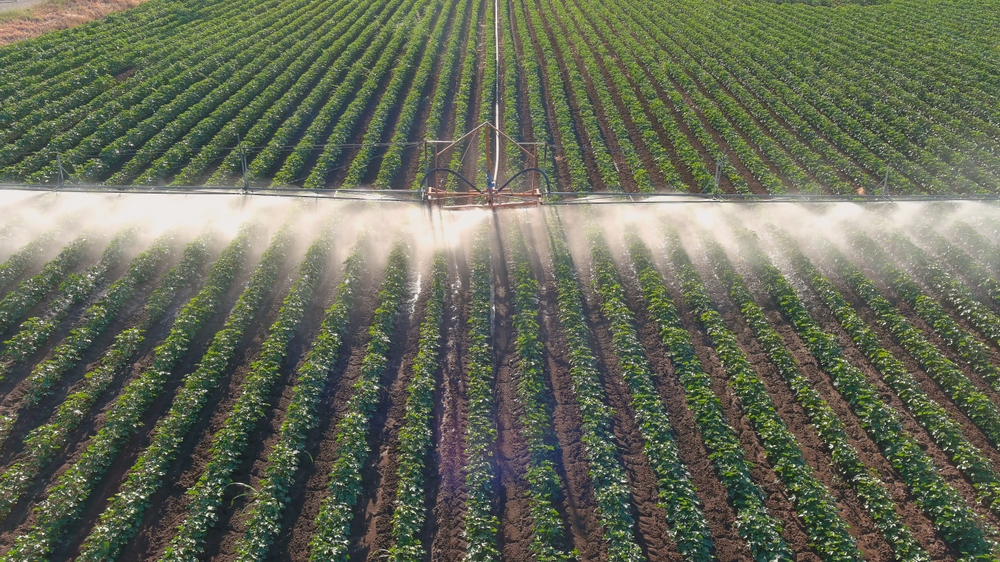
In the latest Crop Progress report from USDA, the U.S. corn crop is rated 57% Good to Excellent this week, up 1 point from last week, and corn harvested is at 8% nationally. Soybean crop conditions are rated 58% good to excellent this week, equal to last week. Soybean harvested is at 6%.
The U.S. cotton crop is rated 36% good to excellent this week, up 2 points from a week ago. Cotton harvested is at 8% nationally. For the U.S. grain sorghum crop, the latest good-to-excellent ratings are 28%, equal to last week. Sorghum harvested is at 22% nationally. Winter wheat planted is at 8% nationally.
In the southern plains, Oklahoma pasture and range conditions are now ranked 9% good to excellent, versus 7% last week and 59% a year ago. Poor to very poor ratings are now at 64%, versus 69% a week ago and 12% a year ago.
Kansas good to excellent conditions are ranked at 26% compared to 23% last week and 60% a year ago. Poor to very poor conditions are ranked 40% this week, 41% last week, and 13% a year ago.
Texas good to excellent conditions are ranked 12% this week, 10% last week, and 34% a year ago. Poor to very poor conditions are ranked 58% this week, 60% a week ago, and 27% a year ago.
The 48-state national pasture and range conditions are now at 19% good to excellent versus 18% last week and 35% one year ago. Poor to very poor ratings nationally are at 51% this week versus 53% last week and 35% one year ago.
Oklahoma corn dented is at 91%. Corn harvested is at 55%. Corn conditions rank as follows: 42% good to excellent, 35% fair, and 23% poor to very poor.
Kansas corn dented is at 93%. Corn harvested is at 29%. Corn conditions rank as follows: 42% good to excellent, 23% fair, and 35% poor to very poor.
Texas corn dented is at 97%. Corn harvested is at 73%. Corn conditions rank as follows: 35% good to excellent, 30% fair, and 35% poor to very poor.
Oklahoma soybeans dropping leaves are at 24%. Oklahoma soybean conditions rank as follows: 15% good to excellent, 35% fair, and 50% poor to very poor.
Kansas soybeans dropping leaves are at 43%. Kansas soybean conditions rank as follows: 37% good to excellent, 34% fair, and 29% poor to very poor.
Texas soybeans dropping leaves are at 68%. Texas soybean conditions rank as follows: 36% good to excellent, 48% fair, and 16% poor to very poor.
Oklahoma cotton bolls opening are at 58%. Oklahoma cotton conditions rank as follows: 12% good to excellent, 33% fair, and 55% poor to very poor.
Kansas cotton bolls opening are at 68%. Kansas cotton conditions rank as follows: 24% good to excellent, 40% fair, and 36% poor to very poor. Cotton harvested is at 3%.
Texas cotton bolls opening are at 55%. Texas cotton conditions rank as follows: 18% good to excellent, 33% fair, and 49% poor to very poor. Cotton harvested is at 21%.
Oklahoma sorghum headed is at 98%, up 4% from a year ago. Sorghum harvested is at 36%. Sorghum conditions rank as follows: 26% good to excellent, 37% fair, and 37% poor to very poor.
Kansas sorghum headed is at 95%, down 3% from a year ago. Sorghum harvested is at 3%. Sorghum conditions rank as follows: 28% good to excellent, 35% fair, and 37% poor to very poor.
Texas sorghum headed is at 100%, even with a year ago. Sorghum harvested is at 75%. Sorghum conditions rank as follows: 24% good to excellent, 47% fair, and 29% poor to very poor.
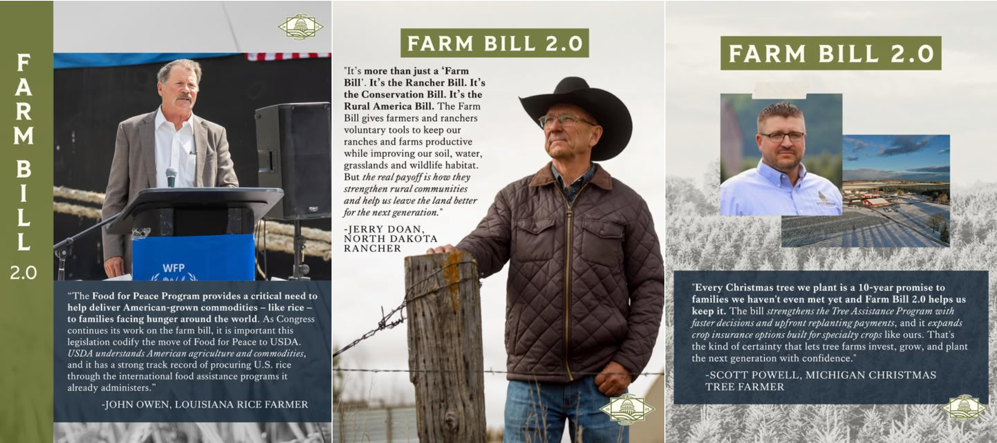
U.S. Senate Committee on Agriculture, Nutrition, and Forestry Chairman John Boozman (R-AR) is continuing his push to advance Farm Bill 2.0 by highlighting the voices of farmers, conservationists and rural Americans. These men and women represent all those who rely on a strong, comprehensive and modern Farm Bill to support their operations, families and communities.
Boozman has been sharing real-world stories from the people who feed and fuel America, steward our natural resources and strengthen rural communities about why they urgently need the provisions included in Farm Bill 2.0 through a social media campaign launched last month.
"In developing Farm Bill 2.0, we've gone directly to the men, women, families and communities impacted by these policies to hear what's working, what's not and what they need from a modernized Farm Bill. Their experiences and ideas helped shape this legislation," Boozman said. "Farm Bill 2.0 is about giving the people who produce our food, protect our land and sustain our rural communities the tools and certainty they need to succeed. These stories make clear just how necessary Farm Bill 2.0 is to delivering long-term resources and stability. The committee must advance this bill, and I look forward to doing so this week."
The #FacesOfFarmBill campaign puts producers and rural Americans at the center of the farm bill conversation, sharing their stories of how Farm Bill 2.0 would impact their operations, communities and livelihoods and help them navigate the challenges they face. These firsthand perspectives show why the legislation matters to the people who feed America, care for the land and drive the rural economy.
Farm Bill 2.0 is built for farmers, for rural communities and for the future. The legislation includes more than 100 bipartisan priorities designed to strengthen agriculture, support rural America and provide producers with greater certainty.
To follow the campaign and read the stories from the people who are relying on an updated Farm Bill, follow #FacesOfFarmBill and visit the committee's social media channels on Facebook, Instagram and X.
U.S. corn growers are the most productive and efficient in the world. On average, they produce roughly twice as much corn per acre as their counterparts in Brazil, while using fewer inputs. Productivity reflects how much corn is produced. Efficiency reflects how effectively inputs are converted into output. Both are the result of decades of investment in genetics, agronomy, soil health, and farmer expertise.
From an economic perspective, producing more output with fewer inputs should create a durable competitive advantage. However, this has not proven to be true in recent years. In a commodity market, global competitiveness is shaped not only by how much corn a farmer can grow, but also by what it costs to grow it. Increasingly, higher input costs are undermining some of the advantages U.S. growers have earned through superior productivity and efficiency.
Looking Beyond Cost per Acre and Cost per Bushel
Cost per acre and cost per bushel are the most common ways to compare farm input costs across countries. Both are useful, but neither fully separates two distinct factors: how much input is used and what that input costs.
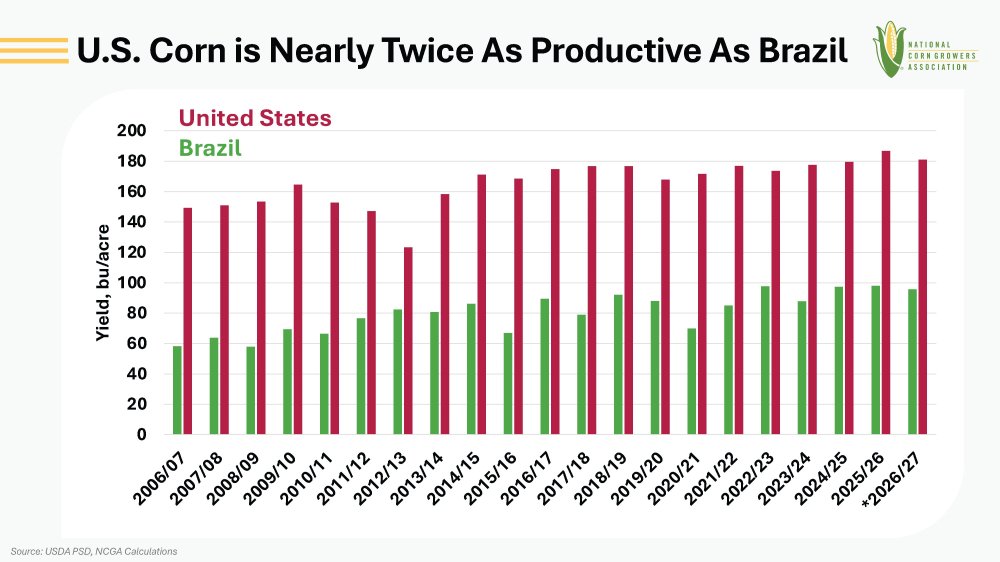
U.S. growers produce roughly twice as much corn per acre as Brazilian growers, averaging about 180 bushels per acre compared to 90 bushels per acre, while using fewer inputs. Yet that advantage is not always evident in conventional cost metrics. As a result, cost-per-acre and cost-per-bushel comparisons can suggest similar outcomes even when production systems, productivity levels, and input-use efficiency differ substantially.
Brazilian growers typically use more inputs per unit of cropland, applying more fertilizer and pesticides than U.S. growers. The Food and Agriculture Organization of the United Nations (FAO) tracks use of these products and confirms this pattern. In 2024, Brazilian farmers applied 11.85 kilograms of pesticides per cropland hectare, compared to 2.78 kilograms in the United States. Many Brazilian farmers plant and harvest two crops per season due to climate conditions, which partially explains the significant difference in pesticides applied annually. However, even when pesticide and fertilizer use is considered across both the corn and soybean phases of a typical rotation, American farmers still use less per hectare.
Measured relative to agricultural production value, Brazilian farmers used 2.80 grams of pesticides per international dollar of output, compared with 1.14 grams in the United States. FAO data also shows substantially higher fertilizer use in Brazil, both on a cropland-area and production-value basis. These differences aren't limited to a single year. Since the early 1990s, U.S. agriculture has generally reduced pesticide and fertilizer use relative to cropland area and agricultural production value, while Brazil has moved in the opposite direction on both measures.
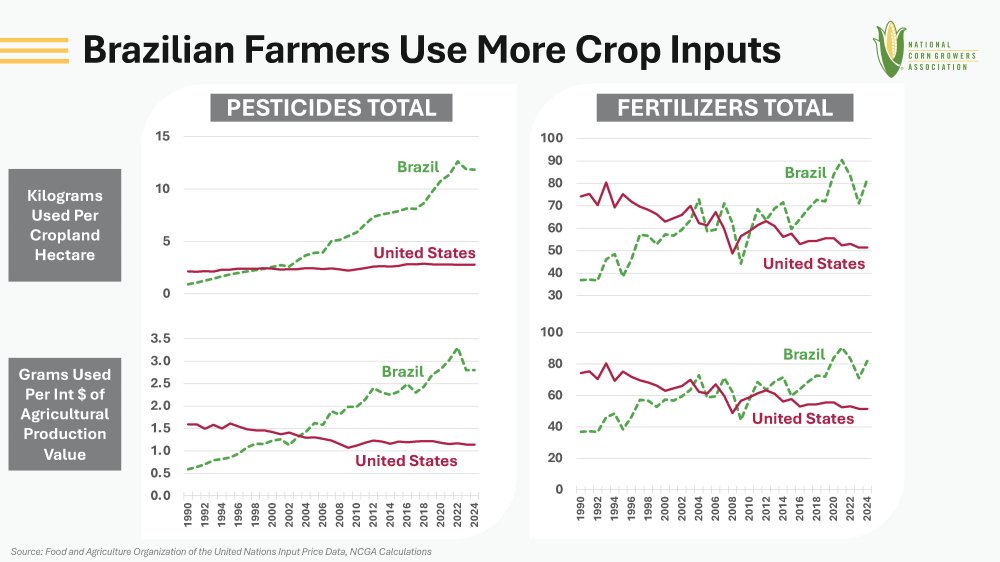
Those additional treatments reflect real agronomic differences between the two markets, including different soil types, year-round pest pressure, warmer growing conditions, and the absence of a hard winter freeze. At the same time, many of those inputs are available at lower per-unit prices in Brazil than in the United States, making additional applications more economically viable and reducing the cost implications of Brazil's more input-intensive production system.
What Does Examining Per-Unit Prices Reveal?
Corn is primarily sold as a commodity with market-driven prices. The economic benefit of greater productivity and efficiency should come through a lower cost of production per bushel and stronger margins. When higher input prices erode those savings, productivity and efficiency do not translate into stronger returns as expected.
For that reason, a recent NCGA study intentionally examined the prices paid for individual inputs. Looking at per-unit prices can help separate input pricing from agronomic requirements and provide a clearer view of whether growers in competing markets are paying different prices for comparable products.
The results showed that U.S. growers frequently pay more per unit than Brazilian growers for major seed and crop protection inputs. Across 2023-2025, prices paid by U.S. growers for corn seed averaged 68% higher than those paid by Brazilian growers, while corn insecticide prices averaged 87% higher. Similar patterns were observed in fungicides and herbicides, reinforcing the conclusion that input pricing differences are large enough to influence farm-level profitability and long-term global competitiveness.
Why Input Prices Differ Across Markets
Several factors may help explain why growers often pay different prices for similar inputs in competing countries, including trade policy, regulatory costs, supply chain structures, and pricing decisions made by input suppliers. The costs and length of time required to bring a new product to market in the U.S. are well documented. The regulatory burden in the U.S. is greater than that of many other markets, including Brazil. NCGA is not advocating for weaker safety or regulatory standards. However, the size and persistence of the price gaps suggest that regulatory costs and other systemic factors may not fully explain what U.S. farmers are paying.
The productivity advantage of U.S. agriculture creates substantial economic returns, but when pricing reflects not only the cost of producing and delivering inputs, but also the benefits those inputs generate, a portion of the returns from superior farm productivity can be captured elsewhere in the value chain. In a highly productive U.S. market, that dynamic can allow suppliers to capture more of the value created on the farm, limiting how much of the value created through superior productivity ultimately translates into stronger farm margins and competitiveness.
Implications for Competitiveness
NCGA's ongoing research into U.S. and Brazilian corn input costs is built around a more fundamental question: not simply which market spends more per acre, but who pays higher prices for comparable inputs and why. That distinction matters because agronomic conditions such as weather, pest pressure, and growing season length can influence how much input is used, but they do not fully explain differences in the prices paid for those inputs. NCGA's analysis indicates U.S. growers pay more on average for major seed and crop protection products than their Brazilian counterparts.
The findings suggest that the central issue for U.S. corn growers is whether the economic benefits generated by decades of investment and innovation are being fully realized at the farm level. These investments have created substantial productivity and efficiency advantages that should generate stronger economic returns. When higher input prices absorb a portion of the value created through superior productivity, those gains don't translate as fully into farm margins and global competitiveness. Productivity and efficiency remain among the greatest strengths of U.S. corn growers. Ensuring that those advantages translate into stronger returns for growers may be just as important as maintaining the advantages themselves.
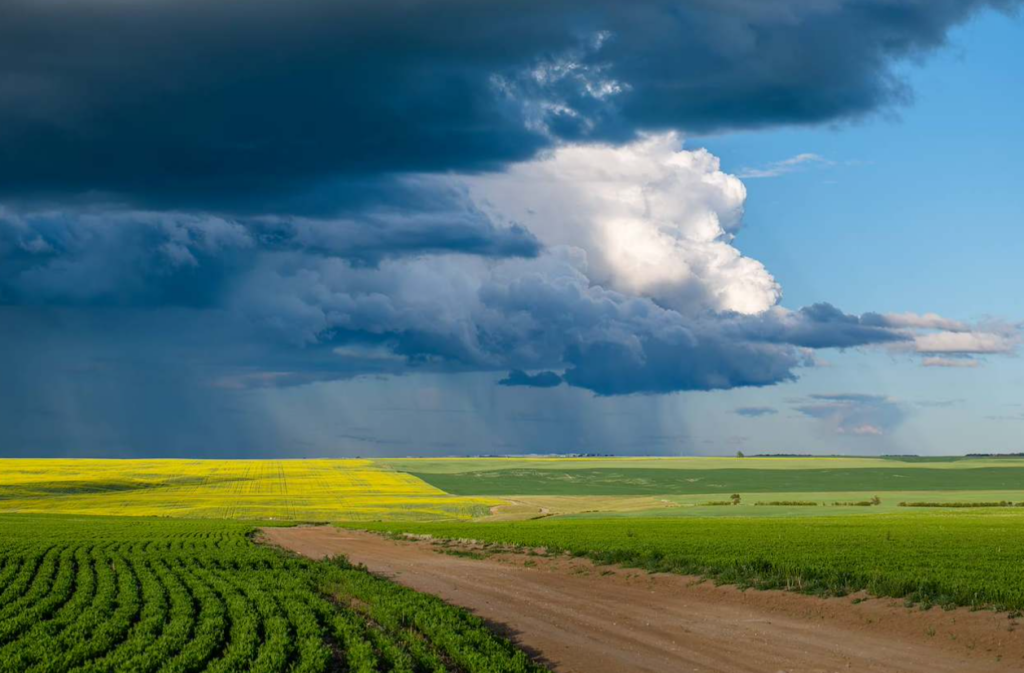
US Senator James Lankford (R-OK) led the Oklahoma congressional delegation in urging President Trump to approve Governor Kevin Stitt's request for a major disaster declaration to help Oklahoma communities recover from severe storms, high winds, flooding, and widespread power outages that struck the state on July 4.
The delegation requested Public Assistance for Cleveland, Nowata, Osage, and Washington Counties, as well as Hazard Mitigation Grant Program assistance statewide.
Read the full letter HERE and below.
Mr. President,
We write in support of the formal request from the State of Oklahoma, through the office of Governor Kevin Stitt, that was submitted on September 2, 2026, for a major disaster declaration, including Public Assistance for Cleveland, Nowata, Osage, and Washington Counties to recover from severe storms, high winds, flooding, and widespread power outages that occurred on the evening of Saturday, July 4, as well as Hazard Mitigation Grant Program assistance statewide. An Executive Order declaring a State of Emergency in these counties (E.O. 2026-23) was issued on July 5, 2026.
Severe storms, high winds, and flooding impacted the State of Oklahoma on the evening of Saturday, July 4 and caused damage to public property within the State. As usual, Oklahomans demonstrated the Oklahoma Standard when they stepped up to help their families and neighbors as they began the process of cleaning up the debris and repairing damage to schools, businesses, and neighborhoods.
State and local officials have informed us that this incident is of such severity and magnitude that effective response and recovery is beyond the combined capability of the state and local governments, and that federal assistance is necessary to lessen the threat of disaster, protect property, and to ensure the safety of these communities.
As such, we respectfully urge you to approve the Governor's request for the counties listed above and to provide Hazard Mitigation Grant Program assistance statewide. We stand ready to provide any assistance needed to ensure the prompt evaluation of this request. Please reach out to our offices with any questions on this matter.
Four start-up companies offering agricultural innovations have advanced to compete for a top prize of $100,000 in the 2027 Farm Bureau Ag Innovation Challenge. The American Farm Bureau Federation, in partnership with Farm Credit, continues to elevate the importance of entrepreneurship in agriculture through the contest.
"The future of agriculture is being shaped by innovators like these four finalists," said AFBF President Zippy Duvall. "They are transforming bold ideas into practical tools and technologies that will help farmers and ranchers thrive while continuing to provide the food, fuel and fiber we all rely on."
This is the 13th year of the Ag Innovation Challenge, which was the first national business competition focused exclusively on rural entrepreneurs launching agriculture- and food-related businesses. Farm Bureau is offering $145,000 in start-up funds throughout the course of the competition.
Ten semi-finalist teams participated in a virtual pitch round with three judges representing various sectors of the agricultural supply chain. The four finalist teams advancing to the final round each received an initial prize of $10,000 and are listed below.
The finalist teams will compete at the AFBF Convention on Sunday, Jan. 10, in front of a live audience of Farm Bureau members, investors and industry representatives, competing for top titles and prizes:
Farm Bureau recognizes and supports these rural businesses with generous funding provided by sponsors Farm Credit, Bayer Crop Science, John Deere, Farm Bureau Bank, Farm Bureau Financial Services, Google, T-Mobile and ClearPath.
To learn more about the Challenge visit fb.org/challenge.
After a 103-degree day of competitive bid-calling in southwestern Oklahoma, 10 auctioneers have advanced to the World Livestock Auctioneer Championship. The qualifiers, led by champion Troy Robinett, Decatur, Texas, will next compete in the semifinals, to be held at Cattlemen's Livestock Market, Galt, Calif., in June.
No stranger to the winner's circle, Robinett was named reserve champion at the 2026 World Livestock Auctioneer Championship in St. Onge, S.D. The graduate of the Missouri Auction School, has been competing in the event for five years. He said winning in Comanche was humbling — and extra special because it happened close to home and at a great market owned by good friends.
"I got to know Ben and Peyton Hale through the Livestock Marketing Association," he explained. "To be able to come here to their market to work for their customers was a lot of fun. And getting to compete and win was icing on the cake."
Robinett said the World Livestock Auctioneer Championship is a lot more than a contest, though.
"The camaraderie between these contestants is really something," he said. "The willingness to help each other, the willingness to lift each other up, is not something you see every day. Having 26 other guys who want to see you be successful is really special."
Among the 26 others, Brennin Jack, Virden, Manitoba, was named reserve champion and Andrew Sylvester, Westmoreland, Kan., was named runner-up. Corey Curtis, Royal, Neb., was the high scoring rookie.
Rounding out the top 10, in no order, were:
• Ben Weber, Warrensburg, Mo.
• Neil Bouray, Webber, Kan.
• Tyler Bell, Anderson, Texas
• Josh Jasper, Nicholasville, Ky.
• Barrett Simon, Rosalia, Kan.
• Ethan Schuette, Washington, Kan.
• Tate Rainey, Sweetwater, Texas
The contest, facilitated by Livestock Marketing Association, was hosted by Comanche Livestock Auction. World Livestock Auctioneer Championship Committee Chair Kyle Shobe, Lewiston, Mont., said the event delivered exactly what the championship is all about.
"The Hale family and their entire crew put on an incredibly run contest, and these auctioneers knocked it out of the park," he said. "The competition is tougher than ever, and I can't wait to see who ultimately comes out on top."
A former world champion himself, Shobe knows how much that coveted title can shape an auctioneer's career and future.
"There's only one World Livestock Auctioneer Championship," he said. "And there can only be one champion each year. It's a priceless experience."
There are still two more chances to qualify for the semifinals. Saluda Livestock Exchange, Saluda, S.C., will host an event Oct. 5. The final event will be held at Farmers Livestock Market, Oakdale, Calif., Oct. 24.
Federal and state animal health officials have confirmed the first equine case of New World screwworm (Cochliomyia hominivorax) in the United States this century. The detection, officially verified by the USDA Animal and Plant Health Inspection Service (APHIS) on September 9, 2026, involved a working ranch horse in Presidio County, Texas, marking a significant escalation in the ongoing domestic incursion.
The Presidio County Horse Detection
The screwworm larvae were discovered burrowing into an open wound on the hind limb of a working ranch horse in far West Texas, near the Mexican border. (This first case in September was discovered over 450 miles from the Texas- Oklahoma border) Unlike common blowfly maggots that feed solely on dead, necrotic flesh, New World screwworm larvae feed aggressively on living tissue.
For horses, limb wounds present severe clinical risks: screwworm larvae can quickly tunnel past skin and muscle layers into critical synovial structures, including tendon sheaths and joint capsules, threatening permanent lameness or death if not caught early. The infested horse in Presidio County remains classified as an active animal case on the USDA dashboard, with veterinarians carrying out targeted wound management and larvicide treatment until the animal is fully clear of myiasis.
In response to the equine confirmation, the Texas Animal Health Commission (TAHC) and USDA established an incident response zone covering portions of Presidio and Jeff Davis counties. Under these protocols, animal movement restrictions and mandatory veterinary inspections are in place to prevent infested stock or working horses from hauling out of the quarantine boundary.
Calving Season Vigilance for Cattle Producers
With fall calving underway across the region, cattle producers face an elevated threat because newborn calves represent the highest-risk target for New World screwworm flies. The moist, unhealed umbilical cord is a primary attractant for female screwworms to deposit eggs, with past outbreaks documenting navel strike rates as high as 50% in unprotected newborn calves. In addition to navels, fresh maternal birth trauma on dams—including vulvar tears and postpartum discharge—creates prime egg-laying sites. Cow-calf operators should thoroughly inspect cows and pairs daily, dip or spray every newborn calf's navel stump immediately with a veterinary-approved antiseptic and fly barrier, and consult their herd veterinarian regarding preventive antiparasitic protocols authorized for newborn calves. Elective calf-working procedures that create open wounds, such as knife castration, dehorning, and branding, should be delayed until cooler late-fall temperatures significantly suppress adult fly activity, or paired with immediate larvicide wound dressings and approved systemic protection.
Current Outbreak Status from the USDA Dashboard
According to the latest USDA APHIS national tracking data, the current outbreak landscape includes:
Critical Action Steps for Oklahoma Producers and Horse Owners
Because working ranch horses, stock dogs, and cow-calf pairs share the same pasture environment, Oklahoma producers must maintain intense biosecurity and daily observation:
To see more visit Screwworm.gov
Recent highly publicized plans to allow up to an additional 300,000 metric tons (661 million pounds) of beef imports tariff-free have received much attention and have been the subject of considerable misinformation and disinformation. Reasonable and useful discussion about beef trade policy is appropriate when it is based on valid information rather than mistaken information and wild social media speculation.
The U.S. has imported beef for many years to supplement certain products in the total U.S. beef supply (Figure 1). Through much of the period, the major sources were Australia, Canada, and New Zealand. More recently, Mexico has become a bigger source of beef imports. Beef imports have increased sharply since 2024 in response to declining total beef production. Brazil has increased rapidly and is currently the number two source of beef imports slightly behind Australia. For the first seven months of 2026, Canada, Mexico and New Zealand ranked three, four and five, in that order, followed by Uruguay, Argentina, Nicaragua, and Paraguay. Beef imports are up 12.9 percent year over year thus far in 2026.
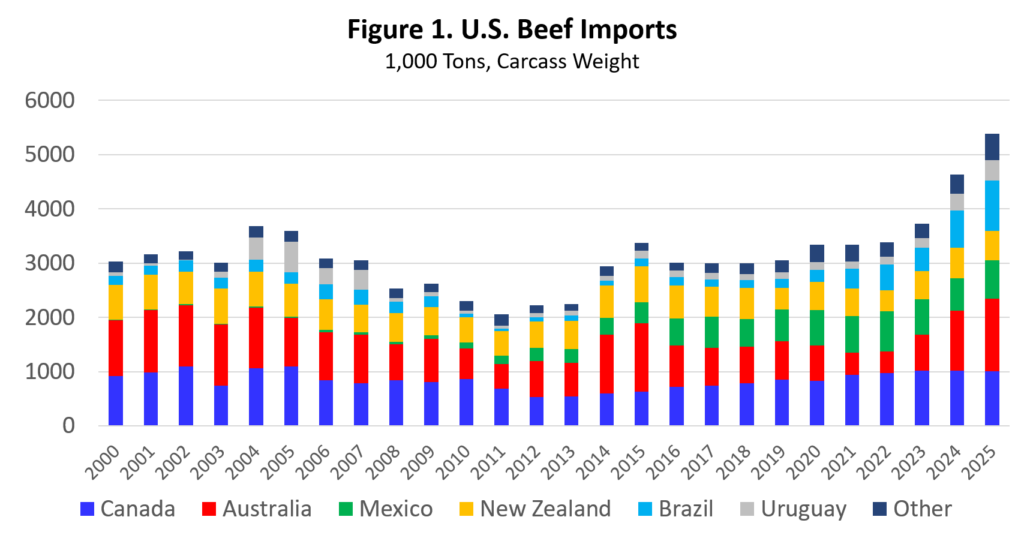
Most beef imports are used in food service with very little showing up in retail grocery stores. An estimated 68 percent of beef imports are lean trimmings and lean beef used primarily as ingredients for the U.S. ground beef industry (Figure 2). The U.S. does not directly import ground beef. Imported beef is most frequently used as an ingredient in ground beef formulations for quick service restaurants. Various fast-food restaurants may use imported beef in ground beef in very specific proportions with stringent specifications.
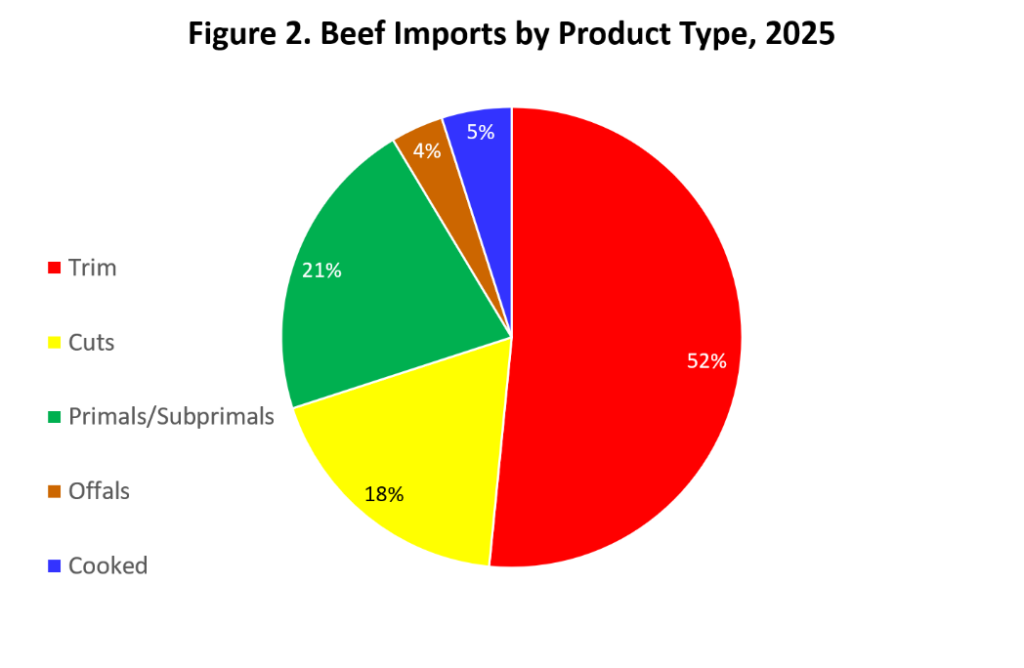
Imported beef currently makes up an estimated 39 percent of the total beef used for ground beef (Figure 3). This is a significantly higher percentage than average over the past twenty years due to the current reduction in domestic cow and bull beef supplies. See Cow-Calf Corner | April 27, 2026 | Oklahoma State University for a more detailed discussion of the ground beef industry.
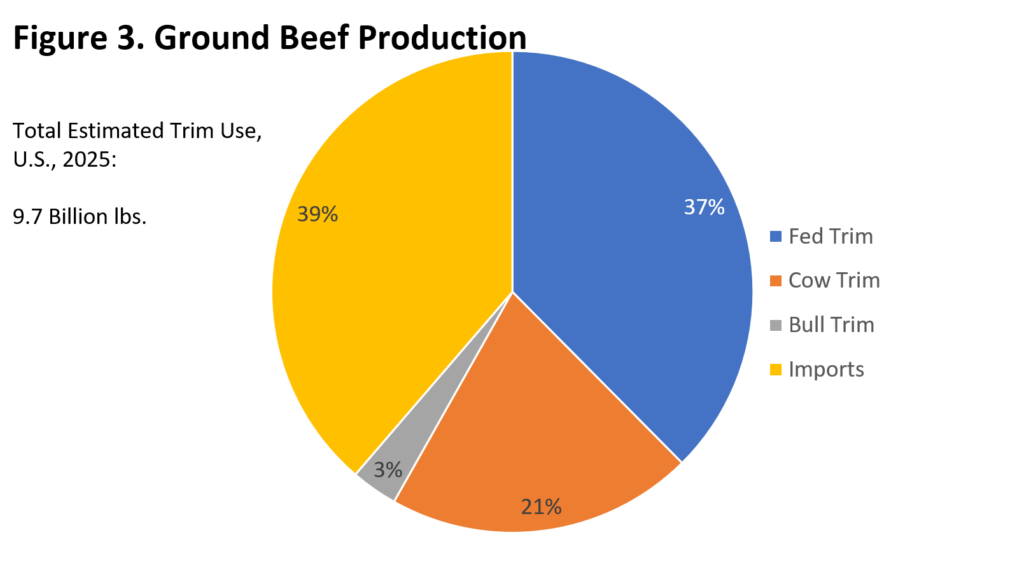
Brazil will likely be the biggest beneficiary of the removal of over-quota tariffs this fall. Beef imports that would have been subject to the tariff will now enter the U.S. tariff-free. However, it is unlikely that beef imports will increase an additional 300,000 metric tons. Imported beef is used in specific markets and in specific ways that were being met even with tariffs. Reducing the tariffs may change the sources of beef imports with Australia and New Zealand likely losing market share to South America. Total beef imports will probably increase some beyond what would have happened anyway but not the full amount. Imported beef has little impact on ground beef in retail grocery stores and ground beef prices at retail are not expected to be much impacted by this policy change.
Derrell Peel, OSU Extension livestock marketing specialist, says beef demand is holding steady going into fall on SunUpTV from September 12, 2026. https://www.youtube.com/watch?v=D1nprnMk_Dk
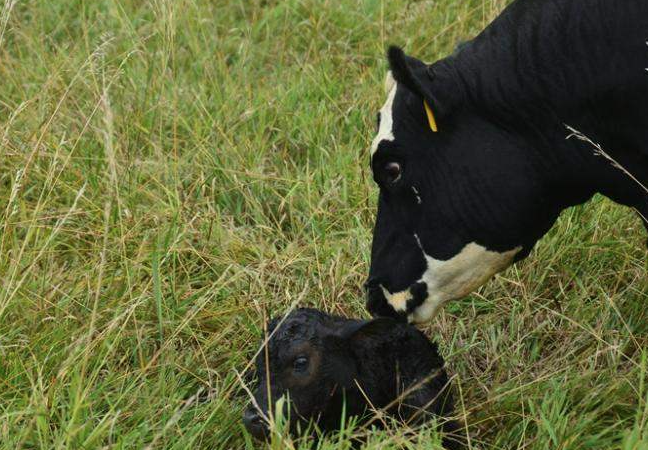
In today's Beef Buzz, senior farm and ranch broadcaster Ron Hays speaks with Oklahoma Cattlemen's Association Executive Vice President Michael Kelsey about the latest conditions facing Oklahoma cattle producers, the New World screwworm situation and upcoming beef promotion efforts.
Kelsey says the American Wagyu Association has moved its headquarters into Oklahoma City's Stockyards, making it one of two national breed associations to establish a presence in the city. "We're just tickled to have them."
Kelsey says the Oklahoma Cattlemen's Association was pleased to welcome the Wagyu industry to Oklahoma City during its annual national convention. "Wagyu's right in the stockyards, and we're just thrilled to have them there. Thrilled that they're here, and we had an opportunity to welcome them and be a part of this."
Kelsey says drought conditions across Oklahoma have become increasingly difficult for cattle producers, particularly as many ranchers are trying to rebuild their herds. "It's really bad. I mean, it just really is."
He says producers are facing shortages of both forage and water, with some cattlemen in western Oklahoma hauling water to keep livestock supplied. "When we should be trying to rebuild the herd, and every cattleman that I know wants to rebuild the herd, we just can't. And so we don't have the forages. We don't have the water."
Kelsey says water shortages are becoming another major concern as some rural water districts begin rationing supplies and prioritizing human needs. "I could be doing 1000 other things, and I got to haul water."
Despite the difficult conditions, Kelsey says cattle producers continue to hold onto their optimism and hope for rain. "We're just praying to the good Lord for some good rain, and He's going to send it, and we're going to figure out how to move forward from here."
Kelsey says he and Kent Bacus recently discussed an idea for putting up yard signs with a simple message: "Pray for Rain," along with a reference to First Thessalonians 5:17. "If we're going to put yard signs up for political candidates and so forth, let's put yard signs up that say 'Pray for Rain.' I'll vote for that one."
Kelsey also says the New World screwworm situation has been a bright spot, noting that The United states has avoided cattle cases since the end of July. "I think the whole screwworm issue has been exceptional."
Kelsey says he initially expected Oklahoma could be dealing with restrictions and additional cases by September or October, but he is pleased that the situation has developed differently. "I'm so happy to say I was wrong."
He credits the Texas Animal Health Commission and USDA for their work, including the use of sterile flies and personnel to respond to the threat. "I think we have really a very optimistic outlook regarding the screwworm."
Kelsey says continued vigilance and expanded sterile fly production will still be important moving forward. "We could have been in such a worse place, and we're not, and that's a tremendous blessing."
The Oklahoma Cattlemen's Association is also preparing for another year of serving ribeye steak sandwiches at the Tulsa State Fair, scheduled for October 1-11.
Kelsey says the event has become a major opportunity to promote beef to consumers, even with the competition from the many other fair foods. "We're just traditionalists. We just like that good old ribeye steak sandwich, and fairgoers do too."
He says the OCA appreciates the continued support from livestock exhibitors and families who return to the beef tent each year. "The livestock barns are so loyal to us, and they come and get one or two ribeye steak sandwiches every year when they come and bring their kids or the open show cattle, and we couldn't be more appreciative of that."
Kelsey says the ribeye steak sandwich also gives the OCA an opportunity to talk with consumers about beef and the cattle industry. "It does also give us an opportunity to position beef in a positive light for state fairgoers."
He says the simple ingredients also provide an opportunity to highlight beef's nutritional value. "You just can't beat it."
Kelsey says county cattlemen's associations from across Oklahoma also provide volunteers for the event, helping serve the sandwiches while talking with consumers about the beef industry. "They also provide an opportunity to talk to a lot of those consumers and share with them a little bit about the story of the beef cattle industry, and that's very important for us to do."
The Beef Buzz is a regular feature heard on radio stations around the region on the Radio Oklahoma Ag Network and is a regular audio feature found on this website as well. Click on the LISTEN BAR above for today's show and check out our archives for older Beef Buzz shows covering the gamut of the beef cattle industry today.

The dairy checkoff has awarded 12 academic scholarships to students pursuing degrees with a focus on dairy and demonstrating strong potential as future industry leaders.
The National Dairy Promotion and Research Board (NDB), through Dairy Management Inc. – which manages the national dairy checkoff – annually awards $2,500 scholarships to 11 students. In addition, the NDB awards a $3,500 James H. Loper Jr. Memorial Scholarship to one outstanding scholarship recipient.
Eligible majors include journalism, communications/public relations, marketing, business, economics, nutrition, food science and agricultural education. Criteria include academic achievement, career interest in a dairy-related discipline and demonstrated leadership, initiative and integrity.
Sienna Mahaffy, a student at Oklahoma State University majoring in business administration, has been named the 2026-2027 James H. Loper Jr. Memorial Scholarship recipient.
Students earning $2,500 scholarships are: Trell Amoss (Oklahoma State University), Cassie Bohnert (Iowa State University), Campbell Booth (University of Minnesota), Eliza Dugan (West Texas A&M University), Sara Kennedy (Pennsylvania State University), Keegan Medeiros (California State University, Monterey Bay), Nicholas Needham (University of Wisconsin-Madison), Ella Raatz (University of Minnesota), Elle Ruffner (Iowa State University), Taylor Thigpen (University of Notre Dame) and Kelsey Timp (Iowa State University). Click here to see all the winners.
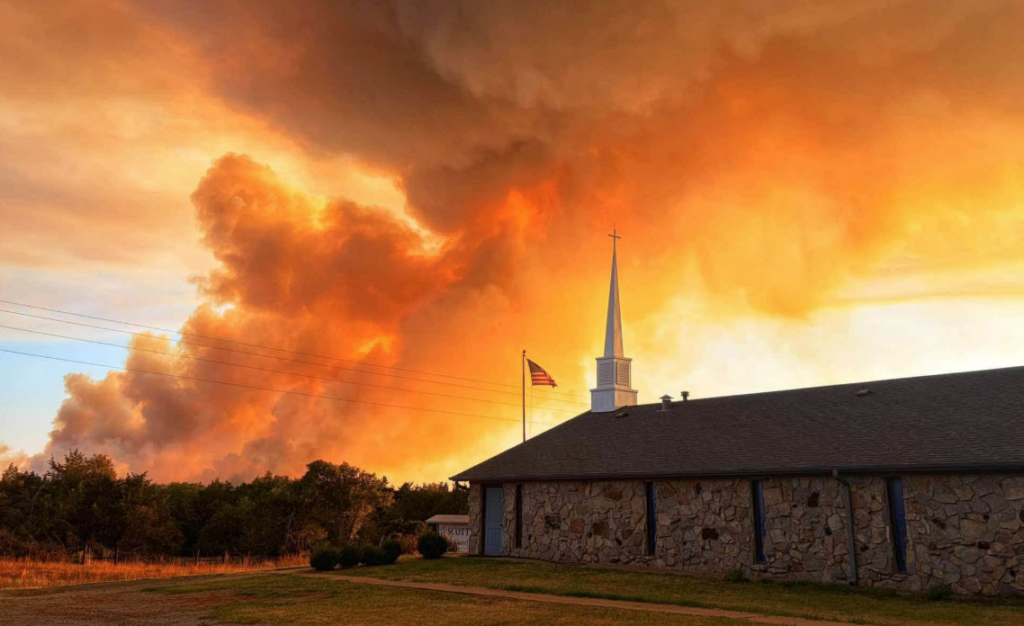
Pic courtesy of Western Oklahoma Fire Coverage facebook page
Persistent drought, excessive heat, and lagging rainfall continue to drive elevated wildfire danger across Oklahoma, highlighted by the active 3,000-acre Gracemont Fire in Caddo County, which remains at 0% containment under management by the US Wildland Fire Service.
According to the latest Fire Situation Report from the Oklahoma Department of Agriculture, Food & Forestry (ODAFF) Oklahoma Forestry Services (OFS), large fire activity accounted for 3,371.7 burned acres across four fires, while local fire departments responded to 13 fires totaling 1,257.9 acres. Statewide suppression activity from September 7 through September 13 documented 48 fires burning 642.4 acres across three primary regions:
While scattered areas have seen wetting rain, southwestern, south-central, and portions of southeastern Oklahoma remain critically dry, with many locations exceeding 20 days without measurable moisture. Energy Release Components in the 90th percentile and fine-dead fuel moisture levels around 5% are creating significant resistance to control, requiring extended resource commitments. In response, OFS has mobilized Task Force Goldsby and Task Force Weatherford.
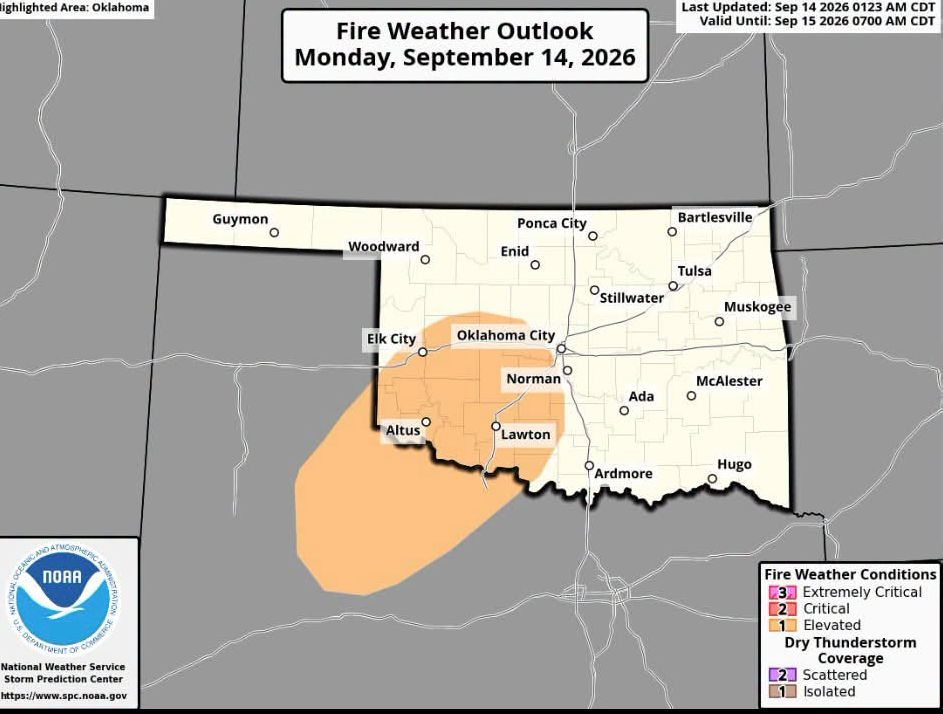
Conditions across the state are highlighted by distinct regional threats:
A weak frontal boundary arrives Tuesday afternoon, bringing isolated rain chances and moderating conditions primarily to the Panhandle and northwestern counties. Above-normal heat and dry conditions will dominate the rest of the state through Friday, before a stronger weekend front offers potential relief with cooler temperatures and widespread rain chances.
Burn bans:
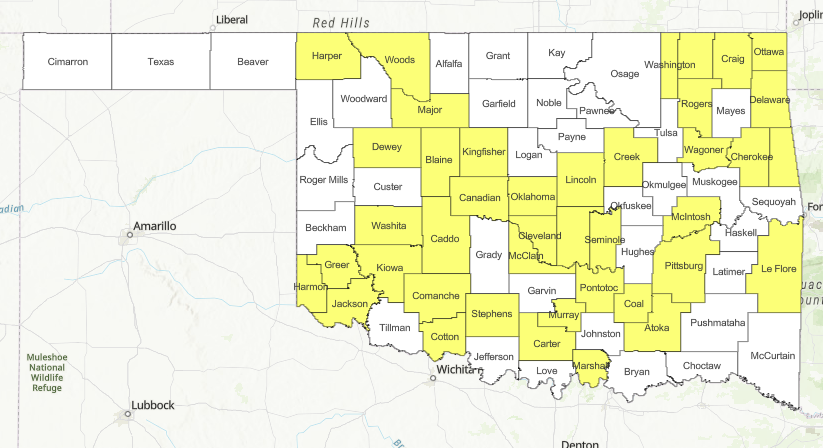

Rainfall brought welcome relief to portions of the Texas High Plains this week, but for much of the region's dryland cotton, the moisture likely came too late to significantly improve yield prospects. Irrigated fields that received meaningful rainfall stand to benefit more as producers work to finish a crop that has endured prolonged drought and intense late-season heat.
Of 27 weather stations monitored across the region, 18 recorded rainfall during the latest event, with 11 receiving at least a quarter-inch and three topping one inch. Before the rain, most monitored locations had gone at least 37 days without receiving a quarter-inch rainfall event, while roughly 40% had gone 51 days or longer.
Meanwhile, above-average temperatures are pushing the crop rapidly toward harvest. Forecast heat-unit accumulation is running roughly 60% above average at Lubbock and 65% above average at Dumas, accelerating boll opening and defoliation timing. Some fields have already been defoliated, while others are quickly approaching readiness. Conditions remain highly variable across the region: some irrigated fields continue to show good yield potential, while dryland cotton in the hardest-hit areas may struggle to produce enough to justify harvest. Producers also report that boll size is smaller than desired in some fields, adding another concern as the 2026 crop moves toward the finish line.
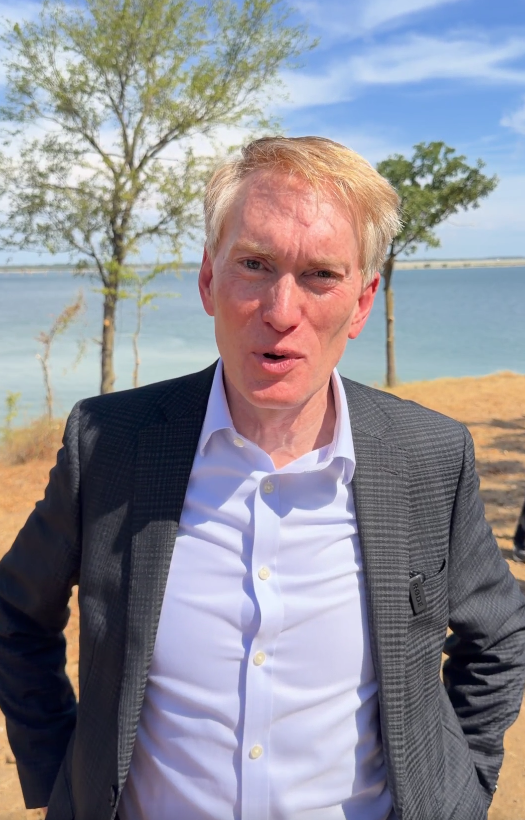
US Senator James Lankford (R-OK) joined Federal Highway Administrator Sean McMaster, Oklahoma Secretary of Transportation and Executive Director of the Oklahoma Department of Transportation Tim Gatz, and state and local leaders in Marshall County on Thursday to celebrate the groundbreaking of the $409 million Roosevelt Bridge Project replacing the more than 80-year-old section of US-70 spanning Lake Texoma between Durant and Kingston.
"After years of working with the Department of Transportation to obtain federal funding, I'm grateful to have secured the largest transportation grant in Oklahoma history for this project," said Lankford. "This is a historic investment in Southern Oklahoma that will ensure safer, more reliable travel for school buses, truck drivers, families, and tourists that cross Lake Texoma every day."
The Roosevelt Memorial Bridge over Lake Texoma connects Southern Oklahoma from east to west. Originally built in 1942 under the Roosevelt Administration, the bridge has become functionally obsolete and is at risk of deteriorating and becoming structurally deficient. The bridge carries 12,000 vehicles per day, and while either side is a four-lane highway, the bridge remains two lanes with no shoulders, which leads to bottlenecks and higher collision rates.
"The groundbreaking of the US-70 Roosevelt Bridge replacement project marks a monumental milestone for southeastern Oklahoma and our neighbors in Texas and Arkansas whose lives and economies rely upon this critical corridor," said Tim Gatz, Oklahoma Secretary of Transportation and Executive Director of the Oklahoma Department of Transportation. "A project of this magnitude would never be possible without the support of our federal delegation, including Senator Lankford, and the $124 million Federal Bridge Investment Program grant that covers roughly 30 percent of this project's cost. We are also grateful to Governor Stitt, our legislature and many state partners who are helping bring this important project to life."
In July 2024, Lankford announced the Federal Highway Administration had awarded ODOT $123.85 million in federal funding for the Roosevelt Bridge project, the largest federal transportation grant in Oklahoma history. This is one of 19 projects nationwide awarded a Bridge Investment Program – Large Bridge Project grant. The existing bridge will stay open for travelers during construction, with the new bridge expected to open in Fall of 2029.
Click HERE for video of Senator Lankford discussing Thursday's groundbreaking.
Click HERE for construction renderings and timelines.
Russell, Kelli, Jean Ribert Francois, Madison Harris, and Mykel Taylor write in Southern Ag Today: Depending on their vantage point, people define "good farming" in a myriad of ways, from profitability and production yields to conservation and innovation. To better understand how Southern producers think about good farming, we surveyed farmers across Alabama about their perspectives on what it means to be a good farmer. Using data from the 2025 Alabama Farm Poll pilot, which included 321 Alabama growers, we show how producers rate aspects of being a "good farmer" across four categories: production and profitability, soil and environmental stewardship, technology and management, and community and long-term responsibility. The Alabama Farm Poll is a biennial producer survey conducted by Auburn University.
Survey respondents rated the importance of various practices and activities using a five-point scale ranging from "very important" to "not important at all" regarding being a good farmer. Figure 1 highlights the results from the survey. Notably, no producers viewed the protection of streams as "not important at all," meaning that all producers viewed this practice at least slightly important to being a good farmer. Reducing soil erosion had the highest percentage of respondents (28%) rating it as "very important" to being a good farmer. Overall, more than 80% of all producers who responded to the survey rated reducing soil erosion as either very important or important.
Figure 1. Alabama farmers' ratings of the importance of practices and activities to being a "good farmer." Survey statements are shortened for presentation.
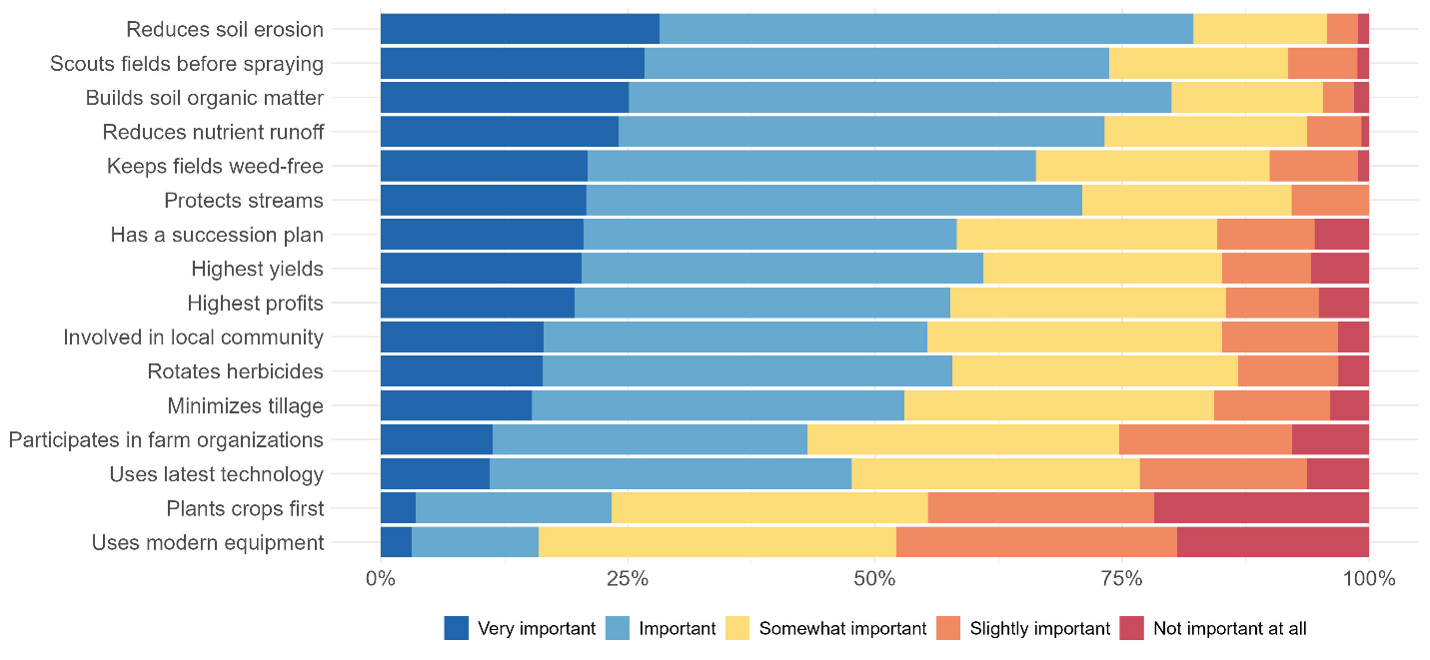
In contrast, producers placed relatively little emphasis on using modern equipment as a defining characteristic of good farming. Only 3% of producers surveyed rated it as "very important" and 13% rated it as "important." This finding is notable, as many precision agriculture technologies aimed at supporting soil and environmental stewardship (practices that producers rated as important) require modern equipment. Future research in the Southern region should explore how producers consider equipment investments in relation to conservation decisions.
Russell, Kelli, Jean Ribert Francois, Madison Harris, and Mykel Taylor. "Defining a Good Farmer." Southern Ag Today
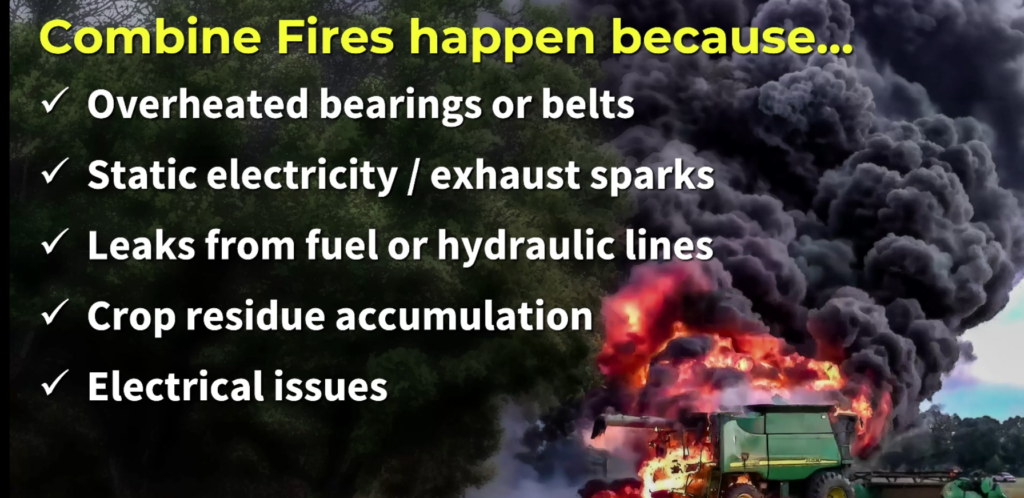
As harvest season approaches for Oklahoma agricultural producers they face heightened risks of machinery fires and rapid-moving field blazes fueled by dry conditions, crop residue, and high winds. During an educational webinar hosted by the University of Illinois Agricultural Safety and Health Program, experts shared surveillance data and critical prevention strategies aimed at keeping producers safe and machinery running smoothly in the field.
Over the weekend, an aggressive wildfire broke out just east of Binger in northern Caddo County. The Gracemont Fire ignited Sunday, September 13, approximately five to six miles east of town.
Current Status and Impact:
Response: Over 80 personnel, along with multiple local volunteer fire departments, the Oklahoma Forestry Services, and regional mutual-aid strike teams, were deployed to establish containment lines and protect threatened rural homes and ranch infrastructure.
Size and Containment: The blaze exploded rapidly under dry conditions and gusty southeast winds, quickly reaching approximately 1,341 acres. It currently sits at 0% containment. (as of report time Monday)
Fire Behavior: Firefighters have reported extreme fire behavior, including crowning in timber along with rapid running through dry grass and brush understory. The fire sent up a massive pyrocumulus smoke plume that was visible across central Oklahoma and well into the Oklahoma City metro area.
The Fire presentation was led by Dr. Salah Issa, associate professor and extension specialist with the Agricultural Safety and Health Program at the University of Illinois Urbana-Champaign, and Bill Fulton, field staff instructor with the Illinois Fire Service Institute.
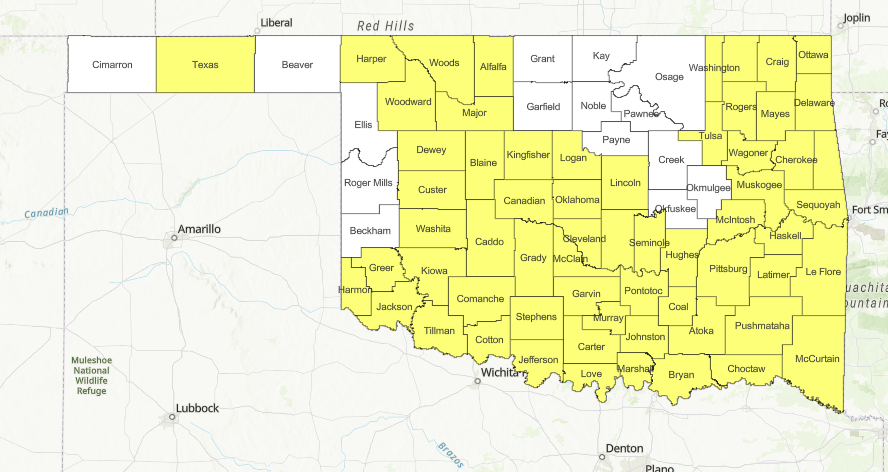
Surveillance Shows Spike in Agricultural Vehicle and Field Fires
Dr. Issa noted that the program utilizes a long-standing surveillance dataset tracking agricultural incidents across Illinois through news clipping archives. While the figures represent minimum reported incidents rather than exhaustive totals, the data highlights significant risks.
In 2025, at least 51 agricultural fire incidents were documented in Illinois, including 10 field fires that consumed a minimum of 420 acres, as well as 10 vehicle incidents involving nine combines, two tractors, and a grain cart. The vehicle incidents directly triggered more than 50 acres of field fires. Dr. Issa pointed out that tractor and combine fires typically average four to five per year, but incidents surged to at least 10 cases in 2025, including a fatal November incident where a producer working alone died inside the combine cab after a fire spread to the machine and field.

Understanding Combine Fire Triggers
Fulton explained that combine fires frequently stem from mechanical failure, electrical shorts, or excessive friction combined with crop debris.
Both speakers stressed regular maintenance and daily cleaning as the first line of defense. Using an inexpensive infrared thermometer or a handheld thermal imaging camera—often available for under $100—can help producers scan their equipment for hot spots before a bearing fails.
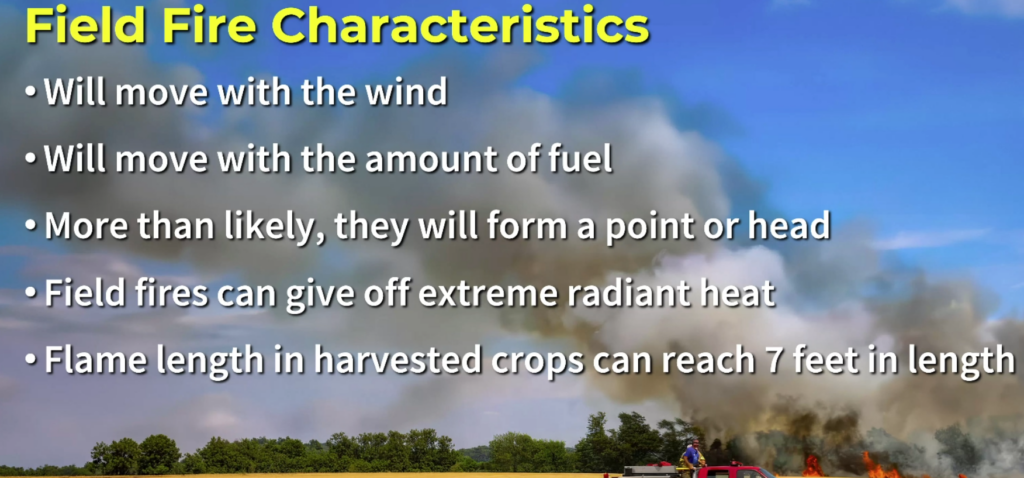
Equipment Preparedness and Safety Protocols
Fulton emphasized that producers should equip combines with two 10-pound ABC dry chemical extinguishers—mounting one near the cab or ladder and keeping a second extinguisher inside the cab. When fires originate near the left ladder, operators can jump clear and use the in-cab extinguisher to knock down the flames.
Key safety measures highlighted during the session include:
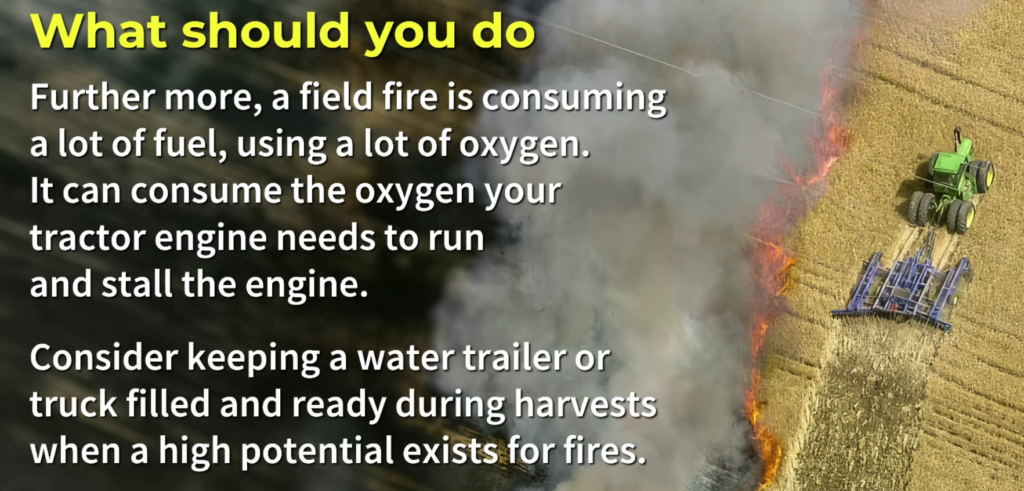
Managing Field Fires and Cooperative Firefighting
Field fires can travel with extreme velocity, driven by prevailing winds and abundant fuel. Fulton noted that flame lengths can reach up to seven feet in harvested residue and 16 to 20 feet in standing crops, with speeds increasing sharply as fire travels uphill.
Producers planning to assist fire departments should stage a tractor hooked to a disc or tillage implement in advance to cut firebreaks, as well as keep a full water trailer on hand during harvest. However, Fulton cautioned that operators should never run a tillage tool directly against an advancing flame wall, as fires can starve a tractor engine of oxygen and stall the machine. Producers should also stay on the burned side of the ground to keep hot vehicle catalytic converters from igniting fresh dry vegetation.
Finally, producers are encouraged to establish open communication with their local rural fire departments. Sharing detailed farm layouts, gate locations, and hazard points—using tools such as Farm Mapper—ensures emergency responders have the vital geographic details they need before heading down the road.
RON's Dave Lanning has a pre-opening look at today's agricultural Markets.
Click the audio tab below for today's report.

On Monday, Hunter Morton and Pete Littlefield were strangers. By Sunday, they were best friends.
It was late April, Morton and Littlefield were juniors at the time in the Ferguson College of Agriculture at Oklahoma State University. And although they did not know each other, they shared a common goal: Both hoped to serve as the mascot for their university come May.
Earlier that week, they met at a chance run-in while getting resume help at Agricultural Hall. Three days later, they'd see each other again at Pistol Pete tryouts. Staying true to tradition, as midnight approaches on the all-day event, the selected students are ceremonially presented with a set of spurs.
Littlefield received his first. Then came Morton. Following the tryout, the newest Pistol Pete duo exchanged phone numbers. "Did we just become best friends?" Morton asked Littlefield.
As the two embark on their first semester as Pistol Pete, splitting duties donning the famous headgear, they've helped the Ferguson College reach uncharted territory. For the first time ever, three Ferguson College students will serve as the university's mascots. Paired with Olivia Klug — this year's Spirit Rider, who rides Bullet during football games — a graduate student studying international agriculture, the trio will make their debut together when OSU hosts Oregon in its home opener at Boone Pickens Stadium this Saturday.
"It's special to see both Pistol Pete and the Spirit Rider come from the Ferguson College of Agriculture," said Cynda Clary, Ferguson College associate dean of academic programs. "These students represent OSU's traditions on one of the biggest stages each gameday, and it speaks to the leadership, dedication and Cowboy spirit our students bring to the university."
Work-life balance
Klug's favorite part of getting to be the Spirit Rider is interacting with the fans. Getting to experience what Bullet means to OSU fans is a joy.
But it takes hard work. At a minimum, Klug spends four days in Tulsa working with Bullet each week. Fridays before a game, she takes the horse for a ride, bathes him and loads the trailer. Saturday mornings, they go for another ride before heading to Stillwater.
All in all, Klug estimates the role takes upwards of 20 hours a week. How is she able to balance that, school and work? "I'm able to do all of these things thanks to the support systems at Oklahoma State," Klug said.
Since mid-May, Morton and Littlefield have been shouldering a similar load. Morton estimates he's made more than 100 appearances as Pistol Pete. A lot of those have been weddings. Littlefield chimed in, saying he's already been across the state.
"We've gotten really good at using a calendar," Littlefield said.
All three are embracing the responsibilities of representing the university while being full-time students. Littlefield is majoring in agricultural education. Morton is a dual major, pursuing degrees in animal science and agribusiness. Klug already has a bachelor's degree in animal science and is currently working on her master's.
Balancing it all would be nearly impossible, they all agree, without support and encouragement.
"My professors, my advisors, everyone I've talked to throughout the process of being here has been phenomenal," Littlefield said. "It's one big family. The friendliest people you'll ever meet. Every step of the way, Ferguson has had an impact."
Morton added, "The Ferguson College truly wants me to succeed. Yes, it's going to get busy, but they do a great job making sure you're in the places you're supposed to be. Having people like that in leadership roles in your college is huge."
Entertaining the masses
Klug is no stranger to the Spirit Rider job. In 2025, she served on the grounds crew, assisting last year's Spirit Rider, Avery Langley. Through that experience, Klug grew close to Langley and Bullet on gamedays.
While the Petes were presented with spurs, Klug had her own special moment. After trying out for the rider position, Langley came to Klug's house one day last spring. She presented Klug with chaps. "These are yours this year," Langley said.
It's one of Klug's defining moments at OSU.
"It's all about being able to showcase the horse," Klug said. She spent five years on the OSU equestrian team and started showing horses when she was 8. "Horses are truly athletes, and they do incredible things for us. They also love to perform."
That passion for performance isn't lost on Littlefield or Morton. Morton was a four-sport athlete in high school. He was also a member of FFA, and one of his favorite aspects was giving speeches.
Littlefield is the only one who can claim previous mascot experience on their resume — albeit brief. He spent two football games as the Cassville High (Missouri) Wildcat before becoming the team's kicker.
"We have a running joke, if you can't be on the field, be the mascot," Littlefield said.
Agricultural icons
All three took different paths to end up at OSU.
Klug grew up on a farm in Nebraska. She was an "outdoors" kid, helping with early morning feedings of the family's cattle. She toured several different schools before selecting the Ferguson College.
Morton was born in Georgia, but his father graduated from OSU. The family eventually moved back to Oklahoma, solidifying the decision. "There was no other option. I was always going to be a Cowboy," he said. Morton hopes to return home after school and assist in his family's cattle pecan and hay operation.
Littlefield, a rural southwest Missouri native, is the son of agricultural education teachers. He grew up showing livestock and attended Northeastern Oklahoma A&M College before transferring to OSU after his sophomore year. Like his parents, he hopes to become an ag teacher.
All three are now connected. Three different agricultural backgrounds. Three different paths to OSU. Three different plans for post-graduation. But for now, they're just three Ferguson College students representing the university at the highest level.
"It's all about being a part of something bigger than myself," Klug said. "I think it's truly a testament of how amazing the Ferguson College of Agriculture is and how much it supports its students."
Late that Sunday spring evening when Morton was named Pistol Pete, he stayed up late to celebrate. He exchanged numbers with Littlefield. They'd just become best friends.
Morton didn't forget he was still a Ferguson College student. He made sure he was on campus the next day at 8 a.m. for work.
"Ferguson has given me a home away from home," Morton said. "It changed my life. The three of us getting to not only represent OSU, but also our college, is something we're all very proud of."
The latest WASDE report analysis reveals a complex supply and demand picture for Southern Plains growers, particularly within the wheat and cotton sectors where global dynamics and localized weather continue to dictate market tone. Farm Director KC Sheperd sat down with Rich Nelson, chief strategist at Allendale, to break down the latest figures from the USDA's World Agricultural Supply and Demand Estimates (WASDE) and evaluate what these supply shifts mean on the ground for agricultural operations.
Wheat Balance Sheet Holds Steady Despite 20-Cent Price Increase
USDA made virtually no structural revisions to its domestic wheat balance sheet in the latest release, holding total ending stocks steady at 717 million bushels. Official adjustments to domestic production remain on pause until the USDA issues the Small Grains Annual Summary alongside the Quarterly Grain Stocks report at the end of the month. Nelson noted that while production revisions in that upcoming report typically average between 10 to 50 million bushels, this year's numbers appear closely dialed in by the agency, diminishing the likelihood of any major bullish or bearish surprises.
Despite an unchanged domestic balance sheet, USDA elected to raise its projected season-average farm-gate price by 20 cents per bushel. Nelson explained that cash wheat markets are taking cues from international turmoil rather than domestic inventories alone. Geopolitical conflicts involving Russia, Ukraine, and broader Middle Eastern tensions have consistently pushed cash trade and world prices well above levels that traditional U.S. carryout numbers would otherwise support.
Export Realities Weigh on U.S. Hard Red Winter Wheat
While geopolitical friction provides an underlying pricing cushion, moving hard red winter wheat into the international marketplace remains an uphill battle. Nelson pointed out that weekly export sales data released alongside the report showed export movement dropping to the second-lowest level recorded since the data series began in 1987, trailing the five-year average by a full 40 percent.
Elevated ocean freight rates and sharply increased shipping costs continue to place American grain at a severe price disadvantage against international competitors. Nelson cautioned that while global balance sheets and world headlines will continue to offer supportive price swings, producer expectations for substantial domestic balance sheet tightening driven by export demand should remain tempered.
Drought Cuts Cotton Yields and Tighter Ending Stocks
Severe moisture deficits across prime growing regions in the Southwest prompted USDA to make notable downward revisions to the U.S. cotton balance sheet. The agency lowered national yield expectations from 798 pounds per acre last month down to 776 pounds per acre. That adjustment places this season's national yield roughly 9 percent below last year's production levels, directly reflecting the toll taken by persistent dry weather across key growing territories.
Those reduced yields pulled total U.S. cotton ending stocks down from 4.0 million bales to 3.6 million bales. This drop marks a clear shift from previous projections, putting domestic carryout below the levels seen in each of the past two marketing years.
Cotton Futures Sputter as Trade Awaits Harvest Clarity
Despite the bullish supply cuts in the balance sheet, cotton futures struggled to generate meaningful upward momentum immediately following the report. Nelson observed that commercial traders and market participants had privately braced for an even more aggressive reduction in output, causing the initial response to flatten.
With harvest just getting underway, Nelson emphasized that the market is unlikely to see dramatic production adjustments confirmed until final harvest tallies emerge in the USDA's January annual summary. In Oklahoma, where isolated showers provided negligible relief to an already stressed crop, growers face a waiting game. Beyond production figures, Nelson noted that outside market forces, including a scheduled U.S. visit by China's leadership and macroeconomic shifts, could inject intermittent volatility into cotton prices over the months ahead.
Corn, Soybeans, and Livestock Round Out the Balance Sheets
Outside of wheat and cotton, Nelson reviewed adjustments across the broader commodity spectrum:
Nelson advised producers to monitor the upcoming Federal Reserve interest rate decision, as higher borrowing costs remain an active headwind for broader commodity demand, as well as the Small Grains Summary and Quarterly Grain Stocks reports set for release on the 30th.
You can also view the full reports here:
-- World Agricultural Supply and Demand Estimates (WASDE):
Producers and market participants can reach Rich Nelson and the Allendale team through the following contact methods:
The U.S. Department of Agriculture's National Agricultural Statistics Service (NASS) released its September Crop Production report, updating forecasts for major U.S. crops following a review of acreage and conditions as of September 1. August brought mixed weather conditions across key United States agricultural regions. Warmer-than-normal temperatures dominated most of the Pacific Coast, Rockies, and southern Plains. Much of the central Plains and lower Mississippi Valley also experienced modest warmth. In contrast, the northern Plains, upper Mississippi Valley, and Ohio Valley recorded near- to slightly below-normal temperatures. Precipitation patterns were highly variable. Much of the Delta, central and southern Plains, Southwest, and West recorded below-normal rainfall, with some locations receiving less than 50 percent of normal monthly totals. Drier-than-normal conditions also persisted across parts of the upper Mississippi Valley and Great Lakes.
Corn: Acreage updates were made based on a thorough review of all available data. Total planted area, at 96.8 million acres, is up slightly from the previous estimate but down 2 percent from 2025. Area harvested for grain is forecast at 88.5 million acres, down less than one percent from the previous forecast and down 3 percent from last year. Production for grain is forecast at 15.8 billion bushels, down 1 percent from the previous forecast and down 7 percent from last year. If realized, this would be the second highest production for grain on record for the United States. Based on conditions as of September 1, the yield is forecast at 178.5 bushels per acre, down 2.2 bushels from the previous forecast and down 8.0 bushels from last year's record high 186.5 bushels per acre.
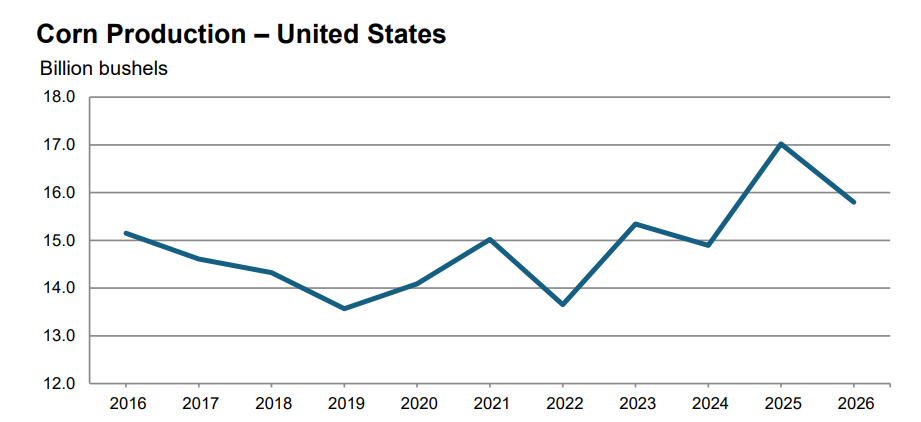
Cotton: Acreage updates were made based on a thorough review of all available data. All cotton planted area totaled 10.5 million acres, down less than 1 percent from the previous forecast but up 13 percent from 2025. All cotton area harvested is forecast at 8.16 million acres, down less than 1 percent but up 4 percent from 2025. Area planted to Upland cotton is estimated at 10.3 million acres, down less than 1 percent from the previous estimate but up 13 percent from 2025. Upland harvested area for the Nation is expected to total 8.03 million acres, down less than 1 percent from the previous month but up 4 percent from last year. Pima cotton planted area is estimated at 141,000 acres, down 5 percent from the previous forecast and down less than 1 percent from 2025. Pima harvested area is forecast at 136,700 acres, down 5 percent from the previous month and down 1 percent from last year.
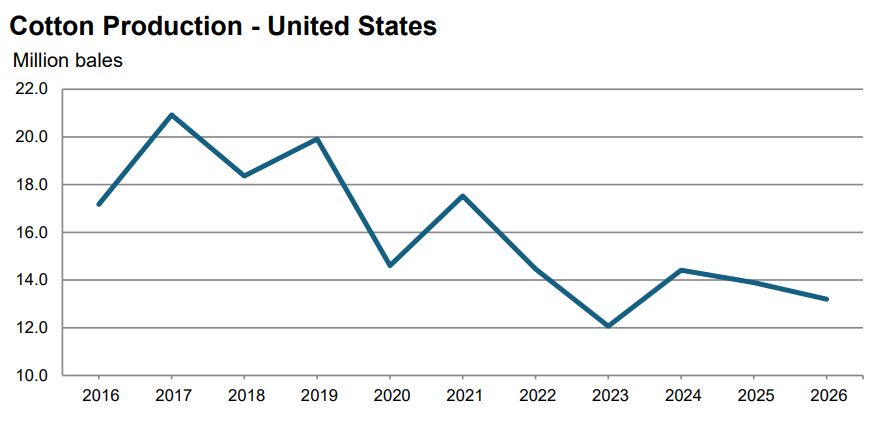
Soybeans: Acreage updates were made based on a thorough review of all available data. Total planted area, at 86.9 million acres, is up less than 1 percent from the previous estimate and up 7 percent from the previous year. Acreage harvested for beans is forecast at 85.9 million acres, up less than 1 percent from the previous forecast and up 7 percent from last year. Production is forecast at a record 4.53 billion bushels, up less than 1 percent from the previous estimate and up 6 percent from 2025. The forecasted yield, at 52.8 bushels per acre, is down 0.2 bushel from last year's final estimate of 53.0 bushels per acre. If realized, this would be the second highest yield on record for the Nation.
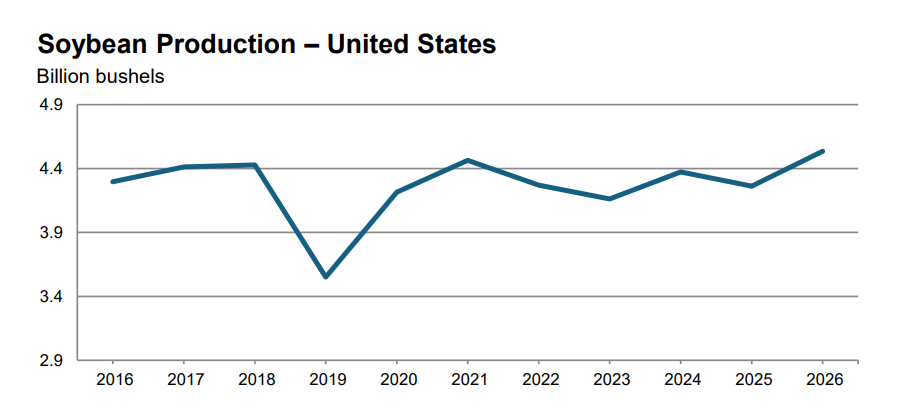
Sorghum: Acreage updates were made following a thorough review of all available data. Production is forecast at 284 million bushels, down 4 percent from the previous forecast and down 35 percent from last year. Planted area, at 5.98 million acres, is down 2 percent from the previous estimate and down 10 percent from last year. Area harvested for grain is forecast at 5.23 million acres, down 2 percent from the previous forecast and down 13 percent from 2025. Based on September 1 conditions, yield is forecast at 54.4 bushels per acre, 1.0 bushel below the previous forecast and 18.2 bushels below the 2025 yield of 72.6 bushels per acre.
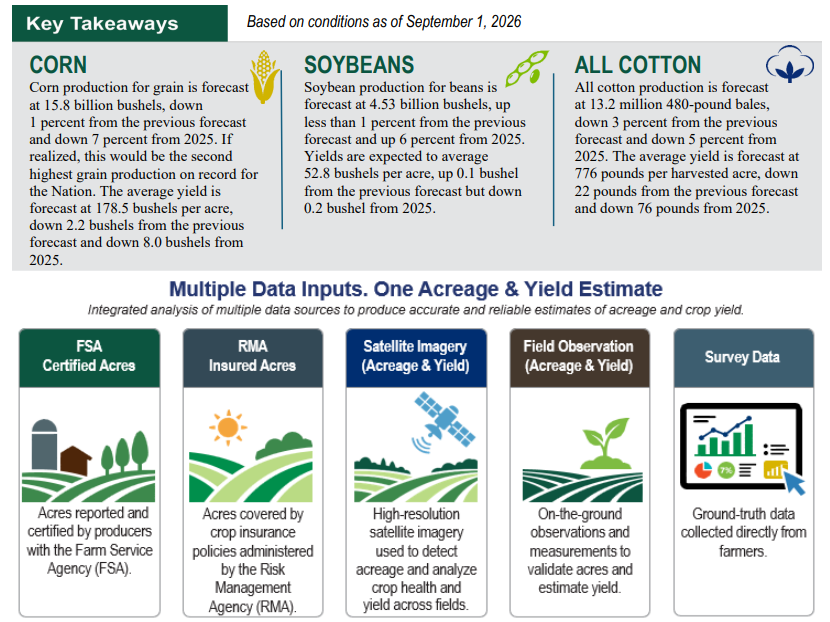

At its informational meeting today, the Farm Credit Administration (FCA) board received a quarterly report (PDF) on economic conditions affecting agriculture and an update on the condition and performance of the Farm Credit System (System) as of June 30, 2026. FCA Chairman and CEO Jeffery Hall also recognized the 25th anniversary of the 9/11 terrorist attacks.
The U.S. economy continued to grow in the first half of 2026 despite headwinds from the conflict in the Middle East. The ongoing expansion of AI infrastructure helped spur both private investment and stock market gains resulting in consumer spending by wealthier households. While inflation measures cooled through the summer, the relative strength of the labor market has led the Federal Reserve to begin emphasizing price stability in setting interest rates.
The agricultural economy continues to be pressured by higher expenses, but weather-related and geopolitical supply shocks have created marketing opportunities that may help alleviate crop producer liquidity concerns in the fall. Livestock producer profits, however, have been more varied. Farmland values have continued to rise despite soft returns in recent years, driven by tight supplies, continued government support, and investment or urban pressures.
For the first six months of 2026, the System reported modest loan growth, increased earnings, and sound capital levels. Overall loan portfolio quality also remained sound, but credit risk measures continued to trend higher. Nonperforming assets increased to 1.09% of loans outstanding and other property owned as of June 30, up from 1.02% a year ago.
While producers in certain agricultural sectors continue to face difficult operating conditions, the System's sound financial condition enables it to support the funding and liquidity needs of U.S. farmers and ranchers.
During the meeting, FCA Chairman and CEO Jeffery Hall offered the following statement to recognize the 25th anniversary of the 9/11 terrorist attacks:
"In the morning hours of September 11th, 2001, nearly 3,000 people lost their lives in New York City, at the Pentagon in Arlington, and in southwestern Pennsylvania. We honor the passengers and crew of United Flight 93, who courageously fought back and died in a field near Shanksville, avoiding an even greater tragedy.
"We also remember the first responders who risked, and in some cases lost their lives by bravely rushing into chaos, fire, and destruction. Their bravery reminds us of the very best qualities of the American spirit. That day and the weeks that followed additionally demonstrated how a nation, our nation, could put aside differences and come together.
"Many of us can remember exactly where we were and what we were doing when we received the news and rushed to the television to watch the horror unfold. But there is now an entire generation who are too young to have witnessed that day.
"Each year that passes, a little piece of our memory fades and there are fewer people who can tell the stories. That makes it even more important to continue telling the story of the lives lost and honor the sacrifices made and celebrate the resilience of a nation."
Since Aug. 13, the FCA board has taken one notational vote. Notational votes are actions the FCA board takes between meetings.
On Sept. 9, the board approved the minutes of the Aug. 13, 2026, regular board meeting.
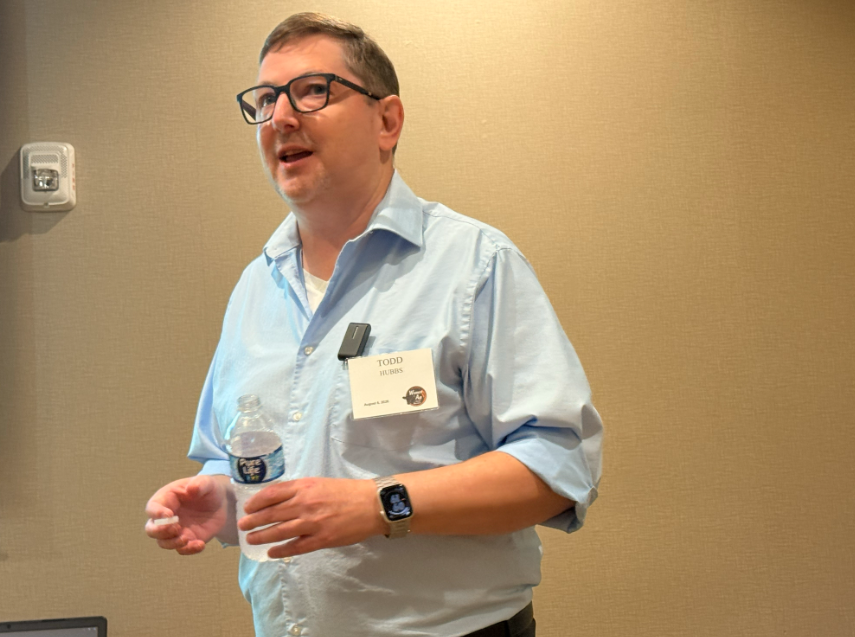
Oklahoma agricultural producers managing grain marketing decisions face a complex mix of geopolitical uncertainty, shifting export demand, and volatile basis levels as harvest decisions approach. While recent rains provided welcome moisture across portions of the state, hard red winter wheat prices continue to trade within a familiar range, hovering between $8.10 and $8.40 in the futures market. Local cash prices across Oklahoma remain in the upper $7.70 range, providing favorable pricing opportunities for producers holding inventory, though high production risks and international market dynamics continue to complicate forward sales.
According to Oklahoma State University Extension Crop Marketing Specialist Todd Hubbs, the global market remains clouded by unrest in the Black Sea region. Despite brief market sell-offs sparked by talk of potential conflict resolutions, military strikes on shipping infrastructure persist. Hubbs noted that global wheat demand has shown signs of softening, with international buyers turning cautious and tenders slowing down following strong global production last season. Additionally, rising energy and transportation costs have pressured wheat basis levels, even as U.S. hard red winter wheat prices at the Gulf remain above world values.
USDA Yield Projections in Focus
Market attention is primarily centered on upcoming USDA Crop Production and WASDE reports, (coming out this morning at 11am) where yield adjustments for corn, soybeans, and grain sorghum could dictate the next major market swing.
While industry estimates for national corn yields have slipped below the 183-bushel-per-acre trend, Hubbs projects corn yields closer to the 179 to 180-bushel range. A confirmed reduction in corn production could lend strong support to prices across the entire feed grain complex. Strong domestic ethanol policy and steady buying continue to underpin corn demand, creating positive spillover potential for other commodities.
For Oklahoma grain sorghum growers managing tight margins, basis levels show wide local variation, ranging anywhere from 50 cents to a full dollar under corn. Hubbs anticipates USDA could lower sorghum yield expectations from the previous 53-bushel mark down into the 46-to-47-bushel range. A tightening domestic balance sheet, coupled with ongoing demand from China and feed use, will serve as primary price drivers for milo moving forward.
Risk Management and Forward Contracting
For producers evaluating forward pricing strategies for new-crop wheat, particularly with 75% to 85% crop insurance coverage, managing production risk remains the top priority. July hard red winter wheat contracts have traded near $8.14, trailing May contracts at $8.27 and offering limited carry into the new crop year.
Given Oklahoma's elevated production risks, forward contracting too aggressively carries the danger of having to buy back unfulfilled bushels if adverse weather strikes. Hubbs pointed out that while market options remain relatively expensive due to heightened volatility, producers can evaluate straight cash forward contracts based on their individual risk tolerance, taking advantage of historically solid cash bids while maintaining coverage against regional yield swings.

Steve Richards writes in Southern Ag Today: Independent rural grocery stores have been in decline due to factors such as competition from newer, smaller-footprint rivals, buying-power disadvantages relative to larger chains, rural population loss, and the aging out of independent grocery store owners. This decline is leading some small towns to explore starting cooperatively owned grocery stores, as history shows that many cooperatives were formed to serve rural areas where private investment failed. Examples include farmers' cooperatives, rural electric and telephone cooperatives, and the Farm Credit System.
Recently, the South Carolina Center for Cooperative Development surveyed a small town to assess interest in a cooperatively owned grocery store and found interesting results.
The Positive Findings
In general, the survey found substantial enthusiasm for a grocery store. The survey drew 773 complete responses from a population center of about 9,000 people. Most participants (84%) either lived in the city center or were within a 20-minute drive. Participants' shopping habits showed that they use a variety of food outlets, with many respondents (~80%) shopping at major grocery chains and discount stores. Average monthly grocery spending ranged from $200 to $800, with a median of $400–$599.
When choosing where to shop, respondents ranked product quality first (80.7%), followed by price or value (62.7%) and product availability, selection, and variety (48.9%). When asked which product offerings were the most important, fresh produce was ranked highest, followed by meat and seafood, dairy products, organic or natural foods, and prepared foods. Locally sourced products seemed to matter more than organically sourced products for most participants: 88.6% rated local sourcing at least moderately important, while 65.7% rated organic sourcing at least moderately important.
Respondents also viewed the store as more important than a typical retail outlet, like an "anchor store" that drives foot traffic for a struggling main street. A deli or café was the most desired additional service, followed by online ordering and pickup, cooking demonstrations, community events, delivery, and nutritional education. Respondents also emphasized accessibility, parking, operating hours, professional management, and a welcoming atmosphere.
The Lukewarm Findings
Familiarity with the cooperative concept was limited. Sixty-nine percent said they were either only slightly familiar or not familiar at all with the model. Membership interest was more measured. About 61% were somewhat or very interested in becoming member-owners. Of those asked about investing, roughly three-quarters considered a one-time stock purchase of less than $300 reasonable. Engagement interest was limited, with interest in serving on a board or committee split evenly at 50% "yes" and 50% "no."
The sample was also comparatively affluent, with about 70% reporting household incomes of $100,000 or more, suggesting that the findings may not fully reflect all income groups in the wider community.
Next Steps and Sources for Assistance
Cooperative groceries can work, though they typically do not resemble traditional grocery stores. While the survey findings point to a potentially promising market, long-term success depends on clear education (and engagement) with the cooperative model, and thoughtful collaboration with existing farmers, farm markets, and other local businesses. Potential cooperative "owners-as-customers" must also be realistic about the variety of products offered, as grocery store margins are low and inventory costs high.
The South Carolina Center for Cooperative and Enterprise Development is an example of how most states have resources to help rural towns with this issue. If you are looking to start a cooperative, many land-grant universities have extension personnel and cooperative specialists who can help with these items. Also, there are national organizations available to help cooperative grocery stores, once a cooperative has been established.
Richards, Steve. "Can Cooperatives Help Reverse the Decline in Rural Grocery Stores?" Southern Ag Today
In today's Beef Buzz, senior farm and ranch broadcaster Ron Hays features comments from Oklahoma cattle producer and Cattlemen's Beef Promotion Board Chairman Cheryl Devuyst, who is representing U.S. cattle producers during a special trade mission to Japan.
Devuyst says the Heartland tour has brought beef, corn and soybean producers together with Japanese buyers and industry representatives to learn more about the demand for U.S. agricultural products. "Well, we've had a great time on this Heartland tour," Devuyst said. "We have beef and corn and soybean producers here in Japan talking with some of the people who import our products."
One of the stops on the tour gave producers a firsthand look at how beef tongue is processed for the Japanese market. While beef tongue is not commonly consumed in the United States, Devuyst says it is a popular product among Japanese consumers. "We were able to get some great information about beef tongue today," Devuyst said. "Went through a beef tongue processing plant, and while we in the U.S. are not great consumers of beef tongue, the Japanese love beef tongue and eat a lot of our tongue over here."
The group also had an opportunity to sample the product. "So it was great to be able to go through that plant, see the processing of the tongues, and then be able to actually have some. And it is pretty good," she said.
Devuyst says the tour has also highlighted the demand for other U.S. beef variety meats. "I've had not only beef tongue, but intestine and other variety meats that we really don't eat in the United States very much," Devuyst said. "But they love the product, so it is really great to be able to increase the bottom line of our producers that they are buying that product at a premium."
Japan has been a longtime customer for U.S. beef, and Devuyst says the relationships developed over decades continue to support that market. "Yes, they are great customers, and they are very loyal," she said. "We have great staff with USMEF in Japan, and they have formed some great relationships. They want our beef products. They know the quality, and they know the service that they get when they're able to import the beef that we have."
The producers on the tour have also visited retail locations where U.S. beef is featured, giving them a better understanding of how the products are marketed and consumed. "We really have been able to spend some time learning more about how they prepare our product," Devuyst said.
During a visit to Sendai, the group traveled by bullet train and continued learning about the cultural importance of U.S. beef products in Japan. "We were able to really learn more about how essential our product is in their culture, and how they really enjoy the beef tongue and other beef variety meats," Devuyst said.
She says those products have become part of social and family gatherings. "They are really able to build their culture, their family gatherings, their business gatherings," Devuyst said. "They sit around a table and they enjoy our product."
Devuyst also pointed to the role of the U.S. Meat Export Federation in developing the Japanese market. This year marks USMEF's 50th anniversary, with Japan having been home to the organization's first international office. "Yes, it is. It's the 50th anniversary of USMEF, and like I said, it's almost 50 years now that they've had an office here in Japan," Devuyst said. "It was the first office opened, so they have formed these relationships and these business partnerships."
She says those relationships are especially important as U.S. beef competes with products from other countries. "While there are a lot of competitors, they work really hard to make sure that they're getting our producer's product in front of the Japanese consumer," Devuyst said.
The Beef Buzz is a regular feature heard on radio stations around the region on the Radio Oklahoma Ag Network and is a regular audio feature found on this website as well. Click on the LISTEN BAR above for today's show and check out our archives for older Beef Buzz shows covering the gamut of the beef cattle industry today.
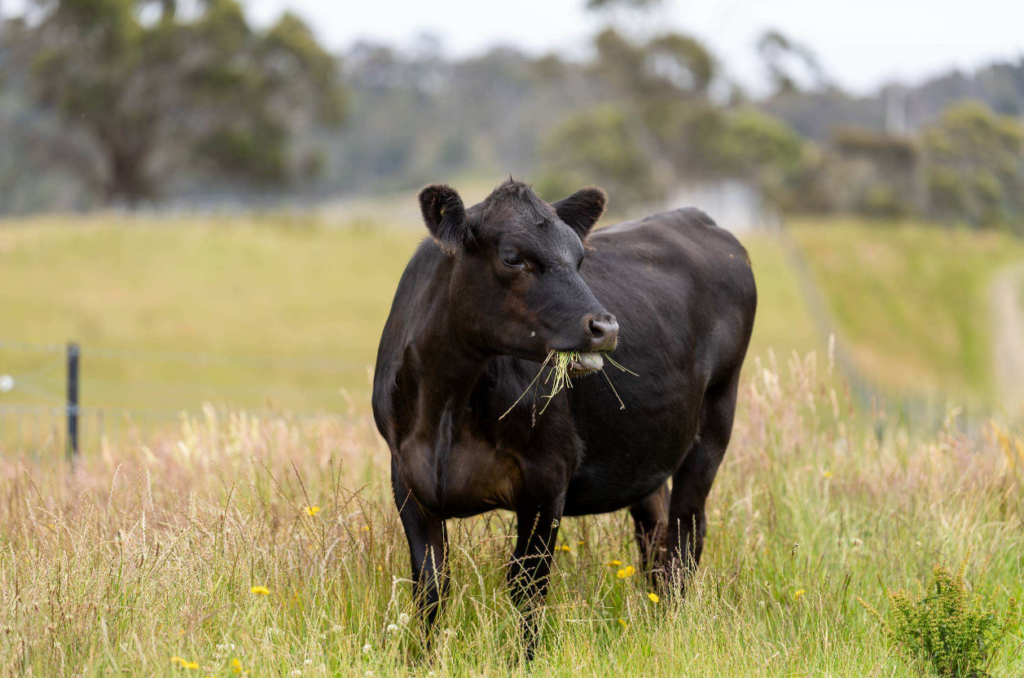
The Cattlemen's Beef Board (CBB) will invest approximately $39.5 million into programs of beef promotion, research, consumer information, industry information, foreign marketing, and producer communications during fiscal 2027, subject to USDA approval.
In action at the end of its September 2-3 meeting in Denver, Colorado, the Beef Promotion Operating Committee (BPOC) approved Checkoff funding for a total of 12 "Authorization Requests" – or grant proposals – for the fiscal year beginning October 1, 2026. The committee, which includes 10 producers and importers from the Cattlemen's Beef Board and 10 producers from the Federation of State Beef Councils, also recommended full Cattlemen's Beef Board approval of a budget amendment to reflect the split of funding between budget categories affected by their decisions.
Nine contractors and four subcontractors brought 13 Authorization Requests worth approximately $49.6 million to the BPOC this week, approximately $10.1 million more than the funds available from the CBB budget.
"Each year, our contractors bring forward strong ideas for reaching consumers, strengthening demand for beef and addressing the issues that matter to our industry," said Cheryl DeVuyst, chair of the Cattlemen's Beef Board and the Beef Promotion Operating Committee. "With limited Checkoff dollars available, our responsibility is to carefully evaluate those opportunities and invest in the programs we believe can deliver the greatest value for beef producers.
"I'm proud of the thoughtful work this committee put into reviewing the Authorization Requests and making some difficult funding decisions. We had productive discussions about where Checkoff dollars can make the greatest impact, and ultimately, we came together around a budget that supports important work in research, promotion, foreign marketing, industry and consumer information and producer communications. I appreciate the time and commitment of our committee members and contractors, and I'm looking forward to seeing this work come to life in FY27."
In the end, the BPOC approved proposals from eight national beef organizations for funding through the FY27 Cattlemen's Beef Board budget, as follows:
· American Farm Bureau Foundation for Agriculture - $750,000
· Cattlemen's Beef Board - $2,000,000
· Meat Foundation - $750,000
· Meat Import Council of America / Northeast Beef Promotion Initiative - $1,000,000
· Meat Institute/New York Beef Council - $270,000
· National Cattlemen's Beef Association - $26,050,000
· United States Cattlemen's Association/Duke University/University of Florida - $598,000
· United States Meat Export Federation - $8,100,000
Broken out by budget component – as outlined by the Beef Promotion and Research Act of 1985 – the FY27 Plan of Work for the Cattlemen's Beef Promotion and Research Board budget includes:
· $9,270,000 for promotion programs, including beef and veal campaigns focusing on beef's nutritional value, eating experience, convenience, and production.
· $9,598,000 for research programs focusing on pre- and post-harvest beef safety, scientific affairs, nutrition, sustainability, product quality, culinary technical expertise, and consumer perceptions.
· $7,850,000 for consumer information programs, including Northeast influencer outreach and public relations initiatives; national consumer public relations, including nutrition-influencer relations and work with primary- and secondary-school curriculum directors nationwide to get accurate information about the beef industry into classrooms of today's youth. Additional initiatives include outreach and engagement with food, culinary, nutrition and health thought leaders; media and public relations efforts; and supply chain engagement.
· $2,700,000 for industry information programs, including dissemination of accurate information about the beef industry to counter misinformation from other groups, as well as funding for Checkoff participation in the annual national industrywide symposium about antibiotic use. Additional efforts in this program area include beef advocacy training and issues/crisis management and response.
· $8,100,000 for foreign marketing and education, focusing on 13 regions, representing more than 90 countries around the world.
· $2,000,000 for producer communications, which includes investor outreach using national communications and direct communications to producers and importers about Checkoff results. Elements of this program include ongoing producer listening and analysis; industry collaboration and outreach; and continued development of a publishing strategy and platform and a state beef council content hub.
The full fiscal 2027 Cattlemen's Beef Board budget is approximately $43.9 million. Separate from the Authorization Requests, other expenses funded include $332,000 for program evaluation; $833,000 program development; $214,000 for Checkoff education resources; $540,000 for USDA oversight; $230,000 for state services; $200,000 supporting services and litigation; and approximately $2.0 million for CBB administration. The fiscal 2027 program budget represents an increase of 3.4% percent, or $1.5 million, from the $42.4 million FY26 budget.
For more information about the Beef Checkoff and its programs, including promotion, research, foreign marketing, industry information, consumer information and safety, contact the Cattlemen's Beef Board at 303-220-9890 or visit DrivingDemandForBeef.com.

Supporters gathered in Oklahoma City for the 2026 Diamond Hats gala, celebrating young agriculturalists and raising $310,787 to support exhibitors at the Oklahoma Youth Expo.
Co-hosted by Farm Director KC Sheperd and Lake Carpenter, the evening featured high-energy bidding and live entertainment. Musical guest Diamond Rio took the stage to perform a lineup packed with all their classic hits, keeping the crowd engaged throughout the night. Fundraising momentum stayed strong across both the live and silent auctions, with attendees placing competitive bids on a wide slate of premier donated items to benefit Oklahoma youth.
The centerpiece of the evening was the presentation of the organization's top honor, as Dr. Rosslyn Biggs was officially named the Diamond Hats Agriculture Woman of the Year.
For Biggs, an assistant professor and beef cattle Extension veterinarian at Oklahoma State University, the recognition came as an absolute surprise orchestrated by her family.
"I was very, very surprised," Biggs said. "My sisters and my husband got one over on me, which doesn't happen very often. It was a great honor and an absolute surprise."

The honor also marks a unique family milestone. Biggs joins her sister, Oklahoma Secretary of Agriculture Blayne Arthur, as a recipient of the award. Biggs recalled being on babysitting duty the night Arthur was recognized years earlier.
"I remember exactly when she won because I had just had a baby about a week ahead of Diamond Hats Gala, and I watched all of the children—hers and mine—and the rest of the family came and got to be here," Biggs said. "It's an honor to be the second. I have two sisters, both Blayne and Chelsey, that have regularly outperformed me in my life."
Raised in western Oklahoma with deep roots in 4-H and FFA, Biggs earned her agricultural communications degree before completing veterinary school at Oklahoma State University. While she never anticipated returning to the university as a faculty member, she noted that serving through OSU Extension and the veterinary college has been the best role of her career.
Working daily with veterinary students and agricultural communications students, Biggs emphasized how rewarding it is to mentor the next generation, especially during a time when rural and food animal veterinarians are in critically high demand.
"I'm very fortunate because of my role in Extension as well as Vet Med, and frankly, if I'm having a bad day, students are the ones that fix it," Biggs said. "I just get out of the office and go walk the halls of the teaching hospital, or work with a lot of Ag Comm students that I'm very fortunate to work with, too. They will make a bad day much better."
Reflecting on the impact of Diamond Hats and the funds generated for OYE, Biggs noted that the expo provides vital opportunities for all young people, whether they are in the show ring, building ag mechanics projects, or competing in shooting sports.

"There's really nothing better," Biggs said. "If you're looking to hire whatever profession you're looking for, you need an ag kid if you want a good one."
Raised in western Oklahoma with deep roots in 4-H and FFA, Biggs earned her agricultural communications degree before completing veterinary school at Oklahoma State University. While she never anticipated returning to the university as a faculty member, she noted that serving through OSU Extension and the veterinary college has been the best role of her career.
Working daily with veterinary students and agricultural communications students, Biggs emphasized how rewarding it is to mentor the next generation, especially during a time when rural and food animal veterinarians are in critically high demand.
"I'm very fortunate because of my role in Extension as well as Vet Med, and frankly, if I'm having a bad day, students are the ones that fix it," Biggs said. "I just get out of the office and go walk the halls of the teaching hospital, or work with a lot of Ag Comm students that I'm very fortunate to work with, too. They will make a bad day much better."
Reflecting on the impact of Diamond Hats and the funds generated for OYE, Biggs noted that the expo provides vital opportunities for all young people, whether they are in the show ring, building ag mechanics projects, or competing in shooting sports.
"There's really nothing better," Biggs said. "If you're looking to hire whatever profession you're looking for, you need an ag kid if you want a good one."
RON's Dave Lanning has a pre-opening look at today's agricultural Markets.
Click the audio tab below for today's report.
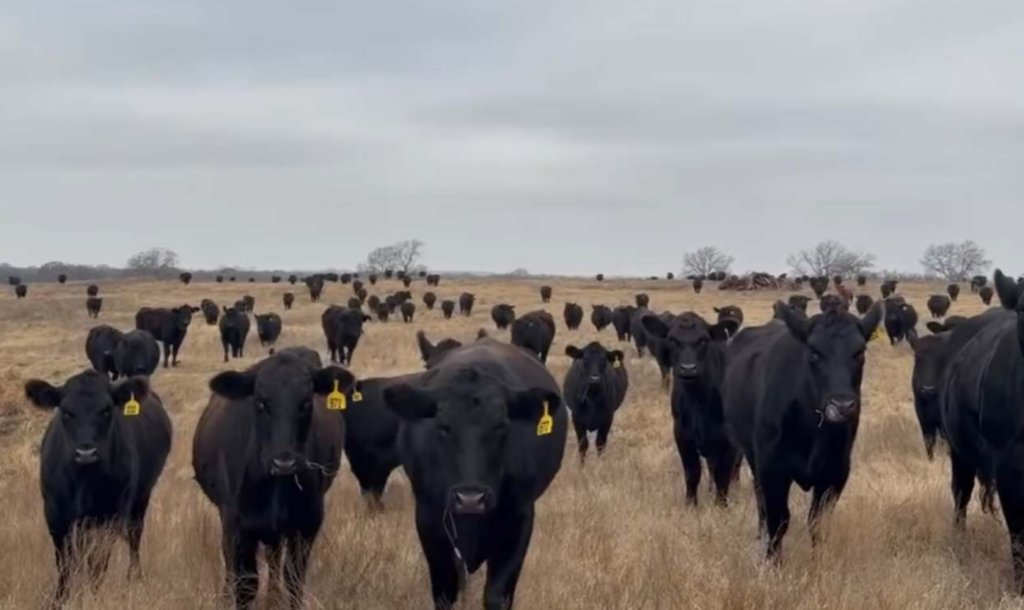
Students pursuing careers in the beef industry are encouraged to apply for the 2027 CME Group Beef Industry Scholarship through the National Cattlemen's Foundation. Ten scholarships of $1,500 each will be awarded.
Introduced in 1989 and sponsored by CME Group, the scholarship identifies and encourages talented students who play a vital role in the future of food production. Students studying education, communication, production, research or other areas related to the beef industry are eligible to apply for the annual scholarship program.
"We are honored to partner with the National Cattlemen's Foundation and National Cattlemen's Beef Association to champion the next generation of leaders in the cattle industry," said John Ricci, CME Group managing director and global head of agricultural products. "By investing in these emerging leaders today, we're helping ensure that tomorrow's cattlemen and cattlewomen have the knowledge, innovation and resilience needed to feed a growing world for generations to come."
Eligible applicants must be a graduating high school senior or full-time undergraduate student enrolled at a two- or four-year institution. The application process includes submitting a one-page letter expressing career goals related to the beef industry, a 750-word essay describing an issue in the beef industry and offering solutions to this problem, and two letters of recommendation. The applicant or a family member must be a member of the National Cattlemen's Beef Association.
The application deadline is Oct. 9, 2026. For more information and to apply, visit www.nationalcattlemensfoundation.org. Scholarship recipients will be recognized during CattleCon 2027, Feb. 2-4, in Nashville, Tennessee.
Organized in 1972, NCF is a 501(c)(3) nonprofit organization providing charitable, scientific and educational activities to benefit the cattle industry.
U.S. Environmental Protection Agency (EPA) is seeking applications from Tribes for a total of approximately $3.5 million in new competitive grant funding under Clean Water Action Section 319. Funding from the agency's 319 grant program helps improve water quality in local waterbodies by reducing nonpoint source pollution—contaminants that can be carried from urban, suburban, and rural landscapes and deposited into waterways. This available grant funding builds on the success of previous grantees who have documented water quality improvements across more than 16,300 miles of rivers and streams and over 230,000 acres of lakes since 2009.
"EPA is committed to working government-to-government with federally recognized Tribes to help strengthen their water resources," said EPA Deputy Assistant Administrator for the Office of Water Caitlin McHale. "EPA's 319 grant program has a track-record of success, leveraging non-federal dollars, and implementing tangible and real-world projects that improve water quality. With millions in new funding available, Tribes will be able to accelerate clean water progress to benefit current and future generations."
The voluntary work done by grantees under EPA's 319 grant program complements the agency's regulatory and permitting authorities under the Clean Water Act to help ensure that all Americans can rely on clean and safe water. Projects funded by Clean Water Act Section 319 grants will reduce polluted runoff, also known as in nonpoint source pollution, which originates from many diffuse sources across the landscape. An analysis of successful nonpoint source water quality restorations estimated that for each Section 319 dollar invested in water quality projects, partners contributed an additional eight dollars.
Some examples of projects that would be eligible for this competitive Tribal funding, include planting streambanks, controlling erosion, installing livestock exclusion fences, addressing stormwater flow and developing watershed-based plans. Each eligible Tribe and intertribal consortia may apply for up to $175,000. EPA expects to select approximately 20 projects for awards. The 2026 Notice of Funding Opportunity (NOFO) is available on grants.gov and application packages must be submitted by November 9, 2026.
EPA will host an informational webinar on the 2026 Tribal Competitive NOFO on September 17. Registration and other webinar details, as well as access to the NOFO, are available on EPA's Tribal Section 319 Grants webpage.
Information about past funded projects under the Tribal competition is available online in EPA's Tribal NPS Projects Mapper.
Learn more about EPA's national Tribal Nonpoint Source Program.

Twenty-five years ago, Americans woke up on a Tuesday morning in September expecting an ordinary day.
Across farm country, crops still needed tended. Livestock needed fed. Equipment needed repaired. Harvest was approaching in many parts of the country.
Then, at 8:46 that morning, American Airlines Flight 11 struck the North Tower of the World Trade Center.
Seventeen minutes later, a second plane struck the South Tower. A third would hit the Pentagon, and a fourth would crash into a field near Shanksville, Pennsylvania.
By the end of September 11, 2001, nearly 3,000 people had been killed, America had been attacked, and life in the United States had changed forever.
American agriculture changed, too.
For farmers and ranchers hundreds or even thousands of miles from New York City, Washington, D.C., and Pennsylvania, chores did not stop because the country was under attack.
But almost everything else did.
At 9:25 a.m., the Federal Aviation Administration stopped takeoffs of civilian aircraft nationwide. At 9:45, the FAA ordered every aircraft already in the air to land at the nearest airport as soon as practical.
More than 4,500 aircraft were in the air at the time.
By 12:15 p.m., the airspace over the contiguous United States had been cleared of commercial and private flights.
For people working outdoors across rural America, the result was something rarely experienced before or since — an almost completely silent American sky.
The shutdown was unprecedented. It was the first unplanned closure of U.S. airspace in the nation's history.
And while the airplanes stopped, agriculture kept moving.
Cattle still had to be fed. Cows still had to be milked. Crops still had to be tended. Farmers continued doing the work they had started that morning, while radios and televisions carried news that was almost impossible to comprehend.
The attacks also created immediate economic disruptions for U.S. agriculture.
Commodity futures trading was halted. Shipments of perishable agricultural products moving by air were delayed. Trucks carrying agricultural goods encountered delays along the borders with Canada and Mexico.
Those direct economic losses ultimately proved temporary.
But agriculture is heavily dependent on transportation, international trade and global markets, and September 11 demonstrated how quickly a national crisis could reach all the way back to the farm gate.
The attacks — followed weeks later by anthrax letters sent through the U.S. mail — also raised another question that would have a much longer-lasting impact on agriculture:
What if America's food and agricultural system itself became a target?
The possibility of agroterrorism was not invented after September 11, but the attacks brought a new urgency to the threat.
Congressional researchers warned that America's farms and food system could be vulnerable to deliberate biological attacks.
Unlike an attack on a building or military installation, an attack on agriculture might begin almost unnoticed.
A highly contagious foreign animal disease could be deliberately introduced into livestock. A plant disease could be introduced into crops. Food could potentially be contaminated somewhere along a vast production and distribution chain.
The goal would not necessarily be to kill animals or destroy crops. The larger target could be the American economy and public confidence.
A major livestock disease outbreak, for example, could halt exports, disrupt domestic markets, require the destruction of large numbers of animals and cost the agricultural economy billions of dollars.
The anthrax attacks in October 2001 intensified those concerns. A Congressional Research Service review later concluded that while the immediate economic effects of September 11 on agriculture were largely temporary, the anthrax attacks had a much greater impact on the realization that U.S. farms and the food supply could be vulnerable to bioterrorism.
That realization began changing the way the federal government approached agricultural security.
In the years following September 11, federal attention and spending on agricultural homeland security increased substantially.
The government expanded efforts involving animal and plant disease surveillance, border inspections, laboratory capacity, emergency response and coordination among federal, state and local agencies.
Then, in January 2004, President George W. Bush issued Homeland Security Presidential Directive 9 — formally titled the "Defense of United States Agriculture and Food."
For the first time, a presidential directive established a national policy specifically aimed at defending America's agriculture and food system against terrorist attacks, major disasters and other emergencies.
The directive described American agriculture as extensive, open, interconnected and complex — characteristics that make the system enormously productive, but that can also create vulnerabilities.
It called for stronger surveillance of animal, plant and wildlife diseases; improved laboratory networks; vulnerability assessments of agriculture and food infrastructure; stronger inspection of agricultural products entering the country; and coordinated plans for responding to an attack or major disease outbreak.
In other words, protecting America's farms, ranches and food supply was officially recognized as part of protecting America itself.
There is another connection between September 11 and agriculture that is far more personal.
The captain of the first plane to strike the World Trade Center was a farmer.
Captain John Ogonowski was at the controls of American Airlines Flight 11 when terrorists hijacked the Boston-to-Los Angeles flight and crashed it into the North Tower.
When Ogonowski wasn't wearing his American Airlines uniform, however, he was often wearing work clothes on his 150-acre White Gate Farm in Dracut, Massachusetts.
He raised hay, corn, pumpkins, blueberries and peaches.
And he did something else with that land.
Ogonowski helped Cambodian refugees and immigrants who had been farmers in their home country return to agriculture in the United States.
He made portions of his land available to them and served as a mentor, helping new farmers establish crops and learn how to farm in New England.
His reason was personal.
Ogonowski came from an immigrant farming family himself. His family had come to America from Poland and built a life through agriculture. When he was approached about helping Cambodian immigrants who wanted to farm again, he saw an opportunity to extend the same kind of chance his own family had once received.
Just weeks before September 11, the public radio program "Living on Earth" interviewed Ogonowski at his farm about the project.
The interview was supposed to be part of a story about immigrant farmers.
Instead, after September 11, it became a remembrance of the farmer and airline captain who had been killed aboard Flight 11.
The agricultural program continued after his death, becoming part of Ogonowski's legacy.
A quarter-century has passed since September 11.
Agriculture faces threats today that would have sounded very different to producers in 2001.
Foreign animal diseases remain a concern. Cybersecurity has become increasingly important. International conflict can disrupt fertilizer, fuel, grain and livestock markets. Disease outbreaks can shut down export markets almost overnight. Protecting the nation's food supply remains part of America's homeland security mission.
But perhaps one of the enduring agricultural lessons of September 11 is how interconnected this country really is.
An attack in lower Manhattan could stop airplanes above wheat fields a thousand miles away.
It could interrupt trucks carrying agricultural products across international borders.
It could close commodity markets.
And it could cause the United States to look differently at the farms, ranches, livestock, crops and food systems Americans depend upon every single day.
September 11 reminded the country that agriculture is more than an industry.
It is part of America's critical infrastructure. It is part of the nation's economy. And ultimately, the ability to produce and protect our own food supply is part of national security.
On September 11, 2001, while much of America stopped and watched history unfold, farmers and ranchers did what they have always done.
They fed livestock.
They tended crops.
They kept working.
And for a few unforgettable days, they did it beneath an American sky that had gone almost completely silent.
In today's Beef Buzz, senior farm and ranch broadcaster Ron Hays continues his conversation with Chandler Keys about President Donald Trump's recent presidential orders involving the beef cattle industry, including a directive to the U.S. Department of Agriculture and the U.S. Trade Representative's Office to re-examine mandatory country-of-origin labeling, or MCOOL, and whether it could be put back in place.
Chandler Keys, who has lobbied on the issue extensively throughout his career, argues the discussion needs to account for how integrated the North American cattle industry has become.
Part one of Keys's discussion can be found here.
Keys says the cattle industry cannot simply be divided by the country where an animal was born. "I've probably lobbied on this issue more than anybody else still in professional standing in the industry."
He points to cattle moving between the United States, Canada and Mexico as an important part of the North American beef system. "I've always thought we had a North American system that should have worked."
Keys says Mexican calves can enter the United States as young feeder cattle and then spend much of their productive lives in the U.S. "Three quarters of the value of the animal is developed in the United States."
He also points to cattle moving north into Canada before some eventually return to the United States. "How many genetic programs do we work back and forth with Canada? How many bulls do the Canadians come down and buy the United States every year?"
Keys argues that if country-of-origin labeling is pursued, the focus should be on the beef itself rather than the birthplace of the animal. "If you wanted to label meat, label the meat. Don't label where it's born because you're just hurting Mexico and Canada, and it's hurting us."
He says that approach would better reflect the way cattle and beef move throughout North America. "So label the beef. If the beef comes in ready for consumer consumption, label it there."
Trump's executive order calls for USDA to review existing statutory and regulatory authorities for mandatory beef labeling and conduct an updated economic analysis before potentially pursuing regulations or legislative recommendations.
Keys also questions why the discussion around country-of-origin labeling has largely focused on retail. "We're only talking about labeling and the retail space, and not labeling in food service."
He says imported beef used by restaurants and other food-service operations represents a significant part of the market that was not subject to the same country-of-origin labeling requirements under the previous laws authorized by Congress.
The Senate Ag Committee's proposed COOL guidance offered by Senate Majority Leader John Thune states that food-service establishments, including restaurants and cafeterias, are exempt from the labeling requirements that apply to covered products sold by retailers.
Keys says that raises a larger question about what comprehensive country-of-origin labeling would actually look like. "So why are we going to just label the retail? We're only five. Let's be generous. 10% and more."
He adds that some imported whole-muscle cuts sold through retail are already identified by country. "The great unlabeled product is in food service, and they don't label it there. And no one's talked about labeling it there." "So, is that really truly country of origin labeling?"
Keys says the current push for MCOOL also reflects a broader change in how agricultural policy debates unfold. "Well, welcome to social media."
He contrasts traditional livestock organizations with individuals and groups that can now build significant audiences through online platforms. "Organizations like state cattle associations, NCBA, the Farm Bureau, all these traditional organizations that have a very, I call them the Roberts Rules of Order organization."
Keys says those groups typically rely on established policy processes, research and internal review before taking positions. "Very methodical, policy-driven, research-driven, knowledge-based-driven, with a lot of filters in these organizations that go through a high degree of scrutiny before policy is developed."
He says social media has changed that dynamic. "Now with social internet, just a few influencers, whatever that means, using the internet and using likes and subscribe this button, like this button, whatever, in public policy figures have started to listen to the influencer class."
Keys says traditional organizations are now competing for policymakers' attention with people who have built influence through blogs, podcasts and other online platforms. "Those organizations just get discounted for people that you know have influence with a microphone or a blog."
When asked how groups such as NCBA can regain influence, Keys says the answer may ultimately rest with policymakers. "They're the ones that are going to have to push back and say, you know, we're going to listen to their state cattlemen's association."
He says elected officials need to consider the positions of established agricultural organizations when making policy decisions. "They're going to listen to their state farm bureau. They're going to listen to the national farm bureau. They're going to listen to the national cattlemen, national cotton growers, or whoever they may be."
Keys says the shift from traditional media to online platforms has changed how agricultural policy arguments gain attention. "Used to be Ron, it used to be a barrel of ink, right? Now it's an internet site."
The MCOOL debate now moves into a new phase following Trump's executive order.
For Keys, however, the central issue remains how labeling would fit within a North American cattle industry where animals, genetics and beef regularly cross borders.
The Beef Buzz is a regular feature heard on radio stations around the region on the Radio Oklahoma Ag Network and is a regular audio feature found on this website as well. Click on the LISTEN BAR above for today's show and check out our archives for older Beef Buzz shows covering the gamut of the beef cattle industry today.
Three finalists have been selected for the 2026 Oklahoma Leopold Conservation Award®. The award honors farmers, ranchers, and forestland owners who go above and beyond in their management of soil health, water quality, and wildlife habitat on working land.
Named in honor of renowned conservationist Aldo Leopold, this award recognizes landowners who inspire others with their dedication to environmental improvement. In his influential 1949 book, A Sand County Almanac, Leopold advocated for "a land ethic," an ethical relationship between people and the land they own and manage.
Sand County Foundation and national sponsor American Farmland Trust present Leopold Conservation Awards to private landowners in 28 states. In Oklahoma, the award is presented with Noble Research Institute, Oklahoma Farm Bureau Foundation for Agriculture, ITC Great Plains, Oklahoma Conservation Commission, and the U.S. Department of Agriculture's Natural Resources Conservation Service.
The finalists are:
Kim Barker and family of Waynoka in Woods and Alfalfa counties: The desire to improve soil health and grow more grass drives Kim Barker, who ranches with his daughters Juli and Lacey. With help from county conservation district, they built waterline and configured fences to create more than 70 grazing paddocks at Walnut Creek Farms. Rotationally grazing cattle and sheep has led to an increase in native forbs and legumes, and other biodiversity on the landscape. Several acres of large cedar trees have been removed by cutting and burning.
Matt Braun and family of Hobart in Kiowa County: Matt and Kari Braun grow dryland wheat, cotton, sesame, sorghum, canola, and beef cattle in an arid region near the Quartz Mountains. Growing cool and warm season cover crop mixes creates another crop to harvest or graze, maintaining biological activity that feeds and protects the soil. Grid soil sampling documents gradual increases in soil organic matter, while diversified rotations, reduced fuel consumption, and improved water infiltration strengthen the farm's ecological and economic foundations.
Tom Cannon and family of Blackwell in Kay County: Decades of practicing no-till farming have taught Tom and Laurie Cannon that some of agriculture's most important work happens where few people ever look. In the soil exists a complex community of insects, microorganisms, beneficial fungi, and earthworms working together to recycle nutrients and improve soil structure. Leaving crop residue on the surface protects their fields from strong winds and heavy rains, which provides productive crops, clean water and thriving wildlife.
Oklahoma landowners were encouraged to apply, or be nominated, for the award. An independent panel of Oklahoma agricultural and conservation leaders evaluated the applications. The award recipient, who receives $10,000, will be recognized this winter.
Sand County Foundation's Oklahoma Leopold Conservation Award is made possible thanks to the generous contributions from American Farmland Trust, Noble Research Institute, ITC Great Plains, Oklahoma Farm Bureau Foundation for Agriculture, U.S. Department of Agriculture's Natural Resources Conservation Service, Oklahoma Conservation Commission, Oklahoma Association of Conservation Districts, and the Emmons Family.
"The quality and depth of the applicants and finalists for this year's Leopold Conservation Award shines a spotlight on conservation's leaders in Oklahoma. Honestly, I keep thinking we will run out of worthy candidates, but the quality just gets better and better. These farmers and ranchers set a high standard in conserving, protecting, and restoring our natural resources. Congratulations, good luck and keep up the good works," said Trey Lam, Oklahoma Conservation Commission Executive Director.
"The Leopold Conservation Award is well-recognized across the nation as the highest standard of land conservation excellence. To be recognized as a finalist is indeed an honor to the individual and their dedicated efforts to conservation," said Hugh Aljoe, Noble Research Institute Director of Ranches, Outreach, and Partnerships. "Conservation accrues over a sustained period of intentional planning, activities, and monitoring and we are proud to recognize these Oklahoma leaders in demonstrated conservation management."
"These outstanding finalists for the Oklahoma Leopold Conservation Award are an inspiration and a powerful reminder of how mindful agricultural practices contribute to clean water, healthy soil and thriving wildlife habitats," said Patrick Woods, President of ITC Great Plains. "ITC is firmly rooted in environmental responsibility and proud to support farmers whose dedication to conservation is making Oklahoma a better place for everyone."
"The finalists for this year's Leopold Conservation Award showcase the innovative, forward-thinking mindset agricultural producers must have to sustain the agriculture industry into the future, said Kerry Givens, Oklahoma Farm Bureau Foundation for Agriculture President. "These three finalists are outstanding stewards of the land entrusted to them, and we are proud to have agricultural leaders like these representing our state and our industry."
"These operations highlighted through the Oklahoma Leopold Conservation Award selection process are shining examples of how embracing diversity in crop production and management can lead to lasting conservation benefits," said J. Matthew Denton, Oklahoma NRCS, Acting State Conservationist. "By cultivating a range of crops, both cool and warm season cover crop mixes, and livestock, they demonstrate how a systems approach can play a key role in improving soil health. These approaches keep the biological activity vibrant, which feeds and protects the soil and helps to increase organic matter, improve aggregate stability, and reduce compaction in their soils. As climatic turmoil becomes more prevalent, their management proves that varied production and conservation strategies can truly build resilience for the future."
"These award recipients are examples of how Aldo Leopold's land ethic is alive and well today," said Kevin McAleese, Sand County Foundation President and CEO. "Their dedication to conservation is both an inspiration to their peers as well as a reminder to all how important thoughtful agriculture is to clean water, healthy soil, and wildlife habitat."
"As the national sponsor for Sand County Foundation's Leopold Conservation Award, American Farmland Trust celebrates the hard work and dedication of the award recipients," said John Piotti, AFT President and CEO. "At AFT we believe that exemplary conservation involves the land itself, the practices employed on the land, and the people who steward it. This award recognizes the integral role of all three."
The producer-led boards of the Swine Health Information Center (SHIC) and National Pork Board (NPB) have approved an agreement to integrate SHIC into NPB by the end of 2026. For pork producers, the integration is designed to preserve SHIC's emerging-disease capabilities while connecting them more directly to the industry's broader swine health priorities.
SHIC's established system for identifying and responding to emerging disease threats, from surveillance and monitoring to reporting and research, will continue throughout the transition. Continuity in these services and support to producers, researchers, veterinarians and industry partners is a top priority for both boards.
"When producers created SHIC, they asked it to watch for emerging disease threats around the world and move quickly when risks appeared," said Joe Dykhuis, Michigan pork producer and SHIC board president. "SHIC built that capability through disease monitoring, focused research and practical information. This integration sustains that work and positions it to serve producers into the future."
Aligning SHIC's monitoring, research investments and resources with the producer-led National Swine Health Strategy will strengthen coordination, focus producer dollars and help turn science into practical tools and action on farms.
"Producers benefit when researchers, veterinarians and industry organizations are aligned around shared priorities and focused on outcomes at the farm," said Chad Groves, National Pork Board president. "Bringing SHIC's information, expertise, research and producer support into the National Swine Health Strategy strengthens that connection."
The National Swine Health Strategy provides a long-term framework for protecting the U.S. swine herd and improving overall herd health. Its priorities include stronger industry coordination and improved prevention, preparedness and response for endemic, emerging and foreign animal diseases.
Picture credit of Sandridge Land and Cattle Facebook
The Next Generation Stockman event will bring middle and high school students together on September 26 in Perkins, Oklahoma at Sandridge Land and Cattle, for a day focused on cattle management, nutrition, reproduction and herd selection. Asher Mace, assistant ranch manager at Sandridge, said in a recent conversation with associate farm reporter Carli Davenport that the event was developed to give young people a deeper understanding of what goes into raising cattle beyond the show ring.
"We like to get people to the ranch, and we like to be able to give back to the kids," Mace said. "We're big supporters of the youth, the next generation. That's where this title has come from." The Next Generation Stockman event is being supported through partnerships with Cimarron Valley Co-op, Umbarger Feeds, Premium Beef Genetics, Sullivan Supply and the Red Angus Association.
Mace said while show cattle are an important part of the industry, the goal of the event is to show students the many responsibilities that come before an animal steps in the ring. "We don't want to focus directly on show cattle because, you know, show cattle is a fun thing that we like to do," Mace said. "But there's more than just the show ring to us."
He said cattle ultimately have to become productive cows, and making proper management decisions is an important part of their development. "Calves got to go out and be cows," Mace said. "And there's a lot more behind the scenes of daily care than it is just walking them into the show ring."
The event will give students an opportunity to learn more about nutrition, daily care, herd selection and reproduction. "We want to give an overview," Mace said. "A lot of the kids we kind of expect may have a general ag background, but we will go deeper into nutrition, deeper into daily care, deeper into selection for the herd and deeper into the reproductive side, getting those heifers bred and getting them back in production."
Nutrition will be one of the topics covered during the event. An Umbarger Feeds representative will provide an overview of show feeds and some of the company's products while also discussing general cattle nutrition.
Mace said students will learn about the importance of several components of a cattle nutrition program. "We'll talk about some of their products, but then also just general cow nutrition," he said. "The importance of energy, importance of protein, importance of roughages."
Reproduction will also be a major part of the program. Mike Marlow with Premium Beef Genetics will provide an overview of artificial insemination, bull selection and semen handling. "Mike Marlow from Premium Beef Genetics will be here to give us a reproductive overview of A.I., selection of bulls, thawing of semen, and all that," Mace said.
Marlow has also donated an AI breeding kit that will be given away to one of the youth attendees.
Another portion of the event will focus on cattle selection. Mace said students will have the opportunity to look at sale heifers while learning to evaluate them from a perspective that goes beyond the show ring. "We will be looking at our sale heifers, but not in a way of the show ring," Mace said. "We want to teach the kids what to look for to make cows in the future."
That focus is intended to help young cattlemen and women think about how animals can contribute to a herd over the long term.
He said the event is designed for young people who may eventually purchase heifers and put them back into their own herds. "The people that will be coming up, they're going to take those heifers that they buy this spring, not from us, but from all breeders, and put them back into their herd," Mace said.
Mace said the first-year event is intended to provide students with an opportunity to learn from professionals while also meeting other young people who share an interest in cattle. "It'll be a really good event," Mace said. "It's the first year for it, so we're kind of flying by the seat of our pants right now."
They hope the event can eventually grow and attract participants from outside Oklahoma. "We're hoping that this can turn into an event that out-of-state people are coming to," Mace said. "Just to be able to give back to the youth and customers of ours and customers of the co-op."
Mace also expressed appreciation for the businesses that are helping make the event possible. "We're very grateful that the other people that we do a lot of business with are willing to help us put this on and help provide for costs and lunch and all that for us," he said.
For Mace, one of the biggest benefits will be giving young people the chance to connect with others who share their interest in cattle. "I just think it'll be a really good event for kids to meet other kids with the same passion that they have for show calves and cattle in general," he said, "and then be able to learn from different professionals in the industry."
The Next Generation Stockman event will be held September 26 at Sandridge Landing Cattle just south of Perkins, Oklahoma.
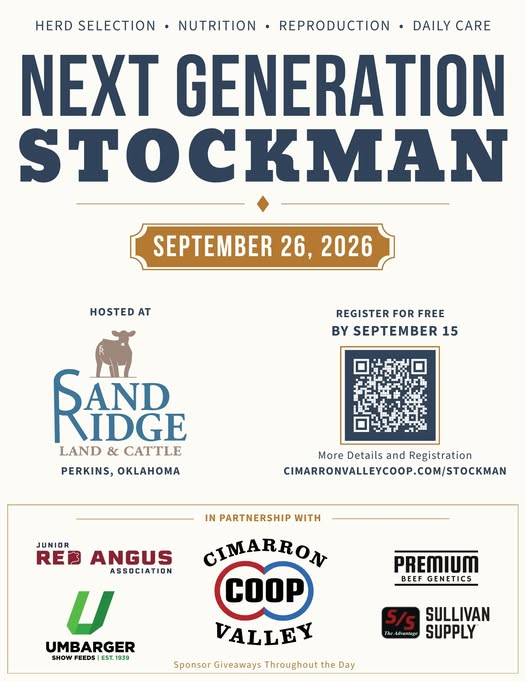
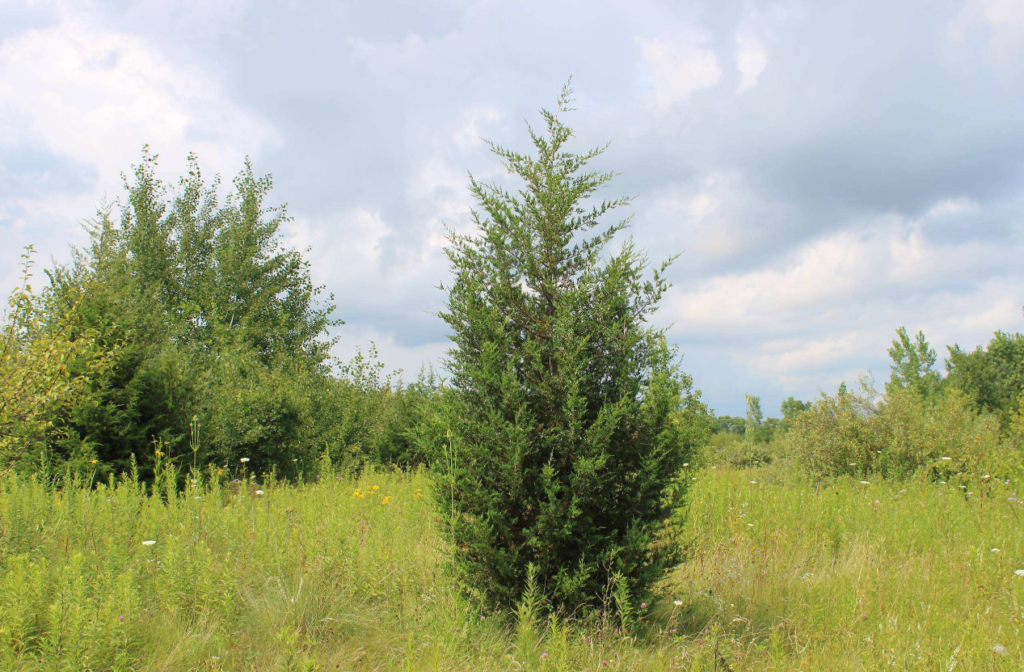
Controlling the encroachment of eastern redcedar trees is critically important. Soil water content is lower where redcedar trees exist. These trees have a huge negative impact on grazing ecosystems. As covered last week, the eastern redcedar tree uses water every day, year-round, sapping soil water content at a rate between 0.5 - 21 gallons/day. When redcedar trees are not controlled, they thrive in a wide variety of soils, have a high tolerance to drought, are highly resilient, and increase in biomass quickly. These trees are invading prairies, shrublands, riparian zones, forests and introduced pastures. These trees increase the risk and intensity of wildfires!
Best Management Practices for Controlling Eastern Redcedar
Cattle producers and landowners should assess land and pastures to take inventory of the number and size of redcedar trees present. Being proactive in redcedar control practices pays dividends and offers an excellent return on investment. Ignoring a redcedar tree problem can permit invasions and growth to get out of control rapidly. More information on prescribed fires and redcedar control is available in the material referenced below.
Reference:
https://extension.okstate.edu/fact-sheets/best-management-practices-for-controlling-eastern-redcedar
Andrew Muhammad writes in Southern Ag Today: Prior to the reopening of the Chinese market in 2017, China was a negligible destination for U.S. beef exports; however, imports subsequently expanded rapidly, reaching a peak of approximately $2.1 billion in 2022 and establishing China as the third-largest market for U.S. beef exports, behind Japan and South Korea (U.S. Department of Agriculture, 2026a). All of this changed in 2025. Rising trade tensions between the United States and China led to higher tariffs and the lapse of export establishment registrations for many U.S. beef suppliers (Muhammad, 2025). As a result, U.S. beef exports to China fell sharply, reversing much of the progress made in recent years.
Figure 1 shows the rapid growth and subsequent collapse of Chinese imports of U.S. beef and beef products between 2018 and the first half of 2026. Imports expanded from less than $20 million per quarter in 2018 to more than $500 million in the third quarter of 2022, reflecting China's emergence as a major destination for U.S. beef exports. Although imports moderated during 2023 and 2024, quarterly values remained historically high before declining sharply in 2025. The downturn coincided with rising trade tensions, retaliatory tariffs, and disruptions to export establishment registrations, causing imports to fall from over $330 million in the first quarter of 2025 to less than $10 million by the fourth quarter. By the first half of 2026, imports had fallen to their lowest levels (less than $5 million by the second quarter) since the reopening of the Chinese market to U.S. beef in 2017.
Looking ahead to the second half of 2026 and 2027, the outlook for U.S. beef exports to China remains challenging despite China's continued need for imported beef. Following a recent safeguard investigation on the impacts of beef imports on domestic producers, China implemented a country-specific tariff-rate quota (TRQ) system on January 1, 2026, concluding that rising imports had caused serious injury to the domestic cattle industry. Under a TRQ system, a specified quantity of imports may enter at the normal tariff rate, while imports exceeding the quota face substantially higher duties. In China's case, imports above each country's quota allocation are subject to an additional 55% tariff, greatly increasing the cost of accessing the market once quota limits are reached. The U.S. quota was set at 164,000 metric tons in 2026 and rises only modestly to 168,000 metric tons in 2027, limiting the scope for export growth even if demand for U.S. beef recovers (Dokken, 2026). For context, China's imports of U.S. beef averaged approximately 169,500 metric tons per year between 2022 and 2024 (Trade Data Monitor, 2026). In effect, the policy places a ceiling on the volume of U.S. beef that can enter China under more favorable tariff conditions while discouraging additional shipments through significantly higher import costs
Additional challenges extend beyond the quota itself. Most U.S. beef products continue to face a 10 percent reciprocal tariff in addition to normal import duties, while exporters and importers remain concerned about establishment eligibility, customs clearance risks, and residue testing requirements. At the same time, U.S. beef continues to face a price disadvantage relative to major South American suppliers, particularly Brazil (U.S. Department of Agriculture, 2026b). As a result, any recovery in U.S. beef exports is likely to be gradual and constrained by both policy barriers and market conditions. Consequently, the extraordinary growth achieved in the Chinese market between 2018 and 2024 may prove difficult to replicate in the coming years, leaving the future of U.S. beef exports to China highly uncertain.
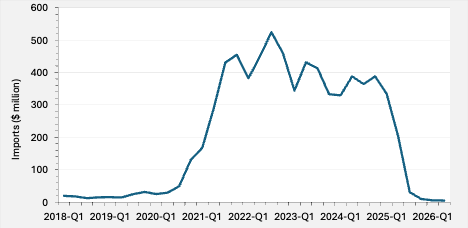
Muhammad, Andrew. "Trade Tensions and the Uncertain Future of U.S. Beef Exports to China."
The Missouri Corn Merchandising Council (MCMC) is celebrating the selection of two companies as winners of the Radicle Corn Challenge, a global competition focused on developing new uses for corn and creating long-term demand beyond traditional markets.
Citroniq and Future Origins were announced as winners Sept. 9 during the Bio Innovations North America conference in Omaha, Neb. The companies were selected from a global field of innovators developing technologies that use corn and corn-derived feedstocks to create higher-value products.
The $1.75 million challenge is sponsored by 12 U.S. corn grower organizations, including Missouri Corn. It is designed to connect growers with innovators developing the next generation of corn-based products and markets.
"Growing demand is just as important as growing corn," said MCMC Chairman Patrick Seyer, a corn grower from Oran, Mo. "The Radicle Corn Challenge gives growers a seat at the table as new technologies are developed and creates opportunities to turn more of what we grow into new products and new markets."
The winning companies demonstrate the range of opportunities available. Citroniq is developing bio-based polypropylene using corn ethanol, while Future Origins is using corn-derived dextrose in the production of ingredients for home and personal care products.
"Our congratulations go out to these two award-winning companies," Seyer said. "As farmers continue to improve productivity, we need to continue looking for opportunities to expand where corn can go. Supporting innovation today can help build the markets we'll need tomorrow."
The Radicle Corn Challenge seeks solutions to convert corn and corn-derived streams, such as glucose, ethanol, and other coproducts, into new products and applications. By bringing growers, entrepreneurs, and investors together, the competition aims to help move promising technologies toward commercial scale and create new demand for corn.
For more information about the Radicle Corn Challenge, visit radicle.vc/radicle-corn-challenge.
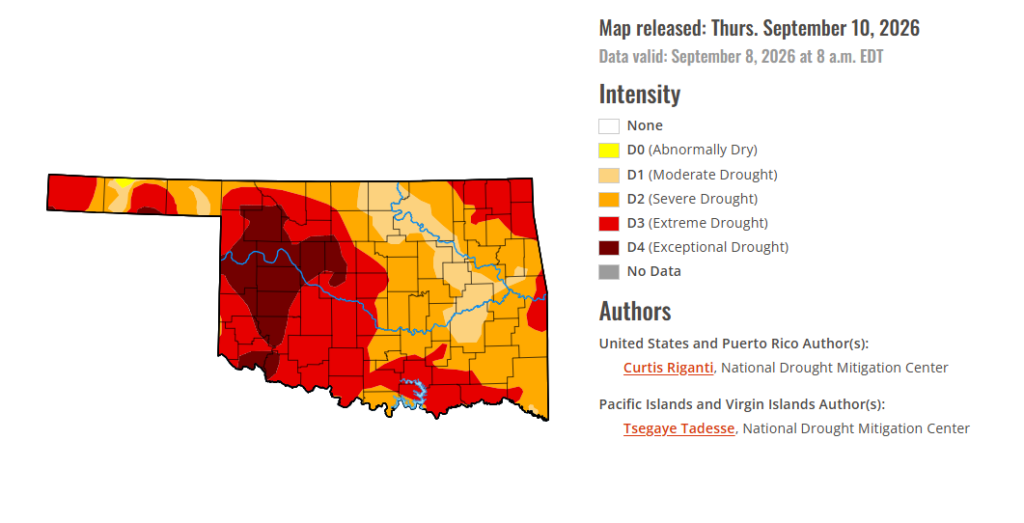
To view the latest Oklahoma drought map, CLICK HERE.
Drought conditions continue to worsen across Oklahoma, with exceptional drought expanding this week to cover 13.13% of the state and moderate to extreme drought affecting all of Oklahoma. Some rain fell overnight and into Thursday morning in central Oklahoma, offering a little relief, while the outlook continues to lean toward above-normal precipitation chances through September 19.
According to the Drought Monitor, exceptional drought has expanded by .49% this week. Conditions are present in much of western Oklahoma. Exceptional drought covers 13.13% of the state.
Moderate to extreme drought conditions in the current period indicate that 100% of the state is affected. At this point, 0% of Oklahoma has drought-free conditions, and the closest area experiencing drought-free conditions is northern Kansas.
According to the 6-to-10-day precipitation outlook map, Oklahoma is leaning above a 33-50% chance of rain through September 19th.
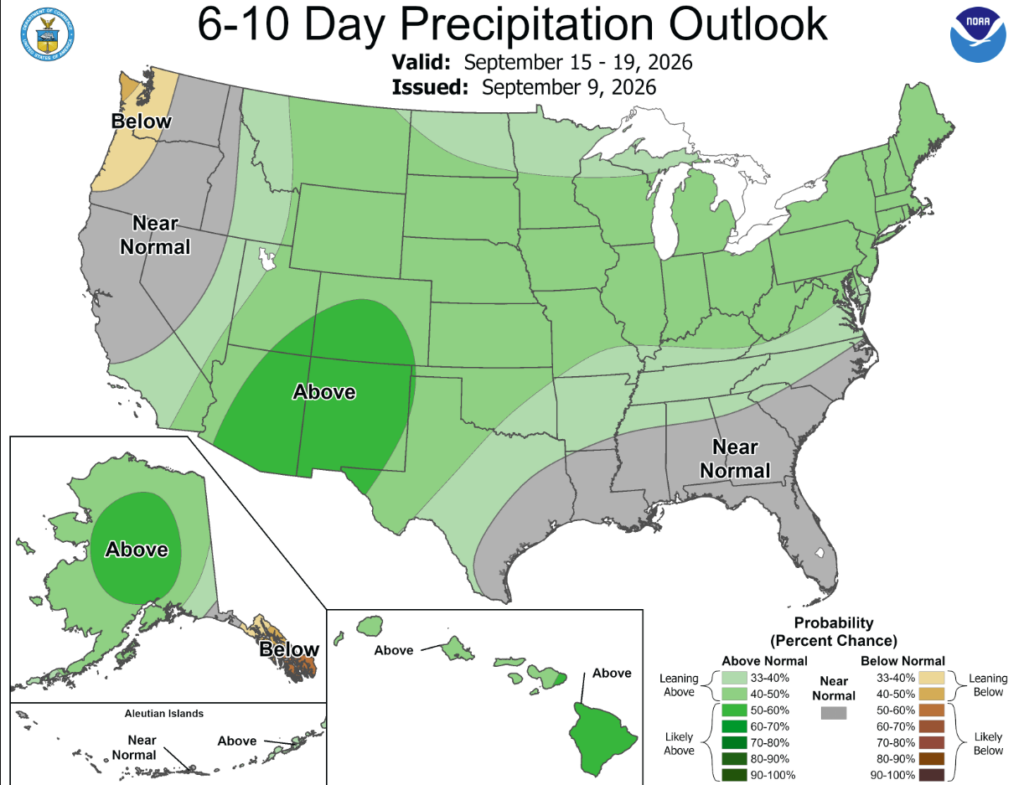
Drought and abnormal dryness continued to expand or intensify this week across parts of the central and south-central United States as flash drought conditions continued from much of Texas northeast to the middle and lower Mississippi River Valley. Warmer-than-normal temperatures, ranging from 10-15 degrees F above normal in much of the central Great Plains, Corn Belt and Missouri, combined with mostly dry weather in these areas to support worsening drought. Largely drier weather also continued this week in New England, in parts of the Michigan Upper Peninsula, along parts of the North Dakota-South Dakota border, in southeast Montana and in southwest Colorado, leading to degradations occurring in parts of these areas. In contrast, heavy rains fell from southeast South Dakota into western Iowa and southern Minnesota, in eastern Wisconsin, in northern North Dakota, in western Oregon and in parts of the northern Rocky Mountains in Montana and Idaho. Scattered heavy rains, locally 2-3 inches or more, also occurred in parts of Pennsylvania, New Jersey and Delaware, eastern North Carolina and Florida. Tropical Storm Edouard and its remnants delivered very heavy rain amounts, locally 10-15 inches or more, in a narrow corridor in southeast Texas. Lowell, in the central Pacific Ocean, delivered heavy rain amounts to Niihau, Kauai and Oahu as it passed west of the islands as a hurricane earlier this week, alleviating abnormal dryness in a few areas. Conditions continued to improve in localized areas of Puerto Rico this week after recent heavy rains. While the central United States dealt with an early-autumn heat wave, near- or below-normal temperatures occurred from the Great Basin west to the Pacific Ocean.
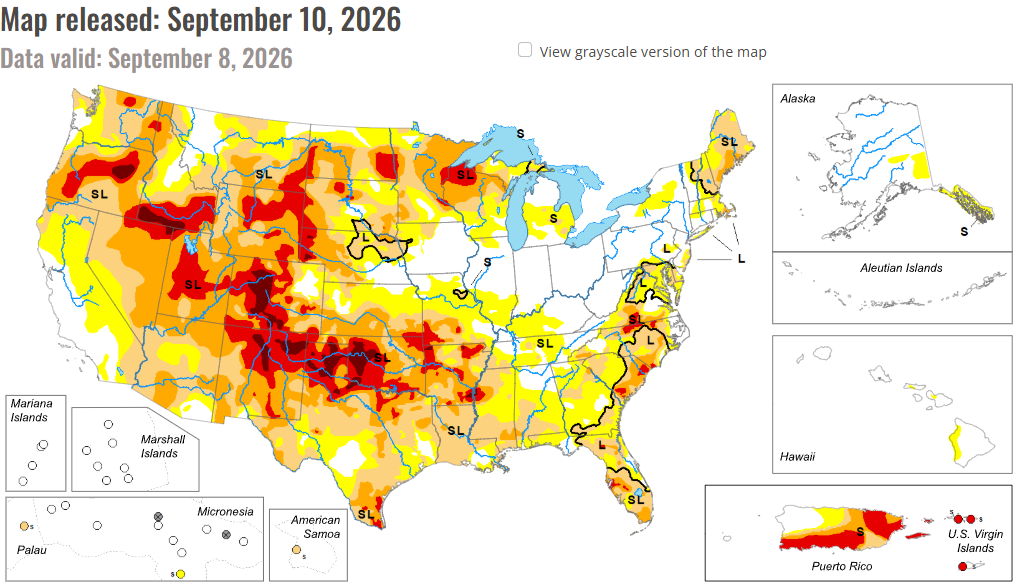
In the South: Large parts of the South region continued to quickly dry this week amid mostly above-normal temperatures and dry weather. A few exceptions include southern Louisiana, southeast Texas (where former Tropical Storm Edouard dropped rain amounts that locally exceeded 10 inches), and parts of the western Oklahoma Panhandle, where scattered thunderstorm rains occurred. Isolated one-category improvements occurred in the Oklahoma Panhandle, while one- and two-category improvements occurred in southeast Texas, where precipitation deficits were either reduced or erased entirely, along with improved soil moisture and streamflow. Elsewhere, mostly dry weather and hot temperatures (5-15 degrees above normal) covered a wide area from western and northern Texas through most of Oklahoma, Arkansas, northern Mississippi and Tennessee. Short-term rainfall deficits continued to grow across much of the region, along with dropping soil moisture and streamflow levels, leading to widespread agricultural drought impacts. Large areas of degrading conditions spread from much of Texas into eastern Oklahoma, Arkansas, northern Mississippi and portions of Tennessee. The rapidly drying weather in Tennessee came after much wetter recent weather, somewhat lessening the impact of the recent heat and dryness there and in neighboring Kentucky.
In the High Plains: Conditions in the High Plains region this week were mixed. Scattered heavy rains fell in northeast and southwest Nebraska, southeast South Dakota, northern North Dakota and far southwest Kansas, leading to localized or widespread improvements in these and neighboring areas. However, temperatures across the region were warmer than normal, leading to abnormally high atmospheric thirst and widespread degrading conditions in parts of the region. Temperatures were mostly 10-15 degrees above normal in Kansas, eastern Nebraska and southeastern South Dakota. Eastern Kansas and southeast Nebraska were particularly hot and dry this week, leading to large expansions of moderate, severe and extreme drought in south-central and southeast Kansas, and the introduction of abnormal dryness in much of northeast Kansas. Unusually wet weather in August kept conditions in southeast Nebraska from drying as much as areas farther south and southeast. Severe and extreme drought also grew in coverage in southeastern North Dakota, where warm and dry weather this week worsened precipitation deficits and soil moisture conditions. Drought conditions improved in southeastern South Dakota, and adjacent far northeast Nebraska, where rain amounts of 2-5 inches fell. Similar amounts of rain fell in parts of northern North Dakota, leading to improvements in soil moisture and streamflow there and improving drought conditions. Heavy rain amounts of 1-3 inches fell in parts of southwest Nebraska and the Nebraska Panhandle, and adjacent northeast Colorado, lessening precipitation deficits and improving drought conditions.
In the West: Most of California, Oregon, Washington and Idaho were cooler-than-normal this week, with some areas of northern California and southern Oregon finishing the week 10-15 degrees below normal. Eastern portions of New Mexico and Montana, by contrast, were warmer than normal, with temperatures in most areas 5-10 degrees above normal. Widespread moderate to heavy precipitation fell from northern California across portions of Oregon, central and northern Idaho and western and northern Montana. Precipitation amounts in western Montana and northern Idaho ranged from 2 to 6 inches. This led to increased soil moisture and streamflow and lessened short- and long-term precipitation deficits, and the coverage of moderate and severe drought and abnormal dryness lessened in some areas. Precipitation also improved conditions in south-central Oregon, as long-term precipitation deficits lessened in severity. Long-term precipitation deficits grew amid groundwater and soil moisture shortages in south-central Nevada, leading to an increase in severe drought coverage there. In southeast Montana, warm and dry weather led to decreased streamflow and soil moisture in a few areas, leading to localized expansion of severe and extreme drought.
To view the 6-10 Day Precipitation Outlook Map, click here.
To view the 6-10 Day Temperature Outlook Map, click here.
To view the Monthly Drought Outlook Map, click here.
RON's Dave Lanning has a pre-opening look at today's agricultural Markets.
Click the audio tab below for today's report.
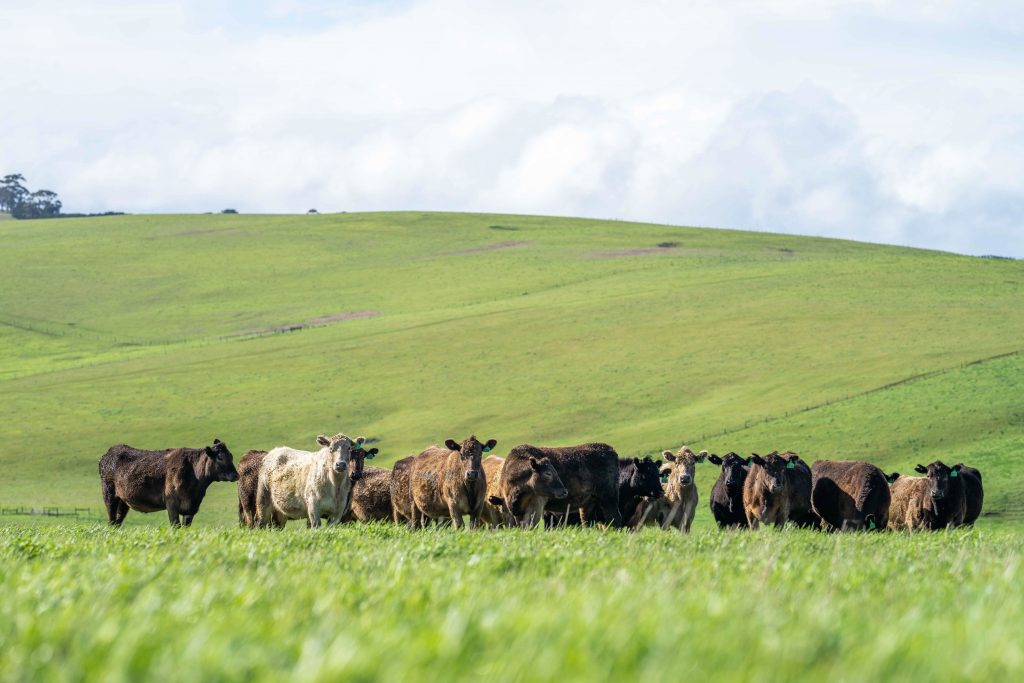
Last week's federally inspected cattle harvest made a massive downward shift to 526,000 head. The prior week's total at 542,000 head was the largest weekly harvest total since February and one of the largest of the year. Packer profitabilty in the spot market has returned and is a trend switch-worthy of notation after extensive losses over many months. This generated the big uptick in processing volume two weeks ago.
Despite a strong Labor Day price increase in wholesale cutout values, fed cattle prices continued to slip by a small margin last week. The $218/cwt. average was nearly $2/cwt. lower than the week prior as the bearish market sentiment would not allow October Live Cattle futures to break higher than $214/cwt. since August 25.

The Labor Day cutout price rally was welcome and anticipated by the market. Despite rhetoric that "beef is too high," latest cutout values are 6-7% cheaper than a year ago. Moving past Labor Day, the overwhelming historical trend is for price weakness in the magnitude of at least 8% from now through October 1. Two of the last three years featured fed cattle values building strength during September. However, current fundamentals argue against the uptrend with a strong cash basis and implied cutout weakness.
As well, fed cattle in the North have become a discount to the South, typically indicating ample supplies of market-ready cattle in the most active and competitive cash trading regions of Iowa and Nebraska. Fed cattle market risk currently appears to the downside until a fourth quarter rally develops. Yet this Tuesday's Live Cattle futures posted early strength in an upward correction.
Aside from continued strength for the rib primal, most beef cuts fell to lower values last week. The Labor Day buying push was replaced with an expectation of softer spot market demand. This was the case for everything but the rib, which is trading near 52-week highs. This suggests end-users are likely looking at calendars and planning ahead with rib purchases to be sent to "deep chill" ahead of anticipatory fourth- quarter demand upticks.
Ends and Thin Meats Rise Over Time
The contribution of each beef cut to total carcass value is best assessed on a weighted price basis. This matters, given the vast differences in scale weight that exist among the seven primals. Of course, price-per-pound differences show the same general relationships, but tend to exaggerate the importance of price shifts for the lighter-weight cuts. For instance, the flank contributes just 3.4% of carcass weight; therefore, even strong price fluctuations don't create much measurable change in the flank's share of total carcass value.
A look back at recent annual trends shows a subtle, but steady, redistribution of value across the beef carcass. Despite the fact that wholesale rib prices have recently neared record highs, the rib and loin primals have both given up incremental ground to end cuts and thin meats since 2021.
Several reasons might explain this repositioning of middle meats versus the others. To begin with, total beef inflation at the retail level has pushed the priciest middle meats beyond the comfort zone for many budget-conscious consumers. Logically, many of these consumers have opted to continue to eat beef regularly, but are choosing lower-priced cuts.
The chuck and round are heavy-hitters, comprising 29.6% and 22.3% of carcass weight, respectively. As their dollars-per-pound prices shift relative to the cutout value, the impact is noted. Together, they accounted for 39.7% of total CAB carcass value in 2021. The chuck's share increased from 22.7% to 24.1% in 2025.

Chuck rolls and shoulder clods are sizeable chuck cuts, both of which have seen strong demand in 2025 and 2026. Added focus toward budget-friendly cuts from the chuck has been a driver. As well, the "discovery", if you will, by end-users of the steak alternatives has improved utilization and popularity of chuck items. We must also not forget the price of tallow and 50% lean trim relative to the cutout price, adding to increased value contribution of certain primals. The chuck yields 6 to 9% fat trim, yet the loin also contributes plenty of weight in 50% lean trim (8-10%) and fat (22%).
The round's cutout share similarly rose from 17% in 2021 to 18.6% last year. Not a huge leap, but an important contributional shift nonetheless. Price increases have been noted across the round cuts, but the leanest, such as eye of round and peeled knuckles, have been in sharper demand as wholesale 90% lean prices soared to upward of $4.50/lb last May. These recent gains in the round cutout share represent a return to this primal's former position in the 18-20% range sustained from 2008 to 2014.

Among thin meats, briskets and plates have seen steady increases in the price-per-pound comparison as a share of the cutout price. However, as a source of weighted contribution they just can't move the needle, as these two combine to contribute just 15.5% of carcass weight. Rising demand, along with tighter piece-count supplies during restricted fed cattle harvest, have been a winning story for briskets and plates. Despite higher price tags, their lighter weights have only improved their carcass value contribution from 8% to 9.9% since 2008. Simultaneously, their comparative price per pound (average of both) moved from 65% of the cutout price to 83%, by contrast.
Utilization shifts are driven by several factors, including improved product knowledge by end-users, leading to increased focus on lower-cost, high-satisfaction cuts. Shifts in fed cattle and cull cow harvest supplies influence cyclic dynamics, driving the value of both fat and lean items from fed cattle for use in ground beef.

Today, in a sign of continued momentum for the campaign, the Oklahoma Farm Bureau is officially endorsing Republican nominee, Jon Echols, for Attorney General.
The Oklahoma Farm Bureau is a leading cornerstone in the fight to protect Oklahoma's farmers and ranchers. Their efforts to give a voice to the countless Oklahomans who are engaged in the world of Agriculture, is critical to preserving our state's proud heritage and way of life.
"I am truly honored to have the support of the Oklahoma Farm Bureau in this race for Attorney General," Echols said. "In the legislature, I was dedicated to making sure rural Oklahoma's voice was heard at the Capitol, and as your Attorney General, I will continue to work with, and fight for, our hardworking Ag producers."
"Jon Echols has been a longstanding friend to the agriculture community here in Oklahoma," Oklahoma Farm Bureau President Stacy Simunek said in a statement. "We know Jon will stand with Oklahoma's agricultural producers to ensure that rural Oklahoma's way of life is protected, and we are proud to stand with him. He has our full endorsement to be our next Attorney General."
With the endorsement of the Oklahoma Farm Bureau, Echols continues to build a strong coalition heading into November.
Jon Echols is a business leader, battle-tested attorney, and dedicated family man. He is running for Attorney General on a simple platform of making Oklahoma safer, freer, and stronger.
Winter canola is making a significant resurgence across Oklahoma and the Southern Plains, driven by surging renewable diesel demand, strong cash bids, and proven rotational yield benefits for wheat producers. In an interview with Farm Director KC Sheperd, Jeff Frazier with Scoular Market Development explained that canola is positioned as a legitimate, profitable cash crop for Oklahoma producers looking to diversify their continuous wheat rotations. Backed by dedicated regional processing, expanding local delivery points, and modern genetics, the crop offers high-value multi-year returns for growers while restoring a beloved visual staple across the countryside: rolling fields blanketed in vibrant yellow blooms.
Spring Blooms and Family Photos Return to the Landscape
Alongside the financial opportunities, the comeback of winter canola revives a popular rural tradition every spring. The crop's sea of bright yellow flowers transforms the countryside, drawing out local photographers and creating scenic spots for family portraits around Easter time. Frazier noted that his own nine-year-old daughter turns into a field photographer as soon as the yellow fields erupt across the countryside. For rural communities and growers alike, the blooming landscape delivers not just aesthetic charm and prime photo opportunities, but a visible reminder of economic growth returning to the field.
Market Demand and the Renewable Diesel Boom
The driving force behind canola's renewed presence in Oklahoma is the surging demand for vegetable oil as a renewable diesel feedstock. Frazier noted that unlike past years when growers questioned long-term market availability, processors are actively investing in processing capacity.
With strong demand on both sides of the processing equation—vegetable oil for renewable fuels and high-protein meal for regional livestock feed—the market is offering immediate incentives. Cash bids have recently stood in excess of $14 per bushel delivered to the crush facility, giving producers a competitive, profit-driven commodity.
Where to Haul: Local Cooperatives and Delivery Points
Logistics and delivery access play a critical role in grower profitability. Frazier highlighted that Scoular's dedicated processing facility in Goodland, Kansas, serves as a primary destination for High Plains oilseeds, handling both canola and soybeans.
To eliminate long-distance hauling for Oklahoma producers, Scoular partners directly with local agricultural cooperatives where farmers already do business:
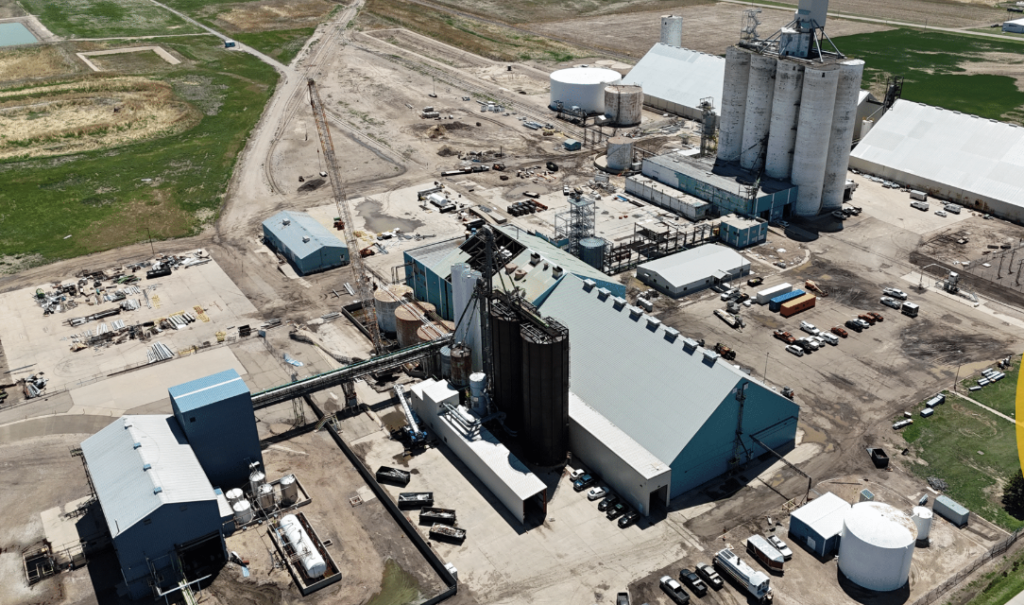
Rotational Fit in Continuous Wheat
For producers managing continuous wheat, introducing winter canola provides dramatic agronomic and economic benefits:
Planting Dates, Equipment, and University-Backed Genetics
Oklahoma producers are currently in the primary planting window for winter canola, which runs from September 10 through October 10, with an additional five-day late-planting period extending to October 15. Seed partners, including Croplan and Rubisco, have varieties available for the fall season.
Frazier stressed that existing farm equipment is well-suited for the crop. If a grower can raise wheat, they can raise canola with only minor combine adjustments. Today's varieties are adaptable to either direct cutting or swathing with standard farm machinery.
Furthermore, extensive research and breeding programs conducted by Oklahoma State University and Kansas State University have developed advanced winter-tolerant varieties. These breeding efforts provide producers with genetics tailored for extreme weather, offering enhanced winter hardiness, disease resistance, and Plains adaptability.
The Canola MVP Program and Peer-to-Peer Learning
To support growers, Scoular offers the Canola MVP program at scoular.com/canolamvp. The initiative delivers agronomic management resources, variety recommendations, and university research from OSU and K-State, alongside structured peer-to-peer learning. Through regional producer meetings, first-time growers can connect with seasoned farmers possessing 10 to 15-plus years of canola experience to discuss field trials, operational adjustments, and real-world management to start their crop on the right foot.
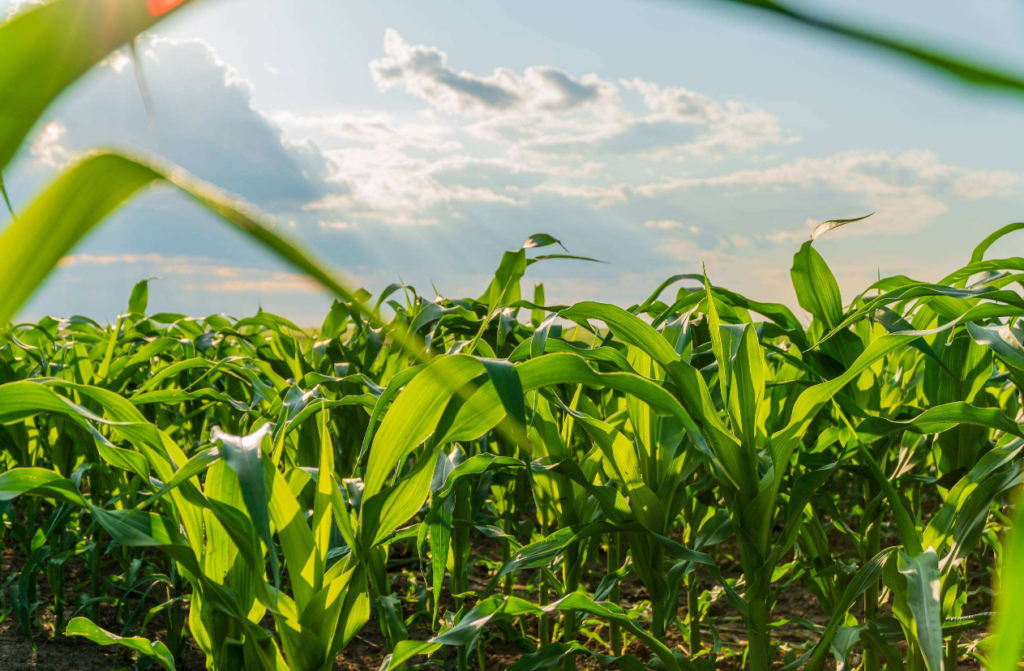
The Internal Revenue Service today issued guidance on the Section 45Z Clean Fuels Production Tax Credit to empower America's crop and livestock farmers, ranchers, and fuel producers across the country and help them access the growing domestic biofuels market in a way that makes the Clean Fuels Production Credit work for them.
"Today's guidance helps America's farmers, ranchers, and fuel producers access growing opportunities in the domestic biofuels market," said IRS Chief Executive Officer Frank J. Bisignano. "This guidance helps unlock billions of dollars for America's agricultural producers, provides greater certainty for investment across rural America, strengthens domestic biofuel production, and helps lower fuel costs for American consumers."
Notice 2026-53 PDF provides the 2026 emissions rate table used to calculate the clean fuel production credit and provides additional guidance, including on the use of manure-derived fuels and regenerative agricultural practices, supporting American biofuel production.
The Working Families Tax Cuts (WFTC) amended and extended section 45Z, including making several changes that require technical modeling updates to the 45ZCF-GREET model used to determine emissions rates. The section 45Z proposed regulations, which were issued February 4, 2026 and are under final consideration by the IRS and Treasury Department, proposed rules implementing the WFTC changes to the Clean Fuels Production Credit, including addressing how the annual emissions rate tables work and which table and models a producer should use to determine the emissions rate of a particular fuel.
Today's notice provides certain technical modeling language used to implement WFTC-mandated model updates for manure-derived fuels. This notice addresses how producers should account for WFTC changes when using the emissions rate table and allowed models. The DOE is developing corresponding updates to the 45ZCF-GREET model.
The 45Z proposed regulations indicated that the IRS would provide further guidance on how United States Department of Agriculture (USDA) rules on regenerative agricultural practices will be integrated into the 45ZCF-GREET model once the USDA finalized its rules, which USDA did on June 29, 2026. This notice provides a safe harbor that will be available for 2025 clean fuel production.
The notice also provides transition rules for applying changes made by the WFTC when an allowed methodology has not yet been updated to reflect those changes, including rules addressing used cooking oil and other feedstocks. Among other changes, the law:
The Clean Fuel Production Tax Credit, as modified by the WFTC, provides a tax credit for eligible clean transportation fuels produced domestically and sold in a qualified sale, including sustainable aviation fuel and other clean fuels. The credit amount generally depends on a fuel's lifecycle greenhouse gas emissions rate, with lower-emission fuels qualifying for larger credits.
Today's notice provides the 2026 emissions rate table used to calculate the credit and allows certain regenerative agricultural practices and farm-specific manure management practices to be reflected in emissions calculations, helping agricultural producers participate in the growing domestic biofuels market.
For agricultural feedstocks, the guidance allows taxpayers to account for qualifying low-carbon agricultural practices consistent with the U.S. Department of Agriculture's technical guidelines and the 45Z-specific Feedstock Carbon Intensity Calculator. The guidance also provides transition relief for fuel produced in 2025 and 2026 from certain requirements relating to the development of a nutrient budget before nutrients are applied.
The guidance provides for distinct emissions rates for transportation fuel derived from specific animal manure feedstocks, as required by the WFTC. The 2026 emissions rate table includes dairy manure and swine manure, and Treasury and IRS anticipate that the 45ZCF-GREET model will be updated later in 2026 to include poultry manure and beef manure as primary feedstocks. The guidance also allows farm-specific prior manure management practices to be taken into account in certain circumstances, allowing emissions calculations to better reflect conditions on individual farms.
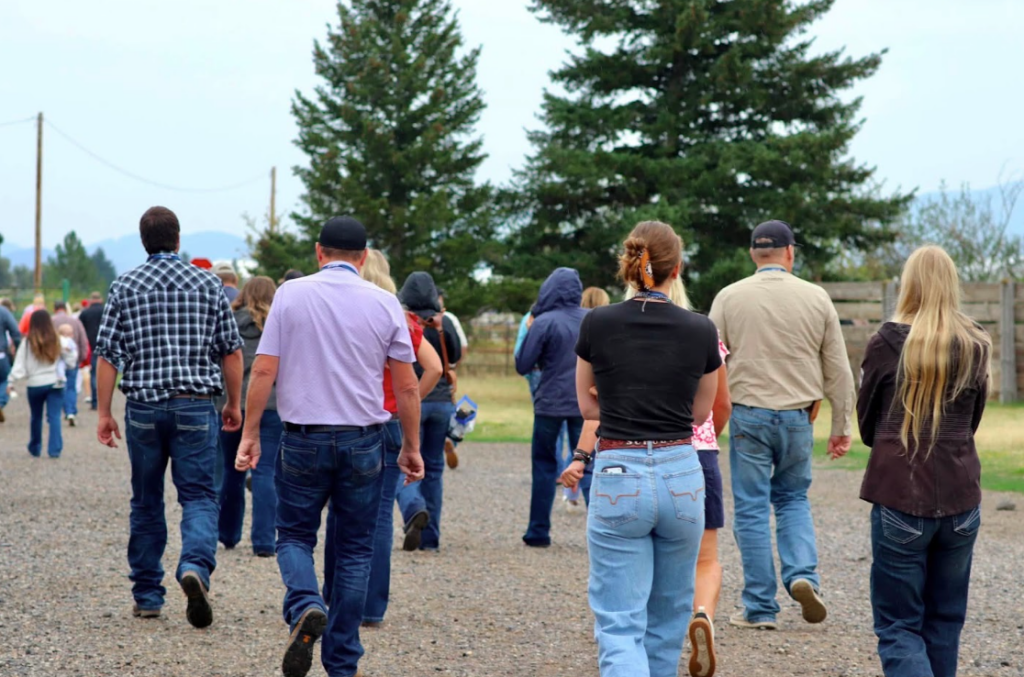
The American Simmental Association (ASA) hosted its 2026 Fall Focus August 28 through September 1 in Bozeman, MT, bringing together 200 breeders, industry professionals, and ASA members for education, recognition, and Association business.
The Montana Simmental Association hosted tours of Montana State University's Bozeman Agricultural Research and Teaching (BART) Farm, and a dinner at the ASA Headquarters. The Association hosted a day-long educational symposium, covering topics relevant to the breed and beyond. The event also included a town hall session and the ASA Board of Trustees Fall meeting.
The Educational Symposium on Saturday, August 29, included presentations from Drs. Dale Woerner, Andrew Griffith, Ryan Boldt, Elizabeth Dressler, Ryan Rathmann, and Troy Rowan, covering red meat yield, beef demand, genetic evaluation, new trait development, female selection, and cow efficiency. Panel discussions throughout the day provided additional opportunities for discussion around each topic.
A highlight of the symposium was "A Reflection on Defining Moments in Simmental History," moderated by Dr. Jerry Lipsey, past ASA EVP. The interactive discussion had pioneers of the Simmental breed speak on turning points throughout ASA's history.
The Recognition Dinner was held Saturday evening, honoring recipients of the World Simmental-Fleckvieh Federation Golden Book Awards and Lifetime Promoter Awards. Golden Book recipients included John B. Collier of Stephenville, Texas, and Gibbs Farms of Ranburne, Alabama. The Lifetime Promoter Awards recognized Doug Parke of Paris, Kentucky, and Jim Butcher of Lewistown, Montana, honoring their significant contributions to the promotion and progressive enhancement of the Simmental breed.
The ASA Board of Trustees held their fall meeting following the educational program. The Town Hall began Sunday, August 30, at 8:00 am, followed by committee meetings and the full Board meeting. Fall Focus 2027 will be held in Sioux Falls, South Dakota, August 20–24. Visit fallfocus.org to learn more.
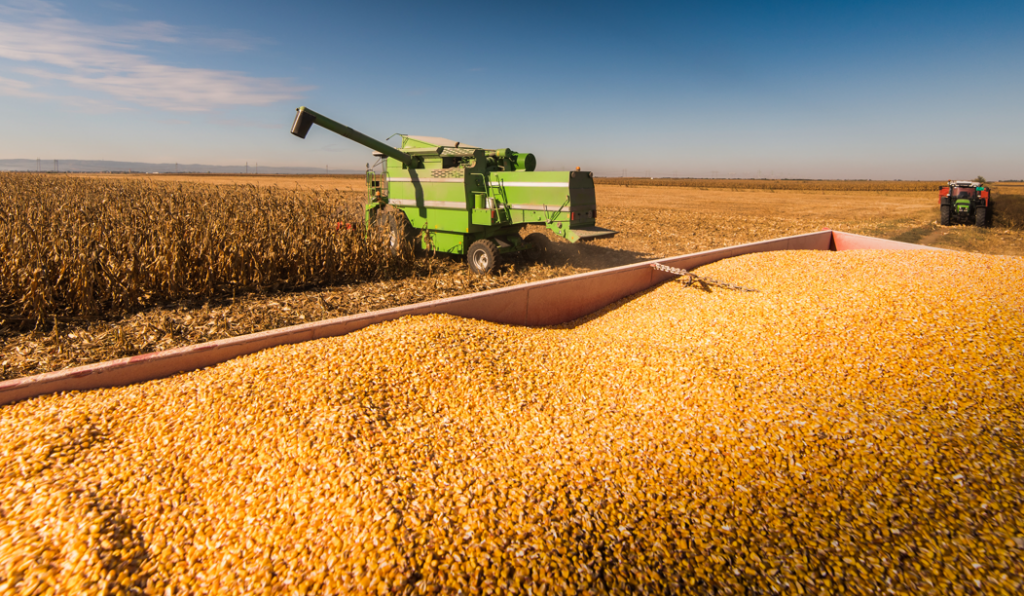
The Internal Revenue Service this week released its guidance for farmers looking for clarity on the future of the 45Z Clean Fuel Production Tax Credit, which is designed to help the biofuels industry transition into the aviation sector. The guidance, in conjunction with Tuesday's updated Department of Energy GREET Model, will give safe harbor to previously recognized "on farm" practices in reducing the carbon intensity of qualifying fuels. In response to this development, Ohio corn grower and National Corn Growers Association President Jed Bower released the following statement: "We are very pleased to see these agencies reaffirm the positive actions from the administration earlier this year, which recognized the importance of existing regenerative practices. We have been encouraged by the strong cooperation and emphasis on how this tax credit will benefit the individual farmer throughout the implementation process." "This guidance also codifies positive changes to the credit regarding indirect land use change. We look forward to working with the Treasury Department this fall as it looks to issue a final rule by November. NCGA would also like to see 'book and claim' acknowledged as a viable chain of custody methodology in the final rule." Book and claim allows farmers to sell the environmental value of their low-carbon corn directly to biofuel producers digitally, eliminating the need to physically segregate and transport those crops to a specific facility.
The American Soybean Association welcomed actions this week from the U.S. Department of Energy and Internal Revenue Service that provide greater clarity and usability for the 45Z Clean Fuel Production Credit, an important tool for supporting domestic biofuel production and demand for U.S. soybeans. DOE updated the 45ZCF-GREET model to incorporate carbon intensity adjustments for certain regenerative agricultural practices, including practices used in soybean production. At the same time, IRS issued a notice that provides updated emissions rate information and allows qualifying agricultural practices to be reflected in calculating the credit. "ASA appreciates DOE, IRS, USDA and the administration for taking this important step to make the 45Z Clean Fuel Production Credit usable for biofuel producers," said Dave Walton, ASA vice president and Iowa soybean farmer. "These actions provide greater economic certainty for the biofuels industry, which is a critical source of domestic demand for U.S. soybeans." As implementation moves forward, ASA will continue advocating for a flexible book-and-claim system that allows all farmers to participate in and receive value from the low-carbon attributes of their soybeans without requiring physical segregation throughout the supply chain. We look forward to continuing to work with the administration as policies are developed to strengthen the U.S. biofuels market and the soybean farmers who help supply it.
National Sorghum Producers today welcomed long-awaited guidance from the Internal Revenue Service and updated modeling from the U.S. Department of Energy that clear the way for farmers and biofuel producers to put the Section 45Z Clean Fuel Production Credit to work. The updates allow qualifying farm practices to count toward the credit, provide needed transition relief for fuel produced in 2025 and 2026 and explicitly recognize distillers sorghum oil in clean fuel pathways, including biodiesel, renewable diesel and sustainable aviation fuel. Together with USDA's feedstock guidelines and calculator, the actions give agriculture and the biofuels industry a workable framework. "After a long wait, and a lot of work, farmers and biofuel producers finally have a workable 45Z framework," said NSP CEO Tim Lust. "This gives the market more certainty, strengthens domestic biofuel demand and creates new opportunities for American-grown sorghum and the farmers who produce it." For sorghum, recognition of distillers sorghum oil opens additional opportunities for an important co-product. The transition relief also ensures growers are not excluded because nutrient plans could not be completed before federal guidance was available. "We thank the IRS for issuing this long-awaited guidance, USDA and DOE for completing the model updates and Sen. Roger Marshall for his consistent leadership in pushing for a workable result for agriculture," said NSP Chair Amy France, a sorghum farmer from Scott City, Kansas. "This is the certainty our industry has been asking for, and it gives farmers and fuel producers the confidence to move forward." NSP will continue working to ensure farmers can participate and share in the value created through stronger biofuel demand.
Op-Ed by Donnell Brown, Texas & Southwestern Cattle Raisers Association director and chair of the marketing and transportation committee: A pound is a pound — at least on the scale. But a pound of gold is worth far more than a pound of lead. The same principle applies to beef. Every pound adds weight to a carcass, but not every pound creates the same value.
For generations, America's cattle ranchers have answered the call to produce higher-quality beef. We've improved genetics, adopted better management practices and continually found ways to produce more with less. Consumers have rewarded our steady improvement in beef quality, especially increased marbling that delivers greater flavor, juiciness and eating satisfaction.
That's why U.S. beef remains the gold standard around the world.
With fewer cattle available today and beef demand remaining strong, the market has encouraged cattle feeders to add more weight to each animal. Cattle are being fed longer to produce heavier carcasses with more marbling. That strategy has helped maintain beef production and increase the amount of Prime beef available to consumers. But it also presents an important economic question: Are all those additional pounds equally valuable?
Additional days on feed can improve marbling, but they also add significantly more seam and internal fat. That fat still has value, particularly in ground beef production, but it does not carry the same value as highly marbled beef. The final pounds added to a finished animal are usually the most expensive pounds to produce. They require additional feed, water, labor, yardage and time. As cattle become heavier and fatter, an increasing portion of those additional pounds are waste fat rather than saleable muscle.
Current market conditions justify those extra days now, but markets are dynamic and cyclical. Feed costs will rise. Beef prices will eventually adjust when cattle supplies rebuild. When that happens, the industry will once again place greater emphasis on feed efficiency, and less expensive cost of gain.
The question is not whether we can produce Prime beef under today's conditions, but whether we can continue producing abundant Prime beef when the economics no longer support feeding cattle for as many days. That's when genetics and accurate value signals are a necessity.
The current USDA Yield Grade system was developed more than 60 years ago. Since then, finished cattle have almost doubled in weight. Additionally, we have better technology to more accurately estimate red meat yield. As a result, today's grading system does not accurately reflect the true value of cattle going through processing facilities. Now, USDA's Agricultural Marketing Service is asking whether U.S. Standards for Grades of Carcass Beef still reflect what today's consumers want and what today's producers are delivering.
This conversation is about much more than carcass grades. It's about making sure ranchers are paid accurately for the pounds of red meat they produce.
A modern grading system should more accurately distinguish between pounds of muscle and pounds of excess fat. It should recognize cattle that produce a higher percentage of valuable red meat — not simply cattle that produce heavier carcasses. This matters because ranchers respond to market incentives.
Improving efficiency isn't about producing less beef or sacrificing quality. It's about producing more pounds of highly marbled, quality beef while using fewer resources. As a result, ranchers lower their production costs and improve profitability. Packers process more saleable product with less excess fat. Consumers receive the premium eating experience they demand, while confidence in beef remains strong.
Ultimately, our industry strengthens its long-term sustainability by making better use of the natural resources entrusted to us.
That is why Texas & Southwestern Cattle Raisers Association is actively engaged in USDA's review of the U.S. Standards for Grades of Carcass Beef. We support evaluating modern value differentiation metrics that better recognize differences in carcass value beyond the traditional Choice-Select spread, while maintaining the industry's commitment to exceptional beef quality. This could look like the industry incorporating reporting on the Prime-Choice spread in addition to the Choice-Select spread.
This is not about producing less beef. It is about producing more of the beef consumers value most. It is not about sacrificing quality for efficiency. It is about using genetics, technology and better market signals to achieve both.
The objective is not to abandon the grading system that helped make American beef successful. It is to ensure the grading system rewards what truly creates value today — cattle that efficiently produce abundant, highly marbled great-tasting beef with a high percentage of saleable red meat.
As ranchers, we constantly adapt to changing conditions because that's how we remain competitive. Our grading and marketing systems should be designed to do the same. If the system no longer reflects the value we create, then it's time to fix it.
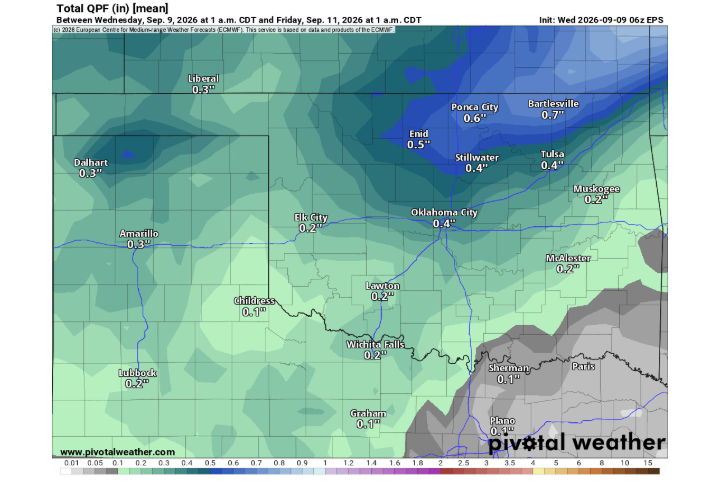
The weak cold boundary sliding across the state overnight will bring noticeable changes to Thursday's forecast, delivering a brief interruption to the dominant heat dome. The relief, however, will be far from uniform across Oklahoma in terms of both cloud cover, temperature drops, and actual precipitation.
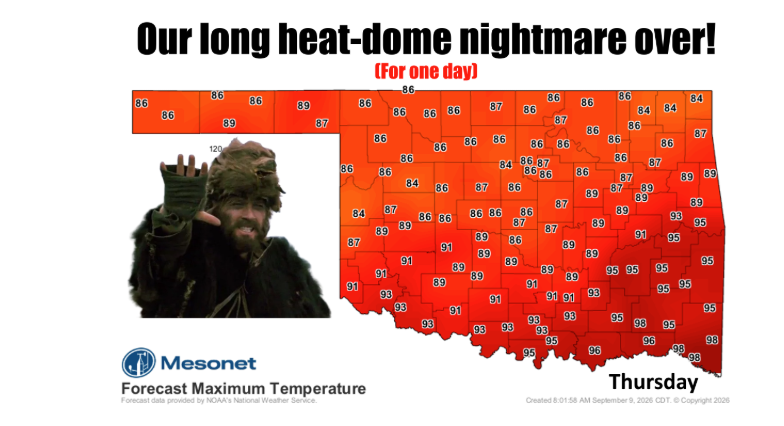
Temperatures: Stepping Down from the Century Mark
After enduring triple-digit highs across much of the state, Thursday will offer the coolest afternoon seen in days, especially where cloud cover and scattered showers hold firm:
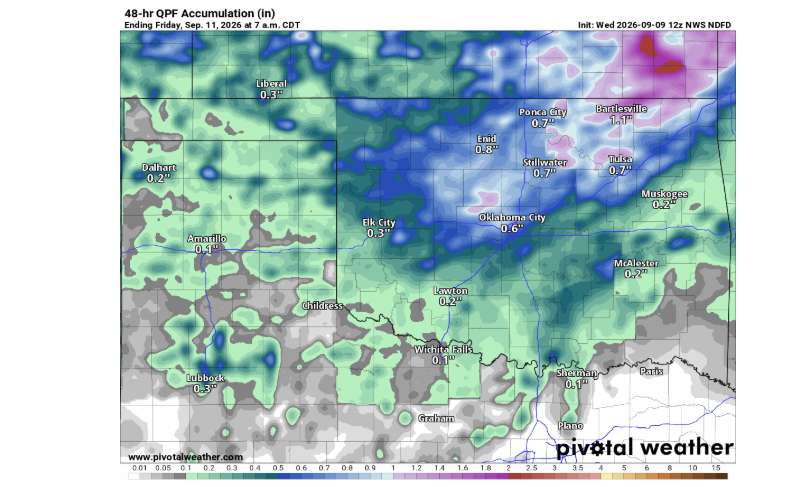
Rainfall: A Tale of Two Halves
Precipitation chances highlight the familiar northeast-versus-southwest divide that often plagues late-summer fronts:
Soil Physics at Work: Sensible vs. Latent Heat
The moisture that does fall will do double duty on Thursday. Bone-dry soil directly converts solar radiation into sensible heat—the heat you feel radiating off bare ground that directly cooks the air temperature higher. When rain wets the ground, that same solar energy is diverted into latent heat through evaporation. Even where rain amounts are modest, the added soil moisture helps cool the local microclimate until the sun bakes it away.
The Clock Is Ticking
Thursday's respite will be fleeting. As the boundary washes out and winds veer back around to the south, the heat dome will rapidly reassert control, pushing high temperatures back toward the upper 90s and triple digits across most of the state by Friday afternoon.
To read more from State Climatologist Gary McManus on his mesonet ticker, click here:
The NFIB Small Business Optimism Index dipped in August to 98.7, just 1.1 points below July's highest level since August 2025, but remaining above the 52-year average of 98.0. The Uncertainty Index fell 2 points to 89, remaining above the historical average of 68.
"Uncertainty remains elevated among small business owners as they face a mixed set of challenges with weakened sales, supply chain disruptions, and inflation pressures," said NFIB Chief Economist Bill Dunkelberg. "While expectations for the overall economy dimmed, Main Street owners remain largely positive in the health of their own businesses."
"While the pressure on prices continues to climb, consumers are holding back their pocketbooks," NFIB State Director Jerrod Shouse said. "With fewer sales, and even fewer qualified applicants for their open positions, small business owners are pulling back their hiring plans and in a wait-and-see mode with the economy."
Key findings include:
· Reports of "labor quality or availability" and "labor costs" as owners' single most important problem eased in August, with "labor costs" dropping to its lowest level since March 2021. However, labor quality or availability in particular remains far above its long-term average.
· Expectations for better business conditions deteriorated 5 points to a net 10% (seasonally adjusted) but remain above the average of net 4%.
· When asked to evaluate the overall health of their business, 11% of owners rated it as excellent (down 3 points), 57% as good (up 2 points), 28% as fair (up 2 points), and 3% as poor (down 1 point).
· Actual sales worsened in August, with a seasonally adjusted net negative 9% of owners reporting higher nominal sales in the past three months, down 5 points from July and the lowest reading since November 2025.
· Reports of inflation as the single most important problem increased 2 points in August to 16%, now tying with taxes as the second top small business issue.
· The net percent of owners expecting easier credit conditions rose 2 points from July to a seasonally adjusted net negative 2%, the highest level since December 2024.
· Sixty-two percent of small business owners reported that supply chain disruptions affected their business to some extent, down 1 point from July.
As reported in NFIB's monthly jobs report, a seasonally adjusted 35% of all small business owners reported job openings they could not fill in August, down 1 point from July, but 11 points above the historical average. Of the 56% of owners hiring or trying to hire in August, 82% reported few or no qualified applicants for the positions they were trying to fill. A seasonally adjusted net 17% of owners plan to create new jobs in the next three months, down three points from July's highest level since October 2022.
Click here to view the entire NFIB SBET Report.
The NFIB Research Center has collected Small Business Economic Trends data with quarterly surveys since the fourth quarter of 1973 and monthly surveys since 1986. Survey respondents are randomly drawn from NFIB's membership. The report is released on the second Tuesday of each month. This survey was conducted in August 2026.
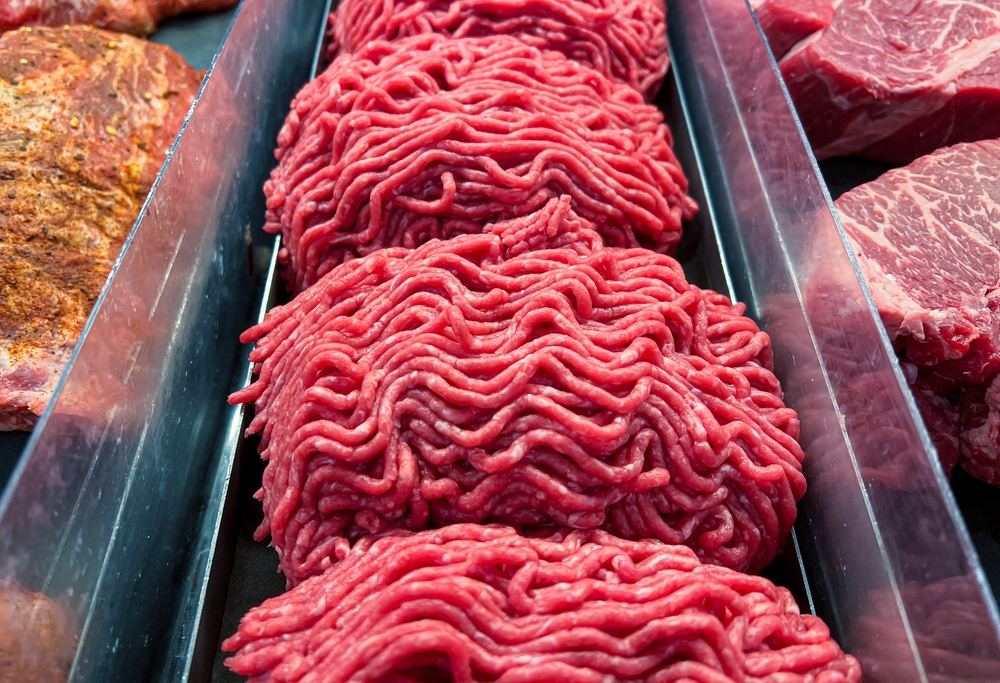
In today's Beef Buzz, senior farm and ranch broadcaster Ron Hays speaks with Chandler Keys, longtime beef industry lobbyist and consultant to agricultural organizations and companies, about the unprecedented level of attention the beef industry is receiving from President Donald Trump.
Keys says that in his time working in public policy in Washington, D.C., he has never seen a president and his senior advisors so focused on the beef industry. He says the closest comparison he can think of was the response from President George W. Bush during the BSE crisis, when the administration worked to reopen international markets for U.S. beef. "I've never seen a president and his senior advisors fixated on the state of the beef industry," Keys says.
Keys says the current situation is different because the administration is focused heavily on beef prices, domestic supplies and the relationship between cattle producers, processors and consumers.
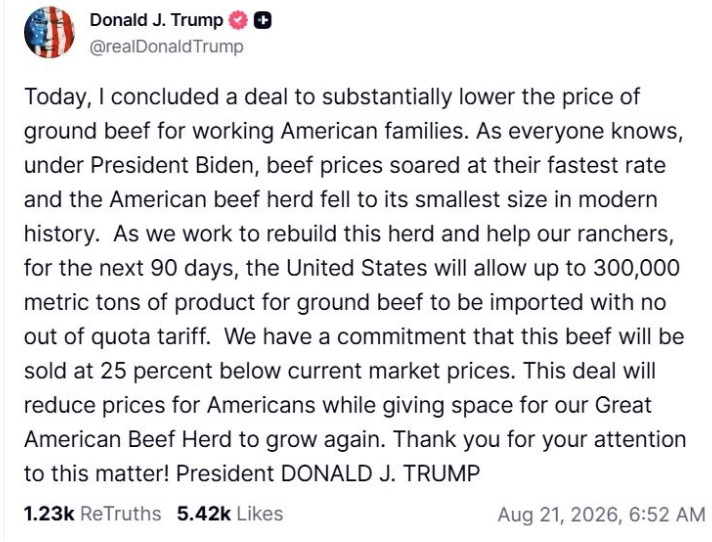
One of the biggest announcements came when President Trump said the United States would allow up to 300,000 metric tons of lean beef to enter the country under an expanded tariff-rate quota, with the administration seeking to have the imported beef sold at a 25% discount to market prices. The measure began September 1 and is divided into three 100,000-metric-ton tranches.
Keys says the important point is that beef was already entering the country under the existing tariff-rate quota system. "The beef was coming in, and it was paying the tariff," Keys says.
He explains that once the existing quota is triggered, imports can face a 26.5% tariff, but the demand for lean beef remained strong enough that product continued to enter the United States.
While beef prices have climbed sharply, Keys says consumers have continued to purchase beef despite having other protein choices available. "Even as this beef price went up, the consumer, because we've done such a good job over the last 40 years, really improving the quality of our beef, the consumer was still buying beef," Keys says.
He says that strong demand for beef, particularly ground beef, has surprised other segments of the protein industry. "The consumer wanted high-quality beef and ground beef in particular."
Keys says the continued demand for beef despite higher prices has contributed to questions about why beef has become such a focus in discussions surrounding grocery inflation.
The following Friday, President Trump turned his attention toward meat processing, calling for farmers and ranchers to have greater ability to process and market their own beef and criticizing the nation's largest meat processors. The administration has since issued an executive order directing USDA to reduce barriers to ranchers processing and selling their own meat and to support small and regional processors.
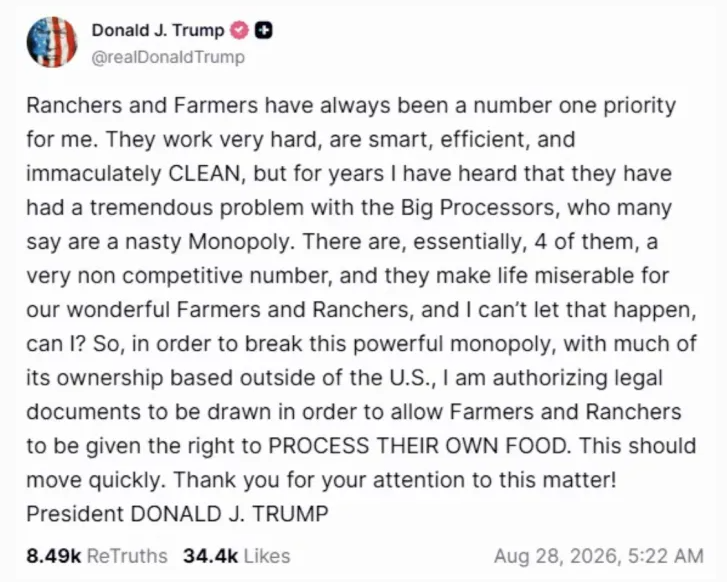
But Keys says there is an important clarification that needs to be made. "I don't know where that came from, but it was odd," Keys says of the idea that ranchers could simply process their own cattle.
Keys points out that while there is a growing market for direct-to-consumer beef and smaller processing operations, most ranchers are not actually doing the slaughtering and processing themselves. "Remember, the rancher is not processing these cattle. It's a processor somewhere. It's a medium-sized, small processor."
He says the model can work well for producers who want to raise cattle and sell beef directly to consumers, but a processor is still typically involved in getting that animal from the ranch to a finished beef product. "If you want to raise your own cattle and then find somebody to slaughter them for you and then package them and get it to your direct consumers, that's a great model."
Keys says producers interested in direct marketing have pursued that model, but the distinction between owning the cattle and actually processing the cattle is important.
With presidential actions now touching beef imports, cattle processing and the structure of the beef industry, Keys says the level of attention from the White House is something he has not seen during his decades in Washington. "It's very unprecedented," Keys says. "I've never seen a president and his senior advisors fixated on the state of the beef industry."
The Beef Buzz is a regular feature heard on radio stations around the region on the Radio Oklahoma Ag Network and is a regular audio feature found on this website as well. Click on the LISTEN BAR above for today's show and check out our archives for older Beef Buzz shows covering the gamut of the beef cattle industry today.
According to reporting by Rod Bain for the U.S. Department of Agriculture in Washington, D.C., scientists are making significant strides in modernizing the Sterile Insect Technique (SIT)—a biological control method that has formed the backbone of New World screwworm eradication across the United States and the North American continent since the 1950s and 1960s.
The traditional eradication system relies on mass-producing screwworm flies, treating them with gamma radiation to induce sterility, and releasing them across large target areas to suppress wild populations over time. However, as USDA research entomologist Alex Arp points out, the historical process carries a fundamental operational flaw:
"Only the male flies are actually contributing to that population suppression," Arp said. "Historically, with New World screwworm SIT, we've released males and females. So, a lot of the resources that go into the sterile insect production are kind of wasted producing these female flies that don't help us much."
To solve the issue, Arp and his colleagues at the USDA's Knipling-Bushland U.S. Livestock Insects Research Laboratory in Texas joined forces with researchers at North Carolina State University. Developed under the Agriculture Department's New World Screwworm Grand Challenge, the team created a new strain termed NovoFly.
NovoFly incorporates a selective system that destroys female flies while they are still embryos. Because the system can be turned on and off, rearing facilities can maintain a sustainable breeding colony containing both sexes, then engage the switch to produce generations consisting strictly of males.
As Arp explained to Bain, removing females before the sterilization phase addresses a major physiological hurdle:
"When we're sterilizing these screwworm flies for SIT, the female flies need a really high sterilization dose—about twice what a male needs to be sterilized," Arp noted. "Right now, all the males we're producing are getting sterilized at this really high female dose, and it's reducing their health a little bit in the field and reducing their capabilities for mating females."
With NovoFly eliminating females prior to irradiation, facilities can administer the lower, optimal gamma radiation dose intended for males. The result is a hardier, healthier sterile male fly that performs significantly better during mating competition in the wild—improving suppression without demanding new production infrastructure.
Before NovoFly can be mass-produced and deployed on a regional scale, it must clear several regulatory hurdles. Approval is required through the Environmental Protection Agency, alongside authorizations from partner nations that operate screwworm production facilities, including Mexico and Panama.
RON's Dave Lanning has a pre-opening look at today's agricultural Markets.
Click the audio tab below for today's report.
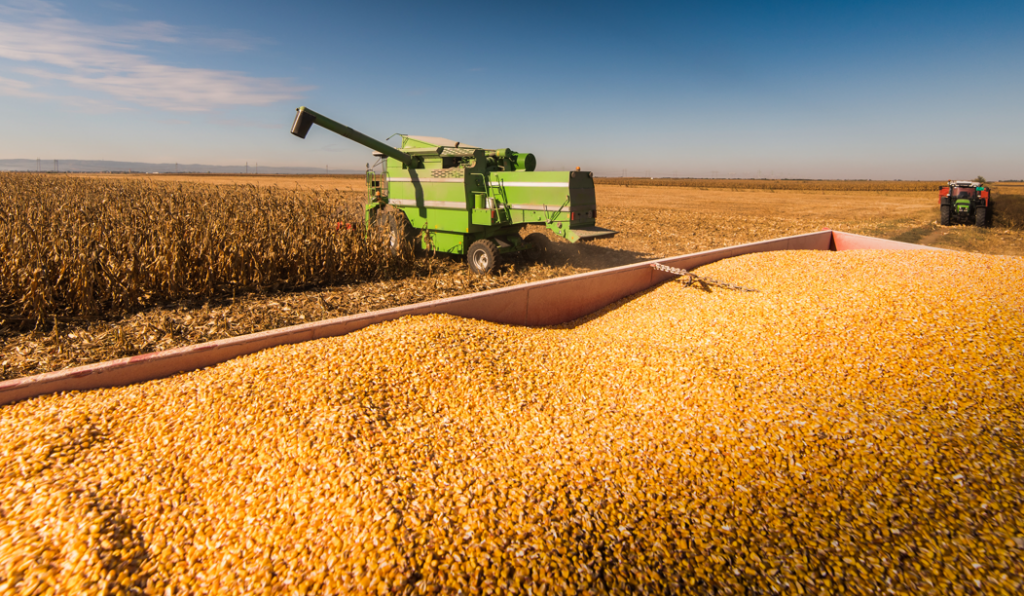
In the latest Crop Progress report from USDA, the U.S. corn crop is rated 56% Good to Excellent this week, down 1 point from last week, and corn harvested is at 5% nationally. Soybean crop conditions are rated 58% good to excellent this week, equal to last week.
The U.S. cotton crop is rated 34% good to excellent this week, down 5 points from a week ago. Cotton harvested is at 7% nationally. For the U.S. grain sorghum crop, the latest good-to-excellent ratings are 28%, equal to last week. Sorghum harvested is at 20% nationally. Winter wheat planted is at 2% nationally.
In the southern plains, Oklahoma pasture and range conditions are now ranked 7% good to excellent, versus 9% last week and 65% a year ago. Poor to very poor ratings are now at 69%, versus 61% a week ago and 9% a year ago.
Kansas good to excellent conditions are ranked at 23% compared to 31% last week and 59% a year ago. Poor to very poor conditions are ranked 41% this week, 32% last week, and 14% a year ago.
Texas good to excellent conditions are ranked 10% this week, 13% last week, and 39% a year ago. Poor to very poor conditions are ranked 60% this week, 55% a week ago, and 27% a year ago.
The 48-state national pasture and range conditions are now at 18% good to excellent versus 18% last week and 36% one year ago. Poor to very poor ratings nationally are at 53% this week versus 52% last week and 35% one year ago.
Oklahoma corn dented is at 79%. Corn harvested is at 52%. Corn conditions rank as follows: 42% good to excellent, 35% fair, and 23% poor to very poor.
Kansas corn dented is at 86%. Corn harvested is at 18%. Corn conditions rank as follows: 41% good to excellent, 22% fair, and 37% poor to very poor.
Texas corn dented is at 94%. Corn harvested is at 69%. Corn conditions rank as follows: 35% good to excellent, 30% fair, and 35% poor to very poor.
Oklahoma soybeans dropping leaves are at 17%. Oklahoma soybean conditions rank as follows: 15% good to excellent, 35% fair, and 50% poor to very poor.
Kansas soybeans dropping leaves are at 26%. Kansas soybean conditions rank as follows: 37% good to excellent, 34% fair, and 29% poor to very poor.
Texas soybeans dropping leaves are at 60%. Texas soybean conditions rank as follows: 44% good to excellent, 40% fair, and 16% poor to very poor.
Oklahoma cotton setting bolls are at 98%. Oklahoma cotton conditions rank as follows: 4% good to excellent, 41% fair, and 55% poor to very poor.
Kansas cotton setting bolls are at 97%. Kansas cotton conditions rank as follows: 27% good to excellent, 43% fair, and 30% poor to very poor. Cotton harvested is at 1%.
Texas cotton setting bolls are at 95%. Texas cotton conditions rank as follows: 16% good to excellent, 36% fair, and 48% poor to very poor. Cotton harvested is at 18%.
Oklahoma sorghum headed is at 96%, up 6% from a year ago. Sorghum harvested is at 32%. Sorghum conditions rank as follows: 18% good to excellent, 33% fair, and 49% poor to very poor.
Kansas sorghum headed is at 89%, down 7% from a year ago. Sorghum harvested is at 1%. Sorghum conditions rank as follows: 31% good to excellent, 31% fair, and 38% poor to very poor.
Texas sorghum headed is at 100%, even with a year ago. Sorghum harvested is at 72%. Sorghum conditions rank as follows: 24% good to excellent, 47% fair, and 29% poor to very poor.
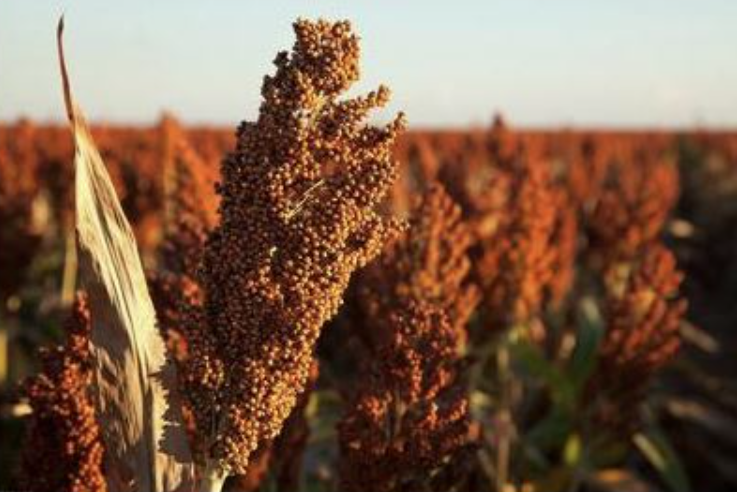
The United Sorghum Checkoff Program (USCP) has named Dr. Jourdan Bell as its next director of agronomy. Bell will join the Sorghum Checkoff on Oct. 1, succeeding Dr. Brent Bean, who will retire Sept. 30 after a distinguished career advancing sorghum production, research and producer education.
Bell currently serves as a Professor and Extension Agronomist with Texas A&M AgriLife Extension in Amarillo. She has built nationally recognized research and Extension programs focused on improving the productivity and profitability of Texas High Plains cropping systems under limited water conditions, with an emphasis on grain and forage sorghum.
"Brent has shaped modern sorghum production through decades of research, Extension and service to producers," said Tim Lust, CEO of the United Sorghum Checkoff Program and National Sorghum Producers. "Growers across the country have relied on his practical, science-based recommendations to improve their operations, and his leadership has helped the industry navigate some of its greatest production challenges. We're grateful for his contributions and look forward to his continued support during this transition."
Bean joined the Sorghum Checkoff in 2015 following a distinguished career with Texas A&M AgriLife Extension and private industry. Throughout his career, he became one of the nation's most recognized sorghum agronomists, helping producers improve yields and profitability through practical, research-based recommendations.
Among his many contributions, Bean played a leading role in the industry's response to the sugarcane aphid outbreak that threatened U.S. sorghum production beginning in 2013. Working with university researchers, Extension specialists, crop protection companies and growers, he helped develop integrated management recommendations that gave producers the tools to successfully manage one of the most significant insect pests the crop has faced in recent decades.
Bean also helped lead research and education efforts related to drought management, irrigation efficiency, nutrient management, hybrid selection and production practices, authoring hundreds of Extension publications, technical articles and educational resources used by producers throughout the United States.
"Serving sorghum producers has been one of the greatest privileges of my career," Bean said. "I'm grateful for the growers, researchers and industry partners I've had the opportunity to work alongside over the years. I've known Jourdan for much of her career and have watched her become an exceptional agronomist. She has a strong commitment to research, Extension and helping producers succeed. I look forward to helping with the transition and continuing to support the Sorghum Checkoff's strategic agronomy efforts."
Following his retirement, Bean will continue assisting the Sorghum Checkoff with strategic agronomy initiatives and will work closely with Bell to ensure a smooth transition.
Bell joined Texas A&M AgriLife in 2014 and has served as a regional agronomist since 2015. Her research and Extension programs focus on grain and forage sorghum, cotton, corn and wheat, with an emphasis on helping producers maximize profitability under limited water conditions.
She earned a bachelor's degree in agriculture and a master's degree in plant, soil and environmental science from West Texas A&M University before completing a doctorate in soil science at Texas A&M University.
Since 2014, Bell has secured more than $6.1 million in competitive research funding as a principal investigator or co-principal investigator. She has authored 38 peer-reviewed journal articles, three book chapters and 65 technical reports while mentoring graduate students and serving as an associate editor for the Agronomy Journal. In 2023, she received the Texas A&M AgriLife Vice Chancellor's Award in Extension Education.
"Jourdan's expertise, leadership and commitment to producer education make her an outstanding choice to lead the Sorghum Checkoff's agronomy program," Lust said. "She understands the opportunities and challenges facing sorghum producers, and her experience working in water-limited production systems will help continue advancing research, education and innovation for the industry."
Bell and Bean have worked together throughout much of their careers, beginning when Bell worked as a student employee in Bean's Texas A&M AgriLife program. Their longstanding professional relationship provides continuity for producers and a strong foundation for the future of the Sorghum Checkoff's agronomy efforts.
"I'm honored to join the Sorghum Checkoff and build on the strong foundation Brent has established," Bell said. "Sorghum producers continue to face new challenges and opportunities, and I look forward to working with growers, researchers and industry partners to advance practical, science-based solutions that strengthen the competitiveness of U.S. sorghum."
Bell begins her new role Oct. 1.

The National Conservation Foundation proudly recognized longtime conservation leader, John Redding of Georgia, with induction into the NCF-Envirothon Hall of Fame during the 2026 NCF-Envirothon annual competition, held this past July at Mississippi State University in Starkville, Mississippi.
The NCF-Envirothon Hall of Fame honors the remarkable contributions and commitment of individuals whose leadership and dedication have influenced, strengthened, and promoted the Envirothon program. Since 2005, 38 individuals have been inducted into the Envirothon Hall of Fame. Redding's induction adds another distinction to a lifetime of service to conservation at the local, state, national, and international levels.
"I sincerely appreciate this honor more than you'll ever know. My work in conservation was never just a job; it came from the love of my heart and the love of my land. I've always said, 'I do what I do because of my Lucy,'" said Redding, referring to his granddaughter. "I know each of you has your own Lucy, too. Please continue this work and keep up the banner."
Redding began his conservation leadership through the Walton County Conservation District, where he served as chair for 31 years. He later served the National Association of Conservation Districts in numerous leadership roles, including as president from 2008–2009. He has also served as a longtime leader with the Georgia Association of Conservation Districts and the National Conservation Foundation.
When he was the treasurer of the NCF Board of Trustees, Redding helped guide Envirothon through its transition to becoming an NCF program, supporting the creation of the NCF-Envirothon Operating Committee and the program manager role, which strengthened day-to-day operations. A former educator, Redding has long recognized Envirothon's ability to shape students' lives and has remained a strong advocate for the program in Georgia and across the country.
As a farmer and conservation advocate, Redding has put conservation into practice on his own Georgia farm, incorporating soil and water conservation into the production of cotton, peanuts, and timber. His decades of leadership, advocacy, and commitment to developing future conservation leaders reflect the lasting impact that the Envirothon Hall of Fame celebrates.
Congratulations to John Redding on this well-deserved recognition and his enduring legacy of conservation leadership.
Oklahoma State University has announced the location of its new veterinary teaching hospital and the site of its new Agronomy Discovery Center, marking a significant investment in the future of agricultural research, veterinary education and animal healthcare.
In 2025, OSU received a historic $250 million state funding appropriation to support the construction of a state-of-the-art facility to advance veterinary education, food security and public health in Oklahoma. Total construction costs for the hospital are estimated to be $330 million, and private support will be critical to advancing programmatic elements of the project.
The new 275,000-square-foot veterinary teaching hospital will be built on a portion of the current OSU Agronomy Research Station property located north of State Highway 51 and approximately a half mile west of Western Road in Stillwater. As part of the transition, the northern portion of the site will remain dedicated to farmland, including the historic Magruder Plots, one of the longest-running wheat research experiments in the United States.
Remaining agronomy research facilities and operations currently on the property will be relocated to the new Agronomy Discovery Center site, which will be northwest of the intersection of Virginia Avenue and Western Road in Stillwater. The relocation is made possible by a recent $40 million investment from the Oklahoma Legislature to modernize the agronomy farm and create the new OSU Agronomy Discovery Center.
The state's investment includes a $10 million matching component that must be secured through private fundraising by July 2027. As of Sept. 1, 2026, 51 donors, including 10 major gift donors, have pledged $8.7 million toward the initiative.
"The Agronomy Discovery Center and the new veterinary teaching hospital are generational investments in Oklahoma's future, and they are possible because state leaders understand the important role Oklahoma State University plays in serving our people and strengthening our economy," OSU President Jim Hess said. "We are deeply grateful to the OSU/A&M Board of Regents, the governor and the Oklahoma Legislature for their partnership and their confidence in OSU and its commitment to bringing these projects to fruition.
"Together, these facilities represent our land-grant mission at its very best — bringing education, research and service together to solve real problems for Oklahoma producers, veterinarians, industries and communities. They will strengthen agriculture, protect animal and human health, prepare the next generation of professionals and help ensure our food system remains strong and resilient."
The Agronomy Discovery Center will be a cutting-edge research and education hub that supports wheat breeding, crop science, soil fertility, forage and turfgrass research, while expanding OSU's nationally recognized agricultural research programs.
Plans include a modern greenhouse complex, research operations and field laboratory facilities, as well as the Agricultural Diagnostics and Education Center.
"The Agronomy Discovery Center represents an exciting new chapter for agricultural research and education at Oklahoma State University," said Dr. Jayson Lusk, vice president and dean of OSU Agriculture. "This investment will give our faculty, staff and students the modern facilities and research capacity needed to address the challenges facing Oklahoma agriculture today and into the future.
"From wheat breeding and crop science to soil fertility, forage and turfgrass research, the center will bring scientists, students, producers and industry partners together in ways that accelerate discovery and translate research into solutions in the field. Just as importantly, it will strengthen our ability to prepare the next generation of agricultural leaders while continuing OSU's land-grant mission of serving Oklahoma."
The new veterinary teaching hospital will provide advanced clinical, teaching and research space to support the growing needs of Oklahoma's veterinary profession and animal agriculture industries and feature modern equipment and technologies essential for both small- and large-animal care.
The current hospital was originally built to accommodate class sizes of up to 70 veterinary students, but today serves class sizes of more than 100 students. The new facility will provide the capacity and technology needed to support growing enrollment, enhance clinical training opportunities and improve patient care.
The facility will feature advanced technologies and specialized equipment, including CT and MRI imaging, radiography, ultrasound, a linear accelerator for cancer treatments and enhanced large-animal care facilities. These upgrades will expand educational opportunities for students while improving access to advanced veterinary care for animal owners throughout the region.
"Our mission is to provide state-of-the-art veterinary care for every patient, from companion animals to livestock," said Dr. Richard Prather, dean of the OSU College of Veterinary Medicine. "This care not only improves animal health and supports the people who depend on these animals, but also helps safeguard a strong and sustainable food supply for our state and nation."
Prather views the project as an important investment in OSU's future competitiveness. As veterinary education programs continue to expand nationwide, the new teaching hospital will strengthen the university's ability to attract top students, faculty and researchers while reinforcing its position as a national leader in veterinary medicine.
University leaders believe the new, modern facilities — both of which are in the design phase — will transform the student experience by creating new opportunities for hands-on learning, interdisciplinary collaboration and engagement with advanced research, technology and clinical practice.
They will help OSU recruit and retain talented students, faculty and staff who want to learn, teach, conduct research and serve in an environment built for innovation.
"Together, these projects demonstrate OSU's commitment to Oklahoma while positioning the university as a national destination for talent and leadership in agriculture and animal health," Dr. Hess said.
"Most importantly, the discoveries made here will not stay on our campuses. They will reach pastures, farms, veterinary practices, businesses and communities across all 77 Oklahoma counties, turning knowledge into practical solutions that improve lives. The same goes for our students, many of whom will make a home for themselves in communities across our state, bringing their knowledge, skill and Cowboy character wherever they land. That is our land-grant mission in action, and it is what becomes possible when Oklahoma State University and our state leaders work together with a shared purpose."
Additional details about both the Agronomy Discovery Center and the veterinary teaching hospital will be announced as plans progress.

OSU Extension Specialist for Horses Dr. Kris Hiney writes: I was recently invited to speak to an industry group about issues affecting horses in barns. One factor that many may dismiss or not consider important is air quality. Sure, we have all been in barns with a strong ammonia smell or high humidity, but it is often just shrugged off as part of normal horse barn odor. However, respiratory function is a key component of success for performance horses and ammonia, humidity or dust accumulation should not be taken lightly as it can dramatically affect airway function.
One key factor affecting air quality is the amount of ammonia. Ammonia is created by microbes in the environment converting urea that is present both in manure and urine into ammonia, a highly volatile gas. The degree of conversion depends on many factors, such as pH, temperature and humidity. In general, higher temperatures, humidity and pH all increase the conversion rate of urea to ammonia.
If the barn has a strong ammonia smell, that indicates a problem. Due to the weight of the gas, there can be a substantial ammonia concentration gradient between where the human nose is detecting ammonia and where the horse's head is during feed consumption. Ammonia concentration over 50 ppm can cause respiratory damage, and the levels of ammonia at the floor of the stall can vary between 80 and 450 ppm, depending on bedding type, frequency of cleaning and other conditions.
One specific factor in controlling ammonia concentrations directly under the owner's control is the diet. Horses that are fed diets more than their protein requirements will excrete excess nitrogen as urea. Therefore, matching requirements with the amount of protein fed will contribute to a reduction of ammonia in the barn.
Ventilation is also key. The goal is to achieve 4-8 air changes per hour (ACH). However, outlets for ventilation such as windows and doors are often closed to keep barns at temperatures that are more comfortable for people, rather than horses. The practice of shutting barns up at night can greatly increase ammonia, especially as humidity increases from the respiration of horses. This can not only trap ammonia but speed the conversion of urea to ammonia.
Bedding type also influences ammonia in horse barns. While not as common in the US, numerous studies indicate peat bedding outperforms other substrates. For bedding typical in the US, wood shavings have less ammonia and dust production than straw.
If ventilation systems are installed, air that draws from the floor (typically placed in corner of stalls) is ideal. As ammonia accumulates at the floor of the stall, this is the most effective means of removal. Installation of ventilation systems can have real impacts on horse health, as one study comparing air quality and horse health pre and post ventilation installation significantly reduced CO2, ammonia and allergens, as well as a reduction in airway inflammatory markers in the horses.
There are several environmental amendment products, but most have been studied in other commercial livestock species. Biochar and zeolite have been used extensively in manure slurry to reduce ammonia, and to some extent in poultry litter and dairy bedding. Biochar is stable carbon rich material created by heating organic material at high temperatures without oxygen. However, biochar can be highly variable, depending on heating, duration of processing and pH of the final product. Mixing rice hull-based biochar into traditional sawdust bedding reduced ammonia in dairy bedding (the closest analogy) by 27-43%. However, the pH of the product is highly important. If the material is too alkaline, it can increase volatilization of ammonia. All sources of biochar are also not equivalent, as wood-based biochar did not show a decrease in ammonia production in stored manure. Unfortunately, data in other species cannot be directly extrapolated as nitrogen in poultry excrement is present as uric acid, compared to urea in horses. Unfortunately to date, no research on actual horse stalls has taken place.
Zeolite is another product that may have potential for use in horse barns. Zeolite has a crystalline structure (made out of silicon, oxygen and aluminum) with micropores which can trap ammonia. The pores help to bind water, decreasing the ability for the urease enzyme to work. Acid activation of zeolite also improves its effectiveness at reducing ammonia, again keeping the pH below the range that urease drives the urea to ammonia reaction. MCDMH-modified clinoptilolite zeolite, a specialized form of zeolite, has been shown to outperform other materials when used in cat litter. It decreased urease activity by >97% and reduced bacterial CFUs by six log values. Unfortunately, no study has tested it in horse stall bedding specifically, and efficacy depends heavily on application rate, zeolite origin, and moisture conditions. There is also limited information available on the price of such products if they were economically feasible for use in equine facilities.
So bottom line, feed protein appropriately, utilize ventilation systems in closed buildings and know that there may be some products available in the future that may greatly assist with ammonia removal and respiratory health in horses.
Article by OSU Equine News

With record or near-record cattle prices, tight livestock supplies, and high-energy summer rodeo events sweeping across ranching communities, cattle producers and rodeo enthusiasts alike are evaluating capital investments to optimize their working operations. Industry experts are encouraging livestock owners and outdoor competitors to leverage specialized equipment programs—specifically through Certified Agriculture Dealerships—to stretch their equipment dollars further during this profitable market cycle.
Despite input cost volatility, strong wholesale cutout values and tight national herd inventories have maintained high feeder and calf prices throughout 2026. For many cow-calf and stocker operators, current market conditions offer a prime opportunity to reinvest in core operational tools, particularly working pickup trucks, livestock hauling rigs, and ranch management equipment.
"At the same time, peak summer and early fall rodeo circuits highlight the demands placed on personal and commercial ranch trucks." Noted Tony Maneotis, general manager at Victory Motors. "Towing heavy horse trailers, hauling stock, and navigating rugged terrain require heavy-duty performance—making the choice of truck dealer a strategic financial decision."
Strategic Savings Built for Agriculture
While buying a truck is a necessary business expense for ranchers and rodeo competitors, sourcing through a Certified Agriculture Dealer provides exclusive access to AgPack®, a curated suite of agricultural equipment rebates, farm supply discounts, and operational cost savings. AgPack+ offers up to $48,000* in potential supply and equipment savings through leading agricultural and automotive industry partners.
AgPack benefits are designed to directly lower the total cost of truck ownership and ranch operations, offering savings on key ranch inputs and accessories, including:
"Ranchers and rodeo competitors rely on their trucks as essential power tools, not just everyday transportation," added Maneotis "By pairing a vehicle purchase with AgPack, producers can offset their capital investment with direct savings on products they are already buying for their operations."
For producers preparing for livestock care, seasonal health management and farm supply needs, AgPack includes exclusive savings and rebates on Valley Vet Supply products—helping farmers/ranchers stock up on essential animal health supplies, equipment, and farm gear while protecting their bottom line. By choosing a Certified Agriculture Dealer, local farmers and ranchers turn a necessary vehicle investment into immediate operational ROI, allowing them to stretch their operation's budget further during tight margin years like this.
Check out Drive into Fall Savings Opportunities
September also brings new rebates and offers at Victory Motors. On select Ram 1500 models you'll find 12% to15% off MSRP, providing an average discount of $6,600.00, but some as high as $14,000.00. Ram Heavy Duty Pickups have 5% to 10% off MSRP on select models with an average discount of $3,760.00, some as high as $10,380.00.
Victory Motors is also providing a tire savings offer of purchase three and get the 4th for $1.00. The AgPack tire rebate can be used on top of this offer.
How to Access
Upon purchasing or leasing any qualifying new or eligible pre-owned truck, buyers receive immediate access to register their AgPack package and begin redeeming AgPack partner savings. Cattle producers, rodeo competitors, and rural property owners looking to upgrade their trucks this season can see the available inventory at Victory Motors by visiting AgTruckTrader.com.
The American Feed Industry Association announced the completion of a yearlong effort to update and grow its Safe Feed/Safe Food (SF/SF) certification program, comprised of animal food supply chain certifications. Beginning this summer, warehouse, storage and distribution facilities can pursue certification under a new category.
The new certification recognizes facilities that handle the warehousing, storage and distribution of animal food and ingredients. Additionally, more than 1,000 facilities that currently hold at least one SF/SF certification, as well as facilities seeking certification, can now refer to Version 8.0 of the program, which incorporates feedback from industry stakeholders and aligns with current industry practices.
"The Safe Feed/Safe Food program has grown immensely over the last several years," said Megan Provost, AFIA's chief operating officer. "More facilities are seeking certification because it demonstrates a commitment to feed safety, quality and continuous improvement. Safe Feed/Safe Food certification means that these facilities are at the height of excellence for feed production, storage and transport safety and quality, which is critical for the industry that supports America's animal protein intake. With the modernization and introduction of a new certification for warehouse, storage and distribution facilities, we look forward to seeing the program expand even more in the years to come."
The SF/SF program, launched in 2004, is a voluntary, third-party certified program designed to enhance feed safety and quality beyond regulatory requirements. As the Food and Drug Administration's Center for Veterinary Medicine and state feed control officials are managing their inspection programs with fewer resources and heightened expectations, third-party certification programs like SF/SF can help build confidence in compliance and improve inspection results. SF/SF has grown significantly, with over 1,000 certified facilities as of 2025. The program emphasizes continuous improvement, regulatory awareness and risk reduction in feed manufacturing operations. Facilities benefit from certification through improved operational consistency, reduced liability risks and enhanced credibility with customers and regulators.
The new certification came in response to industry demand. No SF/SF certification category specifically addressed the unique requirements of companies holding ingredients in warehouses and/or moving them through distribution operations. With this rollout, warehouses and storage and distribution facilities already in the program can be reevaluated for the Warehouse, Storage and Distribution (WSD) certification featuring a unique, new seal.
The update to the overall program, Version 8.0, reflects an opportunity for streamlining and modernization for manufacturers that pursue certification by third-party reviewers. The primary goal is to foster continuous improvement at feed and pet food manufacturing facilities while improving clarity and usability for companies. While the core requirements of the program did not change, the Version 8.0 program guidance aligns more closely with current industry best practices and regulatory expectations.
Facilities may earn certification in one or more categories: Safe Feed/Safe Food; FSC32 Manufacture of Pet Food; FSC34 Manufacture of Animal Feeds; International Safe Feed/Safe Food and Warehousing, Storage and Distribution. To learn more about SF/SF, visit safefeedsafefood.org.
President Donald Trump today signed executive orders advancing cattle and sheep industry reforms aimed at strengthening competition, rebuilding domestic processing capacity, addressing predation and regulatory burdens, and supporting the long-term viability of America's independent livestock producers.
Among the actions announced by the White House, the executive orders:
R-CALF USA President Dave Hyde and R-CALF USA Property Rights Chair Shad Sullivan represented American independent livestock producers at the signings.
"These executive orders don't fix everything with the stroke of a pen, but they put the weight of the administration behind tackling several longstanding challenges facing cattle producers," said Hyde. "They set in motion efforts to find a path forward on MCOOL, strengthen enforcement against unfair and anticompetitive practices, expand opportunities for independent processors, address wolf delisting and livestock depredation, and identify federal policies that are making it harder for ranchers to stay in business.
"R-CALF USA has worked tirelessly to advance reforms in these areas, engaging directly with the administration to offer clear direction and practical solutions," Hyde continued. "We welcome today's action as a step forward.
"This is only the start," Hyde said. "There is more work to be done to build a cattle and beef marketplace that rewards American producers, provides consumers with transparency, and rebuilds our domestic cattle industry for generations to come."
"Our ranching members have spent decades pressing the federal government to address many of the issues included in today's executive orders," said R-CALF USA CEO Bill Bullard. "We encourage them to stay mobilized as we enter the important implementation stage and continue working to rebuild a cattle and beef supply chain that has been allowed to deteriorate for far too long."

Read an Accurate Ag Book Week is returning to classrooms across Oklahoma this September, aiming to introduce students to the realities of agriculture through engaging, factual literature. In a conversation with Farm Director KC Sheperd, Emily Ague, Ag in the Classroom state coordinator, shared how the annual initiative helps students understand the source of their food and fiber.
The initiative originally launched in 2018, created to center around National Read a Book Day on September 6. Ague explained that the emphasis is placed on "accurate" books to distinguish factual agricultural practices from fictional stories. While classics like Charlotte's Web remain fun reads, Ague noted that spiders and pigs do not actually talk in real life, underscoring the organization's mission to present an authentic look at the farm sector.
Participation has already swept across the state, with volunteers and schools representing all 77 Oklahoma counties signed up. Ague reported that 494 participants have registered so far, translating to roughly 28,000 students. Organizers anticipate those numbers will rise, as registration remains open through the end of next week to give educators and reading volunteers ample time to join. Last year, the program reached more than 29,000 students over a four-day span, and the team hopes to surpass that milestone this year.

Several high-profile state leaders will take part in this year's event. Oklahoma Secretary of Agriculture Blayne Arthur will visit a classroom next week to read to students, and Governor Kevin Stitt is scheduled to participate in the program for the first time. Additionally, at least 14 state legislators have paired up with local classrooms, alongside others coordinating visits independently.
Ague emphasized that the program accommodates diverse learning environments by offering a wide variety of reading materials. Volunteers and educators can tailor book selections to their specific communities, whether that means exploring urban gardening with children in city schools or highlighting cattle ranching in rural areas.
Ag in the Classroom operates with a three-person team consisting of Ague, Annie Davis, and Ashley Collyer. Because all three are former classroom teachers, they structure resources to ease the workload on current educators. The organization provides free, state-aligned lesson plans for pre-K through 12th-grade teachers, free professional development, grants, and student events. Ague highlighted that while they collaborate closely with 4-H and FFA programs, their core aim is to reach students who might never join those clubs, ensuring all youth develop basic agricultural literacy.
Beyond the reading week, Ag in the Classroom maintains a full autumn schedule. The program will collaborate with the Oklahoma State Fair during its second week for the State Fair Academy. The initiative bus fuel costs for participating second- through fifth-grade classes across the state. Ag in the Classroom staff will greet arriving students, explain the agricultural heritage behind fairs, and host an afternoon educational activity across four days of the event.
Additional upcoming dates include the Pork Council grant deadline on September 15, sponsored by the Oklahoma Pork Council, and the launch of the second annual Pizza Challenge on October 1.
Educators and volunteers interested in participating in Read an Accurate Ag Book Week can sign up on the organization's website under the 2026 events section on the homepage or follow the links shared across their social media pages.

To make integrating these concepts seamless for busy educators, Ag in the Classroom provides an extensive library of free, turn-key resources directly on its website. Every lesson plan is fully aligned with Oklahoma Academic Standards, allowing teachers to fulfill mandatory subject requirements in areas like reading, math, science, and social studies through agricultural themes rather than adding extra work to their day. In addition to downloadable curriculum, the program offers classroom recipes, activity sheets, and classroom grant opportunities to supply hands-on learning materials. The team also travels statewide to deliver free professional development workshops, walking educators through practical strategies to incorporate agriculture into their daily routines and ensure students build a lasting connection to where their food originates.
Have you registered for Read an Accurate Ag Book Week?
 September 8–11
Join classrooms, clubs, and volunteers across Oklahoma as we celebrate agriculture through engaging, accurate agricultural books! Participate in your classroom or join us online each day for LIVE Zoom read-alouds featuring readers from across the state.
Registering enters you to win a Bushel of Accurate Ag Books!
We'll be giving away bushels of books to:
 3 Classroom Educators
1 FFA Chapter
 1 FCCLA Chapter
 1 4-H Club
Need help finding an accurate agriculture book? Register today for a recommended book list!
Check out accurate ag books at your local Farm Bureau office too- https://www.okfarmbureau.org/counties/
Let's inspire students with accurate agriculture stories this September!
In today's Beef Buzz, senior farm and ranch broadcaster Ron Hays continues his conversation with Cattlemen's Congress Executive VP Bray Haven, who says organizers are preparing for the seventh Cattlemen's Congress, set to begin January 3rd 2027, with an expanded board, new sales opportunities and continued efforts to grow the event for the future.
As anticipation builds for the 2027 event, Haven says the Cattlemen's Congress board of directors has recently expanded to include more industry representation from across the country. "Our current board decided earlier this year to expand the board of directors to get buy-in from some folks who had different backgrounds, different people from across the country that have experience with some of the other breeds, and really give them a seat at the table when we're making some of the decisions that we make," Haven said.
The organization now has approximately 15 board members from across the country. Haven says the expansion gives Cattlemen's Congress additional perspectives from exhibitors and breeds that have not traditionally been represented on the board. "Gives us an ear to the industry. Gives us an ear to people who travel in here and exhibit at the show and participate within some of the other breeds that we haven't traditionally had on the board," Haven said. "We're really looking forward to their input and their ideas as we continue to grow into the future."
While the event is still relatively young, Haven says the support behind Cattlemen's Congress has made it feel like an established part of the cattle industry. "We're talking about the sixth and then the seventh show ever in the history of Cattlemen's Congress. It feels like it's been happening forever, just because of the support that we've had from the industry," Haven said.
He says that support extends beyond breed associations and exhibitors to those involved throughout the seedstock and purebred cattle industries. "We're really excited to continue to get that not necessarily financial investment, but the investment of their time and their ideas and their input on what they believe we need to continue to do to make sure Cattlemen's Congress exists in 100 years," Haven said.
Cattlemen's Congress is focused specifically on the cattle industry and creating opportunities for seedstock producers to exhibit, market, and sell cattle. "You look at some of the other types of events that happen like this. They operate around a fair, maybe a rodeo," Haven said. "We have the opportunity to really just focus on commerce of the seedstock cattle industry, and that's really our focus."
Haven says the board's discussions have centered on making sure exhibitors have opportunities to display and market their livestock. "When you give people the opportunity to exhibit, display, and then sell and market their livestock or their cattle, in this instance, then everything else falls into place," Haven said.
That focus on commerce extends well beyond the organized sales held during Cattlemen's Congress. "A lot of those people participate. They bring some of those cattle that they may be going to sell later in the spring at some of their sales, and so this is an opportunity for them to get them out, let them compete a little bit, and then take them back home and sell them in their bull sales or their female sales or whatever might be," Haven said.
One of the major additions for 2027 will be the relocation of a larger Angus sale from Heritage Place to the Cattlemen's Congress sales arena. Haven says the commercial female sale featuring bred heifers and potentially some open females will also return. "We're excited about that," Haven said. "Matt Sims, who puts that sale on, we were visiting the other day, and he was already out trying to gather some consignments for that."
Organizers are also looking for additional ways to attract cattle producers and visitors to the Oklahoma State Fairgrounds. "We've got some of the different breeds looking at having free meals that come with attending their pen show and things like that," Haven said. "Really just trying to open new doors to new folks to come on site and participate."
Haven encourages cattle producers, including those who may not traditionally attend major purebred events, to come experience what Cattlemen's Congress has to offer. "Those are the type of people. They come once. They want to come back," Haven said. "They spend the day looking at cattle, trade show. It's an event. It's not just coming up and watching a show. There's a lot more to it. There's a lot going on."
He points out that there is no admission charge or parking fee. "We're not charging at the gate. There's no entry fee. You don't have to pay to park. Just find you a spot and walk in the barn, and you're going to find something that you'll like," Haven said. "Whether it's somebody that's selling trinkets or somebody that's got really nice cattle from an area of the country that you haven't seen before, I think there's something for everybody here in Oklahoma City in January during the Cattlemen's Congress."
While the new connector project will not be complete until after the 2027 event, Haven says organizers are making some adjustments to improve the use of existing facilities. "Really, the only thing is what I mentioned in retrofitting some of that Super Barn. We're going to move a couple of breeds of cattle into that barn," Haven said. "That'll give us some more flexibility. People get spread out a little bit more."
With cattle currently occupying nearly every available space during the event, the additional flexibility is expected to improve the exhibitor experience. "If you've ever been on site, you'll see we've got literally cattle in every nook and cranny of every barn that is here," Haven said. "That'll give us a little bit more space, give people opportunity to spread out."
The organization has also added wash racks and made other improvements. However, Haven says larger changes to the event's layout and schedule will likely come in 2028 after the connector is finished. "A lot of the big changes as far as the schedule and some of that, we'll be looking to do in 2028 when we finish the connector and kind of get settled into the new barn," Haven said.
Cattlemen's Congress added Wagyu cattle to the event last year, and Haven says organizers have been exploring the possibility of adding another breed in the future. "We added the Wagyu last year. We were looking at adding another breed. We hope they'll join us in '27. I think they may be pushing off to '28 to come," Haven said.
Even without another addition, Haven says the 2027 event will feature 25 breeds and dozens of shows when junior and open competitions are included. "Twenty-five solid breeds, and so we're gonna have, you know, the lens for 35, 40 shows, even more than that if you're considering their junior and open shows different," Haven said. "Really set up for a really fun year, and we're going to pack the show ring and give people an opportunity to sell some cattle."
Ultimately, Haven says Cattlemen's Congress is designed to connect cattle producers and create business opportunities throughout the event. "That is our number one goal at Cattlemen's Congress, is give them that opportunity," Haven said. "We hope that you, as a listener, as a rancher maybe here in Oklahoma, might give us an opportunity to impress you a little bit with some of the genetics that are here in Oklahoma City in January."
Entries for the 2027 Cattlemen's Congress open November 1, with the seventh annual event beginning January 3 in Oklahoma City.
The Beef Buzz is a regular feature heard on radio stations around the region on the Radio Oklahoma Ag Network and is a regular audio feature found on this website as well. Click on the LISTEN BAR above for today's show and check out our archives for older Beef Buzz shows covering the gamut of the beef cattle industry today.
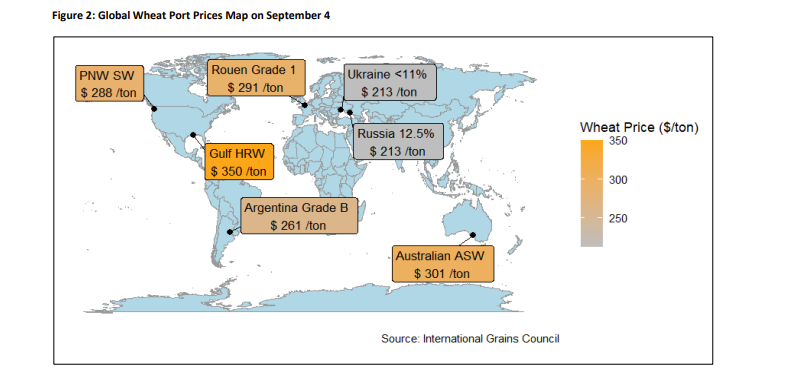
Grain and oilseed futures displayed weakness heading into the holiday weekend as markets moved lower to close out the week of trading. While the underlying fundamental drivers changed little, technical pressure from recent rallies and broader macroeconomic developments pushed prices down. Traders now look toward this Friday's USDA Crop Production and WASDE reports, which carry the potential to inject fresh volatility into the market.
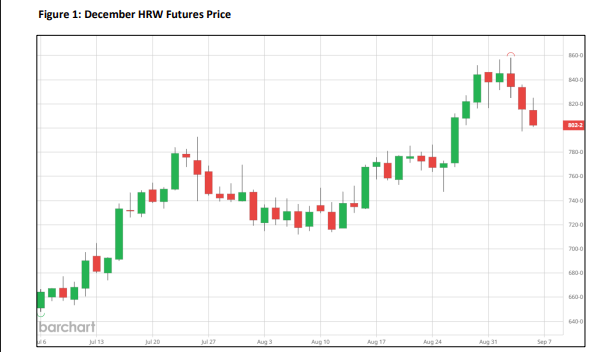
Wheat Market Outlook
December Hard Red Winter (HRW) wheat futures fell for three consecutive sessions after touching a contract high, settling on Friday at $8.02 per bushel. Local cash delivery basis across Oklahoma ranges between -55 and -70 cents. Ongoing conflict in the Black Sea, developments in Iran, and summer crop production continue to serve as the main near-term price drivers, while global export competition dictates the longer-term trend.
U.S. Gulf HRW prices remain elevated compared to global competitors. In the Black Sea, Russian shipments have shifted toward Baltic ports and alternative corridors, while Ukraine continues moving grain by truck and rail; both nations still lag normal export paces by substantial margins.
Because Gulf prices sit well above competitors, Asian buyers needing September through November deliveries have turned to the Southern Hemisphere. Australian and Argentinian prices were recently quoted at $1.34 and $2.42 per bushel below U.S. Gulf values, respectively, putting U.S. wheat at a distinct pricing and freight disadvantage into Asia and the Middle East. High global prices also prompted Saudi Arabia to cancel a recent tender, with upcoming tenders expected to signal whether buyers will accept current price levels.
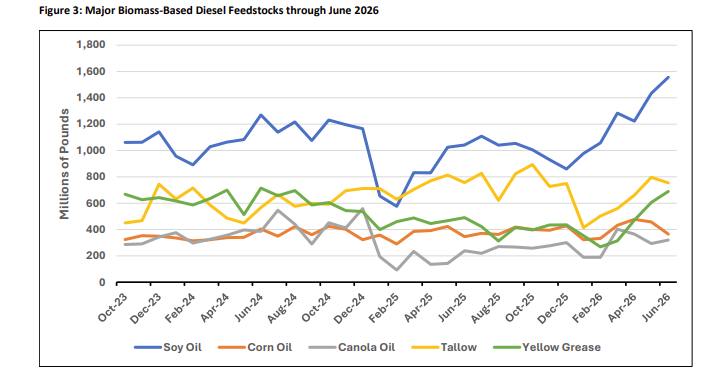
Through August 27, total U.S. all-wheat export commitments stood at 315 million bushels, a 31 percent decline from last year. Outstanding sales are at 135 million bushels compared to 219 million bushels a year ago. At 41 percent of the USDA forecast, overall commitments sit eight percent behind the five-year average pace. The leading buyers for all U.S. wheat include Mexico (23 percent), the Philippines (13 percent), Japan (12 percent), and South Korea (10 percent).
For HRW specifically, marketing year commitments sit at 70 million bushels, down sharply from 190 million bushels at this point last year. Reaching USDA's 210 million bushel projection will require new sales to average 3.6 million bushels weekly, well above the recent four-week average of 1.9 million bushels. Top HRW buyers include Mexico at 25 million bushels and Japan at 16 million bushels, followed by Taiwan (4.5 million) and Indonesia (3.6 million). While Southern Hemisphere crop prospects in Australia and Argentina look promising with limited downside, potential acreage reductions in the Black Sea for next season could offer support later in the marketing year.
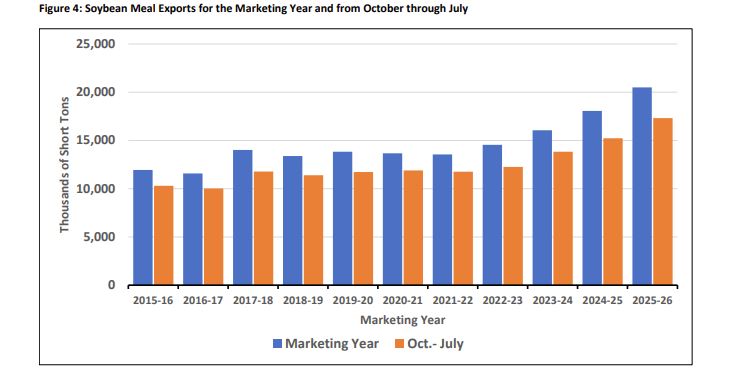
Soybean Market Outlook
November soybean futures closed Friday at $13.10 per bushel, down six cents, with Oklahoma cash prices sitting between $12.19 and $12.34. The soybean complex held up better than wheat due to strong domestic crush demand, the Environmental Protection Agency's resolution on 2025 small refinery exemptions, and weather watch in Brazil tied to possible El Niño conditions.
USDA's July crush estimate came in at 221.9 million bushels, bringing the marketing year total through July to 2,436 million bushels. To meet the USDA forecast of 2,655 million bushels, August crush needs to hit 219 million bushels, keeping the current 2025-26 projection well on pace. Total soybean export demand also remains on track to hit expectations.
Domestic crush expansion continues to see support from the renewable fuels sector. The EPA finalized 2025 small refinery exemptions with a 100 percent reallocation announcement, maintaining supportive Renewable Volume Obligations (RVO) for 2026 and 2027 biomass-based diesel (BBD). Soybean oil usage for biofuel rose to 1,556 million pounds in June, capturing more than 39 percent of total BBD feedstock use. With current consumption outpacing the monthly rate needed to meet USDA's 14,550 million pound projection, Friday's WASDE report could see an upward revision in biofuel bean oil demand. Additionally, D4 RIN generation remains well behind the pace needed to meet volume mandates, lending underlying support to soy oil despite last week's softer close.
Soybean meal export demand also remains strong. Census data through July pegged meal exports at 17,317 thousand short tons, easily surpassing earlier sales expectations. Meeting the marketing year forecast will require averaging 1,591 thousand short tons per month across the final two months, well below the April-through-July monthly average of 1,718 thousand short tons.
While recent weekly sales have slowed, outstanding sales stood at 2,474 thousand short tons as of August 27. Strong foreign demand driven by expanding global livestock herds continues to favor high-protein U.S. meal. With USDA forecasting a record 22,700 thousand short tons for the 2026-27 marketing year, the combination of resilient meal demand and supportive biofuel policy points toward record crush levels over the coming year.
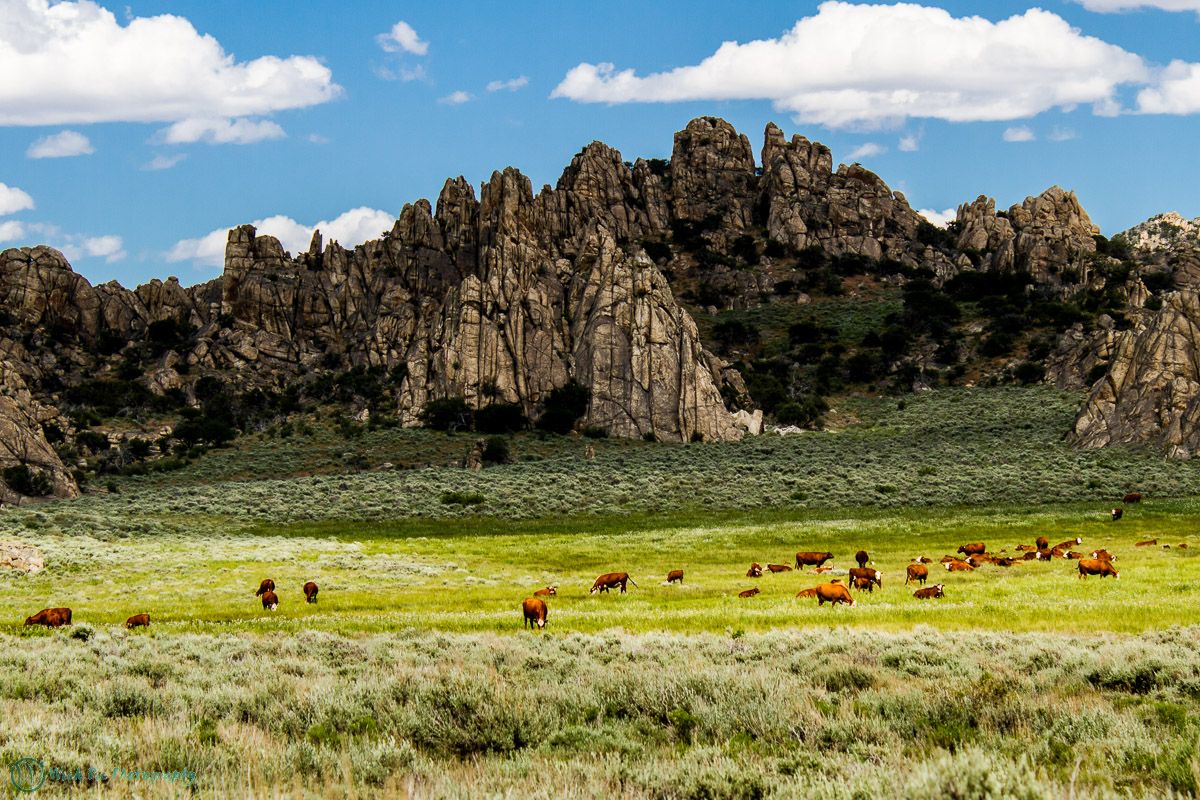
On Friday, President Trump issued two Executive Orders (EOs) intended to bolster the beef industry. One of these, titled "Supporting American Ranchers," outlines the President's support for six distinct policy initiatives already underway at the agencies.
The Executive Orders largely contain a summary of initiatives underway as a result of the Directive to Restore Grazing on National Forest Lands and Strengthen Support for America's Ranchers, the Ranchers First Initiatives to Rebuild the Great American Beef Herd, and USDA's Plan for Fortifying the Beef Industry.
Success now depends on successful implementation of these ongoing policy work. Producers require timely action and measurable results, and
Section 1 of the EO details previous actions taken by the Administration to support ranchers. These include enforcing voluntary "Product of USA" labeling requirements so that American ranchers receive proper recognition for products raised domestically; mapping over 2 million additional acres of grazing land managed by the Department of the Interior; identifying nearly 1.6 million acres of vacant allotments managed by the U.S. Forest Service to make them available for federal grazing permit applications across the West; rescinding burdensome Biden-era regulations that imposed significant compliance costs for speculative environmental gains; and enacting tax policy changes favorable to ranchers, such as reducing estate taxes and accelerating expensing and depreciation provisions.
Section 2 directs federal departments and agencies to review existing regulations and identify opportunities to reduce regulatory burdens and eliminate unnecessary bureaucratic red tape impacting ranchers and the beef industry as a whole.
Section 3 focuses on wolf management and depredation issues affecting livestock producers. Within 90 days, the Secretary of the Interior is directed to determine whether the gray wolf and Mexican wolf have met recovery criteria for delisting or downlisting under the Endangered Species Act (ESA) and, if appropriate, begin that process. The Order also calls for development of legislative recommendations to fully delist or downlist both species, encourages coordination with states to remove wolves from state protected species lists where appropriate, and seeks revisions to state standards governing the lethal take of wolves to better address livestock predation. Additionally, the Order directs the Departments of the Interior and Agriculture to review producer compensation programs and depredation investigation standards, including consideration of evidence beyond subcutaneous hemorrhaging when evaluating livestock losses. Finally, the Order calls for a review of federal policies governing lethal wolf removal to improve responsiveness to threats involving human safety and livestock.
Section 4 instructs USDA and the U.S. Trade Representative to review their legal authority regarding Mandatory Country of Origin Labeling (MCOOL) for beef and provide regulatory and legislative recommendations within 90 days. While this signals heightened Administration interest in MCOOL and a potentially expanded federal role in beef marketing, it does not enact immediate policy changes, because any sort of change in this marketing label would require an act of Congress.
Sections 5 and 6 address implementation and administrative matters. Notably, Section 6 clarifies that the Order does not alter existing agency authorities, remains subject to applicable law and available funding, creates no new legal rights or causes of action.
PLC has worked extensively to raise awareness about the effects of gray wolf and Mexican wolf predation on livestock producers. PLC successfully advocated for APHIS Wildlife Services to revise its standards of evidence for confirming depredation by Mexican wolves, moving away from sole reliance on subcutaneous hemorrhaging as a determining factor. PLC also brought producers before Congress to testify about the impacts of Mexican wolf depredation and the growing challenges from gray wolf populations. These efforts helped advance the Pet and Livestock Protection Act through the House of Representatives, and PLC's focus now shifts to securing Senate action. PLC continues its three-pronged approach to wolf delisting: working with Congress to enact statutory reforms, encouraging the Administration to pursue delisting, and defending the prior delisting rule through ongoing litigation.
Click HERE to view the White House Fact Sheet.
The other EO titled "Promoting Fair Competition in Livestock Markets and Expanding Market Access for American Meat Producers" would implement:
The National Pork Producers Council is looking for the next generation of pork industry leaders. Applications are now open for the 2027 Lois Britt Memorial Pork Industry Scholarship, which will award ten $2,500 scholarships to college students pursuing careers in the pork industry. The program is supported by CME Group and the National Pork Industry Foundation.
"The strength of our industry has always come from people who are willing to step up, get involved and help shape its future," said Rob Brenneman, NPPC president and a pork producer from Iowa. "Lois Britt was one of those leaders. This scholarship honors her legacy by giving the next generation the opportunity to pursue their goals, get involved in the pork industry and make their own lasting impact."
The scholarship is open to undergraduate students enrolled in a two-year swine program or a four-year college of agriculture. Applicants will be asked to address a current or future issue facing the pork industry, along with potential solutions, in an essay.
More than a scholarship, the program is an opportunity for students to think critically about the industry they are preparing to join and consider how they can contribute to its future. Scholarship recipients will be announced in January and recognized at the 2027 National Pork Industry Forum in Arlington, Texas, March 3-5.
Honoring a Legacy of Leadership
Established in 1990 by CME Group and NPPC, the scholarship honors Lois Britt, a longtime advocate for agriculture and former NPPC board member whose career was defined by service to producers and the people who support them.
Britt spent 34 years with the North Carolina Cooperative Extension before joining Smithfield Hog Production, where she spent 15 years in public and government relations. Her commitment to agriculture and the pork industry earned her induction into the NPPC Pork Industry Hall of Fame and the North Carolina Pork Council Hall of Fame, as well as the North Carolina 4-H Lifetime Achievement Award.
Her legacy continues through a scholarship designed to help students build their own futures in the pork industry.
Applications are due Friday, December 11. Full eligibility requirements and application information are available here. For questions about the scholarship, contact Jacob Sterle, NPPC director of industry resource development, at 515-278-8012 or invest@nppc.org.
Turning Raw Data into Actionable Early Warnings
With drought conditions lingering and pest pressures escalating across agricultural regions, growers are constantly managing risks that can make or break a crop year. Radio Oklahoma Ag Network Farm Director KC Sheperd recently sat down with Jorge Celis, CEO of American Prime, to discuss how the agricultural intelligence company—working alongside Farm Bureau leaders—is cutting through complex data to help producers identify which fields need attention first, understand the root cause, and connect that insight directly to action in the field.
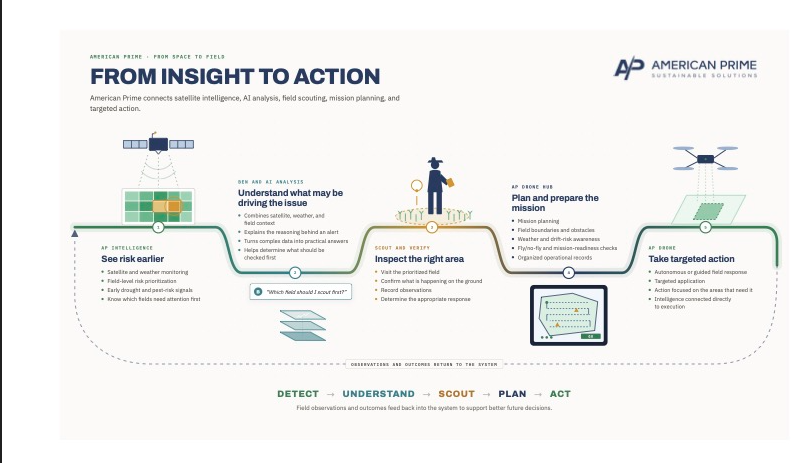
Celis emphasized that American Prime was built to eliminate the frustration of complicated, overwhelming dashboards. Following a severe drought several years ago, he noted that many producers were flooded with data but still received critical agronomic insights too late to protect their crops. American Prime was engineered as a practical, end-to-end platform where satellite technology spots hidden stress, AI warns operators, and autonomous equipment enables fast intervention.
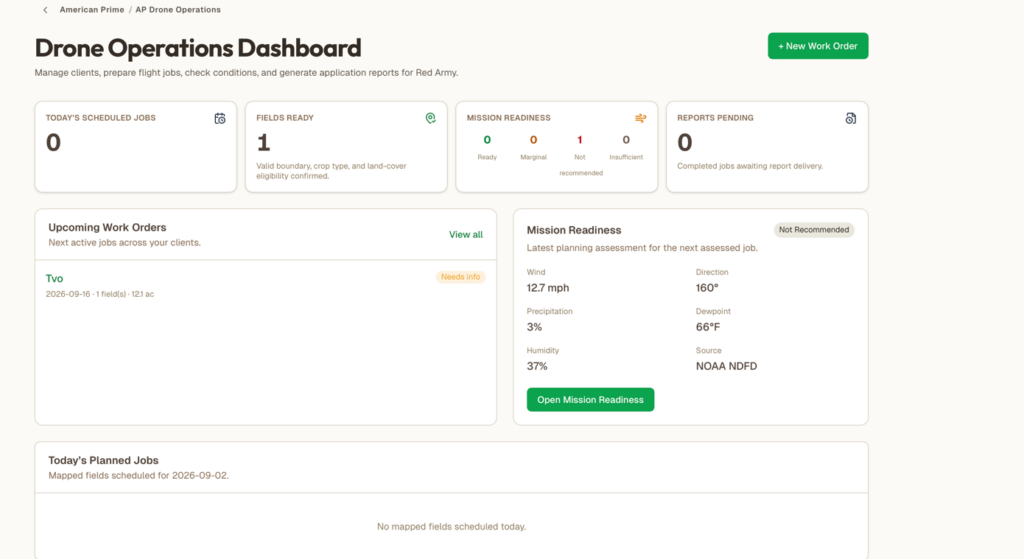
While human vision only captures the visible color spectrum, American Prime's satellite platform monitors infrared and short-wave infrared wavelengths to detect stress before it is visible from the field road. By analyzing how plant tissue reflects infrared and shortwave infrared light, the system can detect spectral patterns associated with changes in vegetation water content,helping identify emerging drought stress before visible symptoms appear. The platform also enables early pest detection—such as identifying early signs of armyworm infestations in Oklahoma—giving growers and consultants the ability to prioritize troubled sections across thousands of acres and take targeted action before widespread damage occurs.
Simplifying the Workflow: From AI Conversations to Drone Action
Rather than asking farmers to interpret complex charts, the platform leverages "Ben," a conversational AI assistant designed to deliver straightforward answers about current field conditions.
Producers can connect existing machinery data, such as John Deere Operations Center, or speak directly into a smartphone or smartwatch while scouting. Ben logs voice notes, turns observations into clean documentation, assesses field conditions, and outlines practical recommendations that growers can review with their agronomy team.
For service providers and drone operators, the company introduced the AP Drones Hub to bridge the gap between intelligence and application. The hub streamlines mission planning, prevents chemical drift onto neighboring crops, and accounts for atmospheric variables like solar flare activity that can disrupt controller signals. It also automatically logs flight records to simplify FAA Part 137 compliance reporting.
Commercial Launch and Pre-Release Access
The platform is designed to scale across operations of all sizes, from independent family farms seeking quick daily answers to large-scale agronomy firms and commercial operations looking to optimize scouting routes and protect yields.
American Prime is preparing for a full commercial launch in November. An early version is currently accessible at intelligence.americanprime.co, where producers and consultants can test the system. Growers who sign up and provide feedback during the pre-launch phase will receive up to one year of free service once the full platform rolls out. Additional company information is available at americanprime.co.
American Prime is preparing for a full commercial launch in November. An early version is currently accessible at intelligence.americanprime.co, where producers and consultants can test the system. Growers who sign up and provide feedback during the pre-launch phase will receive up to one year of free service once the full platform rolls out. Additional company information is available at americanprime.co.

The Great Oklahoma Lunch Crunch is back for its third annual celebration, and registration is officially open! Schools, organizations, businesses, families, and communities across Oklahoma are invited to join us in celebrating local food and agriculture throughout the entire month of October.
Lunch Crunch 2025
The Lunch Crunch is an easy way to take your first step into local purchasing while adding a little celebration—and education—to your meal, program, classroom, or business. Your Crunch can take on any form that works best for your site or group, and we want to hear how you're celebrating!
Host a Lunch Crunch featuring any Oklahoma-grown food you are able to source, take a field trip to a local farm, invite a farmer to visit your classroom, explore where food is grown in Oklahoma, incorporate local foods into a lesson or taste test, or find your own creative way to connect students and your community with local agriculture.
Any group in Oklahoma can celebrate the Great Oklahoma Lunch Crunch! K–12 schools, homeschool groups, early care and education sites, after-school programs, farmers markets, farms and ranches, families at home, businesses, organizations, and agencies can buy local food and Crunch!
Sign up as an individual or organization and let us know how you'll be celebrating Farm to School Month this October! Share this event and help us move the needle for Oklahoma food and agriculture.
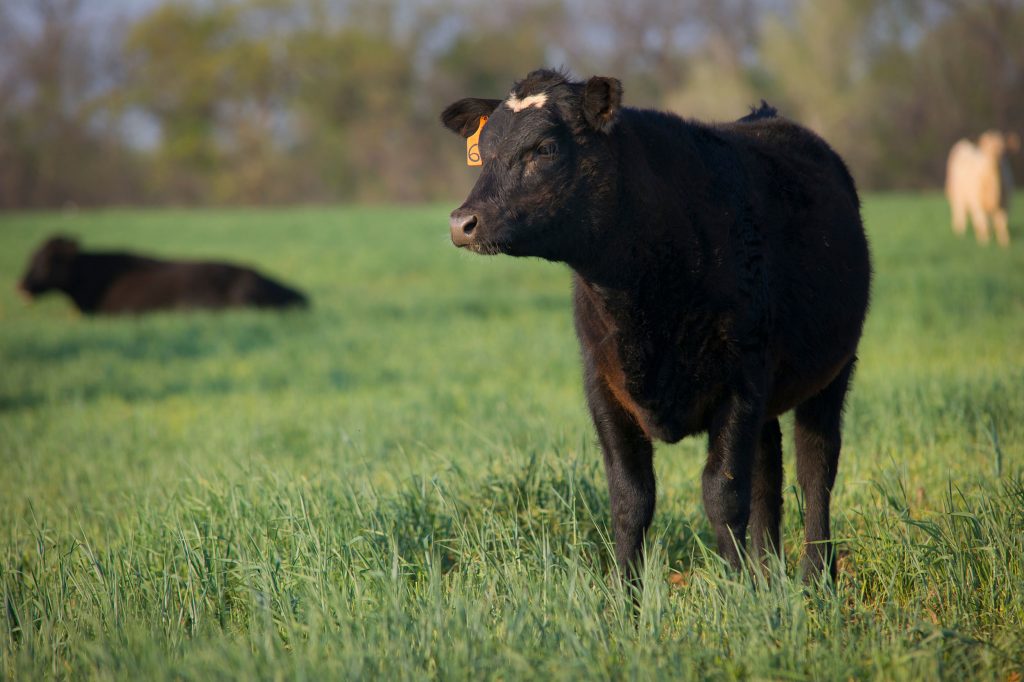
Beef imports continue to be the subject of political attention that has resulted in a myriad of variable and inconsistent policies and actions. Cattle and beef markets have been buffeted by a barrage of political interference that has clouded markets and contributed to producer uncertainty and delay in responding to market signals to rebuild cattle inventories.
The latest trade data shows that beef imports continue to increase, up 18.7 percent year over year in July and up 12.9 percent for the first seven months of the year compared to one year ago. Australia remains the largest source of beef imports, up 16.1 percent thus far in 2026 and representing a 21.8 percent share of total imports. Close behind is Brazil, the number two beef import market. More on Brail below. Canada is the third largest source of beef imports, almost unchanged year over year, (up a scant 0.7 percent this year) and representing a 14.6 percent share of beef imports. Monthly beef imports were up 18.6 percent in July from number four Mexico and are up 27.8 percent for the year to date compared to last year. Mexico accounts for 12.2 percent of total beef imports. New Zealand is the fifth largest beef imports source, up 9.3 percent from last year and representing an 11.3 percent share of beef imports. Beef imports from number six Uruguay are down 2.4 percent year over year but still account for 6.3 percent of beef imports.
Several smaller import markets are in the spotlight as well. Beef imports from Argentina, resulting from an expanded tariff rate quota announced in fall of 2025, have increased 155.1 percent in the first seven months this year to a share of 4.8 percent of total beef imports. From Nicaragua, beef imports are up 36.4 percent year over year, totaling 3.7 percent of imports. Similarly, newcomer Paraguay is up 49.1 percent compared to last year and accounts for 3.6 percent of beef imports.
Brazil has emerged as a major source of beef imports. For 20 years from 2001- 2020, Brazil averaged 5.5 percent of total beef imports, ranging from 2.1 to 9.2 percent. Since 2021, Brazil's share of beef imports have averaged 13.7 percent and Brazil moved into the number two position with 20.8 percent of 2026 year to date beef imports.
Brazil has experienced a roller coaster of impacts amid variable and wildly inconsistent U.S. trade policy. Figure 1 shows the dramatic range of monthly beef imports from Brazil since 2021. In general, Brazil competes for the small "Other Country" quota, which has been filled in the first few days of January in the last five years, mostly by Brazil. This accounts for the January spikes in beef imports since 2022 (Figure 1). As soon as the quota is filled each year, Brazil has been subject to a 26.4 percent over-quota tariff. However, in 2025, Brazil was subject to a flurry of arbitrary federal tariff changes that included at least five tariff levels that ranged from zero up to a maximum of 74.6 before dropping back to over-quota level of 26.4 percent. Such a quagmire of policy changes disrupts business relationships and supply chains and increases uncertainty for international and domestic producers.
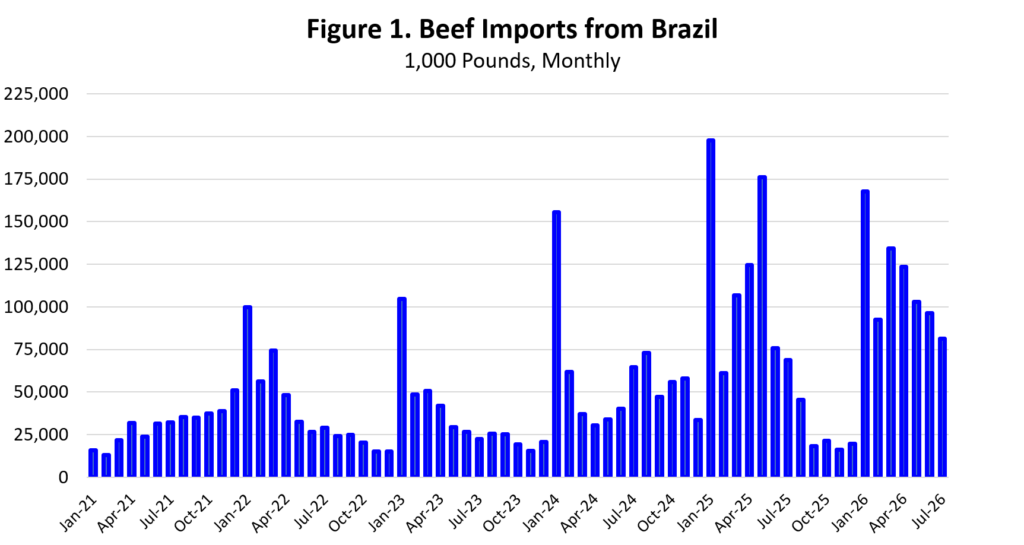
Recently, a federal announcement of an additional 300,000 metric tons of quota-free beef imports appears intended to largely benefit Brazil. It's not clear how much additional beef might be imported as a result because a significant portion of imports would have happened anyway. Most beef imports from Brazil are used in food service, primarily for ground beef, and are unlikely to have any measurable impact on ground beef prices at retail grocery.
The roller coaster continues. Despite recent federal support for increased beef imports, a new executive order last week signals the intent to revisit the perpetual and controversial issue of mandatory country of origin labeling (mCOOL). Voluntary labeling is currently available if desired. Ironically, consumers would be unlikely to benefit much because most Brazilian beef is used in food service (e.g. restaurants) and the proposed mCOOL law does not apply to beef in food service.

Dennis Brothers writes in Southern Ag Today: You may have heard the saying, "You can't unscramble an egg." While that's true, it may be possible to make sense of broiler egg set data and what it could indicate for future production. By examining trends in eggs set at U.S. hatcheries and comparing them with broiler market prices, we can gain insight into likely chick placements and poultry meat production several months ahead. For contract growers, these trends can provide clues about future flock placement scheduling.
Understanding the Cycle
From the time an egg is set in a hatchery until the bird is processed typically takes 9 to 12 weeks, depending on target market weight. Once eggs enter the hatchery, plans for placement and processing have largely been made.
Today, more than 95 percent of U.S. broilers are produced under coordinated marketing systems in which poultry companies have already secured buyers long before eggs are set. These customers include grocery retailers, food distributors, and restaurant chains. Many agreements are long-term exclusive contracts at premium pricing to ensure a reliable product supply for the buyer. Some are structured on a "cost-plus" basis at a negotiated margin above cost, further insulating poultry companies from market risks.
This highly coordinated, closely connected supply chain contributes to industry stability and generally results in consistent bird placements for contract growers. As a result, flock schedules are often influenced more by company-specific marketing commitments, or by local circumstances than by short-term national market conditions.
What Does the Composite Broiler Price Tell Us?
The USDA Composite Broiler Price (CBP) is an average of reported negotiated prices for broiler products. While it does not represent the price received for most broilers sold, it serves as a useful indicator of overall market conditions.
Historically, the CBP follows a somewhat seasonal pattern (Figure 1). Prices often strengthen during late spring and summer when chicken demand is highest and typically weaken later in the year. A shorter-lived increase often occurs during the holiday season.
The 2020-2024 average and 2025 price pattern generally followed this trend. In contrast, 2026 prices have been much flatter throughout. Although prices remained below 2025 highs, they are significantly higher than the long-term average and demand has kept them relatively stable. One factor supporting chicken demand is the continued increase in competing protein prices, particularly beef, which has encouraged many consumers to choose lower-cost poultry products.
What Are Egg Set Numbers Indicating?
Compared with 2025, broiler egg sets have remained higher through most of 2026 (Figure 2). However, the gap has narrowed in recent weeks, and the number of eggs set has slowed compared with last year's relatively flat trend.
Several factors could explain this change. Lower market prices may be encouraging some production restraint. Another possibility is that hatchability has improved. The broiler industry has experienced hatchability challenges in recent years, requiring more eggs to be set to produce enough chicks. As hatchability improves, fewer eggs may be needed to achieve the same number of placements.
Chick placements continue to run above 2025 levels (Figure 3), although recent differences have become much smaller. Overall placements in 2026 are averaging about 2.1 percent above last year, while July placements were only 0.7 percent higher than July 2025.
Outlook for Growers
At present, there is little evidence that contract growers should expect major changes in bird placements at the national level. Local conditions and individual company marketing strategies will continue to have the greatest influence on individual grower's flock schedules.
If chicken demand remains supported by high prices for competing proteins, egg set numbers could gradually increase later in the year, limited primarily by breeder hen inventories and chick availability. For now, industry trends appear generally consistent with normal seasonal patterns, suggesting relatively stable production and placement levels throughout the remainder of 2026.
Figure 1. The USDA Composite Broiler Price represents an average of reported negotiated broiler prices. It does not necessarily reflect the actual price received for most broiler products sold.
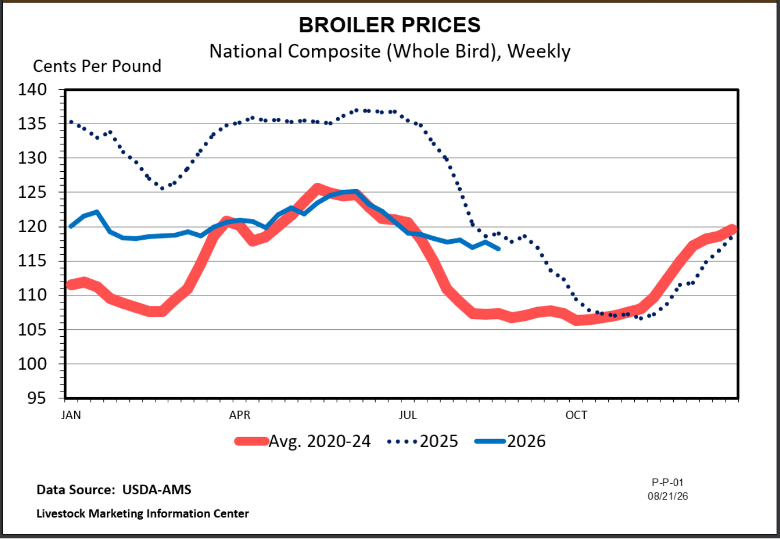
Figure 2. U.S. broiler egg sets remained above 2025 levels through most of 2026 but have recently moved closer to last year's pace. Along with softening prices, improved hatchability may be reducing the number of eggs required to produce sufficient chicks. (USDA-NASS)
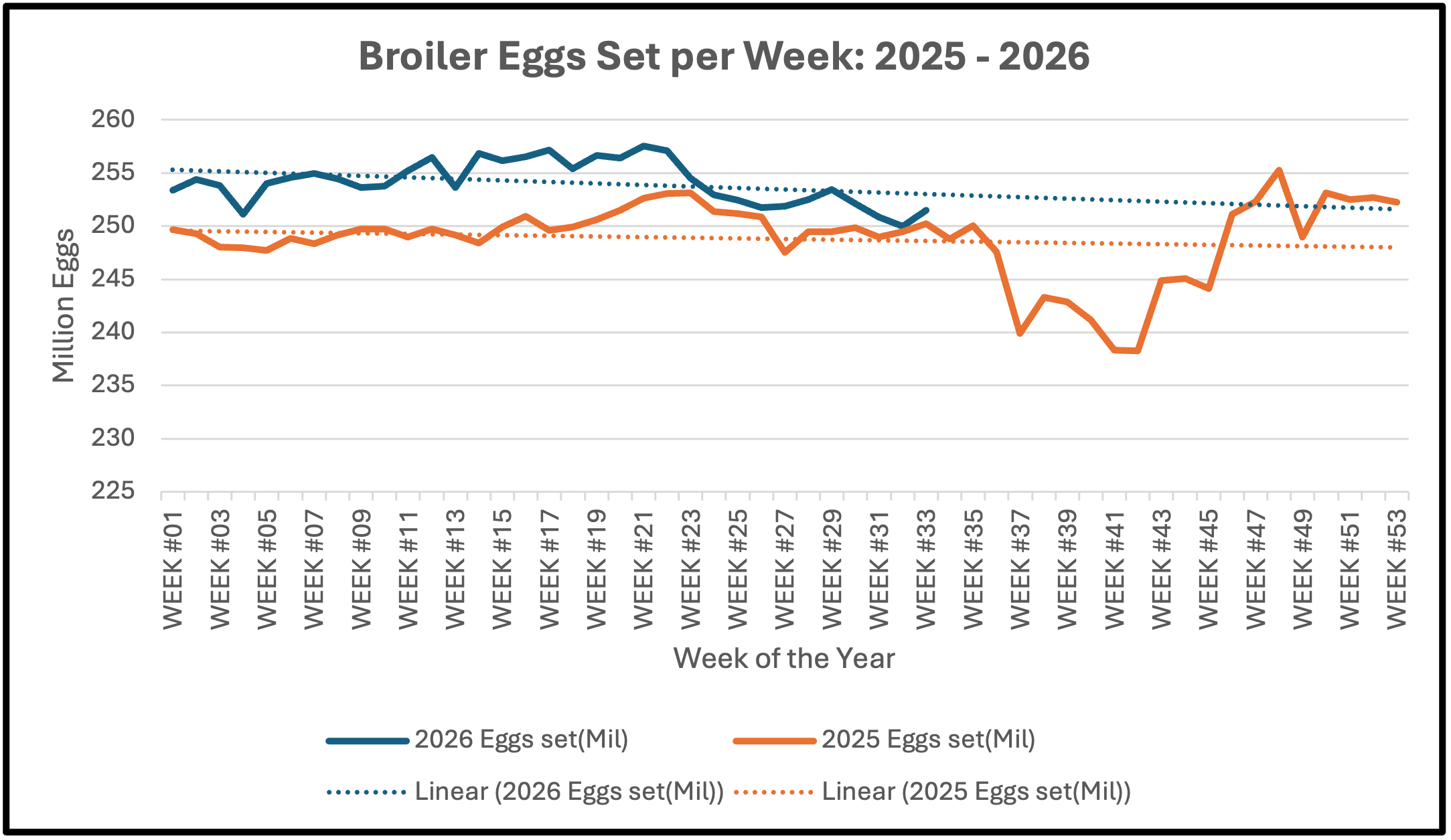
Figure 3. Broiler chick placements in 2026 have averaged 2.1% above 2025 levels, although recent monthly differences have narrowed. July 2026 placements were only 0.7% higher than July 2025. (USDA-NASS)
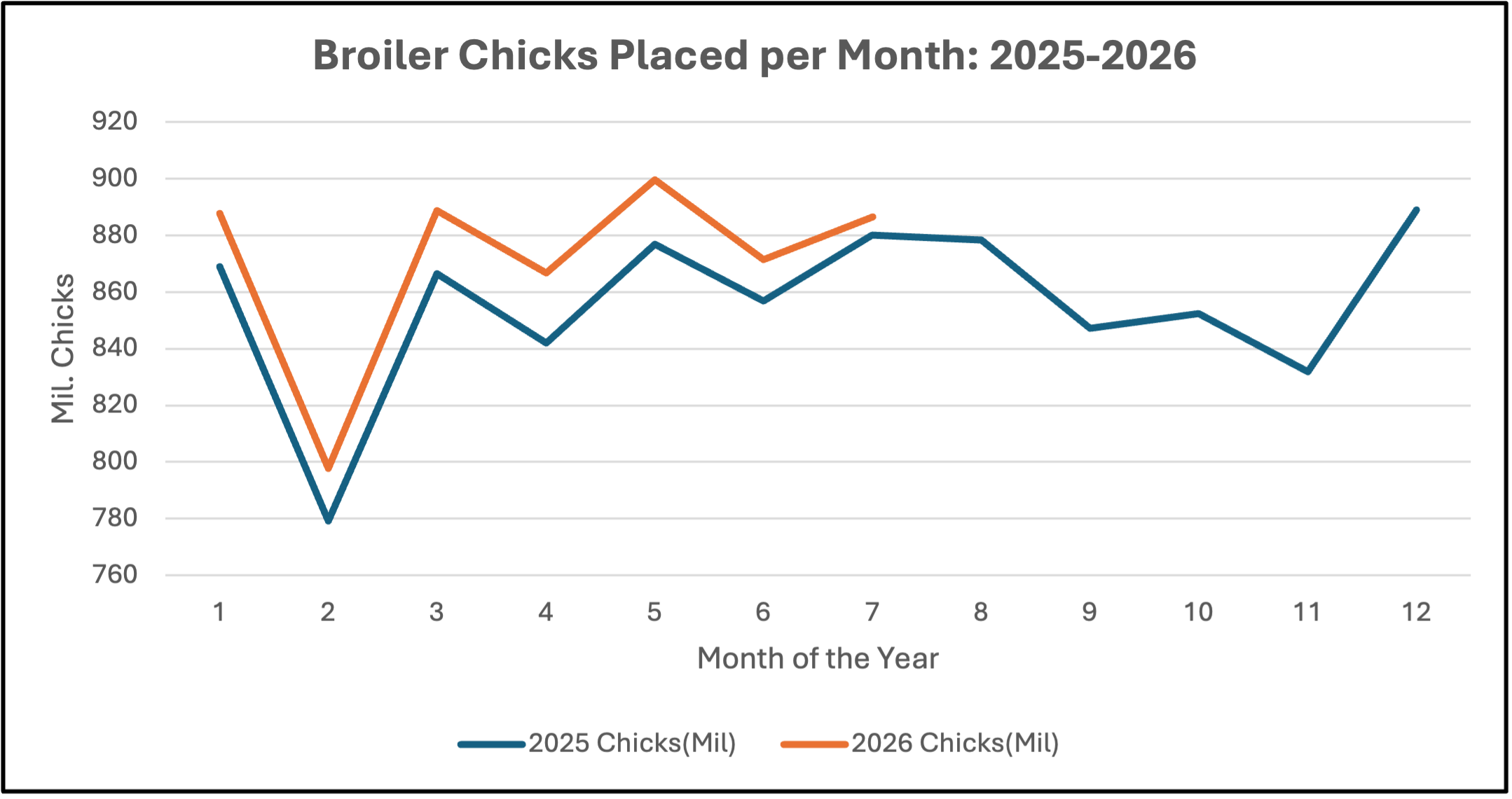
Brothers, Dennis. "Un-Scrambling Broiler Egg Set Data." Southern Ag Today
RON's Dave Lanning has a pre-opening look at today's agricultural Markets.
Click the audio tab below for today's report.
With Minnesota's primary just days away, politicians have descended on Farmfest in Southern Minnesota, using the annual trade show to connect with producers and address the path forward for federal farm policy. Among those speaking on the future of the farm bill were House Agriculture Committee Ranking Member Angie Craig (D-MN) and House Agriculture Committee Vice Chairman Austin Scott (R-GA).
Craig, who is currently seeking the open Senate seat vacated by Amy Klobuchar while navigating a competitive primary challenge from progressive Lieutenant Governor Peggy Flanagan, addressed the upcoming Senate Agriculture Committee action. While expressing optimism about getting a farm bill completed this year, Craig noted both encouraging components and points of concern within the Senate framework.
Craig praised the inclusion of a one-year delay in cost shifts to states under the nutrition title, though she highlighted issues with how error-rate baselines are calculated. "It's a little challenging because they actually set the rate based on fiscal year 2026," Craig said. "I'd love for that to get shifted out just to give states more time to reduce their error rates. So I think that's something that the senators on our side of the aisle are going to be pushing for."
Craig also voiced strong support for the inclusion of year-round E15 provisions, an issue she discussed directly with Minnesota corn growers attending Farmfest. "I'm going to be dogging that all the way through the finish line," Craig noted, adding that year-round E15 remains a vital priority for Minnesota producers.
Scott, who is in Minnesota campaigning on behalf of state Republican candidates, offered a frank assessment regarding the legislative timeline. Scott indicated that the heightened political atmosphere of primary season and tight congressional margins make near-term passage difficult.
"I'm hopeful that we're able to get it done sooner rather than later," Scott said. "My gut is that it gets pushed past the election... my gut is it gets done before the end of the year."
Scott emphasized that the final outcome hinges heavily on which party secures power following the elections. He warned that if Democrats were to maintain control, leadership could halt the current legislation until the new Congress convenes. However, Scott expressed confidence that Republicans will hold majorities in both chambers, enabling them to push the farm bill over the finish line.

Labor Day stands as a national tribute to the American worker, but its origins stem from the hardships and determination of 19th-century laborers fighting for basic rights. In a historical perspective shared by Todd Gleason for University of Illinois Extension—adapted from an account on the U.S. Embassy to Sweden's website—the story of the holiday centers on the early labor movement and organizer Peter McGuire.
The Harsh Realities of 19th-Century Labor
In 1863, 11-year-old Peter McGuire was selling newspapers, shining shoes, cleaning stores, and running errands on the streets of New York City. His father, a poor Irish immigrant, had enlisted to fight in the Civil War, leaving McGuire to help support his mother and six siblings.
During the 19th century, many immigrants arrived in New York City only to discover living and working conditions far harsher than anticipated:
From Piano Apprentice to Labor Activist
At age 17, McGuire began an apprenticeship in a piano shop. While the position allowed him to learn a skilled trade, it still demanded long hours for low pay. In the evenings, McGuire attended classes and meetings focused on economics and social issues. The primary concern among workers was the combination of grueling hours, inadequate wages, and unstable employment, which spurred conversations about uniting into a formal union.
In the spring of 1872, McGuire joined 100,000 workers on strike, marching through the streets of New York City to demand a reduction in the workday. The demonstration convinced McGuire that an organized labor movement was vital to securing workers' rights.
He spent the following years organizing crowds of employed and unemployed citizens, as well as lobbying city government officials for jobs and relief funding. Despite facing pushback from city officials—who labeled him a disturber of the public peace—and being unable to find employment in his own trade, McGuire traveled throughout the East Coast urging laborers to organize.
The Rise of Trade Unions and the First Labor Day
McGuire relocated to St. Louis, Missouri, in 1881, where he began organizing carpenters. He went on to arrange a convention in Chicago that established a national union: the United Brotherhood of Carpenters and Joiners of America, where McGuire served as general secretary.
Organizing by trade quickly gained momentum across the country. Factory workers, dock workers, and toolmakers mobilized to demand an eight-hour workday, secure employment, and a sustainable future within their industries.
To honor these efforts, McGuire and fellow organizers proposed a dedicated holiday for workers, set for the first Monday in September—midway between Independence Day and Thanksgiving. On September 5, 1882, New York City hosted the nation's very first Labor Day parade, marking the beginning of the annual tradition celebrating the American workforce.
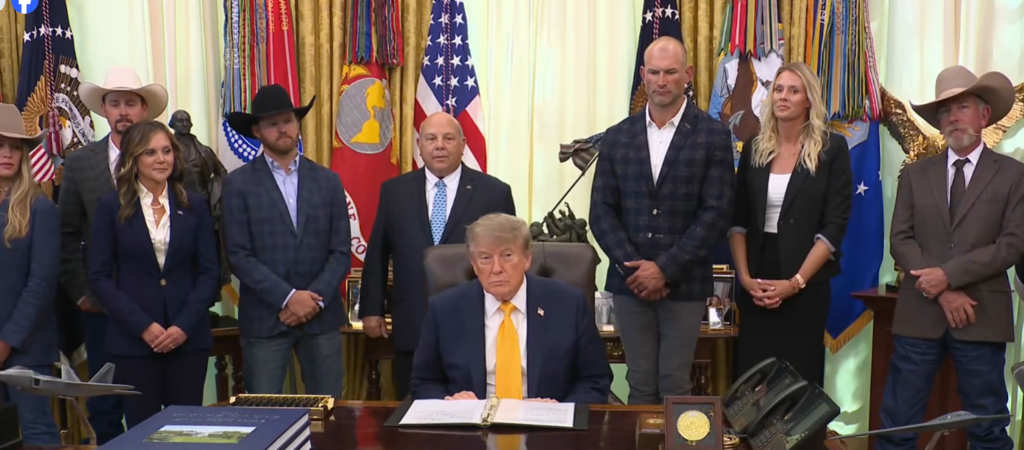
President Donald J. Trump signed two Executive Orders supporting America's ranchers and U.S. Secretary of Agriculture Brooke L. Rollins made additional announcements protecting our nation's cattle herd and providing transparency for consumers. American ranchers embody the ethos of our nation's founding 250 years ago and should be provided with the tools to rebuild our Great American Cattle Herd.
In addition to the two Executive Orders, USDA also announced four additional actions it is taking to follow-up on the USDA Plan to Fortify the American Beef Industry (2025 USDA Beef Plan) released last year, and the Ranchers First Initiative released earlier this week.
USDA also launched a new webpage, highlighting the Trump Administration's undisputed status as the most pro-rancher administration in history. This is in stark contrast to the war on ranchers waged by the previous administration.
Today's actions are timely, as the U.S. maintains the smallest herd since the 1950s, and will continue to build on the turnaround we are seeing in the number of heifers being retained. These announcements add to a historic number of actions the Trump Administration has taken to support our nation's ranchers.
"While the Biden administration chose to villainize ranching and the rural way of life under the guise of radical environmental mandates, the Trump Administration continues to focus on rebuilding the Great American Cattle Herd," said Secretary Rollins. "For the past 19 months, USDA has worked tirelessly to defend and promote our nation's ranchers. Through our Beef Plan and the Ranchers First Initiative we are working to continue increasing our nation's heifer retention rate. Today, the President laid out tools to better equip farmers and ranchers to deal with dangerous predators threatening their livestock, provide more transparency for consumers on where their meat originates, and expand market opportunities while maintaining our world class food safety standards. President Trump is focused on delivering an America First agenda and will do that by continuing to put our Ranchers First."
Click below to watch the full Executive order Session from the White House with President Trump.
Today's Executive Orders:
SUPPORTING AMERICA'S RANCHERS
Combat Predation: American ranchers should be able to protect the cattle they raise.
Country of Origin Labeling: American consumers deserve clear, honest labels — and country of origin labeling delivers that transparency.
PROMOTING FAIR COMPETITION IN LIVESTOCK MARKETS AND EXPANDING MARKET ACCESS FOR AMERICAN MEAT PRODUCERS
Strengthening Packer Competition: American ranchers deserve fair, competitive markets that reward their hard work, not a marketplace dominated by a handful of concentrated packers.
Expanding Processing and Market Access: Small and regional processors are critical to expanding competition and giving ranchers more options to get their cattle to market without compromising food safety.
Additional Ranchers First Initiative Announcements:
Previous Ranchers First Initiative Announcements:
2025 USDA Beef Plan:
Additional Actions By the Trump Administration To Help Ranchers:
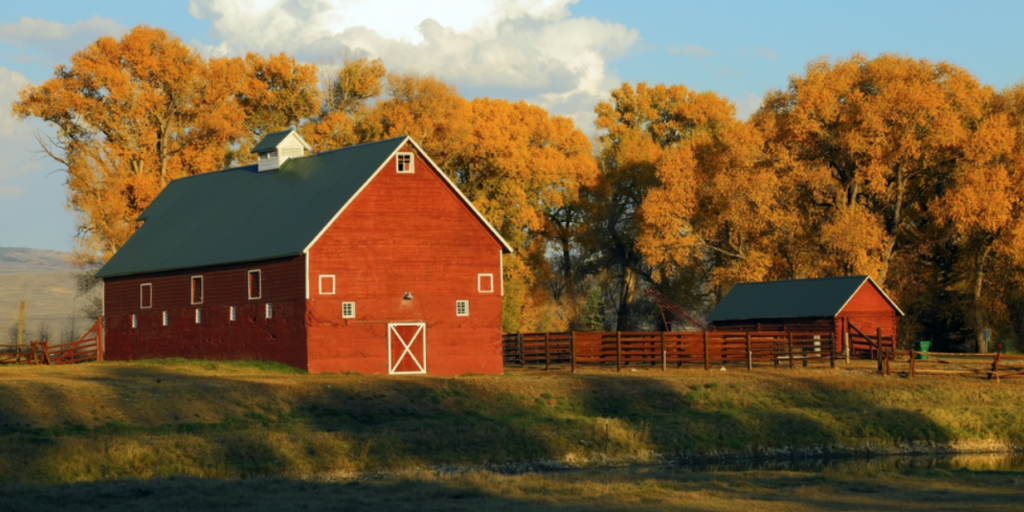
American Farm Bureau Federation President Zippy Duvall commented today on his meeting with President Trump and the executive orders signed today, which address several issues impacting America's ranchers.
"I had the important opportunity today to speak with President Trump after the Oval Office event to let him know that the plan to increase beef imports is hurting farm families. I shared with him that we have witnessed significant price drops for cattle across the country. It has caused a setback to rebuilding the U.S. herd. We'll continue to urge the administration to reverse the decision to increase imports before cattle prices fall further.
"America's beef producers were the focus of today's meeting at the White House. Among the topics covered under the executive orders is a call for an interagency review of mandatory country of origin labeling for beef. Farm Bureau policy supports voluntary Country of Origin Labeling (COOL) that conforms with COOL parameters and meets World Trade Organization requirements.
"We appreciate the president's support for small processors by exploring new opportunities and expanded inspection access. Creating competition benefits both ranchers and consumers.
"The executive order also recognizes advances made in the recovery of Mexican and gray wolves in the United States. Farmers and ranchers share a commitment to healthy wildlife populations, and we support updated status reviews. The ESA is designed to help protect and recover species, and when populations recover, we should celebrate those successes and give oversight to the states for continued responsible management."
R-CALF USA President Dave Hyde and R-CALF USA Property Rights Chair Shad Sullivan represented American independent livestock producers at the signings.
"These executive orders don't fix everything with the stroke of a pen, but they put the weight of the administration behind tackling several longstanding challenges facing cattle producers," said Hyde. "They set in motion efforts to find a path forward on MCOOL, strengthen enforcement against unfair and anticompetitive practices, expand opportunities for independent processors, address wolf delisting and livestock depredation, and identify federal policies that are making it harder for ranchers to stay in business.
"R-CALF USA has worked tirelessly to advance reforms in these areas, engaging directly with the administration to offer clear direction and practical solutions," Hyde continued. "We welcome today's action as a step forward.
"This is only the start," Hyde said. "There is more work to be done to build a cattle and beef marketplace that rewards American producers, provides consumers with transparency, and rebuilds our domestic cattle industry for generations to come." "Our ranching members have spent decades pressing the federal government to address many of the issues included in today's executive orders," said R-CALF USA CEO Bill Bullard. "We encourage them to stay mobilized as we enter the important implementation stage and continue working to rebuild a cattle and beef supply chain that has been allowed to deteriorate for far too long."
The United States Cattlemen's Association (USCA) appreciates the Administration's focus on issues our members have championed for years, including Mandatory Country of Origin Labeling (MCOOL), predator control, robust Packers and Stockyards enforcement, and support for meat inspection and small processors. These are critical to the long term strength of the U.S. cattle industry and consumer trust in our food supply.
"USCA has fought for clear, honest beef labels from the very beginning, and we are encouraged to see MCOOL back in the conversation in a serious way," said USCA President Justin Tupper. "U.S. consumers deserve to know where their beef comes from, and we support a WTO compliant framework that requires all beef—domestic and imported—to be accurately labeled. Done right, MCOOL doesn't just give families a clear choice at the meat counter, it will restore integrity across our trade deals and the broader marketplace."
USCA notes that directing USDA and USTR to review their authorities on MCOOL closely tracks work already underway in the Farm Bill and the American Beef Labeling Act. "We have pushed for MCOOL to be secured legislatively because that is the surest path to longevity," Tupper continued. "These Executive Orders can and should build on the progress in Congress. We especially appreciate Senator Thune and other champions who have done the hard work to design a WTO compliant, durable approach to MCOOL. This is exactly the moment for cross branch collaboration—now is the time for a Farm Bill that includes targeted MCOOL and competition provisions that will actually last."
On competition, USCA welcomes the emphasis on robust Packers and Stockyards enforcement. Directing USDA to prioritize investigations into anti competitive practices, increase resources and staffing, and coordinate closely with the Department of Justice are all important and key aspects. "Strengthening Packers and Stockyards only works if USDA has the people and tools to ac-tually enforce the law, so we're very encouraged by the details in this order," Tupper said. "Producers need timely, accurate information and real world enforcement. That means more capacity for investigations, better data on domestic prices and live cattle trade, as well as a renewed focus on meaningful price discovery and marketing transparency."
USCA also supports efforts to expand market access and support small and very small processors through meat inspection and food safety programs. "The technical assistance and training programs outlined today for small processors are a great step in the right direction," Tupper said. "Several states already operate strong inspection programs, while others will need clearer standards and more capacity. Whatever the mix of state and federal oversight, consumers must be confident that all inspected beef meets the same high bar for safety."
On predator control, USCA emphasizes that ranchers must be able to protect their herds and livelihoods from wolves. Directing Interior and USDA to evaluate delisting, improve compensation standards, and ease lethal removal reflects what producers have been saying for years. But the litigation pool on wolves is deep, and past delisting efforts have been quickly halted by injunctions. "Producers who have dealt with wolves for a long time deserve more than policy swings," Tupper said. "We encourage Congress and the agencies to use this opening to put a durable framework in place for delisting and to seriously consider directing more authority and compensation dollars to state level programs that can respond quickly and fairly."
Even as we welcome attention to these long standing priorities, USCA does not ignore the broader market context. Record beef imports and recent import decisions have shaken cattle markets at a time when producers are already struggling with high input costs, drought, wildfire, and trade uncertainty.
"Today's announcement gives a lot of direction, and we thank President Trump and Secretary Rollins for highlighting these priorities," Tupper said. "The lasting impact will be decided by the agencies as they do their review and Congress, who can take legislative action to support these moves. USCA will work constructively with USDA, USTR, Interior, and our state partners to turn these directives into real world results, and we urge Congress to pick up this ball in the Farm Bill and other legislation. Our markets have been shaken by imports, and many producers are cautious on what comes next. We will keep pushing to ensure these initiatives become long term solutions—not short term promises—for U.S. cattle producers and American consumers."
National Farmers Union (NFU) President Rob Larew released the following statement after President Trump signed two executive orders to support American ranchers:
"The president is right: corporate consolidation in meat processing is a crisis for family farmers and ranchers. The U.S. Department of Agriculture must fully enforce the Packers and Stockyards Act. Many administrations have prioritized antitrust efforts, but farmers and ranchers are looking for results. We urge USDA and the Department of Justice to direct the personnel and resources needed to hold meatpackers accountable.
"A competitive livestock market also needs diversified processing options. Efforts to provide greater processing flexibility could help family farmers and ranchers, but not at the expense of food safety. "With broad support from family ranchers, American consumers, the Senate Agriculture Committee and now the president of the United States, now is the time for Congress to finish the job and reinstate mandatory country-of-origin labeling."

Today, U.S. Environmental Protection Agency and the U.S. Department of the Army announced a Supplemental Notice of Proposed Rulemaking to gather public input on additional regulatory language for defining "waters of the United States" (WOTUS) to be considered alongside the 2025 proposed rule. This action reflects the agencies' commitment to radical transparency and to developing a durable, final WOTUS definition that adheres to the Supreme Court's direction in Sackett v. EPA, cuts bureaucratic red tape, and protects water quality while recognizing that states and Tribes are best positioned to manage their own water resources.
The supplemental proposed rule will help EPA and Army evaluate a wider range of options as they work toward a final rule that fully implements the Supreme Court's 2023 decision in Sackett. Once finalized, the rule will provide greater predictability for landowners, farmers, ranchers, energy producers, the technology sector, developers, and small businesses while protecting water quality in coordination with states and Tribes. While WOTUS determines where federal permits are required for certain activities, waters that fall outside federal jurisdiction remain subject to regulation under state, Tribal, and local law, consistent with the framework of cooperative federalism that underlies the Clean Water Act.
"The EPA's goal is a durable WOTUS definition that follows the law and ends burdensome regulatory uncertainty," said EPA Administrator Lee Zeldin. "Today's action reflects our continued commitment to transparency and public input, ensuring we have fully considered a wide range of potential policy options. We look forward to public feedback on this supplemental notice, which will help strengthen the real-world expertise behind the final rule."
"Under President Trump's leadership and the Army's 'Building Infrastructure, Not Paperwork' initiative, we are overhauling sclerotic government overreach to remove friction from our economy," said Adam Telle, Assistant Secretary of the Army for Civil Works. "The Supreme Court's Sackett decision delivered the certainty our nation has been seeking for decades, and today we are taking one more step to ensure our regulations adhere to that decision. We have worked alongside EPA Administrator Lee Zeldin to ensure we develop a rule that faithfully adheres to Sackett and provides an even more straightforward articulation of federal jurisdiction under Section 404 of the Clean Water Act. All Americans, including landowners, farmers, sportsmen, conservationists, and businesses, deserve the opportunity to further shape this rule, which will enable them to carry out their version of the American Dream free from improper bureaucratic interference. The U.S. Army Corps of Engineers stands ready to implement this rule once final, using technology like never before, to give Americans answers from their government at Trump Speed."
Public engagement has been central to this rulemaking process. Prior to issuing the 2025 proposed rule, the agencies opened a public recommendations docket, hosted listening sessions, and conducted pre-proposal consultations with Tribes, states, and local governments and their member associations. EPA and Army also gathered input on the proposed rule through three public meetings and a 45-day public comment period that closed on January 5 and generated over 220,000 comments from a wide range of stakeholders.
This supplemental proposal offers an additional opportunity for public engagement on a limited number of new regulatory alternatives, to be considered alongside those in the 2025 proposed rule. The agencies will closely consider stakeholder perspectives without foreclosing any options from the initial proposal or predetermining the outcome of the final rule.
Once the supplemental proposal is published in the Federal Register, the agencies will accept public comments for 30 days.
Please see additional information on Waters of the United States.
Today, the United Food and Commercial Workers Local 2 announced the ratification of a five-year collective bargaining agreement at the National Beef plant in Dodge City, Kansas, which will bring significant wage increases, bonuses, and additional time off to over 2,500 workers.
"We're very pleased with the provisions that were improved in favor of the members through the ratification of this contract," said Jesus Carlos Rivera Cervantes, a worker at National Beef. "The wage increases, bonuses, and improvements to healthcare and time off mean a lot to all of us, and having a union made it all possible. We're happy, excited, and all smiles! Despite all of the obstacles, workers were thanking the negotiating committee for what they were able to accomplish."
"We are proud to say that we have ratified one of the best contracts in the beef processing industry," said UFCW Local 2 President Martin Rosas. "This achievement did not happen by chance. It is the result of our membership's unity, organization, and solidarity. When workers stand united and fight together, we can secure better wages, better benefits, and a better quality of life for our families, no matter the headwinds facing the beef industry. Congratulations to our entire membership on this great achievement. The work we do today is the history we are building for future generations."
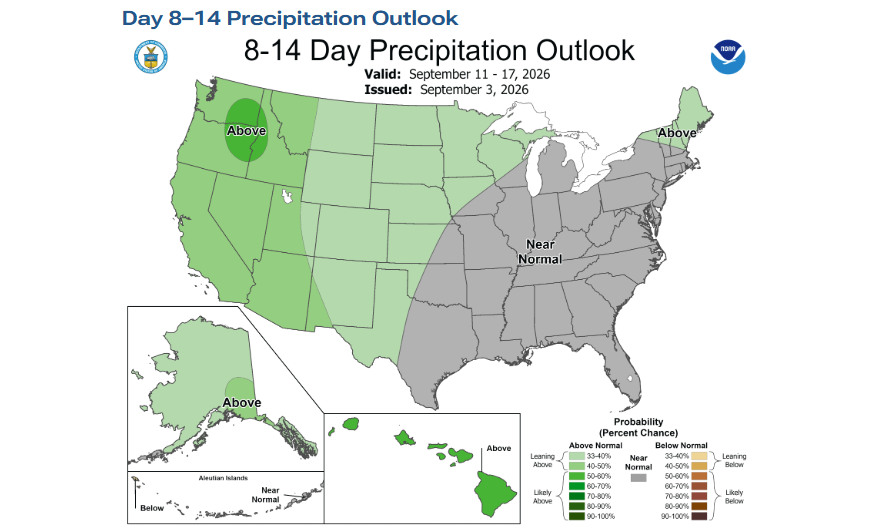
Relief may finally be in sight for Southern Plains fall weather as a major atmospheric pattern shift prepares to break persistent drought conditions and relentless triple-digit heat. Farm Director KC Sheperd recently sat down with AccuWeather Senior Meteorologist Chad Merrill to discuss what agricultural producers can anticipate as empty soil profiles challenge upcoming winter wheat planting and pasture establishment across Oklahoma, Texas, and Kansas.
Addressing the ongoing flash drought conditions, Merrill highlighted that relief is on the horizon, though patience will be required in the immediate future.
"You know what, it's dry all across the Plains and all across the northwestern part of the Corn Belt," Merrill said. "This flash drought that got started several weeks ago basically has continued through the early part of September. And, you know, looking ahead, it's going to be hot, it's going to be dry here for about the next two weeks, and then we should start to see a pattern change at the end of the month."
The breakdown of the stubborn weather ridge dominating the region will clear a path for incoming storm tracks.

"The heat dome that's been in place across the Plains and the Southeast is going to start to break down about week three of September," Merrill explained. "What that's going to allow is the storm systems that come in from the southwestern part of the country to finally move into places like Texas, Oklahoma, and Kansas and provide some cooling relief and the opportunity for showers and thunderstorms to start to chip away at the drought."
He pointed out that this shift directly aligns with agricultural needs heading deeper into autumn.

"We're thinking that it really does pick up—the moisture does pick up late September, into October, and November," Merrill noted. "So, by November, there should be some chipping away of the drought that's in place, and we do expect that precipitation will be above average for the fall season and it gets off to a good start here in late September. So, a good deal of moisture should trim away the moderate to severe drought that's in place, and then by the end of November, we should see even some wholesale changes to the drought across the southern part of the Plains."
Along with moisture, temperatures are projected to settle back into comfortable ranges after months of record summer highs.
"We are going to see temperatures very close to average when you combine September, October, and November," Merrill said. "Obviously, the strong anomalies going through the early part of the fall season here in the first two weeks of September means that it has to be offset by significant cooling during the second part of the fall season to get those average temperatures down near the 30-year baseline... instead of having temperatures constantly over 100 degrees, you'll have temperatures more like in the 70s and 80s through the middle part of the fall season."
The driving engine behind this projected moisture increase is a strengthening El Niño pattern in the Pacific Ocean, which is displaying sea surface temperature anomalies running higher than those seen during the historic 1997 event.

"It's a very strong El Niño, very east-based across the equatorial Pacific," Merrill observed. "So with these very warm waters, combined with the fact that we have a marine heatwave off the coast of Southern California, and we have a stripe of water from Hawaii to Southern California that continues to run above average... it is just fueling this huge, massive area of very warm water in the East Pacific that is really allowing the El Niño to continue to develop. And what that's going to do through the fall season is really ramp up the subtropical jet stream and allow low-pressure centers to bring a good bit of moisture into the Southwest and the southern part of the Plains states."
Merrill added that these setups can cause sudden changes, warning producers to be mindful of flash flooding risks.
"Some of these low pressures can pick up moisture from tropical storms and hurricanes that are in the East Pacific and help to enhance the rain as that low pressure moves into the Southwest and eventually the Plains," he stated. "So, there will be some downpours and some flooding opportunities as well. Could be one of those whiplash-type weather patterns where it's hot and dry right now, and then you go bam right into a period of some heavy rain and flash flooding."
Globally and nationally, an active El Niño triggers diverse weather conditions. While wet weather reaches the Southwest, Southern California, and parts of Southeast Asia, regions such as the northern U.S. Corn Belt, Canada, and Australia often turn much drier.
Regarding winter weather risks such as damaging ice storms, Merrill offered reassurance based on climatological records of past strong events.
"Typically, the subtropical jet stream is much stronger than the polar jet, so there are usually fewer intrusions of Arctic air that come into the country," Merrill explained. "And if there is a blast of cold air, it's usually during the very latter half of the winter season. And usually it takes those Arctic outbreaks to push all the way into Texas and Oklahoma for those areas to get significant icing. So, with a very strong El Niño event, it's more going to be rain versus snow because those Arctic outbreaks are going to be, most likely, far and few between... there are far fewer icing events than a neutral ENSO or La Niña."
For operations managing field work, Merrill cautioned producers to watch the timing of these dynamic systems closely.
"You need to time out the spacing between the showers and storms to get out in the fields," Merrill advised. "Also, pay attention to how much rain is going to fall, because the rain rates in some of these storms could be high enough to cause some flooding... Even on a dry ground, if you get rain rates of two inches per hour, that's going to cause some flooding on the fields because the water just can't trickle through the soil."
He also warned that dynamic southern systems during late fall and winter can bring more severe thunderstorm activity, gusty downslope winds, and localized power disruptions rather than arctic flash freezes.
Merrill recommended that producers leverage digital meteorological tools like the AccuWeather app to track regional precipitation amounts, short-term trends, and lightning alerts, alongside resources such as the NOAA Weather and Hazards Data Viewer to monitor incoming Pacific moisture tracks. Producers can also use these resources as well:
NWS Weather and Hazards Data Viewer and Oklahoma Weather Radar | AccuWeather and Oklahoma City, OK Recent Lightning | AccuWeather and Current Weather Conditions Map | AccuWeather
And a few key points to the fall outlook: AccuWeather 2026 United States Fall Forecast
July exports of U.S. beef climbed 6% year-over-year in value while volume was steady, according to data released by USDA and compiled by the U.S. Meat Export Federation (USMEF). Although restrictions related to a finding of pseudorabies virus (PRV) were removed in mid-to-late July, pork exports – especially pork variety meats – were still significantly impacted, which contributed to July results trending lower than a year ago.
Beef exports totaled 89,139 metric tons (mt), steady with last July, while value was 6% higher at $796.7 million. The value increase was driven primarily by another outstanding month for Taiwan, as well as strong results in Mexico, Japan, the Middle East, Colombia, the Caribbean and the ASEAN region. July shipments to China rebounded slightly from last year's minimal volumes, but remained far below the levels seen in previous years.
For January through July, beef exports were 8% below last year's pace at 634,788 mt, while value was down 2% to $5.53 billion. When excluding China from these results, exports increased 6% in value and were down just 1% in volume from a year ago.
"Despite significant headwinds, global demand for U.S. beef remains impressively resilient," said USMEF President and CEO Dan Halstrom. "Technical barriers and uncertainty continue to weigh heavily on exports to China, but we are hopeful that market access will be restored soon. In the meantime, U.S. beef is capitalizing on growth opportunities in Asian and Western Hemisphere markets, as well as in the Middle East."
July pork exports totaled 224,305 mt, down 6% from a year ago, while value also fell 6% to $641.8 million. Shipments increased to Japan, Central America, Colombia and Canada in July, but these results were offset by lower exports to Mexico, China, South Korea, Oceania and the ASEAN region.
Through the first seven months of the year, pork exports remained 2% above last year's pace at 1.73 million mt, valued at $4.86 billion (up 1%).
"Putting the PRV-related restrictions on pork variety meats behind us was absolutely critical for the U.S. industry, and we appreciate USDA's efforts in getting that situation fully resolved," Halstrom said. "Exports to Mexico rebounded in July, but were still below year-ago as it took time to resume production and shipments after the restrictions were lifted mid-month. China also heightened inspections of U.S. pork variety meats and this led to delays clearing shipments, but this obstacle was also recently lifted."
Taiwan, Mexico and Japan fuel increase in July beef export value
July beef exports to Taiwan reached 5,293 mt, up 14% from a year ago, while value climbed 38% to $70.6 million – the second consecutive month that exports to Taiwan topped $70 million. For January through July, exports to Taiwan were 11% above last year's pace at 36,147 mt, valued at $429.2 million (up 15%).
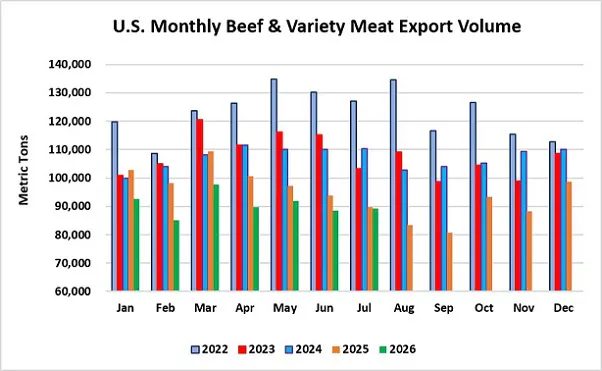
Beef exports to Mexico totaled 18,947 in July, up 19% from a year ago and the highest since March, while value increased 8% to $119.3 million. Through July, shipments to Mexico increased 2% in volume (124,418 mt) and 3% in value ($781.8 million). Mexico is the leading volume destination for beef variety meat, and USDA data show large year-over-year increases in those shipments – 76,510 mt, up 17%, with value up 29% to $228.5 million. However, USMEF anticipates a correction to this year's data that will likely reallocate the dramatically higher beef variety meat volumes to beef muscle cuts. Adjustments are also likely to affect the reported product mix for Japan, Korea and Taiwan. Until these revisions are made, the combined beef and variety meat export data should be utilized.
In Japan, July beef exports were 4% below last year in volume at 20,104 mt, but value increased 9% to $170.8 million. For January through July, exports to Japan were 7% below last year's pace in volume (134,580 mt) but just 1% lower in value at $1.07 billion.
Other January-July results for U.S. beef exports include:
Pork exports trended lower in July, but remain higher year-to-date
Pork exports to Japan continued to build momentum in July, climbing 10% from a year ago to 29,239 mt, while value increased 5% to $110.9 million. January-July results for Japan show a 16% increase to 218,946 mt, valued at $832.1 million (up 11%). The U.S. industry continues to capitalize on merchandising opportunities for the pork loin – the largest volume item for Japan. These opportunities have expanded in part because of Japan's suspension of imports from Spain, due to African swine fever (ASF).
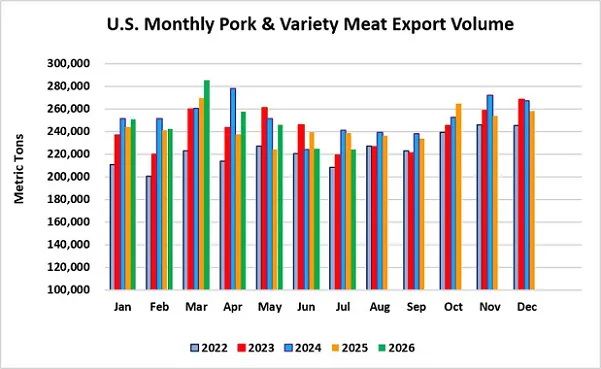
Led by longtime mainstay markets Honduras and Guatemala and robust growth in Costa Rica, pork exports to Central America are reaching new heights in 2026. July shipments totaled 16,155 mt, up 11% from a year ago, while value also increased 11% to $52.4 million. July volumes were the second largest on record for both Guatemala (4,226 mt) and Costa Rica (2,731 mt). Through July, exports to the region increased 10% to 113,892 mt, valued at $376.1 million (up 14%). Even with pork exports to Canada rebounding in 2026, Central America has overtaken Canada as the fifth largest volume destination for U.S. pork.
July pork exports to Colombia reached 10,375 mt, up 5% from a year ago, while value increased 12% to $30 million. Bouncing back from a slow start to the year, January-July exports to Colombia are now on a record pace for both volume (77,163 mt, up 1%) and value ($223 million, up 3%).
Other January-July results for U.S. pork exports include:
July lamb exports below last year; year-to-date value still higher
Exports of U.S. lamb muscle cuts totaled 206 mt in July, down 14% from a year ago, while value fell 6% to $1.26 million. For January through July, lamb export value increased 4% to just over $10 million, despite a 7% decline in volume (1,698 mt). The value increase was primarily driven by the Bahamas ($2.14 million, up 48%), Netherlands Antilles ($1.45 million, up 40%) and Leeward-Windward Islands ($1.04 million, up 42%).
Complete January-July export results for U.S. pork, beef and lamb are available from USMEF's statistics web page.
For questions, please contact Joe Schuele or call 303-547-0030.
NOTES:
House Agriculture Chairman Rep. Glenn "GT" Thompson, R-Pa., has requested a waiver to serve an additional term as chairman of the committee after completing his six-year term limit.
According to Jake Zajkowski at DTN, In a letter to the House Republican Steering Committee, Thompson expressed his intention to receive a waiver from senior Republicans.
"It is my temperament and willingness to roll up my sleeves to get the job done, which still positions me as the best member of the Republican Conference to lead the House Committee on Agriculture," the letter said.
Republican committee chairs are subject to term limits, selected in closed-door secret-ballot elections held in November after the election. Democrats select their ranking members through a seniority-based process and do not have the same term limits.
Thompson's desire to receive a waiver is not new. Since June, Republicans and agriculture association leaders have discussed with DTN whether the unfinished farm bill strengthens the case for allowing Thompson to continue as chairman.
They said arguments cut both ways. Thompson could make the case that continuity is needed to finish the farm bill, while the Republican inability to pass a traditional, comprehensive farm bill could also raise questions about whether the committee needs new leadership.
Thompson cited several accomplishments in his request, including defeating former President Joe Biden's climate agenda, advancing a bipartisan digital assets bill, passing the House version of the farm bill and codifying SNAP and farm program changes in the One Big Beautiful Bill.
He is currently leading the charge on the Securing Agriculture's Workforce Act and recently introduced a bill to prohibit eminent domain over agricultural land, called the Not In My Barn Yard Act.
Thompson told reporters Tuesday that farm bill conferencing has already begun at the staff level between House and Senate Republicans.
"The majority of the farm bill we passed and sent over is consistent with what the Senate has," he said.
WHO COULD FOLLOW THOMPSON?
Thompson also serves as a senior member on the Education and the Workforce Committee, tying his advocacy for whole milk in schools legislation to that panel, which the president signed into law early this year. Two sources familiar with the discussions told DTN that Thompson was also considering seeking the chairmanship of that committee.
If Thompson does not receive a waiver, Rep. Austin Scott, R-Ga., would be among the members next in line. Scott has expressed interest.
Rep. Frank Lucas, R-Okla., the most senior Republican on the committee, previously served in committee leadership from 2011-2015.
DEMOCRATIC LEADERSHIP
On the Democratic side, Rep. Angie Craig, D-Minn., currently leads Democrats on the committee but will leave the House early next year.
Craig lost Minnesota's Democratic Senate primary to Lt. Gov. Peggy Flanagan. However, she could potentially return to Capitol Hill if Sen. Amy Klobuchar, D-Minn., wins the governor's race and appoints Craig to fill the remainder of her Senate term.
Craig's departure would open a competition for the top Democratic position and potentially the chairmanship if Democrats regain control of the House in the midterm elections.
The leading contender is Cleveland-area Rep. Shontel Brown, D-Ohio, who has served on the committee since 2021.
Before Craig became ranking member, the late Rep. David Scott, D-Ga., fought to retain the position amid concerns about his health and calls for generational change. Reps. Jim Costa, D-Calif., and Jahana Hayes, D-Conn., also expressed interest in late 2024.
Scott eventually dropped out after failing to secure enough support from the House Democratic Steering and Policy Committee.
According to four sources familiar with the transition, a deal was struck between the Congressional Black Caucus and some Democratic leaders that if Scott stepped aside, Brown -- also a member of the CBC -- would be next in line. Craig's departure allows that.
Brown has since been building her agriculture portfolio in Ohio and has openly discussed her interest in committee leadership with stakeholders, according to three industry groups.
WHAT'S NEXT FOR THE HOUSE AGRICULTURE COMMITTEE?
House members will have to support the conferencing process and potentially reconcile provisions the Senate advances that differ from the House bill. Those differences could include E15 language, which oil refiners and biofuel interests have struggled to compromise on, as well as mandatory country-of-origin labeling, which was not included in the House version.
Thompson told reporters this week that the committee will hold additional hearings this year, but did not indicate their topics.
A House delegation returned from the August recess after holding a listening session in Hawaii.
A new group of former commodity CEOs and farmers, Restore American Ag, has formed to criticize what it sees as a lack of speed and thoroughness in addressing the struggling farm economy. The group has also criticized the committee for not holding a hearing specifically focused on the farm economy.
Pam Johnson, a Floyd County, Iowa, farmer and former president of the National Corn Growers Association, told reporters: "Do you want the status quo, or do you want a breath of fresh air? Do you want people who are just going to go to Congress to attack each other and work for the party, or do you want people who are going to be there to work for the people who elected them?"
Thompson pushed back on criticism that the committee has not done enough. "That's just not true."
In 2026, the committee has held hearings on the implementation of farm safety net measures included in H.R. 1, the U.S.-Mexico-Canada Agreement and testimony from U.S. Department of Agriculture and Commodity Futures Trading Commission officials.
"Everything has been in the context of the challenges our farmers have been facing," he said.
The recent decision by the Environmental Protection Agency regarding small refinery exemptions impact ag markets significantly across the grain and energy sectors. Farm Director KC Sheperd recently sat down with Oklahoma State University crop marketing specialist Todd Hubbs to examine the market implications of the EPA's actions, export demand bottlenecks, and grain marketing decisions facing producers as harvest gets underway.
EPA Small Refinery Exemptions and Biofuels
The EPA granted 29 small refinery exemptions for facilities producing under 75,000 barrels per day seeking economic hardship relief from Renewable Fuel Standard (RFS) requirements. However, the agency paired those waivers with a 100% reallocation guarantee. Rather than removing Renewable Identification Numbers (RINs) from the system—which would reduce blending obligations—the EPA is placing those obligations onto larger refiners.
The reallocations will be shifted forward into the 2026 and 2027 Renewable Volume Obligations (RVOs), following a modest allotment for 2024 and a larger share for 2025. This decision provides critical underlying support for vegetable oils and fats, including soybean oil and tallow, preventing the sharp price declines that typically follow unmitigated waiver grants. Following the announcement, soybean oil prices recovered into the low 70-cent range.
Wheat Market Headwinds and Black Sea Constraints
The wheat market experienced a notable rally that pushed Hard Red Winter (HRW) wheat near $8.60 before profit-taking and international news prompted a sell-off. Key factors shaping wheat trade include:
Energy Pressures on Basis and Transportation
Diesel and crude prices have firmed amid geopolitical tensions in the Middle East. Global refining capacity constraints continue to keep diesel prices disproportionately elevated compared to crude oil. Because global freight and domestic transportation depend heavily on ultra-low-sulfur diesel and bunker fuel, elevated fuel costs threaten to widen elevator basis levels if grain movement through export ports slows down.
Corn and Milo Production Outlook
With corn futures crossing above the $5.00 threshold, marketing focus turns toward the upcoming September USDA Crop Production report. Hubbs noted that private estimates, such as the Pro Farmer crop tour at 173 bushels per acre, would provide significant upside for prices if realized. However, his current models align closer to the USDA's August estimate of 179 to 180 bushels per acre. Domestic ethanol demand and corn export volumes remain strong, offering baseline support.
The sorghum market faces tighter conditions. Dry weather across major growing regions is expected to force the USDA to lower milo yield projections. While ethanol grind consumed more than 10 million bushels of milo monthly before softening in July, limited supply and absent export tenders from China have left a wide basis spread between corn and milo. For producers harvesting corn and sorghum at profitable levels, securing prices on a portion of the crop remains a prudent risk management approach.
American Farm Bureau Federation President Zippy Duvall commented today on the Environmental Protection Agency's (EPA) and U.S. Army Corps of Engineers' (Army Corps) proposed Waters of the U.S. (WOTUS) rule.
"Farmers share the goal of protecting the nation's natural resources and we're pleased the EPA and Army Corps put forward a new Waters of the U.S. rule. It respects farmers' ability to responsibly use their land while ensuring regulations align with the framework established by the Supreme Court's Sackett ruling.
"The new WOTUS rule provides a clear understanding of federal jurisdiction, which is critical for farmers who may face severe penalties or even jail time for unknowingly violating the law. While we're still reviewing the details of the final rule, we're hopeful that it will prove durable and bring an end to the regulatory back and forth farmers have endured during the past decade. America's families deserve clean water and clear rules, as do the farmers who work to grow the food those families rely on."
In today's Beef Buzz, senior farm and ranch broadcaster Ron Hays features comments from Dr. Jonathan Cammack, entomologist with Oklahoma State University Extension, about the latest developments surrounding New World screwworm and what livestock producers can do to help protect their animals as the threat continues.
Cammack discussed New World screwworm during OSU Extension's Ranchers Thursday Lunchtime Series, looking back at how the United States successfully pushed the pest out of the country beginning in the 1950s.
The eradication effort started in Florida before moving west across the United States, into Texas, Oklahoma and the Southwest, and eventually through Mexico and Central America toward the permanent quarantine zone in Panama.
Cammack says the development of sterile flies was critical to that success. "This program started over here in the southeastern United States, so it started in Florida in the late 1950s, and then moved west across the United States into Texas, Oklahoma, and the Southwest, and then moved through Mexico, Central America, down to the permanent quarantine zone in the early 2000s," Cammack said.
Today, Panama remains the primary location producing sterilized flies at scale, while a facility in Mexico came online in July and continues working to refine its production process.
While New World screwworm may seem like a powerful pest on its own, Cammack says livestock producers can reduce opportunities for infestation by controlling other insects that cause wounds. "One thing that I think might come as a surprise to everyone on the call, I know it certainly did to me when I was pulling together this information over the past couple of weeks, is that really screwworm management starts with managing a lot of the other pest arthropods that we deal with in livestock production," Cammack said.
Blood-feeding pests such as horn flies, horse flies and ticks can create wounds that provide potential sites for screwworm infestations.
Cammack says the number of confirmed New World screwworm cases in the United States remains relatively low three months after the parasite was first discovered. "We're still at less than 50 cases," he said.
Currently, there are three active infestations and 45 inactive infestations. Most of the cases have involved cattle and sheep, which together account for just over 79% of the cases reported in the United States to date. The number of cases has also declined considerably since June. There were 30 cases reported in June, followed by 14 in July and just four in August.
Cammack says several factors may be contributing to the decline in cases, including a significant response from federal and state agencies. "This is a big deal to the federal government, so there was a huge response from ARS and APHIS and a lot of federal and then even at the state level, Texas Animal Health Commission agencies and others that are working to get this under control," Cammack said.
That response has included extensive trapping and coordinated releases of sterile flies across South Texas. "There's been a lot of trapping, and then there's been that very kind of coordinated release of sterilized flies across South Texas to really kind of interfere with any wild flies that might be coming in," he said.
Cammack also noted that USDA and the Texas Animal Health Commission have been working directly with livestock producers. "They're going to be in the area trapping, looking for screwworms, and also reiterating to livestock producers across South Texas the importance of checking animals," he said.
Weather conditions may also be playing a role in the reduced number of cases. "We also have a nice hot, dry summer kind of in our favor at the moment," Cammack said.
He explained that many insects are positively correlated with humidity and rainfall, and historical screwworm outbreaks have shown a similar pattern. "The wetter the summer was, the more likely or the higher number of cases of screwworms we saw," he said.
However, Cammack cautions that producers should not become complacent as the weather begins to change.
With September arriving and hurricane season underway, Cammack says conditions could become more favorable for screwworm activity. "Here we are at the beginning of September and the beginning of hurricane season, and our first tropical storm hit kind of the Texas-Louisiana border." he said.
"So again, this is a time not to be complacent," Cammack said. "We're probably going to continue to see an uptick in cases as weather patterns change, and it starts to cool off just a little bit, and we start to get those fall rains coming in from hurricanes and tropical storms."
The Beef Buzz is a regular feature heard on radio stations around the region on the Radio Oklahoma Ag Network and is a regular audio feature found on this website as well. Click on the LISTEN BAR above for today's show and check out our archives for older Beef Buzz shows covering the gamut of the beef cattle industry today.
The National Agri-Marketing Association (NAMA) has announced the recipients of the 2026 Professional Development Awards of Excellence (PDAE), recognizing two exceptional members for their achievements and contributions to the agricultural marketing industry.
The Professional Development Awards of Excellence honor NAMA members for outstanding achievement in the areas of Marketing Communications, Product/Species Management, Public Relations or Sales. The 2026 awards will be formally presented during NAMA Nexus, October 13-15 in Des Moines, Iowa.
This year's honorees are:

Doug Monson, Forward Minded Media – Marketing Communications
As Vice President of Agriculture at Forward Minded Media, Doug Monson has played a pivotal role in building the agency's agriculture practice from the ground up. During the past 18 months, he has generated more than $1 million in sales while developing a growing department, expanding the agency's client portfolio and establishing Forward Minded Media as a credible national partner in agriculture.
Drawing on more than 25 years of experience in journalism, publishing, agricultural communications and marketing, Monson brings a consultative approach to his work. His ability to understand clients' business challenges and connect strategy, creative, public relations, digital media, publications, events and other services has helped the agency develop and expand relationships with agricultural organizations and agribusiness clients.
Monson's commitment to the industry also extends to NAMA. He serves on the national Student NAMA Committee and was recently named vice chair. He also participated in NAMA's 2025-26 mentoring program, helping a communications professional new to agriculture better understand the industry, expand their network and identify opportunities for professional growth.

As Director of Marketing and Sales for J.L. Farmakis, Inc., Laura Rustmann has distinguished herself as a high-performing sales and communications professional with a talent for developing strong relationships throughout agricultural marketing. During her more than nine years with the company, she has consistently grown existing accounts and generated new business while serving as one of the organization's leading salespeople.
Rustmann has excelled at developing efficient multimedia packages for advertising clients and has grown sales of the firm's group-buy bundles by more than 50% over the past two to three years, including 20% growth in bundled sales in 2025. Her interest in innovation, technology and digital media has also helped J.L. Farmakis and its local publication and radio partners expand their digital marketing solutions.
In addition to her sales responsibilities, Rustmann leads J.L. Farmakis' year-round external marketing efforts, helping double the company's exposure over the past three years. Her work includes building visibility for the firm and its local media partners at major agricultural industry events, managing industry and trade marketing relations projects and expanding the company's social media presence.
Rustmann has also demonstrated a longstanding commitment to NAMA. An active member of the Gateway Chapter for more than 15 years, she has regularly attended NAMA's national conferences and served multiple years on the Fall Conference Planning Committee, including as vice chair in 2023 and chair in 2024.
"Doug and Laura represent the talent, leadership and commitment that make the agri-marketing industry so strong," said Jennifer Pickett, CEO, NAMA. "Their accomplishments demonstrate excellence in their respective disciplines, but just as importantly, both have invested their time and expertise in strengthening NAMA and developing others in our industry. We are proud to recognize them with the 2026 Professional Development Awards of Excellence.
During August, I held 15 town halls across eastern Oklahoma. Since taking office in 2023, I have held nine virtual and 141 in-person town halls throughout eastern Oklahoma, where I have had the privilege of speaking one-on-one with many of my constituents.
If you were unable to talk with me directly during the town halls, feel free to send me an email so we can discuss your concerns.
For those who were unable to attend the town halls, click here to watch footage recorded by the Bartlesville Radio.
| Congressman Brecheen Thanks Oklahoma Police Thank you to Bryan County Sheriff Joey Tucker and to all the sheriffs, police chiefs, deputies, and officers who helped ensure safety at our town halls last week! We appreciate your service to our communities! |
 |
| Congressman Brecheen Denounces Socialism On Wednesday, I voted to denounce socialism in all its forms. Sadly, 192 of my Democrat colleagues refused to condemn socialism, highlighting the left's acceptance of a radical ideology that is fundamentally opposed to our nation's ideals and has led to the deaths of 100 million people across the globe. Socialism has no place in America and must be condemned! Congressman Brecheen Denounces Sharia Law On Thursday, Congressman Keith Self (TX) introduced a resolution, which I cosponsor, denouncing Sharia Law. I am grateful to Rep. Self for introducing this resolution to preserve America from the spread of radical Islam. Sharia is an ideology completely at odds with our Republic and has no place in our country. America must wake up! Click here to read the exclusive and press release on this resolution. |
 |
| Constituent Meetings As your Representative, it is an honor to speak with the groups who visit our office. If you are ever in DC and would like to set up a meeting, please contact our office and let us know! |
 |
| May God bless you! |

The National Federation of Independent Business, the state's leading small business advocacy organization, announced today that 105 Oklahoma lawmakers earned 100 percent NFIB voting records during the 60th Oklahoma Legislature. The scorecard includes votes on a variety of issues related to small businesses, including tax and regulatory relief, stiffer penalties on theft, and legal reform.
"Our members appreciate these lawmakers' efforts on behalf of Main Street Oklahomans," NFIB State Director Jerrod Shouse said. "Lawmakers advanced several reforms to lower the tax and regulatory burdens of our job creators, reduce the threat of excessive litigation, and impose stiffer penalties against retail theft. The victories achieved in the statehouse reflect a commitment to our small business owners and the hardworking Oklahomans they employ."
The NFIB Voting Record does not reflect every element considered by a legislator when voting, nor does it represent a complete profile of the lawmaker. NFIB's 2025-2026 Voting Record includes nine key votes on tax, regulatory, and judicial reforms.
Below is a list of lawmakers who achieved a 100 percent NFIB Voting Record during the 60th Oklahoma Legislature. CLICK HERE for a complete copy of the voting record.
| SENATE | HOUSE |
| (Name, District) | (Name, District) |
| Jerry Alvord, SD 14 | Stacy Adams, HD 50 |
| Micheal Bergstrom, SD 1 | Chris Banning, HD 24 |
| David Bullard, SD 6 | Steve Bashore, HD 7 |
| George Burns, SD 5 | Jason Blair, HD 53 |
| Bill Coleman, SD 10 | Brad Boles, HD 51 |
| Julie Daniels, SD 29 | Chad Caldwell, HD 40 |
| Dusty Deevers, SD 32 | Trey Caldwell, HD 63 |
| Avery Frix, SD 9 | Josh Cantrell, HD 49 |
| Christi Gillespie, SD 33 | Mark Chapman, HD 12 |
| Todd Gollihare, SD 12 | Rusty Cornwell, HD 6 |
| Grant Green, SD 28 | Denise Crosswhite-Hader, HD 41 |
| Randy Grellner, SD 21 | Bob Ed Culver, HD 4 |
| Brian Guthrie, SD 25 | Eddy Dempsey, HD 1 |
| Chuck Hall, SD 20 | Mike Dobrinski, HD 59 |
| Warren Hamilton, SD 7 | Collin Duel, HD 31 |
| John Haste, SD 36 | Ryan Eaves, HD 22 |
| Kelly Hines, SD 47 | Scott Fetgatter, HD 16 |
| Shane Jett, SD 17 | Ross Ford, HD 76 |
| Spencer Kern, SD 31 | John George, HD 36 |
| Bryan Logan, SD 8 | Emily Gise, HD 90 |
| Julie McIntosh, SD 3 | Jim Grego, HD 17 |
| Casey Murdock, SD 27 | Rob Hall, HD 67 |
| Lonnie Paxton, SD 23 | David Hardin, HD 86 |
| Roland Pederson, SD 19 | Erick Harris, HD 39 |
| Dana Prieto, SD 34 | Toni Hasenbeck, HD 65 |
| Adam Pugh, SD 41 | Neil Hays, HD 13 |
| Aaron Reinhardt, SD 37 | Kyle Hilbert, HD 29 |
| Paul Rosino, SD 45 | Derrick Hildebrant, HD 23 |
| Kendal Sacchieri, SD 43 | Brian Hill, HD 47 |
| Ally Seifried, SD 2 | Ronny Johns, HD 25 |
| Lisa Standridge, SD 15 | John Kane, HD 11 |
| Brenda Stanley, SD 42 | Chris Kannady, HD 91 |
| Jack Stewart, SD 18 | Mike Kelley, HD 60 |
| Kristen Thompson, SD 22 | Gerrid Kendrix, HD 52 |
| Darrell Weaver, SD 24 | Dell Kerbs, HD 26 |
| Jonathan Wingard, SD 13 | Mark Lawson, HD 30 |
| Tom Woods, SD 4 | Mike Lay, HD 68 |
| Mark Lepak, HD 9 | |
| Ken Luttrell, HD 37 | |
| Robert Manger, HD 101 | |
| Marti Marti, HD 75 | |
| Stan May, HD 80 | |
| Cody Maynard, HD 21 | |
| Nicole Miller, HD 82 | |
| Carl Newton, HD 58 | |
| Jim Olsen, HD 2 | |
| Mike Osburn, HD 81 | |
| Daniel Pae, HD 62 | |
| Kenton Patzkowsky, HD 61 | |
| John Pfeiffer, HD 38 | |
| Eric Roberts, HD 83 | |
| Cindy Roe, HD 42 | |
| David Smith, HD 18 | |
| Clay Staires, HD 66 | |
| Marilyn Stark, HD 100 | |
| Jay Steagall, HD 43 | |
| Preston Stinson, HD 96 | |
| Judd Strom, HD 10 | |
| Mark Tedford, HD 69 | |
| Tammy Townley, HD 48 | |
| Tim Turner, HD 15 | |
| Josh West, HD 5 | |
| Kevin West, HD 54 | |
| Tammy West, HD 84 | |
| Jonathan Wilk, HD 20 | |
| Danny Williams, HD 28 | |
| Max Wolfley, HD 95 | |
| Gabe Woolley, HD 98 |
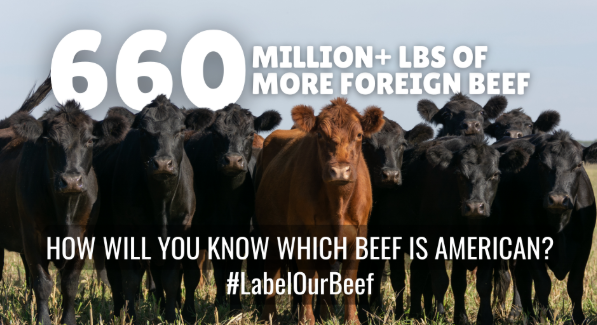
More than 5,000 cattle producers, consumers and supporters of American agriculture from all 50 states have added their names to the National MCOOL Coalition's new "Label Our Beef" petition in its first 48 hours, demonstrating strong nationwide momentum behind efforts to restore mandatory country-of-origin labeling (MCOOL) for beef.
The National MCOOL Coalition, a broad-based coalition of national and regional organizations representing farm, ranch, rural, consumer and other interests, launched the petition this week following the administration's decision to increase the quota for lean beef trimmings by 300,000 metric tons, more than 660 million pounds, from Sept. 1 through Nov. 30.
The petition calls on President Donald Trump to support the immediate restoration of MCOOL for beef and Congress to act swiftly to make it law.
The coalition said the rapid response and nationwide participation underscore the growing demand for consumers to be able to distinguish imported beef from beef produced exclusively from cattle born, raised and harvested in the United States, while giving American cattle producers the ability to differentiate their product in the marketplace.
Supporters are encouraged to keep the momentum growing by adding their names and sharing the petition with others. With more than 5,000 signatures and counting, the coalition plans to use the petition to demonstrate to the White House and Congress the strength of support for restoring MCOOL.
Sign the petition: https://form.jotform.com/262434091212043
Participating organizations in this petition include Campaign for Family Farms and the Environment, Coalition for a Prosperous America, Consumer Federation of America, Dakota Resource Council, Farm Action Fund, Food & Water Watch, National Family Farm Coalition, Northern Plains Resource Council, Powder River Basin Resource Council, R-CALF USA and Western Organization of Resource Councils.
As grain bin safety becomes increasingly important with corn harvest approaching, Dr. Kevin Moore, an assistant professor in Oklahoma State University's Department of Biosystems and Agricultural Engineering, is reminding farmers and farm families just how quickly a grain bin accident can become very dangerous. Moore spoke with Associate Farm Reporter Carli Davenport about the hazards of entering grain bins and the steps producers can take to reduce the risk of entrapment, engulfment, and other injuries.
Moore said one of the biggest concerns with grain bins is that they are confined spaces, which creates several inherent hazards. "One of the big challenges is you're dealing with a confined space, and confined spaces can be hazardous for a number of reasons," Moore said.
He explained that grain bins can be large enough for a person to enter, but often have restricted entry and exit points. "Getting in and out can be difficult," Moore said.
Another major concern is the atmosphere inside the bin. "Hazardous atmospheres inside a confined space are always a concern," Moore said. "So, do we have adequate oxygen inside that space? Are there any other gases that might be, you know, influencing a person that enters there?"
Grain itself also presents a serious hazard, particularly when it is moving. "There's a risk of entrapment or engulfment, where someone can become trapped or buried within the grain itself," Moore said.
He also warned about mechanical hazards, including augers and other equipment used to move grain. "There's an auger that's operating in the bin and someone getting a physical injury and getting stuck in an auger," Moore said.
The speed at which grain can move is one of the reasons Moore said producers need to take these hazards seriously. "When you have flowing grain, someone can become pulled into the grain in less than 15 or 20 seconds," he said.
Moore said equipment used to handle grain has become faster over time, meaning some practices that may have seemed acceptable decades ago can now be much more dangerous. "Habits that someone might have in place from 30 years ago, activities that they might have found to be acceptable to them whenever they were working previously have become more dangerous just because we're dealing with a lot more volume and a lot more speed," Moore said.
His first recommendation is simple: avoid entering the bin whenever possible. "Anytime you're looking at entering into a grain bin, you have a dangerous situation," Moore said. "We want to avoid entering a grain bin if we can."
If entering a grain bin is necessary, Moore said all equipment that could create a mechanical hazard needs to be shut down and de-energized. "We want to make sure that we are de-energizing any of the equipment that would be used to move grain," he said.
That includes augers, sweeps and other equipment. "We don't want to be inside a grain bin when grain is being emptied from the bin," Moore said. "We don't want to have any of our augers or sweeps or things like that that are operating while someone's inside the bin."
Moore said producers should also inspect the grain and identify hazards before entering.
Often, the reason someone enters a bin in the first place is because the grain has gone out of condition and cannot be removed through normal processes. "We might be having to break up a large clump of moldy grain or something like that," he said.
That situation can create additional risks. "You don't want to enter into a bin with a large wall or pillar of moldy grain that could collapse and could cause someone to be engulfed quickly," Moore said.
One of Moore's strongest warnings is to never enter a grain bin alone. "You also don't want to do it alone," he said.
Moore said many situations become much more difficult because nobody realizes someone is missing until significant time has passed. "Most of the times, whenever we see people running into problems and having a long delay before they can be rescued, it's because they've been working alone," Moore said.
He explained that it could take hours for someone to realize that a person working inside a bin is missing. If someone must enter, Moore recommends having someone outside the bin who can remain in communication with them and call for assistance if something goes wrong.
If someone becomes trapped in a grain bin, Moore said the instinct to immediately climb inside and help can actually make the situation worse. "You don't want to just go in after someone whenever there's been an entrapment," Moore said.
He called that reaction potentially "the most dangerous and the worst decision that someone could make because we don't want to introduce another victim."
Moore said there have been cases where a family member or friend attempted to rescue someone who had become engulfed, only to become trapped themselves. "We end up with multiple casualties instead of one," he said.
Instead, Moore said the first step should be calling for professional help. "Definitely call for help, make the call for some assistance from an emergency response group," he said.
He noted that many rural fire departments have received training in responding to grain entrapments, with some departments also obtaining specialized rescue equipment. "That call to 911 is going to be a really important thing to be doing before you're trying any other activities," Moore said.
Moore also discussed research he conducted examining pressure on the torso during grain entrapment.
The study, titled "Grain Entrapment: Pressure on the Torso: Can You Breathe While Buried in Grain?", used a rescue mannequin equipped with sensors.
"We were essentially looking at taking a rescue mannequin," Moore said. "Outfitting it with some sensors on its chest and torso, and then putting it in different depths of grain within a bin to try to measure how much force we could record on the chest of the mannequin."
The study examined several types of grain, including corn, wheat, soybeans and canola. Moore emphasized that the mannequin study could not replicate every circumstance involving a real person, but the researchers were examining whether the pressure from grain could affect respiration.
He said breathing difficulties during an entrapment can be caused by multiple factors. "Part of that's just the fear response that's happening when you're buried," Moore said. "There are, of course, the pressure of the grain that's on you."
He also said protecting the airway is particularly important for someone who becomes fully engulfed. "One of the things that we've seen anecdotally as well is some entrapment victims that were able to protect their airway had a higher likelihood of being rescued," Moore said.
Moore said fully engulfed victims can aspirate grain into their airway and lungs. "Basically they've drowned in the grain," he said. For that reason, Moore said respiratory protection can be an important consideration for anyone who has to enter a grain bin.
Moore said grain bin safety begins before anyone ever enters the bin. "If you maintain the quality of your stored grain, you're much less likely to have problems," he said.
He explained that problems often arise when grain goes out of condition during storage. "Normally, whenever someone's entering into a grain bin, it's because their grain's gone out of condition," Moore said.
Maintaining proper moisture levels, managing stored grain and using ventilation can all help reduce the likelihood of problems. "Good quality grain is going to be much less problematic," Moore said.
He said producers can encounter problems when, for example, wet corn is placed into a bin without adequate drying. "So maintain good quality grain. That's sort of stage one," Moore said.
If a problem does develop, Moore recommends looking for ways to address it from outside the bin. Ask yourself, "How do I limit my requirements for going into the bin?" he said. "If I can stay out of the bin, I'm going to be safe."
If entering a grain bin is unavoidable, Moore said producers should have a plan in place before they go inside.
That includes de-energizing equipment, considering airflow and monitoring conditions inside the bin. "Turning the fans on, aeration fans, if you have them, just to help with airflow in the bin," Moore said. "That's going to make it more comfortable anyway."
Producers should also have someone outside who can monitor the person inside and call for emergency assistance if necessary. "Never entering a bin alone," Moore emphasized. "Always making sure that you've got someone that's staying outside of the bin, someone that can call for help, someone that can, you know, maybe be monitoring your condition while you're inside."
Moore said producers should also check the air inside the bin when possible, although he acknowledged that specialized monitoring equipment may not be available to everyone.
Ultimately, his message heading into harvest is to take every precaution possible. "Definitely making sure that you know you're very cautious if you're going to go into a bin, and that you have a plan in place for how you're going to do that safely," Moore said.
RON's Dave Lanning has a pre-opening look at today's agricultural Markets.
Click the audio tab below for today's report.
The National Cotton Council (NCC) greatly appreciates the Trump Administration for its strong support of the bipartisan Buying American Cotton Act (BACA).
"We applaud President Trump and the Administration for recognizing the importance of BACA and the role it can play in strengthening demand for U.S. cotton," said NCC Chairman Nathan Reed. "This landmark legislation supports our farmers, encourages new investment in U.S. textile manufacturing, and enhances the resilience of our supply chains."
By leveraging the value and traceability of U.S. cotton, BACA would help strengthen demand for U.S. cotton, expand domestic production, support U.S. textile manufacturing, create new jobs and boost local economies across the American cotton industry.
NCC looks forward to working with the Administration, Congress and co-sponsors to advance this important legislation for America's cotton industry.

The National Association of State Departments of Agriculture at its 2026 annual meeting will host a policy committee meeting to discuss food systems and nutrition opportunities and challenges across the country, and U.S. Food and Drug Administration Director of the Office of Produce Safety Dr. Donna Garren will share about Produce Safety Rule implementation and working with states.
In addition to scheduled speakers, NASDA and NASDA Foundations staff will give updates and members will have time for open dialogue. Questions for speakers, NASDA members and NASDA staff will be reserved for NASDA members only.
WHERE: Both virtual and in-person registered press will be able to listen in. Registration for the press is complimentary. The NASDA Annual Meeting is being held in Portland, Maine, Sept. 14-16 at The Holiday Inn Portland - By the Bay.
WHEN:
Food Systems and Nutrition Policy Committee Meeting
Tuesday, Sept. 15, 2026
1-2 p.m. ET
The Holiday Inn Portland - By the Bay, Room: Grand Ballroom
For virtual attendees, please register in advance and join the committee meeting online via the virtual portal.
Annual meeting registration for all attendees will close on Sept. 8, 2026.
WHAT: NASDA annual meeting policy committee meetings are an educational opportunity for NASDA members and other meeting attendees to learn new details about current agricultural and food policy issues. To better serve our members and provide ample time for thorough policy development, NASDA has transitioned to voting on new policy once a year at the Winter Policy Conference. This change allows NASDA members to engage in more in-depth discussions and collaboration at the annual meeting and build upon policies throughout the year. Policies on emerging issues will be voted on as needed.
The 2026 NASDA Annual Meeting is themed "resilient roots, bountiful future," which will embody the conversations we'll have on local food, forestry and other timely agricultural issues. Follow us on LinkedIn, Instagram, X and Facebook to keep up with the entire conference.
NASDA is a nonpartisan, nonprofit association which represents the elected and appointed commissioners, secretaries and directors of the departments of agriculture in all 50 states and four U.S. territories. NASDA grows and enhances American food and agricultural communities through policy, partnerships and public engagement. To learn more about NASDA, please visit www.nasda.org.
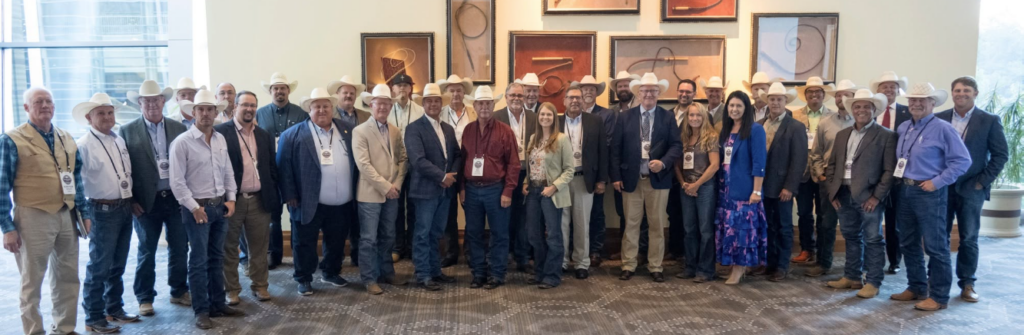
The Common Ground Coalition continued its regional summit series in Fort Worth, bringing together livestock industry participants from across the Southern Plains and beyond to identify practical solutions that strengthen the livestock industry.
As attendees gathered, recent market instability and ongoing discussion about the president's beef import actions remained top of mind. While participants acknowledged the uncertainty these issues create for producers, the focus remained on developing long-term strategies to keep American farms and ranches in production, strengthen rural communities and support the future of the domestic livestock industry.
Building on outcomes from earlier regional discussions, the event focused on the resources livestock producers need to enter, remain and grow in the industry. Through think-tank style discussion, attendees advanced priorities related to capital, land, water, labor, risk management and generational transition, while also identifying opportunities to strengthen animal-health preparedness, transportation policy, food-safety standards and access to reliable market information.
Jeremy Kinder, a founding member of the coalition and a cattle producer from Oklahoma, said a sense of urgency was central to the discussion.
"We can talk about keeping young people in agriculture and farmers and ranchers on the land, but at some point, we have to act," he said. "They need access to land, capital, labor and risk-management tools, and they need people in this industry willing to help them get a foothold before the opportunity is gone."
Shared priorities from the summit include:
Kansas cattle producer Mike Simon said the recommendations reflected a concern heard throughout the summit: stopping the loss of independent livestock producers and whether the next generation will have a real opportunity to stay in livestock production.
"This is about keeping independent livestock producers in business and whether our kids and grandkids — and the young people who weren't born into agriculture but have the passion to be here — will have a real chance to come back to the land," Simon said. "If we do not create that opportunity, we will lose more than ranches. We will lose a way of life."
With the regional summit series now complete, coalition leaders and participants will evaluate recommendations from across the country to identify immediate priorities and long-term opportunities. The outcomes will be shared with the goal of supporting organizations and individuals in their efforts to strengthen American agriculture. In the near-term, participants noted that the coalition's recommendations could help shape practical changes to the Livestock Risk Protection program to support herd rebuilding, retention and growth.
Common Ground Coalition Southern Plains Region Summit Attendees
Those participating in the summit included:
Alabama: Eric Smith
Arkansas: Toby Lester
California: Tim Lewis, Jake Parnell
Kansas: Brandi Buzzard Frobose, Mark Gardiner, Mike Simon
Montana: Joe Goggins, Monty Lesh, Turk Stovall
New Mexico: Tommy Dinwiddie
Oklahoma: Blayne Arthur, Jeremy Kinder, Bill Roser, Tim Starks
South Dakota: Jared Knock, AJ Munger
Texas: Tucker Brown, Monte Cluck, JD Georg, Ben Hale, Henry Hilscher, Susanne Janicek-Bush, Steven Lastovica, Bracken Marburger, Clay Mathis, Reid Redden, John Robertson, Craig Scarmardo, Shad Sullivan, Tucker Teague, Warren White, Schuyler Wight, Will Yeager
The University of Missouri Food & Agricultural Policy Research Institute (FAPRI) has released the 2026 Baseline Update for U.S. Agricultural Markets.
Crop returns, through a combination of continued soft crop prices and elevated production costs, remain under pressure. Crop prices strengthen modestly in 2026/27, but prices remain well below recent peaks. In contrast, we continue to see record cattle prices and project a cautious turn in the cattle cycle in 2027. Increased reference prices incorporated in the 2025 "One Big Beautiful Bill Act" (OBBBA) result in increased government program payments beginning in the fall of 2026 (FY2027) while payments on an expansion of up to 30 million base acres from OBBBA appear beginning in the fall of 2027 (FY2028). Additional details on farm income and government costs will be published in September 2026.
Some key highlights include:
• The West Texas Intermediate (WTI) oil price is projected by S&P at $82.63, falling to $74.76 in 2028 and remaining
below $80 for the remainder of the 5-year outlook. Natural gas prices, a key driver of fertilizer prices are projected
at $3.76 per million btu for 2027 and rise, remaining above $4.15 per million btu, for the remainder of the outlook.
• Marketing year average (MYA) corn prices rise to $4.57 in 2026/27 and fall only modestly to a projected $4.35 in
2031/32. Record corn production led to record corn exports in 2025/26, reaching 3,400 million bushels and remains
above 3,000 million bushels while domestic use for ethanol remains flat.
• Soybean acreage rebounded in 2026/27, rising 5.4 million acres to 86.8 million. Strong crush demand supported by
domestic biofuel policy and a favorable soybean-to-corn price ratio holds soybean acreage above 87 million acres
throughout the projection period. Soybean prices rise in MY 2026/27 to $11.66 per bushel on a sharp increase in
domestic crush demand, prices fall as growth in crush slows.
• Intensifying conflict in the Black Sea, with increasing attacks on shipping and port facilities in Ukraine and Russia,
slow exports from both countries resulting in expanding ending stocks for corn and wheat. With the two
countries accounting for roughly 30% of global wheat exports, slowing trade from the region has supported
global wheat prices in 2026. The gradual de-stocking is assumed to begin in the 2027/28 marketing year. U.S.
wheat prices peak in 2027/28 at $6.74 per bushel before falling over the remaining projection period.
• Projected prices for rice, sorghum, and barley also rise in 2026/27 as many crop prices rise from the low prices of
2025/26. While prices have increased, they remain well below the prices observed from 2020 through 2023. Rice
prices have risen on lower acreage in 2026/27 tightens supplies. Sorghum experiences price increases both
through rising corn prices and a higher sorghum-to-corn price ratio on a resumption of trade with China.
• A rebound in cotton prices leads to an increase in cotton area in 2026/27, rising 13.9 cents per pound to 76.4 cents.
While a substantial year-over-year increase, cash margins remain tight and production holds steady near 16
million bales over the 5-year outlook.
For more highlights and detailed findings, read the full report.
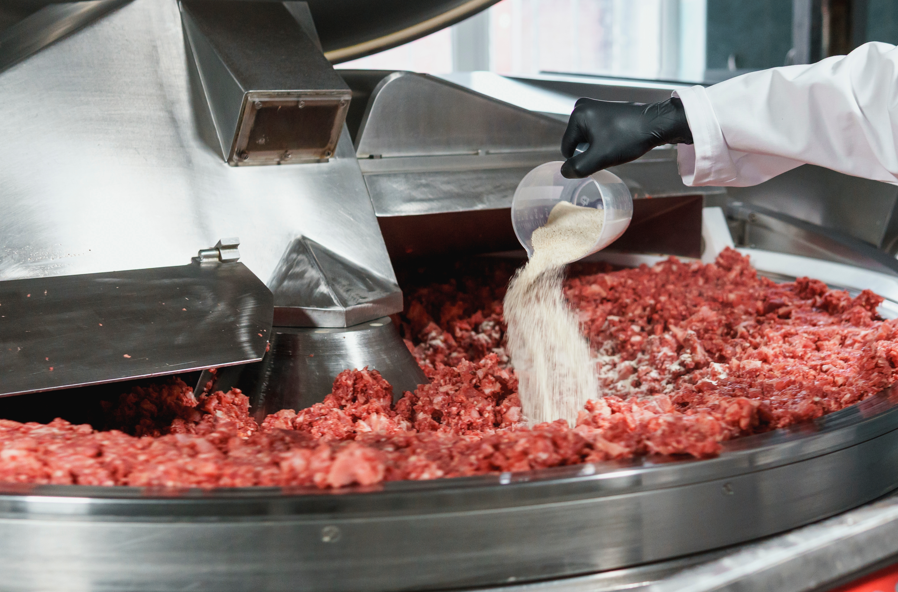
In today's Beef Buzz, senior farm and ranch broadcaster Ron Hays continues his conversation with Ethan Lane of the National Cattlemen's Beef Association about President Donald Trump's ideas for beef processing, the need for more small and regional packing capacity, and concerns over government intervention in the cattle market. Part one can be found here.
With President Trump expected to provide more details on his beef processing plans, Lane says cattle producers need more processing options at different scales rather than dismantling the existing system. "We have serious challenges in making sure that our producers around the country have access to processing options at different scales in different regions of the country," Lane said.
He emphasized that smaller and regional facilities could give producers more ways to market cattle directly to consumers and potentially capture premiums. "Small and regional packing capacity is a persistent challenge we have got to solve," Lane said. "We have to have more options for producers to get those cattle processed and in front of consumers in a way that really works for them and delivers premiums."
Lane said the goal should be expanding the system rather than replacing the facilities that are already serving producers. "You don't dismantle the system that's working for some producers in order to do that," he said. "This is a game of addition, not subtraction."
Trump has also criticized the country's major beef packers, but Lane says cattle producers are still waiting for answers from the Department of Justice following years of investigations. "We are six plus years into DOJ investigations of the Packers at this point," Lane said.
NCBA has been among the organizations calling for those investigations, particularly following disruptions during the COVID-19 pandemic. Lane says producers deserve to know what investigators have found. "Our ask continues to be: let us know what you have found," Lane said.
He added that cattle producers across the supply chain have been waiting for results from years of investigations and inquiries. "We need answers at a certain point about what's been found," Lane said. "We still are waiting to see what they have found."
Lane also discussed recent proposals from Agriculture Secretary Brooke Rollins aimed at rebuilding the U.S. beef herd, including potential changes to Livestock Risk Protection, or LRP.
NCBA has a task force working on LRP and is looking at ways to expand coverage opportunities for cattle producers. "Risk management is something we need to get better at," Lane said. "It's something we've worked years on trying to figure out how to build out more options for producers."
However, Lane said NCBA is cautious about proposals that could cross the line into market-altering government payments. "We have very clear policy on the books at NCBA that we don't want market-altering policy," he said.
Lane also expressed concern about proposals that could provide financial assistance for producers retaining heifers for herd rebuilding.
NCBA remains concerned about government payments influencing producers' decisions rather than allowing market signals to drive those decisions. "We continue to be concerned about anything that looks like paying producers to hold back heifers or do anything in that bucket for reasons that are not economically driven by the market signals they are receiving and what's best for their operation," Lane said.
Lane said producers need confidence that retaining heifers will pay off over the long term. "Stability and certainty in the marketplace and the view that producers feel like that investment of holding back heifers is going to pay dividends for them two or three years down the road continues to be the biggest hurdle out there," he said.
Lane said recent comments and actions from the administration are creating uncertainty for cattle producers, particularly as the industry enters the fall run. "Other than the influencers that are trying to curry favor, I have not talked to any cattle producers that are pleased with the government opining as much as they have on the cattle industry," Lane said.
"I think most cattle producers would prefer to just be left out of the headlines right now," he added.
As cattle producers prepare for the November elections, Lane encouraged them to use their voices when candidates come looking for their support. "Your members of Congress and the candidates running against them are going to desperately seek your attention," Lane said.
He encouraged producers not to let campaign visits become simply photo opportunities. "Do not let that opportunity pass by without sharing your opinion about what this marketplace needs and what it does not from the federal government," Lane said.
Lane said producers should make sure their representatives hear directly from them. "Don't assume your neighbor's doing it. They need to hear from you," he said. "Don't pass up an opportunity while they're on the road running for re-election to share your thoughts with them." "That is the most effective tool we have," Lane said. "Real grassroots producers around the country — take advantage of it."
The Beef Buzz is a regular feature heard on radio stations around the region on the Radio Oklahoma Ag Network and is a regular audio feature found on this website as well. Click on the LISTEN BAR above for today's show and check out our archives for older Beef Buzz shows covering the gamut of the beef cattle industry today.
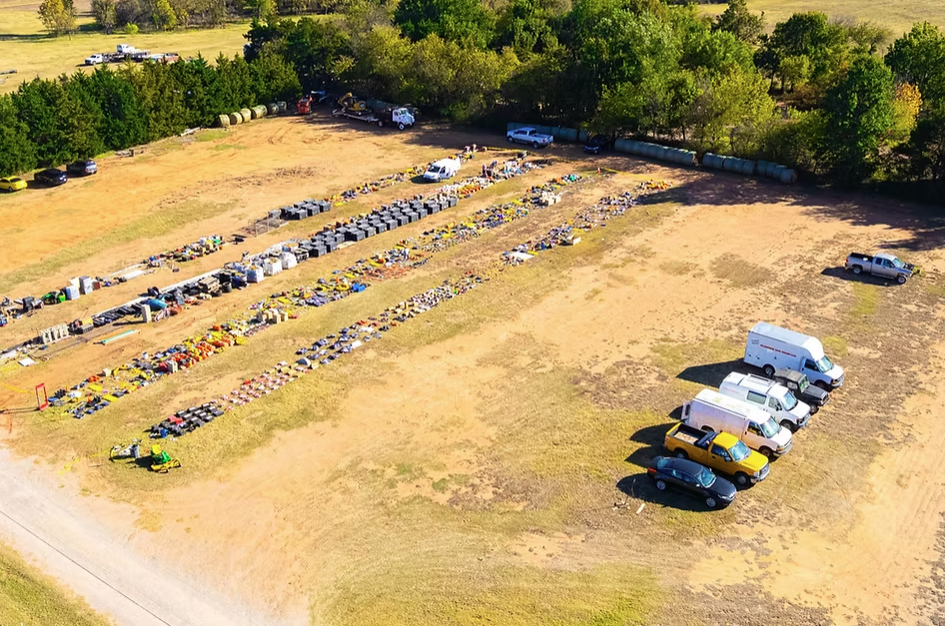
Auctions can be a good opportunity for Oklahoma farmers and ranchers looking to sell equipment, livestock supplies or other items, according to Ken Carpenter, owner of Ken Carpenter Auction and Realty. Carpenter spoke with Associate Farm Reporter Carli Davenport about the auction process, what agricultural equipment is selling well, and what farmers can expect from his upcoming fall consignment auction.
For sellers who have never used an auction before, Carpenter said the biggest advantage is competitive bidding and the marketing that goes into getting items in front of potential buyers. "Well, if you're a seller, you definitely want to have an auction because we have competitive bidding, and we market your items," Carpenter said.
He said his company uses several different avenues to advertise consignments, including newspapers, its website, email lists, and estate sale websites. "So we're marketing your merchandise, and we are paying for marketing, and we want the most for your item because we work on a commission," Carpenter said. "So our goal is to get the most money for your items in a competitive market."
While the types of equipment that perform well can change throughout the year, Carpenter said livestock-related items are particularly strong in the current agricultural market. "Well, it changes with the seasons, but right now, cattle stuff is just exceptionally high," he said. "Anything to do with livestock sells wonderfully right now."
Carpenter attributed some of that demand to current commodity markets. "With the cattle market high and the wheat market a little bit off, cattle stuff, I would say is the high stuff to sell in today's market," he said. That includes equipment and supplies used by cattle producers, who may be looking for ways to expand, replace or upgrade what they already have on their farms and ranches.
Carpenter said sellers also have the option of letting his auction company handle much of the preparation and marketing process. "If you've got a tractor, car, or something of great value, we're going to have it detailed," Carpenter said. "We're going to clean it up. We're going to take good pictures."
Depending on the item, the company may also create video content to give potential buyers a better look. "We may even do a video of it running or just however it was the best, the best way to market that item," he said.
The goal, Carpenter said, is to give each item as much exposure as possible. "And we're going to market that item worldwide to get the best value for that item," Carpenter said.
Carpenter said his upcoming fall consignment auction could be particularly useful for farmers and ranchers who have equipment they no longer need or who are looking to upgrade. "Fall's been a great time in the past to sell equipment," he said.
He said one reason is that farmers and ranchers may have more time to look for equipment after the busier spring and summer seasons. "We got people looking for tax deductions," Carpenter said. "It's a slower time of year for farmers, especially with the livestock stuff." That can create demand for a variety of livestock-related equipment.
He added that some producers may also be looking to upgrade equipment. "They might be looking to upgrade a tractor with a load or something like that to take care of their livestock," he said.
According to Carpenter, the timing of fall can make it a good season for both buyers and sellers. "A little cooler, people a little slower," he said. "It's not a hectic time of spring and summer, and it's been a great time to market your items."
Farmers and ranchers don't have to bring an entire line of equipment to participate in the auction. "We'll take just one thing," Carpenter said.
He said his company can arrange to have an item hauled to its auction yard, where it can be prepared and displayed for potential buyers. "We'll get it hauled in here where we can show it, where we can clean it up, where we can get the maximum exposure for it," Carpenter said.
That setup can also make the selling process easier for producers who don't want to personally deal with potential buyers. "That way the seller doesn't have to deal with the buyers that are coming to look or have to answer any questions," Carpenter said.
While sellers are welcome to provide input, Carpenter said some prefer to let the auction company handle those interactions. "We're always welcome their input if they want, but a lot of people don't want to talk to potential buyers," he said. "They want us to handle all that."
Carpenter said this year's fall consignment auction is expected to feature a wide variety of items, including agricultural equipment and livestock supplies. "We're gonna have an abundance of a lot of stuff," he said. "We're gonna have a lot of tools. We're gonna have some equipment, cars, trucks, or all."
Livestock equipment will also be part of the auction. "We'll have livestock equipment. We'll have a good, good variety of a lot of different stuff," Carpenter said.
He said the auction typically features thousands of individual items. "We usually have around 3000 items, and we shut the auction off not to take anything over 3000 items," Carpenter said.
The fall consignment auction will be held at 524 South Clear Springs Road in Mustang, which Carpenter said provides convenient access for buyers from across central Oklahoma. "It's a really, really good location, Central Oklahoma," he said. "We are close to I-40 in Yukon, its an easy on and off."
Carpenter said buyers can visit the location to inspect items before bidding and even bid online from home. "People coming from anywhere can come down, look at stuff before the auction," he said.
For buyers who purchase items, Carpenter said delivery and pickup options will be available. "If they get it bought, we can deliver it to them, or they can come pick it up," he said.
Carpenter said the auction company will begin accepting consignments September 8th, with the online auction closing September 28th. Pickup will follow the auction over the next two days.
The auction company will also be available to assist buyers with loading their purchases. "We'll have help to load stuff if you need it," Carpenter said. "We'll have skid steers or tractors to help load stuff on your trailers."
Carpenter said he expects the fall consignment to offer something for a wide range of buyers. "It'll be a great auction," he said.
Farmers, ranchers and other sellers interested in consigning equipment can contact Ken Carpenter Auction and Realty through kencarpenterauction.com.
Carpenter said the company conducts frequent auctions throughout the year. "We do about one to six auctions a week," he said. "You're welcome to email me, call or text me any way you want. You can look at the auctions we got going." "We'll be happy to answer any questions that you've got," Carpenter said.
The U.S. Department of Justice announced via X today that it is expanding its ongoing investigation into beef affordability to include eight of the nation's largest grocery retailers, including Kroger, Publix, Walmart, Albertsons, Aldi, Ahold Delhaize USA, Costco and Amazon. The investigation has thus far focused on the nation's four largest meatpackers.
R-CALF USA has long raised concerns about the widening spread between cattle and beef prices and the market power held by highly concentrated beef packers and retailers. In May, the organization called for greater scrutiny of the retail sector, including an investigation into widening retail beef margins to determine whether rising retail beef prices were attributable to legitimate inflationary costs or the improper exercise of market power.
R-CALF USA CEO Bill Bullard released the following statement in response to the announcement:
"We are encouraged that the Department of Justice is expanding the scope of its beef affordability investigation to include the retail sector. There has long been a disconnect between cattle prices and beef prices that raises serious questions about whether market power is contributing disproportionately to consumer beef prices.
"America's independent cattle producers are widely dispersed, decentralized price takers who do not control the price consumers pay for beef at the grocery store. Meanwhile, both the meatpacking and retail sectors are highly concentrated and possess significant market power.
"Before policymakers take actions intended to lower cattle prices under the assumption that doing so will lower prices at the meat counter, they must determine how much of today's retail beef price is attributable to legitimate costs and competitive market forces, and how much may be attributable to the exercise of market power or anticompetitive practices.
"We urge the Department of Justice to thoroughly investigate both the meatpacking and retail sectors and to take meaningful enforcement action wherever anticompetitive conduct is found."
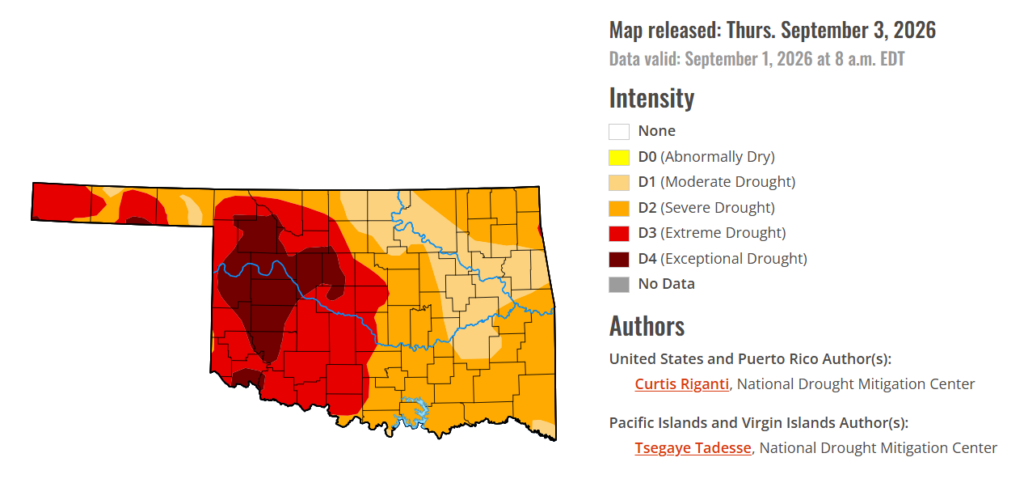
To view the latest Oklahoma drought map, CLICK HERE.
August is officially in the books, but Oklahoma is still dealing with exceptional drought, which was present every week throughout the month and has expanded again this week to cover 12.64% of Oklahoma. While the dry stretch continues, there is some hope for rain, with central and western Oklahoma leaning toward above-normal precipitation chances through September 12.
According to the Drought Monitor, exceptional drought has expanded by .58% this week. Conditions are present in much of western Oklahoma. Exceptional drought covers 12.64% of the state.
Moderate to extreme drought conditions in the current period indicate that 100% of the state is affected.
According to the 6-to-10-day precipitation outlook map, central to western Oklahoma is leaning above a 33-50% chance of rain through September 12th, while eastern Oklahoma is expecting near-normal conditions.
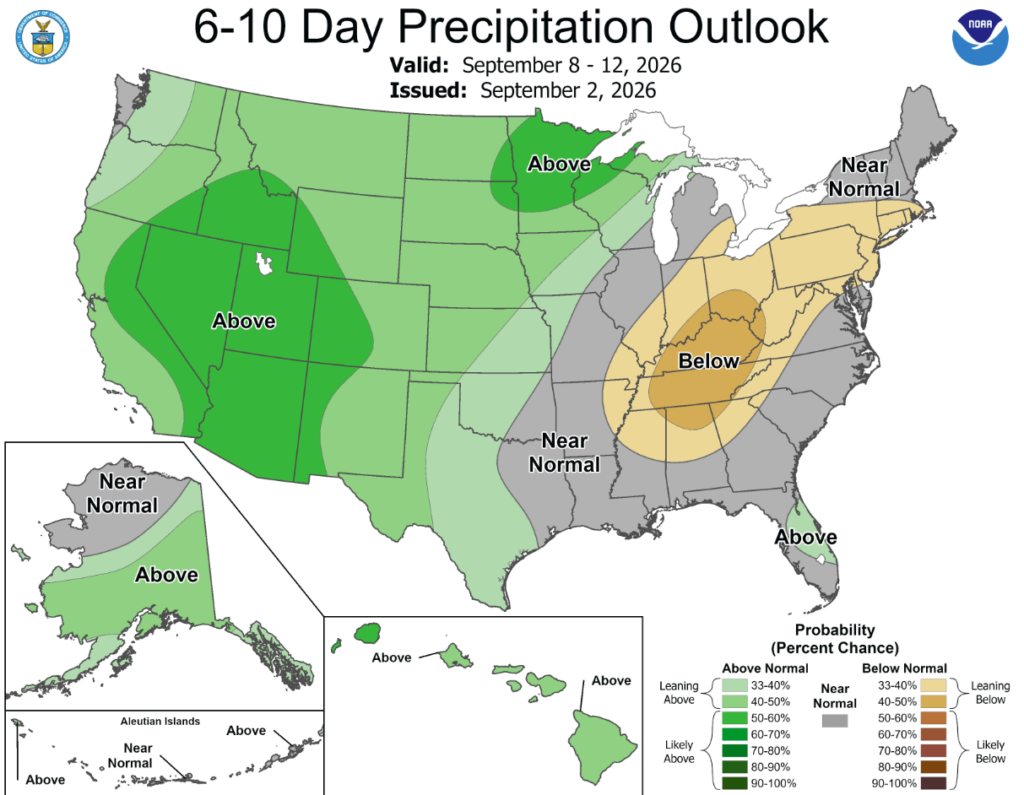
Dry weather continued this week across much of the central U.S., especially from the southern Great Plains to the Mississippi River Valley and Corn Belt. Flash drought conditions were occurring across a large area spanning from Texas northeastward to Oklahoma and southern Kansas, southern Missouri, Arkansas, northern Mississippi and portions of far western Tennessee. Due to the drier- and warmer-than-normal weather in most of these areas, drought and abnormal dryness expanded and intensified in many areas, as widespread adverse impacts to agriculture continued and fire danger continued to grow in some areas. Widespread showers and thunderstorms, some locally heavy, dotted parts of the Northeast and Southeast regions, leading to localized improvements to ongoing drought or abnormal dryness. Some areas that missed out on the rains saw conditions worsen. Hot and dry weather continued near the borders of the Dakotas with Minnesota, leading to worsening drought conditions. Widespread improvements occurred in some areas from Wyoming and the plains of eastern Colorado northeast into the Nebraska Sandhills and southern South Dakota, where either heavy rainfall this week improved conditions or conditions were reassessed following recent heavier rains. Recent hot and dry weather, combined with a lack of winter snowpack, led to the expansion of moderate drought in northern California. Heavy rainfall associated with the remnants of Tropical Storm Dolly in eastern Puerto Rico led to a few improvements there, though widespread severe and extreme drought continued across much of Puerto Rico. Recent rainfall led to the removal of short-term moderate drought from Alaska's Central Interior.
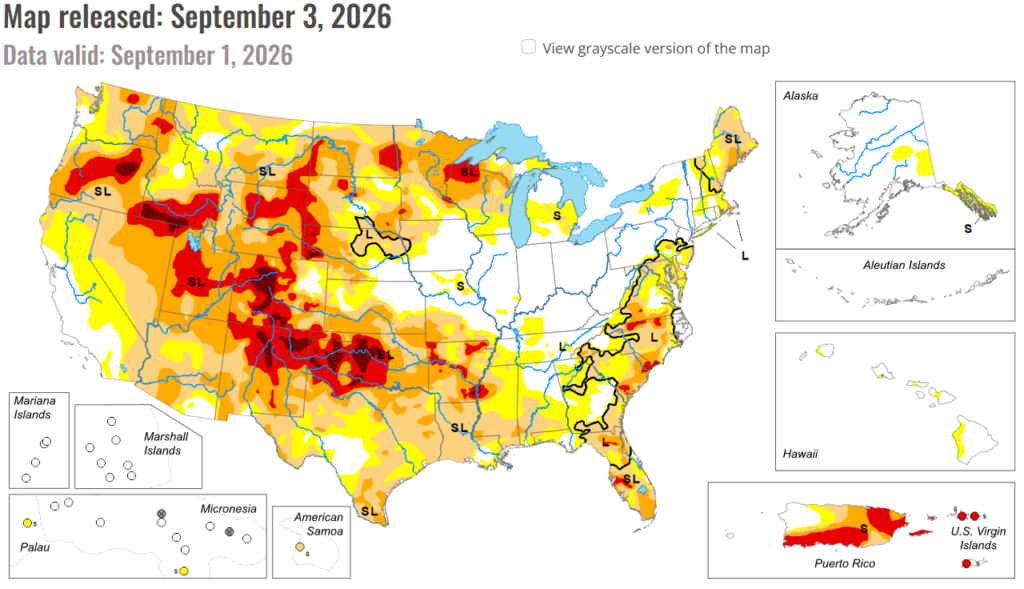
In the South: Widespread expansion or worsening of ongoing drought or abnormal dryness occurred across the South, especially in parts of Mississippi, Texas, eastern Oklahoma and portions of Arkansas. Heavier rains, locally over 2 inches, fell in southeast Louisiana and southwest Mississippi. Otherwise, weather conditions were mostly drier, with many areas receiving less than a half inch of rainfall and some receiving none at all. Temperatures were warmer than normal across most of the region, especially in Oklahoma and the northern half of Texas, where temperatures were 6-10 degrees hotter than normal. This continued a very hot August across much of Oklahoma. Degradations in drought conditions were especially prevalent in southwestern and northern Texas, deep south Texas, northern Mississippi and eastern Oklahoma, as ongoing hot and dry weather worsened conditions in areas already suffering a myriad of drought impacts. Burn bans were enacted across much of western Oklahoma, while Oxford, Miss., residents were asked to conserve water due to high water demand and recent extreme heat. Streamflow across much of central and western Oklahoma and northern Texas was quite low, along with low soil moisture and intense short-term precipitation deficits.
In the High Plains: A swath of 0.5-2 inches of rain fell from parts of western Nebraska and western Kansas into portions of Colorado and Wyoming. Scattered similar rain amounts also fell in portions of east-central and northern South Dakota, as well as in parts of central and western North Dakota. The impacts of recent rainfall in southern South Dakota and the Nebraska Sandhills were re-evaluated this week, and widespread improvements were made as soil moisture and streamflow locally improved, while short-term rainfall deficits were alleviated. Long-term precipitation deficits and their impacts continued across much of this region, and abnormal dryness and long-term moderate drought remained. Scattered improvements to drought also occurred from southern and eastern Wyoming into the western Dakotas and much of eastern Colorado. Short-term precipitation deficits improved in these areas, with some improvement in soil moisture and streamflow, leading to improvements in drought conditions. Streamflow still remains low across portions of the western High Plains region given the poor high elevation snows and warm temperatures during the water year. Temperatures across the region were hotter than normal, especially in Kansas, where temperatures ranged mostly from 6-10 degrees above normal, resulting in high atmospheric demand for moisture in southeast Kansas.
In the West: Locally heavy rains from the North American Monsoon fell in parts of Arizona, Utah and the Rocky Mountains in Colorado. Parts of Colorado to the west of the Front Range saw conditions improve given recent rainfall, though widespread short- and long-term drought remained across central and western Colorado. In a few areas in south-central and southwest Colorado that missed out on heavier rains, long-term precipitation deficits grew even worse. Temperatures from 4–6 degrees above normal also kept atmospheric thirst high, and extreme and exceptional drought locally expanded. Short-term precipitation deficits and poor streamflow in some areas led to drought degradation in parts of the Idaho Panhandle, the Spokane, Wash., area, and nearby northwest Montana. Short-term dryness and warmth in northern California led to the expansion of moderate drought there. Moderate drought locally expanded in north-central Montana where short-term rainfall deficits grew and soil moisture declined in a few areas. Recent precipitation in southwest Montana led to improvements in mid- to long-term precipitation deficits and overall conditions, and moderate drought coverage decreased. Recent precipitation in western Utah helped to lessen long-term precipitation deficits, and extreme drought coverage lessened slightly. Temperatures were warmer than normal across much of the West, excluding areas from western Nevada and far northern California through Oregon and Washington. In the rest of the region, temperatures were mostly at least 2-4 degrees above normal, with many areas 4-10 degrees warmer than normal.
To view the 6-10 Day Precipitation Outlook Map, click here.
To view the 6-10 Day Temperature Outlook Map, click here.
To view the Monthly Drought Outlook Map, click here.
While nitrogen price increases have captured widespread attention, phosphate fertilizers have staged a quiet, multi-year climb that is now accelerating into major expense increases for producers. University of Illinois agricultural economist Nick Paulson noted that rising sulfur prices and global supply chain disruptions have become the primary driving forces behind surging phosphate costs.
Sulfur's Role in Phosphate Production
Addressing market dynamics with University of Illinois Extension's Todd Gleason, Paulson explained the core economics behind common phosphate fertilizers like DAP (diammonium phosphate) and MAP (monoammonium phosphate). While anhydrous ammonia production depends heavily on natural gas as a feedstock, phosphate manufacturing relies centrally on two key components: phosphate rock and sulfur, combined with anhydrous ammonia to supply the nitrogen component.
Of these raw ingredients, sulfur has emerged as the most volatile input. Because sulfur is primarily produced as a byproduct of petroleum and gas refining, disruptions in the energy sector directly limit sulfur availability. High energy prices, trade policy disputes, and widespread conflict have severely pressured global sulfur supplies.
Persistent Upward Price Momentum
Paulson outlined sulfur's steep price trajectory over the past two years:
A significant share of globally traded sulfur originates in the Middle East and must pass through maritime bottlenecks such as the Strait of Hormuz. War in the region, coupled with infrastructure damage at refining and processing facilities, has choked supply lines. Because refining infrastructure cannot be restored rapidly, Paulson cautioned that sulfur price pressures are likely to linger across multiple years rather than resolve quickly. Even though the United States produces considerable volumes of sulfur domestically, it remains linked to global commodity pricing shocks.
Decision Points for Farmers This Fall
The full impact of $1,000-per-ton sulfur may not yet be completely reflected in current retail DAP and MAP pricing, suggesting a higher-than-average probability that phosphate prices could climb further rather than pull back.
This environment leaves growers facing tough risk-management decisions heading into fall application:
Detailed agronomic strategies for managing phosphate rates and interpreting soil test levels ahead of fall field work will be addressed by University of Illinois soil fertility specialist John Jones. Producers can review the complete economic analysis penned by Paulson, Gary Schnitkey, and Carl Zulauf by visiting farmdocdaily.illinois.edu.
RON's Dave Lanning has a pre-opening look at today's agricultural Markets.
Click the audio tab below for today's report.
The Superior Livestock Labor Day Sale will mark the final major advertised cattle sale of Superior Livestock's summer series, with a little more than 50,000 head scheduled for the sale. Superior Livestock President Danny Jones spoke with senior farm and ranch broadcaster Ron Hays about the history of the Labor Day sale, this year's cattle marketing season, and what producers can expect heading into fall.
Jones said the Labor Day sale has a long history with Superior Livestock and was once one of the company's most important sales of the summer. "It was one early on in the life of the company, one of the most important sales we had all summer," Jones said.
Jones said the Labor Day sale has evolved over the years, with producers taking advantage of Superior Livestock's earlier summer offerings, but this year's event remains a strong final sale of the summer series. "We have a good sale for tomorrow, a full schedule with a little over 50,000 head on tomorrow," he said.
Jones said the sale represents an important final opportunity for producers looking to market spring-born calves for fall delivery. "It's the final of our summer series of large advertised sales, and it's kind of the last opportunity to pre-sell those spring-born calves for fall delivery," Jones said.
He explained that early marketing and forward contracting of spring-born calves for fall delivery make up a significant portion of Superior's summer sales. "It's what a lot of the volume through the summer is—the early marketing, forward contracting of spring-born calves for fall delivery," Jones said. "This is—that's still what this will be in addition to the yearling sale. But it's kind of the last round of this on the early marketing."
Looking back at Superior Livestock's summer sales, Jones said the results have been strong, although each sale has developed its own characteristics. "Oh, it's been tremendous," Jones said. "They are, like you said, each has its own unique personality, if you will."
The summer began particularly strong, according to Jones, with the first two sales outperforming some of the later offerings. "This year it started off very strong, and it was probably a little stronger the first two than the last two," he said.
Jones noted that Superior never knows in advance which sale will ultimately be the strongest of the summer. "You never know when you go into the summer which sale is going to be the high of the summer," he said.
The company's summer schedule included the Corn Belt sale in June, the Rockies sale in July, Video Royale later in July and Bighorn in August.
The 2026 cattle marketing season has also unfolded against a backdrop of drought concerns and uncertainty surrounding federal policy announcements affecting the cattle market.
Jones said those factors have created some market reactions, but he believes some of the announcements have had less impact on the underlying cattle market than initially perceived. "I think most people in the industry realized, even though there were some reactions in from Chicago and the trade, some of the announcements that were made were pretty immaterial when you boil them down," Jones said.
He emphasized that the actual impact of some of the announcements was relatively small. "It's very, very small," Jones said.
Jones also expressed hope that cattle markets will eventually be allowed to respond to traditional supply-and-demand forces. "Hopefully we'll get back to leaving the market alone, letting high prices cure high prices in time, and let the cycle take care of itself," he said.
Jones said the cattle industry's long-term production cycle is another important factor producers and market participants need to keep in mind. "We all know that it will," Jones said of the cattle cycle. "It just takes some time in the cattle industry."
He specifically pointed to the amount of time required for producers to rebuild the nation's cattle herd. "Rebuilding the herd takes time," Jones said.
Following the Labor Day sale, Superior Livestock will return to its regular every-other-week sale schedule for the remainder of 2026.
Jones said the next sale will be held two weeks later at Superior Livestock's headquarters office in Hudson Oaks. "Two weeks out, we'll have a sale here at our headquarters office in Hudson Oaks," Jones said. "We every two weeks for the rest of the year."
The Superior Livestock Labor Day sale will feature more than 50,000 head, with the Superior Sunrise beginning at 7:30 a.m. Central Time and the sale starting at 8 a.m. Central Time.
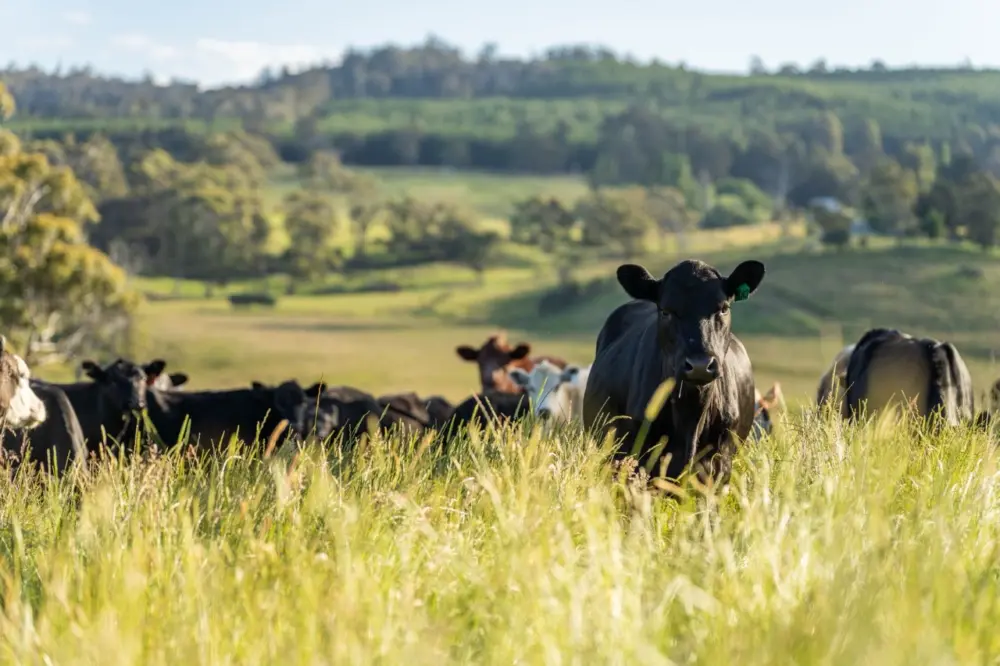
National Farmers Union (NFU) President Rob Larew today released the following statement in response to the U.S. Department of Agriculture's Ranchers First Initiative, announced earlier this week:
"We're glad to see the administration focus on the US beef market, and several pieces of this plan are steps in the right direction. Better risk protection tools, expanded credit and new processing loans will help. But they aren't enough on their own. Farmers and ranchers need a durable, long-term commitment to rebuild their herds and compete on a fairer playing field against the corporate monopolies that dominate the cattle market. We're ready to work with the administration to get there.
"One piece is still missing: where the beef comes from. Our farmers and ranchers produce the safest, highest-quality beef in the world, but without mandatory country-of-origin labeling, meatpackers can blend imported beef into products marketed as American, leaving both consumers and those who raised that beef shortchanged.
"We urge the administration to build on this plan by backing mandatory country-of-origin labeling, and we urge Congress to move COOL legislation forward without further delay."
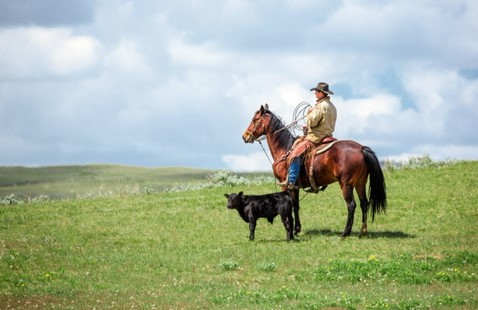
AFR Cooperative President Scott Blubaugh:
"In response to Secretary Rollins recently announced initial initiatives to rebuild the American beef herd, we applaud the administration's efforts to make locally produced beef a priority and recognize the important steps being taken to strengthen the nation's beef supply. However, additional measures are needed to provide producers with the certainty and support to rebuild the U.S. cattle herd.
The Livestock Risk Protection (LRP) endorsement is a step in the right direction, but a two-year timeframe is not enough to meaningfully support producers making the long-term investment needed to retain heifers. We urge the administration to extend the endorsement to at least three to five years. This longer protection period is especially important if market conditions decline, giving producers the time they need to retain cattle, rebuild herds and recover the significant costs tied to that investment. The endorsement should be implemented as soon as possible so producers have the certainty needed to begin making those decisions now.
We also urge President Trump and Secretary Rollins to support mandatory Country of Origin Labeling (COOL) for foreign beef and cattle from the 22 different countries, including Argentina. American producers raise the highest-quality beef in the world, and consumers want to buy American beef first. We appreciate the administration's efforts to prioritize American beef in local, federal and school purchasing programs. However, clear labeling is essential to support American producers and ensure consumers know where their beef comes from. Importing additional foreign beef is not the solution and could discourage ranchers from retaining heifers. We encourage the president to reconsider these initiatives.
Additional measures, including lower interest rates, financial incentives and tax credits for retained heifers, could further encourage herd expansion. America's cattle producers are ready to rebuild, but they need the tools, time and market certainty to make it possible. Supporting producers today is critical to ensuring a strong sustainable and reliable American beef supply for years to come."
About American Farmers & Ranchers/Oklahoma Farmers Union: AFR is a membership services organization established in 1905 as Oklahoma Farmers Union. AFR provides educational, legislative and cooperative programs across the state and serves as a watchdog for Oklahoma's family farmers and ranchers and rural communities. The organization is actively supportive of the state's agricultural industry and rural population with membership consisting of farmers actively involved in production agriculture and non-farmers adding their voices in support of AFR principles.
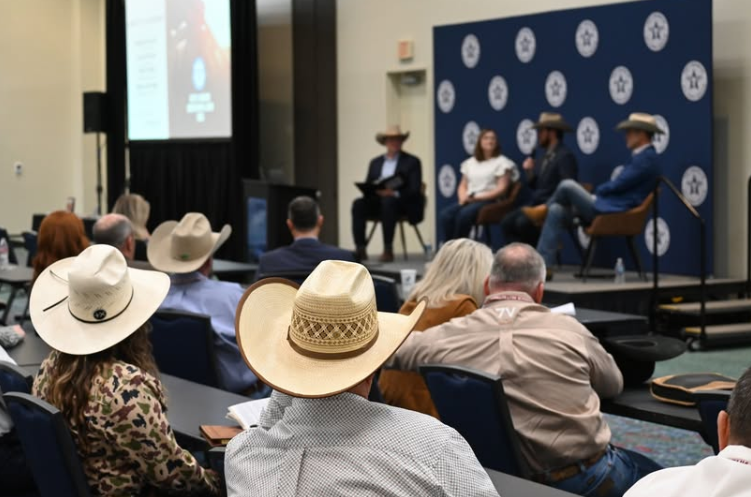
Texas & Southwestern Cattle Raisers Association is seeking speakers for the 2027 School for Successful Ranching, a premier educational event for cattle raisers, wildlife managers, landowners and others invested in the beef industry.
Held annually as part of the Cattle Raisers Convention & Expo, the School for Successful Ranching is scheduled for April 8-10, 2027, in Fort Worth. The 2027 curriculum will feature practical and innovative topics designed to help cattle raisers, wildlife managers and landowners navigate the opportunities and challenges facing the industry.
Industry experts interested in presenting must apply online by Oct. 1. Applicants should submit a proposed session topic and outline, along with information about the presenter or presenters. Multiple proposals may be submitted.
To apply, click here .
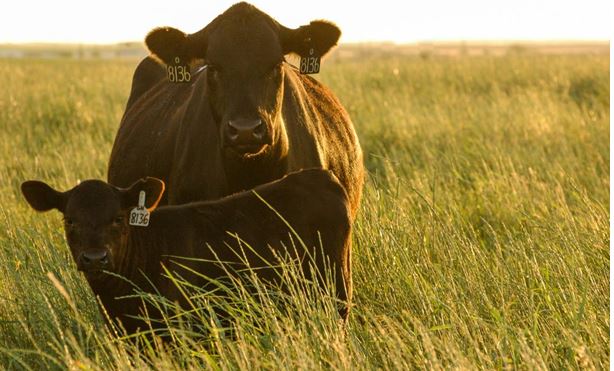
Many producers have considered starting to wean their calves early this year due to drought and declining forage quality. As Mark discussed in recent Cow-Calf Corner article from August 3 (https://extension.okstate.edu/programs/beef-extension/cow-calf-corner-the-newsletter-archives/2026/august-3-2026) early weaning is an effective drought-management tool to reduce the nutrient requirements of the cowherd, preserve cow body condition, and reduce forage demand.
Weaning is a stressful event in a calf's life and we need to consider the added stress caused by hot weather. At weaning calves are separated from their dams, moved to a pen from the pasture they have been their entire life, and are presented with new unfamiliar in feed and water sources. Processing, vaccination, transportation and commingling occur at the same time. Adding severe heat stress to this list must be avoided. Our objective is not to just get the calves weane...it is to get them weaned, eating, drinking and healthy during the most stressful period they will experience.
Heat-stressed cattle have reduced feed intake, spend more time standing and increase water consumption in an attempt to dissipate heat (Cow-Calf Corner, July 13, 2026 https://extension.okstate.edu/programs/beef-extension/cow-calf-corner-the-newsletter-archives/2026/july-13-2026). As heat load increases, respiration rate increases and cattle begin panting. More severe signs include drooling, open-mouth breathing, an extended tongue and isolation from the herd. Water requirements increase greatly during heat stress, and bawling calves lose more water through the respiratory tract than normal. Newly weaned calves that are already eating and drinking less than normal have little margin for another environmental stressor.
Choose your weaning day carefully. Avoid beginning the weaning process immediately before a major heat event if possible. Heat load accumulates over several days, and when we have hot nights over 70 degrees cattle are unable to dissipate the heat accumulated during the previous day. Cattle handling should be postponed when little nighttime cooling occurs. The Oklahoma Mesonet Cattle Comfort Advisor (https://www.mesonet.org/agriculture/livestock/cattle-comfort-advisor?ref=1924) is a great resource to guide the decision for when to wean and process calves. It accounts for temperature, humidity, solar radiation and wind rather than relying only on the daytime high temperature.
Water is the top priority. Make sure calves can find the clean fresh water source quickly.
Calves that are bawling, walking fence lines searching for mom and unfamiliar with water sources are at the greatest risk for heat stress. Clean, cool water is particularly important because cattle drink less as water temperatures increase above about 80°F.
Shade is important. Natural or constructed shade reduces solar heat load and lowers respiration rate and body temperature. Shade around the receiving and weaning area is particularly valuable when early weaning during hot weather in August and early September.
Keep cattle handling short and early. Get started with cattle processing early in the morning. Cattle are still carrying the greatest accumulated body heat load late in the day. Work calves in small groups, minimize time in holding pens and handle them quietly.
When severe heat is forecast, it is better to separate the parts of the weaning process over several days with time for the calves to rest and cool down during the day.
Hot weather does not necessarily mean we should delay a needed drought-management decision. It does mean we need to plan the weaning process carefully. Watch the forecast, provide abundant clean water, have adequate shade available, work calves early and quietly, and avoid stacking unnecessary stressors on the same day.
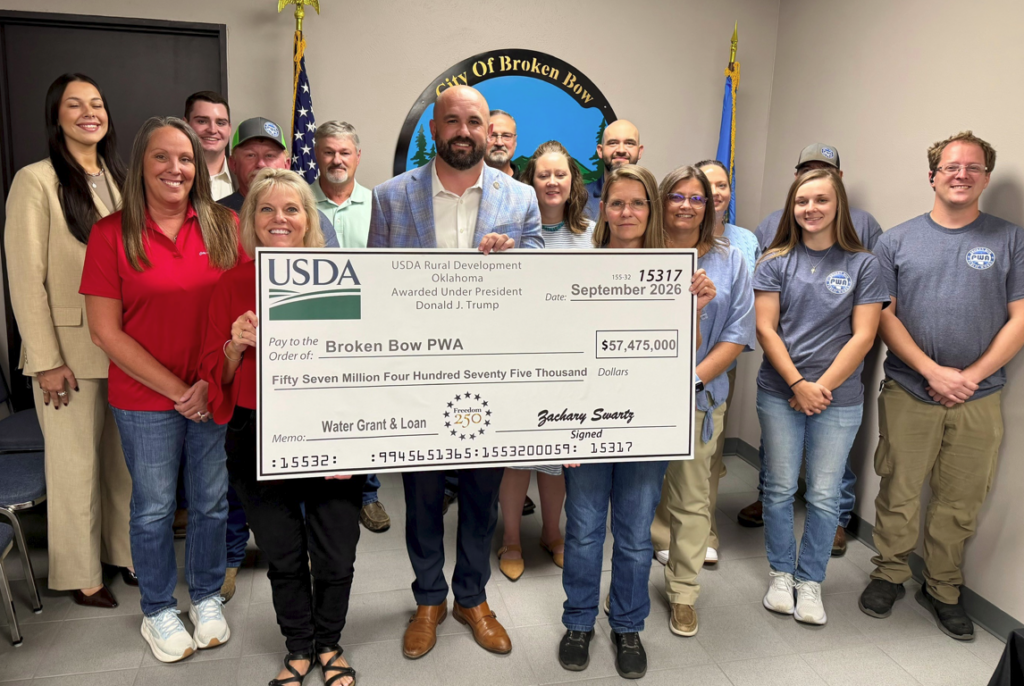
U.S. Department of Agriculture Rural Development Oklahoma State Director Zachary Swartz announced today that the Trump Administration provided more than $77 million in water infrastructure improvements in southeast Oklahoma.
The Administration's investment will improve the water treatment plant and distribution systems for Broken Bow and Idabel's Public Works Authority. Additionally, upgrades will make the system compliant with Oklahoma quality regulations and provide these two communities with clean drinking water.
"President Trump cares deeply about supporting our Oklahoma farm and ranch communities, so it is a distinct honor to announce these two water infrastructure projects in southeast Oklahoma," said Swartz. "These investments in Broken Bow and Idabel are the latest evidence of this administration's commitment to fulfil their promise to usher in a Golden Age to Rural Oklahoma and America at large."
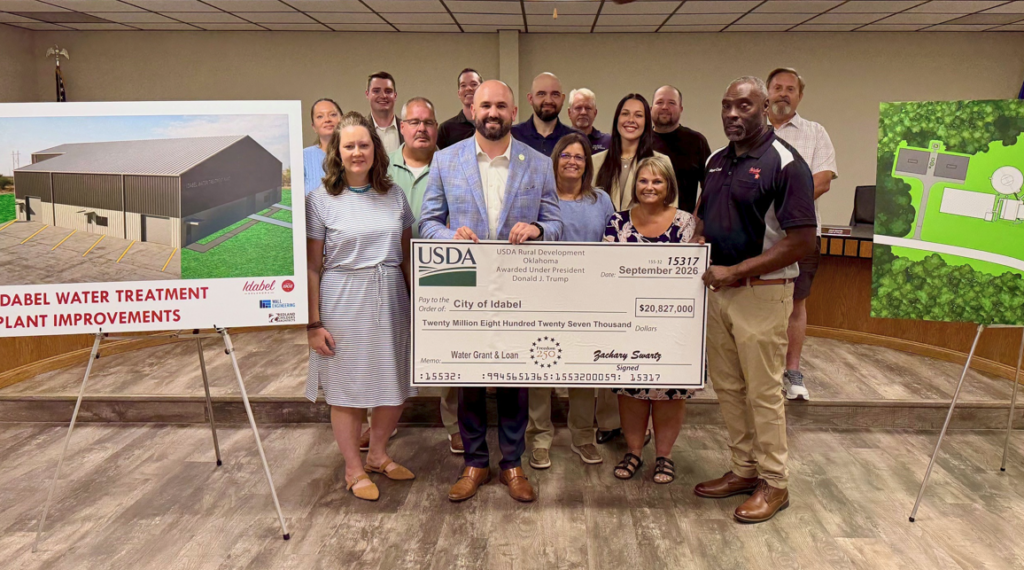
"Water will be one of the biggest challenges we face as a state in the days ahead, and meeting that challenge will require local, state, and federal partners working together toward solutions. I'm grateful that, through this USDA program, the communities of Broken Bow and Idabel will receive historic upgrades in their water infrastructure. Access to clean, reliable drinking water is essential to sustaining life, but it's also critical to growing rural communities and the families and industries that support them," said Senator James Lankford.
"Oklahoma is blessed with extraordinary people and resources, and realizing our state's potential requires investing in the infrastructure that makes growth possible. I thank President Trump and his administration for making this investment in southeast Oklahoma's rural water system. Ensuring access to safe, reliable water will support the continued development of these communities," said Senator Alan Armstrong.
The funding is provided through USDA Rural Development's Water and Environmental Programs. Through USDA's Rural Utilities Service, the Water and Environmental Programs help rural communities obtain the technical assistance and financing necessary to develop drinking water and waste disposal systems. Safe drinking water and sanitary waste disposal systems are vital not only to public health, but also to the economic vitality of rural America. Rural Development is a leader in helping rural America improve the quality of life and increase the economic opportunities for rural people.
Learn more online at www.rd.usda.gov, subscribe for updates, and follow us on X at RD_Oklahoma.

The countdown is officially underway for the 2026 Oklahoma State Fair, scheduled to run from September 17 through September 27. Marking the latest opening date on the fair's historical calendar, organizers are gearing up for eleven days of food, music, family entertainment, and agricultural showcase events.
Adding to the excitement this year, fairgoers will be treated to the brand-new America 250 Observation Wheel, an enormous attraction that will stand even taller than the iconic ferris wheel at the State Fair of Texas. Towering over everything else at the Fair at 230 feet tall, the America 250 Wheel is the World's Largest Portable Observation Wheel. It's larger than the wheel at Navy Pier in Chicago and the Texas Star Wheel in Dallas! The wheel's 45 gondolas include fun facts about our nation's 45 presidents.
New Food Offerings and On-a-Stick Treats The food lineup features several debut creations, highlighted by a partnership with James Beard finalist Chef Andrew Black at the Champions BBQ Pearl Mesta pop-up, serving a Mango Bourbon Pork Rib. Other new menu highlights include:
Grandstand and Stage Entertainment The fairgrounds will feature a mix of ticketed and free entertainment. Disney On Ice presents "Jump In" during opening week, followed by the Ultimate Bullfighters and Wildcatters competitions on the second weekend. Free stage acts at the Chickasaw Country Entertainment Stage and across the grounds include:

Gate Admission, Special Discount Days, and Parking Advance gate admission is available for $12, while regular gate admission during the fair is $17. Specific promotional days offer further savings:
Both free and paid parking options will be open to fair visitors. Paid parking is $15 and operates as completely cashless, offering paved, well-lit spaces close to the entry gates. Construction around the newly cleared Gateway of Champions promenade footprint will not alter public entrance flow, with standard entry available through Gates 5 and 6 off Delmar Gardens/Reno and Gates 9 and 10 off 10th Street.
Advance tickets, ride wristbands, and event seats are on sale now at OnCue locations across the metro, online at okstatefair.com, at the Jim Norick Arena box office, or by phone at (405) 948-6800.
Texas & Southwestern Cattle Raisers Association is accepting applications for its spring 2027 Gilly Riojas Memorial Internship Program.
The competitive, paid internships run from mid-January through early May and offer students an opportunity to build professional skills, expand their industry networks and work alongside association staff, agricultural leaders and participating member businesses and ranches.
Spring 2027 opportunities include:
| • | Fort Worth Internship – Full-time internship opportunities based at the association's headquarters in Fort Worth. Selected interns will gain experience across departments, including communications, education, events and membership, while supporting daily operations and representing TSCRA at industry events. The internship runs from January to May. |
| • | Government Relations Internship – A full-time internship in Austin that provides experience advocating for TSCRA members at the Texas Capitol. Interns will help monitor and analyze legislative and regulatory issues, coordinate events and support the association's government relations efforts during the 90th Legislative Session of Texas. The internship runs from January to May. |
| • | Government Relations Law Internship – A full-time Austin internship for current law students or recent law school graduates. Interns will work with the government relations team at the Texas Capitol and gain experience reviewing and writing legislation, monitoring policy issues and interacting with elected officials, staff, lobbyists and agricultural leaders during the 90th Legislative Session of Texas. The internship runs from January to May. |
| • | Internship Placement Program – Applicants may also be considered for opportunities with participating TSCRA member ranches and businesses in areas such as ranch management, finance, nutrition, animal science, meat science, sales and equipment. Timing, hours and compensation vary by placement. |
Applications for the spring 2027 Gilly Riojas Memorial Internship Program are due Oct. 1 and are available online at tscra.org/leadership-development-foundation .

View the 2026 report now (PDF)
The 2026 survey was conducted by the Conservation Technology Information Center (CTIC), USDA Sustainable Agriculture Research and Education (SARE) program, and American Seed Trade Association (ASTA). This is the ninth National Cover Crop Survey Report published by CTIC and SARE since 2013.
Results of the 2026 National Cover Crop Survey released Sept. 1 at the Farm Progress Show indicate strong interest in cover crops among many farmers who produce a wide range of crops and livestock. Among respondents to the survey, the average acreage planted with cover crops was 397.9, and their projections anticipate crossing the 400-acre mark by next year. Almost half of the cover crop users in the survey had 10+ years of experience with cover crops.
Cover crops are of great interest to USDA, notes Farm Production and Conservation Under Secretary Richard Fordyce.
"We work closely with agricultural producers to implement conservation practices–like cover crops–that strengthen soil health and ensure long-term productivity and profitability of our nation's agricultural operations," says Fordyce. "USDA is putting farmers first through our conservation programs and technical assistance, and we thank farmers for their voluntary efforts to conserve our nation's natural resources while feeding, fueling and clothing our nation."
That emphasis by farmers and policymakers makes the survey especially important, notes Dr. Rob Myers at the University of Missouri, who has led the survey program since its inception.
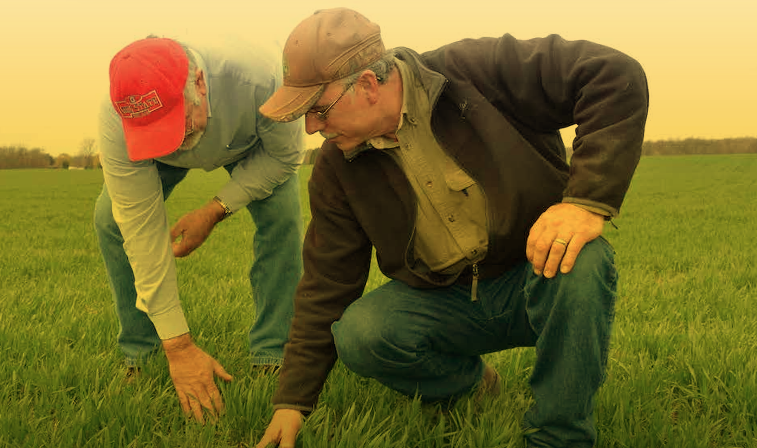
"The National Cover Crop Survey Report has become a benchmark in tracking not only the growing use of cover crops, but also the growing appreciation of cover crops' benefits and understanding of how farmers succeed with the practice," Myers says. "Data from these surveys has been used in farmer outreach programs on cover crops and conservation policy development. Every time we conduct one of these surveys, we gather new insights to share, and this year was no exception."
This year's survey was completed online by 657 farmers in 46 U.S. states and Puerto Rico. Farmers who used cover crops in the past were grouped as "intermittent users" instead of "former users" to acknowledge the role that cover crops play in adaptive management systems, notes Ryan Heiniger, executive director of CTIC and Iowa farmer. Of those intermittent users, 28.6% said they were definitely or probably open to considering cover crops again, and another 34.7% said "maybe" they would consider the practice.
Cover Crop Use Isn't Binary
"Though many fans of cover crops can't imagine not using them, other farmers choose whether or not to plant covers based on economics, field conditions, crop rotations, or other factors," says Heiniger, who uses cover crops on his southeast Iowa farm. "In the past, research had a tendency to group people as 'users' or 'non-users.' We've learned—and through this survey, confirmed—that intermittent use of cover crops can be a dynamic decision, not an abandonment of the practice or its principles. Better data showing a positive return on investment and incentive programs to help cover the costs of cover crop establishment could bring cover crops back to many of those acres."
More than 60% of cover crop users said in this year's survey that there are years when they do not use cover crops on certain fields. Late harvest of cash crops accounted for non-use among 41.8% of the respondents, followed by "conditions too dry or wet to plant covers" selected by 38.6%, and "not enough time or labor to plant covers," which was selected by 38%. In addition, 73.5% of the respondents who reported never using cover crops indicated that they were open to trying the practice.
Incentives Can Help
This year's survey indicated that although many cover crop users or intermittent users have not received payments to try cover crops, incentive programs can play a significant role in encouraging adoption of the practice—particularly if they are well-designed programs.
Of 256 cover crop users in the survey who reported receiving an incentive payment for cover crops in 2025, 81.6% said they probably or definitely would continue. Only 4.7% said they probably would not continue using cover crops beyond the term of their incentive program.
Just 21.6% of the previous or intermittent cover crop users in the survey reported receiving cover crop incentive payments of some sort. Of those, 70% said they were inspired to try cover crops because the incentive payments reduced financial risk or helped offset direct costs of the practice. None of the past users who had received payments indicated that any issue with the incentive program contributed to their decision not to use cover crops later.
The survey indicated that programs that offer easy enrollment and clear terms were most attractive to growers. Competition for enrollment did not dissuade most of the respondents, but lack of familiarity with carbon markets or other program details—together accounting for 48.4% of cover crop users who had not participated in an incentive program—was the most dissuasive factor in signing up for an incentive. Concern about long-term commitments dissuaded 32.4%, insufficient payment was cited by 19.6%, eligibility was a barrier for 14.7%, and unpredictable payments discouraged 11.9%. Just 13.8% said lack of interest drove the decision not to participate in an incentive program.
Procurement, Application, and Integrated Livestock
The survey asked farmers about details on how cover crop users purchase or grow their own cover crop seed.
"The cover crop survey is an invaluable resource for the seed industry," says Andy LaVigne, president and CEO of ASTA. "It helps seed producers understand trends and ensure a reliable supply of high-quality, professionally produced cover crop seed. By utilizing the information in this survey, the seed industry can help support conservation efforts by ensuring growers have access to the right seed, at the right time, to achieve their conservation goals, leading to a more secure and reliable food supply and a healthier environment."
Among other insights in the 2026 National Cover Crop Survey Report are:
Visit www.sare.org/covercropsurvey to download the CTIC/SARE/ASTA 2026 National Cover Crop Survey Report or read previous reports dating back to 2013.
In today's Beef Buzz, senior farm and ranch broadcaster Ron Hays speaks with Ethan Lane, vice president of government affairs for the National Cattlemen's Beef Association, about the recent actions coming from the White House and the growing concerns among cattle producers about government intervention in the cattle market.
Lane says the recent announcements from Washington have created significant uncertainty for cattle producers, particularly as the industry heads into a critical period for marketing and herd decisions. "We are in an era here where we have a lot of folks running for office," Lane said. "They are in tight races. They are very worried about their electoral chances in the midterms, and they are throwing a lot of spaghetti at the wall."
Lane said many of the recent proposals appear to be designed more for political messaging than long-term solutions. "I think we're seeing that land very flat with cattle producers around the country, who at this point would just prefer the government to leave them alone," Lane said.
He added that skepticism toward federal intervention is deeply rooted in the cattle industry. "That is something that I think is baked into the core of most cattle producers that the federal government is not typically your friend, regardless of who is in charge of it," Lane said.
Lane said NCBA's policy positions are built from its grassroots membership, with 44 state cattlemen's associations contributing to the organization's policy book. "That policy book puts forward a free market view of the world," Lane said.
He said government intervention can interfere with the market signals producers depend on when making decisions about their herds. "Government price controls, government intervention in the market, the government tinkering with the cattle markets, and distorting those critical market signals that need to get down to the ground to cow-calf producers that are needing to make decisions on what they do with heifers, and how they play into this incredibly volatile market are so important right now," Lane said.
Lane said short-term political messaging should not come at the expense of those market signals. "Efforts to distort those or take advantage of those for a short-term messaging opportunity are incredibly detrimental and simply just not welcome," he said.
Hays also asked Lane about President Trump's recently announced plan involving lean beef imports and tariffs, noting that additional details have been released but many questions remain about how the plan would actually work.
Lane said the lack of specifics has been one of the biggest challenges. "That's been one of the biggest mysteries in Washington, right? There's just no detail, and you know we can kind of guess," Lane said.
He pointed to Brazil, Paraguay and Argentina as countries NCBA has longstanding concerns about when it comes to access to the U.S. beef market. "These countries are already up double digits into our market in the last year," Lane said. "We're at 25 percent or more in imports right now, more than double from where we were 18 months ago."
Lane said NCBA's position on those countries has remained consistent. "This is not a new position for us. It's not a shift in position for us," he said. "It is a consistent, long-standing opposition to countries that do not follow the rules, do not play by the same standards, do not keep appropriate records, and do not embark on reporting the same way that we do from having unfettered access to this market."
One of the biggest concerns, Lane said, involves how some trading partners have handled animal disease reporting, including BSE cases. "The World Organization for Animal Health has changed their reporting requirement," Lane said. "That was historically, you know, countries needed to report an atypical BSE case in 24 hours."
Lane said Brazil has not always followed that timeline. "Brazil spent years taking months to do that, or in some cases several years to report cases, rather than the day or so that us and everybody else has always followed," he said.
Lane said that raises questions about whether those countries are meeting the same standards expected of U.S. producers and the U.S. beef industry. "That speaks to a failure of their system," Lane said. "It speaks to their inability or unwillingness to play by those rules."
Lane said NCBA has repeatedly called for USDA to conduct firsthand audits of countries seeking greater access to the U.S. market. "We have long asked for USDA under multiple administrations to get their clipboards and go down there and audit them," Lane said.
He said reviewing paperwork alone isn't enough. "No, you can't just update old materials or use old reports or take their word for it," Lane said. "You got to get down there on the ground and see what's going on, and if necessary, shut them out of this market."
Lane said the cattle industry is entering a period where producers need clear and reliable market signals, rather than additional uncertainty created by government intervention. "Consumers are willing to pay for the product that we are producing because it is the highest quality in the world, and they enjoy the eating experience," Lane said. "That's a hard-won relationship."
The Beef Buzz is a regular feature heard on radio stations around the region on the Radio Oklahoma Ag Network and is a regular audio feature found on this website as well. Click on the LISTEN BAR above for today's show and check out our archives for older Beef Buzz shows covering the gamut of the beef cattle industry today.
Grant Gradner writes in Southern Ag Today: Recent bullishness in corn and soybean futures has been driven by a tightening balance sheet in both crops. Demand has expanded, and weather in key growing areas has trimmed supply. That weather is now showing up in the USDA crop condition ratings (USDA-NASS, 2026), and the Pro Farmer Crop Tour came in well below USDA on corn (Pro Farmer, 2026), which has set off a good deal of online debate about yield estimation.
August is the first WASDE of the year in which USDA revises yields using survey data rather than trend, and it is where the largest yield revisions of the season cluster (Gardner, 2026). Those revisions do not stop in August: since 2010, the final corn yield has differed from the August estimate by an average of 3.8 bushels, landing below it in 11 of 16 years, and soybeans have differed by 1.5 bushels. In the August WASDE (USDA-WAOB, 2026), USDA cut corn yield expectations by 2.3 bushels to 180.7 bushels per acre and soybean yields by 0.3 bushels to 52.7 bushels per acre.
Meanwhile, the Pro Farmer Crop Tour, which samples fields across Ohio, Indiana, Illinois, Iowa, Minnesota, Nebraska, and South Dakota, estimated corn at 173.2 bushels per acre and soybeans at 53.3 bushels per acre. That puts the Tour 7.5 bushels under USDA on corn and 0.6 bushels over USDA on soybeans. Those seven states account for roughly two-thirds of U.S. corn and soybean production, and the Tour does not sample the rest, so the national figure carries an editorial judgment for the remaining third of the crop.
While the online discussion has focused on the size of that corn gap, the historical record suggests it means less than it appears. Figure 1 shows the average difference between the Pro Farmer Crop Tour estimate and four USDA yield numbers from 2016 through 2025: the August, September, and October WASDE, and the final yield. On corn, the Tour sits below all four, and the gap narrows at every step, from 3.5 bushels against the August number to 2.3 bushels against the final. USDA moves toward the Tour as the season progresses, but never all the way. On soybeans, the same progression appears at a far smaller scale, running from 0.1 bushels below the August number to 0.4 bushels above the final.
Figure 2 shows how far apart the two yield estimates sit as the season progresses. Crop years from 2016 through 2025 are split into two groups based on how far the Pro Farmer estimate landed from the August WASDE. Blue marks the years the two started close together, red the years they started far apart. The pattern is the same in both crops. Wherever the two estimates start, they end up in a similar place by October. On corn, the gap narrows from 5.2 bushels to 2.8 in the years that started far apart, while the years that started close widen from 2.0 to 2.8. The two groups land on the same number. On soybeans, they go further and trade places entirely, with the wide years closing from 1.6 to 0.6 and the close years opening from 0.6 to 1.4.
The practical point is that the size of the August disagreement does not tell you much about what follows. A loud year and a quiet year arrive at about the same distance by October. That is worth keeping in mind this fall, because the 7.5 bushel corn gap between the Tour and the August WASDE is the widest in this sample, and the history here does not support reading that width as a forecast of how far USDA has to move.
The Crop Tour is better read as direction than level. It has come in below the August WASDE on corn in nine of the last ten years by an average of 3.5 bushels, so this year's 7.5 bushel gap is closer to four bushels of real news, and USDA's own August number has been the more accurate of the two against the final. On soybeans, there is no yield story at all, since the Tour landed slightly above USDA. The September Crop Production report is the first chance for USDA to move with new survey data behind it. Producers pricing into this rally should know that part of it rests on an estimate history says overstates the corn shortfall.
Figure 1. Average Pro Farmer Crop Tour August yield estimate minus the USDA yield, 2016 through 2025, measured against the August, September, and October WASDE and the final yield. Negative values indicate the Crop Tour was lower. The October average excludes the 2025 crop year, when the Crop Production and WASDE reports were canceled during the federal government shutdown.
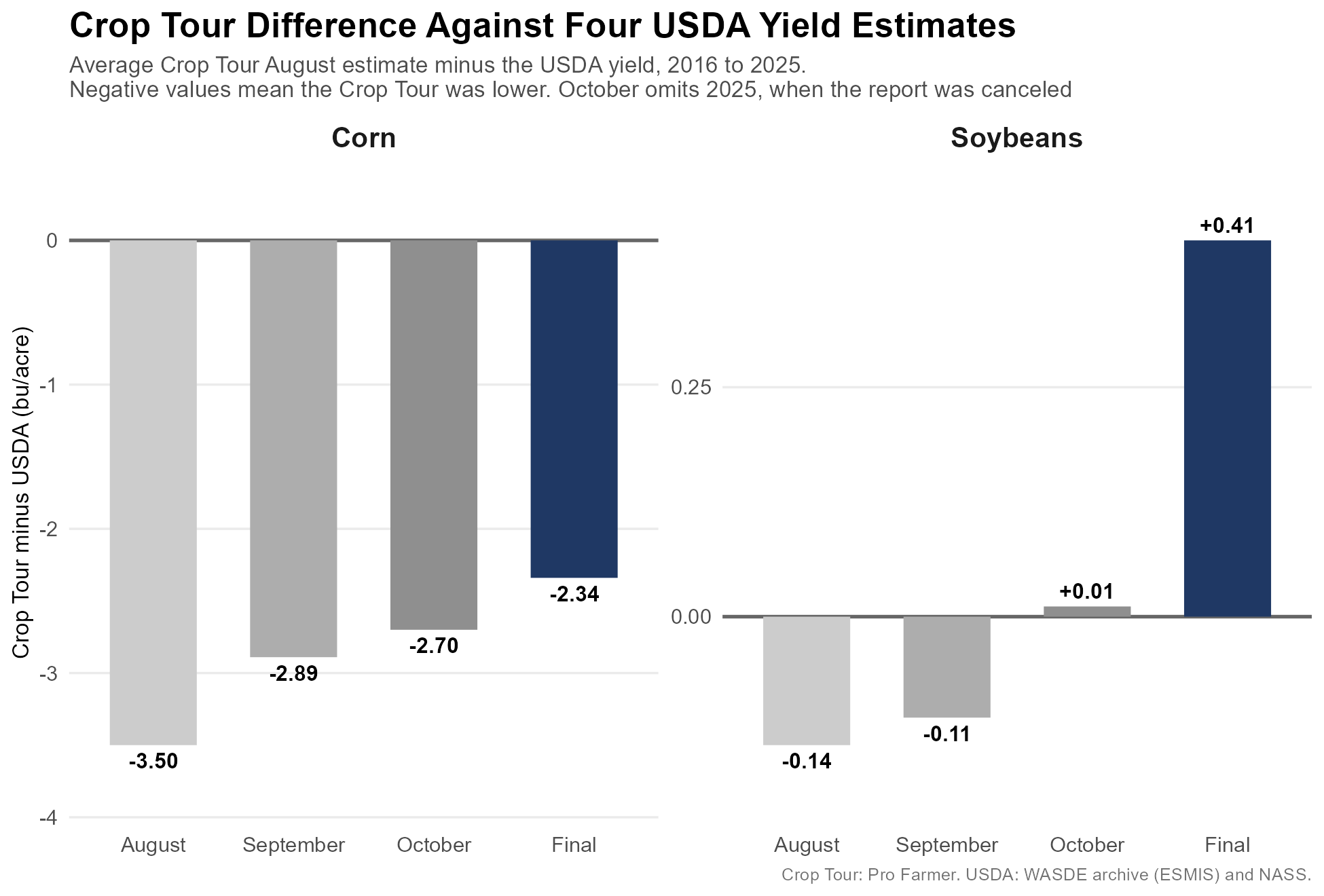
Figure 2. Average absolute difference between USDA's in-season yield estimate and the Pro Farmer Crop Tour's August estimate, with crop years split at the median August difference. Complete August, September, and October years only, nine per crop.
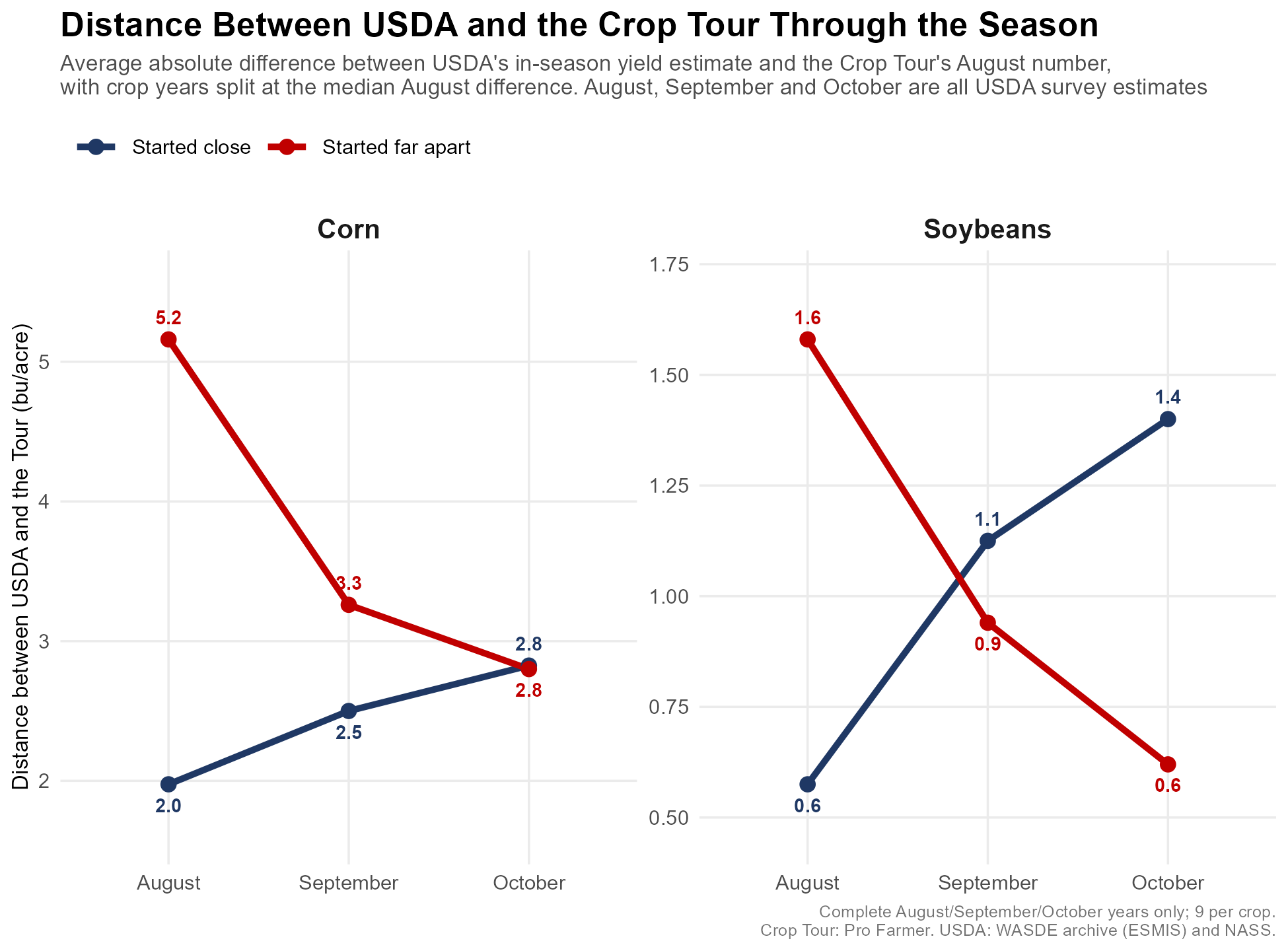
References
Gardner, Grant. "July 2026 WASDE: Acreage Moves in July, Yields Move in August." Southern Ag Today, July 15, 2026. https://southernagtoday.org/2026/07/15/july-2026-wasde-acreage-moves-in-july-yields-move-in-august/
Pro Farmer. "2026 Pro Farmer Crop Tour." Pro Farmer, August 22, 2026. https://www.profarmer.com/pro-farmer-crop-tour
U.S. Department of Agriculture, National Agricultural Statistics Service (USDA-NASS). "Crop Progress." August 24, 2026. https://esmis.nal.usda.gov/publication/crop-progress
U.S. Department of Agriculture, World Agricultural Outlook Board (USDA-WAOB). "World Agricultural Supply and Demand Estimates." August 12, 2026. https://esmis.nal.usda.gov/publication/world-agricultural-supply-and-demand-estimates
Gardner, Grant. "Does a Big Pro Farmer Crop Tour Gap Mean a Big WASDE Yield Change?" Southern Ag Today

On August 31, 2026, U.S. Environmental Protection Agency (EPA) announced decisions for 34 small refinery exemption (SRE) petitions under the Renewable Fuel Standards (RFS) program for 2025. EPA reviewed and considered information submitted by each petitioning small refinery in consultation with U.S. Department of Energy (DOE) and then evaluated each SRE petition consistent with the Clean Air Act and case law. Based on that analysis, EPA is exempting 1.76 billion RFS compliance credits, known as Renewable Identification Numbers (RINs), for 29 small refineries. EPA will propose to reallocate 100 percent of the difference between projected and actual exempted volumes for 2025 SREs into the 2026 and 2027 Renewable Volume Obligations (RVOs) before the end of October 2026.
Here's what people are saying:
U.S. Environmental Protection Agency (EPA) Administrator Lee Zeldin: "Through today's Small Refinery decision, the Trump Administration delivered a massive WIN-WIN for America's farmers and small refineries!"
U.S. Department of Agriculture (USDA) Secretary Brooke Rollins: "Thank you, President Trump, for continuing to reaffirm that you are the most pro-biofuels President in history. What today's 100% reallocation announcement means for our farmers and rural America cannot be overstated."
USDA Deputy Secretary Stephen Vaden: "The EPA's decision to pair small refinery exemptions with reallocation is a win for American farmers, ensuring increased demand for corn and soybeans continues. Thank you, President Trump and Administrator Zeldin, for including a commitment to reallocation in the announcement, as this Administration's EPA is the only one to have reallocated waived volumes."
National Energy Dominance Council Executive Director Jarrod Agen: "Today's Small Refinery Exemption announcement is a huge win for consumers, farmers, and our energy supply chains. This upholds President Trump's record number of RVOs, keeping them intact for American farmers, while simultaneously lowering costs for our small refineries, allowing them to expand their capacity. President Trump has ensured our American farmers are protected by reallocating these volumes in the current 2026 and 2027 cycles. America's refineries were under attack for years by the radical Democrats, but President Trump put a stop to it by unleashing refineries and powering American energy dominance."
Iowa Governor Kim Reynolds: "Thank you President Trump for listening to farmers and reallocating 100% of exempted biofuels. Now, EPA must move quickly to ensure the final rule supports producers in Iowa and consumers at the pump."
Senator Joni Ernst (R-IA): "Thank you, President Trump, for listening to Iowa farmers and protecting the strongest biofuel volumes in history! Homegrown biofuels mean cheaper fuel at the pump, strong markets for our farmers, and greater energy security. Next up: nationwide, year-round E15!"
Senator Deb Fischer (R-NE): "Thanks to President Trump, biofuel volumes are at record highs — a win for Nebraska producers. Reallocating SRE volumes in 2026 and 2027 is critical to keeping demand strong, and I'm grateful the administration is reaffirming its commitment to American farmers. I look forward to bolstering our biofuel industry, including securing year-round E15, to provide producers greater certainty and families lower costs at the pump."
Senator Chuck Grassley (R-IA): "Thanks President Trump for listening to the IA delegation on behalf of rural America & committing to 100% reallocation of exempted biofuels. This is important for family farmers & biofuel producers including 31,000+ biofuel jobs in Iowa. Biofuels is an affordable option at the pump."
Senator Roger Marshall (R-KS): "As Kansas farmers head to the fields for harvest, market certainty and strong demand are more important than ever. I applaud the Trump Administration and EPA for taking action and committing to support a strong American biofuels industry in order to protect opportunities for Kansas corn and soybean producers."
Senator Pete Ricketts (R-NE): "Biofuels save consumers money at the pump, help clean up the environment, and are great for farmers and ranchers. I am glad to see that today's announcement reflects the importance of biofuels. I will continue to work with this Administration and my colleagues to ensure SREs do not further undercut farmers and ranchers. I appreciate that the President and his team were willing to work with farmers and ranchers on this issue. Consumers deserve affordable gas. Farmers deserve stable markets. Today's SRE decision reinforces why we have to pass E15."
Representative Brad Finstad (R-MN-01): "Today, the EPA committed to reallocating 100% of exempted biofuel gallons in 2026 and 2027, protecting record high volumes. Thank you, President Trump, for listening to farm country and continuing to invest in our homegrown biofuel industries."
Representative Mike Flood (R-NE-01): "I appreciate the EPA's proposal to reallocate SRE volumes following today's announcement. This would ensure exemptions don't fall on our farmers. It's simple: Farmers need more domestic markets, and families deserve the lower prices biofuels provide."
Representative Ashley Hinson (R-IA-02): "Iowa biofuels are the best solution to lower costs at the pump for consumers while boosting our rural economy. Following my advocacy, the administration moved forward with 100% reallocation of exempt gallons instead of dramatically reducing biofuels blending levels, which would have been a hand out to Big Oil & harmful to Iowa producers and our ag economy. As the administration works toward a final rule, we must ensure all exempt gallons are reallocated and farmers are made whole. I'll continue to engage with the Trump Administration to ensure the final rule supports Iowa farmers, and ultimately, lowers the price at the pump for consumers. American energy policy must keep biofuels front and center."
American Soybean Association Vice President and Iowa soybean farmer Dave Walton: "Soybean farmers greatly appreciate President Trump, Senator Grassley along with other biofuel champions in Congress, and USDA officials for sounding the alarm and working around the clock to ensure that soybean farmers and producers of homegrown biofuels are not negatively impacted by today's SRE announcement. We appreciate the administration's commitment to reallocating 100 percent of these additional exemptions and their intention to enter into supplemental rulemaking soon, but timing is critical. Any delay in reallocation risks undermining the domestic market demand that soybean farmers urgently need as we enter harvest season. EPA must move quickly to fully reallocate these RINs and ensure soybean farmers are held harmless."
Clean Fuels Alliance America: "Today, EPA announced decisions on 34 petitions from small refineries seeking exemptions (SREs) from tepid 2025 RFS volumes. At the same time, EPA announced its intention to finalize a supplemental rule before the end of October to ensure that the RINs exempted today are restored to 2026 and 2027 RFS volumes. We thank President Trump and congressional champions including Senator Chuck Grassley, Senator Joni Ernst, and Representative Ashley Hinson, for working to ensure that RFS exemptions don't come at the expense of clean fuel producers and farmers."
Farm Bureau President Zippy Duvall: "Renewable fuels have been a tremendous success story for the country and the rural economy. They reduce our country's dependence on foreign oil, lower prices at the pump for consumers, support farm income, and provide good-paying jobs in rural America....we are pleased to see EPA's commitment to 100% reallocation of exempted volumes before the end of October."
Growth Energy: "We applaud our champions on the Hill for fighting so tirelessly on behalf of homegrown biofuels; their engagement was vital to preserve the promise of the record-setting RVOs finalized earlier this year. And we appreciate the Trump administration's continued commitment to delivering markets for farmers and biofuel producers."
Small Refineries of America: "Thank You, President Trump and Administrator Zeldin for Providing Relief to Small Refineries. These exemptions recognize the disproportionate economic hardship that RFS compliance obligations impose on the nation's small refineries and provide meaningful, timely relief to facilities that supply fuel and support jobs across the country."
Sustainable Advanced Biofuel Refiners Coalition CEO Joe Jobe: "We are grateful to the administration and the president for their decision today to reinforce their commitment to the RFS made earlier this year and to keep the recovery of the biodiesel and soybean industries going. We also thank Senator Chuck Grassley for his leadership on this issue, as well as USDA and EPA."
The National Pork Industry Foundation, a nonprofit organization dedicated to advancing research and education in the pork industry, is now accepting applications for two scholarship programs supporting students pursuing careers that will strengthen the future of the U.S. pork industry.
Applications are open for the Neil Dierks Scholarship and the U.S. Pork Center of Excellence Swine Legacy Scholarship, which together will provide scholarships to undergraduate, graduate, and professional-track students pursuing studies related to the pork and swine industries.
"We know the future of our industry is in good hands when we invest in the people who will carry it forward," said Barb Determan, president of the National Pork Industry Foundation. "These scholarships honor people who believed in education and in the future of pork production. We are proud to play a part in helping the next generation get their start."
Neil Dierks Scholarship
The Neil Dierks Scholarship honors Neil Dierks, the longtime CEO of the National Pork Producers Council, and recognizes his remarkable leadership and dedication to the pork industry throughout his career.
The $5,000 scholarship is awarded annually to a graduate student enrolled at a land-grant university and pursuing studies that directly support the pork industry.
"Neil Dierks understood the importance of investing in people and in the future of pork production," said John Anderson, pork producer from Minnesota and NPPC representative on the NPIF board. "This scholarship helps us do the same by giving students with a passion for our industry an opportunity to take the next step."
Applications for the 2027 Neil Dierks Scholarship are due Friday, December 18. The recipient will be announced during the National Pork Industry Forum, March 3-5, 2027, in Arlington, Texas.
USPCE Swine Legacy Scholarship
The USPCE Swine Legacy Scholarship was established by NPIF to carry forward the legacy of the U.S. Pork Center of Excellence, which served for 20 years as a public-private partnership bringing together academic expertise, industry resources, and collaboration to strengthen the U.S. pork sector.
Following the decision to sunset USPCE, its remaining financial assets were awarded to NPIF through a competitive proposal process. In recognition of USPCE's contributions to the pork industry, NPIF established the endowed Swine Legacy Scholarship to continue its impact through support for future generations of industry leaders.
The program awards three $5,000 scholarships annually, including two scholarships for undergraduate students and one for a graduate or professional-track student. Students pursuing studies in research, education, veterinary science, or related fields supporting the swine industry are eligible for consideration.
The scholarship program is expected to continue for approximately 40 years, providing a lasting investment in students and the future of the pork industry.
Applications for the 2027 USPCE Swine Legacy Scholarship are due by Friday, December 4. Eligible applicants include third- or fourth-year undergraduate students and from current or accepted graduate or veterinary science students who are U.S. citizens pursuing careers in the pork industry.
Together, the Neil Dierks Scholarship and USPCE Swine Legacy Scholarship complement NPIF's broader commitment to education and leadership development, including the Lois Britt Memorial Pork Industry Scholarship, sponsored by NPIF in partnership with CME Group. The Lois Britt program awards scholarships to undergraduate students pursuing careers in the pork industry.
For full eligibility requirements and to apply, visit the scholarship webpages:
For questions about the scholarships, contact Lucy Russell, NPPC director of producer engagement, at 515-864-7983 or russelll@nppc.org.
To learn more about the National Pork Industry Foundation or make a contribution supporting its education programs, visit the NPIF webpage.
Today, the House of Representatives passed a continuing resolution (CR), to fund the federal government through December 11. The measure passed the House of Representatives in a bipartisan vote of 370-48. It previously passed the Senate in a vote of 90-6. The bill now heads to President Donald Trump for his signature. NAWG CEO Sam Kieffer provided the following statement in response.
"NAWG is encouraged to see Congress take the necessary action to temporarily fund the federal government and avoid another government shutdown. But with a long list of critical priorities still before Congress, there is much more work to be done before the end of the year. Wheat growers are facing sustained economic challenges, including volatile commodity prices, high input costs, and intensifying global competition. Given the severity of conditions across the farm economy, Congress must also consider additional near-term economic assistance to help producers weather continued financial pressures. At the same time, short-term assistance cannot replace the certainty provided by strong federal farm policy. Congress must act with urgency to deliver a comprehensive, long-term farm bill that strengthens the farm safety net and provides wheat growers with the certainty and stability they need to continue producing the nation's food and supporting a strong agricultural economy."
Pic courtesy of Jean Kates, Jones, OK
Over the past decade, the rapid expansion of feral swine populations across the United States has caused severe environmental and agricultural damage, prompting the U.S. Department of Agriculture (USDA) to scale up targeted eradication and control programs. Feral swine pose a destructive threat by rooting, trampling, and degrading native ecosystems, wiping out crops, and damaging property, including fences, buildings, and equipment. Because these invasive pests adapt quickly to diverse environments, consume a wide variety of food sources, possess high reproductive rates—with a single sow capable of producing 12 to 14 piglets annually—and lack natural predators, controlling their spread requires aggressive and coordinated management strategies.
Rod Bain of the USDA reported on the ongoing multi-agency initiatives designed to curtail these invasive populations. Dana Cole of the USDA Animal and Plant Health Inspection Service (APHIS) Wildlife Services noted that the agency has assisted private landowners with feral swine damage management for decades, supported by continuous congressional appropriations since 2014. To improve eradication efficiency, USDA researchers, including John Kilgo of the U.S. Forest Service, have evaluated whole-sounder removal techniques using advanced smart traps. In trial areas, capturing entire herds simultaneously reduced feral swine density by approximately 53% compared to pre-trapping levels.
Feral hogs inflict tens of millions of dollars in damages annually across Oklahoma, presenting one of the most persistent and costly threats to the state's agricultural sector. Their destructive rooting and wallowing behaviors tear up established pasture, degrade soil quality, and decimate row crops like winter wheat, corn, and peanuts. Beyond direct crop and rangeland loss, the deep ruts and wallows left behind frequently cause severe, expensive mechanical damage to tractors, haying equipment, and combines. Livestock producers face compounded challenges, as wild hogs actively compete with cattle for supplemental feed and grazing resources, contaminate stock ponds and waterways with bacterial pathogens, and act as vectors for devastating livestock diseases such as swine brucellosis, pseudorabies, and leptospirosis. In addition to biosecurity and forage risks, opportunistic predation by feral swine on newborn livestock further threatens ranch profitability, forcing producers and wildlife management agencies to invest significant time and financial capital into ongoing trapping, aerial eradication, and mitigation efforts.
The collaborative framework expanded significantly under the 2018 Farm Bill, which funded a joint pilot program between APHIS and the Natural Resources Conservation Service (NRCS). This partnership delivers direct operational control through APHIS while enabling NRCS to provide landowner assistance, trap-loan programs, technical training, and land restoration services.
Under Secretary for Farm Production and Conservation Richard Fordyce highlighted that recent funding through the One Big Beautiful Bill Act continues to support the initiative, providing $35 million in NRCS partner grants across 14 eligible states. Fordyce explained that partner entities, such as state departments of conservation and natural resources, will work directly with NRCS to implement localized eradication strategies tailored to the needs of each state. Landowners and partner organizations can access full pilot program guidelines, partner applications, and state-specific details at nrcs.usda.gov by searching for the Feral Swine Eradication Program.
Oklahoma Feral Hog Control: Regulations, Trapping Assistance, and Landowner Eradication Programs
Private Land Take & License Rules
Night Shooting & Exemption Permits
Live Swine Transport & Release Laws
Depredation, Eradication & Agency Assistance
The National MCOOL Coalition, a broad-based coalition of national and regional organizations representing farm, ranch, rural, consumer and other interests, launched a petition this week calling on the White House and Congress to restore mandatory country-of-origin labeling (MCOOL) for beef.
The petition, "Label Our Beef," follows a proclamation signed by President Donald J. Trump temporarily increasing the quota for lean beef trimmings by 300,000 metric tons, more than 660 million pounds, from Sept. 1 through Nov. 30. The action comes as the United States is already importing record volumes of beef and follows the administration's earlier move to increase the quota for beef imports from Argentina.
The coalition said the additional imports add urgency to efforts to restore MCOOL and is asking Americans to support its restoration so consumers can distinguish imported beef from beef produced exclusively from cattle born, raised and harvested in the United States.
Momentum for MCOOL is growing in Congress. Earlier this month, the Senate Agriculture Committee voted 17-6 to advance MCOOL in the Farm Bill.
Through the petition, the National MCOOL Coalition is asking cattle producers, consumers and supporters of American agriculture to build on that momentum by signing and sharing the petition and sending a clear message to the White House and Congress: Label Our Beef.
"If Washington is going to open the door to hundreds of millions more pounds of imported beef, then American consumers should at least have the right to know where the beef they are buying comes from," said Joe Maxwell, president of Farm Action Fund. "American cattle producers are proud of the beef they raise, and consumers should be able to choose it. Mandatory country-of-origin labeling is about something very basic: truth in the marketplace. Label our beef, let consumers decide, and let American ranchers compete."
"Without country-of-origin labeling (COOL), multinational monopolistic corporations hold outsized influence over prices—often at the expense of both American farmers and consumers," said Matt Van Schyndel, a farmer-member of Missouri Rural Crisis Center and National Family Farm Coalition, and owner of Hedge Holler Harvest. "By drawing on imports, these companies can raise prices for consumers while simultaneously paying less to U.S. producers. In 2025 alone, the United States imported 5.4 billion pounds of boxed beef from around the world, yet consumers often have no way of knowing where any of it came from and being able to choose U.S. beef. U.S. farmers and ranchers alike demand and deserve mandatory COOL."
"With my family, I own and operate both a cow-calf commodity operation and a direct-to-consumer beef business; both businesses depend on mandatory-COOL. Consumers deserve to know the origin of their food, and U.S. and Montana producers need fair markets. Simple as that!" Jeanie Alderson of Northern Plains Resource Council said.
"Real competition is essential for both ranchers and consumers — instead, we are getting a market flooded with foreign products. President Trump and Congress must restore mandatory country-of-origin labeling for beef to give American producers an even playing field," said Rebecca Wolf, food policy director for Food & Water Watch.
"We cannot import our way out of a broken food system. We need systemic reform starting with mandatory country-of-origin labeling, incentives for new and beginning ranchers, and we need to rein in the power of food monopolies. Ranchers and consumers need Washington to meet the moment and pass MCOOL," said Gilles Stockton, Livestock Competition Campaign Team member for the Western Organization of Resource Councils.
"Consumers deserve to know where their food comes from," said Thomas Gremillion, director of food policy at Consumer Federation of America. "Over a decade ago, Congress repealed MCOOL, despite overwhelming popular support, because it purportedly violated U.S. treaty obligations with Canada and Mexico. Now, as the Administration renegotiates those trade deals, there is no excuse for keeping consumers in the dark."
"Adversaries, foreign and domestic, have far too long prevented American cattlemen from promoting—and consumers from choosing—a true product of the USA. MCOOL ends that," said Dave Hyde, president of R-CALF USA.
Sign the petition: https://form.jotform.com/262434091212043
Participating organizations in this petition include Campaign for Family Farms and the Environment, Consumer Federation of America, Dakota Resource Council, Farm Action Fund, Food & Water Watch, National Family Farm Coalition, Northern Plains Resource Council, R-CALF USA, and Western Organization of Resource Councils.
RON's Dave Lanning has a pre-opening look at today's agricultural Markets.
Click the audio tab below for today's report.
The National Pork Industry Foundation, a nonprofit organization dedicated to advancing research and education in the pork industry, is now accepting applications for two scholarship programs supporting students pursuing careers that will strengthen the future of the U.S. pork industry.
Applications are open for the Neil Dierks Scholarship and the U.S. Pork Center of Excellence Swine Legacy Scholarship, which together will provide scholarships to undergraduate, graduate, and professional-track students pursuing studies related to the pork and swine industries.
"We know the future of our industry is in good hands when we invest in the people who will carry it forward," said Barb Determan, president of the National Pork Industry Foundation. "These scholarships honor people who believed in education and in the future of pork production. We are proud to play a part in helping the next generation get their start."
Neil Dierks Scholarship
The Neil Dierks Scholarship honors Neil Dierks, the longtime CEO of the National Pork Producers Council, and recognizes his remarkable leadership and dedication to the pork industry throughout his career.
The $5,000 scholarship is awarded annually to a graduate student enrolled at a land-grant university and pursuing studies that directly support the pork industry.
"Neil Dierks understood the importance of investing in people and in the future of pork production," said John Anderson, pork producer from Minnesota and NPPC representative on the NPIF board. "This scholarship helps us do the same by giving students with a passion for our industry an opportunity to take the next step."
Applications for the 2027 Neil Dierks Scholarship are due Friday, December 18. The recipient will be announced during the National Pork Industry Forum, March 3-5, 2027, in Arlington, Texas.
USPCE Swine Legacy Scholarship
The USPCE Swine Legacy Scholarship was established by NPIF to carry forward the legacy of the U.S. Pork Center of Excellence, which served for 20 years as a public-private partnership bringing together academic expertise, industry resources, and collaboration to strengthen the U.S. pork sector.
Following the decision to sunset USPCE, its remaining financial assets were awarded to NPIF through a competitive proposal process. In recognition of USPCE's contributions to the pork industry, NPIF established the endowed Swine Legacy Scholarship to continue its impact through support for future generations of industry leaders.
The program awards three $5,000 scholarships annually, including two scholarships for undergraduate students and one for a graduate or professional-track student. Students pursuing studies in research, education, veterinary science, or related fields supporting the swine industry are eligible for consideration.
The scholarship program is expected to continue for approximately 40 years, providing a lasting investment in students and the future of the pork industry.
Applications for the 2027 USPCE Swine Legacy Scholarship are due by Friday, December 4. Eligible applicants include third- or fourth-year undergraduate students and from current or accepted graduate or veterinary science students who are U.S. citizens pursuing careers in the pork industry.
Together, the Neil Dierks Scholarship and USPCE Swine Legacy Scholarship complement NPIF's broader commitment to education and leadership development, including the Lois Britt Memorial Pork Industry Scholarship, sponsored by NPIF in partnership with CME Group. The Lois Britt program awards scholarships to undergraduate students pursuing careers in the pork industry.
For full eligibility requirements and to apply, visit the scholarship webpages:
For questions about the scholarships, contact Lucy Russell, NPPC director of producer engagement, at 515-864-7983 or russelll@nppc.org.
To learn more about the National Pork Industry Foundation or make a contribution supporting its education programs, visit the NPIF webpage.
The Coffey family models how to keep prairies healthy and ranches productive by using prescribed fire to beat back encroaching cedar trees. Chuck Coffey's lifelong mission is to restore his grasslands by getting rid of cedar trees. His favorite tool? Fire.
When Chuck Coffey tells you about his family's award-winning ranching operation in southern Oklahoma, he begins with the grass.
"It's your plants that support everything, including the animals," says Chuck. "Grass comes first, cows second."
The biggest obstacle to growing grass—and making a profit—on the Coffey's 30,000 acres of owned and leased land in the Arbuckle Mountains is the spread of eastern redcedar.
Woody species like eastern redcedar have taken over much of America's grasslands in the past century due to fire suppression.
Along with his wife, Ruth, his two sons, Aaron and Seth, and his daughter, Sarah, the Coffeys have succeeded in reclaiming their prairie by using mechanical thinning, herbicide, and plenty of prescribed fire.
"The Coffeys are one of the culture drivers when it comes to prescribed burns. They've been fighting the good fight against cedar trees for a long time," says Tanner Swank, grassland biome program manager for Pheasants Forever and Working Lands for Wildlife.
Dense stands of cedar reduce the amount of forage available to livestock. These trees crowd out native grasses and wildflowers—bad news for ranchers' bottom lines.
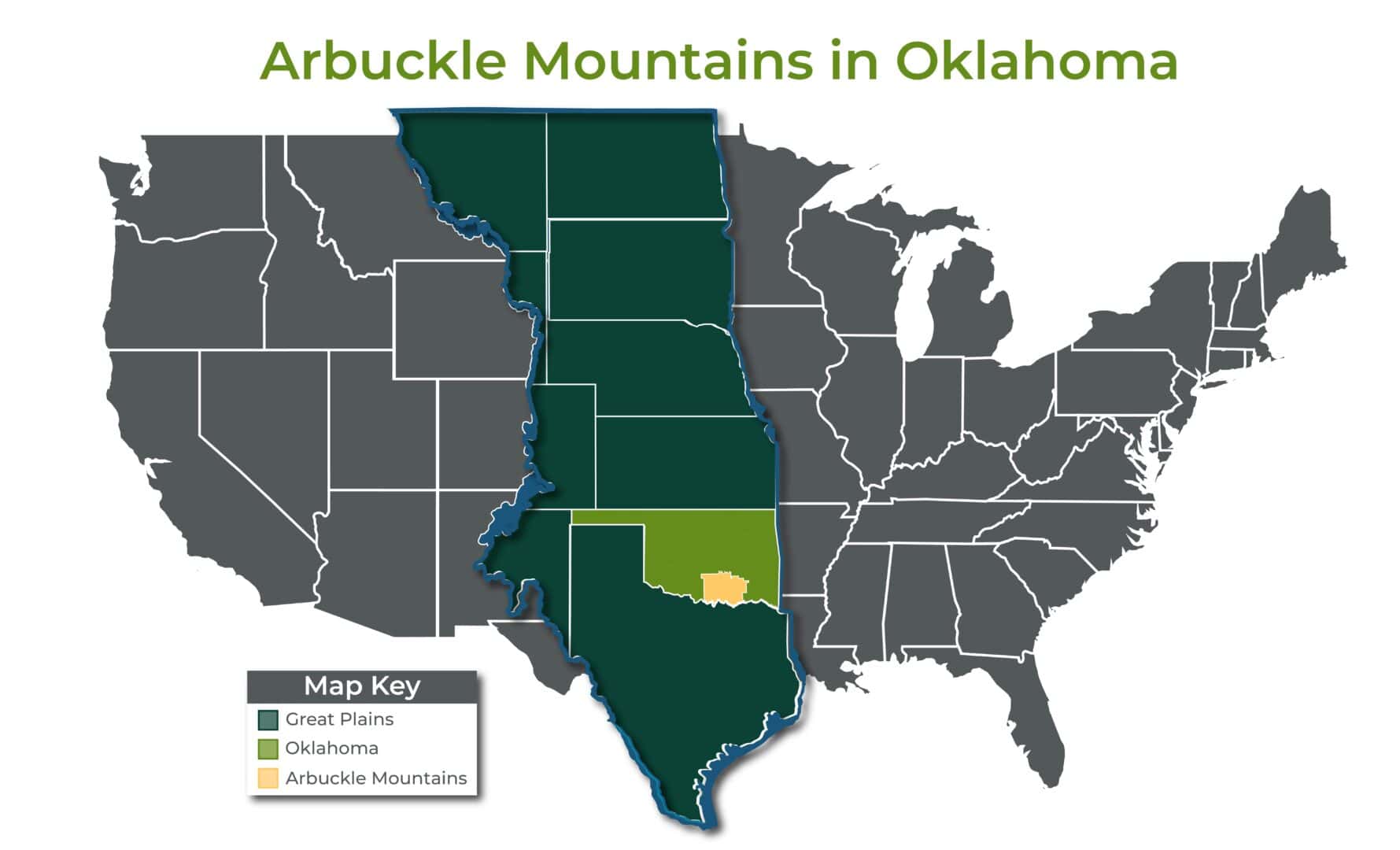
"Nothing will grow under them because of the thick needle duff. Plus, that duff really causes problems with wildfires because it will burn for weeks without going out," says Seth Coffey, who is also president of the Arbuckle Rangeland Restoration Association.
Another downside of cedars taking over prairies is that they steal water from rangelands. They suck up precious groundwater with their roots, and their leaves capture rain before it can recharge groundwater.
"Up to 70% of raindrops that hit a cedar tree stay suspended in the leaves and evaporate into the air, which means it never makes it to our streams or aquifer," Chuck says.
Dense stands of redcedar also create pest problems.
"The more cedars you have, the more parasites you have, including ticks, horseflies, mosquitoes. You really notice it riding around the ranch—you never see a horsefly riding in the open range," Seth notes.
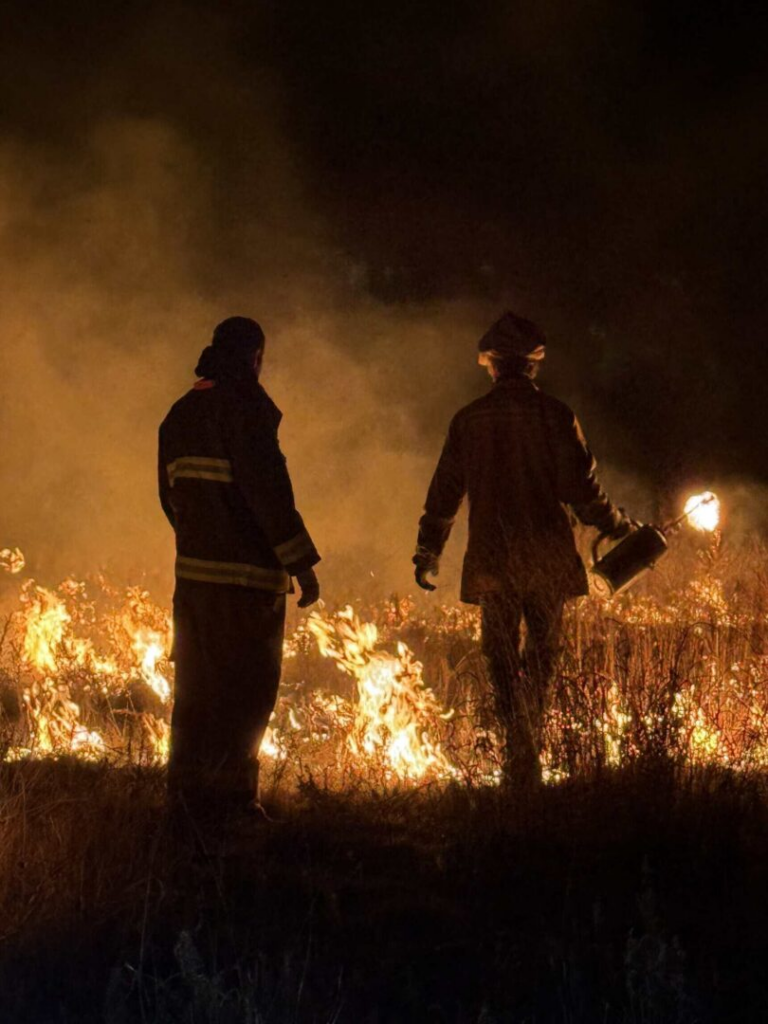
In 2010, the Coffeys inherited part of their ranch from Ruth's father. Tree canopy cover was 60% in many places on the inherited land. They got to work cutting, burning and spraying cedars to reclaim prairie pastures for their livestock.
After spending hundreds of thousands of dollars—and bucket loads of sweat—on brush management, tree cover on that part of the ranch is now just 17%. This investment has paid off. Fewer cedars means more forage for their cattle, and therefore more profit.
"It's cheaper to reclaim an acre than it is to buy an acre," Chuck says. "But really, it's about restoring the integrity of the rangelands we have in southern Oklahoma."
Their success restoring grasslands stems from combining a trio of techniques: mechanical removal, prescribed fire, and targeted herbicide treatments.
"Fire helps maintain grasslands," Chuck says. "The three together help reclaim."
Both Chuck and Seth are trained ecologists who take a scientific approach to rangeland management. They use bulldozers to remove cedars in heavily infested areas, followed by prescribed burns that eliminate remaining brush and reinvigorate perennial plants. Then they follow up with herbicide applications to nix any seeds or seedlings that survived the fire.
"Even though fire is a big part of it, the real kicker is the constant need for a variety of brush management practices, especially in an environment that gets soaked by 40 inches of rain each year," Swank explains.
Fire does more than simply keep cedars at bay—it also revitalizes prairie plants and soils. This makes ranches more productive and profitable.
Swank believes that the Coffeys success in restoring their grasslands conveys a simple and powerful message to other Great Plains landowners: "Burn as much as you can whenever you can."
Each year, the Coffeys and neighboring landowners work together to burn tens of thousands of acres in southern Oklahoma. In 2025, for example, they used prescribed fire on 22,000 acres.
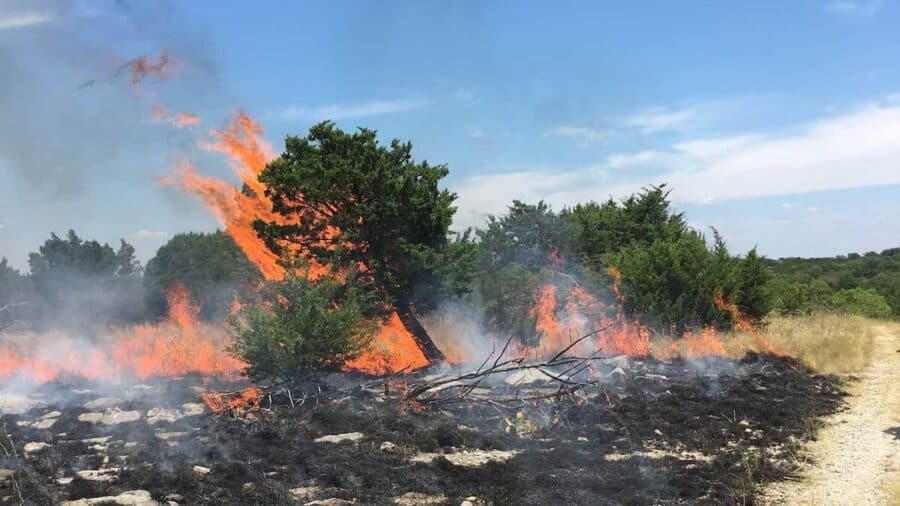
The Coffeys helped start the Arbuckle Rangeland Restoration Association, and both Seth and Aaron Coffey are officers. The association provides the know-how to plan and implement safe, effective prescribed fires that keep prairies healthy.
Swank says that local burn associations are a huge help for landowners, as well as support from agencies like the USDA Natural Resources Conservation Program.
"NRCS Working Lands for Wildlife provides boots on the ground—people like me who give technical assistance and sweat equity during burns," Swank says. "We also provide landowners with training and financial support for brush management."
Swank has a family ranch 20 miles east of the Coffeys. He's noticed that more landowners in the region are using prescribed fire as a tool to make their land healthier, more profitable, and more resistant to devastating wildfires.
"It's been exciting to see neighbors wanting to get involved, and neighbors burning together. Implementing fire has never been more popular down here," Swank says.
The Coffeys believe that well-planned prescribed fires are one of the most effective ways to reduce risk from catastrophic wildfires. Carefully planned burns reduce the amount of dangerous fuel available during wildfire season.
"Eastern redcedars are taking over so much land every day, and it is increasing the wildland fire risk across the state," Seth says.
Prescribed fire is especially important as hotter and larger wildfires are sweeping across the Great Plains. In March 2025, Oklahoma experienced one of the worst wildlife outbreaks in its history—30 different fires burned in 44 counties, scorching 300 homes and causing four fatalities. Further north in March 2026, the worst wildfire in Nebraska's history scorched nearly a half-million acres, contributing to the state's record-breaking fire season.
The Coffeys, like other landowners in the region, conduct many of their prescribed burns before Oklahoma's strong spring winds arrive. This makes prescribed fires safer and allows landowners and fire departments to better prepare for wildfire season.
The strategy works. On several occasions the Coffeys' already-burned pastures have stopped wildfires in their tracks.
"When wildfire does happen, we've already treated much of the landscape, so we're dealing with it on our terms," Seth explains.
Seth says the fire departments are "huge fans" of ranchers' prescribed burns.
"Ag producers are typically burning problem areas that have a significant wildland fuel risk. For their ranch, they would rather choose the day it burns and make sure they've got the equipment, the people, and the local volunteer fire departments ready for it," says Seth Coffey.
The Coffeys impressive land stewardship practices have earned them awards from the National Cattlemen's Beef Association, as well as the Leopold Conservation Award for Oklahoma.
"We really value land, livestock and legacy. Those are our three most important words for the Double C Cattle Company," said Aaron Coffey in this video by the National Cattlemen's Beef Association.
The family has utilized USDA Farm Bill conservation programs to help cost-share many of their grassland conservation efforts. They put in place innovative grazing strategies that foster healthy perennial grasses.
The Coffeys also developed 20 solar wells, which improves water quality and quantity across their landscape. This buffers their cattle herd during droughts.
"What they're doing out here is for the betterment of the land," said Travis Jones, resource conservationist for the Oklahoma USDA Natural Resources Conservation Service in this video by the Sand County Foundation.
Chuck says that cattle production and wildlife conservation go hand in hand. "We have the philosophy that if it's good for wildlife, it's also really good for cattle."
Their ranch is home to white-tailed deer, wild turkey, quail, jackrabbits, raptors, songbirds, and—one of Chuck's favorite residents—the roadrunner.
Ruth's and Chuck's grandchildren are the sixth generation of ranchers in the Coffey family. They are teaching them to continue the family's tradition of land stewardship so they will inherit healthy, productive grasslands—not cedar forests.
"My primary goal is to see every cedar tree die before I go," Chuck says. "Give it another ten years, and we won't have a single cedar tree on the property."

OSU Equine News writes: Last month we talked about how much salt your horse may need. But what may be the best option for the form of salt? When you go to the feed store, there may be an entire shelf devoted to meeting your horse's salt needs. White, red or yellow, which should you choose?
Block or loose?
First you may want to consider the form in which you feed salt. Many horses will consume enough salt by licking a block but many will not. Some horses may consume more salt in the loose form and it is easier to monitor their intake than it is with a block. A maintenance horse should consume around 25 to 50 g of salt per day. Let's assume you purchase a small block that can be placed in your horse's feeder. These typically weigh 4 lbs. Therefore, you should have to replace your salt block every 1 to 2 months. If they aren't disappearing that fast, your horse may not be getting enough salt. Additionally, you can easily supplement with regular table salt top dressed on their feed when their salt needs increase in the warmer months.
What color?
In general, white salt blocks are just that - salt. Other colors are typically trace mineralized salt blocks, and contain various concentrations of minerals your horse needs in its diet. Obviously the consumption rate of the salt block will determine how much mineral your horse receives. Let's look at some examples. A generic red salt block intended for cattle and horses is listed as containing 3500 ppm of Zn and 375 ppm of Cu. If that horse consumes his salt requirement – 25 g of the salt block – he would also receive about 88 mg of Zn and 9 mg of Cu. That would be 22% of its Zn requirement but just 9% of their copper requirement. Therefore, it would be important that the horse receives the rest of its mineral requirement from its feed sources, rather than relying on the presence of the salt block.
Let's look at another example. This salt block contains 0.5% Ca, 0.5% P, 2000 ppm of Zn 1000 ppm of Cu and 20 ppm of selenium. It is intended for the horse to consume 3 ounces of the block per day, or 85 grams. If the horse does as the label suggests, it would receive 0.4 g of Ca and P, 170 mg of Zn and Cu, and 1.7 mg of Se. The contribution of Ca and P is insignificant, the horse has consumed 43 % of its Zn requirement, 170% of its Cu requirement and has met its selenium requirement. If the horse "licked" as suggested, you should have to replace the salt block every 21 days.
Bottom line – make sure your horse always has access to salt. Loose salt encourages intake, and regular table salt can be used to increase your horse's salt requirements. Relying on your salt block to provide the correct minerals can be chancy – because it is all up to your horse on how much it consumes.
Today, at the Farm Progress Show in Boone, Iowa, U.S. Secretary of Agriculture Brooke L. Rollins, announced the U.S. Department of Agriculture (USDA) Data Modernization Plan to put Farmers First, reduce unnecessary burdens on producers, and improve the timeliness, accuracy, and usefulness of the agricultural data that informs decisions across American agriculture.
Since USDA was established in 1862, collecting and sharing reliable agricultural information has been central to its mission. Today, USDA data informs crop and livestock estimates, risk-management tools, disaster assistance, and critical business decisions made by farmers, ranchers, agribusinesses, researchers, and policymakers.
"America's farmers and ranchers are the backbone of our food and agricultural system, and USDA should respect their time while delivering the reliable information they need," said Secretary Rollins. "This plan puts Farmers First by cutting burdensome red tape, using modern tools, and ensuring producers have a stronger voice in how USDA collects and reports agricultural data. Under President Trump's leadership, USDA is bringing agricultural data collection into the 21st century while protecting the privacy and trust of the people we serve."
In February 2026, Secretary Rollins issued a Request for Information seeking feedback on the opportunities, challenges, and emerging areas in USDA data. Additionally, Secretary Rollins and USDA leadership held a series of data modernization listening sessions at state fairs and farm shows across the country throughout August to hear directly from hundreds of producers and agricultural stakeholders. That feedback helped shape the USDA Data Modernization Plan and its four pillars:
"While American agriculture and USDA look vastly different than they did in 1862, the need for timely, accurate, and useful agricultural statistics remains constant," said Kip Tom, Special Advisor for Data Modernization. "This plan brings USDA agencies together, breaks down outdated information silos, and applies modern technology to provide producers and rural communities with better service. By improving how information is collected and shared, we can respond more quickly to challenges facing American agriculture."
Oklahoma Impact: Key Takeaways for Farmers and Ranchers
The USDA Data Modernization Plan builds on technological advancements already underway across USDA, including satellite-based crop monitoring, geospatial analysis, cloud-based platforms, improved online reporting tools, and more coordinated use of existing administrative data. The Department will also continue working with partners to evaluate new methods and strengthen the scientific foundation of its agricultural statistics.
"USDA's agricultural statistics are only as strong as the trust and voluntary participation of America's producers," said Dr. Scott Hutchins, Under Secretary for Research, Education, and Economics. "By combining producer knowledge with sound science and modern technology, USDA can reduce the reporting burden while improving the quality of the information farmers and policymakers rely on. This plan will help ensure American agriculture remains productive and resilient for generations to come."
USDA will begin implementing actions under the plan immediately and will continue engaging farmers, ranchers, and agricultural stakeholders throughout the process. The Department will evaluate new approaches carefully, protect privacy and confidentiality, and publish clear methodologies and supporting information to maintain the integrity of USDA's agricultural statistics.
To learn more, please view the full USDA Data Modernization Plan (PDF, 5.3 MB).
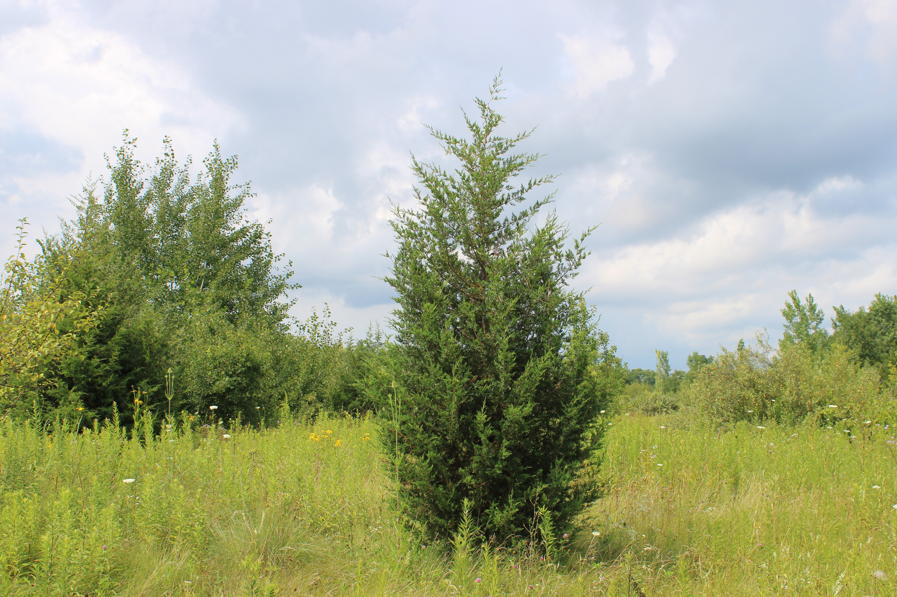
Lingering drought, concern about limited water supplies for human use and our natural resources leads to the topic this week: the water demands of the Eastern Redcedar tree. Eastern Redcedar encroachment has been a long-term problem in Oklahoma and these trees continue their rapid encroachment into the grasslands of the Great Plains and Midwest. Research done at Oklahoma State University has quantified Eastern Redcedar trees impact on the water cycle, soil water content, water use by trees and streamflow.
Key Findings and Implications.
Eastern Redcedar trees use water every day, year-round, sapping soil water content. The average water uptake of each tree ranges between 0.5 – 21 gallons/day. Water use varies by tree size and stand density.
Encroachment of Eastern Redcedar trees not only leads to lower soil moisture but also altered water flow. Rainfall is intercepted by the Redcedar tree, preventing runoff and groundwater recharge. Only heavy rains break through the tree canopy to the ground. Rain captured by redcedar trees does not run off to replenish streams or groundwater.
When Redcedar trees are not controlled, they thrive in a wide variety of soils, have a high tolerance to drought, and are highly resilient. On a positive note, they are vulnerable to fire.
Bottomline: Controlling these trees is critically important. Soil water content is lower where Redcedar trees exist. These trees have a huge negative impact on ecosystems and resources. Prescribed burning of rangelands can be highly effective in controlling the encroachment of Eastern Redcedar trees.
Reference:
Farmer sentiment improved for the second month in a row, with the Purdue University-CME Group Ag Economy Barometer (AEB) Index increasing from 126 points in July to 135 points in August (see Figure 1). Both subindices also increased; however, the Index of Current Conditions rose by only 1 point, while the Index of Future Expectations increased by 11 points (see Figure 2). For the first time since June 2025, a higher proportion of respondents expect their operation to be better off financially (28%) than worse off (24%) a year from now. Optimism regarding export prospects over the next five years also improved this month, reaching an index value of 140, the highest since last December. Higher input costs, chosen by 45% of respondents, remained the biggest concern. The August barometer survey was conducted among 402 farmers across the country from August 10 to 14, 2026.
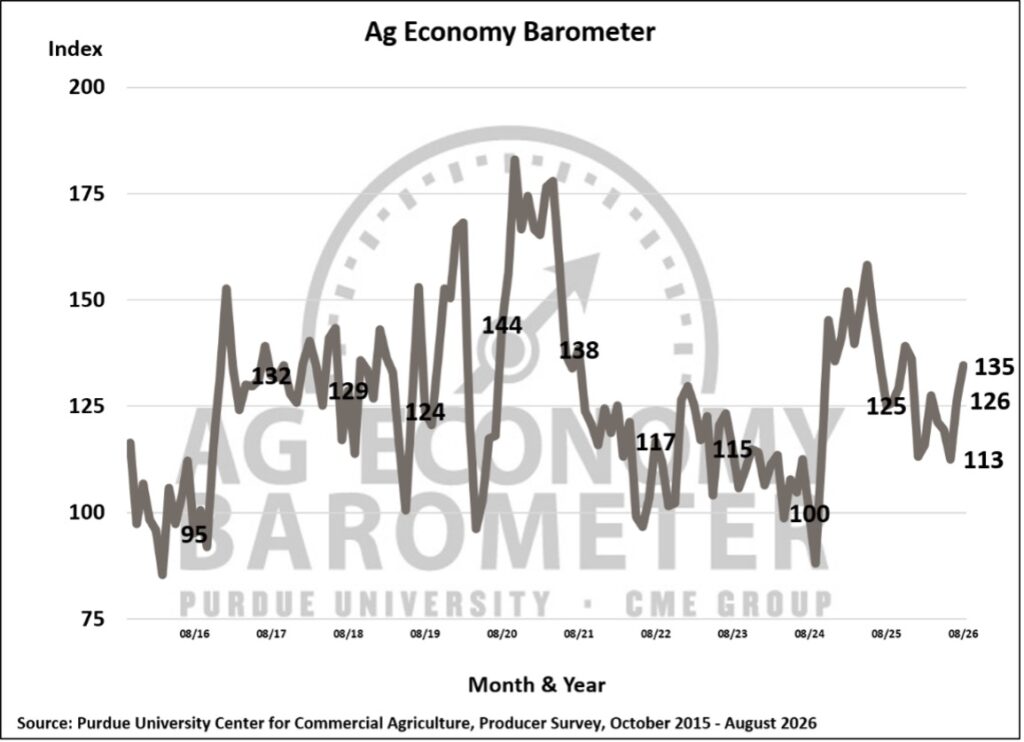
Figure 1. Purdue/CME Group Ag Economy Barometer, October 2015-August 2026.
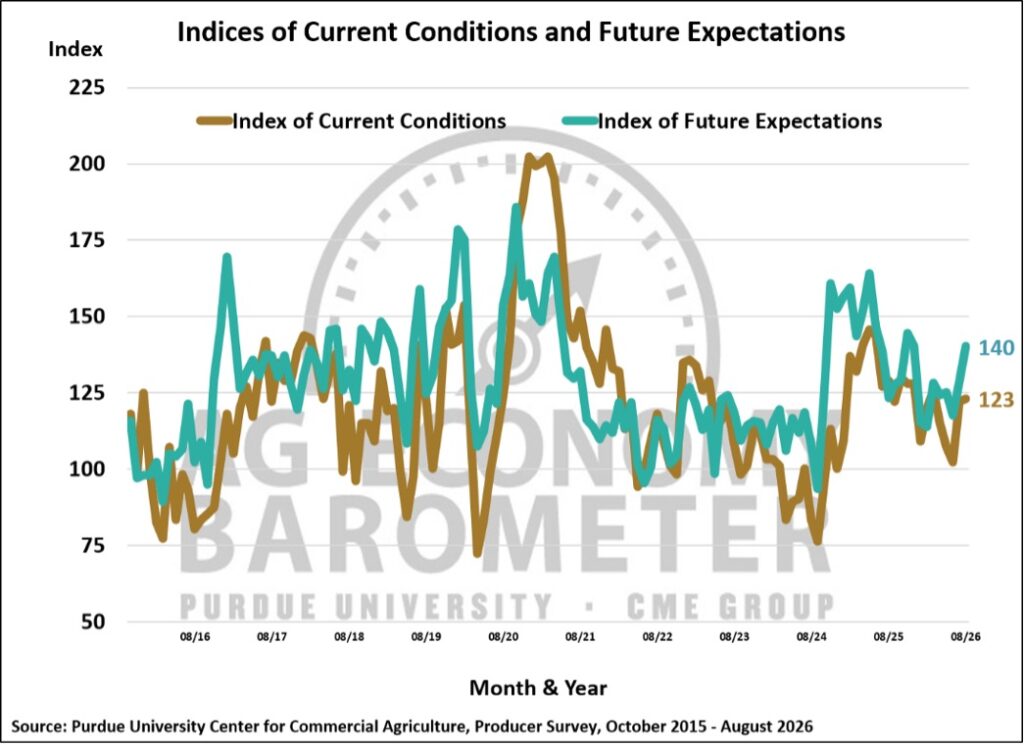
Figure 2. Indices of Current Conditions and Future Expectations, October 2015-August 2026.
The Farm Financial Performance Index increased from 90 at the start of the year to 103 in August, reflecting greater optimism among respondents about their financial prospects over the next 12 months. Despite this increase, the Farm Capital Investment Index dropped 5 points to 45 (see Figure 3).
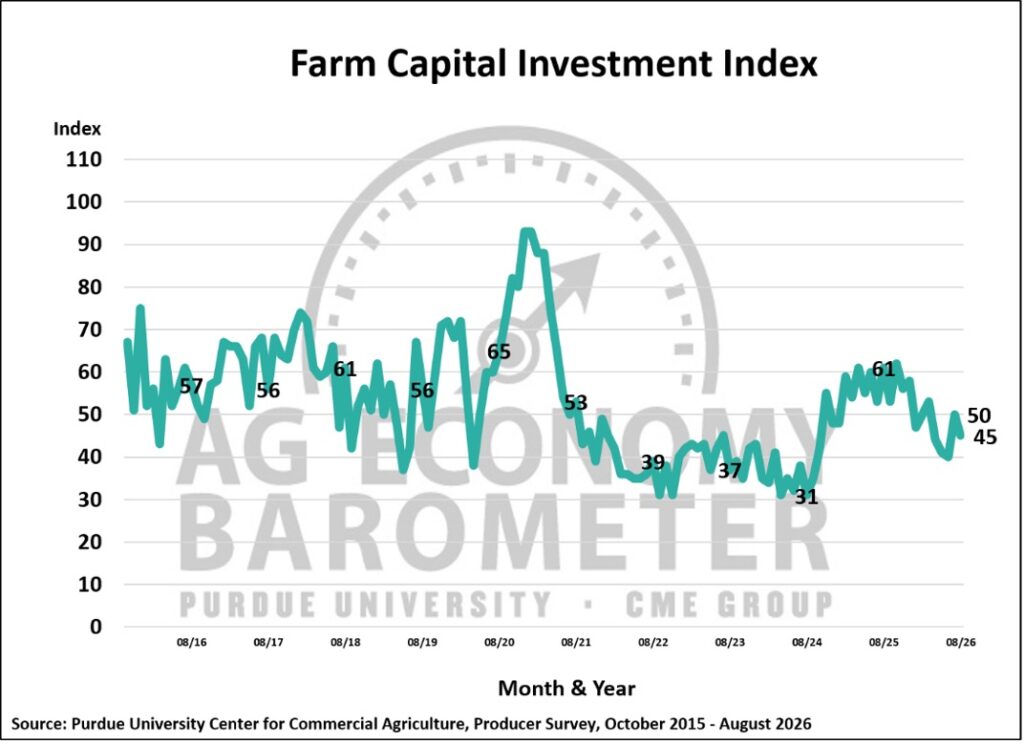
Figure 3. Farm Capital Investment Index, October 2015-August 2026.
This month's survey included three questions about operator skills. The first question had respondents indicate the skill that generated the most return on investment on their farm. Production skills were selected by 29%, followed by financial management and analysis at 23%, strategic planning at 22%, selling products at 14%, and buying inputs at 11% (see Figure 4).
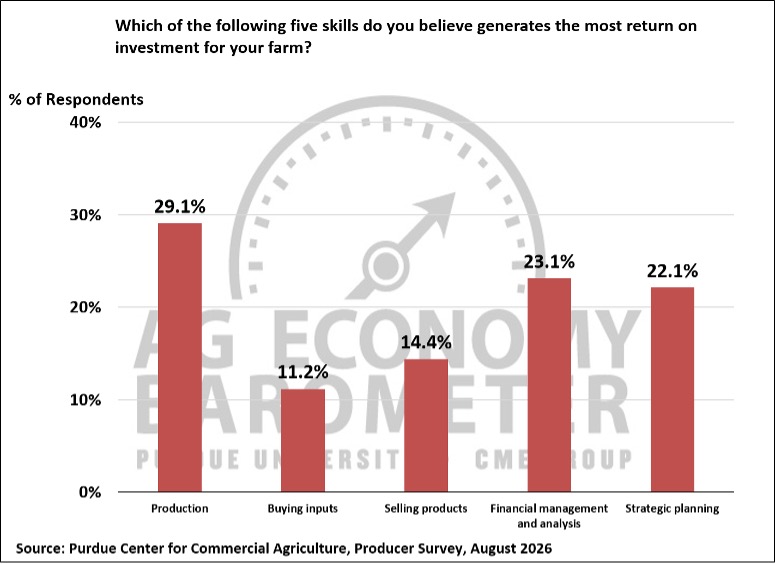
Figure 4. Skill Generating Largest Return on Investment, August 2026.
The second question asked respondents which skill their farm needed the most improvement in. Strategic planning was selected by 28% of respondents, followed by selling products at 20%, buying inputs at 19%, financial management and analysis at 17%, and production at 16% (see Figure 5). The third question asked respondents to indicate which skills they believed had the most potential for improvement using artificial intelligence. The top three choices, in order, were strategic planning (32%), financial management and analysis (28%), and production (18%) (see Figure 6).
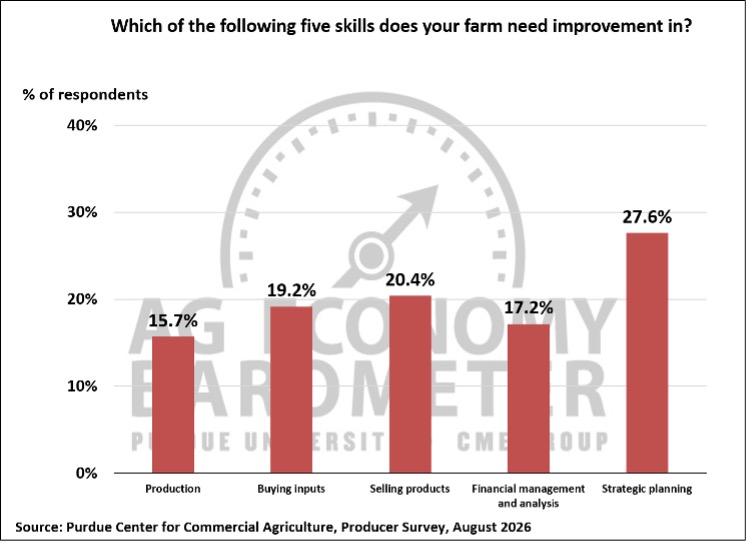
Figure 5. Skill Needing the Most Improvement, August 2026.
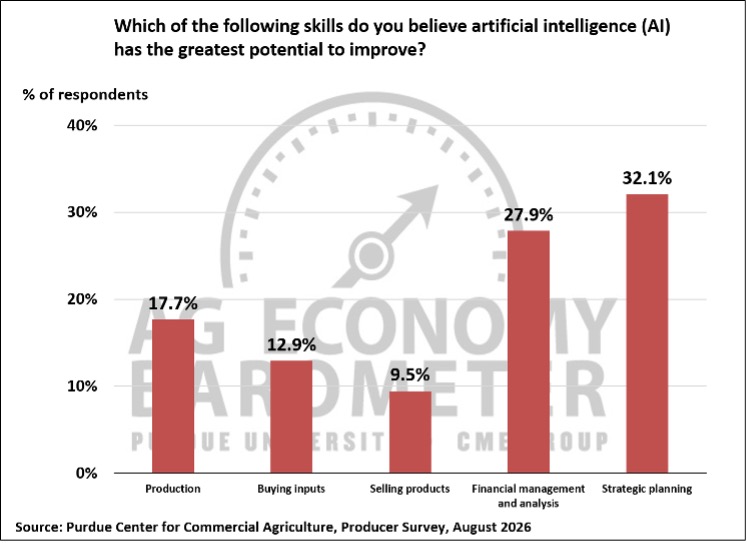
Figure 6. Skill that Could Be Improved with the Use of Artificial Intelligence Tools, August 2026.
The Short-Term Farmland Value Expectations Index increased by 8 points to 127 in August (see Figure 7). Alternative investments, interest rates, and inflation were cited as the three factors with the greatest influence on farmland values. Periodically, the survey includes a question asking respondents to rate farmland as an investment. In August, 65% of respondents indicated that farmland was a good investment, 17% indicated that farmland was a medium investment, and 18% indicated that farmland was a poor investment.
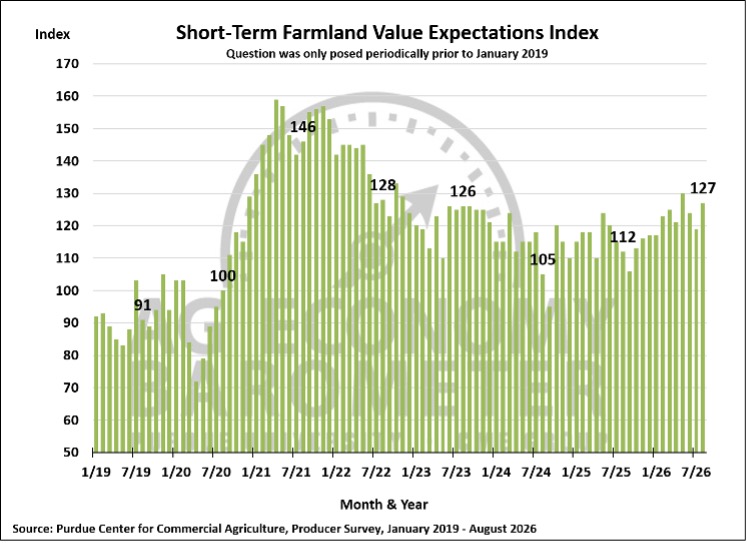
Figure 7. Short-Term Farmland Value Expectations Index, January 2019–August 2026.
Since July 2025, producers have been asked whether they think the U.S. is headed in the "right direction" or on the "wrong track." After averaging 71% during the last six months of 2025 and 62% in the first quarter of 2026, the percentage of producers who said the U.S. was headed in the "right direction" has ranged from 51% to 57% since April, with 51% of respondents saying that the U.S. was heading in the right direction in August (see Figure 8).
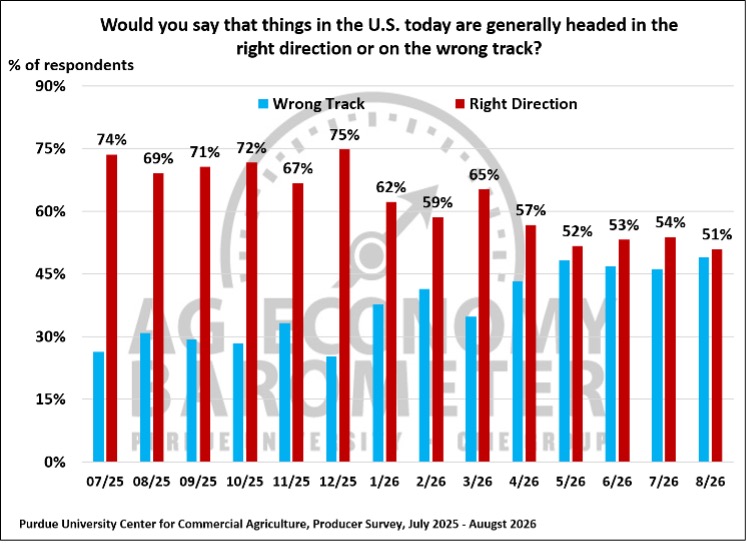
Figure 8. Are Things in the U.S. Today Headed in the Right Direction or on the Wrong Track?
Farmer sentiment increased again in August, with the largest improvement coming from the future expectations. The Index of Current Conditions increased by 1 point, while the Index of Future Expectations increased by 11 points. Respondents were more optimistic about their financial prospects and land values in the upcoming year and exports in the next five years, but were less confident about making new investments in machinery and buildings.
Despite the improvement in producer sentiment, important concerns remain. High input costs continue to be the biggest concern, followed by low crop and livestock prices and rising interest rates. Respondents were asked questions related to their farm's key skills. Strategic planning was most frequently identified as the skill needing improvement. Interestingly, respondents also indicated strategic planning as the most likely skill that could be improved through the use of artificial intelligence (AI).

For the first time in its history, the Global Sorghum Conference will be held in the U.S. Lubbock, Texas, will be the capital of the sorghum world Sept. 14-18, a premier gathering of global experts, researchers, producers and industry leaders dedicated to advancing sorghum science and its pivotal role in sustainable agriculture.
This is a chance for the media to discuss with some of the most widely recognized experts in the sorghum industry all in one place. The conference includes presentations, hands-on workshops, networking events, award ceremonies, field tours and more.
One expert who will be at the conference is Yinping Jiao, an associate professor of crop population genomics within the Institute of Genomics for Crop Abiotic Stress Tolerance (IGCAST) at Texas Tech University. Jiao devotes her research to using genomic approaches to better understand the genetic diversity and regulatory mechanisms of important agricultural traits, with the goal of facilitating breeding. This area of research is vital to developing new and better ways of genomic crop breeding and can help produce better sorghum production with bigger yields.
Her research identifies the genes and pathways that control important genomic traits and explores how genetic variation and genome structure lead to diverse crop form and structure to expand adaptation of cultivated crops to climate change.
Experts
Yinping Jiao, Associate Professor of Crop Population Genomics, Institute of Genomics for Crop Abiotic Stress Tolerance (IGCAST), Texas Tech University
Jiao is one of several experts who will be available for interviews throughout the conference. Media are encouraged to attend to get a first-hand inside look at the innovations and research being conducted in the sorghum industry.
For more information on the Global Sorghum Conference, visit its website.
For a list of conference speakers, event schedule and other media assets, click here.

In today's Beef Buzz, senior farm and ranch broadcaster Ron Hays continues his conversation with Dr. Glynn Tonsor of Kansas State University, who leads the Meat Demand Monitor, a project funded by the beef and pork checkoffs. In Part One of the conversation, Tonsor discussed what the Meat Demand Monitor has learned about consumer meat demand and purchasing habits. In Part Two, Tonsor explains what's ahead for the project, how producers can use the data and what the monitor is showing about today's strong demand for meat and protein.
The Meat Demand Monitor is currently in the first year of a new three-year period of support from the beef and pork checkoffs. Tonsor says the longer the project continues, the more valuable the data becomes. "We're in the middle of first of three years of ongoing support per the beef checkoff and the pork checkoff. So we have at least two and a half more years of this to go."
Tonsor says having years of data allows researchers to make increasingly useful comparisons. "Each additional year of insight is almost exponentially more valuable because as you add duration to any data set, we can do more comparisons. Now I can compare to last month, last year, five years ago, so forth."
He says he is optimistic the Meat Demand Monitor will continue beyond the current funding period. "The longer this goes, the deeper those insights."
One of the ways Tonsor keeps the Meat Demand Monitor relevant is by adding questions tied to current issues facing consumers. Recently, researchers have focused on household finances and affordability.
Tonsor says they are using questions from the University of Michigan's long-running Consumer Sentiment Survey to better understand how financial conditions affect meat purchasing. "We're using questions from the University of Michigan's Consumer Sentiment Survey that goes back to the 1960s."
The results show a clear difference between households that feel financially better off and those that feel worse off than a year ago. "Unfortunately, you know, the latest data for June, well over a third of the country says they're doing worse financially than a year ago."
That financially pressured group is cutting back particularly when it comes to food away from home. "That group particularly is tightening the wallet away from home, so they're not going to restaurants nearly as often."
For Tonsor, that's an important warning sign for the food-service side of the beef and pork industries. "So it's a food service headwind in general."
Tonsor says the Meat Demand Monitor can help the beef and pork industries understand why consumers choose to buy—or not buy—their products. "Hopefully in a very broad sense we and therefore the producers better understand what's driving the decision to buy or not buy your product."
The data also looks at factors including taste, price and environmental considerations. "Monitoring things like taste compared to price, compared to environmental impact, and so forth. Gives us some insights on relative priority from the consumer." And the information can be broken down much further than simply looking at the average U.S. consumer.
Tonsor says researchers have developed dashboards that allow them to compare consumers in different states and demographic groups. "You can dive in and say, how's California different on that topic than Kansas, for example?"
He says that's particularly valuable because producers and companies ultimately market into specific consumer groups and geographic markets. "Most producers sell into a specific market, not just the very broad. And hopefully, the MDM gives them some more nuanced insight they may not have had without it."
The Meat Demand Monitor began collecting data in February 2020—just before the COVID-19 pandemic dramatically changed how Americans ate and shopped for food.
Tonsor says that timing was completely coincidental. "It was, and it was totally by chance."
The project had actually been in development for several years before the pandemic. "The vision and the desire for this project went back to like 2017, 2018."
But because the monitor was already operating when the pandemic hit, researchers were able to quickly track changes in consumer behavior. "We did understand aspects of the pandemic better because of the MDM."
That included looking at how consumers shifted between eating at home and eating away from home, as well as how different meat products were affected. "How did that impact ground beef demand differently than steak? How did it impact pork chop versus bacon and so forth?"
Tonsor says the data provided an important tool during a period when the industry was dealing with tremendous uncertainty. "It was nice to have some data and information to go with, and at times check the emotion to get through that."
Looking at the meat industry today, Tonsor says the Meat Demand Monitor is showing strong consumer interest in meat and, more broadly, protein. "Meat is in, and to be complete here, I think protein is in."
He says protein has become a much more prominent selling point in the food marketplace. "If you and I walked around the corner and went into Starbucks or somewhere else, there'd be items with protein stamped on it that wasn't there three years ago."
Tonsor emphasizes that the trend goes beyond meat, but says the increased focus on protein has benefited the meat industry. "The desire to have more protein and intentional protein consumption is very common in U.S. households today."
And compared with the beginning of the Meat Demand Monitor in 2020, he says the change is significant. "I know for a fact that wasn't the case in 2020."
The Beef Buzz is a regular feature heard on radio stations around the region on the Radio Oklahoma Ag Network and is a regular audio feature found on this website as well. Click on the LISTEN BAR above for today's show and check out our archives for older Beef Buzz shows covering the gamut of the beef cattle industry today.
Reporting from Todd Gleason features analysis from University of Illinois Agricultural Economist Scott Irwin on how the EPA's 100% reallocation of Small Refinery Exemptions turns a large exemption headline into a net-neutral wash that supports biomass-based diesel.
Gleason reports that while the Environmental Protection Agency recently ruled on 34 petitions for Small Refinery Exemptions (SREs)—totaling nearly 1.8 billion gallons in exemptions at 50% or 100% levels for the 2025 Renewable Fuel Standard compliance year—the move is actually unvarnished good news for agriculture and biofuels. In an interview with Gleason, University of Illinois Agricultural Economist Scott Irwin explained that the broader policy framework offsets the immediate volume hit.
Full Reallocation Offsets Exemption Numbers
The key takeaway highlighted by Gleason and Irwin is the EPA's upcoming supplemental rulemaking scheduled by the end of October. Through this rule, the agency plans to reallocate 100% of the extra Renewable Identification Number (RIN) volumes from these 2025 SREs into the 2026 and 2027 compliance obligations.
Irwin pointed out to Gleason that this 100% reallocation is both critical and surprising:
Commodity and Biofuel Market Impacts
Irwin told Gleason that the decision carries minimal implications for the corn market, noting that ethanol remains largely neutral to SRE shifts.
The clear beneficiaries of the EPA's decision are biodiesel, renewable diesel, and soybean oil. With full reallocation secured for 2026 and 2027, the biomass-based diesel sector gains a constructive, positive trend moving forward.
Scott Irwin is an agricultural economist on the Urbana-Champaign campus of the University of Illinois and member of the farmdoc team. The Environmental Protection Agency yesterday announced a decision on 34 petitions from small refineries seeking exemptions, or SREs, from compliance with the 2025 Renewable Fuel Standard obligations. The agency expects the exemptions to be reallocated into 2026 and 2027. Audio and story courtesy of Todd Gleason at the University of Illinois.
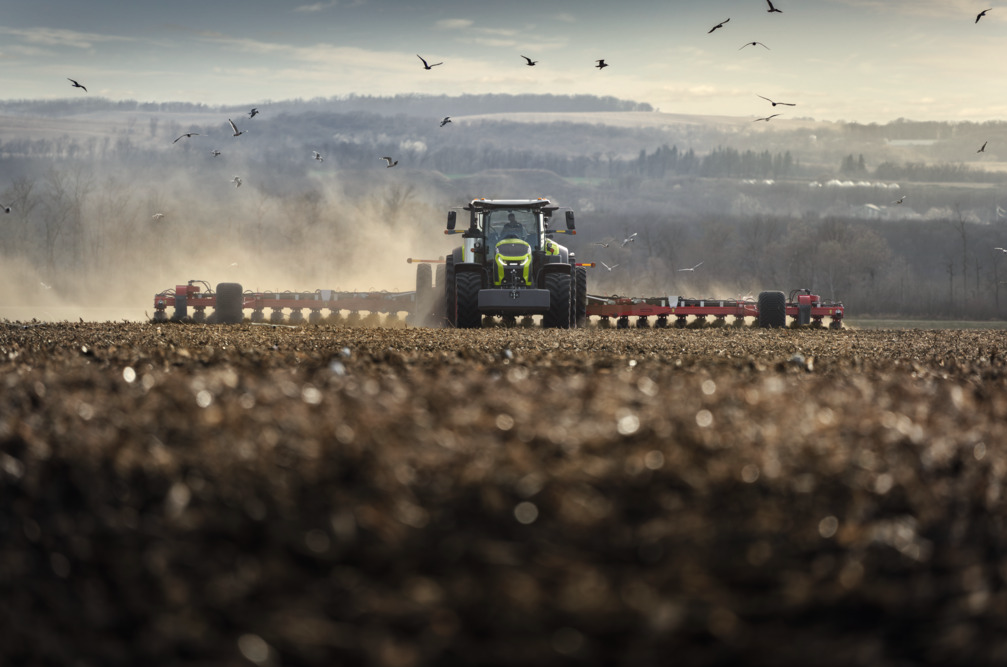
CLAAS unveiled an entirely new generation of tractors for the North American market today at the Farm Progress Show in Boone, Iowa. The ARION® 6, AXION® 8, and AXION® 9 tractor lines span 165 to 450 horsepower and deliver significant advancements in operator comfort, drivetrain intelligence, automation and digital connectivity.
Designed for operations ranging from livestock and mixed farming to large-scale row crop production and custom contracting, the new tractors share a common platform philosophy focused on maximizing productivity while reducing operator workload and operating costs.
"The next generation of CLAAS tractors represents a major step forward for North American producers," explained Guido Hilderink, Head of Sales for Tractors and Implements. "Whether customers need a versatile mid-horsepower tractor or a high-horsepower machine for demanding field work, every model delivers premium comfort, intelligent automation and the efficiency producers need to get more done."
One Family. Three Tractor Series.
The new lineup includes:
· ARION 6 CMATIC – 165 to 205 hp for mixed farming, hay and forage, loader work and transport applications.
· AXION 8 CMATIC – 240 to 313 hp for row crop, planting, grain cart, forage and field operations.
· AXION 9 CMATIC – 330 to 450 hp for heavy tillage, seeding and transport applications, with both wheeled and TERRA TRAC® configurations.
While each series is designed for different horsepower requirements, all three feature a completely redesigned operator environment, the silky-smooth CMATIC CVT transmission, and advanced electronic systems that automatically optimize machine performance.
New Cab Raises the Standard for Operator Comfort
Every new tractor features a premium cab engineered to improve visibility, reduce fatigue and enhance productivity during long days in the field.
With one of the quietest operating environments in the industry—noise levels as low as 67 dB(A)—the spacious cab provides improved ergonomics, additional storage and outstanding visibility in every direction.
Available comfort features include:
· Heated, ventilated and massage seats
· Four-point cab suspension
· Up to 22 LED work lights generating as much as 56,000 lumens
· Optional second 12-inch touchscreen display
· High-resolution camera integration
· Dynamic steering for easier headland turns and loader work
Operators also benefit from the latest CEBIS® connect operating system, which combines tractor controls, implement management and precision farming functions into an intuitive touchscreen interface.
Smarter Powertrain Management
Across all AXION series, CLAAS has paired proven FPT six-cylinder engines with its continuously variable CMATIC transmission and an entirely new generation of intelligent drivetrain management.
The system continuously coordinates engine speed, transmission operation and implement load to maximize fuel efficiency while maintaining consistent field performance.
Key technologies include:
· AUTO LOAD ANTICIPATION, continuous learning of implement loads to anticipate and adapt the machine to increase productivity and efficiency.
· AUTO DROOP, automatically optimizing engine speed under changing conditions.
· Intelligent power management that delivers additional horsepower only when required.
· Seamless transitions between field and transport operations.
· Automatic trailer overrun braking option for improved transport safety.
Together, these technologies reduce operator input while helping tractors maintain optimal performance under varying field conditions.
Built for Connected Farming
Each new tractor is fully integrated with the CLAAS connect digital platform, giving producers real-time access to machine information from the office, mobile device or dealership.
The platform allows users to:
· Plan and transfer work orders
· Monitor machine location and performance
· View maintenance status
· Document field operations automatically
· Share guidance lines between compatible machines
· Enable remote display viewing for dealer service support
Integrated GPS guidance, ISOBUS compatibility and automated implement management further simplify operation while improving field accuracy and productivity.
Automation Designed Around the Operator
The new tractor family introduces an expanded suite of automation features that reduce repetitive tasks and improve consistency in the field.
Features such as automatic headland management, guidance-line selection and intelligent implement control allow operators to focus on overall job performance instead of routine machine functions.
Tractor Series Highlights:
ARION 6 CMATIC
The ARION 6 lineup replaces the ARION 600 series with two new models delivering 165 hp and 205 hp, respectively.
Designed for livestock operations, hay and forage production, mixed farming and transport, the compact six-cylinder tractors combine maneuverability with premium comfort and intelligent drivetrain management.
Additional features include:
· CLAAS-built CMATIC continuously variable transmission
· Wheel loader operating mode
· PROACTIV front axle suspension
· Premium infotainment with Apple CarPlay® and Android Auto™
· Dynamic steering for loader applications
· Up to 205 hp with CLAAS POWER MANAGEMENT
AXION 8 CMATIC
Replacing the previous AXION 800 lineup, the new AXION 8 series delivers 240 to 313 horsepower while introducing many technologies previously available only on larger tractors.
Designed for planting, tillage, grain cart and forage applications, the tractors feature:
· New CEMOS AUTO POWERTRAIN management
· DYNAMIC POWER engine management
· AUTO LOAD ANTICIPATION predictive drivetrain control
· CMATIC continuously variable transmission
· 54 gpm (205 l/min) load-sensing hydraulics
· Rear lift capacity exceeding 22,000 pounds
· Standard front hitch
AXION 9 CMATIC
The flagship AXION 9 series delivers 330 to 450 horsepower across seven models for producers requiring maximum productivity. Powered by an 8.7-liter FPT engine, the tractors feature increased hydraulic capacity, higher fuel capacity, longer service intervals and the latest predictive drivetrain controls.
Available TERRA TRAC half-track models provide exceptional traction while reducing soil compaction for demanding field conditions.
Additional capabilities include:
· Up to 97 gpm (370 l/min) hydraulic flow
· CMATIC continuously variable transmission
· Rear lift capacity of nearly 25,000 pounds
· Fuel capacity up to 188 gallons for AXION 9 wheeled and up to 227 for AXION 9 TERRA TRAC
· Up to 750-hour engine oil service intervals
Lower Operating Costs
The new tractor family has been engineered to reduce downtime and simplify ownership through longer maintenance intervals and expanded warranty coverage. Service intervals have been extended to 750 hours to reduce TCO and increase uptime.
Every new tractor includes MAXI CARE FOCUS, providing five years /5,000 hours of component coverage on major drivetrain components. Customers can also choose MAXI CARE PROTECT, extending comprehensive machine coverage to five years / 5,000 hours.
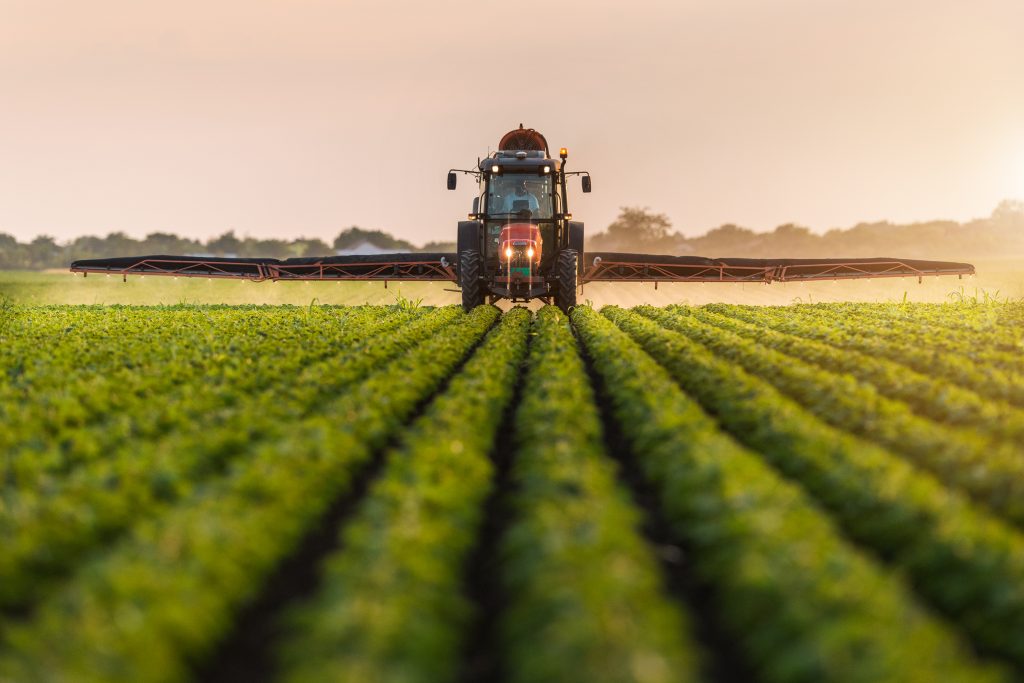
The American Soybean Association today welcomed David Johanson, former chairman and commissioner of the U.S. International Trade Commission, to its government affairs team as ASA international trade advisor. Johanson has extensive international trade experience, with much of his career focused on agriculture.
"David brings tremendous experience and a deep understanding of both agricultural trade and the soybean industry," said ASA CEO Stephen Censky. "I've had the opportunity to work with David throughout his career and have seen firsthand the expertise and perspective he brings to complex trade issues. We are excited to have him on board as ASA continues working to protect and expand opportunities for U.S. soybean farmers around the world."
Johanson spent nearly 15 years at the U.S. International Trade Commission, including serving two full terms as chairman. Previously, he served nearly nine years as International Trade Counsel for the U.S. Senate Committee on Finance, where he advised Sen. Chuck Grassley of Iowa and worked extensively on agricultural trade matters, including soybeans. Earlier in his career, Johanson practiced international trade law in the private sector, where ASA was among his clients.
"With more than half of the U.S. soybean crop exported annually, access to global markets is critical for soybean farmers," Johanson said. "I look forward to working on behalf of soybean farmers to address international trade challenges, strengthen and expand market access, and advance trade policies that create opportunities for U.S. soy around the world."

For more than a decade, John Deere Operations Center™ has helped farmers connect their field, machine, and operational data in a centralized platform. And now it's being taken to the next level with JD, the artificial intelligence (AI) assistant built into Operations Center that gives farmers an entirely new way to put their data to work: by simply asking it a question. As AI makes farm data more useful and valuable, John Deere is also highlighting its Farmer Data Commitment reinforcing that farmers' data belongs to them, it remains under their control, and it should create value for their operation.
A New Way to Put Farm Data to Work
JD enables farmers to have a conversation with the vast amount of field, machine, and operational data they generate, creating the opportunity to improve yields, drive savings and strengthen farm profitability through AI. Instead of searching across multiple dashboards or reports, farmers can ask questions such as:
· How did my fuel use during tillage this year compare with the last three years? — helping identify best practices and result in fuel savings.
· How did singulation compare across my fields, and what impact did it have on yield? – enabling a better understanding of how equipment settings can impact yield.
· Which sprayer operator is covering the most acres per hour? – resulting in understanding operational efficiencies.
· When is the optimal time to harvest based on historical trends? — enabling better planning and management of labor.
With JD, farmers can surface the right information quickly and receive practical responses grounded in their own data. The result is a simpler way to make sense of complex operational information and act with more confidence.
"Farmers have more data available to them than ever before, but the value comes from their ability to use it in the moments that matter," said Jahmy Hindman, Chief Technology Officer at John Deere. "JD changes the experience from navigating through a sea of data to simply asking it a question. It puts advanced data analysis within reach by enabling farmers to receive answers tailored to their farm and their needs in a matter of seconds."
Your Farm. Your Data. Your Call.
As tools like JD make farm data more useful, John Deere believes that farmers should remain in control of their data, understand how it is used, and receive clear value from it. The Farmer Data Commitment outlines ten principles behind that approach:
1. You control your farm data.
2. John Deere does not sell your farm data.
3. John Deere uses your farm data only as described in its agreements and policies and will communicate changes clearly before they take effect.
4. John Deere will require dealers and connected partners to maintain transparent data practices.
5. John Deere uses your farm data and aggregated, anonymized data to deliver measurable value to you through improved machine performance and decision-making insights.
6. You can choose which third parties to share, and not share, your farm data with.
7. You have the freedom to turn off the flow of your farm data to third parties at any time.
8. John Deere does not use your farm data for agriculture commodity trading or speculation.
9. You should receive clear value from your farm data.
10. John Deere will continue to listen to farmers, strengthen its data practices, and develop new solutions that help you receive value from your farm data.
"Farmers receive value from their data when they can use it to make better decisions, and we believe that value should come with control, transparency, and choice," said Deanna Kovar, President, Worldwide Ag & Turf Division: Production and Precision Ag, Americas and Australia at John Deere. "Our view is simple: farmers should control their data, clearly understand how it is used, and benefit from the insights it can create. JD and the Farmer Data Commitment are part of the same vision for helping farmers put their data to work on their terms."
John Deere is opening a limited Early Access Program for select U.S. agricultural customers, allowing eligible participants to express interest in participation. The AI assistant will become more broadly available later this year through Operations Center on web, mobile, and eventually via in-cab display interface.
As JD evolves, John Deere plans to introduce capabilities tailored to customers across turf, construction, roadbuilding, and forestry, extending its value across the company's broader customer base.
At the 2026 Farm Progress Show from September 1-3, attendees can visit John Deere at Outdoor Lots 144 and 153 on West Progress Avenue to learn more about JD and the company's approach to data and AI.
For more information on JD and the Farmer Data Commitment, visit Deere.com/YourData.
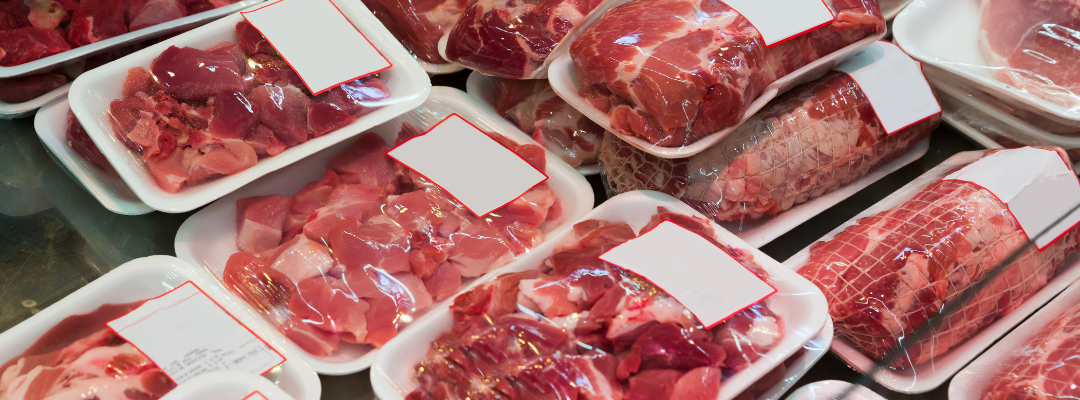
Charley Martinez writes in Southern Ag Today: Australian beef has become an increasingly significant presence in the U.S. import market. In 2022, Australia contributed 401.8 million pounds, roughly 12 percent of total U.S. beef imports. Australia's share of imports has steadily grown since then, reaching 25 percent of total imports in 2025, and the trend shows no signs of reversing in 2026.
Figure 1 illustrates Australia's beef imports as a share of total monthly U.S. beef imports in 2025, 2026, and the five-year average from 2020 to 2024. Historically, Australian beef represented a relatively steady 13 percent to 21 percent of monthly U.S. imports. In 2025, that share climbed well above that historical norm, rising sharply through the second half of the year and peaking near 32 percent before finishing December around 31 percent. So far in 2026, the pattern has followed a similar seasonal trend, dipping in the early months before recovering, with recent months tracking above the same period in 2025. Taken together, the data makes clear that Australian beef now occupies a structurally larger share of the U.S. import market than what was considered normal just a few years ago.
Trade Ports
Understanding where this beef originates can also help producers and market watchers track future import flows. Australian beef exports to the U.S. move primarily through ports on Australia's east coast. Based on the most recent available data, which captures all Australian red meat exports but is largely driven by beef, the Port of Melbourne, Victoria, accounted for 41 percent of exports. Melbourne serves as a major export gateway given the high concentration of packing facilities in the surrounding region. The Port of Brisbane, Queensland, handled 35 percent of exports and is one of Australia's most active meat-loading ports, home to JBS Dinmore, the largest beef processing plant in the Southern Hemisphere, along with Cargill and several other major processors in the Brisbane Valley. Port Botany in Sydney, New South Wales, accounted for 19 percent of exports, while the Port of Adelaide, South Australia, and the Port of Fremantle, Western Australia, represented just 3 percent and 1 percent, respectively. The concentration of export activity through Melbourne and Brisbane reflects the infrastructure and processing capacity those regions have built to supply export markets, including an increasingly hungry U.S. import market.
What Does This Mean? More imported beef means more competition for space in the domestic market, especially for cull cows and bulls. While the majority of imports have been lean beef trimmings for ground beef, muscle cuts are also imported, which would compete more directly with fed beef. Imports are of particular interest now, as the U.S. cow herd sits near historic lows following years of liquidation driven by drought and high input costs. Domestic producers might have rebuilding in their plans, but rebuilding takes years and requires producer expectations of cattle prices to remain financially viable. At a time when tighter domestic beef supplies would normally support even stronger prices, the surge in Australian (and other countries') imports is a counterweight, tempering some of the price signals U.S. producers are counting on to invest.
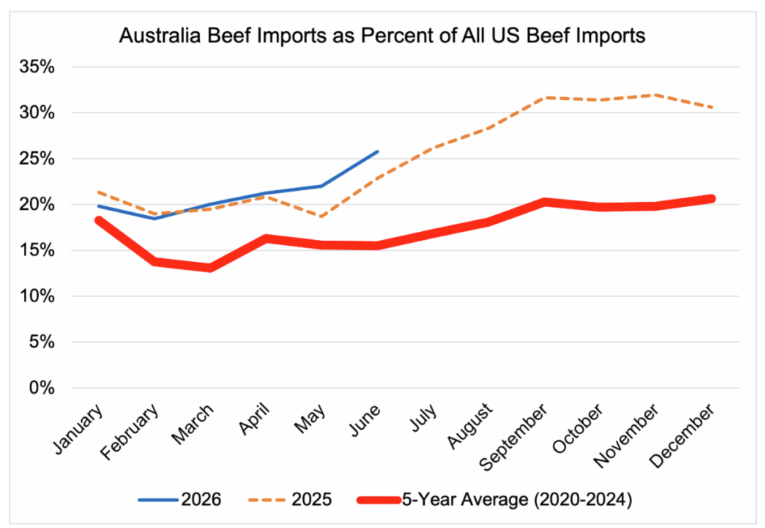
Martinez, Charley. "Recent Australian Beef Import Trends." Southern Ag Today
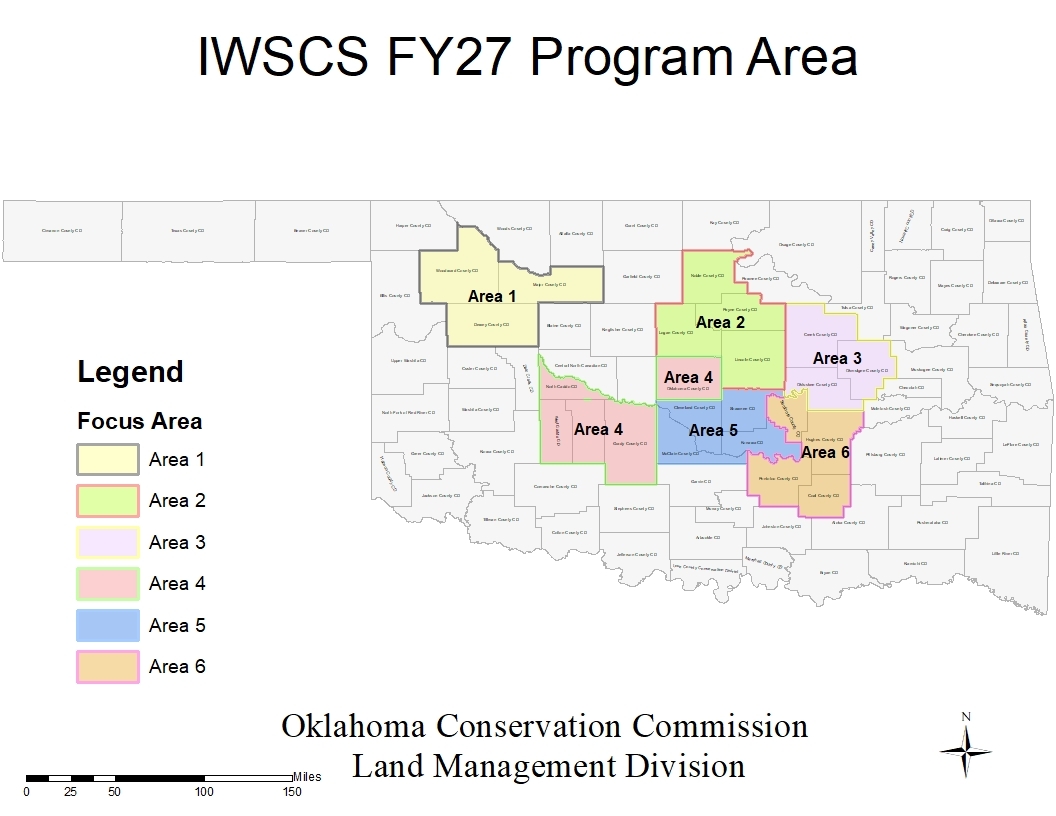
The Oklahoma Conservation Commission (OCC) has launched the Invasive Woody Species Cost-Share Program — an ongoing initiative to manage invasive woody species across Oklahoma's agricultural landscapes. This program aims to provide cost-share to qualifying landowners located within the program boundaries.
The program's application window will open on September 1, 2026, and applications will close on November 1, 2026. Applicants are expected to implement and maintain the conservation practices in accordance with their invasive woody species conservation plan.
The Land Management Division will review, score, and rank applications, and contact landowners if their applications are approved. This initiative represents a significant step in Oklahoma's ongoing conservation partnership toward a sustainable agricultural future.
For more information, interested individuals can contact their local conservation district or visit Land Management Division 2 - Oklahoma Conservation Commission
For questions about the program, please contact: tyler.patterson@conservation.ok.gov
The term "August recess," used to describe the traditional slow period when lawmakers and federal workers alike escaped Washington's heat and humidity, was a misnomer this year. From critical trade negotiations with Canada, to a frustrating development on beef tariffs, to the ongoing effort to make ag-labor reform real, August has been one of the year's busiest months for the dairy industry in Washington. (And that's without even mentioning the Senate version of the farm bill, which is in temporary limbo after a failed committee vote.)
We've been keeping up with every development, speaking out and acting as needed on behalf of our members. Here's a rundown of key issues, and how we've stood on them.
On Canada. With USMCA talks with Canada broken down and the potential for retaliatory tariffs in both directions hanging over both economies, including several dairy products, the U.S.-Canada trade relationship is at an impasse, at least for the moment. This may be surprising to many who don't closely follow the traditionally friendly relationship – but in dairy, this showdown has been decades in the making.
Under the USMCA trade agreement negotiated during the first Trump term, Canada committed to providing meaningful additional duty-free access for U.S. dairy exports through a series of tariff-rate quotas (TRQs). Canada's administration of those TRQs has repeatedly resulted in chronic under-use, reducing the benefit for American dairy farmers. Canada also continues to exploit loopholes to sidestep USMCA on dairy protein exports.
NMPF and our partners at the U.S. Dairy Export Council have long urged the White House to make fixing this a priority. The Trump team has consistently called out Canada's disregard for its USMCA commitments on dairy market access. Canada needs to stop looking for workarounds and instead sit down in good faith to resolve these long-standing dairy issues. Canada's retaliation against U.S. goods is disappointing, but all it's doing is forcing the U.S. hand. A cool-down would be welcome; but must include a dairy market access fix. The objective should be for both our countries to prevent increased friction and build on the progress made through weeks of negotiations.
While we consistently offer our expertise and assistance to support the Administration on improving U.S.-Canadian dairy trade, we also believe it is important to explain the unintended consequences of federal intervention in agricultural commodity markets such as this recent decision to eliminate the tariff on imported beef.
Cull cow and calf sales have become a key economic driver for U.S. dairy farmers, equating to roughly 20% of annual dairy farm income, and more than 20% of the U.S. beef production is now being supplied by dairy farms. Current beef prices have helped push dairy cow numbers to the highest point in the United States since 1992; meanwhile U.S. milk production is up 2.7% versus last year. Both trends help keep beef and dairy products affordable for consumers; dairy is stepping up to contribute to solving the consumer challenge of higher beef prices.
Rewarding imports sends the wrong message to U.S. dairy farmers and manufacturers who are investing billions of dollars to grow the domestic supply of beef and dairy products. The decision to remove duties on imports of 300,000 metric tons of beef over the next 90 days will have a short-term, muted price impact for consumers. But the effects on both dairy and beef producers could be felt for some time by delaying the necessary economic signal sent to U.S. producers to increase beef production.
While all that has been going on, we've continued our efforts to see the Securing Agriculture's Workforce Act, landmark ag-labor legislation, become law. The election-year calendar makes passage in 2026 a challenge; but we're doing our best to ensure that when the political moment for real reform arrives, Congress knows that change is needed and that a powerful coalition won't settle for anything less than progress.
Since the June 30 introduction of the bill, which would finally grant dairy farms meaningful access to the H-2A visa program and make that program more workable, we have:
With each passing year, the idea that Washington slows down in August is increasingly a relic of a bygone era. The world is too connected, the conflicts too intense, the needs too real and urgent to pause. And if Washington doesn't, we don't either. These have been just a few of the ways we've served our members during the "recess." And a challenging fall awaits.
U.S. Agriculture Secretary Brooke Rollins announced her Ranchers First Initiative to Rebuild the Great American Beef Herd. The initiative builds on the Secretary's October 2025 Plan to Fortify the American Beef Industry. The new announcement describes government programs to incentivize heifer replacement, assist in wildfire and other disaster event recoveries, support and strengthen small and regional slaughtering facilities, and support new farmers and ranchers. In addition, the announcement describes an effort to prioritize federal procurement of locally processed American beef by encouraging purchases by federal and state institutions.
Responding to the Secretary's initiative, R-CALF USA CEO Bill Bullard issued the following statement:
"Together, today's and the earlier October initiative begin to address the symptomatic fallout from decades of failed trade and market protection policies, but fall short of reversing the underlying policies that caused the serious and ongoing erosion of the U.S. cattle industry.
"We recognize the Secretary's initiatives as important steps toward reinforcing an ailing cattle industry against the policy‑driven forces that suppress marketplace competition, enable foreign capture of domestic supply chains, and erode market transparency—pressures that collectively undermine the confidence and long‑term viability of American ranchers.
"We look forward to working with the Administration and Congress to reverse those policy-driven forces through such policy reforms as restoring mandatory country of origin labeling for beef, eliminating the beef packers' anticompetitive buying practices, managing trade through effective import controls, and ending the massive beef checkoff progr
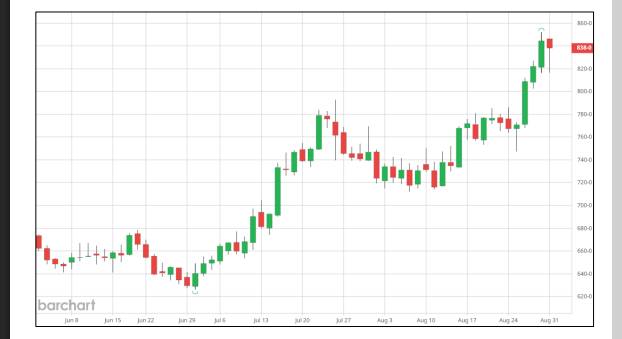
In his latest Newsletter, OSU Crop marketing specialist, Todd Hubbs writes that last week saw a massive rally in grain prices as production issues in the U.S. and geopolitical uncertainty drove futures prices to contract highs. The strength in prices is a welcome occurrence given the bearish sentiment over the past couple of years. Substantial uncertainty remains on outcomes for summer crops domestically and resolution to conflicts around the globe. Expect large price swings as we move into the fall, particularly around USDA reports.
Wheat Market Outlook: The wheat complex moved sharply higher last week. December HRW future price closed at $8.44 on Friday. HRW futures prices climbed over 70 cents higher for the week. Monday saw prices fall back to $8.38 per bushel. Basis sits at -45 to -55 across the state. The potential for holding or follow through on these price levels remains dependent on developments in the Black Sea and corn production prospects in the U.S. Potential impacts from the major El Nino event also sits on the horizon as potential market movers.
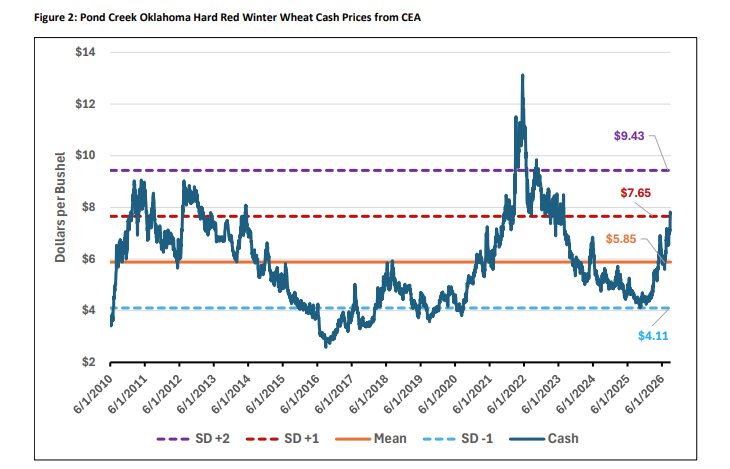
Cash prices in Oklahoma hit levels not seen since the original onset of the conflict between Ukraine and Russia. On Friday, HRW cash prices came in at $7.82 only to fall to $7.75 on Monday. Cash prices eclipsing the one standard deviation level occurred only a few times over the period. The highest price movement occurred at the onset of the Black Sea conflict in 2022. The Russia wheat export ban in 2010 and the major U.S. drought in 2012 constitutes the other incidences. The current price rally takes on aspects of both the initial Black Sea conflict and the drought incidence of 2012. Potential for prices to move higher seems limited by the uncertainties surrounding the conflict and potential for the summer crops here in the U.S. Price drivers remain unpredictable given the lack of compromise in the Black Sea. Russia wheat exports dropped fifty percent below last year's levels in August with similar expectations for September. Ukraine exports tracked thirty percent lower in early August. News over the weekend indicated Turkey pushed for a Black Sea shipping corridor to resurrect grain flows out of the region. Success of such an initiative remains suspect. Despite the slow pace of Black Sea exports, U.S. wheat exports remain behind the pace to meet USDA's forecast since port prices remain elevated above major competitors.
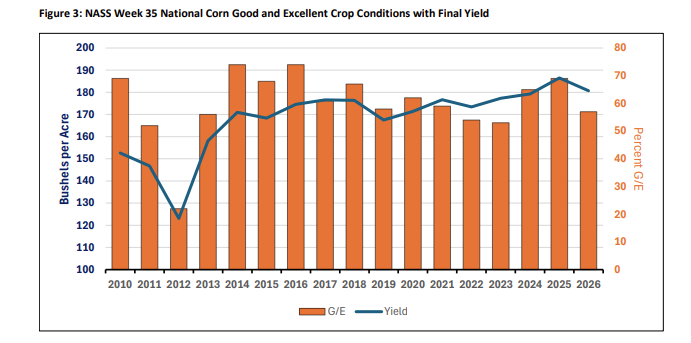
Wheat export inspections through August 27 totaled 176 million bushels, down from 245 million bushels at this point last year. Wheat inspections averaged approximately 16 million bushels per week over the last month with hard red spring wheat taking up a considerable portion of the exports. Total commitments thus far in the marketing year for all wheat equals 304 million bushels. At 40 percent of the USDA forecast, wheat total commitments sit 7 percent below the five-year average for this point in the marketing year. HRW total commitments in the 2026-27 marketing year sit at 69 million, down from 185 million bushels at this time last year. New sales need to equal 3.5 million bushels a week to hit USDA's forecast of 210 million bushels. Over the last month, HRW net sales averaged 1.7 million bushels per week. While wheat exports picked up marginally over the last few weeks, U.S. exports remain subdued given the supplies carried into this marketing year and the high prices.
Corn Market Outlook: December corn future's price gained 26 cents last week to close at $5.31 on Friday. Monday saw December futures move higher to close at $5.38 as the market waited for the next iteration of the crop conditions report. Cash prices in Oklahoma ranged between $4.63 - $4.68. Corn production potential remains the primary driver with the Pro Farmer crop tour yield projection of 173.2 bushels per acre, putting bullish sentiment in the market. Demand remains robust with exports and domestic usage continuing to support the USDA's projections.
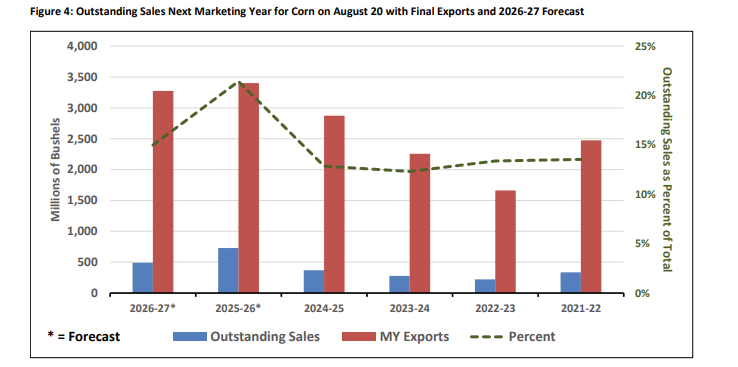
Corn crop conditions deteriorated over the last month and provided support for fading yield potential this year. Since the middle of July, good and excellent conditions have fallen ten percent to yesterday's 57 percent. Good and excellent crop conditions reflect yield levels last seen in 2021 and 2022. It is unlikely that USDA will lower corn yield by 7.5 bushels per acre to match Pro Farmer's total in September. National corn yield may move toward that reality as numerous reports of tip back and spotty yield potential emerge from the western Corn Belt. My forecast sits closer to USDA's August survey level of 180.7. Expect considerable speculation around the yield over the next couple of months with the potential for substantial price volatility around USDA crop production reports.
Demand overall continues to show support for corn prices as ethanol usage looks set to come in near USDA's estimate for 2025-26. Ethanol crushing margins remain strong under the current biofuel policy stack of tax credits. Ethanol exports will set a record high for the 2025-26 marketing year. As the calendar turns to the next marketing year, corn exports remain a bright spot.
Corn export inspections through August 27 came in at 3.3 billion bushels for the 2025-26 marketing year and remain on pace to hit USDA's 3.4-billion-bushel estimate. Export inspections tend to run slightly lower than final Census export data. Outstanding sales for next marketing year sit at 490 million bushels. At fifteen percent of the USDA's export forecast, next marketing year sales are at a level that matches typical levels over the last five marketing years. With U.S. Gulf export prices at competitive levels with major exporters despite the recent price rally, corn exports should remain robust unless production levels deteriorate significantly.
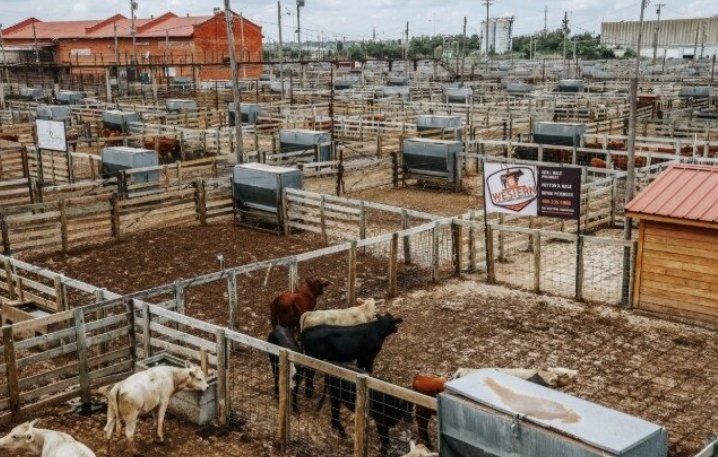
On Tuesdays, Senior Farm and Ranch Broadcaster Ron Hays visits with Ben Hale of Western Livestock Auctions as he talks about the latest in the markets and more. Established in 1995, Western has grown into a multi-generational family-owned and operated business and stands as a symbol of tradition, excellence, and a deep-rooted passion for the cattle industry. Western Livestock Auctions operates the Western Livestock Commission Firm, which sells cattle on Mondays and Tuesdays. They also operate the livestock auction markets in Woodward, Comanche, Waurika, and Knoxville, Iowa.
Cattle markets continue to face volatility heading into fall, with buyers and sellers trying to determine where prices go next. Hale said the latest sale was challenging, with yearlings generally steady according to USDA, but steers, heifers, and calves facing softer prices.
"It was sure kind of tough sledding," Hale said. "I thought it was kind of lower. You know, they called the heifers a little lower. The steers to me were softer, and then of course the calves were quite a bit softer." He said the market has struggled to find stability, moving lower by several dollars before recovering slightly and then turning lower again. "It's hard to build any stability in the market when it's doing that," Hale said.
Hale said several factors are putting pressure on the cattle market, but he emphasized that many of the current concerns are not tied to cattle fundamentals. "The bad part about it is none of it's fundamentals," he said. "It's all, you know, talk about what we're going to do." He said producers considering retaining more heifers are facing plenty of uncertainty, while also hoping for favorable weather that would allow winter wheat grazing. "I'm still holding out that we're going to get an El Niño in here that we can get wheat grazing," Hale said.
As buyers and sellers navigate the uncertainty, Hale said many are simply trying to figure out what comes next. "Everybody's in the same boat trying to figure out what's going to happen and which way this deal's going to go," he said. Upcoming Oklahoma sales include an expected 1,300 to 1,500 head at Waurika, about 350 cows at Woodward, and sales at Comanche and Woodward later in the week. Oklahoma National Stockyards in Oklahoma City will be closed Monday and Tuesday next week, while Waurika, Comanche and Woodward will hold regular sales.
Hale can be contacted at 940-631-2333. Check out more about the marketing options that Western offers by clicking here.
RON's Dave Lanning has a pre-opening look at today's agricultural Markets.
Click the audio tab below for today's report.
Archives:
2026-11 | 2026-10 | 2026-09 | 2026-08 | 2026-07 | 2026-06 | 2026-05 | 2026-04 | 2026-03 | 2026-02 | 2026-01 | 2025-12 | 2025-11 | 2025-10 | 2025-09 | 2025-08 | 2025-07 | 2025-06 | 2025-05 | 2025-04 | 2025-03 | 2025-02 | 2025-01 | 2024-12 | 2024-11 | 2024-10 | 2024-09 | 2024-08 | 2024-07 | 2024-06 | 2024-05 | 2024-04 | 2024-03 | 2024-02 | 2024-01 | 2023-12 | 2023-11 | 2023-10 | 2023-09 | 2023-08 | 2023-07 | 2023-06 | 2023-05 | 2023-04 | 2023-03 | 2023-02 | 2023-01 | 2022-12 | 2022-11 | 2022-10 | 2022-09 | 2022-08



 Register today: