Ag News Archives for 2024-07

USCA Supports Efforts to Block Mandatory EID

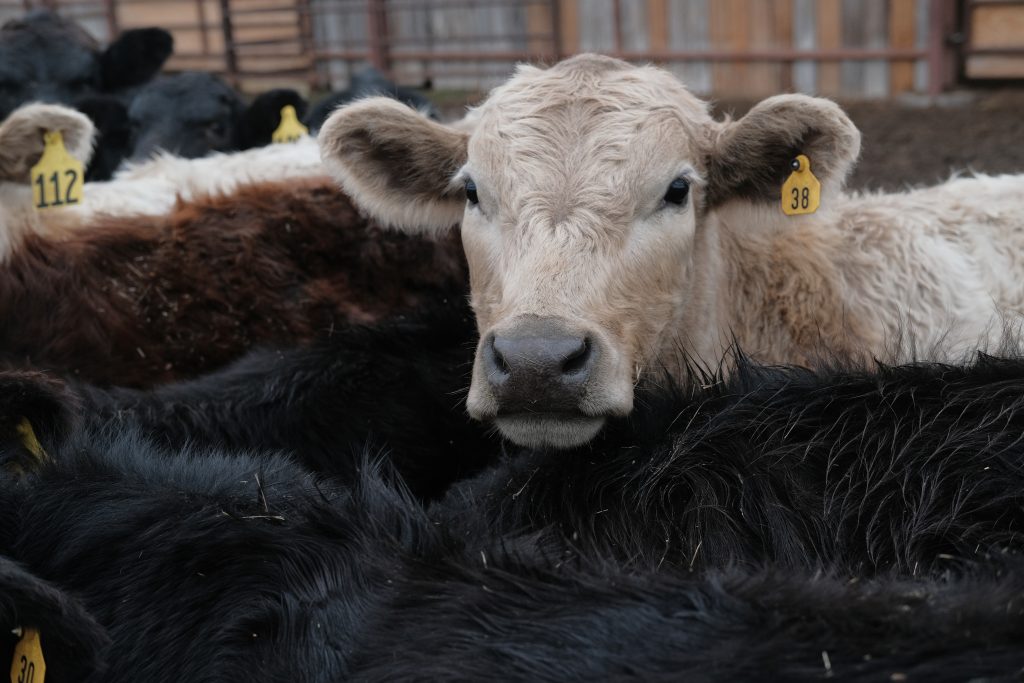
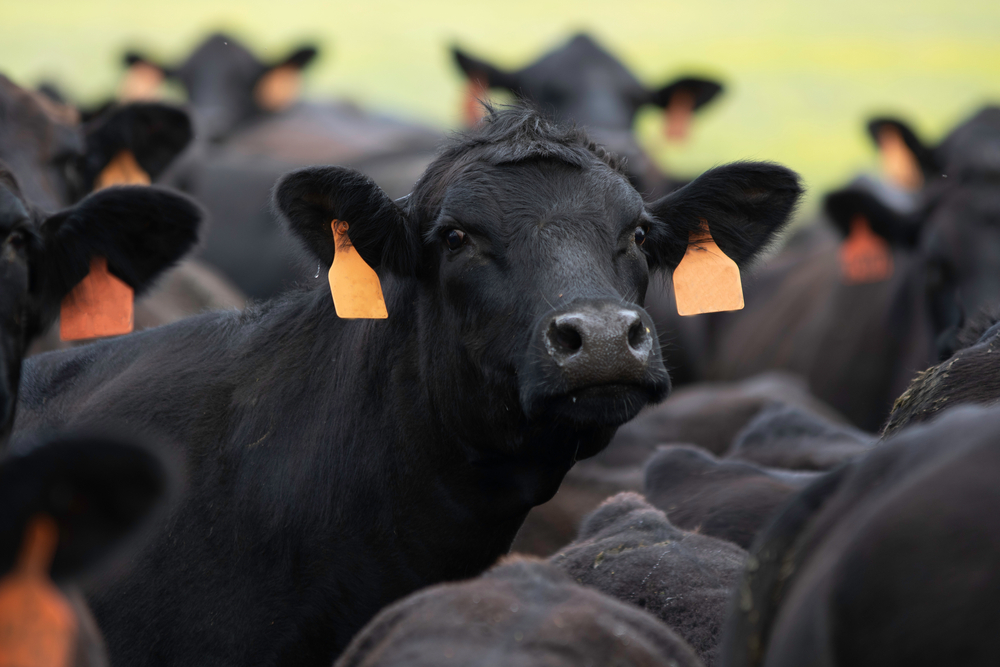
The United States Cattlemen's Association (USCA) announced their support of Representative Harriet Hageman's (R-WY) joint resolution to block the Animal and Plant Health Inspection Service (APHIS) rule mandating electronic identification (EID) eartags for bison and cattle moving interstate.  

While disease traceability is a priority amongst the industry, there is currently a robust system in place that allows for the flexibilities outlined in USDA's Animal Disease Traceability Framework and have thus far maintained the health and safety of the American cattle herd. 

Mandating EIDs comes with multiple concerns the least of which is the cost associated to implement a mandatory, new system. Funding has yet to be defined and USCA remains adamant that the added cost should not fall upon the producer. 

Further, scanning tags at points throughout interstate commerce could create unnecessary delays on shipping and sale days, causing added stress to cattle.

Finally, one of the main concerns is that of the misuse of information gleaned by a mandatory EID system. These new technologies cannot be used for tracking cattle on public or private lands by any government entity or NGO without the permission of the livestock owner, nor should they be associated with promoting specific production practices or unfairly discriminating producers based on adherence to such ideals.

"We commend Representative Hageman for taking a stand for the U.S. cattle industry that protects not only the privacy of our producers, but just as importantly, the flexibility that our dynamic industry requires," USCA President Justin Tupper said. 

Hageman's bill is cosponsored by 14 representatives and Senator Cynthia Lummis introduced bicameral legislation in the Senate as well.  Upon blocking the proposed mandate, USCA is calling on the cattle industry to reinvigorate the Cattle ID Working Group to fully evaluate potential consequences of any such mandatory rule. This group was successful in developing the 2013 animal disease traceability framework which recognizes visually readable tags, brands, tattoos, and breed registry certificates as official identification

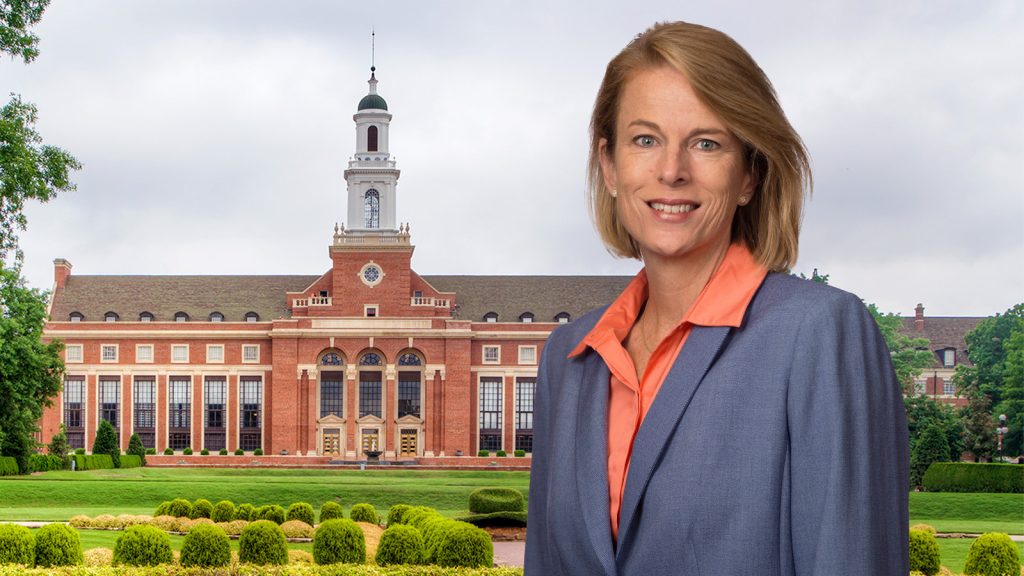
Verity Ulibarri Elected U.S. Grains Council Chairwoman During Annual Summer Meeting

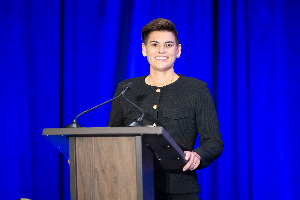
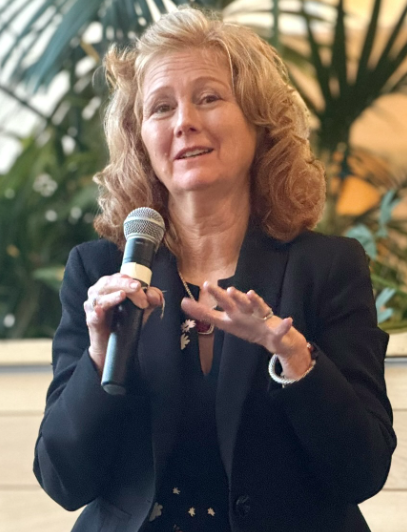
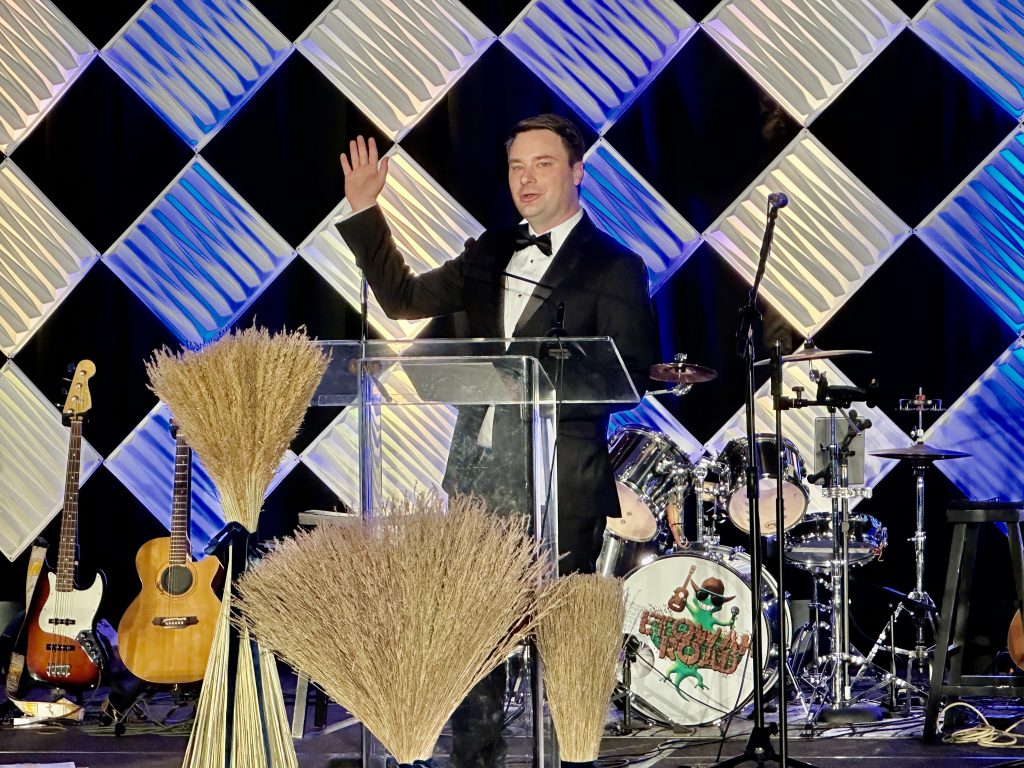
USGC Chairwoman Verity Ulibarri speaks to attendees at the organization's 64th Annual Board of Delegates Meeting, held in Salt Lake City, UT, July 29-31.

The delegates of the U.S. Grains Council (USGC) elected Verity Ulibarri of the United Sorghum Checkoff Program (USCP) as chairwoman of its USGC Board of Directors at its 64th Annual Board of Delegates Meeting held in Salt Lake City, Utah, today.

"I feel this industry – farming, in particular; getting your hands dirty, praying for favorable weather, and managing and mitigating hazards while having extreme amounts of capital at risk and hoping for the best to build a brighter future- it's a higher calling," Ulibarri said. "When you answer that calling, you have a responsibility to make a difference - not just for yourself, but for an entire sector, community and industry – but ultimately for your family and our future generations."

Ulibarri operates a family farm in Grady, New Mexico, producing sorghum, wheat, forage crops and cattle while also working as the agribusiness relationship manager at American AgCredit. Ulibarri has served on the Council's Board of Directors since 2020 and previously served as the chairwoman for USCP in 2020.

In addition to Ulibarri, the delegates elected Mark Wilson of the Illinois Corn Marketing Board as vice chairman and Jay Reiners of the Nebraska Corn Board as secretary-treasurer. Jennie Schmidt of the Maryland Grains Producer Utilization Board and Curt Mether of Iowa Corn Growers Association were also elected as at-large directors.

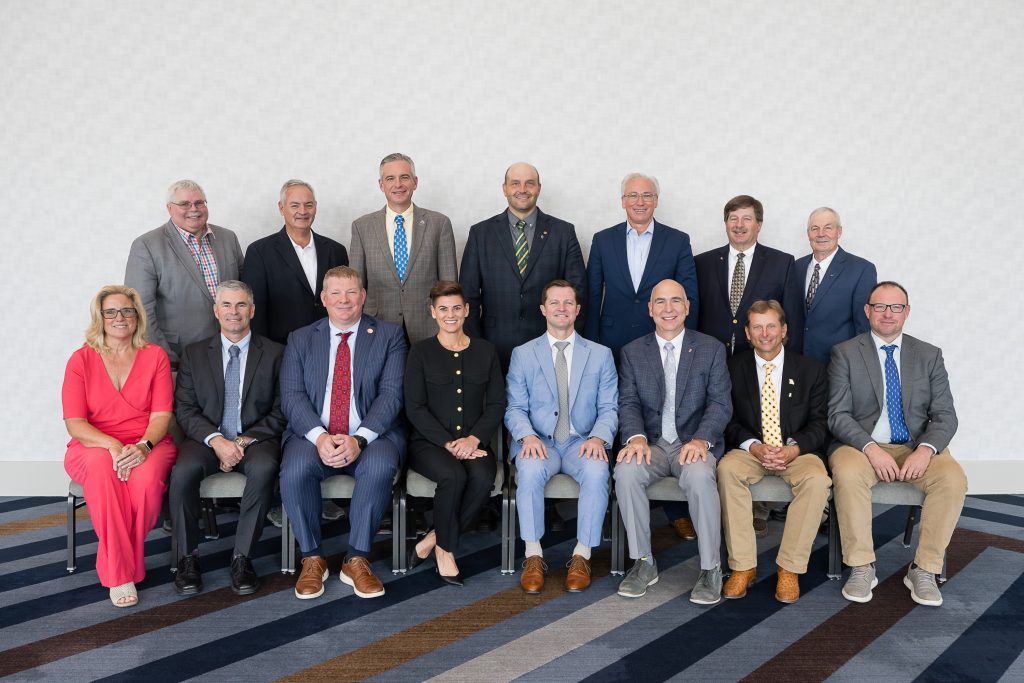
The delegates of the U.S. Grains Council (USGC) elected members to the organization's Board of Directors today in Salt Lake City, UT. From left to right (rear): At-Large Director Jim O'Connor; Agribusiness Sector Director Greg Hibner; State Checkoff Sector Director Josh Roe; Barley Sector Director Nathan Boll; Ethanol Sector Director Craig Willis; At-Large Director Jim Reed; At-Large Director Curt Mether; (front) At-Large Director Jennie Schmidt; Secretary-Treasurer Jay Reiners; Past Chairman Brent Boydston; Ulibarri; USGC President and CEO Ryan LeGrand; Vice Chairman Mark Wilson; Corn Sector Director Jay Fischer; and Sorghum Sector Director Adam Schindler.

The USGC Board of Directors now includes:

Verity Ulibarri, United Sorghum Checkoff Program: Chairwoman

Mark Wilson, Illinois Corn Marketing Board: Vice Chairman

Jay Reiners, Nebraska Corn Board: Secretary-Treasurer

Brent Boydston, Kansas Corn: Past Chairman

Jennie Schmidt, Maryland Grains Producer Utilization Board: At-Large Director

Curt Mether, Iowa Corn Growers Association: At-Large Director

Jim Reed, Illinois Corn Marketing Board: At-Large Director

Jim O'Connor, Minnesota Corn Research and Promotion Council: At-Large Director

Greg Hibner, J.D. Heiskell: Agribusiness Sector Director

Craig Willis, Eco-Energy: Ethanol Sector Director

Jay Fischer, Missouri Corn Growers Association: Corn Sector Director

Adam Schindler, United Sorghum Checkoff Program: Sorghum Sector Director

Josh Roe, Kansas Corn Commission: State Checkoff Sector Director

Nathan Boll, North Dakota Barley Council: Barley Sector Director

Ryan LeGrand, U.S. Grains Council: President and CEO

Ulibarri shared her goals for the year and unveiled her chairwoman's theme, Cultivate the Future, during her incoming remarks.

"In my experience with the Council, we never have issues challenging the status quo – we push through existing boundaries and increase market share so that we build on what we have now and exceed current expectations – and I encourage each of you to continue that path forward," Ulibarri said.

Biden-Harris Administration Announces $12.1 Million in Oklahoma Infrastructure Improvements

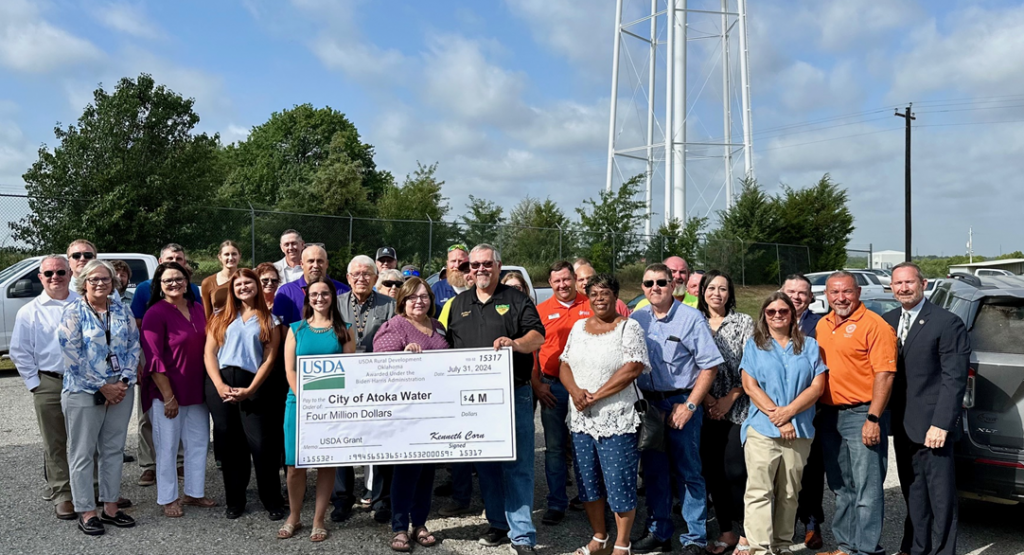
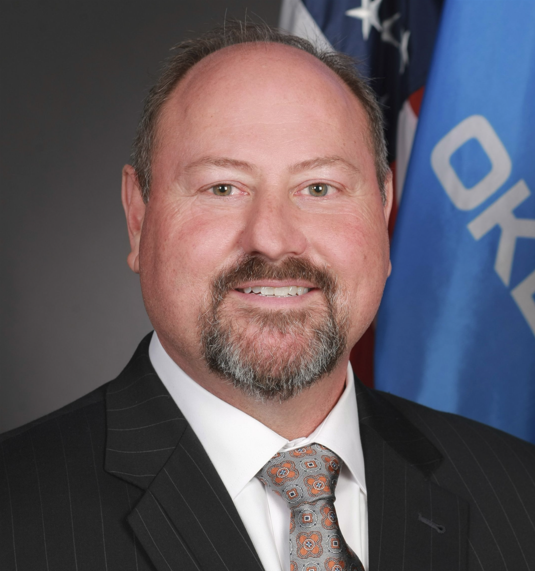
U.S. Department of Agriculture (USDA) Rural Development Oklahoma State Director Kenneth Corn announced today that the department is making available more than $12.1 million in infrastructure improvements delivered under the Biden-Harris Administration for rural water and wastewater projects across Oklahoma.

These critical water infrastructure projects will impact Major County, Tulsa County, Muscogee County, Sequoyah County, Atoka County and Delaware County. The Biden-Harris Administration is making funding available under Rural Development's Water and Environmental programs that focuses on delivering safe drinking water and sanitary waste disposal systems for rural communities. Additionally, grant funding has been made available for Town of South Coffeyville to assist in purchasing a law enforcement vehicle.

"Both President Biden and Vice President Harris have made rebuilding America's infrastructure a cornerstone of the Biden-Harris Administration," Corn said. "Not only are these projects vital to ensuring safe drinking water standards are being delivered for communities like Boynton, Sand Springs, Atoka, Sallisaw and more, but we are also delivering good paying jobs by investing in Oklahoma rural communities."

Funding for these projects include:

  • Sequoyah County Water Association, $2,697,000 in loan and $674,000 in grant will make improvements to a water system to deliver clean and accessible drinking water
  • Tulsa County Water Improvement District #14, $2,967,000 in loan to replace water lines that will assist the water district in stopping high-water loss
  • Boynton Public Works Authority, $876,000 in grant and $293,000 in loan to replace a water storage tank that will allow for the water district to meet water quality standards
  • Delaware County Rural Water District #12, $30,000 in grant to develop an engineering and environmental report to find the best option to alleviate high-water loss in the water district
  • Major County Rural Water District #1, $599,000 in emergency grant funding to provide replacement of a water transmission line
  • Atoka Municipal Authority, $4,000,000 in grant assistance that will aide in wastewater treatment plant repairs and improvements
  • Town of South Coffeyville, $35,800 in grant funding to purchase a new law enforcement vehicle

"President Biden and Vice President Harris believe when we bet on rural Oklahoma families by investing in their future, then all of America wins. With more than a $12 million dollar bet on our future this is really about pride in what we can do together as a community and country when we focus on the projects that ensure long-term sustained economic growth," Corn said. "I truly believe our best days are ahead of us, because we are continuing to deliver investments in Oklahoma that will have a major impact for generations to come."

USDA touches the lives of all Americans each day in so many positive ways. Under the leadership of the Biden-Harris Administration, USDA is transforming America's food system with a greater focus on more resilient local and regional food production, fairer markets for all producers, ensuring access to safe, healthy and nutritious food in all communities, building new markets and streams of income for farmers and producers using climate-smart food and forestry practices, making historic investments in infrastructure and clean energy capabilities in rural America, and committing to equity across the Department by removing systemic barriers and building a workforce more representative of America. To learn more, visit https://www.rd.usda.gov/ok.

Champion Livestock Exhibitors Get their Day at the Capital

Listen to KC Sheperd's conversation with Kylee Deniz about the youth who gathered at the State Capitol,

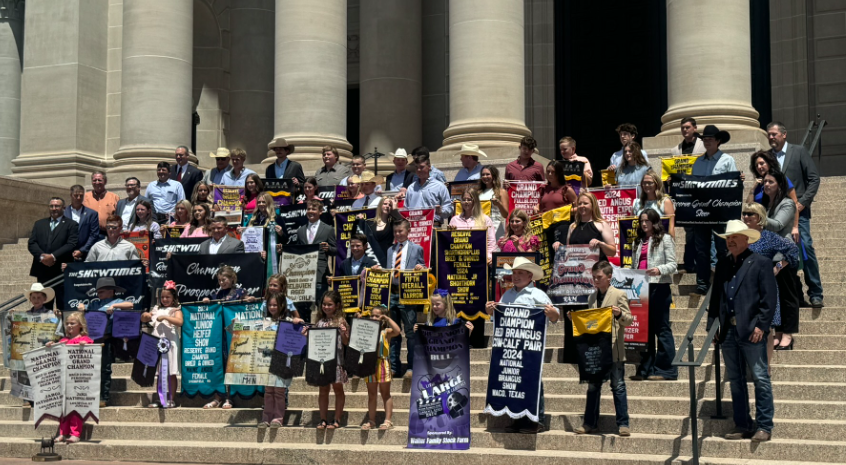
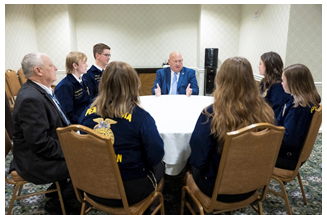
At the Oklahoma State Capitol today, Farm Director KC Sheperd caught up with Kylee Deniz with the Oklahoma Pork Council to discuss the accumulation of National Champion livestock exhibitors at the Capitol.

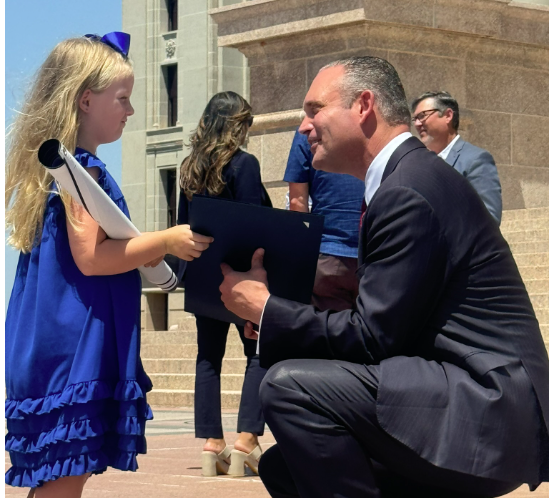
Cattle, Sheep, Goat, and, of course, pig exhibitors who won championships throughout the year were invited by Secretary of Agriculture Blayne Arthur to a tour of the Oklahoma State Capitol to meet various legislators and Governor Kevin Stitt.

Speaker of the house Charles McCall

"I showed pigs a little bit growing up," Deniz said. "There was nothing like this when I was a kid. These kids are experiencing something very special and I think, unique to Oklahoma."

Although Deniz didn't have an official tally of how many kids made the trek to the Capitol, she said four of the ten qualified pig showmen were there.

"The students that are here today won at a national level so to see these kids be successful beyond our state lines is incredible," she remarked proudly.

The Oklahoma Pork Council often invests generously in its youth. Deniz commented, "That is one of our strategic intentions. If we can do right by the next generation, in terms of engagement and education, and train them to be our future leaders – to take my job – then that's winning."

Pro Tem Treat Issues Statement on Ceremonial Bill Signing of Mason Treat Act

Senate Pro Tem Greg Treat, R-Oklahoma City, today issued the following statement after participating in a ceremonial bill signing at the Oklahoma Capitol with Governor Kevin Stitt. 

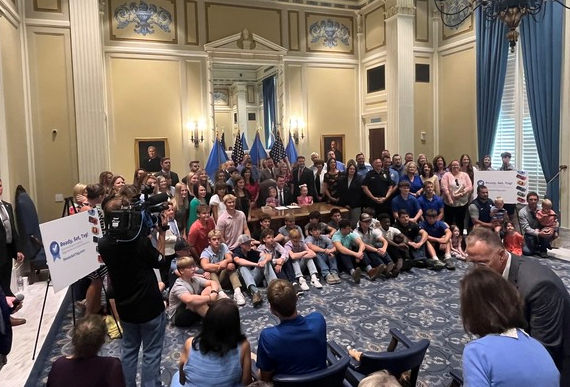
The signing ceremony was attended by state legislators, community leaders and advocates who have supported the initiative from its inception. The ceremony also kicks off Service Oklahoma's Ready, Set, Tag! public awareness campaign that aims to inform Oklahomans of the upcoming changes to the vehicle registration process in accordance with Senate Bill 2035.

Pro Tem Greg Treat praised the collaborative efforts that led to the bill's passage.

"There are many people to thank for the passage of this legislation." Pro Tem Treat said. "After my son, Mason's, near-fatal accident on January 5, it changed the lives of my entire family forever. I cannot explain the pain and range of emotion we all went through. That is why I appreciate Governor Stitt for his support and for promptly signing this legislation into law. I am also grateful to incoming House Speaker Rep. Kyle Hilbert, who sponsored this legislation and saw it through to the end. I also applaud Service Oklahoma for launching the new public awareness campaign and their support in making this a reality. I will do everything I can to help this effort to inform Oklahomans of this change as we move forward."

Senate Bill 2035 was named the Mason Treat Act after Senate Pro Tem Greg Treat's son was critically injured in January during a routine traffic stop. Canadian County Deputy Jose Tayahua-Mendoza was also seriously injured in the accident. The bill aims to improve road safety for drivers and law enforcement officers by streamlining the process to tag vehicles regardless of the type of sale.

As the Mason Treat Act was passed to make roads safer for Oklahoma drivers and law enforcement offers, vehicle owner information will be available to law enforcement groups and the Oklahoma Turnpike Authority faster through the pre-registration process starting September 1, 2024.  Read more about Service Oklahoma's Ready, Set, Tag! initiative, at ReadySetTag.com. 

Noble Research Institute Joins Forces with Merlin Tuttle's Bat Conservation to Further Research on Bats for Land and Crop Management

 Noble Research Institute (Noble) and Merlin Tuttle's Bat Conservation (MTBC) have entered a collaboration to explore the role and ability of bats as an alternative pest management strategy in agriculture. From its work, the partnership will disseminate information and educational materials to equip farmers and ranchers with the ability to incorporate bats into their operations.

This new partnership complements Noble's research into the impacts of soil health-building land management practices in farming and ranching operations and furthers MTBC's mission to "inspire bat conservation worldwide."

The collaboration will involve:

  • Evaluating collected bat guano for economically damaging pest-DNA from bat populations serving grazing animal environments and nut tree orchard environments
  • Evaluating placement locations, configurations and effectiveness of bat houses in or near grazing animal environments and nut tree orchard environments
  • Comparing impacts of grazing animal environments and nut tree orchard environments that support active bat populations and like environments lacking active bat populations
  • Exploring bat conservation methodologies and practices in or near grazing animal environments and nut tree orchard environments
  • Developing producer-focused educational materials and instructional guides for bat management in or near grazing animal environments and nut tree orchard environments for positive impacts
  • Identifying organizations and individuals to partner in this research and educational work

The growing conversation in agriculture surrounding bats' role in supporting ecosystem services in farming and ranching operations has strengthened the need for further research. With the intention of building broader collaborations with universities and public and private partners, the organizations will identify whether bats can serve as a sustainable alternative to chemical pest control in pecan orchards and grazingland settings.

"We are excited about partnering with the Merlin Tuttle Bat Conservation team to further research on bats and, perhaps, clarify their important role in modern agriculture," said Steve Rhines, president and CEO of Noble Research Institute. "The collaboration will provide key opportunities to explore the benefits of bats and their natural impact in working agricultural environments."

This collaboration will expand Noble's Pecan Research Strategy project, a six-year program launched in 2023. As part of a comprehensive assessment of orchard management practices and economic impacts, the study uses bat guano to identify specific bat species and their diet of economically impactful pecan pests. Examples of such pests include pecan nut casebearers, hickory shuckworms, and stinkbugs. 

Brazilian free-tailed bat eating a corn earworm moth
A Brazilian free-tailed bat (Tadarida brasiliensis) eating a corn earworm moth (Helicoverpa zea) in Texas. Photo credit: ©MerlinTuttle.org

In Texas alone, the Brazilian free-tailed bat and other species are conservatively estimated to save farmers and ranchers $1.4 billion annually. 

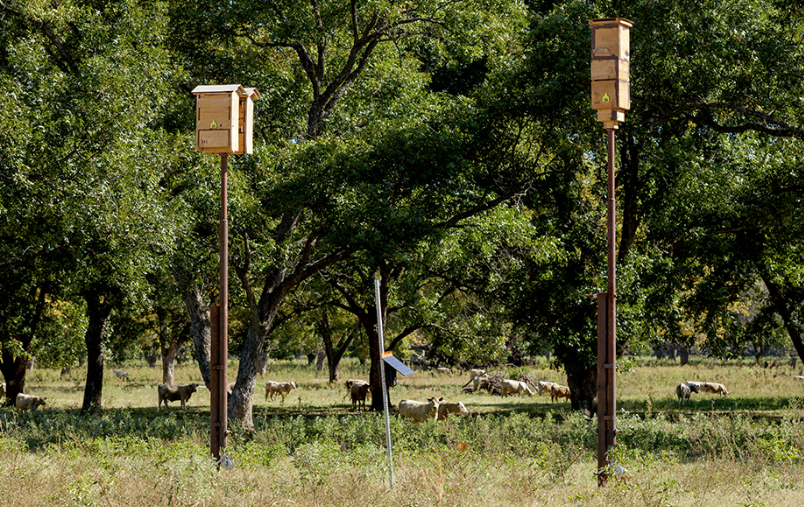
A group of bat houses installed at Noble's Red River Ranch in Marietta, Oklahoma. Photo credit: Rob Mattson for Noble Research Institute

Bat boxes, which can hold approximately 200 individuals, have been installed at Noble's Conrad-McMillan orchard and Red River Ranch orchard. Bat boxes are monitored for occupancy, and once occupied, bat guano is screened for species identification and the detection of pests in their diet. As part of the research project, additional testing using guano from established bat houses is also being conducted on producer properties in Seguin, Texas, Fentress, Texas, and New Braunfels, Texas.

"This partnership with Noble Research Institute will provide invaluable opportunities to expand both research and education, which is especially timely given bats' precipitous decline and their increasingly documented roles in pest suppression," said Merlin Tuttle, founder and executive director of Merlin Tuttle's Bat Conservation.

To learn more about partnership opportunities to advance this important research, please visit www.noble.org/partner/ or merlintuttlesbatconservation.kindful.com/register/contact-form/.

About Merlin Tuttle's Bat Conservation Merlin Tuttle's Bat Conservation was founded in 2014 with the goal of protecting often misunderstood bats worldwide. Merlin's more than 60-year legacy of experience in bat research, conservation, and photography is unsurpassed. MTBC relies on a powerful combination of science, field knowledge, and photography, to help save millions of bats; while protecting public health, economies, and ecosystems worldwide by teaching people to live harmoniously with bats through Merlin's one-of-a-kind experience. Learn more at merlintuttle.org.

Noble Research Institute is the nation's largest nonprofit agricultural research organization, serving farmers and ranchers with research, education and mentorship for regenerating soil health to improve their land, livestock and livelihood. Since 1945, Noble Research Institute has been a leading, trusted resource in agricultural research and education dedicated to land stewardship. Demonstrating our ongoing commitment to regenerating our nation's grazing lands, Noble actively manages 13,500 acres of working ranchlands to provide real-world insights and applications for farmers and ranchers.

Federal Emergency Management Agency Designates Oklahoma 10 Counties as Primary Natural Disaster Areas

This Presidential disaster declaration allows the United States Department of Agriculture (USDA) Farm Service Agency (FSA) to extend much-needed emergency credit to producers recovering from natural disasters through emergency loans. Emergency loans can be used to meet various recovery needs including the replacement of essential items such as equipment or livestock, reorganization of a farming operation, or to refinance certain debts. FSA will review the loans based on the extent of losses, security available, and repayment ability. 

Impacted Area: Oklahoma

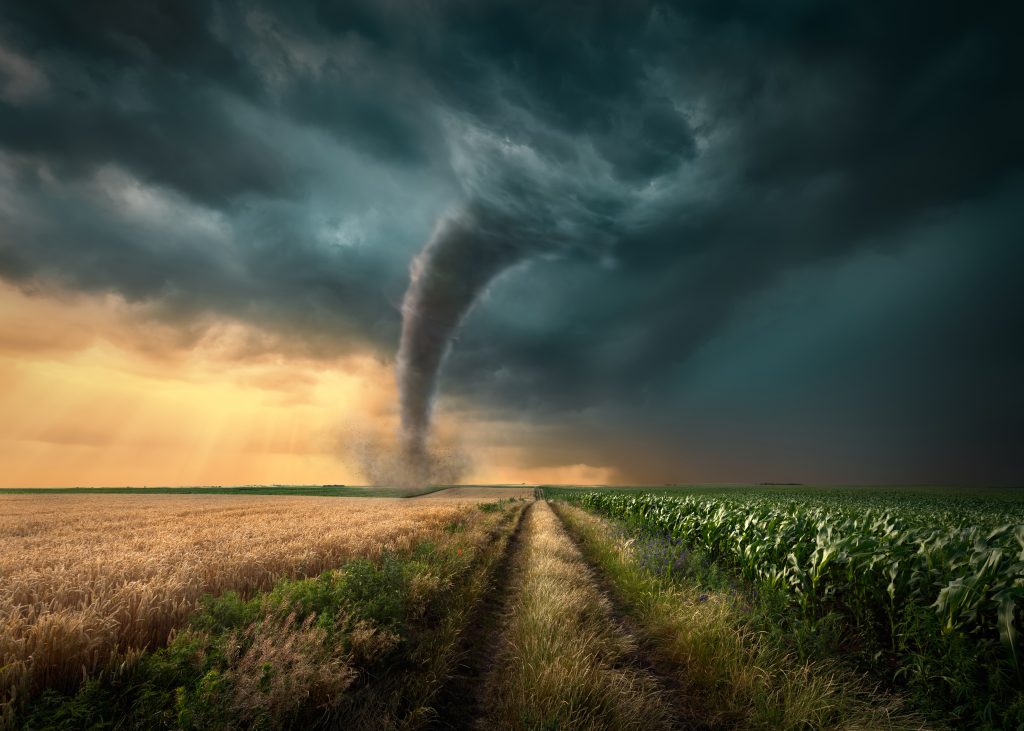
Triggering Disaster: Severe storms, straight-line winds, and tornadoes that occurred May 19 to May 28th 2024

Application Deadline: February 14, 2025

Primary Counties Eligible: Blaine, Caddo, Custer, Delaware, Jackson, Mayes, Muskogee, Rogers

Contiguous Counties Also Eligible:

Arkansas: Benton

Missouri: McDonald

Oklahoma: Adair, Beckham, Canadian, Cherokee, Comanche, Craig, Dewey, Grady, Greer, Harmon, Haskell, Kingfisher, Kiowa, McIntosh, Major, Nowata, Okmulgee, Ottawa, Roger Mills, Sequoyah, Tillman, Tulsa, Wagoner, Washington, Washita

Texas: Hardeman, Wilbarger


Disaster 1, Amendment 1: 
Severe storms, straight-line winds, and tornadoes that occurred May 24, 2024 through May 27, 2024

Application Deadline: February 14, 2025

Primary County Eligible: Roger Mills, Woods

Contiguous Counties:

Kansas: Barber, Comanche

Oklahoma: Alfalfa, Beckham, Custer, Dewey, Ellis, Harper, Major, Woodward

Texas: Hemphill, Wheeler  

More Resources

On farmers.gov, the Disaster Assistance Discovery Tool, Disaster Assistance-at-a-Glance fact sheet, and Loan Assistance Tool can help you determine program or loan options. To file a Notice of Loss or to ask questions about available programs, contact your local USDA Service Center.

FEMA offers different assistance programs for individual citizens, public groups including government agencies and private nonprofit organizations. To find the FEMA help you need following a disaster event, visit fema.gov/assistance.

USDA is an equal opportunity provider, employer and lender.

Daily Email for July 31, 2024


Oklahoma's Latest Farm

And Ranch News

Wednesday, July 31, 2024


Superior's Video Royale Sale Continues-

 188,655 Head Selling This Week

 
Howdy Neighbors!

Here is Your Daily Oklahoma Farm and Ranch News Update: 


  • Ag Events Galore Coming in August


  • Tyson Foods Pioneers Climate-Smart Beef Part 1: A Revolutionary Effort to Reduce Emissions


  • Mark Johnson Discusses Cover Crops


  • USDA Announces Changes to Enhanced Coverage Option Insurance Program


  • FFAR Grant to Improve Sorghum & Strengthen Nutritional Security


  • District 47 Senate Race Runoff Preview with Jenny Schmitt and Kelly Hines


  • Red Dirt Agronomy: How Weather Influences Crop Disease Risks – RDA 312
 

Ag Events Galore Coming In August

As we jump into August on Thursday- I might suggest that you have your calendar laid out- because there so many meetings planned over the next few weeks- and they literally start on August first.


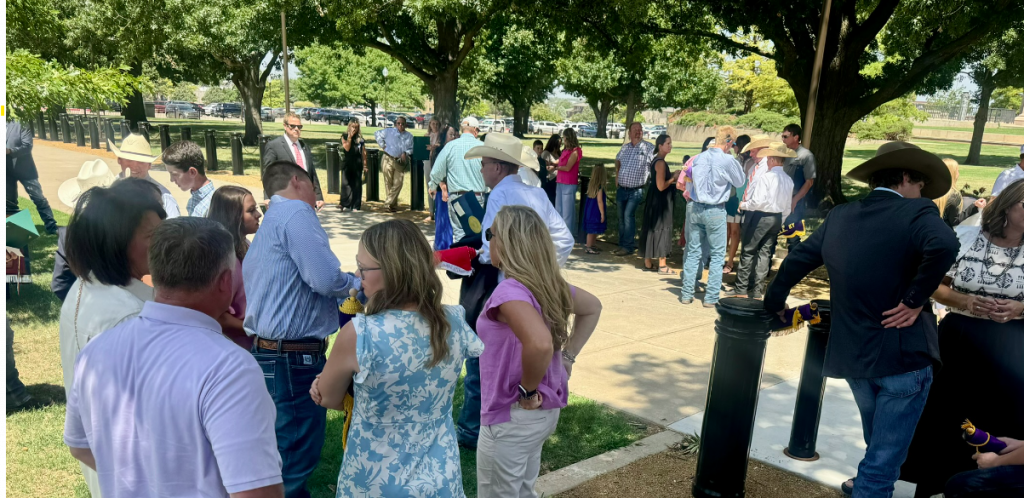
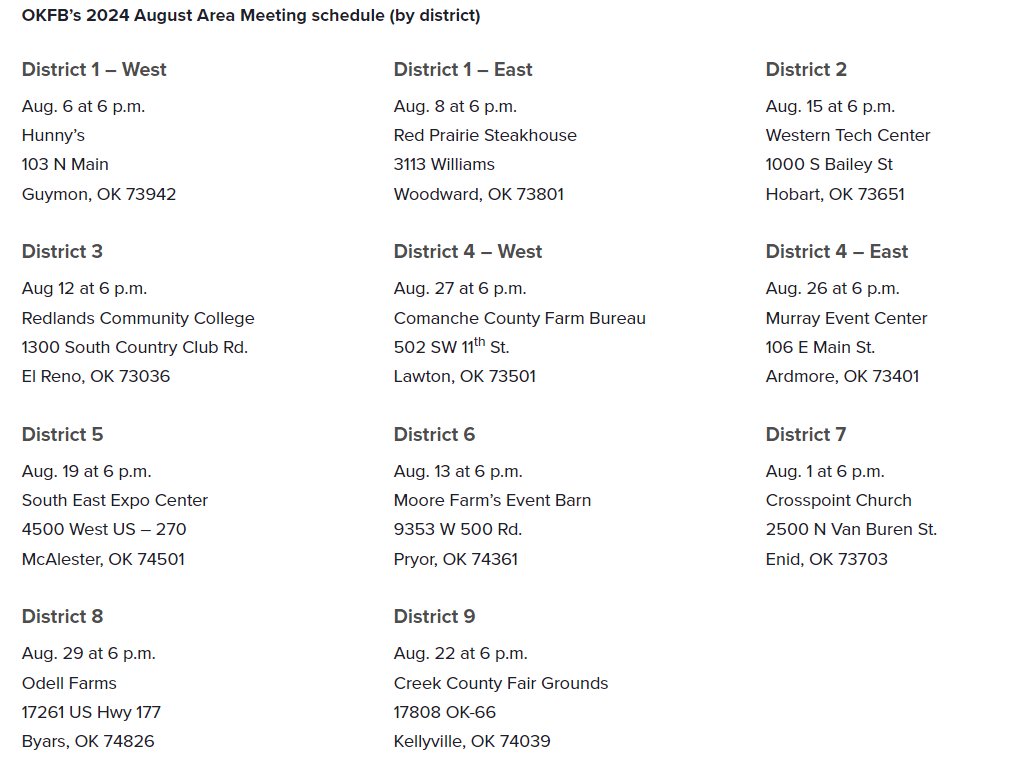
Starting us off on August first are the Oklahoma Farm Bureau Area Meetings. (the pic here is from southwestern Oklahoma last August). Up first is District 7 in Enid at Crosspoint Church at 6 PM. Click here to see the month long schedule.


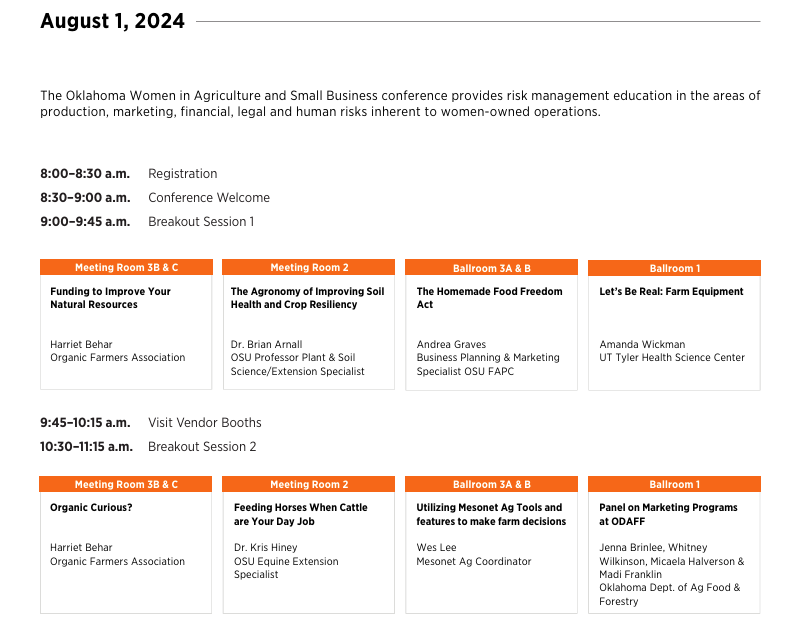
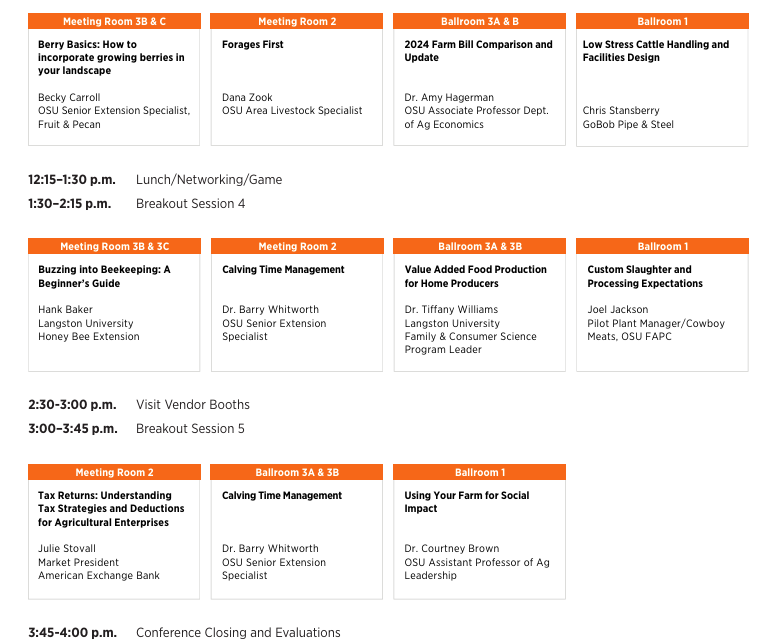
Also on the first is the 2024 Women in Conference in Edmond- you can still register for this event- click here for the details.


On Friday, August 2nd- the place to be is downtown OKC at the Colcord where the 2024 Oklahoma Pork Congress is happening- click here for the info of this annual gathering of the swine industry.


NEXT WEEK- among the happenings(click on the name for details):


The Texas A&M Beef Cattle Shortcourse- August 5-7 in College Station, Texas.


Congressman Frank Lucas District Town Hall Meetings August 5-7 in various locations.


Regional Canola Growers Meetings August 6-7 in Harper, Ks and Enid Oklahoma


Central Oklahoma Wheat Conference in El Reno- August 8, 2024


We will wait another day to highlight events coming later in August- but one that you may be wanting to get tickets for now is the 40th Annual OCA Ranch Rodeo coming August 16 and 17 at the Lazy E in Guthrie.

Sponsor Spotlight

Midwest Farm Shows is proud to produce the two best Farm Shows in the State of Oklahoma annually- the Tulsa Farm Show each December and the Oklahoma City Farm Show each April.


The Tulsa Farm Show is Oklahoma's premier agricultural and ranching event- and returns to the SageNet Center (Expo Square) December, 12-13-14, 2024. 


Now is the ideal time to contact the Midwest Farm Show Office at 507-437-7969 and book space at the 2024 Tulsa Farm Show.  To learn more about the Tulsa Farm Show, click here. 


Tyson Foods Pioneers Climate-Smart Beef Part 1: A Revolutionary Effort to Reduce Emissions

At the recent Trust In Beef event, Senior Farm and Ranch Broadcaster, Ron Hays, caught up with Senior Director of Sustainable Food Strategy at Tyson Foods Dr. Justin Ransom to talk about Tyson Foods' efforts to create climate-smart beef.


Dr. Ransom said that the research isn't new. For several years, they have been looking at ways to reduce emissions in the beef business.


"A lot of people think of Tyson Foods as being a poultry business, as it is the largest poultry company in the world, but beef makes up about 72 percent of our enterprise emissions," he explained. "Most of those emissions come from the farm of origin. In order for us to be able to make an impact on reducing our emissions as a business and meet the expectations our customers have for us; we have to look at new ways to look farther back in the value chain."


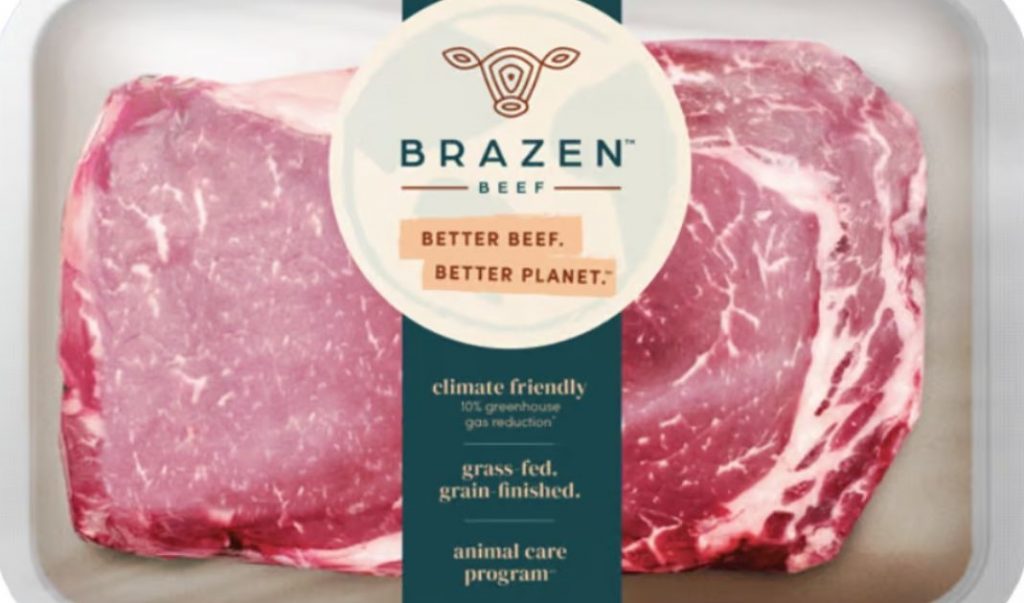
One strategy Tyson has adopted is the launch of Brazen Beef products. Animals chosen for the program are raised with emissions reduction practices in mind. Before being fully accepted into the program, the emissions of each animal are evaluated to ensure they meet the base emissions and program qualifications.

Listen to the interview with Dr. Justin Ransom and read more about it here

Mark Johnson Discusses Cover Crops

Mark Johnson, Oklahoma State University Extension Beef Cattle Breeding Specialist, offers herd health advice as part of the weekly series known as the "Cow Calf Corner," published electronically by Dr. Peel, Mark Johnson, and Paul Beck. Today, Johnson talks about the strategic use of cover cropping.


The systematic and strategic use of cover cropping systems is vital for sustainable agricultural production as this practice can help alleviate soil stress as a result of intensively managed agricultural land. Cover crops offer multiple ecosystem benefits including: reducing soil erosion, conserving and enhancing soil quality by increasing soil organic matter, reducing fertilizer use, disrupting crop pests and disease cycles, increasing biodiversity, and weed suppression. Several studies have reported positive effects of cover cropping on soil microbial biomass and diversity, and total soil carbon and nitrogen. In addition, cover crops have been reported to enhance soil structure and water retention, reduce nitrogen leaching, and reduce greenhouse gas emissions.


Most cover crop species make excellent cattle forage (for stocker and cow-calf operations alike) and thereby can reduce the expense of feeding hay. Cool season legumes can be used to improve wildlife habitat during winter and early spring when warm season feed resources are scarce. That being said, cover crop success depends on the selection of the best adapted cover crop varieties depending on the goal you plan to achieve. For example, winter wheat may yield the most pounds beef produced per acre whereas a mixture of clover, winter cow peas and radishes will do more to break through a hardpan soil and reduce the need for nitrogen fertilizer.

Read more about Cover Crops here
 
 
Sign Up for Our Daily Email- Free Because of Our Sponsors!

Support Our Sponsors!


KIS logo


Advertise With Us!
 

For our farmers who have either- always have had cotton on their farms- or those who have more recently have added the fiber crop to their operations- we have a daily report heard on several of our Radio Stations- It's Called Cotton Talk!

Click on the Button below to listen to our most recent report
Click here for our Latest Cotton Talk- Hosted by KC Sheperd


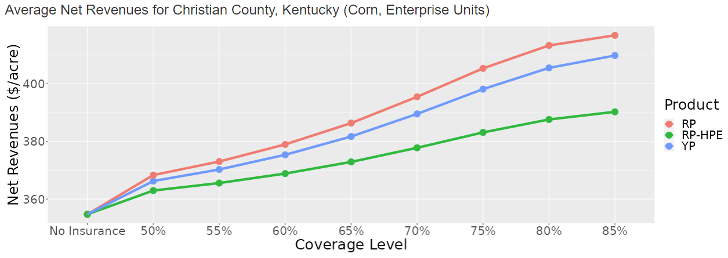
USDA Announces Changes to Enhanced Coverage Option Insurance Program

The U.S. Department of Agriculture (USDA) announced changes to the Enhanced Coverage Option (ECO) beginning with the 2025 crop year. USDA's Risk Management Agency (RMA) is expanding coverage options to additional crops as well as increasing premium support to make the policy more affordable for producers. 


"The Risk Management Agency is continually responding to producer needs and adapting our insurance coverage options to give producers more choices when it comes to managing their risks," said RMA Administrator Marcia Bunger. "This expansion is part of RMA's larger effort to provide more options for specialty crop producers." 


ECO is currently approved for 36 crops and RMA is expanding coverage options to almonds, apples, blueberries, grapes, and walnuts for the 2025 crop year and to citrus crops where the Supplemental Coverage Option is currently available in California and Arizona for the 2026 crop year. 


Additionally, RMA is increasing premium support for all crops covered by ECO to 65% to make the policy more affordable. 

Read more about the changes here
 

We invite you to listen to us on great radio stations across the region on the Radio Oklahoma Ag Network weekdays-

if you missed this morning's Farm News - or you are in an area where you can't hear it- click below for this morning's Farm news from Ron Hays and KC Sheperd on RON.
Listen to our latest Farm and Ranch News for Wednesday with KC Sheperd
 
 
Subscribe To the Daily Email


Sponsor Spotlight


Dating back to 1891, Stillwater Milling Company has been supplying ranchers with the highest quality feeds made from the highest quality ingredients. Their full line of A & M Feeds can be delivered direct to your farm, found at their Agri-Center stores in Stillwater, Davis, Claremore and Perry or at more than 125 dealers in Oklahoma, Arkansas, Kansas and Texas. We appreciate Stillwater Milling Company's long time support of the Radio Oklahoma Ag Network and we encourage you to click here to learn more about their products and services.


FFAR Grant to Improve Sorghum & Strengthen Nutritional Security

Dry conditions and poor soil severely affect crop yields, leading to poor quality food and feed, which is the leading cause of malnutrition among children and women in Africa. Sorghum, a major food and forage crop, can grow in these harsh conditions, but sorghum's nutritional value differs across varieties and the crop contains high levels of substances known as antinutrients that limit the body's ability to absorb the nutrients. To address this challenge, the Foundation for Food & Agriculture Research (FFAR) awarded a $809,879 Seeding Solutions grant to the National Agricultural Research Organization (NARO) to develop sorghum varieties with increased nutritional value, uses for livestock and improved yield. The International Maize and Wheat Improvement Centre (CIMMYT) and NARO provided matching funds for a total $1.6 million investment.


"Food and nutrition insecurity continues to be a problem among multiple populations around the world. This research aims to create more nutritious crops that can thrive in harsh agricultural regions," said FFAR Scientific Program Director Dr. Constance Gewa. "Researchers at NARO, in collaboration with partners at U.S.-based institutions, are not only improving smallholder farmers' livelihoods but also taking steps towards improving nutrition security in sub-Saharan Africa."


Although sorghum grains contain essential nutrients like iron and zinc, the bioavailability of these nutrients is hindered by the high levels of anti-nutrients found in the grains. Raising the levels of iron and zinc nutrients while simultaneously lowering the levels of antinutrients would greatly increase the availability of nutritious foods in arid regions. Furthermore, stalks and leaves from sorghum varieties with no or low levels of hydrogen cyanide have the potential to serve as safe livestock forage thereby improving meat and milk quality suitable for human consumption.

Click here to read more about the FFAR Grant

District 47 Senate Race Discussions with Jenny Schmitt and Kelly Hines

One of the more interesting August run off races across Oklahoma is happening in central Oklahoma as a pair of GOP candidates hope to replace the current Senate Majority leader Greg Treat who is termed out here in 2024. It's considered a safe GOP seat and it will take either of these Oklahomans a while to become a player in the leadership of the state Senate- but one of them will become the GOP candidate to face Democrat Erin Brewer in November for the right to become one of the 48 State Senators in the upcoming legislative session come 2025. Our own KC Sheperd has had the chance to talk with both of them- you can hear her conversations in the story linked below:


Jenny Schmitt

An OSU Graduate, Jenny Schmitt and her husband, Brad, have a fifteen-year-old daughter and a six-year-old son. She has been a nurse for almost twenty years and has a passion and grit for caring for others. "Being a nurse is public service and being a legislator should also be public service," she said.


"I had to overcome a lot of things in my life, and because of that, I have developed a passion for caring for others," Schmitt said. "When I think about what is going on in healthcare, schools, and around the world – I can't complain unless I'm willing to stand up and fight for my community – these people that I have lived near, known, and spent time with for almost twenty years. Even with the divisiveness in politics, our state and its future need people who want to champion Oklahoma and our values. So why not me?"


Kelly Hines

Kelly Hines grew up in the southeast Oklahoma Mountains in the small town of Whitesboro. He dreamed of becoming a soldier from the time he was seven years old, but his father insisted that he needed to be an officer if he was going to pursue that path. He joined the Oklahoma National Guard when he was seventeen to pay for college. He graduated from East Central University in Ada, Oklahoma, during his six-year term with the Guard. He was offered a Commission as a Second Lieutenant Army Aviation and married his wife of thirty-two years. They have two grown children who also live in Oklahoma.


He was on active duty for twenty-eight years flying soldiers around the world in a helicopter. He served in Special Ops for a short time as well. He retired as a Colonel in 2019, and was offered a job back home in Oklahoma and was glad to return. He is currently Vice President of an aerospace company in Edmond.

Read more about Schmitt and Hines here

Red Dirt Agronomy: How Weather Influences Crop Disease Risks – RDA 312

Oklahoma has faced a hot summer with temperatures consistently exceeding 100°F. However, timely rainfall has positively influenced crop prospects, particularly for sorghum, which is maturing rapidly. This highlights the delicate balance between weather conditions and crop health.


See how this influences disease development in Oklahoma crops!


In Episode 312 of the Red Dirt Agronomy podcast, we had the pleasure of speaking with Dr. Maíra Duffeck, an Extension row crop pathologist from Oklahoma State University.


Our conversation centered around the current crop conditions, disease pressures, and effective management strategies in Oklahoma agriculture, particularly for summer crops.

Click here to listen to the podcast
Let's Check The Markets!
OKC West is our Market Links Sponsor- they sell cattle three days a week- Cows on Mondays, Stockers on Tuesday and Feeders on Wednesday- Call 405-262-8800 to learn more.
 
Today's First Look:
Ron on RON Markets as heard on K101  
mornings with cash and futures reviewed- includes where the Cash Cattle market stands, the latest Feeder Cattle Markets Etc.
Hear Today's First Look
 

Wholesale Boxed Beef Prices were lower - Choice Beef was down 33 cents and Select Beef was down 14 cents on Tuesday 7/30/2024.


Click on the Button below for the latest report from USDA Market News

Boxed Beef Report from 7/30/2024
 

OKC West in El Reno had 1,200 head of calves and stockers on Tuesday, July 30th.


Compared to last week: Steer and heifer calves sold 4.00-8.00 lower. Demand light as temperature's in the triple digits have buyers being cautions. Supply included: 100% Feeder Cattle (51% Steers, 2% Dairy Steers, 42% Heifers, 5% Bulls). Feeder cattle supply over 600 lbs was 26%.


For today's Feeder Cattle Auction- they expect 4,500 head- 1,200 Heifers and 3,300 Steers with the sale to start at 9 AM


Click below for the Tuesday report.

OKC West in El Reno Market Report from 07/30/2024- Calves and Stockers
 

On Tuesdays, Ron Hays gets the latest market commentary from Ben Hale of Western Livestock Auctions.


This commentary is posted on our website-click here for this Tuesday's story featuring Hale's comments.


Learn more about Western Livestock Auctions, Click Here.

 
Listen to Ron Hays talk with Ben Hale about the cattle markets


Each afternoon we are posting a recap of that day's markets as analyzed by Justin Lewis of KIS futures - click below for the latest update on the Livestock and Grain Futures Trade..
Click Here to Listen to Justin's Commentary From 7/30/2024
 
Okla Cash Grain:  
Daily Oklahoma Cash Grain Prices- as reported by the Oklahoma Dept. of Agriculture- The report available after the close of the Futures Trade for that day.
Read Cash Grains Report from 7/30/3024
 
Our Daily Market Wrapup from the Radio Oklahoma Ag Network - analyzing the Futures Markets for that trading day- as reported by KC Sheperd.
Click to Listen to Our Weekday Wrap with KC
 
Slaughter Cattle Recap: 
The National Daily Slaughter Cattle Summary- as prepared by the USDA Market News
Read Report
 
TCFA Feedlot Recap:  
Finally, here is the Daily Volume and Price Summary from the Texas Cattle Feeders Association.
Read Report

Our Oklahoma Farm Report Team!!!!


Ron Hays, Senior Farm/Ranch Broadcaster and Editor


KC Sheperd, Farm Director and Editor


Dave Lanning, Markets and Production


Stevie White, Farm News and Email Editor


Pam Arterburn, Calendar and Template Manager

Podcasts From Oklahoma Farm Report and More

Two of our regular reports are also podcasts that you can subscribe to- Our daily Farm and Ranch News with KC Sheperd- available here on the Apple Podcast Platform


The second is our daily Beef Buzz with Ron Hays- available here on the Apple Podcast Platform


Periodically- we offer interviews on our Ag Perspectives Podcast series- this podcast is available here.


Ron has also has a series of podcasts from interviews with newsmakers at the Cattlemen's Congress- Click here or you can find them on your favorite Podcast platform- look for them by searching for Cattlemen's Congress Conversations.


We are making plans to jump back into regular installments of what has been called the Road to Rural Prosperity- a new name and fresh content is in the works- for now- click on the blue button below for one of our favorites that is a timeless classic.

Listen to Episode 86 with Ron Hays talking with one of the legends in the Beef Cattle Business- Bob Drake of Davis, Oklahoma
 
 
Listen to Ron
Beef Buzz
 
Blue Green Gazette
Calendar
Auctions
Market Links
Facebook  Twitter  Youtube  

Our thanks to Midwest Farms Shows, P & K Equipment, Oklahoma Farm Bureau, Oklahoma Ag Mediation Program, Great Plains Kubota, Stillwater Milling Company, National Livestock Credit Corporation, Oklahoma Beef Council, Oklahoma Wheat Commission, Oklahoma AgCredit, the Oklahoma Cattlemens Association, Invenergy Oklahoma and  KIS Futures for their support of our daily Farm News Update.


For your convenience, we have our sponsors' websites linked here- just click on their name to jump to their website- check their sites out and let these folks know you appreciate the support of this daily email, as their sponsorship helps us keep this arriving in your inbox on a regular basis- at NO Charge!


We also appreciate our Market Links Sponsor - OKC West Livestock! 


We invite you to check out our website at the link below too that includes an archive of these daily emails, audio reports and top farm news story links from around the globe.

Head to Our Website OklahomaFarmReport.Com
God Bless!
Reach Out To Us:
Tim West
President/General Manager
Rural Oklahoma Networks

405-317-6361

***************

Mike Henderson
Director of Sales

405-615-4922

KC Sheperd
Farm Director
Radio Oklahoma Ag Network

405-443-5717

Email KC
Ron Hays
Senior Farm/Ranch Broadcaster
Radio Oklahoma Ag Network

405.473.6144
Email Ron

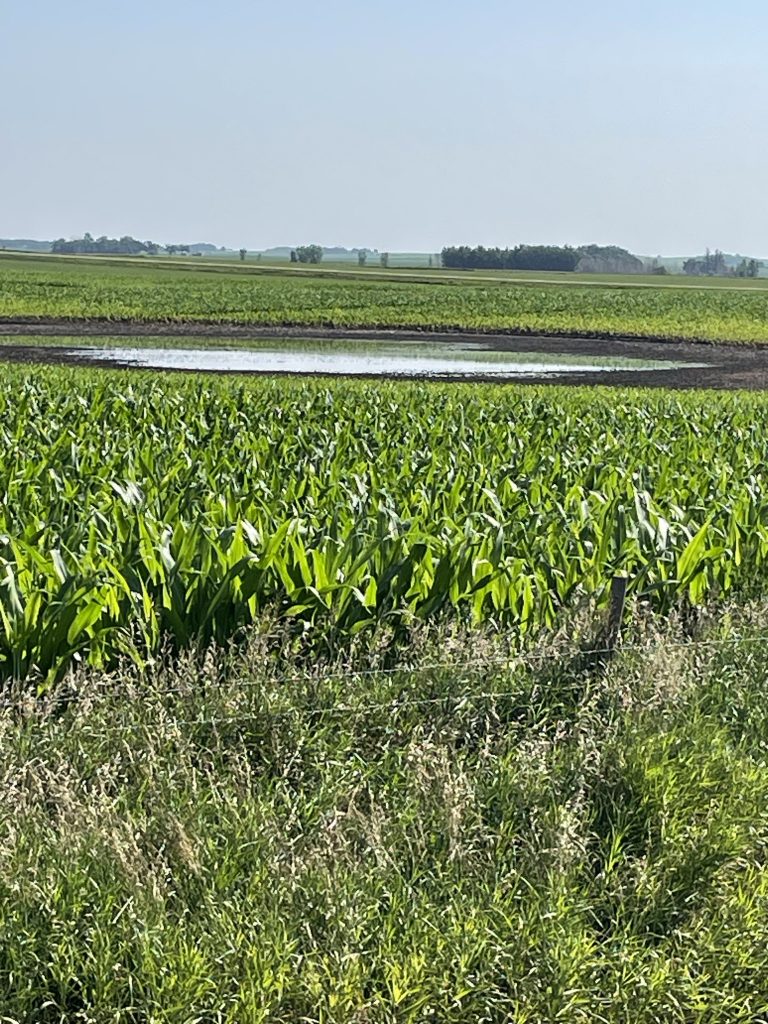
Three Tips for Navigating Challenging Weather and Protecting Corn Yield

Agronomists offer strategies for finishing the growing season strong.

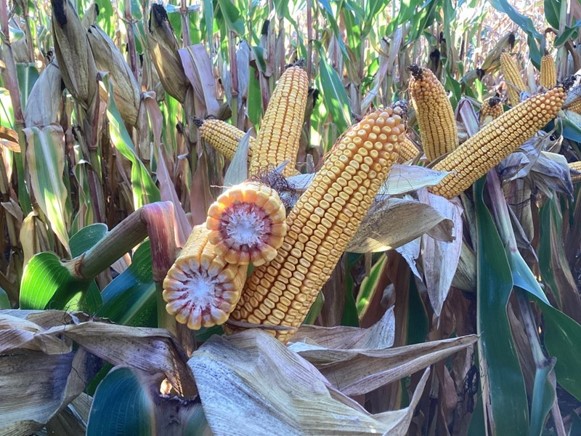
LG Seeds agronomists encourage farmers to stick with their management plan throughout the growing season as corn can add yield all the way to black layer.

After extreme weather conditions early in the growing season, some corn farmers are concerned about the economics of managing their crop. But if they are strategic with that management, the corn crop can still finish strong, say LG Seeds Agronomists Bryant Luers and Kyle Malcolm.   

"Last year, many farmers thought their crop was going to be a failure in June but ultimately had one of the best corn crops they ever raised," says Indiana-based Malcolm. "While early season variability may have cost farmers plants or limited root growth, if that hybrid can flex with more favorable weather in later stages, yield won't be as severely impacted. Remember, corn can add yield all the way to black layer."   

Malcolm and Luers offer advice for farmers navigating the challenges of a variable season, helping them troubleshoot corn stressors and maximize their return on investment (ROI) for the most successful corn crop possible. 

#1: Control weed and disease pressure
Weather has made weed management a challenge for some areas. "We've seen more issues after planting — either from too much rain making herbicides more difficult to apply, or several weeks of dry weather that makes it difficult for residuals to activate," Malcolm explains. 

Luers, based in Iowa, says waterhemp growth is significant. "While farmers were unable to get in the fields, waterhemp was still growing," he says. "I expect to see some waterhemp plants rise through the canopy when we get into August." 

Luers also advises farmers to keep an eye out for disease threats: "Tar spot, Northern corn leaf blight and gray leaf spot thrive with the weather we've had recently. Now, warmer weather with high humidity and winds may encourage gray leaf spot and southern rust to take hold." 

Scouting fields for disease threats is critical, Malcolm says. "It's important to walk fields and understand what's out there."  

#2: Maximize the value of inputs
Many farmers have concerns about the costs of inputs to manage stressed corn crops. "Farmers often know what they can do to make these situations better, but the extra costs can be hard to stomach," Luers says. 

To maximize investments, Malcolm recommends farmers target application timing. "Two weeks before pollination and two weeks after pollination are going to be the most critical times for keeping as many kernels on that ear as possible," he says. "Once kernels are on the plant, give the crop the nutrients it needs to get the heaviest kernel possible." 

Luers stresses the importance of focusing management efforts on the best-performing fields. "I encourage farmers to invest in protecting yield because those fields are going to provide the best return." 

It's important to consider the cost versus benefits of a second application, which Malcolm explains may be necessary when there is a lack of moisture for activation. "Despite potential added costs, controlling weeds may prevent them from hurting your corn yield in the long run," he says. 

In some cases, Malcolm says holding off on a second application may be best. "If there's no rain in the forecast and not a lot of weed pressure in a field, it may not be worth focusing on a second application," he says. "Allocate dollars where you're going to see your biggest ROI." 

#3: Place the right hybrids on the right acre
Hybrid selection is a major factor in how variable weather impacts yield. "Pick a hybrid that can handle varying conditions — whether it's wet or hot or drought conditions — and understand the impact that hybrid may have while experiencing stress," Malcolm advises, noting hybrid selection is all about balance.  

"Every farm is different. Tailoring products and managing their needs differently, whether the goal is high yield or a certain disease tolerance, is the most important management decision farmers can make," Malcolm says. 

Effective hybrid selection, disease management and weed control are crucial for maximizing yield potential amid variable growing conditions. Reach out to your local LG Seeds agronomist or district sales manager for support in getting the most out of your corn crop in any environment. 

Tyson Foods Pioneers Climate-Smart Beef Part 2: A Revolutionary Effort to Reduce Emissions

Listen to Ron Hays speaking with Dr. Justin Dr. Ransom about Tyson Foods' efforts to create climate-smart beef.

At the recent Trust In Beef event, Senior Farm and Ranch Broadcaster, Ron Hays, caught up with Senior Director of Sustainable Food Strategy at Tyson Foods Dr. Justin Ransom to talk about Tyson Foods' efforts to create climate-smart beef.

This is the second part of Hays's conversation with Dr. Ransom. Part one can be found here.

A little over a year ago, Tyson Foods rolled out Brazen Beef. Dr. Ransom says that product introduction taught them a lot. "When we first started, we really thought we were going to create a brand that would take off at a consumer level," he said. "The reality is that consumers are interested, but they don't know enough. They are wondering what am I going to cook tonight in the next five minutes, not the decision about making an environmental purchase."

Dr. Ransom said that once Tyson Foods understood what drove consumer's decisions, they began working with their distributors to help them meet their own goals to reduce emissions.

Tyson Food's strategy is how to grow the embodiment and adoption of emission reducing practices across their value chain long term. "We have some ambitious goals," Dr. Ransom said. "As a company, we are committed to reducing emissions by 30% by 2030. We have set science-based targets, and so have our distributors. If we have resilient farmers, we have a resilient business, and we can continue to grow. We want to sell more animal protein than anyone else in the world, and that comes from having a resilient supply chain."

Dr. Ransom said that the company is still trying to figure out the correct way to incentivize these practices. "We see a time where these carbon markets are really going to develop," he said. "Carbon offset markets are already out there. Farmers and ranchers are participating in them already in the row crop and grazing land spaces with oil and gas and transportation companies. It is becoming clear that in order for us to meet our targets, we have to work within our value chain."

He said that sending a clear market signal will drive their strategy forward, but he is unsure of what the value to the supply chains will be.

"Cabon and climate are sensitive topics," Dr. Ransom admitted. "Water is what I am most passionate about. We almost ran out of water in my north Texas hometown. Water is central to all of these conversations. We are thinking about this as land, air, water, and biodiversity, all mixed together. We need to create meaningful progress to create resilience in our business, in our value chain, so that we are going to be here for generations to come."

The Beef Buzz is a regular feature heard on radio stations around the region on the Radio Oklahoma Ag Network and is a regular audio feature found on this website as well. Click on the LISTEN BAR at the top of the story for today's show and check out our archives for older Beef Buzz shows covering the gamut of the beef cattle industry today.

U.S. Department of Agriculture Announces Key Staff Appointments and Promotions

The U.S. Department of Agriculture (USDA) today announced the names of individuals who hold senior staff positions in Washington, D.C.

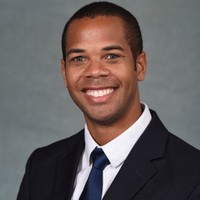
Carlton Bridgeforth (Photo from LinkedIn)

Carlton Bridgeforth has been promoted to White House Liaison in the Office of the Secretary.

Bridgeforth is being promoted after serving as Senior Advisor for USDA's Research, Education, and Economics (REE) mission area where he led stakeholder outreach and Congressional engagement. Before his time at USDA, Bridgeforth worked for the U.S. House of Representatives Committee on Agriculture, where he advised Chairman David Scott, Committee members, and their staff on issues related to the General Farm Commodities and Risk Management Subcommittee and the Commodity Exchanges, Energy, and Credit Subcommittee. Additionally Bridgeforth has served as an appointee to the United Sorghum Checkoff Program and an Agricultural Technical Advisory Committee for Trade. Bridgeforth holds a bachelor's degree in finance from Morehouse College.

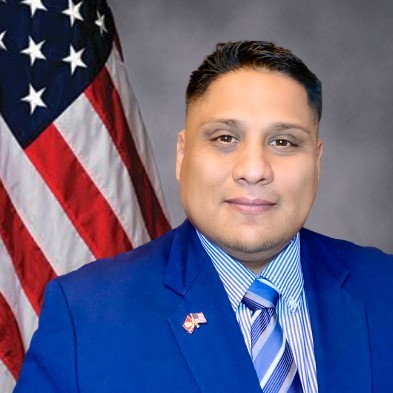
Hunter Henderson (Photo from LinkedIn)

Hunter Henderson has been promoted to Chief of Staff of the Farm Service Agency.

Henderson most recently served as Deputy White House Liaison, where he coordinated hiring efforts and interagency collaboration for USDA under the Biden-Harris Administration. Before that, he served as Special Assistant for the Farm Service Agency (FSA) where he advised senior staff on FSA field operations and personnel policy, and was the direct liaison between the FSA Deputy Administrator and the 51 FSA State Executive Directors. Prior to joining USDA, Henderson served as both the Organizing Director for the Arizona Democratic Party and as the Arizona Deputy Coalitions Director for the Biden-Harris Presidential Campaign. He is also a veteran of the United States Marine Corps. Henderson is a son of the Akimel O'odham people, The Salt River People of Arizona.

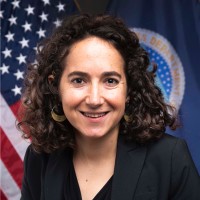
Alyssa Charney (Photo from LinkedIn)

Alyssa Charney has been promoted to Senior Advisor for Farm Production and Conservation.

Charney returned to USDA in May after serving as the White House Director for Lands and Climate-Smart Agriculture in the Climate Policy Office since April of 2023. Previously, she served as the Chief of Staff in USDA's Natural Resources Conservation Service (NRCS) for two years, where she provided leadership and led the agency's work to implement the climate-smart agriculture investments provided through the Inflation Reduction Act. Prior to her time at USDA, Charney worked for U.S. Senator Bob Casey, handling his agriculture and environmental portfolio and led conservation policy at the National Sustainable Agriculture Coalition. Charney holds a master's degree in food and agriculture policy from the Friedman School of Nutrition Science and Policy at Tufts University, a master's degree in public health from Tufts University, and a bachelor's degree from Vassar College.

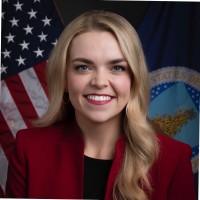
Victoria Maloch (Photo from LinkedIn)

Victoria Maloch has been promoted to Chief of Staff for Marketing and Regulatory Programs.

Most recently, Maloch served as Special Advisor for Strategic Communications in USDA's Office of Communications. Prior to joining USDA, she was Communications Director for the U.S. House of Representatives Committee on Agriculture, where she also held policy roles for the Commodity Exchanges, Energy, and Credit Subcommittee and the Biotechnology, Horticulture, and Research Subcommittee. Maloch also served as a Truman-Albright Fellow in the Federal Office of Rural Health Policy at the Department of Health and Human Services. She holds a master's degree in public policy from the University of Cambridge, a master's degree in comparative social policy from the University of Oxford, and a Bachelor of Science in Agricultural, Food and Life Sciences from the University of Arkansas. Maloch is a former National FFA Officer and grew up on her family's Arkansas Century Farm.

Will Clement has been appointed Senior Advisor for Strategic Communications in the Office of Communications.

Clement joins USDA with experience as an account supervisor for health crisis and issues at Edelman, having supported crisis communications and issues management for several global healthcare companies. Previously, Clement also worked as an account supervisor and senior account executive at Ketchum where he led healthcare client teams focused on public affairs and issues management, and served as the rapid-response and issues lead across a number of health-related accounts. Clement holds a bachelor's degree in psychology from the University of North Carolina at Chapel Hill.

Chicken will continue to meet the needs of consumers in 2035

Gen Z, Millennials value convenience, health and sustainability

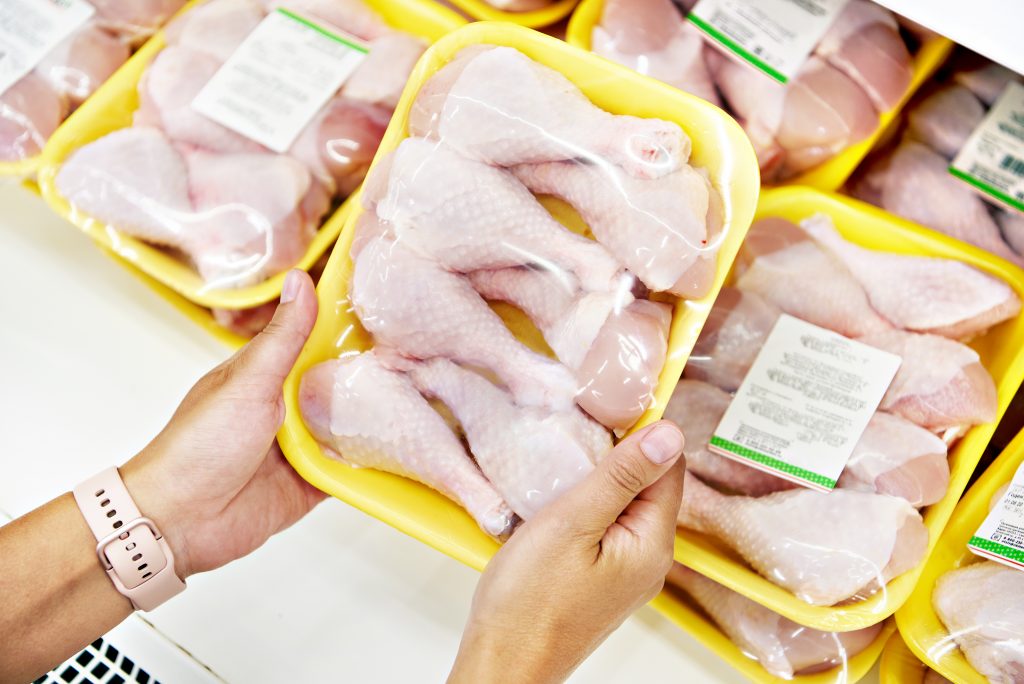
In the decade ahead, fast prep time, easy-to-prepare, single-serve packaging and other time savers will be priorities for Gen Z and younger Millennials who buy fresh chicken, according to research presented at the 2024 Chicken Marketing Summit. More than two-thirds (71%) of consumers surveyed said they now spend more than 30 minutes preparing a typical evening meal. Gen Z spends the most time preparing dinner, with almost a third spending an hour or more on a typical evening meal.

67% of Gen Z say that fast prep will be a priority in five years. "Beyond speed, Gen Z indicates a future need for advance meal prep, global flavors and minimal clean-up," according to Joyce Neth, WATT Global Media. "Meal kits, packaging that offers no mess and labels with information on nutrition are especially appealing to Gen Z who in five years will likely be in a different stage of lifestyle, balancing work and families.

The National Chicken Council (NCC) and WATT Global Media presented the results of a study that focused on current and anticipated U.S. consumer behavior, specifically, to better understand the consumer of 2035 with regards to consumption of fresh chicken and other proteins. Circana provided supporting data from its retail databases. The results compared and contrasted generational cohorts, spanning ages 18-67, and suggested several opportunities for chicken to maintain customer satisfaction through 2035.
 
The study was commissioned by NCC and conducted online by Circana June 28 – July 5, 2024, among 620 U.S. adults.  Funding was provided by Elanco Animal Health, Evonik Animal Nutrition, NCC and WATT Global Media. A full copy of the presentation is available by clicking here. 

Based on research findings, attendees were given recommendations to:

  • Make it easy for consumers to choose, buy and prepare chicken meals fast;
  • Reinforce the established benefits of chicken; consumers are resistant to plant-based and lab-grown meat alternatives; and
  • Offer transparency for sustainable practices and other practices related to social causes and the environment.

Convenience is a driver for the younger generations in choosing, buying and preparing fresh meat. Online channels will continue to be a growth driver for fresh meat purchases. Nearly half (45%) of all respondents reported purchasing fresh meat products online in the past six months. This behavior was more prevalent among younger generations; more than half of Gen Z and Millennials, compared to 25% of younger boomers. Almost two-thirds (63%) of those who don't buy online said that product safety, staying cold and safe, during delivery would encourage them to buy. Nearly half cited free or low-cost delivery as a motivator.

Artificial intelligence (AI) plays a growing role in grocery purchases. A third of fresh chicken consumers use AI tools now. "Unsurprisingly, adoption is highest among Gen Z," said Erkin Peskoz, Circana. "This generation of digital natives does everything on their phones. Voice-activated assistants such as Siri can tell them what to make and where to buy it ." More than half (52%) of Gen Z reported using AI for food purchase information compared to 35% and 12% of Gen X and younger boomers, respectively. Peksoz reminded attendees that smart phones have been the catalyst for changes in consumer behavior, "e-commerce has become m-commerce – making purchases directly from mobile phones – in less than ten years."

Aside from convenience, health & wellness and sustainability matter to the generations who will be spending the most in 2035. But when it comes to plant-based and lab-grown meats, there is reluctance to adopt. While the percentage of chicken buyers who have purchased plant-based meat alternatives in the past six months has increased to 34% compared to 10% in 2019, 60% of those who have not purchased say they will not buy in the next six months.

While younger chicken consumers are open to plant-based alternatives if they can be assured of taste, availability and low price compared to fresh meat, there is more resistance to lab-grown meat among all generations. Half (50%) of all chicken buyers say they will definitely or probably not buy lab-grown meat alternatives. "When asked what might increase the likelihood of buying lab-grown meat, nearly 4 in 10 said nothing would," said Neth. While Gen Z shows slightly less resistance, just 28% said they definitely/probably will buy lab-grown meat. Motivators are the same as with plant-based: lower price and better taste than conventional fresh meat products and wider availability in stores.

Three-quarters (76%) of consumers indicated that corporate responsibility matters to their purchase decisions for food. Gen Z is most likely to care about social causes; Gen Z and Younger Millennials are most likely to care about transparency in sustainability initiatives. "From the farm to the supermarket, chicken companies have a great sustainability story to tell," according to Tom Super, NCC. "In addition to health, taste and value, this can firmly establish the relationship with the younger generation of consumers, maintaining chicken's position as the preferred protein."

U.S. Pork Producers' Biosecurity Practices Virtually Eliminate Trichinella, Proving Safety of Pork

At the urging of the National Pork Producers Council (NPPC), a newly published U.S. Department of Agriculture (USDA) study found zero Trichinella positives in more than 3.2 million pork samples, demonstrating to domestic and global consumers the safety of U.S. pork. 

"USDA scientists have confirmed that U.S. pork producers' rigorous biosecurity efforts to keep pigs healthy are working," said NPPC President Lori Stevermer, a pork producer from Easton, Minn. "Because of decades of pork industry research and hard work on the farm, consumers can continue to be confident that the pork on their dinner table is safe to eat."

U.S. pork producers participate in the robust Pork Quality Assurance® Plus (PQA Plus) certification program for continuous improvement, including biosecurity practices to prevent on-farm exposure to wildlife and rodents, the main sources of Trichinella in pigs.

Trading partners have long restricted access for U.S. pork because of Trichinella concerns, as the U.S. did not have surveillance data to prove there was a negligible risk for Trichinella in the domestic swine herd. As a result of NPPC's persistence over the past decade, this USDA study validates the safety of U.S. pork.

USDA conducted the first comprehensive survey of pigs produced under the PQA Plus program. USDA's Agricultural Research Service (ARS) surveyed 3,208,643 samples of pork from 12 processing plants in 23 states over 54 months.

Key takeaways include:

  • PQA Plus biosecurity measures are effective mitigations of risk for Trichinella in U.S. pig herds.
  • Results are consistent with international guidelines for having a negligible risk to public health.
  • Findings permit NPPC to leverage this data with trading partners using Trichinella as a barrier to trade, allowing for trade without extensive testing and further processing.
  • U.S. pork is safe to eat.

This study was conducted by USDA ARS and the Department's Animal and Plant Health Inspection Service.

U.S. Department of Agriculture Announces Key Staff Appointments and Promotions

The U.S. Department of Agriculture (USDA) today announced the names of individuals who hold senior staff positions in Washington, D.C.

Carlton Bridgeforth has been promoted to White House Liaison in the Office of the Secretary.

Bridgeforth is being promoted after serving as Senior Advisor for USDA's Research, Education, and Economics (REE) mission area where he led stakeholder outreach and Congressional engagement. Before his time at USDA, Bridgeforth worked for the U.S. House of Representatives Committee on Agriculture, where he advised Chairman David Scott, Committee members, and their staff on issues related to the General Farm Commodities and Risk Management Subcommittee and the Commodity Exchanges, Energy, and Credit Subcommittee. Additionally Bridgeforth has served as an appointee to the United Sorghum Checkoff Program and an Agricultural Technical Advisory Committee for Trade. Bridgeforth holds a bachelor's degree in finance from Morehouse College.

Hunter Henderson has been promoted to Chief of Staff of the Farm Service Agency.

Henderson most recently served as Deputy White House Liaison, where he coordinated hiring efforts and interagency collaboration for USDA under the Biden-Harris Administration. Before that, he served as Special Assistant for the Farm Service Agency (FSA) where he advised senior staff on FSA field operations and personnel policy, and was the direct liaison between the FSA Deputy Administrator and the 51 FSA State Executive Directors. Prior to joining USDA, Henderson served as both the Organizing Director for the Arizona Democratic Party and as the Arizona Deputy Coalitions Director for the Biden-Harris Presidential Campaign. He is also a veteran of the United States Marine Corps. Henderson is a son of the Akimel O'odham people, The Salt River People of Arizona.

Alyssa Charney has been promoted to Senior Advisor for Farm Production and Conservation.

Charney returned to USDA in May after serving as the White House Director for Lands and Climate-Smart Agriculture in the Climate Policy Office since April of 2023. Previously, she served as the Chief of Staff in USDA's Natural Resources Conservation Service (NRCS) for two years, where she provided leadership and led the agency's work to implement the climate-smart agriculture investments provided through the Inflation Reduction Act. Prior to her time at USDA, Charney worked for U.S. Senator Bob Casey, handling his agriculture and environmental portfolio and led conservation policy at the National Sustainable Agriculture Coalition. Charney holds a master's degree in food and agriculture policy from the Friedman School of Nutrition Science and Policy at Tufts University, a master's degree in public health from Tufts University, and a bachelor's degree from Vassar College.

Victoria Maloch has been promoted to Chief of Staff for Marketing and Regulatory Programs.

Most recently, Maloch served as Special Advisor for Strategic Communications in USDA's Office of Communications. Prior to joining USDA, she was Communications Director for the U.S. House of Representatives Committee on Agriculture, where she also held policy roles for the Commodity Exchanges, Energy, and Credit Subcommittee and the Biotechnology, Horticulture, and Research Subcommittee. Maloch also served as a Truman-Albright Fellow in the Federal Office of Rural Health Policy at the Department of Health and Human Services. She holds a master's degree in public policy from the University of Cambridge, a master's degree in comparative social policy from the University of Oxford, and a Bachelor of Science in Agricultural, Food and Life Sciences from the University of Arkansas. Maloch is a former National FFA Officer and grew up on her family's Arkansas Century Farm.

Will Clement has been appointed Senior Advisor for Strategic Communications in the Office of Communications.


Clement joins USDA with experience as an account supervisor for health crisis and issues at Edelman, having supported crisis communications and issues management for several global healthcare companies. Previously, Clement also worked as an account supervisor and senior account executive at Ketchum where he led healthcare client teams focused on public affairs and issues management, and served as the rapid-response and issues lead across a number of health-related accounts. Clement holds a bachelor's degree in psychology from the University of North Carolina at Chapel Hill.

# USDA is an equal opportunity provider, employer, and lender.

August Work Period with Stephanie Bice

As August approaches, I'm looking forward to being at home in Oklahoma and taking advantage of the opportunity to meet and engage with constituents across the Fifth Congressional District. Since Congress's early years, August has traditionally been a district work period, and this time away from the Capitol is dedicated for Members of Congress to return to their home districts and states, engage directly with their constituents, and immerse themselves in the local issues that matter most to their communities. While this period is a hiatus from legislative activity in Washington, it serves a crucially important role in ensuring that Members of Congress remain connected with the very constituents we serve.

Engaging with the communities we represent is a cornerstone of effective legislation. Many times, legislative initiatives emerge due to the conversations I have with local leaders, business owners, and Oklahomans of every walk of life. Over the next few weeks, I will be meeting with different community groups along with local government officials to have one-on-one conversations about what is hurting and helping our state. I anticipate hearing stories of businesses that are overburdened by regulations, Oklahomans who are struggling with record-high prices due to inflation, and those who have lost loved ones due to the fentanyl crisis. While I work for Oklahoma in our nation's Capital, my focus continues to be on the people who have elected me to serve, which means working with individuals across both the public and private sectors. It is important to hear from state legislators, local mayors, and numerous others to get updates and perspectives on all sides. These dialogues help ensure that legislative decisions are focused on the needs of our district. Finally, the August work period is an opportunity for lawmakers to prepare for the legislative battles ahead. I will use this time to prepare for the issues which must be addressed before the end of the year, including finishing the appropriations process, working to secure our border, and pushing back against unconstitutional federal regulations. I hope to lay out my vision for the future. We must continue to work towards an economy that is strong, a nation that is safe, a future that is built on freedom, and a government that is accountable

R-Calf How Should Candidates Formulate Ag Policy?

Please find below R-CALF USA's weekly opinion/commentary that discusses good and bad policies proposed by both Republicans and Democrats. It is in three formats: written, audio and video. Anyone is welcome to use it for broadcasting or reporting.

How Should Candidates Formulate Ag Policy?
Commentary by Bill Bullard, CEO, R-CALF USA

We know Donald Trump is the Republican presidential candidate. We think Kamala Harris is the Democrat candidate, but we won't be sure until later in August. So, who's influencing agricultural policies for the two major political parties?

Well, we can safely presume the Democrats are likely to follow through with what President Biden has already initiated. Some of those policies are very good, and some are very bad.

But we don't know what agriculture policies the Republicans will pursue. But we're trying to find out.

A document called "Project 2025," written by the Heritage Foundation, purports to contain an agricultural plan for a Republican President. Some of it is good, and some of it is bad.

So, from the cattle industry's perspective, let's look at some of the good policies and bad policies contained in the Project 2025 proposal and then let's figure out how we can assist in the formulation of good policies for both parties.

Here are some good policies in Project 2025:

• Calling for the removal of the U.S. from any association with the United Nations and other efforts to push global sustainable-development schemes on U.S. cattle producers.
• Calling for reforms of the U.S. Department of Agriculture's (USDA's) conservation easements, pointing out that they can be enforced for perpetuity, which binds all future generations to the easement's conditions.
• Calling for legislation to allow state-inspected beef to be sold in interstate commerce.
• Calling for the elimination or reform of checkoff programs, like the beef checkoff program, stating they are an effective tax – "a means to compel speech – and government blessed cartels." And calling them "tools for industry actors to work with government to force cooperation."

Now here are some bad policies in Project 2025:

• Focusing on supporting food production efficiency, but not on competition, and not on supporting a widely disaggregated, family-scale food production system that is resistant to disease and climate shocks and better meets our food security goals.
• Calling for the repeal of the U.S. sugar program that remains viable through the use of tariffs and tariff-rate quotas, which are economic tools needed in both the cattle and sheep industries to level the playing field for domestic producers.
• Emphasizing support for and adoption of biotechnology in food production. Now lab-grown protein and plant-based protein are two biotechnologies that we don't think the government should be supporting at all.
• Failing to include cattle and sheep grazing to reduce forest and range fire severity in its forest service wildfire management recommendations.

Now let's look at some of the good cattle industry policies the Biden Administration is pursuing that would likely be carried forward should a Democrat be elected:

• A renewed effort to support family-scale farming and ranching operations following decades of losses of small to mid-sized operations.
• A renewed effort to enforce U.S. antitrust laws to stop if not undo all the concentration, consolidation, and vertical integration that continues to occur in our cattle and beef markets, and that will help put an end to anticompetitive practices like price fixing and market manipulation. We view this as absolutely necessary to restore competition to our U.S. cattle markets.
• There are several rulemakings underway to protect cattle farmers and ranchers from abusive market power by global beef packers known as the Packers and Stockyards Act rules. In addition to restoring competition, we view these rulemakings as absolutely essential if there is to be a future for independent cattle farmers and ranchers in the United States.
• There's a new regulation that establishes that consumers will be informed that a "Product of USA" label means the animal was born, raised, slaughtered, and processed in the United States of America.
• There's a policy to require the USDA to source beef for our children's school lunches from beef produced from U.S. cattle.

And now for the bad policies of the Biden Administration we don't want carried into the next Administration.

• Controlling cattle producers by forcing them to put electronic identification (EID) eartags in their cows is bad policy. The mandatory EID rule must be overturned.
• Importing fresh beef from Paraguay, a country not free of foot-and-mouth disease, is bad policy and the USDA's rules to allow such imports must be overturned.
• The Corporate Transparency Act that imposes onerous reporting and disclosure requirements on small businesses, including ranchers, must be repealed.
• Efforts to create Natural Asset Companies (NACs), to force compliance with environmental, social, and governance (ESG) standards, and the current 30 by 30 initiative, must all be ended.

So, let's embrace the good policies from both parties, and let's put an end to both parties' bad policies to help us educate candidates in both parties as to how to formulate a meaningful agriculture policy that is good for America.

Smithfield Foods Completes Purchase of Dry Sausage Facility from Cargill

Smithfield Foods has completed its purchase of a premier dry sausage production facility in Nashville, Tennessee, from Cargill. Terms of the agreement were not disclosed.

The transaction fuels Smithfield's strategy of continued growth in the value-added packaged meats segment, adding dry sausage production capacity of 50 million pounds per year. Production from the Nashville facility will support Smithfield's existing portfolio of dry sausage brands including Margherita, Carando and Armour.

"With the added capacity from this facility, Smithfield is poised to continue to expand our packaged meats business in the rapidly growing dry sausage category," said Steve France, president of packaged meats for Smithfield Foods. "We are pleased to welcome the employees at Nashville to the Smithfield team and look forward to continuing to serve the facility's existing customers."

Smithfield has made formal offers of employment to all employees at the Nashville facility for the same positions they previously held, with a benefits package that includes comprehensive medical coverage, a free-tuition program and other benefits.

Shop Small During Annual Tax-Free Weekend

Certain clothing and footwear items will be exempt from sales tax Friday, August 2 through August 4

Ahead of the annual Tax-Free Weekend, the National Federation of Independent Business (NFIB) here in Oklahoma is encouraging consumers to shop small. The sales tax holiday, which begins on Friday, August 2 and runs through Sunday, is a great opportunity to support local businesses, NFIB State Director Jerrod Shouse said in a statement.

"As families consider purchasing new clothes for the upcoming school year, we hope that they'll take advantage of the tax-free weekend and shop small. We know that shopping small keeps more hard-earned dollars within a community. Main Street businesses not only create good-paying jobs for our friends and family but also sponsor school fundraisers and Little Leagues. Small businesses are the backbone of the economy, keeping communities vibrant and strong."

Background:

According to the Oklahoma Tax Commission, items that qualify for Tax-Free Weekend include any article of clothing or footwear designed to be worn on or about the body, and the sales price is less than $100.

For more information on the tax holiday and qualifying purchases, CLICK HERE.

About NFIB:

For 80 years, NFIB has been the voice of small business, advocating on behalf of America's small and independent business owners, both in Washington, D.C., and in all 50 state capitals. NFIB is nonprofit, nonpartisan, and member driven. Since our founding in 1943, NFIB has been exclusively dedicated to small and independent businesses and remains so today. For more information, please visit www.NFIB.com.

Council's Summer Meeting Continues Tuesday with Focus on Sorghum and Barley Outlooks and Agricultural Sustainability

The U.S. Grains Council's (USGC's) 64th Annual Board of Delegates Meeting continued today in Salt Lake City, UT with commodity sector meetings and general session discussions. Pictured left to right, USGC Vice President Cary Sifferath; United Sorghum Checkoff Program (USCP) Director Kim Baldwin; StoneX Financial Risk Management Consultant Ted Nelson; USCP Executive Director Norma Ritz Johnson; and Innovative Seed Solutions North American Commercial Lead Matt Bartek participate in a panel on sorghum market outlooks.

The U.S. Grains Council's (USGC's) 64th Annual Board of Delegates Meeting in Salt Lake City, UT, continued today with commodity sector meetings, panels regarding sorghum and barley market outlooks and the Council's efforts to promote U.S. agriculture's sustainability practices.

The day began with attendees splitting into sector meetings based on the industries they represent: agribusinesses, barley, corn, general farm organizations and sorghum.

The morning wrapped up with a general session that included a sorghum panel moderated by USGC Vice President Cary Sifferath; an update on the Council's sustainable corn exports (SCE) platform from USGC Director of Global Sustainability Carlos Suárez; and the latest news on geopolitical factors affecting agricultural markets from Lloyd Day of the Inter-American Institute for Cooperation on Agriculture.

"One of the big drivers that we are seeing today [in sustainability] is government regulations and you'll see that it's becoming a criteria for market access," said Suárez. "Regulatory bodies are demanding more scrutiny of sustainability claims that a corporation makes on the package of the product or within their financial statements, and they want to have more visibility into their emissions that a particular company is saying that they have."

The afternoon's general session featured a panel on U.S. barley production and use applications moderated by USGC Senior Director of Global Strategies Kurt Shultz and a deep dive on market factors in Mexico from AGON Partner Kenneth Smith Ramos.

"You see that people want to buy from people and want a relationship," said barley panelist Nathan Boll of the North Dakota Barley Council and USGC barley sector director. "You see what that does for trade, especially for barley. Seeing people working all over the globe and the dynamics of what it takes to make trade happen is mind-blowing."

The meeting concludes tomorrow with elections for USGC officer, Advisory Team (A-Team) and sector leadership positions.

More from the meeting is available on social media using the hashtag, #Grains24, or through the website.

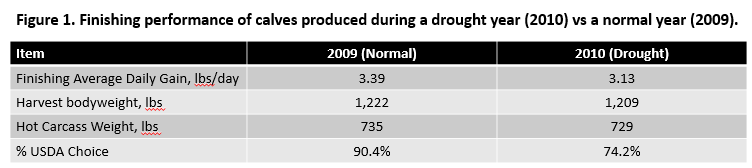
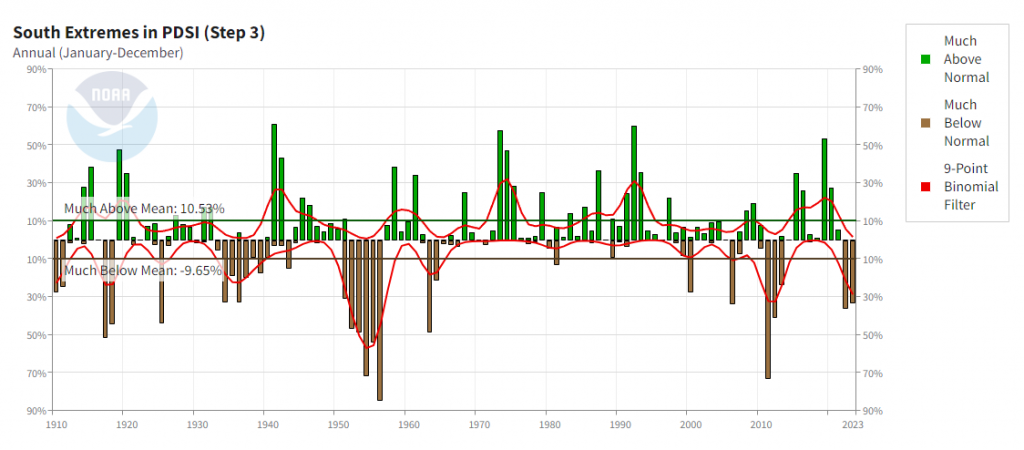
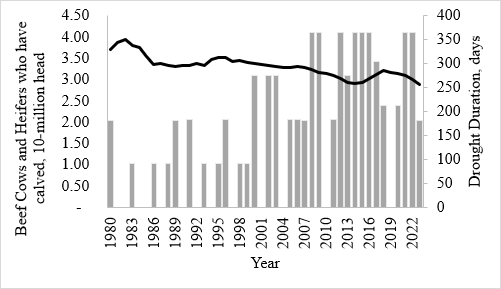
Increasing the Resilience of the Beef Cattle Supply: 3. Impact of Drought on Finishing Performance and Health with Paul Beck

Weekly, Oklahoma State University Extension Beef Cattle Nutrition Specialist Paul Beck offers his expertise on the beef cattle industry. This is a part of the weekly series known as the "Cow-Calf Corner." Today, he talks about increasing resilience of beef cattle.

In recent weeks I covered some of the impacts of drought on cow numbers and feeder cattle supply based on comments I made at a symposium at the American Society of Animal Science meeting held in Calgary "Increasing the Resilience of the Beef Cattle Feeder Supply". This week I will cover some additional impacts of drought and changing weather patterns on performance and health of feeder calves.

Along with reduced cow rebreeding rates, heat stress or nutrient restriction of gestating cows will result in long-term reductions in productivity of their offspring. Last week I showed how heifer offspring of undernourished cows have lower fertility. The impacts affect growing and finishing performance as well. There has been a lot of research focusing on the impact of the environment the cow is experiencing during gestation on the offspring, this has been studied in humans, sheep, swine, cattle and other species. So, whether calf, lamb, piglet, or baby, adversity impacting the dam has profound effects on the next generation. This is called 'Fetal Programming'. Severe nutritional restrictions during the last half to third of gestation are required to reduce calf body at birth, which is more pronounced in heifers than mature cows. But there are other effects that have been demonstrated on feeder cattle production. The post-weaning performance through finishing from calves produced by the same cowherd in 2009 (a wet year) and 2010 (a drought year) are presented below. Breeding and management of the cowherd were relatively consistent across years, but finishing performance (average daily gain), bodyweight at harvest, hot carcass weight, and carcass quality (percentage USDA Choice and greater) were all lower for calves impacted by the drought.

Yes, undernutrition of the dam has impacts on heifer fertility (as discussed last week) and finishing performance of offspring, but there are other impacts that are less visible. Colostrum production and quality is affected by undernutrition at calving, which can impact long-term health and productivity. There are more subtle effects of undernutrition on organ development (liver, lungs, heart, GI tract etc.) that can have long-term effects on health. In the Figure below is data from Shawn Walter, a data scientist from CattleFax, showing the feedlot mortalities in the last 60-days of the finishing period as a percentage of total death losses. There is a definite upward trend line over the last 10 years for both steers and heifers. Notice how the data points are above the trendline for the years following the drought in 2015 and 2016, before returning to baseline after a couple of year of 'normal' environmental conditions. Although not a scientific analysis this may indicate drought impacts on animal health and well-being through fetal programming.

Next week I will discuss potential steps we can take to manage our cowherds for overcoming the impacts of drought and changing weather patterns.

Exploring the Versatility of Soybeans: Innovations and Uses with Rick Reimer

Listen to Kate Munson talking with Rick Reimer about the usefulness of soybeans.

While attending the Oklahoma Cattlemen's Convention, Intern Kate Munson caught up with Executive Director of the Oklahoma Soybean Board Rick Reimer to talk about the variety of products that soybeans are being used in.

"The best thing about soybeans is that they are continuously coming up with new things that they can be used in, and that is a result of the Soybean Checkoff, which funds New Uses Research. We call soybeans the miracle crop of many uses," Reimer said.

Soybeans are a summer crop.. Soybean meal is used primarily for livestock feed. Soybean oil can be used in cosmetics, paints, plastics, fuels, and many other things. "There is just no end to the things you can do with soybeans," he said.

So far 2024 has been a good year in the soybean industry, according to Reimer. Soybeans are a summer crop and require a bit of rain in July and August which has been granted in Oklahoma this year. The state cultivates roughly 600,000 acres of soybeans.

"It is a good number [of acres] for our state," he explained. "It is fairly small for some of the 'I' states up North, but nevertheless, it is an important product for Oklahoma farmers. In fact, soybeans are the number two planted crop in Oklahoma much to people's surprise."

Reimer knows that youth are the future of any industry and feels very fortunate that the five-member board of directors of Oklahoma Soybean saw fit to approve the hiring of an education coordinator. He said, "Ginger is our education coordinator, and she is a veteran of the classroom and has lots of great ideas about educating students. She was doing a lot of ag days and even teaching in classrooms, but she couldn't cover enough ground by herself, so she started doing teacher workshops."

Teachers attend the workshops and Ginger, along with Oklahoma Soybean, gives them the curriculum and supplies to teach lessons in their classrooms. "We recently asked the teachers how many students they had, and to date, they have reached 19,000 students in Oklahoma with the message about where their food comes from, and specifically about how soybeans and soybean meal and oil are used."

OKFB Ready for 2024 August Area Meetings to Kick Off Grassroots Policy Development

From 2023 August Area Meeting of Ok Farm Bureau

Oklahoma Farm Bureau will kick of its 2024 grassroots policy development season with the organization's annual August Area Meetings, which will be held across the state throughout the month.

Eleven meetings will be held across the nine OKFB districts for OKFB members to discuss the issues, challenges and opportunities facing farmers, ranchers, the agricultural industry and rural Oklahoma.  The first of the meetings will be in Enid on Thursday, August first for District Seven.

The discussions will serve as a springboard for OKFB members to create and draft resolutions to update the organization's policy positions. The resolutions will be considered through OKFB's grassroots policy development process beginning at the county Farm Bureau level.

The meetings also provide an opportunity for OKFB members to learn about the wide-ranging work of the state's largest general farm organizations, including updates on programs from the Women's Leadership Committee to the Young Farmers and Ranchers and from rural development initiatives to organizational outreach programs.

Each meeting will begin at 6 p.m., and a meal will be provided.

OKFB's 2024 August Area Meeting schedule (by district)

District 1 – West                      

Aug. 6 at 6 p.m.
Hunny's
103 N Main
Guymon, OK 73942                   

District 1 – East

Aug. 8 at 6 p.m.                                      
Red Prairie Steakhouse
3113 Williams
Woodward, OK 73801

District 2

Aug. 15 at 6 p.m.                                     
Western Tech Center
1000 S Bailey St
Hobart, OK 73651

District 3

Aug 12 at 6 p.m.              
Redlands Community College           
1300 South Country Club Rd.
El Reno, OK 73036      

District 4 – West                      

Aug. 27 at 6 p.m.
Comanche County Farm Bureau
502 SW 11th St.
Lawton, OK 73501

District 4 – East

Aug. 26 at 6 p.m.
Murray Event Center
106 E Main St.
Ardmore, OK 73401

District 5

Aug. 19 at 6 p.m.
South East Expo Center
4500 West US – 270
McAlester, OK 74501

District 6                    

Aug. 13 at 6 p.m.
Mayes County Event Center
2200 NE 1st St
Pryor, OK 74361

District 7

Aug. 1 at 6 p.m.
Crosspoint Church
2500 N Van Buren St.
Enid, OK 73703

District 8

Aug. 29 at 6 p.m.
Odell Farms
17261 US Hwy 177
Byars, OK 74826

District 9                    

Aug. 22 at 6 p.m.
Creek County Fair Grounds
17808 OK-66
Kellyville, OK 74039

*District 6 meeting location has been updated from original location

Beltway Beef Podcast: Protein Shortages Hit Olympics

Each week, Beltway Beef brings you the latest policy news affecting the U.S. cattle and beef industry. Hear from subject-matter experts, producers, and industry leaders on the topics that impact the business viability of farms and ranches across the country.

On this episode, NCBA Executive Director of Government Affairs Kent Bacus provides information on protein shortages at the Olympic games that are causing disruptions for athletes that need access to high-quality protein. Bacus explains how anti-agricultural policies impact access to foods like beef and shares how NCBA engagement—both with U.S. and European governments—is critical for protecting American consumers from similar shortages.

Raised with Respect™ Cattle Care Campaign Continues into Second Year

Respect for animals, respect for the land and respect for each other – the foundation of the Raised with Respect™ campaign from Certified Angus Beef and Sysco.

Increasing consumer confidence in how beef is raised may seem like a tall task, but due to ranchers investing time in Beef Quality Assurance (BQA) training, progress is being made one certification at a time. Raised with Respect™, a campaign launched in 2023 by Sysco and Certified Angus Beef (CAB), uses BQA as the conduit to talk about cattle care efforts with chefs and consumers purchasing beef.

"We set out to support the work being done by farmers and ranchers to care for their cattle and raise high-quality beef," says Joe Don Eilers, vice president of merchandising – center of plate proteins at Sysco, the global leader in foodservice distribution. "We're excited about the impact this campaign has had on the beef community and extending it into another year."

The campaign and partnership between Sysco and CAB originated to support producers, equipping them with continuing education to stay current on best management practices and helping to increase consumer confidence in beef production. During the first year, they worked collaboratively in key cattle production states to host a series of dynamic educational opportunities for thousands of cattlemen and women. Each of the 11 workshops were customized and coordinated with state entities who also had a vested interest in BQA and cattle care initiatives.

Through the in-person events and promotion of an online education and training opportunity, more than 1,500 ranchers earned their BQA certification in the first year of the Raised with Respect™ campaign.

Cattle Care Initiatives Roll into Year Two

Building on the first year of success, another year of BQA promotions and trainings aim to reach new audiences and encourage live or online certification. Recognizing the importance of the next generation for sustainability of the beef industry, Raised with Respect™ campaign plans include increased focus on providing education for young farmers and ranchers. Additionally, the campaign will provide a feedyard-centric BQA training with simultaneous Spanish interpretation.

To kick off the second year, CAB and Sysco hosted a BQA training at the 2024 National Junior Angus Show where  more than 160 Angus youth and adults from 20 states participated. Throughout the next year, Sysco and CAB will host three additional trainings that will coincide with CAB's Feeding Quality Forum, Angus Convention, and a final signature event in 2025.

Feeding Quality Forum

The feedyard-focused BQA workshop will follow Feeding Quality Forum. It will include simultaneous Spanish interpretation and an opportunity to hear from Jerome Tang, K-State men's basketball coach. Attendance at Feeding Quality Forum is encouraged, but not required to attend the BQA event. Pre-registration for this event is requested.

  • August 21, 2024
  • Hy-Plains Feedyard in Montezuma, Kansas

Angus Convention

Consumers care about how beef is raised, and BQA certification helps verify ranchers' commitment to animal welfare. 

A BQA Workshop and the BQA Bash, celebrating those who are BQA certified, will both occur at Angus Convention. 

  • November 2, 2024
  • Fort Worth Convention Center in Fort Worth, Texas

BQA, a nationally recognized education and certification program, encompasses the best practices for cattle care, including animal handling, nutrition and responsible use of antibiotics.

According to research from NCBA (on behalf of the Beef Checkoff), 70% of consumers agreed that BQA certification increased their confidence in knowing the beef they eat is safe, and 67% agreed that it increased their confidence that cattle are humanely raised. Prior to learning about the program, 44% of consumers had positive perceptions about cattle production and that increased to 70% after learning of the BQA program.

Cattle producers and feedyard employees interested in completing BQA training, but not able to attend an in-person event, are encouraged to complete the free course online. More information about Raised with RespectÔ, including details of BQA events, and a direct link to online BQA education and training, can be found at www.cabcattle.com/RaisedWithRespect.

FFAR Grant to Improve Sorghum & Strengthen Nutritional Security

Dry conditions and poor soil severely affect crop yields, leading to poor quality food and feed, which is the leading cause of malnutrition among children and women in Africa. Sorghum, a major food and forage crop, can grow in these harsh conditions, but sorghum's nutritional value differs across varieties and the crop contains high levels of substances known as antinutrients that limit the body's ability to absorb the nutrients. To address this challenge, the Foundation for Food & Agriculture Research (FFAR) awarded a $809,879 Seeding Solutions grant to the National Agricultural Research Organization (NARO) to develop sorghum varieties with increased nutritional value, uses for livestock and improved yield. The International Maize and Wheat Improvement Centre (CIMMYT) and NARO provided matching funds for a total $1.6 million investment.

"Food and nutrition insecurity continues to be a problem among multiple populations around the world. This research aims to create more nutritious crops that can thrive in harsh agricultural regions," said FFAR Scientific Program Director Dr. Constance Gewa. "Researchers at NARO, in collaboration with partners at U.S.-based institutions, are not only improving smallholder farmers' livelihoods but also taking steps towards improving nutrition security in sub-Saharan Africa."

Although sorghum grains contain essential nutrients like iron and zinc, the bioavailability of these nutrients is hindered by the high levels of anti-nutrients found in the grains. Raising the levels of iron and zinc nutrients while simultaneously lowering the levels of antinutrients would greatly increase the availability of nutritious foods in arid regions. Furthermore, stalks and leaves from sorghum varieties with no or low levels of hydrogen cyanide have the potential to serve as safe livestock forage thereby improving meat and milk quality suitable for human consumption.

Dr. Scovia Adikini at NARO is developing sorghum varieties with high iron and zinc in the grain for human consumption and reduced levels of hydrogen cyanide in stalks and leaves for animal forage by identifying nutritional quality and discovery of genetic markers. This research enables rapid development and release of better yielding and nutritionally rich sorghum varieties adapted to dry land regions of Africa.

"Both humans and livestock in dry areas of east Africa have suffered high levels of malnutrition. This is largely due to the low availability of micronutrients, especially iron and zinc but also the presence of antinutritional factors in the existing dominant crops, like sorghum," said Adikini. "We are addressing this by increasing the micronutrient level in sorghum, ensuring its bioavailability, and reducing the level of antinutritional factors like hydrogen cyanide in order to guarantee food and feed quality for enhanced nutrition both in humans and livestock."

Expanding the availability of nutritional, safe sorghum will not only increase nutritional security; it will help improve smallholder farmer livelihoods.  The fortified crop can also provide benefits globally by increasing agricultural diversity.

Lucas to Hold August Town Hall Meetings

Yukon, OK – Congressman Frank Lucas (OK-03) will hold town hall meetings in Cimarron, Texas, Beaver, Harper, and Ellis Counties next week. Residents around the locations are invited to attend and share their thoughts on current events in Washington, D.C. and across Oklahoma.

For more updates on what Congressman Lucas is doing in Oklahoma and D.C., be sure to subscribe to his E-Newsletter here.

Monday, August 5, 2024

Cimarron County Town Hall Meeting
3:00-4:00 p.m.
PTCI-Engineering Room
115 West Main St.
Boise City, OK 73933

Tuesday, August 6, 2024

Texas County Town Hall Meeting
9:00-10:00 a.m.
City Hall
424 N Main St.
Guymon, OK 73942

Beaver County Town Hall Meeting
2:00-3:00 p.m.
First Security Bank
15th S. Douglas St.
Beaver, OK 73932

Wednesday, August 7, 2024

Harper County Town Hall Meeting
10:00-11:00 a.m.
Laverne Community Center
201 S Broadway St.
Laverne, OK 73848

Ellis County Town Hall
1:00 - 2:00 p.m.
Shattuck Chamber of Commerce
115 S. Main St.
Shattuck, OK 73858

FFA State Officers Advocated for Ag, Education in Washington, D.C.

Caption: Rep. Glen "GT" Thompson (R-PA) visited with FFA State Officers - photo courtesy of FFA

FFA State Officer leaders from all 50 states, Puerto Rico, and the U.S. Virgin Islands convened in Washington, D.C., July 22-26 to advocate for agriculture at the federal level during the National FFA State Officer Summit. 

State Officer Teams met virtually with their representatives to share the importance of agriculture and agricultural education while advocating for the extension of funding for FFA through the Farm Bill and inviting legislators to join the Congressional FFA Caucus. 

The National FFA State Officer Summit took place at the Omni Shoreham Hotel. The five-day training focused on serving as an advocate for agriculture and FFA, as well as developing clear and consistent messages related to agriculture and FFA. 

INVITATION TO JOIN THE CONGRESSIONAL FFA CAUCUS

When meeting with their state legislators, FFA student leaders shared about the Congressional FFA Caucus and invited them to become a member. The bi-partisan caucus was founded and is co-chaired by Representatives Tracey Mann (R-KS) and Jimmy Panetta (D-CA) in the House of Representatives and Senator Debbie Stabenow (D-MI) and Senator John Boozman (R-AR). It has representation from both sides of the aisle from the House and Senate and advocates for strong career and technical education legislation, maintaining a youth perspective in agriculture and nutrition policy, and strengthening relationships between Congress and agricultural education teachers and FFA members. Elected officials interested in joining can reach out to a Caucus co-chairs' offices for further information.

ADVOCATE FOR THE REAUTHORIZATION OF THE YOUTH LEADERSHIP GRANT IN FARM BILL

FFA Members also asked for the reauthorization of a grant in 7 U.S.C. 7630(d)(2) that supports youth organizations including National FFA, the National 4-H Council, Boy Scouts of America, and Girls Scouts of America as part of the U.S. Farm Bill. National FFA asks for support in extending the sunshine date of this grant to coincide with the next reauthorization of the U.S. Farm Bill.

The U.S. Department of Agriculture reports that the industry of agriculture contributes more than $1.5 trillion to America's gross domestic product, and funding will provide consistent support for organizations working to prepare the next generation of global leaders in agriculture. 

For more information, visit https://www.ffa.org/participate/conference/state-officer-leadership-continuum/. 

USDA Announces Changes to Enhanced Coverage Option Insurance Program

The U.S. Department of Agriculture (USDA) announced changes to the Enhanced Coverage Option (ECO) beginning with the 2025 crop year.  USDA's Risk Management Agency (RMA) is expanding coverage options to additional crops as well as increasing premium support to make the policy more affordable for producers. 


"The Risk Management Agency is continually responding to producer needs and adapting our insurance coverage options to give producers more choices when it comes to managing their risks," said RMA Administrator Marcia Bunger. "This expansion is part of RMA's larger effort to provide more options for specialty crop producers." 


ECO is currently approved for 36 crops and RMA is expanding coverage options to almonds, apples, blueberries, grapes, and walnuts for the 2025 crop year and to citrus crops where the Supplemental Coverage Option is currently available in California and Arizona for the 2026 crop year.   


Additionally, RMA is increasing premium support for all crops covered by ECO to 65% to make the policy more affordable.   


ECO provides additional area-based coverage for a portion of a producer's underlying crop insurance policy deductible.  ECO can be purchased as an endorsement to Yield Protection, Revenue Protection, Revenue Protection with the Harvest Price Exclusion or Actual Production History. ECO offers producers a choice of 90 or 95% trigger levels. Trigger is the percentage of expected yield or revenue at which a loss becomes payable.  


ECO coverage is unaffected by participation in USDA's Farm Service Agency's (FSA) Agriculture Risk Coverage program for the same crop, on the same acres. Producers may select ECO regardless of FSA farm program election.  


More Information  

Crop insurance is sold and delivered solely through private crop insurance agents. A list of crop insurance agents is available at all USDA Service Centers and online at the RMA Agent Locator. Producers can learn more about crop insurance and the modern farm safety net at rma.usda.gov or by contacting their RMA Regional Office.   


RMA secures the future of agriculture by providing world class risk management tools to rural America through Federal crop insurance and risk management education programs. RMA provides policies for more than 130 crops and is constantly working to adjust and create new policies based on producer needs and feedback. 

Central Oklahoma Wheat Conference Set for August 8th in El Reno

The Canadian County OSU Extension Office will be offering the Central Oklahoma Wheat Conference, Thursday, August 8, 2024. There will be 3 ODAFF CEU credits for private pesticide applicators and research & demonstration credits pending.   The seminar will be held at the Education Building, 220 N. Country Club Rd. El Reno, OK and will begin at 8:00 a.m. with Ag Coffee Connections and the first speaker will kick off at 8:30 a.m.

Kyle Worthington, Canadian County Extension Director, planned the wheat conference around critical management decisions, that Oklahoma wheat farmers are faced with annually.  Each of the speakers will be providing the latest in research and cropping consultation, to assist Oklahoma Wheat Farmers Plans for a successful 2025 wheat harvest. "The key points from each speakers will provide important decision-making tools, as our area farmers plan timely management decisions in efforts to produce another abundant wheat crop next summer," said Worthington.

The conference agenda and speaker line up will begin with our Ag Coffee Connections from 8-8:30 a.m.   The Keynote speaker is Dr. Derrell Peel, Extension Specialist for Livestock Marketing addressing the current Cattle Market Outlook at 8:30 a.m.

The following morning speakers will be Josh Bushong, West District OSU Extension Agronomist, focusing on the importance of Seed Insecticides at 9:30 a.m. Then at 10:15 a.m. Dr. Meriem Aoun, OSU Assistant Professor, Entomology & Plant Pathology, will address the latest research and benefits of Seed Fungicides.  The morning session will conclude at 11:00 a.m. with Paul Vining, OSU Program Coordinator of the Oklahoma Quality Beef Network.

The luncheon will begin at 11:45 a.m. and is sponsored by Banner COOP, CHS, Shawnee Mills, and the OSU Extension Office. The meal will be catered by local rancher and food truck owner, Mark Rubes "Six Mile Meat Market".  The luncheon speaker is Mike Schulte, Oklahoma Wheat Commission providing the current Wheat Council Updates.

The afternoon speakers line up will begin at 1:00 p.m.  with Dr. Liberty Galvin, OSU Extension Weed Scientist. She will be sharing the latest in new and old chemistries for Pre and Post Herbicide Options to start our next crop out clean and how to keep it clean with post herbicide application and options late for next fall and early next spring.  She will be followed by Dr. Brian Arnall, OSU Extension Specialist for Precision Nutrient Management, speaking on Soil Fertility Management for your 2025 Wheat Crop at 1:45 p.m.

The capstone speaker will begin at 2:30 p.m. with Dr. Brett Carver, OSU Regents Professor and Wheat Genetics Chair, sharing the most recent and upcoming OSU Wheat Genetics and Replicated Trials Results. 

The El Reno Replicated Wheat Trials are one of two in the state that collect research harvest yields for wheat, that's grazed and harvested for grain and planted of grain only with our cooperating partner, Lingo Farms, owned by Jerry and Julie Lingo of El Reno.  They were recently honored at the Oklahoma Agriculture Extension Educators Annual Conference and Banquet held in El Reno on July 9th, as they were recognized as the "Friend of Extension", for all their years of partnering with OSU Extension. They have provided farm land for canola research and wheat research for our wheat replicated trials for the Oklahoma Cooperative Extension Service and OSU Wheat Team.

Attendees need to RSVP by contacting the Canadian County OSU Extension Center 405-262-0155 by Monday, Aug. 5th to reserve their meal free meal ticket for the luncheon. To learn more information and other educational opportunities being offered by the Canadian County OSU Extension Center contact Kyle Worthington, Extension Educator Ag/4-H and CED at 405-262-0155

Regional Canola Meetings for Growers Set in Oklahoma and Kansas in Early August

Oklahoma State University, Kansas State University, and the Great Plains Canola Association will host two regional winter canola meetings Aug 6-7.

K-State canola breeder Mike Stamm said the meetings are an opportunity to learn about variety performance from the past year, as well as future varieties. He said production management topics such as pre- and in-season nitrogen applications, winter survival, and harvest management will be discussed.

Stamm notes that questions related to marketing the crop are still a critical topic. He adds that attendees will be able to hear from an experienced grower panel.

Josh Bushong, OSU Extension Area Agronomist said that "with canola acres up this past year, there's a lot of interest in how the crop performed. The 2023/24 crop was the best produced in several years and overall, growers were pleased with their results. Learning from experiences will set the stage for a strong start to the next growing season."

The Aug. 6 meeting will be held in Harper, Kansas at the Westview Lodge (1110 W. 14th). The meeting will begin at 5:30 pm. 

The Aug. 7 meeting is in Enid, Oklahoma at the Chisholm Trail EXPO Center (111 W Purdue Ave). The meeting will begin at 10 am.

A meal will be sponsored by the Great Plains Canola Association and industry partners.

To RSVP for the Harper meeting, please contact the Harper County extension office at 620-842-5445, or email Jenni Carr at jlcarr@k-state.edu.

To RSVP for the Enid meeting, please contact Ron Sholar at 405-780-0113 or jrsholar@aol.com, or Josh Bushong at 405-361-6941 or josh.bushong@okstate.edu.

Second Annual Crossroads Conference Coming back to Enid

Listen to KC Sheperd's conversation with Meg Greski about the 2nd Annual Crossroads Conference.

Farm Director KC Sheperd caught up with Meg Greski, Oklahoma Conservation Commission (OCC) Soil Health Program Coordinator, to talk about the upcoming 2nd Annual Crossroads Conference to be held on July 30 at the Autry Technology Center in Enid, Oklahoma, from 8:25 am – 4:30 pm.

"It is going to be a forum for producers to learn from one another. It is going to offer content in three tracks: crop production, livestock production, and urban food production (meaning vegetable gardeners, horticulturists, and such)," Greski detailed.

The Keynote speaker will be Australian Colin Seis. "For the past thirty years, Colin has been growing grain crops in perennial rangeland cover. He is in a very hot, dry, challenging environment and has managed to pioneer this technique, which is now being used around the world on over two million acres. Colin is going to come and teach us how we could potentially adopt this pasture cropping technique here," Greski shared.

The conference is open to anyone with an interest in agricultural production in the Southern Plains. "Hopefully, we have folks from our neighboring states join us. We are going to talk a lot about grazing management, ranching cattle, sheep, goats, and other grazing animals. We will have sessions for both beginning and advanced grazing managers. On the urban side, we will talk about growing food crops in high tunnels, and using chickens for meat, eggs, and also for soil health improvement. On our crop track, Nick Voss, from Texas County, in the panhandle, where once again, it is very hot and dry, will share his insights on how he has learned to manage that challenging environment and produce profitable crops."

There is only space for 125 people to attend, so pre-registration is required. Registration is available by using the QR code in the graphic above or by contacting Greski directly at the Oklahoma Conservation Commission.

Daily Email for July 30, 2024


Oklahoma's Latest Farm

And Ranch News

Tuesday, July 30, 2024


Superior's Video Royale Sale Continues Today- 188,655 Head to Sell This Week

 
Howdy Neighbors!

Here is Your Daily Oklahoma Farm and Ranch News Update: 


  • Latest Crop Progress: US Corn Conditions Improve while Soybean, Sorghum & Cotton Conditions Decline


  • Exploring the Future of Sustainable Beef: Insights from Dr. Shalene McNeill


  • Dr. Derrell Peel: Beef Markets Reflect Excess Fat and a Shortage of Lean


  • USDA Extends Comment Period for Sweeping Packers and Stockyards Rule by Only 15 Days


  • Advancing Plant Science for a Sustainable Tomorrow: Insights from the Danforth Plant Science Center


  • Butler's Gold Wheat Variety Celebrates Oklahoma Olympian


  • Brorsen receives Ferguson College of Agriculture Award for Excellence


  • Elections for the 2025 National Pork Producers Delegate Body – August 2
 

Crop Progress Report Shows US Corn Conditions Improving while Soybean, Sorghum & Cotton Conditions Decline

USDA's weekly Crop Progress Report shows that nation-wide, the US Corn crop now stands at 68% good to excellent- up one point from last week. Soybeans dropped a point this week to 67% good to excellent- Cotton fell four points this week to 49% good to excellent and sorghum dropped five points to 55% good to excellent.


Oklahoma's spring-planted crop conditions are pretty good. Corn conditions rated 67 percent good to excellent. Soybean conditions rated 59 percent good to excellent. Cotton conditions rated 53 percent good to excellent, and Sorghum conditions rated 67 percent good to excellent.


Kansas's conditions are a bit better with soybeans rated at 62 percent good to excellent. Cotton conditions rated 67 percent good to excellent. and Sorghum conditions rated 49 percent good to excellent.


Texas's spring-planted crop conditions have declined since last week with Corn conditions down to 43 percent good to excellent from last week's 50 percent. Cotton conditions are down to 40 percent good to excellent from last week's 46 percent rating. Sorghum conditions fell to a 57 percent good to excellent rating from last week's 63 percent. Soybean conditions fell fell to a 26 percent good to excellent rating from last week's 32 percent good to excellent rating.


Pasture and Range Conditions for the 48 states are down one point from last week at 39 percent good to excellent. Oklahoma has declined 6 points this week to 50% good to excellent- Kansas dropped 1 point to 51% good to excellent - Texas is unchanged at 30% good to excellent while Missouri declined 5 points to a 85% good to excellent rating.

Read more about the latest Crop Progress Report here

Sponsor Spotlight

The vision of the Oklahoma Beef Council is to be a positive difference for Oklahoma's farming and ranching families and the greater beef community, and its mission is to enhance beef demand by strengthening consumer trust and exceeding consumer expectations. 

To learn more, visit www.oklabeef.org. Also, don't forget to like its Facebook page at www.facebook.com/oklabeef for stories on Oklahoma's ranching families and great beef recipes. 


And Check out this video below that helps you learn more about the Beef Checkoff- 


Exploring the Future of Sustainable Beef: Insights from Dr. Shalene McNeill

At the Cattle Industry Summer Business Meeting, Senior Farm and Ranch Broadcaster, Ron Hays, is visiting with the Executive Director of Nutrition Research at the National Cattlemen's Beef Association, Dr. Shalene McNeill, about merging nutrition research and sustainability science.


Coverage from the 2024 Cattle Industry Summer Business Meeting in San Diego is being powered by Farm Data Services of Stillwater.


"It is easy for us, even as scientists, to live in our bubbles," Dr. McNeill said. "Sometimes in Nutrition Science, we see that scientists do their research, but they lose sight of the rest of the topics surrounding a healthy sustainable diet."


 She went on to explain that many leading experts in protein research were being asked how their area of study impacts the environment, which led to nutritionists asking how they can become more informed about the entire beef production system.

Listen to Dr. Shalene McNeill's interview with Ron Hays and Read More About it Here

Dr. Derrell Peel: Beef Markets Reflect Excess Fat and a Shortage of Lean

Dr. Derrell Peel, Oklahoma State University Extension Livestock Marketing Specialist, offers his economic analysis of the beef cattle industry as part of the weekly series known as the "Cow Calf Corner," published electronically by Dr. Peel and Mark Johnson. Today, Dr. Peel talks about excess fat reflected in beef markets.


Choice boxed beef price has decreased by 5.4 percent since July 4 to a current level of about $312.50/cwt., 3.4 percent higher year over year. The decline in boxed beef price is seasonal during the hottest part of the summer. Boxed beef prices are a composite based on about 50 wholesale beef cuts and subprimals. There are some interesting things going on within this set of products this year that reflect the unusual environment in today's cattle and beef markets. 


Middle meats are the biggest driver total beef value. Beef tenderloin is the highest value beef cut and the price has been quite flat and lower year over year for much of 2024. This weakness is a bit concerning but the fall may provide an important indicator of tenderloin demand going into cooler weather and the seasonal pick up in restaurant traffic. In contrast, the other steak cuts have values that are generally at or above year ago levels, including ribeye, strip loin, and top sirloin. Overall, rib primals are priced about 3.4 percent higher year over year and loin primals are averaging 1.4 percent lower this year. Middle meats from the rib and loin primals are the heart of boxed beef values.

Read more about Dr. Darrell Peel's Analysis Here
 
 
Sign Up for Our Daily Email- Free Because of Our Sponsors!

Support Our Sponsors!


KIS logo


Advertise With Us!
 

For our farmers who have either- always have had cotton on their farms- or those who have more recently have added the fiber crop to their operations- we have a daily report heard on several of our Radio Stations- It's Called Cotton Talk!

Click on the Button below to listen to our most recent report
Click here for our Latest Cotton Talk- Hosted by KC Sheperd


USDA Extends Comment Period for Sweeping Packers and Stockyards Rule by Only 15 Days

Today, National Cattlemen's Beef Association Senior Director of Government Affairs Tanner Beymer released the following statement on the U.S. Department of Agriculture extending the 60-day comment period for their latest Packers and Stockyards proposed rule, "Fair and Competitive Livestock and Poultry Markets," by only 15 days:


"Cattle markets are immensely complicated and USDA is planning to make sweeping changes to those markets with only 75 days of public input. While today's extension is welcome, it is not nearly enough time to properly solicit public comment and review a rule that will have such an overarching impact on the cattle industry. The proposed rule is already a direct attack on producer profitability and now USDA is running down the clock to prevent meaningful input from cattle producers." 


Earlier in July- we talked with Ethan Lane of NCBA about this rule during the Summer Cattle Industry Business Meeting- and he told us that USDA faced a difficult road to get this rule finalized- read more and listen to Ron and Ethan Lane explore this proposal from USDA by clicking here.


We invite you to listen to us on great radio stations across the region on the Radio Oklahoma Ag Network weekdays-

if you missed this morning's Farm News - or you are in an area where you can't hear it- click below for this morning's Farm news from Ron Hays and KC Sheperd on RON.
Listen to our latest Farm and Ranch News for Tuesday with KC Sheperd
 
 
Subscribe To the Daily Email


Sponsor Spotlight


Invenergy is committed to Oklahoma, having completed its first project in the state in 2006. Today, Invenergy operates three wind energy centers in our state, employs over 60 Oklahomans and continues investing in our project communities. We believe building relationships is the key to being good community partners and we work to develop relationships to benefit our landowners, our employees, and our communities.


We invest in Oklahomans, and we take pride in their success. Our energy facilities provide jobs, tax revenues, landowner payments and other sources of local economic development.


For more information, visit www.InvenergyOklahoma.com


Advancing Plant Science for a Sustainable Tomorrow: Insights from the Danforth Plant Science Center

At the NAFB Summer Agribusiness Dinner at the Danforth Plant Science Center, Farm Director KC Sheperd spoke with Danforth Center Vice President of Public and Government Affairs Karla Roeber about the center, itself.


The center, in Olivette, Missouri, is a nonprofit 501(c)(3) independent plant research institute. "We do basic research about how to make plants yield more with less impact on the environment," Roeber explained. "Dr. Danforth, our founder, knew that the most important way to help farmers increase a sustainable food supply was to get the technology from the laboratory out into the field."


To do that, the Danforth Center hires entrepreneurial scientists who focus on the goal that Roeber outlined above, and in the process, they create new companies and jobs in their regions.


The Danforth Center greenhouses, each composed of about 50,000 square feet of usable area, are not only used by in-house researchers, but are also made available to local companies for their own research and development. "This helps early-stage startups to have high-quality, research-grade greenhouses to do their proof of concepts so they can take that data to the venture capitalists and say, 'I had this done at the world's largest plant science institute.' So, they can raise money to continue to grow their businesses to bring products to the field."

Click Here To listen to KC Sheperd's interview with Karla Roeber and to read more about it

Butler's Gold Wheat Variety Celebrates Oklahoma Olympian

In 2020, as Oklahoma State University wheat geneticist Brett Carver prepared to release the OSU Wheat Improvement Team's latest variety, he had a creative idea for its official name.


It was the first summer of the pandemic, and the Olympic games in Tokyo had been postponed. When an article in The Oklahoman about James Butler, a former OSU track and field star and 1980 Olympic hopeful, caught Carver's eye, he branded the wheat variety Butler's Gold.


Four years later, the Olympic games in Paris are underway, and Butler is reflecting on how his namesake in OSU Agriculture is golden redemption for the Olympic start he never made.


"When I hear the name Butler's Gold, it always makes me smile," he said. "It was such an honor when Brett reached out to me. It's special, and it feels good to know someone wants to recognize my efforts 40-plus years later."

Read more about the new wheat variety and its namesake here 

Brorsen receives Ferguson College of Agriculture award for Excellence in Graduate Student Advising and Mentoring

Wade Brorsen, a regents professor in the Oklahoma State University Department of Agricultural Economics, is the 2024 recipient of the Excellence in Graduate Student Advising and Mentoring Award. He was recognized at the annual Ferguson College of Agriculture Scholarships and Awards Banquet in April.


Since joining the agricultural economics faculty in 1991, Brorsen has advised 36 doctoral students and more than 20 master's students. He has served on dozens of dissertation and thesis committees.


Brorsen has coauthored 230 articles with 97 graduate students and also developed 217 paper and poster presentations with graduate students at professional meetings. Cheryl DeVuyst, agricultural economics department head, said Brorsen's mark of success as a graduate student advisor is that all his master's and doctoral students have published at least one research article in an academic journal.


"Dr. Brorsen has spent his career working with graduate students, challenging them to constantly reach for higher quality and to give careful attention to research relevance, communication and methodological support," DeVuyst said. "His advising and mentoring have made us better and have also strengthened the discipline of agricultural economics around the globe."

Read more about Wade Broersen

Elections for the 2025 National Pork Producers Delegate Body – August 2

The election of pork producer delegate candidates for the 2025 National Pork Producers (Pork Act) Delegate Body will take place at 2 p.m., Friday, August 2, 2024, in conjunction with the Oklahoma Pork Council Annual Meeting at the Colcord Hotel, 15 N Robinson, Oklahoma City, OK 73102. All Oklahoma pork producers are invited to attend


Any producer, age 18 or older, who is a resident of Oklahoma and has paid all assessments due may be considered as a delegate candidate and/or participate in the election. All eligible producers are encouraged to bring with them a sales receipt proving that hogs were sold in their name and the Checkoff deducted. Nominations will be accepted from the floor.


For more information, contact the Oklahoma Pork Council at 405-232-3781- or click here.


The 2024 Oklahoma Pork Congress is happening that day at the Colcord- details are available here.

Let's Check The Markets!
OKC West is our Market Links Sponsor- they sell cattle three days a week- Cows on Mondays, Stockers on Tuesday and Feeders on Wednesday- Call 405-262-8800 to learn more.
 
Today's First Look:
Ron on RON Markets as heard on K101  
mornings with cash and futures reviewed- includes where the Cash Cattle market stands, the latest Feeder Cattle Markets Etc.
Hear Today's First Look
 

Wholesale Boxed Beef Prices were higher- Choice Beef was up $1.04 and Select Beef was up $4.06 on Monday, July 29, 2024


Click on the Button below for the latest report from USDA Market News

Boxed Beef for 07/29/2024
 

Oklahoma National Stockyards had 4,700 head on Monday, July 29, 2024.


Compared to last week: Feeder steers weak, with instances to 5.00 lower on those over 800 lbs. Feeder heifers 2.00-5.00 higher. Steer and heifer calves steady to 4.00 higher. Demand good. Quality average. The market held together better than most thought despite heat and humidity returning to Oklahoma and cattle futures posting losses of over 2.00


Click below for the complete closing report.

Oklahoma National Stockyards Market Report from 07/29/2024
 

The Joplin Regional Stockyards had a total run of 4,471 head for Monday July 29, 2024


Compared to last week feeder steers under 775 lbs. sold 3.00-7.00 lower with heavier weights selling steady. Feeder heifers sold 3.00-8.00 lower. Supply was moderate with good demand. 


Click on the button below for details of the trade as compiled by the USDA Market News Service.

 
Joplin Regional Stockyards Market from Monday 07/29/2024
 
OKC West in El Reno Market Report from 07/29/2024- Cows and Bulls Sold $1-$2 Lower
 
 
Each afternoon we are posting a recap of that day's markets as analyzed by Justin Lewis of KIS futures - click below for the latest update on the Livestock and Grain Futures Trade..
Click Here to Listen to Justin's Commentary From 7/29/2024
 
Okla Cash Grain:  
Daily Oklahoma Cash Grain Prices- as reported by the Oklahoma Dept. of Agriculture- The report available after the close of the Futures Trade for that day.
Read Cash Grains Report from 7/29/2024
 
Our Daily Market Wrapup from the Radio Oklahoma Ag Network - analyzing the Futures Markets for that trading day- as reported by KC Sheperd.
Click to Listen to Our Weekday Wrap with KC
 
Slaughter Cattle Recap: 
The National Daily Slaughter Cattle Summary- as prepared by the USDA Market News
Read Report
 
TCFA Feedlot Recap:  
Finally, here is the Daily Volume and Price Summary from the Texas Cattle Feeders Association.
Read Report

Our Oklahoma Farm Report Team!!!!


Ron Hays, Senior Farm/Ranch Broadcaster and Editor


KC Sheperd, Farm Director and Editor


Dave Lanning, Markets and Production


Stevie White, Farm News and Email Editor


Pam Arterburn, Calendar and Template Manager

Podcasts From Oklahoma Farm Report and More

Two of our regular reports are also podcasts that you can subscribe to- Our daily Farm and Ranch News with KC Sheperd- available here on the Apple Podcast Platform


The second is our daily Beef Buzz with Ron Hays- available here on the Apple Podcast Platform


Periodically- we offer interviews on our Ag Perspectives Podcast series- this podcast is available here.


Ron has also has a series of podcasts from interviews with newsmakers at the Cattlemen's Congress- Click here or you can find them on your favorite Podcast platform- look for them by searching for Cattlemen's Congress Conversations.


We are making plans to jump back into regular installments of what has been called the Road to Rural Prosperity- a new name and fresh content is in the works- for now- click on the blue button below for one of our favorites that is a timeless classic.

Listen to Episode 86 with Ron Hays talking with one of the legends in the Beef Cattle Business- Bob Drake of Davis, Oklahoma
 
 
Listen to Ron
Beef Buzz
 
Blue Green Gazette
Calendar
Auctions
Market Links
Facebook  Twitter  Youtube  

Our thanks to Midwest Farms Shows, P & K Equipment, Oklahoma Farm Bureau, Oklahoma Ag Mediation Program, Great Plains Kubota, Stillwater Milling Company, National Livestock Credit Corporation, Oklahoma Beef Council, Oklahoma Wheat Commission, Oklahoma AgCredit, the Oklahoma Cattlemens Association, Invenergy Oklahoma and  KIS Futures for their support of our daily Farm News Update.


For your convenience, we have our sponsors' websites linked here- just click on their name to jump to their website- check their sites out and let these folks know you appreciate the support of this daily email, as their sponsorship helps us keep this arriving in your inbox on a regular basis- at NO Charge!


We also appreciate our Market Links Sponsor - OKC West Livestock! 


We invite you to check out our website at the link below too that includes an archive of these daily emails, audio reports and top farm news story links from around the globe.

Head to Our Website OklahomaFarmReport.Com
God Bless!
Reach Out To Us:
Tim West
President/General Manager
Rural Oklahoma Networks

405-317-6361

***************

Mike Henderson
Director of Sales

405-615-4922

KC Sheperd
Farm Director
Radio Oklahoma Ag Network

405-443-5717

Email KC
Ron Hays
Senior Farm/Ranch Broadcaster
Radio Oklahoma Ag Network

405.473.6144
Email Ron

Today's Corn Hybrids Are Resilient; Stick with Your Plan

Ohio fields planted in early May are marked by uneven tomahawk roots, but corn planted the third week of May (pictured) looks great, with near-perfect stands, says AgriGold Agronomist Scott Bugg.

There's been an abundance of weather challenges in Iowa and Ohio, but agronomists in these states haven't given up on crops. In fact, AgriGold Agronomists Scott Bugg (Ohio) and Jeff Morey (Iowa) believe farmers in their respective areas could still produce great corn and soybean yields — IF they stick with their management plans from the start of the season.

"Today's corn hybrids are resilient," Bugg says, urging farmers not to skimp on inputs.   

Spring planting delays
There were a wide range of planting dates for farmers in Iowa and Ohio. Planting kicked off amid nice weather in early April, but conditions turned cool and wet. That pushed planting into late May/early June.   

After that, Ohio conditions turned hot and dry. "A lot of the corn planted in less-than-ideal conditions has restricted root zones," Bugg says. That was evident during the hot, dry spell. Timely rain will be important for those early-planted corn fields.  

Some of Ohio's earliest-planted corn is tasseling but notably short — the result of the abrupt shift from cool and wet to hot and dry. But fields planted in late May have a tabletop appearance and near-perfect stands, according to Bugg. He has high hopes for late-planted corn. 

Morey reports areas of his territory known as "pothole country" could not catch a break this spring, with some wet areas replanted as many as two times. He says, "Those areas would dry up enough to plant, but within a week there'd be another rain event resulting in standing water."  

Flooded corn is discouraging, but farmers can still make the most of the surrounding acres, says AgriGold Agronomist Jeff Morey.

Major flooding in Iowa
And that was just the start. On June 24, as many as 13 inches of rain fell in northwest areas of Iowa, leading to devastating flooding in Morey's hometown of Spencer, where two rivers converge. He estimates thousands of acres of corn and soybeans in the area were drowned out. The conversation has now shifted to planting cover crops to get a living plant in those flooded corn and soybean fields.  

Morey's advice to farmers with saturated soils is to step back and look beyond the worst of the field. "Yes, there are some fields where half or all the field is gone. But if that's not you, let's focus on the good parts of that field and maximize the yield in those areas where we still have a good crop standing." 

Make the most of the crop you have
Both agronomists have been fielding calls from farmers debating whether to pull back their investment in the crop. "We have a good-looking corn crop outside of those drowned-out areas," Morey says. "Making those applications still looks like the right investment."   

Both agronomists emphasize the importance of fungicide applications this season. "Some farmers planted in front of a cold, wet spell, and that corn didn't emerge for several weeks and was a little stressed when it came up," Morey says. "We may have some disease infections that just haven't shown up yet. 

"Outside of the flooded areas, we've had favorable growing conditions," Morey continues. "But if we start to stress that plant again with unfavorable weather, nutrient deficiency or insects, disease can rear its head. Because of the stress put on the crop earlier this season and the fact we could still produce a phenomenal crop, I would plan on a fungicide application." 

Tar spot has made Bugg see fungicide as more of a necessity in recent years. "We're now in Year 4 of tar spot. We know we're going to get it. The question is, when?" Bugg says. "Farmers are seeing benefits of protecting the plant and prolonging grain fill with the use of fungicides in these tar spot areas."   

This season has also resulted in extended periods of leaf wetness, conditions that can set the stage for many diseases, Morey observes. He urges farmers to get into fields and be on the watch for threats like tar spot, gray leaf spot, Physoderma brown spot and northern corn leaf blight — especially as crops near tassel. 

Corn may need additional nitrogen
Farmers should also be on the lookout for nutrient deficiencies, especially in areas that have been too wet. While the window has passed for late-spring nitrogen testing, Morey says farmers could do some tissue sampling to gauge nutrient levels within the plant.  

After heavy rains, sidedress applications may be needed, Morey says. He also encourages farmers to pay attention to how their hybrids prefer nitrogen. Some hybrids do best when nitrogen is applied upfront; others respond best to split applications. 

Bugg also encourages Ohio farmers who planted early and went through wet periods to consider supplementing nitrogen ahead of tassel to boost crop resilience. "Here in Ohio, we can lose bushels fast," he says. "That's why it's important to stick with fungicide and fertility plans."  

Diverse genetics key to resilient crops
"Crop resilience starts with seed selection," Morey says. Choosing genetically diverse corn and soybean seed with a range of agronomic and performance strengths better prepares them for whatever the growing season holds. "You can't outguess Mother Nature," he says. "But you can manage to the best of your ability." 

That means planting a mix of corn hybrids that will handle a variety of weather challenges and disease pressures. It means optimizing your nitrogen applications. And it means placing those hybrids on acres where their strengths are optimized.   Want more support getting the most out of every acre on your farm? Reach out to your local AgriGold agronomist.  

Ron Hays Talks Livestock Market Trends with Ben Hale of Western Livestock Auctions

Listen to Ron Hays talk with Ben Hale about the latest in the cattle markets.

On Tuesdays, Senior Farm and Ranch Broadcaster, Ron Hays, visits with Ben Hale of Western Livestock Auctions as he talks about the latest in the markets and more. Established in 1995, Western has grown into a multi-generational family-owned and operated business and stands as a symbol of tradition, excellence, and a deep-rooted passion for the cattle industry. Western Livestock Auctions are located in Oklahoma City, Woodward, and Comanche.

Numbers at the Oklahoma National Stockyards were a little higher than a year ago. Hale said, "We had about 4600 compared to 4200 a year ago. The market this week was very strong. Over 800 pounds, they called it steady to softer. You could tell that, but the heifer deal was extremely strong and better. The grazing cattle were higher again."

Despite an elevated market for heifers, Hale says that people still aren't buying them to build their herds.

Hale detailed that the five-and-a-quarter-weight steers, weaned, brought $3.11 - $3.40 per pound. Five-weight bulls bumped $3 un-weaned with no shots.

He expects 300-350 cows to sell at Woodward today, and tomorrow at Comanche will include several strings of feeder cattle and lots of pairs.

Hale can be contacted at 940-631-2333.

District 47 Senate Race Discussions with Jenny Schmitt and Kelly Hines

Farm Director KC Sheperd spoke with Jenny Schmitt and Kelly Hines about their Oklahoma State Senate District 47 campaigns and the August 27 election. The seat is being vacated by Greg Treat who is terming out.

Listen to Jenny Schmitt's interview with KC Sheperd here.

An OSU Graduate, Schmitt and her husband, Brad, have a fifteen-year-old daughter and a six-year-old son. She has been a nurse for almost twenty years and has a passion and grit for caring for others. "Being a nurse is public service and being a legislator should also be public service," she said.

"I had to overcome a lot of things in my life, and because of that, I have developed a passion for caring for others, "Schmitt said. "When I think about what is going on in healthcare, schools, and around the world – I can't complain unless I'm willing to stand up and fight for my community - these people that I have lived near, known, and spent time with for almost twenty years. Even with the divisiveness in politics, our state and its future need people who want to champion Oklahoma and our values. So why not me?"

Schmitt admitted that she understands that there isn't a silver bullet that she can fire to fix everything, but her goal is to represent the wishes of her constituents and focus on what is most important to them.

"From what I'm hearing about the local issues is that they want lower taxes, better education, better healthcare, and they are really feeling the effects of inflation, so who I want to be for them is a champion for those issues," she stated.

She emphasized that no one returning to the state senate has a background in healthcare and feels that hers will add value to the current senate. "Health affects everyone. Unhealthy children can't learn. Unhealthy people can't work. It's getting more expensive to access healthcare. The bulk of the expenses for our retired folks on a fixed income is healthcare. It punches everyone. Thinking of the senate as a team, there is a big hole in center field and I can catch those healthcare balls."

Kelly Hines

Listen to KC Sheperd's interview with Kelly Hines here.

Kelly Hines grew up in the southeast Oklahoma Mountains in the small town of Whitesboro. He dreamed of becoming a soldier from the time he was seven years old, but his father insisted that he needed to be an officer if he was going to pursue that path. He joined the Oklahoma National Guard when he was seventeen to pay for college. He graduated from East Central University in Ada, Oklahoma, during his six-year term with the Guard. He was offered a Commission as a Second Lieutenant Army Aviation and married his wife of thirty-two years. They have two grown children who also live in Oklahoma.

He was on active duty for twenty-eight years flying soldiers around the world in a helicopter. He served in Special Ops for a short time as well. He retired as a Colonel in 2019, and was offered a job back home in Oklahoma and was glad to return. He is currently Vice President of an aerospace company in Edmond.

Kelly Hines's path to politics began in War College as he and his peers were railing a staff member about how poorly Congress was doing. The man looked at the group of Colonels and asked them who would do something about it when he left the military. Hines also saw a need for leadership in the State Senate, and reached a time in his life when it makes sense to run.

"I've always said that if you can't vote, you can't complain. I'm taking it a step further. I'm in a place where I can run, and I should run. Right now, I think I'm the better candidate in the race, so here I am," Hines said.

Foremost in Hines sights is tax reform. He said, "The Governor asked the Senate to look at reducing or removing state income tax. They didn't take that up. It's a very hard problem. I don't think you can just eliminate it, but there is room for adjustment in reducing it in a stair-step way."

He said that rather than working on reducing state income tax, the Senate went to work on the grocery tax, which he said was a good thing to do, but they still need to look at the much more difficult issue of reducing income tax.

Another issue that Hines wants to work on is education. "The Parental Choice Tax Credit that they gave a couple of years ago is a step in the right direction, but that isn't fixing education holistically. We still aren't getting at our underlying issues here in Oklahoma," he said.

Stemming from his own military background, Hines said that Veteran Affairs is also very important to him. "We are probably in the middle of the pack for states where retired military folks want to live. We need to start retaining the ones that are retiring out of Tinker or Ft. Sill and get our own Oklahomans who joined the military to come back, like I did," he said. "They are a great, ready workforce. I think they bring a good work ethic to the business site. They are very well trained, a lot of them in aerospace, which is the second largest business in Oklahoma. We need those folks to stay here, and not go elsewhere."

Why should voters make their mark beside Hines name? "I'm a fan of and the product of the American dream," he said. "I grew up fairly poor. I worked hard, and the opportunities were there, and I made it to where I am at. I want that to be available to generations to come.

"A few things protect that. One is the Constitution, which I took an oath to serve and protect a long time ago and I still believe in that. The other is putting the right people in office to represent us. That means people who are not afraid to stand up and fight for what is right – not just say they will fight for you, but prove that they will. They need to be true selfless servants rather than there for a resume builder or a title. Lastly, none of us know what we are going to be doing all day because none of us have been in the Senate, but what we shouldn't be learning on the spot is how to be a leader, how to bring people together from all walks of life, as I did in the military for all of those years. I think proven leadership is what makes me the best candidate."

To see more from Kelly's Hines's Campaign, click here.

To learn more about Jenny Schmitt's campaign, you can click here.

Tyson Foods Pioneers Climate-Smart Beef Part 1: A Revolutionary Effort to Reduce Emissions

Listen to Ron Hays speaking with Dr. Justin Dr. Ransom about Tyson Foods' efforts to create climate-smart beef.

At the recent Trust In Beef event, Senior Farm and Ranch Broadcaster, Ron Hays, caught up with Senior Director of Sustainable Food Strategy at Tyson Foods Dr. Justin Ransom to talk about Tyson Foods' efforts to create climate-smart beef.

Dr. Ransom said that the research isn't new. For several years, they have been looking at ways to reduce emissions in the beef business.

"A lot of people think of Tyson Foods as being a poultry business, as it is the largest poultry company in the world, but beef makes up about 72 percent of our enterprise emissions," he explained. "Most of those emissions come from the farm of origin. In order for us to be able to make an impact on reducing our emissions as a business and meet the expectations our customers have for us; we have to look at new ways to look farther back in the value chain."

One strategy Tyson has adopted is the launch of Brazen Beef products. Animals chosen for the program are raised with emissions reduction practices in mind. Before being fully accepted into the program, the emissions of each animal are evaluated to ensure they meet the base emissions and program qualifications.

"We have learned that the evolving carbon market is becoming an opportunity for producers to engage in a way that they have never been able to before," Dr. Ransom said. "The reason it is important is because methane is about thirty times hotter than CO2."

He explained further that the big gases that Tyson Foods is working on reducing in their value chain are methane and nitrous oxide. Methane is produced by cattle emissions, and nitrous oxide is a product of fertilizing fields.

"As we look at opportunities in agriculture as being the climate solution, the question becomes how to connect the dots," Dr. Ransom said. "What happens is that grasses grow better roots deeper. It improves soil health, the water-holding capacity of the soil, and it creates better drought tolerance. Producers continue to learn, but you have to incent them to try something different."

Dr. Ransom said that the process begins with progressive producers, and he hopes that the new process will grow over time to include more producers helping to decarbonize the environment.

"Ninety-five percent of our emissions are in the value chain," Dr. Ransom said. "That is where our greatest opportunity is to reduce emissions."

Ultimately, Tyson Foods, and other big brands, are offering customers the opportunity to benefit from investing in lower-carbon products.

"It is really about how we work together from end to end in that value chain to create a more resilient agriculture, both economically and environmentally," he concluded.

We will have a part two with Dr. Justin Ransom of Tyson as we talk about their efforts to bring out a brand straight to consumers- we will share that with you tomorrow.

The Beef Buzz is a regular feature heard on radio stations around the region on the Radio Oklahoma Ag Network and is a regular audio feature found on this website as well. Click on the LISTEN BAR at the top of the story for today's show and check out our archives for older Beef Buzz shows covering the gamut of the beef cattle industry today.

Red dirt Agronomy: How Weather Influences Crop Disease Risks - RDA 312

Click to listen:

https://podcasts.apple.com/us/podcast/how-weather-influences-crop-disease-risks-rda-312/id1610609727?i=1000663792721

Oklahoma has faced a hot summer with temperatures consistently exceeding 100°F. However, timely rainfall has positively influenced crop prospects, particularly for sorghum, which is maturing rapidly. This highlights the delicate balance between weather conditions and crop health.

See how this influences disease development in Oklahoma crops!

In Episode 312 of the Red Dirt Agronomy podcast, we had the pleasure of speaking with Dr. Maíra Duffeck, an Extension row crop pathologist from Oklahoma State University.

Our conversation centered around the current crop conditions, disease pressures, and effective management strategies in Oklahoma agriculture, particularly for summer crops.

Dr. Maíra Duffeck's insights were incredibly valuable, especially in understanding how weather impacts crop health and the importance of proactive disease management.

Mark Johnson Discusses Cover Crops

Mark Johnson, Oklahoma State University Extension Beef Cattle Breeding Specialist, offers herd health advice as part of the weekly series known as the "Cow Calf Corner," published electronically by Dr. Peel, Mark Johnson, and Paul Beck. Today, Johnson talks about gene editing technology.

The systematic and strategic use of cover cropping systems is vital for sustainable agricultural production as this practice can help alleviate soil stress as a result of intensively managed agricultural land. Cover crops offer multiple ecosystem benefits including: reducing soil erosion, conserving and enhancing soil quality by increasing soil organic matter, reducing fertilizer use, disrupting crop pests and disease cycles, increasing biodiversity, and weed suppression. Several studies have reported positive effects of cover cropping on soil microbial biomass and diversity, and total soil carbon and nitrogen. In addition, cover crops have been reported to enhance soil structure and water retention, reduce nitrogen leaching, and reduce greenhouse gas emissions.

Most cover crop species make excellent cattle forage (for stocker and cow-calf operations alike) and thereby can reduce the expense of feeding hay. Cool season legumes can be used to improve wildlife habitat during winter and early spring when warm season feed resources are scarce. That being said, cover crop success depends on the selection of the best adapted cover crop varieties depending on the goal you plan to achieve. For example, winter wheat may yield the most pounds beef produced per acre whereas a mixture of clover, winter cow peas and radishes will do more to break through a hardpan soil and reduce the need for nitrogen fertilizer.

Accordingly, when choosing a cover crop, producers should consider a variety of factors, including the cost of the seed, the intended use (cover only, grazed, or harvested for forage), how the cover crop fits into the cash crop rotation in relation to anticipated planting and harvest dates, and long-term management goals such as preventing soil erosion or to improve soil organic matter. Soil and climate, as well as the availability of financial assistance, are also important factors. In 2017, approximately one-third of U.S. acres that planted cover crops received a financial incentive payment from either a USDA working lands conservation program or a similar State program.

Consider the following to determine what, when and if to utilize cover crops:

  • Determine your purpose - start by setting goals.
  • Diversity of the cover crop mix has advantages and reduces risk over monocultures.
  • A well-maintained and properly calibrated planter or drill is key when planting – especially for a diverse crop mix. A diverse cover crop mix consist of both large and small seeds, making calibration a challenge. This can be helped by making it a standard practice to physically stir the seed in the seed box every hour or so and keep planting speeds below 5 MPH.
  • Planting depth is important. Successful cover-croppers have found that planting at 1 - 1.5 inches depth provides a more uniform stand.
  • Monitor the weather and soil moisture which will impact planting depth and potentially time of planting. Typically in Oklahoma, we plan to seed wheat and rye for grazing by early September, this is not a fixed rule for all cover crops. Weather forecasts should be considered when determining the best time to get seed in the ground.
  • Establish cover crops by no-till (when possible) to help retain soil moisture.
  • Establish a budget and stay within it. Determining what cover crop mix works best for your operation may take some trial and error. Start small, keep records and monitor success. Think long-term.
  • Discuss your goals with seed dealers and extension specialists to arrive at the best cover crop mixes to meet the goals of your operation.  

References:

https://www.nrcs.usda.gov/plant-materials/news/cool-season-annual-cover-crop

https://www.cambridge.org/core/journals/renewable-agriculture-and-food-systems/article/coolseason-cover-crop-effects-on-forage-productivity-and-shortterm-soil-health-in-a-semiarid-environment/1252971AB80C3C556C73F0CF3B52FC35

USDA ERS - Cover Crops  https://www.ers.usda.gov/amber-waves/2021/july/grass-cover-crops-such-as-rye-and-winter-wheat-are-the-most-common-cover-crops-used-before-planting-corn-soybeans-and-cotton/#:~:text=July%2006%2C%202021-,Grass%20Cover%20Crops%2C%20Such%20as%20Rye%20and%20Winter%20Wheat%2C%20Are,Planting%20Corn%2C%20Soybeans%2C%20and%20Cotton

Blueprint For The Future - Part 2 Cattlemen's Conference. Economics of Transitioning to Regenerative Ranching: a Look Into Noble's Ranches. Hugh Aljoe. Noble Research Institute. May 22, 2024

Blueprint For The Future - Part 2 Cattlemen's Conference. The Impacts of Management on the Carbon Footprint of Beef. Dr. Jason Rowntree. Michigan State University. May 22, 2024

USDA Extends Comment Period for Sweeping Packers and Stockyards Rule by Only 15 Days

Today, National Cattlemen's Beef Association Senior Director of Government Affairs Tanner Beymer released the following statement on the U.S. Department of Agriculture extending the 60-day comment period for their latest Packers and Stockyards proposed rule, "Fair and Competitive Livestock and Poultry Markets," by only 15 days:

"Cattle markets are immensely complicated and USDA is planning to make sweeping changes to those markets with only 75 days of public input. While today's extension is welcome, it is not nearly enough time to properly solicit public comment and review a rule that will have such an overarching impact on the cattle industry. The proposed rule is already a direct attack on producer profitability and now USDA is running down the clock to prevent meaningful input from cattle producers." 

USGC Members Arrive in Utah for 64th Annual Board of Delegates Meeting

U.S. Grains Council members and staff are gathered in Salt Lake City, UT this week for the organization's 64th Annual Board of Delegates Meeting.

U.S. Grains Council (USGC) members are gathered in Salt Lake City, UT for the organization's 64th Board of Delegates Meeting, held July 29-31.

USGC Chairman Brent Boydston welcomed attendees with a summary of the Council's work over the past year and a preview of the meeting's upcoming content.

"My theme this year, Growing the Future, reflects both the opportunities and challenges of the current environment," Boydston said. "At this meeting, we gather to discuss issues facing our industry and explore future demand for feed grains and ethanol around the world."

The conference officially kicked off with an address from Utah Senior Advisor of Community Outreach and Intergovernmental Affairs Matt Mower and an inspirational speech from motivational speaker Matt Booth. Staff from the Council's ethanol department participated in a panel discussion on non-road applications of biofuels and Council leadership discussed future opportunities as a result of incoming funding from the U.S. Department of Agriculture's regional agricultural promotion program (RAPP).

"We are ready, willing and able to do the hard work it takes to keep established markets open, open new markets and keep trade going strong as we head into a bright future beyond today, this year and for years to come," said Ryan LeGrand, USGC president and CEO.

In the afternoon, attendees spent time in one or more of seven Advisory Team (A-Team) meetings. Each A-Team has a specific focus: Asia, ethanol, innovation and sustainability, Middle East/Africa/South Asia, trade policy, value-added and Western Hemisphere. These meetings allowed members to offer input and set priorities to determine the Council's course of action over the coming year.

On Tuesday, programming will feature an outlook on global sorghum markets; the latest on the Council's corn sustainability assurance protocol (CSAP); news on geopolitical developments affecting the international grain industry; a panel on U.S. barley quality and versatility; and an in-depth look at factors affecting U.S. agriculture trade with Mexico.

The meeting will conclude on Wednesday with the election of members to the 2024/2025 Board of Directors and the appointment of new A-Team leaders.

More from the meeting is available on social media using the hashtag #Grains24 or through the Council's website.

Latest US Crop Progress: US Corn Conditions Improve while Soybean, Sorghum & Cotton Conditions Decline

U.S. Crop Progress:

Winter Wheat harvested reached 82 percent, up 5 percentage points from last year and 2 points from the average.

Corn silking reached 77 percent, down 2 percentage points from the previous year and up 1 point from normal. Corn dough reached 30 percent, up 5 points from last year, and up 8 points from the five-year average. Corn conditions rated 68 percent good to excellent, 23 percent fair, and 9 percent poor to very poor. Last week's conditions rated 67 percent good to excellent, 23 percent fair, and 10 percent poor to very poor.

Soybeans blooming reached 77 percent, down 2 points from the previous year, but up 3 points from normal. Soybeans setting pods reached 44 percent, down 2 points from last year, but up 4 points from the average. Soybean conditions rated 67 percent good to excellent, 25 percent fair, and 8 percent poor to very poor. Last week's conditions 68 percent good to excellent, 24 percent fair, and 10 percent poor to very poor.

Cotton squaring reached 87 percent, up 3 points from the previous year and from the five-year average. Cotton setting bolls reached 54 percent, up 10 points from the previous year and 8 from the average. Cotton conditions rated 49 percent good to excellent, 29 percent fair, and 22 percent poor to very poor. Last week's conditions rated 53 percent good to excellent, 32 percent fair, and 23 percent poor to very poor.

Sorghum headed reached 22 percent, up 5 percentage points from the previous year and from normal. Sorghum Coloring reached 22 percent, no change from the previous year and up 1 point from the average. Sorghum conditions rated 55 percent good to excellent, 32 percent fair, and 13 percent poor to very poor. Last week's conditions rated 60 percent good to excellent, 29 percent fair, and 11 percent poor to very poor.

Oklahoma Crop Progress:

Corn silking reached 92 percent, up 14points from the previous year and up 19 points from normal. Corn dough reached 32 percent, down 6 points from the previous year, but up 9 points from the average. Corn conditions rated 69 percent good to excellent, 23 percent fair and 8 percent poor to very poor. Last week's conditions rated 72 percent good to excellent, 23 percent fair and 5 percent poor to very poor.

Sorghum headed reached 40 percent, up 17 points from the previous year, and up 10 points from normal. Sorghum Coloring reached 12 percent, up 5 points from a year ago, and up 4 points from the average. Sorghum conditions rated 67 percent good to excellent, 26 percent fair, and 7 percent poor to very poor. Last week's conditions rated 71 percent good to excellent, 21 percent fair, and 8 percent poor to very poor.

Soybeans emerged reached 95 percent, up 1 point from last year. Soybeans blooming reached 19 percent, down 33 points from the previous year and down 17 points from normal. Soybean conditions rated 59 percent good to excellent, 33 percent fair, and 8 percent poor to very poor. Last week's conditions rated 52 percent good to excellent, 31 percent fair, and 17 percent poor to very poor.

Cotton squaring reached 91 percent, up 8 points from the previous year, and up 16 points from normal. Cotton conditions rated 61 percent good to excellent, 28 percent fair, and 11 percent poor to very poor. Last week's conditions rated 69 percent good to excellent, 22 percent fair, and 9 percent poor to very poor.

Livestock conditions rated 67 percent good to excellent, 25 percent fair, and 8 percent poor to very poor. Last week's conditions rated 68 percent good to excellent, 24 percent fair, and 8 percent poor to very poor.

Pasture and range conditions rated 50 percent good to excellent, 34 percent fair, and 16 percent poor to very poor. Last week's conditions rated 56 percent good to excellent, 31 percent fair, and 14 percent poor to very poor.

Kansas Crop Progress:

Soybeans blooming reached 64 percent, down 7 points from last year but up 3 points from the average. Setting pods reached 27 percent, down 7 points from last year, 1 point from the average. Soybean conditions rated 62 percent good to excellent, 27 percent fair, and 11 percent poor to very poor. Last week's conditions rated 75 percent good to excellent, 23 percent fair, and 0 percent poor to very poor.

Sorghum headed was 36 percent, up 11 points from last year and up 13 points from the average. Sorghum coloring was 6%, down 1 point from last year but up 4 points from the five-year average. Sorghum conditions rated 49 percent good to excellent, 38 percent fair, and 13 percent poor to very poor. Last week's conditions rated 57 percent good to excellent, 35 percent fair, and 7 percent poor to very poor.

Cotton squaring reached 96 percent, up 7 percentage points from last year and 12 points from the five-year average. Cotton setting bolls reached 58 percent, up 10 points from last year and 25 points from the average. Cotton conditions rated 67 percent good to excellent, 27 percent fair, and 6 percent poor to very poor. Last week's conditions rated 57 percent good to excellent, 36 percent fair, and 7 percent poor to very poor.

Pasture and range conditions rated 51 percent good to excellent, 30 percent fair, and 19 percent poor to very poor. Last week's conditions rated 52 percent good to excellent, 28 percent fair, and 10 percent poor to very poor.

Texas Crop Progress:

Corn silked reached 88 percent, no change from the previous year and down 2 points from the five-year average. Corn dough reached 78 percent, up 6 percent from the previous year, and up 9 points from the average. Corn dented reached 60 percent, no change from last year and up 5 points from average. Corn mature reached 42 percent, up 18 points from the average and 23 points from the average. Corn conditions rated 43 percent good to excellent, 31 percent fair, and 26 percent poor to very poor. Last week's conditions rated 50 percent good to excellent, 30 percent fair, and 20 percent poor to very poor.

Cotton squaring reached 82 percent, up 5 percentage points from the previous year, and 2 points from the five-year average. Cotton setting bolls reached 49 percent, up 15 points from the previous year, and up 11 points from the average. Cotton conditions rated 40 percent good to excellent, 29 percent fair, and 31 percent poor to very poor. Last week's conditions rated 46 percent good to excellent, 29 percent fair, and 25 percent poor to very poor.

Peanuts pegging reached 52 percent, down 4 points from the previous year but up 4 points from the five-year average. Peanut conditions rated 55 percent good to excellent, 44 percent fair, and 1 percent poor to very poor. Last week's conditions rated 49 percent good to excellent, 47 percent fair, and 4 percent poor to very poor.

Sorghum headed reached 83 percent, down 1 point from the previous year but equal to the average. Sorghum coloring reached 66 percent, equal to the previous year and the average. Sorghum mature reached 52 percent, up 9 points from the previous year, and 6 points from the average. Sorghum harvested reached 42 percent and up 27 points from the average. Sorghum conditions rated 57 percent good to excellent, 28 percent fair, and 15 percent poor to very poor. Last week's conditions rated 63 percent good to excellent, 25 percent fair and 12 percent poor to very poor.

Soybeans blooming reached 78 percent, equal to the previous year and the average. Soybeans setting pods reached 50 percent, equal to a year ago and the average. Soybean conditions rated 26 percent good to excellent, 61 percent fair, and 13 percent poor to very poor. Last week's conditions rated 32 percent good to excellent, 57 percent fair and 11 percent poor to very poor.

Pasture and range conditions rated 30 percent good to excellent, 31 percent fair, and 39 percent poor to very poor. Last week's conditions rated 30 percent good to excellent, 32 percent fair and 38 percent poor to very poor.

USDA Extends Comment Period for Sweeping Packers and Stockyards Rule by Only 15 Days

Today, National Cattlemen's Beef Association Senior Director of Government Affairs Tanner Beymer released the following statement on the U.S. Department of Agriculture extending the 60-day comment period for their latest Packers and Stockyards proposed rule, "Fair and Competitive Livestock and Poultry Markets," by only 15 days:

"Cattle markets are immensely complicated and USDA is planning to make sweeping changes to those markets with only 75 days of public input. While today's extension is welcome, it is not nearly enough time to properly solicit public comment and review a rule that will have such an overarching impact on the cattle industry. The proposed rule is already a direct attack on producer profitability and now USDA is running down the clock to prevent meaningful input from cattle producers." 

American Farmland Owner's Latest Podcast: Setting Land Values

Farmland values are largely remaining steady, according to the latest report by Farmers National Company. However, "cushion" and "emotion" have been impacted by outside forces.

"Ag Land Market Showing Signs of Settling," headlined the land values report.

RELATED: Read the full report on recent farmland value trends from Farmers National Company. The information is broken down by geographic regions.

There are geographical differences in what is happening, according to the report.

Here are several highlights:

Illinois and Wisconsin are experiencing fewer record farm sales, and sales are down overall over the past year.
Texas, Oklahoma, and Arkansas are seeing a variety of trends, depending on specific geographic location and land purpose.
Iowa hasn't had as much land available for sale, which has helped offset additional buyer scrutiny of land that isn't the highest quality.
Kansas and parts of Colorado and Missouri have watched land prices drop in some areas, but improved weather and commodity prices could lead to a rebound this fall.

Paul Schadegg, Farmers National Company Senior Vice President of Real Estate Operations, said the report's findings show that buyers have become more selective. And that has been a factor in the settling of farmland values.

"The trends we're seeing today," Schadegg told American Farmand Owner, "are continued pressure and the trends downward, especially on lower classes of land."

"Buyers...kind of stepping back," he said.

Schadegg has been with the company since 2000 and has watched farmland values escalate over his career. What is happening now is that some of the lower quality land may take a hit in value.

"A buyer can't afford to go in there, invest some money...where maybe over the past five years, they thought, 'You know I've got a little cushion there. I can step in and have it retiled, or fix some erosion issues and make it work,'" he explained.

The cushion from federal COVID-19 aid payments, previous sales, or whatever the original source has eroded for some farmland owners, Schadegg said. Blame a variety of factors, including higher input costs, increased interest rates, and lower commodity prices.

Without that cushion, some potential buyers may not feel like they can afford to purchase lower quality land that will need immediate improvements. The financial resources to do that may not be available right now.

There could be some help when it comes to costs. DTN Progressive Farmer's research shows that the eight major fertilizers have dropped in cost over the past month and are cheaper than they were one year ago.

RELATED: Here is the report from DTN Progressive Farmer that details cheaper fertilizer costs over the past year.

Higher quality land, on the other hand, is faring better than lower quality land in the slowed industry, according to Farmers National Company's review. That has allowed farmland values overall to remain more stable. Investors' interest in agricultural land has added support to values.

"There's a reason there's a 'floor' in land values," Schadegg said, "You have those non-typical landowners, investors, funds that are willing to bid up to a certain level. So, they've set the floor. And then any bidding above market value is going to be emotion."

Schadegg added, "There remains a strong appetite for land as an investment from outside investors and ag producers. The investor is looking for an asset that will produce an annual return, while the ag producer may look for expansion opportunities. Emotion comes into play when the ag producer is motivated by adjoining land, operation expansion, or land that has potentially never been offered for sale in the area."

Weekly USMEF Audio Report: Malaysia Emerges as Promising Destination for U.S. Pork

Listen to Jim Remcheck discuss the pork industry's momentum in Malaysia.

U.S. pork exports to Malaysia have gained significant momentum in recent months, due in part to the impact of African swine fever on domestic production and tightening supplies of European pork. While Malaysia is a predominantly Muslim country, the non-Muslim portion of its population has a very strong appetite for pork.  

Jim Remcheck, U.S. Meat Export Federation (USMEF) director of export services, explains that in the past, it was difficult for U.S. pork plants to gain eligibility for Malaysia. But that situation has improved, with five U.S. facilities becoming eligible last year and another recently being approved without the need for an on-site audit. Remcheck adds that USMEF is also working to gain eligibility for more U.S. beef facilities, but this is more complicated due to the halal aspect of Malaysia's beef plant approval process.

Last year U.S. pork exports to Malaysia reached 5,170 metric tons valued at $16.3 million – up more than 1,500% from 2022. Through May of this year, exports are about 50% above the 2023 pace, already topping $10 million in value.

Lankford Secures Major Wins for Oklahoma Veteran Community in Appropriations Bill

Senator James Lankford (R-OK) worked to secure several major provisions to support Oklahoma's Veteran community in the Military Construction-Veterans Affairs (Milcon-VA) funding bill that advanced out of the Senate Appropriations Committee. 

"Our heroes deserve access to the highest quality care when they come home. Rather than ignoring issues Veterans face with the Department of Veterans Affairs, I am focused on finding solutions and ensuring our heroes receive their benefits in a timely manner. By improving the VA's record management, community care authorizations, and services from external contractors, Oklahoma's heroes will be able to get access to better care when they need it," said Lankford. "I look forward to continuing to serve Veterans through constituent services in Oklahoma and through sound policies in Washington, DC, that make the VA more efficient and cost-effective to serve our Veterans and their families."

Highlights of some of the provisions that help Oklahoma Veterans include:

  • Modernizes Medical Records Management with the Department of Veterans Affairs (VA): Requires the VA to assess options for modernizing medical records storage at the VA Records Management Center and urges the Department to make available options to send copies of records other than on compact discs (CDs). Other agencies send records via secure email or through hard copies, but the VA Records Management Center continues to use outdated CDs that Veterans are often unable to access due to compatibility issues. 
  • Requires a Detailed Report on Revoked Community Care Authorizations: Following reports of Veterans having authorization for community care revoked, requires the VA to provide a report to the Committees on Appropriations with case-by-case explanations. Community care is often the only way rural Oklahoma Veterans can receive treatment, so understanding why authorization is revoked is essential for Veterans to receive reliable, uninterrupted care.  
  • Prevents Taxpayer Funding for Failing Contractors: Prevents funding from the Milcon-VA appropriations package from being used to pay contractors whose performance has been judged to be below satisfactory, behind schedule, over budget, or has failed to meet the basic requirements of a contract. Over the past decade, the federal government has awarded billions of dollars to contractors with poor performance, which means that subpar contracting work continues to be done at military installations and VA facilities with no accountability. 

Brorsen receives Ferguson College of Agriculture award for Excellence in Graduate Student Advising and Mentoring

Cynda Clary, associate dean for Academic Programs, and Jayson Lusk, vice president and dean of OSU Agriculture, present Wade Brorsen (middle) with the Excellence in Graduate Advising and Mentoring award. (Photo provided)

Wade Brorsen, a regents professor in the Oklahoma State University Department of Agricultural Economics, is the 2024 recipient of the Excellence in Graduate Student Advising and Mentoring Award. He was recognized at the annual Ferguson College of Agriculture Scholarships and Awards Banquet in April.

Since joining the agricultural economics faculty in 1991, Brorsen has advised 36 doctoral students and more than 20 master's students. He has served on dozens of dissertation and thesis committees.

Brorsen has coauthored 230 articles with 97 graduate students and also developed 217 paper and poster presentations with graduate students at professional meetings. Cheryl DeVuyst, agricultural economics department head, said Brorsen's mark of success as a graduate student advisor is that all his master's and doctoral students have published at least one research article in an academic journal.

"Dr. Brorsen has spent his career working with graduate students, challenging them to constantly reach for higher quality and to give careful attention to research relevance, communication and methodological support," DeVuyst said. "His advising and mentoring have made us better and have also strengthened the discipline of agricultural economics around the globe."

When working with graduate students, Brorsen said he encourages them to choose their own research topics and take ownership of projects.

"I usually ask students what their goals are and try to design a research project that helps them meet those goals," he said. "Everyone is different, and you can't treat everyone the same, so it's important to design a project that fits each student."

Brorsen also hosts weekly group meetings attended by all his students.

"The group meetings help them set small goals and establish some peer effects," he said. "It is also a time to celebrate their successes. Students always request we continue the group meetings."

In addition to working with students, Brorsen has helped implement significant changes to the agricultural economics department's graduate program, including revising the curriculum, adding a research methodology course and designing the Master of Agriculture in Agribusiness degree program. He serves on the department's graduate curriculum committee, graduate admissions committee and Ph.D. preliminary examinations committee.

"In Dr. Brorsen's 33 years of service to OSU, he has made a profound impact not only on the department of agricultural economics but also on graduate student mentorship in our college," said Cynda Clary, associate dean for academic programs. "With each student, he is generous with his time and resources and is committed to making graduate education accessible to all."

Brorsen said his passion for research allows him to integrate his skillset into working with students and helping them complete their own research projects. He said he aims to teach students the scientific method to help them solve problems and understand how they solved them.

"In managing myself, I benefit from working with other people in order to be motivated," Brorsen said. "I found that working with graduate students is what I like and what I care about."

The Ferguson College of Agriculture believes in the value of hands-on education and the importance of having a well-rounded student experience. The college's award-winning faculty members are dedicated to developing students and are passionate about adding value to the total educational experience. With 16 majors, a variety of study options and more than 60 student organizations, the college is committed to expanding minds and inspiring purpose. Learn more at agriculture.okstate.edu.

Exploring the Future of Sustainable Beef: Insights from Dr. Shalene McNeill

Listen to Ron Hays speaking with Dr. Shalene McNeill about merging nutrition research with sustainability science.

At the Cattle Industry Summer Business Meeting, Senior Farm and Ranch Broadcaster, Ron Hays, is visiting with the Executive Director of Nutrition Research at the National Cattlemen's Beef Association, Dr. Shalene McNeill, about merging nutrition research and sustainability science.

Coverage from the 2024 Cattle Industry Summer Business Meeting in San Diego is being powered by Farm Data Services of Stillwater.

"It is easy for us, even as scientists, to live in our bubbles," Dr. McNeill said. "Sometimes in Nutrition Science, we see that scientists do their research, but they lose sight of the rest of the topics surrounding a healthy sustainable diet."

 She went on to explain that many leading experts in protein research were being asked how their area of study impacts the environment, which led to nutritionists asking how they can become more informed about the entire beef production system.

"We did this to feel confident, as nutrition researchers, that it is part of the protein we should be recommending as nutrition scientists," Dr. McNeill explained. "We wanted to mix those protein experts with leading ruminant nutrition experts and leading sustainability experts so that they could have a peer-to-peer dialog about this huge, grand challenge that we have in the world: How are we going to supply the world with nourishing sustainable proteins?"

A select group of key leaders, including the Texas Beef Council, who were already considering that question was assembled at the East Foundation in South Texas. Dr. McNeil said "We merged these scientists at a large ranch in South Texas, and they debated. We weren't there to just educate them with our message. This was an opportunity for them to touch the ground, see first-hand what the cattle graze on, and ask those critical questions.

"As they dialogued, we saw that their worldview expanded. They left with confidence in the way beef is raised. I think we will see them bring that into their peer communities because they were excited about inviting other scientists to ranches and getting that conversation going."

She reiterated that it is more than educating those leaders rather, it is about giving them a space to solve problems within some of those key topics. Nutrition and sustainability are not two separate topics. They are joined in the world of human nutrition. Ultimately, sustainability is how to sustain human life, and nutrition is a large part of that.

McNeill said, "Our product has to deliver on both, and it does, but we have to educate those scientific communities. Right now, there is a Nutrition Science and a field of Sustainability Science. Unless those people are in the same room talking about sustainable nutrition, we don't get the conversations that we need to happen for the beef industry."

The Beef Buzz is a regular feature heard on radio stations around the region on the Radio Oklahoma Ag Network and is a regular audio feature found on this website as well. Click on the LISTEN BAR at the top of the story for today's show and check out our archives for older Beef Buzz shows covering the gamut of the beef cattle industry today.

USDA Proposes New Policy to Reduce Salmonella in Raw Poultry Products

The U.S. Department of Agriculture's (USDA) Food Safety and Inspection Service (FSIS) today issued a comprehensive proposed rule and determination to more effectively reduce Salmonella contamination and illnesses associated with raw poultry products. This is the culmination of FSIS' three-year effort to reevaluate their strategy for controlling Salmonella rates in poultry and protect American consumers from foodborne illness linked to consumption of poultry products.

Salmonella bacteria cause over 1 million human infections in the United States each year, according to the Centers for Disease Control and Prevention (CDC). Food is the leading source of Salmonella infections and poultry is among the leading sources of foodborne Salmonella illnesses. FSIS estimates that there are 125,000 chicken-associated and almost 43,000 turkey-associated foodborne Salmonella illnesses per year. Despite FSIS data indicating that Salmonella contamination in poultry products has been decreasing, there has not been an observed reduction in Salmonella illnesses.

"Far too many consumers become sick from poultry contaminated with Salmonella, and today's announcement marks a historic step forward to combat this threat," said Agriculture Secretary Tom Vilsack. "This proposed framework is a systematic approach to addressing Salmonella contamination at poultry slaughter and processing, which includes enforceable standards that will result in safer food for consumers and fewer illnesses."

The proposal would establish final product standards to prevent raw chicken carcasses, chicken parts, ground chicken, and ground turkey products that contain any type of Salmonella at or above 10 colony forming units (CFU) per gram/ml and any detectable level of at least one of the Salmonella serotypes of public health significance from entering commerce. The proposed Salmonella serotypes of public health significance identified for raw chicken carcasses, chicken parts, and comminuted chicken are Enteritidis, Typhimurium, and I,4,[5],12:I:- ; and for raw comminuted turkey are Hadar, Typhimurium, and Muenchen. The proposal would also require poultry establishments to develop a microbial monitoring program to prevent pathogen contamination throughout the slaughter system.

"The proposed Salmonella framework is grounded in data and rigorous scientific evaluation, and it reflects feedback from extensive stakeholder engagement," said USDA Under Secretary for Food Safety Dr. Emilio Esteban. "We encourage all interested stakeholders to submit comments and relevant data on the proposal as we work to finalize data-driven, science-based regulatory policies to address Salmonella in poultry."

Since 2021, FSIS initiated several activities designed to gather data and information to inform the framework proposed rule and determination. These activities included; charging the National Committee on Microbiological Criteria for Food to provide guidance on the types of microbiological criteria the agency might use to better prevent Salmonella infections associated with poultry products; conducting a risk profile for pathogenic Salmonella subtypes in poultry and developing two quantitative risk assessments; hosting a public meeting and several roundtables; conducting an exploratory sampling program for young chicken carcasses to generate microbial data and adding quantification to FSIS' Salmonella testing program.

The Salmonella framework proposed rule and determination builds on FSIS' continued efforts under the Biden-Harris Administration to protect American consumers, including preventing false and misleading label claims. As part of this effort, earlier this year, FSIS published a final determination to declare Salmonella an adulterant in raw breaded stuffed chicken products when they exceed the threshold of 1 CFU per gram of Salmonella contamination. FSIS also announced this year a final rule allowing the voluntary "Product of USA" claim to be applied only to those FSIS-regulated products that are derived from animals born, raised, slaughtered and processed in the United States.

Comments on this proposal must be received within 60 days after publication in the Federal Register.

Comments may be submitted online via the federal eRulemaking portal, available at www.regulations.gov; by mail sent to Docket Clerk, U.S. Department of Agriculture, Food Safety and Inspection Service, 1400 Independence Avenue SW, Mailstop 3758, Washington, D.C. 20250-3700, or by hand or courier delivery to 1400 Independence Avenue SW, Jamie L. Whitten Building, Room 350-E, Washington, D.C. 20250-3700. All items submitted by mail or electronic mail must include the agency name and docket number FSIS-2023-0028.

USDA touches the lives of all Americans each day in so many positive ways. In the Biden-Harris Administration, USDA is transforming America's food system with a greater focus on more resilient local and regional food production, fairer markets for all producers, ensuring access to safe, healthy, and nutritious food in all communities, building new markets and streams of income for farmers and producers using climate smart food and forestry practices, making historic investments in infrastructure and clean energy capabilities in rural America, and committing to equity across the Department by removing systemic barriers and building a workforce more representative of America. To learn more, visit www.usda.gov.

Daily Email for July 29, 2024


Oklahoma's Latest Farm

And Ranch News

Monday, July 29, 2024


Superior's Video Royale Sale Kicks Off Today- 188,655 Head to Sell This Week

 
Howdy Neighbors!

Here is Your Daily Oklahoma Farm and Ranch News Update: 


  • Congressman Frank Lucas Promises to Stay on Ag Committee and See the Farm Bill to Completion


  • Sigrid Johannes Discusses Strategy Behind Blocking Lab-Grown Protein in U.S. Military Diets


  • Failure to Modernize Farm Bill Has Measurable Consequences


  • Oklahoma Cattlemen's Association Announces 2024 Legislator Appreciation Awards


  • Excessive Heat Arriving in Oklahoma Today- Looks Like It's Sticking Around for Awhile


  • Maxwell Smith Says That Cotton Growers Are Optimistic About This Years Crop


  • AFR Hosts National Farmers Union President Rob Larew on Tour Across Southeast Oklahoma


  • OSU's Justin Talley Honored with Lifetime Achievement Award


  • Growth Energy to USDA: Give Farmers Flexibility on Climate Smart Ag
 

Congressman Frank Lucas Promises to Stay on Ag Committee and See the Farm Bill to Completion

Senior Farm and Ranch Broadcaster Ron Hays spoke with Congressman Frank Lucas (OK-03), Senior Republican on the House Agricultural Committee about the current state of the Farm Bill, projected impacts of the Chevron Deference decision, and the how politics affect each of these things. Hays and Congressman Lucas spoke on the last day of the House being in session ahead of the August Work period, with the House now out of Washington until after Labor Day.


Congressman Lucas won the primary in June and will have no opponent in November, which means he has already won reelection for another two years as the third district Congressman.


I asked whether Lucas was confident that he would remain in the House Agriculture Committee should the Farm Bill be delayed until 2025. Congressman Lucas responded, "Yes. I'm not leaving the Ag Committee again. The minority leader at the time who compelled me to step off of one of my three committees is not here anymore. I will be on the Ag Committee until this Farm Bill process is done no matter what."


Farm Bill Update:

While the Farm Bill passed successfully through the House Ag Committee back in May, it seems to be hanging in neutral ever since. As to the chances of its advancement, Congressman Lucas admitted that, as an Oklahoma wheat farmer, he is an eternal optimist.


He said, "I've watched Chairman [Glenn] Thompson for some days individually work the 400 plus members of the United States House on the Bill on the floor."


Congressman Lucas explained that the hindrance isn't only the disagreements between Democrats and Republicans about where the SNAP program should go, but floor time has been consumed by the Appropriations process. He also said that it would help if the Senate Ag Committee would mark up a bill and then work to get it through the full Senate.

Listen to Ron Hays's interview with Frank Lucas and read more about it here

Sponsor Spotlight


Oklahoma Farm Bureau works to improve the lives of all Oklahomans by supporting our state's agriculture community. As Oklahoma's largest general farm organization led by Oklahoma farmers and ranchers, OKFB takes grassroots values and advocates for agriculture at the state Capitol and in Washington, D.C., to ensure our way of life continues for generations to come. Farm Bureau hosts leadership events, supports our state's agricultural youth and connects consumers with agriculture in order to build a brighter future for our state. Become an OKFB member today online at okfarmbureau.org/join. Together, we are rural Oklahoma.

Sigrid Johannes Discusses Strategy Behind Blocking Lab-Grown Protein in U.S. Military Diets

Senior Farm and Ranch Broadcaster, Ron Hays caught up with NCBA Associate Director for Governmental Affairs, Sigrid Johannes, about the U.S. Department of Defense's recent decision not to pursue feeding lab-grown protein to our military.


NCBA has worked with agriculture allies in Congress to secure the introduction of several amendments to the Fiscal Year 2025 Defense Appropriations bill, National Defense Authorization Act, and Fiscal Year 2025 Agriculture Appropriations bill, aimed at preventing lab-grown protein from ever showing up on the plates of American servicemembers. In late June, their success was confirmed.


How did this issue ever come to their awareness? "It is a good lesson to always check the grant activity that's going on," Johannes said. "The Federal Government funds a huge number of projects in all kinds of sectors and this is one we found by looking at the grant sectors that went out in May."


A company named BioMADE had released a proposal asking for projects related to developing cell-cultured protein for human consumption, among other things. After discovering the proposal, NCBA took action to block the funding stream for it.

Listen to the interview with Sigrid Johannes and read more about it here

Failure to Modernize Farm Bill Has Measurable Consequences

The very real and damaging consequences of Congress' failure to pass a modernized farm bill are brought to light in a new analysis by American Farm Bureau Federation economists. It provides a clearer picture of major impacts of relying on the antiquated 2018 farm bill, including the likely loss of more family farms in the U.S., all of which impact the country's ability to produce the food, fuel and fiber America's families rely on.


The Market Intel highlights five specific impacts of the failure to pass a new farm bill: a weakened farmer safety net, less future funding for sustainability efforts, a gap in coverage for dairy farmers, further erosion of U.S. leadership in public agricultural research as China takes the lead, and reduced overall economic and national security.


AFBF President Zippy Duvall said, "If Congress fails to pass a new and improved farm bill, they will be responsible for leaving farmers in a lurch at a time when we've lost more than 140,000 family farms in just five years. When the current farm bill was drafted in 2018, the agricultural landscape was drastically different. Policy that pre-dates a global pandemic, historic inflation, skyrocketing supply costs and geopolitical uncertainty just won't cut it today or next year. Congress must not put farmers, ranchers and America's families on the back burner. The House Agriculture Committee has done its part so far. It's now time for the Senate Agriculture Committee to move this process forward." 

Read more about the consequences here
 
Sign Up for Our Daily Email- Free Because of Our Sponsors!

Support Our Sponsors!


KIS logo


Advertise With Us!
 

For our farmers who have either- always have had cotton on their farms- or those who have more recently have added the fiber crop to their operations- we have a daily report heard on several of our Radio Stations- It's Called Cotton Talk!

Click on the Button below to listen to our most recent report
Click here for our Latest Cotton Talk- Hosted by KC Sheperd


Oklahoma Cattlemen's Association Announces 2024 Legislator Appreciation Awards

The Oklahoma Cattlemen's Association (OCA) has announced its 2024 Legislator Appreciation Award recipients. OCA annually honors legislators who are dedicated to promoting and protecting the beef cattle industry through their work at the State Capitol. OCA's commitment to advocating for the Oklahoma beef cattle producer at the Capitol has been a cornerstone strategy of the organization since its inception. OCA recognizes the importance of having strong legislator advocates who understand and value the beef cattle industry and those involved in it. OCA is pleased to honor three Legislators this year with our 2024 Legislative Appreciation Award.


  • Representative Kyle Hilbert
  • Representative Trey Caldwell
  • Senator Grant Green
Read more about the recipients here
 

We invite you to listen to us on great radio stations across the region on the Radio Oklahoma Ag Network weekdays-

if you missed this morning's Farm News - or you are in an area where you can't hear it- click below for this morning's Farm news from Ron Hays and KC Sheperd on RON.
Listen to our latest Farm and Ranch News for Monday with KC Sheperd
 
 
Subscribe To the Daily Email


Sponsor Spotlight


Oklahoma AgCredit supports rural Oklahoma with reliable and consistent credit, today and tomorrow. We offer loans for land, livestock, equipment, operating costs and country homes (NMLSR #809962) to farmers, ranchers and rural businesses across 60 counties. As a cooperative, we are owned by the members we serve. Through our Patronage Program, we have returned more than $74 million to our members since 1997.


For more information on our services or to find a location near you, visit our website here.


Hot Temps to Cover Midsection of the US- Including Oklahoma This Week

The map above is courtesy of Makens Weather- and it shows what lies ahead- even as excessive heat is actually arriving today in much of Oklahoma.


Predicted highs across the state this afternoon- and really for the entire week- shows lots of triple digit readings in western and central Oklahoma- with eastern parts of the state in the upper 90s and flirting with 100s by the latter part of the week.


Nationally- the Climate Prediction Center is calling for a widespread heat wave from now into mid August in the much of the lower 48 states.


Elevated fire risks and flash drought are a part of the equation in the days ahead- so the traditionally hottest time of the year will be fully what it is advertised and more in 2024.


Maxwell Smith Says That Cotton Growers Are Optimistic About This Years Crop

Farm Director, KC Sheperd, spoke with Entomology and Plant Pathology Assistant Extension Specialist at Oklahoma State University, Maxwell Smith, about the current condition of cotton across the state.


He said that areas in Eastern and Northeastern Oklahoma that have good irrigation systems look good. In the Southwestern and Western part of the state, where rainfall wasn't as prevalent early on and irrigation is a little more limited, the crop is also limited.


"Even so, I think we are still sitting on a crop that we can go make something," Smith said. "It's a change from last year where at this point, the rain had shut off and we were just watching the crop burn up, so I'm a little more optimistic about how it all looks this year as compared to last year. Especially with rain in the forecast for the next ten days."


At this time of the year, producers are applying fertilizer and utilizing irrigation. Smith said that some of the later planted cotton is still having problems with flea hoppers, so Smith is monitoring that situation to reduce squaring losses.

Click here to read more and listen to KC talk with Maxwell Smith.

AFR Hosts National Farmers Union President Rob Larew on Tour Across Southeast Oklahoma

American Farmers & Ranchers (AFR) Cooperative hosted National Farmers Union President Rob Larew on a tour of Southeast Oklahoma this past week. The tour showcased the area's agriculture and provided an opportunity for AFR leadership and Larew to discuss regional industry issues.


The group kicked off the day with a tour of Three Rivers Meat Company, a new locally-owned meat processing facility near Smithville. The facility is owned jointly by the Choctaw Nation and four individual investors. AFR Member Jason Herring is a co-owner; co-owner Brandon White led the tour. The 24,000-square-foot building houses a USDA-inspected processing facility, a value-added processing space, a small retail store and a restaurant. It currently employs 30 local workers. The facility can process cattle, hogs, lambs and goats, with a maximum capacity of 75 head of cattle per week.

While at Three Rivers, the group discussed the retail expansion of the Three Rivers Meat Company brand, the challenges faced by growing businesses in rural areas, and the rural food desert the company is working to dispel.

Read more about Rob Larew's tour here

OSU's Justin Talley recognized with Lifetime Achievement Award

Justin Talley, head of the Oklahoma State University Department of Entomology and Plant Pathology, was recognized as the Lifetime Achievement Award recipient in livestock entomology at the Livestock Insect Workers Conference in June.


Talley was selected by previous award recipients and industry professionals in the veterinary pharmaceutical field. Among previous award winners are those who developed foundational knowledge for important livestock pests, such as contributors to the screwworm eradication program and developers of Ivermectin.


The Lifetime Achievement Award is the highest honor within Talley's field. While OSU has a rich history in veterinary entomology, he is the university's first recipient of this award.

Talley said he would like to acknowledge the role of the Ferguson College of Agriculture, especially the field research service unit, and the animal and food science department, as well as the natural resource, ecology and management department for providing him opportunities to work throughout Oklahoma; his wealth of knowledge and ability to form long-lasting collaborations have helped him uphold the Extension, ag research and teaching missions of OSU Agriculture.

Growth Energy to USDA: Give Farmers Flexibility on Climate Smart Ag

Growth Energy, the nation's largest biofuel trade association, responded this week to a request for information (RFI) from the U.S. Department of Agriculture (USDA) about how the agency should account for the impact climate smart agriculture (CSA) practices have on lowering the carbon intensity of bioethanol production. 


"While our biorefineries are focused on a range of innovative technologies to reduce carbon intensity at the plant, agriculture represents more than 50 percent of bioethanol's carbon intensity (CI) score," said Growth Energy Senior Vice President of Regulatory Affairs Chris Bliley in the comment. "It is therefore essential to recognize the full range of climate-smart agriculture (CSA) innovation taking place on the farm – including farm applications such as cover crops, reduced tillage, manure application, crop nutrient management, and other ag innovations – that can reduce the lifecycle CI score of bioethanol."


As it has in previous comments to other agencies, Growth Energy emphasized the importance of giving farmers flexibility that allows them to get credit for each and every CSA practice they deploy. Specifically, Growth Energy reiterated how the U.S. Treasury's guidance on the 40B sustainable aviation fuel tax credit was too restrictive, and would steer farmers away from climate smart ag by requiring them to use three specific practices before they could qualify for the credit at all. 


"Using this restrictive all-or-nothing approach to recognizing the value of CSA practices will limit innovation and make farmers, blenders, and producers less – not more – likely to invest in emissions-reducing technologies," Bliley said. "Numerous factors including local weather patterns, soil type and health, growing seasons, and equipment costs determine which CSA practices are feasible for a particular farm—and farmers should have the flexibility to implement the CSA practices that are most effective for their unique circumstances and allow producers the ability to maximize carbon reductions based on their specific farm."  


Read Growth Energy's full comment here. Learn more about the importance of carbon reduction tax incentives to the future of biofuels here. 


Let's Check The Markets!
OKC West is our Market Links Sponsor- they sell cattle three days a week- Cows on Mondays, Stockers on Tuesday and Feeders on Wednesday- Call 405-262-8800 to learn more.
 
Today's First Look:
Ron on RON Markets as heard on K101  
mornings with cash and futures reviewed- includes where the Cash Cattle market stands, the latest Feeder Cattle Markets Etc.
Hear Today's First Look
 

Wholesale Boxed Beef Prices were higher- Choice Beef was up $1.31 and Select Beef was up $2.35 on Friday 7/26/2024.


Click on the Button below for the latest report from USDA Market News

Boxed Beef Report from 7/26/2024
 

Oklahoma National Stockyards had 3,781 head on the yards as of 9 PM last night. The sale will start at 6:30 am. We are expecting to start with 4,000 to 4,300.


According to the USDA Market News on July 22nd- Compared to the previous week: Feeder cattle and calves steady to 4.00 higher. Demand good. Quality plain to attractive. Supply included: 100% Feeder Cattle (51% Steers, 45% Heifers, 4% Bulls). Feeder cattle supply over 600 lbs was 58%. 


Click below for the complete closing report.

Oklahoma National Stockyards Market Report from 07/22/2024
 

Here's our regular feature that is a part of the Monday Daily Email- market commentary from Bob Rodenberger, a partner with Stockman Oklahoma Livestock Marketing.


Bob talks Fridays with our own KC Sheperd with his commentary and is posted on our website-click here for this past Friday's story featuring Rodenberger's comments.


Learn more about Stockman Oklahoma by clicking here.

 
Listen to KC Sheperd talk with Bob Rodenberger about the cattle markets from the past week
 
 
Okla Cash Grain:  
Daily Oklahoma Cash Grain Prices- as reported by the Oklahoma Dept. of Agriculture- The report available after the close of the Futures Trade for that day.
Read  Cash Grains Report from 7/26/2024
 
Our Daily Market Wrapup from the Radio Oklahoma Ag Network - analyzing the Futures Markets for that trading day- as reported by KC Sheperd.
Click to Listen to Our Weekday Wrap with KC
 
Slaughter Cattle Recap: 
The National Daily Slaughter Cattle Summary- as prepared by the USDA Market News
Read Report
 
TCFA Feedlot Recap:  
Finally, here is the Daily Volume and Price Summary from the Texas Cattle Feeders Association.
Read Report

Our Oklahoma Farm Report Team!!!!


Ron Hays, Senior Farm/Ranch Broadcaster and Editor


KC Sheperd, Farm Director and Editor


Dave Lanning, Markets and Production


Stevie White, Farm News and Email Editor


Pam Arterburn, Calendar and Template Manager

Podcasts From Oklahoma Farm Report and More

Two of our regular reports are also podcasts that you can subscribe to- Our daily Farm and Ranch News with KC Sheperd- available here on the Apple Podcast Platform


The second is our daily Beef Buzz with Ron Hays- available here on the Apple Podcast Platform


Periodically- we offer interviews on our Ag Perspectives Podcast series- this podcast is available here.


Ron has also has a series of podcasts from interviews with newsmakers at the Cattlemen's Congress- Click here or you can find them on your favorite Podcast platform- look for them by searching for Cattlemen's Congress Conversations.


We are making plans to jump back into regular installments of what has been called the Road to Rural Prosperity- a new name and fresh content is in the works- for now- click on the blue button below for one of our favorites that is a timeless classic.

Listen to Episode 86 with Ron Hays talking with one of the legends in the Beef Cattle Business- Bob Drake of Davis, Oklahoma
 
 
Listen to Ron
Beef Buzz
 
Blue Green Gazette
Calendar
Auctions
Market Links
Facebook  Twitter  Youtube  

Our thanks to Midwest Farms Shows, P & K Equipment, Oklahoma Farm Bureau, Oklahoma Ag Mediation Program, Great Plains Kubota, Stillwater Milling Company, National Livestock Credit Corporation, Oklahoma Beef Council, Oklahoma Wheat Commission, Oklahoma AgCredit, the Oklahoma Cattlemens Association, Invenergy Oklahoma and  KIS Futures for their support of our daily Farm News Update.


For your convenience, we have our sponsors' websites linked here- just click on their name to jump to their website- check their sites out and let these folks know you appreciate the support of this daily email, as their sponsorship helps us keep this arriving in your inbox on a regular basis- at NO Charge!


We also appreciate our Market Links Sponsor - OKC West Livestock! 


We invite you to check out our website at the link below too that includes an archive of these daily emails, audio reports and top farm news story links from around the globe.

Head to Our Website OklahomaFarmReport.Com
God Bless!
Reach Out To Us:
Tim West
President/General Manager
Rural Oklahoma Networks

405-317-6361

***************

Mike Henderson
Director of Sales

405-615-4922

KC Sheperd
Farm Director
Radio Oklahoma Ag Network

405-443-5717

Email KC
Ron Hays
Senior Farm/Ranch Broadcaster
Radio Oklahoma Ag Network

405.473.6144
Email Ron

You are invited to ASA Fall Focus

Dear Cattle Industry Enthusiasts,

We are thrilled to invite you to Fall Focus 2024, a premier event for beef producers and industry professionals, hosted in Amarillo, TX, from August 23–27. This year promises an enriching experience with insightful sessions, networking opportunities, and more—all at no cost to attendees!

Event Details:

  • Dates: August 23–27, 2024
  • Location: Embassy Suites by Hilton, Amarillo, TX

Registration Details: While Fall Focus 2024 is free of charge, registration is required for meal counts. Please register by August 8 at https://www.fallfocus.org to secure your place.

Highlights:

  • Friday, August 23: Fall Focus goers will get an opportunity to tour the West Texas A&M University (WTAMU) campus in Canyon, TX. The evening will conclude with an Amarillo Sod Poodles baseball game and dinner, to which all are invited and encouraged to attend.
  • Saturday, August 24: Attendees will attend the Educational Symposium, featuring industry experts like Dr. Ty Lawrence, Bryon Wiegand, and Dale Woerner. Topics will include end product awareness, and discussions on critical issues such as water and labor relevant to the Panhandle.
  • Sunday, August 25 and Monday, August 26: Those interested in staying can attend the town hall meeting, committee meetings, and board meeting.

For more information, including a detailed schedule, speaker bios, and additional event details, please visit fallfocus.org.

Who Should Attend:

Fall Focus 2024 is open not only to ASA members but also to all beef producers, industry personnel, and anyone interested in advancing their knowledge of the beef industry.

Don't miss this opportunity to connect with peers, gain valuable insights, and contribute to the future of beef production. We look forward to seeing you in Amarillo!

Sincerely,

ASA Fall Focus Planning Team

Dr. Derrel Peel: Beef Markets Reflect Excess Fat and a Shortage of LeanDr. Derrel Peel:

Dr. Derrell Peel, Oklahoma State University Extension Livestock Marketing Specialist, offers his economic analysis of the beef cattle industry as part of the weekly series known as the "Cow Calf Corner," published electronically by Dr. Peel and Mark Johnson. Today, Dr. Peel talks about excess fat reflected in beef markets.

Choice boxed beef price has decreased by 5.4 percent since July 4 to a current level of about $312.50/cwt., 3.4 percent higher year over year.  The decline in boxed beef price is seasonal during the hottest part of the summer.  Boxed beef prices are a composite based on about 50 wholesale beef cuts and subprimals.  There are some interesting things going on within this set of products this year that reflect the unusual environment in today's cattle and beef markets. 

Middle meats are the biggest driver total beef value.  Beef tenderloin is the highest value beef cut and the price has been quite flat and lower year over year for much of 2024.  This weakness is a bit concerning but the fall may provide an important indicator of tenderloin demand going into cooler weather and the seasonal pick up in restaurant traffic.  In contrast, the other steak cuts have values that are generally at or above year ago levels, including ribeye, strip loin, and top sirloin.  Overall, rib primals are priced about 3.4 percent higher year over year and loin primals are averaging 1.4 percent lower this year. Middle meats from the rib and loin primals are the heart of boxed beef values.

A look at prices across the various end primals paints an interesting picture.  The majority of chuck products are priced either about the same as last year or lower year over year. This includes the top blade, arm roast, petite tender and chuck roll.  One notable exception is the mock tender, which is currently priced well above year ago levels. Overall, chuck primal values are up 6.6 percent year over year in July.  In contrast, round cut values are mostly higher this year.  Higher values are noted for knuckles, inside rounds, bottom round, outside round and eye of round. Overall, round primal values are nearly 21 percent higher year over year.

These values across the carcass contribute to the overall boxed beef value of fed beef production.  Fed beef is the result of steer and heifer slaughter.  While overall beef production is down 1.6 percent year over year so far, the modest decreases in steer and heifer slaughter combined with dramatically higher steer and heifer carcass weights has led to a 0.9 percent year over year increase in fed beef production through the first half of the year.  Increased days on feed contribute to the heavy carcass weights and also to an average of nearly 22 percent yield grade 4/5 cattle this year.  An average of 87 percent of fed cattle are quality grading Choice and Prime thus far in 2024.  Fed beef is about 84 percent of total beef production.

Nonfed beef typically makes up the remaining 16 percent of total beef production and consists of cow and bull slaughter.  Nonfed beef production is down nearly 13 percent year over year thus far in 2024.  Cow slaughter is down over 15 percent and bull slaughter is down nearly 8 percent.  Nonfed beef production is the source of 90% lean trimmings, a major ingredient for ground beef.  The current wholesale price of 90 percent lean trimmings is at a record level and is higher than several of the round cuts mentioned earlier. The market is attempting to make up for the shortage of lean beef in the nonfed market by pulling more lean beef from fed beef supplies.  This mostly comes from several round cuts but also likely from the chuck mock tender (one of the few lean cuts in the chuck).  Markets always attempt to balance supply and demand and the increased arbitrage between fed and nonfed beef markets today is an indication of a very unusual market situation.

Smithfield Foods Donates $100,000 to Two Pay-What-You-Can Cafés in Missouri and North Carolina

Smithfield Foods donated $100,000 to Thelma's Kitchen, based in Kansas City, Missouri, and A Place at the Table, based in Raleigh, North Carolina, to create affordable access to nutritious food through local pay-what-you-can café models.

"At Smithfield, hunger relief is one of our top priorities and we're committed to doing our part to fight food insecurity in our local communities," said Steve Evans, vice president of community development for Smithfield Foods. "Through the incredible work of Thelma's Kitchen and A Place at the Table, we can help ensure that no one goes hungry while fostering a culture of respect for the neighbors being served."

Thelma's Kitchen was founded by longtime Kansas City resident Thelma Altschul, who was known for feeding neighbors in need with a hot, home-cooked meal. Established more than three decades ago, Thelma's Kitchen is Kansas City's first pay-what-you-can café. The organization recently unveiled a newly renovated facility that will increase the number of meals that can be served daily. 

"We are beyond excited for this next era of Thelma's Kitchen to begin and have sorely missed seeing our neighbors face-to-face every day and growing the connection within our community," said Chef Natasha Bailey, head chef for Thelma's Kitchen. "A huge thank you to Smithfield Foods for helping us kickstart the grand reopening by providing meat for our menu and a $50,000 gift. Generous donations like theirs help us pay it forward for our neighbors who are food insecure."

A Place at the Table is Raleigh's first pay-what-you-can restaurant. Founded by Maggie Kane in 2018, the organization is on a mission to build a sense of community and provide good food for all regardless of means and has served more than 200,000 meals to neighbors facing food insecurity. The organization recently expanded its operations to include a food truck called The Travelin' Table that will increase access to restaurant-quality meals and meet neighbors where they are throughout the greater Raleigh area.

"We are so grateful for the support of Smithfield and so excited to partner with them to launch The Travelin' Table, our pay-what-you-can mission on wheels," said Maggie Kane, founder and executive director for A Place at the Table. "With the help of Smithfield, we get to expand our mission to serve good food and foster community, regardless of means, beyond our downtown Raleigh location."

 Smithfield is committed to providing hunger relief in local communities and supports pay-what-you-can food models that will help provide access to affordable and nutritious food. Smithfield recently donated $100,000 to Ripe for Revival, a mobile food retail market that offers fresh, local and healthy food options to neighbors facing food insecurity through pay-what-you-can prices.

Smithfield's hunger relief program, Helping Hungry Homes®, has provided hundreds of millions of servings of protein all 50 U.S. states, as well as in Poland, Romania and Mexico, since 2008. Smithfield donated nearly 28 million servings of protein to food banks, disaster relief efforts and community outreach programs across the U.S. in 2023 and has pledged to donate 200 million servings of protein by 2025.

For more information about Smithfield's programs to support local communities, please visit smithfieldfoods.com/helping-communities. 

Congressman Josh Brecheen Announces August In-Person Town Halls

Congressman Josh Brecheen announced the following in-person town halls for the month of August. Constituents are invited to attend and share their thoughts and ask questions on policy issues impacting Washington, D.C. and Oklahoma.

Congressman Brecheen has so far held 92 in-person town halls during his first term in office, visiting every county in Oklahoma's 2nd Congressional District.

If you are a member of the media and would like to attend any of the in-person town halls, please RSVP to Ben Decatur at ben.decatur@mail.house.gov.

Schedule (all times Central):

Tuesday, August 13:

12:00pm – 1:00pm

McAlester Town Hall

Downtown 312

312 E. Choctaw Ave.

McAlester, OK 74501

6:30pm – 7:30pm

Claremore Town Hall

Claremore Conference Center

Will Rogers South Ballroom

1400 W. Country Club Rd.

Claremore, OK 74017

Wednesday, August 14:

8:00am – 9:00am 

Tahlequah Town Hall

Tahlequah Public Library 

Carnegie Room

120 S. College Ave.

Tahlequah, OK 74464

2:00pm – 3:00pm

Nowata Town Hall 

Nowata City/County Library

West Room

224 S. Pine St.

Nowata, OK 74048

4:00pm – 5:00pm

Pryor Town Hall

Graham Community Center

6 N. Adair Street

Pryor, OK 74361

6:30pm – 7:30pm

Miami Town Hall

Miami Civic Center Banquet Room

129 5th Ave. NW

Miami, OK 74354

Thursday, August 15:

3:30pm – 4:30pm

Grove Town Hall

Grove Community Center 

Room 7

104 West 3rd Street

Grove, OK 74344

6:30pm – 7:30pm

Stilwell Town Hall

Stilwell Public Library

Meeting Room

5 N. 6th Street

Stilwell, OK 74960

Friday, August 16:

8:00am – 9:00am

Sallisaw Town Hall

Wheeler Event Center

103 N. Wheeler Ave. 

Sallisaw, OK 74955

10:00am – 11:00am

Stigler Town Hall

Stigler Haskell County Public Library

Meeting Room

410 NE 6th Street

Stigler, OK 74462

Advancing Plant Science for a Sustainable Tomorrow: Insights from the Danforth Plant Science Center

Listen to KC Sheperd talk with Vice President of Public and Government Affairs Karla Roeber about the Danforth Plant Science Center.

At the NAFB Summer Agribusiness Dinner at the Danforth Plant Science Center, Farm Director KC Sheperd spoke with Danforth Center Vice President of Public and Government Affairs Karla Roeber about the center, itself.

The center, in Olivette, Missouri, is a nonprofit 501(c)(3) independent plant research institute. "We do basic research about how to make plants yield more with less impact on the environment," Roeber explained. "Dr. Danforth, our founder, knew that the most important way to help farmers increase a sustainable food supply was to get the technology from the laboratory out into the field."

To do that, the Danforth Center hires entrepreneurial scientists who focus on the goal that Roeber outlined above, and in the process, they create new companies and jobs in their regions.

The Danforth Center greenhouses, each composed of about 50,000 square feet of usable area, are not only used by in-house researchers, but are also made available to local companies for their own research and development. "This helps early-stage startups to have high-quality, research-grade greenhouses to do their proof of concepts so they can take that data to the venture capitalists and say, 'I had this done at the world's largest plant science institute.' So, they can raise money to continue to grow their businesses to bring products to the field."

The center features 100 Plant Growth Chambers where the environment can be controlled to simulate drought conditions, daylight cycles, carbon cycles, humidity, temperature, and more. "Those are in high demand by companies and researchers alike," Roeber said.

Another focus of the Danforth Center is Food Security Crops, which are non-row crops such as cowpeas, cassava, and teff. "These crops are typically grown in Sub-Saharan Africa and certain parts of Asia. We do receive a lot of funding and support for those from the Bill and Melinda Gates Foundation and from the USAID to help farmers in those areas of the world," she explained.

Since it first opened 25 years ago, the Danforth Center has continued to expand. Soon, they plan to add additional greenhouse ranges due to the high demand for them.

Another big change is the need for a new Danforth Center President as the current one, Jim Carrington, who has served in that position for 13 years, recently announced his intent to step down. The center has launched an international search for his replacement.

National Conservation Foundation Announces the Start of the 2024 NCF-Envirothon Annual Competition

The New York State Envirothon is hosting more than 500 visitors for the 2024 National Conservation Foundation (NCF)-Envirothon annual competition, an international environmental and natural resources academic competition for high school students, from July 28 to August 3, 2024. This year's competition will be housed at Hobart and William Smith Colleges in Geneva, New York. Students will focus on the current issue topic of "Renewable Energy for a Sustainable Future." Students will learn about the different sources of renewable energy; the challenges facing the transition from traditional fossil fuels to renewables; the environmental, economic, and social impacts of energy consumption; and how individuals can affect change in their communities. 

Throughout the week-long competition, students will demonstrate their knowledge of the current issue topic, as well as soils and land use, aquatic ecology, forestry and wildlife management through written tests and prepared oral presentations. This year's competition will bring together 50 teams of high school students from across the U.S., Canada, China, and Singapore. 

The state of New York is working to build a vibrant renewable energy industry covering all facets of the process from manufacturing to installation and including technologies for solar, wind, biomass, and hydroelectric energy. New York also has some of the most progressive energy and climate goals in the United States, including the adoption of the Clean Energy Standard, the passage of a mandate for 70 percent of electricity in the state to be from renewable sources to achieve a 40 percent reduction in greenhouse gas emissions by 2030 in end-use energy through greater efficiency.

The NCF-Envirothon team would like to thank the sponsors and partners for this year's competition: USDA Natural Resources Conservation Services; Smithfield Foods, Inc.; Farm Credit East; Canon U.S.A., Inc.; New York State Conservation Districts; New York Association of Conservation Districts; Environmental Education Foundation; National Association of Conservation Districts; and all the others. The winning teams are awarded over $50,000 in scholarships and prizes, with the top three teams receiving $30,000 in total donated from Smithfield Foods, Inc. 

"Envirothon is an eye-opener for anybody who's interested in natural resources as a young person. A lot of participants are typically interested in science or agriculture," said Wendee Dodds, Natural Resource Specialist, NCF-Envirothon Operating Committee Member. "Envirothon broadens their scope of awareness of how many different types of careers are available in agriculture and natural resources. After participating in the Envirothon as a high school student and learning about all of the different career opportunities that I could pursue, it propelled me into the career I have today as a natural resource specialist."

This year, the top three team announcements and oral presentations will be live-streamed at https://www.youtube.com/@ncfenvirothon on Friday, August 2 starting at 2:30 p.m. ET. Information and reminders on the day's activities, events, and previous day's highlights will be posted to envirothon.org and the 2024 Envirothon app. 

Sorghum Legislative Update

Farmers, Lenders Warn House Agriculture Committee of "Perfect Storm" Brewing for Farm Economy

On Tuesday, the House Agriculture Committee convened to assess the financial struggles in farm country with insights from key witnesses representing various agricultural sectors who highlighted the severe financial pressures faced by farmers. Committee Chairman, Congressman G.T. Thompson, emphasized that declining crop prices, rising costs and harsh weather conditions are compounding to potentially trigger a significant farm financial crisis, likening the situation to the worst since the 1970s. Projections suggest a drastic decline in farm income, with this year poised to record the largest drop ever. The full hearing, including all hearing materials, may be accessed here. 

Four Corners Disagree on Path Forward for Farm Bill 

Senate Agriculture Committee Chairwoman Debbie Stabenow (D-MI) issued a release this week criticizing the bipartisan bill approved by the House Agriculture Committee. Ranking Member of the House Agriculture Committee, Rep. David Scott (D-GA) issued a statement chastising the House of Representatives for adjourning a week early for the August recess instead of remaining in town to complete a Farm Bill. Meanwhile, Senator John Boozman (R-AR), the Ranking Member of the Senate Agriculture Committee, reiterated he will not settle for a Farm Bill that "won't do enough to support agricultural producers." And Chairman Thompson reiterated his desire to complete a farm bill this year and that his door remains open to negotiation. Chairman Thompson advanced the bipartisan Farm, Food, and National Security Act of 2024 out of the House Agriculture Committee in late May. You can read Senate Ag Chairwoman Stabenow's release here and House Chairman Thompson's response here.

More than 500 Groups Urge Congressional Leaders to Pass Farm Bill in 2024 

More than 500 groups, including National Sorghum Producers, sent a letter this week to the leaders of the House and Senate Agriculture Committees and the Majority and Minority Leaders of the House and Senate. The groups wrote, "The undersigned organizations and companies represent a diverse array of farm bill stakeholders encompassing agriculture, nutrition, conservation, environmental, rural development and many other sectors. We write to express our gratitude for your efforts to advance the 2024 farm bill within your jurisdictions and to seek your continued support for passing this critical legislation before the end of the year." The letter continued, "If Congress does not come together this year to enact a bipartisan farm bill, the legislative process will begin anew in the 119th Congress... As committed stakeholders and beneficiaries of the farm bill, we cannot continue to wait for updated policies, provisions, initiatives and critical funding that support our collective interests." Read more here. 

Lawmakers Continue Work on FY2025 Appropriations, a Continuing Resolution is Likely on the Horizon 

Lawmakers in the House and Senate worked to make progress on FY 2025 Appropriations bills this week. In the House, lawmakers advanced the Interior-EPA Appropriations bill, bringing the total number of appropriations bills passed on the House floor to five. Due to controversial amendments, lawmakers made the decision to pull the Agriculture Appropriations bill earlier this week. Financial Services and the Energy-Water Appropriations bills were also pulled from consideration in the House. 

The Senate has yet to consider any of its Appropriations bills on the Senate floor, but has advanced seven out of Committee. The House Committee has cleared all 12. The full Senate Appropriations Committee is scheduled to consider the remaining five bills on August 1. With little time remaining for lawmakers to complete the annual Appropriations process by September 30, all eyes are turning toward a Continuing Resolution to keep the government funded as a bridge to eventual completion, whether in the lame duck or early next Congress. While the Senate is set to return next week for a brief work period, House Members departed Washington, D.C., this week for the August recess and plan to return the week of September 9. Read more here and here.

House Advances Water Resources Development Act in Overwhelming Bipartisan Vote

The House this week passed the bipartisan Water Resources Development Act of 2024 on an overwhelming, bipartisan vote of 359 to 13. Congressman David Rouzer (R-NC), who serves as Chairman of the House Transportation and Infrastructure Subcommittee on Water Resources and Environment, stated, "Biennial passage of the Water Resources Development Act is necessary to ensure the country's water resources needs are addressed on a consistent basis. This bipartisan legislative package improves our nation's ports, harbors, and inland navigation networks while strengthening U.S. and international commerce and enhancing protection of communities during national disasters. The provisions of this bill impact every facet of our water resources across the country, making a better life for every American. I look forward to its enactment upon reconciliation with the Senate." Jim Wiesemeyer reported, "The bill will need to be reconciled with a similar Senate bill (S4367), which was advanced by the Environment and Public Works Committee and filed as an amendment to the fiscal year (FY) 2025 National Defense Authorization Act (S4368). The Senate might also consider the WRDA as a standalone measure this summer." Read more here and here.

Rep. Finstad Leads Bipartisan, Bicameral Letter Urging Finalization of "Farmer-Friendly Guidance" for 45Z Biofuel Tax Credit

Congressman Brad Finstad (R-MN), a fourth generation Minnesota farmer and Subcommittee Chairman on the House Agriculture Committee, this week led a bipartisan, bicameral group of lawmakers in a letter to U.S. Treasury Secretary Janet Yellen, urging the Treasury to "provide farmers and biofuel producers with certainty by finalizing the rules to implement the Section 45Z Clean Fuels Production Credit." The letter was co-led by Representatives Eric Sorensen (D-IL), Mariannette Miller-Meeks (R-IA), and Nikki Budzinski (D-IL), and Senators Joni Ernst (R-IA), Tammy Duckworth (D-IL), John Thune (R-SD), and Amy Klobuchar (D-MN). In the letter, the lawmakers urged that the Treasury Department, "1) Publish the proposed 45Z rulemaking (including any carbon models) and safe harbor guidance by September 1, 2024, and complete the final rulemaking no later than November 1, 2024; 2) Ensure that the 45Z credit is available only to domestic fuel producers; 3) As the statute requires, use the Greenhouse gases, Regulated Emissions and Energy use in Technologies (GREET) model without the additional indirect effects that were added to Section 40B GREET; 4) Include a suite of climate-smart agriculture (CSA) practices and without a "bundling" requirement; and 5) Include a broader array of industrial decarbonization technologies, feedstocks, and agricultural practices." Lawmakers also added, "Moreover, additional biofuel feedstocks, such as sorghum, corn wet mills, additional oilseeds, and corn kernel fiber should be recognized." Read more here and here.

Clean Fuels Alliance America Notifies EPA of Intent to Sue over Delayed 2026 RFS Volumes 

Clean Fuels Alliance America last week notified Environmental Protection Agency (EPA) Administrator Michael Regan of the group's intent to sue EPA to "enforce EPA's nondiscretionary duty to set the Renewable Fuel Standard (RFS) volume for 2026." According to the notice, "The deadline for EPA to set the 2026 RFS volumes is October 31, 2024 – just over three months from today... Yet, the Unified Regulatory Agenda maintained by OMB shows that EPA plans to issue a proposed rule in March 2025 and a final rule in December 2025. Clearly, EPA has already determined that it will miss the upcoming statutory deadline." The notice continued, "EPA's failure to timely issue the 2026 RFS volumes compounds another issue: EPA set the volumes for 2023 through 2025 too low... While EPA can and should reconsider and revise its 2024 and 2025 volumes, it should at a minimum set a timely 2026 volume. Doing so is imperative to get the program back on track by setting a robust volume that can achieve Congress's desire to "overcome the constraints in the market by creating demand pressure to increase consumption of renewable fuels." Read more here.

More than 300 Agriculture Groups Urge EPA to Reform ESA Processes for Pesticides 

More than 300 state and national agriculture groups, including National Sorghum Producers, this week sent a letter to Jake Li, Deputy Assistant Administrator in the Office of Chemical Safety and Pollution Prevention at the Environmental Protection Agency (EPA), expressing concerns and seeking a "dialogue with EPA on ways to improve its process for assessing potential risks that pesticides may pose to endangered species and their critical habitats." The groups wrote, "In several recent [Endangered Species Act]-related pesticide proposals, such as the draft Herbicide Strategy and Vulnerable Species Pilot, EPA has indicated it is using less refined Tier I models to predict estimated environmental concentrations (EECs) of pesticides and exposure risks to listed species and their critical habitats. The Agency often does not incorporate various available sources of real-world data that could help to better inform the exposure and effects assessments. These sources include, for example, data on pesticide usage; percent of an area cropped; percent of crop area treated; existing conservation practices that may have a protective effect for species; geospatial data; precision agriculture risk reduction benefits; more taxonomically appropriate surrogate species; and more comprehensive species sensitivity distribution, among others." Read more here and here.

Butler's Gold Wheat Variety Celebrates Oklahoma Olympian

The OSU wheat variety, Butler's Gold, grows in a wheat plot near Kingfisher in 2024. The variety is named after native Oklahoman, former OSU track star and 1980 Olympic qualifier James Butler. (Photo by Mitchell Alcala, OSU Agriculture)

In 2020, as Oklahoma State University wheat geneticist Brett Carver prepared to release the OSU Wheat Improvement Team's latest variety, he had a creative idea for its official name.

It was the first summer of the pandemic, and the Olympic games in Tokyo had been postponed. When an article in The Oklahoman about James Butler, a former OSU track and field star and 1980 Olympic hopeful, caught Carver's eye, he branded the wheat variety Butler's Gold.

Olympian James Butler

Four years later, the Olympic games in Paris are underway, and Butler is reflecting on how his namesake in OSU Agriculture is golden redemption for the Olympic start he never made.

"When I hear the name Butler's Gold, it always makes me smile," he said. "It was such an honor when Brett reached out to me. It's special, and it feels good to know someone wants to recognize my efforts 40-plus years later."

A standout athlete at the early age of 7, Butler quickly gained the support of his community in Broken Bow, Oklahoma. Neighbors on his block helped arrange for him to compete in a track and field meet in the nearby town of Idabel, and he won almost every event that day, kickstarting his athletic career.

"I wasn't allowed to mess up. I had every eye in the city watching to make sure I did the right thing at all times," Butler said. "If I didn't, my mom heard about it. I was pushed and encouraged by a lot of people, and I felt like I owed it to them to give it everything I had and win."

He also credits Howard Minor, his high school track coach, as one of the "most inspirational people he's ever met."

"He tirelessly worked with me to help me transition from just an average high school sprinter to a world-renowned sprinter," Butler said. "For this, I owe a huge debt of gratitude."

Under the coaching and mentorship of OSU's head track and field coach, Ralph Tate, Butler established himself as a sprinter at the collegiate level. After winning the 200-meter dash at the 1980 U.S. Olympic Trials in Eugene, Oregon, he was poised to compete for gold at the 1980 Olympics in Moscow. However, his dreams of an Olympic medal were dashed when President Jimmy Carter announced the U.S. would boycott the games due to the Soviet Union's invasion of Afghanistan.

"It was a huge letdown for me and everyone in my town who said, 'Our guy is the best guy in the world,'" Butler said. "I've won American records, but it's not the same stage as the Olympics."

That same summer, he won gold in the 200-meter dash at the Liberty Bell Classic, an alternative track and field meet for countries that had boycotted the Olympics. Butler also received a Congressional Gold Medal for his Olympic qualifying performance and continued pursuing his sprinting career. He won the 200-meter dash at the 1982 Men's Division | Outdoor Track and Field Championships and competed in other professional track and field events into the late 1980s, but nothing relieved the sting of his Olympic miss.

"Every Olympics always brings back that feeling of what I could have done," Butler said. "It's me not being able to prove myself until you stack up against the best in the world."

Butler's Gold feeds others

While Butler didn't get to take on the world on a track, the wheat variety named after him feeds the world in golden fields spread across the Southern Great Plains. Butler's Gold wheat continues to gain popularity among producers for its:

  • High yield potential
  • Optimal planting window in late November
  • Strong protection against stripe rust, leaf rust and other diseases
  • Minimal delay of harvest with delayed planting
  • Preferred milling and baking characteristics

"I was looking for a name that captured the notion that this new variety could sprint to the finish, even after a late start," Carver said. "Butler's accomplishments captured that idea perfectly and gave us the added opportunity to shine some light on OSU history that seemed to me to have gone unnoticed. This was not just a naming opportunity, but an educational and enlightening one."

Four decades later, Butler is a father of four and a successful technical support analyst at a software company in Florida. He communicates regularly with Carver and the OSU Wheat Improvement Team, and he returns to Oklahoma frequently to visit family who reside in the McCurtain County area.

The director of OSU's prominent wheat breeding program, Carver manages some of the country's top wheat genetics targeting disease resistance, grazing tolerance and yield potential. Increased kernel size, clean-label inspired flour quality and proven enzyme activity extend the impact of OSU's wheat program beyond the field to the marketplace in Oklahoma and around the globe.

OSU Ag Research has significantly expanded its wheat variety lineup during the past 20 years with Carver selecting distinguished names as a nod to the legacy of other OSU champions, including Smith's Gold and Gallagher after legendary OSU wrestling head coaches John Smith and Edward Gallagher.

"As Olympic winners, some guys might be pictured on the Wheaties box, but I'm in the box," laughed Butler. "I'm still taken aback that people remember my hard work 40 years later."

USDA Announces Extension of D-SNAP for New Mexico Disaster Areas

The U.S. Department of Agriculture (USDA) announced that low-income New Mexico residents in parts of Rio Arriba and San Juan counties recovering from the impact of wildfires and flooding that began on June 17, 2024, could be eligible for a helping hand from the USDA's Disaster Supplemental Nutrition Assistance Program (D-SNAP).

Agriculture Secretary Tom Vilsack said that approximately 25,140 additional households that may not normally be eligible under regular Supplemental Nutrition Assistance Program (SNAP) rules may qualify for D-SNAP – if they meet certain criteria, including the disaster income limits and have qualifying disaster-related expenses.

"USDA is committed to ensuring that New Mexico residents affected by recent wildfires and flooding get all the help they need," Secretary Vilsack said. "The addition of these two counties will bring much needed relief to thousands more New Mexicans."

To be eligible for D-SNAP, a household must live or work in an identified disaster area, have been affected by the disaster, and meet certain D-SNAP eligibility criteria. Eligible households will receive one month of benefits – equal to the maximum monthly amount for a SNAP household of their size – that they can use to purchase groceries at SNAP-authorized stores or from select retailers online to meet their temporary food needs as they settle back home following the disaster. New Mexico will operate its D-SNAP application August 12, 2024, through August 19, 2024, except for August 18, 2024. The state will share additional information about D-SNAP application dates and locations through local media.

The timing of D-SNAP varies with the unique circumstances of each disaster, but always begins after commercial channels of food distribution have been restored and families are able to purchase and prepare food at home. Before operating a D-SNAP, a state must ensure that the proper public information, staffing, and resources are in place.

Although current SNAP households in the identified areas are not eligible for D-SNAP, they may request supplemental SNAP benefits to raise their allotment to the maximum amount for their household size for one month if they don't already receive that amount.

The D-SNAP announcement today is the latest in a battery of USDA actions taken to help New Mexico residents cope with the wildfires and flood's aftermath, which also include:

On July 19, 2024, FNS approved the New Mexico Human Services Department (HSD) extension request to waive the statutory definition of "food" under Section 3(k)(1) of the Food and Nutrition Act of 2008, and companion regulations at 7 CFR 271.2. The initial waiver, approved on June 27, 2024, allows SNAP households in all 33 counties in New Mexico and the Mescalero Apache Reservation to purchase hot foods with SNAP benefits through July 26, 2024, in order to increase access to food after wildfires that began June 17, 2024. The extension waiver approval allows SNAP households in all 33 counties and the Mescalero Apache Reservation to continue to purchase hot foods through Aug. 25, 2024.

On July 3, 2024, FNS approved the New Mexico HSD request to operate Disaster Supplemental Nutrition Assistance Program (D-SNAP) in the following zip codes: 88312, 88345, 88355, 88346 and 88340 in Lincoln County, Otero County, and the Mescalero Apache reservation in response to the impact of wildfires and flooding that began on June 17, 2024. Due to these incidents, President Joseph R. Biden issued a major disaster declaration with federal individual assistance for Lincoln County, and the Mescalero Apache reservation on June 20, 2024. The declaration was amended on June 23, 2024, to add Otero County and Mescalero Apache reservation. The state plans to operate the D-SNAP July 10, 2024, through July 12, 2024, and July 14, 2024, through July 17, 2024.

On June 27, 2024, FNS approved the New Mexico HSD to waive the statutory definition of "food" under Section 3(k)(1) of the Food and Nutrition Act of 2008, and companion regulations at 7 CFR 271.2. This waiver approval allows SNAP households in all 33 counties in New Mexico and the Mescalero Apache Reservation to purchase hot foods with SNAP benefits through July 26, 2024, in order to increase access to food after wildfires that began June 17, 2024. Retailers may need as much as 24-36 hours to make changes that will allow for sale of hot foods.

On June 21, 2024, FNS approved the New Mexico HSD request to waive the 10-day reporting requirement for food purchased with SNAP benefits that was lost as a result of power outages due to wildfires that began on June 17, 2024. The waiver applies to Lincoln County and the Mescalero Apache Reservation. The waiver is in effect through July 17, 2024.

For more information about this and other available aid, callers from New Mexico can dial 2-1-1 or 855-309-3766. For more information about New Mexico SNAP, visit Supplemental Nutrition Assistance, New Mexico.

USDA's Food and Nutrition Service works to end hunger and improve food and nutrition security through a suite of more than 16 nutrition assistance programs, such as the school breakfast and lunch programs, WIC and SNAP. Together, these programs serve 1 in 4 Americans over the course of a year, promoting consistent and equitable access to healthy, safe, and affordable food essential to optimal health and well-being. FNS also provides science-based nutrition recommendations through the co-development of the Dietary Guidelines for Americans. FNS's report, "Leveraging the White House Conference to Promote and Elevate Nutrition Security: The Role of the USDA Food and Nutrition Service," highlights ways the agency will support the Biden-Harris Administration's National Strategy, released in conjunction with the historic White House Conference on Hunger, Nutrition, and Health in September 2022. To learn more about FNS, visit www.fns.usda.gov and follow @USDANutrition.

McCabe Promoted to Director of Accounting and Finance

The National Corn Growers Association (NCGA) recently announced that Shea McCabe has been promoted to the director of accounting and finance at the organization. 

McCabe has worked at NCGA since 2020 as the accounting manager.  

With NCGA's recent finalization of a new strategic plan, McCabe has been a dynamic force in aligning budgetary considerations and accounting processes into the three pillars of the plan, according to NCGA leaders. 

"I'm excited that Shea is taking on this new role," said Jim Bauman, vice president of market development at NCGA. "Her track record of innovative problem-solving, coupled with a forward-thinking approach to organizational management, make her well-equipped to lead the accounting team during this critical time. She is the perfect person to ensure that our financial practices support and drive NCGA's organizational goals." 

 
Along with the new position, McCabe will also serve as the treasurer of the NCGA Corn Board. 

"This is an exciting time for the organization as we implement a new strategic plan and redouble our efforts to support the nation's corn growers," said McCabe. "I look forward to working closely with the board and the organization's staff to ensure that our accounting practices are aligned with these efforts."  
 
Praise for McCabe was echoed across the organization. 

"Shea's proven ability to integrate complex financial elements with strategic objectives demonstrates a deep understanding of both the numbers and the bigger picture," said Marie Nelson, NCGA's former director of accounting and HR. "Her promotion is well-deserved, and I'm extremely pleased to be passing the reins over to her." 

Before coming to NCGA, McCabe held a position in public accounting, working with nonprofit organizations. She holds a degree in Business Administration from the University of Missouri and has been a certified public accountant since 2013. 

Talley recognized with Lifetime Achievement Award

Justin Talley, head of the entomology and plant pathology department at Oklahoma State University, receives the highest honor at the Livestock Insect Workers Conference annual meeting. (Photo by Mitchell Alcala, OSU Agriculture)

Justin Talley, head of the Oklahoma State University Department of Entomology and Plant Pathology, was recognized as the Lifetime Achievement Award recipient in livestock entomology at the Livestock Insect Workers Conference in June.

Talley was selected by previous award recipients and industry professionals in the veterinary pharmaceutical field. Among previous award winners are those who developed foundational knowledge for important livestock pests, such as contributors to the screwworm eradication program and developers of Ivermectin.

The Lifetime Achievement Award is the highest honor within Talley's field. While OSU has a rich history in veterinary entomology, he is the university's first recipient of this award.

Talley said he would like to acknowledge the role of the Ferguson College of Agriculture, especially the field research service unit, and the animal and food science department, as well as the natural resource, ecology and management department for providing him opportunities to work throughout Oklahoma; his wealth of knowledge and ability to form long-lasting collaborations have helped him uphold the Extension, ag research and teaching missions of OSU Agriculture.

By Macy Shoulders

Daily Email for July 26, 2024


Oklahoma's Latest Farm

And Ranch News

Friday, July 26, 2024

 
Howdy Neighbors!

Here is Your Daily Oklahoma Farm and Ranch News Update: 


  • Latest Oklahoma Drought Monitor Report Stands Pat With Last Week


  • OSU's Derrell Peel Revisits His 4-3-2 Prediction of a Year Ago


  • Promoting Soil Health: Tips from Soil Experts Josh Anderson and James Blom


  • Extension Project Introduces Telehealth Access to Rural Libraries


  • Ranking Member David Scott Slams Speaker Johnson for Early Recess, Late Farm Bill


  • NCBA and PLC Praise Passage of House Interior Appropriations Bill


  • Increasing the Resilience of the Beef Cattle Supply: 2. Impact of Drought on Reproductive Performance


Latest Oklahoma Drought Monitor Report Stands Pat With Last Week

According to the latest Oklahoma Drought Monitor report, exceptional drought and extreme drought remain at zero percent, unchanged from the start of the calendar year.


There have been no changes this week in Severe drought or worse, Moderate drought or worse, or Abnormally dry or worse conditions from last week.


As for our neighbors, conditions continued to deteriorate in parts of northern Kansas and parts of western Texas, where precipitation totals were 5% to 25% of normal for the past month. Moderate to severe drought were expanded into central Kansas, while extreme drought was expanded and exceptional drought was introduced into the Trans-Pecos region of Texas this week. 


Click here for the Kansas Drought Monitor Page and Click here for the Texas Drought Monitor Page.

Read more about the latest drought monitor report here.

Sponsor Spotlight

The Oklahoma Wheat Commission promotes greater use of wheat in domestic and international markets through research, market development and public education.


Our Commissioners develop policy and programs, direct the funding, represent producer interests and, of course, promote Oklahoma wheat!


Learn more about the Oklahoma Wheat Commission by clicking here for their website


OSU's Derrell Peel Revisits His 4-3-2 Prediction of a Year Ago

At the 2024 OCA Convention, Senior Farm and Ranch Broadcaster Ron Hays is back talking with Oklahoma State University Extension Livestock Marketing Specialist Dr. Derrell Peel about his 4-3-2 prediction from a year ago.


At the 2023 Convention, Peel talked about 4-3-2 cattle prices, meaning $4 stocker calves, $3 yearlings, and $2 fat cattle. In recent days, the $2 fed steer prediction has rang true, and the others have come very close.


"We've already hit the '2' part of that for fed cattle. We haven't quite made it to $3 for the big cattle, the eight-weights, but they are running $2.60-ish right now. We aren't that far away, and the calves got really close in the spring-highs in March, and they'll come back," Peel assured producers. "The timeline has been extended a little, and we may not hit all of those in 2024, but we will hit them before this is all over with."


Peel expects these elevated prices to hold long term. Due to reduced numbers in production and no signs of herd rebuilding, he expects the prices to last for a minimum of 3 or 4 years. He said, "It will take that long to 'tear up our playhouse,' if you will, by producing our way back into lower prices."

Read more about and listen to Ron's interview with Dr. Darrel Peel here

Promoting Soil Health: Tips from Soil Experts Josh Anderson and James Blom

At the OCA Convention, Farm Director KC Sheperd spoke with Oklahoma Conservation Commission representatives Josh Anderson and James Blom. Anderson and Blom are from the soil health team, so they weighed in on what their role in conservation is.


Blom said, "In terms of conservation, we are leaning towards soil health principals from no-till all the way to crop rotation and cover crops, when it is a fit, and integrating livestock into all of it."


Anderson is from Marshall County, which doesn't produce many crops, but he offered advice on getting started with soil conservation methods. "Many producers in our area begin with rotational grazing practices. If they want to do some cropping, they will no-till some of the summer cover crops. Whether they graze those or bale them for hay, those are usually the easiest entry point into soil health principles that I can give people in our area."


Blom added that tillage creates drought by causing soil moisture loss. He warned that the practices utilized on each acre of land affects other acres down the road through the mechanisms of soil loss, water quality, and water availability.

Read more about soil health methods and listen to the interview here
 
 
Sign Up for Our Daily Email- Free Because of Our Sponsors!

Support Our Sponsors!


KIS logo


Advertise With Us!
 

For our farmers who have either- always have had cotton on their farms- or those who have more recently have added the fiber crop to their operations- we have a daily report heard on several of our Radio Stations- It's Called Cotton Talk!

Click on the Button below to listen to our most recent report
Click here for our Latest Cotton Talk - Hosted by KC Sheperd


Sponsor Spotlight


Great Plains Kubota is Oklahoma's family of full-line Kubota dealerships offering Kubota sales, service, and parts. As an Oklahoma Elite Kubota dealer, we have a large selection of Kubota Tractors, Kubota Mowers, Kubota Utility Vehicles, Kubota Construction Equipment and Kubota's line of Hay Tools. Give us a call today at 855-4KUBOTA or stop by any of our Kubota dealerships in Ada, Ardmore, Duncan, Edmond, Shawnee, Norman, Stillwater and our newest location serving western Oklahoma and beyond, Clinton. To schedule a DEMO with one of our Outside Salesmen, email gpsales@gpkubota.com Visit us and see why Great Plains Kubota is... the brand that serves! 


Extension Project Introduces Telehealth Access to Rural Libraries

A telehealth project initiated by the Oklahoma State University Department of Agricultural Economics is helping improve health care services in four rural Oklahoma communities.


Brian Whitacre, OSU Extension specialist for rural economic development, led the effort to secure grant money to build telehealth booths or rooms in the libraries of Atoka, Broken Bow, Hinton and Okemah. Computers, cameras, screens and other equipment were purchased and installed.


Whitacre and additional OSU Extension and agricultural economic colleagues educated library officials on how to use the telehealth systems and connect with health care providers. Whitacre said the booths and rooms provide more accessibility to rural residents.


"A person can visit their local library and connect with a specialist that they might otherwise have had to wait months or drive hours to see," he said. "Now, the appointment is a short trip to the library. It's cool to work with great community partners on this project."

Read more about the extension project here

Ranking Member David Scott Slams Speaker Johnson for Early Recess, Late Farm Bill

House Agriculture Committee Ranking Member David Scott today criticized Speaker Mike Johnson for abandoning the appropriations process and dismissing the House for the August recess ahead of schedule.


"By sending the House into recess early, Speaker Johnson once again proves that his dysfunctional Republican Leadership is the biggest obstacle to passing a truly bipartisan farm bill.


"Chairman Thompson wanted the House to pass the farm bill in September once the appropriations process was completed. The inability to finish the appropriations process means September will be taken up trying to keep the government open and casts even more doubt on the Committee's bill reaching the House Floor. 


"The farm bill will be expiring again soon, and farmers are depending on us to provide an improved safety net before the year is out," said Ranking Member David Scott.

Read more about David Scott's Slam here
 

We invite you to listen to us on great radio stations across the region on the Radio Oklahoma Ag Network weekdays-

if you missed this morning's Farm News - or you are in an area where you can't hear it- click below for this morning's Farm news from Ron Hays and KC Sheperd on RON.
Listen to our latest Farm and Ranch News for Friday with KC Sheperd
 
 
Subscribe To the Daily Email


Sponsor Spotlight


As the premier John Deere dealer across Oklahoma & Arkansas, P&K Equipment is proud to serve our 20 communities and the surrounding areas. From residential, small ag & hay, large ag, & compact construction equipment- the P&K team makes it easy to buy & own your John Deere equipment. You'll find transparent pricing & easy financing options on the website & in stores. You'll have technology, sales, parts, and service support long after the sale. So when you're ready to experience the ease of operating John Deere equipment- you can trust the experts at P&K Equipment.


NCBA and PLC Praise Passage of House Interior Appropriations Bill

Today, the National Cattlemen's Beef Association (NCBA) and Public Lands Council (PLC) issued statements following the House passage of H.R. 8998, the Department of the Interior, Environment, and Related Agencies Appropriations Act of 2025:


"This Interior appropriations bill protects the rights of public lands grazing permittees, reels in overreaching BLM regulations, addresses Endangered Species Act challenges, defends local communities against Presidential land grabs under the Antiquities Act, and recognizes the important role of ranchers—America's original conservationists—in the stewardship of our nation's public lands," said Public Lands Council President and grazing permittee Mark Roeber. "The Public Lands Council is very thankful for the work of key partners on the House appropriations Committee, House Natural Resources Committee, and Western Caucus for crafting this legislation that supports our western ranchers."


"Whether you're a cattle producer on public lands or private lands, overregulation from the federal government is a serious challenge," said NCBA President Mark Eisele, a Wyoming rancher. "The National Cattlemen's Beef Association is extremely pleased with this Interior appropriations package that supports American agriculture, protects farms and ranches from burdensome rules, and protects the rights of public lands ranchers, who represent an important part of the cattle industry and a driving force in rural economies. We appreciate the House passing this critical bill and we urge the Senate to back this legislation and send it to the President's desk."

Increasing the Resilience of the Beef Cattle Supply: 2. Impact of Drought on Reproductive Performance

Weekly, Oklahoma State University Extension Beef Cattle Nutrition Specialist Paul Beck offers his expertise on the beef cattle industry. This is a part of the weekly series known as the "Cow-Calf Corner." Today, he talks about increasing the resilience of the beef cattle supply.


Last week I covered some of the impacts of drought on cow numbers and the feeder cattle supply based on comments I made at a symposium at the American Society of Animal Science meeting held in Calgary "Increasing the Resilience of the Beef Cattle Feeder Supply". This week I will cover some additional impacts of drought and changing weather patterns on cattle reproductive performance.


Increased culling of cows and earlier marketing of calves has triggered the decreased cattle numbers we are currently experiencing, but the drought and climatic conditions have other impacts on cattle supplies as well. Drought and climate extremes are related to reductions in forage growth and quality, and heat stress of livestock. Cows under nutrient restrictions due to the lack of available forage or forage of low nutritive quality lose body weight and body condition resulting in reduced fertility and rebreeding rates, further exacerbating the already reduced cattle numbers. Cows under heat stress and undernutrition have reduced production and quality of colostrum, impacting immune function and lifetime health and wellbeing of their progeny. Below is data from Dr. Richard Prather and Ellis County Animal Hospital showing artificial insemination pregnancy (PAI) rates from 3 herds in 2022 and 2023. Cows in herd 4 (light blue bars) were maintained in adequate body condition (BCS) in both years with excellent fertility and reproduction rates. Cows in herd 6 lost condition from breeding to pregnancy check in 2022 and had lower breeding rates, but increasing condition in 2023 improved cow fertility. While cows in herd 2 were thinner in 2023 and continued to lose condition, resulting in reduced fertility in 2023.

Read more of Paul Beck's expertise here
Let's Check The Markets!
OKC West is our Market Links Sponsor- they sell cattle three days a week- Cows on Mondays, Stockers on Tuesday and Feeders on Wednesday- Call 405-262-8800 to learn more.
 
Today's First Look:
Ron on RON Markets as heard on K101  
mornings with cash and futures reviewed- includes where the Cash Cattle market stands, the latest Feeder Cattle Markets Etc.
Hear Today's First Look
 

Wholesale Boxed Beef Prices were mixed - Choice Beef was down 22 cents and Select Beef was up $1.15 on Thursday 7/25/2024.


Click on the Button below for the latest report from USDA Market News

Boxed Beef Report from 7/25/2024
 

Weekly Cattle Auction Reports


The buttons below allow you to check out the weekly Cattle Auctions in the region that we post on our website and here in our daily email update:


Oklahoma National Stockyards Market Report from 07/22/2024
 
Tulsa Stockyards for Monday 07/22/2024
 
Joplin Regional Stockyards Market from Monday 07/22/2024
 
Oklahoma National Stockyards Replacement Cattle for Tuesday 07/23/2024
 
OKC West in El Reno Market Report from 07/23 and 07/24/2024
 
Woodward Livestock Market from Thursday 07/25/2024
 
Each afternoon we are posting a recap of that day's markets as analyzed by Justin Lewis of KIS futures - click below for the latest update on the Livestock and Grain Futures Trade..
Click Here to Listen to Justin's Commentary From 07/25/2024
 
Okla Cash Grain:  
Daily Oklahoma Cash Grain Prices- as reported by the Oklahoma Dept. of Agriculture- The report available after the close of the Futures Trade for that day.
Read Cash Grains Report from 7/25/2024
 
Our Daily Market Wrapup from the Radio Oklahoma Ag Network - analyzing the Futures Markets for that trading day- as reported by KC Sheperd.
Click to Listen to Our Weekday Wrap with KC
 
Slaughter Cattle Recap: 
The National Daily Slaughter Cattle Summary- as prepared by the USDA Market News
Read Report
 
TCFA Feedlot Recap:  
Finally, here is the Daily Volume and Price Summary from the Texas Cattle Feeders Association.
Read Report

Our Oklahoma Farm Report Team!!!!


Ron Hays, Senior Farm/Ranch Broadcaster and Editor


KC Sheperd, Farm Director and Editor


Dave Lanning, Markets and Production


Stevie White, Farm News and Email Editor


Pam Arterburn, Calendar and Template Manager

Podcasts From Oklahoma Farm Report and More

Two of our regular reports are also podcasts that you can subscribe to- Our daily Farm and Ranch News with KC Sheperd- available here on the Apple Podcast Platform


The second is our daily Beef Buzz with Ron Hays- available here on the Apple Podcast Platform


Periodically- we offer interviews on our Ag Perspectives Podcast series- this podcast is available here.


Ron has also has a series of podcasts from interviews with newsmakers at the Cattlemen's Congress- Click here or you can find them on your favorite Podcast platform- look for them by searching for Cattlemen's Congress Conversations.


We are making plans to jump back into regular installments of what has been called the Road to Rural Prosperity- a new name and fresh content is in the works- for now- click on the blue button below for one of our favorites that is a timeless classic.

Listen to KC Sheperd talking with Dr. Kim Anderson as he retires after a 40 year plus career at OSU
 
 
Listen to Ron
Beef Buzz
 
Blue Green Gazette
Calendar
Auctions
Market Links
Facebook  Twitter  Youtube  

Our thanks to Midwest Farms Shows, P & K Equipment, Oklahoma Farm Bureau, Oklahoma Ag Mediation Program, Great Plains Kubota, Stillwater Milling Company, National Livestock Credit Corporation, Oklahoma Beef Council, Oklahoma Wheat Commission, Oklahoma AgCredit, the Oklahoma Cattlemens Association, Invenergy Oklahoma and  KIS Futures for their support of our daily Farm News Update.


For your convenience, we have our sponsors' websites linked here- just click on their name to jump to their website- check their sites out and let these folks know you appreciate the support of this daily email, as their sponsorship helps us keep this arriving in your inbox on a regular basis- at NO Charge!


We also appreciate our Market Links Sponsor - OKC West Livestock! 


We invite you to check out our website at the link below too that includes an archive of these daily emails, audio reports and top farm news story links from around the globe.

Head to Our Website OklahomaFarmReport.Com
God Bless!
Reach Out To Us:
Tim West
President/General Manager
Rural Oklahoma Networks

405-317-6361

***************

Mike Henderson
Director of Sales

405-615-4922

KC Sheperd
Farm Director
Radio Oklahoma Ag Network

405-443-5717

Email KC
Ron Hays
Senior Farm/Ranch Broadcaster
Radio Oklahoma Ag Network

405.473.6144
Email Ron

Protecting People & Pigs: Mosquito Control

Recent flooding and increased rains in the Midwest have increased mosquito problems on farms, posing risks to both pigs and people. Packing plants have reported an increase in insect bites on market swine that can result in up to $7.00-$15.00/head trim loss.  

Effective mosquito control and implementing an integrated pest management strategy are essential to maintaining the health, welfare and carcass quality of pigs, as well as preventing diseases and maintaining the health and wellbeing of farm workers.  

Environmental Actions to Reduce Mosquitos:  

  • Reduce standing water sources and remove anything that has the potential to hold water. 
  • Minimize vegetation around barns to reduce areas where mosquitos congregate.  
  • Ensure all windows and doors are covered by well-maintained mosquito-proof screens.
  • Use of insecticides such as residual sprays in conjunction with environmental actions for additional control.

Tips for Producers to Avoid Being Bitten: 

  • Avoid being outside when mosquitos are most active, particularly at dusk and dawn. 
  • Wear loose, long light-colored clothing to cover skin. 
  • Prevent mosquito entry into buildings and keep unscreened windows and doors closed. 

Mosquito Control Resources:  

EPA: Mosquito Control

Oklahoma Cattlemen's Association Announces 2024 Legislator Appreciation Awards

The Oklahoma Cattlemen's Association (OCA) has announced its 2024 Legislator Appreciation Award recipients. OCA annually honors legislators who are dedicated to promoting and protecting the beef cattle industry through their work at the State Capitol. OCA's commitment to advocating for the Oklahoma beef cattle producer at the Capitol has been a cornerstone strategy of the organization since its inception. OCA recognizes the importance of having strong legislator advocates who understand and value the beef cattle industry and those involved in it. OCA is pleased to honor three Legislators this year with our 2024 Legislative Appreciation Award.


Representative Kyle Hilbert - Representing District 29 in the House, Representative Kyle Hilbert lives with his family in Bristow. A former state FFA officer, Hilbert was also served as Student Government Association President during his college days at OSU. His leadership in the House is outstanding, having served as vice chairman of the House Appropriations and Budget Committee and in the position of Speaker Pro Tempore of the House since 2022. This past session, the House elected Hilbert as the Speaker Designate. In 2025, when he becomes the Speaker of the House, he will be the youngest Speaker in the history of Oklahoma. "Speaker Designate Hilbert is a true agriculturist and a great friend of OCA. His work this past year supporting agriculture priorities was paramount and is consistent with his long-standing support and advocacy of Oklahoma agriculture," shared Michael Kelsey, lobbyist for OCA.


Representative Trey Caldwell - Representative Trey Caldwell was elected to the Oklahoma House of Representatives in 2018 serving the 63rd District in Southwest Oklahoma. Caldwell is a rancher and hay producer with strong agriculture roots which he brings every day to the Oklahoma House. He has served on several important committees including Agriculture, Energy and Natural Resources and Utilities. This past session, Representative Caldwell was appointed Vice Chair of the House Appropriations and Budget Committee. "Vice Chair Caldwell is an outstanding advocate for cattlemen and brings great agriculture experience and insight into the House Appropriations process," shared Kelsey. "His work this past year to help secure funding for key agriculture priorities was paramount," Kelsey continued.

Senator Grant Green - Senator Green was elected to the Oklahoma Senate in 2022 representing District 28. He grew up and lives in Wellston and his families cattle ranch which is a six-generation agriculture enterprise. Senator Green sits on several Senate Committees including Agriculture and Rural Affairs, Appropriations, Education and Energy and Transportation. "Senator Green is a strong advocate for agriculture in the State Senate. He knows agriculture because he lives it and thus he is very willing and able to stand up against the anti-animal agriculture extremists," said Kelsey. "Additionally, he lends his credible voice to promoting the positives of agriculture in the Senate room and on the floor. Agriculture is blessed to have him serving in the Senate," continued Kelsey.


The OCA is the trusted voice of the Oklahoma Cattle Industry and works to protect and empower Oklahoma cattlemen today, to serve tomorrow. OCA is the only voice that speaks solely for the cattlemen of Oklahoma and represents beef producers in all 77 counties across the state. The OCA officers, board of directors and membership encourages you to join us in our advocacy efforts to ensure less government intervention, lower taxes, and a better bottom line. For more information about OCA membership, the theft reward program or activities call 405-235-4391 or visit www.okcattlemen.org.

Sigrid Johannes Discusses Strategy Behind Blocking Lab-Grown Protein in U.S. Military Diets

Listen to Ron Hays talking to Sigrid Johannes about the DOD's decision not to pursue adding lab-grown meat to military diets.

Senior Farm and Ranch Broadcaster, Ron Hays caught up with NCBA Associate Director for Governmental Affairs, Sigrid Johannes, about the U.S. Department of Defense's recent decision not to pursue feeding lab-grown protein to our military.

NCBA has worked with agriculture allies in Congress to secure the introduction of several amendments to the Fiscal Year 2025 Defense Appropriations bill, National Defense Authorization Act, and Fiscal Year 2025 Agriculture Appropriations bill, aimed at preventing lab-grown protein from ever showing up on the plates of American servicemembers. In late June, their success was confirmed.

How did this issue ever come to their awareness? "It is a good lesson to always check the grant activity that's going on," Johannes said. "The Federal Government funds a huge number of projects in all kinds of sectors and this is one we found by looking at the grant sectors that went out in May."

A company named Biomade had released a proposal asking for projects related to developing cell-cultured protein for human consumption, among other things. After discovering the proposal, NCBA took action to block the funding stream for it.

"We were very fortunate that we had a large number of allies in Congress - people interested both from the agriculture side and the military side - who jumped in to help us take action on that," Johannes remarked.

The Department of Defense confirmed that they were no longer pursuing the technology for food consumption but saw fit to continue researching it for other defense and potentially medical applications.

"We certainly respect their right to do that," Johannes admitted. "Innovation and scientific progress are important, and we want our military to have the best tools. However, there is a big difference between the industrial application and the food that you are putting into your body. We are very glad that this product isn't going to be considered anymore for food purposes."

She reiterated the abundance of production within the beef industry, even without including the other livestock sectors in commodities. "As a whole, American farmers and ranchers are more than capable of meeting any kind of demand for protein that the military has, and we are glad that they recognize that."

Cell-cultured protein is still very far from being a practical product in the market with only two places in the United States where, at one time, it could be purchased: a restaurant in San Diego and one in Washington D.C. Both have since removed it from their menus.

"It is still a sector that is very new and is struggling to figure out how to scale this up to a commercial production system," Johannes explained. "That doesn't mean they won't get there. They are certainly trying to make progress and are getting billions of dollars in private investment from your Silicon Valley folks and, in some cases, your meat-packing facilities, like Tyson, that are playing both sides of the coin. Eventually, we will be talking about a scenario where those products are widely available, but there are still a lot of market and regulatory hurdles that they need to clear before then.
"At the end of the day, it's hard to scale up a product that doesn't have a huge demand."

Johannes spoke of a company called Sci-Fi Foods in the Bay Area of California, that touted a very innovative process of using crisper technology to produce cell-cultured beef. The company folded before its product even reached the market. She said that while it is a product that will continue to exist and may even grow, the industry's momentum will be painstakingly gained as most Americans aren't asking for its product.

The NCBA is prepared to compete with cell-cultured protein but continues to work hard to get the Fair Labeling Act passed. "We think it is extremely important that the label on the package tells the consumer exactly what they are buying. We are not afraid to compete with this product in the grocery store. We are very confident that the overwhelming majority of Americans are going to continue to choose real meat raised by real farmers and ranchers, but we need to make sure that they know what they are buying. So having that imitation word on the label, very clearly, very legibly on these cell-cultured products is very important to us."

The Beef Buzz is a regular feature heard on radio stations around the region on the Radio Oklahoma Ag Network and is a regular audio feature found on this website as well. Click on the LISTEN BAR at the top of the story for today's show and check out our archives for older Beef Buzz shows covering the gamut of the beef cattle industry today.

Bob Rodenberger Discusses Unprecedented Highs Remaining in Cattle Market Trends

Listen to KC Sheperd talk with Bob Rodenberger about the latest in the cattle markets.

KC Sheperd, Farm Director, is back talking with Bob Rodenberger, a partner with Stockman Oklahoma Livestock Marketing, as he gives the latest on the cattle markets.

Rodenberger discussed the current state of the cattle market, highlighting that it was at its highest point ever, with the calf market higher and the feeder market advancing.

"This calf market is excellent," he said. "If you are trying to sell calves off of your cows. If you're short on grass and water, just sell cattle."

Rodenberger emphasized the potential risks due to unforeseen events but noted that they could lock in prices until May at $2.57 and $2.58 on eight-weight steers, $2.30 on eight-weight heifers, and $2.78 on five-weight calves.

Bob also indicated that there was no heifer or cattle retention in their trade territory - from southern Kansas to Texas and Louisiana, and that beef demand was still high.

He expected the market to remain steady, with potentially more cash coming in from sales of cows.

AFR Hosts National Farmers Union President on Second Leg of Southeast Oklahoma Tour

American Farmers & Ranchers (AFR) Cooperative hosted National Farmers Union (NFU) President Rob Larew on a tour of Southeastern Oklahoma July 25. The tour showcased the area's agriculture and provided an opportunity for AFR leadership and Larew to visit one-on-one with area producers.

The AFR group began Wednesday's tour at Marty and Hope Hutchings at Hendrix. The Hutchings are longtime AFR members; their family operation includes beef production and custom hay cutting. Hope is also a crop insurance agent. During the visit, the AFR group and the Hutchings discussed the challenges and barriers to success in today's family farm. They also discussed issues with crop insurance, the farm safety net, and farmer mental health.

In Colbert, the AFR group talked with AFR members Rusty Brigman and Brent Hicks at Brigman Sod Farm. The group learned about the area's shift from peanut farming to sod farming and the challenges they face in the sod industry. Following the discussion, the AFR group was able to watch sod being cut and loaded on its short journey south into the Dallas – Fort Worth metropolitan area.

From Colbert, the AFR group traveled to Tishomingo, where a centennial marker recounts the origins and mission of Oklahoma Farmers Union, now known as AFR. While in Tishomingo, the group also saw the Chickasaw National Capitol Building and learned about the town's relatively recent celebrity presence and economic revival.

The AFR group spent the afternoon in the Wapanucka area. Their first stop was at the Albrecht Ranch, where AFR members Kelly and Laura Albrecht raise high-performance purebred Angus cattle. While at the Albrechts', the group discussed the purebred industry and strategies for genetic selection.

Next in the Wapanucka area was a visit with AFR members Jesse Wommack and Tammy Dunegan. They own a new backgrounding yard where they prepare stocker cattle for pasture through vaccinations, deworming and more.

The final stop was at Bill's Custom Processing outside Wapanucka. AFR members Bill and Gena Johnston have owned the custom-exempt processing facility for about seven years. During the visit, the AFR group discussed the challenges of owning a business while farming and the difficulties small processing facilities face in scaling, labor and funding.

AFR Cooperative is a membership services organization established in 1905 as Oklahoma Farmers Union. AFR provides educational, legislative and cooperative programs across the state and serves as a watchdog for Oklahoma's family farmers and ranchers and rural communities. The organization is actively supportive of the state's agricultural industry and rural population with membership consisting of farmers actively involved in production agriculture and non-farmers adding their voice in support of AFR principles.

In Landmark Ruling SCOTUS Overturns 'Chevron' Deference

On June 28, 2024, the United States Supreme Court issued its highly anticipated decision in Loper Bright Enters. v. Raimondo, No. 22-451 (2024). The case focused on the question of federal agency authority, and asked the Court to revisit its decision in the 40-year-old Chevron U.S.A., Inc. v. Natural Resources Defense Council, Inc., 467 U.S. 837 (1984) which famously established a legal test for judges to use when deciding whether a federal agency had acted outside its statutory authority. In a 6-3 decision, the Supreme Court officially overturned Chevron U.S.A., Inc. v. Natural Resources Defense Council, Inc., ruling that "courts may not defer to an agency interpretation of the law simply because a statute is ambiguous[.]"

Chevron deference is a legal doctrine established by the Supreme Court to help courts determine when a judge should defer to a federal agency's statutory interpretation. To apply Chevron deference, courts follow a two-step framework. First, the court should consider "whether Congress has directly spoken to the precise question at issue." To make that determination, the court will review the relevant statute to see whether the language clearly addresses the issue targeted by the agency's regulation or whether the statutory language is "ambiguous." 

If a court finds that the language is ambiguous, it will proceed to step two which requires the court to determine whether the agency's statutory interpretation is "reasonable." If the court finds that the interpretation is reasonable, then it must defer to the agency even if the court would have adopted a different interpretation. If the court concludes that the agency's interpretation is not reasonable, then it may overturn the agency's regulation. 

In the decades since Chevron U.S.A., Inc. v. Natural Resources Defense Council, Inc. was first decided, it has become highly controversial. While some view Chevron deference as another tool of judicial interpretation, others regard it as a limitation on judicial authority.  

At the Supreme Court, the plaintiffs in Loper Bright Enters. v. Raimondo challenged the doctrine of Chevron deference, specifically asking the Court to either overrule the doctrine or clarify its scope. In a majority ruling authored by Chief Justice Roberts, the Supreme Court overruled the doctrine, finding that the Administrative Procedure Act ("APA") requires courts to "exercise their independent judgment" when determining whether an agency has acted outside of its statutory authority, and that "courts may not defer to an agency interpretation of the law simply because a statute is ambiguous[.]" The majority relied on past Supreme Court cases that address the role of courts and federal agencies in statutory interpretation, and the APA to reach its conclusion.

In overturning Chevron U.S.A., Inc. v. Natural Resources Defense Council, Inc., the Supreme Court began by noting that Article III of the United States Constitution assigns to the federal judiciary the responsibility to hear and decide all "cases" and "controversies." The Court then cited the foundational Supreme Court opinion, Marbury v. Madison, 5 U.S. (1 Cranch) 137 (1803). In that early case, which is regarded as establishing the scope of judicial review, the Supreme Court held that it is "the province and duty of the judicial department to say what the law is." 

 Next, the Court reviewed its pre-Chevron case law on agency deference. The Supreme Court cited United States v. Moore, 95 U.S. 760 (1878) which explains that courts should give "the most respectful consideration" to federal agency interpretations of statutes they are tasked with administering because employees of such agencies are considered "masters of the subject[.]" The Court also cited Skidmore v. Swift & Co., 323 U.S. 134 (1944), where the Supreme Court held that a federal agency's statutory interpretations "constitute a body of experience and informed judgement to which courts and litigants [could] properly resort for guidance," but that such interpretations would not control a reviewing court's own statutory interpretations.  After reviewing these cases, the majority concluded that prior to its ruling in Chevron U.S.A., Inc. v. Natural Resources Defense Council, Inc., the Supreme Court had consistently held that while a federal agency's statutory interpretations could be given due respect by a reviewing court, it was ultimately up to the judiciary to determine the proper meaning of the law.

Along with reviewing its own case law, the Supreme Court also examined the text of the APA. The APA is the federal law that governs the way federal administrative agencies develop regulations, and  establishes standards for judicial review of agency actions.  The law states that "[t]o the extent necessary to decision and when presented, the reviewing court shall decide all relevant questions of law, interpret constitutional and statutory provisions, and determine the meaning or applicability of the terms of an agency action." 5 U.S.C. § 706. According to the Court, that statutory language represents Congress's intent to have reviewing courts, not agencies, "decide all relevant questions of law" and "interpret [...] statutory provisions." The Court concluded that the Chevron doctrine cannot be reconciled with the APA because Chevron deference requires courts to adopt reasonable agency interpretations of statutory language, even if the court would have reached a different interpretation. According to the majority, this does not comply with the APA's requirement that courts "shall decide all relevant questions of law."

Based on its review of both previous Supreme Court decisions, and the text of the APA, the majority in Loper Bright Enters. v. Raimondo concluded that "[i]n an agency case as in any other [...] there is a best reading [of the law] all the same – 'the reading the court would have reached' if no agency were involved." Following this ruling, when a court is presented with a case that involves statutory interpretation, it may not "defer to an agency interpretation of the law simply because a statute is ambiguous." Instead, it is the role of the court to apply its own judgement to determine what the law says.


Article courtesy of Southern Ag Today: Rollins, Bridgit. "In Landmark Ruling SCOTUS Overturns 'Chevron' Deference." Southern Ag Today 4(30.5). July 26, 2024. Permalink

Maxwell Smith Says That Cotton Growers Are Optimistic About This Years Crop

Listen to KC Sheperd talk with Maxwell Smith about cotton crops around the state and upcoming OSU Field Days.

Farm Director, KC Sheperd, spoke with Entomology and Plant Pathology Assistant Extension Specialist at Oklahoma State University, Maxwell Smith, about the current condition of cotton across the state.

He said that areas in Eastern and Northeastern Oklahoma that have good irrigation systems look good. In the Southwestern and Western part of the state, where rainfall wasn't as prevalent early on and irrigation is a little more limited, the crop is also limited.

"Even so, I think we are still sitting on a crop that we can go make something," Smith said. "It's a change from last year where at this point, the rain had shut off and we were just watching the crop burn up, so I'm a little more optimistic about how it all looks this year as compared to last year. Especially with rain in the forecast for the next ten days."

Maxwell Smith

At this time of the year, producers are applying fertilizer and utilizing irrigation. Smith said that some of the later planted cotton is still having problems with flea hoppers, so Smith is monitoring that situation to reduce squaring losses.

In the Fort Cobb and Carnegie areas, stink bugs have begun to appear in high numbers. "I've heard about them in soybeans and sorghum, but now, we are beginning to see them in cotton, and as the cotton starts to put on that fresh, tender boll, it is most susceptible to them, so we really have to keep an eye on it," Smith said. "Especially in the Northeast part of the cotton growing region and to the east, is where they seem to be more prevalent right now, but we've seen them all across Oklahoma."

Smith said that the bugs have to reach a certain threshold before pesticides will be administered, to ensure that the damage they are causing is worth the expense of spraying them, a concept he referred to as economic threshold.

Smith has been overall impressed with the level of weed control he has seen producers accomplish, this year. He said that between that and staying on top of the pests, the weather will be the only remaining factor in deciding the outcome of this year's crop.

Click Here to View the Upcoming OSU Field Days

Congressman Frank Lucas Promises to See the Farm Bill to Completion

Listen to Ron Hays's conversation with Congressman Frank Lucas.

Senior Farm and Ranch Broadcaster Ron Hays spoke with Congressman Frank Lucas (OK-03), Senior Republican on the House Agricultural Committee about the current state of the Farm Bill, projected outcomes of the Chevron Deference decision, and the how politics affect each of these things. Hays and Congressman Lucas spoke on the last day of the House being in session ahead of the August Work period, with the House now out of Washington until after Labor Day.

Congressman Lucas won the primary back in June and will have no opponent in November, which means he will be a part of the next Congress in 2025. When Hays asked whether Lucas was confident that he would remain in the House Agricultural Committee should the Farm Bill be delayed until 2025. Congressman Lucas responded, "Yes. I'm not leaving the Ag Committee again. The minority leader at the time who compelled me to step off of one of my three committees is not here anymore. I will be on the Ag Committee until this Farm Bill process is done no matter what."

Congressman Lucas is also involved in a four-way race to be Chairman of the Financial Services, and of that he said, "Our folks back home need to understand that it is the committee with jurisdiction over the cost of and the availability of credit." He detailed that Oklahoma's third district, which he represents, is agriculture, oil, main street, and manufacturing and those businesses run on credit. "How available that money is and what we have to pay for it makes the life-or-death difference business-wise for us," he explained. "That is where I'm headed, to the Chair of the Committee with influence over the cost of and the availability of credit."

Farm Bill Update:

While the Farm Bill passed successfully through the House Ag Committee, it seems to be hanging in neutral ever since. As to the chances of its advancement, Congressman Lucas admitted that, as an Oklahoma wheat farmer, he is an eternal optimist.

He said, "I've watched Chairman [Glenn] Thompson for some days individually work the 400 plus members of the United States House on the Bill on the floor."

Congressman Lucas explained that the hindrance isn't only the disagreements between Democrats and Republicans about where the SNAP program should go, but floor time has been consumed by the Appropriations process. He also said that it would help if the Senate Ag Committee would mark up a bill and then work to get it through the full Senate.

The House will break up for the month of August to work and will reconvene after Labor Day. Congressman Lucas is hopeful that momentum will build up enough to get things moving when they return to the House.

"We had a hearing this week about why a Farm Bill is needed in the House Ag Committee. We had a hearing this morning about why we need the commodity futures trading commission reauthorized. We are trying to build a case to get people to focus on farm policy here," Congressman Lucas explained.

About a recent hearing concerning the current climate of the agricultural community, Congressman Lucas said, "It is projected that this year will be the second decline in farm revenue. That's frightening. It was also made obvious to anyone who had not paid attention that the reference prices, the safety net, the price protection programs, have not changed since 2014. Think about inflation, COVID, and the trade wars that have gone on in the last decade. That safety net is dramatically less valuable now because of those kinds of things.

"In Chairman Thompson's mark, the bill we passed out of Committee, there is a range of anywhere from approximately twenty percent or more of upward adjustment in the reference prices. Glenn and the committee are trying to make something happen, but we have to get other people in the Federal Government to pay attention to why it is important to happen."

To pay for these adjustments, Chairman Thompson's markup suggested that certain resources be shifted, and uses money from the Commodity Credit Corporation. The bill is getting pushback from Democrats who want the SNAP program not only to increase over the next five years at a rate to match the cost of inflation, but also to dramatically increase other feeding programs by twenty or thirty percent, but Congressman Lucas said that they don't really have a plan to pay for it.

"We have differences of opinion, but that's why the bill needs to come to the floor. To let the whole body work it out," he said.

Although the House of Representative will be very focused on funding the Federal Government on October 1, Congressman Lucas said that there will be time for the Ag Bill to reach the floor in September, or if not then, after the General Election in November.

Congressman Lucas emphasized, "The Farm Bill that the House passed is not reinventing the wheel. It is making adjustments in the numbers to reflect the changes that have gone on in the last ten years. I would advocate that if we can get a product across the floor of the House before mid-December, it would compel the Senate to respond and take action.

"However, when things start to move, they will move rapidly, as the political stomach turns. We just have to have patience and keep working at it."

Chevron Deference Supreme Court Ruling

The Chevron Deference is a concept born out of a Supreme Court Decision in 1984. The decision determined that if Congress passes statutory language that is ambiguous or vague, the federal administrative agencies have the right, or deference, to make any reasonable interpretation of that language. The result was a very swift and decisive increase in rulemakings generated from the administrative agencies, and also in the breadth of those rulemakings, which went against the original intentions of Congress.

The majority decision written by Chief Justice John Roberts put a stop to the Chevron Deference as the court acknowledged that in order to be sure that lower courts and administrative agencies would no longer feel that they could use the concept, they had to make a formal ruling.

"[The Chevron Deference Supreme Court Ruling] restores the traditional legislative responsibilities of Congress," Congressman Lucas explained.

He said that while it will slow the legislative process down, it will make legislators more methodical and thorough in their policies. The accountability it adds to House Members and Senators is in the best interests of all citizens.

"Whether it is a bill in the Science Committee, the Ag Committee, or Financial Services, it has to be spelled out thoroughly and completely," Congressman Lucas said. "If you go back and look at the legislation before the 1960s, the laws were dramatically simpler. They were easier to understand, and there's nothing wrong with going back to those legislative principles now."

Politics Today:

Recent events in the presidential campaign from Former President Trump's near assassination to President Biden backing out of the race so near the election have created a unique political environment as the general election approaches.

Congressman Lucas recalled his elders discussing the 1968 presidential campaign. "In my lifetime and memory, there has never been anything like this year," he said. "This chain of events is wilder than anything I can remember in my lifetime. It now puts us in a position where I think we are heading towards a change in administration, as we have been for some time, but what a roller coaster ride its going to be for the next few months."

He said that the Republican's plan to keep the majority in the House of Representatives is to focus on whether or not voters wish to continue the policies of the Biden Administration because by keeping his Vice President, they would keep his appointees and his focus.

"Give me the former president's Secretary of Ag, Director of the EPA, and Secretary of the Treasury," Congressman Lucas compelled. "If we change the administrations, then we change the Bureaucrats and enforcers, and that really needs to happen."

He added, "I want the American public, whatever they decide to do, to give us a clean winner with solid majorities in the House and the Senate. I want to be a Chairman one more time, as opposed to being a ranking member, but the public has to decide where we go. This barely balanced government we have built for the last two years has just led to gridlock."

Failure to Modernize Farm Bill Has Measurable Consequences

The very real and damaging consequences of Congress' failure to pass a modernized farm bill are brought to light in a new analysis by American Farm Bureau Federation economists. It provides a clearer picture of major impacts of relying on the antiquated 2018 farm bill, including the likely loss of more family farms in the U.S., all of which impact the country's ability to produce the food, fuel and fiber America's families rely on.

The Market Intel highlights five specific impacts of the failure to pass a new farm bill: a weakened farmer safety net, less future funding for sustainability efforts, a gap in coverage for dairy farmers, further erosion of U.S. leadership in public agricultural research as China takes the lead, and reduced overall economic and national security.

AFBF President Zippy Duvall said, "If Congress fails to pass a new and improved farm bill, they will be responsible for leaving farmers in a lurch at a time when we've lost more than 140,000 family farms in just five years. When the current farm bill was drafted in 2018, the agricultural landscape was drastically different. Policy that pre-dates a global pandemic, historic inflation, skyrocketing supply costs and geopolitical uncertainty just won't cut it today or next year. Congress must not put farmers, ranchers and America's families on the back burner. The House Agriculture Committee has done its part so far. It's now time for the Senate Agriculture Committee to move this process forward." 

Reference prices, the point at which federal programs compensate farmers when markets bottom out, need to be modernized. The Market Intel states that while a few commodities' reference prices have increased due to a price escalator added in the 2018 law, all lag significantly behind increases in cost-of-production.

Once a global leader, America has fallen far behind China in publicly funded agricultural research. China spends more than $10 billion a year on agricultural research, double the spending in the U.S. In fact, China's research investments nearly match the combined investments by the U.S., India and Brazil. "Supporting the productivity of U.S. agriculture is critical to our competitiveness in the larger world market; it is fundamental to building our capacity to contribute to environmental sustainability; and it is absolutely necessary to supporting the health and nutrition of the world's population."

The current farm bill extension will expire in September. The nearly seven-year-old law never anticipated a global pandemic, global unrest, record-high inflation and supply chain issues. The people who rely on crucial farm bill programs recognize the need for action now. Five hundred and thirty organizations, including the American Farm Bureau Federation, this week sent a letter to Congress urging lawmakers to come together and pass a bipartisan farm bill.

Read the letter here.

Read the Market Intel here.

Corn Growers Call for Reasonable Standards for Accessing Tax Credits for Sustainable Aviation Fuels

The Biden administration should set fair and reasonable criteria around farming practices for farmers and refineries seeking tax credits for sustainable aviation fuels, the National Corn Growers Association (NCGA) said in comments submitted this week to the U.S. Department of Agriculture.

"Ethanol has played a critical role in reducing greenhouse gas emissions in cars and trucks, and we can do the same for the airline industry," NCGA President Harold Wolle noted after the comments were filed. "But we need a level playing field that allows farmers to meet emission requirements using environmentally smart practices that will work on their farms."

The issue stems from tax credits allocated under the Inflation Reduction Act for sustainable aviation fuels that would allow farmers to participate in this emerging market.

To produce qualifying fuels under the standards set by the U.S. Department of Treasury, biofuel producers must show they have lowered their carbon intensity score. One way to do that, according to the guidance, is to use feedstocks grown using climate-smart agriculture practices.  


Corn growers have raised concerns about bundling specific practices that may not work in certain regions of the country.


"Corn growers produce a commodity that will help the Biden administration meet its ambitious climate goals," Wolle said. "But imposing a one-size-fits-all standard for attaining the tax credit will make it hard for us to contribute to the president's grand challenge."

OCA's Top Hand of the Year Handed out at 2024 Convention

The Oklahoma Cattlemen's Association (OCA) has announced the 2024 Top Hand Club Award winners for the OCA membership year. The OCA Top Hand Club is a membership recruitment program, created to recognize members who are committed to building a stronger Oklahoma Cattlemen's Association. OCA members are in the Top Hand Club simply by recruiting three new OCA members. Top Hand Club winners are recognized for lifetime recruitment efforts and awarded in three levels.

2024 Top Hand Club Award Winners
Lone Star Belt Buckle – 10 new members

  • Martha Armitage, Claremore
  • Rindy Bacon, Ada
  • Harold Gillenwaters, Chickasha
  • Tom Goode, Castle
  • Zane Gray, Wilson
  • Jake Grossnicklaus, Chickasha
  • Craig Loftin, Welch
  • Loren Longcrier, Claremore
  • Dr. Troy Shelby, Madill

Mooremaker Knife – 20 new members

  • Rindy Bacon, Ada
  • Bob Freeman, Shawnee
  • Jake Grossnicklaus, Chickasha

OCA engraved Rifle – 40 new members

  • Donald Collins, Atoka
  • Dan Houser, Seminole
  • Owana Hutchens, Muskogee

The OCA is the trusted voice of the Oklahoma Cattle Industry and works to protect and empower Oklahoma cattlemen today, to serve tomorrow. OCA is the only voice that speaks solely for the cattlemen of Oklahoma and represents beef producers in all 77 counties across the state. The OCA officers, board of directors and membership encourages you to join us in our advocacy efforts to ensure less government intervention, lower taxes, and a better bottom line. For more information about OCA membership, the theft reward program or activities call 405-235-4391 or visit www.okcattlemen.org.

Oklahoma's 3rd Annual Best Beef Competition Returns to the Stockyards October 19th (Beef Producers Wanted)

📣Calling all beef producers in the great state of Oklahoma📣

Applications are now open, and due August 19th!!

We are excited to announce the Oklahoma Cattlemen's Foundation will be hosting the third annual Oklahoma's Best Beef Competition, which will take place on October 19th.

Apply to compete for the title of Oklahoma's Best Beef by grilling it out with your ranch's own prime cuts of local quality steak, which will be showcased to the public during Stockyards Stampede at Stockyards City.

Along with tastings and a competition, Andy's Frozen Custard and the Huvepharma tailgate trailer will be on site to watch our favorite football games, with local breweries and several other Made In Oklahoma booths. Come taste-test and vote for your favorite as we showcase local producers!

All event proceeds go to the Oklahoma Cattlemen's Foundation

Click here for more information:

Growth Energy to USDA: Give Farmers Flexibility on Climate Smart Ag

Growth Energy, the nation's largest biofuel trade association, responded this week to a request for information (RFI) from the U.S. Department of Agriculture (USDA) about how the agency should account for the impact climate smart agriculture (CSA) practices have on lowering the carbon intensity of bioethanol production. 

"While our biorefineries are focused on a range of innovative technologies to reduce carbon intensity at the plant, agriculture represents more than 50 percent of bioethanol's carbon intensity (CI) score," said Growth Energy Senior Vice President of Regulatory Affairs Chris Bliley in the comment. "It is therefore essential to recognize the full range of climate-smart agriculture (CSA) innovation taking place on the farm – including farm applications such as cover crops, reduced tillage, manure application, crop nutrient management, and other ag innovations – that can reduce the lifecycle CI score of bioethanol."

As it has in previous comments to other agencies, Growth Energy emphasized the importance of giving farmers flexibility that allows them to get credit for each and every CSA practice they deploy. Specifically, Growth Energy reiterated how the U.S. Treasury's guidance on the 40B sustainable aviation fuel tax credit was too restrictive, and would steer farmers away from climate smart ag by requiring them to use three specific practices before they could qualify for the credit at all. 

"Using this restrictive all-or-nothing approach to recognizing the value of CSA practices will limit innovation and make farmers, blenders, and producers less – not more – likely to invest in emissions-reducing technologies," Bliley said. "Numerous factors including local weather patterns, soil type and health, growing seasons, and equipment costs determine which CSA practices are feasible for a particular farm—and farmers should have the flexibility to implement the CSA practices that are most effective for their unique circumstances and allow producers the ability to maximize carbon reductions based on their specific farm."  

Read Growth Energy's full comment here. Learn more about the importance of carbon reduction tax incentives to the future of biofuels here. 

Clean Fuels Submits Detailed Technical Response to USDA's Climate Smart Ag Request for Information

Clean Fuels applauds Secretary Vilsack's recognition that timely guidance is crucial

Today, Clean Fuels Alliance America submitted a highly detailed, technical response to USDA's Request for Information on climate smart agriculture practices for biofuel feedstocks. While USDA's analysis of climate smart agriculture will have impacts beyond the §45Z Clean Fuel Production Credit, Clean Fuels emphasized the need for immediate guidance and certainty before biodiesel, renewable diesel, and sustainable aviation fuel producers and their farmer partners transition to the credit in January.

"We appreciate that Secretary Vilsack understands the importance of having guidance for the §45Z Clean Fuel Production credit well in advance of January 1, 2025, so farmers, producers and fuel customers have the certainty to continue to produce and use low-carbon biomass-based diesel," Clean Fuels writes in the submission. "To set a practice-based crediting program up for success, farmers must know the credit value as soon as possible to help them assess what land management practices to employ as they make both planting and harvesting decisions ahead of the season."

Clean Fuels recommends that USDA extend its analysis of climate smart agriculture practices to winter annual oilseeds and to all feedstocks that have approved pathways under the RFS. Clean Fuels also recommends that USDA consider other practices defined by USDA's Natural Resources Conservation Service and create regional, practice-based carbon intensity credit tables using ERS' Farm Resource Regions.

Kurt Kovarik, Vice President of Federal Affairs for Clean Fuels, added, "U.S. biodiesel, renewable diesel, and sustainable aviation fuel producers are already annually producing nearly 5 billion gallons of advanced biofuels that could qualify for the credit. They need policy certainty immediately to make the transition to the producer credit and maintain growth in the industry. Moreover, farmers producing biofuel feedstocks need to make decisions now to use climate smart farm practices next year and document the added value for the credit."

Extension Project Introduces Telehealth Access to Rural Libraries

Local residents can check their temperature, blood pressure and basic vital signs while meeting with a physician virtually in the Okemah Library's telehealth booth. (Photo by Mitchell Alcala, OSU Agriculture)

A telehealth project initiated by the Oklahoma State University Department of Agricultural Economics is helping improve health care services in four rural Oklahoma communities.

Brian Whitacre, OSU Extension specialist for rural economic development, led the effort to secure grant money to build telehealth booths or rooms in the libraries of Atoka, Broken Bow, Hinton and Okemah. Computers, cameras, screens and other equipment were purchased and installed.

Whitacre and additional OSU Extension and agricultural economic colleagues educated library officials on how to use the telehealth systems and connect with health care providers. Whitacre said the booths and rooms provide more accessibility to rural residents.

"A person can visit their local library and connect with a specialist that they might otherwise have had to wait months or drive hours to see," he said. "Now, the appointment is a short trip to the library. It's cool to work with great community partners on this project."

The Okemah Library's telehealth booth is located in the basement of its media center, formerly used as a church. A town of about 3,000 people, Okemah is an hour-long drive to both Tulsa and Oklahoma City. Since offering the private telehealth space in August 2023, the Okemah Library has assisted residents with scheduling appointments and walk-in opportunities. The private booth is convenient for mental health appointments, virtual prescription refill consultations and quick wellness checks involving blood pressure readings and other vitals.

Broken Bow Library opened its telehealth room in March 2024, and library manager Sherri Blake said residents are pleased to access its technology and avoid the stress and financial burden of a long road trip to a larger city's health care facility. Staff members help schedule appointments, set up Zoom meetings and sanitize the booth after every visit. Residents can even schedule time on a Saturday.

"We're hoping we can get older people more comfortable with using it," Blake said. "We provide digital assistance so that's not a barrier for them, and we assure people they have privacy. People worry if they're going to be heard, but it's a soundproof booth, and we also have sound machines."

Taylor Meriwether with the Oklahoma Department of Public Libraries advocates for digital equity in libraries statewide as the department's technology digital accessibility officer. A librarian in Hinton until 2023, she helped the Hinton Library implement technology heavily beginning in 2014. The library received word from Whitacre and the Oklahoma Department of Libraries that it had been chosen for a telehealth location in 2022. Now in her state role, Meriwether is helping define telehealth standards for rural libraries.

"We see how much of a need there really is for this service, and we're evaluating what distinguishes a location for telehealth potential," Meriwether said.

Atoka (population 3,200), Hinton (population 4,900) and Okemah have large Talk Box studio booths that are wheelchair accessible and can hold two people if patrons would like a family member or helper present. Broken Bow's (population 4,200) space is smaller, comparable to a phone booth, but all are soundproof and have UV sanitation and lights.

Gail Oehler, executive director of the Southern Oklahoma Library System, initially collaborated with Whitacre in 2019 to provide Wi-Fi hotspots to Atoka residents through the local library. Whitacre's expertise in rural broadband access and funding as a member of the Oklahoma Broadband Council helped the Atoka Library expand to offer a telehealth booth years later.

"He was so willing to help libraries make these important milestones happen," Oehler said. "He was a facilitator with the paperwork, answered our questions and put us in touch with people. It's all still so new to people that libraries are offering this. When we needed to learn how to write procedures and outfit the booths, he was our contact."

She said the libraries in Sulphur and Tishomingo have also recently created telehealth spaces with grant money from AARP Oklahoma.

"As we move toward more mental health counseling sessions for people, the private setting of a telehealth booth is secluded but welcoming because you're walking into a public library," Oehler said. "We're willing to do these kinds of partnerships and innovative projects like the one with OSU Extension because it's our mission as a local library."

EPA Releases Draft Strategy to Better Protect Endangered Species from Insecticides

Today, July 25, the U.S. Environmental Protection Agency released its draft Insecticide Strategy for public comment, another milestone in the agency's work to adopt early, practical protections for federally endangered and threatened (listed) species. The draft strategy identifies protections that EPA will consider when it registers a new insecticide or reevaluates an existing one. In developing this draft strategy, EPA identified protections to address potential impacts for more than 850 species listed by the U.S. Fish & Wildlife Service (FWS).

"Ensuring the safe use of insecticides is a critical part of EPA's mission to protect endangered species and the environment," said Deputy Assistant Administrator for Pesticide Programs for the Office of Chemical Safety and Pollution Prevention Jake Li. "This draft strategy is another major step in the Biden-Harris Administration's efforts to protect endangered species, support farmers and other insecticide users, and provide critical environmental protections for communities across the country."

Today's draft is part of EPA's ongoing efforts to develop a more efficient, effective, and protective multichemical, multispecies approach to meeting its obligations under the Endangered Species Act (ESA). EPA focused the draft strategy on conventional insecticides used in agriculture in the lower 48 states, where approximately 34 million pounds of insecticides are applied each year. The draft identifies protections earlier in the pesticide review process, thus creating a far more efficient approach to evaluate and protect the FWS-listed species that live near these agricultural areas.

This draft strategy also incorporates lessons learned from EPA's draft herbicide strategy that the agency released last year to minimize the impacts of agricultural herbicides on listed species. For example, based on feedback on the draft herbicide strategy, EPA designed the mitigations in the draft insecticide strategy to maximize the number of options for farmers and other pesticide users. These mitigation options also consider farmers who are already implementing measures to reduce pesticide runoff and those who are located in areas less prone to pesticide runoff, such as flat lands and regions with less rain to carry pesticides off fields. These measures also include the U.S. Department of Agriculture's National Resources Conservation Service practices and state or private stewardship measures that are effective at reducing pesticide runoff.

Similar to the herbicide strategy, the draft insecticide strategy uses the most updated information and processes to determine whether an insecticide will impact a listed species and identify protections to address any impacts. To determine impacts, the draft strategy considers where a species lives, what it needs to reproduce (e.g., food or pollinators), where the pesticide will end up in the environment, and what kind of impacts the pesticide might have if it reaches the species. These refinements greatly reduce the need for pesticide restrictions in situations that do not benefit species.

Once final, the insecticide strategy will expedite future ESA consultations with FWS. In the draft strategy, EPA identified mitigations to address the potential impacts of insecticides on listed species even before EPA completes the ESA consultation process—which in many cases, can take five years or more. Further, once EPA finalizes the Insecticide Strategy, the agency and FWS expect to formalize their understanding of how this strategy can inform and streamline future ESA consultations for insecticides. Through a separate initiative, EPA is addressing potential impacts of insecticides to listed species and critical habitats protected by the National Marine Fisheries Service.

EPA's decades-long approach of trying to meet these obligations chemical-by-chemical and species-by-species is slow and costly, resulting in litigation against the agency and uncertainty for farmers and other pesticide users about the continued availability of many pesticides. At the beginning of 2021, EPA faced nearly 20 lawsuits covering thousands of pesticide products due to its longstanding failure to meet ESA obligations for pesticides. Now, all of those lawsuits have been resolved as a result of the Biden-Harris Administration's new approaches for protecting endangered species, which include this draft strategy.

The draft Insecticide Strategy Framework and accompanying support documents are available in docket EPA-HQ-OPP-2024-0299 for public comment for 60 days.

Visit EPA's website to learn more about how EPA's pesticide program is protecting endangered species.

Lucas Underscores the Need for a Full Re-Proposal of Basel Endgame

Click the video to watch Lucas's full Q&A (07/25/2024).
Today, Congressman Lucas discussed the consequences of Basel Endgame and the need for a full re-proposal with Walt Lukken, the President and CEO of the Futures Industry Association (FIA) and and Tom Sexton, the President and CEO of the National Futures Association (NFA). Stakeholders agree that the banking regulators should re-open the proposal for public comment.  

HIGHLIGHTED QUOTES: 
Lucas: "Starting with the Basel proposal: An issue I've discussed with Chair Behnam, Secretary Yellen, Chairman Powell, and all of the Prudential Regulators, is the impact this will have on our capital markets, including reduced access to derivative products for end-users and further concentration of FCMs. It seems like the Regulators could be open to a re-proposal, but the FDIC and OCC will have to join with the Fed on that final decision. Mr. Lukken, you're no stranger to the Ag Committee Room, so thank you for joining us and touching on Basel during your testimony. Could you expand on why it's so important that the Regulators re-open the proposal for public comment?"

Lukken: "Congressman Lucas, you have been a leader on this topic – on the capital and this Committee has been a leader. To point out the obvious fact from the financial crisis which that out markets in clearing in central counterparties actually mitigate risk – they reduce risk in the financial system. And so, capital is an important component of the financial reforms coming out of the financial crisis– that banks should hold more capital for risky activity. But they just have it wrong. I think the financial regulators are over taxing clearing-activity to make it so that there is going to be a capacity issue that banks are going to stop offering this service to hedgers. We heard Travis talk about this, that end-users may have limited access to hedging vehicles to hedge volatility in commodity markets as a result of Basel capital. So, our hope is that prudential regulators are listening to the reasonable voices of CFTC Chair Behnam and others that have said, 'you have to get this right'. It has to be proportional to the risks brought by our markets, and we're hoping that that gets fixed in the coming months."

Lucas: "Mr. Sexton, you're a member of the CFTC's Global Markets Advisory Committee. One suggestion – among many – that GMAC had for the Commission last month is to hold a roundtable with the bank regulators focused on derivatives issues impacted by Basel. Could you speak broadly to the importance of stakeholder feedback on matters that will have significant impact on markets?" 

Sexton: "Thank you, Congressman Lucas. I certainly endorse the concept of GMAC and its recommendation to hold this roundtable to further determine the impact of these capital rules. As Mr. Lukken and Travis have indicated – this is extremely important tot farmers and ranchers and end-users and hedgers – because of the consolidation that may occur among firms if the capital rules are put in place. So stakeholder impact comments are extremely important and is something we should be looking to do."

Service Oklahoma Selects a Vendor for All-New Driver License System of Record

Service Oklahoma is proud announce that FAST Enterprises has been chosen as the vendor for the state's all-new driver license system of record. This new system will better align Service Oklahoma's business practices and technology and meet the demands of the driver license system of record. Thales Group and IDEMIA have also been selected as vendors for card printing and system hardware.

FAST is already familiar with Service Oklahoma as it is the current provider for the motor vehicle system and Oklahoma Tax Commission's system of record provider. FAST will integrate both the new driver license system and Service Oklahoma's motor vehicle system into one single, easy-to-use program. This integration will simplify and automate processes, reduce processing times and make the systems more user friendly. A mobile ID component and digital wallet integration are new features that will be included in the new system.

"This new driver license system of record will simplify processes, reduce processing times and make the system easier to use for our staff as well as for all Oklahomans," said Jay Doyle, Chief Executive Officer of Service Oklahoma. "The new system will align perfectly with our mission of meeting Oklahomans where they are by creating mobile ID credentials and digital wallet integrations, but also further shows our commitment to best-in-class customer service."

Thales has been selected as the vendor to redesign Oklahoma's physical driver license and print all state credentials such as driver licenses and state IDs. Thales, a leader in both cyber security and data protection, has a track record in decreasing the carbon footprint of printing driver licenses by utilizing a low-carbon strategy.

IDEMIA has been awarded as the hardware vendor for the new driver license system of record. IDEMIA is currently Service Oklahoma's hardware vendor, and the new system will continue to use the existing hardware.

"We're thrilled to be able to modernize and digitize Oklahoma's driver license system of record, ensuring greater efficiency, accessibility and convenience for all Oklahomans accessing driver services," said Diedra O'Neil, Chief Strategy & Operating Officer of Service Oklahoma. "This isn't just an upgrade; it's a complete transformation of our driver license system and a game-changer for Oklahomans."

Initial programming will begin August 1 for the new system of record and the system will be fully operational by Thanksgiving 2025.

Daily Email for July 25, 2024


Oklahoma's Latest Farm

And Ranch News

Thursday, July 25, 2024

 
Howdy Neighbors!

Here is Your Daily Oklahoma Farm and Ranch News Update: 


  • Predicting Drier Conditions: Matt Makens Advises Ranchers to Stock Up On Hay While Forage is Good


  • State and Local Law Enforcement Raid Large Marijuana Trafficking Operation Near Ardmore


  • Boosting Oklahoma's Research and Health with OSU One Health Innovation Lab's Local Focus


  • Barry Whitworth talks Prussic Acid Toxicity


  • OSU Extension Works to Improve Oklahoma Disaster Response Impact


  • Defending Biotech Corn on the International Stage: An Update On the USMCA Dispute Over Mexico's Ban


  • President Joseph R. Biden, Jr. Approves Major Disaster Declaration for Chickasaw Nation


  • Listen to KC Talk a Lifetime of Extension and Teaching And More with Dr. Kim Anderson
 

Predicting Drier Conditions: Matt Makens Advises Ranchers to Stock Up On Hay While Forage is Good

At the 2024 Oklahoma Cattlemen's Association's Convention, Senior Farm and Ranch Broadcaster, Ron Hays, caught up with Atmospheric Scientist Matt Makens with Makens Weather. Makens talked to Hays about the transition from El Niño to La Niña.


Makens explained that other than normal seasonal conditions such as winter's chill and summer's heat, El Niño and La Niña are the biggest global weather drivers. It is important to know which variety it is, how strong it is, and the duration of it.


Makens said that while meteorologists don't yet have the strength or timeline of the approaching La Niña buttoned down, he sees three options for it.


Regardless, Oklahomans should expect dryer conditions in the second half of 2024. "Do we stay in this neutral pattern that we are seeing now with no El Niño or La Niña? Historically, that has had a drier impact on Oklahoma. If we get into a weak La Niña or even a strong one, that just enhances the drought for Oklahoma," he explained.

Read more about it and listen to Matt Maken's interview here

Sponsor Spotlight


National Livestock was founded in 1932 in Oklahoma City. National's Marketing Division offers cattle for sale weekly at the Oklahoma National Stockyards in Oklahoma City. The Finance Division lends money to ranchers across several states for cattle production. The Grazing Division works with producers to place cattle for grazing on wheat or grass pastures. 


National also owns and operates other livestock marketing subsidiaries including Southern Oklahoma Livestock Auction in Ada, Oklahoma, OKC West Livestock Market in El Reno, Oklahoma, and the nation's premier livestock video sale, Superior Livestock Auction. National offers customers many services custom made for today's producer. To learn more, click here for the website or call the Oklahoma City office at 1-800-310-0220.


State and Local Law Enforcement Raid Large Marijuana Trafficking Operation in Southern Oklahoma

On Tuesday, July 23, 2024, state and local law enforcement authorities served a Search Warrant at a large marijuana growing operation in southern Oklahoma as part of an ongoing investigation into out-of-state black market marijuana trafficking. The Search Warrant was executed at 1420 Smokey Ridge Road in Ardmore, Oklahoma. Oklahoma Bureau of Narcotics (OBN) Spokesman Mark Woodward says the investigation into this location began in November of 2023.


"During the investigation, OBN Agents identified people going to the farm and illegally purchasing more than 50 pounds of marijuana per visit. Additionally, we determined the operators of this marijuana farm were loading as much as 1,000 pounds of marijuana at a time into refrigerated semi-trucks that would transport the product to the black market in places such as New York City, Chicago, and parts of Florida. —OBN Spokesman Mark Woodward


Departments involved in the Search Warrant on Tuesday included OBN, the Oklahoma Medical Marijuana Authority (OMMA), the Oklahoma Attorney General's Office, and the Carter County Sheriff's Office. Agents seized 106,062 marijuana plants, 1,120 pounds of processed marijuana, and made two arrests. Wen Bin Haung (DOB 1/19/1990) and Wen Zhang Huang (DOB 11/4/1986) were taken into custody where they face a variety of charges, including Aggravated Trafficking of Marijuana.


Cooperative strategies with state and local agencies have resulted in a dramatic reduction of criminal organizations operating illegal farms in Oklahoma. OBN Registrations for growers dropped from 9,400 in 2021, to 6,400 in 2022, and today that number is down to approximately 3,000.

Read more about the marijuana bust here.

Boosting Oklahoma's Research and Health with OSU One Health Innovation Lab's Local Focus

Farm Director KC Sheperd caught up with Oklahoma State University One Health Innovation Lab Director, Dr. Samuel Jeyasingh, to talk about the One Health Innovation Lab facility in The Innovation Foundation at OSU.


Jeyasingh explained that the lab spans the interconnectedness between animal health, human health, plant health and the environment also known as One Health. "We understand there is a lot of mutual connection between how animal health impacts our global food supply."


"As an entity within The Innovation Foundation at OSU, our mission is to collaborate across our three applied research institutes, the University as well as strengthen and build on our biotech efforts across the state of Oklahoma," Jeyasingh said.

Click here to listen to the interview with Samuel Jeyasingh about One Health Innovations Lab
 
 
Sign Up for Our Daily Email- Free Because of Our Sponsors!

Support Our Sponsors!


KIS logo


Advertise With Us!
 

For our farmers who have either- always have had cotton on their farms- or those who have more recently have added the fiber crop to their operations- we have a daily report heard on several of our Radio Stations- It's Called Cotton Talk!

Click on the Button below to listen to our most recent report
Click here for our Latest Cotton Talk- Hosted by KC Sheperd


Barry Whitworth talks Prussic Acid Toxicity

In today's Cow-Calf Corner, Barry Whitworth, Senior Extension Specialist/Oklahoma BQA Coordinator talks about prussic acid toxicity.


Cattle producers throughout the state have been reporting cattle losses from cyanide/prussic acid toxicity. Some producers have expressed surprise that cyanide/prussic acid is a problem since there has been an overall abundance of moisture in the state this spring. According to the Mesonet website (www.mesonet.org), precipitation has been near or above normal for many parts of the state. However, as of July 1st, the same website revealed several counties that have recently been dry. These counties have received less than one quarter of an inch of rain, and during this same period, temperatures have skyrocketed. High temperatures and no rain for short periods of time stress plants. This stress leads to certain plants becoming toxic, including plants in the sorghum family.


Hydrocyanic acid (HCN), also referred to as cyanide or prussic acid, is the toxin in these plants that causes problems. The toxin is created when the harmless hydrocyanic glycosides in plants are stressed and break down. Once the hydrocyanic glycosides in the plants are damaged, they quickly convert to prussic acid which can kill an animal within minutes when consumed. When cattle ingest the plants high in hydrocyanic glycoside and break them down by chewing, the prussic acid is released in the rumen and absorbed into the blood stream. Once in the circulatory system, the toxin prevents cells in the body from taking up oxygen. The blood becomes saturated with oxygen which cannot be absorbed by the cells which is why normally dark venous blood appears bright red. The clinical signs are excitement, muscle tremors, increased respiration rate, excess salivation, staggering, convulsions, and collapse. The cattle actually die of asphyxiation. 

Read more of Barry Whitworth's article here
 

We invite you to listen to us on great radio stations across the region on the Radio Oklahoma Ag Network weekdays-

if you missed this morning's Farm News - or you are in an area where you can't hear it- click below for this morning's Farm news from Ron Hays and KC Sheperd on RON.
Listen to our latest Farm and Ranch News for Thursday with KC Sheperd
 
 
Subscribe To the Daily Email


Sponsor Spotlight


The Oklahoma Agriculture Mediation Program knows this is a hard time for farmers and ranchers. We want you to know we are still open, and we are still here for you. The Ag Mediation program is a free service that provides mediation to agriculture producers who may need help with ag-related disputes.


At Oklahoma Ag Mediation, we have been helping people in agriculture resolve conflicts since 1987. We know firsthand about working together to resolve conflicts, so you don't have to go through the court systems. Let our professional mediators help you. Mediation is allowed for lease issues, farmer/neighbor disputes, family farm transitions, and more. These services are available at no cost for Oklahoma farmers and ranchers in all 77 counties. For more information, you can go to ok.gov/mediation, or give us a call at 800 248 5465.


OSU Extension Works to Improve Oklahoma Disaster Response Impact

In February 2024, wildfires in western Oklahoma, fueled by hot and dry conditions and high winds, destroyed at least 18 homes, 1,180 head of cattle, 75,000 bales of hay and 431 miles of fence.


"OSU Extension has seen some immediate resource gaps, knowledge gaps and training needed to better support our staff, ranchers and communities affected by this disaster," said Amy Hagerman, OSU Extension specialist for agriculture and food policy. "We are assuring our OSU Extension educators have the training, tools and support they need for the recovery. We will make OSU Extension and Oklahoma communities more prepared for future wildfire disasters."


Through a National Institute of Food and Agriculture grant, OSU Extension is developing a tool for measuring the full extent of damages from the February fire. Extension educators and specialists are creating damage categories through interviews with wildfire victims and comparing the categories to those in the existing Ag Damage Assessment and Economic Loss tool. Faculty have produced new OSU Extension fact sheets and videos for ranchers affected by the fires, especially native Spanish speakers or those who are new to ranching. Through surveys, Hagerman and her team will also assess the readiness of Extension offices and OSU Ag Research stations to coordinate damage mitigation from natural disasters.

Click here to read more about OSU Extension's work

Defending Biotech Corn on the International Stage: An Update On the USMCA Dispute Over Mexico's Ban

Mexico is the number one market for U.S. corn growers by a wide margin, and over 90% of the corn that's planted in the United States is biotech. Accordingly, Mexico's decree threatens market access and adds a great deal of legal uncertainty for our corn growers. And ever since the decree was announced, organizations like the National Corn Growers Association, the Corn Refiners Association and the U.S. Grains Council have been leveraging every opportunity to push back. 


Recently, those efforts resulted in a trade dispute settlement hearing under the USMCA, which represents the best opportunity to reverse this destructive trade policy. So in this episode, we're going to revisit the history of the ban, explore the arguments that were made in the dispute settlement hearing, and discuss what it all means for farmers. 


Our guests include: Andrew Brandt, the director of trade policy for the U.S. Grains Council Heidi Bringenberg, the U.S. Grains Council's country director for Mexico Kristy Goodfellow, the vice president of trade and industry affairs for the Corn Refiners Association Nancy Martinez, the National Corn Growers Association's director of public policy, trade and biotechnology.

Read more about the USMCA's dispute here

President Joseph R. Biden, Jr. Approves Major Disaster Declaration for Chickasaw Nation

FEMA announced that federal disaster assistance is available to the Chickasaw Nation to supplement recovery efforts in the areas affected by severe storms from March 14-15, 2024.


Public Assistance federal funding is available to the Tribal Nation on a cost-sharing basis for emergency work and the repair or replacement of facilities damaged by the severe storms.


Federal funding is also available on a cost-sharing basis for hazard mitigation measures for the Chickasaw Nation.


Maona N. Ngwira has been named the Federal Coordinating Officer for federal recovery operations in the affected area.


Additional designations may be made at a later date if requested by the Tribal Nation and warranted by the results of further assessments.

Listen to KC Talk a Lifetime of Extension and Teaching And More with Dr. Kim Anderson

Our latest Ag Perspectives Podcast is up and features our own KC Sheperd in a conversation with Dr. Kim Anderson of OSU, who officially retires from the department of Ag Economics next week.


They talk about his life path that took him from eastern Oklahoma to Stillwater to Guam to Kentucky and then back to Stillwater.


They talk extension but more about his teaching his famed Ag Sales course that began two decades ago.


Take a listen by clicking on the blue button betlow.


You can subscribe by clicking here-or searching for the Perspectives Podcast from the Oklahoma Farm Report where ever you get your podcasts.

Read More and Listen our Ag Perspectives Podcast Featuring KC and Dr. Kim Anderson Here
Let's Check The Markets!
OKC West is our Market Links Sponsor- they sell cattle three days a week- Cows on Mondays, Stockers on Tuesday and Feeders on Wednesday- Call 405-262-8800 to learn more.
 
Today's First Look:
Ron on RON Markets as heard on K101  
mornings with cash and futures reviewed- includes where the Cash Cattle market stands, the latest Feeder Cattle Markets Etc.
Hear Today's First Look
 

Wholesale Boxed Beef Prices were lower - Choice Beef was down 53 cents and Select Beef was down $2.70 on Tuesday 7/24/2024.


Click on the Button below for the latest report from USDA Market News

Boxed Beef Report from 7/24/2024
 

OKC West in El Reno had 6.130 head on Tuesday and Wednesday of this week.


According to USDA Market News- Compared to last week: Feeder steers sold fully steady. Feeder heifers weighing 600-725 lbs and suitable for grazing sold steady, remainder of the heifers traded 2.00-3.00 lower. Demand moderate. Steer and heifer calves were to lightly tested for a true trend, however a higher undertone was noted. Demand good.


Meanwhile, OKC West Manager Bill Barnhart adds these comments to what can be said about this week's market on the OKC Facebook Page: "The market remained much the same this week at the auction. The futures were lower today but cash was steady. Some fat trade developed today at steady prices. Try as they might, bears are having a hard time breaking this market. Boxed beef has come back down closing at 313 today as packers continue to restrict kills."  


Click below for the complete closing report.

OKC West in El Reno Market Report from 07/23 and 07/24/2024
 
 
Each afternoon we are posting a recap of that day's markets as analyzed by Justin Lewis of KIS futures - click below for the latest update on the Livestock and Grain Futures Trade..
Click Here to Listen to Justin's Commentary From 7/24/2024
 
Okla Cash Grain:  
Daily Oklahoma Cash Grain Prices- as reported by the Oklahoma Dept. of Agriculture- The report available after the close of the Futures Trade for that day.
Read Cash Grains Report from 7/24/2024
 
Our Daily Market Wrapup from the Radio Oklahoma Ag Network - analyzing the Futures Markets for that trading day- as reported by KC Sheperd.
Click to Listen to Our Weekday Wrap with KC
 
Slaughter Cattle Recap: 
The National Daily Slaughter Cattle Summary- as prepared by the USDA Market News
Read Report
 
TCFA Feedlot Recap:  
Finally, here is the Daily Volume and Price Summary from the Texas Cattle Feeders Association.
Read Report

Our Oklahoma Farm Report Team!!!!


Ron Hays, Senior Farm/Ranch Broadcaster and Editor


KC Sheperd, Farm Director and Editor


Dave Lanning, Markets and Production


Stevie White, Farm News and Email Editor


Pam Arterburn, Calendar and Template Manager

Podcasts From Oklahoma Farm Report and More

Two of our regular reports are also podcasts that you can subscribe to- Our daily Farm and Ranch News with KC Sheperd- available here on the Apple Podcast Platform


The second is our daily Beef Buzz with Ron Hays- available here on the Apple Podcast Platform


Periodically- we offer interviews on our Ag Perspectives Podcast series- this podcast is available here.


Ron has also has a series of podcasts from interviews with newsmakers at the Cattlemen's Congress- Click here or you can find them on your favorite Podcast platform- look for them by searching for Cattlemen's Congress Conversations.


We are making plans to jump back into regular installments of what has been called the Road to Rural Prosperity- a new name and fresh content is in the works- for now- click on the blue button below for one of our favorites that is a timeless classic.

Listen to Episode 86 with Ron Hays talking with one of the legends in the Beef Cattle Business- Bob Drake of Davis, Oklahoma
 
 
Listen to Ron
Beef Buzz
 
Blue Green Gazette
Calendar
Auctions
Market Links
Facebook  Twitter  Youtube  

Our thanks to Midwest Farms Shows, P & K Equipment, Oklahoma Farm Bureau, Oklahoma Ag Mediation Program, Great Plains Kubota, Stillwater Milling Company, National Livestock Credit Corporation, Oklahoma Beef Council, Oklahoma Wheat Commission, Oklahoma AgCredit, the Oklahoma Cattlemens Association, Invenergy Oklahoma and  KIS Futures for their support of our daily Farm News Update.


For your convenience, we have our sponsors' websites linked here- just click on their name to jump to their website- check their sites out and let these folks know you appreciate the support of this daily email, as their sponsorship helps us keep this arriving in your inbox on a regular basis- at NO Charge!


We also appreciate our Market Links Sponsor - OKC West Livestock! 


We invite you to check out our website at the link below too that includes an archive of these daily emails, audio reports and top farm news story links from around the globe.

Head to Our Website OklahomaFarmReport.Com
God Bless!
Reach Out To Us:
Tim West
President/General Manager
Rural Oklahoma Networks

405-317-6361

***************

Mike Henderson
Director of Sales

405-615-4922

KC Sheperd
Farm Director
Radio Oklahoma Ag Network

405-443-5717

Email KC
Ron Hays
Senior Farm/Ranch Broadcaster
Radio Oklahoma Ag Network

405.473.6144
Email Ron

OSU's Derrell Peel Revisits His 4-3-2 Prediction of a Year Ago

Listen to Ron Hays talk with Derrell Peel about his 4-3-2 prediction from a year ago.

At the 2024 OCA Convention, Senior Farm and Ranch Broadcaster Ron Hays is back talking with Oklahoma State University Extension Livestock Marketing Specialist Dr. Derrell Peel about his 4-3-2 prediction from a year ago.

At the 2023 Convention, Peel talked about 4-3-2 cattle prices, meaning $4 stocker calves, $3 yearlings, and $2 fat cattle. In recent days, the $2 fed steer prediction has rang true, and the others have come very close.

"We've already hit the '2' part of that for fed cattle. We haven't quite made it to $3 for the big cattle, the eight-weights, but they are running $2.60-ish right now. We aren't that far away, and the calves got really close in the spring-highs in March, and they'll come back," Peel assured producers. "The timeline has been extended a little, and we may not hit all of those in 2024, but we will hit them before this is all over with."

Peel expects these elevated prices to hold long term. Due to reduced numbers in production and no signs of herd rebuilding, he expects the prices to last for a minimum of 3 or 4 years. He said, "It will take that long to 'tear up our playhouse,' if you will, by producing our way back into lower prices."

Peel explained that the key to the current market situation is that feeder supplies are tight, but they are keeping the inventory manageable by feeding heifers. Once producers begin retaining heifers again, the feedlots will feel the pressure even more.

"One thing that I would change about what I said last year, is that this whole thing is going to be a slower process than I thought. What that means is that we are going to maintain a very strong, supportive supply scenario for an extended period of time in this industry," he stated.

Peel said that beef demand is still very robust, and he thinks that beef prices haven't yet reached their peak as beef supplies are reduced. "The other thing that happens here is that beef prices won't go up as much as we are talking about for, say, the calves and the feeder cattle. So that implies that there is more squeeze going on in the middle. The margin producers above the cow calf level - stocker producers, feedlot producers, as well as packers and retailers – ultimately are going to feel more of a squeeze on their margins," he cautioned. "There is a compression with more price increases at the bottom end than the top end will allow for."

In response to people's concerns that beef consumption is falling and trying to relate it to beef demand rising, Peel explained the difference. "Consumption is what we produce. It is a measure of supply. If you don't produce it, you can't eat it. Consumption, inevitably, will fall. At the same time, the measure of demand is the prices that go along with that quantity. As the quantity goes down, beef demand continues robust, so we'll see somewhat higher prices at the retail level."

Peel admitted that as beef prices rise, some individuals will consume less beef. However, the people who really want to eat beef, even as the market comes to a lower quantity of production, will continue to eat beef and will pay more to get it. It is the number of those individuals that keep demand strong.

The Beef Buzz is a regular feature heard on radio stations around the region on the Radio Oklahoma Ag Network and is a regular audio feature found on this website as well. Click on the LISTEN BAR at the top of the story for today's show and check out our archives for older Beef Buzz shows covering the gamut of the beef cattle industry today.

Dickerson receives Tom Wells Junior Herdsman Scholarship

The Tom Well's family presents Jayce Dickerson of Paradise, Kansas, the 2024 Herdsman of the Year award, along with a belt buckle and scholarship in his memory, at the National Junior Angus Show on July 5 in Madison, Wisconsin.

Jayce Dickerson describes a herdsman as someone who can "talk cattle" confidently, puts in the work at home and is willing to share their knowledge with others. He proved to exemplify these qualities himself, as he was named the 2024 Junior Herdsman of the Year during the National Junior Angus Show (NJAS), July 5, in Madison, Wisconsin.

"It's just been a goal forever," he said. "To get that award and to know that all of the juniors vote on it makes it even better."

The award recognizes an outstanding member of the National Junior Angus Association (NJAA) in their final year of eligibility. Individuals must display a strong work ethic, dedication to their animals and exhibit skills in preparing their animals for the show ring.  

This year, the award climbed to a new level of prestige. After Tom Wells, an iconic name in the industry and supporter of the NJAA, lost a battle to cancer last year, his family established the Tom Wells Junior Herdsman Scholarship to pair with the belt buckle the award winner receives. The 2024 scholarship was presented in the amount of $500.

"The Wells family was very active and supportive during their time in the NJAA," said Jaclyn Boester, executive director of the Angus Foundation. "It is a huge honor to remember Tom in this way and for the Wells family to give back to the organization."

Wells' career in the breed was marked with many accolades and leadership roles. He was recognized in 1976 as the Herdsman of the Year, was a member of the Texas Angus Association Board of Directors and served as an advisor for the Texas Junior Angus Association.

"We contacted [Jaclyn] after he passed and wanted to do some kind of endowment," said Merridee Wells, Tom's wife. "It is a great way to honor him, as well as highlight something that he was very passionate about."

Dickerson exhibits the same passion Wells had for the breed. The 21-year-old currently works on his family's ranch in Paradise, Kansas, where they run about 900 head of cattle. His duties include managing the animals' nutrition plan, feeding, doctoring and haying.

- Written by Megan Silveira, Angus Journal

USDA Announces the 2024 Class of USDA 1890 National Scholars

Today, the U.S. Department of Agriculture (USDA) announces 91 scholarships awarded through the USDA 1890 National Scholars Program, one of the Department's efforts to develop the next generation of diverse food and agriculture professionals. The USDA 1890 National Scholars Program is a partnership between USDA and the 19 historically Black land-grant universities that were established under the Second Morrill Act of 1890 and is administered by USDA's Office of Partnerships and Public Engagement (OPPE).

"The USDA 1890 National Scholars Program is an important pathway for careers in agriculture, nutrition, food, development—and at USDA," said OPPE Director Lisa Ramirez. "USDA is committed to fostering a more diverse workforce and to helping students be successful in their studies and in the workforce."

This week, the 1890 National Scholars took part in an orientation and a swearing-in ceremony held at USDA headquarters in Washington, D.C. They were joined by the presidents of several 1890 institutions.

Through the USDA 1890 National Scholars Program, USDA partners with 1890 universities to provide scholarship recipients with full tuition, fees, books, and room and board. Scholarship recipients must attend one of the 1890 universities and pursue degrees in agriculture, food, natural resource sciences, or related academic disciplines. The scholarship also includes work experience through USDA internships throughout the year. The USDA 1890 National Scholars Program is available to high school seniors entering their freshman year of college as well as rising college sophomores and juniors.

The 91 scholars (PDF, 126 KB) will be placed at USDA agencies and offices, including the Animal and Plant Health Inspection Service, the Agricultural Research Service, the Farm Service Agency, the National Institute of Food and Agriculture, the Natural Resources Conservation Service, Rural Development, the U.S. Forest Service, and the Office of the Chief Financial Officer.

USDA has a long history of investing in and supporting historically Black universities, especially the land-grant universities that were established under the Second Morrill Act of 1890. The 19 universities of the 1890 land-grant system are: Alabama A&M, Alcorn State University, Central State University, Delaware State University, Florida A&M University, Fort Valley State University, Kentucky State University, Langston University, Lincoln University, North Carolina A&T State University, Prairie View A&M University, South Carolina State University, Southern University and A&M College, Tennessee State University, Tuskegee University, University of Arkansas Pine Bluff, University of Maryland Eastern Shore, Virginia State University and West Virginia State University.

USDA touches the lives of all Americans each day in so many positive ways. In the Biden-Harris Administration, USDA is transforming America's food system with a greater focus on more resilient local and regional food production, fairer markets for all producers, ensuring access to safe, healthy and nutritious food in all communities, building new markets and streams of income for farmers and producers using climate smart food and forestry practices, making historic investments in infrastructure and clean energy capabilities in rural America, and committing to equity across the Department by removing systemic barriers and building a workforce more representative of America. To learn more, visit www.usda.gov.

Latest Oklahoma Drought Monitor Report Predicts Drier Conditions

To view the latest Oklahoma drought map, CLICK HERE.

According to the latest Oklahoma drought monitor report, exceptional drought and extreme drought remain at zero percent, unchanged from the start of the calendar year.

Severe drought or worse is now at 3.78 percent, unchanged from last week.

Moderate drought or worse is now at 17.79 percent, unchanged from last week.

Abnormally dry or worse conditions are now at 62.72 percent, also unchanged from last week.

According to the 6-to-10-day precipitation outlook map, all of the state ­is above normal chances of precipitation through August 3rd.  The western part of the state is leaning below a 40 to 50% chance of precipitation through August 3rd,  While the eastern part is leaning below a 33 – 40% percent chance of precipitation.­­­­­­­

To view the United States Drought Map, CLICK HERE.

According to the latest U.S. Drought Monitor, over the past week, a major heatwave brought warmer-than-normal temperatures to much of the West, with departures ranging between 3 to 12 degrees F above normal across much of the region. Near-normal to cooler-than-normal temperatures were observed from the central Rockies to the Great Lakes, with departures ranging between 3 to 9 degrees F below normal. Precipitation varied across the contiguous U.S. this week. Monsoonal moisture brought heavy precipitation and flash flooding to parts of the Southwest, while a lingering frontal boundary brought daily thunderstorms, heavy rainfall and flash flooding across much of the Southeast and Mid-Atlantic. The most widespread improvements were made in the Southeast, as well as eastern portions of the Southwest and across much of western Texas, where above-normal precipitation amounts were observed this past week. Conversely, dry conditions resulted in degradations across much of Hawaii and the Pacific Northwest, as well as southern portions of the Northeast and in parts of the central Plains, and other parts of the West. Drought and abnormal dryness also expanded or intensified in the Ohio Valley, western High Plains, and in New England. In Hawaii, dry conditions coupled with warmer temperatures resulted in the expansion and intensification of drought across the state this week.

In the Southern Plains, dry conditions continued across much of the northern portions of the South this week, while heavy precipitation fell across much of central Texas and in parts of northern Arkansas, with areas reporting rainfall totals greater than 600% of normal. Abnormal dryness was removed from northern Arkansas, while moderate to extreme drought were improved across much of central Texas. Improvements were also made to parts of northern and eastern Tennessee where spotty showers brought much needed relief, returning areas back to their 30-day precipitation normals. Conversely, conditions continued to deteriorate in parts of northern Kansas and parts of western Texas, where precipitation totals were 5% to 25% of normal for the past month. Moderate to severe drought were expanded into central Kansas, while extreme drought was expanded and exceptional drought was introduced into the Trans-Pecos region of Texas this week. Temperatures were below-normal across much of the South, while departures of 1 to 6 degrees F above normal were observed across parts of western Texas. The expansion and intensification of drought categories were based on short-term SPI/SPEI, reservoir levels, streamflow and soil moisture data.

The High Plains, precipitation fell across much of the region this week, which was enough to prevent large areas of degradation but not enough to warrant large improvements. The heaviest rainfall amounts fell across much of eastern Colorado, reporting rainfall totals up to 400% of normal, resulting in the improvements of abnormal dryness and the removal of moderate drought from the region. Heavy precipitation amounts were also reported in central Nebraska and central South Dakota but were already free of drought and abnormal dryness this week. Precipitation was below-normal across the western portions of the region, resulting in the expansion and intensification of drought. Severe drought was added western South Dakota and Nebraska, and expanded in eastern Wyoming. Moderate drought also introduced in southwest Nebraska this week, while abnormal dryness was expanded in the area. Much of the region remains free of drought and abnormal dryness this week.

In the West, average temperatures were well above normal across much of the West this week. Temperatures ranged between 3 to 9 degrees F above normal across much of the region, while northern portions of the region observed temperatures up to 12 degrees F above normal this week. Precipitation fell across much of the region but amounts were mostly below-normal for the region. The heaviest precipitation amounts were measured over parts of New Mexico. Above-normal precipitation (up to 6 inches), along with cooler temperatures, resulted in the removal of exceptional drought from southeast New Mexico and improvements to extreme drought, severe drought, moderate drought and abnormal dryness across eastern and southern portions of the state. Conversely, warmer-temperatures and below-normal precipitation resulted in the introduction of exceptional drought in western Montana, as well as the expansion of drought in other parts of Montana, across much of Oregon into northern California, while moderate drought was introduced in northwest Utah. The expansion of abnormal dryness occurred in parts of Nevada, which missed out on some of the beneficial rains resulting in the expansion of moderate drought in the area. Conditions remained dry in the interior parts of Washington, resulting in expansion of moderate drought and abnormal dryness based on short-term SPI/SPEI data, as well as low soil moisture and streamflow.

Looking ahead, During the next five days (July 23–27, 2024), dangerous heat is expected to continue through the midweek across much of the West, with high temperatures reaching the 90s and 100s and ranging between 5-15 degrees above normal. The strong ridge, extending from the Southwest U.S. into west-central Canada, which produced hazardous heat from the West into the northern High Plains, should begin to weaken and begin to push eastward ahead of a Pacific upper low tracking into western Canada and trailing trough that will settle near the West Coast. Monsoonal conditions will promote daily episodes of showers and storms over the Four Corners states and into the Great Basin under and near upper ridging over that part of the country. Meanwhile, one or more wavy fronts will be on the leading side of Great Lakes into southern Plains mean troughing aloft, leading to multiple days of rain and thunderstorms with areas of heavy rainfall from the southern Plains into the Mid-Atlantic and parts of New England. The Great Lakes and Northeast should eventually trend drier late week as the northern part of the trough moves eastward. Consensus still shows the Atlantic upper ridge building into the Southeast for a time, peaking in strength around Wednesday-Thursday.

The Climate Prediction Center's 6-10 day outlook (valid July 28–August 1, 2024) favors above-normal precipitation along much of the eastern contiguous U.S. and Alaska, as well as parts of Northwest, with below-normal precipitation across most of the interior West and in parts of New England. Increased probabilities for above-normal temperatures are forecast for much of the contiguous U.S., while below-normal temperatures are likely across the state of Alaska and in southern parts of California and Texas.

To view the 6-10 Day Precipitation Outlook Map, click here.

To view the 6-10 Day Temperature Outlook Map, click here.

To view the Monthly Drought Outlook Map, click here.

Ranking Member David Scott Slams Speaker Johnson for Early Recess, Late Farm Bill

House Agriculture Committee Ranking Member David Scott today criticized Speaker Mike Johnson for abandoning the appropriations process and dismissing the House for the August recess ahead of schedule. 

"By sending the House into recess early, Speaker Johnson once again proves that his dysfunctional Republican Leadership is the biggest obstacle to passing a truly bipartisan farm bill.

"Chairman Thompson wanted the House to pass the farm bill in September once the appropriations process was completed. The inability to finish the appropriations process means September will be taken up trying to keep the government open and casts even more doubt on the Committee's bill reaching the House Floor. 

"The farm bill will be expiring again soon, and farmers are depending on us to provide an improved safety net before the year is out," said Ranking Member David Scott.

On Monday, a coalition of 500 farm, commodity, conservation, and other groups making up the farm bill coalition urged Congress to "craft a farm bill that can pass' into law this year. They expressed "concerns that it may not be logistically or politically feasible to advance a new farm bill early in the next Congress."

On Tuesday, witnesses at a full Committee hearing expressed anxiety over delays and the need to pass a farm bill now.

Ranking Member Scott continued, "We have precious few legislative days left in the year to pass a farm bill. The failure of the House Republican Leadership to provide time and resources for a farm bill is a slap in the face to rural America, our farmers, and the families they feed. Farmers need results and Republicans are failing to deliver."

Ranking Member Dr. Yadira Caraveo Opening Statement at CFTC Reauthorization Hearing

House Agriculture Subcommittee on Commodity Markets, Digital Assets, and Rural Development Ranking Member Dr. Yadira Caraveo delivered the following statement at today's hearing entitled "Reauthorizing the CFTC: Stakeholder Perspectives." Watch the full hearing here.

[As prepared for delivery]

Thank you, Chairman Johnson, for working together to convene this timely and important hearing. After examining the challenging question of oversight of digital assets, I'm pleased that the Subcommittee is turning to the matter of reauthorizing the agency we have chosen to empower with such oversight, the Commodity Futures Trading Commission (CFTC).

For almost 50 years, the CFTC has been the cop on the beat in protecting the integrity of our futures markets and the important price discovery and risk management functions they serve.  In 2010, in the wake of the financial crisis, Congress empowered the agency to oversee the multi-trillion-dollar swaps market and ease that market's transition from an unregulated environment into a more transparent and financially secure market. Through the years, our markets have shown themselves to be remarkably resilient amongst global volatility, from international conflicts to extreme weather events to the COVID-19 pandemic.  However, this agency with such important responsibilities has not been reauthorized for more than two decades.

For today's hearing, we will hear from a distinguished panel of stakeholders about the importance of the CFTC and the markets it oversees, and what Congress should consider when reauthorizing the agency. Thank you, witnesses, for being here this early morning to share your testimony. I look forward to hearing from all of you.

As Ranking Member of the Subcommittee, I'm particularly interested in how we maintain strong customer protections in our financial markets while we pursue reauthorization, especially for the retail investor.  While our nation's financial markets are vibrant, innovative, and among the strongest in the world, they will only remain that way if the users of these markets have confidence in the customer protections in place and in the agencies, like the CFTC, that enforce those protections.

Additionally, as we consider these discussions regarding an agency whose oversight authority we are looking to expand to the digital assets marketplace, we must make sure we're not shortchanging the CFTC in our appropriations process. The current agricultural appropriations proposal by Republicans includes a cut of $20 million from the agency's budget. Today, we will hear about the importance of this agency, and I hope it will resonate that such a drastic cut will negatively impact the agency's ability to police its derivative markets.

Again, I welcome our witnesses here today and look forward to listening to your testimony. Thank you, Mr. Chairman; I yield back.

Opening Statement: "Reauthorizing the CFTC: Stakeholder Perspectives"

Rep. Dusty Johnson (SD-AL), Chairman of the Subcommittee on Commodity Markets, Digital Assets, and Rural Development, delivered the following opening remarks at today's subcommittee hearing entitled, "Reauthorizing the CFTC: Stakeholder Perspectives."

Remarks as prepared for delivery:

Good morning.  I want to welcome you all to for the Commodity Markets, Digital Assets, and Rural Development subcommittee hearing titled, "Reauthorizing the CFTC: Stakeholder Perspectives."

Derivatives markets are the backbone of our global financial system, providing essential tools for risk management, price discovery, and efficient capital allocation. 

These markets allow businesses and investors to hedge against price volatility, promoting stability and predictability across various sectors, from agriculture to energy to finance.

In agriculture, farmers use derivatives to lock in prices for their crops, protecting themselves against unpredictable weather and market fluctuations. 

In the energy sector, companies use derivatives to stabilize prices for oil, gas, and electricity, ensuring steady operations and planning. 

In finance, derivatives help manage interest rate risks, currency fluctuations, and credit exposure, contributing to the overall stability of the economy.

The U.S. futures and swaps markets are the largest, most liquid markets in the world, due in no small part to the work of the Commodity Futures Trading Commission.  

Each day, the Commission works to ensure the integrity, vibrancy, and resiliency of the derivatives markets. In doing so, it protects farmers, ranchers, manufacturers, and other end-users who rely on these markets for robust risk-management tools and accurate pricing.

Today, we will hear from stakeholders who will provide diverse perspectives on the importance of reauthorizing the Commission, and the issues and priorities we should consider during this process.

This past March, CFTC Chairman Behnam testified before the Committee. Our Ranking Member asked him about the importance of reauthorizing the Commission. Chairman Behnam put it well when he said:

"...we have to reauthorize the agency to ensure the public and our international partners understand that Congress and this Committee takes derivatives markets and America's supremacy in derivatives markets very seriously...we have the biggest markets in the world, and I think we all want to keep it that way. And reauthorization is one step to ensure that condition remains the same."

I could not agree more. It is our role as authorizers to continue to examine the work of the Commission and the needs of derivatives market users. Reauthorization is how we fulfill this role.

Just as this Committee successfully passed digital asset market structure legislation in a bipartisan manner, both in the Committee and on the House floor, it is my goal to achieve the same bipartisan success with the reauthorization of the CFTC. 

I would like to thank our witnesses for joining us today. We look forward to hearing your testimony and the opportunity to discuss this important topic.

NCBA and PLC Praise Passage of House Interior Appropriations Bill

Today, the National Cattlemen's Beef Association (NCBA) and Public Lands Council (PLC) issued statements following the House passage of H.R. 8998, the Department of the Interior, Environment, and Related Agencies Appropriations Act of 2025:

"This Interior appropriations bill protects the rights of public lands grazing permittees, reels in overreaching BLM regulations, addresses Endangered Species Act challenges, defends local communities against Presidential land grabs under the Antiquities Act, and recognizes the important role of ranchers—America's original conservationists—in the stewardship of our nation's public lands," said Public Lands Council President and grazing permittee Mark Roeber. "The Public Lands Council is very thankful for the work of key partners on the House appropriations Committee, House Natural Resources Committee, and Western Caucus for crafting this legislation that supports our western ranchers."

"Whether you're a cattle producer on public lands or private lands, overregulation from the federal government is a serious challenge," said NCBA President Mark Eisele, a Wyoming rancher. "The National Cattlemen's Beef Association is extremely pleased with this Interior appropriations package that supports American agriculture, protects farms and ranches from burdensome rules, and protects the rights of public lands ranchers, who represent an important part of the cattle industry and a driving force in rural economies. We appreciate the House passing this critical bill and we urge the Senate to back this legislation and send it to the President's desk."

Promoting Soil Health: Tips from Soil Experts Josh Anderson and James Blom

Listen to KC Sheperd talk with Josh Anderson and James Blom about soil health.

At the OCA Convention, Farm Director KC Sheperd spoke with Oklahoma Conservation Commission representatives Josh Anderson and James Blom. Anderson and Blom are from the soil health team, so they weighed in on what their role in conservation is.

Blom said, "In terms of conservation, we are leaning towards soil health principals from no-till all the way to crop rotation and cover crops, when it is a fit, and integrating livestock into all of it."

Anderson is from Marshall County, which doesn't produce many crops, but he offered advice on getting started with soil conservation methods. "Many producers in our area begin with rotational grazing practices. If they want to do some cropping, they will no-till some of the summer cover crops. Whether they graze those or bale them for hay, those are usually the easiest entry point into soil health principles that I can give people in our area."

Blom added that tillage creates drought by causing soil moisture loss. He warned that the practices utilized on each acre of land affects other acres down the road through the mechanisms of soil loss, water quality, and water availability.

Anderson said that prepping the ground to absorb and hold rainfall is a key factor in soil conservation. "The big thing is collecting every drop that hits the soil surface. We don't want all of that water to run off. We want it to infiltrate down so plants can utilize it later."

Producers are invited to attend the 2nd Annual Crossroads Conference on July 30 in Enid, Oklahoma. "We have three separate tracks that producers can come out and be a part of: a grazing track, a cropland track, and an urban track. We will also have some producer panelists and keynote speaker Colin Seis will be there. He's from Australia, so he has a really good idea of what it means to use these soil health principles in a drought environment."

U.S. Wheat Associates West Coast Office Moves to Portland's World Trade Center

As of Aug. 1, 2024, the West Coast Office of U.S. Wheat Associates (USW) will be located at the World Trade Center, Suite 1125, 121 SW Salmon Street, Portland, OR 97204. USW is the export market development organization for the U.S. wheat industry.

Five full-time employees in the West Coast Office provide market development support for USW's 13 overseas offices, hosting overseas and domestic visitors, liaison with West Coast grain trade, market analysis, and other activities.

"Moving after more than 30 years at the Albers Mill Building on Naito Parkway was difficult but given the changes around that location it was the right decision," said USW Vice President and West Coast Office Director Steve Wirsching. "We remain fully supportive of our technical training partnership with the Wheat Marketing Center that will be just five minutes away. I know that our staff and visiting wheat buyers will appreciate being just a short walk away from hotels, grain trade offices, and several trade-related organizations."

For more information, write to Infopdt@uswheat.org or call +1 (503) 223-8123.

Increasing the Resilience of the Beef Cattle Supply: 2. Impact of Drought on Reproductive Performance

Weekly, Oklahoma State University Extension Beef Cattle Nutrition Specialist Paul Beck offers his expertise on the beef cattle industry. This is a part of the weekly series known as the "Cow-Calf Corner." Today, he talks about increasing the resilience of the beef cattle supply.

Last week I covered some of the impacts of drought on cow numbers and the feeder cattle supply based on comments I made at a symposium at the American Society of Animal Science meeting held in Calgary "Increasing the Resilience of the Beef Cattle Feeder Supply". This week I will cover some additional impacts of drought and changing weather patterns on cattle reproductive performance.

Increased culling of cows and earlier marketing of calves has triggered the decreased cattle numbers we are currently experiencing, but the drought and climatic conditions have other impacts on cattle supplies as well. Drought and climate extremes are related to reductions in forage growth and quality, and heat stress of livestock. Cows under nutrient restrictions due to the lack of available forage or forage of low nutritive quality lose body weight and body condition resulting in reduced fertility and rebreeding rates, further exacerbating the already reduced cattle numbers. Cows under heat stress and undernutrition have reduced production and quality of colostrum, impacting immune function and lifetime health and wellbeing of their progeny. Below is data from Dr. Richard Prather and Ellis County Animal Hospital showing artificial insemination pregnancy (PAI) rates from 3 herds in 2022 and 2023. Cows in herd 4 (light blue bars) were maintained in adequate body condition (BCS) in both years with excellent fertility and reproduction rates. Cows in herd 6 lost condition from breeding to pregnancy check in 2022 and had lower breeding rates, but increasing condition in 2023 improved cow fertility. While cows in herd 2 were thinner in 2023 and continued to lose condition, resulting in reduced fertility in 2023.

Drought and climate extremes result in disruptions in cattle supply and reduced fertility of thin cows. Along with reduced cow rebreeding rates, heat stress or nutrient restriction of gestating cows will result in long-term reductions in productivity of their offspring. The heifer offspring of undernourished cows have lower fertility and steer calves have lower performance and carcass quality at slaughter later in life. Below is the heifer artificial insemination results from Dr. Prather's cowherd analytics along with the rainfall from April through July of each year. Average AI success in heifers from these herds declined in 2021, the year after the start of the drought in 2020 and continued to be low in 2023 even with the higher rainfall that year. This indicates that the scarcity conditions the cows were in during the drought impacted the future fertility of their offspring they were carrying. The impacts of poor nutrition can be generational.

Next week I will discuss the impacts drought and changing weather patterns have on health and performance of feeder calves.

If you were forwarded this email and want to get it delivered straight to your email inbox, email Paul Beck (paul.beck@okstate.edu) or Derrell Peel (derrell.peel@okstate.edu) to be added to our email list.

Understanding the Growing U.S. Agricultural Trade Deficit : What's Happening with Imports?

A trade deficit occurs when the value of a country's imports exceeds its exports. Although we often refer to the overall trade deficit (all goods), there is a growing concern about the rising U.S.  agricultural trade deficit. Recall that the most recent trade outlook report published in May 2024 by the Economic Research Service and Foreign Agricultural Service – agencies of the U.S. Department of Agriculture (USDA) – projected the highest agricultural trade deficit to date in fiscal year (FY) 2024 (October 2023 – September 2024). The FY2024 forecast have has U.S. agricultural exports at $170.5 billion, but imports at $202.5 billion. If these projections hold true, the resulting agricultural trade deficit would be a record $32 billion. To put this in context, U.S. agricultural exports have far exceeded imports in past years. It is only in recent years that U.S. agricultural trade became more balanced. FY2023 was the first year the U.S. experience a significant agricultural trade deficit ($16.7 billion), which is half the projected deficit for FY2024 (Kaufman et al., 2024). In a previous Southern Ag Today article we discussed how declining agricultural exports have contributed to the growing U.S. agricultural trade deficit. In this article we discuss the contribution of rising agricultural imports.

U.S. agricultural imports are very different from exports. U.S. agricultural exports are dominated by bulk commodities like soybeans, corn, cotton and wheat, and minimally processed products like tree nuts, beef, and pork. Even though value added products like dairy products and prepared foods are also among top U.S. agricultural exports, U.S. agricultural imports are overwhelmingly higher value consumer-oriented products. In 2023, for instance, the major U.S. imports included fresh fruits ($18 billion), other vegetable oils ($13 billion), fresh vegetables ($12 billion), distilled spirits ($11 billion), beef products ($9 billion), coffee ($9 billion), soup and other prepared food ($7 billion), wine ($7 billion), and beer ($7 billion). Other than beef and maybe prepared foods, imports of these products greatly exceed their exports. For instance, U.S. imports of beer, wine, and spirits were around $25 billion in 2023, whereas U.S. beer, wine, and spirit exports were less than $4 billion (USDA, 2024).

Figure 1 shows the unit values for U.S. agricultural imports and exports from 2010-2023. On a per-unit basis ($/MT), U.S. imports are significantly more expensive than exports. Since 2010, imports have been two to three times more expensive. In 2023, the import unit value was $2,543/MT versus $919/MT for exports. U.S. agricultural exports were almost 190 million MT in 2023, while imports were only 77 million MT. However, imports were valued at $196 billion, while exports were valued at $174 billion. When considering the period where the U.S. experienced significant price inflation (2020–2022), import prices increased at a much higher rate that export prices, which is to be expected given that imports are made up of higher value consumer goods. During this period, the quantity of imports continued to increase despite rising prices, but the quantity of exports declined. The main takeaways from this article are the following. 1) U.S. agricultural imports are very different than exports; 2) imports are significantly more expensive and more subject to inflationary pressures than exports; and 3) imports have persistently risen despite rising prices in recent years, which was not the case for U.S. agricultural exports.

Figure 1. Import and Export Prices: 2010 – 2023

Source: U.S. Department of Agriculture (USDA, 2024).

For more information

Kaufman, James, Hui Jiang, Bart Kenner, Angelica Williams, and Adam Gerval. (2024). Outlook for U.S. Agricultural Trade: May 2024. Report AES-128. U.S. Department of Agriculture. https://www.ers.usda.gov/publications/pub-details/?pubid=109252

U.S. Department of Agriculture (USDA). 2024. Global Agricultural Trade System (GATS). Foreign Agricultural Service. https://apps.fas.usda.gov/gats/default.aspx


Article Courtesy of Southern Ag Today: Muhammad, Andrew, and Md Deluair Hossen. "Understanding the Growing U.S. Agricultural Trade Deficit (Part 2): What is Happening with Imports?" Southern Ag Today 4(30.4). July 25, 2024. Permalink

AFR Hosts National Farmers Union President Rob Larew on Tour Across Southeast Oklahoma

American Farmers & Ranchers (AFR) Cooperative hosted National Farmers Union (NFU) President Rob Larew on a tour of Southeast Oklahoma July 24. The tour showcased the area's agriculture and provided an opportunity for AFR leadership and Larew to discuss regional industry issues.

The group kicked off the day with a tour of Three Rivers Meat Company, a new locally-owned meat processing facility near Smithville. The facility is owned jointly by the Choctaw Nation and  four individual investors. AFR Member Jason Herring is a co-owner; co-owner Brandon White led the tour. The 24,000-square-foot building houses a USDA-inspected processing facility, a value-added processing space, a small retail store and a restaurant. It currently employs 30 local workers. The facility can process cattle, hogs, lambs and goats, with a maximum capacity of 75 head of cattle per week.

While at Three Rivers, the group discussed the retail expansion of the Three Rivers Meat Company brand, the challenges faced by growing businesses in rural areas, and the rural food desert the company is working to dispel.

Next, the AFR group visited the Forest Heritage Center at Beavers Bend State Park. The Center's museum includes an in-depth look at the logging industry in southeastern Oklahoma, including information on logging communities and the people who worked to make early logging companies economic powerhouses.

Following lunch, AFR Cooperative leadership discussed several current issues facing Southeast Oklahoma. Top of mind were changes to the state's poultry industry, including over-concentration, the removal of laying houses, the loss of litter as a fertilizer, and challenges related to financing and compensation. The group also discussed changes to the region's agriculture over the last few decades, recent inflation of land prices, and the competition for resources between agriculture and tourism.

Next on the agenda was a meeting with Jarred Campbell, a longtime AFR member, district manager of the Little River Conservation District and member of the Oklahoma Water Resources Board. Campbell reviewed some of the opportunities conservation districts provide to farmers and ranchers, including a recent popular cost-share program for such agriculture-related things as pond clean-outs, cross fencing, new wells, and more. During the visit, the group discussed issues current to water conservation, such as residential runoff stream pollution, rural septic clean-up, maintenance of watershed dams and tribal water concerns.

Following the water conservation discussion was a conversation with AFR Member Rick Harder, a retired timberlands manager for Weyerhaeuser. Harder explained forestry's significant $5.5B contribution to the state's economy, the differences in management systems between the Oklahoma Foresty Service and private entities like Weyerhaeuser, the 30-year tree crop rotation, and the prime location of Oklahoma's lumber plants near metropolitan areas like Dallas and Houston. The group also discussed the lack of insurance in the timber industry, the low taxes timber companies pay on their land, climate-smart strategies, and the changes to the industry following the closing of open range for cattle and horses in southeastern Oklahoma.

Terry and Stephanie Miller, AFR Insurance agents from Antlers, hosted the last stop of the day's tour. The AFR group saw the Miller homeplace near Finley and toured the Tucker Ranch with longtime AFR Member Todd Tucker as a guide. The Tucker Ranch produces highly-prized performance and show quarter horses. The ranch has held an annual production sale since 1985, selling about 40 young horses every year. With an intentional focus on conformation, Tucker Ranch has produced several world-ranked horses that sell to buyers from across the country.

AFR Cooperative is a membership services organization established in 1905 as Oklahoma Farmers Union. AFR provides educational, legislative and cooperative programs across the state and serves as a watchdog for Oklahoma's family farmers and ranchers and rural communities. The organization is actively supportive of the state's agricultural industry and rural population with membership consisting of farmers actively involved in production agriculture and non-farmers adding their voice in support of AFR principles.

Bridging the Gap: Social Media Short Course with Tucker Brown

Tucker Brown, a member of the R.A. Brown Ranch's six-generation legacy in Throckmorton, Texas, embodies a deep-rooted passion for agriculture and ranching. He graduated from Lubbock Christian University and further honed his skills at TCU Ranch Management School. He has since returned home and joined the family ranch in raising and selling 800 registered bulls.

Recognized as the recipient of the NCBA Beef Advocate of the Year Award, Tucker Brown has made a significant impact on the agricultural landscape. His presence on various social media platforms has been instrumental in illuminating the truth about American farmers and ranchers. Through his dedicated efforts, he has garnered a substantial and engaged following that is over a million followers, all while striving to "bridge the gap" between consumers and producers.

Currently, Tucker and his wife, Karley, are living their dream on the family ranch, where they are actively raising the seventh generation of the R.A. Brown Ranch, with the goal of keeping the ranch in the family, and the family in the ranch.
Register today for an exclusive, live webinar designed for you as an MBA graduate and beef advocate. Registrations are limited, sign up today!

OSU Extension Works to Improve Oklahoma Disaster Response Impact

Parts of Ellis County suffered extensive damage following the wildfires in February 2024. OSU Extension recently received a grant from the USDA to better prepare Extension offices and research stations for future disasters. (Photo by Mitchell Alcala, OSU Agriculture)

In February 2024, wildfires in western Oklahoma, fueled by hot and dry conditions and high winds, destroyed at least 18 homes, 1,180 head of cattle, 75,000 bales of hay and 431 miles of fence.

"OSU Extension has seen some immediate resource gaps, knowledge gaps and training needed to better support our staff, ranchers and communities affected by this disaster," said Amy Hagerman, OSU Extension specialist for agriculture and food policy. "We are assuring our OSU Extension educators have the training, tools and support they need for the recovery. We will make OSU Extension and Oklahoma communities more prepared for future wildfire disasters."

Through a National Institute of Food and Agriculture grant, OSU Extension is developing a tool for measuring the full extent of damages from the February fire. Extension educators and specialists are creating damage categories through interviews with wildfire victims and comparing the categories to those in the existing Ag Damage Assessment and Economic Loss tool. Faculty have produced new OSU Extension fact sheets and videos for ranchers affected by the fires, especially native Spanish speakers or those who are new to ranching. Through surveys, Hagerman and her team will also assess the readiness of Extension offices and OSU Ag Research stations to coordinate damage mitigation from natural disasters.

"The end goal is to help farmers and ranchers, community members and local economies bounce back stronger after wildfires by improving how we communicate during a recovery, working better with our partners, reducing stress for those affected by the wildfires and making sure all affected groups feel supported within their communities," Hagerman said.

To build OSU Extension's response capacity, we will work with our Disaster and Emergency Preparedness Advisory Board to identify Extension educators in the western district who are well-suited to serve as Disaster Assistance Response Team members."

The DART members will receive training in disaster response and large animal handling. OSU Extension will then develop a statewide version of these training sessions for county Extension directors and educators.

To learn more about disaster assistance in OSU Extension, contact Hagerman at amy.hagerman@okstate.edu.

Summer 2024 Oklahoma Country magazine now available

The Summer 2024 issue of Oklahoma Farm Bureau's Oklahoma Country magazine, filled with stories from around Oklahoma agriculture and Farm Bureau, is headed to mailboxes and is also available online for viewing and reading. Be sure to check out the digital copy in addition to the print copy mailed to each and every OKFB member.

OKFB's Summer 2024 magazine features Canadian County member Whitney Lawson overcoming tragedy and having honest conversations about mental well-being. Also in the Summer issue, Noble County member Marty Williams shares his conservation efforts that earned him the 2023 Sand County Leopold Conservation Award.

Additional magazine content includes an insight into the trends of Oklahoma agriculture found in the 2022 U.S. Census of Agriculture; a recap of the 2024 Oklahoma legislative session and the progress made by Farm Bureau; Farm Bureau sharing the legislative process to students through OKFB's Capitol Camp; Farm Bureau members experience of Louisiana agriculture during the 2024 OKFB Ag Tour; and more.

Check out our featured content below, and OKFB members can read the print edition delivered directly to their mailboxes.

Clean Fuels Applauds Bipartisan, Bicameral Letter Urging Timely Rules on Production Tax Incentive

Fifty-two Senators and Representatives urge Treasury to propose §45Z rules by September

Today, Clean Fuels Alliance America applauded a bipartisan, bicameral letter signed by 16 Senators and 36 Representatives, urging Treasury Secretary Janet Yellen to publish proposed rules for the §45Z Clean Fuel Production Credit and safe harbor guidance by September 1, 2024, and complete the final rulemaking no later than November 1, 2024.

"Lack of regulatory certainty is already putting thriving businesses at risk as fuel producers are unable to make important business decisions regarding their fuel," the letter states. "Capital investment remains uncommitted, threatening certain projects and expansion plans, including the administration's stated goals to support new markets like sustainable aviation fuel (SAF) and low-carbon transportation fuels."

Sens. Joni Ernst (R-IA), Tammy Duckworth (D-IL), John Thune (R-SD), Amy Klobuchar (D-MN), and Reps. Brad Finstad (R-MN), Eric Sorensen (D-IL), Mariannette Miller-Meeks (R-IA), and Nikki Budzinski (D-IL) led the letter.

Kurt Kovarik, Vice President of Federal Affairs for Clean Fuels, added, "Clean Fuels applauds the bipartisan effort of Senators and Representatives to call for timely action from Treasury. Biodiesel, renewable diesel, and sustainable aviation fuel producers are already annually producing nearly 5 billion gallons of advanced biofuels that could qualify for this credit. They need policy certainty immediately to make the transition to the producer credit and maintain growth in the industry."

EPA Seeks Nominations for the Farm, Ranch, and Rural Communities Federal Advisory Committee

Today, July 24, the U.S. Environmental Protection Agency announced a solicitation for nominations to serve on its Farm, Ranch, and Rural Communities Federal Advisory Committee (FRRCC). Established in 2008, the FRRCC provides independent policy advice, information, and recommendations to the EPA Administrator on a range of environmental issues and policies that are of importance to agriculture and rural communities.

"The FRRCC provides a venue for agricultural stakeholders to provide meaningful feedback to EPA regarding a range of policies and programs," said Rod Snyder, Senior Agriculture Advisor to the Administrator. "The work of this committee is more important than ever as the FRRCC helps inform the priorities of EPA's newly created Office of Agriculture and Rural Affairs."

Earlier this year, the FRRCC issued policy recommendations to Administrator Michael S. Regan about how EPA's programs and authorities can help support and accelerate U.S. agriculture's climate goals. This includes partnership opportunities to support farmers and ranchers in reducing greenhouse gas emissions and adapting to more frequent extreme weather events. In response to the committee's recommendations, Administrator Regan established EPA's first-ever Office of Agriculture and Rural Affairs to ensure long-term collaboration with agricultural and rural stakeholders.

To build a broad and balanced representation of perspectives for the FRRCC, members will be selected from a variety of relevant sectors. Members may represent farmers, ranchers, and rural communities; allied industries, including farm groups, rural suppliers, marketers, and processors; academia and researchers; state, local, and tribal government; and nongovernmental organizations. EPA values and welcomes opportunities to increase diversity, equity, inclusion, and accessibility on its federal advisory committees.

To be considered for an appointment to the FRRCC, nominations should be submitted to FRRCC@epa.gov by September 5, 2024, with the subject line "FRRCC Membership 2024." Nominations should include a résumé or curriculum vitae and a statement of interest. Letters of support and recommendation will be accepted but are not mandatory.

Daily Email for July 24, 2024


Oklahoma's Latest Farm

And Ranch News

Wednesday, July 24, 2024

 
Howdy Neighbors!

Here is Your Daily Oklahoma Farm and Ranch News Update: 


  • Insights into Ag Appropriations: Ethan Lane's Take on Current Congressional Movements


  • 300+ Ag Groups to EPA: Reform ESA Processes


  • The Critical Role of Inland Waters in Global Agriculture


  • Department of Defense Backs Off Feeding Lab-Grown Protein


  • U.S. Pork Industry Fuels American Jobs and Economic Growth: New Report Unveiled


  • Lucas Votes to Authorize Millions in Funds to Local Community Projects


  • Oklahoma Cattlemen's Association Elects New Directors


  • Panel Warns House Ag Committee of Dire Farm Economic Headwinds
 

Insights into Ag Appropriations: Ethan Lane's Take on Current Congressional Movements

At the Oklahoma Cattlemen's Association Convention, Senior Farm and Ranch Broadcaster, Ron Hays, talked with the Vice President of Governmental Affairs of the National Cattlemen's Beef Association, Ethan Lane, about the appropriations process in the House.


"This Congress [the House] has moved quicker this year than we expected them to," Lane admitted. "They have all twelve bills out of committee, they are working them on the floor. Ag Approps, we expect to be on the floor this week. If you will remember, that is the one that shut down the appropriations process last September. We will see if they have a better handle on where everybody is at this time around."


He said that, as usual, it would be a full-featured, floor vote and markup. He expects to see amendments from those who weren't a part of the former ag appropriations markup. "A lot of times, some of that stuff is pretty outside the mainstream," he cautioned. "We see the Harriett Hagemans of the world from Wyoming and others really pushing some of those minority opinions whether it be on traceability or any of these other issues."


He expects debate about defunding the packers and stockyards rulemakings at USDA, and NCBA will be fighting for funding for electronic ear tags to provide as much relief and support for producers as possible. He said they will also discuss language that would restrict what the USDA can do with the data from the traceability program.

Listen to Ethan Lane explaining the status of the Ag Appropriations and read more about it here

Sponsor Spotlight


Dating back to 1891, Stillwater Milling Company has been supplying ranchers with the highest quality feeds made from the highest quality ingredients. Their full line of A & M Feeds can be delivered direct to your farm, found at their Agri-Center stores in Stillwater, Davis, Claremore and Perry or at more than 125 dealers in Oklahoma, Arkansas, Kansas and Texas. We appreciate Stillwater Milling Company's long time support of the Radio Oklahoma Ag Network and we encourage you to click here to learn more about their products and services.


300+ Ag Groups to EPA: Reform ESA Processes

More than 300 agricultural groups, including the American Soybean Association and American Sugarbeet Growers Association, have called on the U.S. Environmental Protection Agency to work with stakeholders to reform its Endangered Species Act processes for pesticides. In a letter signed by 318 organizations representing hundreds of thousands of farmers, the groups contend farmers and other pesticide users will face significant and costly restrictions without reforms. Further, EPA may not be meeting its own legal obligations in determining credible risks to those endangered species.


Josh Gackle, American Soybean Association president and North Dakota soybean farmer, explained the groups support EPA efforts to meet its legal requirements, but there is more to it than simply making a passing grade:


"The courts have been clear they will continue to strike down pesticide registrations if EPA does not comply. However, EPA cannot do perfunctory work on the Endangered Species Act and pass the test. Rather, it needs to aim for an "A" by doing so in a way that is consistent with the law. EPA often makes conservative assumptions instead of using 'the best scientific and commercial data available' as required by ESA. By doing so, the result is often unnecessary restrictions for farmers and legal vulnerabilities for pesticide registrations."


Federal courts repeatedly found EPA had not fulfilled its legally required ESA work and would strike down pesticide registrations, causing farmers and other pesticide users to lose invaluable and safe pesticide tools. As a result, EPA has tried the last couple of years to bring its pesticide program into compliance, including through proposals such as the draft Herbicide Strategy.

Read more about the recommended reforms here.

Insights from NAFB: The Critical Role of Inland Waters in Global Agriculture

While attending the NAFB Summer Agri-Business Meeting at the Danforth Plant Center in St. Louis, Missouri, Farm Director KC Sheperd sat in with a panel of experts in the transportation and agricultural sectors as they discussed the critical role that inland waters play in global ag commerce. On the panel, were Mary Lamie, Executive Vice President of Multi-Modal Enterprises, Dennis Wilmsmeyer, Executive Director of America's Central Port, and Meagan Kaiser, a Missouri Farmer and Past Chair of United Soybean Board of Directors.


When asked how the volume over the Mississippi River levels have changed over the years and how it has impacted supply chain disruptions, Executive Director of America's Central Port Dennis Wilmsmeyer responded, "We've had low water on the Mississippi for about two years until very recently, and low water is not kind to the barge industry. A lot of product is lost in that situation because you can't fully load those barges, and it is left sitting on the dock.


"When you can put seventeen hundred tons on one barge and then tie those barges together on the lower Mississippi River, thirty to forty barges at a time, you can move a lot of commodity. When you have to leave ten or fifteen percent of that on the dock in low water situations, it certainly does affect profit due to the reduced volume that you can move down the river."


From living in the Midwest, Executive Vice President of Multi-Modal Enterprises Mary Lamie realizes the immediacy of the need for agricultural products over the next thirty years as the world population is expected to increase by twenty-five percent and is already facing food scarcity problems. "When you talk about infrastructure, and the need for these ports and better utilizing the inland waterway system, that is why it is so important," she said.

Listen to and read more about the Inland Waterway Panel Discussion here
 
 
Sign Up for Our Daily Email- Free Because of Our Sponsors!

Support Our Sponsors!


KIS logo


Advertise With Us!
 

For our farmers who have either- always have had cotton on their farms- or those who have more recently have added the fiber crop to their operations- we have a daily report heard on several of our Radio Stations- It's Called Cotton Talk!

Click on the Button below to listen to our most recent report
Click here for our Latest Cotton Talk- Hosted by KC Sheperd


Department of Defense Backs Off Feeding Lab-Grown Protein

On Tuesday, the National Cattlemen's Beef Association (NCBA) confirmed that efforts to prevent ultra-processed, lab-grown protein from showing up in the diet of the American armed forces were successful, following news that the U.S. Department of Defense (DoD) is not pursuing lab-grown protein projects for human consumption.


"NCBA was the first and only cattle group to uncover this stream of DoD funding that could go toward lab-grown protein projects, and we were the first and only group to fight back," said NCBA President and Wyoming rancher Mark Eisele. "After weeks of engaging with Congress and speaking out against this plan, we are thrilled to have DoD confirmation that lab-grown protein is not on the menu for our nation's servicemembers. These men and women make the greatest sacrifices every day in service to our country and they deserve high-quality, nutritious, and wholesome food like real beef grown by American farmers and ranchers."


NCBA has worked with agriculture allies in Congress to secure the introduction of several amendments to the Fiscal Year 2025 Defense Appropriations bill, National Defense Authorization Act, and Fiscal Year 2025 Agriculture Appropriations bill, aimed at preventing lab-grown protein from ever showing up on the plates of American servicemembers. Cattle producers appreciate the leadership of Rep. Don Bacon (R-NE), Rep. Zach Nunn (R-IA), Rep. Warren Davidson (R-OH), Rep. Mary Miller (R-IL), Sen. Roger Marshall (R-KS), Sen. Cynthia Lummis (R-WY), and Sen. Deb Fischer (R-NE) in standing up for farmers, ranchers, and our military. NCBA also issued a statement drawing attention to these DoD grants and NCBA members also discussed their concerns with this plan in national media.


Read more on NCBA's work on this fake meat issue by clicking here.


We invite you to listen to us on great radio stations across the region on the Radio Oklahoma Ag Network weekdays-

if you missed this morning's Farm News - or you are in an area where you can't hear it- click below for this morning's Farm news from Ron Hays and KC Sheperd on RON.
Listen to our latest Farm and Ranch News for Wednesday with KC Sheperd
 
 
Subscribe To the Daily Email


Sponsor Spotlight


Midwest Farm Shows is proud to produce the two best Farm Shows in the State of Oklahoma annually- the Tulsa Farm Show each December and the Oklahoma City Farm Show each April.


The Tulsa Farm Show is Oklahoma's premier agricultural and ranching event- and returns to the SageNet Center (Expo Square) December, 6-7-8, 2024. 


Now is the ideal time to contact the Midwest Farm Show Office at 507-437-7969 and book space at the 2024 Tulsa Farm Show.  To learn more about the Tulsa Farm Show, click here. 


U.S. Pork Industry Fuels American Jobs and Economic Growth: New Report Unveiled

The National Pork Producers Council (NPPC) released a new economic contribution report detailing the significant impact America's pig farmers have on the United States' agricultural and overall economy. The report highlights the pork industry's value chain contributions and trends in production and industry structure.


"America's pork industry is a vital pillar of our nation's agricultural economy, contributing over $62 billion annually and supporting hundreds of thousands of jobs across the country," said NPPC President Lori Stevermer, a pork producer from Easton, Minn. "Producers are committed to delivering wholesome, affordable, sustainable pork products that not only feed millions of families but also drive economic growth and innovation in rural communities."

Read more about the result of the newest NPPC Report here

Lucas Votes to Authorize Millions in Funds to Local Community Projects

Congressman Frank Lucas (OK-03) released the following statement after the U.S. House of Representatives passed the Water Resources Development Act of 2024, which authorized millions of dollars for community projects in Woodward and Stillwater. Lucas voted in favor of the legislation.  


"At a time when our political system appears to be in a constant state of disorder, pieces of legislation like this remind us why we are here: to help our communities back home," said Congressman Frank Lucas. "The overwhelming passage of the Water Resources Development Act directs much needed funds to Oklahoma's water infrastructure and ensures our hometowns are adequately equipped with the proper resources."


BACKGROUND: 

  • The Water Resources Development Act passed the House 359-13. It authorized the following funds for Oklahoma's Third District:
  • WOODWARD, OKLAHOMA— $3,000,000 to rehabilitate water storage facilities in need of repair.
  • STILLWATER, OKLAHOMA— $30,000,000 for water infrastructure, including related environmental infrastructure and water storage, transmission, treatment, and distribution, in the city of Stillwater, Oklahoma.


Oklahoma Cattlemen's Association Elects New Directors

The Oklahoma Cattlemen's Association (OCA) elected six new board members and two new Executive Committee members at the 72nd Annual OCA Convention and Trade Show. OCA board members are elected to represent their respective district and serve a three-year term. Executive Committee members are elected by district also and serve a four-year term.


New board members elected include:

  • Erin Metcalf of Cherokee for the Northwest District
  • Will Cubbage of Newkirk for the North Central District
  • Mark Yazel of Vinita for the Northeast District
  • Logan Snow of Frederick for the Southwest District
  • Bob Freeman of Shawnee for the South Central District
  • Penny Jones of Wilburton for the Southeast District


New Executive Committee members include:

  • Paul Tuley of Loco for the South Central District
  • Roger Wann of Poteau for the Southeast District
Read More about the OCA Elections here

Panel Warns House Ag Committee of Dire Farm Economic Headwinds

On Tuesday, a panel of witnesses before the House Committee on Agriculture—including producers, a lender, an input supplier, and Extension economist—warned of the dire outlook facing our agricultural supply chain. Plummeting crop prices, escalating input costs, worsening credit conditions, and sustained natural disasters are creating a "perfect storm" of headwinds for farm country. Witnesses urged policy makers to "head off the economic hemorrhaging" and take advantage of the opportunity to substantially course correct the farm safety net through the enactment of enhanced risk management tools. 


"The testimony from today's hearing painted a dark picture of the American farm economy and should be a wake-up call for my Democrat colleagues," said Chairman of the House Agriculture Committee, Glenn "GT" Thompson. "This Committee advanced a bipartisan bill that effectively responds to the crises outlined today and the pleas of rural America."


Among those who testified- Dr. Dana Allen-Tully- President of the Minnesota Corn Growers told the panel "Unless conditions change, I believe we're heading into a perfect storm, a storm that I don't think will be fully appreciated until early next year when farmers try to get loans but are unable to do so because they cannot demonstrate the ability to cash flow. There are a myriad of factors contributing to this situation, including plummeting crop prices, very high costs of production, interest rates that have doubled, natural disasters for so many around the country, and tightening credit. Our working capital is fast being depleted."

Read More from the Panel Here
Let's Check The Markets!
OKC West is our Market Links Sponsor- they sell cattle three days a week- Cows on Mondays, Stockers on Tuesday and Feeders on Wednesday- Call 405-262-8800 to learn more.
 
Today's First Look:
Ron on RON Markets as heard on K101  
mornings with cash and futures reviewed- includes where the Cash Cattle market stands, the latest Feeder Cattle Markets Etc.
Hear Today's First Look
 

Wholesale Boxed Beef Prices were lower - Choice Beef was down 23 cents and Select Beef was down $1.67 on Tuesday 7/23/2024.


Click on the Button below for the latest report from USDA Market News

Boxed Beef Report from 7/23/2024
 

OKC West in El Reno had 1,200 of calves for their Tuesday sale.


Compared to last week: Steer and heifer calves were to lightly tested for a true trend, however a higher undertone was noted. Demand good. Supply included: 100% Feeder Cattle (56% Steers, 34% Heifers, 9% Bulls). Feeder cattle supply over 600 lbs was 32%.


Looking ahead to their Wednesday yearling sale-they expect 4,000 yearlings- 1,200 feeder heifers and 2,800 feeder steers.


Click below for the closing report from Tuesday.

OKC West in El Reno Calf and Stocker Market Report from 07/23/2024
 

On Tuesdays, Ron Hays gets the latest market commentary from Ben Hale of Western Livestock Auctions.


This commentary is posted on our website-click here for this Tuesday's story featuring Hale's comments.


Learn more about Western Livestock Auctions, Click Here.

 
Listen to Ron Hays talk with Ben Hale about the cattle markets
 
 
Each afternoon we are posting a recap of that day's markets as analyzed by Justin Lewis of KIS futures - click below for the latest update on the Livestock and Grain Futures Trade..
Click Here to Listen to Justin's Commentary From 7/23/2024
 
Okla Cash Grain:  
Daily Oklahoma Cash Grain Prices- as reported by the Oklahoma Dept. of Agriculture- The report available after the close of the Futures Trade for that day.
Read  Cash Grains Report from 7/23/2024
 
Our Daily Market Wrapup from the Radio Oklahoma Ag Network - analyzing the Futures Markets for that trading day- as reported by KC Sheperd.
Click to Listen to Our Weekday Wrap with KC
 
Slaughter Cattle Recap: 
The National Daily Slaughter Cattle Summary- as prepared by the USDA Market News
Read Report
 
TCFA Feedlot Recap:  
Finally, here is the Daily Volume and Price Summary from the Texas Cattle Feeders Association.
Read Report

Our Oklahoma Farm Report Team!!!!


Ron Hays, Senior Farm/Ranch Broadcaster and Editor


KC Sheperd, Farm Director and Editor


Dave Lanning, Markets and Production


Stevie White, Farm News and Email Editor


Pam Arterburn, Calendar and Template Manager

Podcasts From Oklahoma Farm Report and More

Two of our regular reports are also podcasts that you can subscribe to- Our daily Farm and Ranch News with KC Sheperd- available here on the Apple Podcast Platform


The second is our daily Beef Buzz with Ron Hays- available here on the Apple Podcast Platform


Periodically- we offer interviews on our Ag Perspectives Podcast series- this podcast is available here.


Ron has also has a series of podcasts from interviews with newsmakers at the Cattlemen's Congress- Click here or you can find them on your favorite Podcast platform- look for them by searching for Cattlemen's Congress Conversations.


We are making plans to jump back into regular installments of what has been called the Road to Rural Prosperity- a new name and fresh content is in the works- for now- click on the blue button below for one of our favorites that is a timeless classic.

Listen to Episode 86 with Ron Hays talking with one of the legends in the Beef Cattle Business- Bob Drake of Davis, Oklahoma
 
 
Listen to Ron
Beef Buzz
 
Blue Green Gazette
Calendar
Auctions
Market Links
Facebook  Twitter  Youtube  

Our thanks to Midwest Farms Shows, P & K Equipment, Oklahoma Farm Bureau, Oklahoma Ag Mediation Program, Great Plains Kubota, Stillwater Milling Company, National Livestock Credit Corporation, Oklahoma Beef Council, Oklahoma Wheat Commission, Oklahoma AgCredit, the Oklahoma Cattlemens Association, Invenergy Oklahoma and  KIS Futures for their support of our daily Farm News Update.


For your convenience, we have our sponsors' websites linked here- just click on their name to jump to their website- check their sites out and let these folks know you appreciate the support of this daily email, as their sponsorship helps us keep this arriving in your inbox on a regular basis- at NO Charge!


We also appreciate our Market Links Sponsor - OKC West Livestock! 


We invite you to check out our website at the link below too that includes an archive of these daily emails, audio reports and top farm news story links from around the globe.

Head to Our Website OklahomaFarmReport.Com
God Bless!
Reach Out To Us:
Tim West
President/General Manager
Rural Oklahoma Networks

405-317-6361

***************

Mike Henderson
Director of Sales

405-615-4922

KC Sheperd
Farm Director
Radio Oklahoma Ag Network

405-443-5717

Email KC
Ron Hays
Senior Farm/Ranch Broadcaster
Radio Oklahoma Ag Network

405.473.6144
Email Ron

President Joseph R. Biden, Jr. Approves Major Disaster Declaration for Chickasaw Nation

FEMA announced that federal disaster assistance is available to the Chickasaw Nation to supplement recovery efforts in the areas affected by severe storms from March 14-15, 2024.

Public Assistance federal funding is available to the Tribal Nation on a cost-sharing basis for emergency work and the repair or replacement of facilities damaged by the severe storms.

Federal funding is also available on a cost-sharing basis for hazard mitigation measures for the Chickasaw Nation.

Maona N. Ngwira has been named the Federal Coordinating Officer for federal recovery operations in the affected area. Additional designations may be made at a later date if requested by the Tribal Nation and warranted by the results of further assessments.

Trust Protocol Grower Enrollment Climbs for Fifth Straight Year

The U.S. Cotton Trust Protocol announced today continued program expansion for the fifth consecutive year – both in enrolled growers and planted acres. Planted cotton acres enrolled increased to 2.1 million acres, up 31% from 2023. This growth is driven by a 35% increase in enrolled growers, demonstrating a strong commitment to sustainability within the cotton industry.

"We are proud to see steady increase in grower enrollment for the Trust Protocol for a fifth consecutive year, reflecting a continued commitment to sustainability within the cotton industry," said Daren Abney, U.S. Cotton Trust Protocol Executive Director. "It is a collective effort that brings more responsibly produced cotton into the market, providing brands and retailers with greater access to sustainable sourcing options."

With the increase of 35%, enrollment for 2024 now totals 1,327 growers participating in the Trust Protocol. Enrolled acres for the 2023 crop year resulted in a yield of 1.9. million bales of cotton. The expanded acreage for 2024 will further enhance the availability of sustainable cotton in the market.

"We look forward to supporting our brand and retailer members in their increased uptake of Trust Protocol Cotton and driving value back to our growers," said Abney.

The Climate Smart Cotton Program also made strides towards its goal of enrolling at least 1,650 farming entities, including 330 from the historically underserved communities. In 2024, 1,340 Trust Protocol farming entities applied for Level 1 of the Climate Smart Cotton Program with 282 from historically underserved communities. These farming entities represent 444,000 acres.

Growers who are participating in Level 1 of the Climate Smart Cotton Program can now also apply for participation in Level 2. This provides the opportunity to receive additional financial risk-share for implementing Climate Smart Practices Changes into their operations that will allow for improved soil health, increased drought and flood resilience, and reduced greenhouse gas emissions.

The Trust Protocol's core values include a commitment to U.S. cotton's legacy of authenticity, innovation and excellence, environmental stewardship, caring of people, and personal and corporate integrity.  The program currently has more than 2,000 supplier members and over 40 companies and their brands including Ralph Lauren, Gap Inc., Levi Strauss & Co., Carhartt and J. Crew.

To learn more about the Trust Protocol and how to become a member, visit TrustUSCotton.org.

NAWG's 2024 Summer Intern

This summer, Texas A&M student Laney Ferrell joined the National Association of Wheat Growers (NAWG) as their policy intern. Laney is from Seguin, Texas, and is pursuing a Bachelor of Science in Agribusiness with a certificate in International Trade in Agriculture and a minor in Financial Planning. Growing up, she was active in her local FFA chapter and county 4-H club, where her passion for the U.S. agricultural industry was kindled through raising and showing cattle and swine, along with engaging in numerous leadership and public speaking activities. While at Texas A&M, her coursework and involvement in student organizations have deepened her understanding and commitment to agriculture and contributed to a growing interest in federal agricultural policy.

"My internship experience with NAWG this summer in D.C. has been incredible. I have gained valuable insight into the policy-making process, and learned so much about the diverse policy issues that are crucial to the success of U.S. wheat farmers," said Laney. "I could not be more grateful to the staff at NAWG. They have been instrumental in helping me make the most of my summer, learn as much as I can, and build meaningful connections that I could not have gotten elsewhere."

"Laney has been an instrumental part of the team as we continue to advocate for our nation's wheat farmers. Everyone at NAWG has appreciated Laney's contributions and is excited to see where she goes after graduation," said NAWG CEO Chandler Goule.

On campus, Laney serves as the Co-Chair of the Finance Committee for the College of Agriculture and Life Sciences Student Council, and is an active member of the Pre-law Society, and Gamma Sigma Delta- Honor Society of Agriculture. Laney aspires to attend law school after graduation and eventually pursue a career in agricultural law and policy.

Over the course of her internship with NAWG, Laney has been able to immerse herself in agriculture policy and learn more about the specific interests of U.S. wheat growers. She has had the opportunity to attend numerous meetings on Capitol Hill related to the Farm Bill, complete research projects, assist with communications tasks such as social media content creation and NAWG weekly updates, and complete various other tasks in and out of the office related to agriculture policy and the wheat industry.

Laney's internship wraps up at the beginning of August, after which she will head back to Texas A&M to continue working toward her degree.

Hiring H-2A Workers through Farm Labor Contracts

The H-2A Program allows direct farm employers to hire H-2A workers through Farm Labor Contractors (FLCs) (CFR § 655.132).  Current regulations allow an FLC to file a single foreign labor certification application where they declare the need for a batch of workers intended to service multiple farms at several farm work locations.  These work assignments can even extend beyond the FLC's home state boundaries (Castillo, Martin, and Rutledge, 2022).  

In 2021 and 2022, FLCs have hired more than 40 percent of all DOL-certified H-2A workers, with California, Florida, and Georgia as the most popular work destinations in recent years (Table 1).  More than 60 percent of FLCs' H-2A hires are accounted for by companies based in Florida and California. In recent years, Georgia, Texas, and North Carolina are the other Southern States included in the Top 6 home states of FLCs.

In 2023, most H-2A workers hired by California FLCs were detailed within the state (88 percent), with about 10 percent outsourced to Arizona farms, while the rest worked in four other states (Colorado, Nevada, Texas, and South Carolina).  In contrast, H-2A hires of Florida-based FLCs are more dispersed, with 52 percent ending up employed within the state, while the rest are deployed in 28 states with North Carolina and Michigan (11 percent each), Indiana (6 percent), Georgia (4 percent), and Illinois (3 percent) as the five most popular work destinations. 

The value of FLCs in the H-2A hiring scheme lies in their greater familiarity with the farm labor supply conditions in countries where most potential H-2A workers come from.  FLCs maintain extensive social and business networks in those countries that allow them to solicit workers even from remote local communities.  In contrast, individual U.S. farm businesses' worker solicitation outreach networks are usually not as broad and far-reaching.  Thus, the FLCs capitalize on their good connections and extensive outreach, making them viable suppliers of prospective H-2A workers for U.S. farms.  

However, a cursory review of wage-related violations in agriculture indicates high incidences of infractions associated with the FLC-H-2A hiring scheme. Based on more recent wage violations data compiled by the Department of Labor's Wage and Hour Division (DOL-WHD), FLCs' H-2A hires account for 27 percent (2022) to 31 percent (2023) of all H-2A-related cases.  Back wages owed to FLC's H-2A workers account for 15 percent (2022) to 26 percent (2021) of all H-2A back wages.  These proportions may be less than the FLCs' H-2A supply proportions of about 33 to 44 percent during these years, but the nature of these violations provides an interesting discussion of the crucial impact of FLCs on the viability of the H-2A program.  In a later issue, a follow-up article will discuss the nature of these FLC-associated labor violations and back wages, as well as shed light on how federal budgetary decisions could influence the varying efficiency, scope, and depth of the DOL-WHD's policy compliance auditing process over the years.

Table 1. H-2A Workers Hired by Farm Labor Contracts, Geographical Dispersion, and Wage

Note:  a Non-farm labor contractors include direct farm employers consisting of individual/joint farm businesses and commodity groups (associations)
Source:  Department of Labor (DOL) H-2A Disclosure Datasets; DOL -Wage and Hour Division (WHD)

References:

Castillo, M., P. Martin, and Z. Rutledge. (2022).  The H-2A Temporary Agricultural Worker Program in 2020.  Economic Information Bulletin #238, Economic Research Service, U.S. Department of Agriculture.  Washington, DC.

Code of Federal Regulations (CFR). Labor Certification Process for Temporary Agricultural Employment in the United States, Subpart B. National Archives, Government Policy and OFR Procedures, Washington, DC.


Article Courtesy of: Southern Ag Today Escalante, Cesar L. "Hiring H-2A Workers through Farm Labor Contracts." Southern Ag Today 4(30.3). July 24, 2024. Permalink

National Cotton Council Releases the Western PIE Tour

Twenty cotton producers from the Mid-South and Southeast will observe
cotton and other agriculture-related operations in California's San Joaquin Valley the week of July 28 as
part of the National Cotton Council's 2024 Producer Information Exchange (P.I.E.) Program.


After this year's two P.I.E. tours, more than 1,200 U.S. cotton producers will have been exposed
to innovative production practices in Cotton Belt regions different than their own. Launched in 1989, the
P.I.E. program is sponsored by BASF Agricultural Solutions through a grant to The Cotton Foundation.


The P.I.E. program has a specific goal of helping U.S. cotton producers maximize production
efficiency and improve yields and fiber quality by 1) gaining new perspectives in such fundamental
practices as land preparation, planting, fertilization, pest control, irrigation and harvesting; and 2)
observing diverse farming practices and the creative ways in which other resourceful producers have
adopted new and existing technology. The program provides another beneficial opportunity as it fosters
the sharing of information among the participants within their own Cotton Belt region as they travel
together during the week.


The NCC's Member Services staff, in conjunction with local producer interest organizations,
coordinates the P.I.E. program's tours and participant selection.


The tour participants are: Alabama – William Miller, Grand Bay; Jonathan Sanders, Brundidge;
John Watts, Selma; Arkansas – Clay Day, Tillar; William Jackson, Leachville; Georgia – Charles
Nevil, Metter; Samuel Nunn, Madison; Louisiana – James Parker and Nicholas Van Mol, both of Lake
Providence; Mississippi – Lewis Barksdale, Clarksdale; Gary Dyksterhouse, Greenwood; Missouri
William Hunter, Bell City; Christopher Leible, Dexter; North Carolina – Johnathan Kilpatrick, Dover;
Jerry Moore, Garysburg; South Carolina – Malcolm Calhoun, Jr., Cilo; Tennessee – Willie German, Jr.
and Tommy Moore, both of Somerville; Texas – Ryan Williamson, New Braunfels; and Virginia –
Jason Cobb, Franklin.


These cotton producers will begin their activities in Fresno on July 29 with a briefing from the
California Ginners/Growers Association, followed by a tour of the Jordan Agriculture Research Center.
Their agenda also includes exploring George Soares' agave and pistachio operations in Hanford, as well
as a guided tour of the Horizon Nut Company in Tulare.


On the following day, the group is scheduled to observe the BASF Field Trial, tour the cotton
operations of Gilkey Enterprises in Corcoran, and explore additional area farms before traveling to
Riverdale, where they will tour a hemp processing facility.


On July 31, the producers will look at table grape/almond harvesting at Kirschenmann Farms in
Bakersfield. The group will conclude their California tour on August 1 in Los Banos with a look at
tomato processing at the Ingomar Packing Company, followed by a tour of Delta Farms where they will
meet local growers.


In this season's other P.I.E. tour, set for August 4-9, Southwest and West producers will travel to
the Southeast and observe farming operations in Georgia.

Boosting Oklahoma's Research and Health with OSU One Health Innovation Lab's Local Focus

Listen to KC Sheperd talk with OSU One Health Innovation Lab Director Dr. Samuel Jeyasingh about the One Health Innovation Lab facility.

Farm Director KC Sheperd caught up with Oklahoma State University One Health Innovation Lab Director, Dr. Samuel Jeyasingh, to talk about the One Health Innovation Lab facility in The Innovation Foundation at OSU.

Jeyasingh explained that the lab spans the interconnectedness between animal health, human health, plant health and the environment also known as One Health. "We understand there is a lot of mutual connection between how animal health impacts our global food supply."

"As an entity within The Innovation Foundation at OSU, our mission is to collaborate across our three applied research institutes, the University as well as strengthen and build on our biotech efforts across the state of Oklahoma," Jeyasingh said.

Those activities might include working with the OSU Wheat Breeding Program, or with our Human Performance and Nutrition Research Institute, the state of Oklahoma and other state agencies such as the Department of Wildlife Conservation.
"The samples need to be sequenced, and currently, they are being outsourced to another state. By offering this process here, we are creating a more efficient system saving time and money," Jeyasingh explained.

Jeyasingh is proud of what the lab has to offer. He said, "We have a niche on the animal health space. We have the animal diseases diagnostic lab that acts as a USDA reference lab. Also having the quality of veterinary medicine and some well-known scientists. It is a great place to be, working together as a team to solve One Health problems."

On a personal note, Jeyasingh is proud to be back in Stillwater serving as the Lab Director at the same institution where he earned his Ph.D. "It is a great honor for me to be back and able to give back to this community," he remarked.

Predicting Drier Conditions: Matt Makens Advises Ranchers to Stock Up On Hay While Forage is Good

Listen to Matt Makens telling Ron Hays about his predictions of an approaching La Niña weather system.

At the 2024 Oklahoma Cattlemen's Association's Convention, Senior Farm and Ranch Broadcaster, Ron Hays, caught up with Atmospheric Scientist Matt Makens with Makens Weather. Makens talked to Hays about the transition from El Niño to La Niña.

Makens explained that other than normal seasonal conditions such as winter's chill and summer's heat, El Niño and La Niña are the biggest global weather drivers. It is important to know which variety it is, how strong it is, and the duration of it.

Makens said that while meteorologists don't yet have the strength or timeline of the approaching La Niña buttoned down, he sees three options for it.

Regardless, Oklahomans should expect dryer conditions in the second half of 2024. "Do we stay in this neutral pattern that we are seeing now with no El Niño or La Niña? Historically, that has had a drier impact on Oklahoma. If we get into a weak La Niña or even a strong one, that just enhances the drought for Oklahoma," he explained.

He said that historically speaking, neutral conditions could continue, but it is far more likely that some form of La Niña will form by fall.

Since the late nineties, Makens has observed a shift toward La Niña systems becoming more prevalent than El Niños. "Not just that the frequency of [La Niñas] has increased, but the longevity has, too. We have had some strong events as well. We would like to prevent multiple years, but that has been the pattern," he said.

In response to the three-year-long La Niña seen in 2023, he said, "We have recovered okay this year with our brief El Niño. I wish it had been more. Deeper soils are not healthy; they didn't get the water in most cases. We are likely going to dry out pretty rapidly just like we did in 2020-2021."

The only thing that might put off this shift to drier conditions would be the appearance of a tropical storm. "The tropical flow has helped Mexico, South Texas, and at times, West Texas to Central Texas. We need that kind of tropical flow to move into Oklahoma to delay the onset of a rapid drought," he said.

However, if that doesn't happen, he warned that, beyond the next 10 days, conditions would get progressively drier and hotter throughout August.

Looking into next spring, Maken's current predictions look bleak. "Overall, forage isn't going to be as successful. Wheat won't be as good. Our soil moisture will be dried out, and our dugouts will be lower. We need to be thinking about buying hay today to save it for next spring," he advised.
Whether or not conditions stay neutral or move to La Niña, Makens said that his preparations would be the same. "I'm thinking that I need feed. I won't have the forages that I just had, and I'm going to have to make some drought plans," he commented.

The Beef Buzz is a regular feature heard on radio stations around the region on the Radio Oklahoma Ag Network and is a regular audio feature found on this website as well. Click on the LISTEN BAR at the top of the story for today's show and check out our archives for older Beef Buzz shows covering the gamut of the beef cattle industry today.

Finding solutions to the problem of clumping in potash

Identifying solutions to the problem of caking in potash

When powdered products like sugar, salt, or instant coffee are exposed to moisture, they form clumps and become much harder to use. The same thing happens to potash-based fertilizers and other potash products, where clumping can lead to industrial and agricultural waste. That's why Saskatchewan researchers are taking a closer look at studying why clumps form in powdered products and what can be done to avoid this.

Dr. Lifeng Zhang recently came to the Canadian Light Source (CLS) at the University of Saskatchewan (USask) with other members of USask's Particle Technology Research Lab, and used the BMIT-BM beamline to study in real time how clumps form in potash products.

"This research is the first one actually looking into the caking and clumping phenomena using x-ray imaging," says Zhang. "Previously, other methods or instruments have been used, but they cannot see this dynamic process."

The team used a technique called synchrotron-based X-ray tomography to take detailed 3D images of potash particles and the tiny bridges that form between them, which create the clumps.

"Something other methods cannot see," Zhang continues, "here we can see it using synchrotron-based x-ray imaging. I can see that small-scale spread or caking occurring within minutes—that's really exciting."

This research, done in collaboration with industry partner Mosaic, originally set out to study ways of improving the drying process for potash products, but the research evolved when they discovered that clumping was occurring not only after, but also during the drying process. The team's findings were published in the journal Particuology.

"This research is just the beginning of improving our understanding of how the clumping phenomena occurs," says Zhang. "We hope that the knowledge from this research will help industry reduce waste or even help, for example, our farmers when they apply this product in the field to reduce waste as well."

Zhang and the team hope to continue working with Mosaic to find ways to improve manufacturing/drying processes. The team also hopes to one day expand their research to study the clumping phenomena in other powdered products.

Defending Biotech Corn on the International Stage: An Update On the USMCA Dispute Over Mexico's Ban

Mexico is the number one market for U.S. corn growers by a wide margin, and over 90% of the corn that's planted in the United States is biotech. Accordingly, Mexico's decree threatens market access and adds a great deal of legal uncertainty for our corn growers.   And ever since the decree was announced, organizations like the National Corn Growers Association, the Corn Refiners Association and the U.S. Grains Council have been leveraging every opportunity to push back.   Recently, those efforts resulted in a trade dispute settlement hearing under the USMCA, which represents the best opportunity to reverse this destructive trade policy.   So in this episode, we're going to revisit the history of the ban, explore the arguments that were made in the dispute settlement hearing, and discuss what it all means for farmers.   Our guests include:   Andrew Brandt, the director of trade policy for the U.S. Grains CouncilHeidi Bringenberg, the U.S. Grains Council's country director for MexicoKristy Goodfellow, the vice president of trade and industry affairs for the Corn Refiners AssociationNancy Martinez, the National Corn Growers Association's director of public policy, trade and biotechnology
We'll also hear about the U.S. Grains Council's work to maintain relations in Mexico, in a segment that is sponsored by Corteva Agriscience.  

Listen to the Podcast Here: https://cms.megaphone.fm/channel/ncga?selected=PDM5478394820

State and Local Law Enforcement Raid Large Marijuana Trafficking Operation in Southern Oklahoma

On Tuesday, July 23, 2024, state and local law enforcement authorities served a Search Warrant at a large marijuana growing operation in southern Oklahoma as part of an ongoing investigation into out-of-state black market marijuana trafficking. The Search Warrant was executed at 1420 Smokey Ridge Road in Ardmore, Oklahoma. Oklahoma Bureau of Narcotics (OBN) Spokesman Mark Woodward says the investigation into this location began in November of 2023.

"During the investigation, OBN Agents identified people going to the farm and illegally purchasing more than 50 pounds of marijuana per visit. Additionally, we determined the operators of this marijuana farm were loading as much as 1,000 pounds of marijuana at a time into refrigerated semi-trucks that would transport the product to the black market in places such as New York City, Chicago, and parts of Florida. ---OBN Spokesman Mark Woodward

Departments involved in the Search Warrant on Tuesday included OBN, the Oklahoma Medical Marijuana Authority (OMMA), the Oklahoma Attorney General's Office, and the Carter County Sheriff's Office. Agents seized 106,062 marijuana plants, 1,120 pounds of processed marijuana, and made two arrests. Wen Bin Haung (DOB 1/19/1990) and Wen Zhang Huang (DOB 11/4/1986) were taken into custody where they face a variety of charges, including Aggravated Trafficking of Marijuana.

Cooperative strategies with state and local agencies have resulted in a dramatic reduction of criminal organizations operating illegal farms in Oklahoma. OBN Registrations for growers dropped from 9,400 in 2021, to 6,400 in 2022, and today that number is down to approximately 3,000.

"Oklahoma's marijuana program is no longer viewed nationally as the so-called 'wild west of weed'. Oklahoma now has gained a proud reputation for having some of the most efficient and effective regulatory oversight and criminal enforcement of any medical marijuana state. The industry, itself, has expressed continued support and appreciation for our efforts to protect the legitimate businesses and cut off the black market." ---OBN Director Donnie Anderson

"Coordinated efforts with OBN, the Attorney General and local law enforcement are instrumental in removing illicit operators from the state's medical marijuana program. This case reinforces our commitment to creating a safe, well-regulated market where consumers can trust the products they purchase and where the only businesses that thrive are the ones that follow state law." ---OMMA Executive Director Adria Berry

"The Ardmore seizure is extremely significant, and it is indicative of the tremendous job that OBN has done combating Oklahoma's proliferation of illegal drugs. I am proud that agents from my office assisted in this effort, and I am committed to continuing the valuable partnership with OBN that targets Chinese crime syndicates and Mexican drug cartels largely responsible for these illegal grow operations." ---Oklahoma Attorney General Gentner Drummond

Anyone with information about criminal drug activity can anonymously report it to OBN's Tip Line at 800-522-8031 or sending OBN a Facebook DM.

Prussic Acid Toxicity

In today's Cow-Calf Corner, Barry Whitworth, Senior Extension Specialist/Oklahoma BQA Coordinator talks about prussic acid toxicity.

Cattle producers throughout the state have been reporting cattle losses from cyanide/prussic acid toxicity. Some producers have expressed surprise that cyanide/prussic acid is a problem since there has been an overall abundance of moisture in the state this spring. According to the Mesonet website (www.mesonet.org), precipitation has been near or above normal for many parts of the state. However, as of July 1st, the same website revealed several counties that have recently been dry. These counties have received less than one quarter of an inch of rain, and during this same period, temperatures have skyrocketed. High temperatures and no rain for short periods of time stress plants. This stress leads to certain plants becoming toxic, including plants in the sorghum family.

Hydrocyanic acid (HCN), also referred to as cyanide or prussic acid, is the toxin in these plants that causes problems. The toxin is created when the harmless hydrocyanic glycosides in plants are stressed and break down. Once the hydrocyanic glycosides in the plants are damaged, they quickly convert to prussic acid which can kill an animal within minutes when consumed. When cattle ingest the plants high in hydrocyanic glycoside and break them down by chewing, the prussic acid is released in the rumen and absorbed into the blood stream. Once in the circulatory system, the toxin prevents cells in the body from taking up oxygen. The blood becomes saturated with oxygen which cannot be absorbed by the cells which is why normally dark venous blood appears bright red. The clinical signs are excitement, muscle tremors, increased respiration rate, excess salivation, staggering, convulsions, and collapse. The cattle actually die of asphyxiation. 

In plants, especially in the sorghum family, prussic acid is highest in the leaves of young plants with the upper leaves containing the very highest amounts. The amount of prussic acid increases when the plant is stressed such as in drought situations or following a frost. Fertilizing with large amounts of nitrogen can also increase potential for prussic acid toxicity as does nitrogen and phosphorus soil imbalances. Certain sorghum families are more prone to prussic acid toxicity than others. For example, Johnson grass has a high potential for toxicity while Pearl or Foxtail millet are low. When planting sorghums for grazing, producers may want to check the toxic potential of the particular variety.    

When producers encounter animals displaying clinical signs of prussic acid toxicity, they should immediately remove all the animals that appear normal to a new pasture and contact their veterinarian.  The veterinarian will treat the sick animals that reverse the toxicity. Treatment can result in a full recovery if initiated quickly.

Producers may want to take the following steps to prevent prussic acid toxicity:

  • Never turn hungry cattle into a new pasture
  • Take soil samples and fertilize accordingly
  • Graze mature plants
  • Wait until plants are cured before grazing after frost (usually at least 7 days)
  • Rotate pastures to keep cattle from consuming lush regrowth
  • Place 1 or 2 cows in a pasture and observe for problems before turning in all the cattle

Plants can be tested for prussic acid, but it can be challenging. If not done properly, producers may get a false since of security. The best practice is to visit with your local veterinarian or Local Oklahoma State University County Extension Agriculture Educator before grazing forages that may contain prussic acid. A fact sheet that contains information about prussic acid is available from Oklahoma State University. The fact sheet title is Prussic Acid Poisoning PSS-2904 which can be found at https://extension.okstate.edu/fact-sheets/prussic-acid-poisoning.html.

Congressman Brecheen Reacts to Secret Service Director Cheatle Resigning Live on Newsmax

In case you missed it, Congressman Josh Brecheen reacted to Secret Service Director Kimberly Cheatle's resignation and described his recent visit to Butler, PA during a Newsmax interview.

Watch:

"I am glad to see Secret Service Director Cheatle has finally resigned. She should have done so days ago. But this is just the beginning of what needs to be done. We need many more answers from the Secret Service about how a shooter was allowed within 150 yards of President Trump," said Congressman Josh Brecheen.

Yesterday, Congressman Brecheen and several members of the House Homeland Security Committee participated in a bipartisan visit to Butler, Pennsylvania—the site of the assassination attempt of President Trump. Learn more about this visit here.

Lankford Issues Statement Following Secret Service Director Kimberly Cheatle's Resignation

Senator James Lankford (R-OK) issued a statement on the resignation of Secret Service Director Kimberly Cheatle following the assassination attempt against former President Donald J. Trump. Lankford serves on the Senate Committee on Homeland Security and Governmental Affairs with jurisdiction and oversight of the US Department of Homeland Security, which includes the Secret Service.

"When I spoke directly to the Director of Secret Service last week, I asked her when we would get answers to the obvious questions about the clear failures to protect President Trump and the many people attending his rally. Many of us called for the Director's resignation so the American people could regain trust in Secret Service's ability to do their primary task. Even after the director's resignation, questions still need answers. I will continue to demand oversight and push for reforms in the days ahead."

Panel Warns Congress of Impending Farm Economy Cliff

"Unless conditions change, I believe we're heading into a perfect storm..."

Today, a panel of witnesses before the House Committee on Agriculture—including producers, a lender, an input supplier, and Extension economist—warned of the dire outlook facing our agricultural supply chain. Plummeting crop prices, escalating input costs, worsening credit conditions, and sustained natural disasters are creating a "perfect storm" of headwinds for farm country. Witnesses urged policy makers to "head off the economic hemorrhaging" and take advantage of the opportunity to substantially course correct the farm safety net through the enactment of enhanced risk management tools. 

"The testimony from today's hearing painted a dark picture of the American farm economy and should be a wake-up call for my Democrat colleagues," said Chairman of the House Agriculture Committee, Glenn "GT" Thompson (PA-15). "This Committee advanced a bipartisan bill that effectively responds to the crises outlined today and the pleas of rural America."

Notable Testimony:

"Unless conditions change, I believe we're heading into a perfect storm, a storm that I don't think will be fully appreciated until early next year when farmers try to get loans but are unable to do so because they cannot demonstrate the ability to cash flow," said Ms. Dana Allen-Tully, PhD., a family farmer and President of the Minnesota Corn Growers Association. "There are a myriad of factors contributing to this situation, including plummeting crop prices, very high costs of production, interest rates that have doubled, natural disasters for so many around the country, and tightening credit. Our working capital is fast being depleted."

"I have never known a worse time in my 40 years of farming, and the stress has led to personal health issues as I wonder how our operation will survive. Inputs such as labor, supplies, equipment, parts, fuel, land rent, fertilizer, and seed have skyrocketed," said Mr. David Dunlow, Chairman, American Cotton Producers. "Some of these expenses have nearly doubled, and my margins have narrowed over the last several years. Things have gotten so bad that these days a bumper crop is required just to break even... The bottom line is we need a new Farm Bill this year."

"The agricultural economy is in a position it has not been in for many years. There is a return to the cyclical agricultural conditions that were present before the surge of government support during the COVID-19 pandemic. Rising input prices, combined with lower commodity prices, have resulted in USDA projecting a 25% reduction in net farm income in 2024 compared to 2023..." said Mr. Tony Hotchkiss, Chairman, Agriculture and Rural Bankers Committee of the American Bankers Association. "The meaningful changes proposed in the 2024 Farm Bill will allow bankers to better serve their customers and ensure they have high levels of credit availability in the years to come."

"The rising cost of doing business and inflationary pressures are chipping away at farmers' margins," said Mr. Joey Caldwell, on behalf of the Agricultural Retailers Association. "It is for this reason, that passing a Farm Bill, sooner rather than later, will lighten this burden of uncertainty... The Biden Administration's climate policies have increased costs for crop inputs in agriculture. Higher natural gas prices have made nitrogen fertilizer more expensive, while rising diesel prices have elevated transportation costs for products to farms and the operation of agricultural equipment. Diesel, crucial for ag retailers, grain shippers, and farmers, now costs significantly more."

"Farmers across the South continue to adapt to the challenging agriculture environment made worse by relatively high input prices, historically low commodity prices, and current relatively high interest rates," said Mr. Ronald Rainey, Ph.D., Assistant Vice President, University of Arkansas System Division of Agriculture.

Key Takeaways:

  • In 2023, the agriculture sector represented nearly 20 percent of the country's economic activity. Agriculture represents more than $9.6 trillion in outputs, yielding $181.4 billion in exports, $1.3 trillion in tax revenue, $2.8 trillion in wages, and provides 48.6 million jobs. However, collapsing on-farm prices, a lack of market expansion, and increasing input prices are driving a decline in farm financial security.
  • Farm sector net income is forecast to fall for the second consecutive year in 2024. Net farm income (NFI), a broad measure of profits, is forecast to decrease by $43.1 billion (27.1 percent) from 2023 to $116.1 billion in 2024.
    • This represents the most significant two-year decline of NFI in history.
  • While cash receipts continue to decline year-over-year, production expenses are forecast to increase by $16.7 billion (3.8 percent) from 2023 to 2024 to a total of $455.1 billion.
  • Producer sentiment and expectations regarding the future are declining in the face of financial pressures.
  • The last time significant resources were added to the farm safety net was in the 2002 Farm Bill. At the time of enactment, the Congressional Budget Office (CBO) projected $142 billion in outlays through Title I policies over the following decade ($248 billion in 2024 dollars).
  • In comparison, the June 2024 CBO scoring baseline projects outlays under the current safety net at roughly $44.4 billion. Accounting for inflation, this amounts to an 82 percent cut in the Title I baseline from 2002 to 2024.

Department of Defense Backs Off Feeding Lab-Grown Protein

Today, the National Cattlemen's Beef Association (NCBA) confirmed that efforts to prevent ultra-processed, lab-grown protein from showing up in the diet of the American armed forces were successful, following news that the U.S. Department of Defense (DoD) is not pursuing lab-grown protein projects for human consumption.

"NCBA was the first and only cattle group to uncover this stream of DoD funding that could go toward lab-grown protein projects, and we were the first and only group to fight back," said NCBA President and Wyoming rancher Mark Eisele. "After weeks of engaging with Congress and speaking out against this plan, we are thrilled to have DoD confirmation that lab-grown protein is not on the menu for our nation's servicemembers. These men and women make the greatest sacrifices every day in service to our country and they deserve high-quality, nutritious, and wholesome food like real beef grown by American farmers and ranchers."

NCBA has worked with agriculture allies in Congress to secure the introduction of several amendments to the Fiscal Year 2025 Defense Appropriations bill, National Defense Authorization Act, and Fiscal Year 2025 Agriculture Appropriations bill, aimed at preventing lab-grown protein from ever showing up on the plates of American servicemembers. Cattle producers appreciate the leadership of Rep. Don Bacon (R-NE), Rep. Zach Nunn (R-IA), Rep. Warren Davidson (R-OH), Rep. Mary Miller (R-IL), Sen. Roger Marshall (R-KS), Sen. Cynthia Lummis (R-WY), and Sen. Deb Fischer (R-NE) in standing up for farmers, ranchers, and our military. NCBA also issued a statement drawing attention to these DoD grants and NCBA members also discussed their concerns with this plan in national media.

"The Department of Defense can and should be on the cutting edge of science, and we respect their work to investigate defense applications for new tools and technology. However, there's a big difference between industrial or defense applications and the food we put in our bodies. U.S. farmers and ranchers are more than capable of meeting the military's need for high-quality protein," said NCBA Senior Director of Government Affairs Sigrid Johannes. "NCBA appreciates the DoD's responsiveness on this issue, and we thank our allies in Congress, including Senator Fischer, Congressman Davidson, and Congressman Bacon, for quickly acting to ensure that only the most wholesome and unprocessed products end up on the plate for our servicemembers."

New Education Platform Launches for Angus Juniors

BEEF Academy, a new online learning platform hosted by Angus University, teaches juniors about the beef industry through interactive, 10-minute modules.

A new online learning platform, BEEF Academy, launched in July for members of the National Junior Angus Association (NJAA). In the future, the platform will be available to other young people interested in learning more about the beef industry.

"I hope to see this program thrive within the ag industry," said NJAA member Lyle Perrier of Eureka, Kansas. "I think this program can do a phenomenal job of giving people a good overview of the beef industry. It shows the information in a way that makes sense."

BEEF Academy was created with support from the Angus Foundation, Ingram Angus and the American Angus Association®.

"The academy blends these organizations' missions into an online learning experience built especially for young people interested in our industry," said Jaclyn Boester, executive director of the Angus Foundation.

The launch was celebrated all week long at the National Junior Angus Show (NJAS) July 1-6 in Madison, Wisconsin. Exhibitors were encouraged to "Take the Pledge" and commit to taking advantage of BEEF Academy's online learning modules. There was also a fun display in the trade show area that attendees of NJAS used for a selfie backdrop and for a chance to win prizes. Then, a ceremonial ribbon cutting was held on July 6 with representatives from supporting organizations.

"It was a really rewarding experience growing up in the junior Angus association," said Jason Upchurch, a managing partner at Ingram Angus who took part in the ribbon cutting. "It was just an honor to be able to stand there and give back to the program that built the Angus relationships I have today."

Upchurch said their decision to support the project was truly a team effort.

"Orrin [Ingram], David [Cagle] and I all work as a team at everything we do," he said. "Orrin is very giving person, who loves youth and loves hardworking kids that put forth effort to make something out of themselves. With that combination along with Dave and I's background, being part of the Angus juniors as we grew up, we felt like it was important to combine forces. We put our minds and resources together to have the ability to do something like this that gives junior members another tool to be able to gain knowledge about our industry."

In the first set of modules, junior members learn about the five beef industry segments, and how they both compete and work together as part of our dynamic beef industry. Later this year, new topics will be added, including beef breeds & genetics and beef science.

Perrier, who helped pilot the program in the spring of 2024, said the content easily builds connections with learners.

"There's a lot of visual parts within the program that do a good job of catching your eye and giving you something that sticks with you," he said. "It's not just a bunch of quizzes or lecturing. It's actually graphic models, facts and stuff that shows regions it affects, which I think even amplifies the ties it builds with the people using it."

Beef industry professionals help ensure the platform's information is relevant and uniquely tailored to be a go-to resource. Experts including meat scientists, geneticists, and animal science professors continue to aid in the development of additional courses.

"It's a great way to learn and do more and become more involved in the Angus breed or cattle business," said NJAA member Cooper Murnin of Pompeys Pillar, Montana. "I enjoyed the imagery of it. It all tied in really well."

The online learning experience caters to youth ages 8-21 and breaks content into 10-minute modules within three age categories.

Briella Humpert of Windthorst, Texas participated in the pilot test in the youngest age category. She said she thinks it is important for her and her peers to know about the beef industry for themselves, and the interactive knowledge checks were her favorite.

"I like how you had to match what you heard," Humpert said.

All National Junior Angus Association members can now access BEEF Academy free-of-charge using their AAA login information at beefacademy.com.

"The BEEF Academy platform is really fulfilling a need for high-quality beef industry education targeting juniors," said Caitlyn Brandt, director of events and junior activities. "It is complimentary to the events and in-person education we offer through the National Junior Angus Association and adds value to all of our members"

To learn more about BEEF Academy, visit https://qrco.de/about-beefacademy.

By Sarah Kocher, Angus Communications

Lucas Votes to Authorize Millions in Funds to Local Community Projects

Congressman Frank Lucas (OK-03) released the following statement after the U.S. House of Representatives passed the Water Resources Development Act of 2024, which authorized millions of dollars for community projects in Woodward and Stillwater. Lucas voted in favor of the legislation.  

"At a time when our political system appears to be in a constant state of disorder, pieces of legislation like this remind us why we are here: to help our communities back home," said Congressman Frank Lucas. "The overwhelming passage of the Water Resources Development Act directs much needed funds to Oklahoma's water infrastructure and ensures our hometowns are adequately equipped with the proper resources." 

BACKGROUND: 

·    The Water Resources Development Act passed the House 359-13. It authorized the following funds for Oklahoma's Third District:

·    WOODWARD, OKLAHOMA— $3,000,000 to rehabilitate water storage facilities in need of repair.

·    STILLWATER, OKLAHOMA— $30,000,000 for water infrastructure, including related environmental infrastructure and water storage, transmission, treatment, and distribution, in the city of Stillwater, Oklahoma.

U.S. Pork Industry Fuels American Jobs and Economic Growth: New Report Unveiled

The National Pork Producers Council (NPPC) released a new economic contribution report detailing the significant impact America's pig farmers have on the United States' agricultural and overall economy. The report highlights the pork industry's value chain contributions and trends in production and industry structure.

"America's pork industry is a vital pillar of our nation's agricultural economy, contributing over $62 billion annually and supporting hundreds of thousands of jobs across the country," said NPPC President Lori Stevermer, a pork producer from Easton, Minn. "Producers are committed to delivering wholesome, affordable, sustainable pork products that not only feed millions of families but also drive economic growth and innovation in rural communities."

Key takeaways in the report include:

  • The pork industry supports an estimated 573,311 direct, indirect, and induced jobs in the United States.
  • In 2023, more than 60,000 pig farms sold more than 149 million hogs worth over $27 billion in gross cash receipts.
  • The U.S pork industry supports more than $37 billion in personal income and boosts economic activity in related services such as trucking, grain elevators, insurance, and other rural-based businesses.
  • Approximately 25% of U.S. pork was exported abroad in 2023, amounting to nearly 7 billion pounds of pork valued at over $8 billion.  Pork exports help support more than 143,000 U.S. jobs.
  • The pork industry generates significant economic activity through its purchase of inputs. Feed inputs, such as corn and soybean meal, account for an estimated 52% of total U.S. production costs with purchases valued at nearly $13 billion annually.

"Last year brought significant financial challenges for U.S. pork producers, marked by decreased gross cash receipts and a substantially higher average cost of production in 2023," said Holly Cook, NPPC economist. "Despite these hurdles, this report demonstrates that the pork industry remains a vital contributor to the nation's economy and a key player in global trade."

For more pork industry economic data, visit: nppc.org/The-Pork-Industry.

Biden-Harris Administration Advances Early Wildfire Detection by Expanding Use of Satellites as Part of Investing in America agenda

The Biden-Harris administration today announced it is taking additional steps to safeguard western communities in the face of increasingly dangerous and intense wildland fires by building advanced wildfire detection capabilities using satellite technology. The Department of the Interior and U.S. Department of Agriculture (USDA)'s Forest Service have signed an agreement with the Department of Commerce's National Oceanic and Atmospheric Administration (NOAA) to use the NOAA Geostationary Operational Environmental Satellite — R series (GOES-R) data to rapidly detect and report wildfire starts. Supported by a $20 million investment from the President's Bipartisan Infrastructure Law—$10 million each from Interior and Agriculture— this new agreement will use advanced remote sensing capabilities to improve the speed and accuracy of wildfire detection.

President Biden's Investing in America agenda, through the Bipartisan Infrastructure Law, is bringing much-needed assistance to communities across the country — deploying innovative tools to tackle wildfires, increasing the resilience of lands facing the threat of wildland fires, and better supporting federal wildland firefighters. The law includes $5 billion for these Departments over five years to invest in preparedness, fuels management, post-fire restoration, and fire science.

"This partnership is one of the many ways we are investing in technology to improve firefighter and community safety," said Secretary of Agriculture Tom Vilsack. "Wildland firefighting will always require highly skilled individuals working on the ground, but with more real-time information we can reduce the risks to crews and pilots, and improve our response time, reducing the risk to impacted communities."

"This collaborative effort demonstrates how the federal government is deploying resources from President Biden's historic Investing in America agenda to improve its emergency response capabilities and address increasingly frequent and extreme climate-driven wildfires," said Secretary of the Interior Deb Haaland. "By using expanded satellite capacity to pinpoint wildfire ignitions and provide real-time data for wildfire managers, this partnership with NOAA will enable the Interior and Agriculture Departments to respond to wildfires more rapidly and make informed decisions for firefighting operations and public safety."

"Now more than ever, the impacts of climate change are increasing the threat of wildfires across the country and thanks to President Biden's commitment to investing in America, NOAA has been able to significantly improve fire weather forecasts to keep communities safe," said Secretary of Commerce Gina Raimondo. "This new partnership, a result of the most ambitious climate agenda in history, will help expand our ability to detect wildfires, improve response times, and keep families in western communities out of harm's way."

Use of NOAA's GOES-R satellite data will enable the Interior and Agriculture Departments to detect wildfires early, provide firefighters a more detailed look at wildfire conditions, allow faster hot spot detection, and provide the ability to track wildfire progression in real time. GOES-R series satellites are frequently capable of detecting wildfires before they are spotted on the ground or reported to 911. The satellites can also be used to pinpoint the exact location of a fire after smoke reports occur. These improved capabilities will support interagency efforts to protect people and communities from increasingly devastating wildfires.

GOES-R satellite observations are not only valuable for detecting wildfires but are also critical for observing and monitoring smoke from those fires. The ability to monitor smoke plumes in near real time is particularly useful in directing firefighting efforts from the air. Deploying airplanes and helicopters for wildfire suppression efforts is often hampered by poor visibility. GOES-R satellites can help guide decisions for deploying flights by providing information on the exact location and drift of smoke from a fire. The smoke detection and monitoring information also enable better air quality forecasts to help safeguard public health. These improvements help equip communities with the information they need to assess risks and develop climate solutions—a key objective of the National Climate Resilience Framework.

Today's effort supports recommendations by the Wildland Fire Mitigation and Management Commission, which was established through the Bipartisan Infrastructure Law and charged with making recommendations to improve federal policies related to the mitigation, suppression, and management of wildland fires in the United States. In September 2023, the Commission released a comprehensive report (PDF, 5.3 MB) to Congress outlining 148 recommendations to improve the nation's relationship with wildfire. This collaboration advances recommendations for expanded use of wildfire detection systems and improved collaboration across organizations and jurisdictions.

AFBF's Social Media Ambassador Program Wins Award

The American Farm Bureau Federation earned a Power of Associations Silver Award for its successful Social Media Ambassador Program. Through the program, Collegiate Farm Bureau members selected as social media ambassadors creatively highlight happenings at an annual Farm Bureau leadership conference and encourage involvement.

"We're proud of our collegiate members selected as social media ambassadors who successfully elevate and celebrate the amazing work, learning and community service that takes place at our annual leadership conference," said AFBF President Zippy Duvall.

The ambassador program benefits college students by giving them an opportunity – and financial support – to experience a leadership conference. It also benefits Farm Bureau by leveraging the students' social media audiences to spread the word about leadership development opportunities available within the organization. Learn more here.

The Power of Associations award program is coordinated by the American Society of Association Executives, which supports associations in every business sector and industry.

"Congratulations to Farm Bureau for exemplifying the impact associations have on the industries and professions they represent, and on society at large," said ASAE President and CEO Michelle Mason, FASAE, CAE. "It's always so incredibly satisfying to see associations going above and beyond their everyday mission to change the world. We're very proud to spotlight this award-winning initiative."

About American Farm Bureau

The American Farm Bureau Federation is the Voice of Agriculture. We are farm and ranch families working together to build a sustainable future of safe and abundant food, fiber and renewable fuel for our nation and the world. Learn more at http://facebook.com/FarmBureau or follow @FarmBureau on X (formerly Twitter) or @farmbureau on Instagram.

About The Power of Associations Awards

ASAE's Power of Associations Awards recognize the associations' economic and societal contributions locally, nationally and globally. ASAE will celebrate The Power of Associations Award winners during its annual Summit Awards Dinner on Sept. 24, at the National Building Museum in Washington, D.C.

Daily Email for July 23, 2024


Oklahoma's Latest Farm

And Ranch News

Tuesday, July 23, 2024

 
Howdy Neighbors!

Here is Your Daily Oklahoma Farm and Ranch News Update: 


  • Latest Crop Progress Report Shows National Corn & Soybean Conditions Holding Strong


  • More Than 500 Groups Send Letter to Congress- We Want a New Farm Bill This Year


  • NCBA Members Worry About Losing the 2017 Tax Breaks at the End of 2025


  • Feedlot Inventories Slowly Reflecting Cattle Numbers - Darrel Peel


  • ASA Fall Focus Coming to Amarillo Texas with Field Tour and Educational Symposium


  • Growth Energy Leads Defense of RFS in U.S. Court of Appeals


  • USTR Makes Strong Case During USCMA Trade Dispute Hearing
 

Latest Crop Progress Report Shows National Corn & Soybean Conditions Holding Strong

USDA's weekly Crop Progress Report shows that nation-wide, winter wheat harvest has reached 76 percent completion.


Oklahoma's spring-planted crop conditions are pretty good. Corn conditions rated 67 percent good to excellent. Soybean condition rated 68 percent good to excellent. Cotton conditions rated 53 percent good to excellent, and sorghum rated 57 percent good to excellent.


Kansas's conditions are a bit better with soybeans rated at 57 percent good to excellent. Cotton conditions rated 57 percent good to excellent. and Sorghum conditions rated 57 percent good to excellent.


Texas's spring-planted crop conditions have improved a bit from last week with Corn conditions up to 50 percent good to excellent from last week's 34 percent. Cotton conditions are up to 46 percent good to excellent from last week's 34 percent rating. Sorghum conditions rose to a 63 percent good to excellent rating from last week's 57 percent. Soybean conditions fell marginally from last week's 36 percent good to excellent rating to 32 percent this week.


Pasture and Range Conditions for the 48 states are down one point from last week at 40 percent good to excellent. Oklahoma has improved five points this week to 56% good to excellent- Kansas dropped 7 points to 52% good to excellent- Texas is unchanged at 30% good to excellent(and 38% poor to very poor) while Missouri is unchanged at a very lush 90% good to excellent.


Read more about the USDA's Crop Progress report here.

Sponsor Spotlight


Invenergy is committed to Oklahoma, having completed its first project in the state in 2006. Today, Invenergy operates three wind energy centers in our state, employs over 60 Oklahomans and continues investing in our project communities. We believe building relationships is the key to being good community partners and we work to develop relationships to benefit our landowners, our employees, and our communities.


We invest in Oklahomans, and we take pride in their success. Our energy facilities provide jobs, tax revenues, landowner payments and other sources of local economic development.


For more information, visit www.InvenergyOklahoma.com


More Than 500 Groups Sign Letter to Congress Calling for New Farm Bill This Year

Programs that benefit every family in America are too important to put off any longer. That's the message from the American Farm Bureau Federation, the National Farmers Union and more than 500 other groups representing agriculture, nutrition, conservation, the environment, rural development and several other sectors who united Monday to send a letter to congressional leaders calling for the passage of a new, modernized farm bill.


The letter was sent to leaders in both chambers, and leaders of the House and Senate Agriculture committees. The groups stated, "Millions of Americans rely daily on the provisions of the farm bill to produce food, fiber and fuel; to feed their families and others around the world; to voluntarily conserve fish and wildlife and their habitat; to provide sustainable solutions for clean air and water; to provide a producer safety net; to facilitate international trade; to create local jobs and robust economies; and to support rural development nationwide."


The groups recognize that time is running out to craft and pass a farm bill this year. Passing a stopgap extension of this critical piece of legislation would put it at risk of further delay following the presidential election, the seating of a new Congress, and other legislative priorities.


AFBF President Zippy Duvall said, "When more than 500 groups – many of which typically have competing agendas – come together and speak with one voice, it clearly demonstrates the urgency and importance of passing a new farm bill. We've experienced a pandemic, record-high inflation, global unrest and supply chain issues since the current farm bill passed. It's time lawmakers work in a bipartisan manner and agree on a new farm bill that addresses challenges and looks to the future to ensure America's families continue to have access to the safest, most affordable food, fiber and fuel in the world."


Three Oklahoma based groups signed the letter- the Oklahoma Department of Wildlife Conservation, the Oklahoma Farm Bureau and the Oklahoma Pork Council.

NCBA Members Worry About Losing the 2017 Tax Breaks at the End of 2025

At the Cattle Industry Summer Business Meeting, Senior Farm and Ranch Broadcaster, Ron Hays, is talking with National Cattlemen's Association executive director of government affairs, Kent Bacus, about some of the tax policies that are in jeopardy of being discontinued by the end of 2025.


Coverage from the 2024 Cattle Industry Summer Business Meeting in San Diego is being powered by Farm Data Services of Stillwater.


The Tax Cuts and Jobs Act, enacted by the Trump administration in 2017, benefits most farm and ranch businesses and allows them to build their operations and stimulate the agricultural economy. Important provisions of the act include reduced tax rates, the new business income deduction, provisions to allow the matching of income and expenses, immediate cost recovery, and an increase in the estate tax exemption. The Tax Reform Act is set to expire at the end of 2025 if nothing is done to preserve it.


"There is a tremendous knowledge gap on Capitol Hill," Bacus said. "If you look at the members of congress and senators that were not elected the last time, they had to go through this big tax reform push. It just goes to show you that there is a big knowledge gap there."

Read more and Listen to Ron Beef Buzz with Kent Bacus of NCBA on Federal Tax Issues
 
 
Sign Up for Our Daily Email- Free Because of Our Sponsors!

Support Our Sponsors!


KIS logo


Advertise With Us!
 

For our farmers who have either- always have had cotton on their farms- or those who have more recently have added the fiber crop to their operations- we have a daily report heard on several of our Radio Stations- It's Called Cotton Talk!

Click on the Button below to listen to our most recent report
Click here for our Latest Cotton Talk- Hosted by KC Sheperd


Feedlot Inventories Slowly Reflecting Cattle Numbers

Dr. Derrell Peel, Oklahoma State University Extension Livestock Marketing Specialist, offers his economic analysis of the beef cattle industry as part of the weekly series known as the "Cow Calf Corner," published electronically by Dr. Peel and Mark Johnson. Today, Dr. Peel talks about the latest USDA Cattle on Feed report.


The latest USDA Cattle on Feed report showed a July 1 feedlot inventory of 11.304 million head, fractionally higher year over year at 100.5 percent of last year. June marketings were about as expected at 91.3 percent of one year ago. The marketings total seems low but June 2024 had the rare situation of having 2 less business days compared to last year, so average daily marketings in June were actually slightly higher compared to one year ago. 


June feedlot placements were 91.2 percent of last year, slightly less than average pre-report expectations. The placement total was the smallest June total since 2016. Although the feedlot inventory has been slow to decrease, feedlots have been placing fewer cattle as feeder supplies have dwindled in recent years. 

Read More of Darrel Peel's Feedlot Inventory Reflections Here
 

We invite you to listen to us on great radio stations across the region on the Radio Oklahoma Ag Network weekdays-

if you missed this morning's Farm News - or you are in an area where you can't hear it- click below for this morning's Farm news from Ron Hays and KC Sheperd on RON.
Listen to our Tuesday morning farm and ranch news with KC Sheperd
 
 
Subscribe To the Daily Email


Sponsor Spotlight


The vision of the Oklahoma Beef Council is to be a positive difference for Oklahoma's farming and ranching families and the greater beef community, and its mission is to enhance beef demand by strengthening consumer trust and exceeding consumer expectations. 


To learn more, visit www.oklabeef.org. Also, don't forget to like its Facebook page at www.facebook.com/oklabeef for stories on Oklahoma's ranching families and great beef recipes. 


And Check out this video below that helps you learn more about the Beef Checkoff- .


ASA Fall Focus Coming to Amarillo Texas with Field Tour and Educational Symposium

The American Simmental Association is headed to the Texas Panhandle for Fall Focus 2024. Farm Director KC Sheperd is talking with ASA's Chip Kemp and Callie Cooley about this event set for August 23-27 in Amarillo, Texas.


The Texas Panhandle is an epicenter of beef production and is also home to industry-leading educational institutions like West Texas A&M University and Texas Tech University. The event offers a unique opportunity for beef industry producers and enthusiasts to learn about the latest updates on industry issues, technology, science, and more, straight from the experts themselves.


"Once a year, we get together in a thought-provoking, yet pretty intimate atmosphere where serious seedstock folks and some bright minds from the scientific community, and a lot of commercial folks get together and talk about some of the pressing issues across our industry," Kemp said.


Friday, August 23, will include a tour of West Texas A&M University's research feedlot, an ultrasound demonstration, a panel discussion about trends in the beef industry, a meat laboratory tour, a beef sensory panel, a tour of the Panhandle-Plains Historical Museum, and a Sod Poodles baseball game.

Click here to read more about ASA's Fall Focus 2024

Growth Energy Leads Defense of RFS in U.S. Court of Appeals

Growth Energy, the nation's largest biofuels trade association, recently filed two intervenor briefs in the U.S. Court of Appeals for the District of Columbia Circuit in a set of cases consolidated under Center for Biological Diversity (CBD) v. Environmental Protection Agency (EPA) et al. (Case No. 23-1177). These briefs, filed in support of EPA's recent RFS "Set" rule for 2023-2025 renewable volume obligations (RVOs) under the Renewable Fuel Standard (RFS), respond to challenges brought by oil industry and environmental petitioners.


"Growth Energy has always defended the RFS against false claims, and these latest challenges are no exception," said Growth Energy CEO Emily Skor. "It's past time for anti-agriculture groups and their allies in the fossil fuel industry to accept that the RFS is working as Congress intended — delivering on the nation's economic, energy, and climate goals."


Growth Energy's brief in CBD v. EPA buttresses arguments presented by both EPA and an independent group of scientists, exposing the outdated and debunked research behind false claims about land use and the potential to impact endangered species. Growth Energy further notes that EPA, the National Marine Fisheries Service, and the Fish and Wildlife Service developed a robust record of evidence, above and beyond the requirements of the Endangered Species Act (ESA) showing that biofuel production is not a threat to protected species.


Growth Energy's second brief in response to oil industry petitioners pushes back on the implausible argument that the RFS was not intended to advance the growth of renewable fuels in 2023 and beyond. As the D.C. Circuit itself has held, Congress' express purpose in adopting the RFS was to "move the United States toward greater energy independence and security" and "to reduce greenhouse gas emissions." Advancing the growth of renewable fuels, today and into the future, does just that, wrote Growth Energy.


"We're optimistic that the courts will toss these challenges on the trash heap, alongside countless others over the last two decades," said Skor.


Read the brief responding to environmental petitioners here. Read the brief responding to oil industry petitioners here.

USTR Makes Strong Case During USCMA Trade Dispute Hearing

Officials from the Office of the U.S. Trade Representative hammered arguments made by Mexican representatives this week during oral arguments over Mexico's ban on imports of genetically modified corn used in some food products.


The ban was issued in early 2023. USTR filed a dispute settlement under the U.S.-Mexico-Canada Agreement over the issue in August of that year after the National Corn Growers Association (NCGA) and state corn groups spent months pushing for action.


"The science overwhelmingly shows that genetically modified corn is safe for consumers and does not harm native plants," said Minnesota farmer and NCGA President Harold Wolle. "U.S. officials did an excellent job of making their case, and more importantly they successfully argued that the Mexican government does not have the scientific evidence to support its actions or claims."


During the hearing, which was held on Wednesday and Thursday in Mexico City, U.S. officials made several convincing arguments, according to Wolle, including that Mexico did not conduct a risk assessment to support its claims and the documentation they provided was over 20 years old and lacked scientific rigor. They also argued that Mexico's regulatory agencies have previously determined that genetically modified corn is safe for use and this abrupt deviation from those determinations is a way to restrict trade and target imports.


The panel hearing the case is expected to render a decision toward the end of November.

Let's Check The Markets!
OKC West is our Market Links Sponsor- they sell cattle three days a week- Cows on Mondays, Stockers on Tuesday and Feeders on Wednesday- Call 405-262-8800 to learn more.
 
Today's First Look:
Ron on RON Markets as heard on K101  
mornings with cash and futures reviewed- includes where the Cash Cattle market stands, the latest Feeder Cattle Markets Etc.
Hear Today's First Look
 

Wholesale Boxed Beef Prices were lower - Choice Beef was down 39 cents and Select Beef was down 47 cents on Monday 7/22/2024.


Click on the Button below for the latest report from USDA Market News

Boxed Beef Report from 7/22/2024
 

Oklahoma National Stockyards had 4,000 head on Monday, July 22, 2024.


Compared to last week: Feeder cattle and calves steady to 4.00 higher. Demand good. Quality plain to attractive. Supply included: 100% Feeder Cattle (51% Steers, 45% Heifers, 4% Bulls). Feeder cattle supply over 600 lbs was 58%


Click below for the complete closing report.

Oklahoma National Stockyards Market Report from 07/22/2024
 

The Joplin Regional Stockyards had a total run of 5,321 head for Monday, July 22, 2024.


Compared to last week feeder steers under 800 lbs. sold from 8.00-20.00 higher. Steers over 800 lbs. sold steady to 3.00 higher. Feeder

heifers sold mostly 3.00-10.00 higher with light 5 weight heifers up to 20.00 higher. Supply was moderate with very good demand.


Click on the button below for details of the trade as compiled by the USDA Market News Service.

Joplin Regional Stockyards Market from Monday 07/22/2024
 
OKC West in El Reno Cow and Bull Market Report from 07/22/2024
 
 
Each afternoon we are posting a recap of that day's markets as analyzed by Justin Lewis of KIS futures - click below for the latest update on the Livestock and Grain Futures Trade..
Click Here to Listen to Justin's Commentary From 7/22/2024
 
Okla Cash Grain:  
Daily Oklahoma Cash Grain Prices- as reported by the Oklahoma Dept. of Agriculture- The report available after the close of the Futures Trade for that day.
Read  Cash Grains Report from 7/22/2024
 
Our Daily Market Wrapup from the Radio Oklahoma Ag Network - analyzing the Futures Markets for that trading day- as reported by KC Sheperd.
Click to Listen to Our Weekday Wrap with KC
 
Slaughter Cattle Recap: 
The National Daily Slaughter Cattle Summary- as prepared by the USDA Market News
Read Report
 
TCFA Feedlot Recap:  
Finally, here is the Daily Volume and Price Summary from the Texas Cattle Feeders Association.
Read Report

Our Oklahoma Farm Report Team!!!!


Ron Hays, Senior Farm/Ranch Broadcaster and Editor


KC Sheperd, Farm Director and Editor


Dave Lanning, Markets and Production


Stevie White, Farm News and Email Editor


Pam Arterburn, Calendar and Template Manager

Podcasts From Oklahoma Farm Report and More

Two of our regular reports are also podcasts that you can subscribe to- Our daily Farm and Ranch News with KC Sheperd- available here on the Apple Podcast Platform


The second is our daily Beef Buzz with Ron Hays- available here on the Apple Podcast Platform


Periodically- we offer interviews on our Ag Perspectives Podcast series- this podcast is available here.


Ron has also has a series of podcasts from interviews with newsmakers at the Cattlemen's Congress- Click here or you can find them on your favorite Podcast platform- look for them by searching for Cattlemen's Congress Conversations.


We are making plans to jump back into regular installments of what has been called the Road to Rural Prosperity- a new name and fresh content is in the works- for now- click on the blue button below for one of our favorites that is a timeless classic.

Listen to Episode 86 with Ron Hays talking with one of the legends in the Beef Cattle Business- Bob Drake of Davis, Oklahoma
 
 
Listen to Ron
Beef Buzz
 
Blue Green Gazette
Calendar
Auctions
Market Links
Facebook  Twitter  Youtube  

Our thanks to Midwest Farms Shows, P & K Equipment, Oklahoma Farm Bureau, Oklahoma Ag Mediation Program, Great Plains Kubota, Stillwater Milling Company, National Livestock Credit Corporation, Oklahoma Beef Council, Oklahoma Wheat Commission, Oklahoma AgCredit, the Oklahoma Cattlemens Association, Invenergy Oklahoma and  KIS Futures for their support of our daily Farm News Update.


For your convenience, we have our sponsors' websites linked here- just click on their name to jump to their website- check their sites out and let these folks know you appreciate the support of this daily email, as their sponsorship helps us keep this arriving in your inbox on a regular basis- at NO Charge!


We also appreciate our Market Links Sponsor - OKC West Livestock! 


We invite you to check out our website at the link below too that includes an archive of these daily emails, audio reports and top farm news story links from around the globe.

Head to Our Website OklahomaFarmReport.Com
God Bless!
Reach Out To Us:
Tim West
President/General Manager
Rural Oklahoma Networks

405-317-6361

***************

Mike Henderson
Director of Sales

405-615-4922

KC Sheperd
Farm Director
Radio Oklahoma Ag Network

405-443-5717

Email KC
Ron Hays
Senior Farm/Ranch Broadcaster
Radio Oklahoma Ag Network

405.473.6144
Email Ron

Better Grass in July Means Lower Numbers at Western Livestock Markets – Prices Remain Strong

Listen to Ron Hays talk with Ben Hale about the latest in the cattle markets.

On Tuesdays, Senior Farm and Ranch Broadcaster, Ron Hays, visits with Ben Hale of Western Livestock Auctions as he talks about the latest in the markets and more. Established in 1995, Western has grown into a multi-generational family-owned and operated business and stands as a symbol of tradition, excellence, and a deep-rooted passion for the cattle industry. Western Livestock Auctions are located in Oklahoma City, Woodward, and Comanche.

"At the Oklahoma National Stockyards on Monday, I had a little over 4,000 compared to about 6,600 a year ago. Maybe due to the rain and better grass. All in all, maybe tightened numbers, they don't have to sell, but a strong market remains," he said.

While numbers were down from last year, cattle prices remain high. Some highlights Hale mentioned about the sale were average, five-weight steers brought $5.20 - $5.40 per pound, seven-weight steers brought $2.84 - $2.88 per pound, and a few nine-weight cattle brought about $2.50 per pound.

Hale mentioned that people were holding their breaths prior to the most recent Cattle On Feed Report. "On feed was 101, but placement is at 93, and marketing is at 91 which made the market bullish, so we were glad at that. We know it can't go up forever, but I think the fundamentals are on our side," he said.

 He expects good sales at the Woodward and Comanche auctions this week, even as he realizes that recent rainfall means that people don't have to move cattle right now.

Hale can be contacted at 940-631-2333.

Insights into Ag Appropriations: Ethan Lane's Take on Current Congressional Movements and NCBA's Stance

OCA's Michael Kelsey and NCBA's Ethan Lane talk Federal Policy issues at OCA Convention.

Listen to Ethan Lane's conversation with Ron Hays about the appropriations process in the House.

At the Oklahoma Cattlemen's Association Convention, Senior Farm and Ranch Broadcaster, Ron Hays, talked with the Vice President of Governmental Affairs of the National Cattlemen's Beef Association, Ethan Lane, about the appropriations process in the House.

"This Congress [the House] has moved quicker this year than we expected them to," Lane admitted. "They have all twelve bills out of committee, they are working them on the floor. Ag Approps, we expect to be on the floor this week. If you will remember, that is the one that shut down the appropriations process last September. We will see if they have a better handle on where everybody is at this time around."

He said that, as usual, it would be a full-featured, floor vote and markup. He expects to see amendments from those who weren't a part of the former ag appropriations markup. "A lot of times, some of that stuff is pretty outside the mainstream," he cautioned. "We see the Harriett Hagemans of the world from Wyoming and others really pushing some of those minority opinions whether it be on traceability or any of these other issues."

He expects debate about defunding the packers and stockyards rulemakings at USDA, and NCBA will be fighting for funding for electronic ear tags to provide as much relief and support for producers as possible. He said they will also discuss language that would restrict what the USDA can do with the data from the traceability program.

"We want to make sure that it can't be used for anything environmentally, or emission-related, or for any other purposes other than that stated core purpose of animal disease traceability. That is all that NCBA supports. That is all that we have policy for, and we intend to make sure that the government isn't allowed to do anything, but that with our producer data," Lane stated.

Lane shared that early in the process, the appropriations leadership said that they would get as far as they could in the appropriations process, with as much floor and committee action done as possible, and when they reach a point where they have done all that they can, negotiations can begin from there.

"But they have twelve bills out of committee. They have strong negotiating positions in the House," he said. "Chairman Tom Cole of Oklahoma has done fantastic work here. The fact is they've got a negotiating position now, so anything else they get across the House floor just gets that much stronger as far as their ability to negotiate with the Senate, who is behind them in that process."

Flipping between the Democratic and Republican parties in the House and the Senate in November raises big questions. "If the Republicans gain the Senate, but lose the House, that certainly changes the dynamics. NRCC Chairman Richard Hudson who is leading Republican reelection in the House this cycle has said repeatedly, 'This comes down to money on the ground. This comes down to raising money and deploying it in those winnable districts to make sure they don't get outspent by the super packs or special interests.'"

Lane said that by looking at the polls, anything could happen. He believes that Republicans stand a good chance of gaining a couple of seats in the House, and the Senate looks obtainable.

"I think that the thing people need to keep in mind is that the margins are going to be tight, either way, and as long as the margins stay tight, neither party will be in a position to run off with the ball," Lane observed.

 The Beef Buzz is a regular feature heard on radio stations around the region on the Radio Oklahoma Ag Network and is a regular audio feature found on this website as well. Click on the LISTEN BAR at the top of the story for today's show and check out our archives for older Beef Buzz shows covering the gamut of the beef cattle industry today.

National FFA Members Advocated in Nation's Capital at Washington Leadership Conference

The Washington Leadership Conference (WLC) took place in the summer of 2023 in Washington D.C with nearly 2,100 students in attendance. WLC, hosted by the National FFA Organization, provides 340 students in 9th through 12th grades the opportunity to develop their premier leadership, personal growth, and career success while being exposed to the rich history of Washington, D.C. Celebrating its 52nd year in 2023, the WLC curriculum will educate FFA member on four tenants of leadership: Me, We, Do and Serve. Throughout the week, students had the opportunity to take part in reflections, sessions, and embark on tours throughout the capital including the Arlington National Cemetery and Lincoln Memorial. The 2023 conference schedule is as follows: Week 1 (June 6-10), Week 2 (June 13-17), Week 3 (June 20-24), Week 4 (June 27-July 1), Week 5 (July 11-15) and Week 6 (July 18-22). The National FFA Organization is an intracurricular student organization for those interested in agriculture and leadership. It is one of the three components of agricultural education. To learn more, visit www.ffa.org/about. Point of Contact: Payton Carter, Program Specialist Programs and Events Division Personal: +1 (317) 802-4409 Email: pcarter@ffa.org Kristy Meyer, Communications Manager Marketing Communications Services Personal: +1 (317) 802-4205 Mobile: +1 (317) 538-7077 Email: kmeyer@ffa.org General Email: wlc@ffa.org Website: www.ffa.org/conference/washington-leadership-conference-wlc/

For more than 50 years, thousands of FFA members from across the country have converged in our nation's capital each summer to engage with legislators, hone civic engagement and leadership skills, and create community impact projects to take back to their cities and towns. 

The National FFA Organization's Washington Leadership Conference (WLC) took place June 4-July 20 at the Omni Shoreham, with six, week-long sessions for FFA members to choose from. FFA welcomed 1,610 members from 44 states at the 2024 conference, the second-largest student experience that the National FFA Organization will host this year, only behind the National FFA Convention & Expo which is anticipated to draw more than 70,000 attendees. 

FFA members spent the week with agricultural and leadership professionals, facilitators, and FFA staff who guided them through workshops, seminars, and small group activities, with the goal of leaving feeling equipped and empowered to impact their local communities and beyond. Students visited national landmarks such as the National Mall, Arlington National Cemetery, Smithsonian Museums, and the U.S. Capitol, and they packaged 356,923 meals for those in need. Each day of the conference focused on a different principle taught through the context of our nation's capital: exploration, encouragement, advocacy, and service. 

The capstone of the conference was the development of a Living to Serve Plan, a civic engagement project that each participant pledged to implement in their communities after returning home. To develop this Living to Serve Plan, members were asked to analyze the needs of their communities before attending WLC. Students can lean on their FFA chapter advisors to implement the plan upon returning home. Examples of projects in recent years include promoting agricultural literacy, collecting and distributing shoes to individuals in Haiti, and creating a hunger awareness plan. 

FFA members had the unique opportunity to advocate for agriculture through congressional visits during the week with legislators from their states. Members shared concerns and challenges from their communities and discussed agricultural-related legislation opportunities they see based on their own unique perspectives. 

The 2024 Washington Leadership Conference is sponsored by Farm Credit, Growth Energy, Rabo AgriFinance and Syngenta.  

For more information, visit FFA.org/WLC. 

Photo and article provided courtesy of National FFA.

Insights from NAFB: The Critical Role of Inland Waters in Global Agriculture

Listen to KC Sheperd Interview this panel of experts about the importance of inland waterways to agriculture.

While attending the NAFB Summer Agri-Business Meeting at the Danforth Plant Center in St. Louis, Missouri, Farm Director KC Sheperd sat in with a panel of experts in the transportation and agricultural sectors as they discussed the critical role that inland waters play in global ag commerce. On the panel, were Mary Lamie, Executive Vice President of Multi-Modal Enterprises, Dennis Wilmsmeyer, Executive Director of America's Central Port, and Meagan Kaiser, a Missouri Farmer and Past Chair of United Soybean Board of Directors.

Executive Director of America's Central Port Dennis Wilmsmeyer

When asked how the volume over the Mississippi River levels have changed over the years and how it has impacted supply chain disruptions, Executive Director of America's Central Port Dennis Wilmsmeyer responded, "We've had low water on the Mississippi for about two years until very recently, and low water is not kind to the barge industry. A lot of product is lost in that situation because you can't fully load those barges, and it is left sitting on the dock.

"When you can put seventeen hundred tons on one barge and then tie those barges together on the lower Mississippi River, thirty to forty barges at a time, you can move a lot of commodity. When you have to leave ten or fifteen percent of that on the dock in low water situations, it certainly does affect profit due to the reduced volume that you can move down the river."

Executive Vice President of Multi-Modal Enterprises Mary C. Lamie

From living in the Midwest, Executive Vice President of Multi-Modal Enterprises Mary Lamie realizes the immediacy of the need for agricultural products over the next thirty years as the world population is expected to increase by twenty-five percent and is already facing food scarcity problems. "When you talk about infrastructure, and the need for these ports and better utilizing the inland waterway system, that is why it is so important," she said.

She added that supply chain disruptions are difficult to predict because they could be due to high or low water situations, tariffs, or global political problems. She said that the important thing for those charged with the task is communication and cooperation with the Department of Transportation, the National Coast Guard, and the Corps of Engineers.

"There are a lot of things in the queue, but we are focusing more on resiliency. It's about being proactive and finding solutions to lessen risk during those periods," she said.

She emphasized the importance of inland waterway systems and the diversity of the commodities they move.

About the volumes of those commodities, Wilmsmeyer said that they are down from past years and would readily welcome more products on the river system. He explained that when moving a barge up or down the river, it makes no difference what it contains. Clothing, shoes, textiles, lumber or anything else that could fit in a 20-to-40-foot container on a barge could utilize the waterway.

Lamey spoke on how the Missouri River is currently under-utilized in the supply chain. She said, "It is a tremendous, missed opportunity for the current environment that we are in right now based on cost-effectiveness. However, one thing that we learned during COVID, as far as having supply chain options, is the importance of having the flexibility to redirect freight to another option. That is where we feel very strongly about the Missouri and the Illinois rivers. It is key to partner with them, rather than compete against them, just like we partner with Kansas City, Memphis, Chicago and Nebraska. We focus quite a bit on the interstate system and the ability for freight to get to the inland waterway system."

As an example of how states work together to better utilize the inland waterway system, she explained that the U.S. Department of Agriculture has identified sixteen high-volume domestic agricultural highways beginning in South Dakota and continuing through Kansas City and the St. Louis area.

"That network of interstates also represents the multi-modal component as far as how freight gets to the inland waterway system. That's where the mentality of not only considering the St. Louis area or the state of Missouri, but also partnering with all of these different states," she concluded.

Wilmsmeyer added that the Missouri River was all but shut down twenty years ago, partially due to core policy and partially due to underutilization, and he agreed that it continues to be under-utilized. "Currently, we are pushing for more operators on the river system. We love seeing what Kansas City, Brunswick, Boonville, and other areas are doing with establishing ports and trying to put more barges on the river system, really to get that grain."

He said that while railcars are coming into the Central Port of America from all over the Midwest, he doesn't see any reason modes of transport couldn't be going closer to home for most of the farmers in the Midwest allowing them to get their products to the river system as quickly as possible. He explained that getting products on a barge and floating down the river as soon as possible, is a cost-effective move for producers.
Wilmsmeyer explained. "It opens up a whole new opportunity, specialty grains being one of those, to be able to containerize them and ship them to foreign markets."

Missouri Farmer and Past Chair of United Soybean Board of Directors Meagan Kaiser

Meagan Kaiser, Past Chair of United Soybean Board and a Missouri Farmer, added, "JFK has a famous quote, 'Farmers buy at retail, sell at bulk, and pay freight both ways.' So, it is very important for us to have that infrastructure not only for our exports, but also for the fertilizer to ensure that we have what we need to produce a nutritious crop for the next cycle."

She asked listers to imagine grain-drying, closed containers at the edges of a farmer's field so that the farmer could directly sell the container to someone in another country.

"Imagine my opportunity as a commodity farmer to diversify and market myself because I will grow exactly what buyers want," she urged. "I wouldn't have to attribute a fifty-thousand-bushel grain bin to any one type. I could just start doing it with a closed container at the edge of my field and get it to the buyer in a more reliable, sustainable, and efficient way. Imagine the opportunities that we haven't even dreamt of yet by opening up and bending the value chain and allowing our farmers to direct market."

She added that this concept was a win-win for all involved and would ensure that the shipping containers were filled going both up and down the river.

Chairman Thompson Delivers Opening Statement at Hearing on Financial Conditions in Farm Country

Chairman of the House Agriculture Committee, Glenn "GT" Thompson (PA-15), delivered the following opening remarks at today's full committee hearing on the financial conditions in farm country:

Remarks as prepared for delivery:

Good morning. I'd like to welcome you all to today's hearing on the state of the farm economy. I would like to extend a special welcome and thanks to our witnesses. The panel we've convened will share their insights and personal experiences on the deteriorating financial conditions facing producers and the agricultural supply chain.

Agriculture is not just an industry; it is the backbone of our economy and a cornerstone of our national security. American farmers, ranchers, and the supply chain they rely on work together tirelessly to feed and clothe our nation and the world while providing more than 48 million jobs.

Despite their resilience and ingenuity, the unprecedented challenges facing the entire agricultural sector threaten to ignite another farm financial crisis. Declining prices and cash receipts, escalating natural disasters, and increasing input costs have created a perfect storm that will compromise the foundation of our agricultural economy. We are living through the largest two-year decline in farm income in history. At the end of 2024, total farm sector debt will be the highest the U.S. has seen since at least 1970. Most farmers and ranchers, including those here with us today, are likely to be worse off financially by years' end.

Unfortunately, the farm safety net that is meant to provide our farmers and ranchers with stability during these times has not seen significant investment since 2002.
In fact, the resources dedicated to the total farm safety net have declined 30 percent over the last 22 years. The commodity title alone has seen an 81 percent reduction in spending power during that same time.

Simply put, the lack of support for those that feed the world is unacceptable.

That's why this committee listened to communities across the country, and passed the bipartisan Farm, Food and National Security Act of 2024 two months ago. It represents the largest permanent investment in the farm safety net, conservation, trade promotion, specialty crops, research, and livestock biosecurity in more than two decades. It will give renewed strength to the farm safety net just when producers need it most.

There are a few pundits that have taken the last few months to spread misinformation about this committee's bipartisan product in an attempt to sow division. Let me be clear; this is a farm bill that provides significant improvements for all producers. The legislation was drafted under the principle that we would deliver what America's producers need; no more, and certainly, no less. As a result, it looks different from state to state and from farm to farm. The policy changes this Committee made were targeted to provide the greatest return on investment possible so that all producers will be better off. The bill passed out of this committee is an investment in the future, not a venue for empty relitigating of fights from the past.

But if folks do want to discuss the past, here are the facts: the 2002 farm bill was the last farm bill to invest in commodity programs. The Democrat led 2008 Farm Bill CUT money out of crop insurance while investing in conservation and nutrition programs. Because of a deficit reduction exercise, the 2014 Farm Bill saw commodity programs cut by over 30 percent, while conservation and nutrition were left relatively unscathed. Finally, since the enactment of the 2018 Farm Bill, Democrats in Congress unilaterally added billions to climate and conservation programs, and the current Administration added one-quarter of one trillion dollars to nutrition programs, all while ignoring the farm safety net. The romanticized "farm bill coalition" often talked about is a one-sided, partisan talking point. Producers are constantly reminded of hundreds of billions of dollars of SNAP and climate spending, and reprimanded when they seek any level of parity.

I will not apologize for advancing a bill that seeks to put the farm back in the farm bill.

I am tired of the politics and gamesmanship, and I know folks out in the countryside are, too.

Unfortunately, throughout this process I have been saddled with a meddling Senate Democrat and others who do not seem to appreciate the dire circumstances in farm country. As recently as last week, House Ag Committee Democrats expressed a preference to see a bill fail before engaging. So, I will say again: if there are members on the other side of the aisle that truly want to see a farm bill come to fruition this year, my door remains open to negotiation from any partner willing to come to the table with a serious proposal, not more red lines.

And for those who believe the only path forward with the time we have remaining in this Congress is an informal pre-conference negotiation with the Senate, that is not my preferred option, but it is one I am willing to entertain. However, I cannot reconcile nor negotiate a bipartisan 900-page bill with a partisan 90-page summary. For that to be viable, Chairwoman Stabenow needs to unveil her bill text.

I hope that after listening to our guests today everyone in this room and watching across the country will understand the urgency by which we must act. For the first time in a long time, this committee has the chance to be proactive instead of reactive, to prevent disaster for our producers rather than picking up the pieces afterward with ineffective and inefficient ad hoc support, and to establish a foundation for the future of the farm economy. Let's not waste that opportunity.

With that I yield to the Ranking Member.

300+ Ag Groups to EPA: Reform ESA Processes

More than 300 agricultural groups, including the American Soybean Association and American Sugarbeet Growers Association, have called on the U.S. Environmental Protection Agency to work with stakeholders to reform its Endangered Species Act processes for pesticides. In a letter signed by 318 organizations representing hundreds of thousands of farmers, the groups contend farmers and other pesticide users will face significant and costly restrictions without reforms. Further, EPA may not be meeting its own legal obligations in determining credible risks to those endangered species.

Josh Gackle, American Soybean Association president and North Dakota soybean farmer, explained the groups support EPA efforts to meet its legal requirements, but there is more to it than simply making a passing grade:

"The courts have been clear they will continue to strike down pesticide registrations if EPA does not comply. However, EPA cannot do perfunctory work on the Endangered Species Act and pass the test. Rather, it needs to aim for an "A" by doing so in a way that is consistent with the law. EPA often makes conservative assumptions instead of using 'the best scientific and commercial data available' as required by ESA. By doing so, the result is often unnecessary restrictions for farmers and legal vulnerabilities for pesticide registrations."

Federal courts repeatedly found EPA had not fulfilled its legally required ESA work and would strike down pesticide registrations, causing farmers and other pesticide users to lose invaluable and safe pesticide tools. As a result, EPA has tried the last couple of years to bring its pesticide program into compliance, including through proposals such as the draft Herbicide Strategy.

In its efforts to become compliant, the agency's regulatory pendulum has now swung too far, and EPA risks overregulating tools by predicting worst-case scenarios that overstate pesticide impacts to endangered species. These unduly conservative predictions impose increased and often unnecessary restrictions on farmers versus when quality data and more refined assumptions are used.

"It is imperative that EPA engage with growers to understand our actual agronomic practices. Instead, EPA seems to be focusing on imaginary risks to endangered species based on unrealistic assumptions and ignoring the way we actually use pesticides in the real world. EPA assumptions will ultimately impose unnecessary restrictions on growers, making it harder for American farmers to feed the world, all while doing nothing to protect species. EPA must commit to using the best available science," said Neil Rockstad, president of the American Sugarbeet Growers Association.

The groups point to available data EPA does not typically use—data that would provide a more accurate picture of how pesticides affect species. This includes real-world pesticide usage, percent of crop area treated, existing conservation practices and other data sets. Further, if EPA were to use more refined models as it has done on occasion in the past, it could also yield more precise results, the letter suggests. These improvements would result in more accurate assessments requiring farmers to adopt restrictions only when genuinely needed to protect endangered species or critical habitat. The letter calls on EPA to engage with stakeholders "as soon as possible—by no later than September 2024," to ensure any agreed-upon refinements are timely and do not come long after EPA has implemented potentially unnecessary ESA restrictions. The signer organizations plan to follow up with EPA in the days ahead to pursue stakeholder engagement discussions to assist EPA with meeting its legal requirements in a way that protects species while not being unnecessarily prohibitive to farmers.

Growing On-feed Inventory, Lower Placements, and No Sign of Heifer Retention

USDA's July Cattle on Feed report was released on Friday July 19th. These monthly reports estimate inventory in US feedlots with one-time capacity exceeding 1,000 head, which represent more than 80% of total on-feed inventory in the United States. The July report is also a quarterly report that includes data on the steer-heifer mix in feedlots. This brief article will walk through last week's report and some of the implications of it.

Total on-feed inventory declined during the month of June with July 1 inventory estimated at just over 11.2 million head. This trend is normal as on-feed numbers tend to decline seasonally from winter to late summer. Compared to 2023, July 2024 inventory was actually about 0.5% higher. On the surface this seems odd given the recent declines in the size of calf crops, but I maintain that cheap feed and higher slaughter weights are largely the reason for this as cattle are being fed longer.

Feedlot placements have been the most interesting number to watch in recent months. For the month of June, placements were down almost 7% from last year. This contrasts with placements being 4% higher year-over-year for the month of May. These last two months illustrate why it is sometimes hard to look at things purely on a monthly basis. If I instead calculate feedlot placements for the first 6 months of 2024, as compared to the first 6 months of 2023, total placements have been down by 3.2%. This likely tells the feeder cattle supply story a bit better.

Since USDA will not be publishing a July Cattle Inventory report this year, the July steer-heifer mix on feed is especially important as it provides some perspective on heifer retention. Heifers accounted for 39.6% of on-feed inventory in July, which was actually higher than the previous estimate from April. If retention were occurring, one would expect the heifer percentage to be in the low-mid 30% range, so this continues to suggest that expansion is not on the near horizon.

Article courtesy of Southern Ag Today: Burdine, Kenny. "Growing On-feed Inventory, Lower Placements, and No Sign of Heifer Retention." Southern Ag Today 4(30.2). July 23, 2024. Permalink

Oklahoma Cattlemen's Association Elects New Directors

The Oklahoma Cattlemen's Association (OCA) elected six new board members and two new Executive Committee members at the 72nd Annual OCA Convention and Trade Show.  OCA board members are elected to represent their respective district and serve a three-year term.  Executive Committee members are elected by district also and serve a four-year term.

New board members elected include:

  • Erin Metcalf of Cherokee for the Northwest District
  • Will Cubbage of Newkirk for the North Central District
  • Mark Yazel of Vinita for the Northeast District
  • Logan Snow of Frederick for the Southwest District
  • Bob Freeman of Shawnee for the South Central District
  • Penny Jones of Wilburton for the Southeast District

New Executive Committee members include:

  • Paul Tuley of Loco for the South Central District
  • Roger Wann of Poteau for the Southeast District

"OCA is blessed with great leadership. The leaders are committed to being involved in the beef cattle industry and help OCA shape a successful and prosperous business climate for Oklahoma beef cattle producers," said Byron Yeoman, Immediate Past President of OCA and chairman of the Nominating Committee.

The OCA is the trusted voice of the Oklahoma Cattle Industry and works to protect and empower Oklahoma cattlemen today, to serve tomorrow. OCA is the only voice that speaks solely for the cattlemen of Oklahoma and represents beef producers in all 77 counties across the state. The OCA officers, board of directors and membership encourages you to join us in our advocacy efforts to ensure less government intervention, lower taxes, and a better bottom line. For more information about OCA membership, the theft reward program or activities call 405-235-4391 or visit www.okcattlemen.org.

Weekly USMEF Audio Report: Working to Reduce Obstacles for Red Meat Exports to Canada

Listen to Courtney Heller discuss obstacles for red meat exports to Canada.

Canada is a top five destination for both U.S. beef and pork exports, but shipments are sometimes slowed by regulatory issues. The recent transition to the Public Health Information System (PHIS) Export Module was intended to reduce paperwork and simplify the export process. But as Courtney Heller, U.S. Meat Export Federation (USMEF) director of export services, explains, some documentation obstacles persist for U.S. exporters.

Heller adds that because the food safety and inspection systems in the U.S. and Canada are so similar, red meat trade between the two countries could be further streamlined. USMEF is working with industry partners such as the Meat Institute to develop recommendations that could simplify regulatory processes and help bolster U.S. exports to Canada.

Last year U.S. pork exports to Canada totaled nearly 220,000 metric tons (mt), making Canada the fourth largest market for U.S. pork, with export value topping $875 million. Through May of this year, pork exports are slightly below last year's pace in volume (85,500 mt) and steady in value ($338 million). U.S. beef exports to Canada totaled 103,500 metric tons in 2023, ranking fifth among U.S. export markets, with export value also totaling about $875 million. Through May of this year, beef exports are up 8% in value ($353 million) despite a 5% decline in volume (just under 40,000 metric tons).

Proper Hay Storage

Mark Johnson, Oklahoma State University Extension Beef Cattle Breeding Specialist, offers herd health advice as part of the weekly series known as the "Cow Calf Corner," published electronically by Dr. Peel, Mark Johnson, and Paul Beck. Today, Johnson talks about proper hay storage.

Proper hay storage of big round bales is important in order to minimize spoilage until time of feeding. It is worth discussing some simple storage practices that can lead to less spoilage. First, one of the few upsides of drought is that very little precipitation falls on hay stored outside. Precipitation, air temperature and humidity all lead to more spoilage in big bales. Twine wrapped bales are more subject to spoilage than net wrapped. Greater bale density leads to less spoilage. That being said, keep the following in mind when considering how your hay is stored.

Storage Site and Elevated Storage

Select a site on higher ground that is not shaded and is open to air flow to enhance drying conditions. The site should be well drained to minimize moisture absorption into the bottom of bales. Ground contact leads to more bale spoilage. When practical keep bales off the ground using low cost surplus materials like old pallets, fence posts, railroad ties and tires. Another option is a six inch layer of coarse ground rock. Anything that can be done to maximize drainage and minimize moisture within and around the storage site will be beneficial.

Orientation

Bails should be stored in rows, butted end-to-end, and oriented in a north/south direction.  Avoid stacking three rows of hay in a triangle shape. This formation leads to more spoilage, particularly in the two bottom rows. North/south orientation combined with at least three feet between the rows permits good sunlight penetration and airflow, allowing for faster drying. Vegetation between the rows should be mowed. 

Covers and Barns

Large round bales stored outside with plastic or canvas usually sustain much less spoilage compared to unprotected bales. If barn storage is an option, this is the best method. Dry matter losses in round bales stored for up to nine months in an enclosed barn should be less than two percent. 

Summary

All forages packaged in large round bales benefit from protection and proper storage practices.  Producers are encouraged to consider the cost to benefit ratio of providing this protection.  Factors to consider include the value of hay, projected in-storage losses, local environmental conditions, the cost of providing protection and how long the hay will be in storage before it is fed. At the very least it may be worthwhile to restack or re-orient your hay supply according to the best practices described. Further details for estimating storage losses can be found in the fact sheet referenced below.

Reference:  Oklahoma State University Extension Fact Sheet: BAE-1716 

More Than 500 Organizations Unite to Call for New Farm Bill

Programs that benefit every family in America are too important to put off any longer. That's the message from the American Farm Bureau Federation and more than 500 other groups representing agriculture, nutrition, conservation, the environment, rural development and several other sectors who united today to send a letter to congressional leaders calling for the passage of a new, modernized farm bill.

The letter was sent to leaders in both chambers, and leaders of the House and Senate Agriculture committees. The groups stated, "Millions of Americans rely daily on the provisions of the farm bill to produce food, fiber and fuel; to feed their families and others around the world; to voluntarily conserve fish and wildlife and their habitat; to provide sustainable solutions for clean air and water; to provide a producer safety net; to facilitate international trade; to create local jobs and robust economies; and to support rural development nationwide."

The groups recognize that time is running out to craft and pass a farm bill this year. Passing a stopgap extension of this critical piece of legislation would put it at risk of further delay following the presidential election, the seating of a new Congress, and other legislative priorities.

AFBF President Zippy Duvall said, "When more than 500 groups – many of which typically have competing agendas – come together and speak with one voice, it clearly demonstrates the urgency and importance of passing a new farm bill. We've experienced a pandemic, record-high inflation, global unrest and supply chain issues since the current farm bill passed. It's time lawmakers work in a bipartisan manner and agree on a new farm bill that addresses challenges and looks to the future to ensure America's families continue to have access to the safest, most affordable food, fiber and fuel in the world."

Read the full letter here.

Latest Crop Progress Report Shows National Corn & Soybean Conditions Holding Strong

U.S. Crop Progress:

Winter Wheat harvested reached 76 percent, up 11 percentage points from last year and 4 points from the average.

Corn silking reached 61 percent, down 1 percentage point from the previous year and up 5 points from normal. Corn dough reached 17 percent, up 4 points from last year, and up 6 points from the five-year average. Corn conditions rated 67 percent good to excellent, 23 percent fair and 10 percent poor to very poor. Last week's conditions rated 68 percent good to excellent, 23 percent fair and 9 percent poor to very poor.

Soybeans blooming reached 65 percent, down 1 points from the previous year, but up 5 points from normal.Soybeans setting pods reached 29 percent, down 2 points from last year, but up 5 points from the average. Soybean conditions rated 68 percent good to excellent, 24 percent fair and 10 percent poor to very poor. Last week's conditions rated 68 percent good to excellent, 24 percent fair and 8 percent poor to very poor.

Cotton squaring reached 81 percent, up 7 points from the previous year and up 5 from normal. Cotton setting bolls reached 42 percent, up 8 points from the previous year and 8 from the average. Cotton conditions rated 53 percent good to excellent, 32 percent fair, and 23 percent poor to very poor. Last week's conditions rated 45 percent good to excellent, 32 percent fair, and 23 percent poor to very poor.

Sorghum headed reached 34 percent, no change from the previous year, and up 1 point from normal. Sorghum Coloring reached 19 percent, down 1 point from the previous year and up 1 point from the average. Sorghum conditions rated 60 percent good to excellent, 29 percent fair and 11 percent poor to very poor. Last week's conditions rated 57 percent good to excellent, 32 percent fair and 11 percent poor to very poor.

Oklahoma Crop Progress:

Corn silking reached 85 percent, up 8 points from the previous year and up 27 points from normal. Corn dough reached 19 percent, down 6 points from the previous year. Corn conditions rated 72 percent good to excellent, 23 percent fair and 5 percent poor to very poor. Last week's conditions rated 68 percent good to excellent, 28 percent fair and 4 percent poor to very poor.

Sorghum headed reached 18 percent, up 3 points from the previous year, but down 4 points from normal. Sorghum conditions rated 71 percent good to excellent, 21 percent fair and 8 percent poor to very poor. Last week's conditions rated 61 percent good to excellent, 30 percent fair and 9 percent poor to very poor.

Soybeans emerged reached 90 percent, up 8 points, no change from last year, and up 3 points from normal. Soybeans blooming reached 12 percent, down 24 points from the previous year and down 26 points from normal. Soybean conditions rated 52 percent good to excellent, 31 percent fair, and 17 percent poor to very poor. Last week's conditions rated 60 percent good to excellent, 32 percent fair and 8 percent poor to very poor.

Cotton squaring reached 65 percent, down 1 point from the previous year, and up 2 points from normal. Cotton conditions rated 69 percent good to excellent, 22 percent fair and 9 percent poor to very poor. Last week's conditions rated 76 percent good to excellent, 15 percent fair and 9 percent poor to very poor.

Livestock conditions rated 68 percent good to excellent, 24 percent fair and 8 percent poor to very poor. Last week's conditions rated 61 percent good to excellent, 35 percent fair and 9 percent poor to very poor.

Pasture and range conditions rated 56 percent good to excellent, 31 percent fair and 14 percent poor to very poor. Last week's conditions rated 51 percent good to excellent, 35 percent fair and 13 percent poor to very poor.

Kansas Crop Progress:

Winter wheat harvested was 92%, well ahead of 55% last year and 72% for the five-year average.

Soybeans emerged was 95 percent, up 1 percentage point from last year and the average. Soybeans blooming reached 17 percent, down 10 points from last year and 5 points from the average. Setting pods reached 1 percent, down 6 points from last year, 2 point from the average. Soybean conditions rated 75 percent good to excellent, 23 percent fair and 0 percent poor to very poor. Last week's conditions rated 76 percent good to excellent, 21 percent fair and 3 percent poor to very poor.

Sorghum headed was 4 percent, down 3 points from last year and 2 points from the average. Sorghum planted was 96%, up 5 points from last year and equal to the five-year average. Sorghum conditions rated 57 percent good to excellent, 35 percent fair, and 7 percent poor to very poor. Last week's conditions rated 55 percent good to excellent, 37 percent fair, and 8 percent poor to very poor.

Cotton squaring reached 63 percent, up 11 percentage points from last year and 16 points from the five-year average. Cotton setting bolls reached 7 percent, up 3 points from last year and 4 points from the average. Cotton conditions rated 57 percent good to excellent, 36 percent fair and 7 percent poor to very poor. Last week's conditions rated 64 percent good to excellent, 29 percent fair and 7 percent poor to very poor.

Pasture and range conditions rated 52 percent good to excellent, 28 percent fair and 10 percent poor to very poor. Last week's conditions rated 59 percent good to excellent, 29 percent fair and 12 percent poor to very poor.

Texas Crop Progress:

Corn silked reached 84 percent, up 1 point from the previous year but equal to the five-year average. Corn dough reached 66 percent, unchanged from the previous year, and up 2 points from the average. Corn dented reached 50 percent, up 1 points from last year and up 10 points from average. Corn conditions rated 50 percent good to excellent, 30 percent fair and 20 percent poor to very poor. Last week's conditions rated 42 percent good to excellent, 31 percent fair and 27 percent poor to very poor.

Cotton squaring reached 78 percent, up 12 percentage points from the previous year, and up 8 points from the five-year average. Cotton setting bolls reached 39 percent, up 11 points from the previous year, and up 12 points from the average. Cotton conditions rated 46 percent good to excellent, 29 percent fair, and 25 percent poor to very poor. Last week's conditions rated 34 percent good to excellent, 34 percent fair, and 32 percent poor to very poor.

Peanuts pegging reached 37 percent, down 2 points from the previous year but up 2 points from the five-year average. Peanut conditions rated 49 percent good to excellent, 47 percent fair and 4 percent poor to very poor. Last week's conditions rated 53 percent good to excellent, 43 percent fair and 4 percent poor to very poor.

Sorghum headed reached 79 percent, equal to the previous year and the average. Sorghum coloring reached 63 percent, up 3 points from the from the previous year, and 4 points from the average. Sorghum mature reached 50 percent, up 25 points from the previous year, and 20 points from the average. Sorghum harvested reached 40 percent, up 3 points from the previous year and 32 points from the average. Sorghum conditions rated 63 percent good to excellent, 25 percent fair and 12 percent poor to very poor. Last week's conditions rated 57 percent good to excellent, 28 percent fair and 15 percent poor to very poor.

Soybeans blooming reached 66 percent, down 5 points from the previous year, and 7 points from the average. Soybeans setting pods reached 40 percent, up 2 points from a year ago and from the average. Soybean conditions rated 32 percent good to excellent, 57 percent fair and 11 percent poor to very poor. Last week's conditions rated 36 percent good to excellent, 56 percent fair and 8 percent poor to very poor.

Pasture and range conditions rated 30 percent good to excellent, 32 percent fair and 38 percent poor to very poor. Last week's conditions rated 30 percent good to excellent, 29 percent fair and 32 percent poor to very poor.

Stephanie Bice Town Hall, Tuesday, July 23 at 7pm

Join me Tuesday (7/23) for a Telephone Town Hall!
 
  Since being elected, I have regularly hosted Telephone Town Halls in an effort to provide updated information on what's happening in Congress and to hear directly from constituents.    Join me for my next Telephone Town Hall on Tuesday, July 23rd at 7 p.m. CT. I'll provide a brief update, then we will open the phone lines to take your questions.    To call in to the town hall, dial: (833) 305 1731  

I look forward to hearing from you!   Stephanie Bice Signature   Stephanie Bice
Member of Congress

Special rangers uncover widespread South Texas livestock theft scheme

Mason Solis of Wilson County arrested on felony theft charges.

Texas & Southwestern Cattle Raisers Association Special Ranger Matt Sigur led an investigation resulting in the recent arrest of Mason Solis, a Wilson County man charged with felony theft of livestock. The charges come after Solis failed to pay for cattle from the Live Oak Livestock Auction, which led to a widespread investigation that uncovered a complex livestock theft scheme spanning six Texas counties.

Texas & Southwestern Cattle Raisers Association was contacted in March 2024 by Live Oak Livestock Auction. The auction barn sold 35 head of cattle to but never received payment. The auction barn was given a hot check from Solis for the livestock, who took the cattle from the sale barn despite the failed payment.

Special Ranger Sigur promptly alerted other special rangers in the surrounding counties about the fraudulent scheme. Within weeks, Special Rangers Joe Aguilar Jr., Steve Martin, Robert Fields and Todd Jennings, reported similar incidents from auction barns across South Texas.

Special rangers quickly assembled, securing court orders, documents and statements. As the investigation advanced, evidence indicated Solis executed the same scheme repeatedly stealing 251 head of cattle in total. Warrants were issued by Gillespie, Gonzales, Karnes, Lavaca, Live Oak and Starr Counties.

Efforts to locate and arrest Solis initially failed when the special rangers discovered he had left his Wilson County home. However, thanks to the vigilance of the Wilson County Sheriff's Office, Solis was arrested June 22.

Solis was charged with nine counts of felony theft, amounting to more than $375,000.

Breanne Mosley, Solis' wife, was also arrested and charged with one count of felony theft for her involvement in the scheme. This case is separate from Solis' charges and remains ongoing.

Texas & Southwestern Cattle Raisers Association would like to thank the Wilson County Sheriff's Office and Detention Center for their joint efforts in this case and ensuring all warrants were served.

Daily Email for July 22, 2024


Oklahoma's Latest Farm

And Ranch News

Monday, July 22, 2024

 
Howdy Neighbors!

Here is Your Daily Oklahoma Farm and Ranch News Update: 


  • President Joe Biden Quits Race- USDA Secretary Tom Vilsack and lawmakers React


  • Dr. Troy Shelby Proud of Membership Growth in His First Year as OCA President


  • Jim Davis and Cheryl DeVuyst Named Cattleman and Cattlewoman of the Year at OCA Convention


  • Derrell Peel- Latest Cattle on Feed Report Offers No Sign of Heifer Retention


  • Oklahoma Claims Four Finalist Positions in 2024 FFA American Star Categories


  • OCW Honors Our Own KC Sheperd with Their Honorary Cattlewoman of the Year Award


  • Jimmy Emmons Talks about How to Keep the Moisture in the Ground


  • New Frontiers donors help advance OSU Agriculture's land-grant mission


  • Innovative Cheese, Butter and Yogurt Products Fueling Dairy Market Growth

President Joe Biden Ends His Reelection Bid- USDA Secretary Tom Vilsack and Lawmakers React

President Joe Biden spent Sunday talking to members of Congress, governors and supporters after he announced that he is dropping out of the 2024 race and endorsing Vice President Kamala Harris.


After the announcement by the President, Agriculture Secretary Tom Vilsack made the following statement:


"In the 38 years that I have known President Biden, he has consistently and selflessly put our country first—and today is no exception. As a result, he will go down in history as one of our most consequential American presidents. 


"I am immensely proud to play a role in the Biden-Harris Administration, under which USDA has advanced food and nutrition security for tens of millions, invested in new, better and more markets to create a fairer and better marketplace for all farmers, improved the health and resilience of our national forests and grasslands, made our food safer, and centered equity in all that we do. "This is an administration that embraces hope, optimism, and a forward-looking view for America—and our work is not done."


Most of the Oklahoma Congressional delegation also weighted in on the news- click on the blue button below to see the comments from them that we have gathered.

Read Reaction to Joe Biden's Decision to quit the race for another four years in the White House

Dr. Troy Shelby Proud of Membership Growth in His First Year as OCA President

At the OCA Convention in Norman, Oklahoma, Farm Director KC Sheperd caught up with OCA President Dr. Troy Shelby to talk about the accomplishments and initiatives of his term thus far.


Before becoming OCA President a year ago, Dr. Shelby served as a District Director and then as Vice President.


On the policy front- Dr. Shelby says identification and traceability is a topic the group has spent a lot of time talking about- "We are going to radio frequency tags in November, and that policy is something that we have worked on a lot." 


He was pleased by the demographics of the attendees at the OCA Convention, saying, "There are a lot of young families here, and that is good to see. We have a really good CLA class starting up. These young people are going to be the future of our organization."


He also mentioned the OCA's impressive tradeshow featuring more than 100 vendors.


His words of wisdom for OCA President-Elect Ford Drummond, who will take charge after 2025, were to "Be himself. Be true to his own thoughts and ideas, because he has a lot of good values, and I think he knows the direction we need to move."

Listen to Dr. Troy Shelby's Interview Here

Sponsor Spotlight


Oklahoma AgCredit supports rural Oklahoma with reliable and consistent credit, today and tomorrow. We offer loans for land, livestock, equipment, operating costs and country homes (NMLSR #809962) to farmers, ranchers and rural businesses across 60 counties. As a cooperative, we are owned by the members we serve. Through our Patronage Program, we have returned more than $74 million to our members since 1997.


For more information on our services or to find a location near you, visit our website here.


Jim Davis and Cheryl DeVuyst Named Cattleman and Cattlewoman of the Year at OCA Convention

The 2024 Oklahoma Cattleman of the Year is Angus rancher Jim Davis of Foss, Oklahoma. Davis was honored on Saturday evening at the concluding banquet of the 2024 Oklahoma Cattlemen's Association in Norman.


After the banquet, the Oklahoma Farm Report talked with Davis about the award, his decision several years ago to pivot away from cotton production and focus on the cattle herd, the importance of the family working together on the purebred Angus operation and how important he considers the work of the Oklahoma Cattlemen's Association. Davis told us that at their annual production sale each March- if a buyer of one of their animals is not an OCA member and lives in state- they buy a one year membership for them. He called it one of the best investments around for just a hundred dollars.


Click here to read more and to listen to Ron and Jim Davis talk about his award

Also honored at the 2024 OCA Convention by the Oklahoma Cattlewomen was Dr. Cheryl DeVuyst as their Cattlewoman of the year. After she was honored on Friday at the OCW awards luncheon- KC Sheperd talked with her about her recognitiion.


Cheryl has been active in working with the Collegiate Cattlewomen at OSU- and has served the industry as a member of the Cattlemen's Beef Board- and in her second term as a Board Member is now going thru the officer chairs- serving this year as the Secretary-Treasurer.


Click here to listen to KC and Dr. DeVuyst talk about this award at the Convention this past Friday.


OSU's Derrell Peel Sees No Signs of Heifer Retention in Latest Cattle on Feed Report

The latest USDA Cattle on Feed Report shows the on feed number slightly above a year ago- Placements off seven percent and marketings down nine percent. But OSU Extension Livestock Market Economist Dr. Derrell Peel tells Oklahoma Farm Report's Ron Hays that the real key number may be the percentage of heifers in the steer/heifer mix in this quarterly report- it edges back higher compared to April to just under forty percent of the total cattle feedlot numbers.


Dr. Peel believes the report was a little on the bullish sign with the lower placements a call. As for the breakdown of heifers versus steers provided in quarterly reports- the heifer number suggests cattle producers are still sending a lot of their females to the feedlot. "Heifers were even with a year ago in terms of the number of heifers in the feedlots. When you look at heifers as a percent of the feedlot total...it actually went back up compared to the April quarter- so we are right at 40%- 39.6% of all the cattle in the feedlots on July first were still heifers, so we continue to feed a lot of heifers is the bottom line." Dr. Peel also says that when heifers on feed as a percentage is above 39%- it suggests there are fewer heifers than are needed to start herd rebuilding being held back by cattle producers. When we were aggressively rebuilding cattle herds after the drought of 2012-14, heifers in feedlots were under 34% of the total numbers being fed.


The July Cattle on Feed Report showed a one percent increase of on feed numbers versus last July- Placements down 7% from a year ago and Marketings were off 9% from last June.


Click here to read more and listen to Ron and Dr. Peel talk about the Friday USDA Cattle on Feed Report
 
 
Sign Up for Our Daily Email- Free Because of Our Sponsors!

Support Our Sponsors!


KIS logo


Advertise With Us!
 

For our farmers who have either- always have had cotton on their farms- or those who have more recently have added the fiber crop to their operations- we have a daily report heard on several of our Radio Stations- It's Called Cotton Talk!

Click on the Button below to listen to our most recent report
Click here for our Latest Cotton Talk- Hosted by KC Sheperd


Oklahoma Claims Four Finalist Positions in 2024 FFA American Star Categories

The National FFA Organization has announced the 16 finalists for its 2024 top achievement awards: American Star Farmer, American Star in Agribusiness, American Star in Agricultural Placement and American Star in Agriscience, and for the first time in recent history, Oklahoma had four finalists. They are:


American Star Farmer

Larahmy Blakley - Oologah FFA Chapter in Oklahoma


American Star in Agribusiness

Allyson Arthur - Chickasha FFA Chapter in Oklahoma


American Star in Agricultural Placement

Gage Slagell - Hydro-Eakly FFA Chapter in Oklahoma


American Star in Agriscience 

Rylee Smith - Oologah FFA Chapter in Oklahoma


In the case of the two students from Oologah FFA- they were both Oklahoma Stars in 2022- Click here to see our story about Larahmy Blakley and click here to see our story about Rylee Smith.


Our Star Finalist in Ag Placement for this fall was our 2023 Oklahoma Star in Ag Placement- Gage Slagel- click here to jump back to our story about Gage in April 2023.


These four FFA Members will be competing for top honors at the 97th National FFA Convention & Expo in Indianapolis October 23-26, 2024.

Read more about the 2024 American Star Finalists here
 

We invite you to listen to us on great radio stations across the region on the Radio Oklahoma Ag Network weekdays-

if you missed this morning's Farm News - or you are in an area where you can't hear it- click below for this morning's Farm news from Ron Hays and KC Sheperd on RON.
Listen to our Monday morning farm and ranch news with KC Sheperd
 
 
Subscribe To the Daily Email


Sponsor Spotlight


Oklahoma Farm Bureau works to improve the lives of all Oklahomans by supporting our state's agriculture community. As Oklahoma's largest general farm organization led by Oklahoma farmers and ranchers, OKFB takes grassroots values and advocates for agriculture at the state Capitol and in Washington, D.C., to ensure our way of life continues for generations to come. Farm Bureau hosts leadership events, supports our state's agricultural youth and connects consumers with agriculture in order to build a brighter future for our state. Become an OKFB member today online at okfarmbureau.org/join. Together, we are rural Oklahoma.


OCW Honors Our Own KC Sheperd as Their Honorary Cattlewoman of the Year

We are proud that the Oklahoma Cattlewomen honored our Farm and Ranch Director KC Sheperd at their 2024 OCW Awards Luncheon held during the 2024 Oklahoma Cattlemen's Association convention this past Friday.


Sheperd has worked with the OCW for the past several years in helping to interview the youth involved in their Beef Advocates contest held each spring.


KC Wrote on her Facebook page this thank you to the OCW-

What an amazing surprise and honor! Thank you so much to the Oklahoma CattleWomen for the Honorary Cattlewoman of the Year award! It's so important to tell the story of our Ag producers and I'm fortunate to call this my job! So happy that my family could join this event, and thank you so much to Senator James Lankford for the special recognition and video! Thank you to everyone that had a hand In this, and thank you Cheyenne Sparks for the beautiful, thoughtful speech!

Jimmy Emmons Talks about How to Keep the Moisture in the Ground

While attending the American Peanut and Education Society's Annual Meeting, Farm Director KC Sheperd visited with Jimmy Emmons with the Dewey County Conservation District about soil health and conserving the rainwater when it does fall.


"It's all about soil management," he said. "Cover cropping to build aggregation in the soil so that when we do get these big rain events, we can catch most of it. We are seeing a lot of change, and there is a lot of opportunity in managing soil better."


Using cover crops allows the ground to act more like a sponge when heavy rainfall occurs so that more water can soak in and less will run off. It also puts carbon back in the ground and helps protect against wind erosion.


As far as how to accomplish that, Emmons said that it's about keeping the living root in the soil as long as possible by using cover crops between cash crops. He added that producers can capitalize on their Return On Investment figures by grazing livestock on the cover crops.

Click here to read more and listen to Jimmy Emmons detailing water retention practices

New Frontiers donors help advance OSU Agriculture's land-grant mission

Supporting the New Frontiers campaign to build a new home for Oklahoma State University Agriculture was an easy choice for Clement and Miriam Ward of Stillwater.


Clem Ward said he hopes their contribution as major gift donors will help advance OSU Agriculture's land-grant mission.


"Land-grant universities are directly responsible through teaching, research and Extension of constantly moving food production forward for the betterment of producers and consumers," he said. "I spent 31 years, most of my professional career, in agricultural economics and Ag Hall. OSU Agriculture and the Department of Agricultural Economics were very good to me, so this is a way to benefit others."


The new Agricultural Hall will help progress the land-grant mission at OSU by equipping students, faculty and staff with cutting-edge research facilities to continue their research efforts while attracting scientific leaders.

Read More about the New Frontiers Campaign here

Innovative Cheese, Butter and Yogurt Products Fueling Dairy Market Growth

U.S. consumers are drinking less milk with each passing year, but overall dairy sales are on a multiyear winning streak. Cheese, butter and yogurt are fueling category growth, along with new dairy-based products designed to capitalize on convenience, health and snacking trends.


Data from market research firm Circana shows the refrigerated dairy aisle has been the largest category in retail grocery over the last year with $76 billion in sales. Over the last three years, dairy retail sales have notched a growth rate of 15.4% or $10.1 billion.


According to a new report from CoBank's Knowledge Exchange, the outlook for retail dairy sales remains strong with additional room for growth as consumer preferences and purchasing behaviors evolve. Cheese and butter have even more upside potential, and dairy products tailored to meet consumers' growing desires for healthy, protein-rich snack products have emerged as a new growth opportunity.


"Dairy products have a diversity of applications and innovative dairy processors are leveraging that to their advantage," said Corey Geiger, lead dairy economist with CoBank. "The healthy snacking category is a growing megatrend that dairy products can capitalize on with a host of conveniently packaged solutions from low-fat cheeses and specialty yogurts to functional dairy drinks."

Read More about how innovative dairy products are fueling dairy martke growth here
Let's Check The Markets!
OKC West is our Market Links Sponsor- they sell cattle three days a week- Cows on Mondays, Stockers on Tuesday and Feeders on Wednesday- Call 405-262-8800 to learn more.
 
Today's First Look:
Ron on RON Markets as heard on K101  
mornings with cash and futures reviewed- includes where the Cash Cattle market stands, the latest Feeder Cattle Markets Etc.
Hear Today's First Look
 

Wholesale Boxed Beef Prices were lower - Choice Beef was down $2.32 and Select Beef was down 66 cents on Friday 7/19/2024.


Click on the Button below for the latest report from USDA Market News

Boxed Beef Report from 7/19/2024
 

Oklahoma National Stockyards had 3,545 head on the yards at 9 PM last night. The sale will start at 8:00 am. We are expecting to start with 3,600 to 3,900.


This past Monday on July 15th- Compared to the previous week: Steers and heifers 4.00-8.00 lower. Demand moderate. Quality average with some fancy drafts.


Click below for the complete closing report.

Oklahoma National Stockyards Market Report from 07/15/2024
 

Here's our regular feature that is a part of the Monday Daily Email- market commentary from Bob Rodenberger, a partner with Stockman Oklahoma Livestock Marketing.


Bob talks Fridays with our own KC Sheperd with his commentary and is posted on our website-click here for this past Friday's story featuring Rodenberger's comments.


Learn more about Stockman Oklahoma by clicking here.

 
Listen to KC Sheperd talk with Bob Rodenberger about the cattle markets from the past week


Each afternoon we are posting a recap of that day's markets as analyzed by Justin Lewis of KIS futures - click below for the latest update on the Livestock and Grain Futures Trade..
Click Here to Listen to Justin's Commentary From 7/19/2024
 
Okla Cash Grain:  
Daily Oklahoma Cash Grain Prices- as reported by the Oklahoma Dept. of Agriculture- The report available after the close of the Futures Trade for that day.
Read  Cash Grains Report from 7/19/2024
 
Our Daily Market Wrapup from the Radio Oklahoma Ag Network - analyzing the Futures Markets for that trading day- as reported by KC Sheperd.
Click to Listen to Our Weekday Wrap with KC
 
Slaughter Cattle Recap: 
The National Daily Slaughter Cattle Summary- as prepared by the USDA Market News
Read Report
 
TCFA Feedlot Recap:  
Finally, here is the Daily Volume and Price Summary from the Texas Cattle Feeders Association.
Read Report

Our Oklahoma Farm Report Team!!!!


Ron Hays, Senior Farm/Ranch Broadcaster and Editor


KC Sheperd, Farm Director and Editor


Dave Lanning, Markets and Production


Stevie White, Farm News and Email Editor


Pam Arterburn, Calendar and Template Manager

Podcasts From Oklahoma Farm Report and More

Two of our regular reports are also podcasts that you can subscribe to- Our daily Farm and Ranch News with KC Sheperd- available here on the Apple Podcast Platform


The second is our daily Beef Buzz with Ron Hays- available here on the Apple Podcast Platform


Periodically- we offer interviews on our Ag Perspectives Podcast series- this podcast is available here.


Ron has also has a series of podcasts from interviews with newsmakers at the Cattlemen's Congress- Click here or you can find them on your favorite Podcast platform- look for them by searching for Cattlemen's Congress Conversations.


We are making plans to jump back into regular installments of what has been called the Road to Rural Prosperity- a new name and fresh content is in the works- for now- click on the blue button below for one of our favorites that is a timeless classic.

Listen to Episode 86 with Ron Hays talking with one of the legends in the Beef Cattle Business- Bob Drake of Davis, Oklahoma
 
 
Listen to Ron
Beef Buzz
 
Blue Green Gazette
Calendar
Auctions
Market Links
Facebook  Twitter  Youtube  

Our thanks to Midwest Farms Shows, P & K Equipment, Oklahoma Farm Bureau, Oklahoma Ag Mediation Program, Great Plains Kubota, Stillwater Milling Company, National Livestock Credit Corporation, Oklahoma Beef Council, Oklahoma Wheat Commission, Oklahoma AgCredit, the Oklahoma Cattlemens Association, Invenergy Oklahoma and  KIS Futures for their support of our daily Farm News Update.


For your convenience, we have our sponsors' websites linked here- just click on their name to jump to their website- check their sites out and let these folks know you appreciate the support of this daily email, as their sponsorship helps us keep this arriving in your inbox on a regular basis- at NO Charge!


We also appreciate our Market Links Sponsor - OKC West Livestock! 


We invite you to check out our website at the link below too that includes an archive of these daily emails, audio reports and top farm news story links from around the globe.

Head to Our Website OklahomaFarmReport.Com
God Bless!
Reach Out To Us:
Tim West
President/General Manager
Rural Oklahoma Networks

405-317-6361

***************

Mike Henderson
Director of Sales

405-615-4922

KC Sheperd
Farm Director
Radio Oklahoma Ag Network

405-443-5717

Email KC
Ron Hays
Senior Farm/Ranch Broadcaster
Radio Oklahoma Ag Network

405.473.6144
Email Ron

A Hands-on Approach to Field Evaluations Benefits Farmers

LG Seeds agronomist says test plots build confidence in new products. 

Time spent in test plots can better equip farmers to make hybrid choices, says Jorge Guzman, an LG Seeds agronomist in Texas.

"Test plots help me evaluate new hybrids and compare them to mature ones," says LG Seeds Agronomist Jorge Guzman. That evaluation of hybrids also aids farmers, which is why he values this hands-on training. 

Farmer involvement helps put the farmer and agronomist on the same page. "Farmers aren't waiting for an agronomist to recommend a hybrid," Guzman says. "Come decision time, they already have hands-on experience with how hybrids look and perform in their growing area."   

Thorough evaluation process
Guzman spends countless hours in test plots. "Before the season is over, I know what the front, middle and far end of the field looks like," he says.  

Guzman checks each test plot at least twice a month and picks up scouting intensity around pollination. He recommends weekly checks during this critical reproductive period when disease or pest pressure can take a major toll.  

"Every time I'm out in farmers' fields, I invite them to join me," Guzman says. "At the very least, I give them a report on what I saw."  

Uniform emergence is one of the most important things agronomists look for in field evaluations.

Early-season field evaluations
The first thing Guzman evaluates is emergence. "I'm checking to see if corn plants are coming up strong, healthy and uniform," he says, noting uniformity is the most important factor. "I want all the seeds coming up evenly throughout the field." 

V7 through pollination
As corn plants move into the V7 to V9 stages of growth, Guzman looks for uniform growth and plant health.  

This is also when he starts inviting farmers and dealers to test plots. "We want them to come and look at hybrids with us, so they know what we're looking at and what to expect with the newer hybrids," Guzman says. "It's a learning process for them and for me."   

From V7 through pollination, he's also on watch for disease pressure or nutritional issues. "At V7 to V9, you're still able to make adjustments," he says, adding he assesses standability and hybrids' ability to withstand strong winds without snapping.  

As pollination nears, Guzman assesses how much of the corn plant's silk comes out evenly with the tassels and whether hybrids produce a lot of pollen.  

Making corn yield estimates as black layer nears
After pollination, Guzman's focus shifts to ear set and whether ears have fully pollinated. He counts the number of rows around and kernels per row and uses that data to estimate yield potential.  

"At the end of the season, I'm looking at when these hybrids get to black layer, how long it took to get to that stage and uniformity as to when that occurred," Guzman says.  

Yield trials inform product recommendations
Test plots are also where different seeding strategies are tested. For instance, this year, LG Seeds varied seeding rates at several of the Texas test plots that Guzman oversees. "We don't want to tell farmers to increase populations in response to weather without having the data to show it's a good idea," he says.  

The trials have also shed light on hybrid nuances, such as the fact some do better when planted a little later. "They come out stronger with more heat on the soil," he explains. 

The information Guzman collects from field evaluations provides feedback for AgReliant Genetics' breeding program, which breeds one-of-a-kind genetics that LG Seeds offers to farmers. It also improves hybrid scoring.  

Be open to new hybrids
Guzman says the hybrids that perform well year after year are always in high demand, but he encourages farmers to include new hybrids in the planting mix to spread risk. "Our test plots demonstrate the consistency of new products," he says. "Building this confidence in new hybrids is one reason test plots are so valuable." 

Ready to see some of LG Seeds' new hybrids for yourself? Reach out to your local LG Seeds Agronomist to visit a test plot.

Northeast Regional Food Business Center Announces Technical Assistance Provider Funding Opportunity

The Northeast Regional Food Business Center today announced the launch of the first round of funding to support direct business technical assistance and the development of regional technical assistance provider networks. Subsequent rounds of funding will offer direct investment in farm and food businesses and additional opportunities for technical assistance provider grants.

In its first funding round, the Center will provide awards to organizations who provide direct business technical assistance and training to small- and mid-sized food and agricultural businesses. Awards of up to $100,000 will be awarded to providers in the Northeast region who offer:

  • Business technical assistance,
  • Value and supply chain coordination,
  • Market development,
  • Financial guidance services,
  • Professional development and training, and
  • Production expansion and new product development

The Center will also offer awards of up to $200,000 to organizations that focus on regional technical assistance provider network development. Awardees will create or expand regional and sub-regional networks of technical assistance providers. Networks may be organized by industry, market, geographic area or other commonalities.

The deadline to apply for both funding types is Aug. 23, and sub-awardees will be announced in early October.

For more information about the first round of sub-awards for technical assistance providers, visit the Center's website. Throughout the open application period, there will be opportunities to connect directly with the Northeast Regional Food Business Center, including a pre-recorded webinar that was launched today and three informational webinars that will be held July 30, August 7 and August 15.

First announced in spring 2023, the Northeast Regional Food Business Center serves 11 Northeast states and the District of Columbia, and was established along with 11 centers around the country in response to gaps in food supply chains that were identified or exacerbated during the COVID-19 pandemic. The Center is led through a collaborative structure that includes the NASDA Foundation, New York State Department of Agriculture & Markets, Maine Department of Agriculture, Conservation & Forestry, Buffalo Go Green, Cornell University's Center for Regional Economic Advancement, a state council, a community advisory council, and a diversity, equity and inclusion advisory council. The Center aims to provide sustainable and equitable regional network coordination and localized business support to invest in farm and food businesses throughout the Northeast.

Growth Energy Leads Defense of RFS in U.S. Court of Appeals

Growth Energy, the nation's largest biofuels trade association, recently filed two intervenor briefs in the U.S. Court of Appeals for the District of Columbia Circuit in a set of cases consolidated under Center for Biological Diversity (CBD) v. Environmental Protection Agency (EPA) et al. (Case No. 23-1177). These briefs, filed in support of EPA's recent RFS "Set" rule for 2023-2025 renewable volume obligations (RVOs) under the Renewable Fuel Standard (RFS), respond to challenges brought by oil industry and environmental petitioners.

"Growth Energy has always defended the RFS against false claims, and these latest challenges are no exception," said Growth Energy CEO Emily Skor. "It's past time for anti-agriculture groups and their allies in the fossil fuel industry to accept that the RFS is working as Congress intended — delivering on the nation's economic, energy, and climate goals."

Growth Energy's brief in CBD v. EPA buttresses arguments presented by both EPA and an independent group of scientists, exposing the outdated and debunked research behind false claims about land use and the potential to impact endangered species. Growth Energy further notes that EPA, the National Marine Fisheries Service, and the Fish and Wildlife Service developed a robust record of evidence, above and beyond the requirements of the Endangered Species Act (ESA) showing that biofuel production is not a threat to protected species.

Growth Energy's second brief in response to oil industry petitioners pushes back on the implausible argument that the RFS was not intended to advance the growth of renewable fuels in 2023 and beyond. As the D.C. Circuit itself has held, Congress' express purpose in adopting the RFS was to "move the United States toward greater energy independence and security" and "to reduce greenhouse gas emissions."  Advancing the growth of renewable fuels, today and into the future, does just that, wrote Growth Energy.

"We're optimistic that the courts will toss these challenges on the trash heap, alongside countless others over the last two decades," said Skor.

Read the brief responding to environmental petitioners here. Read the brief responding to oil industry petitioners here.

ASA Fall Focus Coming to Amarillo Texas with Field Tour and Educational Symposium

Click here to listen to KC Sheperd talk with Chip Kemp and Callie Cooley about Fall Focus 2024.

The American Simmental Association is headed to the Texas Panhandle for Fall Focus 2024. Farm Director KC Sheperd is talking with ASA's Chip Kemp and Callie Cooley about this event set for August 23-27 in Amarillo, Texas.

The Texas Panhandle is an epicenter of beef production and is also home to industry-leading educational institutions like West Texas A&M University and Texas Tech University. The event offers a unique opportunity for beef industry producers and enthusiasts to learn about the latest updates on industry issues, technology, science, and more, straight from the experts themselves.

"Once a year, we get together in a thought-provoking, yet pretty intimate atmosphere where serious seedstock folks and some bright minds from the scientific community, and a lot of commercial folks get together and talk about some of the pressing issues across our industry," Kemp said.

Friday, August 23, will include a tour of West Texas A&M University's research feedlot, an ultrasound demonstration, a panel discussion about trends in the beef industry, a meat laboratory tour, a beef sensory panel, a tour of the Panhandle-Plains Historical Museum, and a Sod Poodles baseball game.

"We are certainly looking forward to that opportunity to visit with some of those experts in some of those areas," Cooley said. "The education symposium the next day is the same thing. There are several topics that are going to be not only relevant and specific within the panhandle region, but they are certainly relevant to a broader audience. We are really looking forward to some of those topics and presentations."

Saturday, August 24, industry-leading experts will cover topics including yield grade challenges and tallow value, beef on dairy, understanding consumer demand, the Ogallala Aquifer and water challenges, and labor. Attendees will also have the opportunity to attend a dinner recognizing the 2024 Golden Book Award and Lifetime Promoter recipients and retiring ASA Board of Trustees members. 

The event will also include an ASA Board of Trustees meeting, which is open to participants and will include several opportunities to ask questions and share feedback. A set of dynamic speakers will be at this year's event, Kemp said, talking about marketing, water issues, genetic evaluation, beef quality and carcass issues, and more.

"We have some of the greatest minds in the business coming to talk this year," Kemp said.

To listen to Kemp and Cooley go into depth on individual speakers and topics to be featured at the event, click the listen bar above the story! 

Everyone is invited! Registration for Fall Focus 2024 is free but required for planning. To see the whole schedule and learn more, head to fallfocus.org, or read the July/August issue of the Register magazine. 

Dairy Defined Podcast: Economists Find Much to Like in USDA Pricing Plan

Audio and text provided by the National Milk Producers Federation.
USDA's plan for modernizing the Federal Milk Marketing Order system aligns well with the principles outlined in NMPF's own proposals, NMPF economists Peter Vitaliano and Stephen Cain said in a Dairy Defined Podcast released today. Still, analysis is ongoing, and NMPF will be suggesting improvements during a public comment period that lasts through mid-September."

It's important that we have a national system that helps level the playing field across the country," said Cain, NMPF's senior director for economic research and analysis. "We do not want regulation to create winners and losers or incentivize actions that distort the marketplace or market dynamics in any way.

More on NMPF's federal order efforts can be found on nmpf.org. You can find and subscribe to the Dairy Defined podcast on Apple Podcasts and Spotify under the podcast name "Dairy Defined."

New York to Host 35th Annual National Conservation Foundation (NCF) Envirothon

The New York State Envirothon program is ready to host more than 500 students, coaches, mentors, guests, and volunteers for the 2024 National Conservation Foundation (NCF)-Envirothon annual competition, an international environmental and natural resources academic competition for high school students, from July 28 to August 3, 2024. The New York State Envirothon is a program of the Environmental Education Foundation of Soil and Water Conservation in New York State, a registered charity and non-profit organization.

This year's competition will be housed at Hobart and William Smith Colleges in Geneva, New York. Students will be focused on the current issue topic of "Renewable Energy for a Sustainable Future." During the event, students will learn about the different sources of renewable energy; the challenges facing transitioning from traditional fossil fuels to renewables; the environmental, economic, and social impacts of energy consumption; and how individuals can affect change in their communities. 

The new 2024 Envirothon mobile app will allow teams and guests to view the agenda, announcements, speaker profiles, and more before, during, and after the competition.

This year's event will kick off with an opening ceremony on Sunday, July 28 at 7:30 p.m. ET, including keynote speaker Scott Jordan, a former teacher and Envirothon advisor, followed by a trading session and ice cream/snack social. Information and reminders on the day's activities, events, and previous day's highlights will be posted to envirothon.org and the 2024 Envirothon app.

The week's events will conclude on Friday, August 2, including the announcement of the top three placing teams and the banquet and awards ceremony. This year, the top three team announcements and oral presentations will be live-streamed at https://www.youtube.com/@ncfenvirothon.

The NCF-Envirothon team looks forward to meeting the students, teachers, guests, and volunteers attending this year's competition! For more information on the NCF-Envirothon visit https://envirothon.org/2024-ny/.

Feedlot Inventories Slowly Reflecting Cattle Numbers

Dr. Derrell Peel, Oklahoma State University Extension Livestock Marketing Specialist, offers his economic analysis of the beef cattle industry as part of the weekly series known as the "Cow Calf Corner," published electronically by Dr. Peel and Mark Johnson. Today, Dr. Peel talks about the latest USDA Cattle on Feed report.

The latest USDA Cattle on Feed report showed a July 1 feedlot inventory of 11.304 million head, fractionally higher year over year at 100.5 percent of last year.  June marketings were about as expected at 91.3 percent of one year ago.  The marketings total seems low but June 2024 had the rare situation of having 2 less business days compared to last year, so average daily marketings in June were actually slightly higher compared to one year ago. 

June feedlot placements were 91.2 percent of last year, slightly less than average pre-report expectations.  The placement total was the smallest June total since 2016.  Although the feedlot inventory has been slow to decrease, feedlots have been placing fewer cattle as feeder supplies have dwindled in recent years.  The total U.S. calf crop peaked in 2018 in the most recent cattle cycle and has been declining each of the past five years.  The 2024 calf crop is estimated to be another 1.5 percent smaller year over year leading to a total decline since 2018 of 8.9 percent or 3.2 million head. Figure 1 shows that average feedlot placements have decreased with the twelve-month moving-average for June at the lowest level since April 2017.

The July Cattle on Feed report included the quarterly breakdown of steers and heifers in feedlots.  Steers on feed was 100.8 percent of one year ago while the heifer inventory was essentially unchanged with a scant five thousand head more heifers in feedlots compared to last year.  The heifer inventory confirms that heifers continue to be placed in feedlots.  As of July 1, heifers make up 39.6 percent of total feedlot inventories.  Figure 2 shows cyclical variation in the heifer feedlot percentage, ranging from a low of 31 percent in April 2015 to a maximum of 40.0 percent in January 2024.  The current heifer feedlot percentage is near the highest levels in the past 20 years.  The heifer percentage of feedlot inventories drops below the average level  (36.7 percent) during periods of heifer retention and herd rebuilding and is above average during periods of herd liquidation.

Jim Davis of Foss Named 2024 Oklahoma Cattleman of the Year by OCA

Jim Davis at 2024 OCA Convention

The 2024 Oklahoma Cattleman of the Year is Angus rancher Jim Davis of Foss, Oklahoma. Davis was honored on Saturday evening at the concluding banquet of the 2024 Oklahoma Cattlemen's Association in Norman.

After the banquet Oklahoma Farm Report's Ron Hays talked with Davis about the award, his decision several years ago to pivot away from cotton production and focus on the cattle herd, the importance of the family working together on the purebred Angus operation and how important he considers the work of the Oklahoma Cattlemen's Association. Davis told Hays that at their annual production sale each March- if a buyer of one of their animals is not an OCA member and lives in state- they buy a one year membership for them. He called it one of the best investments around for just a hundred dollars.

Listen to Hays and Jim Davis talk after he was awarded the Cattleman of the Year award by clicking on the Listen Bar below:

Ron Hays talks with the OCA 2024 Cattleman of the Year Jim Davis

Jim Davis and family were featured in a panel discussion earlier on Saturday at the Convention where they discussed how they were working to share the legacy of the ranch from Jim and Debbie to their daughter and her family.

Jim Davis speaks at OCA Closing General Session as daughter Jordan looks on

Davis Angus began in 1973 when Jim's dad, Bud Davis, purchased ten registered Angus cows, which
formed the foundation of the herd that Jim and his wife, Debbie, later expanded with cattle
from various sources.

By 1995, they introduced artificial insemination, leading to cattle with
desired carcass traits and show ring appeal. Shifting from cotton farming to registered seed
stock sales, they started the annual Value Genetics Bull and Female Sale. Partnering with
Buffalo Feeders allowed them to receive detailed data on their cattle, aiding in continuous
improvement.

Jordan Davis's involvement in showing cattle further propelled their focus on
quality beef production. Now, with the addition of their son-in-law Nocona Cook and two
grandsons, the family tradition continues. Davis Angus remains dedicated to enhancing
their herd through advanced techniques, aiming to leave a lasting heritage for future
generations on the red hills of Western Oklahoma.

President Joe Biden Withdraws from Presidential Race, USDA Secretary Tom Vilsack and Lawmakers React

President Joe Biden has spent Sunday talking to members of Congress, governors and supporters after he announced that he is dropping out of the 2024 race and endorsing Vice President Kamala Harris.

Today, Agriculture Secretary Tom Vilsack made the following statement:

"In the 38 years that I have known President Biden, he has consistently and selflessly put our country first—and today is no exception. As a result, he will go down in history as one of our most consequential American presidents. 

"He has led us out of the pandemic and revived our struggling economy to achieve record job growth, real wage increases, record-breaking new business creation, and a record stock market. He avoided an economic collapse and is still taming inflation while creating millions of jobs, without causing a crippling recession. His leadership has led to a strengthened and expanded NATO while also supporting Ukraine's fight for democracy, and he forged alliances to push back against China's assertions. Finally, he brought to fruition a vision of a new and dynamic American economy built around clean energy and climate-smart and resilient industries, including the agriculture sector. I am immensely proud to play a role in the Biden-Harris Administration, under which USDA has advanced food and nutrition security for tens of millions, invested in new, better and more markets to create a fairer and better marketplace for all farmers, improved the health and resilience of our national forests and grasslands, made our food safer, and centered equity in all that we do.  "This is an administration that embraces hope, optimism, and a forward-looking view for America—and our work is not done."

Following the announcement by President Biden on Sunday afternoon, stating he would be dropping out of the presidential race, James Lankford released the following statement via his campaign website:

"As I have said for months, President Biden was behind in every poll because of his policies, not his age or mental capacity. Democrats gave us high prices, open borders, and weak standing in the world.  That's not just Biden's legacy, it is the legacy of the modern Democratic Party.

Let's Make America Great Again"

Congressman Tom Cole, " Today's stunning announcement by President Biden that he is withdrawing from the presidential race is an admission that he cannot win re-election and that in the Democratic Party the will of the political elite is more important than the votes of ordinary Americans.

President Biden won the Democratic nomination fair and square. Indeed the same elite that are turning on him now helped to engineer that victory by shutting out other legitimate contenders for the nomination. However, when it became apparent that President Biden was unlikely to win a general election against former President Trump his erstwhile allies quickly showed him the door and are now frantically searching for an alternative nominee who might offer them a better chance to hold on to power.

The transparent cynicism of this desperate attempt to hang on to political power by the Democratic political insiders is breathtaking for its sheer audacity and hypocrisy. They respect neither their own process nor their own voters. To them this election is not about defending democracy. It is about subverting it and substituting the interests of a self appointed and self serving political cabal for the will of millions of Democratic voters who played by the rules and expressed their opinion at the ballot box.
The contrast between this political circus and the free and open process operated by the Republican Party could not be more stark and more clear. Donald Trump faced many able and worthy competitors in dozens of primaries and bested them all. Whoever the Democratic elite anoints as their party's nominee will not have won a single legitimate primary nor the vote of a single Democratic voter.

If Democratic leaders truly believe President Biden is not fit to run as the Democratic nominee then they should follow through on the logic of that conclusion and urge him to resign immediately. If, after winning every Democratic primary, President Biden is not fit to be the Democratic nominee in November then he is certainly not qualified to remain as President today.

History will record this moment for what it is — the cynical and self serving effort of a corrupt political elite to maintain its position by subverting and manipulating the democratic process. I believe the American people will see through this sham, punish the Democratic elite for changing the rules in the middle of the game, and deliver Donald Trump and the Republican Party a resounding victory in the November election."

Represenative Stepanie Bice, "Reminder.. Vice President Harris is in charge of securing the southern border."

Congressman Josh Brecheen issued the following statement after President Biden announced he is withdrawing from the 2024 Presidential Race.

"If President Biden is not well enough to be the next Democrat nominee, he is not well enough to continue serving as President. President Biden should resign immediately," said Congressman Josh Brecheen. "Whoever is the Democrat nominee is going to have a tough time defending the Biden-Harris record, which has been marked by historic inflation, crime, and wide-open borders. The American people have seen enough." 

Senator Markwayne Mullin, "If Joe Biden is unfit to run for re-election, he is unfit to carry out his term.

Congressman Kevin Hern, "If Joe Biden is unfit to be the Democrat nominee for president, he's unfit to be president for the rest of his term. For the good of the country, Joe Biden should resign immediately."

Oklahoma House Democratic Leader Cyndi Munson, "Joe Biden has provided steady leadership during times of great turmoil in America, and I thank him for his service as President for the last three and a half years. Democrats in Oklahoma are energized, and we will unite behind our Presidential nominee.

Oklahomans are concerned about our public schools, healthcare, and the extreme policies that hold back our state. As I visit the voters across the state, Oklahomans are enthusiastic about opportunities to restore balance at the Capitol and to protect democracy in our nation. I am confident that will be the message we take to the ballot box in November."

Derrell Peel- No Sign of Heifer Retention in Latest Cattle on Feed Report

The latest USDA Cattle on Feed Report shows the on feed number slightly above a year ago- Placements off seven percent and marketings down nine percent. But OSU Extension Livestock Market Economist Dr. Derrell Peel tells Oklahoma Farm Report's Ron Hays that the real key number may be the percentage of heifers in the steer/heifer mix in this quarterly report- it edges back higher compared to April to just under forty percent of the total cattle feedlot numbers.

Listen to Hays and Dr. Peel as they review the Cattle on Feed Numbers- click on the listen bar below: (they talked at the Annual OCA Convention in Norman after the report was released on Friday afternoon)

Ron Hays talks Cattle on Feed with OSU's Dr. Derrell Peel

The marketings number- at first glance- was significantly lower than a year ago- but Dr. Peel reminds Hays that we had fewer days to market cattle. "We had two less days in this June of 2024 compared to a year ago. It doesn't happen very often that we get two days difference in a year to year comparison of the month. That means that marketing number at 91%- you adjust it for two less days- it's virtually at the same level of marketing as a year ago and that makes it a very respectable marketing number."

As for the breakdown of heifers versus steers provided in quarterly reports- the heifer number suggests cattle producers are still sending a lot of their females to the feedlot. "Heifers were even with a year ago in terms of the number of heifers in the feedlots. When you look at heifers as a percent of the feedlot total...it actually went back up compared to the April quarter- so we are right at 40%- 39.6% of all the cattle in the feedlots on July first were still heifers, so we continue to feed a lot of heifers is the bottom line." Dr. Peel also says that when heifers on feed as a percentage is above 39%- it suggests there are fewer heifers than are needed to start herd rebuilding being held back by cattle producers. When we were aggressively rebuilding cattle herds after the drought of 2012-14, heifers in feedlots were under 34% of the total numbers being fed.

Here is the summary released by USDA in the July 19th Cattle on Feed report:
"Cattle and calves on feed for the slaughter market in the United States for feedlots with capacity of 1,000 or more head
totaled 11.3 million head on July 1, 2024. The inventory was 1 percent above July 1, 2023. The inventory included
6.82 million steers and steer calves, up 1 percent from the previous year. This group accounted for 60 percent of the total
inventory. Heifers and heifer calves accounted for 4.48 million head, up slightly from 2023.

"Placements in feedlots during June totaled 1.56 million head, 7 percent below 2023. Net placements were
1.51 million head. During June, placements of cattle and calves weighing less than 600 pounds were 365,000 head,
600-699 pounds were 255,000 head, 700-799 pounds were 350,000 head, 800-899 pounds were 349,000 head,
900-999 pounds were 165,000 head, and 1,000 pounds and greater were 80,000 head.

"Marketings of fed cattle during June totaled 1.79 million head, 9 percent below 2023. Marketings were the second lowest for June since the series began in 1996."

The Beef Buzz is a regular feature heard on radio stations around the region on the Radio Oklahoma Ag Network and is a regular audio feature found on this website as well. Click on the LISTEN BAR at the top of the story for today's show and check out our archives for older Beef Buzz shows covering the gamut of the beef cattle industry today.

OCA Convention Highlights: Record Memberships and New Initiatives Under Dr. Troy Shelby's Leadership

Listen to KC Sheperd's conversation with Dr. Troy Shelby about the accomplishments and initiatives of his term so far.

At the OCA Convention in Norman, Oklahoma, Farm Director KC Sheperd caught up with OCA President Dr. Troy Shelby to talk about the accomplishments and initiatives of his term thus far.

Before becoming OCA President a year ago, Dr. Shelby has served as a District Director and then as Vice President.

Dr. Troy Shelby talks with KC Sheperd

Dr. Shelby mentioned that memberships have grown to record numbers and identification and traceability is becoming more prevalent. "We are going to radio frequency tags in November, and that policy is something that we have worked on a lot."

He was pleased by the demographics of the attendees at the OCA Convention, saying, "There are a lot of young families here, and that is good to see. We have a really good CLA class starting up. These young people are going to be the future of our organization."

He also mentioned the OCA's impressive tradeshow featuring more than 100 vendors.

His words of wisdom for OCA President-Elect Ford Drummond, who will take charge after 2025, were to "Be himself. Be true to his own thoughts and ideas, because he has a lot of good values, and I think he knows the direction we need to move."

USTR's McKalip Talks Mexico Corn Dispute, New Markets, at Corn Congress

The U.S. has made a strong case in the dispute with Mexico over genetically engineered corn under the United States-Mexico-Canada Agreement, a top official in the Biden administration told farmers this week during remarks at the National Corn Growers Association's Corn Congress meeting in Washington, D.C.

"This is something we will not rest until we get done," said Ambassador Doug McKalip who serves as the chief agricultural negotiator in the Office of the U.S. Trade Representative. "I know this is critically important, not just for corn growers, but frankly, farmers of all kinds. They say 'we cannot allow trading partners to play loose with the science. If they can do it with corn, they can do it with anything.'"
 

McKalip said both U.S. and Mexican officials were given questions in writing by the panel considering the matter and both have responded. He said a decision is expected this fall.
 

McKalip said USTR is working on addressing unfair trade practices with Brazil and, that it has addressed burdensome tariffs from governments in South Asia.
 

"We have continued to be frustrated by the 18% tariffs that Brazil has placed on ethanol," McKalip noted. "Today, we still do not have one U.S. biofuel company that has qualified for the Brazilian program."
 

McKalip said USTR values trade with China but is also focused on diversifying its Asian trade portfolio. He said the U.S. is looking at cultivating markets in Vietnam, Thailand and Malaysia, among other countries.

Corn growers have worked closely with Ambassador McKalip and USTR. After Mexico announced its intent to block imports of genetically engineered corn, NCGA and corn grower leaders sounded the alarm. USTR worked with corn growers as it filed a dispute settlement case on the issue under the USMCA.

Corn Congress meets every summer in the nation's capital to vote on policy positions, elect new board members and to hear from the nation's top leaders.

Cheryl DeVuyst Named OCW Cattlewoman of the Year

Listen to KC Sheperd's interview with newly named Cattlewoman of the Year Dr. Cheryl DeVuyst.

At the Oklahoma Cattleman's Association Convention, Dr. Cheryl DeVuyst, was named OCW Cattlewoman of the Year. Farm Director, KC Sheperd, who was named Honorary Cattlewoman of the Year at the same event, grabbed an interview with her about her role in the cattle industry.

Dr. DeVuyst and her husband, Eric, own DeVuyst Ranch, a cow-calf and stocker operation near Morrison, Oklahoma. Dr. DeVuyst has also been a professor of agricultural economics at Oklahoma State University since 2008 and became the Ag Economics department head in 2020.

She is involved with numerous agricultural organizations, including Oklahoma Cattlewomen, Oklahoma Cattlemen's Association, National Cattlemen's Beef Association (NCBA), Oklahoma Farm Bureau, Pawnee County Cattlewomen, Agricultural and Applied Economics Association, and American National Cattlewomen.

"I was extremely surprised [to be named the OCW Cattlewoman of the Year, especially when I saw my family in the background, all of the students there, and my sisters who traveled from other states to be here," she said. "It was great timing to look up and see all of them!"

Dr. DeVuyst was raised on a dairy farm in Indiana and feels that by having not grown up on an Oklahoma ranch, the honor is even greater to be a part of the Cattlewoman's Association and to be involved with what she referred to as a group of inspiring women of all ages.

She has been involved with the OCW for several years, but as an educator, she said it was most important to her to be working with the youth. "Sometimes people think about the term 'youth' only as our 4H-ers and FFA-ers, but we still have our college students who are building their careers, and figuring out where they want to be in the cattle industry," she said.

"As one of the advisors to the Oklahoma Collegiate Cattlewomen, it has truly been a blessing to be able to work with those young women who are now in professions across the country that are impacting cattle and helping to build beef demand," she added.

Some of the highlights of her time with the OCW are her time at the Tulsa Beef Tent where she was able to serve prime ribeye steak sandwiches to fair-goers, taking students to the National Cattleman's Beef Association and American National Cattlewoman meetings year after year, and watching those students gain confidence and grow in the industry.

Daily Email for July 19, 2024


Oklahoma's Latest Farm

And Ranch News

Friday, July 19, 2024


72nd Annual Convention and Trade Show of the OCA

Today and Saturday

 
Howdy Neighbors!

Here is Your Daily Oklahoma Farm and Ranch News Update: 


  • This Week's Oklahoma Drought Monitor Report Shows Continuing Rainfall


  • SUNUP bids Farewell to OSU Extension Crop Marketing Specialist Dr. Kim Anderson


  • TCFA's Ben Weinheimer on the State of Our Southern Plains Cattle Feedlots


  • Randy Bailey named Oklahoma 4-H Volunteer of the Year


  • AgHERculture Conference to Connect Younger Generation of Women With Those Established in Ag


  • Qualifying Acres in the 40B Conservation Programs


  • AFR Cooperative Names 2024 Legislative Advocates
 

This Week's Oklahoma Drought Monitor Report Shows Continuing Rainfall

According to the latest Oklahoma drought monitor report, all conditions remain unchanged from last week except for the Abnormally dry or worse conditions, which are now at 62.72 percent, up from last week's 59.9 percent.


Kansas's conditions are looking dryer with an increase in all levels, the largest being Abnormally Dry conditions increasing to 42.31 from last week's 38.66. Moderately dry conditions were up to 16.58 from last week's 14.01, and Severe Drought conditions experienced a marginal increase from 1.34 last week to 1.35 currently.


There was no change in drought conditions in Texas this week except for the Abnormally Dry conditions increase from 44.96 to 48.81.


Nationally- click here to review the latest Drought Monitor stats as released Thursday morning.

Read more about the latest Drought Monitor Report here

Sponsor Spotlight


As the premier John Deere dealer across Oklahoma & Arkansas, P&K Equipment is proud to serve our 20 communities and the surrounding areas. From residential, small ag & hay, large ag, & compact construction equipment- the P&K team makes it easy to buy & own your John Deere equipment.


You'll find transparent pricing & easy financing options on the website & in stores. You'll have technology, sales, parts, and service support long after the sale. So when you're ready to experience the ease of operating John Deere equipment- you can trust the experts at P&K Equipment. 

SUNUP bids Farewell to OSU Extension Crop Marketing Specialist Dr. Kim Anderson

After his 42-year career with Oklahoma State University, SUNUP bids farewell to OSU Extension crop marketing specialist Dr. Kim Anderson.


"I'm hanging up the spurs," Anderson said. "You've got to do it sometime, and I think now is about as good a time as any."


Throughout his career, Anderson has traversed the state in all directions many times and has freely offered his expertise. His parting thoughts for producers to manage risks and turn profits were to keep records of costs, production, production variability, and to always be familiar with the markets.


"I've learned that you cannot predict prices, but we can predict price ranges relatively close. Stay up with the latest technology, and write everything down on paper," he cautioned.

Listen to and read more about Kim Anderson's closing thoughts on managing risk and turning profits

TCFA's Ben Weinheimer on the State of Our Southern Plains Cattle Feedlots

At the Cattle Industry Summer Business Meeting, Senior Farm and Ranch Broadcaster, Ron Hays, spoke with the president and CEO of the Texas Cattle Feeders Association, Ben Weinheimer, about the state of the business in the Southern Plains. Weinheimer represents feedlots in Texas, Oklahoma, and New Mexico.


Coverage from the 2024 Cattle Industry Summer Business Meeting in San Diego is being powered by Farm Data Services of Stillwater.


"The attitudes of cattle feeders in the TCFA region are really good," Weinheimer said. "We've been very pleased with the level of on-feed numbers that we've been able to maintain through the course of the end of last year and the first half of this year."


While he still anticipates that those numbers will fall in the second half of this year, and when heifer retention increases, feedlot numbers will decrease until the heifers reach maturity and become productive.

Listen to Ben Weinheimer talk to Ron Hays about the state of feedlots in the Southern Plains.
 
 
Sign Up for Our Daily Email- Free Because of Our Sponsors!

Support Our Sponsors!


KIS logo


Advertise With Us!
 

For our farmers who have either- always have had cotton on their farms- or those who have more recently have added the fiber crop to their operations- we have a daily report heard on several of our Radio Stations- It's Called Cotton Talk!

Click on the Button below to listen to our most recent report
Click here for our Latest Cotton Talk- Hosted by KC Sheperd


Sponsor Spotlight


The Oklahoma Cattlemen's Association is the trusted voice of the Oklahoma Cattle Industry. With headquarters in Oklahoma City, the OCA has a regular presence at the State Capitol to protect and defend the interests of cattlemen and cattlewomen.


TODAY is the start of their 72nd Annual Convention and Trade Show- click here for the program that gives you a complete rundown of their 2024 event.


To learn more about the OCA and how you can be a part of this forward-looking group of cattle producers, click here for their website. For more information- call 405-235-4391.


Randy Bailey named Oklahoma 4-H Volunteer of the Year

He may not have been involved in the 4-H Youth Development program as a youngster, but Randy Bailey is making a difference in the organization today as a volunteer leader.


His efforts were recognized recently at the annual Parent-Volunteer Conference at Oklahoma State University when he was named the 4-H Volunteer Leader of the Year. He was also recognized as the Northeast District Volunteer of the Year and the Creek County Volunteer of the Year. These awards are presented to someone with less than 10 years of volunteer service.


Bailey said a post on Facebook piqued his interest in volunteering for the organization.


"A friend posted that Creek County needed a 4-H archery coach," he said. "That was the first I knew that 4-H had shooting sports. I've enjoyed shooting and hunting since I was a child, and I thought I would really enjoy this ... and I do. I'm now certified in archery, shotgun, hunting skills, rifle and pistol."

Read more about Randy Bailey here
 

We invite you to listen to us on great radio stations across the region on the Radio Oklahoma Ag Network weekdays-

if you missed this morning's Farm News - or you are in an area where you can't hear it- click below for this morning's Farm news from Ron Hays and KC Sheperd on RON.
Listen to our Friday morning farm and ranch news with KC Sheperd
 
 
Subscribe To the Daily Email


Sponsor Spotlight


The Oklahoma Wheat Commission promotes greater use of wheat in domestic and international markets through research, market development and public education.


Our Commissioners develop policy and programs, direct the funding, represent producer interests and, of course, promote Oklahoma wheat!


Learn more about the Oklahoma Wheat Commission by clicking here for their website. 


AgHERculture Conference to Connect Younger Generation of Women With Those Already Established in Ag

Farm Director KC Sheperd spoke with Oklahoma Department of Agriculture Public Information Officer Lee Benson about the upcoming 4th Annual AgHERculture Conference.


The conference is comprised of two events on two days. Friday, August 23rd will be centered on college-aged young women, and Saturday, August 24th will be for high school girls. Both events are designed to connect the younger generation of women interested in a future in agriculture with women already established in the industry to provide them with networking and educational opportunities.


The event was begun by Oklahoma Secretary of Agriculture Blayne Arthur. "[Secretary Aurthur] is always invested in the importance of young people in the ag industry," Benson said, "She thought that if she could connect these young people with women already involved in the ag sector from across the country, it could only do good things, not only for the here-and-now but also for the future of agriculture."


The collegiate event will begin with the opportunity for each young woman to have a headshot taken for her professional profile. RFD-TV FarmHer Host Kirbe Schnoor will be a keynote speaker, and dinner will be offered that evening. Tables will be set up and mentors will be available for attendees to socialize with. "It is pretty informal, with the idea being to connect and meet as many people as possible," Benson added.

Listen to Lee Benson's conversation with KC Sheperd and read more here

Qualifying Acres in the 40B Conservation Programs

The Inflation Reduction Act (IRA), passed in August 2022, created a sustainable aviation fuel tax credit. This tax credit, called 40B due to its section in the IRA, is in effect for 2023 and 2024. The 40B credit amount is based on the carbon intensity from a lifecycle analysis for the specific sustainable aviation fuel (SAF) obtaining the tax credit. As such, lower carbon intensity (CI) biofuels receive a larger tax credit than those with higher CI scores[i].


While SAF can be produced from many different feedstocks, both soybeans and corn are options that can be used at scale. One option to lower the CI of the SAF is for corn and soybean farmers to implement specific conservation practices. Unfortunately, the requirements in 40B for conservation bundling severely limit the ability of producers to provide additional carbon intensity benefits to the 40B program. Removing the bundling requirement could result in more than a four-fold increase in eligible corn or soybean acres.


On-farm criteria

SAF producers have the option of three models to choose from when scoring their renewable jet fuel. The 40BSAF-GREET model returns the largest CI reductions for both soybeans and corn and allows the use of farm conservation practices for further CI reductions. Using standard inputs in the 40BSAF-GREET model, SAF made from soybean oil has a 55% CI reduction while SAF made from corn ethanol has a CI reduction of 18% compared to fossil jet fuel. To qualify for credits, the biofuel must have at least a 50% reduction.


For corn ethanol to qualify for the 40B credit, the fuel producer must utilize further emission reduction strategies, such as carbon capture and storage, landfill renewable natural gas (RNG), wind electricity or climate smart agriculture (CSA) practices. Soybean oil-based SAF can utilize 45V modeled hydrogen, landfill RNG, wind electricity and climate smart agriculture practices to further reduce its score.

Learn more about which acres qualify here

AFR Cooperative Names 2024 Legislative Advocates

AFR Cooperative has named two state legislators 2024 AFR Legislative Advocates. This year's AFR Legislative Advocate Awards recognize Sen. Blake Stephens, R-Tahlequah, and Rep. Kevin Wallace, R-Wellston.


The AFR Legislative Advocate Award is presented to state leaders that advocate for AFR Cooperative policies and work hard on issues that are important to the AFR membership during each state legislative session. Stephens and Wallace were recognized for their work during the 2024 legislative session.


"We applaud the leadership of all our legislators and their service to Oklahoma," said AFR Cooperative President Scott Blubaugh. But, Sen. Blake Stephens and Rep. Kevin Wallace are two legislators who went above and beyond for rural Oklahoma in 2024 and we're pleased to honor them with this award."


Sen. Stephens represents Oklahoma Senate District 03. He has authored several priority pieces of legislation for AFR since his election in 2020. In 2024, he championed locking the clock on Daylight Savings Time pending federal approval and, in 2020, he passed regulatory reform requiring signage on medical marijuana grows. Stephens owns and operates his family ranch and is a strong supporter of AFR, even volunteering his time at the annual AFR Leadership Summit.

Read more about the AFR Legislative Advocates being honored here
Let's Check The Markets!
OKC West is our Market Links Sponsor- they sell cattle three days a week- Cows on Mondays, Stockers on Tuesday and Feeders on Wednesday- Call 405-262-8800 to learn more.
 
Today's First Look:
Ron on RON Markets as heard on K101  
mornings with cash and futures reviewed- includes where the Cash Cattle market stands, the latest Feeder Cattle Markets Etc.
Hear Today's First Look
 

Wholesale Boxed Beef Prices were mixed - Choice Beef was down $2.01 and Select Beef was up $1.02 on Friday 11/20/2020.


Click on the Button below for the latest report from USDA Market News

Boxed Beef Report from 7/18/2024 
 

Weekly Cattle Auction Reports


The buttons below allow you to check out the weekly Cattle Auctions in the region that we post on our website and here in our daily email update:


Oklahoma National Stockyards Market Report from 07/15/2024
 
Tulsa Stockyards for Monday 07/15/2024
 
Joplin Regional Stockyards Market from Monday 07/15/2024
 
Oklahoma National Stockyards Replacement Cattle for Tuesday 07/16/2024
 
OKC West in El Reno Market Report from 07/16 and 07/17/2024
 
Woodward Livestock Market from Thursday 07/18/2024
 
Each afternoon we are posting a recap of that day's markets as analyzed by Justin Lewis of KIS futures - click below for the latest update on the Livestock and Grain Futures Trade..
Click Here to Listen to Justin's Commentary From 7/18/2024
 
Okla Cash Grain:  
Daily Oklahoma Cash Grain Prices- as reported by the Oklahoma Dept. of Agriculture- The report available after the close of the Futures Trade for that day.
Read  Cash Grains Report from 7/18/2024
 
Our Daily Market Wrapup from the Radio Oklahoma Ag Network - analyzing the Futures Markets for that trading day- as reported by KC Sheperd.
Click to Listen to Our Weekday Wrap with KC
 
Slaughter Cattle Recap: 
The National Daily Slaughter Cattle Summary- as prepared by the USDA Market News
Read Report
 
TCFA Feedlot Recap:  
Finally, here is the Daily Volume and Price Summary from the Texas Cattle Feeders Association.
Read Report

Our Oklahoma Farm Report Team!!!!


Ron Hays, Senior Farm/Ranch Broadcaster and Editor


KC Sheperd, Farm Director and Editor


Dave Lanning, Markets and Production


Stevie White, Farm News and Email Editor


Pam Arterburn, Calendar and Template Manager

Podcasts From Oklahoma Farm Report and More

Two of our regular reports are also podcasts that you can subscribe to- Our daily Farm and Ranch News with KC Sheperd- available here on the Apple Podcast Platform


The second is our daily Beef Buzz with Ron Hays- available here on the Apple Podcast Platform


Periodically- we offer interviews on our Ag Perspectives Podcast series- this podcast is available here.


Ron has also has a series of podcasts from interviews with newsmakers at the Cattlemen's Congress- Click here or you can find them on your favorite Podcast platform- look for them by searching for Cattlemen's Congress Conversations.


We are making plans to jump back into regular installments of what has been called the Road to Rural Prosperity- a new name and fresh content is in the works- for now- click on the blue button below for one of our favorites that is a timeless classic.

Listen to Episode 86 with Ron Hays talking with one of the legends in the Beef Cattle Business- Bob Drake of Davis, Oklahoma
 
 
Listen to Ron
Beef Buzz
 
Blue Green Gazette
Calendar
Auctions
Market Links
Facebook  Twitter  Youtube  

Our thanks to Midwest Farms Shows, P & K Equipment, Oklahoma Farm Bureau, Oklahoma Ag Mediation Program, Great Plains Kubota, Stillwater Milling Company, National Livestock Credit Corporation, Oklahoma Beef Council, Oklahoma Wheat Commission, Oklahoma AgCredit, the Oklahoma Cattlemens Association, Invenergy Oklahoma and  KIS Futures for their support of our daily Farm News Update.


For your convenience, we have our sponsors' websites linked here- just click on their name to jump to their website- check their sites out and let these folks know you appreciate the support of this daily email, as their sponsorship helps us keep this arriving in your inbox on a regular basis- at NO Charge!


We also appreciate our Market Links Sponsor - OKC West Livestock! 


We invite you to check out our website at the link below too that includes an archive of these daily emails, audio reports and top farm news story links from around the globe.

Head to Our Website OklahomaFarmReport.Com
God Bless!
Reach Out To Us:
Tim West
President/General Manager
Rural Oklahoma Networks

405-317-6361

***************

Mike Henderson
Director of Sales

405-615-4922

KC Sheperd
Farm Director
Radio Oklahoma Ag Network

405-443-5717

Email KC
Ron Hays
Senior Farm/Ranch Broadcaster
Radio Oklahoma Ag Network

405.473.6144
Email Ron

Advocating for Agriculture: NCBA's Push to Preserve Vital Tax Benefits Beyond 2025

Listen to Ron Hays talk with Kent Bacus about preserving the Tax Reform Act of 2017.

At the Cattle Industry Summer Business Meeting, Senior Farm and Ranch Broadcaster, Ron Hays, is talking with National Cattlemen's Association executive director of government affairs, Kent Bacus, about some of the tax policies that are in jeopardy of being discontinued by the end of 2025.

Coverage from the 2024 Cattle Industry Summer Business Meeting in San Diego is being powered by Farm Data Services of Stillwater.

The Tax Cuts and Jobs Act enacted by the Trump administration in 2017 benefits most farm and ranch businesses and allows them to build their operations and stimulate the agricultural economy. Important provisions of the act include reduced tax rates, the new business income deduction, provisions to allow the matching of income and expenses, immediate cost recovery, and an increase in the estate tax exemption. The Tax Reform Act is set to expire at the end of 2025 if nothing is done to preserve it.

"There is a tremendous knowledge gap on Capitol Hill," Bacus said. "If you look at the members of congress and senators that were not elected the last time, they had to go through this big tax reform push. It just goes to show you that there is a big knowledge gap there."

Bacus added that it is incumbent on organizations like the NCBA to educate political leaders on how the different provisions of the tax code, such as the estate tax, capital gains, 199A, gross depreciation, and section 178 expensing, matter to farmers and ranchers.

"Tax code can be pretty complicated, and in many ways, it's not the 'flashy' issue that most people want to get involved in, but it affects every aspect of our businesses and livelihoods. That is why we all have to help put a face on all of the numbers and letters of the tax code," he explained.

If the tax cuts are allowed to expire, the consequences to farmers and ranchers would be a tremendous blow to the agriculture industry and more. It will affect rural employment, rural economies, and many family-owned small businesses. The estate tax will roll back to the $5 million exemption level with a 40% tax rate, and that, along with the current state of inflation, factors into what can be offered to the next generation.

"We can't take for granted the fact that we can enjoy this now," Bacus remarked. "Because at the end of next year, it could be gone. So, we have to engage, but it's not just that. We have a roughly $35 trillion national debt, and we have to find some way to pay that down, too. We've advocated very strongly, that we don't do that on the backs of small business owners."

Bacus warned not to fall into the trap of believing that the U.S. Government has revenue issues because, as he said, Uncle Sam has never failed to prove that he can get into the pockets of working Americans. This is proven, he said, by the fact that Americans are paying high income taxes and high tax rates on many other things.

"We have to do everything we can to help our elected officials understand that spending issues are definitely something that they need to address, but when it comes to revenue, we need those protections of the 2017 tax cuts and jobs act, so we can continue to employ people and have a strong economy that grows and circulates wealth, and continues to offer opportunities to the next generation of America's food producers.

"Without that, it is going to be a tremendous disadvantage. It will create more burdens on the next generation of producers, and we don't want that," Bacus stated. "It is on us, in agriculture, not to act blindly, but to ask questions and hold our elected officials accountable."

The NCBA's mission is very involved in helping craft legislation and government policies, that producers can benefit from. They want to make provisions on the Federal level so that men and women who raise cattle can do so in a competitive environment, but also an environment that encourages reinvestment in their operations and allows for further employment of other people in rural communities. They know the importance of being prepared to set up the next generation for success.

The Beef Buzz is a regular feature heard on radio stations around the region on the Radio Oklahoma Ag Network and is a regular audio feature found on this website as well. Click on the LISTEN BAR at the top of the story for today's show and check out our archives for older Beef Buzz shows covering the gamut of the beef cattle industry today.

Bob Rodenberger Says that Despite Some Ebb & Flow, Cattle Markets Remain Strong

Listen to KC and Bob Rodenberger talk about cattle markets for the week.

KC Sheperd, Farm Director, is back talking with Bob Rodenberger, a partner with Stockman Oklahoma Livestock Marketing, as he gives the latest on the cattle markets.

Rodenberger said that although the markets have seen from a $2 to $5 ebb and flow, there are no complaints about the prices cattle are bringing.

Some producers have reported low water or grass conditions, and to that, he advised to sell their calves immediately after weaning, rather than keeping them for 15 to 30 days, as the market demand is strong, and the prices are high.

Rodenberger said that people are still being very selective about what they keep and pretty generous with what they sell. "People are buying older cows that will calve this fall for a little more than packer prices, whereas a fancy set of heifers is bringing $2,800 to $3,200. If we maintain these prices, they can pay that old cow off a lot quicker."

Even with that happening, Rodenberger says he still doesn't see a lot of herd rebuilding happening.

As far as future markets are concerned, he said, "If the cash comes to the board, feeders are going to be under pressure, but we are still seeing great demand. Our runs have been good up until this week. We ran 1,050 and a year ago, we ran 1,300."

He said that the calves that are being sold now would have normally been held until October. 300-weight calves are bringing $1,300 to $1,500, and 500-weight calves will bring $1,700.

New Frontiers donors help advance OSU Agriculture's land-grant mission

Clement and Miriam Ward are naming a faculty office in the new Agricultural Hall in memory of the late Leo Blakley and the impact he made on Clem Ward's career at Oklahoma State University. (Photo by Ainsley Treesh, OSU Agriculture)

Supporting the New Frontiers campaign to build a new home for Oklahoma State University Agriculture was an easy choice for Clement and Miriam Ward of Stillwater.

Clem Ward said he hopes their contribution as major gift donors will help advance OSU Agriculture's land-grant mission.

"Land-grant universities are directly responsible through teaching, research and Extension of constantly moving food production forward for the betterment of producers and consumers," he said. "I spent 31 years, most of my professional career, in agricultural economics and Ag Hall. OSU Agriculture and the Department of Agricultural Economics were very good to me, so this is a way to benefit others."

The new Agricultural Hall will help progress the land-grant mission at OSU by equipping students, faculty and staff with cutting-edge research facilities to continue their research efforts while attracting scientific leaders.

The couple is naming an OSU Department of Agricultural Economics faculty office in the new building in recognition of Clem Ward's contributions to the university and for the late Leo Blakley's efforts in recruiting him to OSU.

Blakley graduated with his bachelor's and master's degrees from OSU in agricultural economics and served the department as a faculty member for 38 years.

Ward credits his time at OSU to Blakley, who advocated for him to fill an agricultural economics department position in 1978. He and Blakley first crossed paths at a conference where Ward had been selected to present a research paper. 

"Leo heard me present the paper and picked up a copy," Ward said. "I was told when he returned to Stillwater, he took the paper to Jim Osborn, then agricultural economics department head, laid it on his desk and said, 'This is someone we should consider for the vacant livestock marketing position.'"

Ward applied for the position and began teaching at OSU in 1978. Ward and Blakley worked together in the department for 7 years.

"As a colleague, Leo was quiet, thoughtful, always professional, highly respected by peers and a wise mentor and model to me and other younger faculty," Ward said.

Ward had a successful career at OSU as an agricultural economics professor and Extension economist before retiring in 2009. He conducted research in livestock marketing, specifically meatpacking and cattle and hog feeding industries.

Ward and three OSU colleagues developed the Fed Cattle Market Simulator, quickly dubbed the Packer-Feeder Game by students. The team of developers conducted more than 120 workshops in the U.S. and Canada with livestock producers, agribusiness firms and university educators.

Ward is also a well-known author, having published 60 journal articles, a book, more than 150 Extension publications, and over 50 experiment station research bulletins and reports.

"Clem has been an exceptional mentor and example to me throughout my career, and it is wonderful to see him continue to give back and invest in OSU Agriculture by honoring another exceptional agricultural economist," said Jayson Lusk, vice president and dean of OSU Agriculture.

The New Frontiers campaign was launched in January 2020 to build a new state-of-the-art facility for OSU Agriculture. The new Agricultural Hall, expected to open in fall 2024, further advances teaching, research and Extension efforts critical to the state's economy, citizens' safety and quality of life. By advancing OSU Agriculture and its programs, New Frontiers fosters innovation to help feed the world.

MEDIA CONTACT: Mandy Gross | Office of Communications & Marketing, OSU Agriculture | 405-744-4063 | mandy.gross@okstate.edu

By Ainsley Treesh

National FFA Organization Names 2024 American Star Finalists- Oklahoma Has One in Each Category

The National FFA Organization has announced the 16 finalists for its 2024 top achievement awards: American Star Farmer, American Star in Agribusiness, American Star in Agricultural Placement and American Star in Agriscience. 

For the first time in recent history, Oklahoma has four finalists. They are:

American Star Farmer

Larahmy Blakley - Oologah FFA Chapter in Oklahoma

American Star in Agribusiness

Allyson Arthur - Chickasha FFA Chapter in Oklahoma

American Star in Agricultural Placement

Gage Slagell - Hydro-Eakly FFA Chapter in Oklahoma

American Star in Agriscience 

Rylee Smith - Oologah FFA Chapter in Oklahoma

In the case of the two students from Oologah FFA- they were both Oklahoma Stars in 2022- Click here to see our story about Larahmy Blakley and click here to see our story about Rylee Smith.

Our Star Finalist in Ag Placement for this fall was our 2023 Oklahoma Star in Ag Placement- Gage Slagel- click here to jump back to our story about Gage in April 2023.

These four FFA Members will be competing for top honors at the 97th National FFA Convention & Expo in Indianapolis October 23-26, 2024.

The American Star Awards represent the best of the best among thousands of American FFA Degree recipients. The award recognizes FFA members who have developed outstanding agricultural skills and competencies by completing a supervised agricultural experience (SAE) program. A required activity in FFA, an SAE allows members to learn by doing. Members can own and operate an agricultural business, intern at an agricultural business, or conduct an agriculture-based scientific experiment and report the results.

Other requirements to achieve the award include demonstrating top management skills; completing key agricultural education, scholastic and leadership requirements; and earning an American FFA Degree, the organization's highest level of student accomplishment.

A panel of judges will interview the finalists and select one winner from each award category for the 97th National FFA Convention & Expo in Indianapolis this fall. The four winners will be announced during the convention.

Cargill, Case IH, John Deere and Syngenta sponsor the American FFA Degree recognition program and the American Star Awards.

The finalists are: 

American Star Farmer
Larahmy Blakley from the Oologah FFA Chapter in Oklahoma
Paul Oliver from the Tattnall FFA Chapter in Georgia
Ty Steffen from the Newark FFA Chapter in Illinois
Jacie Wolfinger from the Sumner-Eddyville-Miller FFA Chapter in Nebraska

American Star in Agribusiness
Austin Archer from the Cookeville FFA Chapter in Tennessee
Allyson Arthur from the Chickasha FFA Chapter in Oklahoma
Landon Haney from the Arcanum-MVCTC FFA Chapter in Ohio
Maggie McDonald from the Magnolia FFA Chapter in Arkansas

American Star in Agricultural Placement
Ethan David Lulich from the Mauston FFA Chapter in Wisconsin 
Arturo Madriz from the Madera FFA Chapter in California
Wylie Schwebach from the Moriarty FFA Chapter in New Mexico
Gage Slagell from the Hydro-Eakly FFA Chapter in Oklahoma

American Star in Agriscience 
Audrey Bishop from the Van Alstyne FFA Chapter in Texas 
Lizzie Catherine Schafer from the Taylorville FFA Chapter in Illinois
Rylee Smith from the Oologah FFA Chapter in Oklahoma
Garren Thomas Hamby from the Eagleville FFA Chapter in Tennessee 

Visit FFA.org/Stars for more information about the American Star Awards. The National FFA Organization is a school-based national youth leadership development organization of more than 945,000 student members as part of 9,163 local FFA chapters in all 50 states, Puerto Rico and the U.S. Virgin Islands.

Jimmy Emmons Talks about How to Keep the Moisture in the Ground

While attending the American Peanut and Education Society's Annual Meeting, Farm Director KC Sheperd visited with Jimmy Emmons with the Dewey County Conservation District about soil health and conserving the rainwater when it does fall.

"It's all about soil management," he said. "Cover cropping to build aggregation in the soil so that when we do get these big rain events, we can catch most of it. We are seeing a lot of change, and there is a lot of opportunity in managing soil better."

Using cover crops allows the ground to act more like a sponge when heavy rainfall occurs so that more water can soak in and less will run off. It also puts carbon back in the ground and helps protect against wind erosion.

As far as how to accomplish that, Emmons said that it's about keeping the living root in the soil as long as possible by using cover crops between cash crops. He added that producers can capitalize on their Return On Investment figures by grazing livestock on the cover crops.

"The Conservation Districts are a good way to get started with soil health, and the [Natural Resources Conservation Service] is really focused on soil health practices, as well. The Noble Research Institute is doing a lot on grazing right now," he explained. "There are a lot of resources out there to learn more about what you can do. Think outside the box and know that there are opportunities in finding other ways to do things."

The Conservation District's efforts to help farmers manage soil better were realized when the NRCS deemed that Dewey County's soil could be reclassified. "It has really changed the dynamics of our soil in the past fifteen years to be where NRCS can reclassify it to a darker, higher carbon content soil," he said. "Our water infiltration rate has gone from a half inch per hour to about 8 to 10 inches per hour."

Increasing the water infiltration rate is not only important to soil health, but also to reduce the effects of flooding. "That's really what we are trying to do is lessen the adverse effects of droughts and flooding; to mitigate that down to a flatter line between such extremes," Emmons stated.

Department of Labor Finalizes New H-2A Regulations

Labor is in high demand for agriculture in the United States ("U.S.") and the H-2A visa program is an important component of this critical issue. Over the last few years, there has been a growing interest in amending regulations related to the H-2A program. On September 15, 2023, DOL issued a notice of proposed rulemaking in the Federal Register to amend its regulations governing the H-2A visa program. The proposed rule went through a sixty-day comment period, and now DOL released its final rule.

The H-2A program is a visa program for temporary and seasonal agricultural workers authorized through the Immigration and Nationality Act. The purpose of this program is to meet the U.S. agricultural labor needs by allowing employers to employ temporary foreign workers. To qualify for the program, an employer must "offer a job that is of a temporary or seasonal nature, demonstrate that there are not enough U.S. workers who are able, willing, qualified, and available to do the temporary work, show that employing H-2A workers will not adversely affect the wages and working conditions of similarly employed U.S. workers, and submit a single valid temporary labor certification from the U.S. Department of Labor with the H-2A petition". U.S Citizenship and Immigration Services, H-2A Temporary Agricultural Workers.

On April 26, 2024, DOL announced it had finalized its "Improving Protections for Workers in Temporary Agricultural Employment in the United States" rule. The purpose of the rule, as laid out by DOL, is to promote employer accountability and to "ensure farmworkers employed through the H-2A program are treated fairly, have a voice in their workplace, and are able to perform their work safely." DOL adopted most of the provisions in the proposed rule as they were proposed and modified or added other provisions. The final rule addresses multiple areas – increasing protections for workers who advocate for better working conditions, creating new or clarifying existing definitions critical to the H-2A program, and measures related to transparency in the H-2A program.

The final rule adopted the proposed provisions that will add protections for workers who self-organize to change working conditions. Under the final rule, employees will be protected from intimidation, threats, restraint, coercion, or any forms of discrimination for self-organization. Additionally, the final rule adopted the proposed provision preventing employers from restricting employees from granting access to their living quarters, common areas, and outdoor spaces to guests during nonproductive times. Under the final rule, employers would be able to impose reasonable restrictions on access to living quarters, common areas, and outdoor spaces, for worker safety or enjoyment of housing.

The proposed rule clarified that an H-2A worker may be terminated for cause, for failing to meet productivity standards or failing to comply with employer policies or rules. The final rule adopted this provision and added an additional reason employers may terminate a worker for cause. Under the final rule, an employer may also terminate an H-2A worker for "failing to satisfactorily perform job duties in accordance with reasonable expectations based on criteria listed in the job offer." The proposed rule outlined six criteria that must be satisfied for an employer to terminate an employee for cause, and the final rule adopted the following five criteria:

  1. "The employee has been informed (in a language understood by the worker) of the policy, rule, or productivity standard, or reasonably should have known of the policy, rule, or productivity standard;
  2. Compliance with the policy, rule, or performance expectation is within the workers' control;
  3. The policy, rule, or performance expectation is reasonable and applied consistently to the employer's H-2A workers and workers in corresponding employment; 
  4. The employer undertakes a fair and objective investigation into the job performance or misconduct; and
  5. The employer corrects the worker's performance or behavior using progressive discipline, which is a system of graduated and reasonable responses to an employee's failure to satisfactorily perform job duties or comply with employer policies or rules."

Lastly, the proposed rule and now the final rule seeks to provide transparency on the wages paid to H-2A employees. First, the proposed rule would require that employers disclose applicable rates in the job order, including any piece rate or the highest applicable hourly rate. This provision was adopted in the final rule. Additionally, the final rule adds a minor change to the proposed provision that requires employers to pay workers daily during a delay. The change adds that employers must pay employees for minor delays, which are identified in the final rule as less than fourteen days. Under the final rule, if the employer does not notify the employee or state workforce agency of a delay within the required timeframe, the employer must pay the highest hourly wage under the offered wage rate regulations. Lastly, the final rule adds provisions amending the job orders and wage rates for herding and range livestock jobs. Under the final rule, all applicable rates of pay must be included in the job order and employers may prorate the wage rate in specified circumstances. 

The rule went into effect on June 28, 2024. However, only applications for H-2A employer certifications submitted to DOL on or after Aug. 29, 2024, will be processed according to the new rules.

Article courtesy of souther Ag today: Capaldo, Samantha. "Department of Labor Finalizes New H-2A Regulations." Southern Ag Today 4(29.5). July 19, 2024. Permalink

SUNUP bids Farewell to OSU Extension Crop Marketing Specialist Dr. Kim Anderson

Listen to Kim Anderson's closing thoughts for producers to manage risks and turn profits on OSU's SUNUP.

After his 42-year career with Oklahoma State University, SUNUP bids farewell to OSU Extension crop marketing specialist Dr. Kim Anderson.

"I'm hanging up the spurs," Anderson said. "You've got to do it sometime, and I think now is about as good a time as any."

Throughout his career, Anderson has traversed the state in all directions many times and has freely offered his expertise. His parting thoughts for producers to manage risks and turn profits were to keep records of costs, production, production variability, and to always be familiar with the markets.

"I've learned that you cannot predict prices, but we can predict price ranges relatively close. Stay up with the latest technology, and write everything down on paper," he cautioned.

He gives this advice because early in his career, he was told that if he couldn't make a profit with a pencil in the office, he wouldn't likely make one with a tractor in the field.

"I've learned from successful producers to stagger yourselves over time. I've learned from successful investors to scatter your investments because you can't predict price," he reiterated. "If you can get average or better, you are going to make a profit."

He also warned against sitting out due to a poor weather outlook or lowered prices. "The only way producers can make money is if they produce a commodity to sell because prices are going to go up. They are going to give you the opportunity to make a profit, but you have to have something to sell."

This week on SUNUP:

  • Dr. Barry Whitworth, OSU Extension veterinarian, says there are reports of cattle deaths due to prussic acid in forage. Dr. Whitworth explains how this happens and how to keep your herd safe this summer.
  • Paul Beck, OSU Extension beef cattle specialist, discusses nitrates in livestock forage and how that issue differs from prussic acid.
  • Wes Lee, OSU Extension Mesonet agricultural coordinator, says the dog days of summer may be a little cooler this year. State climatologist Gary McManus shows the impact of the rains on the state from the recent hurricane.
  • SUNUP attends the OSU Extension Big 3 Field Days, where nearly 2,000 youth participated in livestock judging and other educational activities.
  • Finally, SUNUP bids farewell to our longtime OSU Extension crop marketing specialist Dr. Kim Anderson as he drives his Chevy S-10 off into retirement. Thanks for all you have done for our TV show and the thousands of producers you have helped during your 40-plus years at OSU.

Oklahoma Agriculture Starts at SUNUP!

Weekly Statewide Broadcast: Saturday at 7:30 a.m. & Sunday at 6 a.m. on OETA (PBS)
Stream Anytime: YouTube.com/SUNUPtv

Qualifying Acres in the 40B Conservation Programs

The Inflation Reduction Act (IRA), passed in August 2022, created a sustainable aviation fuel tax credit. This tax credit, called 40B due to its section in the IRA, is in effect for 2023 and 2024. The 40B credit amount is based on the carbon intensity from a lifecycle analysis for the specific sustainable aviation fuel (SAF) obtaining the tax credit. As such, lower carbon intensity (CI) biofuels receive a larger tax credit than those with higher CI scores[i].

While SAF can be produced from many different feedstocks, both soybeans and corn are options that can be used at scale. One option to lower the CI of the SAF is for corn and soybean farmers to implement specific conservation practices. Unfortunately, the requirements in 40B for conservation bundling severely limit the ability of producers to provide additional carbon intensity benefits to the 40B program. Removing the bundling requirement could result in more than a four-fold increase in eligible corn or soybean acres.

On-farm criteria

SAF producers have the option of three models to choose from when scoring their renewable jet fuel. The 40BSAF-GREET model returns the largest CI reductions for both soybeans and corn and allows the use of farm conservation practices for further CI reductions. Using standard inputs in the 40BSAF-GREET model, SAF made from soybean oil has a 55% CI reduction while SAF made from corn ethanol has a CI reduction of 18% compared to fossil jet fuel. To qualify for credits, the biofuel must have at least a 50% reduction.

For corn ethanol to qualify for the 40B credit, the fuel producer must utilize further emission reduction strategies, such as carbon capture and storage, landfill renewable natural gas (RNG), wind electricity or climate smart agriculture (CSA) practices. Soybean oil-based SAF can utilize 45V modeled hydrogen, landfill RNG, wind electricity and climate smart agriculture practices to further reduce its score.

The requirements for the SAF producer to achieve a greater CI reduction by utilizing soybeans or corn grown with CSA practices are intensive. Farmers must utilize both cover crops and no-till on soybean fields for those soybeans to qualify as CSA feedstock. For corn to qualify as CSA feedstock, farmers must utilize both of those practices plus enhanced efficiency nitrogen fertilizer. Using only one of the practices will render the crop grown on those acres ineligible for classification as CSA to contribute to a greater CI reduction for the 40B credit.

Corn and soybean farmers face several other requirements to qualify. This bundle of practices mentioned above must be used on the entire field on which the crop is grown. Producers are also required to provide records of crop seed purchases, seeding rates and dates, yields, cover crop mix (including species, variety, seed size, seed depth), and cover crop seeding rates among other items. They must also sign a letter of intent to continue these bundled practices on the same acreage, with the exception that they can use tillage no more than once every five to 10 years. This extensive list of requirements adds costs for farmers beyond those generated by simply implementing the conservation practices.

Beyond the farmgate

If these criteria are met, the farmer may contract with a SAF producer for the CSA commodities. The farmer does not have to deliver the crops directly to the SAF facility, but the balance of CSA crops must be maintained through the chain of custody to ensure credits used at the SAF facility match the number generated at the farm level. The contract requirement between the farmer and SAF producer is intended to ensure the farmer receives at least some portion of the tax credit value.

The SAF producer must maintain all required records from each farmer. A CSA certifier must audit these and also the supply chain records. SAF producers who go through the steps and use the 40BSAF-GREET model authorized under the 40B may then claim further emission reductions for their SAF.

For CSA soybeans, this is an additional five percentage points, and for CSA corn, it is an additional 10 percentage points reduction in CI score as compared to fossil jet fuel. Given the 40B credit formula that increases by $0.01 for each percentage point reduction in emissions beyond 50% reduction, this simply translates to CSA practices adding $.05 per gallon to credit value for soy-based SAF and $.10 per gallon to credit value for corn-based SAF, assuming they met the 50% GHG reduction threshold.

If the full credit value were passed back to farmers, it would equal $3.46 for a typical soybean acre and $21.29 for a typical corn acre. These amounts are generally less than the costs incurred for establishing the required practices[ii]. Combined with the likelihood that the credit will be distributed throughout the supply chain, this presents a lack of incentive for a farmer to initiate a CSA practice they are not already doing. Further, given the details on utilizing CSA practices were released in April and the 40B expires at the end of the year, the 40B CSA provisions will likely have extremely limited utilization. While the tax credit is retroactive through 2023, farmers cannot farm retroactively to produce CSA commodities.

Planning for tomorrow's success today

The importance of CSA inclusion in the 40B provisions is that it provides a starting point for the upcoming 45Z tax credit that runs from 2025 through 2027. The 45Z credit will likely include additional CSA options for producers.

While evaluating the evolution of the tax credits for the next iteration of SAF and on-road biofuels, it is important to consider the impact bundling requirements have on eligible acres. Put simply, how many acres are rendered ineligible for CSA credits due to the requirement to conduct multiple conservation practices on the same acres?

To answer this question, we utilized 2022 Census of Agriculture data at the county level. This dataset provides information on cover crop and no-till acres. It does not include enhanced efficiency nitrogen fertilizer application data. Figure 1 shows the results.

The 2022 Census of Agriculture had about 85 million harvested acres of soybeans and 81 million acres of corn harvested for grain. There were 105 million no-tilled acres of all crops in that year. The counties with the highest rates of no-till were in northern Montana, which tends to be spring wheat and barley area. Only about 18 million acres were planted to cover crops that year; this was due to environmental and growing season limitations that affect cover crops and the relatively high cost of implementation.

Figure 1: Census of Ag Land Uses

Source: USDA 2022 Census of Agriculture

Note: Corn and soybean acreages will not match NASS survey results

Current data limitations

To convert the Census of Agriculture data to potential CSA acres for 40B, we took the lowest value of harvested acres, no-till acres and cover crop acres for each county. Although the census data does not include enhanced efficiency fertilizer statistics, multiple surveys of corn farmers indicate the requirement is likely met on more than half of corn acres[iii]. These fertilizer requirements are not viewed as the limiting factor among the three practices required for corn.

We made this calculation for both corn and soybeans. This method overestimates the potential CSA for several reasons:

  • It assumes all the harvested acres, cover crop acres and no-till acres in a county occur in the same place. In reality, these practices may be occurring on land in the county that is used to grow crops other than corn or soybeans.
  • We do our analysis for corn and soybeans independently due to data limitations, but the reality is that these acres are not independent. If there are 100 acres of cover crops in a county, soybeans and corn cannot both claim these 100 acres.
  • We lack the data on enhanced efficiency nitrogen application for corn. Accounting for this data would likely disqualify some corn acres.
  • We assume continuity of the practices is not an issue and that they are applied to the entire field.
  • We assume all acres reported in the U.S. Census of Agriculture meet NRCS practice standards as required in the 40B guidance.

Due to these constraints, the results should be viewed as a theoretical maximum of potential CSA acres for each crop. Nevertheless, given the data limitations of on-farm production and practices, these estimates provide a starting point.

Figure 2 and Figure 3 show the results by county for maximum potential soybean and corn CSA acres under the 40B program. Using generous assumptions about eligibility, approximately 13.0 million acres (or roughly half the area of Kentucky) of soybeans could be eligible for the credits. Iowa has the most potential eligible acres with 1.3 million, followed by Indiana (1.0 million) and Missouri (0.9 million).

Corn has a few more potential eligible acres with 13.8 million acres (about twice the area of Vermont). Once again, Iowa has the most potential eligible acres (1.3 million), followed by Indiana (1.0 million), then Nebraska (0.9 million). As previously mentioned, the corn and soybean totals cannot be added together, as each number assumes all potential cover crop and no-till acres accrue to each crop.

Figure 2

Source: USDA 2022 Census of Agriculture and ASA and NCGA Calculations

Figure 3

Source: USDA 2022 Census of Agriculture and ASA and NCGA Calculations

A healthy compromise

Table 1 shows the maximum potential eligible acres for each crop with the current bundling requirement and for both practices individually. The requirement to bundle these practices is a limitation, so there is a larger number of potential eligible acres for each CSA practice if practices are considered individually.

For cover crops only, both corn and soybeans would each receive 400,000 or more potential eligible acres. However, for no-till, both crops will gain significantly more potential CSA-eligible acres. Corn would have over 56 million potential eligible acres, while soybeans would be over 57 million.

Acknowledging the benefit of individual CSA practices in 45Z guidance would significantly increase the maximum potential acres of corn and soybean production that could qualify as CSA feedstock for SAF and other biofuels. Nearly 70% of the acres for both corn and soybeans could potentially be eligible compared to less than 20% of the acres of either commodity that are potentially eligible for 40B CSA credits. Again, these numbers reflect the maximum potential acres and would be reduced if data allowed us to address the reasons for overestimation noted earlier.

Table 1: Maximum Potential CSA Eligible Acres

 SoybeansCorn
Current eligible acres with bundling12,973,75313,839,492
Only no-till57,278,50056,022,559
Only cover crops13,375,61914,361,592

Source: USDA 2022 Census of Agriculture and ASA and NCGA Calculations

Note: Corn and soybean totals cannot be combined due to assumptions about all CSA practices accruing to each crop.

The 40B SAF tax credit is unlikely to take advantage of potential CSA practices due to the short period of eligibility, bundling requirement, and burdensome recordkeeping.

The inclusion of CSA practices in 40B does, however, help set the stage for the next iteration of the tax credit, 45Z. Lessons from 40B can be applied to help refine 45Z into a tax credit that will allow a greater number of corn and soybean acres to be eligible and thus contribute to lower-emissions biofuels.

This outcome could be achieved by considering a broader range of individual climate smart practices and eliminating bundling requirements so that more acres could potentially qualify.  Our analysis finds that up to 40 million additional acres of either corn or soybeans potentially could be eligible for CSA under 40B if the bundling requirement were not included.

The simple change of allowing enrollment of individual climate smart ag practices in 45Z could result in a fourfold increase in maximum potential eligible acres compared to 40B. This adjustment could substantially increase the profitability of not only farmers, but also biofuels and SAF producers as we work together to decarbonize the transportation sector—from farm, to fuel, to flight.


[i] For more information about the 40B calculations and resulting values for soybeans, see previous Economist's Angle.

[ii] https://www.sare.org/wp-content/uploads/Cover-Crop-Economics.pdf

[iii] Based on NCGA internal survey results of over 100 corn growers across the nation and

Fiocca, D., et al. "Voice of the US farmer 2023-24: Farmers seek path to scale sustainably." McKinsey & Company Insights. 9 April 2024.

WHAT THEY ARE SAYING: Public Lands Coalition Files Lawsuit Against BLM Rule

Leaders of national organizations representing those who utilize our nation's public lands have joined together to file a lawsuit against the Bureau of Land Management's (BLM) new public lands rule. Under the Federal Land Policy and Management Act of 1976 (FLPMA), the BLM is responsible for balancing the multiple use of public lands for productive purposes like grazing, mining, energy development, and timber. Unfortunately, the BLM's "Conservation and Landscape Health Rule" upends the shared multiple use of public lands and endangers food and energy security.

National Cattlemen's Beef Association President and Wyoming Rancher Mark Eisele: "NCBA is suing the BLM to stand up for America's western ranchers and push back on this harmful rule that only serves as a stepping stone to removing livestock grazing from our nation's public lands. Under the Federal Land Policy and Management Act, the BLM is supposed to balance the multiple uses of public lands, including livestock grazing, energy, mining, timber, and recreation. The BLM's rule upends this multiple use system by creating a brand new use for federal lands without Congressional approval and in conflict with existing federal law. NCBA will continue working to hold the BLM accountable in federal court."

Public Lands Council President and Colorado Grazing Permittee Mark Roeber: "This rule upends the relationship between federal grazing permittees and the BLM while also opening the door to ending grazing on federal lands. PLC will always defend the important role of grazing on federal lands and oppose efforts that would remove grazing and compromise rural communities for the sake of a bureaucratic exercise. Public lands grazing generates over $3 billion annually in valuable ecosystem services, equating to more than $20 per public acre of land grazed by sheep and cattle. Grazing supports the environmental health of the land, reduces wildfire risk, and strengthens rural economies—all valuable reasons to protect public lands grazing in the West."

American Exploration and Mining AssociationExecutive Director Mark Compton: "The BLM's Conservation and Landscape Health rule is illegal, unnecessary, and contrary to numerous policy goals of the Biden administration and Congress. Our risky reliance on imported minerals is a direct result of five decades of ignoring Congress' clear directives that minerals should be mined from public lands to help satisfy the Nation's need for minerals. The Biden administration's own goals of fighting climate change and reducing carbon emissions require more domestic mining – not less. The rule significantly changes the way BLM manages the 245 million acres of public land it oversees, to the detriment of America's mineral and energy independence goals and resource dependent rural communities that produce the fiber, food, minerals, and energy America requires from its public lands. Make no mistake, our members are strong supporters of conservation, not only for public lands but all of the country's resources, and are ready to work with the BLM to further advance these goals. However, this will not be accomplished by the flawed and illegal provisions in this rule. We expressed these and many other concerns to the BLM, but our concerns were ignored. We're left with no choice but litigation at this point."

American Farm Bureau Federation President Zippy Duvall: "Further restricting grazing on public lands takes us backward not forward because ranchers are delivering a return on the trust placed in them to care for public lands. They are clearing brush that could fuel wildfires, controlling invasive species, and bringing overall health benefits to the land."

American Forest Research Council President Travis Joseph: "The American Forest Resource Council is pleased to join a broad coalition challenging Bureau of Land Management's mislabeled 'Conservation and Landscape Health' rule. Everyone supports the conservation and stewardship of public lands, but the BLM's rule only serves to add red tape and additional costs to our broken system of federal land management. The current system already makes it difficult for land managers to thin overstocked forests and reduce the risks of wildfires, insects and diseases that are resulting in high tree mortality, carbon emissions, and lost public access and recreational opportunities. It's also wrong for the agency to rewrite the Federal Land Policy and Management Act, and to codify a single use—that is, the non-use of public lands—without the approval of Congress. For these reasons, the rule should be struck down."

American Petroleum Institute Vice President of Upstream Policy Holly Hopkins: "Energy development on federal lands is critical to strengthening America's energy security, powering our economy, and supporting state and local conservation efforts. By upending the existing approach to federal land management, the Bureau of Land Management's final rule will limit future development opportunities and diminish America's energy advantage. Together with a broad coalition of public lands users, we are asking a federal court to overturn this burdensome regulation and ensure the Biden administration is promoting fair and consistent access to federal resources."

American Sheep Industry Association Executive Director Peter Orwick: "The American Sheep Industry Association (ASI) immediately funded the opportunity to share in this critical legal challenge. One-third of the nation's sheep graze federal lands at some point during the year so impacts on permits affect the entire sheep industry from lamb meat companies to wool textile mills."

National Mining Association President and CEO Rich Nolan: "This plainly unlawful rule is a prime example of the administration's self-defeating mining policy, and must be struck down. Through rules that are designed to open the door to de facto land withdrawals, this administration continues to erect new barriers to responsible domestic mining projects, threatening to deepen our already grave foreign mineral reliance and blocking access to valuable coal resources at the exact moment minerals and energy demands are exploding. Our laws have always recognized the government's responsibility to manage public lands for multiple uses. We are absolutely in support of conservation efforts, but they cannot be prioritized over all other lawful uses."

National Rural Electric Cooperative Association Senior Vice President for Government Relations Louis Finkel: "Under the existing regulatory framework, BLM is already incapable of making timely and effective approvals for cooperative wildfire mitigation activities, regular operation and maintenance activities and more. This jeopardizes safety and the reliability of the electric grid. This unlawful conservation rule creates further regulatory and operational hurdles for cooperatives. It compounds the complex, slow, inconsistent, multilayered and challenging BLM bureaucratic processes that co-ops must navigate. And the rule may even jeopardize cooperatives' ability to serve certain areas."

Western Energy Alliance President Kathleen Sgamma: "Western Energy Alliance is thrilled to be joining such a broad base of multiple-use producers, from agriculture, transmission, forestry, and mining to energy. The Biden conservation rule upends the balance BLM has attained on working landscapes across the West for decades across many administrations, both Democratic and Republican. Not satisfied with the hundreds of millions of acres already preserved as national parks, wilderness, and wildlife refuges, the Biden Administration seeks to lock away productive lands that are appropriate for grazing, energy, and other productive uses. By doing so, BLM puts at risk billions of dollars of conservation funding provided by the oil and natural gas industry under the Great American Outdoors Act, the largest source of conservation funding for public lands. The short-sightedness and threat to true conservation is why we're willing to go to court against this misguided rule."

Wyoming Farm Bureau Federation Executive Vice President Ken Hamilton: "Wyoming ranchers rely on publicly owned land to grow the food America's families rely on. Unfortunately, the Bureau of Land Management failed to seek input from the people who work year-round to responsibly steward the resources they've been entrusted. The BLM rule fails to recognize the benefits of allowing the decades-old tradition of grazing on public lands and threatens the future of ranching."

View the lawsuit here.

Improving Lives: Council Touts U.S. Corn Sustainability In China

U.S. Grains Council (USGC) Director of Global Sustainability Carlos Suárez traveled to China last week to promote the Council's corn sustainability assurance protocol (CSAP) to importers and end-users. From left to right: USGC Director in China Manuel Sanchez; USGC Sustainable Corn Exports Chairman and Iowa corn farmer Roger Zylstra; Suárez; and USGC Program Manager Ellie Yan at Yangshan Port, the world's largest container terminal.

Suárez delivered a presentation on the sustainability benefits of U.S. corn to importers, processors and other industry representatives at the 15th China International Cereals and Oils Conference.

Last week, U.S. Grains Council (USGC) staff met with key partners and customers about the eco-friendly benefits of U.S. corn and how the Council's corn sustainability assurance protocol (CSAP) helps importers verify the quality of their products.

The Chinese government recently unveiled its corporate sustainability disclosure guidelines, under which companies will report within a unified sustainability framework. These procedures will come into effect in 2027 and were developed in line with the International Sustainability Standards Board (ISSB).

"The Chinese market is signaling it's looking to align with international sustainability standards, and this creates an opportunity thanks to U.S. corn growers' long tradition of conservation and environmental stewardship," said Manuel Sanchez, USGC director in China. "This was the perfect time to introduce the CSAP to the Chinese market and leverage the great work U.S. farmers are already doing to enhance U.S. agriculture's market share here."

Sanchez and staff based in the Council's Beijing, China office were joined by USGC Director of Global Sustainability Carlos Suárez, who oversees the CSAP and its integration into the worldwide agricultural supply chain, and USGC Sustainable Corn Exports Chairman and Iowa corn farmer Roger Zylstra.

The agenda began with a meeting with U.S. Department of Agriculture (USDA) representatives at the U.S. Consulate in Shanghai to discuss new promotional strategies and opportunities for the U.S. industry after the recent policy changes in China.

Council staff also toured several port facilities and met with a multinational food processing company and an agricultural market analysis firm to better understand how the national sustainability initiative will affect domestic companies and their raw material imports.

The group participated in the 15th China International Cereals and Oils Industry Summit on July 11, where Sanchez and Suárez spoke on a panel about global feed grain supply outlooks.

Suárez then gave a presentation on the CSAP and how advantageous it is to both buyers and sellers by providing detailed insights into the regulations, processes and management practices involved in U.S. corn production.

The delegation attended the Second China Feed Breeding Industry Conference the following day to build business relationships with local producers and gather information about developing trends in the Chinese pork and poultry industries.

"The sustainability standards that China adopts will have immense ripple effects in the global economy, and the U.S. industry needs to be ready for international importers' needs to shift and establish new avenues of engagement in foreign markets," Suárez said.

TCFA's Ben Weinheimer on the State of Our Southern Plains Cattle Feedlots

Listen to Ron Hays speak with Ben Weinheimer about the state of southern plains feedlots.

At the Cattle Industry Summer Business Meeting, Senior Farm and Ranch Broadcaster, Ron Hays, spoke with the president and CEO of the Texas Cattle Feeders Association, Ben Weinheimer, about the state of the business in the Southern Plains. Weinheimer represents feedlots in Texas, Oklahoma, and New Mexico.

Coverage from the 2024 Cattle Industry Summer Business Meeting in San Diego is being powered by Farm Data Services of Stillwater.

"The attitudes of cattle feeders in the TCFA region are really good," Weinheimer said. "We've been very pleased with the level of on-feed numbers that we've been able to maintain through the course of the end of last year and the first half of this year."

While he still anticipates that those numbers will fall in the second half of this year, and when heifer retention increases, feedlot numbers will decrease until the heifers reach maturity and become productive.

"It is always a process as we go through major impacts such as these extended drought conditions. It just takes some time for those pastures to become more productive, and for producers to have more confidence in how they are stocking those. It is always a long-term decision. It never happens from one day to the next," he remarked.

About the USDA's implementation of their adult cattle identification program that was discussed at the meeting, he said, "Dr. Alex Turner did a nice job of summarizing the various aspects of that final rule that is going into effect on November 5th of this year so that producers can really have some certainty about what is expected of them."

He said for the short term, producers who already have tagged cattle can leave their tags in place, and after new cattle and calves join their herds, they can bring them into compliance with the new identification requirements.

On the subject of beef-on-dairy cattle, Weinheimer said, "As you look at the dairy industry and their current tagging requirements, there are a lot of things that have already been in place for a number of years. Some of those requirements already extend into the beef-on-dairy calves. I think that will be some of the nuances that the USDA and the state veterinarians in the industry, will have to work through and see some Q & A documents develop and some fact sheets around regarding what the requirements and expectations are. It will definitely be a work in progress even as the rule begins to be implemented going forward by all of the parties involved."

The Beef Buzz is a regular feature heard on radio stations around the region on the Radio Oklahoma Ag Network and is a regular audio feature found on this website as well. Click on the LISTEN BAR at the top of the story for today's show and check out our archives for older Beef Buzz shows covering the gamut of the beef cattle industry today.

This Week's Oklahoma Drought Monitor Report Shows Continuing Rainfall

To view the latest Oklahoma drought map, CLICK HERE.

According to the latest Oklahoma drought monitor report, exceptional drought and extreme drought remain at zero percent, unchanged from the start of the calendar year.

Severe drought or worse is now at 3.78 percent, unchanged from last week.

Moderate drought or worse is now at 17.79 percent, unchanged from last week.

Abnormally dry or worse conditions are now at 62.72 percent, up from last week's 59.9 percent.

According to the 6-to-10-day precipitation outlook map, all of the state ­is above normal chances of precipitation through July 27th.  The western panhandle and northwest part of the state is leaning above a 33 to 40% chance of precipitation through July 27th, while the rest of the state is leaning above a 40 to 50 percent chance of precipitation through that July 27th date, except for the central and eastern southern part which is likely above a 50 – 60 percent chance of precipitation.­­­­­­­

To view the United States Drought Map, CLICK HERE.

According to the latest U.S. Drought Monitor, Over the past week, remnants of Beryl made their way up into the Midwest, bringing with them significant precipitation from east Texas all the way into Michigan. Another shot of significant rain at the end of the current period in the Midwest kept the region quite wet overall. Significant precipitation along the eastern seaboard from New Jersey into the Carolinas was welcomed, but isolated to coastal areas. Much of the rest of the country was quite dry with only pockets of light precipitation. The warmest temperatures were over the West, with departures of 3-6 degrees above normal widespread, and from Washington to California, with departures 9-12 degrees above normal. The coolest temperatures were also associated with areas that picked up the best rains as temperatures from Texas into Arkansas and Missouri were up to 3 degrees below normal. Areas of the Northeast were also warmer than normal with departures of 6-9 degrees above normal.

In the Southern Plains, it was a mostly dry week over the region with much of the area experiencing temperatures that were 2-3 degrees below normal. With short-term dryness returning to portions of north Texas and southern Oklahoma, abnormally dry conditions were expanded this week. Throughout the rest of the region, no other significant changes were made this week, with status quo common across the region.

The High Plains, a few pockets of above-normal precipitation were recorded in northwest South Dakota and north central North Dakota as well as in areas of eastern Kansas at the end of the current period. Much of the rest of the region was dry or received minimal amounts of precipitation. Abnormally dry conditions were expanded in northwest and southeast Kansas as well as in eastern Colorado and western Nebraska. Moderate drought was introduced over eastern Colorado and expanded in northwest Nebraska and southwest South Dakota as well as in eastern portions of Wyoming. Moderate and severe drought expanded in central Colorado as the foothills remained dry. After several weeks of wet weather, some drying out is taking place in portions of the region, which is welcomed in some circumstances.

In the West, warmer-than-normal temperatures dominated the region, with only portions of western Colorado and New Mexico below normal for the week with departures of up to 3 degrees below normal in New Mexico. Portions of central Washington and Oregon into northern California had temperatures 9-12 degrees above normal. Isolated rains in New Mexico and Arizona as well as portions of central California were the only precipitation events of significance in the region. In response to the recent heat and dryness, a large swath of abnormally dry conditions was expanded this week from northern Nevada and southern Idaho into northern Utah. Abnormally dry conditions were also expanded in northwest California, western Nevada, southern Colorado and southwest Utah. Moderate drought was expanded over more of central Oregon with more abnormally dry areas added in the west. Moderate drought was expanded in western Wyoming, and Montana had severe drought expand broadly in the west while a new pocket of extreme drought was introduced.

Looking ahead, over the next 5-7 days, an active pattern appears to be developing from the Southwest, Plains, and into the Southeast and eastern seaboard. The most significant precipitation is anticipated over New Mexico, southern Colorado, northeast Texas, and from Louisiana through Virginia. Dry conditions are anticipated over much of the West and Midwest during this period. Cooler-than-normal temperatures are anticipated over much of the Plains, South and into the Southeast, with some departures from normal approaching 9-11 degrees below normal in portions of Nebraska, Kansas and into Colorado and New Mexico. Warmer-than-normal temperatures will dominate the West with departures of 11-13 degrees above normal over the Great Basin and into the northern Rocky Mountains. Near-normal temperatures are anticipated over other areas.

The 6-10 day outlooks show that the greatest chances of below-normal temperatures will be over the southern Plains into portions of the South, Southwest and southern Midwest. The greatest probability of experiencing above-normal temperatures during this time will be over the West and the Florida peninsula and portions of the Northeast. The highest probability of above-normal precipitation will be over Texas with the area from the Southwest into the Mid-Atlantic also expected to have above-normal chances of above-normal precipitation. The area with the greatest chances of below-normal precipitation will be over the northern Rocky Mountains into the northern High Plains.

To view the 6-10 Day Precipitation Outlook Map, click here.

To view the 6-10 Day Temperature Outlook Map, click here.

To view the Monthly Drought Outlook Map, click here.

Sen. Klobuchar Recognized with NCGA President's Award | Three NCGA Members Honored with Organization's Prestigious Award for Advocacy

The National Corn Growers Association (NCGA) recognized Sen. Amy Klobuchar (D-Minn.) with its prestigious President's Award today during its summer Corn Congress meeting in Washington, D.C.

"Sen. Klobuchar is a tireless advocate for corn growers," said Minnesota farmer and NCGA President Harold Wolle. "She thoroughly understands the agricultural community and rural America and is always at the forefront championing our issues. It is my pleasure and distinct honor to recognize the senator and fellow Minnesotan with this award."

Klobuchar has spent years in the Senate pushing for legislation important to corn growers and other farmers. In recent years she has promoted legislation that would allow consumers greater access to higher blends of ethanol. She has also been a forceful advocate for eliminating trade barriers that negatively impact farmers and she is working to pass a farm bill that will reflect corn grower priorities.

"America is stronger because of you," Klobuchar said during a taped video address to NCGA members and delegates. "That's why I am fighting in Washington to give you the support you need and deserve."

The NCGA President's Award, one of the organization's highest honors, is given each year to a recipient chosen by the organization's board president. Wolle and Klobuchar have worked together for years at the state and national level on corn grower policy and legislation.
 

NCGA voting delegates meet twice a year during Corn Congress meetings to debate the organization's policies and vote on new board members for the organization. Klobuchar will receive the actual plaque from Wolle in August when they meet in Minnesota.

NCGA also awarded three of its members with the "Corn Advocate of the Year" award at its July Corn Congress held in Washington, D.C. Recipients include Tim Thompson of Ill.; Patrick Seyer of Mo.; and Brett Grauerholz of Kan.

"As a grower-led organization, NCGA brings corn growers, policymakers, and experts together to move the needle on policy issues that matter to our families and farms—but none of our advocacy work can be successful without strong grower voices," said NCGA President Harold Wolle. "The three individuals receiving this award go above and beyond to advocate for farmers, all while managing their farms, families, and businesses. I am deeply grateful that they lend their time and expertise to NCGA's advocacy efforts."

NCGA members are chosen for the honor based on several factors, including their participation rate in calls-to-action, their involvement in NCGA's advocacy trainings and leadership development programs, membership in the association's PAC, and their engagement with elected officials. The three awardees not only crossed these criteria off the list, but they also provided a grower perspective and input on NCGA's policy priorities, including sustainability, innovation, technology, and conservation. NCGA's Corn Advocate of the Year award is proudly sponsored by Syngenta.

To ensure you are signed up for NCGA's advocacy alerts, text COB to 52886 or sign up at NCGA.com/TakeAction.

Beltway Beef Podcast: NCBA Takes the Bureau of Land Management to Court

Each week, Beltway Beef brings you the latest policy news affecting the U.S. cattle and beef industry. Hear from subject-matter experts, producers, and industry leaders on the topics that impact the business viability of farms and ranches across the country.

On this episode, Executive Director of the Public Lands Council and NCBA Natural Resources Kaitlynn Glover joins to discuss the lawsuit filed against the Bureau of Land Management's "Conservation and Landscape Health" rule by a coalition of agriculture and energy organizations. Glover explains cattle producers' concerns with the rule and shares how it goes beyond Congressional authority while simultaneously undermining the principle of "multiple use" of our nation's public lands.

Feel free to download this episode and use it on your programs. Please be sure to credit NCBA as the source. Have questions? Email Hunter Ihrman. 

U.S.-Mexico Border 2025 Environmental Program Releases Binational Highlights Report

Today, July 18, the U.S. Environmental Protection Agency, in coordination with Mexico's Secretariat of Environment and Natural Resources (SEMARNAT, acronym in Spanish), released the Border 2025 mid-term Highlights Report. This report highlights the 2021-2023 accomplishments within border communities through the Border 2025 program. 

"EPA is proud to work closely and productively with the Government of Mexico and State and local leaders to improve public health along the U.S. – Mexico border," said EPA Administrator Michael S. Regan. "This report highlights the investments of the Biden Administration, and the commitment of State and local governments to improve conditions for the border communities, particularly underserved and disadvantaged communities."

The Highlights Report summarizes projects addressing the goals in the Border 2025 framework document. The four goals include reducing air pollution; improving water quality; promoting sustainable materials management, waste management, and clean sites; enhancing joint emergency preparedness for and response to hazardous chemicals. The report also conveys the commitment to promote the Border 2025 guiding principles, including the priorities of our two nations: environmental equity and climate for the U.S. and engaging the indigenous communities in Mexico.

In this highlights report, over 50 projects address the challenging environmental and health issues border communities face and include air quality in Mexicali, Baja California and Ciudad Juarez, Chihuahua; water reuse in Tribal Lands, binational trainings/workshops in Sonora and Arizona, water and wastewater improvements through the use of Border Environment Infrastructure Funds; capacity building efforts, such as webinars for waste-related issues, and training exercises for emergency preparedness and response; and environmental health and environmental justice efforts.

Border 2025 is a U.S.-Mexico environmental program that protects the environment and public health for communities along the 2,000-mile U.S.-Mexico border including the 10 states (four in the U.S. and six in Mexico), 27 federally recognized tribes in the U.S. and seven indigenous and afro-Mexican communities in Mexico. The Border 2025 Program continues to be a model of cooperation and collaboration between neighboring nations with a continued goal of achieving tangible, on-the-ground, environmental and public health results to improve the quality of life for US-Mexico border communities. For more information, please visit EPA's U.S.-Mexico Border Program webpage.

Daily Email for July 18, 2024


Oklahoma's Latest Farm

And Ranch News

Thursday, July 18, 2024

 
Howdy Neighbors!

Here is Your Daily Oklahoma Farm and Ranch News Update: 


  • In Stillwater This Week- New Ag Hall Final Push and Oklahoma Junior Wheat Show Visual Judging


  • Ethan Lane Sees Difficult Road to Any National Beef Checkoff Increase


  • NAWG's Keeff Felty Details What NAWG Has Been Doing for Wheat Farmers


  • Jennifer Callahan named to Oklahoma A&M Board of Regents


  • Rain Reenters State and Cooler Temps Following


  • Paul Beck- Impact of Drought on Cattle Numbers


  • What's Swimming in your Stock Water?

In Stillwater This Week- Ag Hall Final Push and Oklahoma Junior Wheat Show

The brand new Agricultural Hall is not quite ready yet- but getting close- as Professors, Researchers and Staff prepare to start moving in literally a few more days even as construction folks are finalizing things.at the site where the project to build a new Ag Hall began back in May 2021.(our pic here is from Tuesday of this week) Classes start on campus in a month on August 19th.


One challenge is that a significant number of folks within the Division of Ag that have been housed in the existing Ag Hall won't make the move- as the new facility will not accommodate everyone that is the old building. The existing building will be renamed Legacy Hall and a good part of it will remain space for the Division of Ag.


OSU Vice President and Dean of the Division of Ag and Natural Resources Dr. Jayson Lusk has announced that a chance to see the facility is coming- telling our KC Sheperd "We will have a Grand Opening in October, so those who are on campus for the West Virginia football game, need to stop by the new Ag Hall and have some ice cream and look around."


*********************************************

Meanwhile on Wednesday- 4-H and FFA students across the state submitted harvested wheat samples for the 2024 State 4-H and FFA Junior Wheat Show competition. Visual placements from today can be found by clicking here.


The 4-H/FFA State Wheat Show Production and Milling scores, to date, do not contain the Protein and Kernel Hardness scores. Therefore, the current Excel score sheet does not represent final Production and Milling rankings. The Bake portion of the competition will be carried out at FAPC over the next few months with final results awarded at the Junior Wheat Show Banquet in OKC on December 4th.

Sponsor Spotlight

The Oklahoma Agriculture Mediation Program knows this is a hard time for farmers and ranchers. We want you to know we are still open, and we are still here for you. The Ag Mediation program is a free service that provides mediation to agriculture producers who may need help with ag-related disputes.


At Oklahoma Ag Mediation, we have been helping people in agriculture resolve conflicts since 1987. We know firsthand about working together to resolve conflicts, so you don't have to go through the court systems. Let our professional mediators help you. Mediation is allowed for lease issues, farmer/neighbor disputes, family farm transitions, and more. These services are available at no cost for Oklahoma farmers and ranchers in all 77 counties. For more information, you can go to ok.gov/mediation, or give us a call at 800 248 5465.

Ethan Lane Sees Difficult Road to Any National Beef Checkoff Increase

At the Cattle Industry Summer Business Meeting, I talked with the Vice President of Governmental Affairs of the National Cattlemen's Beef Association, Ethan Lane, about the possibility of moving forward with additional resources for the dollar per head Beef Checkoff.


Our coverage from the 2024 Cattle Industry Summer Business Meeting in San Diego is being powered by Farm Data Services of Stillwater.


For years, supporters of the Beef Checkoff have longed for an additional dollar per animal to help with research, education and promotion, but, that could be problematic, as it would likely require opening up the original authorization language that established the Checkoff in the 1980s. As a result, Lane doesn't see it moving forward at a national level. "You still have this unholy alliance of radical animal liberation activists and groups like R-CALF and Organization for Competitive Markets. Those latter groups, sort of ends justifies the means. They seem to say, 'yeah, we're in bed with some of the worst people in the country, but we hate NCBA and the Checkoff so much that it's worth it to us to do it,'" Lane said. "So long as that cloud is hanging over this stuff, I don't think there is a lot of folks that are going to have a terrible amount of interest in opening the Act and getting into that process."


NOTE- Ethan is on the program at the 72nd Annual Convention of the Oklahoma Cattlemen- he speaks Saturday afternoon in Norman.

Listen to Ron and Ethan Lane talk about the difficulty of moving forward with additional resources for the dollar per head Beef Checkoff.

NAWG's Keeff Felty Details What NAWG Has Been Doing for Wheat Farmers

Radio Oklahoma Ag Network Intern Kate Munson had the chance to talk with Oklahoma farmer and National Association of Wheat Growers (NAWG) President Keeff Felty about what NAWG has been working on for the nation's wheat farmers.


Felty said that despite some unfavorable weather conditions during harvest, overall, the quality was good and the crop was better than last year. One condition that might be mitigated is drought. He said, "Drought is an ongoing condition. We have experienced it for the past 2.5 years or longer in large parts of Oklahoma. It also goes into Kansas and Colorado and various places at different times. It is something that we need to find better ways to adapt to."


Another item that NAWG has been working on is representing wheat farmers in the 2024 Farm Bill. "Our main priority is the crop insurance program and protecting it from any adverse damage and to, hopefully, make some improvements in the different policies and programs that are available through the crop insurance."


Regarding his recent fly-in at the capital, he said, "The fly-in was definitely a success. We were following right on the passing from the house ag committee's bill, which is now waiting to go to the full house. We're working on that momentum to have progress going forward and hopefully, completing a farm bill in this calendar year."

Listen to Keeff Felty's interview with Kate Munson
 
 
Sign Up for Our Daily Email- Free Because of Our Sponsors!

Support Our Sponsors!


KIS logo


Advertise With Us!
 

For our farmers who have either- always have had cotton on their farms- or those who have more recently have added the fiber crop to their operations- we have a daily report heard on several of our Radio Stations- It's Called Cotton Talk!

Click on the Button below to listen to our most recent report
Click here for our Latest Cotton Talk- Hosted by KC Sheperd


Jennifer Callahan named to Oklahoma A&M Board of Regents

McAfee & Taft attorney and director Jennifer Callahan was unanimously approved by the Oklahoma State Senate to serve an eight-year term on the Board of Regents of the Oklahoma Agricultural & Mechanical Colleges, effective immediately. Founded in 1944, the nine-member board is responsible for managing and overseeing Oklahoma State University, the largest university system in the state of Oklahoma, as well as Langston University, Panhandle State University, NEO A&M College, and Connors State College.


Speaking before the Oklahoma Senate's Education Committee, Callahan emphasized her commitment to providing students who grow up in Oklahoma with educational opportunities that will encourage them to not only earn their undergraduate degrees here, but to also stay in Oklahoma to pursue careers and contribute to the state's economy.


"I am very passionate about agriculture," said Callahan, who also owns and operates ranching operations in the state. "Our country's economic engine has been built on a strong agriculture base, and I see our success as a country continuing to depend on healthy and vibrant agriculture."

Read More About Jennifer Callahan Here
 

We invite you to listen to us on great radio stations across the region on the Radio Oklahoma Ag Network weekdays-

if you missed this morning's Farm News - or you are in an area where you can't hear it- click below for this morning's Farm news from Ron Hays and KC Sheperd on RON.
Listen to our Thursday morning farm and ranch news with KC Sheperd
 
 
Subscribe To the Daily Email


Sponsor Spotlight


National Livestock was founded in 1932 in Oklahoma City. National's Marketing Division offers cattle for sale weekly at the Oklahoma National Stockyards in Oklahoma City. The Finance Division lends money to ranchers across several states for cattle production. The Grazing Division works with producers to place cattle for grazing on wheat or grass pastures. 


National also owns and operates other livestock marketing subsidiaries including Southern Oklahoma Livestock Auction in Ada, Oklahoma, OKC West Livestock Market in El Reno, Oklahoma, and the nation's premier livestock video sale, Superior Livestock Auction. National offers customers many services custom made for today's producer. To learn more, click here for the website or call the Oklahoma City office at 1-800-310-0220.


Rain Reenters State and Cooler Temps Follow

A big rain system with cooler temperatures is currently a welcome sight for folks across Oklahoma. According to State Climatologist Gary McManus, "We'll have a nice big trough camp out over the eastern half of the country for the next week, and the Heat Dome of Doom gets pushed to the west, away from the Southern Plains. That means very, VERY, VERY unusually mild (and wet) weather for Oklahoma through that time."


Check out the rainfall we have received thus far this week in the Mesonet map above- it's clickable - so you can follow it back to the Mesonet website and see exactly what each site has received.


Portions of the state have already received over an inch of rain, with more on the way. The cooler temps have also been a welcome relief from the highs s we have seen over the past few weeks. McManus says we won't see those triple digits for awhile thanks to this latest storm system, and we could see a week to ten days of 80's and a few lower 90's.

To read more from State Climatologist Gary McManus on his Ticker, click here.

Paul Beck- Impact of Drought on Cattle Numbers

On today's Cow-Calf corner, Paul Beck, Oklahoma State University State Beef Cattle Nutrition Specialist, discusses the effects of drought on cattle numbers.


The articles for this and upcoming weeks are based on the thoughts that I put together for a symposium at the American Society of Animal Science meeting held in Calgary "Increasing the Resilience of the Beef Cattle Feeder Supply".


It seems like the climate cycles have turned against us. Figure 1 shows the NOAA extremes in Palmer Drought Severity Index (PDSI) from 1910 to 2023. Since the early 2000's droughts have become more frequent and more severe than any time since the 1950's. In the era from the late 1960's to the early 2000's, we had been in a long-term wet cycle, one that appears to be abnormal compared to our historical climate since 1910. The environmental conditions from 1970 to 2000 is the only thing many of us ever knew. This 30-year span also corresponds to the evolution of our modern beef cattle production system. Leading to the question, would the production practices we developed from 1970 to 2000 be sustainable in the 1950's and 60's? If we are returning to that weather pattern, will they be sustainable in the future?


Along with the increasing severity and frequency of droughts, other weather-related events have become more common and more costly. Extremes in heat during the summer and winter storms in the winter, 1,000-year floods, out of control fires, and other disasters have become more frequent impacting human life and agricultural productivity.

Read more from Paul Beck about increasing resilience in the beef supply here

What's swimming in your stock water?

When Wyatt DeSpain began work at the Noble Research Institute, he knew his work would require a long-term view.


DeSpain is a research associate on Noble's transitions team of scientists, which monitors changes in wildlife, soils, vegetation and water on Noble Ranches. The team compares the data it gathers each year to the baseline conditions of "year zero" or 2022, the year Noble began its transition from conventional to regenerative management.


His focus is limnology – the study of inland waters. He has spent the past two years collecting and analyzing more than 100 samples each year from stock ponds on Noble and cooperator ranch properties to search for indicators of how water quality changes in response to management choices.


"Most of the changes we expect to see will occur over the course of 5, 10, 20 years," DeSpain says. "It's not something that happens right after a management change. It's something that requires a lot of repetition and requires a lot of waiting to see what time will tell us."

Learn how to identify aquatic insects to determine if your livestock's water sources are healthy, here
Let's Check The Markets!
OKC West is our Market Links Sponsor- they sell cattle three days a week- Cows on Mondays, Stockers on Tuesday and Feeders on Wednesday- Call 405-262-8800 to learn more.
 
Today's First Look:
Ron on RON Markets as heard on K101  
mornings with cash and futures reviewed- includes where the Cash Cattle market stands, the latest Feeder Cattle Markets Etc.
Hear Today's First Look
 

Wholesale Boxed Beef Prices were lower- Choice Beef was down $1.10 and Select Beef was down $3.15 on Wednesday 7/17/2024


Click on the Button below for the latest report from USDA Market News

Boxed Beef Report from 7/17/2024
 

OKC West in El Reno had 6,638 head on Tuesday and Wednesday of this week.


According to USDA Market News- Compared to last week: Feeder steers sold mostly steady to 1.00 higher. Feeder heifers traded 3.00-6.00 higher on very limited offerings. Demand good to very good. Steer and heifer calves sold steady to firm. Demand good.


Meanwhile- OKC West Manager Bill Barnhart writes on the market's Facebook page "With a lighter run this week the market made a nice recovery. Feeders were 1.00-5.00 higher gathering back what was lost last week. Trade began in the south today at steady money at 188, a modest victory compared to the feel of the market last week. A welcome change in the weather with rain last night and cooler temperatures for the next few days. A nice run expected next week as feeder cattle continue to come to town off grass.


Click below for the complete closing report.

OKC West in El Reno Market Report from 07/16 and 07/17/2024
 
 
Each afternoon we are posting a recap of that day's markets as analyzed by Justin Lewis of KIS futures - click below for the latest update on the Livestock and Grain Futures Trade..
Click Here to Listen to Justin's Commentary From 7/17/2024
 
Okla Cash Grain:  
Daily Oklahoma Cash Grain Prices- as reported by the Oklahoma Dept. of Agriculture- The report available after the close of the Futures Trade for that day.
Read  Cash Grains Report from 7/17/2024
 
Our Daily Market Wrapup from the Radio Oklahoma Ag Network - analyzing the Futures Markets for that trading day- as reported by KC Sheperd.
Click to Listen to Our Weekday Wrap with KC
 
Slaughter Cattle Recap: 
The National Daily Slaughter Cattle Summary- as prepared by the USDA Market News
Read Report
 
TCFA Feedlot Recap:  
Finally, here is the Daily Volume and Price Summary from the Texas Cattle Feeders Association.
Read Report

Our Oklahoma Farm Report Team!!!!


Ron Hays, Senior Farm/Ranch Broadcaster and Editor


KC Sheperd, Farm Director and Editor


Dave Lanning, Markets and Production


Stevie White, Farm News and Email Editor


Pam Arterburn, Calendar and Template Manager

Podcasts From Oklahoma Farm Report and More

Two of our regular reports are also podcasts that you can subscribe to- Our daily Farm and Ranch News with KC Sheperd- available here on the Apple Podcast Platform


The second is our daily Beef Buzz with Ron Hays- available here on the Apple Podcast Platform


Periodically- we offer interviews on our Ag Perspectives Podcast series- this podcast is available here.


Ron has also has a series of podcasts from interviews with newsmakers at the Cattlemen's Congress- Click here or you can find them on your favorite Podcast platform- look for them by searching for Cattlemen's Congress Conversations.


We are making plans to jump back into regular installments of what has been called the Road to Rural Prosperity- a new name and fresh content is in the works- for now- click on the blue button below for one of our favorites that is a timeless classic.

Listen to Episode 86 with Ron Hays talking with one of the legends in the Beef Cattle Business- Bob Drake of Davis, Oklahoma
 
 
Listen to Ron
Beef Buzz
 
Blue Green Gazette
Calendar
Auctions
Market Links
Facebook  Twitter  Youtube  

Our thanks to Midwest Farms Shows, P & K Equipment, Oklahoma Farm Bureau, Oklahoma Ag Mediation Program, Great Plains Kubota, Stillwater Milling Company, National Livestock Credit Corporation, Oklahoma Beef Council, Oklahoma Wheat Commission, Oklahoma AgCredit, the Oklahoma Cattlemens Association, Invenergy Oklahoma and  KIS Futures for their support of our daily Farm News Update.


For your convenience, we have our sponsors' websites linked here- just click on their name to jump to their website- check their sites out and let these folks know you appreciate the support of this daily email, as their sponsorship helps us keep this arriving in your inbox on a regular basis- at NO Charge!


We also appreciate our Market Links Sponsor - OKC West Livestock! 


We invite you to check out our website at the link below too that includes an archive of these daily emails, audio reports and top farm news story links from around the globe.

Head to Our Website OklahomaFarmReport.Com
God Bless!
Reach Out To Us:
Tim West
President/General Manager
Rural Oklahoma Networks

405-317-6361

***************

Mike Henderson
Director of Sales

405-615-4922

KC Sheperd
Farm Director
Radio Oklahoma Ag Network

405-443-5717

Email KC
Ron Hays
Senior Farm/Ranch Broadcaster
Radio Oklahoma Ag Network

405.473.6144
Email Ron

June 2024 Investment Report


PORTFOLIO PERFORMANCE, DIVERSIFICATION, AND STRATEGY
June portfolio yielded 3.35%, up from 2.55% last year, with a weighted average maturity of 987 days.
Total assets under management of $16.3 billion, up $900 million in comparison to June 2023.
Total portfolio contained 71% in U.S. Treasurys, 5% in U.S. government agencies,
15% in mortgage-backed securities, 8% money market mutual funds, 0.2% in certificates of deposit,
and 0.8% in state bond issues and foreign bonds, comprising the balance of funds invested.

"Yields will continue to grow as the portfolio sheds the older investments and takes on the influence of the new rate range. Earnings from the Treasury portfolio show historic record highs."
STATE TREASURER, TODD RUSS

line
STRATEGY
FY 2023
Revenue Actual
$ 219,933,270
Revenue Estimate
$ 186,000,000
Up $33,933,270 or 18.24%
FY 2024
Revenue Actual
$ 376,081,304
Revenue Estimate
$ 334,000,000
Up $42,081,304 or 12.60%

TOTAL FUNDS INVESTED

Funds available for investment at market value include the State Treasurer's investments at $12,412,332,151 and State Agency balances in OK Invest at $3,972,739,644, for a total of $16,385,071,795.
MARKET CONDITIONS
Treasury yields dipped across the board by the end of June. The yield on the 10-year treasury, which influences interest rates on mortgages and other consumer loans, dropped 0.10% to 4.40%. The 2-year treasury fell by 0.12% to 4.75%. The segment of the yield curve from 2 to 10-years continued to be inverted since the Federal Reserve began raising interest rates more than 2 years ago.
Stocks
The first six months of 2024 reflected strong returns for the S&P 500, Dow Jones and Nasdaq. The last day of June was volatile for the equity markets possibly due to signs of cooling inflation and the current political environment. The S&P finished the month with a 3.5% gain, the Nasdaq came in at 6.0% and the Dow returned 1.1%. 
The minutes from the Federal Reserve meeting held on June 11-12 were released showing there was not enough evidence that inflation was lowering enough to begin reducing interest rates. The meeting summary said, "Participants affirmed that additional favorable data were required to give them greater confidence that inflation was moving sustainably toward 2 percent." The Fed updated their dot plot, which records each official's projection for short-term interest rates, indicating one quarter percentage point cut by the end of 2024. This was in comparison 3 rate cuts following the last dot plot update made in March.  

ECONOMIC DEVELOPMENTS

The economy added more jobs than anticipated with 206,000 nonfarm payrolls created during June. Reuters reported that government and healthcare services hiring made up about three-quarters of the payrolls gain. The initial jobs number for May was significantly revised down to 218,000 from 272,000. The unemployment rate unexpectedly rose from 4% to 4.1% and tied for the highest level since October 2021. Average hourly earnings increased 0.3% in June and 3.9% on an annualized basis, reflecting economist estimates."
The consumer price index (CPI) fell 0.1% on a month-over-month basis, after being unchanged in May. Over the last 12 months it was at 3% reflecting a .30% decline. The CPI came in lower than anticipated by most economists. The core CPI, which strips out food and fuel prices, was at 3.3% compared to a year earlier. According to the New York Times, "Officials have spent months waiting for evidence that shelter costs are cooling, because they make up a big chunk of overall inflation and tend to move slowly. That finally happened in the June data. Adding to the good news, travel-related services like airline fares and hotel rooms outright fell in price, and a range of other service costs climbed more slowly." The Bureau of Labor Statistics reported the producer price index (PPI) for final demand increased 0.2% in June, on a seasonally adjusted basis. This was in comparison to prices being unchanged in May and gaining 0.5% in April. "In the 12 months through June, the PPI increased 2.6%.", as reported by Reuters. Although it was a gain it was lower than expected. On a monthly basis, core PPI came in subdued at 3.1% reflecting a decline of 0.1% over the previous month.
Retail sales for May gained only 0.1% month-over-month, on a seasonally adjusted basis, and April was downwardly revised by 0.2%. "Sales of sporting goods, hobby, musical instrument and books recorded the biggest increase, followed by clothing, motor vehicle and part dealers and nonstore retailers," according to Trading Economics. A decline in sales occurred during the month at gasoline stations, furniture stores and food services and drinking places.
Existing home sales, which are comprised of completed transactions that include single-family homes, townhomes, condominiums and co-ops, fell 0.7% in May compared to the previous month. On an annual basis, seasonally adjusted home sales were at 4.11 million reflecting a dip of 2.8% from one year ago. "The combination of high home prices and elevated mortgage rates has proved to be challenging for the housing market, weighing down sales activity. Despite record-high home equity, existing homeowners have largely avoided moving to hold on to their existing low mortgage rate", as reported by Realtor.com.
The first quarter of 2024 gross domestic product (GDP) was upwardly revised by 0.1% to an annual rate of 1.4% in comparison to 3.4% the previous quarter. According to the Bureau of Economic Analysis the first quarter gain was due to "increases in consumer spending, housing investment, business investment, and state and local government that were partly offset by a decrease in inventory investment. Imports, which are a subtraction in the calculation of DGP, increased".
COLLATERALIZATION
All funds under the control of this office requiring collateralization were secured at rates ranging from 100% to 110%, depending on the type of investment.
PAYMENTS, FEES AND COMMISSIONS
Securities were purchased or sold utilizing competitive bidding. Bank fees and money market mutual fund operating expenses are detailed in the attached pages, as is the earnings split between the State Treasurer and the master custodian bank on securities lending income.
Best regards,
signature
TODD RUSS
STATE TREASURER 
cc: The Honorable Kevin Stitt, Governor
The Honorable Charles McCall, Speaker of the House
The Honorable Greg Treat, President Pro Tempore
The Honorable Gentner Drummond, Attorney General
The Honorable Cindy Byrd, State Auditor and Inspector
View full report below.
2024 June Investment Report.pdf

United Soybean Board Farmer-Leaders GreenlightForward-Thinking FY25 Budget

Across the priority areas of Innovation & Technology, Health & Nutrition, Infrastructure & Connectivity, Export Promotion, and Communication & Education, FY25 investments drive value for U.S. Soy through differentiation, resilience, and reputation.

The 77 farmer-leaders serving on the United Soybean Board approved $173.8 million for the 2025 fiscal year budget. The budget supports research, promotion and education investment portfolios selected through USB's Portfolio Development Process. These investments drive demand for U.S. Soy and return value to all U.S. soybean farmers.

"With wet conditions in the north and dry conditions in the south, growing soybeans has been challenging for many across the nation," said Steve Reinhard, USB chair and farmer from Ohio. "One of the benefits of our checkoff is that farmer-led investments continually focus on building a more resilient soybean to withstand weather conditions, pests and weed pressure while also prioritizing demand creation. As we look ahead to FY25 investments, I've been impressed with the innovative and novel ideas by our soybean farmers to not only protect soy production, but grow our market across the animal ag sector, biofuels, and product innovations."

The board's approval during the organization's summer meeting July 8-11, hosted by the Maryland Soybean Board and the Mid-Atlantic Soybean Association in Baltimore, Maryland, puts in motion a strategic portfolio that focuses on growing preference and increasing the resiliency of U.S. Soy. Priority areas include Innovation & Technology, Health & Nutrition, and Infrastructure & Connectivity across supply and demand investments. In addition, the Communication & Education Committee aims to enhance the U.S. Soy and checkoff reputation across key audiences, and USB's export promotion investments focus on differentiating U.S. soybeans, red meat, poultry, and eggs around the globe.

Included below are the committee lead's perspectives on FY25 investments that will impact soybean farmers the most across the three strategic priority areas:

Innovation & Technology (I&T)

  • Supply: "We're investing in research to speed up the process to get biotech soybeans to the market, so we're ahead of the curve in combating a variety of pests, weeds and diseases. We're also excited about soybeans with deeper roots that store more carbon and may be more resilient to drought or flooding. Our work group is also focused on expanding high oleic soybeans from maturity groups 0-7, so more farmers have access to premiums in growing this specialty soybean." — Kurt Maurath, I&T supply work group lead and Kansas farmer
  • Demand: "We're focused on expanding soybean oil use in sustainable aviation fuel, which is a 27 billion-gallon market. We're also pursuing marine and rail applications and confirmed that all six Class 1 railroads are committed to scaling up biofuel use in FY25. Our soy-based firefighting foam is also gaining traction because of its environmental benefits being biodegradable and health benefits replacing PFAS[1], commonly referred to as 'forever chemicals.' Similarly, we're engaging in carbon black research to make tire particles a more renewable alternative." — Neal Bredehoeft, I&T demand work group lead and Missouri farmer

Health & Nutrition (H&N)

  • Supply: "Whether it's nematodes, slugs or deer that feed on our crops, we're taking a wider-lens approach. We'll compile research that already exists across our Qualified State Soybean Boards, extension networks, and consortiums and identify how much it's economically damaging our crop. Then we'll determine whether biologicals, chemical treatments or production practices work best in managing pests across different soil types, tillage methods and times of application." — Laurie Isley, H&N supply work group lead and Michigan farmer
  • Demand: "With animal agriculture being our biggest customer, especially poultry, swine and dairy, soy's role in maintaining herd health is a big opportunity. In collaboration with USB's industry animal nutrition advisory group, our research shows that soy meal may provide antiviral and anti-inflammatory benefits. It also has strong economic value and efficient conversion rates. These factors help get animals using U.S. Soy to the market faster while using fewer inputs, which is a key differentiator for sustainability." — Dawn Scheier, H&N demand work group lead and South Dakota farmer

Infrastructure & Connectivity (I&C)

  • Supply: "We are exploring a partnership that utilizes artificial intelligence and tools like infrared and visible spectrum imaging for soybean grading. This takes out the guesswork and human error and hopefully gets rid of the 'Monday morning hangover grade' or 'Friday afternoon let's get out of here early grade.' Our work group feels this will provide real possibilities to bring profitability to farmers not only down south, but across the country." — Robb Ewoldt, I&C supply work group lead and Iowa farmer
  • Demand: "We're excited about a soy-based chemistry curriculum being developed for post-secondary students. Our thought process is that if we can train the future workforce to start with soy as a base, it could grow our market exponentially. Some of the current biobased products that we're investing in, with the intent to commercialize, include soy-based lubricants with brands like DEWALT, Craftsman, and Black & Decker, and using high oleic soybean oil for fire-resistant hydraulic oil." — Tom Frisch, I&C demand work group lead and Minnesota farmer

Communication & Education Committee

  • "Growing the reputation of U.S. Soy and our soy checkoff opens doors to new opportunities and increases farmer profitability. One of the investments in FY25 that our committee places immense value on is working with STEM educators from coast to coast to promote agriculture through hands-on activities, such as teaching students about the process of biodiesel production and the sustainability attributes of biofuels. As we continue to diversify soy uses, whether it's biodiesel, turf, tires, shoes or plywood, not only does it elevate soy as a sustainable solution for our customers and consumers, it reminds the half-million U.S. soybean farmers that their checkoff investments drive value back to the farm." — Matt Gast, Communication & Education Committee chair and North Dakota farmer

Export Promotion 

  • "Now that soybean oil is the primary driver of crush to meet biofuel demand, we're looking at unique investments to find uses for soybean meal. Whole soybean and soybean meal exports across the globe to support global hog production and egg-laying production, while increasing inclusion in those diets, is a big part of moving that pile. But that works alongside exporting value-added poultry products and red meat. Because when we feed livestock domestically, then export it, that supports U.S. agriculture and the economy overall. We're also proud to export U.S. Soy for human consumption, providing a high-quality, complete protein in foods such as tempeh, tofu, soymilk, natto and miso." — April Hemmes, Demand Action Team chair and Iowa farmer

USB's Vice Chair and Nebraska farmer Ed Lammers, who oversees the Value Alignment Committee and facilitates the FY25 portfolio development, reflects on the culmination of approving next year's budget and shares, "We have been hard at work these last several months in discussions with our farmer-leaders to identify our priorities for each work group for FY25. We continue to fund long-term research in soybean meal inclusion in swine diets, as well as investments in infrastructure to expand and modernize inland waterways, railways and ports. As demand continues to grow, our checkoff dollars continue to work for all U.S. soybean farmers."   

Missouri Grower Elected To National Corn Board

Farmer-leaders from across the nation elected past president of the Missouri Corn Growers Association Jay Schutte to the National Corn Board today. The election was held during the National Corn Growers Association's Corn Congress currently taking place in Washington, D.C.

Schutte, a corn farmer from Benton City, Mo., represented Missouri corn growers for the more than a decade, sitting on the Missouri Corn Growers Association and Missouri Corn Merchandising Council board of directors for three consecutive terms. Schutte also worked on behalf of corn farmers nationally, having served on the NCGA Risk Management Action Team, chairman of NCGA's Ethanol Action Team, and U.S. Grains Council Asia Advisory Team.

In his speech to the NCGA delegates, Schutte highlighted the grit and determination it takes to farm successfully and pick up and rebuild when roadblocks occur.

"Challenges are bound to come our way, but I am determined to work hard on behalf of all growers," notes Schutte. "It is an honor to be elected to the National Corn Board, and I am committed to showing up everyday to help build markets and protect our right to farm."

Schutte was one of five growers elected to the National Corn Board. He will serve a two-year term. Other grower-leaders elected include Randy DeSutter of Illinois, Jason Lewis of Nebraska, Jon Miller of Ohio, and Dan Nerud of Nebraska. Board members will step into their designated roles Oct. 1, 2024.   

During the Washington session of Corn Congress, growers select new national leaders, establish policy resolutions and meet with congressional representatives and administration officials. To learn more about this annual event, visit www.ncga.com.

Randy Bailey named Oklahoma 4-H Volunteer of the Year

Randy Bailey is named the Oklahoma 4-H Volunteer of the Year at the 4-H Parent-Volunteer Conference at Oklahoma State University. The award is presented to a volunteer with less than 10 years of service to 4-H. Presenting the award is Mandy Schroeder, immediate past-president of the 4-H Volunteer Board. (Photo by Mitchell Alcala, OSU Agriculture)

He may not have been involved in the 4-H Youth Development program as a youngster, but Randy Bailey is making a difference in the organization today as a volunteer leader.

His efforts were recognized recently at the annual Parent-Volunteer Conference at Oklahoma State University when he was named the 4-H Volunteer Leader of the Year. He was also recognized as the Northeast District Volunteer of the Year and the Creek County Volunteer of the Year. These awards are presented to someone with less than 10 years of volunteer service.

Bailey said a post on Facebook piqued his interest in volunteering for the organization.

"A friend posted that Creek County needed a 4-H archery coach," he said. "That was the first I knew that 4-H had shooting sports. I've enjoyed shooting and hunting since I was a child, and I thought I would really enjoy this ... and I do. I'm now certified in archery, shotgun, hunting skills, rifle and pistol."

Randi Hill, Creek County OSU Extension 4-H educator, said Bailey has made a world of difference in the county's archery program.

"Over the past four years, Mr. Bailey has diligently transformed our archery program from a mere concept into a thriving success, with over 60 kids participating," Hill said. "He is deeply committed to offering a comprehensive 4-H experience for club members, advocating for education and active 4-H participation in 4-H events."

Once he completed the Hunting Skills certification, Bailey took the initiative to launch a shooting sports club in Creek County. He invested numerous hours in training members for state competitions. As a result, several members have excelled and qualified for national teams in both hunting skills and archery clubs.

In addition, Hill said Bailey has dedicated significant effort to cultivating leadership with the archery club; Bailey established a youth advisory committee composed of club officers who play a crucial role in managing practices and club events. He also has secured grants to purchase needed equipment for the archery club.

Shooting sports club member Killian Baker said he has learned valuable skills from Bailey.

"Mr. Bailey has helped over 60 shooters, including myself, become better at archery and encouraged them to participate in district and state competitions," Baker said. "Winning was not a priority for Mr. Bailey; growing and getting experience to become better was his priority. We're not only better shooters in archery, but he built our leadership skills and confidence. He has invested so much time to make the Creek County Archery Club one of the best in the state."

Bailey said he's proud of how each participant has developed as a person and competitor.

"I support them 100%, and they support me," he said. "It's a privilege and an honor to work with these youth and parents. It's rewarding to watch the youth progress both socially and as very skilled participants in shooting sports."

More information about 4-H shooting sports is available online or contact the county OSU Extension office.

The Oklahoma 4-H Youth Development program provides experiential and hands-on learning opportunities to help youth learn valuable life skills they need to become leaders within their clubs, communities, state and world. Most programming is available at little to no cost. 4-H membership is open to youth in each of Oklahoma's 77 counties where OSU Extension educators are equipped with research-based information to help all residents solve local issues, promote leadership and manage resources.

MEDIA CONTACT: Trisha Gedon | Office of Communications & Marketing, OSU Agriculture | 405-744-3625 | trisha.gedon@okstate.edu

Lee Benson Provides a Preview of the 4th Annual AgHERculture Conference

Listen to KC Sheperd talking with Lee Benson about the upcoming AgHERculture Conference.

Farm Director KC Sheperd spoke with Oklahoma Department of Agriculture Public Information Officer Lee Benson about the upcoming 4th Annual AgHERculture Conference.

The conference is comprised of two events on two days. Friday, August 23rd will be centered on college-aged young women, and Saturday, August 24th will be for high school girls. Both events are designed to connect the younger generation of women interested in a future in agriculture with women already established in the industry to provide them with networking and educational opportunities.

The event was begun by Oklahoma Secretary of Agriculture Blayne Arthur. "[Secretary Aurthur] is always invested in the importance of young people in the ag industry," Benson said, "She thought that if she could connect these young people with women already involved in the ag sector from across the country, it could only do good things, not only for the here-and-now but also for the future of agriculture."

The collegiate event will begin with the opportunity for each young woman to have a headshot taken for her professional profile. RFD-TV FarmHer Host Kirbe Schnoor will be a keynote speaker, and dinner will be offered that evening. Tables will be set up and mentors will be available for attendees to socialize with. "It is pretty informal, with the idea being to connect and meet as many people as possible," Benson added.

Although there won't be a keynote speaker at the high school event, headshots will still be offered, lunch will be provided, and mentors will still be eager to tell their stories and hear the stories that the girls bring with them.

"All of the feedback that we get here at the Oklahoma Department of Agriculture has been super positive from all of our past events. From what I've heard, it is well work your time, if you go," Benson said.

While networking for information and finding mentors is important, an added benefit attendees should be aware of is to meet potential employers and internships. "Whether you are in high school or in college, if you want to stay and work in the ag industry in Oklahoma, you can meet a lot of people who can help set you up with a potential career or at least a start to your career," Benson observed.

More information about the AgHERculture Conference can be found on the ODAFF Instagram or Facebook page, and while the high school event sold out only 48 hours after registration opened, students can still join the waitlist to potentially get a ticket. Collegiate-age women can sign up to attend by searching for AgHERculture at Eventbrite.com. "If you want to sign up for the collegiate event, do so by July 18 to get a free event t-shirt. The t-shirts are pretty cool," Benson advised.

Link to register for the collegiate event.

Touch-A-Truck Bristow is only a few days away!

Local volunteers are pleased to announce the return of a community favorite, the Fourth Annual Touch-A-Truck Kids Day Event. This event takes place August 3, 2024 from 9 a.m. to Noon, with the famous "Quiet Hour" from 9 a.m. to 10 a.m. at 211 OK-16, Bristow, OK 74010.

After three Touch-A-Truck Kids Day Events, each doubling in size, organizers are moving to a larger parking space with Turner Turnpike visibility. With local truckers bringing touchable trucks and free school supplies to Creek County kids, the tradition is continuing with Kylie Shrewsbury in the driver's seat. For years the fifteen to thirty-eight big rigs would gather in the Tractor Supply parking lot, but this year they're pulling up the road to the First Free Will Baptist Church. With all of this extra space for trucks and more, Miss Kylie has made bigger and better plans for our favorite Truck Show! The 2024 Touch-A-Truck Bristow will host not only trucks, but over twenty vendors, multiple food trucks and trailers with ice cream, lemonade, and snow cones, as well as balloon artists, face painters, free bounce houses, mascots and of course FREE SCHOOL SUPPLIES donated by local Rotarians and community members. There are no registration or eligibility requirements for school supplies, but it is first come first served the day of the event.

The Touch-A-Truck Kids Day Event will welcome local businesses, local first responders, and state departments to show off their "trucks" in this car show-like event. Bristow will welcome over thirty confirmed rigs, alongside our trucker lover vendors. Your family and friends can expect to visit with the Bristow Fire Department, Bristow Police Department, the City of Bristow heavy equipment, PSO, Molly and Socks Christmas Tree Farm, Mounce Trucking Monster Truck, Spirit Bank, and Green Environmental Services. A few new additions this year, other than our new address and skyline visibility, is a sky high "truck" from Route 66 Midpoint Corridor. These local advocates are promoting the best 100 miles of Route 66 between Oklahoma City and Tulsa by bringing their huge hot air balloon.  We will welcome new trucks this year like the A&W Paw Patrol truck, golf carts, side-by-sides, and skid steers. The local Boy Scout Troop and Rotary Club will be graciously assisting in the parking of the trucks and gifting school supplies to families. Our local librarians will be hosting a booth with local program information and freebies. TSET Healthy Living, Spirit Bank, Bristow Social Services, Rotary Club, and Creek County Community Partnership are all teaming together to donate school supplies for the Touch-A-Truck Kids Day Event. Corwin Family Dentistry is donating toothbrushes for everyone!

To help our local children with backpacks and basic supplies please make monetary or supplies donations at Spirit Bank in Bristow on Route 66. If you are interested in being a part of this event as a vendor, truck, or sponsor please text or call Kylie Shrewsbury at 918-948-3343 or email us at touchatruckbristow@gmail.com.

AFR Cooperative Names 2024 Legislative Advocates

AFR Cooperative has named two state legislators 2024 AFR Legislative Advocates. This year's AFR Legislative Advocate Awards recognize Sen. Blake Stephens, R-Tahlequah, and Rep. Kevin Wallace, R-Wellston.

The AFR Legislative Advocate Award is presented to state leaders that advocate for AFR Cooperative policies and work hard on issues that are important to the AFR membership during each state legislative session. Stephens and Wallace were recognized for their work during the 2024 legislative session.

"We applaud the leadership of all our legislators and their service to Oklahoma," said AFR Cooperative President Scott Blubaugh. But, Sen. Blake Stephens and Rep. Kevin Wallace are two legislators who went above and beyond for rural Oklahoma in 2024 and we're pleased to honor them with this award."

Sen. Stephens represents Oklahoma Senate District 03. He has authored several priority pieces of legislation for AFR since his election in 2020. In 2024, he championed locking the clock on Daylight Savings Time pending federal approval and, in 2020, he passed regulatory reform requiring signage on medical marijuana grows. Stephens owns and operates his family ranch and is a strong supporter of AFR, even volunteering his time at the annual AFR Leadership Summit.

Chairman Wallace represents Oklahoma House District 32. He has served as chairman of the Appropriations and Budget House Committee since 2017. In that role, he has led the state out of budget shortfalls into some of the greatest surpluses in state history. Throughout his tenure, he has championed increases in funding for public education and many budget priorities for rural Oklahoma, all while being fiscally responsible for the state's appropriations. Wallace is an AFR member and served as a delegate at convention for many years. He is a staunch advocate for farming and ranching families and rural communities.

AFR Cooperative is a membership services organization established in 1905 as Oklahoma Farmers Union. AFR provides educational, legislative and cooperative programs across the state and serves as a watchdog for Oklahoma's family farmers and ranchers and rural communities. The organization is actively supportive of the state's agricultural industry and rural population with membership consisting of farmers actively involved in production agriculture and non-farmers adding their voice in support of AFR principles.

Innovative Cheese, Butter and Yogurt Products Fueling Dairy Market Growth

Despite slipping fluid milk sales, refrigerated dairy aisle remains the largest category in retail

U.S. consumers are drinking less milk with each passing year, but overall dairy sales are on a multiyear winning streak. Cheese, butter and yogurt are fueling category growth, along with new dairy-based products designed to capitalize on convenience, health and snacking trends.

Data from market research firm Circana shows the refrigerated dairy aisle has been the largest category in retail grocery over the last year with $76 billion in sales. Over the last three years, dairy retail sales have notched a growth rate of 15.4% or $10.1 billion.

According to a new report from CoBank's Knowledge Exchange, the outlook for retail dairy sales remains strong with additional room for growth as consumer preferences and purchasing behaviors evolve. Cheese and butter have even more upside potential, and dairy products tailored to meet consumers' growing desires for healthy, protein-rich snack products have emerged as a new growth opportunity.

"Dairy products have a diversity of applications and innovative dairy processors are leveraging that to their advantage," said Corey Geiger, lead dairy economist with CoBank. "The healthy snacking category is a growing megatrend that dairy products can capitalize on with a host of conveniently packaged solutions from low-fat cheeses and specialty yogurts to functional dairy drinks."

Cheese continues to anchor the dairy category, with annual sales climbing. Per capita cheese consumption in the U.S. has doubled over the last 20 years, reaching 40 pounds in 2022. That's still well short of per capita consumption in many European countries, indicating there is ample room for growth. Innovation in the cheese sector is being driven by expanded flavor varieties to reach more consumers as U.S. demographics shift. Hispanic-style cheese has been the fastest growing category over the last several years.

Butter has enjoyed a renaissance in the U.S. with per capita consumption climbing 43% over the last 25 years. While American butter brands have traditionally featured 80% butterfat, European-style butter with 83% butterfat has steadily gained global market share. U.S. consumers have been stepping up their purchases of butter with 83% butterfat and domestic manufacturers have been retooling production lines to better serve the U.S. market.

Yogurt has moved from being a morning meal to becoming an anytime snack or healthy dessert choice. Per capita consumption in the U.S. has grown 142% over 25 years, with Greek yogurt pacing category growth. Yogurt brands are also capturing new sales as consumers step-up use of weight-loss drugs. Danone attributes a jump in demand for its high-protein, low-calorie yogurts, at least in part, to consumers under treatment with those drugs or just trying to manage their weight or wellbeing.

Most U.S. consumers view dairy products as food staples, which has fueled sales of private label products. Private label sales are outpacing premium brands in 10 of the 15 dairy categories tracked by Circana. Store brand options making considerable inroads include yogurt, cream cheese and cream.

CoBank food and beverage economist Billy Roberts said consumer concerns around highly processed foods and preference for clean labels are areas where traditional dairy products can resonate, particularly with younger demographic groups.

"One of the things we've learned from following the plant-based food sector is that long ingredient legends are an obstacle for many younger, health-conscious consumers," said Roberts. "Dairy products are generally perceived as having clean labels with few ingredients. Dairy brands can capitalize on that with the right product mix and marketing."

Watch a video synopsis and read the report, Dairy Products Have More Growth Potential.

Clean Fuel Tax Credits Out of Reach for Many Farmers

Sustainable aviation fuel and clean fuel production tax credits have the potential to benefit farmers while lowering America's carbon emissions, but shortcomings in the provisions could put the benefits out of reach for many farmers in the U.S.

Four groups, including the American Farm Bureau Federation, American Soybean Association, National Corn Growers Association and National Farmers Union, today sent a letter to Treasury Secretary Janet Yellen and U.S. Office of Management and Budget Director Shalanda Young, asking them to ensure the Clean Fuel Production Credit (45Z) works for U.S. farmers.

The letter states, "As farmers, we are growing the feedstocks necessary for clean fuel production, such as corn, soybeans and other biomass. The 45Z tax credit has the potential to be a game-changer for our industry, offering a valuable incentive for the production and use of biofuels that will lower carbon emissions. However, without clear domestic feedstock requirements, the benefits of this policy are at risk of being diverted from American farmers."

Currently, there is no requirement that feedstocks be grown domestically, which means foreign feedstock producers can take advantage of the clean fuel production credit. This goes against the broader goal of supporting U.S. agriculture and rural communities, and will lead to market distortions.

Additionally, the bundling of climate-smart agriculture practices and cumbersome reporting requirements in the sustainable aviation fuel guidance will exclude a large number of farmers from benefitting from the SAF credit. "The implementation of no-till farming, cover cropping and enhanced efficiency fertilizers requires significant upfront investments in both time and resources. Without a greater incentive, many farmers may simply be unable to implement these bundled practices based on economic limitations alone," the groups write. "Moreover, even if geography allows farmers to comply with the CSA (climate-smart agriculture) requirements, the cumbersome reporting requirements will dissuade even the most sophisticated farming businesses from participating. Additional options for compliance must be considered that would give farmers the ability to comply with CSA requirements without running afoul of the Internal Revenue Service."

The groups are asking the administration to create a domestic feedstock requirement for the clean fuel production tax credit and to broaden eligibility for the sustainable aviation fuel credit while addressing the unworkable paperwork requirement.

Read the full letter here.

To read an American Farm Bureau Federation Market Intel on the tax credits, click here

Daily Email for July 17, 2024


Oklahoma's Latest Farm

And Ranch News

Wednesday, July 17, 2024

 
Howdy Neighbors!

Here is Your Daily Oklahoma Farm and Ranch News Update: 


  • Dr. Kathy Simmons Discusses Avian Bird Flu's Spread to Dairy Herds in 2024


  • The Harvest is Ripe for the Upcoming Stratford Peach Festival on Saturday, July 20, 2024


  • Coming this Weekend- 2024 OCA Convention and Trade Show


  • The Asian Longhorned Tick: Mark Johnson


  • Shane Robinson assumes role as head of OSU Department of Agricultural Education, Communications and Leadership


  • Attorney General's Office accepting applications for new sheriff office assistance grants


  • Synovex® Primer™ Implants Now Available for Dry Lot Cattle


  • Singers Encouraged to Enter Annual NCBA National Anthem Contest
 

Dr. Kathy Simmons Discusses Avian Bird Flu's Spread to Dairy Herds in 2024

At the Cattle Industry Summer Business Meeting, Senior Farm and Ranch Broadcaster, Ron Hays, spoke with NCBA Chief Veterinarian Dr. Kathy Simmons about the appearance of avian bird flu in dairy cattle in March of 2024. Herds have been affected in Texas, Kansas, and in one herd in Oklahoma.


Coverage from the 2024 Cattle Industry Summer Business Meeting in San Diego is being powered by Farm Data Services of Stillwater.


"With any emerging disease [like avian bird flu], we don't know exactly what we are dealing with when we first see it," Simmons said. "It was found by PCR testing in a dairy cattle herd in mid to late lactating cows. It has a strong affinity with the mammary gland. We feel that it was a one-time pass from a wild bird to a dairy cow and it may have been in the United States for some time before we identified it."


Simmons, along with the NCBA, had several concerns when the virus was found, the most prevalent being the safety of the food supply to consumers. Through a number of milk pasteurization studies, the FDA determined that the virus can't live in pasteurized milk.

Click here to listen to Dr. Kathy Simmons's conversation with Ron Hays and to read more about it

Sponsor Spotlight

Midwest Farm Shows is proud to produce the two best Farm Shows in the State of Oklahoma annually- the Tulsa Farm Show each December and the Oklahoma City Farm Show each April.


The Tulsa Farm Show is Oklahoma's premier agricultural and ranching event- and returns to the SageNet Center (Expo Square) December, 6-7-8, 2024.


Now is the ideal time to contact the Midwest Farm Show Office at 507-437-7969 and book space at the 2024 Tulsa Farm Show.  To learn more about the Tulsa Farm Show, click here. 


The Harvest is Ripe for the Upcoming Stratford Peach Festival on Saturday, July 20, 2024

In the small town of Stratford, Oklahoma, Stevie White spoke with Little League Foundation President Michelle "Chelli" Schwagel and Jeff Cosby, the owner of Sugar Sand Farms Peach Orchard about the fast-approaching Stratford Peach Festival. The Little League Foundation has been organizing the festival for the past eight years.


This year, the Stratford Peach Festival will be held on Saturday, July 20 at the Stratford City Park. Schwagel said, "It is always held on the third Saturday in July. We start the morning bright and early with the 5K Run in front of Stratford's schools. People can still walk up and register from 5:30 a.m. to when it starts at 6:30 a.m."


While the race is going, organizers will be helping set up the tradeshow in the park, and a free Pancake breakfast will be prepared by members of the Compassion Church, available at 7 a.m. on the south end of the park. "Opening ceremonies are at 9 a.m. and that's really when things start. The vendors will be open and peach sales begin," Schwagel said.


Additional activities and attractions during the Peach Festival are a Royalty Pageant, local entertainers throughout the day, Food Trucks, a Car Show, a cornhole tournament, axe throwing, bounce houses, a bloodmobile (from 9 a.m. to 1 p.m.), and free parking!

Listen to Chelli Schwegel and Jeff Cosby talking about the Stratford Peach Festival

Coming This Weekend- The 72nd Annual OCA Convention

I recently spoke with Executive Vice President of the OCA Michael Kelsey about the upcoming OCA Convention slated for July 19 & 20, in Norman, Oklahoma, at the Embassy Suites Convention Center.


"Legacy is our theme: building our beef legacy. We've got a packed line-up of speakers and resources," Kelsey said. "Our goal is for people to leave with more than what they came with, especially with things that can impact their individual businesses regarding their own legacies."

Whether a person is a sixth-generation cattle rancher or a newcomer to the beef-producing, ranching family, there will be something there to benefit their business. This includes networking and mentoring opportunities.


Opening general session speakers will be Dean Carlos Risco, of the OSU College of Veterinary Medicate, and Dr. Jayson Lusk, Dean of the OSU College of Agriculture, and how they have been working together to benefit Oklahoma's Agricultural industries.


Meteorologist Matt Makens will follow with discussions about La Nina, and how various weather patterns will affect agricultural businesses.

OSU's Derrell Peel is expected to draw a packed house when he speaks about the cattle market outlook.

Read more and Listen to Ron talk with Michael Kelsey about the 2024 OCA Convention and Trade Show
 
 
Sign Up for Our Daily Email- Free Because of Our Sponsors!

Support Our Sponsors!


KIS logo


Advertise With Us!
 

For our farmers who have either- always have had cotton on their farms- or those who have more recently have added the fiber crop to their operations- we have a daily report heard on several of our Radio Stations- It's Called Cotton Talk!

Click on the Button below to listen to our most recent report
Click here for our Latest Cotton Talk- Hosted by KC Sheperd


The Asian Longhorned Tick: Mark Johnson

On today's Cow-Calf Corner, Mark Z. Johnson, Oklahoma State University Extension Beef Cattle Breeding Specialist, talks about Asian Longhorned Ticks.


Asian longhorned ticks (Haemaphysalis longicornis) are invasive pests that pose a serious threat to cattle in the United States. They can form large infestations on one animal and spread diseases that impact both animals and humans alike. This species of tick is native to East Asia, including China, Japan, the Russian Far East and Korea. Asian longhorned ticks (ALHT) are not normally found in the western hemisphere but have become a concern since 2017, when public health officials in New Jersey reported the first detection of the ALHT outside of a U.S. port of entry inspection site. Since that time, the ALHT has spread to 19 states including: Arkansas, Connecticut, Delaware, Georgia, Indiana, Kentucky, Maryland, Massachusetts, Missouri, New Jersey, New York, North Carolina, Ohio, Pennsylvania, Rhode Island, South Carolina, Tennessee, Virginia, and West Virginia.


The ALHT has the unique ability to reproduce quickly and in large numbers. Unlike other tick species, the ALHT is parthenogenetic, meaning an individual female they can lay eggs without mating, essentially cloning herself to create the next generation. This allows few individual female ALHT to establish large populations very quickly. This is one reason the ALHT is a successful invader of new geographic regions. In addition, they have been found to infest a wide range of hosts, including mammals, birds, and reptiles, which further increases their potential impact. As well, there are no known natural predators to the ALHT in the United States, which also contributes to their ability to spread into new areas.


One of the main concerns with the ALHT is their ability to transmit diseases. While there have been no reports of ALHT transmitting disease to humans in the United States, they have been found to be infected with several pathogens. Asian longhorned ticks in the United States successfully transmitted Theileria orientalis Ikeda to cattle in the laboratory.

This pathogen has also been detected in field-collected ALHT. Clinical signs of theileriosis are similar to anaplasmosis in cattle and include anemia, jaundice, and weakness. Therefore, there is a potential risk for disease transmission if these ticks are not properly managed.

Read more about the Asian Longhorned Tick here
 

We invite you to listen to us on great radio stations across the region on the Radio Oklahoma Ag Network weekdays-

if you missed this morning's Farm News - or you are in an area where you can't hear it- click below for this morning's Farm news from Ron Hays and KC Sheperd on RON.
Listen to our Wednesday morning farm and ranch news with KC Sheperd
 
 
Subscribe To the Daily Email


Sponsor Spotlight


Dating back to 1891, Stillwater Milling Company has been supplying ranchers with the highest quality feeds made from the highest quality ingredients. Their full line of A & M Feeds can be delivered direct to your farm, found at their Agri-Center stores in Stillwater, Davis, Claremore and Perry or at more than 125 dealers in Oklahoma, Arkansas, Kansas and Texas. We appreciate Stillwater Milling Company's long time support of the Radio Oklahoma Ag Network and we encourage you to click here to learn more about their products and services.


Shane Robinson assumes role as head of OSU Department of Agricultural Education, Communications and Leadership

Shane Robinson stepped into his new role as head of the Oklahoma State University Department of Agricultural Education, Communications and Leadership on June 1. 


Robinson, a Hollis, Oklahoma, native, grew up in a household of teachers, allowing him to discover a passion for teaching and mentoring. As a youth livestock exhibitor, he found a love for agriculture, which led him to a career path that combined both passions.


"I learned early on that both agriculture and people matter, and they matter significantly," Robinson said. "We should care deeply about both."


Robinson received his bachelor's and master's degrees in agricultural studies from the Ferguson College of Agriculture and earned a doctorate in agricultural education from the University of Missouri. An OSU faculty member since 2007, he has taught courses in agricultural education and graduate studies.

Click here to read more about Shane Robinson and his new role 

Attorney General's Office accepting applications for new sheriff office assistance grants

Oklahoma sheriffs can now pursue grant funding to bolster the services they provide to their counties, thanks to a new grant program administered by the Office of Attorney General Gentner Drummond.


House Bill 2914 created the Oklahoma Sheriff's Office Funding Assistance Grant Program during this year's legislative session and appropriated $18 million to the fund. Counties can apply for grants from $150,000 to $300,000, depending on their total tangible property valuation.


"This funding will help enhance law enforcement services throughout our state," Drummond said. "I'm pleased we are able to help sheriff's offices strengthen their operations on behalf of public safety."


Ray McNair, executive director of the Oklahoma Sheriffs' Association, said all sheriffs will have the opportunity to boost their maintenance and operations budgets this year.

Read more about the Sherriff's Grant program here

Synovex® Primer™ Implants Now Available for Dry Lot Cattle

Zoetis announced today that Synovex® Primer™ is now available for cattle producers who need to increase weight gain in growing beef steers or heifers in the dry lot production phase. The Food and Drug Administration's Center for Veterinary Medicine (CVM) approved Synovex Primer earlier this year, along with an updated label indication for Synovex Choice® in the dry lot.


Synovex Primer is a low-dose combination product with 50 mg of trenbolone acetate (TBA) and 7 mg of estradiol benzoate. Research demonstrated that Synovex Primer significantly increased average daily gain at 2.47 lbs./head/day (p = 0.0016) when compared with the sham implanted group at 2.21 lbs./head/day over the course of the 90-day study.1


"The addition of Synovex Primer to our implant portfolio gives producers options in the dry lot space," said Bryan Bernhard, PhD, nutritionist with Zoetis beef strategic technical services. "From dry lot to pasture to confined feeding operations, the portfolio of Synovex implants allows beef producers to dial-in the dose of TBA over the animal's lifetime and choose a Synovex implant that matches the available nutrition and performance goals."


For more information on how the expanded label could fit your operation, please visit with your Zoetis sales representative. You also can visit www.Synovex.com to learn more.


Refer to individual labels for complete directions for use, precautions, and warnings. Reimplant only if and as directed in labeling.

Singers Encouraged to Enter Annual NCBA National Anthem Contest

The National Cattlemen's Beef Association (NCBA) is looking for the next singing sensation to open CattleCon 2025 in San Antonio, Texas, February 4-6. The 12th annual NCBA National Anthem Contest, sponsored by Norbrook®, is accepting entries through October 15 at convention.ncba.org.


The contest winner will perform the "Star-Spangled Banner" at the convention's Opening General Session and will receive round trip airfare to San Antonio, Texas, a hotel room for three nights, complimentary convention registration, plus a pair of boots, jeans and a shirt from Roper or Stetson.


Any member of the National Cattlemen's Beef Association, American National CattleWomen, Cattlemen's Beef Board, or family member is eligible to participate in the contest. Previous NCBA National Anthem Contest winners are not eligible. The top four finalists will be chosen by October 21, and videos will be posted to the convention website. Voting will be open to the public from November 1 to November 15 (one vote per person per day), and the winner will be announced November 18.


CattleCon 2025 registration opens on August 19, and a variety of ticket options will be available. For more information and to enter the National Anthem Contest, visit convention.ncba.org.

Let's Check The Markets!
OKC West is our Market Links Sponsor- they sell cattle three days a week- Cows on Mondays, Stockers on Tuesday and Feeders on Wednesday- Call 405-262-8800 to learn more.
 
Today's First Look:
Ron on RON Markets as heard on K101  
mornings with cash and futures reviewed- includes where the Cash Cattle market stands, the latest Feeder Cattle Markets Etc.
Hear Today's First Look
 

Wholesale Boxed Beef Prices were lower - Choice Beef was down $2.23 and Select Beef was down $2.23 on Tuesday 7/16/2024.


Click on the Button below for the latest report from USDA Market News

Boxed Beef Report from 7/16/2024
 

OKC West in El Reno had 1,800 head of calves on Tuesday, July 16, 2024.


Compared to last week: Steer and heifer calves sold steady to firm. Demand good. 


Wednesday 7/17/24

Expecting 5,000 of yearlings

1,400 Feeder Heifers

3,600 Feeder Steers


Click below for the complete closing report.

OKC West in El Reno Calf Market Report from 07/16/2024
 

On Tuesdays, Ron Hays gets the latest market commentary from Ben Hale of Western Livestock Auctions.


This commentary is posted on our website-click here for this Tuesday's story featuring Hale's comments.


Learn more about Western Livestock Auctions, Click Here.

 
Listen to Ron Hays talk with Ben Hale about the cattle markets
 
 
Woodward Livestock Market from Thursday 0/5/01/2024
 
Each afternoon we are posting a recap of that day's markets as analyzed by Justin Lewis of KIS futures - click below for the latest update on the Livestock and Grain Futures Trade..
Click Here to Listen to Justin's Commentary From 7/16/2024
 
Okla Cash Grain:  
Daily Oklahoma Cash Grain Prices- as reported by the Oklahoma Dept. of Agriculture- The report available after the close of the Futures Trade for that day.
Read  Cash Grains Report from 7/16/2024
 
Our Daily Market Wrapup from the Radio Oklahoma Ag Network - analyzing the Futures Markets for that trading day- as reported by KC Sheperd.
Click to Listen to Our Weekday Wrap with KC
 
Slaughter Cattle Recap: 
The National Daily Slaughter Cattle Summary- as prepared by the USDA Market News
Read Report
 
TCFA Feedlot Recap:  
Finally, here is the Daily Volume and Price Summary from the Texas Cattle Feeders Association.
Read Report

Our Oklahoma Farm Report Team!!!!


Ron Hays, Senior Farm/Ranch Broadcaster and Editor


KC Sheperd, Farm Director and Editor


Dave Lanning, Markets and Production


Stevie White, Farm News and Email Editor


Pam Arterburn, Calendar and Template Manager

Podcasts From Oklahoma Farm Report and More

Two of our regular reports are also podcasts that you can subscribe to- Our daily Farm and Ranch News with KC Sheperd- available here on the Apple Podcast Platform


The second is our daily Beef Buzz with Ron Hays- available here on the Apple Podcast Platform


Periodically- we offer interviews on our Ag Perspectives Podcast series- this podcast is available here.


Ron has also has a series of podcasts from interviews with newsmakers at the Cattlemen's Congress- Click here or you can find them on your favorite Podcast platform- look for them by searching for Cattlemen's Congress Conversations.


We are making plans to jump back into regular installments of what has been called the Road to Rural Prosperity- a new name and fresh content is in the works- for now- click on the blue button below for one of our favorites that is a timeless classic.

Listen to Episode 86 with Ron Hays talking with one of the legends in the Beef Cattle Business- Bob Drake of Davis, Oklahoma
 
 
Listen to Ron
Beef Buzz
 
Blue Green Gazette
Calendar
Auctions
Market Links
Facebook  Twitter  Youtube  

Our thanks to Midwest Farms Shows, P & K Equipment, Oklahoma Farm Bureau, Oklahoma Ag Mediation Program, Great Plains Kubota, Stillwater Milling Company, National Livestock Credit Corporation, Oklahoma Beef Council, Oklahoma Wheat Commission, Oklahoma AgCredit, the Oklahoma Cattlemens Association, Invenergy Oklahoma and  KIS Futures for their support of our daily Farm News Update.


For your convenience, we have our sponsors' websites linked here- just click on their name to jump to their website- check their sites out and let these folks know you appreciate the support of this daily email, as their sponsorship helps us keep this arriving in your inbox on a regular basis- at NO Charge!


We also appreciate our Market Links Sponsor - OKC West Livestock! 


We invite you to check out our website at the link below too that includes an archive of these daily emails, audio reports and top farm news story links from around the globe.

Head to Our Website OklahomaFarmReport.Com
God Bless!
Reach Out To Us:
Tim West
President/General Manager
Rural Oklahoma Networks

405-317-6361

***************

Mike Henderson
Director of Sales

405-615-4922

KC Sheperd
Farm Director
Radio Oklahoma Ag Network

405-443-5717

Email KC
Ron Hays
Senior Farm/Ranch Broadcaster
Radio Oklahoma Ag Network

405.473.6144
Email Ron

USDA Announces August 14 Application Deadline for Emergency Relief Program Assistance for Commodity and Specialty Crop Producers Impacted by 2022 Natural Disasters

The U.S. Department of Agriculture (USDA) today announced the deadline for commodity and specialty crop producers to apply for the Emergency Relief Program (ERP) for 2022 natural disaster losses is Aug. 14, 2024. USDA's Farm Service Agency (FSA) began accepting ERP 2022 applications in October 2023.   

"If natural disasters impacted your farm or ranch in 2022, there's still time to submit your application for Emergency Relief Program assistance," said Steve Kouplen, FSA State Executive Director for Oklahoma.  "Don't delay. Gather up your documents and contact your local FSA office to complete the application process."    

Background    

Through the Disaster Relief Supplemental Appropriations Act, 2023 (P.L. 117-328) Congress allocated $3.2 billion in funding to cover an estimated $10 billion in uncovered crop losses.

ERP 2022 covers losses to crops, trees, bushes and vines due to qualifying calendar year 2022 natural disaster events including wildfires, hurricanes, floods, derechos, excessive heat, tornadoes, winter storms, freeze (including a polar vortex), smoke exposure, excessive moisture, qualifying drought and related conditions.   

ERP 2022 Application Process – Track 1    

ERP 2022 Track 1 leverages existing federal crop insurance or Noninsured Crop Disaster Assistance Program (NAP) data as the basis for calculating payments for eligible crop producers who received indemnities through these risk management programs.   

In fall 2023, FSA began issuing pre-filled ERP 2022 Track 1 application forms to producers who had crop insurance and NAP data already on file with USDA. Receipt of a pre-filled application is not confirmation that a producer is eligible to receive an ERP 2022 Track 1 payment.      

ERP 2022 Application Process – Track 2    

Track 2 is a revenue-based certification program designed to assist producers who suffered an eligible decrease in revenue resulting from 2022 calendar year disaster events when compared with revenue in a benchmark year using revenue information that is readily available from most tax records.   

In cases where revenue does not reasonably reflect a normal year's revenue, Track 2 provides an alternative method for establishing revenue. Likewise, Track 2 affords producers of crops that are used within an operation and do not generate revenue from the sale of the crop a method for establishing revenue for the purpose of applying for ERP 2022 benefits. Producers are not required to submit tax records to FSA unless requested by the County Committee if required for an FSA compliance spot check.   

Although not required when applying for ERP 2022 Track 2, applicants might find the following documents useful to the process:   

  • Schedule F (Form 1040)
  • Profit or Loss from Farming or similar tax documents for tax years 2018, 2019, 2022 and 2023.

Track 2 targets gaps in emergency relief assistance for eligible producers whose eligible losses were not covered by crop insurance or NAP, including revenue losses too small (shallow loss) to be covered by crop insurance.   

It's important to note that disaster-impacted producers may be eligible for ERP 2022 assistance under one or both tracks (ERP 2022 Track 1 and Track 2). To avoid duplicative benefits, if a producer applies for both tracks, the Track 2 payment calculation will take into account any payments received through Track 1.     

Additional Required Forms   

For both ERP 2022 tracks, all producers must have certain required forms on file with FSA within 60 days of the Aug. 14 application deadline. If not already on file, producers can update, complete and submit required forms to FSA by Tuesday, Oct. 15, 2024. 

Required forms:   

  • Form AD-2047, Customer Data Worksheet.
  • Form CCC-902, Farm Operating Plan for an individual or legal entity.
  • Form CCC-901, Member Information for Legal Entities (if applicable).
  • Form FSA-510, Request for an Exception to the $125,000 Payment Limitation for Certain Programs (if applicable).
  • Form CCC-860, Socially Disadvantaged, Limited Resource, Beginning and Veteran Farmer or Rancher Certification, if applicable, for the 2022 program year.

o Note: Currently, there is a Federal court injunction that prohibits USDA from "making or increasing payments, or providing any additional relief, based on its 'socially disadvantaged farmer or rancher' designation" under ERP 2022.  This may impact certain payments.               

  • A highly erodible land conservation (sometimes referred to as HELC) and wetland conservation certification (Form AD-1026 Highly Erodible Land Conservation (HELC) and Wetland Conservation (WC) Certification) for the ERP producer and applicable affiliates.

Most producers, especially those who have previously participated in FSA programs, will likely have these required forms on file. However, those who are uncertain or want to confirm the status of their forms can contact their local FSA county office.  

Future Insurance Coverage Requirements   

All producers who receive ERP 2022 payments must purchase crop insurance, or NAP coverage where crop insurance is not available, in the next two available crop years as determined by the Secretary. Purchased coverage must be at the 60/100 coverage level or higher for insured crops or at the catastrophic coverage level or higher for NAP crops.   

More Information    

ERP 2022 eligibility details and payment calculation factor tables are available on FSA's Emergency Relief webpage, in the ERP Track 1 and ERP Track 2 fact sheets and through the FSA at your local USDA Service Center.   

USDA touches the lives of all Americans each day in so many positive ways. In the Biden-Harris administration, USDA is transforming America's food system with a greater focus on more resilient local and regional food production, fairer markets for all producers, ensuring access to healthy and nutritious food in all communities, building new markets and streams of income for farmers and producers using climate smart food and forestry practices, making historic investments in infrastructure and clean energy capabilities in rural America, and committing to equity across the Department by removing systemic barriers and building a workforce more representative of America. To learn more, visit usda.gov.  

USDA is an equal opportunity provider, employer and lender.

Ethan Lane Sees Difficult Road to Any National Beef Checkoff Increase

Listen to Ron Hays talk with the Vice President of Governmental Affairs of the National Cattlemen's Beef Association, Ethan Lane, about the possibility of moving forward with additional resources for the dollar per head Beef Checkoff.

At the Cattle Industry Summer Business Meeting, Senior Farm and Ranch Broadcaster, Ron Hays, talked with the Vice President of Governmental Affairs of the National Cattlemen's Beef Association, Ethan Lane, about the possibility of moving forward with additional resources for the dollar per head Beef Checkoff.

Our coverage from the 2024 Cattle Industry Summer Business Meeting in San Diego is being powered by Farm Data Services of Stillwater.

For years, supporters of the Beef Checkoff have longed for an additional dollar per animal to help with research, education and promotion, but, that could be problematic, as it would likely require opening up the original authorization language that established the Checkoff in the 1980s. As a result, Lane doesn't see it moving forward at a national level. "You still have this unholy alliance of radical animal liberation activists and groups like R-CALF and Organization for Competitive Markets. Those latter groups, sort of ends justifies the means. They seem to say, 'yeah, we're in bed with some of the worst people in the country, but we hate NCBA and the Checkoff so much that it's worth it to us to do it,'" Lane said. "So long as that cloud is hanging over this stuff, I don't think there is a lot of folks that are going to have a terrible amount of interest in opening the Act and getting into that process."

However, Lane added that he is seeing a lot of progression in some states to add dollars for research and promotion at the state level, and the data proves that doing so is a good return on investment for producers. For example, the state of Texas approved an extra dollar a few years ago- so the Texas Beef Council collects the federal dollar as well as a state dollar.

"That dollar goes a long way. It is an important tool that we use to educate consumers and get out there in front of them and move the needle for beef and the value of beef on the plate across the country. You can't deny that impact," he said. "Lord knows where we would be if we didn't have that work happening, both at the national and state level. We are proud to be one of the contractors that implements that work at NCBA."

Lane says that the NBCA is prepared to defend the program from detractors as they have already seen shrinking support in the Senate as compared to when it was considered in the 2018 Farm Bill. The closest version they've been able to test in the House of Representatives was when Congresswoman Victoria Spartz's proposed amendment to the Agriculture, Rural Development, Food and Drug Administration, and Related Agencies Appropriations Act of 2024 was voted down by a large majority.

"There weren't any people on that list that were serious legislators there in Washington doing business," Lane said. "That bodes well for the fact that members of Congress understand the value of these programs. There are a couple dozen commodities that have these checkoff programs, and they are invaluable to those industries. I think the votes that we have seen are a reflection of that understanding."

Lane reiterated the importance of cattle producers to lay down their chore lists and show up to vote. "It is absolutely critical. We are under-represented in rural communities across the country in Congress. It is more important now than ever that you show up in primaries and general elections. You can't assume that your neighbor is going to show up and vote the right way. You have to show up, you have to get educated, and you have to vote for those real workers who are going to go to Congress and to the Whitehouse and everywhere else and get some things done."

The Beef Buzz is a regular feature heard on radio stations around the region on the Radio Oklahoma Ag Network and is a regular audio feature found on this website as well. Click on the LISTEN BAR at the top of the story for today's show and check out our archives for older Beef Buzz shows covering the gamut of the beef cattle industry today.

Ballot Order Drawing

A public drawing was held today by the Secretary of the State Election Board, Paul Ziriax, to determine the ballot order for political parties and Independent candidates for the November 5 General Election ballot. The drawing was held in accordance with state law at 9:30 a.m. at the State Capitol Building, Room G3, in Oklahoma City.

The results of the drawing and the order of political parties is as follows:

  • Libertarian Party
  • Republican Party
  • Democratic Party

Recognized political party candidates appear on the ballot in lot order. Independent candidates are placed on the ballot following the candidates of recognized political parties. If more than one Independent candidate files for a particular office, then a drawing is held to determine the ballot order of those Independent candidates.

Two Independent Presidential Candidates Qualify for Ballot

Also, today, Secretary Ziriax announced that two Independent presidential candidates have qualified for the General Election Ballot in Oklahoma. July 15 was the last day Independent candidates or candidates from unrecognized parties could file for the highest office in the nation.

Today's drawing determined the ballot order of those Independent presidential candidates, which are as follows:

  • Robert F. Kennedy, Jr. (presidential candidate)
    Nicole Ann Shanahan (vice presidential candidate)
  • Chris Garrity (presidential candidate)
    Cody Ballard (vice presidential candidate)

Presidential candidate filing documents are available on the Oklahoma State Election Board website at https://oklahoma.gov/elections/candidates/2024-presidential-general-election.html.

The General Election is November 5. The last day to register to vote for the General Election is October 11. More information about registering to vote is available on the State Election Board website at https://oklahoma.gov/elections/voter-registration/register-to-vote.html.

Using Risk Preference to Inform Crop Insurance Decision-Making

Crop Insurance decisions are closely tied to farmer's risk preferences. Each producer faces different circumstances and has a different risk tolerance. Some producers prioritize revenue stability and opt for higher coverage levels and choose optional units for more targeted coverage. Conversely, others may be able to tolerate more risk and choose lower coverage levels or utilize basic or enterprise units in exchange for lower premiums. Crop insurance decisions can be overwhelming as the full suite of protection also involves choices on the FSA programs (ARC or PLC), crop insurance product, unit structure, and coverage level. Each of these choices need to made taking into account producer risk preference. 

In discussing the effects of risk on crop insurance decisions, we use an online application, "Crop Insurance Decision Maker, " which can be found here. A set of example results for Christian County, Kentucky, can be seen in Figure 1. In our case example, we look at insurance on non-irrigated corn acreage using enterprise units. The case example illustrates that as the coverage level increases, average net revenues increase. Among the three main crop insurance products (YP, RP, RP-HPE), Revenue Protection (RP) consistently yields the highest net revenues, followed by Yield Protection (YP) and then Revenue Protection with a Harvest Price Exclusion (RP-HPE). This suggests that on the example farm, higher levels of coverage generally lead to better average net revenues ($/acre), with RP providing the most significant benefit. 

The fact that average net revenue increases with coverage level may seem counterintuitive but is evidence of the effect of a reduction in the actuarially fair insurance premium. To discuss this point, we use Figure 2, which compares the net revenue distributions for Christian County, Kentucky, utilizing no crop insurance and a 75% RP plan utilizing Enterprise Units. Figure 2 indicates that with no crop insurance, a producer faces a 20% chance of net revenues less than zero which is the downside risk a producer wants to minimize or eliminate. Conversely, the 75% coverage level in this example eliminates the downside risk of negative net revenues while slightly reducing the likelihood of larger returns. Due to the protection offered, net income increases on average. That is, the downside risk reduction outweighs the reduction in the upside potential driven by the producer paid premium.

Our comparisons in Figure 1 and Figure 2 should be considered for each insurance decision. Net revenue probabilities change each time a crop insurance product, unit structure, or FSA program is changed. Each producer needs to determine their risk preference as under-insuring could leave the producer vulnerable to losses. Still, over-insuring could limit net income in years when indemnities are not triggered. The "Crop Insurance Decision Maker" aims to make these choices easier. It is important to note that the effects of each crop insurance decision change by county depending upon premiums, and the results for Christian County, Kentucky, may not hold for your operation.

Figure 1: Crop Insurance Decision Maker Web Application Output

Figure 2: Net Revenue Distribution for No Insurance VS a 75% Revenue Protection Plan using Enterprise Units

References

Biram, Hunter D., et al. "Mitigating price and yield risk using revenue protection and agriculture risk coverage." Journal of Agricultural and Applied Economics 54.2 (2022): 319-333.

Maples, William E., et al. "Impact of government programs on producer demand for hedging." Applied Economic Perspectives and Policy 44.3 (2022): 1126-1138.


Article courtesy of Southern Ag Today :Serrano, Enil, Grant Gardner, and Hunter Biram. "Using Risk Preference to Inform Crop Insurance Decision-Making." Southern Ag Today 4(29.3). July 17, 2024. Permalink

Jennifer Callahan named to Oklahoma A&M Board of Regents

Jennifer Callahan- Confirmed by State Senate as a Regent for A&M Colleges

McAfee & Taft attorney and director Jennifer Callahan was unanimously approved by the Oklahoma State Senate to serve an eight-year term on the Board of Regents of the Oklahoma Agricultural & Mechanical Colleges, effective immediately. Founded in 1944, the nine-member board is responsible for managing and overseeing Oklahoma State University, the largest university system in the state of Oklahoma, as well as Langston University, Panhandle State University, NEO A&M College, and Connors State College.

Speaking before the Oklahoma Senate's Education Committee, Callahan emphasized her commitment to providing students who grow up in Oklahoma with educational opportunities that will encourage them to not only earn their undergraduate degrees here, but to also stay in Oklahoma to pursue careers and contribute to the state's economy.

"I am very passionate about agriculture," said Callahan, who also owns and operates ranching operations in the state. "Our country's economic engine has been built on a strong agriculture base, and I see our success as a country continuing to depend on healthy and vibrant agriculture."

McAfee & Taft attorney and director Jennifer Callahan speaking before the Oklahoma Senate's Education Committee at the Oklahoma State Capitol.

Callahan earned her undergraduate degree in agricultural business from California Polytechnic State University, her master's degree in accounting from Oklahoma City University, and her Juris Doctor from the University of Oklahoma College of Law.

In addition to her tax and executive compensation law practice, Callahan serves on the firm's board of directors and is a founding member and co-leader of the firm's Agriculture and Equine Industry Group. She is also a member of Oklahoma Farm Bureau and the Oklahoma Cattlemen's Association and has been a champion for the state's agriculture industry for decades. In 2020, she was honored as Oklahoma Agricultural Woman of the Year at the annual Diamond Hats Gala.

Additionally, she served on the Oklahoma State University Foundation Board of Governors from 2017–2023.

"We are very proud of Jennifer for receiving this honor and appointment," said managing director Michael Lauderdale. "She will be a tremendous asset to the University."

Press Release and Photo Courtesy of McAfee & Taft.

Rain Chances and Cooler Temps Across the State

A big rain system with cooler temperatures is currently a welcome sight for folks across Oklahoma. According to State Climatologist Gary McManus, "We'll have a nice big trough camp out over the eastern half of the country for
the next week, and the Heat Dome of Doom gets pushed to the west, away from the Southern Plains. That means very, VERY, VERY unusually mild (and wet) weather for Oklahoma through that time."

Portions of the state have already received over an inch of rain, with more on the way. The cooler temps have also been a welcome relief from the highs s we have seen over the past few weeks. McManus says we won't see those triple digits for awhile thanks to this latest storm system, and we could see a week to ten days of 80's and a few lower 90's.

To read more from State Climatologist Gary McManus on his Ticker, click here:

Hay Trade still Slow across the State

The hay trade is at a standstill due to slow demand. Due to an excessive supply of hay from 2023, new crop hay continues to be baled and rain showers continue to cover the state during the summer.

Trends:
Alfalfa Large squares $175-$200 a ton - New Crop
Alfalfa Rounds - No Trend
Grinding hay - No Trend
Bermuda 5x6 rounds - $70-$90 a bale - New Crop
Bermuda 5x6 rounds - $50-$55 a bale - Year Old Hay
Bermuda Large Squares - No Trend
Wheat Hay 5x6 Round/Large Squares - $80-$100 a Ton - New Crop Grass Hay 4x5-4x6 - $45-$55 a bale - New Crop
Grass Hay 5x6 - No Trend Rough
Grass Hay any size $30-$40 a bale - Year Old Hay

The Oklahoma Mesonet Drought Monitor shows we are at 0 percent in exceptional drought, 0 percent in an extreme drought, 3.78 percent in severe drought, 17.79 percent in moderate, 59.90 percent in abnormally dry conditions, and 40.10 percent that has no drought condition.

NAWG's Keeff Felty Details What NAWG Has Been Doing for Wheat Farmers

Listen to Kate Munson speak with NAWG President Keeff Felty about what NAWG has been working on.

Radio Oklahoma Ag Network Intern Kate Munson had the chance to talk with Oklahoma farmer and National Association of Wheat Growers (NAWG) President Keeff Felty about what NAWG has been working on for the nation's wheat farmers.

Oklahoma farmer and National Association of Wheat Growers (NAWG) President Keeff Felty

Felty said that despite some unfavorable weather conditions during harvest, overall, the quality was good and the crop was better than last year. One condition that might be mitigated is drought. He said, "Drought is an ongoing condition. We have experienced it for the past 2.5 years or longer in large parts of Oklahoma. It also goes into Kansas and Colorado and various places at different times. It is something that we need to find better ways to adapt to."

"What is NAWG?" slide overview.

Another item that NAWG has been working on is representing wheat farmers in the 2024 Farm Bill. "Our main priority is the crop insurance program and protecting it from any adverse damage and to, hopefully, make some improvements in the different policies and programs that are available through the crop insurance."

Slide detailing various farm bill issues.

Regarding his recent fly-in at the capital, he said, "The fly-in was definitely a success. We were following right on the passing from the house ag committee's bill, which is now waiting to go to the full house. We're working on that momentum to have progress going forward and hopefully, completing a farm bill in this calendar year."

Clean Fuels Notifies EPA of Intent to Sue Over 2026 RFS Rule Delay

EPA plans to miss statutory RFS deadline by more than a year

Today, Clean Fuels Alliance America delivered a formal notice of intent to sue the Environmental Protection Agency for its failure to issue timely 2026 Renewable Fuel Standards. By statute, EPA is required to finalize volumes 14 months before the start of the compliance year; for 2026, that deadline would come at the end of October this year. On June 28, the White House Office of Management and Budget released the Spring 2024 Unified Agenda of Regulatory and Deregulatory Actions, setting out a timeline for EPA to propose the 2026 RFS volumes by March 2025 and finalize the rule by December 2025.

"EPA's failure to timely issue the 2026 RFS volumes compounds another issue: EPA set the volumes for 2023 through 2025 too low," Clean Fuels states in the letter.

The formal notice of intent to sue EPA is available here.

The letter continues, "As explained in Clean Fuels' petition for reconsideration of the 2024 and 2025 volumes, EPA set biomass-based diesel and advanced volumes for those years significantly below what the industry can achieve. The result has been a crash in RIN prices, shuttered production facilities, and cancellations of planned facility expansions. While EPA can and should reconsider and revise its 2024 and 2025 volumes, it should at a minimum set a timely 2026 volume."

Kurt Kovarik, Vice President of Federal Affairs for Clean Fuels Alliance America, added, "Members of both the U.S. House and Senate have urged EPA to issue timely 2026 RFS volumes to mitigate the damage from the agency's miscalculation of volumes for 2023, 2024 and 2025. Stakeholder organizations earlier this year asked EPA to ensure it met the deadline for the 2026 rule. The biodiesel, renewable diesel, and SAF industry needs EPA to get the program back on track to support our growth.

"Clean Fuels provided EPA a great deal of data on our growth to support our petition to revise the 2024 and 2025 RFS volumes for biomass-based diesel and advanced biofuels. There isn't any practical reason that would prevent the agency from meeting the legal deadline for the 2026 RFS rule."

The July 11 letter from 37 U.S. Representatives urging EPA to issue the 2026 RFS rule is available here.

The June 12 letter from 18 U.S. Senators urging EPA to issue the 2026 RFS rule is available here.

Clean Fuels' petition to EPA to reconsider the 2024 and 2025 RFS volumes is available here.

The April 29 letter from nine trade associations urging EPA to meet the deadline for 2026 RFS volumes is available here.

What's swimming in your stock water?

Learn to identify aquatic insects to determine if your livestock's water sources are healthy and provide the nutrition they need.

When Wyatt DeSpain began work at the Noble Research Institute, he knew his work would require a long-term view.

DeSpain is a research associate on Noble's transitions team of scientists, which monitors changes in wildlife, soils, vegetation and water on Noble Ranches. The team compares the data it gathers each year to the baseline conditions of "year zero" or 2022, the year Noble began its transition from conventional to regenerative management.

His focus is limnology – the study of inland waters. He has spent the past two years collecting and analyzing more than 100 samples each year from stock ponds on Noble and cooperator ranch properties to search for indicators of how water quality changes in response to management choices.

"Most of the changes we expect to see will occur over the course of 5, 10, 20 years," DeSpain says. "It's not something that happens right after a management change. It's something that requires a lot of repetition and requires a lot of waiting to see what time will tell us."

Still, he offers a simple pointer to help ranchers make a quick assessment of potential changes in their stock-pond water quality: look for what's making a living in the water.

dragonfly landing on water

IT'S A BUG'S LIFE: SOME ARE SENSITIVE, SOME PUT UP A FIGHT

The insect life in your stock water serves as a meaningful and, as the Noble team's research is showing, statistically significant indicator of water quality. Some insects have a very low tolerance for pollution in the waterways on which they depend for life. This means that as fertilizer, pesticides or erosion runoff accumulate in a body of water, those species die off and disappear.

"But then you also have some bugs that could basically survive the apocalypse," DeSpain explains. If you notice your ponds are filled with only the hardiest creepy-crawlers – leeches, slugs, snails, flatworms and some beetles – it's a pretty strong indicator that your water quality is suffering. But don't blame the messengers.

"It's not that these guys don't exist in healthy waters," he says, "and they're not the cause of the problem. But in a healthier aquatic ecosystem, they'll be outcompeted by the good bugs."

Those 'good bugs' include macroinvertebrates like dragonflies, mayflies, damselflies, caddisflies and more.

"If you're looking for reassurance that your stock water is healthy enough for your cattle to drink, look for these kinds of insects to dominate the bug life at that pond," DeSpain says.

Dragonflies become an easy posterchild for healthy waterways, he says, because they're easy to spot in adulthood, and most producers recognize the value dragonflies offer in their predation of nuisance bugs like mosquitoes. But there's a whole bevy of bugs who serve similar purposes and are equally sensitive to water quality.

Many of these macroinvertebrates share a few common traits in their juvenile state, which is the life stage when most are making a living in your healthy stock ponds. Many have an elongated thorax (body), long legs, antennaes and multiple spike- or thread-like protrusions from their backsides.

dragonfly close up

QUALITY WATER IS QUALITY OF LIFE FOR LIVESTOCK AND YOUR BUSINESS
"When waters are polluted, it's really well-established that livestock production suffers," DeSpain says. Existing research points to a nearly 10% boost in gain among cattle herds drinking high-quality, clean water compared to water of lesser quality. Nutritionists agree that access to high-quality drinking water offers the most basic and valuable nutrient an animal needs to succeed, but it's often inadvertently overlooked.

"Sometimes, even when you know they have access to water, you're not necessarily out there to see if they're drinking it," DeSpain says. Except in the case of extreme pollution – an oil leak or other catastrophic event – water quality may degrade slowly, going undetected to the casual observer over time.

Keeping an eye of the presence of the 'good' bug life is almost like a reverse 'canary in the coal mine.' Their presence alerts you to high water quality. If you're not seeing these environmentally sensitive insects, it might be a good idea to take some water samples to send to a professional lab for a full physical-chemical analysis, DeSpain says.

The water quality research DeSpain and the transition team conduct on the seven Noble Ranches does not have data ready to release yet. He says, however, that they have found statistical significance in the correlation of their physical-chemical lab analysis reports on water quality and their population counts of the indicator insect species present. They're working on developing a tool to help producers analyze, categorize and record their own insect observations as a preliminary, inexpensive option to determine if they need to collect formal water samples on their ranch.

"The important thing to keep in mind is, this is a simple observation you can make while you're out checking your livestock or fishing your stock ponds," DeSpain says. "It doesn't have to be a big event, but it can make a big difference in the health of your livestock and your ranch."

By Laura Nelson for the Noble Research Institute

Taranis Launches Ag Assistant™ to Transform Farm Decision Making

Taranis, the global leader in crop intelligence, announces revolutionary AI advancements in the ag sector with the introduction of its Ag Assistant™. A first for agriculture retailers and producers, Ag Assistant is powered by a generative AI model that integrates data sources from various modalities – including images, text and audio – and with a profound understanding of agronomy.

Taranis Ag Assistant will revolutionize the agriculture industry by providing field-specific, detailed, comprehensive insights and actionable recommendations to advisors and growers with unprecedented timeliness and accuracy, introducing an entirely new approach to farm management for the age of AI.

"Taranis has pioneered an AI agent in agriculture that enables and equips the agronomists serving producers," says Chief Commercial Officer Jason Minton. "Ag Assistant enhances the service retail organizations provide to their growers. Having an instantaneous understanding of the issues and the optimal solution creates efficiencies and opportunities the industry has never seen before."

Powering Ag Assistant is a GenAI model trained on a wealth of proprietary agronomic data spanning several years of in-season crop intelligence gathered from fields across the continental U.S., in conjunction with additional sources of data such as weather maps, machinery data, university research reports and industry-specific product studies. The scope of this rich training dataset, carefully curated and validated, endows this model with capabilities that are not available in other generic (non-agriculture) models.

According to Gershom Kutliroff, Taranis Chief Technology Officer, "Many factors contribute to the overall health and productivity of a field – weather conditions, the traits of the seed hybrid used, nutrients in the soil, the prevalence of weeds and the likelihood of herbicide-resistant strains, to name a few. It is a formidable task for an agronomist to gather and analyze all of these disparate sources of data to formulate an effective recommendation on how best to treat problems and maximize yields. Leveraging many of the most recent advances in generative AI, Ag Assistant is the agronomist's indispensable tool, retrieving the various data sources, analyzing how they fit together, and presenting the agronomist with a clear picture of what is happening in his fields, as well as the actions to take to remedy problems and maximize the fields' productivity."

"Ag Assistant enhances the service retail organizations provide to their growers. Having an instantaneous understanding of the issues and the optimal solution creates efficiencies and opportunities the industry has never seen before."

Jason Minton
Chief Commercial Officer - Taranis

Taranis enables advisors to identify and address opportunities to improve productivity in growers' fields by scouting all crop conditions and threats in a timely, effective manner. Ag Assistant takes this service to the next level by thoroughly analyzing the leaf-level data captured by Taranis and contextualizing it with relevant industry research and current seasonal trends to promptly generate comprehensive and actionable reports. Provided immediately following individual scouting missions and on a season-long basis, Ag Assistant reports will drive product recommendations, nutrient management and input decisions during the season and leading up to the next crop cycle.

Minton explains, "As an example, consider a scenario in which Ag Assistant identifies a widespread specific weed threat, indicating that the prescribed weed management program did not work. Rather than an agronomist spending hours and days during the growing season manually walking and scouting fields, reviewing seed hybrid information, weather history and forecast, herbicide label information, identified weed control, etc., Ag Assistant will immediately generate a detailed, expert-level agronomy report to the agronomist that analyzes those factors and more to provide a targeted control recommendation for the specific field and farm in question."

In an already stressed agriculture financial economy, Taranis' Ag Assistant enables advisors and growers to address and maximize productivity and profitability by improving the timeliness, precision and accuracy with which they can respond to threats, company CEO Opher Flohr explains.

"The next revolution for production agriculture efficiency and performance is here—it is Ag Assistant. A little more than a decade ago, we watched GPS and autosteer change how the industry operated," says Taranis CEO, Opher Flohr. "Today, those technologies aren't considered an addition; they're necessities in reaching production and profitability goals. Ag Assistant allows growers to maximize their profitability by carefully managing every aspect of production in partnership with their retailers."

Increasing the Resilience of the Beef Cattle Supply: Part 1. Impact of Drought on Cattle Numbers

On today's Cow-Calf corner, Paul Beck, Oklahoma State University State Beef Cattle Nutrition Specialist, discusses the effects of drought on cattle numbers.

The articles for this and upcoming weeks are based on the thoughts that I put together for a symposium at the American Society of Animal Science meeting held in Calgary "Increasing the Resilience of the Beef Cattle Feeder Supply".

It seems like the climate cycles have turned against us. Figure 1 shows the NOAA extremes in Palmer Drought Severity Index (PDSI) from 1910 to 2023. Since the early 2000's droughts have become more frequent and more severe than any time since the 1950's. In the era from the late 1960's to the early 2000's, we had been in a long-term wet cycle, one that appears to be abnormal compared to our historical climate since 1910. The environmental conditions from 1970 to 2000 is the only thing many of us ever knew. This 30-year span also corresponds to the evolution of our modern beef cattle production system. Leading to the question, would the production practices we developed from 1970 to 2000 be sustainable in the 1950's and 60's? If we are returning to that weather pattern, will they be sustainable in the future?

Along with the increasing severity and frequency of droughts, other weather-related events have become more common and more costly. Extremes in heat during the summer and winter storms in the winter, 1,000-year floods, out of control fires, and other disasters have become more frequent impacting human life and agricultural productivity.

Droughts impact cattle numbers and drive the timing of the expansions and contractions of the cattle cycle. Below the numbers of beef cows and heifers that have calved (black line) is super imposed on the drought duration (gray bars) in each year. Widespread drought in 2011 through 2013 resulted in a 2.5% decrease in beef cattle herd size, resulting in record high prices stemming from the low cattle numbers. This gave the impetus for a nearly 3.5% increase in the beef cattle herd by 2018 when conditions returned to normal. Then in 2021, a return of drought conditions, yet again resulted in a 2.5% decrease in the beef cattle herd through 2023.

The USDA estimates there is currently 17.1 million head one-time capacity in feedlots, so based on 1.9 turns per year in the feedlot (current average is 192 days on feed), 80% occupancy rates, normal heifer retention of 3.5 million head per year, normal imports of feeder calves from Mexico (1 million head) and Canada (150,000 head), and 77% weaning rate (based on 81.4% calving rate and 95% calf survival rate), we need 32.3 million beef cows to supply the feedlots each year. We almost reached that in 2019 (31.8 million beef cows) but the U.S. beef cow herd is currently at 28.2 million head. The shortage of feeder cattle will result in changes in production practices (longer days on feed, reduced weights of feeders entering the feedlot, etc) and increased bids for feeder cattle, but there are other implications of drought that we will cover next week.

Dr. Kathy Simmons Discusses Avian Bird Flu's Spread to Dairy Herds in 2024

At the Cattle Industry Summer Business Meeting, Senior Farm and Ranch Broadcaster, Ron Hays, spoke with NCBA Chief Veterinarian Dr. Kathy Simmons about the appearance of avian bird flu in dairy cattle in March of 2024. Herds have been affected in Texas, Kansas, and in one herd in Oklahoma.

Coverage from the 2024 Cattle Industry Summer Business Meeting in San Diego is being powered by Farm Data Services of Stillwater.

"With any emerging disease [like avian bird flu], we don't know exactly what we are dealing with when we first see it," Simmons said. "It was found by PCR testing in a dairy cattle herd in mid to late lactating cows. It has a strong affinity with the mammary gland. We feel that it was a one-time pass from a wild bird to a dairy cow and it may have been in the United States for some time before we identified it."

Simmons, along with the NCBA, had several concerns when the virus was found, the most prevalent being the safety of the food supply to consumers. Through a number of milk pasteurization studies, the FDA determined that the virus can't live in pasteurized milk.

NCBA conducted several studies of their own through USDA, FSIS, and the Agricultural Research Service (ARS). "The first was a study of random retail ground beef samples taken from affected states. PCR tests were all negative, so that reaffirmed the safety of the supply."

Additionally, cooking studies on virus-inoculated 80/20 ground beef determined that cooking ground beef to 145 – 160 degrees Fahrenheit also killed the virus.

Simmons warned that viruses can mutate to survive. She said, "We are constantly being vigilant for such a change. Now, even more so with influenza, we know it can infect multiple species. This virus has already affected dairy cattle, cats, llamas, racoons, and, of course, birds."

USDA is currently doing epidemiology studies on all affected premises to look into both the wildlife component and para-domestic animals such as cats and dogs.

Avian Bird Flu has yet to appear in beef cattle herds, and Simmons explained that phenomenon by saying, "What we are seeing with this virus is that just as the virus in poultry had an affinity for lung tissue cells, the virus mutated to infect cattle seems to have an affinity for cells within the mammary gland. That helps us in feedyards because there are no lactating animals, and most cow/calf operations are on very large acreage so that helps us there."

She advised producers to continue surveying their herds for sick animals and calling their veterinarians if they find one. "We have had no reports of any beef cattle who have clinical signs of the H5N1 virus, nor have we had any positive laboratory tests in beef cattle."

The Beef Buzz is a regular feature heard on radio stations around the region on the Radio Oklahoma Ag Network and is a regular audio feature found on this website as well. Click on the LISTEN BAR at the top of the story for today's show and check out our archives for older Beef Buzz shows covering the gamut of the beef cattle industry today.

Daily Email for July 16, 2024


Oklahoma's Latest Farm

And Ranch News

Tuesday, July 16, 2024

 
Howdy Neighbors!

Here is Your Daily Oklahoma Farm and Ranch News Update: 


  • According to USDA Crop Progress Report, Oklahoma Spring Crop Conditions Improve in Latest Week


  • Dan Halstrom: Beef Exports are On the Rise in Mexico & Latin America


  • Vince Peterson Discusses the Future of U.S. Wheat Production and Export Growth


  • Derrell Peel- Cattle and Beef Markets Hit Summer Doldrums


  • Ohio Senator JD Vance Picked by Trump to be His VEEP


  • Tuttle State Senator Lonnie Paxton Selected as Senate Leader for New Legislative Session


  • NCBA, PLC and AFBF File Lawsuit Against BLM Public Lands Rule


According to USDA Crop Progress Report, Oklahoma Spring Crop Conditions Becoming More Favorable

Across the nation, winter wheat harvested reached 71 percent, up 18 percentage points from last year and 9 points from the average.


Kansas and Texas Winter wheat harvested reached 97 percent.


For our spring planted crops in Oklahoma, our good to excellent ratings are 60 percent or better, except for cotton which is 76 percent.


Pasture and range ratings in Oklahoma are slightly lower from a week ago at 51% good to excellent- Kansas shows a 3 percentage point decrease to 62% good to excellent and Texas shows a 30% good to excellent rating this week- down four percentage points.


The worst places for range and pasture are Maryland (65% poor to very poor), Virginia and New Mexico - both at 56% poor to very poor in this week's report.

Read More about this week's USDA Crop Progress report

Sponsor Spotlight


The vision of the Oklahoma Beef Council is to be a positive difference for Oklahoma's farming and ranching families and the greater beef community, and its mission is to enhance beef demand by strengthening consumer trust and exceeding consumer expectations. 


To learn more, visit www.oklabeef.org. Also, don't forget to like its Facebook page at www.facebook.com/oklabeef for stories on Oklahoma's ranching families and great beef recipes. 


And Check out this video below that helps you learn more about the Beef Checkoff- .

Dan Halstrom: Beef Exports are On the Rise in Mexico & Latin America

At the Cattle Industry Summer Business Meeting, California, I talked with the president and CEO of the United States Meat Export Federation, Dan Halstrom, about worldwide export markets.


Coverage from the 2024 Cattle Industry Summer Business Meeting in San Diego is being powered by Farm Data Services of Stillwater.


Halstrom said that despite multiple reasons not to be, May's export numbers are relatively good. They show robust growth in Latin American countries, and even some rebound in Japan's food service arena. "We are in a thirty-some year low of the yen against the dollar, which makes our products more expensive in yen terms. However, the positive of that is that tourism is booming, because the dollar is so strong in Japan."


He said that Korea is down some following 2023's record-setting numbers for Korean exports. "There are some adjustments going on there, but the real story in past six months has been in Mexico and some of the Latin American countries. Columbia is booming on beef and pork. If you combine what's going on incrementally in Latin America, and overlay that with some of our traditional markets, it's a pretty good story in light of lower production."

Listen to Dan Holstrom talk about world export markets and read more about it here.

Vince Peterson Discusses the Future of U.S. Wheat Production and Export Growth

While attending the U.S. Wheat Summer Business Meeting in Oklahoma City, Farm Director KC Sheperd asked U.S. Wheat Associates President Vince Peterson about what U.S. Wheat has been doing.


Because U.S. Wheat has been representing wheat farmers in the United States since the 1950s, and during that time, the markets have changed widely and will continue to do so long into the future, he said, "We took a look at how we are doing meeting today's challenges with our resources and the mission that is ahead of us. I think it is a good story for the industry, for U.S. Wheat, and for the farmers that support us."


About the falling wheat prices, Peterson said, "There are a lot of reasons for that. There is still a lot of competition out there in the marketplace, but overall, I think we are starting to turn the corner a little bit. We are having a much healthier start to the export business, this year, and I think the second half of the year is going to be a better one for us."


Peterson feels that future opportunities lie in growing the U.S.'s production long term. Acres of wheat has been reduced due to reasons like competition with other crops, but he insisted that the opportunity for growth in foreign markets is tremendous, even close by in Latin America.

Visit our website to listen to Vince Peterson talking about World Exports and to read more about it
 
 
Sign Up for Our Daily Email- Free Because of Our Sponsors!

Support Our Sponsors!


KIS logo


Advertise With Us!
 

For our farmers who have either- always have had cotton on their farms- or those who have more recently have added the fiber crop to their operations- we have a daily report heard on several of our Radio Stations- It's Called Cotton Talk!

Click on the Button below to listen to our most recent report
Click here for our Latest Cotton Talk- Hosted by KC Sheperd


Derrell Peel- Cattle and Beef Markets Hit Summer Doldrums

On today's Cow-Calf Corner, Derrell S. Peel, Oklahoma State University Extension Livestock Marketing Specialist, talks about recent beef market trends.


Here in Oklahoma and a lot of other parts of the country we have reached the dog days of summer. That was once described to me as a hot summer day when "a dog is chasing a cat down the street...and they are both walking". Cattle and beef markets often struggle in the period after July 4 until mid-August or so. The week after Independence Day, Choice boxed beef prices dropped back from holiday highs of $330/cwt. to about $322/cwt. but seemed to stabilize by the end of the second week of July.


Beef demand usually slows between the July 4 and Labor Day holidays as both summer grilling and high-end restaurant traffic slows in the heat of the summer. The early July drop in boxed beef price is the result of seasonal weakness in the main middle meats: Tenderloin, Ribeye and Strip Loin. Wholesale prices for a number of other cuts continue to move higher, including Tri-tip and Flank steak, along with numerous chuck and round cuts. Several lean round cuts are no doubt supported by the record high price for lean trimmings that is pushing wholesale ground beef value to ever-higher record levels.


Fed cattle prices have stalled in the summer heat in July, holding mostly steady after moving higher through June. Carcass weights finally showed some decrease with the latest reported steer carcass weights the last week of June at 911 pounds, down from 924 pounds five weeks earlier. Summer heat is likely a factor in declining carcass weights as well.

Read More of Darrel Peel's article here
 

We invite you to listen to us on great radio stations across the region on the Radio Oklahoma Ag Network weekdays-

if you missed this morning's Farm News - or you are in an area where you can't hear it- click below for this morning's Farm news from Ron Hays and KC Sheperd on RON.
Click to Listen to Our Morning Ag News from RON
 
 
Subscribe To the Daily Email


Sponsor Spotlight


Invenergy is committed to Oklahoma, having completed its first project in the state in 2006. Today, Invenergy operates three wind energy centers in our state, employs over 60 Oklahomans and continues investing in our project communities. We believe building relationships is the key to being good community partners and we work to develop relationships to benefit our landowners, our employees, and our communities.


We invest in Oklahomans, and we take pride in their success. Our energy facilities provide jobs, tax revenues, landowner payments and other sources of local economic development.


For more information, visit www.InvenergyOklahoma.com


Ohio Senator JD Vance Picked by Trump to be His Running Mate

Former President Donald Trump arrived in Milwaukee for the Republican National Convention on Monday and announced his choice as running mate for the November General Election- Freshman Senator JD Vance of Ohio. The Oklahoma Farm Report reached out to the Ohio Farm Bureau who have offered a statement from their President on the junior Senator of their state.


Please attribute the following statement to Bill Patterson, President of Ohio Farm Bureau.


"From Day 1 as a Senator, Mr. Vance has been very attentive to Ohio Farm Bureau members, making himself accessible to them to discuss their concerns when it comes to issues that could have an impact on agriculture in Ohio or across the country. As a designated Friend of Agriculture by Ohio Farm Bureau members, Senator Vance grasps the issues facing our members and rural Ohioans and has made it clear, through his actions, that he is listening and that he cares. Above all, his views on agriculture policy align with that of our membership and when faced with an issue critical for farmers of all types, Mr. Vance has ensured our organization and our members have a seat at the table and has helped us deliver our message."


Agri-Pulse has been reaching out to several key ag players in Milwaukee at the Convention and we have some of the reaction they have gathered in our story linked below.


Click Here To Read More on What Ag Leaders are Saying About JD Vance

Tuttle Senator Lonnie Paxton Selected as Senate Leader

Even with some of their members out state for the Republican National Convention- Senator Greg Treat called the State Senate to OKC and the Senate Majority Caucus picked Lonnie Paxton as the designee to be the Senate Pro Tem come 2025.


Senator Paxton offered this statement: "First and foremost, I appreciate my Senate Republican colleagues for their confidence in me to assume this role," Senator Paxton said. "I also thank current Pro Tem Treat for his willingness to guide me and show me how to be effective in this role as he has been. Pro Tem Treat has served Oklahoma nobly as a Senator and as the leader of the Senate. I applaud his service and wish him well after he terms out of office in November.


"I plan to lead from the front and further unify our caucus, while reaching across the aisle, across the rotunda and to the executive branch to enhance our state. I truly believe Oklahoma's best days are in front of us and we can only reach our full potential by working together."


Over on the House side- Oklahoma House Speaker-Designate Kyle Hilbert, R-Bristow, today commented on the selection of Sen. Lonnie Paxton, R-Tuttle, by the Senate Majority Caucus to serve as President Pro Tempore-Designate for the 60th Legislature.


"I want to congratulate my friend Sen. Lonnie Paxton on the selection by his colleagues to serve as President Pro Tempore-Designate. I appreciate his willingness to step up and look forward to working with him and Governor Stitt to continue Oklahoma's conservative momentum."

NCBA, PLC and AFBF File Lawsuit Against BLM Public Lands Rule

Today, the National Cattlemen's Beef Association (NCBA) and Public Lands Council (PLC) filed a lawsuit against the misguided Bureau of Land Management's (BLM) "Conservation and Landscape Health" rule. The lawsuit was filed in the U.S. District Court for the District of Wyoming and seeks to overturn the rule which threatens generations of family ranching operations in the U.S. by undermining the long-held balance of multiple-use management.


"NCBA is suing the BLM to stand up for America's western ranchers and push back on this harmful rule that only serves as a stepping stone to removing livestock grazing from our nation's public lands," said NCBA President Mark Eisele, a Wyoming rancher. "Under the Federal Land Policy and Management Act, the BLM is supposed to balance the multiple uses of public lands, including livestock grazing, energy, mining, timber, and recreation. The BLM's rule upends this multiple use system by creating a brand new use for federal lands without Congressional approval and in conflict with existing federal law. NCBA will continue working to hold the BLM accountable in federal court."


Since the passage of the Taylor Grazing Act in 1934, livestock grazing has been a federally recognized use of public lands. Grazing provides a way to both manage the federal government's vast land holdings in the West and ensure a productive use for land that is too steep, arid, or rocky for other uses like row crop agriculture. As a federally recognized use, NCBA and PLC continue to encourage the BLM to protect grazing and view ranchers as partners in conservation efforts.


"This rule upends the relationship between federal grazing permittees and the BLM while also opening the door to ending grazing on federal lands," said PLC President and Colorado grazing permittee Mark Roeber. "PLC will always defend the important role of grazing on federal lands and oppose efforts that would remove grazing and compromise rural communities for the sake of a bureaucratic exercise. Public lands grazing generates over $3 billion annually in valuable ecosystem services, equating to more than $20 per public acre of land grazed by sheep and cattle. Grazing supports the environmental health of the land, reduces wildfire risk, and strengthens rural economies—all valuable reasons to protect public lands grazing in the West."


View the lawsuit here.

The American Farm Bureau is Also Challenging the Biden Administration on the BLM Rule- Click here for their statement
Let's Check The Markets!
OKC West is our Market Links Sponsor- they sell cattle three days a week- Cows on Mondays, Stockers on Tuesday and Feeders on Wednesday- Call 405-262-8800 to learn more.
 
Today's First Look:
Ron on RON Markets as heard on K101  
mornings with cash and futures reviewed- includes where the Cash Cattle market stands, the latest Feeder Cattle Markets Etc.
Hear Today's First Look
 

Wholesale Boxed Beef Prices were mixed - Choice Beef was down 57 cents and Select Beef was up $2.51 on Monday 7/15/2024.


Click on the Button below for the latest report from USDA Market News

Boxed Beef Report from 7/15/2024
 

Oklahoma National Stockyards had 6,300 head on Monday, July 15, 2024


Compared to last week: Steers and heifers 4.00-8.00 lower. Demand moderate. Quality average with some fancy drafts.


Click below for the complete closing report.

Oklahoma National Stockyards Market Report from 07/15/2024
 

The Joplin Regional Stockyards had a total run of 6,402 head Monday July 15, 2024.


Compared to last week feeder steers sold 2.00-4.00 lower. Feeder heifers sold steady to 3.00 lower. Supply was moderate with good demand. 


Click on the button below for details of the trade as compiled by the USDA Market News Service.

 
Joplin Regional Stockyards Market from Monday 07/15/2024
 
OKC West in El Reno Cow and Bull Market Report from 07/15/2024- Cows and Bulls Sold Steady
 
 
Each afternoon we are posting a recap of that day's markets as analyzed by Justin Lewis of KIS futures - click below for the latest update on the Livestock and Grain Futures Trade..
Click Here to Listen to Justin's Commentary From 7/15/2024
 
Okla Cash Grain:  
Daily Oklahoma Cash Grain Prices- as reported by the Oklahoma Dept. of Agriculture- The report available after the close of the Futures Trade for that day.
Read Cash Grains Report from from 7/15/2024
 
Our Daily Market Wrapup from the Radio Oklahoma Ag Network - analyzing the Futures Markets for that trading day- as reported by KC Sheperd.
Click to Listen to Our Weekday Wrap with KC
 
Slaughter Cattle Recap: 
The National Daily Slaughter Cattle Summary- as prepared by the USDA Market News
Read Report
 
TCFA Feedlot Recap:  
Finally, here is the Daily Volume and Price Summary from the Texas Cattle Feeders Association.
Read Report

Our Oklahoma Farm Report Team!!!!


Ron Hays, Senior Farm/Ranch Broadcaster and Editor


KC Sheperd, Farm Director and Editor


Dave Lanning, Markets and Production


Stevie White, Farm News and Email Editor


Pam Arterburn, Calendar and Template Manager

Podcasts From Oklahoma Farm Report and More

Two of our regular reports are also podcasts that you can subscribe to- Our daily Farm and Ranch News with KC Sheperd- available here on the Apple Podcast Platform


The second is our daily Beef Buzz with Ron Hays- available here on the Apple Podcast Platform


Periodically- we offer interviews on our Ag Perspectives Podcast series- this podcast is available here.


Ron has also has a series of podcasts from interviews with newsmakers at the Cattlemen's Congress- Click here or you can find them on your favorite Podcast platform- look for them by searching for Cattlemen's Congress Conversations.


We are making plans to jump back into regular installments of what has been called the Road to Rural Prosperity- a new name and fresh content is in the works- for now- click on the blue button below for one of our favorites that is a timeless classic.

Listen to Episode 86 with Ron Hays talking with one of the legends in the Beef Cattle Business- Bob Drake of Davis, Oklahoma
 
 
Listen to Ron
Beef Buzz
 
Blue Green Gazette
Calendar
Auctions
Market Links
Facebook  Twitter  Youtube  

Our thanks to Midwest Farms Shows, P & K Equipment, Oklahoma Farm Bureau, Oklahoma Ag Mediation Program, Great Plains Kubota, Stillwater Milling Company, National Livestock Credit Corporation, Oklahoma Beef Council, Oklahoma Wheat Commission, Oklahoma AgCredit, the Oklahoma Cattlemens Association, Invenergy Oklahoma and  KIS Futures for their support of our daily Farm News Update.


For your convenience, we have our sponsors' websites linked here- just click on their name to jump to their website- check their sites out and let these folks know you appreciate the support of this daily email, as their sponsorship helps us keep this arriving in your inbox on a regular basis- at NO Charge!


We also appreciate our Market Links Sponsor - OKC West Livestock! 


We invite you to check out our website at the link below too that includes an archive of these daily emails, audio reports and top farm news story links from around the globe.

Head to Our Website OklahomaFarmReport.Com
God Bless!
Reach Out To Us:
Tim West
President/General Manager
Rural Oklahoma Networks

405-317-6361

***************

Mike Henderson
Director of Sales

405-615-4922

KC Sheperd
Farm Director
Radio Oklahoma Ag Network

405-443-5717

Email KC
Ron Hays
Senior Farm/Ranch Broadcaster
Radio Oklahoma Ag Network

405.473.6144
Email Ron

Attorney General's Office accepting applicationsfor new sheriff office assistance grants

Oklahoma sheriffs can now pursue grant funding to bolster the services they provide to their counties, thanks to a new grant program administered by the Office of Attorney General Gentner Drummond.

House Bill 2914 created the Oklahoma Sheriff's Office Funding Assistance Grant Program during this year's legislative session and appropriated $18 million to the fund. Counties can apply for grants from $150,000 to $300,000, depending on their total tangible property valuation.

"This funding will help enhance law enforcement services throughout our state," Drummond said. "I'm pleased we are able to help sheriff's offices strengthen their operations on behalf of public safety."

Ray McNair, executive director of the Oklahoma Sheriffs' Association, said all sheriffs will have the opportunity to boost their maintenance and operations budgets this year.

"County law enforcement, one of the lowest-paid agencies in the state, is getting a much-needed lift. As property tax dollars can no longer fully support the rising costs, this grant will make a significant difference," he said. "This will surely have a positive impact on community safety and well-being."

Grants can be used for sheriff office operations including training, technology, equipment, capital improvements and more.

Grant applications will be distributed to sheriff's offices. County sheriffs must complete the application, which then must be approved and submitted by the Board of County Commissioners. The application deadline is 5 p.m. on Sept. 6.

New NALJA Board Elected at the 2024 National Junior Limousin Show & Congress

On Saturday, June 29, 2024, applicants interviewed for open positions on the North American Limousin Junior Association (NALJA) board. They spoke about their desire to be on the board, their biggest influences in life, and their future goals.

The new officers and board members for the 2024-2025 year were named during the awards ceremony held on July 3, 2024, in Tulsa, Okla.

Elected to lead NALJA as the president for 2024-2025 is Eliza Truel, daughter of Hal and Bridget Vogt, Skiatook, Okla. Truel stated, "Being on the board the past 2 years has brought many more opportunities than I expected. I have gained so much between meeting juniors and advocating for the Limousin breed. I am excited to be President so that I can continue my leadership and encouragement in an even more influential way and bring opportunities like these to future generations." Eliza will continue at Oklahoma State University in the fall. She is studying Animal Science Biotechnology.

"I grew up looking up the NALJA board members and always wanted to be a part of a program that does so much for the juniors. It is so important to me that we never forget that everything we are doing is for the kids watching and growing by looking to us on how we handle ourselves and execute our events with class. Serving as vice president, I hope to continue to foster the connections made through the national Limousin events as I attend them this next year." Boone Begert, Allison, Texas, will be serving as NALJA vice president. Boone is the son of Bret and Hayley Begert. Mr. Begert will be a sophomore at West Texas A&M University this fall and will be obtaining a degree in Agriculture.

Serving her third year on the NALJA Board of Directors and elected as secretary is Mikayla Askey, daughter of Robert and Angela Askey, from Queen Creek, Ariz. Mikayla stated, "I can say with confidence that these last two years have been some of the best years of my life and I would not trade this experience for the world. I am blessed to be serving as a director for my fourth year on the NALJA board and look forward to further developing network opportunities with breeders and industry professionals that benefit the youth. My goal is to continue to promote the Limousin breed throughout Arizona as well as the U.S. While serving on the board as secretary, I have been able to meet some amazing people that I can now call close friends and family." Mikayla will continue at the University of Arizona in the fall as an Agriculture Technology Management and Education major.

Elected to serve as treasurer and serve his second year on the NALJA board of directors is Shane Kendall from Magnolia, N.C., son of Dustin and Charmae Kendall. Kendall states, "being a national director has provided me with many new opportunities. It allows has allowed me to go to new places and meet new people. I have also enjoyed interested and getting to know Limousin juniors across the nations. I hope to continue to meet new people in the business that I can help down the line and to keep the breed continue growing." Shane will attend Northeastern Oklahoma A&M College and participate on the Livestock judging team.

Serving his first term, Turner Sanders, Huntington, Texas, was selected to serve as the social media chair. Turner is the son of Roger and Jill Sanders. Upon being elected, Sanders said, "I am excited to lead and give back to a breed association that has been very welcoming to me and my family as we joined only a few years ago." Turner will be attending Texas A&M University this fall to study Animal Science.

Landry Kleman will continue on the board as ex-officio. Landry is from Nazareth, Texas and is the son of Brad and Ashley Kleman. "I strive to be a role model for the younger kids in the association. I see the way some of the younger kids look up to board members and hope that I can do the same. I wish to give back to this association any way I can," stated Kleman. Landry is pursuing a degree in Agriculture Management and Production and Livestock Management and Production, Precision Agriculture at Southeast Community College. He hopes to manage a feed yard or ranch in the future.

From Decatur, Ark., Jacey Smith, daughter of Kevin and Jacque Smith, will continue as a director on the NALJA board of directors. While attending Northeastern Oklahoma A&M College, Jacey will be studying Animal Science and Large Animal Reproduction and will be participating on the livestock judging team. Jacey states, "I am so excited to continue my journey on the junior board and look forward to getting to know all the wonderful juniors within this breed."

Selected to serve on the NALJA board of directors for their first term are Memphis Peterson, Pukwana, S.D., son of Cade and Erica Peterson; and Brandt Gazaway, Stillwater, Okla., son of Jeff and Amy Gazaway. Appointed to serve a one year term as a director are Wyatt Jacoby, son of David and Jennifer Jacoby, Paradise, Texas; and Kason Kiser, son of Terry and Joanne Kiser, Lufkin, Texas.

Nikki Keeton, Ryleigh Morris, Lily Mitchell, and Ross Turner all completed their service on the NALJA board. While serving, they strived to always put the juniors first and looked for ways to improve the association. Thank you for your service, your dedication, and the humor you added to NALJA trips during your time as a board member. We wish you all nothing but the best on your future endeavors, you will all be missed!

"I am so excited about serving the Limousin juniors this year alongside this amazing board of directors! We are looking forward to setting and achieving new goals. If you ever have any questions about NALJA, don't hesitate to reach out to a board member or myself," stated Mallory Blunier, NALF Director of Media & Activities.

For more information about North American Limousin Junior Association, the North American Limousin Foundation, or to locate a Limousin or Lim-Flex breeder near you, visit www.NALF.org or call 303-220-1693.

Synovex® Primer™ Implants Now Available for Dry Lot Cattle

Additional trenbolone acetate implant available for use with dry lot cattle.

Zoetis announced today that Synovex® Primer™ is now available for cattle producers who need to increase weight gain in growing beef steers or heifers in the dry lot production phase. The Food and Drug Administration's Center for Veterinary Medicine (CVM) approved Synovex Primer earlier this year, along with an updated label indication for Synovex Choice® in the dry lot.

Synovex Primer is a low-dose combination product with 50 mg of trenbolone acetate (TBA) and 7 mg of estradiol benzoate. Research demonstrated that Synovex Primer significantly increased average daily gain at 2.47 lbs./head/day (p = 0.0016) when compared with the sham implanted group at 2.21 lbs./head/day over the course of the 90-day study.1

"The addition of Synovex Primer to our implant portfolio gives producers options in the dry lot space," said Bryan Bernhard, PhD, nutritionist with Zoetis beef strategic technical services. "From dry lot to pasture to confined feeding operations, the portfolio of Synovex implants allows beef producers to dial-in the dose of TBA over the animal's lifetime and choose a Synovex implant that matches the available nutrition and performance goals."

For more information on how the expanded label could fit your operation, please visit with your Zoetis sales representative. You also can visit www.Synovex.com to learn more.

Refer to individual labels for complete directions for use, precautions, and warnings. Reimplant only if and as directed in labeling.

Ben Hale Says Quality Still Brings Premium Prices

Listen to Ron Hays talk with Ben Hale about the latest in the cattle markets.

On Tuesdays, Senior Farm and Ranch Broadcaster, Ron Hays, visits with Ben Hale of Western Livestock Auctions as he talks about the latest in the markets and more. Established in 1995, Western has grown into a multi-generational family-owned and operated business and stands as a symbol of tradition, excellence, and a deep-rooted passion for the cattle industry. Western Livestock Auctions are located in Oklahoma City, Woodward, and Comanche.

Hale said, "Some cattle that are real high-end, we're still blowing the top out of it. We had some type 725-weight steers bring $0.84/lb. yesterday, and a set of 530-weight steers bring $3.56/lb., so it when the quality hits, it blows it out, but it's still a really, strong market on all classes, really."

He said expects cooling temperatures to help the numbers stay strong at the upcoming Comanche and Woodward sales this week.

Hale can be contacted at 940-631-2333.

Shane Robinson assumes role as head of OSU Department of Agricultural Education, Communications and Leadership

As the new head of the OSU Department of Agricultural Education, Communications and Leadership, Shane Robinson says the department is poised to make a significant impact on the way agriculture is perceived through teaching, communication networks and leadership avenues. (Photo by Mitchell Alcala, OSU Agriculture)

Shane Robinson stepped into his new role as head of the Oklahoma State University Department of Agricultural Education, Communications and Leadership on June 1. 

Robinson, a Hollis, Oklahoma, native, grew up in a household of teachers, allowing him to discover a passion for teaching and mentoring. As a youth livestock exhibitor, he found a love for agriculture, which led him to a career path that combined both passions.

"I learned early on that both agriculture and people matter, and they matter significantly," Robinson said. "We should care deeply about both."

Robinson received his bachelor's and master's degrees in agricultural studies from the Ferguson College of Agriculture and earned a doctorate in agricultural education from the University of Missouri. An OSU faculty member since 2007, he has taught courses in agricultural education and graduate studies.

In addition to his teaching appointment, Robinson served as associate director for the Institute for Teaching and Learning Excellence. He has also sat on several graduate student research committees, chairing many award-winning dissertations and theses.

In his new role, Robinson will create connectedness among students and faculty.

"My goal is to synergize our team around a shared vision of improving the impact of our scholarship for our students, citizens and world," he said. "Such vision requires a persistent pursuit of excellence, and it requires us to work together and use each other's unique talents and strengths."

Robinson said meeting this goal begins with ensuring faculty members teach students quality and meaningful material.

"Quality teachings lay the foundation of learning by moving through content methodically to ensure students are grasping the ideas and concepts needed to be successful," Robinson said. "Once students begin to develop a deeper understanding of the content, the role of the teacher is to allow students to take ownership of their learning by applying the content to their lives."

Robinson recognizes the growing need for social scientists in the agricultural industry, and he hopes to prepare agricultural education, communications and leadership students to work through difficult problems.

"The problems facing Americans, as it relates to agriculture, are deep and intense," Robinson said. "Feeding growing populations and having an abundance of clean, safe drinking water are important issues that are going to need social scientists, like those in our department, to work with technical scientists to solve."

Robinson said the impact of the department extends beyond campus and into Oklahoma communities. 

"The land-grant mission allows us to extend our reach outside the walls of our classrooms and help our stakeholders in all 77 Oklahoma counties." Robinson said.

With the new Agricultural Hall construction nearing completion, Robinson said he looks forward to the future of the agricultural education, communications and leadership department, and leading the charge as department head.

"We are poised to make a significant impact on the way agriculture is perceived through our teaching, communication networks and leadership avenues," Robinson said. "I will work relentlessly to help our department's students and faculty reach their optimal capacity."

The Ferguson College of Agriculture believes in the value of hands-on education and the importance of having a well-rounded student experience. The college's award-winning faculty members are dedicated to developing students and are passionate about adding value to the total educational experience. With 16 majors, a variety of study options and more than 60 student organizations, the college is committed to expanding minds and inspiring purpose. Learn more at agriculture.okstate.edu

The Harvest is Ripe for the Upcoming Stratford Peach Festival on Saturday, July 20, 2024

Listen to Michelle Schwagel and Jeff Cosby talk about the Stratford Peach Festival

In the small town of Stratford, Oklahoma, Stevie White spoke with Little League Foundation President Michelle "Chelli" Schwagel and Jeff Cosby, the owner of Sugar Sand Farms Peach Orchard about the fast-approaching Stratford Peach Festival. The Little League Foundation has been organizing the festival for the past eight years.

This year, the Stratford Peach Festival will be held on Saturday, July 20 at the Stratford City Park. Schwagel said, "It is always held on the third Saturday in July. We start the morning bright and early with the 5K Run in front of Stratford's schools. People can still walk up and register from 5:30 a.m. to when it starts at 6:30 a.m."

While the race is going, organizers will be helping set up the tradeshow in the park, and a free Pancake breakfast will be prepared by members of the Compassion Church, available at 7 a.m. on the south end of the park. "Opening ceremonies are at 9 a.m. and that's really when things start. The vendors will be open and peach sales begin," Schwagel said.

Additional activities and attractions during the Peach Festival are a Royalty Pageant, local entertainers throughout the day, Food Trucks, a Car Show, a cornhole tournament, axe throwing, bounce houses, a bloodmobile (from 9 a.m. to 1 p.m.), and free parking!

Cosby who will have a booth set up in the park and will also sell directly out of his orchard 4.5 miles North of Stratford, says that this year's peach harvest is right on track. "The peach harvest has been really good. We've been picking peaches almost daily for the last three weeks, but we still have a lot left to pick."

While the Stratford Peach Festival's scheduled date is centered around the ripening of the Loring peach, there will be many more varieties available. Cosby explained, "The Loring peach is everyone's favorite, but we'll also have Red Globes and Majestic, and there are a lot of other varieties that some other orchards raise that will be available around that time also."

In addition to several varieties of peaches, there will also be a wide range of peach-themed food products available, such as peach ice cream and peach smoothies, which are expected to draw the longest lines. There will also be peach salsa, peach butter, peach turnovers, peach jelly, peach fried pies, peach cupcakes, and peach cookies.

When asked about their favorite products, Cosby readily admitted that his favorite is peach salsa.

Schwagel responded, "The peach jelly is a great one, too. This year, we have a new winery coming to town and they will have peach wine and peach wine slushies. That's going to be a huge hit this year, too!"

For more information about the Stratford Peach Festival, visit the 2024 Peach Festival, Stratford, OK Facebook page.

The Asian Longhorned Tick

Image borrowed from USDA.

On today's Cow-Calf Corner, Mark Z. Johnson, Oklahoma State University Extension Beef Cattle Breeding Specialist, talks about Asian Longhorned Ticks.

Asian longhorned ticks (Haemaphysalis longicornis) are invasive pests that pose a serious threat to cattle in the United States. They can form large infestations on one animal and spread diseases that impact both animals and humans alike. This species of tick is native to East Asia, including China, Japan, the Russian Far East and Korea. Asian longhorned ticks (ALHT) are not normally found in the western hemisphere but have become a concern since 2017, when public health officials in New Jersey reported the first detection of the ALHT outside of a U.S. port of entry inspection site. Since that time, the ALHT has spread to 19 states including: Arkansas, Connecticut, Delaware, Georgia, Indiana, Kentucky, Maryland, Massachusetts, Missouri, New Jersey, New York, North Carolina, Ohio, Pennsylvania, Rhode Island, South Carolina, Tennessee, Virginia, and West Virginia.

The ALHT has the unique ability to reproduce quickly and in large numbers. Unlike other tick species, the ALHT is parthenogenetic, meaning an individual female they can lay eggs without mating, essentially cloning herself to create the next generation. This allows few individual female ALHT to establish large populations very quickly. This is one reason the ALHT is a successful invader of new geographic regions. In addition, they have been found to infest a wide range of hosts, including mammals, birds, and reptiles, which further increases their potential impact. As well, there are no known natural predators to the ALHT in the United States, which also contributes to their ability to spread into new areas.

One of the main concerns with the ALHT is their ability to transmit diseases. While there have been no reports of ALHT transmitting disease to humans in the United States, they have been found to be infected with several pathogens. Asian longhorned ticks in the United States successfully transmitted Theileria orientalis Ikeda to cattle in the laboratory. This pathogen has also been detected in field-collected ALHT. Clinical signs of theileriosis are similar to anaplasmosis in cattle and include anemia, jaundice, and weakness. Therefore, there is a potential risk for disease transmission if these ticks are not properly managed.

While the risk of disease transmission from ALHT to humans in the United States is currently low, their potential to establish populations and transmit diseases makes them a concern. Proper management and control measures, such as tick checks, pesticide treatments, and removal of potential tick habitats, can help reduce the risk of exposure to these ticks and the diseases they may carry. It is important to be aware of the potential risks and take precautions to protect yourself and your cattle. The ALHT may be introduced to new areas through the movement of host animals, contaminated clothing or equipment, or other means of transport. Once introduced, these ticks can quickly establish populations and become a nuisance. Methods of tick control are addressed in the third USDA reference below.

References:

https://www.aphis.usda.gov/livestock-poultry-disease/cattle/ticks/asian-longhorned

https://www.aphis.usda.gov/sites/default/files/theileria-orientalis-ikeda-notice.pdf

https://www.aphis.usda.gov/sites/default/files/monitoring-h-longicornis-plan-final-january-2024.pdf

Dr. Justin Talley has information about the Asian Longhorned tick and Dr. Barry Whitworth explains how it impacts livestock from SunUpTV from June 6, 2020. https://www.youtube.com/watch?v=qgjGZvt5gao&t=99s

Ohio Senator JD Vance Picked by Former President Trump to be His Running Mate

Former President Donald Trump arrived in Milwaukee for the Republican National Convention on Monday and announced his choice as running mate for the November General Election- Freshman Senator JD Vance of Ohio. The Oklahoma Farm Report reached out to the Ohio Farm Bureau who have offered a statement from their President on the junior Senator of their state.

Please attribute the following statement to Bill Patterson, President of Ohio Farm Bureau.

"From Day 1 as a Senator, Mr. Vance has been very attentive to Ohio Farm Bureau members, making himself accessible to them to discuss their concerns when it comes to issues that could have an impact on agriculture in Ohio or across the country. As a designated Friend of Agriculture by Ohio Farm Bureau members, Senator Vance grasps the issues facing our members and rural Ohioans and has made it clear, through his actions, that he is listening and that he cares. Above all, his views on agriculture policy align with that of our membership and when faced with an issue critical for farmers of all types, Mr. Vance has ensured our organization and our members have a seat at the table and has helped us deliver our message."

Meanwhile Agri-Pulse has some of their team members in Milwaukee and have reached out to two key players in Congress- House Ag Committee Chair GT Thompson and Senate Ag Committee ranking member John Boozman.

House Ag Committee Chair GT Thompson of Pennsylvania told Agri-Pulse on X ""Great pick... He understands rural America."

Ranking Member Senator Boozman says he looks forward to talking to the Vice Presidential candidate- "I will sit down in the very near future and talk to him [JD Vance] specifically about some of the ag policy we're trying to get done... I think he's a great addition to President Trump's ag team."

The President Elect of the National Pork Producers is an Ohio hog farmer. Duane Stateler says he is excited about the Vance selection- "When he [JD Vance] came in and started his political career he didn't know much about agriculture... I was one that had the privilege to introduce him to our side."

Oklahoma Spring Crop Conditions Becoming More Favorable in Latest Crop Progress

U.S. Crop Progress:

Winter Wheat harvested reached 71 percent, up 18 percentage points from last year and 9 points from the average.

Corn silking reached 69 percent, up 25 points from previous week and up 28 points from normal. Corn dough reached 6 percent, up 6 from last week. Corn conditions rated 68 percent good to excellent, 23 percent fair and 9 percent poor to very poor. Last week's conditions rated 69 percent good to excellent, 24 percent fair and 7 percent poor to very poor.

Soybeans emerged reached 84 percent, up 8 points from previous week and up 5 points from normal. Soybeans blooming reached 10 percent, up 5 points from previous week but down 1 point from normal. Soybean conditions rated 68 percent good to excellent, 24 percent fair and 8 percent poor to very poor. Last week's conditions rated 67 percent good to excellent, 24 percent fair and 8 percent poor to very poor.

Cotton squaring reached 50 percent, up 20 points from previous week and up 7 from normal. Cotton setting bolls reached 27 percent, up 4 points from the previous year and 5 from the average. Cotton conditions rated 45 percent good to excellent, 32 percent fair, and 23 percent poor to very poor. Last week's conditions rated 45 percent good to excellent, 32 percent fair, and 23 percent poor to very poor.

Sorghum headed reached 12 percent, up 1 point from the previous week but down 2 points from normal. Sorghum Coloring reached 16 percent, no change from the previous year or from the average. Sorghum conditions rated 57 percent good to excellent, 32 percent fair and 11 percent poor to very poor. Last week's conditions rated 59 percent good to excellent, 31 percent fair and 10 percent poor to very poor.

Oklahoma Crop Progress:

Corn silking reached 69 percent, up 16 points from the previous week and up 28 points from normal. Corn dough reached 6 percent, down 5 points from the previous year. Corn conditions rated 68 percent good to excellent, 28 percent fair and 4 percent poor to very poor. Last week's conditions rated 66 percent good to excellent, 29 percent fair and 5 percent poor to very poor.

Sorghum headed reached 12 percent, up 2 points from the previous week, but down 2 points from normal. Sorghum conditions rated 61 percent good to excellent, 30 percent fair and 9 percent poor to very poor. Last week's conditions rated 57 percent good to excellent, 39 percent fair and 4 percent poor to very poor.

Soybeans emerged reached 84 percent, up 8 points from the previous week and up 5 points from normal. Soybeans blooming reached 10 percent, down 2 points from previous week and down 1 point from normal. Soybean conditions rated 60 percent good to excellent, 32 percent fair and 8 percent poor to very poor. Last week's conditions rated 55 percent good to excellent, 38 percent fair and 7 percent poor to very poor.

Cotton squaring reached 50 percent, up 19 points from the previous week, and up 7 points from normal. Cotton conditions rated 76 percent good to excellent, 15 percent fair and 9 percent poor to very poor. Last week's conditions rated 71 percent good to excellent, 22 percent fair and 11 percent poor to very poor.

Livestock conditions rated 61 percent good to excellent, 35 percent fair and 9 percent poor to very poor. Last week's conditions rated 60 percent good to excellent, 31 percent fair and 9 percent poor to very poor.

Pasture and range conditions rated 51 percent good to excellent, 35 percent fair and 14 percent poor to very poor. Last week's conditions rated 53 percent good to excellent, 37 percent fair and 10 percent poor to very poor.

Kansas Crop Progress:

Winter wheat harvested was 97 percent, well ahead of 68 percent last year, and ahead of 86 percent for the five-year average.

Soybeans blooming reached 39 percent, down 3 percentage points from last year and up 5 points from the average. Setting pods reached 8 percent, down 5 points from last year, but up 1 point from the average. Soybean conditions rated 76 percent good to excellent, 21 percent fair and 3 percent poor to very poor. Last week's conditions rated 72 percent good to excellent, 24 percent fair and 4 percent poor to very poor.

Sorghum Headed was 13 percent, up 2 points from last year and up 4 points from the average. Sorghum conditions rated 55 percent good to excellent, 37 percent fair, and 8 percent poor to very poor. Last week's conditions rated 58 percent good to excellent, 35 percent fair, and 7 percent poor to very poor.

Cotton squaring reached 73 percent, up 5 percentage points from last year and up 9 points from the five-year average. Cotton conditions rated 64 percent good to excellent, 29 percent fair and 7 percent poor to very poor. Last week's conditions rated 57 percent good to excellent, 36 percent fair and 7 percent poor to very poor.

Pasture and range conditions rated 59 percent good to excellent, 29 percent fair and 112 percent poor to very poor. Last week's conditions rated 62 percent good to excellent, 28 percent fair, and 10 percent poor to very poor.

Texas Crop Progress:

Winter wheat harvested reached 97 percent, up 1 point from the previous week, but down 1 point from normal.

Corn silked reached 78 percent, up 1 point from the previous year but down 1 point from the average. Corn dough reached 62 percent, up 3 points from the previous week, and up 1 point from normal. Corn dented reached 40 percent, up 11 points from last year and up 19 points from normal. Corn conditions rated 42 percent good to excellent, 31 percent fair and 27 percent poor to very poor. Last week's conditions rated 54 percent good to excellent, 28 percent fair and 18 percent poor to very poor.

Cotton squaring reached 53 percent, no change from the previous week, and down 2 point from normal. Cotton setting bolls reached 23 percent, up 2 points from the previous week, and up 5 points from normal.  Cotton conditions rated 34 percent good to excellent, 34 percent fair and 32 percent poor to very poor. Last week's conditions rated 35 percent good to excellent, 33 percent fair and 76 percent poor to very poor.

Peanuts pegging reached 24 percent, up 4 points from the previous year and from normal. Peanut conditions rated 53 percent good to excellent, 43 percent fair and 4 percent poor to very poor. Last week's conditions rated 54 percent good to excellent, 37 percent fair and 9 percent poor to very poor.

Sorghum headed reached 73 percent, down 1 point from the previous year and no change from the average. Sorghum coloring reached 54 percent, no change from the previous year, and up 1 point from normal. Sorghum mature reached 45 percent, up 24 points from the previous week, and up 31 points from normal. Sorghum conditions rated 57 percent good to excellent, 28 percent fair and 15 percent poor to very poor. Last week's conditions rated 57 percent good to excellent, 29 percent fair and 14 percent poor to very poor.

Soybeans blooming reached 55 percent, down 5 points from the previous year, but down 13 points from normal. Soybeans setting pods reached 22 percent, up 1 point from a year ago, but down 1 point from the average. Soybean conditions rated 36 percent good to excellent, 56 percent fair and 8 percent poor to very poor. Last week's conditions rated 35 percent good to excellent, 46 percent fair and 19 percent poor to very poor.

Pasture and range conditions rated 30 percent good to excellent, 29 percent fair and 32 percent poor to very poor. Last week's conditions rated 34 percent good to excellent, 32 percent fair and 41 percent poor to very poor.

Pro Tem Treat Congratulates Sen. Paxton on Being Named Pro Tem Designee

Pro Tem Greg Treat, R-Oklahoma City, today congratulated Senator Lonnie Paxton, R-Tuttle, on being named Senate Pro Tem designee after the Senate Republican Caucus voted on his nomination.

"Senator Paxton has done a great job during his tenure as a Senator in serving in various roles including his efforts on redistricting and has brought thoughtful insight to the Senate Republican Caucus leadership team," Pro Tem Treat said. "I have no doubt he will uphold the office of the pro tem, set high standards and continue our efforts to make Oklahoma the best place to live, work and raise a family. As I reach the end of my term in office, I am happy to provide guidance and prepare Senator Paxton to the best of my ability to be successful in this role moving forward."

Senator Paxton comments on nomination

"First and foremost, I appreciate my Senate Republican colleagues for their confidence in me to assume this role," Senator Paxton said. "I also thank current Pro Tem Treat for his willingness to guide me and show me how to be effective in this role as he has been. Pro Tem Treat has served Oklahoma nobly as a Senator and as the leader of the Senate. I applaud his service and wish him well after he terms out of office in November.

"I plan to lead from the front and further unify our caucus, while reaching across the aisle, across the rotunda and to the executive branch to enhance our state. I truly believe Oklahoma's best days are in front of us and we can only reach our full potential by working together."

To learn more about Senator Paxton, click here.

Hilbert Comments on Selection of Paxton as Senate Leader

Oklahoma House Speaker-Designate Kyle Hilbert, R-Bristow

Oklahoma House Speaker-Designate Kyle Hilbert, R-Bristow, today commented on the selection of Sen. Lonnie Paxton, R-Tuttle, by the Senate Majority Caucus to serve as President Pro Tempore-Designate for the 60th Legislature.

"I want to congratulate my friend Sen. Lonnie Paxton on the selection by his colleagues to serve as President Pro Tempore-Designate. I appreciate his willingness to step up and look forward to working with him and Governor Stitt to continue Oklahoma's conservative momentum."

NCGA, Joined by Other Ag Groups, Warns Commerce on Herbicide Tariffs

The National Corn Growers Association, joined by five other commodity groups, sent a letter to Department of Commerce Secretary Gina Raimondo asking her to consider the impacts on farmers as she reviews a petition by the agricultural chemical company Corteva that would place duties on imports of the herbicide 2,4-D.

"Restricting imports of 2,4-D will have wide-ranging consequences for farmers," the letter said. "American farmers cannot solely rely on Corteva, which is the only domestic supplier of 2,4-D, because there is not enough supply to meet demand."

The letter also said that, if granted, the petition would cause availability shortages and hamper the ability of growers to be successful.

"Restricting the availability of 2,4-D will be very harmful at a time when farmers are grappling with rising input costs and low commodity prices," the letter said.

The U.S. Department of Agriculture projects total farm production cash expenses for 2024 at a record-high level. Concurrently, crop values are declining. USDA predicts total cash receipts in nominal value for crops in 2024 will be 11.7% lower than in 2022.

"Farmers are unable to incur additional costs in what is already a period of tight margins," the letter said. "This case has the potential to forcibly cause farmers to cut budgets, which will impact their ability to have successful yields and will further disrupt the economic health of local economies."

Other groups signing the letter were the American Soybean Association, National Association of Wheat Growers, National Barley Growers Association, National Sorghum Producers and U.S. Durum Growers Association. The Department of Commerce is expected to issue the preliminary duty rates in September.

Read the Letter

NIAA Council to Convene Leaders to Address Lameness Across Species

The National Institute for Animal Agriculture will host animal agriculture leaders to discuss and address lameness across food animal species January 27-28 at the International Production & Processing Expo (IPPE) in Atlanta, Georgia.

NIAA's Animal Disease Issues & Emergency Management Council will lead the inaugural roundtable discussion to explore current research and knowledge regarding causes, prevention methods, and treatment of bone health and lameness disease(s) in food animal species – livestock and poultry.

We are looking forward to a great, collaborative discussion about the issues each species experience and how animal agriculture leaders can collectively address the problems," said Council co-chair, Dr. Lucas Pantaleon. Outputs from the roundtable will include a white paper along with the next steps – plans to address bone health and lameness.

The planning committee is in the final stages of selecting speakers for the roundtable with expertise in lameness and related diseases. The committee includes:

  • Dr. Lucas Pantaleon, NIAA Council Co-Chair
  • Dr. Adnan Alrubaye, University of Arkansas
  • Dr. Kaitlyn Briggs, Fair Life
  • Doug Ensley, Boehringer-Ingelheim

To learn more about the roundtable and speakers, please visit NIAA's website, www.AnimalAgriculture.org. Registration fees are $200 for NIAA members and $250 for non-members. For assistance with media registration, please contact Morgan Young, Director of Communications and Outreach for the National Institute for Animal Agriculture at morgan.young@animalagriculture.org.

EPA Announces New, Earlier Protections for People from Pesticide Spray Drift

Today, July 15, the U.S. Environmental Protection Agency is putting protections in place sooner for farmworkers, their families, and the general public near where pesticides are applied. EPA will now assess the potential for people to be exposed to a pesticide when it drifts away from where it is applied earlier in the agency's review process. This applies to new active ingredient pesticide registrations and new use decisions. This updated process will protect people from pesticide spray drift 15 years sooner in the review process for new pesticides than has historically occurred.

During and after application, pesticides can drift to unintended areas like residential or recreational areas where people can get it on their skin or eyes, causing different symptoms depending on the pesticide. By assessing the amount of a pesticide that drifts beyond its intended target, EPA can identify measures that will protect people from unintended pesticide exposure. This change is also consistent with the agency's commitment to address environmental justice concerns from pesticide use in and around farm communities and to comply with the Endangered Species Act, where EPA is working to improve how it evaluates risk to and protects endangered species.

"People who live or work near farms can be unintentionally exposed to pesticides, and it's our job to do as much as possible to prevent that from happening and to protect their health," said Assistant Administrator for EPA's Office of Chemical Safety and Pollution Prevention Michal Freedhoff. "Our new policy will ensure that vital public health protections are in place when a pesticide is initially approved – so people don't have to wait years for the protections they deserve and need."

Historically, EPA has only conducted a chemical specific assessment of the potential for people to be exposed to pesticide 'spray drift' during registration review, which happen every 15 years after a pesticide is approved to ensure that it can carry out its intended functions without creating unreasonable adverse effects to human health and the environment. Starting now, the agency will also complete a chemical specific spray drift analysis during the initial registration process or the review process for new and amended uses of existing products, to ensure that any needed protections are put in place from the beginning of the pesticide's use, rather than delaying them for 15 years. This will also ensure both new and old pesticide registrations are held to the same standard.

EPA will use chemical specific human health spray drift analyses to determine specific label instructions to protect against and reduce the occurrence of spray drift, such as droplet sizes and buffer distances, for each pesticide and use. Additionally, if EPA identifies spray drift risks for people living or working nearby or non-target species, the agency will protect against those risks.

As part of this action, going forward EPA will now include a chemical specific human health spray drift analysis for:

  • New active ingredients: any new submissions for domestic uses of new active ingredients.
  • New uses and amended uses: any new use and amended use registration submissions where that active ingredient has previously received a chemical specific spray drift analysis.
  • Currently pending registrations: registration actions that are currently under review with the agency, when possible.

To read more about how the agency will implement this change, see the document entitled Implementing Chemical Specific Human Health Spray Drift Analysis into Pesticide Registration Actions, July 2024. Information on the methodology for conducting human health quantitative spray drift analysis can be found in the document entitled Residential Exposure Assessment Standard Operating Procedures Addenda 1: Consideration of Spray Drift. These documents can be found at docket ID EPA-HQ-OPP-2013-0676 at the Regulations.gov page.

Applications Now Open for 2025 ASA-Corteva Agriscience Young Leaders Program

If you are passionate about farming, ready to grow your leadership skills and connect with agricultural industry leaders committed to creating a better future for farmers, Young Leaders is the program for you! Sponsors American Soybean Association and Corteva seek farmers to apply for the 2025 ASA Corteva Agriscience Young Leader Program.

Phase I of the 2024-25 Young Leader program will take place Dec. 2-5 at Corteva's Global Business Center in Johnston, Iowa. It continues Feb. 28-March 4, 2025, in Denver in conjunction with the annual Commodity Classic Convention and Trade Show.

"For more than 40 years the Young Leader program has helped identify and train soybean farmers to be leaders in the industry," said North Dakota soybean grower and ASA President Josh Gackle. "The program has had a tremendous impact on soybean advocacy, and you will find graduates of the program in various positions throughout the industry. Five members of the current ASA Executive Committee are graduates of the program."

Soybean growers—both individuals and couples—are encouraged to apply for the program, which focuses on leadership and communication, agriculture trends and information, and the development of a strong and connected network. Not "young?" Apply! Age isn't important. The program is for growers who are young in leadership! Interested spouses/partners, even if not employed full time on the farm, are encouraged to attend and will be active participants in all aspects of the program.

"The Young Leader training provides skills that help grow the farming operation and prepare growers to be stronger contributors to the many organizations they are engaged with—whether the soybean association, school board, firehouse or local county commission," Gackle added. "Equally important, Young Leaders make connections with industry leaders and other farmers who are driven, tech savvy and want to create a bright future for current and future generations of soybean farmers. We are grateful to Corteva for continually supporting this program for more than 40 years."

ASA and Corteva will work with the 26 state affiliates and the Grain Farmers of Ontario to identify the top producers to represent their states as part of this program.

Learn more about the program and how to apply here.

Daily Email for July 15, 2024


Oklahoma's Latest Farm

And Ranch News

Monday, July 15, 2024

 
Howdy Neighbors!

Here is Your Daily Oklahoma Farm and Ranch News Update: 


  • Oklahoma's Winter Wheat Crop Edges Up to 105 Million Bushels- Best Since 2021


  • Rich Nelson- Higher Wheat Production Forecast Bearish- KC and Chicago Wheat Drop 16-20 Cents Friday (and Lower This AM)


  • Market Trends in the Cattle Industry: A Detailed Look with Don Close


  • HPAI Found in Oklahoma Dairy Herd- State Vet Rod Hall Explains Odd Timing


  • Boosting Pork Demand Domestically & Internationally


  • New Study Showcases Corn Farming's Contribution to the Economy


  • AFBF's Zippy Duvall Offers Statement on Trump Failed Assassination Attempt
 

Oklahoma's 2024 Wheat Crop Edges up to 105 Million Bushels in July USDA Report- Best Since 2021

On July 12, 2024, the USDA released the latest Crop Production report. Associate Farm Editor Reagan Calk had the chance to talk with USDA's Troy Marshall about the report.


"Today we mainly updated that yield and production number for our small grains," Marshall said.


In Oklahoma, Marshall said USDA noted an increase in yield by 1 bushel, raising the forecast up to 39 bushels per acre for Oklahoma," Marshall said. "Just recapping from that acreage report, we did increase harvested acres coming in at the end of June. We did see that overall production increase in Oklahoma to just over 105 million bushels."


This production forecast is up 53 percent from last year, Marshall said, and up 6.5 million from the Oklahoma June forecast.


"I know there is still a little bit of a hard time in the panhandle getting some of those acres out with the rains that are there, but as of July 1st, we saw an increase," Marshall said.

Read More About the USDA Crop Production Report and Listen To Troy Marshall's Interview with Raegan Caulk Here

Sponsor Spotlight


Oklahoma Farm Bureau works to improve the lives of all Oklahomans by supporting our state's agriculture community. As Oklahoma's largest general farm organization led by Oklahoma farmers and ranchers, OKFB takes grassroots values and advocates for agriculture at the state Capitol and in Washington, D.C., to ensure our way of life continues for generations to come.


Farm Bureau hosts leadership events, supports our state's agricultural youth and connects consumers with agriculture in order to build a brighter future for our state. Become an OKFB member today online at okfarmbureau.org/join. Together, we are rural Oklahoma.

Rich Nelson- Higher Wheat Production Forecast Bearish- KC and Chicago Wheat Drop 16-20 Cents Friday (and Lower This AM)

Farm Director KC Sheperd met with Allendale's Rich Nelson to discuss the latest USDA reports and their implications for the agricultural market.


Rich explained that while there were some discrepancies and unexpected changes, particularly in the production and stocks of corn, soybeans, and wheat, overall, the report indicated a good-sized crop for the US.


"Wheat was where the superstar discussion happened," Nelson said. "We have to recognize that this crop is certainly separating itself from the prior two years of problem crops."


The trade expected a 45 million bushel increase for new crop production, but the USDA reported a 131 million bushel increase on the July report.


Bigger production numbers were seen as bearish for wheat- and both KC and Chicago wheat futures dropped on Friday and are falling more this Monday morning in the overnight trade. KC September is $5.55 3/4 at 5:30 am in the overnight trade- down 12 cents from the Friday settlement.

Click here to hear KC Sheperd's interview with Rich Nelson about the Latest WASDE and Crop Production Report and to read more 

Market Trends in the Cattle Industry: A Detailed Look with Don Close

At the Cattle Industry Summer Business Meeting, Senior Farm and Ranch Broadcaster, Ron Hays, spoke with Terrain's Chief Research and Analytics Officer, Don Close. Among other things, Close has previously worked as a senior animal protein analyst at Rabobank, and as a market director for the Texas Cattle Feeders Association.


Coverage from the 2024 Cattle Industry Summer Business Meeting in San Diego is being powered by Farm Data Services of Stillwater.


"A couple of weeks ago, when we had the two-dollar steer printed in Iowa; I have worked my entire career to see a two-dollar steer," Close said with a smile. "Out of curiosity, I looked at the percentage change of where fed cattle were trading when I started. On a nominal basis, fed cattle prices have increased 536 percent over the years I've been in the business, so that's been a phenomenal run!"


Even so, Close is still firmly convinced that prices will continue to rise. "Seasonally, the rally probably extended a good three weeks longer than it normally would. The pressure on futures market that we are seeing this week – I think it's time," he explained. "The real beauty of the short-term market is not that we will necessarily go higher, but the tight supplies will keep a really, solid base in the market."

Click here to listen to Ron Hays interview with Don Close about Market Trends in the Cattle Industry 
 
 
Sign Up for Our Daily Email- Free Because of Our Sponsors!

Support Our Sponsors!


KIS logo


Advertise With Us!
 

For our farmers who have either- always have had cotton on their farms- or those who have more recently have added the fiber crop to their operations- we have a daily report heard on several of our Radio Stations- It's Called Cotton Talk!

Click on the Button below to listen to our most recent report
Click here for our Latest Cotton Talk- Hosted by KC Sheperd


HPAI Found in Oklahoma Dairy Herd- State Vet Rod Hall Explains Odd Timing

The USDA Animal and Plant Health Inspection Service (APHIS) has confirmed a case of Highly Pathogenic Avian Influenza (HPAI) in an Oklahoma dairy herd.


The positive sample was collected by the dairy in April and recently submitted to USDA APHIS for testing. The dairy herd has fully recovered, and the farm has not reported any other cases of HPAI. Officials will not disclose the location in the state of the positive case.


I talked on Saturday with Oklahoma State Veterinarian Dr. Rod Hall about the positive case- which happened four months before it was confirmed by USDA.


According to Dr. Hall, the dairy farm apparently suspected they had the disease back in the spring- which caused at least one cow to go off feed and have decreased milk production- the farm did bank some samples from one of their cows and when it became apparent that USDA would reimburse dairies with confirmed cases for lost milk production- they then submitted the samples from April and USDA tested them and a positive test result was then announced on July 12, 2024.


Click here to read more and listen to Ron and Dr. Hall talk about HPAI in an Oklahoma Dairy Herd
 

We invite you to listen to us on great radio stations across the region on the Radio Oklahoma Ag Network weekdays-

if you missed this morning's Farm News - or you are in an area where you can't hear it- click below for this morning's Farm news from Ron Hays and KC Sheperd on RON.
Listen to our Monday morning farm and ranch news with KC Sheperd
 
 
Subscribe To the Daily Email


Sponsor Spotlight


Oklahoma AgCredit supports rural Oklahoma with reliable and consistent credit, today and tomorrow. We offer loans for land, livestock, equipment, operating costs and country homes (NMLSR #809962) to farmers, ranchers and rural businesses across 60 counties. As a cooperative, we are owned by the members we serve. Through our Patronage Program, we have returned more than $74 million to our members since 1997.


For more information on our services or to find a location near you, visit our website here.


Boosting Pork Demand Domestically & Internationally

NPB recently partnered with Ortega and Chicory, an online platform that places advertising within recipes on websites, for a Cinco De Mayo campaign. This initiative promoted ground pork and shoulder in a variety of Mexican dishes, spanning 7 retailers across states such as Arizona, California, Georgia, Indiana, Kentucky, Michigan, Nevada, North Carolina, Ohio, South Carolina and Tennessee.


The campaign was successful in boosting pork awareness and sales:

  • 18.5 million website impressions
  • 1.2% sales increase for ground pork and shoulder
  • $190,000 estimated in incremental promoted cuts sales 
  • 15,453 shoppers added these cuts to their online shopping carts
  • $861,000 estimated total fresh pork incremental sales


This partnership not only highlighted the versatility of pork in Mexican cuisine but also demonstrated the effectiveness of targeted online advertising in driving consumer awareness, engagement and sales across the fresh pork case.

Click here to read more about the NPB's Efforts to Boost Pork Demand

New Study Showcases Corn Farming's Contribution to the Economy

Corn growers were responsible for a $151 billion boost to the U.S. economy in 2023, according to a new report released this week by the National Corn Growers Association (NCGA).


The report, entitled NCGA Economic Contribution Study for 2023, looked at a number of ways in which corn growers shaped the economy, including economic output, contributions to the gross domestic product, tax revenues, labor income and employment statistics.


"This report highlights the crucial role America's corn growers play in our nation's agricultural and economic value chain," said NCGA Lead Economist Krista Swanson who authored the analysis. "The data show that growers remain deeply rooted in rural America where they serve as pillars of economic growth. They work to foster technological innovation, expand commercial opportunities, advance free trade, build the bioeconomy, and feed a hungry world."


In 2023 U.S. corn farmers produced 15.3 billion bushels of corn, valued at $73.9 billion, across 289,382 farms dedicated to growing corn for grain, according to the report.


Read more about Corn Farming's Contribution to the Economy Here

AFBF's Zippy Duvall Offers Statement on Trump Failed Assassination Attempt

American Farm Bureau Federation President Zippy Duvall commented Sunday on the failed assassination attempt of former President Donald Trump on Saturday afternoon at a political rally in Pennsylvania. 


"We condemn in the strongest terms the failed assassination attempt against former President Trump. In a democratic society, political differences must be resolved through dialogue and debate, ultimately decided at the ballot box—not through violence. Such acts of hatred threaten our democracy and the rule of law. Our thoughts and prayers are with the families of those killed and injured. We thank law enforcement for reacting quickly to limit the loss the life. It is my sincere hope that we, as a country, rise above contempt and disdain to see each other as people and engage in civil discourse."


President Trump survived the attempt- and has already resumed his schedule- as he has flown on to Wisconsin for the Republican National Convention being held this week in Milwaukee.


Let's Check The Markets!
OKC West is our Market Links Sponsor- they sell cattle three days a week- Cows on Mondays, Stockers on Tuesday and Feeders on Wednesday- Call 405-262-8800 to learn more.
 
Today's First Look:
Ron on RON Markets as heard on K101  
mornings with cash and futures reviewed- includes where the Cash Cattle market stands, the latest Feeder Cattle Markets Etc.
Hear Today's First Look
 

Wholesale Boxed Beef Prices were mixed - Choice Beef was up 41 cents and Select Beef was down $1.07 on Friday 7/12/2024.


Click on the Button below for the latest report from USDA Market News

Boxed Beef Report from 7/12/2024
 

Oklahoma National Stockyards had 5,626 head on the yards as of 9 PM Sunday evening. The sale will start at 6:30 am this morning.


According to USDA Market News on July 8th- Compared to lth previous week: Feeder steers over 800lbs steady to 2.00 higher; under 800lbs 3.00-5.00 lower. Feeder heifers steady to 3.00 higher. Steer and heifer calves unevenly steady. Quality and weigh up conditions were very uneven. Demand good. Supply included: 100% Feeder Cattle


Click below for the complete closing report.

Oklahoma National Stockyards Market Report from 07/08/2024
 

Here's our regular feature that is a part of the Monday Daily Email- market commentary from Bob Rodenberger, a partner with Stockman Oklahoma Livestock Marketing.


Bob talks Fridays with our own KC Sheperd with his commentary and is posted on our website-click here for this past Friday's story featuring Rodenberger's comments.


Learn more about Stockman Oklahoma by clicking here.

 
Listen to KC Sheperd talk with Bob Rodenberger about the cattle markets from the past week
 
Woodward Livestock Market from Thursday 07/11/2024
 
Each afternoon we are posting a recap of that day's markets as analyzed by Justin Lewis of KIS futures - click below for the latest update on the Livestock and Grain Futures Trade..
Click Here to Listen to Justin's Commentary From 7/12/2024
 
Okla Cash Grain:  
Daily Oklahoma Cash Grain Prices- as reported by the Oklahoma Dept. of Agriculture- The report available after the close of the Futures Trade for that day.
Read  Cash Grains Report from 7/12/2024
 
Our Daily Market Wrapup from the Radio Oklahoma Ag Network - analyzing the Futures Markets for that trading day- as reported by KC Sheperd.
Click to Listen to Our Weekday Wrap with KC
 
Slaughter Cattle Recap: 
The National Daily Slaughter Cattle Summary- as prepared by the USDA Market News
Read Report
 
TCFA Feedlot Recap:  
Finally, here is the Daily Volume and Price Summary from the Texas Cattle Feeders Association.
Read Report

Our Oklahoma Farm Report Team!!!!


Ron Hays, Senior Farm/Ranch Broadcaster and Editor


KC Sheperd, Farm Director and Editor


Dave Lanning, Markets and Production


Stevie White, Farm News and Email Editor


Pam Arterburn, Calendar and Template Manager

Podcasts From Oklahoma Farm Report and More

Two of our regular reports are also podcasts that you can subscribe to- Our daily Farm and Ranch News with KC Sheperd- available here on the Apple Podcast Platform


The second is our daily Beef Buzz with Ron Hays- available here on the Apple Podcast Platform


Periodically- we offer interviews on our Ag Perspectives Podcast series- this podcast is available here.


Ron has also has a series of podcasts from interviews with newsmakers at the Cattlemen's Congress- Click here or you can find them on your favorite Podcast platform- look for them by searching for Cattlemen's Congress Conversations.


We are making plans to jump back into regular installments of what has been called the Road to Rural Prosperity- a new name and fresh content is in the works- for now- click on the blue button below for one of our favorites that is a timeless classic.

Listen to Episode 86 with Ron Hays talking with one of the legends in the Beef Cattle Business- Bob Drake of Davis, Oklahoma
 
 
Listen to Ron
Beef Buzz
 
Blue Green Gazette
Calendar
Auctions
Market Links
Facebook  Twitter  Youtube  

Our thanks to Midwest Farms Shows, P & K Equipment, Oklahoma Farm Bureau, Oklahoma Ag Mediation Program, Great Plains Kubota, Stillwater Milling Company, National Livestock Credit Corporation, Oklahoma Beef Council, Oklahoma Wheat Commission, Oklahoma AgCredit, the Oklahoma Cattlemens Association, Invenergy Oklahoma and  KIS Futures for their support of our daily Farm News Update.


For your convenience, we have our sponsors' websites linked here- just click on their name to jump to their website- check their sites out and let these folks know you appreciate the support of this daily email, as their sponsorship helps us keep this arriving in your inbox on a regular basis- at NO Charge!


We also appreciate our Market Links Sponsor - OKC West Livestock! 


We invite you to check out our website at the link below too that includes an archive of these daily emails, audio reports and top farm news story links from around the globe.

Head to Our Website OklahomaFarmReport.Com
God Bless!
Reach Out To Us:
Tim West
President/General Manager
Rural Oklahoma Networks

405-317-6361

***************

Mike Henderson
Director of Sales

405-615-4922

KC Sheperd
Farm Director
Radio Oklahoma Ag Network

405-443-5717

Email KC
Ron Hays
Senior Farm/Ranch Broadcaster
Radio Oklahoma Ag Network

405.473.6144
Email Ron

Singers Encouraged to Enter Annual NCBA National Anthem Contest

Winner to sing at CattleCon 2025 in San Antonio

024 NCBA National Anthem Contest winner Anna Sponheim of Winifred, Montana.

The National Cattlemen's Beef Association (NCBA) is looking for the next singing sensation to open CattleCon 2025 in San Antonio, Texas, February 4-6. The 12th annual NCBA National Anthem Contest, sponsored by Norbrook®, is accepting entries through October 15 at convention.ncba.org.

The contest winner will perform the "Star-Spangled Banner" at the convention's Opening General Session and will receive round trip airfare to San Antonio, Texas, a hotel room for three nights, complimentary convention registration, plus a pair of boots, jeans and a shirt from Roper or Stetson.

Any member of the National Cattlemen's Beef Association, American National CattleWomen, Cattlemen's Beef Board, or family member is eligible to participate in the contest. Previous NCBA National Anthem Contest winners are not eligible. The top four finalists will be chosen by October 21, and videos will be posted to the convention website. Voting will be open to the public from November 1 to November 15 (one vote per person per day), and the winner will be announced November 18.

CattleCon 2025 registration opens on August 19, and a variety of ticket options will be available. For more information and to enter the National Anthem Contest, visit convention.ncba.org.

Day or Night, Corn Is Working Hard to Build Yield

AgriGold agronomists explore what happens in the corn field 24 hours a day. 

Corn needs to be able to maximize photosynthesis and minimize dark respiration to maximize yield.

Farmers focus on the daytime activities of their crops, but corn plants are still working hard throughout the night. AgriGold Agronomists Kris Young and Emily Prevo say the yield equation for the corn plant is simple: The sugars produced during photosynthesis during daytime minus the sugars consumed by dark respiration at night equal the sugars available to produce grain.

"During the day, plants are photosynthesizing, producing and storing carbohydrates for growth," says Young. "The goal of growing corn is to produce the most grain possible and large amounts of carbohydrates will be needed to meet this goal." 

Prevo says to think about how our bodies work: "During the day, we're fueling our body with food and water and nutrients that we need to be able to survive. Plants are very much the same, getting their energy through the photosynthetic process. But they also need to rest and repair." 

Cells continually need repair, requiring energy to maintain a strong healthy plant. Young elaborates, "While photosynthesis ceases at night, respiration and plant growth continue. Corn plants grow and repair themselves throughout the night." 

The respiration process, where plants consume oxygen and release carbon dioxide, impacts plant energy reserves. "During nighttime, dark respiration uses carbohydrates they made during the day for cell growth, maintenance and cooling," explains Prevo. 

For top yields, the corn plant needs the right balance of carbohydrate storage and consumption. That means maximizing photosynthesis and minimizing dark respiration. 

Temperature is a critical factor
Cooler nighttime temperatures reduce plant stress, allowing corn to rest and conserve energy for growth. According to Young, "Corn growth is highly dependent on temperature. When nighttime temperatures are below 70 F, the entire system runs smoothly and highly efficiently." 

As temperatures increase, plants consume more energy to thrive. "If night temperatures climb above 70 degrees, dark respiration accelerates and uses more energy. The photosynthetic process starts to degrade above 86 degrees, producing fewer carbohydrates," says Prevo. 

Above-average nightly temperatures pose a threat to yield, Young explains. "High nighttime temperatures can speed up the grain fill process, causing that crop to mature quicker. Plants are using sugars that would otherwise contribute to grain production, leading to smaller kernels and potentially lower yields."

Manage moisture availability
Drought has a significant influence on overall plant stress, says Young, located in Kansas, where drought conditions linger. "High temperatures often go hand-in-hand with drought. As plants expend more energy to cool, lack of moisture compounds plant growth issues," he says. 

To conserve moisture, Young advises farmers to consider irrigation and/or no-till practices, and to address weed issues as fast as possible. "To help corn be more efficient when it has limited resources, no-till serves to save as much moisture in the soil as possible and weeds provide competition for water and sunlight," he says. "Farmers may need to do a later application of a herbicide for weed control." 

Support plant health and mitigate stress
Ensuring plants are not overly stressed at night allows for better energy utilization. Prevo recommends choosing hybrids for the stressors you typically face. "One of the best things farmers can do is pick hybrids with strong ratings to handle the stresses they typically face," she says. 

Young adds, "If you're in a lower-population dry land area, choose a hybrid that can withstand warmer climates and shade the ground well to reduce moisture loss from evaporation." 

Fungicides also play a role in keeping plants healthy, says Young, because "lowering disease and supporting leaf tissue growth helps plants optimize photosynthesis and have more energy for grain fill." 

Stay vigilant when scouting
Prevo and Young are encouraged by crop prospects this growing season and encourage farmers to scout regularly. "Nutrient deficiencies and diseases can have a big impact on yield if we're not staying vigilant in our fields and being a mentor of our crop," says Prevo. 

Prevo says it's important to help corn crops finish strong. "There's a lot left of the growing season and there's a lot of things that we can't predict," she says. "At the end of the day, you want to do what's best for your farm and be able to maximize yield every way possible." 

Want more support navigating this season's challenges? Reach out to your local AgriGold agronomist.

Dan Halstrom: Beef Exports are On the Rise in Mexico & Latin America

Ron Hays talks with the president and CEO of the United States Meat Export Federation, Dan Halstrom, about worldwide export markets.

At the Cattle Industry Summer Business Meeting, California, Senior Farm and Ranch Broadcaster Ron Hays talked with the president and CEO of the United States Meat Export Federation, Dan Halstrom, about worldwide export markets.

Coverage from the 2024 Cattle Industry Summer Business Meeting in San Diego is being powered by Farm Data Services of Stillwater.

Halstrom said that despite multiple reasons not to be, May's export numbers are relatively good. They show robust growth in Latin American countries, and even some rebound in Japan's food service arena. "We are in a thirty-some year low of the yen against the dollar, which makes our products more expensive in yen terms. However, the positive of that is that tourism is booming, because the dollar is so strong in Japan."

He said that Korea is down some following 2023's record-setting numbers for Korean exports. "There are some adjustments going on there, but the real story in past six months has been in Mexico and some of the Latin American countries. Columbia is booming on beef and pork. If you combine what's going on incrementally in Latin America, and overlay that with some of our traditional markets, it's a pretty good story in light of lower production."

The reason Halstrom believes that U.S. exports to Mexico are so strong in part because they are in a drought which puts pressure on their supply chain and raises their own prices. Also, their demand is at an all-time high. He said that while they are price conscious relative to Japan, their focus is shifting to supply and quality. He mentioned their recent presidential election and that the new administration appears to be trade-friendly.

Halstrom said that the key to weathering the years-long cycle of low production is to maximize on the whole carcass. "The end-cuts, rounds, chucks, and short-plates are strongholds, but there are only so many of these in an animal. We've been working a lot on the round, knuckles – inside, outside round flats. We've had a lot of success around the world incrementally with an item that they didn't traditionally use."

He went on to explain how smart global buyers are because they understand where the cycle currently is. They understand that there aren't enough short cuts, but are willing for look at other cuts to replace them.

The key to building trust with the buyers so they are willing to accept alternate cuts is to have boots on the ground. "This is why we have folks in twenty regions around the world developing relationships each and every day. When you have a relationship with a buyer, be it a Sam's Club or a Costco or an Aeon in Japan, they are reaching out as much as we are pushing saying, 'Educate us. How do we use an outside round flat as a substitute for xyz cut?' This is what our team is doing everyday. They are talking about the situation and what can be done to make the best of it."

Halstrom anticipates when production normalizes and they still have all of the new cuts they have been using in their toolbox.

Looking forward into the latter part of the year, Halstrom expects pork to stay strong, and may get stronger, and despite higher beef prices, and relatively higher prices on pork, he believes the U.S. is still in a good position.

"People are buying a little bit hand-to-mouth," he said. "When that happens, price isn't the main concern; supply is. I think that is the situation we are in as we look at the last half of the year which is a good place for us to be."

Worldwide consumers have proven willing to pay for quality. Halstrom said, "There is a reason that eighty-five plus percent of our product is grading choice and higher, because that is what the consumer wants. Mexico used to be primarily a select and lower market, but it's now changing to a choice and higher market because they want the quality and consistency. We aren't trying to market to everybody. We are trying to market to those demographics that appreciate and can afford our quality, and that's what we are seeing in Mexico today."

The Beef Buzz is a regular feature heard on radio stations around the region on the Radio Oklahoma Ag Network and is a regular audio feature found on this website as well. Click on the LISTEN BAR at the top of the story for today's show and check out our archives for older Beef Buzz shows covering the gamut of the beef cattle industry today.

AEM and Komatsu to Host Policy EventDuring the 2024 Republican National Convention

AEM is hosting a policy-focused event at Komatsu's South Harbor Campus in Milwaukee at the start of the Republican National Convention on Monday, July 15, 2024. The event will feature a moderated public policy panel discussion with Virginia Gov. Glenn Youngkin, U.S. Senator Bill Hagerty of Tennessee, and U.S. Representative Bryan Steil of Wisconsin.

The panel discussion will highlight and elevate important manufacturing and progrowth, pro-jobs economic policies necessary to bolster U.S. manufacturing and competitiveness. It will also highlight the storied history that equipment
manufacturing, and Komatsu, has in the state of Wisconsin and city of Milwaukee, and its continued contributions.

WHO: Gov. Glenn Youngkin – Virginia
Sen. Bill Hagerty – Tennessee
Rep. Bryan Steil – Wisconsin
Kip Eideberg – AEM Senior Vice President, Government & Industry Relations
Kate Fox Wood – AEM Vice President, Federal Affairs

WHAT: Panel discussion highlighting important manufacturing and pro-growth, pro-jobs economic policies necessary to
bolster U.S. manufacturing and competitiveness.

WHEN: Monday, July 15, 2024 at 11:30 a.m. – 12:15 p.m. CT

WHERE: Komatsu's South Harbor Campus
401 E. Greenfield Ave.
Milwaukee, WI 53204

The event will be livestreamed on AEM's YouTube channel at youtube.com/@AssocEquipManufac

USDA Makes Record-Breaking $14.3 Million Investment in Farm to School Grants

Agriculture Secretary Tom Vilsack today announced that USDA is awarding a record-breaking $14.3 million in Patrick Leahy Farm to School Grants to 154 projects in 43 states, the District of Columbia, Guam and Puerto Rico. These investments will help 1.9 million children eat more tasty, nutritious foods in school, while supporting farmers and producers in their local and regional communities.

"Farm to School is a huge win for children, schools, farmers, producers and communities," said Secretary Vilsack. "When schools have access to fresh, local food options with homegrown flavor, they can serve delicious, healthy dishes that kids are excited to eat, while also supporting the local economy. These grants continue our work to address both food insecurity and nutrition insecurity, ensuring that we're not only feeding kids, we're feeding them well."

This investment in the Farm to School Program supports the Biden-Harris Administration's National Strategy on Hunger, Nutrition, and Health to end hunger and increase healthy eating by year 2030.

The Patrick Leahy Farm to School Grant Program helps child nutrition program operators incorporate local foods into meals served through USDA's National School Lunch Program, Child and Adult Care Food Program and SUN Programs: USDA's Summer Nutrition Programs for Kids.

Farm to school opens opportunities for children to learn about nutrition and agriculture through hands-on experiences, such as planting, watering, and harvesting fruits, vegetables, and herbs. The program can also provide a pathway for more children to achieve nutrition security, which is the consistent and equitable access to healthy, safe and affordable food.

USDA continues to show its commitment to equity by reaching historically underserved and marginalized communities through this year's farm to school grants:

  • Fifty-four percent of students served by these projects are eligible for free or reduced-price school meals.
  • More than one-third (35%) of awarded projects serve rural areas.
  • Members of communities of color lead 40 percent of the awarded organizations, all with projects serving those same communities.
  • Eight projects are led by and serve American Indian or Alaska Native communities.

Producers can receive the grants for their farm to school projects, too. Three agricultural producers are among this year's grantees.

More than 67,000 schools currently participate in farm to school. More information about the impact of these grants across the country is available on the Farm to School website.

In addition to grantmaking, USDA recently finalized regulations that encourage more schools to purchase their foods from local producers. Schools now have the option to require unprocessed agricultural products to be locally grown, raised, or caught when making purchases for school meal programs, making it easier for schools to buy local foods. More information about these new options is available on the Procuring Local Foods webpage.

For more information about how school meals will be strengthened in upcoming years, see this video:

"Kids learn how to eat; it's not programmed in them," said USDA Food and Nutrition Service Administrator Cindy Long. "What they're exposed to at a young age makes a real difference. When we support children in establishing good eating habits, we're setting them up to reach their full potential."

Since the Patrick Leahy Farm to School Program's inception in 2013, the Department has awarded more than $98 million in Farm to School Grants, funding more than 1,200 projects across all 50 states, the District of Columbia, U.S. Virgin Islands, Guam and Puerto Rico. These projects have reached more than 28 million students. For more information on how your community can get involved with Farm to School activities, please visit the FNS website.

The Patrick Leahy Farm to School Program is one of many ways that USDA supports states and school nutrition professionals to provide kids with nutritious school meals that support their health and well-being. Through a variety of programs and initiatives, USDA has provided nearly $13.7 billion in financial support to schools across the country since January 2021. This support includes a recent award of $10 million in grants through USDA partners – Full Plates Full Potential and the Illinois Public Health Institute – to support innovation in the school meals marketplace in Northeast and Midwest regions of the country by incentivizing collaboration between schools, the food industry, and other stakeholders, as part of the Healthy Meals Incentives Initiative. The initiative empowers schools to serve delicious and nutritious meals through a series of investments supporting both schools and the school meal supply chain.

USDA touches the lives of all Americans each day in so many positive ways. Under the Biden-Harris Administration, USDA is transforming America's food system with a greater focus on more resilient local and regional food production, fairer markets for all producers, ensuring access to safe, healthy and nutritious food in all communities, building new markets and streams of income for farmers and producers using climate-smart food and forestry practices, making historic investments in infrastructure and clean energy capabilities in rural America, and committing to equity across the Department by removing systemic barriers and building a workforce more representative of America. To learn more, visit www.usda.gov.

The Net Short Hedge Fund Position in ICE Cotton Futures

Hedge funds or "managed money" refers to financial client money that is invested in commodity futures, stocks, bonds, and other investments.

Statistically, net long/short positioning of hedge funds is directly associated with higher/lower ICE cotton futures. Past statistical modeling indicates that a 1.9-cent decline in the most active cotton futures price was expected for every 10,000-contract decrease (or increase) in the hedge fund net long (net short) position (https://www.farmprogress.com/cotton/cotton-spin-hedge-funds-revisited ).  Looking at the most recent price decline, the hedge fund net long position peaked at 73,230 contracts on February 27, 2024, when nearby ICE cotton futures settled at 98.80 cents per pound.  This net long position changed to a 51,442 net short position, a total change of 124,672 contracts and associated with a 72.76-cent settlement on June 18 in nearby ICE cotton futures.  The previous statistical relationship implies that 23.56 cents of the total 26.04 cent decline in nearby ICE cotton futures is associated with bearish hedge fund adjustment, all other things being equal. 

How long will the current net short position last?  Figure 1 highlights that net short positioning is less frequent than net long positioning.  Over the ten years graphed in Figure 1, only 156 weekly observations involved net short positioning while 370 weekly observations involved net long positioning.  Practically speaking, speculating on the size of an establishing, growing crop during the summer is a bit of a risky gamble.  This dynamic may encourage caution on the part of short speculators during the growing season.  Such behavior could also be the basis of a short covering rally in the event of reduced acreage expectations, bad weather, or negative production scenarios.  Short covering is where hedge fund managers buy back their outright short speculative positions as a result of changing (i.e., more bullish) expectations and/or pre-set buy stop orders.  The liquidation of a large net short position can thus lead to a cascade of buying, referred to as a short covering rally.

Figure 1 shows varying levels of hedge fund investment in ICE cotton futures over the last ten years, either positioned as bullish net longs (i.e., upward pointing green areas) or bearish net shorts (i.e., downward pointing green areas).  In contrast, the blue colored graphed area of Figure 1 reflects the more stable, long-only positioning of index funds. The latter tend to buy and hold nearby futures contracts, and then roll forward as those contracts mature.

Article courtesy of: Robinson, John. "The Net Short Hedge Fund Position in ICE Cotton Futures." Southern Ag Today 4(29.1). July 15, 2024. Permalink

NCBA and PLC File Lawsuit Against BLM Public Lands Rule

Today, the National Cattlemen's Beef Association (NCBA) and Public Lands Council (PLC) filed a lawsuit against the misguided Bureau of Land Management's (BLM) "Conservation and Landscape Health" rule. The lawsuit was filed in the U.S. District Court for the District of Wyoming and seeks to overturn the rule which threatens generations of family ranching operations in the U.S. by undermining the long-held balance of multiple-use management.

"NCBA is suing the BLM to stand up for America's western ranchers and push back on this harmful rule that only serves as a stepping stone to removing livestock grazing from our nation's public lands," said NCBA President Mark Eisele, a Wyoming rancher. "Under the Federal Land Policy and Management Act, the BLM is supposed to balance the multiple uses of public lands, including livestock grazing, energy, mining, timber, and recreation. The BLM's rule upends this multiple use system by creating a brand new use for federal lands without Congressional approval and in conflict with existing federal law. NCBA will continue working to hold the BLM accountable in federal court."

Since the passage of the Taylor Grazing Act in 1934, livestock grazing has been a federally recognized use of public lands. Grazing provides a way to both manage the federal government's vast land holdings in the West and ensure a productive use for land that is too steep, arid, or rocky for other uses like row crop agriculture. As a federally recognized use, NCBA and PLC continue to encourage the BLM to protect grazing and view ranchers as partners in conservation efforts.

"This rule upends the relationship between federal grazing permittees and the BLM while also opening the door to ending grazing on federal lands," said PLC President and Colorado grazing permittee Mark Roeber. "PLC will always defend the important role of grazing on federal lands and oppose efforts that would remove grazing and compromise rural communities for the sake of a bureaucratic exercise. Public lands grazing generates over $3 billion annually in valuable ecosystem services, equating to more than $20 per public acre of land grazed by sheep and cattle. Grazing supports the environmental health of the land, reduces wildfire risk, and strengthens rural economies—all valuable reasons to protect public lands grazing in the West."

NCBA and PLC are joined in the litigation by the American Farm Bureau Federation, American Exploration and Mining Association, American Forest Resource Council, American Petroleum Institute, American Sheep Industry Association, National Mining Association, National Rural Electric Cooperative Association, Natrona County Farm and Ranch Bureau, Western Energy Alliance, and Wyoming Farm Bureau Federation.  

View the lawsuit here.

AFBF Challenges BLM Rule that Destabilizes Ranching

A lawsuit filed today by the American Farm Bureau Federation and 11 other groups challenges the lawfulness of the Bureau of Land Management's Public Lands Rule, which threatens the future of ranching in the U.S. by destabilizing a decades-old tradition of grazing on federal lands.

Gary Heibertshausen, a sheep rancher in Montana and Farm Bureau member, says access to public lands for livestock grazing is crucial to the success of his ranch. "If Willow Creek Partners could not graze its livestock on federal land, we would be forced to sell our sheep and cease operating as a ranch."

Heibertshausen and his partners hold six grazing permits covering several thousand acres of federal lands. He is supporting the case, saying the BLM rule creates substantial risk and uncertainty for ranchers, adding, "Under the rule, we can no longer be certain that the public lands on which we currently rely for grazing will remain available for grazing over the coming years."

BLM issued the final rule in May with a stated goal of increasing the health and resilience of public lands, but a lack of clarity in the rule and changes in policy that are not authorized by law make it unacceptable. The rule also makes it more difficult for ranchers to play an important role in the stewardship of public lands.

AFBF President Zippy Duvall said, "Further restricting grazing on public lands takes us backward not forward because ranchers are delivering a return on the trust placed in them to care for public lands. They are clearing brush that could fuel wildfires, controlling invasive species, and bringing overall health benefits to the land."

The benefits of grazing range from reducing wildfire risk and slowing the spread of invasive weeds to building robust root systems and spurring forage growth for native species. The misguided Public Lands Rule threatens the important balance our country has achieved on public lands, as well as the future stability of the many ranches that depend on grazing permits.

BLM oversees approximately 245 million acres of property in the West, which amounts to one-tenth of all U.S. land. For nearly a century, farmers and ranchers have worked with the federal government to ensure Western land can be used for both public enjoyment and agricultural use. So the rule's changes to the management of public lands have broad implications for agriculture and the future for America's ranchers.

AFBF is joined by the American Exploration & Mining Association, American Forest Resource Council, American Petroleum Institute, American Sheep Industry Association, National Cattlemen's Beef Association, National Mining Association, National Rural Electric Cooperative Association, Natrona County Farm & Ranch Bureau, Public Lands Council, Western Energy Alliance and Wyoming Farm Bureau Federation in its court challenge of the rule, which can be found here.

Cattle and Beef Markets in the Summer Doldrums

On today's Cow-Calf Corner, Derrell S. Peel, Oklahoma State University Extension Livestock Marketing Specialist, talks about recent beef market trends.

Here in Oklahoma and a lot of other parts of the country we have reached the dog days of summer. That was once described to me as a hot summer day when "a dog is chasing a cat down the street...and they are both walking". Cattle and beef markets often struggle in the period after July 4 until mid-August or so. The week after Independence Day, Choice boxed beef prices dropped back from holiday highs of $330/cwt. to about $322/cwt. but seemed to stabilize by the end of the second week of July.

Beef demand usually slows between the July 4 and Labor Day holidays as both summer grilling and high-end restaurant traffic slows in the heat of the summer. The early July drop in boxed beef price is the result of seasonal weakness in the main middle meats: Tenderloin, Ribeye and Strip Loin. Wholesale prices for a number of other cuts continue to move higher, including Tri-tip and Flank steak, along with numerous chuck and round cuts. Several lean round cuts are no doubt supported by the record high price for lean trimmings that is pushing wholesale ground beef value to ever-higher record levels.

Fed cattle prices have stalled in the summer heat in July, holding mostly steady after moving higher through June. Carcass weights finally showed some decrease with the latest reported steer carcass weights the last week of June at 911 pounds, down from 924 pounds five weeks earlier. Summer heat is likely a factor in declining carcass weights as well. The decrease in carcass weights has been much slower than is typical through June and it is not clear what the seasonal pattern will be for the remainder of the year. Carcass weights typically begin increasing seasonally in July but steer carcasses are already 27 pounds higher year over year, even with the recent decrease.

Total fed (steer plus heifer) slaughter was fractionally higher in June year over year and, combined with heavier carcass weights, led to a 3.8 percent year over year in fed beef production for the month. This more than offset a 17.1 percent year over year decrease in nonfed beef production to result in a slight increase in total beef production in the month of June. Retail all-fresh beef prices in June continued to move slightly higher to a record price of $8.00/lb.

Feeder cattle markets also stalled after July 4, with lower prices for all classes reported in Oklahoma auctions for the week ending July 12. Nevertheless, feeder cattle prices remain near record levels. Although June rains have maintained pastures reasonably well thus far, marginal drought conditions have increased in Oklahoma with range and pasture ratings slipping in the latest ratings report.

Dr. Derrell Peel, OSU Extension livestock marketing specialist, explains why beef production is not slowing down as quickly as expected on SunUpTV from July 13, 2024. https://www.youtube.com/watch?v=CopNUTkaaJA

Vince Peterson Discusses the Future of U.S. Wheat Production and Export Growth

Listen to KC Sheperd talking with Vince Peterson about U.S. Wheat's latest updates.

While attending the U.S. Wheat Summer Business Meeting in Oklahoma City, Farm Director KC Sheperd asked U.S. Wheat Associates President Vince Peterson about what U.S. Wheat has been doing.

Because U.S. Wheat has been representing wheat farmers in the United States since the 1950s, and during that time, the markets have changed widely and will continue to do so long into the future, he said, "We took a look at how we are doing meeting today's challenges with our resources and the mission that is ahead of us. I think it is a good story for the industry, for U.S. Wheat, and for the farmers that support us."

About the falling wheat prices, Peterson said, "There are a lot of reasons for that. There is still a lot of competition out there in the marketplace, but overall, I think we are starting to turn the corner a little bit. We are having a much healthier start to the export business, this year, and I think the second half of the year is going to be a better one for us."

Peterson feels that future opportunities lie in growing the U.S.'s production long term. Acres of wheat has been reduced due to reasons like competition with other crops, but he insisted that the opportunity for growth in foreign markets is tremendous, even close by in Latin America.

"There is probably ten to fifteen million tons of export growth that is going to be in the next 25 years. The market is there for us, we just have to meet it with the direction to do it," he said.

About U.S. Wheat's ongoing wheat research, Peterson said, "We can always use more funding and more resources into that effort. We are behind the eight-ball on that a little bit because we missed the transgenic technology. U.S. Wheat was not ready to adopt that, but there is still so many other things out there, whether it is gene-editing, hybrid wheat, or other things, the technology is great. We really need the technology badly, because our yields have been dragging behind the increases in the other crops."

Peterson said that export competition is the biggest challenge that U.S. Wheat is currently facing. They are also keeping an eye on geopolitical dynamics, especially with Russia and China. "China is one of the biggest importers of wheat right now and Russia is one of the biggest exporters, so there are some dynamics that go together with that. The potential impact in the Asian Pacific in terms of transportation and market access is a concern."

While he admitted that those issues were outside the reach of U.S. Wheat as a farmer's organization, they are still watching to be prepared to deal with them as they come up.

(L-R) Vince Peterson, President and CEO; Michael Peters, Past Chairman; Clark Hamilton, Chairman; Jim Pellman, Vice Chairman; Gary Millershaski, Secretary-Treasurer.

Farm Bureau's Zippy Duvall Comments on Failed Assassination Attempt of Former President Trump

American Farm Bureau Federation President Zippy Duvall today commented on the failed assassination attempt of former President Donald Trump yesterday at a political rally in Pennsylvania. 

"We condemn in the strongest terms the failed assassination attempt against former President Trump. In a democratic society, political differences must be resolved through dialogue and debate, ultimately decided at the ballot box—not through violence. Such acts of hatred threaten our democracy and the rule of law. Our thoughts and prayers are with the families of those killed and injured. We thank law enforcement for reacting quickly to limit the loss the life. It is my sincere hope that we, as a country, rise above contempt and disdain to see each other as people and engage in civil discourse."

Updated- Oklahoma State Vet Rod Hall on Highly Pathogenic Avian Influenza Found in State

The USDA Animal and Plant Health Inspection Service (APHIS) has confirmed a case of Highly Pathogenic Avian Influenza (HPAI) in an Oklahoma dairy herd.

The positive sample was collected by the dairy in April and recently submitted to USDA APHIS for testing. The dairy herd has fully recovered, and the farm has not reported any other cases of HPAI.

Oklahoma Farm Report's Ron Hays talked on Saturday with Oklahoma State Veterinarian Dr. Rod Hall about the positive case- which happened four months before it was confirmed by USDA. Listen to Dr. Hall's comments below:

Ron Hays talks with State Vet Dr. Rod Hall about the first case of HPAI in Dairy Cattle to be found in Oklahoma

According to Dr. Hall, the dairy farm apparently suspected they had the disease back in the spring- which caused at least one cow to go off feed and have decreased milk production- the farm did bank some samples from one of their cows and when it became apparent that USDA would reimburse dairies with confirmed cases for lost milk production- they then submitted the samples from April and USDA tested them and a positive test result was then announced on July 12, 2024.

There is no concern about the safety of pasteurized milk or dairy products. The commercial milk supply remains safe due to both federal animal health requirements and pasteurization.

Oklahoma is the 13th state to have a confirmed positive case of HPAI in a dairy herd. Earlier in the year- Texas, Kansas and New Mexico Dairy herds have reported positive cases. Click here for More details from USDA on the spread of HPAI among dairy animals across the US. Click here for the USDA map of the total situational update.

Dr. Hall tells Hays that it appears that only one crossover infection from a wild bird to a dairy animal has been documented. Since that initial infection- all other movement by this HPAI virus has been dairy animal to dairy animal or infected trucks or other equipment to a dairy animal. It has proven to be easily transmissible and contagious since it has spread to 13 states in at least 153 herds in those states.

"We have been monitoring detections of HPAI in other states since the first detection in March," said Oklahoma State Veterinarian Dr. Rod Hall. "Our team has been in constant communication with Oklahoma dairies asking them to heighten their biosecurity practices. PPE has also been made available to Oklahoma dairy farmers."

Some clinical signs of HPAI in dairy cattle are:

  • A drop in rumination
  • A decline in feed intake
  • A decrease in milk yield
  • Thicker, concentrated, colostrum-like milk
  • Lethargy
  • Dehydration
  • Fever

If dairy farmers suspect cases of HPAI, please call ODAFF at 405-522-6141.

For more information on HPAI in dairy cattle, including recommended biosecurity measures, please visit the ODAFF Disease Alerts page.

Oklahoma's Winter Wheat Production Forecast up 53 Percent from 2023 in Latest Crop Production

Listen to Reagan Calk talk with USDA's Troy Marshall about the latest USDA Crop Production report.

On July 12, 2024, the USDA released the latest Crop Production report. Associate Farm Editor Reagan Calk had the chance to talk with USDA's Troy Marshall about the report.

"Today we mainly updated that yield and production number for our small grains," Marshall said.

In Oklahoma, Marshall said USDA noted a small increase in yield by 1 bushel, raising the forecast up to 39 bushels per acre for Oklahoma," Marshall said. "Just recapping from that acreage report, we did increase harvested acres coming in at the end of June. We did see that overall production increase in Oklahoma to just over 105 million bushels."

This production forecast is up 53 percent from last year, Marshall said, and up 6.5 million from the Oklahoma June forecast.

"I know there is still a little bit of a hard time in the panhandle getting some of those acres out with the rains that are there, but as of July 1st, we saw an increase," Marshall said.

Looking ahead to next month's report, Marshall said he anticipates higher yield numbers as harvest wraps up in the Southern Plains.

Marshall also talked about July Crop Production numbers for Kansas and Texas. Click the listen bar above to hear the full conversation!

U.S. Crop Production:

Winter wheat production is forecast at 1.34 billion bushels, up 4 percent from the June 1 forecast and up 7 percent from 2023. As of July 1, the United States yield is forecast at 52.0 bushels per acre, up 0.6 bushel from last month and up 1.4 bushels from last year's average yield of 50.6 bushels per acre.

To view the full U.S. Crop Production Report, click here.

Oklahoma Crop Production:

Winter wheat production for Oklahoma is forecast at 105.3 million bushels, up 53 percent from last year. This forecast is up 6.5 million from the Oklahoma June forecast. Yield per acre is expected to average 39.0 bushels, up 11.0 bushels from the previous year. Acres expected to be harvested for grain, at 2.70 million acres, are up 10 percent from 2023.

Texas Crop Production:

Winter wheat production for Texas is forecast at 78.4 million bushels, up slightly from last year. This forecast is up 7.0 million from the Texas June forecast. Yield per acre is expected to average 32.0 bushels, down 5.0 bushels from 2023. Harvested acreage for grain, at 2.45 million acres, is up 17 percent from the previous year.

Kansas Crop Production:

Winter wheat production for Kansas is forecast at 307.4 million bushels, up from last year's 201.2 million bushels. Yield is forecast at 43 bushels per acre, up 8 bushels per acre from the previous year. Harvested acreage for grain is at 7.15 million acres, up from last year's 5.75 million acres.

To see the report for July Crop Production in the Southern Plains, click here.

U.S. Wheat Associates Harvest Report for July 12, 2024

GIVING IT A GO IN WASHINGTON. Brian Cochrane shared this photo on July 10, along with a note saying "We are giving it a go" on Cochrane Son's Wheat Ranch in southeast Washington -  Kahlotus, Washington to be exact.

The HRW harvest is 34% complete with more than 300 samples in the lab for testing. The SRW harvest is winding down
and currently grades a U.S. #2 SRW. The PNW continues to trend hot and dry as the SW crop matures and harvest gets
underway. After mild temperatures and plentiful moisture, the weather pattern is shifting for HRS and Northern durum
crops.

Boosting Pork Demand Domestically & Internationally

NPB recently partnered with Ortega and Chicory, an online platform that places advertising within recipes on websites, for a Cinco De Mayo campaign. This initiative promoted ground pork and shoulder in a variety of Mexican dishes, spanning 7 retailers across states such as Arizona, California, Georgia, Indiana, Kentucky, Michigan, Nevada, North Carolina, Ohio, South Carolina and Tennessee.

The campaign was successful in boosting pork awareness and sales:

  • 18.5 million website impressions
  • 1.2% sales increase for ground pork and shoulder
  • $190,000 estimated in incremental promoted cuts sales 
  • 15,453 shoppers added these cuts to their online shopping carts
  • $861,000 estimated total fresh pork incremental sales

This partnership not only highlighted the versatility of pork in Mexican cuisine but also demonstrated the effectiveness of targeted online advertising in driving consumer awareness, engagement and sales across the fresh pork case.

Global Appetite for U.S. Pork Soars in 2024

U.S. pork exports showcased strong performance in the first 5 months of 2024 with export volume reaching 1,292,141 mt and valued at $3.6 billion. 

Export Highlights:

  • Mexico: While the volume to Mexico slowed in May following record-large April shipments, export value increased, with demand on a record pace. May exports to Mexico totaled 91,338 mt (down 6%), but value was up 2% at $201.9 million. Jan-May exports to Mexico reached 480,193 mt, with value increasing to $1.02 billion. 
  • Korea: May exports to Korea totaled 22,354 mt, with value increasing to $78.9 million. Jan-May exports to Korea climbed 35% above last year's pace to 118,092 mt, with value soaring 40% to $395.4 million. 
  • ASEAN Region: Led by larger shipments to the Philippines, Malaysia and Vietnam, May exports to the ASEAN region reached 9,235 mt (up 41%), the largest since May 2021. This included record-large variety meat exports to the Philippines, totaling 4,483 mt. Jan-May exports to the ASEAN increased 17% to 31,715 mt, valued at $67.7 million.
  • Colombia: May exports to Colombia remained strong, climbing 55% YOY to 9,653 mt, with value soaring 63% to $26.6 million. Jan-May exports to Colombia increased 46% to 49,315 mt (a record pace), with value climbing 58% to $135.3 million.
  • Variety Meat Exports: May exports increased slightly YOY to 51,957 mt, with strong export value at $110.8 million, down 13% from last May's record high. Jan-May variety meat exports climbed 4% above last year to 257,431 mt, with value falling 5% to $557.4 million, mainly due to lower unit values for feet, tongues, and stomachs. China/Hong Kong remains the top destination for U.S. pork variety meat exports, but growth in Mexico, the ASEAN region, Canada, Central America and Colombia helped offset declining demand from China/Hong Kong.

Daily Email for July 12, 2024


Oklahoma's Latest Farm

And Ranch News

Friday, July 12, 2024


Final Day of Superior Livestock's Week in the Rockies

 
Howdy Neighbors!

Here is Your Daily Oklahoma Farm and Ranch News Update: 


  • This Week's Oklahoma Drought Monitor Report Shows Wetter Conditions Across the State


  • Outgoing U.S. Wheat Associates Chairman Michael Peters Reflects on His Term


  • Randy Blach and Andy Bishop: How $13.41 Returns are Fueling the Future of the Cattle Industry


  • Kim Anderson Sees Wheat Prices Continue to Fall


  • Ag Secretary Blayne Arthur Gives Drought Update


  • OCA's Michael Kelsey Pleased with Policy Work at Summer Cattle Industry Business Meeting


  • ASA Announces New Event to Help Farmers Enhance Conservation Plans, Increase Profit Potential
 

This Week's Oklahoma Drought Monitor Report Shows Wetter Conditions Across the State

According to this week's drought monitor, conditions have improved across the state of Oklahoma with recent rainfall.


Severe drought or worse is now at 3.78 percent, unchanged from last week.


Moderate drought or worse is now at 17.79 percent, down from last week's 22.3 percent.


Abnormally dry or worse conditions are now at 59.9 percent, down from last week's 67.55 percent.


Checking our neighbor's drought status- Kansas also saw improvement this week versus last- with Moderate Drought or worse falling from 21.29 percent to 18.41 percent last week compared to this week. Likewise, the Abnormally dry of worse sits at 46.88 percent this week versus 54.6% a week ago.


South in Texas- it's more of a mixed bag with severe drought actually increasing a bit from 12.86 percent a week ago to 14.2 percent this week. Moderate drought or worse comes in almost dead even- last week at 15.62 percent versus 25.2 percent this week. And- the Abnormally Dry or worse is 44.96 percent versus 44.96 percent

Click here to read more about the Drought Monitor Report

Sponsor Spotlight

The Oklahoma Wheat Commission promotes greater use of wheat in domestic and international markets through research, market development and public education.


The Commission is proud to announce the 2024 Junior Wheat Show kicks off this month! Entries are due by 8 AM on July 17, 2024 at the Payne County Fairgrounds- Click here for more details.


Our Commissioners develop policy and programs, direct the funding for research, market development and public education, represent producer interests and, of course, promote Oklahoma wheat!


Learn more about the Oklahoma Wheat Commission by clicking here for their website.

Outgoing U.S. Wheat Associates Chairman Michael Peters Reflects on His Term

While attending the U.S. Wheat Summer Business Meeting in Oklahoma City, Farm Director KC Sheperd spoke with Outgoing Chairman for U.S. Wheat Associates, Michael Peters about the legacy of his five-year term.


U.S. Wheat Associates has thirteen offices overseas, each of which serves several countries. Peters said, "It has been very rewarding and also humbling. Serving as Chairman of U.S. Wheat, you are representing the U.S. wheat farmers and the quality of wheat that they produce in seventeen different states, as well as overseas in the several countries that we export our wheat to."


"U.S. Wheat prides itself on quality and service," Peters said. "Our staff overseas is constantly working to maintain connections with mills and bakeries. From the biggest importers to the smallest ones, the thing that they all know is that if there is a problem, they can call a U.S. Wheat office and there will be someone there to help them."


While U.S. Wheat itself never sells a bushel of wheat, they serve as an intermediary between buyers, or importers, and sellers, but Peters emphasized that the service that they provide is through technical offices, bake schools, and other such methods to maintain customer satisfaction overseas.

Click here to read more about the legacy of Outgoing Chairman for U.S. Wheat Associates Michael Peters's five-year term

Randy Blach and Andy Bishop: How $13.41 Returns are Fueling the Future of the Cattle Industry

At the Cattle Industry Summer Business Meeting, Senior Farm and Ranch Broadcaster Ron Hays had the chance to catch up with the President and CEO of CattleFax, Randy Blach, and Chairman of the Cattleman's Beef Promotion Board Andy Bishop to see their reactions to the recent Beef Checkoff Return On Investment (ROI) study.


Coverage from the 2024 Cattle Industry Summer Business Meeting in San Diego is being powered by Farm Data Services of Stillwater.


"It's been very evident over time to see the demand growth and the value of the [Beef Checkoff] in our industry," Blach said. "It has added hundreds of dollars to the value of all of these cattle in our production systems. Export markets have boomed. Domestic markets have boomed."


Blach emphasized that it isn't just demand growth that has helped. It is changing the focus on the quality of products being produced to the consistency of the product.


"A $13.41 return on investment, which is up from $11.91 in the last study, speaks volumes," Bishop added. "Anytime, in your own operation, you can get a thirteen-dollar return on your investment, you would double down and try to do more things to continue to get that return."


Bishop believes that increase is a testament to what the Beef Checkoff's contractors are doing and the laser-focus of the Checkoff itself over the past ten to fifteen years in promoting beef. He has confidence in the entire framework of the program that build demand for beef, consumer satisfaction, and confidence in the product being delivered.


Click here to read more about and listen to Ron Hays's conversation with Randy Blach and Andy Bishop
 
 
Sign Up for Our Daily Email- Free Because of Our Sponsors!

Support Our Sponsors!


KIS logo


Advertise With Us!
 

For our farmers who have either- always have had cotton on their farms- or those who have more recently have added the fiber crop to their operations- we have a daily report heard on several of our Radio Stations- It's Called Cotton Talk!

Click on the Button below to listen to our most recent report
Click here for our Latest Cotton Talk- Hosted by KC Sheperd


Sponsor Spotlight


KIS FUTURES specializes in Futures and Options for Institutions, Commercials, Hedgers, and Individual Traders and executes trades for its clients in the following markets: Livestock, Grains, Energy, Metals, Softs, Financials, Currencies, and Stock Index Futures. For more information, please give them a call Toll Free at (800) 256-2555. Click here for their website to learn more.

And- their iPhone App, which provides all electronic futures quotes is available at the App Store- click here for the KIS Futures App for your iPhone.  


Ag Secretary Blayne Arthur Gives Drought Update

While attending the American Peanut and Education Society's Annual Meeting, Farm Director KC Sheperd visited with Oklahoma Ag Secretary Blayne Arthur about how far education and research in the ag industry have grown.


Due to Oklahoma's varying climate with extreme drought in some years and heavy rainfall in others, producers have learned a lot of ways to manage during changes in the moisture that they receive and still be able to produce a product, whether that be peanuts or other commodities.


Arthur said, "We have a great story to tell in Oklahoma. It is a story of a lot of smart folks putting information together and getting it to the producers actually on the ground, and then recognizing the benefits that we see from that."


The past 4 weeks have been a great example of that with much of the state experiencing flash drought conditions, finally alleviated by recent rainfall, all while the Oklahoma panhandle, which is more accustomed to dry conditions experienced catastrophic flooding.

Listen to KC Sheperd's Conversation with Blayne Arthur and read more about it here
 

We invite you to listen to us on great radio stations across the region on the Radio Oklahoma Ag Network weekdays-

if you missed this morning's Farm News - or you are in an area where you can't hear it- click below for this morning's Farm news from Ron Hays and KC Sheperd on RON.
Listen to our Friday Farm and Ranch News with KC Sheperd
 
 
Subscribe To the Daily Email


Sponsor Spotlight


As the premier John Deere dealer across Oklahoma & Arkansas, P&K Equipment is proud to serve our 20 communities and the surrounding areas. From residential, small ag & hay, large ag, & compact construction equipment- the P&K team makes it easy to buy & own your John Deere equipment. You'll find transparent pricing & easy financing options on the website & in stores. You'll have technology, sales, parts, and service support long after the sale. So when you're ready to experience the ease of operating John Deere equipment- you can trust the experts at P&K Equipment.


Kim Anderson Sees Wheat Prices Continue to Fall

This week on SUNUP is Oklahoma State University Extension grain market economist Kim Anderson. During this week's edition, Anderson talks about the latest in the crop markets.


Anderson said, "Let's go back to June 1. That's the price that I use as my base market price. In Pond Creek, Oklahoma, that price was $6.70. Since June 1, we have seen that price fall $1.49 down to around $5.25. Now if you go back to around '09 to '23, your average harvest price was $5.80 and the average price move in June, July, and August – the harvest months – has been $1.80. So if you look at what's been going on in the market, prices have been going down. How low can they go? My first estimate is $4.90."


Russia's harvest appears to be fluctuating depending on the reporting source, but overall, the world market shows adequate wheat production and below-average prices.

Click here to listen to Kim Anderson's Update on the Crop Markets

OCA's Michael Kelsey Pleased with Policy Work at Summer Cattle Industry Business Meeting

I talked with Executive Vice President Michael Kelsey of the Oklahoma Cattlemen's Association as the Summer Cattle Industry Business meeting was winding down in San Diego. Kelsey is pleased with the variety of policy and checkoff work that was accomplished this week. 


The new policies passed by NCBA members direct the association to improve disaster relief and risk management programs, advocate for reduced capital gains tax, and oppose burdensome business registration and reporting requirements like the Corporate Transparency Act. Several existing policies were also renewed or amended.

Kelsey was pleased that cattle producers also discussed the implementation of USDA's new animal disease traceability rule that will take effect in November.


USDA's traceability rule updates a previous 2013 rule that requires intact cattle 18 months of age or older, rodeo and exhibition cattle, and dairy cattle moving interstate to have a visually readable ear tag. The new traceability rule simply switches the type of tag from visually readable to both electronically and visually readable. This new rule will take effect on Nov. 5, 2024.


In the Cattle Health Committee meeting- Kelsey was impressed by the presentation made by USDA's Director of Traceability efforts Dr. Alex Turner- enough so that he says they will having him do a similar presentation via Zoom to their Board of Directors meeting that will be a part of the OCA Annual Convention July 19th.


Listen to their conversation by clicking on the Blue Button below:

Read More and Listen to Ron debrief Michael Kelsey on all the things that were happening at the 2024 Cattle Industry Summer Business Meeting

ASA Announces New Event to Help Farmers Enhance Conservation Plans, Increase Profit Potential

The American Soybean Association invites soybean farmers to attend a new event designed to help them evaluate the many conservation incentive programs available to them—and to connect with the organizations and ASA industry partners offering these opportunities. The ASA Farmer Forum: Building Your Conservation Program and Profit Potential will be August 26 at the FFA Enrichment Center in Ankeny, Iowa, the day before the annual Farm Progress Show.


The ASA event will offer a deep dive into conservation programs, consumer perspectives and farm-level decision making. Conservation technicians and crop advisors from several organizations and companies will be available to answer questions and help farmers identify the best conservation program for their unique farm situations. These informational sessions will take place 1:00 – 5:45 p.m., followed by a reception from 5:45 – 7:30 p.m. All farmers who register by August 20 will receive a free one-day admission to the Farm Progress Show in nearby Boone, Iowa. The Farm Progress Show, Aug. 27-29, is one of the largest outdoor farm shows in the country, attracting thousands of attendees from more than 30 countries.


"Farmers are always looking for ways to improve their operations while remaining good stewards of the environment and protecting our natural resources," said ASA President Josh Gackle, a soybean farmer from North Dakota. "It's exciting to see so many companies and organizations coming forward with financial incentives to adopt conservation practices, but it can also be a challenge to figure out what program makes sense for your individual farm. I'm thrilled to see ASA offer this event as a new resource to help farmers navigate these opportunities."


Lead sponsors of the ASA Farmer Forum event include the United Soybean Board/Our Soy Checkoff, PepsiCo and Nutrien. During an afternoon break and evening reception in the FFA Enrichment Center Atrium, attendees will have time to visit sponsor exhibits and engage in discussions with other farmers, industry representatives and conservation experts while enjoying drinks and hors d'oeuvres.


The event agenda and registration link are available by clicking here.

Lankford, Mullin, Full Senate Honor Oklahoma Senator Jim Inhofe

Senators James Lankford (R-OK), Markwayne Mullin (R-OK), and every member of the Senate supported passage today of Lankford and Mullin's Senate resolution to honor the life, legacy, and memory of Oklahoma Senator Jim Inhofe, after his passing on July 9. The Senators were joined by their colleagues to honor Inhofe, Oklahoma's longest-serving US Senator, and his long career in public service in which he served Oklahomans, fought for our military and veterans, protected our nation's infrastructure, provided support and recognition to African nations and the humanitarian and strategic defense relationships we share, worked to support aviation, and much more. Lankford led numerous Senate colleagues in remembering Inhofe on the Senate floor this week.


"Senator Inhofe was a remarkable father, husband, brother, friend, mentor, and an accomplished United States Senator with an exemplary record of service to the state of Oklahoma," said Lankford. "Our resolution cements his legacy into the written history of the Senate to ensure future generations know his many contributions to our state and nation, particularly for our military and veterans. Cindy and I join Senator Inhofe's family, friends, former staff, and the entire Senate to officially recognize the many debts our state and nation owe to the service of James Mountain Inhofe."


"Senator Jim Inhofe was a mountain of a man and someone we could all learn from," said Mullin. "His legacy will be long lasting in Oklahoma and in the halls of Congress. May we always strive to serve our state with the tenacity and values of God and Country that Senator Inhofe held so dear. It's an honor to join my colleagues in officially recognizing Senator Inhofe's life of service and his contributions to our great state."

Let's Check The Markets!
OKC West is our Market Links Sponsor- they sell cattle three days a week- Cows on Mondays, Stockers on Tuesday and Feeders on Wednesday- Call 405-262-8800 to learn more.
 
Today's First Look:
Ron on RON Markets as heard on K101  
mornings with cash and futures reviewed- includes where the Cash Cattle market stands, the latest Feeder Cattle Markets Etc.
Hear Today's First Look
 

Wholesale Boxed Beef Prices were lower- Choice Beef was down $2.40 and Select Beef was down 56 cents on Thursday 7/11/2024.


Click on the Button below for the latest report from USDA Market News

Boxed Beef Report from 7/11/2024
 

Weekly Cattle Auction Reports


The buttons below allow you to check out the weekly Cattle Auctions in the region that we post on our website and here in our daily email update:


Oklahoma National Stockyards Market Report from 07/08/2024
 
Tulsa Stockyards for Monday 07/08/2024
 
Joplin Regional Stockyards Market from Monday 07/08/2024
 
Oklahoma National Stockyards Replacement Cattle for Tuesday 06/25/2024
 
OKC West in El Reno Market Report from 07/09 and 07/10/2024
 
Woodward Livestock Market from Thursday 07/11/2024
 
Each afternoon we are posting a recap of that day's markets as analyzed by Justin Lewis of KIS futures - click below for the latest update on the Livestock and Grain Futures Trade..
Click Here to Listen to Justin's Commentary From 7/11/2024
 
Okla Cash Grain:  
Daily Oklahoma Cash Grain Prices- as reported by the Oklahoma Dept. of Agriculture- The report available after the close of the Futures Trade for that day.
Read  Cash Grains Report from 7/11/2024
 
Our Daily Market Wrapup from the Radio Oklahoma Ag Network - analyzing the Futures Markets for that trading day- as reported by KC Sheperd.
Click to Listen to Our Weekday Wrap with KC
 
Slaughter Cattle Recap: 
The National Daily Slaughter Cattle Summary- as prepared by the USDA Market News
Read Report
 
TCFA Feedlot Recap:  
Finally, here is the Daily Volume and Price Summary from the Texas Cattle Feeders Association.
Read Report

Our Oklahoma Farm Report Team!!!!


Ron Hays, Senior Farm/Ranch Broadcaster and Editor


KC Sheperd, Farm Director and Editor


Dave Lanning, Markets and Production


Stevie White, Farm News and Email Editor


Pam Arterburn, Calendar and Template Manager

Podcasts From Oklahoma Farm Report and More

Two of our regular reports are also podcasts that you can subscribe to- Our daily Farm and Ranch News with KC Sheperd- available here on the Apple Podcast Platform


The second is our daily Beef Buzz with Ron Hays- available here on the Apple Podcast Platform


Periodically- we offer interviews on our Ag Perspectives Podcast series- this podcast is available here.


Ron has also has a series of podcasts from interviews with newsmakers at the Cattlemen's Congress- Click here or you can find them on your favorite Podcast platform- look for them by searching for Cattlemen's Congress Conversations.


We are making plans to jump back into regular installments of what has been called the Road to Rural Prosperity- a new name and fresh content is in the works- for now- click on the blue button below for one of our favorites that is a timeless classic.

Listen to Episode 86 with Ron Hays talking with one of the legends in the Beef Cattle Business- Bob Drake of Davis, Oklahoma
 
 
Listen to Ron
Beef Buzz
 
Blue Green Gazette
Calendar
Auctions
Market Links
Facebook  Twitter  Youtube  

Our thanks to Midwest Farms Shows, P & K Equipment, Oklahoma Farm Bureau, Oklahoma Ag Mediation Program, Great Plains Kubota, Stillwater Milling Company, National Livestock Credit Corporation, Oklahoma Beef Council, Oklahoma Wheat Commission, Oklahoma AgCredit, the Oklahoma Cattlemens Association, Invenergy Oklahoma and  KIS Futures for their support of our daily Farm News Update.


For your convenience, we have our sponsors' websites linked here- just click on their name to jump to their website- check their sites out and let these folks know you appreciate the support of this daily email, as their sponsorship helps us keep this arriving in your inbox on a regular basis- at NO Charge!


We also appreciate our Market Links Sponsor - OKC West Livestock! 


We invite you to check out our website at the link below too that includes an archive of these daily emails, audio reports and top farm news story links from around the globe.

Head to Our Website OklahomaFarmReport.Com
God Bless!
Reach Out To Us:
Tim West
President/General Manager
Rural Oklahoma Networks

405-317-6361

***************

Mike Henderson
Director of Sales

405-615-4922

KC Sheperd
Farm Director
Radio Oklahoma Ag Network

405-443-5717

Email KC
Ron Hays
Senior Farm/Ranch Broadcaster
Radio Oklahoma Ag Network

405.473.6144
Email Ron

Market Trends in the Cattle Industry: A Detailed Look with Don Close

Ron Hays talks with Terrain's Chief Research and Analytics Officer, Don Close

At the Cattle Industry Summer Business Meeting, Senior Farm and Ranch Broadcaster, Ron Hays, spoke with Terrain's Chief Research and Analytics Officer, Don Close. Among other things, Close has previously worked as a senior animal protein analyst at Rabobank, and as a market director for the Texas Cattle Feeders Association.

Coverage from the 2024 Cattle Industry Summer Business Meeting in San Diego is being powered by Farm Data Services of Stillwater.

"A couple of weeks ago, when we had the two-dollar steer printed in Iowa; I have worked my entire career to see a two-dollar steer," Close said with a smile. "Out of curiosity, I looked at the percentage change of where fed cattle were trading when I started. On a nominal basis, fed cattle prices have increased 536 percent over the years I've been in the business, so that's been a phenomenal run!"

Even so, Close is still firmly convinced that prices will continue to rise. "Seasonally, the rally probably extended a good three weeks longer than it normally would. The pressure on futures market that we are seeing this week - I think it's time," he explained. "The real beauty of the short-term market is not that we will necessarily go higher, but the tight supplies will keep a really, solid base in the market."

He is expecting a late summer low in the $1.80 to $1.85 level which will provide a strong base to return to the $2.00 or better area for a fourth-quarter rally. However, on a long-term basis, Close said that he has yet to see any measurable signs of heifer retention.

As far as how producers are planning to prosper, Close said, "On the rare occurrence that the market gets to these kinds of new record prices, as an industry, I don't think we ever take the time to slow down and appreciate them when they come. That said, with the inherent risk that is associated with this kind of market environment, if a producer is not willing to have some kind of risk management plan, I would say, 'Don't buy the cattle.'"

He makes this suggestion based on his belief that when considering profit opportunities for the margin operators and the first cost of all weight classes of cattle, it would be a tight squeeze for the operator trying to move forward.

Close says that Terrain is taking a closer look at the premiums for LRP products as opposed to the strike price of the premiums on the options and positioning themselves to work with clients on which options are better for them.

"I really like the LRP products because for the smaller and low-risk producers, it is an opportunity for them to participate with risk management that the futures market just didn't provide opportunities for," he said.

For a producer looking to expand his/her herd in today's market, Close suggests that the producer buy the cows rather than the heifers because when the cow will provide a return on the investment that first year. Heifers might be two years out from providing a calf to sell.

As to whether or not demand is expected to remain strong, he said, "We have a number of measurements that we take on a weekly and monthly basis to determine demand, and we haven't seen any slow down to the consumer's commitment to beef during this time."

He went on to admit that premium and specialty meats were slowing down in favor of middle meats, but the phenomenally high prices that we've been seeing on beef haven't diminished at all.

"I think it's fair to say that consumers are showing more sensitivity, more willingness to trade down," Close said. "But the measurement of beef in relationship to pork or poultry, the consumer is absolutely with beef to this point in time."

The Beef Buzz is a regular feature heard on radio stations around the region on the Radio Oklahoma Ag Network and is a regular audio feature found on this website as well. Click on the LISTEN BAR at the top of the story for today's show and check out our archives for older Beef Buzz shows covering the gamut of the beef cattle industry today.

Best U.S. Wheat Yields in Eight Years Shown in Latest WASDE

Listen to KC and Allendale's Rich Nelson discuss the Latest WASDE report.

Farm Director KC Sheperd met with Allendale's Rich Nelson to discuss the latest WASDE report and its implications for the agricultural market.

Rich explained that while there were some discrepancies and unexpected changes, particularly in the production and stocks of corn, soybeans, and wheat, overall, the report indicated a good-sized crop for the US.

"Wheat was where the superstar discussion happened," Nelson said. "We have to recognize that this crop is certainly separating itself from the prior two years of problem crops."

The trade expected a 45 million bushel increase for new crop production, but the USDA reported a 131 million bushel increase on the July report.

USDA also slightly lowered soybean production to 4.435 billion bushels (bb) and lowered soybean ending stocks to 435 million bushels (mb). Friday's new-crop U.S. ending stocks estimates were bullish for corn, neutral for soybeans and bearish for wheat.

You can also view the full reports here:

-- Crop Production: https://www.nass.usda.gov/...

-- World Agricultural Supply and Demand Estimates (WASDE): http://www.usda.gov/...

WHEAT

USDA increased its estimate of all wheat production to 2.008 billion bushels, up from 1.875 bb in its June report. That is the highest in eight years.

USDA estimates ending stocks for 2024-2025 wheat at 856 million bushels, up from 758 mb in June. Ending stocks for old-crop wheat increased to 702 mb from June's estimate of 688 mb.

Total use in new-crop wheat was estimated at 1.959 bb, which is up from 1.924 bb in June, with an increase in exports from 800 mb to 825 mb and an increase in feed and residual of 10 mb.

Wheat farm-gate prices were estimated at $5.70 per bushel, down from $6.50 in June.

Winter wheat production is forecast at 1.34 billion bushels, up 4% from the June 1 forecast and up 7% from 2023. As of July 1, the United States yield is forecast at 52.0 bushels per acre, up 0.6 bushel from last month and up 1.4 bushels from last year's average yield of 50.6 bushels per acre.

Hard red winter production, at 763 million bushels, is up 5% from last month. Soft red winter, at 344 million bushels, is up less than 1% from the June forecast. White winter, at 234 million bushels, is up 4% from last month. Of the white winter production, 19.0 million bushels are hard white, and 215 million bushels are soft white.

Durum wheat production is forecast at 89.3 million bushels, up 50% from 2023. Based on July 1 conditions, yields are expected to average 42.7 bushels per harvested acre, up 5.7 bushels from 2023. Area expected to be harvested for grain or seed totals 2.09 million acres, unchanged from the Acreage report released on June 28, 2024, but up 30% from 2023.

Other spring wheat production for grain is forecast at 578 million bushels, up 14% from last year. Based on July 1 conditions, yields are expected to average 53.1 bushels per harvested acre, up 7.1 bushels from 2023.

If realized, the United States yield would be a record high. Area harvested for grain or seed is expected to total 10.9 million acres, unchanged from the Acreage report released on June 28, 2024, but 1% below 2023. Of the total production, 532 million bushels are hard red spring wheat, up 14% from 2023.

Globally, USDA estimates wheat production at 796.19 million metric tons in July, an increase from 790.75 in June.

USDA estimates production in the European Union at 130.0 mmt, a decrease from 130.5 mmt. Russian production was unchanged at 83.0 mmt. Production in Ukraine also was unchanged at 19.5 mmt.

On wheat world ending stocks, USDA estimated a decrease to 257.24 million metric tons in July from 252.27 mmt in June.

USDA estimates European Union ending stocks at 10.94 mmt, a decrease from 11.44 mmt last month. Russian ending stocks were estimated at 6.74 mmt, down from 7.74 mmt in June.

Rich Nelson

CORN

USDA bumped up 2024-25 corn planted acres by 1.5 million acres to 91.5 million acres but held the corn yield at 181 bushels per acre.

That bumped up corn production 240 mb to 15.1 billion bushels.

For demand, USDA projected total Feed and Residual use at 5.83 bb, up 75 mb from June. Ethanol use is forecast at 5.45 bb. Total domestic use is forecast at 12.68 bb.

Exports for the 2024-25 crop are forecast at 2.225 bb, up 25 mb from June.

Ending stocks for the new crop are projected at 2.097 bb, down 5 mb from June and significantly lower than pre-report analyst estimates.

The farm gate price for 2024-25 is projected at $4.30 a bushel, down 10 cents from June.

Looking at the 2023-24 "old crop," USDA lowered corn ending stocks 223 mb to 1.877 bb. USDA increased both feed and residual used by 75 mb as well as increased exports 75 mb.

Globally, USDA pegs 2024-25 production at 1,224.79 mmt, up 4.25 mmt from June and ending stocks at 311.64 mmt, up 0.87 mmt. USDA pegs 2024-25 Brazilian corn production at 127 mmt and Argentina at 51 mmt.

On the old crop globally, USDA lowered corn ending stocks 3.26 mmt to 309.13 mmt.

USDA also held Brazil's 2023-24 production at 122 mmt. Exports remain pegged at 50 mmt.

USDA also lowered Argentina's production to 52 mmt. Export volume was lowered 1 mmt to 37 mmt.

SOYBEANS

Farmers will plant 86.1 million acres of soybeans in 2024, resulting in a 4.435-billion-bushel crop when a 52-bpa trendline yield is applied. Production is down 15 million bushels from last month's forecast.

USDA lowered its ending stocks forecast for the 2024-25, new-crop marketing year by 20 mb as well, to 435 million bushels. USDA lowered its beginning stocks estimate by 5 mb but left forecasts for crush, export, seed, and residual use unchanged from last month. The national average farm gate price declined by a dime to $11.10 per bushel.

For the old-crop marketing year, USDA lowered its ending stocks forecast by 5 mb, reflecting a corresponding cut to imports. The national average farm gate price dropped by a nickel to $12.50 per bushel.

Globally, USDA made minor revisions to ending stocks estimates for both new- and old-crop marketing years. For 2024-25, stocks declined by 0.14 mmt to 127.76 mmt.

In the 2023-24 year, which includes the recently concluded South American harvest, USDA raised the ending stocks estimate 0.18 mmt to 11.25 mmt. USDA lowered Argentina's production to 49.5 mmt but left Brazil unchanged at 153 mmt.

LIVESTOCK

Friday's WASDE report was relatively supportive to both the beef and cattle market's for the rest of 2024, said DTN Livestock Analyst ShayLe Stewart. Beef production for 2024 was increased by 65 million pounds, as although the number of cows being slaughtered has been reduced because of availably, fed steer and heifer processing speeds are expected to remain aggressive through the remainder of 2024. Quarterly steer price projections were increased for 2024 as well: second-quarter steer prices in 2024 are expected to average $188.42 (up $2.42 from last month), steer prices in the third quarter are expected to average $190 (up $7 from a month ago), and steer prices in the fourth quarter of 2024 are expected to average $188 (up $2 from last month). And steer prices in the first quarter of 2025 are anticipated to average $188 (up $2 from last month's projections). 2024 beef imports fell by 25 million pounds from last month's report, but 2024 beef exports were increased by 90 million pounds.

Friday's WASDE report showed mixed support for the pork and hog markets through the rest of 2024. 2024 pork production was increased by 35 million pounds, as not only are carcass weights expected to increase through the second half of the year, but packers are also running more aggressive chain speeds. Quarterly hog price projections were a little disheartening as the influx in supply is likely going to affect cash prices. Hog prices in the second quarter of 2024 are expected to average $65.53 (down $0.47 from last month's report), hog prices in the third quarter are expected to average $63 (down $5 from last month's report), and hog prices in the fourth quarter of 2024 are expected to average $56 (down $3 from June's report). And hog prices in the first quarter of 2025 are expected to average $56 (down $3 from last month's projections). 2024 pork imports remained unchanged at 1,213 million pounds, and pork exports for 2024 fell by 115 million pounds.

Bob Rodenberger Advises LRP for Rebuilding Cattle Herds

Listen to KC and Bob Rodenberger talk about cattle markets for the week.

KC Sheperd, Farm Director, is back talking with Bob Rodenberger, a partner with Stockman Oklahoma Livestock Marketing, as he gives the latest on the cattle markets.

Rodenberger said that sales experienced a slowdown during the Fourth of July week, but they are returning to normal this week, and markets are good across the board.

"The only thing bothering the fat cattle market is boxed beef is going down," he said. "Which is normal for this time of year, but we've been exceptionally higher than normal so they are starting to readjust that."

He said that fat cattle in the North are selling in the mid to high nineties, and in the Texas panhandle/Kansas area, they are selling in the mid-eighties to low nineties.

"Calves are higher than they were a year ago. If you go out in March, April, and May and look at your LRP, and you can lock in a good margin again," Rodenberger said. "Forget about anybody projecting the future, lock in what you know to be a fact, and if it goes up, you still get it. If it goes down, you are locked in."  

He said that water and grass shortages have resulted in higher volumes of older cows being sold with the salvage value of their calves being a deciding factor. He agrees with other reports that heifer retention is still not being practiced.

Bipartisan Call for Strong Renewable Fuel Standard

Yesterday, Representatives Ashley Hinson (R-IA) and Angie Craig (D-MN) spearheaded a bipartisan letter addressed to Environmental Protection Agency Administrator Michael Regan regarding the upcoming Renewable Volume Obligations (RVOs) for the Renewable Fuel Standard. This follows EPA's announcement in its regulatory agenda that it plans to delay proposing RVOs for 2026 until March 2025 and finalizing them until December 2025.

The letter urges the EPA to establish RVOs for 2026 and beyond that adequately support volumes for biomass-based diesel and advanced biofuels, ensuring they align with availability and production capacity while also increasing overall renewable fuel volumes equivalently.

The letter emphasizes that advancing biofuels in the United States is crucial for fostering economic opportunities nationwide and expanding market access for American farmers. ASA strongly supports this initiative and collaborated closely with state soybean affiliates to gather congressional endorsements.

Background: The most recent RVOs for 2023-2025 failed to adequately accommodate the growth in the biofuels sector and the influx of imported feedstocks. This oversight has led to the temporary closure of biofuel production facilities and a decline in soybean oil prices. Robust RVOs are essential for supporting soybean farmers, enhancing domestic energy security, and advancing environmental sustainability.

New Study Showcases Corn Farming's Contribution to the Economy

Corn growers were responsible for a $151 billion boost to the U.S. economy in 2023, according to a new report released this week by the National Corn Growers Association (NCGA).

The report, entitled NCGA Economic Contribution Study for 2023, looked at a number of ways in which corn growers shaped the economy, including economic output, contributions to the gross domestic product, tax revenues, labor income and employment statistics.

"This report highlights the crucial role America's corn growers play in our nation's agricultural and economic value chain," said NCGA Lead Economist Krista Swanson who authored the analysis. "The data show that growers remain deeply rooted in rural America where they serve as pillars of economic growth. They work to foster technological innovation, expand commercial opportunities, advance free trade, build the bioeconomy, and feed a hungry world."

In 2023 U.S. corn farmers produced 15.3 billion bushels of corn, valued at $73.9 billion, across 289,382 farms dedicated to growing corn for grain, according to the report.

Corn grower production directly contributed $20.7 billion to the gross domestic product and provided $12 billion in labor wages and benefits.

The economic impact of corn farming extended across 524 different industry sectors in all 50 states, reinforcing its broad influence on the national economy.

The report comes as corn prices have dropped and corn growers face many challenges, including higher input costs, tariffs and some trade barriers. NCGA leaders say the report should serve as a reminder to policymakers that corn grower contributions are important.

"The data in this report illustrate the critical role farmers play in shaping the U.S. economy," said Minnesota farmer and NCGA President Harold Wolle. "Yet, we are facing many challenges that need to be addressed by America's policymakers. Our message to Congress is to act on legislative and regulatory issues, like the farm bill, that will support our work."

The study relied on IMPLAN, an economic analysis software, to calculate the direct, indirect, and induced impact of corn farming for grain production on the U.S. economy at the state and national level.

Nominations Open Through July 19 for 2025 Farm Bureau Farm Dog of the Year Contest

Farmers have until July 19 to submit nominations for the 2025 Farm Bureau Farm Dog of the Year contest. This is the seventh year of the contest which is supported by Nestlé Purina PetCare and celebrates farm dogs and the many ways they support farmers and ranchers.

The grand prize winner – Farm Bureau Farm Dog of the Year – will win a year's worth of Purina Pro Plan dog food and $5,000 in prize money. The winner will be recognized at a Farm Dog of the Year award ceremony at the American Farm Bureau Convention in San Antonio, in January 2025.

The 2025 Farm Dog of the Year will also be featured in a professionally produced video. The profile of 2024 Farm Dog of the Year Skippy can be viewed here. Since its inception, the contest has provided a link to the farm for pet-loving Americans who vote for their favorite farm dog online.

"Farm dogs play an important role on the farm, coming alongside farmers to pitch in and to keep us company in our work," said AFBF President Zippy Duvall. "We're pleased to continue this popular contest, which offers a glimpse into daily life on the farm or ranch for people who may not have the opportunity to experience it for themselves."

Rounding up livestock, chasing off predators, opening gates, fetching or carrying tools/buckets and greeting visitors are among the many tasks performed by farm dogs.

Scientific research insights from a collaboration between Mayo Clinic and Purina reveal that interacting with pets can provide health benefits. For example, after spending just 20 minutes with a dog, people experienced a significant increase in levels of oxytocin, a hormone that plays a role in moderating stress. This was also associated with a decrease in heart rate and an increase in a self-reported sense of well-being. Following the interaction with the dog, people were in a more positive emotional state.

"Farm dogs play an important role on a family farm, from helping to herd livestock or birder, to providing companionship in the field and at home. We are proud to support and celebrate hard-working and loving farm dogs through the American Farm Bureaus' Farm Dog of the Year contest," said Jack Scott, vice president, sustainable sourcing at Purina. "Purina sources nutritious ingredients from American farms to make our pet food, and we support the hard work and dedication of American farmers feeding generations of people and pets."

Desired attributes for the Farm Dog of the Year include helpfulness to the farmer and his/her family, playfulness and obedience.

Farm dog owners must be Farm Bureau members to enter their dogs in the competition. Not yet a Farm Bureau member but interested in nominating your farm dog? Visit fb.org/join to learn about becoming a member.

Eligibility guidelines and submission requirements are available here. Farm Dog of the Year nominations, which include written responses to questions, at least one still photo and a video clip (optional), must be received by July 19, 2024, for consideration. The Farm Bureau Farm Dog of the Year contest is sponsored by the American Farm Bureau Federation.

More than 110,000 votes were cast online last year for the People's Choice Pup, a popular social media element of the Farm Dog of the Year competition, which returns for 2025. Profiles of several dogs nominated for the contest will be shared beginning in October, with the public invited to vote. Bragging rights and a $2,500 cash prize from Purina will be awarded to the People's Choice Pup.

Lankford, Mullin, Full Senate Honor Oklahoma Senator Jim Inhofe

Senators James Lankford (R-OK), Markwayne Mullin (R-OK), and every member of the Senate supported passage today of Lankford and Mullin's Senate resolution to honor the life, legacy, and memory of Oklahoma Senator Jim Inhofe, after his passing on July 9. The Senators were joined by their colleagues to honor Inhofe, Oklahoma's longest-serving US Senator, and his long career in public service in which he served Oklahomans, fought for our military and veterans, protected our nation's infrastructure, provided support and recognition to African nations and the humanitarian and strategic defense relationships we share, worked to support aviation, and much more. Lankford led numerous Senate colleagues in remembering Inhofe on the Senate floor this week.

"Senator Inhofe was a remarkable father, husband, brother, friend, mentor, and an accomplished United States Senator with an exemplary record of service to the state of Oklahoma," said Lankford. "Our resolution cements his legacy into the written history of the Senate to ensure future generations know his many contributions to our state and nation, particularly for our military and veterans. Cindy and I join Senator Inhofe's family, friends, former staff, and the entire Senate to officially recognize the many debts our state and nation owe to the service of James Mountain Inhofe."

"Senator Jim Inhofe was a mountain of a man and someone we could all learn from," said Mullin. "His legacy will be long lasting in Oklahoma and in the halls of Congress. May we always strive to serve our state with the tenacity and values of God and Country that Senator Inhofe held so dear. It's an honor to join my colleagues in officially recognizing Senator Inhofe's life of service and his contributions to our great state."

OCA's Michael Kelsey Pleased with Policy Work Done at Summer Cattle Industry Business Meeting

Oklahoma Farm Report's Ron Hays talked with Executive Vice President Michael Kelsey of the Oklahoma Cattlemen's Association as the Summer Cattle Industry Business meeting was winding down in San Diego. Kelsey is pleased with the variety of policy and checkoff work that was accomplished this week. Listen to their conversation by clicking on the Listen Bar here:

Ron Hays talks with Michael Kelsey at Summer Cattle Industry Business Meeting

The new policies passed by NCBA members direct the association to improve disaster relief and risk management programs, advocate for reduced capital gains tax, and oppose burdensome business registration and reporting requirements like the Corporate Transparency Act. Several existing policies were also renewed or amended.

Kelsey was pleased that cattle producers also discussed the implementation of USDA's new animal disease traceability rule that will take effect in November.

The USDA rule moves the cattle business forward allowing more efficient and accurate means of tracing animal movement in the event of a disease outbreak, which is crucial as diseases like Foot-and-Mouth Disease continue to spread around the globe- USDA has made the decision to switch from visually readable to both visually and electronically readable tags for certain classes of cattle moving interstate.

USDA's traceability rule updates a previous 2013 rule that requires intact cattle 18 months of age or older, rodeo and exhibition cattle, and dairy cattle moving interstate to have a visually readable ear tag. The new traceability rule simply switches the type of tag from visually readable to both electronically and visually readable. This new rule will take effect on Nov. 5, 2024.

In the Cattle Health Committee meeting- Kelsey was impressed by the presentation made by USDA's Director of Traceability efforts Dr. Alex Turner- enough so that he says they will having him do a similar presentation via Zoom to their Board of Directors meeting that will be a part of the OCA Annual Convention July 19th.

Kelsey is also excited about the leadership that Oklahomans have shown here in San Diego- including Ruth Coffey who is serving as the President of the American National Cattlewomen, Cheryl DeVuyst as the Secretary-Treasurer of the Cattlemen's Beef Board and OCA Past President Charley Swanson who has been serving as Region IV Pac General.

Kim Anderson Sees Wheat Prices Continue to Fall

Listen to Kim Anderson talk about the latest in the crop markets on OSU's SUNUP.

This week on SUNUP is Oklahoma State University Extension grain market economist Kim Anderson. During this week's edition, Anderson talks about the latest in the crop markets.

Anderson said, "Let's go back to June 1. That's the price that I use as my base market price. In Pond Creek, Oklahoma, that price was $6.70. Since June 1, we have seen that price fall $1.49 down to around $5.25. Now if you go back to around '09 to '23, your average harvest price was $5.80 and the average price move in June, July, and August – the harvest months – has been $1.80. So if you look at what's been going on in the market, prices have been going down. How low can they go? My first estimate is $4.90."

Russia's harvest appears to be fluctuating depending on the reporting source, but overall, the world market shows adequate wheat production and below-average prices.

This week on SUNUP:

  • Amy Hagerman, OSU Extension agricultural policy specialist, discusses updates to the Farm Bill legislation.
  • Wes Lee, OSU Extension Mesonet agricultural coordinator, says extreme heat will return this Saturday. State climatologist Gary McManus updates the latest drought monitor map. 
  • Derrell Peel, OSU Extension livestock marketing specialist, explains why beef production is not slowing down as quickly as expected.
  • Janice Hermann, OSU Extension nutrition specialist, says with the extreme heat on its way back to the state, it's important to stay hydrated.
  • Kim Anderson, OSU Extension grain marketing specialist, discusses the volatility in the crop markets and explains why it's still an issue. 
  • Finally, Mark Johnson, OSU Extension beef cattle breeding specialist, explains why a return on investment should be factored into all aspects of the cattle industry. 

Outgoing U.S. Wheat Associates Chairman Michael Peters Reflects on His Term

Listen to Farm Director KC Sheperd talking with U.S. Wheat Associates's Outgoing Chairman Michael Peters about the culmination of his term.

While attending the U.S. Wheat Summer Business Meeting in Oklahoma City, Farm Director KC Sheperd spoke with Outgoing Chairman for U.S. Wheat Associates, Michael Peters about the legacy of his five-year term.

U.S. Wheat Associates has thirteen offices overseas, each of which serves several countries. Peters said, "It has been very rewarding and also humbling. Serving as Chairman of U.S. Wheat, you are representing the U.S. wheat farmers and the quality of wheat that they produce in seventeen different states, as well as overseas in the several countries that we export our wheat to."

"U.S. Wheat prides itself on quality and service," Peters said. "Our staff overseas is constantly working to maintain connections with mills and bakeries. From the biggest importers to the smallest ones, the thing that they all know is that if there is a problem, they can call a U.S. Wheat office and there will be someone there to help them."

While U.S. Wheat itself never sells a bushel of wheat, they serve as an intermediary between buyers, or importers, and sellers, but Peters emphasized that the service that they provide is through technical offices, bake schools, and other such methods to maintain customer satisfaction overseas.

Pic Courtesy of Darren Padget

He explained that the last few years have been difficult with exports because U.S. prices have been higher than that which is exported from countries like Russia, whose wheat floods the market, but they have worked hard to stay in the market and maintain their position.

"It's been a real honor and pleasure to be a part of that, and five-years from now, the contacts I've made won't remember my name, but they will remember that there was a producer there from the United States, and they really care about that. They love to see and hear about the family stories from the family farms," he said warmly.

Being a native Oklahoman, Peters takes great pride in what his state produces. "We have the best wheat breeder in the world. I've been all over the globe and wherever you mention Brett Carver, everyone knows who he is. We are very fortunate in the state to have him because his varieties are always top-notch quality," he gushed.

Reminiscing about some of his global adventures, he told of experiencing a 7.1 magnitude earthquake while attending a buyers' conference in Bali, Indonesia. "Me, being a typical Oklahoman used to tornados, I walked down to the beach to see the wave I thought was coming," he said with a laugh.

During a trip to Argentina for a similar meeting, he offended a man with a cigar by suggesting that it smelled like Cuban quality. "Little did I know that Argentina makes the best cigars!" he said. "The next night, that same individual brought me a package of cigars and he and I really hit it off that evening, but again, he's not going to remember my name, but he's going to think 'U.S. wheat producers were here, and they are real people."

Pic Courtsey of OK Wheat Commission

He said that he really enjoyed visiting Israel, and mentioned a mill owner in Korea who seems to think that Peters has a cow in his pasture with the man's name on it waiting for him to visit so he can pet it.

Looking ahead to the end of his term, Peters will spend the rest of the year helping to transition the new U.S. Wheat officers into their positions and continue to serve the Wheat Commission for a few more years. "My goal has always been to get the word out about what the Wheat Commission and U.S. Wheat do, but I feel like I failed on that. So, hopefully, I can hit some chambers of commerce and meetings throughout Oklahoma to get the word out to producers about how important organizations like the Oklahoma Wheat Commission and U.S. Wheat Associates are and what they do for us."

This mission is personal to Peters as his work with the Oklahoma Wheat Commission began when he wanted to know where his funds were being used. Executive Director Mike Schulte invited him to run for a district opening.

He said, "It did not take me long to figure out exactly what these funds do. We do a lot with a small budget to promote U.S. wheat, Oklahoma wheat, our big market in Mexico. We do a lot with rail issues that people don't see. As far as policy issues, we have some great policy guys with the U.S. Wheat staff who are constantly dealing with MRI issues, insect issues in grain that's getting shipped, or all of the sudden, a country overseas worries about the wheat having to many chemicals in it. Our staff is always right there to work through those issues, but that comes at a price. It costs money to have people like that in those positions."

U.S. Wheat Associates 2024/25 Officers Start One-Year Terms

(L-R) Vince Peterson, President and CEO; Michael Peters, Past Chairman; Clark Hamilton, Chairman; Jim Pellman, Vice Chairman; Gary Millershaski, Secretary-Treasurer.

The U.S. Wheat Associates (USW) board of directors seated officers for 2024/25 at their annual meeting July 11, 2024, in Oklahoma City, Okla. USW is the export market development organization for the U.S. wheat industry.

At the meeting, the farmer directors recognized the service of 2023/24 Chairman Michael Peters, of Okarche, Okla., who moved to Past Chairman after passing the gavel to 2024/25 USW Chairman Clark Hamilton, Ririe, Idaho (photo below). Jim Pellman, McClusky, N.D., started his term as Vice Chairman. Gary Millershaski, Lakin, Kan., was seated as Secretary-Treasurer. These officers were elected January 30, 2024, during the USW board's meeting in Washington, D.C.

Several USW board committees and working groups including Wheat Quality, Wheat Transportation, Long Range Planning, Communications, and Food Aid also met on July 10.

U.S. Wheat Associates' (USW) mission is to "develop, maintain, and expand international markets to enhance wheat's profitability for U.S. wheat producers and its value for their customers." USW activities in more than 100 countries are made possible through producer checkoff dollars managed by 17 state wheat commissions and cost-share funding provided by USDA's Foreign Agricultural Service. USW maintains 15 offices strategically located around the world to help wheat buyers, millers, bakers, wheat food processors and government officials understand the quality, value and reliability of all six U.S. wheat classes. For more information, visit www.uswheat.org.

CoBank Quarterly: Despite Shifting Sentiment on Immigration, Demographic Trends Will Necessitate a Moderate Path on Immigration

The U.S. economy continues to perform reasonably well by most metrics, but the red-hot labor market of the last two years is finally cooling off. The unemployment rate edged up to just above 4% in June and has risen 0.7% since January 2023. While an increase in the unemployment rate of 0.5% over a one-year period has historically triggered a recession, the recent uptick is highly unlikely to produce a similar result. It is more reflective of the labor market retuning to its historical norms following a period of extreme tightness. 

According to a new quarterly report from CoBank's Knowledge Exchange, the potential for a workforce shortage looms as a much larger, long-term problem for the U.S. economy. Shifting views on immigration combined with an aging U.S. population and falling birth rates could lead to a declining and ultimately insufficient labor supply.

"Due to the sharp decline in U.S. birth rates since the global financial crisis, we are poised to enter a long, potentially permanent period in which the number of retirees will outpace the number of native-born workers entering the labor force," said Rob Fox, director of CoBank's Knowledge Exchange. "And the declining supply of workers will drive wages higher causing inflation and hurting our overall global competitiveness."

Recent national polling shows that immigration has surpassed the economy as the most important issue for voters and public sentiment is shifting toward stricter immigration policy. A set of more moderate federal policies that allows for a steady flow of legal immigration will likely be the only way to maintain a stable labor force, but the current bitterly divided political environment may prevent that outcome.

More immediately concerning for the  U.S. economy is the steady decline in new job growth. Monthly job openings have dropped by more than one-third since mid-2022. Employers have not stopped hiring, but they are beginning to take a more cautious approach. Any further weakening in labor demand could trigger an additional slowdown in hiring and economic growth.

The agricultural sector continues to face economic headwinds. Increased crop acreage in the U.S. and rising production in South America have pulled grain and oilseed prices lower. Elevated farming costs are also contributing to sharply lower row crop profitability. Livestock producers will fare relatively better, but also face headwinds from the strong U.S. dollar and increasing trade challenges.

Grains, Farm Supply & Biofuels

The USDA recently reported higher-than-expected totals on corn acreage and stocks, which should provide a buffer against any losses from recent flooding in key growing regions. Corn prices ended the quarter 11.5% lower. Soybean crush continues to reach record highs, but record imports of canola, tallow and used cooking oil have softened soybean oil prices and weakened crush margins. The U.S. wheat harvest is moving at a fast clip with farmers reporting much better yields than last year's crop.

Farmers entered the 2024 growing season with higher financing needs to cover elevated input costs. In June, USDA forecasted crop production costs would remain relatively stable through 2025, while crop prices have dropped considerably since 2022. Sustained high fertilizer prices amid lower new crop values may push some farmers to delay fall applications and additional purchases.

Lower corn and natural gas prices have helped boost ethanol production margins. Domestic ethanol demand has tracked lower in recent months, in tandem with flagging gasoline demand. However, export channels offer promising demand for U.S. ethanol with Canada emerging as the top new market.

Animal Protein & Dairy

As expected, U.S. beef production is in decline for the year. But it is not falling as fast as once projected. Cattle spent extra days on feed during the second quarter, resulting in carcass weights averaging 10 pounds heavier than Q1. Profits in the value chain have transitioned away from beef to cattle, softening packer margins and boosting revenues for producers and feedlots.

Soft feed prices and firm hog values have bolstered profitability among pork producers. Improved processor demand and strong wholesale cutout prices led to a prolonged stretch of elevated hog prices. An uptick in consumer demand for value-based protein appears to be supporting retail pork sales. U.S. pork exports comprised 31% of all pork produced during the first four months of 2024, a record high.

Chicken continues to be the default protein choice for consumers seeking nutrition, convenience and value. The U.S. broiler industry is hitting those marks in stride with consumer-friendly prices and innovative new offerings designed for quick and easy meal preparation. Broiler integrator margins are improving as markets heat up and input prices fall.

U.S. milk production fell for the 11th straight month in May. However, combined butterfat and protein production posted steady gains over the same 11-month period. Low cheese prices on the spot CME market boosted international sales. U.S. cheese exports exceeded 100 million pounds in March, a record high for one month, and then again in April and May. Highly Pathogenic Avian Influenza continues to affect cows in at least a dozen states. Until a vaccine reaches the market, the dairy industry is facing lower milk output from affected herds.

Cotton, Rice & Sugar

Cotton prices tumbled 22% last quarter as U.S. farmers expanded acreage in response to the early year price rally. This fall's cotton prices are now expected to be below the cost of production for many U.S. farmers. The export outlook for U.S. cotton is also dimming amid a slowdown in Chinese demand. Global cotton stocks for the 2024-25 marketing year are projected to be the highest in five years as production expands faster than mill use.

Floods in Brazil's top rice-producing state caused widespread crop damage across the region, driving Brazilian and U.S. prices higher last quarter. U.S. rough rice prices climbed 6.1%. The quick rise in Brazilian rice prices has made U.S. rice more competitive on the global market and lifted the outlook for exports. A continuation of India's ban on rice exports will also benefit U.S exports.

World sugar prices continued to slide lower last quarter, falling 13.9% due to improved harvest prospects in Brazil. However, tight global supplies should limit any further erosion in prices. USDA is expecting 2024-25 global sugar ending stocks to be the lowest in 13 years as worldwide demand continues to accelerate.

Food & Beverage

U.S. consumers are taking more pronounced steps to stretch their food dollars in response to persistently higher prices. Those steps include forgoing restaurants in favor of at-home dining, trading down to private label brands and capitalizing on promotional discounts. Faced with eroding volume sales, retail food and beverage brands are pruning prices, increasing promotions and in some cases, trimming their product portfolios. Meanwhile, restaurants are rolling out a flurry of new value-oriented offerings, a trend not limited to quick service options. The battle for sales recovery will demand a price-conscious approach.

Power, Water & Communications

The tendency toward hotter summers has far-ranging implications for an electric grid that was engineered at a time of milder weather. But recent assessments from NERC and ERCOT suggest the breakneck development of solar solutions appears to be fortifying summertime resiliency. Grid operators, state regulatory agencies and utilities are also finding that price-based demand response programs can be used to effectively manage loads and mitigate the risk of summer blackouts.

Recent merger and acquisition activity in the digital infrastructure market represents a shift in strategy, with some operators shedding non-fiber assets and doubling down on fiber. Fiber to the premise remains a very attractive business given its rich margins and growth trajectory. Competition is expected to intensify due to the favorable conditions and large operators like T-Mobile entering the market. The race to build fiber networks in underserved and unserved markets is in full swing.

Read The Quarterly. Each CoBank Quarterly provides updates and an outlook for the Macro Economy and U.S. Agricultural Markets; Grains, Biofuels and Farm Supply; Animal Protein; Dairy; Cotton and Rice; Specialty Crops; Food & Beverage industries and Rural Infrastructure.

Smithfield Foods Partners with Grocery Outlet to Donate Truckload of Protein

Smithfield Foods, in partnership with Grocery Outlet, donated 41,000 pounds of protein to the Central Pennsylvania Food Bank as a part of the grocery retailer's Independence from Hunger® Food Drive to fight food insecurity and provide important center-of-the-plate protein for family tables.

"This protein donation in partnership with Grocery Outlet will support the Central Pennsylvania Food Bank to make a significant difference for our neighbors facing food insecurity," said Jonathan Toms, senior community development manager for Smithfield Foods. "Smithfield is dedicated to strengthening our local communities, and we're joining the fight against hunger in Pennsylvania where more than 175 of our team members live and work."

The donation, including ribs, pork butts, Smithfield® marinated tenderloins and other Smithfield pork products, will provide nearly 167,000 servings of protein to individuals facing food insecurity in 27 counties throughout Pennsylvania.

"This donation from Smithfield Foods helps us to further reach our goal during our Independence from Hunger® Food Drive," said Alejandro Alvarez Correa, chief marketing officer for Grocery Outlet. "It's partnerships like these that make a lasting impact in our local communities."

For 78 years, Grocery Outlet has been committed to giving back to local community organizations, and the Independence from Hunger® Food Drive is an integral part of its commitment. Since its launch in 2011, the Independence from Hunger® campaign efforts have collected more than $20 million in total donations nationwide.

"Independence from hunger and helping hungry homes is exactly what we're working for every day at the Central Pennsylvania Food Bank, and we know that thousands of our neighbors experiencing food insecurity will be grateful to receive these nutritious pork products from Smithfield Foods and Grocery Outlet," said Joe Arthur, chief executive officer for the Central Pennsylvania Food Bank. "We are in a hunger crisis due to persistent inflation, and we are asking others to follow the example set today by contributing generously. We need more help, more food, and more financial support than ever."

Smithfield's hunger relief program, Helping Hungry Homes®, has provided hundreds of millions of servings of protein all 50 U.S. states, as well as in Poland, Romania and Mexico, since 2008. Smithfield donated nearly 28 million servings of protein to food banks, disaster relief efforts and community outreach programs across the U.S. in 2023 and has pledged to donate 200 million servings of protein by 2025.

For more information about Smithfield's programs to support local communities, please visit smithfieldfoods.com/helping-communities.

Ag Secretary Blayne Arthur Gives Drought Update

Listen to Farm Director KC Sheperd talk with Oklahoma Ag Secretary Blayne Arthur about how far education and research in the ag industry have grown.

While attending the American Peanut and Education Society's Annual Meeting, Farm Director KC Sheperd visited with Oklahoma Ag Secretary Blayne Arthur about how far education and research in the ag industry have grown.

Due to Oklahoma's varying climate with extreme drought in some years and heavy rainfall in others, producers have learned a lot of ways to manage during changes in the moisture that they receive and still be able to produce a product, whether that be peanuts or other commodities.

Arthur said, "We have a great story to tell in Oklahoma. It is a story of a lot of smart folks putting information together and getting it to the producers actually on the ground, and then recognizing the benefits that we see from that."

The past 4 weeks have been a great example of that with much of the state experiencing flash drought conditions, finally alleviated by recent rainfall, all while the Oklahoma panhandle, which is more accustomed to dry conditions experienced catastrophic flooding.

Rhetorically, Blayne asked, "How can we all work together to plan a little bit better? When that much rain comes down at one time, it isn't useful and there's no way to capture that. So we are having discussions as we see these changes over time of how much rain we are getting and how we can utilize that water better. Are there ways to reuse that water? Guyman is having really good discussions about that."

Generally, across the state, Blayne believes that producers are optimistic after recent rainfall and cooler temperatures in early July improved pastures and filled ponds. At this time of year in 2023, the Drought Commission was started.

Blayne said that during the flash drought in late June, the Drought Commission was already having discussions. "There are funds available at the Drought Commission, at the Conservation Commission. Those district offices have done an exceptional job of getting the dollars allocated, previously, but I think the great thing about the legislature directing those funds to the Drought Commission is that when we get into those D2, D3, or D4 drought situations, now we have the ability to get the Drought Commission together to say, 'what is the need that exists and how can we best approach it?'"

Blayne said that they would be watching the weather through July and August as the weather switches from La Nina to El Nino, but is comforted to know that the Drought Commission can come together on short notice to work together to address the needs that exist no matter which part of the state they are in.

The Young Ag Achiever's Podcast

Members of the Ag Youth Council, composed of High School Seniors, get to spend a day shadowing employees of the ODAFF Oklahoma Board of Agriculture employees for career exploration opportunities.

Ag Youth Council member Alexa Bouziden, of Fairview, brought up the idea of a podcast with the Public Information Officer, Lee Benson, as they were having lunch with Arthur.

"The great thing about this podcast is that it is focused on youth in Oklahoma," Arthur said. "We have had some fabulous stories that these students have gotten to share with us, that I don't think we would have otherwise heard about."

Some of the stories come through ag teachers' recommendations, and Arthur said that she learned more about watermelons than she ever knew from growing up in the area, from two young ladies talking about the Rush Springs Watermelon Festival. "There are always unlimited stories to tell, and we are always so proud of and impressed with those young adults for how much they know about ag," Arthur said. "For me it is a comforting feeling to know that all of these young people want to be in production agriculture or agribusiness. We love to highlight their stories and share all of the good things they have going on."

Randy Blach and Andy Bishop: How $13.41 Returns are Fueling the Future of the Cattle Industry

Ron Hays talks with Andy Bishop- current chair of the CBB about the ROI Study Released at the Summer Cattle Industry Business Meeting

Listen to Ron Hays talk with the President and CEO of CattleFax, Randy Blach, and Chairman of the Cattleman's Beef Promotion Board Andy Bishop.

At the Cattle Industry Summer Business Meeting, Senior Farm and Ranch Broadcaster Ron Hays had the chance to catch up with the President and CEO of CattleFax, Randy Blach, and Chairman of the Cattleman's Beef Promotion Board Andy Bishop to see their reactions to the recent Beef Checkoff Return On Investment (ROI) study.

Coverage from the 2024 Cattle Industry Summer Business Meeting in San Diego is being powered by Farm Data Services of Stillwater.

"It's been very evident over time to see the demand growth and the value of the [Beef Checkoff] in our industry," Blach said. "It has added hundreds of dollars to the value of all of these cattle in our production systems. Export markets have boomed. Domestic markets have boomed."

Blach emphasized that it isn't just demand growth that has helped. It is changing the focus on the quality of products being produced to the consistency of the product.

"Consumers like our product now, but they didn't like our product back in the eighties and nineties. It was inconsistent, didn't have any marbling, or much taste to it. Now that we've gotten focused and know what we're doing, we can measure it because of things like the quality audits through the checkoff. That has been very valuable to our industry," he said.

The Beef Checkoff Markets work as is seen in the value propositions offered, the increase of grid premiums, and by watching feeder cattle and calf auctions, you can see the value separation on the cattle that will provide the best quality beef.

"A $13.41 return on investment, which is up from $11.91 in the last study, speaks volumes," Bishop added. "Anytime, in your own operation, you can get a thirteen-dollar return on your investment, you would double down and try to do more things to continue to get that return."

Bishop believes that increase is a testament to what the Beef Checkoff's contractors are doing and the laser-focus of the Checkoff itself over the past ten to fifteen years in promoting beef. He has confidence in the entire framework of the program that build demand for beef, consumer satisfaction, and confidence in the product being delivered.

Due to growing inflation, the ROI amount was expected to be reduced. "When you look at the original 1985 dollar, it had a buying power today of thirty-two cents. We are getting pretty lean with what we can do with that dollar, but we are being very efficient," Bishop said. "When you see a return on investment like this, you see that we've got to be really laser-focused on what we're doing and the programs that we are approving because those dollars are going down, plus their buying power is going down."

Bishop also mentioned that producer herds have gotten smaller, so Checkoff receipts are lower so they have to be extremely creative with their programs while always keeping the consumer and the end goal in mind. The Beef Buzz is a regular feature heard on radio stations around the region on the Radio Oklahoma Ag Network and is a regular audio feature found on this website as well. Click on the LISTEN BAR at the top of the story for today's show and check out our archives for older Beef Buzz shows covering the gamut of the beef cattle industry today.

Daily Email for July 11, 2024


Oklahoma's Latest Farm

And Ranch News

Thursday, July 11, 2024

 
Howdy Neighbors!

Here is Your Daily Oklahoma Farm and Ranch News Update: 


  • Beef Checkoff ROI Study Shows a $13.41 Return on Investment for Cattle Producers


  • Dr. Jayson Lusk Shares Updates from OSU's Division of Agriculture and Natural Resources


  • Final Kansas Wheat Harvest Report


  • Smokey Bear Art Coming to Forest Heritage Center Museum


  • OSU's Dr. Cheryl DeVuyst Serving Her First Year in the Officer Rotation on Cattlemen's Beef Board


  • The Disparity Between Crop Prices Received and Input Prices Paid


  • Ag Land Market Showing Signs Of Settling
 

Dr. Harry Kaiser's Beef Checkoff ROI Study Shows a $13.41 Return on Investment for Cattle Producers

At the Cattle Industry Summer Business Meeting, I caught up with the Gellert Family Professor of Applied Economics and Management at Cornell University Dr. Harry Kaiser about Kaiser's five-year study of Return On Investment (ROI) for the Beef Checkoff.


Coverage from the 2024 Cattle Industry Summer Business Meeting in San Diego is being powered by Farm Data Services of Stillwater.


By profession, Kaiser teaches and conducts research in the areas of price analysis, marketing, industrial organization, policy, and quantitative methods. He has been hired by the Beef Checkoff to conduct independent studies to thoroughly assess the effectiveness and additional financial benefits produced by the program's demand-driving activities for decades. At the Cattle Industry Summer Business Meeting in San Diego, he released his most recent study's findings to cattle industry leaders.


Overall, Dr. Kaiser was impressed with the latest ROI numbers. He said, "There is significant improvement from five years ago, but it is important to know that they were doing extremely well five-years ago and ten years ago. It is remarkable to me that they go from a very high ROI to an even higher ROI."


The study just released shows a direct impact that delivers $13.41 for each dollar paid into the checkoff-up from the $11.91 for the ROI five years ago.

Listen to Ron Hays talk with Dr. Harry Kaiser about the findings of his five year Beef Checkoff study.

Sponsor Spotlight


National Livestock was founded in 1932 in Oklahoma City. National's Marketing Division offers cattle for sale weekly at the Oklahoma National Stockyards in Oklahoma City. The Finance Division lends money to ranchers across several states for cattle production. The Grazing Division works with producers to place cattle for grazing on wheat or grass pastures. 


One of the newest additions to the National Family is Dakota Moss- and Livestock Risk Services.


National also owns and operates other livestock marketing subsidiaries including Southern Oklahoma Livestock Auction in Ada, Oklahoma, OKC West Livestock Market in El Reno, Oklahoma, and the nation's premier livestock video sale, Superior Livestock Auction. National offers customers many services custom made for today's producer. To learn more, click here for the website or call the Oklahoma City office at 1-800-310-0220. 

Dr. Jayson Lusk Shares Updates from OSU's Division of Agriculture and Natural Resources

While attending the APERS 56th Annual Meeting in Oklahoma City, Farm Director KC Sheperd had the chance to visit with the Dean of the Division of Agriculture and Natural Resources at OSU, Dr. Jayson Lusk, about updates on the OSU Campus.


He said that the biggest news is that Ag Hall is gearing up to move into a new building at the end of this month. "We are really excited about that happening. We'll start with our student-facing offices, then hopefully knock it out in the following two or three weeks. We will have a Grand Opening in October, so those who are on campus for the West Virginia football game, need to stop by the new Ag Hall and have some ice cream and look around."


As far as other Campus improvements go, one major priority is focusing on the Agronomy Research Station to support OSU's wheat breeding program and other agronomic research efforts.


He said, "We are in discussions with architects and construction folks to plan that facility and are hoping to be able to break ground this spring. As a team, we have gone out and visited other wheat breeding and greenhouse facilities to make sure we are on the forefront and state-of-the art so that we can really make those investments payoff for the farmers of Oklahoma."


Editor's Note- What the heck is an APRES? It's the American Peanut Research and Education Society. Click here for their website.

Read More and Listen to KC talk to Dr. Lusk in Downtown OKC Here

Final Kansas Wheat Harvest Report

This is day 13 of the Kansas Wheat Harvest Reports, brought to you by the Kansas Wheat Commission, Kansas Association of Wheat Growers, Kansas Grain and Feed Association and the Kansas Cooperative Council.


With harvest down to the final few days, this will be the last report for the 2024 Kansas wheat harvest. Rain delays continue to stretch out the season, but producers welcome the moisture as they turn their attention to planting fall crops and managing the weeds coming up rapidly in wheat stubble.


Moisture over the weekend continues to prevent harvest from wrapping up in northwest Kansas, but no one is complaining about the beneficial moisture for fall crops, according to Jeanne Falk Jones, Multi-County agronomist with the Northwest Research-Extension Center in Colby.


Area producers started test cutting after Father's Day and harvest kicked into full gear the following weekend. The end of harvest is now in sight – maybe three days more if the skies stay clear. This last push feels more like last year's harvest – foggy mornings and tough wheat that can't be cut until late in the day. 

Click Here to Read More About The Final Kansas Wheat Harvest Report
 
 
Sign Up for Our Daily Email- Free Because of Our Sponsors!

Support Our Sponsors!


KIS logo


Advertise With Us!
 

For our farmers who have either- always have had cotton on their farms- or those who have more recently have added the fiber crop to their operations- we have a daily report heard on several of our Radio Stations- It's Called Cotton Talk!

Click on the Button below to listen to our most recent report
Click here for our Latest Cotton Talk- Hosted by KC Sheperd


Smokey Bear Art Coming to Forest Heritage Center Museum

In celebration of Smokey Bear's 80th Birthday, The Forest Heritage Center Museum at Beavers Bend State Park will be hosting 19 legendary Smokey Bear painting reproductions later this month. These iconic images will be on display and open to the public.


On loan from the USDA National Agricultural Library, the paintings are replicas of those completed from 1977 through 1995 by artist Rudy Wendelin. He worked for the Forest Service as an illustrator beginning in 1933 and was the mastermind behind Smokey's human-like appearance in his signature ranger hat and blue jeans. Thanks to Wendelin's art, Smokey's message "Only YOU can prevent wildfires" has prevailed through the generations. The images that will be on display remain the most famous depictions of Smokey Bear.


"We hope this exhibit will spread further awareness of Smokey Bear and his vital message of caring for forests through wildfire prevention," said Forest Heritage Center Museum Director Shalee Buzan. "We are looking forward to showing off these iconic works of art to our summertime audiences that visit the museum from around the nation and around the world."


Oklahoma Forestry Services, USDA Forest Service, and the National Association of State Foresters are collaborating on the exhibit at the museum which runs from July 22 – to August 2. The Forest Heritage Center Museum is open daily from 8 am to 4 pm and admission is always free. Questions about the exhibit should be directed to museum staff at 580.494.6497 or okfhcmuseum@outlook.com. For information about the Forest Heritage Center Museum, visit the website at okfhc.org.


We invite you to listen to us on great radio stations across the region on the Radio Oklahoma Ag Network weekdays-

if you missed this morning's Farm News - or you are in an area where you can't hear it- click below for this morning's Farm news from Ron Hays and KC Sheperd on RON.
Listen to our Thursday Farm and Ranch News with KC Sheperd
 
 
Subscribe To the Daily Email


Sponsor Spotlight


The Oklahoma Agriculture Mediation Program knows this is a hard time for farmers and ranchers. We want you to know we are still open, and we are still here for you. The Ag Mediation program is a free service that provides mediation to agriculture producers who may need help with ag-related disputes.


At Oklahoma Ag Mediation, we have been helping people in agriculture resolve conflicts since 1987. We know firsthand about working together to resolve conflicts, so you don't have to go through the court systems. Let our professional mediators help you. Mediation is allowed for lease issues, farmer/neighbor disputes, family farm transitions, and more. These services are available at no cost for Oklahoma farmers and ranchers in all 77 counties. For more information, you can go to ok.gov/mediation, or give us a call at 800 248 5465.


Dr. Cheryl DeVuyst Serving Her First Year in the Officer Rotation on the Cattlemen's Beef Board

Benjamin Franklin once said that "if you want something done, ask a busy person." In the case of Dr. Cheryl DeVuyst, that adage is true as her busy schedule got a little busier at the start of 2024 when she was elected to the position of Secretary Treasurer of the Cattlemen's Beef Board. She says the duties have her reviewing invoices submitted by Checkoff Contractors and more.


Dr. DeVuyst is the third Oklahoman to serve as an officer of the Beef Board in recent years- following Jimmy Taylor and Chuck Coffey. (Pictured above- Past Chairman Taylor and Secretary Treasurer DeVuyst at the Summer Beef Board Meeting this week in San Diego)


Our coverage of the 2024 Cattle Industry Summer Business Meeting is powered by Farm Data Services of Stillwater.

Dr. Devuyst is the Head of the Ag Economics Department at Oklahoma State University. She and her husband Eric have cattle on their DeVuyst Ranch, a cow-calf and stocker operation. At the start of the year- she began her second three year term on the Cattlemen's Beef Board.


Oklahoma Farm Report's Ron Hays caught up with Dr. DeVuyst at the Cattle Industry Summer Business Meeting in San Diego and they talked about her role on the Beef Board, and more about the programs of the Beef Board that she believes are important. Listen to their conversation by clicking on the Blue Button below.


Read More and Listen to Ron and Dr. DeVuyst talk about her involvement on the Beef Board Here

The Disparity Between Crop Prices Received and Input Prices Paid

The United States Department of Agriculture National Agricultural Statistics Service (USDA-NASS) releases monthly indexes for input prices paid and output prices received. These indexes include collecting survey responses for output and input prices for agricultural production, crops, livestock, and food commodities. The spread between these two indices often helps understand where farmers are getting price squeezed and how their profit margins are impacted. Current farm income instability from inflationary pressures, high interest rates, and several supply chain disruptions (e.g., the Russian-Ukraine war and Panama/Suez Canal) are forcing farmers to pay higher input costs while receiving lower commodity prices, emphasizing the need to consider these indexes into the future. 


These price indices measure the change in prices paid (and received) relative to a point in time—2011 in this case (Figure 1). The base year is often chosen during a time without prevailing inflation or major supply chain disruptions (Schulz, 2022). 2011 was a good year for agricultural production and profitability. As such, using 2011 as a base year is a way to highlight how better or worse-off agricultural producers are compared to a good year.

Read More About The Disparity Between Crop Prices Received and Input Prices Paid

Ag Land Market Showing Signs Of Settling

According to Farmers National Company, the agricultural land market has been "nothing short of exceptional during the past five years." Gains in value are prevalent across all classes of land in every region of the country. Strong commodity markets, moderate interest rates, buyer demand and an overall healthy agricultural economy have also supported the growth of land values during this time.


"But a lot has changed in the past 12 months, and even more has changed within the past five years," said Paul Schadegg, senior vice president of real estate operations at Farmers National Company. "Moving into the second half of 2023 and the first half of 2024, we've experienced significant increases in interest rates, declining grain markets, and inflation. Despite these negative pressures, the land market has remained relatively resilient but shows signs of settling in general, including single-digit decreases in specific areas."


One aspect of the agricultural land market is the long-term appreciation of land value. Over the past 25 years, land values have experienced a stair-stepping trend following the ups and downs of the agricultural economy. As grain markets and farm profitability rose, the land markets followed while leveling off as markets and profitability did the same. Schadegg said each plateau has set a new value standard sustained through production, demand, and profitability.


"A significant factor in maintaining the level of land values has been investor interest in the market. While these bidders are not always successful buyers of land, they are certainly involved in setting the floor on values as they bid up to the levels of their investment criteria. This segment of buyers also considers the long-term appreciation in value we have experienced in the past 25 years, the potential for future appreciation, and land's value as a diversified asset," Schadegg said.

Read more about the Ag Land Market Here

Oklahoma FFA Alum Ethan Stone a Part of Upcoming New Century Farmer Conference

A select group of 50 FFA alumni from across the country will convene in Des Moines, Iowa, July 21-25 to discuss future issues and opportunities in the field of production agriculture. The annual New Century Farmer Conference convenes FFA alumni ages 18-24 who have demonstrated leadership in their studies and work experience, earning them a sought-after spot at the conference. 


Since FFA programming is reserved primarily for middle and high school students, the New Century Farmer Conference offers former FFA members who have chosen to pursue careers in agriculture a look inside the business operations of farming. Attendees are interested in careers in agribusiness, agricultural education, animal systems, communications, food products and processing, natural resources, plant systems, and more. The students' current farming and work experience ranges from managing 650 heads of cattle, 4,800 pigs, or 5,500 hogs to raising a small brood of hens to sell organic eggs to family and friends on the livestock side, and managing anywhere from 0 to more than 4,000 acres of crops on the plant side. 


Read More About the New Century Conference and See the List of Attendees Here
Let's Check The Markets!
OKC West is our Market Links Sponsor- they sell cattle three days a week- Cows on Mondays, Stockers on Tuesday and Feeders on Wednesday- Call 405-262-8800 to learn more.
 
Today's First Look:
Ron on RON Markets as heard on K101  
mornings with cash and futures reviewed- includes where the Cash Cattle market stands, the latest Feeder Cattle Markets Etc.
Hear Today's First Look
 

Wholesale Boxed Beef Prices were lower- Choice Beef was down $1.65 and Select Beef was down 37 cents on Wednesday 7/10/2024.


Click on the Button below for the latest report from USDA Market News

Boxed Beef Report from 7/10/2024
 

OKC West in El Reno had 8,877 head on on Tuesday and Wednesday of this week.


According to USDA Market News- Compared to last sale on 06/25-26/24: Feeder steers sold 2.00-3.00 lower. Feeder heifer traded 2.00-4.00 lower with exception of 600-700 lbs steady. Quality plain to average, few attractive. Demand remains good. Steer calves sold steady. Heifer calves traded fully 4.00-6.00 higher. Demand good to very good.


Meanwhile- OKC West Manager Bill Barnhart adds these comments on the market's Facebook page: After weeks of higher prices the feeder market lost its momentum this week. Over the last few sessions the futures have lost 6.00-7.00, choice boxes have topped and some fats traded lower today at 188. It's been a great run but the market is top heavy for now and in need of positive news. Feeders today sold very well but 2.00-4.00 cheaper than 2 weeks ago."


Click below for the complete closing report.

OKC West in El Reno Market Report from 07/09 and 07/10/2024
 
 
Each afternoon we are posting a recap of that day's markets as analyzed by Justin Lewis of KIS futures - click below for the latest update on the Livestock and Grain Futures Trade..
Click Here to Listen to Justin's Commentary From 7/10/2024
 
Okla Cash Grain:  
Daily Oklahoma Cash Grain Prices- as reported by the Oklahoma Dept. of Agriculture- The report available after the close of the Futures Trade for that day.
Read  Cash Grains Report from 7/10/2024
 
Our Daily Market Wrapup from the Radio Oklahoma Ag Network - analyzing the Futures Markets for that trading day- as reported by KC Sheperd.
Click to Listen to Our Weekday Wrap with KC
 
Slaughter Cattle Recap: 
The National Daily Slaughter Cattle Summary- as prepared by the USDA Market News
Read Report
 
TCFA Feedlot Recap:  
Finally, here is the Daily Volume and Price Summary from the Texas Cattle Feeders Association.
Read Report

Our Oklahoma Farm Report Team!!!!


Ron Hays, Senior Farm/Ranch Broadcaster and Editor


KC Sheperd, Farm Director and Editor


Dave Lanning, Markets and Production


Stevie White, Farm News and Email Editor


Pam Arterburn, Calendar and Template Manager

Podcasts From Oklahoma Farm Report and More

Two of our regular reports are also podcasts that you can subscribe to- Our daily Farm and Ranch News with KC Sheperd- available here on the Apple Podcast Platform


The second is our daily Beef Buzz with Ron Hays- available here on the Apple Podcast Platform


Periodically- we offer interviews on our Ag Perspectives Podcast series- this podcast is available here.


Ron has also has a series of podcasts from interviews with newsmakers at the Cattlemen's Congress- Click here or you can find them on your favorite Podcast platform- look for them by searching for Cattlemen's Congress Conversations.


We are making plans to jump back into regular installments of what has been called the Road to Rural Prosperity- a new name and fresh content is in the works- for now- click on the blue button below for one of our favorites that is a timeless classic.

Listen to Episode 86 with Ron Hays talking with one of the legends in the Beef Cattle Business- Bob Drake of Davis, Oklahoma
 
 
Listen to Ron
Beef Buzz
 
Blue Green Gazette
Calendar
Auctions
Market Links
Facebook  Twitter  Youtube  

Our thanks to Midwest Farms Shows, P & K Equipment, Oklahoma Farm Bureau, Oklahoma Ag Mediation Program, Great Plains Kubota, Stillwater Milling Company, National Livestock Credit Corporation, Oklahoma Beef Council, Oklahoma Wheat Commission, Oklahoma AgCredit, the Oklahoma Cattlemens Association, Invenergy Oklahoma and  KIS Futures for their support of our daily Farm News Update.


For your convenience, we have our sponsors' websites linked here- just click on their name to jump to their website- check their sites out and let these folks know you appreciate the support of this daily email, as their sponsorship helps us keep this arriving in your inbox on a regular basis- at NO Charge!


We also appreciate our Market Links Sponsor - OKC West Livestock! 


We invite you to check out our website at the link below too that includes an archive of these daily emails, audio reports and top farm news story links from around the globe.

Head to Our Website OklahomaFarmReport.Com
God Bless!
Reach Out To Us:
Tim West
President/General Manager
Rural Oklahoma Networks

405-317-6361

***************

Mike Henderson
Director of Sales

405-615-4922

KC Sheperd
Farm Director
Radio Oklahoma Ag Network

405-443-5717

Email KC
Ron Hays
Senior Farm/Ranch Broadcaster
Radio Oklahoma Ag Network

405.473.6144
Email Ron

Bice Votes to Pass Election Integrity Bill

Congresswoman Stephanie Bice and House Republicans passed H.R. 8281, the Safeguard American Voter Eligibility (SAVE) Act.

Yesterday, Congresswoman Stephanie Bice and House Republicans passed H.R. 8281, the Safeguard American Voter Eligibility (SAVE) Act. This piece of legislation will help certify the integrity and safety of U.S. elections. The bill preserves one of the most fundamental rights afforded to American citizens – the right to vote – by requiring proof of citizenship in order to cast a ballot in a federal election.

Specifically, H.R. 8281

Amends the National Voter Registration Act to require states to obtain documentary proof of U.S. citizenship and identity – in person – when registering an individual to vote in a federal election.
Requires states to establish a program to remove non-citizens from their existing voter rolls.
Gives states immediate no-cost access to federal databases with citizenship information.
Adds penalties for federal, state, and local officials who knowingly register non-citizens to vote in federal elections.
Directs states to establish a process for applicants that do not have documentary proof of citizenship but are in fact U.S. citizens.

Congresswoman Bice issued the following statement:

"Securing our elections is of paramount importance, which is why I was proud to vote in favor of the SAVE Act. This bill ensures that we protect the votes of American citizens; making it easy to vote and hard to cheat. We must strengthen our election security, improve voter confidence, and ensure American citizens are the only ones voting. The President's decision to issue a veto threat for this legislation is deeply concerning. The SAVE Act is commonsense and should be non-controversial, as it only seeks to protect the right to vote for each and every citizen."

Remarks as prepared:

Congresswoman Bice: Thank you Mr. Speaker.

I rise today in strong support of the Safeguard American Voter Eligibility or SAVE Act.

Since taking office, more than 9.6 million illegal immigrants have crossed the border.

This crisis is not only a national security concern, but one that can seriously alter the outcome of our elections.

We have seen efforts from states and localities, including the District of Colombia to allow non-citizens to vote.

Securing our elections is of paramount importance, and we must ensure that it is easy to vote and hard to cheat.

The SAVE Act will strengthen our election administration, improve voter confidence, and ensure that American elections are ONLY for American citizens.

Specifically, this legislation requires state election officials to ask about citizenship before providing voter registration forms and requires an individual to provide proof of citizenship in order to register to vote in federal elections.

These commonsense solutions are non-controversial, which is why I am deeply concerned that the President of the United States has threatened to veto this legislation.

In fact, this step should alarm every citizen living in our country.

And we must ask why...Why is this Administration refusing to take steps to safeguard our elections and protect the votes of every single American.

I strongly support the SAVE Act and look forward to voting for it.

Thank you Mr. Speaker and I yield back.

U.S. SALES OF AG TRACTORS & COMBINES DECLINE IN JUNE 2024

U.S. sales of Ag tractors and combines in June 2024 fell below reported sales from the same month a year ago, according to new data from the Association of Equipment Manufacturers (AEM).

June sales of 2-wheel-drive tractors dropped 16.3% compared to 2023, while 4-wheel-drive tractors fell 1.3% within the same timeframe. Combines sales declined as well, finishing the month 31% below June 2023.

"June's sales of Ag tractors and combines follow a May that also showed a slowdown in sales," said AEM Senior Vice President Curt Blades. "This softness in the market follows a robust five years of sales. The challenges facing the subcompact tractor market illustrate why the passage of a strong farm bill is so needed to lift rural America and our farmers and growers."

In Canada, sales of 4-wheel-drive tractors were a bright spot, growing 10.6% in June 2024 compared to the prior year. Canadian sales of combines increased year-to-date, finishing the month up 13.6%.

The Ag Tractor and Combine reports can be found on the AEM Market Share Statistics page. The U.S. report can be downloaded from this page, while the Canadian report is available for download here. 

This Week's Oklahoma Drought Monitor Report Shows Wetter Conditions Across the State

To view the latest Oklahoma drought map, CLICK HERE.

According to the latest Oklahoma drought monitor report, exceptional drought and extreme drought remain at zero percent, unchanged from the start of the calendar year.

Severe drought or worse is now at 3.78 percent, unchanged from last week.

Moderate drought or worse is now at 17.79 percent, down from last week's 22.3 percent.

Abnormally dry or worse conditions are now at 59.9 percent, down from last week's 67.55 percent.

According to the 6-to-10-day precipitation outlook map, all of the state ­is above normal chances of precipitation through July 20th.  The extreme western panhandle is leaning above a 40 to 50% chance of precipitation through July 20th, while the rest of the state is leaning above a 33 to 40 percent chance of precipitation through that July 20th date.

To view the United States Drought Map, CLICK HERE.

According to the latest U.S. Drought Monitor, the first landfalling tropical storm of the season came ashore in east Texas and brought significant precipitation to the area and up into the Ozark Plateau. Temperatures were cooler than normal over a large extent of the country from the Rocky Mountains and into the Plains and Midwest where departures from normal temperatures were 3-9 degrees below normal. Excessive heat dominated the West Coast where departures from normal temperatures over much of California were 12-15 degrees above normal. Many records were set, including 120 degrees in Las Vegas, beating the old record by 3 degrees, while Death Valley had 5 consecutive days with high temperatures over 125 degrees topping out at 129 on July 7. Near-normal to slightly above-normal temperatures dominated much of the East and Southeast. Along with the heat, much of the West was dry during the last week. Areas of the Plains recorded well above-normal precipitation with some areas receiving 400-800% of normal precipitation for the week. Spotty rains were common over the Southeast with a very typical summertime pattern of widely scattered thunderstorms accounting for most of the precipitation. The driest areas were from Mississippi and northern Alabama into Tennessee and the Mid-Atlantic. Portions of northern Illinois eastward into Ohio were also dry throughout the week.

In the Southern Plains, outside of western Oklahoma and north Texas where temperatures were 4-6 degrees below normal, most of the rest of the region was 4-6 degrees above normal for the week. The greatest rains fell over Oklahoma and into portions of central and north Texas. Significant rains were associated with Beryl in east Texas into Louisiana and Arkansas. Those areas that did miss out on rains coupled with the warmer-than-normal temperatures did see drought expand and intensify, mainly over west Texas. Severe and extreme drought expanded over west Texas while all the moderate drought was improved over Arkansas with some additional abnormally dry areas removed. Even with the significant rains in western Oklahoma, only slight improvements were made to the moderate drought and abnormally dry conditions as long-term conditions remained dry in this region.

The High Plains, most of the region recorded precipitation during the week with pockets of heavier rains in Nebraska, Kansas, South Dakota and southeast Colorado. Cooler-than-normal temperatures dominated the region with almost all areas below normal for the week. The greatest departures were in Nebraska, South Dakota and Wyoming with temperatures 6-8 degrees below normal. With much of the region drought free, there were pockets of improvement over Nebraska, western Kansas and southeast Colorado where abnormally dry and moderate drought areas were reduced. Dryness in the Black Hills of South Dakota remained, and some expansion of severe drought took place this week. The driest areas remained in eastern Wyoming and eastern Colorado, where most places did not record much precipitation this week and moderate and severe drought conditions expanded along with more abnormally dry areas.

In the West, it was a hot and dry week over the region with only some spotty precipitation in areas of California and Idaho and more widespread precipitation over Montana, western Colorado, and New Mexico. Temperatures were above normal over most all the West with only Idaho, Utah, Montana, Colorado and northern New Mexico below normal for temperatures. Abnormally dry conditions were expanded over a large area of northern California, western Nevada, and Oregon as well as in central Idaho. A significant expansion of moderate drought was introduced over much of Oregon where the short-term dryness coupled with the recent heat has worsened conditions in the state. Additional expansions of abnormally dry conditions were over northeast and southwest Utah, eastern Washington and southwest Wyoming. Moderate drought expanded over central Washington while severe drought expanded over northern Idaho. Improvements were made this week in western Montana to the severe drought and the moderate drought in northern New Mexico. Abnormally dry conditions were removed over much of southwest Colorado and portions of northeast Arizona.

Looking ahead, Over the next 5-7 days, some monsoonal precipitation is anticipated over portions of the Southwest, but most of the West overall remains quite dry. The dryness is anticipated to develop over much of the Plains and continuing over much of the Southeast. Coastal areas of the Gulf of Mexico and along the eastern seaboard are anticipating the most precipitation, with the greatest amounts from South Carolina into the Mid-Atlantic. The Midwest is anticipated to remain wet with this pattern extending into the Northeast. Temperatures are anticipated to be above normal over most of the country with the greatest departures from normal over the Pacific Northwest and in the Southeast into the Mid-Atlantic. The Southwest into western and southern Texas is anticipated to be cooler than normal, albeit slightly.

The 6-10 day outlooks show that much of the country is anticipated to have above-normal temperatures during the period, with the greatest chances over the northern Rocky Mountains and the Southeast. The highest chances of above-normal precipitation will be over the Four Corners region and along the Rio Grande in Texas as well as over the coastal regions of the Carolinas. The best chances of below-normal precipitation occurring are from the northern Rocky Mountains into the Great Basin and into central California.

To view the 6-10 Day Precipitation Outlook Map, click here.

To view the 6-10 Day Temperature Outlook Map, click here.

To view the Monthly Drought Outlook Map, click here.

ASA Announces New Event to Help Farmers Enhance Conservation Plans, Increase Profit Potential

The American Soybean Association invites soybean farmers to attend a new event designed to help them evaluate the many conservation incentive programs available to them—and to connect with the organizations and ASA industry partners offering these opportunities. The ASA Farmer Forum: Building Your Conservation Program and Profit Potential will be August 26 at the FFA Enrichment Center in Ankeny, Iowa, the day before the annual Farm Progress Show.

The ASA event will offer a deep dive into conservation programs, consumer perspectives and farm-level decision making. Conservation technicians and crop advisors from several organizations and companies will be available to answer questions and help farmers identify the best conservation program for their unique farm situations. These informational sessions will take place 1:00 - 5:45 p.m., followed by a reception from 5:45 - 7:30 p.m. All farmers who register by August 20 will receive a free one-day admission to the Farm Progress Show in nearby Boone, Iowa. The Farm Progress Show, Aug. 27-29, is one of the largest outdoor farm shows in the country, attracting thousands of attendees from more than 30 countries.

"Farmers are always looking for ways to improve their operations while remaining good stewards of the environment and protecting our natural resources," said ASA President Josh Gackle, a soybean farmer from North Dakota. "It's exciting to see so many companies and organizations coming forward with financial incentives to adopt conservation practices, but it can also be a challenge to figure out what program makes sense for your individual farm. I'm thrilled to see ASA offer this event as a new resource to help farmers navigate these opportunities."

Lead sponsors of the ASA Farmer Forum event include the United Soybean Board/Our Soy Checkoff, PepsiCo and Nutrien. During an afternoon break and evening reception in the FFA Enrichment Center Atrium, attendees will have time to visit sponsor exhibits and engage in discussions with other farmers, industry representatives and conservation experts while enjoying drinks and hors d'oeuvres.

The event agenda and registration link are available by clicking here.

Thompson Joins Committee Chairs Demanding Review of Agency Regulations in the Wake of Chevron Doctrine Ruling

"GT" Thompson (PA-15) joined other Committee Chairs pressing demanding a review of the agency regulations in the wake of the Supreme Court's decision in Loper Bright Enterprises v. Raimondo. 

Read the Committee letters, including those sent by Chairman Thompson to the United States Department of Agriculture and United States Forest Service here, and key excerpts below:

"The Supreme Court recently issued a decision in Loper Bright Enterprises v. Raimondo, which precludes courts from deferring to agency interpretations of the statutes they administer.  In its decision, the Court overruled Chevron U.S.A. Inc. v. Natural Resources Defense Council, Inc., 467 U.S. 837 (1984), which had allowed courts to defer to agency interpretations of ambiguous statutes. By allowing such deference, the Court in Chevron upset the Founders' careful separation of powers, permitting courts to abdicate the judicial role granted exclusively to them through Article III of the Constitution and enabling the Executive to usurp the legislative authority granted exclusively to Congress through Article I. Unsurprisingly, Chevron unleashed decades of successively broader, more costly, and more invasive assertions of agency power over citizens' lives, liberty, and property, as agencies adopted expansive interpretations of assertedly ambiguous statutes, demanding courts defer to them.

"Perhaps no administration has gone as far as President Biden's to found sweeping and intrusive agency dictates on such questionable assertions of agency authority. The Biden Administration has promulgated far more major rules, imposing far more costs and paperwork burdens, than either of its recent predecessor administrations.  Many of these rules—such as those promulgated to impose President Biden's climate, energy, and Environment, Social, and Governance (ESG) agendas—have been based on aggressive interpretations of statutes enacted by Congress years and even decades ago, before many issues against which the Biden administration has sought to deploy them were even imagined.

"The expansive administrative state encouraged by Chevron deference has undermined our system of government, overburdening our citizenry and threatening to overwhelm the Founders' system of checks and balances. Thankfully, the Court in Loper Bright has now corrected its Chevron error, reaffirming that "'[i]t is emphatically the province and duty of the judicial department to say what the law is.'" 603 U.S. at ___ (slip op. at 7-8) (quoting Marbury v. Madison, 1 Cranch 137, 177 (1803)). This long-needed reversal should stem the vast tide of federal agencies' overreach. Given the Biden administration's track record, however, we are compelled to underscore the implications of Loper Bright and remind you of the limitations it has set on your authority.

"As the committees of jurisdiction overseeing your agency, we assure you we will exercise our robust investigative and legislative powers not only to reassert forcefully our Article I responsibilities but also to ensure the Biden administration respects the limits placed on its authority by the Court's Loper Bright decision."

NCBA Concludes Successful Summer Business Meeting

Grassroots members of the National Cattlemen's Beef Association (NCBA) concluded a successful Summer Business Meeting in San Diego, CA. Cattle producers discussed top issues facing the cattle industry including risk management, taxes, and business regulation.

"Our grassroots members are the backbone of NCBA, and I am extremely proud of how they made their voices heard through our centuries old grassroots policy process," said NCBA President and Wyoming rancher Mark Eisele. "The policies passed at the Summer Business Meeting will direct our association's advocacy efforts in Washington to strengthen our industry's profitability, reduce crippling government regulation, and safeguard our way of life for the future. Thank you to everyone who attended this meeting and spoke up on the issues facing our industry."

The new policies passed by NCBA members direct the association to improve disaster relief and risk management programs, advocate for reduced capital gains tax, and oppose burdensome business registration and reporting requirements like the Corporate Transparency Act. Several existing policies were also renewed or amended.

NCBA members also discussed the implementation of USDA's new animal disease traceability rule that will take effect in November.

"The USDA rule moves the cattle business forward allowing more efficient and accurate means of tracing animal movement in the event of a disease outbreak, which is crucial as diseases like Foot-and-Mouth Disease continue to spread around the globe," said Eisele. "USDA has made the decision to switch from visually readable to both visually and electronically readable tags for certain classes of cattle moving interstate. NCBA has already secured funding to help defray the cost of making this change and we will continue pushing for additional funding and privacy for producer data. NCBA policy also supports the work of U.S. CattleTrace, which is an extremely important partner in the efforts to increase the adoption of EID tags and overall herd traceability. CattleTrace is an excellent resource for producers seeking to implement a traceability program for their herd."

USDA's traceability rule updates a previous 2013 rule that requires intact cattle 18 months of age or older, rodeo and exhibition cattle, and dairy cattle moving interstate to have a visually readable ear tag. The new traceability rule simply switches the type of tag from visually readable to both electronically and visually readable. This new rule will take effect on Nov. 5, 2024.

The Summer Business Meeting is one of two annual meetings to set policy for NCBA. Learn more about the NCBA grassroots policy process at ncba.org

Dr. Cheryl DeVuyst Serving Her First Year in the Officer Rotation on the Cattlemen's Beef Board

Past Chairman Jimmy Taylor and Secretary Treasurer Cheryl Devuyst at Summer Board Meeting of Cattlemen's Beef Board

Benjamin Franklin once said that "if you want something done, ask a busy person." In the case of Dr. Cheryl DeVuyst, that adage is true as her busy schedule got a little busier at the start of 2024 when she was elected to the position of Secretary Treasurer of the Cattlemen's Beef Board. She says the duties have her reviewing invoices submitted by Checkoff Contractors and more.

Dr. DeVuyst is the third Oklahoman to serve as an officer of the Beef Board in recent years- following Jimmy Taylor and Chuck Coffey.

The Beef Board oversees collection of $1-per-head on all cattle sold in the U.S. and $1-per-head equivalent on imported cattle, beef and beef products. The QSBC may retain up to 50 cents of the money collected in their state but at least 50 cents must be sent to the Beef Board. The entire $1 is remitted to the Beef Board from assessments in non-QSBC states and from importers.

The Beef Board is responsible for approving the annual budget for its national checkoff-funded programs. The Beef Promotion Operating Committee consists of 20 members and is responsible for approving projects and funding to carry out programs. Ten members of the Operating Committee are elected by the Beef Board, and 10 members represent the QSBCs.

Our coverage of the 2024 Cattle Industry Summer Business Meeting is powered by Farm Data Services of Stillwater.

Dr. Devuyst is the Head of the Ag Economics Department at Oklahoma State University. She and her husband Eric have cattle on their DeVuyst Ranch, a cow-calf and stocker operation. At the start of the year- she began her second three year term on the Cattlemen's Beef Board.

Oklahoma Farm Report's Ron Hays caught up with Dr. DeVuyst at the Cattle Industry Summer Business Meeting in San Diego and they talked about her role on the Beef Board, and more about the programs of the Beef Board that she believes are important. Listen to their conversation below:

Ron Hays talks with Dr. Cheryl DeVuyst

They talked about her role at the 2024 meeting when she moderated the presentation of the latest five year research on the Return on Investment of the Beef Checkoff. The new return on investment number unveiled in San Diego was $13.41 for each dollar that was collected and invested.

USDA Announces $100 Million Investment to Help Families Buy Food for Their Children During Summer Months

The U.S. Department of Agriculture today announced it is providing $100 million in grants to help states, Tribal Nations, and U.S. territories implement SUN Bucks – a new, permanent program that helps families buy groceries for their children during the summer. SUN Bucks, also known as Summer EBT, is part of the SUN Programs: USDA's Summer Nutrition Programs for Kids that lower costs for families and improve food and nutrition security during summer break when kids lose access to school meals.

SUN Bucks provides families in participating states a $120 grocery benefit for each eligible school-aged child to buy food at grocery stores, farmers markets, and other authorized retailers. USDA estimates that when SUN Bucks is fully implemented, it will reach more than 30 million children nationwide.

"Thanks to President Biden's leadership, USDA's SUN Programs are already helping children and teens get much-needed nutrition over the summer," said Deputy Secretary Xochitl Torres Small. "When school is out, the new, permanent SUN Bucks program provides a lifeline to kids, and USDA wants to ensure as many families are able to access the benefits as possible. That's why USDA is providing grant funding to help states improve the technology systems that deliver SUN Bucks to families and ensure kids are fed." Torres Small added that SUN Programs also offer summer meals at no cost at eligible neighborhood locations (SUN Meals) and meals for pick-up or delivery in some rural communities (SUN Meals To-Go).

The one-time grants will support development and modifications to state technology systems that are needed to effectively run the program with proper controls and integrity. The funds are available to all agencies implementing SUN Bucks this year, as well as those planning to launch the program next summer.

SUN Bucks advances the goals of the Biden-Harris Administration's White House Conference on Hunger, Nutrition and Health to enhance food and nutrition security and improve food access and affordability. Today's announcement highlights one of many ways USDA continues to support states as they roll out the program.

"One of USDA's top priorities is helping more states offer SUN Bucks in future years," said Cindy Long, administrator for the Food and Nutrition Service. "This funding will make it easier for states to get the program up and running and ensure it runs smoothly for participants."

The SUN Programs work together to lower costs for families and tackle childhood hunger during the summer months. Families are encouraged to participate in all programs available to them and can visit USDA's SUN Programs website to learn more.

USDA touches the lives of all Americans each day in so many positive ways. In the Biden-Harris Administration, USDA is transforming America's food system with a greater focus on more resilient local and regional food production, ensuring access to healthy and nutritious food in all communities, building new markets and streams of income for farmers and producers using climate smart food and forestry practices, making historic investments in infrastructure and clean energy capabilities in rural America, and committing to equity across the Department by removing systemic barriers and building a workforce more representative of America. To learn more, visit www.usda.gov.

NASDA Member Chris Chinn emphasizes necessary cooperation between the EPA and state departments of agriculture

Missouri Agriculture Director Chris Chinn, a board member of the National Association of State Departments of Agriculture, testified before the U.S. House Committee on Agriculture today. As director of the Missouri Department of Agriculture, Chinn plays a crucial role in protecting the well-being of farmers and consumers while ensuring the vitality of Missouri's diverse food supply within her state and beyond.

Chinn's testimony focused on challenges faced by states in their role as co-regulators with the U.S. Environmental Protection Agency while also emphasizing recent successful cooperation.

During her testimony, Chinn underscored the need for federal agencies to more meaningfully include state departments of agriculture in conversations concerning regulatory policymaking, more commonly known as cooperative federalism.

"When it comes to protecting the environment, agricultural producers and communities of every size rely on decisions from the EPA that are based on sound science, collaboration and transparency throughout each step of the process," Chinn said. "It is time for the EPA to invite agriculture generally, and state departments of agriculture specifically, into discussions early and often to find solutions that can elevate environmental protections and production agriculture."

Chinn stated that a collaborative approach from the EPA would elevate state departments of agriculture's critical contributions as co-regulatory partners while reducing the negative effects of burdensome mandates on American agriculture.

"Regulations must be based on validated science and science-based risk assessments," Chinn said. "To achieve this goal, the federal government must embrace states' co-regulatory role – lifting them up as true partners in the regulatory process, not simply stakeholders."

When discussing the EPA's Vulnerable Species Pilot Project and Herbicide Strategy in the 2022 Endangered Species Act Workplan Update, Chinn noted how a lack of collaboration from the EPA resulted in frameworks that were not feasible for the agriculture community.

"The Agency's failure to engage with co-regulators that are closest to producers is a major factor in those frameworks being unworkable for both pesticide applicators and state enforcement agencies," Chinn said.

Chinn expressed additional concern about regulations regarding the EPA and U.S. Army Corps of Engineers' revisions and inaction of implementation of the 2023 Waters of the U.S. rule after the Sackett v. EPA Supreme Court decision.

"It's been over a year since the Supreme Court's decision in Sackett v. EPA, and state departments of agriculture, farmers, ranchers and landowners are still waiting on the agency to implement the decision into their WOTUS rule and, most importantly, recognize the critical role of states in regulating non-navigable waters," Chinn said.

Despite these concerns, Chinn applauded the EPA's efforts in incorporating cooperative federalism objectives into various regulatory policy developments. This includes the agency forming the Animal Agriculture and Water Quality Federal Advisory Subcommittee and the successful Mississippi River/Gulf of Mexico Hypoxia Task Force.

Chinn thanked the House Committee on Agriculture for the opportunity to speak during the "Examining the Consequences of EPA's Actions on American Agriculture" hearing and to share her and NASDA's perspectives on these issues. NASDA looks forward to continued collaboration between the EPA and state agricultural departments.

Growing Hops and Grapes Field Day Coming up ON July 19

Join OSU Extension specialists and experienced professionals to learn about growing hops and grapes at the Cimarron Valley Research Station.

The Event will take place at the Cimarron Valley Research Station, 1003 E. 104th Street, Perkins, Oklahoma, starting at 8:30 a.m.

To Register Click here:

Ranking Member David Scott Questions Farm Bill Delay at EPA Hearing

Today, at a hearing on the Environmental Protection Agency (EPA)'s influences on American agriculture, House Agriculture Committee Ranking Member David Scott raised questions about the status of the 2024 Farm Bill. Watch the full hearing here.

[As prepared for delivery]

Good afternoon, I would like to thank our witnesses for coming today and providing their valuable testimony on the EPA.

But, before I get to today's hearing, I must express my deep concerns about Chairman Thompson's willingness to forgo the farm bill.

His stubborn refusal to engage on a bipartisan farm bill is irresponsible for the American people, especially our farmers who feed, fuel, clothe, and house our nation.

Since the divisive markup almost two months ago, there has been no progress on Chairman Thompson's partisan bill.

This delay hurts the American people, especially in our rural communities where our farms are. And it injects uncertainty into our Nation's economies, both rural and urban. The willingness to delay the bill to play election-year politics is selfish and disrespectful to our farmers. They depend on us to pass a bipartisan farm bill.

Let's not be cute about this – food security is national security. Chairman Thompson knows this – he put it in the dang title: "The Farm, Food, and National Security Act."

Shouldn't the Republicans be getting serious about this? Speaker Johnson will not bring the bill to the Floor for a vote because it was not written as a serious bill. It was written to be used as a campaign slogan, nothing more!

Chairman Thompson can prove me wrong. All he has to do is bring it to the Floor and put it up for a vote.

In 2007, one week after our Democratic Chairman Peterson marked up his farm bill, Speaker Pelosi brought it to the House Floor. She brought it up during the last week of July – which is the height of appropriations season – because it was important. I was on the Committee! We had urgency.

Republican Speakers Boehner and Ryan each brought up Chairmen Lucas' and Conaway's respective farm bills a month after their markups. I was on the Committee then, too.

Here we are, two months past our markup with the calendar running out. August recess is right around the corner. Election season is quickly approaching. September deadlines are looming.

And where are the Republicans? I'll tell you where: They're scheduling votes on refrigerators and dishwashers. Now, I don't have anything against household appliances – but we're talking about people's lives here. We're talking about food security and national security.

I do not want any more excuses. It's time to fish or cut bait. America deserves our urgency. Farmers and businesses deserve action now.

Since the markup, Speaker Johnson has not indicated any intention of moving Chairman Thompson's bill. The Speaker's last public comments said he still needs to review the bill. It's been two months. What's left to review?

This lack of movement is indicative of one of two things: Either Republicans are happy to keep the farm bill where it is, which is nowhere. Or they can't bring themselves to engage with Democrats to get the bipartisan support the farm bill will require to become law.

Democrats were explicit about what changes would garner our support, as we reminded you during the May 23rd markup.

If you think you don't need us and have all the Republican support you need to pass this bill, what are you waiting for? Bring the bill to the Floor.

I think our farmers want action this year, not next. Our business community needs action now. Our American families need action now. We all want a bipartisan farm bill to pass now.

Therefore, I encourage my Republican colleagues to stop playing politics and join us in reality. Let's pass this important legislation this year in a bipartisan manner.

Now, back to the topic of today's hearing on the EPA's influence on American agriculture.

American farmers are some of our country's great conservationists, and they are at the forefront of climate change. They understand how preserving the integrity of the environment helps to produce high-quality crops and sustainably raise healthy animals.

The current EPA and Administrator Regan recognize this and have made significant strides to incorporate farmers into EPA's regulatory and decision-making processes. Balancing agricultural production with environmental and public health is not an easy task. However, the EPA has done great work to ensure that farmers have a voice in regulatory discussions.

Administrator Regan was the first Administrator of the EPA to attend the Commodity Classic. He also expanded the Ag Advisor position into a formal Office of Agriculture and Rural Affairs. He and his staff also worked closely with stakeholders on addressing the Agency's obligations under the Endangered Species Act while ensuring the continued availability of crop protection products.

EPA is also using funds from the Bipartisan Infrastructure Investment and Jobs Act to improve water infrastructure and provide clean and safe water for farmers and rural communities.

Based on the title and tenor around today's hearing, Republicans clearly intend to use this forum to lambast EPA for their work. All the while ignoring that EPA may be acting in response to court orders and other legal actions.

It is apparent that farmers and the EPA can have a working relationship. Administrator Regan has made cultivating that relationship a priority. Mr. Chairman, you have my commitment to work with you to achieve our common goal: An EPA that works with American agriculture while protecting human health and our soil, water, and air.

Thank you and I yield back.

Chairman Thompson Delivers Opening Statement at Hearing on Consequences of EPA's Actions on American Agriculture

Today, Chairman of the House Agriculture Committee, Glenn "GT" Thompson (PA-15), delivered the following opening remarks at today's full committee hearing on the consequences of EPA's actions on American Agriculture:

Remarks as prepared for delivery:

Good afternoon, and welcome to today's hearing to examine the consequences of EPA's actions on American agriculture.

American farmers and ranchers are the original conservationists—no one cares more for the environment than those whose livelihoods depend on it. They work tirelessly to ensure consumers have the safest, most abundant, and most affordable food and fiber supply in the world.

Agriculture is unlike any other industry, where producers are at the mercy of many uncontrollable factors including extreme weather, natural disasters, pests and diseases, input costs, and geopolitical unrest. What producers should not have to worry about is the Federal government working against them.

Unfortunately, the Biden Administration has compounded this uncertainty with an unworkable regulatory regime that creates even greater costs and ambiguity for our farmers and ranchers.

Because of the concerns this committee has heard from agricultural communities across the country, I was pleased to host a hearing last April with Administrator Regan to talk about the impact the Administration's actions have on American agriculture. That hearing marked the first time an EPA Administrator appeared before the Committee since 2016.

At that hearing, Administrator Regan repeatedly indicated his willingness to work with farmers and ranchers as his Agency promulgated rules and regulations impacting their livelihoods.

While those statements appeared encouraging, since that hearing, the Agency has announced an onslaught of rules and regulations that contradict these collaborative statements.

Not only is the Agency targeting specific crop protection tools that are important to production, it is also fundamentally changing the pesticide registration and registration review process.

Last summer, the EPA published the draft Vulnerable Species Pilot Program and the draft Herbicide Strategy that will directly impact the ability of producers to utilize these critical tools and will cost billions to comply with. Even this Administration's own U.S. Department of Agriculture expressed significant concerns with these actions.

The Biden Administration's attacks on American agriculture do not stop at crop protection tools.

Earlier this year, the EPA published a proposed rule that significantly changes the effluent limitation guidelines for meat and poultry processing.

While Biden's USDA spends millions to—supposedly—expand meat and poultry processing capacity, his EPA is simultaneously proposing a rule that would shutter processing plants and impose significant compliance costs across industries vital to food affordability.

These two examples of where USDA is directly at odds with the EPA during this Administration are further proof that the left hand does not know what the far-left hand is doing, and illustrates President Biden's continued, failed leadership.

Further, the EPA has exacerbated the uncertainty surrounding what constitutes "waters of the United States" and is also considering a rule to require reporting of livestock air emissions under the Emergency Planning and Community Right to Know Act.

Unfortunately, the EPA's war on agriculture does not end here. Numerous other actions related to the Clean Air Act, the Clean Water Act, and other statutes within EPA's jurisdiction undermine the ability of producers to effectively manage their operations.

I appreciate the Administrator's intent to work with the agricultural community; however, something is clearly broken with the current process. There's a disconnect between the rhetoric of this administration and the impact of their regulatory actions on the ground. This is why I extended an invitation last December for Administrator Regan to reappear before the Committee.

Despite multiple requests since December, the Biden Administration refuses to make Administrator Regan available for requests by the Committee. Staff from the Agency have even said that "for Administrator Regan to appear a second time in fourteen months would be unprecedented."

I would argue the EPA's approach to punishing American farmers and ranchers through regulation under this Administration is also unprecedented.

Wrongheaded and often heavy-handed regulations are exactly why producers do not trust the EPA and why I frequently hear it referred to as the Excessive Punishment Agency.

Simply put, the EPA under the Biden Administration does not understand American agriculture or rural America, nor do they understand the consequences of their actions.

I am disappointed in too many of Administrator Regan's misguided actions during his tenure and am even more disappointed by his failure to timely comply with congressional requests for testimony. We look forward, at the Administrator's convenience of course, to making his trip down Pennsylvania Avenue to appear before the committee.

With that said, the testimony of rural America through our esteemed witnesses, some traveling from across the country, cannot wait. And we thank all of you for your time and engagement.

I now yield to the distinguished Ranking Member, Mr. Scott.

Lankford Honors the Life and Legacy of Oklahoma Senator Jim Inhofe

Senator James Lankford (R-OK) today delivered remarks on the Senate floor in memory of Oklahoma Senator Jim Inhofe. He honored Inhofe's legacy as a follower of Christ, husband, father, grandfather, and Oklahoma's longest-serving US Senator who had a long career of fighting for our military, veterans, and protecting our nation's infrastructure. 

Transcript

I'm standing today, at not my desk location. I'm standing at my senior senator's desk location. This was the location for Jim Inhofe's desk two years ago when he retired from the Senate. And as you've heard from multiple different members today, he'll be deeply missed. I still have a moment every time someone says 'the senior Senator from Oklahoma,' and they're speaking to me, that I turn around and look for Jim because he'll be sorely missed.

Jim was my friend. He was my colleague. He was a mentor. He was a person to be able to work side by side with. Our staffs worked very well together because we chose to work well together and to be able to get things done for our state of Oklahoma. My task today is to tell a little bit of a story. I can't do that in a few minutes, but I'm going to try to give as much as I can.

James Mountain Inhofe—and everyone loved that middle name of his— James Mountain Inhofe was actually born in Iowa in 1934. His parents, Perry Dyson Inhofe and his mom, Blanche Phoebe Mountain. That's where the 'Mountain' came from. Most folks don't even know. But the nation and our state was forever changed when, at eight years old, their family moved from Iowa to Tulsa, Oklahoma. He graduated from Central High School in 1953. Later graduating from the University of Tulsa, but actually attending classes all over the place to be able to get to that graduation. He served in the United States Army from 1957 to 1958, stationed at Fort Lee, Virginia, became a licensed pilot in 1958, and that was one of the loves of his life.

But the real love of his life was his relationship with Jesus and his beautiful wife, Kay, who he married in 1959. He was first elected to public office in Oklahoma at 32 years old, actually, he served in the Oklahoma House of Representatives, sat on multiple committees, and then was elected to be the mayor of Tulsa in 1978. He loved Tulsa, Oklahoma. He later served in the United States House of Representatives from 1987 to 1994, and then was elected in a special election into this body in 1994. He was sworn in on November the 17th, actually of 1994, on his 60th Birthday.

He then served five terms after that, serving the United States Senate, serving as chairman, Environment and Public Works, serving as chairman of Armed Services. Serving on multiple different committees including the Intelligence Committee, Indian Affairs Committee, Committee on Foreign Relations, on Commerce, Science, Transportation, Small Business. He was engaged in this body and worked to be able to find ways to be able to make a difference for our state of Oklahoma and for the nation.

He loved flying and had over 11,000 flight hours. In fact, he did a crazy thing, which he did multiple crazy things, but he did crazy things and he replicated, I should say, recreated Oklahoma Wiley Post's historic flight around the world when he got in a twin engine Cessna and flew from DC to Iceland, to Berlin, to Moscow, all the way back around to Alaska so he could circumnavigate the globe, following after Wiley Post the famous Oklahomans circumnavigation of the globe, as well.

He was passionate about infrastructure, which has been mentioned often. He would often say as a conservative, he was passionate about national defense and about infrastructure. Those were constitutional responsibilities, and he fulfilled that well. He was passionate about trying to find ways to be able to help veterans and those that were serving in our military and to be able to maintain energy.

There's a great story of a debate that he held about energy taxes on the floor of the Senate here, and it was a full on debate, which rarely occurs in this body very often. But he was led by Senator Inhofe on this side of the aisle and by Senator Bernie Sanders on the other side. And they had an hour long debate between the two of them about energy taxation. And at the end of that, there was a vote. And Senator Inhofe won that vote 2-to-1, where at the end of it, Senator Sanders came to him and said, 'We don't do that often enough. We should do that more.' Because Senator Inhofe never hesitated to be able to talk about the hard issues with people that he disagreed with and to be able to say, 'let's figure it out.'

When I attended Dianne Feinstein's funeral not that long ago, Senator Barbara Boxer from California immediately found me at the funeral and said, 'How's my friend Jim?' Where a very conservative Oklahoman had a long-standing friendship with a very liberal Californian, and they found ways to be able to work together. As Jack Reed mentioned earlier, a Democrat from Rhode Island and a Republican from Oklahoma worked very hard on national defense and found their common ground together. Though there are many things that Jim Inhofe will be recognized for, he will be remembered for his work in Africa.

Jim Inhofe visited 172 African countries...in the time he served in the Senate, more than any other Senator in the history of the Senate...He visited leaders over and over and over again in Africa, developing deep relationships and friendships. Every time I meet an African leader here in Washington, DC and they hear that I'm from Oklahoma, either the first or second thing that they'll say to me is, 'Do you know my friend Jim Inhofe?' And I will proudly say, 'Yes.'

And that African leader will say, 'He's been my friend for years.' Because Jim Inhofe intentionally went to Africa, developing relationships. The reason we have an Africom military focus in that area is because of Jim Inhofe.

There are relationships that he built across the years there that brought down violence in Africa because when violence began to erupt in some countries, Jim would get on a plane and would fly and would get the two leaders that were in conflict because he knew them both together and say, 'We're going to pray together and we're going to resolve this right now.' And he did. And while most of the world doesn't know what Jim Inhofe did in Africa, he will be long remembered for his faith, his love for his family, and for what he did over and over again for the people of Oklahoma and for Africa.

He was the longest serving senator for the state of Oklahoma. And he will be long remembered and appreciated in my great state. He will be appreciated by many of the staff members they worked alongside of him, I can assure you of that. He had 34 staff members that worked for him more than 10 years.

Now, for anyone that's in this body, we know how rare that is because staff members tend to come and go. But for Jim, he wanted to be able to build camaraderie among his team. He wanted to do serious hard things, but he often did it among his staff in a non-serious way. He was notorious for the way, quite frankly, he tormented his staff, bugged them, hazed them, and challenged them to be able to step up and to be able to do hard things and figure out how to be able to get things done. 

Ryan Jackson, who was his future chief of staff, on his first day on the job as a young campaign staffer, Jim Inhofe picked him up in Oklahoma City. They drove out for a campaign event in western Oklahoma for that event. And then Jim went back to Tulsa, not through Oklahoma City, and told Ryan, 'Figure out how to get home.' Which he did to multiple staff members over the years because he wanted to be able to push them and to say, 'Figure it out.' That was always his challenge to his staff: figure it out.

By the way, that didn't scare Ryan off. He stayed with him 18 years and that young campaign staff member later became his chief of staff. He had many rules. But the top rule that he had was on his airplane: no one touched the door of his airplane but him. That was a fireable offense for any staff member that wanted to be able to touch the airplane door, except for him. He also had a book that he would pass out to his staff all the time, called Message to Garcia. Many of us know that book. That book is a story about a young soldier that was given a task by a general and was basically told, he has to be able to figure things out. So he would hand that book to staff members and would say, 'Read this. You need to be able to know this.' And a staff member on his team when he turned a memo in to Jim Inhofe and it wasn't sufficient, would get just a message on it, MTG written on it. In other words, Message to Garcia. Go figure this out and come back and tell me what needs to be done.

He was also, as has been mentioned by multiple of my colleagues, an extremely hard worker. His staff often said they only worked half a day for Jim, that is from 7:30 in the morning until 7:30 in the evening that they would just work half days. If you got into the office, in Jim Inhofe is office, if you arrived at 8:30, he would greet you with a 'good afternoon' statement to you to be able to welcome you in.

He had, as I mentioned, many opportunities to be able to do ministry and challenges to people in Africa. And there was a deep love for him.In multiple countries, but was probably no more so than in Western Sahara, where he fought tenaciously for the independence of those individuals in Western Sahara with Morocco. In fact, so much so that Western Sahara officials gave him a camel, which obviously he couldn't accept nor bring home. And so he told them, just hang on to it. I can't actually accept this camel and take it home. So when he visited Western Sahara, every time they would bring the camel back to the airport to show him they're still hanging on to his camel, they still have it. 

I have to say, there's a million stories about his leadership and his interaction, but his staff tells great stories about their friendships and relationships. I've been to many a place where Jim would turn and look into the crowd and would identify what he called the has-beens that were in the crowd. Those were the staff that were his former staff that showed up at just about every event he would go to because of their deep love for him even though they had left the staff. Wendy Price, when she first got her job as scheduler, was put on probation because Jim felt she was too young. She stayed on probation for 20 years and would still be working with Jim today if he hadn't retired.

I have to tell you. There's a lot of characters about Jim Inhofe. And I've read some of the stories in the newspaper of things that some of the press writes about him. I can only read those stories and shake my head and said, 'Jim would have loved that.' Because he didn't allow a liberal press to be able to define him.

He worked across the aisle. He worked to get things done, and he spent time doing the things that need to be done for the future of the country, including at a moment when President Trump was elected and many of Jim Inhofe's staff was actually put into the EPA, and it drove the Washington Postcrazy that many of Jim Inhofe staff from EPW went to the EPA, and the Washington Postwrote a blistering story about it. Jim Inhofe bought a ton of the copies of that Washington Post, and then just started handing it out to people so that they would all read and would know, he's fully aware of what people say, but he's going to work to get stuff done for the country. 

I will miss my friend, and I'll continue to pray for Kay and for his family as they grieve. And I say to them, Psalm 34:18, 'The Lord is near to the brokenhearted and He saves those who are crushed in spirit.' They grieve for their husband, their dad, their grandfather. Many of us grieve for our friend. But this Senate will miss Jim Inhofe and so will our nation.

Daily Email for July 10, 2024


Oklahoma's Latest Farm

And Ranch News

Wednesday, July 10, 2024


Day Three of Superior Livestock's Week in the Rockies

 
Howdy Neighbors!

Here is Your Daily Oklahoma Farm and Ranch News Update: 


  • Former Senator Jim Inhofe has died at the age of 89


  • Ag Groups and Elected Officials Remember Senator Jim Inhofe


  • NCBA's Ethan Lane Believes USDA Has Difficult Road Ahead in Finalizing Livestock Rule


  • OKFB sets 2024 August Area Meetings to kick off grassroots policy development


  • Bradley Doorn Highlights NASA's Contributions to U.S. Agriculture's Research and Data


  • Return On Investment with Mark Johnson


  • BASF unveils 19 new Xitavo soybean seed products for the 2025 season
 

Former Senator Jim Inhofe has Died at the Age of 89

Oklahoma's longest-serving United States Senator James M. Inhofe passed away at 4:48 am after a stroke over the holiday. The family is very grateful for the extraordinary care staff and doctors of the 7th floor NeuroTrauma Intensive Care Unit of St. John's Hospital in Tulsa.


Inhofe served as a United States senator from Oklahoma from 1994 to 2023. He is the longest-serving U.S. senator from Oklahoma.


His family released the following statement after his death, "Oklahoma's longest-serving United States Senator James M. Inhofe passed away at 4:48 am this morning after a sudden illness over the holiday. He passed peacefully, surrounded by his wife Kay, and his three surviving children, Molly, Jimmy and Katy. His son Perry passed away several years ago in a private airplane accident in Tulsa.


Inhofe served his beloved state in many capacities over the years. Including in the Oklahoma House of Representatives, the Oklahoma State Senate, as Mayor of Tulsa, the U.S. House of Representatives and the U.S. Senate since 1994. He retired from the Senate in 2023.

Click here to read more about Former Senator Jim Inhofe's Legacy

Sponsor Spotlight


Dating back to 1891, Stillwater Milling Company has been supplying ranchers with the highest quality feeds made from the highest quality ingredients. Their full line of A & M Feeds can be delivered direct to your farm, found at their Agri-Center stores in Stillwater, Davis, Claremore and Perry or at more than 125 dealers in Oklahoma, Arkansas, Kansas and Texas. We appreciate Stillwater Milling Company's long time support of the Radio Oklahoma Ag Network and we encourage you to click here to learn more about their products and services.


Ag Groups and Elected Officials Remember Senator Jim Inhofe

Several ag groups as well as multiple elected officials have have offered their comments on the life and legacy of Oklahoma Senator Jim Inhofe.


Oklahoma Farm Bureau's Rodd Moesel says "Sen. Inhofe was a remarkable leader and wonderful friend to agriculture and rural Oklahoma since his " He adds " His commitment to serving his fellow Oklahomans through his time in both the U.S. House and Senate leaves a lasting legacy for years to come, and we are forever grateful for his service to Oklahoma agriculture."


Michael Kelsey with the Oklahoma Cattlemen's Association writes "Senator Inhofe promoted and protected Oklahoma farmers and ranchers in so many arenas over his long and productive career. Perhaps it was because he could see, as he flew his plane over Oklahoma, the beauty and wonder of rural Oklahoma and he knew that farmers and ranchers work daily to take care of and improve the land."


Scott Blubaugh of AFR adds "Sen. Jim Inhofe encouraged economic stability for rural parts of our state as a bulldog for Oklahoma's military bases and our veterans. He also fought for much needed investments in rural roads and bridges and served as a watchdog for regulatory overreach throughout the country."


And Jeff Hickman with the Oklahoma Feed and Grain Association and Oklahoma Wheat Growers remembers the Senator by adding "Sen. Inhofe loved Oklahoma – all of it. He was proud to represent our entire state and believed the only way to truly do that was to spend as much time as he could with Oklahomans in communities throughout the state, particularly in rural Oklahoma."


Click here to read more from Ag Groups and Elected Officials Celebrating the Life of Former Senator Jim Inhofe

NCBA's Ethan Lane Believes USDA Has Difficult Road Ahead in Finalizing Livestock Rule

At the Cattle Industry Summer Business Meeting, Senior Farm and Ranch Broadcaster, I talked with the Vice President of Governmental Affairs of the National Cattlemen's Beef Association, Ethan Lane, about the Livestock fairness proposed rule released in June by USDA and championed by USDA Secretary Tom Vilsack.


Our coverage from the 2024 Cattle Industry Summer Business Meeting in San Diego is being powered by Farm Data Services of Stillwater.


Lane says that the proposal is more of the same from Vilsack. "This administration is not doing well in the polls. That leads to the Whitehouse looking inward and trying to figure out what is resonating with the consumers, or the voters. They really latched on to this as a means of lowering grocery store prices."


As any cattle producer knows, there is much more that goes into that equation. Vilsack's agency is trying to push the idea that by leveling the playing field and making it very difficult or impossible to get a premium on your cattle, unless your neighbor gets them too, will somehow lower prices at the grocery store. It might so just that by lowering the prices that producers receive for their cattle.

Click here to read more and listen to Ron Hays talk with Ethan Lane
 
 
Sign Up for Our Daily Email- Free Because of Our Sponsors!

Support Our Sponsors!


KIS logo


Advertise With Us!
 

For our farmers who have either- always have had cotton on their farms- or those who have more recently have added the fiber crop to their operations- we have a daily report heard on several of our Radio Stations- It's Called Cotton Talk!

Click on the Button below to listen to our most recent report
Click here for our Latest Cotton Talk- Hosted by KC Sheperd


OKFB sets 2024 August Area Meetings to kick off grassroots policy development

Oklahoma Farm Bureau will kick of its 2024 grassroots policy development season with the organization's annual August Area Meetings, which will be held across the state throughout the month.


Eleven meetings will be held across the nine OKFB districts for OKFB members to discuss the issues, challenges and opportunities facing farmers, ranchers, the agricultural industry and rural Oklahoma. 


The discussions will serve as a springboard for OKFB members to create and draft resolutions to update the organization's policy positions. The resolutions will be considered through OKFB's grassroots policy development process beginning at the county Farm Bureau level.


The meetings also provide an opportunity for OKFB members to learn about the wide-ranging work of the state's largest general farm organizations, including updates on programs from the Women's Leadership Committee to the Young Farmers and Ranchers and from rural development initiatives to organizational outreach programs.

Click here to see OKFB's 2024 August Area Meeting Schedule
 

We invite you to listen to us on great radio stations across the region on the Radio Oklahoma Ag Network weekdays-

if you missed this morning's Farm News - or you are in an area where you can't hear it- click below for this morning's Farm news from Ron Hays and KC Sheperd on RON.
Listen to our Wednesday Farm and Ranch News with KC Sheperd
 
 
Subscribe To the Daily Email


Sponsor Spotlight


Midwest Farm Shows is proud to produce the two best Farm Shows in the State of Oklahoma annually- the Tulsa Farm Show each December and the Oklahoma City Farm Show each April.


The Tulsa Farm Show is Oklahoma's premier agricultural and ranching event- and returns to the SageNet Center (Expo Square) December, 6-7-8, 2024. 


Now is the ideal time to contact the Midwest Farm Show Office at 507-437-7969 and book space at the 2024 Tulsa Farm Show.  To learn more about the Tulsa Farm Show, click here. 


Bradley Doorn Highlights NASA's Contributions to U.S. Agriculture's Research and Data

At a recent event in Washington, D.C., Farm Director KC Sheperd had the chance to visit with the Program Manager of NASA Applied Sciences, Water Resources and Agriculture Research, Bradley Doorn.  


NASA has been playing a role in agriculture since the 60s and 70s, Doorn said, prioritizing the earth science mission since the conception of the administration. Doorn explained that NASA data is used everywhere, and whether it is the WASDE report, USDA NASS statistics, or the U.S. drought monitor, NASA data and research directly impact American agriculture.


"We work with agriculture institutions like the drought monitor, USDA, or ag industry partners that we have," Doorn said. "We work with them to help them tell us what the requirements are. One of the objectives in our program is ground-up requirements."


By prioritizing ground-up requirements, Doorn said the solution to ag industry issues comes from talking with those directly involved. As there are differences in issues faced regionally, Doorn said NASA works to take solutions and mold them to be acceptable throughout the U.S.

Click Here To Read More About How NASA is Impacting Agriculture

Return On Investment with Mark Johnson

Mark Johnson, Oklahoma State University Extension Beef Cattle Breeding Specialist, offers herd health advice as part of the weekly series known as the "Cow Calf Corner" published electronically by Dr. Peel, Mark Johnson, and Paul Beck. Today, Johnson talks about using growth implants and protein supplementation to increase return on investment figures.


Return on investment (ROI) should be considered for inputs of feed, capital improvements and management in commercial cow-calf operations. This article looks at a couple of summer management practices for growing calves that offer a great ROI relative to time and cost.


Growth Implants

Data from over 2300 head of suckling calves collected by Merck Animal Health shows an additional 23 pounds of weaning weight gained as a result of zeranol growth implants. In the current market, assuming a conservative value of an additional pound of weaning weight at $3/pound, which is an additional $69 per head from an implant cost of less than $2 per head. Considering the cost of labor for time spent giving the growth implant (which easily fits a management schedule when giving the first round of vaccinations at two to four months of age), the return on investment is over $60 per head.

Click here to read more about increasing Return oN Investment from your beef herd

BASF unveils 19 new Xitavo soybean seed products for the 2025 season

BASF is further expanding its Xitavo® soybean seed portfolio with the addition of 19 new products for the 2025 growing season. With these additions, the Xitavo soybean seed portfolio includes a total of 46 products covering relative maturities of 0.0 to 4.8.


For the 2025 growing season, growers will have more offerings with access to new genetics developed and sold exclusively by BASF in its Xitavo soybean seed portfolio. Previously, four companies comprised 98% of the soybean breeding effort for the US market. BASF is now bringing new and unique germplasm to the market, and with it, a new source of soybean varieties to meet farmer's ever-changing needs. This new source of soybean seed germplasm delivers much-needed genetic diversity to help further enhance yields, reduce risk from increased climate challenges and help mitigate disease pressure growers have experienced in recent years. Products in the 2025 Xitavo soybean seed class will feature characteristics bred for yield performance and unique field conditions and pressures.


"BASF is committed to helping farmers doing the Biggest Job on Earth, and we are thrilled to show that commitment through soybean germplasm breeding in the United States," said Marc Hoobler, U.S. Soybean Agronomy Lead for BASF. "We are not just launching new products, but a whole new pool of elite genetics farmers have not had access to until now."


A few of the high-yielding new products that Hoobler encourages growers to pursue include:

Click here to read more about the new Xitavo Soybean Seed Products

ROI Study Shows Each Beef Checkoff Dollar Returns $13.41

From the Summer Cattle Industry Business Meeting- we heard from Dr. Harry Kaiser of Cornell about the latest return on investment study that the Beef Checkoff contacted with him on. USDA requires all checkoffs to regularly do research on how they are doing in serving those who pay into it.


This analysis of the national Beef Checkoff program found that each dollar invested in its demand-driving activities for the most recent five-year period (2019–2023) positively impacted domestic beef demand and U.S. beef exports, creating a total financial benefit of $13.41 for the producers and importers who pay into the program.


"We're extremely pleased with the results of this latest study," said Cheryl DeVuyst of Morrison, Oklahoma, chair of the Beef Checkoff Evaluation Committee and current secretary-treasurer of the Cattlemen's Beef Board (CBB). "The Beef Checkoff's primary goal is to increase beef demand here in the U.S. and worldwide. The statistics uncovered by this study tell us that we're achieving that goal and providing producers and importers with an excellent return on their national Checkoff investments."  


We will feature Dr. Kaiser in our Beef Buzz report in tomorrow's email to offer his thoughts on the value of the Beef Checkoff to producers.

Click here to read more on the ROI Study Released this week in San Diego at the Summer Cattle Industry Business Meeting
Let's Check The Markets!
OKC West is our Market Links Sponsor- they sell cattle three days a week- Cows on Mondays, Stockers on Tuesday and Feeders on Wednesday- Call 405-262-8800 to learn more.
 
Today's First Look:
Ron on RON Markets as heard on K101  
mornings with cash and futures reviewed- includes where the Cash Cattle market stands, the latest Feeder Cattle Markets Etc.
Hear Today's First Look
 

Wholesale Boxed Beef Prices were higher- Choice Beef was up $4.81 and Select Beef was up 41 cents on Tuesday 7/9/2024.


Click on the Button below for the latest report from USDA Market News

Boxed Beef Report from 7/9/2024
 

Oklahoma National Stockyards had 5,200 head on Monday, their final Monday sale of 2023.


Compared to last week: Feeder steers 2.00-5.00 higher. Feeder heifers mostly steady. Limited test of feeder steers over 800 lbs. and heifers over 650 lbs. Steer calves 4.00-8.00 higher. Heifer calves mostly steady. Demand moderate to good for feeder cattle; very good for calves. The price spread between a steer and heifer calf remains large as producers continue to buy for winter grazing. Nice rains fell last week and fall pastures are in pretty good condition. Quality average to attractive.


Click below for the complete closing report.

OKC West in El Reno Calf Market Report from 07/09/2024
 

This Tuesday, Ron Hays got the latest market commentary from Peyton Hale of Western Livestock Auctions.


This commentary is posted on our website-click here for this Tuesday's story featuring Hale's comments.


Learn more about Western Livestock Auctions, Click Here

 
Listen to Ron Hays talk with Peyton Hale about the cattle markets


Each afternoon we are posting a recap of that day's markets as analyzed by Justin Lewis of KIS futures - click below for the latest update on the Livestock and Grain Futures Trade..
Click Here to Listen to Justin's Commentary from 7/9/2024
 
Okla Cash Grain:  
Daily Oklahoma Cash Grain Prices- as reported by the Oklahoma Dept. of Agriculture- The report available after the close of the Futures Trade for that day.
Read Cash Grains Report from 7/9/2024
 
Our Daily Market Wrapup from the Radio Oklahoma Ag Network - analyzing the Futures Markets for that trading day- as reported by KC Sheperd.
Click to Listen to Our Weekday Wrap with KC
 
Slaughter Cattle Recap: 
The National Daily Slaughter Cattle Summary- as prepared by the USDA Market News
Read Report
 
TCFA Feedlot Recap:  
Finally, here is the Daily Volume and Price Summary from the Texas Cattle Feeders Association.
Read Report
Our Oklahoma Farm Report Team!!!!
 
Ron Hays, Senior Farm/Ranch Broadcaster and Editor
 
KC Sheperd, Farm Director and Editor

Dave Lanning, Markets and Production

Reagan Calk, Farm News and Email Editor

Pam Arterburn, Calendar and Template Manager

Podcasts From Oklahoma Farm Report and More

Two of our regular reports are also podcasts that you can subscribe to- Our daily Farm and Ranch News with KC Sheperd- available here on the Apple Podcast Platform


The second is our daily Beef Buzz with Ron Hays- available here on the Apple Podcast Platform


Periodically- we offer interviews on our Ag Perspectives Podcast series- this podcast is available here.


Ron has also has a series of podcasts from interviews with newsmakers at the Cattlemen's Congress- Click here or you can find them on your favorite Podcast platform- look for them by searching for Cattlemen's Congress Conversations.


We are making plans to jump back into regular installments of what has been called the Road to Rural Prosperity- a new name and fresh content is in the works- for now- click on the blue button below for one of our favorites that is a timeless classic.

Listen to Episode 86 with Ron Hays talking with one of the legends in the Beef Cattle Business- Bob Drake of Davis, Oklahoma
 
 
Listen to Ron
Beef Buzz
 
Blue Green Gazette
Calendar
Auctions
Market Links
Facebook  Twitter  Youtube  

Our thanks to Midwest Farms Shows, P & K Equipment, Oklahoma Farm Bureau, Oklahoma Ag Mediation Program, Great Plains Kubota, Stillwater Milling Company, National Livestock Credit Corporation, Oklahoma Beef Council, Oklahoma Wheat Commission, Oklahoma AgCredit, the Oklahoma Cattlemens Association, Invenergy Oklahoma and  KIS Futures for their support of our daily Farm News Update.


For your convenience, we have our sponsors' websites linked here- just click on their name to jump to their website- check their sites out and let these folks know you appreciate the support of this daily email, as their sponsorship helps us keep this arriving in your inbox on a regular basis- at NO Charge!


We also appreciate our Market Links Sponsor - OKC West Livestock! 


We invite you to check out our website at the link below too that includes an archive of these daily emails, audio reports and top farm news story links from around the globe.

Head to Our Website OklahomaFarmReport.Com
God Bless!
Reach Out To Us:
Tim West
President/General Manager
Rural Oklahoma Networks

405-317-6361

***************

Mike Henderson
Director of Sales

405-615-4922

KC Sheperd
Farm Director
Radio Oklahoma Ag Network

405-443-5717

Email KC
Ron Hays
Senior Farm/Ranch Broadcaster
Radio Oklahoma Ag Network

405.473.6144
Email Ron

Catastrophic flooding requires diverse crop systems to maintain forage production and rebuild soil integrity

Record-breaking rain and floods have devastated fields in areas of Iowa, South Dakota, Minnesota, and Nebraska. Up to 1 million acres of farmland were affected, and farmers and communities have started tackling the aftermath. With many acres completely drowned out and some not planted at all, determining what to do next can be intimidating this far into the growing season. Justin Fruechte, a Minnesota farmer and Product Expert with Renovo Seed, is experiencing these challenges first-hand.

"The number one goal farmers and ranchers affected by the floods should think about right now is getting a living root growing on their soil. If you don't plant something, weeds will grow instead and then you'll be left with a perpetual weed bank. That's the last thing you want," shares Fruechte.

Although it is later than most farmers are used to planting in the upper Midwest, there are many crop options with plenty of time still left in the planting window. Fruechte explains that whether you need to produce forage will determine what seed you put in the ground.

"If you don't have livestock and you're not worried about producing forage, your next step can be as simple as seeding an economical small grain or brassica for quick growth to infiltrate water, hold your topsoil in place, and suppress weeds," he explains.

Renovo Seed's Nutrient Builder cover crop mix was a best-seller in 2019 when heavy rains led to similar conditions and more than 19.4 million acres of prevent plant.  

"I'd always recommend something with lots of diversity to rebuild your soil for next year's cash crop. Nutrient Builder has seven different species that will fix nitrogen, build organic matter, and get all that water flowing down into the soil profile. Personally, that's what I'm putting on my waterlogged acres where forage isn't a high priority," Fruechte shares.

On acres where forage is needed for livestock production, Renovo Seed's Team Agronomist, Alex Guttormsson, advises that a forage sorghum or millet is your best option. If your ground was fertilized for corn production, your first choice should be forage sorghum.

"Forage sorghum will be the most similar in terms of feed value to corn, and replicable to that in the diet. The nitrogen requirements for forage sorghum are about 80% that of corn's, so you don't have to be worried about nitrates accumulating in the crop," shares Guttormsson.

Guttormsson explains that millet is the best option for a hay crop in the mid-summer months.

"The best option to produce hay on wet, low, mucky areas is Japanese Millet. It resembles a barnyard grass seed head, but it can reach heights of three to four feet. The yield is phenomenal, and I'd say the quality is average."

German or White Wonder millet will mature a few days quicker than Japanese Millet and are also good options to plant now for a summer hay crop.

Ultimately, Fruechte and Guttormsson encourage farmers and ranchers to keep their soil covered and focus on rebuilding nutrients to set up next year's primary crop for success.

"We want farmers to come out the other side of this okay. A lot of our team are farmers themselves and live or grew up near the heart of the flooding. We're living this too, and the whole Renovo team is here to help," says Fruechte.

To learn more about Renovo Seed's options for waterlogged acres, call 605.627.1901 or visit www.renovoseed.com.

Smokey Bear Art Coming to Forest Heritage Center Museum

In celebration of Smokey Bear's 80th Birthday, The Forest Heritage Center Museum at Beavers Bend State Park will be hosting 19 legendary Smokey Bear painting reproductions later this month. These iconic images will be on display and open to the public.

On loan from the USDA National Agricultural Library, the paintings are replicas of those completed from 1977 through 1995 by artist Rudy Wendelin. He worked for the Forest Service as an illustrator beginning in 1933 and was the mastermind behind Smokey's human-like appearance in his signature ranger hat and blue jeans. Thanks to Wendelin's art, Smokey's message "Only YOU can prevent wildfires" has prevailed through the generations. The images that will be on display remain the most famous depictions of Smokey Bear.

"We hope this exhibit will spread further awareness of Smokey Bear and his vital message of caring for forests through wildfire prevention," said Forest Heritage Center Museum Director Shalee Buzan. "We are looking forward to showing off these iconic works of art to our summertime audiences that visit the museum from around the nation and around the world."

Oklahoma Forestry Services, USDA Forest Service, and the National Association of State Foresters are collaborating on the exhibit at the museum which runs from July 22 – to August 2. The Forest Heritage Center Museum is open daily from 8 am to 4 pm and admission is always free. Questions about the exhibit should be directed to museum staff at 580.494.6497 or okfhcmuseum@outlook.com. For information about the Forest Heritage Center Museum, visit the website at okfhc.org.

Shackelford County man arrested for cattle theft

Albany native, Ronnie Joe Patterson, was arrested on a warrant for theft of livestock issued in Potter County. The warrant follows an investigation conducted by Texas & Southwestern Cattle Raisers Association Special Ranger Chris Ward.

In December 2022, the victim, a rancher from Potter County, discovered a discrepancy in his calf counts. The victim contacted Ward, stating his belief that his employee, Patterson, had stolen the calves.

Ward was able to find evidence that linked Patterson to the crime and determined he had received proceeds from the stolen cattle.

Ward submitted his findings to the Potter County District Attorney's Office, which reviewed the investigation and secured an indictment for theft of livestock. A warrant was issued for Patterson's arrest.

Patterson was apprehended on June 8, 2024, in Shackelford County and is currently out on bond.

Texas & Southwestern Cattle Raisers Association extends a thank you to the Potter County District Attorney's Office for their assistance in this case.

Take Steps Now to Make a Biosecurity Action Plan

Biosecurity is top of mind for many dairy and beef producers, following the discovery of avian influenza virus Type A (H5N1) in dairy herds for the first time this spring.

"This discovery has brought a higher level of awareness for producers to take biosecurity seriously, and to take proactive steps to protect their animals and their business," said Joe Gillespie, DVM, Boehringer Ingelheim.

Developing and implementing a biosecurity action plan can help limit the potential access of pathogens coming in or going out of your operation. Dr. Gillespie recommended the following four tips to help you get started:

1.    Start with the basics

"A biosecurity plan doesn't have to be complicated," asserted Dr. Gillespie. "If you've considered what your risks are and have worked with your herd veterinarian to develop a plan that helps reduce those risks, that's a great start, and you can build on it over time."

Having a plan for new animals arriving on the farm is a good first step to help reduce the chance of pathogens being brought into the farm via animal movement. Work with your herd veterinarian to develop protocols for testing and quarantining animals to reduce the risk of introducing new pathogens to the existing herd.  

Another biosecurity basic is limiting nonessential access to animals and facilities. "If you're not an essential part of the production team, there should be no need for you to be in with the animals," said Dr. Gillespie.

If visitors do need to be in with the animals, provide disposable footwear, disposable clothing covers and other precautions that limit the ability for a pathogen on their person to spread throughout the operation. Require anyone coming onto the farm to check in with the office, so you have a way to track who's coming and going and manage traffic flow.

2.   Implement employee training

Once you have a biosecurity plan in place, it's important to maintain that plan and regularly train employees on protocols.

"Training employees on biosecurity protocols at least quarterly helps strengthen their understanding of the plan and their observation skills to help them identify risks," Dr. Gillespie stressed.

Review your farm biosecurity plan with your herd veterinarian annually, when significant changes to your operation happen or when your risk level increases. For example, you may need to adjust your plan when building new facilities, exploring new, diversified market opportunities or when the disease risk is elevated.

3.   Use your resources

There are many industry resources available to help you build a biosecurity plan. Dr. Gillespie recommends starting with your state Department of Agriculture or Animal Health Department. Making connections and having a plan on file with your state agency can be an advantage if a disease outbreak does occur.

"If you have a biosecurity plan on file, such as a Secure Beef Plan or Secure Milk Supply Plan, your state agency knows you've put forth the effort to understand your biosecurity risk," said Dr. Gillespie. "If there is a disease outbreak, producers with a plan in place will have better access to markets or other avenues to manage their livestock, making commerce easier."

In addition to a biosecurity plan, Dr. Gillespie recommends securing your premise identification number (PIN) or location identifier (LID), if you don't already have one. According to the U.S. Department of Agriculture, this information allows state officials to quickly and precisely identify where animals are located in the event of an animal health or feed safety emergency.1

4.   Understand the role of vaccines

Vaccines play an important role in protecting cattle from common everyday health challenges, such as bovine respiratory disease. However, vaccines alone aren't enough when it comes to a comprehensive biosecurity plan.

"Having animals vaccinated and immunized is important, whether you're building a biosecurity plan or not, but many transboundary diseases don't currently have vaccines available," noted Dr. Gillespie.

Transboundary animal diseases (TADs), like foot-and-mouth disease and avian influenza viruses, are highly transmissible livestock diseases that can cross borders and spread quickly. TADs pose a serious threat, endangering animal well-being and affecting international trade and global food security. 

"Implementing a biosecurity plan that assesses and prepares you for both the everyday and the less common, but potentially deadly, pathogens will help you protect your business no matter what comes your way," concluded Dr. Gillespie.

Talk with your herd veterinarian today for more information about biosecurity plans and protocols.

$297.3 Million in Third Quarter Net Income Contributed to Strong Nine-Month Earnings

CHS Inc., the nation's leading agribusiness cooperative, today released results for its third quarter ended May 31, 2024. The company reported quarterly net income of $297.3 million and revenues of $9.6 billion compared to net income of $547.5 million and revenues of $12.0 billion in the third quarter of fiscal year 2023. For the first nine months of fiscal year 2024, the company reported net income of $990.5 million and revenues of $30.1 billion compared to record net income of $1.6 billion and record revenues of $36.1 billion in the first nine months of fiscal year 2023.

Third quarter fiscal year 2024 highlights:

  • Financial performance was solid across our segments, although earnings were down from historically strong results in fiscal year 2023.
  • Revenues decreased due to weaker commodity prices.
  • Weaker grain and oilseed demand led to an earnings decline in our Ag segment compared to the prior year.
  • More challenging market conditions, including less favorable refining margins, led to lower earnings in our Energy segment versus the previous year.
  • Our equity method investments, led by our CF Nitrogen investment, performed well in evolving market conditions.

"Through the first nine months of our fiscal year, we have delivered strong financial results, including the third highest net income in our history," said Jay Debertin, president and CEO of CHS Inc. "Although we continue to feel the adverse impacts of softening margins for ag and energy commodities, CHS is well positioned to navigate this commodity cycle downturn through a strong focus on cost control and efficiency. We are performing well and our supply chain investments enable us to connect farmers and member cooperatives with the inputs and services they need to help feed a growing global population."

Energy
Pretax earnings of $97.9 million for the third quarter of fiscal year 2024 represent a $101.1 million decrease versus the prior year period and reflect:

  • Decreased refining margins due to higher industry capacity utilization rates bringing additional refined fuel supply to the market, partially offset by lower costs for renewable fuel credits
  • Higher costs for heavy Canadian crude oil

Ag
Pretax earnings of $108.5 million represent a $125.0 million decrease versus the prior year period and reflect:

  • Lower crush margins in oilseed processing due to weaker meal and oil demand
  • Decreased margins for wholesale and retail agronomy products, partly offset by higher volumes sold
  • Compressed margins for our grain and oilseed product category caused by softer demand for U.S. commodities as trade flows shift as a result of a competitive global grain market

Nitrogen Production
Pretax earnings of $52.4 million represent a $3.9 million decrease versus the prior year period, attributed to decreased market prices for urea and UAN.

Corporate and Other
Pretax earnings of $51.1 million represent an $18.2 million decrease versus the prior year period, primarily reflecting lower equity income from Ventura Foods, which experienced less favorable market conditions for oil-based food products.

CHS Inc. Earnings*

by Segment

(in thousands $)

Three Months Ended May 31,Nine Months Ended May 31,
2024202320242023
Energy$          97,850$        198,995$        416,264$        860,411
Ag108,535233,515335,106439,248
Nitrogen Production52,36656,263125,834234,869
Corporate and Other51,11769,347135,168154,084
Income before income taxes309,868558,1201,012,3721,688,612
Income tax expense12,61310,77721,41666,305
Net income297,255547,343990,9561,622,307
Net (loss) income attributable to noncontrolling interests(19)(156)452(111)
Net income attributable to CHS Inc. $        297,274$        547,499$        990,504$     1,622,418
*Earnings is defined as income (loss) before income taxes.

CHS Inc. (www.chsinc.com) creates connections to empower agriculture. As a leading global agribusiness and the largest farmer-owned cooperative in the United States, CHS serves customers in 65 countries and employs nearly 10,000 people worldwide. We provide critical crop inputs, market access and risk management services that help farmers feed the world. Our diversified agronomy, grains, foods and energy businesses recorded revenues of $45.6 billion in fiscal year 2023. We advance sustainability through our commitment to being stewards of the environment, building economic viability and strengthening community and employee well-being.  

Dr. Harry Kaiser's Beef Checkoff ROI Study Shows a $13.41 Return on Investment for Cattle Producers

Listen to Ron Hays talk with the Gellert Family Professor of Applied Economics and Management at Cornell University Dr. Harry Kaiser about the findings of Kaiser's latest five-year study of ROI for the Beef Checkoff.

At the Cattle Industry Summer Business Meeting, Senior Farm and Ranch Broadcaster, Ron Hays, caught up with the Gellert Family Professor of Applied Economics and Management at Cornell University Dr. Harry Kaiser about Kaiser's five-year study of Return On Investment (ROI) for the Beef Checkoff.

Coverage from the 2024 Cattle Industry Summer Business Meeting in San Diego is being powered by Farm Data Services of Stillwater.

By profession, Kaiser teaches and conducts research in the areas of price analysis, marketing, industrial organization, policy, and quantitative methods. He has been hired by the Beef Checkoff to conduct independent studies to thoroughly assess the effectiveness and additional financial benefits produced by the program's demand-driving activities for decades. At the Cattle Industry Summer Business Meeting in San Diego, he released his most recent study's findings to cattle industry leaders.

Overall, Dr. Kaiser was impressed with the latest ROI numbers. He said, "There is significant improvement from five years ago, but it is important to know that they were doing extremely well five-years ago and ten years ago. It is remarkable to me that they go from a very high ROI to an even higher ROI."

The study just released shows a direct impact that delivers $13.41 for each dollar paid into the checkoff-up from the $11.91 for the ROI five years ago.

Dr. Kaiser said that the most exciting thing about this study for him was that, not only did it measure direct effects on the ROI as did every previous Beef Checkoff study, but also indirect effects.

He said, "The direct effects are huge. The study showed that without the Beef Checkoff program, revenue to beef producers and beef importers would have been $3.3 billion lower per year than it actually was."

He explained further that when those numbers were plugged into a macroeconomic input-output model, which provides a more detailed picture of the flow of products and resources within a given economy and between that economy and the outside world, he found that the Beef Checkoff contributed almost $10 billion dollars to incremental gross domestic product (GDP) in the country.

The ROI analysis also enabled the study to simulate market conditions for beef demand in the absence of national Beef Checkoff investments. For the most recent five-year period, without investment in the Beef Checkoff's demand-driving activities:

  • Total domestic beef demand would have been 2.4 billion pounds (8.5%) lower per year.
  • The steer price would have been 7.8% lower per year.
  • U.S. export beef demand would have been 372 million pounds (11.5%) lower in the seven major importing countries included in the study.

"I think it's really important for the Checkoff program and the beef industry to tout these numbers a little bit," Dr. Kaiser said. "Every dollar invested returned $13.41 in net revenue, or profit, to beef producers and beef importers."

That figure is up from $11.91 five years ago, and Dr. Kaiser believes the increase is interesting because one would expect that the erosion of inflation on the budget would decrease the ROI over this five-year period.

He said, "To me it must be due to improved efficiency in the staff and the contractors that are running the programs, better allocation of their money across the nine activities, and really effective leadership."

Dr. Kaiser concluded by saying, "Producers should be very proud of their checkoff program because they are paying into it, they own it. Not only are they getting an excellent return on their investment, but they are also adding a lot of value to the general economy so there is a lot of positive messages there that the checkoff program is a really valuable institution for them and our general society."

Indirect impacts of the Beef Checkoff to the general economy are increases to:

  • U.S. employment by almost 47,000 people
  • U.S. employment income by $2 billion
  • Total value added to the U.S. economy of $4.1 billion
  • U.S. GDP by nearly $9.5 billion

Furthermore, the national Beef Checkoff contributed to increased tax revenue at the federal, state, and local levels, amounting to a grand total of $743 million in 2023, distributed as follows:

  • $34 million in county tax revenue
  • $205 million in state tax revenue
  • $504 million in federal tax revenue

The Beef Buzz is a regular feature heard on radio stations around the region on the Radio Oklahoma Ag Network and is a regular audio feature found on this website as well. Click on the LISTEN BAR at the top of the story for today's show and check out our archives for older Beef Buzz shows covering the gamut of the beef cattle industry today.

Fairbank Equipment Hosts Grand Opening of El Reno, OK Location

New location allows Fairbank to better provide agriculture and propane equipment to local farmers.

Fairbank Equipment, a single-source solution provider for agricultural product application and propane products and equipment, hosted the grand opening of its El Reno, OK location on July 9. The event was well attended, with over 75 attendees, and featured opportunities to meet the location's branch manager, Brenden Osborn, and enjoy refreshments,
prizes including a Bass Pro Shop gift card, and a company discount.

"Fairbank is beyond excited to open its office in such a great agricultural and farming community," said Osborn. "The El Reno location will help us better serve our customers right here in Oklahoma, who depend on our quality equipment, products and services."

As a pillar of El Reno's industrial landscape, Fairbank's growth can now offer even greater opportunities and services to Oklahoma City area farmers. This location can also service Northern Texas farming and agriculture communities.

"Our customers know that Fairbank will do whatever it takes to help them get the job done, and opening the El Reno location helps us live up to that promise," said Fairbank CEO, Joel Edwards. "We know that local farmers have it harder now than ever before, and we want to be there to help them treat each challenge as an opportunity. This new location will provide a solid base to support our promise of next day shipping to customers right here in Oklahoma, as well as Texas and southern Kansas."

Dr. Jayson Lusk Shares Updates from OSU's Division of Agriculture and Natural Resources

Listen to Farm Director KC Sheperd talk with OSU's Dean of Agriculture and Natural Resources Dr. Jayson Lusk about campus updates.

While attending the APRES 56th Annual Meeting in Oklahoma City, Farm Director KC Sheperd had the chance to visit with the Dean of the Division of Agriculture and Natural Resources at OSU, Dr. Jayson Lusk, about updates on the OSU Campus. (Editor's Note- What the heck is an APRES? It's the American Peanut Research and Education Society. Click here for their website)

He said that the biggest news is that Ag Hall is gearing up to move into a new building at the end of this month. "We are really excited about that happening. We'll start with our student-facing offices, then hopefully knock it out in the following two or three weeks. We will have a Grand Opening in October, so those who are on campus for the West Virginia football game, need to stop by the new Ag Hall and have some ice cream and look around."

As far as other Campus improvements go, one major priority is focusing on the Agronomy Research Station to support OSU's wheat breeding program and other agronomic research efforts.

He said, "We are in discussions with architects and construction folks to plan that facility and are hoping to be able to break ground this spring. As a team, we have gone out and visited other wheat breeding and greenhouse facilities to make sure we are on the forefront and state-of-the art so that we can really make those investments payoff for the farmers of Oklahoma."

About the recently announced retirement plans of OSU's Extension Grain Market Economist Dr. Kim Anderson, Lusk said, "I was on faculty with Dr. Anderson for a dozen years, and he has such a positive attitude and really cares about the students and the farmers."

A unique habit of Dr. Anderson's that Lusk commented on was that Anderson is one of the only professors Lusk knows who, twice in his career, took sabbaticals to work in an industry so he could learn more about it. On one such occasion, he was due to teach a sales class, so he took a semester off to work as a salesman at a John Deere dealership in Stillwater.

"That really tells you the sort of person he is," Lusk said. "He wants to be an expert. He cares about the information that he's delivering. He is unreplaceable, but we will backfill some of his capacity and bring some new folks in so we can make sure that we are providing market outlook information and good sales teaching to the next generation of students."

The Disparity Between Crop Prices Received and Input Prices Paid

The United States Department of Agriculture National Agricultural Statistics Service (USDA-NASS) releases monthly indexes for input prices paid and output prices received. These indexes include collecting survey responses for output and input prices for agricultural production, crops, livestock, and food commodities. The spread between these two indices often helps understand where farmers are getting price squeezed and how their profit margins are impacted. Current farm income instability from inflationary pressures, high interest rates, and several supply chain disruptions (e.g., the Russian-Ukraine war and Panama/Suez Canal) are forcing farmers to pay higher input costs while receiving lower commodity prices, emphasizing the need to consider these indexes into the future. 

These price indices measure the change in prices paid (and received) relative to a point in time—2011 in this case (Figure 1). The base year is often chosen during a time without prevailing inflation or major supply chain disruptions (Schulz, 2022). 2011 was a good year for agricultural production and profitability. As such, using 2011 as a base year is a way to highlight how better or worse-off agricultural producers are compared to a good year. 

Figure 1. Crop Output Prices Received vs. Input Prices Paid

Figure 1 compares the annual index value from 2000-2024 for the two indices with 2011 as the base year. The price received index in 2012 was 102.8%, meaning that the crop price received, on average, in 2012 was 2.8% higher than in 2011 (base year = 100%). The red circle in Figure 1 shows the beginning of a divergence between input and output prices. In 2013, when writing the 2014 farm bill, the index for input prices paid was almost exactly the index for output prices received. This is where most of our current farmer safety net support stems from, and since then, we've seen a major divergence in the two indices, with the widest gaps between 2014 – 2020 (USDA-NASS). From 2021 – 2022, we saw both indices increase, but the gap remained, and the divergence has grown wider in 2023 and 2024 due to declining commodity prices. 

Another way to view the indices is to calculate how they change year to year. Figure 2 plots the same indices as Figure 1 but shows the yearly change between the index values. Using this percentage change helps producers understand 1) the volatility of crop output prices and 2) the magnitude of change as compared to the previous year. A key takeaway is that input prices are less volatile (in terms of yearly % change) than output prices. Secondly, the percentage change in crop output prices between 2023 and 2024 (-13.8%) is much larger than the percentage decrease in input prices (-1.38%) during that period.

Without any relief in the form of improved crop prices received, figure 1 suggests farmers will continue to suffer from cost/price squeezes and eroding profit margins. Further, figure 2 shows the magnitude of that spread between the indices in Figure 1; if input and output prices continue this trajectory, an improved farm safety net will be warranted. This will be at the forefront of every producer's mind, with ongoing Farm Bill debates in 2024.  

Figure 2. Year-over-Year % Change in Input and Output Crop Prices


References

Schulz, L. (2022). Disentangling Input and Output Price Relationships. Retrieved from: https://www.extension.iastate.edu/agdm/articles/schulz/SchSep22b.html

The Observatory of Economic Complexity (OEC). (2024). Fertilizers in Russia. Retrieved from: https://oec.world/en/profile/bilateral-product/fertilizers/reporter/rus

USDA-Economic Research Service (2024). Farm Sector Income & Finances: Highlights from the Farm Income Forecast. Retrieved from: https://www.ers.usda.gov/topics/farm-economy/farm-sector-income-finances/highlights-from-the-farm-income-forecast/

USDA- Economic, Statistics, and Market Information System. (2024). Agricultural Prices. Retrieved from: https://usda.library.cornell.edu/concern/publications/c821gj76b?locale=en


Article courtesy of: Loy, Ryan, and Hunter Biram. "The Disparity Between Crop Prices Received and Input Prices Paid." Southern Ag Today 4(28.3). July 10, 2024. Permalink

Final Kansas Wheat Harvest Report

This is day 13 of the Kansas Wheat Harvest Reports, brought to you by the Kansas Wheat Commission, Kansas Association of Wheat Growers, Kansas Grain and Feed Association and the Kansas Cooperative Council.

With harvest down to the final few days, this will be the last report for the 2024 Kansas wheat harvest. Rain delays continue to stretch out the season, but producers welcome the moisture as they turn their attention to planting fall crops and managing the weeds coming up rapidly in wheat stubble.

Moisture over the weekend continues to prevent harvest from wrapping up in northwest Kansas, but no one is complaining about the beneficial moisture for fall crops, according to Jeanne Falk Jones, Multi-County agronomist with the Northwest Research-Extension Center in Colby. 

Area producers started test cutting after Father's Day and harvest kicked into full gear the following weekend. The end of harvest is now in sight - maybe three days more if the skies stay clear. This last push feels more like last year's harvest - foggy mornings and tough wheat that can't be cut until late in the day. 

Yields are all over the board - from 20 to 100 bushels per acre - across the northwest region, not surprising given the challenges to get stands established last fall. Weather during the grain fill period was much more favorable with moisture, fewer triple-digit days and especially cooler night temperatures. 

As a result, Falk-Jones reported average test weights between 58 to 62 pounds per bushel and proteins between 9 and 11.5 percent, depending on field fertility and conditions during grain fill. 

"Everybody is pleasantly surprised on how good our wheat has been," she said, adding that the wheat looked pretty tough for the majority of the growing season. "Now, not every field has been that way."  

Falk-Jones did investigate a fair amount of wheat disease this year, including Wheat Streak Mosaic Virus, Triticum mosaic and High Plains disease, all of which are transmitted by the wheat curl mite. She sent several samples off to the diagnostic labs in Manhattan to determine which virus was on the rise after seeing the characteristic yellow leaves in fields planted to varieties with decent resistance to WSMV. The result was a bit of uptake in Triticum mosaic. The earlier the infection of viral disease, the more impacts on yields, but a good number of fields already had yield potential set when symptoms showed at heading. 

She attributes the uptick in disease pressure to severe hail last year after kernels were formed. As a result, there were more shattered kernels in the field and continual flushes of volunteer wheat after catching little rain showers. While folks tried hard to control volunteer wheat, even kernels left in wheels tracks were enough to harbor the disease vector - wheat curl mites - over the fall.

In Sherman County, Brian Linin has about five or six days left to cut near Goodland, after starting harvest on June 26 - three to five days earlier than normal and three weeks earlier than last year. 

Expectations were low after the wheat did not have good stand last fall, thinking this year would be a repeat of the last. Blowing fields this spring added to the anticipated disappointment. Linin noted he went ahead and applied fungicide and did not see a lot of rust or Wheat Streak Mosaic virus, but controlling volunteer wheat will be essential to prevent the spread into next year's crop. 

While the cooler days and nights during grainfill helped the wheat do better than expected, this year will still be about 20 percent below an average yield. Linin reported yields on dryland wheat ranging from 30 to 70 bushels per acre, with most in the 40s. Test weights were averaging 58.5 to 59 pounds per bushel, but this weekend's rain may cause them to lose a bit. Protein ranges from 12 to 14 percent. 

"Growing wheat has a lot of value for our farm," Linin said. "Wheat stubble once again has proven its value. Not only is wheat a good cash crop, if you are able to get a good price with forward contracting, but the importance of the stubble to plant into makes such a huge difference on fall crops. There are a lot of factors that going into profitability."

In Smith County in north-central Kansas, Bryce Wiehl finished wheat harvest near Smith Center on Monday, July 8, after a week-long weather delay on his last 100 acres. He's not complaining about the rain, which will benefit double-cropped soybeans on all his now-harvested wheat fields.

The wet conditions are in stark contrast to how the growing season started last fall, when Wiehl harvested bone-dry soybeans last September and October then drilled wheat in an absolute desert. The good fields were barely 50 percent up when the area had a rare rain in December that brought 1.5 to 1.75 inches of moisture. The wheat had snow on it through most of the winter, emerging from dormancy in February. Wiehl noted he had more moisture this past winter than the last seven years.

After starting on Monday, June 24, harvest is above average with a final farm yield of 65 bushels per acre and average test weights of 58 to 59 pounds per bushel. He noted other producers reported test weights clear up to 63 to 64 pounds per bushel.

Last year, his wheat averaged seven bushels per acre, well behind the 38 to 39 bushel-per-acre average he aims for with wheat behind soybeans. While the moisture and the bushels are welcome, the commodity prices are half what they were, driven more by investment funds than fundamentals.

"It was a wheat year; we caught early spring rains, and the wheat will do what it will do," he said. "But it looked like a total train wreck in the fall."

In southwest Kansas, wheat harvest is 98 percent complete in Finney County, down to the last few mud holes, according to Jeff Boyd, CEO/general manager of Garden City Co-op. Wheat harvest started earlier than the normal on June 20 this year, meaning many folks were finished up and able to enjoy the July 4th holiday weekend. 

The wheat came in dry this year with moisture at 9 to 13 percent, solid test weights between 60 and 62 pounds per bushel and average protein for the area. Yields were all over the place depending on cropping rotation. Wheat after fallow did really well, thanks to the additional moisture, while wheat planted after corn or milo was not as good. Irrigated and dryland yields were comparable. 

"No year is the same and that keeps getting reiterated," he said. "The volatility we see goes from one extreme to the other." 

Taking out the last couple drought years, Boyd reported the cooperative's overall take is back up to the five and 10-year average. In general, folks are surprised and happy with their harvest, although he noted some area producers were hit by hailstorms. 

"It wasn't until that wheat was really drying down that it really started to look good," Boyd said. "That wheat in the field just looked thicker the more mature it got." 

The draw area for Garden City Co-op extends down to Hooker, Oklahoma, where substantial five to 10 inches of rain will continue to affect test weights and delay harvest, but Boyd said no one is going to scare the rain away. 

As harvest finishes, he noted the next priority for producers is going to be managing the weeds coming in fast into the wheat stubble. For the elevator, Boyd explained that with a thin international market, domestic mills in Kansas and California are driving the final destination for those bushels - along with increasing demand from the wheat gluten plants in Phillipsburg and Russell.

Look for a final round-up and quality reports as the data is crunched from the 2024 wheat harvest. Producers are also encouraged to start controlling weeds and volunteer wheat now as the much-appreciated moisture will bring plenty of green to harbor wheat curl mites – the vector that will foster WSMV infections next harvest.

The 2024 Harvest Reports are brought to you by the Kansas Wheat Commission, Kansas Association of Wheat Growers, Kansas Grain and Feed Association and the Kansas Cooperative Council. To follow along with harvest updates, use #wheatharvest24 on social media. Tag us at @kansaswheat on Facebook, Instagram and Twitter to share your harvest story and photos.

Written by Julia Debes for Kansas Wheat

ROI Study Released This Week Shows Each Beef Checkoff Dollar Returns $13.41 to Producers

A recent economic analysis of the national Beef Checkoff program found that each dollar invested in its demand-driving activities for the most recent five-year period (2019–2023) positively impacted domestic beef demand and U.S. beef exports, creating a total financial benefit of $13.41 for the producers and importers who pay into the program.

This spring, the Beef Checkoff commissioned an independent economic analysis to thoroughly assess the effectiveness and additional financial benefits produced by the program's demand-driving activities. Conducted by Dr. Harry M. Kaiser of Cornell University, this study's objectives were to measure:

  • Whether national Beef Checkoff demand-driving activities increased demand for beef products (domestically and abroad)
  • The combined benefits of those activities in terms of their incremental financial impact to beef producers and importers
  • The indirect benefits of national Beef Checkoff demand-driving activities to the broader macroeconomy

"We're extremely pleased with the results of this latest study," said Cheryl DeVuyst of Morrison, Oklahoma, chair of the Beef Checkoff Evaluation Committee and current secretary-treasurer of the Cattlemen's Beef Board (CBB). "The Beef Checkoff's primary goal is to increase beef demand here in the U.S. and worldwide. The statistics uncovered by this study tell us that we're achieving that goal and providing producers and importers with an excellent return on their national Checkoff investments."  

Beef Checkoff's Return-on-Investment (ROI):

 In addition to calculating a ROI of $13.41, the ROI analysis enabled the study to simulate market conditions for beef demand in the absence of national Beef Checkoff investments. For the most recent five-year period, 2019-2023, had there not been any investments in national Beef Checkoff demand-driving activities:

  • Total domestic beef demand would have been 2.4 billion pounds (8.5%) lower per year than actual results.
  • The steer price would have been 7.8% lower per year than actual results.
  • U.S. export beef demand would have been 372 million pounds (11.5%) lower than actual results in the seven major importing countries included in the study.

Beef Checkoff's Broader Economic Impact:

The study also evaluated the national Beef Checkoff's direct effect on the beef industry (i.e. producers and importers that pay into the program) and its indirect effects on the broader U.S. economy. To quantify the total revenue impact of the national Beef Checkoff on the beef industry sector, the study utilized the beef demand (8.5%) and U.S. beef export (11.5%) percentages derived from the ROI market simulation analysis.   Applying these percentages indicated that the national Beef Checkoff added an incremental $3.3 billion to the beef industry in 2023.

The direct effect of the national Beef Checkoff adding an incremental $3.3 billion to the beef industry sector had positive indirect effects on the broader U.S. economy, including increases in:

  • U.S. employment by almost 47,000 people
  • U.S. employment income by $2 billion
  • Total value added to the U.S. economy of $4.1 billion
  • U.S. GDP by nearly $9.5 billion

Furthermore, the national Beef Checkoff contributed to increased tax revenue at the federal, state, and local levels, amounting to a grand total of $743 million in 2023, distributed as follows:

  • $34 million in county tax revenue
  • $205 million in state tax revenue
  • $504 million in federal tax revenue

"While we're pleased Beef Checkoff programs are having a positive impact, we know there's always room for improvement," DeVuyst said. "The CBB is dedicated to making the best possible decisions on behalf of beef producers and importers. As we head into the remainder of FY24, we'll take what we've learned from this study and continue moving the needle forward."

All commodity boards conduct an independent evaluation of the effectiveness of their programs every five years, as outlined by the USDA's Agricultural Marketing Service (AMS) guidelines for commodity research and promotion programs. To view the complete study,  executive summary or to get more information about the Beef Checkoff and its programs – promotion, research, foreign marketing, industry information, consumer information and producer communications – visit DrivingDemandForBeef.com. 

SURVEY: Inflation Remains Top Problem for Main Street

NFIB State Director Jerrod Shouse says the latest NFIB Small Business Optimism Index highlights how inflation affects Oklahoma's small, independent businesses.

"Inflation remains a serious challenge for small businesses and their consumers," Shouse said. "While costs remain elevated, our Main Street businesses have openings they simply can't fill. As they try to plan ahead, small business owners doubt they will see any relief from inflation soon."

The NFIB Small Business Optimism Index reached the highest reading of the year in June at 91.5, a one-point increase from last month. The last time the index was higher was in December of 2023 when it reached 91.9. Even so, this marks the 30th month below the historical average of 98. Inflation is still the top small business issue, with 21% of owners reporting it as their single most important problem in operating their business, down one point from May.

"Main Street remains pessimistic about the economy for the balance of the year," said NFIB Chief Economist Bill Dunkelberg. "Increasing compensation costs has led to higher prices all around. Meanwhile, no relief from inflation is in sight for small business owners as they prepare for the uncertain months ahead."

Key findings include:

  • Seasonally adjusted, a net 22% plan to raise compensation in the next three months, up four points from May.
  • A net negative 2% (seasonally adjusted) of owners viewed current inventory stocks as "too low" in June, up six points from May's lowest reading since October 1981.
  • A net negative 2% (seasonally adjusted) plan inventory investment in the coming months, up four points from May.
  • Fifty-two percent reported capital outlays in the last six months, down six points from May and the lowest reading since August 2022.
  • Four percent of owners reported that all their borrowing needs were not satisfied, up one point from May and the highest reading since August 2022.

As reported in NFIB's monthly jobs report, a seasonally adjusted 37% of all small business owners reported jobs openings they could not fill in their current period, down five points from May. Of the 60% of owners hiring or trying to hire in June, 85% reported few or no qualified applicants for the positions they were trying to fill.

Fifty-two percent of owners reported capital outlays in the last six months, down six points from May and the lowest reading since August 2022. Of those making expenditures, 35% reported spending on new equipment, 22% acquired vehicles, and 14% improved or expanded facilities. Ten percent spent money on new fixtures and furniture and 5% acquired new buildings or land for expansion. Twenty-three percent (seasonally adjusted) plan capital outlays in the next six months, unchanged from May.

A net negative 12% of all owners (seasonally adjusted) reported higher nominal sales in the past three months. The net percent of owners expecting higher real sales volumes was unchanged at a net negative 13% (seasonally adjusted).

The net percent of owners reporting inventory gains rose four points to a net negative 3%. Not seasonally adjusted, 17% reported increases in stocks and 16% reported reductions.

A net negative 2% (seasonally adjusted) of owners viewed current inventory stocks as "too low" in June, up six points from May, which was the lowest reading since October 1981. A net negative 2% (seasonally adjusted) of owners plan inventory investment in the coming months, up four points from May.

The net percent of owners raising average selling prices rose two points from May to a net 27% seasonally adjusted. Twenty-one percent of owners reported that inflation was their single most important problem in operating their business. Unadjusted, 12% reported lower average selling prices and 41% reported higher average prices.

Price hikes were the most frequent in the construction (55% higher, 5% lower), retail (49% higher, 8% lower), wholesale (46% higher, 17% lower), finance (38% higher, 7% lower), and services (37% higher, 9% lower) sectors. Seasonally adjusted, a net 26% plan price hikes in June.

Seasonally adjusted, a net 38% reported raising compensation, up one point from May. A seasonally adjusted net 22% plan to raise compensation in the next three months, up four points from May. Eleven percent of owners cited labor costs as their top business problem, up one point from May and only two points below the highest reading of 13% reached in December 2021. Nineteen percent said that labor quality was their top business problem, remaining behind inflation as the number one issue.

The frequency of reports of positive profit trends was a net negative 29% (seasonally adjusted), one point better than May, but still a very poor reading. Among owners reporting lower profits, 34% blamed weaker sales, 17% blamed the rise in the cost of materials, 12% cited labor costs, and 9% cited lower selling prices. For owners reporting higher profits, 37% credited sales volumes, 27% cited usual seasonal change, and 20% cited higher selling prices.

Four percent of owners reported that all their borrowing needs were not satisfied. Twenty-four percent reported all credit needs met and 61% said they were not interested in a loan. A net 7% reported their last loan was harder to get than in previous attempts.

Four percent of owners reported that financing was their top business problem in June, down two points from May.

The NFIB Research Center has collected Small Business Economic Trends data with quarterly surveys since the fourth quarter of 1973 and monthly surveys since 1986. Survey respondents are randomly drawn from NFIB's membership. The report is released on the second Tuesday of each month. This survey was conducted in June 2024.

Federal Emergency Management Agency Designates Oklahoma Counties as Contiguous Natural Disaster Areas

This Presidential disaster declaration allows the United States Department of Agriculture (USDA) Farm Service Agency (FSA) to extend much-needed emergency credit to producers recovering from natural disasters through emergency loans. Emergency loans can be used to meet various recovery needs including the replacement of essential items such as equipment or livestock, reorganization of a farming operation, or to refinance certain debts. FSA will review the loans based on the extent of losses, security available, and repayment ability. 

Impacted Area: Oklahoma

Triggering Disaster: Severe storms, straight-line winds, and tornadoes that occurred May 24, 2024 through May 27, 2024

Application Deadline: January 27, 2025

Primary Counties Eligible: Benton, Boone, Marion

Contiguous Counties Also Eligible:

Arkansas: Baxter, Carroll, Madison, Newton, Searcy, Washington

Missouri: Barry, McDonald, Ozark, Taney

Oklahoma: Adair, Delaware

Disaster 1, Amendment 1: Severe storms, straight-line winds, and tornadoes that occurred May 24, 2024 through May 27, 2024

Application Deadline: February 5, 2025 Primary County Eligible: Baxter Contiguous Counties:

Arkansas: Fulton, Izard, Marion, Searcy, Stone

Missouri: Ozark

Disaster 1, Amendment 2: Severe storms, straight-line winds, and tornadoes that occurred May 24, 2024 through May 27, 2024

Application Deadline: February 12, 2025

Primary Counties: Carroll, Fulton, Greene, Madison, Nevada, Randolph, Sharp

Contiguous Counties:

Arkansas: Baxter, Benton, Boone, Clark, Clay, Columbia, Craighead, Crawford, Franklin, Hempstead, Independence, Izard, Johnson, Lafayette, Lawrence, Newton, Ouchita, Pike, Washington

Missouri: Barry, Dunklin, Howell, Oregon, Ozark, Ripley, Stone, Taney   

More Resources

On farmers.gov, the Disaster Assistance Discovery Tool, Disaster Assistance-at-a-Glance fact sheet, and Loan Assistance Tool can help you determine program or loan options. To file a Notice of Loss or to ask questions about available programs, contact your local USDA Service Center.

FEMA offers different assistance programs for individual citizens, public groups including government agencies and private nonprofit organizations. To find the FEMA help you need following a disaster event, visit fema.gov/assistance.

USDA is an equal opportunity provider, employer and lender.

Select FFA Alumni to Participate in New Century Farmer Leadership Conference

Select FFA Alumni to Participate in New Century Farmer Leadership Conference. Photo courtesy of FFA.org.

A select group of 50 FFA alumni from across the country will convene in Des Moines, Iowa, July 21-25 to discuss future issues and opportunities in the field of production agriculture. The annual New Century Farmer Conference convenes FFA alumni ages 18-24 who have demonstrated leadership in their studies and work experience, earning them a sought-after spot at the conference. 

Since FFA programming is reserved primarily for middle and high school students, the New Century Farmer Conference offers former FFA members who have chosen to pursue careers in agriculture a look inside the business operations of farming. Attendees are interested in careers in agribusiness, agricultural education, animal systems, communications, food products and processing, natural resources, plant systems, and more. The students' current farming and work experience ranges from managing 650 heads of cattle, 4,800 pigs, or 5,500 hogs to raising a small brood of hens to sell organic eggs to family and friends on the livestock side, and managing anywhere from 0 to more than 4,000 acres of crops on the plant side. 

"The New Century Farmer Conference provides a pathway for FFA alumni to advance their leadership, personal and career skills," said Allie Ellis, Associate Director of the National FFA Alumni & Supporters. "The conference is a dedicated time for attendees to explore diverse farm operations with industry experts and peers, and learn what it takes to launch and maintain a successful career in agriculture."

Those attending the conference this year include: 

Arizona

  • Reilly Rich

Arkansas

  • Austin Guyot

Colorado

  • Kole Hawkins

Connecticut

  • Malakai Adams
  • Claire Zess

Florida

  • Emily Acevedo

Georgia

  • Haigen Walker
  • Austin McMahan

Illinois

  • Benjamin Bremmer
  • Halie Kohl

Indiana

  • Jadin Seiler

Iowa

  • Beth Lamp
  • Zachary Chambers

Kansas

  • Aimee Kalb

Kentucky

  • Macey Thompson
  • Leslie Monhollen
  • Jenna Thompson
  • Luke Mullins

Louisiana

  • Abbygail Davis

Michigan

  • Ryleigh Jordan

Missouri

  • Bethany Foltz
  • Isabella Foltz
  • Emma Steele
  • Sophia Short
  • Jacob Heitman

Montana

  • Mackenzie Serrano
  • Sheridan Johnson

New Jersey

  • Timothy Bilyk

New York

  • Holly Niefergold

North Carolina

  • Sarah Holloman
  • Mylee Davis
  • Hanna Ball
  • Alleigh Johnson

Oklahoma

  • Ethan Stone

Oregon

  • Tayleur Baker

South Dakota

  • Dakota Jensen

Tennessee

  • Shelby Flynn
  • Charlie Majors

Texas

  • Taylor Hood
  • Casey Boersma
  • Aliyah Russell

Utah

  • Morgan Wilde

Virginia

  • Samuel Leach

Washington

  • Andrew Miles

Wisconsin

  • Mary Schrieber
  • Devani Hinkelmann
  • Henry Koerner
  • Sara Snortheim

Corporate support for the conference comes from Bunge, Case IH, Corteva Agriscience, John Deere, Farm Credit and Firestone Ag.

You can learn more about the National FFA Organization at www.ffa.org, and the New Century Farmer program at www.ffa.org/participate/conference/new-century-farmer. 

Juniors awarded Angus Foundation scholarships, awards

Juniors awarded Angus Foundation scholarships, awards
Over $228,000 in scholarships awarded at 2024 National Junior Angus Show

A group of ambitious young cattlemen and women from across the United States were awarded scholarships from the Angus Foundation at the 2024 National Junior Angus Show (NJAS) in Madison, Wisconsin.

"[The Angus Foundation scholarship] is supporting me in my next steps in life," said Rosalind Kidwell, recipient of the Gary Brost Leaders Engaged in Angus Development (LEAD) Award and Angus/Talon Youth Educational Learning Program Undergraduate Scholarships.

Kidwell plans to attend Purdue University this fall, majoring in biochemistry with a minor in animal science. "You don't realize how much college costs until you start adding it up," Kidwell said. "The Angus Foundation scholarships truly offset that cost, especially with all these gracious donors. It makes me happy to be a part of the Association and to have these people surrounding me."

Since 1998, The Angus Foundation has awarded more than $4.2 million in undergraduate and graduate scholarships.

"The Angus Foundation is thankful for our donors that graciously give to support our upcoming leaders and their future endeavors." said Jaclyn Boester, Angus Foundation executive director. "We're proud to be able to make an impact on so many of our outstanding Angus leaders."

A five-member committee consisting of industry experts, Foundation board members, Angus breeders and National Junior Angus Association board members evaluates the applications. The committee considers involvement, participation, leadership, service, career goals and other criteria set forth in the scholarships' fund agreements.

"They are building up the future leaders of our industry and of the world. I think it is a great thing that we have them." said Kidwell. "A huge thank you to the Foundation. I hope that in the future I can have the means to donate to the Foundation and also help support kids like me who are wanting to make a difference and impact in the agriculture industry."

For more news, information and to support the mission of the Angus Foundation, visit www.AngusFoundation.org. A list of scholarship winners follows.

Angus Foundation Undergraduate Scholarships – $2,000

Reese Anderson – Chrisman, Ill.
Audrey Curtin – Blue Mound, Ill.
Anne Dameron – Towanda, Ill.
Sam Greiman – Perry, Iowa
Carlee Hoffmann – Schertz, Texas
Hailey Jentz – Belmont, Wis.
Avery Kimble – Montrose, Colo.
Kaylan Kiser – Proctor, Texas
Ava Leibfried - Hazel Green, Wis.
Eliza Patchin – Mitchellville, Iowa
Will Philipello – Bryan, Texas
Gavin Rhode – Stewartsville, Mo.
Isaac Rhode – Stewartsville, Mo.
Elizabeth Rone – Courtland, Miss.
Anna Scheurman – Warsaw, Ohio
Alyson Schulze – Woodbine, Md.
Bryanna Smith – Russell Springs, Ky.
James Voight – Fredericksburg, Pa.
Hannah Williams – Milan, Ga.
Mary Wood – Willow Spring, N.C.

Angus Foundation Graduate Scholarship – $5,000

Maddie Fugate – Oregon, Ill.
Mardee Sadowsky – Eagleville, Mo.
Eric Schafer – Owaneco, Ill.
Kristina Scheurman – Warsaw, Ohio
Claire Stevenson – White Sulphur Springs, Mont.

Angus/Talon Youth Educational Learning Program Undergraduate Scholarship – $5,000

Jonwyn Ayres – Powers, Ore.
Ryan Borer – Buchanan, VA
Suter Clark – Gretna, Va.
Jack Dameron – Towanda, Ill.
Avery Dull – Westminster, Md.
Amanda Hoffmann Schertz, Texas
Ella Jordan – Savannah, Mo.
Rosalind Kidwell – Gentryville, Ind.
Paige Lemenager – Hudson, Ill.
Blake Long – Big Cabin, Okla.
Drew Mickey – Taylorville, Ill.
Amelia Miller – Gridley, Ill.
Clay Pelton – Paradise, Kan.
Alli Perry – Fayetteville, Tenn.
Sydney Sanders – Leesburg, Ohio
Lizzie Schafer – Owaneco, Ill.
Sawyer Styles - Brentford, S.D.
Lauren Wolter – Aviston, Ill.

Angus/Talon Youth Educational Learning Program Graduate Scholarship – $10,000

Lindsey Decker – Lubbock, Texas
Kallie Knott – Laotto, Ind.

2012 NJAS - In A League of Their Own Kentucky Scholarship – $500

Adam McCauley – Cynthiana, Ky.

2012 NJAS - In A League of Their Own Ohio Scholarship – $500

Anna Scheurman – Warsaw, Ohio

2012 NJAS - In A League of Their Own Tennessee Scholarship – $500

Allison Davis – Shelbyville, Tenn.

Adam & Julie Conover Angus Scholarship – $500

Ella Coulter – Wentzville, Mo.

CAB/NJAA Scholarship – $1,500

Allison Davis – Shelbyville, Tenn.

C.L. Cook Angus Scholarship – $2,000

Savannah Page – Jefferson, Ga.

Cory Watt Memorial Scholarship – $2,500

Allison Davis – Shelbyville, Tenn.

DeEtta Wood Memorial Scholarship – $1,500

Ava Wood – Willow Spring, N.C.

Doug Kuykendall Scholarship – $1,000

Kaylan Kiser – Proctor, Texas

Gordon & Robin Keys & Family Maryland Angus Scholarship – $1,250

Alyson Schulze – Woodbine, Md.

Gordon & Robin Keys & Family Virginia Angus Scholarship – $1,250

J. Gordon Clark – Gretna, Va.

Howard & JoAnne Hillman/ Bon View Farms - State Scholarship – $1,000

Sawyer Styles – Brentford, S.D.

Howard & JoAnne Hillman/ Bon View Farms - National Scholarship – $1,000

Lyle Perrier – Eureka, Kan.

Iowa Junior Angus Association – State Scholarship – $750

Erin Driscoll – Williamsburg, Iowa

Iowa Junior Angus Association – National Scholarship – $750

Jordyn Wickard – Greenfield, Ind.

James & Mary Lou Henderson/Bradley 3 Ranch Angus Scholarship – $3,000

Colter Pohlman – Hereford, Texas

Jean Ann (Neumeyer) Bojorquez Memorial & Robert and Hollyce Neumeyer Angus Scholarship – $1,000

Kacie Vejraska – Omak, Wash.

Joe Bill Meng Memorial Angus Scholarship – $750

Bryanna Smith – Russell Springs, Ky.

John R. Mrotek Family Technical Education Scholarship – $2,000

Adam McCauley – Cynthiana, Ky.

John Rucker Family Angus Scholarship – $1,500

Jacqueline Bramhall – Lovettsville, Va.

Kansas Angus Association Scholarship – $1,500

Kelsey Theis – Leavenworth, Kan.

Arkansas Angus Auxiliary Scholarship – $500

Taylor Kelner – Bradley, Ark.

Mack C. Olson Memorial Angus Scholarship – $500

Eliza Patchin – Mitchellville, Iowa

Mike McCravy/MM Cattle Co. Scholarship – $1,000

Adam Miller – Gridley, Ill.

NJAA Alumni and Friends Scholarship – $2,000

Seth Cox – Eagle Point, Ore.

Oliver A. Hansen/Laudemere Farm Angus Scholarship – $500

Lauren Phillips – Centerville, Iowa

Ed & Wilma Minix/Black Witch Farm Angus Youth Scholarship – $3,000

Keely Shultz – Danielsville, Ga.

Pat Goggins Memorial Angus Scholarship – $1,000

Kelsey Vandeberghe – Cleveland, N.D.

Pennsylvania Angus Association Scholarship – $1,000

James Voight – Fredericksburg, Pa.

Ray Sims Angus Scholarship – $1,500

Trey Conley – Clarksdale, Mo.

Richard L. Spader Scholarships – $5,000

Addison Cotton – York, Neb.
Tucker Stagemeyer – Page, Neb.

Roscoe L. Richardson Memorial Scholarship – $500

Kierson Reasner – Neelyton, Pa.

Texas Angus Association Scholarships – $1,000

Carlee Hoffmann – Schertz, Texas
Will Philipello – Bryan, Texas
Colter Pohlman – Hereford, Texas

Western States National Junior Angus Show Scholarship – $1,000

JessaLynn Hudson – Belvidere, Neb.

Woodlawn Farms Scholarship – $1,500

Blake Pillars – Martin, Mich.

Joel Harrison Memorial Angus Scholarship (Champion Bred & Owned Cow/Calf Pair)

Anne Dameron – Towanda, Ill.

Robert and Marillyn Schlutz Angus Scholarship (Champion Bred & Owned Female)

Collin Deatsman – Leesburg, Ind.

Gary Brost Leaders Engaged in Angus Development (LEAD) Award

Audrey Curtin – Blue Mound, Ill.
Rosalind Kidwell – Gentryville, Ind.
Drew Mickey – Taylorville, Ill.
Jacob Wickard – Greenfield, Ind.
Jordyn Wickard – Greenfield, Ind.

Pat Grote Leaders Engaged in Angus Development (LEAD) Cookoff Award (Intermediate Steak Team)

Charlee Jones – Gridley, Ill.
Ella Bane – Towanda, Ill.
Blake Wolter – Aviston, Ill.
Danielle Alberts – Atlanta, Ill.
Macie Carroll – Mount Carroll, Ill.
Macie Bartlow – Macomb, Ill.
Gary M. Stoller Jump Start your LEADership Award

Claire Murnin – Pompeys Pillar, Mont.

Stan Prox Memorial Leaders Engaged in Angus Development (LEAD) Award

Mady Bergmann – Vienna, Ill.

Thomas A. and Catherine Chambers Leaders Engaged in Angus Development (LEAD) Award

Harper Hicks – Olympia, Wash.
Sawyer Hicks – Olympia, Wash.

Joseph R. Bush III Leaders Engaged in Angus Development (LEAD) Award

Payton Alexander – Nemo, TX

Tom Burke Young Angus Achievement Awards

Brystol Humpert – Windthorst, Texas
Lane Toledo – Visalia, Calif.

View results of the 2023 NJAS, including shows, contests, and other awards at www.njas.info. Additional coverage is also available on the NJAA social media channels and in the September issue of the Angus Journal.
Biden-Harris Administration Establishes Four Stormwater Centers of Excellence with $5 Million in Grants under Investing in America Agenda

Today, July 9, as part of President Biden's Investing in America agenda, the U.S. Environmental Protection Agency announced it would award $5 million in grants to establish four new Centers of Excellence for Stormwater Control Infrastructure Technologies and a national clearinghouse for new and emerging stormwater control technologies. The Centers of Excellence will play an important role in improving stormwater infrastructure across the country by conducting research and providing technical assistance to State, Tribal and local governments. 

"Our waterways are treasured resources and economic engines for communities, and at EPA we strive to make sure waterways are both fishable and swimmable," said EPA Acting Assistant Administrator for Water Bruno Pigott. "Stormwater runoff carries pollution from streets and land into our waterways and poses a significant challenge for water quality. Thanks to this investment from President Biden's Investing in America agenda, we are working with our partners to advance critical stormwater technology and solutions that will protect communities across the country."

The grants are made possible by President Biden's Bipartisan Infrastructure Law. Four of the awards are to establish new Centers of Excellence for Stormwater, which will enhance efforts to support the nation's water infrastructure and protect water quality. EPA anticipates that once all the legal and administrative requirements are satisfied, it will award funding to establish the new Stormwater Centers of Excellence to the following recipients:

  • The University of New Hampshire,
  • The University of Oklahoma,
  • The Board of Regents Nevada System of Higher Education, and
  • The Center for Watershed Protection, Inc.

EPA has also selected the Center for Watershed Protection, Inc., to establish a national electronic clearinghouse that contains information about new and emerging stormwater control infrastructure technologies and funding approaches. The national electronic clearinghouse will be populated with research, best practices, and outreach from each Center of Excellence, and promoted with other organizations to expand the availability of water technical assistance, including States, Tribes, local government and disadvantaged communities.

Stormwater is a significant source of water pollution and a threat to the health of waterways across the country. It is a complicated problem for communities to manage, however, because of the engineering and financial challenges associated with stormwater. These grant recipients will play an important role in conducting research on new and emerging stormwater control infrastructure technologies and alternative funding approaches. As Centers for Excellence, they will also provide technical assistance and support stormwater infrastructure improvements that safeguard the environment, improve stormwater management and climate resilience, and advance environmental justice.Learn more about the Stormwater Centers of Excellence Request for Applications.

Daily Email for July 9, 2024


Oklahoma's Latest Farm

And Ranch News

Tuesday, July 9, 2024


Day Two of Superior Livestock's Week in the Rockies

 
Howdy Neighbors!

Here is Your Daily Oklahoma Farm and Ranch News Update: 


  • USDA Crop Progress - Wheat Harvest Nears End in Southern Plains- Kansas and Texas at 92% Done


  • Vice Chair of the CBB Ryan Moorhouse is All In on Value of the Beef Checkoff


  • May Beef Export Value Highest in 11 Months; Pork Exports Below Year-Ago


  • OSU's Derrell Peel Offers Mid-Year Cattle Market Assessment


  • Hurricane Beryl Brings Opportunity for More Rain


  • OSU wheat varieties perform under pressure during 2024 harvest


  • Application now open for the 2024 Oklahoma Leopold Conservation Award


  • Prussic Acid Alert from OSU Extension
 

USDA Crop Progress-Kansas and Texas Wheat Harvest Reach 92% Complete

USDA's weekly Crop Progress Report determined that Oklahoma's wheat harvest is complete.


Kansas's winter wheat harvested is nearing its end with reports showing it is 92 percent completed, up 37 percentage points from last year and up 20 percent from the five-year average. Texas also reports 92% complete for the 2024 wheat harvest


Conditions for Oklahoma's spring-planted crops look promising with our lowest good to excellent rating being 58 percent for Soybeans, and the highest, 71 percent, for cotton which is squaring right on track with last year and the five-year average.


Pasture and range ratings in Oklahoma are unchanged from a week ago at 53% good to excellent- Kansas shows a five percentage point increase to 62% good to excellent and Texas shows a 34% good to excellent rating this week- down three percentage points.


The worst places for range and pasture are Arizona and New Mexico- both at 56% poor to very poor in this week's report.

Read the rest of this week's Crop Progress Report Here

Sponsor Spotlight

Invenergy is committed to Oklahoma, having completed its first project in the state in 2006. Today, Invenergy operates three wind energy centers in our state, employs over 60 Oklahomans and continues investing in our project communities. We believe building relationships is the key to being good community partners and we work to develop relationships to benefit our landowners, our employees, and our communities.


We invest in Oklahomans, and we take pride in their success. Our energy facilities provide jobs, tax revenues, landowner payments and other sources of local economic development.


For more information, visit www.InvenergyOklahoma.com

Vice Chair of the CBB Ryan Moorhouse is All In on the Value of the Beef Checkoff

Radio Oklahoma Ag Network's senior farm and ranch broadcaster Ron Hays spoke with Vice Chair of the Cattlemen's Beef Board Ryan Moorhouse about his role with the Beef Checkoff as they were heading into the Cattle Industry Summer Meeting, held July 8–10, 2024, at the Hilton San Diego Bayfront, in San Diego, California.


Our coverage from the 2024 Cattle Industry Summer Business Meeting is powered by Farm Data Services of Stillwater.


When Ron asked why Moorhouse serves the Beef Checkoff, he replied with a chuckle, "They pay us so much to hold these positions, so I have a hard time saying no."


Then on a more serious note, he added, "If I'm not serving, someone else might be that has ill intentions for the industry or for the Checkoff. I feel like it is our job to put our product out there, and it's a great product, so that is why I do what I do."


Ryan started his involvement with the Checkoff more than a decade ago as a board member with the Texas Beef Council and was really interested in foreign marketing of beef and actually served on the board of the US Meat Export Federation- the USMEF.


More recently, he has spent more time on the research side, and has become passionate about it and the dollar spent on research. He said, "I like making sure the research will add value down the road and isn't redundant to other things that have been done. Research is very important, but it is sometimes difficult for other people to understand why you would want to spend that much on research."


Listen to Ron's Interview with Ryan Moorhouse and read about it by clicking here. 

May Beef Export Value Highest in 11 Months; Pork Exports Below Year-Ago

The value of U.S. beef exports topped $900 million in May, the highest since June 2023, according to data released by USDA and compiled by the U.S. Meat Export Federation (USMEF). Pork exports posted another solid performance in May, but were below last year in both volume and value. 


May beef exports totaled 110,133 metric tons (mt), down 5% from a year ago but the second largest of 2024. Beef export value reached $902.4 million in May, 3% above last year and the highest in 11 months. For January through May, beef exports followed a similar trend, increasing 5% year-over-year in value to $4.29 billion, despite a 4% decline in volume (533,578 mt). 


"It has been encouraging to see demand stabilize in Japan, where U.S. beef certainly faces significant headwinds," said USMEF President and CEO Dan Halstrom. "The tourism boom has provided a much-needed lift for Japan's foodservice sector, and it is a source of optimism for buyers and importers.


Taiwan and the ASEAN region were also bright spots for U.S. beef in May, along with Western Hemisphere markets such as Mexico, Guatemala and the Caribbean." 


May pork exports totaled 251,447 mt, down 4% from a year ago, valued at $715.8 million (down 2%). Through the first five months of the year, exports were still up 6% to 1.29 million mt, while export value was 7% above last year's record pace at $3.6 billion. 

Read more about beef and pork exports here.
 
 
Sign Up for Our Daily Email- Free Because of Our Sponsors!

Support Our Sponsors!


KIS logo


Advertise With Us!
 

For our farmers who have either- always have had cotton on their farms- or those who have more recently have added the fiber crop to their operations- we have a daily report heard on several of our Radio Stations- It's Called Cotton Talk!

Click on the Button below to listen to our most recent report
Click here for our Latest Cotton Talk- Hosted by KC Sheperd


OSU's Derrell Peel Offers Mid-Year Cattle Market Assessment

Dr. Derrell Peel, Oklahoma State University Extension Livestock Marketing Specialist, offers his economic analysis of the beef cattle industry as part of the weekly series known as the "Cow Calf Corner," published electronically by Dr. Peel and Mark Johnson. Today, Dr. Peel talks about the mid-year cattle markets.


With the first half of 2024 in the books, it's worth evaluating the first six months and what to expect for the remainder of the year. 


At mid-year, cattle prices are at all-time record levels. Fed steers averaged $195.81/cwt., live basis, and 850-pound, Med/Large, No. 1 steers averaged $255.41/cwt. in Oklahoma auctions prior to July 4. Likewise Boning cull cows, average dressing, averaged $143.22/cwt. with high dressing Breaker cows averaging $ 154.41/cwt. Steers calves are priced slightly below the March seasonal peak but averaged $324.53/cwt. before July 4 for 475-pound Med/Large, No. 1 steers, down from the $350.85/cwt. March average. 


Beef production is down 1.6 percent year over year in the first half of the year. Thus far, beef production is down less than expected. All of the reduction in beef production is in nonfed beef, with fed beef production actually 0.7 percent higher for the year to date and nonfed beef production down 12.5 percent year over year in the first half of 2024. Steer slaughter is down 1.7 percent and heifer slaughter is down 1.5 percent year over year so far this year, but sharply higher steer and heifer carcass weights are more than offsetting the modest decreases in slaughter. Carcass weight showed little seasonal decline through the first half of the year and steer carcasses averaged 32 pounds heavier year over year in the second quarter of the year with heifer carcasses 26 pounds heavier in the past 12 weeks. 

 Read more about the Mid-Year Cattle Market Assessment Here
 

We invite you to listen to us on great radio stations across the region on the Radio Oklahoma Ag Network weekdays-

if you missed this morning's Farm News - or you are in an area where you can't hear it- click below for this morning's Farm news from Ron Hays and KC Sheperd on RON.
Listen to our Tuesday morning farm and ranch news with KC Sheperd
 
 
Subscribe To the Daily Email


Sponsor Spotlight


The vision of the Oklahoma Beef Council is to be a positive difference for Oklahoma's farming and ranching families and the greater beef community, and its mission is to enhance beef demand by strengthening consumer trust and exceeding consumer expectations. 


To learn more, visit www.oklabeef.org. Also, don't forget to like its Facebook page at www.facebook.com/oklabeef for stories on Oklahoma's ranching families and great beef recipes. 


And Check out this video below that helps you learn more about the Beef Checkoff- 


Hurricane Beryl Brings Opportunity for More Rain

As Hurricane Beryl travels across the Texas Gulf Coast, it may also provide some drought-busting moisture for Oklahoma. According to State climatologist Gary McManus, It will probably go just to their southeast, so southeast of southeast Oklahoma. However, it should still provide ample rainfall to just about the last part of the state that needed a good dose. Up to 4-6 inches are being forecast, but that could go up a bit in localized areas, and there's also a wind advisory for a bit of that spin left."


McManus says with flash drought starting to pop up throughout Oklahoma this Rainfall will be helpful, "The rainfall from Beryl will complete a magnificent reversal of fortune for a state that was headed for some serious drought with flash drought spreading over the last 60 days."


So even though we will see above normal temperatures the chance of rain will still be a welcome sight since those summertime Temps have already set back in, and this may be the last we see of rain for a bit.


To read more from State Climatologist Gary McManus on his mesonet ticker, click here.

Click Here To View the Weather Maps

OSU wheat varieties perform under pressure during 2024 harvest

The 2024 wheat harvest is complete, and after exceptional growing conditions over the winter, dramatic weather in late spring left producers on the edge of their seats.


Fifth-generation wheat farmer Tyler Schnaithman in Garfield County said producers were pleased with the crop in his area of central Oklahoma despite almost writing it off at one point in the year.


"We had a lot of winter moisture and expectations were high, but we got into that more critical timeframe and started to get dry," he said while discussing harvest on a recent episode of "SUNUP", the agricultural production television show of Oklahoma State University Agriculture. "We caught some late rains, and filling weather was tremendous — about as ideal as it could be. Test weights have just been off the chart this year."


Oklahoma's long-term drought over the past decade has consistently decreased wheat production totals. Early assessments from the U.S Department of Agriculture estimated the state's 2024 wheat crop at 98.8 million bushels, predicting 38 bushels per acre with 2.6 million acres harvested. However, Mike Schulte, executive director of the Oklahoma Wheat Commission, said production totals surpassed expectations.

Read More About OSU's Wheat Varieties Here

Application now open for the 2024 Oklahoma Leopold Conservation Award

The Oklahoma Farm Bureau Foundation for Agriculture is proud to join the Sand County Foundation to recognize Oklahoma agriculturists who work to improve soil health, water resources and wildlife habitats within their operation. Applications and nominations are now open for the 2024 Oklahoma Leopold Conservation Award.


Recipients receive a $10,000 award for their dedication to conserving and preserving soil, water resources and wildlife habitats.


Nominations may be submitted on behalf of a landowner, or landowners may apply themselves. Applications are reviewed by an independent panel of agricultural and conservation leaders from Oklahoma. The application can be found at sandcountyfoundation.org/ApplyLCA.


The Oklahoma Leopold Conservation Award application deadline is July 12, 2024. Applications must be emailed to award@sandcountyfoundation.org.


The recipient will be revealed in early 2025 at the Oklahoma Association of Conservation Districts' Legislative Evening in Oklahoma City.


For more information about the award, visit leopoldconservationaward.org.

Prussic Acid Alert from OSU Extension

OSU Extension agriculture educators have received reports of cattle deaths this summer due to prussic acid toxicity. Producers should take caution to protect their herds.


Commonly linked to the consumption of Johnsongrass, prussic acid toxicity occurs in certain plants of the sorghum family when temperatures rise and the ground dries out.


Johnsongrass, one of Oklahoma's most invasive plants, is high in prussic acid, but the nitrate toxicity of other sorghum plants such as Foxtail millet is low. Ranchers should first identify the toxicity level of any sorghum variety intended for grazing purposes.


Symptoms of prussic acid poisoning in cattle can include muscle tremors, excess salivation, staggering, breathing difficulties, convulsions and collapse.

Click Here to Read More about Prussic Acid Toxicity in Cattle.
Let's Check The Markets!
OKC West is our Market Links Sponsor- they sell cattle three days a week- Cows on Mondays, Stockers on Tuesday and Feeders on Wednesday- Call 405-262-8800 to learn more.
 
Today's First Look:
Ron on RON Markets as heard on K101  
mornings with cash and futures reviewed- includes where the Cash Cattle market stands, the latest Feeder Cattle Markets Etc.
Hear Today's First Look
 

Wholesale Boxed Beef Prices were mixed - Choice Beef was up 4 cents and Select Beef was down 34 cents on Monday 7/8/2024.


Click on the Button below for the latest report from USDA Market News

Boxed Beef Report from 7/8/2024
 

Oklahoma National Stockyards had 4,400 head on Monday, July 8, 2024


Compare to last week: Feeder steers over 800lbs steady to 2.00 higher; under 800lbs 3.00-5.00 lower. Feeder heifers steady to 3.00 higher. Steer and heifer calves unevenly steady. Quality and weigh up conditions were very uneven. Demand good. Supply included: 100% Feeder Cattle (52% Steers, 44% Heifers, 4% Bulls). Feeder cattle supply over 600 lbs was 72%.


Click below for the complete closing report.

Oklahoma National Stockyards Market Report from 07/08/2024
 

The Joplin Regional Stockyards had a total run of 10,622 head for 07/06/2024.


Compared to last week feeder steers sold 2.00-9.00 higher with some light 5 weight steers selling 15.00 higher. Feeder heifers under 800 lbs. sold 5.00-9.00 higher with heavier weights selling steady to 2.00 lower. Supply was heavy with very good demand. 10,622 head went across the scales in just over 11 hours. Supply included: 100% Feeder Cattle (64% Steers, 35% Heifers, 1% Bulls). Feeder cattle supply over 600 lbs was 80%.


Click on the button below for details of the trade as compiled by the USDA Market News Service.

 
Joplin Regional Stockyards Market from Monday 07/08/2024
 
OKC West in El Reno Market Report from 07/08/2024 Cows nd Bulls Were Steady to Firm
 
 
Each afternoon we are posting a recap of that day's markets as analyzed by Justin Lewis of KIS futures - click below for the latest update on the Livestock and Grain Futures Trade..
Click Here to Listen to Justin's Commentary From 7/8/2024
 
Okla Cash Grain:  
Daily Oklahoma Cash Grain Prices- as reported by the Oklahoma Dept. of Agriculture- The report available after the close of the Futures Trade for that day.
Read  Cash Grains Report from 7/8/2024
 
Our Daily Market Wrapup from the Radio Oklahoma Ag Network - analyzing the Futures Markets for that trading day- as reported by KC Sheperd.
Click to Listen to Our Weekday Wrap with KC
 
Slaughter Cattle Recap: 
The National Daily Slaughter Cattle Summary- as prepared by the USDA Market News
Read Report
 
TCFA Feedlot Recap:  
Finally, here is the Daily Volume and Price Summary from the Texas Cattle Feeders Association.
Read Report
Our Oklahoma Farm Report Team!!!!
 
Ron Hays, Senior Farm/Ranch Broadcaster and Editor
 
KC Sheperd, Farm Director and Editor

Dave Lanning, Markets and Production

Reagan Calk, Farm News and Email Editor

Pam Arterburn, Calendar and Template Manager

Podcasts From Oklahoma Farm Report and More

Two of our regular reports are also podcasts that you can subscribe to- Our daily Farm and Ranch News with KC Sheperd- available here on the Apple Podcast Platform


The second is our daily Beef Buzz with Ron Hays- available here on the Apple Podcast Platform


Periodically- we offer interviews on our Ag Perspectives Podcast series- this podcast is available here.


Ron has also has a series of podcasts from interviews with newsmakers at the Cattlemen's Congress- Click here or you can find them on your favorite Podcast platform- look for them by searching for Cattlemen's Congress Conversations.


We are making plans to jump back into regular installments of what has been called the Road to Rural Prosperity- a new name and fresh content is in the works- for now- click on the blue button below for one of our favorites that is a timeless classic.

Listen to Episode 86 with Ron Hays talking with one of the legends in the Beef Cattle Business- Bob Drake of Davis, Oklahoma
 
 
Listen to Ron
Beef Buzz
 
Blue Green Gazette
Calendar
Auctions
Market Links
Facebook  Twitter  Youtube  

Our thanks to Midwest Farms Shows, P & K Equipment, Oklahoma Farm Bureau, Oklahoma Ag Mediation Program, Great Plains Kubota, Stillwater Milling Company, National Livestock Credit Corporation, Oklahoma Beef Council, Oklahoma Wheat Commission, Oklahoma AgCredit, the Oklahoma Cattlemens Association, Invenergy Oklahoma and  KIS Futures for their support of our daily Farm News Update.


For your convenience, we have our sponsors' websites linked here- just click on their name to jump to their website- check their sites out and let these folks know you appreciate the support of this daily email, as their sponsorship helps us keep this arriving in your inbox on a regular basis- at NO Charge!


We also appreciate our Market Links Sponsor - OKC West Livestock! 


We invite you to check out our website at the link below too that includes an archive of these daily emails, audio reports and top farm news story links from around the globe.

Head to Our Website OklahomaFarmReport.Com
God Bless!
Reach Out To Us:
Tim West
President/General Manager
Rural Oklahoma Networks

405-317-6361

***************

Mike Henderson
Director of Sales

405-615-4922

KC Sheperd
Farm Director
Radio Oklahoma Ag Network

405-443-5717

Email KC
Ron Hays
Senior Farm/Ranch Broadcaster
Radio Oklahoma Ag Network

405.473.6144
Email Ron

BASF unveils 19 new Xitavo soybean seed products for the 2025 season

BASF is further expanding its Xitavo® soybean seed portfolio with the addition of 19 new products for the 2025 growing season. With these additions, the Xitavo soybean seed portfolio includes a total of 46 products covering relative maturities of 0.0 to 4.8.  

For the 2025 growing season, growers will have more offerings with access to new genetics developed and sold exclusively by BASF in its Xitavo soybean seed portfolio. Previously, four companies comprised 98% of the soybean breeding effort for the US market. BASF is now bringing new and unique germplasm to the market, and with it, a new source of soybean varieties to meet farmer's ever-changing needs. This new source of soybean seed germplasm delivers much-needed genetic diversity to help further enhance yields, reduce risk from increased climate challenges and help mitigate disease pressure growers have experienced in recent years. Products in the 2025 Xitavo soybean seed class will feature characteristics bred for yield performance and unique field conditions and pressures.

"BASF is committed to helping farmers doing the Biggest Job on Earth, and we are thrilled to show that commitment through soybean germplasm breeding in the United States," said Marc Hoobler, U.S. Soybean Agronomy Lead for BASF. "We are not just launching new products, but a whole new pool of elite genetics farmers have not had access to until now."

A few of the high-yielding new products that Hoobler encourages growers to pursue include:

  • XO 2625E: Solid agronomic package including good tolerance to white mold, iron deficiency chlorosis and good standability.
  • XO 2865E: Excellent combination of offensive and defensive characteristics featuring Rps1c phytophthora source in a medium-bushy plant type with excellent standability.
  • XO 3105E: Tawny/brown appearance that packs a yield punch, averaging yield performance at 102.7% of the test mean. Also features above-average tolerance to iron deficiency chlorosis, phytophthora and sudden death syndrome.
  • XO 3375E: Strong yields from east to west at 102.5% of the test mean, coupled with excellent standability and good tolerance to phytophthora and sudden death syndrome.
  • XO 3855E: Offers a great combination of characteristics including sulfonylurea-tolerant soybeans (STS), excluder, strong standability and a solid disease package, all combined with yield performance at 102.4% of the test mean.

Between investments in trait research and development and breeding, Xitavo seed, on average, features a genetic gain of 0.75 bushels per year for the last five years. This is considerably higher than the national average pace of yield gain of 0.4 bu/A per year. 

For more information about the new Xitavo soybean products, contact your local retailer or visit XitavoSoybeanSeed.com.

Protect Against a Nitrogen Deficiency in Corn

Many factors influence the timeline of when nitrogen converts into nitrate that can be moved out of the root zone, including the fertilizer source.

Nitrogen is the lifeblood of a corn plant, says LG Seeds Agronomist Justin Schneider. When levels of this key nutrient run low, it can have a major impact on performance. Unfortunately, it's also extremely mobile, which can make it difficult to manage corn nitrogen requirements — especially in growing seasons marked with heavy rains. 

With that said, the No. 1 thing Schneider recommends after a rain event is to not jump to the conclusion that yellowing corn means nitrogen supplies have been exhausted. Nitrogen isn't always the culprit — and if it is, there's likely still time to supplement nitrogen.  

Denitrification can get underway after two to three days of soil saturation.

What causes the loss of nitrogen in the soil?
The temperature, texture and drainage of the soil all come into play when calculating nitrogen loss, as well as the fertilizer type and form of nitrogen. "Nitrogen needs to be in the nitrate form to be lost to leaching or denitrification," Schneider explains. "If it's still in its organic or ammonia form, it can't be lost."   

Nitrogen converts to nitrate quickly, with that timeline again hinging on numerous factors like the type of nitrogen, soil type and temperatures. Nitrogen inhibitors can slow down the nitrate conversion process.  

An extension report from Iowa State University details, "The conversion process of ammonium to nitrate can be delayed up to two weeks by using a nitrification inhibitor, while urea conversion to nitrate can be delayed up to 10 days by using urease inhibitors." 

The two primary ways nitrogen loss in corn occurs are via leaching and denitrification of soil. With leaching, nitrates move below the root zone due to drainage within the soil profile. Leaching can be amplified by heavy rainfall events, with rapid drainage patterns like those found in tile-drained fields upping that risk.  

Denitrification, on the other hand, is a biochemical reaction where bacteria in oxygen-depleted soils transform nitrogen into gas. Finely textured or sandy soils that are poorly drained and tend to pond are prone to denitrification. Denitrification typically gets underway after two or three days of soil saturation, with higher soil temperatures accelerating that reaction.1

"Research from the University of Illinois shows warmer soils accelerate denitrification losses, with daily nitrate loss of 4% to 5% estimated when soil temperatures are above 65 degrees," 2 Schneider points out.   

Scout for nitrogen deficient corn
"When corn in low spots yellows or growth is stunted following a rain event, it's easy to fret the plant is running out of nitrogen," Schneider says. But that's typically not the case. Up to the V6 growth stage, the corn plant typically only uses 20 to 25 lbs. of nitrogen, he says.  

"If you received 1 to 2 inches of rain, nitrogen deficiency isn't typically something to worry about," Schneider details. "If you received 5+ inches of rain in a few-week period, that's a different story. Supplementing may be necessary."  

He recommends farmers scout fields, keeping an eye out for the dull green color that signals nitrogen stress. "By the time you notice nitrogen deficiency in corn plants, you've likely already lost some yield potential," he says. Soil nitrate testing and leaf tissue testing are other tools farmers can use to gauge nitrogen availability and corn's nitrogen uptake.   

Scouting should also include evaluations of yield potential since that factors into decision-making about any supplemental nitrogen applications. How initial application rates compared to maximum return to nitrogen rates should also be considered.  

Supplemental nitrogen applications
"Keep in mind, corn needs around half of its nitrogen after it tassels," Schneider says. That means farmers have some time to supplement, if needed.  

"Most areas won't need a high-clearance sprayer yet," he says. "Farmers could put Y-drops or some drop nozzles on self-propelled sprayers to supplement nitrogen." They can also add a bit of nitrogen with any fungicide applications.  

Another tip Schneider shares is to apply 10 to 20 lbs. of extra nitrogen to early planted acres, knowing those fields will likely see a few more rains than those planted later in the spring.  

"If possible, it's best to split apply nitrogen fertilizer," Schneider concludes.  

Don't forget about sulfur
"Sulfur is nitrogen's partner in crime. It's the Robin to nitrogen's Batman," Schneider says. "Sulfur enables corn plants to be more efficient with the nitrogen that's available."  

Like nitrogen, sulfur can leach through the soil profile when conditions are wet. Therefore, Schneider encourages farmers to make sure they're using proper sulfur rates and supplementing, as necessary.  

Looking for more support dealing with any in-season challenges? Contact your local LG Seeds agronomist.  

NCBA's Ethan Lane Believes USDA Has Difficult Road Ahead in Finalizing Livestock Rule

Listen to Ron Hays talk with the Vice President of Governmental Affairs of the National Cattlemen's Beef Association, Ethan Lane, about the Livestock fairness proposed rule

At the Cattle Industry Summer Business Meeting, Senior Farm and Ranch Broadcaster, Ron Hays, talked with the Vice President of Governmental Affairs of the National Cattlemen's Beef Association, Ethan Lane, about the Livestock fairness proposed rule released in June by USDA and championed by USDA Secretary Tom Vilsack.

Our coverage from the 2024 Cattle Industry Summer Business Meeting in San Diego is being powered by Farm Data Services of Stillwater.

Lane says that the proposal is more of the same from Vilsack. "This administration is not doing well in the polls. That leads to the Whitehouse looking inward and trying to figure out what is resonating with the consumers, or the voters. They really latched on to this as a means of lowering grocery store prices."

As any cattle producer knows, there is much more that goes into that equation. Vilsack's agency is trying to push the idea that by leveling the playing field and making it very difficult or impossible to get a premium on your cattle, unless your neighbor gets them too, will somehow lower prices at the grocery store. It might so just that by lowering the prices that producers receive for their cattle.

"It is a passion project for Vilsack. It is something that he has pursued his entire time in office, but timing-wise, it is a very difficult clock for him," Lane shared. "You are looking for a final rule by the end of this year which coincides with a what is shaping up to be a fairly contentious lame-duck session, and the end of this Congress and perhaps the end of this presidency. There is very little oxygen left in the room for any rule making like this."

Despite that, Lane said that the Fairness Proposal does provide a blueprint for where the administration's views are concerning the competition issues. He says that they applaud sameness over success or innovation in the marketplace.

"They celebrate equality of outcome, which is not what our member-passed policy tells us that we are looking for," he explained. "We are looking for the ability to differentiate product in the marketplace and seek those premiums and increase quality."

Lane said that this is one possible issue that could be influenced by the Chevron Deference ruling, and that it's likely that NCBA and other groups may remark to that effect during the public comment on the proposal that is now open into next month. The Beef Buzz is a regular feature heard on radio stations around the region on the Radio Oklahoma Ag Network and is a regular audio feature found on this website as well. Click on the LISTEN BAR at the top of the story for today's show and check out our archives for older Beef Buzz shows covering the gamut of the beef cattle industry today.

Ag Groups and Elected Officials Remember Former Senator Jim Inhofe

OKFB President Rodd Moesel with the Senator

Oklahoma Farm Bureau President Rodd Moesel issued the following statement after learning of the passing of Oklahoma Senator Jim Inhofe:

"Oklahoma Farm Bureau members were deeply saddened to hear of the passing of Sen. Jim Inhofe. Sen. Inhofe was a remarkable leader and wonderful friend to agriculture and rural Oklahoma since his time in the state legislature more than 50 years ago.

"During his tenure in the U.S. Senate, Sen. Inhofe was awarded the American Farm Bureau Golden Plow Award, AFBF's Distinguished Service to Agriculture Award, and OKFB's Distinguished Service Award – the highest honors from both organizations. His commitment to serving his fellow Oklahomans through his time in both the U.S. House and Senate leaves a lasting legacy for years to come, and we are forever grateful for his service to Oklahoma agriculture. "Sen. Inhofe will be greatly missed, and our thoughts and prayers are with his wife, Kay, and his family."

Oklahoma Cattlemen's Association Executive Vice President Michael Kelsey, "OCA mourns the loss of a great friend and advocate for Oklahoma agriculture, Senator James Mountain Inhofe. Senator Inhofe promoted and protected Oklahoma farmers and ranchers in so many arenas over his long and productive career.  Perhaps it was because he could see, as he flew his plane over Oklahoma, the beauty and wonder of rural Oklahoma and he knew that farmers and ranchers work daily to take care of and improve the land. OCA extends our deepest sympathies and heartfelt thoughts to the Inhofe family."

Following is a statement from Oklahoma Grain & Feed Association CEO and Oklahoma State Regent for Higher Education Jeff Hickman, former Speaker of the Oklahoma House of Representatives, on the passing of U.S. Senator Jim Inhofe:

"Sen. Inhofe loved Oklahoma - all of it. He was proud to represent our entire state and believed the only way to truly do that was to spend as much time as he could with Oklahomans in communities throughout the state, particularly in rural Oklahoma. He frequently held regular town hall meetings in hundreds of cities and towns, and when disaster would strike, be it floods, wildfires, tornadoes or other events which impacted the people of our state, Sen. Inhofe showed up again to learn how he could help, what was needed so he could advocate with federal agencies, and most importantly, to offer a hug or a shoulder to cry on for the people of Oklahoma about whom he cared so deeply. He leaves a legacy in transportation and commerce, agriculture, research and higher education, our military installations and in many other areas which will impact Oklahoma for generations."

American Farmers & Ranchers Cooperative President Scott Blubaugh:"Sen. Jim Inhofe encouraged economic stability for rural parts of our state as a bulldog for Oklahoma's military bases and our veterans. He also fought for much needed investments in rural roads and bridges and served as a watchdog for regulatory overreach throughout the country. He was a great friend to Oklahoma and will be missed for years to come."

Congressman Frank Lucas (OK-03) released the following statement today after the passing of Oklahoma Senator Jim Inhofe:

"Today, Oklahoma and the entire country mourn the loss of Senator Jim Inhofe.

"The true embodiment of a public servant, Jim spent five decades faithfully serving the people of Oklahoma with the utmost integrity and purpose. His calling to do so began in the Oklahoma Legislature and later as the mayor of Tulsa, where he proved to be a selfless steward of his community. 

"His long career in the United States House and Senate serves as a testament to his strong moral compass and innate desire to better his home state. From being a larger-than-life advocate for Oklahoma's military installations to improving infrastructure across the state, Jim Inhofe has made an impact on Oklahomans that will be felt for generations. "Watching and learning under his leadership has only strengthened my sense of duty, and I have always used his character as a guidepost in my endeavors. Lynda and I join Oklahomans everywhere in mourning this great loss and praying for his family."

Congressman Tom Cole released the following statement after hearing that former Oklahoma Senator Jim Inhofe passed away:

"I am deeply saddened to hear about the passing of my friend and former colleague, Senator Jim Inhofe. Jim was a true patriot, as he spent decades serving our great nation and state of Oklahoma in the United States Army, Oklahoma state legislature, United States House of Representatives, United States Senate, and as the Mayor of Tulsa. Throughout his time as a public servant, he fought passionately for our military, infrastructure, and strong conversative values," said Congressman Cole.

"Senator Inhofe's passing is a devastating loss. For fifty years, he served as my friend, my leader, and my mentor. I will miss him dearly, as will all of Oklahoma and every man and woman who wears the uniform of the United States. My thoughts and prayers are with his wife, Kay, their children, grandchildren, friends, colleagues, and all Oklahomans who admired Senator Inhofe. May he rest in peace," said Congressman Cole.

Sen. Blake Cowboy Stephens, R-Tahlequah, released the following statement after the passing of former U.S. Senator Jim Inhofe. 

"I am deeply saddened to hear of the passing of Senator Inhofe. He was truly a blessing to our state and dedicated his life to serving others, from his military service to his time on Capitol Hill. Senator Inhofe will be truly missed, but his legacy of service to our state and nation will live on. My thoughts and prayers remain with his wife, children, grandchildren, and all who knew and loved him." 

Senator James Lankford (R-OK) released the following statement after the announcement of the passing of Oklahoma Senator Jim Inhofe, a veteran, patriot, family man, Jesus follower, Mayor of Tulsa, Congressman for the First District of Oklahoma, and long-time United States Senator:

"Cindy and I are deeply saddened about the loss of Oklahoma's favorite son, Senator Jim Inhofe. We grieve along with our state and nation the loss of a true patriot for our American values and way of life. Jim was an institution in the Senate. He kept his relationship with Jesus, his family, and all Oklahomans as his priority. His passion for our military, aviation, energy, infrastructure, Africa, and our personal freedom was vital for our state and our nation. He was a true legend and a force to be reckoned with.

"Cindy and I pray along with his wife, Kay, their children, grandchildren, friends, and fellow Oklahomans for peace and comfort as they walk through this difficult season."

State Treasurer Todd Russ: "A beloved and dedicated servant of Oklahoma, "Senator Inhofe was not only a remarkable leader but also a dear friend and mentor. His dedication to our state and its people was unparalleled. He fought tirelessly for Oklahoma, leaving a legacy that will inspire future generations," shared Treasurer Russ. "My thoughts and prayers are with Senator Inhofe's family, friends, and all who were touched by his remarkable life and service. From 2 Timothy 4:7-8: 'I have fought the good fight, I have finished the race, I have kept the faith. Now there is in store for me the crown of righteousness, which the Lord, the righteous Judge, will award to me on that day—and not only to me, but also to all who have longed for his appearing'."

Congressman Josh Brecheen issued the following statement after the passing of former United States Senator Jim Inhofe.

"I am very sad to hear of the passing of former Oklahoma United States Senator Jim Inhofe. Jim and his family devoted nearly sixty years of public service for the people of Oklahoma. May the peace that only the Lord can provide be with the Inhofe family during this difficult time," said Congressman Josh Brecheen.

Congresswoman Stephanie Bice released the following statement on the passing of Senator Inhofe:

"Today, Oklahoma mourns the loss of a true champion for our state with the passing of Senator Jim Inhofe. From fighting for our military to focusing on transportation infrastructure, Jim was a true servant for all Oklahomans. It is a profound loss, and I am praying for his wife Kay and the entire Inhofe family."

House Majority Floor Leader Jon Echols, R-Oklahoma City, on Tuesday commented on the death of longtime former U.S. Sen. Jim Inhofe.

"Few have done more than James Mountain Inhofe for the people of Oklahoma. From supporting countless miles of infrastructure development, standing up for Oklahoma farmers and ranchers, his commitment to our men and women in uniform, or his unwavering commitment to conservative values, and so much more, Oklahoma lost an irreplaceable legend."


Senator Tom Woods, R-Westville, today released the following statement after the passing of former U.S. Senator Jim Inhofe. 

"We lost a true legend today with the passing of former U.S. Senator Jim Inhofe," Sen. Woods said. "His profound dedication to our state and nation were unmatched. Sen. Inhofe's resiliency led to many remarkable achievements. Throughout his tenure, Senator Inhofe was known for his staunch advocacy for national defense, infrastructure development and conservative values. As we mourn the loss of Senator Inhofe, we also celebrate his remarkable life and the enduring contributions he made to our country. My thoughts and prayers are with his family during this difficult time.

Photo courtesy of: Midwest City Chamber of Commerce

Senate Pro Tem Greg Treat, R-Oklahoma City, today released the following statement on the passing of former U.S. Senator Jim Inhofe.

"Senator Inhofe was a resolute Republican who served his state and nation for nearly six decades in various roles," Pro Tem Treat said. "Unwavering in his beliefs and conservative values, he championed many causes during his career, including his support for the military, national defense and infrastructure. His dedication and influence in shaping policies in both Oklahoma and on a national level have left a lasting impact. My wife Maressa and I send our heartfelt condolences and prayers to his family and many friends."

Speaker Charles McCall, R-Atoka, issued a statement regarding the sudden passing of former U.S. Senator Jim Inhofe this morning:

"Sen. Jim Inhofe was someone who truly lived up to his middle name of Mountain. A giant in Oklahoma and American politics, his steadfast leadership helped shape the course of our state and nation for decades. His contributions to our nation's military and aviation infrastructure will benefit our country for generations to come, and his commitment to his conservative values was unwavering. There are few who have served in the U.S. Senate who were as well-respected and revered as Sen. Inhofe, and we truly will not see his like again. My condolences go out to his family during this extremely difficult time."

U.S. Senator Markwayne Mullin (R-OK) delivered his maiden speech on the U.S. Senate floor to honor the life and legacy of former U.S. Senator Jim Inhofe who passed away earlier this morning. "This is my first time to speak, and it comes at an occasion that is the right time to speak. A gentleman that I took great pride in knowing, who I refer to quite often a grandfather, Senator Jim Inhofe. He passed away unfortunately this morning." How do you describe Jim Inhofe? How do you describe his family, how do you describe Miss Kay who the first time I ever met her made me feel as comfortable as I was her own child?"

"Senator Inhofe would often take me by the hand, *literally* and say, "listen to me son." Over time, he became quite a mentor of mine. I get asked all the time, "how do you plan on filling the shoes of Senator Inhofe?" and I say, "How do you fill the shoes of a gentleman whose middle name was Mountain?" How fitting was that? A Senator whose name was James Mountain Inhofe. He was a mountain of a man. He blazed his own trail. He was full of grit and tenacity. You always knew where he stood. I never doubted what his thoughts were."

"It saddens me deeply to know that today on this Earth there is less one gentleman that I think we all learned from. Everybody in this chamber that knew James, or Senator Inhofe, knew the guy as a friend. You knew he was someone you could trust."

"He allowed me to change my focus, from my understanding that all the outside distractions that can take place...that can all easily go away if you stay focused on what you were elected to do which is serve the great state of Oklahoma. Just focus on constituent service. Just focus on building things for the state...All he did everyday was work hard for Oklahoma, and I am grateful to get to know him."

"If you knew Jim, or Senator Inhofe, he was always going home. Miss Kay was his priority...his kids loved him, his wife loved him, his grandkids loved him."

"He blazed a trail I can build a highway on. And I have full intentions of doing that."

House Democratic Leader Cyndi Munson, , issued the following statement after the passing of former U.S. Senator Jim Inhofe.

"My condolences go out to the family and friends of Senator Jim Inhofe. He was a tenacious leader, state representative, and United States Senator who stood firm in his convictions. He bravely served our country in more ways than one and has left a long lasting impact on the State of Oklahoma."

Former U.S. Sen. Jim Inhofe was the longest serving U.S. senator in Oklahoma history. His political career spanned over six decades.

Senator Adam Pugh, R-Edmond, and Senator Paul Rosino, R-Oklahoma City, today released the following statements mourning the passing of former U.S. Senator Jim Inhofe, a dedicated public servant who played a pivotal role in strengthening national security and supporting military facilities across the state of Oklahoma.

"Senator Jim Inhofe was a towering figure in Oklahoma politics and a steadfast champion for our military," Sen. Pugh said. "His unwavering commitment to national security and his tireless efforts to enhance our state's military infrastructure have left an indelible mark. Sen. Inhofe's legacy of service will continue to inspire us all. He fought tirelessly to keep some of our nation's most critical military facilities open during tight budget years when the federal government was trying to close them. My continued thoughts and prayers are with his family during this difficult time."

Senator Rosino also shared his condolences.

"Senator Inhofe's dedication to our nation's defense and his advocacy for Oklahoma's military bases were unparalleled," Sen. Rosino said. "He worked tirelessly to ensure our troops had the resources they needed and that our facilities remained at the forefront of national security. Jim Inhofe's passing is a profound loss for Oklahoma and for the entire nation. His contributions to national security and support for Oklahoma's military installations will be remembered and honored for years to come."

Former Senator Jim Inhofe has died at the age of 89

Oklahoma's longest-serving United States Senator James M. Inhofe passed away at
4:48 am after a stroke over the holiday. The family is very grateful for the extraordinary care staff and doctors of the 7th floor NeuroTrauma Intensive Care Unit of St. John's Hospital in Tulsa. 

Inhofe served as a United States senator from Oklahoma from 1994 to 2023. He is the longest-serving U.S. senator from Oklahoma.

His family released the following statement after his death, "Oklahoma's longest-serving United States Senator James M. Inhofe passed away at 4:48 am this morning after a sudden illness over the holiday. He passed peacefully, surrounded by his wife Kay, and his three surviving children, Molly, Jimmy and Katy. His son Perry passed away several years ago in a private airplane accident in Tulsa.


Inhofe served his beloved state in many capacities over the years. Including in the Oklahoma House of Representatives, the Oklahoma State Senate, as Mayor of Tulsa, the U.S. House of Representatives and the U.S. Senate since 1994. He retired from the Senate in 2023.


In the U.S. Senate he served as chairman of the Armed Services Committee and as Chairman of the Environment and Public Works Committee. The lifelong aviator once flew a small plane around the world and passed the Pilot's Bill of Rights.

Senator Inhofe with Steve Thompson


Inhofe was born in Iowa but grew up in Tulsa, attending Central High School and the University of Tulsa. Before his time in the Senate, he served in the United States House of Representatives from 1987 to 1994 and was the 32nd Mayor of Tulsa from 1978 to 1984. According to the Oklahoma Historical Society, he is a veteran who served in the U.S. Army in the 1950s.


Inhofe also worked in aviation, real estate, and insurance; he was president of Quaker Life Insurance Company before entering politics.


He is survived by his wife, Kay Inhofe, and three of their four children.


Sources say he passed peacefully and surrounded by family after a sudden illness over the 4th of July holiday.
Representative Kevin Hern released a statement following his death saying: "Senator Jim Inhofe was a dear friend and mentor, a titan in Oklahoma, and a highly effective leader in DC," said Rep. Hern. "Tammy and I are keeping Kay and the rest of the Inhofe family in our prayers. Jim spent his life in service to his country, both in uniform and in the halls of Congress. He will always be remembered as a fighter, especially for our military service members. Jim's legacy of service, leadership, and faith reflect the Oklahoma Standard and the pride he held in his work. Along with the family, friends, and many Oklahomans who knew and loved him, I mourn the loss of a great man."


Mike Neal, the president and CEO of the Tulsa Regional Chamber also made a statement saying:
"The Tulsa Regional Chamber mourns the death of former U.S. Senator Jim Inhofe, who spent his entire professional career seeking to enrich the lives of Oklahomans. As a former Tulsa mayor, Congressman and the longest-serving U.S. senator from Oklahoma, Inhofe was the consummate public servant, unafraid to advocate for his constituents, particularly in the areas of transportation, infrastructure and the armed services.


"We are especially grateful to the former senator for several recent wins, including full funding of the Tulsa/West Tulsa Levees, a longtime priority within the Chamber's OneVoice Regional Legislative Agenda. He also led the effort to designate U.S. Highway 412 as an interstate, and he oversaw reforms to help address the maintenance backlog of the McClellan-Kerr Arkansas River Navigation System.

"The breadth of Senator Inhofe's impact on Oklahoma and the members of its business community is immeasurable. We applaud his commitment to our great state and offer our condolences to Kay and his wonderful family."

Article courtesy of News 9, OKC

Peyton Hale says Cattle Demand is High

Listen to Ron Hays talk with Peyton Hale about the latest in the cattle markets.

Senior Farm and Ranch Broadcaster, Ron Hays, visits with Peyton Hale of Western Livestock Auctions as he talks about the latest in the markets and more. Established in 1995, Western has grown into a multi-generational family-owned and operated business and stands as a symbol of tradition, excellence, and a deep-rooted passion for the cattle industry. Western Livestock Auctions is located in Oklahoma City, Woodward, and Comanche.

The Oklahoma National Stockyards sold nearly twice as many cattle on Monday as they did the previous week, and he said that demand was good across the board. He thinks the recent rain will help keep numbers of incoming cattle steady.

The Comanche market was also good, especially for feeder cattle and calves.

"We got a nice rain down here, 1 – 3 inches, over the area, but this summer heat dries it up pretty quick and I think them cattle will be able to keep moving this week," he said.

 The Hales can be contacted through their Facebook page, Western Livestock Commission Company & Order Buying, Inc., or by calling their cell phone numbers which are available there.

Bradley Doorn Highlights NASA's Contributions to U.S. Agriculture's Research and Data

Listen to KC Sheperd talk with Bradley Doorn about NASA's contributions to U.S. agriculture.

At a recent event in Washington, D.C., Farm Director KC Sheperd had the chance to visit with the Program Manager of NASA Applied Sciences, Water Resources and Agriculture Research, Bradley Doorn.  

NASA has been playing a role in agriculture since the 60s and 70s, Doorn said, prioritizing the earth science mission since the conception of the administration. Doorn explained that NASA data is used everywhere, and whether it is the WASDE report, USDA NASS statistics, or the U.S. drought monitor, NASA data and research directly impact American agriculture.

"We work with agriculture institutions like the drought monitor, USDA, or ag industry partners that we have," Doorn said. "We work with them to help them tell us what the requirements are. One of the objectives in our program is ground-up requirements."

By prioritizing ground-up requirements, Doorn said the solution to ag industry issues comes from talking with those directly involved. As there are differences in issues faced regionally, Doorn said NASA works to take solutions and mold them to be acceptable throughout the U.S.

"One of the founding issues of our Earth science division is to understand the Earth as a whole system," Doorn said. "Kind of think of it like an old man like me- I need to go out and have MRIs regularly because things are changing, moving, and don't always know why."

An example of this, Doorn said, is that the weather in Oklahoma does not originate in the state, as it is impacted by external factors such as the Earth's oceans.

"That is one thing NASA can provide is a trusted source of information," Doorn said. "Our only statutory requirement is to get data out to people and get the best data in the world out to people."

OKFB sets 2024 August Area Meetings to kick off grassroots policy development

Oklahoma Farm Bureau will kick of its 2024 grassroots policy development season with the organization's annual August Area Meetings, which will be held across the state throughout the month.

Eleven meetings will be held across the nine OKFB districts for OKFB members to discuss the issues, challenges and opportunities facing farmers, ranchers, the agricultural industry and rural Oklahoma. 

The discussions will serve as a springboard for OKFB members to create and draft resolutions to update the organization's policy positions. The resolutions will be considered through OKFB's grassroots policy development process beginning at the county Farm Bureau level.

The meetings also provide an opportunity for OKFB members to learn about the wide-ranging work of the state's largest general farm organizations, including updates on programs from the Women's Leadership Committee to the Young Farmers and Ranchers and from rural development initiatives to organizational outreach programs.

Each meeting will begin at 6 p.m., and a meal will be provided.

Return On Investment

Mark Johnson, Oklahoma State University Extension Beef Cattle Breeding Specialist, offers herd health advice as part of the weekly series known as the "Cow Calf Corner" published electronically by Dr. Peel, Mark Johnson, and Paul Beck. Today, Johnson talks about using growth implants and protein supplementation to increase return on investment figures.

Return on investment (ROI) should be considered for inputs of feed, capital improvements and management in commercial cow-calf operations. This article looks at a couple of summer management practices for growing calves that offer a great ROI relative to time and cost.

Growth Implants

Data from over 2300 head of suckling calves collected by Merck Animal Health shows an additional 23 pounds of weaning weight gained as a result of zeranol growth implants. In the current market, assuming a conservative value of an additional pound of weaning weight at $3/pound, which is an additional $69 per head from an implant cost of less than $2 per head. Considering the cost of labor for time spent giving the growth implant (which easily fits a management schedule when giving the first round of vaccinations at two to four months of age), the return on investment is over $60 per head.

Protein Supplementation

The Oklahoma Gold and Oklahoma SuperGold supplementation programs both serve as a means of adding profit potential and offer an excellent ROI. Both are designed to cost effectively improve the growth of calves and stocker cattle grazing pastures in late summer and fall. Both are based on limit feeding high protein supplements. Crude Protein (CP) content and digestibility of warm season grasses declines during mid-summer and fall. No doubt many Oklahoma producers watched green pastures turn brown during the past few weeks of intense heat and this corresponds with declining quality of standing forage. In late spring and early summer calves can gain 2 – 3 pounds/day on the same pastures that now may be limiting gains to less than half that amount, even with ample standing forage. Why? Because cattle's growth performance is based on the most limiting nutrient in their diet. The same grasses that would have contained over 10% CP in May now are likely closer to 7% CP. A 500 lb. calf gaining 1.5 pounds/day requires a diet containing a minimum of 10% CP. Bottomline: at this point in the summer, CP has become the growth limiting factor in a calf's diet. The key to improving growth rates is protein supplementation. As opposed to high energy creep feeds, Gold and SuperGold programs are designed to improve growth rate through high protein supplementation when ample standing forage is available. The Oklahoma Gold program includes a 38% CP supplement at a rate of 1 pound/day and includes an ionophore additive along with vitamins and minerals. The Oklahoma SuperGold program is similar as it includes supplementing a 25% CP at a rate of 2.5 pounds/day. The Oklahoma Gold program is one of the most cost effective and industry proven supplementation programs ever developed. From early June to October, several trials conducted at OSU, indicate feeding 1 pound/day of Gold can increase gains of stockers grazing summer pastures by up to 0.6 pound/day. Furthermore, the Gold program is based on a low volume of feed and offers the flexibility of feeding every-other-day. In some situations the SuperGold feeding program may offer advantages. Remember, both of these feeding strategies work based on ample standing forage. More details for both feeding strategies can be found at http://osufacts.okstate.edu in the fact sheets referenced below.

References:

Trust in Beef Sustainable Ranchers Tour. Animal Care on the Ranch. Deana Hardee, DVM Merck Animal Health. June 20, 2024

Oklahoma Cooperative Extension Fact Sheet ANSI-3032. Oklahoma Gold Q&A.

Oklahoma Cooperative Extension Fact Sheet ANSI-3033. Oklahoma SuperGold Q&A.

USDA Crop Progress-Oklahoma Cotton Squaring is On Track as Wheat Harvest Ends

U.S. Crop Progress:

Winter wheat harvested reached 63 percent, up 20 percentage point from the previous year and up 10 points from the five-year average.

Corn silking reached 24 percent, up 6 percentage points from the previous year and up 10 points from the five-year average. Corn dough reached 3 percent, up one point from last week and from the average. Corn conditions rated 69 percent good to excellent, 24 percent fair and 7 percent poor to very poor. Last week's conditions rated 68 percent good to excellent, 23 percent fair and 9 percent poor to very poor.

Soybeans blooming reached 34 percent, down 1 percentage point from the previous year but up 6 points from the five-year average. Soybeans setting pods reached 9 percent, up 1 point from the previous year and up 4 points from the average. Soybean conditions rated 67 percent good to excellent, 24 percent fair and 8 percent poor to very poor. Last week's conditions rated 67 percent good to excellent, 25 percent fair and 8 percent poor to very poor.

Cotton squaring reached 52 percent, up 1 point from the previous year and up 2 from the average. Cotton setting bolls reached 19 percent, up 4 points from the previous year and from the average. Cotton conditions rated 45 percent good to excellent, 32 percent fair, and 23 percent poor to very poor. Last week's conditions rated 56 percent good to excellent, 30 percent fair, and 14 percent poor to very poor.

Sorghum headed reached 23 percent, down 1 point from the previous year and from the five-year average. Sorghum Coloring reached 13 percent, down 1 point from the previous year and from the average. Sorghum conditions rated 59 percent good to excellent, 31 percent fair and 10 percent poor to very poor. Last week's conditions rated 61 percent good to excellent, 33 percent fair and 6 percent poor to very poor.

Oklahoma Crop Progress:

Corn silking reached 44 percent, up 3 points from the previous week and up 8 points from normal. Corn conditions rated 66 percent good to excellent, 29 percent fair and 5 percent poor to very poor. Last week's conditions rated 66 percent good to excellent, 29 percent fair and 5 percent poor to very poor.

Sorghum headed reached 11 percent, up 2 points from previous week and up 4 points from normal. Sorghum conditions rated 57 percent good to excellent, 39 percent fair and 4 percent poor to very poor. Last week's conditions rated 60 percent good to excellent, 37 percent fair and 3 percent poor to very poor.

Soybeans planted reached 95 percent, up 4 points from previous week and up 11 points from normal. Soybeans emerged reached 76 percent, up 6 points from previous week and up 9 points from normal. Soybeans blooming reached 5 percent, up 5 points from previous week. Soybean conditions rated 55 percent good to excellent, 38 percent fair and 7 percent poor to very poor. Last week's conditions rated 68 percent good to excellent, 28 percent fair and 4 percent poor to very poor.
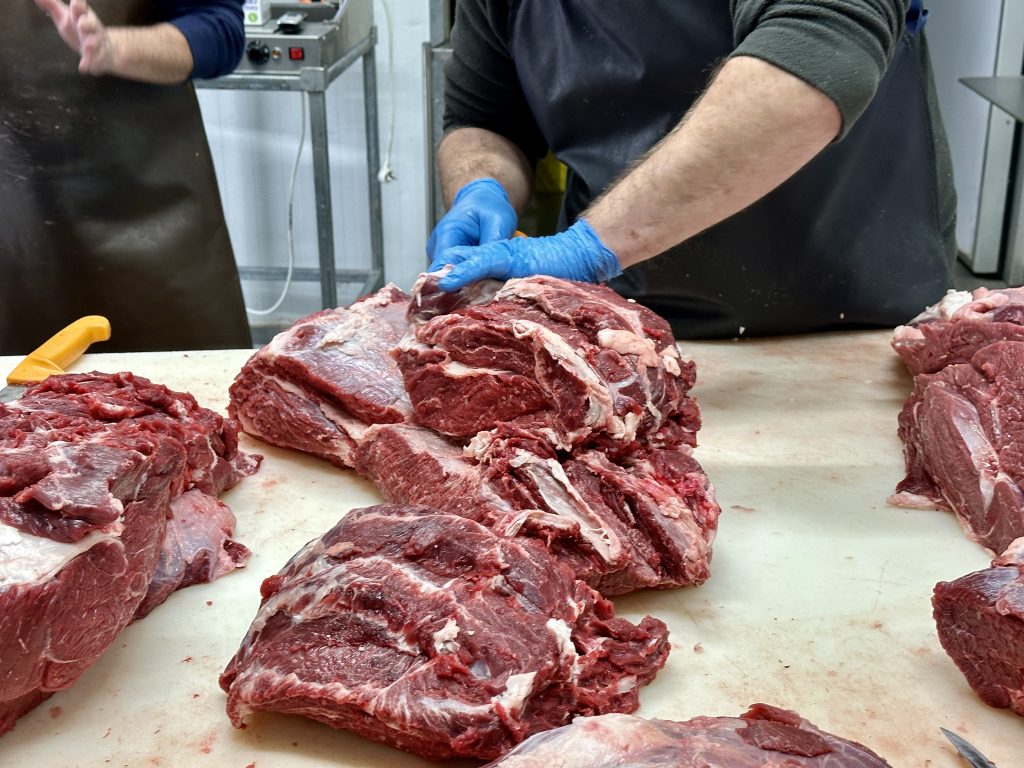
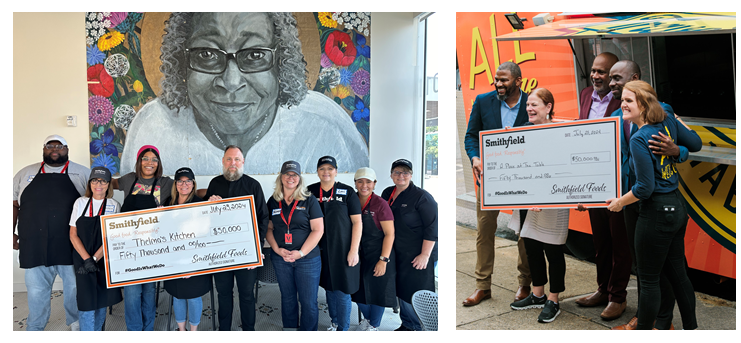
Upland Cotton squaring reached 30 percent, up 10 points from previous week. Cotton conditions rated 71 percent good to excellent, 22 percent fair and 11 percent poor to very poor. Last week's conditions rated 75 percent good to excellent, 21 percent fair and 4 percent poor to very poor.

Livestock conditions rated 60 percent good to excellent, 31 percent fair and 9 percent poor.

Pasture and range conditions rated 53 percent good to excellent, 37 percent fair and 10 percent poor to very poor.

Kansas Crop Progress:

Winter wheat harvested was 92 percent, up 37 percentage points from last year and up 20 percent from the five-year average.

Soybeans emerged reached 95 percent, up one percentage point from both last year and the average. Blooming reached 17 percent, down 10 points from last year and 5 points from the average. Setting pods reached 1 percent, down 6 points from last year, and down 2 points from the average. Soybean conditions rated 74 percent good to excellent, 23 percent fair and 3 percent poor to very poor. Last week's conditions rated 72 percent good to excellent, 24 percent fair and 4 percent poor to very poor.

Sorghum planted reached 96 percent, up 5 percentage points from last year and the five-year average. Headed was 4 percent, down 3 points from last year and 2 percent average. Sorghum conditions rated 58 percent good to excellent, 35 percent fair and 7 percent poor to very poor. Last week's conditions rated 58 percent good to excellent 37 percent fair and 5 percent poor to very poor.

Cotton squaring reached 63% percent, up 11 percentage points from last year and up 16 points from the five-year average. Cotton conditions rated 57 percent good to excellent, 36 percent fair and 7 percent poor to very poor. Last week's conditions rated 57 percent good to excellent, 30 percent fair and 9 percent poor to very poor.

Pasture and range conditions rated 62 percent good to excellent,28 percent fair and 10 percent poor to very poor. Last week's conditions rated 60 percent good to excellent, 29 percent fair and 11 percent poor to very poor.

Texas Crop Progress:

Winter wheat harvested reached 92 percent, up 5 points from the previous week, but down 1 point from the average.

Corn silked reached 75 percent, up 1 point from the previous year and up 2 points from the average. Corn dough reached 60 percent, up 13 points from the previous week, and up 8 points from normal. Corn dented reached 34 percent, up 20 points from normal. Corn conditions rated 54 percent good to excellent, 28 percent fair and 18 percent poor to very poor. Last week's conditions rated 53 percent good to excellent, 32 percent fair and 15 percent poor to very poor.

Cotton squaring reached 42 percent, up 5 points from the previous week, and up 1 point from normal. Cotton setting bolls reached 19 percent, up 6 points from the previous week, and up 4 points from normal.  Cotton conditions rated 35 percent good to excellent, 33 percent fair and 76 percent poor to very poor. Last week's conditions rated 49 percent good to excellent, 32 percent fair and 19 percent poor to very poor.

Peanuts pegging reached 16 percent, up 4 points from the previous week, and up 6 points from normal. Peanut conditions rated 54 percent good to excellent, 37 percent fair and 9 percent poor to very poor. Last week's conditions rated 58 percent good to excellent, 38 percent fair and 4 percent poor to very poor.

Sorghum coloring reached 50 percent, up 4 points from the previous week, and up 3 points from normal. Sorghum mature reached 43 percent, up 4 points from the previous week, and up 38 points from normal. Sorghum harvested reached 33 percent, up 6 points from the previous week. Sorghum conditions rated 57 percent good to excellent, 29 percent fair and 14 percent poor to very poor. Last week's conditions rated 60 percent good to excellent, 28 percent fair and 12 percent poor to very poor.

Soybeans emerged reached 92 percent, no change from last year and down 3 points from the average. Soybeans blooming reached 46 percent, up 4 points from the previous week, but down 11 points from normal. Soybean conditions rated 35 percent good to excellent, 46 percent fair and 19 percent poor to very poor. Last week's conditions rated 39 percent good to excellent, 57 percent fair and 4 percent poor to very poor.

Pasture and range conditions rated 34 percent good to excellent, 32 percent fair and 41 percent poor to very poor. Last week's conditions rated 31 percent good to excellent, 28 percent fair and 34 percent poor to very poor.

Cattle Producers' Forum Focuses on Producer Profitability at July Event

The Cattle Producers' Forum is set to take place in Billings, Montana on July 23-24, 2024. Co-hosted by the United States Cattlemen's Association (USCA) and the Montana Stockgrowers Association (MSGA), and presented by headline sponsor, Ag Risk Advisors, the event aims to focus on industry collaboration to address issues that matter to all cattle producers.

The event kicks off with a reception on Tuesday evening, July 23, in conjunction with the Northern Livestock Video Summertime Classic at the Rhoadside Events Center in Huntley. The Cattle Producers' Forum will then convene on Wednesday, July 24, at the DoubleTree Hotel in Billings.

The forum will start at 10 a.m. with a panel on competitive markets. Joining Fred Seamon, Executive Director in Agricultural Markets at CME Group will be notable speaker Andy Green. Green is the USDA Senior Advisor on Fair and Competitive Markets and speaks regularly about markets and regulation, corporate governance and competition, international trade, and the economy and middle class.

Following, "Talking Trade" will feature Sheridan McKinney, D.C.-based Global Trade Lawyer and Educator, who has been active in international trade and investment law and policy for fifteen years.

This year's forum will also feature a Producer Profitability Initiative Roundtable after the hosted lunch during which MSGA and USCA leadership will offer an overview of the upcoming panel discussions.

The roundtable will kick off at 1:30 p.m. with a panel on beginning farming and ranching which will provide insight into USDA's development programs and FSA loans tailored to assist beginning producers from FSA Administrator Zach Ducheneaux. Ducheneaux brings a wealth of knowledge in federal support programs and agricultural policy and will be joined on the panel by successful young farmers and ranchers sharing firsthand experiences.

Next, a roundtable highlight will be the in-depth look into upcoming changes in tax policies affecting farmers and ranchers. Capital gains taxes, estate planning, and the legislative landscape will be explored, providing participants with practical strategies to foster a more favorable tax environment.

Another key topic of the roundtable will be the Livestock Risk Protection (LRP) program. Attendees will delve into the current state and necessary enhancements of LRP, with insights on USDA risk management initiatives and tips for navigating the program to counter market volatility.

Labor challenges in ranching will also be addressed, with industry leaders examining agricultural labor reform complexities. The roundtable will highlight innovative solutions and recent USDA programs designed to foster workforce sustainability and address labor shortages, with a central focus on hiring and retention in the ranching sector.

Register today to engage, learn, and advocate for solutions that support the growth and sustainability of the ranching community at https://uscattlemen.org/summeruscaforum/. A detailed agenda, speaker bios and more will be added to the site and the Facebook event page.

Application now open for the 2024 Oklahoma Leopold Conservation Award

The Oklahoma Farm Bureau Foundation for Agriculture is proud to join the Sand County Foundation to recognize Oklahoma agriculturists who work to improve soil health, water resources and wildlife habitats within their operation. Applications and nominations are now open for the 2024 Oklahoma Leopold Conservation Award.

Recipients receive a $10,000 award for their dedication to conserving and preserving soil, water resources and wildlife habitats.

Nominations may be submitted on behalf of a landowner, or landowners may apply themselves. Applications are reviewed by an independent panel of agricultural and conservation leaders from Oklahoma. The application can be found at sandcountyfoundation.org/ApplyLCA.

The Oklahoma Leopold Conservation Award application deadline is July 12, 2024. Applications must be emailed to award@sandcountyfoundation.org.

The recipient will be revealed in early 2025 at the Oklahoma Association of Conservation Districts' Legislative Evening in Oklahoma City.

For more information about the award, visit leopoldconservationaward.org.

Hay Trade Slow to Steady

Compared to the last report: Hay trade is slow to steady. After a cou-ple of weeks of no moisture, hay producers could start baling and selling the hay. Oklahoma still has a lot of 2023 hay, which is being sold and still stacked in barns. Even with all of the rain we have had, we have started to see drought creeping back across the state due to high temperatures and high winds.

Trends:
Alfalfa Large squares $175-$200 a ton - New Crop
Alfalfa Rounds - No Trend
Grinding hay - No Trend
Bermuda 5x6 rounds - $70-$90 a bale - New Crop
Bermuda 5x6 rounds - $50-$55 a bale - Year Old Hay
Bermuda Large Squares - No Trend
Wheat Hay 5x6 Round/Large Squares - $80-$100 a Ton - New Crop Grass Hay 4x5-4x6 - $45-$55 a bale - New Crop
Grass Hay 5x6 - No Trend Rough
Grass Hay any size $30-$40 a bale - Year Old Hay

The Oklahoma Mesonet Drought Monitor shows we are at 0 percent in exceptional drought, 0 percent in an extreme drought, 1.20 percent in severe drought, 20.82 percent in moderate, 37.17 percent in abnor-mally

Hurricane Beryl Brings Opportunity for More Rain

As Hurricane Beryl travels across the Texas Gulf Coast, it may also provide some drought-busting moisture for Oklahoma. According to State climatologist Gary McManus, It will probably go just to their southeast, so southeast of southeast Oklahoma. However, it should still provide ample rainfall to just about the last part of the state that needed a good dose. Up to 4-6 inches are being forecast, but that could go up a bit in localized areas, and there's also a wind advisory for a bit of that spin left."

McManus says with flash drought starting to pop up throughout Oklahoma this Rainfall will be helpful, "The rainfall from Beryl will complete a magnificent reversal of fortune for a state that was headed for some serious drought with flash drought spreading over the last 60 days."

So even though we will see above normal temperatures the chance of rain will still be a welcome sight since those summertime Temps have already set back in, and this may be the last we see of rain for a bit.

To read more from State Climatologist Gary McManus on his mesonet ticker, click here:

Daily Email for July 8, 2024


Oklahoma's Latest Farm

And Ranch News

Monday, July 8, 2024


Superior's Week in the Rockies All Week

 
Howdy Neighbors!

Here is Your Daily Oklahoma Farm and Ranch News Update: 


  • Upcoming OCA Convention Looks to Be a Can't Miss Event for Cattle Producers


  • OSU's Brian Whitacre Gives Rural Broadband Update


  • July Rains Across Western Oklahoma Helping Reverse Flash Drought


  • AgHERculture Conference Registration Now Open


  • Drummond challenges Biden Administration's latest EV mandates


  • Kansas Wheat Harvest Continues to Work Around Rain Showers


  • Superior's 2024 Week in the Rockies Set to Start Today- 309,648 to Sell This Week
 

Upcoming OCA Convention Promises to be an Event Cattle Producers Won't Want to Miss

I spoke with Executive Vice President of the OCA Michael Kelsey about the upcoming OCA Convention slated for July 19 & 20, in Norman, Oklahoma, at the Embassy Suites Convention Center.


"Legacy is our theme: building our beef legacy. We've got a packed line-up of speakers and resources," Kelsey said. "Our goal is for people to leave with more than what they came with, especially with things that can impact their individual businesses regarding their own legacies."


Whether a person is a sixth-generation cattle rancher or a newcomer to the beef-producing, ranching family, there will be something there to benefit their business. This includes networking and mentoring opportunities.


Opening general session speakers on Friday will be Dean Carlos Risco, of the OSU College of Veterinary Medicate, and Dr. Jayson Lusk, Dean of the OSU College of Agriculture with Saturday to feature OSU's Derrell Peel with a market outlook and Ethan Lane of NCBA with a DC update on things he's watching on behalf of cattle producers in our nation's capitol.


Click here to read and listen to Michael Kelsey detailing the OCA Convention's planned events

Sponsor Spotlight


Oklahoma AgCredit supports rural Oklahoma with reliable and consistent credit, today and tomorrow. We offer loans for land, livestock, equipment, operating costs and country homes (NMLSR #809962) to farmers, ranchers and rural businesses across 60 counties. As a cooperative, we are owned by the members we serve. Through our Patronage Program, we have returned more than $74 million to our members since 1997.


For more information on our services or to find a location near you, visit our website here.

OSU's Brian Whitacre Gives Rural Broadband Update

Farm Director, KC Sheperd, recently had the chance to talk with Oklahoma State University's Brian Whitacre about an update on broadband in Oklahoma, including funding for different programs and connectivity progress throughout the state.


"The biggest news is that the federal program, the Affordable Connectivity Program, that gave low-income households between 30 and 75 dollars per month to help pay for their broadband connection actually ended at the end of May," Whitacre said. "That program is no more. There were about 350,000 households in Oklahoma that were participating in that."


In a survey, Whitacre said one-third of the households previously enrolled in the Affordable Connectivity Program said they would not be able to afford broadband otherwise.


"There has been some talk at the federal level about trying to bring this back, but it looks like for at least the next couple of months, it has gone away, so people should be aware their internet bills are going to increase in the immediate future," Whitacre said.

Click here to read and listen to Brian Whitacre discuss Rural Broadband updates.

July Rains Across Western Oklahoma Helping Reverse Flash Drought

As the midway point of 2024 arrived at the end of June- there was a world of worry when it came to drought concerns across Oklahoma- just over 20% of the state was(and is) in drought and a lot more was slipping closer to drought with the abnormally dry category on the rise.


Right at the end of June- heavy rains up along the Kansas border dumped several inches of rain up in Woods, Cherokee and Grant Counties (not reflected in the map above).


July first arrived- and the heat continued for a few more days but rains started rolling in over the moderate to severe drought areas in west central Oklahoma- and the result - a temporary reprieve to the extremely dry conditions in some areas that had missed most of the rain since start of June.


The map above is the rainfall amounts here in July across the state. Hobart, Kingfisher and Erick have topped the charts with all over five inches- add another half dozen Mesonet stations with more than three inches since July first- and you have liquid gold delivered to spring planted crops in many locations- as well as much needed moisture for pasture and ranges.


The rest of July and August await us- but some mighty dry areas did get a nice drink of water.


One disappointment for Oklahoma this weekend was the track of Beryl- the tropical storm spun back up as a Category One Hurricane on Sunday night- back on the Fourth of July- it looked like it might make landfall around the US- Mexican border- which could have resulted in a rain making tropical depression for a significant part of eastern Oklahoma- but little if any of Beryl impact will be seen in our state- it's track will take it between Texarkana and Shreveport and right over Little Rock after battering Houston and Galveston.


In fact- as we send this email- the Houston area is in the middle of being hit by Beryl. As of 3:30 AM- Beryl has made landfall as an 80 MPH Category 1 Hurricane.

For the latest on Beryl- here is the YouTube Live Feed of One of the Houston TV Stations
 
 
Sign Up for Our Daily Email- Free Because of Our Sponsors!

Support Our Sponsors!


KIS logo


Advertise With Us!
 

For our farmers who have either- always have had cotton on their farms- or those who have more recently have added the fiber crop to their operations- we have a daily report heard on several of our Radio Stations- It's Called Cotton Talk!

Click on the Button below to listen to our most recent report
Click here for our Latest Cotton Talk- Hosted by KC Sheperd


AgHERculture Conference Registration Now Open

Registration is now open for the 2024 AgHERculture Conference. The AgHERculture Conference provides women interested in the agriculture industry an opportunity to hone their professional development and add to their social network.


The AgHERculture Collegiate Conference is set for Aug. 23 for ladies who have graduated high school, current collegiate women, or recent graduates. The AgHERculture High School Conference is set for Aug. 24 for ladies who are entering high school or are current high school students.


This is the fourth annual AgHERculture Conference, which was created by Oklahoma Secretary of Agriculture Blayne Arthur.


Register by Thursday, July 18, 2024, to ensure a conference T-shirt.


For more information about the 2024 AgHERculture Conference or registration, contact Kirsten Hollansworth at kirsten.hollansworth@ag.ok.gov.


We invite you to listen to us on great radio stations across the region on the Radio Oklahoma Ag Network weekdays-

if you missed this morning's Farm News - or you are in an area where you can't hear it- click below for this morning's Farm news from Ron Hays and KC Sheperd on RON.
Listen to our Monday morning farm and ranch news with KC Sheperd
 
 
Subscribe To the Daily Email


Sponsor Spotlight


Oklahoma Farm Bureau works to improve the lives of all Oklahomans by supporting our state's agriculture community. As Oklahoma's largest general farm organization led by Oklahoma farmers and ranchers, OKFB takes grassroots values and advocates for agriculture at the state Capitol and in Washington, D.C., to ensure our way of life continues for generations to come.


Farm Bureau hosts leadership events, supports our state's agricultural youth and connects consumers with agriculture in order to build a brighter future for our state. Become an OKFB member today online at okfarmbureau.org/join. Together, we are rural Oklahoma.


Drummond challenges Biden Administration's latest EV mandates

Attorney General Gentner Drummond and 25 other state attorneys general have filed a challenge to the Biden Administration's latest attempt to drive gas-powered cars off the road.


The filing aims to block the National Highway Traffic Safety Administration's (NHTSA) strict fuel efficiency standards that contain a new rule requiring car manufacturers to dramatically increase the average fuel economy of passenger cars and light trucks in less than a decade.


"The Biden Administration's war on America's oil and gas industry continues; this time in the guise of an obstructive new regulation placing unreasonable standards on auto manufacturers to produce more electric vehicles," Drummond said. "This impractical transition would bypass the free market, spike costs for families and undermine the reliability of the electric grid." 


Other states joining the Kentucky and West Virginia-led challenge are Alabama, Alaska, Arkansas, Florida, Georgia, Idaho, Indiana, Iowa, Kansas, Louisiana, Mississippi, Missouri, Montana, Nebraska, New Hampshire, North Dakota, Ohio, South Carolina, South Dakota, Texas, Utah, Virginia and Wyoming.


Read the challenge filed in the U.S. Sixth Circuit Court of Appeals.

Kansas Wheat Harvest Continues to Work Around Rain Showers

This is day 11 of the Kansas Wheat Harvest Reports, brought to you by the Kansas Wheat Commission, Kansas Association of Wheat Growers, Kansas Grain and Feed Association and the Kansas Cooperative Council.


Summer rains that leave behind humid air are keeping farmers out of the fields until late in the day, but producers are just glad to be able to climb in the cab and cut some wheat this year. After a multi-year drought, the showers and sprinkles are welcome, even if they delay the final stretch of the 2024 Kansas wheat harvest. 


"Nuisance sprinkles" on Tuesday, July 2, didn't amount to enough to benefit fall crops, but when coupled with high humidity, kept combines from running in Rooks and Graham counties, where Mike McClellan has just one day left of cutting his hard red winter wheat. 


Fall moisture was limited to just a couple of fields and some of his wheat didn't emerge until spring – making the wheat look very patchy coming out of dormancy. With fields spread out over two counties, some of his fields would pick up a rain, but two miles away, the field wouldn't receive anything. McClellan remarked he has never seen such a "weather variable year."

Click here to see the full report on the Kansas Harvest.

Superior's 2024 Week in the Rockies Set to Start Today- 309,648 to Sell This Week

The biggest sale of the year for Superior Livestock is the Week in the Rockies sale- and the 2024 version will kick off at 8 AM central time this morning out in Snowbird, Utah. Superior Sunrise will precede the start of the sale each morning at 7:30 AM central.


Cattle from our region will be featured today and Tuesday. Here is the full lineup for the five day sale- with fifty to sixty thousand head expected to sell daily.


Day 1 Monday, July 8th

Southeastern US, TX, OK, NM, KS Weaned Calves & Calves on Cows

Beef Dairy Cross

Bred Stock


Day 2 Tuesday, July 9th

Southeastern US, TX, OK, NM, KS Feeder Steers & Heifers

Mountain States & Western US Feeder Steers & Heifers


Day 3 Wednesday, July 10th

N. & S. Dakota Weaned Calves & Calves on Cows

Wyoming Weaned Calves & Calves on Cows

Montana Weaned Calves & Calves on Cows


Day 4 Thursday, July 11th

Nebraska Weaned Calves & Calves on Cows

Colorado Weaned Calves & Calves on Cows

Customer Appreciation Dinner – Sponsored by Merck Animal Health


Day 5 Friday, July 12th

Utah Weaned Calves & Calves on Cows

Western US Weaned Calves & Calves on Cows


To watch the Week in the Rockies sale- go to SLA TV on DISH Network, click here for the You Tube link for the Monday sale or click here for the Superior website where you can watch as well.


You can also call Superior at 1800-422-2117 for more info.

Click here for the Superior Livestock Website
Let's Check The Markets!
OKC West is our Market Links Sponsor- they sell cattle three days a week- Cows on Mondays, Stockers on Tuesday and Feeders on Wednesday- Call 405-262-8800 to learn more.
 
Today's First Look:
Ron on RON Markets as heard on K101  
mornings with cash and futures reviewed- includes where the Cash Cattle market stands, the latest Feeder Cattle Markets Etc.
Hear Today's First Look
 

Wholesale Boxed Beef Prices were higher- Choice Beef was up 59 cents and Select Beef was up 68 cents on Friday 7/5/2024.


Click on the Button below for the latest report from USDA Market News

Boxed Beef Report from 7/5/2024
 

Oklahoma National Stockyards reported 3,698 head as of 9 PM Sunday evening for the Monday auction. The sale will start at 8:00 am. We are expecting to start with 3,800 to 4,000


According to USDA Market News on July first- Compared to the previous week: Steers and heifers 4.00-8.00 higher with instances of up to 15.00 higher. Even with the holiday week and hot temperatures, buyers were aggressive for all classes of cattle. Demand very good. Quality average.


Click below for the complete closing report.

Oklahoma National Stockyards Market Report from 07/01/2024
 
 
Each afternoon we are posting a recap of that day's markets as analyzed by Justin Lewis of KIS futures - click below for the latest update on the Livestock and Grain Futures Trade..
Click Here to Listen to Justin's Commentary From 7/5/2024
 
Okla Cash Grain:  
Daily Oklahoma Cash Grain Prices- as reported by the Oklahoma Dept. of Agriculture- The report available after the close of the Futures Trade for that day.
Read  Cash Grains Report from 7/5/2024
 
Our Daily Market Wrapup from the Radio Oklahoma Ag Network - analyzing the Futures Markets for that trading day- as reported by KC Sheperd.
Click to Listen to Our Weekday Wrap with KC
 
Slaughter Cattle Recap: 
The National Daily Slaughter Cattle Summary- as prepared by the USDA Market News
Read Report
 
TCFA Feedlot Recap:  
Finally, here is the Daily Volume and Price Summary from the Texas Cattle Feeders Association.
Read Report
Our Oklahoma Farm Report Team!!!!
 
Ron Hays, Senior Farm/Ranch Broadcaster and Editor
 
KC Sheperd, Farm Director and Editor

Dave Lanning, Markets and Production

Reagan Calk, Farm News and Email Editor

Pam Arterburn, Calendar and Template Manager

Podcasts From Oklahoma Farm Report and More

Two of our regular reports are also podcasts that you can subscribe to- Our daily Farm and Ranch News with KC Sheperd- available here on the Apple Podcast Platform


The second is our daily Beef Buzz with Ron Hays- available here on the Apple Podcast Platform


Periodically- we offer interviews on our Ag Perspectives Podcast series- this podcast is available here.


Ron has also has a series of podcasts from interviews with newsmakers at the Cattlemen's Congress- Click here or you can find them on your favorite Podcast platform- look for them by searching for Cattlemen's Congress Conversations.


We are making plans to jump back into regular installments of what has been called the Road to Rural Prosperity- a new name and fresh content is in the works- for now- click on the blue button below for one of our favorites that is a timeless classic.

Listen to Episode 86 with Ron Hays talking with one of the legends in the Beef Cattle Business- Bob Drake of Davis, Oklahoma
 
 
Listen to Ron
Beef Buzz
 
Blue Green Gazette
Calendar
Auctions
Market Links
Facebook  Twitter  Youtube  

Our thanks to Midwest Farms Shows, P & K Equipment, Oklahoma Farm Bureau, Oklahoma Ag Mediation Program, Great Plains Kubota, Stillwater Milling Company, National Livestock Credit Corporation, Oklahoma Beef Council, Oklahoma Wheat Commission, Oklahoma AgCredit, the Oklahoma Cattlemens Association, Invenergy Oklahoma and  KIS Futures for their support of our daily Farm News Update.


For your convenience, we have our sponsors' websites linked here- just click on their name to jump to their website- check their sites out and let these folks know you appreciate the support of this daily email, as their sponsorship helps us keep this arriving in your inbox on a regular basis- at NO Charge!


We also appreciate our Market Links Sponsor - OKC West Livestock! 


We invite you to check out our website at the link below too that includes an archive of these daily emails, audio reports and top farm news story links from around the globe.

Head to Our Website OklahomaFarmReport.Com
God Bless!
Reach Out To Us:
Tim West
President/General Manager
Rural Oklahoma Networks

405-317-6361

***************

Mike Henderson
Director of Sales

405-615-4922

KC Sheperd
Farm Director
Radio Oklahoma Ag Network

405-443-5717

Email KC
Ron Hays
Senior Farm/Ranch Broadcaster
Radio Oklahoma Ag Network

405.473.6144
Email Ron

Mid-Year Cattle Market Assessment

Dr. Derrell Peel, Oklahoma State University Extension Livestock Marketing Specialist, offers his economic analysis of the beef cattle industry as part of the weekly series known as the "Cow Calf Corner," published electronically by Dr. Peel and Mark Johnson. Today, Dr. Peel talks about the mid-year cattle markets.

With the first half of 2024 in the books, it's worth evaluating the first six months and what to expect for the remainder of the year. 

At mid-year, cattle prices are at all-time record levels.  Fed steers averaged $195.81/cwt., live basis, and 850-pound, Med/Large, No. 1 steers averaged $255.41/cwt. in Oklahoma auctions prior to July 4.  Likewise Boning cull cows, average dressing, averaged $143.22/cwt. with high dressing Breaker cows averaging $ 154.41/cwt.  Steers calves are priced slightly below the March seasonal peak but averaged $324.53/cwt. before July 4 for 475-pound Med/Large, No. 1 steers, down from the $350.85/cwt. March average. 

Beef production is down 1.6 percent year over year in the first half of the year.  Thus far, beef production is down less than expected.  All of the reduction in beef production is in nonfed beef, with fed beef production actually 0.7 percent higher for the year to date and nonfed beef production down 12.5 percent year over year in the first half of 2024.  Steer slaughter is down 1.7 percent and heifer slaughter is down 1.5 percent year over year so far this year, but sharply higher steer and heifer carcass weights are more than offsetting the modest decreases in slaughter. Carcass weight showed little seasonal decline through the first half of the year and steer carcasses averaged 32 pounds heavier year over year in the second quarter of the year with heifer carcasses 26 pounds heavier in the past 12 weeks. 

Choice boxed beef prices are just about equal to one year earlier with a price of $329.96/cwt in early July. Wholesale prices for popular grilling steaks are strong at midyear, led by Strip Loins and Top Sirloin.  The reduction in nonfed beef production, combined with strong ground beef demand has pushed 90 percent lean trimmings and subsequent wholesale ground beef prices prices to record levels.  A mix of five pounds of 90 percent lean and one pound of 50 percent lean resulting in an 83.3 percent lean ground beef formulation has a record wholesale price of $3.26/lb. in early July.

As of June 1, feedlot inventories were equal to one year ago.  Feedlot inventories have been stubbornly slow to decrease with annual average monthly feedlot inventories down just 2.2 percent since the peak level 21 months ago in Sept 2022.  Feedlot placements are declining but feedlot inventories remain high due to more days on feed and continued large heifer slaughter rates.  The strong heifer slaughter suggests that little, if any, heifer retention for herd rebuilding has begun.

Supply fundamentals will continue to tighten for the remainder of the year and beyond.  Beef production will likely finish the year down 3.0-3.5 percent year over year, less than previously expected due to continued heavy carcass weights.  Feedlot inventories and cattle slaughter will continue to decline, perhaps faster if heifer retention begins in a significant way.  Baring outside shocks, cattle prices will remain at record levels and push even higher if herd rebuilding begins in the coming months. 

Vice Chair of the Cattlemen's Beef Board Ryan Moorhouse is All In on the Beef Checkoff

Listen to Ron Hays talk with Vice Chair of the Cattlemen's Beef Board Ryan Moorhouse about his role with the Beef Checkoff.

Radio Oklahoma Ag Network's senior farm and ranch broadcaster Ron Hays spoke with Vice Chair of the Cattlemen's Beef Board Ryan Moorhouse about his role with the Beef Checkoff as they were heading into the Cattle Industry Summer Meeting, held July 8–10, 2024, at the Hilton San Diego Bayfront, in San Diego, California.

Our coverage from the 2024 Cattle Industry Summer Business Meeting is powered by Farm Data Services of Stillwater.

Moorhouse grew up on a family-owned, cow/calf and stocker operation in north central Texas. After high school, he attended Texas A&M University where he received a BS in Agribusiness in 1997. Upon graduation, he went to work for Continental Grain Cattle Feeding (now Five Rivers). He is currently the General Manager for Hartley Feeders, a Five Rivers Cattle Feeding operation, which he has served for about 25 years.In addition, Ryan operates his own stocker operation back home on part of the family ranch in Amarillo, Texas.

When Ron asked why Moorhouse serves the Beef Checkoff, he replied with a chuckle, "They pay us so much to hold these positions, so I have a hard time saying no."

Then on a more serious note, he added, "If I'm not serving, someone else might be that has ill intentions for the industry or for the Checkoff. I feel like it is our job to put our product out there, and it's a great product, so that is why I do what I do."

Ryan was a board member with the Texas Beef Council and was really interested in foreign marketing of beef and actually served on the board of the US Meat Export Federation- the USMEF. Recently, he has spent more time on the research side, and has become passionate about it and the dollar spent on research. He said, "I like making sure the research will add value down the road and isn't redundant to other things that have been done. Research is very important, but it is sometimes difficult for other people to understand why you would want to spend that much on research."

Moorhouse knows that the Beef Checkoff does a lot of good, but also knows that everyone has different opinions about where money should be spent, but as he said, "If you look at beef demand since the mid-nineties and some of the great things that the Beed Checkoff has done, demand has been outstanding. Despite droughts and cattle cycles, beef demand continues to rise. Due to the increase in demand, there is more money available to all producers and other segments of the industry."

The Beef Buzz is a regular feature heard on radio stations around the region on the Radio Oklahoma Ag Network and is a regular audio feature found on this website as well. Click on the LISTEN BAR for today's show and check out our archives for older Beef Buzz shows covering the gamut of the beef cattle industry today.

OSU wheat varieties perform under pressure during 2024 harvest

Wheat harvest in Garfield County, Oklahoma, ends on a high note this year with better yields and test weights than previously predicted. (Photo by Mitchell Alcala, OSU Agriculture)

The 2024 wheat harvest is complete, and after exceptional growing conditions over the winter, dramatic weather in late spring left producers on the edge of their seats.

Fifth-generation wheat farmer Tyler Schnaithman in Garfield County said producers were pleased with the crop in his area of central Oklahoma despite almost writing it off at one point in the year.

"We had a lot of winter moisture and expectations were high, but we got into that more critical timeframe and started to get dry," he said while discussing harvest on a recent episode of "SUNUP", the agricultural production television show of Oklahoma State University Agriculture. "We caught some late rains, and filling weather was tremendous — about as ideal as it could be. Test weights have just been off the chart this year."

Oklahoma's long-term drought over the past decade has consistently decreased wheat production totals. Early assessments from the U.S Department of Agriculture estimated the state's 2024 wheat crop at 98.8 million bushels, predicting 38 bushels per acre with 2.6 million acres harvested. However, Mike Schulte, executive director of the Oklahoma Wheat Commission, said production totals surpassed expectations.

"We started 8 to 10 days earlier in southwest Oklahoma than we normally do," he said. "We thought we were going to have a bumper crop, then we thought we'd lost the crop, but we ended up having a really good harvest overall with more acreage and higher yields."

Adjusted estimates now sit at an average of 40 to 42 bushels per acre and about 110 to 115 million bushels in total production despite hail damage in isolated locations and other weather challenges. Test weights in southwest Oklahoma and along the Interstate-35 corridor in northern Oklahoma were reduced by locally heavy rains, but the state average is over 60 pounds per bushel.

"Test weights for the state of Oklahoma were remarkable considering the weather season we had," Schulte said. "The OSU variety research program focuses on test weight, and certainly the varieties we're planting today compared to those 20 years ago are holding up better in drought conditions. The drought-tolerant traits used in newly developed varieties are more resilient and hardier and can survive harsher conditions. They responded when the rains came later in the spring."
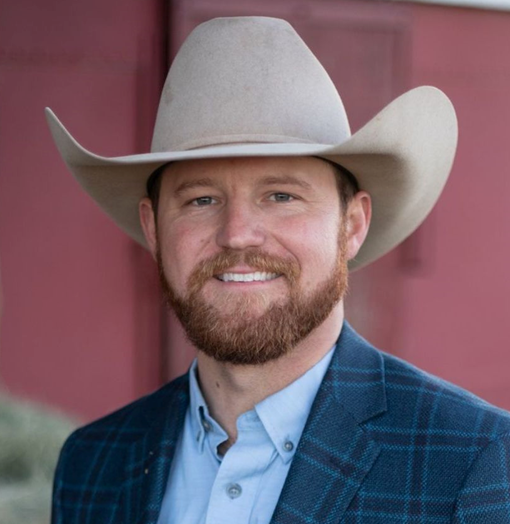
Schulte said 60% to 65% of the wheat harvested this year in Oklahoma is a variety developed by the Wheat Improvement Team at OSU. Amanda Silva, OSU Extension small grains specialist, said data from the team's variety trials in 12 locations across the state is extremely beneficial to producers, reporting what varieties thrive in Oklahoma's variable weather conditions. The trial results list test weights, wheat protein levels, lodging severity and yield rates for intensive and standard management practices as well as dual-purpose and grain-only comparisons.

"At our Lahoma and Chickasha site comparisons of standard and intensive management, the difference is fungicide applications," Silva said. "We report disease ratings and you can clearly see the difference in resistance for those varieties — compatible with yield loss, the most susceptible varieties with the greatest yield loss did not have a fungicide."

Producers battled cases of stripe rust and leaf rust this year, diseases that are common in Oklahoma wheat fields. Understanding which varieties are more resistant to disease and pests is critical to protecting yields and test weights, especially for smaller-scale producers who must minimize costs by not applying fungicides.

"That's why we provide this information for producers to use," Silva said. "It's important for producers to select varieties resistant to stripe rust and leaf rust. We're one of the only variety testing programs to offer this amount of data."

Schulte explained OSU's ability to test graze and grain wheat varieties producers can use for forage before harvest is key to selection.

"The data shows us this year that we have some mainstay varieties in the OSU lineup that are great for overall adaptation across the state," he said. "OSU's public research program is made possible with support from the Oklahoma Wheat Commission to fund research initiatives. We've made great strides increasing yield capability with drought tolerance and nitrogen efficiency traits."

Schnaithman in Garfield County said he credits OSU wheat genetics for this year's excellent test weights and the crop's ability to handle adverse conditions.

"We're ecstatic about the variety Showdown. It's been our best wheat by at least 10 bushels," he said. "It's exceptional with a ton of top-end yield potential."

For many farming families, including the Schnaithmans, harvested fields were sprayed 24 to 48 hours later in preparation for planting summer crops.

"Production agriculture is a unique occupation," Schnaithman said. "You earn all of your income in one given moment. There's always a lot of stress and pressure, but it's one of my very best times of the year."

Written by Gail Ellis

Syngenta and Intrinsyx Bio to Offer New Biological Solution to Boost Crops' Nutrient Use Efficiency

Syngenta Biologicals, a leader in cutting-edge agricultural biological solutions and Intrinsyx Bio, a Silicon Valley biotech company that promotes sustainable agriculture, today announced a collaboration to bring a novel biological solution to agricultural markets globally.

The collaboration will boost farmers' access to a custom selection of Intrinsyx Bio's proprietary endophyte formulations. Endophytes – small microorganisms that colonize in plants – fix atmospheric nitrogen directly into the plant, increasing the availability and uptake of key nutrients such as phosphorus and micronutrients that are important for plant health. This reduces the need for synthetic fertilizers, offering farmers greater flexibility in their nutrient management strategies while lowering the environmental impact of farming. Formulations will be offered as seed treatment and foliar application in key agricultural crops.

"This collaboration reflects Syngenta's commitment to transforming the future of agriculture, with innovations that improve the sustainability of farming," said Jonathan Brown, Global Head of Syngenta Biologicals and Seedcare. "We're particularly excited to offer a broad range of formulations that will help farmers take the care of young plants to the next level, while protecting the health of their soil."

"This agreement represents another opportunity to expand the reach of our 'biology that works.' Partnering with Syngenta allows farmers around the world to benefit from endophytes proven mode of action and extensive field testing that improves nutrient use efficiency and increases crop yields," said Greg Thompson, CEO of Intrinsyx Bio.

Syngenta has been investing significantly in strengthening its portfolio of biological solutions for both plant and seed health. Since its acquisition of Valagro in 2020, it has continued to invest heavily in research and development, while expanding its portfolio of cutting-edge biological solutions through various commercial and research collaborations. These efforts also reflect Syngenta's commitment to helping agriculture achieve higher yields with lower environmental impact – a core pillar of Syngenta Group's Sustainability Priorities.

About Syngenta Crop Protection

Syngenta Crop Protection is a leader in agricultural innovation, bringing breakthrough technologies and solutions that enable farmers to grow productively and sustainably. We offer a leading portfolio of crop protection solutions for plant and soil health, as well as digital solutions that transform the decision-making capabilities of farmers. Our 18,300 employees serve to advance agriculture in more than 90 countries around the world. Syngenta Crop Protection is headquartered in Basel, Switzerland, and is part of the Syngenta Group.

Ag Land Market Showing Signs Of Settling

According to Farmers National Company, the agricultural land market has been "nothing short of exceptional during the past five years." Gains in value are prevalent across all classes of land in every region of the country. Strong commodity markets, moderate interest rates, buyer demand and an overall healthy agricultural economy have also supported the growth of land values during this time.

"But a lot has changed in the past 12 months, and even more has changed within the past five years," said Paul Schadegg, senior vice president of real estate operations at Farmers National Company. "Moving into the second half of 2023 and the first half of 2024, we've experienced significant increases in interest rates, declining grain markets, and inflation. Despite these negative pressures, the land market has remained relatively resilient but shows signs of settling in general, including single-digit decreases in specific areas."

One aspect of the agricultural land market is the long-term appreciation of land value. Over the past 25 years, land values have experienced a stair-stepping trend following the ups and downs of the agricultural economy. As grain markets and farm profitability rose, the land markets followed while leveling off as markets and profitability did the same. Schadegg said each plateau has set a new value standard sustained through production, demand, and profitability.

"A significant factor in maintaining the level of land values has been investor interest in the market. While these bidders are not always successful buyers of land, they are certainly involved in setting the floor on values as they bid up to the levels of their investment criteria. This segment of buyers also considers the long-term appreciation in value we have experienced in the past 25 years, the potential for future appreciation, and land's value as a diversified asset," Schadegg said.

As buyers consider land purchases during the second half of 2024, the additional expenses for interest and lower commodity markets will be at the forefront of their decisions. Schadegg said that the market value of land will adjust according to the level of demand and profitability potential.

"We anticipate variations in land value changes across our regions in the U.S. Areas with strong supply/demand scenarios, an expansion of alternative land use projects and irrigation water concerns may experience more dramatic increases or decreases in values," Schadegg said. "There remains a strong appetite for land as an investment from outside investors and ag producers. The investor is looking for an asset that will produce an annual return, while the ag producer may look for expansion opportunities. Emotion comes into play when the ag producer is motivated by adjoining land, operation expansion, or land that has potentially never been offered for sale in the area."

With farm operators being the largest segment of land buyers, the biggest impact on land values moving forward will be profitability in agriculture. If profit opportunities are limited, motivation to buy will decrease and, subsequently, pressure land values into a downward trend.

"Farmers National Company and our agents continue to see strong demand for real estate services across our marketing regions. Listing volume and closed transactions at the company match the pace we saw in 2023, with activity and interest building into the fall selling season. The listing volume and transaction results remain well ahead of the company's 5-year average," Schadegg said.

Many upcoming sales have transitioned back to standard listings as sellers reserve the option to negotiate values in a changing land market.

"This is an exciting time for agriculture land owners across the U.S. Your land asset has never been more valuable than it is today. The strong demand for ag land and its historical appreciation in value will continue to support the current values as we progress into the second half of 2024," Schadegg said.

REGIONAL LAND VALUE REPORT

East Region: Indiana, Ohio, Michigan, Kentucky

Despite major reductions in grain prices during the past 18 months, highly productive and highly tillable farms in this region have held values near recent record high prices, according to Jay VanGorden, area sales manager for the east region.

"Less productive and lower tillable acreage farms have seen a 5 to 10% decrease in value but still much less reduction than grain prices, which are 25% to 30% lower over the past 1.5 years," VanGorden said. "Farmer operators remain the primary buyers of farmland but prices in the eastern region are also driven by investor interest and 1031 tax deferred exchange buyers around several of the larger cities in our eastern territory, which can drive prices higher especially for several counties out in the countryside as sellers of development property look for replacement land." 

East-Central Region: Illinois and Wisconsin

Land sale values have remained on a slight yet steady incline in most areas in this region, according to Nick Westgerdes, area vice president of the east-central region.  

"Many farms are still being sold at historically strong levels; however, record-breaking sales are now few and far between. We've seen several auction 'no-sales' the past few months, which is a sign that seller and buyer expectations are not aligning quite like they were previously," Westgerdes said. "The number of land sales in Illinois were down some 35% in 2023 when compared to 2022 and we see this trend of fewer sales continuing into the summer of 2024. The current sentiment of most brokers in our area is that the remainder of 2024 will bring about a tendency of land values leveling off and stabilizing.  We do not anticipate either a large drop-off or a dramatic increase in land values over the remainder of the year."

Central Region: Iowa

In the last six months, Farmers National Company has seen more pressure on values, with the lower quality and marginal land receiving the most scrutiny, according to Thomas Schutter, area sales manager for the central region.

"This is due to the prolonged higher interest rates and lower commodity prices. High quality land remains the most stable, with strong sales still reported in some areas. One saving grace for values is that we've seen a lower supply of land on the market this spring. This may have helped to stabilize values for a time, but we do anticipate that volume will increase through the remainder of the summer months and into the fall," Schutter said.

While buyer interest has varied lately, overall buying power is down from the peak of two years ago, Schutter added.

"That doesn't mean that buyers are no longer interested, but they are much more selective in their purchases. Heavy spring and now summer rainfalls have also taken an emotional toll on some local buyers, especially in northwest Iowa and southwest Minnesota where flooding is most prevalent. With land values under pressure, it's important to understand your local market," Schutter said.

Southern Region: Texas, Oklahoma and Arkansas

The southern region includes multiple geographic regions with different land use types and varying values. In the Mid-South, Arkansas and Missouri Bootheel, the values remain stable. As you move from southeast Arkansas into Missouri, the values increase compared to other portions of the Mid-South, according to Tyler Ambrose, area sales manager for the southern region.

"The highest priced farmland is precision leveled with excellent soils and abundant groundwater. Prices for this type of land ranges from +/- $6,500 per acre in southeast Arkansas to +/- $11,000 per acre in the Missouri Bootheel," said Bill Shannon, senior farm manager for the southern region. "As you move to the Texas/Oklahoma Panhandles and South Plains, there is an indication that demand is a little softer than a year ago. Also, in this portion of the region, we are seeing a slight decline in value for all classes of land which include pasture, dryland cultivation and irrigated cultivation."

In north-central Texas and around the DFW Metroplex, Shannon said he's noticed that prices have stabilized for ranch land.

"In several counties in this area, there are wooded pasture tracts that are still being developed into rural residential subdivisions as the Metro area continues to expand. Most of these sales for residential development are tracts of less than 100 acres. Improved and native pastureland with greater than 200 acres with influence from the Metro area have values that range from $6,000 to $12,000 per acre," Shannon said. "Larger ranch properties in the Cross Timbers Region west of Fort Worth of greater than 2,000 acres have a value range from $1,200 to $3,000 per acre. Recreational properties in the central Texas area are still seeing a slight increase in value and demand."

South Central Region: Kansas, Eastern Colorado and Western Missouri

Headwinds and tailwinds have combined to keep the high-quality land market throughout western Missouri, Kansas, eastern Colorado, south-central Nebraska and north-central Oklahoma values steady throughout the past 12 months, according to Steve Morgan, area sales manager for the south-central region.

"While there have been a few small areas within those states that continue to see new highs, other areas have shown signs of a small retrace. This region has also begun to show a little price weakness in the average to below average quality land market," Morgan said. "Drought, heat, lower inventories of land for sale and volatile commodities are still all at play across the region. So far this spring and early summer, the drought map has changed for the better and commodities have shown signs of occasional strength. These lead us to be very friendly to a strong fall and winter land market, especially if the industry continues to see a low inventory of farms for sale." 

Western Region: Western Nebraska, Northwest Kansas and Northeastern Colorado

Farmland prices in central and western Nebraska and northeast Colorado have struggled to maintain the record highs of recent years, according to Cole Nickerson, area sales manager for the western region.

"High quality irrigated farmland remains in high demand with a low supply, which has helped keep prices elevated," Nickerson said. "In contrast, lower quality farmland has experienced some discounting over the past six months. Rangeland prices have remained stable due to strong cattle markets. One would expect a sharp increase in rangeland prices with the strong cattle markets but that has not been the case. Low cattle inventories across the country have tempered demand."

Recent sale highlights:

·         159.36 acres of Custer County, Neb., irrigated land for $10,100 per acre

·         160 acres of Valley County, Neb., irrigated land for $8,500 per acre

·         77.48 acres of Antelope County, Neb., dryland and pasture for $7,425 per acre

West-Central Region: Eastern Nebraska and Western Iowa

Land values in eastern Nebraska and western Iowa for the most part have stayed steady, said Chanda Scheuring, area sales manager for the west-central region.

"It will be interesting as we enter this fall selling season if those prices will continue to be supported given the lower commodity prices and higher interest rates. Some softening, especially on less productive land, may be seen over the next six months," Scheuring said. "One thing that has been certain, there appears to be a tightening of supply in the market. As an industry, we have seen a lower volume of properties come up for sale over the past year. This, no doubt, has helped support prices, since demand for quality farm ground has remained high." 

Northern Regions: Dakotas and Western Minnesota

When evaluating the land sales that Farmers National Company had this spring and looking ahead to the fall of 2024, one constant will remain the same - quality is king, said Troy Swee, area sales manager for the northern region. 

"On average, we have seen a softening in land sales since the uptick in interest rates and the downturn in commodity prices, but demand for high quality land remains extremely strong and is still bringing at or near record high prices," Swee said. "A few examples of this would be the 160 acres in Polk County, Minnesota, that brought $1,408,000 and the 800 acres in Aurora County, South Dakota, that brought $6,336,000.  A lack of inventory for sale is also supporting land values across the region and our auctions have been very well attended with plenty of farmers and investors looking to add to their land portfolio," Swee said.

Top Scientists Defend Biofuels in RFS Court Filing

Eight of the nation's top agricultural, biomass, and greenhouse gas (GHG) lifecycle scientists filed an amicus brief on July 3rd that challenged the faulty assumptions underpinning a number of attacks on the Renewable Fuel Standard (RFS). The brief was filed in the U.S. Court of Appeals for the District of Columbia Circuit in Center for Biological Diversity (CBD) v. EPA et al. (Case No. 23-1177).  

Growth Energy, the nation's largest biofuel trade association, highlighted the importance of the brief in a statement:  

"The new brief from America's top lifecycle experts sends a clear signal—it's time for environmental advocates to stop parroting fossil fuel companies and start supporting low-carbon biofuels at the gas pump," said Growth Energy CEO Emily Skor. "Decades of data have demonstrated again and again that bioethanol has not increased crop acreage—in fact, U.S. farm acreage has been largely unchanged since the 1930s. Even the U.S. Department of Energy (DOE) rejected similar claims in a letter to Growth Energy, acknowledging the scientific consensus that U.S. ethanol slashes greenhouse gas emissions by 44 to 52 percent."  

"It's time for environmentalist skeptics of biofuels to listen to the experts and let go of outdated and debunked research" she added. "The scientists who filed the amicus brief in support of EPA provide a clear-eyed and honest assessment of the environmental profile of biofuel production, and we look forward to working with any group that wants to help us expand access to lower-carbon bioethanol." 

To access the full brief, users can register for an account through the Administrative Office of the U.S. Courts Public Access to Court Electronic Records (PACER) system and search for the case (U.S. Court of Appeals for the District of Columbia Circuit, Case No. 23-1177, Center for Biological Diversity v. Environmental Protection Agency, et al.). It was submitted on behalf of: 

  • Dr. David Clay, Distinguished Professor of Soil Science at South Dakota State University, Fellow of the American Society of Agronomy, Editor in Chief for the American Society of Agronomy, and the South Dakota Corn Endowed Chair of Precision Farming.  
  • Kenneth Copenhaver, former scientist for NASA and Founding Principal at CropGrower LLC. 
  • Dr. Isaac Emery, environmental sustainability scientist, consultant and project director at WSP USA. 
  • Dr. Stephen Kaffka, Professor Emeritus of Cooperative Extension at the University of California Davis and Director of the California Biomass Initiative. 
  • Dr. Madhu Khanna, ACES Distinguished Professor in Environmental Economics at the University of Illinois Urbana-Champaign.  
  • Keith Kline, Distinguished Scientist in the Environmental Sciences Division and the Climate Change Science Institute of Oak Ridge National Laboratory, and Adjunct Professor in the Biosystems Engineering and Soil Science Department at the University of Tennessee Institute of Agriculture. 
  • Dr. Steffen Mueller, leader of the Bioenergy and Transportation Emissions Research Group at the University of Illinois Chicago.  
  • Dr. Dev Shrestha, professor of chemical and biological engineering at the University of Idaho.  

Background 

In the underlying case, CBD is challenging EPA's most recent "Set" rule for the 2023-2025 renewable volume obligations (RVOs) under the RFS. They argue that, in promulgating the rule, the U.S. Environmental Protection Agency (EPA) failed to properly consult with both the U.S. Fish and Wildlife Service and National Marine Fisheries Service regarding the rule's potential impact on the habitats of endangered species, pursuant to the Endangered Species Act (ESA). In August 2023, Growth Energy filed a motion to intervene in the case, as its outcome would have a material impact on the association and its membership. 

Some of CBD's arguments against the RVOs rely on research published by Tyler Lark, whose work has been previously debunked and dismissed by leading scientists, including those at the U.S. Department of Agriculture, the U.S. Department of Energy, and Argonne National Laboratory, among others. Today's brief from the aforementioned group of scientists takes direct aim at Lark's claims and research methods, adding to the chorus of voices using science to undermine Lark's anti-ethanol claims. 

The RFS was first enacted in 2005 as part of the Energy Policy Act. It was then expanded in 2007 with the passage of the Energy Independency and Security Act. It sets the number of gallons of renewable fuels (like biofuels) that must be blended into the nation's total fuel supply each year. The RFS remains one of America's most successful clean energy policies, reducing carbon emissions, offering consumers more affordable options at the pump, and delivering greater energy security for more than 15 years. 

Bird Flu Vaccine in Development

With avian influenza spreading beyond birds, so are the efforts to protect Americans against it. Moderna -- a pharmaceutical and biotechnology company based in Cambridge, Massachusetts -- has a new federal contract to develop a vaccine to better safeguard people from the virus that previously decimated the poultry industry before impacting dairy herds.

The U.S. Department of Health and Human Services contracted with Moderna in a $176 million agreement announced on July.

RELATED: NBC News reported that the federal government already has 4.8 million doses of bird flu vaccine stockpiled. Learn more about that and the new agreement with Moderna here. 

In May the Associated Press reported that University of Pennsylvania researchers had developed a vaccine. The USDA planned to test the vaccine on calves with the premise that vaccinating cows could limit chances for the virus to spread to humans.

Human to human spread is one of the greatest concerns by health officials.

RELATED: CBS did this report in May about the University of Pennsylvania researchers' project to develop a bird flu vaccine. Watch that report. 

Moderna and Pfizer were both working on bird flu vaccines, according to A.P. This report includes background on the differences in the types of vaccines. 

A company statement from Moderna on July 2 about the new federal award said, "The project award will support late-stage development for an mRNA-based vaccine to enable the licensure of a pre-pandemic vaccine against H5 influenza virus. This subtype of influenza virus causes a highly infectious, severe disease in birds called avian influenza and poses a risk for spillover into the human population. The agreement also includes additional options to prepare and accelerate a response to future public health threats."

Moderna Chief Executive Officer Stephane Bancel also acknowledged a partnership where it receives funding through the Biomedical Advanced Research and Development Authority (BARDA), which is part of the U.S. Department of Health and Human Services' Administration for Strategic Preparedness and Response.

RELATED: Read the announcement by Moderna after it received federal funding to develop a bird flu vaccine for humans.

Bird flu's spread has had far-reaching implications on various sectors of agriculture. Initially, much of the devastation was confined to the poultry industry with tens of millions of birds being culled to limit the spread.

Since March, 12 states have reported dairy cattle infections that affected nearly 140 herds, according to the USDA. Michigan, Idaho, and Colorado had the most reported herd infections as of July 4. See the latest map of confirmed bird flu infections in dairy cattle here.

Meanwhile, the USDA began taking applications on July 1 from dairy producers to help offset the financial losses of milk due to infected cows. Find out the details here.  

Financial losses can add up quickly for those in the dairy industry. The American Association of Bovine Practitioners estimated that H5N1's cost can be $100-200 per cow.

"If you have, say, a 1,000-cow dairy, in two to three weeks, you can expect to lose $100,000 to $200,000, not including the long-term impact from the disease, decreased herd size, or other potential effects," said Dr. Fred Gingrich, AABP executive director, in a statement posted on the American Veterinary Association's website.

RELATED: Here is the full release from the American Veterinary Association explaining the need for financial assistance for dairy producers with infected cattle. 

Article courtesy of American Farmland Owner

May Beef Export Value Highest in 11 Months; Pork Exports Below Year-Ago

The value of U.S. beef exports topped $900 million in May, the highest since June 2023, according to data released by USDA and compiled by the U.S. Meat Export Federation (USMEF). Pork exports posted another solid performance in May, but were below last year in both volume and value. 

May beef exports totaled 110,133 metric tons (mt), down 5% from a year ago but the second largest of 2024. Beef export value reached $902.4 million in May, 3% above last year and the highest in 11 months. For January through May, beef exports followed a similar trend, increasing 5% year-over-year in value to $4.29 billion, despite a 4% decline in volume (533,578 mt). 

"It has been encouraging to see demand stabilize in Japan, where U.S. beef certainly faces significant headwinds," said USMEF President and CEO Dan Halstrom. "The tourism boom has provided a much-needed lift for Japan's foodservice sector, and it is a source of optimism for buyers and importers. Taiwan and the ASEAN region were also bright spots for U.S. beef in May, along with Western Hemisphere markets such as Mexico, Guatemala and the Caribbean." 

May pork exports totaled 251,447 mt, down 4% from a year ago, valued at $715.8 million (down 2%). Through the first five months of the year, exports were still up 6% to 1.29 million mt, while export value was 7% above last year's record pace at $3.6 billion. 

"Pork shipments to Mexico trended a bit lower in May, but that's following a record April performance," Halstrom said. "And even at that, export value to Mexico still topped $200 million. U.S. pork also posted another great month in South Korea and exports to the ASEAN region were the largest in three years. Demand also continued to strengthen in Central America and the Caribbean."

Japan, Mexico, Taiwan help push May beef export value over $900 million 

Despite the persistently weak yen and other economic challenges, Japan has maintained its position as the leading volume destination for U.S. beef in 2024. May beef exports to Japan were just under 21,000 mt, up 9% from a year ago, while export value climbed 20% to $164.1 million. For January through May, exports to Japan were still 3% below last year in volume (104,712 mt), but export value increased 5% to $796.8 million.

The weak yen's silver lining is that it has contributed to a surge in foreign visitors, bolstering Japan's foodservice and hospitality sectors. Tourists arriving in Japan in May jumped 60% from a year ago and topped 3 million for the third consecutive month. Tourism officials project that total arrivals this year could surpass the 2019 record of 31.88 million. 

Demand for U.S. beef in Mexico continues to gain momentum, with May exports increasing 9% from a year ago to 18,793 mt, while value climbed 17% to $109.8 million. Through May, exports to Mexico increased 17% to 96,323 mt, while value soared 23% to $564 million. This included more than 50,000 mt of beef variety meat, up 19% from a year ago, valued at $136.6 million (up 13%). Mexico is the largest volume destination for U.S. beef variety meat, taking large volumes of tripe, lips, livers, hearts and kidneys. 

Beef shipments to Taiwan have trended lower in 2024, but May saw a substantial rebound in export value at $63.2 million, up 6% from a year ago and the highest since August. May volume was 5,878 mt, down 4% year-over-year. For January through May, exports to Taiwan were down 12% from a year ago to 23,392 mt, but value slipped just 2% to $254.7 million. Despite a widening spread in the price of U.S. beef versus major competitors, the U.S. continues to dominate Taiwan's chilled beef sector, capturing about 70% market share.  

Other January-May results for U.S. beef exports include: 

  • May beef exports to the ASEAN region reached 4,646 mt, up 25% from a year ago and the largest since October. Shipments to Indonesia (1,823 mt) were the largest since October, to Vietnam (585 mt) were the highest since January 2023, and to Singapore (587 mt) were the largest since 2010 and the third highest on record. Shipments to the Philippines (1,457 mt) slowed from the previous month but were otherwise the highest since October. May exports to the region were valued at $40.6 million, up 81% year-over-year and the seventh largest on record. January-May exports increased 18% in value to just under $125 million, despite a 17% decline in volume (14,977 mt). 
  • Fueled by record-large shipments of more than 1,100 mt to Guatemala and strong demand in Panama, May beef exports to Central America increased 37% from a year ago to 1,972 mt, valued at $13.6 million (up 45%). Through May, exports to the region climbed 12% in volume (9,464 mt) and 17% in value ($68 million). 
  • May beef exports to China/Hong Kong slowed compared to last year, falling 16% to 18,659 mt. But export value was down just 4% to $181.3 million and export value to China alone was only 2% below last year at $146 million. January-May exports to the region were down 10% to 88,446 mt. Export value was 4% below last year at $821 million, but is still on pace to approach $2 billion in 2024. 
  • Demand for U.S. beef continues to regain momentum in the Middle East, where May exports increased 19% from a year ago to 4,481 mt, while export value climbed 26% to $19.8 million. Through May, exports to the region increased 33% in volume (23,925 mt) and 35% in value ($106.3 million), bolstered by larger beef liver shipments to Egypt and robust demand for muscle cuts in the United Arab Emirates, Kuwait, Qatar and Bahrain.  
  • Larger shipments to the Dominican Republic, Trinidad and Tobago, Cuba, Jamaica and the Bahamas pushed May beef exports to the Caribbean to 2,846 mt, up 39% from a year ago, while export value increased 7% to $22.5 million. January-May exports to the region increased 27% to 14,774 mt, valued at $121.8 million (up 13%). 
  • Beef exports to leading value market Korea slowed in May, falling 24% from a year ago to 18,063 mt, valued at $168 million (down 14%). Through May, exports to Korea were 14% below last year's pace at 96,960 mt, but still increased slightly in value ($908.1 million, up 1%). 
  • Export value equated to $410.94 per head of fed slaughter in May, up 3% from a year ago. The January-May per-head average was $410.40, up 5%. Exports accounted for 13.8% of total May beef production, and 11.5% for muscle cuts only – down from 14.7% and 12.1%, respectively, a year ago. The January-May ratios were 13.9% of total production and 11.6% for muscle cuts, each down about one-half percentage point from the same period last year.

May pork exports below last year, but still show broad-based strength

Although pork export volume to leading market Mexico slowed in May following record-large April shipments, export value still increased and 2024 demand remains on a record pace. May exports to Mexico totaled 91,338 mt, down 6% from a year ago, but value was 2% higher at $201.9 million. January-May exports to Mexico reached 480,193 mt, up 7% from a year ago, while value increased 14% to $1.02 billion.

While Mexico continues to shine as a destination for hams and other pork cuts for further processing, the U.S. industry has made impressive inroads in the country's rapidly growing retail and foodservice sectors, with per-capita pork consumption continuing to expand. Mexico is also a major outlet for U.S. pork variety meat, including for taco applications.

Pork exports to Korea posted another robust performance in May, totaling 22,354 mt. This was up 6% from a year ago, while value increased 8% to $78.9 million. Through May, exports to Korea climbed 35% above last year's pace to 118,092 mt, while value soared 40% to $395.4 million. The U.S. industry continues to capitalize on Korean consumers' growing appetite for convenient, easy-to-prepare entrées and snacks, while U.S. pork is also gaining traction in the foodservice sector. 

Despite lower shipments to leading market Honduras, May pork exports to Central America increased 11% from a year ago to 11,711 mt, while export value climbed 26% to $37.8 million. May exports to Costa Rica nearly tripled from a year ago, while also gaining strength in Guatemala and El Salvador. January-May exports to the region increased 25% from a year ago to 64,161 mt, while export value soared 35% above last year's record pace to $196.8 million. 

Other January-May results for U.S. pork exports include: 

  • Led by larger shipments to the Philippines, Malaysia and Vietnam, May pork exports to the ASEAN region reached 9,235 mt, up 41% from a year ago and the largest since May 2021. This included record-large variety meat exports to the Philippines, totaling 4,483 mt. Through May, total pork and pork variety meat exports to the ASEAN increased 17% to 31,715 mt, valued at $67.7 million (up 4%). 
  • Pork exports to Colombia remained strong in May, climbing 55% from a year ago to 9,653 mt, while value soared 63% to $26.6 million. January-May exports to Colombia increased 46% to 49,315 mt, a record pace, while value climbed 58% to $135.3 million. 
  • Although May exports to Oceania were below last year's large volume, shipments remained robust at 9,353 mt, valued at $32.8 million. With exports expanding to both Australia and New Zealand, January-May shipments to the region increased 64% to 46,574 mt, with value climbing 63% to $165.6 million. While both Australia and New Zealand restrict access for fresh U.S. pork, Oceania is a strong destination for pork cuts used for further processing and the region has a growing appetite for value-added U.S. processed products.   
  • May pork exports to Japan held fairly steady with last year at 30,010 mt, while value was down 1% to $121.9 million. January-May shipments to Japan were down slightly to 153,052 mt, with value steady at $618.2 million. Similar to beef, the strong U.S. dollar has hampered Japan's demand for U.S. pork, but Japan is importing more frozen U.S. pork to partially offset the decline in ground seasoned pork and chilled pork. The rise in tourism, declining inventories and still-high prices for European pork offer potential growth opportunities in the second half of the year. 
  • May exports of pork variety meat increased slightly from a year ago to 51,957 mt. Export value was also strong at $110.8 million, though down 13% from last May's record high. For January through May, pork variety meat exports climbed 4% above last year to 257,431 mt, but value fell 5% to $557.4 million, mainly on lower unit values for feet, tongues and stomachs. China/Hong Kong is still the top destination for U.S. pork variety meat exports, but growth to Mexico, the ASEAN region, Canada, Central America and Colombia helped offset declining demand from China/Hong Kong. 
  • May pork exports equated to $67.64 per head slaughtered, down 2% from a year ago, but the January-May average was still up 5% to $66.54. Exports accounted for 30.7% of total May pork production and 26.2% for muscle cuts only, down from the very high ratios (32% and 27.6%, respectively) posted in May 2023. January-May exports accounted for 30.7% of total production and 26.5% for muscle cuts, each up about one percentage point from the same period last year. 

May lamb exports trend higher

May exports of U.S. lamb totaled 251 mt, up 78% from the low year-ago volume, while export value was up 66% to $1.3 million. 

For January through May, lamb exports increased 11% from a year ago to 1,294 mt, while value climbed 25% to $7.2 million. Export growth was driven primarily by the Caribbean, Mexico and Canada, but shipments also increased to the Philippines and Taiwan.

Complete January-May export results for U.S. pork, beef and lamb are available from USMEF's statistics web page.

Superior's 2024 Week in the Rockies Set to Start Monday with 309,648 to Sell This Week

The biggest sale of the year for Superior Livestock is the Week in the Rockies sale- and the 2024 version will kick off at 8 AM central time this morning out in Snowbird, Utah. Superior Sunrise will precede the start of the sale each morning at 7:30 AM central.

A total of 309,648 head are consigned to sell this week- versus the 279,150 offered in 2023.

Cattle from our region will be featured Monday and Tuesday. Here is the full lineup for the five day sale- with fifty to sixty thousand head expected to sell daily.

Day 1 Monday, July 8th

Southeastern US, TX, OK, NM, KS Weaned Calves & Calves on Cows

Beef Dairy Cross

Bred Stock

Day 2 Tuesday, July 9th

Southeastern US, TX, OK, NM, KS Feeder Steers & Heifers

Mountain States & Western US Feeder Steers & Heifers

Day 3 Wednesday, July 10th

N. & S. Dakota Weaned Calves & Calves on Cows

Wyoming Weaned Calves & Calves on Cows

Montana Weaned Calves & Calves on Cows

Day 4 Thursday, July 11th

Nebraska Weaned Calves & Calves on Cows

Colorado Weaned Calves & Calves on Cows

Customer Appreciation Dinner – Sponsored by Merck Animal Health

Day 5 Friday, July 12th

Utah Weaned Calves & Calves on Cows

Western US Weaned Calves & Calves on Cows


To watch the Week in the Rockies sale- go to SLA TV on DISH Network, click here for the You Tube link for the Monday sale or click here for the Superior website where you can watch as well.

You can also call Superior at 1800-422-2117 for more info.

Prussic Acid Alert from OSU Extension

OSU Extension agriculture educators have received reports of cattle deaths this summer due to prussic acid toxicity. Producers should take caution to protect their herds.

Commonly linked to the consumption of Johnsongrass, prussic acid toxicity occurs in certain plants of the sorghum family when temperatures rise and the ground dries out.

Johnsongrass, one of Oklahoma's most invasive plants, is high in prussic acid, but the nitrate toxicity of other sorghum plants such as Foxtail millet is low. Ranchers should first identify the toxicity level of any sorghum variety intended for grazing purposes.

Symptoms of prussic acid poisoning in cattle can include muscle tremors, excess salivation, staggering, breathing difficulties, convulsions and collapse.

What ranchers should know:

- Prussic acid levels are higher in the leaves of young plants, with the upper leaves containing the most toxin.

- Plant stress from drought and other extreme conditions can increase levels of prussic acid.

Methods to prevent prussic acid toxicity:

- Contact your county's OSU Extension office to have your forage tested before grazing.

- Never turn hungry cattle onto a new pasture.

- Take soil samples and fertilize accordingly.

- Rotate pastures to prevent cattle from consuming lush regrowth.

- Place one or two cows in a pasture and observe before turning in all cattle.

Learn more about keeping your herd safe from prussic acid toxicity ➡️

okla.st/3PEGPfn

Steers, Cow/Calf Pairs, Bred & Owned Females, and Bred & Owned Bulls Brought the Heat to Tulsa on Tuesday, July 2!

The cattle show began on Tuesday, July 2 with Brady Jensen evaluating the Steers, Lim-Flex Cow/Calf Pairs, Limousin Cow/Calf Pairs, Bred & Owned Lim-Flex Females, Bred & Owned Limousin Females, Bred & Owned Lim-Flex Bulls, Bred & Owned Limousin Bulls. A total of 124 animals entered the ring today.

The morning began with the Prospect Steer Show. The Grand Champion Prospect Steer, MKJM Trippie Red 73L, weighing 839 pounds, born 07/12/2023, and was sired by Schilling Halas. The steer was exhibited by Makayla Massey, London, Ky. Reserve Champion Prospect Steer, Jiminey Criket, was exhibited by Kaydee Thomas, Ropesville, Texas, born 01/13/2024, was sired by LLKT Mr James Dean 902J and weighed 362 pounds.

The Progress Steer Show soon followed, exhibiting 14 head. The Grand Champion Progress Steer was 2303, weighing 1196 pounds, born 03/05/2023, was sired by Here I Am, and was exhibited by Ben Sherry, Yukon, Okla. The Reserve Champion Progress Steer was SC Luigi, weighing 1258 pounds, born 03/18/2023, was sired by SSTO Skls Frank 8879F, and was exhibited by Lilly Bayless, Auburn, Kan.

Grand Champion Lim-Flex Cow/Calf honors went to ELCX Kate 332K. She was born 05/16/2022 as a 53% Lim-Flex out of ELCX Kings Landing 599D. The pair was exhibited by Carter Kornegay, Tulsa, Okla. The Reserve Champion Pair was DL Kiwi 28K. She was born 06/10/2022 as a 56% Lim-Flex out of RLBH Air Force One. The pair was exhibited by Airielle Elliott, Pecos, Texas.

Grand Champion Purebred Limousin Cow/Calf honors went to Boss Lake Klarissa 239K. She was born 03/12/2022 and was out of Cottage Lake Border Agent. The pair was exhibited by Memphis Peterson, Pukwana, S.D.

The Grand Champion Bred and Owned Lim-Flex Female was TJFR Kadillac and was exhibited by Ty Freed, Fairbury, Ill. She was born 10/11/2022, and is a 59% Lim-Flex, sired by FWLY Can Do. McKenna Richardson, Eureka, Kan., exhibited the Reserve Champion Bred and Owned Lim-Flex Female. Richardson's Legacy 309L was sired by MAYC Gold Buckle 624G and is a 57% Lim-Flex born 4/14/2023. The third overall was KESC Lucy's Marvel 5L. She was born 2/11/2023, sired by MAGS Winston. This 25% Lim-Flex was exhibited by Kesler Collins, Flanagan, Ill.

In the Bred & Owned Limousin Female Show, McKenna Richarson, Eureka, Kan., won Grand Champion Bred and Owned Limousin Female. Richardson's Lola 308L is a 4/4/2023, 79% Limousin, sired by Ratliff Jump Start 340J. Reserve Champion Bred and Owned Limousin Female was exhibited by Braylen Schaeffer, Hagerstown, Ind. With BSFR Rythm And Harmony, 78% Limousin, born 11/15/2023, and sired ELCX Kings Landing 599D. Third Overall Bred and Owned Limousin Female was BNTL Kokomo 433K, an 81% Limousin, sired by TASF Crown Royal 960C, born 11/15/2022, and exhibited by exhibited by Bentley London, Collinsville, Texas.

Tayhlor Elmore, Hominy, Okla. showed the Grand Champion Bred and Owned Lim-Flex Bull. TAYE Lil Troy sired by KLS Sull Charmer, an 71% Lim-Flex born 12/7/2023. The Reserve Champion banner went to KLCS MK Smooth Talker who was sired by Ratcliff Jump Start 340J. He was a 67% Lim-Flex, born 10/15/2023, and exhibited by Keely Shultz, Danielsville, Ga. The Third Overall Lim-Flex Bull went to FSC Land Payment a 71% Lim-Flex out of SSTO Guns N Roses 9408G. He was exhibited by Brock Freed, Fairbury, Ill.

In the Bred and Owned Limousin Bull Show, Colt Parkinson, Levelland, Texas, showed the Grand Champion. LFL Lover Boy 3151L was born 10/5/2023 and is a 83% Limousin who was sired by Ratliff Jump Start 340J. The Reserve Champion Bred and Owned Limousin Bull was LLKT Luckenbach 072L, sired by FWLY LHC Capital, a 81% Limousin, born 10/3/2023, and exhibited by Cole Keeton, Wolfforth, Texas. The Third Overall Bred and Owned Limousin Bull came went to Peyton Schmalshof, Avon, Ill. With 436 ATAK Legend. He was born on 1/10/2023 and is a 81% Limousin, sired by FWLY LHC Capital.

The 3rd Annual NEOGEN Ultimate Show was a Huge Succuss at the 2024 National Junior Limousin Show and Congress

The cattle shows began on Tuesday, July 2 with Ryan Rathmann evaluating the NEOGEN Ultimate Show. It was the third annual year this event was held, the event had a tremendous amount of participation with 114 head exhibiting.
 
The Grand Champion NEOGEN Ultimate Bull was FSC Land Payment, exhibited by Brock Freed, Fairbury, IL. A 71% Lim-Flex bull born 07/28/2023 that was sired by SSTO Guns N Roses 9408G and out of MAGS Hanky Panky.
 
The Reserve Grand Champion NEOGEN Ultimate Bull was LFL Lovell 3110 L, exhibited by Colt Parkinson, Levelland, TX. This 57% Lim-Flex bull was born 06/23/2023. He was sired by LFL Jackpot 1032J and out of LFL Juanita 1048J.
 
LDIL Long Jump 267L was the third overall NEOGEN Ultimate Bull. He is a 12/02/2023, 82% Limousin, sired by Ratliff Jump Start 340J, and was exhibited by Ellie Dill, Marshfield, Mo.

Anabelle Vander May, Chadron, Neb., exhibited the fourth overall NEOGEN Ultimate bull. Lucky Dream is a 02/21/2023, 66% Lim-Flex, sired by Auto Lucky Guy 140D.

The fifth overall NEOGEN Ultimate Bull was Legacy's Morgan ET, exhibited by Claire Dorsey, Witt, Ill. He is a 01/02/2024, 42% Lim-Flex, sired by Conley No Limit.

The Grand Champion NEOGEN Ultimate Female was REIB Miss Queen 369, exhibited by Parker Chesnut, Bath, Ind. She is a 04/15/2023, 40% Lim-Flex, sired by ELCX Kings Landing 599D.

Trotter Thomas, Sterling, Colo., exhibited the Reserve Grand Champion NEOGEN Ultimate Female with TFOR Ladyhood 024L. She is a 02/09/2023, 39% Lim-Flex, sired by Auto Lucky Guy 140D.

NCC Kiki 209K was the third overall NEOGEN Ultimate Female. Kiki is a 11/07/2022, 69% Lim-Flex, sired by Auto Lucky Guy 140D and was exhibited by Chelsea Pinnell, Cuba, Mo.
 
Fourth overall NEOGEN Ultimate Female was BBPB Liona 262L, exhibited by Ellie Dill, Marshfield, Mo. She is a 11/25/2023, 60% Lim-Flex, sired by FWLY LHC Capital.

Berrys Liv, exhibited by McCrae Stafford, Prineville, Ore., was the fifth overall NEOGEN Ultimate Female. She is a 02/26/2023, sired by BSF Opportunist Z5.
 
Photos and additional coverage may be found on the Facebook pages for the North American Limousin Junior Association and the North American Limousin Foundation.

A complete list of winners follows.

2024 NEOGEN Ultimate Show
July 2, 2024
Tulsa, Okla.
Judge: Ryan Rathmann
Entries: 114 head

Grand Champion NEOGEN Ultimate Bull: FSC Land Payment, 07/28/2023, 71% Lim-Flex, double black, double polled, sired by SSTO Guns N Roses 9408G, out of MAGS Hanky Panky, exhibited by Brock Freed, Fairbury, Ill.

Reserve Grand Champion NEOGEN Ultimate Bull: LFL Lovell 3110 L, 06/23/2023, 57% Lim-Flex, homozygous black, homozygous polled, sired by LFL Jackpot 1032J, out of LFL Juanita 1048J, exhibited by Colt Parkinson, Levelland, Texas.

3rd Overall NEOGEN Ultimate Bull: LDIL Long Jump 267L,12/02/2023, 82% Limousin, homozygous black, double polled, sired by Ratliff Jump Start 340J, out of LDIL Hallie 053H, exhibited by Ellie Dill, Marshfield, Mo.

4th Overall NEOGEN Ultimate Bull: Lucky Dream, 02/21/2023, 66% Lim-Flex, homozygous black, homozygous polled, sired by Auto Lucky Guy 140D, out of BL Just A Dream, exhibited by Anabelle Vander May, Chadron, Neb.

5th Overall NEOGEN Ultimate Bull: Legacy's Morgan ET, 01/02/2024, 42% Lim-Flex, double black, homozygous polled, sired by Conley No Limit, out of Legacy's Goddess, exhibited by Claire Dorsey, Witt, Ill.

Grand Champion NEOGEN Ultimate Female: REIB Miss Queen 369, 04/15/2023, 40% Lim-Flex, homozygous black, homozygous polled, sired by ELCX Kings Landing 599D, out of 64 Miss Eileen 1524, exhibited by Parker Chesnut, Bath, Ind.

Reserve Grand Champion NEOGEN Ultimate Female: TFOR Ladyhood 024L, 02/09/2023, 39% Lim-Flex, homozygous black, homozygous polled, sired by Auto Lucky Guy 140D, out of ACA Lantz Blackcap 6580, exhibited by Trotter Thomas, Sterling, Colo.

3rd Overall NEOGEN Ultimate Female: NCC Kiki 209K, 11/07/2022, 69% Lim-Flex, heterozygous black, homozygous polled, sired by Auto Lucky Guy 140D, out of NCC Givenchy, exhibited by Chelsea Pinnell, Cuba, Mo.

4th Overall NEOGEN Ultimate Female: BBPB Liona 262L, 11/25/2023, 60% Lim-Flex, homozygous black, homozygous polled, sired by FWLY LHC Capital, out of Mino Fiona, exhibited by Ellie Dill, Marshfield, Mo.

5th Overall NEOGEN Ultimate Female: Berrys Liv, 02/26/2023, 25% Lim-Flex, homozygous black, homozygous polled, sired by BSF Opportunist Z5, out of Berrys Denali, exhibited by McCrae Stafford, Prineville, Ore.
 
NEOGEN Ultimate Bull Division Winners:
Division I Champion: LDIL Long Jump 267L, 12/02/2023, 82% Limousin, homozygous black, double polled, sired by Ratliff Jump Start 340J, out of LDIL Hallie 053H, exhibited by Ellie Dill, Marshfield, Mo.
Division I Reserve: Legacy's Morgan ET, 01/02/2024, 42% Lim-Flex, double black, homozygous polled, sired by Conley No Limit, out of Legacy's Goddess, exhibited by Claire Dorsey, Witt, Ill.
Division I 3rd Overall: NCPC Mafia Man, 11/12/2023, 39% Lim-Flex, double black, double polled, sired by PVF Insight 0129, out of PSRF J-Lo, exhibited by Nathaniel Pecco, Ewing, Ky.

Division II Champion: FSC Land Payment, 07/28/2023, 71% Lim-Flex, double black, double polled, sired by SSTO Guns N Roses 9408G, out of MAGS Hanky Panky, exhibited by Brock Freed, Fairbury, Ill.
Division II Reserve: LFL Lovell 3110 L, 06/23/2023, 57% Lim-Flex, homozygous black, homozygous polled, sired by LFL Jackpot 1032J, out of LFL Juanita 1048J, exhibited by Colt Parkinson, Levelland, Texas.
Division II 3rd Overall: L7 Luckenbach 3043L, 04/20/2023, 57% Lim-Flex, double black, homozygous polled, sired by Just One 1061J, out of L7 Firefly 848F, exhibited by Memphis Peterson, Pukwana, S.D.

Division III Champion: Lucky Dream, 02/21/2023, 66% Lim-Flex, homozygous black, homozygous polled, sired by Auto Lucky Guy 140D, out of BL Just A Dream, exhibited by Anabelle Vander May, Chadron, Neb.
Division III Reserve: AVAM Louie 316L, 01/30/2023, 79% Limousin, homozygous black, homozygous polled, sired by DEBV Gladiator 917G, out of DEBV Gloriana 923G, exhibited by Ava Miller, Treynor, Iowa.
Division III 3rd Overall: BAIP Lancelot 351L, 01/11/2023, 71% Lim-Flex, double black, homozygous polled, sired by DEBV Footloose 828F, out of VL Jewel 151J, exhibited by Paige Baier, Griswold, Iowa.
NEOGEN Ultimate Female Division Winners:
 
Division I Champion: BBPB Liona 262L, 11/25/2023, 60% Lim-Flex, homozygous black, homozygous polled, sired by FWLY LHC Capital, out of Mino Fiona, exhibited by Ellie Dill, Marshfield, Mo.
Division I Reserve: LDIL Landing 260L, 11/23/2023, 71% Lim-Flex, homozygous black, homozygous polled, sired by ELCX Kings Landing 599D, out of Auto Callie 403D, exhibited by Ellie Dill, Marshfield, Mo.
Division I 3rd Overall: KRLE Miami, My Amy 461M, 01/16/2023, 60% Lim-Flex, homozygous black, homozygous polled, sired by TASF Heineken 405H, out of ELCX Highness 056H, exhibited by Karlee Favor, Marshfield, Mo.
 
Division II Champion: CHR Let Her Roll 137L, 10/17/2023, 60% Lim-Flex, homozygous black, homozygous polled, sired by LFL Dividend 6084D, out of CHR Harlie 028H, exhibited by Ross Turner, Chattanooga, Okla.
Division II Reserve: J6 Caitlyn 206L, 09/15/2023, 78% Limousin, double black, double polled, sired by AHCC Barn Burner B907, out of J6 Caitlin 275H, exhibited by Brock Freed, Fairbury, Ill.
Division II 3rd Overall: CBHS Lainey 05K, 10/27/2023, 78% limousin, red, homozygous polled, sired by Wulfs Horton 7358H, out of Cell 8421F, exhibited by Corbin Brockhaus, Holden, Mo.
 
Division III Champion: Boss Lake Ms Manuela, 05/06/2023, 88% Limousin, double black, double polled, sired by Ratliff Jurisdiction 435J, out of Cottage Lake Blue, exhibited by Bailey Haddon, Reelsville, Ind.
Division III Reserve: RSSL Lola 201L, 07/13/2023, 75% Lim-Flex, homozygous black, double polled, sired by WFLHennessy 011H, out of CLTM Frances 22F, exhibited by Kharis Wilson, Marshfield, Mo.
Division III 3rd Overall: Berrys Louis Vuitton, 07/10/2023, 37% Lim-Flex, double black, homozygous polled, sired by Berrys Johnny Ring, out of Berrys Juicy Fruit, exhibited by Rowdy Berry, Port Orchard, Wash.
 
Division IV Champion: REIB Miss Queen 369, 04/15/2023, 40% Lim-Flex, homozygous black, homozygous polled, sired by ELCX Kings Landing 599D, out of 64 Miss Eileen 1524, exhibited by Parker Chesnut, Bath, Ind.
Division IV Reserve: AVAM Luetta 339L, 03/10/2023, 69% Lim-Flex, double black, double polled, sired by DEBV Gladiator 917G, out of DEBV Hot Shot 039H, exhibited by Ava Miller, Treynor, Iowa.
Division IV 3rd Overall: Berrys Lipstick, 03/28/2023, 25% Lim-Flex, homozygous black, double polled, sired by SAV Bismarck 5682, out of DJ J LO, exhibited by Radley Berry, Port Orchard, Wash.
 
Division V Champion: TFOR Ladyhood 024L, 02/09/2023, 39% Lim-Flex, homozygous black, homozygous polled, sired by Auto Lucky Guy 140D, out of ACA Lantz Blackcap 6580, exhibited by Trotter Thomas, Sterling, Colo.
Division V Reserve: Berrys Liv, 02/26/2023, 25% Lim-Flex, homozygous black, homozygous polled, sired by BSF Opportunist Z5, out of Berrys Denali, exhibited by McCrae Stafford, Prineville, Ore.
Division V 3rd Overall: Cell 3067L, 02/12/2023, 61% Lim-Flex, homozygous black, homozygous polled, sired by Auto Lucky Guy 140D, out of Cell Fascination 8231F, exhibited by Kyle Linhart, Leon, Iowa.
 
Division VI Champion: NCC Kiki 209K, 11/07/2022, 69% Lim-Flex, heterozygous black, homozygous polled, sired by Auto Lucky Guy 140D, out of NCC Givenchy, exhibited by Chelsea Pinnell, Cuba, Mo.
Division VI Reserve: Cell 2390K, 09/11/2022, 51% Lim-Flex, homozygous black, homozygous polled, sired by TASF Heineken 405H, out of Cell Eternal Flame 7328E, exhibited by Karlee Favor, Marshfield, Mo.
Division VI 3rd Overall: DJ Kleopatra, 12/26/2022, 68% Lim-Flex, homozygous black, double polled, sired by Cell History Maker 0256H, out of DJ First Lady, exhibited by Rowdy Berry, Port Orchard, Wash.
 
Grand Champion NEOGEN Ultimate Cow/Calf Pair: BL Just A Dream 112J, 01/24/2021, 53% Lim-Flex, homozygous black, homozygous polled, sired by MAGS Faultless 154F, out of BL Dibs 618D, exhibited by Anabelle Vander May, Chadron, Neb.
 
For more information about North American Limousin Junior Association, the North American Limousin Foundation, or to locate a Limousin or Lim-Flex breeder near you, visit www.NALF.org or call 303-220-1693.

Daily Email for July 5, 2024


Oklahoma's Latest Farm

And Ranch News

Friday, July 5, 2024

 
Howdy Neighbors!

Here is Your Daily Oklahoma Farm and Ranch News Update: 


  • First July Drought Monitor of 2024 Shows Big Jump in Abnormally Dry Coverage Across Oklahoma


  • Chevron Deference Decision May Positively Impact Beef Industry Regulations


  • Mill Manager Collaborates with Farmers to add value to Grain


  • OSU Agriculture Receives $9 Million for Infrastructure, Extension and Research


  • Junior Gelbvieh Members Invite Everyone to the Way out West Classic in Woodward


  • USDA Reports Bring Further June Gloom


  • This Week on SUNUP: Summer Farm & Ranch Management


  • Mother Nature Mixes in Her Light Show with the 4th of July Fireworks
 

First July Drought Monitor of 2024 Shows Big Jump in Abnormally Dry Coverage Across Oklahoma

According to the latest Drought Monitor for Oklahoma released July fourth, while Oklahoma remains free of extreme or exceptional drought as we begin July- recent weeks have seen a rapid spread of Abnormally Dry or worse conditions in all but southeastern Oklahoma.


The coverage area of just Abnormally Dry has grown by forty percent in a single week- and now covers all of the western half of the state and much of northeastern Oklahoma as well.


Severe drought has increased to 3.78% of the state- mainly covering some of Major County, all of Blaine County as well as parts of Beckham, Caddo, Custer, Greer and Washita counties. Last week- 1.03% of the state was in severe drought.


Moderate drought or worse rose 2 percentage points- from 20.48% to 22.3% from last week to this week. North Central into West Central parts of the state are the driest and where we are finding Moderate drought conditions.


Abnormally dry or worse ratings have jumped from 53.12% of the state to 67.12% of Oklahoma colored yellow in the graphic above. While that is still not as bad as early July 2023- it is getting close as the Abnormally dry or worse number a year ago was 73.77%.


Click here for more on the National, Oklahoma, Kansas and Texas Drought Monitor stats from the report released on July 4th

Sponsor Spotlight


As the premier John Deere dealer across Oklahoma & Arkansas, P&K Equipment is proud to serve our 20 communities and the surrounding areas. From residential, small ag & hay, large ag, & compact construction equipment- the P&K team makes it easy to buy & own your John Deere equipment. You'll find transparent pricing & easy financing options on the website & in stores.


You'll have technology, sales, parts, and service support long after the sale. So when you're ready to experience the ease of operating John Deere equipment- you can trust the experts at P&K Equipment.


Chevron Deference Decision May Positively Impact Beef Industry Regulations

In this episode of Beef Buzz, I am talking with NCBA Chief Counsel Mary-Thomas Hart about how the Chevron Deference Supreme Court Ruling relates to the beef cattle business.


The Chevron Deference is a concept born out of a Supreme Court Decision in 1984. The decision determined that if Congress passes statutory language that is ambiguous or vague, the federal administrative agencies have the right, or deference, to make any reasonable interpretation of that language. The result was a very swift and decisive increase in rulemakings generated from the administrative agencies, and also in the breadth of those rulemakings, which went against the original intentions of Congress.


"The concept of the Chevron Deference empowered administrative agencies, and unelected agency staff, to take on a lot of power and authority, in crafting federal policy," Hart said.


The majority decision written by Chief Justice John Roberts put a stop to the Chevron Deference as the court acknowledged that in order to be sure that lower courts and administrative agencies would no longer feel that they could use the concept, they had to make a formal ruling.

Click here to read about and listen to Mary-Thomas Hart talk about the Chevron Deference ruling's implications to Beef Regulations

Mill Manager Collaborates with Farmers to add value to Grain

For Oklahomans who want to buy local, Shawnee Milling Company offers diverse flours and product mixes that are affordable and readily available at most grocery stores around the state.


Of the roughly 4 million bushels of wheat the company mills each year, at least 80 percent of it —  sometimes even more in good growing years — comes from within the state's borders.


"Oklahoma agriculture has always been important to us," said Caleb Winsett, who heads the grain division at the family-owned company. "We are very aware that without local farmers, we could not do what we do."


Started in 1906 when J. Lloyd Ford bought a mill in Shawnee, the company today makes flour from both wheat and corn, which is then incorporated into a wide range of bake-ready mixes. It also operates a commercial mill in Okeene producing bulk whole wheat flour, six country elevators and two stand-alone retail stores.

Visit our website to read more about Caleb Winsett's Contributions to Wheat Value
 
 
Sign Up for Our Daily Email- Free Because of Our Sponsors!

Support Our Sponsors!


KIS logo


Advertise With Us!
 

For our farmers who have either- always have had cotton on their farms- or those who have more recently have added the fiber crop to their operations- we have a daily report heard on several of our Radio Stations- It's Called Cotton Talk!

Click on the Button below to listen to our most recent report
Click here for our Latest Cotton Talk- Hosted by KC Sheperd


OSU Agriculture Receives $9 Million for Infrastructure, Extension and Research

The Oklahoma State legislature has passed a law to provide $9.5 million in additional funding to the Oklahoma State University Division of Agricultural Sciences and Natural Resources. Signed into law in May, HB 2927 appropriates funds through the Oklahoma Department of Agriculture, Food and Forestry to support county Extension offices, ag research stations and the Robert M. Kerr Food and Agricultural Products Center at OSU.


The funding allocations address the growing need for updates and improvements at the Food and Agricultural Products Center while supporting off-campus personnel in OSU Extension and at OSU Ag Research experiment stations statewide. The critical discoveries and scientific solutions recorded at these facilities are the backbone of proven agricultural management methods and practices offered to the public throughout the state by OSU Extension.


The following funding increases were implemented on July 1.

  • Continuing salaries for off-campus personnel (all receive at least a 10% raise)
  • $2.2 million for county Extension staff
  • $.3 million for off-campus experiment station staff
  • $6 million (one-time allocation) for upgrades and improvements to the Food and Agricultural Products Center
  • $1 million (ongoing) for Food and Agricultural Products Center personnel


Starting salaries for Extension educators will increase to $41,000 for those with a bachelor's degree and $45,000 for educators with a master's degree. Existing salaries for off-campus personnel are targeted to improve retention and enhance recruitment.

Click here to read more about OSU's plan for the new funds
 

We invite you to listen to us on great radio stations across the region on the Radio Oklahoma Ag Network weekdays-

if you missed this morning's Farm News - or you are in an area where you can't hear it- click below for this morning's Farm news from Ron Hays and KC Sheperd on RON.
Listen to our Friday morning farm and ranch news with Ron Hays
We also have our Thursday Morning Farm and Ranch News from July 4th- featuring a look at the upcoming Oklahoma Junior Wheat Show
 
 
Subscribe To the Daily Email


Sponsor Spotlight


Dating back to 1891, Stillwater Milling Company has been supplying ranchers with the highest quality feeds made from the highest quality ingredients. Their full line of A & M Feeds can be delivered direct to your farm, found at their Agri-Center stores in Stillwater, Davis, Claremore and Perry or at more than 125 dealers in Oklahoma, Arkansas, Kansas and Texas. We appreciate Stillwater Milling Company's long time support of the Radio Oklahoma Ag Network and we encourage you to click here to learn more about their products and services.


Junior Gelbvieh Members Invite Everyone to the Way out West Classic in Woodward

The American Gelbvieh Association will be hosting the 2024 "Way Out West Classic" in Woodward, Oklahoma from June 30 to July 5! Farm Director KC Sheperd is visiting with Jacie Forbes and Gentry Warner of the American Gelbvieh Junior Association about the event.


At the Way Out West Classic, active Junior Gelbvieh Association members will gather for a week-long of educational activities that will test their knowledge of the association and the beef industry. The week will end with the National Gelbvieh Show, including 177 exhibitors from 19 different states, making it one of the biggest junior national events for the Gelbvieh breed.


The event provides more than just a contest space for members. The AGJA Junior Classic is an opportunity for members of all ages to network with their friends and industry professionals but also provides a platform to grow as young cattlemen and cattlewomen and advocates of the beef industry. The Junior Classic plays host to the annual meeting of the American Gelbvieh Junior Association, voting of the newly elected AGJA Board of Directors, and a celebratory banquet to conclude the six-day event. The AGJA Junior Classic is possible due not only the hard work and preparation of the AGJA Directors, and host state, but to those who continue to generously donate and sponsor. This event continues to grow each year with no sign of slowing down.


Everyone is welcome to come out and watch the cattle show to see what the Gelbvieh breed is all about! For more information, visit https://gelbvieh.org/juniors/agja-events/junior-classic.

USDA Reports Bring Further June Gloom

On the California coast, "June Gloom" is a phenomenon where the contrast of cold ocean waters and warmer land temperatures brings weeks of grey, drizzly, cool and cloudy days, often making June the least pleasant month of the year. The June Acreage and Quarterly Grain Stocks reports, published on June 28, brought a gloomy overcast to new crop markets. This Market Intel looks at the impact of the report on corn, soybeans and cotton.


Corn

The reports had the most bearish outcomes for corn. Corn came in at 1.4 million (+1.6%) acres above the March Prospective Plantings Report at 91.5 million acres, above all trade expectations. The increase in acres from the prospective plantings report primarily came from the Western Corn Belt states, including Kansas (600,000 acres, +10.5%), Iowa (300,000 acres, +2.3%), Nebraska (250,000 acres, +2.5%) and Minnesota (200,000 acres, +2.5%). Michigan and Wisconsin had planted acreage estimates reduced by 100,000 acres each, -4.4% and -2.6%, respectively. This still represents a 3.3% decline nationally in planted acres from last year, which is reflective of falling corn prices and the high input costs of corn making it a riskier crop for profitability.


As of June 1, 2024, total corn stocks were estimated to be 4.99 billion bushels with 3.03 billion bushels stored on-farm and 1.97 stored off-farm. Total corn stocks are up 22% from June 1, 2023, above pre-report trade expectations. There are some startling statistics that can be pulled from the Grain Stocks report, including that on-farm corn stocks are at the highest level since 1988. While this does not bode well for corn prices, when put into context the numbers look less extreme. On-farm stocks are marginally higher (+0.04%, 1.1 million bushels) than at the same time in 2019, but total stocks are 370.4 million bushels (6.9%) lower over the same period.


Another way to assess the state of corn stocks is to compare stocks to the previous year's production. As of June 1, 2024, stocks are equivalent to 32.5% of old crop production. This is an uptick from previous years, but below recent highs of 38.6% set in 2020 and well below the historic record of a whopping 81.9% set in 1988. So, while the on-farm stock total does mirror 1988, we are still in a much better position than the dreadful '80s.

Click Here to read more from American Farm Bureau Economists about the June Acreage and Quarterly Grain Stocks reports

This Week on SUNUP: Summer Farm & Ranch Management

This week on SUNUP, they will be covering timely summer management topics for your farm and ranch.

Segments include:

What can happen when cattle eat toxic Johnsongrass?

Rosslyn Biggs, DVM, OSU Extension beef cattle specialist, gives a quick overview of the potentially deadly effects of prussic acid.

Testing for nitrates in forage sorghum

We travel to Noble County to meet with a producer who's getting his forage sorghum hay tested for nitrates. Dave Lalman, OSU Extension beef cattle specialist, and Rick Clovis, OSU Extension agricultural educator in Pawnee and Osage Counties, offer management and forage testing advice. Contact your local OSU Extension county office for forage testing.

Are there ways to save on feed costs?

Dave Lalman, OSU Extension beef cattle specialist, has management advice for producers about saving on feed costs, while continuing to grow cattle on their operations.

Cow-Calf Corner: Heat Stress

Mark Johnson, OSU Extension beef cattle breeding specialist, has heat stress management tips for cattle herds.

How much is too much moisture for hay?

Paul Vining, Oklahoma Quality Beef Network coordinator, explains how much or how little moisture should be in your hay. He also explains some of the fire risks associated with high/extreme heat during the summer months.

Vet Scripts: Keeping Pets Cool in Summer

Barry Whitworth, DVM, OSU Extension area food and animal health quality specialist, offers ways to keep our pets cool and safe during warm weather.

Alpha-Gal Syndrome: Symptoms and Signs

Janice Hermann, OSU Extension nutrition specialist, has information on Alpha-gal syndrome, commonly called the red meat allergy, that is caused by ticks.

Naturally Speaking: Does my pond have too many weeds?

Marley Beem, OSU Extension aquaculture specialist, tells us when pond owners should be concerned about the volume of weeds in their ponds.


Oklahoma Agriculture Starts at SUNUP!

Weekly Statewide Broadcast: Saturday at 7:30 a.m. & Sunday at 6 a.m. on OETA (PBS)

Stream Anytime: YouTube.com/SUNUPtv

Mother Nature Mixes in Her Light Show with the July 4th Fireworks

After the intense heat and little rain the last week or so of June- July has actually started with some rain scattered across Oklahoma- see the map above which is a snapshot of the moisture at our Mesonet Stations since this past Monday Morning- July first. Click here for the Four Day Rainfall totals to check out the Mesonet stations in your area.


Thunder and lightning have been mixed in with the Fireworks shows of the last couple of days- and that includes a large rain making system working its way across west central Oklahoma as we push this email out early Friday morning,


The radar snapshot below is at 5:50 AM rain across the Texas Panhandle and along I-40 to the Oklahoma City are

After the rain of today across a lot of Oklahoma- Saturday looks mostly rain free but but rain thunderstorms are back in the forecast by Sunday and into next week- and a return to triple digit temps seems to have been pushed off into the future for the next week.

Let's Check The Markets!
OKC West is our Market Links Sponsor- they sell cattle three days a week- Cows on Mondays, Stockers on Tuesday and Feeders on Wednesday- Call 405-262-8800 to learn more.
 
Today's First Look:
Ron on RON Markets as heard on K101  
mornings with cash and futures reviewed- includes where the Cash Cattle market stands, the latest Feeder Cattle Markets Etc.
Hear Today's First Look
 

Wholesale Boxed Beef Prices were lower - Choice Beef was down 0.55 cents and Select Beef was down $2.10 on Wednesday 7/03/2024.


Click on the Button below for the latest report from USDA Market News

Boxed Beef Report from 7/3/2024


Weekly, Ron Hays gets the latest market commentary from Ben Hale of Western Livestock Auctions.


This commentary is posted on our website-click here for this Wednesday's story featuring Hale's comments.


Learn more about Western Livestock Auctions, Click Here.

 
Click here to listen to Ron Hays talk with Ben Hale about the cattle markets


Each afternoon we are posting a recap of that day's markets as analyzed by Justin Lewis of KIS futures - click below for the latest update on the Livestock and Grain Futures Trade..
Click Here to Listen to Justin's Commentary From 7/3/2024
 
Okla Cash Grain:  
Daily Oklahoma Cash Grain Prices- as reported by the Oklahoma Dept. of Agriculture- The report available after the close of the Futures Trade for that day.
Read  Cash Grains Report from 7/3/2024
 
Our Daily Market Wrapup from the Radio Oklahoma Ag Network - analyzing the Futures Markets for that trading day- as reported by KC Sheperd.
Click to Listen to Our Weekday Wrap with KC
 
Slaughter Cattle Recap: 
The National Daily Slaughter Cattle Summary- as prepared by the USDA Market News
Read Report
 
TCFA Feedlot Recap:  
Finally, here is the Daily Volume and Price Summary from the Texas Cattle Feeders Association.
Read Report
Our Oklahoma Farm Report Team!!!!
 
Ron Hays, Senior Farm/Ranch Broadcaster and Editor
 
KC Sheperd, Farm Director and Editor

Dave Lanning, Markets and Production

Reagan Calk, Farm News and Email Editor

Pam Arterburn, Calendar and Template Manager

Podcasts From Oklahoma Farm Report and More

Two of our regular reports are also podcasts that you can subscribe to- Our daily Farm and Ranch News with KC Sheperd- available here on the Apple Podcast Platform


The second is our daily Beef Buzz with Ron Hays- available here on the Apple Podcast Platform


Periodically- we offer interviews on our Ag Perspectives Podcast series- this podcast is available here.


Ron has also has a series of podcasts from interviews with newsmakers at the Cattlemen's Congress- Click here or you can find them on your favorite Podcast platform- look for them by searching for Cattlemen's Congress Conversations.


We are making plans to jump back into regular installments of what has been called the Road to Rural Prosperity- a new name and fresh content is in the works- for now- click on the blue button below for one of our favorites that is a timeless classic.

Listen to Episode 86 with Ron Hays talking with one of the legends in the Beef Cattle Business- Bob Drake of Davis, Oklahoma
 
 
Listen to Ron
Beef Buzz
 
Blue Green Gazette
Calendar
Auctions
Market Links
Facebook  Twitter  Youtube  

Our thanks to Midwest Farms Shows, P & K Equipment, Oklahoma Farm Bureau, Oklahoma Ag Mediation Program, Great Plains Kubota, Stillwater Milling Company, National Livestock Credit Corporation, Oklahoma Beef Council, Oklahoma Wheat Commission, Oklahoma AgCredit, the Oklahoma Cattlemens Association, Invenergy Oklahoma and  KIS Futures for their support of our daily Farm News Update.


For your convenience, we have our sponsors' websites linked here- just click on their name to jump to their website- check their sites out and let these folks know you appreciate the support of this daily email, as their sponsorship helps us keep this arriving in your inbox on a regular basis- at NO Charge!


We also appreciate our Market Links Sponsor - OKC West Livestock! 


We invite you to check out our website at the link below too that includes an archive of these daily emails, audio reports and top farm news story links from around the globe.

Head to Our Website OklahomaFarmReport.Com
God Bless!
Reach Out To Us:
Tim West
President/General Manager
Rural Oklahoma Networks

405-317-6361

***************

Mike Henderson
Director of Sales

405-615-4922

KC Sheperd
Farm Director
Radio Oklahoma Ag Network

405-443-5717

Email KC
Ron Hays
Senior Farm/Ranch Broadcaster
Radio Oklahoma Ag Network

405.473.6144
Email Ron

OSU's Kim Anderson Retires, Leaving Behind a Legacy

Listen to KC Sheperd talk with Kim Anderson about his impactful years at OSU.

Farm Director KC Sheperd had the chance to visit with Oklahoma State University Extension Grain Market Economist Kim Anderson about his retirement from OSU on July 31st. Aside from his crop market expertise, Anderson is also well known for his sales and marketing class where he has positively impacted the lives of countless OSU students.

Anderson was raised on a dairy farm in Muscogee County, Oklahoma where he decided at a young age he would plan to pursue a college degree. After high school, Anderson said he attended Connors State College for a short time before he was drafted into the U.S. Navy, where he would spend four years.

After his time serving in the U.S. Navy, Anderson said he had the chance to attend OSU and obtain a bachelor's degree in agricultural education, and soon after, a master's degree in agricultural economics. Anderson didn't stop his education there and went on to obtain his PhD at OSU as well.

After receiving his PhD, Anderson moved to Lexington, Kentucky to pursue the role of Assistant Extension Professor at the University of Kentucky. In August of 1982, Anderson said he was offered a job to serve as the grain marketing specialist at OSU, and he gladly accepted.

Anderson spent a large portion of the beginning of his career traveling the state and talking with individuals working within the agriculture industry. The year 1998 is when Anderson began teaching in the classroom.

"I started the sales course in January of 2001, and I have completed 23 and a half years this last semester," Anderson said.

Over his years of experience, Andreson said he has witnessed a drastic change in technology, but the students are relatively the same. Aside from teaching sales, Anderson said he also teaches students how to learn, because he knows every student learns differently.

"They are sending us the best and the brightest," Anderson said. "They are sending us kids that, for the majority of them, they want to learn."

When asked what he will miss the most, Anderson said he will miss the people he has the chance to work with and the students he has helped.

"It is so humbling," Anderson said. "I had the opportunity to impact and help prepare 220 young people a year, and I did."

Bristow Locals Announce the Return of the Fourth Annual Touch-A-Truck Kids Day Event

Local volunteers are pleased to announce the return of a community favorite, the Fourth Annual Touch-A-Truck Kids Day Event. This event takes place August 3, 2024 from 9 a.m. to Noon, with the famous "Quiet Hour" from 9 a.m. to 10 a.m. at 211 OK-16, Bristow, OK 74010.

After three Touch-A-Truck Kids Day Events, each doubling in size, organizers are moving to a larger parking space with Turner Turnpike visibility. With local truckers bringing touchable trucks and free school supplies to Creek County kids, the tradition is continuing with Kylie Shrewsbury in the driver's seat. For years the fifteen to thirty-eight big rigs would gather in the Tractor Supply parking lot, but this year they're pulling up the road to the First Free Will Baptist Church.

With all of this extra space for trucks and more, Miss Kylie has made bigger and better plans for our favorite Truck Show! The 2024 Touch-A-Truck Bristow will host not only trucks, but over twenty vendors, multiple food trucks and trailers with ice cream, lemonade, and snow cones, as well as balloon artists, face painters, free bounce houses, mascots and of course FREE SCHOOL SUPPLIES donated by local Rotarians and community members. There are no registration or eligibility requirements for school supplies, but it is first come first served the day of the event.

The Touch-A-Truck Kids Day Event will welcome local businesses, local first responders, and state departments to show off their "trucks" in this car show-like event. Bristow will welcome over thirty confirmed rigs, alongside our trucker lover vendors. Your family and friends can expect to visit with the Bristow Fire Department, Bristow Police Department, the City of Bristow heavy equipment, PSO, Molly and Socks Christmas Tree Farm, Mounce Trucking Monster Truck, Spirit Bank, and Green Environmental Services. A few new additions this year, other than our new address and skyline visibility, is a sky high "truck" from Route 66 Midpoint Corridor. These local advocates are promoting the best 100 miles of Route 66 between Oklahoma City and Tulsa by bringing their huge hot air balloon. We will welcome new trucks this year like the A&W Paw Patrol truck, golf carts, side-by-sides, and skid steers. The local Boy Scout Troop and Rotary Club will be graciously assisting in the parking of the trucks and gifting school supplies to families. Our local librarians will be hosting a booth with local program information and freebies. TSET Healthy Living, Spirit Bank, Bristow Social Services, Rotary Club, and Creek County Community Partnership are all teaming together to donate school supplies for the Touch-A-Truck Kids Day Event. Corwin Family Dentistry is donating toothbrushes for everyone!

To help our local children with backpacks and basic supplies please make monetary or supplies donations at Spirit Bank in Bristow on Route 66. If you are interested in being a part of this event as a vendor, truck, or sponsor please text or call Kylie Shrewsbury at 918-948-3343 or email us at touchatruckbristow@gmail.com.

Upcoming OCA Convention Promises to be an Event Cattle Producers Won't Want to Miss

Listen to Ron Hays talk with Executive Vice President of the OCA, Michael Kelsey, about the upcoming OCA Convention.

Radio Oklahoma Ag Network's senior farm and ranch broadcaster Ron Hays spoke with Executive Vice President of the OCA Michael Kelsey about the upcoming OCA Convention slated for July 19 & 20, in Norman, Oklahoma, at the Embassy Suites Convention Center.

"Legacy is our theme: building our beef legacy. We've got a packed line-up of speakers and resources," Kelsey said. "Our goal is for people to leave with more than what they came with, especially with things that can impact their individual businesses regarding their own legacies."

Whether a person is a sixth-generation cattle rancher or a newcomer to the beef-producing, ranching family, there will be something there to benefit their business. This includes networking and mentoring opportunities.

Opening general session speakers will be Dean Carlos Risco, of the OSU College of Veterinary Medicate, and Dr. Jayson Lusk, Dean of the OSU College of Agriculture, and how they have been working together to benefit Oklahoma's Agricultural industries.

Meteorologist Matt Makens will follow with discussions about La Nina, and how various weather patterns will affect agricultural businesses. Derrell Peel is expected to draw a packed house when he speaks about the cattle market outlook.
NCBA Chief of Government Affairs Ethan Lane will bring everything D.C. to the table, and specifically, how it will impact the legacies of beef producers. Jim Davis, of Davis Angus, and his family will close out the general session with how they have orchestrated the security of their own legacy.

About the OCA Convention tradeshow, Kelsey said, "There are so many services and products that we need to do our business, and there is great competition in all of that. It is to our benefit to go those tradeshows and talk to people and who knows, you might find a twist to a service or product that might be more efficient and economical. That is really what that tradeshow is designed for. It is an opportunity to explore, and there won't be a better one that is specific to cattle in the state."

Time was intentionally built into the convention to allow attendees to browse the tradeshow and network for their businesses. The number one source of information for cattle producers is other cattle producers, the OCA Convention will be filled with like-minded people interested in working together to propel the Beef Industry's business climate forward.

"It's a time to get together, reflect, and honor each other. We will honor our Cattleman of the Year, and the Junior Cattlemen will have lots of events and leadership activities going on and will honor their Junior Cattleman of the Year. They are very, very important to us," Kelsey said, "We'll also recognize our Steer Carcass Challenge for our foundation. There will be dancing in the evening. It's just a great time to socialize and celebrate, enjoy each other's company and encourage each other."

For more information about the OCA Convention, visit the website at okcattleman.org.

The Beef Buzz is a regular feature heard on radio stations around the region on the Radio Oklahoma Ag Network and is a regular audio feature found on this website as well. Click on the LISTEN BAR for today's show and check out our archives for older Beef Buzz shows covering the gamut of the beef cattle industry today.

OSU's Brian Whitacre Gives Rural Broadband Update

Listen to KC Sheperd talk with Brian Whitacre about broadband in Oklahoma.

Farm Director, KC Sheperd, recently had the chance to talk with Oklahoma State University's Brian Whitacre about an update on broadband in Oklahoma, including funding for different programs and connectivity progress throughout the state.

"The biggest news is that the federal program, the Affordable Connectivity Program, that gave low-income households between 30 and 75 dollars per month to help pay for their broadband connection actually ended at the end of May," Whitacre said. "That program is no more. There were about 350,000 households in Oklahoma that were participating in that."

In a survey, Whitacre said one-third of the households previously enrolled in the Affordable Connectivity Program said they would not be able to afford broadband otherwise.

"There has been some talk at the federal level about trying to bring this back, but it looks like for at least the next couple of months, it has gone away, so people should be aware their internet bills are going to increase in the immediate future," Whitacre said.

For those who come from a low-income household and are interested in broadband funding, Whitacre said Lifeline Support is a federal program that lowers the monthly cost of phone or internet service.

For those who are in an area that does not have broadband yet, Whitacre said the Oklahoma Broadband Office will be accepting applications soon for the Capital Projects Fund, which includes $159 million dollars to distribute. This will be round two of funding, so to see a map of sites that were awarded funding in the first round, click here.

"These are programs that the internet provider themselves are going out and asking the broadband office for," Whitacre said.

Regarding broadband access across the state, Whitacre said there are still close to 200,000 households that do not have a good broadband provider. With this next round of funding within the Capital Projects Fund, Whitacre said 50,000 more households in the state can expect better broadband connectivity.

As a researcher, Whitacre said he has found that there is a correlation between strong broadband strength and new business growth in rural and urban areas. Whitacre also talked about the addition of Telehealth booths in soundproof rooms inside of rural libraries.

"People that can't make an hour, two hours, or sometimes a three-hour trip to see a healthcare specialist that they might need, they can set up a virtual session with that specialist in their local library and have someone there that can help them through that process, set the appointment, there is equipment in there if they need to check blood pressure or look at their tonsils or whatever the case is," Whitacre said.

To visit the Oklahoma Broadband Office website, click here.

USDA Announces Approval of D-SNAP for Oklahoma Disaster Areas

The U.S. Department of Agriculture (USDA) announced that low-income Oklahoma residents in Rogers and Mayes counties recovering from the impact of severe storms and tornadoes beginning May 25, 2024, could be eligible for a helping hand from the USDA's Disaster Supplemental Nutrition Assistance Program (D-SNAP).

Agriculture Secretary Tom Vilsack said that approximately 735 households that may not normally be eligible under regular Supplemental Nutrition Assistance Program (SNAP) rules may qualify for D-SNAP – if they meet certain criteria, including the disaster income limits and have qualifying disaster-related expenses.

"USDA is committed to ensuring that residents of Oklahoma impacted by the storms and tornadoes do not have to worry about where their next meal is coming from," said Secretary Vilsack. "The waiver will be beneficial to Oklahomans as they recover from the recent disasters."

To be eligible for D-SNAP, a household must live or work in an identified disaster area, have been affected by the disaster, and meet certain D-SNAP eligibility criteria. Eligible households will receive one month of benefits – equal to the maximum monthly amount for a SNAP household of their size – that they can use to purchase groceries at SNAP-authorized stores or from select retailers online to meet their temporary food needs as they settle back home following the disaster. Oklahoma will operate its D-SNAP application July 12, 2024 through July 18, 2024 for five non-consecutive days, excluding the weekend. The state will share additional information about D-SNAP application dates and locations through local media.

The timing of D-SNAP varies with the unique circumstances of each disaster, but always begins after commercial channels of food distribution have been restored and families are able to purchase and prepare food at home. Before operating a D-SNAP, a state must ensure that the proper public information, staffing, and resources are in place.

Although current SNAP households in the identified areas are not eligible for D-SNAP, they may request supplemental SNAP benefits to raise their allotment to the maximum amount for their household size for one month if they don't already receive that amount.

The D-SNAP announcement today is the latest in a battery of USDA actions taken to help Oklahoma residents cope with the storms and its aftermath, which also include:

  • On May 31, 2024, FNS approved the Oklahoma (HS) request to waive the 10-day reporting requirement for food purchased with SNAP benefits that was lost as a result of power outages due to severe storms that began on May 25, 2024. The waiver applies to Rogers and Mays counties. The waiver is in effect through June 24, 2024.
  • On May 17, 2024, FNS approved Oklahoma Department of Human Services (DHS) request to operate Disaster SNAP (D-SNAP) in 8 counties in response to the impact of severe storms and tornadoes on April 25, 2024. Due to these incidents, President Joseph R. Biden issued a major disaster declaration with federal individual assistance for three 3 counties on April 30, 2024. The declaration was amended on May 3, 2024, to add one county, on May 7, 2024, to add one county, on May 9, 2024, to add two counties, and on May 13, 2024, to add one county for a total of eight counties: Carter, Hughes, Love Murray, Okmulgee, Osage, Pontotoc and Washita. The state plan to operate the D-SNAP May 20, 2024, through May 24, 2024.
  • On May 10, 2024, FNS approved the Oklahoma DHS request to amend the 10-day reporting requirement waiver for food purchased with SNAP benefits that was lost as a result of power outages due to severe storms that began on April 27, 2024. The initial waiver approved on April 30, 2024, includes the counties of Carter, Cotton, Garfield, Hughes, Kay, Lincoln, Love, Murray, Okfuskee, Oklahoma, Payne and Pontotoc. The waiver was amended on May 3, 2024, to include Okmulgee, Johnson, Pittsburg and Wagoner counties. This amended waiver request includes Blane, Cleveland, Comanche, Craig, Custer, Kingfisher, McClain, Osage, Pottawatomie, Ottawa, Tillman, Washington and Washita counties and is in effect through May 28, 2024.
  • On May 3, 2024, FNS approved the Oklahoma DHS request to amend the 10-day reporting requirement waiver for food purchased with SNAP benefits that was lost as a result of power outages due to severe storms that began on April 27, 2024. The initial waiver approved on April 30, 2024, includes the counties of Carter, Cotton, Garfield, Hughes, Kay, Lincoln, Love, Murray, Okfuskee, Oklahoma, Payne and Pontotoc. This amended waiver request includes Okmulgee, Johnson, Pittsburg and Wagoner counties and is in effect through May 28, 2024.
  • On April 30, 2024, FNS approved the Oklahoma DHS request to waive the 10-day reporting requirement for food purchased with SNAP benefits that was lost as a result of power outages due to severe storms that began on April 27, 2024. The waiver request applies Carter, Cotton, Garfield, Hughes, Kay, Lincoln, Love, Murray, Okfuskee, Oklahoma, Payne and Pontotoc counties and is in effect through May 28, 2024.

For more information about this and other available aid, callers from Oklahoma can dial 2-1-1 or 405-487-5483. For more information about Oklahoma SNAP, visit oklahoma.gov/okdhs/services/snap.html

NCGA Holds Fourth Annual Women and Mentors Retreat

National Corn Growers Association (NCGA) hosted the fourth annual Women and Mentors Retreat in St. Louis, Missouri, on June 27 and 28.

The program offers a network for women and their male allies, providing mentorships and creating a pipeline of female leaders for NCGA and other agricultural organizations.

Participants at the most recent event noted that they were able to grow their leadership, communication, and professional skills while networking with others who are invested in elevating women's voices in agricultural leadership.

"The Women & Mentors Program has inspired me to continue growing as a leader while supporting new and emerging leaders," said Joan Ruskamp, a participant from Nebraska. "Most importantly, this retreat builds a growing network of women supporting one another no matter what role each of us has in agriculture."
 

Participants were encouraged to "Quiet their Inner Critic" during the first session with helpful tips from Randi Braun, an author, consultant, executive coach, and speaker. Randi explained how identifying and quieting negative self-talk can help participants feel more confident, prepared, and empowered. Other presenters taught workshops on personal and professional branding, following one's leadership journey, and communication differences. On the second day, attendees heard presentations about merchandising and how to pursue goals while upholding obligations. These sessions, led by industry leaders, sparked thoughtful conversation and new insight for participants.

The retreat ended with attendees meeting their new mentorship cohorts, groups based on similar interests and goals. These networks provide valuable connections and new opportunities for participants as they work towards their leadership and career goals.

NCGA would like to thank the sponsors that made this program possible: Syngenta, FMC, Bayer, and John Deere.

Written by Maddie Weber for the National Corn Growers Association

Farm and Ranch News for July 5, 2024 with Ron Hays

Ron Hays looks at the latest Drought Monitor Stats as released on July 4th- and previews the Summer Meeting of US Wheat Associates that happens in downtown OKC next week- as well as the Summer Cattle Industry Business Meeting next week in San Diego.

First July Drought Monitor Shows Big Jump in Abnormally Dry Coverage Across Oklahoma

According to the latest Drought Monitor for Oklahoma released July fourth, while Oklahoma remains free of extreme or exceptional drought as we begin July- recent weeks have seen a rapid spread of Abnormally Dry or worse conditions in all but southeastern Oklahoma.

The coverage area of just Abnormally Dry has grown by forty percent in a single week- and now covers all of the western half of the state and much of northeastern Oklahoma as well.

Severe drought has increased to 3.78% of the state- mainly covering some of Major County, all of Blaine County as well as parts of Beckham, Caddo, Custer, Greer and Washita counties. Last week- 1.03% of the state was in severe drought.

Moderate drought or worse rose 2 percentage points- from 20.48% to 22.3% from last week to this week. North Central into West Central parts of the state are the driest and where we are finding Moderate drought conditions.

Abnormally dry or worse ratings have jumped from 53.12% of the state to 67.12% of Oklahoma colored yellow in the graphic above. While that is still not as bad as early July 2023- it is getting close as the Abnormally dry or worse number a year ago was 73.77%.

Nationally, Drought Monitor stats show drought levels up across the US- with southern eastern seaboard states showing a lot moderate to severe drought. Moderate drought is up to 18.67% from 16.13% a week ago- and the Abnormally dry or worse number is nearing the fifty percent market across the lower 48 states at 47.26%.

Kansas Drought Monitor status has improved compared to a week ago- with moderate drought or worse improving by seven percentage points to 21.29% (versus 28.16% last week) and the Abnormally dry number falling six points- from 60.8% to 54.6% this week.

Texas Drought Monitor saw slight expansion on the overall numbers- Severe drought up to 12.86% versus 11.95% last week- Moderate drought essentially flat at 25.6 versus 25.06% week to week and Abnormally dry or worse now at 46% this week versus 38% last week.

The High Plains region experienced a mixture of both deteriorating and improving drought conditions this week, which has also predominantly been the case over at least the last month. A couple of troughs of low pressure moved across the western and central U.S. this week, helping to tap into some moisture from the Pacific Ocean and draw it into the region. This resulted in heavy rainfall across parts of the Four Corners and extending eastward into the Central and Eastern Plains. Parts of Kansas and eastern Nebraska received well in excess of 3 inches of rainfall. Unfortunately, several locations across the western High Plains region were not so lucky and received below normal weekly rainfall. Temperatures were also unseasonably warm, running anywhere from 4°F to 8°F above average for the week in many areas, helping to exacerbate worsening conditions.

Looking ahead-

During the next five days (July 3 - July 7), High pressure is likely to build over the western U.S., leading to hot, potentially record-breaking temperatures and below normal precipitation. Farther eastward, East of the Rockies, temperatures are forecast to become more seasonal for the most part. In addition, parts of the Middle and Upper Mississippi Valley are likely to experience a couple of rounds of heavy rainfall. Rainfall in excess of 1 inch is favored across parts of the Ohio Valley, Mid-Atlantic, and Southeast.

The Climate Prediction Center's 6-10 day outlook (valid July 8 - 12), favors enhanced chances of above average, potentially record-breaking, temperatures across parts of the Intermountain West, with above normal temperatures changes extending into the Western Plains, along the Gulf Coast, and into the eastern U.S. Below normal temperatures are favored in the interior central U.S. Near and below normal precipitation is likeliest across the western and north-central U.S., with above normal precipitation favored elsewhere. Eyes will be on the tropics over the next 6 to 10 days, with enhanced chances for above normal precipitation across southern Texas and the western Gulf Coast. Near to below normal temperatures and above normal precipitation is favored in Alaska and Hawaii.

Junior Gelbvieh Members Invite Everyone to the Way out West Classic in Woodward

Listen to KC Sheperd talk with Jacie Forbes and Gentry Warner about the Way Out West Classic

The American Gelbvieh Association will be hosting the 2024 "Way Out West Classic" in Woodward, Oklahoma from June 30 to July 5! Farm Director KC Sheperd is visiting with Jacie Forbes and Gentry Warner of the American Gelbvieh Junior Association about the event.

Jacie Forbes, AGJA President

At the Way Out West Classic, active Junior Gelbvieh Association members will gather for a week-long of educational activities that will test their knowledge of the association and the beef industry. The week will end with the national Gelbvieh show, including 177 exhibitors from 19 different states, making it one of the biggest junior national events for the Gelbvieh breed.

Gentry Warner-VP AGJA

The event provides more than just a contest space for members. The AGJA Junior Classic is an opportunity for members of all ages to network with their friends and industry professionals but also provides a platform to grow as young cattlemen and cattlewomen and advocates of the beef industry. The Junior Classic plays host to the annual meeting of the American Gelbvieh Junior Association, voting of the newly elected AGJA Board of Directors, and a celebratory banquet to conclude the six-day event. The AGJA Junior Classic is possible due not only the hard work and preparation of the AGJA Directors, and host state, but to those who continue to generously donate and sponsor. This event continues to grow each year with no sign of slowing down.

Everyone is welcome to come out and watch the cattle show to see what the Gelbvieh breed is all about! For more information, visit https://gelbvieh.org/juniors/agja-events/junior-classic.

Drummond challenges Biden Administration's latest EV mandates

Attorney General Gentner Drummond and 25 other state attorneys general have filed a challenge to the Biden Administration's latest attempt to drive gas-powered cars off the road. 

The filing aims to block the National Highway Traffic Safety Administration's (NHTSA) strict fuel efficiency standards that contain a new rule requiring car manufacturers to dramatically increase the average fuel economy of passenger cars and light trucks in less than a decade. 

"The Biden Administration's war on America's oil and gas industry continues; this time in the guise of an obstructive new regulation placing unreasonable standards on auto manufacturers to produce more electric vehicles," Drummond said. "This impractical transition would bypass the free market, spike costs for families and undermine the reliability of the electric grid." 

Other states joining the Kentucky and West Virginia-led challenge are Alabama, Alaska, Arkansas, Florida, Georgia, Idaho, Indiana, Iowa, Kansas, Louisiana, Mississippi, Missouri, Montana, Nebraska, New Hampshire, North Dakota, Ohio, South Carolina, South Dakota, Texas, Utah, Virginia and Wyoming.

Read the challenge filed in the U.S. Sixth Circuit Court of Appeals.

This Week on SUNUP: Summer Farm & Ranch Management

This week on SUNUP, we're covering timely summer management topics for your farm and ranch.

Segments include:

What can happen when cattle eat toxic Johnsongrass?
Rosslyn Biggs, DVM, OSU Extension beef cattle specialist, gives a quick overview of the potentially deadly effects of prussic acid.

Testing for nitrates in forage sorghum
We travel to Noble County to meet with a producer who's getting his forage sorghum hay tested for nitrates. Dave Lalman, OSU Extension beef cattle specialist, and Rick Clovis, OSU Extension agricultural educator in Pawnee and Osage Counties, offer management and forage testing advice. Contact your local OSU Extension county office for forage testing.

Are there ways to save on feed costs?
Dave Lalman, OSU Extension beef cattle specialist, has management advice for producers about saving on feed costs, while continuing to grow cattle on their operations.

Cow-Calf Corner: Heat Stress
Mark Johnson, OSU Extension beef cattle breeding specialist, has heat stress management tips for cattle herds.

How much is too much moisture for hay?
Paul Vining, Oklahoma Quality Beef Network coordinator, explains how much or how little moisture should be in your hay. He also explains some of the fire risks associated with high/extreme heat during the summer months.

Vet Scripts: Keeping Pets Cool in Summer
Barry Whitworth, DVM, OSU Extension area food and animal health quality specialist, offers ways to keep our pets cool and safe during warm weather.

Alpha-Gal Syndrome: Symptoms and Signs
Janice Hermann, OSU Extension nutrition specialist, has information on Alpha-gal syndrome, commonly called the red meat allergy, that is caused by ticks.

Naturally Speaking: Does my pond have too many weeds?
Marley Beem, OSU Extension aquaculture specialist, tells us when pond owners should be concerned about the volume of weeds in their ponds.

Oklahoma Agriculture Starts at SUNUP!
Weekly Statewide Broadcast: Saturday at 7:30 a.m. & Sunday at 6 a.m. on OETA (PBS)
Stream Anytime: YouTube.com/SUNUPtv

Smithfield Foods Donates $10,000 and Several Tons of Protein to Support North Carolina Tribal Community

Smithfield Foods North Carolina employees present a check for $10,000 to the Lumbee Regional Development Association, Inc.

Smithfield Foods donated $10,000 and 30,500 pounds of protein to the Lumbee Regional Development Association, Inc. (LRDA), an organization created to provide vital services and resources for the Lumbee Indian communities to improve social and economic conditions in North Carolina.

"Addressing food insecurity in underserved areas is key to advancing vitality in local communities," said Rhonda Campbell, senior community development manager for Smithfield Foods. "We applaud the Lumbee Regional Development Association for its leadership and commitment to providing North Carolina's tribal communities with access to critical services and resources that will benefit many lives in the community."

Donated food items included Smithfield® Power Bites, smoked sausage, lunch meat, bacon, ham, hot dogs, chops, ribs, tenderloins, picnics and ground pork, providing more than 122,000 servings of high-quality, nutritious protein to Lumbee tribe members and neighbors facing food insecurity.

Smithfield's protein donation was delivered to local nonprofits during a food distribution event on June 29 hosted by LRDA during Lumbee Homecoming in Pembroke, North Carolina. Since 1968, Lumbee Homecoming has been one of the most well-attended American Indian events celebrating the tribe's heritage, pride and culture.

"Lumbee Regional Development Association is proud to sponsor the 55th Lumbee Homecoming. This year, LRDA is hosting this 'Helping Hungry Homes' event in partnership with Smithfield Foods," said Horace Hunt, chairman of LRDA board of directors. "Our shared mission for this event is to bring awareness to and address food insecurity in our local communities. We have invited local churches and nonprofit organizations to register to serve as distribution sites to place this food in local communities, and we are honored to partner with Smithfield to host this event."

Smithfield's hunger relief program, Helping Hungry Homes®, has provided hundreds of millions of servings of protein all 50 U.S. states, as well as in Poland, Romania and Mexico, since 2008. Smithfield donated nearly 28 million servings of protein to food banks, disaster relief efforts and community outreach programs across the U.S. in 2023 and has pledged to donate 200 million servings of protein by 2025.

For more information about Smithfield's programs to support local communities, please visit smithfieldfoods.com/helping-communities.

PLC Accepts Rolling Submissions for Research Proposals Bolstering Federal Lands Ranching

The Public Lands Council (PLC) today announced a rolling notice of funding availability that accompanies the existing grant funding process for Fiscal Year 2025. This two-track process allows individuals and organizations to submit proposals at any point during the year to be evaluated on an as-received basis. Additionally, PLC will maintain the traditional call for involvement through issuance of Requests for Proposals (RFPs) that address specific PLC needs and objectives throughout the year. Both types of funding availability support partnership and research capacity that address unique needs of federal lands ranchers and the grazing community. 

Both RFPs and any rolling submissions must meet PLC's Guidelines for Distribution and any other associated requirements. More information is available on PLC's website.

"The collective knowledge of public lands ranchers is immense, and it's critical we invest in supporting this conventional and historical knowledge with data and peer-reviewed work. Our past investments show that these investments bear fruit. Before the landmark greater sage-grouse study by the University of Idaho, ranchers knew, but didn't have long-term data to prove that livestock production had supported grouse populations for decades. After ten years of investment, the final study demonstrated that grazing is protective and supportive for grouse populations and wider habitats," said PLC President Mark Roeber. "Utilizing a rolling submission process for applications of this kind will help streamline the proposal process and provide wider opportunities for people doing good work to seek PLC's support."

With more than 22,000 public land ranchers maintaining over 250 million acres of U.S. public land, livestock production and grazing on federal lands contributes to the economic and social sustainability of America's rural communities. All those interested in submitting a proposal should click here for more information. The proposal form and any additional materials should be submitted via email to kglover@beef.org.

Chevron Deference Decision May Positively Impact Beef Industry Regulations

Listen to Ron Hays talk with NCBA Chief Counsel Mary-Thomas Hart about how the Chevron Deference Supreme Court Ruling may affect the beef industry.

Listen to Ron Hays talk with NCBA Chief Counsel Mary-Thomas Hart about how the Chevron Deference Supreme Court Ruling relates to the beef cattle business.

The Chevron Deference is a concept born out of a Supreme Court Decision in 1984. The decision determined that if Congress passes statutory language that is ambiguous or vague, the federal administrative agencies have the right, or deference, to make any reasonable interpretation of that language. The result was a very swift and decisive increase in rulemakings generated from the administrative agencies, and also in the breadth of those rulemakings, which went against the original intentions of Congress.

"The concept of the Chevron Deference empowered administrative agencies, and unelected agency staff, to take on a lot of power and authority, in crafting federal policy," Hart said.

The majority decision written by Chief Justice John Roberts put a stop to the Chevron Deference as the court acknowledged that in order to be sure that lower courts and administrative agencies would no longer feel that they could use the concept, they had to make a formal ruling.

Relating the Chevron Deference to the cattle industry may play a significant role in regulations. "The question we are going to be asking is how will this affect regulations that are already in the books," Hart reasoned. "I'm excited and optimistic that we can, kind of, restore the balance of powers, but I don't think it's going to happen over night by any means. There are going to be some growing pains getting that legislative branch where it needs to be."

The Beef Buzz is a regular feature heard on radio stations around the region on the Radio Oklahoma Ag Network and is a regular audio feature found on this website as well. Click on the LISTEN BAR for today's show and check out our archives for older Beef Buzz shows covering the gamut of the beef cattle industry today.

Daily Email for July 3, 2024


Oklahoma's Latest Farm

And Ranch News

Wednesday, July 3, 2024


Happy Birthday America! We Will Return on Friday July 5th

 
Howdy Neighbors!

Here is Your Daily Oklahoma Farm and Ranch News Update: 


  • Truly an Oklahoma Treasure- OSU's Kim Anderson to Retire at the End of July


  • Rancher Matt Perrier Talks About Unifying the Beef Industry


  • Working With Cattle in the Heat by OSU's Paul Beck


  • Congressman Josh Brecheen To Host Telephone Town Hall on July 10th


  • AFBF Responds to Milk Marketing Reform Proposals


  • Registration Open for the 2024 Angus Convention in Fort Worth


  • Picnics and Cookouts Require Vigilant Food Safety


  • Forestry Services Urges Caution with Fireworks

Truly an Oklahoma Treasure- OSU's Kim Anderson to Retire End of July

Farm Director KC Sheperd had the chance to visit with Oklahoma State University Extension Grain Market Economist Kim Anderson about his retirement from OSU on July 31st. Aside from his crop market expertise, Anderson is also well known for his sales and marketing class where he has positively impacted the lives of countless OSU students.


Anderson was raised on a dairy farm in Muscogee County, Oklahoma where he decided at a young age he would plan to pursue a college degree. After high school, Anderson said he attended Connors State College for a short time before he was drafted into the U.S. Navy, where he would spend four years.


After his time serving in the U.S. Navy, Anderson said he had the chance to attend OSU and obtain a bachelor's degree in agricultural education, and soon after, a master's degree in agricultural economics. Anderson didn't stop his education there and went on to obtain his PhD at OSU as well.


Over his years of experience, Anderson said he has witnessed a drastic change in technology, but the students are relatively the same. Aside from teaching sales, Anderson said he also teaches students how to learn, because he knows every student learns differently. "They are sending us the best and the brightest," Anderson said. "They are sending us kids that, for the majority of them, they want to learn."


When asked what he will miss the most, Anderson said he will miss the people he has the chance to work with and the students he has helped. "It is so humbling," Anderson said. "I had the opportunity to impact and help prepare 220 young people a year, and I did."


Click here to read more and listen to KC Sheperd talk with Kim Anderson about his impactful years at OSU

Sponsor Spotlight


The Oklahoma Agriculture Mediation Program knows this is a hard time for farmers and ranchers. We want you to know we are still open, and we are still here for you. The Ag Mediation program is a free service that provides mediation to agriculture producers who may need help with ag-related disputes.


At Oklahoma Ag Mediation, we have been helping people in agriculture resolve conflicts since 1987. We know firsthand about working together to resolve conflicts, so you don't have to go through the court systems. Let our professional mediators help you. Mediation is allowed for lease issues, farmer/neighbor disputes, family farm transitions, and more. These services are available at no cost for Oklahoma farmers and ranchers in all 77 counties. For more information, you can go to ok.gov/mediation, or give us a call at 800 248 5465. 

Rancher Matt Perrier Talks About Unifying the Beef Industry

Matt Perrier, a Kansas Rancher spoke with Senior Farm and Ranch Broadcaster Ron Hays about producer profitability during the LMA Convention held in downtown Oklahoma City this past month. To hear our part one of Ron's Conversation with Perrier on Beef Buzz, click HERE.


Perrier is a past president of the Kansas Livestock Association, currently serves on the Kansas Beef Council Executive Committee, and has served on various local, state and national boards in the livestock industry.


His take on producer profitability is that producers need to find common ground to work with one another rather than working against each other. He said, "We all have different perspectives on the beef industry in the beef community, and we all trade between each other. We are very segmented, very independent, and I love that about our industry. The downside of that is, instead of looking at the next person who buys our products as a partner, many times, we look at them as an adversary."

Click Here to read more and listen to Ron Hays talk with Matt Perrier about unifying the beef industry.

Working With Cattle in the Heat by OSU's Paul Beck

Weekly, Oklahoma State University Extension Beef Cattle Nutrition Specialist Paul Beck offers his expertise on the beef cattle industry. This is a part of the weekly series known as the "Cow-Calf Corner." Today, he talks about working with cattle in the heat.


Over the last few weeks we have had some really scorching temperatures with highs in the triple digits and lows in the upper 70's. Coupled with the high humidity it is hard to get any relief for ourselves and our livestock. A good rule of thumb is that the higher the humidity, the lower the temperature that is cause for concern.


In hot summer conditions, heat transfer failures cause accumulation of body heat resulting in heat stress, reduced performance, animal discomfort, or death. When animals experience discomfort from heat stress, their behaviors change to reduce heat load (increased water consumption, decreased feed intake, seeking shade, standing in water, etc.).


The USDA Meat Animal Research Center published a scoring system to define heat stress in cattle based on panting score. This is a good indicator of heat stress because panting increases as the heat load increases. This scoring system is from 1 to 6, with 1 being slightly stressed to 6 being near death.

Click Here to read more about reducing heat stress in your herd.
 
 
Sign Up for Our Daily Email- Free Because of Our Sponsors!

Support Our Sponsors!


KIS logo


Advertise With Us!
 

For our farmers who have either- always have had cotton on their farms- or those who have more recently have added the fiber crop to their operations- we have a daily report heard on several of our Radio Stations- It's Called Cotton Talk!

Click on the Button below to listen to our most recent report
Click here for our Latest Cotton Talk- Hosted by KC Sheperd


Congressman Josh Brecheen To Host Telephone Town Hall on July 10th

Congressman Josh Brecheen will be hosting a telephone town hall on July 10th at 7 PM CT.


During the call, Congressman Brecheen will provide an update on some of the most pressing policy issues facing our country, including our nearly $35 trillion national debt, and answer live questions from constituents.


Details for participating in the telephone town hall are below:


Date: Wednesday, July 10, 2024

Time: 7:00-8:00 p.m. CT

Dial-in Number: 888-480-3675


Constituents should dial 888-480-3675 on July 10th at 7 PM CT if they would like to participate in the call. To watch a live stream of the call, constituents can visit our Facebook page HERE.


We invite you to listen to us on great radio stations across the region on the Radio Oklahoma Ag Network weekdays-

if you missed this morning's Farm News - or you are in an area where you can't hear it- click below for this morning's Farm news from Ron Hays and KC Sheperd on RON.
Listen to our Wednesday morning farm and ranch news with KC Sheperd
 
 
Subscribe To the Daily Email


Sponsor Spotlight


National Livestock was founded in 1932 in Oklahoma City. National's Marketing Division offers cattle for sale weekly at the Oklahoma National Stockyards in Oklahoma City. The Finance Division lends money to ranchers across several states for cattle production. The Grazing Division works with producers to place cattle for grazing on wheat or grass pastures. 


One of the newest additions to the National Family is Dakota Moss- and Livestock Risk Services.


National also owns and operates other livestock marketing subsidiaries including Southern Oklahoma Livestock Auction in Ada, Oklahoma, OKC West Livestock Market in El Reno, Oklahoma, and the nation's premier livestock video sale, Superior Livestock Auction. National offers customers many services custom made for today's producer. To learn more, click here for the website or call the Oklahoma City office at 1-800-310-0220.


AFBF Responds to Milk Marketing Reform Proposals

American Farm Bureau Federation President Zippy Duvall commented today on USDA's proposed amendments to all 11 Federal Milk Marketing Orders. AFBF has been calling for FMMO reform since 2021 and convened a successful first-of-its-kind industry-wide forum in 2022.


"We appreciate that USDA held this hearing, recognizing some of our concerns related to milk pricing. We are pleased with the intent to return the Class I skim milk price to the 'higher-of' formula as we called for. That said, we're disappointed in changes that will benefit processors without regard for producers at a time when dairy farmers are struggling and many have gone out of business. USDA missed opportunities to improve and update price formulas.


"We also strongly believe make allowances should not be changed without a mandatory, audited survey of processors' costs. Our dairy farmers deserve fairness in their milk checks and transparency in the formula, but the milk marketing order system can't deliver that unless make allowances are based on accurate and unbiased data.


"We look forward to submitting our comments on the recommended proposals and encourage our members to do the same."

Click Here To Read more about AFBF's Response to the Proposals

Registration Open for the 2024 Angus Convention in Fort Worth

What better place to explore the future of the Angus breed than in a city built by the cattle industry. The American Angus Association® is headed to Fort Worth for the 2024 Angus Convention, Nov. 1-4. Cowtown will serve as a fitting backdrop to drive innovation, explore and shape the future of the Angus breed, and engage in education and conversation.


"We are looking forward to being back in Fort Worth for Angus Convention this November," said Caitlyn Brandt, director of events and junior activities for the American Angus Association. "Cowtown certainly attracts cattlemen and women from across the country along with allied industry members."


The event will kick off in a "Welcome to Texas" fashion with the National Angus Tour and Beef Blitz on Friday, Nov. 1. These ticketed events immerse attendees in the local industry.


Between educational sessions, we will celebrate the accomplishments of producers who have helped move the breed forward, elect the next Board of Directors, discuss the state and future of the American Angus Association® and explore new industry innovations at the trade show.


Join your Angus Family in Fort Worth! Together we celebrate tradition & explore innovation.

Click here for more details about registering for the 2024 Angus Convention

Picnics and Cookouts Require Vigilant Food Safety

The summer season is full of fun with outdoor activities such as swimming, riding bikes and catching fireflies. It is also a time for picnics and cookouts, and safety must be paramount to avoid any health risks.


Christi Evans, Oklahoma State University Extension assistant food safety specialist, said keeping cold foods cold during transport to the picnic or cookout site is vital. Also, prepare before leaving home. If burgers are on the menu, make ground beef or turkey into patties ahead of time.


"Pack the coolers with plenty of ice or frozen gel packs. Cold foods should be stored at 40 F or below to prevent bacterial growth," Evans said. "Normally, perishable foods should never be left at room temperature for more than two hours, but the heat of an Oklahoma summer cuts that timeframe in half."

Read more about picnic and cookout safety here.

Forestry Services Urges Caution with Fireworks

Oklahoma Forestry Services is urging extra caution with fireworks and campfires over the holiday as wildfire danger increases across the state – particularly west of I-35.


A summer La Niña weather pattern is rapidly building over our state. Cooler surface waters in the Pacific Ocean are pushing the jet stream north which means warmer, drier air here in Oklahoma. These dry conditions coupled with the high temperatures are the perfect recipe for increased wildfire risk.


"When it is this hot and this dry, wildland fuels can be easily ignited by stray fireworks and that has us hoping that people will be extremely cautious," said State Forester Mark Goeller. "This is the week that we celebrate our nation's independence, and nobody should have to spend it either fighting or evacuating from wildfire caused by careless behavior. Please be careful."


Wildfire activity has picked up over the past week and fires are getting more difficult to contain and control. While the possibility of rain exists in the state this week, the chances are not great and any wetting rains we get will quickly evaporate. Dry conditions – and the risk of wildfire – will persist at least into next week.


Oklahoma Forestry Services is the state's lead wildland firefighting agency. Visit forestry.ok.gov for the latest fire information and county burn ban resolutions.

Let's Check The Markets!
OKC West is our Market Links Sponsor- they sell cattle three days a week- Cows on Mondays, Stockers on Tuesday and Feeders on Wednesday- Call 405-262-8800 to learn more.
 
Today's First Look:
Ron on RON Markets as heard on K101  
mornings with cash and futures reviewed- includes where the Cash Cattle market stands, the latest Feeder Cattle Markets Etc.
Hear Today's First Look
 

Wholesale Boxed Beef Prices were higher- Choice Beef was up $1.21 and Select Beef was up 0.07 cents on Tuesday 7/02/2024.


Click on the Button below for the latest report from USDA Market News

Boxed Beef Report from 7/2/2024
 

With Thursday being Fourth of July- many of of our auction markets are taking the week off- two that were running on Monday were Oklahoma National and Joplin- here are their results:


Oklahoma National Stockyards had a final count of 2,431 head on Monday, July 1, 2024.


Compared to last week: Steers and heifers 4.00-8.00 higher with instances of up to 15.00 higher. Even with the holiday week and hot temperatures, buyers were aggressive for all classes of cattle. Demand very good. Quality average.


Click below for the complete closing report.


Oklahoma National Stockyards Market Report from 07/01/2024
 
Oklahoma National Stockyards Replacement Cattle Report from 07/02/2024- Cows $4-$8 Higher

The Joplin Regional Stockyards had a total run of 6,620 head on Monday, July 1, 2024.


Compared to last week feeder steers sold steady to 4.00 higher. Feeder heifers sold from 10.00 lower to 4.00 higher. Weaned and vaccinated cattle were in much more demand over non-worked cattle. Supply was moderate with very good demand. Supply included: 100% Feeder Cattle (62% Steers, 37% Heifers, 1% Bulls). Feeder cattle supply over 600 lbs was 71%.


Click on the button below for details of the trade as compiled by the USDA Market News Service.

 
Joplin Regional Stockyards Market from Monday 07/01/2024
 
 
Each afternoon we are posting a recap of that day's markets as analyzed by Justin Lewis of KIS futures - click below for the latest update on the Livestock and Grain Futures Trade..
Click Here to Listen to Justin's Commentary From 07/02/2024
 
Okla Cash Grain:  
Daily Oklahoma Cash Grain Prices- as reported by the Oklahoma Dept. of Agriculture- The report available after the close of the Futures Trade for that day.
Read Cash Grains Report from July 2, 2024
 
Our Daily Market Wrapup from the Radio Oklahoma Ag Network - analyzing the Futures Markets for that trading day- as reported by KC Sheperd.
Click to Listen to Our Weekday Wrap with KC
 
Slaughter Cattle Recap: 
The National Daily Slaughter Cattle Summary- as prepared by the USDA Market News
Read Report
 
TCFA Feedlot Recap:  
Finally, here is the Daily Volume and Price Summary from the Texas Cattle Feeders Association.
Read Report
Our Oklahoma Farm Report Team!!!!
 
Ron Hays, Senior Farm/Ranch Broadcaster and Editor
 
KC Sheperd, Farm Director and Editor

Dave Lanning, Markets and Production

Reagan Calk, Farm News and Email Editor

Pam Arterburn, Calendar and Template Manager

Podcasts From Oklahoma Farm Report and More

Two of our regular reports are also podcasts that you can subscribe to- Our daily Farm and Ranch News with KC Sheperd- available here on the Apple Podcast Platform


The second is our daily Beef Buzz with Ron Hays- available here on the Apple Podcast Platform


Periodically- we offer interviews on our Ag Perspectives Podcast series- this podcast is available here.


Ron has also has a series of podcasts from interviews with newsmakers at the Cattlemen's Congress- Click here or you can find them on your favorite Podcast platform- look for them by searching for Cattlemen's Congress Conversations.


We are making plans to jump back into regular installments of what has been called the Road to Rural Prosperity- a new name and fresh content is in the works- for now- click on the blue button below for one of our favorites that is a timeless classic.

Listen to Episode 86 with Ron Hays talking with one of the legends in the Beef Cattle Business- Bob Drake of Davis, Oklahoma
 
 
Listen to Ron
Beef Buzz
 
Blue Green Gazette
Calendar
Auctions
Market Links
Facebook  Twitter  Youtube  

Our thanks to Midwest Farms Shows, P & K Equipment, Oklahoma Farm Bureau, Oklahoma Ag Mediation Program, Great Plains Kubota, Stillwater Milling Company, National Livestock Credit Corporation, Oklahoma Beef Council, Oklahoma Wheat Commission, Oklahoma AgCredit, the Oklahoma Cattlemens Association, Invenergy Oklahoma and  KIS Futures for their support of our daily Farm News Update.


For your convenience, we have our sponsors' websites linked here- just click on their name to jump to their website- check their sites out and let these folks know you appreciate the support of this daily email, as their sponsorship helps us keep this arriving in your inbox on a regular basis- at NO Charge!


We also appreciate our Market Links Sponsor - OKC West Livestock! 


We invite you to check out our website at the link below too that includes an archive of these daily emails, audio reports and top farm news story links from around the globe.

Head to Our Website OklahomaFarmReport.Com
God Bless!
Reach Out To Us:
Tim West
President/General Manager
Rural Oklahoma Networks

405-317-6361

***************

Mike Henderson
Director of Sales

405-615-4922

KC Sheperd
Farm Director
Radio Oklahoma Ag Network

405-443-5717

Email KC
Ron Hays
Senior Farm/Ranch Broadcaster
Radio Oklahoma Ag Network

405.473.6144
Email Ron

With Tight Feeder Cattle Numbers, Ben Hale says the Producer is in the Driver's Seat

Listen to Ron Hays talk with Ben Hale about the latest in the cattle markets.

On Tuesdays, Senior Farm and Ranch Broadcaster, Ron Hays, visits with Ben Hale of Western Livestock Auctions as he talks about the latest in the markets and more. Established in 1995, Western has grown into a multi-generational family-owned and operated business and stands as a symbol of tradition, excellence, and a deep-rooted passion for the cattle industry. Western Livestock Auctions is located in Oklahoma City, Woodward, and Comanche.

On this holiday week with the 4th of July upon us, Hale said the market this week was active and strong.

"It is a short week with not much going on," Hale said. "We had about 2400. We had a set of good steers yesterday. Big steers that way 871 pounds. That guy always does a great job, and those steers brought 267 cwt there on Monday."

Looking ahead, Hale said he expects feeder numbers to become tighter. Because of this, Hale said producers are in the driver's seat.

"Hopefully we can get these fats up, and these feedlot guys making money," Hale said. "These packer bulls continue to set new highs all over the country it seems like."

Hale can be contacted at 940-631-2333.

Crop Yield on the Line in Coming Weeks

The window to determine crop yield this season is opening. As crops make the shift from vegetation to reproduction, farmers have the opportunity to tip the scales at harvest with the right foliar application. Mike Powell, Senior Brand Manager of BioScience at Helena Products Group, urges farmers to keep an eye on growth stage to produce late-season gains with proven plant extract technology.

"Due to the weather we experienced during planting, a lot of farmers are now dealing with crops at different stages," says Powell. "We have to find a way to get them back on track because once they hit reproduction, everything needs to be firing on all cylinders. With a foliar application of our plant extracts during the early to mid-reproductive stage, crops can utilize their resources more effectively and focus on growing yield."

Powell recommends applying Fullscale®, a biological source of three, unique plant extracts in an ammonia-free 3-0-3 NPK solution with zinc EDTA, manganese EDTA and molybdenum. Data from multiple years of use shows Fullscale increases yield in corn by 7.5 bushels, soybeans by 4.1 bushels, wheat by 6 bushels, and cotton lint by 91 pounds per acre on average over the grower standard. 

The plant extracts in Fullscale were carefully selected based on their proven ability to consistently perform at high levels year after year in a variety of growing conditions. They strengthen the crop's ability to move nutrients and sugars throughout the plant during pollination. This increase in efficiency enables the crop to shift its valuable energy to yield production.

 "In soybeans, for example, an increase in nutrient flow during reproductive stages greatly benefits flowering and seed production with increased quantity, size and pod retention," says Powell. "By meeting crop demand at the right time, soybeans retain more flowers, hold more pods, and are more efficient at filling them."

A key distinction between Fullscale and other plant extracts on the market is Helena's ENC® Formulation Technology. This exclusive technology further improves nutrient uptake, minimizes spray application problems, and enhances tank mix compatibility. It helps Fullscale fit easily into mid-season pesticide applications going out now, allowing farmers to protect crops while satisfying hunger without an extra trip across the field.

Fullscale is available for use in soybeans, corn, cotton and cereal crops. Farmers are encouraged to contact their local Helena representative or authorized dealer to add Fullscale to upcoming fungicide and insecticide applications. To learn more, visit HelenaAgri.com and tune in to the FieldLink® Podcast on YouTube or wherever you listen.

Mill manager Collaborates with Farmers to add value to Grain

For Oklahomans who want to buy local, Shawnee Milling Company offers diverse flours and product mixes that are affordable and readily available at most grocery stores around the state.

Of the roughly 4 million bushels of wheat the company mills each year, at least 80 percent of it —  sometimes even more in good growing years — comes from within the state's borders.

"Oklahoma agriculture has always been important to us," said Caleb Winsett, who heads the grain division at the family-owned company. "We are very aware that without local farmers, we could not do what we do."

Started in 1906 when J. Lloyd Ford bought a mill in Shawnee, the company today makes flour from both wheat and corn, which is then incorporated into a wide range of bake-ready mixes. It also operates a commercial mill in Okeene producing bulk whole wheat flour, six country elevators and two stand-alone retail stores.

Bill Ford, the family's fourth generation, is chairman of the board. His son Joe is president, and his brother Bob is executive vice president and runs the mill at Okeene.

Winsett often attends field days and industry meetings, where he represents the interests of the milling industry in interactions with wheat producers, researchers and other industry partners.

Keeping it local

Winsett grew up in Shawnee, where the local mill was a prominent fixture in the community. He was active in 4-H and worked for local farmers doing jobs like hauling hay.

After earning a degree in agricultural economics from Oklahoma State University, he went to work for one of the country's largest agribusinesses, ADM, handling feed ingredient purchasing and logistics in the Texas panhandle.

In 2007, with his mother in poor health, he accepted an offer from Shawnee Milling to move back home and take a position as an ingredient buyer. He's been there ever since.

"It's a great family and a great company to work for," he said.

Winsett recognizes the rarity of working for a family-owned company with such a long history and strong ties to the local community.

"We are a smaller fish in a big pond," he said. "But there's advantages to that. We don't have to jump through the extra hoops that come with a big corporate structure. We all work together as a tight-knit team."

Winsett's primary responsibility is procurement of all ingredients and packaging supplies. He also assists with retail operations.

"Pet food is an area where we continue to grow," he noted. "We've historically been a livestock feed business, but over the last ten years we've grown as a pet food company. That's actually one of the biggest changes to our business over time."

Company headquarters in Shawnee feature a feed mill and flour mill on the same premises. The two are connected by a grain elevator in between. Receiving grain is the beginning of a process that leads to shelf-ready products like Shawnee Mill's popular biscuit and muffin mixes, while also producing by-products such as highly nutritious wheat cleanings.

This diversity — the combination of grain handling, livestock feed, pet food, flour and flour mixes — is a source of long-term growth and stability.

"While our business is firmly rooted in Oklahoma, our customers extend across the U.S. and even overseas," Winsett said. "Our mix business is probably the majority of our volume, and a lot of it goes into the restaurant market nationally as well as statewide."

Since he went to work for Shawnee Milling 17 years ago, the landscape has changed as agriculture consolidates.

"Farms that have been in families for literally a century are moving away from that, even in our area around Shawnee," he said. "Where there might have been 50 to 100 producers 30 years ago, now when you count it up there might be 20 producers. Maybe they're farming the same acreage, but there's just fewer of them out there."

Likewise, elevators and mills are consolidating too.

What does it mean for the Oklahoma wheat industry?

Winsett believes agribusinesses need to work closely with farmers who supply the raw materials and do as much as possible to support their long-term profitability.

"There are some farmers who are really interested in trying new things. But that's been a challenge over the years. Producers are paid on yield, so there's a lack of incentive for the producer to do something different if they don't get paid for it," he 

said

"A lot of my own focus in the last few years is on the fact that we can't do what we do without farmers," he said. "We have to have wheat and corn to make the products we make. If our industry cannot provide a profitable market for the producer, eventually they won't be there. We have to find ways to maximize value throughout the entire food channel."

Adding value

Winsett is working on that through collaboration with grower organizations, Oklahoma State University's public breeding program and industry groups such as the Wheat Quality Council.

"I'm excited about the things OSU's working on and how we as an industry can find new uses for wheat," he said. "We might have some specialty production of vital wheat gluten, but, basically, we still just make flour. In the corn and soybean industry, they have all kinds of value-added products that fill various needs in the food industry."

There's also an opportunity to bring compelling new attributes to wheat, with OSU's wheat breeding program taking on new directions under the leadership of Dr. Brett Carver.

"I want to know where the milling and baking industry is going," Carver said during the joint annual meeting of the Oklahoma Crop Improvement Association and Oklahoma Genetics Inc. "I want to know what the medical profession thinks about our food. I really believe connecting with the consumer is crucial right now."

Through his involvement in industry initiatives such as the Coalition for Grain Fiber, run by the Foundation for Innovation in Healthy Food, Carver is on the leading edge of introducing consumer-focused traits.

"In the corporate food world, it's all about how to make the product cheaper and the margin bigger," Winsett observed. "Dr. Carver is focused on how can we make food better."

Over the last five years, Winsett has seen significant improvement in the end-use qualities of the top varieties planted statewide.

"That's exciting to see and be a part of," he said.

On the horizon, OSU is setting the bar even higher, with wheat in the pipeline that offers stronger protein, higher fiber and antioxidant-rich bran.

Farmers will play a key role in any industry transformation, Winsett points out.

"As we develop varieties that are adding to milling efficiency or baking efficiency, or some other special functionality, what is the market for those things and how do we bring that back from the market to the producer? I think it's important to consider that," he said. "I think that's the optimal direction we need to go."

New innovations will only add value if they offset high production costs, he pointed out.

To explain how breeding advances involve give-and-take, he offers the example of an OSU variety called Ruby Lee.

"It was a great milling wheat for us, with a large kernel size and thousand-kernel weight," Winsett explained. "While it was great yielding as well, it had a propensity to lodge and require more agronomic care than some of the other varieties."

"We recognize the wheat that works for the mill may not be what works for the producer, and that's okay," he said. "We're all in this together, and we're in it for the long haul." 

Doublestop and Green Hammer are examples of varieties that work well for the mill and equally well for producers, he said.

Winsett appreciates Carver's role in ensuring that every new variety released by OSU meets a high quality standard.

"My opinion is that we can breed wheat that has tremendous yield, but if it cannot be marketed, that yield is useless," Winsett said. "The reality is that wheat is grown to produce flour, and it needs to be functional in its application."

"As we have witnessed recently, the U.S. has become less significant as a supplier to the global marketplace," he added. "But we have sustained our reputation as the world's leading supplier of quality wheat. It's important we maintain that."

Article courtesy of Candace Krebs

CEO's Corner: Co-op Leadership Brings FMMO Modernization Success

Well done, co-ops. Your leadership is shaping a better future for dairy.

On Monday, an effort that took more than three years, more than 200 meetings, 49 days of a record-long Federal Order hearing, and countless hours of analysis and discussion were reflected in a recommended USDA plan for Federal Milk Marketing Order modernization that incorporates much of the comprehensive approach to improvements we advocated throughout.

Yes, not every detail is exactly as we would have had it – we always knew that would be the case. And USDA's plan isn't set in stone – we take very seriously the comment period we will soon be in and plan a detailed response to this proposal. Our FMMO task force is meeting to discuss the plan next week; even as we speak, our staff and cooperative experts are putting pen to paper to better understand how various parts of the USDA plan will interact to affect dairy farmers and the cooperatives they own, as well as the broader industry.

That's all to say our work is far from over. But Monday's decision was arguably the critical milestone in this process. And this industry – led by the member-owners of the nation's leading dairy cooperatives – has many reasons to be heartened by the improvements USDA has proposed to the nation's Federal Milk Marketing Order system.

A few notes on what USDA offered, and how it compares to what we've advocated.

  • On the "higher of" Class I mover. Noting that dairy farmers have lost roughly $1.3 billion in revenue since the mover was changed in 2019, we fought for a return to the higher-of in the name of fairness and real-time market signals. Processors proposed a different formula, citing its importance to risk management, especially for extended shelf-life milk. Recognizing the need to restore orderly milk marketing, USDA decided to go back to the higher-of, with an accommodation for extended shelf-life milk, thus granting NMPF's request for the vast majority of U.S. fluid milk. USDA's solution is, frankly, as innovative as it is fair – a classic case of two sides not getting all that everyone wanted, but everyone getting what they most needed.
  • On make allowances. USDA's numbers for an adjustment were higher than what NMPF proposed, though not greatly out of line with our analysis. And USDA denied the processors' request to automatically increase the numbers over the next three years, which NMPF opposed. Agreement was nearly universal that make allowances, which hadn't been revised since 2000, needed to change. The next step now will be seeking better plant-cost data through mandatory surveys via legislation, a step that's been included in every significant congressional farm bill plan that's been proposed.
  • On increasing the Class price skim milk component factors. Again, USDA's plan takes a direction similar to NMPF's, though it doesn't include the automatic update provision we proposed.
  • On the Class I differentials. In many cases, USDA's county-level calculations matched our own. In many others, the calculations deviated minimally. And in a few others, the differences were significant. Meanwhile, USDA denied a processor proposal to zero out the base differential, which would have significantly reduced every differential in the country and set the Class I differentials to zero at some locations in the West. We will be examining USDA's methodology to better understand its calculations, reflecting the best data and our members' input.
  • On removing barrel cheese from the protein price formula. USDA accepted NMPF's proposal without modification.

As has always been the case, member leadership is what has made this process work for dairy. The conversation is continuing, and the comprehensive, consensus-driven approach that has been our hallmark will also continue.

Once Monday's proposal is officially published in the Federal Register, we and other stakeholders will have 60 days to submit comments to USDA. A final producer vote is projected for early 2025. Again, thank you to all the cooperative leadership for what has been accomplished so far, and for the good work for dairy that will continue. And with that, happy Independence Day. We'll be back next week for the second half of an already successful year.

Gregg Doud

President and CEO

National Milk Producers Federation

PLC Accepts Rolling Submissions for Research Proposals Bolstering Federal Lands Ranching

The Public Lands Council (PLC) today announced a rolling notice of funding availability that accompanies the existing grant funding process for Fiscal Year 2025. This two-track process allows individuals and organizations to submit proposals at any point during the year to be evaluated on an as-received basis. Additionally, PLC will maintain the traditional call for involvement through issuance of Requests for Proposals (RFPs) that address specific PLC needs and objectives throughout the year. Both types of funding availability support partnership and research capacity that address unique needs of federal lands ranchers and the grazing community. 

Both RFPs and any rolling submissions must meet PLC's Guidelines for Distribution and any other associated requirements. More information is available on PLC's website.

"The collective knowledge of public lands ranchers is immense, and it's critical we invest in supporting this conventional and historical knowledge with data and peer-reviewed work. Our past investments show that these investments bear fruit. Before the landmark greater sage-grouse study by the University of Idaho, ranchers knew, but didn't have long-term data to prove that livestock production had supported grouse populations for decades. After ten years of investment, the final study demonstrated that grazing is protective and supportive for grouse populations and wider habitats," said PLC President Mark Roeber. "Utilizing a rolling submission process for applications of this kind will help streamline the proposal process and provide wider opportunities for people doing good work to seek PLC's support."

With more than 22,000 public land ranchers maintaining over 250 million acres of U.S. public land, livestock production and grazing on federal lands contributes to the economic and social sustainability of America's rural communities. All those interested in submitting a proposal should click here for more information. The proposal form and any additional materials should be submitted via email to kglover@beef.org.

USDA Reports Bring Further June Gloom

On the California coast, "June Gloom" is a phenomenon where the contrast of cold ocean waters and warmer land temperatures brings weeks of grey, drizzly, cool and cloudy days, often making June the least pleasant month of the year. The June Acreage and Quarterly Grain Stocks reports, published on June 28, brought a gloomy overcast to new crop markets. This Market Intel looks at the impact of the report on corn, soybeans and cotton.

Corn

The reports had the most bearish outcomes for corn. Corn came in at 1.4 million (+1.6%) acres above the March Prospective Plantings Report at 91.5 million acres, above all trade expectations. The increase in acres from the prospective plantings report primarily came from the Western Corn Belt states, including Kansas (600,000 acres, +10.5%), Iowa (300,000 acres, +2.3%), Nebraska (250,000 acres, +2.5%) and Minnesota (200,000 acres, +2.5%). Michigan and Wisconsin had planted acreage estimates reduced by 100,000 acres each, -4.4% and -2.6%, respectively. This still represents a 3.3% decline nationally in planted acres from last year, which is reflective of falling corn prices and the high input costs of corn making it a riskier crop for profitability.

As of June 1, 2024, total corn stocks were estimated to be 4.99 billion bushels with 3.03 billion bushels stored on-farm and 1.97 stored off-farm. Total corn stocks are up 22% from June 1, 2023, above pre-report trade expectations. There are some startling statistics that can be pulled from the Grain Stocks report, including that on-farm corn stocks are at the highest level since 1988. While this does not bode well for corn prices, when put into context the numbers look less extreme. On-farm stocks are marginally higher (+0.04%, 1.1 million bushels) than at the same time in 2019, but total stocks are 370.4 million bushels (6.9%) lower over the same period.

Another way to assess the state of corn stocks is to compare stocks to the previous year's production. As of June 1, 2024, stocks are equivalent to 32.5% of old crop production. This is an uptick from previous years, but below recent highs of 38.6% set in 2020 and well below the historic record of a whopping 81.9% set in 1988. So, while the on-farm stock total does mirror 1988, we are still in a much better position than the dreadful '80s.

The unexpectedly large increase in acreage coupled with the quarterly grain stocks number sent corn futures prices tumbling. While December '24 corn futures have been continuously declining since June 20, on the day of the reports new crop futures fell 13 cents or 3.0%, closing at $4.20 per bushel. Prices held firm on July 1, but have declined a total of 9.8% over eight trading days. Throughout the month of June, December '24 corn futures fell a total of $0.47 a bushel, an even 10%.

Soybeans

Soybean planted acres are estimated at 86.1 million acres, down 410,000 (-0.5%) acres since the March Prospective Plantings Report. The state-level changes in planted acres between the two reports were more mixed than corn, with Kansas, Illinois, Kentucky and Minnesota each gaining 100,000 acres or more, and Missouri, Iowa, Ohio, South Dakota, North Dakota and North Carolina each losing 100,000 acres or more. Year-over-year, soybean acreage nationally increased by 3.0%.

Soybean stocks as of June 1, 2024, totaled 970 million bushels. Mirroring corn, soybean stocks are up 22% year-over-year and estimates were again higher than trade expectations. With the reduction in planted acres, soybean November 2024 futures held firm on Friday, June 28 – falling only a cent to $11.04 by the close of markets. On July 1, prices rebounded, rising to $11.11. While soybean markets have been volatile since June 20, new crop prices are down $0.21 (-1.9%) between June 20 and July 1.

Cotton

On a percentage basis, cotton was the biggest surprise of the June acreage report. Total cotton planted acres are now estimated at 11.7 million acres, up 997,000 acres or 9.3% from March estimates. Texas made up the increase between reports, with estimated plantings rising by 890,000 acres (16.1%), followed by Arkansas with 130,000 additional acres (24.1%). Upland cotton accounted for all report-over-report acreage increases, with Pima cotton falling by 21,000 acres to 182,000 acres – still a 24% increase over 2023. Year-over-year, total cotton acreage is up 1.44 million acres (14.1%).

Cotton #2 December futures prices dipped slightly in response to the news, falling 196 points to 72.69 cents per pound on June 28. In the eight trading days between June 20 and July 1, cotton prices rose from 72.82 cents per pound to 73.10 cents per pound.

Principal Crops

USDA's definition of principal crops includes 22 crops ranging from corn to potatoes to proso millet. One of the largest surprises in the March Prospective Plantings Report was a drop of 6.3 million acres (-2.0%) in principal crops acres, which were down to 313.3 million acres.

The June Acreage report finds principal crops at 315.2 million acres, a recovery compared to March estimates but still a 4.4 million acre (-1.3%) decrease from 2023. Corn and cotton made up the majority of these increased acres, with Texas (814,000 acres) and Kansas (672,000 acres) having the largest increases by state compared to the March report. While 11 states had increases of over 100,000 acres, Missouri, Oklahoma, South Dakota and Colorado all saw reductions in estimated acreage of over 100,000.

Looking Forward

Now that planted acre estimates are set, the markets will continue to focus on weather impacts this summer. It is notable that historic and tragic flooding at the intersection of Iowa, Minnesota, and South Dakota will impact acres harvested. Floods began after surveys for the June Acreage reports were completed in mid-June and after planting was wrapped up for corn and soybeans in these states, so was not factored into the June Planted Acreage report.

The next major row crop report will come out on July 12 with the July 2024 World Agricultural Supply and Demand Estimates (WASDE) Report. The July reports could be the first attempt by the USDA to estimate the damage caused by flooding in the Western Corn Belt.

OSU Agriculture Receives $9 Million for Infrastructure, Extension and Research

Members of the public attend a breadmaking workshop in the Robert M. Kerr Food and Agricultural Products Center at Oklahoma State University. The center will receive $6 million in state legislative funding for upgrades and improvements. (Photo by Hunter Gibson, Oklahoma State University Agriculture)

By Gail Ellis

The Oklahoma State legislature has passed a law to provide $9.5 million in additional funding to the Oklahoma State University Division of Agricultural Sciences and Natural Resources. Signed into law in May, HB 2927 appropriates funds through the Oklahoma Department of Agriculture, Food and Forestry to support county Extension offices, ag research stations and the Robert M. Kerr Food and Agricultural Products Center at OSU.

The funding allocations address the growing need for updates and improvements at the Food and Agricultural Products Center while supporting off-campus personnel in OSU Extension and at OSU Ag Research experiment stations statewide. The critical discoveries and scientific solutions recorded at these facilities are the backbone of proven agricultural management methods and practices offered to the public throughout the state by OSU Extension.

The following funding increases were implemented on July 1.

  • Continuing salaries for off-campus personnel (all receive at least a 10% raise)
    • $2.2 million for county Extension staff
    • $.3 million for off-campus experiment station staff
  • $6 million (one-time allocation) for upgrades and improvements to the Food and Agricultural Products Center
  • $1 million (ongoing) for Food and Agricultural Products Center personnel

Starting salaries for Extension educators will increase to $41,000 for those with a bachelor's degree and $45,000 for educators with a master's degree. Existing salaries for off-campus personnel are targeted to improve retention and enhance recruitment.

"We appreciate the Oklahoma State Legislature for their support in enabling us to better serve our state," said Jayson Lusk, vice president and dean of OSU Agriculture. "The ability to increase salaries for county Extension office employees and those who work at experiment station sites will address our greatest need by helping us retain excellent staff and recruit top talent. Additionally, the funding will allow FAPC to continue to be an innovative leader in food production, add value to Oklahoma agriculture and drive economic development in the state."

The $9.5 million designation for OSU Agriculture is part of a record-setting $156.5 million budget allocation to the university system statewide in 2024. The funding will advance educational programming and research discovery in OSU Extension and OSU Ag Research while promoting STEM workforce development and One Health initiatives.

OSU Agriculture is dedicated to improving the quality of life of Oklahomans through science-based information and education. It is comprised of the Ferguson College of Agriculture and two state agencies: OSU Ag Research and OSU Extension.

PLC Accepts Rolling Submissions for Research Proposals Bolstering Federal

The Public Lands Council (PLC) today announced a rolling notice of funding availability that accompanies the existing grant funding process for Fiscal Year 2025. This two-track process allows individuals and organizations to submit proposals at any point during the year to be evaluated on an as-received basis. Additionally, PLC will maintain the traditional call for involvement through issuance of Requests for Proposals (RFPs) that address specific PLC needs and objectives throughout the year. Both types of funding availability support partnership and research capacity that address unique needs of federal lands ranchers and the grazing community. 

Both RFPs and any rolling submissions must meet PLC's Guidelines for Distribution and any other associated requirements. More information is available on PLC's website.

"The collective knowledge of public lands ranchers is immense, and it's critical we invest in supporting this conventional and historical knowledge with data and peer-reviewed work. Our past investments show that these investments bear fruit. Before the landmark greater sage-grouse study by the University of Idaho, ranchers knew, but didn't have long-term data to prove that livestock production had supported grouse populations for decades. After ten years of investment, the final study demonstrated that grazing is protective and supportive for grouse populations and wider habitats," said PLC President Mark Roeber. "Utilizing a rolling submission process for applications of this kind will help streamline the proposal process and provide wider opportunities for people doing good work to seek PLC's support."

With more than 22,000 public land ranchers maintaining over 250 million acres of U.S. public land, livestock production and grazing on federal lands contributes to the economic and social sustainability of America's rural communities. All those interested in submitting a proposal should click here for more information. The proposal form and any additional materials should be submitted via email to kglover@beef.org.

Day 11, Kansas Wheat Harvest Report

This is day 11 of the Kansas Wheat Harvest Reports, brought to you by the Kansas Wheat Commission, Kansas Association of Wheat Growers, Kansas Grain and Feed Association and the Kansas Cooperative Council.

Summer rains that leave behind humid air are keeping farmers out of the fields until late in the day, but producers are just glad to be able to climb in the cab and cut some wheat this year. After a multi-year drought, the showers and sprinkles are welcome, even if they delay the final stretch of the 2024 Kansas wheat harvest. 

"Nuisance sprinkles" on Tuesday, July 2, didn't amount to enough to benefit fall crops, but when coupled with high humidity, kept combines from running in Rooks and Graham counties, where Mike McClellan has just one day left of cutting his hard red winter wheat. 

Fall moisture was limited to just a couple of fields and some of his wheat didn't emerge until spring - making the wheat look very patchy coming out of dormancy. With fields spread out over two counties, some of his fields would pick up a rain, but two miles away, the field wouldn't receive anything. McClellan remarked he has never seen such a "weather variable year."

During spring grainfill, his area had mostly decent cool temperatures and moisture, which benefitted the wheat. By mid-June, the temperature got hot. 

Harvest started on June 22. Test weights started at 60 pounds per bushel, but have decreased with recent showers. Protein is averaging 12 percent and higher with limited testing. Yields have ranged from 20 to 50 bushels per acre but the average hits in the low to mid 30s. While this is a below-average year of yields, McClellan's harvest is still better than last year, when he abandoned all of his wheat due to drought. 

"I'm tickled to be able to run the combines this year," he said. "The wheat is surprisingly good for how it looked at the first of March. There was some I didn't think I'd cut, but I have been able to."

The area is now 75 percent complete with harvest. When those final few acres are finished, McClellan will start harvesting 500 acres of spring wheat. 

Overnight showers and high humidity have kept farmers out of the fields until late over the last couple of days in northwest Kansas, according to Eric Sperber with Cornerstone Ag in Colby. Their draw area includes Rawlins, Thomas, Sheridan and Logan counties. Harvest in the area began on June 21 but didn't really pick up until June 25. With custom harvest crews arriving mid-last week and cutting through the weekend, harvest pace is picking up as the weather allows. 

Sperber noted Cornerstone Ag expects overall receipts to be up from last year at about average. Yields are highly variable, dependent on whether or not they had moisture at drilling last fall, ranging from 20 bushels per acre up to nearly 100 bushels per acre. Average yields look to be better than average overall. 

Quality is excellent, with test weights over 60 pounds per bushel and proteins averaging about 12.5 percent. 

"This is the best quality we've had for several years," Sperber said. 

In Clay County in northeast Kansas, Richard Cott remarked that "my wife Jodi and I will probably never see a crop this good again in our lifetime." Having three generations help out with harvest - including his wife, son Kyle and granddaughter - makes this year's harvest even more memorable. 

Harvest started the week of June 12 and wrapped up on June 28. The Cotts' farm seemed to catch rain at the perfect times, especially a good rain in October that established a good stand going into winter. Even with a super dry spring, Kyle described their area like a small vein that followed their fields with rain that allowed the wheat crop to prosper. They applied fungicide and did not see any headscab or rust in any of their fields. 

Yields are well above average with proteins in the 11 and 12 percent range. Even with recent rains, test weights have held steady from 59 to 63 pounds per bushel. Overall, the family has been feeling "blessed, to say the least" about this year's harvest. 

Their best wheat came from a field planted behind failed corn and wheat following soybeans also came in above average. The early harvest will help them get their double-cropped corn or soybeans in the ground sooner. 

"It's the best wheat I've ever seen," Kyle said. "We've had a very blessed wheat harvest this year. It was actually fun cutting wheat this year. Compared to the past two years, this has been amazing." 

The Kansas Wheat crew will take a break from harvest reporting for the holiday week. Stay tuned for the next Kansas wheat harvest report on Monday, July 8 - and put on good fireworks show for the farmers who will continue to work through the festivities! 

The 2024 Harvest Reports are brought to you by the Kansas Wheat Commission, Kansas Association of Wheat Growers, Kansas Grain and Feed Association and the Kansas Cooperative Council. To follow along with harvest updates, use #wheatharvest24 on social media. Tag us at @kansaswheat on Facebook, Instagram and Twitter to share your harvest story and photos.

Written by Julia Debes for Kansas Wheat

AgHERculture Conference Registration Now Open

Registration is now open for the 2024 AgHERculture Conference. The AgHERculture
Conference provides women interested in the agriculture industry an opportunity to hone their professional
development and add to their social network.

The AgHERculture Collegiate Conference is set for Aug. 23 for ladies who have graduated high school, current collegiate women, or recent graduates. The AgHERculture High School Conference is set for Aug. 24 for ladies who are entering high school or are current high school students.

This is the fourth annual AgHERculture Conference, which was created by Oklahoma Secretary of Agriculture Blayne Arthur.

Register by Thursday, July 18, 2024, to ensure a conference T-shirt.

For more information about the 2024 AgHERculture Conference or registration, contact Kirsten Hollansworth at kirsten.hollansworth@ag.ok.gov.

AFBF Responds to Milk Marketing Reform Proposals

American Farm Bureau Federation President Zippy Duvall commented today on USDA's proposed amendments to all 11 Federal Milk Marketing Orders. AFBF has been calling for FMMO reform since 2021 and convened a successful first-of-its-kind industry-wide forum in 2022.

"We appreciate that USDA held this hearing, recognizing some of our concerns related to milk pricing. We are pleased with the intent to return the Class I skim milk price to the 'higher-of' formula as we called for. That said, we're disappointed in changes that will benefit processors without regard for producers at a time when dairy farmers are struggling and many have gone out of business. USDA missed opportunities to improve and update price formulas.

"We also strongly believe make allowances should not be changed without a mandatory, audited survey of processors' costs. Our dairy farmers deserve fairness in their milk checks and transparency in the formula, but the milk marketing order system can't deliver that unless make allowances are based on accurate and unbiased data.

"We look forward to submitting our comments on the recommended proposals and encourage our members to do the same."

Representatives from AFBF were present for nearly all of the 49 days of the hearing convened by USDA in August 2023. AFBF economists and members testified numerous times on the proposals AFBF submitted to the hearing, based on years of work by dairy farmer members, policy established through AFBF's grassroots policy development process, and recommendations developed during the 2022 FMMO Forum at which AFBF brought farmers together with all segments of the industry.

Press Release provided by the American Farm Bureau Federation.

Oklahoma and National July 4th Holiday Travel At-A-Glance

AAA is projecting a record-setting travel volume for the upcoming Independence Day holiday, across America and here in Oklahoma.

Here's a quick look at some of the numbers, trends and tips from AAA:

  • 644,558 – Number of Oklahoma residents who will travel 50 miles or more from home for the July 4 holiday travel period (June 29-July 7), an increase of 5.2% from 2023.
    • 85.5% – Percentage of Oklahoma travelers who will drive to their July 4 holiday destination. The 1.65 million road trippers is a 4.6% increase from last year.
    • 9.4% - Percentage of Oklahomans who will fly to their July 4th holiday destination. The 60,807 traveling by air is an 6.5% increase from last year.
    • 5.0% - Percentage of Oklahoma travelers utilizing other modes of transportation – bus, train, cruise ship – to get to their holiday destination. The 32,431 traveling by other modes of transportation is an increase of 13.9% over last year. original-0BCFF330-F057-4B47-A2A0-C3D8F6EBF004.jpeg
  • 70.9 million – Number of travelers nationwide AAA projects will travel for the July 4 holiday, a 5% increase compared to 2023 and 8% increase over 2019.
    • 60.6 million – Number of travelers nationwide who will drive to their July 4 destinations. This represents an additional 2.8 million road travelers during the holiday in 2023.
    • 5.74 million – Number of travelers nationwide who will fly to their July 4th destinations. This represents a 6.8% increase from 2023.
    • 2.99 million – The record number of passengers security screened by the U.S. Transportation Security Administration (TSA) on June 23, 2024. TSA is expecting to top 3 million travelers screened in the coming days, a new TSA record.
    • 4.6 million – Number of people nationwide expected to travel by other modes of transportation, including buses, cruises, and trains. This an increase of 9% compared to last year, but this year's number is shy of 2019's figure of 4.79 million

Top 3 reasons motorists call for AAA emergency roadside assistance:

Vehicle breakdown/overheating requiring a tow
Dead battery
Tire problems
Be sure to have your vehicle inspected and serviced to make sure it's road-ready for your holiday trip.

Top Domestic Destinations for the July 4th holiday, based on AAA Travel bookings:

  • Seattle, WA Domestic.jpg
  • Orlando, FL
  • Anchorage, AK
  • Honolulu, HI
  • Miami, FL
  • New York, NY
  • Fort Lauderdale, FL
  • Las Vegas, NV
  • Denver, CO
  • Anaheim/Los Angeles, CA

Top International Destinations:

  • Vancouver, BC Canada
  • London, England
  • Rome, Italy
  • Dublin, Ireland
  • Paris, France
  • Calgary, AB, Canada
  • Amsterdam, Netherlands
  • Punta Cana, Dominican Republic
  • Athens, Greece
  • Barcelona, Spain

Other helpful tools:
Oklahoma.gov/odot – Oklahoma Department of Transportation website for statewide travel information – reliable traffic, weather, and transit information for travelers to reduce congestion and improve safety and mobility in Oklahoma.
AAA Mobile App – Available for free on Google Play and the Apple App store, this app allows motorists to find the cheapest gas price near their location, request AAA emergency roadside assistance, tap in to discounts and rewards, book travel and more.

Daily Email for July 2, 2024


Oklahoma's Latest Farm

And Ranch News

Tuesday, July 2, 2024

 
Howdy Neighbors!

Here is Your Daily Oklahoma Farm and Ranch News Update: 


  • Wheat Harvest Near Complete with Producers Being Slowed in the Panhandle Due to More Rain


  • USDA Crop Progress – Hot Conditions Cause Oklahoma Crop Ratings to Slip as Wheat Harvest Wraps Up


  • Matt Perrier Encourages Producers to Actively Affect their Own Profitability


  • Elections for the 2025 National Pork Producers Delegate Body – August 2


  • U.S. Soy's Matt Gast Commends Staff and Board Members for Excellent Soybean Promotion and Advocacy


  • A Look at Irish Agriculture With OSU's Derrell Peel


  • Pecan Industry Votes to Continue Research and Promotion Program


  • 2024 Rabobank BBQ Index: Consumers Battle Fatigue Over Food Inflation
 

Wheat Harvest Near Complete with Producers Being Slowed in the Panhandle Due to More Rain

Below is the final wheat harvest report released by the Oklahoma Wheat Commission on July 1, 2024:


Wheat harvest is pretty-well wrapped up in all areas of the state but producers in the Panhandle still have had challenges on getting the irrigated wheat crop out as they have had more rains over the weekend that hindered them. It is thought that 35% to 40% of the crop within this region remains to be harvested. Test weights have dropped on the irrigated wheat from previous rain events, but overall statewide averages still look favorable. This will be the last harvest report of the season as the Oklahoma Wheat Commission is calling the state 97% complete with harvest.


General Report:  At the time of reporting today, test weights across the state were ranging from 56 to 64 lbs. per bushel, with lighter test weights in the Panhandle region due to the heavy rains over the past couple weeks. Statewide averages for test weights ranging from 60lbs. to 61 lbs. per bushel. Proteins ranging from 9% to 13.5% with an overall average of proteins being at 11.8% as of today. Yields being reported at 40 to 50 bushels per acre in most regions. Higher yields being reported on intensively managed wheat with some yields on a few fields being reported in the mid 60's to low 80's. Irrigated wheat in the Panhandle reported to be making 75 to 85 bushels per acre, with some higher yields noted in a few places.  This will be the last harvest report of the season published by the Oklahoma Wheat Commission.


Statewide average numbers for Oklahoma:

  • Statewide test weight average 60 lbs. to 61 lbs. per bushel
  • Statewide protein average 11.8%
  • Statewide yield average 40 to 45 bushels per acre
Click here to see the Tuesday evening Thunderstorm potential and rain chances for the Panhandle over the Independence Day weekend

Sponsor Spotlight


Midwest Farm Shows is proud to produce the two best Farm Shows in the State of Oklahoma annually- the Tulsa Farm Show each December and the Oklahoma City Farm Show each April.

The Tulsa Farm Show is Oklahoma's premier agricultural and ranching event- and returns to the SageNet Center (Expo Square) December, 6-7-8, 2024. 


Now is the ideal time to contact the Midwest Farm Show Office at 507-437-7969 and book space at the 2024 Tulsa Farm Show.  To learn more about the Tulsa Farm Show, click here. 


Hot Weather Causes Oklahoma Crops Ratings to Slip as Wheat Harvest Wraps Up

USDA's Weekly Crop Progress reports that the 2024 Oklahoma wheat harvest is done just ahead of the July first- well ahead of normal- NASS has called harvest 100% complete in this latest report versus 84% done for the five year average and 73% complete at this point a year ago.


Our neighbors in the largest wheat producing state of Kansas has reached 80% complete this week- way ahead of the 49% five year average and the 39% harvested at the end of June 2023.


For our spring planted crops in Oklahoma- hot conditions have pulled crop conditions down from a week ago- Corn conditions rated 65 percent good to excellent, down one point from last week. Soybeans stand at 62% good to excellent this week- a drop of six percentage points from a week ago. Cotton is 69% good to excellent in the state- off six points from a week ago. AND Sorghum is just 52% good to excellent this week- off 8 points from a week ago.


US Pasture and range conditions in the 48 states have improved by one point this week versus a week ago to 48% good to excellent. One of the reasons the national number is up that one point may be the improvement seen down in Texas- they jumped six points to 37% good to excellent this week.


Here in Oklahoma- our pasture and range conditions are at 52% good to excellent- down five points- consistent with our declining spring planted crop ratings. Kansas also slipped a bit-off three points this week to 57% good to excellent. Our neighbors in Missouri continue to be in lush condition- at 82% good to excellent.


Worse spot in the US on Pasture and Range ratings continues to be New Mexico at 58% poor to very poor- but that is an improvement of 11 points this week.

Click here to read crop progress summaries for the U.S., Kansas and Texas, and to see this week's reports

Matt Perrier Encourages Producers to Actively Affect their Own Profitability

Matt Perrier, a Kansas Rancher spoke with me about producer profitability during the LMA Convention held in downtown Oklahoma City this past month.


Perrier is a past president of the Kansas Livestock Association, currently serves on the Kansas Beef Council Executive Committee, and has served on various local, state and national boards in the livestock industry.


Perrier encouraged producers to be proactive in positively affecting their individual profitability on their own. He said, "Producer profitability comes from a lot of directions and there are a lot of directions that it goes to. No two segments, regions, or cattle producers within a neighborhood are the same. There are plenty of things in the beef industry that are challenges that affect producer profitability, and we tend to dwell on those instead of asking, 'What is the environment? What is the market? What are the opportunities telling us that we need to do to positively affect profitability.'"


Typical to the Capitalist country that the U.S. is, not everyone is going to profit; however, when taking into account sustainability, long term profitability is the most important piece. Regardless of a producer's choice of lifestyle or stewardship methods, if they don't profit enough, they aren't going to continue.

Click here to listen to Ron Hays talk with Matt Perrier about producer profitability
 
 
Sign Up for Our Daily Email- Free Because of Our Sponsors!

Support Our Sponsors!


KIS logo


Advertise With Us!
 

For our farmers who have either- always have had cotton on their farms- or those who have more recently have added the fiber crop to their operations- we have a daily report heard on several of our Radio Stations- It's Called Cotton Talk!

Click on the Button below to listen to our most recent report
Click here for our Latest Cotton Talk- Hosted by KC Sheperd


Elections for the 2025 National Pork Producers Delegate Body – August 2

The election of pork producer delegate candidates for the 2025 National Pork Producers (Pork Act) Delegate Body will take place at 2 p.m., Friday, August 2, 2024, in conjunction with the Oklahoma Pork Council Annual Meeting at the Colcord Hotel, 15 N Robinson, Oklahoma City, OK 73102. All Oklahoma pork producers are invited to attend.


Any producer, age 18 or older, who is a resident of Oklahoma and has paid all assessments due may be considered as a delegate candidate and/or participate in the election. All eligible producers are encouraged to bring with them a sales receipt proving that hogs were sold in their name and the Checkoff deducted. Nominations will be accepted from the floor.


For more information, contact the Oklahoma Pork Council at 405-232-3781.


We invite you to listen to us on great radio stations across the region on the Radio Oklahoma Ag Network weekdays-

if you missed this morning's Farm News - or you are in an area where you can't hear it- click below for this morning's Farm news from Ron Hays and KC Sheperd on RON.
Listen to our Tuesday morning farm and ranch news with KC Sheperd
 
 
Subscribe To the Daily Email


Sponsor Spotlight


Great Plains Kubota is Oklahoma's family of full-line Kubota dealerships offering Kubota sales, service, and parts. As an Oklahoma Elite Kubota dealer, we have a large selection of Kubota Tractors, Kubota Mowers, Kubota Utility Vehicles, Kubota Construction Equipment and Kubota's line of Hay Tools. Give us a call today at 855-4KUBOTA or stop by any of our Kubota dealerships in Ada, Ardmore, Duncan, Edmond, Shawnee, Norman, Stillwater and our newest location serving western Oklahoma and beyond, Clinton. To schedule a DEMO with one of our Outside Salesmen, email gpsales@gpkubota.com Visit us and see why Great Plains Kubota is... the brand that serves! 


U.S. Soy's Matt Gast Commends Staff and Board Members for Excellent Soybean Promotion and Advocacy

Farm Director KC Sheperd is talking with United Soybean Board Director, Communication and Education Chair, Matthew Gast, about the latest innovations for soybeans, Checkoff work, and more.


While animal agriculture is the biggest customer of the soybean industry, Gast said the presence of soybean crush facilities has increased. Gast said soybean use continues to grow, as soybean oil has recently been used to make tires, firefighting foam, synthetic lawn turf, and much more.


"We are continually finding new uses for soy and expanding what it is used for," Gast said. "We are very proud of those things and things that we have funded and projects to help increase the value of U.S. soybeans."


Every five years, Gast said the Soybean Checkoff performs a Return on Investment study. As of now, Gast said for every dollar a farmer puts into the checkoff, they get a $12.34 return on investment.

Click here to read more and listen to KC Sheperd talk with Matthew Gast about the latest U.S. Soybean Board work

A Look at Irish Agriculture With OSU's Derrell Peel

Dr. Derrell Peel, Oklahoma State University Extension Livestock Marketing Specialist, offers his economic analysis of the beef cattle industry as part of the weekly series known as the "Cow Calf Corner," published electronically by Dr. Peel and Mark Johnson. Today, Dr. Peel talks about agriculture in Ireland.


The 2024 Ferguson College of Agriculture Study Abroad group crossed from Scotland to Ireland by ferry to finish up the two-week experience. The island of Ireland is just slightly larger than Scotland; both are about the size of South Carolina. Ireland consists of Northern Ireland, part of the U.K. in the six northern counties and the Republic of Ireland making up the remaining 83 percent of the island. Over 80 percent of land in Ireland is used for pasture and hay production, with under 10 percent used for arable crop production. However, some of the cropped area is extremely productive. Major crops are wheat, barley and oats. The photos provided show winter wheat production in northeastern Ireland and the size of the developing wheat heads relative to my hand. Average wheat yield is about 175 bushels/acre. 


Unlike the U.K., cattle outnumber sheep in Ireland with a total cattle inventory of 6.6 million head, compared to 4.0 million sheep. The are 1.5 million dairy cows in the country compared to 0.9 million beef cows. Dairy production is a huge industry with over 90 percent of dairy products exported. Most dairies are pasture-based on ryegrass forage (photo below). Dairy production is seasonal with many cows bred to calve in the spring so that lactation coincides with summer pasture production. Dairy production drops sharply in the winter months, with export production sharply curtailed and domestic fluid milk production maintained by a small set of specialized dairy farms.

Click here to see photos provided by Dr. Peel from the Ferguson College of Agriculture's trip to Ireland

Pecan Industry Votes to Continue Research and Promotion Program

The U.S. Department of Agriculture (USDA) announced today that pecan producers and importers voted to continue the American Pecan Promotion Board's research and promotion program.


In the referendum held May 10 through June 10, 2024, 74.89% of pecan producers and importers voted in favor of continuing the program. This meets the requirement that the majority of those voting were in favor of the program continuing.


The Pecan Promotion, Research, and Information Order, which established the American Pecan Promotion program, requires USDA to conduct an initial referendum no later than three years after assessments are first collected. Subsequent continuance referendum will be conducted every seven years or at the request of 10% or more of all eligible pecan producers and importers.


More information about the program is on the Agricultural Marketing Service (AMS) American Pecan Promotion Board webpage and on the American Pecan Promotion Board website.

Click here to read more about the Pecan Promotion and Research Program and industry-funded research and promotion boards

2024 Rabobank BBQ Index: Consumers Battle Fatigue Over Food Inflation

Over the past five years, a series of macro factors have catapulted prices higher, weighing on their wallets and testing their endurance. These hurdles included geopolitical crisis, severe drought, higher restaurant overhead and wages, rising interest rates and higher inflation throughout the supply chain.


As a result, food inflation jumped 25% from 2019 to the end of 2023. But the additional inflation we have seen in the first half of 2024 on top of that, albeit far more modest, has been the tipping point. Many consumers who stayed the course by continuing to spend in the face of 40-year highs in food prices are now pulling back and reevaluating their budgets.


"The consumer is waving the white flag on food inflation," said Tom Bailey, senior consumer foods analyst at Rabobank. "With an added 2% in price hikes in 2024 coupled with the cost disparity between dining out and cooking at home at its widest margin in history, we're seeing heightened fatigue and frugality."

Click here to read the full 2024 Rabobank BBQ Index
Let's Check The Markets!
OKC West is our Market Links Sponsor- they sell cattle three days a week- Cows on Mondays, Stockers on Tuesday and Feeders on Wednesday- Call 405-262-8800 to learn more.
 
Today's First Look:
Ron on RON Markets as heard on K101  
mornings with cash and futures reviewed- includes where the Cash Cattle market stands, the latest Feeder Cattle Markets Etc.
Hear Today's First Look
 

Wholesale Boxed Beef Prices were higher- Choice Beef was up $2.86 and Select Beef was up $1.91 on Monday 07/01/2024.


Click on the Button below for the latest report from USDA Market News

Boxed Beef Report
 

Oklahoma National Stockyards had 2.700 head on Monday, July 1, 2024.


Compared to last week: Steers and heifers 4.00-8.00 higher with instances of up to 15.00 higher. Even with the holiday week and hot temperatures, buyers were aggressive for all classes of cattle. Demand very good. Quality average.


Click below for the complete closing report.

Oklahoma National Stockyards Market Report from 07/01/2024
 

The Joplin Regional Stockyards had a total run of 6,620 head on Monday, July 1, 2024.


Compared to last week feeder steers sold steady to 4.00 higher. Feeder heifers sold from 10.00 lower to 4.00 higher. Weaned and vaccinated cattle were in much more demand over non-worked cattle. Supply was moderate with very good demand. Supply included: 100% Feeder Cattle (62% Steers, 37% Heifers, 1% Bulls). Feeder cattle supply over 600 lbs was 71%.


Click on the button below for details of the trade as compiled by the USDA Market News Service.

Joplin Regional Stockyards Market from Monday 07/01/2024
 
OKC West in El Reno Cow and Bull Market Report from 07/01/2024- Cows and Bulls Were Mostly Steady
 
Each afternoon we are posting a recap of that day's markets as analyzed by Justin Lewis of KIS futures - click below for the latest update on the Livestock and Grain Futures Trade..
Click Here to Listen to Justin's Commentary From 07/01/2024
 
Okla Cash Grain:  
Daily Oklahoma Cash Grain Prices- as reported by the Oklahoma Dept. of Agriculture- The report available after the close of the Futures Trade for that day.
Read  Cash Grains Report from 07/01/2024
 
Our Daily Market Wrapup from the Radio Oklahoma Ag Network - analyzing the Futures Markets for that trading day- as reported by KC Sheperd.
Click to Listen to Our Weekday Wrap with KC
 
Slaughter Cattle Recap: 
The National Daily Slaughter Cattle Summary- as prepared by the USDA Market News
Read Report
 
TCFA Feedlot Recap:  
Finally, here is the Daily Volume and Price Summary from the Texas Cattle Feeders Association.
Read Report
Our Oklahoma Farm Report Team!!!!
 
Ron Hays, Senior Farm/Ranch Broadcaster and Editor
 
KC Sheperd, Farm Director and Editor

Dave Lanning, Markets and Production

Reagan Calk, Farm News and Email Editor

Pam Arterburn, Calendar and Template Manager

Podcasts From Oklahoma Farm Report and More

Two of our regular reports are also podcasts that you can subscribe to- Our daily Farm and Ranch News with KC Sheperd- available here on the Apple Podcast Platform


The second is our daily Beef Buzz with Ron Hays- available here on the Apple Podcast Platform


Periodically- we offer interviews on our Ag Perspectives Podcast series- this podcast is available here.


Ron has also has a series of podcasts from interviews with newsmakers at the Cattlemen's Congress- Click here or you can find them on your favorite Podcast platform- look for them by searching for Cattlemen's Congress Conversations.


We are making plans to jump back into regular installments of what has been called the Road to Rural Prosperity- a new name and fresh content is in the works- for now- click on the blue button below for one of our favorites that is a timeless classic.

Listen to Episode 86 with Ron Hays talking with one of the legends in the Beef Cattle Business- Bob Drake of Davis, Oklahoma
 
 
Listen to Ron
Beef Buzz
 
Blue Green Gazette
Calendar
Auctions
Market Links
Facebook  Twitter  Youtube  

Our thanks to Midwest Farms Shows, P & K Equipment, Oklahoma Farm Bureau, Oklahoma Ag Mediation Program, Great Plains Kubota, Stillwater Milling Company, National Livestock Credit Corporation, Oklahoma Beef Council, Oklahoma Wheat Commission, Oklahoma AgCredit, the Oklahoma Cattlemens Association, Invenergy Oklahoma and  KIS Futures for their support of our daily Farm News Update.


For your convenience, we have our sponsors' websites linked here- just click on their name to jump to their website- check their sites out and let these folks know you appreciate the support of this daily email, as their sponsorship helps us keep this arriving in your inbox on a regular basis- at NO Charge!


We also appreciate our Market Links Sponsor - OKC West Livestock! 


We invite you to check out our website at the link below too that includes an archive of these daily emails, audio reports and top farm news story links from around the globe.

Head to Our Website OklahomaFarmReport.Com
God Bless!
Reach Out To Us:
Tim West
President/General Manager
Rural Oklahoma Networks

405-317-6361

***************

Mike Henderson
Director of Sales

405-615-4922

KC Sheperd
Farm Director
Radio Oklahoma Ag Network

405-443-5717

Email KC
Ron Hays
Senior Farm/Ranch Broadcaster
Radio Oklahoma Ag Network

405.473.6144
Email Ron

AEM Launches 'Manufacturing Challenge' Game on Nationwide 'Manufacturing Express' Tour

The 'Manufacturing Express' will engage with local and regional policymakers to spotlight bipartisan policies crucial for supporting equipment manufacturing companies, their 2.3 million employees, and the industry's annual $316 billion contribution to the U.S. economy. 

The Association of Equipment Manufacturing (AEM) embarks on its largest public engagement initiative in 130 years with the introduction of the 'Manufacturing Challenge' on its 'Manufacturing Express' bus tour. This innovative online video game, created exclusively for AEM, invites participants to tackle industry-themed questions for a chance to win prizes, including the grand prize of a Ford F-150. 

The game and the chance to win the grand prize is available to anyone in the continental U.S. that visits www.manufacturingexpress.org.  

"The 'Manufacturing Express' isn't just an event. It's a celebration, complete with food, games, and exciting prizes," said AEM President Megan Tanel. "The tour will visit 80 communities at equipment manufacturing sites, showcasing the contributions of our industry's workers to local economies and our nation's prosperity." 

Launching July 1, 2024, at Weiler, Inc. in Knoxville, Iowa, the 'Manufacturing Express' journeys across the nation, culminating in a grand finale at Komatsu in Milwaukee, Wisconsin, in October. The tour's full route can be found on its official website: www.manufacturingexpress.org. 

The "AEM Manufacturing Express" would not be possible without the strong support from member companies that are opening their manufacturing facilities to host this groundbreaking initiative. Triple Crown Products is the official apparel sponsor, outfitting AEM Manufacturing Express staff throughout the tour. DuraMark Technologies is the official decal sponsor, providing design and production of graphic materials for the tour. 

No purchase is necessary to enter or win, and the sweepstakes is void where prohibited by law. Visit www.manufacturingexpress.org to see official rules, terms, and conditions.

Rancher Matt Perrier Talks About Unifying the Beef Industry

Listen to Ron Hays talk with Matt Perrier about unifying the beef industry.

Matt Perrier, a Kansas Rancher spoke with Senior Farm and Ranch Broadcaster Ron Hays about producer profitability during the LMA Convention held in downtown Oklahoma City this past month. To hear our part one of Ron's Conversation with Perrier on Beef Buzz, click HERE.

Perrier is a past president of the Kansas Livestock Association, currently serves on the Kansas Beef Council Executive Committee, and has served on various local, state and national boards in the livestock industry.

His take on producer profitability is that producers need to find common ground to work with one another rather than working against each other. He said, "We all have different perspectives on the beef industry in the beef community, and we all trade between each other. We are very segmented, very independent, and I love that about our industry. The downside of that is, instead of looking at the next person who buys our products as a partner, many times, we look at them as an adversary."

Perrier explained that many times a producer may look at another trade association and pick out one or two policies that they don't like and refuse to support them, rather than looking for the common ground that is often the bigger picture that they can work with.

"I think that there is a a desire amongst a lot of producers to figure out how to stop fighting amongst ourselves and come together with a fairly unified voice so that we can go to D.C. or to the consumer with a similar message. While we may not agree on every policy in the handbook, I think there is enough that we can agree on that we need to get it together," he warned.

Perrier believes that the problem stems from the centuries-old image the hardy, independent cattleman. "It is why ranchers are ranchers," he said. "Its why cattlemen decided to take the land that nobody else wanted and figure out how to make money off of it, and we aren't going to lose that."

Perrier says that the first steps of this process have already been taken, but due to a few misteps early on and misguided ideas on where the trail is leading, some have stopped moving forward.

"I think that all of us – the organizations, the people, the staff, the leaders – owe it to our industry and to our families to find ways to work together," Perrier encouraged. "Instead of griping in the local coffee shop or at the local sale barn cafe, we need to take an active role in talking to our leaders and let them know our ideas for how things could improve."

The Beef Buzz is a regular feature heard on radio stations around the region on the Radio Oklahoma Ag Network and is a regular audio feature found on this website as well. Click on the LISTEN BAR for today's show and check out our archives for older Beef Buzz shows covering the gamut of the beef cattle industry today.

Forestry Services Urges Caution with Fireworks

Oklahoma Forestry Services is urging extra caution with fireworks and campfires over the holiday as wildfire danger increases across the state – particularly west of I-35.

A summer La Niña weather pattern is rapidly building over our state. Cooler surface waters in the Pacific Ocean are pushing the jet stream north which means warmer, drier air here in Oklahoma. These dry conditions coupled with the high temperatures are the perfect recipe for increased wildfire risk.

"When it is this hot and this dry, wildland fuels can be easily ignited by stray fireworks and that has us hoping that people will be extremely cautious," said State Forester Mark Goeller. "This is the week that we celebrate our nation's independence, and nobody should have to spend it either fighting or evacuating from wildfire caused by careless behavior. Please be careful."

Wildfire activity has picked up over the past week and fires are getting more difficult to contain and control. While the possibility of rain exists in the state this week, the chances are not great and any wetting rains we get will quickly evaporate. Dry conditions – and the risk of wildfire – will persist at least into next week.

Oklahoma Forestry Services is the state's lead wildland firefighting agency. Visit forestry.ok.gov for the latest fire information and county burn ban resolutions.

John Deere: Let's Get to Work

John Deere announced today the launch of the new gas Gator™ XUV 845 and diesel Gator XUV 875 utility vehicles designed to assist farmers and ranchers improve productivity by helping with a variety of jobs around the farm. The new Gator XUV 845 and Gator XUV 875 utility vehicles include a larger, more customizable cargo box and additional comfort and convenience elements – all adding a helping hand to getting jobs done around the farm.

"The Gator XUV 845 and Gator XUV 875 are built with farmers for farmers," said Eric Halfman, John Deere go-to-market manager for Gator utility vehicles. "We worked with farmers across the U.S. and Canada to make this machine more versatile for all the work they do on the farm."

Standard of Reliability
The Gator XUV 845 and Gator XUV 875 utility vehicles improve upon the reliability of previous models that have made them essential pieces of equipment for the farm. The new models have a noticeably improved sound quality due to a new exhaust system, providing a more pleasant ride.

Other improvements on the Gator XUV 845 and Gator XUV 875 include a new location for the air intake, raising it by 12", drawing air from the best location to protect the engine. In addition, there is a new CVT air intake and exhaust to help pull cleaner air and protect the system from debris, water and mud.

Versatility in Overdrive
"One of the most desirable traits of a Gator is the versatility it offers all over the farm," Halfman said. "The new Gator XUV 845 and Gator XUV 875 include a redesigned cargo box that provides 13% more space than our previous models, making it a class leader in cargo box volume* and allowing you to carry more in one trip."

Additional features of the new cargo box include:

  • Added width to increase capacity and reduce mud sling
  • 12V SAE power port in the cargo box to easily run small tank sprayers and rear-mounted spreaders
  • Five divider slots on the side and three at the front of the box to hold items in place and allow for easy configuration changes
  • Ability to create a second level of storage, keeping fence posts and wire easily separated
  • Redesigned tailgate with a flat work surface, ruler, v-groove for cutting pipe, anti-gravity pockets, bump stops and cup holders
  • Integrated clamping points to help secure items in place
  • Fold flat tie-downs in the front-middle and four corners of the bed
  • Tie-down pockets, providing a dedicated place for straps when securing loads that obstruct access to the D-rings on the inside of the box
  • Four stake pockets on each side to work with stake pocket clamps to hold tools
  • Mountable utility rack option
  • "The cargo box is designed to be the extra hand we all need when we're out in the field or pasture, trying to get things done," Halfman said. "Whether it is extra ways to secure a load to get it all in one trip to the job site, or the new power port to make running small tank sprayers easier, the Gator XUV 845 and Gator XUV 875 cargo box has been designed for getting work done."

Precision Ag Ready
With the new Gator XUV 845 and Gator XUV 875 utility vehicle HVAC models, each can be customized to include a factory-installed GreenStar™ Ready option, giving owners the ability to quickly add a StarFire® receiver and universal display to the machine. All of the needed brackets and wiring to support the installation of the receiver and the display are included from the factory. The JDLink® modem will also be included, enabling the Gator to be integrated into the John Deere Operations Center™. Farmers will find this makes it easier to accomplish tasks around the farm such as boundary mapping. With the JDLink modem, data is wirelessly sent to the John Deere Operations Center or to the cab of the machine.

A new bracket for the integrated technology offers more control and less effort for the operator. An added switch bank features switches for the AutoTrac™ resume, ISO implement connector on/off and display on/off. The new on/off switches provide more integrated control of implements such as sprayers and displays.

"For customers adopting autonomy of some type on their farms, including hay operations, they will need to create autonomy boundaries," Halfman said. "Mapping these boundaries with the integrated precision ag technology features on the Gator XUV 845 and Gator XUV 875 make either a go-to machine for farmers."

To learn more about the John Deere Gator XUV 845 and Gator XUV 875 utility vehicles, visit JohnDeere.com or contact your local John Deere dealer.

Group Travels 1,249 Miles to Unlock Keys to Beef Value Chain

A small group of breeders were selected to attend the 2024 Beef Leaders Institute and spend a week learning about the beef value chain.

From pasture to plate, it takes multiple links in the value chain to bring Americans the hamburgers they are throwing on the grill this 4th of July. And each link is integral to the success of the others. That was one of many takeaways for the 25 Angus producers selected to attend the 2024 Beef Leaders Institute.

"To tour other parts of the industry, like a large packing plant, and hear about the challenges and how we, as producers, can help reduce those challenges, that is very valuable," said attendee Rob Phillips of RL Valley Ranch in Athens, Ohio.

The American Angus Association®, in partnership with Certified Angus Beef® brand and the Angus Foundation, hosts the annual program to develop young cattlemen and women as industry leaders.

"Our Angus breeders are the very beginning of the food chain. They are raising the high-quality Angus genetics that are the very start of things," said Kara Lee, director of producer engagement at Certified Angus Beef. "However, sometimes producers can be so focused on executing that it can prevent them from having a better understanding of how they impact every step along the way to the consumer."

The five-day tour started at the American Angus Association® in St. Joseph, Missouri, and traveled to six states before wrapping up at the Certified Angus Beef headquarters in Wooster, Ohio. Attendees toured Tyson-Dakota City, Weborg Feedyard, Buckhead of Ohio, STgenetics, and a Meijer Grocery Store along the way.

The whirlwind of a travel week still allowed time for the attendees to get to know one another. This year's group came from a wide range of operations that vary in size and kind, representing 16 states and two Canadian providences.

"Being a part of this really diverse and awesome group of people has been amazing," said attendee Alli Fender of Flying F Ranch near San Diego, Cali. "It's nice to now be able to pick up the phone and call any one of these producers to pick their brain about the industry."

2024 Beef Leaders Institute Attendees:
Alex Acheson, Kansas
Jacy Bapst, Ohio
Annie Benzine, Wisconsin
Michaela Blevins, Montana
Adeleen Bolduc, Alberta, Canada
Kevin Bolduc, Alberta, Canada
Austin Brandt, Iowa
Callie Carson, North Carolina
Kevin Chaffin, Oklahoma
Alli Fender, California
Cole Gardiner, Kansas
Gabby Glenister, New York
Jed Hallstrand, Wisconsin
Amy Higgins, New Brunswick, Canada
Tyler Lulloff, Montana
Jake McCaleb, Tennessee
Blake McDonald, Missouri
Ruben Mendoza, Idaho
Derek Penz, Oklahoma
Rob Phillips, Ohio
Emily Richard, North Dakota
Courtney Stelzer, Wisconsin
Jeff Stokes, Mississippi
Andrew Swanson, Minnesota
Madeline Taylor, Arkansas

Applications for the 2025 Beef Leaders Institute will open in late fall to American Angus Association members between the ages of 25 and 45.

Written by Jessica Hartman, Angus Communications

Day 10, Kansas Wheat Harvest Report

This is day 10 of the Kansas Wheat Harvest Reports, brought to you by the Kansas Wheat Commission, Kansas Association of Wheat Growers, Kansas Grain and Feed Association and the Kansas Cooperative Council.

As the calendar flips over to July, the combines keep rolling across western Kansas, albeit getting a late start on Monday due to lingering moisture from rain over the weekend. Better than expected final yields can mean of one of two things to western producers — either that they are actually cutting fields they expected to zero out due to drought or they are seeing yields above last year or the county average in fields that caught spotty rains or winter snows. While yields are highly variable, test weights, protein and optimism remain strong. 

Officially, the Kansas wheat harvest is 80 percent complete, well ahead of 39 percent complete last year and 49 percent on average, according to the USDA's National Agricultural Statistics Service crop progress report for the week ending June 30, 2024.

Wheat harvest is nearly complete in Ness County, according to Gary Gantz, president of D.E. Bondurant Grain Co. Inc.in Ness City. The Gantz family has operated the last remaining private grain elevator in Kansas for nearly four generations and reported this year's wheat crop is nearly double what they took in last year. 

Great stands going into winter had area farmers feeling optimistic for a good crop, but a lack of moisture over the winter and into the spring put a damper on final results. Still, Gantz said most folks are "happy with the way things have shaken out" with average yields at about 30 bushels per acre, adequate test weights from 57 to 60 pounds per bushel and strong average protein at 12 percent. Standout varieties for the year include KS Western Star and KS Hamilton. 

This year's wheat crop is also performing better than expected in far western Kansas, according to Clay Schemm, who farms with his parents in Wallace, Logan and Greeley counties. 

"I would not say it's a great year, by any means, but definitely above what we had anticipated. We anticipated a pretty rough year," he said. "I'd say we're looking at an average to maybe slightly below average year on the wheat yield."

Harvest started in the area on June 20. With four or five days left, showers overnight on Sunday, June 30, meant combines were getting a late start on Monday, July 1. Whether or not a field got a good stand during the dry planting season is making the difference between yields. 

"We were really dry last fall; it was hard to get the wheat up and get a good stand," Schemm said. "If you were able to get that decent stand, the wheat seemed to have enough legs under it this year to finish off. The wheat that had trouble last fall has been yielding — across the farm — lower than the wheat that did get that decent fall stand."

The places that did catch spotty rains or winter snow are yielding up to 45 bushels per acre, but average yields are closer to 35 to 40 bushels per acre. Quality is also variable, but test weights are excellent at a 62 to 63 pounds-per-bushel average and average protein is strong at 12 to 13 percent. 

He noted area farmers have not had issues with Wheat Streak Mosiac Virus (WSMV) this year because they did a good job keeping volunteer wheat under control and choosing resistant varieties like KS Dallas. 

Scattered rains and accompanying humidity also kept producers from starting cutting until early afternoon in Hamilton County. Jason Ochs, who farms near Syracuse, reported he started cutting on June 21, but was delayed the following week by rain. Rain chances every night is stretching out a normal two-week harvest window, but the bigger theme of this year's harvest is variability — within and between fields. 

When local farmers say wheat is yielding better than expected, that may be only 20 bushels per acre on fields they didn't even expect to cut. Others are seeing yields up to 60 bushels per acre. 

"We've covered the bases for sure," Ochs said. "We have short-rated wheat that never came up last fall. We've zeroed wheat out that just didn't get the rains. We've had fields that caught on fire that we didn't get cut. We have fields that are hailed out 80 to 90 percent. And yields are ranging up to well above 50 bushels to the acre. I have a really big spectrum."

Across the county, Ochs guessed most people will end harvest above the county average of 30 to 32 bushels per acre across their entire operations. Test weights indicate good quality, coming in at or above 60 pounds per bushel. Proteins are ranging from 11.8 to 13 percent. 

Ochs delivers his wheat to Scoular Grain in Coolidge. Ellie Katzer, senior originator at that location, reported seeing good quality wheat so far with yields higher than anticipated. The rains have not hit test weights and quality has hung on with the lingering harvest. Test weights are averaging 60 to 61 pounds per bushel. Average protein is 12 percent, but the range is from 8 to 15 percent. 

The elevator took in their first load on June 12 but harvest did not kick into full gear until June 17. Katzer expects to harvest to have a "long tail" and finish up in mid-July. 

"Everyone is pretty content with harvest this year," she said. "It's nice to see good quality, and there are some good yields out there." 

The return of heat advisories on Monday is likely to dry up lingering moisture from the weekend and keep the combines running for the rest of the holiday week. Stay tuned for the next Kansas wheat harvest report on Tuesday, July 2. 

The 2024 Harvest Reports are brought to you by the Kansas Wheat Commission, Kansas Association of Wheat Growers, Kansas Grain and Feed Association and the Kansas Cooperative Council. To follow along with harvest updates, use #wheatharvest24 on social media. Tag us at @kansaswheat on Facebook, Instagram and Twitter to share your harvest story and photos.

Written by Julia Debes for Kansas Wheat

Working With Cattle in the Heat by OSU's Paul Beck

Weekly, Oklahoma State University Extension Beef Cattle Nutrition Specialist Paul Beck offers his expertise on the beef cattle industry. This is a part of the weekly series known as the "Cow-Calf Corner." Today, he talks about working with cattle in the heat.

Over the last few weeks we have had some really scorching temperatures with highs in the triple digits and lows in the upper 70's. Coupled with the high humidity it is hard to get any relief for ourselves and our livestock. Below is the Beef Cattle Temperature Humidity Chart (Figure 1), it helps determine the risk level of heat stress given the temperature and the relative humidity. Notice the higher the humidity the lower the temperature that is cause for concern.

Photo from from Eirich and Woosoncroft, University of Nebraska Cooperative Extension.

In hot summer conditions, heat transfer failures cause accumulation of body heat resulting in heat stress, reduced performance, animal discomfort, or death. When animals experience discomfort from heat stress, their behaviors change to reduce heat load (increased water consumption, decreased feed intake, seeking shade, standing in water, etc.).

The USDA Meat Animal Research Center published a scoring system to define heat stress in cattle based on panting score. This is a good indicator of heat stress because panting increases as the heat load increases. This scoring system is from 1 to 6, with 1 being slightly stressed to 6 being near death.

Water intake per unit of feed intake is twice as high during the summer than in the winter. Evaporation of moisture from the respiratory tract through panting is an important way for the animal to lose excess heat load. So, during heat stress water space availability becomes very important. During heat stress the linear water space increases from about 1 inch per head to 3 inches per head to allow for sufficient access to water. When temperatures are above 40° F, water intake should increase by 1 gallon for every 10° F increase in temperature.

Shade has been found to be beneficial to feedlot cattle, the greatest benefit of shade for finishing cattle is at the onset of the heat stress event. Cattle with shade have lower respiration rates and body temperatures when temperatures increase. Under heat stress, shaded finishing cattle in feedlots have increased average daily gain, hot carcass weights and dressing percentage as well as improved feed efficiency.

Cattle require 1.8 to 9.6 square yards per head depending on the size of the animal. Effective shade structure design depends on the thermal properties of the shade material, the ground cover under the shade, height of the structure, the amount of shade provided per animal, the level of ventilation (lower ventilation can trap heat under the structure), and the orientation of the structure. Shade structures should be at least 12 feet high to reduce direct solar radiation and increase air movement in the shelter. Metal shades effectively block direct solar radiation, but it can accumulate heat and radiate it on the animal. Shade cloth allows more air movement and heat dissipation. Providing shade, if designed correctly, is an effective strategy to reduce heat load by reducing heat accumulation from direct solar radiation and has animal welfare benefits that can improve performance.

Finally, cattle handling should occur in the early morning before temperatures get too high. If there is little to no night cooling, cattle handling operations should be delayed until better conditions exist. Work cattle in small groups so that no groups are in holding areas longer than 20 to 30 minutes. Cattle should be handled easily to reduce stress and elevating core body temperature through increased activity.

Remember, if you are not comfortable neither are your livestock, so take steps to increase comfort of livestock during heat stress events.

Sources:

Estimating Water Requirements for Mature Beef Cows, Courtney Spencer, David Lalman, Megan Rolf, Chris Richards AFS-3299. https://extension.okstate.edu/fact-sheets/estimating-water-requirements-for-mature-beef-cows.html

Heat Stress: Handling Cattle Through High Heat Humidity Indexes, Rob Eirich and Mariah Woolsoncroft, https://beef.unl.edu/beefwatch/heat-stress-handling-cattle-through-high-heat-humidity-indexes

Recognizing Heat Stress USDA Meat Animal Research Center; https://www.ars.usda.gov/plains-area/clay-center-ne/marc/documents/heat-stress/recognizing-heat-stress/

NMPF Statement on USDA's Recommended FMMO Modernization Plan

From Gregg Doud, President and CEO, National Milk Producers Federation:

"Based on our initial reading, NMPF is heartened that much of what we proposed after more than two years of policy development, and another year of testimony and explanation, is reflected in USDA's recommended Federal Milk Marketing Order modernization plan.

"Crafting an effective milk-pricing system for farmers is complex and requires a careful balance. USDA's plan acknowledges that complexity and, while not matching our proposal in every detail, looks largely in keeping with the comprehensive approach painstakingly determined by the work of dairy farmers and their cooperatives over the past three years. We look forward to examining this proposal topic-by-topic, gathering input regarding the various needs of our members nationwide, and adding their insights as this process moves toward a vote of producers."

Oklahoma Crops Hold Steady Conditions as Wheat Harvest Wraps Up

U.S. Crop Progress:

Winter wheat harvested reached 54 percent, up 21 percentage points from the previous year and up 15 points from the five-year average. Winter wheat conditions rated 51 percent good to excellent, 34 percent fair and 15 percent poor to very poor. Last week's conditions rated 52 percent good to excellent, 33 percent fair and 15 percent poor to very poor..

Corn silking reached 11 percent, up 4 percentage points from the previous year and 5 points from the five-year average. Corn conditions rated 67 percent good to excellent, 24 percent fair and 9 percent poor to very poor. Last week's conditions rated 69 percent good to excellent, 24 percent fair and 7 percent poor to very poor.

Soybeans emerged reached 95 percent, down 5 points from the previous year and up 3 from the five-year average. Soybeans blooming reached 20 percent, no change from the previous year, but up 5 points from the average. Soybean conditions rated 67 percent good to excellent, 25 percent fair and 8 percent poor to very poor. No change from last week's conditions.

Cotton planted reached 97 percent, down 1 percentage point from the previous year and down 2 points from the five-year average. Cotton squaring reached 43 percent, up 5 points from the previous year and from the average. Cotton setting bolls reached 11 percent, up 2 points from the previous year and from the average. Cotton conditions rated 50 percent good to excellent, 33 percent fair, and 17 percent poor to very poor. Last week's conditions rated 56 percent good to excellent, 30 percent fair, and 14 percent poor to very poor.

Sorghum planted reached 96 percent, up 6 percentage points from the previous year and up 2 points from the five-year average. Sorghum headed reached 19 percent, down 1 point from the previous year and the five-year average. Sorghum conditions rated 58 percent good to excellent, 34 percent fair and 8 percent poor to very poor. Last week's conditions rated 61 percent good to excellent, 33 percent fair and 6 percent poor to very poor.

Oklahoma Crop Progress:

Corn silking reached 41 percent, up 10 points from the previous week and up 18 points from the five year average. Corn conditions rated 65 percent good to excellent, 30 percent fair and 5 percent poor to very poor. Last week's conditions rated 66 percent good to excellent, 29 percent fair and 5 percent poor to very poor.

Sorghum planted reached 95 percent, up 3 points from the previous week and up 24 percentage points from normal. Sorghum conditions rated 52 percent good to excellent, 43 percent fair and 5 percent poor to very poor. Last week's conditions rated 60 percent good to excellent, 37 percent fair and 3 percent poor to very poor.

Soybeans planted reached 91 percent, up 8 points from the previous week and up 17 points from normal. Soybeans emerged reached 70 percent, up 13 points from the previous week and up 15 points from normal. Soybean conditions rated 62 percent good to excellent, 30 percent fair and 8 percent poor to very poor. Last week's conditions rated 68 percent good to excellent, 28 percent fair and 4 percent poor to very poor.

Cotton planted reached 97 percent, up 6 points from the previous week and up 1 point from normal. Cotton squaring reached 20 percent, up 15 points from the previous week up 2 points from normal. Cotton conditions rated 69 percent good to excellent, 26 percent fair and 5 percent poor to very poor. Last week's conditions rated 75 percent good to excellent, 21 percent fair and 4 percent poor to very poor.

Livestock conditions rated 53 percent good to excellent, 27 percent fair and 6 percent poor.

Pasture and range conditions rated 58 percent good to excellent, 28 percent fair and 19 percent poor to very poor.

Kansas Crop Progress:

Winter wheat mature was 98 percent, well ahead of 74 percent last year, and ahead of 85 percent for the five-year average. Harvested was 80 percent, well ahead of 39 percent last year and 49 percent average.

Soybeans planted was 98 percent, near 95 percent both last year and average. Emerged was 90 percent, near 89 percent last year and 88 percent average. Blooming was 7 percent, behind 13 percent last year, and near 10 percent average. Soybean conditions rated 69 percent good to excellent, 27 percent fair, and 4 percent poor to very poor. Last week's conditions rated 72 percent good to excellent, 24 percent fair and 4 percent poor to very poor.

Sorghum planted was 93 percent, ahead of 84 percent last year, and near 92 percent average. Headed was 1 percent, near 4 percent last year and 3 percent average. Conditions rated 54 percent good to excellent, 39 percent fair, and 7 percent poor to very poor. Sorghum conditions rated 54 percent good to excellent 39 percent fair and 7 percent poor to very poor. Last week's conditions rated 53 percent good to excellent, 42 percent fair and 1 percent poor to very poor

Cotton squaring was 47 percent, ahead of 38 percent last year and 33 percent average. Setting bolls was 1 percent, near 3 percent last year, and equal to average. Cotton conditions rated 56 percent good to excellent, 37 percent fair and 7 percent poor to very poor. Last week's conditions rated 61 percent good to excellent, 30 percent fair and 9 percent poor to very poor.

Pasture and range conditions rated 57 percent good to excellent, 30 percent fair and 13 percent poor to very poor. Last week's conditions rated 60 percent good to excellent, 29 percent fair and 11 percent poor to very poor.

Texas Crop Progress:

Winter wheat harvested reached 74 percent, up 11 points from the previous week, and up 2 points from the five-year average.

Corn silked reached 70 percent, up 3 points from last week and 1 point from the average. Corn dough reached 47 percent, up 4 points from the previous week, and up 5 points from normal. Corn conditions rated 52 percent good to excellent, 32 percent fair and 16 percent poor to very poor. Last week's conditions rated 53 percent good to excellent, 32 percent fair and 15 percent poor to very poor.

Cotton planted reached 96 percent, up 4 points from the previous week but down 3 points from the 5-year average. Cotton squaring reached 37 percent, up 9 points from the previous week, and up 6 points from normal. Cotton setting bolls reached 13 percent, up 2 points from the previous week and the five-year average. Cotton conditions rated 44 percent good to excellent, 34 percent fair and 22 percent poor to very poor. Last week's conditions rated 49 percent good to excellent, 32 percent fair and 19 percent poor to very poor.  

Peanuts pegging reached 12 percent, up 5 points from the previous week, and up 7 points from normal. Peanut conditions rated 56 percent good to excellent, 40 percent fair and 4 percent poor to very poor. Last week's conditions rated 58 percent good to excellent, 38 percent fair and 4 percent poor to very poor.

Sorghum headed reached 65 percent, up 5 points from the previous week and up 2 points from the 5-year average. Sorghum mature reached 39 percent, up 9 points from last week and up 35 points from the 5-year average. Sorghum harvested reached 27 percent, up 7 points from the previous week. Sorghum conditions rated 62 percent good to excellent, 26 percent fair and 12 percent poor to very poor. Last week's conditions rated 60 percent good to excellent, 28 percent fair and 12 percent poor to very poor.

Soybeans planted reached 95 percent, up 5 points from the previous week and down 2 points from the five-year average. Soybeans emerged reached 85 percent, up 2 points from the previous year but down 5 points from the average. Soybeans blooming reached 42 percent, up 8 points from last week, but down 2 points from the average. Soybean conditions rated 41 percent good to excellent, 50 percent fair and 9 percent poor to very poor. Last week's conditions rated 26 percent good to excellent, 64 percent fair and 10 percent poor to very poor.

Pasture and range conditions were rated at 59%, fair to good. Pasture and range conditions rated 37 percent good to excellent, 30 percent fair and 33 percent poor to very poor. Last week's conditions rated 31 percent good to excellent, 28 percent fair and 41 percent poor to very poor.

NMPF Statement on USDA's Recommended FMMO Modernization Plan

From Gregg Doud, President and CEO, National Milk Producers Federation:

"Based on our initial reading, NMPF is heartened that much of what we proposed after more than two years of policy development, and another year of testimony and explanation, is reflected in USDA's recommended Federal Milk Marketing Order modernization plan.  

"Crafting an effective milk-pricing system for farmers is complex and requires a careful balance. USDA's plan acknowledges that complexity and, while not matching our proposal in every detail, looks largely in keeping with the comprehensive approach painstakingly determined by the work of dairy farmers and their cooperatives over the past three years. We look forward to examining this proposal topic-by-topic, gathering input regarding the various needs of our members nationwide, and adding their insights as this process moves toward a vote of producers."  

Pecan Industry Votes to Continue Research and Promotion Program

The U.S. Department of Agriculture (USDA) announced today that pecan producers and importers voted to continue the American Pecan Promotion Board's research and promotion program.

In the referendum held May 10 through June 10, 2024, 74.89% of pecan producers and importers voted in favor of continuing the program. This meets the requirement that the majority of those voting were in favor of the program continuing.

The Pecan Promotion, Research, and Information Order, which established the American Pecan Promotion program, requires USDA to conduct an initial referendum no later than three years after assessments are first collected. Subsequent continuance referendum will be conducted every seven years or at the request of 10% or more of all eligible pecan producers and importers.

More information about the program is on the Agricultural Marketing Service (AMS) American Pecan Promotion Board webpage and on the American Pecan Promotion Board website.  

The pecan research and promotion program is authorized under the Commodity Promotion, Research and Information Act of 1996. The program was developed to strengthen the position of pecans in the marketplace, maintain and expand markets for pecans and develop new uses for pecans within the United States.

Since 1966, Congress has authorized the development of industry-funded research and promotion boards to provide a framework for agricultural industries to pool their resources and combine efforts to develop new markets, strengthen existing markets and conduct important research and promotion activities. AMS provides oversight of 22 boards, paid for by industry assessments, which helps ensure fiscal accountability and program integrity.

USDA is an equal opportunity provider, employer, and lender.

Congressman Josh Brecheen To Host Telephone Town Hall on July 10th

Congressman Josh Brecheen will be hosting a telephone town hall on July 10th at 7 PM CT.

During the call, Congressman Brecheen will provide an update on some of the most pressing policy issues facing our country, including our nearly $35 trillion national debt, and answer live questions from constituents.

Details for participating in the telephone town hall are below:

Date: Wednesday, July 10, 2024
Time: 7:00-8:00 p.m. CT
Dial-in Number: 888-480-3675

Constituents should dial 888-480-3675 on July 10th at 7 PM CT if they would like to participate in the call. To watch a live stream of the call, constituents can visit our Facebook page HERE.

Elections for the 2025 National Pork Producers Delegate Body - August 2

The election of pork producer delegate candidates for the 2025 National Pork Producers (Pork Act) Delegate Body will take place at 2 p.m., Friday, August 2, 2024, in conjunction with the Oklahoma Pork Council Annual Meeting at the Colcord Hotel, 15 N Robinson, Oklahoma City, OK 73102. All Oklahoma pork producers are invited to attend.

Any producer, age 18 or older, who is a resident of Oklahoma and has paid all assessments due may be considered as a delegate candidate and/or participate in the election. All eligible producers are encouraged to bring with them a sales receipt proving that hogs were sold in their name and the Checkoff deducted. Nominations will be accepted from the floor.

For more information, contact the Oklahoma Pork Council at 405-232-3781.

Applications Open for AFT's Brighter Future Fund Grants

The National Grant for Historically Underserved Farmers and Ranchers Awards Grants Up to $5,000.

American Farmland Trust has begun accepting applications to help farmers nationwide improve farm viability, access, transfer, or permanently protect farmland or adopt regenerative agricultural practices. The last day to submit applications is July 8.

AFT's Brighter Future Fund's National Grant for Historically Underserved Farmers and Ranchers provides grants of up to $5,000 per project. The grant focuses its support on beginning, socially disadvantaged, limited resource, women, and veteran farmers and ranchers to support greater equity and opportunities for all in agriculture. In 2024, the grant program will continue to fund farmers and ranchers nationwide, with additional support available to those affected by the Smokehouse Creek Wildfire in Texas, as well as expanded support in New York and New England.

"We deeply appreciate our many supporters, including corporate, individuals and AFT members, that made it possible for us to help farmers across the nation," said Ashley Brucker, American Farmland Trust's Agriculture Conservation Innovation Deputy Director. "These grants don't just impact the lives of farmers and ranchers throughout the country; their inspiring stories reveal a ripple effect, enriching their families and entire communities."

The Brighter Future Fund was launched in 2020 to help farmers launch, grow, and sustain farms in the face of forces impacting the food and agricultural system, including the COVID-19 pandemic, changing markets, severe weather, labor shortages and supply chain disturbances.

The impact of Brighter Future Fund grants extends beyond individual awardees. Grants help drive new solutions for resolving key challenges facing our society by:

  • Scaling up the adoption of regenerative farming practices and increasing the resilience of farms to climate change;
  • Strengthening local food systems to be more resilient to disruptions caused by global events as well as providing equitable access to healthy food;
  • Creating greater equity in opportunities for historically underserved farmers;
  • Ensuring the availability of sufficient clean water and habitat for threatened wildlife;
  • Improving long-term farm viability and community vitality.

"Domino's purpose is to feed the power of possible – and we can only do that because of hardworking farmers and ranchers across the country," said Jenny Fouracre-Petko, Domino's spokesperson. "We're grateful to AFT for the opportunity to deliver a difference by supporting Brighter Future Fund grants, empowering the grant recipients to unlock their full potential."

Since 2020, AFT, with the support of Tillamook and corporate partners like Applegate, Butcher Box, Domino's, iHeartMedia, Giant Food, major donors, and individual members, has provided approximately $5 million in grants directly to more than 2,000 farmers in 53 states and territories for pandemic relief, increased resilience, land access, and enhanced viability. The impacts of Brighter Future Fund grants go beyond individual awardees. Microgrants help drive new solutions for resolving key challenges facing our society by increasing the resilience of farms to climate change and reducing greenhouse gas emissions, strengthening local food systems, creating greater equity in opportunities for underserved farmers, ensuring the availability of sufficient clean water, and habitat for threatened wildlife, and improving farm viability and community vitality.

Applications will be reviewed and awarded in the order the applications are received based on eligibility. To learn more about the process and review the application materials, visit https://farmland.org/bff-ufr-applicants/.

National Dairy FARM Program Releases New Versions

The National Dairy Farmers Assuring Responsible Management (FARM) Program released today new versions of the Animal Care and Workforce Development Programs, refining, updating and improving agriculture-leading benchmarks for animal care and workforce best practices.

"This summer is an opportunity to showcase FARM's commitment to continuous improvement. Through combined efforts we are positioning dairy producers to be prepared for the years ahead" said Emily Yeiser Stepp, executive director of FARM, an industry collaboration managed by the National Milk Producers Federation.

Formally reviewed every three years, the Animal Care and Workforce Development program areas underwent revisions to ensure appropriate standards and processes are conducted via FARM's second party on-farm evaluations.

Animal Care Version 5 updates focus on refining and clarifying previous standards surrounding euthanasia, fitness for transport, calf management, and continuing education among others. The FARM Animal Care Task Force and National Milk Producers Federation (NMPF) Animal Health and Wellbeing Committee developed standards reflecting current industry research after a two-year review and revision period.

With the consultation of industry stakeholder groups including farmers, animal scientists and veterinarians, Animal Care Version 5 aims to provide consistency and improvement across the program. Version 5 standards will be in effect until June 30, 2027.

Workforce Development Version 2 updates the evaluation tool used to assess and encourage the adoption of HR and safety best practices. In Version 2, the evaluation has been restructured to better group questions of similar themes and contains seven additional questions to further strengthen the tool surrounding communication and performance management. Version 2 was developed with input from the FARM Workforce Development Task Force, which includes farmers, cooperative and processor staff, and subject matter experts. The NMPF Executive Committee reviews recommendations from the Task Force for adjustments to the Workforce Development program. Like the Animal Care process, the NMPF Board of Directors provides final approval for program revisions.

Environmental Stewardship Version 3 is also set to launch later this summer. The update will integrate a new greenhouse gas model to offer updated science and the ability to run what-if scenarios to assess practice and technology options. The Ruminant Farm Systems (RuFaS) model, led out of Cornell University, will be the new engine for FARM Environmental Stewardship. The new platform will be flexible, with minimum data inputs closely matching Version 2 and optional data inputs – like details on feed production practices – to get more tailored results. This exciting upgrade will support dairy industry efforts to reach GHG neutral by 2050 as well as to respond to growing customer requests. With the initial launch scheduled for late July, the FARM Program is hoping producers and FARM Evaluators give constructive feedback so improvements can be made in 2025, when RuFaS model updates are also expected.

For version development details and more information surrounding the National FARM Program, please visit nationaldairyfarm.com.

Smithfield Foods Delivers 34,000 Pounds of Protein to Support Disaster Relief in Northwest Iowa

Company partners with Mercy Chefs to supply hot meals for flooding victims, first responders and volunteers.

Smithfield Foods delivered 34,000 pounds of protein to Rock Valley, Iowa, to provide free, restaurant-quality hot meals to victims, first responders and volunteers impacted by severe flooding across Northwest Iowa.

As a local employer with more than 600 employees in nearby Sioux Center and Orange City, Iowa, Smithfield delivered the protein donation today to Mercy Chefs, a Portsmouth, Virginia-based nonprofit that deploys to disaster zones across America. Donated food items included loins, ribs and pork chops, and will provide over 140,000 servings of protein.

"Recent catastrophic flooding has left many of our Northwest Iowa neighbors without basic necessities like electricity, drinking water and food," said Jonathan Toms, senior community development manager for Smithfield Foods. "By partnering with Mercy Chefs, we're able to provide support and hope for our neighbors in critical times of need as the community continues to recover from storm damage."

Beginning today, Mercy Chefs' mobile kitchen and smoker will be serving restaurant-quality meals in Rock Valley, Iowa, to anyone in the community in need. The team will also distribute meals to those unable to make it to the base of operations. To donate or find out how to volunteer locally, visit mercychefs.com/donate-iowa-flooding-response.

"As we respond to the heartbreaking disaster in Iowa, we are incredibly grateful to Smithfield Foods for standing with us," said Chef Gary LeBlanc, founder and CEO of Mercy Chefs. "Their support enables us to provide thousands of high-quality, chef-prepared meals to those suffering through this crisis."

Smithfield's hunger relief program, Helping Hungry Homes®, has provided hundreds of millions of servings of protein all 50 U.S. states, as well as in Poland, Romania and Mexico, since 2008. Smithfield donated nearly 28 million servings of protein to food banks, disaster relief efforts and community outreach programs across the U.S. in 2023 and has pledged to donate 200 million servings of protein by 2025.

For more information about Smithfield's programs to support local communities, please visit smithfieldfoods.com/helping-communities.

Wheat Harvest Near Complete with Producers Being Slowed in the Panhandle Due to More Rain

Below is the final wheat harvest report released by the Oklahoma Wheat Commission on July 1, 2024:

Wheat harvest is pretty-well wrapped up in all areas of the state but producers in the Panhandle still have had challenges on getting the irrigated wheat crop out as they have had more rains over the weekend that hindered them.  It is thought that 35% to 40% of the crop within this region remains to be harvested.  Test weights have dropped on the irrigated wheat from previous rain events, but overall statewide averages still look favorable.  This will be the last harvest report of the season as the Oklahoma Wheat Commission is calling the state 97% complete with harvest.

General Report  At the time of reporting today, test weights across the state were ranging from 56 to 64 lbs. per bushel, with lighter test weights in the Panhandle region due to the heavy rains over the past couple weeks. Statewide averages for test weights ranging from 60lbs. to 61 lbs. per bushel.  Proteins ranging from 9% to 13.5% with an overall average of proteins being at 11.8% as of today.  Yields being reported at 40 to 50 bushels per acre in most regions.  Higher yields being reported on intensively managed wheat with some yields on a few fields being reported in the mid 60's to low 80's. Irrigated wheat in the Panhandle reported to be making 75 to 85 bushels per acre, with some higher yields noted in a few places.  This will be the last harvest report of the season published by the Oklahoma Wheat Commission.

Statewide average numbers for Oklahoma

Statewide test weight average 60 lbs. to 61 lbs. per bushel

Statewide protein average 11.8%

Statewide yield average 40 to 45 bushels per acre

Below see the Tuesday evening Thunderstorm potential and rain chances for the Panhandle over the Independence Day weekend.

Daily Email for July 1, 2024


Oklahoma's Latest Farm

And Ranch News

Monday, July 1, 2024

 
Howdy Neighbors!

Here is Your Daily Oklahoma Farm and Ranch News Update: 


  • Oklahoma Wheat Commission's Mike Schulte Highlights Education and Promotion Efforts


  • Trade Sees Few Surprises in Latest USDA Acreage and Quarterly Grain Stocks Reports


  • Rabobank's Lance Zimmerman – Consumer Attitudes Towards Beef Remain Positive


  • NFU Serves Up the Farmer's Share of July 4th Cookout Costs


  • Senator James Lankford Applauds Supreme Court Decision to Overturn Chevron Doctrine


  • Ag Groups React to Supreme Court's Chevron Decisions


  • USTR Makes Strong Case During USCMA Trade Dispute Hearing- Defending US Corn


  • AFBF Appreciates USDA Support of Dairy Farmers Impacted by HPAI


  • Here's Your Oklahoma Acreage Numbers for our 2024 Crops From the Friday USDA Report
 

Oklahoma Wheat Commission's Mike Schulte Highlights Education and Promotion Efforts

I recently had the chance to talk with the Oklahoma Wheat Commission's Mike Schulte about working with influencers to promote Oklahoma's wheat and upcoming events relating to Oklahoma's wheat industry.


"We have had a busy spring at the Oklahoma Wheat Commission in conjunction with our variety trials across the state," Schulte said. "We did at the Oklahoma Academy of Registered Dieticians Annual Spring Meeting in April have a producer panel that consisted of agricultural producers as well as some of our research scientists at Oklahoma State University discussing the wheat industry and soil health initiatives that we focus on with our research and development programs."


At the Registered Dieticians seminar, Schulte said influencers had the chance to learn more about how Oklahoma's farmers produce a healthy and safe product for consumers. Schulte said attendees also learned about the health benefits of wheat regarding high fiber and high antioxidants in new varieties.


Schulte also talked about the upcoming Junior Wheat Show visual competition and what the competition has to offer to Oklahoma's youth. Click the blue button below to hear the full conversation!


AND- we are pleased to welcome the Oklahoma Wheat Commission as our newest Email Sponsor- we look forward to sharing with you more info about they work they are doing on behalf of Oklahoma wheat producers.
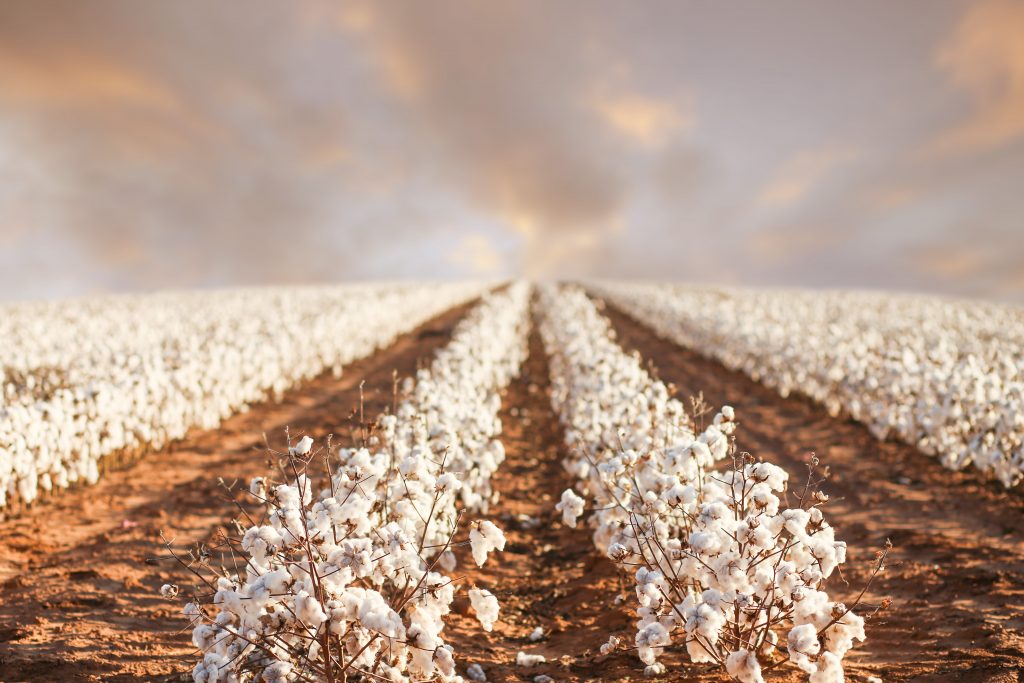
Click here to read more and listen to Ron Hays talk with Mike Schulte about the latest work of the Oklahoma Wheat Commission
Sponsor Spotlight


The vision of the Oklahoma Beef Council is to be a positive difference for Oklahoma's farming and ranching families and the greater beef community, and its mission is to enhance beef demand by strengthening consumer trust and exceeding consumer expectations. 


To learn more, visit www.oklabeef.org. Also, don't forget to like its Facebook page at www.facebook.com/oklabeef for stories on Oklahoma's ranching families and great beef recipes. 


And Check out this video below that helps you learn more about the Beef Checkoff- .


Trade Sees Few Surprises in Latest USDA Acreage and Quarterly Grain Stocks Reports

The USDA released the latest Grain Stocks and Acreage reports on Friday, June 28, 2024. I had the chance to talk with Allendale's Rich Nelson about key takeaways from both reports.


Starting with acreage numbers for the spring planted crops, Nelson said 1.4 million acres was added to the prior estimate of planted acres of corn in March- now at 91.5 million acres. Nelson said Soybeans were lowered from the March estimate, now at 86.1 million acres.


A minor change was seen in planted acres of wheat, Nelson said, down about 258,000 acres from the prior March survey.


"Overall, a little surprise for the corn," Nelson said. "Soybean and wheat numbers were relatively okay."


Regarding the quarterly grain stocks report, Nelson said the numbers released in the latest report represent usage after three-quarters of usage for corn and soybeans. Nelson added the report also "puts the stamp" on old crop ending stocks for wheat.


"We did have a small surprise for the wheat side," Nelson said. "Wheat was 702 million bushels for old crop stocks. This would imply maybe a bit weaker feed usage and feed residual than we expected to see, so a little surprise for corn and wheat on this report"

Click here to read more and listen to Ron Hays talk with Rich Nelson about USDA's Grain Stocks and Acreage Reports

Rabobank's Lance Zimmerman – Consumer Attitudes Towards Beef Remain Positive

In this episode of Beef Buzz, Rabobank's senior beef analyst, Lance Zimmerman, and I talked in depth about consumers and their attitudes towards beef. Overall, he says that the consumer is "hanging in there" despite current financial stressors and concerns about the future.


"When we look at the consumer, I always like to remind producers that demand has two elements to it. One is what their expectation is for the future," Zimmerman explained. "What we've seen play out over the last eighteen months – even as we've seen heightened geopolitical risks, sky-high inflation, and challenges with interest rates – is when you look at the consumer sentiment data, they show that the consumer said, 'Our situation is okay today. It's not great. It's not dire. It's just okay."


He went on to say how the consumer's concerns for the future have been the "looming cloud" over demand discussion for some time. The consumer is keeping their personal finances in order proving they are stressed, but the consumer seems to realize that although they are worried, they aren't helplessly sinking, so in essence, they are treading water.

Click here to read more and listen to Ron Hays talk with Lance Zimmerman about consumer attitudes towards beef
 
 
Sign Up for Our Daily Email- Free Because of Our Sponsors!

Support Our Sponsors!


KIS logo


Advertise With Us!
 

For our farmers who have either- always have had cotton on their farms- or those who have more recently have added the fiber crop to their operations- we have a daily report heard on several of our Radio Stations- It's Called Cotton Talk!

Click on the Button below to listen to our most recent report
Click here for our Latest Cotton Talk- Hosted by KC Sheperd


NFU Serves Up the Farmer's Share of July 4th Cookout Costs

As Americans prepare to celebrate Independence Day with family gatherings and festive cookouts, NFU released the updated "Farmer's Share of the Food Dollar" for items typically enjoyed during a Fourth of July cookout. These figures reveal how much family farmers earn compared to the amount consumers pay at the grocery store.


NFU President Rob Larew explains that farmers receive only a tiny amount of what consumers pay:  


"When consumers stock up on their favorite Independence Day cookout essentials this year, they're likely to notice increased costs for certain products. These increased costs are not reflected in what America's family farmers and ranchers are paid. Decades of mergers and acquisitions have resulted in agriculture and food supply chains that are not only uncompetitive and fragile but also fail to fairly compensate farmers. Corporate monopolies control the vast majority of the processing, distribution, and marketing of our food, and dominate the market for crop inputs, seeds, and farm machinery." 


"As we celebrate the Fourth of July along with the hard work of our family farmers and ranchers, we must recognize the challenges they face. Family farmers and ranchers deserve a fair share of the consumer food dollar." 


The iconic cheeseburger, a staple of many July 4th celebrations, is a prime example. For each dollar spent at retail on the components of a cheeseburger—beef patty, bun, cheese, onion, lettuce, and tomato—family farmers receive only a small fraction. Similarly, other popular cookout items like potato salad and potato chips also reflect a minimal share for the farmers who produce the raw ingredients. 

Click here to see food items included in the 2024 Farmer's Share of July 4th Cookout
 

We invite you to listen to us on great radio stations across the region on the Radio Oklahoma Ag Network weekdays-
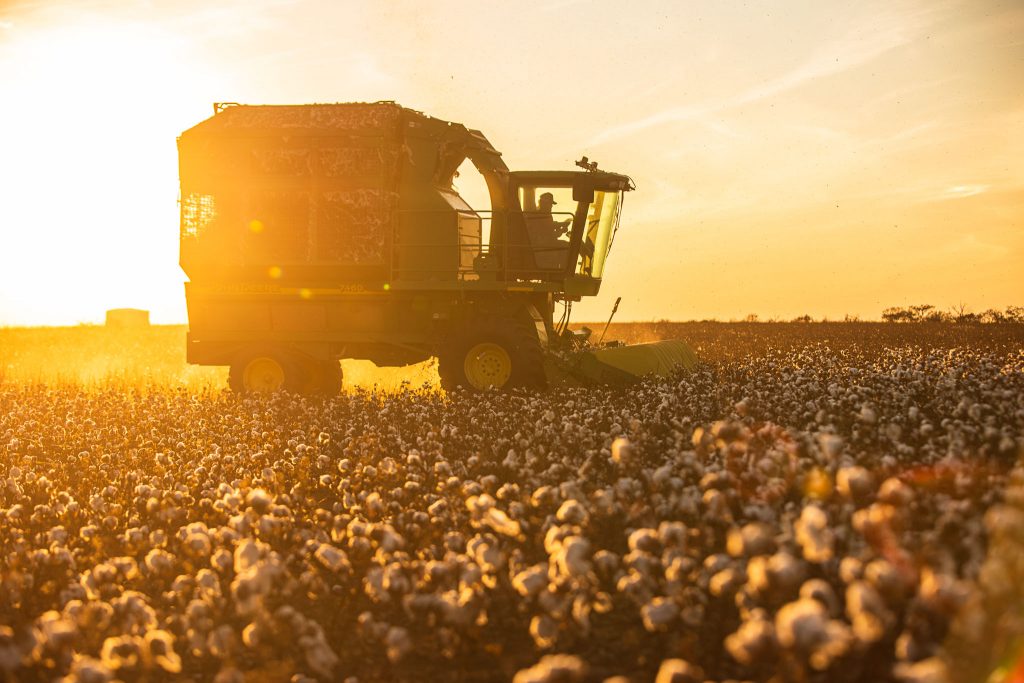
if you missed this morning's Farm News - or you are in an area where you can't hear it- click below for this morning's Farm news from Ron Hays and KC Sheperd on RON.
Listen to our Monday morning farm and ranch news with KC Sheperd
 
 
Subscribe To the Daily Email


Sponsor Spotlight


Invenergy is committed to Oklahoma, having completed its first project in the state in 2006. Today, Invenergy operates three wind energy centers in our state, employs over 60 Oklahomans and continues investing in our project communities. We believe building relationships is the key to being good community partners and we work to develop relationships to benefit our landowners, our employees, and our communities.


We invest in Oklahomans, and we take pride in their success. Our energy facilities provide jobs, tax revenues, landowner payments and other sources of local economic development.


For more information, visit www.InvenergyOklahoma.com


Lankford Applauds Supreme Court Decision to Overturn Chevron Doctrine

Senator James Lankford (R-OK) issued a statement following the Supreme Court decision in Loper Bright Enterprises v. Raimondo and Relentless v. Department of Commerce, which overruled its 1984 decision in Chevron v. Natural Resources Defense Council. The Court's ruling voids precedent that the courts will defer to federal agencies to interpret the law if a statue is unclear. Lankford has long been critical of the use of Chevron deference and the power it has given federal agencies. 


"For far too long the courts have given federal agencies too much power in what's been affectionally referred to as 'Chevron deference.' Today's ruling by the Supreme Court overturned a longtime precedent that gave federal bureaucrats power and has tipped the scales of power back to the American people through their elected representatives. This will stop any Administration from using overreaching rules and regulations to harm businesses, and ultimately harm consumers. It is important that Congress corrects any imbalance in federal laws by passing legislation that ensures the legislative branch makes laws, not federal agencies."

Ag Groups React to Supreme Court's Chevron Decisions

American Farm Bureau Federation President Zippy Duvall commented on the benefits to farmers of a U.S. Supreme Court ruling that strikes

down Chevron deference. Chevron deference instructed courts to defer to federal agencies' arguments about the scope of their own authority. In essence, it multiplied the power of federal agencies and undermined the principles of separation of powers.


"Farm Bureau applauds the U.S. Supreme Court for recognizing the damage Chevron deference has caused to the federal government's balance of power. For decades, Congress has passed vague laws and left it to federal agencies and the courts to figure out how to implement them. AFBF has been a leading voice on this issue and has argued on behalf of farmers who are caught in a regulatory back and forth when administrations change the rules based on political priorities instead of relying on the legislative process. We are pleased the Court heard those concerns.


"The Constitution built a system of checks and balances among three branches of government, to prevent any one branch from becoming too powerful. The legislative branch creates the laws, the executive branch enforces the laws, and the judicial branch interprets the laws. Chevron deference created a super-branch of government. The Supreme Court restored balance with today's decision."


Other groups including the National Cattlemen's Beef Association and the Ag Retailers Association applauded the ruling, while some groups like the Food and Water Watch had more negative things to say about the ruling. To read reactions from these groups, click the names below:


Click here to listen to Mary Thomas Hart of the NCBA as she explains what she believes the Supreme Court Ruling means for cattle producers.

USTR Makes Strong Case During USCMA Trade Dispute Hearing

Officials from the Office of the U.S. Trade Representative hammered arguments made by Mexican representatives this week during oral arguments over Mexico's ban on imports of genetically modified corn used in some food products.

The ban was issued in early 2023. USTR filed a dispute settlement under the U.S.-Mexico-Canada Agreement over the issue in August of that year after the National Corn Growers Association (NCGA) and state corn groups spent months pushing for action.


"The science overwhelmingly shows that genetically modified corn is safe for consumers and does not harm native plants," said Minnesota farmer and NCGA President Harold Wolle. "U.S. officials did an excellent job of making their case, and more importantly they successfully argued that the Mexican government does not have the scientific evidence to support its actions or claims."


During the hearing, which was held on Wednesday and Thursday in Mexico City, U.S. officials made several convincing arguments, according to Wolle, including that Mexico did not conduct a risk assessment to support its claims and the documentation they provided was over 20 years old and lacked scientific rigor. They also argued that Mexico's regulatory agencies have previously determined that genetically modified corn is safe for use and this abrupt deviation from those determinations is a way to restrict trade and target imports. The panel hearing the case is expected to render a decision toward the end of November.

AFBF Appreciates USDA Support of Dairy Farmers Impacted by HPAI

American Farm Bureau Federation President Zippy Duvall commented today on USDA's announcement that the department will compensate dairy farmers for 90% of the value of milk production lost due to highly pathogenic avian influenza. AFBF requested support for impacted dairy farmers and met several times with USDA officials to discuss the potential parameters of such a program.  


"We appreciate that USDA listened when we requested this type of support for dairy farmers whose herds are affected by HPAI. While America's dairy farmers are working to rapidly increase biosecurity on their farms to prevent the spread of the virus, this assistance will help farmers recover in the event of an outbreak. Ultimately, it will also help ensure the continued safety and affordability of our nation's milk supply."  

No Surprises in Oklahoma Acreage Numbers from Friday Report
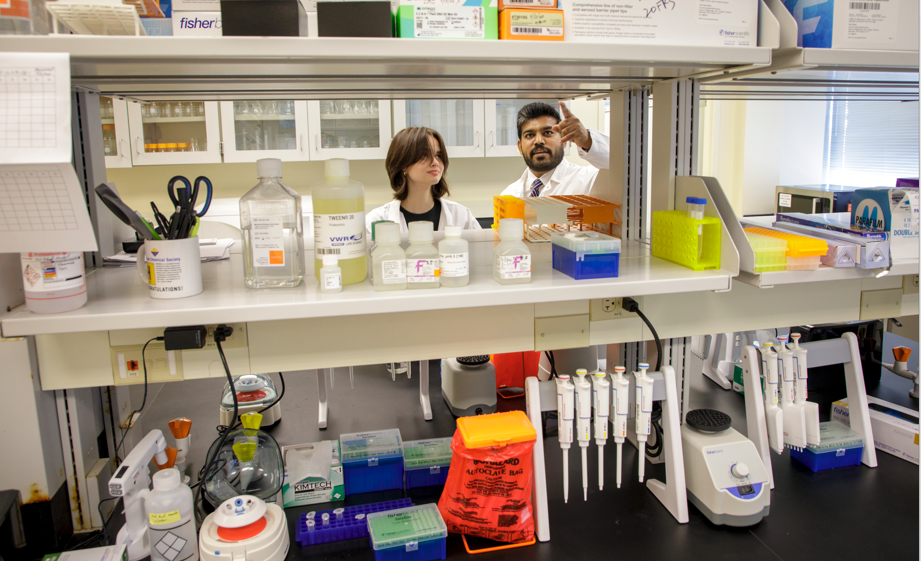
Friday's Acreage numbers provided state by state numbers for all of our major crops- here's a rundown of the Oklahoma stats- showing Oklahoma wheat still the major crop in t he state (no surprise) with cotton and soybeans equal in the number of acres they are growing on in the state this summer.


Oklahoma winter wheat planted, at 4.35 million acres, is down 4 percent from a year ago. Harvested acreage, at 2.70 million, is up 10 percent from last year's crop. 
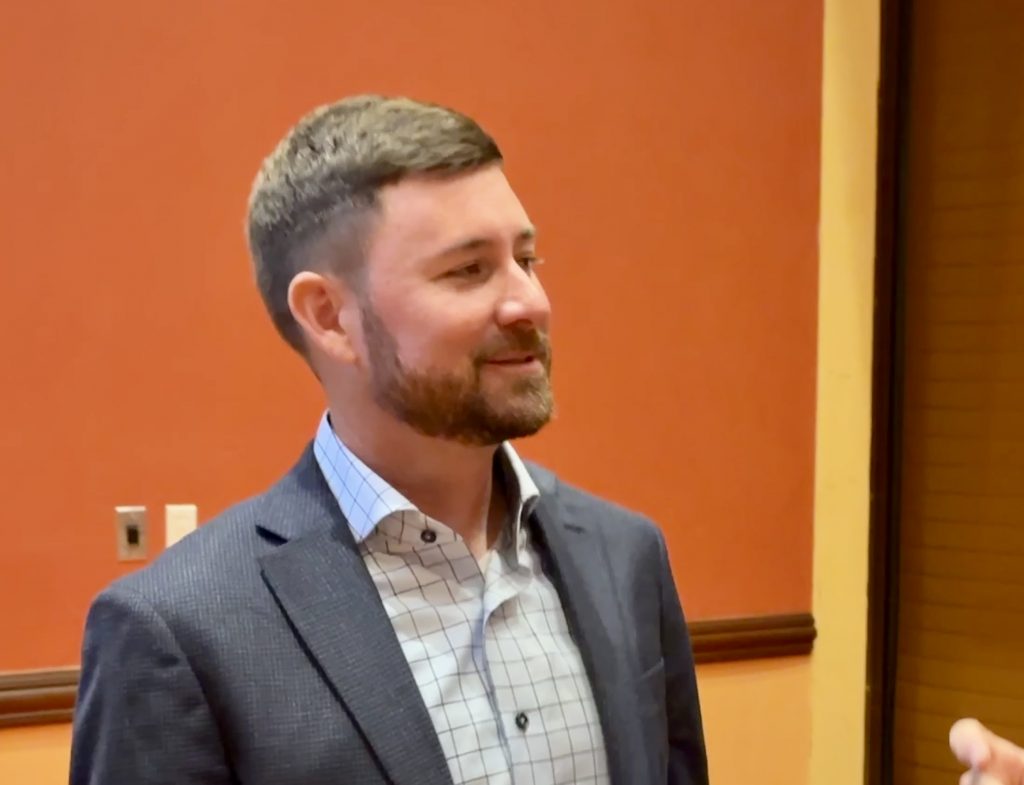

Oklahoma upland cotton is estimated at 460 thousand acres, up 10 percent from last year. 


Oklahoma soybeans is estimated at 460,000 acers- same as 2023.
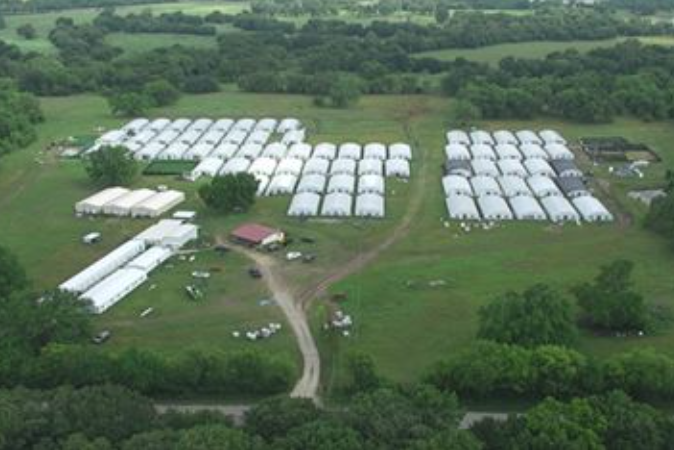

Oklahoma corn growers planted 370 thousand acres of corn, down 5 percent from last year.  Oklahoma sorghum producers planted 340 thousand acres, down 17 percent from last year. 

Click here for more details of the crops being produced in Oklahoma here in 2024
Let's Check The Markets!
OKC West is our Market Links Sponsor- they sell cattle three days a week- Cows on Mondays, Stockers on Tuesday and Feeders on Wednesday- Call 405-262-8800 to learn more.
 
Today's First Look:
Ron on RON Markets as heard on K101  
mornings with cash and futures reviewed- includes where the Cash Cattle market stands, the latest Feeder Cattle Markets Etc.
Hear Today's First Look
 

Wholesale Boxed Beef Prices were higher- Choice Beef was up $2.99 and Select Beef was up $1.81 on Friday 06/28/2024.


Click on the Button below for the latest report from USDA Market News

Boxed Beef Report for 6/28/2024
 

Oklahoma National Stockyards will have a limited number of cattle selling on this first of July, 2,188 head were on the yards last night at 9 pm. The sale will start at 8:00 am this morning. They are expecting to start with 2,400 to 2,700.


Last Monday on June 24th- according to USDA Market News- Compared to the previous week: Feeder steers 1.00-3.00 higher. Steer calves 3.00-5.00 lower. Feeder heifers 2.00-5.00 lower. Heifer calves 5.00-8.00 lower. Quality plain to average. Demand Moderate. Calf buyers were more cautious this week because of the heat and drying conditions. Supply included: 


Click below for the complete closing report.

Oklahoma National Stockyards Market Report from 06/24/2024
 
 
Each afternoon we are posting a recap of that day's markets as analyzed by Justin Lewis of KIS futures - click below for the latest update on the Livestock and Grain Futures Trade..
Click Here to Listen to Justin's Commentary From 06/28/2024
 
Okla Cash Grain:  
Daily Oklahoma Cash Grain Prices- as reported by the Oklahoma Dept. of Agriculture- The report available after the close of the Futures Trade for that day.
Read  Cash Grains Report from 06/28/2024
 
Our Daily Market Wrapup from the Radio Oklahoma Ag Network - analyzing the Futures Markets for that trading day- as reported by KC Sheperd.
Click to Listen to Our Weekday Wrap with KC
 
Slaughter Cattle Recap: 
The National Daily Slaughter Cattle Summary- as prepared by the USDA Market News
Read Report
 
TCFA Feedlot Recap:  
Finally, here is the Daily Volume and Price Summary from the Texas Cattle Feeders Association.
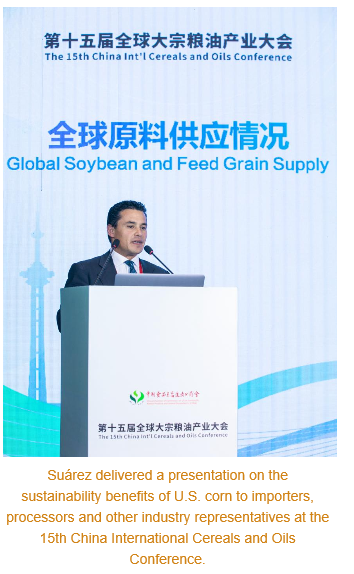
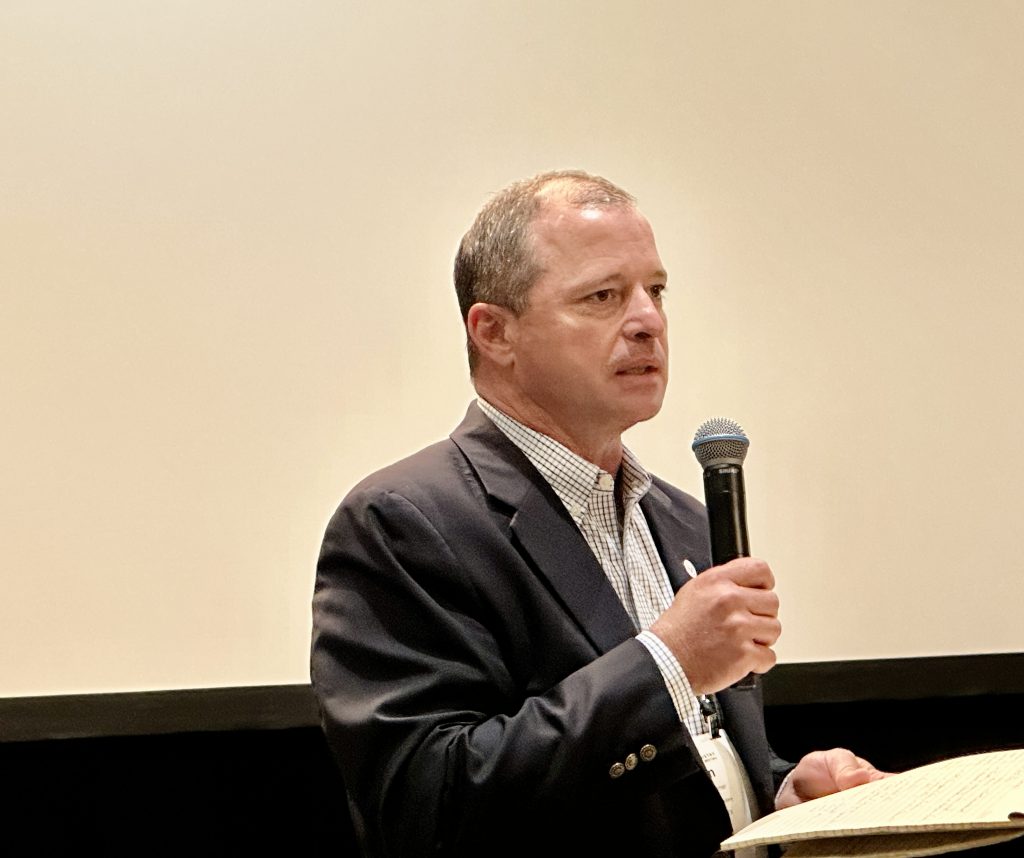
Read Report
Our Oklahoma Farm Report Team!!!!
 
Ron Hays, Senior Farm/Ranch Broadcaster and Editor
 
KC Sheperd, Farm Director and Editor

Dave Lanning, Markets and Production

Reagan Calk, Farm News and Email Editor

Pam Arterburn, Calendar and Template Manager

Podcasts From Oklahoma Farm Report and More

Two of our regular reports are also podcasts that you can subscribe to- Our daily Farm and Ranch News with KC Sheperd- available here on the Apple Podcast Platform


The second is our daily Beef Buzz with Ron Hays- available here on the Apple Podcast Platform


Periodically- we offer interviews on our Ag Perspectives Podcast series- this podcast is available here.


Ron has also has a series of podcasts from interviews with newsmakers at the Cattlemen's Congress- Click here or you can find them on your favorite Podcast platform- look for them by searching for Cattlemen's Congress Conversations.


We are making plans to jump back into regular installments of what has been called the Road to Rural Prosperity- a new name and fresh content is in the works- for now- click on the blue button below for one of our favorites that is a timeless classic.

Listen to Episode 86 with Ron Hays talking with one of the legends in the Beef Cattle Business- Bob Drake of Davis, Oklahoma
 
 
Listen to Ron
Beef Buzz
 
Blue Green Gazette
Calendar
Auctions
Market Links
Facebook  Twitter  Youtube  

Our thanks to Midwest Farms Shows, P & K Equipment, Oklahoma Farm Bureau, Oklahoma Ag Mediation Program, Great Plains Kubota, Stillwater Milling Company, National Livestock Credit Corporation, Oklahoma Beef Council, Oklahoma Wheat Commission, Oklahoma AgCredit, the Oklahoma Cattlemens Association, Invenergy Oklahoma and  KIS Futures for their support of our daily Farm News Update.


For your convenience, we have our sponsors' websites linked here- just click on their name to jump to their website- check their sites out and let these folks know you appreciate the support of this daily email, as their sponsorship helps us keep this arriving in your inbox on a regular basis- at NO Charge!


We also appreciate our Market Links Sponsor - OKC West Livestock! 


We invite you to check out our website at the link below too that includes an archive of these daily emails, audio reports and top farm news story links from around the globe.

Head to Our Website OklahomaFarmReport.Com
God Bless!
Reach Out To Us:
Tim West
President/General Manager
Rural Oklahoma Networks

405-317-6361

***************

Mike Henderson
Director of Sales

405-615-4922

KC Sheperd
Farm Director
Radio Oklahoma Ag Network

405-443-5717

Email KC
Ron Hays
Senior Farm/Ranch Broadcaster
Radio Oklahoma Ag Network

405.473.6144
Email Ron

A Look at Irish Agriculture With OSU's Derrell Peel

Photo courtesy of Danielle Jawad

Dr. Derrell Peel, Oklahoma State University Extension Livestock Marketing Specialist, offers his economic analysis of the beef cattle industry as part of the weekly series known as the "Cow Calf Corner," published electronically by Dr. Peel and Mark Johnson. Today, Dr. Peel talks about agriculture in Ireland.

The 2024 Ferguson College of Agriculture Study Abroad group crossed from Scotland to Ireland by ferry to finish up the two-week experience.  The island of Ireland is just slightly larger than Scotland; both are about the size of South Carolina.  Ireland consists of Northern Ireland, part of the U.K. in the six northern counties and the Republic of Ireland making up the remaining 83 percent of the island.  Over 80 percent of land in Ireland is used for pasture and hay production, with under 10 percent used for arable crop production.  However, some of the cropped area is extremely productive.  Major crops are wheat, barley and oats. The photos below show winter wheat production in northeastern Ireland and the size of the developing wheat heads relative to my hand. Average wheat yield is about 175 bushels/acre. 

Unlike the U.K., cattle outnumber sheep in Ireland with a total cattle inventory of 6.6 million head, compared to 4.0 million sheep.  The are 1.5 million dairy cows in the country compared to 0.9 million beef cows.  Dairy production is a huge industry with over 90 percent of dairy products exported.  Most dairies are pasture-based on ryegrass forage (photo below).  Dairy production is seasonal with many cows bred to calve in the spring so that lactation coincides with summer pasture production.  Dairy production drops sharply in the winter months, with export production sharply curtailed and domestic fluid milk production maintained by a small set of specialized dairy farms.

Beef production is very important in Ireland, which has the third largest beef cow herd in Europe after France and Spain.  About 90 percent of Irish beef is exported, primarily to the U.K. and Europe.  The photo below shows a feedlot in the northeast part of the country.  Cattle feeding is under roof due to the wet conditions.  This particular feedlot feeds bulls part of the year for a specific market in Italy and feeds mostly heifers in the remainder of the year.  The bulls are fed exclusively in the feedlot, arriving as 800-pound feeders and marketed about seven months later at roughly 1600 pounds.  The ration consists primarily of grass silage and fodder beets with some grain.  Steers and heifers fed for the domestic and other markets are often grazed longer and then finished in a short two to three month finishing period.

Feedlot cattle include a variety of British and Continental crossbred cattle, including the Belgian Blue cross bull in the photo below. Most of the cow-calf production occurs other regions of the country where crop production is not possible. 

Ireland is blessed with a relative mild climate, moderated by the Atlantic Gulf Stream, which offsets the relatively northern latitude of the country.  Forage production is possible nearly year-round but slows considerably in the winter months.  Ireland has long been a major food producer for the U.K. and other European countries.

Matt Perrier Encourages Producers to Actively Affect their Own Profitability

Listen to Ron Hays talk with Matt Perrier about producer profitability.

Matt Perrier, a Kansas Rancher spoke with Senior Farm and Ranch Broadcaster Ron Hays about producer profitability during the LMA Convention held in downtown Oklahoma City this past month.


Perrier is a past president of the Kansas Livestock Association, currently serves on the Kansas Beef Council Executive Committee, and has served on various local, state and national boards in the livestock industry.


Perrier encouraged producers to be proactive in positively affecting their individual profitability on their own. He said, "Producer profitability comes from a lot of directions and there are a lot of directions that it goes to. No two segments, regions, or cattle producers within a neighborhood are the same. There are plenty of things in the beef industry that are challenges that affect producer profitability, and we tend to dwell on those instead of asking, 'What is the environment? What is the market? What are the opportunities telling us that we need to do to positively affect profitability.'"


Typical to the Capitalist country that the U.S. is, not everyone is going to profit; however, when taking into account sustainability, long term profitability is the most important piece. Regardless of a producer's choice of lifestyle or stewardship methods, if they don't profit enough, they aren't going to continue.

One positive effect on profitability is the consistency in producing quality beef. "When you know that you have a 20 or 30 percent chance of getting steak that isn't a tasty eating experience for you and your family, when prices go up, you are trading down to pork or poultry."
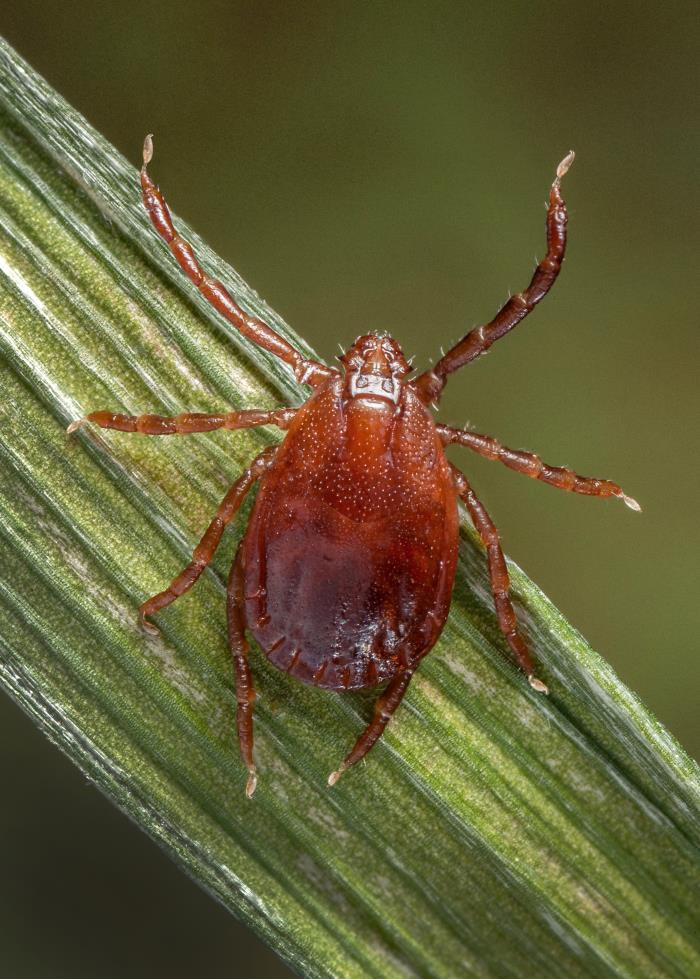

Recently, consumers have been willing to pay more for beef than Perrier ever thought possible and he contributes that to the consumer counting on the fact that that their beef will taste just as good as it did the last time.


The Beef Buzz is a regular feature heard on radio stations around the region on the Radio Oklahoma Ag Network and is a regular audio feature found on this website as well. Click on the LISTEN BAR for today's show and check out our archives for older Beef Buzz shows covering the gamut of the beef cattle industry today.

Registration Open for the 2024 Angus Convention in Fort Worth

What better place to explore the future of the Angus breed than in a city built by the cattle industry. The American Angus Association® is headed to Fort Worth for the 2024 Angus Convention, Nov. 1-4. Cowtown will serve as a fitting backdrop to drive innovation, explore and shape the future of the Angus breed, and engage in education and conversation.

"We are looking forward to being back in Fort Worth for Angus Convention this November," said Caitlyn Brandt, director of events and junior activities for the American Angus Association. "Cowtown certainly attracts cattlemen and women from across the country along with allied industry members."

The event will kick off in a "Welcome to Texas" fashion with the National Angus Tour and Beef Blitz on Friday, Nov. 1. These ticketed events immerse attendees in the local industry.

National Angus Tour  

Explore the Texas countryside, visit local businesses making big industry impacts, and catch up with fellow producers. Stops include Cox Ranch, Vytelle Corporate Laboratory and Teskey's Western Store.


Beef Blitz
  

Spend the day with Certified Angus Beef and get a behind-the-scenes look at the foodservice and retail world, showing how progressive technology and merchandising offer consumers the best eating experience with the best Angus beef.

The stellar lineup continues through the weekend with general sessions focused on providing producers with unique perspectives and a little food for thought to take back to the ranch.

Opening Session

Disruptive and Un-Traditional Marketing with Branding and Relationship Expert Scott Scratten

The ability to build relationships and be heard by your market has never been greater, but it is overwhelming to determine what tools to use. This entertaining and thought-provoking talk covers both online and offline methods of staying in front of your target audience so that when they have the need to buy, they choose you. 

Genetic Symposium

The Genetic Key: Revolutionizing Animal Health in Beef Cattle through Genetics

How can genetics play a role in addressing health challenges in beef cattle? From hereditary diseases to resilience against environmental stressors, we will explore advancements made in other species and how genetic advancements could transform the landscape of beef cattle management. Discover how harnessing genetic insights can not only mitigate health issues but also enhance productivity, sustainability, and profitability within the beef industry.

Inspirational Session

No Bad Days with Hunter Pinke

How to live the rest of your life without having another bad day. After becoming a paraplegic in a skiing accident, Hunter was told he would have good days and bad days. He decided differently. Hunter shares the real source of joy and the truths that can get you through any tough day.

A pillar of the annual convention, Angus University educational sessions will drive conversation around marketing, herd rebuilding, diversification, and succession planning.


Angus Media Marketing Summit

Back by popular demand, the Angus Media Marketing Summit will help you reach new customers, tell your story, and leverage the right tools to get the job done. Angus Media's team of experts will help you think about marketing from a new perspective – offering strategies to turn minor adjustments into major gains.  


Herd Rebuilding
 

Traditionally, herd rebuilding has allowed the cattle industry to make significant genetic gains. Do you have a road map to ensure your operation can capitalize on the opportunity? 

Diversification 

New revenue streams can allow space for younger generations to come home to the operation or provide the security to take risks where you otherwise wouldn't.  

Explore the possibilities with experts in a variety of ranch-adjacent opportunities.  

Succession Planning 

Planning for life after the ranch can be a hard conversation to start. Let's start it together – with simple steps to help you explore the options, choose the right one for your family, and lay the groundwork to create peace of mind. 


Angus Convention is not just for Association members. Texas Regional Manager Radale Tiner encourages local producers to take advantage of the resources coming to their backyard.

"This is a great opportunity for both registered & commercial producers in Texas to learn more about innovations in our industry," said Tiner. "It is also a great networking opportunity to share a bit about the great things we have going on in the state's beef industry."

All members are welcome to invite commercial customers to take part in the convention, connect with fellow ranchers and attend the educational session. Angus University will host an
additional session focused on commercial operations.

Capturing Value: Commercial Cattlemen's Session

Take an in-depth look at a rapidly evolving marketplace and how AngusLinkSM may be your missing link to capturing added value.

Between educational sessions, we will celebrate the accomplishments of producers who have helped move the breed forward, elect the next Board of Directors, discuss the state and future of the American Angus Association® and explore new industry innovations at the trade show.

Join your Angus Family in Fort Worth! Together we celebrate tradition & explore innovation. 

Early bird pricing is available through July 31. Register today.

U.S. Soy's Matt Gast Commends Staff and Board Members for Excellent Soybean Promotion and Advocacy

Listen to KC Sheperd talk with Matthew Gast about the latest U.S. Soybean Board work.

Farm Director KC Sheperd is talking with United Soybean Board Director, Communication and Education Chair, Matthew Gast, about the latest innovations for soybeans, Checkoff work, and more.

While animal agriculture is the biggest customer of the soybean industry, Gast said the presence of soybean crush facilities has increased. Gast said soybean use continues to grow, as soybean oil has recently been used to make tires, firefighting foam, synthetic lawn turf, and much more.

"We are continually finding new uses for soy and expanding what it is used for," Gast said. "We are very proud of those things and things that we have funded and projects to help increase the value of U.S. soybeans."

Every five years, Gast said the Soybean Checkoff performs a Return on Investment study. As of now, Gast said for every dollar a farmer puts into the checkoff, they get a $12.34 return on investment.

Matt Gast

"For all of us that serve on the United Soybean Board, it is an honor to be appointed to this board and to serve all 515,000 U.S. soybean farmers, and it is something we take a lot of pride in," Gast said.

Gast said because many of the people he works with at the United Soybean Board are performing as volunteers, there is a lot of passion for the industry within the group.

"Last year I was gone for two months traveling for soybean meetings in a volunteer position," Gast said. "Everybody that does it is very passionate about it, and we continue to grow the value of U.S. soy and things it is being used in. We are continuing to find new markets, but also build on our current markets."

Another important role of the Soybean Checkoff is not only educating consumers, Gast said, but also telling farmers how their dollars are being used effectively.

"We have a great staff at USB that really hits home on what we are doing," Gast said.

On June 22nd, the documentary "Groundbreaking: A Story of Innovation" was released on A&E. Gast  said the documentary highlights the history of soy and the various uses. Gast said the documentary is one of many examples of the hard work and dedication of the U.S. soy team members.

"It has been really neat to see the work of the Board of Directors as well as the staff, and the hard work everybody has put in," Gast said. "It has been a pleasure to be on this board and this committee as well."

Oklahoma Crop Acreage Numbers for 2024 Show Little Change From 2023

Friday's USDA Acreage numbers provided state by state numbers for all of our major crops- here's a rundown of the Oklahoma stats- showing Oklahoma wheat still the major crop in t he state (no surprise) with cotton and soybeans equal in the number of acres they are growing on in the state this summer. Feed grain crops were planted on fewer acres this year versus last.

Oklahoma winter wheat planted, at 4.35 million acres, is down 4 percent from a year ago. Harvested acreage, at 2.70 million, is up 10 percent from last year's crop. 

Oklahoma upland cotton is estimated at 460 thousand acres, up 10 percent from last year. 

Oklahoma soybeans is estimated at 460,000 acers- same as 2023.

Oklahoma corn growers planted 370 thousand acres of corn, down 5 percent from last year.  Oklahoma sorghum producers planted 340 thousand acres, down 17 percent from last year. 

Here's a summary of the southern plains acreage numbers for Oklahoma and Texas:


Ron salutes our daily email sponsors!

Upcoming Events

November

S M T W T F S
1 2 3 4 5 6 7
8 9 10 11 12 13 14
15 16 17 18 19 20 21
22 23 24 25 26 27 28
29 30          

Visitor Polls

Do you like the new website?
Add a Comment
(Fields are Optional)

Your email address is never published.